
Islamic Art Guide: Museum of Islamic Art in Cairo (Part 2)
Reposted from the web
Summary: Islamic Art Guide: Museum of Islamic Art in Cairo (Part 2) is presented here as a firsthand travel account in clear, natural English. The account focuses on Cairo, Islamic Art, Museum Travel while preserving the names, places, food, photos, and historical details from the Chinese source.
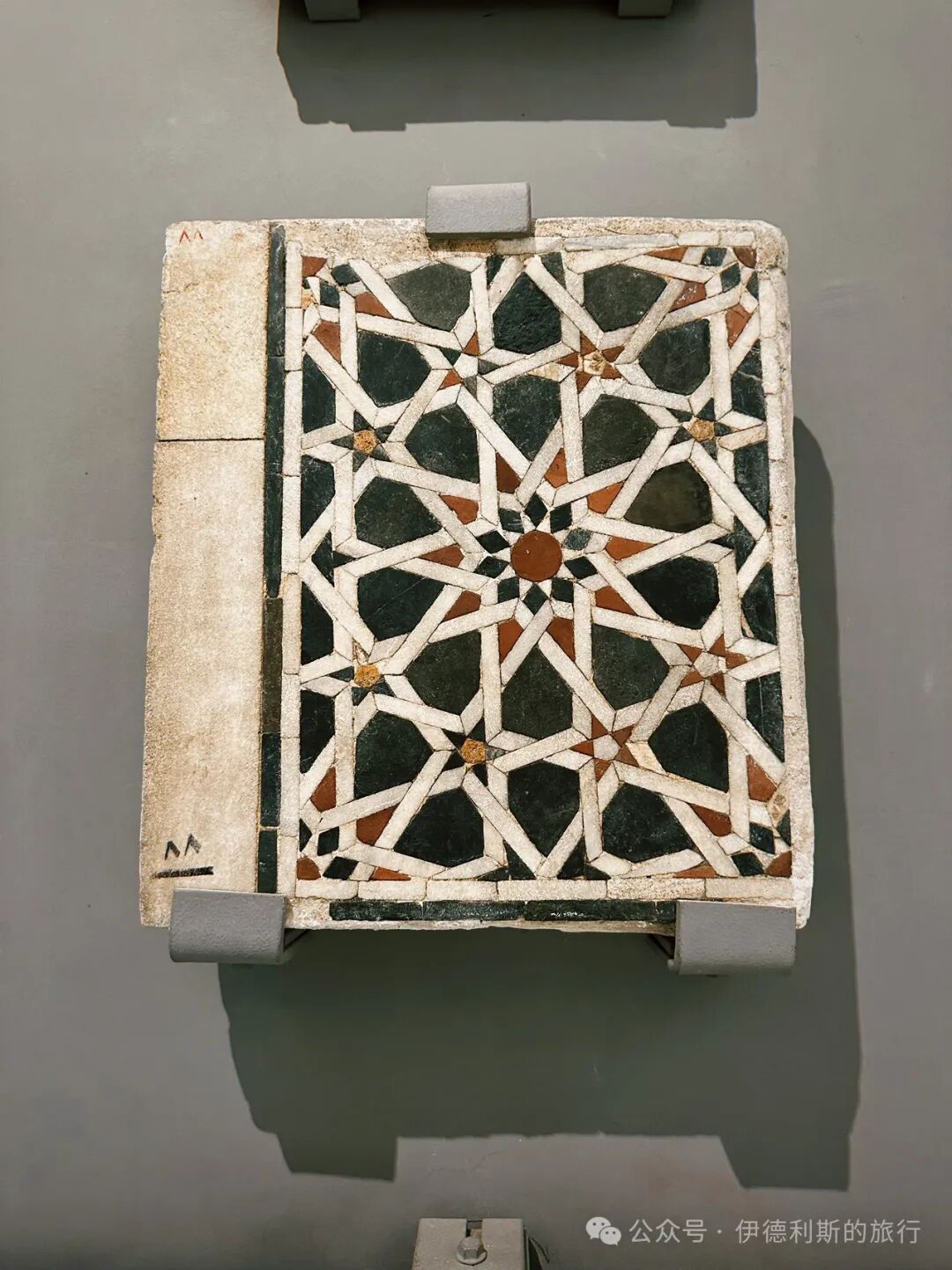
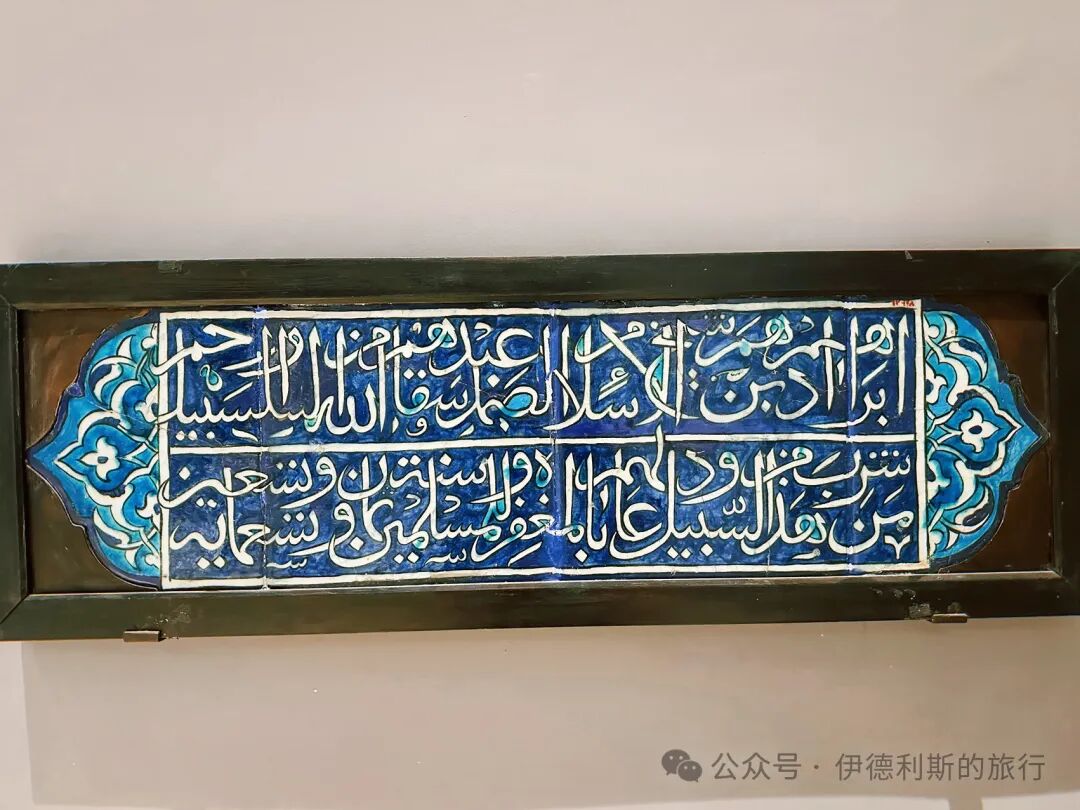
Script tiles from the Mamluk dynasty in the 14th century.
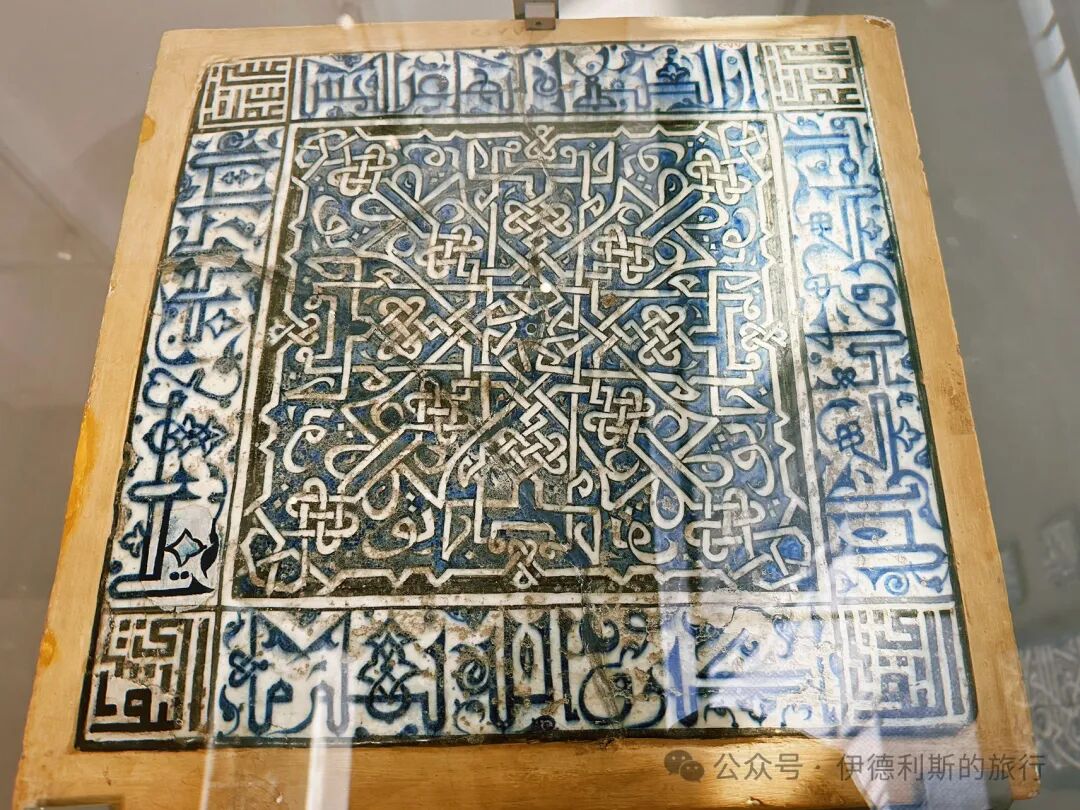
A tile inscribed with the name of the Mamluk Sultan Qaitbay, who reigned from 1468 to 1496.
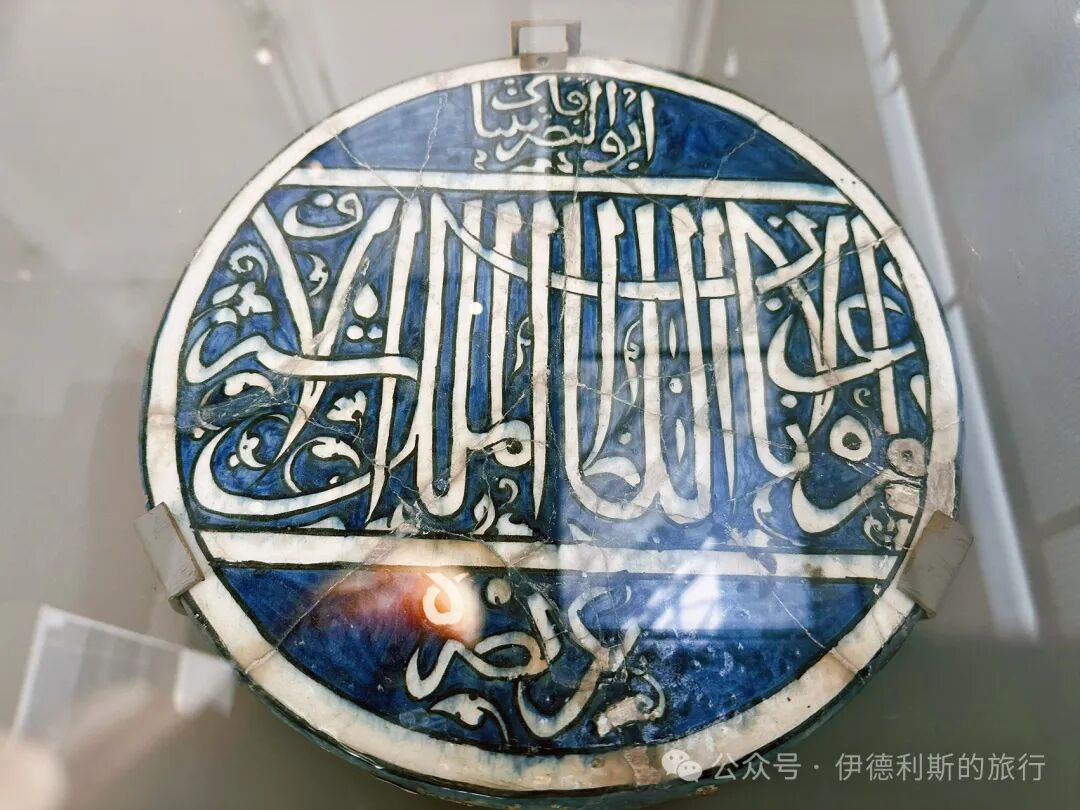
A 14th-century marble tile with Kufic script from the Mamluk dynasty in Egypt.
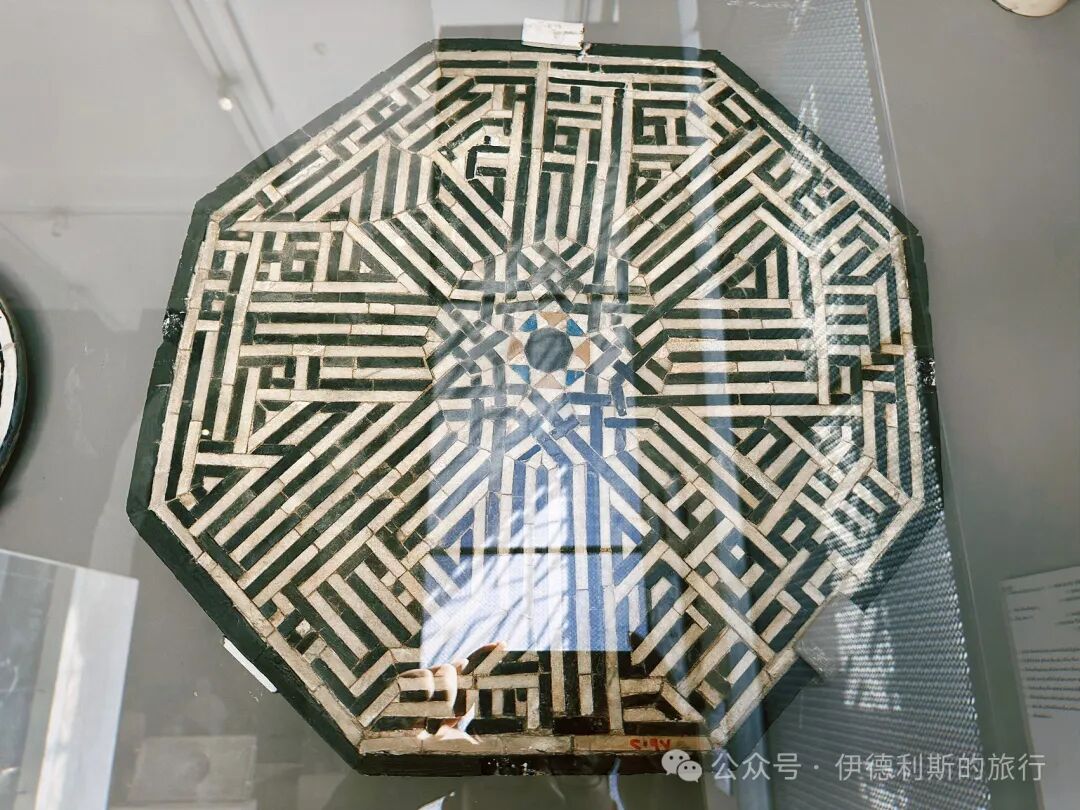
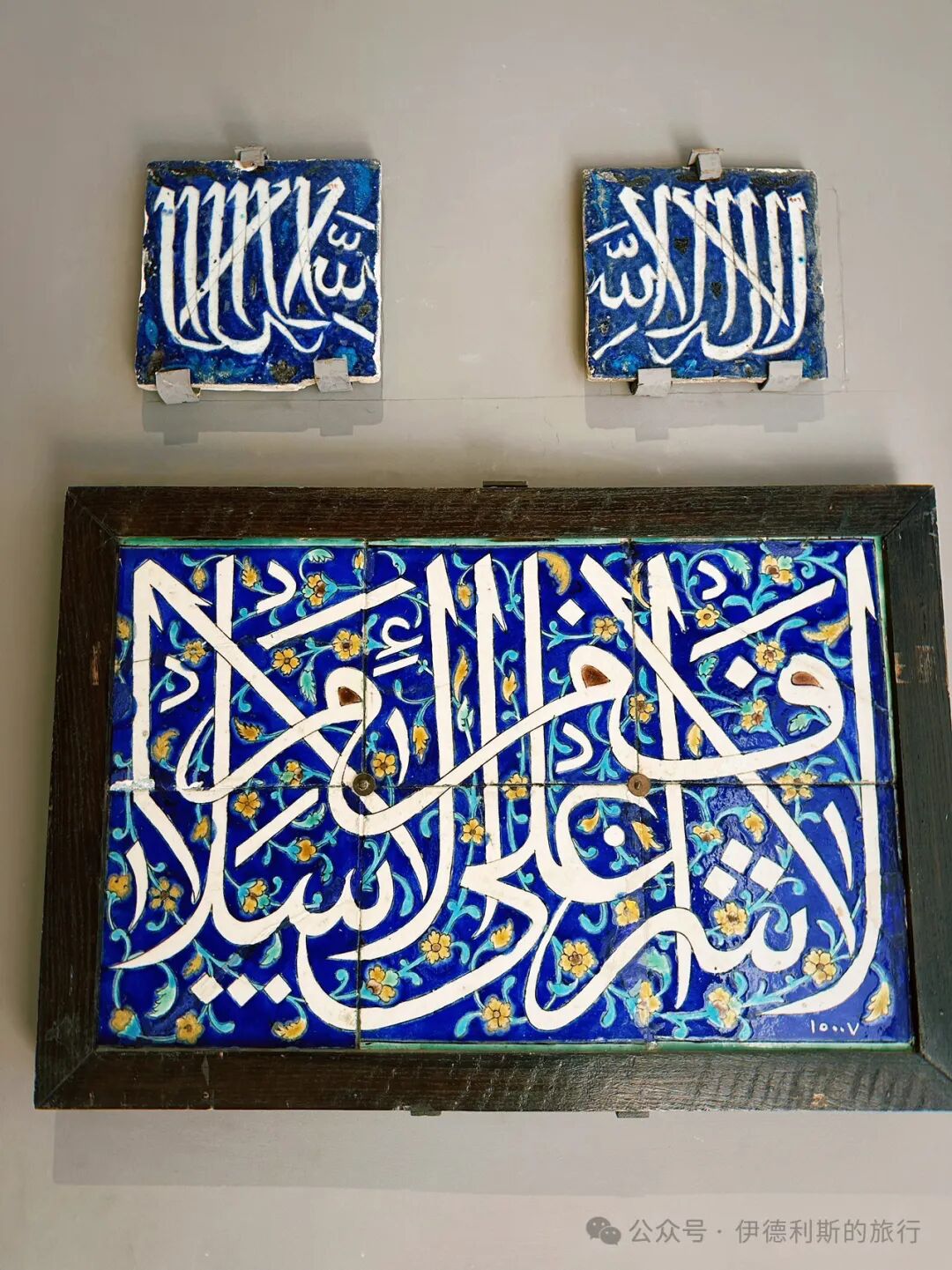
Arabic script tiles from the Egyptian Mamluk dynasty, with the 14th century on top and the 16th century on the bottom.
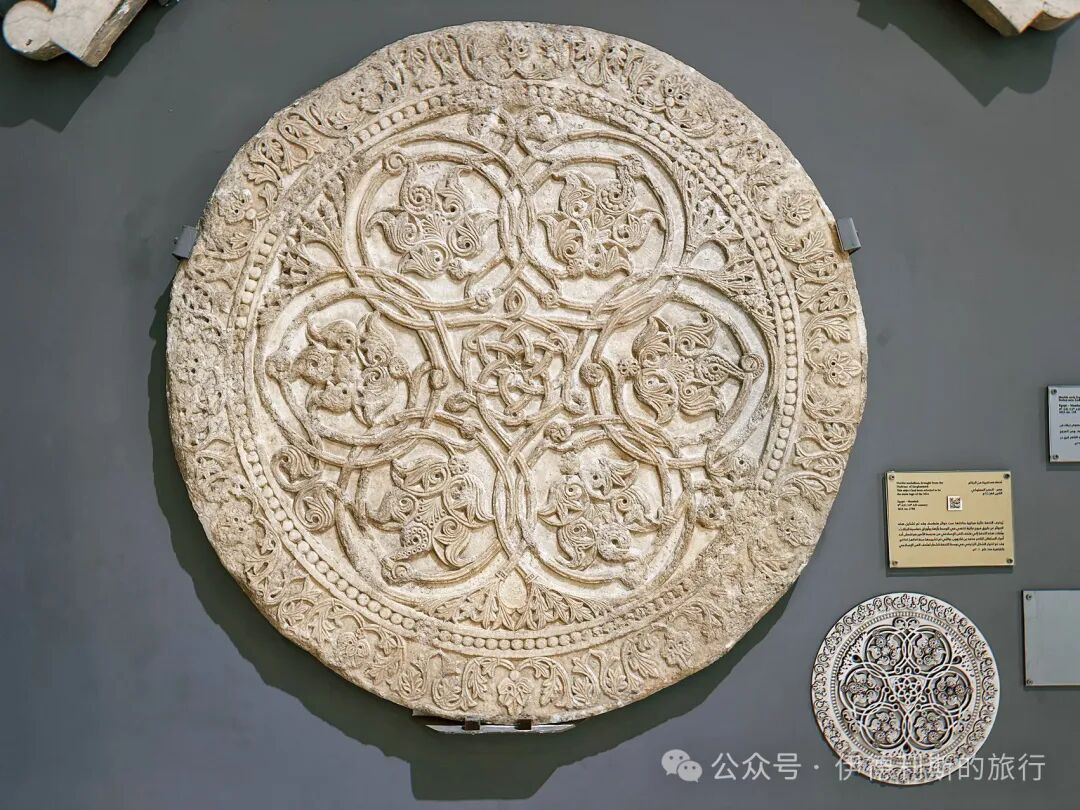
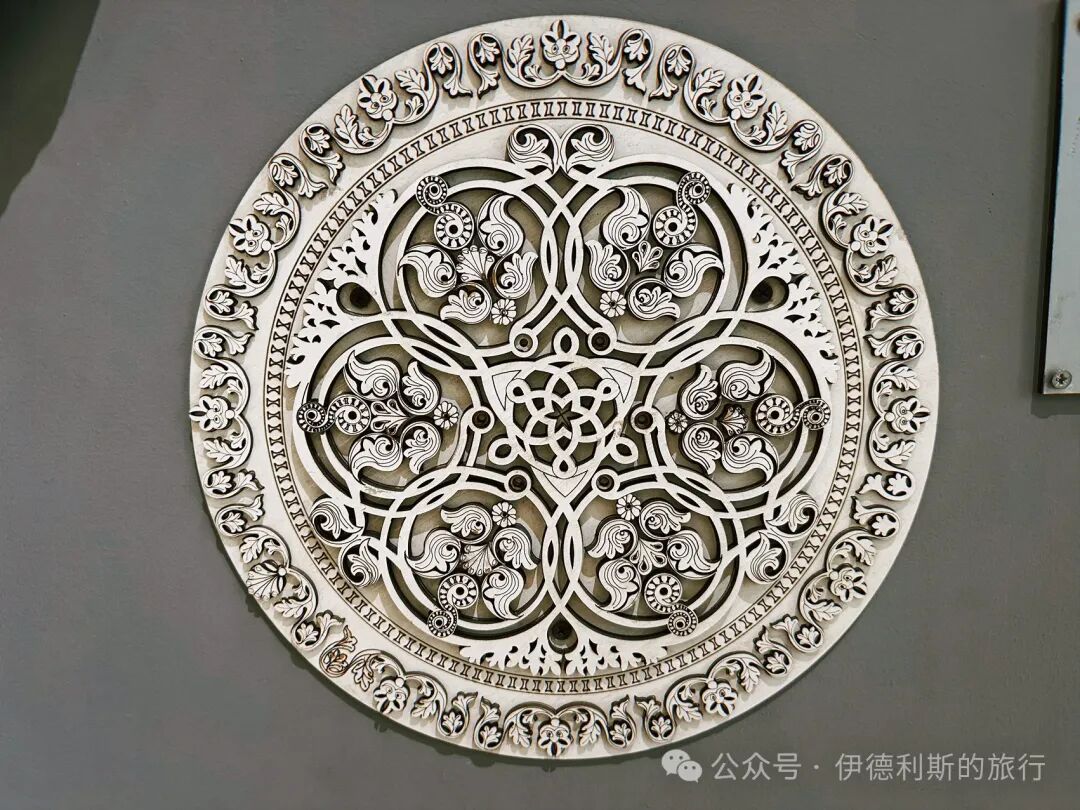
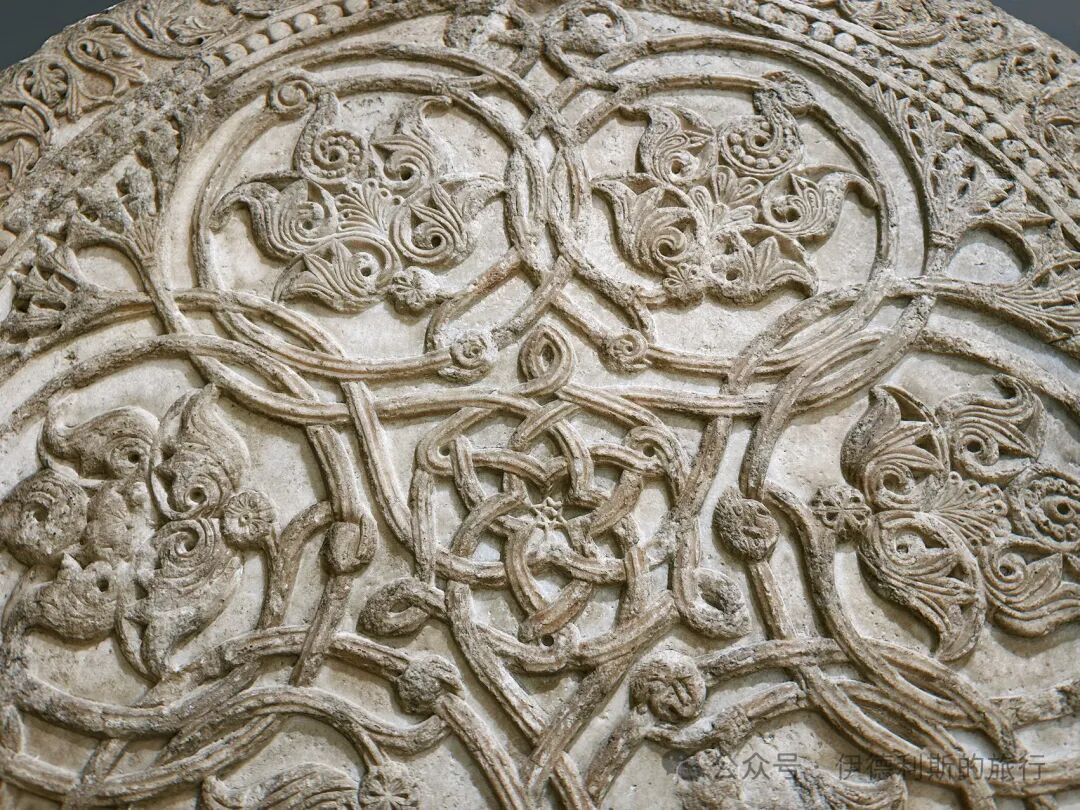
A 14th-century Mamluk-era marble carving from the Sarghatmish Madrasa in Cairo, featuring a small-scale replica in the bottom right corner that allows visitors to touch the patterns.
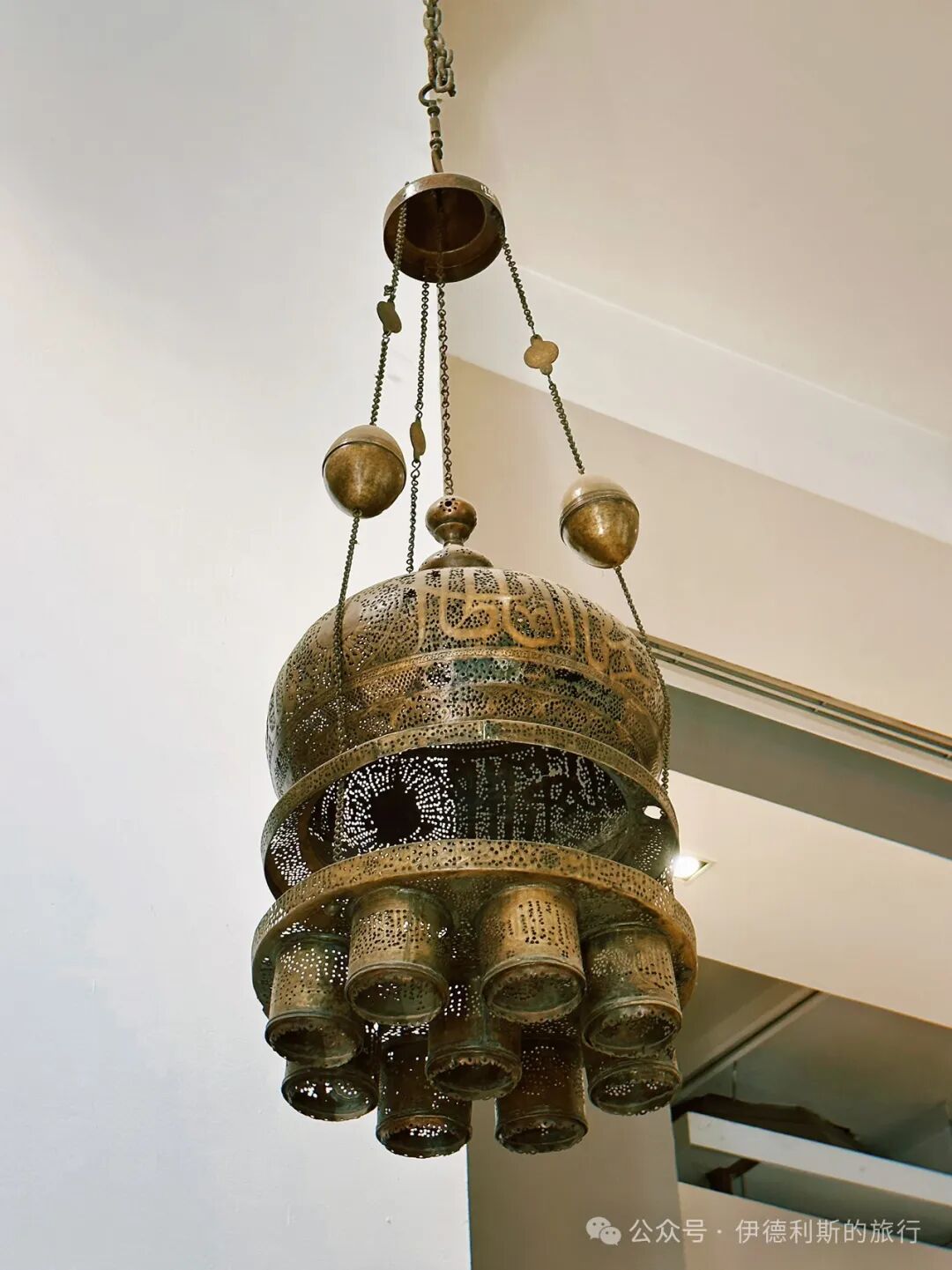
A copper lamp inlaid with silver, inscribed with the name of the Mamluk Sultan Al-Ashraf Sha'ban, who reigned from 1363 to 1377.
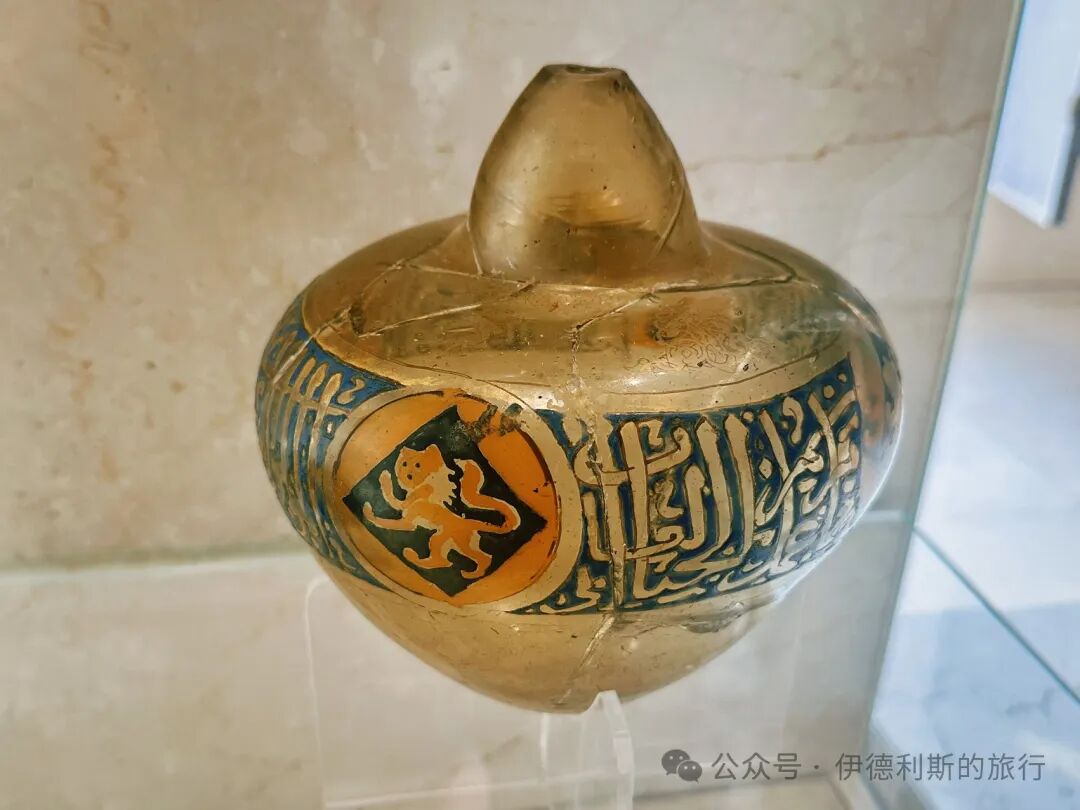
A 13th-century glass vessel from the Mamluk dynasty inscribed with the name of Prince Shams al-Din al-Tanbugha.
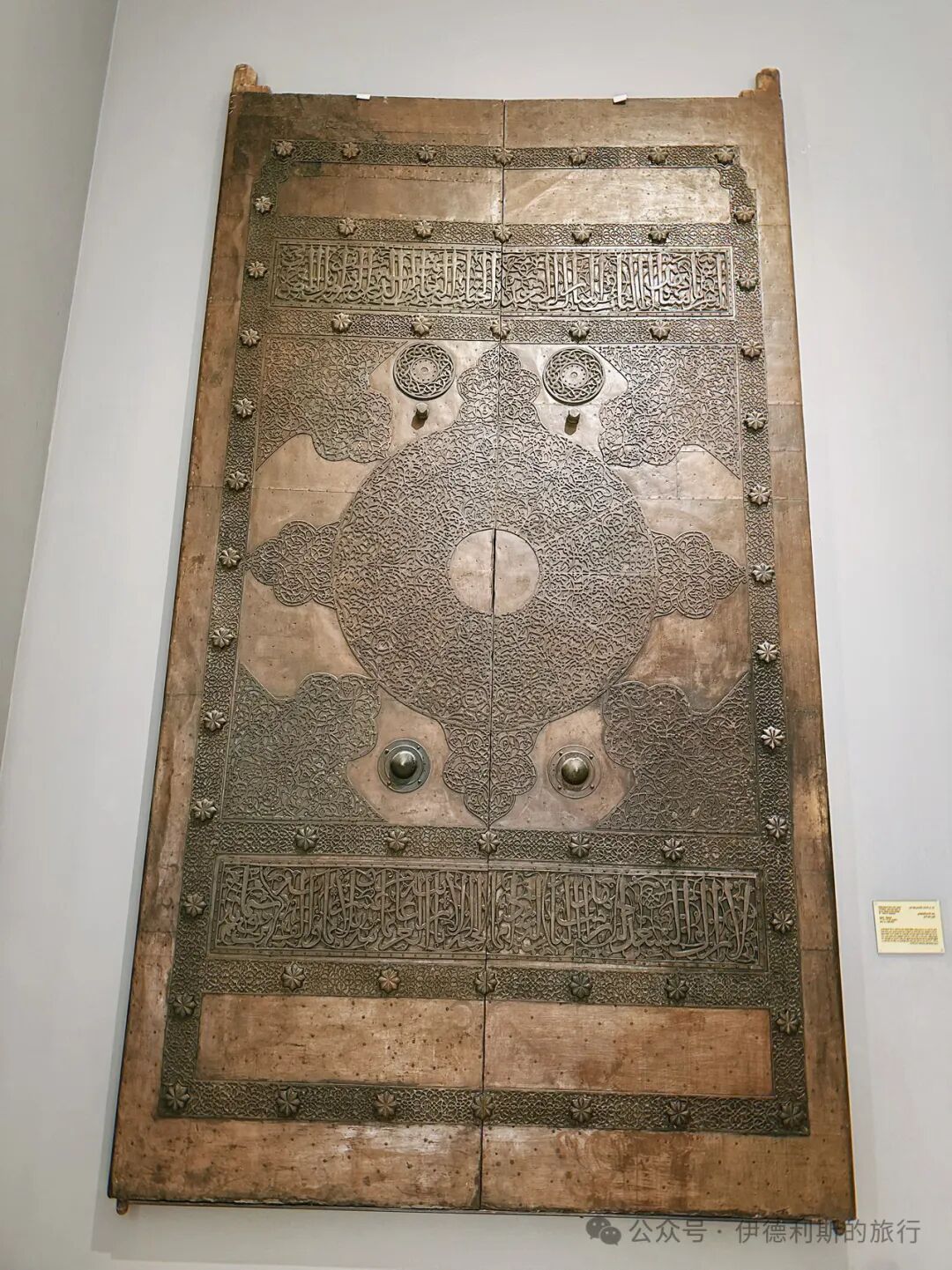
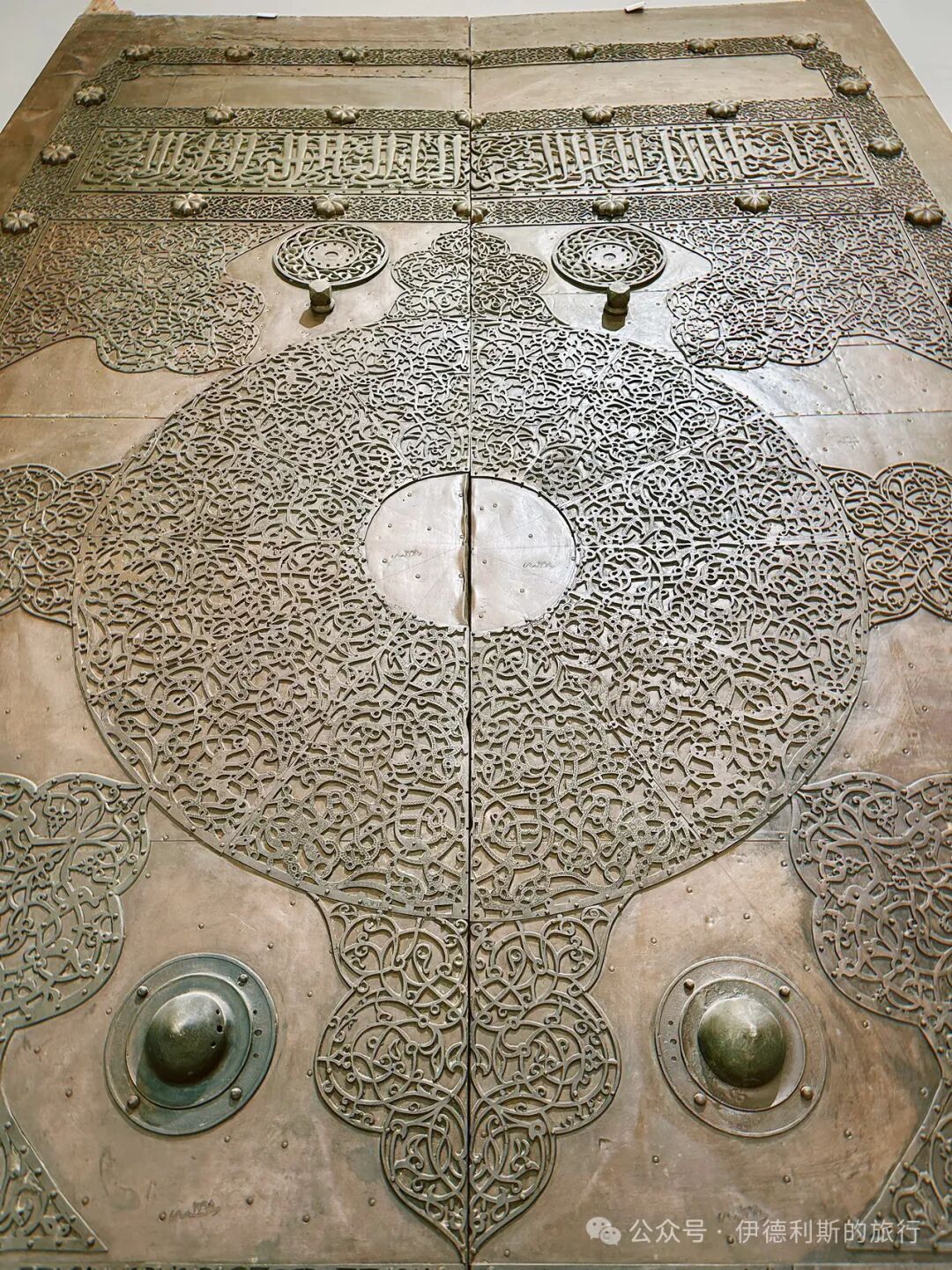
A 13th-century copper-plated wooden door from the Egyptian Mamluk dynasty, inscribed with the name of Prince Shams al-Din Sunqur al-Tawil al-Mansuri.
An ivory carving inscribed with the name of the Mamluk Sultan Qaitbay, who reigned from 1468 to 1496.
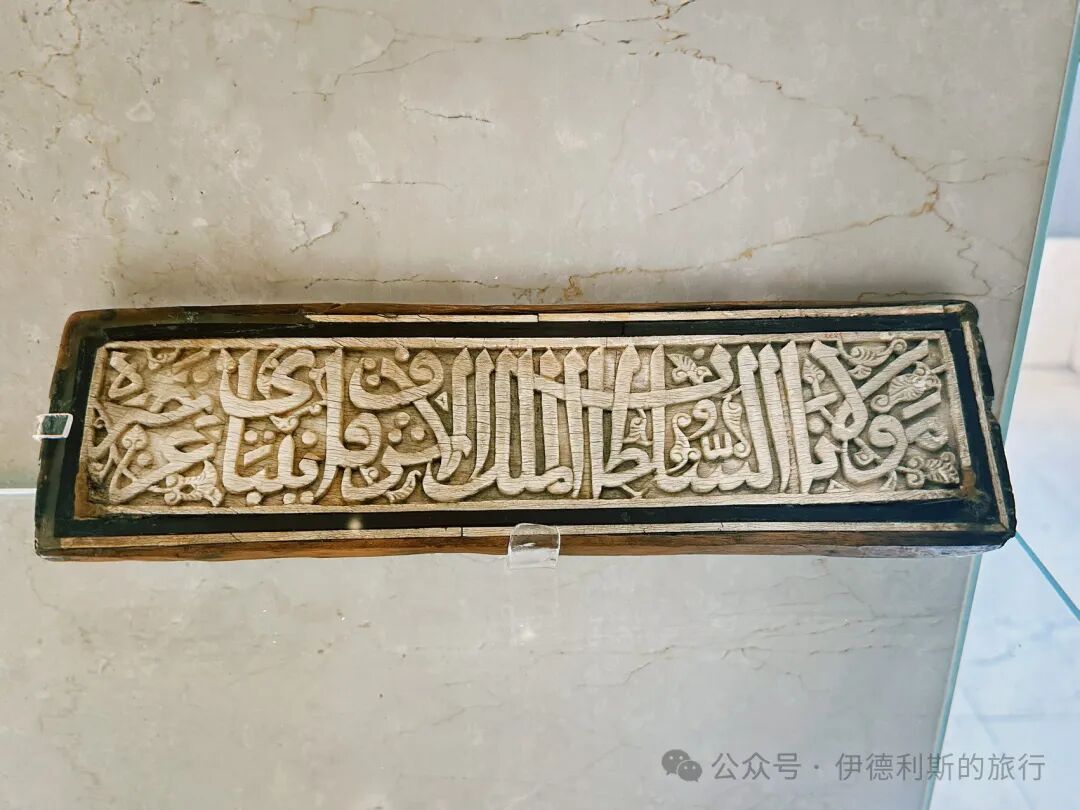
A 14th-century ivory carving from the Egyptian Mamluk dynasty.
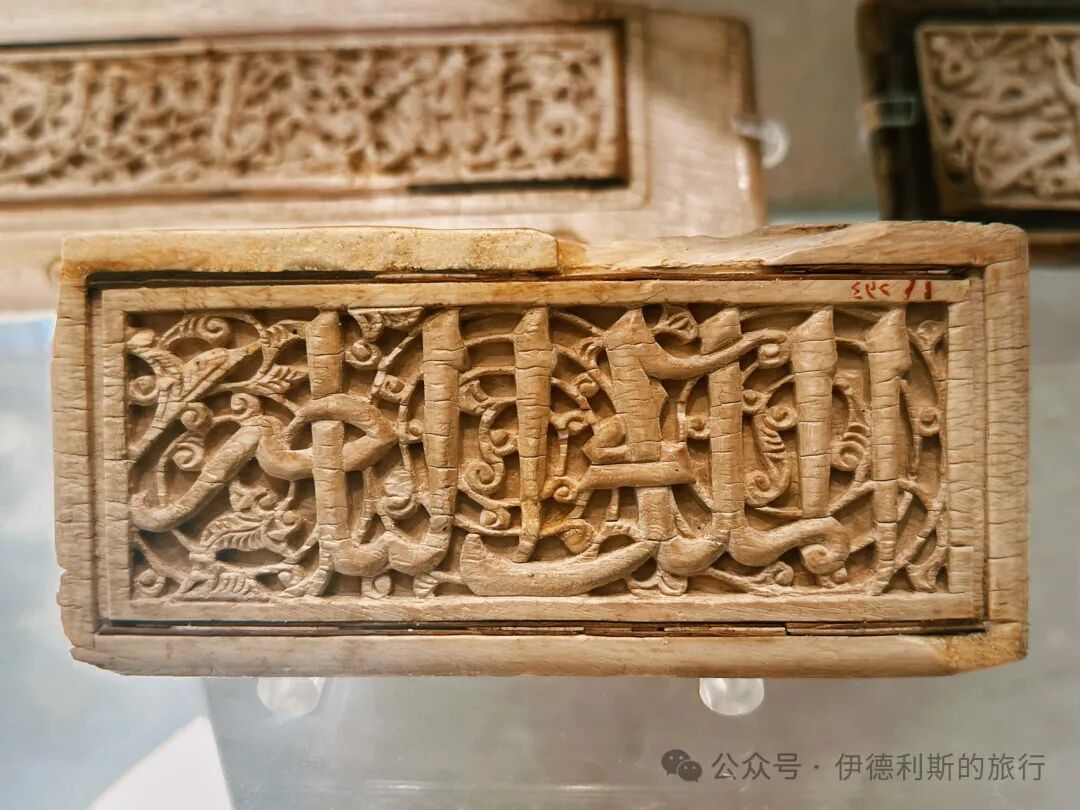
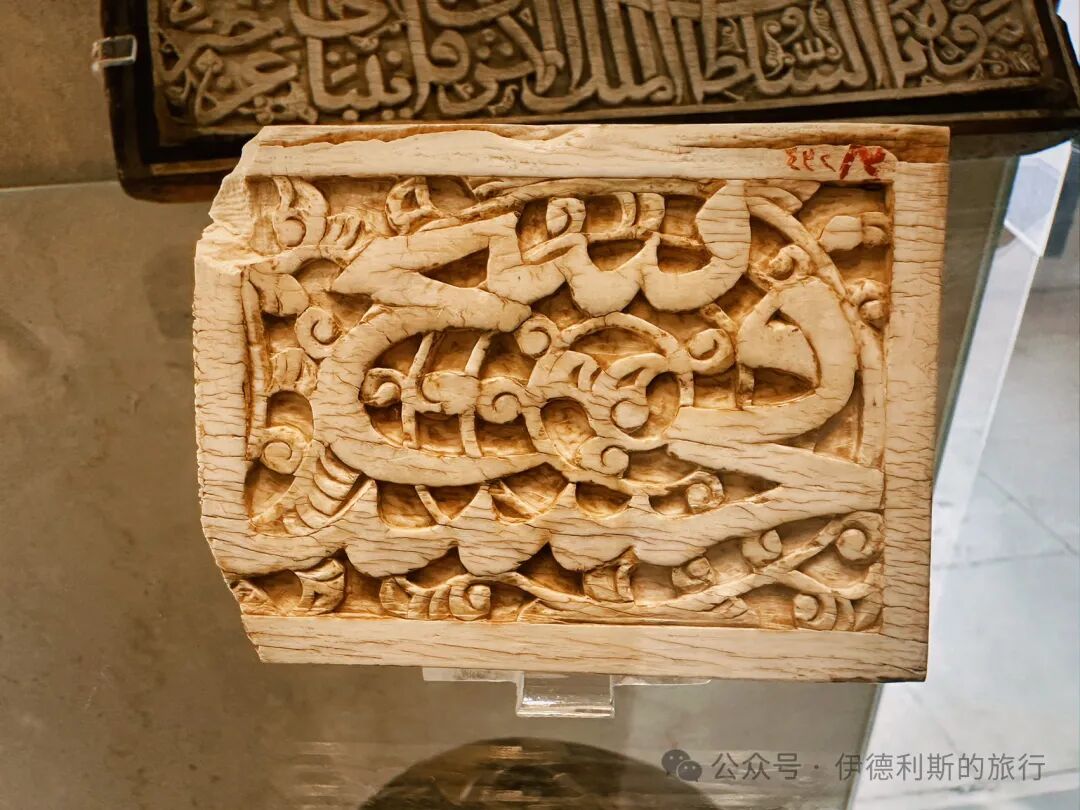
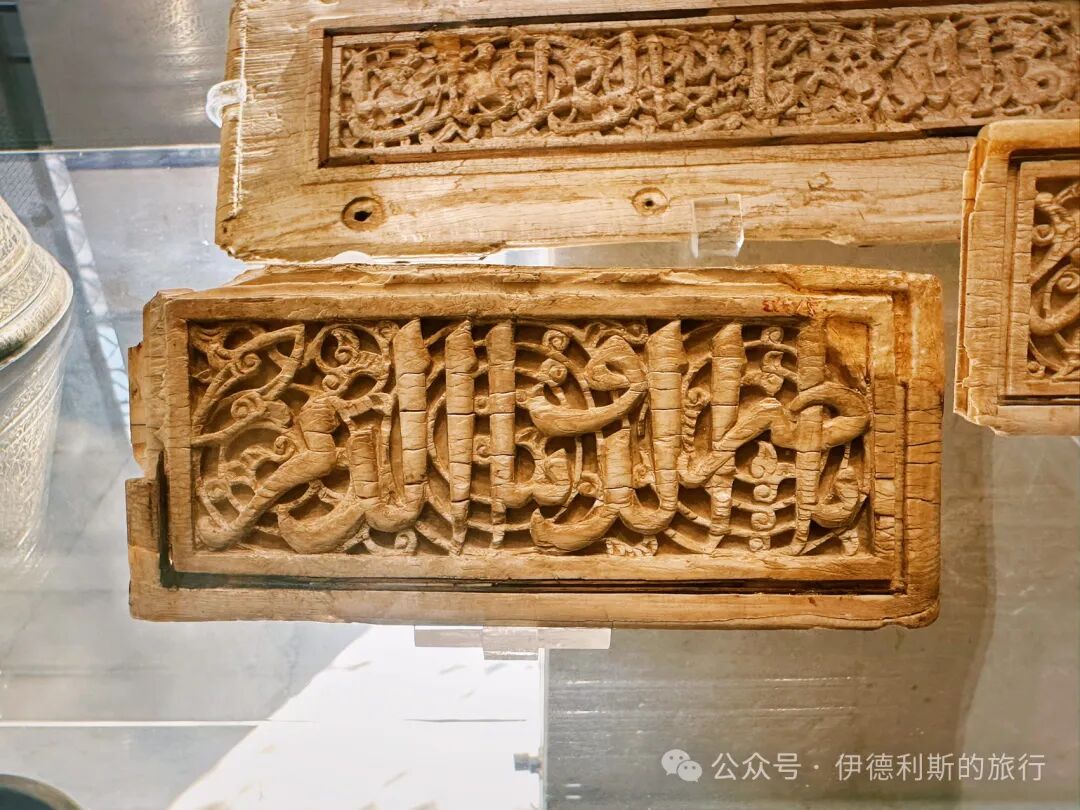
A marble carving inscribed with the name of the Mamluk Sultan Al-Ashraf Qansuh al-Ghuri, who reigned from 1501 to 1516.
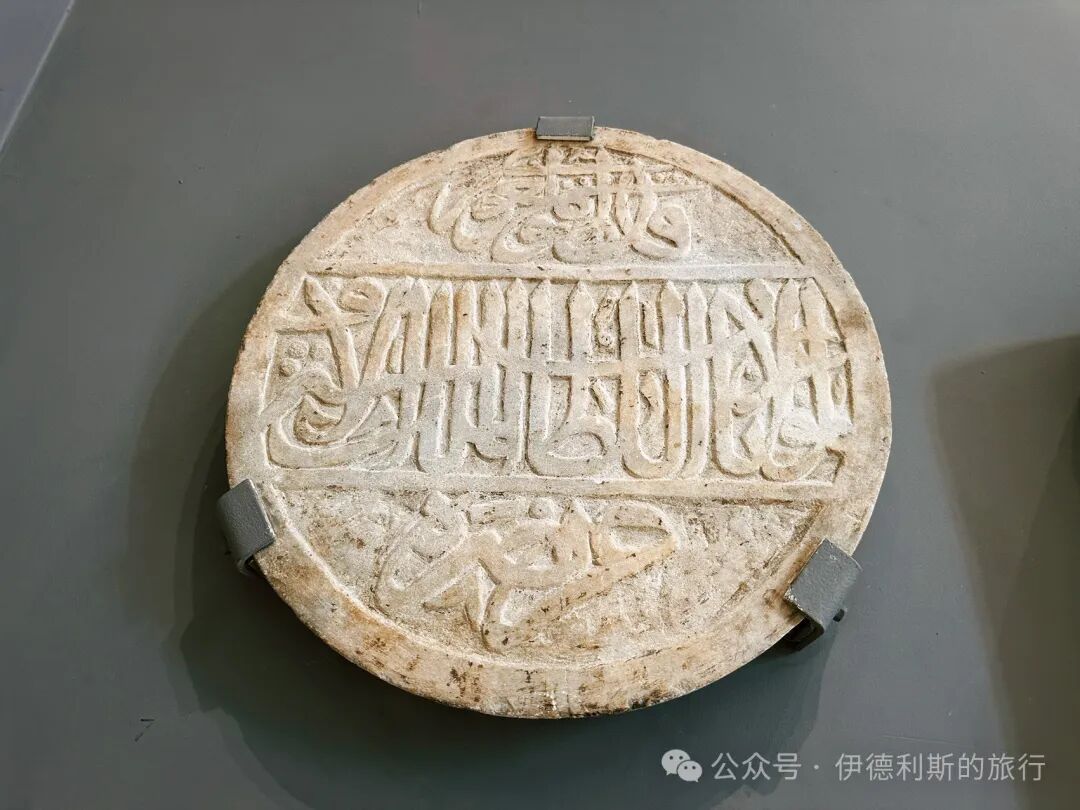
A royal decree carved into marble by the Egyptian Mamluk Sultan Sayf al-Din Jaqmaq, who reigned from 1438 to 1453, after he ordered the exemption of taxes for merchants.
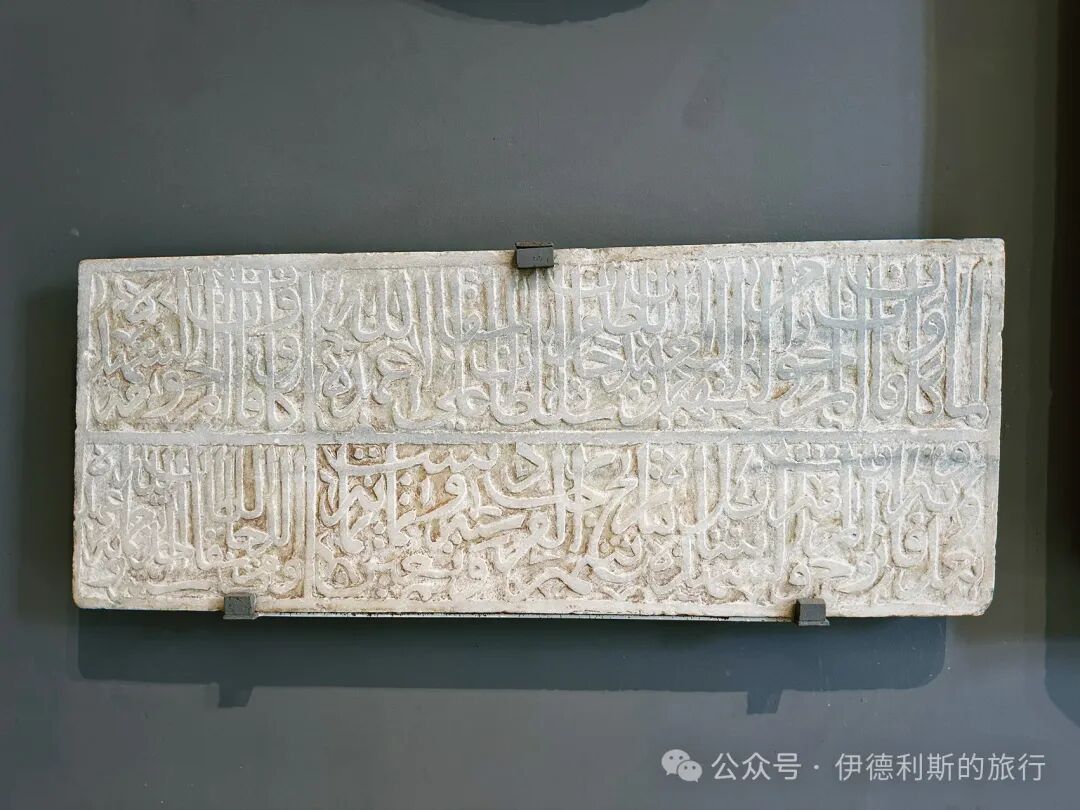
A marble tombstone from the 15th to 16th-century Egyptian Mamluk dynasty.
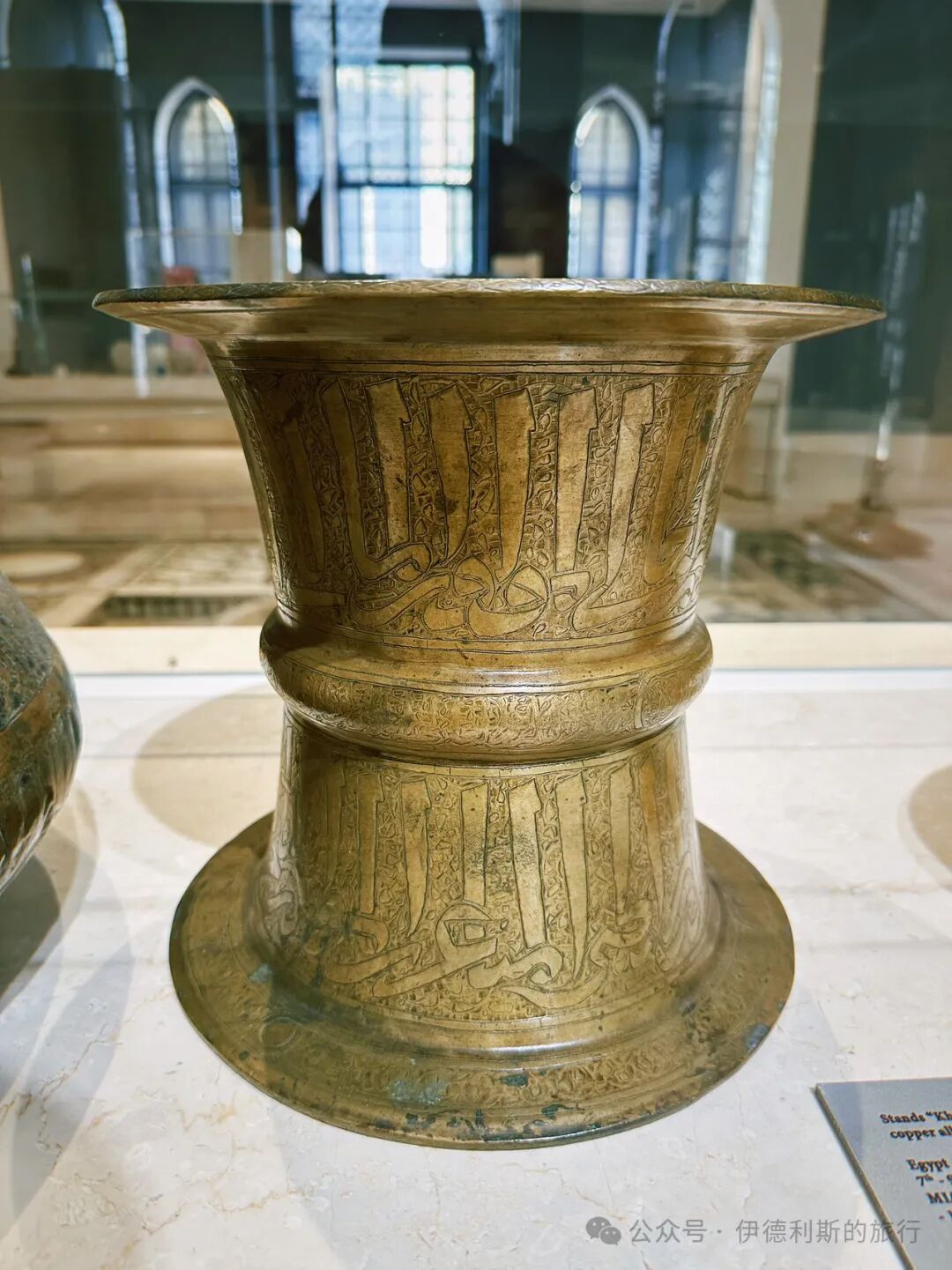
A 13th to 15th-century copper basin inlaid with silver from the Egyptian Mamluk dynasty; the Palace Museum holds several blue and white porcelain pieces with the same design.
Ottoman dynasty.
A 17th to 18th-century wooden balcony (mashrabiya) from the Ottoman dynasty in Egypt. This is an important part of traditional Middle Eastern architecture, featuring intricate wooden lattice screens that allow for evaporative cooling when water jars are placed inside.
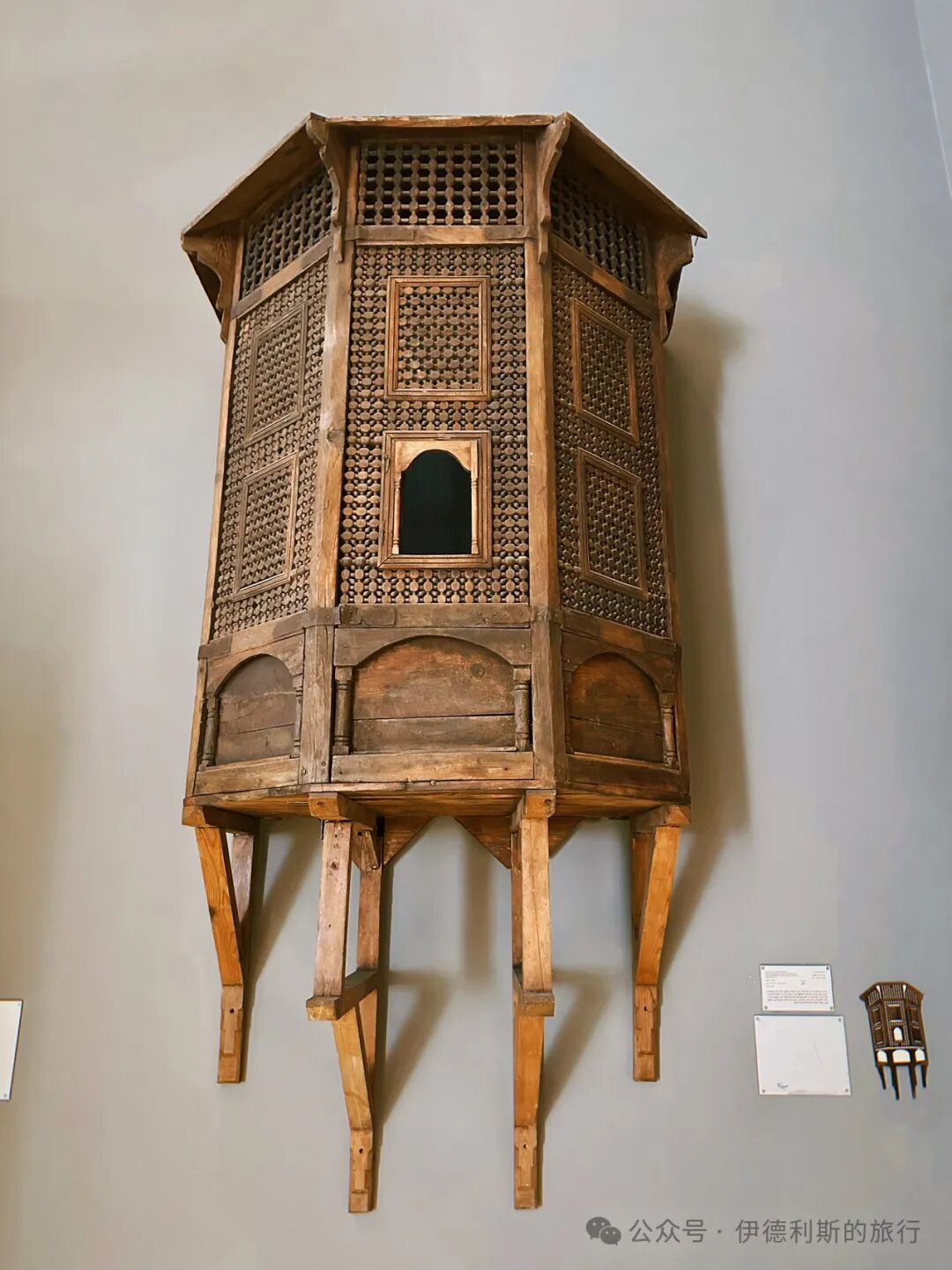
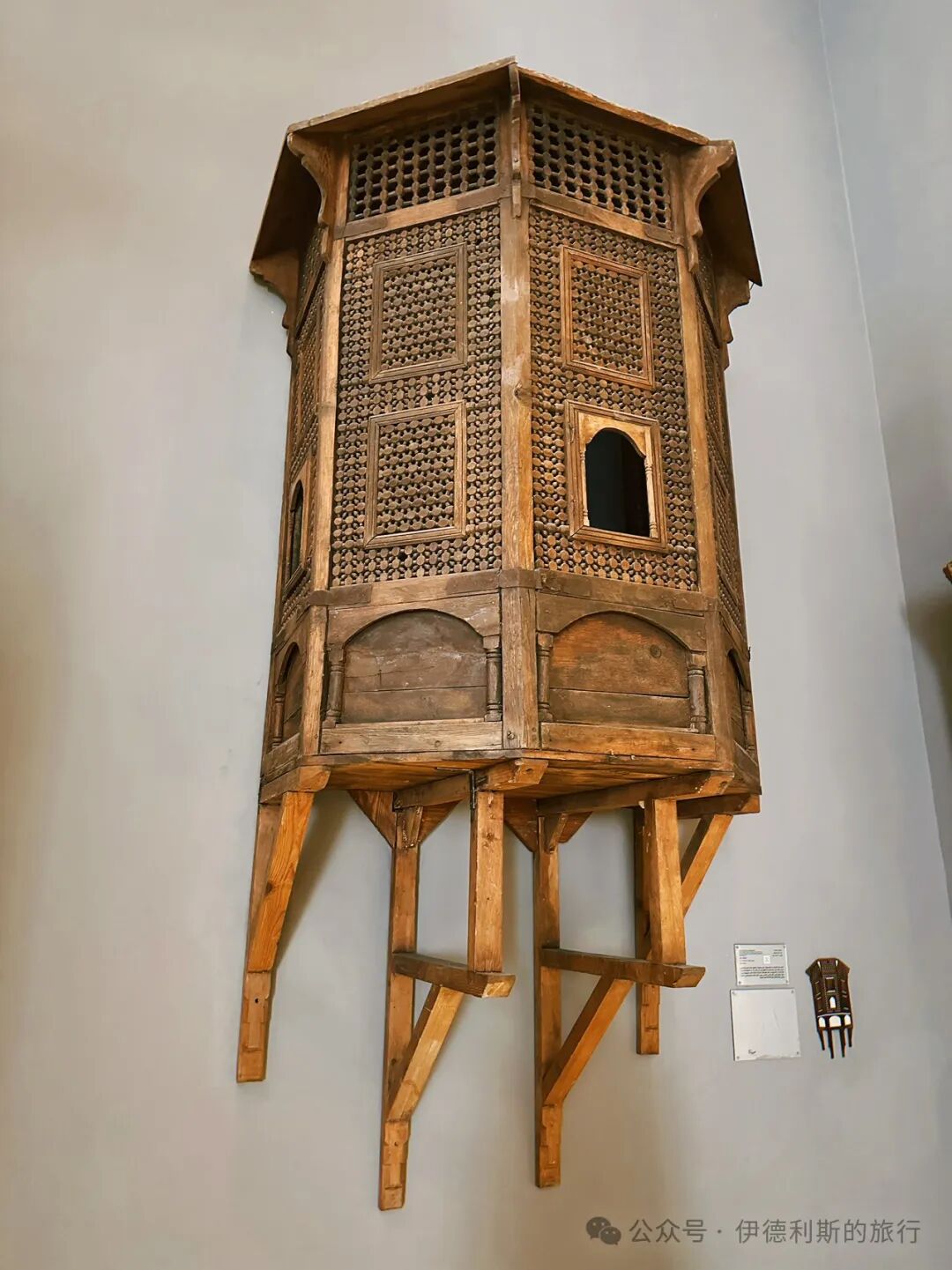
An 18th-century wooden cabinet inlaid with ivory from the Ottoman period in Egypt.
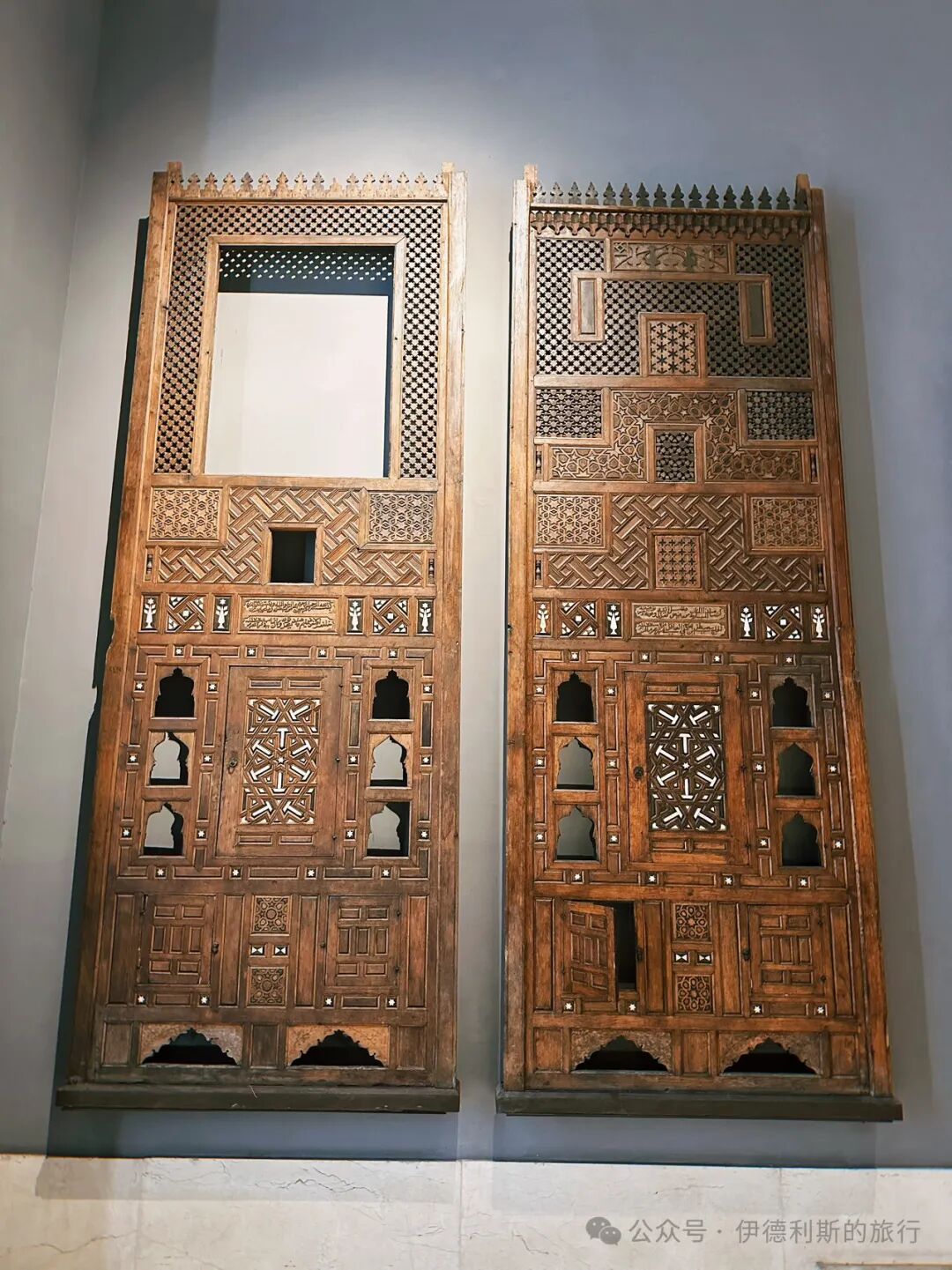
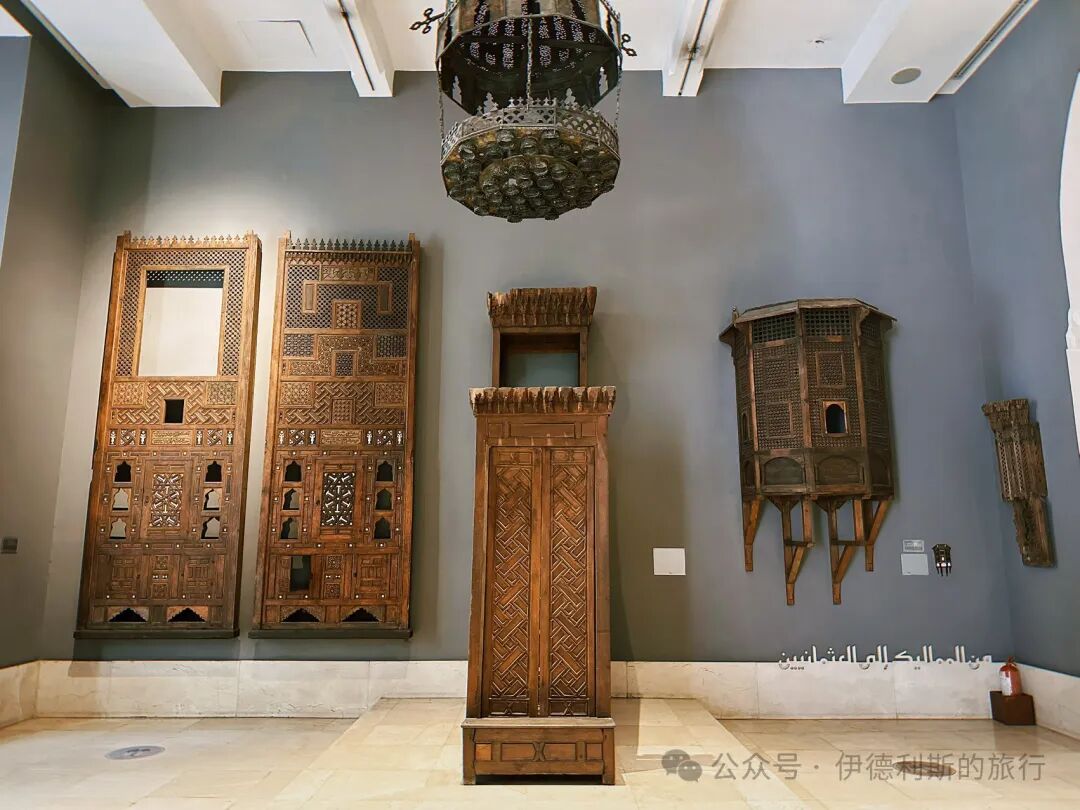
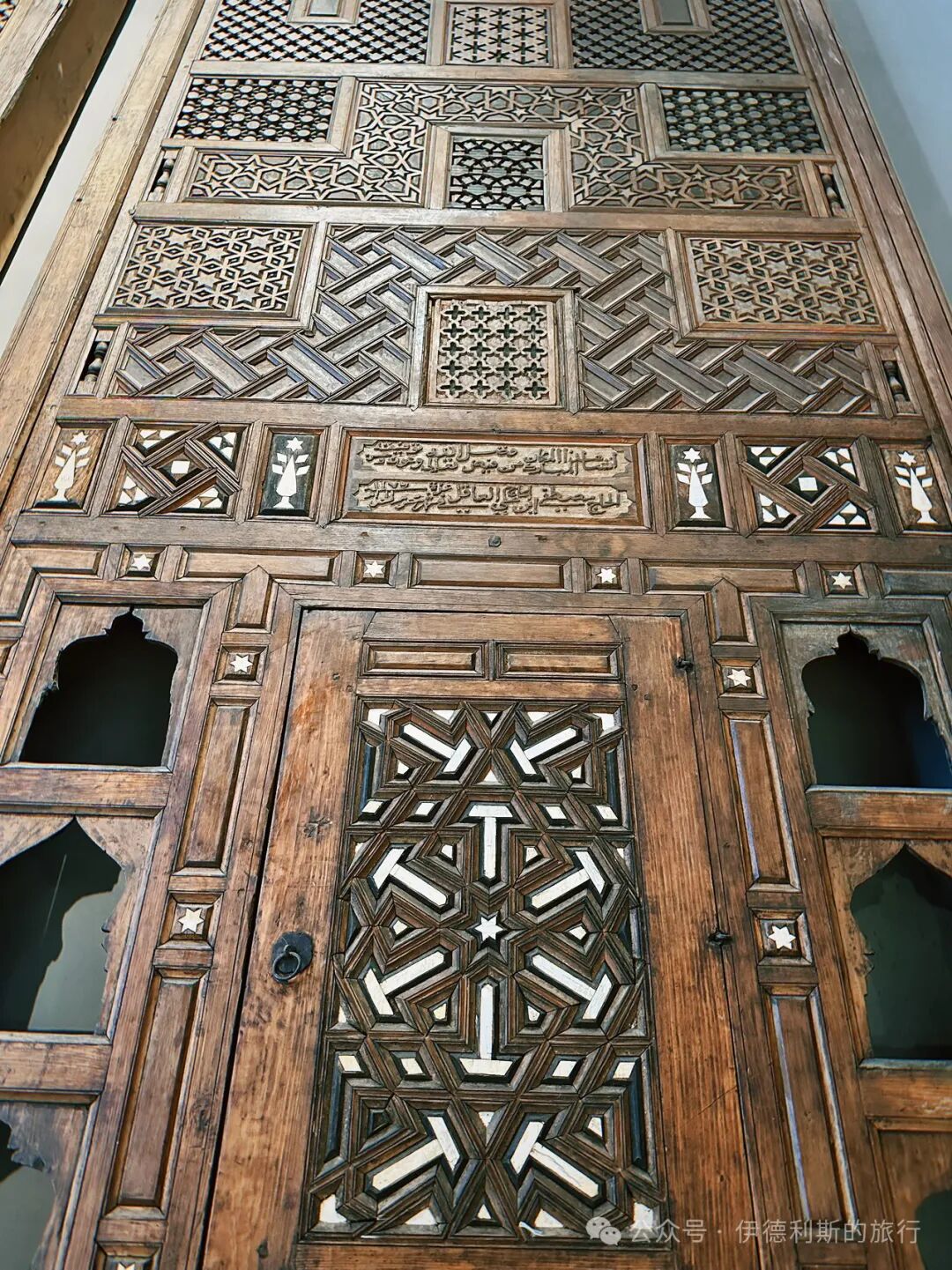
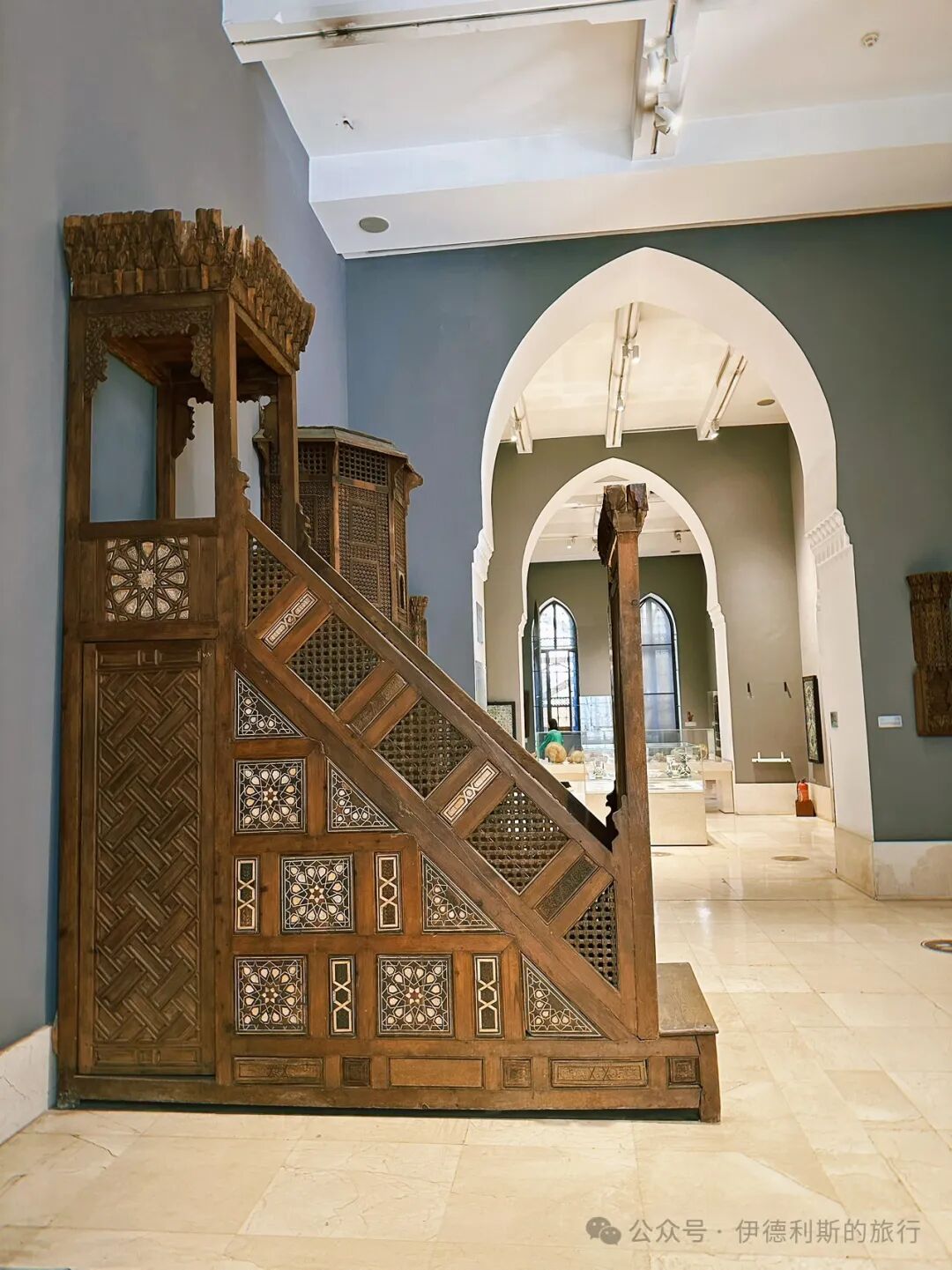
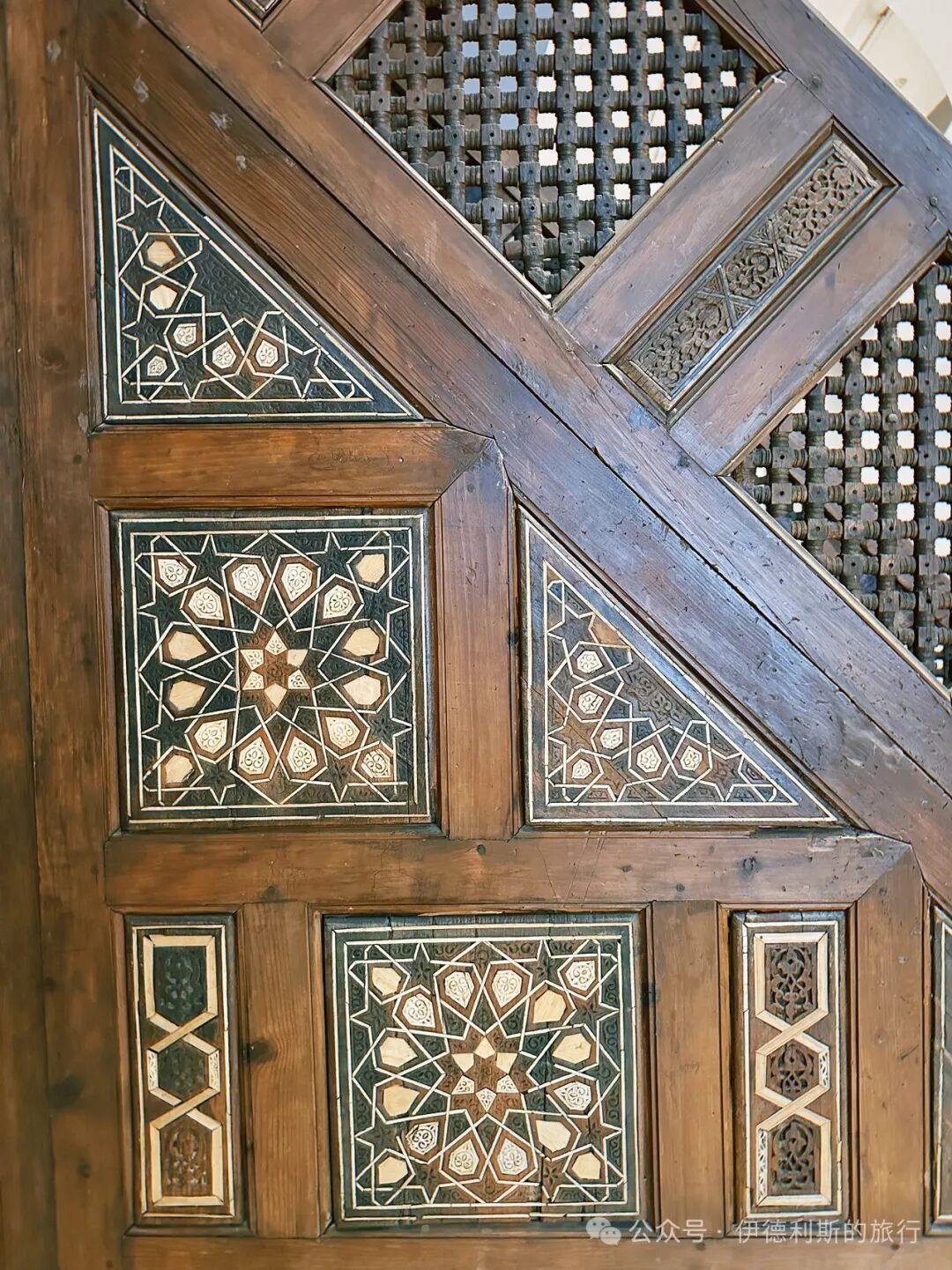
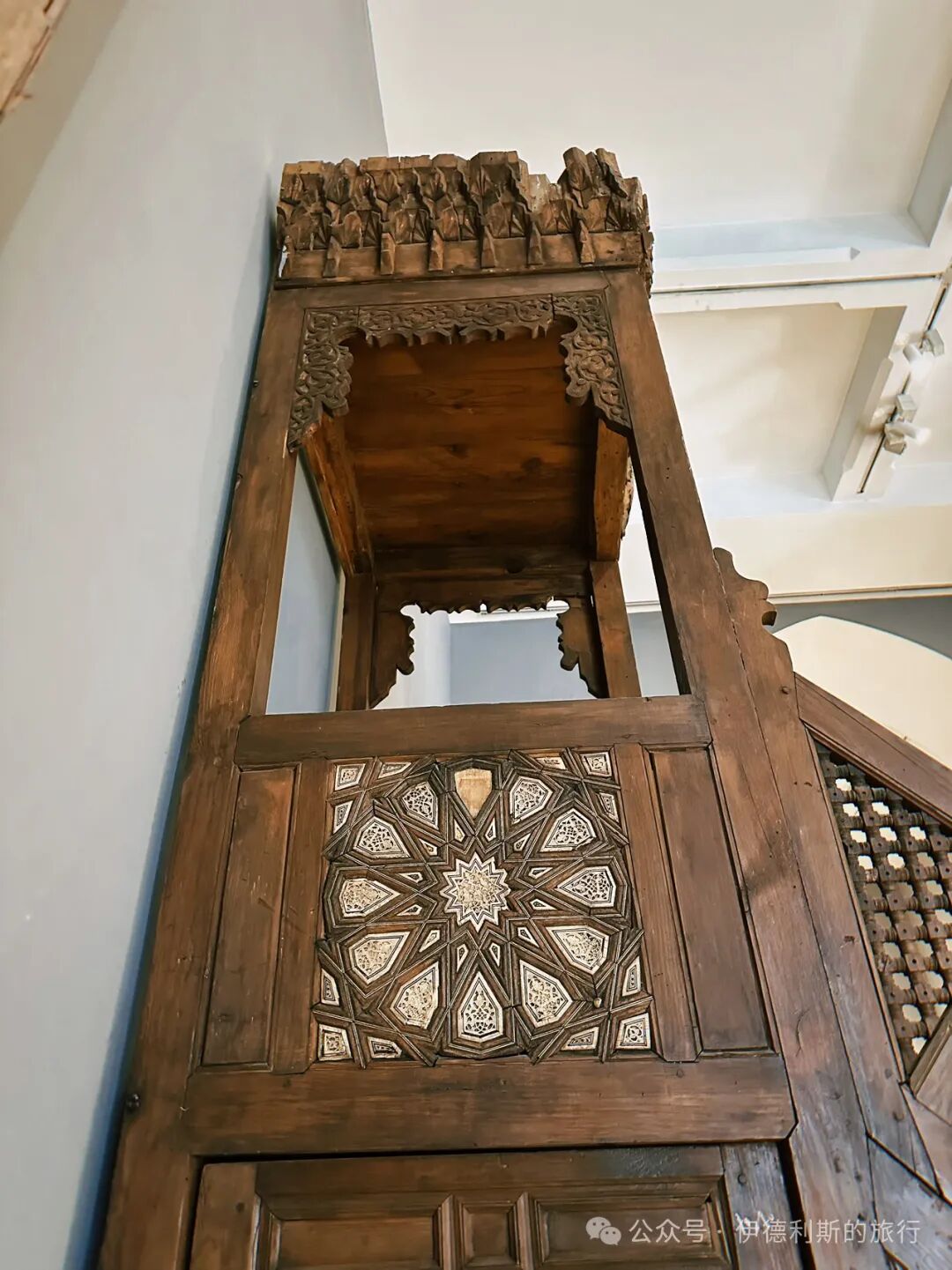
This piece has no label, but it appears to be an ivory-inlaid wooden pulpit (minbar) from the Ottoman period in Egypt.
Ceramic tiles produced in Iznik, Turkey, during the 16th-century Ottoman period.
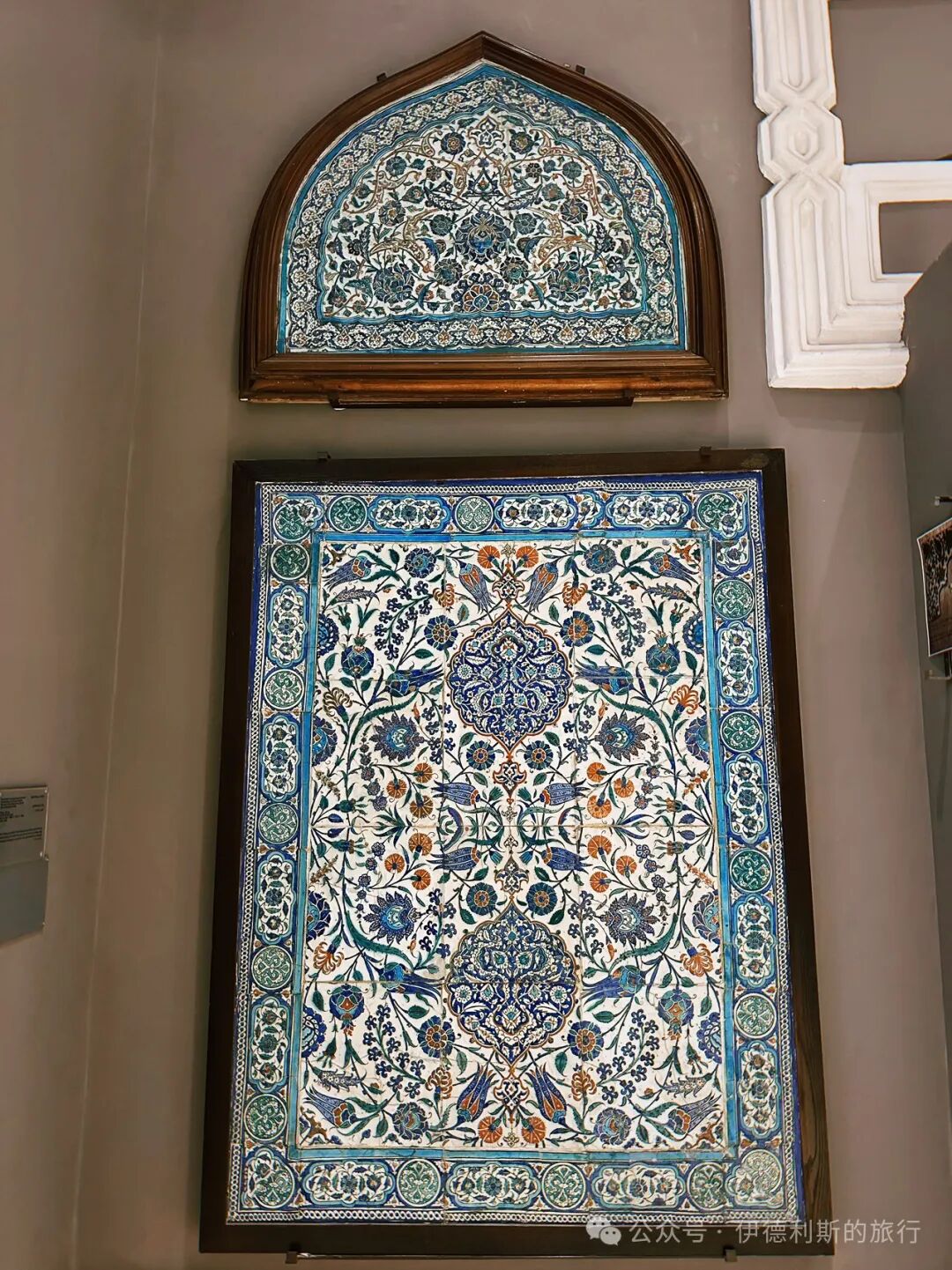
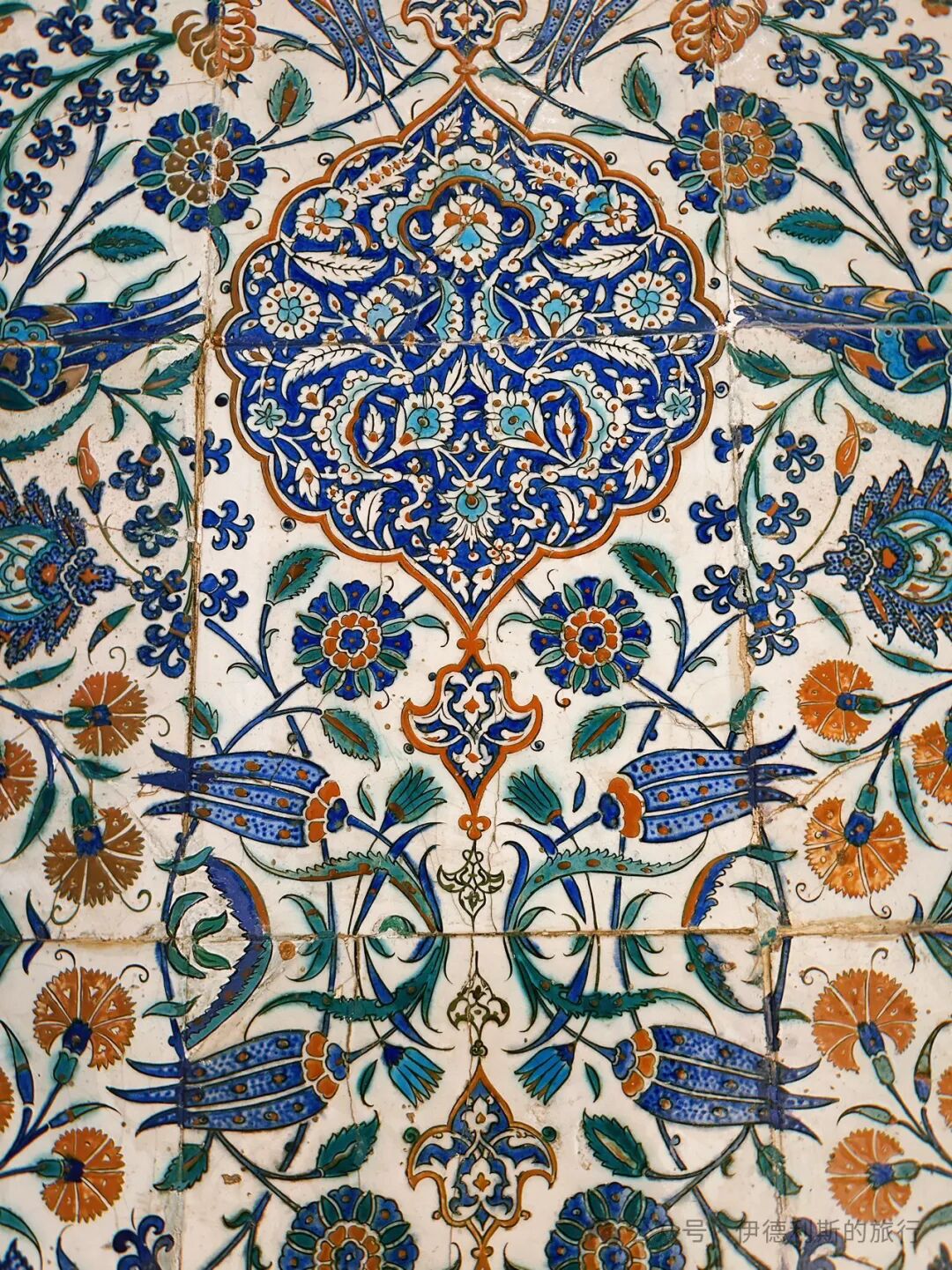
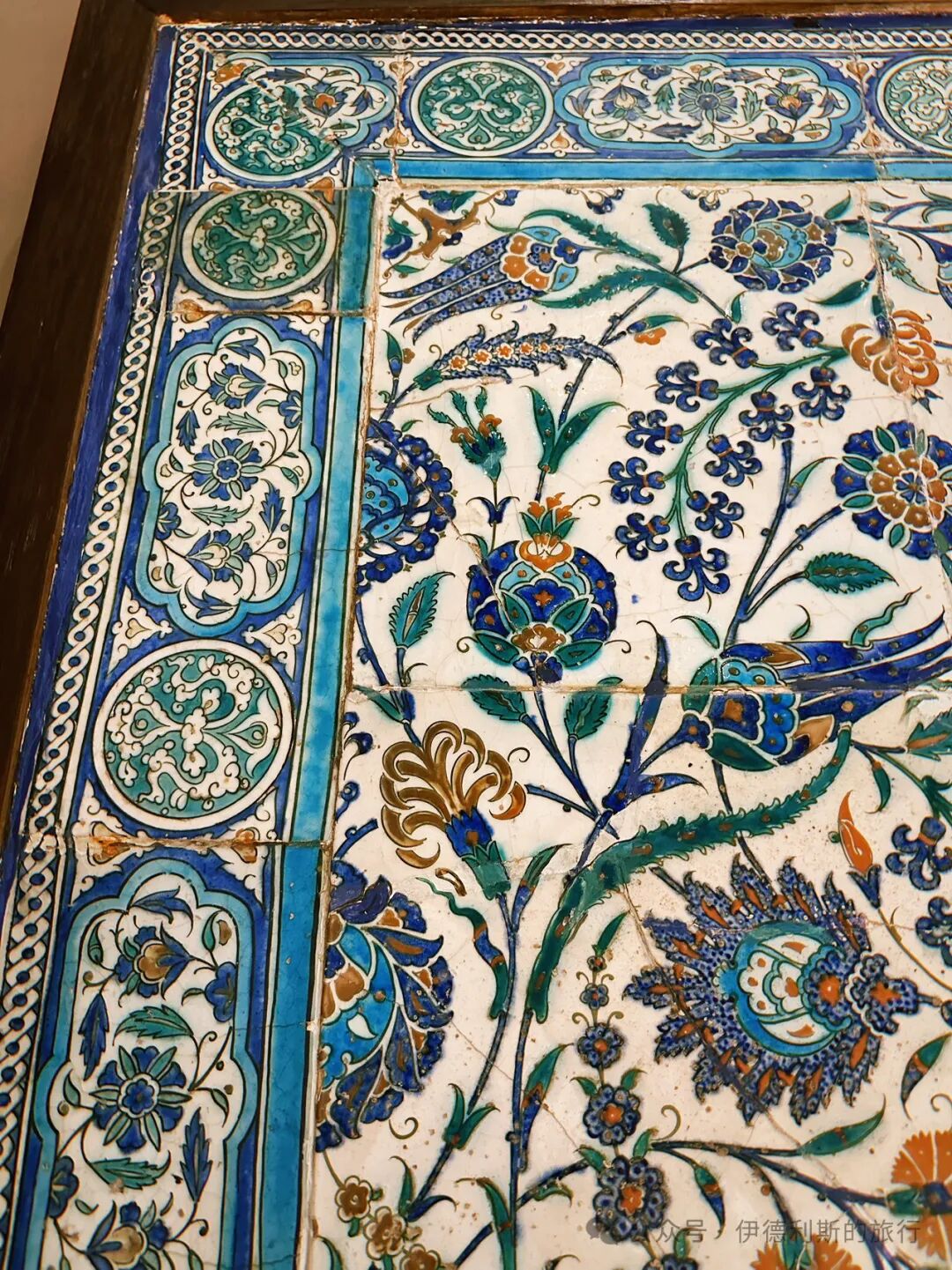
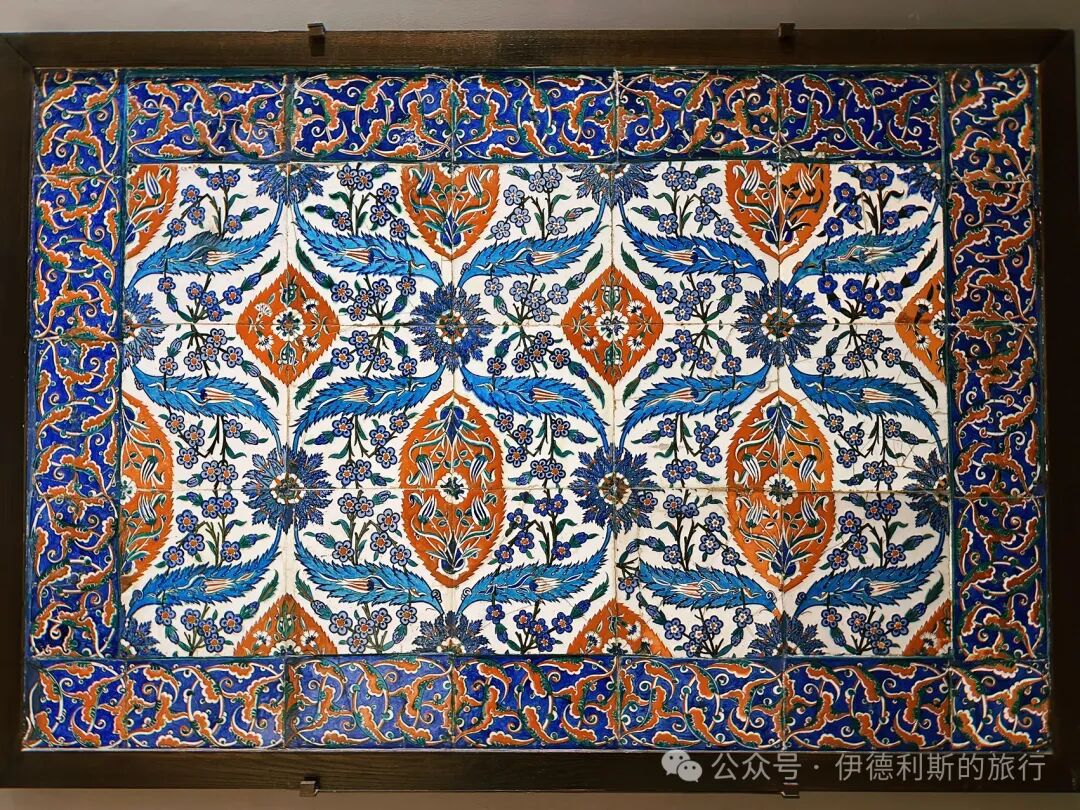
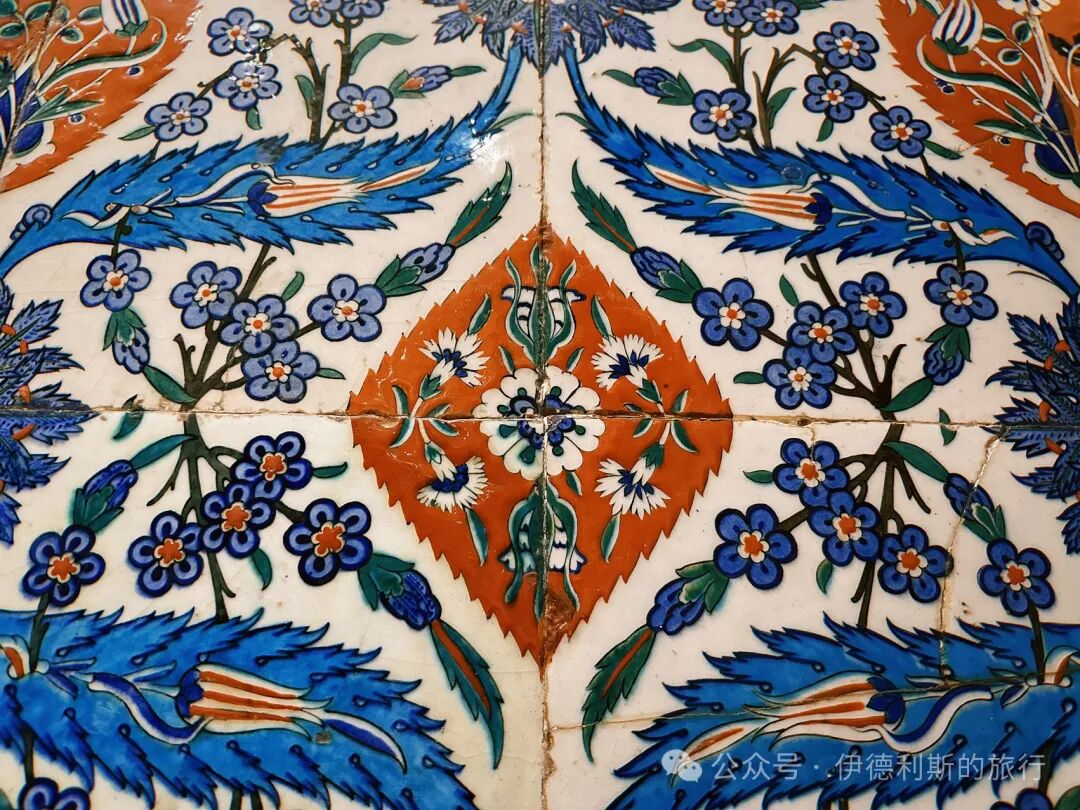
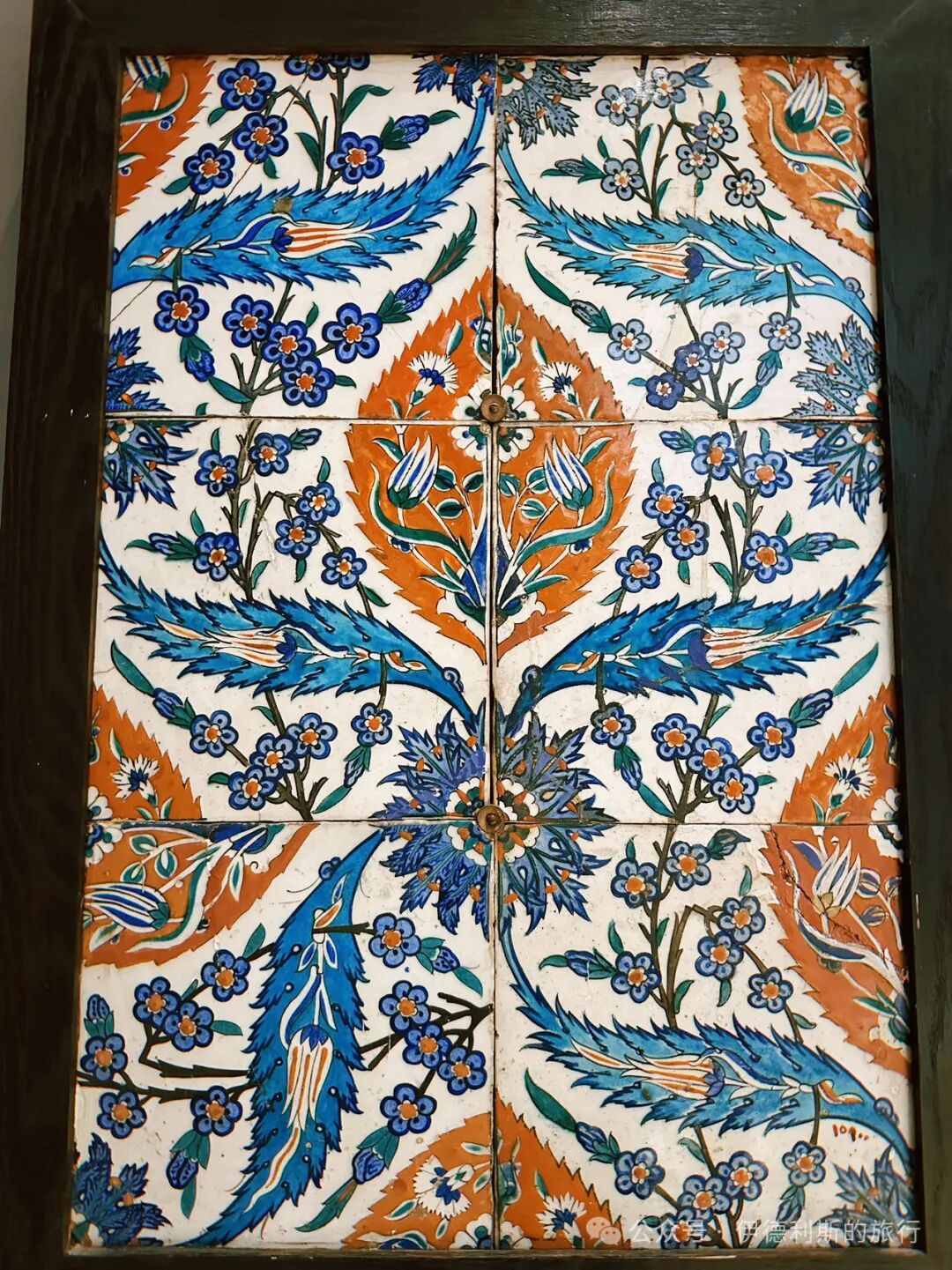
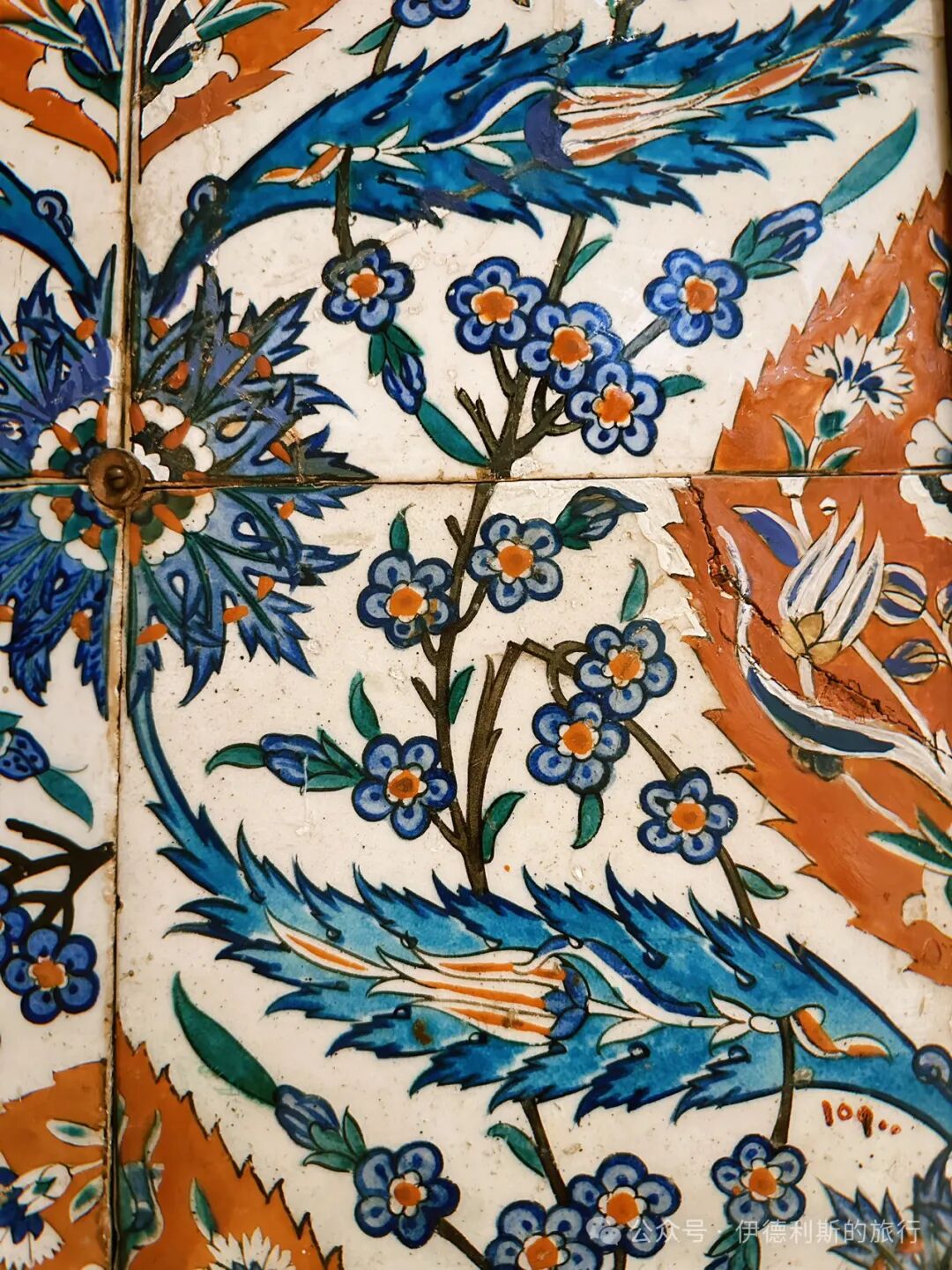
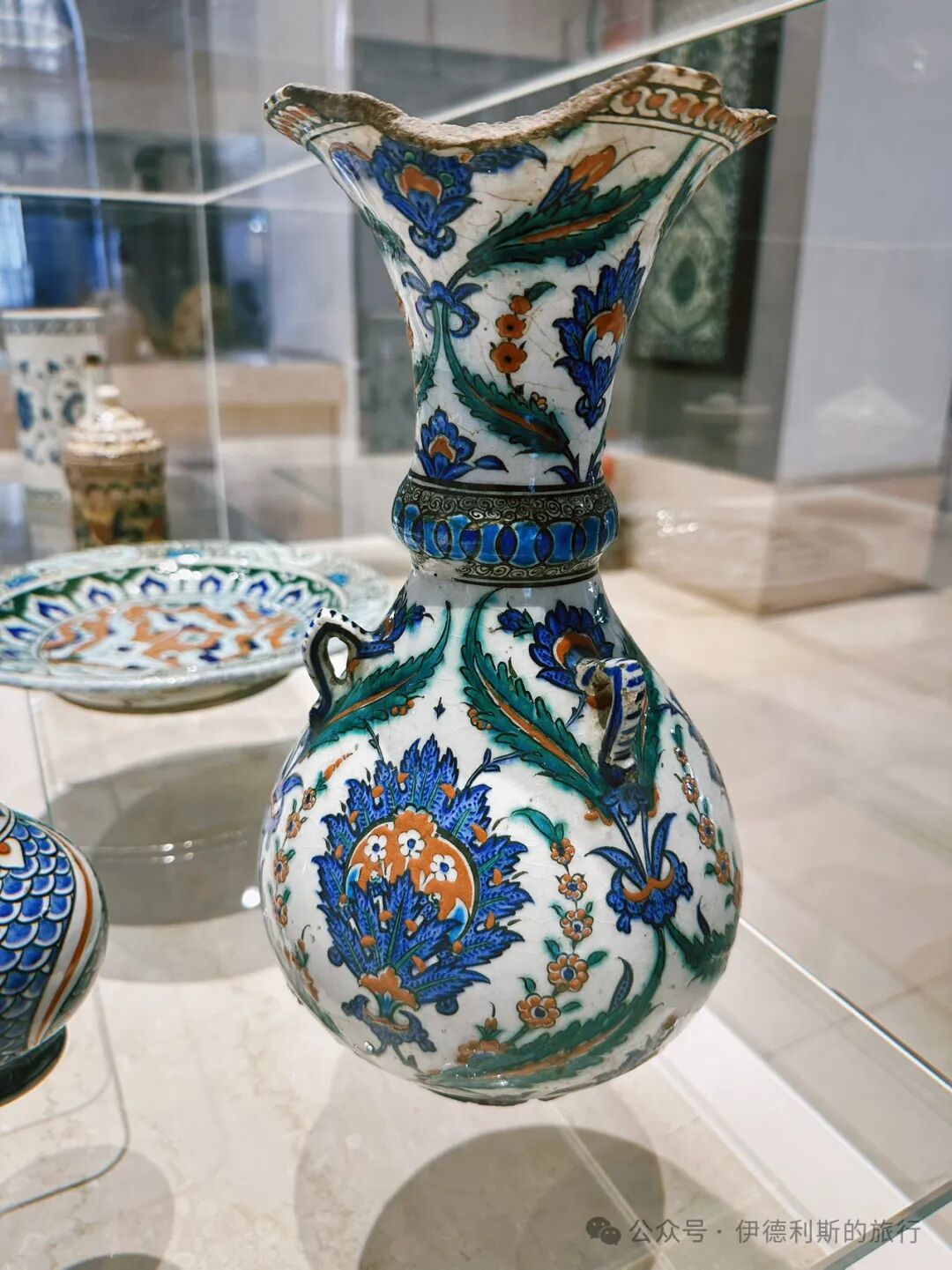
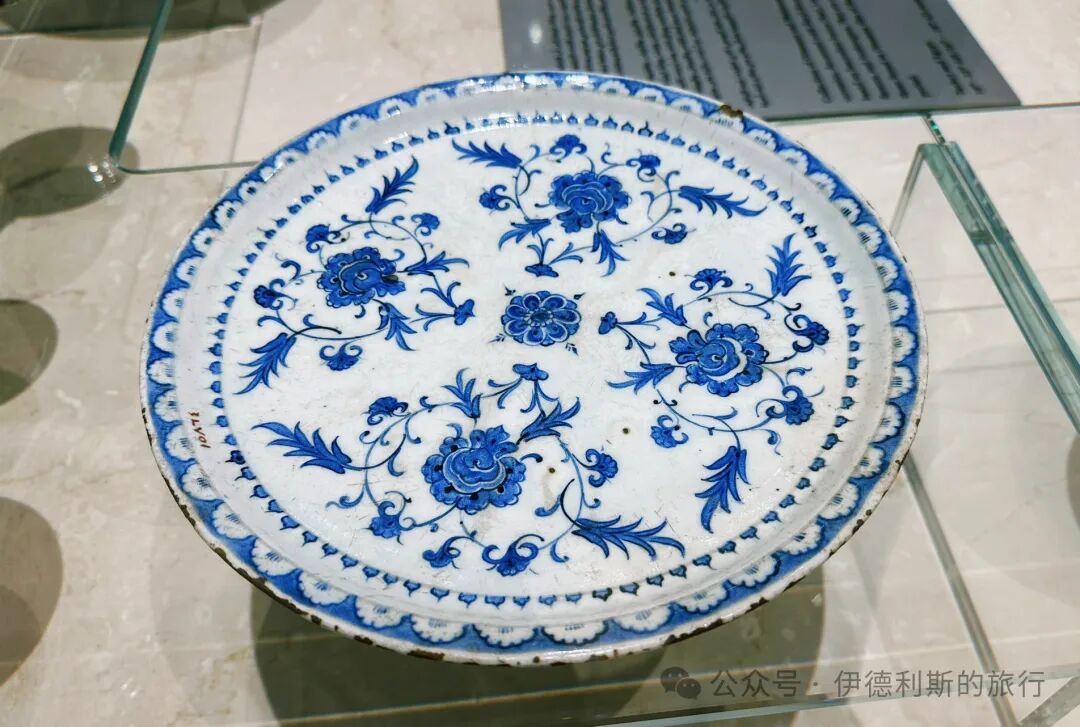
Porcelain from the 16th to 19th centuries, covering the Ottoman and Muhammad Ali periods.
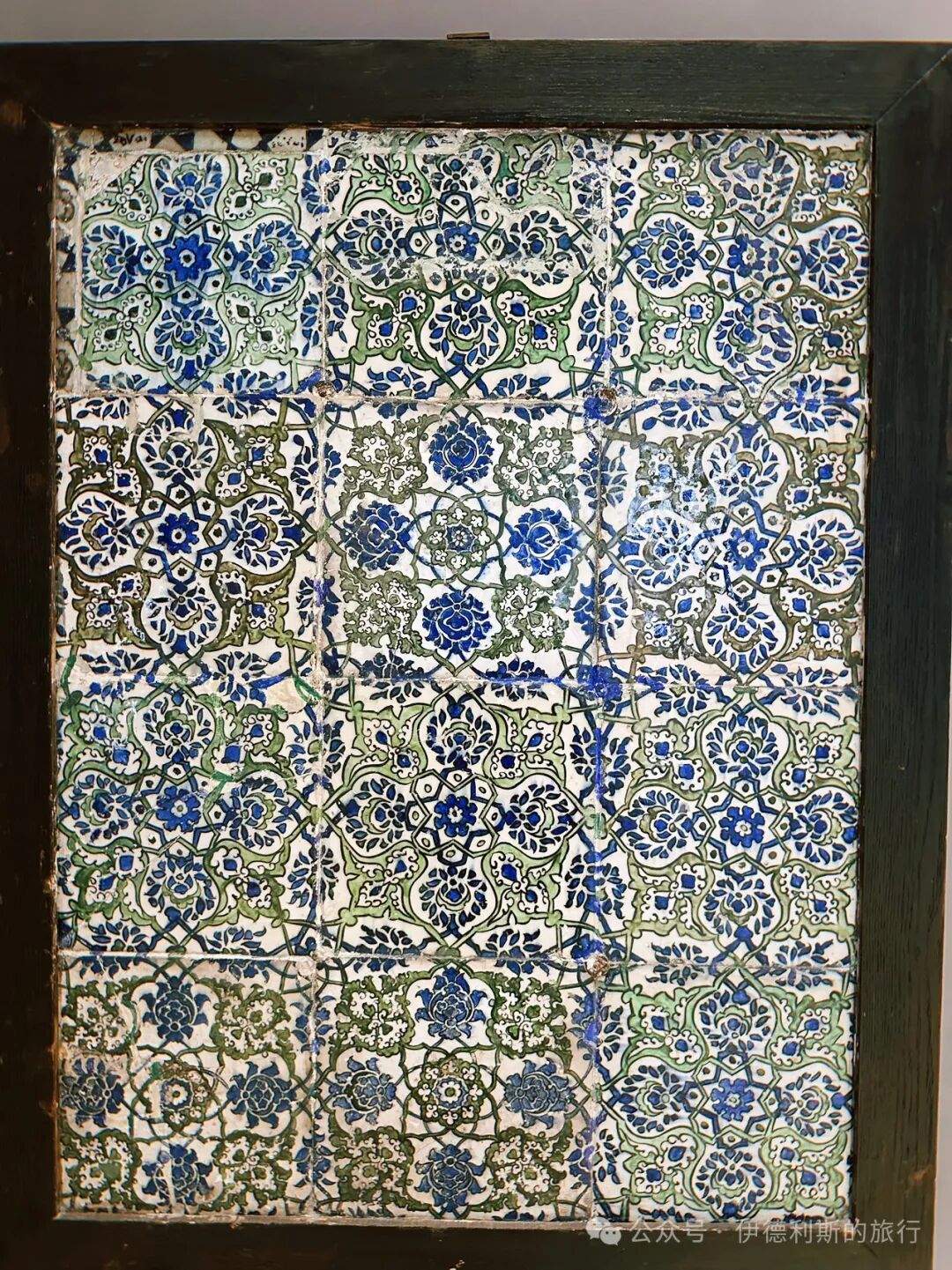
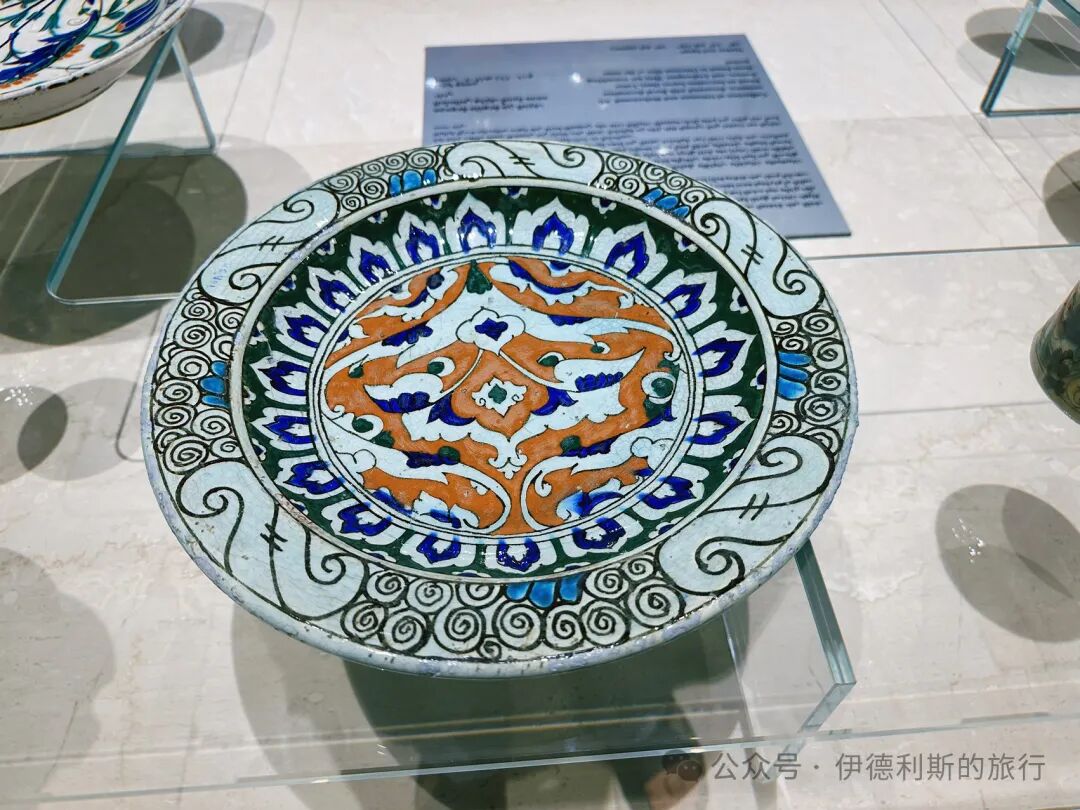
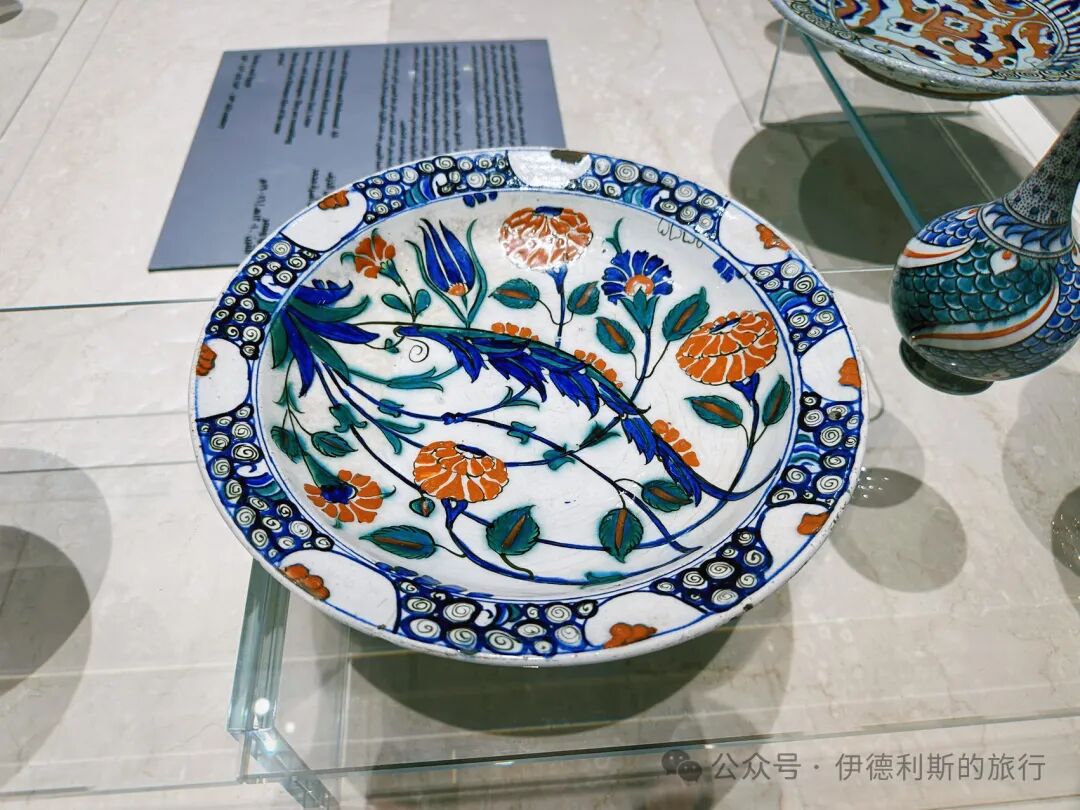
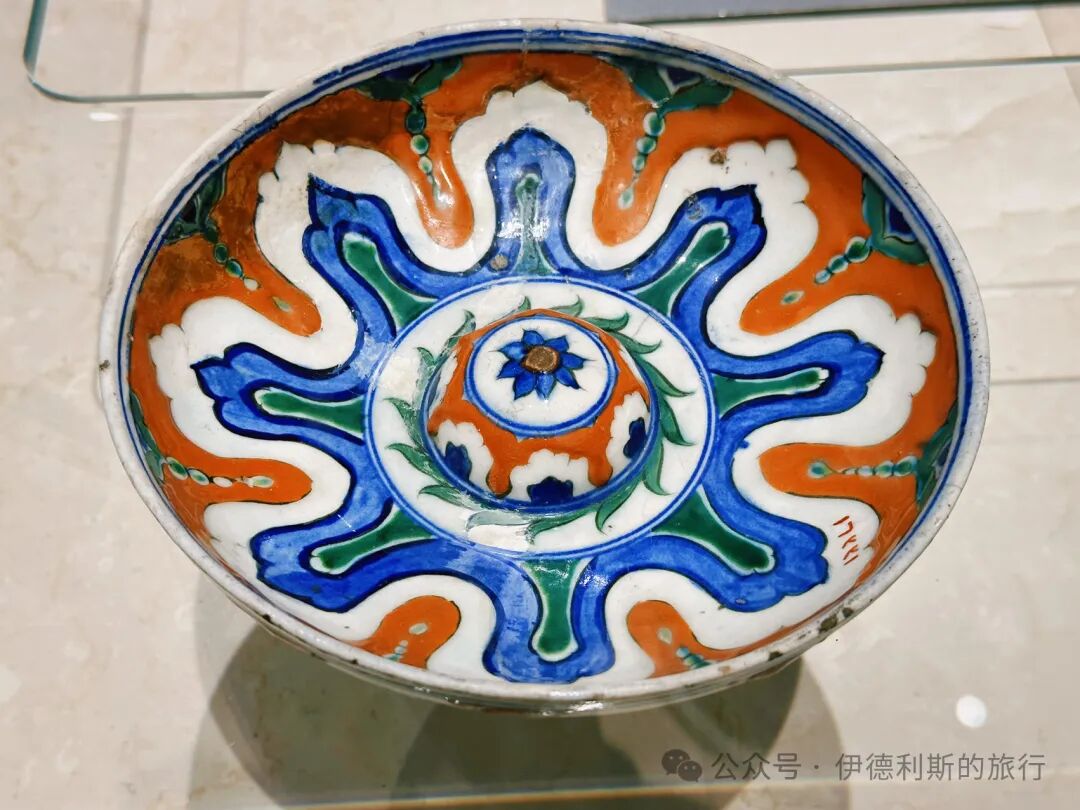
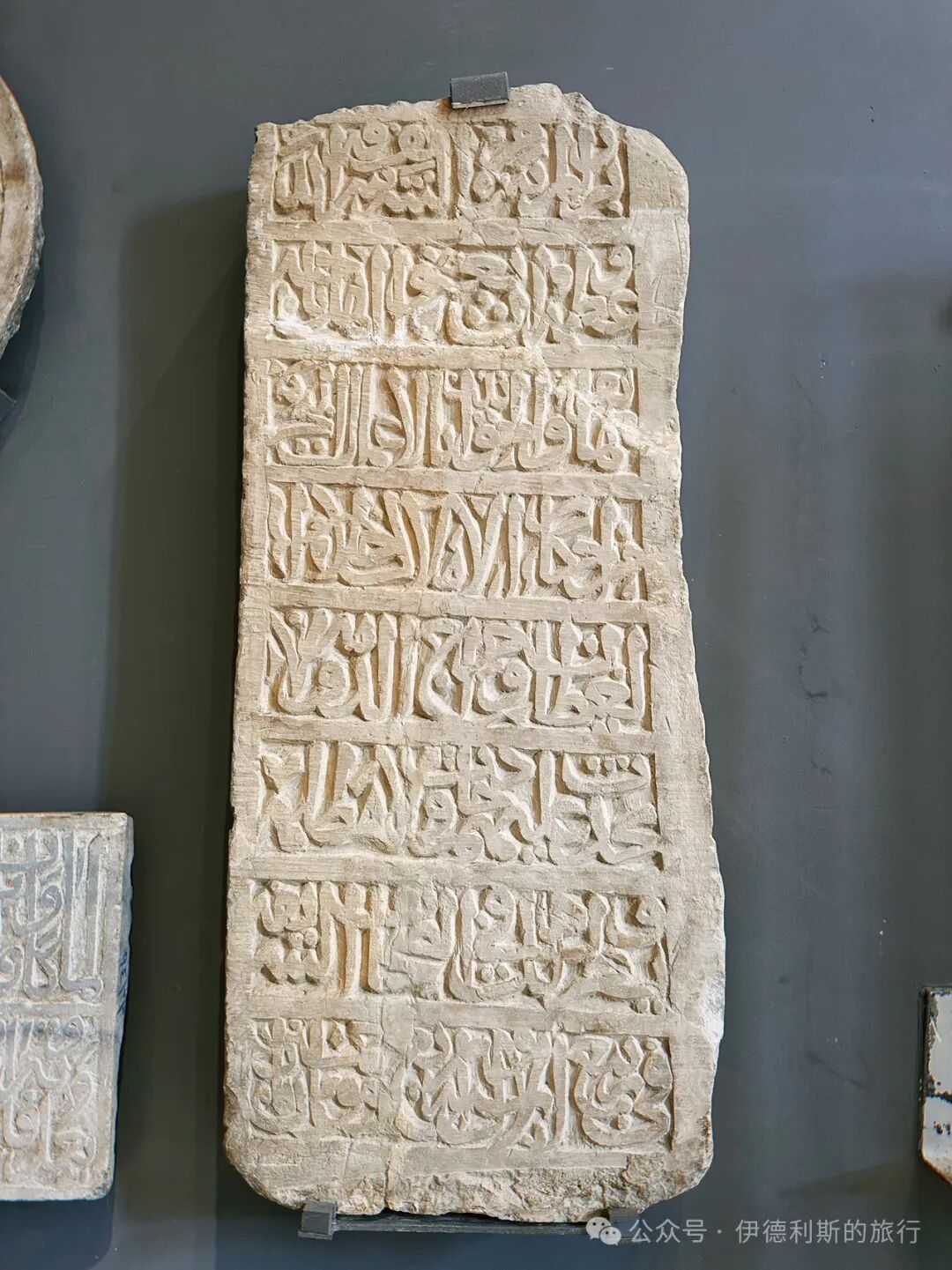
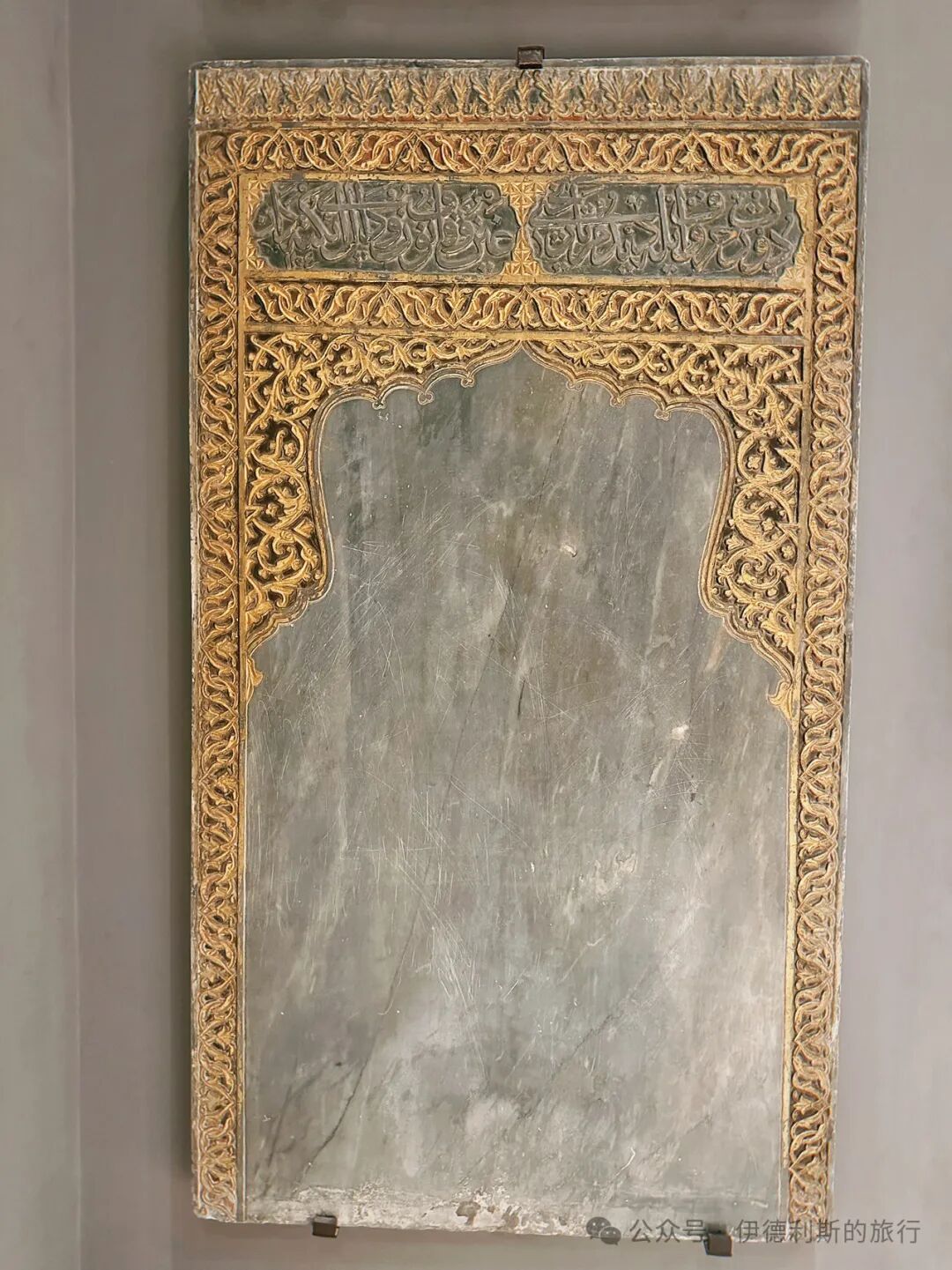
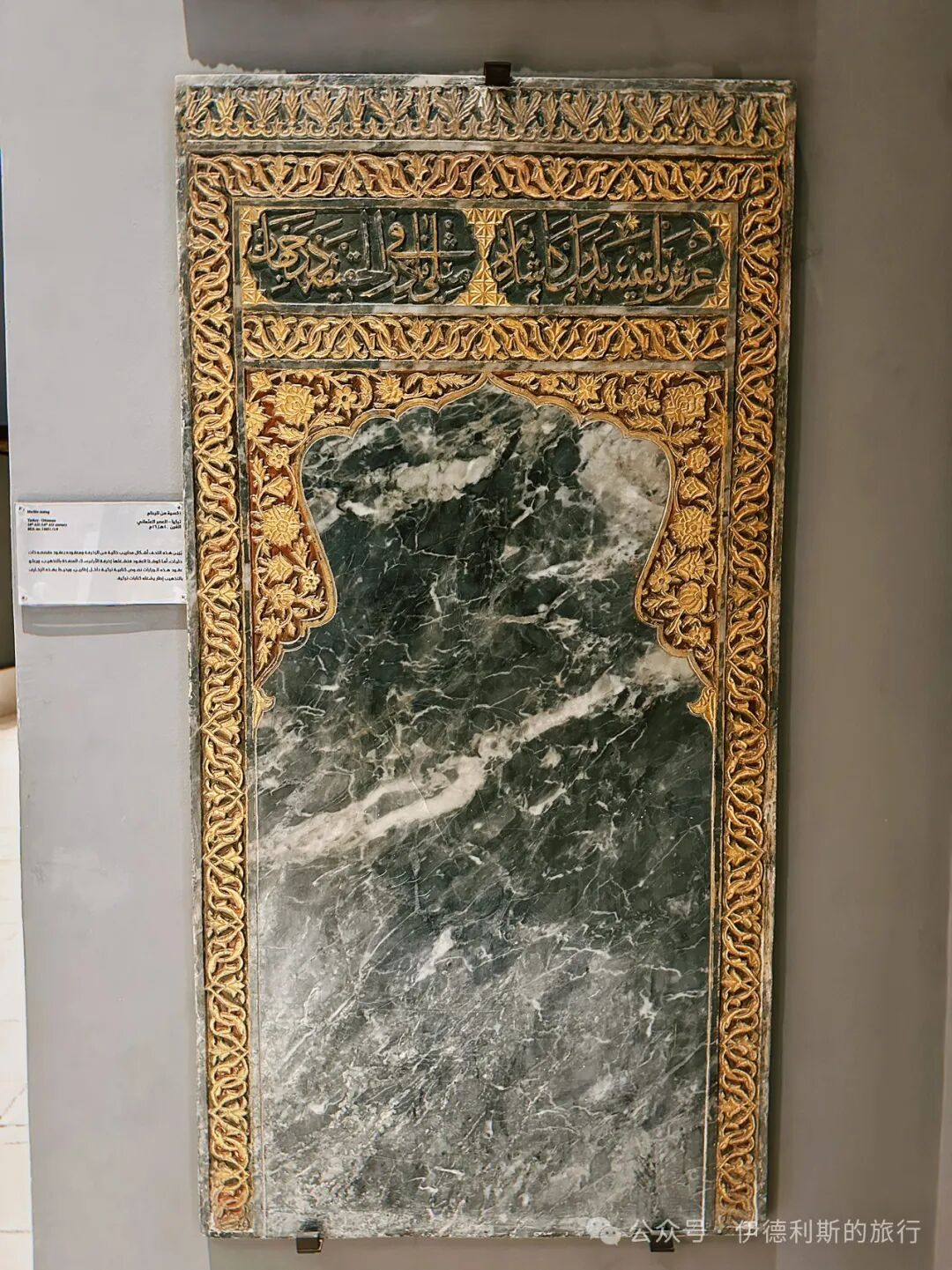
A marble carving from the 16th-century Ottoman period.
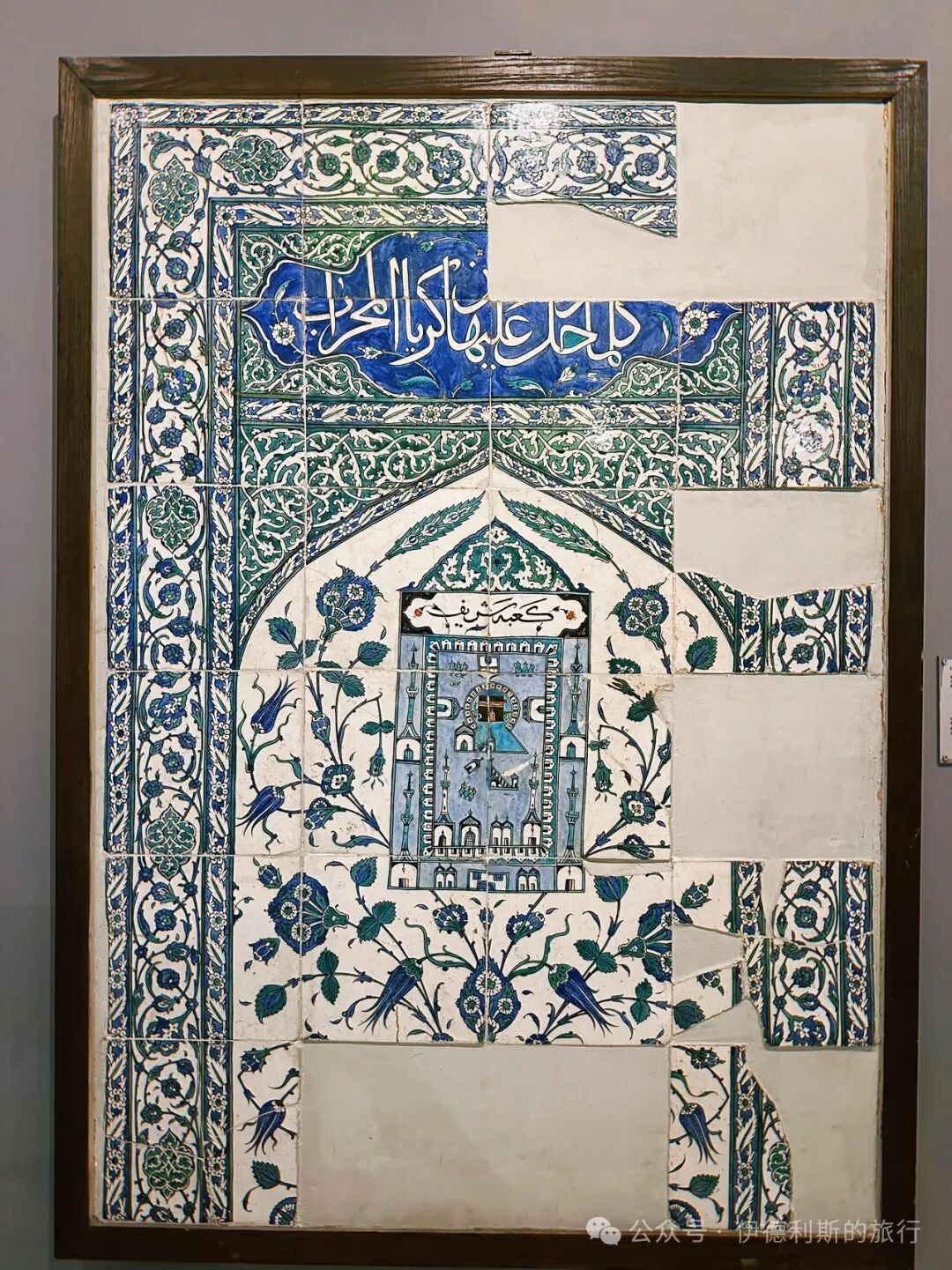
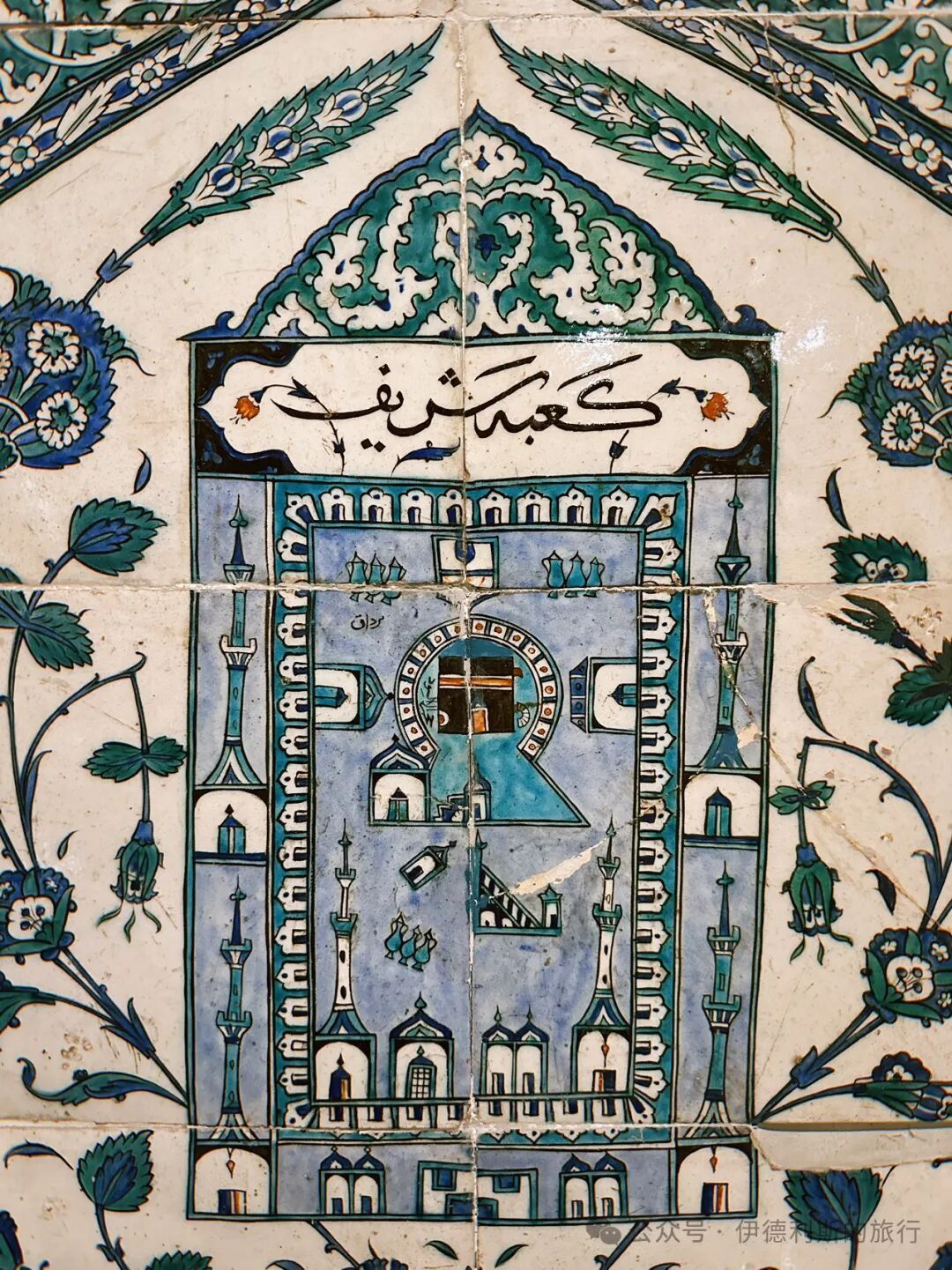
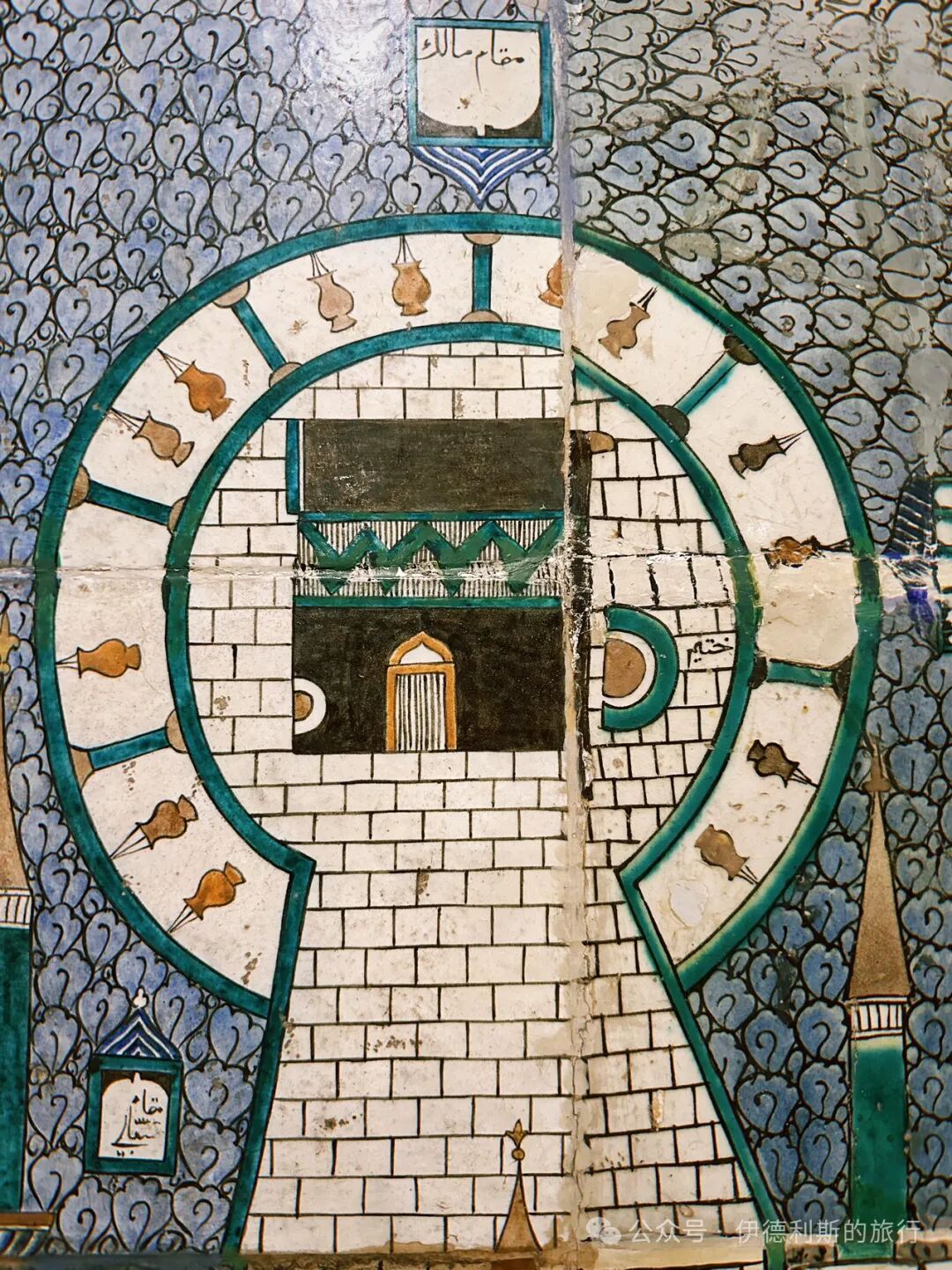
A 17th-century Ottoman period ceramic tile painted with an image of the Kaaba (Tianfang).
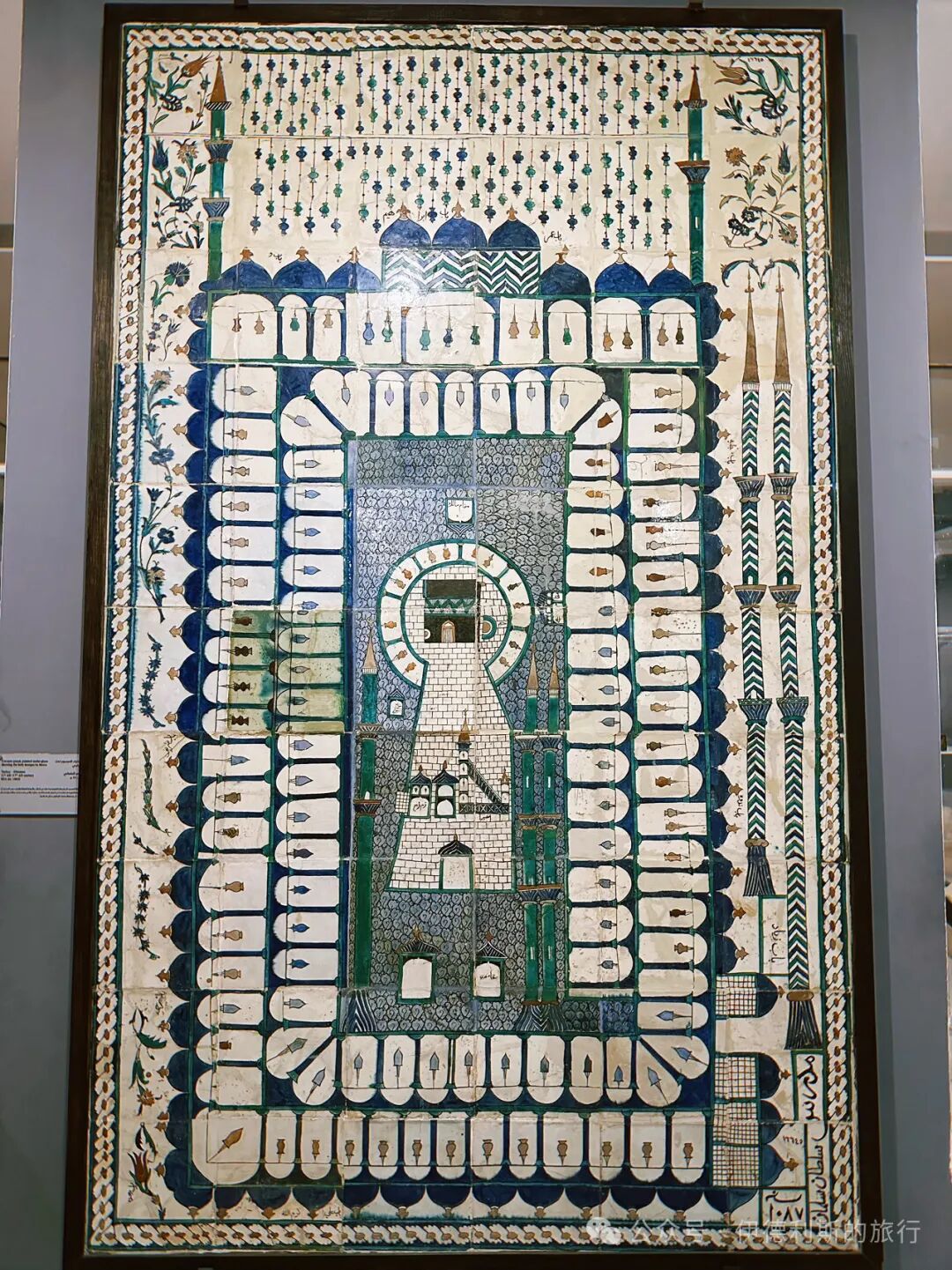
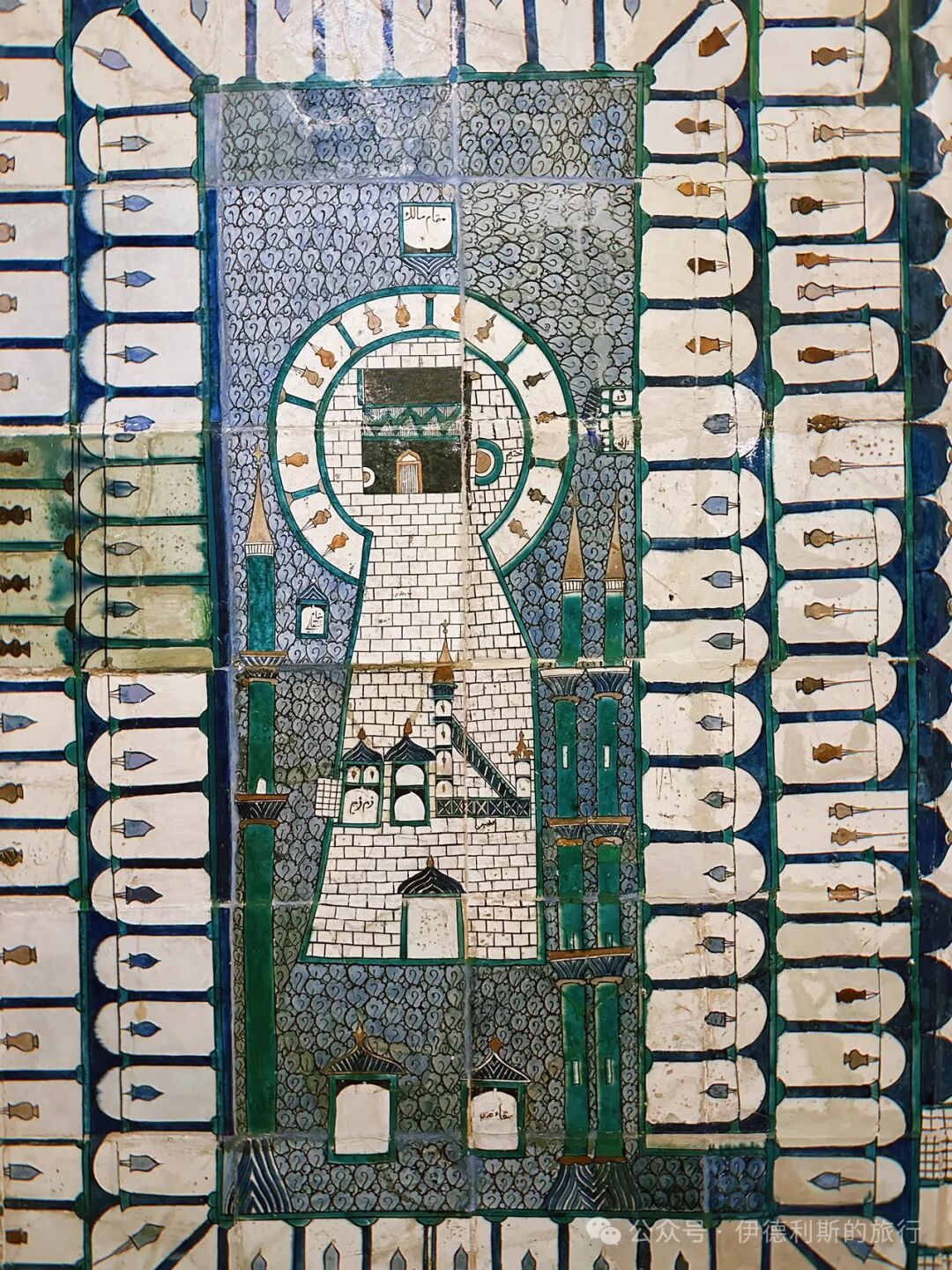
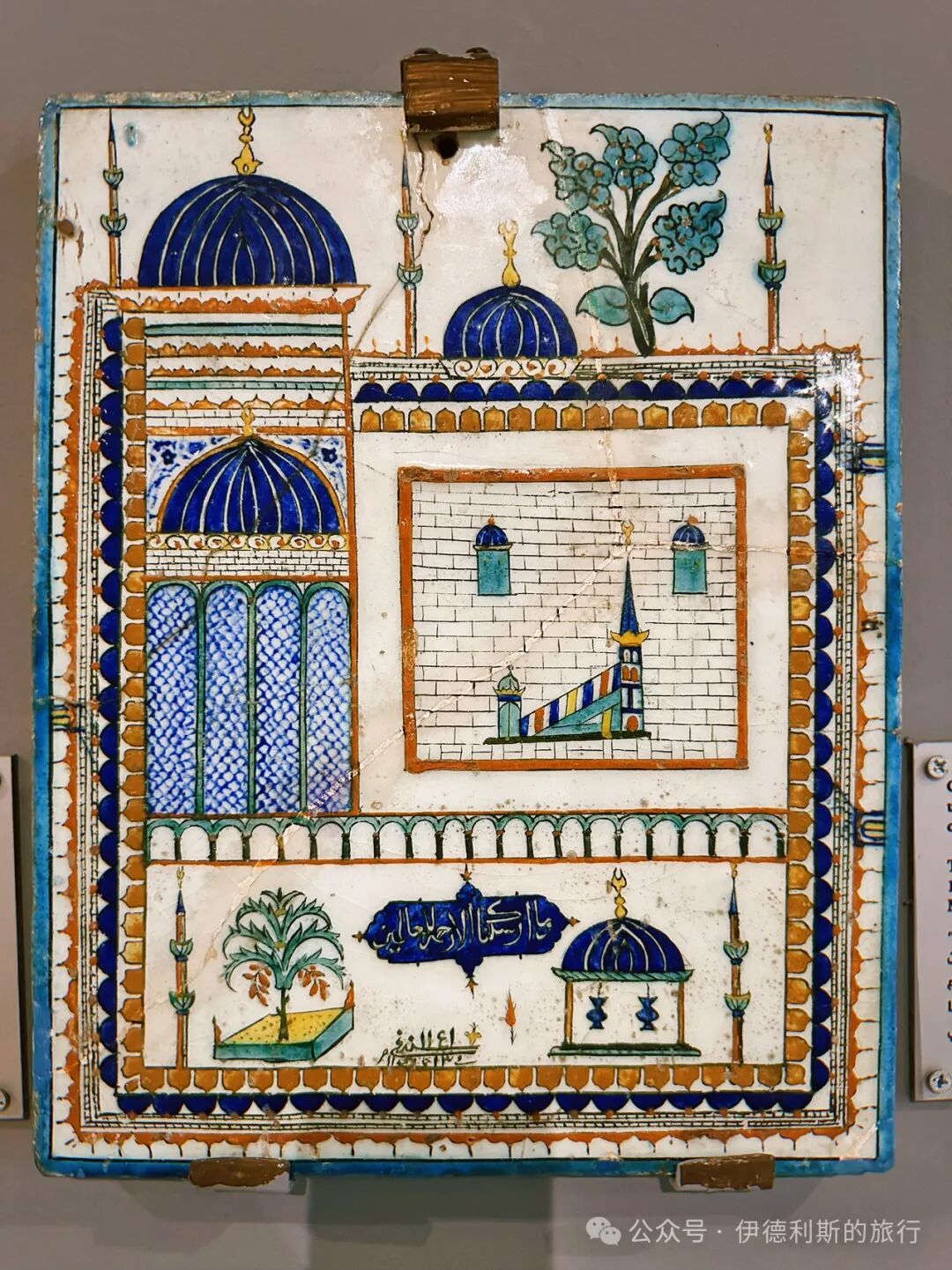
An 18th-century Ottoman period ceramic tile painted with an image of the Prophet's Mosque in Medina.
Tombstone.
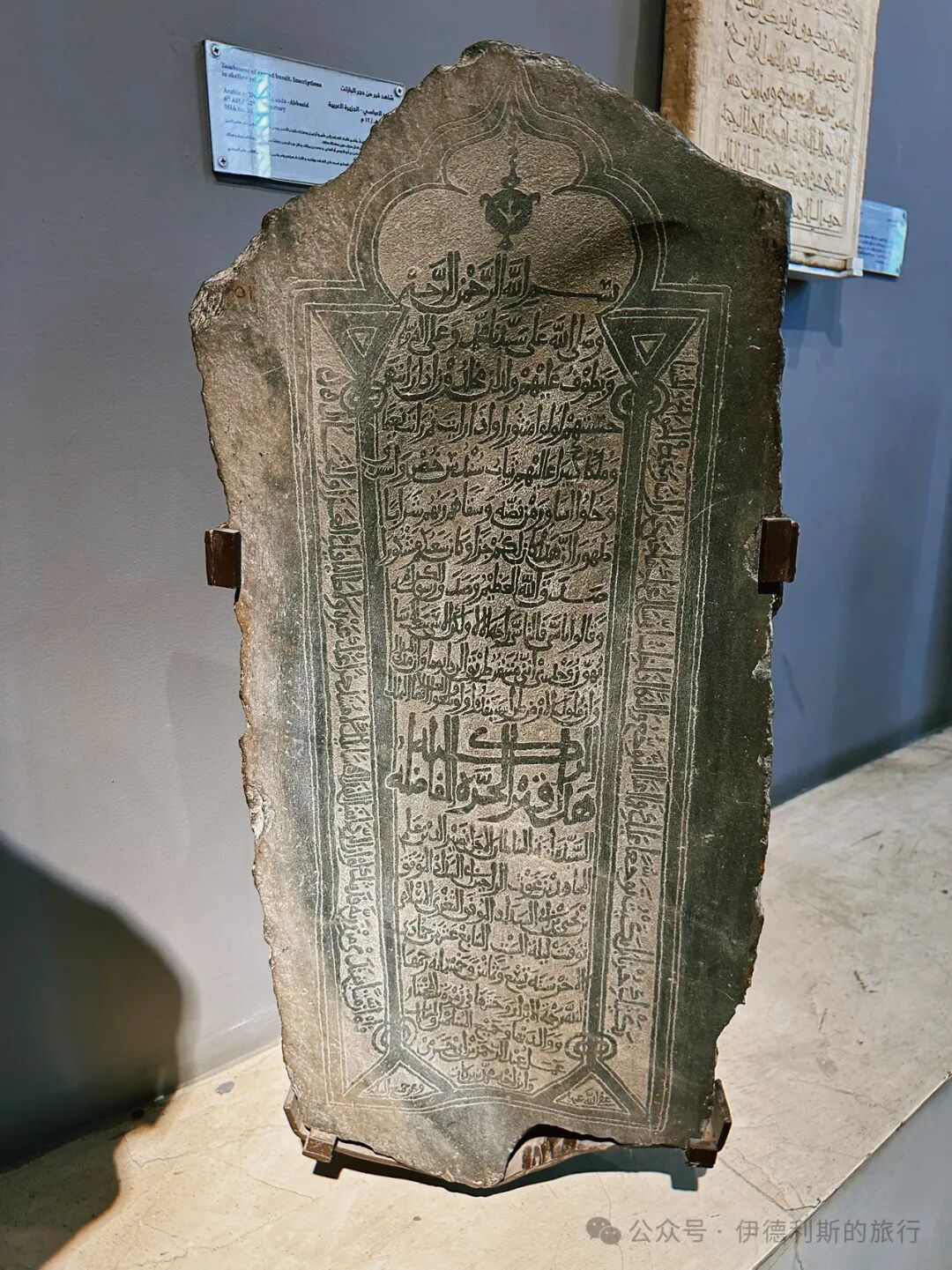
A 12th-century basalt tombstone from the Arabian Peninsula or the Dahlak Archipelago.
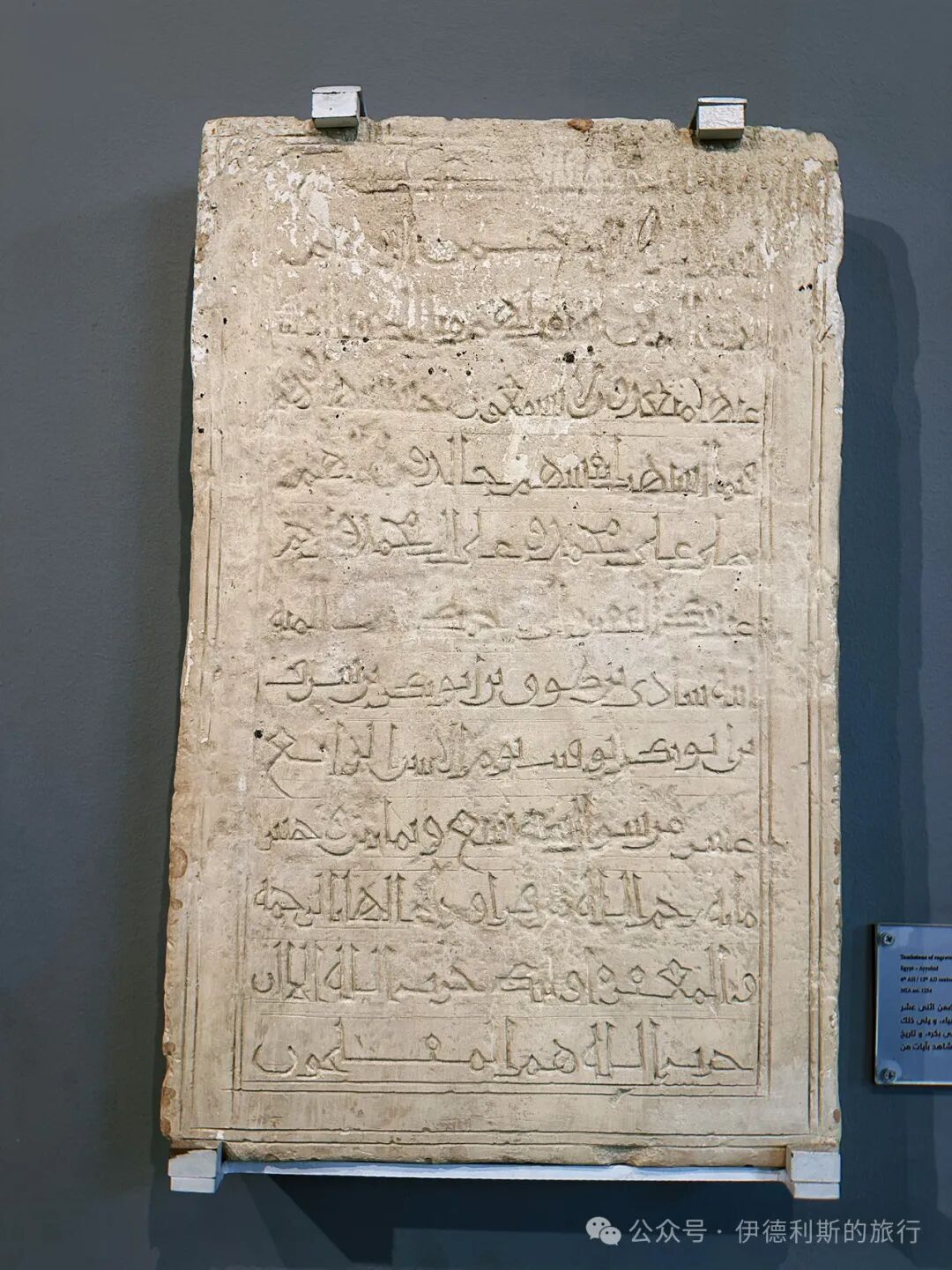
A 12th-century limestone tombstone from the Ayyubid dynasty in Egypt.
A 10th-century wooden tombstone from the Fatimid dynasty in Egypt.
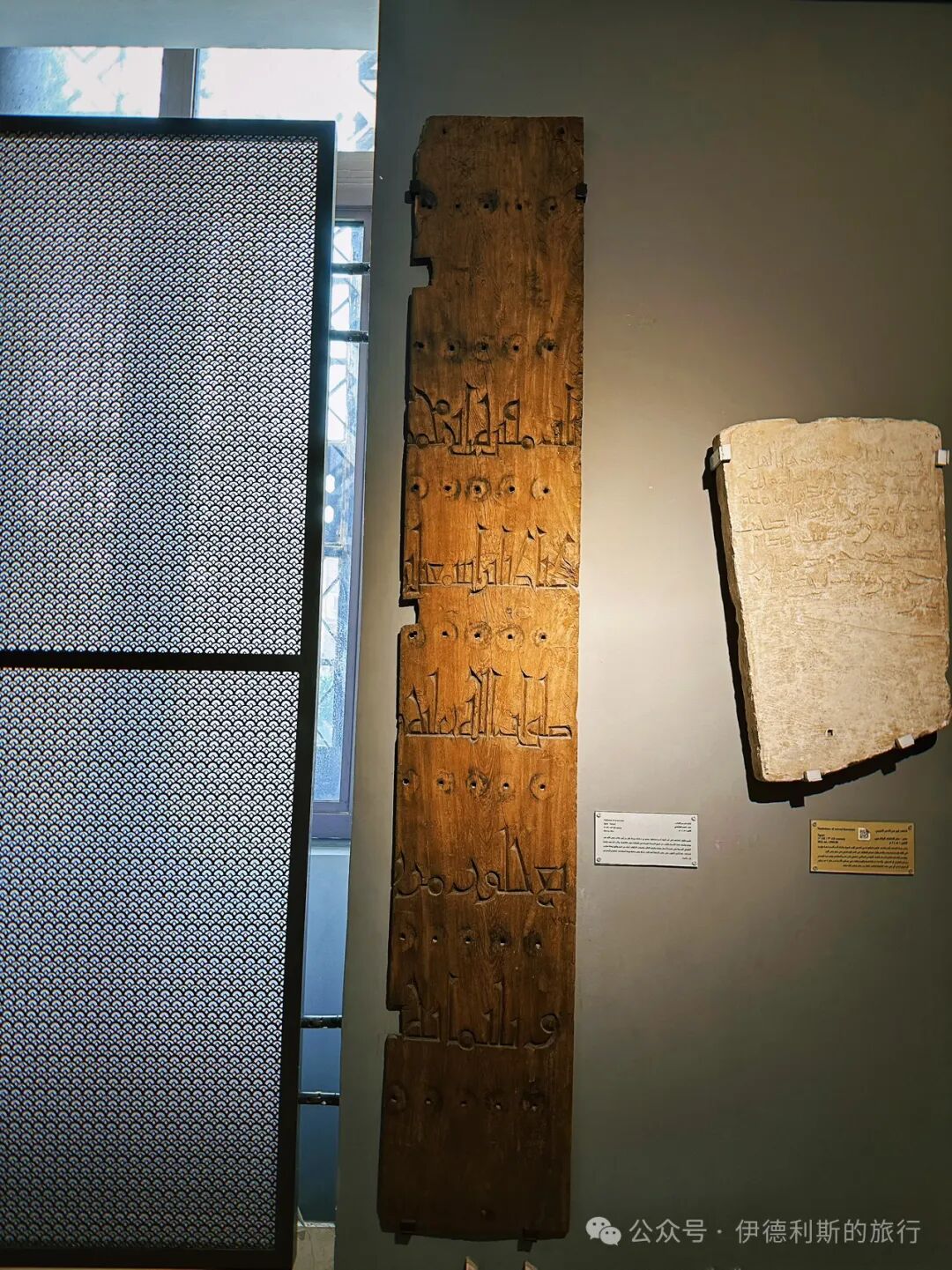
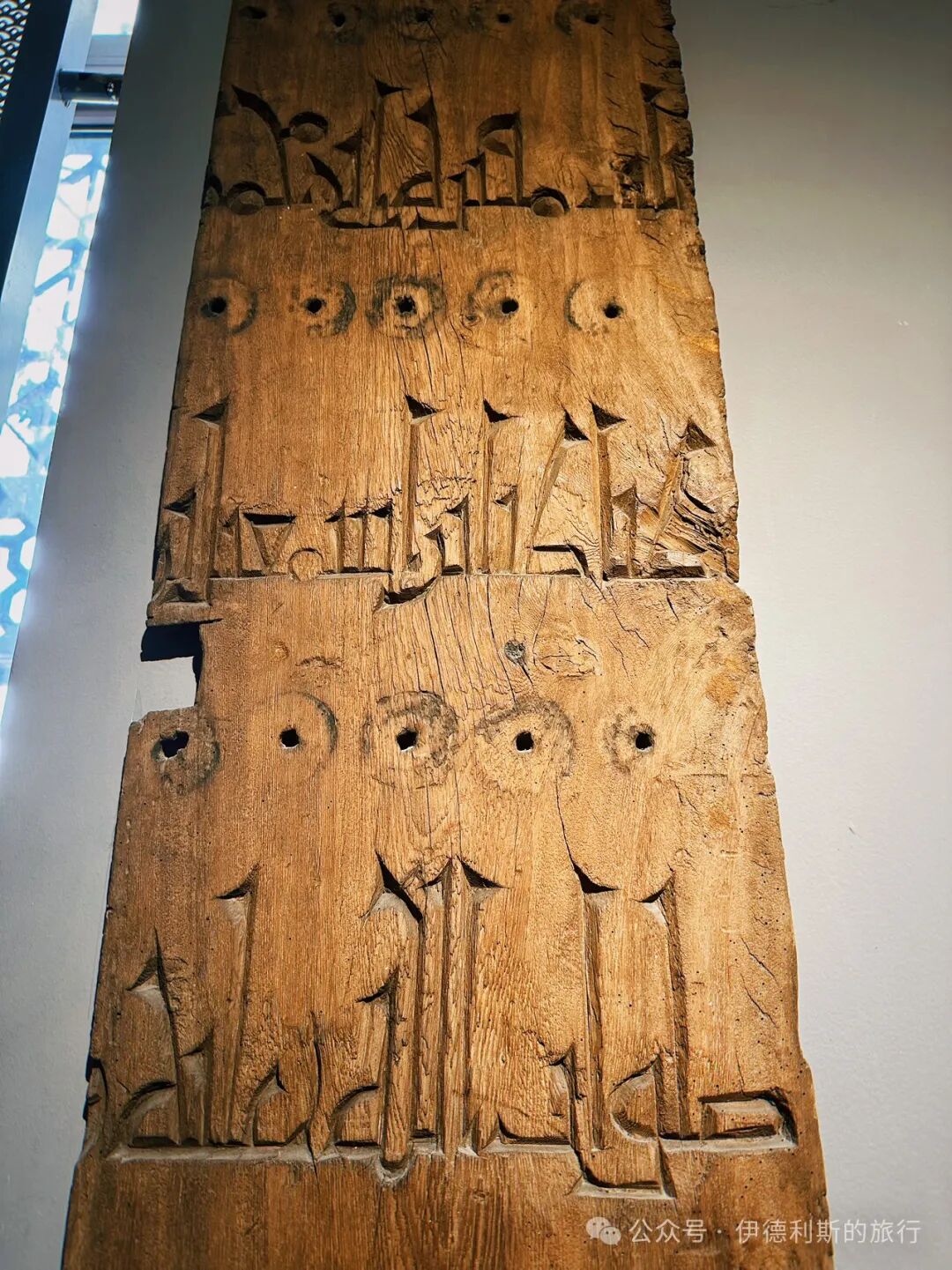
A 7th-century limestone tombstone from the Rashidun or Umayyad period in Egypt.
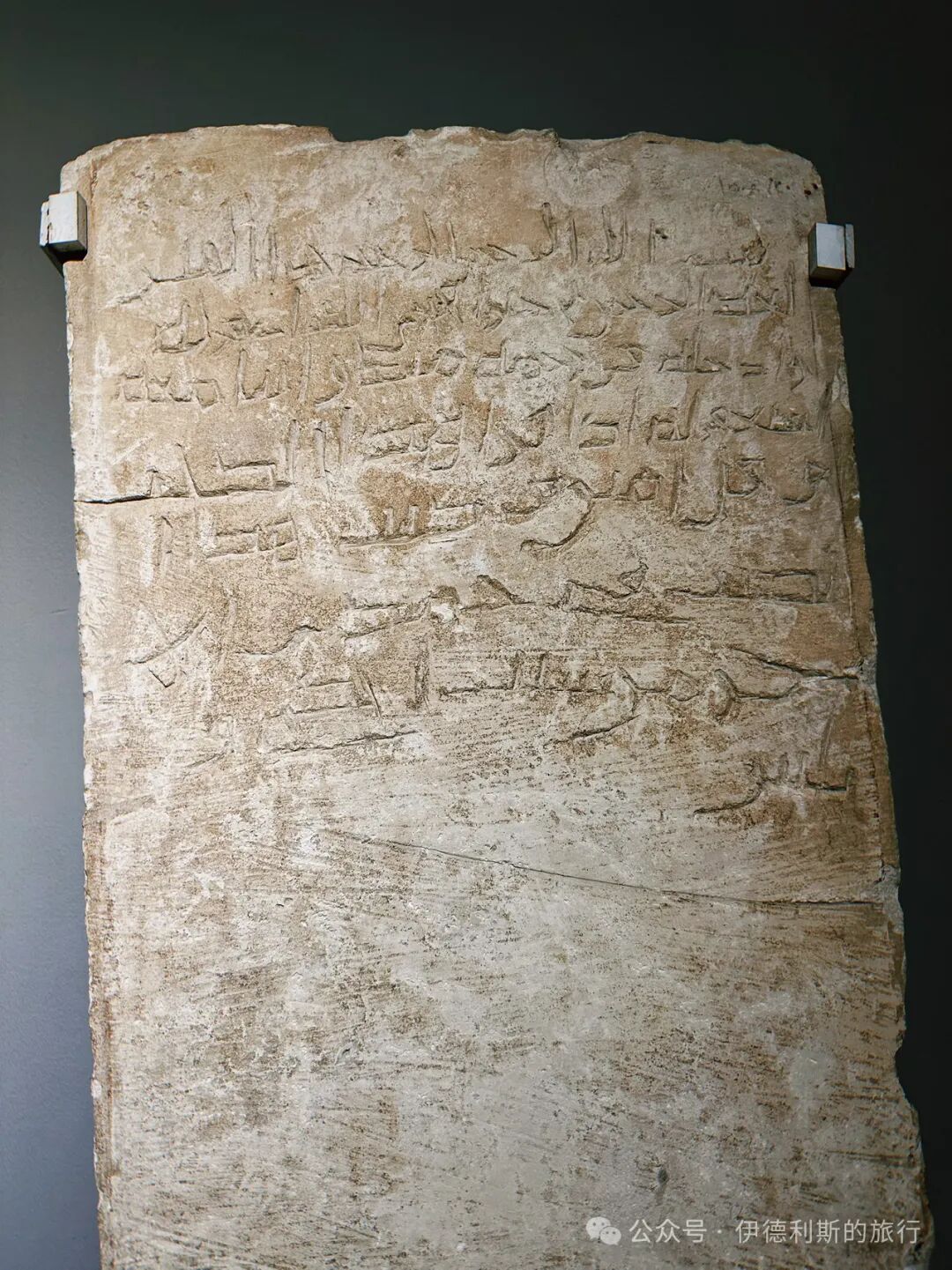
An 8th-century marble tombstone from the Abbasid period in Egypt.
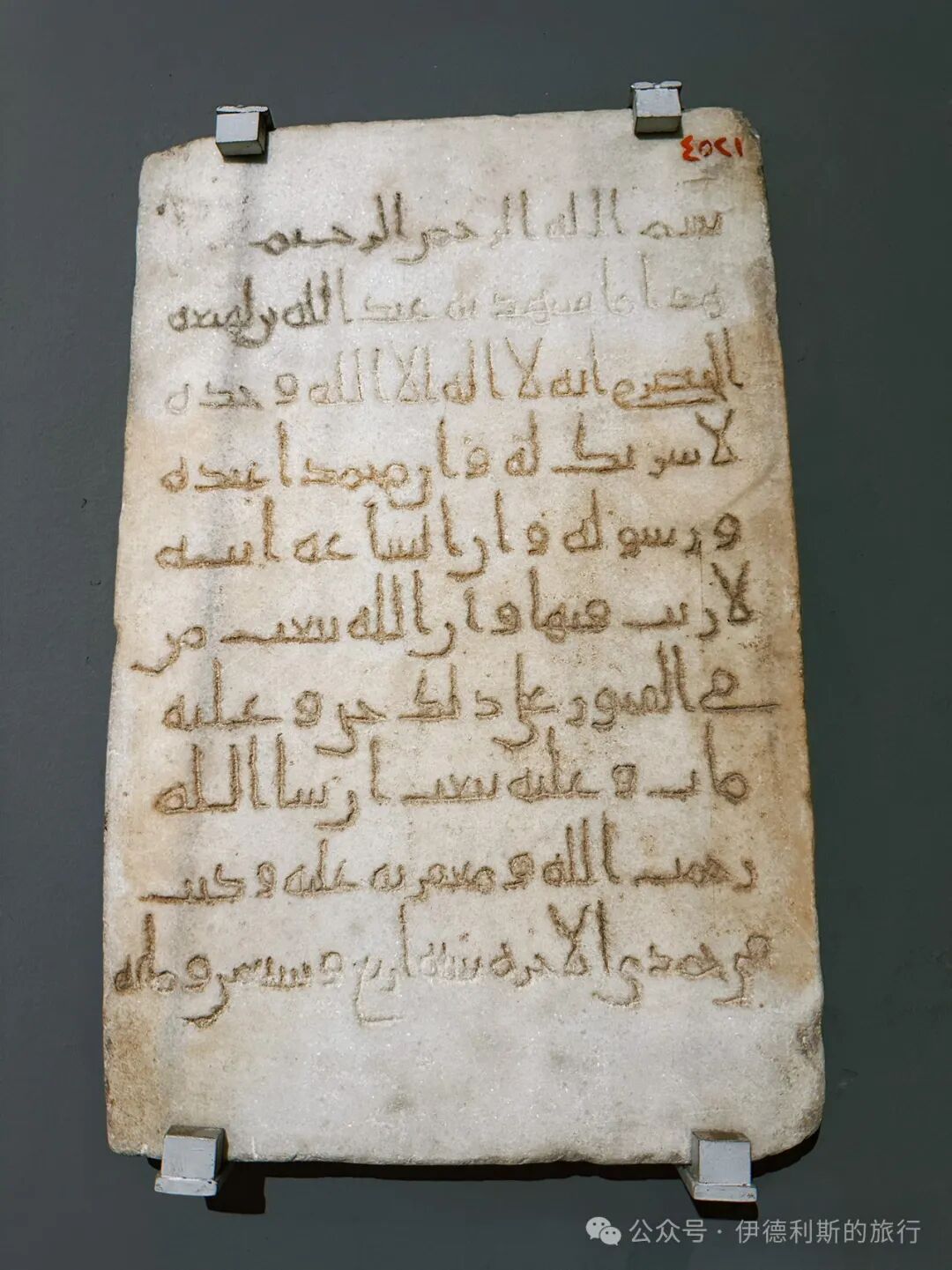
A 9th-century marble tombstone from the Abbasid period in Egypt.
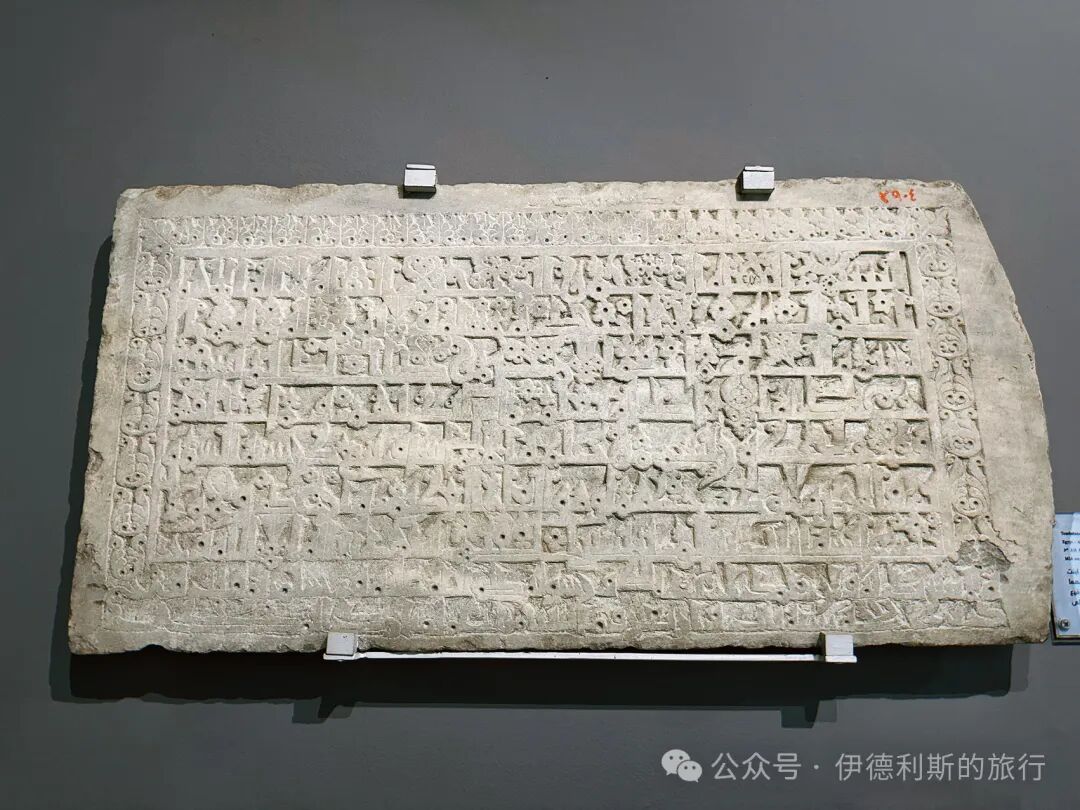
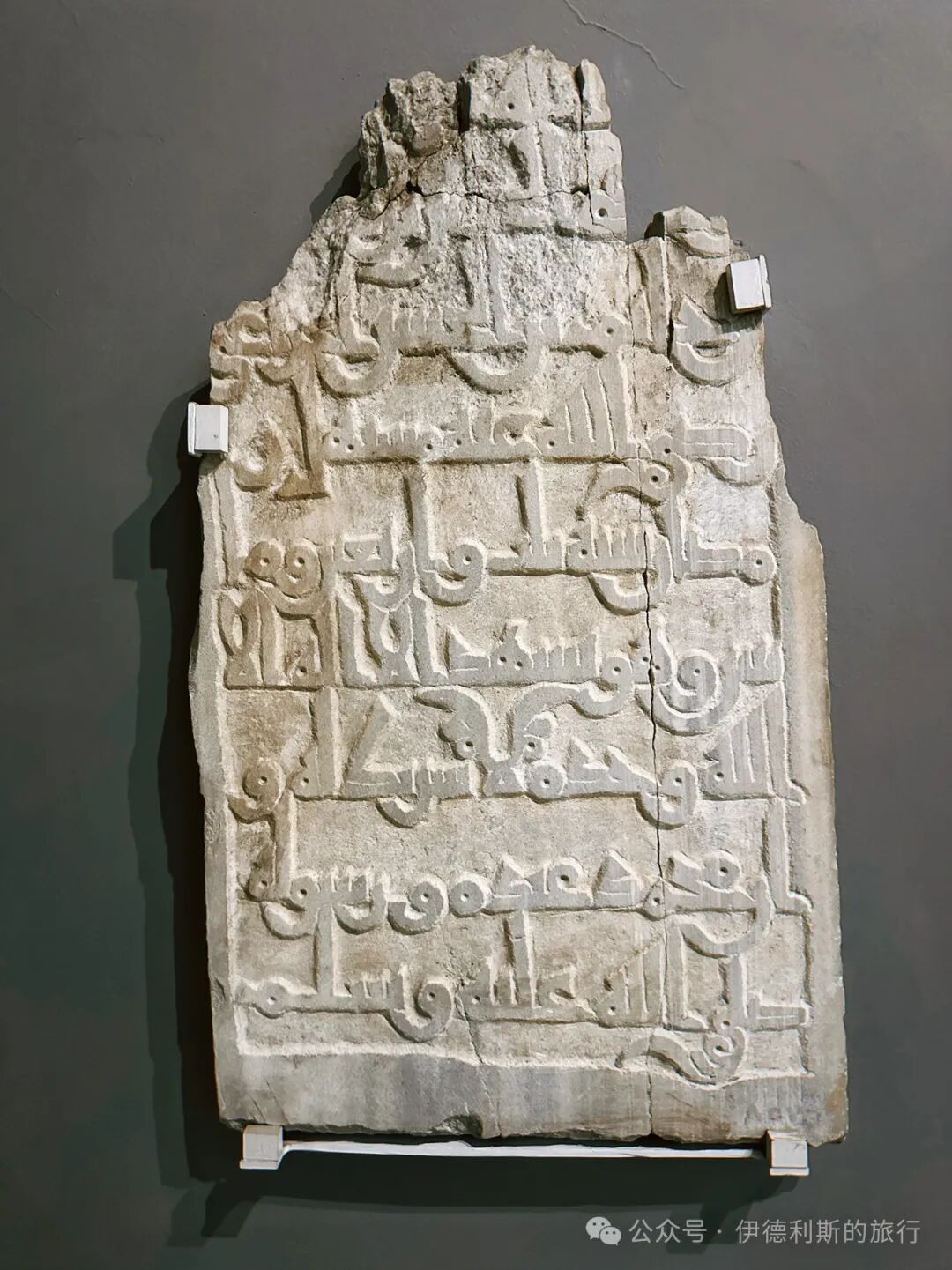
A 10th-century marble tombstone from the Fatimid period in Egypt.
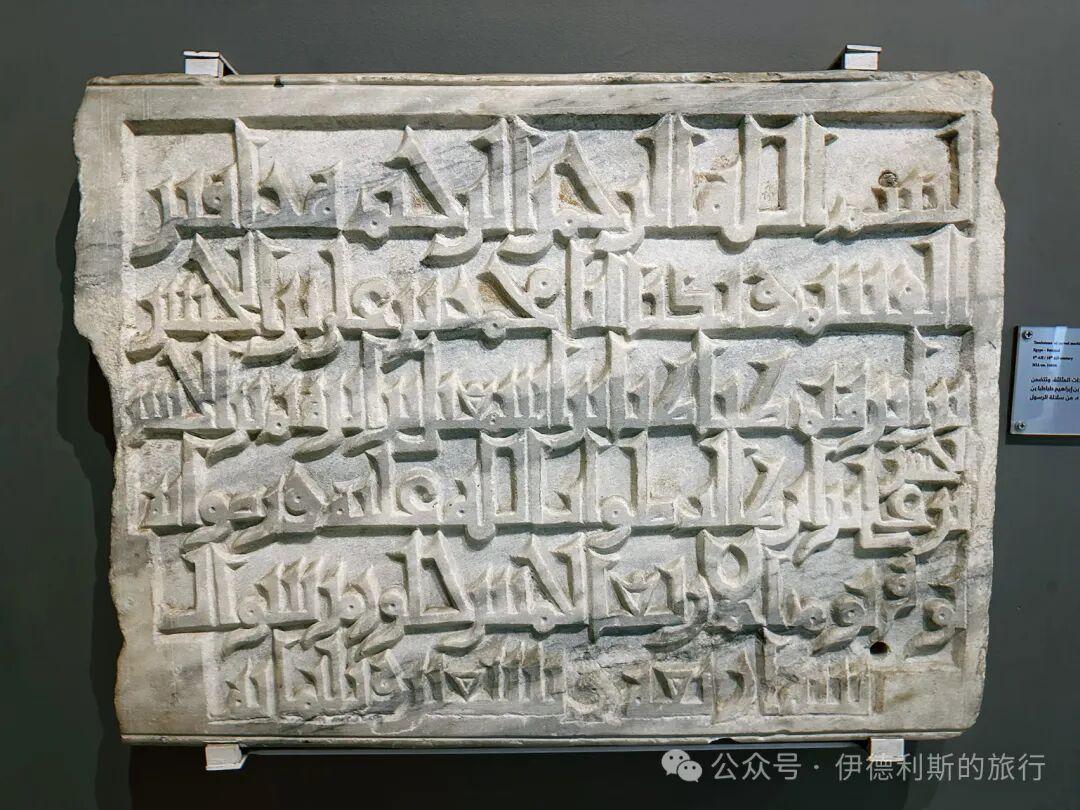
An 11th-century marble tombstone from the Fatimid period in Egypt.
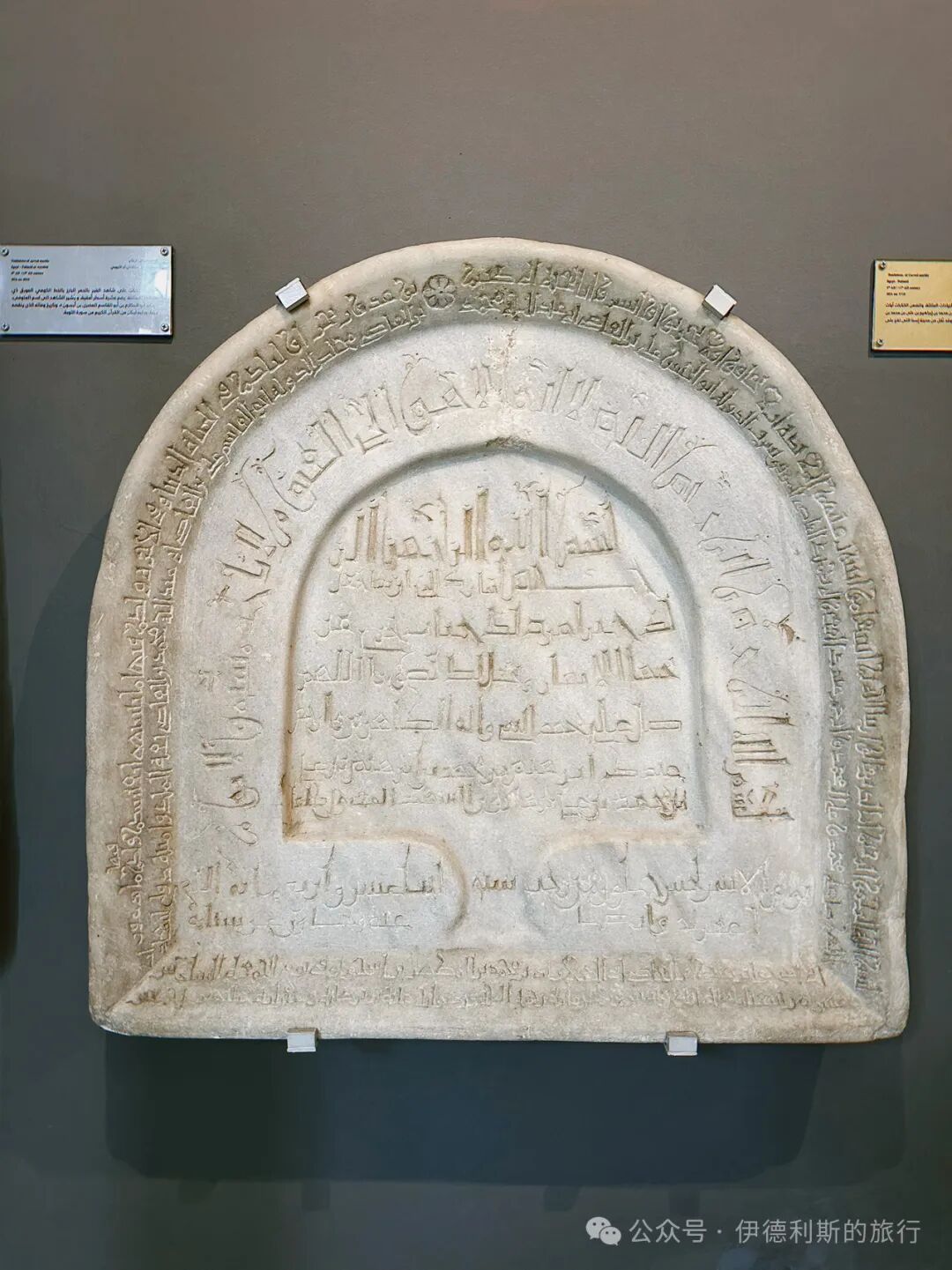
Summary: Islamic Art Guide: Museum of Islamic Art in Cairo (Part 2) is presented here as a firsthand travel account in clear, natural English. The account focuses on Cairo, Islamic Art, Museum Travel while preserving the names, places, food, photos, and historical details from the Chinese source.
Script tiles from the Mamluk dynasty in the 14th century.
A tile inscribed with the name of the Mamluk Sultan Qaitbay, who reigned from 1468 to 1496.
A 14th-century marble tile with Kufic script from the Mamluk dynasty in Egypt.
Arabic script tiles from the Egyptian Mamluk dynasty, with the 14th century on top and the 16th century on the bottom.
A 14th-century Mamluk-era marble carving from the Sarghatmish Madrasa in Cairo, featuring a small-scale replica in the bottom right corner that allows visitors to touch the patterns.
A copper lamp inlaid with silver, inscribed with the name of the Mamluk Sultan Al-Ashraf Sha'ban, who reigned from 1363 to 1377.
A 13th-century glass vessel from the Mamluk dynasty inscribed with the name of Prince Shams al-Din al-Tanbugha.
A 13th-century copper-plated wooden door from the Egyptian Mamluk dynasty, inscribed with the name of Prince Shams al-Din Sunqur al-Tawil al-Mansuri.
An ivory carving inscribed with the name of the Mamluk Sultan Qaitbay, who reigned from 1468 to 1496.
A 14th-century ivory carving from the Egyptian Mamluk dynasty.
A marble carving inscribed with the name of the Mamluk Sultan Al-Ashraf Qansuh al-Ghuri, who reigned from 1501 to 1516.
A royal decree carved into marble by the Egyptian Mamluk Sultan Sayf al-Din Jaqmaq, who reigned from 1438 to 1453, after he ordered the exemption of taxes for merchants.
A marble tombstone from the 15th to 16th-century Egyptian Mamluk dynasty.
A 13th to 15th-century copper basin inlaid with silver from the Egyptian Mamluk dynasty; the Palace Museum holds several blue and white porcelain pieces with the same design.
Ottoman dynasty.
A 17th to 18th-century wooden balcony (mashrabiya) from the Ottoman dynasty in Egypt. This is an important part of traditional Middle Eastern architecture, featuring intricate wooden lattice screens that allow for evaporative cooling when water jars are placed inside.
An 18th-century wooden cabinet inlaid with ivory from the Ottoman period in Egypt.
This piece has no label, but it appears to be an ivory-inlaid wooden pulpit (minbar) from the Ottoman period in Egypt.
Ceramic tiles produced in Iznik, Turkey, during the 16th-century Ottoman period.
Porcelain from the 16th to 19th centuries, covering the Ottoman and Muhammad Ali periods.
A marble carving from the 16th-century Ottoman period.
A 17th-century Ottoman period ceramic tile painted with an image of the Kaaba (Tianfang).
An 18th-century Ottoman period ceramic tile painted with an image of the Prophet's Mosque in Medina.
Tombstone.
A 12th-century basalt tombstone from the Arabian Peninsula or the Dahlak Archipelago.
A 12th-century limestone tombstone from the Ayyubid dynasty in Egypt.
A 10th-century wooden tombstone from the Fatimid dynasty in Egypt.
A 7th-century limestone tombstone from the Rashidun or Umayyad period in Egypt.
An 8th-century marble tombstone from the Abbasid period in Egypt.
A 9th-century marble tombstone from the Abbasid period in Egypt.
A 10th-century marble tombstone from the Fatimid period in Egypt.
An 11th-century marble tombstone from the Fatimid period in Egypt.
