
Halal Travel Guide: Wuhan - Ma Si Baba Gongbei, Turkish Coffee and Fatumai Restaurant
Reposted from the web
Summary: Halal Travel Guide: Wuhan - Ma Si Baba Gongbei, Turkish Coffee and Fatumai Restaurant is presented here as a firsthand travel account in clear, natural English. The account focuses on Wuhan, Gongbei, Halal Food while preserving the names, places, food, photos, and historical details from the Chinese source.
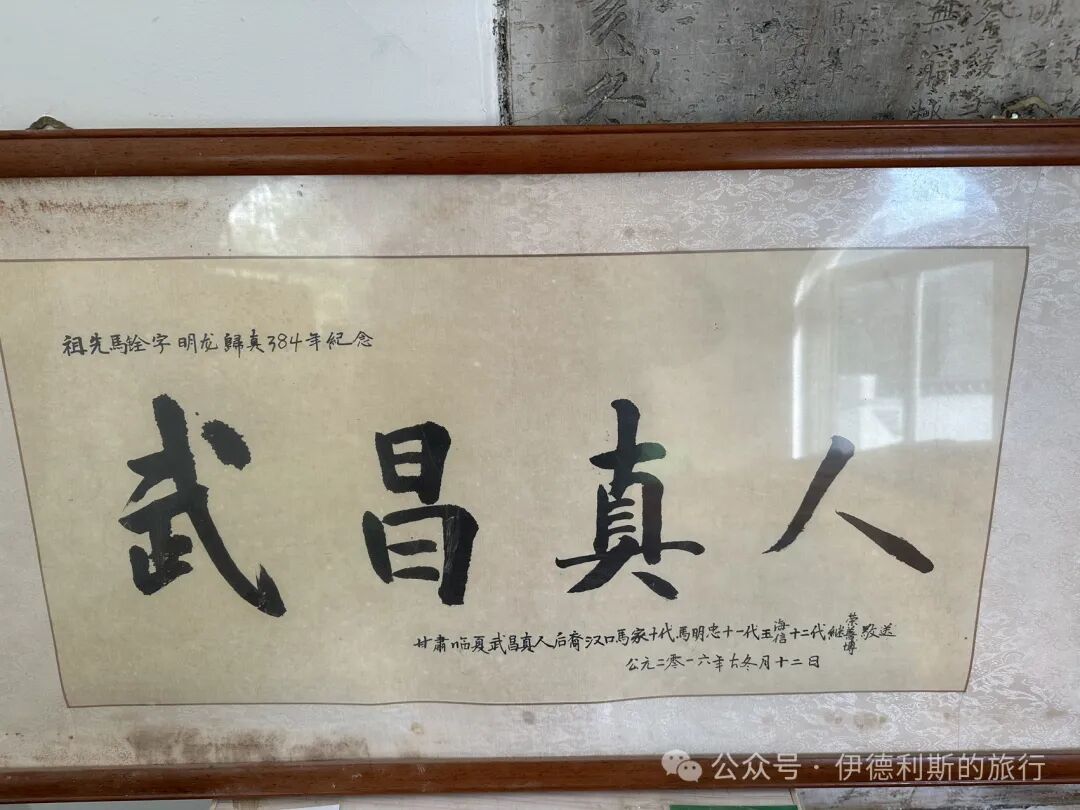
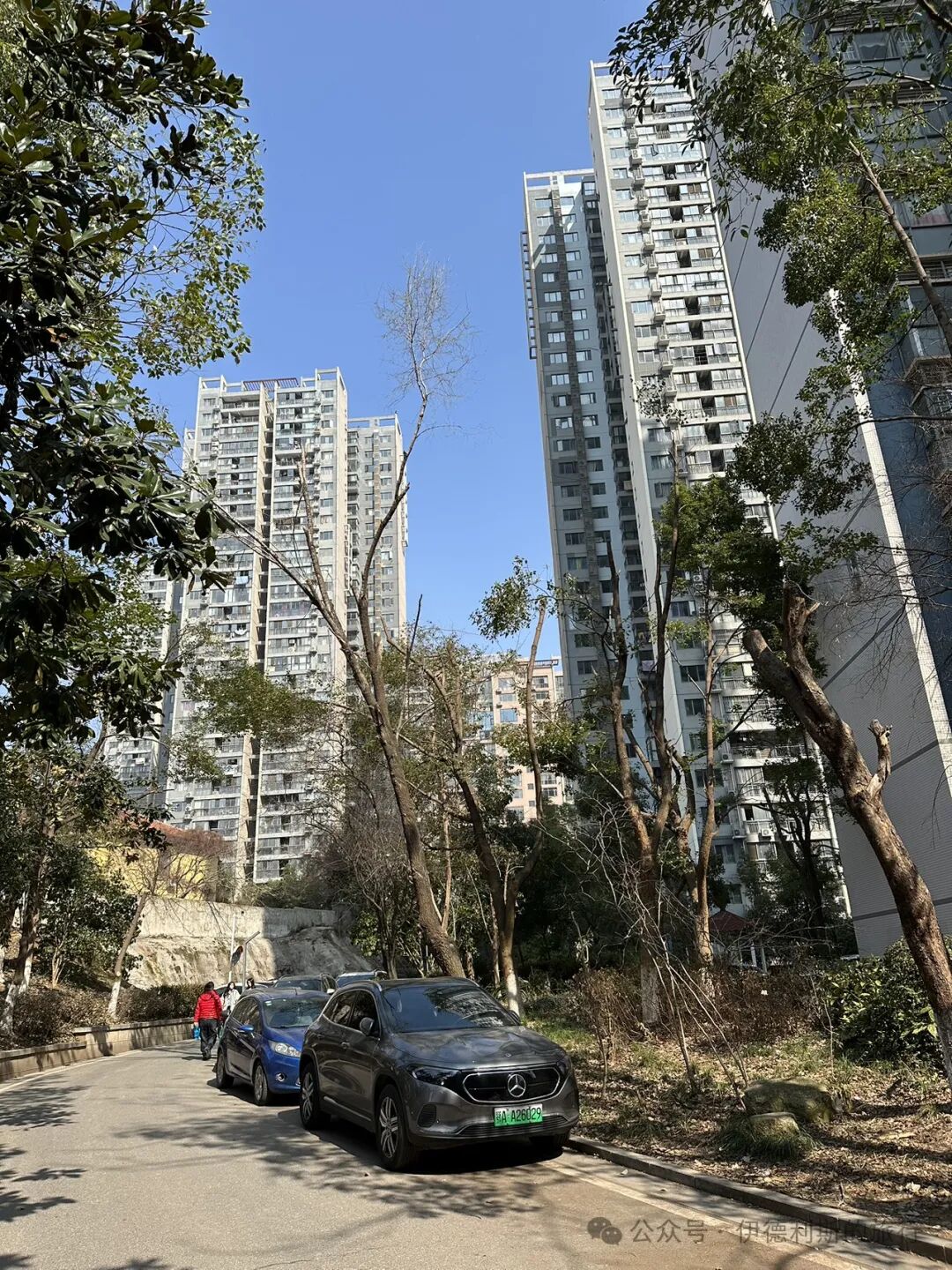
On March 10, I rode my bike from the east gate of Central China Normal University early in the morning to visit the tomb of Ma Si Baba on Huquan Street. The tomb of Ma Si Baba is now inside the Poly Huadu residential complex, and the phone number for the caretaker, Ma Yunjiang Dosti, is posted at the entrance. Unfortunately, Ma Dosti was at the hospital when we arrived, so he asked his sister to come and open the gate for us.
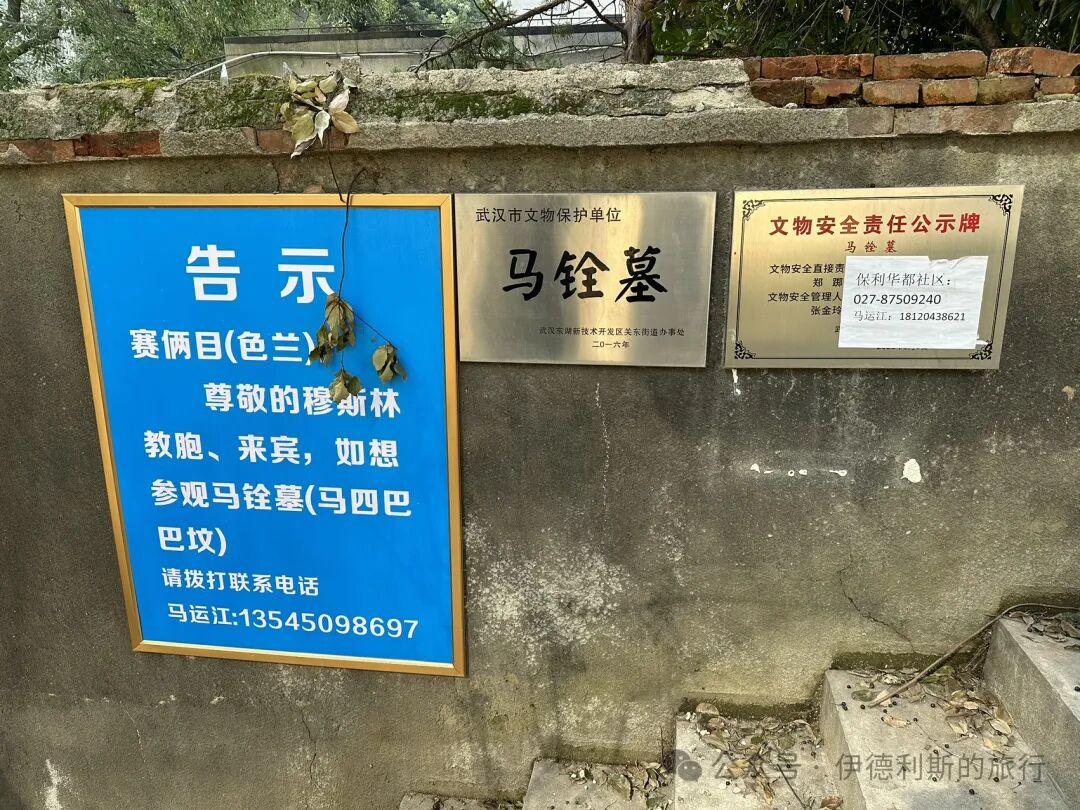
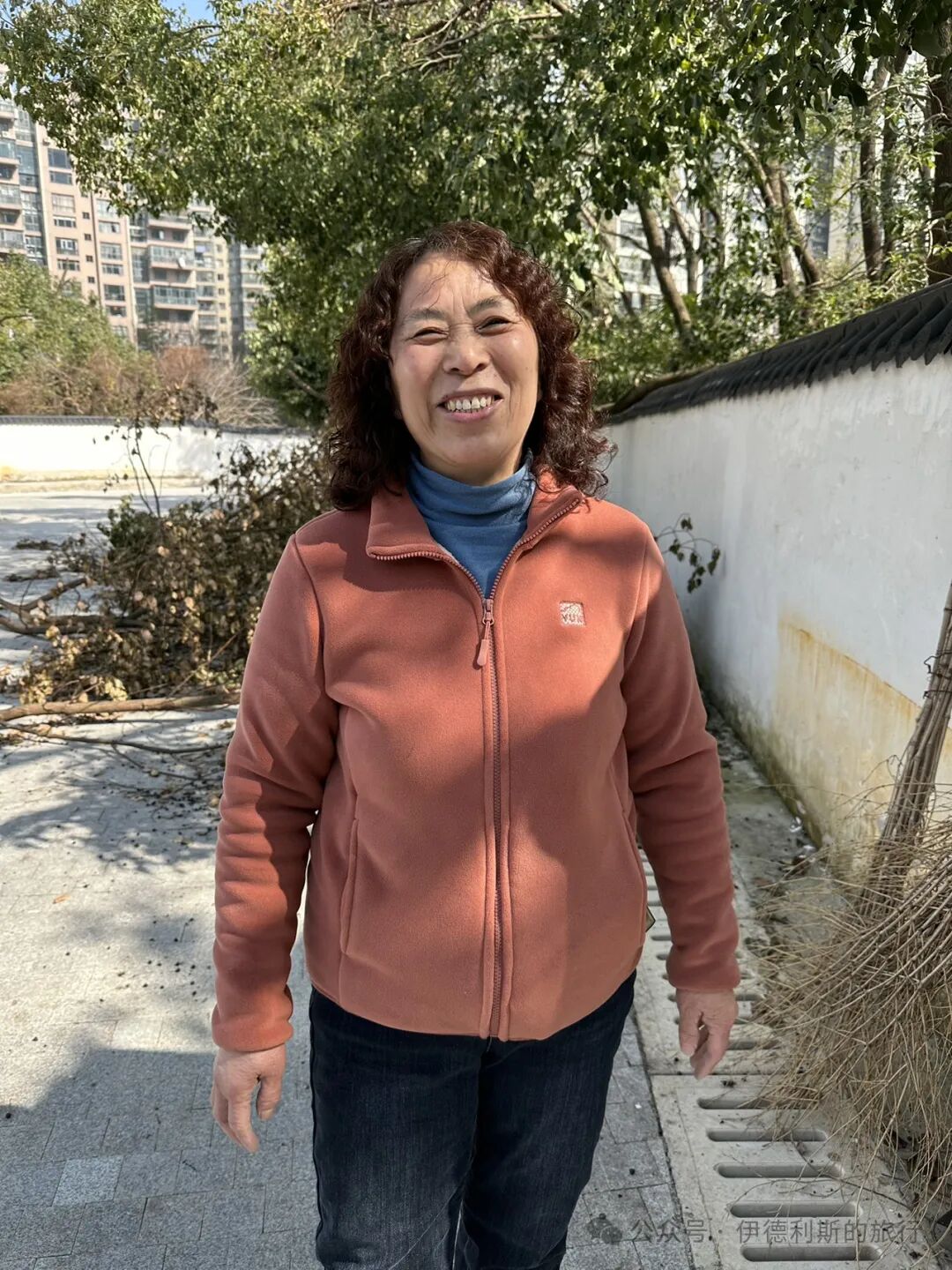
Ma Si Baba (1597-1679), whose real name was Ma Quan and courtesy name was Minglong, was a master of Islamic studies and the founder of the Jingtang education system in Hubei. Ma Si Baba came from the Ma family of Huaiyuantang, originally from Xuyi County, Fengyang Prefecture. His great-grandfather, Ma Jun, was appointed as a commander in the Wuchang Left Guard of the Huguang Regional Military Commission in 1413 (the sixth year of the Xuande reign of the Ming Dynasty) and settled in Wuchang from then on.
Ma Si Baba studied both Islamic and Chinese classics with his father from a young age. When he was young, he spent seven years in Tongxin, Ningxia, and Xianning, Shaanxi, studying under the teachers Feng Bo'an and Feng Shaoquan. After returning to Wuhan, he began teaching at the Yuanmenkou mosque in Wuchang, where he focused on studying Persian classics like the Miersade. In Wuhan, Ma Si Baba received guidance from the Western Regions scholar Jiliang and was influenced by Sufi thought. The only surviving work by Ma Si Baba is "Renji Xingwu" (Self-Recognition and Awakening), written in 1661 (the eighteenth year of the Shunzhi reign). In the book, he uses Confucian and Taoist ideas to explain various concepts of the faith, reflecting the cultural trend of "interpreting Islam through Confucianism" at the time.
Ma Si Baba was once invited by Ma Xiong, the regional commander of Liuzhou, to serve as the imam at the mosque in Liuzhou. Later, he used money donated by Ma Xiong's foster father, Ma Jiaolin, to buy farmland for the school at the foot of Wohu Mountain, east of Wuchang city, and he was buried there after he passed away. After Ma Si Baba passed away, Hui Muslims from the Ma family of Huaiyuantang, the Ma family of Sichuan, the Ma family of Shaanxi, the Li family of Shizijie in Wuchang, and the Wu family of Xiamazhuang moved there to settle. Later, families with the surnames Fu and Liao also joined the faith, gradually forming the village of Majiazhuang.
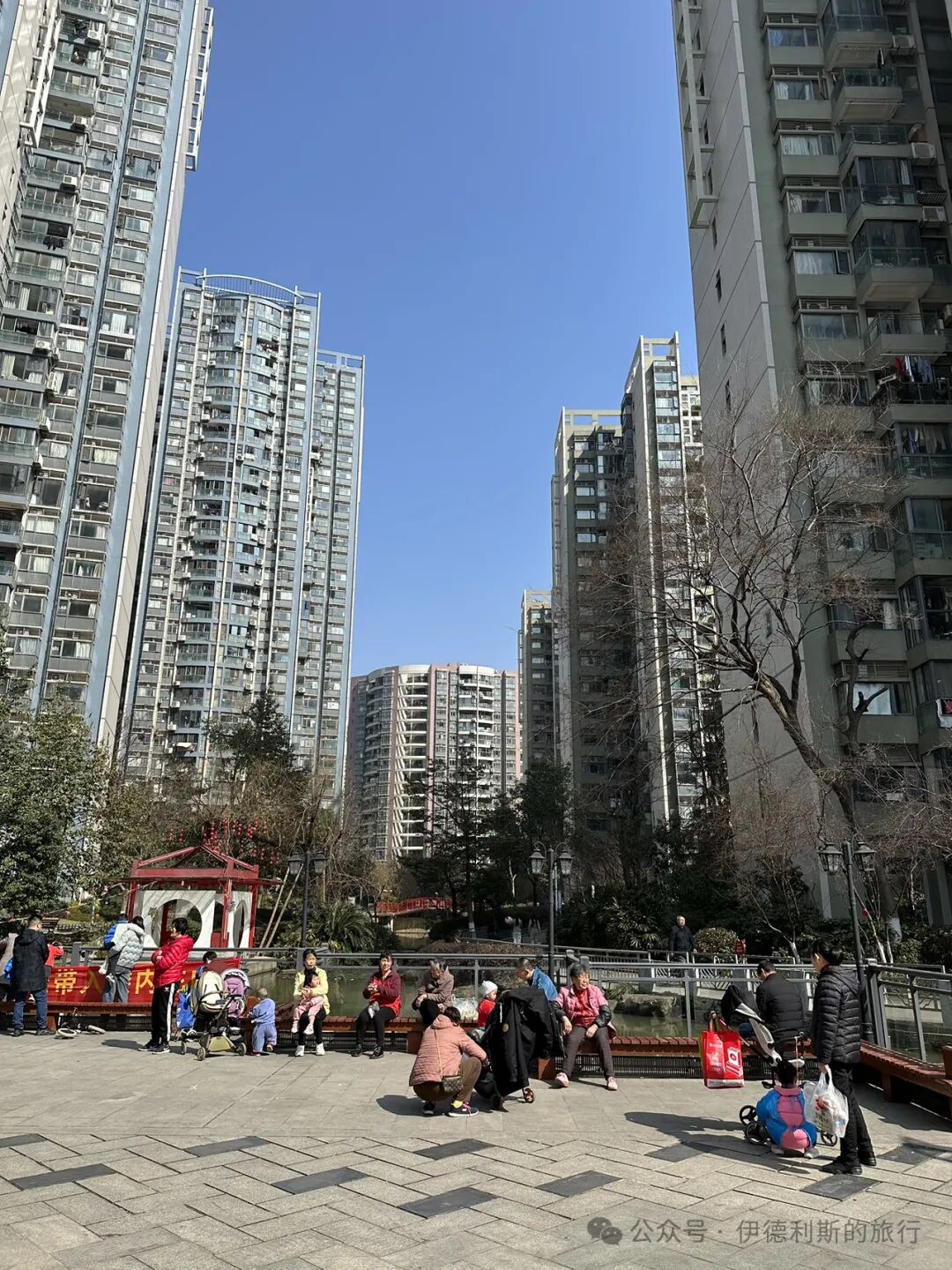
The tomb of Ma Si Baba was severely damaged after the Battle of Wuhan in 1938, and the current brick-and-concrete tomb pavilion was built in 1953. In 1979, due to land requisition, the Shangmazhuang area where Ma Si Baba's descendants lived was relocated to Zhangjiawan. In 2003, to build Xiongchu Avenue and develop real estate, Majiazhuang was relocated to the Xinzhu Road resettlement village in Guanshan Street, and in 2014, it was moved again to the Optics Valley Youth City across the street. When the Poly Huadu complex was developed, several Hui Muslim families from Majiazhuang chose to buy homes there to continue living near the tomb of Ma Si Baba, including the family of the current caretaker, Ma Yunjiang.
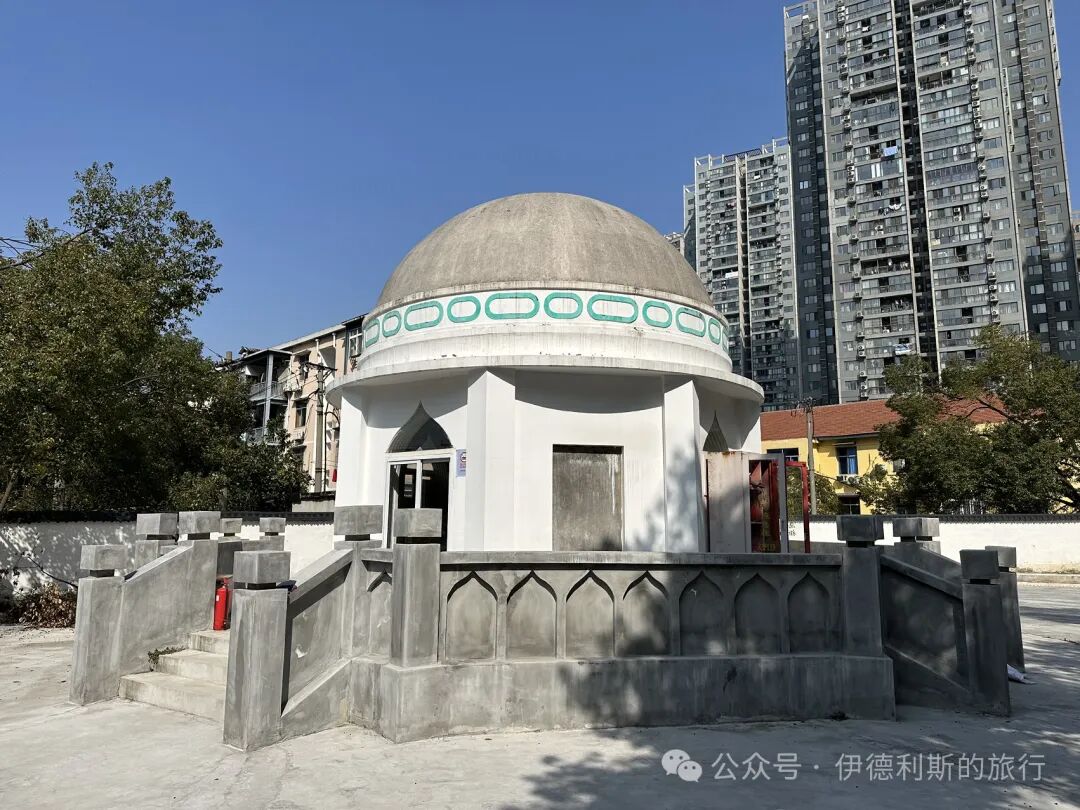
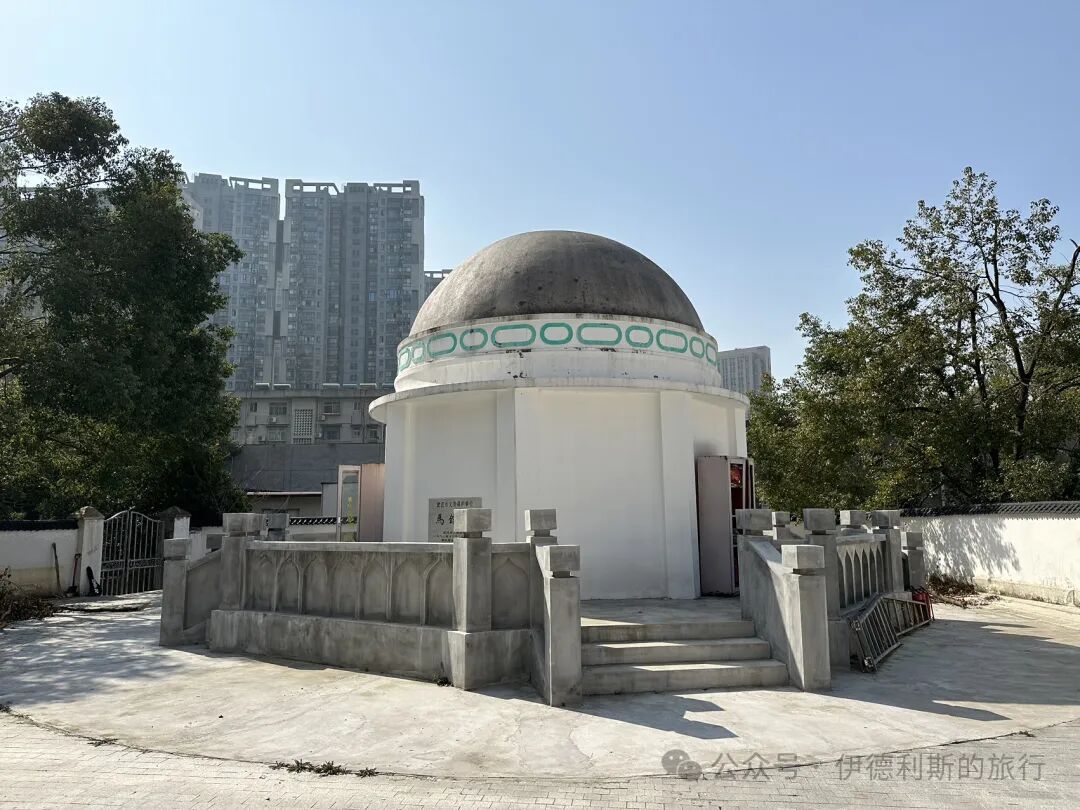
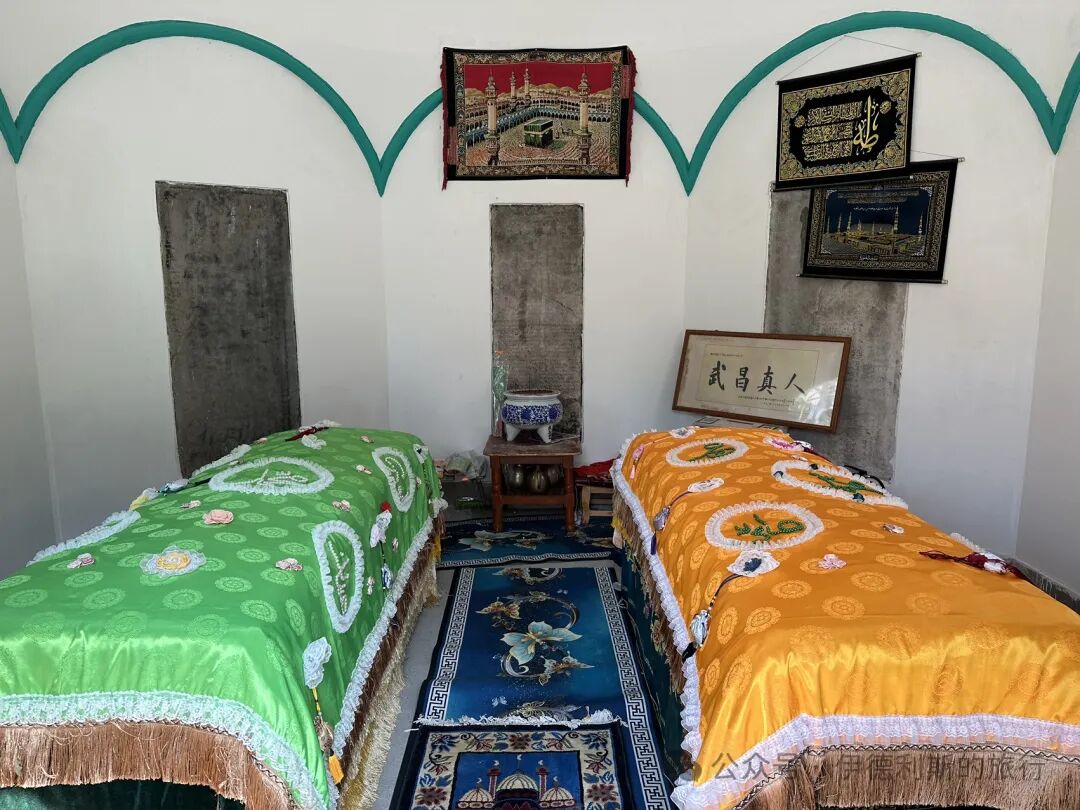
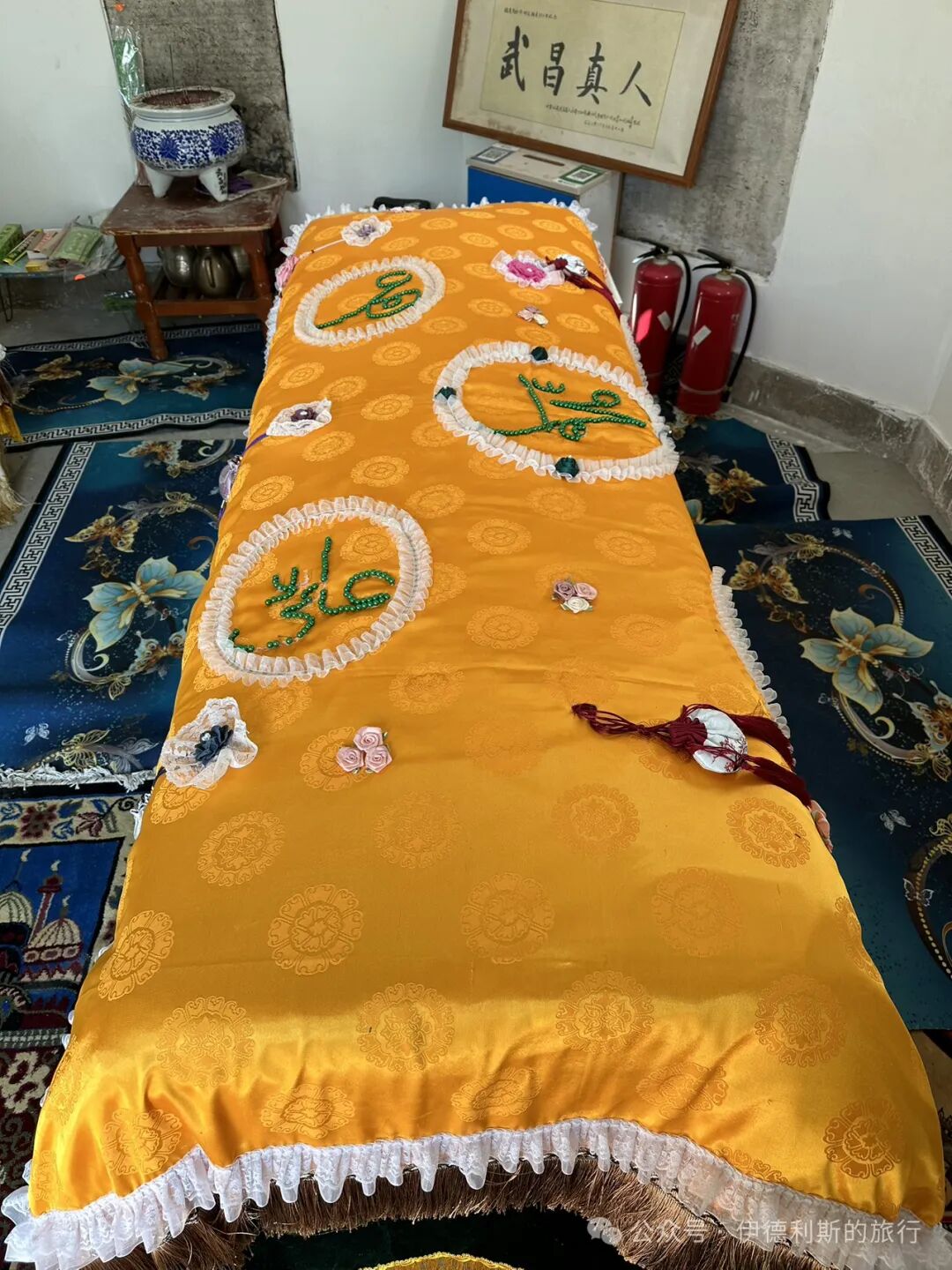
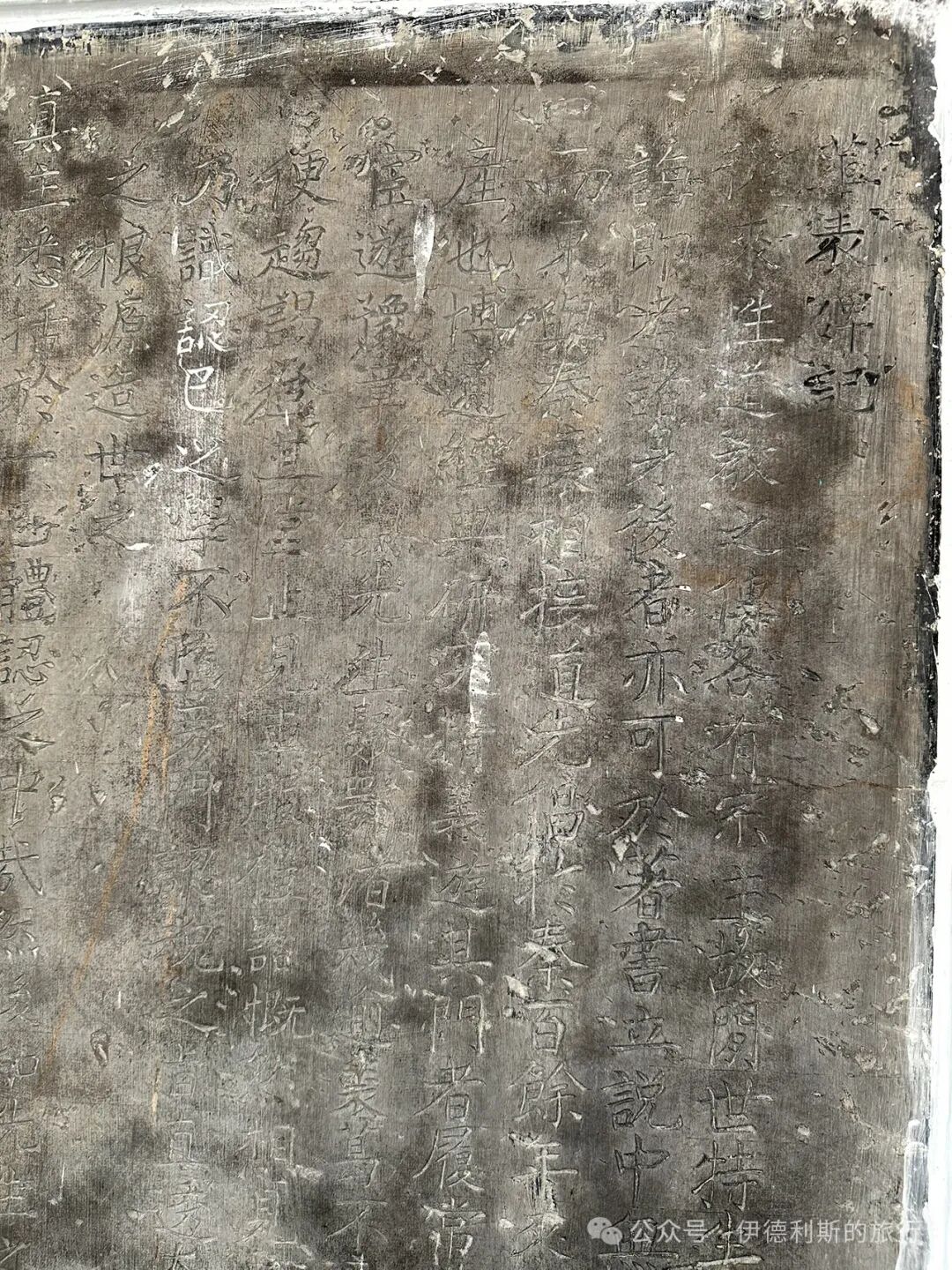
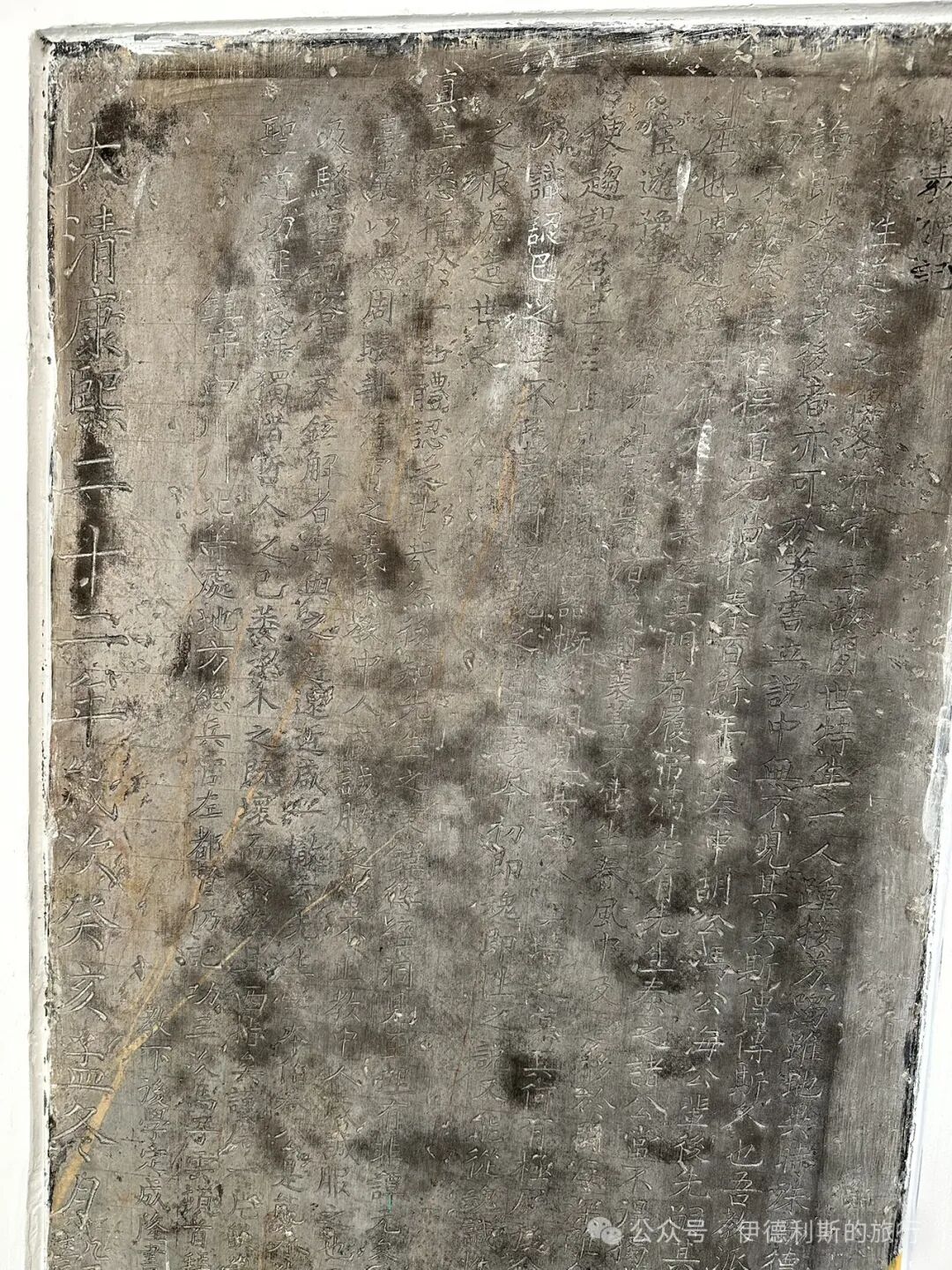
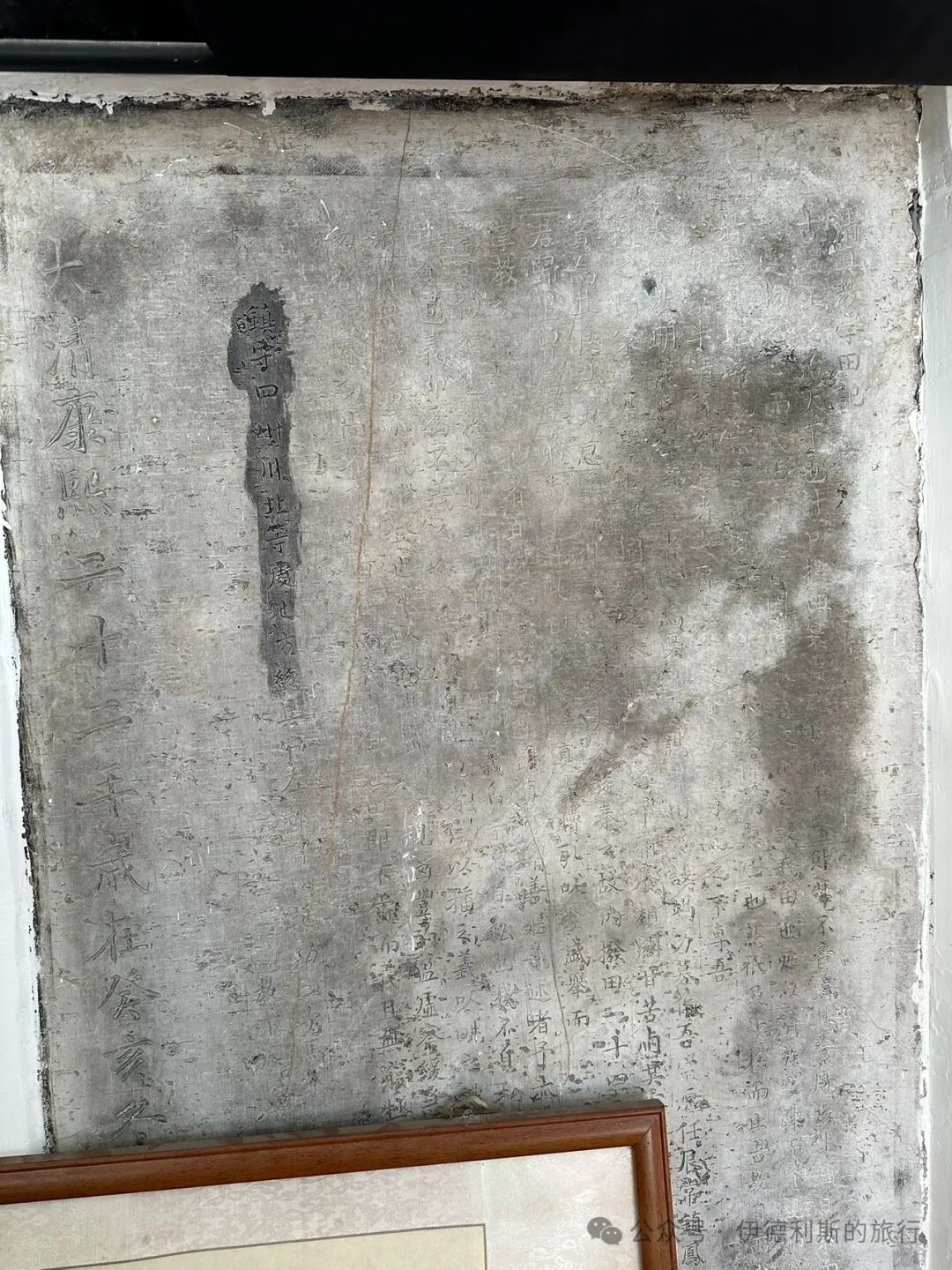
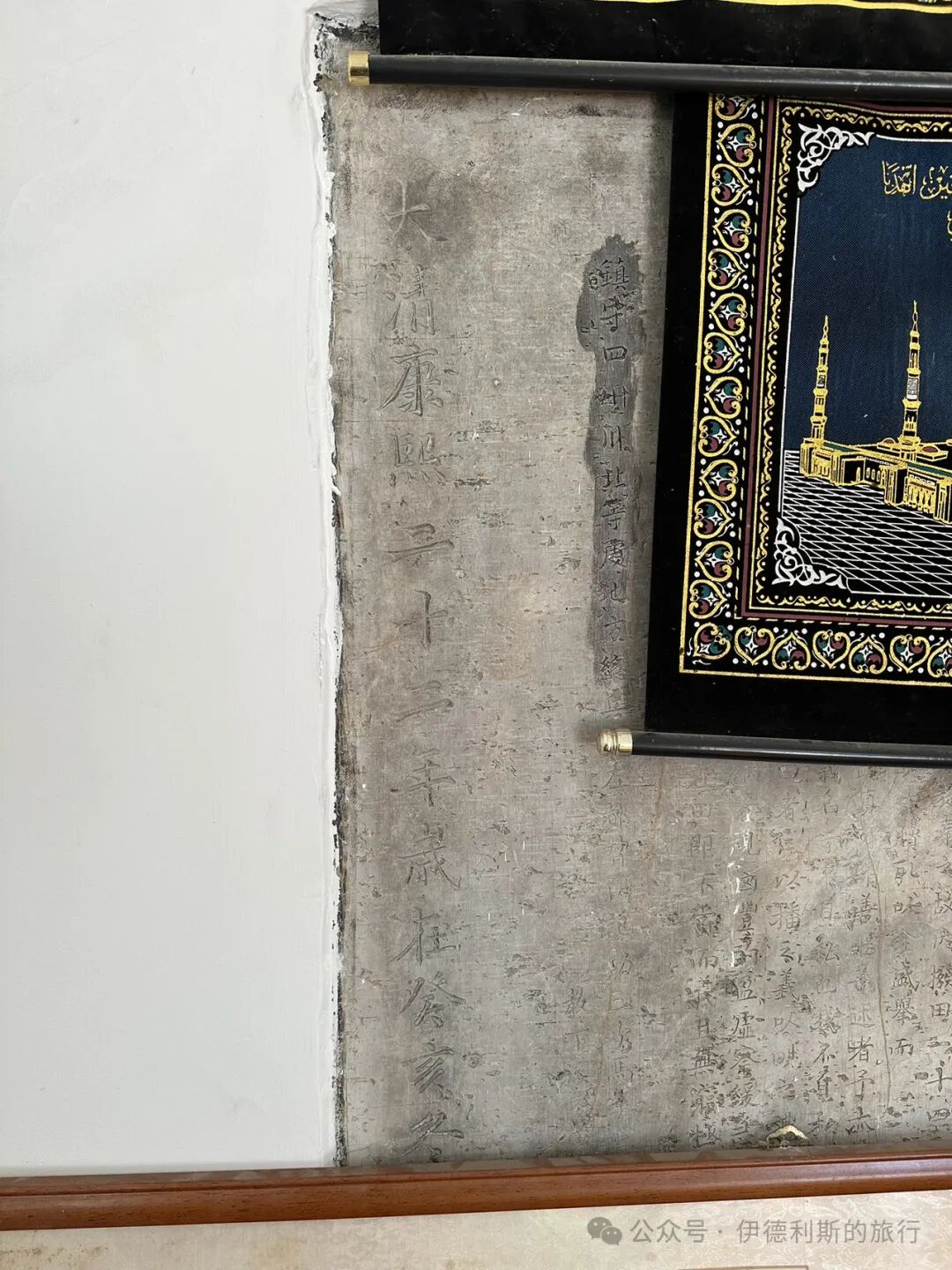
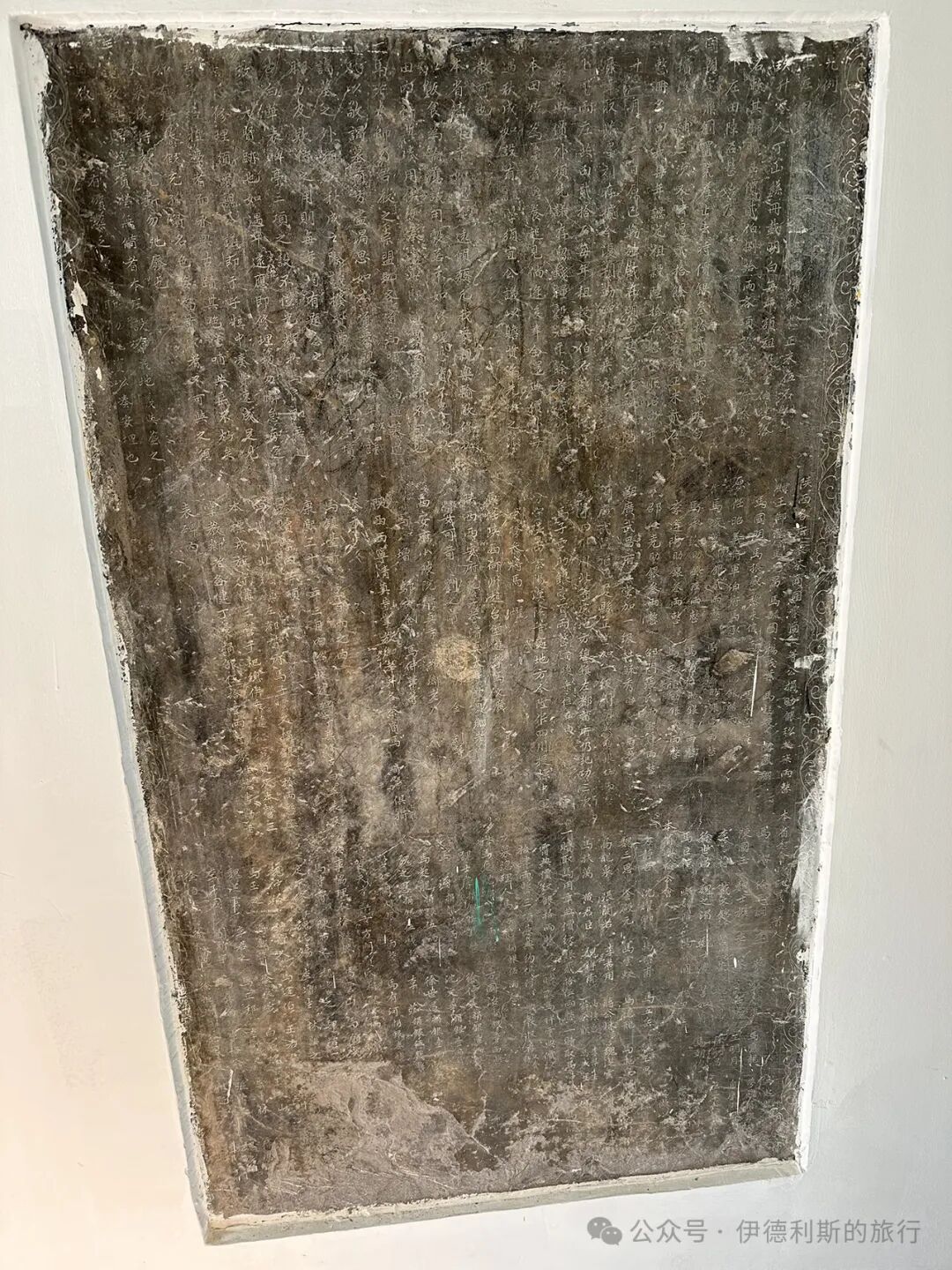
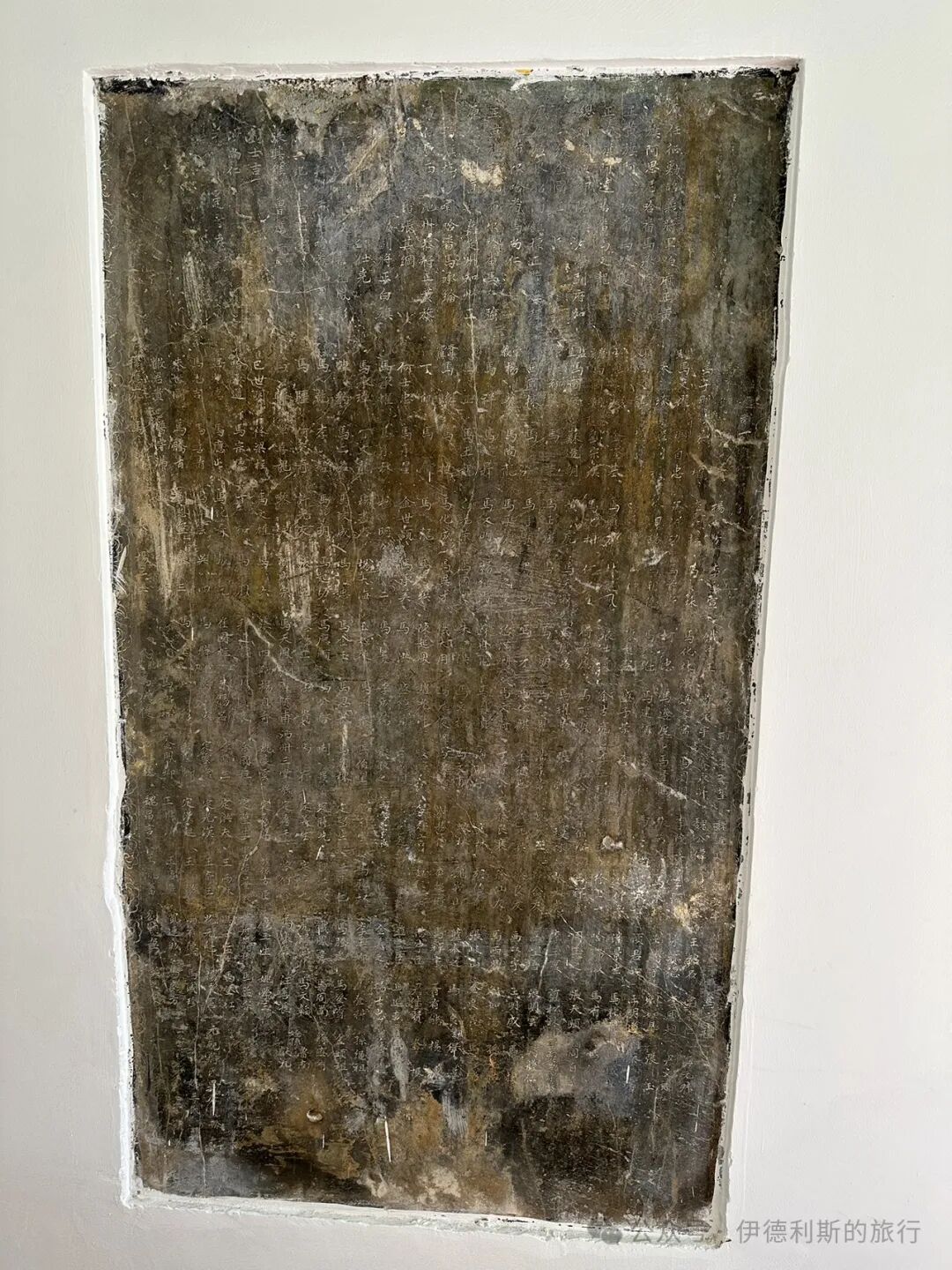
According to Ma Chao, a teacher at Shaanxi Normal University, there are five stone tablets inside the tomb pavilion of Ma Si Baba. On the north wall is the "Stele Record of the Relocation of Hu Dengzhou's Tomb," written by Ma Si Baba in 1673 (the twelfth year of the Kangxi reign). On both sides are the "Huabiao Stele Record" and the "School Farmland Stele Record," written in 1683 (the twenty-second year of the Kangxi reign) by Ma Ziyun, the regional commander of northern Sichuan. The two tablets at the back record the information of those who redeemed the school farmland, titled "Rules and Donor Names for the Majiazhuang School Farmland in Wuchang" (upper and lower parts). Outside the tomb pavilion, there are also replicas of the Ornamental Column Stele (Huabiao Beiji) and the School Field Stele (Xuetian Beiji).
The top of the Stele Commemorating the Relocation of Hu Dengzhou's Tomb features Arabic and Persian script, with Chinese text below. Hu Dengzhou, known as Master Hu Baba, was the founder of the Chinese scripture hall education system and a famous scripture teacher. After Master Hu Baba passed away, he was buried in his hometown of Hujiagou, Xianyang, Shaanxi. In 1662, the first year of the Kangxi reign, the Wei River flooded and threatened the tomb, so local Muslims decided to relocate Master Hu Baba's grave. Ma Si Baba, the highest-ranking scripture teacher among Master Hu Baba's junior disciples at the time, wrote a eulogy after hearing about the relocation. Five years later, Ma Si Baba passed away. On his deathbed, he worried the eulogy would be lost, so he asked his son and students to carve it onto a stone next to his own grave.
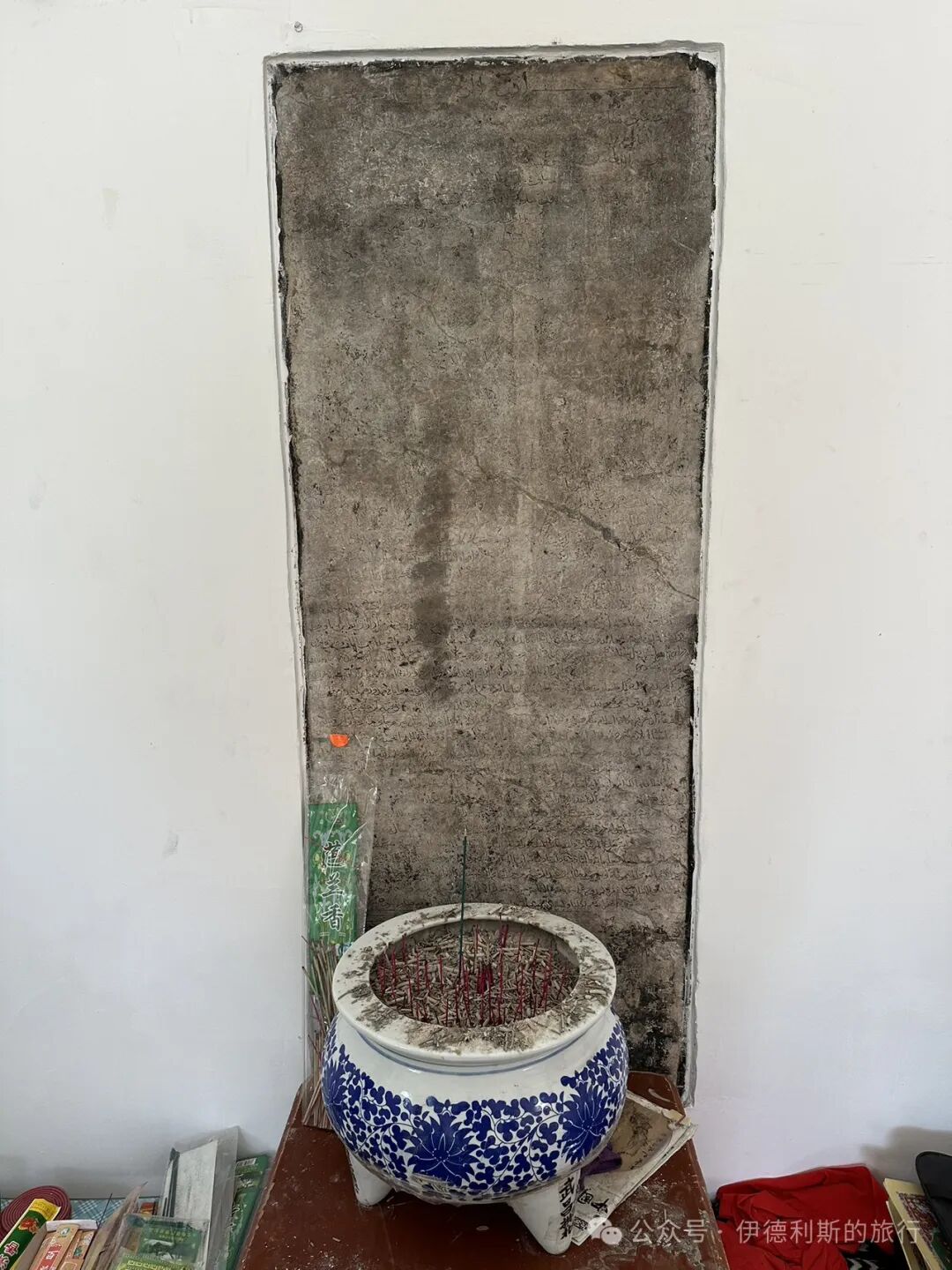
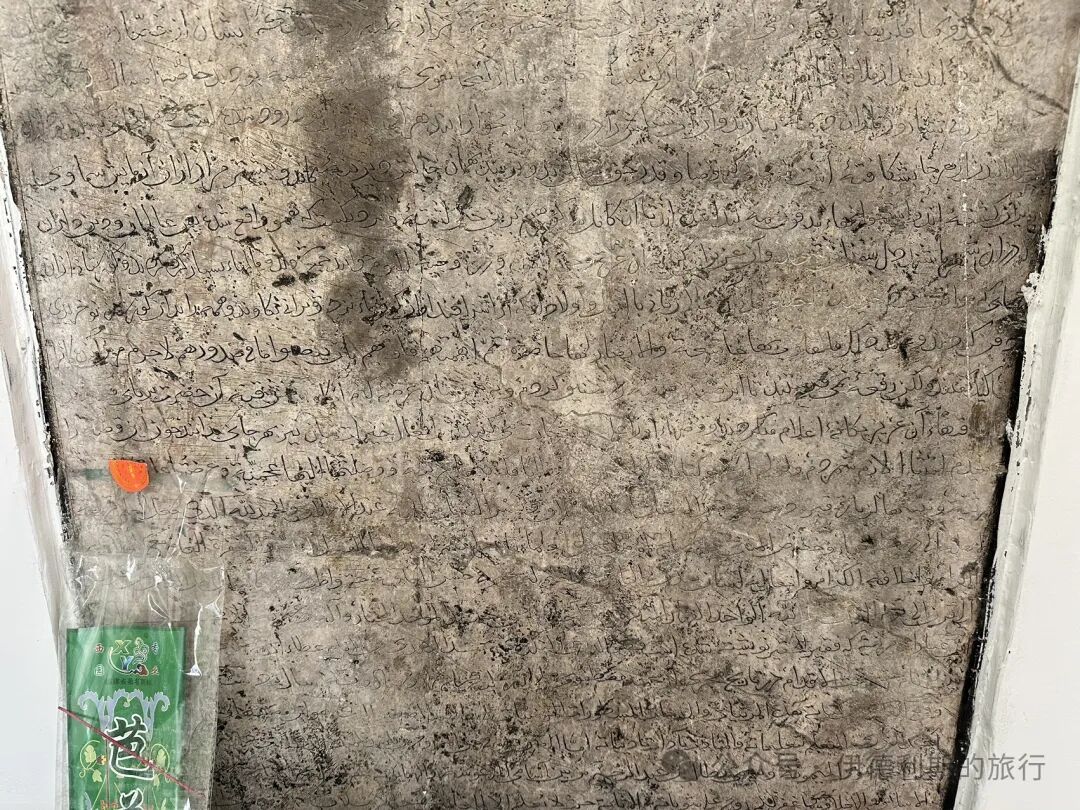
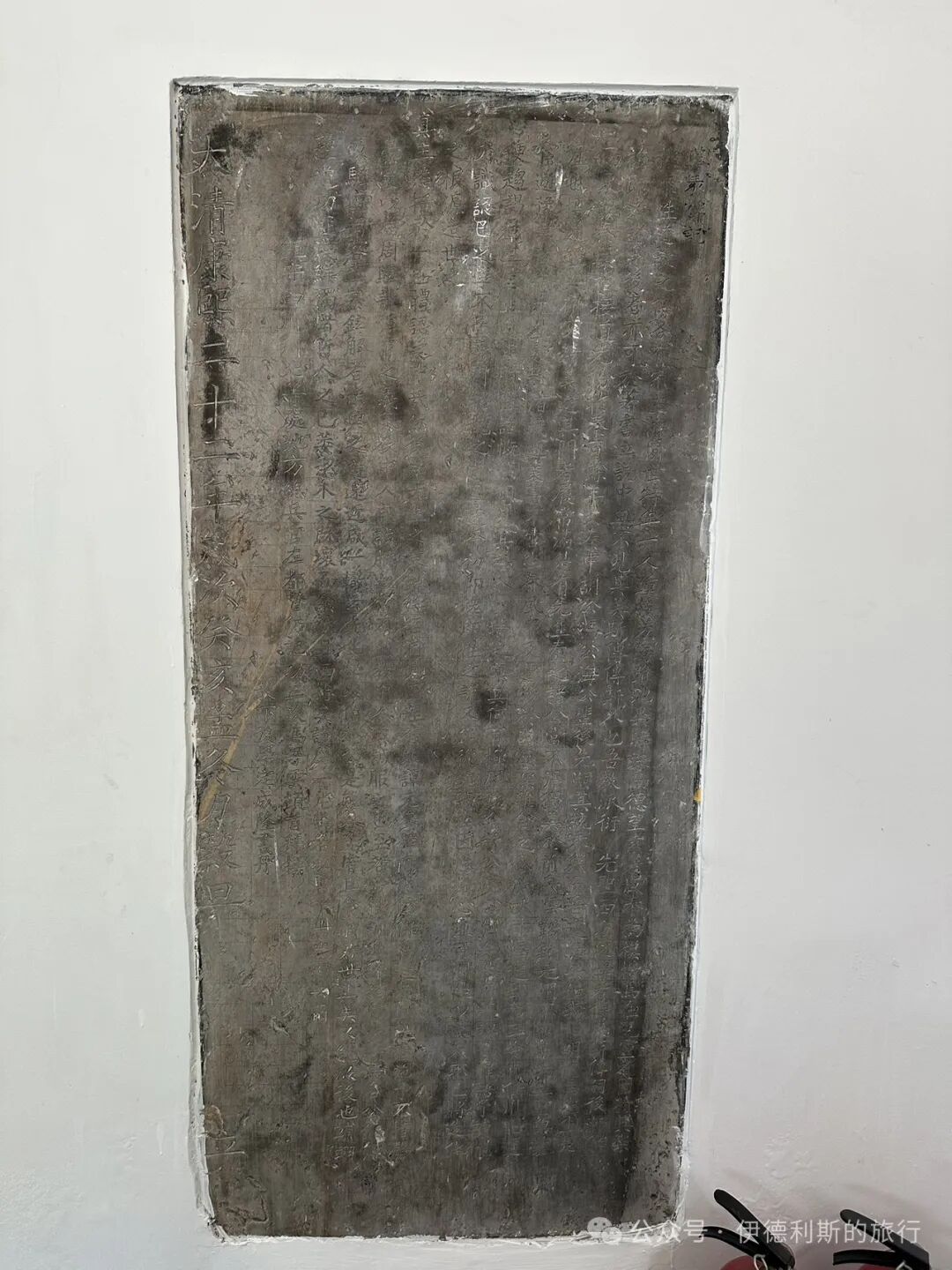
The Ornamental Column Stele (Huabiao Beiji) is Ma Ziyun's praise for Ma Si Baba. The School Field Stele (Xuetian Beiji) records that after Ma Ziyun's grandfather, Ma Jiaolin, passed away, his family was in financial trouble and sold some of the school fields Ma Jiaolin had donated to Ma Si Baba. Later, Ma Ziyun bought the fields back. The Stele of School Field Regulations and Donor Names in Wuchang Ma Family Village records information about many Eight Banners Hui Muslim military officers, various regional religious leaders, and members of Ma Si Baba's clan.
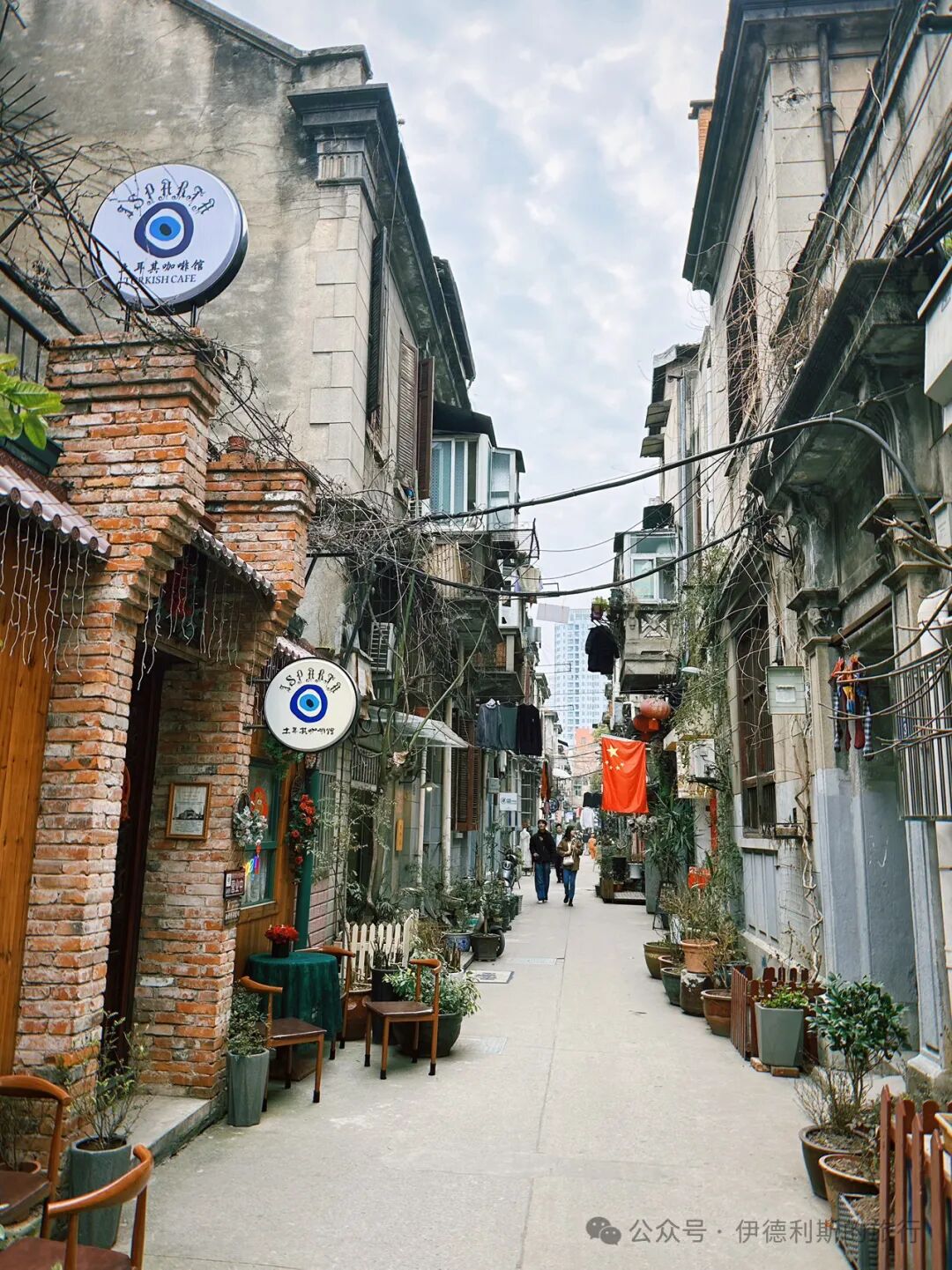
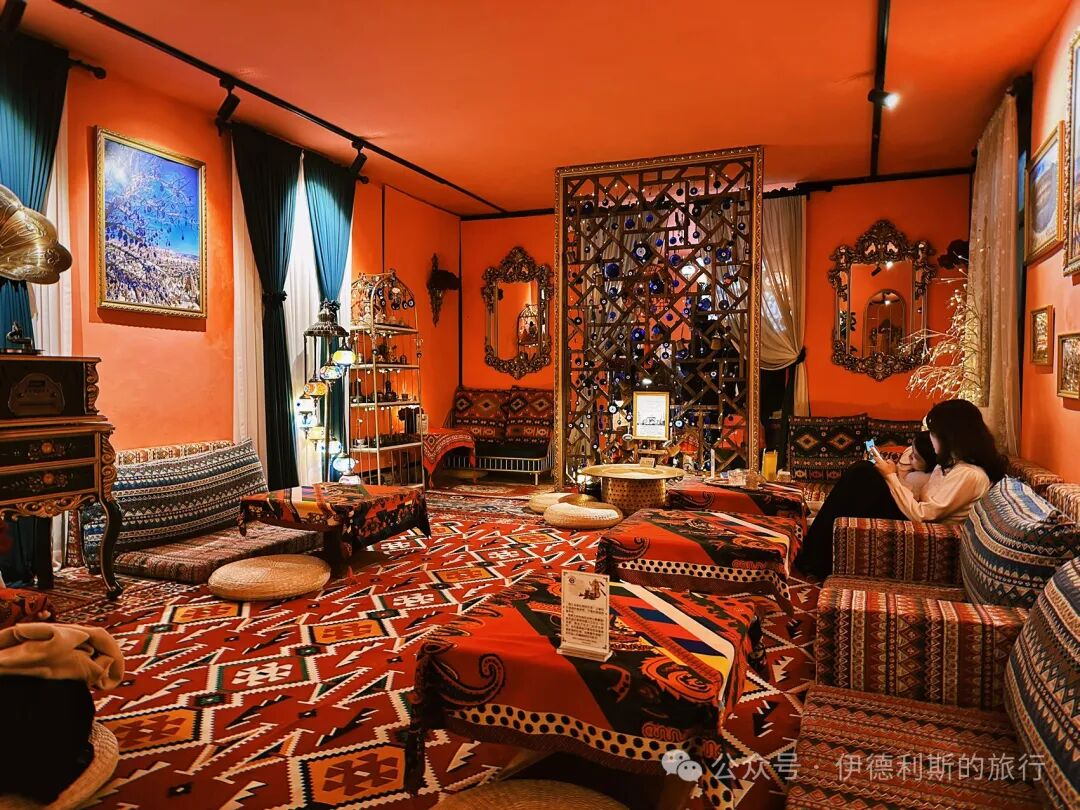
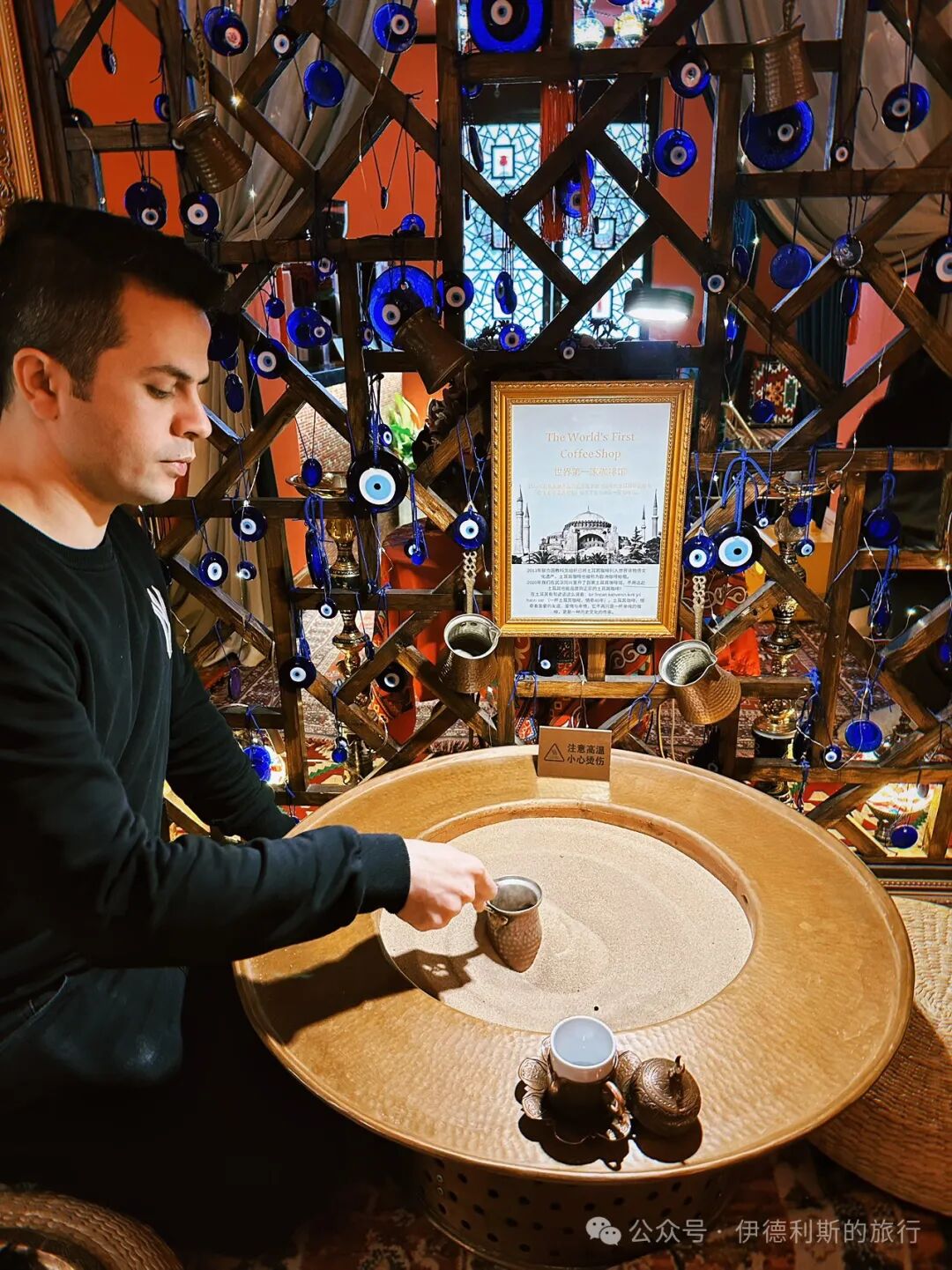
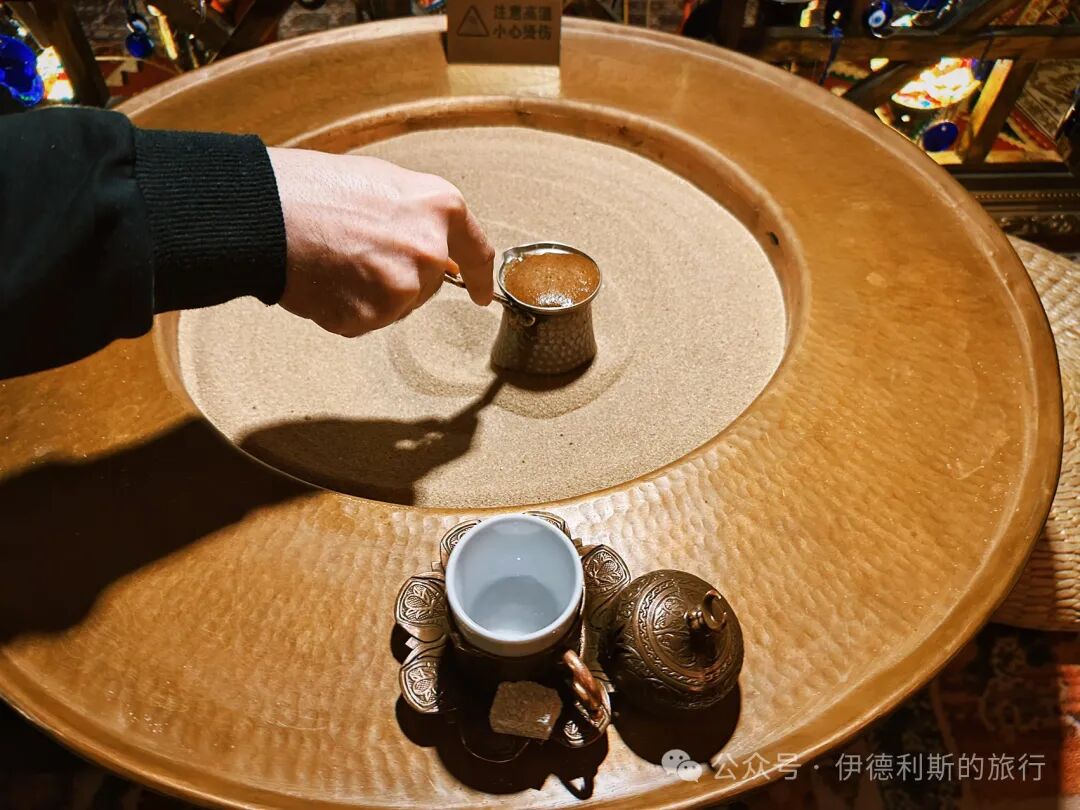
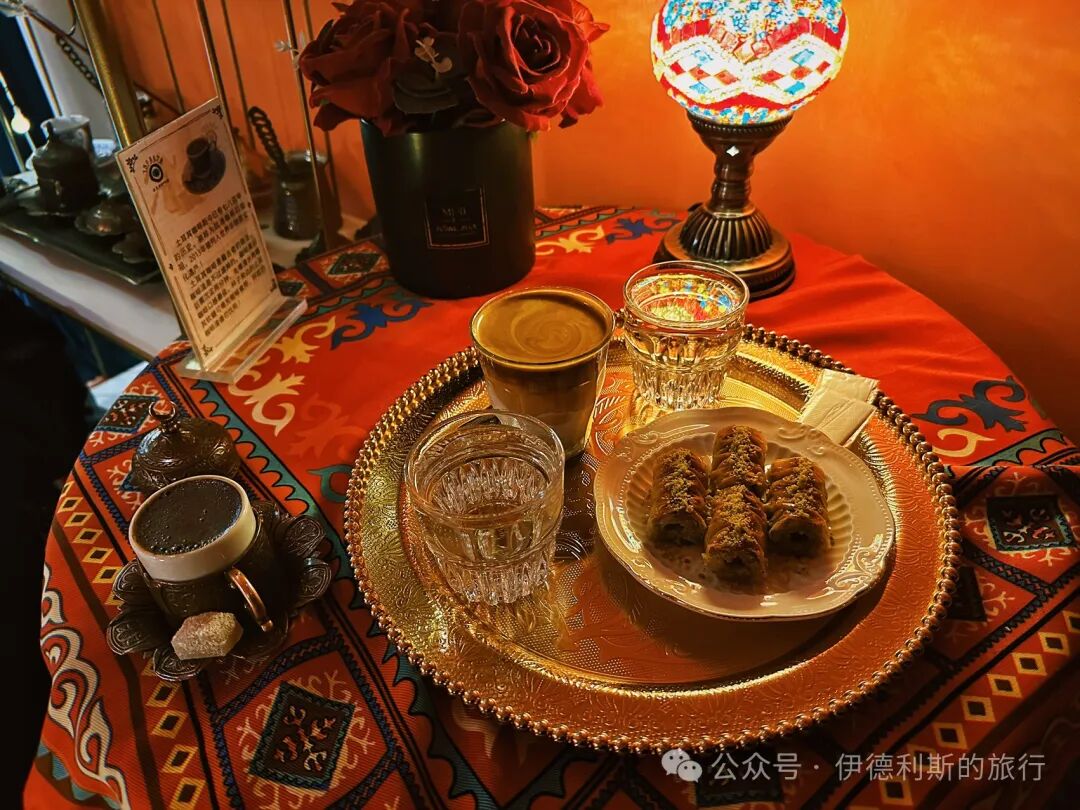
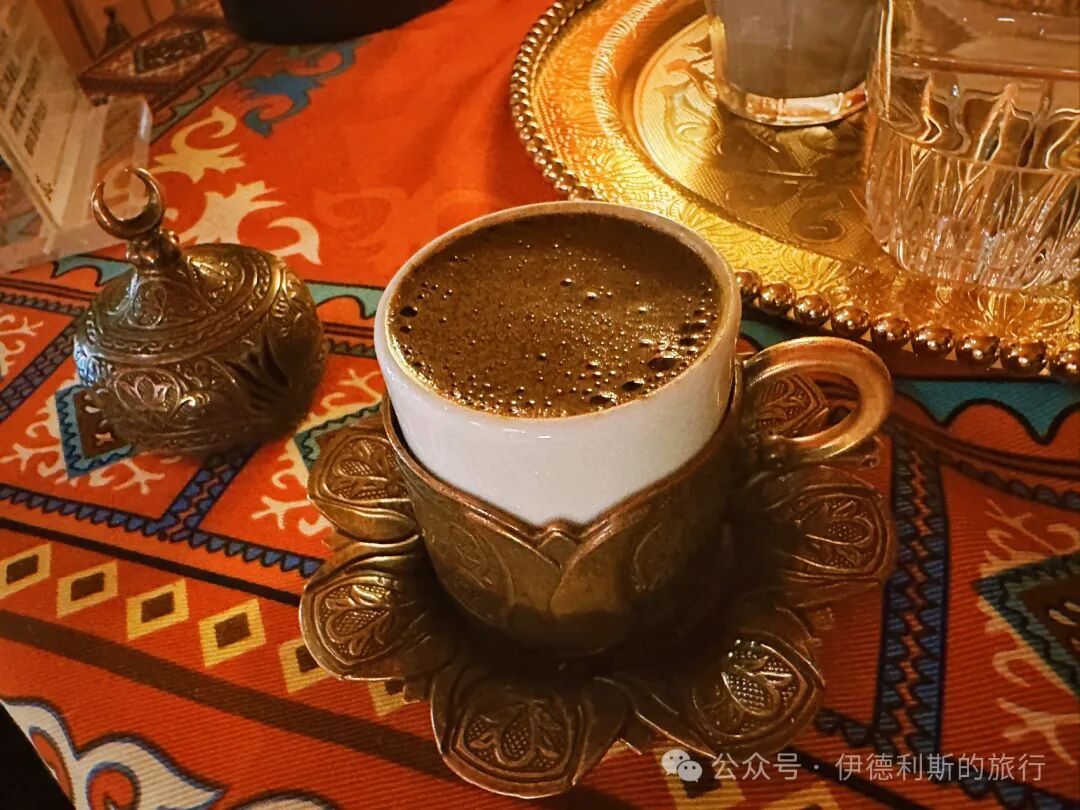
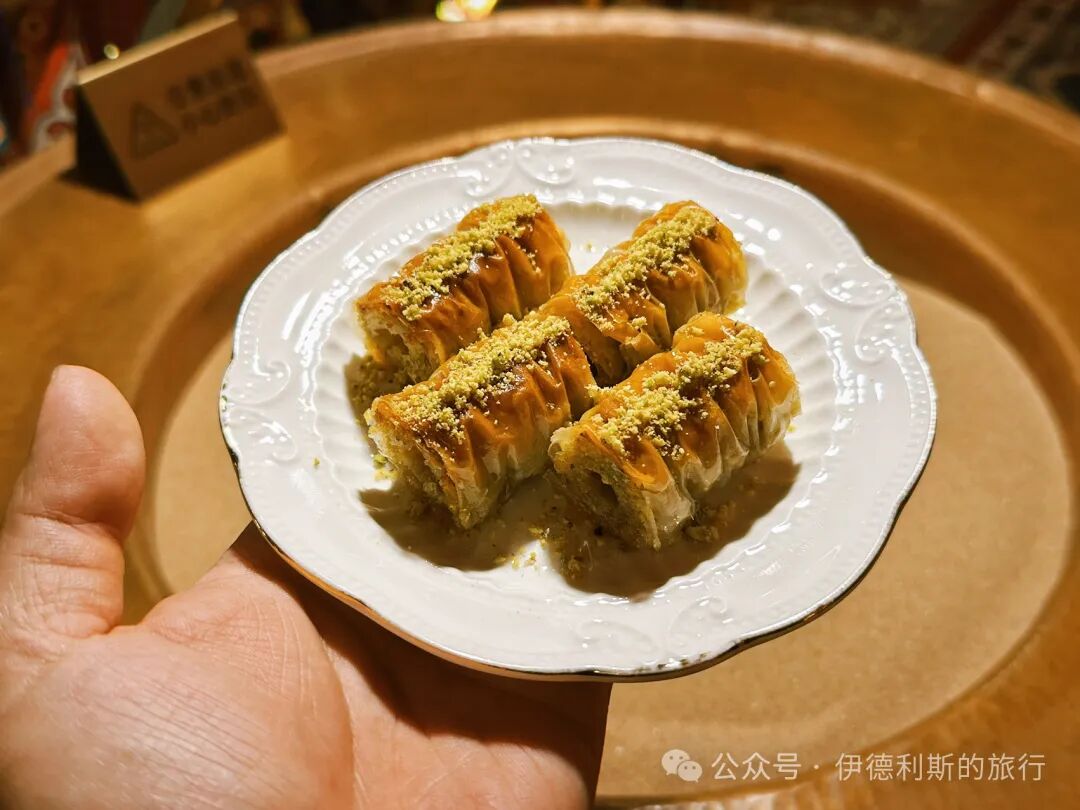
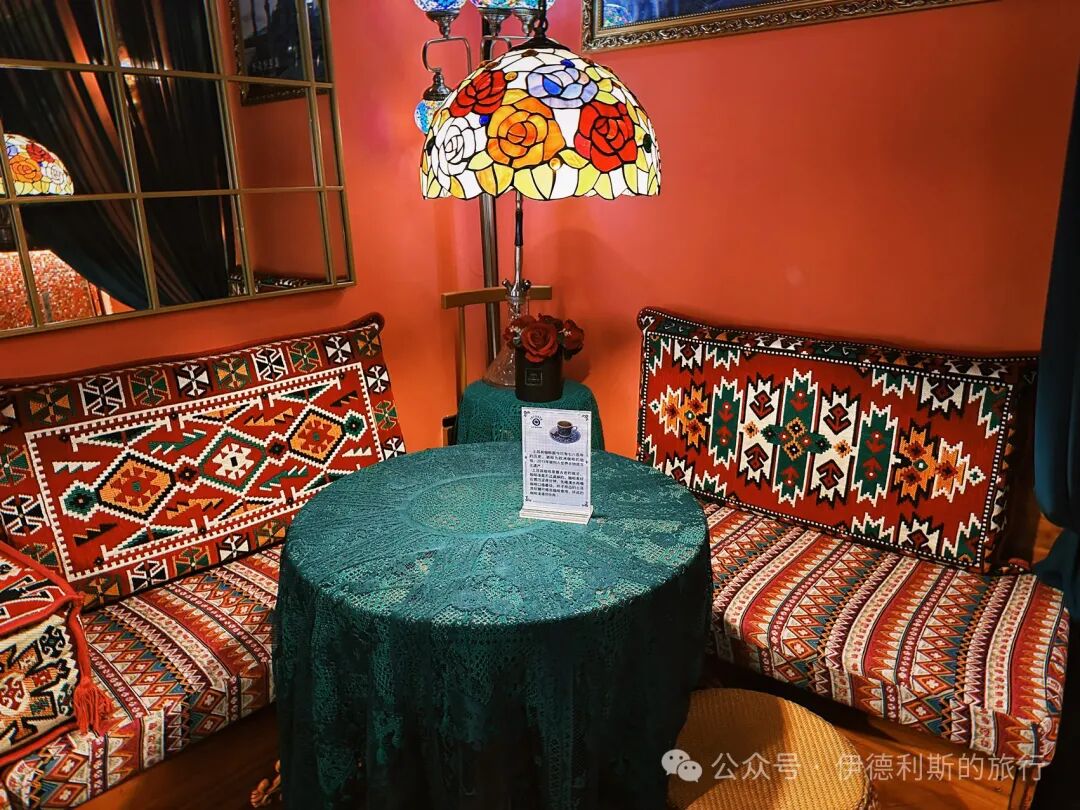
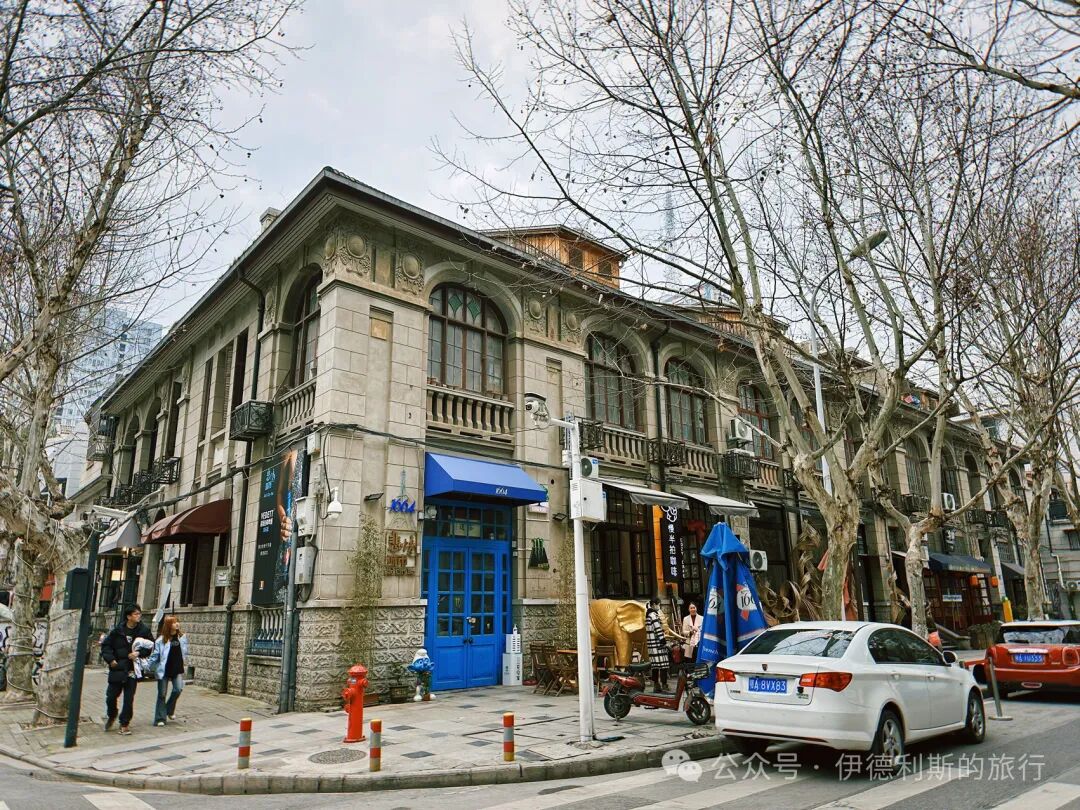
In the afternoon, I went to the Turkish cafe ISPARTA in Tongxingli, Hankou, to drink sand-boiled coffee and eat baklava. Tongxingli is right next to the former French Consulate. It is a typical old Hankou neighborhood (lifen) and is now a street for vintage clothing. Their shop is very easy to miss and not very big inside, but it has a great atmosphere. The Turkish guy makes the coffee fresh, and it feels like I am back in Istanbul.
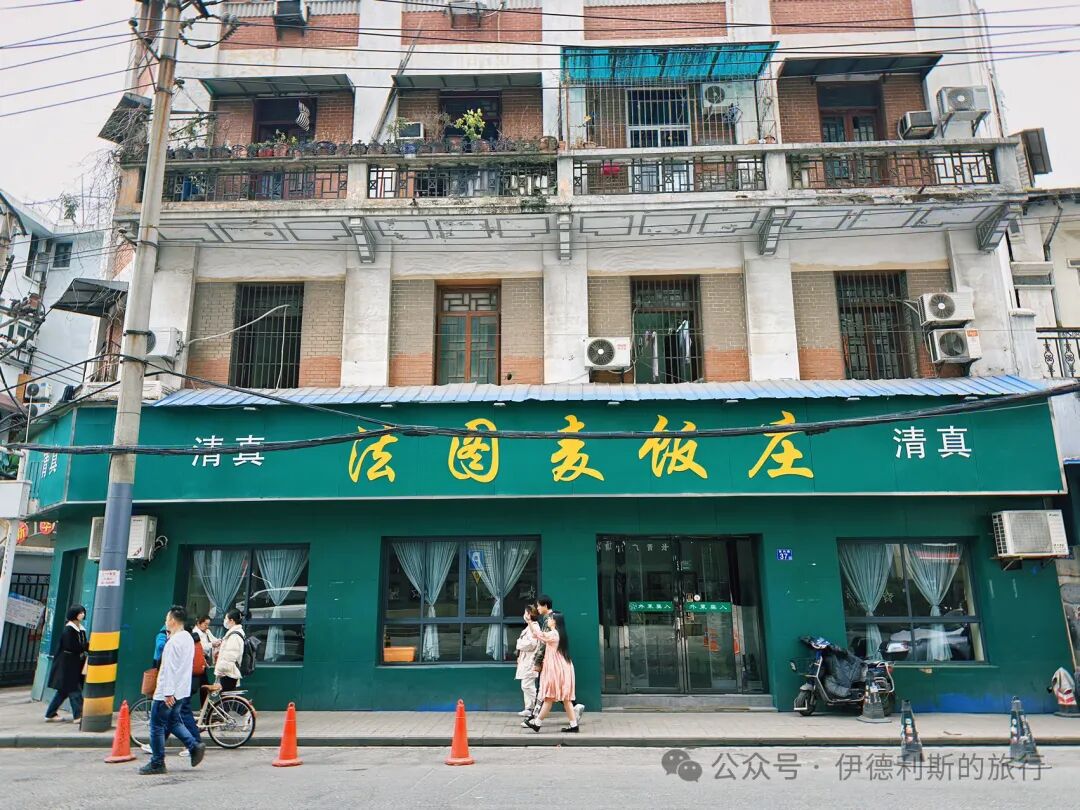
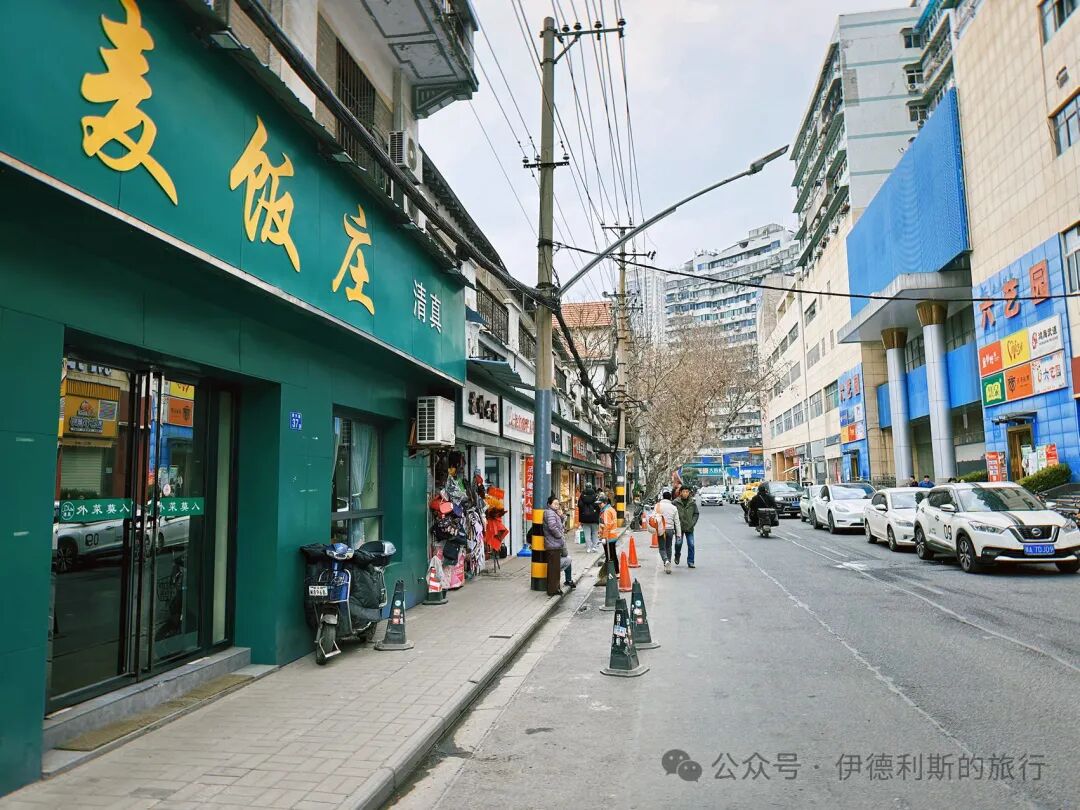
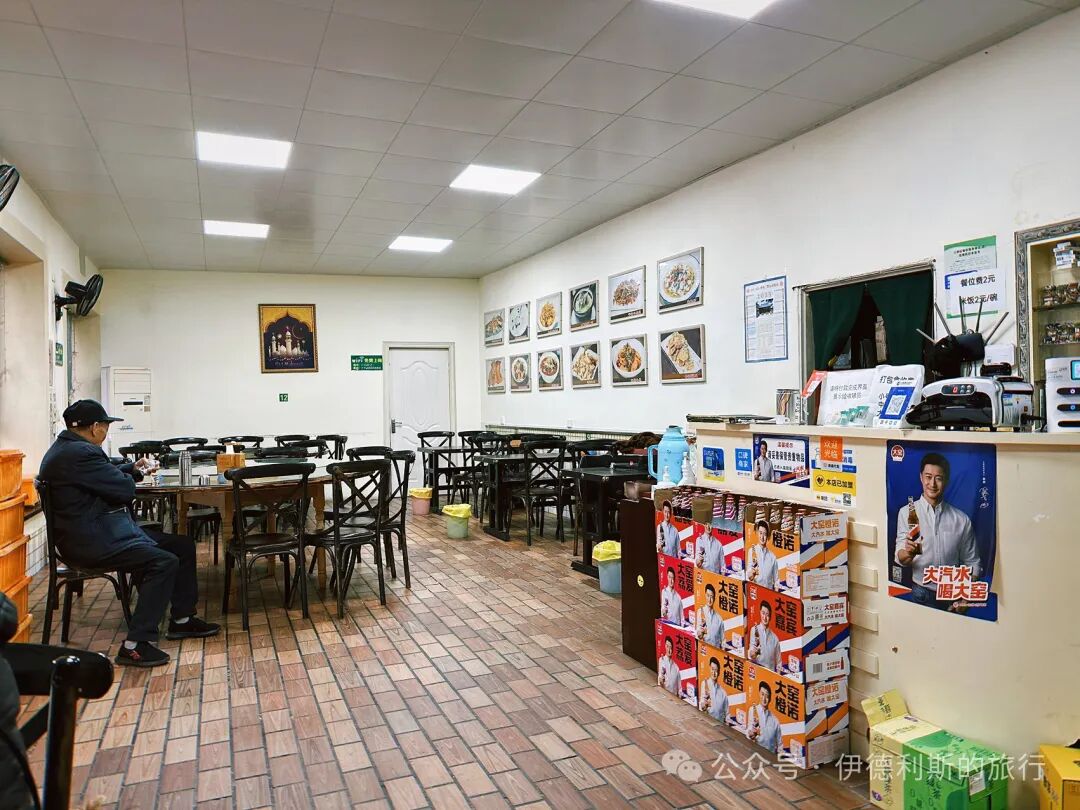
In the afternoon, I went to Fatumei Restaurant on Huangxing Road. It is a famous traditional halal restaurant in Hankou that serves specialty halal dishes from Henan-origin Hui Muslims in Hankou.
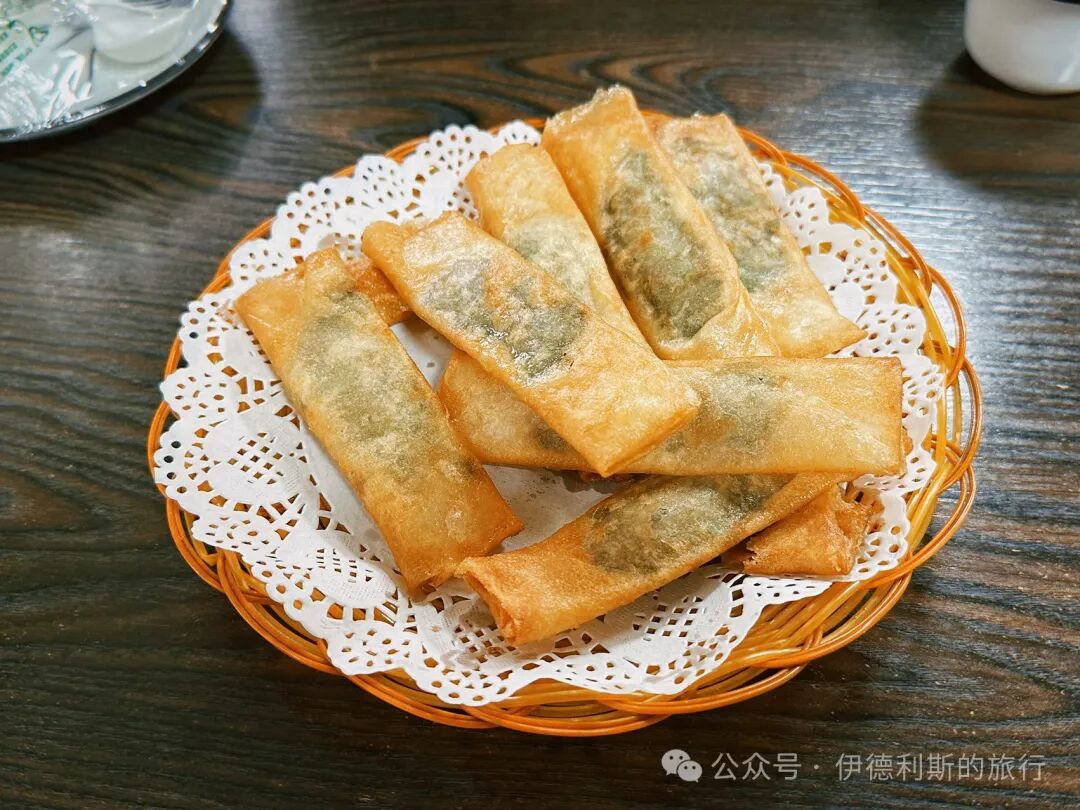
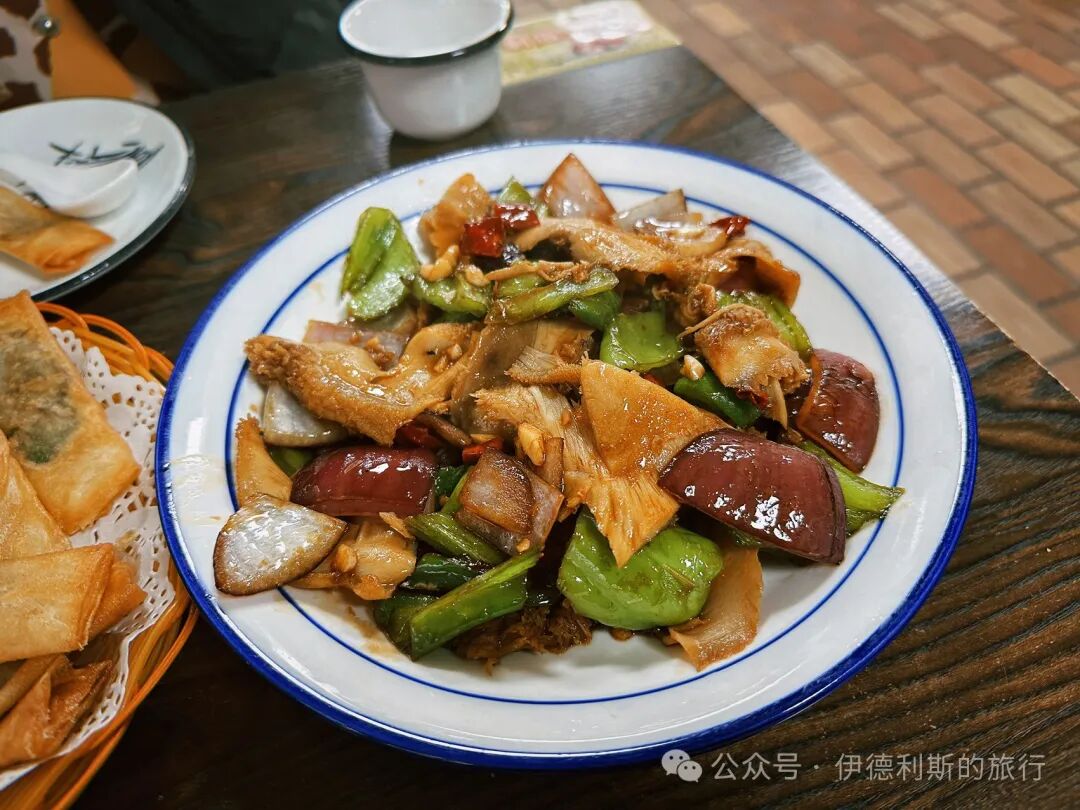
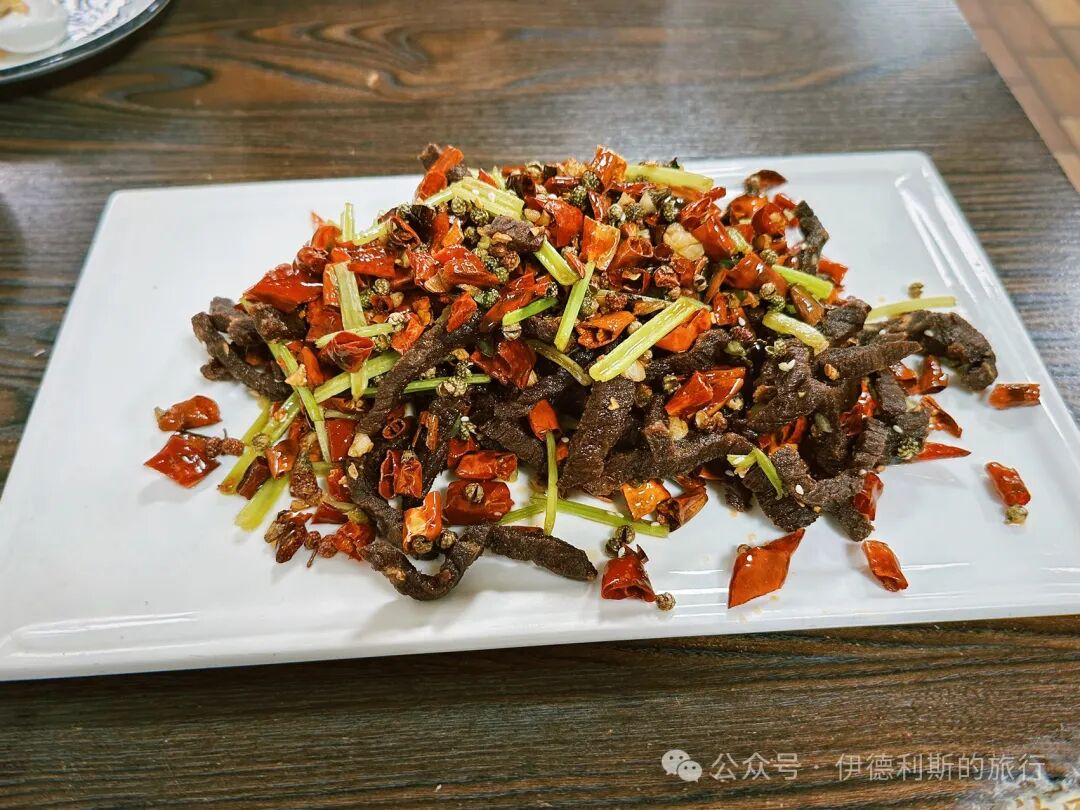
I have eaten their beef meatballs, lotus root boxes, and sticky rice fish (cibayu) before, and they all tasted good. This time I ordered beef spring rolls, stir-fried beef tripe, and dry-fried shredded beef, which are also classic Hankou Hui Muslim dishes. The spring rolls (chun juan) were fragrant and crispy. The shredded tripe (du si) went perfectly with rice, and the dry-fried shredded beef (ganbian niurou si) was very chewy. It was surprisingly spicy, though—my mouth felt like it was on fire after just one bite. I quickly ordered an iced cola to cool down and ended up packing the rest to eat at home.
Summary: Halal Travel Guide: Wuhan - Ma Si Baba Gongbei, Turkish Coffee and Fatumai Restaurant is presented here as a firsthand travel account in clear, natural English. The account focuses on Wuhan, Gongbei, Halal Food while preserving the names, places, food, photos, and historical details from the Chinese source.
On March 10, I rode my bike from the east gate of Central China Normal University early in the morning to visit the tomb of Ma Si Baba on Huquan Street. The tomb of Ma Si Baba is now inside the Poly Huadu residential complex, and the phone number for the caretaker, Ma Yunjiang Dosti, is posted at the entrance. Unfortunately, Ma Dosti was at the hospital when we arrived, so he asked his sister to come and open the gate for us.
Ma Si Baba (1597-1679), whose real name was Ma Quan and courtesy name was Minglong, was a master of Islamic studies and the founder of the Jingtang education system in Hubei. Ma Si Baba came from the Ma family of Huaiyuantang, originally from Xuyi County, Fengyang Prefecture. His great-grandfather, Ma Jun, was appointed as a commander in the Wuchang Left Guard of the Huguang Regional Military Commission in 1413 (the sixth year of the Xuande reign of the Ming Dynasty) and settled in Wuchang from then on.
Ma Si Baba studied both Islamic and Chinese classics with his father from a young age. When he was young, he spent seven years in Tongxin, Ningxia, and Xianning, Shaanxi, studying under the teachers Feng Bo'an and Feng Shaoquan. After returning to Wuhan, he began teaching at the Yuanmenkou mosque in Wuchang, where he focused on studying Persian classics like the Miersade. In Wuhan, Ma Si Baba received guidance from the Western Regions scholar Jiliang and was influenced by Sufi thought. The only surviving work by Ma Si Baba is "Renji Xingwu" (Self-Recognition and Awakening), written in 1661 (the eighteenth year of the Shunzhi reign). In the book, he uses Confucian and Taoist ideas to explain various concepts of the faith, reflecting the cultural trend of "interpreting Islam through Confucianism" at the time.
Ma Si Baba was once invited by Ma Xiong, the regional commander of Liuzhou, to serve as the imam at the mosque in Liuzhou. Later, he used money donated by Ma Xiong's foster father, Ma Jiaolin, to buy farmland for the school at the foot of Wohu Mountain, east of Wuchang city, and he was buried there after he passed away. After Ma Si Baba passed away, Hui Muslims from the Ma family of Huaiyuantang, the Ma family of Sichuan, the Ma family of Shaanxi, the Li family of Shizijie in Wuchang, and the Wu family of Xiamazhuang moved there to settle. Later, families with the surnames Fu and Liao also joined the faith, gradually forming the village of Majiazhuang.
The tomb of Ma Si Baba was severely damaged after the Battle of Wuhan in 1938, and the current brick-and-concrete tomb pavilion was built in 1953. In 1979, due to land requisition, the Shangmazhuang area where Ma Si Baba's descendants lived was relocated to Zhangjiawan. In 2003, to build Xiongchu Avenue and develop real estate, Majiazhuang was relocated to the Xinzhu Road resettlement village in Guanshan Street, and in 2014, it was moved again to the Optics Valley Youth City across the street. When the Poly Huadu complex was developed, several Hui Muslim families from Majiazhuang chose to buy homes there to continue living near the tomb of Ma Si Baba, including the family of the current caretaker, Ma Yunjiang.
According to Ma Chao, a teacher at Shaanxi Normal University, there are five stone tablets inside the tomb pavilion of Ma Si Baba. On the north wall is the "Stele Record of the Relocation of Hu Dengzhou's Tomb," written by Ma Si Baba in 1673 (the twelfth year of the Kangxi reign). On both sides are the "Huabiao Stele Record" and the "School Farmland Stele Record," written in 1683 (the twenty-second year of the Kangxi reign) by Ma Ziyun, the regional commander of northern Sichuan. The two tablets at the back record the information of those who redeemed the school farmland, titled "Rules and Donor Names for the Majiazhuang School Farmland in Wuchang" (upper and lower parts). Outside the tomb pavilion, there are also replicas of the Ornamental Column Stele (Huabiao Beiji) and the School Field Stele (Xuetian Beiji).
The top of the Stele Commemorating the Relocation of Hu Dengzhou's Tomb features Arabic and Persian script, with Chinese text below. Hu Dengzhou, known as Master Hu Baba, was the founder of the Chinese scripture hall education system and a famous scripture teacher. After Master Hu Baba passed away, he was buried in his hometown of Hujiagou, Xianyang, Shaanxi. In 1662, the first year of the Kangxi reign, the Wei River flooded and threatened the tomb, so local Muslims decided to relocate Master Hu Baba's grave. Ma Si Baba, the highest-ranking scripture teacher among Master Hu Baba's junior disciples at the time, wrote a eulogy after hearing about the relocation. Five years later, Ma Si Baba passed away. On his deathbed, he worried the eulogy would be lost, so he asked his son and students to carve it onto a stone next to his own grave.
The Ornamental Column Stele (Huabiao Beiji) is Ma Ziyun's praise for Ma Si Baba. The School Field Stele (Xuetian Beiji) records that after Ma Ziyun's grandfather, Ma Jiaolin, passed away, his family was in financial trouble and sold some of the school fields Ma Jiaolin had donated to Ma Si Baba. Later, Ma Ziyun bought the fields back. The Stele of School Field Regulations and Donor Names in Wuchang Ma Family Village records information about many Eight Banners Hui Muslim military officers, various regional religious leaders, and members of Ma Si Baba's clan.
In the afternoon, I went to the Turkish cafe ISPARTA in Tongxingli, Hankou, to drink sand-boiled coffee and eat baklava. Tongxingli is right next to the former French Consulate. It is a typical old Hankou neighborhood (lifen) and is now a street for vintage clothing. Their shop is very easy to miss and not very big inside, but it has a great atmosphere. The Turkish guy makes the coffee fresh, and it feels like I am back in Istanbul.
In the afternoon, I went to Fatumei Restaurant on Huangxing Road. It is a famous traditional halal restaurant in Hankou that serves specialty halal dishes from Henan-origin Hui Muslims in Hankou.
I have eaten their beef meatballs, lotus root boxes, and sticky rice fish (cibayu) before, and they all tasted good. This time I ordered beef spring rolls, stir-fried beef tripe, and dry-fried shredded beef, which are also classic Hankou Hui Muslim dishes. The spring rolls (chun juan) were fragrant and crispy. The shredded tripe (du si) went perfectly with rice, and the dry-fried shredded beef (ganbian niurou si) was very chewy. It was surprisingly spicy, though—my mouth felt like it was on fire after just one bite. I quickly ordered an iced cola to cool down and ended up packing the rest to eat at home.
