

Gongbei
Halal Travel Guide: Ayutthaya - Persian Sheikh Ahmad Gongbei
Articles • ali2007fr posted the article • 0 comments • 229 views • 2026-05-20 23:51
Summary: The Sheikh Ahmad gongbei inside Phra Nakhon Si Ayutthaya Rajabhat University was built in 1631 and marks an important Persian Shia presence in Thailand. This short travel note keeps the source's historical and site details with a clear English narrative.
Inside the campus of Phra Nakhon Si Ayutthaya Rajabhat University in Thailand stands the tomb shrine (gongbei) of Sheikh Ahmad, built in 1631. It is an important witness to the Shia community in Thailand.
Between the 16th and 18th centuries, Shia merchants from the Safavid Empire in Persia traveled along the Indian Ocean coast to trade in Siam, where they were warmly welcomed and received with high honors by the Siamese royal family. Some Persian merchants married locals, settled down, and took on important positions in the Siamese royal court.
Sheikh Ahmad was born in Qom, Persia, in 1543. He arrived in Ayutthaya, Thailand, with his brother in the early 17th century to trade, married a Thai woman, and settled there. Sheikh Ahmad was very successful in business and became one of the wealthiest foreign merchants of his time. He met the Thai royal treasurer, and with his help, he connected with the Thai royal family and began participating in Thai trade affairs. After gaining the trust of King Songtham (who reigned from 1610 to 1628), he was appointed Chao Kromma Tha Khwa to manage trade, shipping, and diplomatic affairs between Thailand and the west, including India, Persia, Arabia, and Europe. He was also appointed as the first Chula Rajmontri in Thai history, overseeing religious affairs for the whole country. In 1611, after helping the Thai king defeat Japanese merchants who attempted a coup, he was appointed Samuhanayok, becoming the Grand Vizier of Thailand.
In the early 17th century, Sheikh Ahmad built the Kudi Chao Sen Shia mosque inside the city of Ayutthaya, which is the oldest mosque within the city walls. After Sheikh Ahmad passed away in 1631, he was buried near the mosque.
In the late 17th century, the Shia community continued to thrive in Ayutthaya. During the month of Muharram in 1656, the son of Sheikh Ahmad and other Shia nobles helped King Narai take the throne. To show his gratitude, King Narai gifted the Ayutthaya Shia community all the items needed for the Ashura ceremony during Muharram and established a royal guard consisting of 500 Shia soldiers. In 1685, the French Jesuit missionary Father Tachard recorded the grand scene of the Shia Ashura ceremony in Ayutthaya. According to his records, the procession included over two thousand people carrying models of the tombs of two saints, along with many intricately crafted symbolic objects. The men moved forward, constantly changing formations to the rhythm of the drums. At the front of this massive procession were three or four ornately decorated horses, and many people held long-poled lanterns to light up the entire group. The festival lasted for several nights, ending at five o'clock every morning.
After Ayutthaya fell in 1767 and Thailand moved its capital to Bangkok in 1782, the Persian-descended Shia community in Ayutthaya also moved to Bangkok. The descendants of Sheikh Ahmad continued to control Thailand's trade rights with the west for a century and served as the nominal leaders of the Thai Muslim community until 1945. Today, the Persian-descended Shia community in Bangkok has two mosques, and the atmosphere during the annual month of Muharram remains very strong. See "Experiencing the Persian-descended Shia Festival Atmosphere in Bangkok, Thailand" and "Searching for the Shia Community in Bangkok."
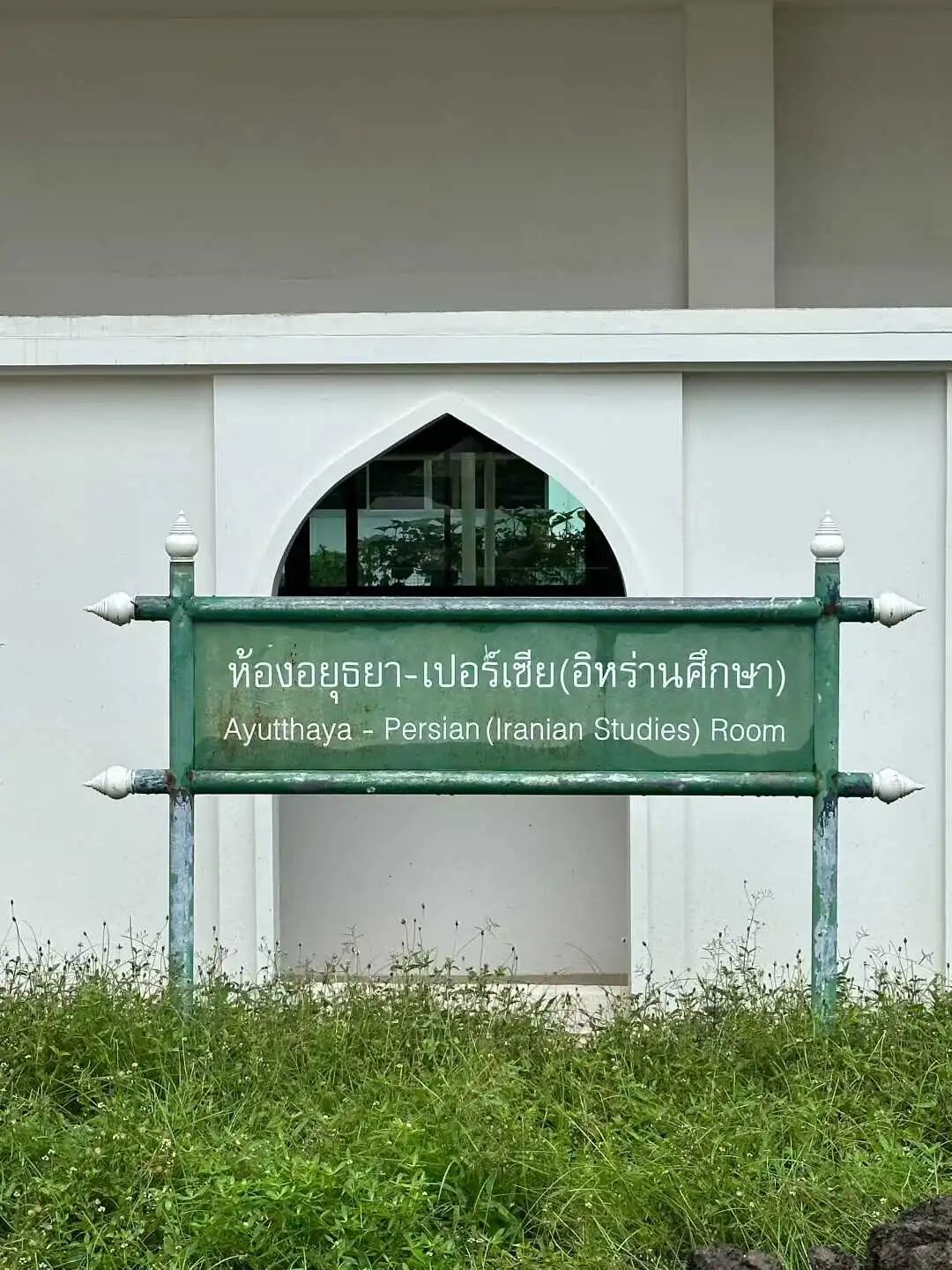
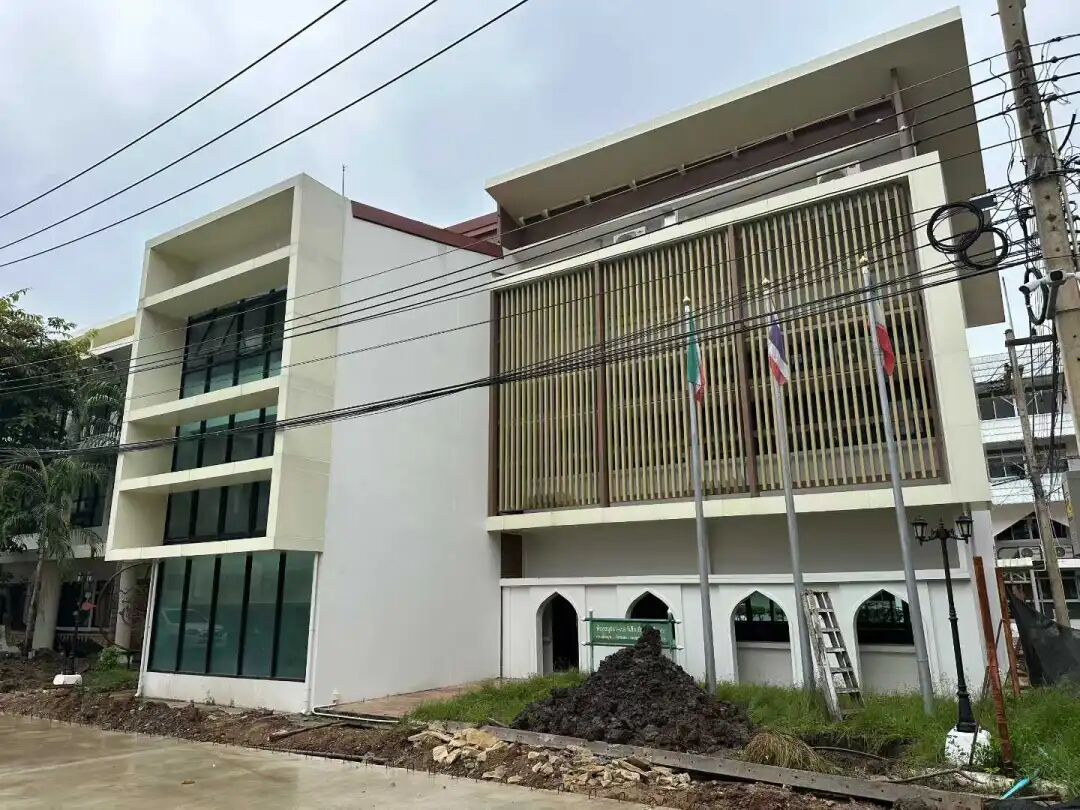
Opposite the tomb shrine of Sheikh Ahmad is the Ayutthaya-Persia (Iranian Studies) Room, where the Embassy of Iran in Thailand holds cultural and commemorative events from time to time. view all
Summary: The Sheikh Ahmad gongbei inside Phra Nakhon Si Ayutthaya Rajabhat University was built in 1631 and marks an important Persian Shia presence in Thailand. This short travel note keeps the source's historical and site details with a clear English narrative.
Inside the campus of Phra Nakhon Si Ayutthaya Rajabhat University in Thailand stands the tomb shrine (gongbei) of Sheikh Ahmad, built in 1631. It is an important witness to the Shia community in Thailand.
Between the 16th and 18th centuries, Shia merchants from the Safavid Empire in Persia traveled along the Indian Ocean coast to trade in Siam, where they were warmly welcomed and received with high honors by the Siamese royal family. Some Persian merchants married locals, settled down, and took on important positions in the Siamese royal court.
Sheikh Ahmad was born in Qom, Persia, in 1543. He arrived in Ayutthaya, Thailand, with his brother in the early 17th century to trade, married a Thai woman, and settled there. Sheikh Ahmad was very successful in business and became one of the wealthiest foreign merchants of his time. He met the Thai royal treasurer, and with his help, he connected with the Thai royal family and began participating in Thai trade affairs. After gaining the trust of King Songtham (who reigned from 1610 to 1628), he was appointed Chao Kromma Tha Khwa to manage trade, shipping, and diplomatic affairs between Thailand and the west, including India, Persia, Arabia, and Europe. He was also appointed as the first Chula Rajmontri in Thai history, overseeing religious affairs for the whole country. In 1611, after helping the Thai king defeat Japanese merchants who attempted a coup, he was appointed Samuhanayok, becoming the Grand Vizier of Thailand.
In the early 17th century, Sheikh Ahmad built the Kudi Chao Sen Shia mosque inside the city of Ayutthaya, which is the oldest mosque within the city walls. After Sheikh Ahmad passed away in 1631, he was buried near the mosque.
In the late 17th century, the Shia community continued to thrive in Ayutthaya. During the month of Muharram in 1656, the son of Sheikh Ahmad and other Shia nobles helped King Narai take the throne. To show his gratitude, King Narai gifted the Ayutthaya Shia community all the items needed for the Ashura ceremony during Muharram and established a royal guard consisting of 500 Shia soldiers. In 1685, the French Jesuit missionary Father Tachard recorded the grand scene of the Shia Ashura ceremony in Ayutthaya. According to his records, the procession included over two thousand people carrying models of the tombs of two saints, along with many intricately crafted symbolic objects. The men moved forward, constantly changing formations to the rhythm of the drums. At the front of this massive procession were three or four ornately decorated horses, and many people held long-poled lanterns to light up the entire group. The festival lasted for several nights, ending at five o'clock every morning.
After Ayutthaya fell in 1767 and Thailand moved its capital to Bangkok in 1782, the Persian-descended Shia community in Ayutthaya also moved to Bangkok. The descendants of Sheikh Ahmad continued to control Thailand's trade rights with the west for a century and served as the nominal leaders of the Thai Muslim community until 1945. Today, the Persian-descended Shia community in Bangkok has two mosques, and the atmosphere during the annual month of Muharram remains very strong. See "Experiencing the Persian-descended Shia Festival Atmosphere in Bangkok, Thailand" and "Searching for the Shia Community in Bangkok."
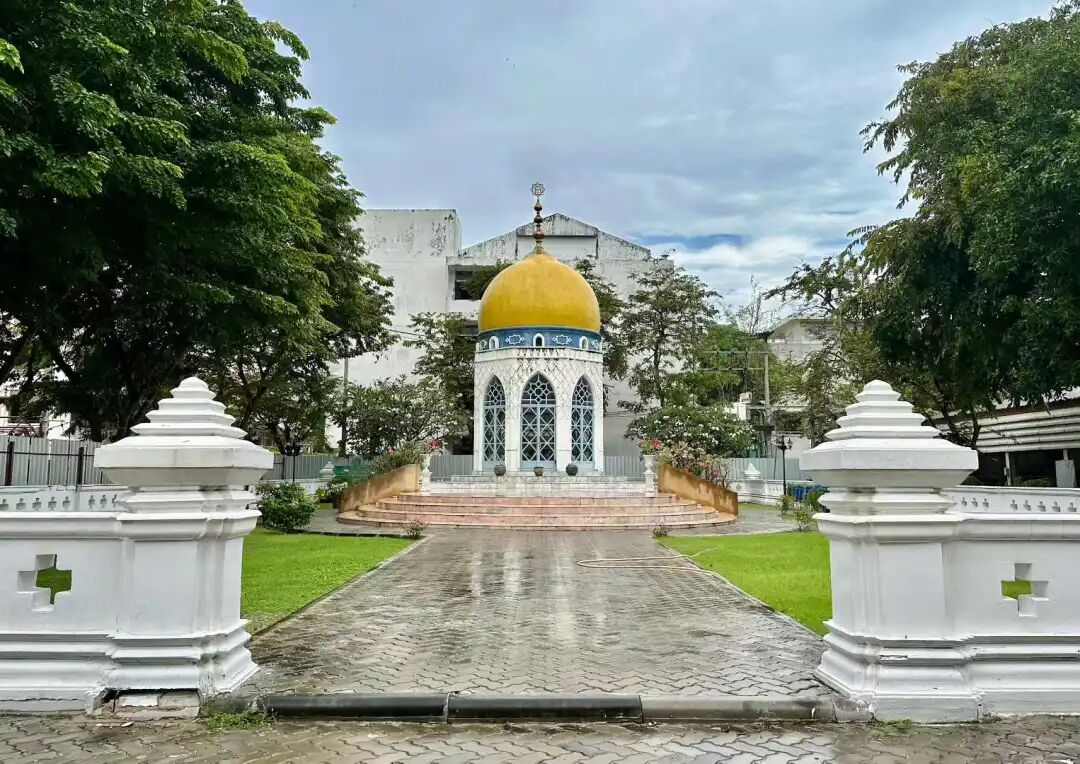
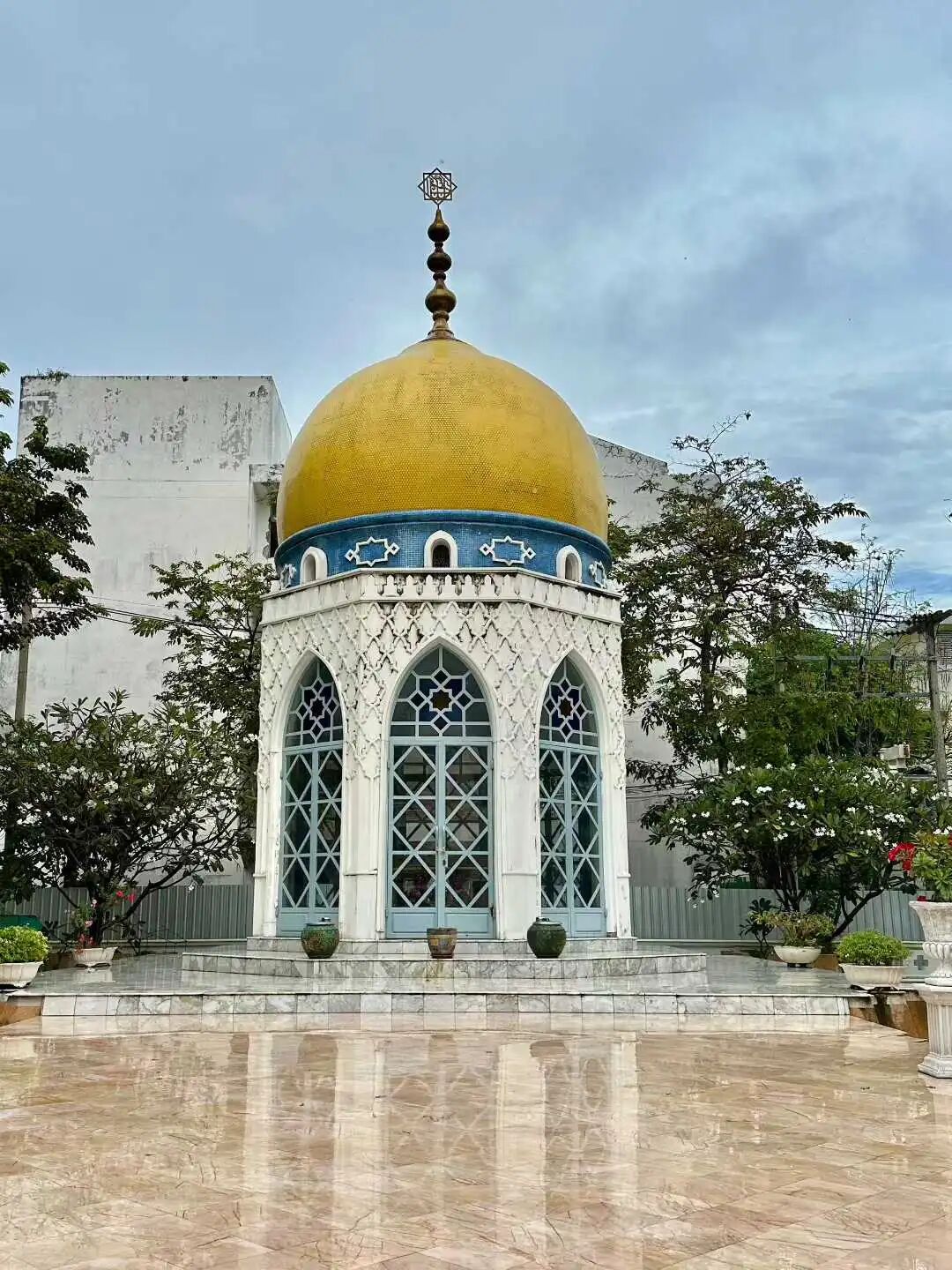
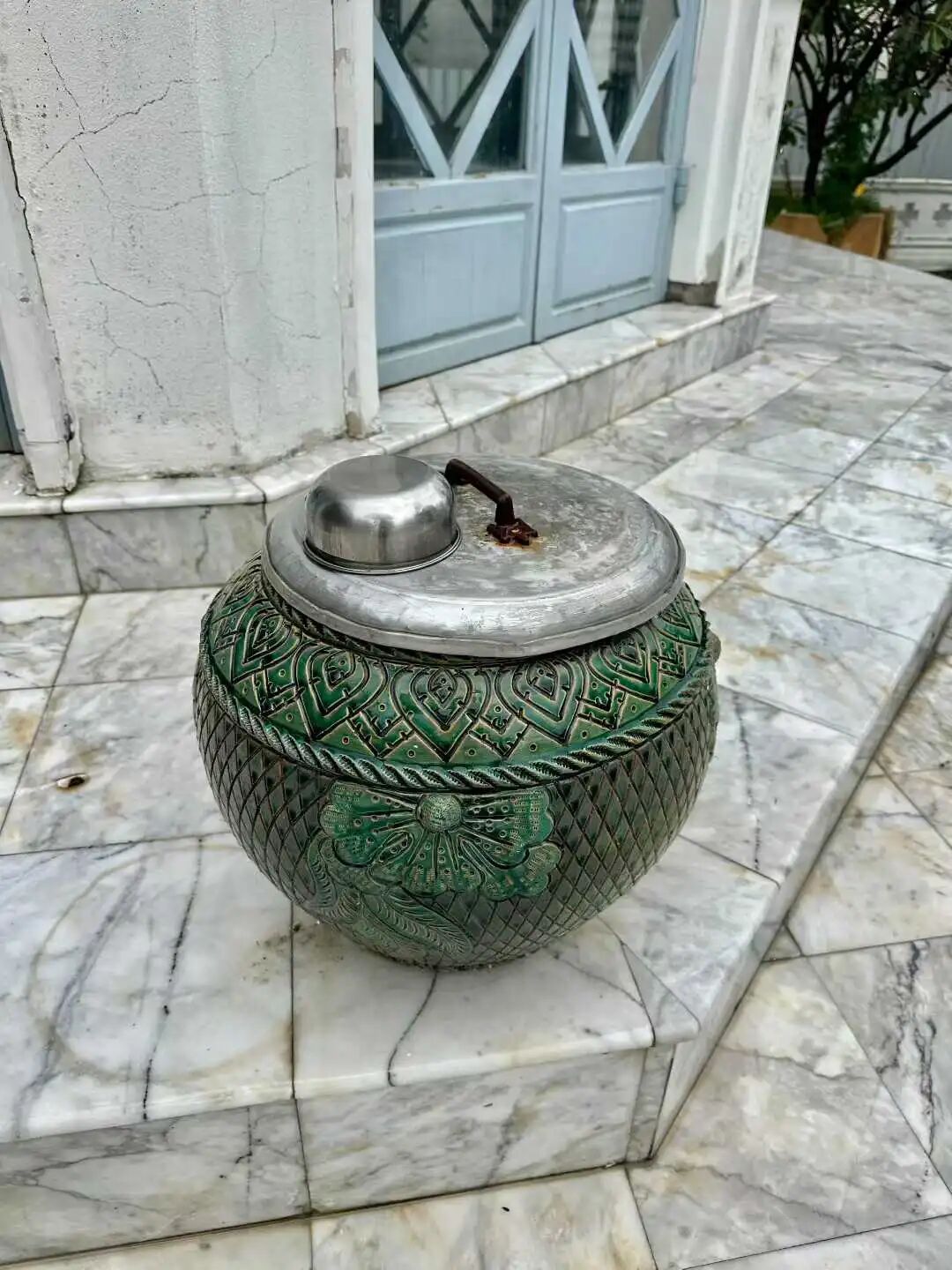
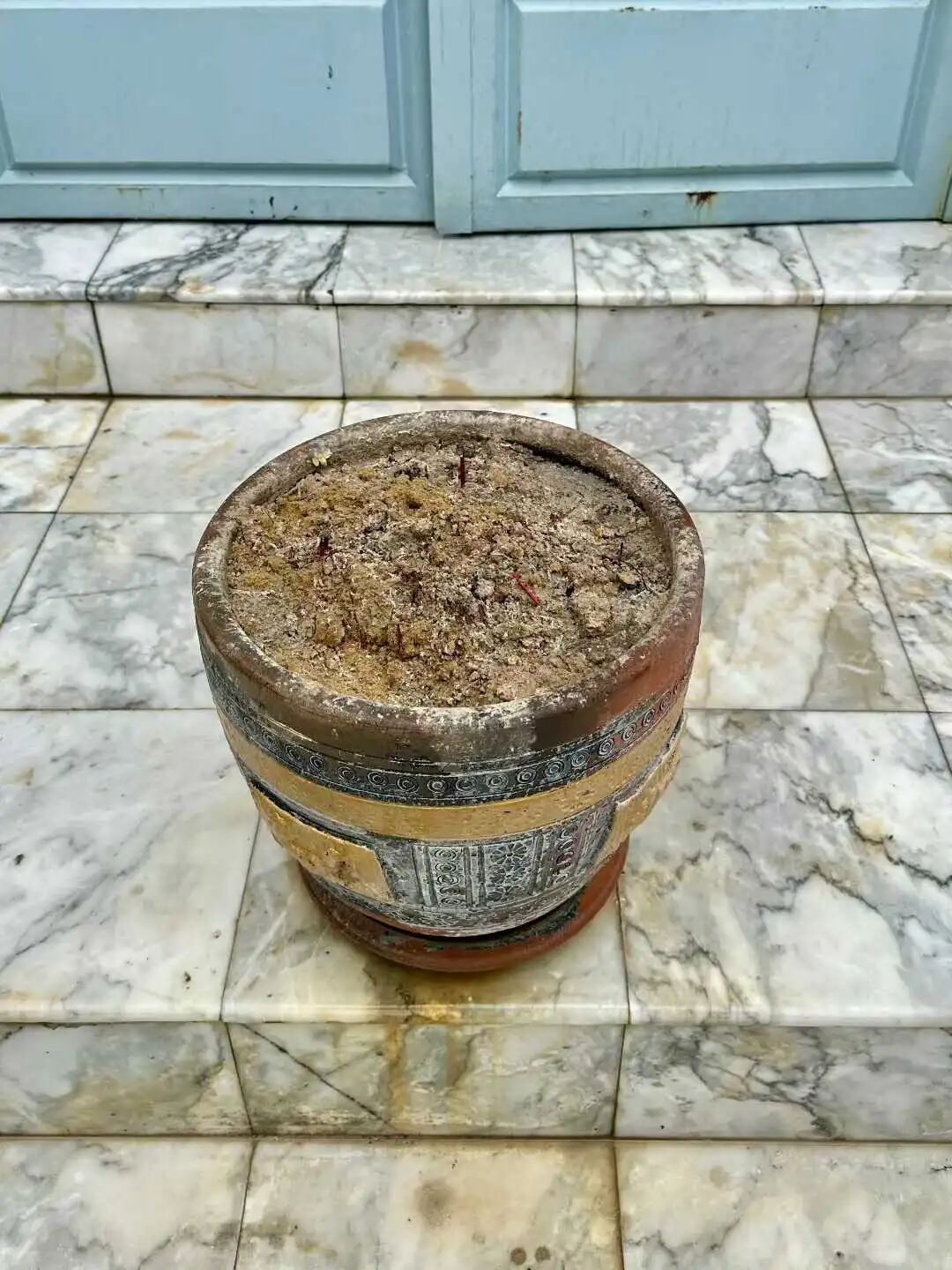
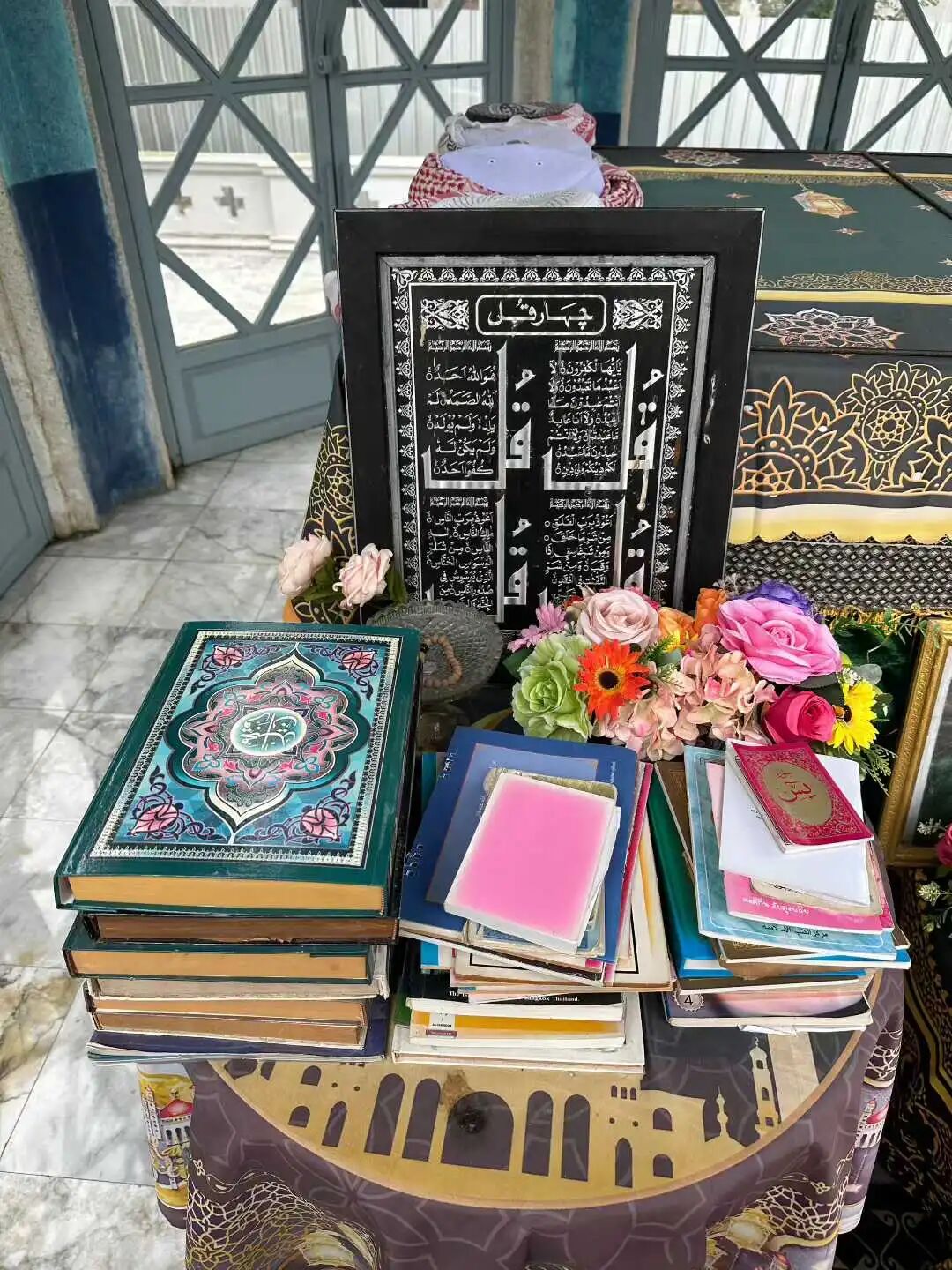
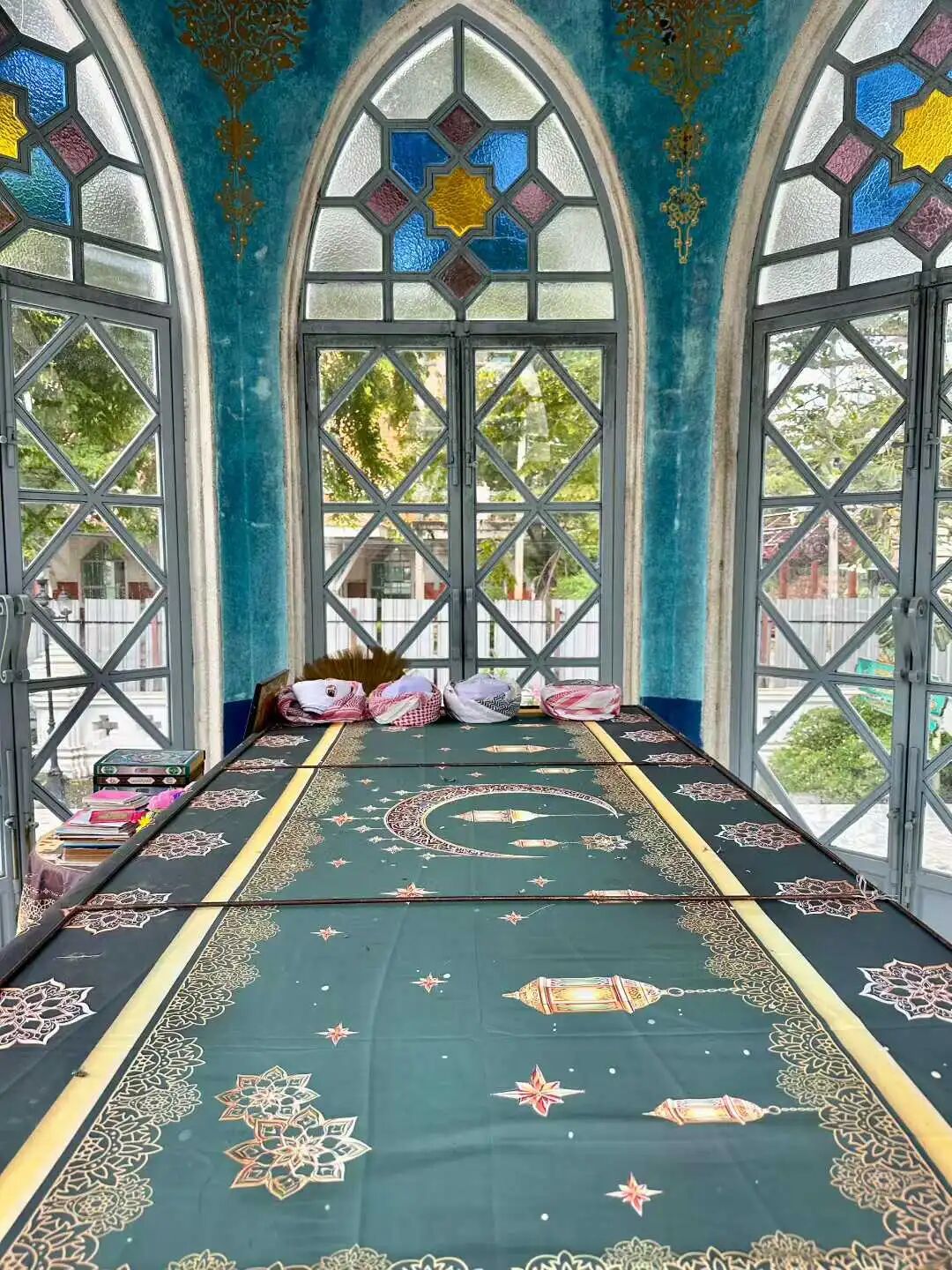
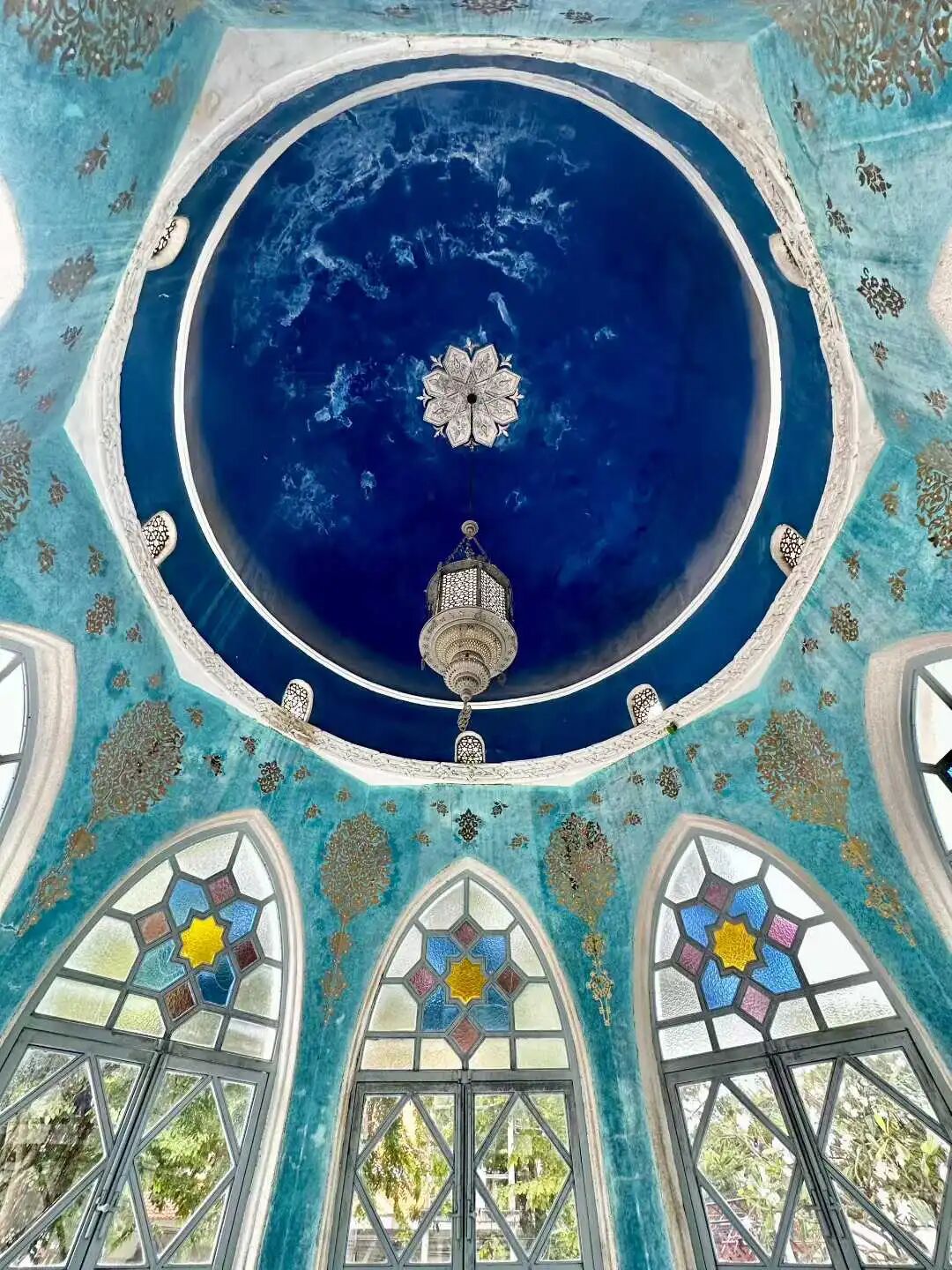
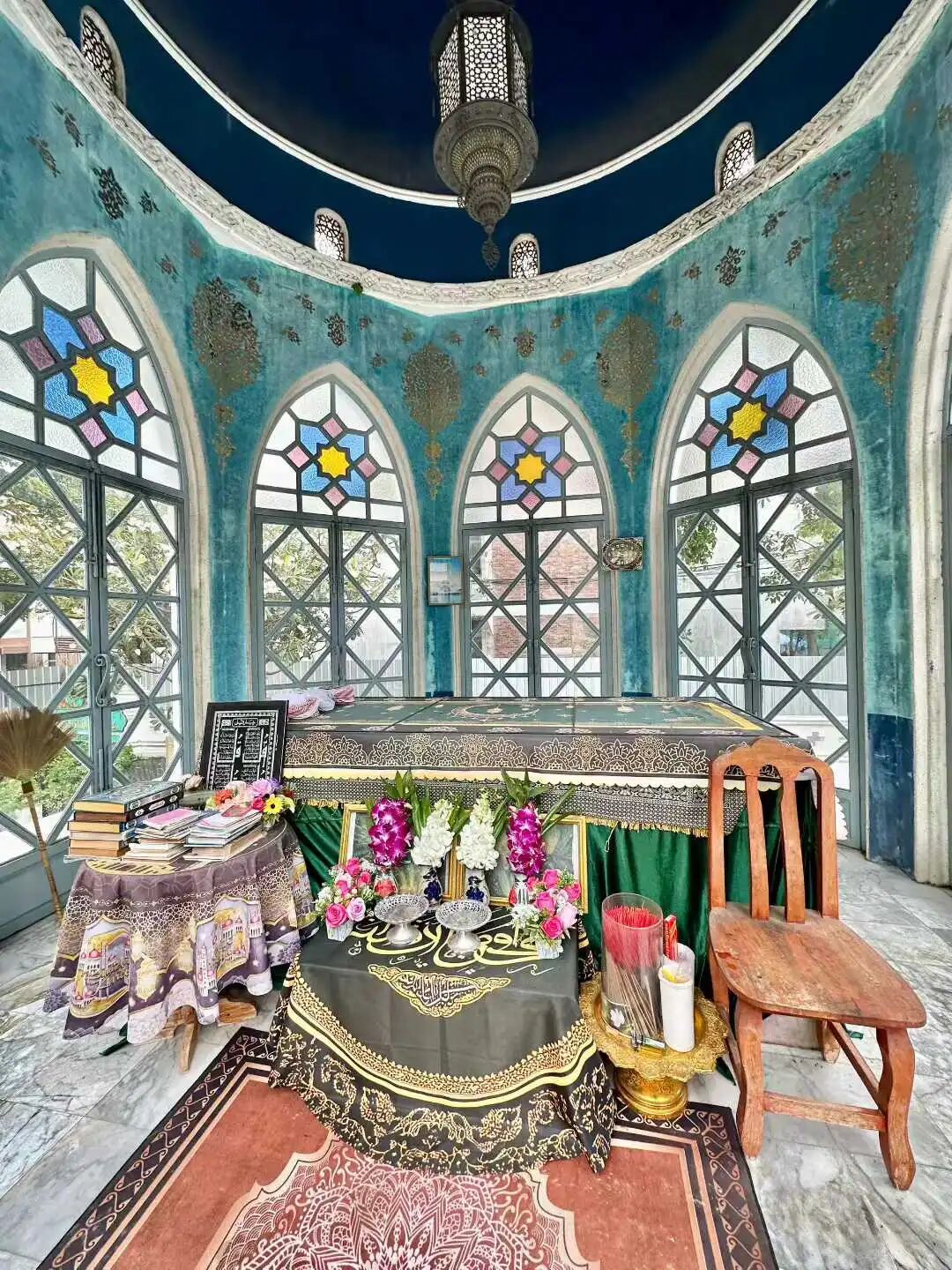
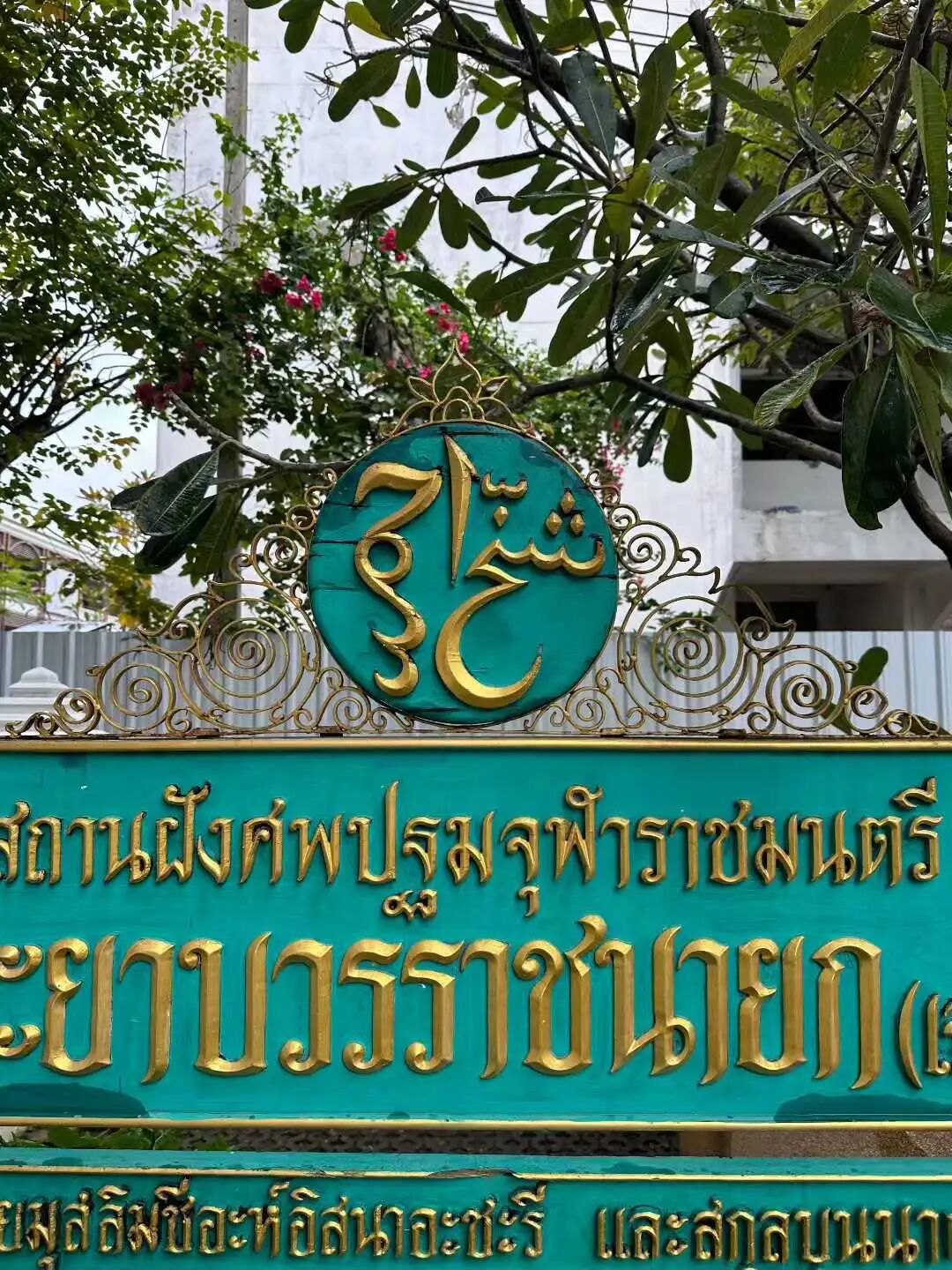
Opposite the tomb shrine of Sheikh Ahmad is the Ayutthaya-Persia (Iranian Studies) Room, where the Embassy of Iran in Thailand holds cultural and commemorative events from time to time.
Halal Travel Guide: Thailand - Two Qadiriyya Gongbei Shrines
Articles • ali2007fr posted the article • 0 comments • 245 views • 2026-05-20 23:51
Summary: This travel account visits two major Qadiriyya gongbei shrines in Thailand and explains their place within Thai Sufi Muslim life. It keeps the source's names, religious terms, shrine details, and route notes while using clear English for Muslim and general readers.
Sufism in Thailand follows three main traditions: Ahmadiyya-Shadhiliyya, Ahmadiyya-Badawiyya, and Qadiriyya. Two major Qadiriyya shrines (gongbei) in Ayutthaya have long histories and great influence, making them the true center of Thai Sufism.
I first visited the Tok Takia shrine (gongbei) on the banks of the Chao Phraya River, south of Ayutthaya city. Friends (dosti) in central Thailand all agree that Tok Takia has karamat (miraculous signs), and its influence has led many local Thai people to convert to Islam.
People call Tok Takia Sheikh Samat Maimun. The King of Siam also gave him the title Chao Phrakhun Takia Yokin. He came to Thailand to teach Islam in the mid-16th century. He settled in Ayutthaya in 1554 and passed away there in 1579. His shrine is the oldest existing tomb of an Islamic saint in Thailand.
The most popular legend about the old Sheikh is the story of his spiritual contest with a local Buddhist abbot named Diwan Chao. After the abbot went out to collect alms, he rowed his boat back to the mosque along the Chao Phraya River. When he reached the opposite bank of the mosque, he met a foreigner in white clothes and a white turban who waved to ask for a ride across the river. The abbot's boat was too small, so he asked the foreigner to wait while he went back to call his disciples to bring a larger boat. When the abbot rowed to the other side, he found that the foreigner had miraculously crossed the wide Chao Phraya River and was standing right in front of him. The abbot decided the man was a pious and learned person, so he invited him into the mosque to talk. At the end of their conversation, they agreed to a spiritual contest, and the loser would become the winner's disciple. The abbot lost the contest and kept his word by converting to Islam. He turned the mosque into a mosque, which is the Masjid Takia Yokin next to the shrine today.
Today, there are two main graves inside the shrine. The larger one belongs to Sheikh Tok Takia, and the smaller one belongs to the abbot Diwan Chao, who passed away the year after the Sheikh.
Masjid Takia Yokin is right next to the Tok Takia shrine. It was rebuilt from the original mosque in the mid-16th century after the Buddhist abbot Diwan Chao was guided by the Sufi Sheikh. The mosque still has a traditional Thai-style imam's prayer pavilion and a pulpit (minbar) that are beautifully crafted.
The rise of Islam in Ayutthaya during the 16th century had a lot to do with the trade environment at the time.
In the 15th century, Arab, Persian, and Indian merchants sailing east with the Indian Ocean monsoon winds preferred the powerful Malacca Sultanate as a trade hub. However, after the Portuguese conquered Malacca in 1511, trade was heavily restricted. Many Arab, Persian, and Indian merchants began to move to the Siamese capital of Ayutthaya to do business, and Siam welcomed them. At that time, a large number of merchant ships gathered on the banks of the Chao Phraya River south of Ayutthaya. These merchants anchored their ships outside the city and then transported goods into the city to sell. The riverbank where the Tok Takia shrine is located was an important anchorage at the time, and it later developed into an important Muslim community.
However, after the Burmese army burned Ayutthaya in 1767, it was no longer the capital, and the Tok Takia shrine pier was no longer busy. When we visited, it had become a chicken farm. The free-range local chickens must taste very good.
Three hundred years after Sheikh Tok Takia came to Thailand in the mid-16th century to spread the Qadiriyya Sufi order, the Sufi Sheikh Muhammad Ali Shukri, who is honored as a Wali, revived the Qadiriyya order in Thailand in the 19th century. He helped the order spread from Ayutthaya to Bangkok and Pattaya.
Sheikh Shukri was born in Ayutthaya in 1848 and was of Malay descent. He came from a farming family and spent his childhood herding sheep. At age 7, he was able to travel to Mecca, where he studied for 40 years. He reportedly studied in Mecca under Sheikh Abd al-Karim, who was a successor to the famous Indonesian Sheikh Ahmad Khatib as-Sambasi. Sheikh Ahmad combined the Qadiriyya and Naqshbandiyya orders, which played a major role in the development of the faith in Indonesia.
After finishing his studies and returning to Thailand, Sheikh Shukri began to promote the revival of the Thai Qadiriyya order. He preached in Ayutthaya and eastern Bangkok. Many people began to follow the Sheikh, and some stories about his preaching are still told today. People say many young people were addicted to opium at the time, including some of the Sheikh's own students. The Sheikh took his students on a boat past an opium den and asked a student how many pipes he smoked a day. The student said, "About three." The Sheikh then said, "Then only smoke one today." After that, the Sheikh gradually reduced the frequency of his students' smoking, from once a day to once a week, then once every two weeks, eventually helping them break their opium addiction.
In 1931, Sheikh Shukri passed away in Ayutthaya and was buried next to the Aliyid Daroun Mosque (Masjid Aliyid Daroun) on the banks of the Chao Phraya River, west of Ayutthaya city. This site also became the second largest Qadiriyya gongbei in Thailand, following the Tok Takia gongbei.
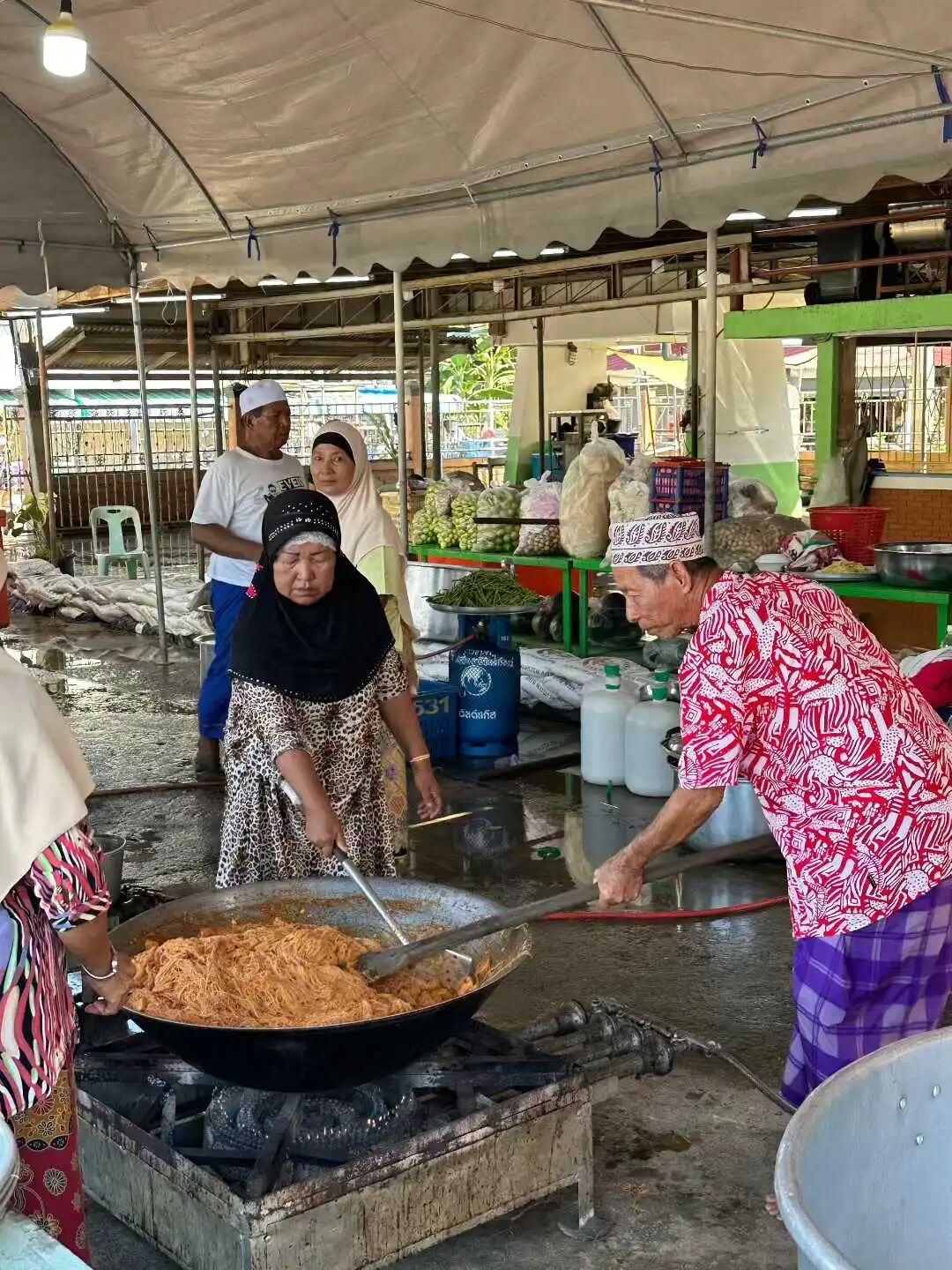
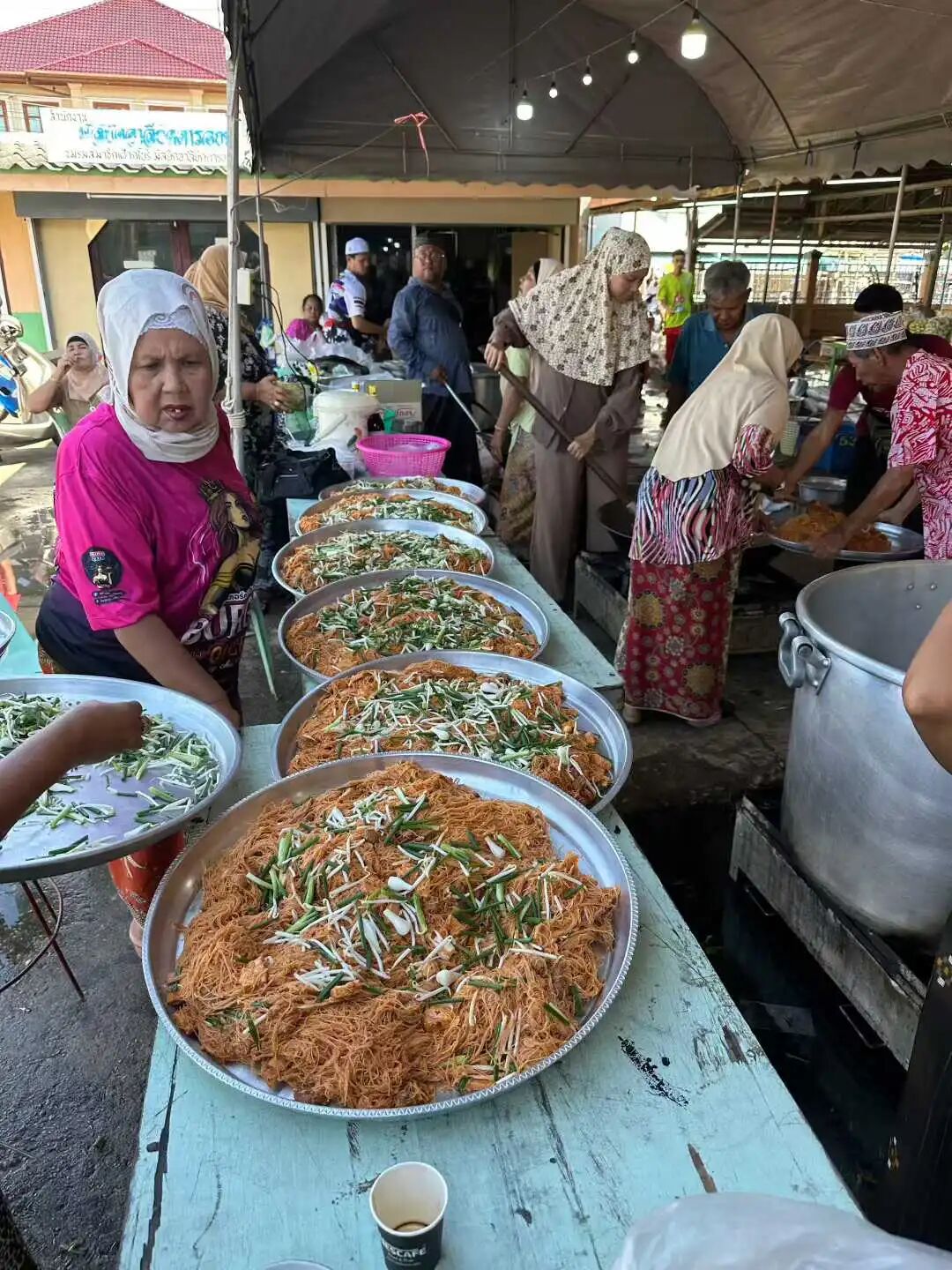
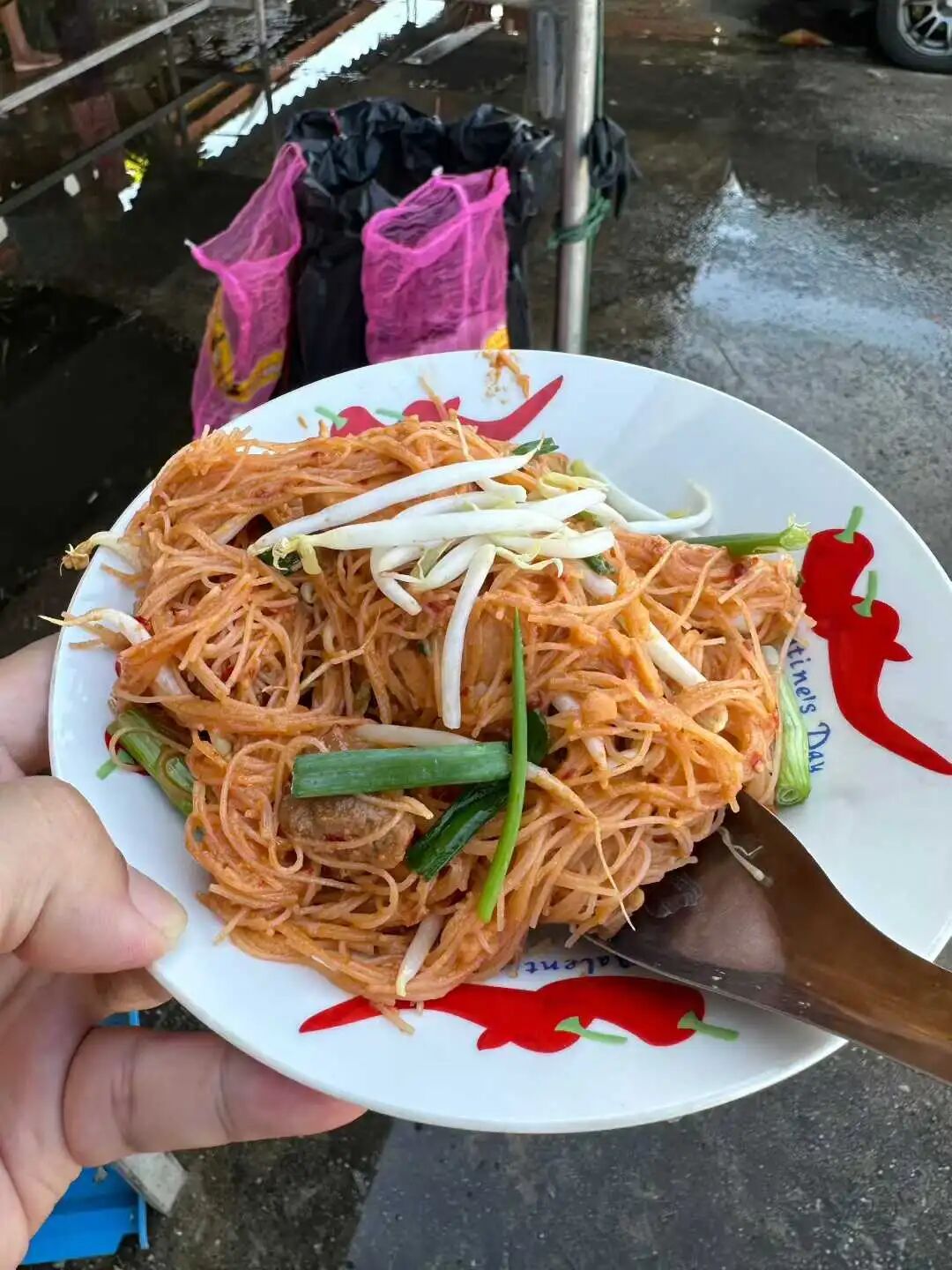
Although we missed the religious gathering (a'mali), we unexpectedly caught a charity event (shesan) for flood victims. We were able to see how the Thai Sufi order performs their religious feast (nieti xi) and tasted the beef rice noodles served at the mosque.
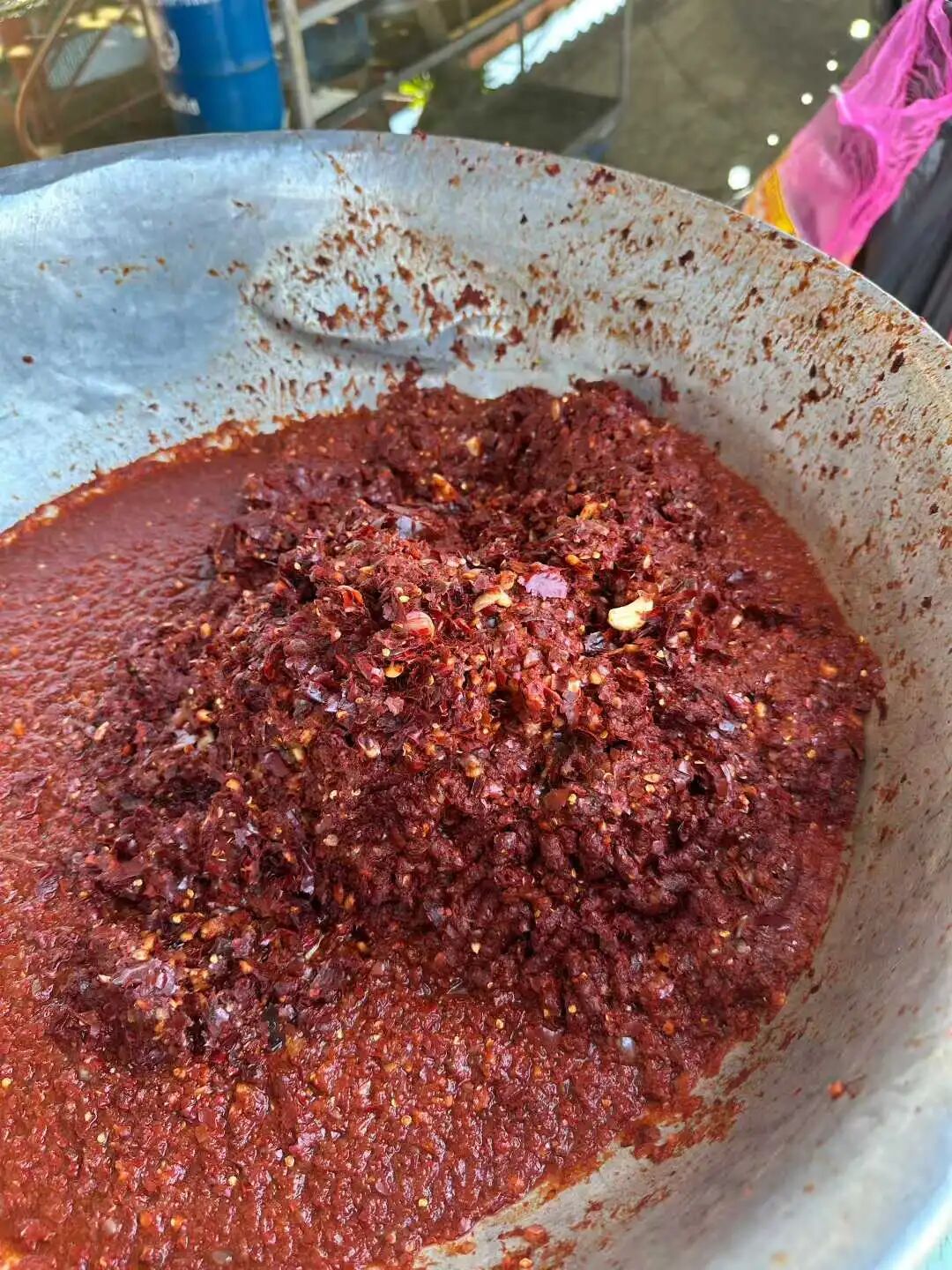
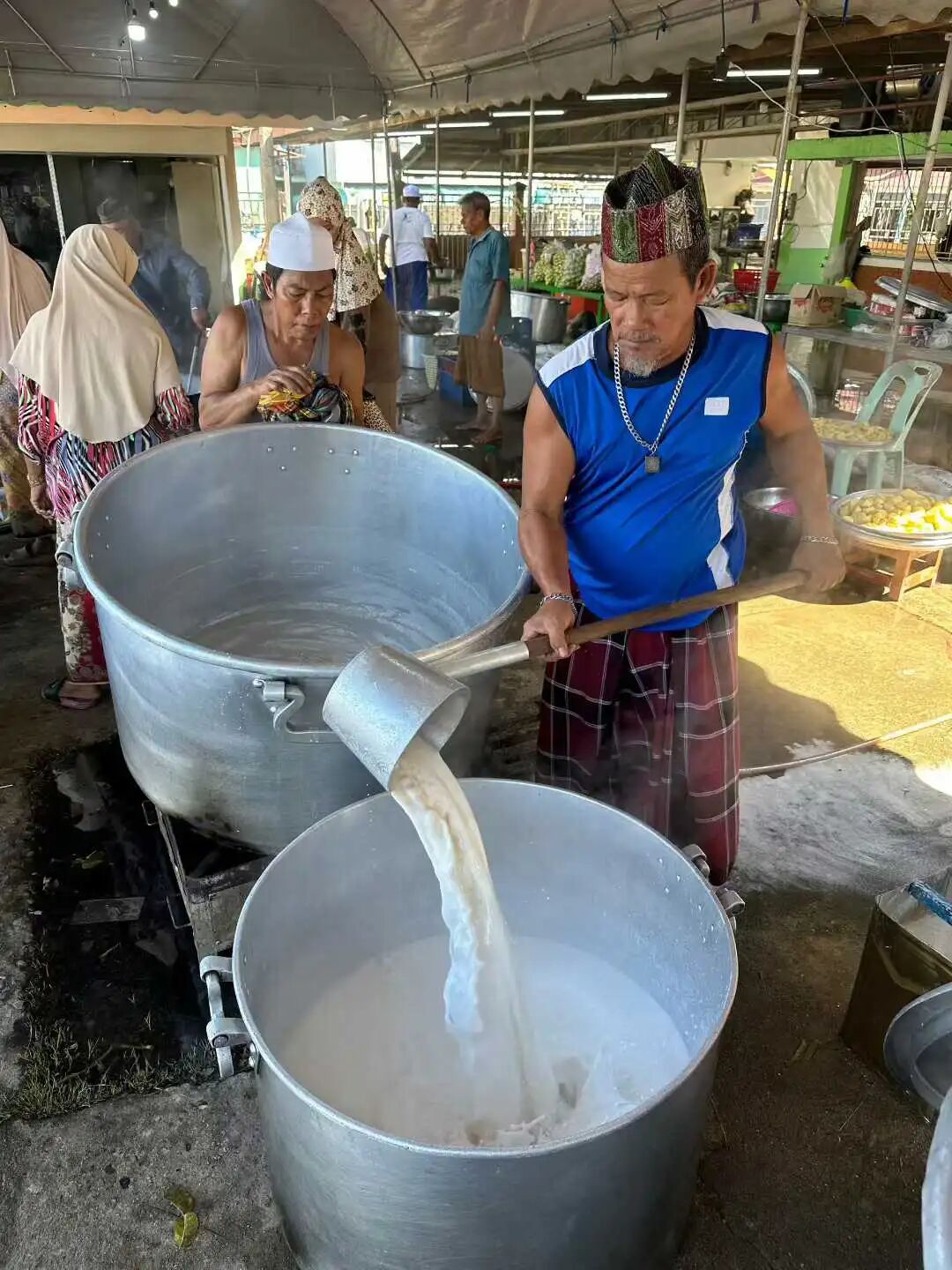
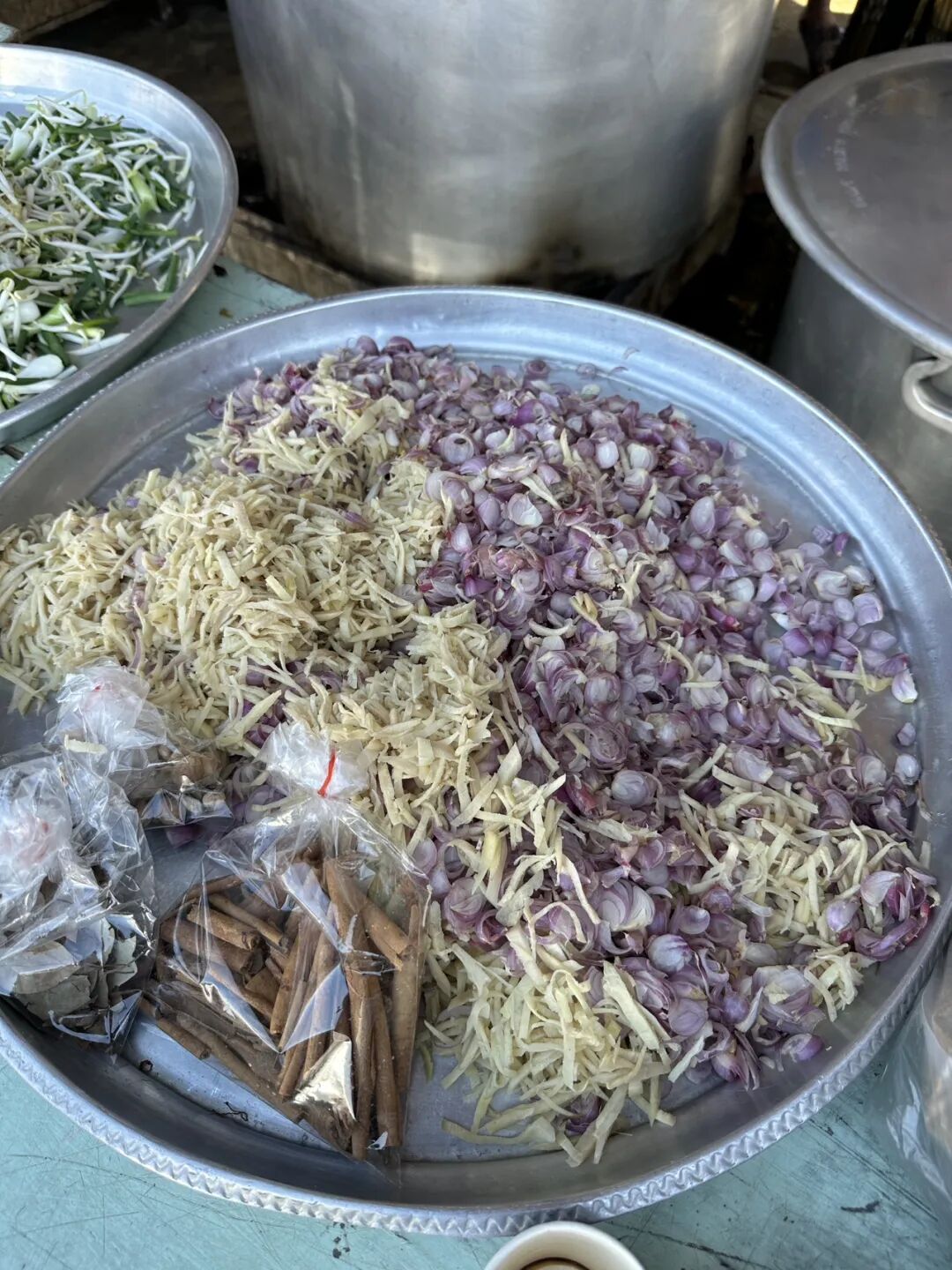
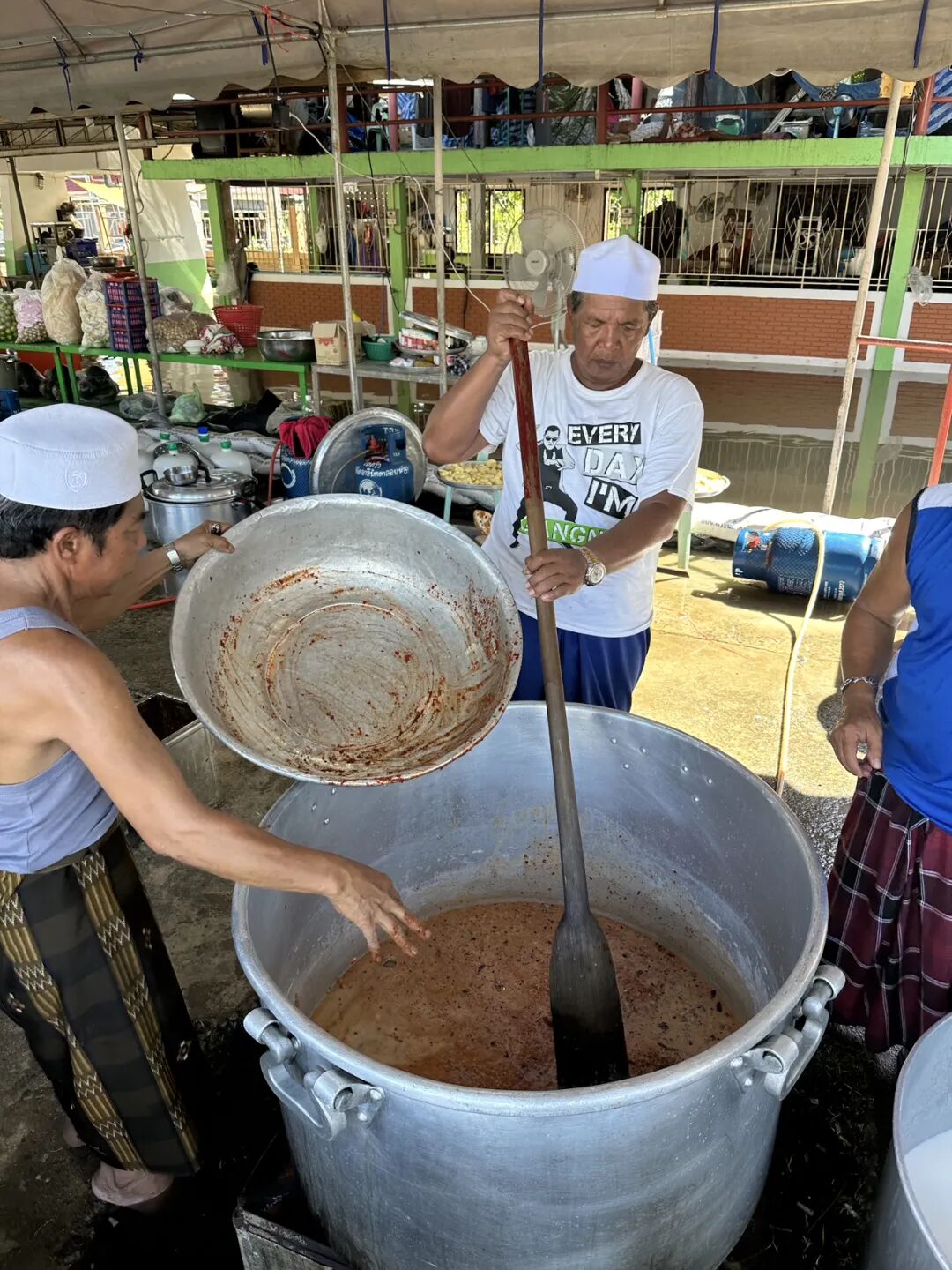
Central and Southern Thailand are influenced by the Malay people, so most religious practices follow the Shafi'i school, and there are relatively few Sufi activities. This was my first time experiencing the warmth of Thai Sufi elders in Ayutthaya. I saw them using boat oars to stir a giant pot of rice for the first time, and I also saw the process of making coconut rice, which is very similar to how the Hui Muslims in Huihui Village, Sanya, set their tables. Because we arrived early and the meal hadn't started yet, the elders here very warmly arranged for us to eat rice noodles first. The beef rice noodles with soup poured over them were delicious. I was also surprised to meet several elders who could speak English and Chinese.
Since we had to rush to Bangkok that evening, we didn't stay at the shrine (gongbei) for long. If any friends (dost) are traveling to Ayutthaya, Thailand, I highly recommend visiting this shrine (gongbei). It is a rare opportunity to see this side of Thai Sufism. view all
Summary: This travel account visits two major Qadiriyya gongbei shrines in Thailand and explains their place within Thai Sufi Muslim life. It keeps the source's names, religious terms, shrine details, and route notes while using clear English for Muslim and general readers.
Sufism in Thailand follows three main traditions: Ahmadiyya-Shadhiliyya, Ahmadiyya-Badawiyya, and Qadiriyya. Two major Qadiriyya shrines (gongbei) in Ayutthaya have long histories and great influence, making them the true center of Thai Sufism.
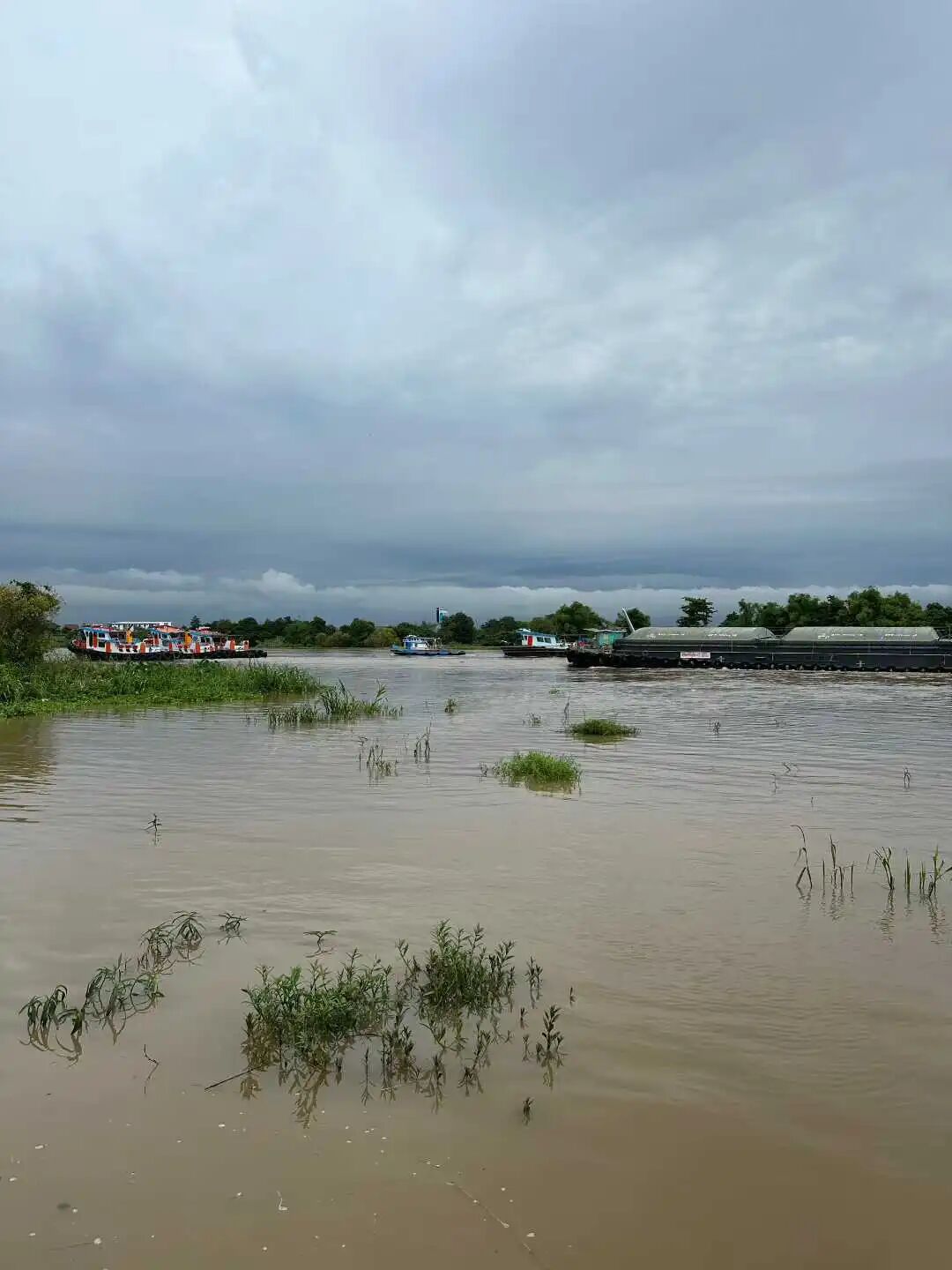
I first visited the Tok Takia shrine (gongbei) on the banks of the Chao Phraya River, south of Ayutthaya city. Friends (dosti) in central Thailand all agree that Tok Takia has karamat (miraculous signs), and its influence has led many local Thai people to convert to Islam.
People call Tok Takia Sheikh Samat Maimun. The King of Siam also gave him the title Chao Phrakhun Takia Yokin. He came to Thailand to teach Islam in the mid-16th century. He settled in Ayutthaya in 1554 and passed away there in 1579. His shrine is the oldest existing tomb of an Islamic saint in Thailand.
The most popular legend about the old Sheikh is the story of his spiritual contest with a local Buddhist abbot named Diwan Chao. After the abbot went out to collect alms, he rowed his boat back to the mosque along the Chao Phraya River. When he reached the opposite bank of the mosque, he met a foreigner in white clothes and a white turban who waved to ask for a ride across the river. The abbot's boat was too small, so he asked the foreigner to wait while he went back to call his disciples to bring a larger boat. When the abbot rowed to the other side, he found that the foreigner had miraculously crossed the wide Chao Phraya River and was standing right in front of him. The abbot decided the man was a pious and learned person, so he invited him into the mosque to talk. At the end of their conversation, they agreed to a spiritual contest, and the loser would become the winner's disciple. The abbot lost the contest and kept his word by converting to Islam. He turned the mosque into a mosque, which is the Masjid Takia Yokin next to the shrine today.
Today, there are two main graves inside the shrine. The larger one belongs to Sheikh Tok Takia, and the smaller one belongs to the abbot Diwan Chao, who passed away the year after the Sheikh.
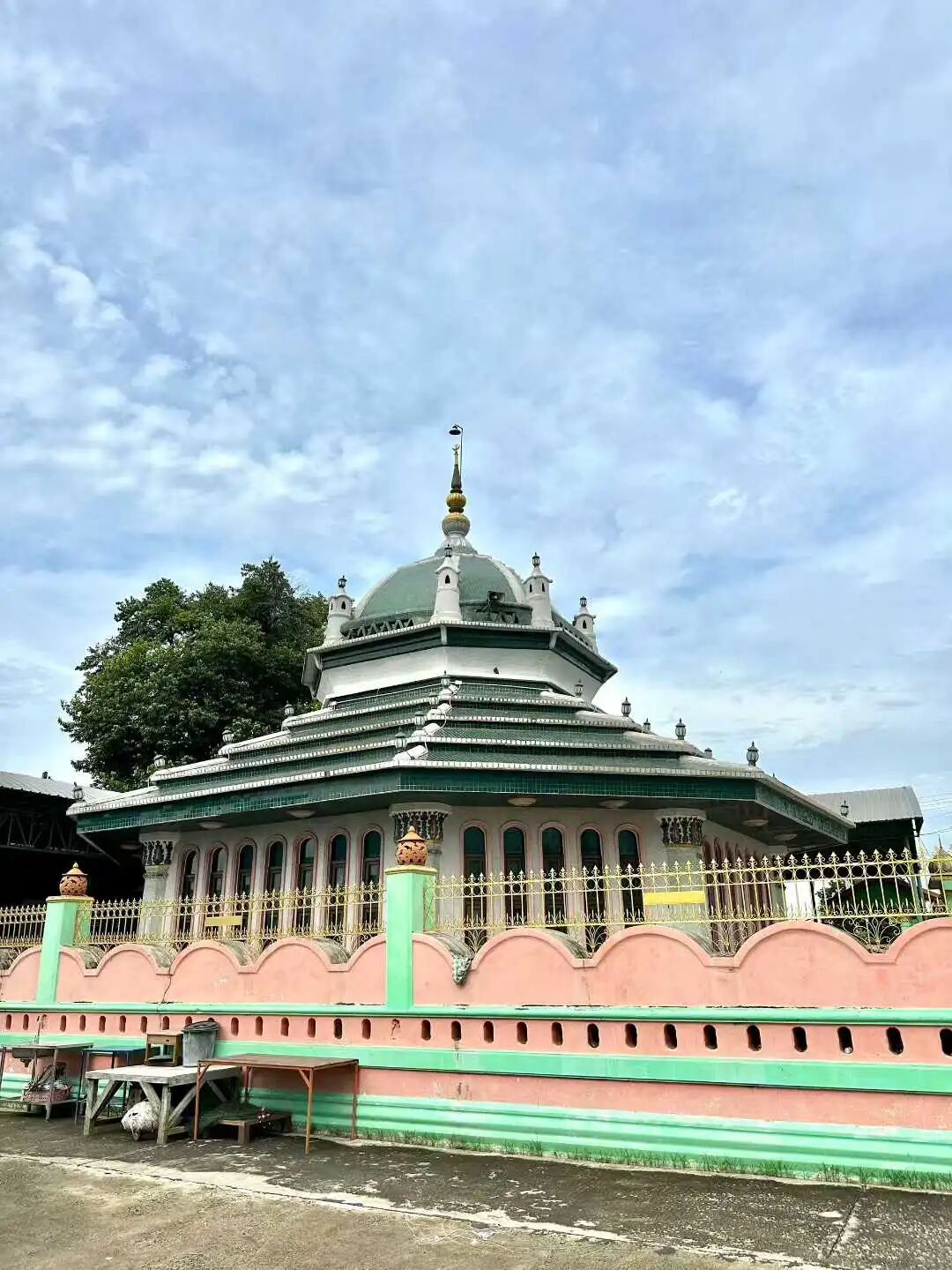
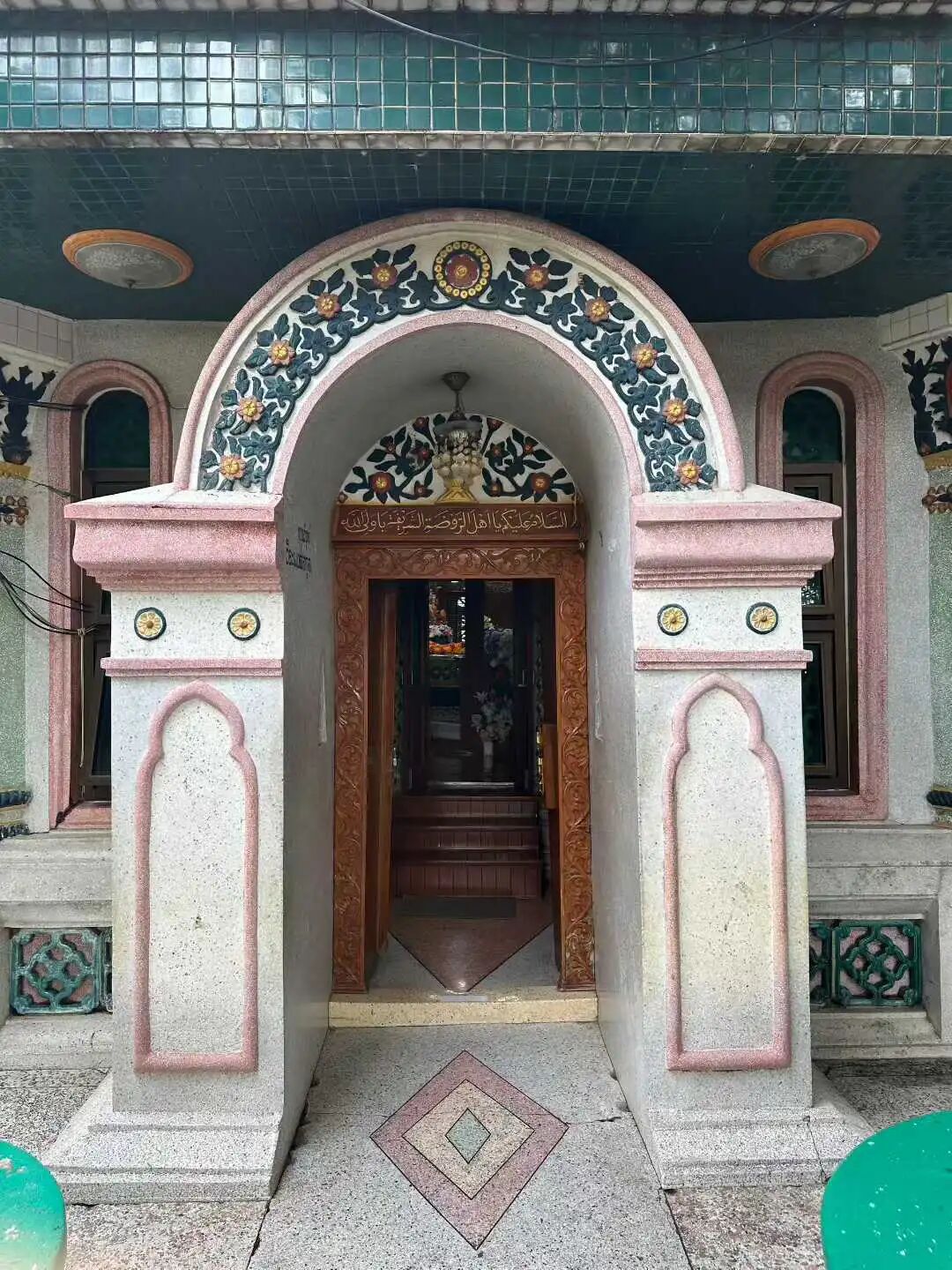
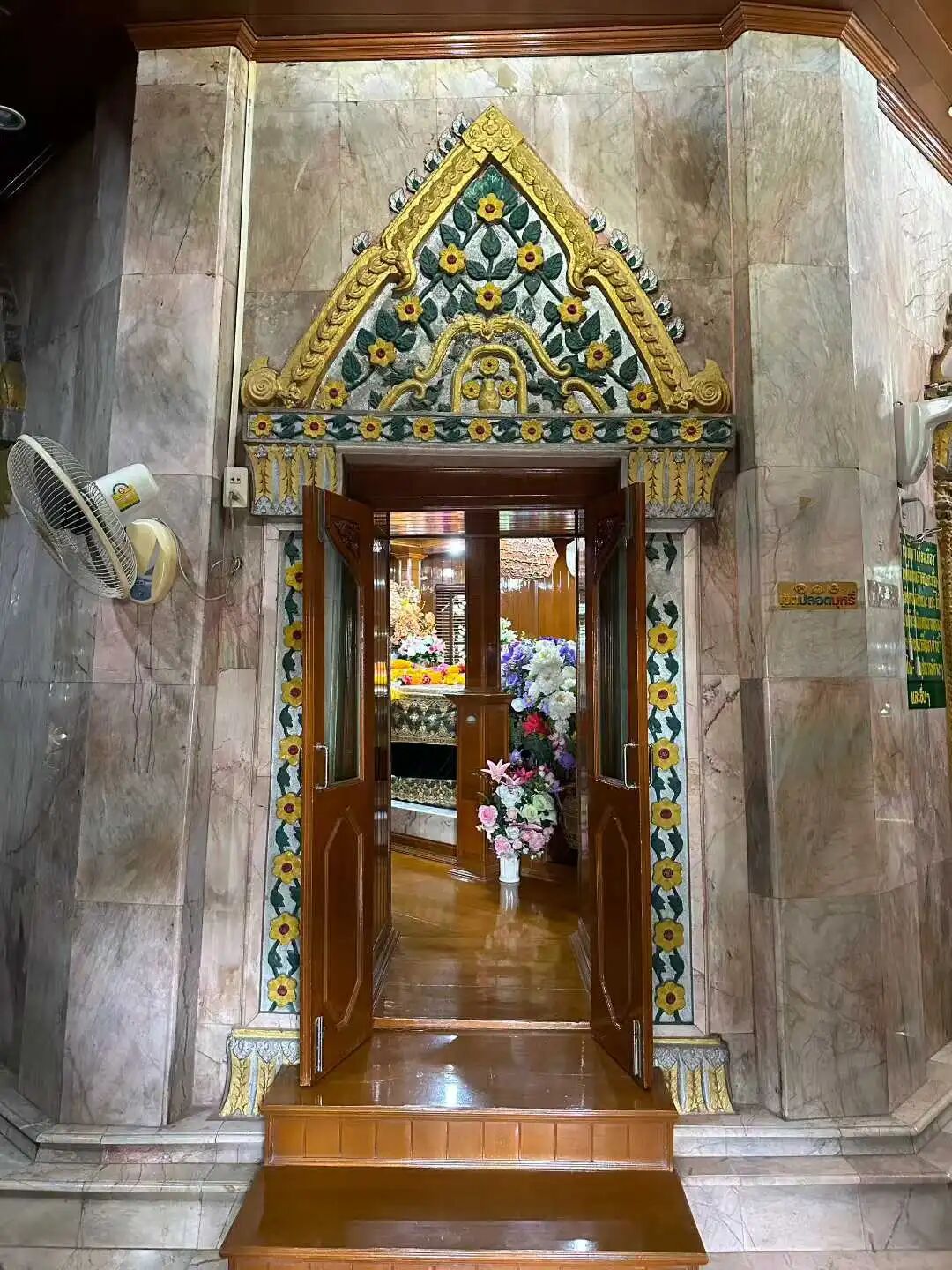
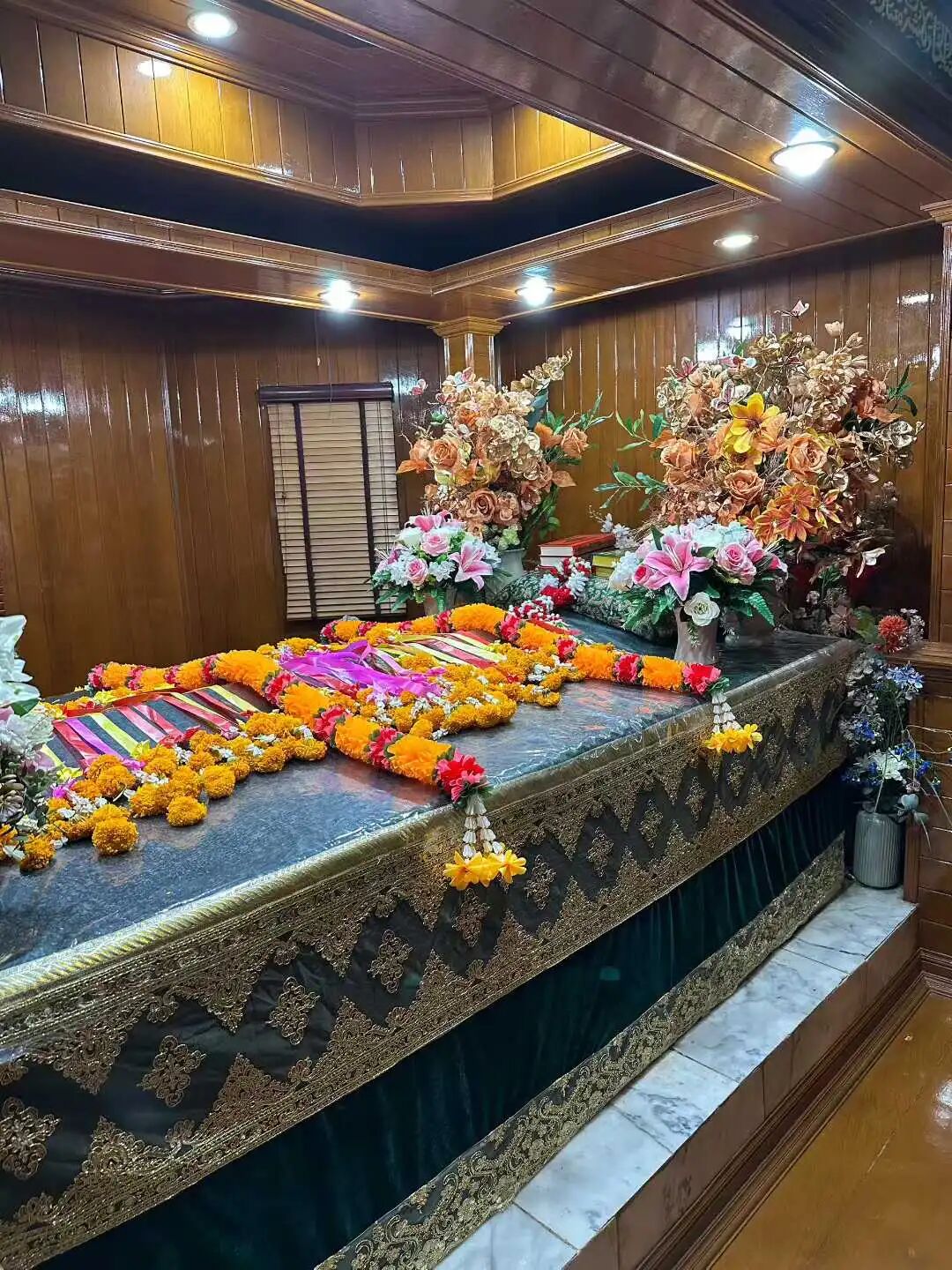
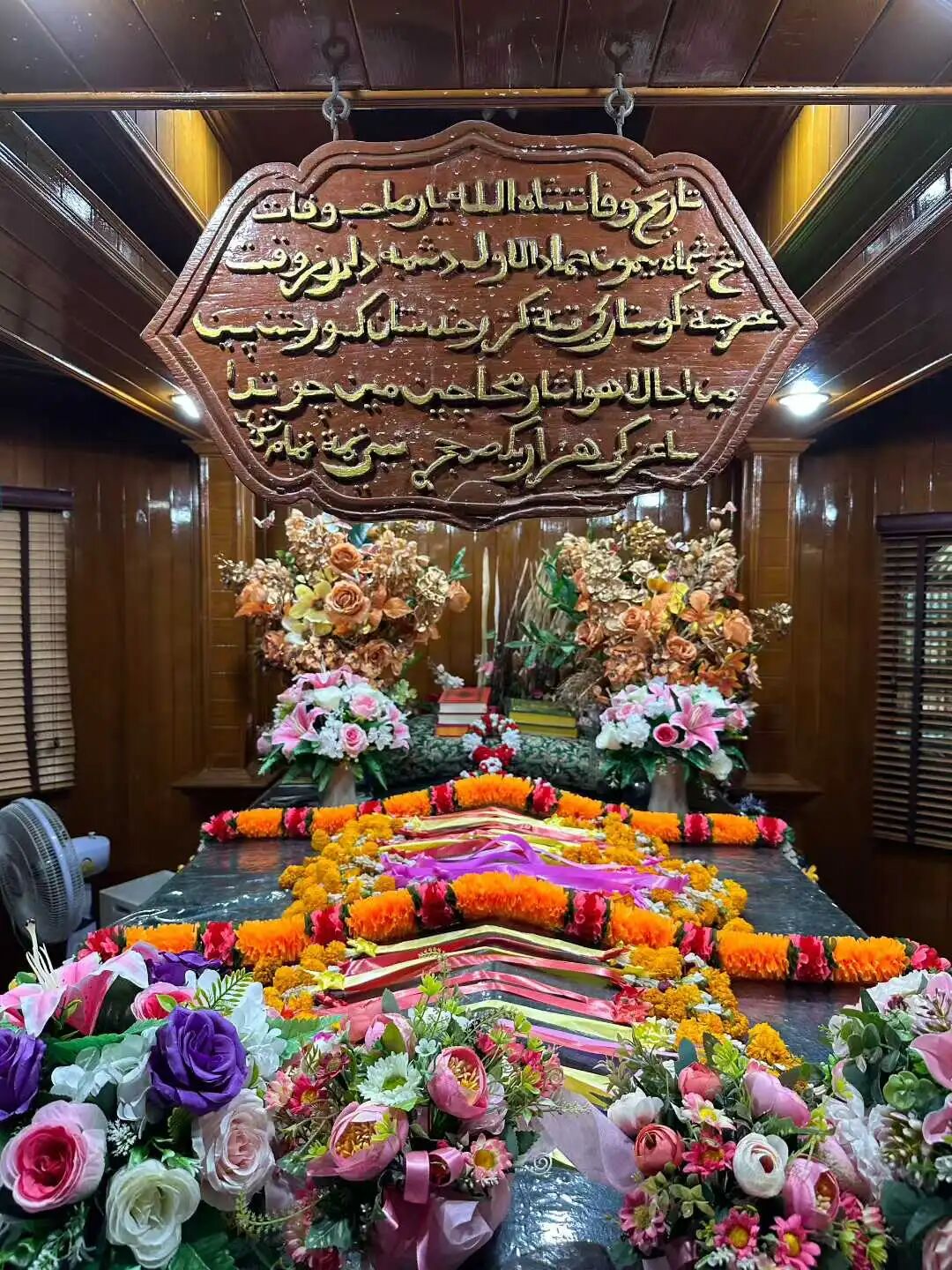
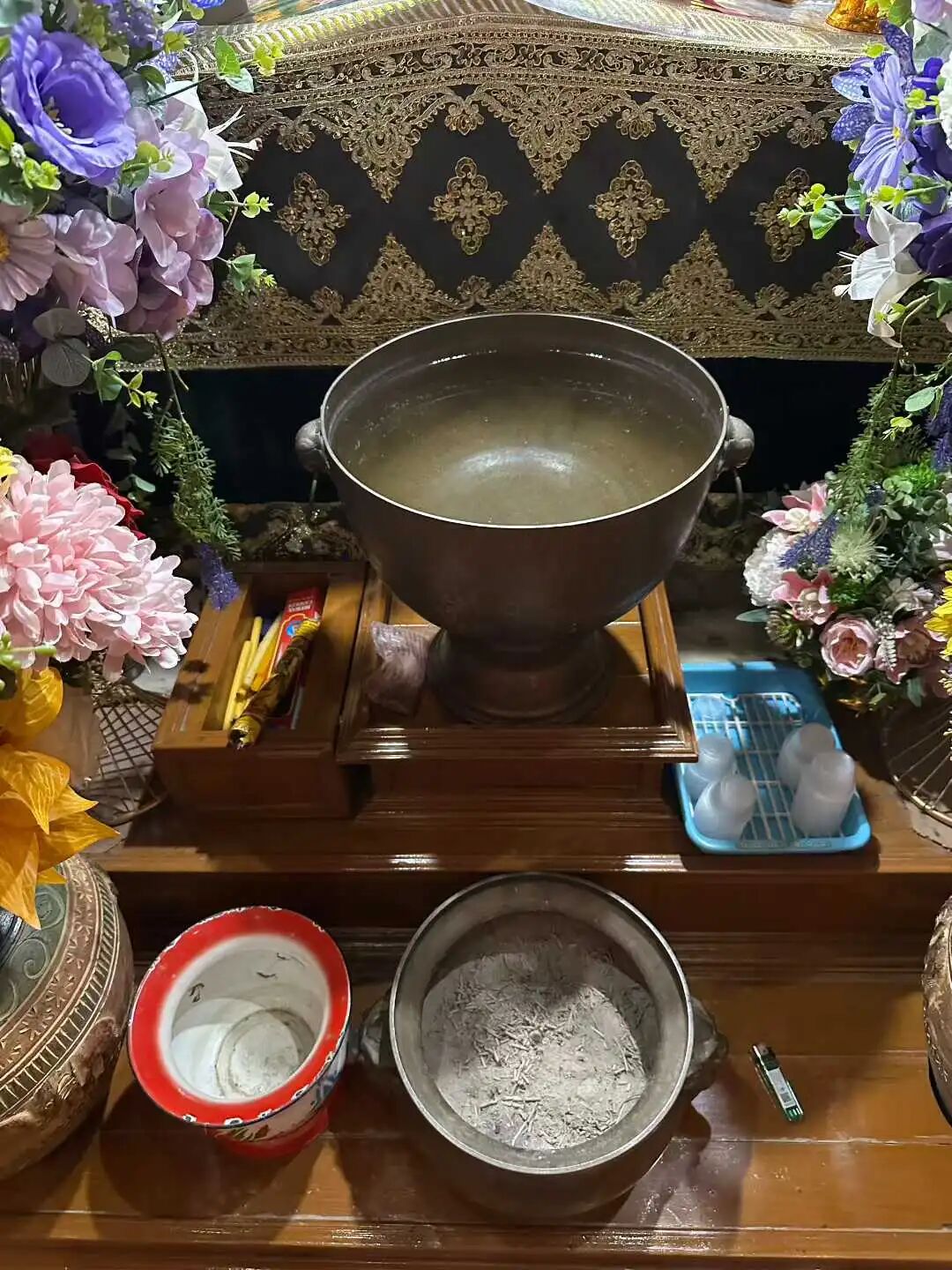
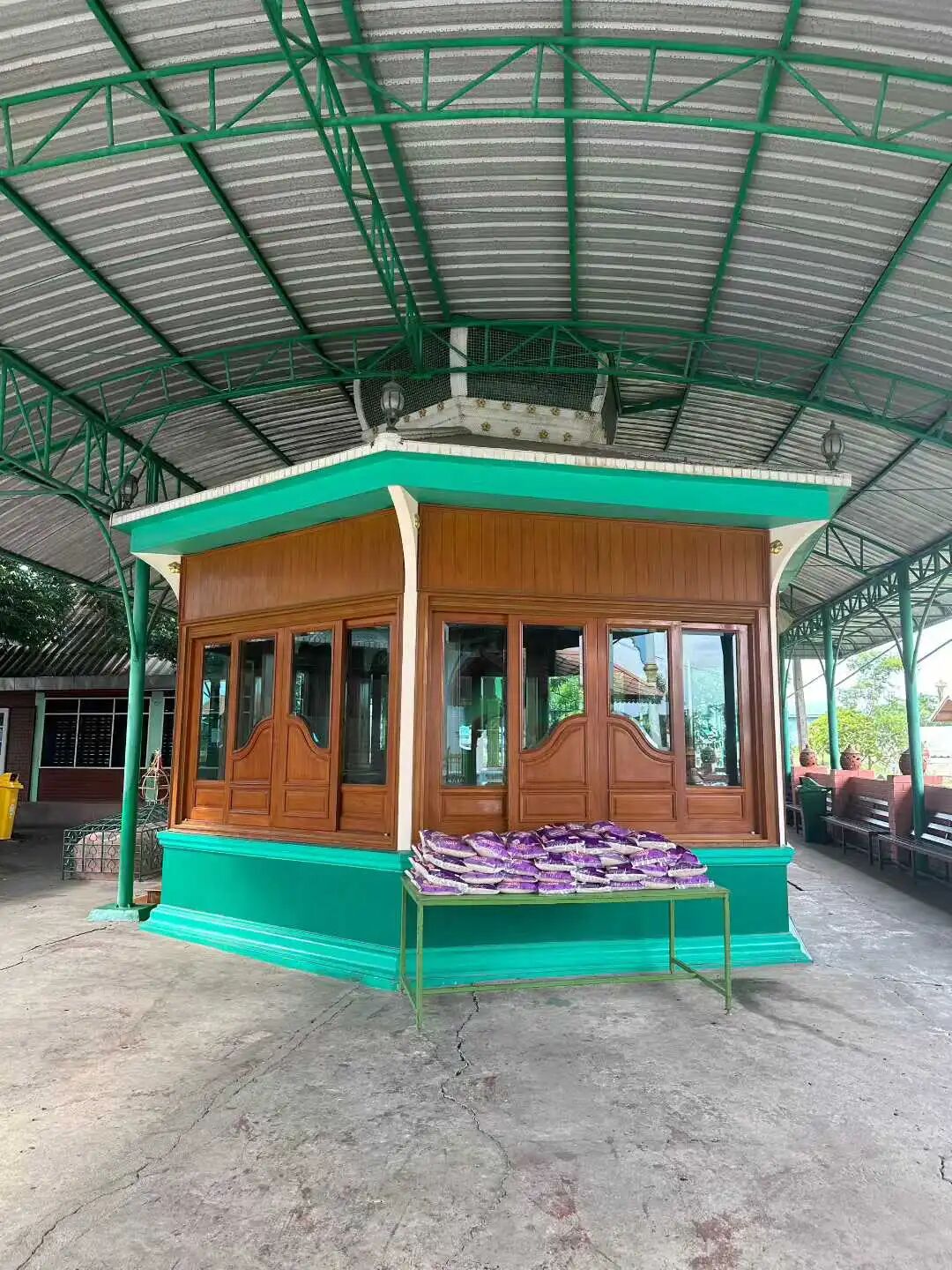
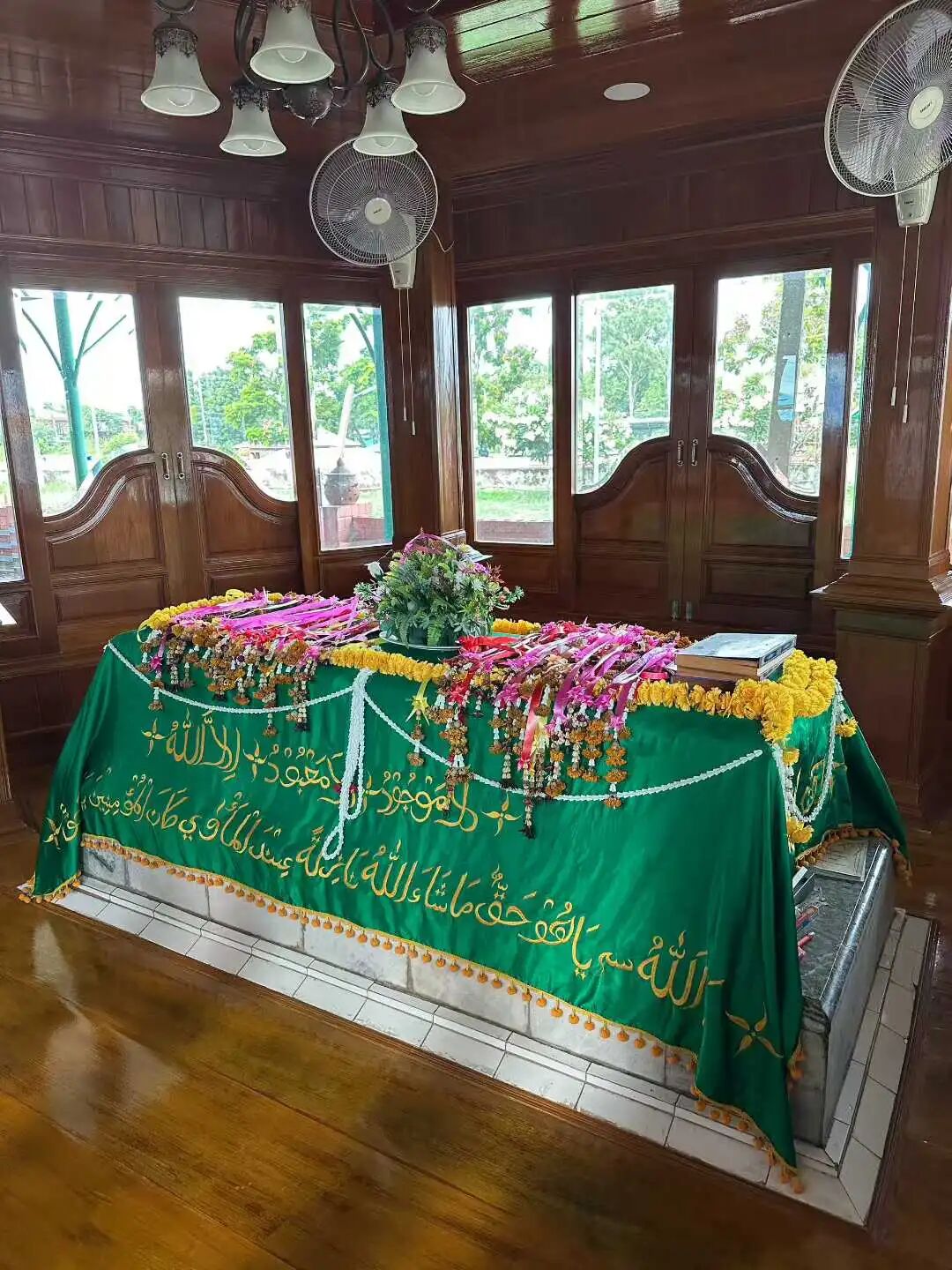
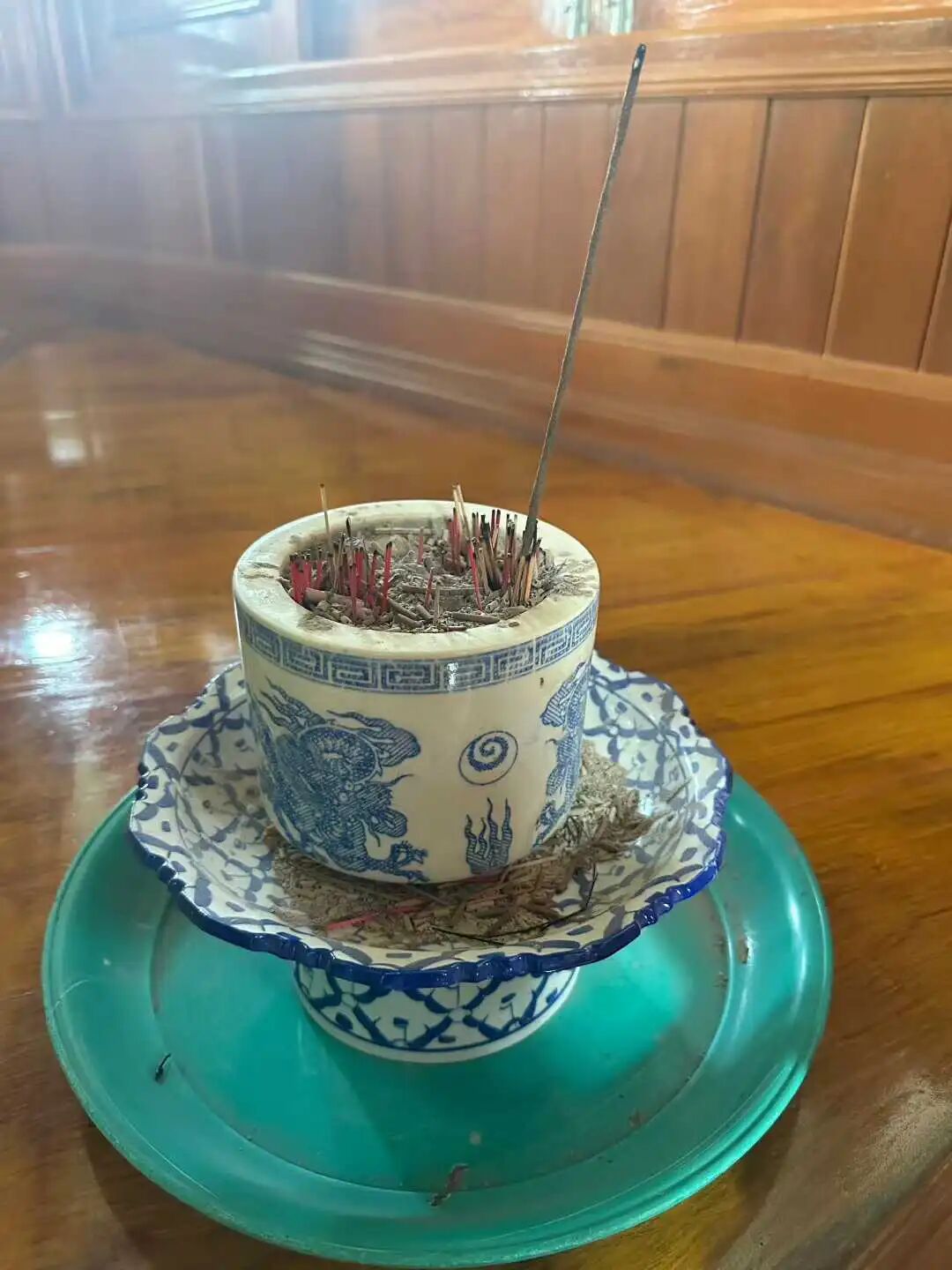
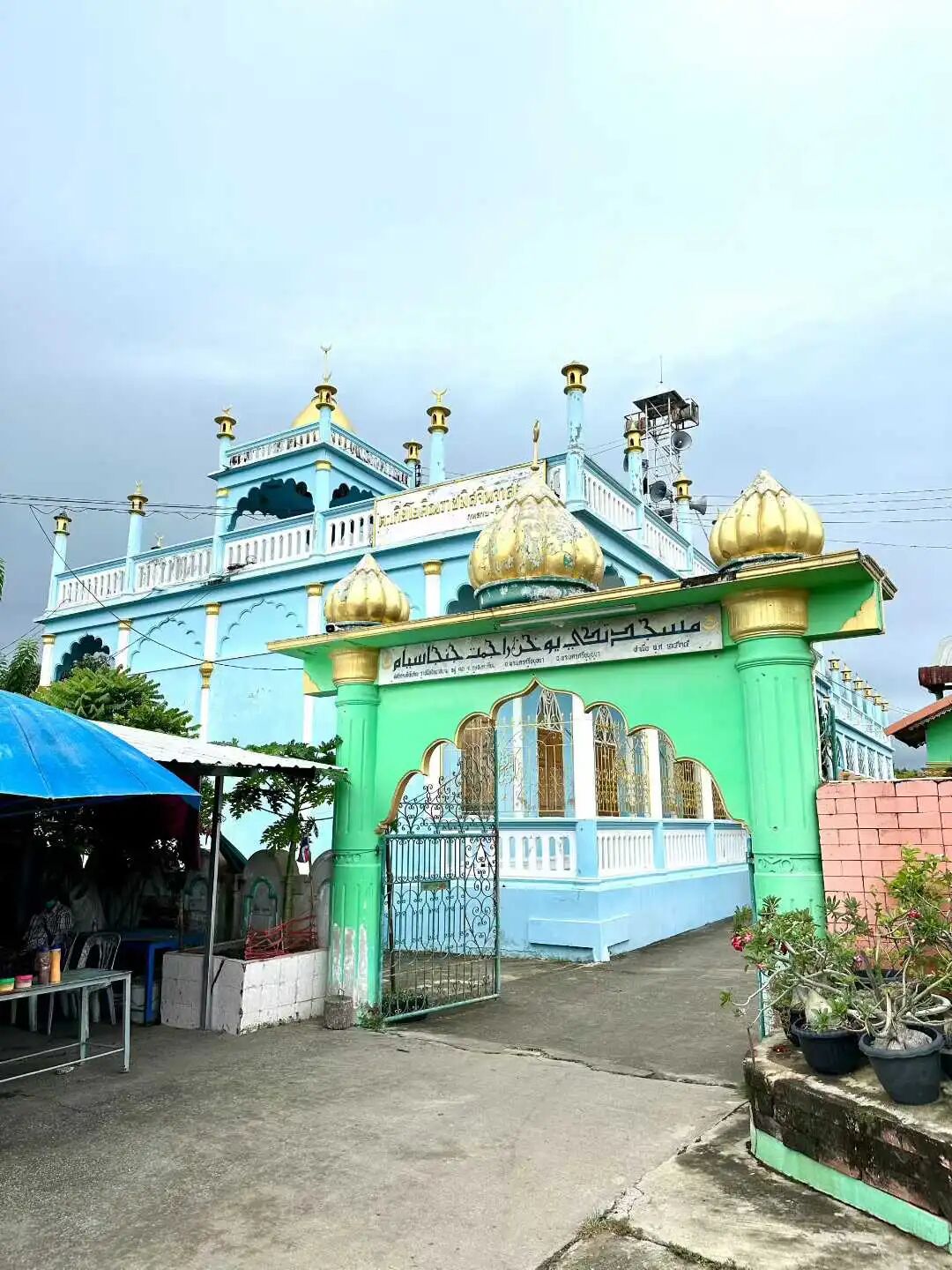
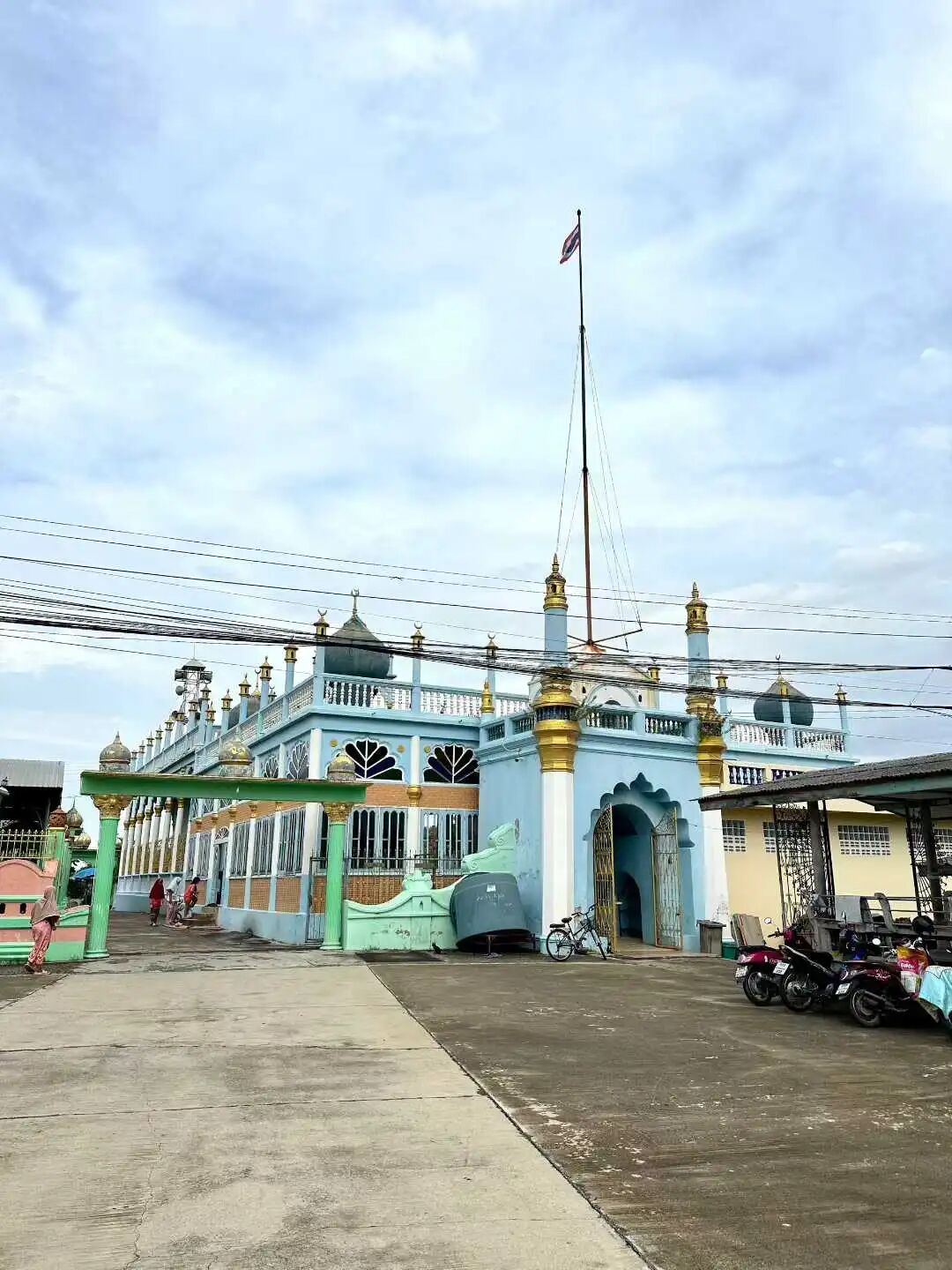
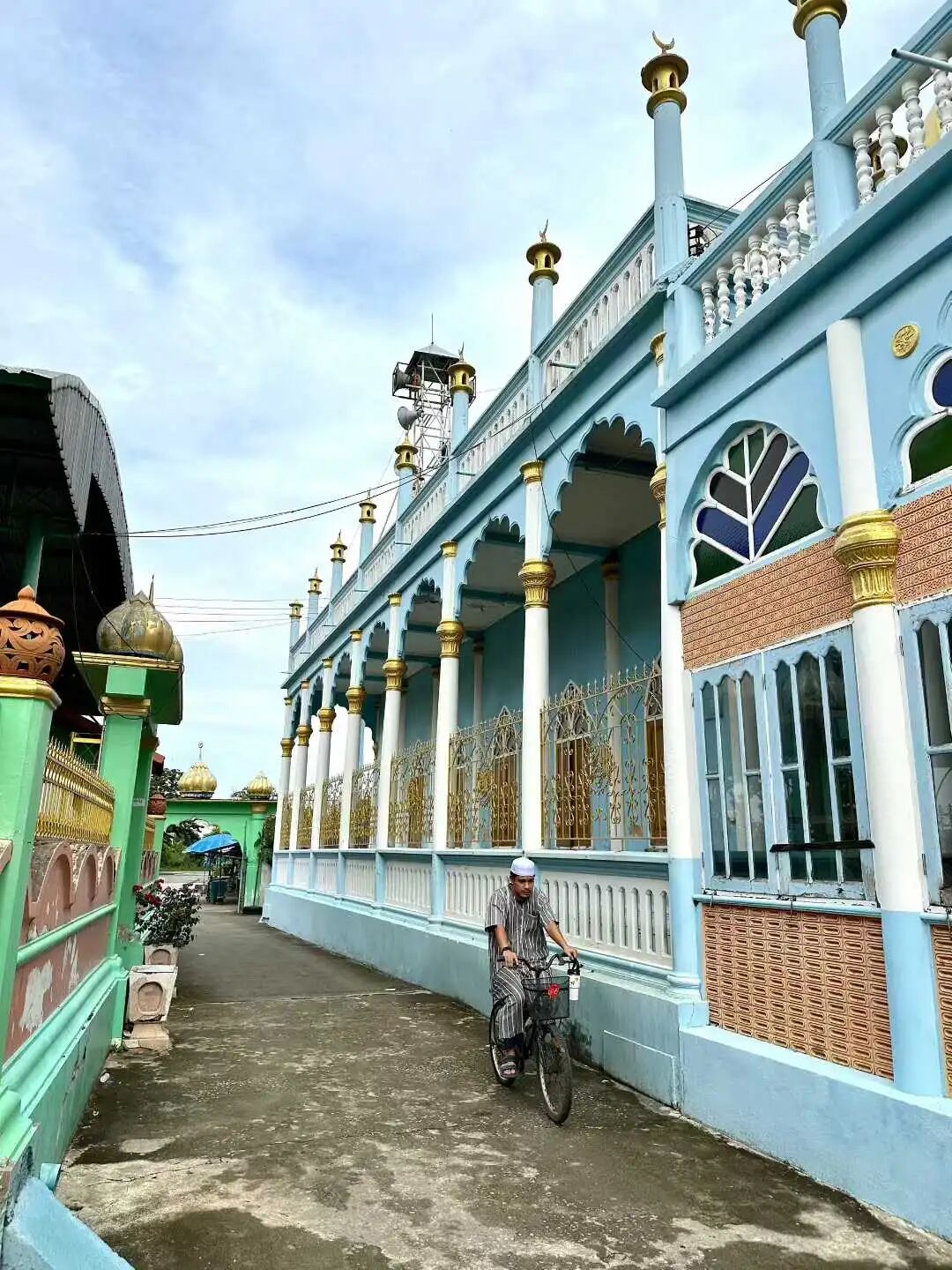
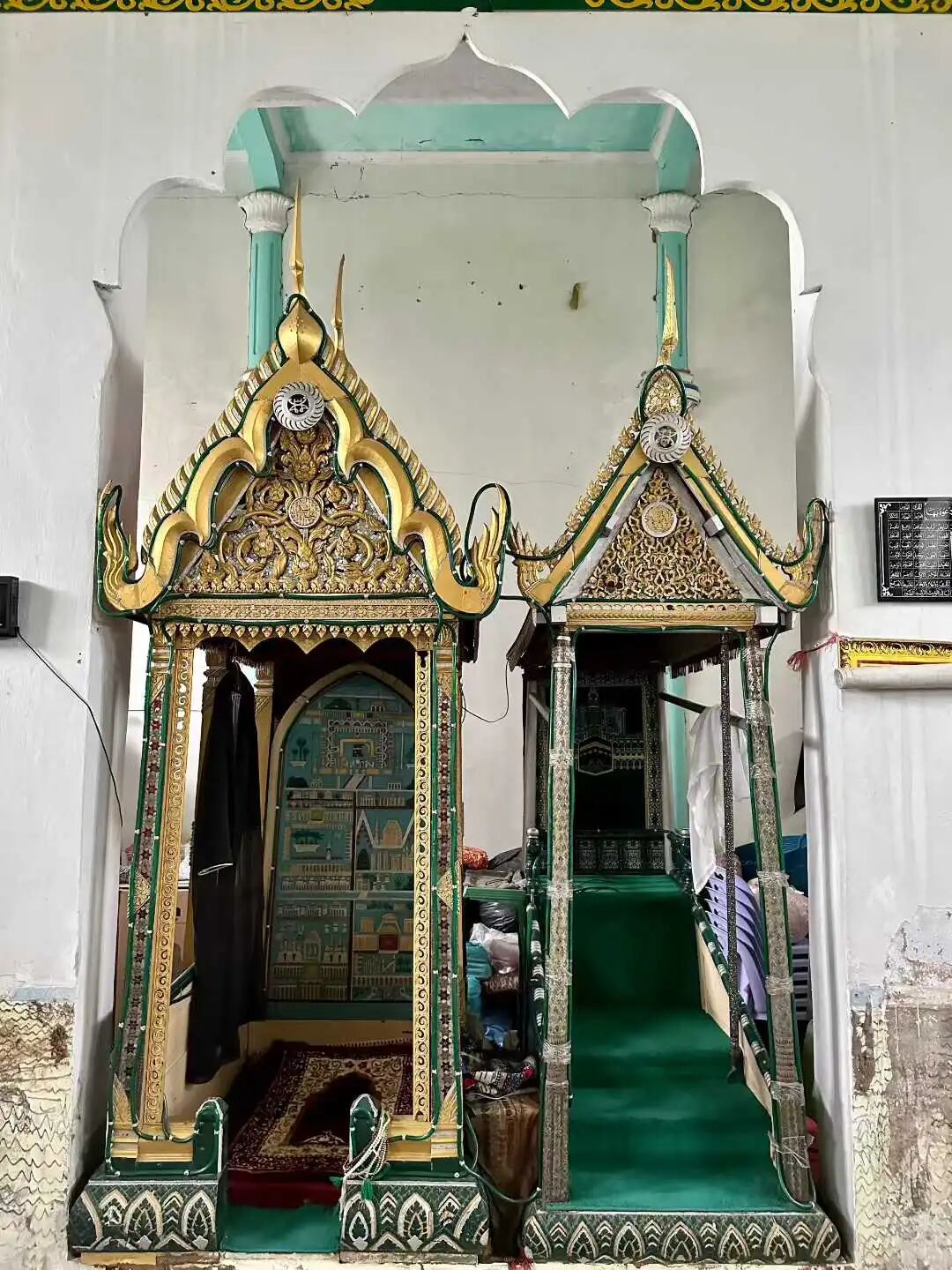
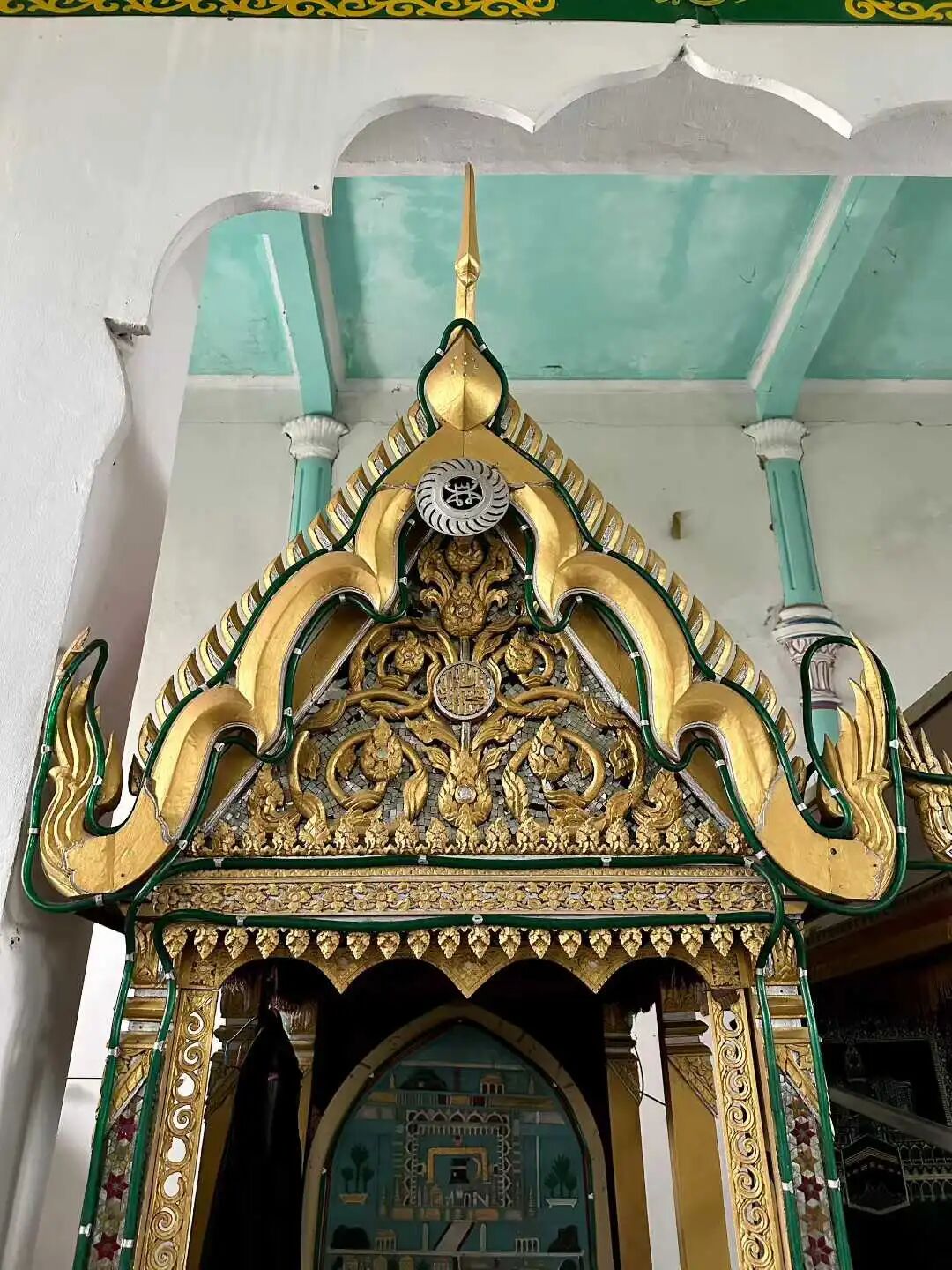
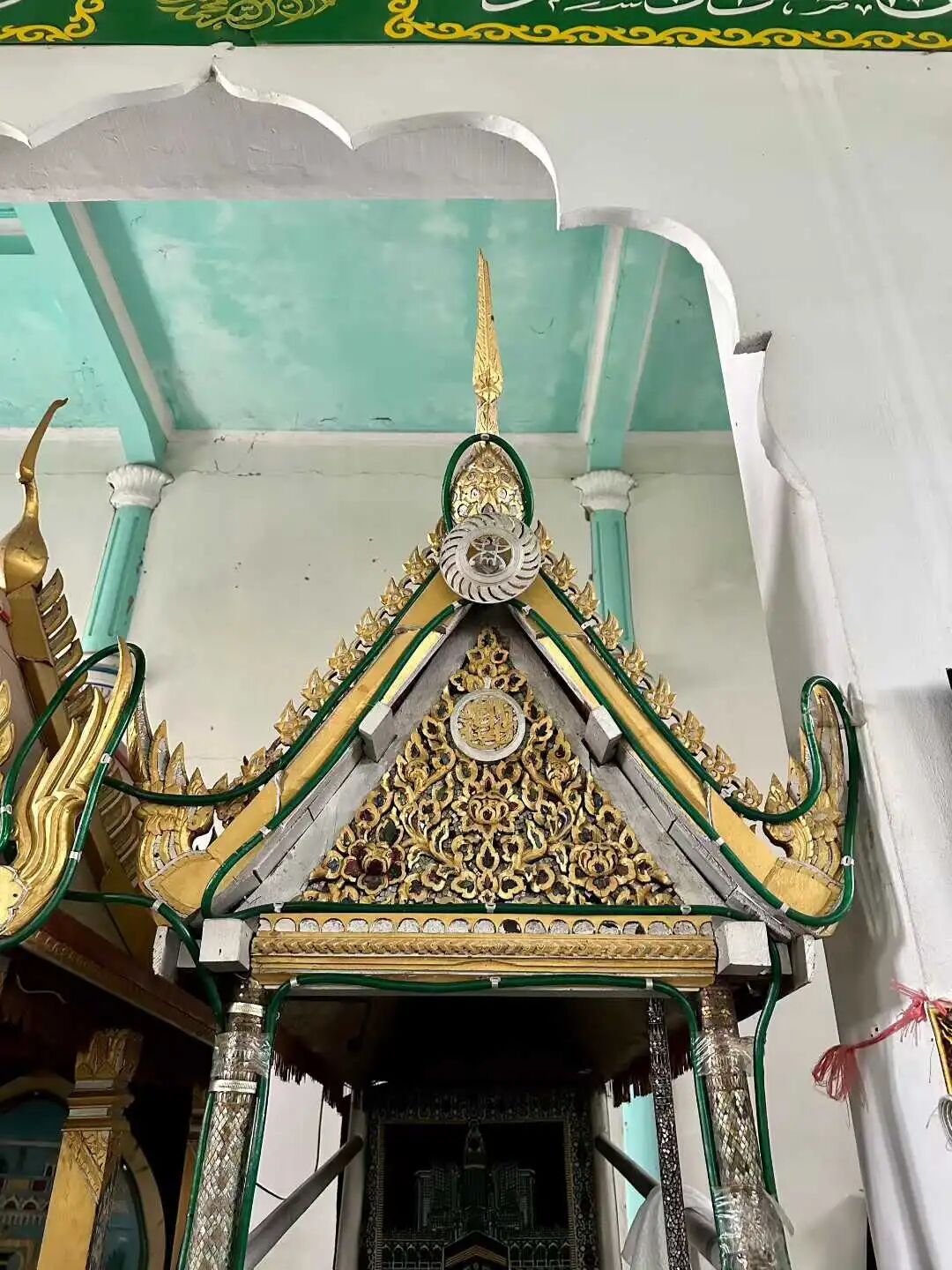
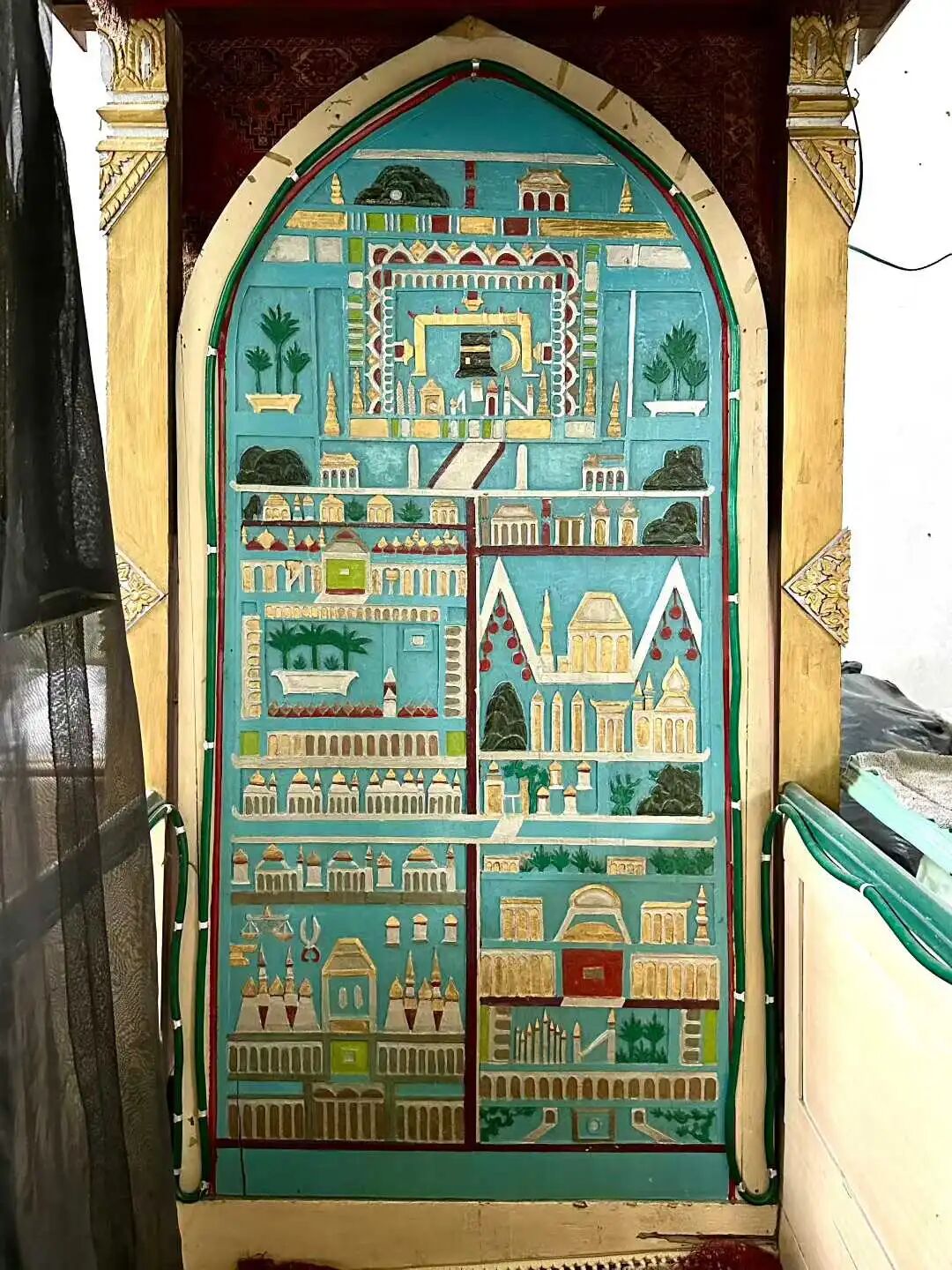
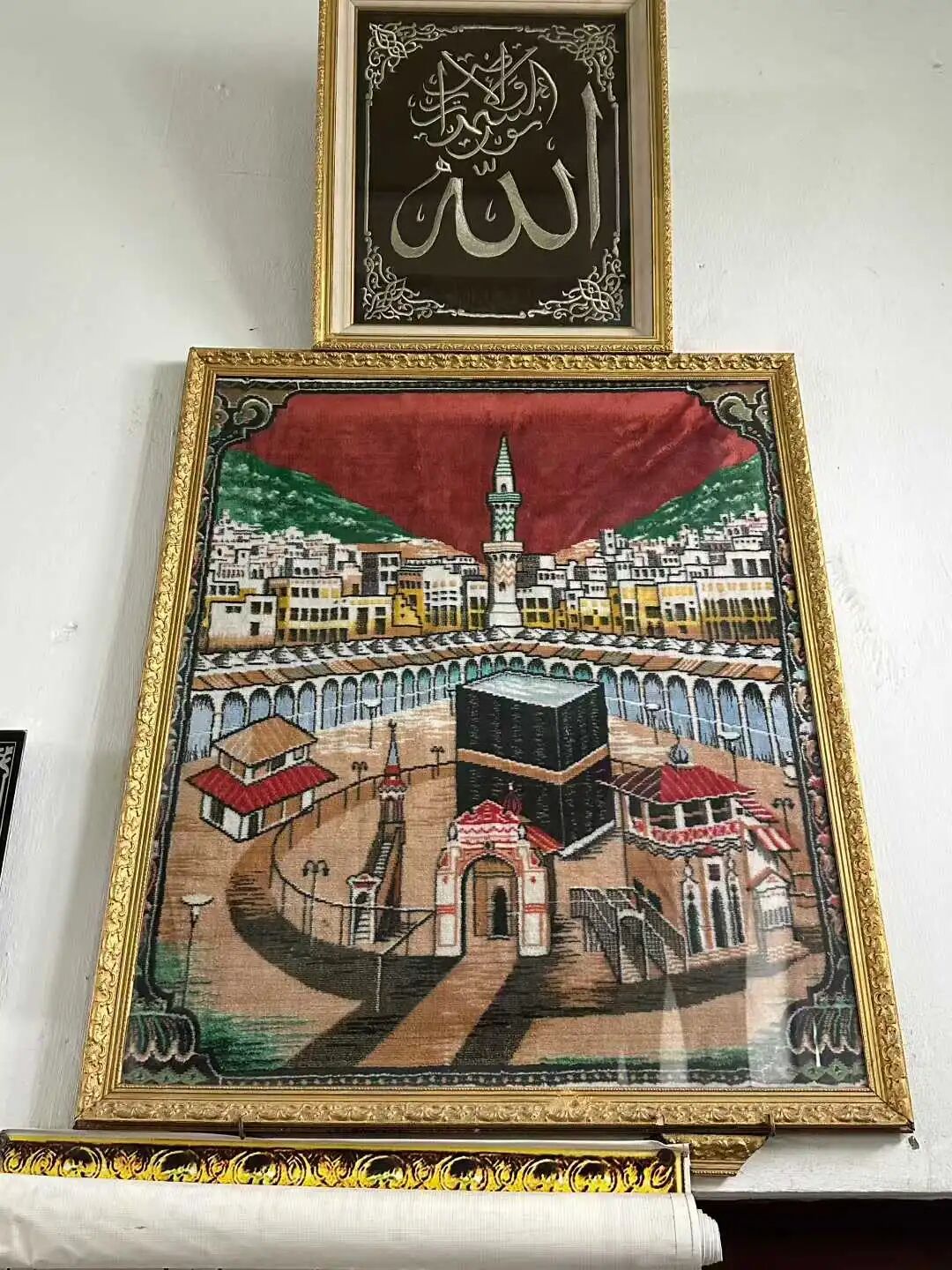
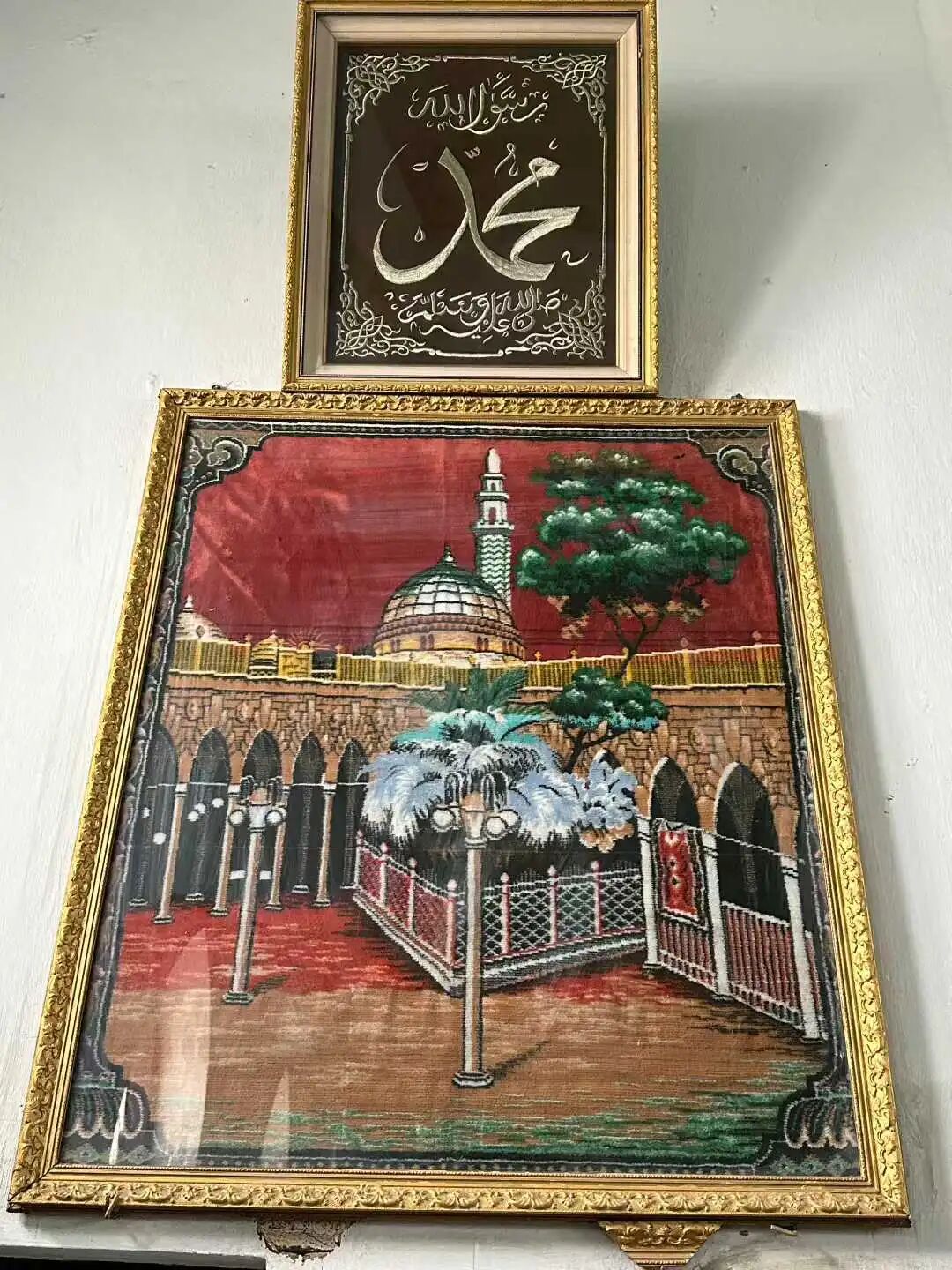
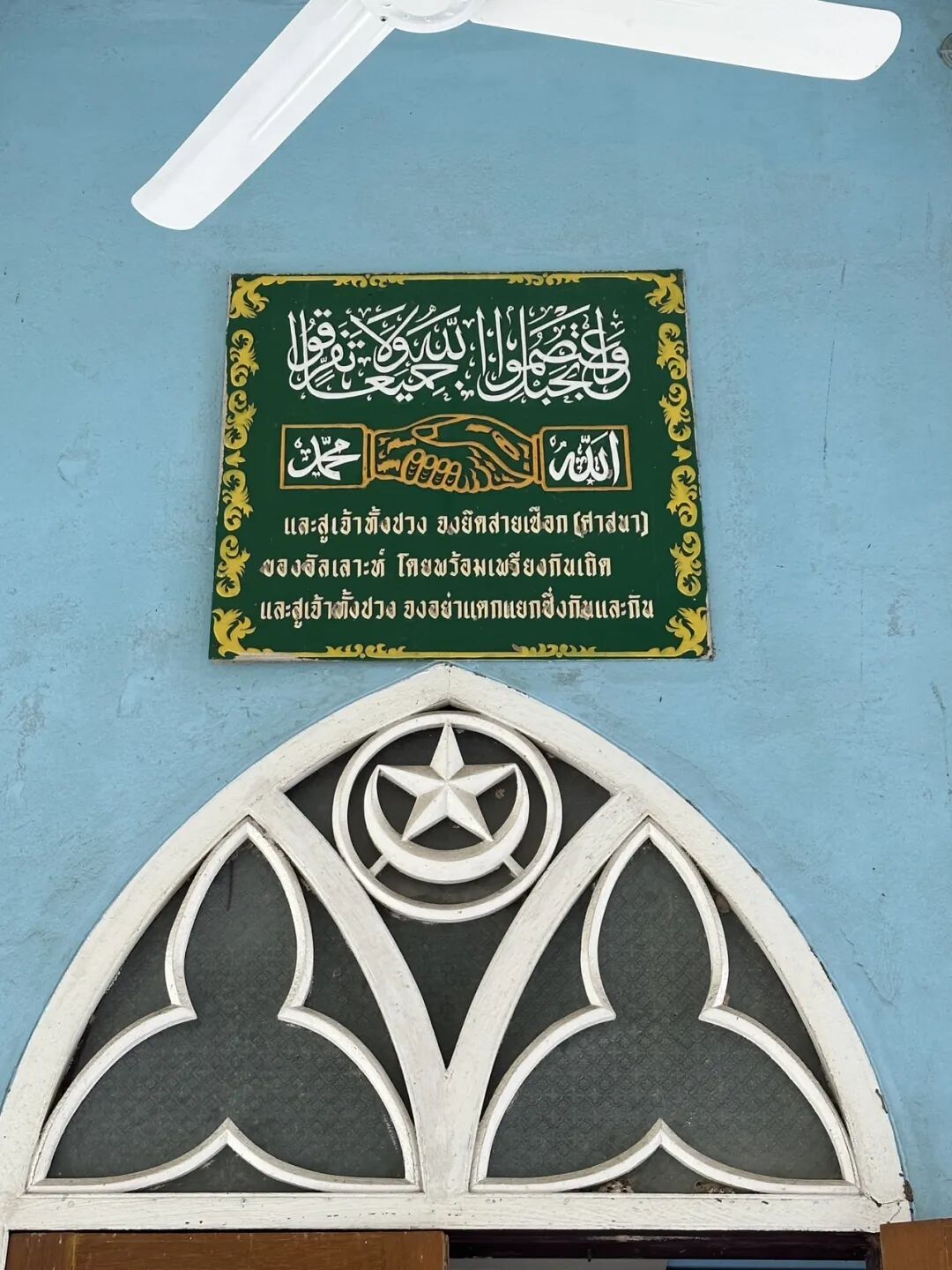
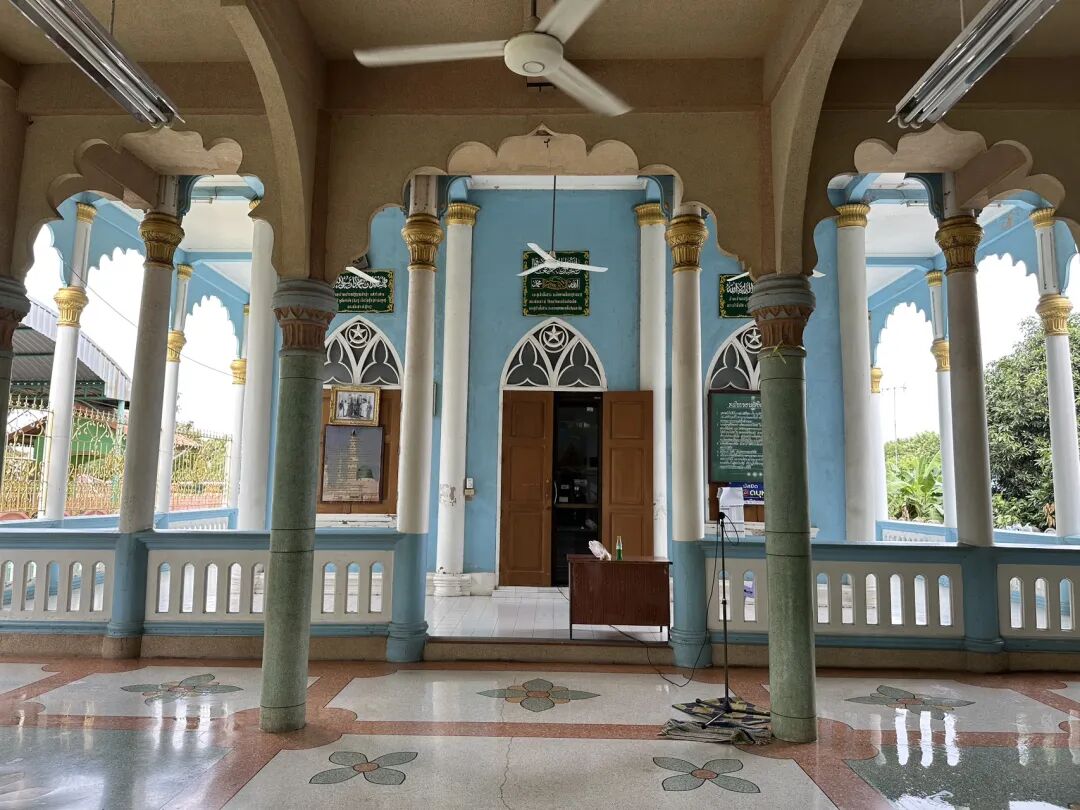
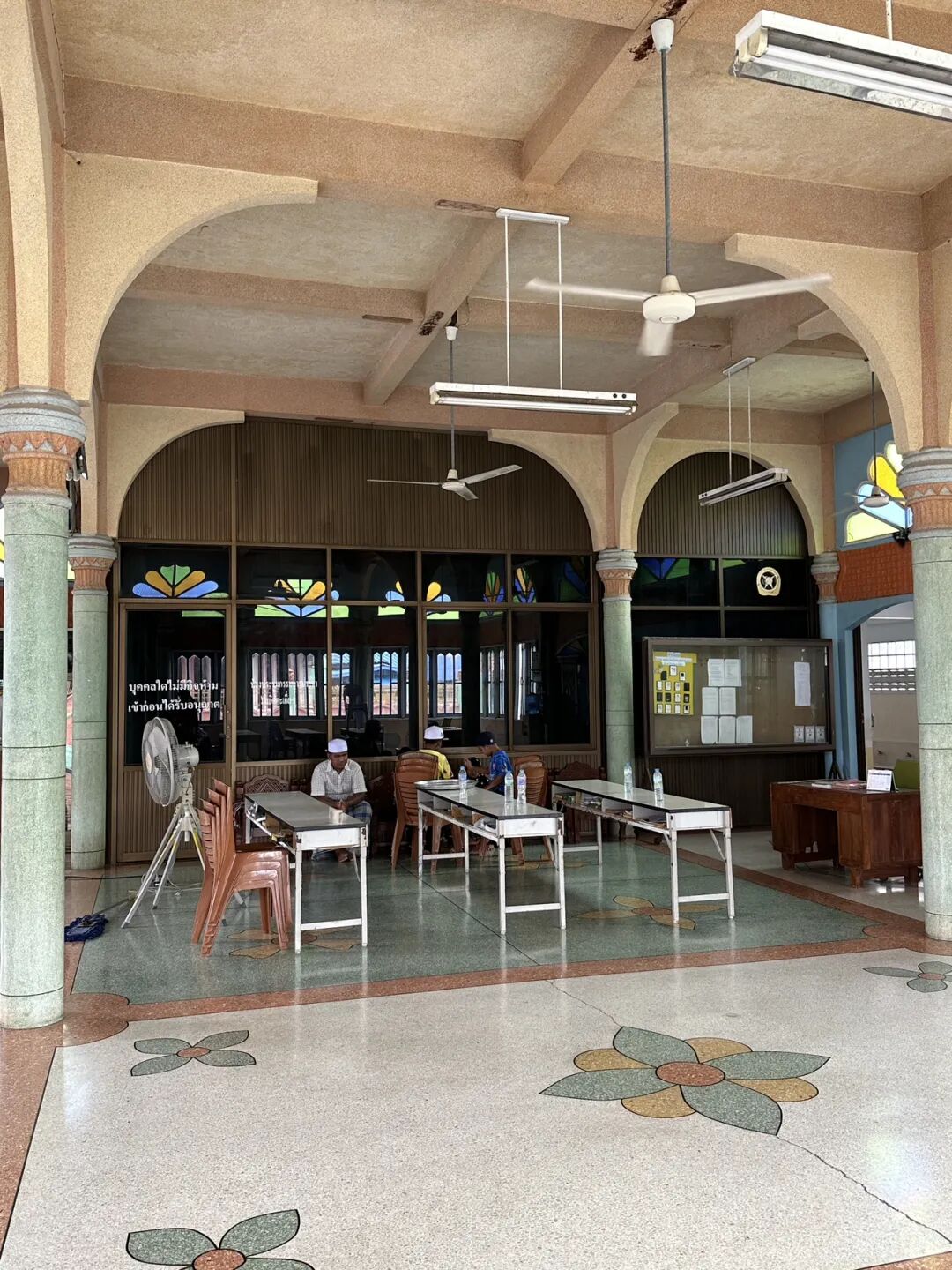
Masjid Takia Yokin is right next to the Tok Takia shrine. It was rebuilt from the original mosque in the mid-16th century after the Buddhist abbot Diwan Chao was guided by the Sufi Sheikh. The mosque still has a traditional Thai-style imam's prayer pavilion and a pulpit (minbar) that are beautifully crafted.
The rise of Islam in Ayutthaya during the 16th century had a lot to do with the trade environment at the time.
In the 15th century, Arab, Persian, and Indian merchants sailing east with the Indian Ocean monsoon winds preferred the powerful Malacca Sultanate as a trade hub. However, after the Portuguese conquered Malacca in 1511, trade was heavily restricted. Many Arab, Persian, and Indian merchants began to move to the Siamese capital of Ayutthaya to do business, and Siam welcomed them. At that time, a large number of merchant ships gathered on the banks of the Chao Phraya River south of Ayutthaya. These merchants anchored their ships outside the city and then transported goods into the city to sell. The riverbank where the Tok Takia shrine is located was an important anchorage at the time, and it later developed into an important Muslim community.
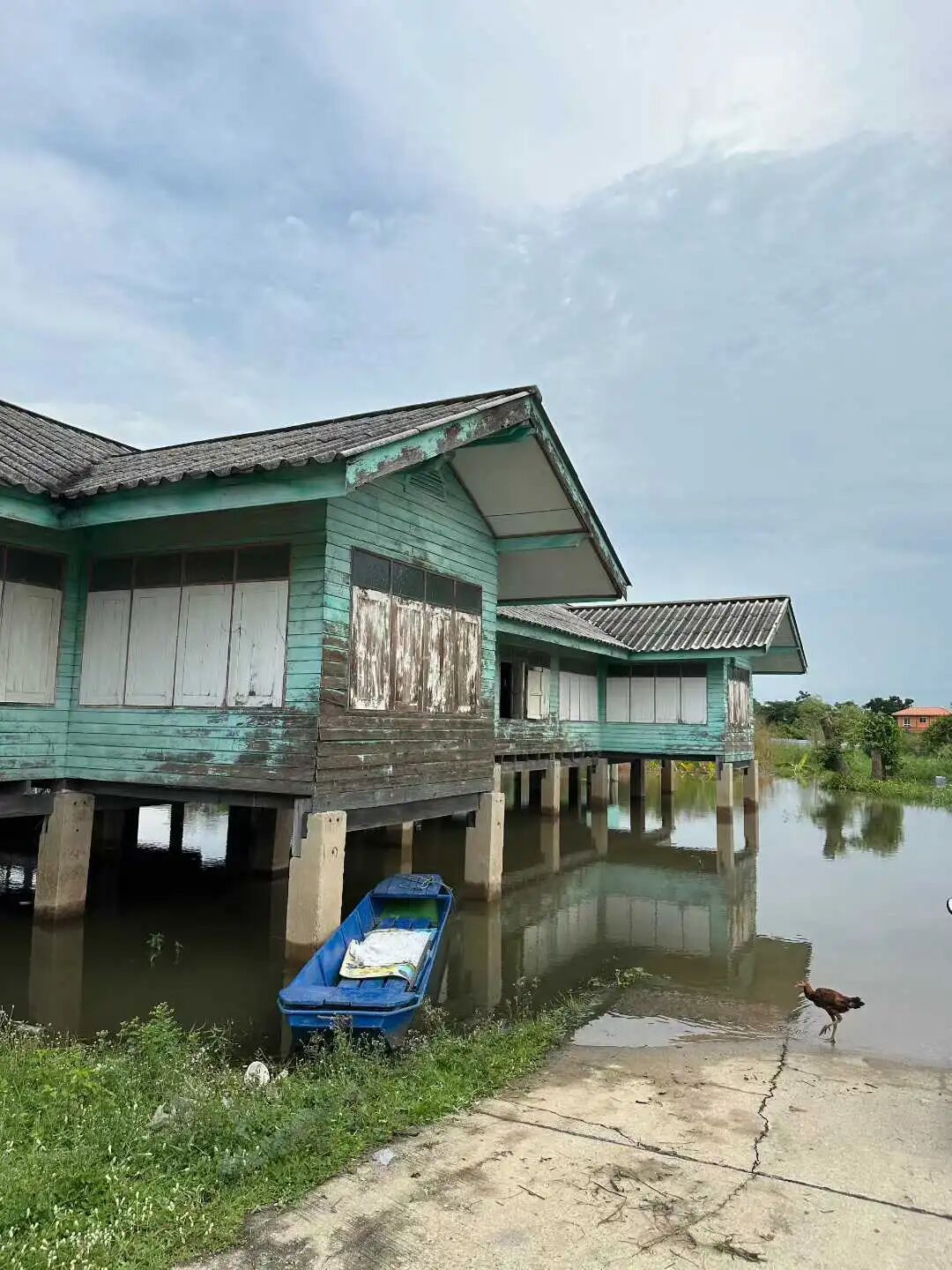
However, after the Burmese army burned Ayutthaya in 1767, it was no longer the capital, and the Tok Takia shrine pier was no longer busy. When we visited, it had become a chicken farm. The free-range local chickens must taste very good.
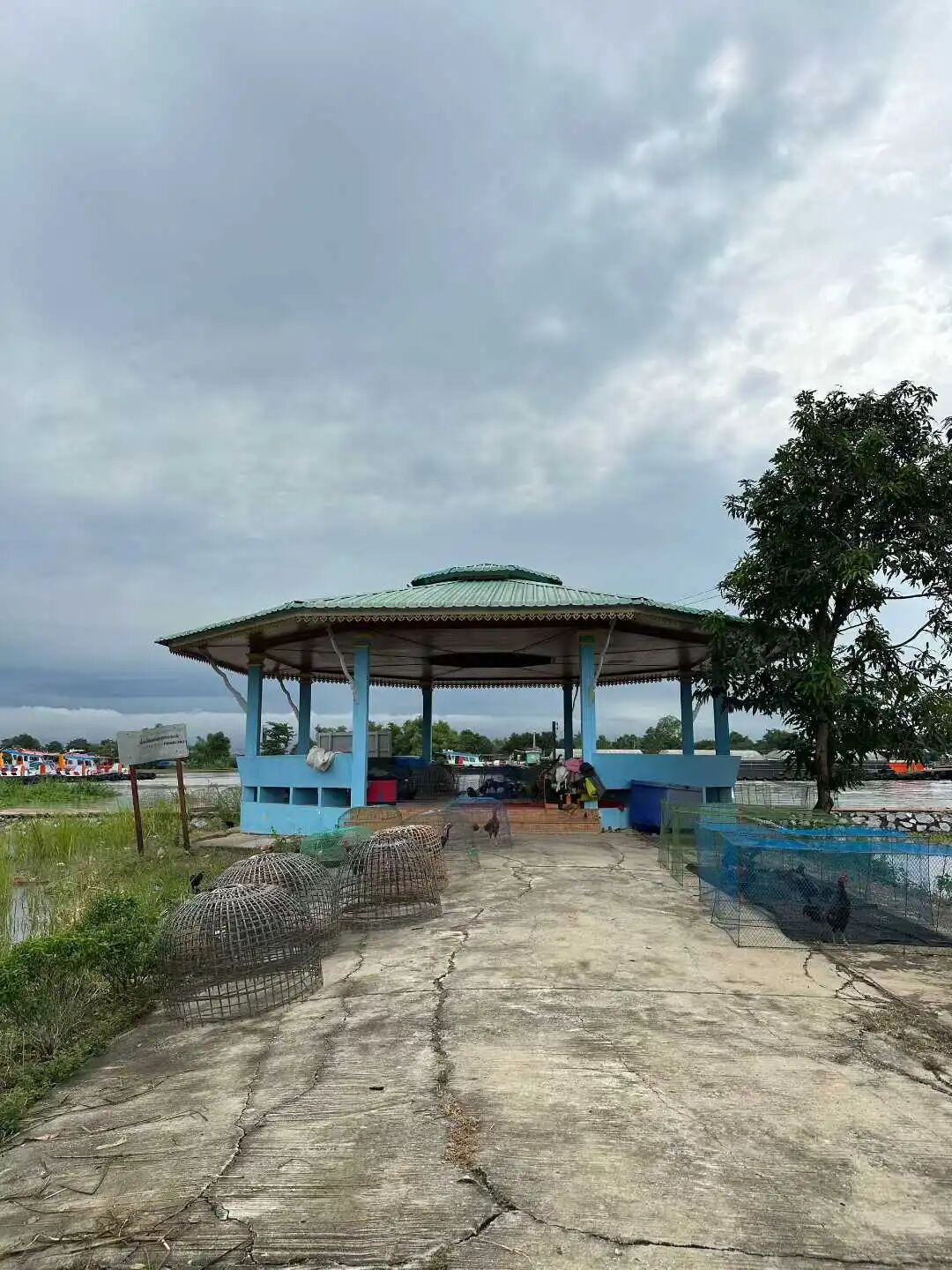
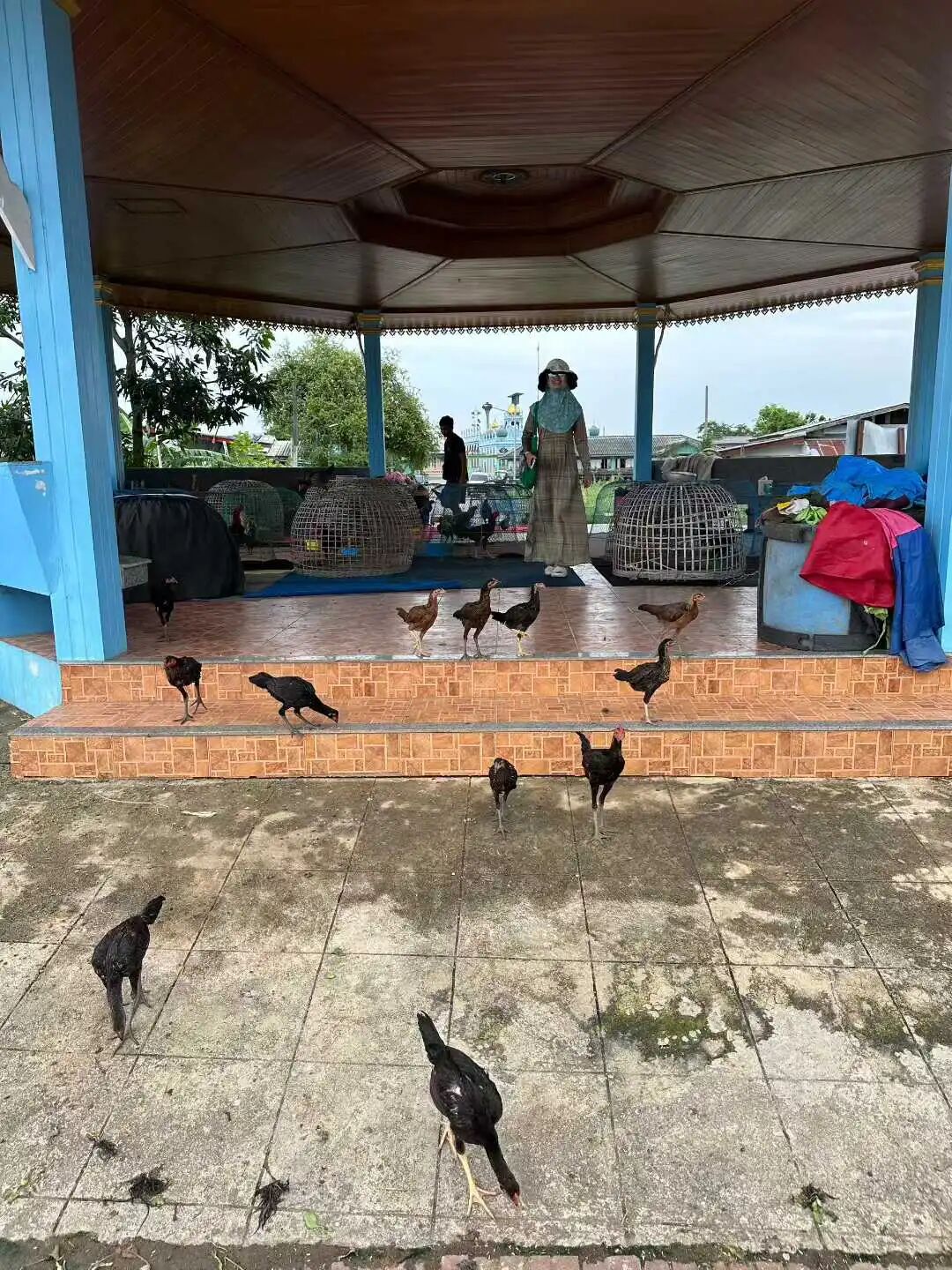
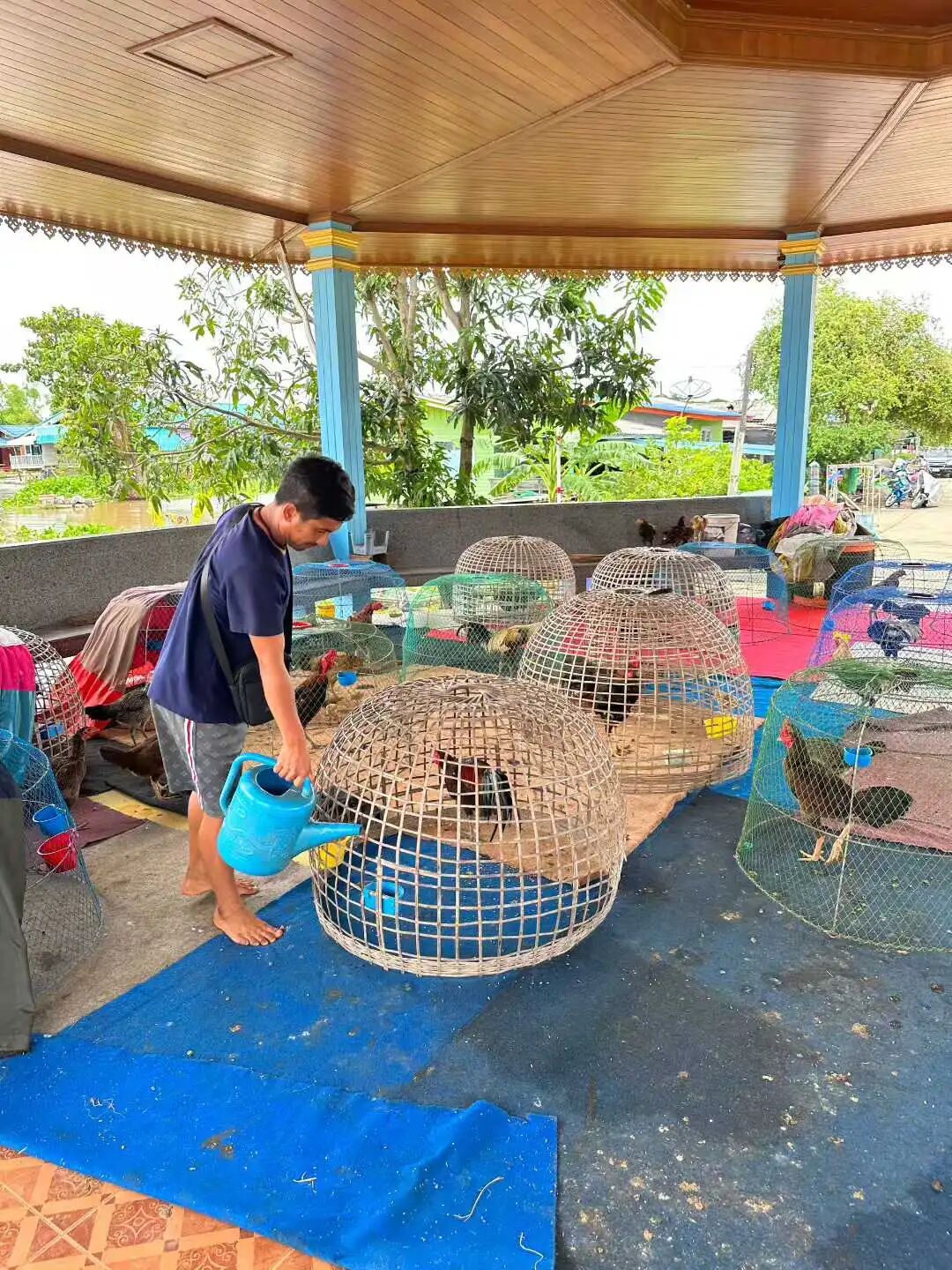
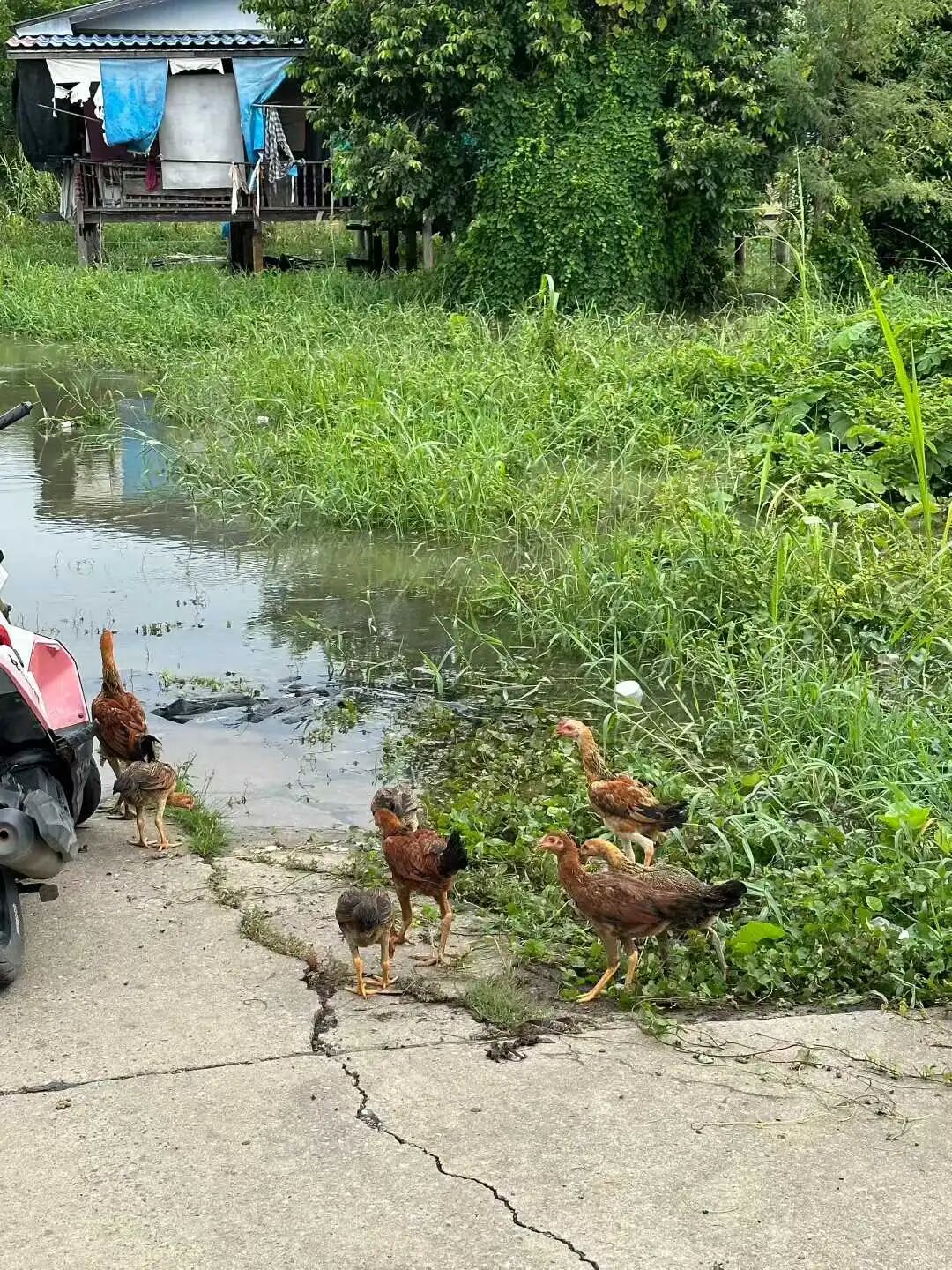
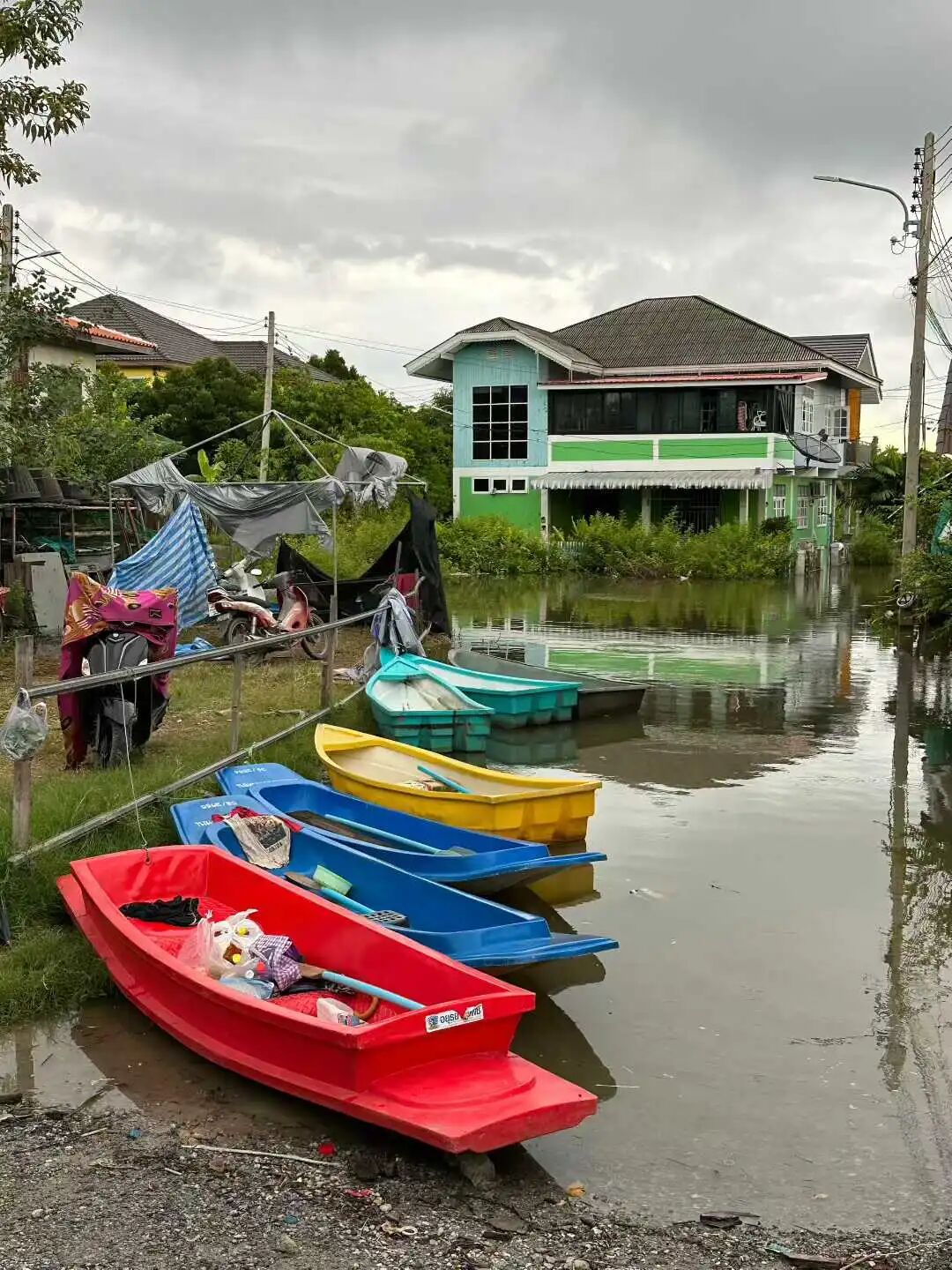
Three hundred years after Sheikh Tok Takia came to Thailand in the mid-16th century to spread the Qadiriyya Sufi order, the Sufi Sheikh Muhammad Ali Shukri, who is honored as a Wali, revived the Qadiriyya order in Thailand in the 19th century. He helped the order spread from Ayutthaya to Bangkok and Pattaya.
Sheikh Shukri was born in Ayutthaya in 1848 and was of Malay descent. He came from a farming family and spent his childhood herding sheep. At age 7, he was able to travel to Mecca, where he studied for 40 years. He reportedly studied in Mecca under Sheikh Abd al-Karim, who was a successor to the famous Indonesian Sheikh Ahmad Khatib as-Sambasi. Sheikh Ahmad combined the Qadiriyya and Naqshbandiyya orders, which played a major role in the development of the faith in Indonesia.
After finishing his studies and returning to Thailand, Sheikh Shukri began to promote the revival of the Thai Qadiriyya order. He preached in Ayutthaya and eastern Bangkok. Many people began to follow the Sheikh, and some stories about his preaching are still told today. People say many young people were addicted to opium at the time, including some of the Sheikh's own students. The Sheikh took his students on a boat past an opium den and asked a student how many pipes he smoked a day. The student said, "About three." The Sheikh then said, "Then only smoke one today." After that, the Sheikh gradually reduced the frequency of his students' smoking, from once a day to once a week, then once every two weeks, eventually helping them break their opium addiction.
In 1931, Sheikh Shukri passed away in Ayutthaya and was buried next to the Aliyid Daroun Mosque (Masjid Aliyid Daroun) on the banks of the Chao Phraya River, west of Ayutthaya city. This site also became the second largest Qadiriyya gongbei in Thailand, following the Tok Takia gongbei.
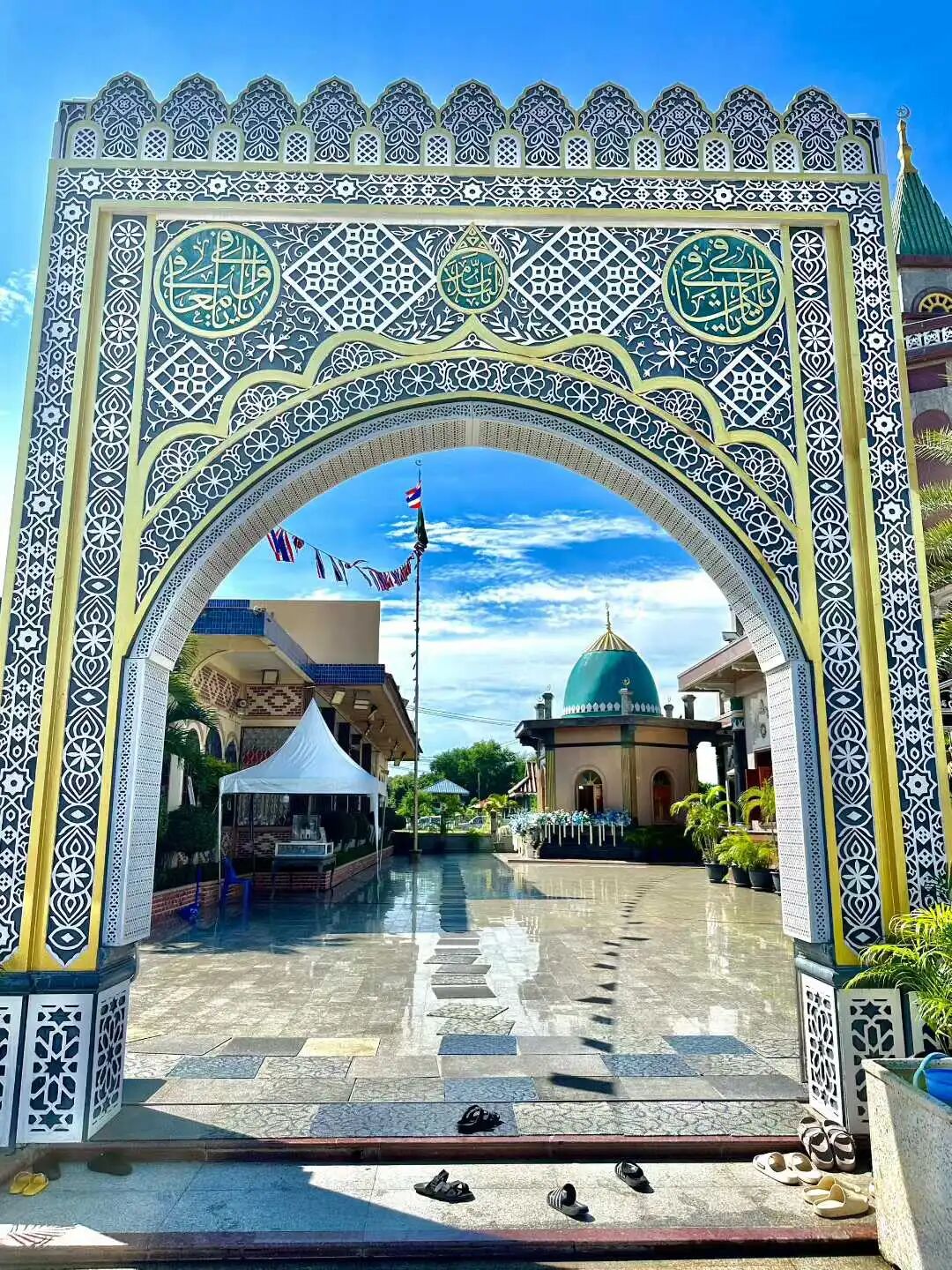
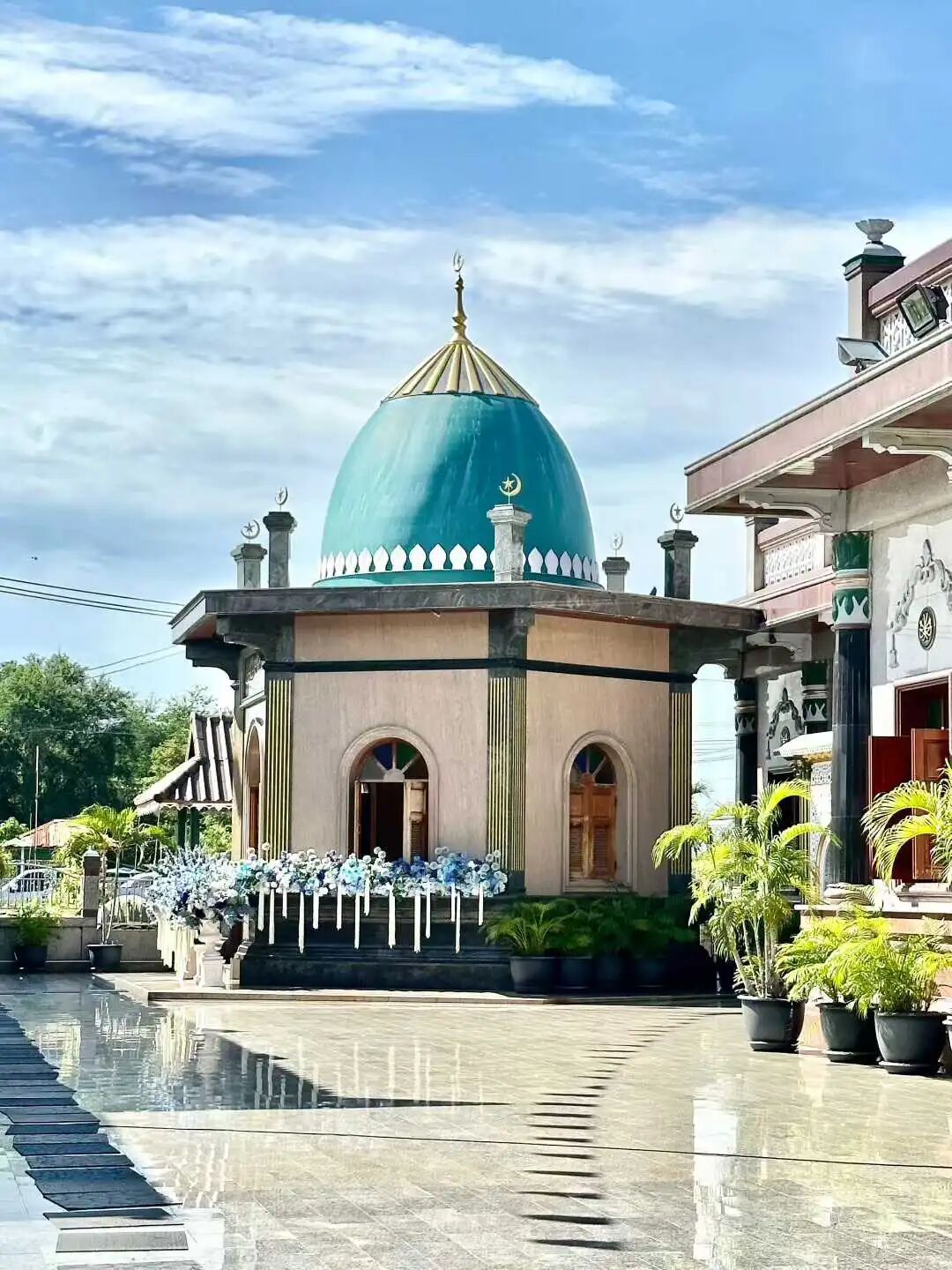
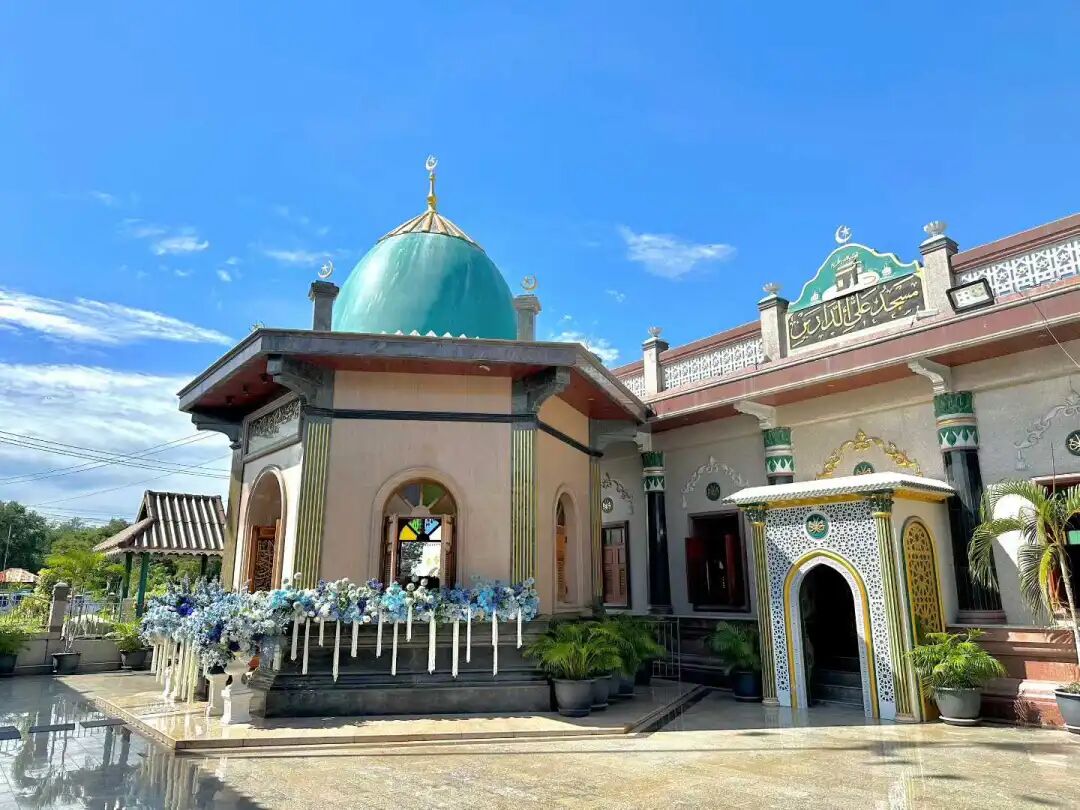
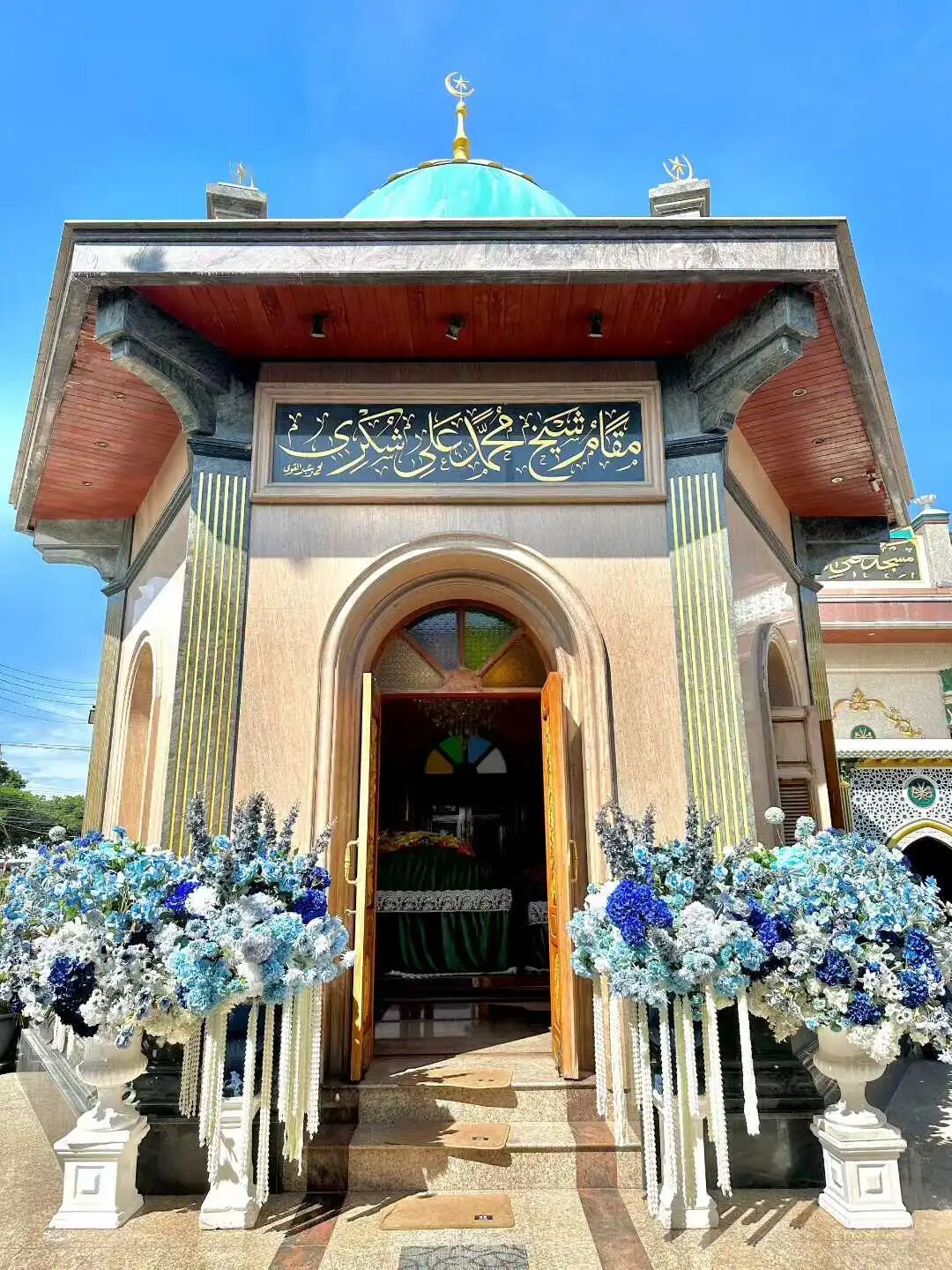
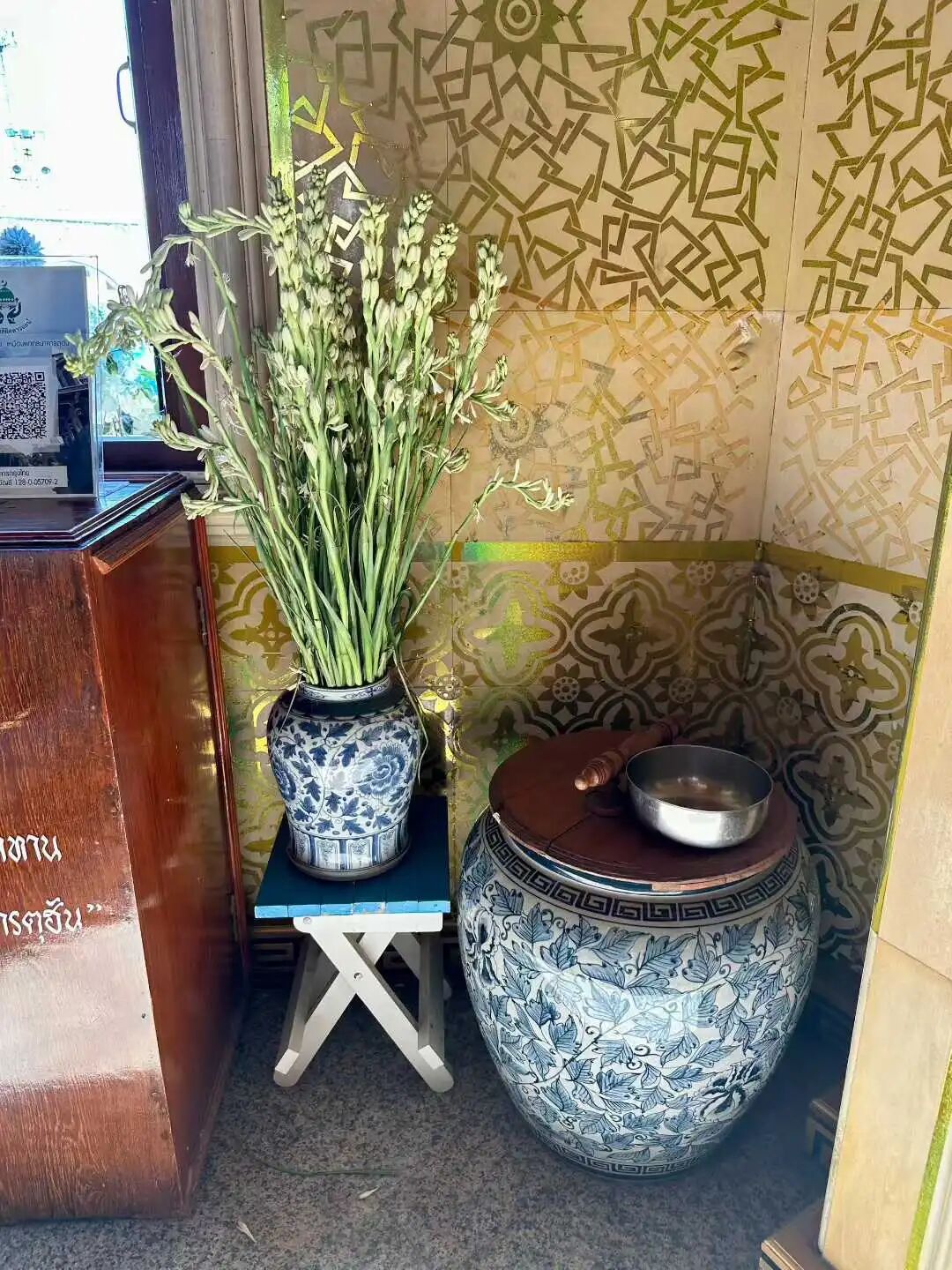
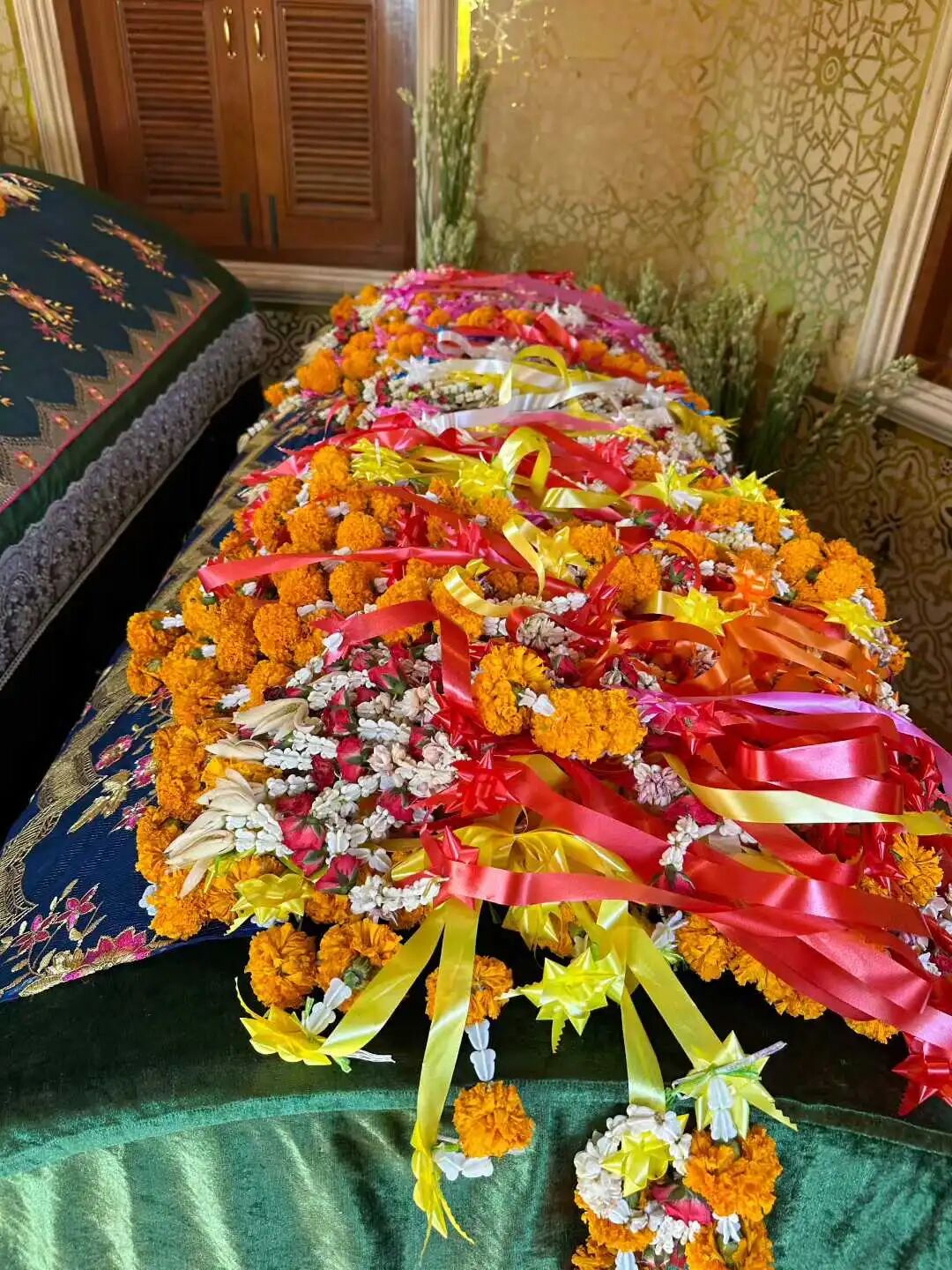
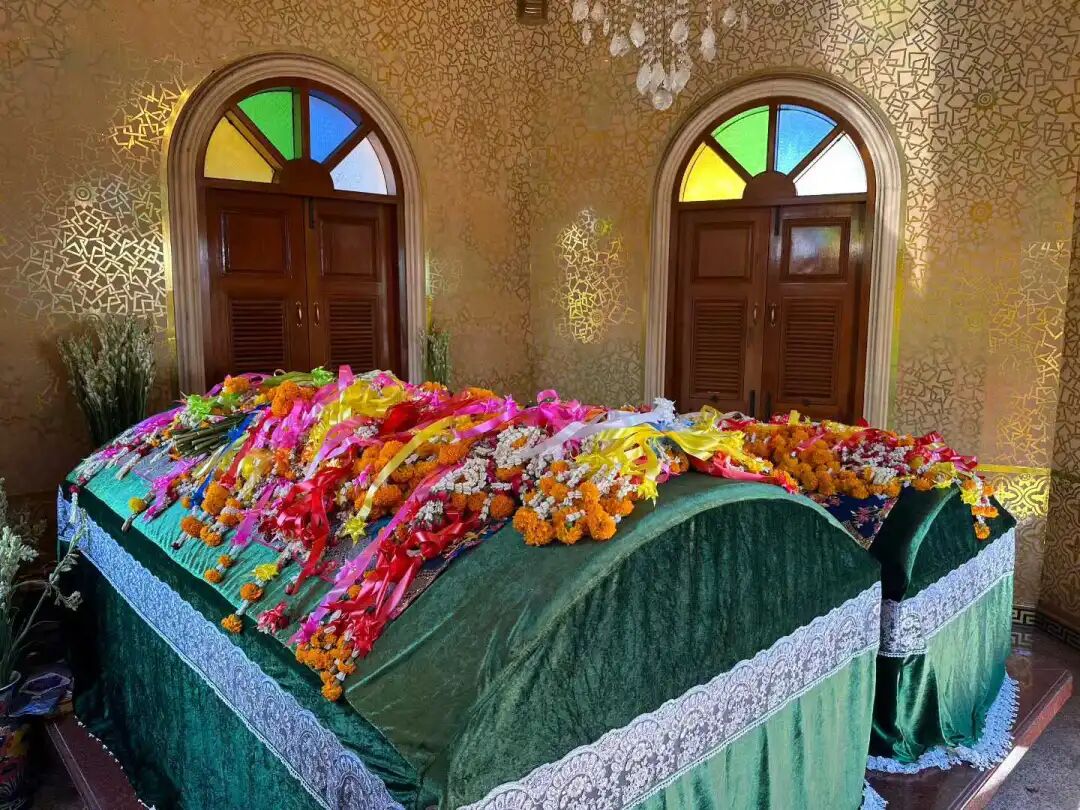
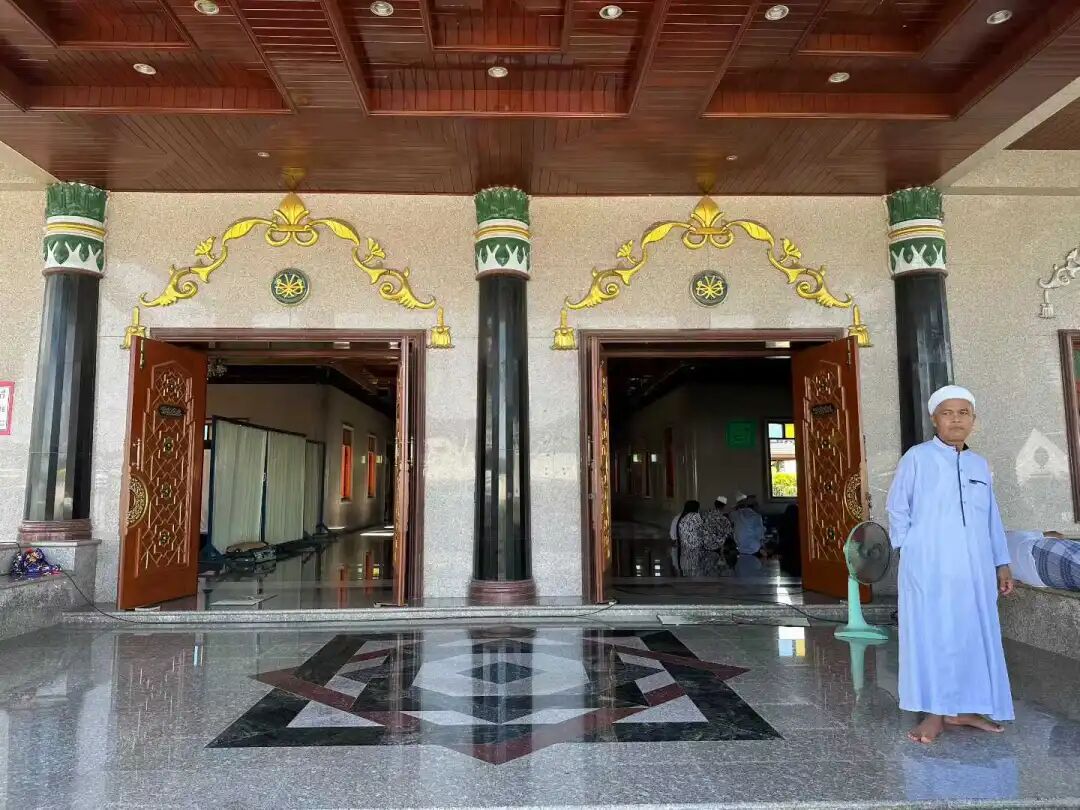
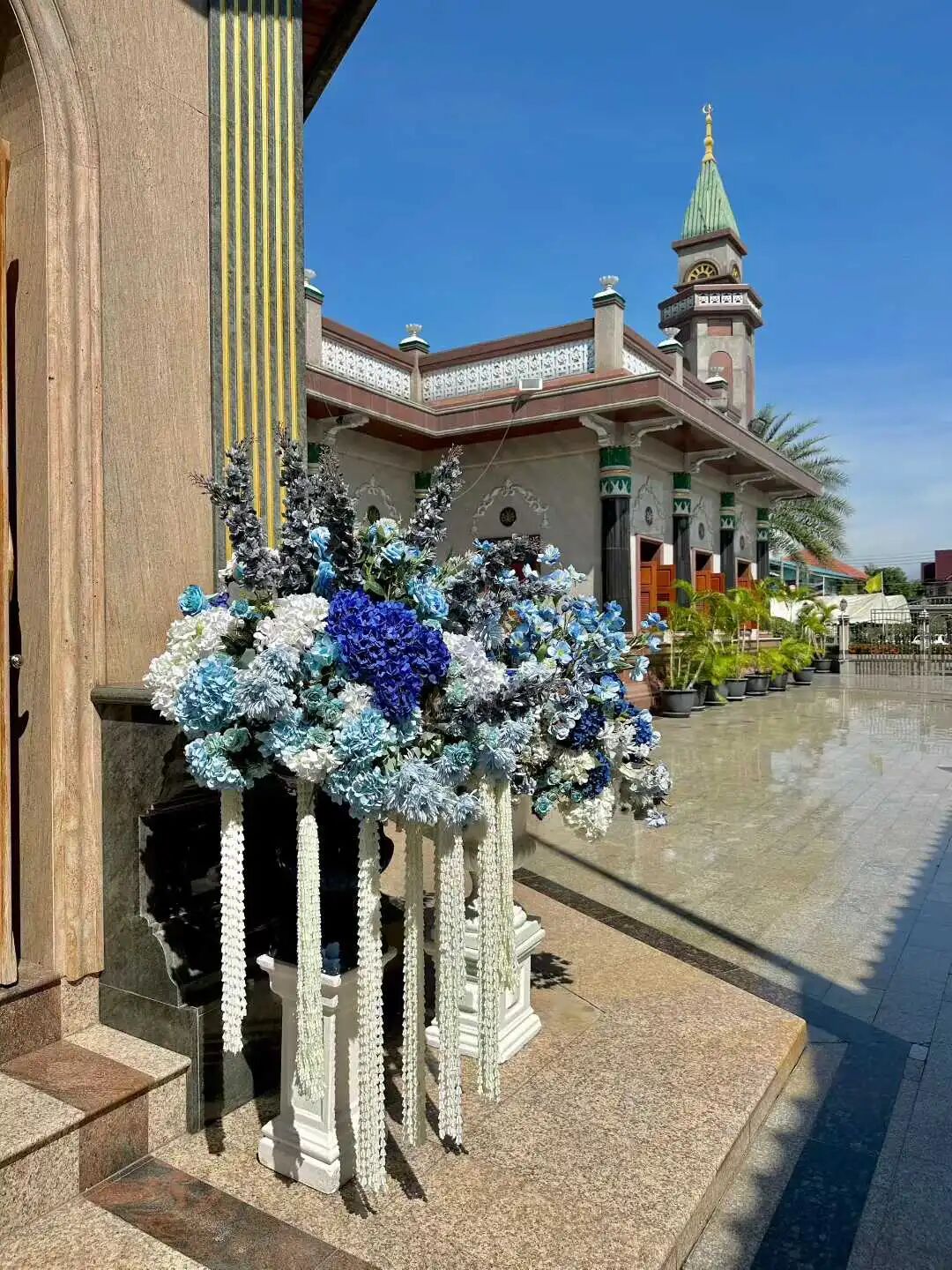
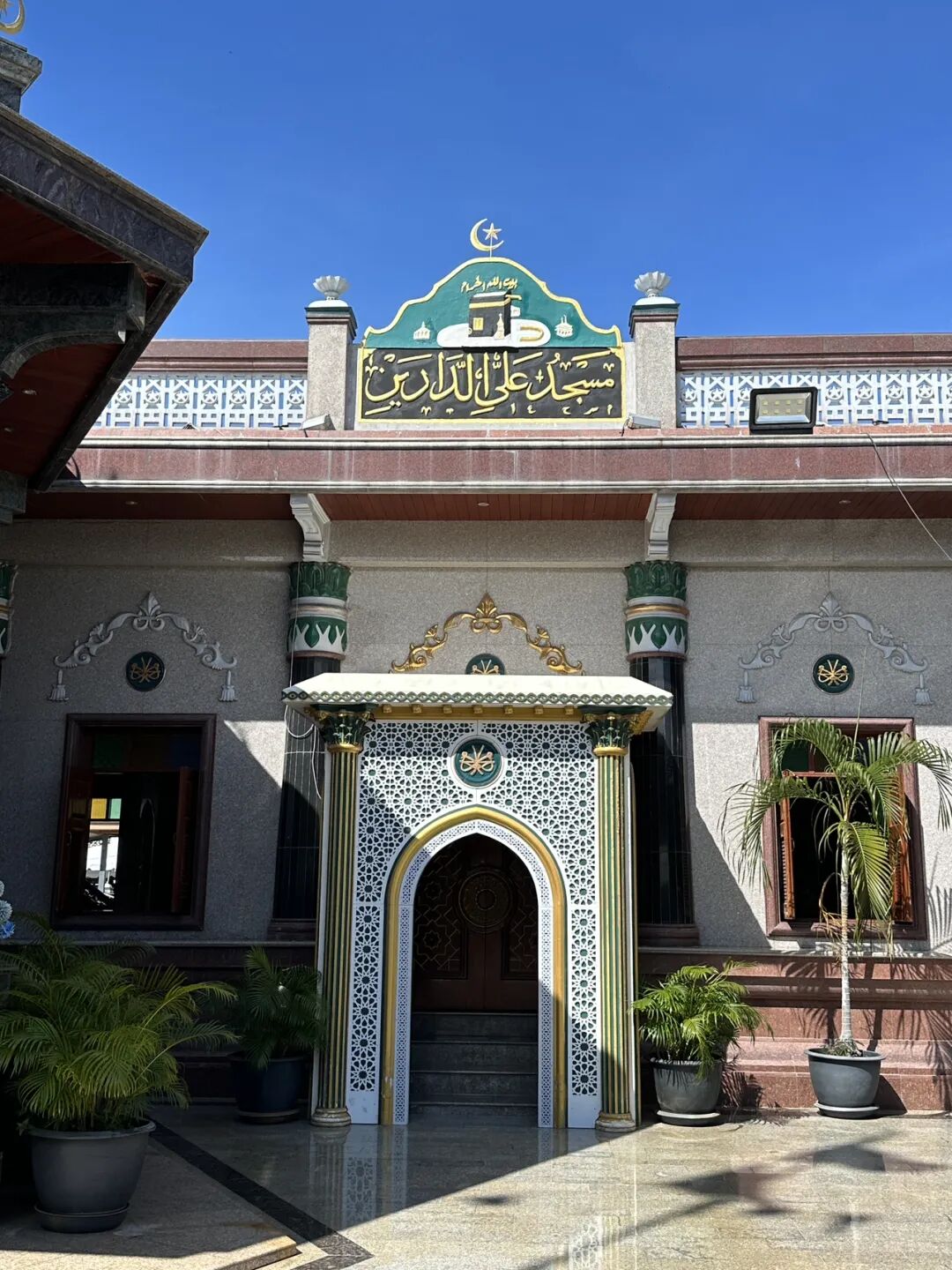
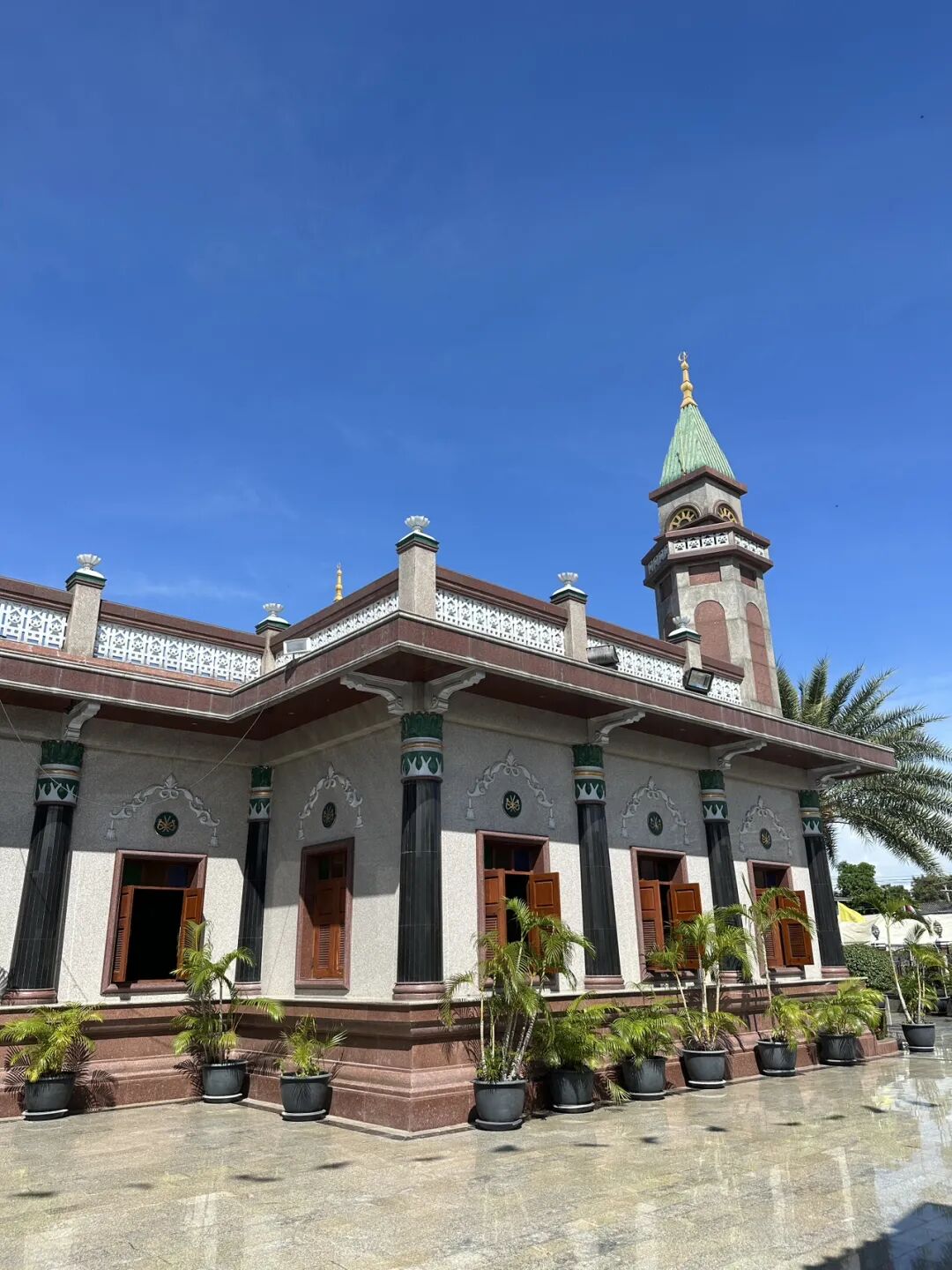
Although we missed the religious gathering (a'mali), we unexpectedly caught a charity event (shesan) for flood victims. We were able to see how the Thai Sufi order performs their religious feast (nieti xi) and tasted the beef rice noodles served at the mosque.
Central and Southern Thailand are influenced by the Malay people, so most religious practices follow the Shafi'i school, and there are relatively few Sufi activities. This was my first time experiencing the warmth of Thai Sufi elders in Ayutthaya. I saw them using boat oars to stir a giant pot of rice for the first time, and I also saw the process of making coconut rice, which is very similar to how the Hui Muslims in Huihui Village, Sanya, set their tables. Because we arrived early and the meal hadn't started yet, the elders here very warmly arranged for us to eat rice noodles first. The beef rice noodles with soup poured over them were delicious. I was also surprised to meet several elders who could speak English and Chinese.
Since we had to rush to Bangkok that evening, we didn't stay at the shrine (gongbei) for long. If any friends (dost) are traveling to Ayutthaya, Thailand, I highly recommend visiting this shrine (gongbei). It is a rare opportunity to see this side of Thai Sufism.
Halal Travel Guide: Ayutthaya - Halal Farm Stay, Gongbei and Muslim Food
Articles • ali2007fr posted the article • 0 comments • 226 views • 2026-05-20 23:51
Summary: Ayutthaya offers halal resorts, Muslim-run restaurants, old mosque communities, and a gongbei gathering connected to local Sufi practice. This travel account keeps the original route, food, lodging, religious terms, and community details in one long English article.
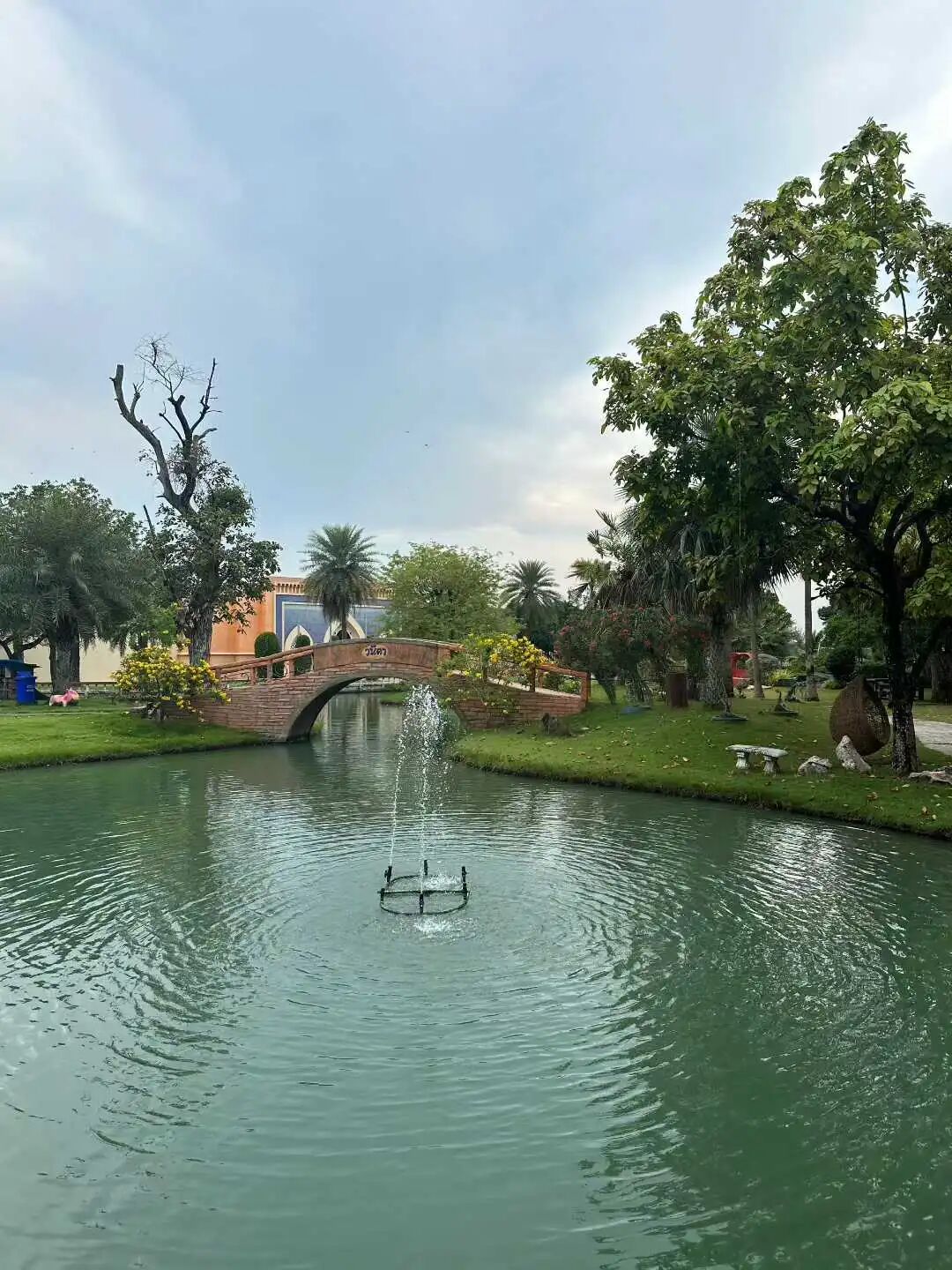
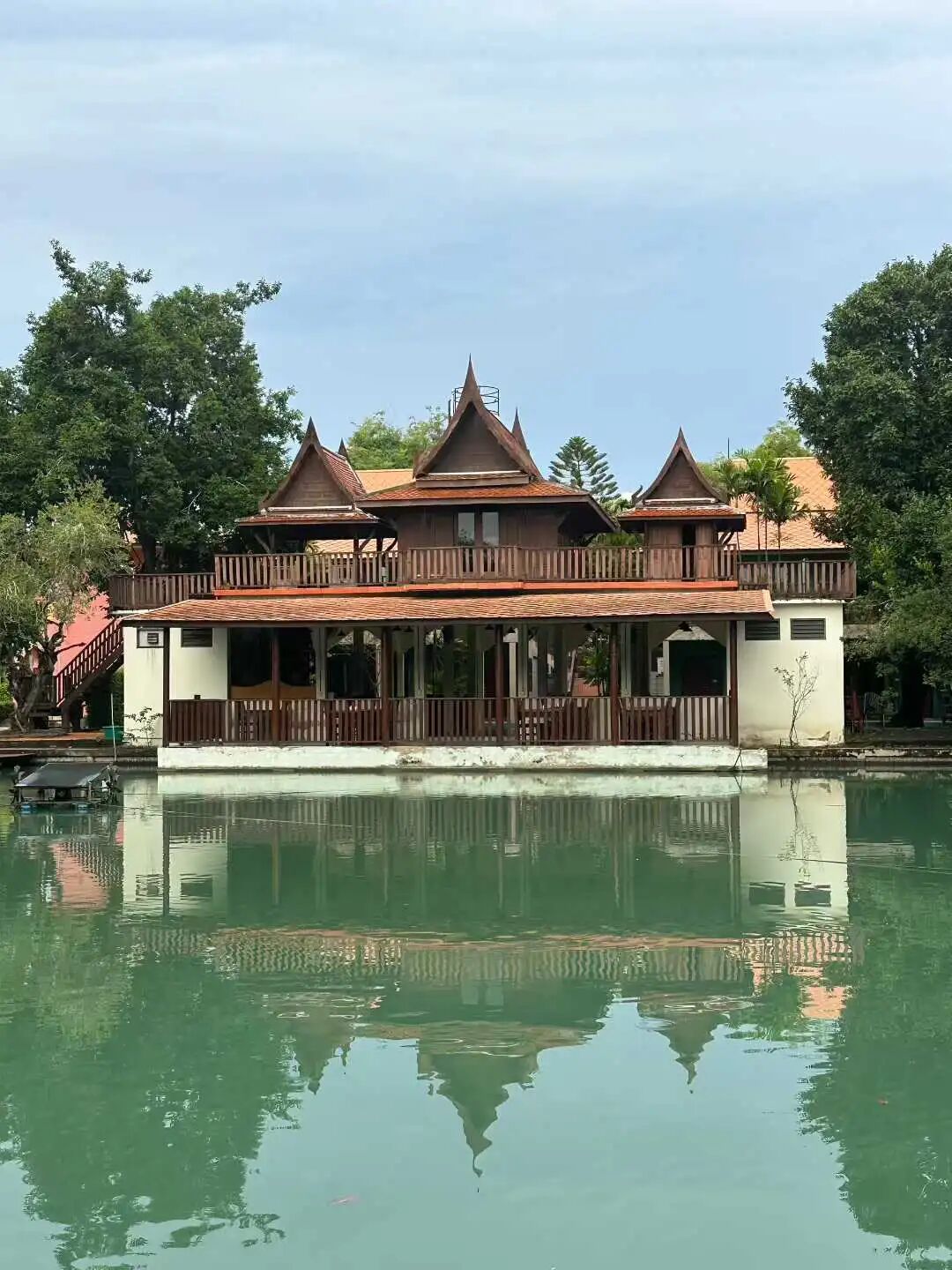
We stayed at a halal resort called Vanida in Ayutthaya, Thailand. The resort is on a main road west of the historic city center and has beautiful scenery. It takes a bit longer to get a Grab here than in the city center, but we were always able to get one. If you take a Grab directly from Don Mueang Airport, it only takes a little over an hour.
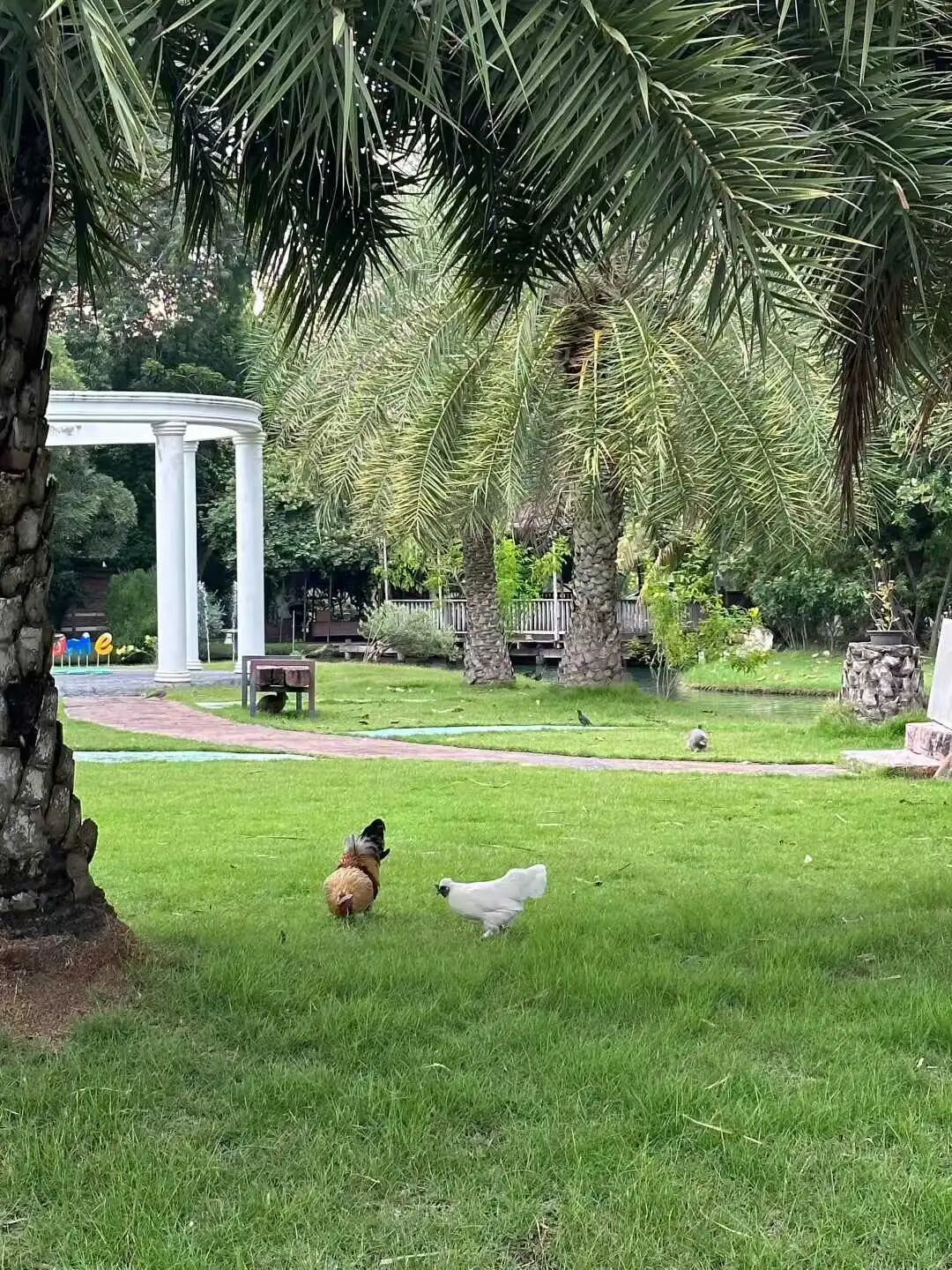
We stayed in a townhouse-style villa with a lake and garden right outside our door. Besides breakfast, there is a formal restaurant in the courtyard, and the prayer hall is right across from it, which is very convenient.
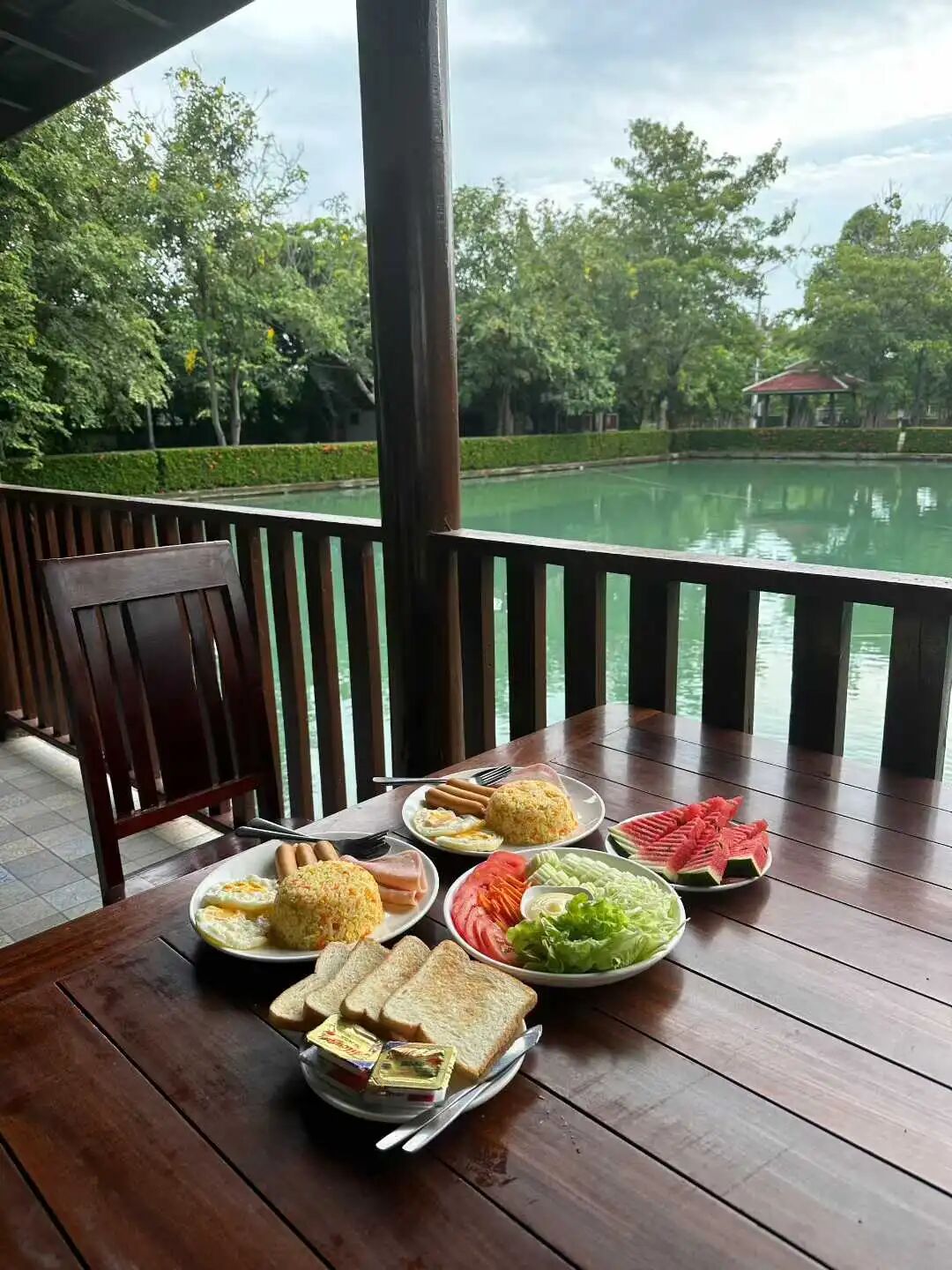
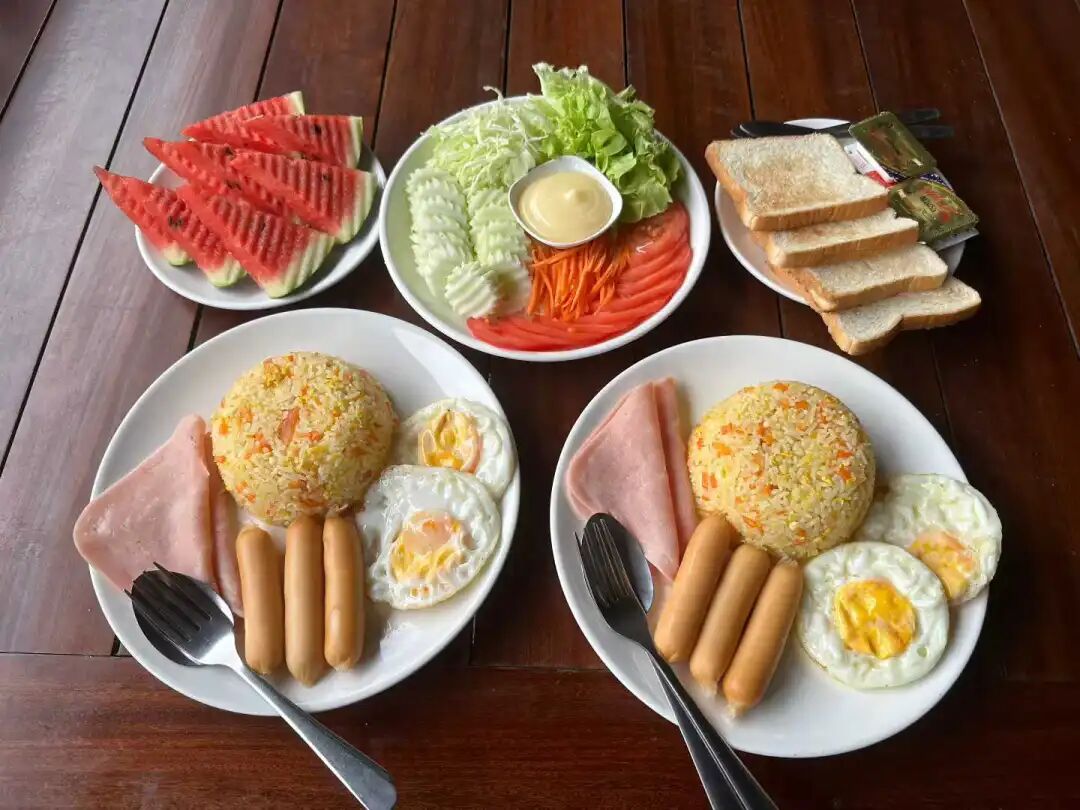
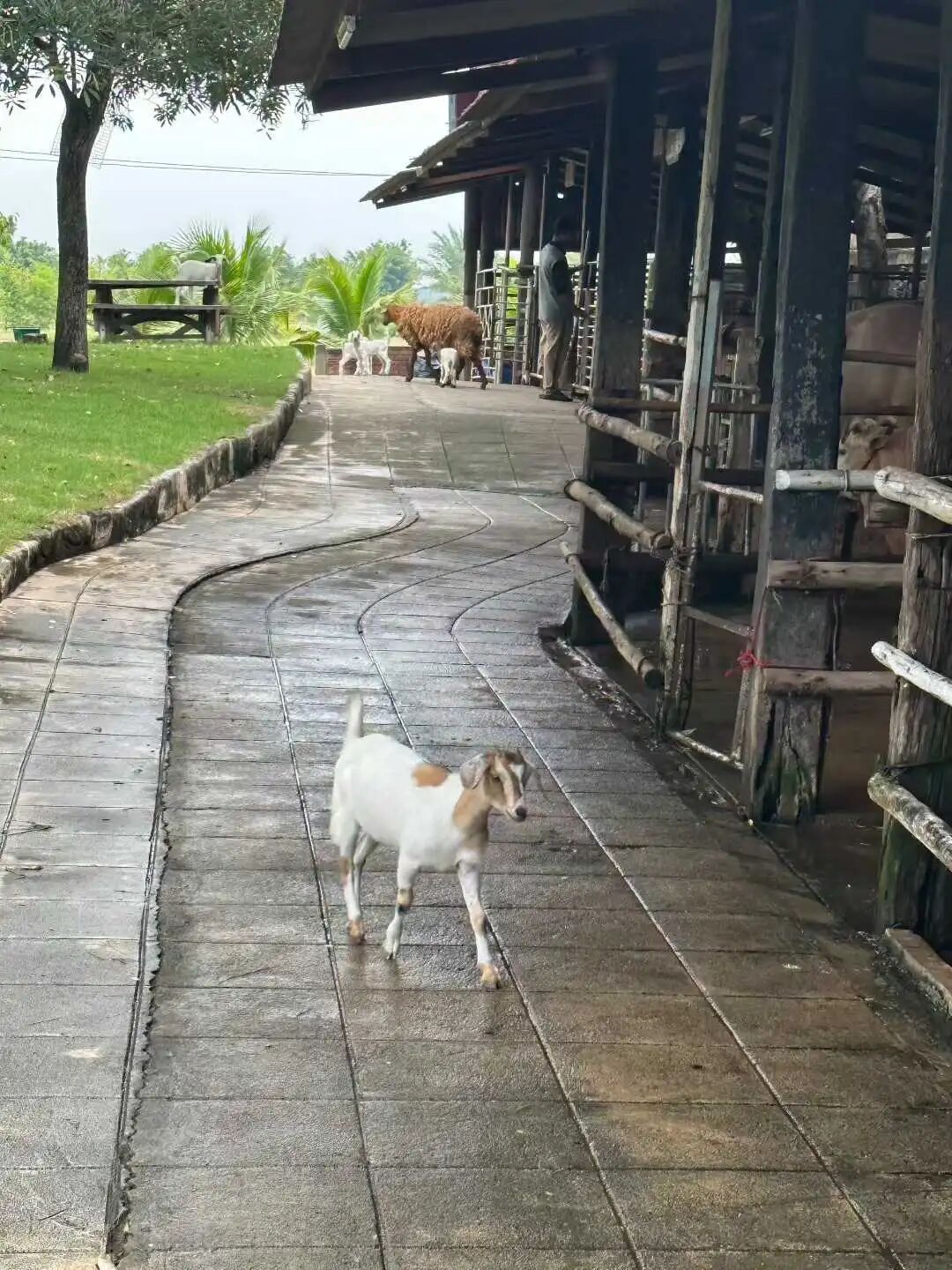
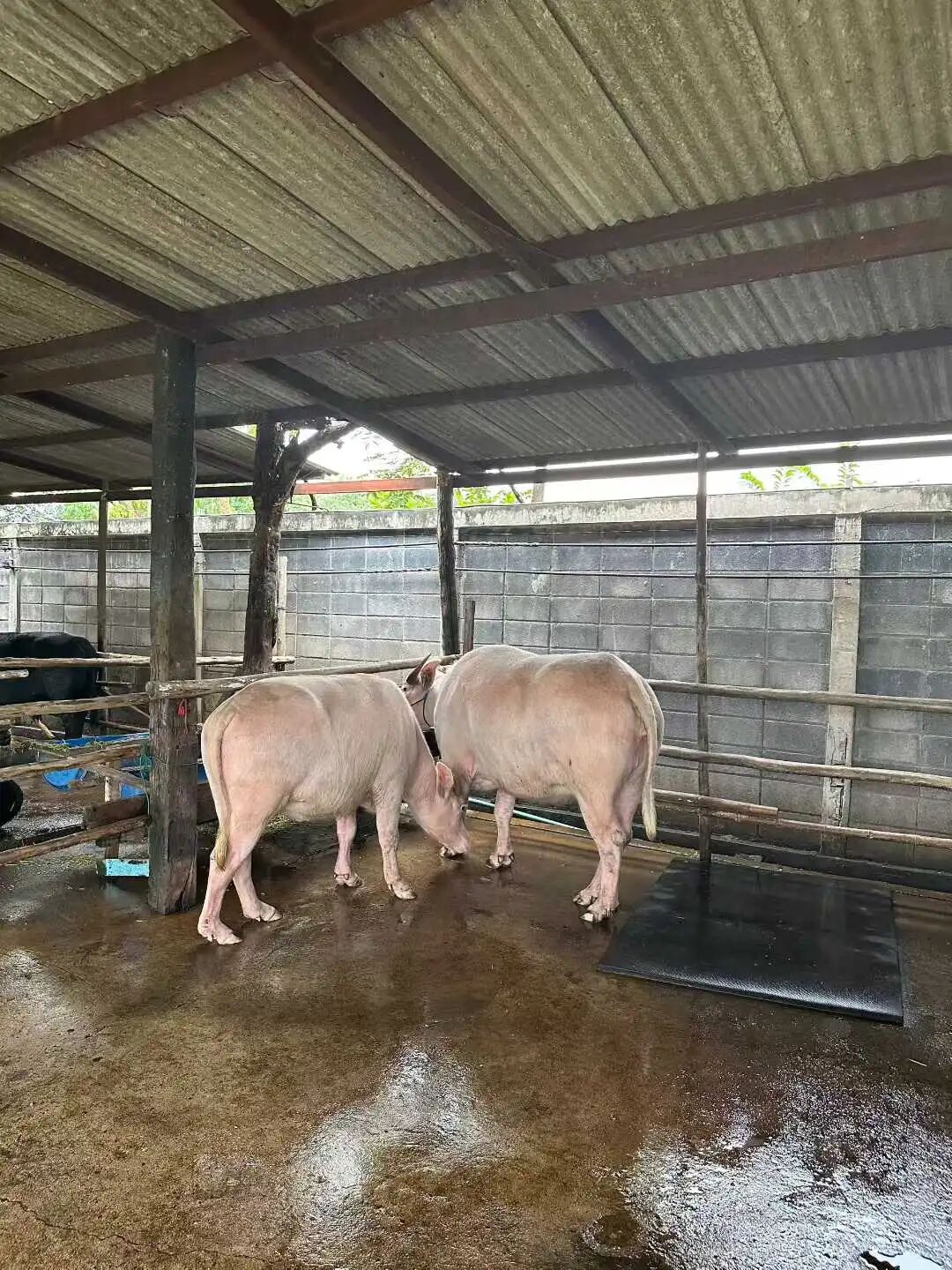
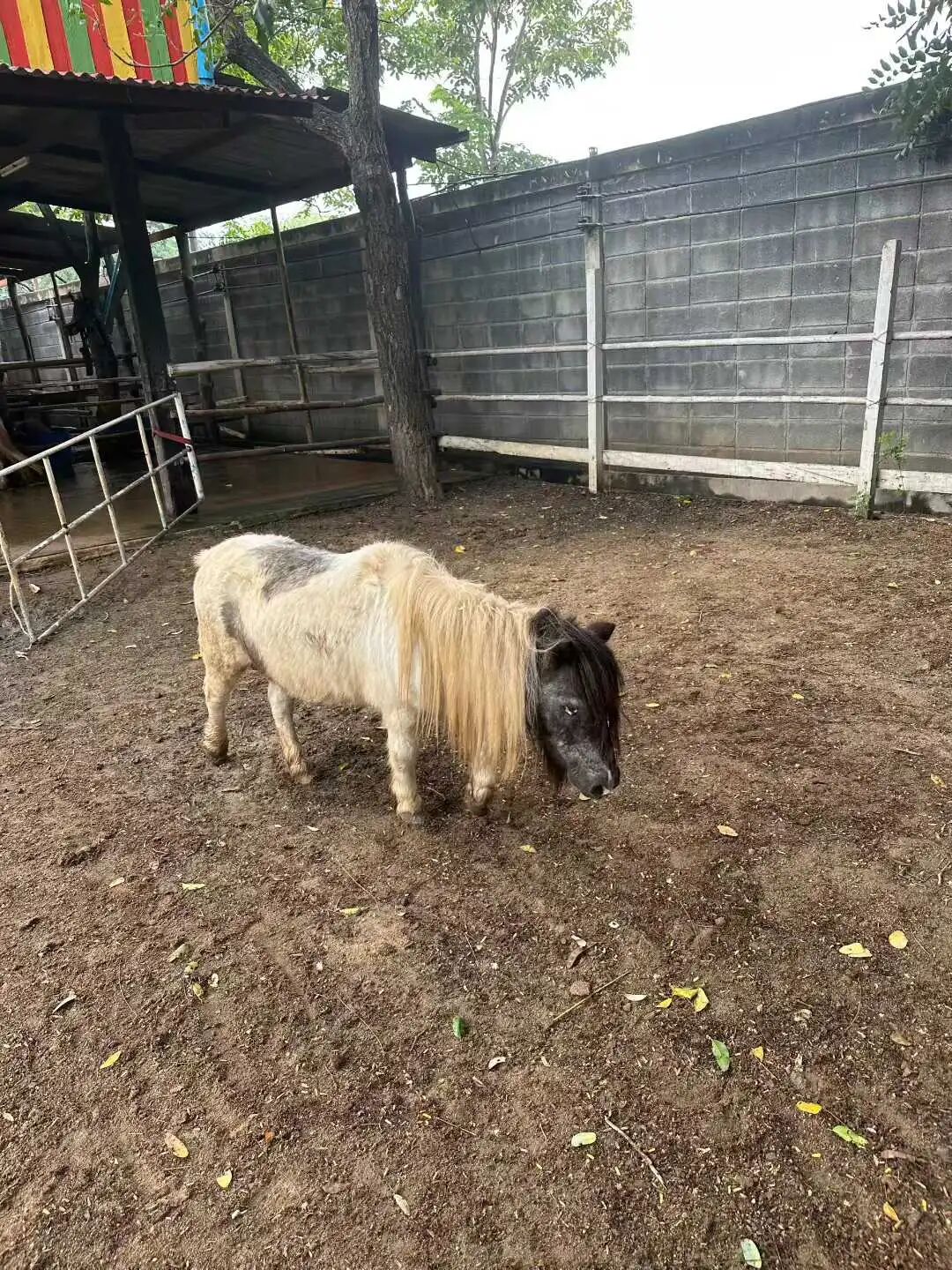
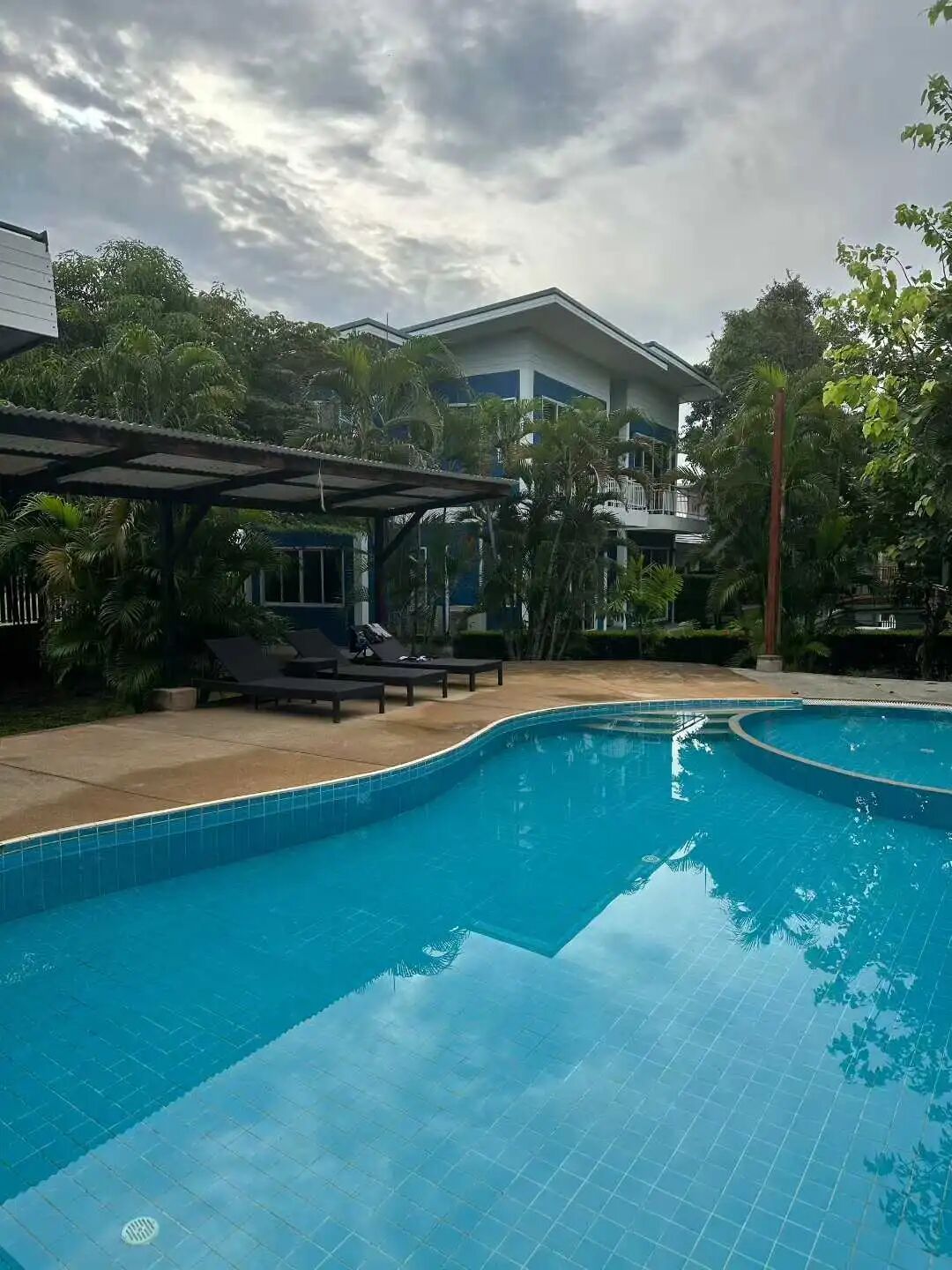
Because it was the off-season and there were few tourists, the resort didn't serve a buffet. Instead, they prepared egg fried rice, fried eggs, sausages, various vegetables, bread, and watermelon for us. Eating by the lake was very relaxing. They keep miniature horses, cows, sheep, chickens, and rabbits in the yard, which children would probably love. There is also a children's pool in the yard where kids can swim.
The west and south sides of the Ayutthaya World Heritage historic city are surrounded by the Chao Phraya River. The area along the river in the south is mainly a residential area for the Cham people, and there are many halal restaurants there.
We had dinner on our first night at Kruta Steak on the north bank of the river. We found online that they had beautiful riverside seating, but when we arrived, the seats were flooded, so we ate inside instead.
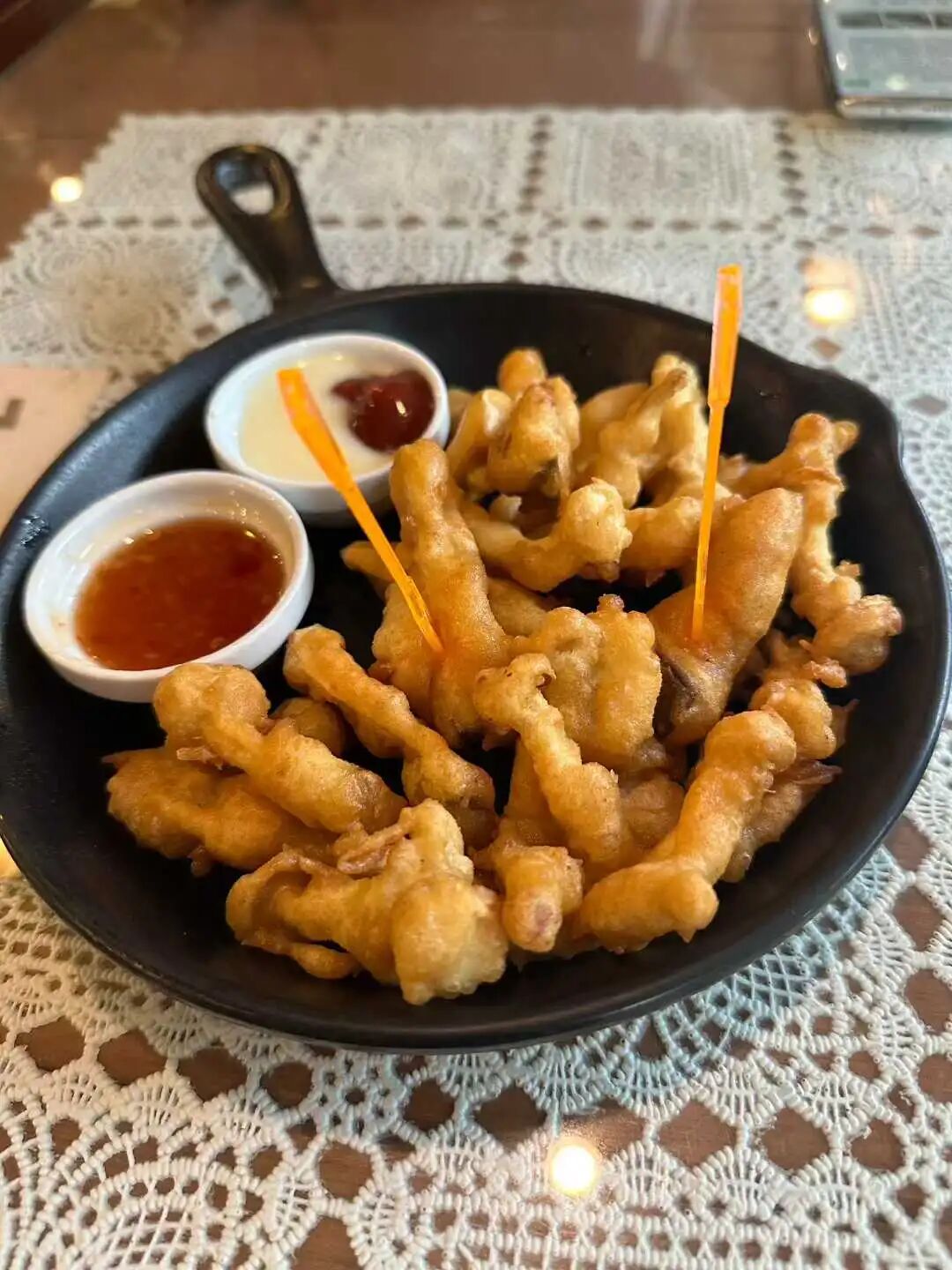
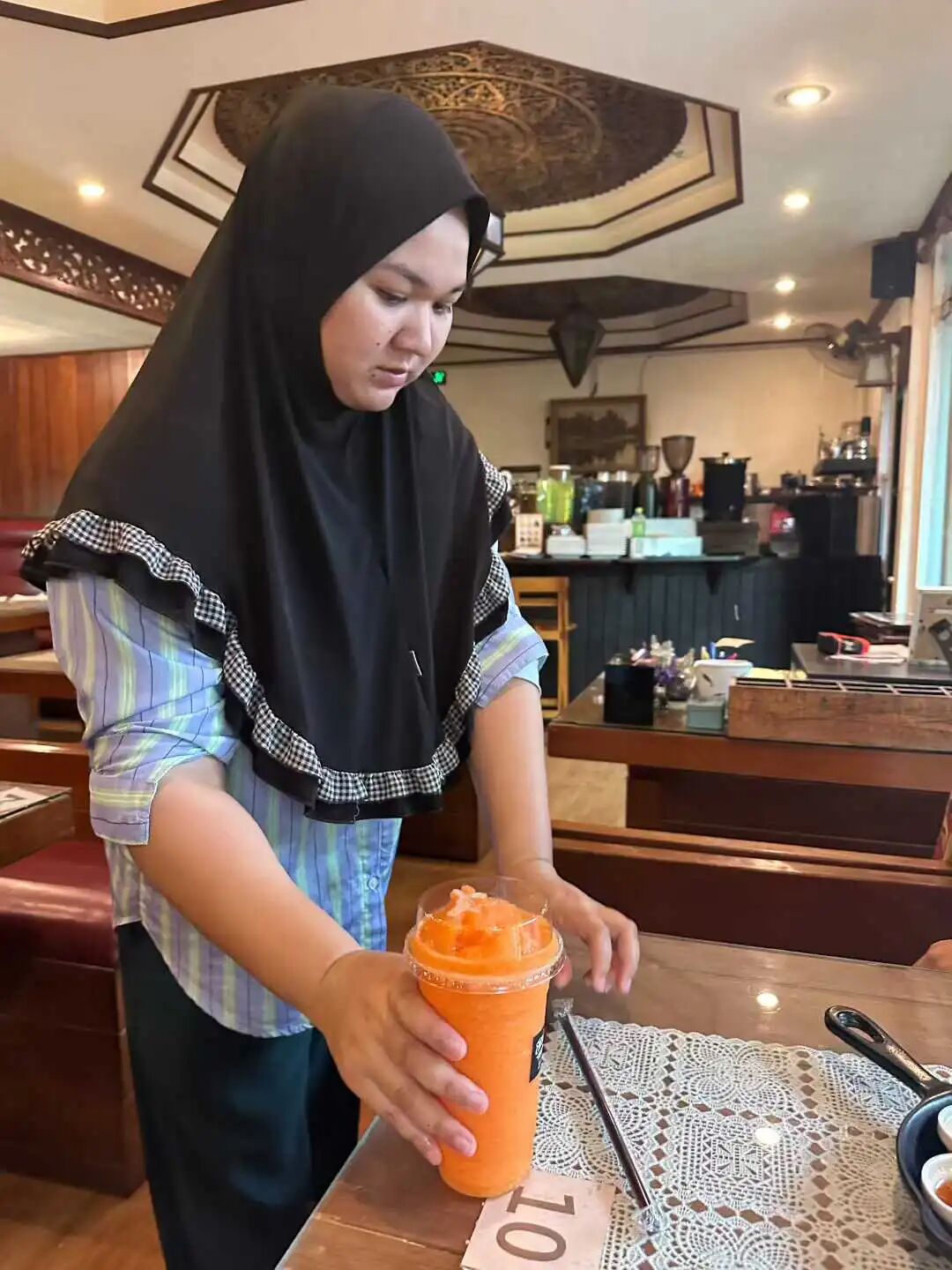
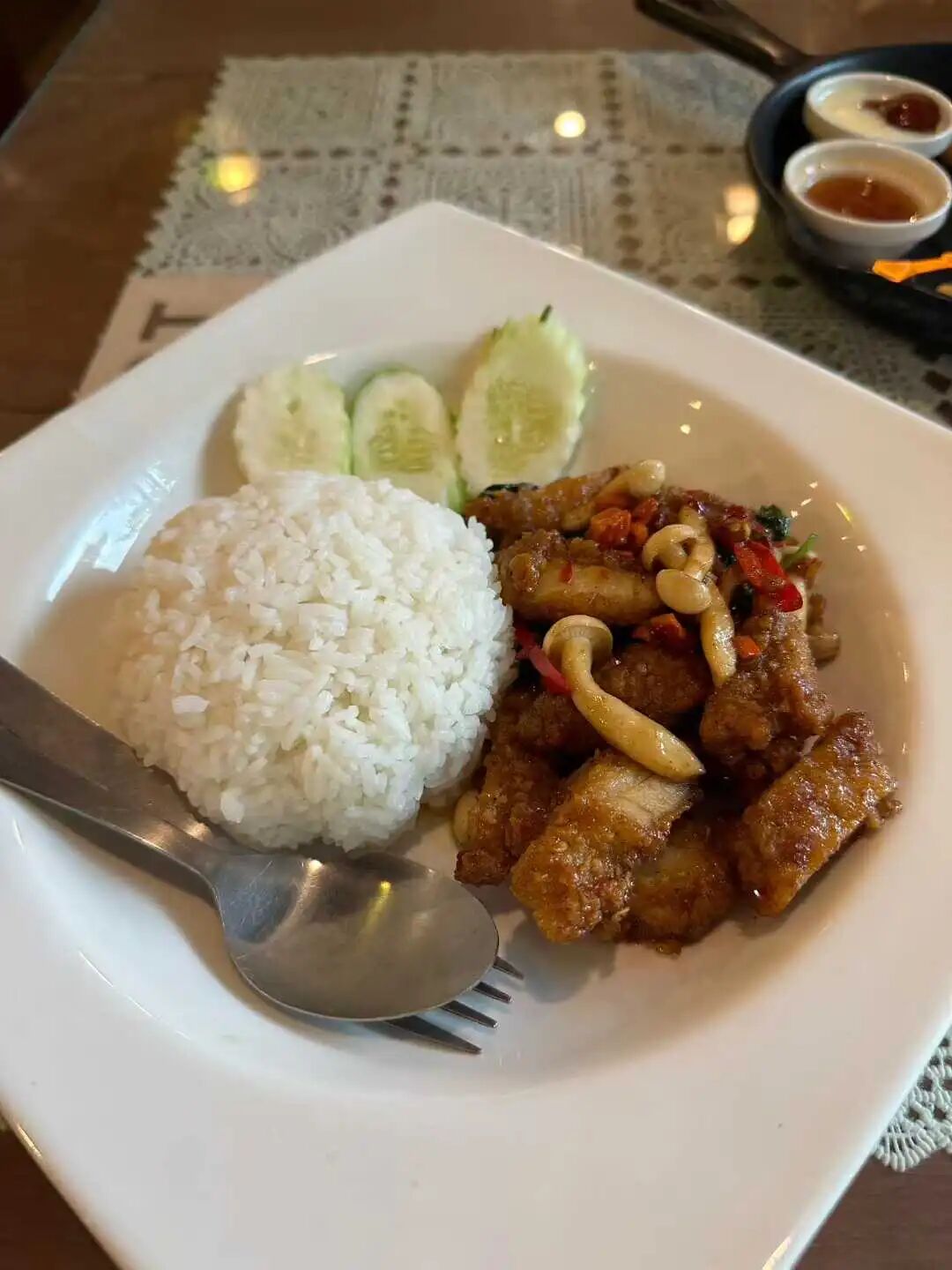
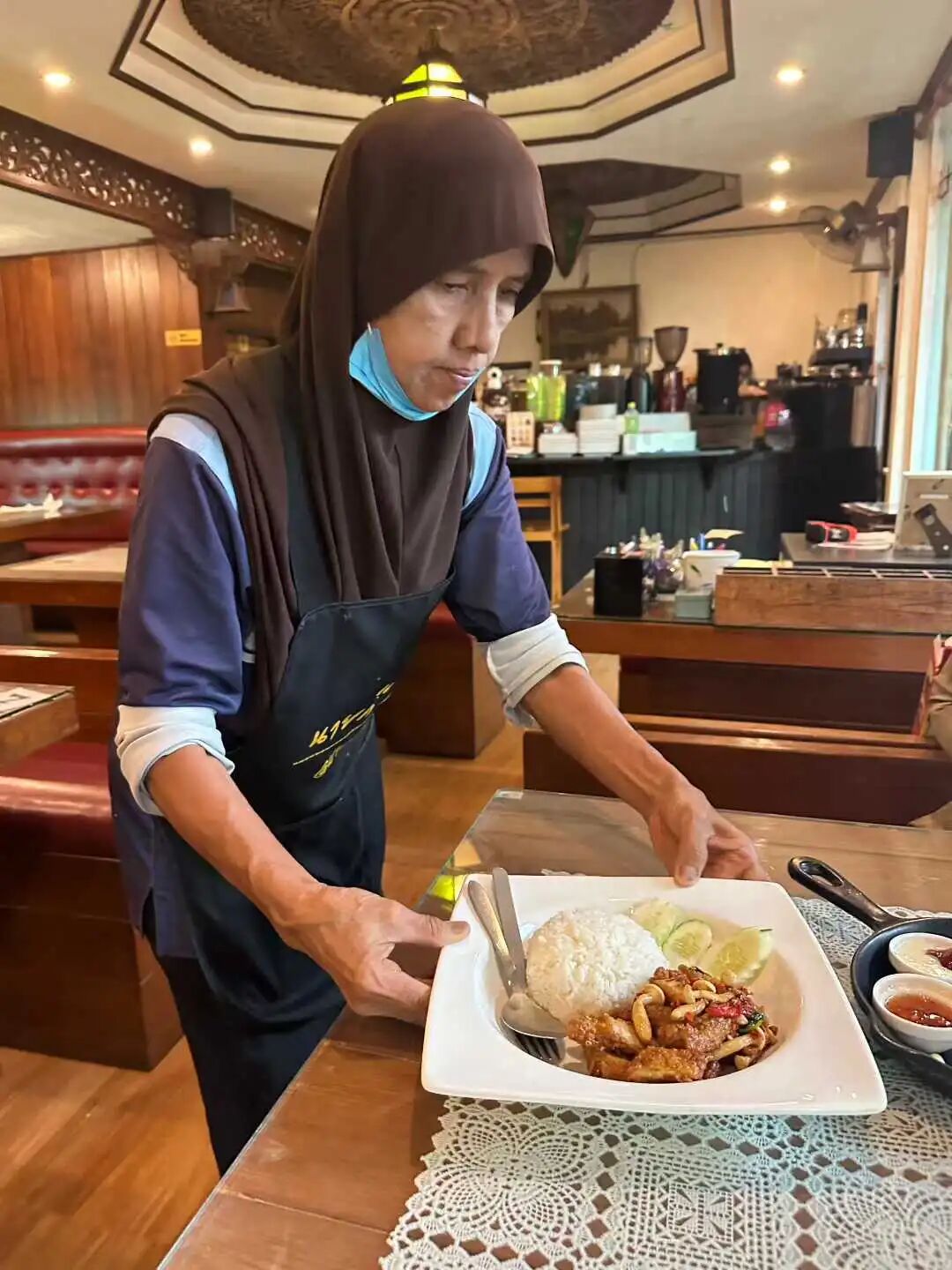
They specialize in steaks and various mushrooms. We ordered mushroom chicken rice, fried mushrooms, and shrimp glass noodle salad, and we also drank fresh carrot juice. Their mushrooms were really good, especially the fried mushrooms, which were very fragrant. Even though we didn't speak the same language, the servers were very friendly and kept smiling at me. They also have a prayer room, which is very convenient.
You must experience taking a small boat across the Chao Phraya River when you come to Ayutthaya. We took a small ferry at a pier in the south of the city, which easily connects to the Cham community on the south bank of the old city.
The Ayutthaya World Heritage night market is right across from Wat Mahathat. The market is just one street long and has some halal snacks like fried chicken, roti flatbread (roti), and shawarma, but there are no seats, so you have to stand and eat. The nearby historic sites are lit up at night, so it's nice to walk around the night market and look at the ruins.
We ate a type of grilled fish cake wrapped in banana leaves at the night market, and it was very spicy. There is also a halal stall on the south side of the night market where I had some home-style dishes, shrimp fried rice and stir-fried crown daisy, which was a nice light meal.
On Friday, while attending Jumu'ah prayers in Ayutthaya, I was invited to lunch by two aunties who were also there for prayers. The aunties drove us to the Pakistani Noor Mosque in the northern part of the old city. I was surprised to find a snack shop in the courtyard run by an auntie of mixed Chinese and Pakistani heritage. And that is how we magically ended up eating authentic chicken char siu wonton noodles in the courtyard of a Pakistani mosque in Thailand.
The auntie who owns the shop no longer speaks Chinese. Through another auntie who treated us to a meal and translated for us, she explained that her father was Chinese and settled here after marrying a Pakistani woman. Although she has never been back to China, she was still very excited to see friends (dost) from China. Judging by the barbecued pork wonton noodles (chashao yuntun mian) she makes, her father was likely from Guangdong.
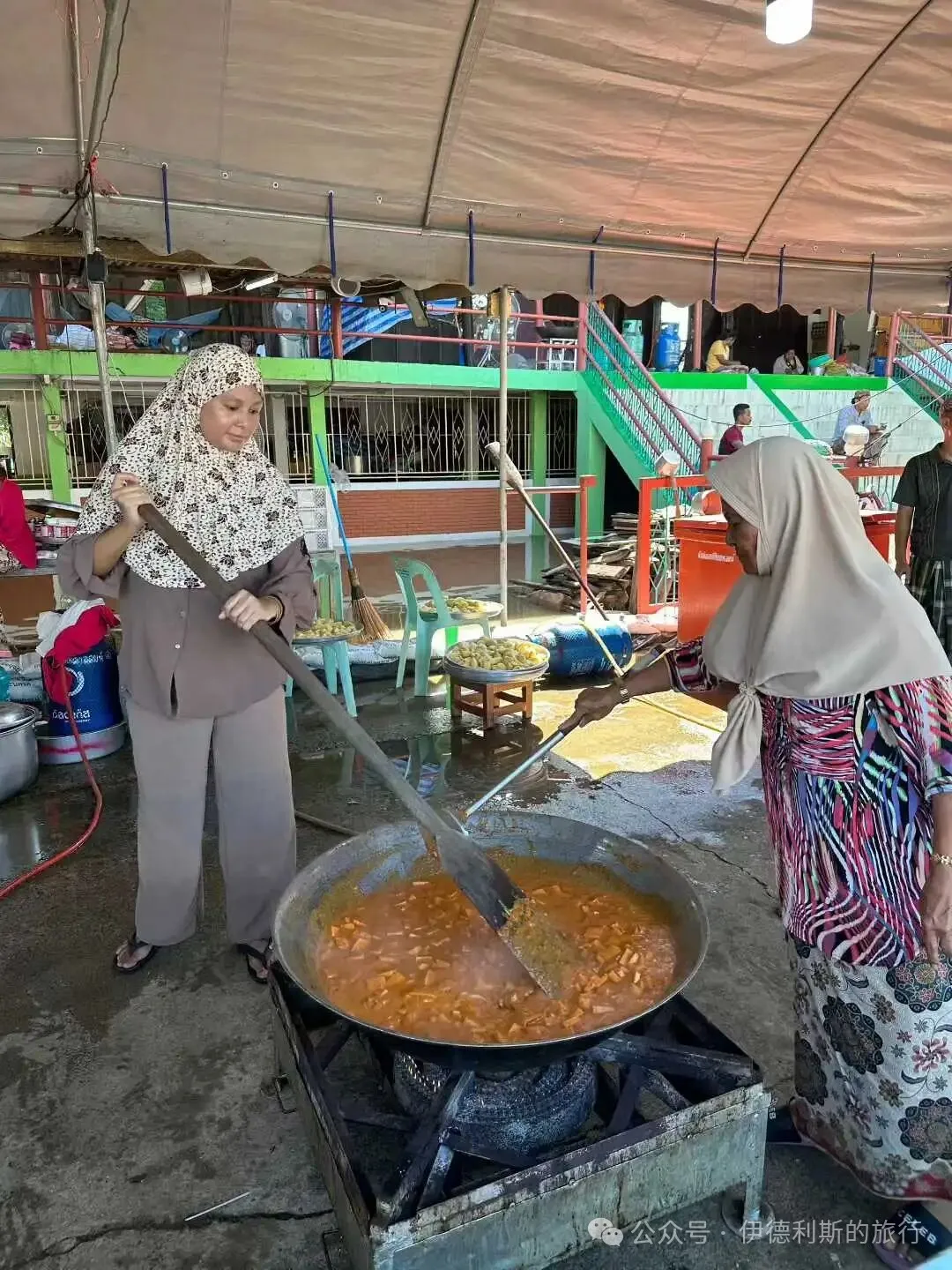
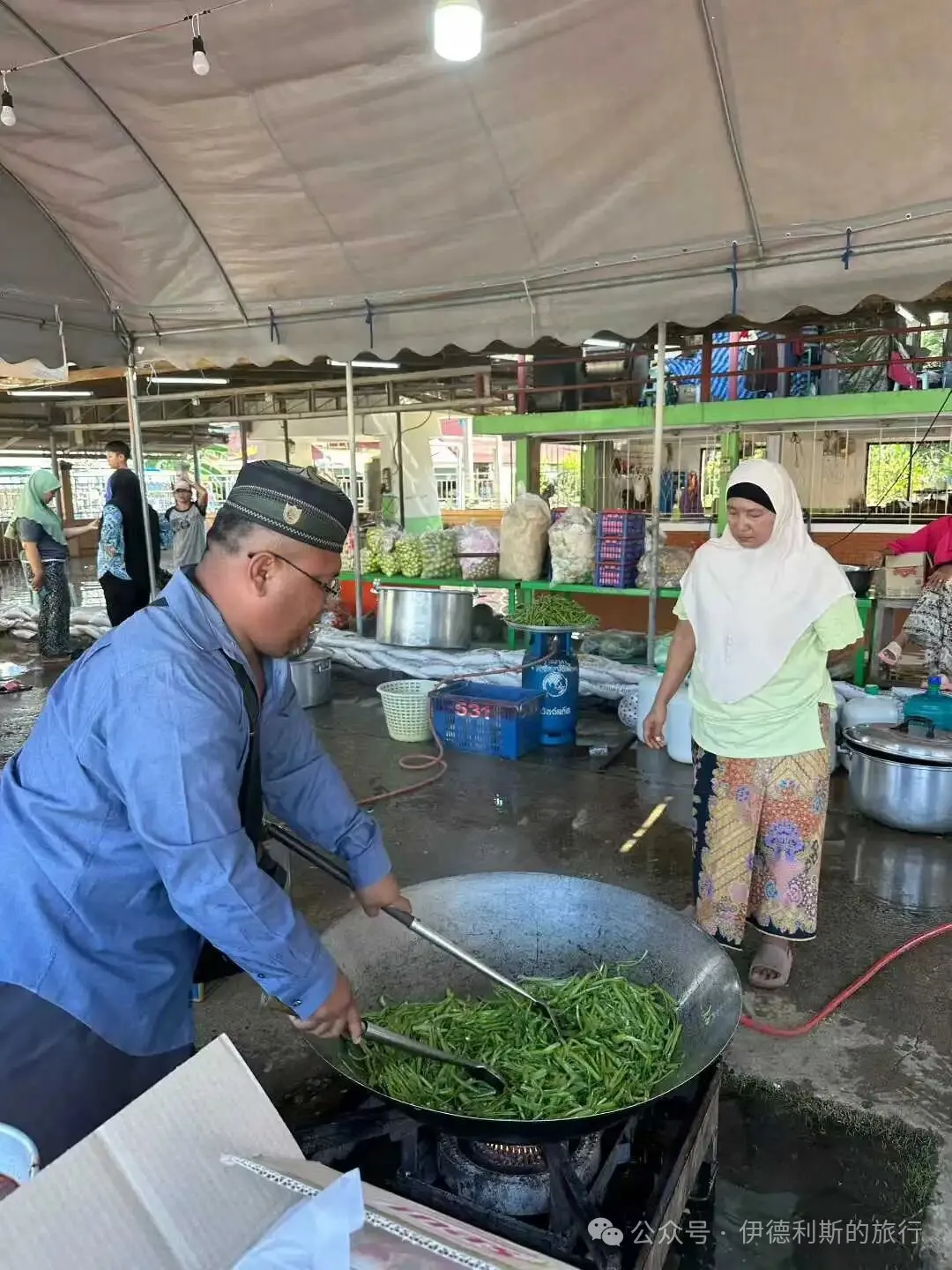
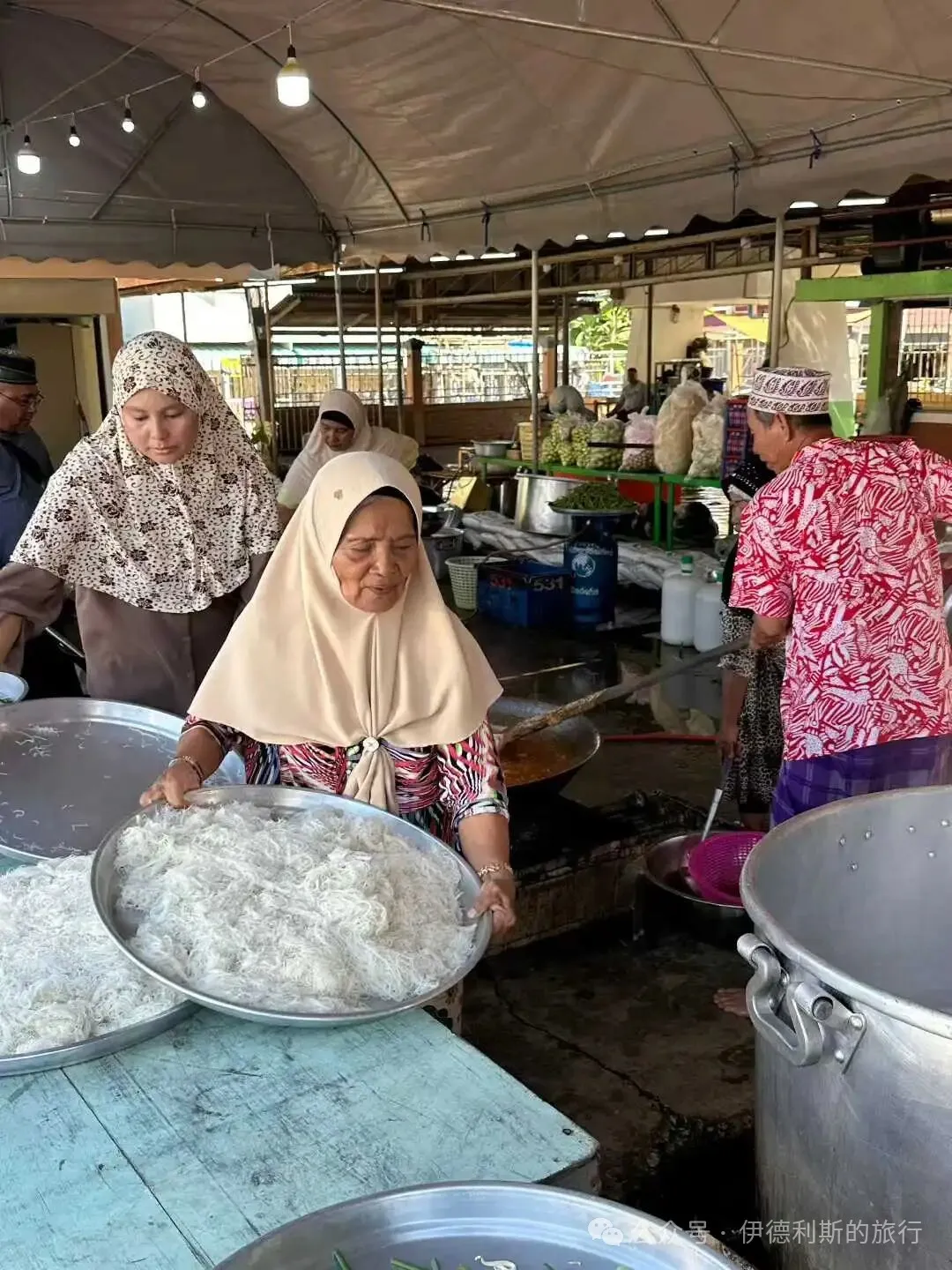
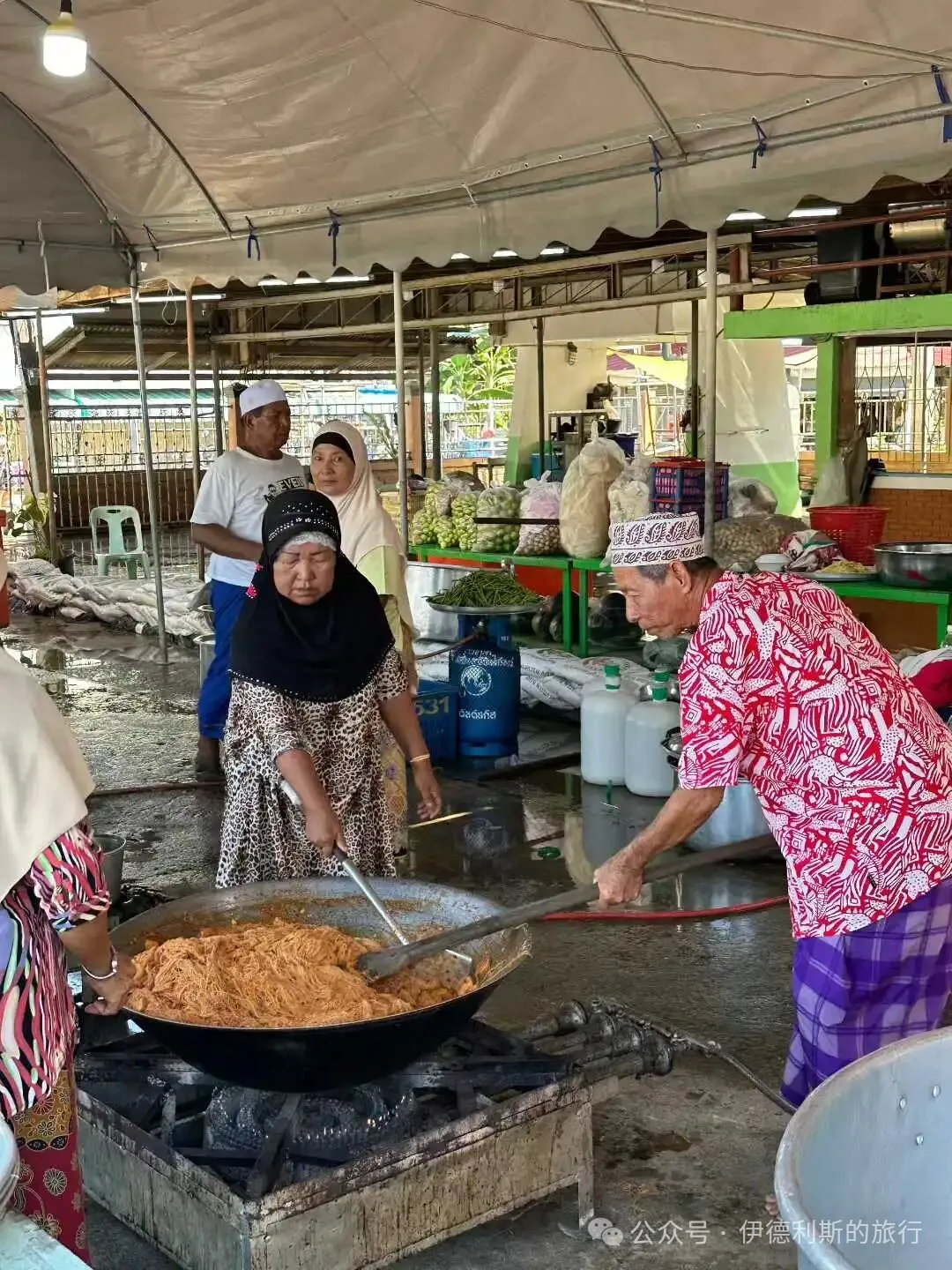
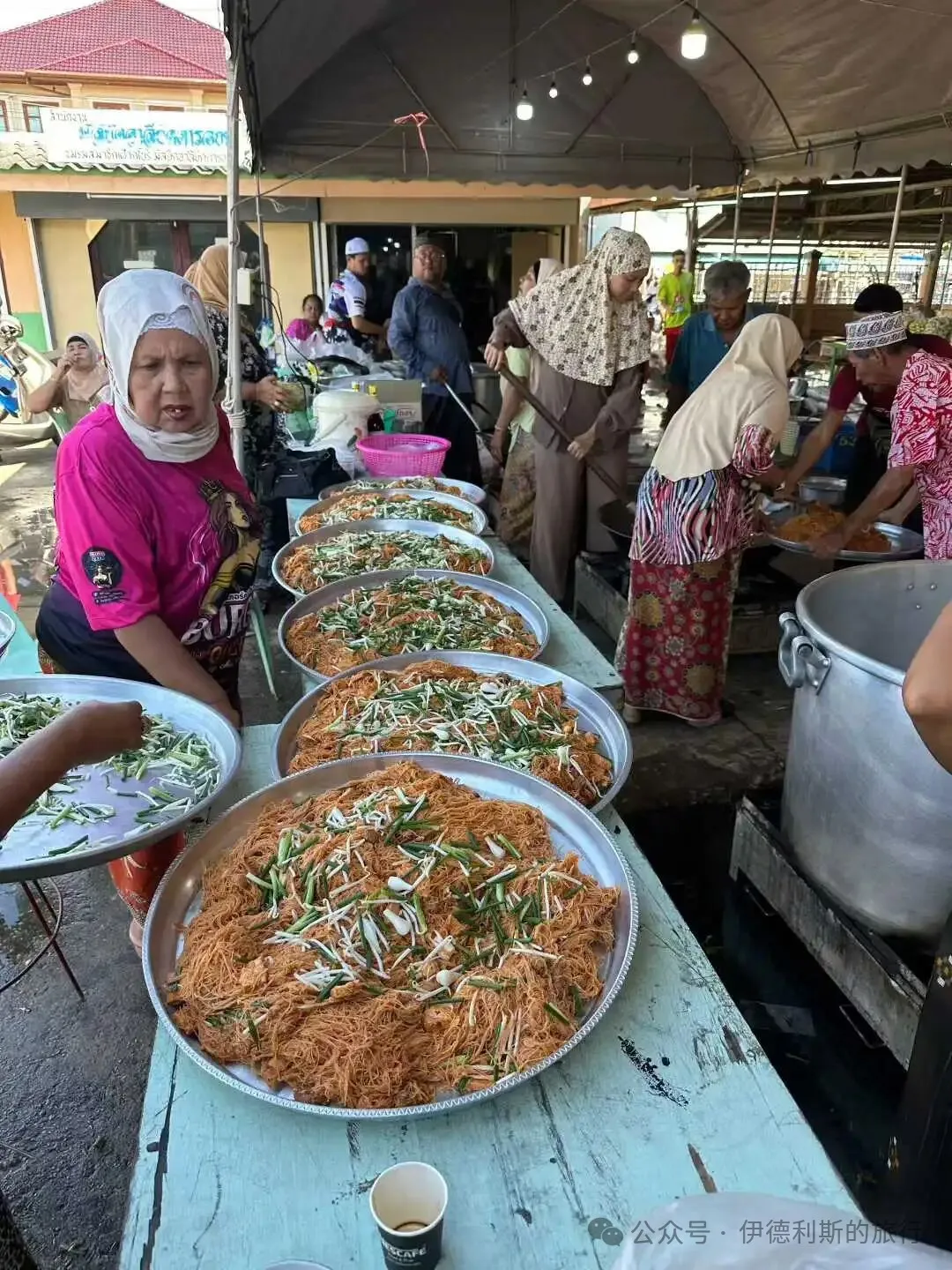
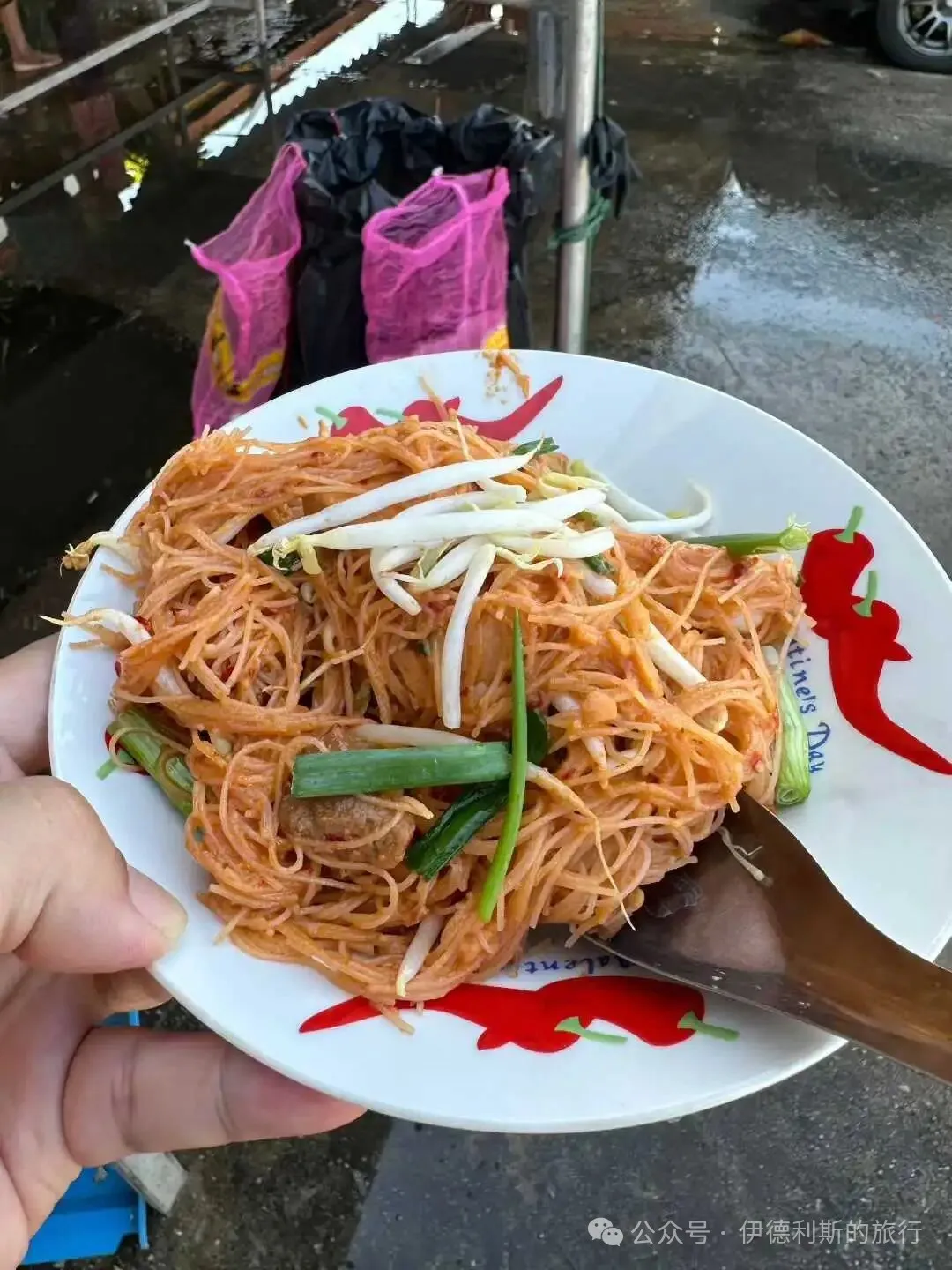
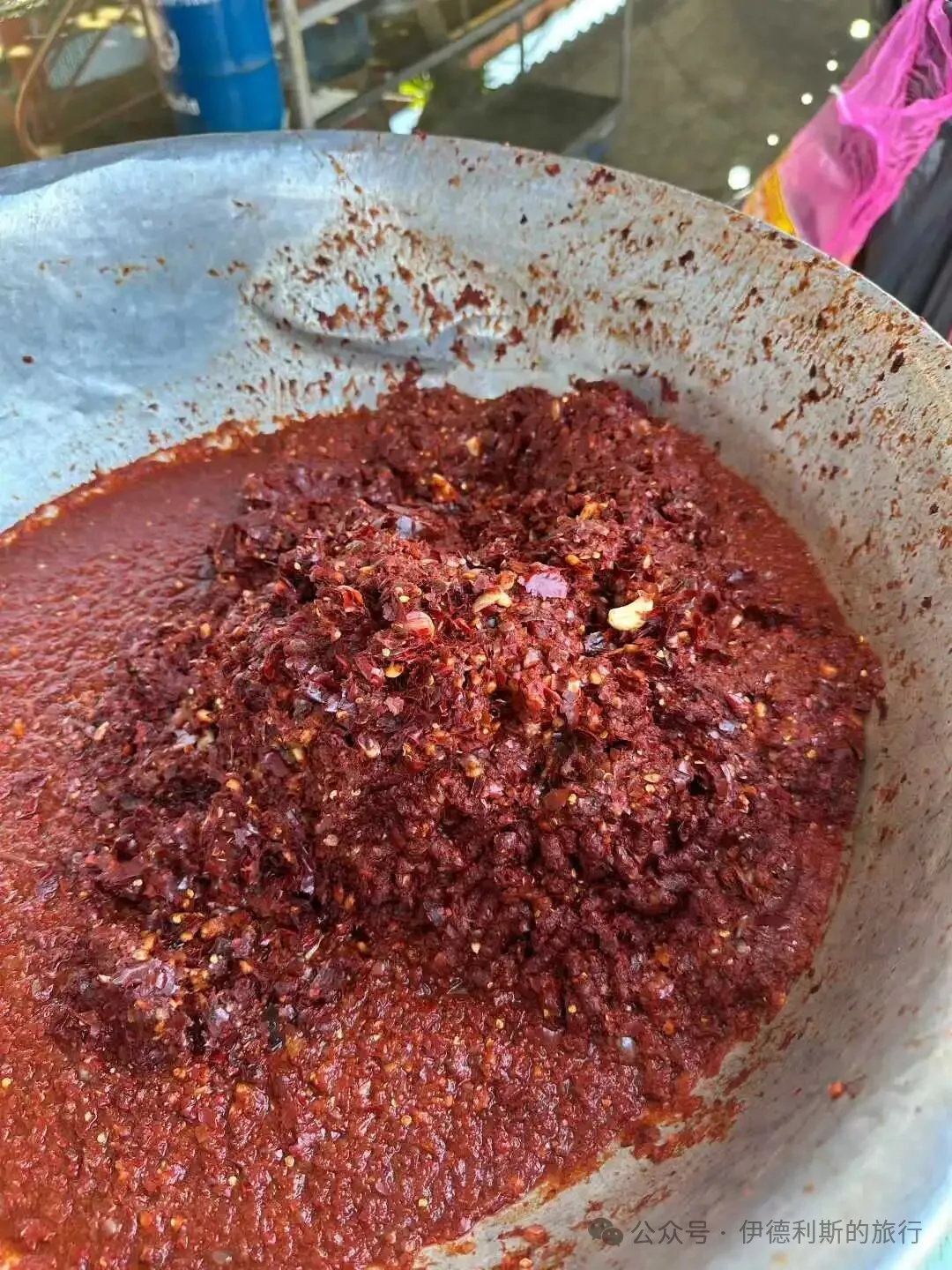
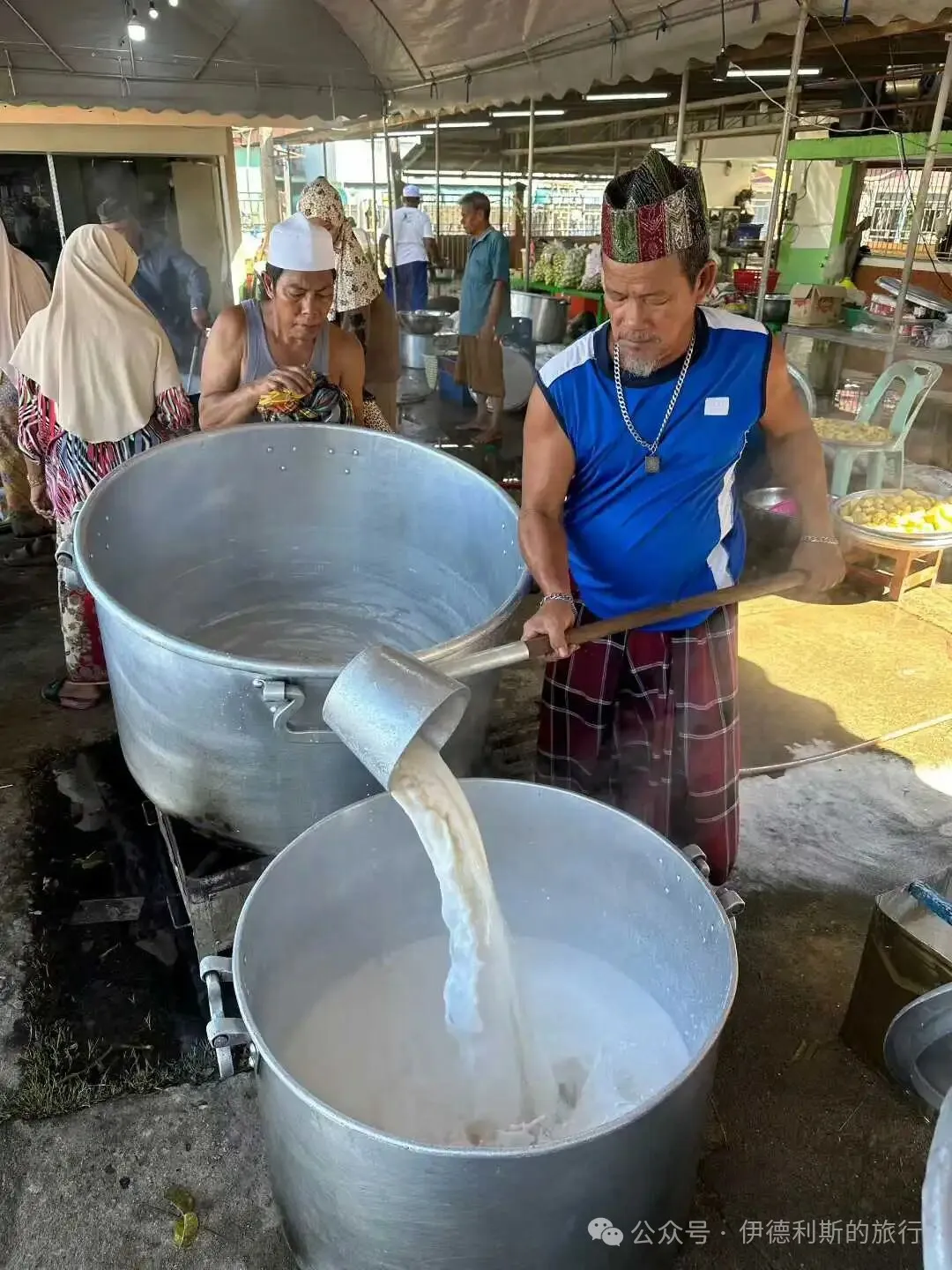
Our last stop in Ayutthaya was an important center for the Sufi Qadiriyya order in Thailand, the Sheikh Muhammad Ali Shukri shrine (gongbei) by the Chao Phraya River. Although we missed the religious gathering (a'mali), we unexpectedly caught a charity event (shesan) for flood victims. We were able to see how the Thai Sufi order performs their religious feast (nieti xi) and tasted the beef rice noodles served at the mosque.
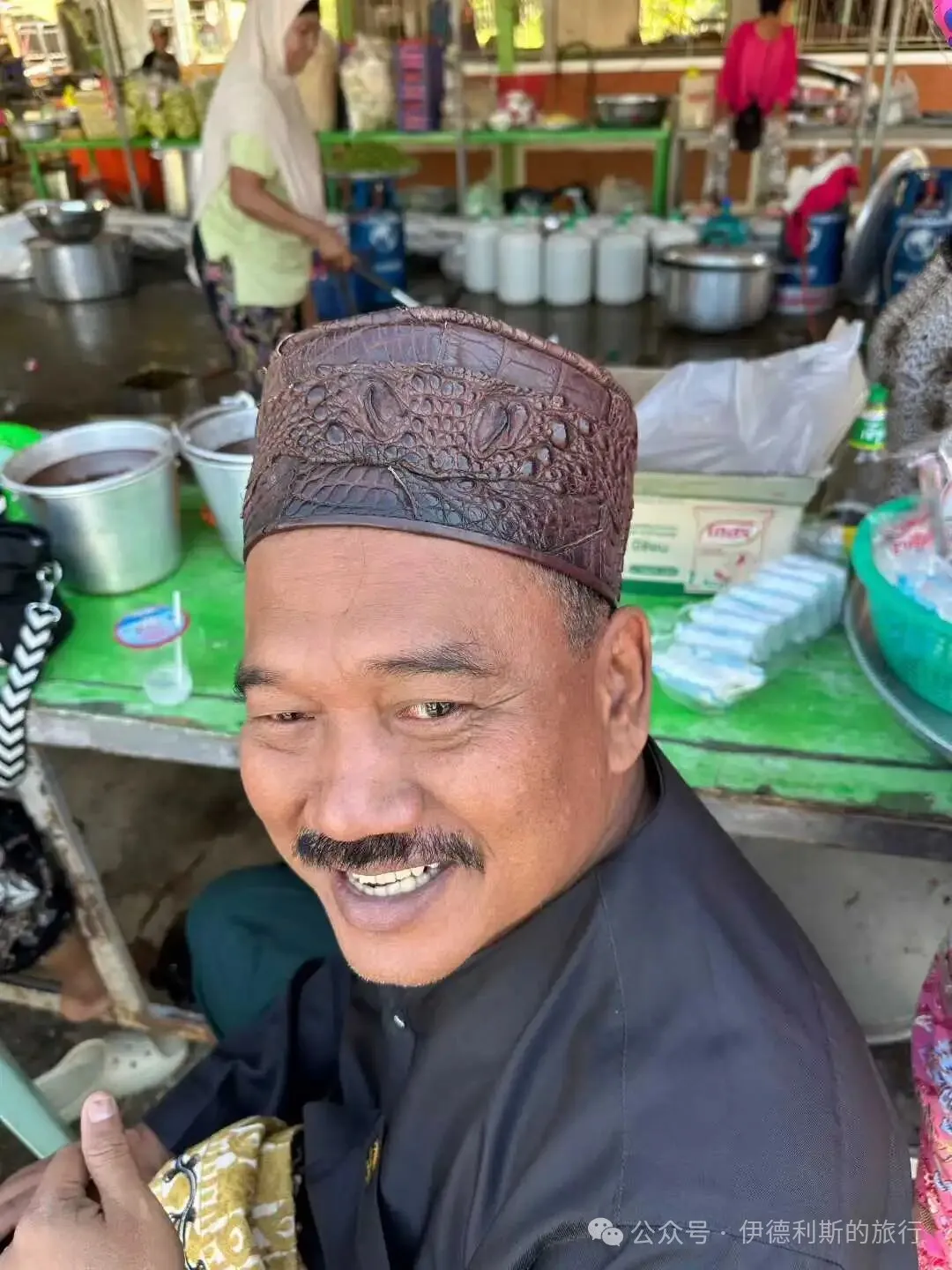
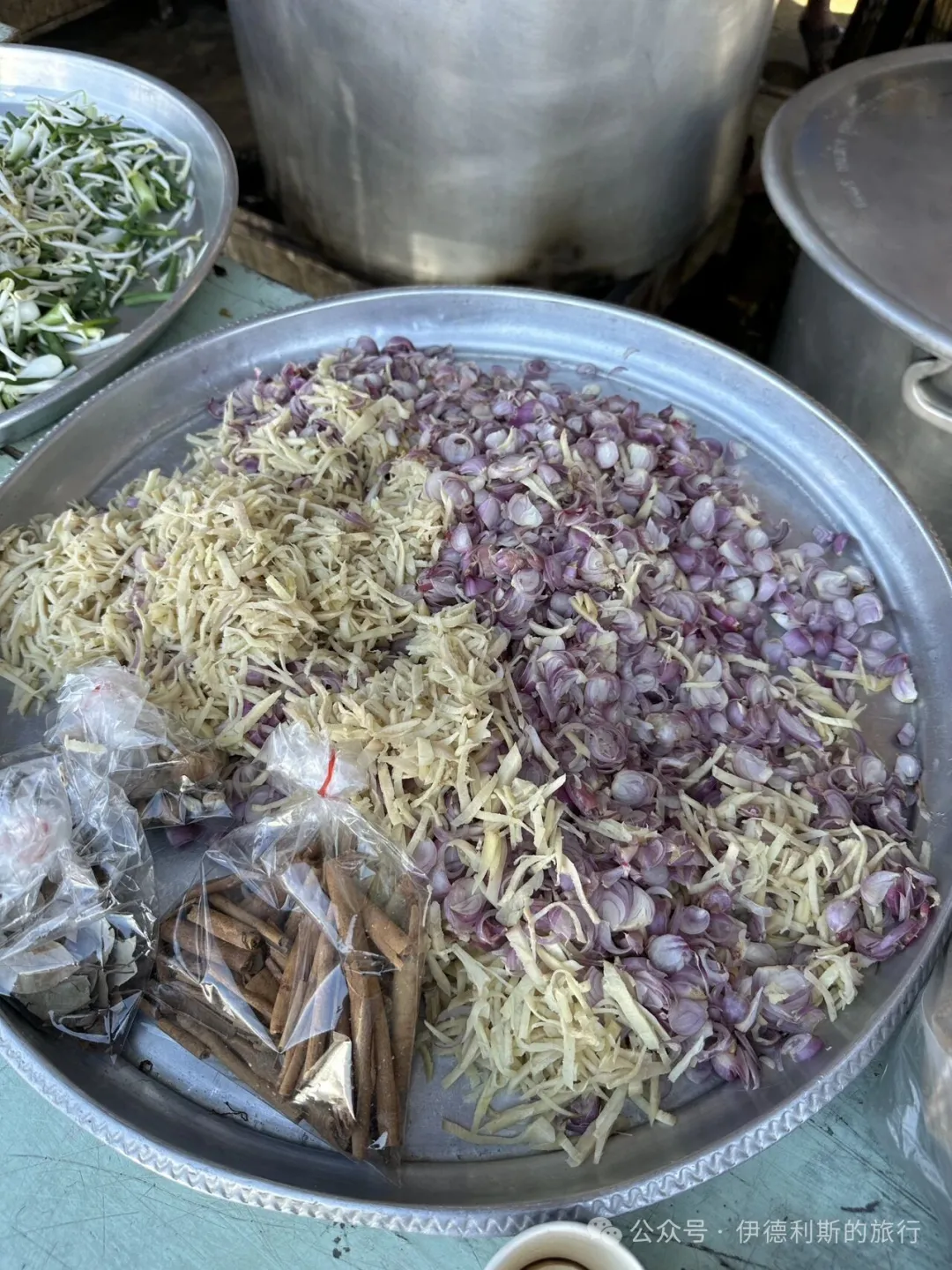
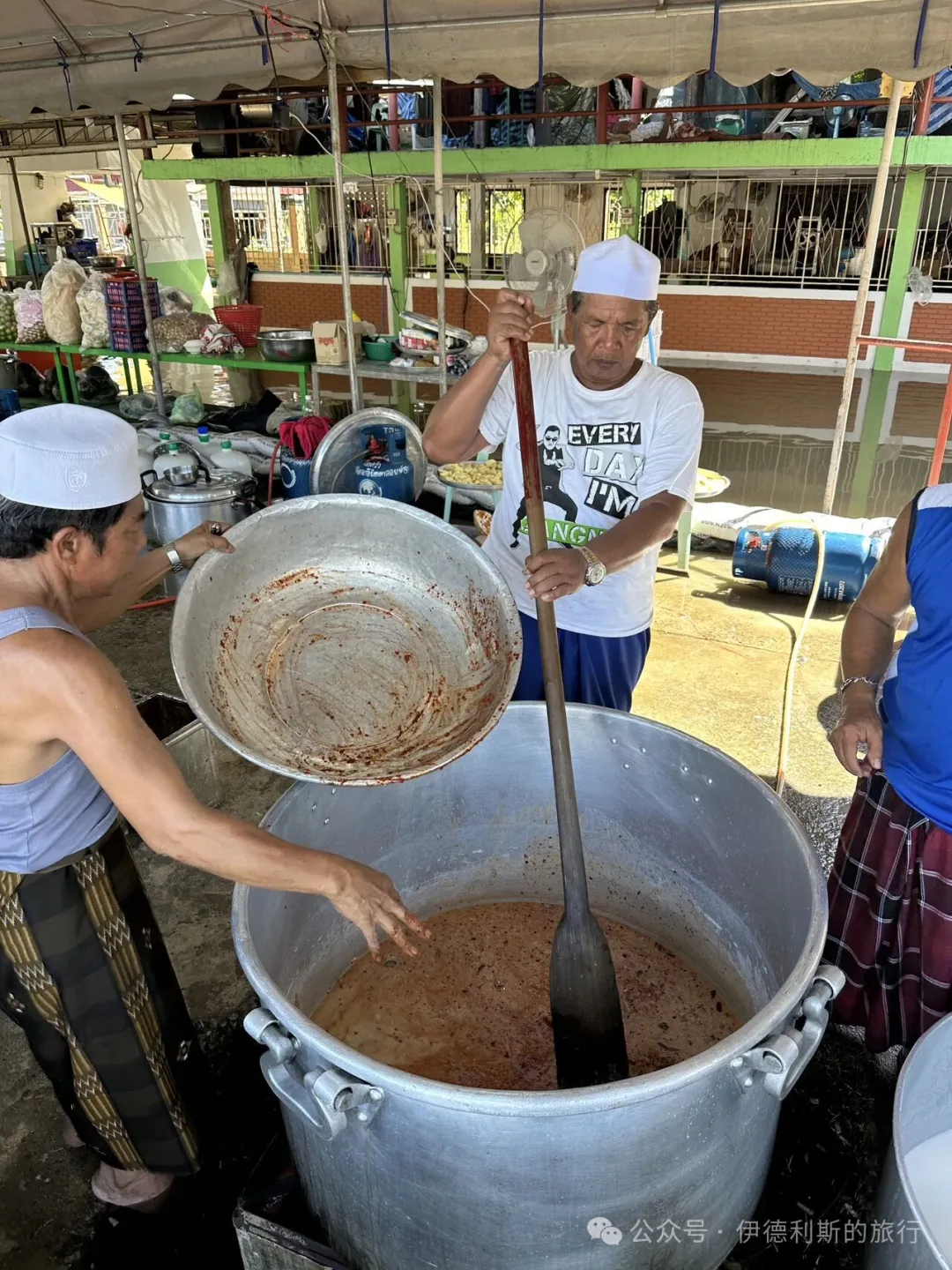
Central and Southern Thailand are influenced by the Malay people, so most religious practices follow the Shafi'i school, and there are relatively few Sufi activities. This was my first time experiencing the warmth of Thai Sufi elders in Ayutthaya. I saw them using boat oars to stir a giant pot of rice for the first time, and I also saw the process of making coconut rice, which is very similar to how the Hui Muslims in Huihui Village, Sanya, set their tables. Because we arrived early and the meal hadn't started yet, the elders here very warmly arranged for us to eat rice noodles first. The beef rice noodles with soup poured over them were delicious. I was also surprised to meet several elders who could speak English and Chinese.
Since we had to rush to Bangkok that evening, we didn't stay at the shrine (gongbei) for long. If any friends (dost) are traveling to Ayutthaya, Thailand, I highly recommend visiting this shrine (gongbei). It is a rare opportunity to see this side of Thai Sufism. view all
Summary: Ayutthaya offers halal resorts, Muslim-run restaurants, old mosque communities, and a gongbei gathering connected to local Sufi practice. This travel account keeps the original route, food, lodging, religious terms, and community details in one long English article.
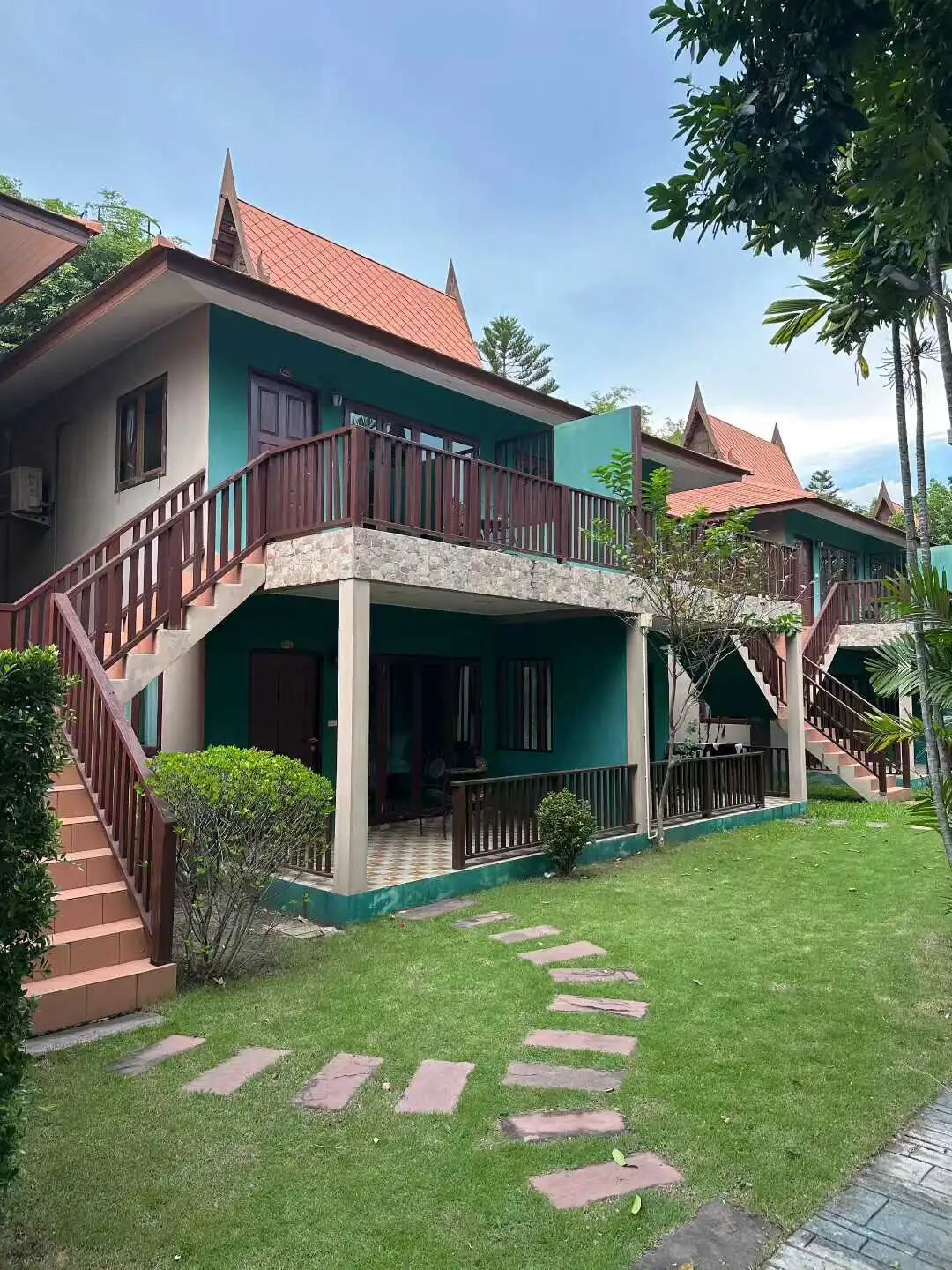
We stayed at a halal resort called Vanida in Ayutthaya, Thailand. The resort is on a main road west of the historic city center and has beautiful scenery. It takes a bit longer to get a Grab here than in the city center, but we were always able to get one. If you take a Grab directly from Don Mueang Airport, it only takes a little over an hour.
We stayed in a townhouse-style villa with a lake and garden right outside our door. Besides breakfast, there is a formal restaurant in the courtyard, and the prayer hall is right across from it, which is very convenient.
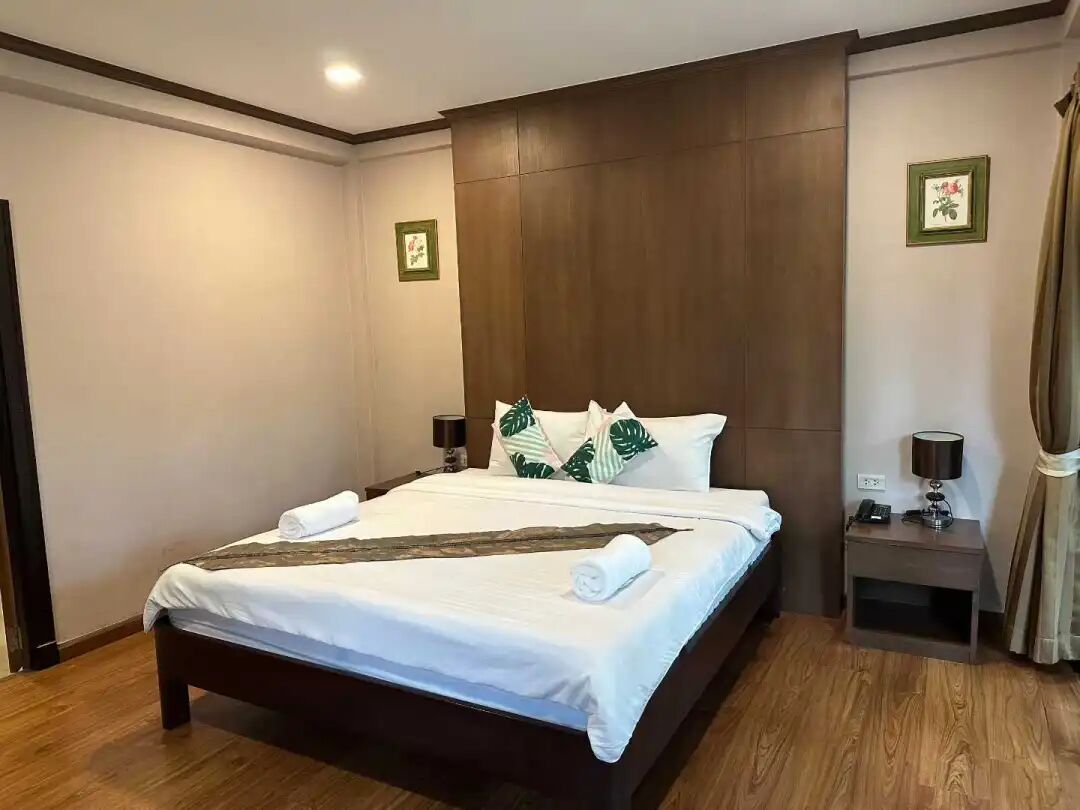
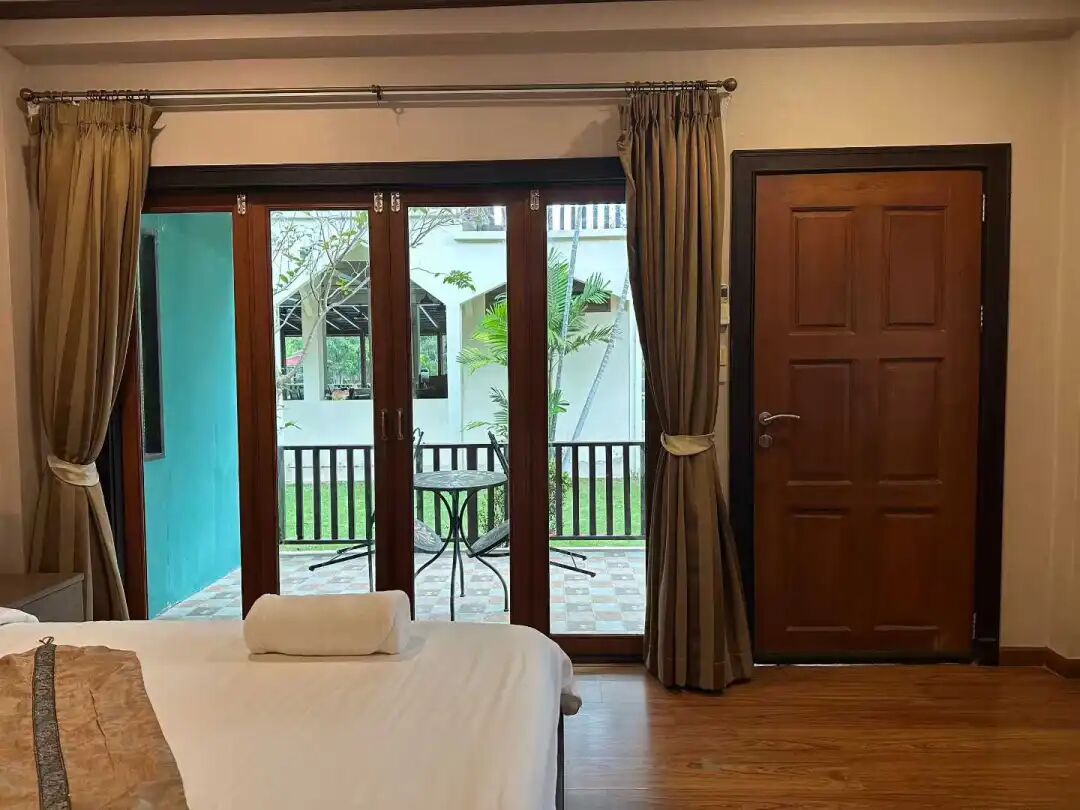
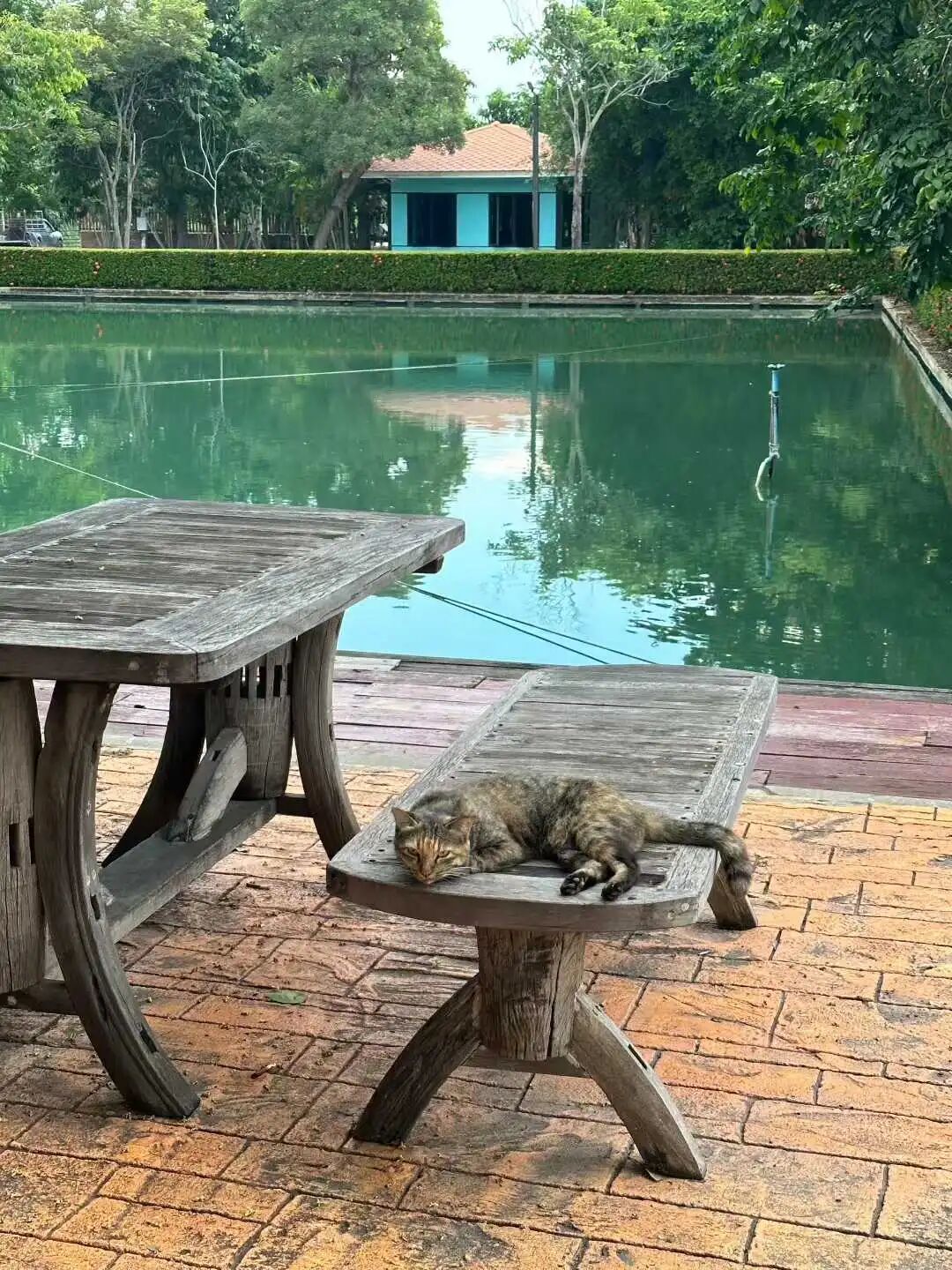
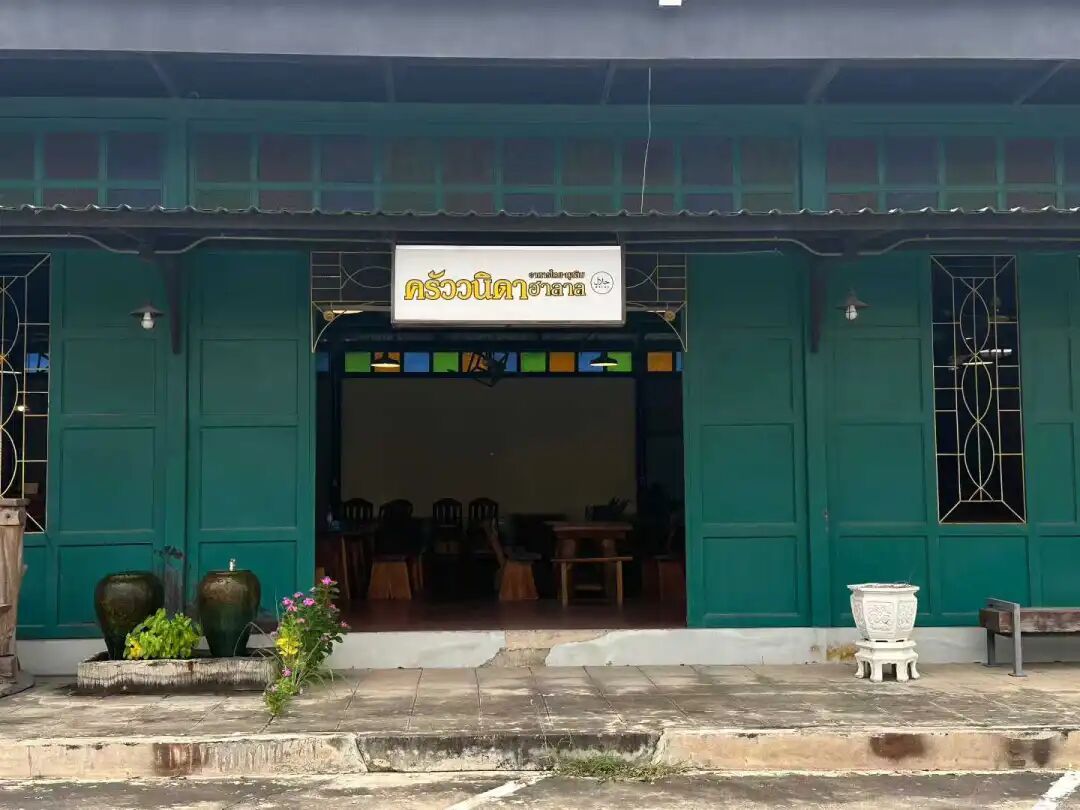
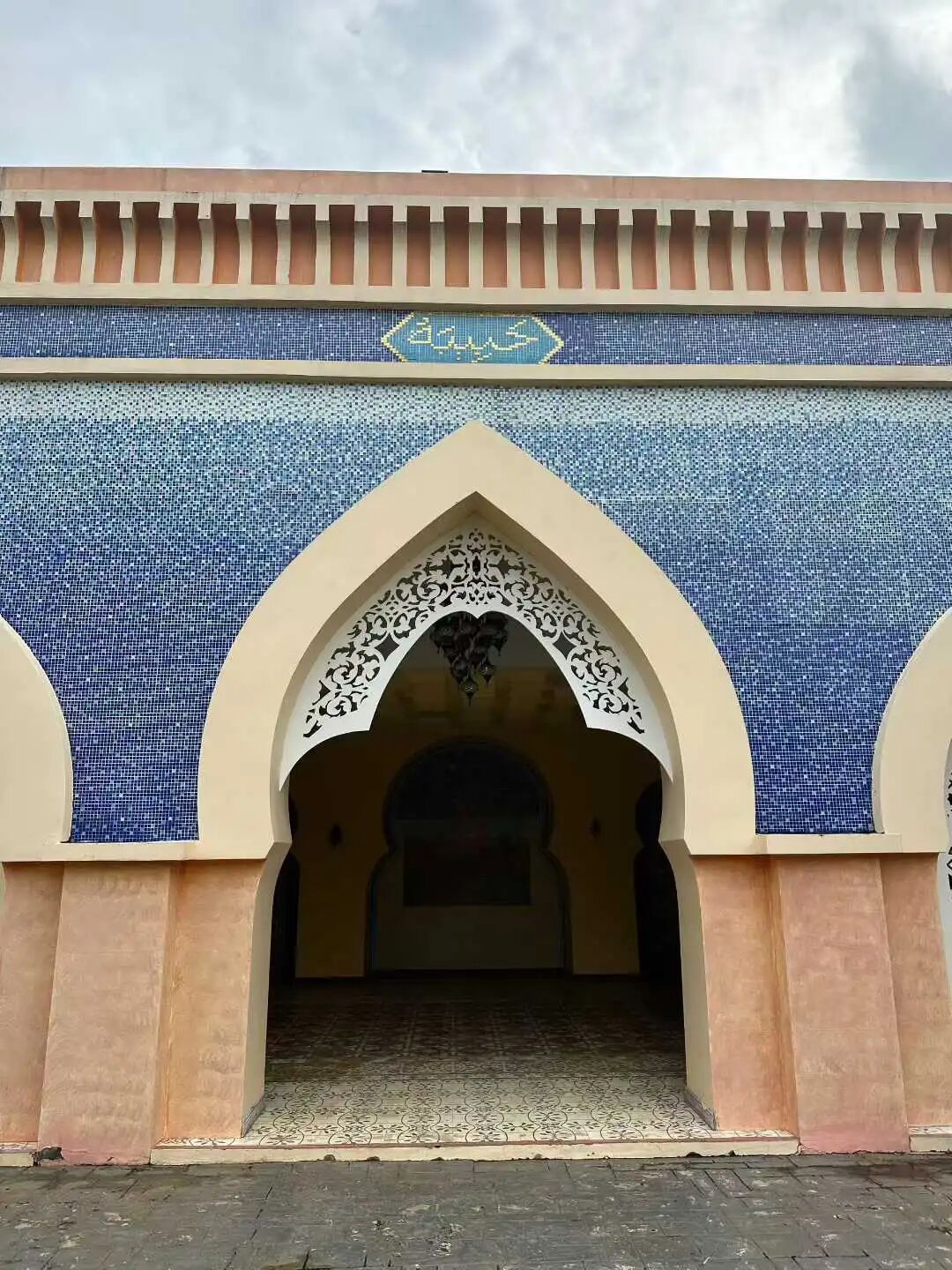
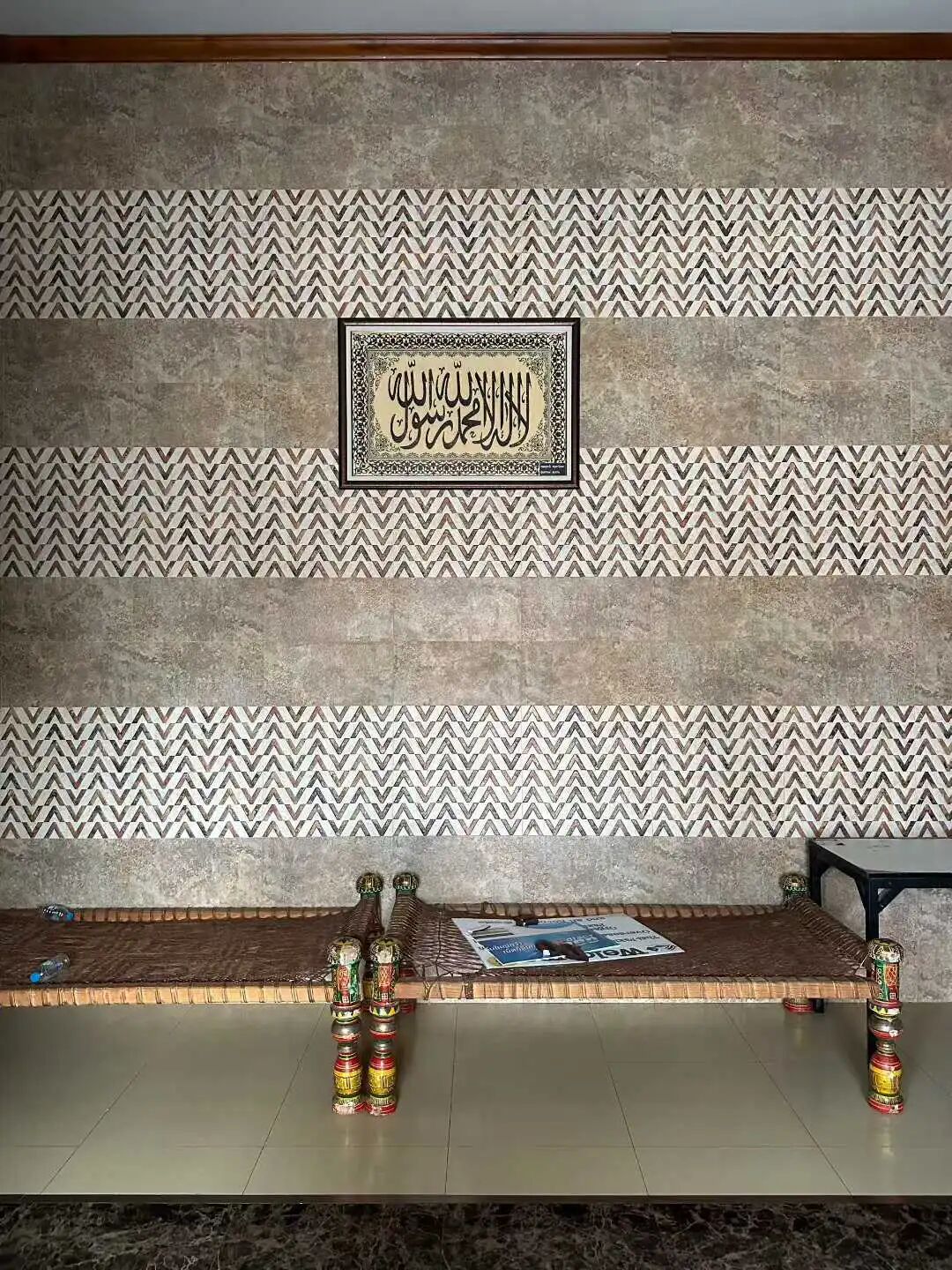
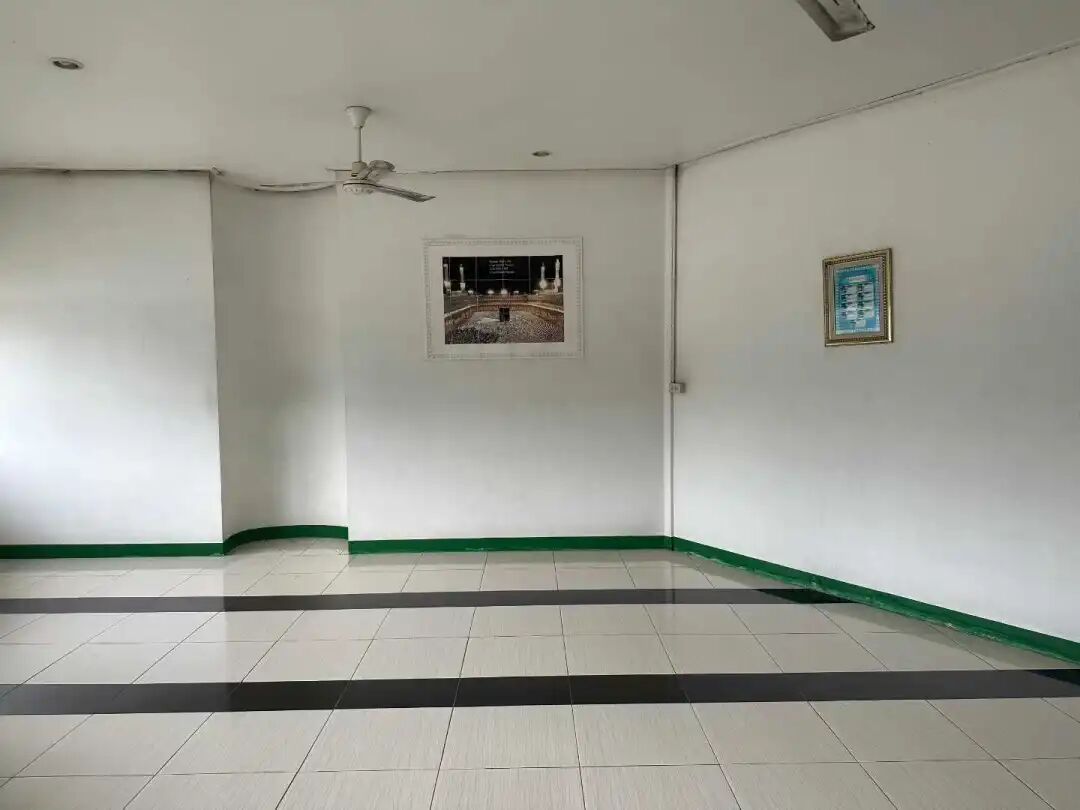
Because it was the off-season and there were few tourists, the resort didn't serve a buffet. Instead, they prepared egg fried rice, fried eggs, sausages, various vegetables, bread, and watermelon for us. Eating by the lake was very relaxing. They keep miniature horses, cows, sheep, chickens, and rabbits in the yard, which children would probably love. There is also a children's pool in the yard where kids can swim.
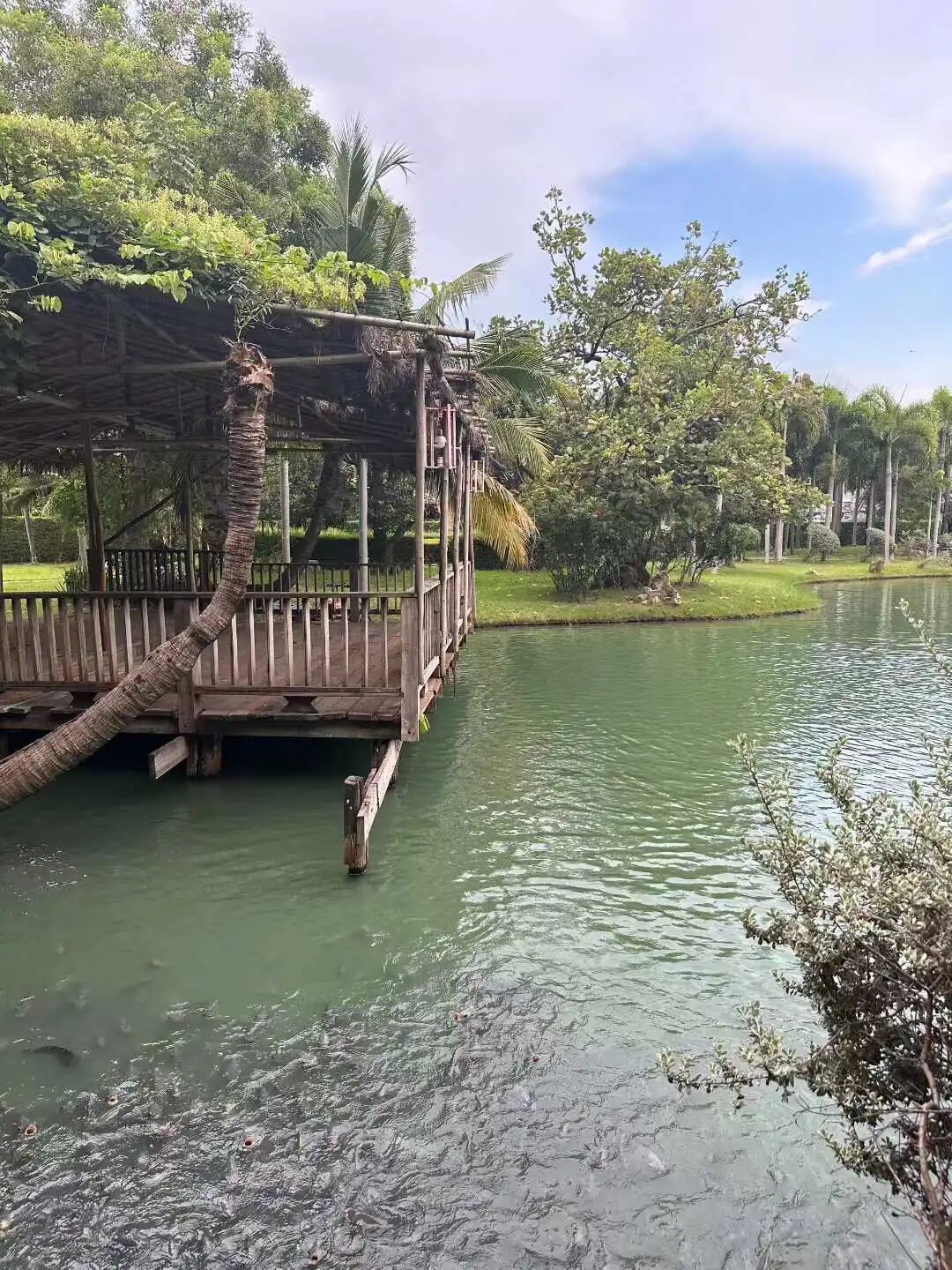
The west and south sides of the Ayutthaya World Heritage historic city are surrounded by the Chao Phraya River. The area along the river in the south is mainly a residential area for the Cham people, and there are many halal restaurants there.
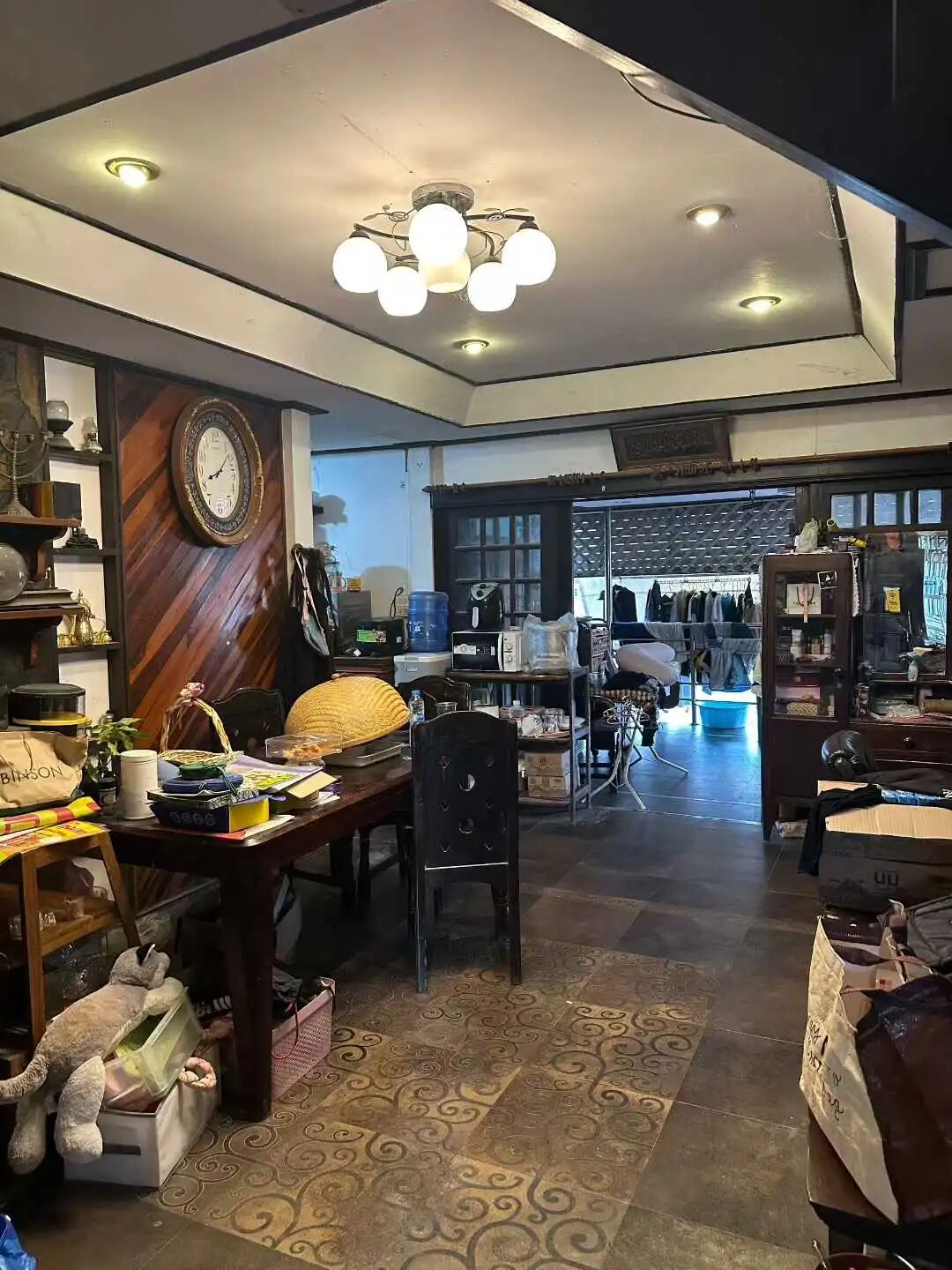
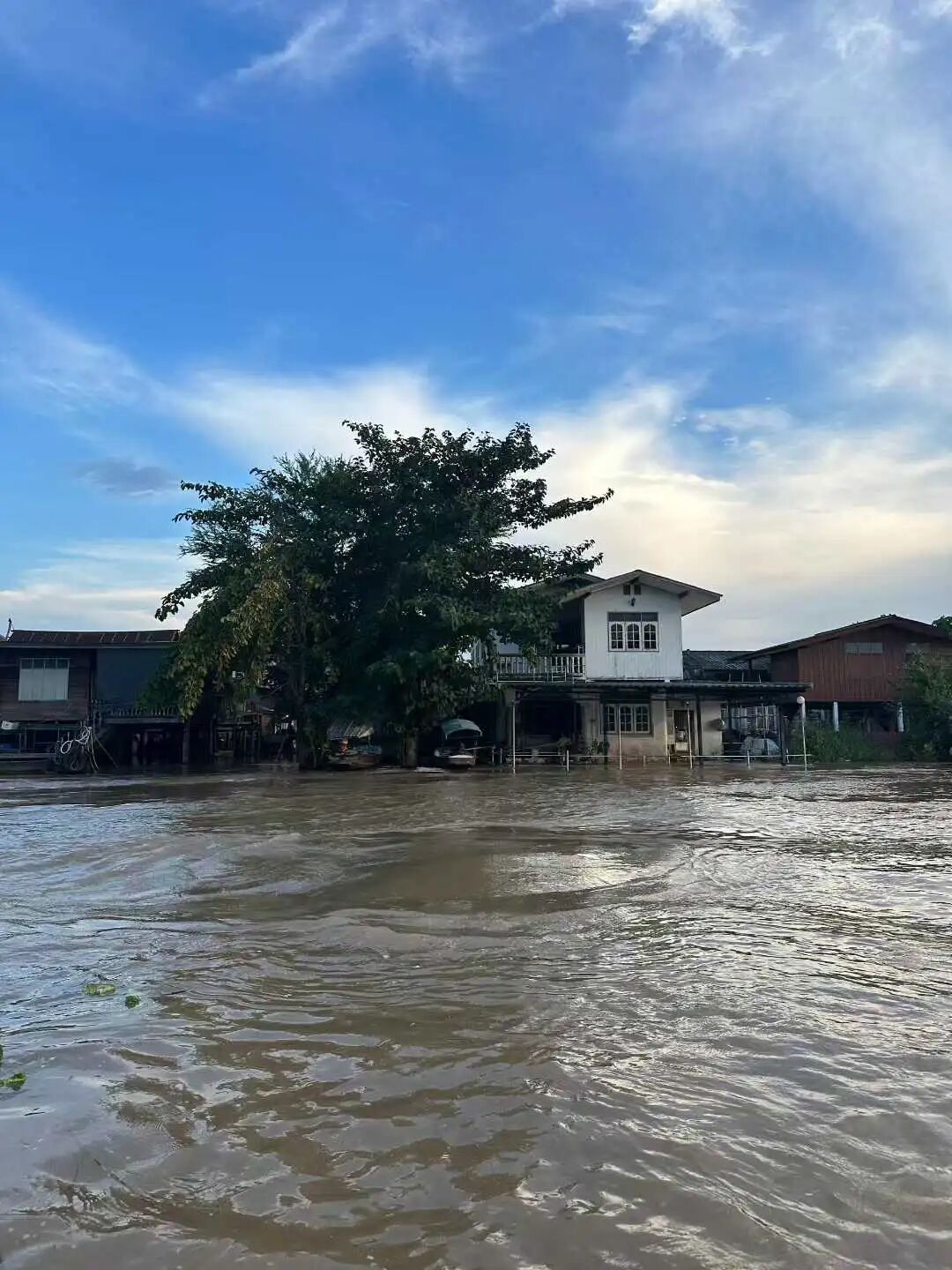
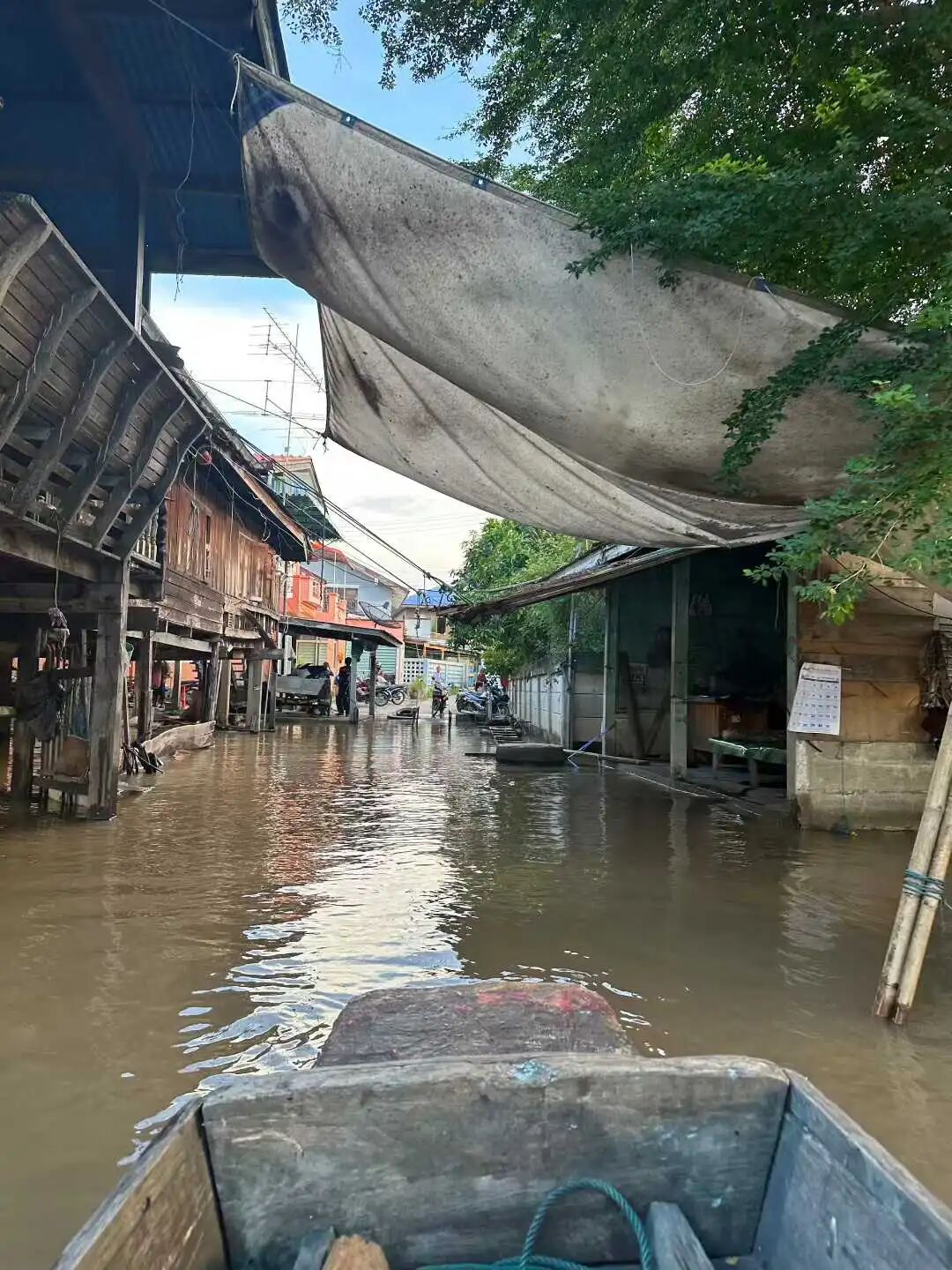
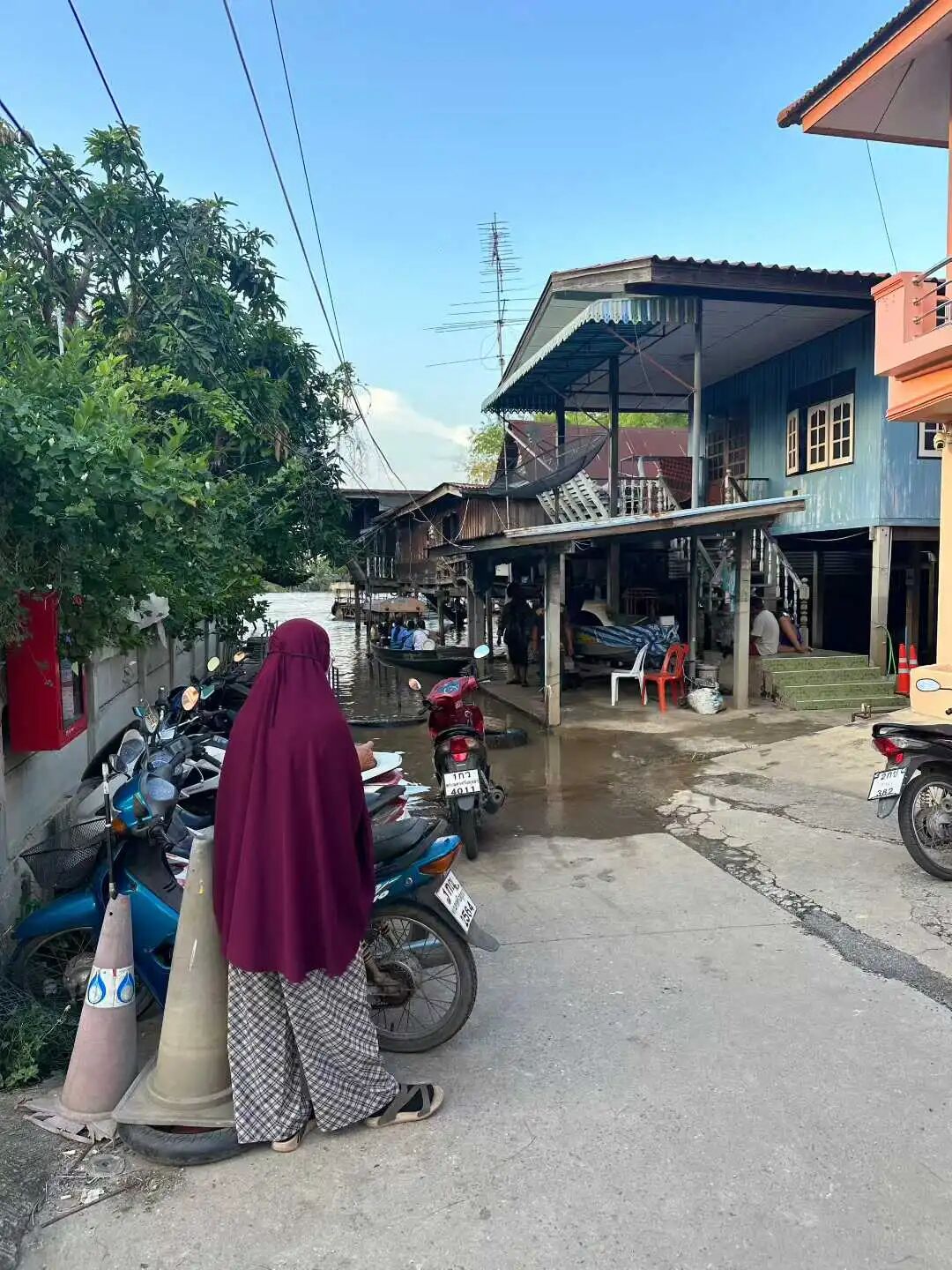
We had dinner on our first night at Kruta Steak on the north bank of the river. We found online that they had beautiful riverside seating, but when we arrived, the seats were flooded, so we ate inside instead.
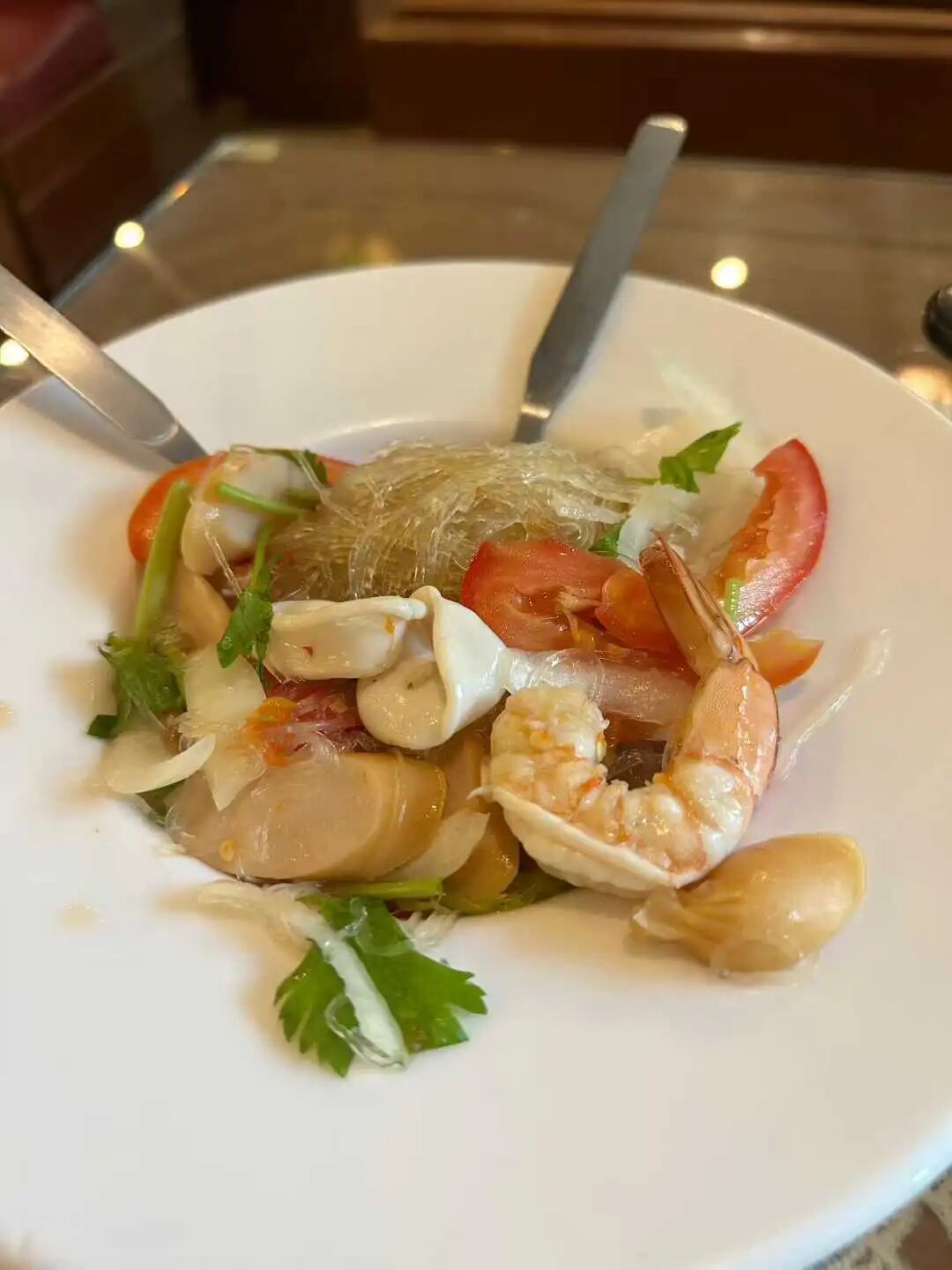
They specialize in steaks and various mushrooms. We ordered mushroom chicken rice, fried mushrooms, and shrimp glass noodle salad, and we also drank fresh carrot juice. Their mushrooms were really good, especially the fried mushrooms, which were very fragrant. Even though we didn't speak the same language, the servers were very friendly and kept smiling at me. They also have a prayer room, which is very convenient.
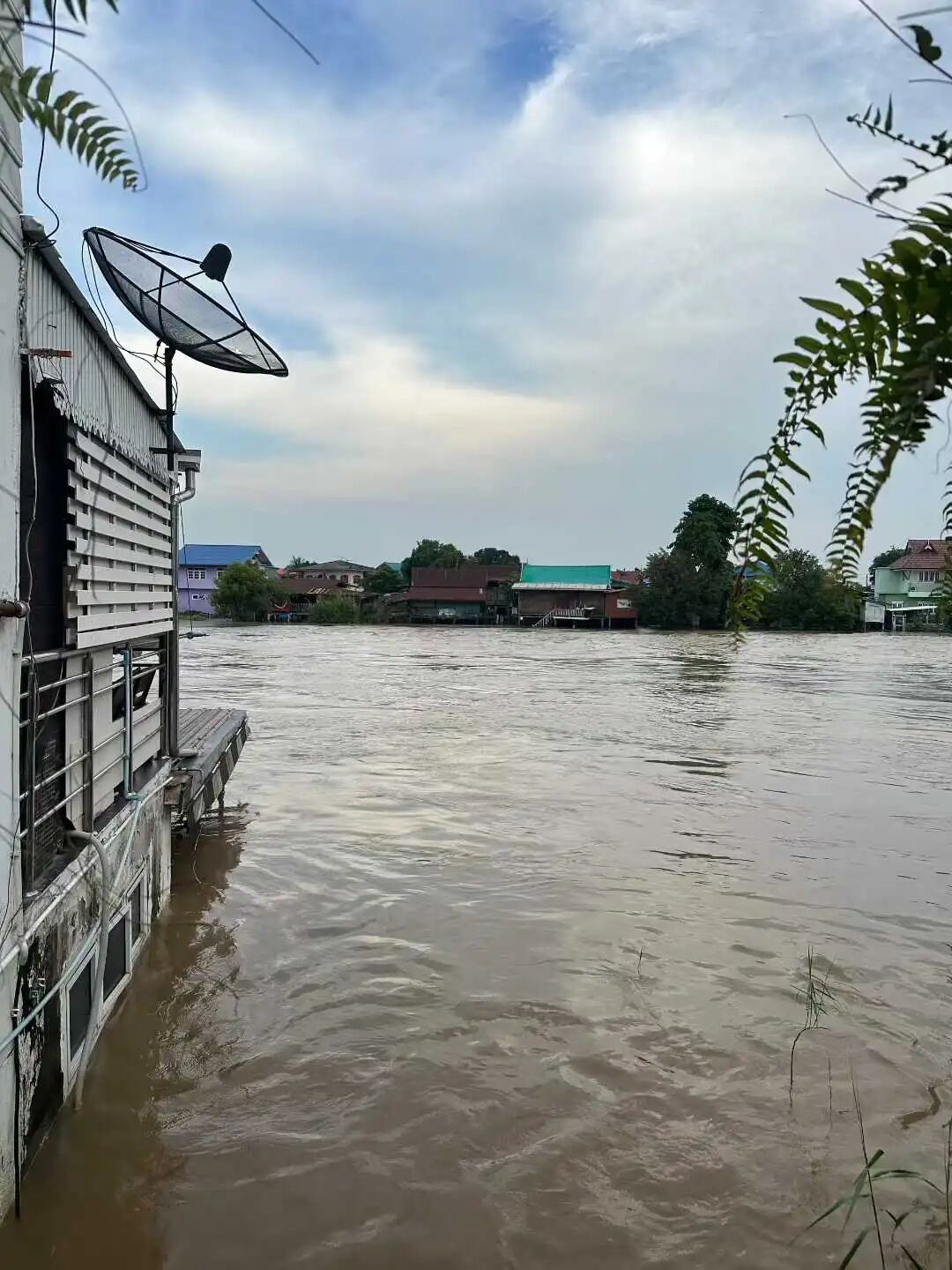
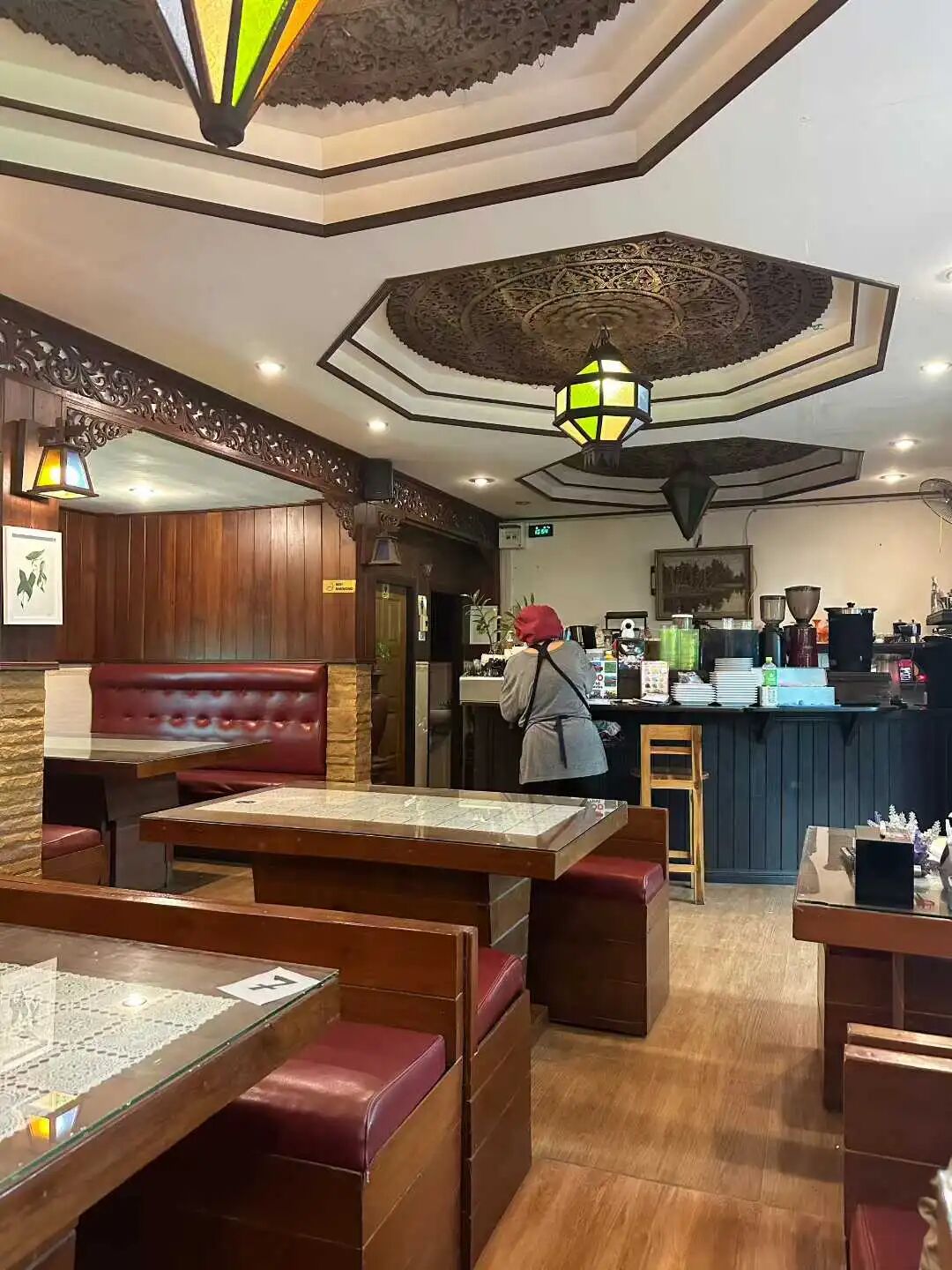
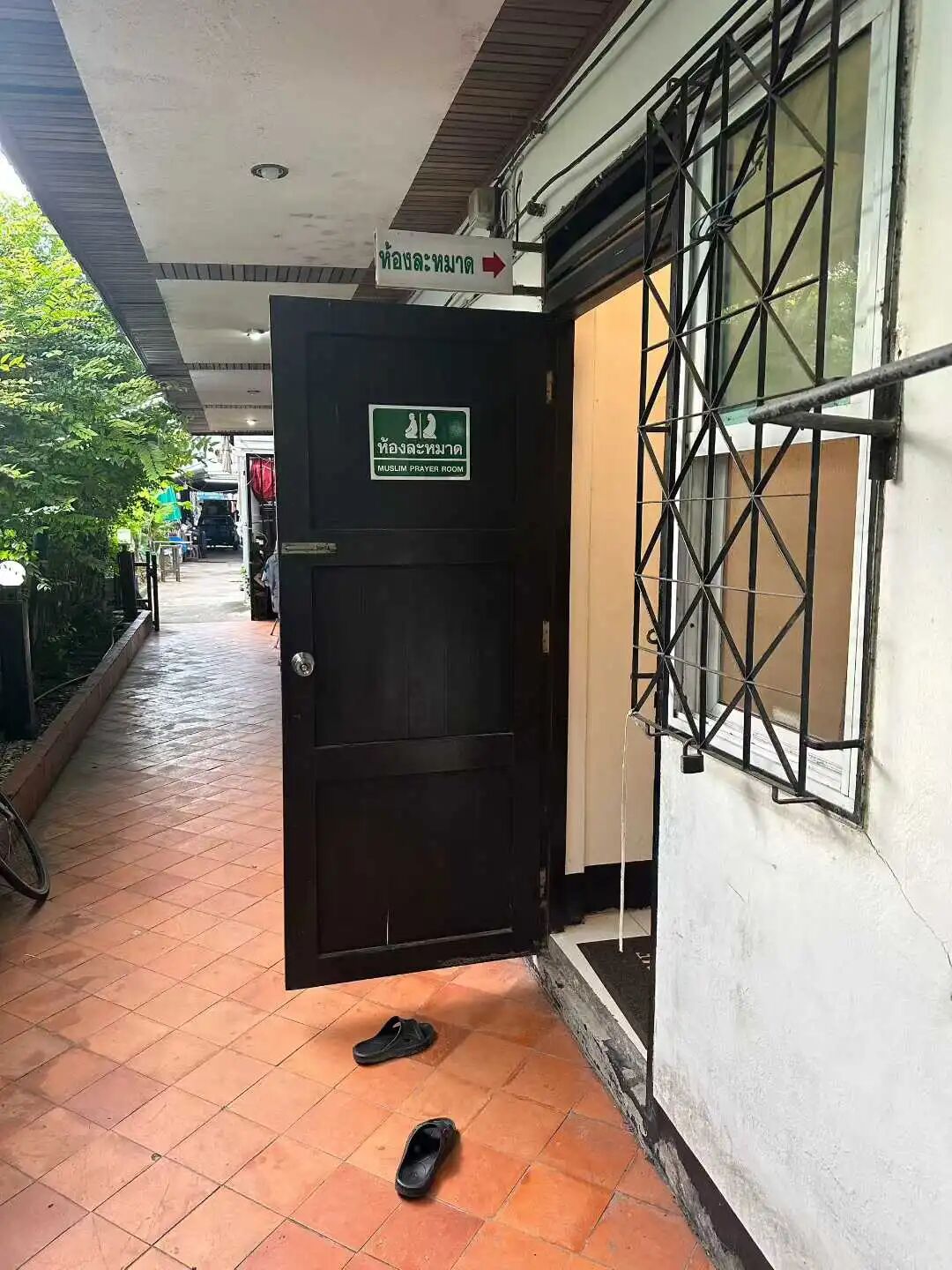
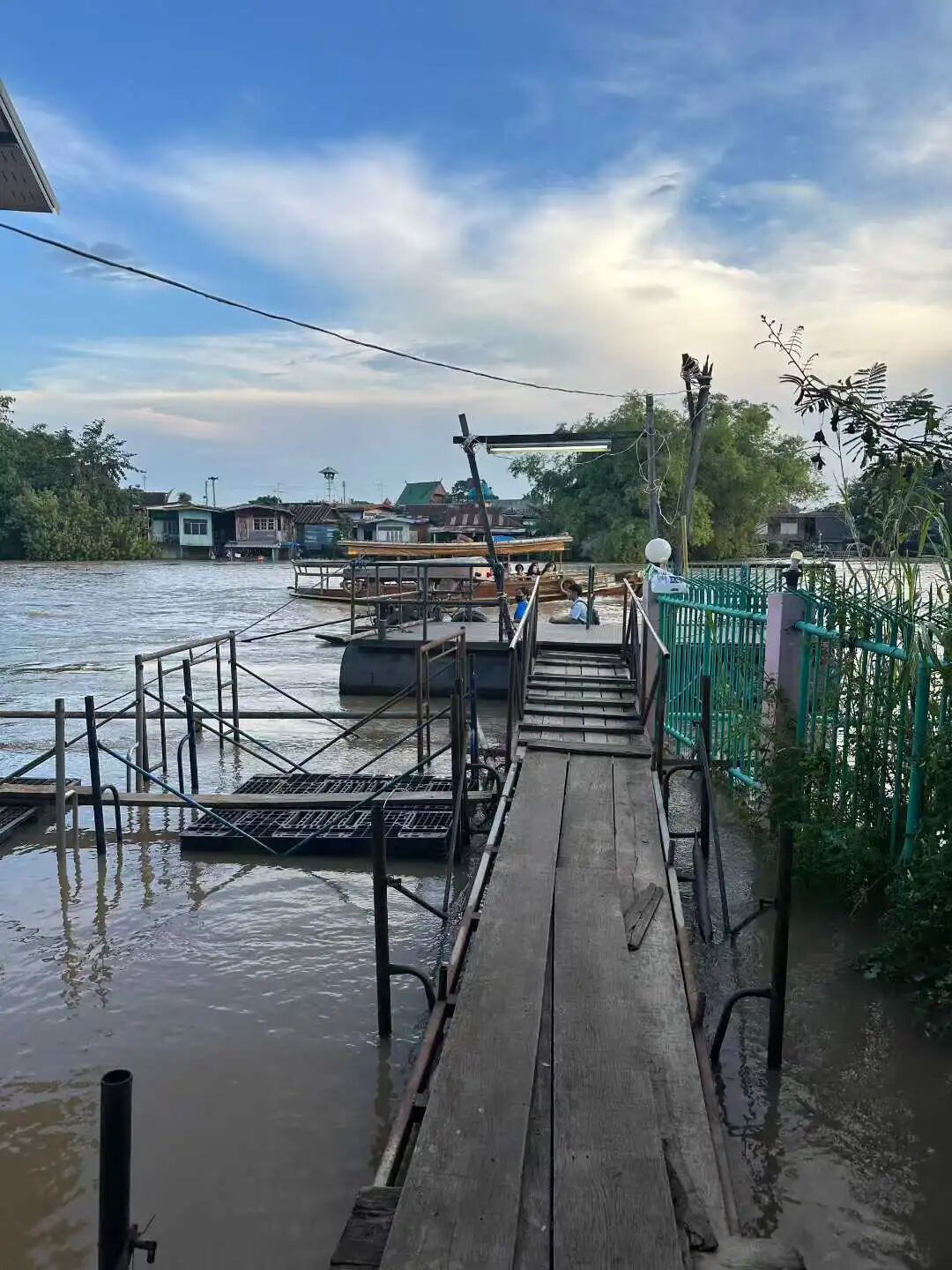
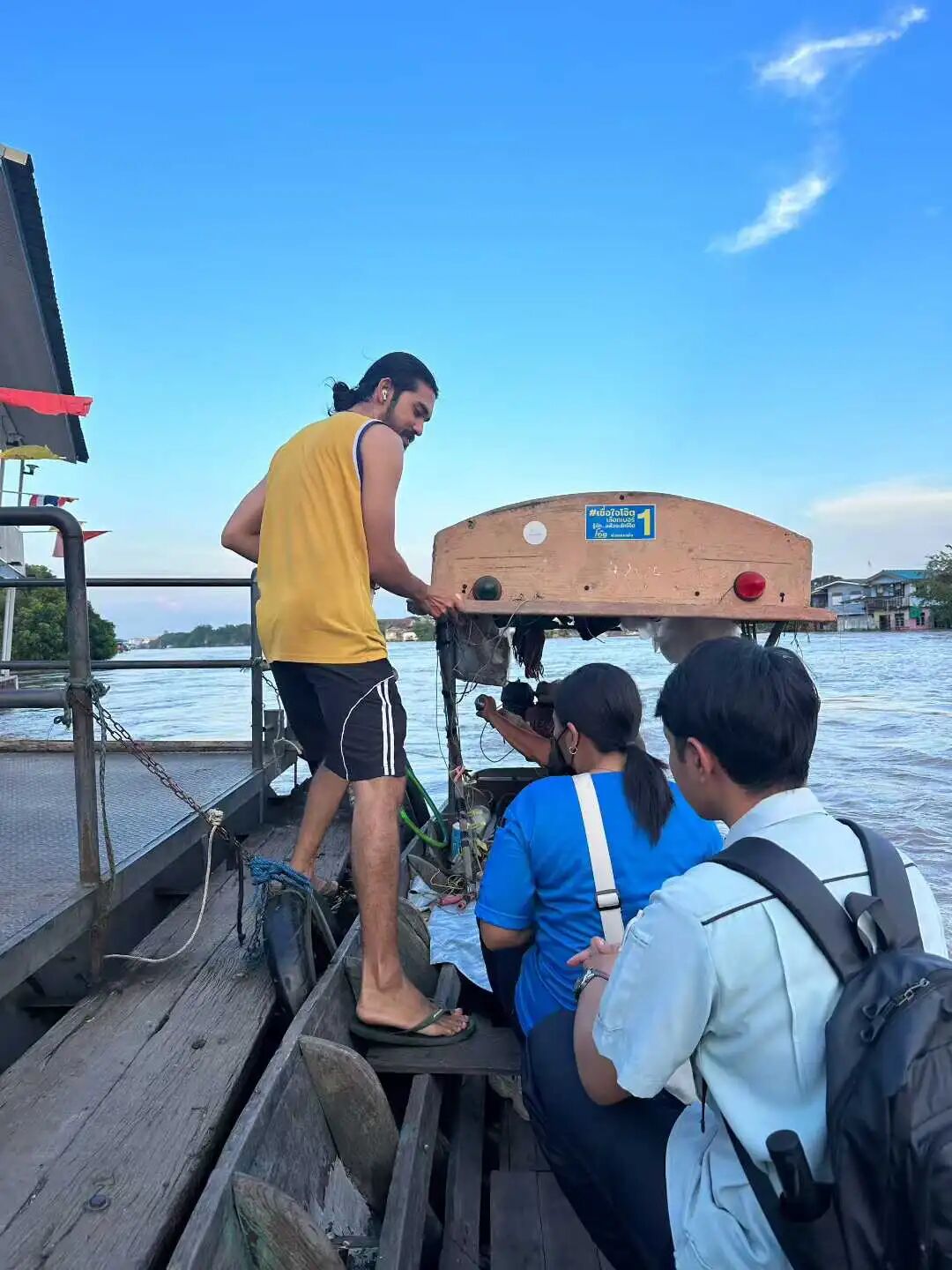
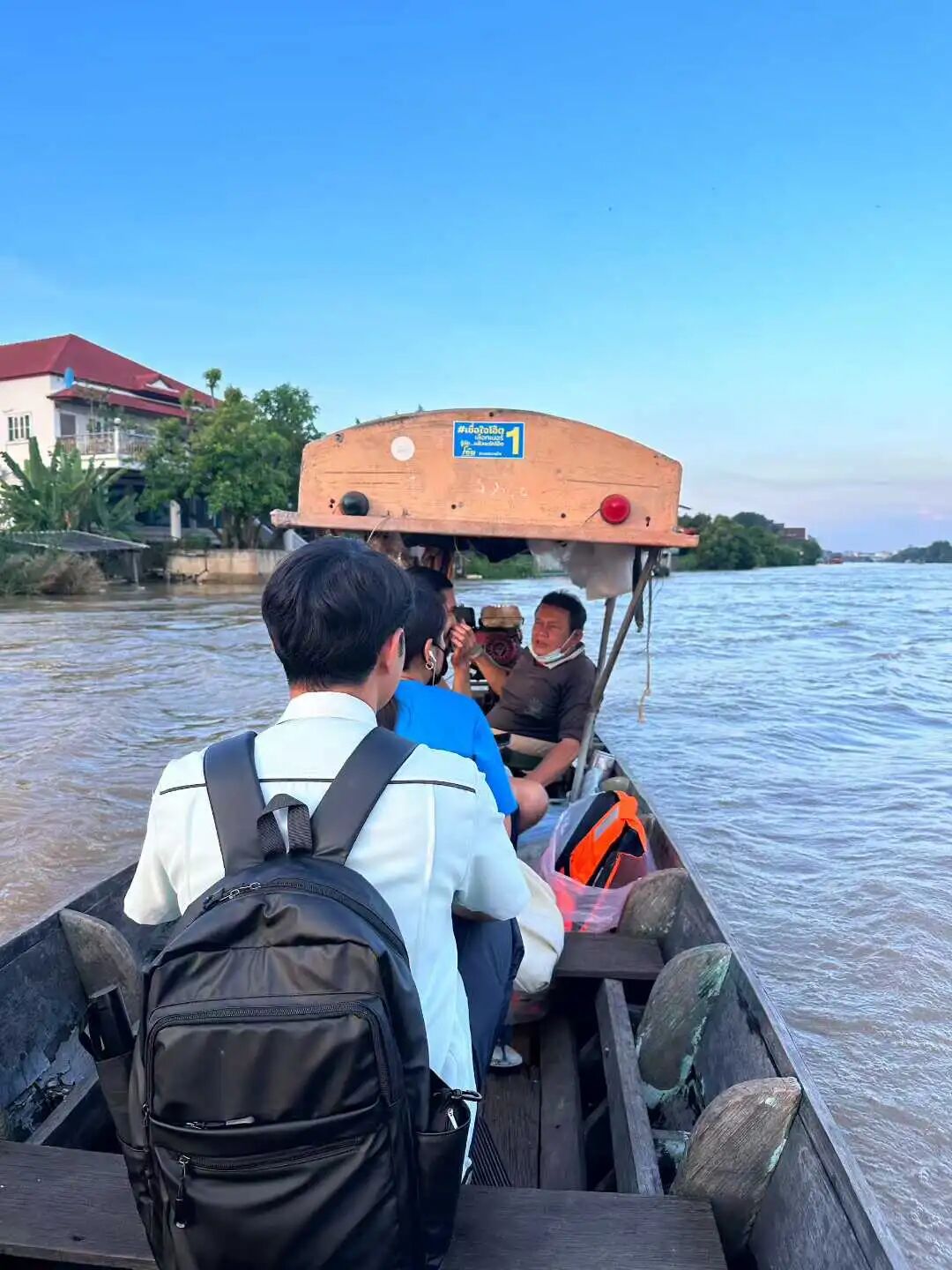
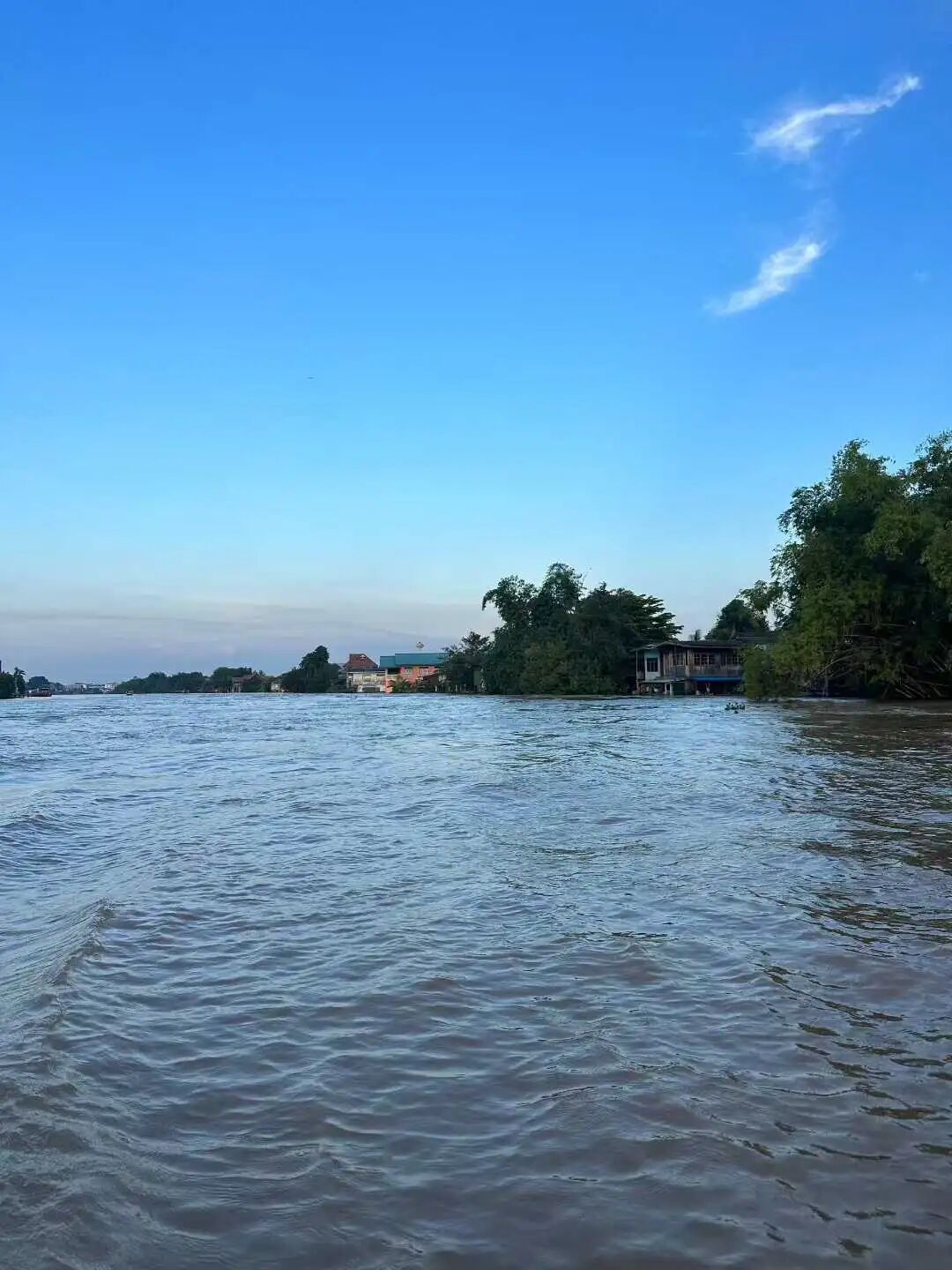
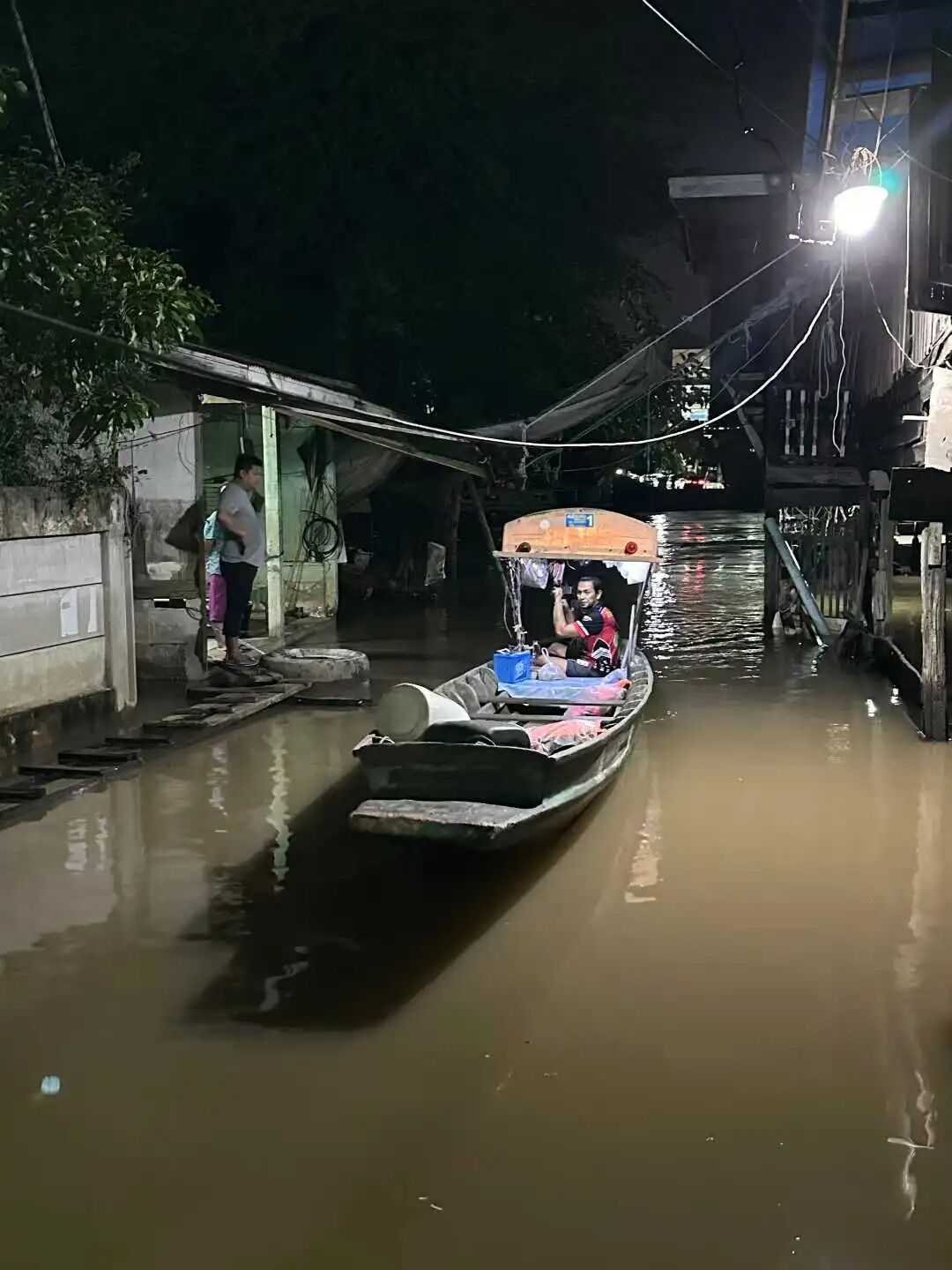
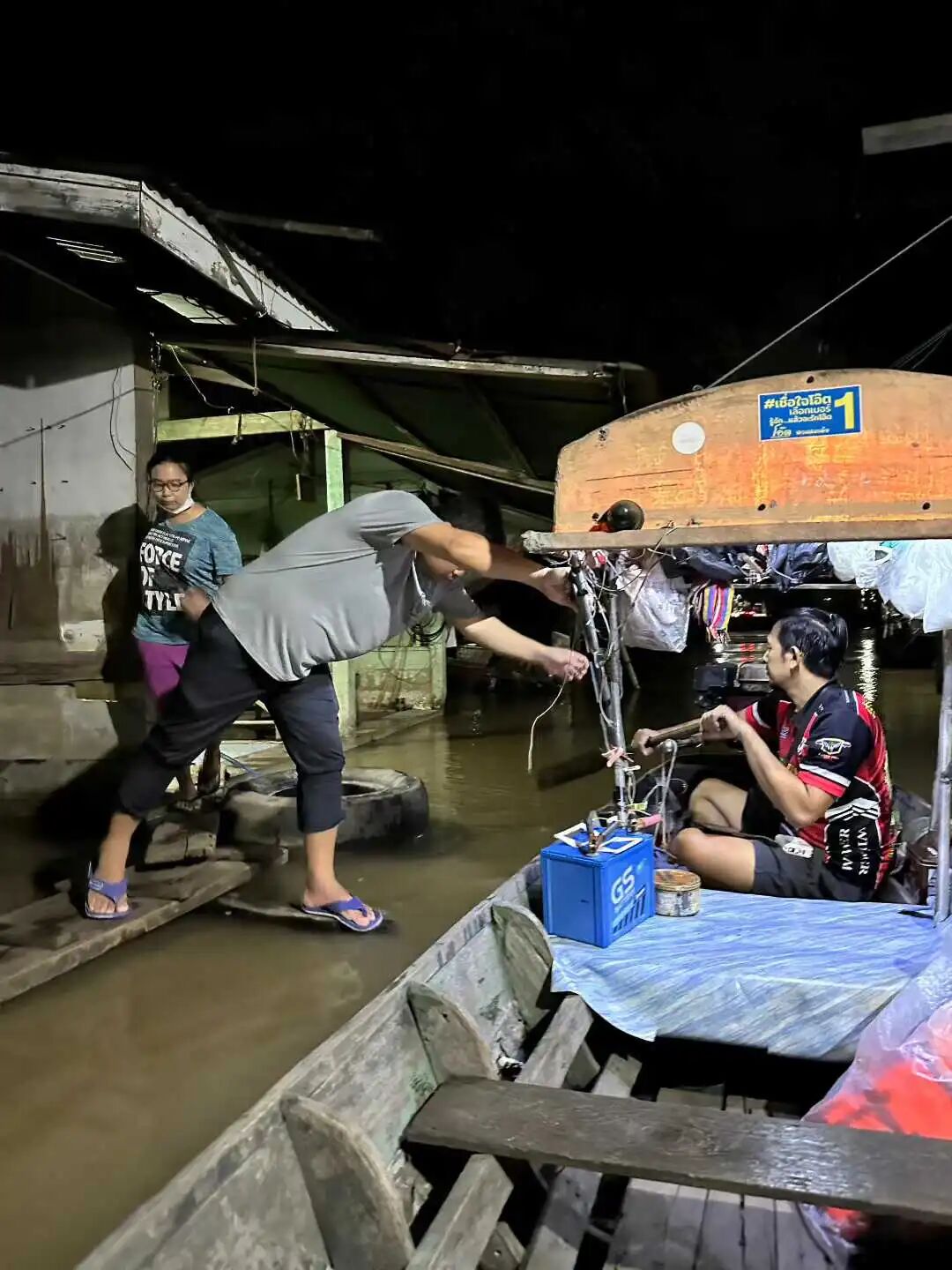
You must experience taking a small boat across the Chao Phraya River when you come to Ayutthaya. We took a small ferry at a pier in the south of the city, which easily connects to the Cham community on the south bank of the old city.
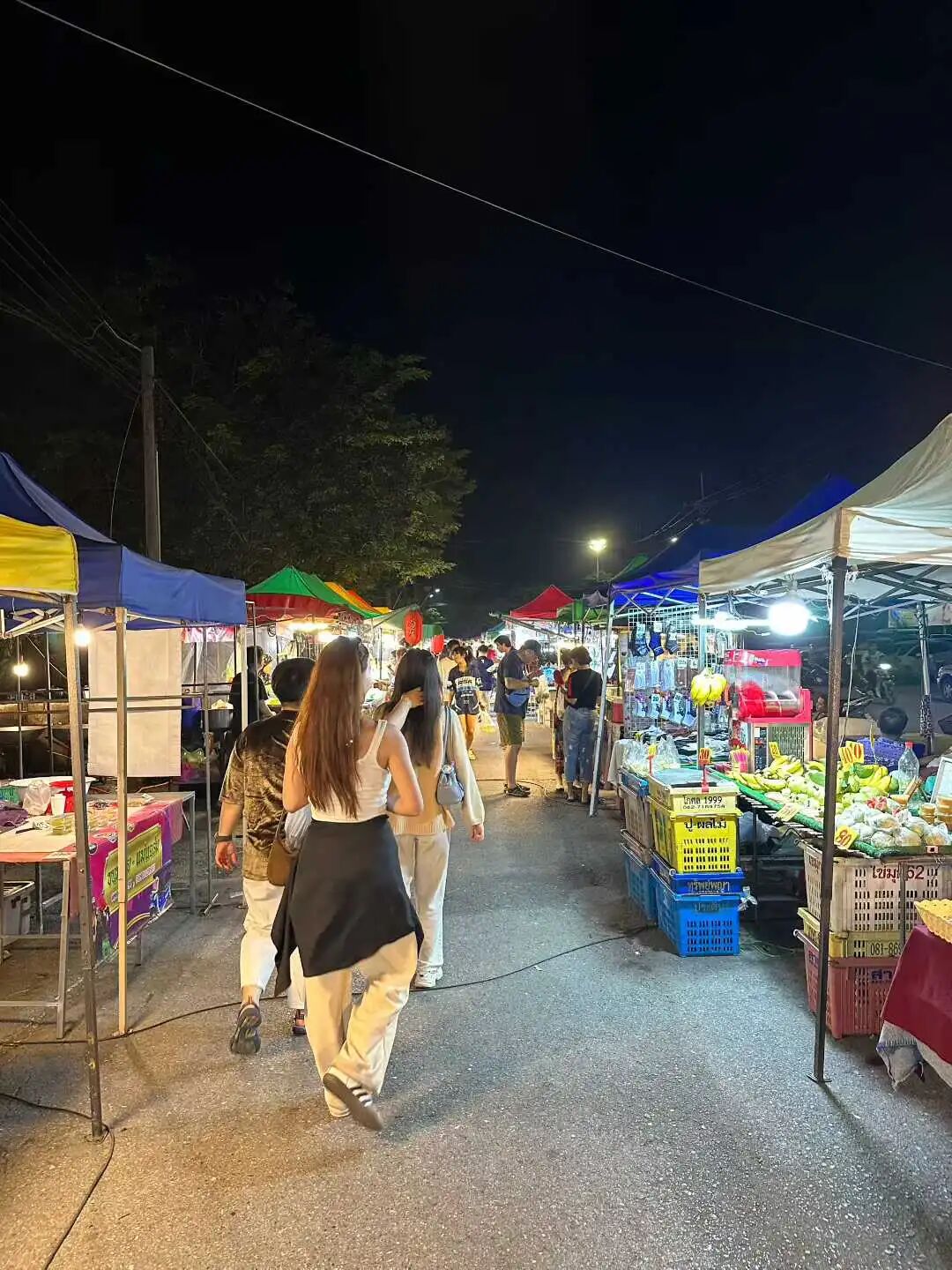
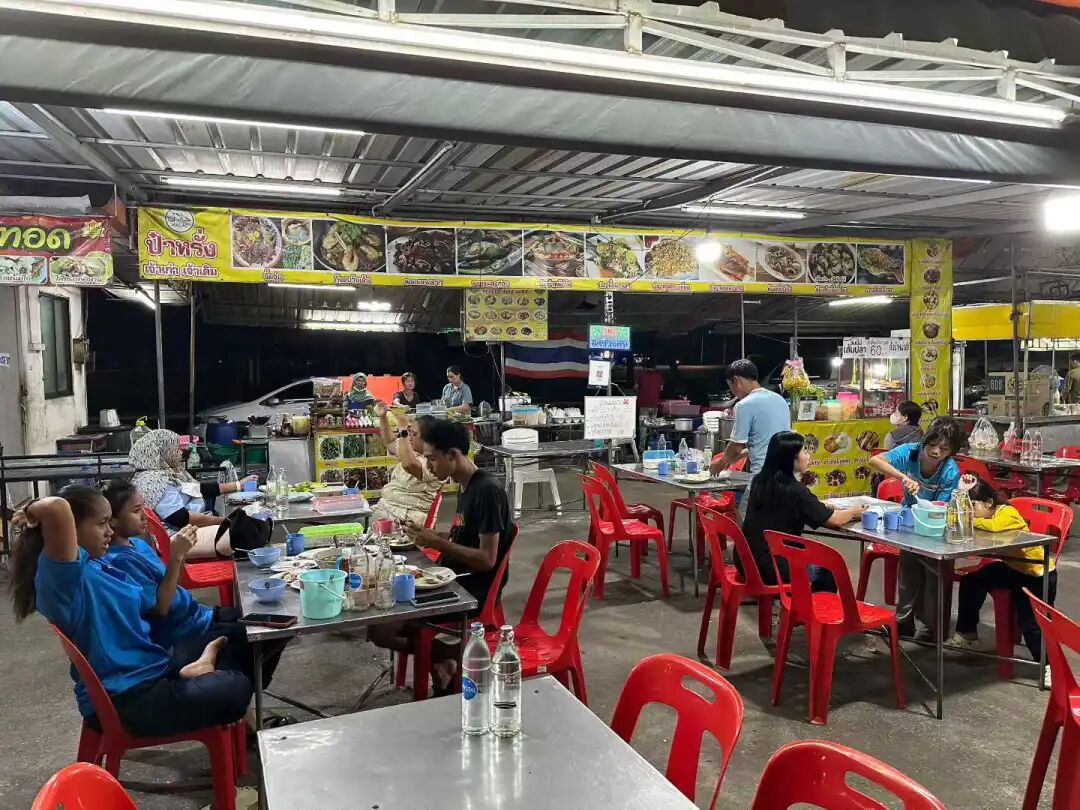
The Ayutthaya World Heritage night market is right across from Wat Mahathat. The market is just one street long and has some halal snacks like fried chicken, roti flatbread (roti), and shawarma, but there are no seats, so you have to stand and eat. The nearby historic sites are lit up at night, so it's nice to walk around the night market and look at the ruins.
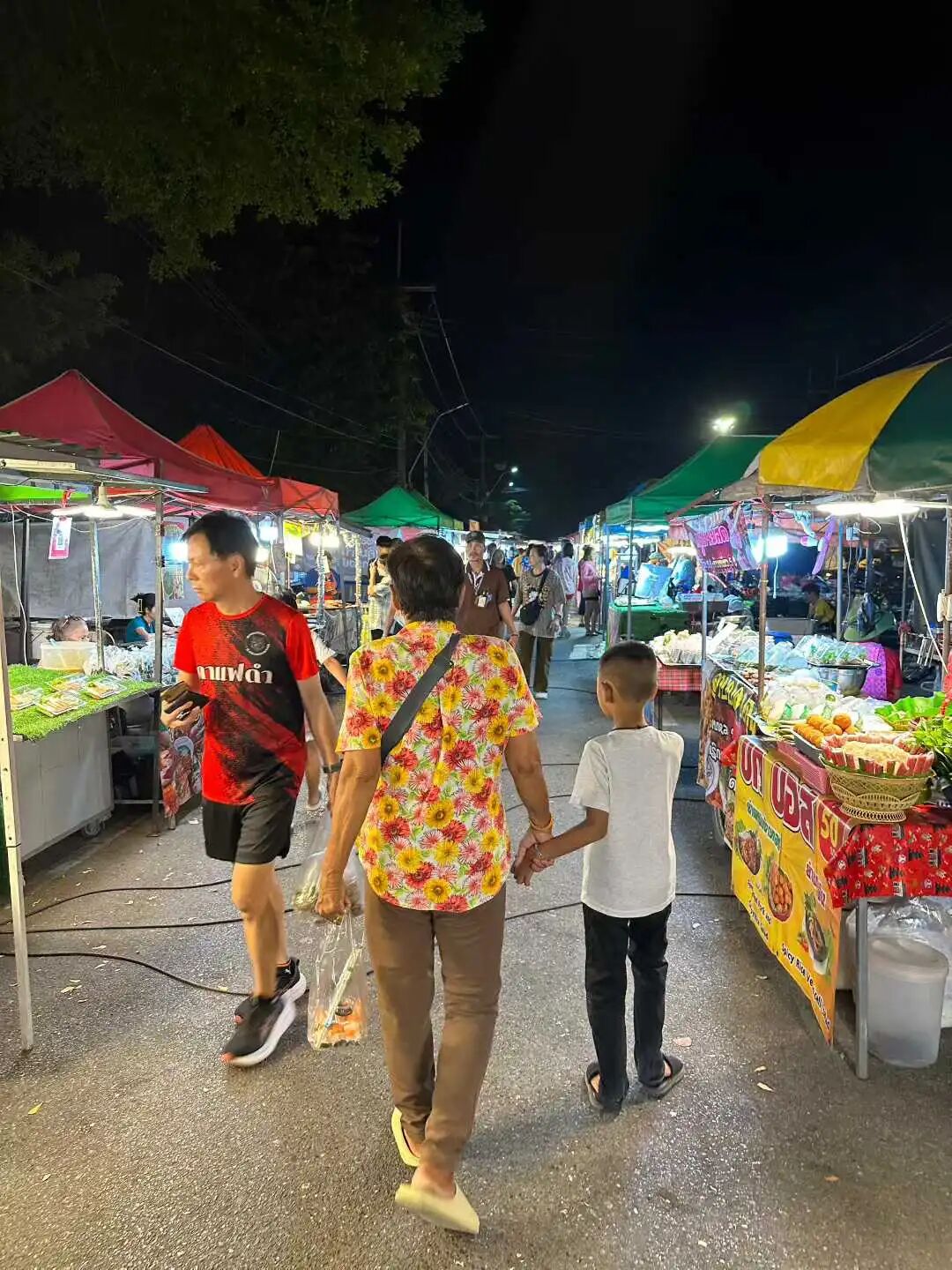
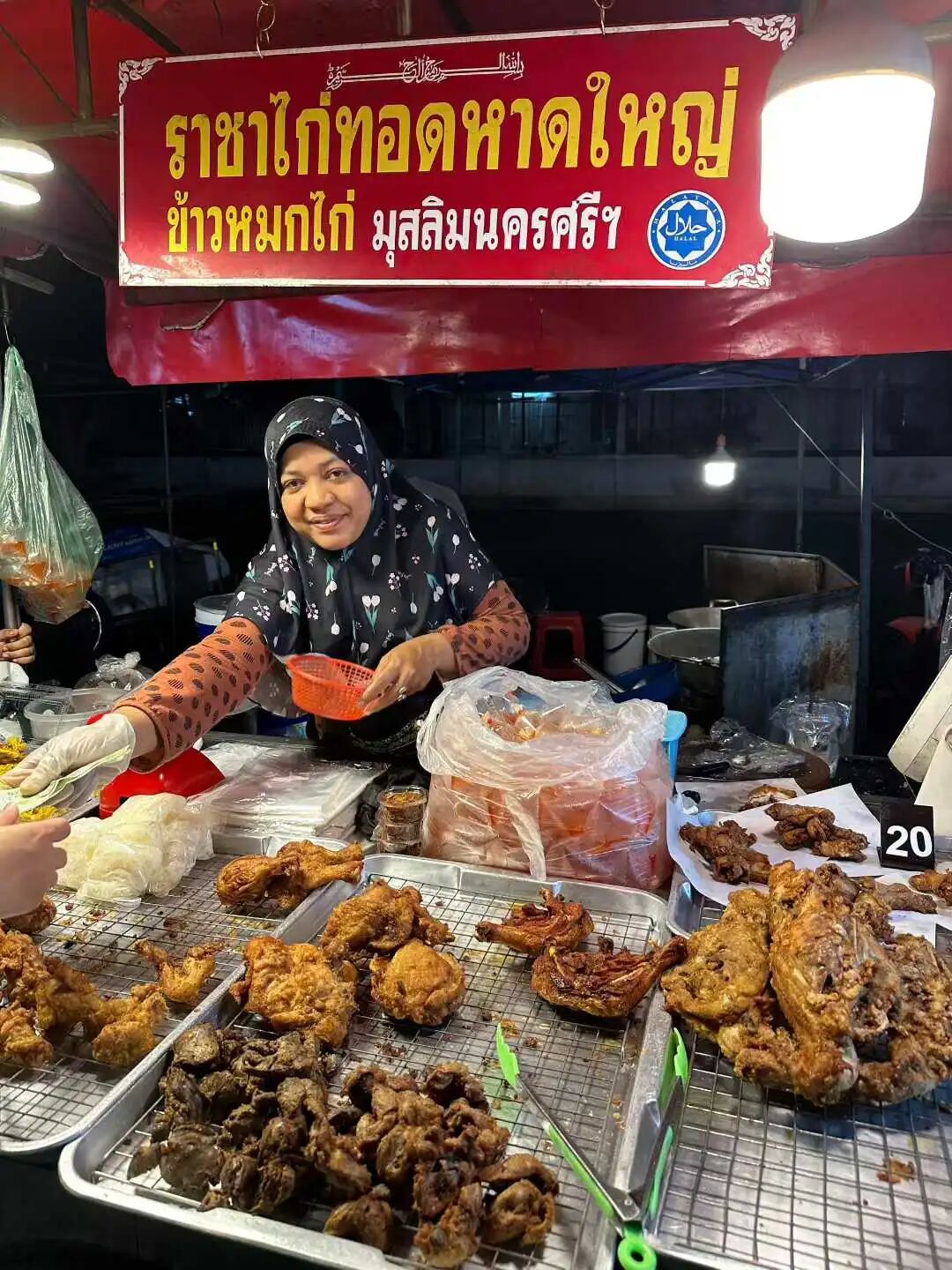
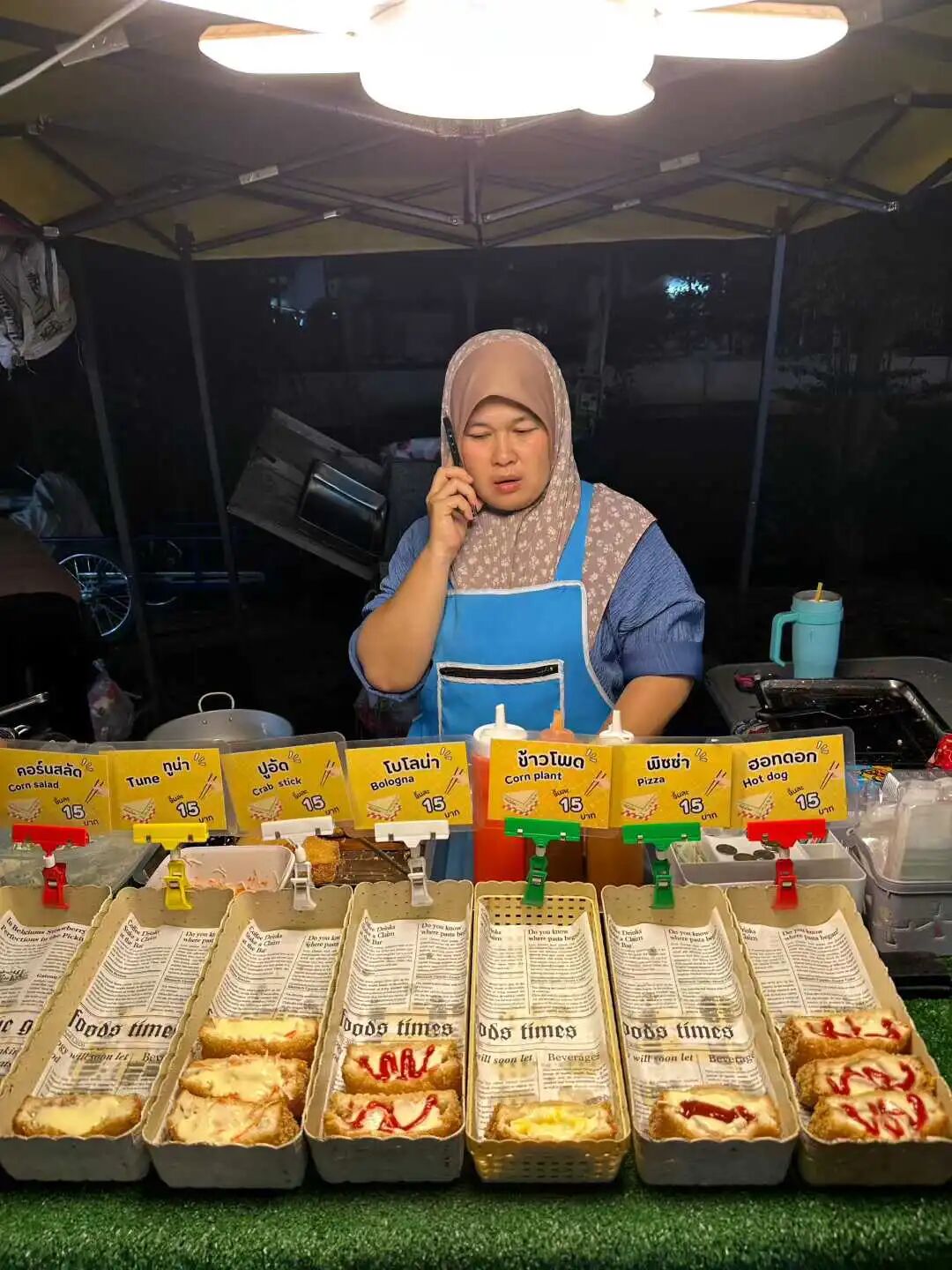
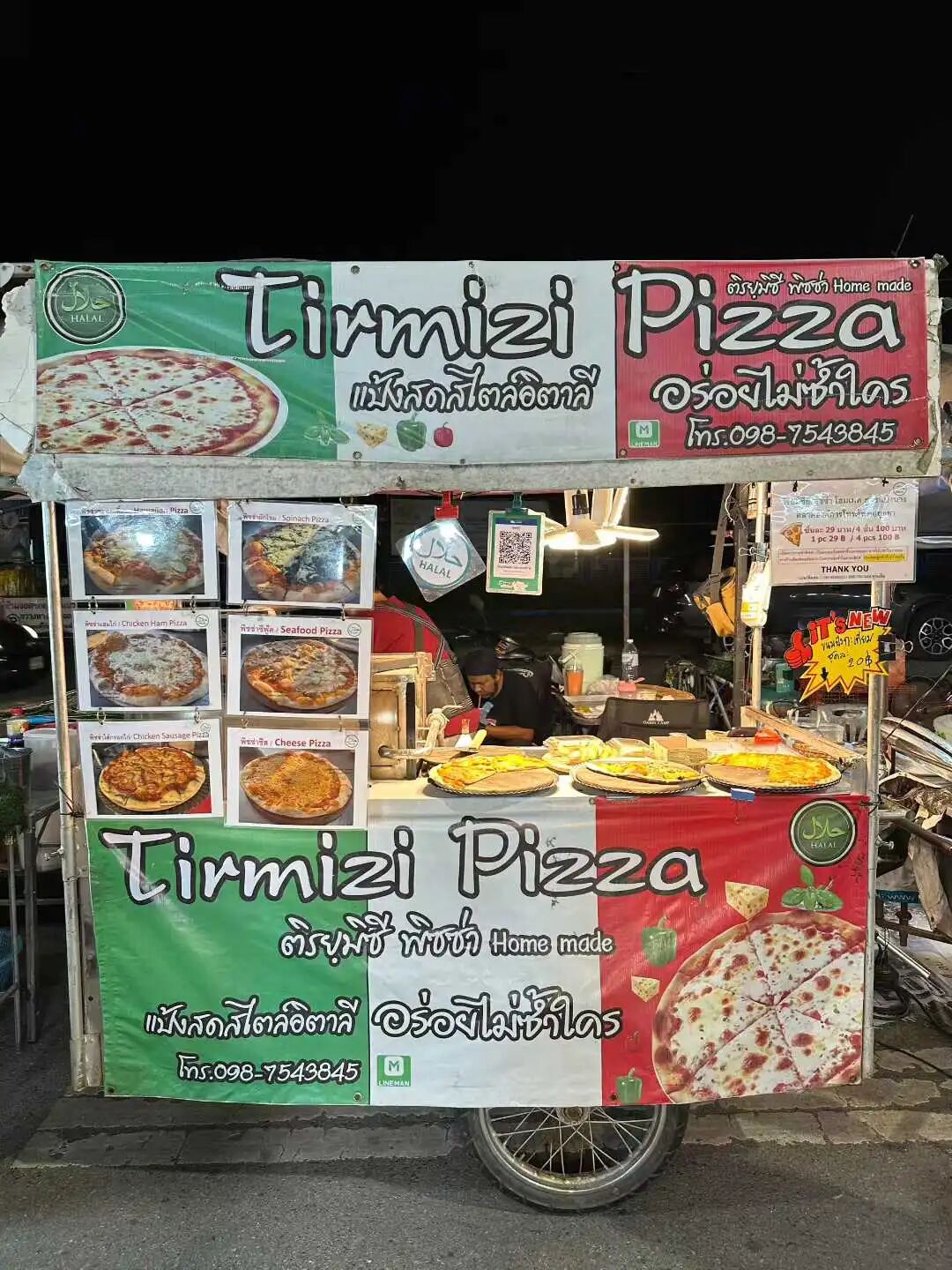
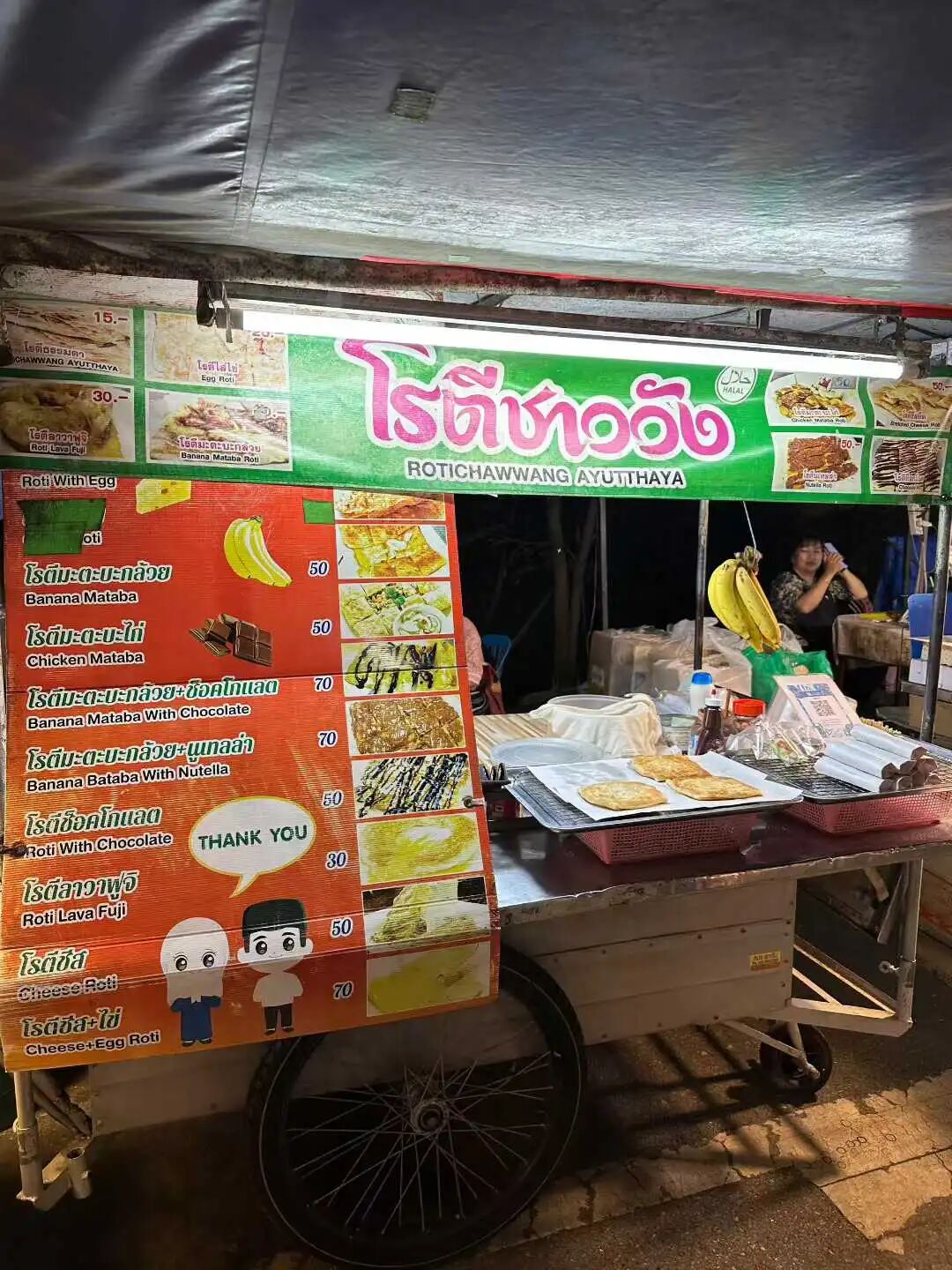
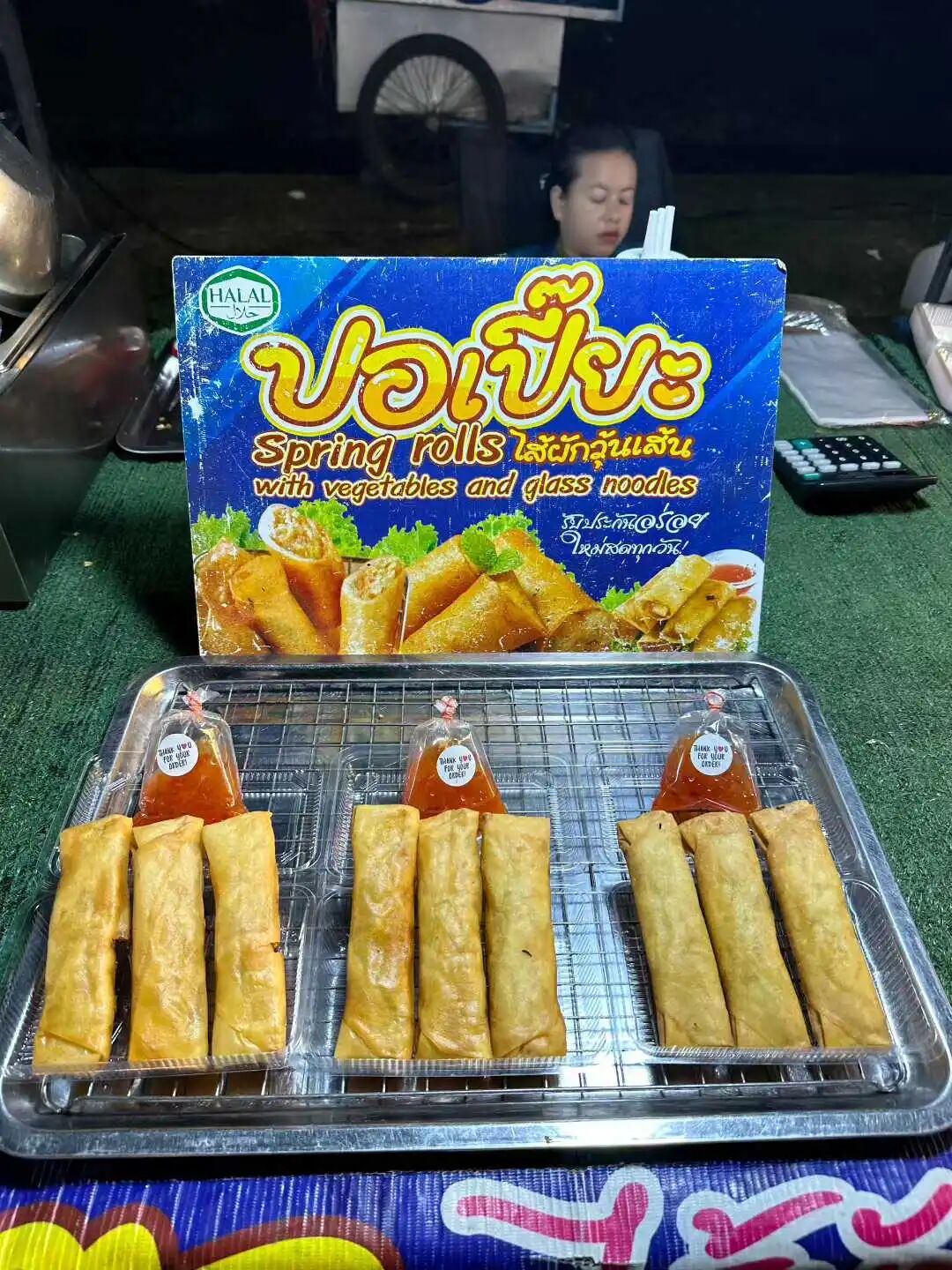
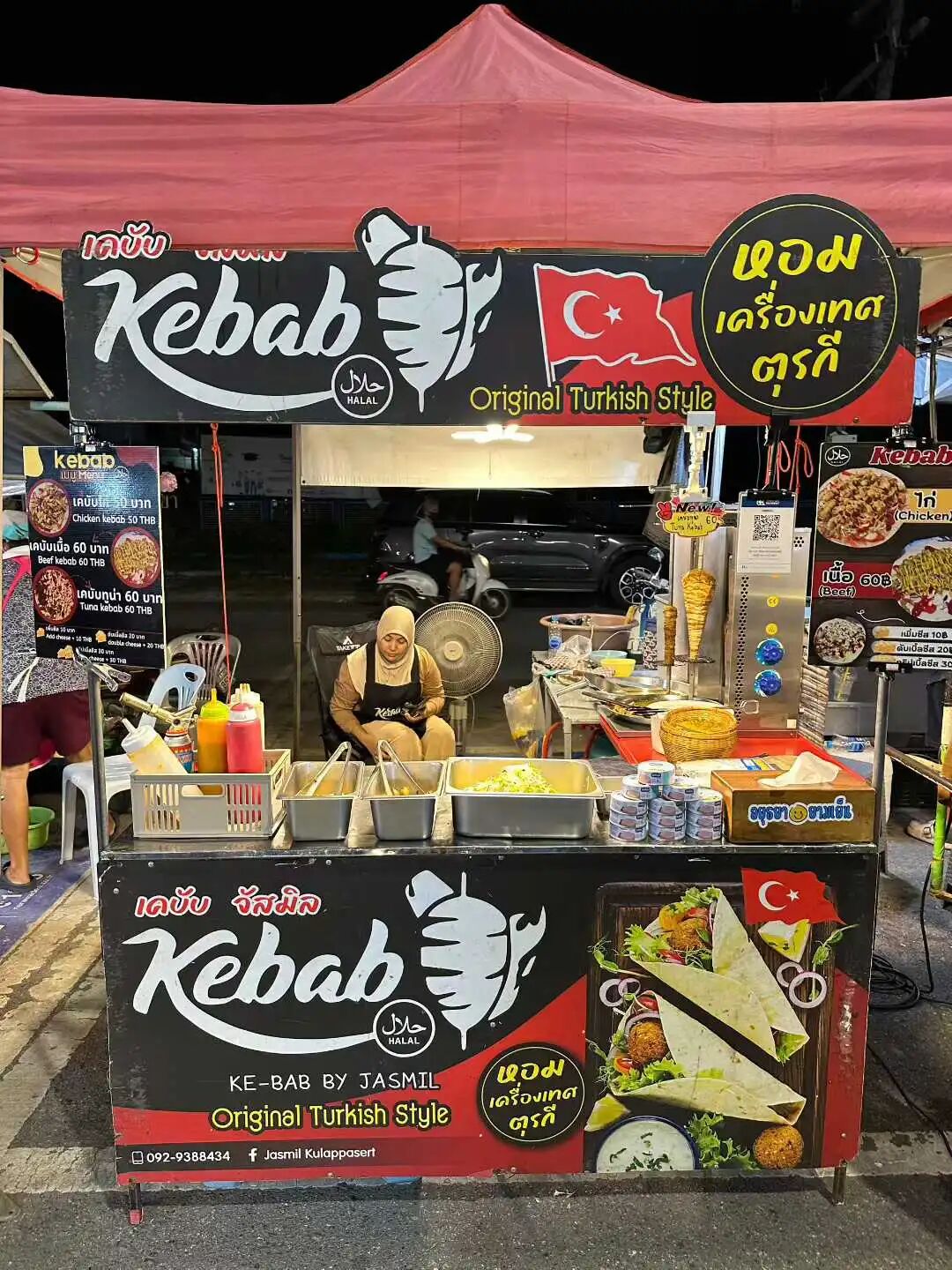
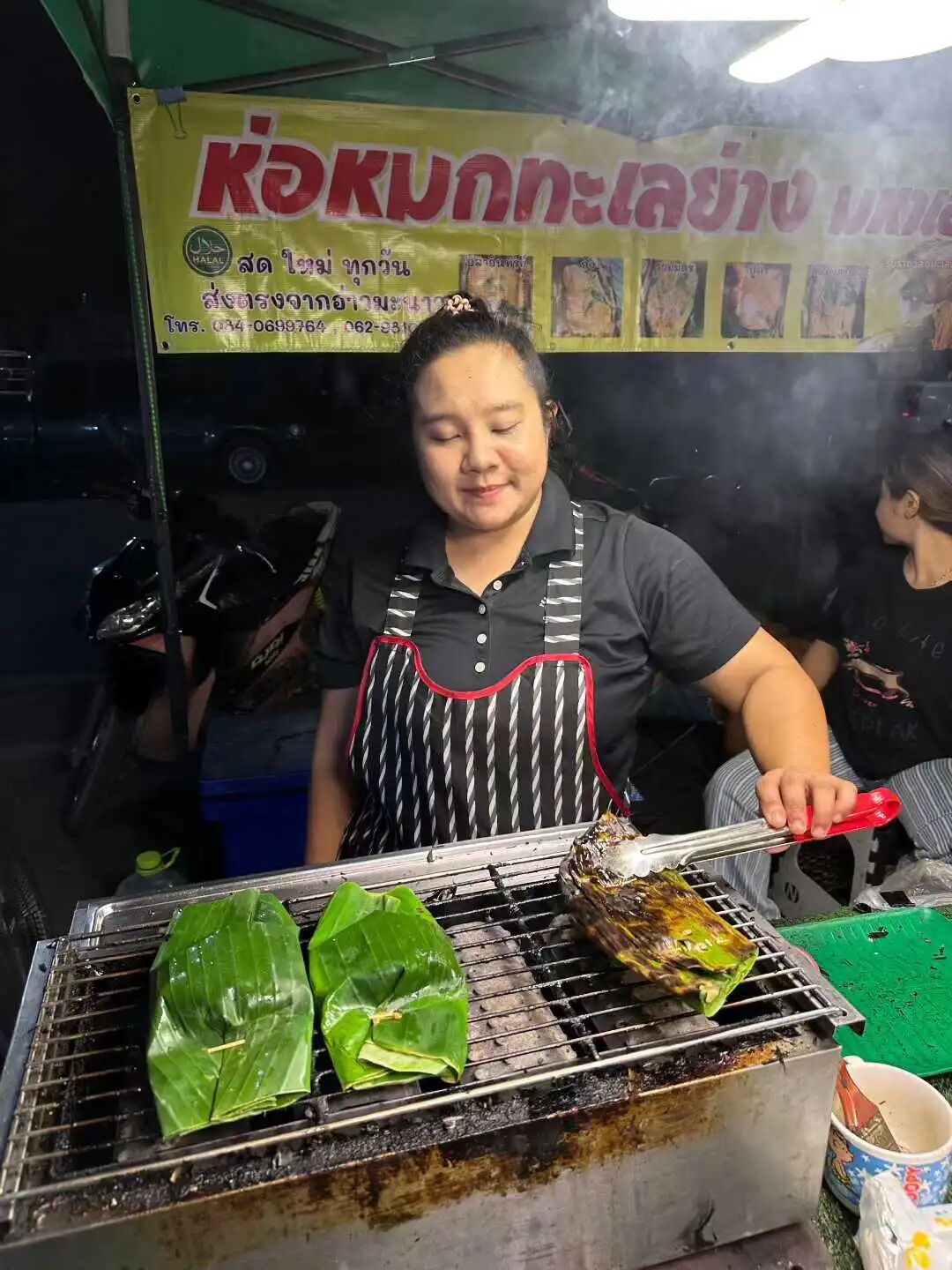
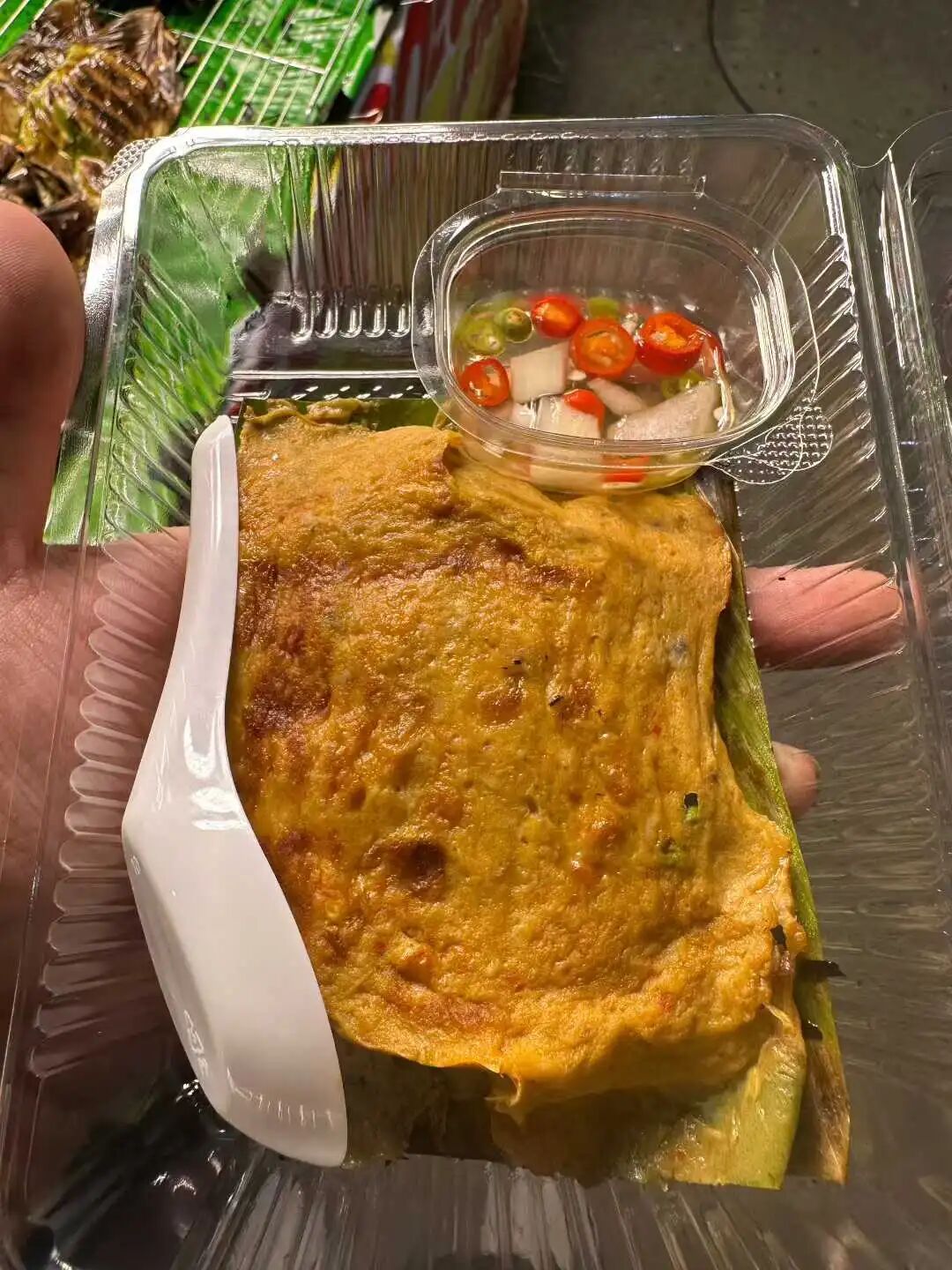
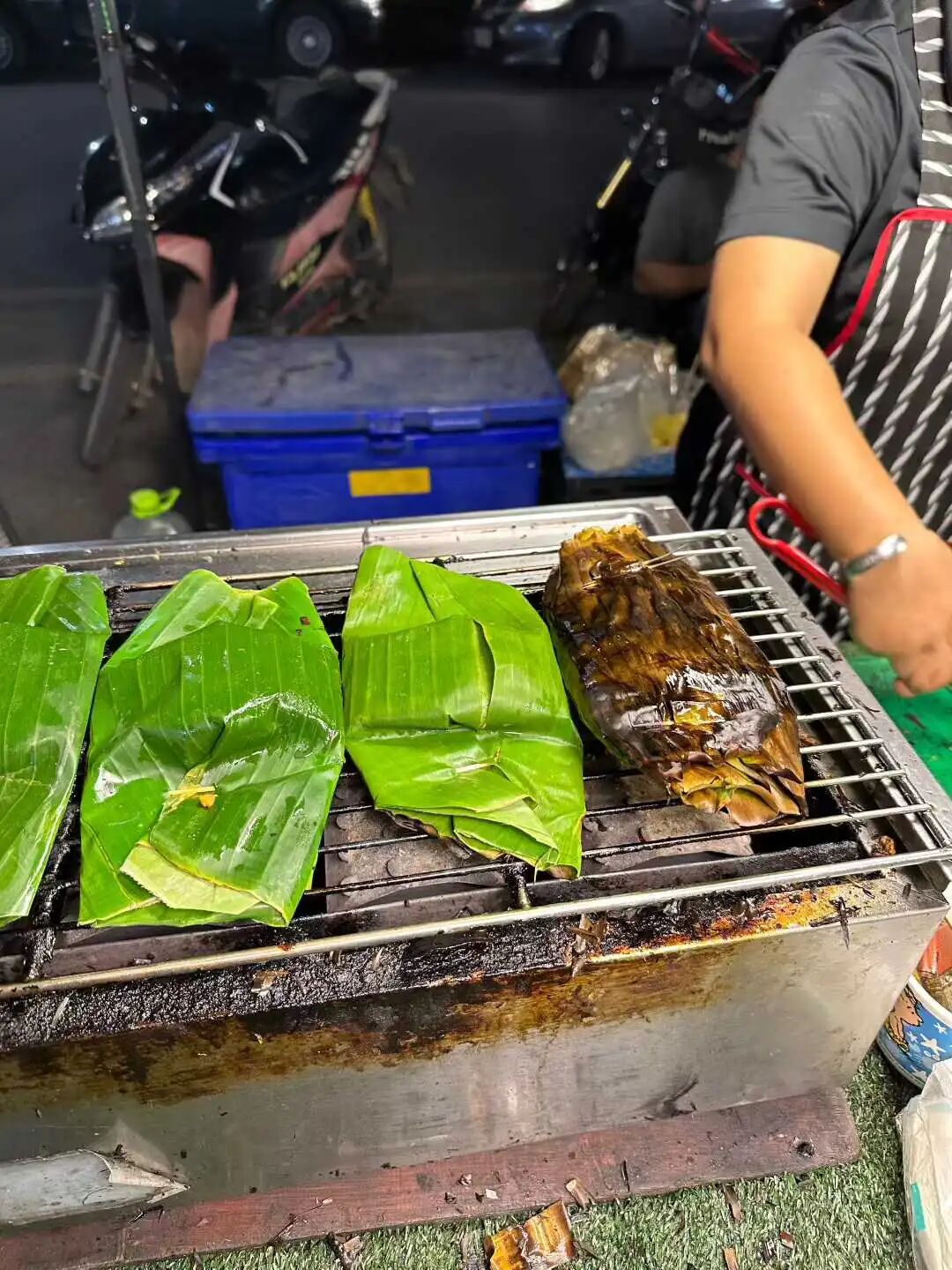
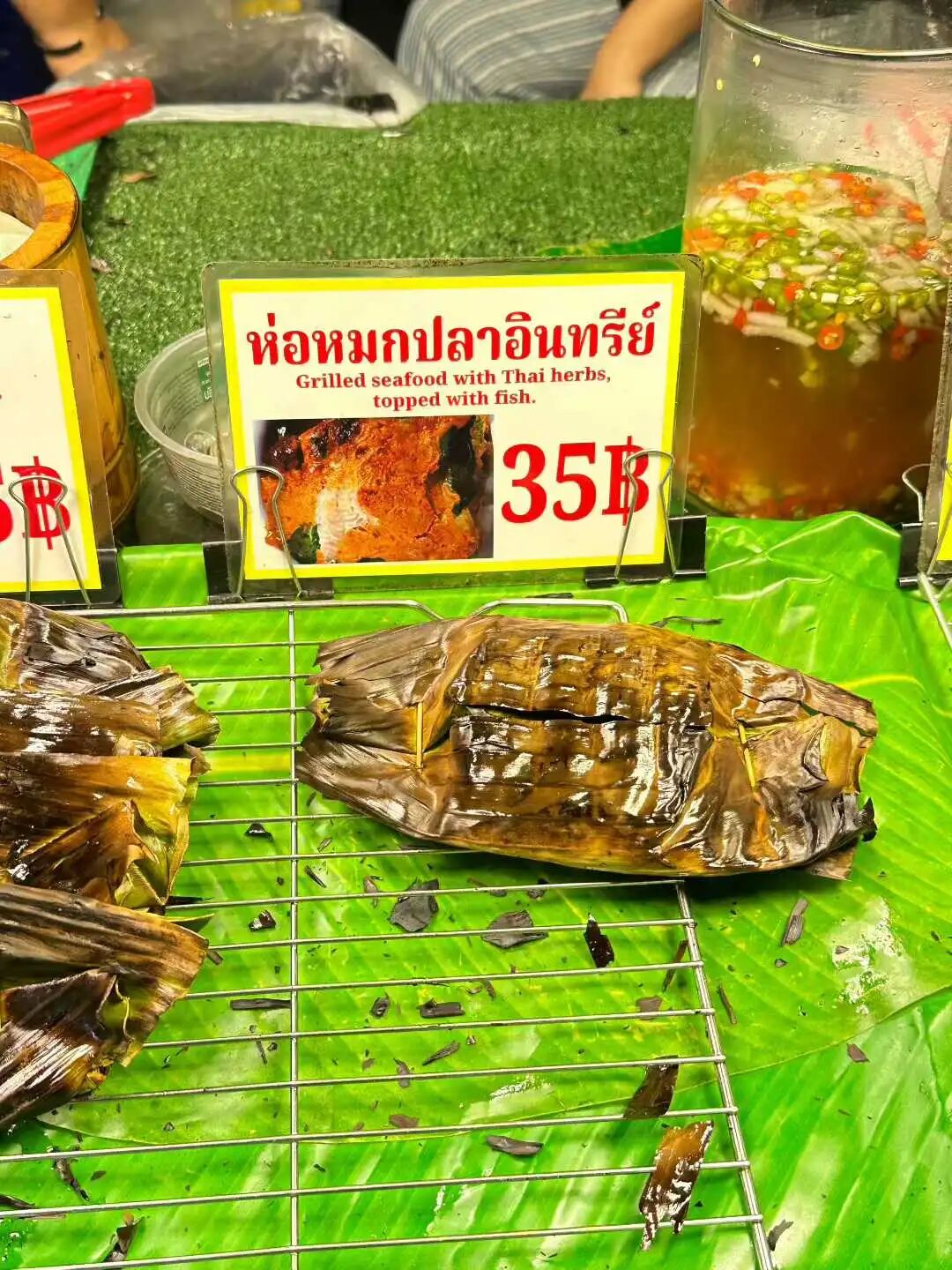
We ate a type of grilled fish cake wrapped in banana leaves at the night market, and it was very spicy. There is also a halal stall on the south side of the night market where I had some home-style dishes, shrimp fried rice and stir-fried crown daisy, which was a nice light meal.
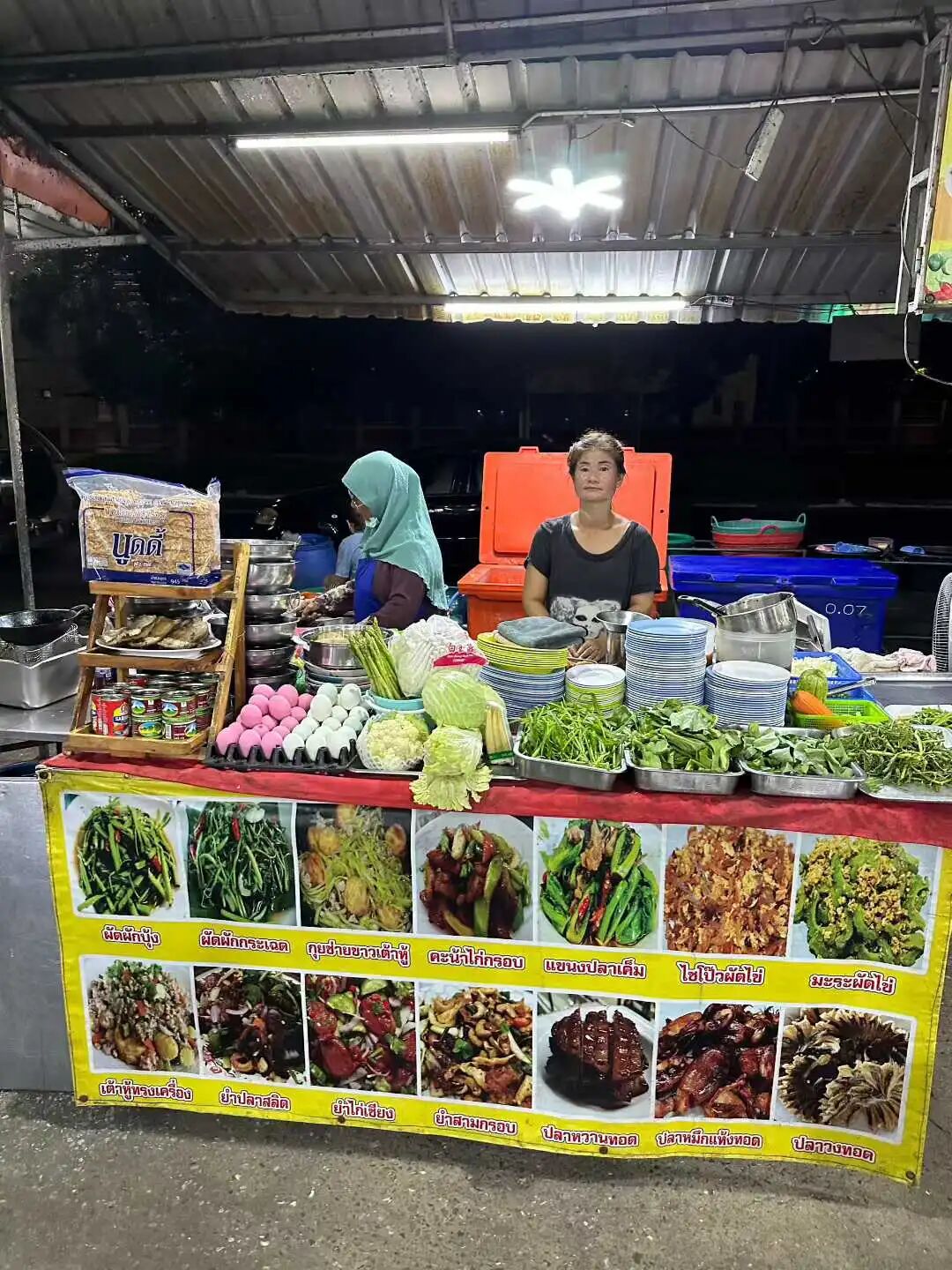
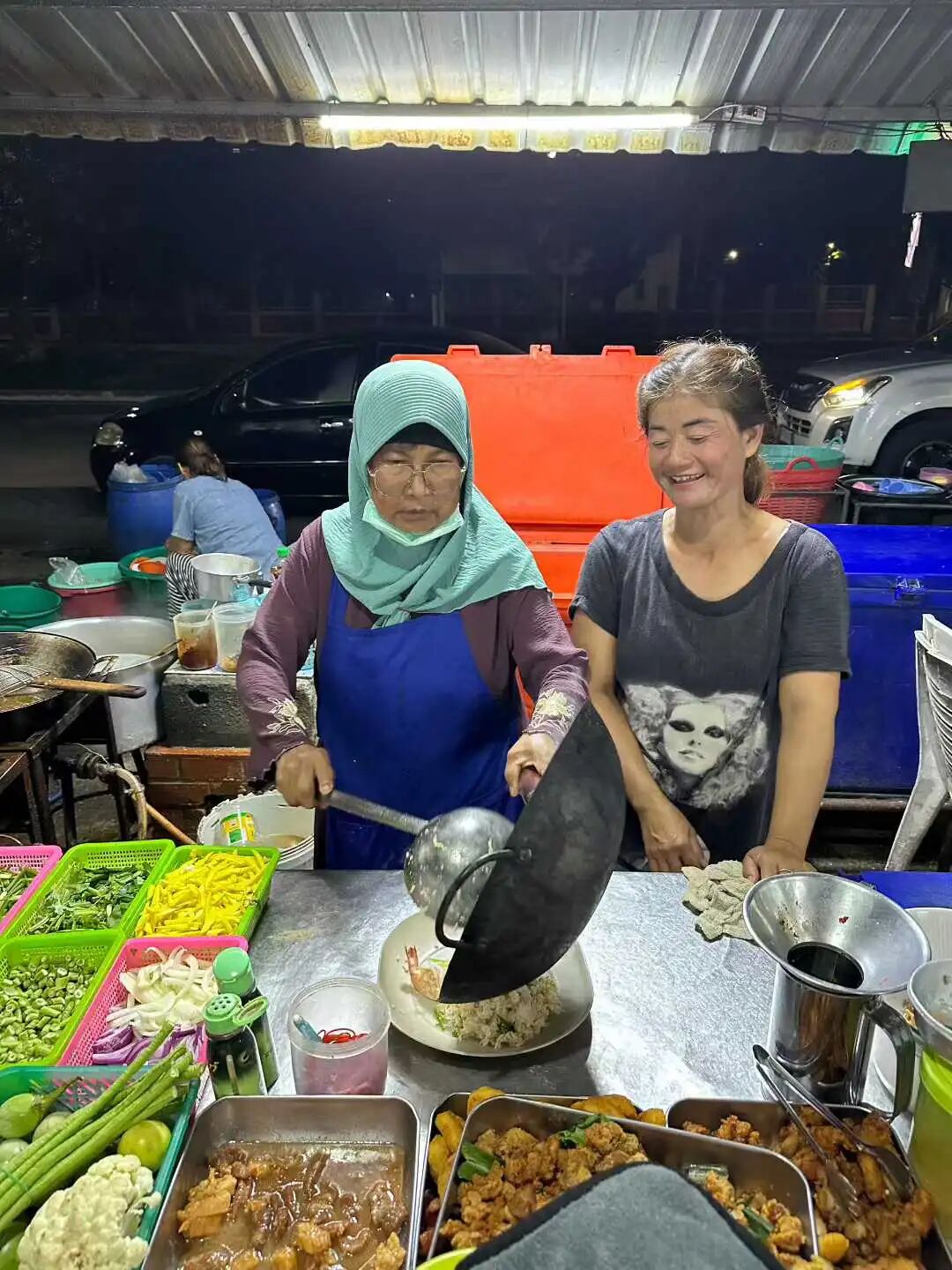
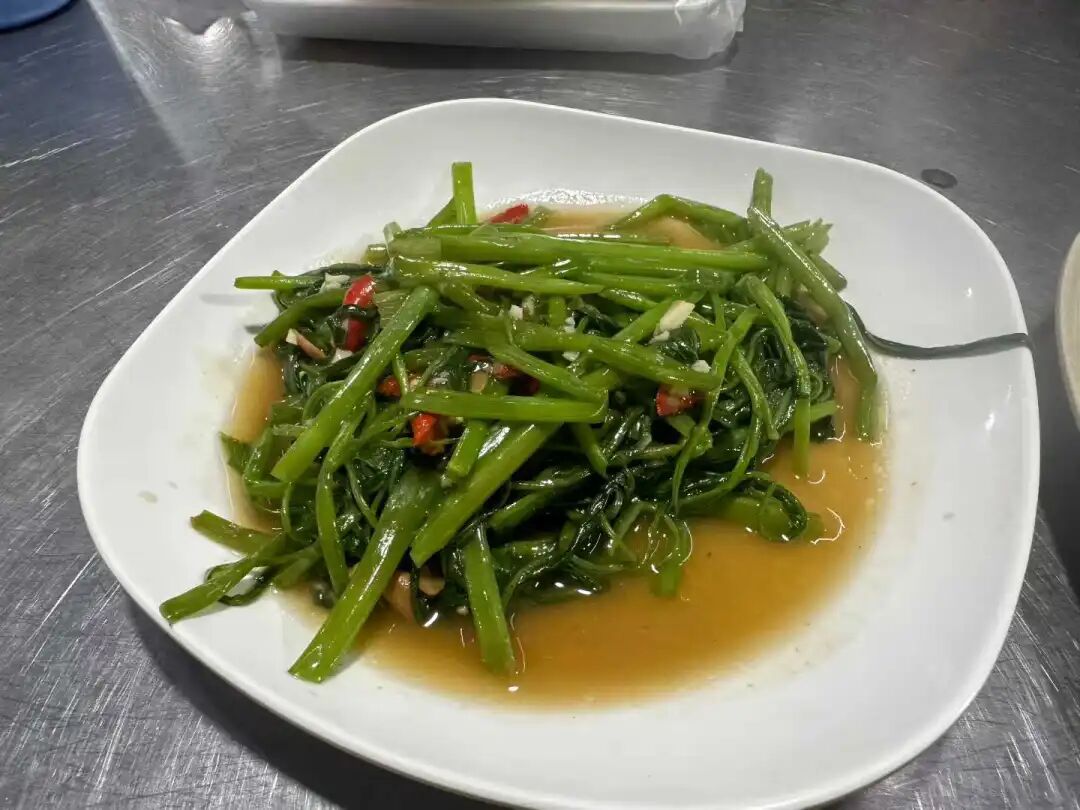
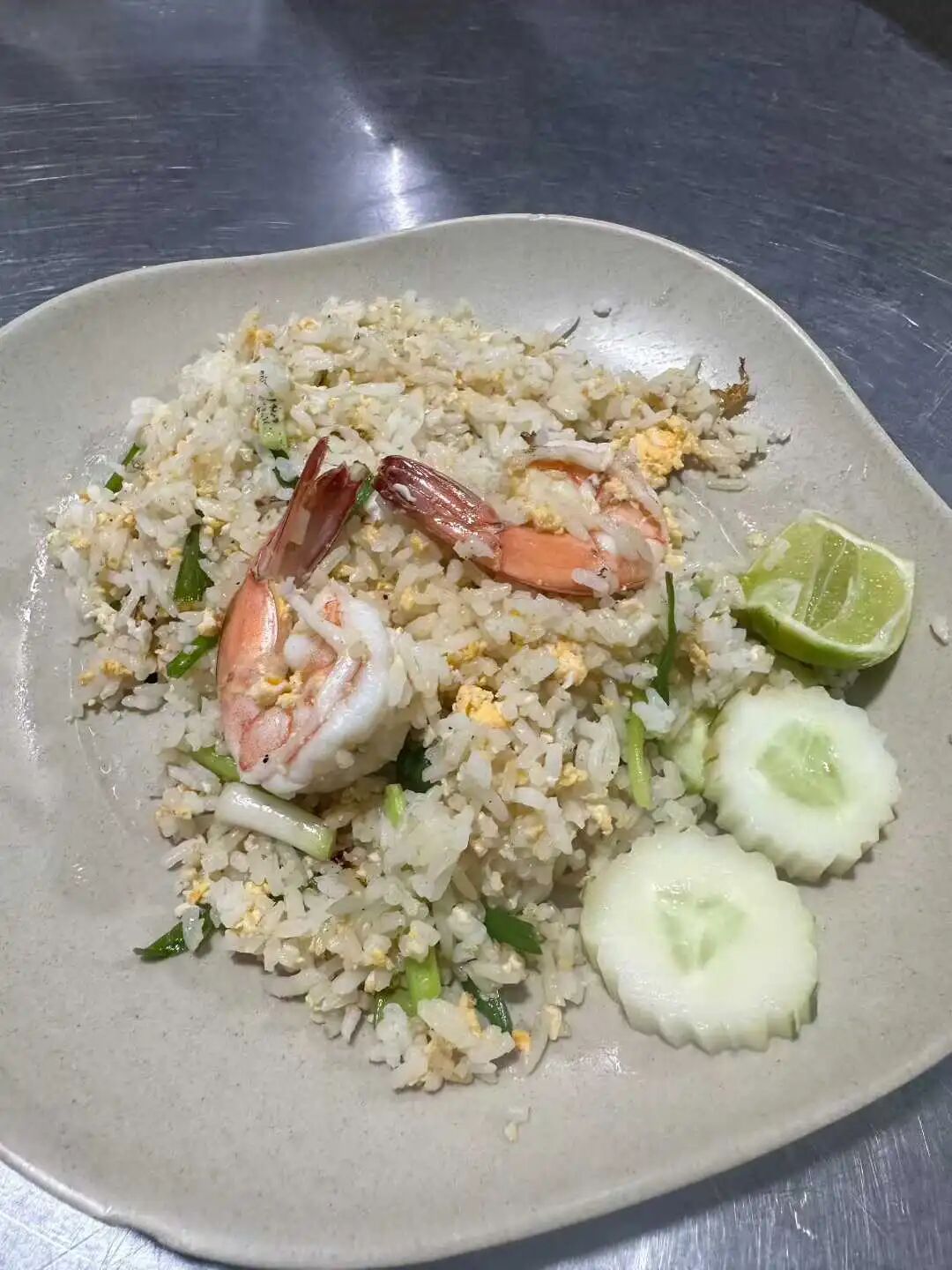
On Friday, while attending Jumu'ah prayers in Ayutthaya, I was invited to lunch by two aunties who were also there for prayers. The aunties drove us to the Pakistani Noor Mosque in the northern part of the old city. I was surprised to find a snack shop in the courtyard run by an auntie of mixed Chinese and Pakistani heritage. And that is how we magically ended up eating authentic chicken char siu wonton noodles in the courtyard of a Pakistani mosque in Thailand.
The auntie who owns the shop no longer speaks Chinese. Through another auntie who treated us to a meal and translated for us, she explained that her father was Chinese and settled here after marrying a Pakistani woman. Although she has never been back to China, she was still very excited to see friends (dost) from China. Judging by the barbecued pork wonton noodles (chashao yuntun mian) she makes, her father was likely from Guangdong.
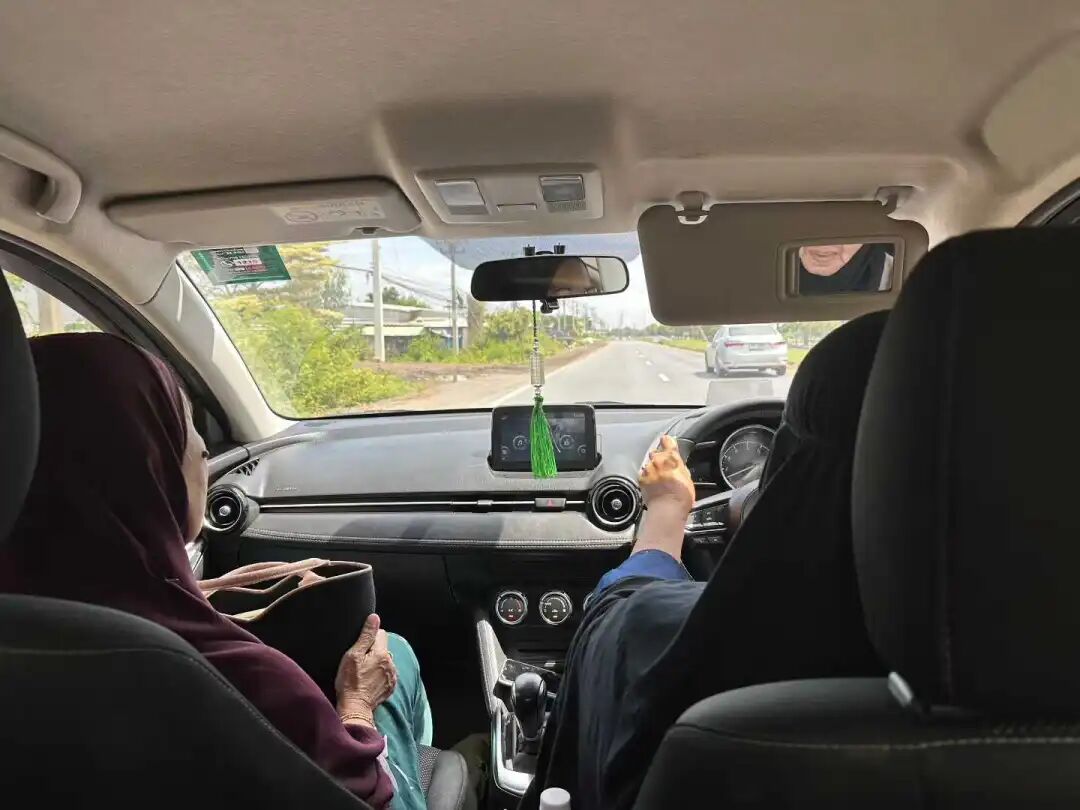
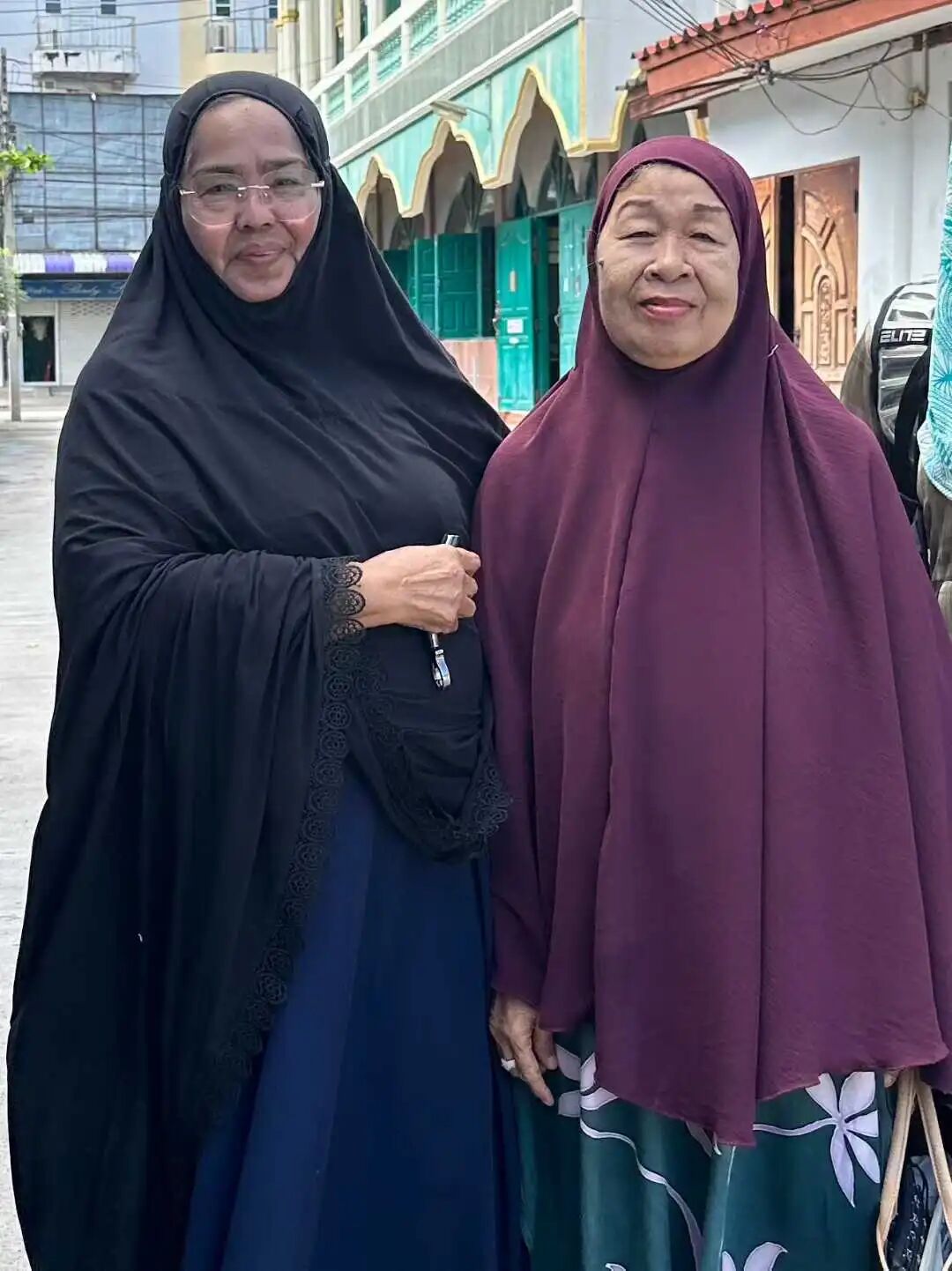
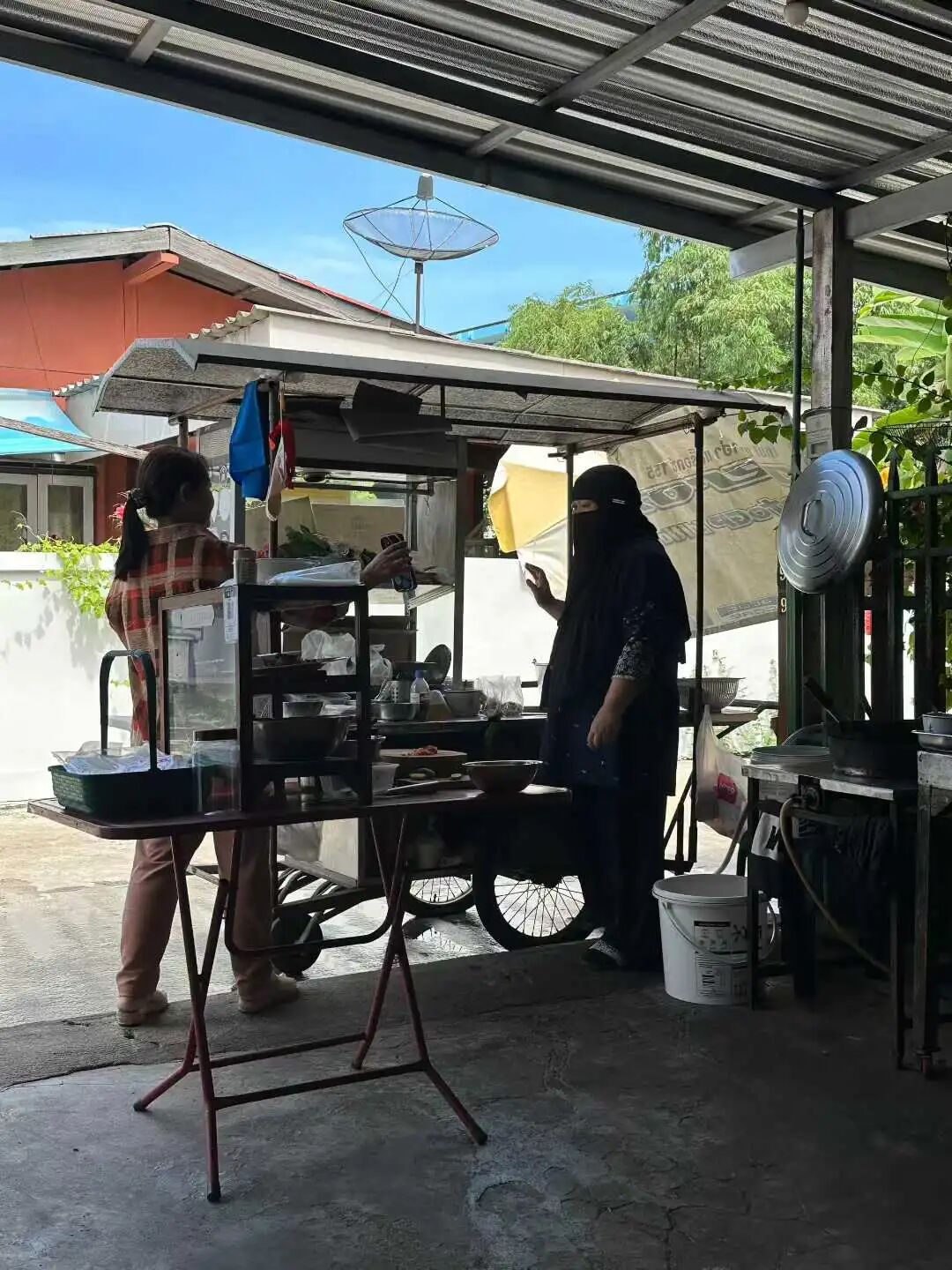
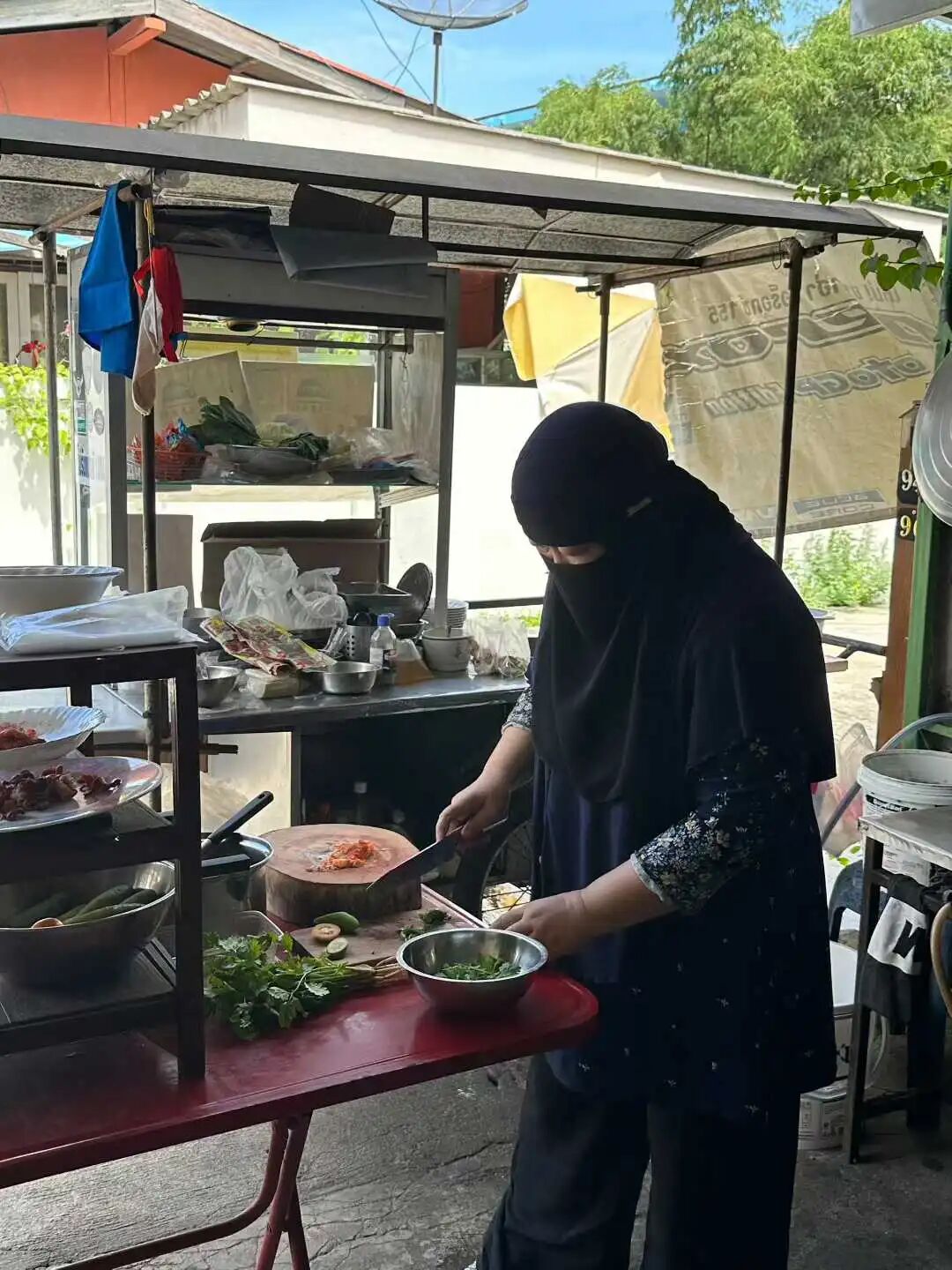
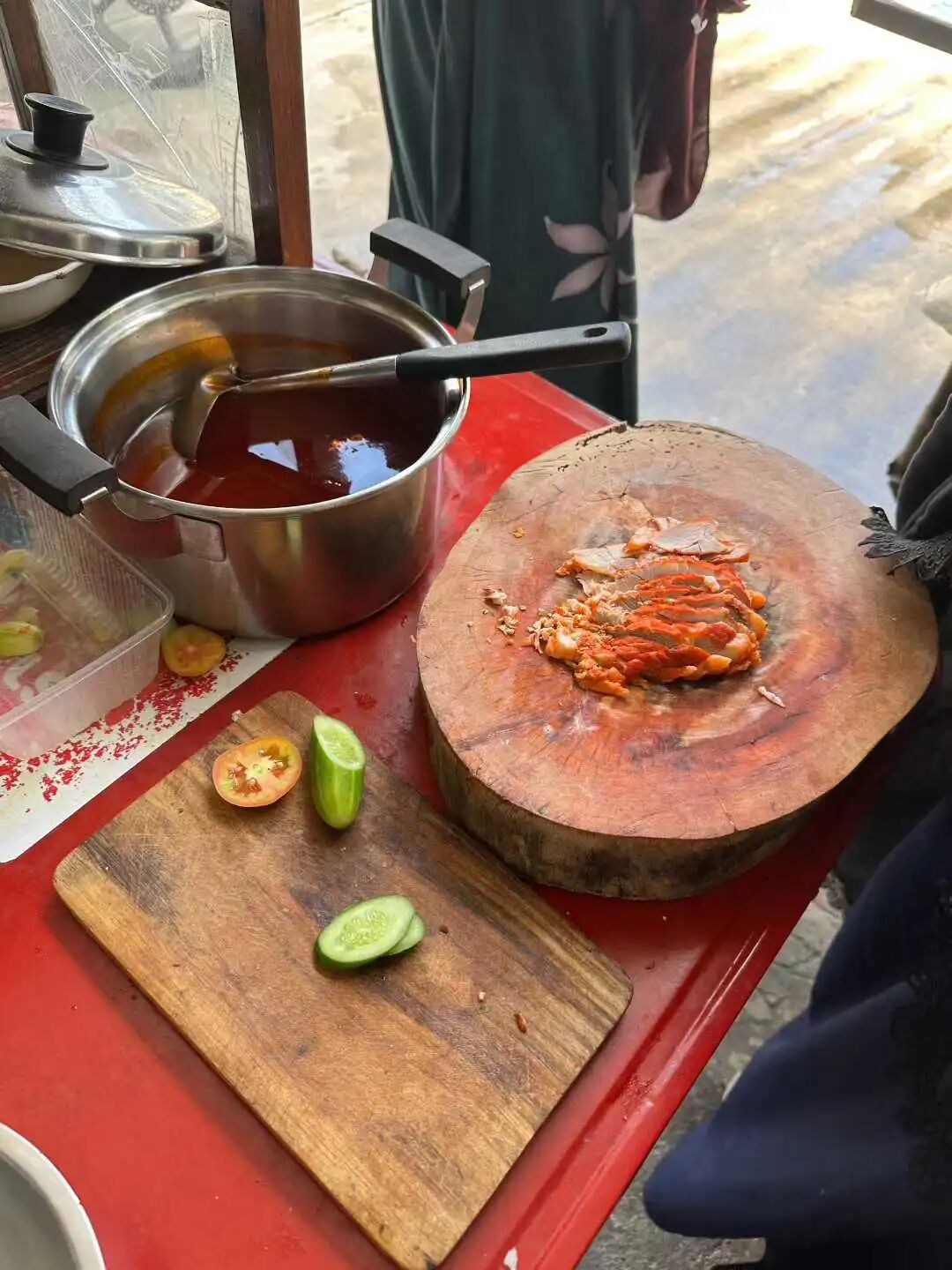
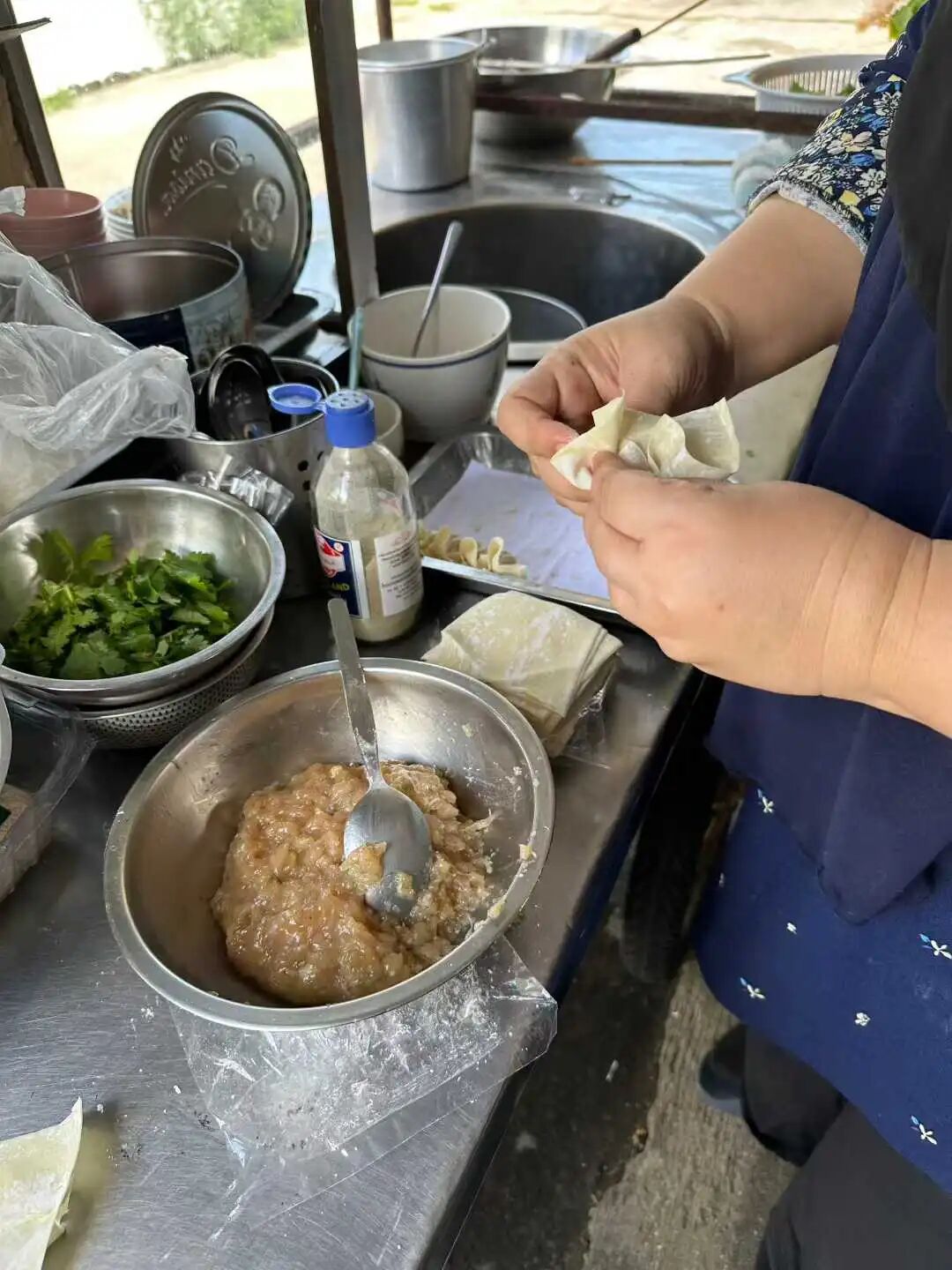
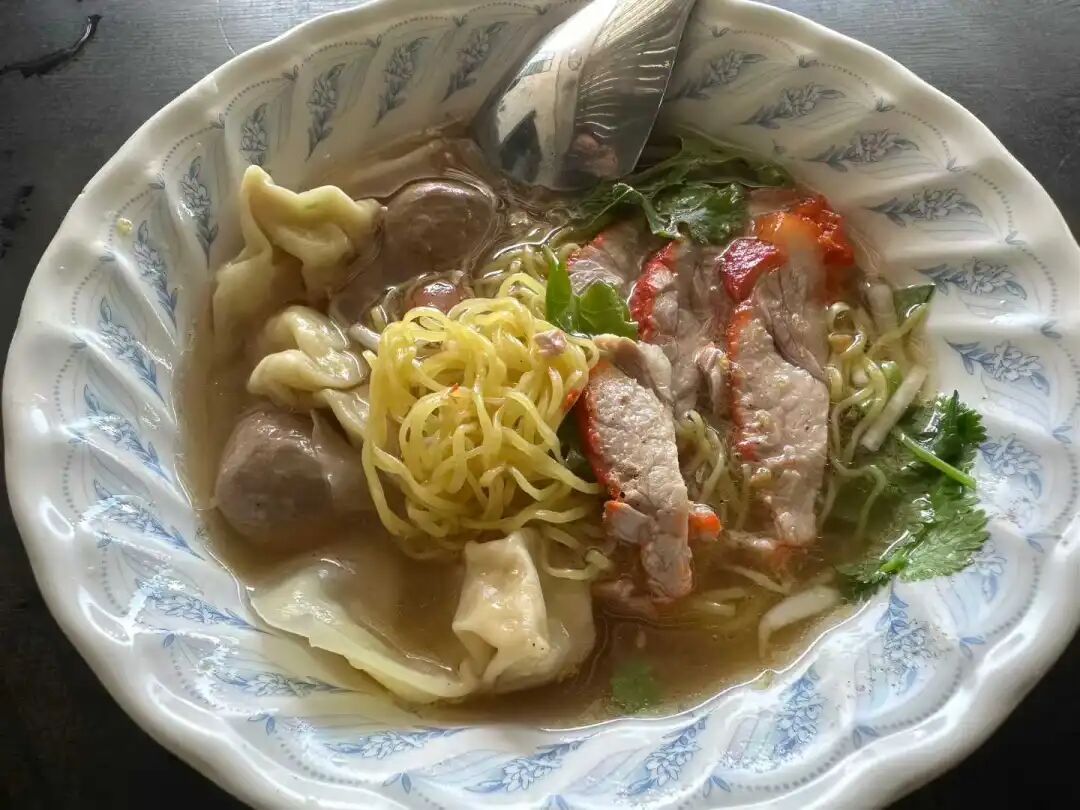
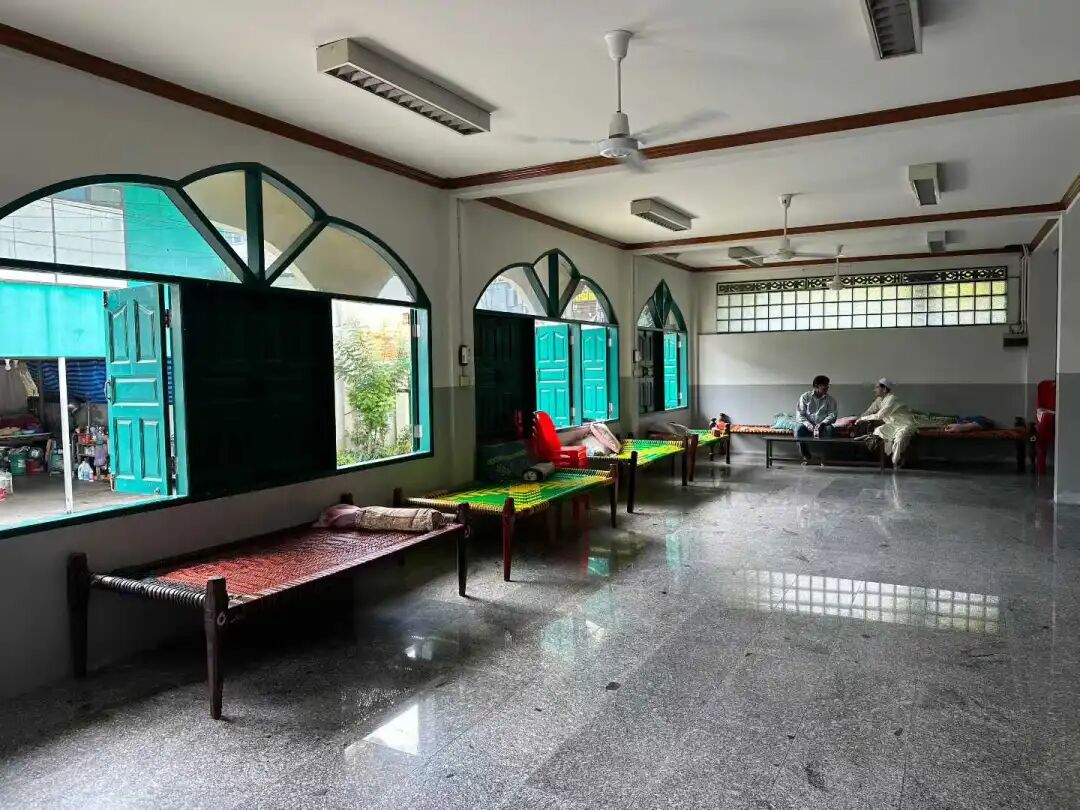
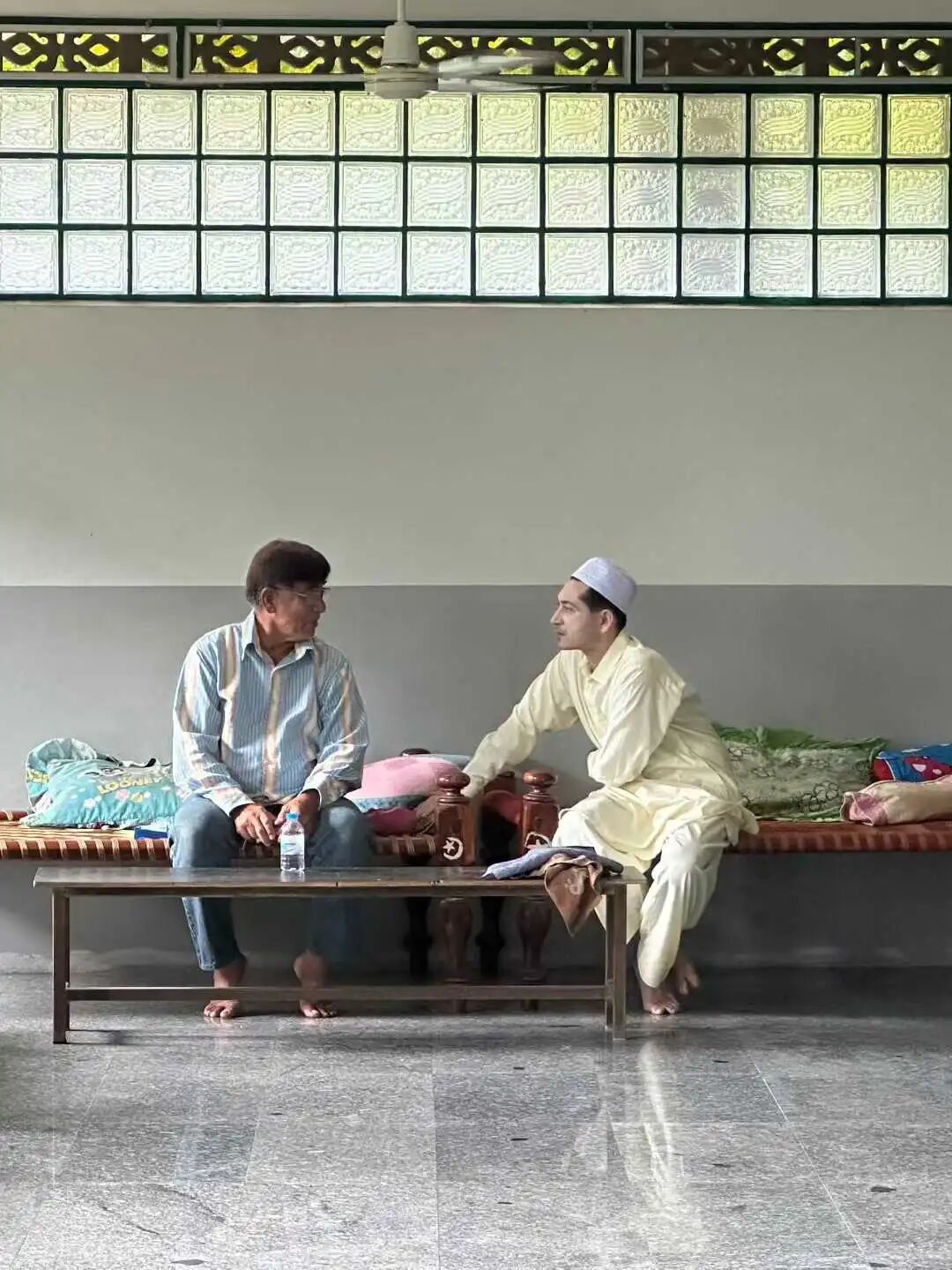
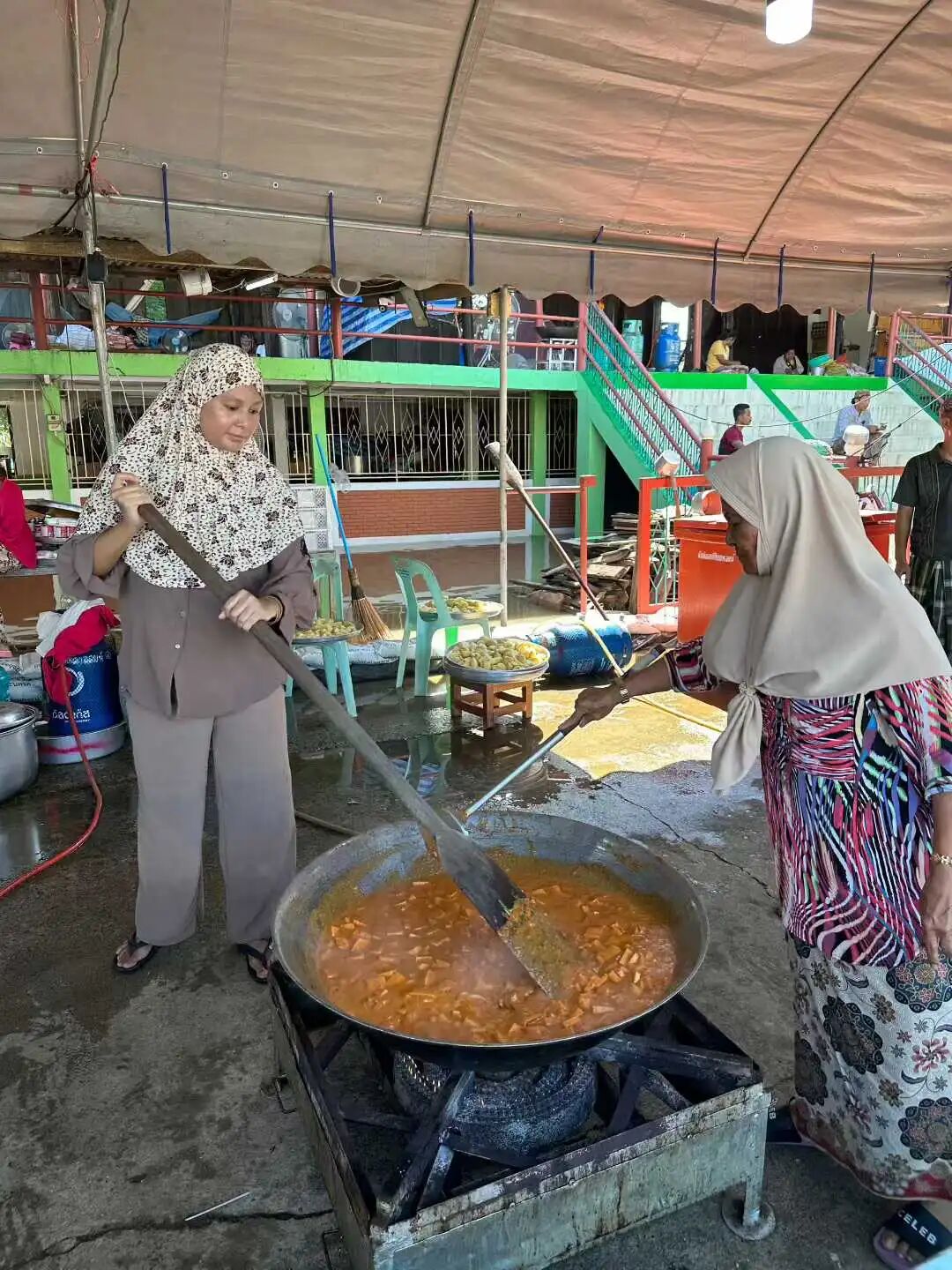
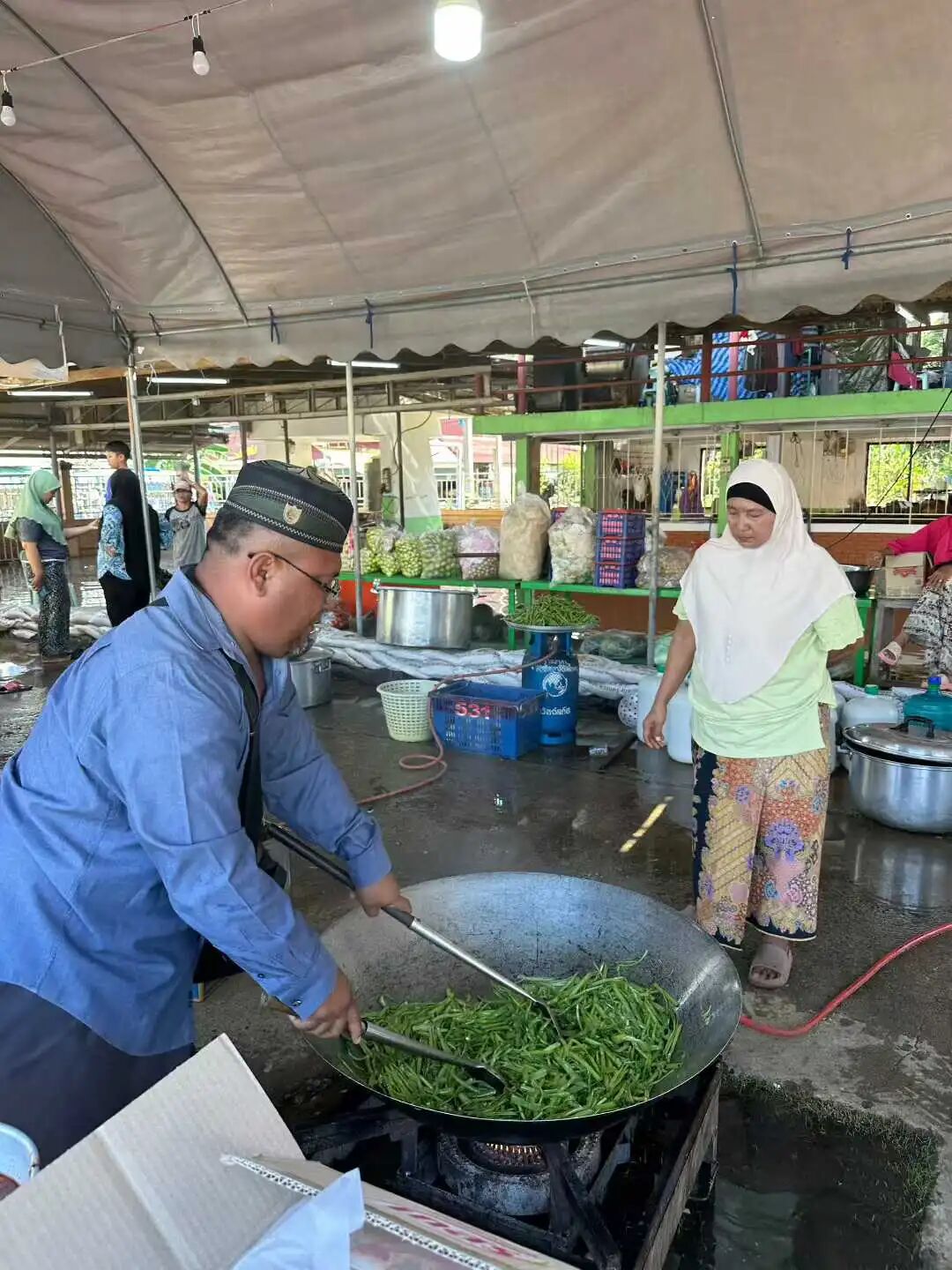
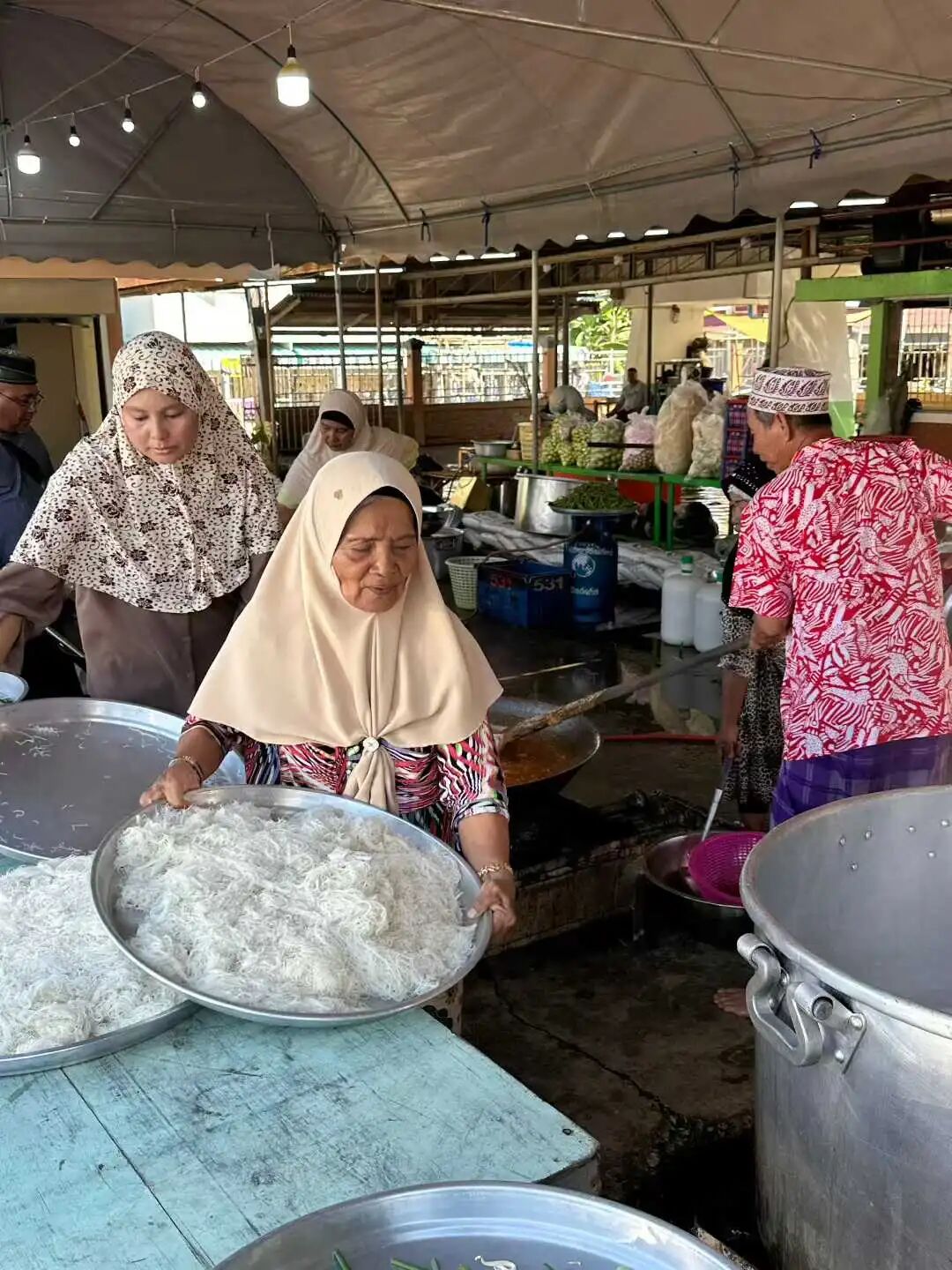
Our last stop in Ayutthaya was an important center for the Sufi Qadiriyya order in Thailand, the Sheikh Muhammad Ali Shukri shrine (gongbei) by the Chao Phraya River. Although we missed the religious gathering (a'mali), we unexpectedly caught a charity event (shesan) for flood victims. We were able to see how the Thai Sufi order performs their religious feast (nieti xi) and tasted the beef rice noodles served at the mosque.
Central and Southern Thailand are influenced by the Malay people, so most religious practices follow the Shafi'i school, and there are relatively few Sufi activities. This was my first time experiencing the warmth of Thai Sufi elders in Ayutthaya. I saw them using boat oars to stir a giant pot of rice for the first time, and I also saw the process of making coconut rice, which is very similar to how the Hui Muslims in Huihui Village, Sanya, set their tables. Because we arrived early and the meal hadn't started yet, the elders here very warmly arranged for us to eat rice noodles first. The beef rice noodles with soup poured over them were delicious. I was also surprised to meet several elders who could speak English and Chinese.
Since we had to rush to Bangkok that evening, we didn't stay at the shrine (gongbei) for long. If any friends (dost) are traveling to Ayutthaya, Thailand, I highly recommend visiting this shrine (gongbei). It is a rare opportunity to see this side of Thai Sufism.
Halal Travel Guide: Xi'an Ramadan - Mosques, Gongbei and Hui Muslim Life (Part 1)
Articles • ali2007fr posted the article • 0 comments • 148 views • 2026-05-19 08:54
Summary: Halal Travel Guide: Xi'an Ramadan - Mosques, Gongbei and Hui Muslim Life (Part 1) is presented here as a firsthand travel account in clear, natural English. The account focuses on Xi'an Ramadan, Gongbei, Hui Muslims while preserving the names, places, food, photos, and historical details from the Chinese source.
I have been to Xi'an many times, but this is my first time visiting during Ramadan. I have always heard that the Ramadan atmosphere in Xi'an is special. Many shops adjust their hours to serve pre-dawn meals (suhoor), and the mosques are very lively when it is time to break the fast (iftar). I used the Qingming holiday to experience it for myself.
April 4th
We stayed at a guesthouse run by a friend (dosti) on Hongbu Street in the Muslim Quarter, which made getting around very easy.
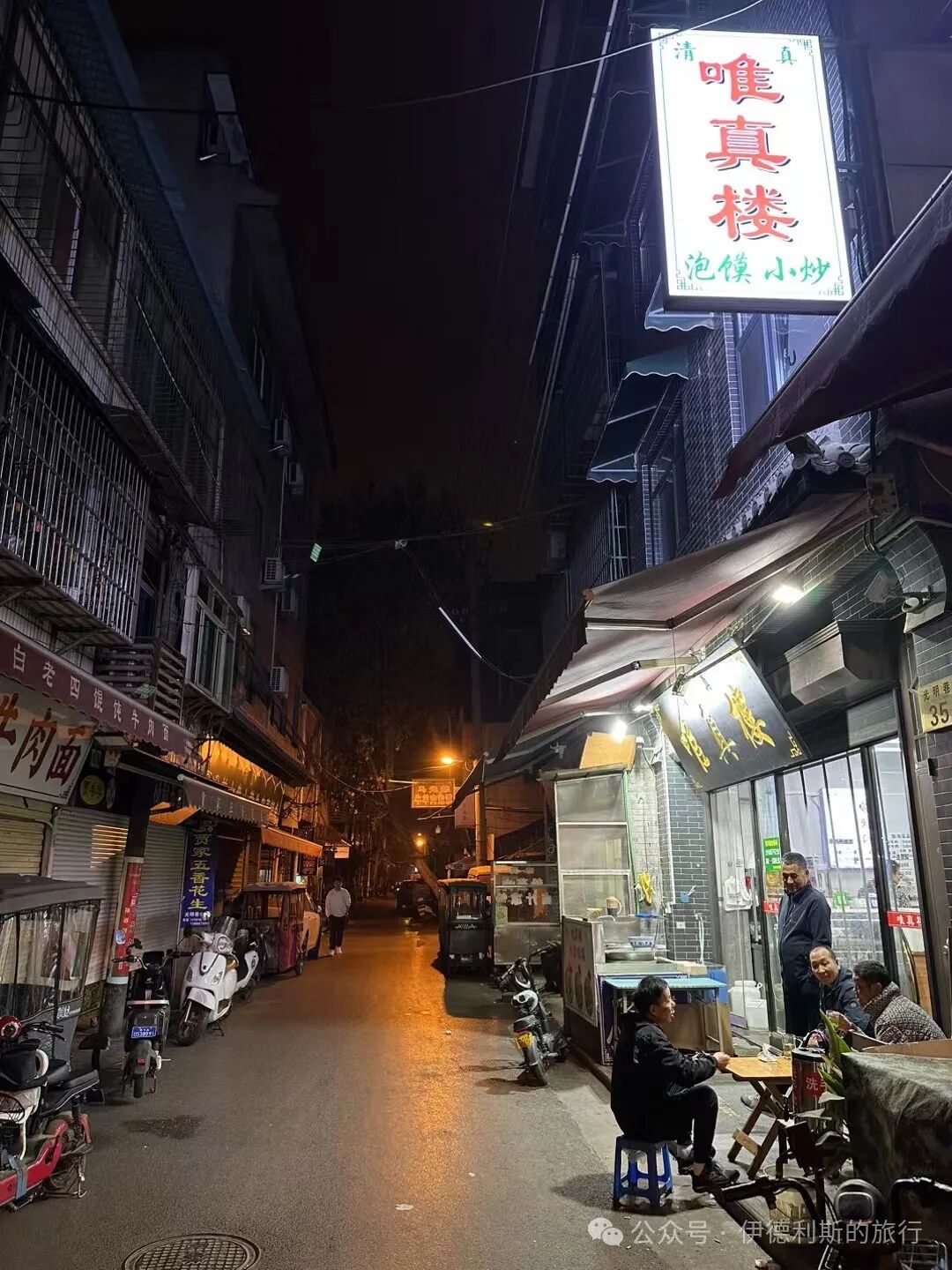
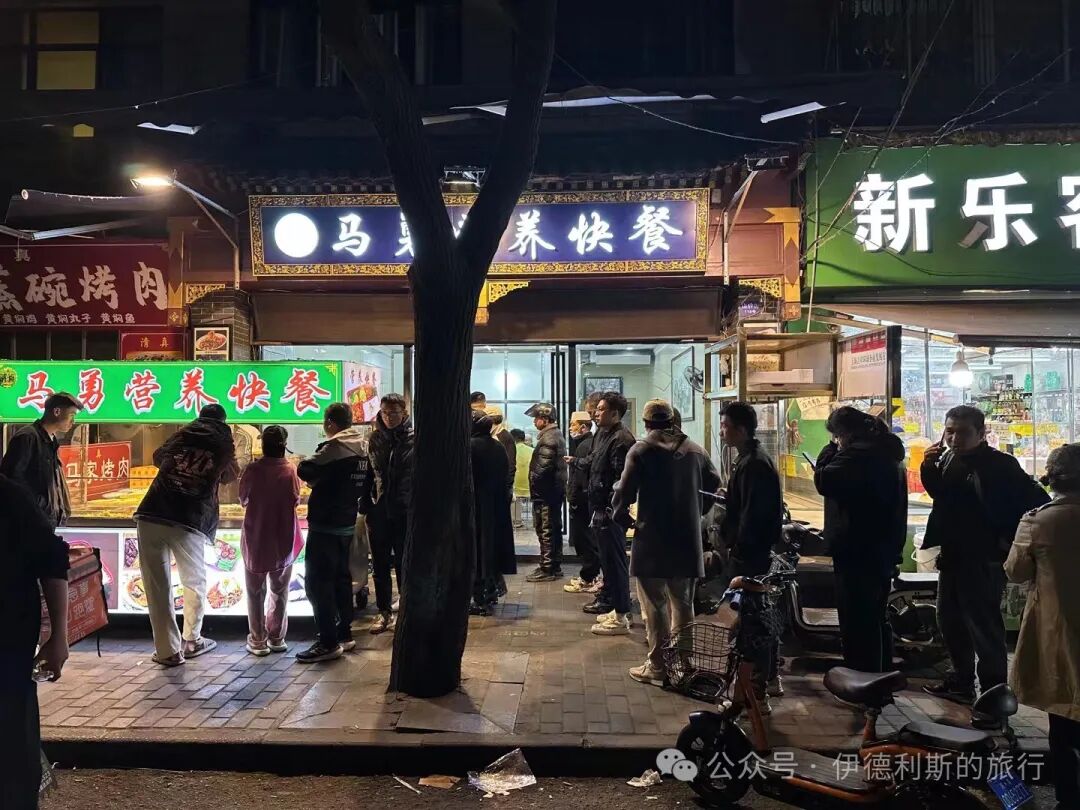
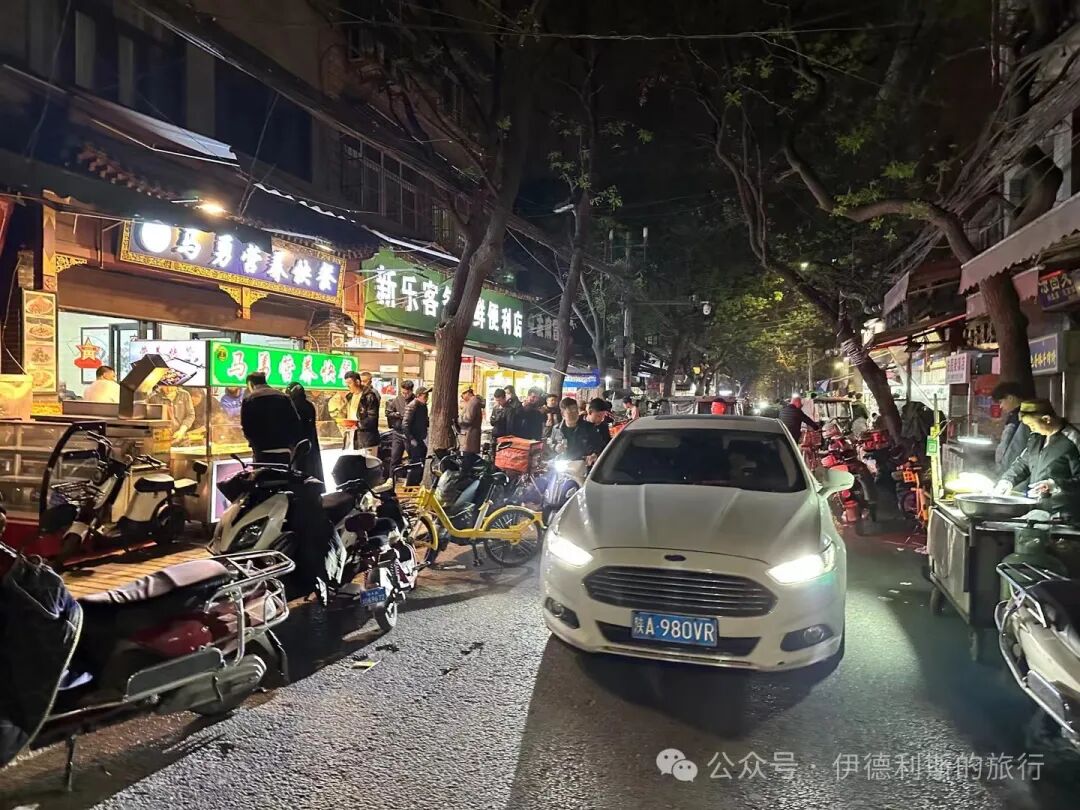
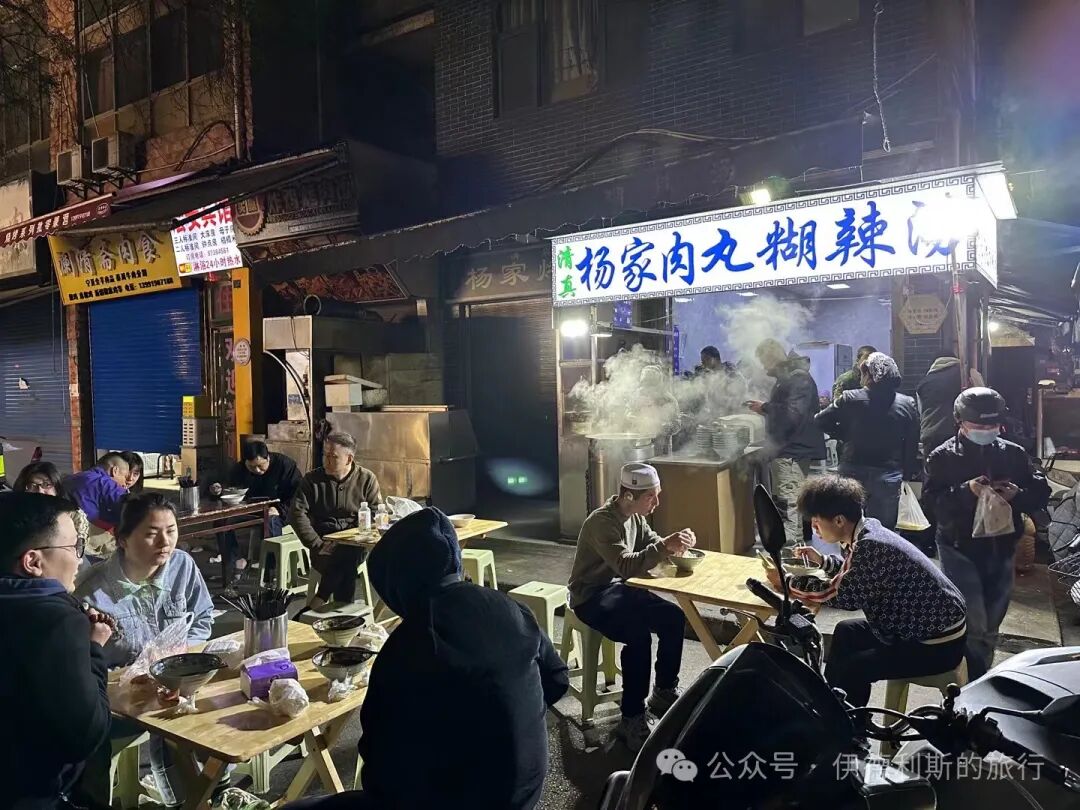
At 3:00 a.m., we wandered over to Miaohou Street. Miaohou Street has the most options for pre-dawn meals in the Muslim Quarter. We saw offal soup (zagan tang), spicy soup (hula tang), steamed rice cake (zenggao), crumbled flatbread in soup (paomo), meat pies (rou hezi), and much more.
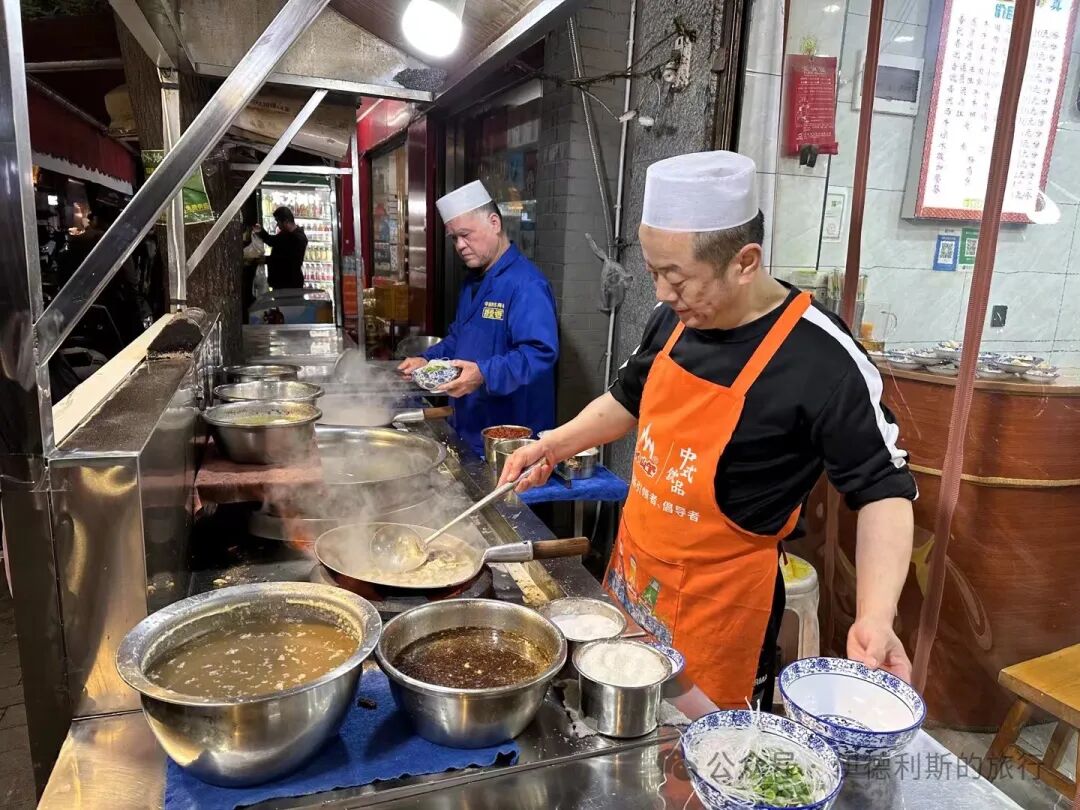
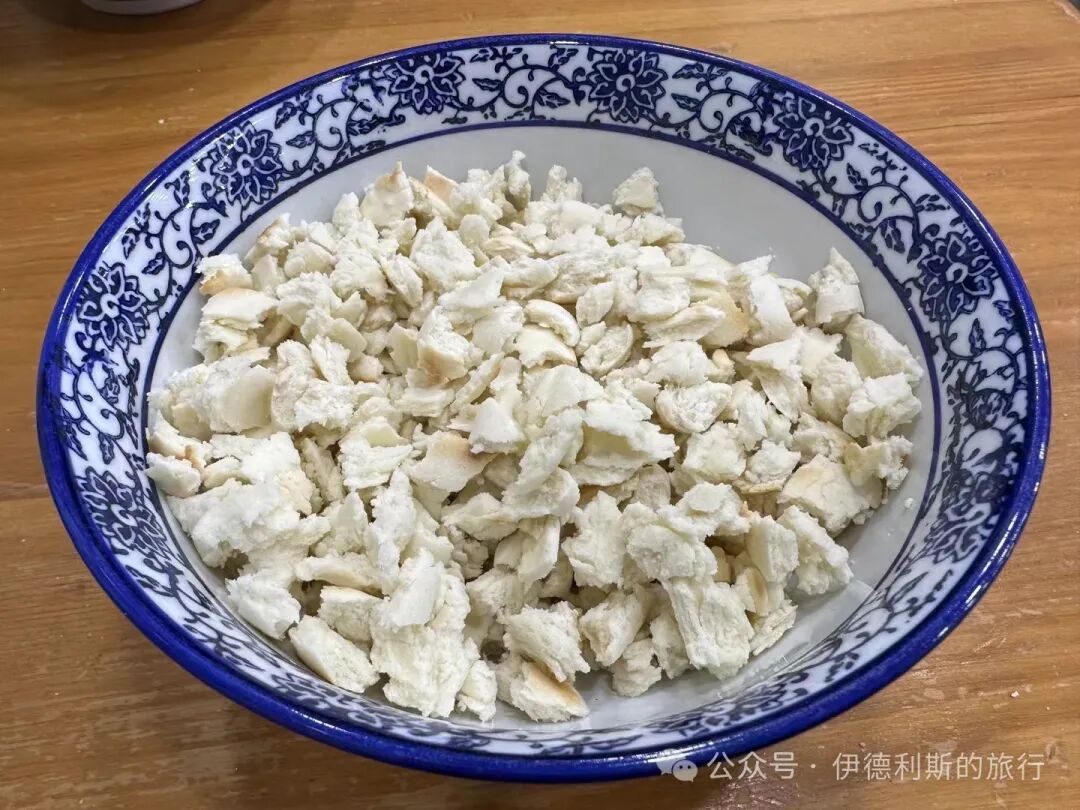
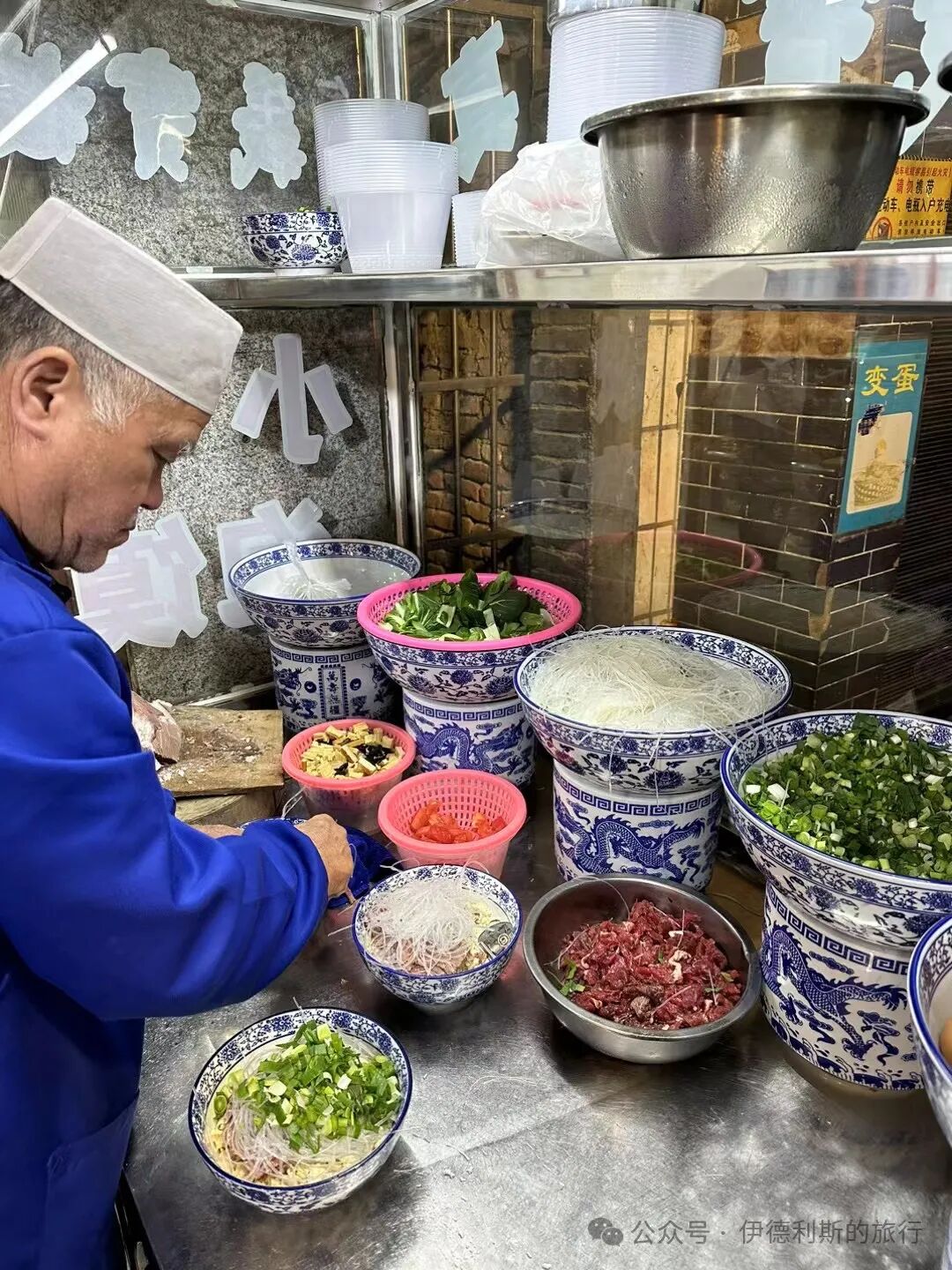
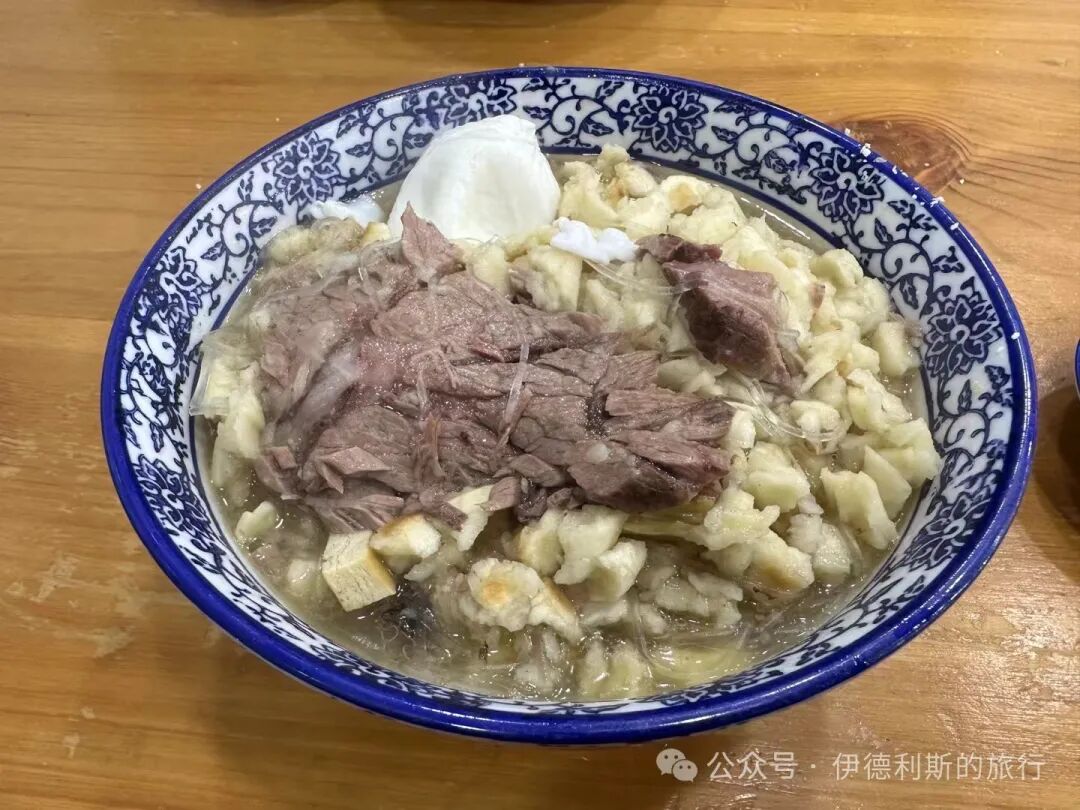
At 3:20 a.m., we ate crumbled flatbread in soup (paomo) at Yibaolou on Miaohou Street. Yibaolou and Sanyicheng are two of the most popular spots in the Xi'an Muslim Quarter for pre-dawn meals.
It takes twenty minutes to break the flatbread (mo) into pieces. They put the meat in the pot right at the door, and the open kitchen is very clean. Besides meat and glass noodles (fensi), their soaked flatbread (paomo) also includes dried bean curd sticks (fuzhu) and pressed tofu (dougan). During Ramadan, they even give out free fried eggs and pickles. The paomo tastes great overall, but it is a little bit oily. Their chili sauce is salty, so be careful not to add too much or you will get thirsty.
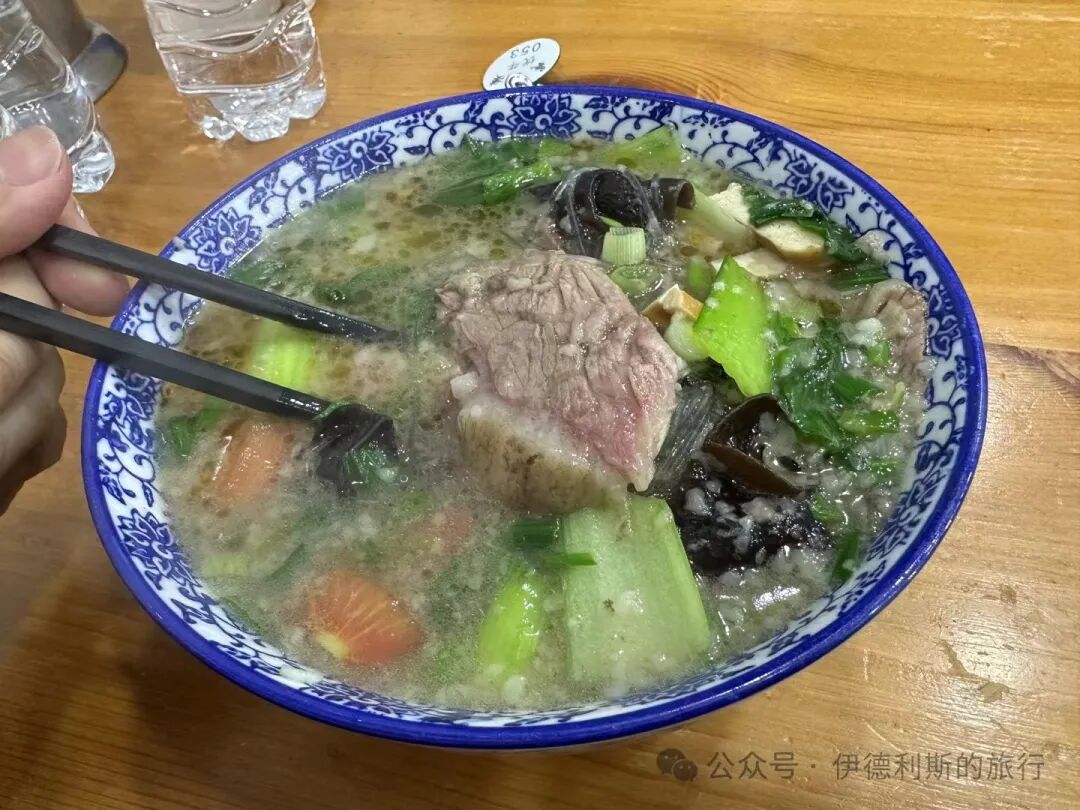
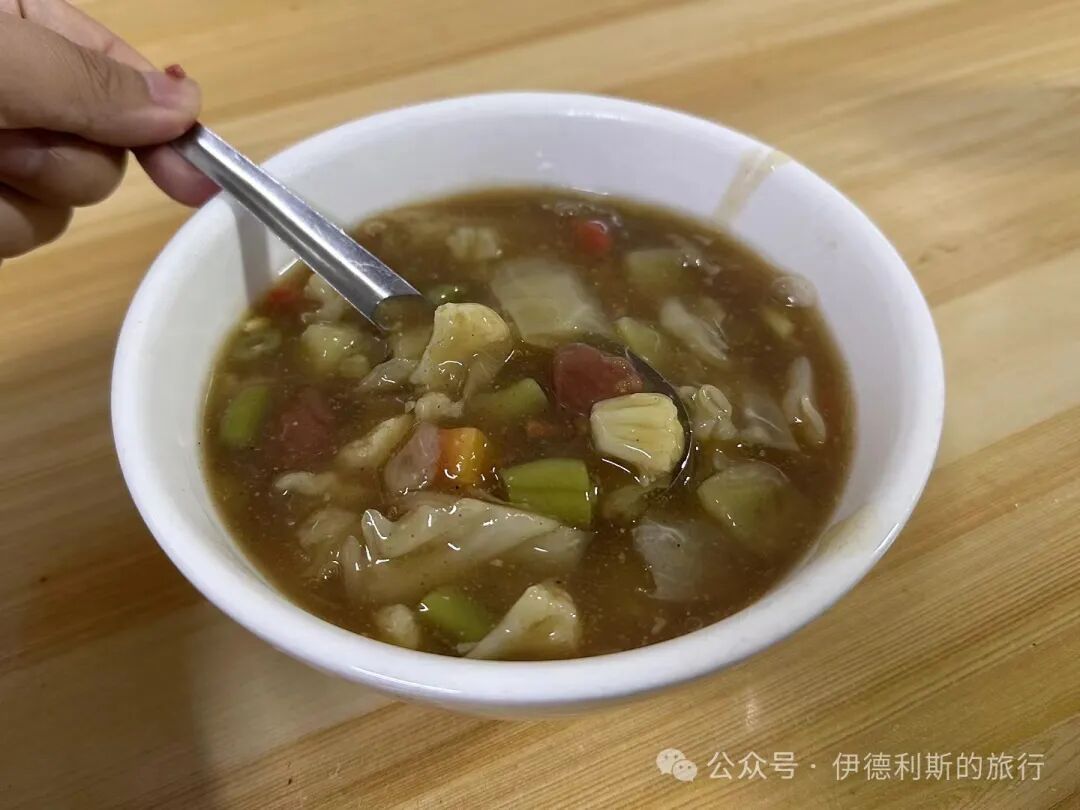
Zainab had the vegetable stew (huicai), which is made by adding greens, tomatoes, and wood ear mushrooms to the meat broth used for paomo. The soup is thicker than a regular vegetable stew.
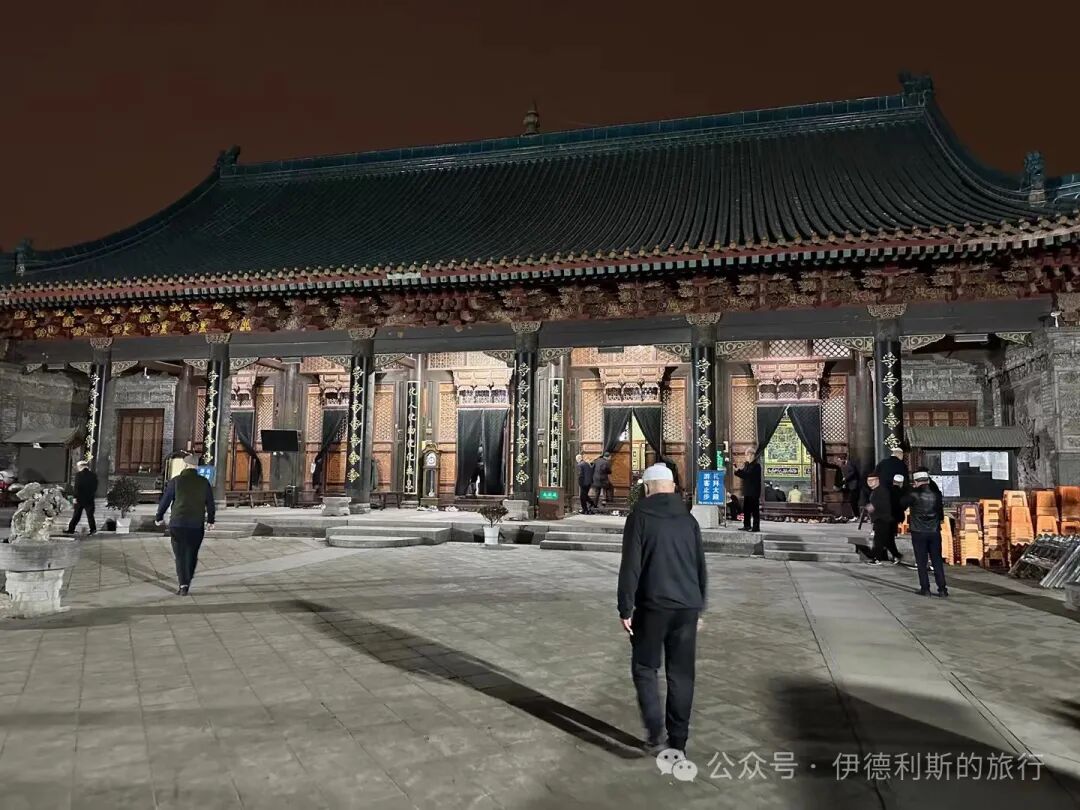
At 5:30 in the morning, the call to prayer (adhan) at the Xiaopiyuan North Mosque was melodic and moving.
The Xiaopiyuan North Mosque was built by imperial order in 1312 (the first year of the Huangqing era of the Yuan Dynasty) and renovated in 1614 (the 42nd year of the Wanli era of the Ming Dynasty). Inside the prayer hall, the brackets (dougong) extend outward and layer inward. The center features a four-cornered, multi-eaved, pointed roof known as the 'Eight Trigrams Hanging Roof' (bagua xuanding). It is built using a connected, interlocking style and is a very precious piece of architectural art.
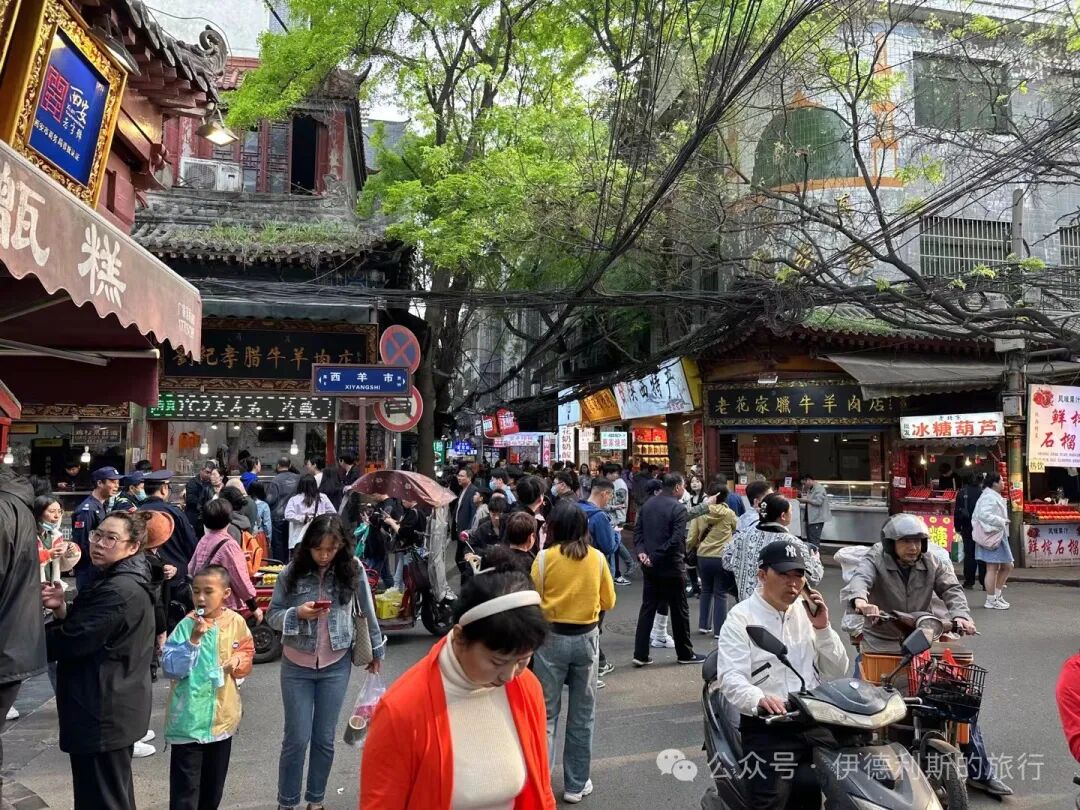
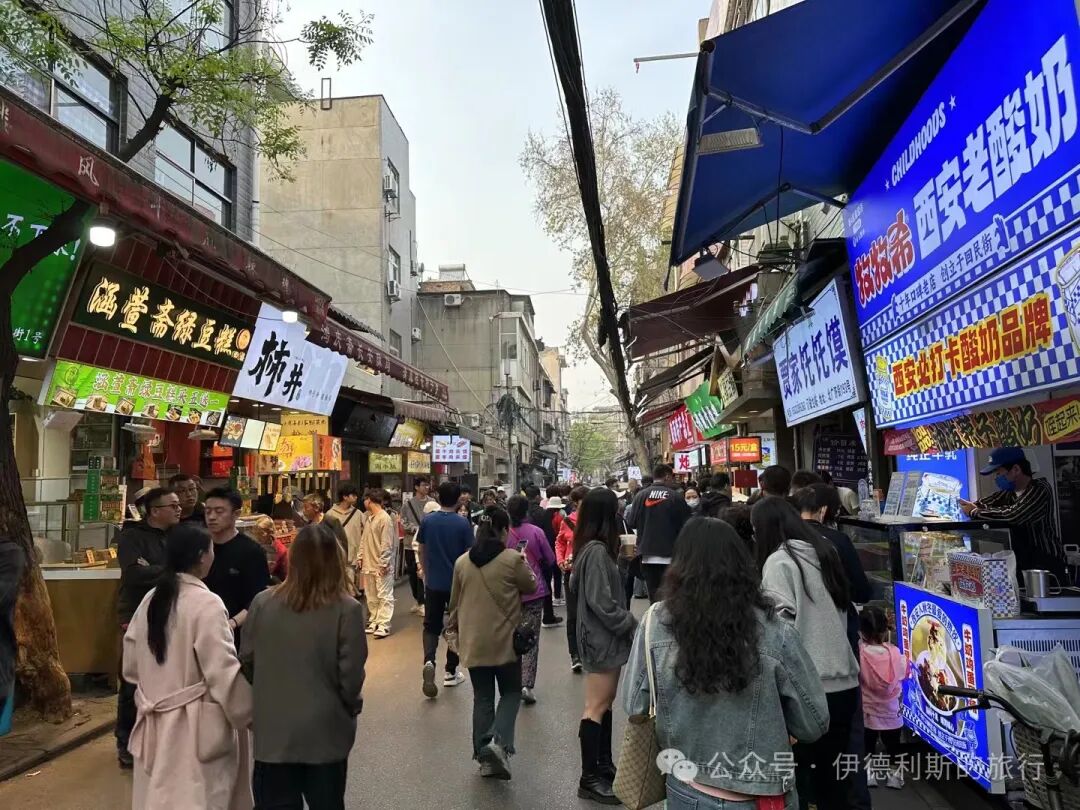
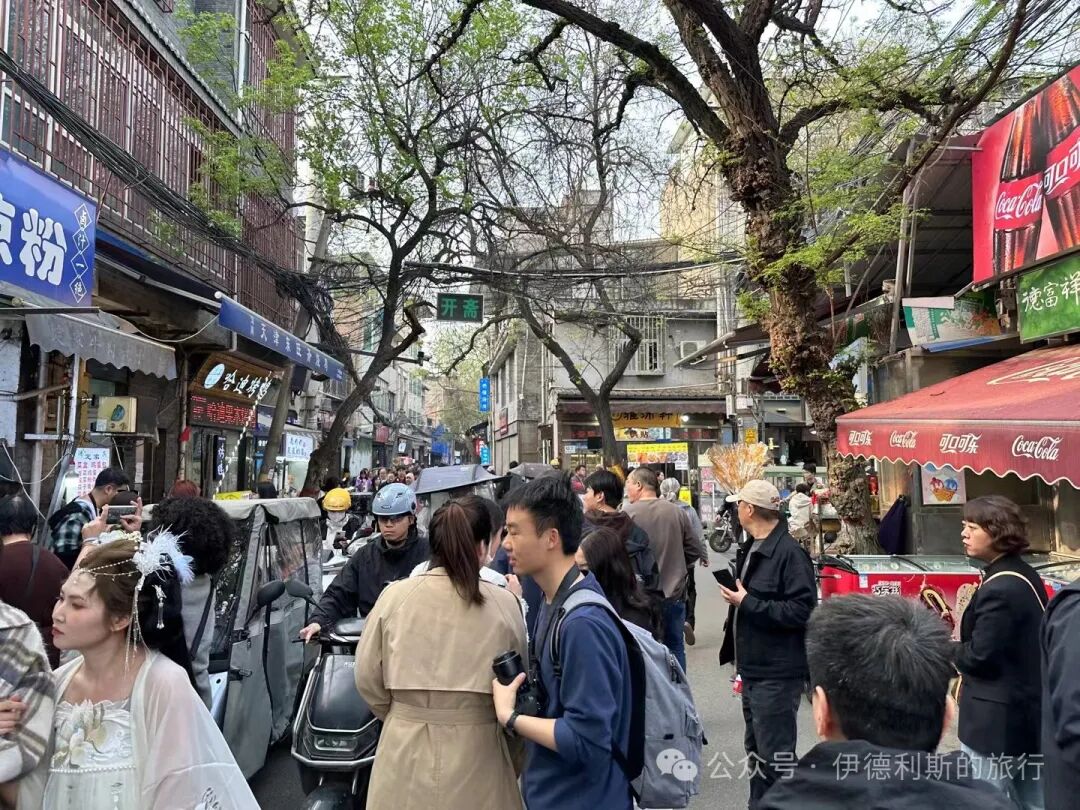
During the day, the Muslim Quarter (Huifang) belongs to the tourists.
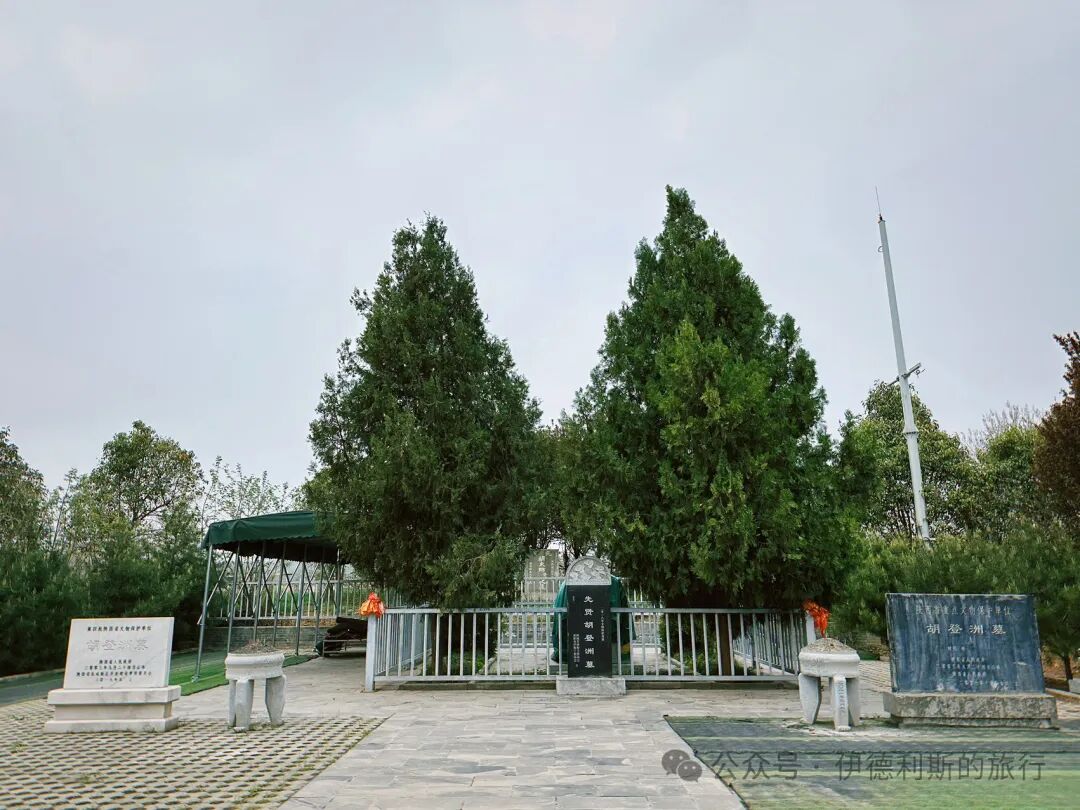
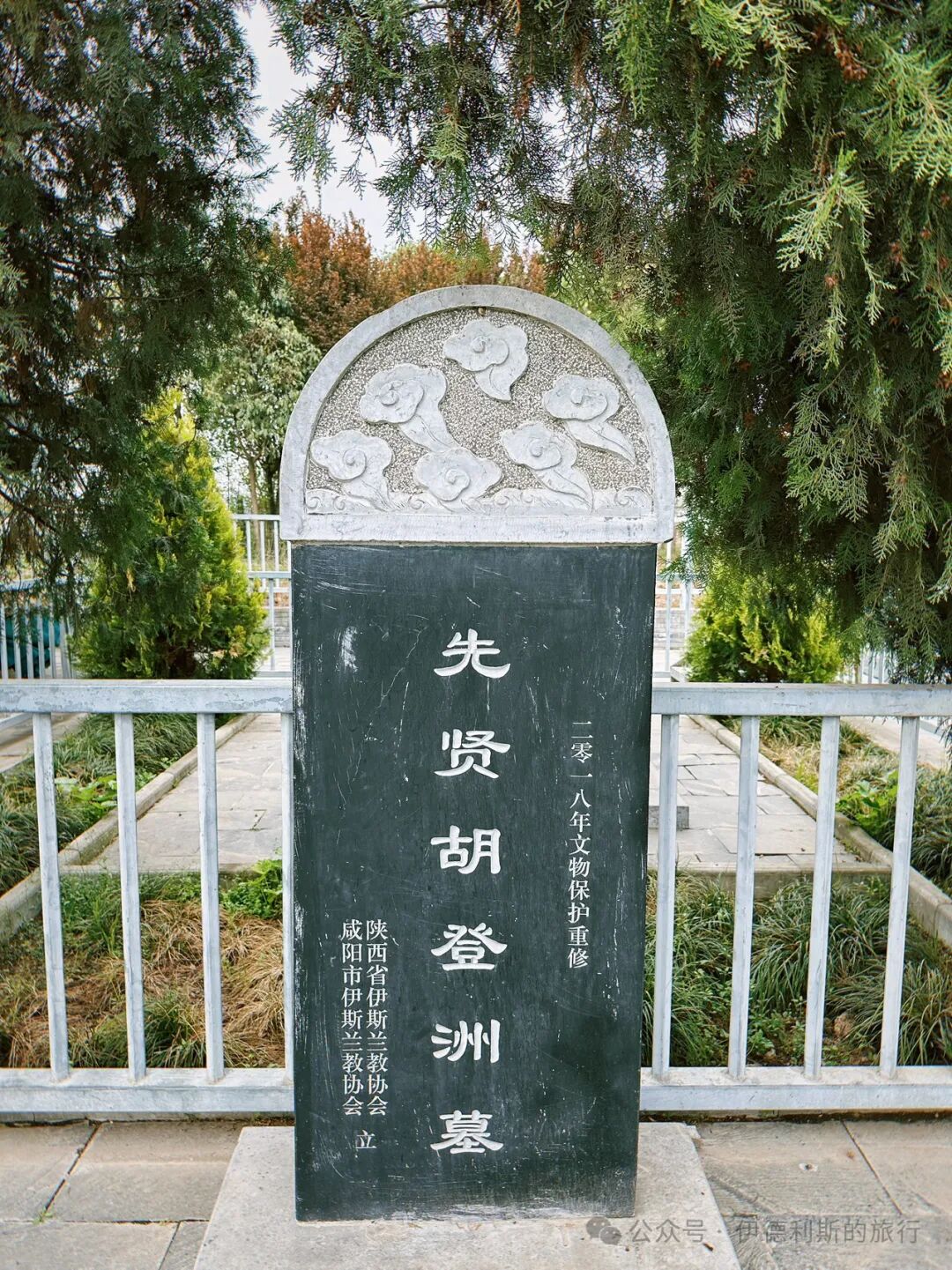
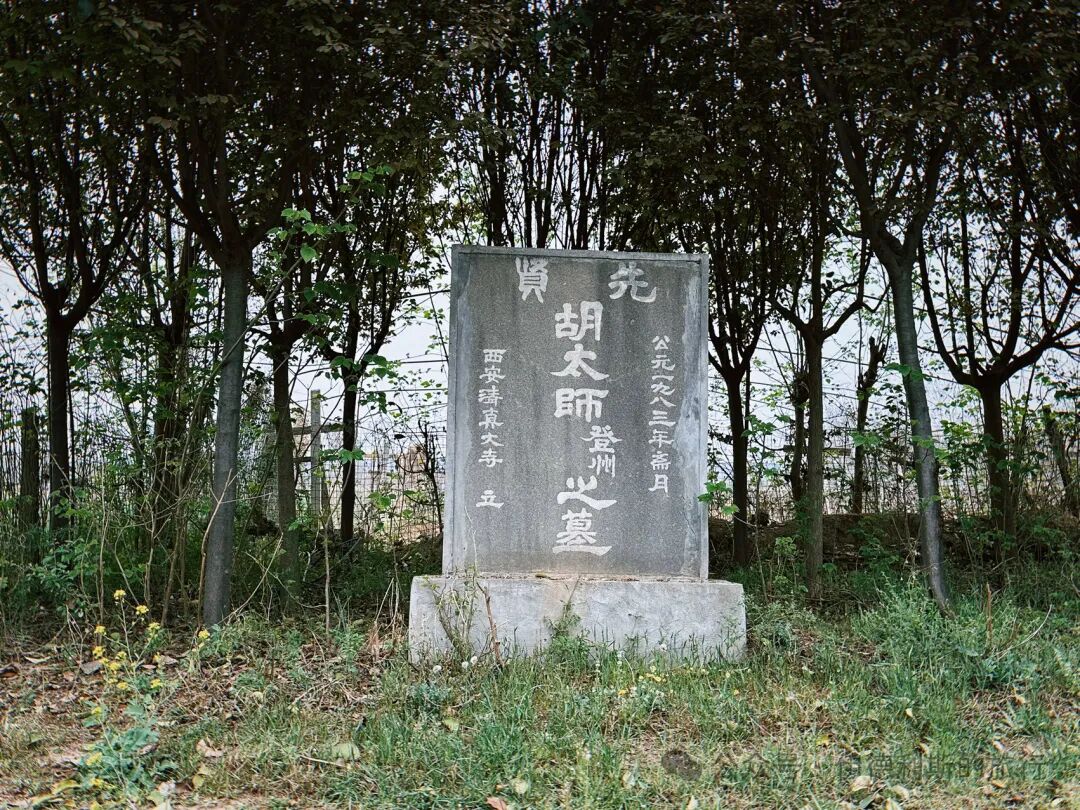
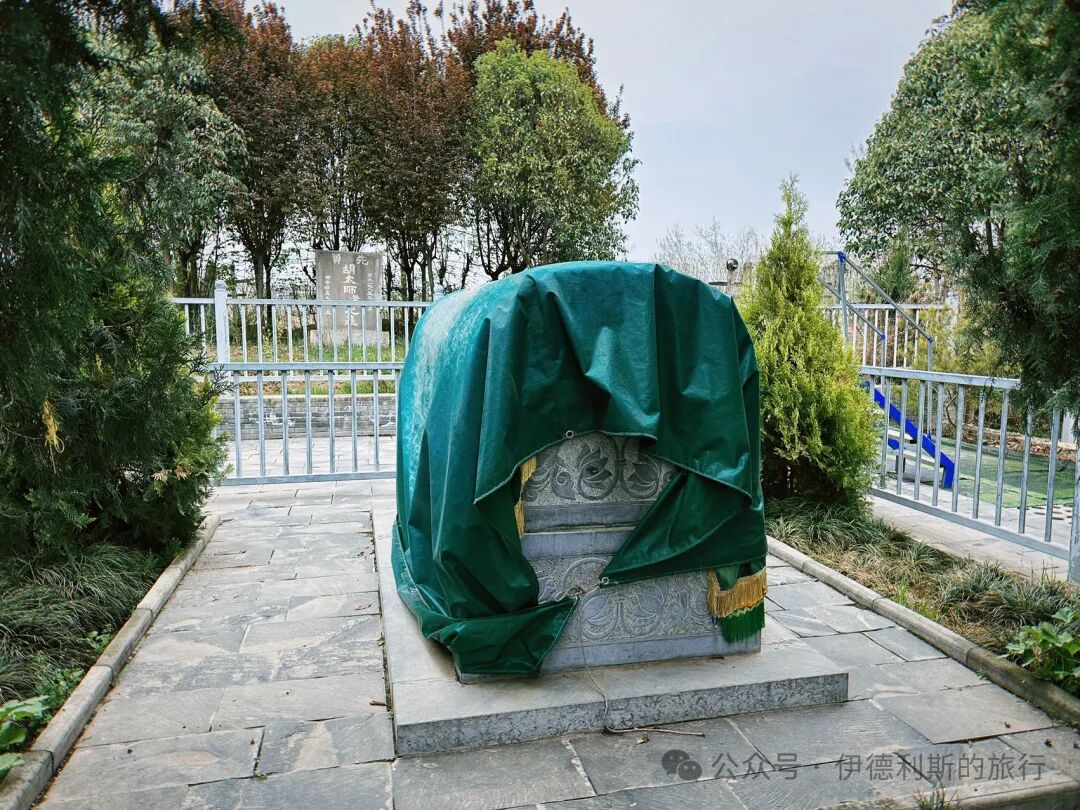
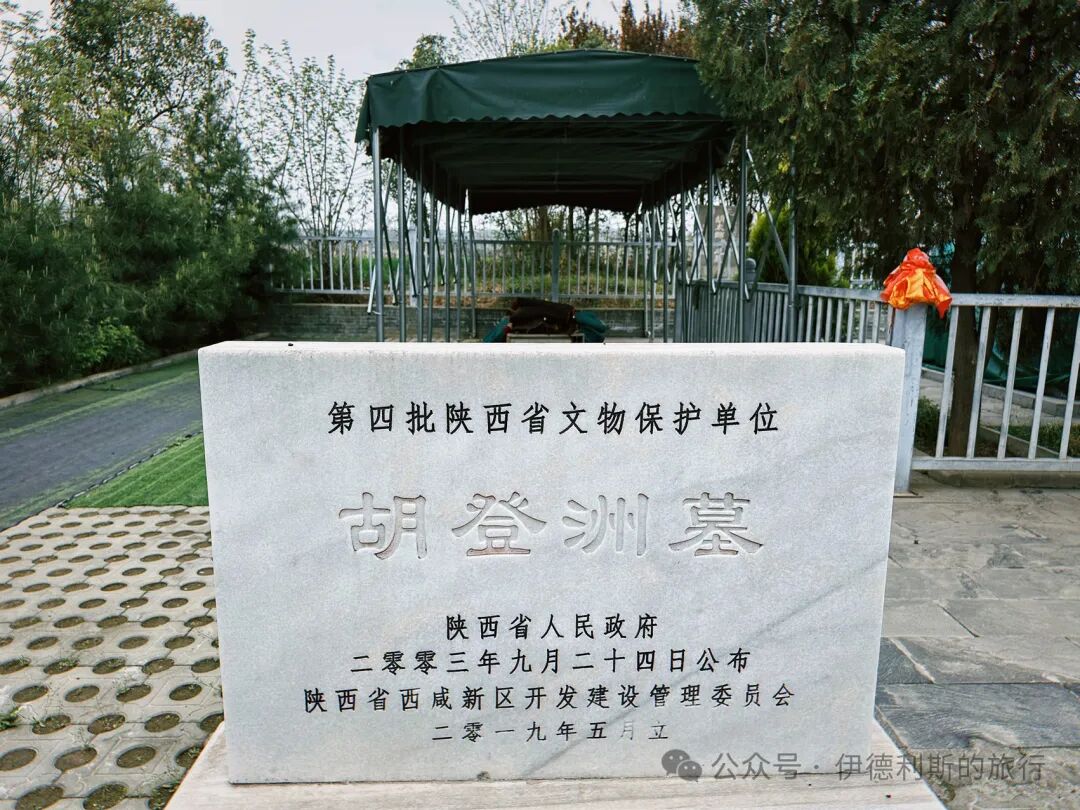
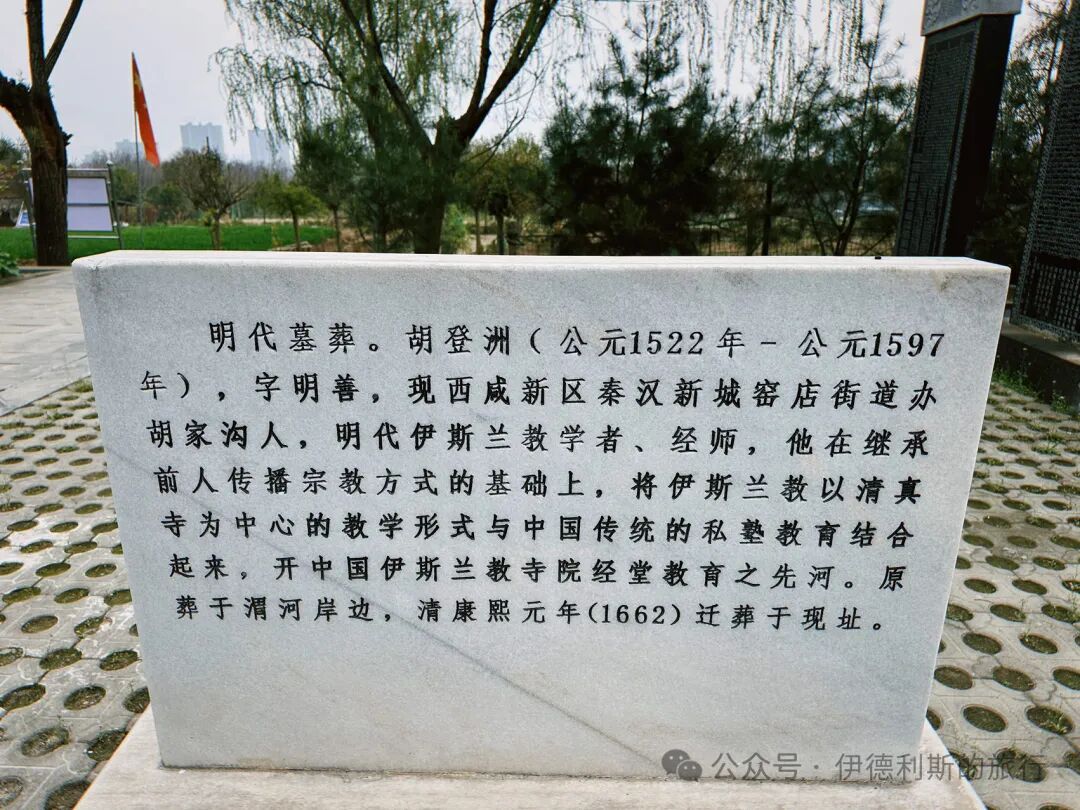
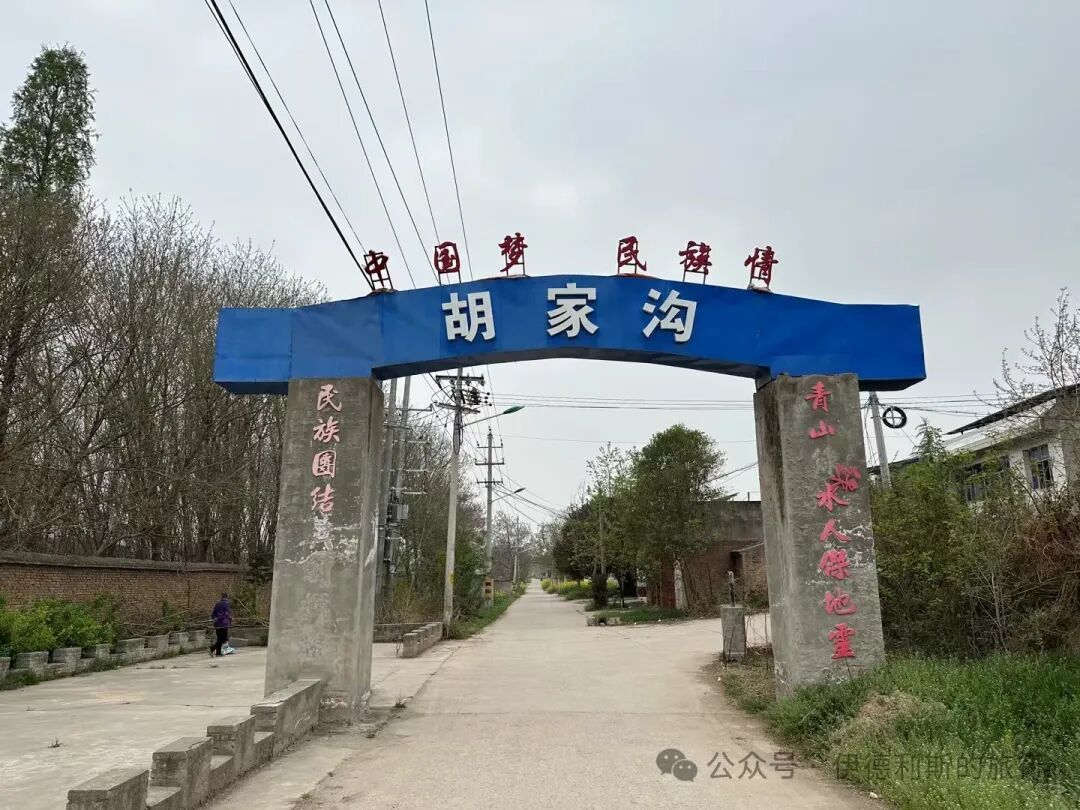
At noon, I went to Hujiagou in Xianyang to visit the grave of Master Hu Dengzhou. Hu Dengzhou (1522–1597) was the founder of the scripture hall education (jingtang jiaoyu) system in Ming Dynasty China. He studied Confucianism and Islamic scripture from a young age. Later, he created a method to teach religious classics in Chinese, which laid the foundation for the integration of Islam and Confucianism (Yi-Ru huitong). Master Hu also combined Islamic scripture education with traditional Chinese private school (sishu) education to start the scripture hall education system. Through the efforts of Master Hu and his students over several generations, scripture hall education spread everywhere. It trained many excellent teachers and developed systems like the Shandong school, the Jinling school, and the Shaanxi school.
After Master Hu passed away (guizhen), he was originally buried by the Wei River. In 1662, the first year of the Kangxi reign, flooding from the river threatened the grave, so it was moved next to the Great Mosque (Qingzhen Dasi) in Weichengli. Weichengli is a fertile area stretching over ten kilometers north of the Wei River, northeast of Xianyang. During the Ming and Qing dynasties, it was a settlement for Hui Muslims. Three mosques were built there, and the largest one is the Weichengli Great Mosque next to Master Hu's grave.
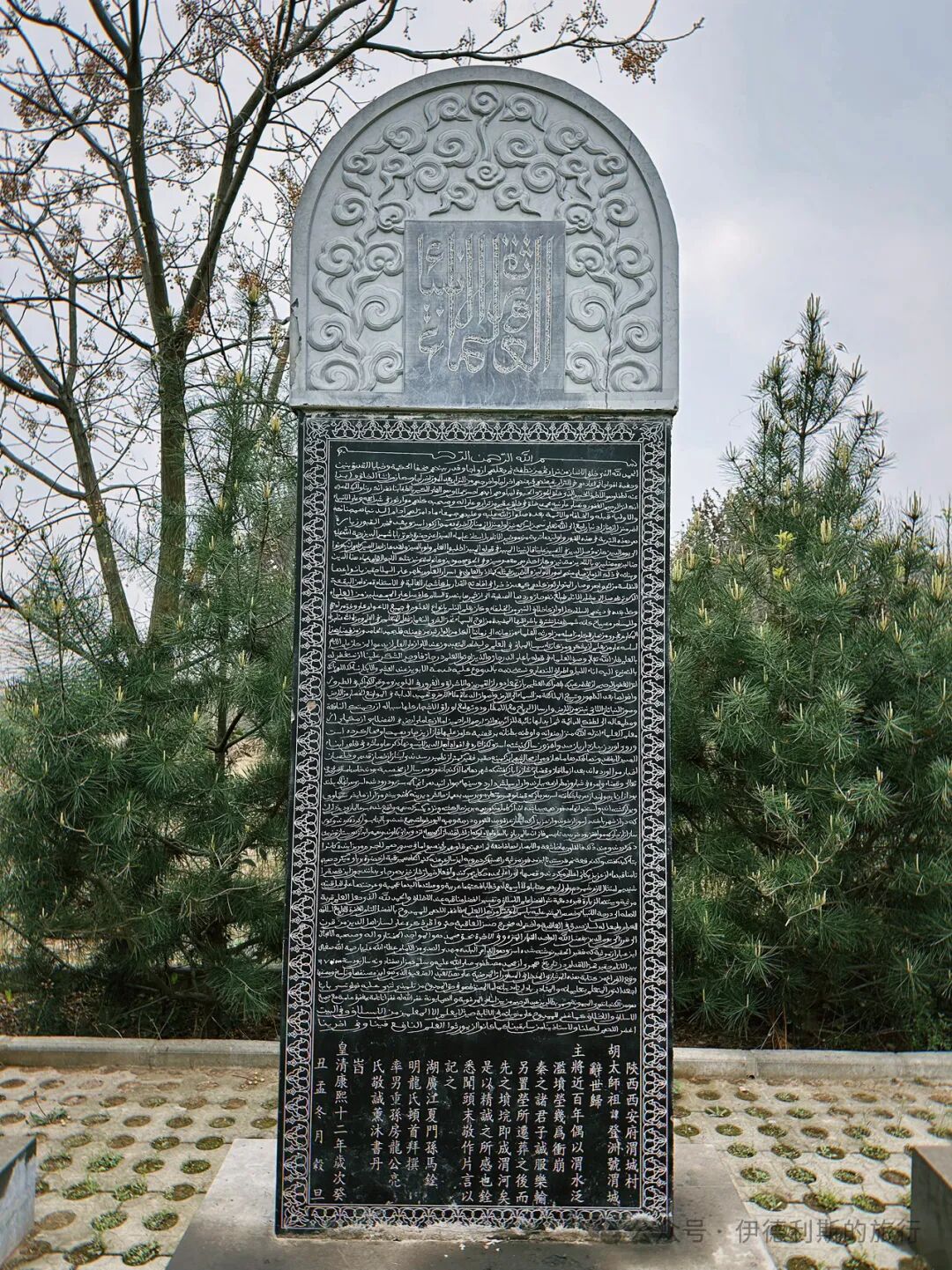
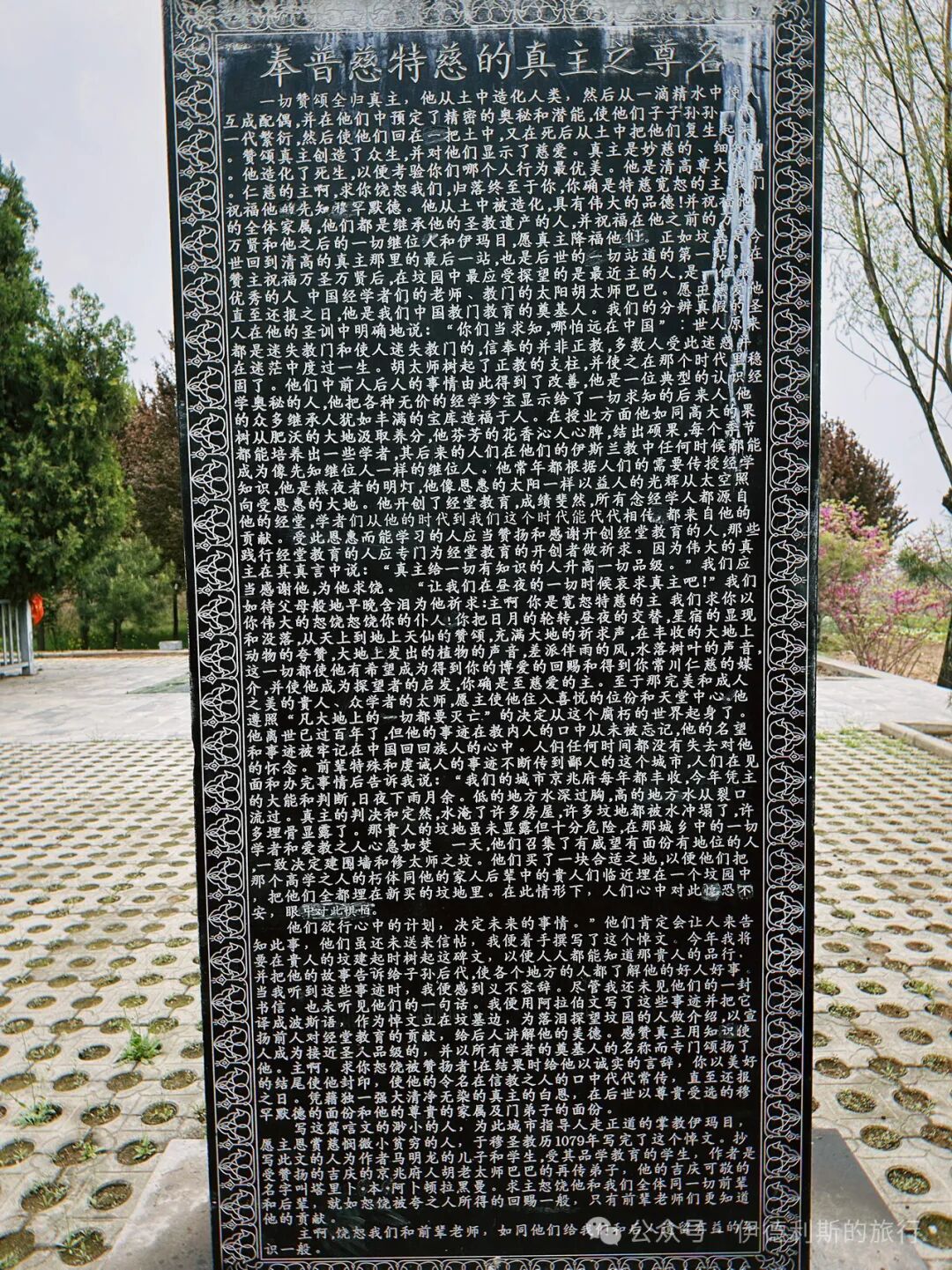
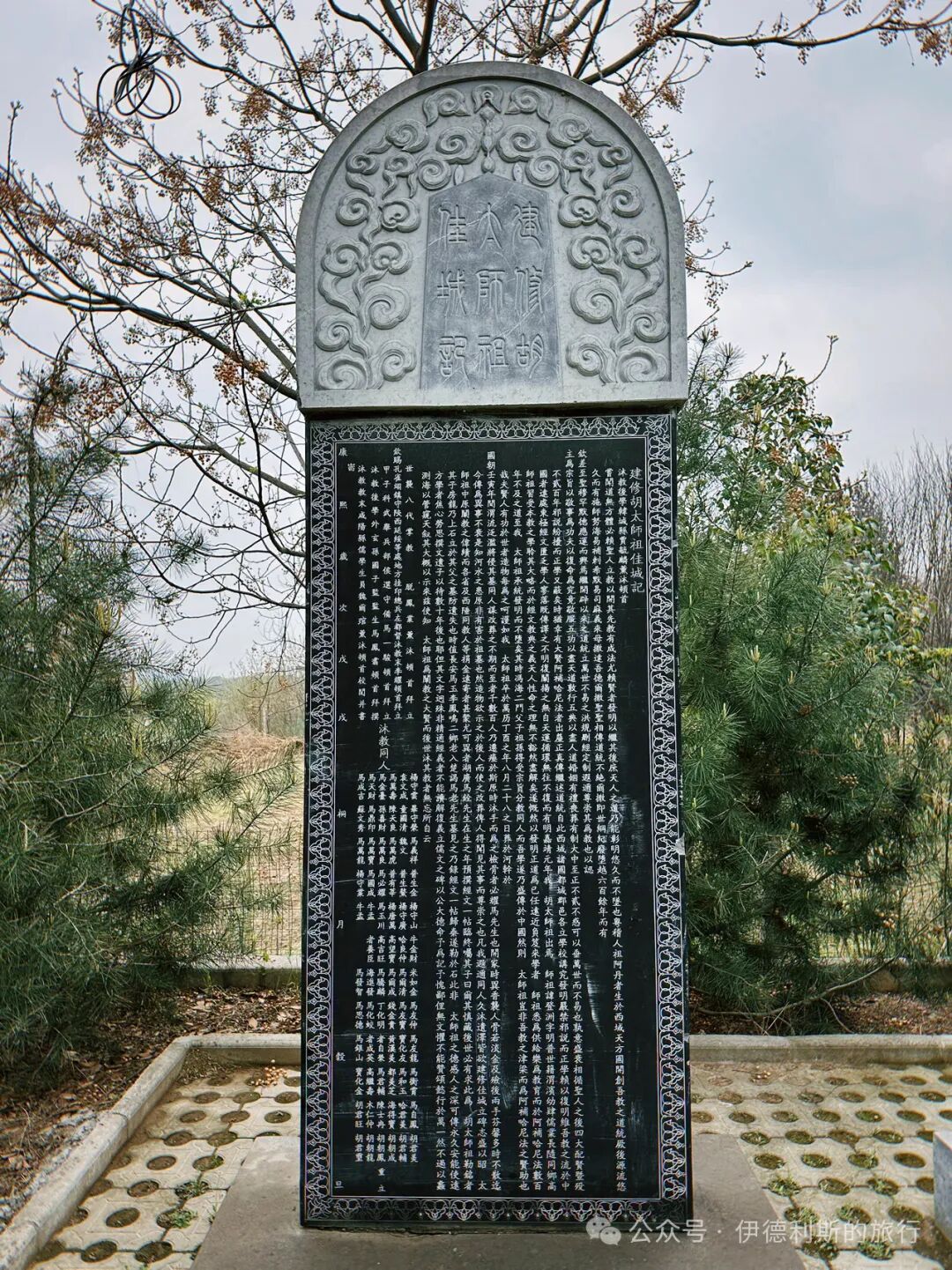
Two stone tablets stand by Master Hu's grave. One is the 1673 record of the grave relocation written by Ma Si, and the other is the 1718 record of the grave's renovation written by Ma Fengzhu. Both are valuable historical documents about Master Hu.
The Monument for the Relocation of Hu Dengzhou's Grave was written by Ma Si Baba, a junior student of Hu Taishi Baba, after he learned in Wuhan that the master's grave had been moved. Before he died, he asked for the text to be carved onto a stone to keep it safe. The stone is still kept inside the tomb pavilion of Ma Si Baba in Wuhan. The Record of Building the Ancestral Tomb of Hu Taishi was originally placed next to the grave of Hu Taishi Baba. Two elders from Xi'an, Ma Yu and Li Fengming, visited the grave of Ma Si Baba in Wuhan and saw the Monument for the Relocation of Hu Dengzhou's Grave. They translated the meaning of the Arabic text on that monument into Chinese and set up this new stone. Feng Zenglie, a teacher at Northwest University at the time, copied the text in 1956. After hearing that the original stone was destroyed, he organized and published the text in 1981, which caused a great stir in the academic community.
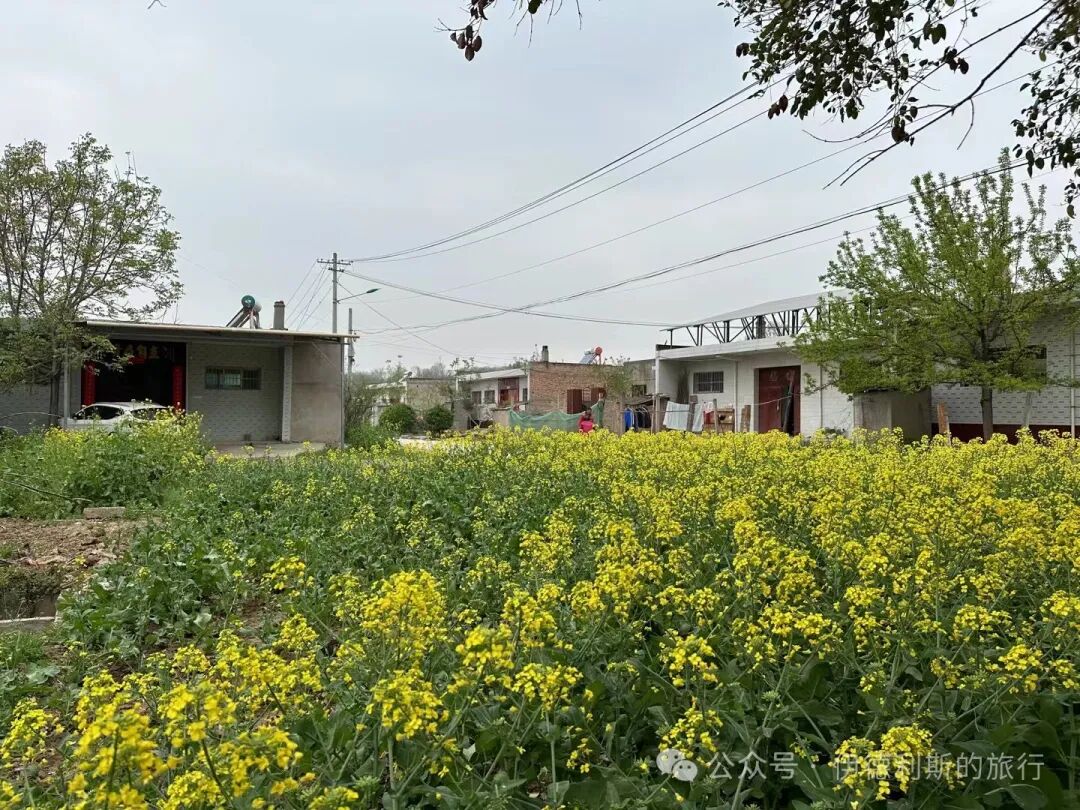
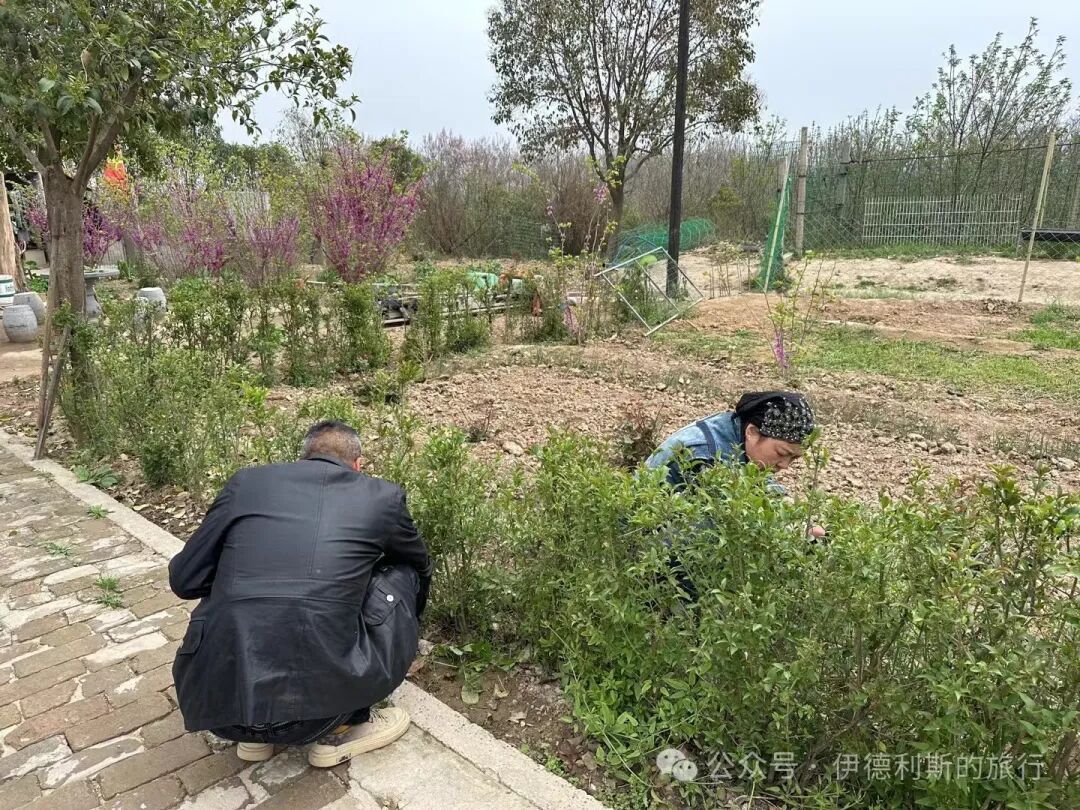
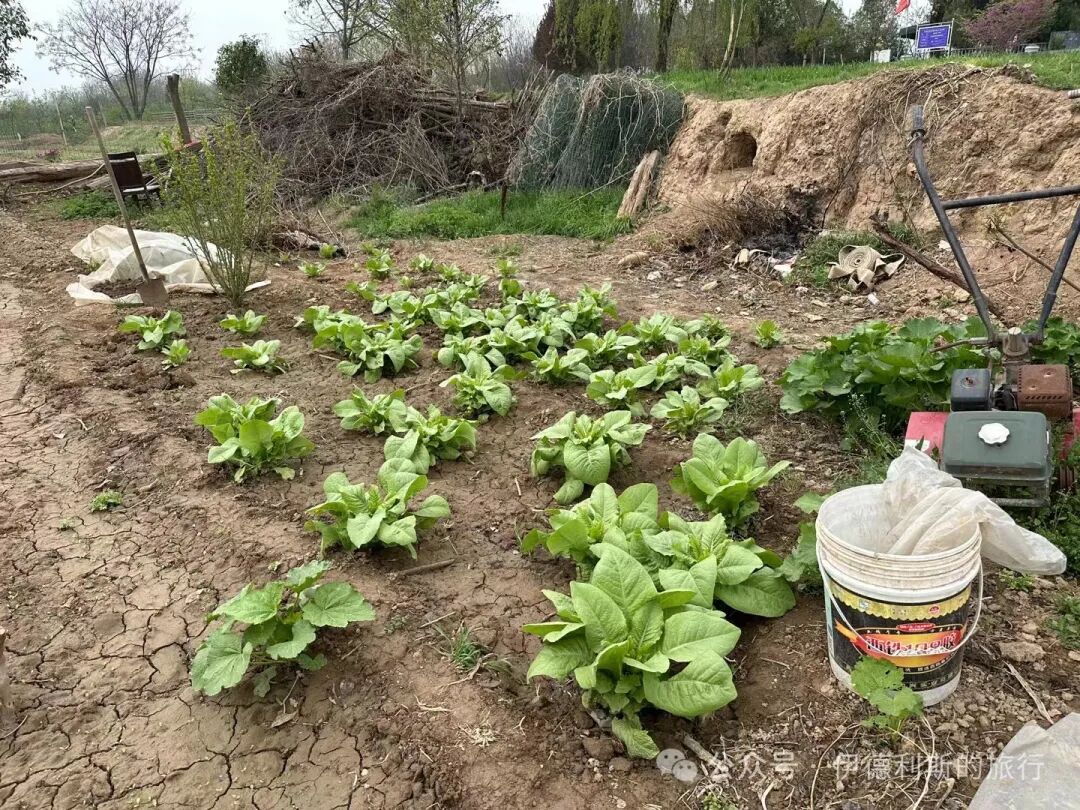
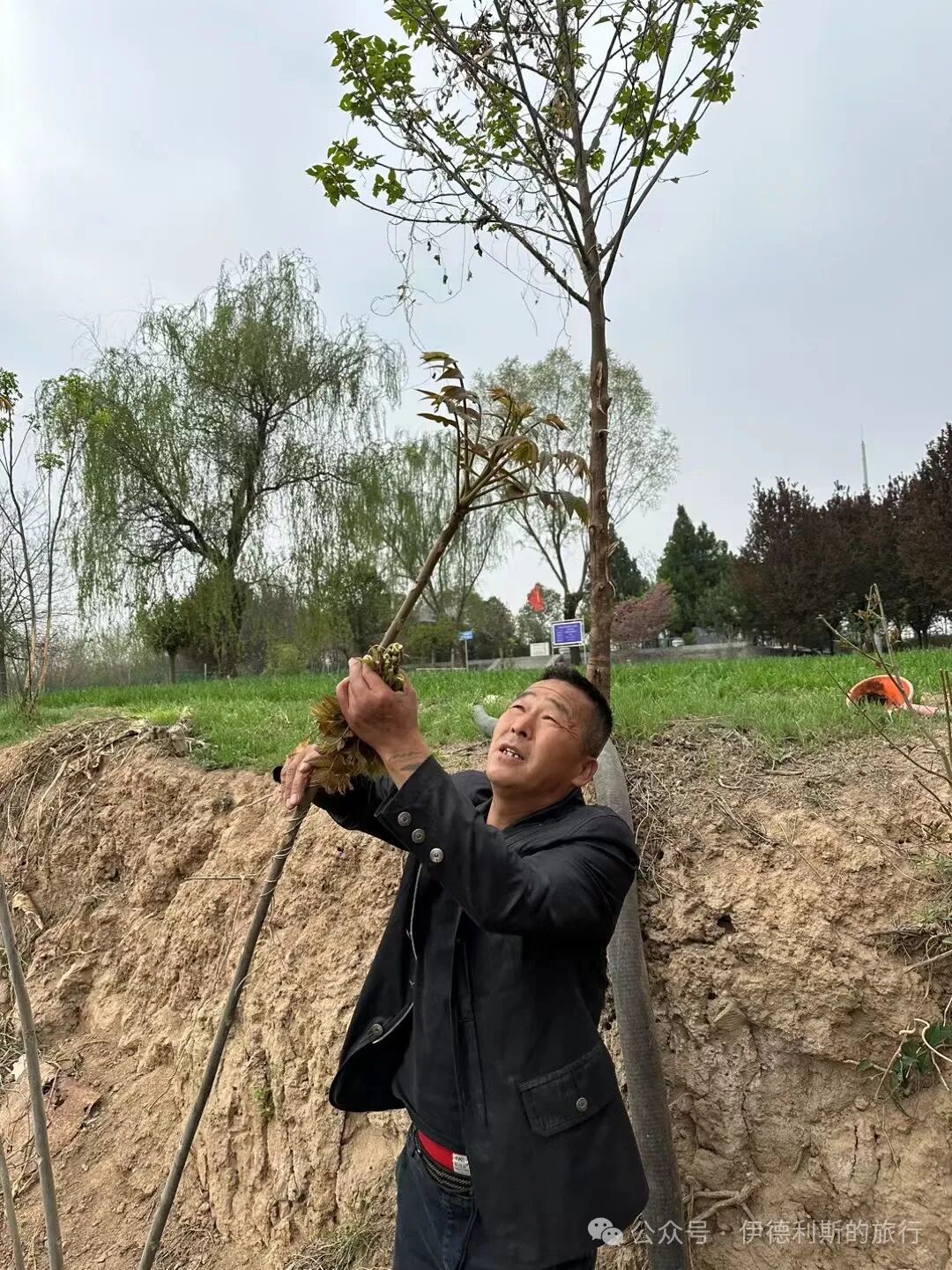
The couple who guard the grave of Taishi Baba are local believers (dost). They grow all kinds of vegetables in the yard and have even picked some fresh Chinese toon (xiangchun) sprouts that smell wonderful. They also planted some bougainvillea (sanjiaomei) in the vegetable patch, and the purple flowers look very beautiful.
There are over a dozen dairy goats in the yard, including some new lambs and some born last year. This makes it very convenient for people who come to perform a religious sacrifice (niatie). The grass the goats eat is also grown by the couple, who cleared a large piece of land for it.
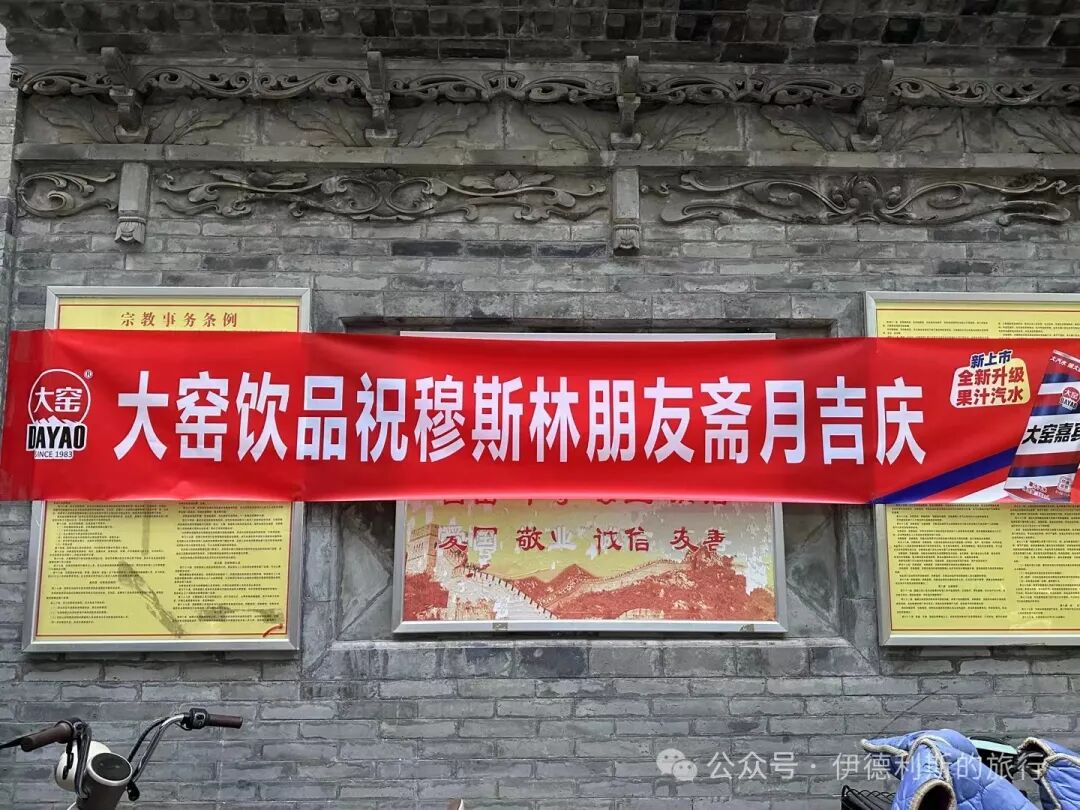
In the afternoon, I returned to the Hui Muslim quarter and waited for the fast-breaking (iftar) at the Dapiyuan Mosque. Dapiyuan Mosque was built in 1411 (the ninth year of the Yongle reign of the Ming Dynasty) under the leadership of the famous early Ming imam Ma Daozhen, who spent five years raising funds for it. It was renovated during the Jiajing reign and repaired twice during the Kangxi and Qianlong reigns.
When breaking the fast, people are busy eating snacks like cake, dates (yezao), and tea.
After the sunset prayer (maghrib), we ate the fast-breaking meal, which included zucchini, cold skin noodles (liangpi), stir-fried meat, steamed eggs, mung bean porridge, and steamed buns (momo). There were many people, and the atmosphere was great.
After the meal, we performed the night prayer (tarawih). The calligraphy and paintings on the kiln-style hall (yaodian) of the mosque are also very old.
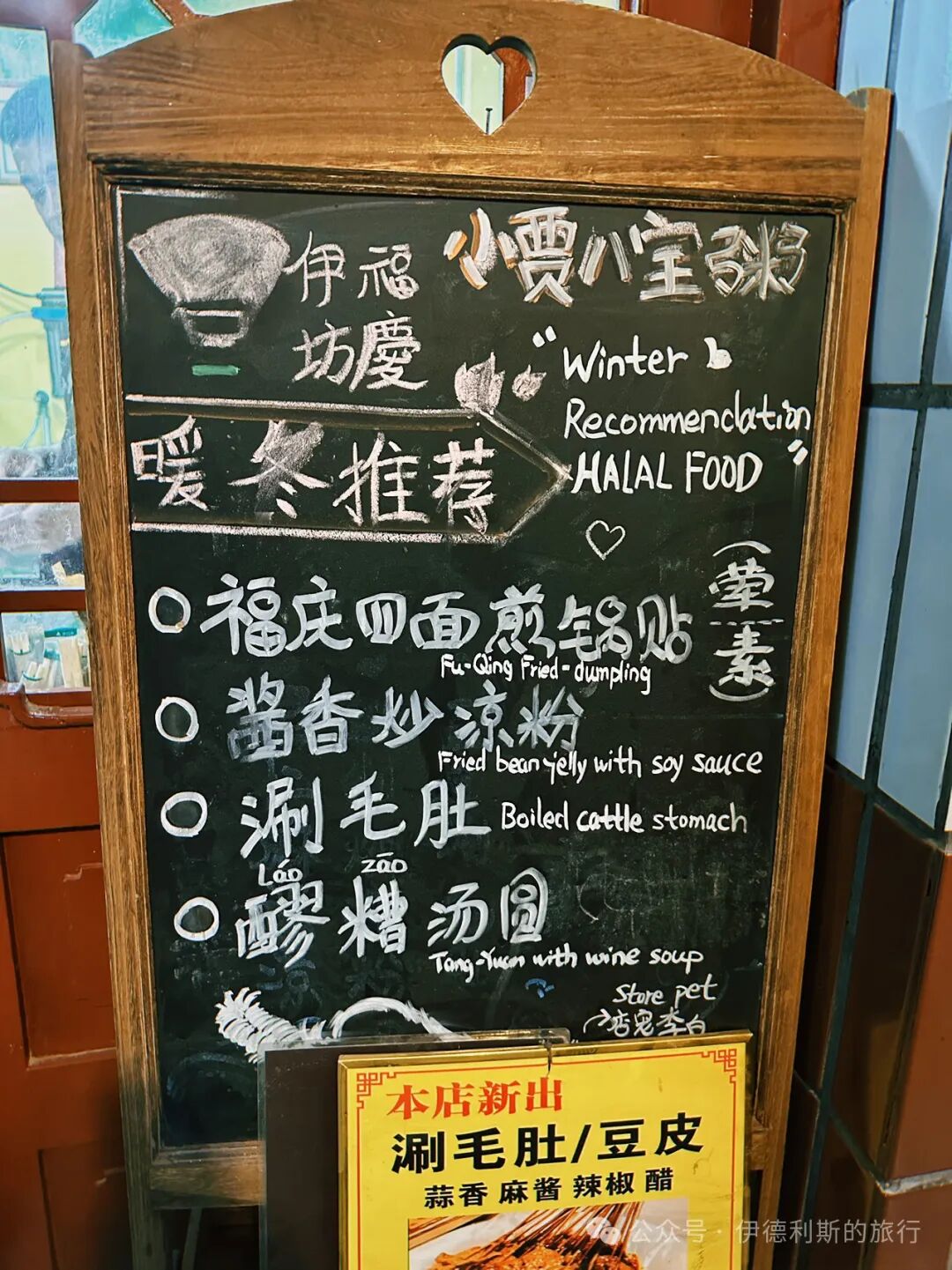
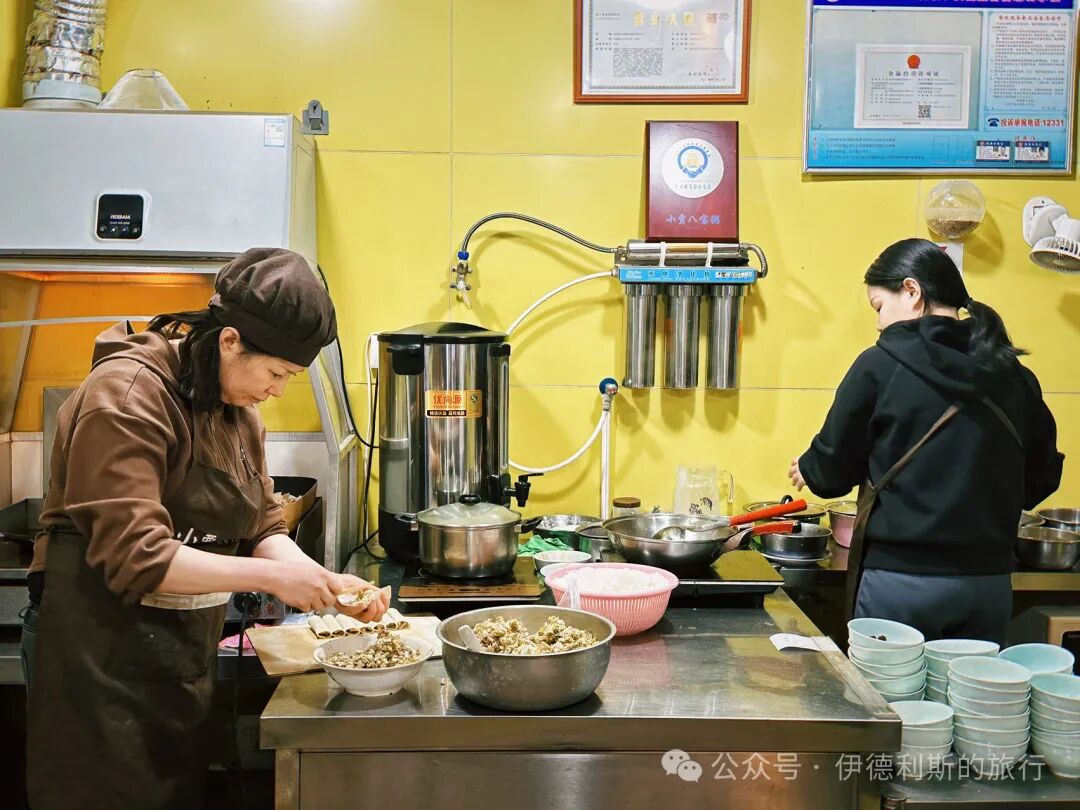
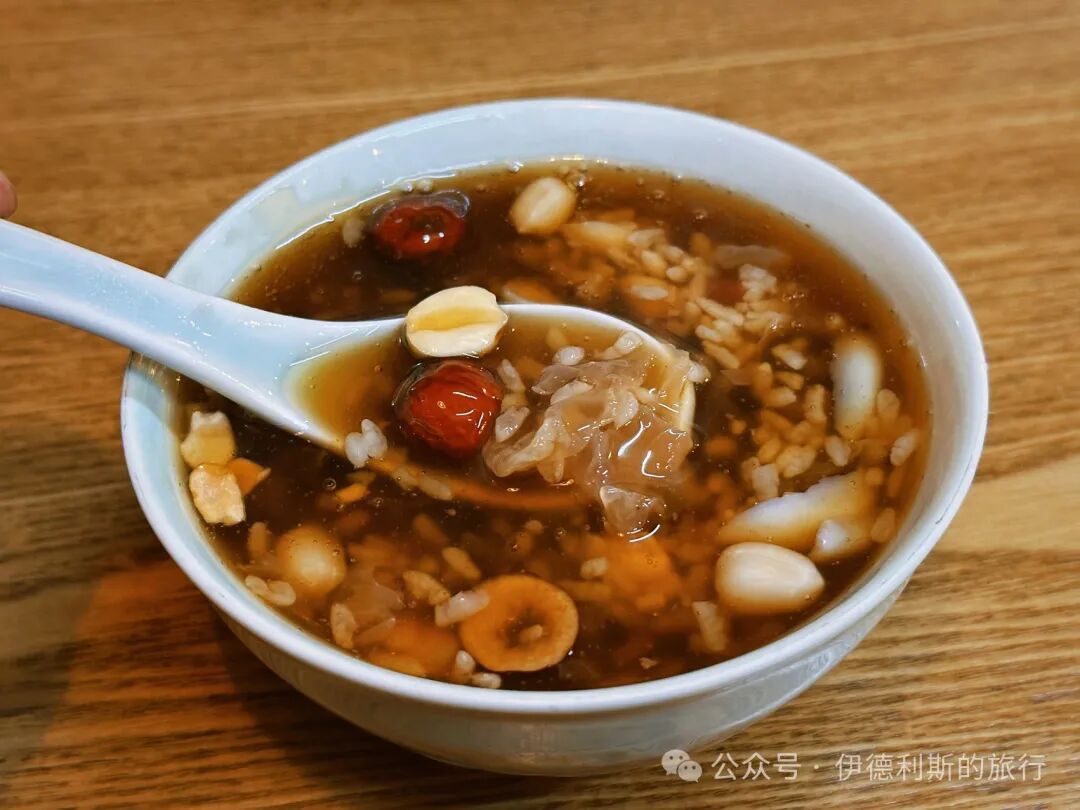
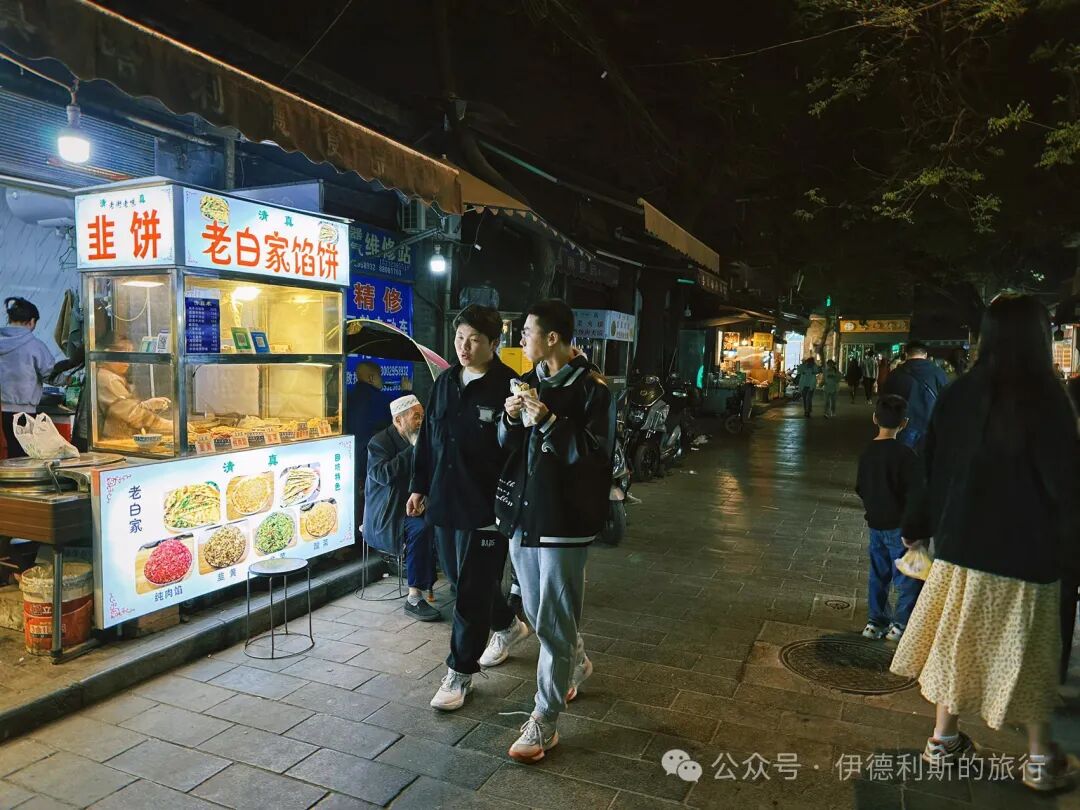
After the tarawih prayer, Zainab asked me to have some eight-treasure porridge at Xiao Jia Eight-Treasure Porridge shop near the entrance of the Dapiyuan women's mosque. The shop is hidden in the alley, so most people do not notice it. Besides eight-treasure porridge, they also serve potstickers (guotie) and cold skin noodles (liangpi). The porridge is packed with ingredients, and the environment is quite nice. After finishing the porridge, we had some sour plum drink (suanmeitang) on the street. The freshly brewed sour plum drink (suanmeitang) sold on the streets of the Muslim Quarter is very tart and perfect for quenching thirst during Ramadan.
April 5.
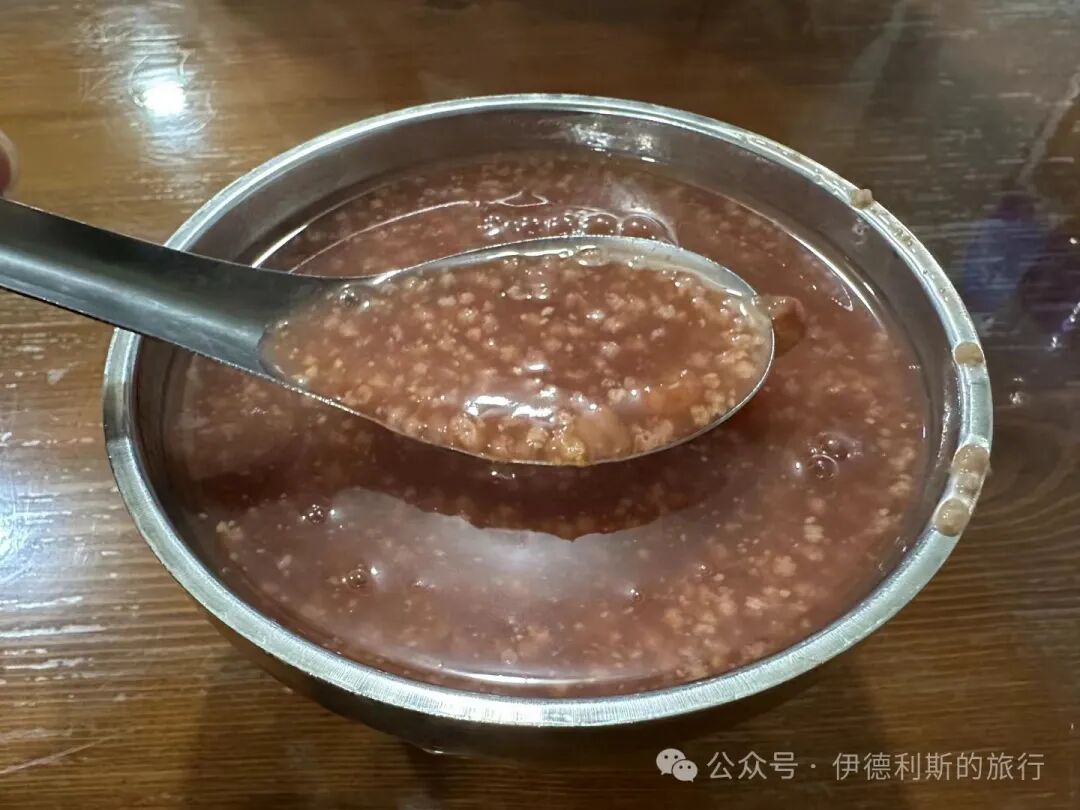
At 3:30 a.m., we had a lotus leaf bun sandwich (heye bing jiacai) with red bean porridge at Ma's Family restaurant on Miaohou Street in the Muslim Quarter. Many people were buying their pre-dawn meal (suhoor) there. Lots of customers chose the fried pancake sandwich (youbing jiacai), but we found the pancake a bit too oily. We picked the lotus leaf bun instead because it was soft and fluffy, which felt perfect for the pre-dawn meal. There are many types of side dishes. You can add a little bit of everything, including cold dishes, pickled vegetables, and a poached egg. Since the meal is quite nutritious, many friends (dosti) choose to eat here.
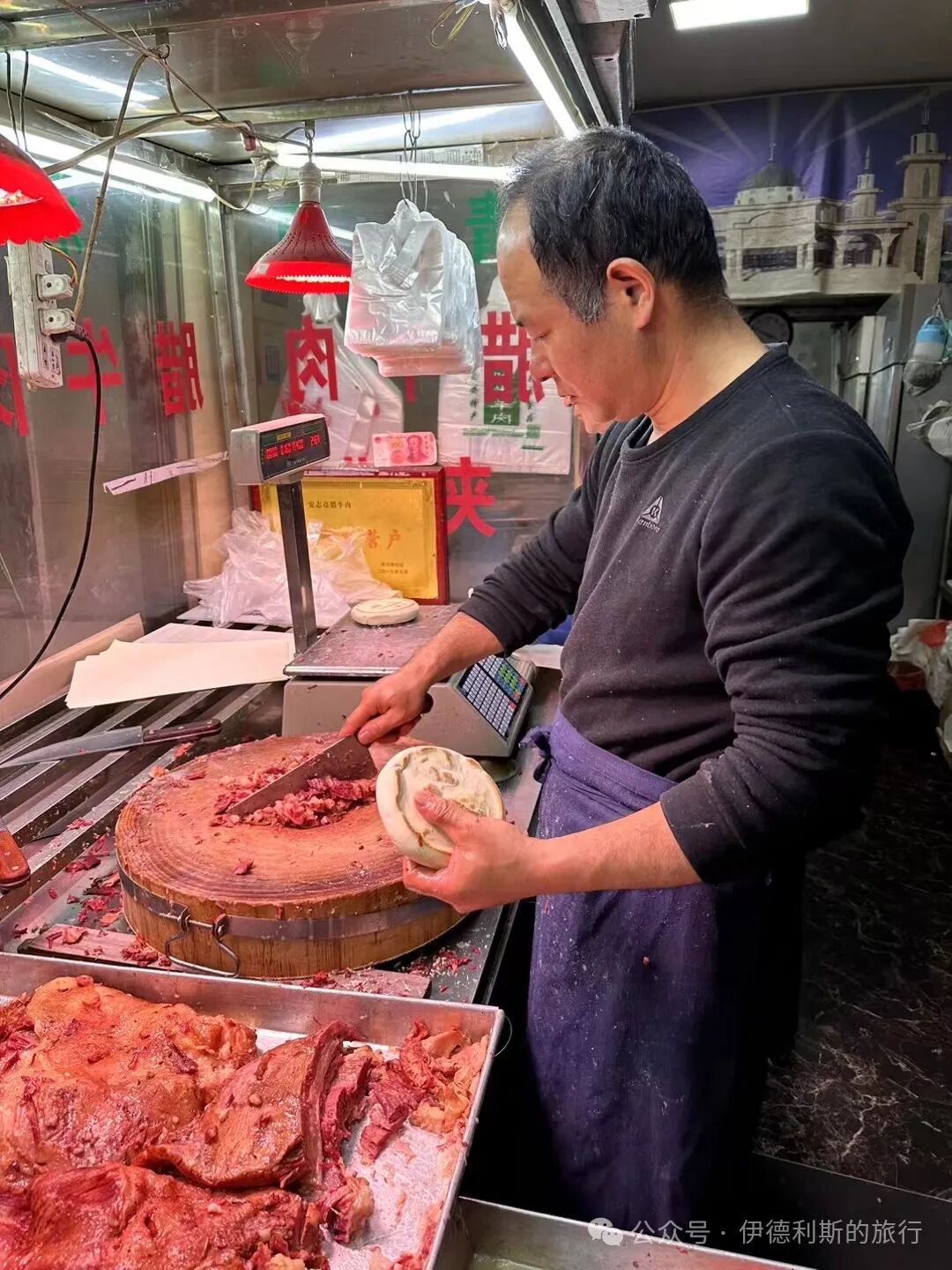
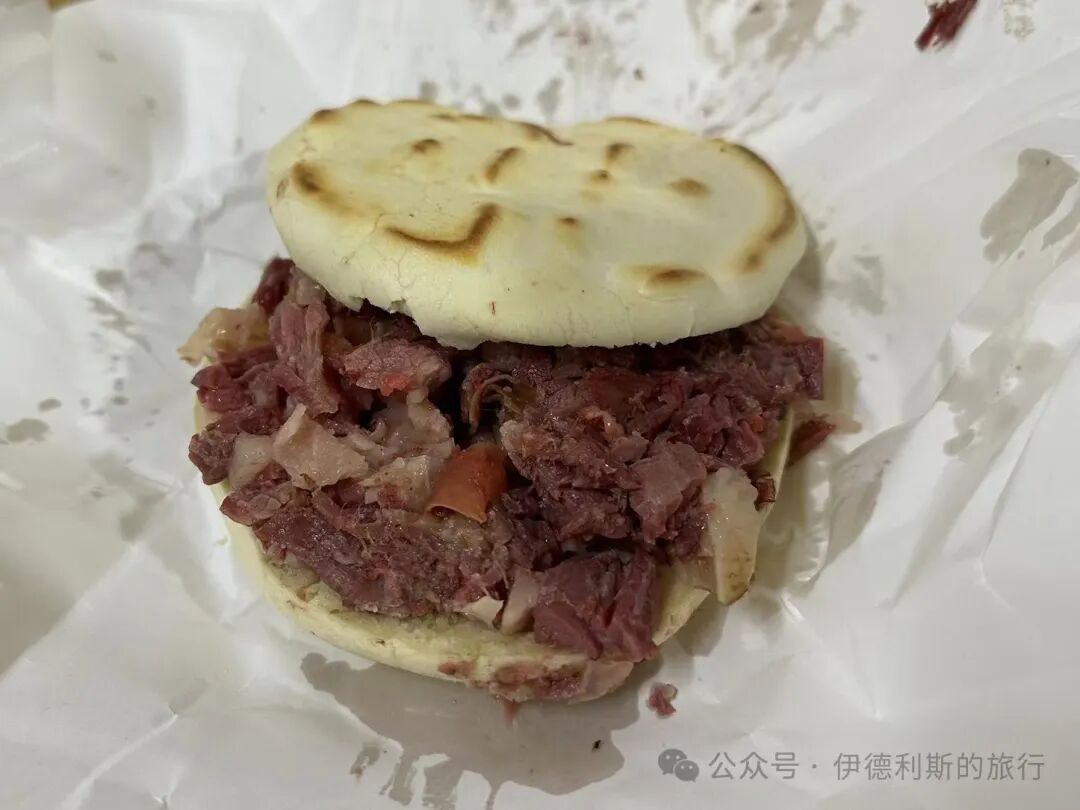
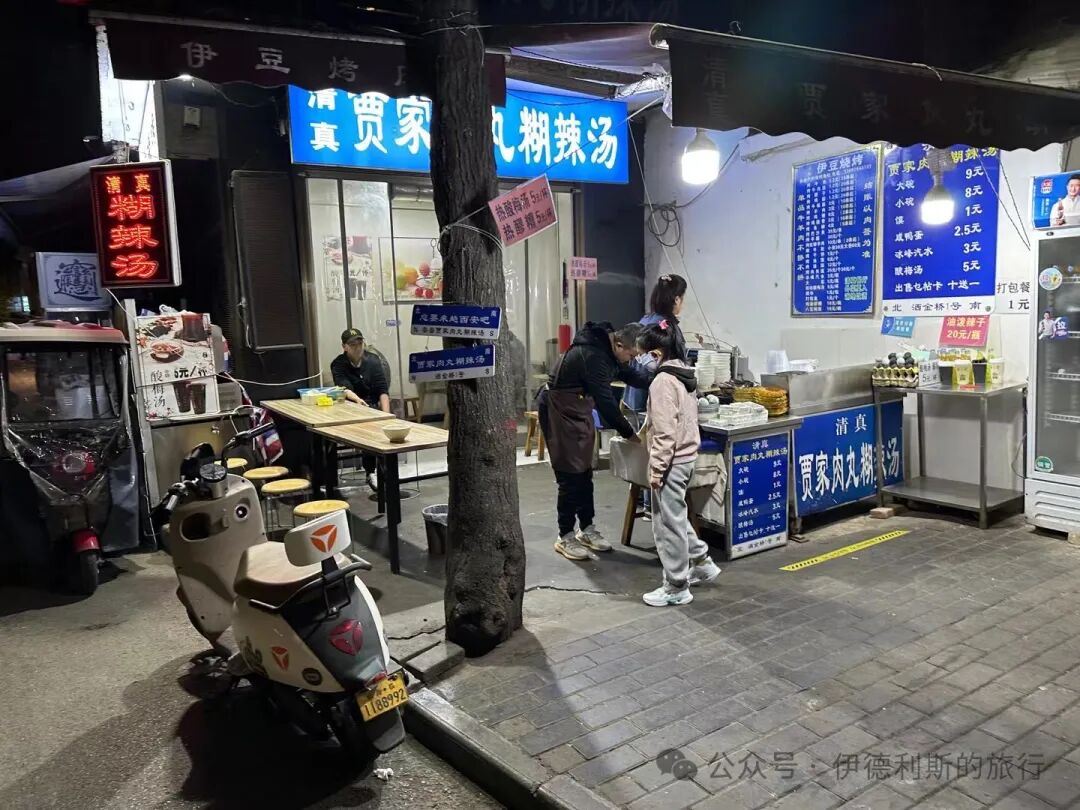
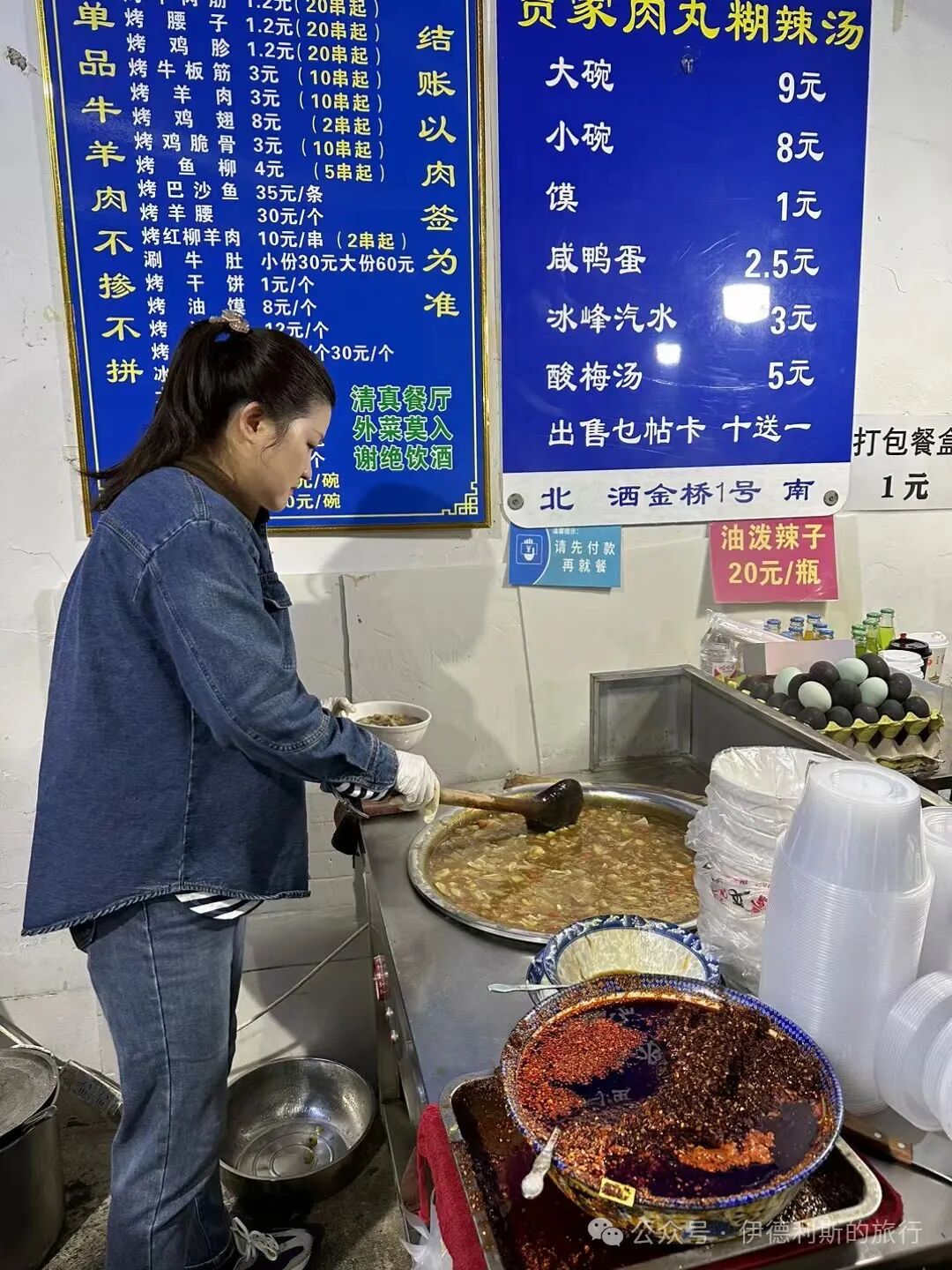
3:50 a.m. After finishing our lotus leaf bun sandwich, we continued west along Miaohou Street. We bought a cured beef sandwich (la niurou jiamo) at An Zhiliang Cured Beef and Mutton Shop, then went across the street to Jia's Meatball Spicy Soup (rouwan hulatang) shop at the Sajinqiao intersection to have a bowl of meatball spicy soup. The cured beef at An Zhiliang's is quite fragrant, but it is a little salty, so you need to drink plenty of water.
During Ramadan, many meatball and spicy pepper soup (hulatang) shops in the Muslim Quarter sell pre-dawn meals, but the pepper flavor is really strong. Drinking it before starting the fast isn't as comfortable as having rice porridge.
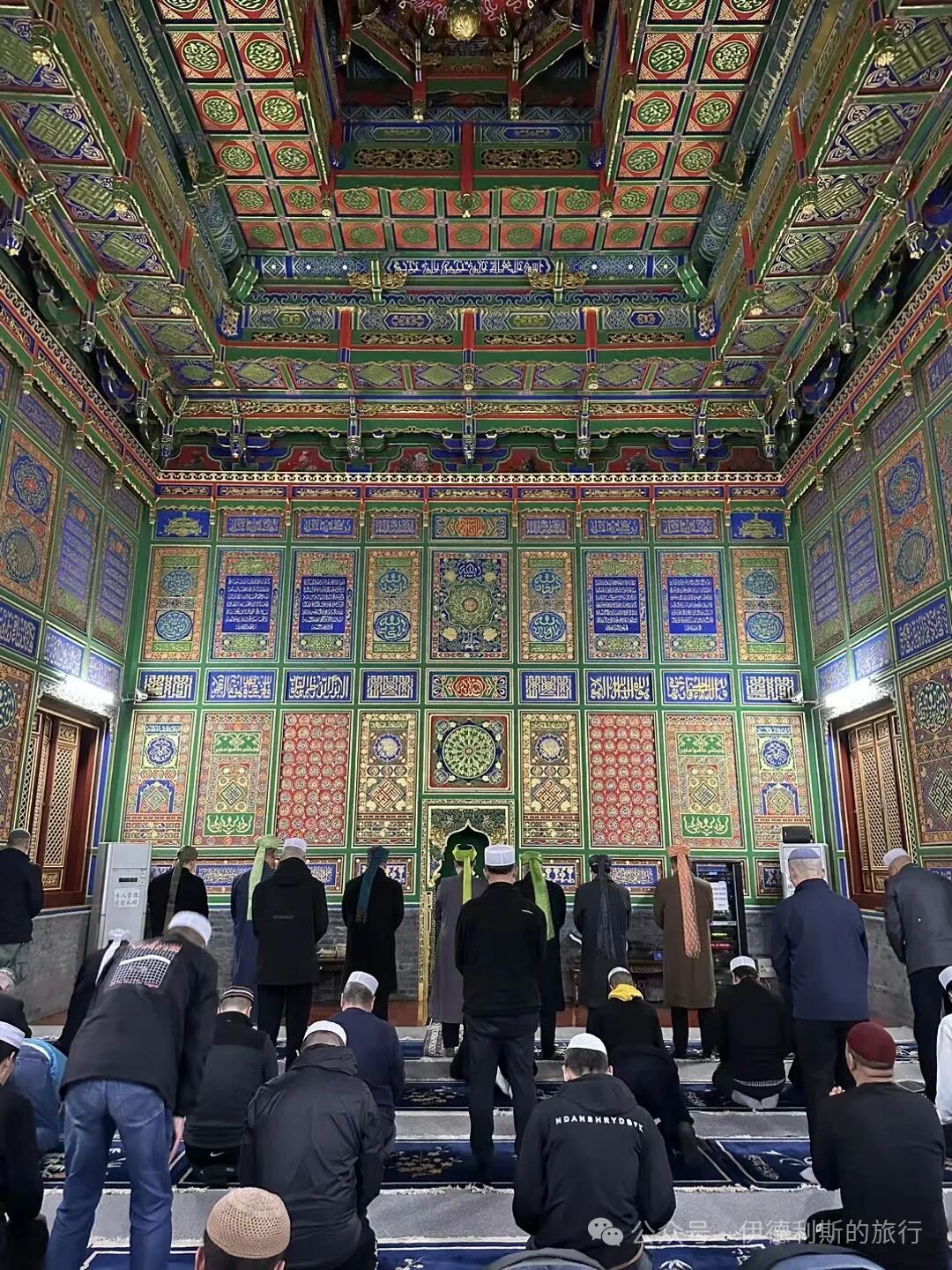
At 5:50 a.m., I prayed the dawn prayer (namaz) at Daxuexi Alley Mosque. Daxuexi Alley Mosque, also known as the West Great Mosque, was rebuilt in 1384 (the 17th year of the Hongwu reign of the Ming Dynasty) by Minister of War Tie Xuan, who was granted the name for the mosque by the emperor. It was renovated in 1413 (the 11th year of the Yongle reign) and again during the Kangxi and Guangxu periods of the Qing Dynasty. The main prayer hall preserves precious Ming and Qing dynasty paintings featuring exquisite calligraphy. This style shares the same roots as the traditional mosque paintings and calligraphy of the Salar people in Xunhua, Qinghai.
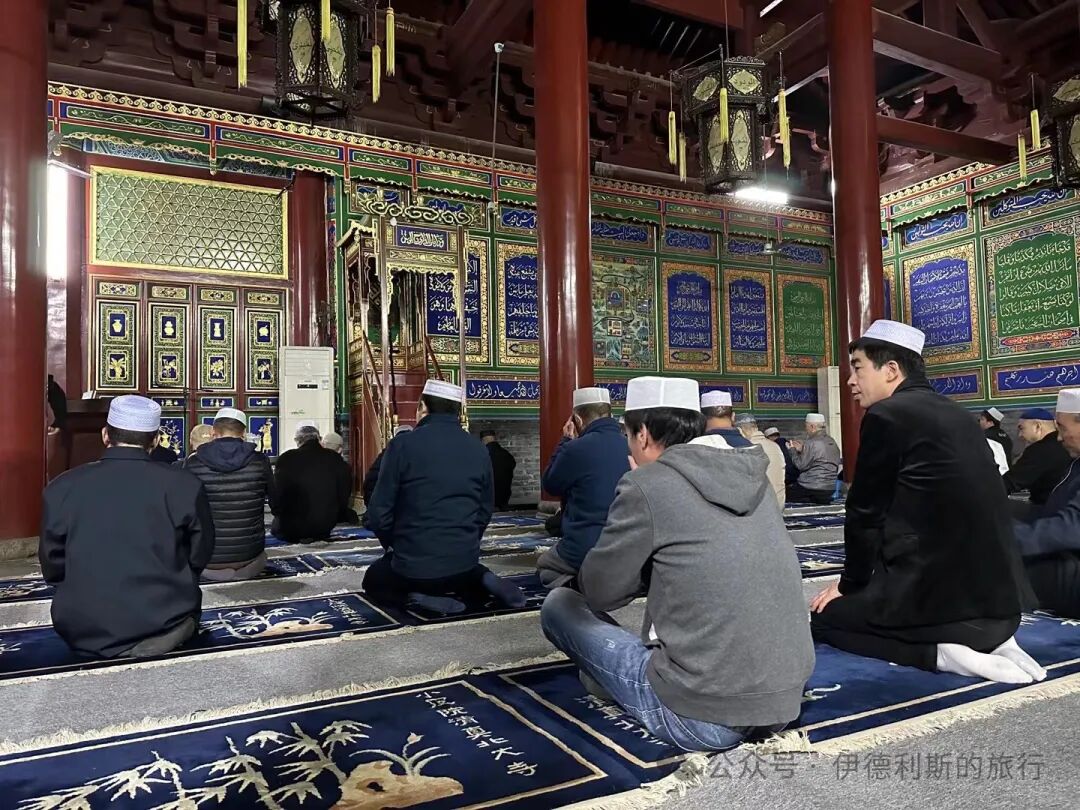
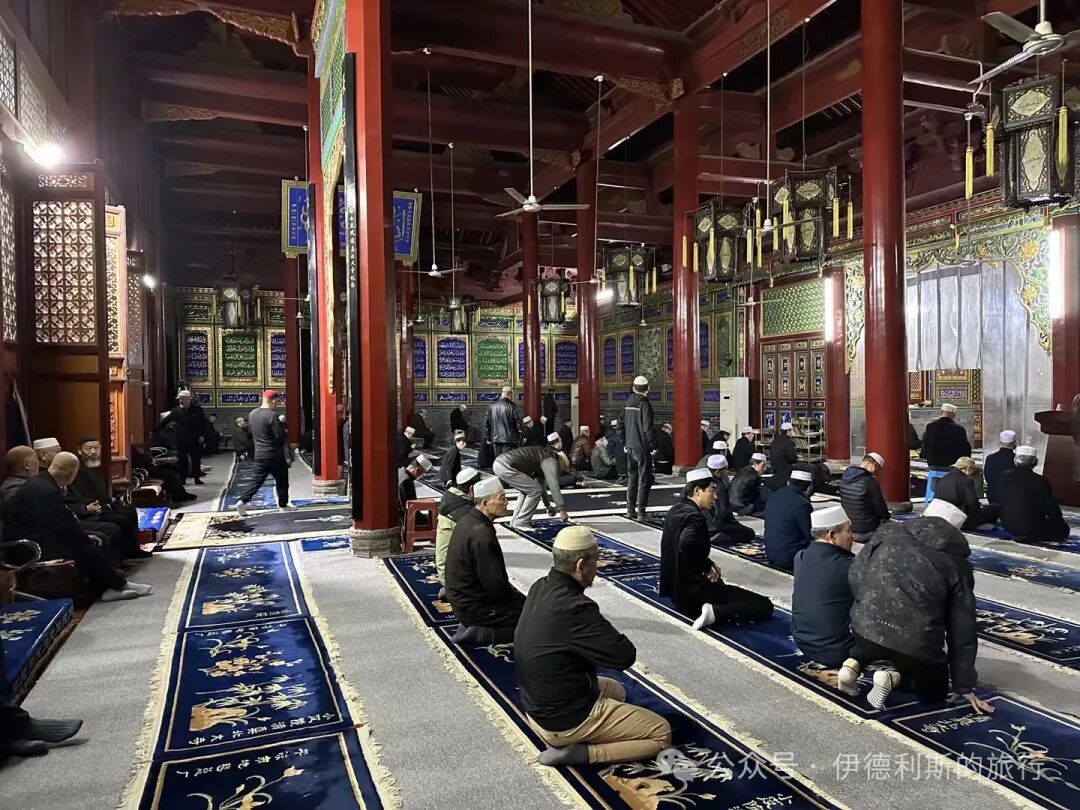
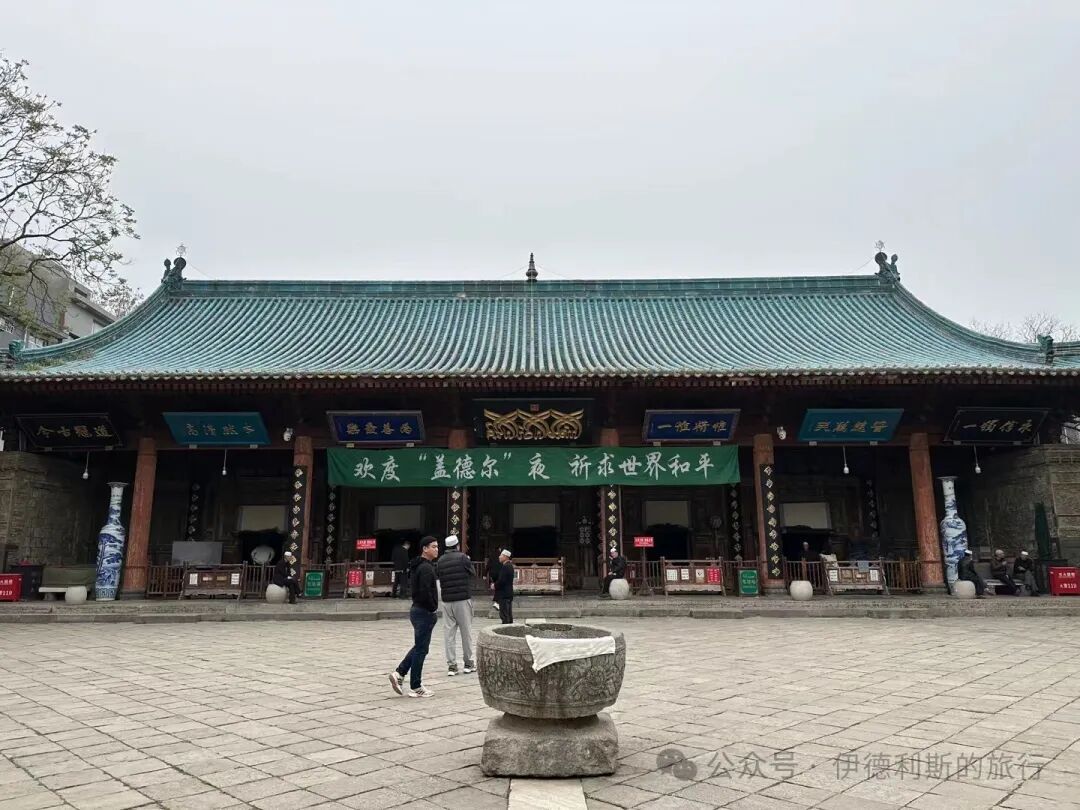
At noon, I prayed the Friday prayer (Jumu'ah) at Huajue Alley Great Mosque. Huajue Alley Great Mosque, also known as the East Great Mosque, was renovated many times during the Song and Yuan dynasties. The main hall was rebuilt in 1455 (the 6th year of the Jingtai reign of the Ming Dynasty). It underwent large-scale expansions in the early Jiajing years and again in the 34th year of the Wanli reign. By the Qianlong period, it was reduced from two courtyards to just the southern section, gradually forming the current layout of five deep courtyards.
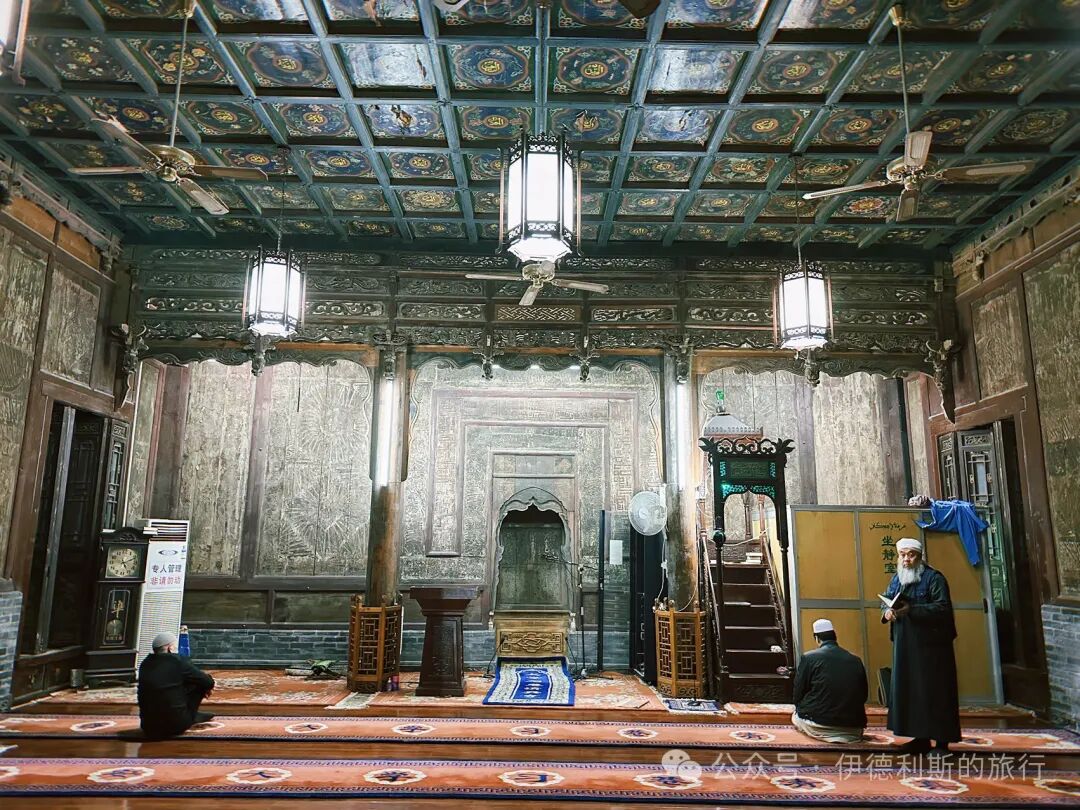
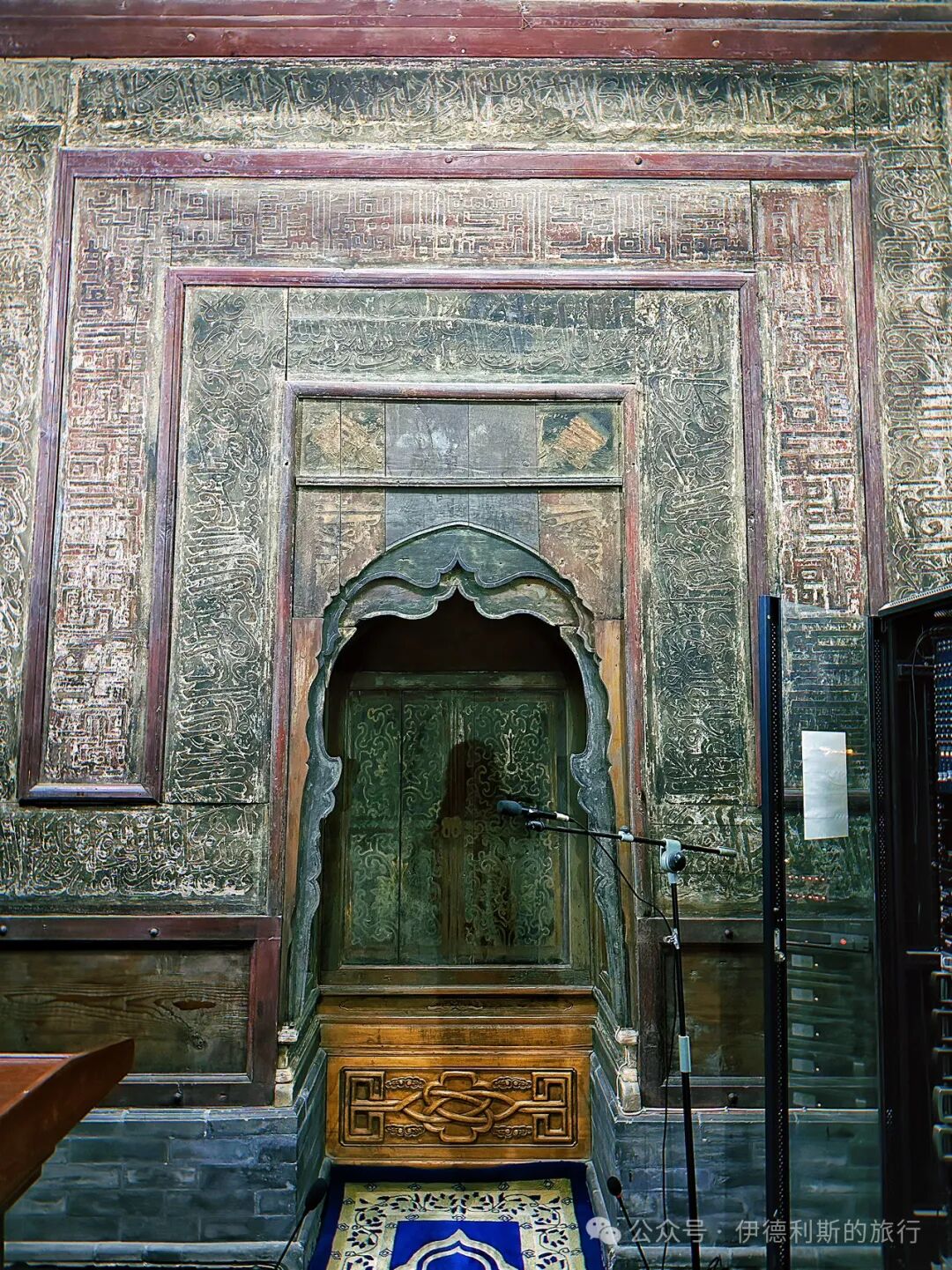
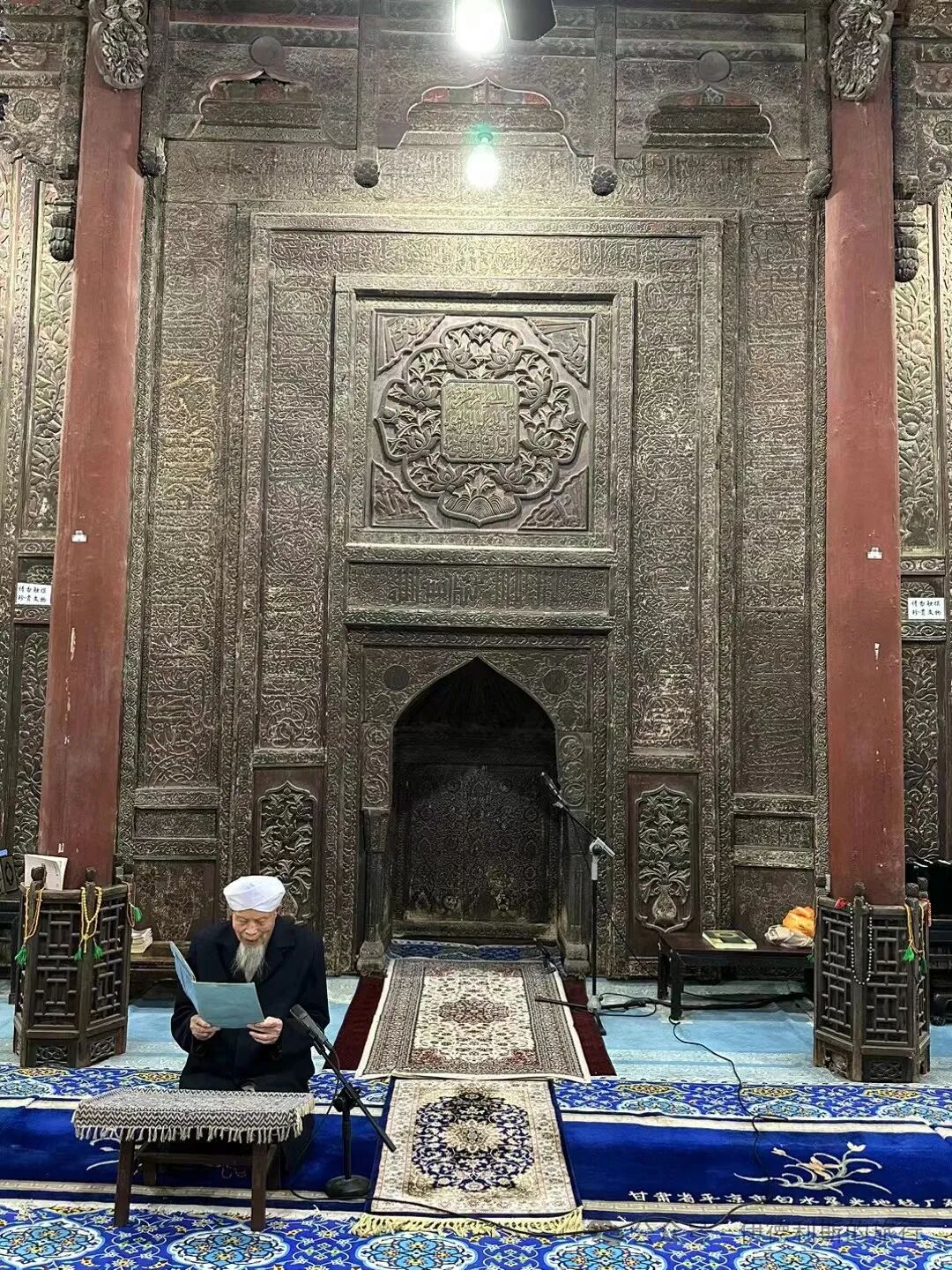
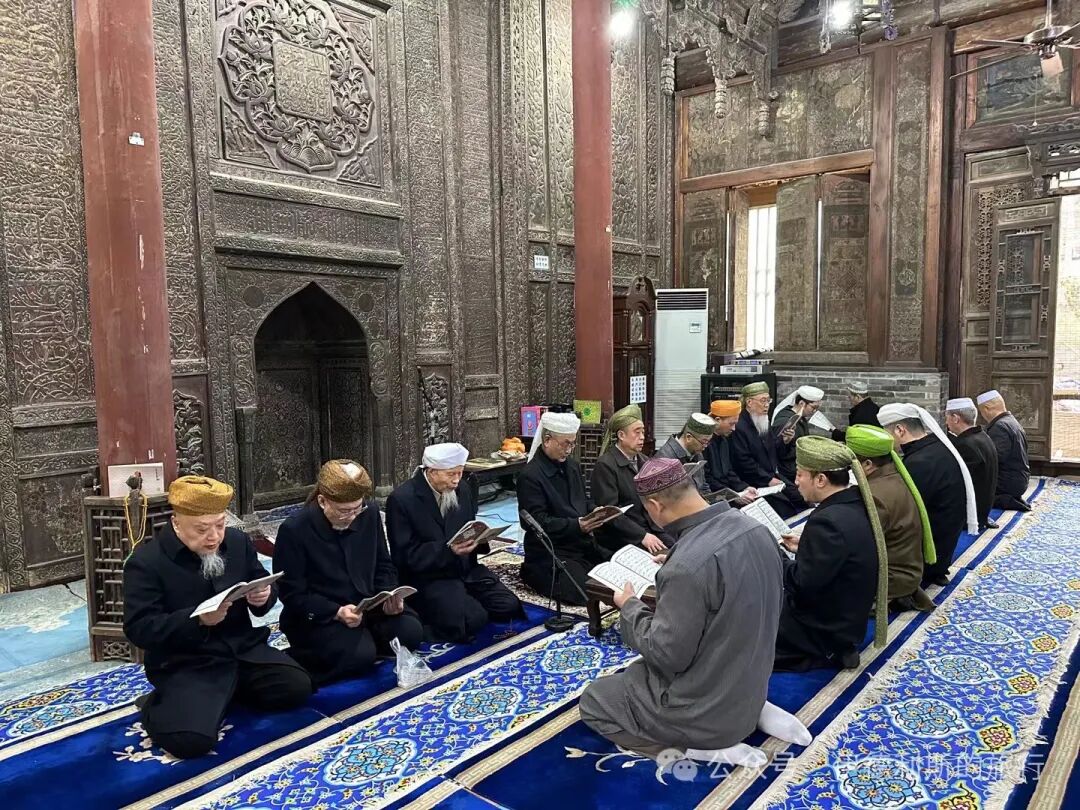
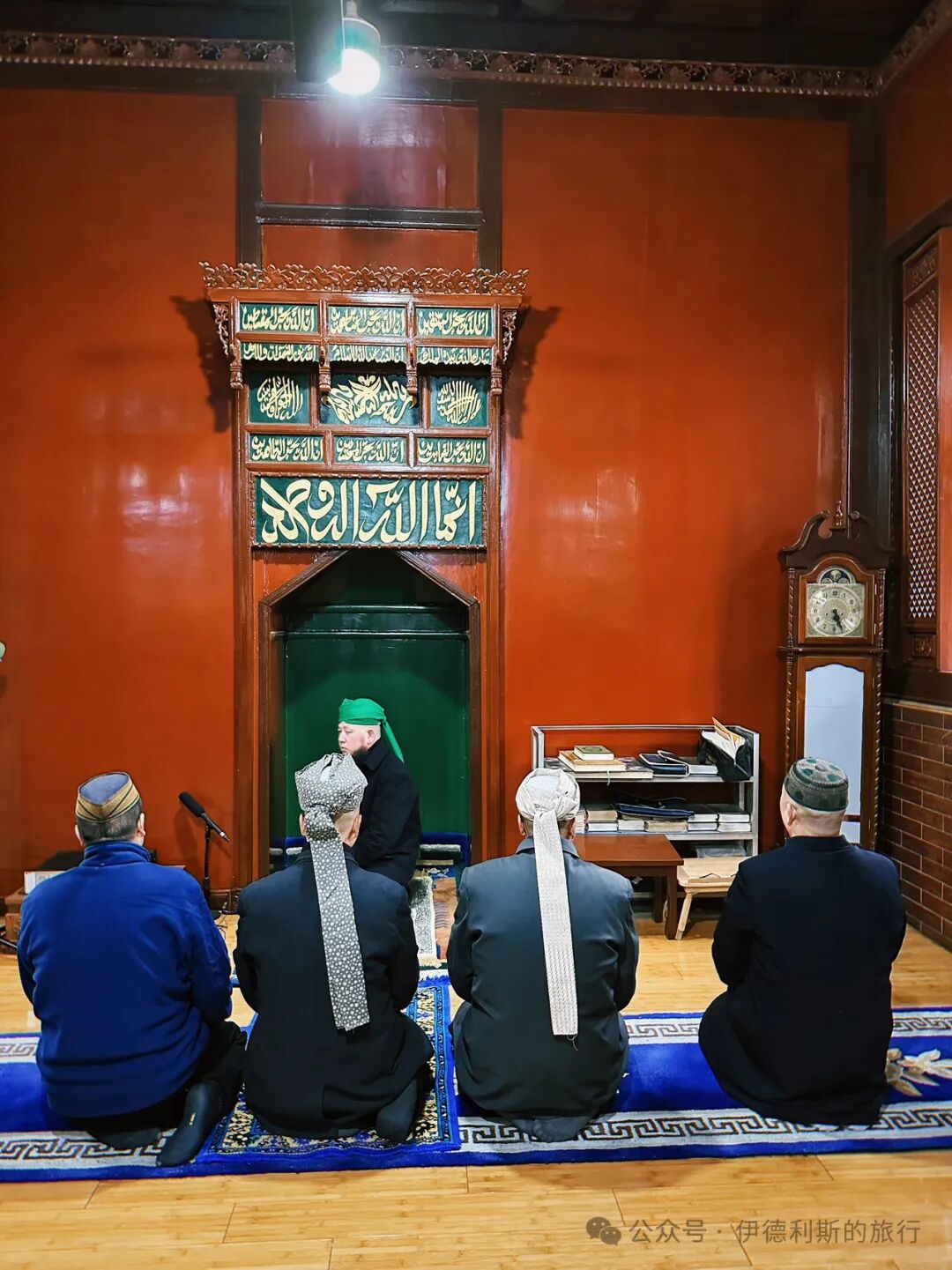
The mihrab inside the main prayer hall. In his book Chinese Islamic Architecture, Liu Zhiping says: The rear kiln hall of the main prayer hall is the most beautifully crafted. The walls are entirely paneled with wood, and the golden pillars are used to create door hoods and hanging columns, making the mihrab area look even more magnificent. All the wooden surfaces feature bold and powerful shallow carvings. Because animal patterns are not allowed as decorations inside an Islamic prayer hall, the entire wall is covered in magnificent and sturdy plant and flower designs. These types of patterns are also common on the brick carvings of other mosques. Its magnificent atmosphere has opened up a new direction for decorative patterns in our country. Not using animal decorations limited the carving designs in the mosque, but it also encouraged the development of plant, geometric, and calligraphic patterns, which helped shape the unique style of Islamic architectural design.
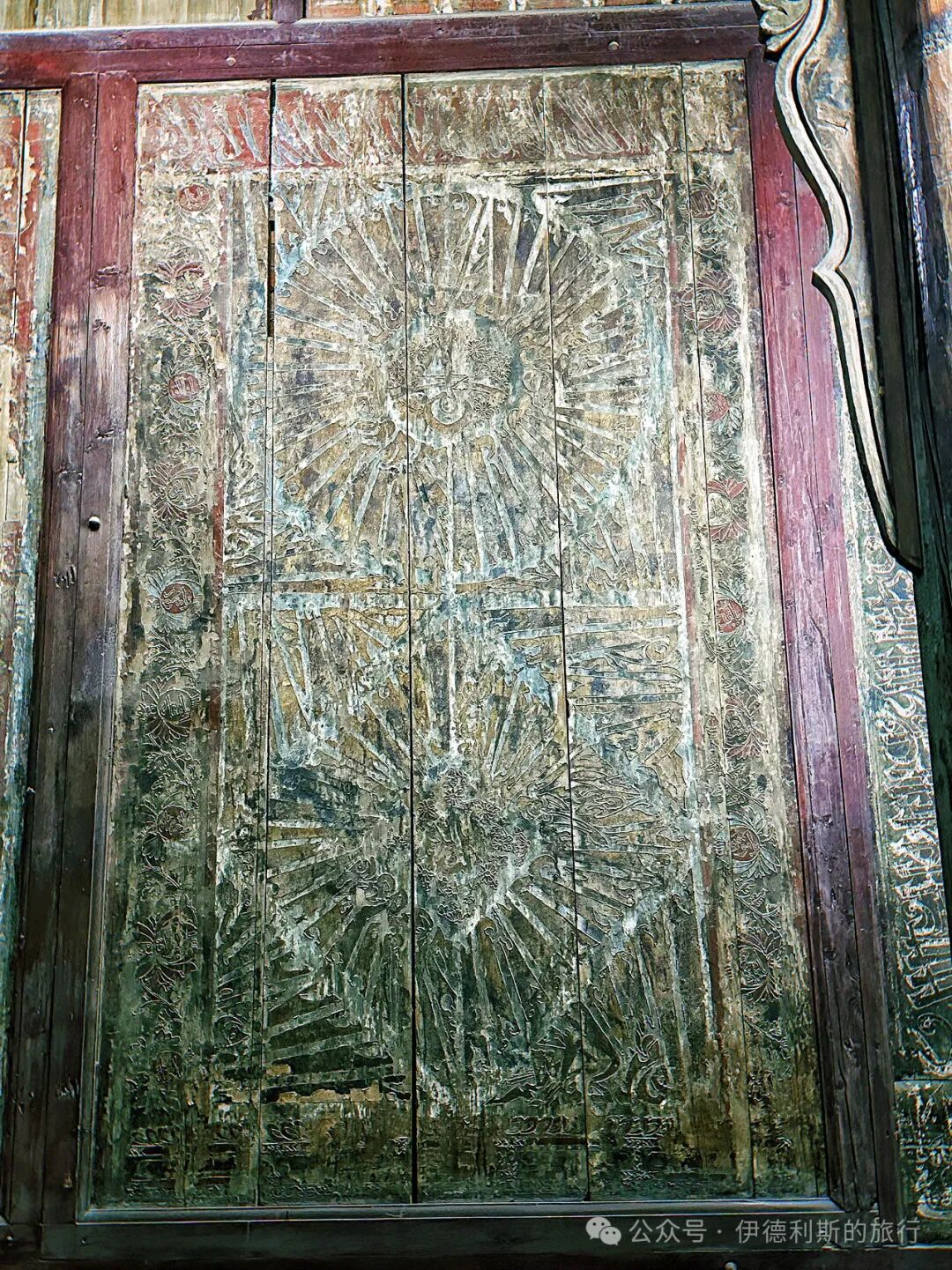
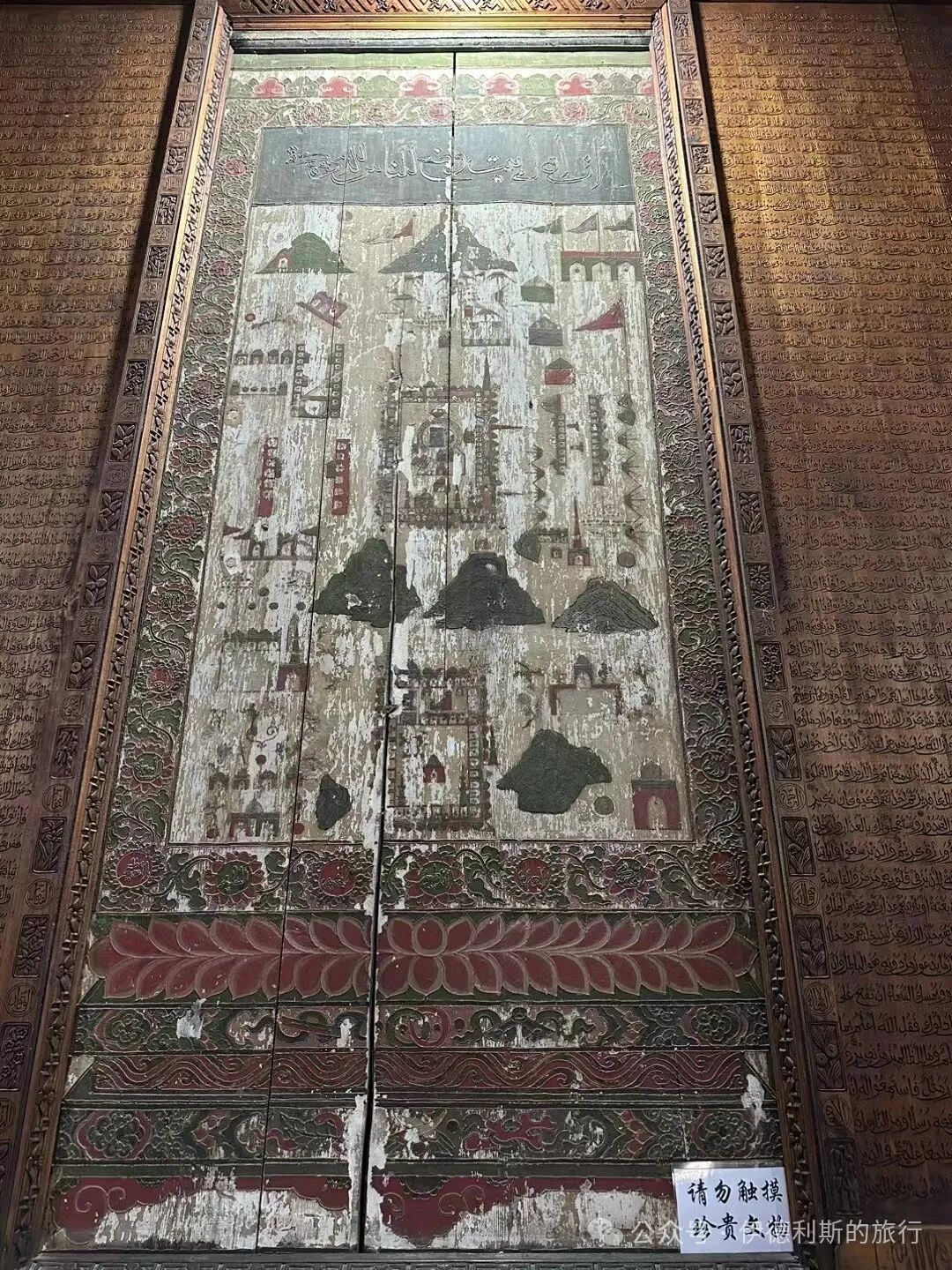
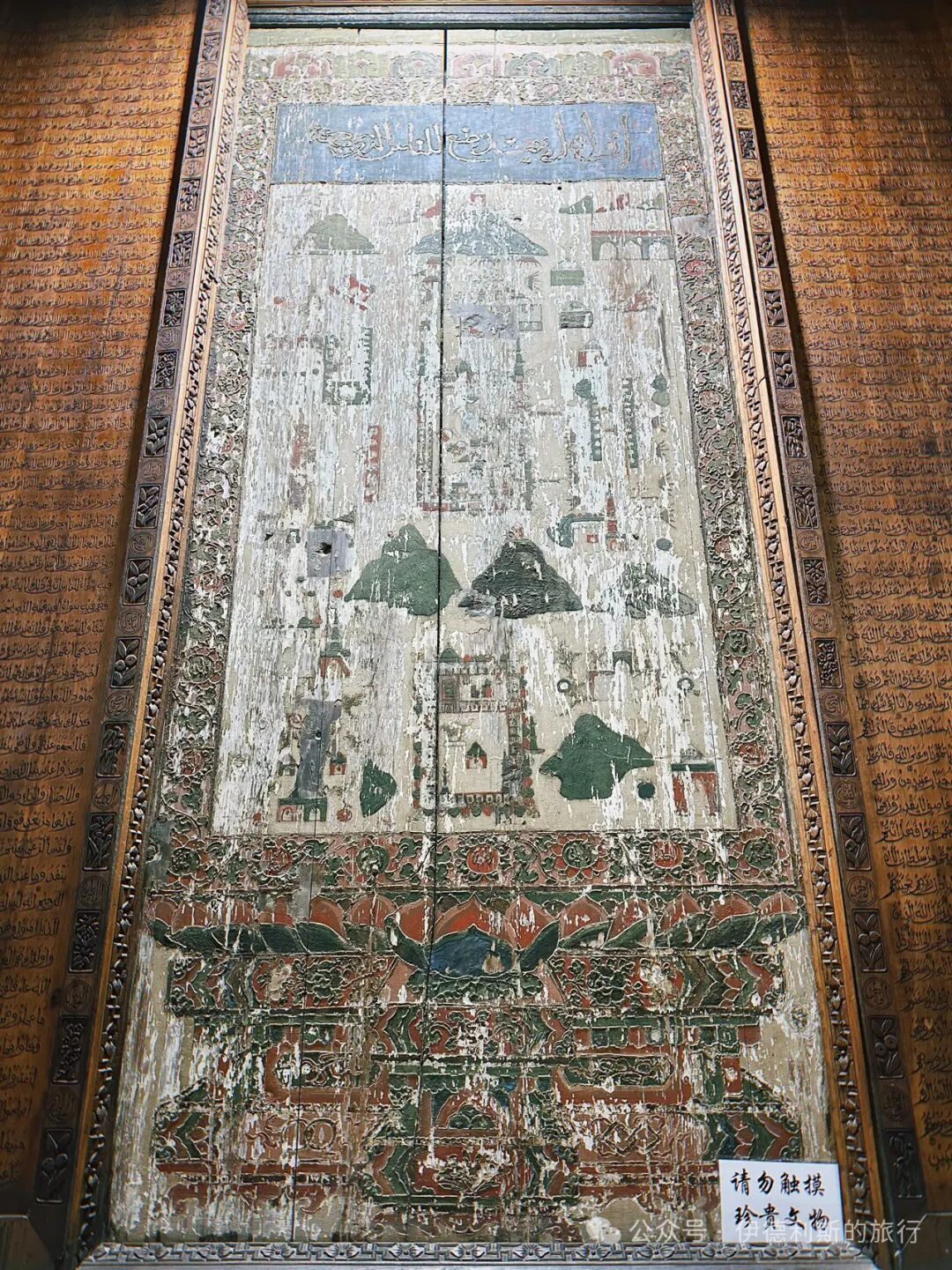
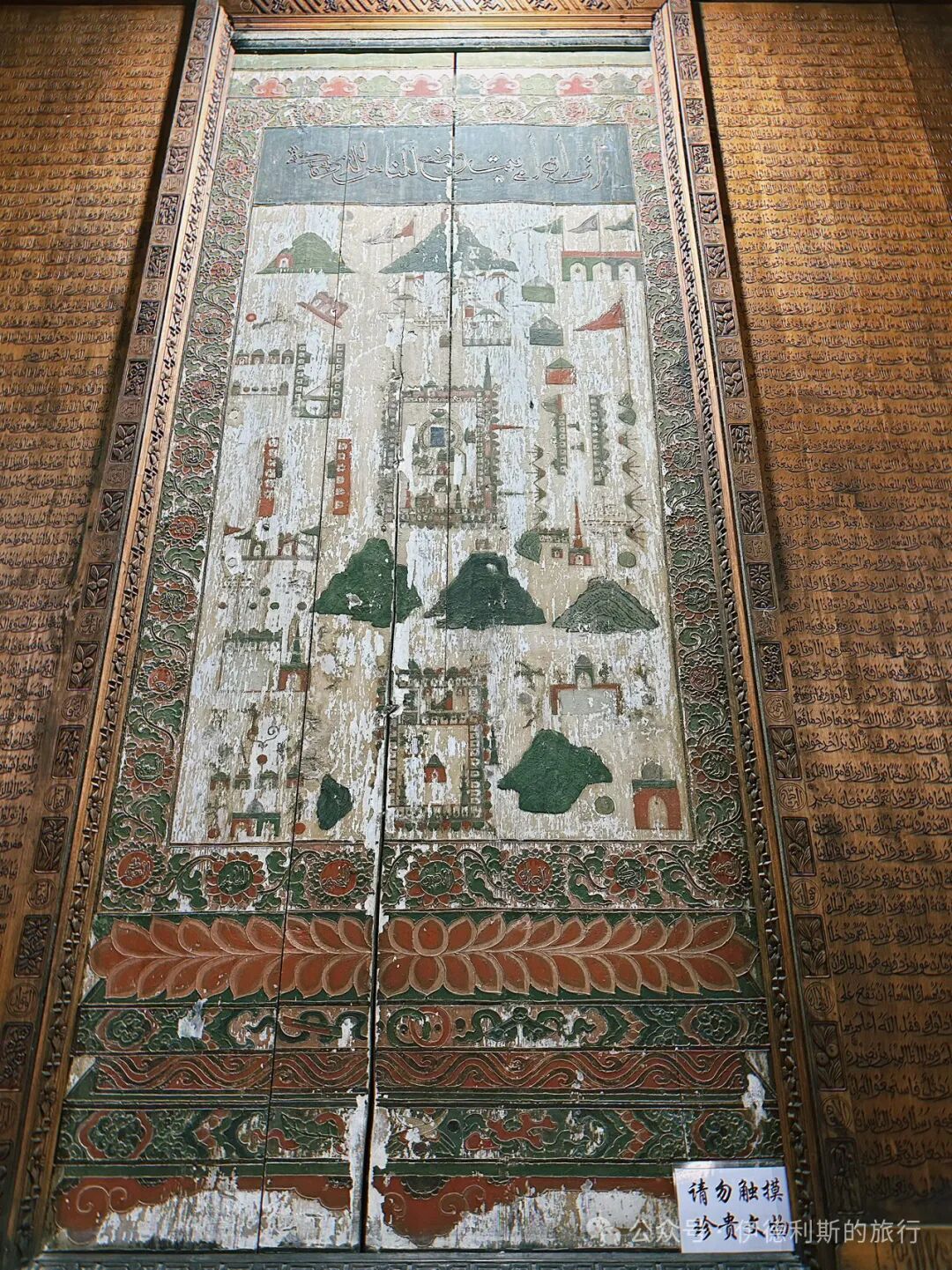
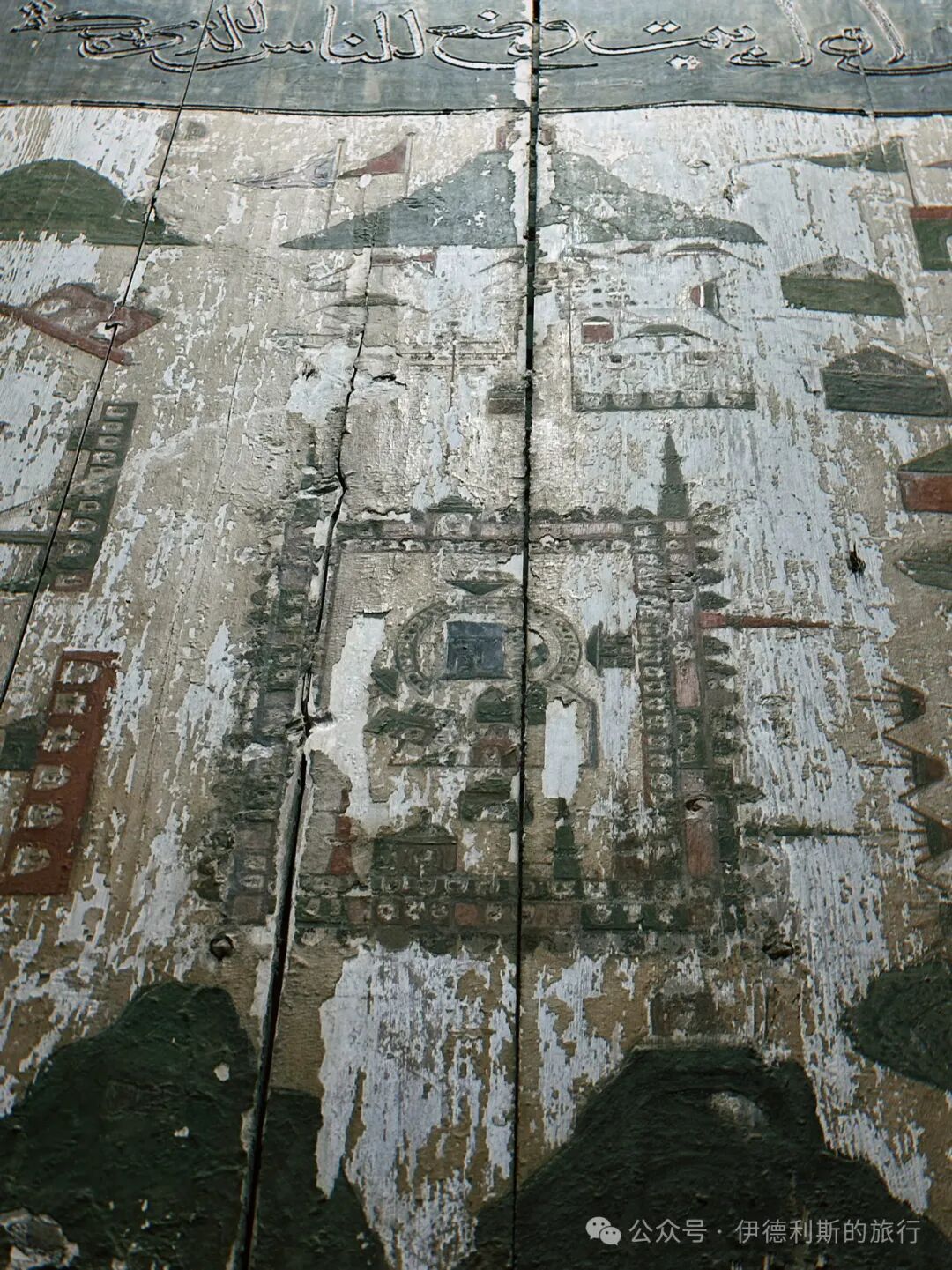
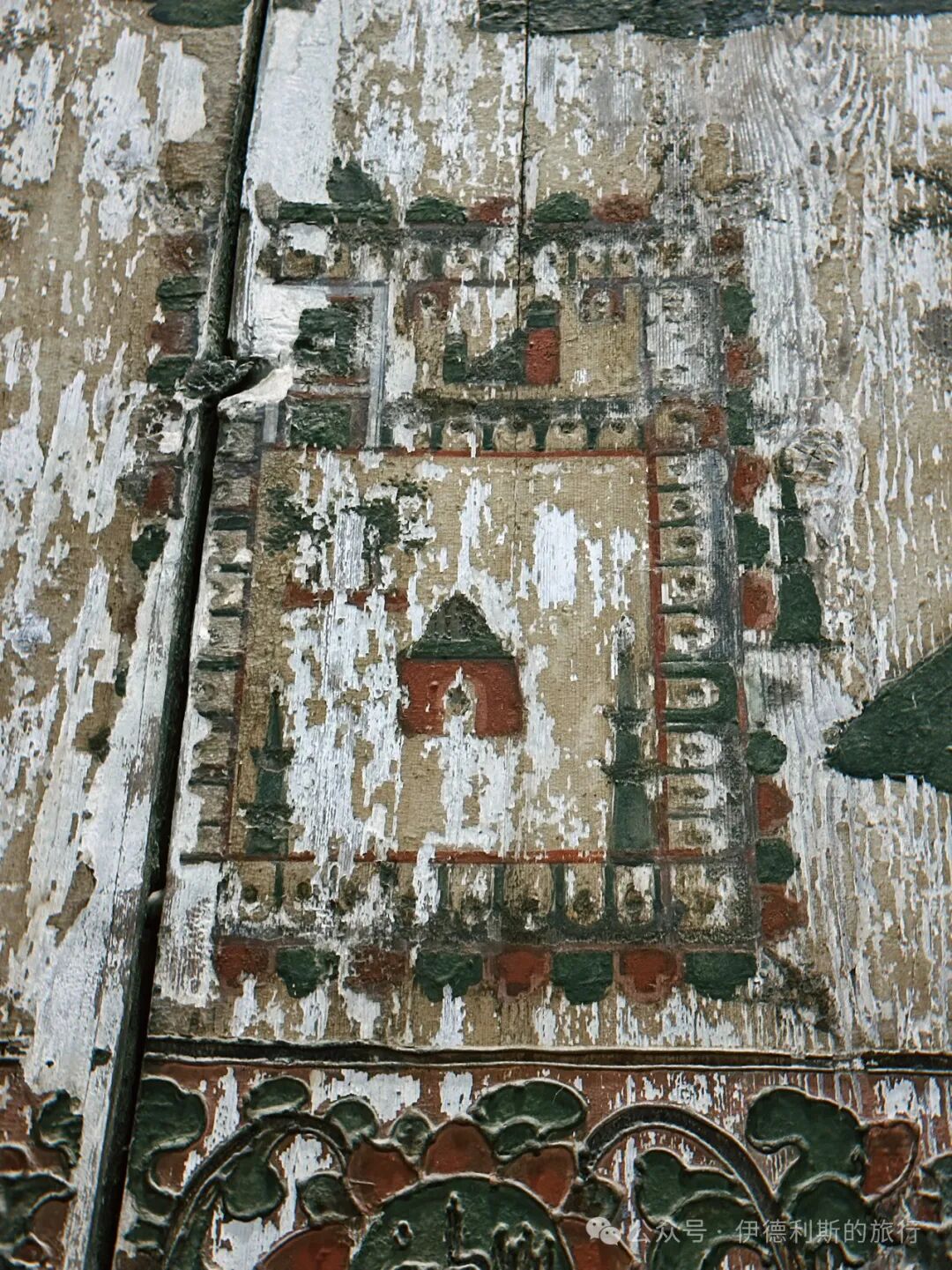
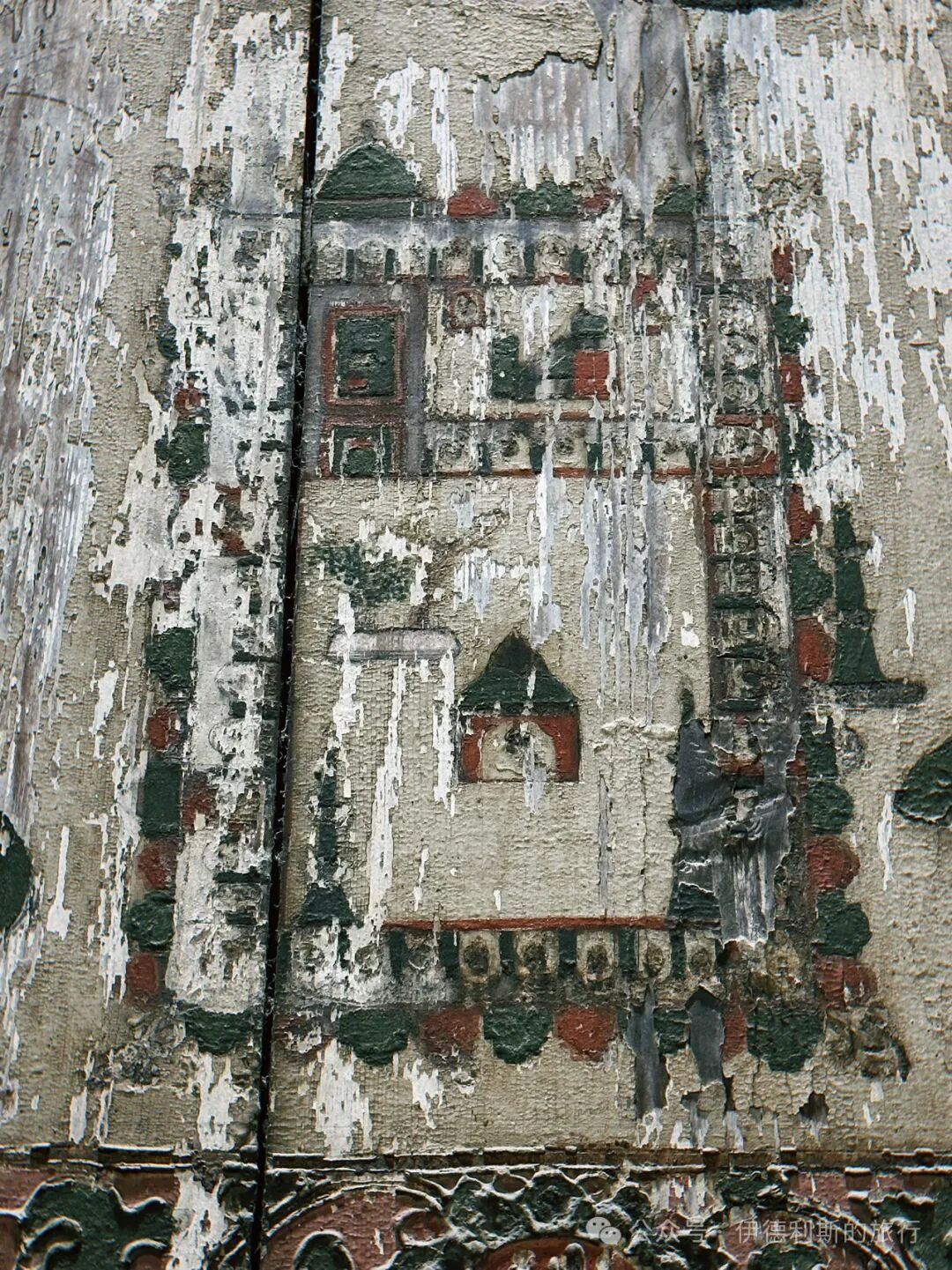
Inside the main hall, you can see a painting of Mecca (Tianfang tu) that shows images of the two holy sites. The lotus vine patterns surrounding the painting of Mecca all contain Arabic calligraphy, and the lotus pedestal below has a very traditional Chinese style. view all
Summary: Halal Travel Guide: Xi'an Ramadan - Mosques, Gongbei and Hui Muslim Life (Part 1) is presented here as a firsthand travel account in clear, natural English. The account focuses on Xi'an Ramadan, Gongbei, Hui Muslims while preserving the names, places, food, photos, and historical details from the Chinese source.
I have been to Xi'an many times, but this is my first time visiting during Ramadan. I have always heard that the Ramadan atmosphere in Xi'an is special. Many shops adjust their hours to serve pre-dawn meals (suhoor), and the mosques are very lively when it is time to break the fast (iftar). I used the Qingming holiday to experience it for myself.
April 4th
We stayed at a guesthouse run by a friend (dosti) on Hongbu Street in the Muslim Quarter, which made getting around very easy.
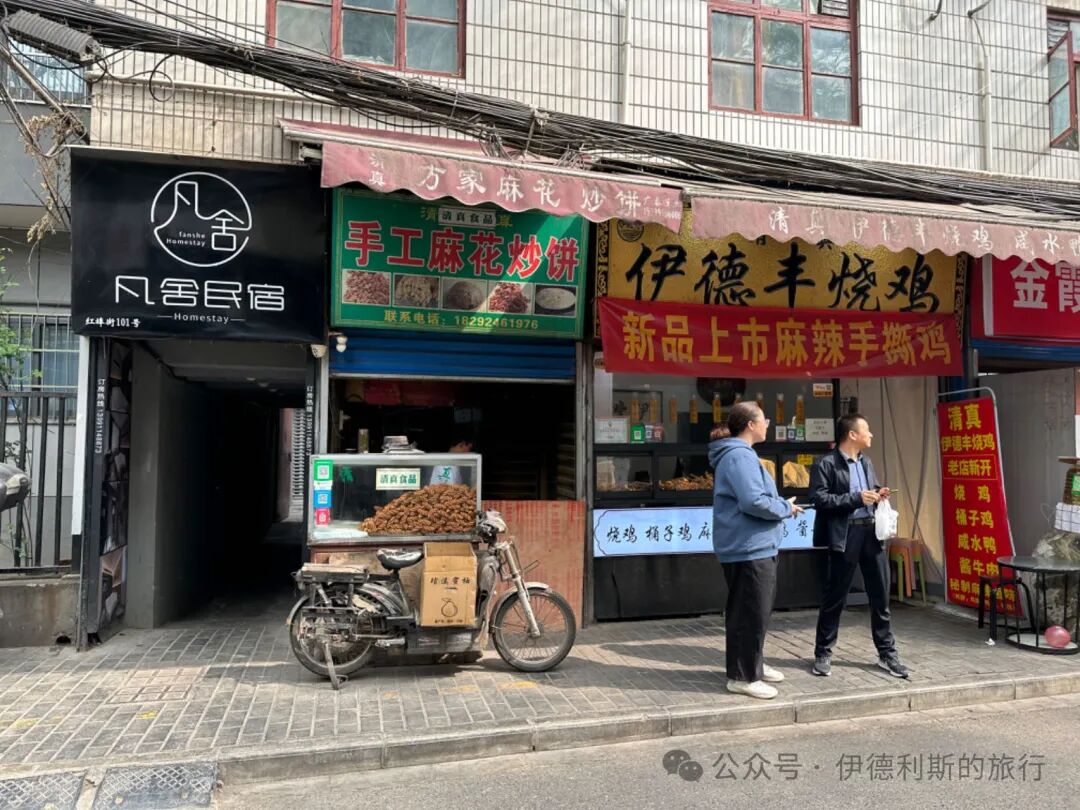
At 3:00 a.m., we wandered over to Miaohou Street. Miaohou Street has the most options for pre-dawn meals in the Muslim Quarter. We saw offal soup (zagan tang), spicy soup (hula tang), steamed rice cake (zenggao), crumbled flatbread in soup (paomo), meat pies (rou hezi), and much more.
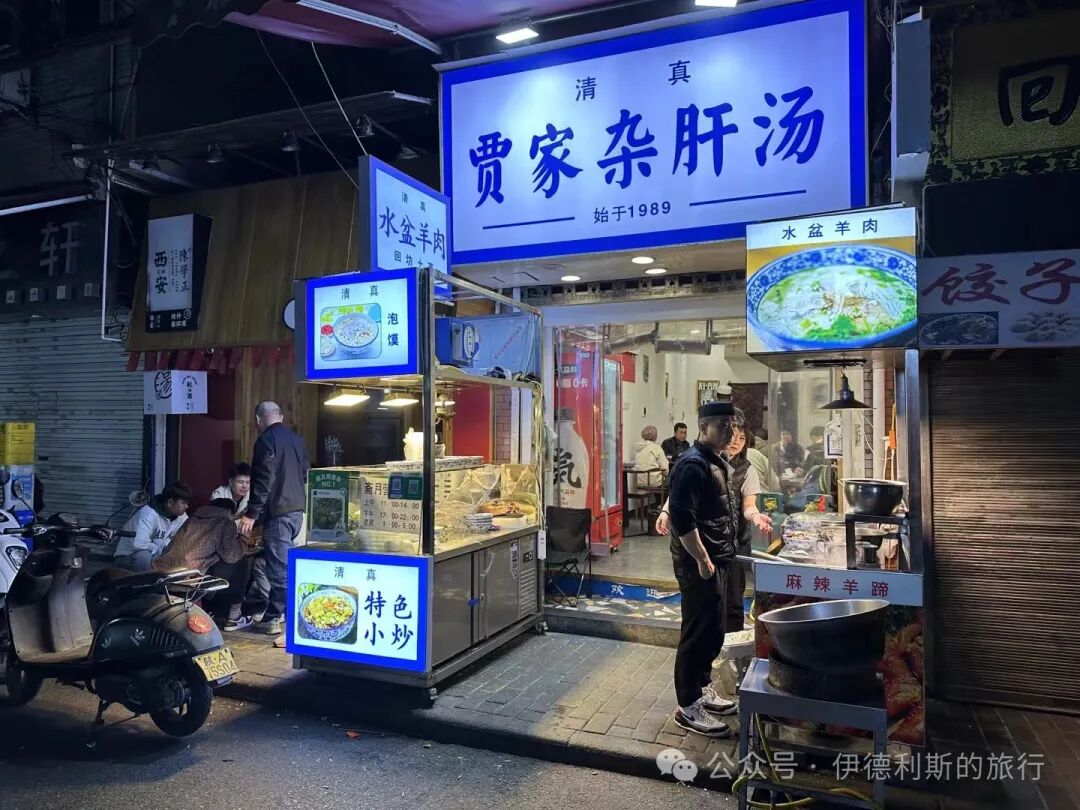
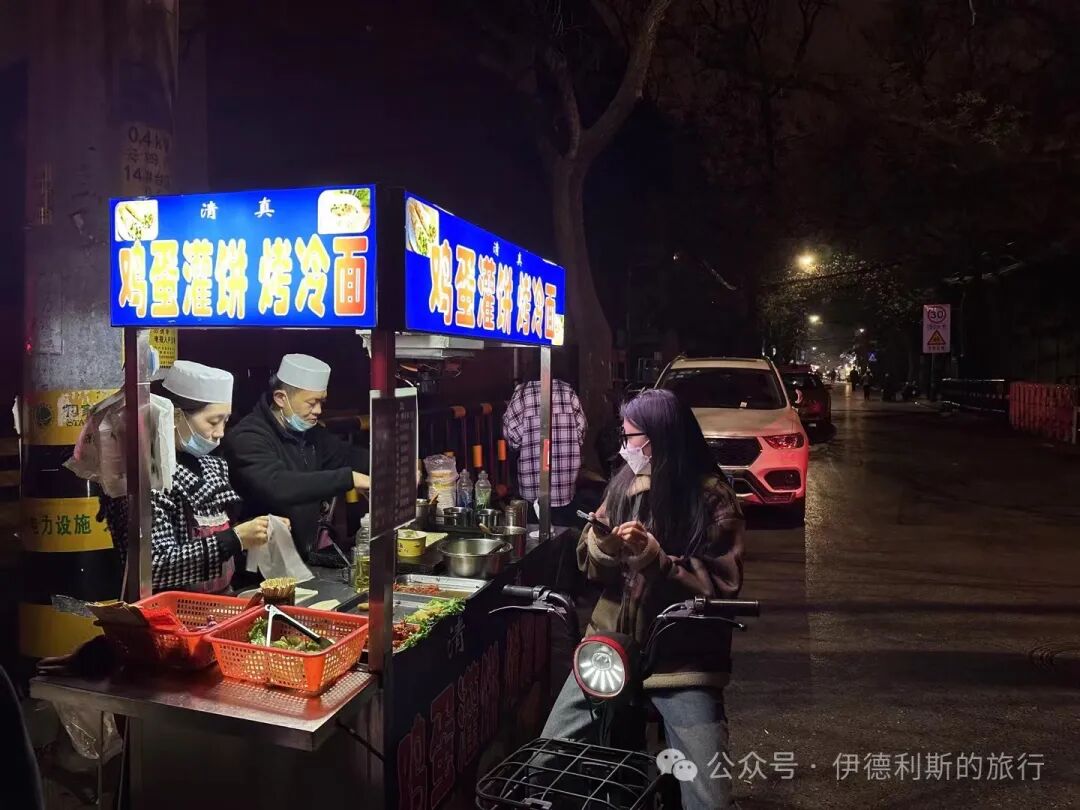
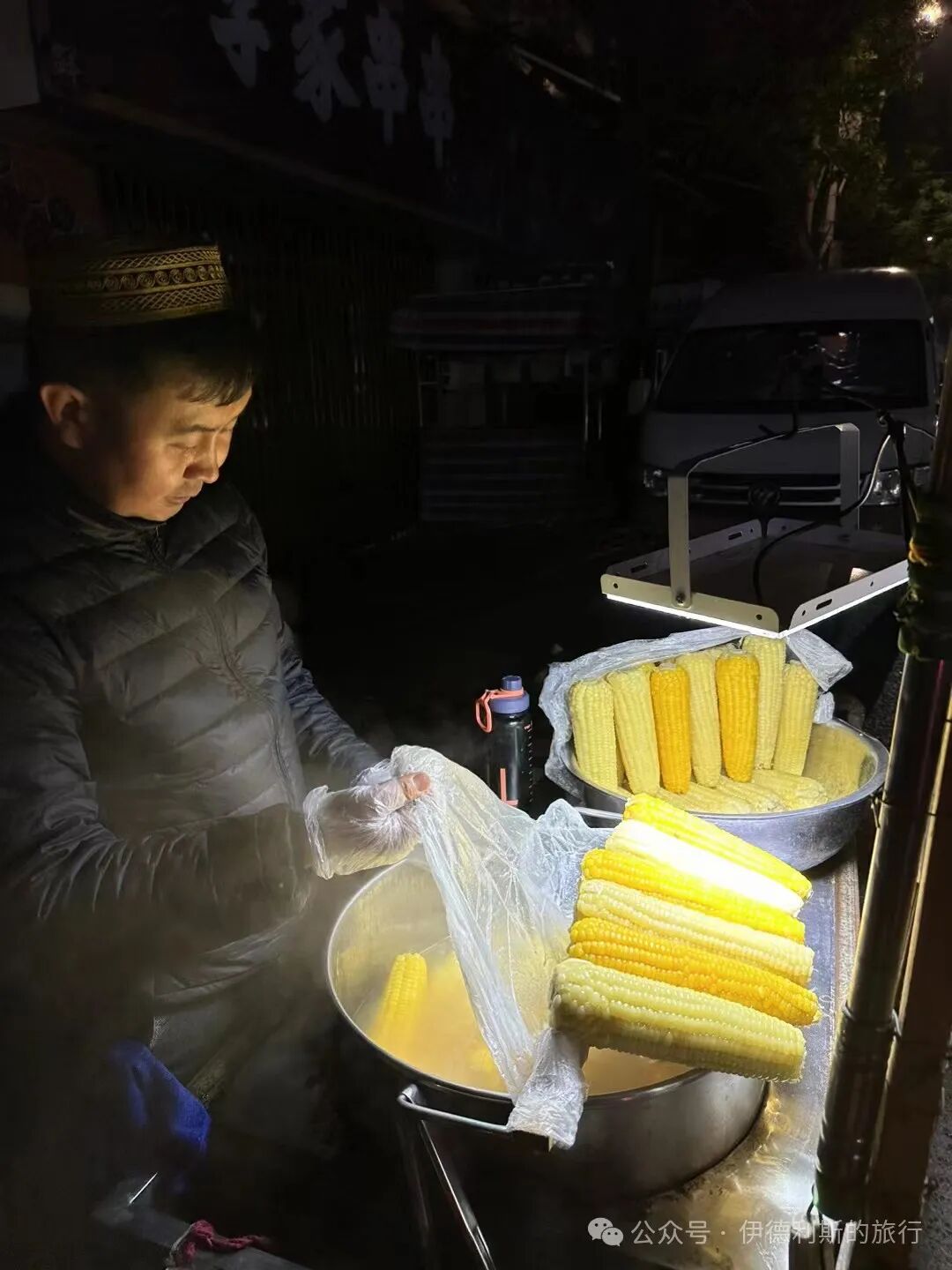
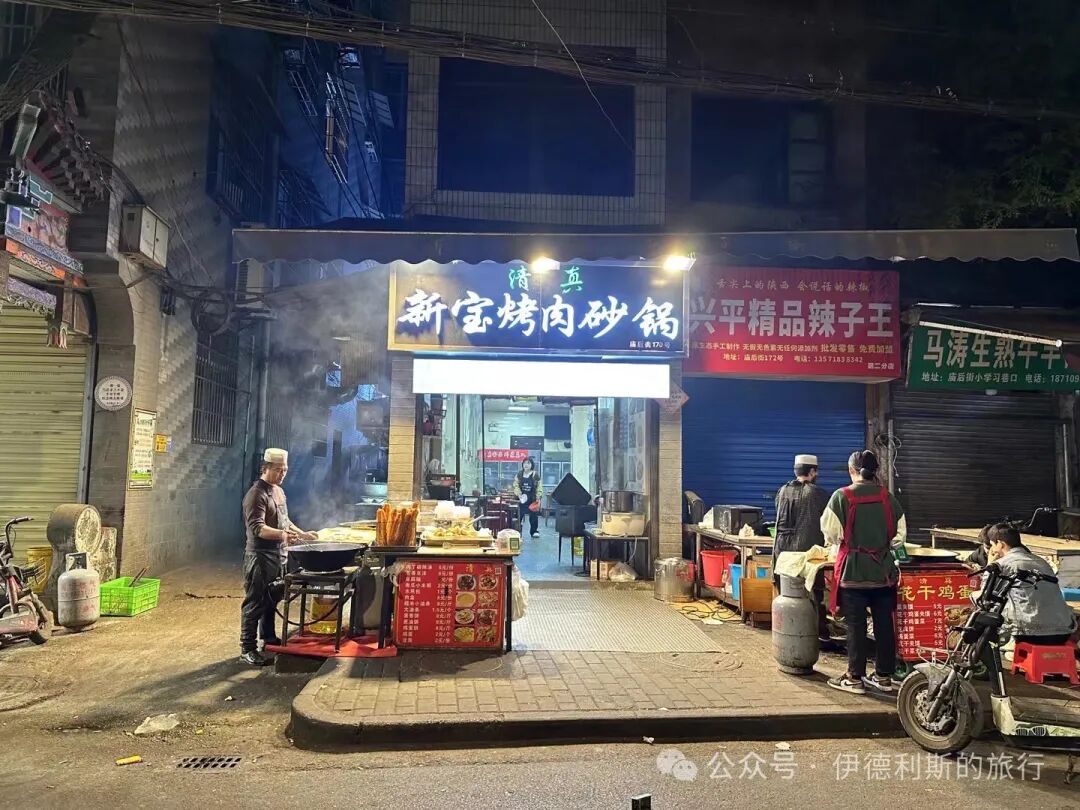
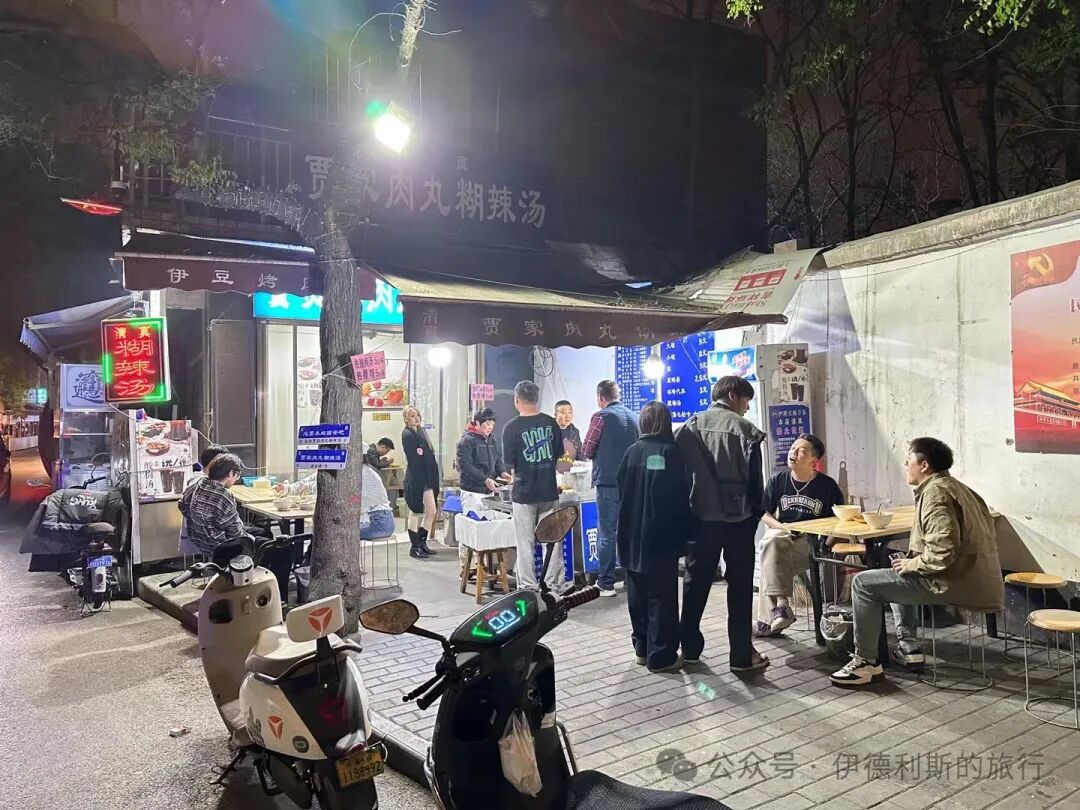
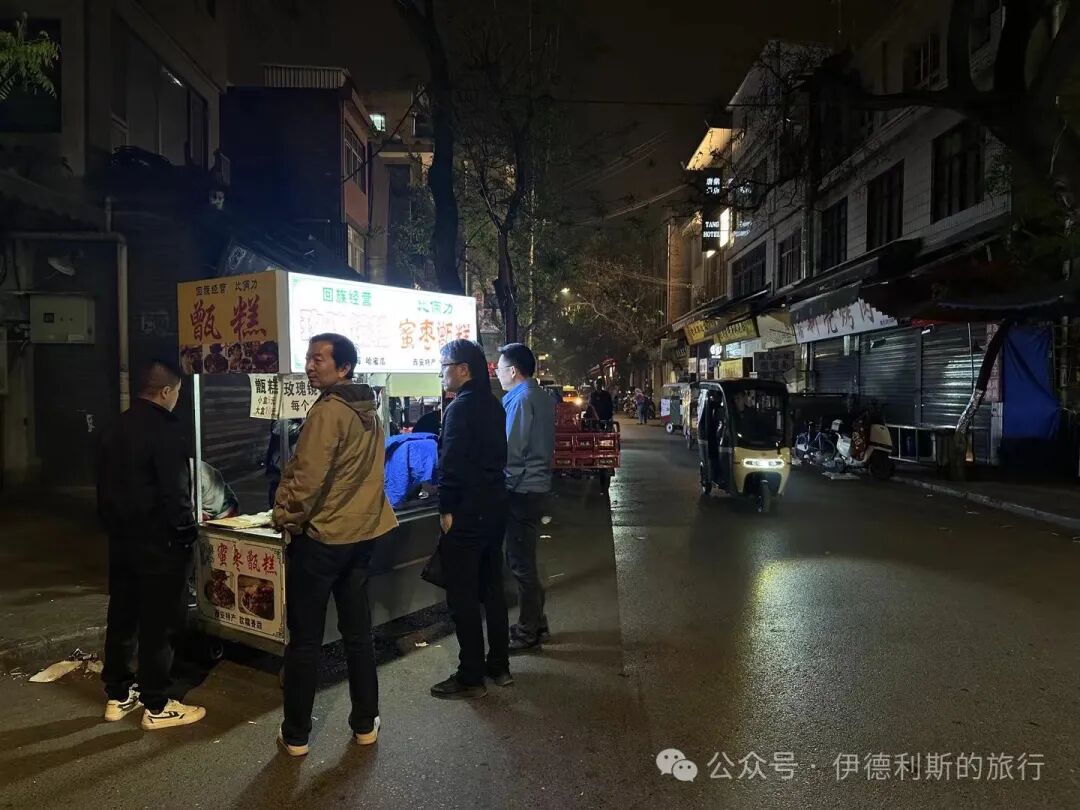
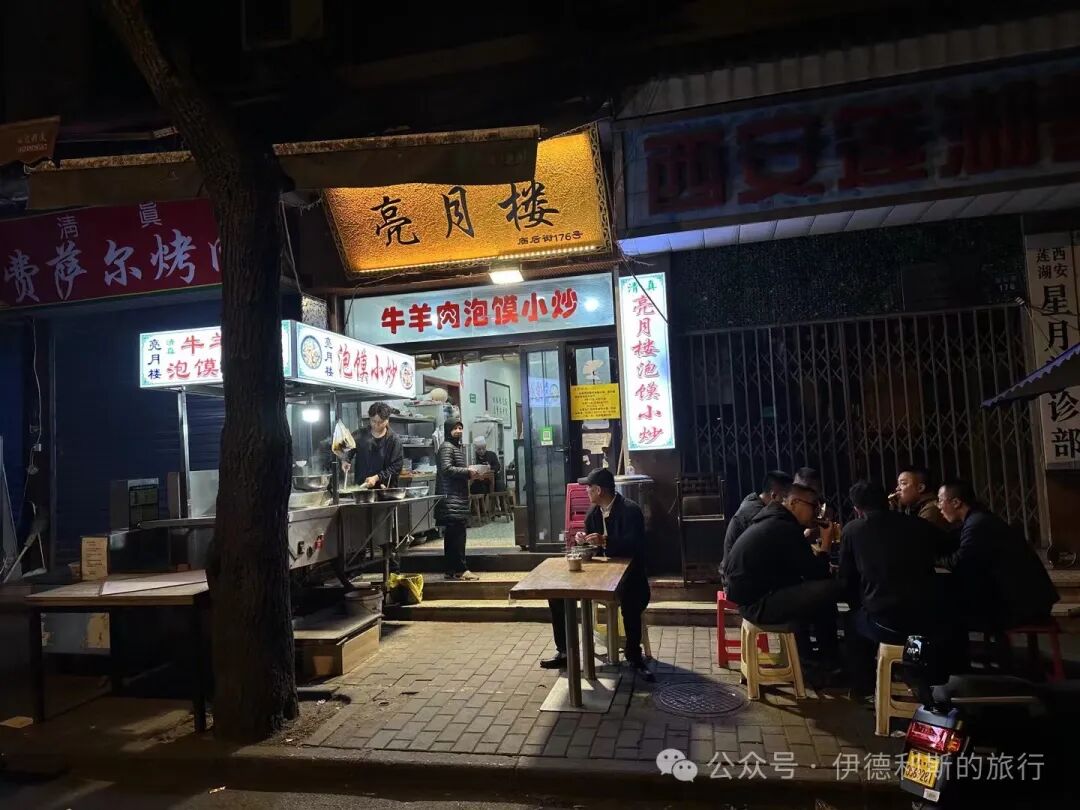
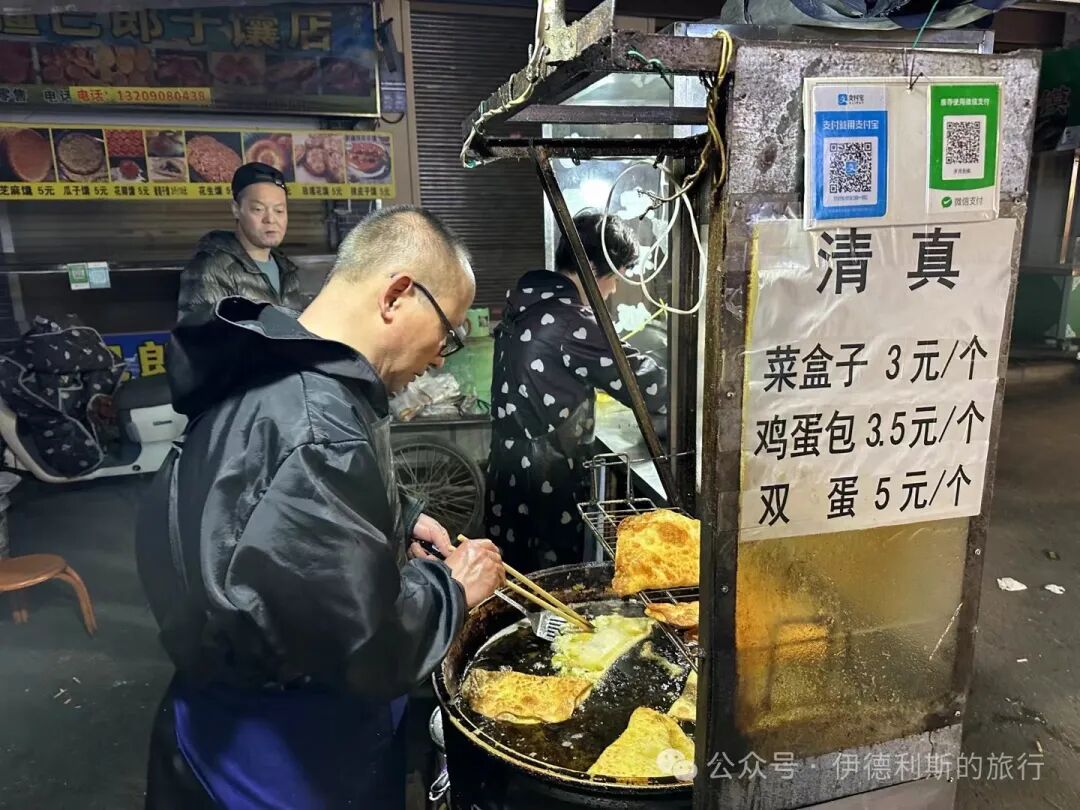
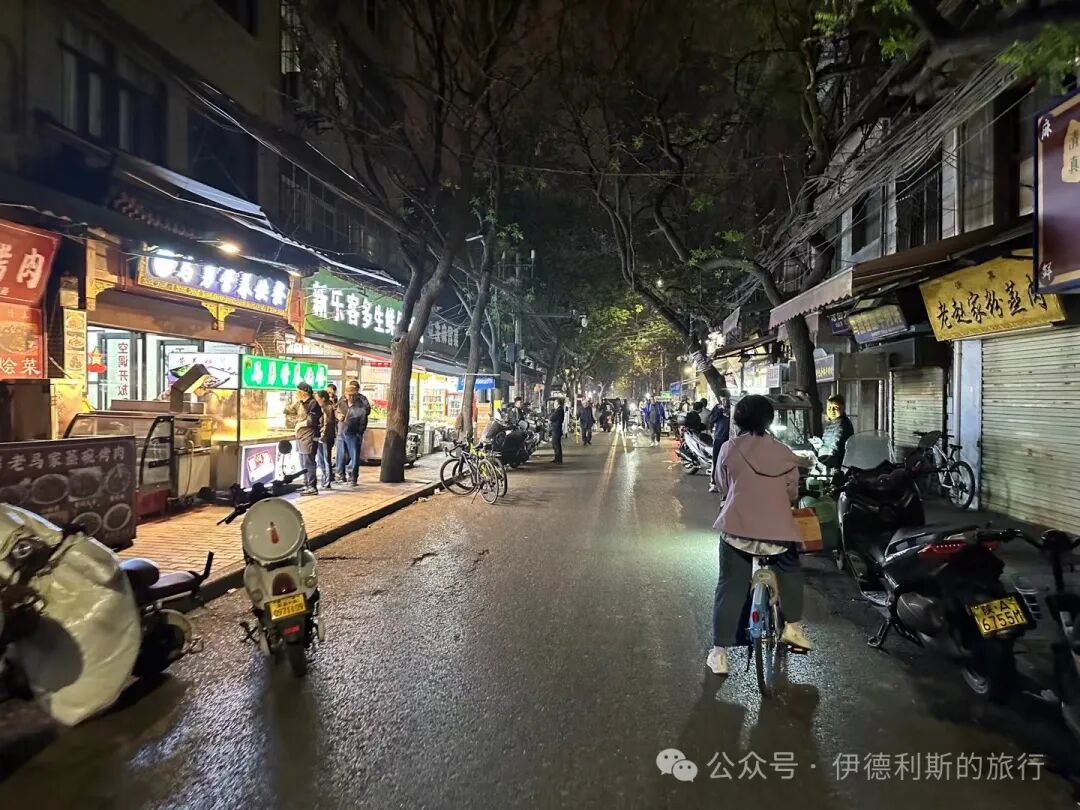
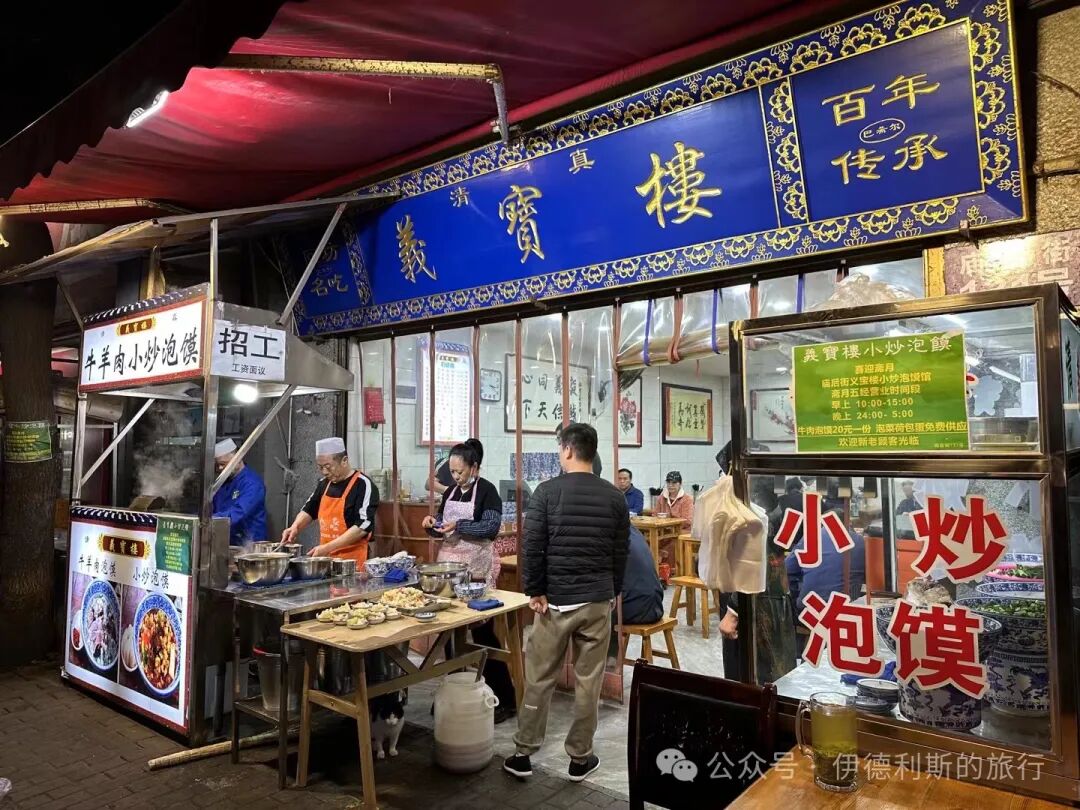
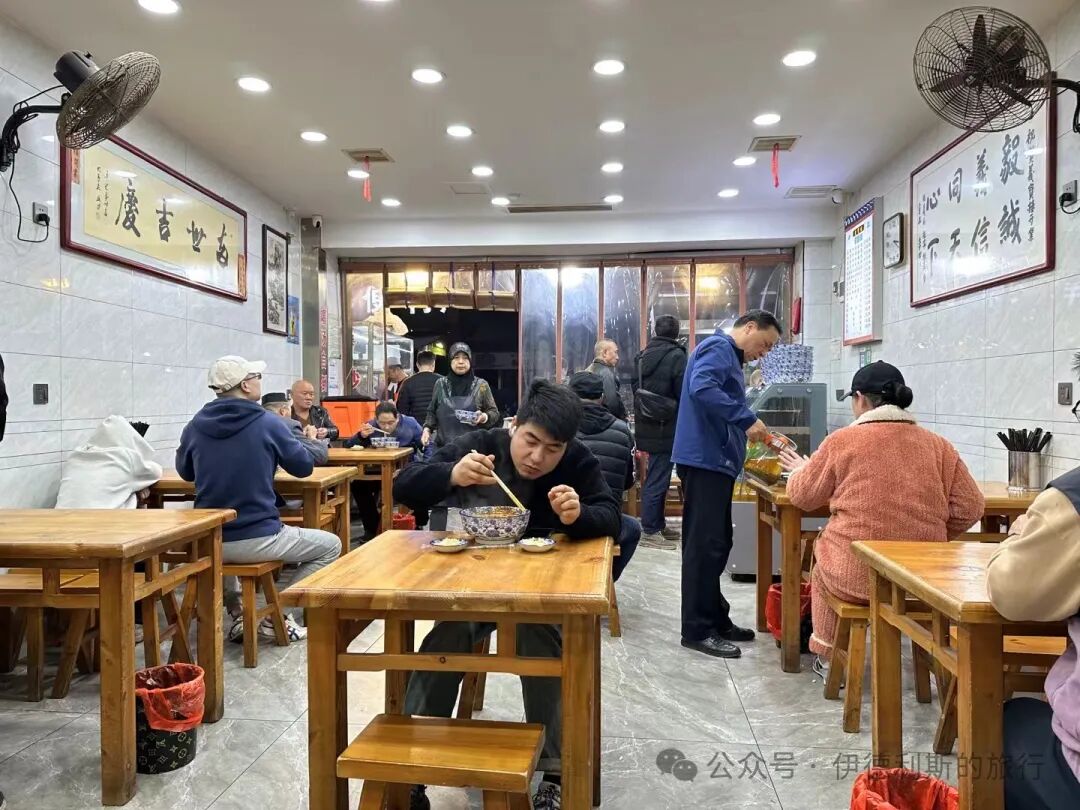
At 3:20 a.m., we ate crumbled flatbread in soup (paomo) at Yibaolou on Miaohou Street. Yibaolou and Sanyicheng are two of the most popular spots in the Xi'an Muslim Quarter for pre-dawn meals.
It takes twenty minutes to break the flatbread (mo) into pieces. They put the meat in the pot right at the door, and the open kitchen is very clean. Besides meat and glass noodles (fensi), their soaked flatbread (paomo) also includes dried bean curd sticks (fuzhu) and pressed tofu (dougan). During Ramadan, they even give out free fried eggs and pickles. The paomo tastes great overall, but it is a little bit oily. Their chili sauce is salty, so be careful not to add too much or you will get thirsty.
Zainab had the vegetable stew (huicai), which is made by adding greens, tomatoes, and wood ear mushrooms to the meat broth used for paomo. The soup is thicker than a regular vegetable stew.
At 5:30 in the morning, the call to prayer (adhan) at the Xiaopiyuan North Mosque was melodic and moving.
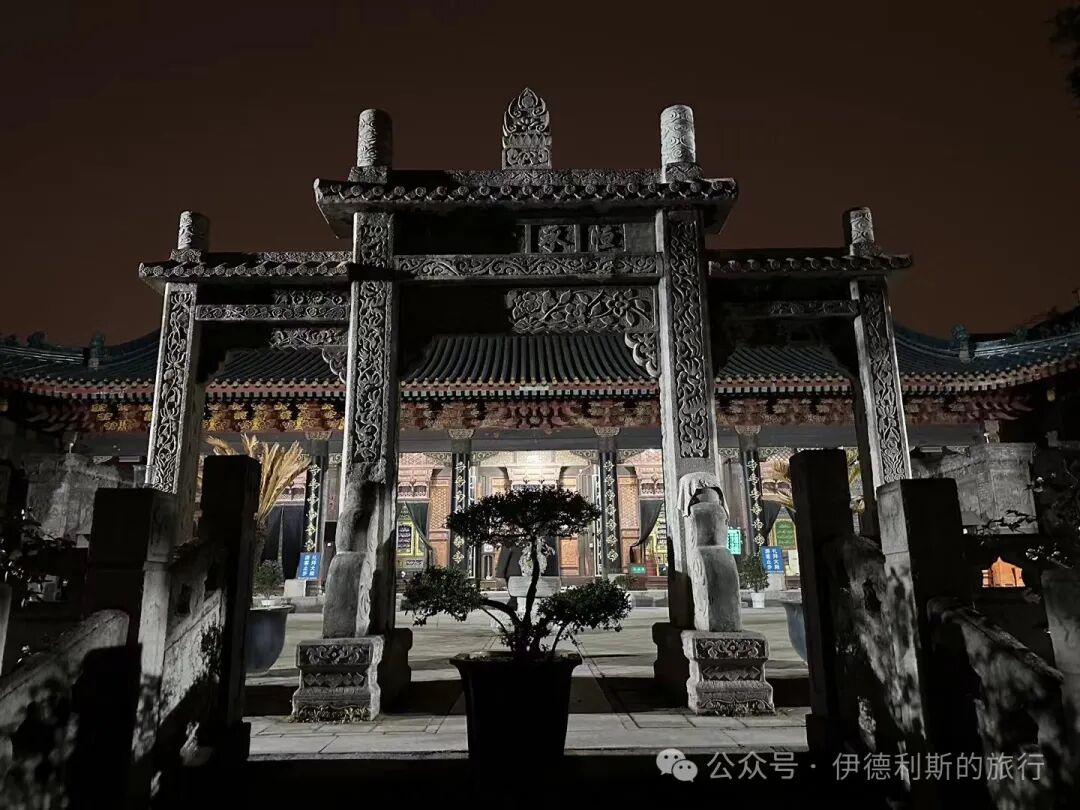
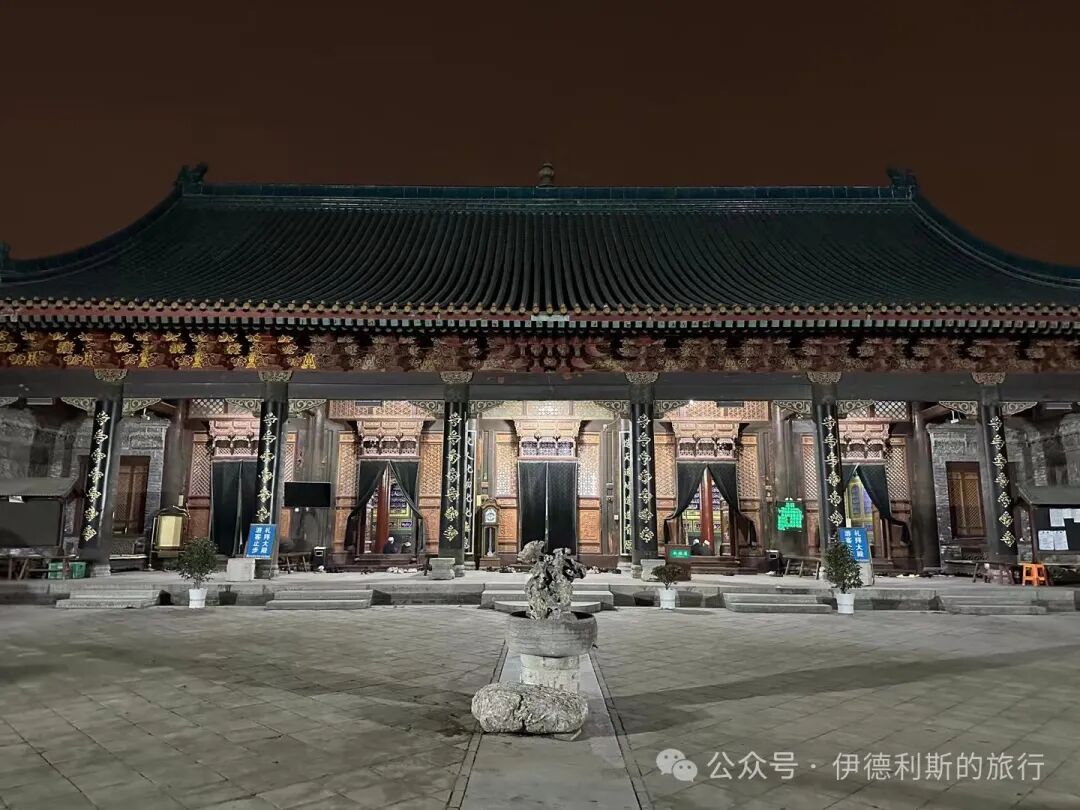
The Xiaopiyuan North Mosque was built by imperial order in 1312 (the first year of the Huangqing era of the Yuan Dynasty) and renovated in 1614 (the 42nd year of the Wanli era of the Ming Dynasty). Inside the prayer hall, the brackets (dougong) extend outward and layer inward. The center features a four-cornered, multi-eaved, pointed roof known as the 'Eight Trigrams Hanging Roof' (bagua xuanding). It is built using a connected, interlocking style and is a very precious piece of architectural art.
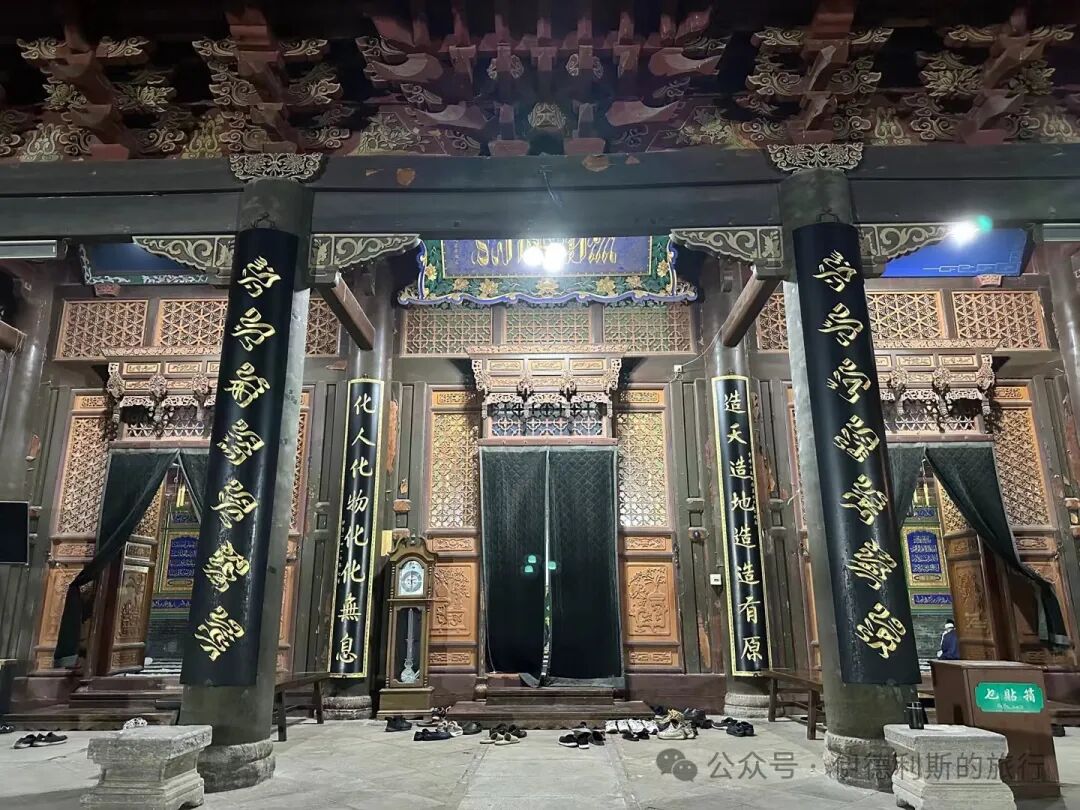
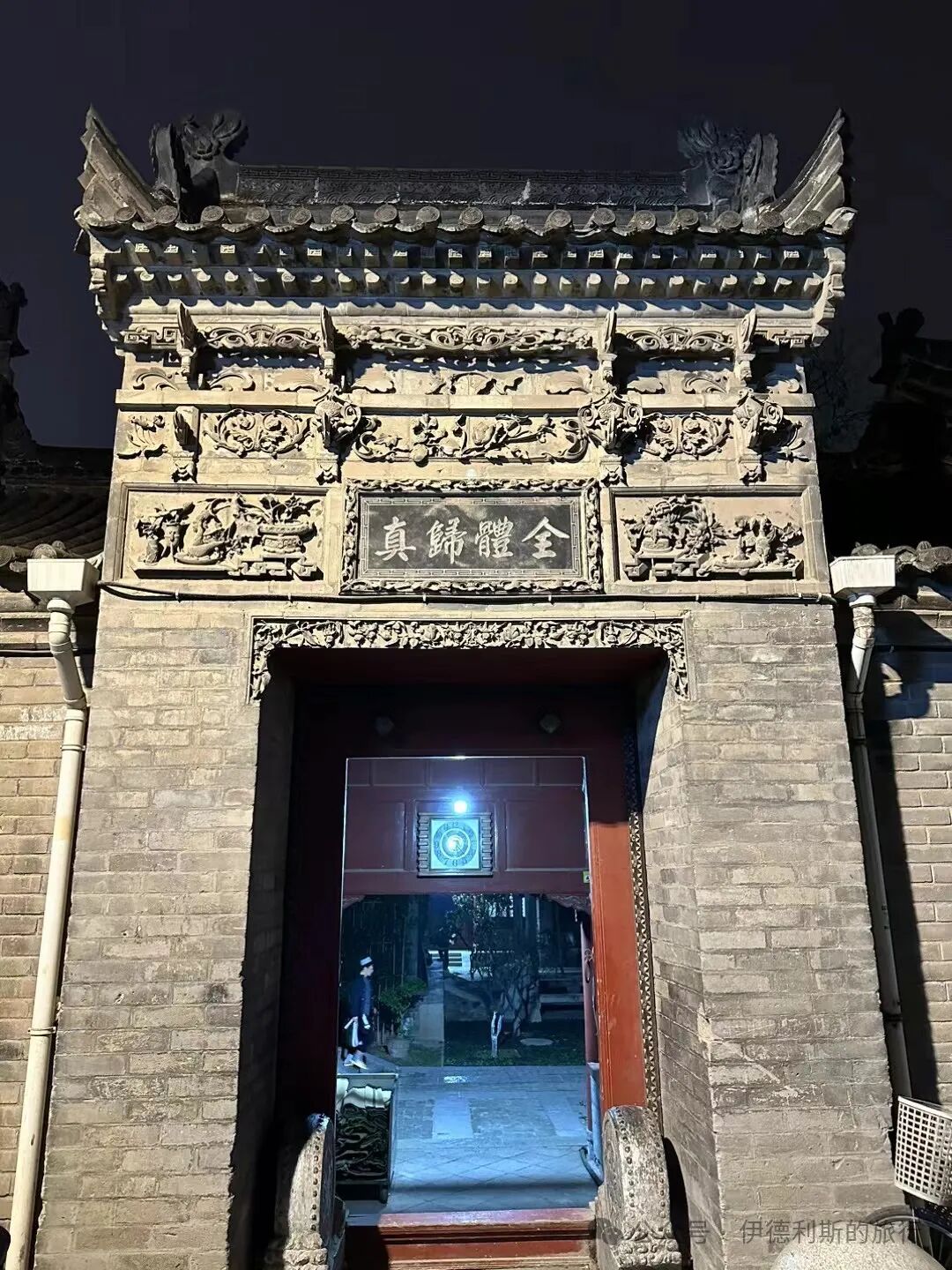
During the day, the Muslim Quarter (Huifang) belongs to the tourists.
At noon, I went to Hujiagou in Xianyang to visit the grave of Master Hu Dengzhou. Hu Dengzhou (1522–1597) was the founder of the scripture hall education (jingtang jiaoyu) system in Ming Dynasty China. He studied Confucianism and Islamic scripture from a young age. Later, he created a method to teach religious classics in Chinese, which laid the foundation for the integration of Islam and Confucianism (Yi-Ru huitong). Master Hu also combined Islamic scripture education with traditional Chinese private school (sishu) education to start the scripture hall education system. Through the efforts of Master Hu and his students over several generations, scripture hall education spread everywhere. It trained many excellent teachers and developed systems like the Shandong school, the Jinling school, and the Shaanxi school.
After Master Hu passed away (guizhen), he was originally buried by the Wei River. In 1662, the first year of the Kangxi reign, flooding from the river threatened the grave, so it was moved next to the Great Mosque (Qingzhen Dasi) in Weichengli. Weichengli is a fertile area stretching over ten kilometers north of the Wei River, northeast of Xianyang. During the Ming and Qing dynasties, it was a settlement for Hui Muslims. Three mosques were built there, and the largest one is the Weichengli Great Mosque next to Master Hu's grave.
Two stone tablets stand by Master Hu's grave. One is the 1673 record of the grave relocation written by Ma Si, and the other is the 1718 record of the grave's renovation written by Ma Fengzhu. Both are valuable historical documents about Master Hu.
The Monument for the Relocation of Hu Dengzhou's Grave was written by Ma Si Baba, a junior student of Hu Taishi Baba, after he learned in Wuhan that the master's grave had been moved. Before he died, he asked for the text to be carved onto a stone to keep it safe. The stone is still kept inside the tomb pavilion of Ma Si Baba in Wuhan. The Record of Building the Ancestral Tomb of Hu Taishi was originally placed next to the grave of Hu Taishi Baba. Two elders from Xi'an, Ma Yu and Li Fengming, visited the grave of Ma Si Baba in Wuhan and saw the Monument for the Relocation of Hu Dengzhou's Grave. They translated the meaning of the Arabic text on that monument into Chinese and set up this new stone. Feng Zenglie, a teacher at Northwest University at the time, copied the text in 1956. After hearing that the original stone was destroyed, he organized and published the text in 1981, which caused a great stir in the academic community.
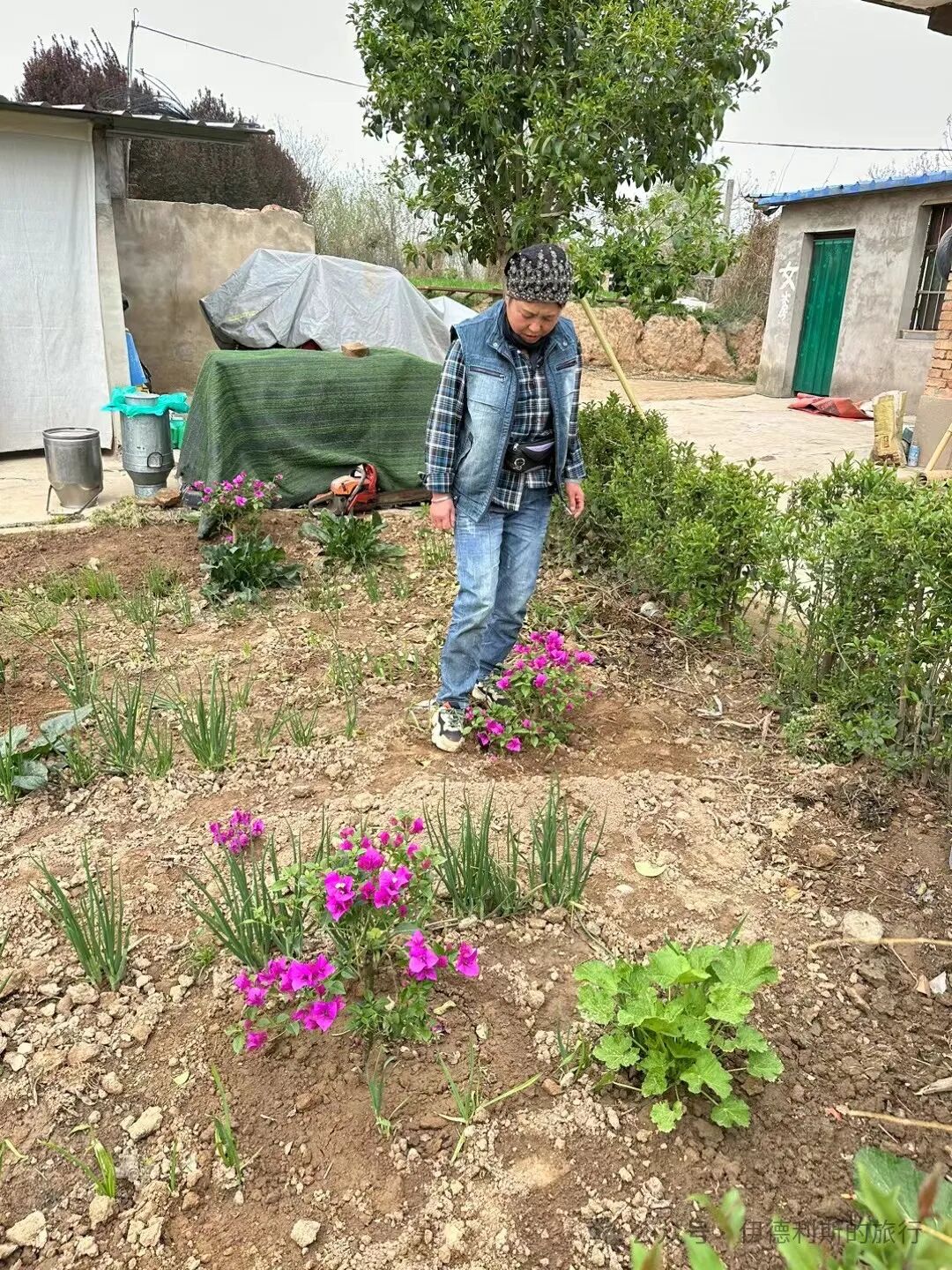
The couple who guard the grave of Taishi Baba are local believers (dost). They grow all kinds of vegetables in the yard and have even picked some fresh Chinese toon (xiangchun) sprouts that smell wonderful. They also planted some bougainvillea (sanjiaomei) in the vegetable patch, and the purple flowers look very beautiful.
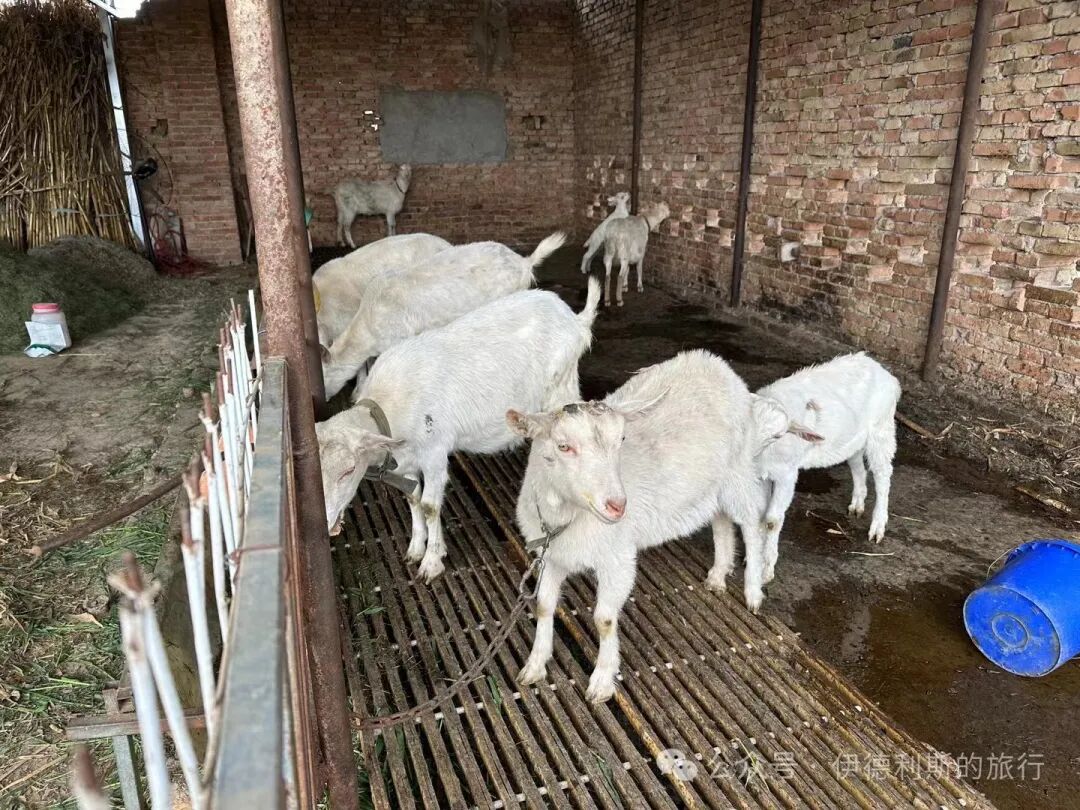
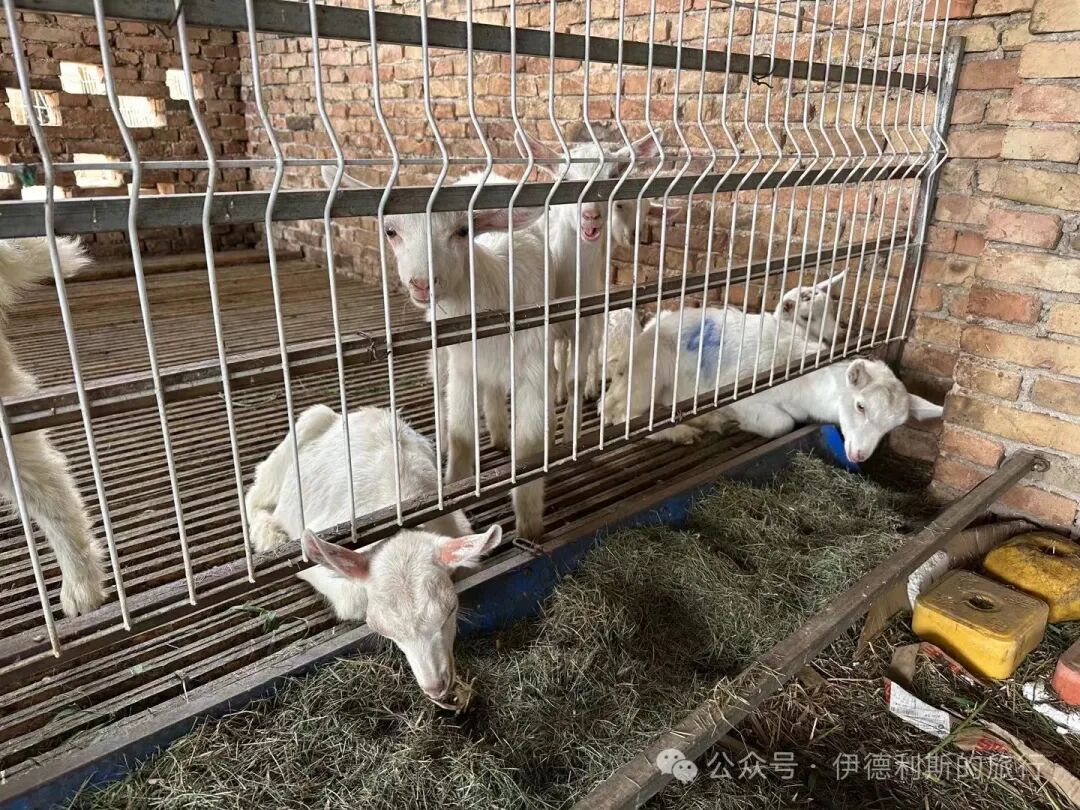
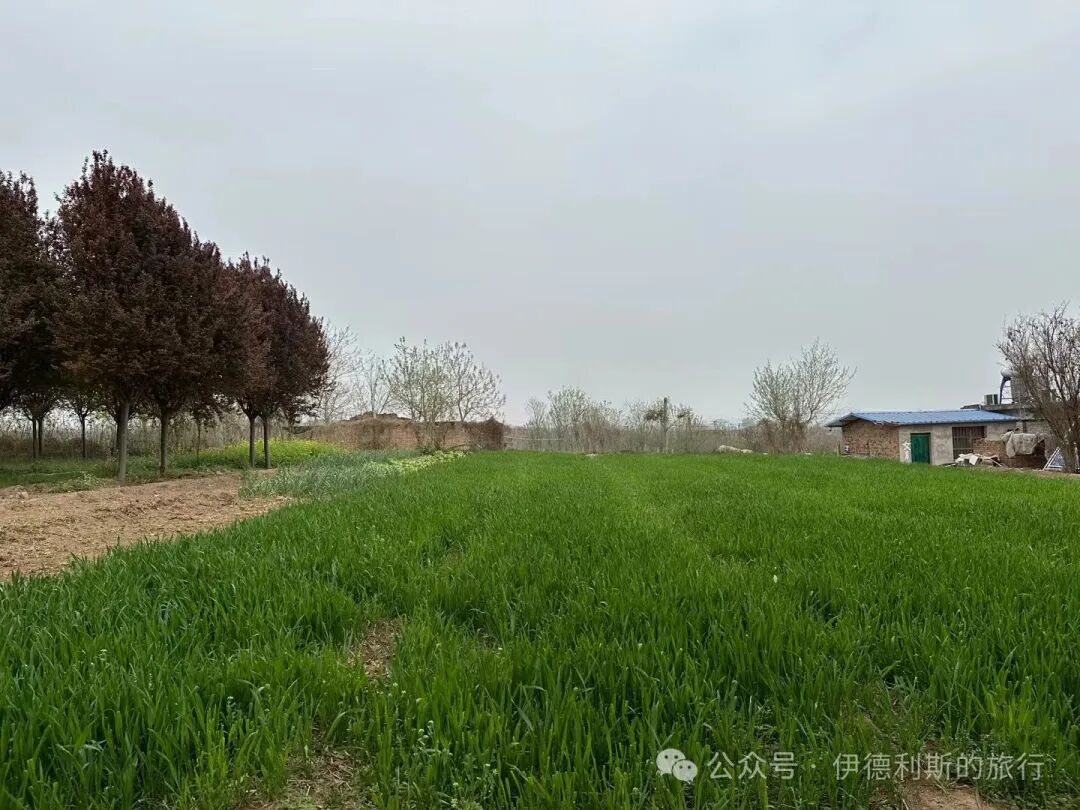
There are over a dozen dairy goats in the yard, including some new lambs and some born last year. This makes it very convenient for people who come to perform a religious sacrifice (niatie). The grass the goats eat is also grown by the couple, who cleared a large piece of land for it.
In the afternoon, I returned to the Hui Muslim quarter and waited for the fast-breaking (iftar) at the Dapiyuan Mosque. Dapiyuan Mosque was built in 1411 (the ninth year of the Yongle reign of the Ming Dynasty) under the leadership of the famous early Ming imam Ma Daozhen, who spent five years raising funds for it. It was renovated during the Jiajing reign and repaired twice during the Kangxi and Qianlong reigns.
When breaking the fast, people are busy eating snacks like cake, dates (yezao), and tea.
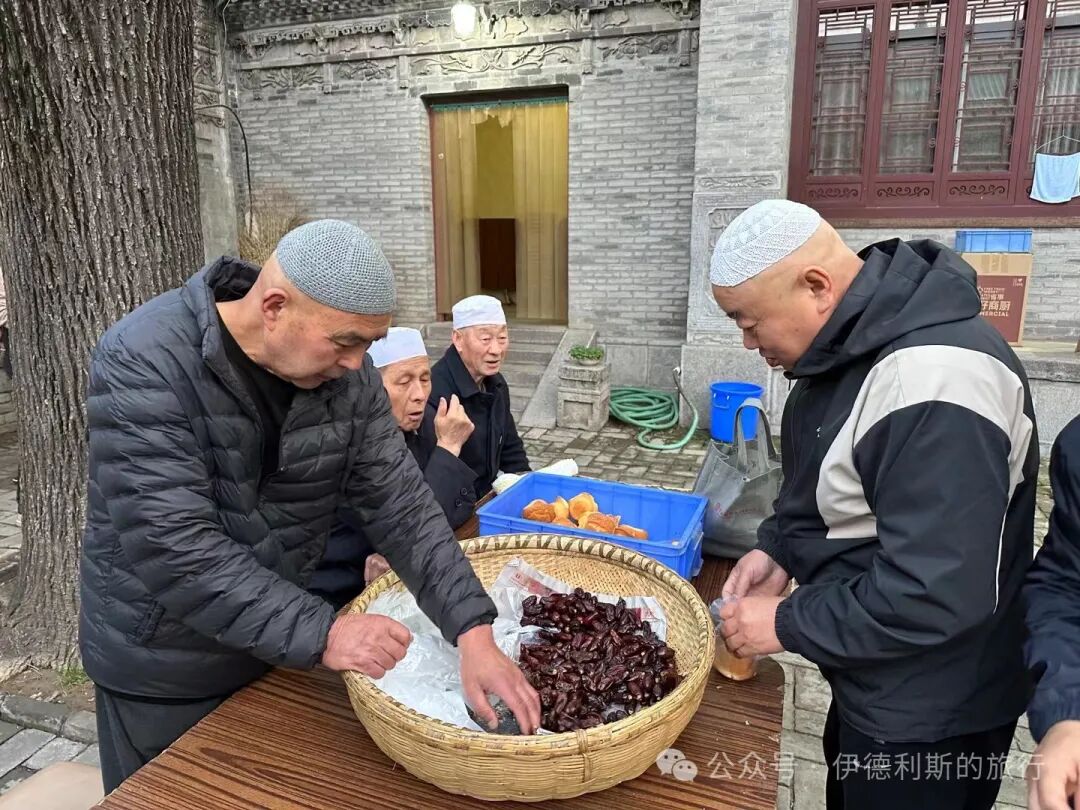
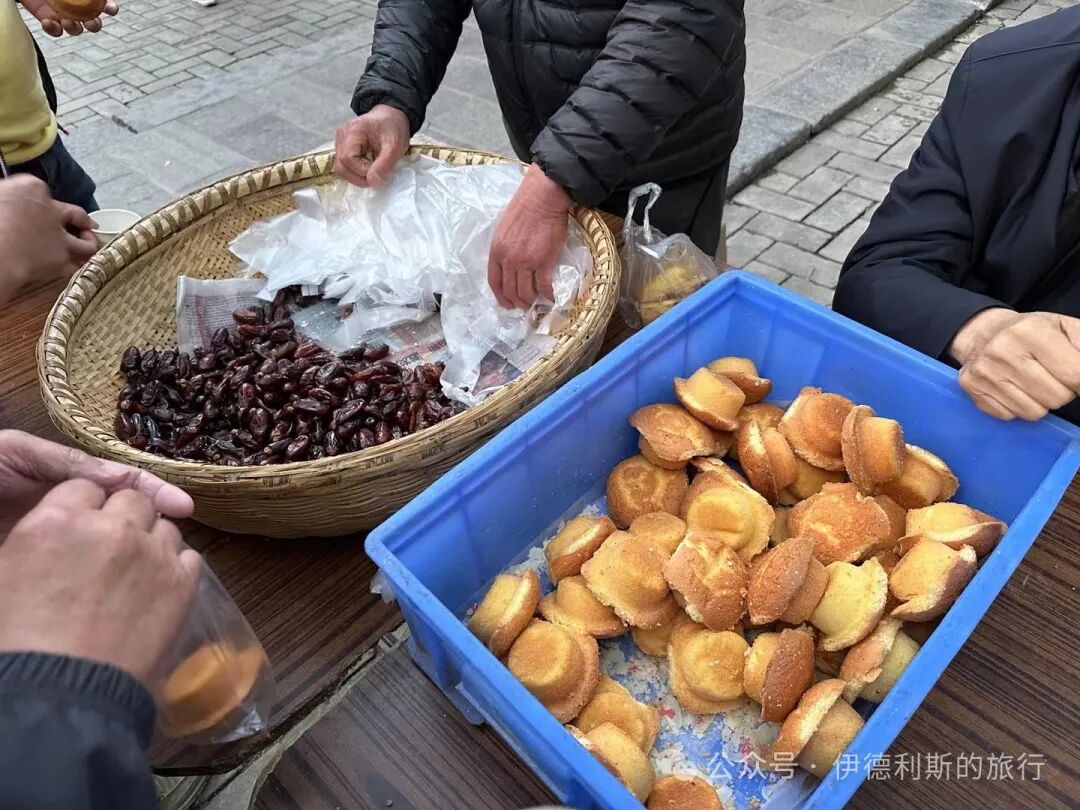
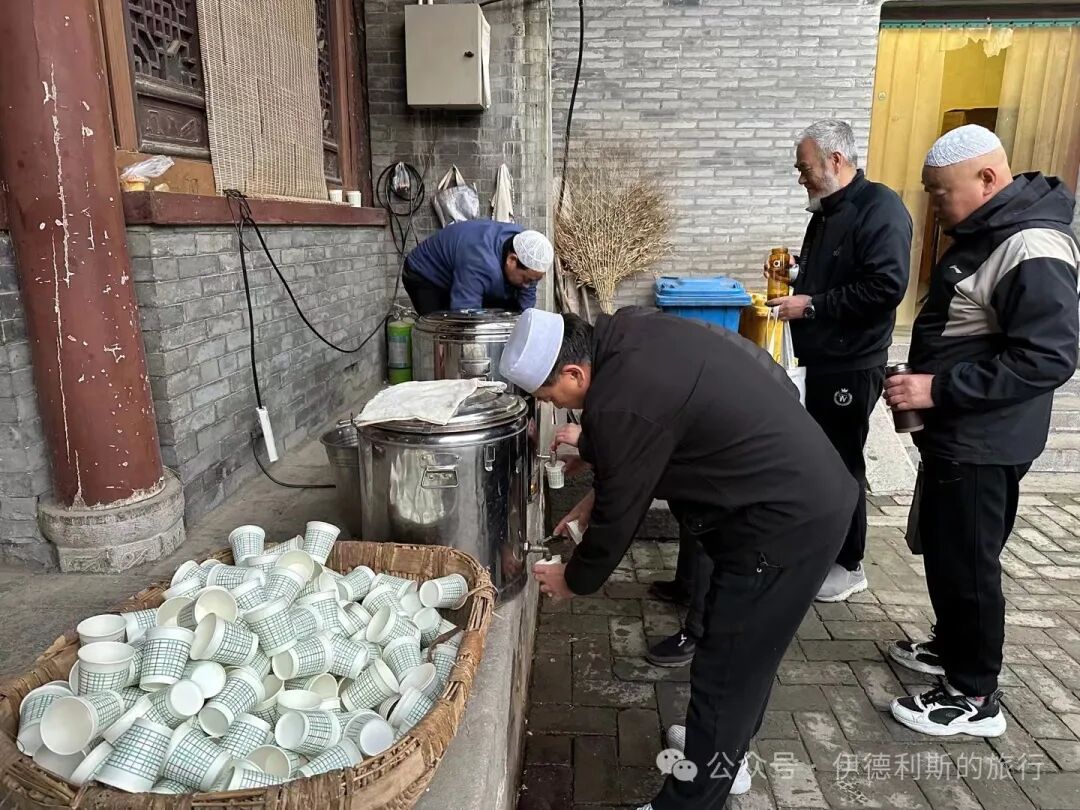
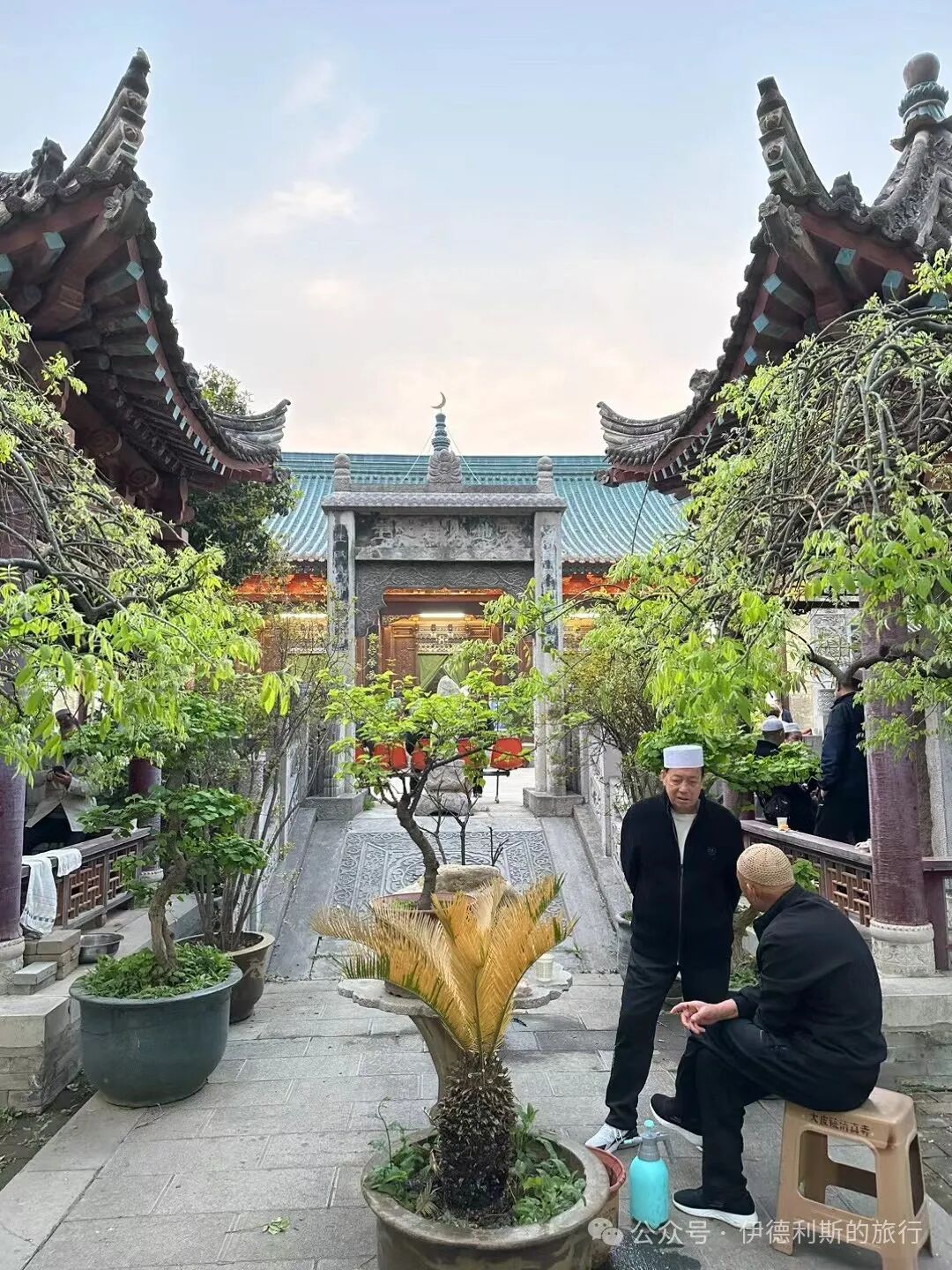
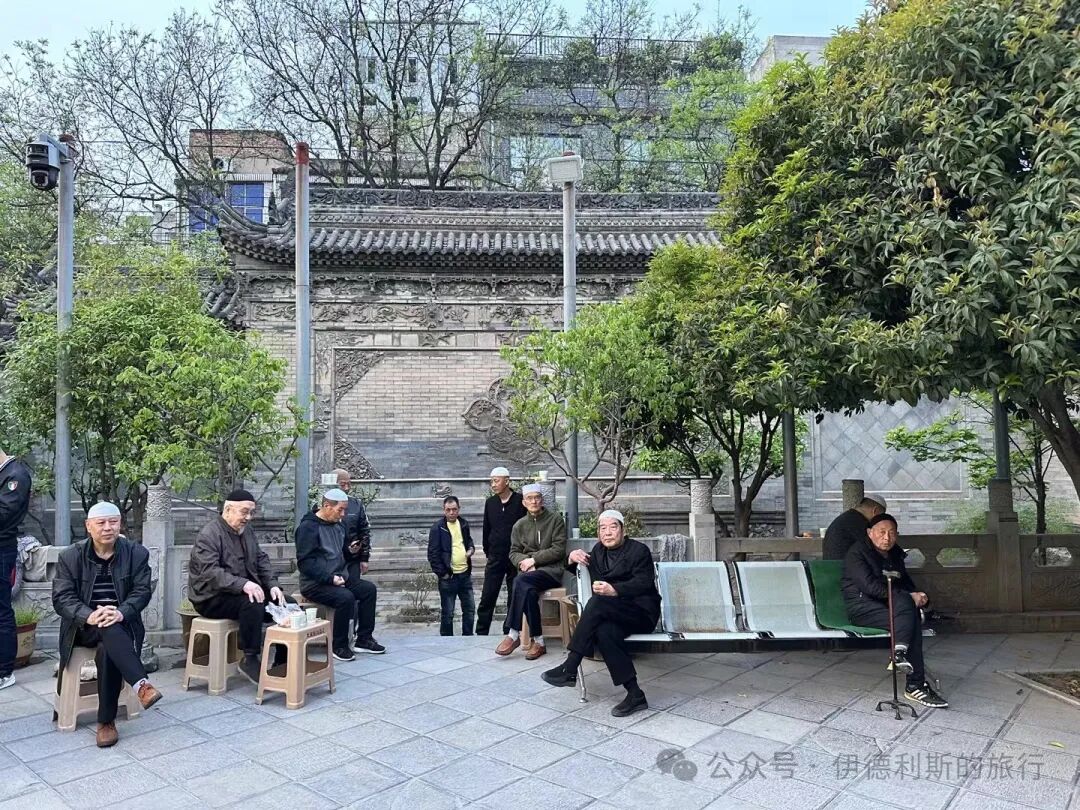
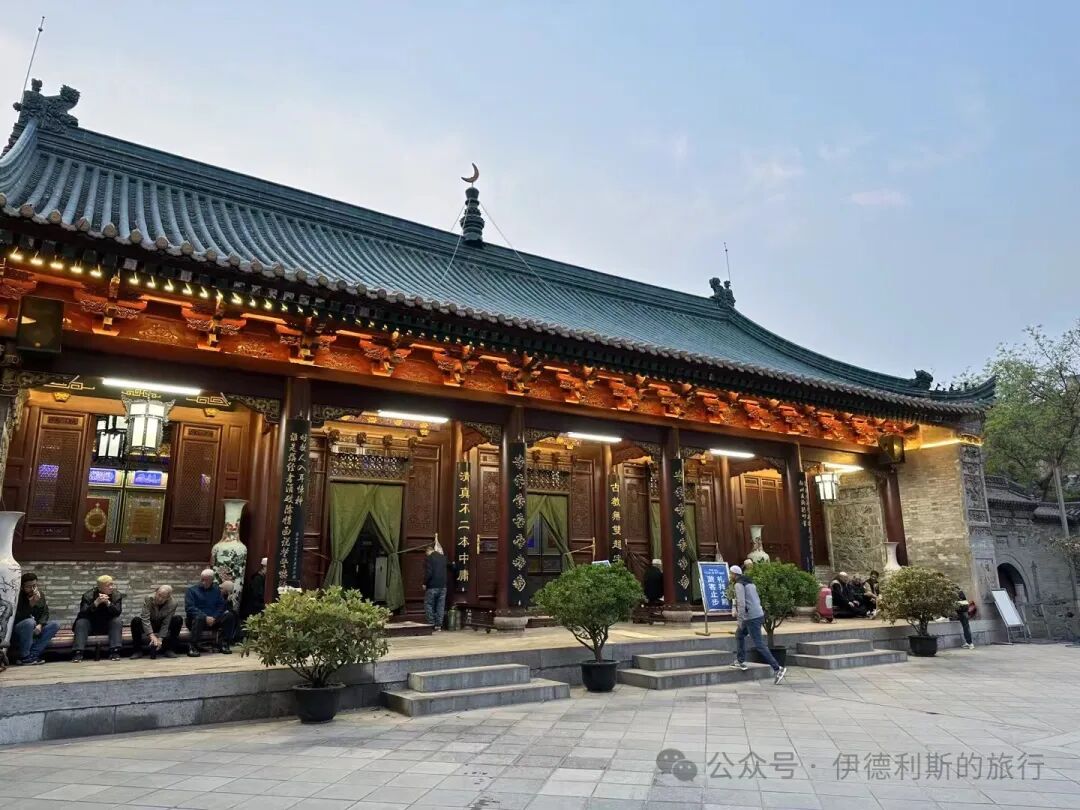
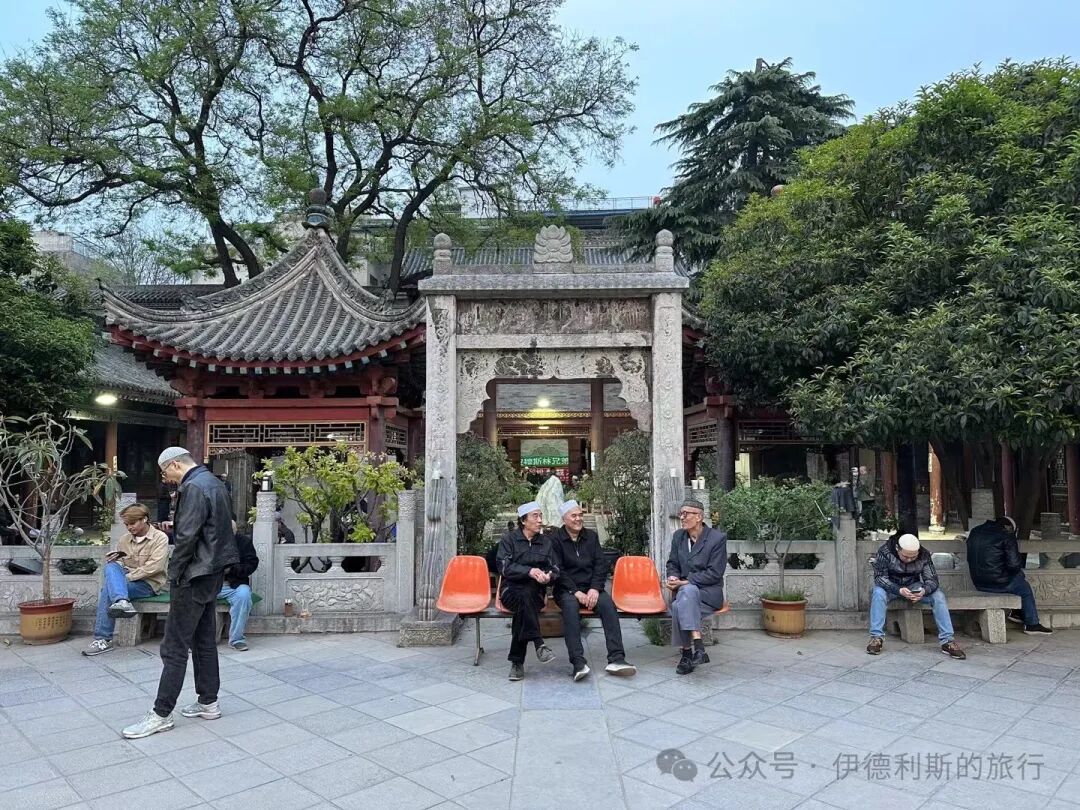
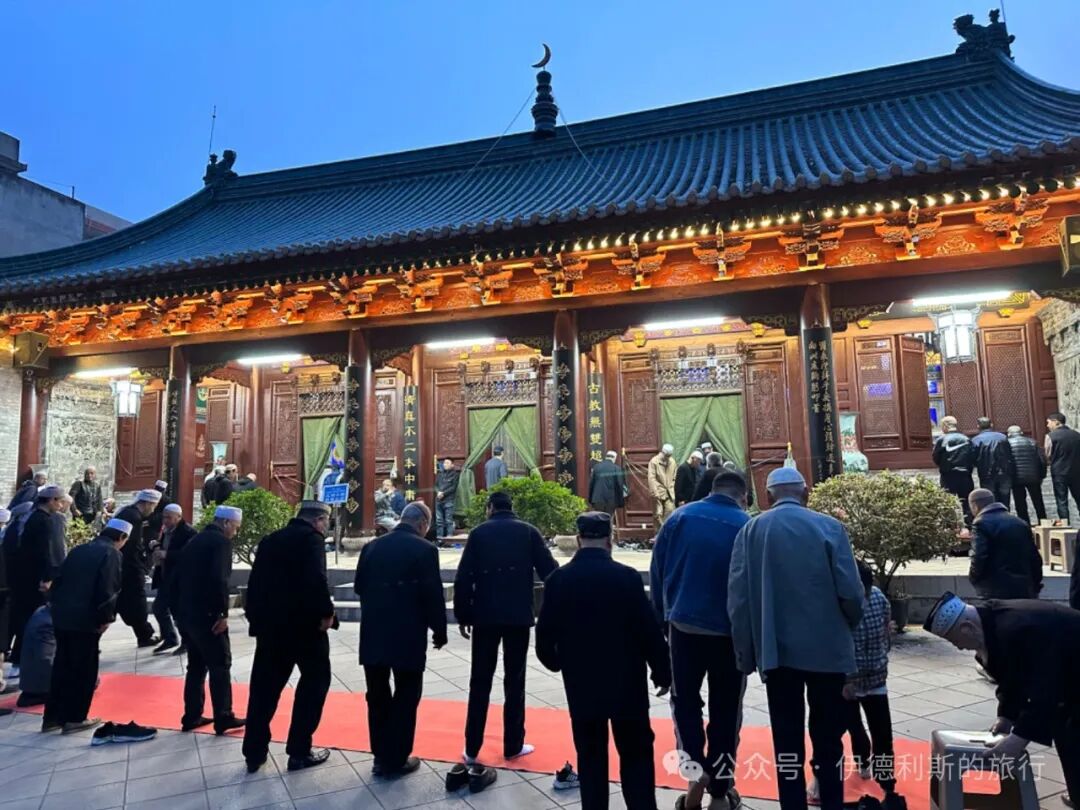
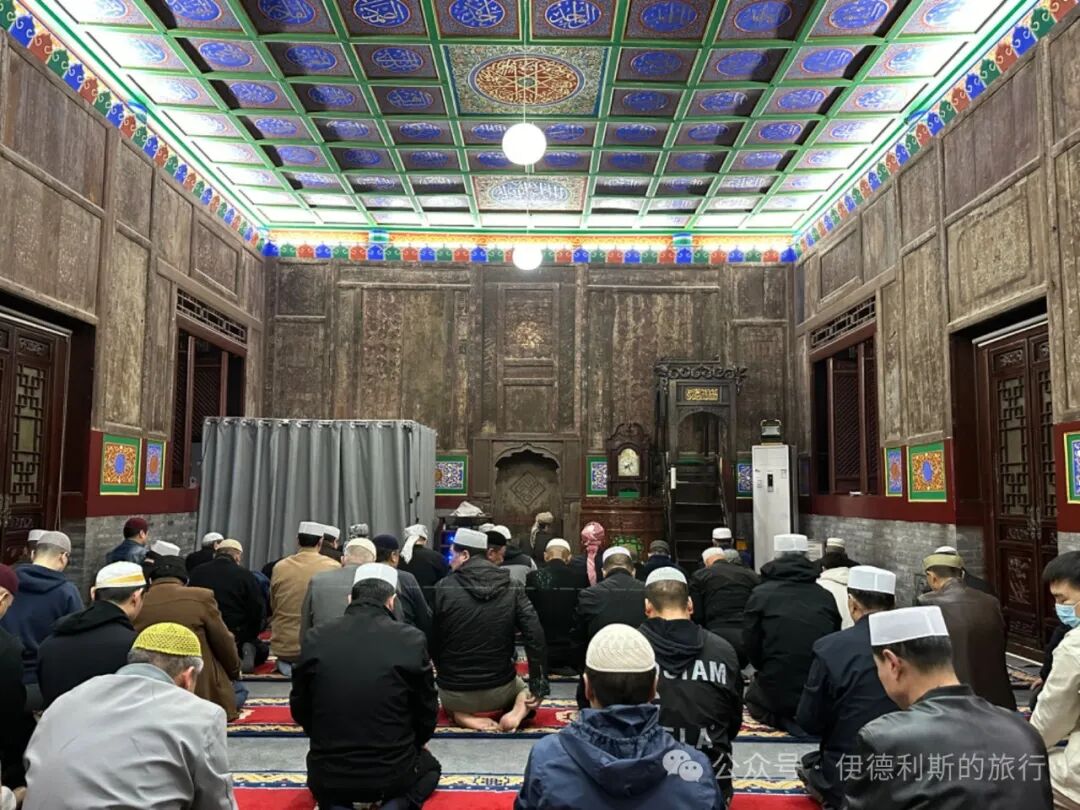
After the sunset prayer (maghrib), we ate the fast-breaking meal, which included zucchini, cold skin noodles (liangpi), stir-fried meat, steamed eggs, mung bean porridge, and steamed buns (momo). There were many people, and the atmosphere was great.
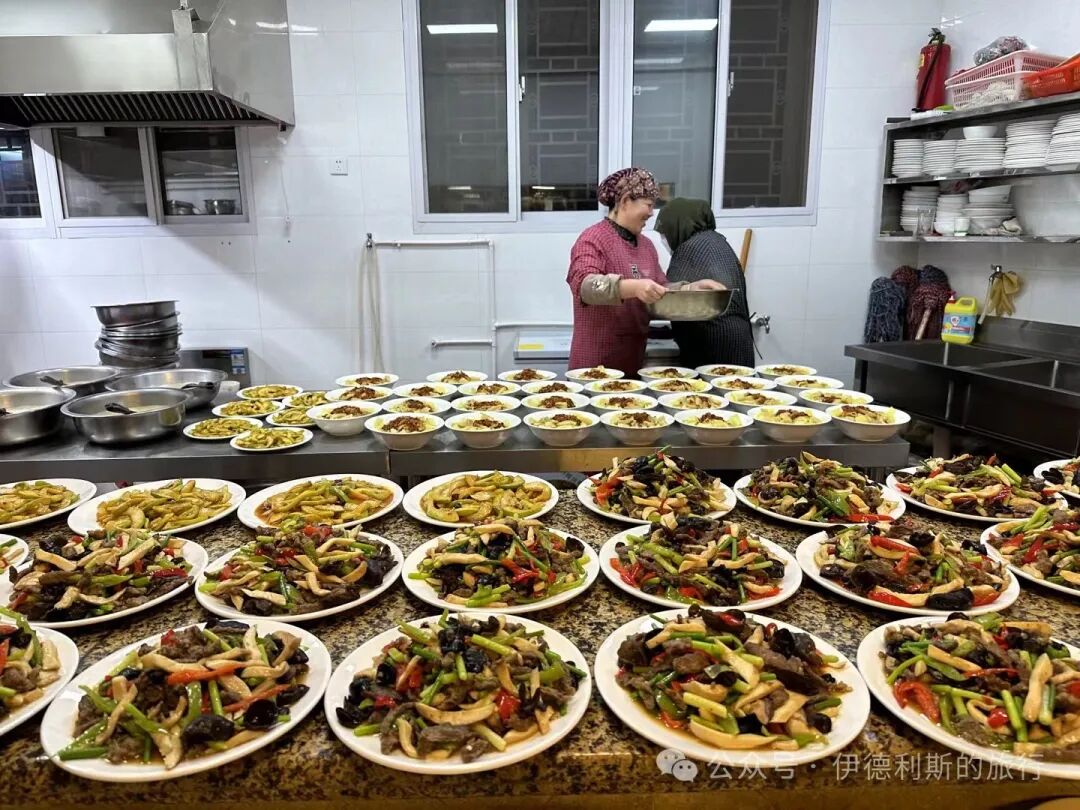
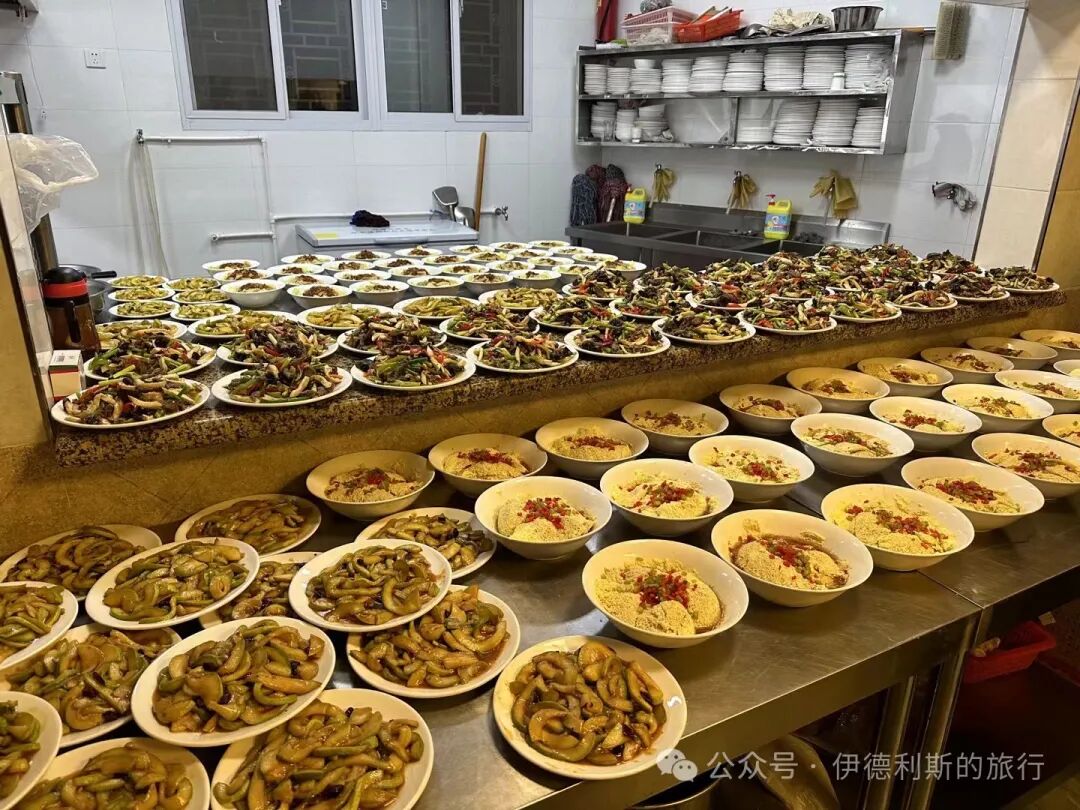
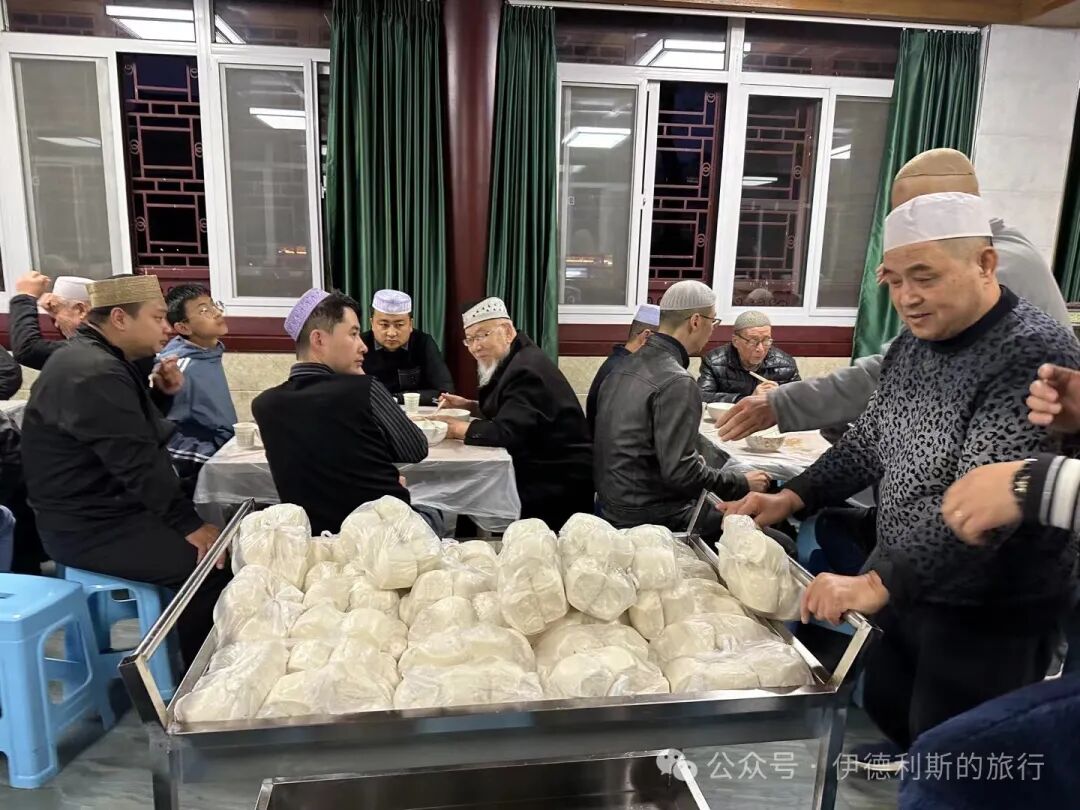
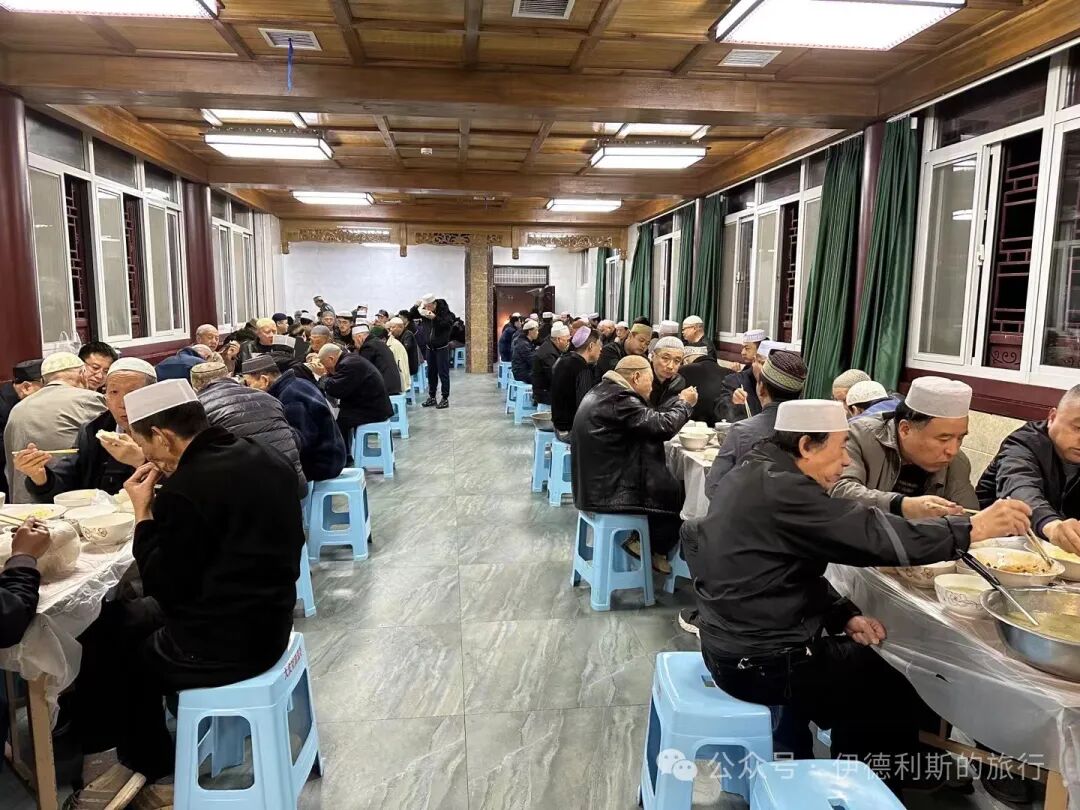
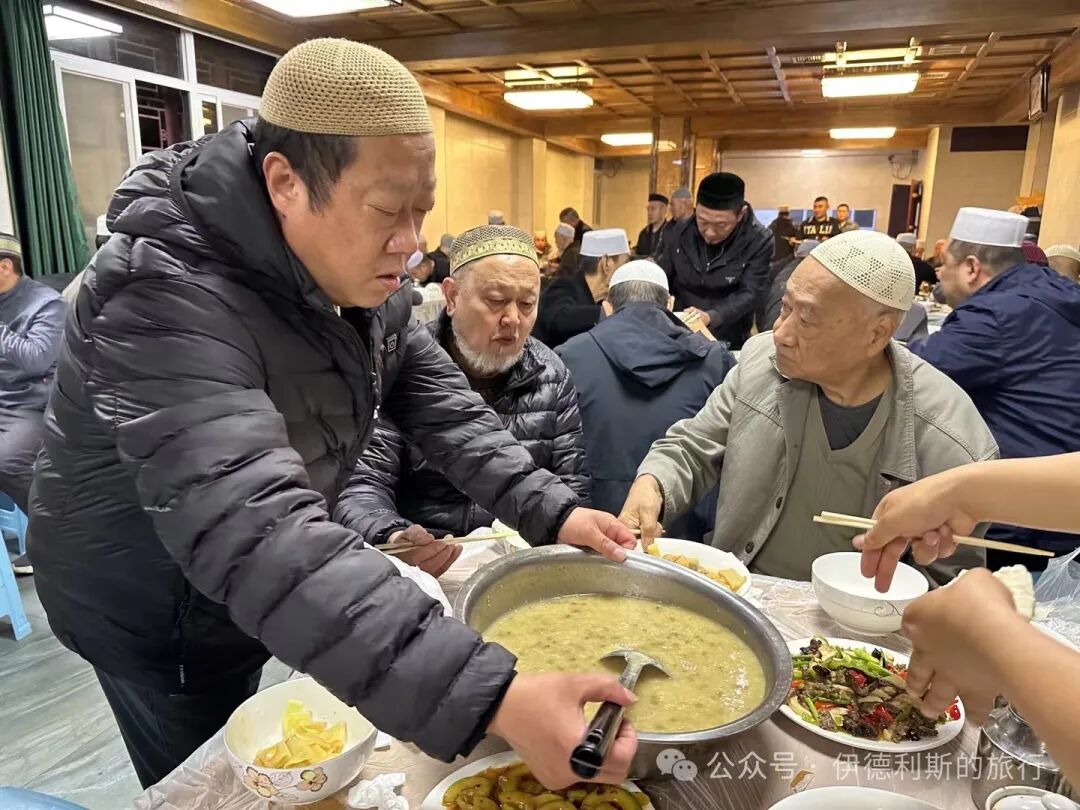
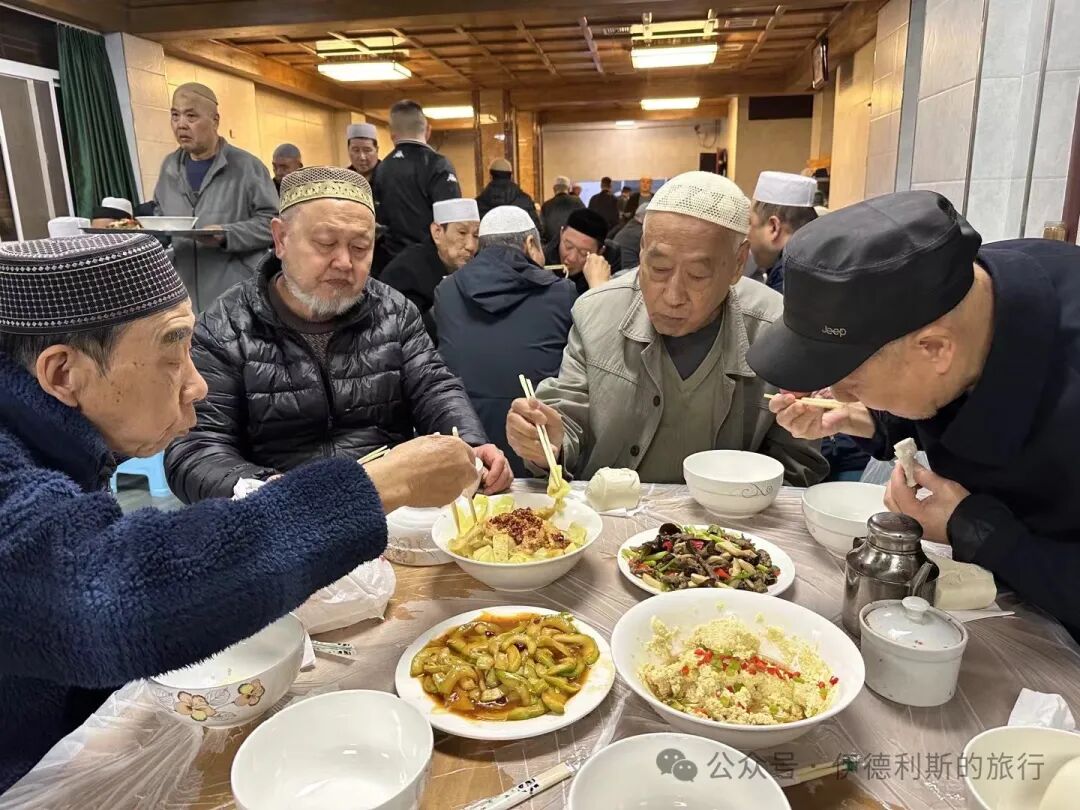
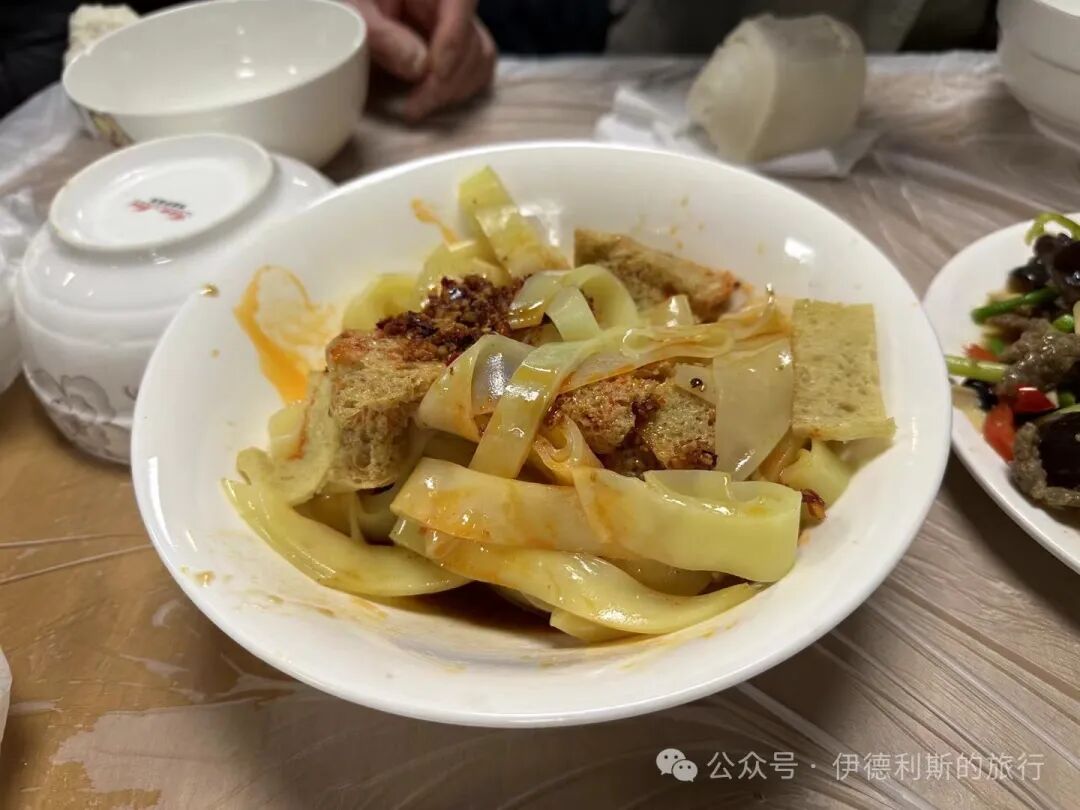
After the meal, we performed the night prayer (tarawih). The calligraphy and paintings on the kiln-style hall (yaodian) of the mosque are also very old.
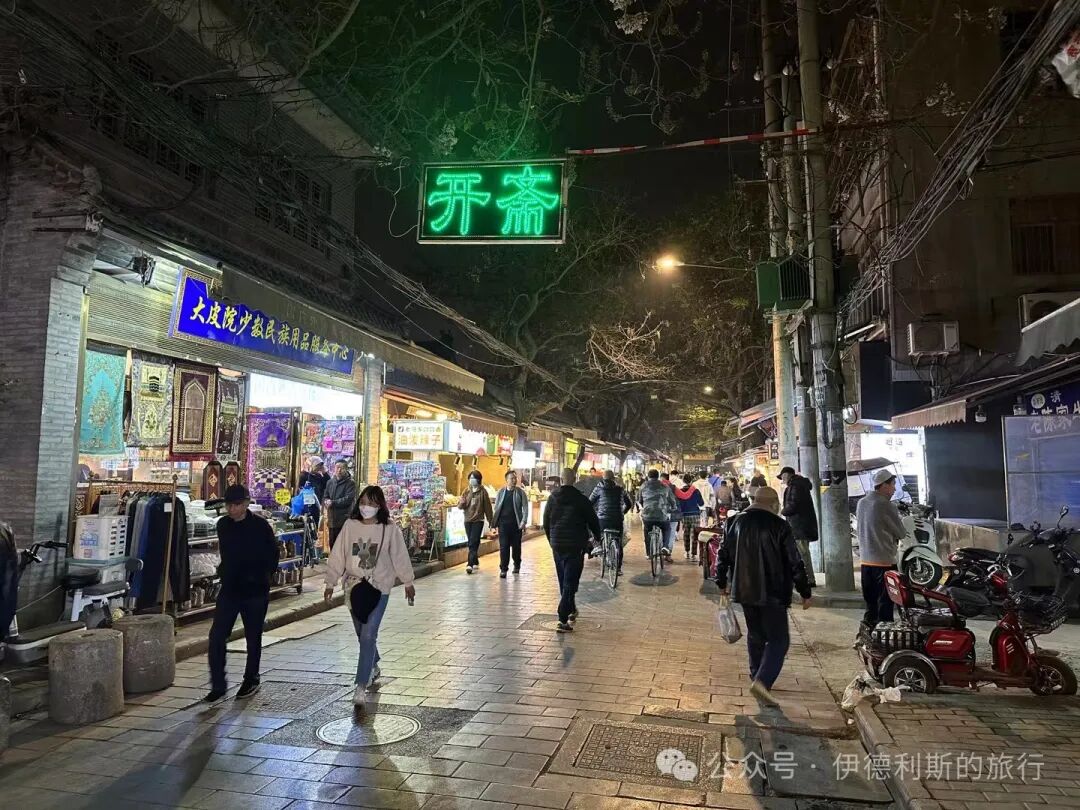
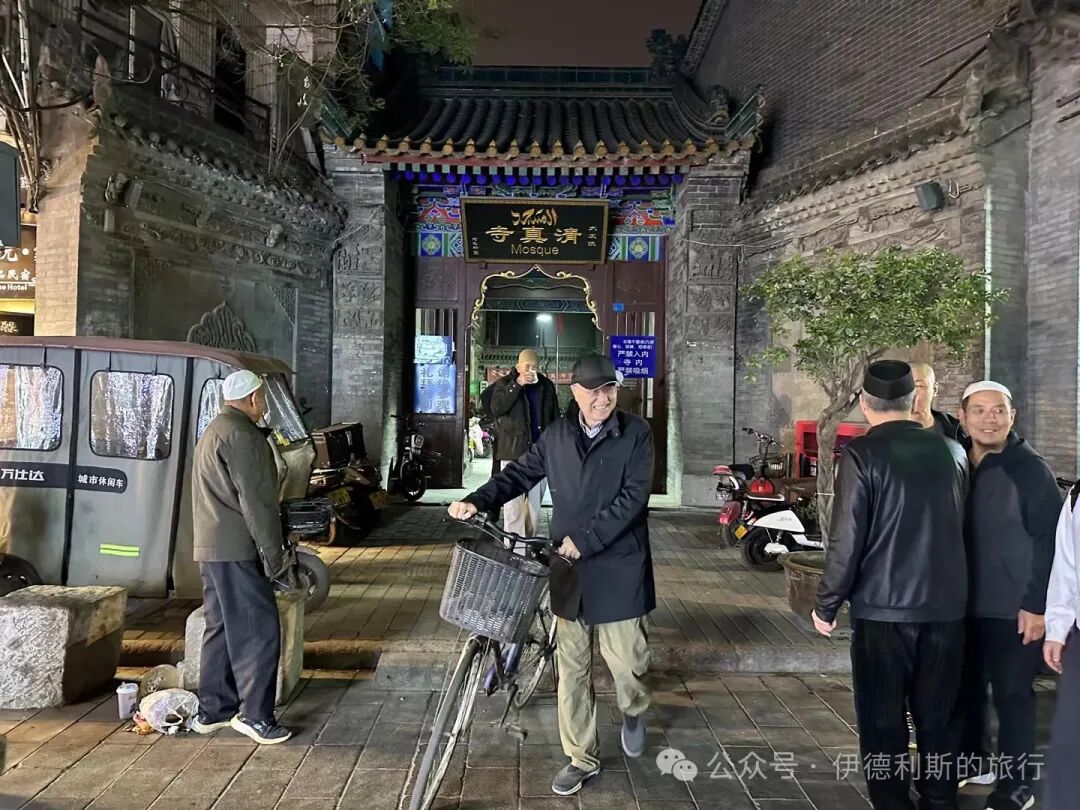
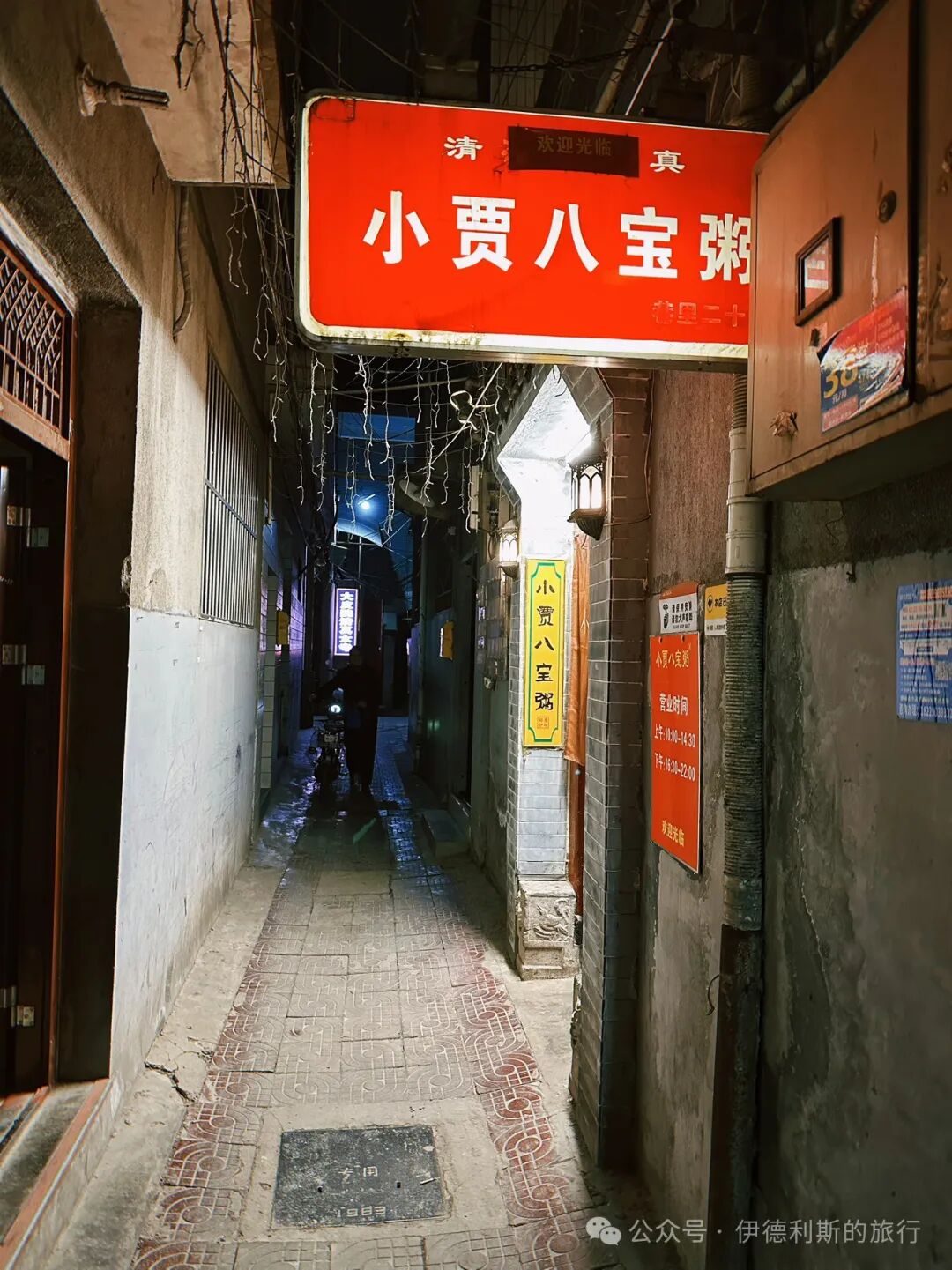
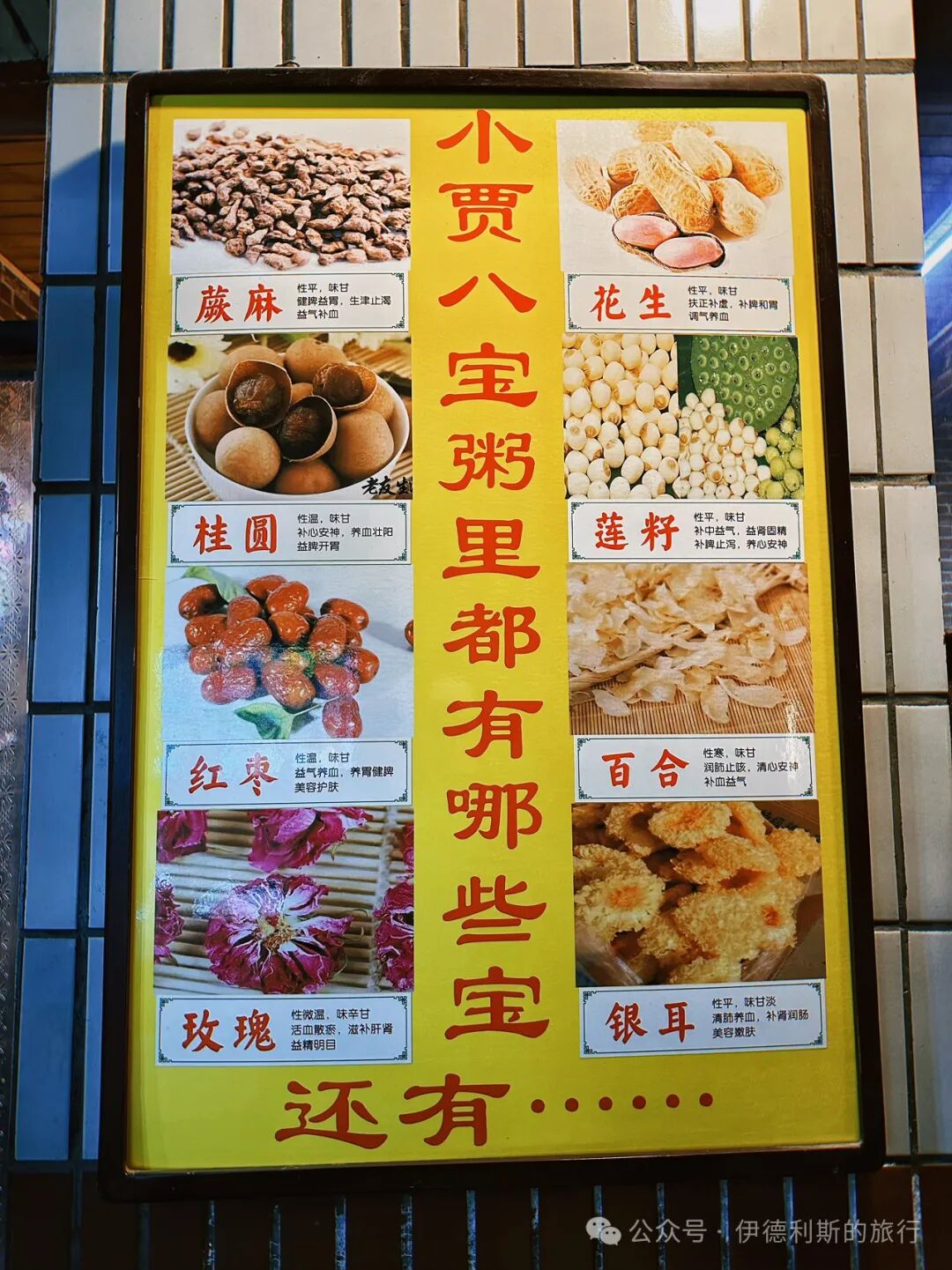
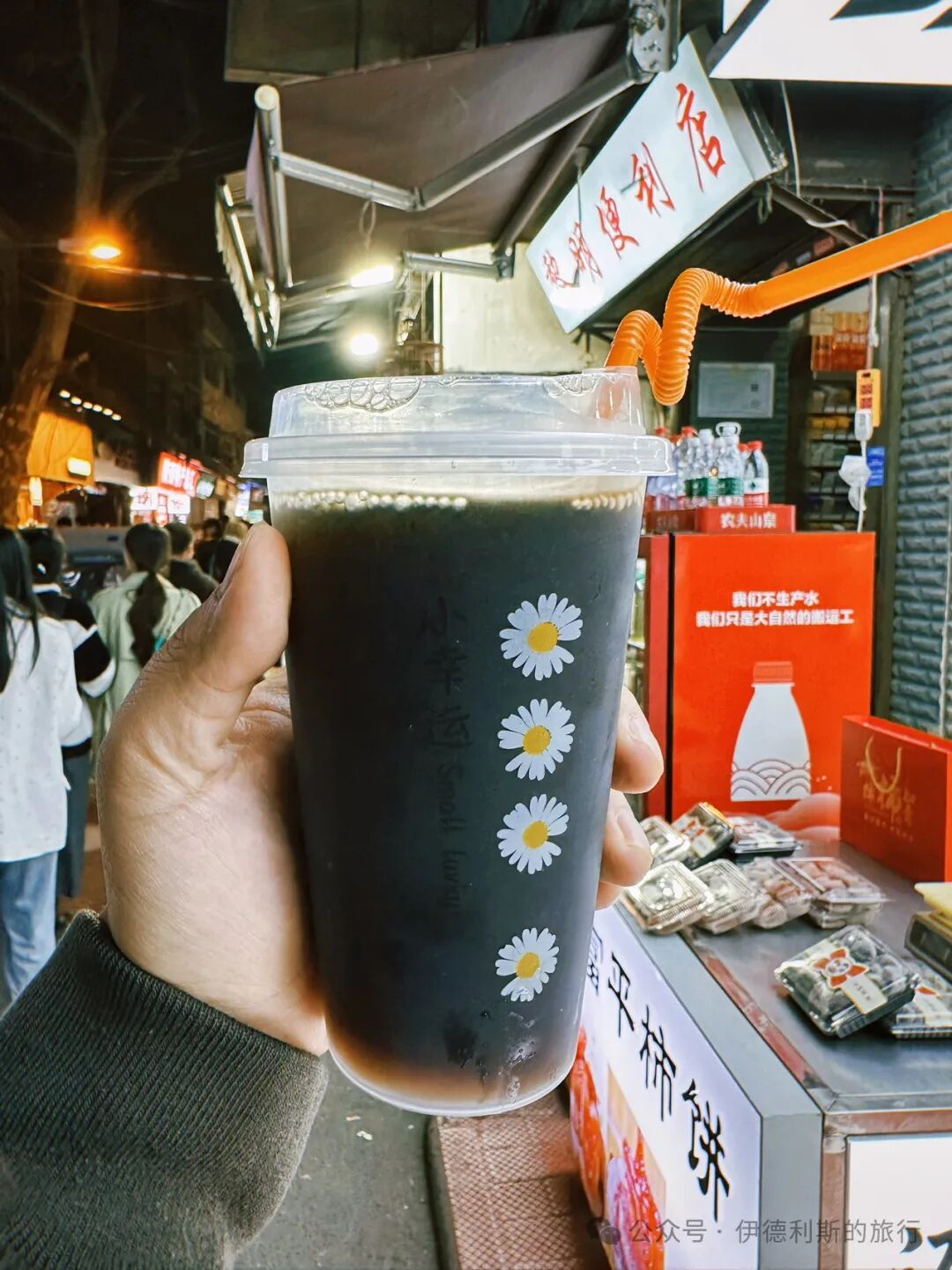
After the tarawih prayer, Zainab asked me to have some eight-treasure porridge at Xiao Jia Eight-Treasure Porridge shop near the entrance of the Dapiyuan women's mosque. The shop is hidden in the alley, so most people do not notice it. Besides eight-treasure porridge, they also serve potstickers (guotie) and cold skin noodles (liangpi). The porridge is packed with ingredients, and the environment is quite nice. After finishing the porridge, we had some sour plum drink (suanmeitang) on the street. The freshly brewed sour plum drink (suanmeitang) sold on the streets of the Muslim Quarter is very tart and perfect for quenching thirst during Ramadan.
April 5.
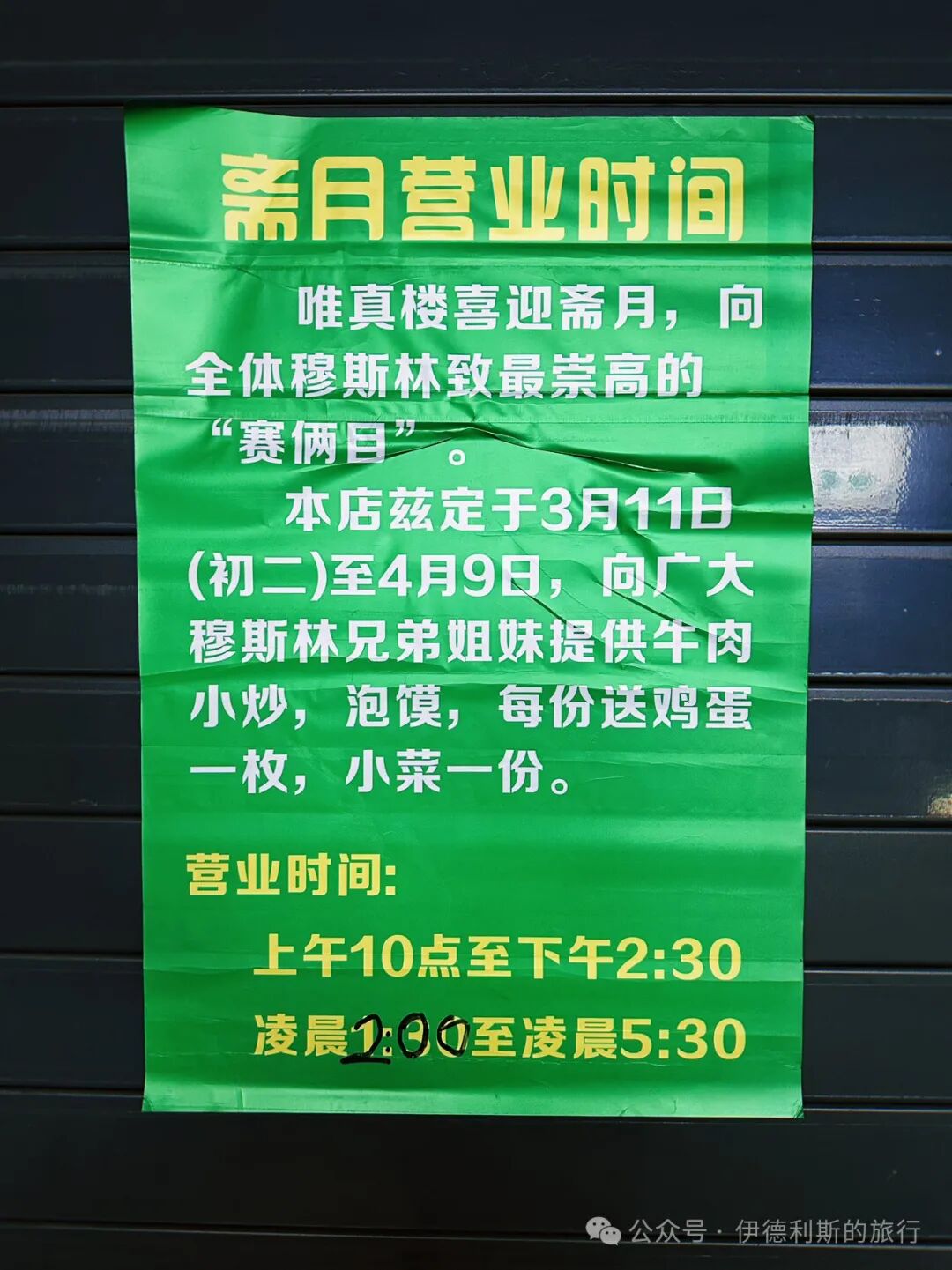
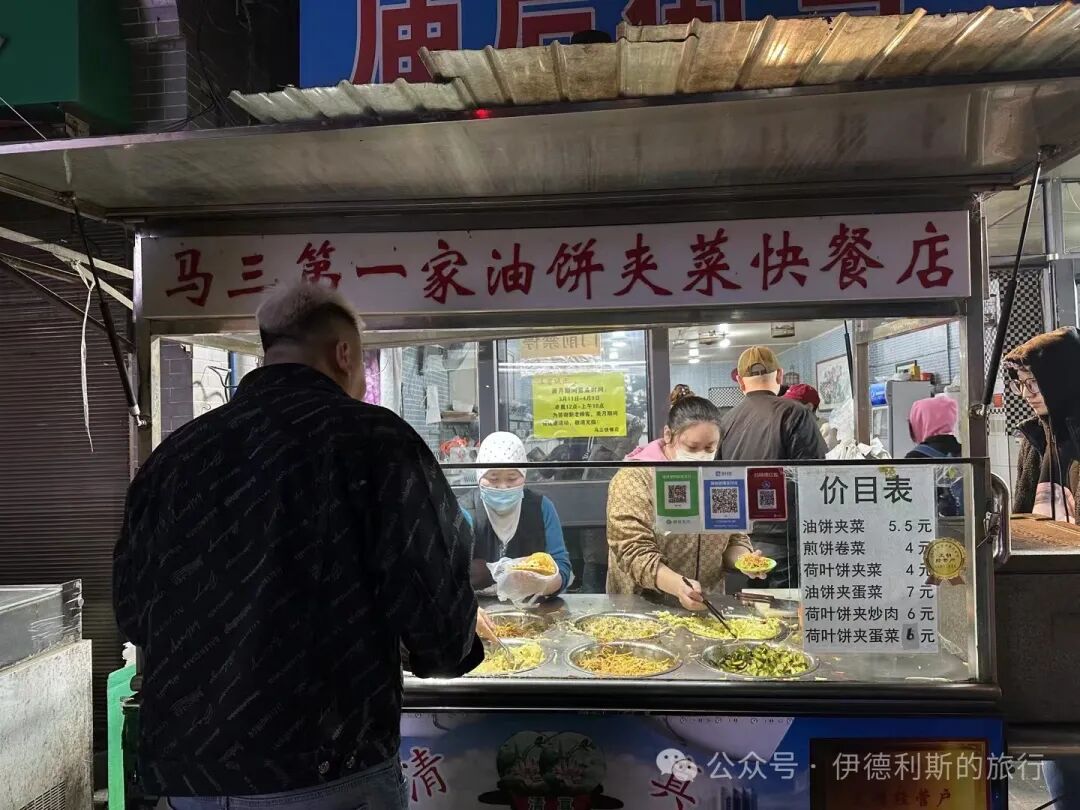
At 3:30 a.m., we had a lotus leaf bun sandwich (heye bing jiacai) with red bean porridge at Ma's Family restaurant on Miaohou Street in the Muslim Quarter. Many people were buying their pre-dawn meal (suhoor) there. Lots of customers chose the fried pancake sandwich (youbing jiacai), but we found the pancake a bit too oily. We picked the lotus leaf bun instead because it was soft and fluffy, which felt perfect for the pre-dawn meal. There are many types of side dishes. You can add a little bit of everything, including cold dishes, pickled vegetables, and a poached egg. Since the meal is quite nutritious, many friends (dosti) choose to eat here.
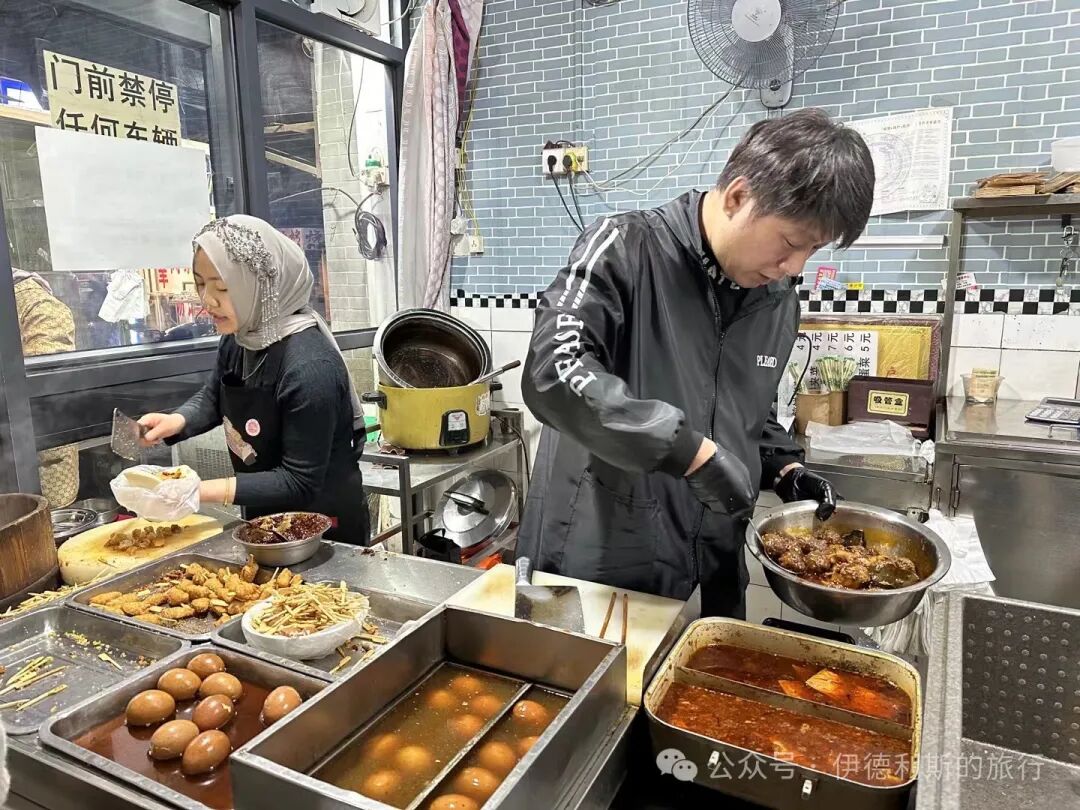
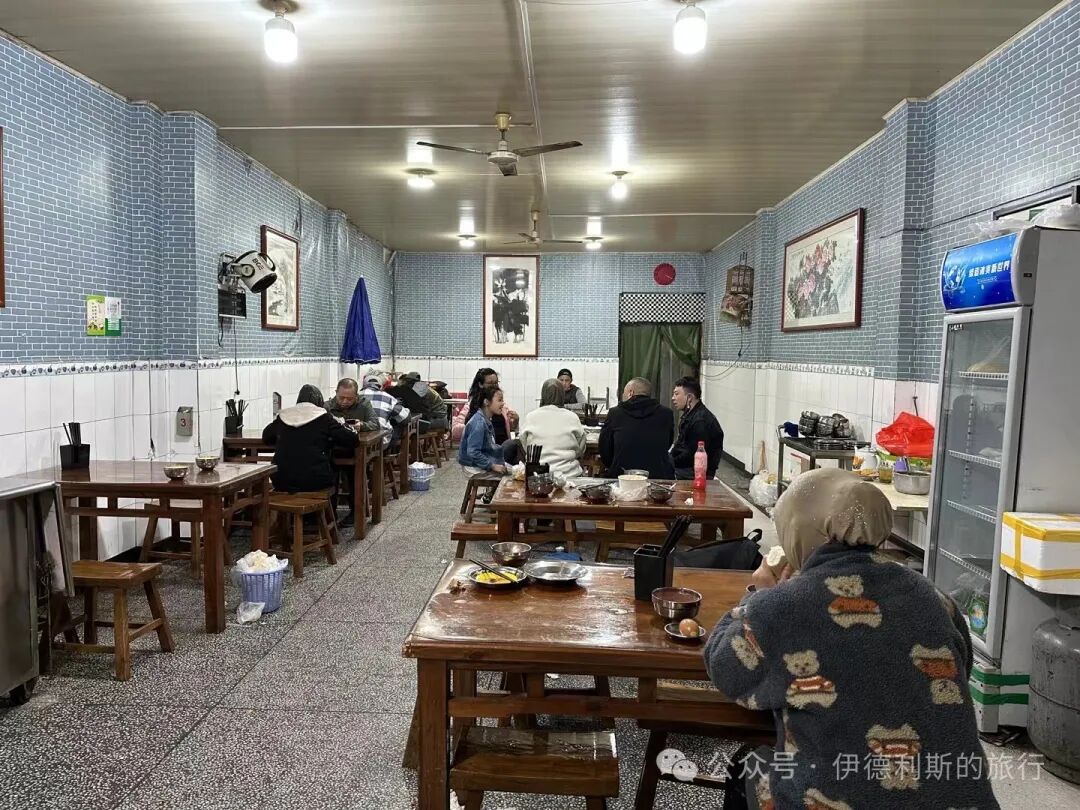
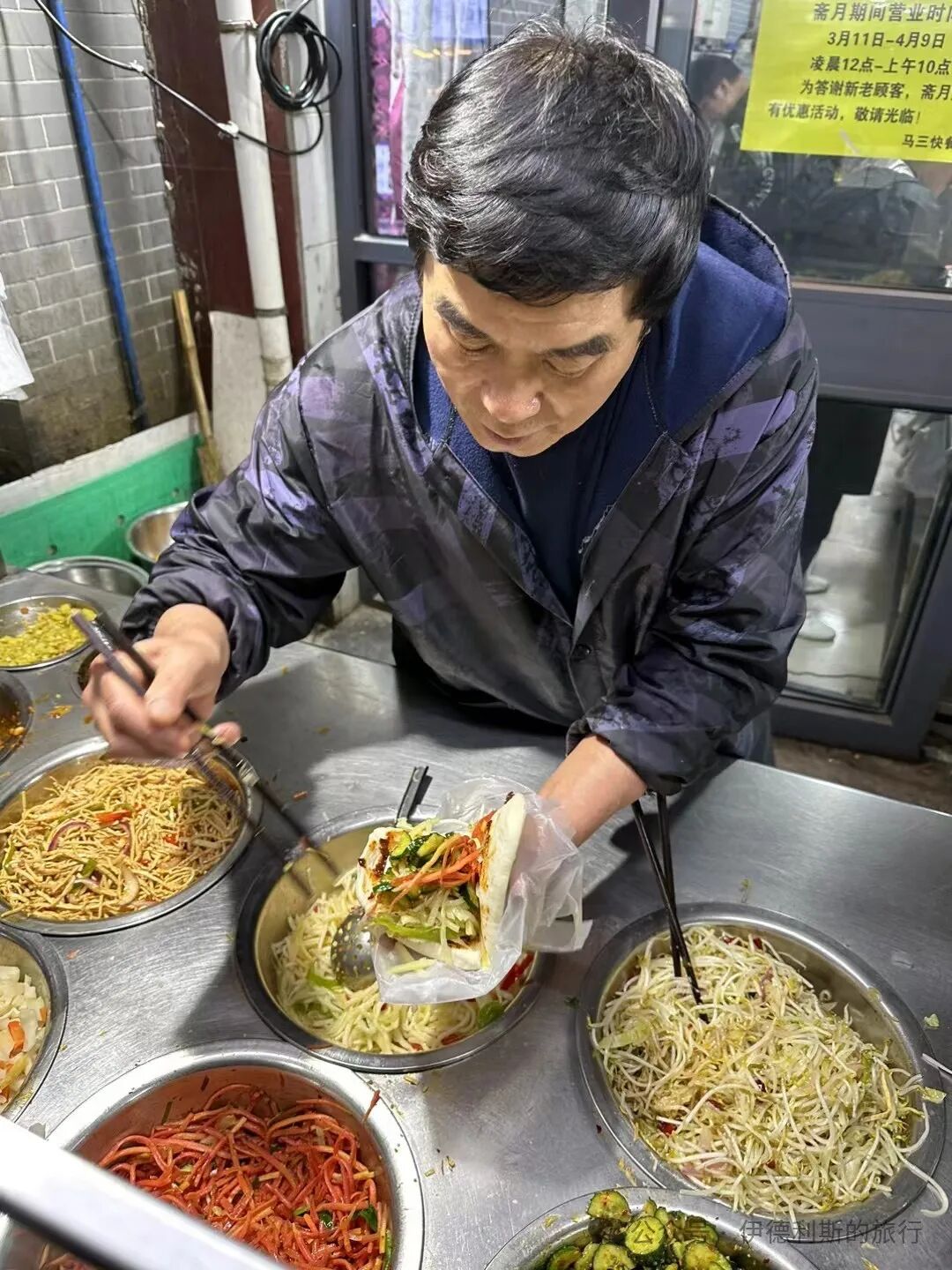
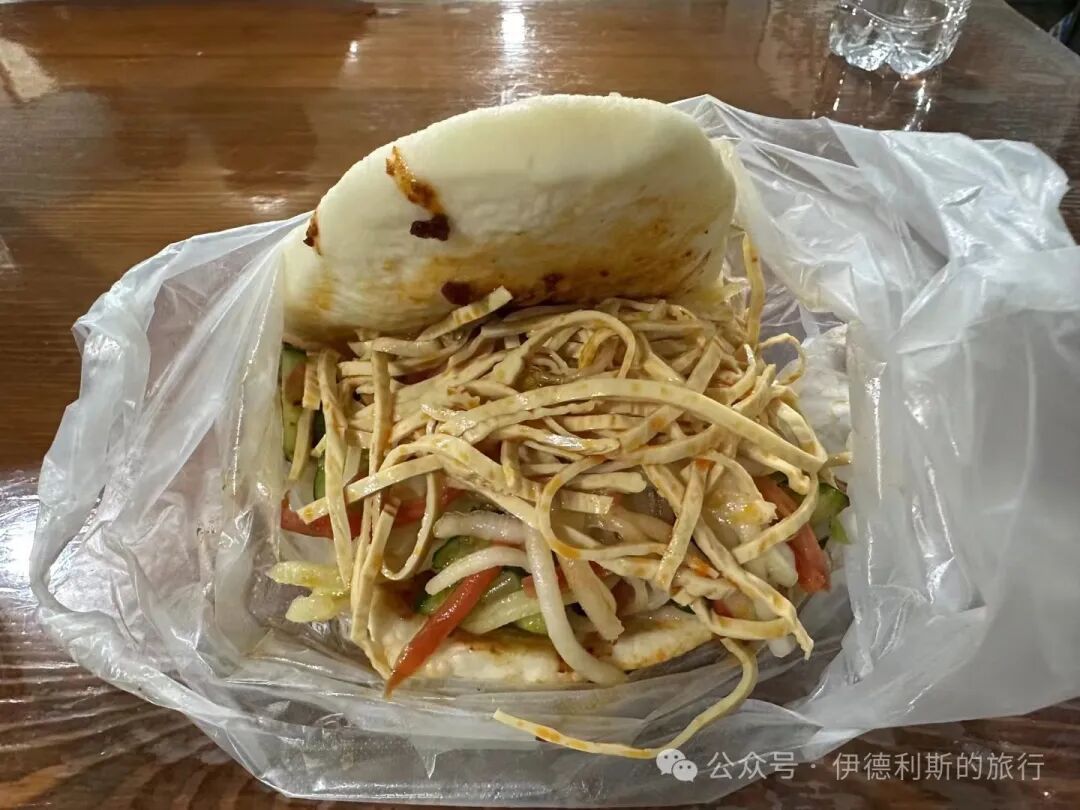
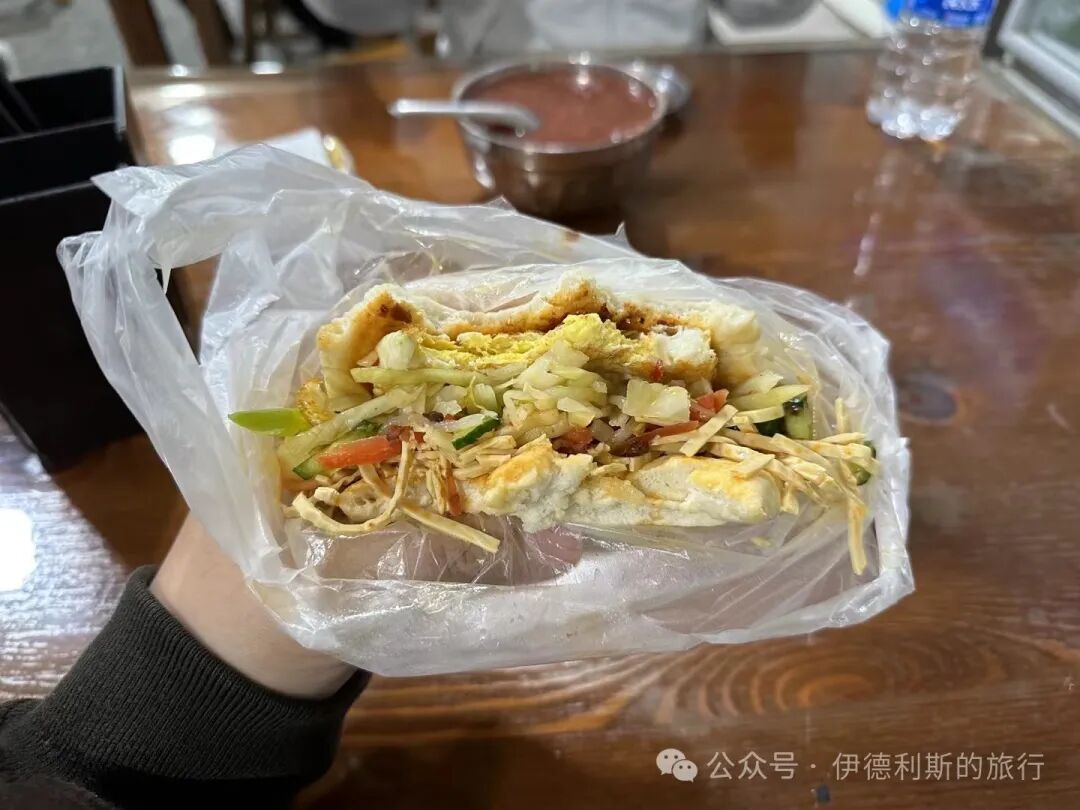
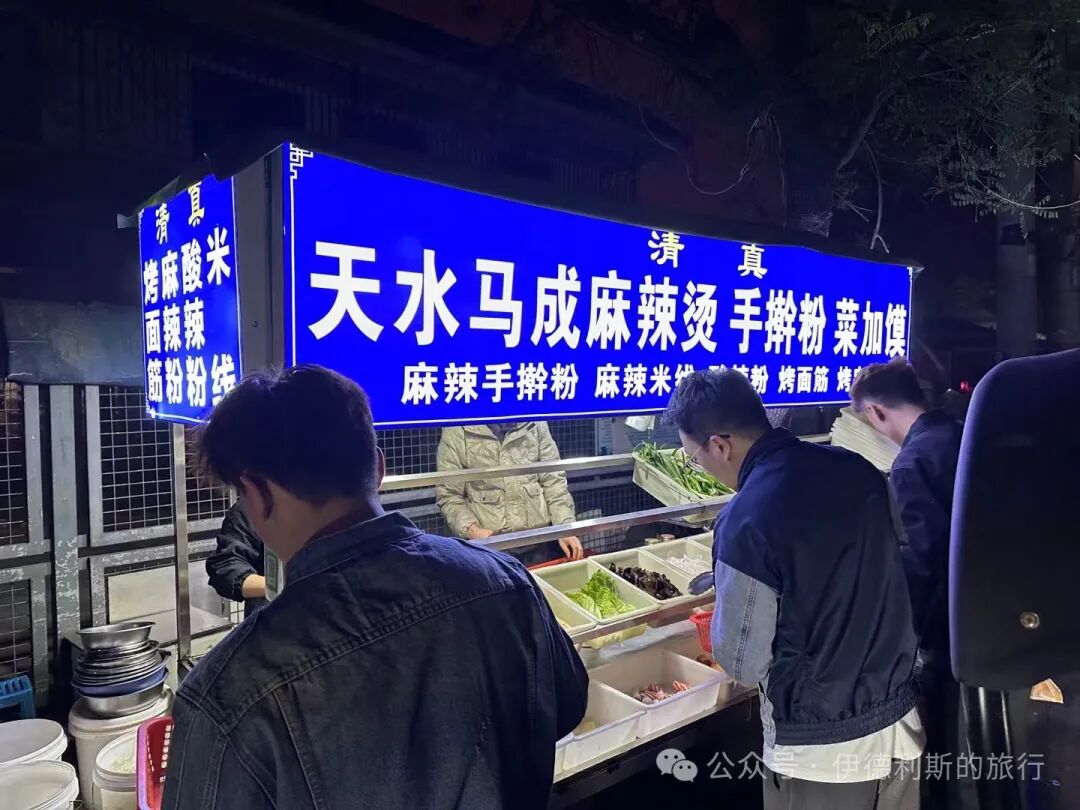
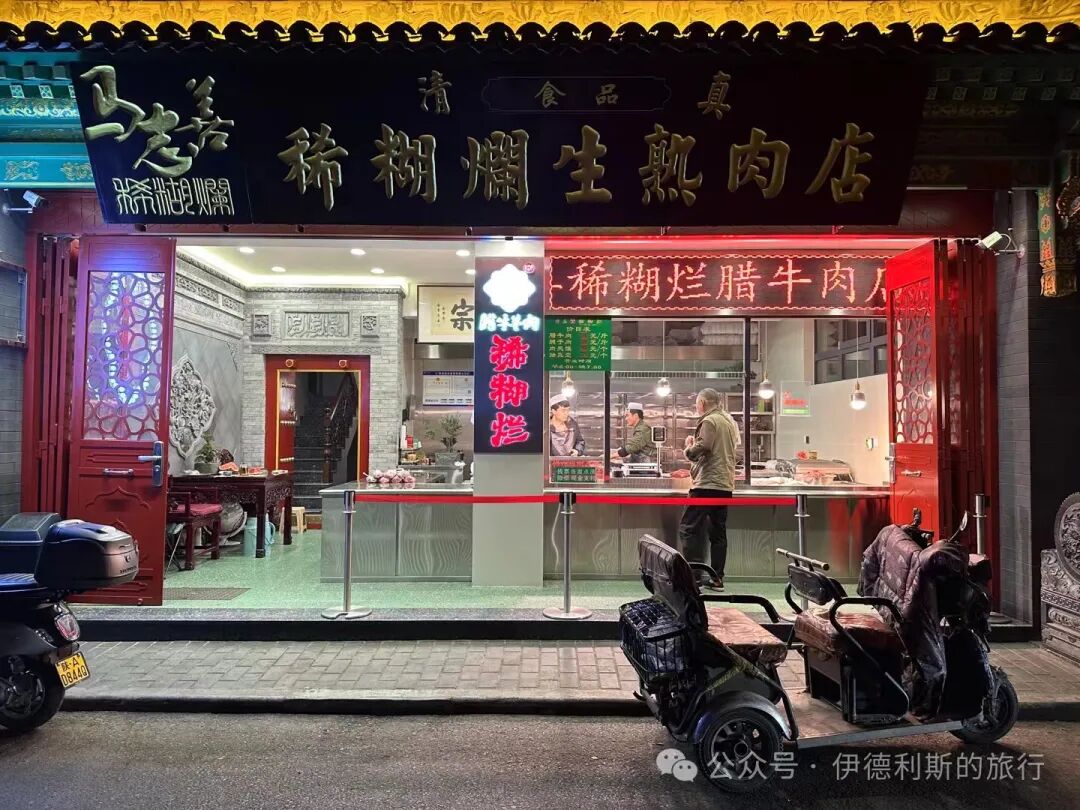
3:50 a.m. After finishing our lotus leaf bun sandwich, we continued west along Miaohou Street. We bought a cured beef sandwich (la niurou jiamo) at An Zhiliang Cured Beef and Mutton Shop, then went across the street to Jia's Meatball Spicy Soup (rouwan hulatang) shop at the Sajinqiao intersection to have a bowl of meatball spicy soup. The cured beef at An Zhiliang's is quite fragrant, but it is a little salty, so you need to drink plenty of water.
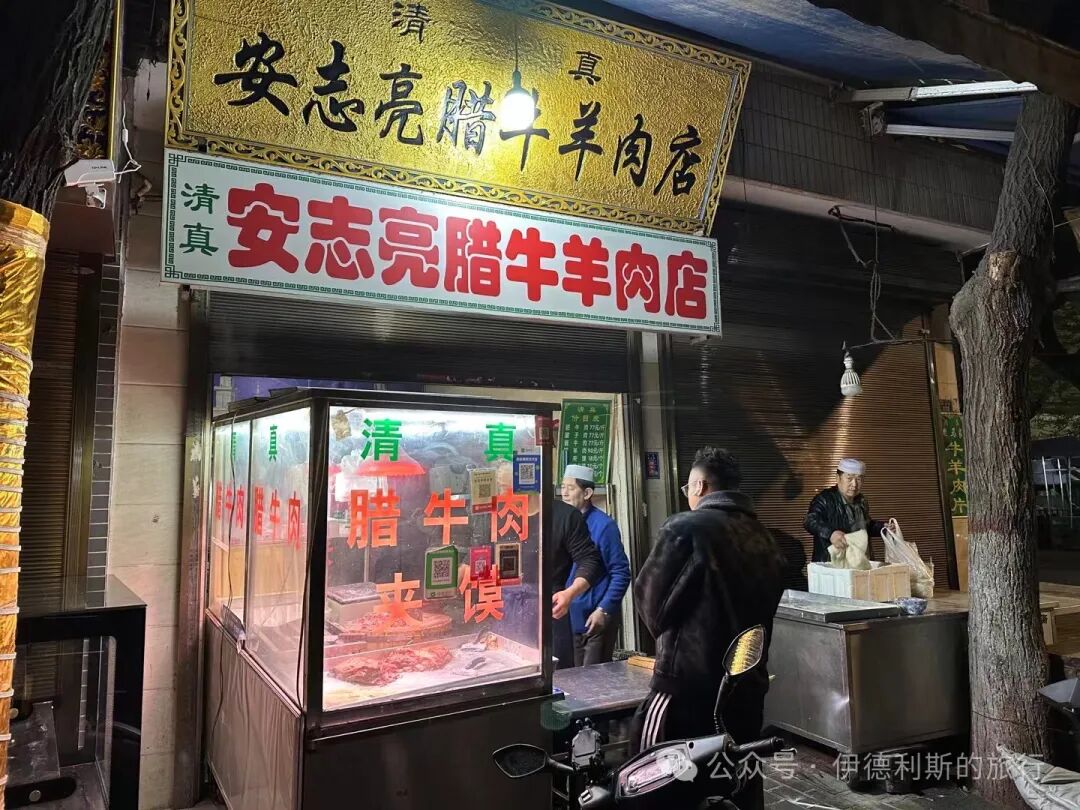
During Ramadan, many meatball and spicy pepper soup (hulatang) shops in the Muslim Quarter sell pre-dawn meals, but the pepper flavor is really strong. Drinking it before starting the fast isn't as comfortable as having rice porridge.
At 5:50 a.m., I prayed the dawn prayer (namaz) at Daxuexi Alley Mosque. Daxuexi Alley Mosque, also known as the West Great Mosque, was rebuilt in 1384 (the 17th year of the Hongwu reign of the Ming Dynasty) by Minister of War Tie Xuan, who was granted the name for the mosque by the emperor. It was renovated in 1413 (the 11th year of the Yongle reign) and again during the Kangxi and Guangxu periods of the Qing Dynasty. The main prayer hall preserves precious Ming and Qing dynasty paintings featuring exquisite calligraphy. This style shares the same roots as the traditional mosque paintings and calligraphy of the Salar people in Xunhua, Qinghai.
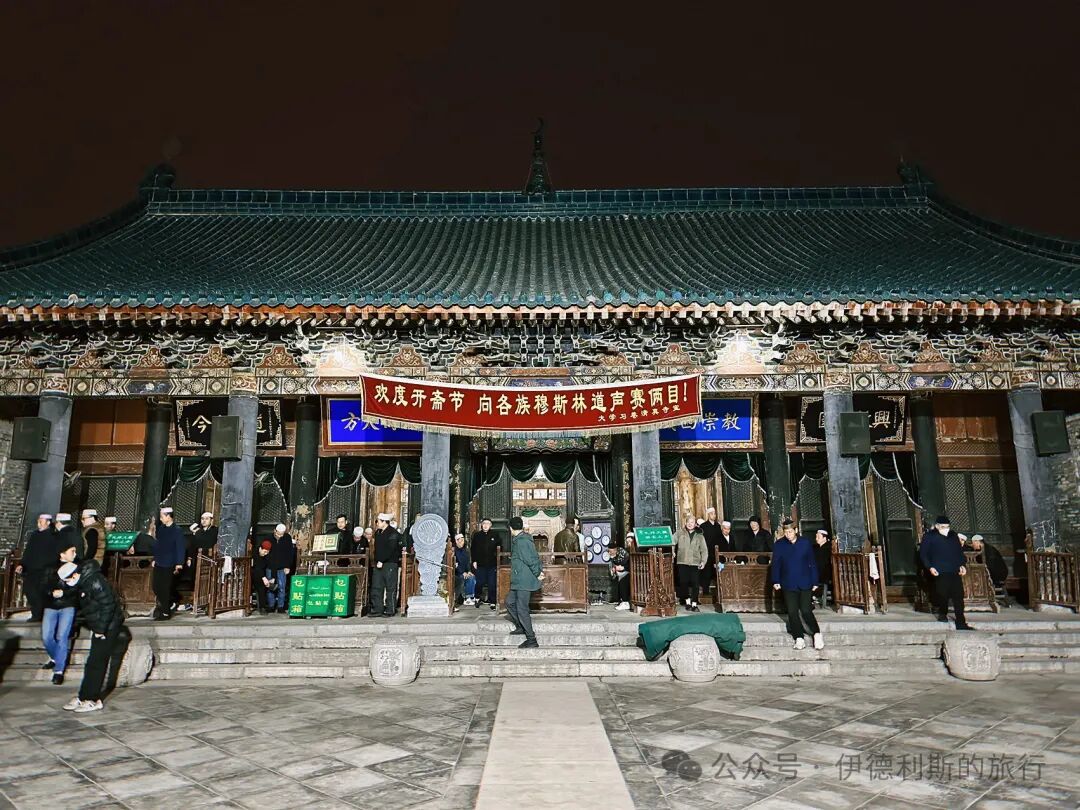
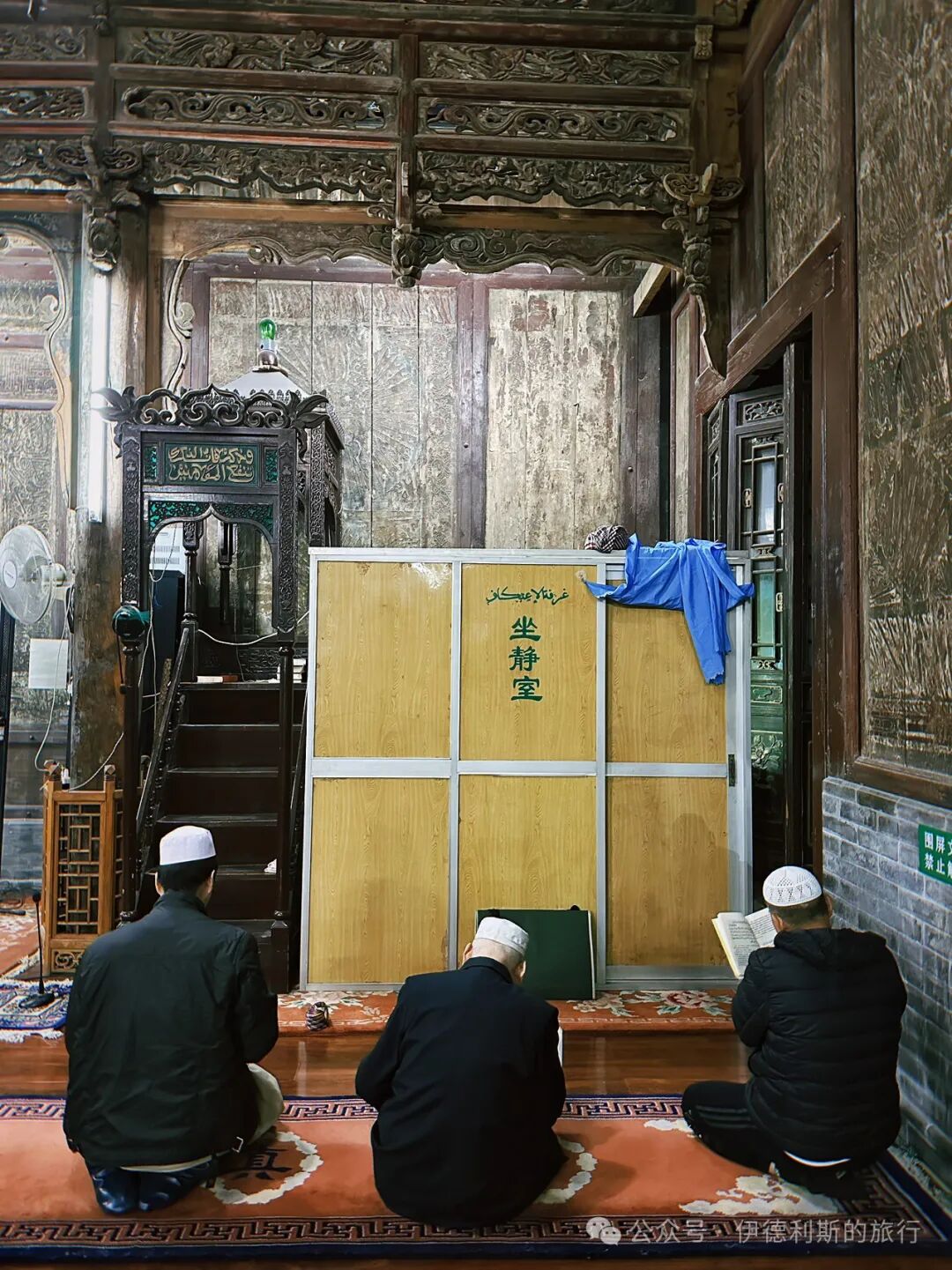
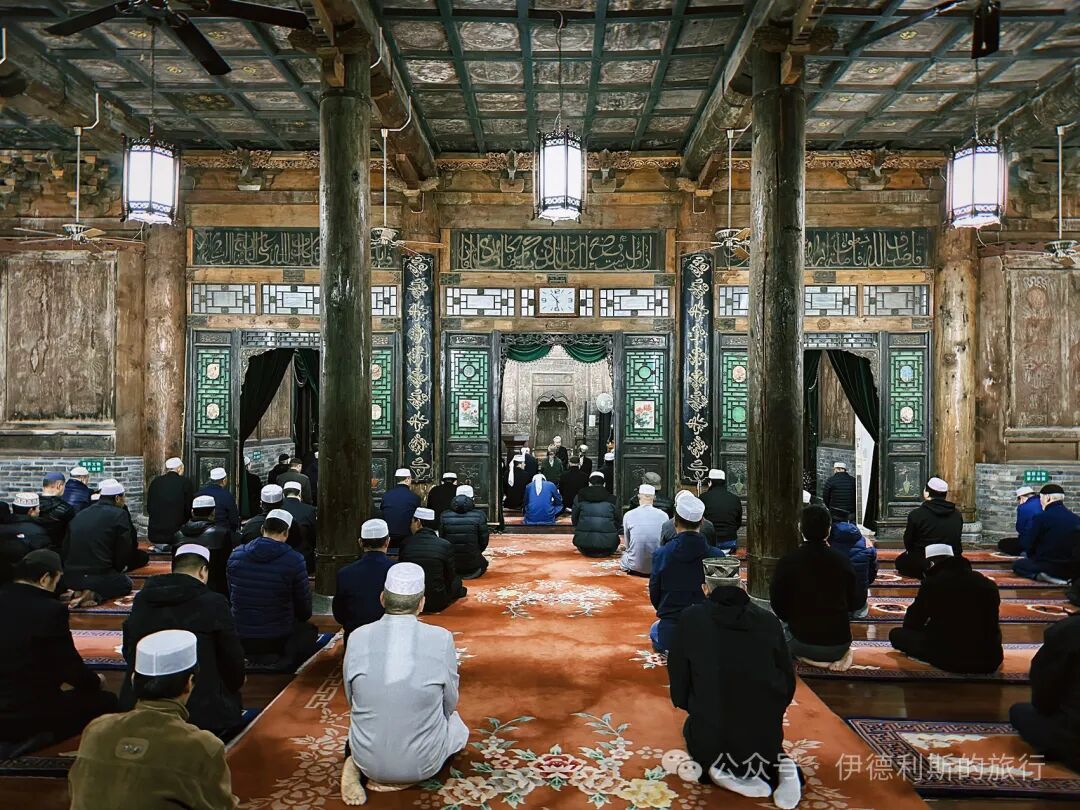
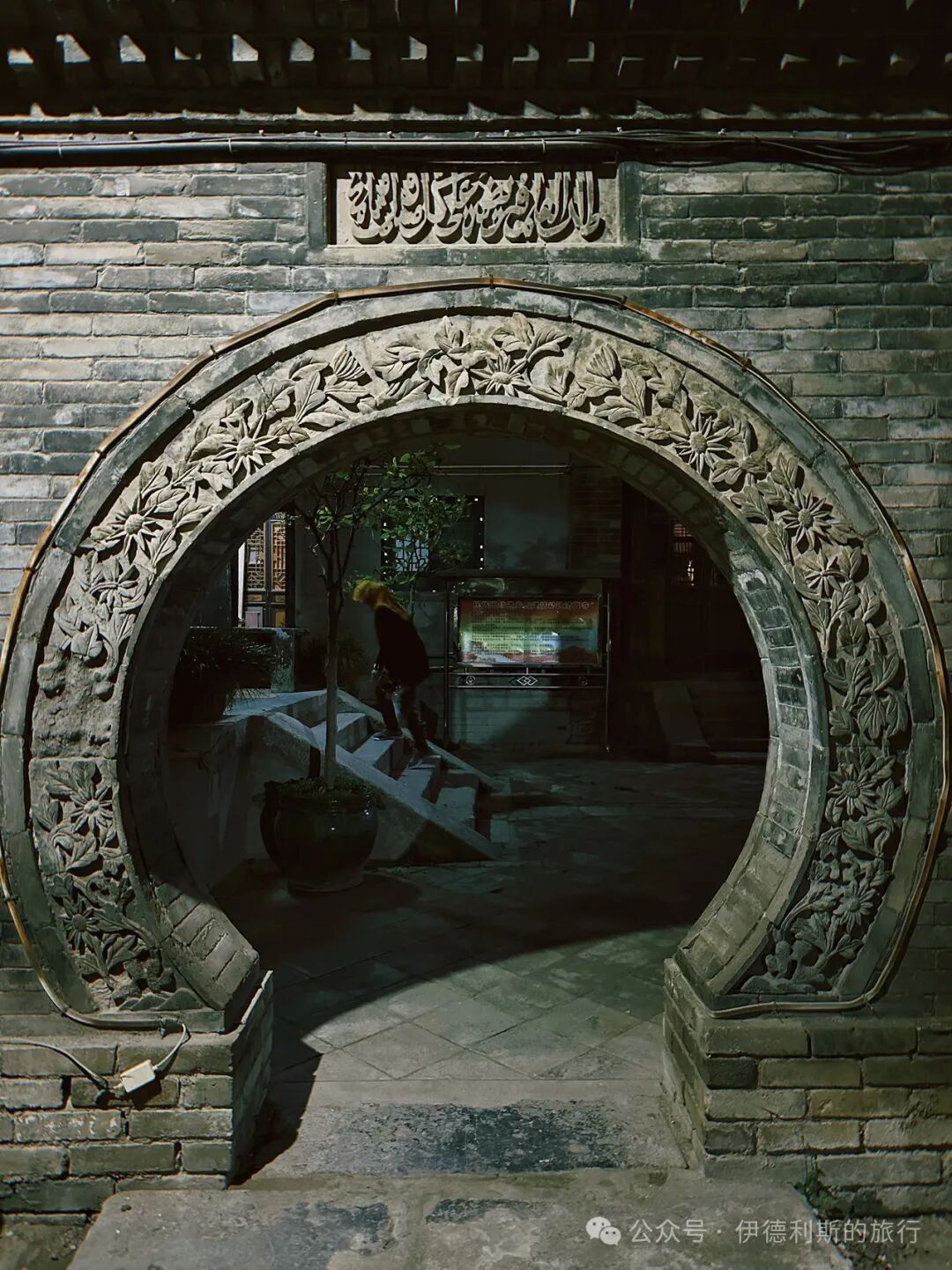
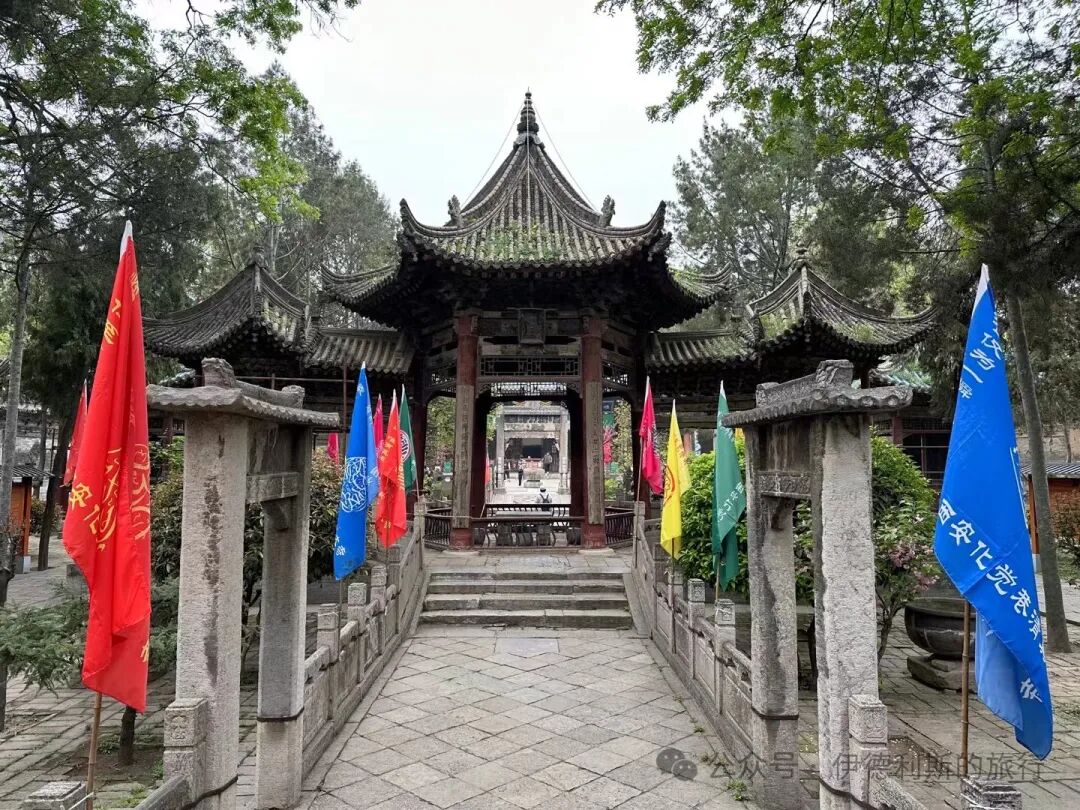
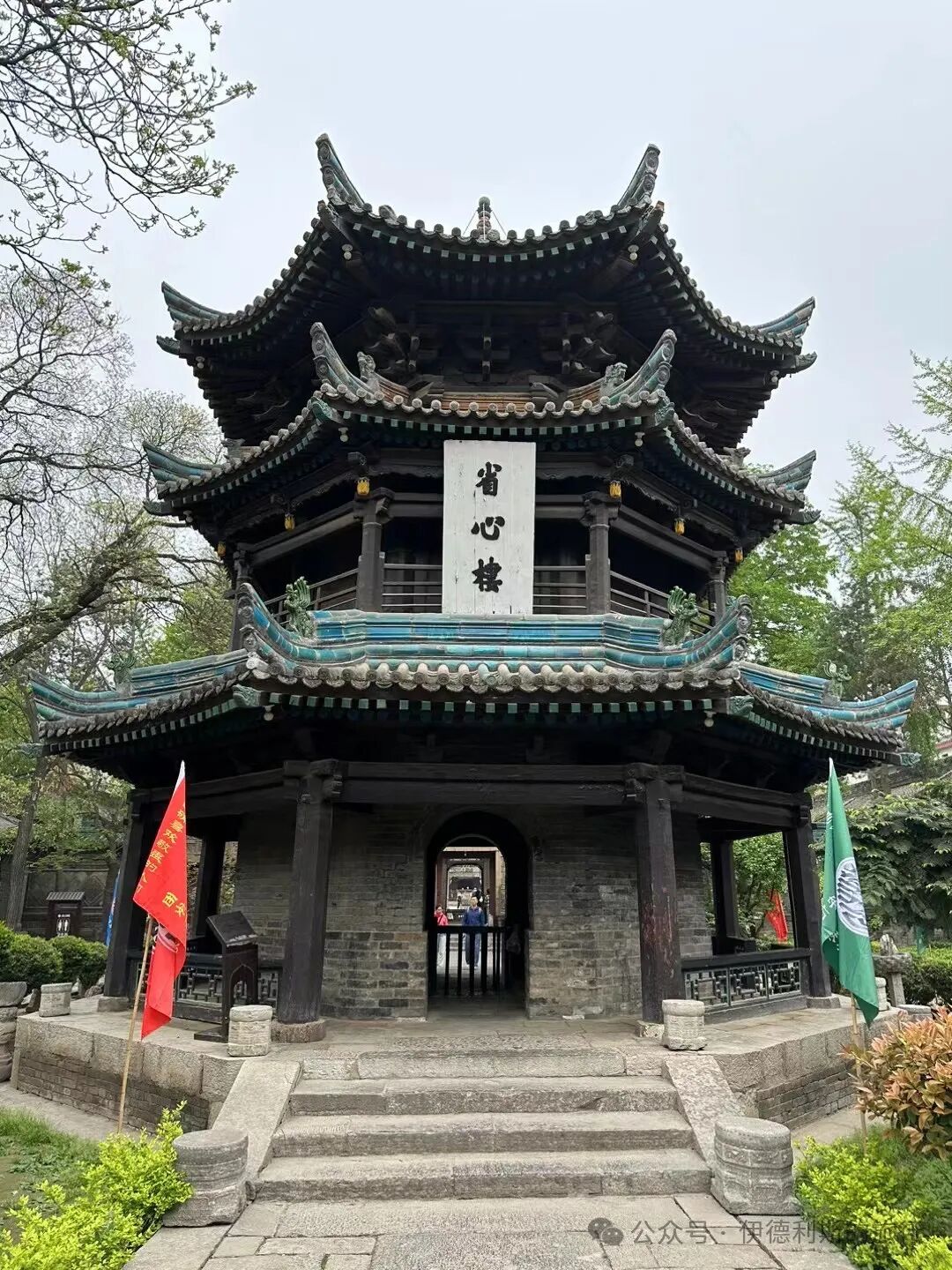
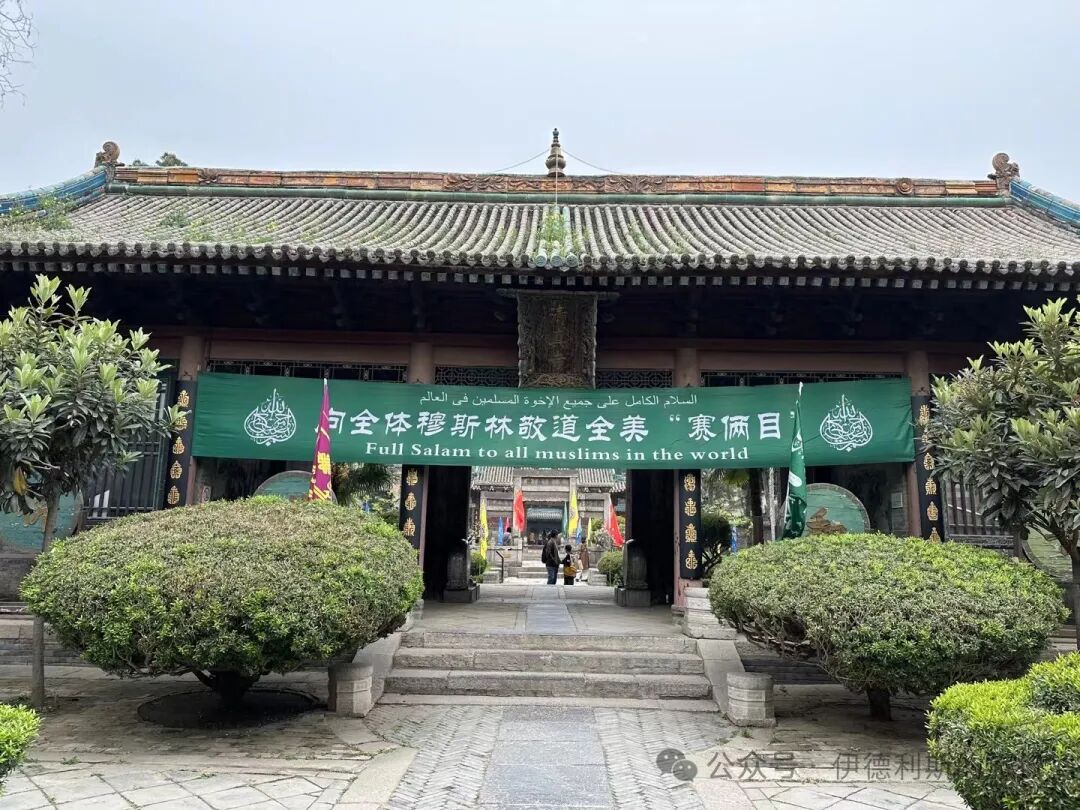
At noon, I prayed the Friday prayer (Jumu'ah) at Huajue Alley Great Mosque. Huajue Alley Great Mosque, also known as the East Great Mosque, was renovated many times during the Song and Yuan dynasties. The main hall was rebuilt in 1455 (the 6th year of the Jingtai reign of the Ming Dynasty). It underwent large-scale expansions in the early Jiajing years and again in the 34th year of the Wanli reign. By the Qianlong period, it was reduced from two courtyards to just the southern section, gradually forming the current layout of five deep courtyards.
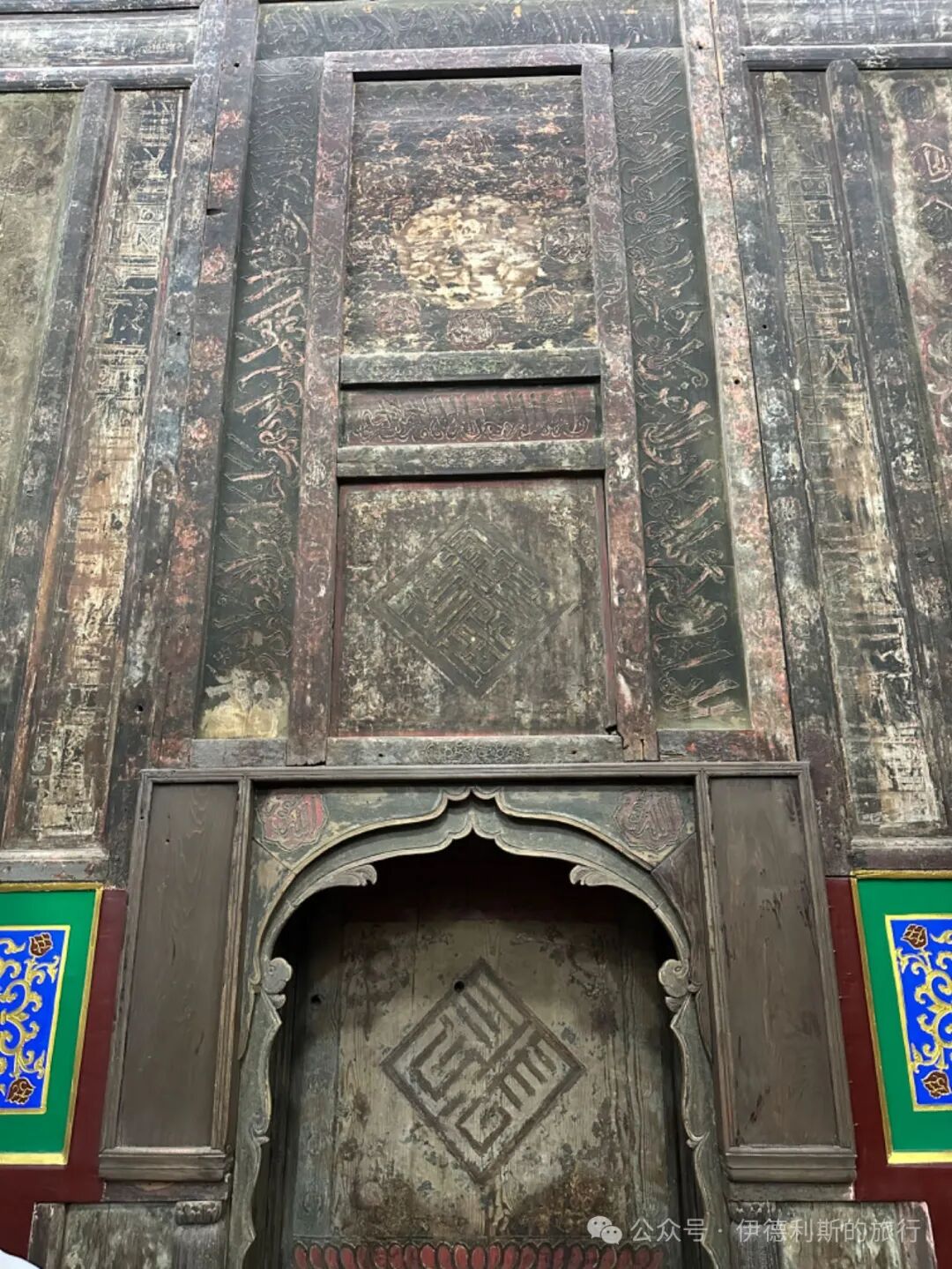
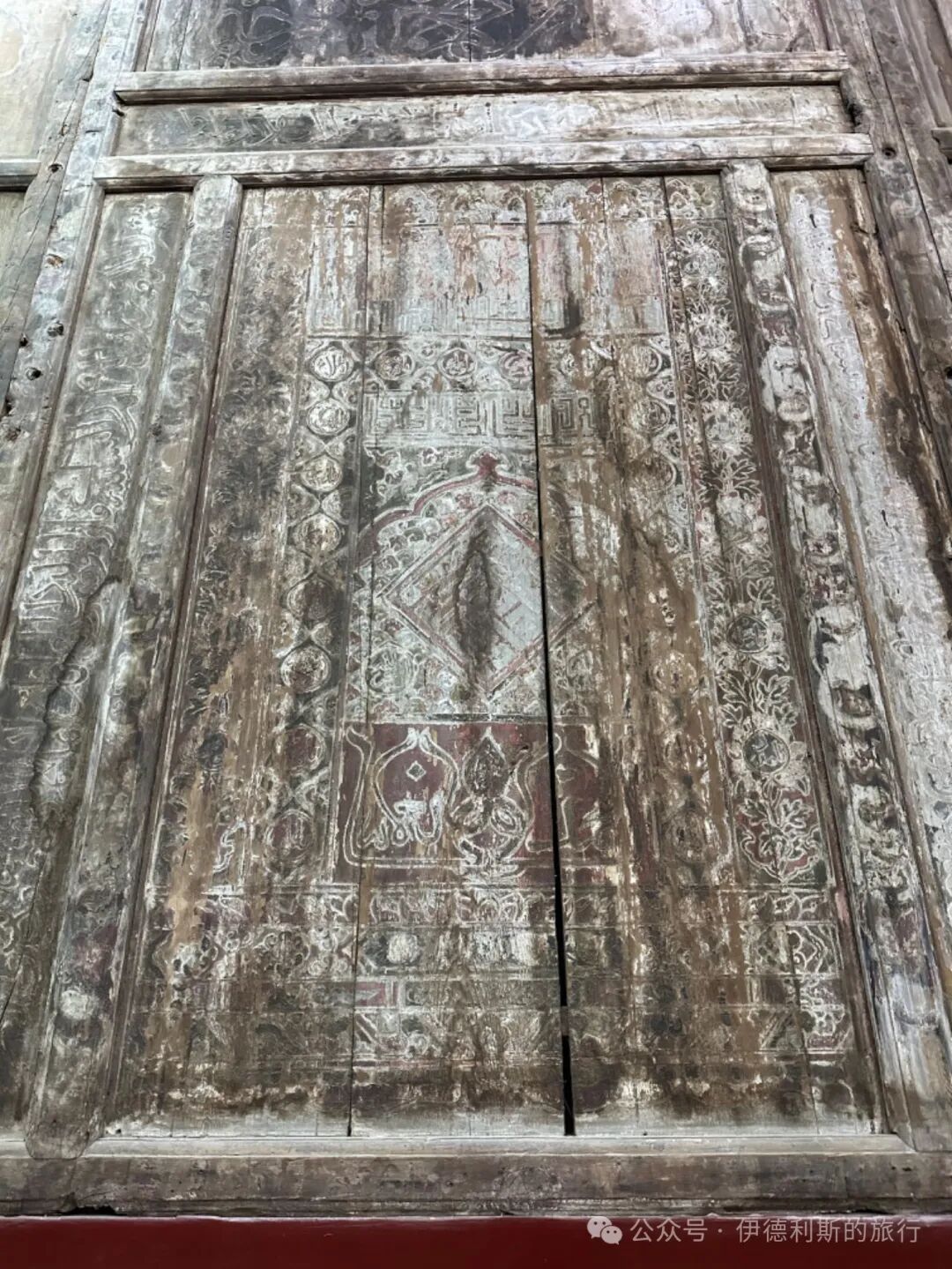
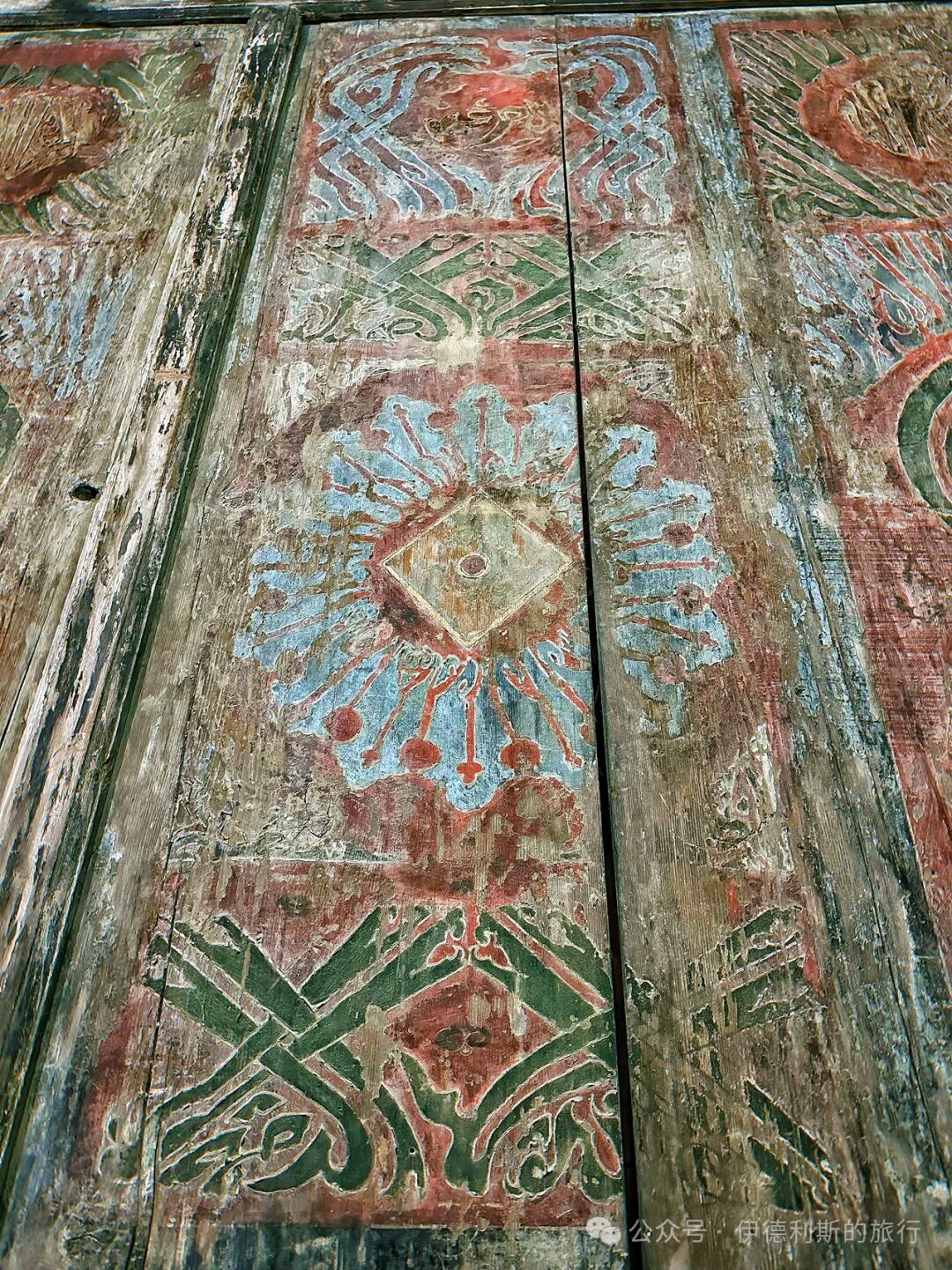
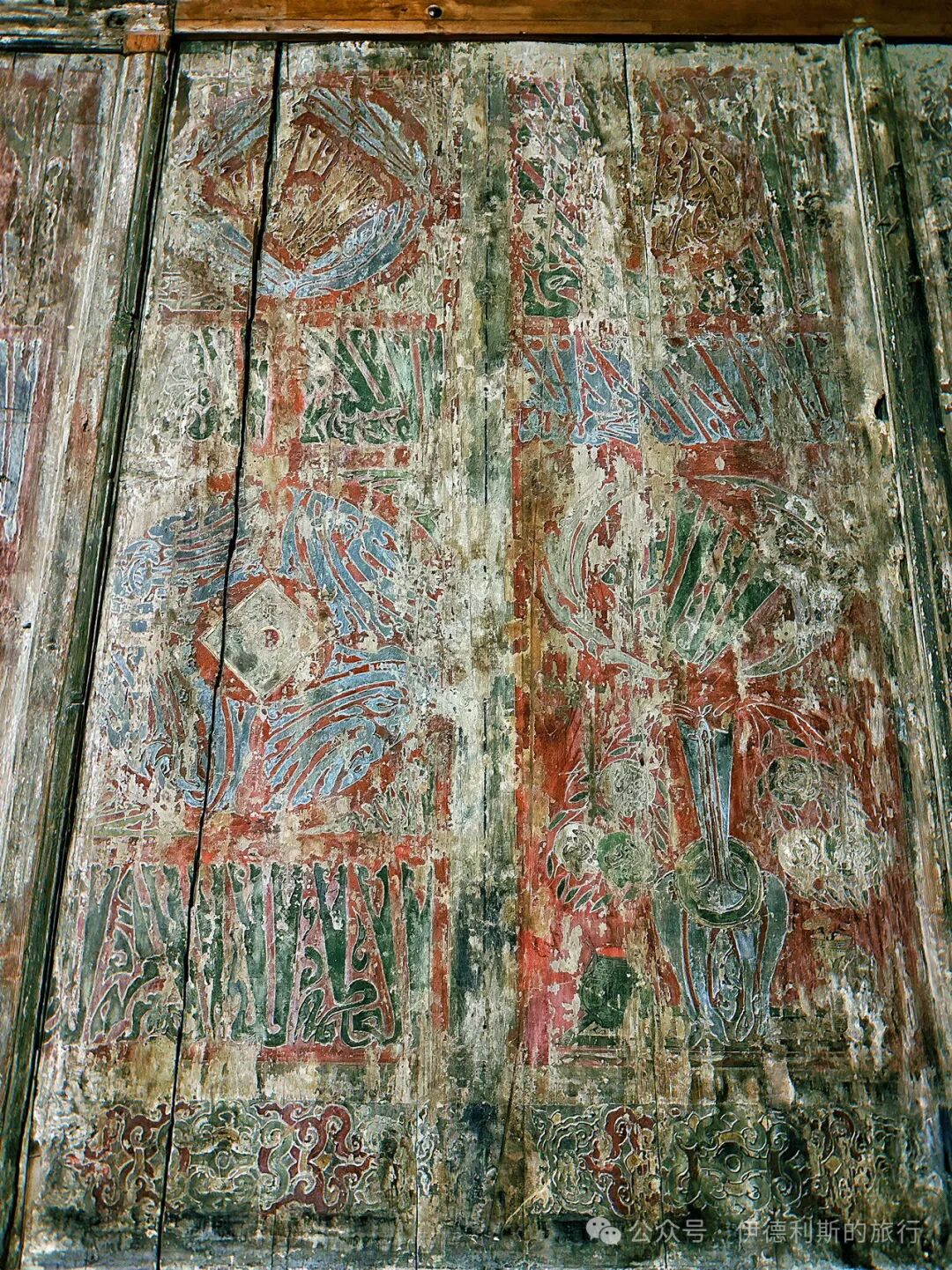
The mihrab inside the main prayer hall. In his book Chinese Islamic Architecture, Liu Zhiping says: The rear kiln hall of the main prayer hall is the most beautifully crafted. The walls are entirely paneled with wood, and the golden pillars are used to create door hoods and hanging columns, making the mihrab area look even more magnificent. All the wooden surfaces feature bold and powerful shallow carvings. Because animal patterns are not allowed as decorations inside an Islamic prayer hall, the entire wall is covered in magnificent and sturdy plant and flower designs. These types of patterns are also common on the brick carvings of other mosques. Its magnificent atmosphere has opened up a new direction for decorative patterns in our country. Not using animal decorations limited the carving designs in the mosque, but it also encouraged the development of plant, geometric, and calligraphic patterns, which helped shape the unique style of Islamic architectural design.
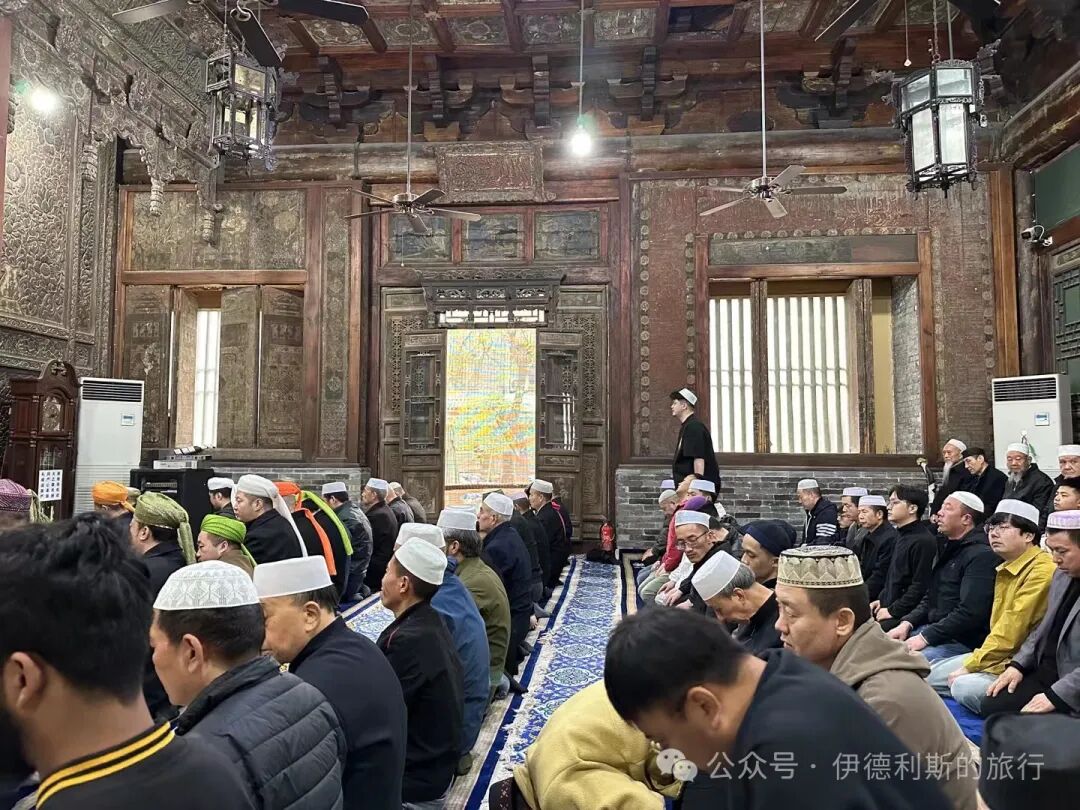
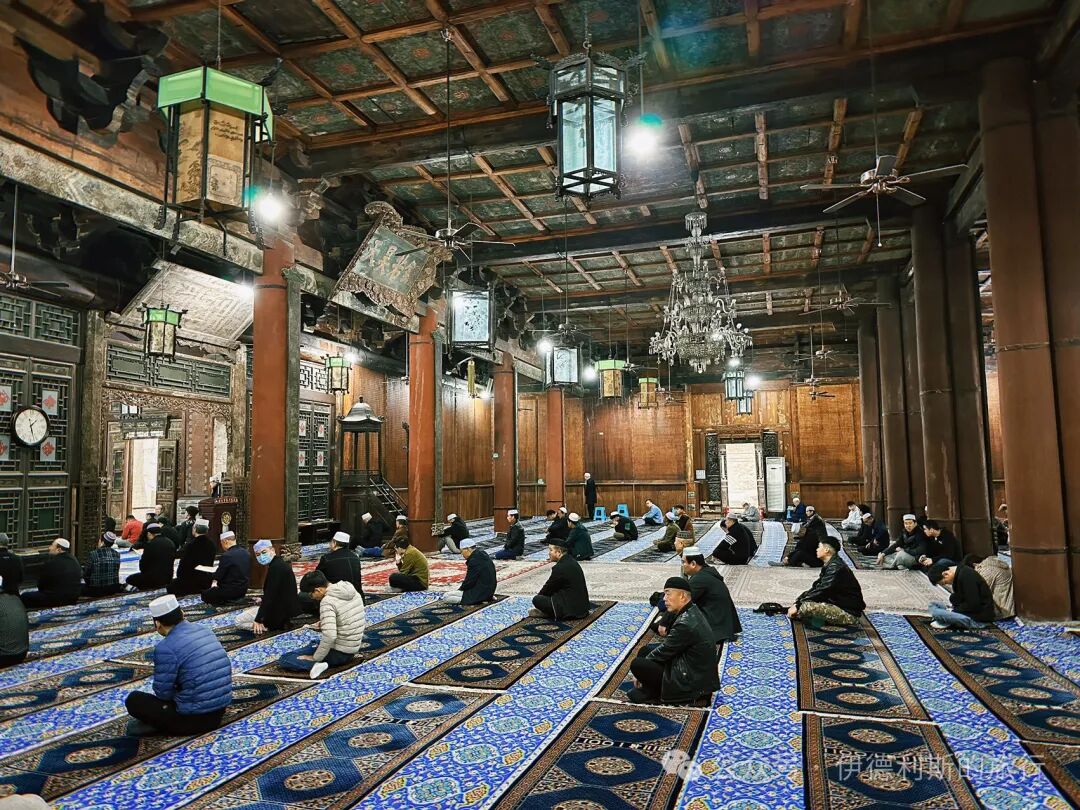
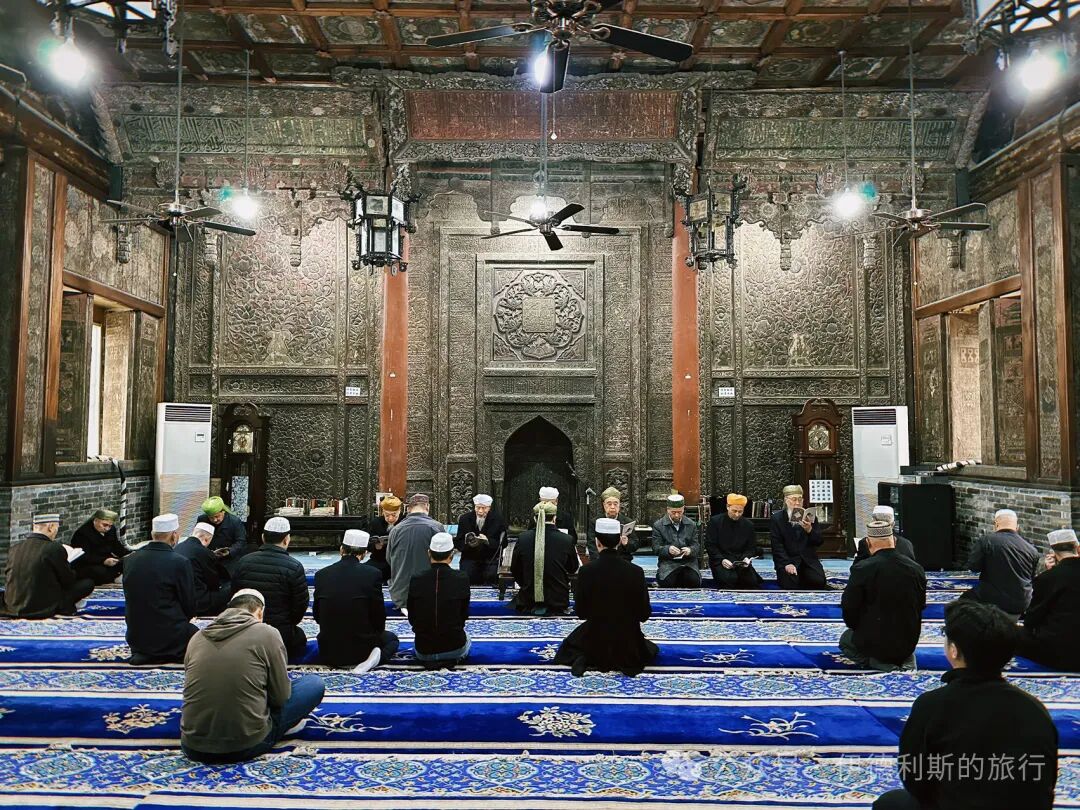
Inside the main hall, you can see a painting of Mecca (Tianfang tu) that shows images of the two holy sites. The lotus vine patterns surrounding the painting of Mecca all contain Arabic calligraphy, and the lotus pedestal below has a very traditional Chinese style.
Halal Travel Guide: Xi'an Ramadan - Mosques, Gongbei and Hui Muslim Life (Part 2)
Articles • ali2007fr posted the article • 0 comments • 191 views • 2026-05-19 08:54
Summary: Halal Travel Guide: Xi'an Ramadan - Mosques, Gongbei and Hui Muslim Life (Part 2) is presented here as a firsthand travel account in clear, natural English. The account focuses on Xi'an Ramadan, Gongbei, Hui Muslims while preserving the names, places, food, photos, and historical details from the Chinese source.
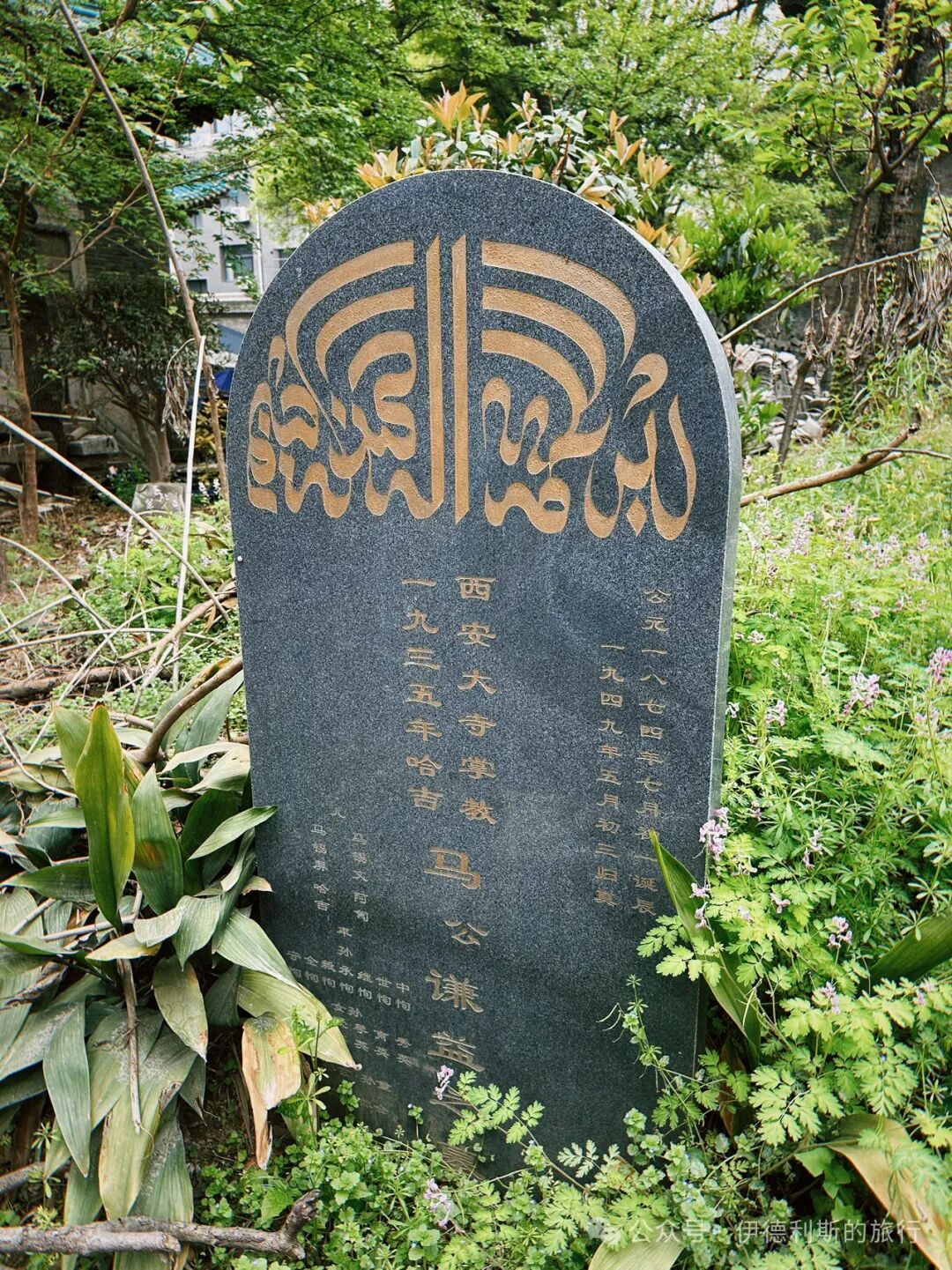
There are two moon-sighting platforms in the backyard, with the graves of past leaders in between. Imam Ma Qianyi (1874-1949) was a local from Huajue Lane. In 1914, after his formal appointment at the Huajue Lane Great Mosque, he served as an imam at several mosques in Xi'an and Pingliang. In 1918, he taught in turns at the ancient mosque on Sajinqiao and the mosque on Guangji Street. In 1928, he became the first democratically elected Great Imam of Xi'an, ending the previous hereditary system. He also served as the acting head imam of the Huajue Lane Great Mosque, where he taught scripture for seven years and trained many imams. In 1935, Imam Ma went on the Hajj. On his way back, he was invited by the Longshengzhuang Mosque in Feng County, Inner Mongolia, where many of the local Muslims were from Shaanxi. Later, he taught at over ten mosques in Inner Mongolia and Zhangjiakou, training a large number of imams.
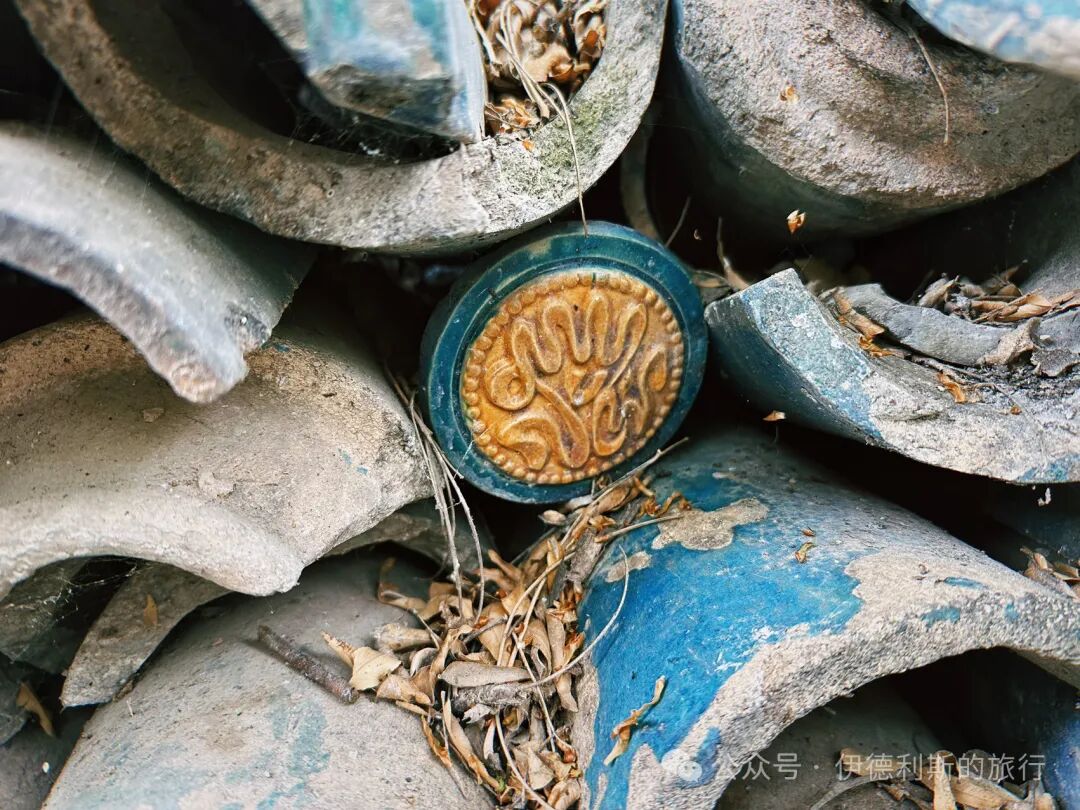
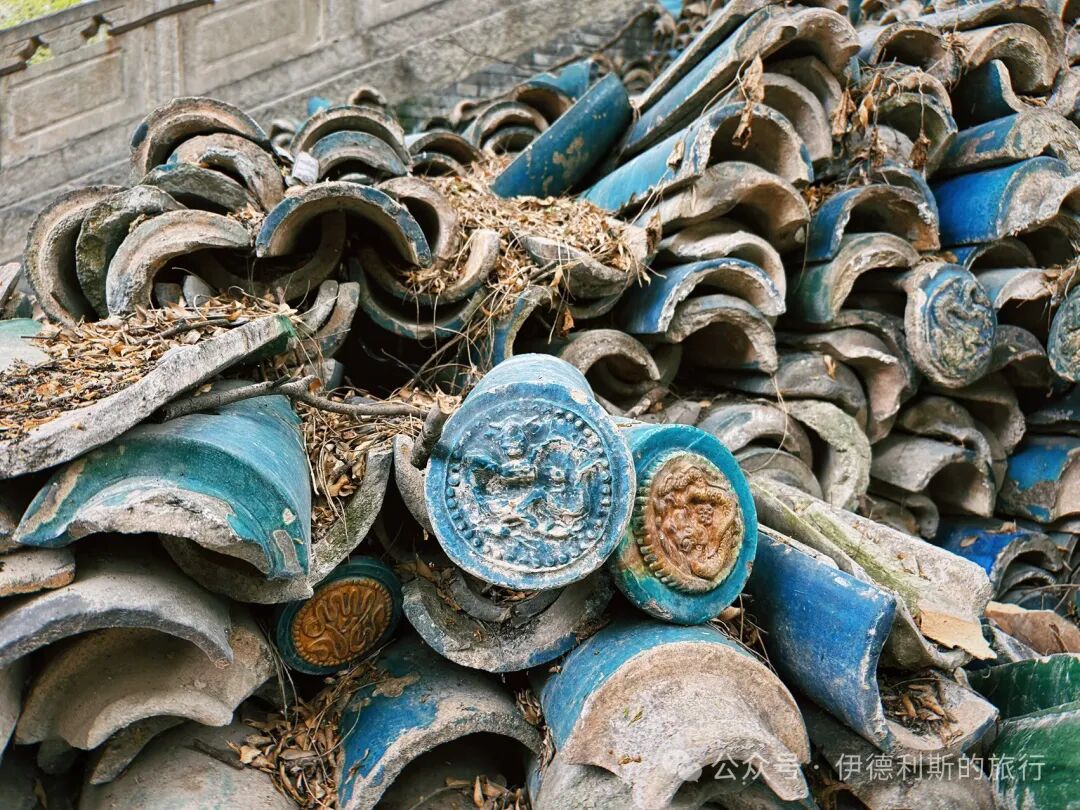
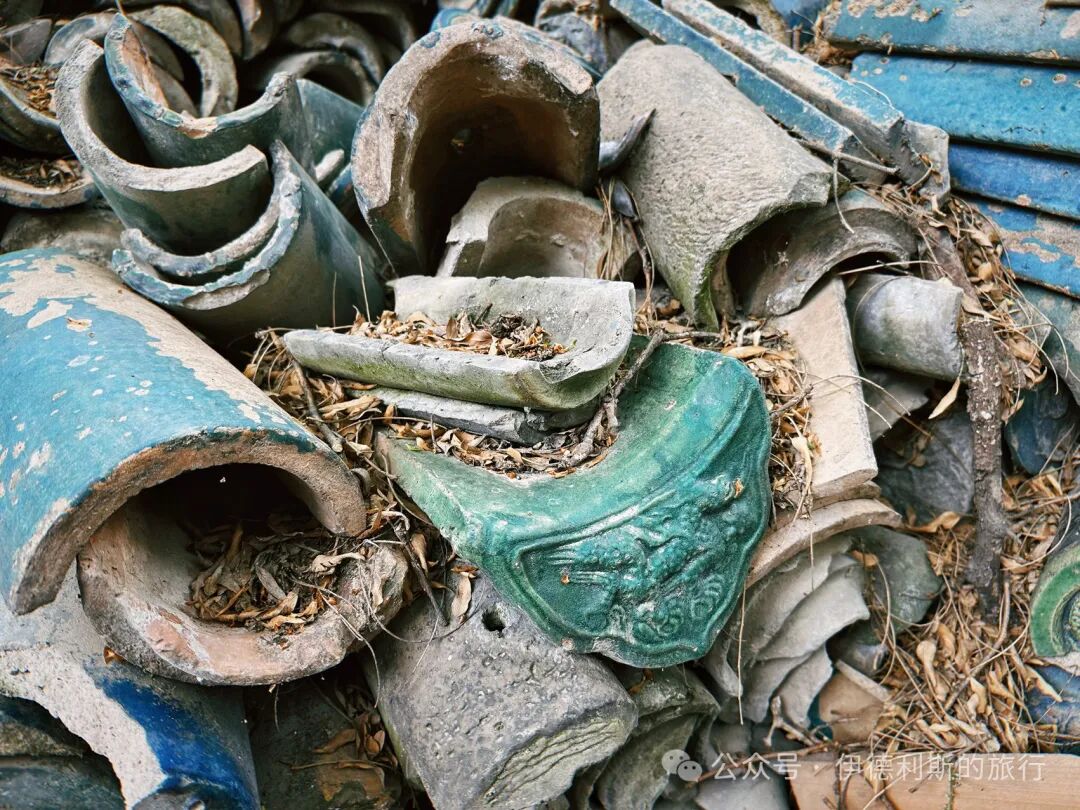
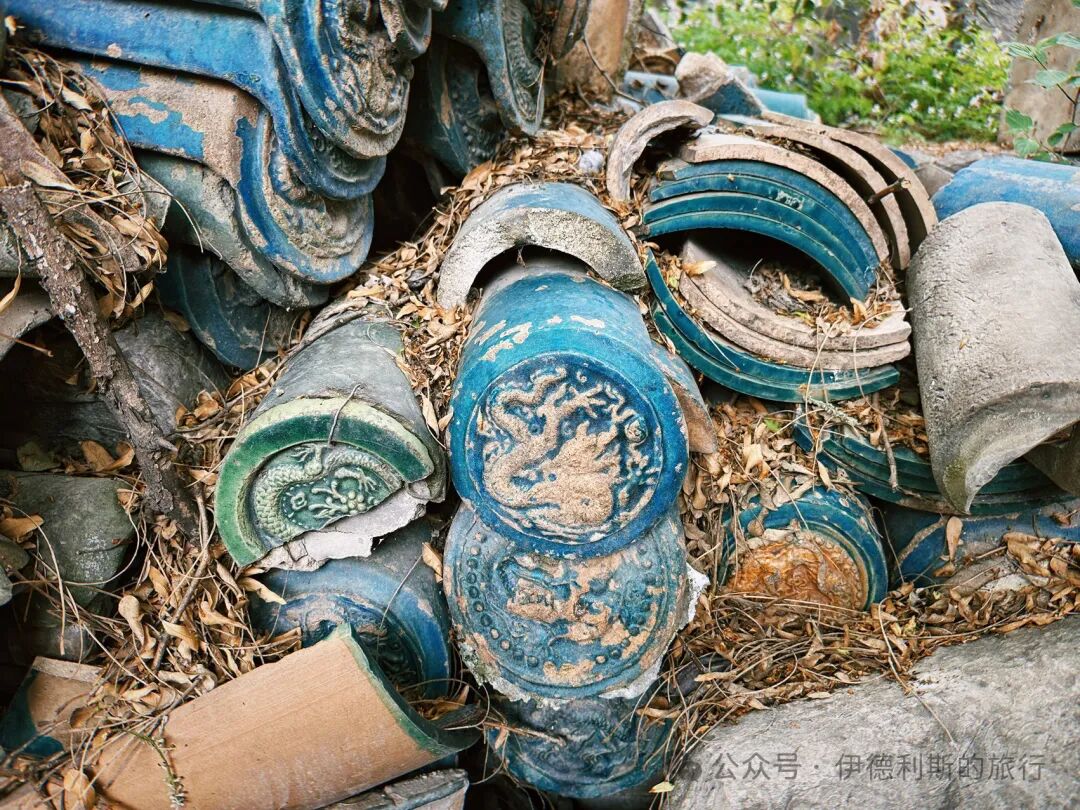
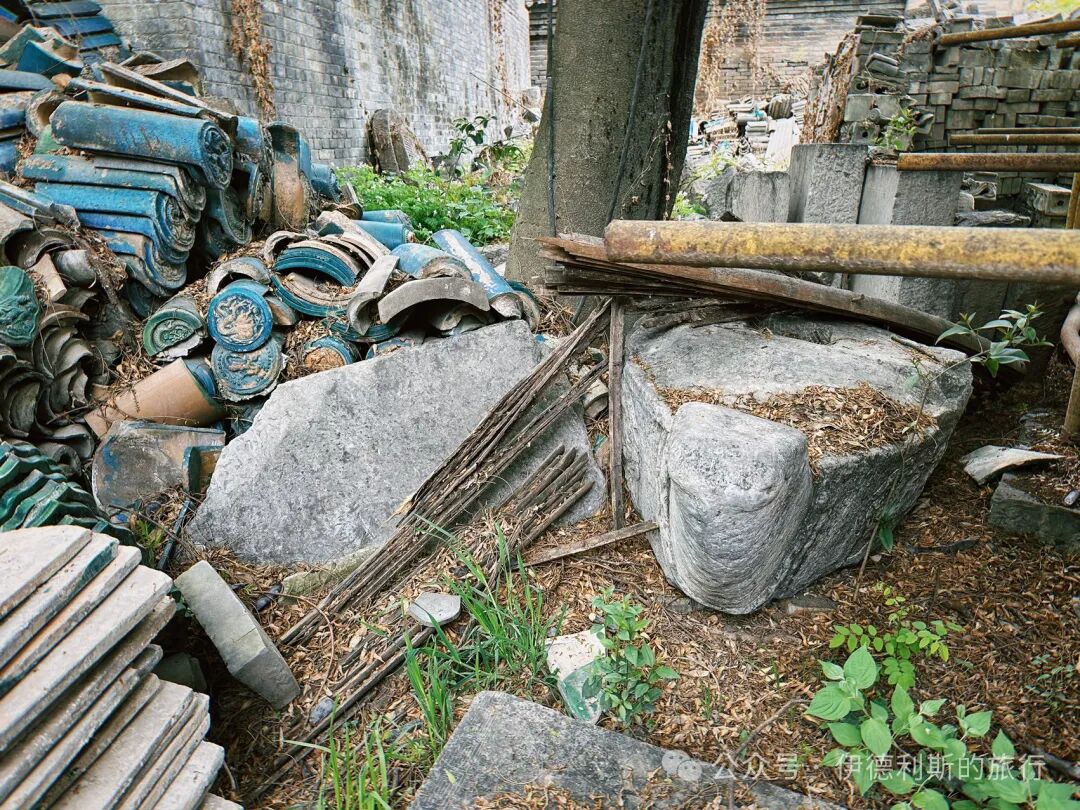
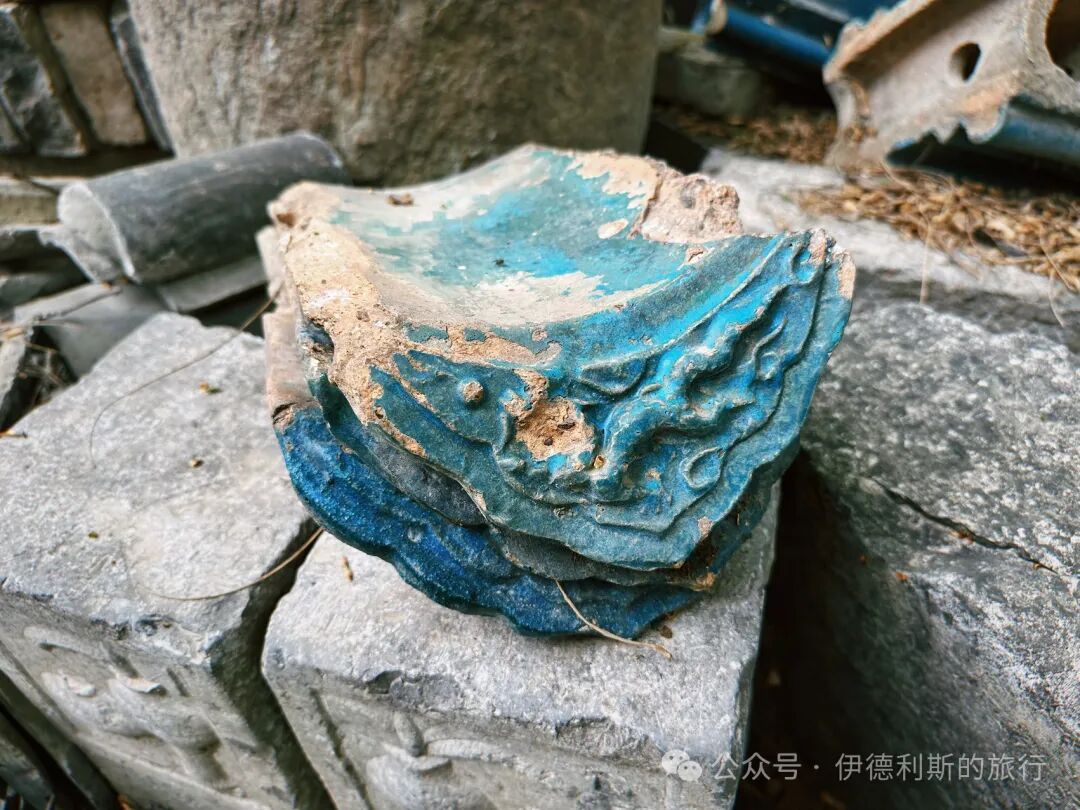
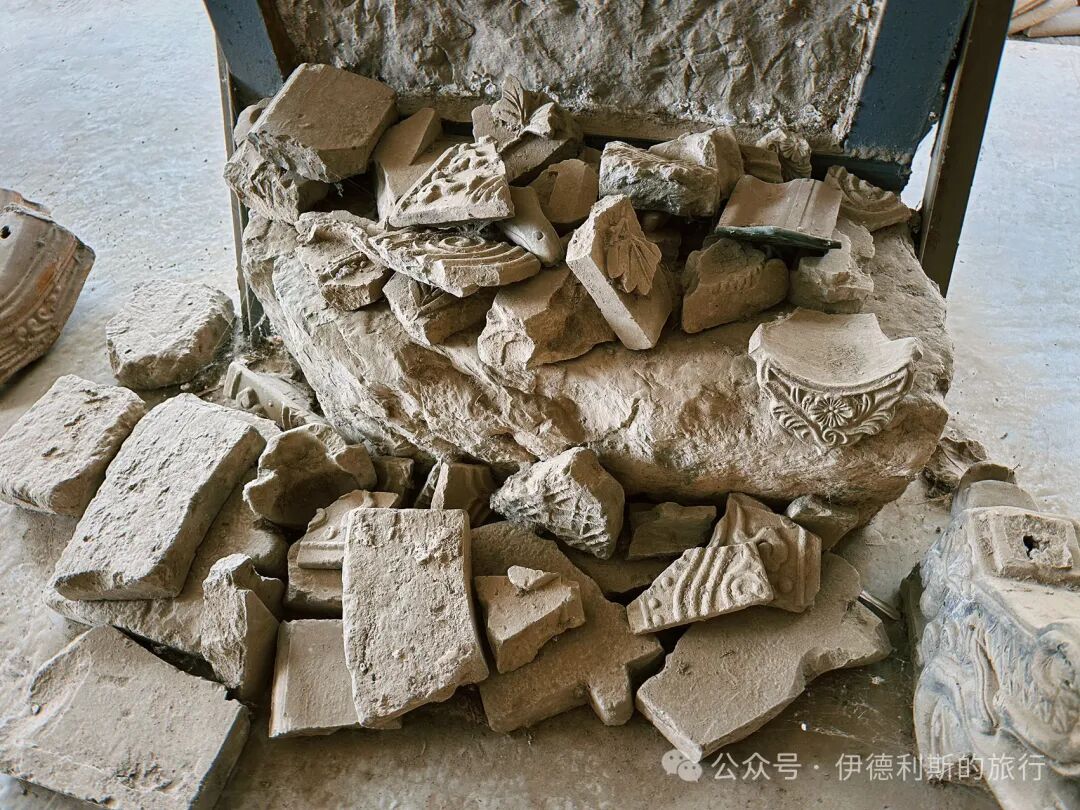
Glazed tiles are stacked in the backyard. According to the 1526 stele record of the mosque's renovation, the Great Mosque at Huajue Lane received bricks and tiles from the Ming Dynasty Prince of Qin's palace during a major renovation in the early Jiajing era: '...we petitioned the virtuous Prince of Qin, who granted them and provided bricks and tiles to complete the work.' This made the mosque magnificent and brand new. Scholars have confirmed that the peacock-blue glazed tiles at the Huajue Lane Great Mosque match those found at the ruins of the Prince of Qin's glazed tile factory in Tongchuan.
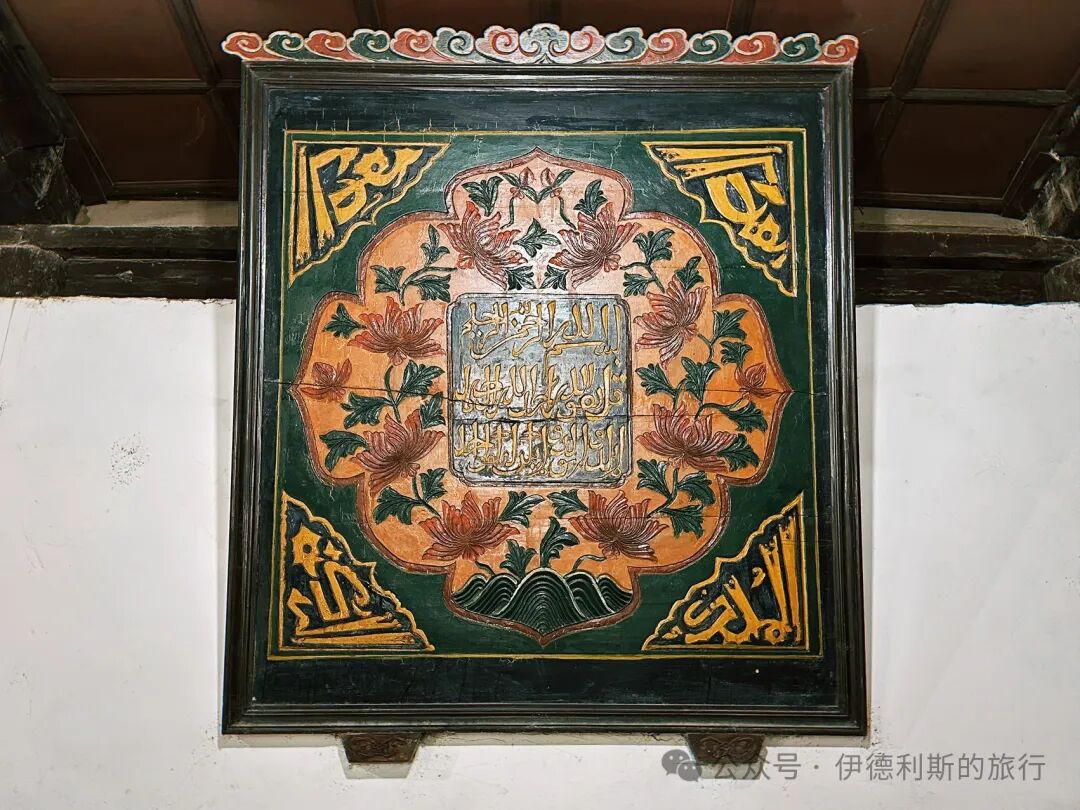
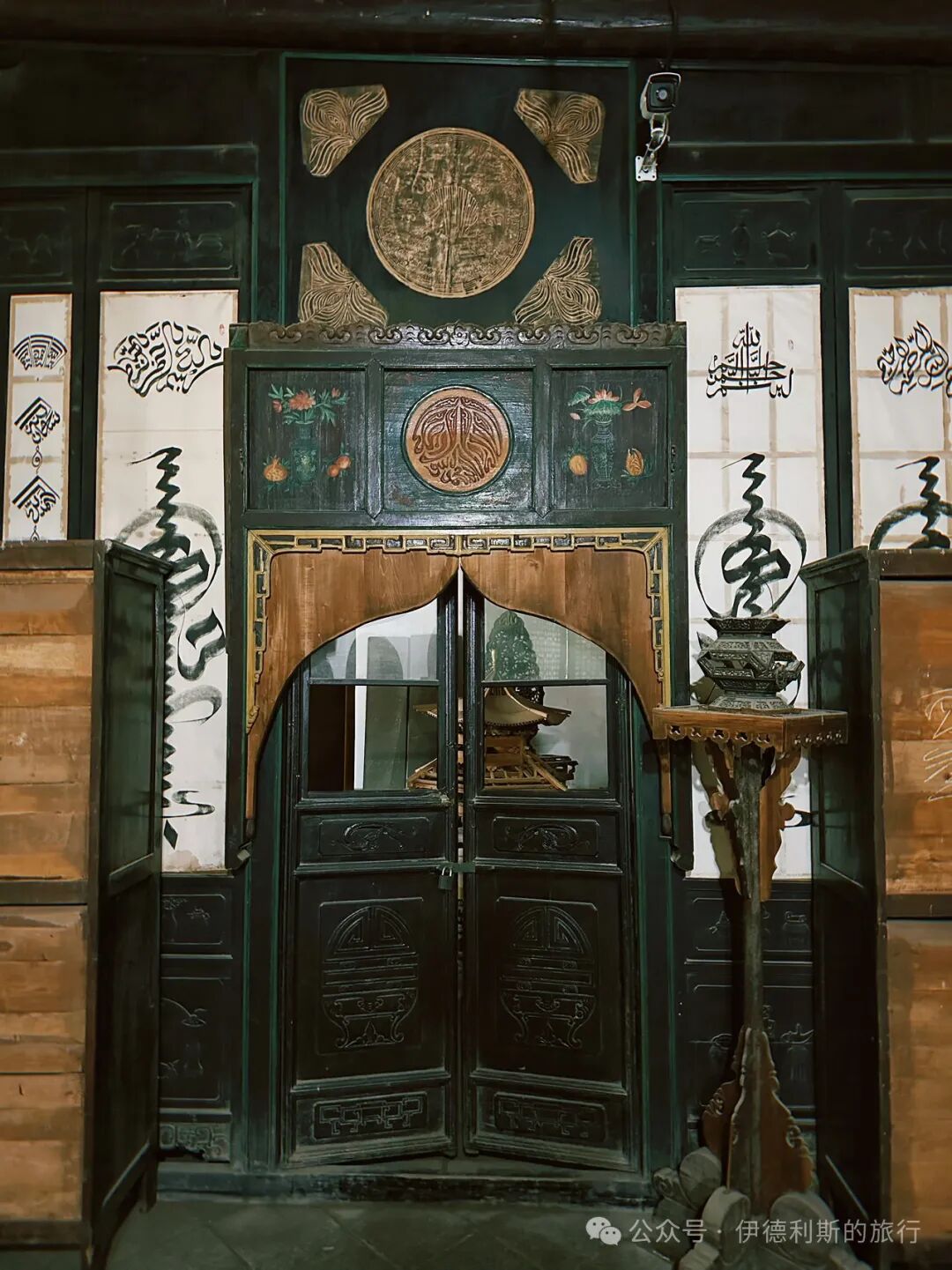
Calligraphy art at the Huajue Lane Great Mosque.
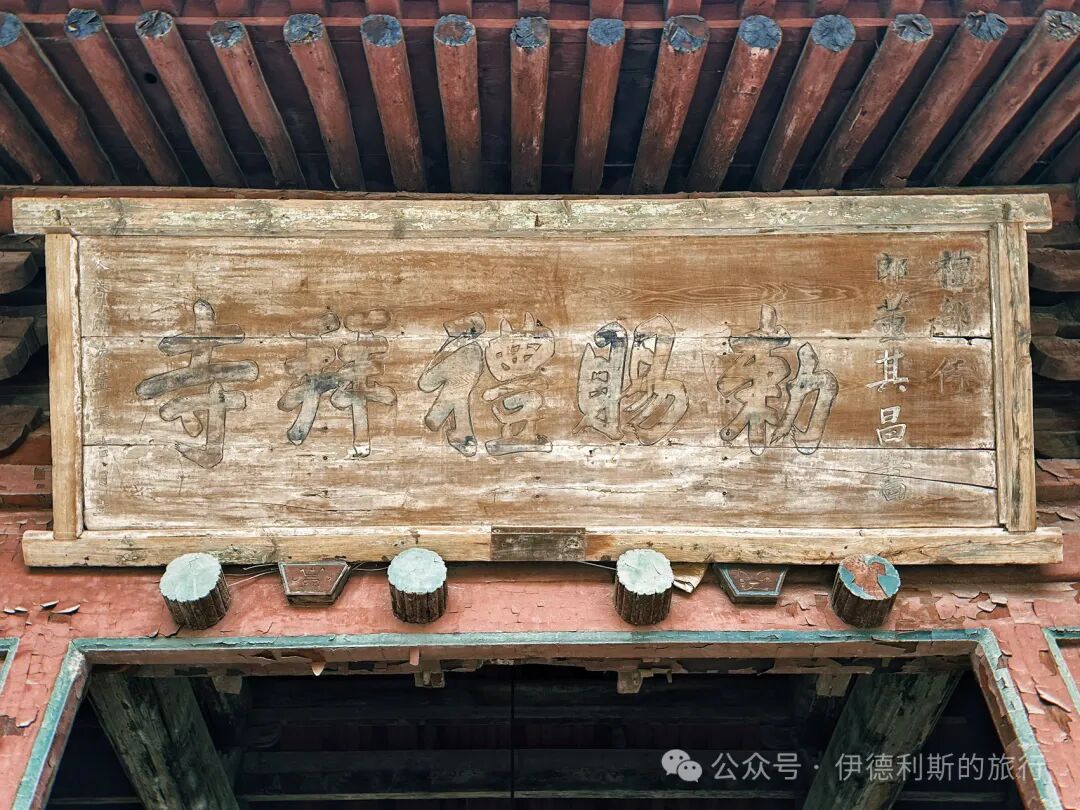
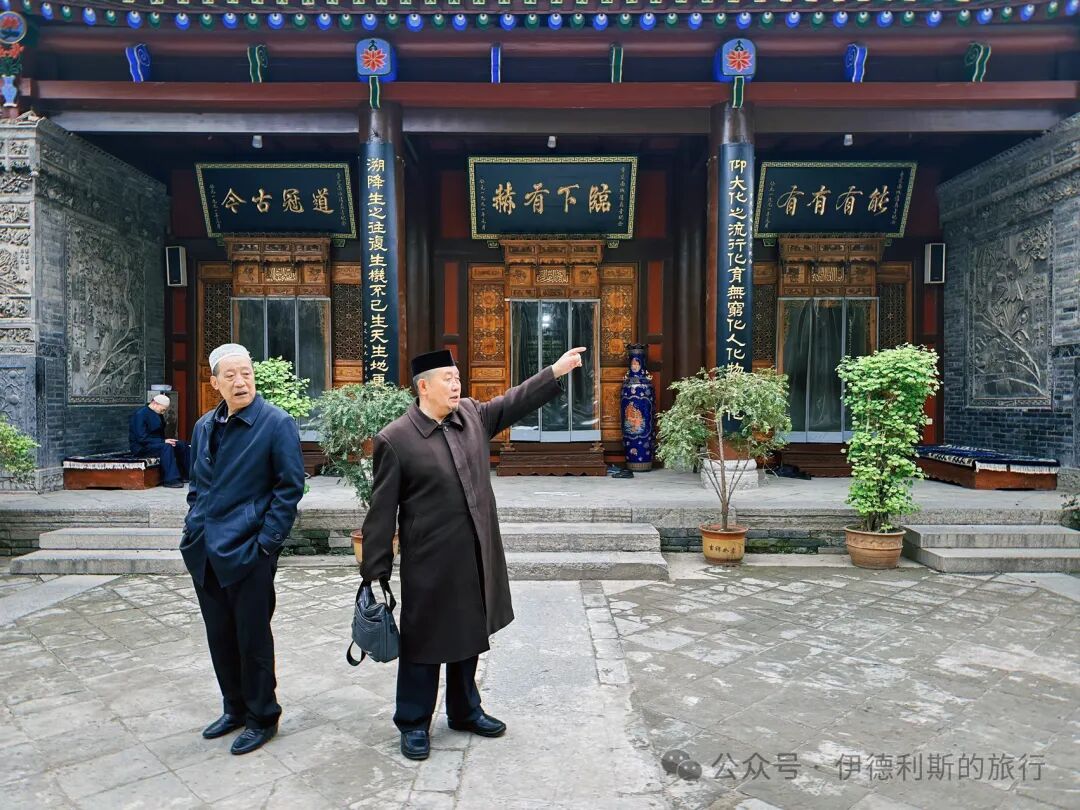
During the Tianqi era of the Ming Dynasty, the famous painter and Vice Minister of Rites, Dong Qichang, inscribed the plaque that reads 'Imperial Gifted Mosque'.
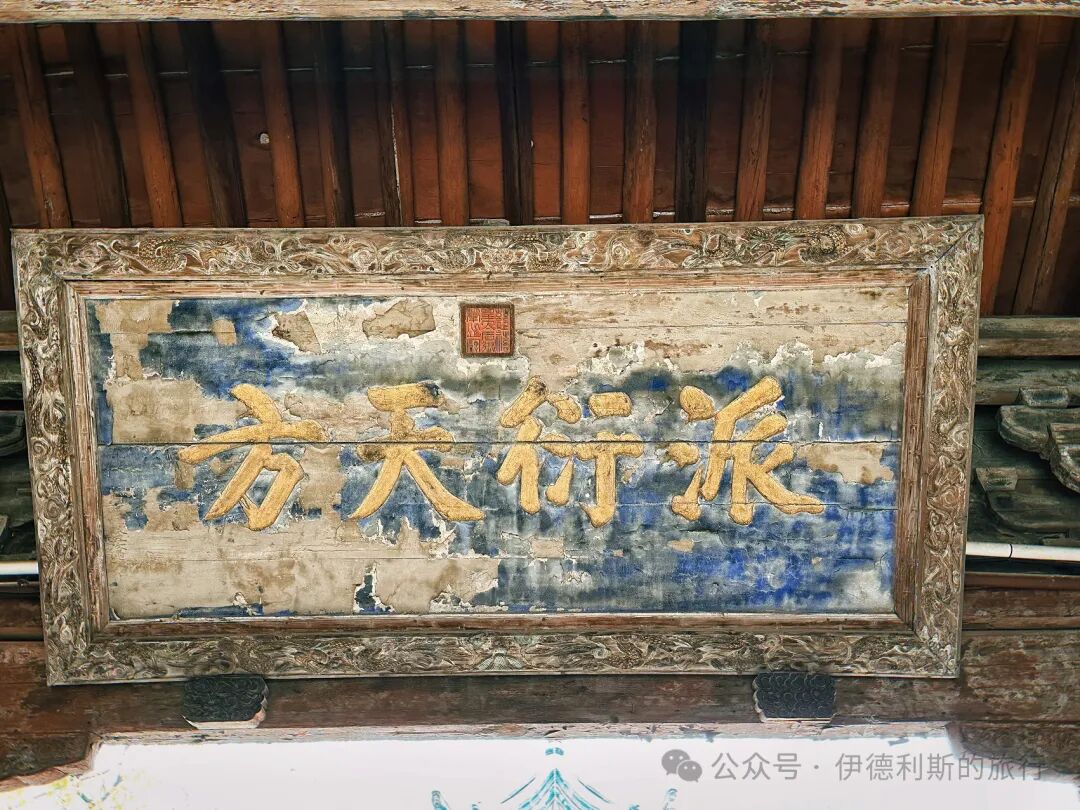
Empress Dowager Cixi inscribed the plaque reading 'Lineage Extending from the Holy Land' (Pai Yan Tian Fang).
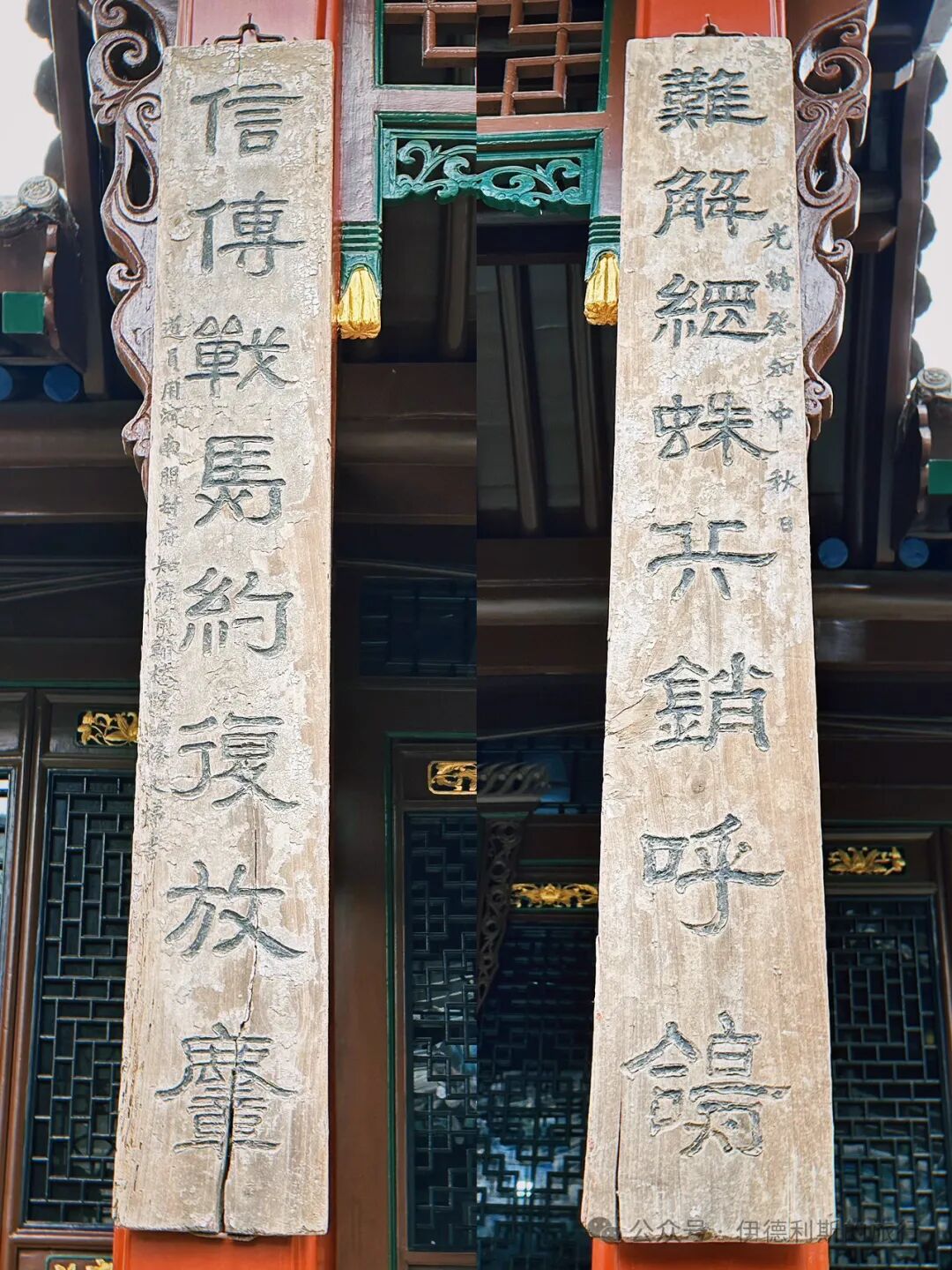
The couplet from the Guangxu era, 'Spider webs hard to solve, pigeons cooing together, messages sent by warhorses, promises to release the deer,' describes four stories of the Prophet.
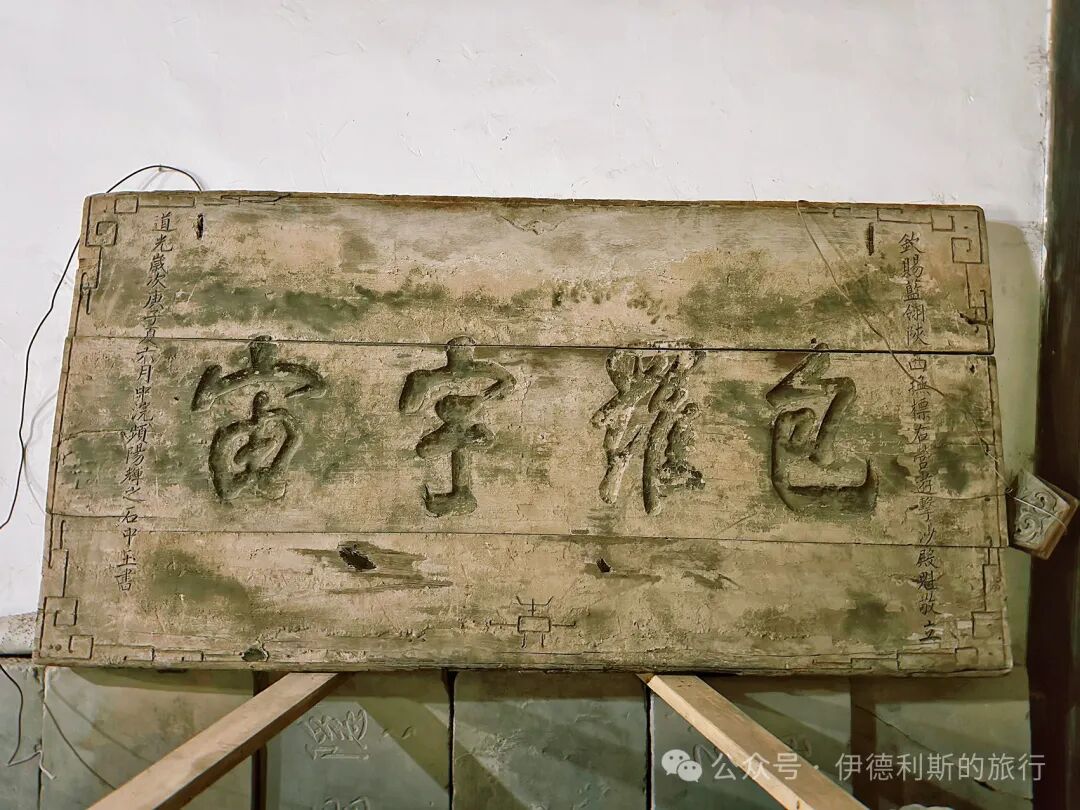
Tian Zhongyu inscribed the plaque reading 'Encompassing the Universe' (Bao Luo Yu Zhou) during the Daoguang era.
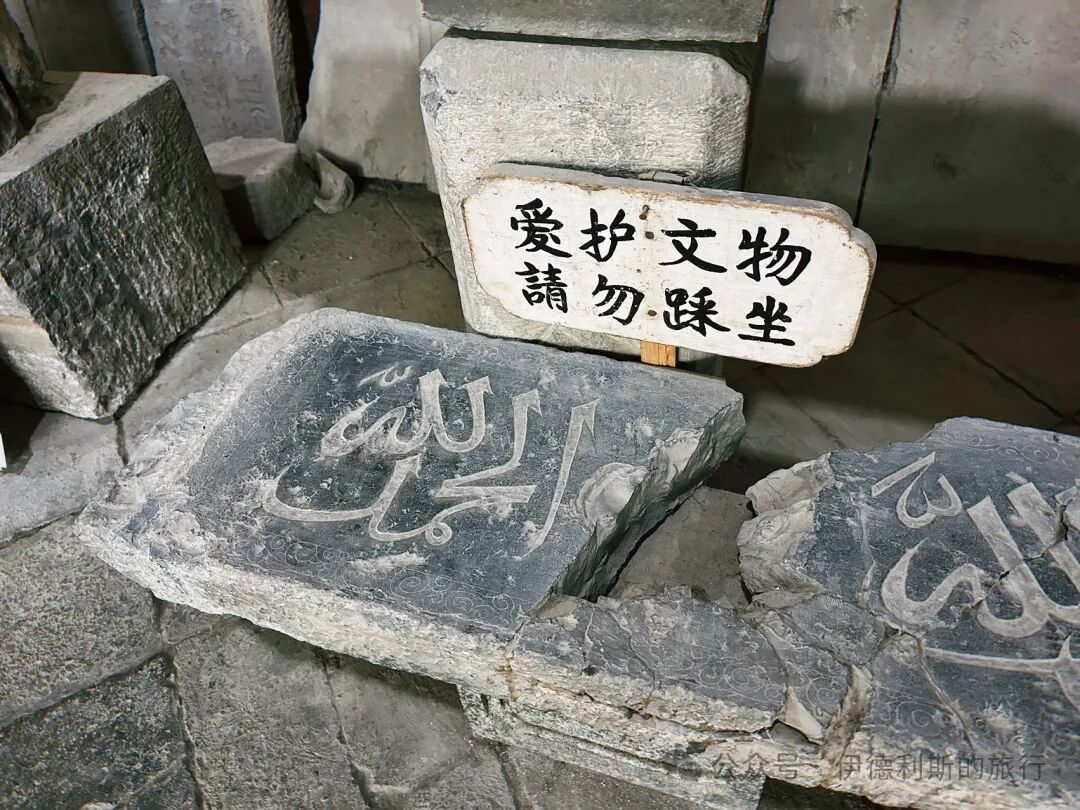
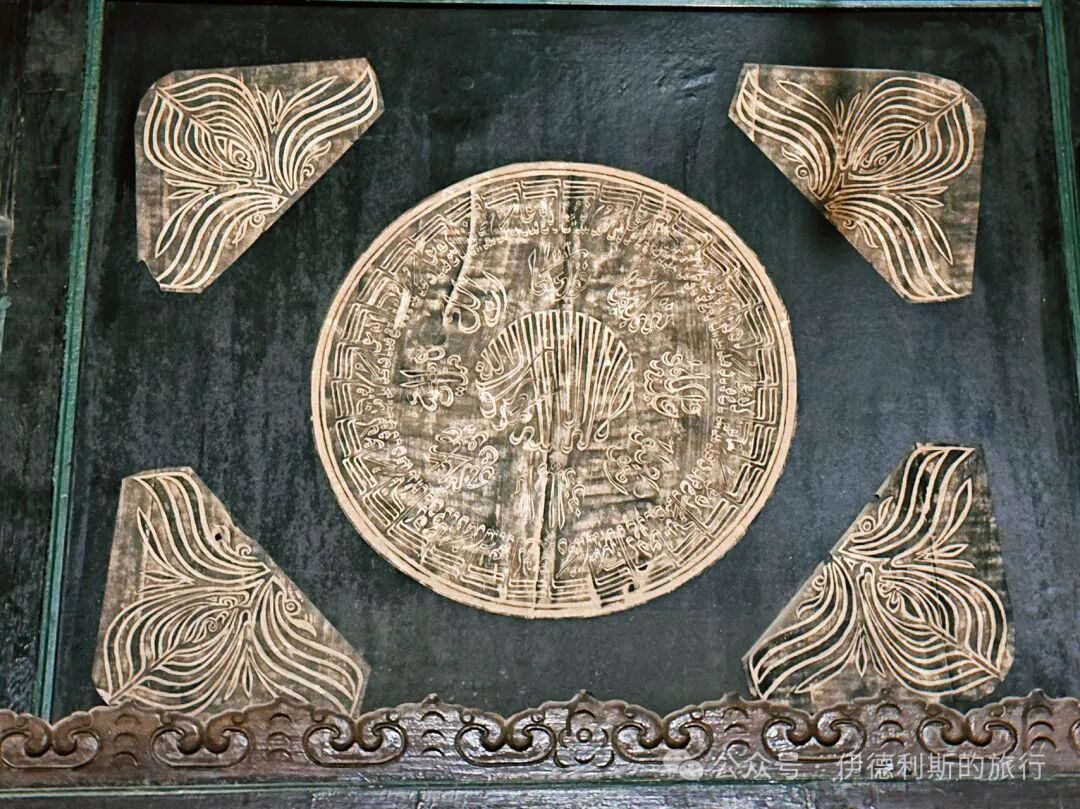
There are also various wood carvings and stone engravings with Arabic script.
After the Friday prayer (Jumu'ah) at the mosque, I took the subway to Guangtaimen in the northeast of Xi'an to visit the Guangdamen gongbei. Guangtaimen was originally the southeast gate of the imperial gardens during the Sui and Tang dynasties. It fell into ruin after the Tang dynasty ended, and the Guangdamen village formed there after the Ming dynasty. Guangdamen village has been demolished, and the area around the gongbei is now a construction site. The roads are very difficult to walk on. I saw the main gate of the gongbei from a distance several times but could not enter because of the walls. After winding through many turns, I finally made it inside.
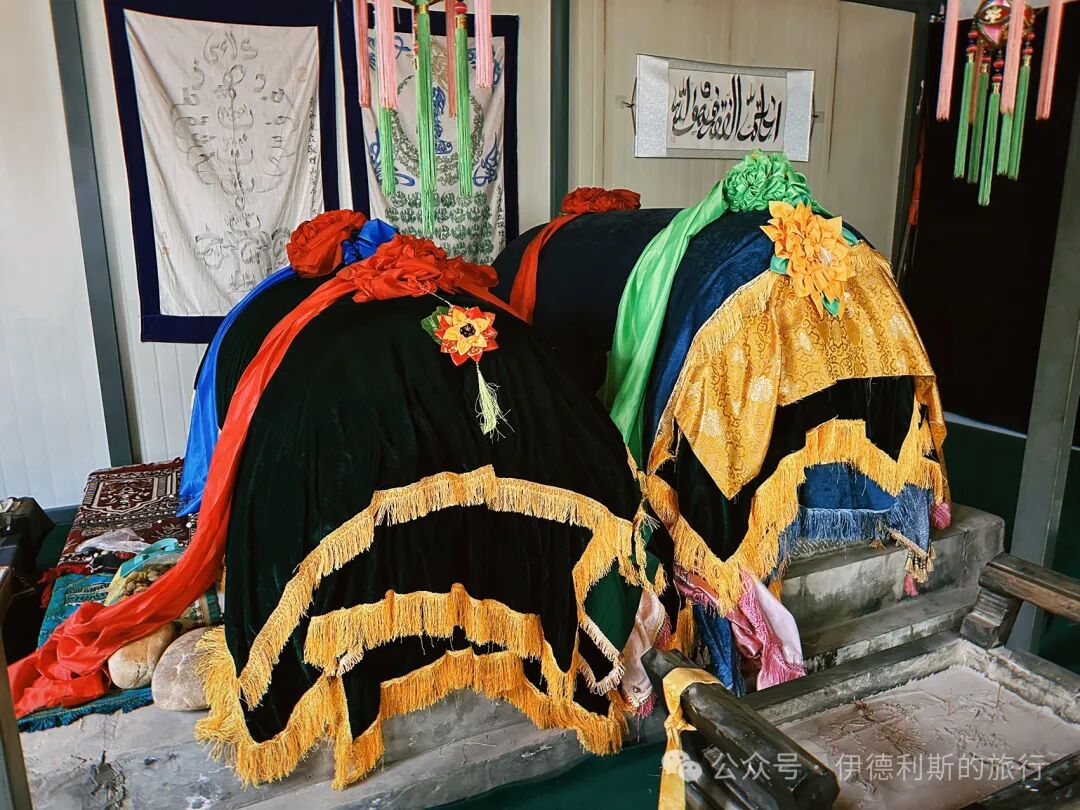
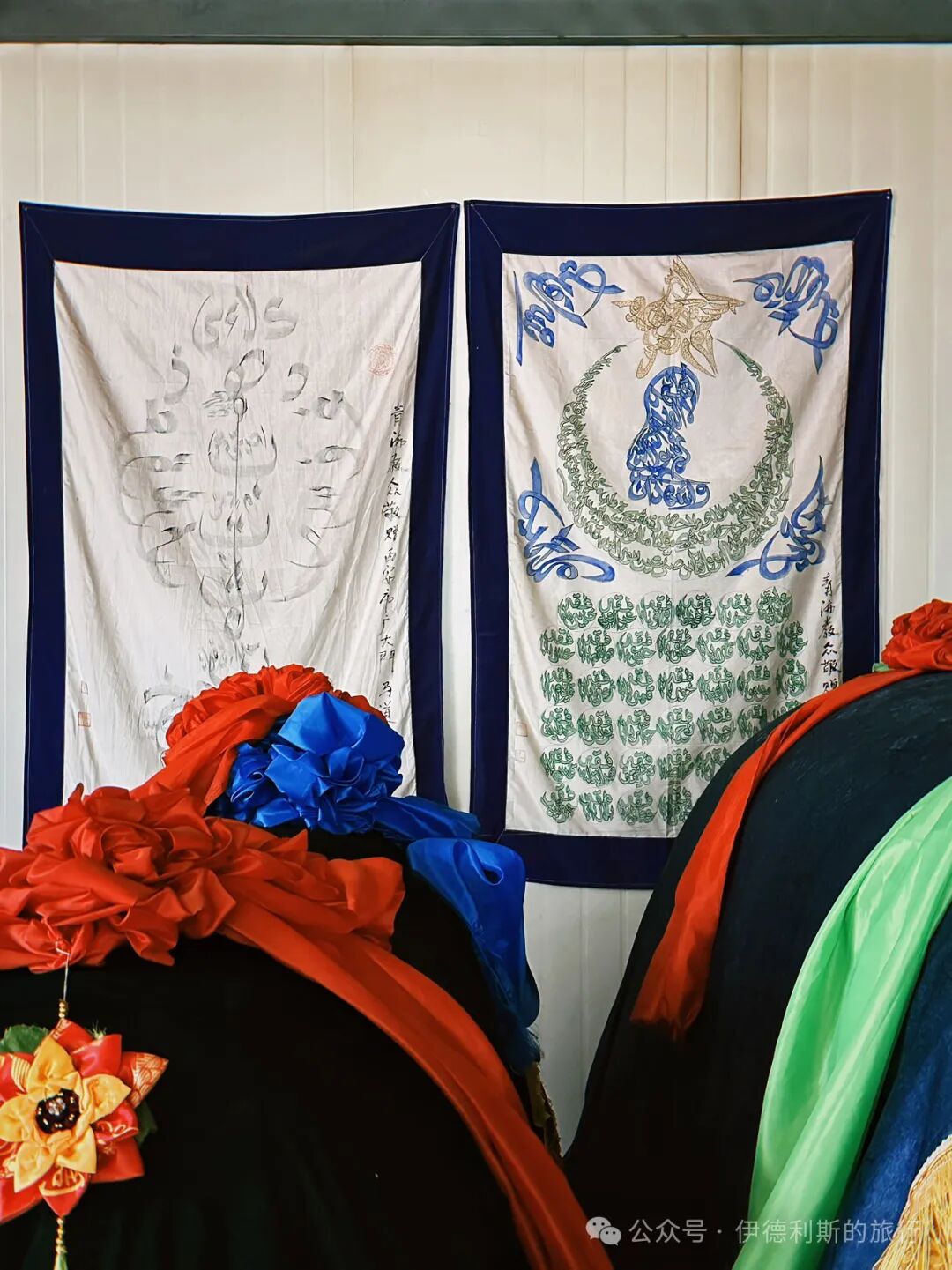
Guangdamen gongbei is also known as the Lingling Tomb or the tomb garden of the sages Ma Daozhen and Feng Daozu. It is currently managed by the Qadiriyya Yang menhuan. According to the records of the Qadiriyya Yangmen lineage, Khwaja Abdullah brought the Qadiriyya tradition to China during the Kangxi era. He passed it on to Master Ma in Yunnan, who passed it to Master Zhou in Gongchang. Master Zhou then passed it to Master Ma in Xi'an, who later passed it to his nephew. Because the Qadiriyya tradition is passed to the worthy rather than to one's own children, the family changed their surname from Ma to Feng, and he became known as Master Feng.
Inside the gongbei, people refer to Ma Daozhen as the 'San Geta Baba'. However, research in the article 'A Preliminary Study of Ma Daozhen's Family of Islamic Scholars' shows that Ma Daozhen was actually the ancestor of the San Geta Baba. According to the founding stele of the Dapiyuan Mosque, Ma Daozhen was a famous imam in the early Ming Dynasty who was well-versed in Islamic law and known for his excellent character and learning. He once spent five years traveling to different provinces to raise funds for the construction of the Dapiyuan Mosque, making him a key founder of the mosque. After he became the imam of the Dapiyuan Mosque, his family held the position of imam there for generations until the late Republic of China era. Among Ma Daozhen's descendants were three brothers: Ma Shiqi, Ma Shiying (known as the Second Geta Master), and Ma Shixiong (the San Geta Baba). All three were famous Islamic scholars in the early Qing Dynasty and are recorded in the 'Genealogy of Islamic Scholarship'. The Jingxue Xichuan Pu highly praises the character of Sangeta Baba and mentions his Sufi leanings.
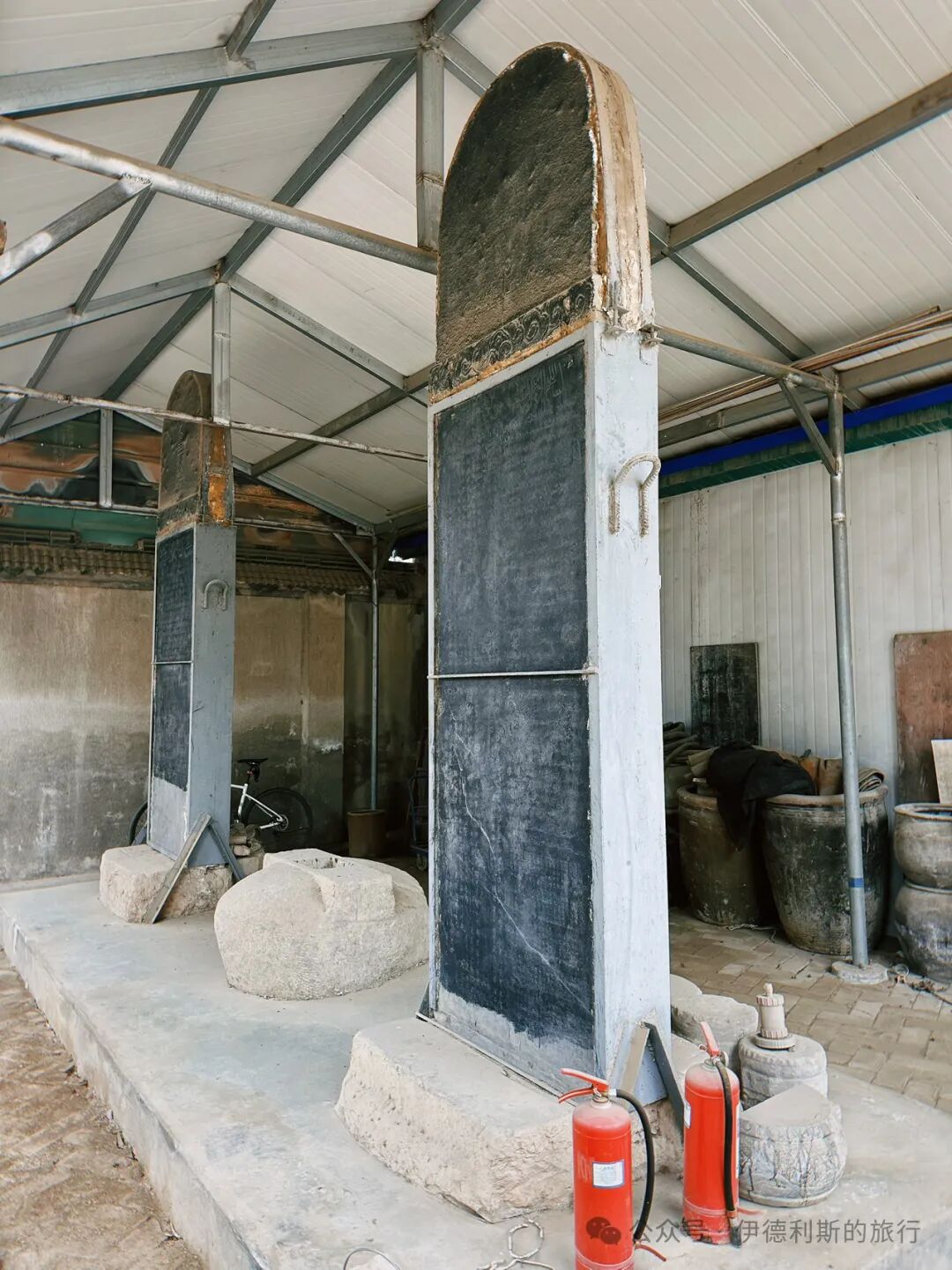
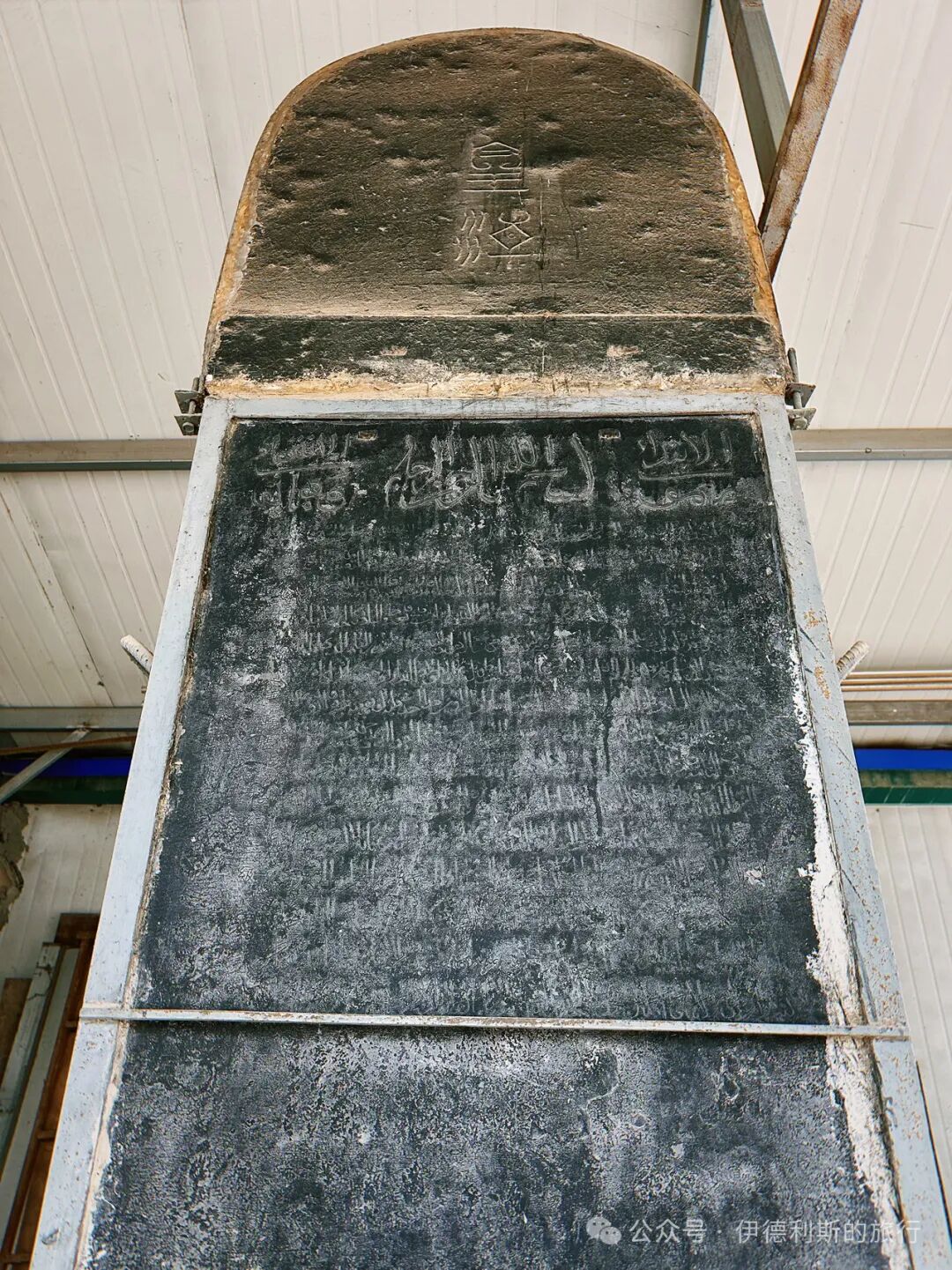
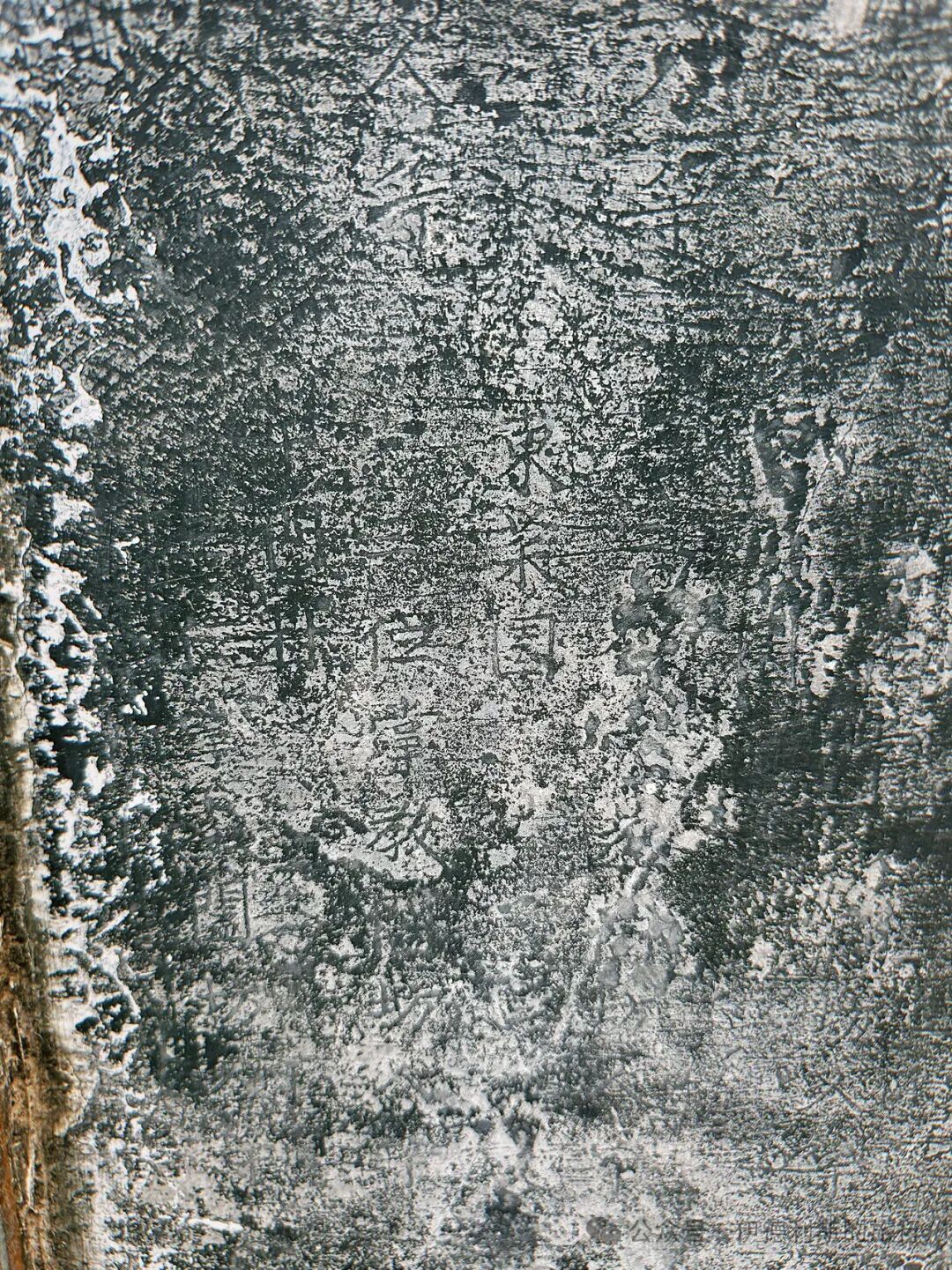
Besides the gravestones of Ma Daozhen and Feng Daozu, the gongbei holds two precious stone tablets. One is the Guangda Gate Cemetery Stele from the 24th year of the Qianlong reign, also known as the 64 Neighborhoods Stele. It lists the names of 64 large Hui mosque neighborhoods in the suburbs of Xi'an during the Qianlong period, making it historically significant. According to elders in the Xi'an Muslim quarters, during the Republic of China era, after every Eid, Xi'an Hui Muslims would first visit the grave of Saidianchi Baba at Mijiaya in the east of the city. Then they would go to Guangtaimen to visit the grave of Sangeta Baba, and finally to Hujiagou to visit the grave of Hutashi Baba. This tradition lasted until the 1950s.
In the afternoon, we attended the Asr prayer (diguer) at Nancheng Mosque. After the prayer, I met a fellow Beijinger. He is a Hui Muslim from Daxing who came to Xi'an as a soldier when he was young and has since become an elder of the Nancheng Mosque community. The elder of Nancheng Mosque invited us to break our fast there, but we politely declined because the mosque does not have a women's prayer hall.
Nancheng Mosque was built in 1683 (the 22nd year of the Kangxi reign). It was originally built for the Muslim officers and soldiers of the Han Eight Banners stationed in the south of Xi'an and their families. It was the only mosque in Xi'an at the time that was not located in the Hui Muslim quarter. As early as 1645 (the 2nd year of the Shunzhi reign), the Qing dynasty established a Manchu Eight Banners garrison city in the east of Xi'an. After the Qing dynasty settled the Revolt of the Three Feudatories in 1683, they built a garrison city for the Han Eight Banners in the southeast of Xi'an to strengthen military power. It was called the South City (nancheng). In 1780, the 45th year of the Qianlong reign, the South City was abolished. The Han Eight Banners soldiers and their families left the banner system to become civilians and joined the Green Standard Army. The South City Mosque (nancheng si) then officially became a mosque for all Hui Muslims.
During the lockdown of Xi'an in the Tongzhi reign, the South City Mosque played a special role. At that time, Hui Muslims in Xi'an could not leave the city for eighteen years. When they passed away, they were carried to the South City Mosque for burial. People say there was not enough burial shroud cloth (kafan bu) for the funerals, so they had to use paper instead. This led to a folk song: 'Carried to the South City, the rich and poor are buried the same.' Whatever you ate while alive, you are wrapped in paper when you die.
After leaving the South City Mosque, walk north to the Henan Mosque (henan si) on Dongxin Street to visit the Hui Muslim community from Henan. You can find all kinds of halal food from Henan here, and the most famous is barrel chicken (tongzi ji).
The Longhai Railway officially opened to Xi'an in December 1934, making travel between Xi'an and Henan much easier. Many Hui Muslims from Henan began coming to Xi'an to make a living, settling in the New City District on the east side of the city. In 1936, Hui Muslims from Henan rented an empty lot on Dongxin Street and built two rooms facing the street. They named it the New City District Mosque, which later became the Dongxin Street Mosque.
Henan fell in 1937, and the Yellow River levee at Huayuankou broke the following year. Afterward, Henan suffered from continuous droughts and locust plagues. A large number of refugees fled west to Xi'an, including many Hui Muslims. They followed the footsteps of the Hui Muslims from Henan who had arrived earlier, setting up sheds to live in the relatively empty and desolate areas of the New City District at that time. Because the population grew, the Hui Muslims from Henan built the New City District East Mosque on Shangren Road in 1939, which is the current Jianguo Lane Mosque.
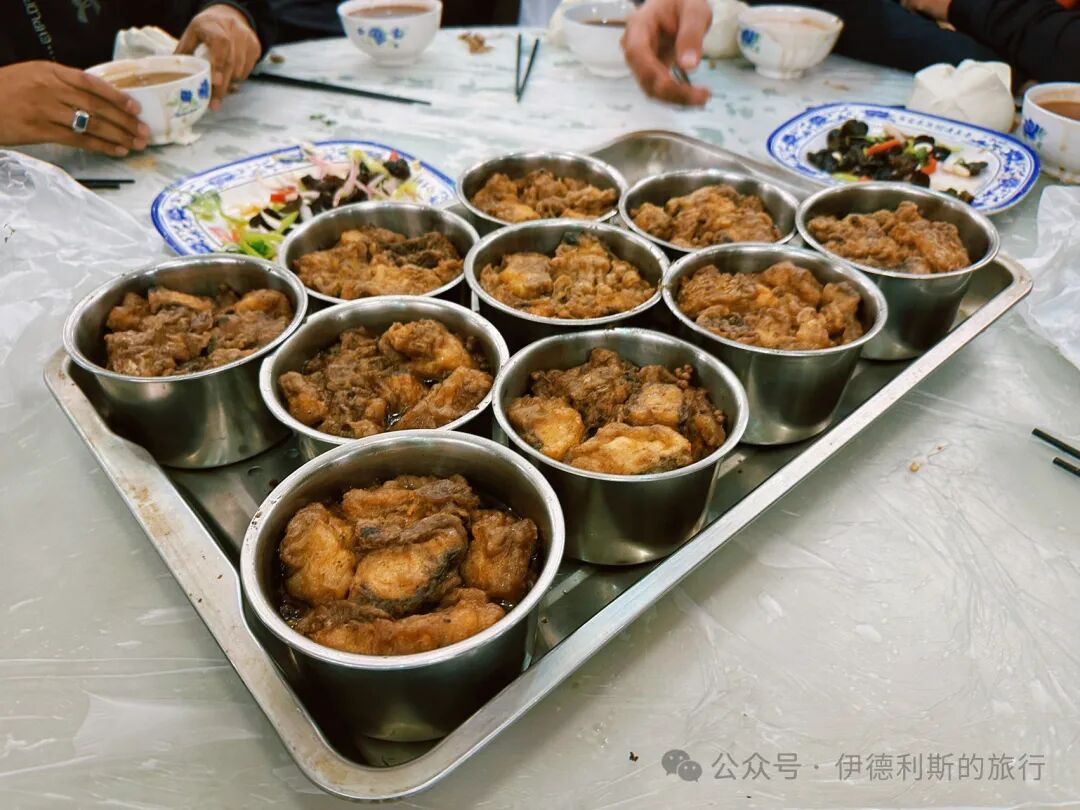
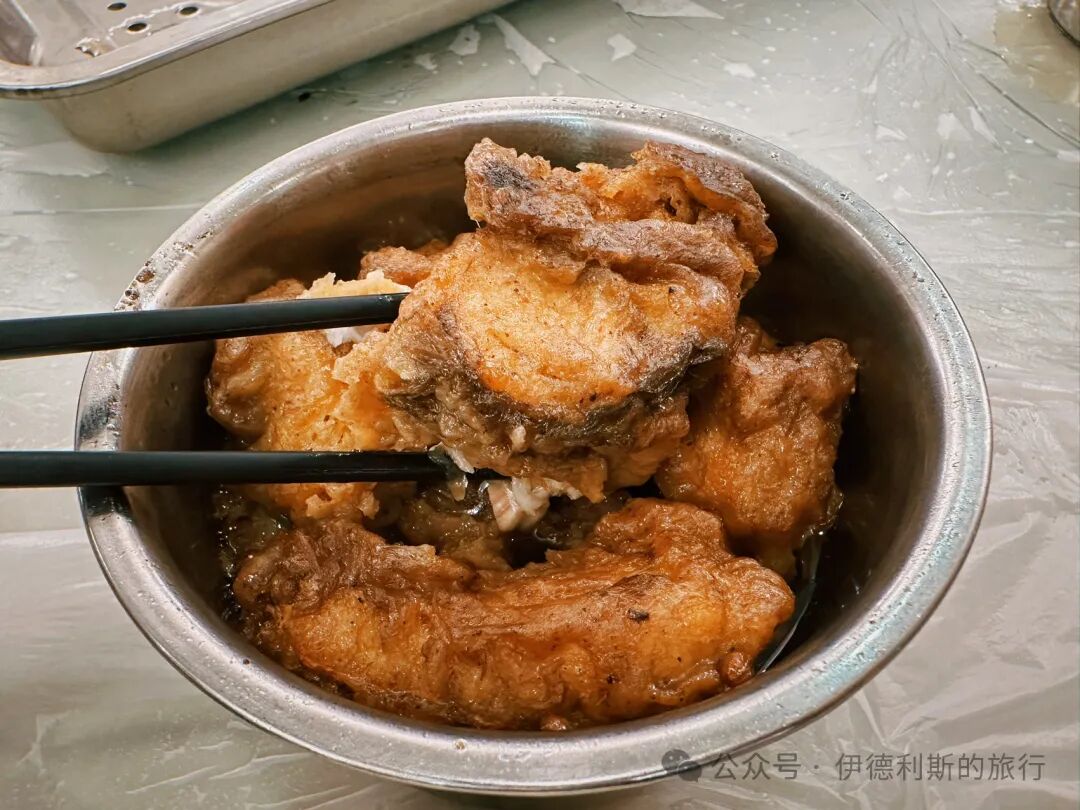
In the evening, we broke our fast at the Dongxin Street Mosque. We had barrel chicken (tongziji), braised pork tongue (jiang koutiao), cold mixed vegetables, braised fish chunks, steamed buns (momo), and red bean porridge. Barrel chicken (tongziji) is most famous in Kaifeng, Henan. It gets its name because the hen is cooked in a barrel shape without being gutted. The finished dish is bright yellow and tastes better the more you chew it.
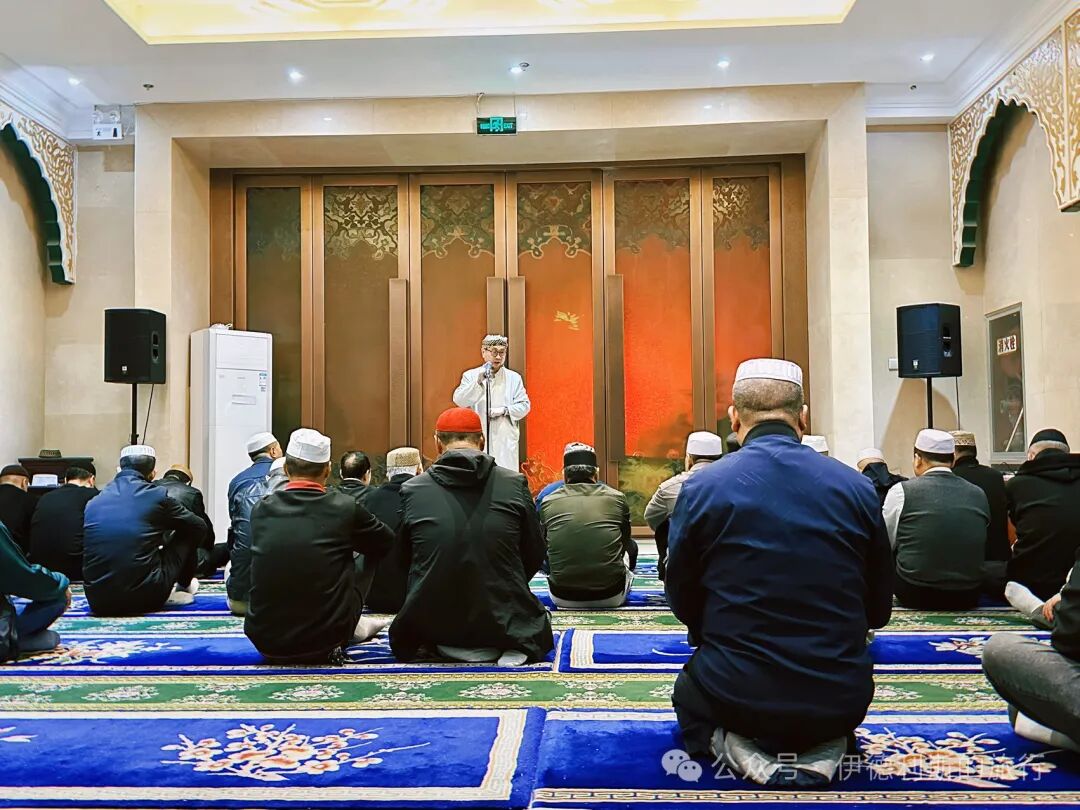
The Dongxin Street Mosque was the first mosque for migrants in Xi'an. After it was built in 1936, it remained active until 1958. It was then turned into the New City District Hui Muslim Cultural Center. A factory occupied it after 1971, and it did not resume religious activities until 1986. It was rebuilt into the current building in 2013, which looks very new and has a great environment. The imam at the mosque now is from Henan, and many of the elders also speak with a Henan accent, which is quite interesting.
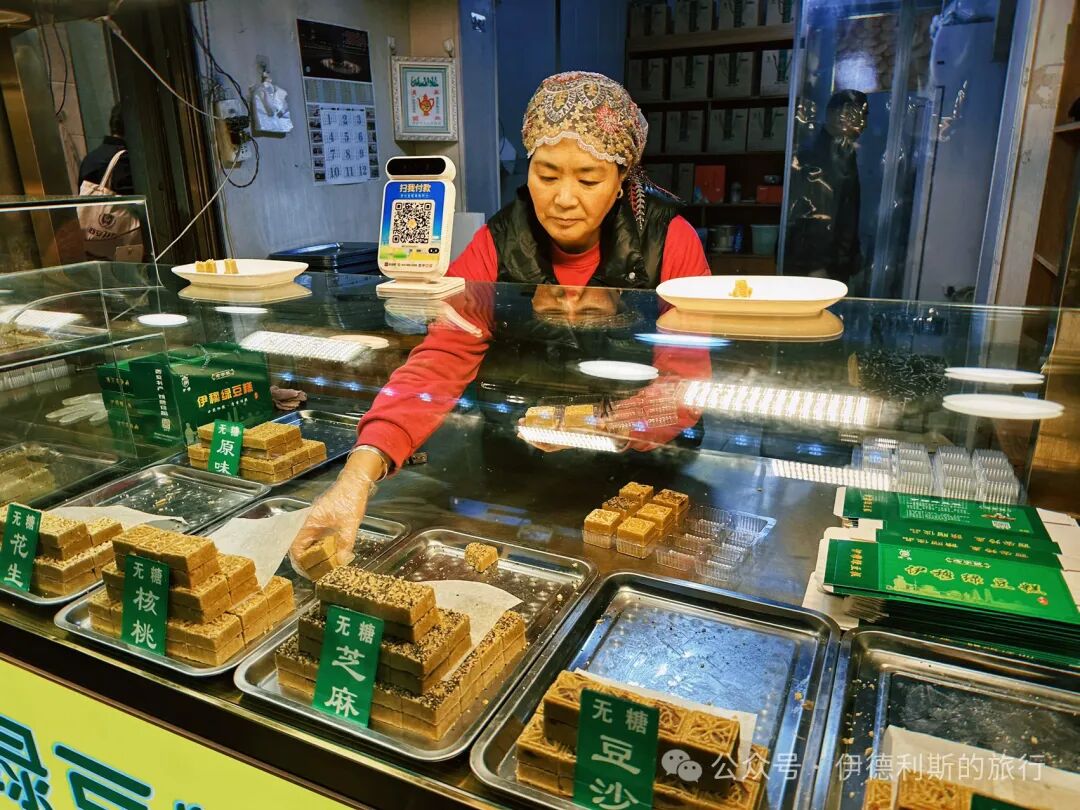
After the Taraweeh prayers, I rode my bike back to the Hui Muslim quarter, bought some mung bean cake (lvdougao) on Miaohou Street, and had a cup of sour plum drink (suanmeitang). I seem to drink sour plum drink (suanmeitang) every time I visit Xi'an; the brewed version has a richer texture and is a bit more tart.
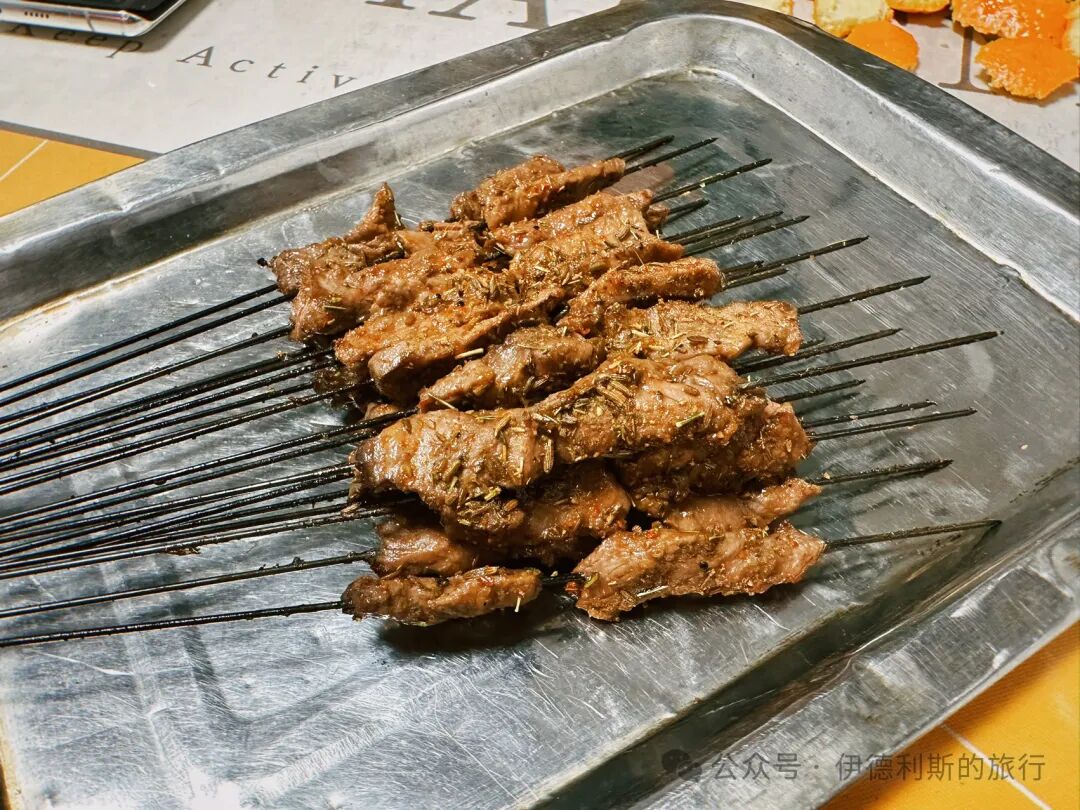
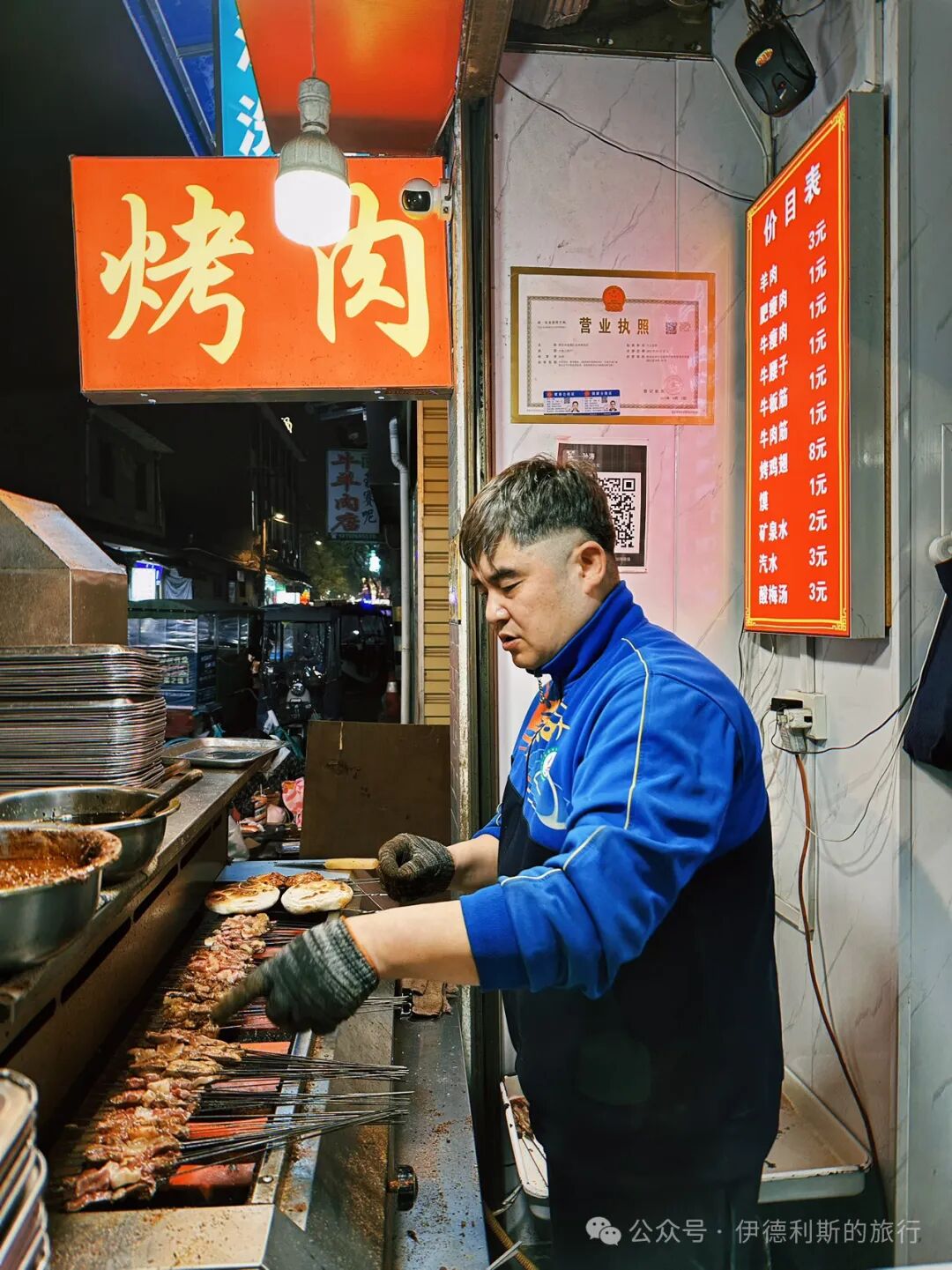
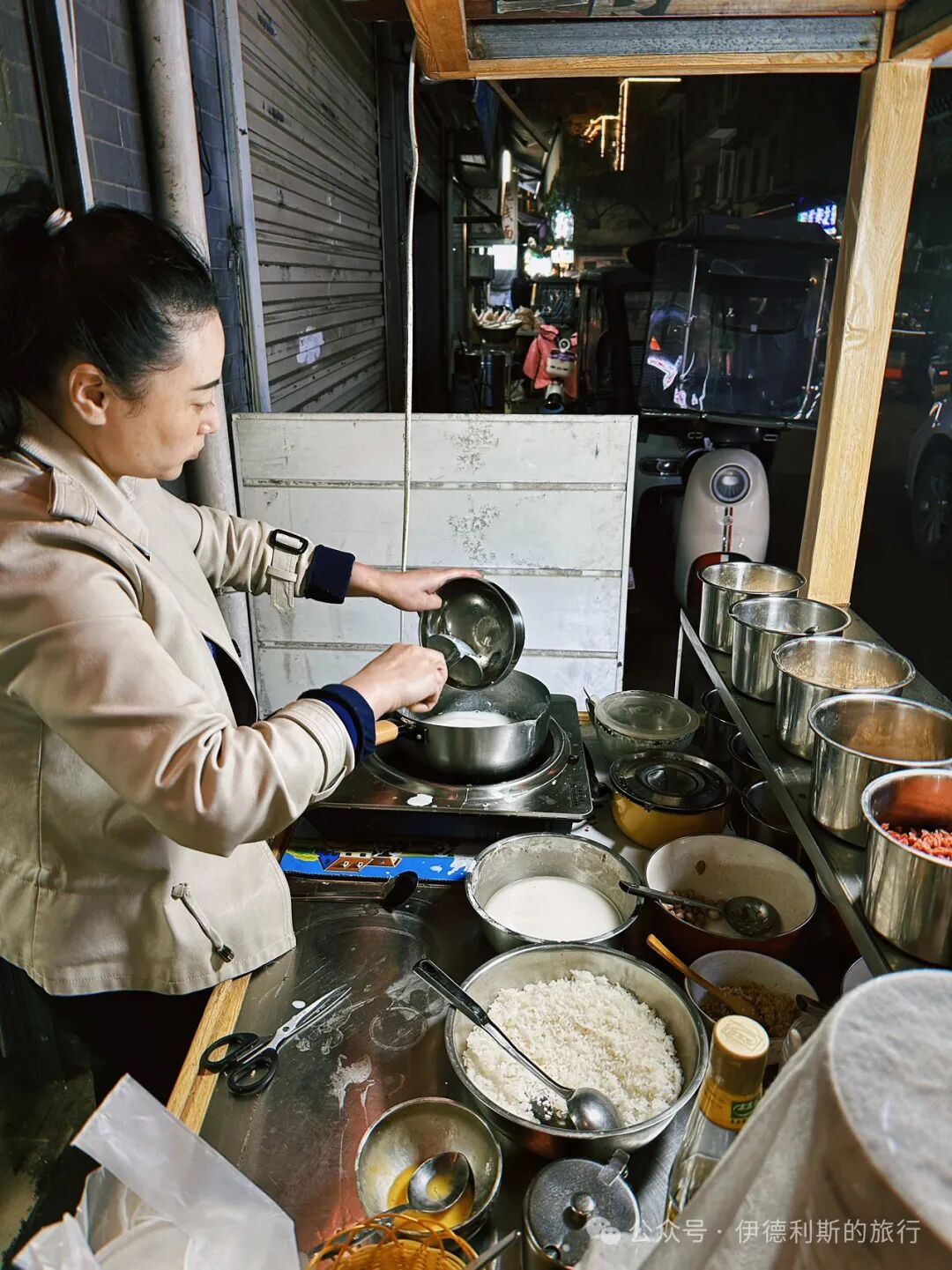
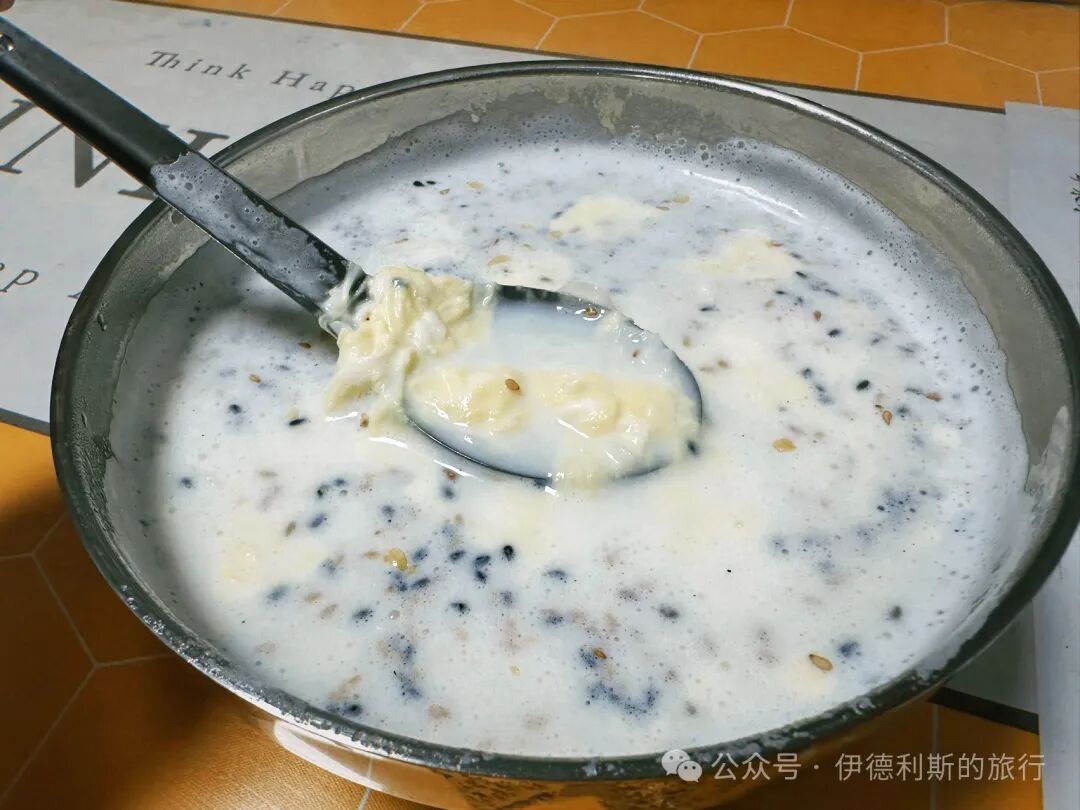
I strolled to the west end of Miaohou Street to have some barbecue at Sun Tao's place. They sell the small beef skewers in orders of at least 20; they are quite chewy, almost like a snack. I also had a bowl of egg milk fermented rice (jidan niunai laozao), which makes for a good pairing.
April 6
At 3:50 a.m., I had a delicious lotus leaf bun with vegetables (heye bing jia cai) for my pre-dawn meal (suhoor) the day before, so I tried a different shop for it today. This time I ate a five-dragon egg and vegetable sandwich (wulong dancai jiamo) on North Guangji Street, and I also had some meat oil rice (youfan) there. Oil rice (youfan) is a special dish that Hui Muslims in the neighborhood usually make only for Eid (Erde) and the Prophet's Birthday (Shengji). It is a meat porridge made with beef bone broth and minced beef. It is salty, savory, and very festive.
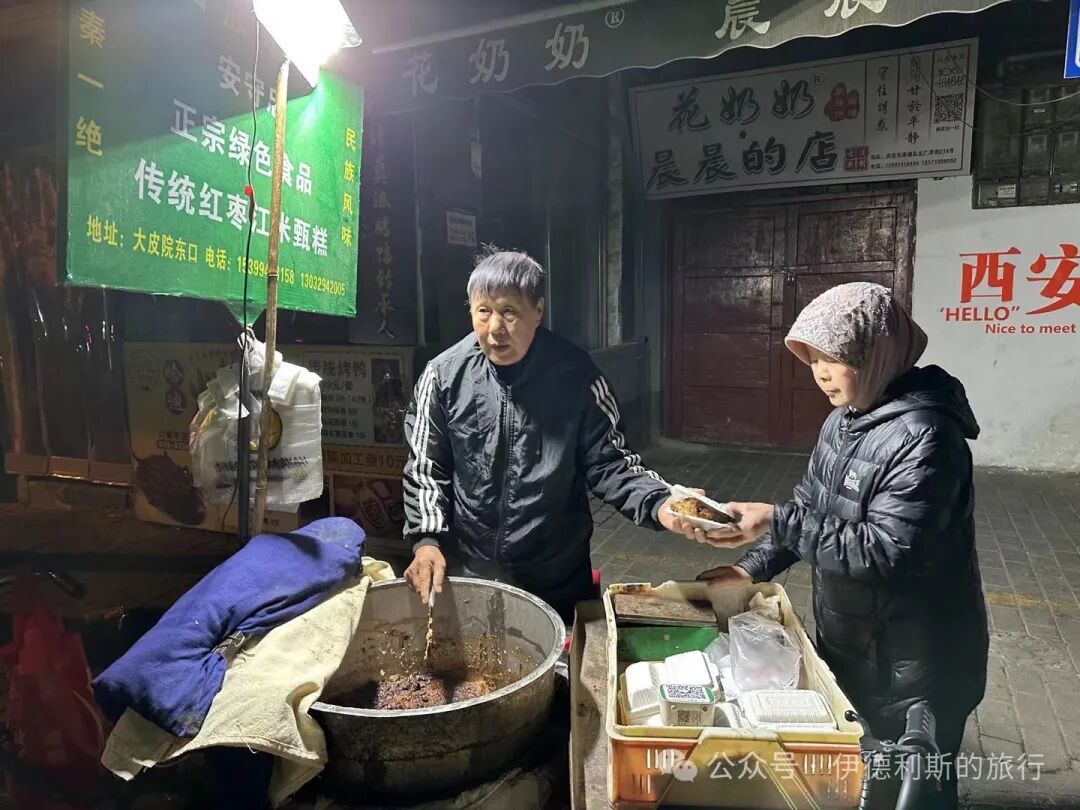
After finishing the oil rice, we turned into Xiaopi Courtyard to eat steamed buns (baozi) made with traditional sourdough (laomian) at Ashiye's shop. For traditional sourdough (laomian), the dough is prepared a day in advance and left to rise for over ten hours without using yeast powder. Then, the risen dough is mixed with fresh dough to make the texture chewier and whiter. While we were eating the buns, an older man outside found out we were fasting and insisted on paying our bill. We felt so grateful, and it made us feel that the atmosphere in Xi'an is truly wonderful.
The street view of Xiaopi Courtyard at 4:20 in the morning.
At 5:30 in the morning, we performed namaz at the West Mosque (Qingzhen Xisi) on Sajinqiao. The West Mosque was built in 1926 and belongs to the Ikhwan sect. In 1912, Imam Liu Yuzhen began teaching Ikhwan ideas when he started classes at the ancient Sajinqiao Mosque. In 1920, some local residents influenced by the Ikhwan sect set up a separate prayer space (zhemati) at the home of Ma Mengji in Xinshi Lane, which was the predecessor to the West Mosque. In 1926, over 150 Ikhwan families in Sajinqiao, led by community leaders like Liu Chunzhang, raised money to buy the Haihui Nunnery northwest of the Sajinqiao intersection and rebuilt it into the Sajinqiao West Mosque.
During the Republic of China era, the West Mosque served over a thousand local Hui Muslims. It became a health school in 1958 and later a funeral home for Hui Muslims. It reopened in 1986, the main hall was rebuilt in 1987, and the north and south halls still keep their appearance from a century ago.
The Sajinqiao West Mosque is known for valuing cultural heritage and having an open-minded approach. The mosque often hosts study sessions, martial arts performances, and social events, which attracts more young people and gives it a lively atmosphere.
Sajinqiao during the day view all
Summary: Halal Travel Guide: Xi'an Ramadan - Mosques, Gongbei and Hui Muslim Life (Part 2) is presented here as a firsthand travel account in clear, natural English. The account focuses on Xi'an Ramadan, Gongbei, Hui Muslims while preserving the names, places, food, photos, and historical details from the Chinese source.
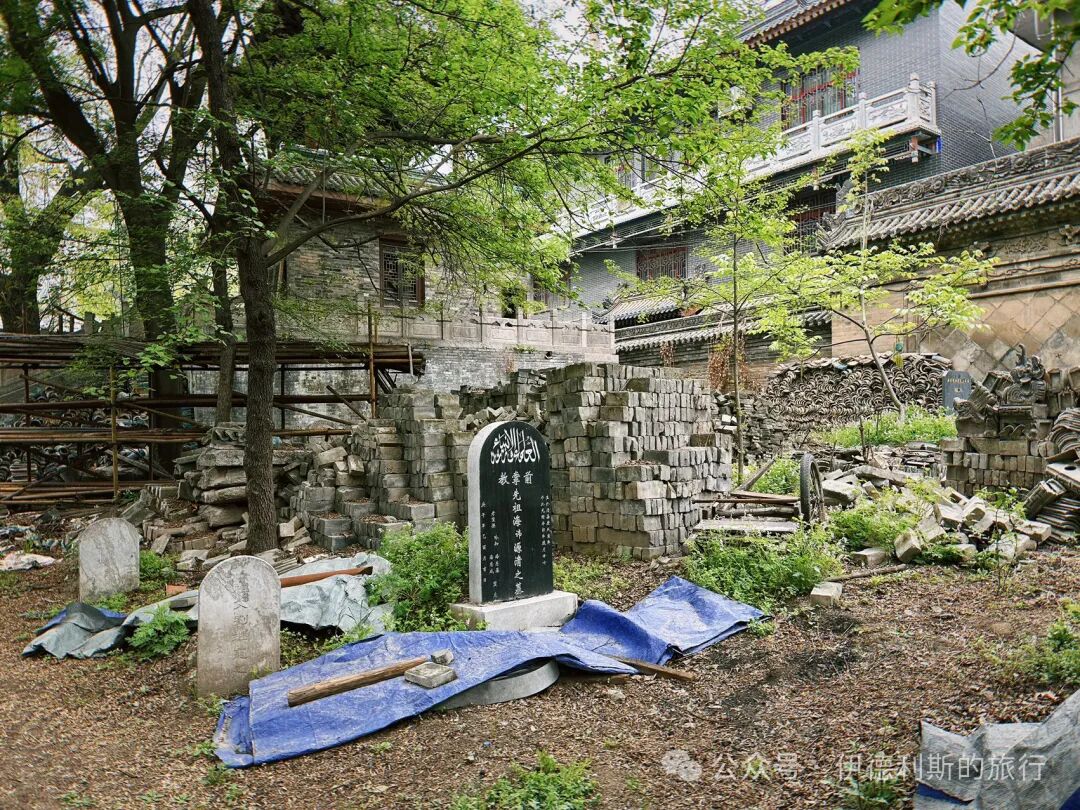
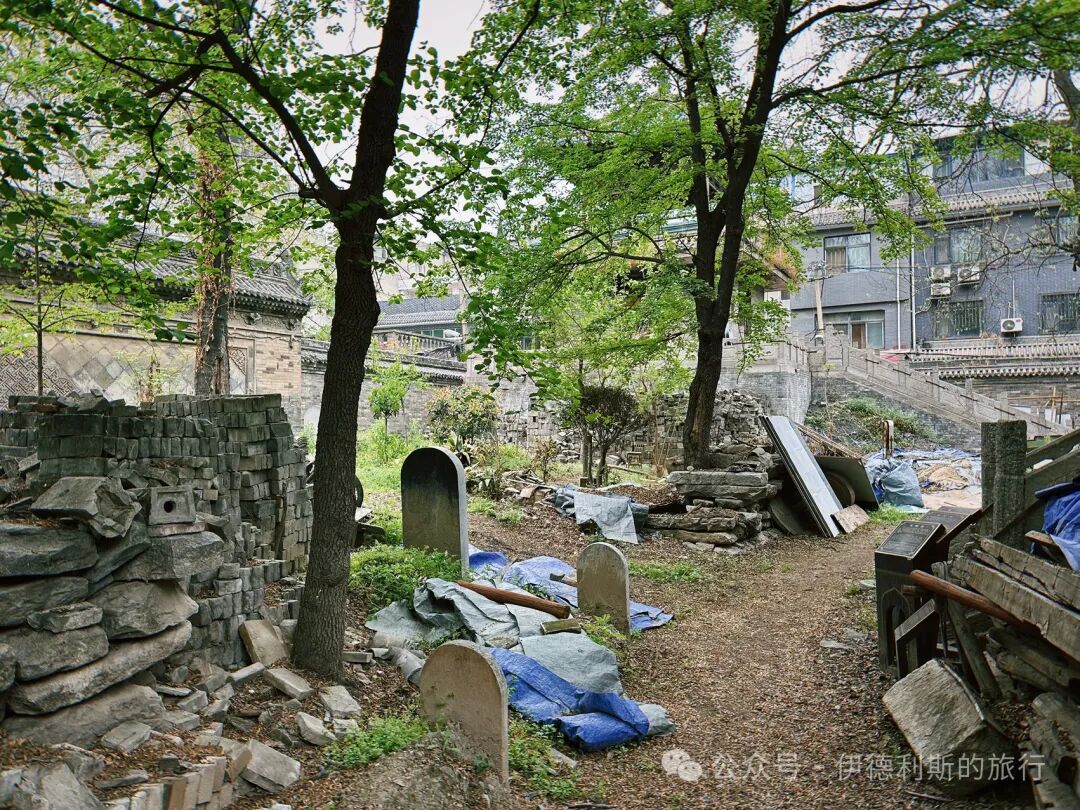
There are two moon-sighting platforms in the backyard, with the graves of past leaders in between. Imam Ma Qianyi (1874-1949) was a local from Huajue Lane. In 1914, after his formal appointment at the Huajue Lane Great Mosque, he served as an imam at several mosques in Xi'an and Pingliang. In 1918, he taught in turns at the ancient mosque on Sajinqiao and the mosque on Guangji Street. In 1928, he became the first democratically elected Great Imam of Xi'an, ending the previous hereditary system. He also served as the acting head imam of the Huajue Lane Great Mosque, where he taught scripture for seven years and trained many imams. In 1935, Imam Ma went on the Hajj. On his way back, he was invited by the Longshengzhuang Mosque in Feng County, Inner Mongolia, where many of the local Muslims were from Shaanxi. Later, he taught at over ten mosques in Inner Mongolia and Zhangjiakou, training a large number of imams.
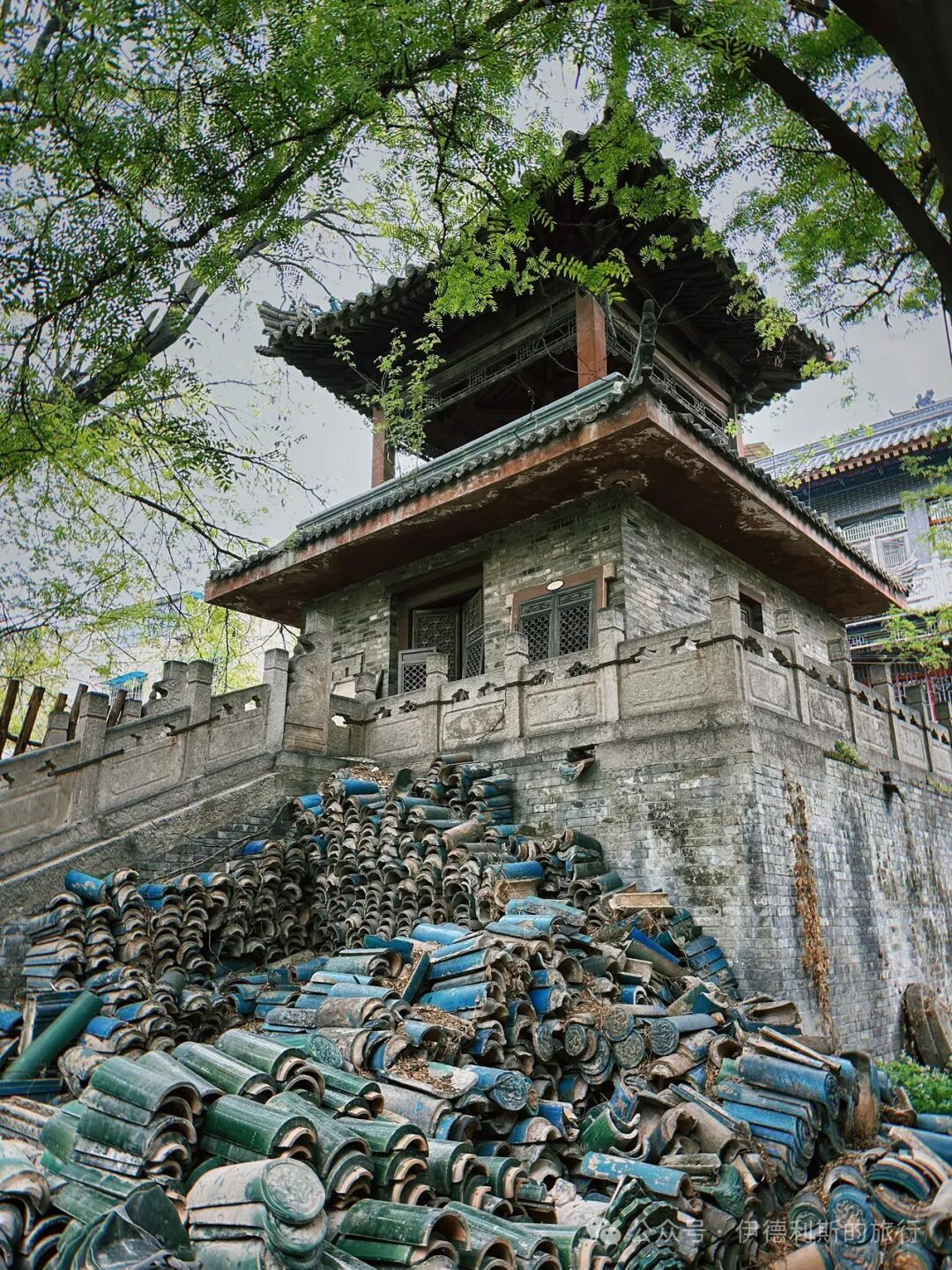
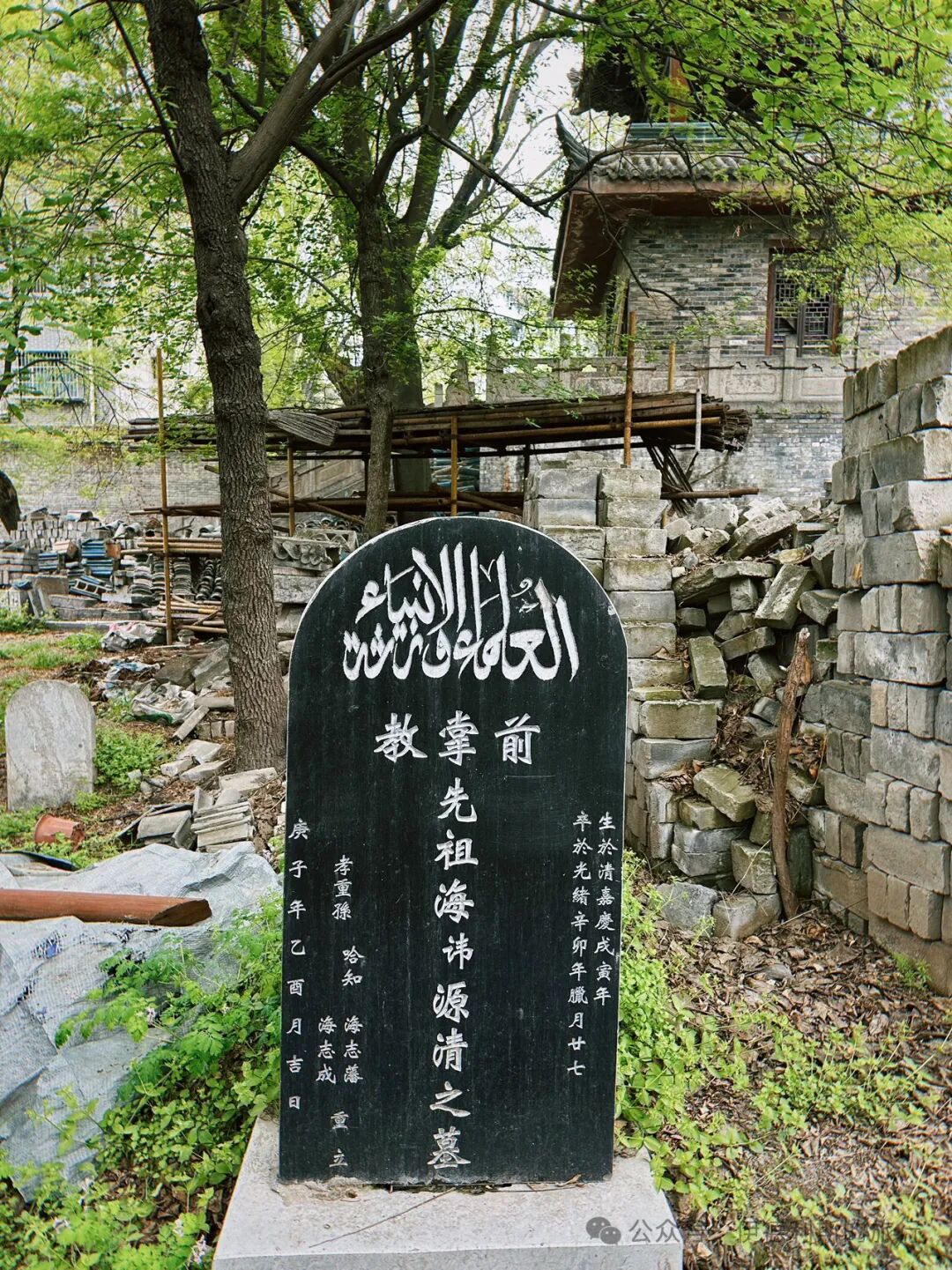
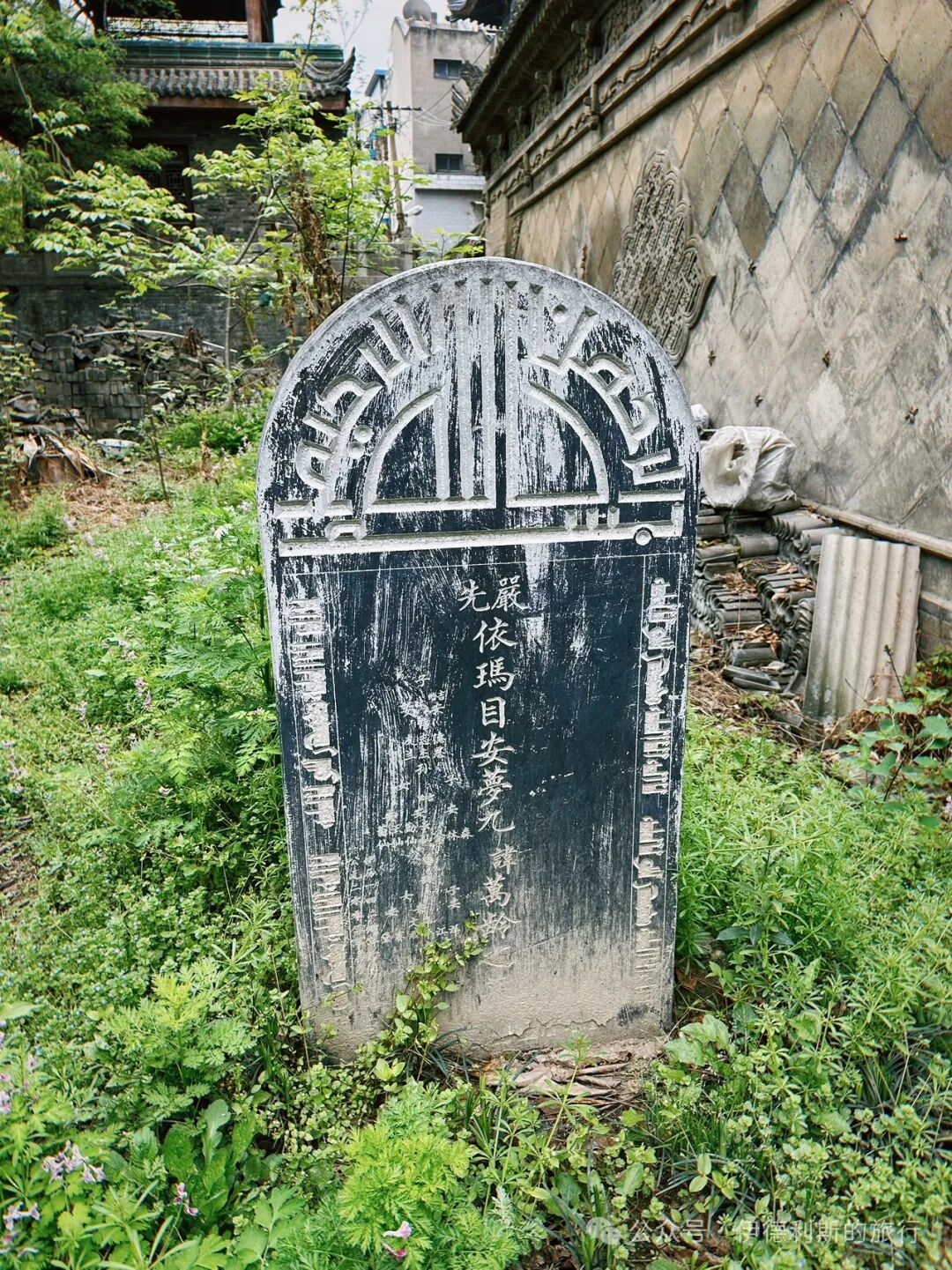
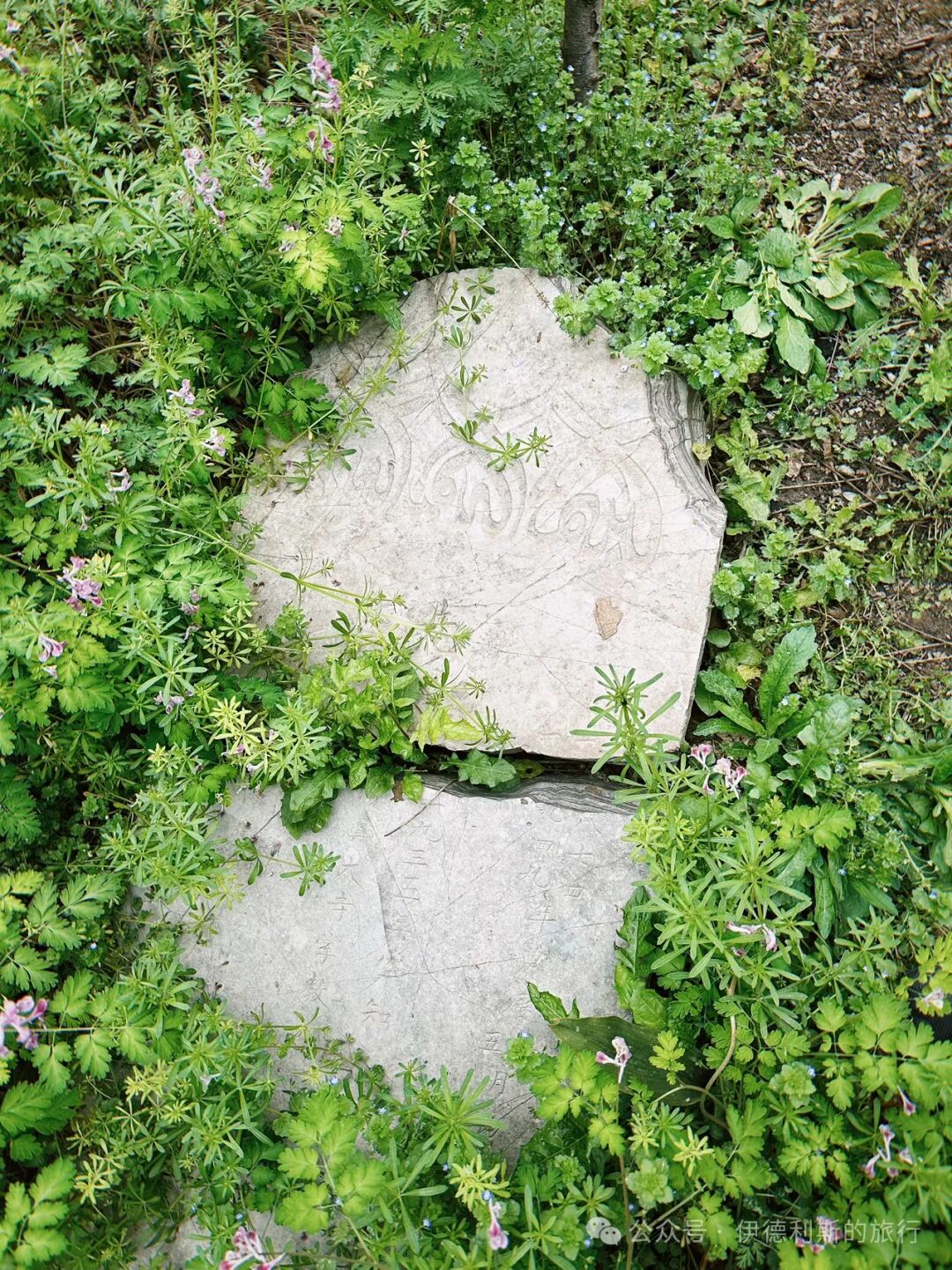
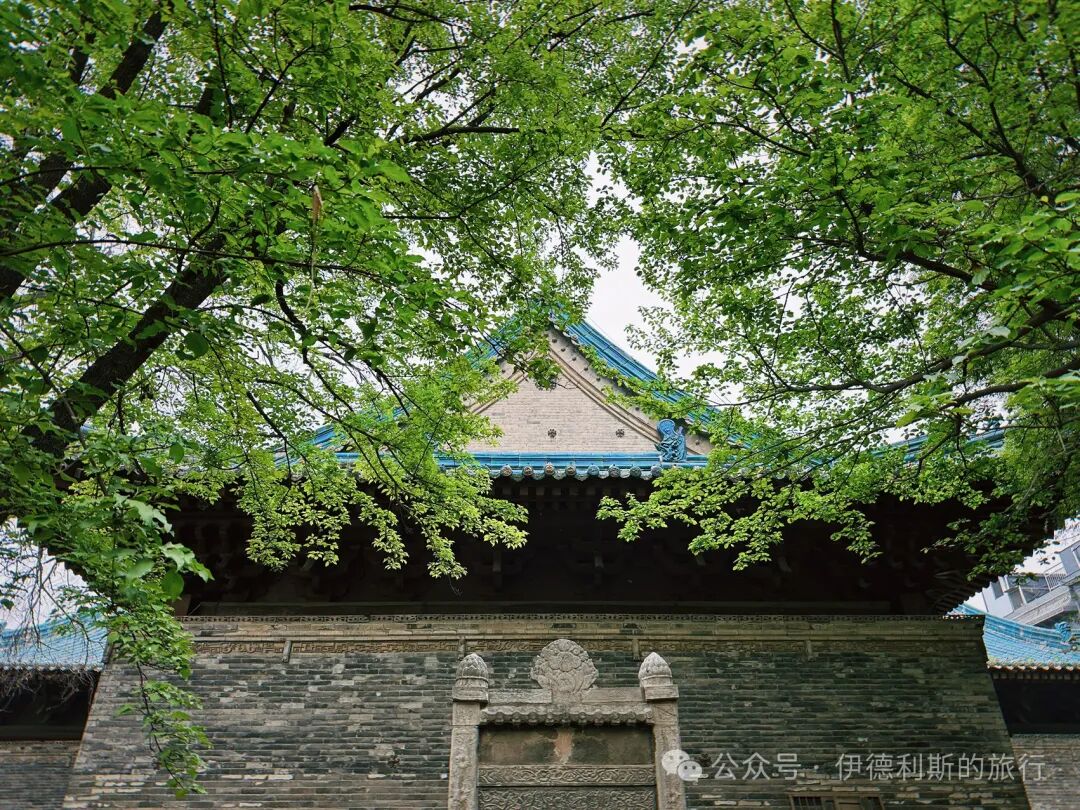
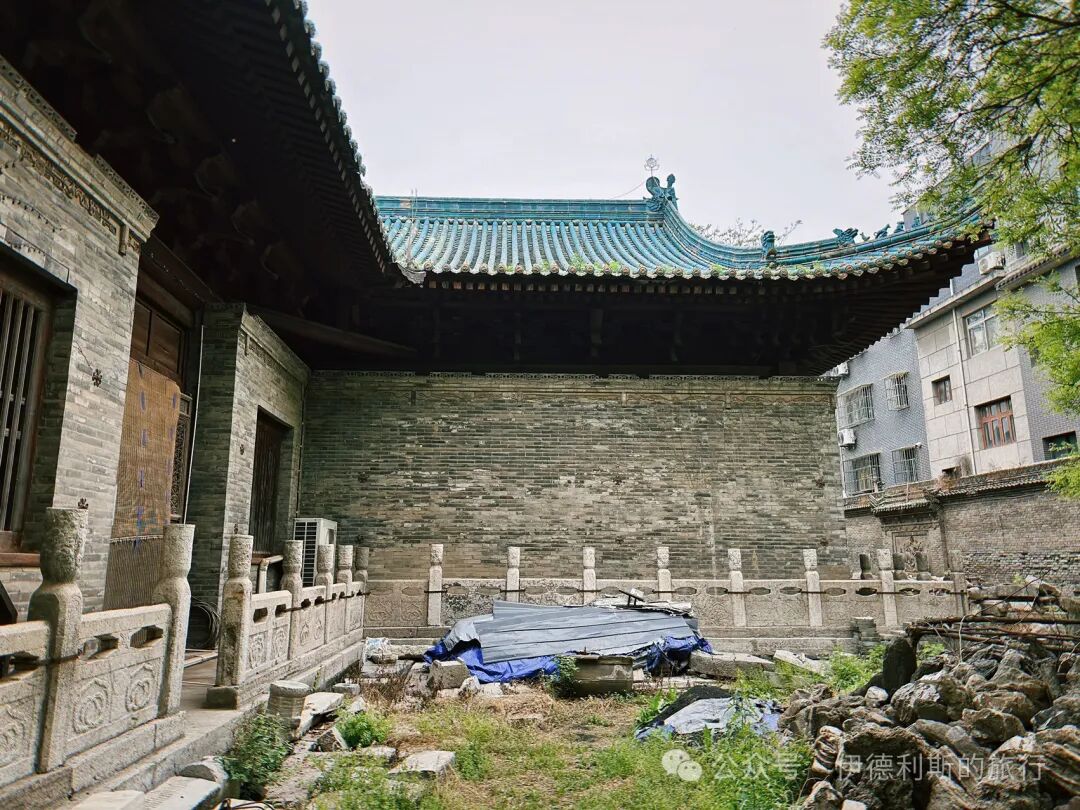
Glazed tiles are stacked in the backyard. According to the 1526 stele record of the mosque's renovation, the Great Mosque at Huajue Lane received bricks and tiles from the Ming Dynasty Prince of Qin's palace during a major renovation in the early Jiajing era: '...we petitioned the virtuous Prince of Qin, who granted them and provided bricks and tiles to complete the work.' This made the mosque magnificent and brand new. Scholars have confirmed that the peacock-blue glazed tiles at the Huajue Lane Great Mosque match those found at the ruins of the Prince of Qin's glazed tile factory in Tongchuan.
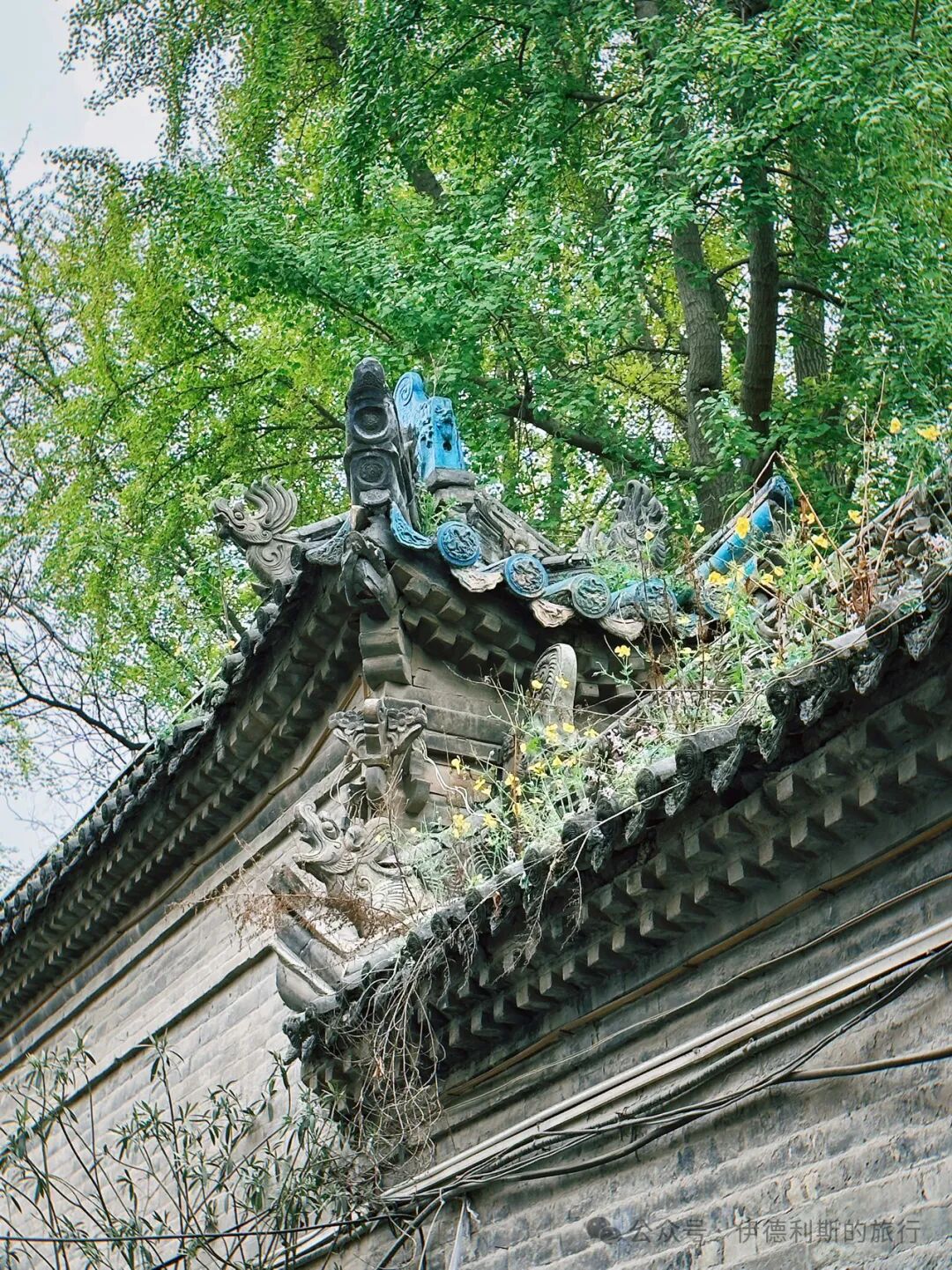
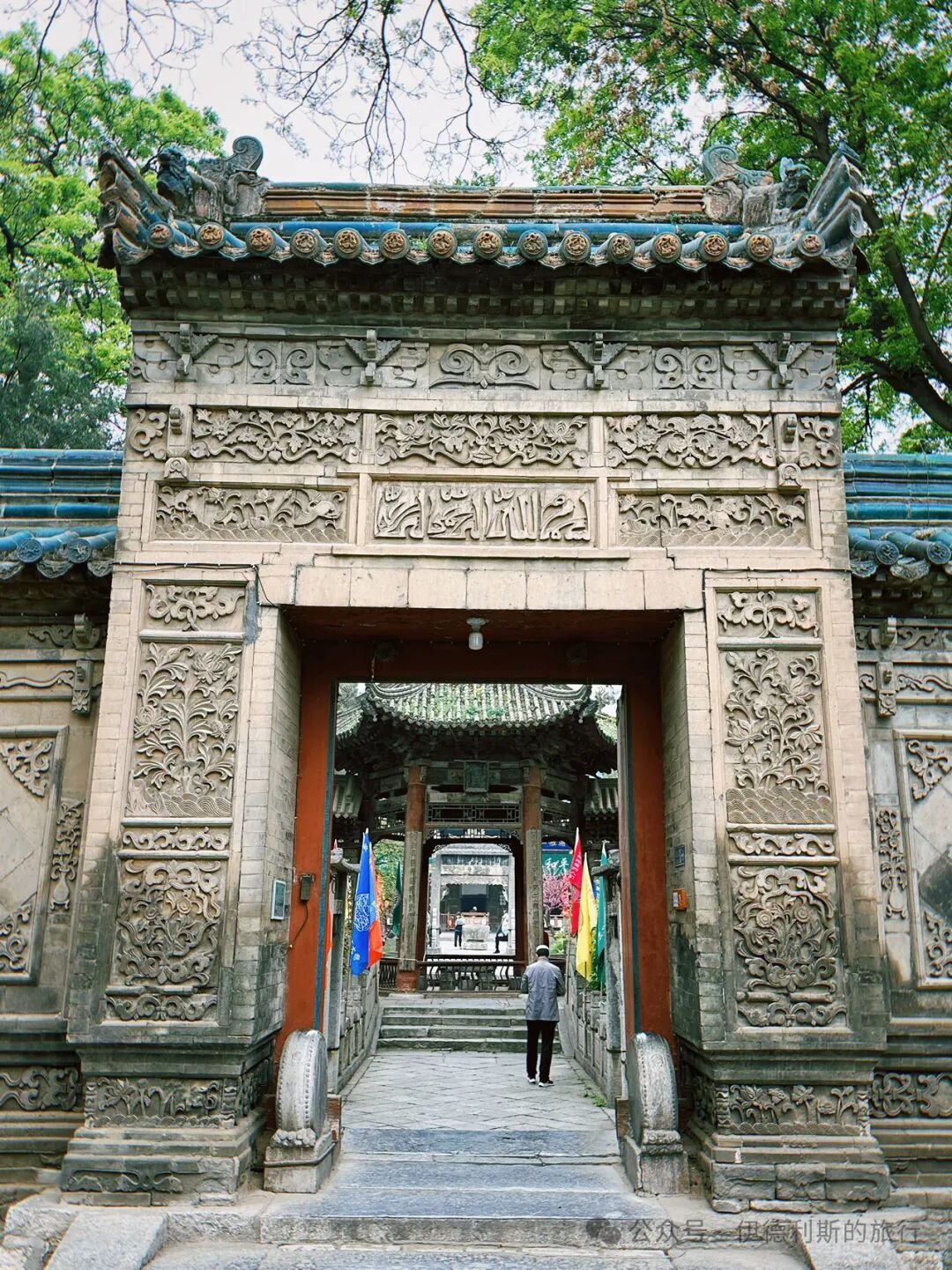
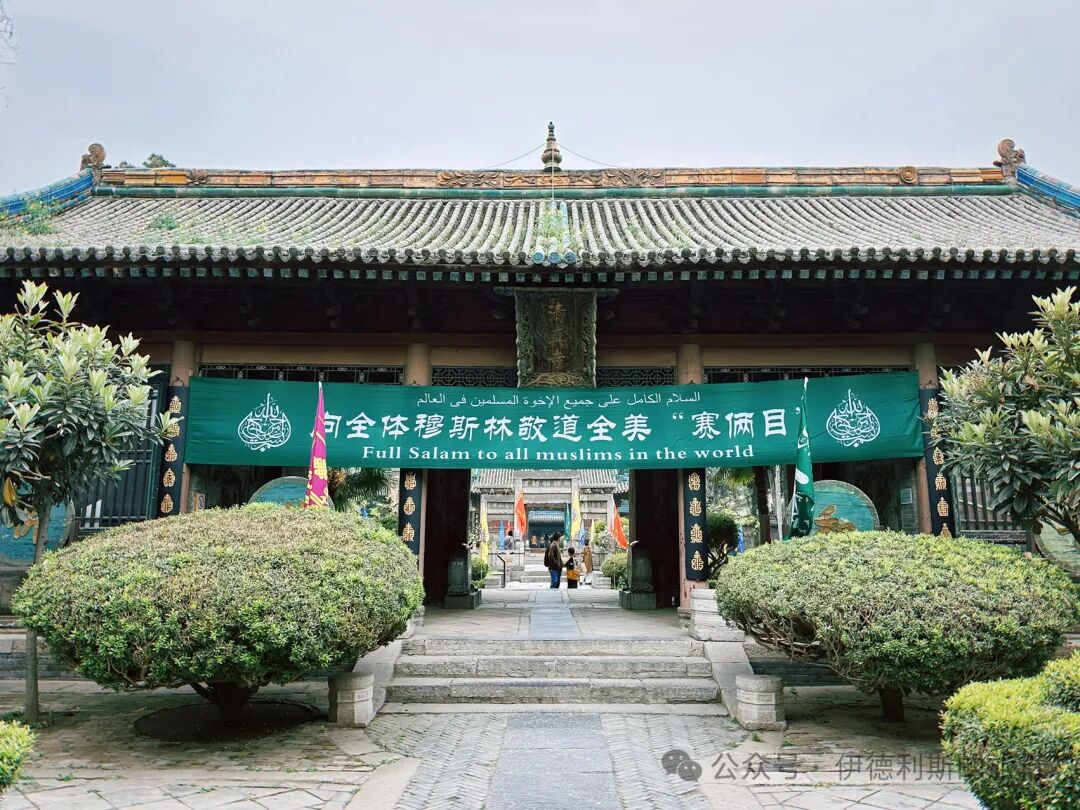
Calligraphy art at the Huajue Lane Great Mosque.
During the Tianqi era of the Ming Dynasty, the famous painter and Vice Minister of Rites, Dong Qichang, inscribed the plaque that reads 'Imperial Gifted Mosque'.
Empress Dowager Cixi inscribed the plaque reading 'Lineage Extending from the Holy Land' (Pai Yan Tian Fang).
The couplet from the Guangxu era, 'Spider webs hard to solve, pigeons cooing together, messages sent by warhorses, promises to release the deer,' describes four stories of the Prophet.
Tian Zhongyu inscribed the plaque reading 'Encompassing the Universe' (Bao Luo Yu Zhou) during the Daoguang era.
There are also various wood carvings and stone engravings with Arabic script.
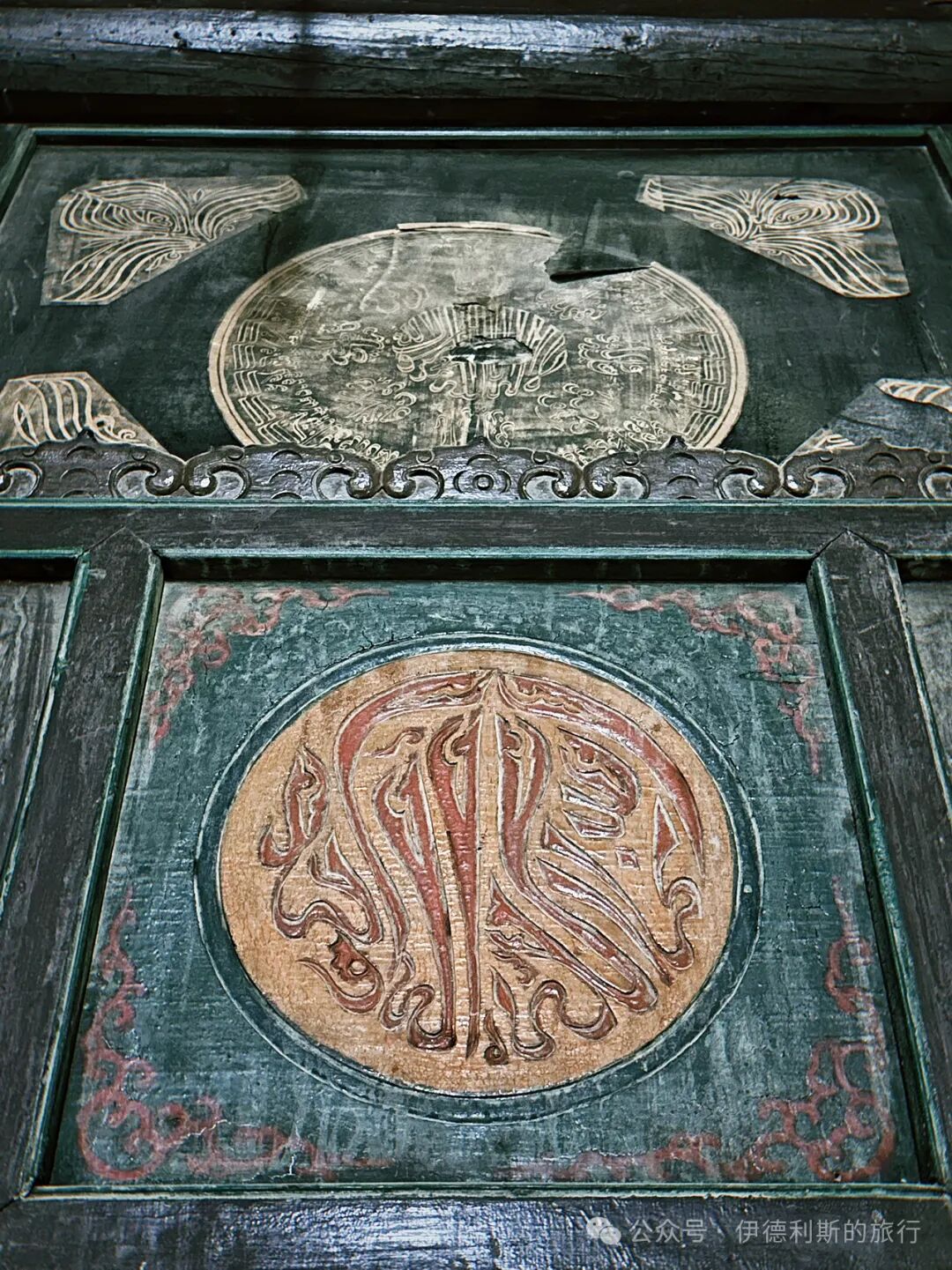
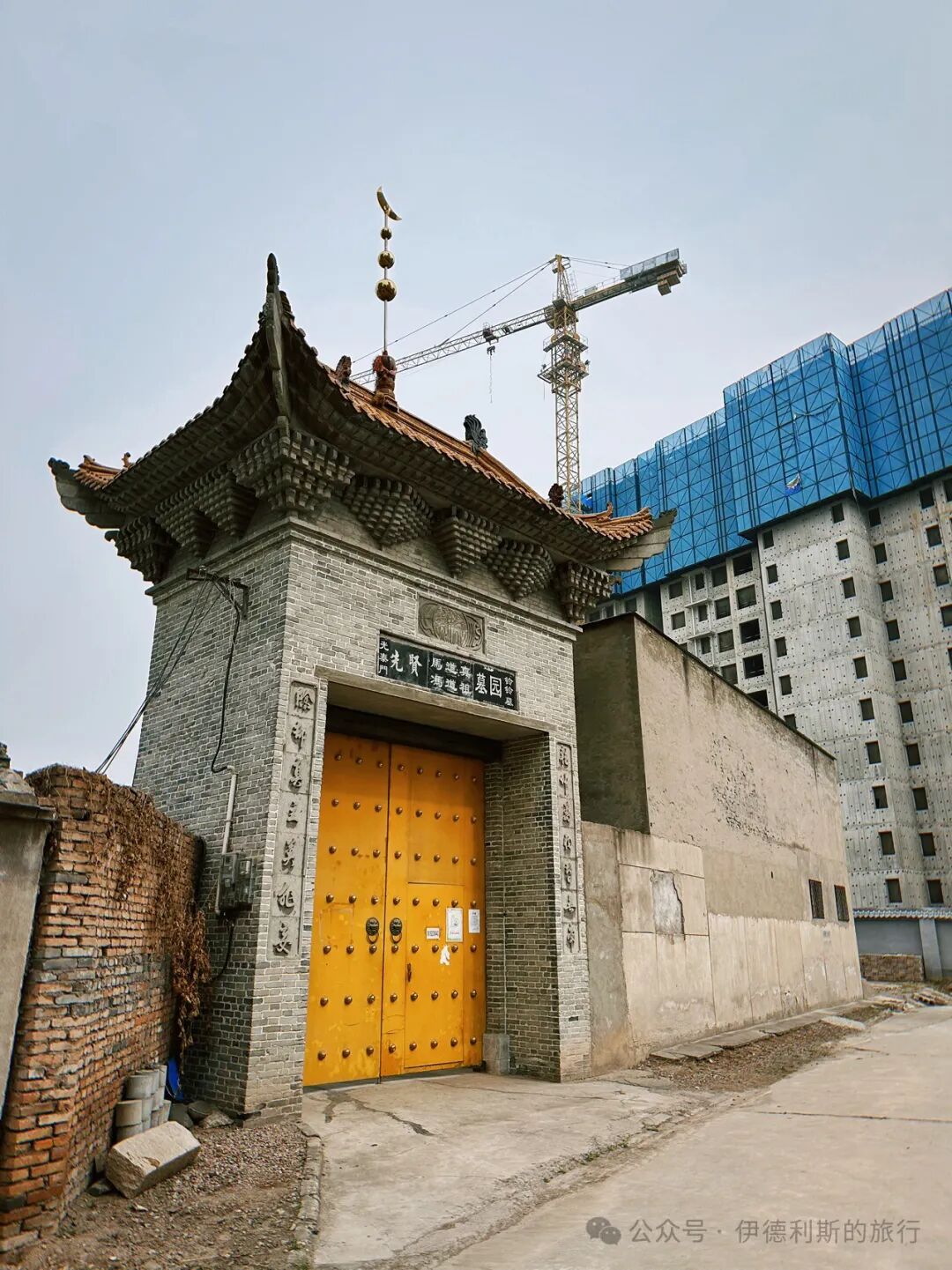
After the Friday prayer (Jumu'ah) at the mosque, I took the subway to Guangtaimen in the northeast of Xi'an to visit the Guangdamen gongbei. Guangtaimen was originally the southeast gate of the imperial gardens during the Sui and Tang dynasties. It fell into ruin after the Tang dynasty ended, and the Guangdamen village formed there after the Ming dynasty. Guangdamen village has been demolished, and the area around the gongbei is now a construction site. The roads are very difficult to walk on. I saw the main gate of the gongbei from a distance several times but could not enter because of the walls. After winding through many turns, I finally made it inside.
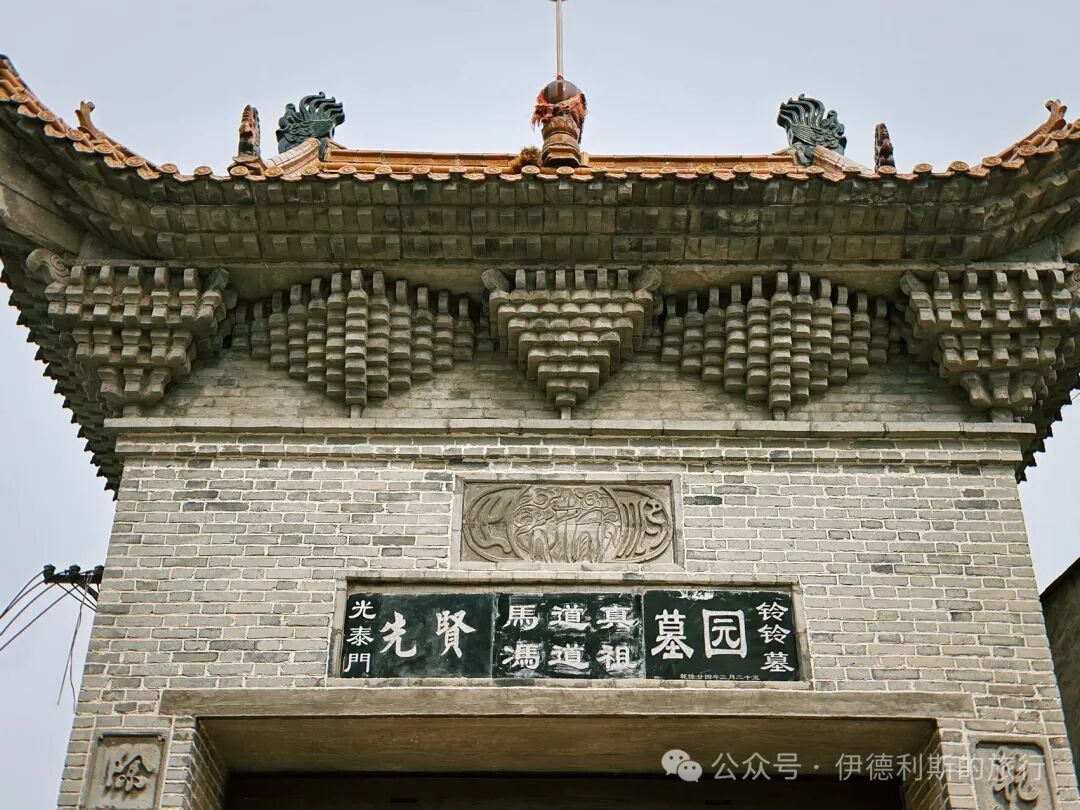
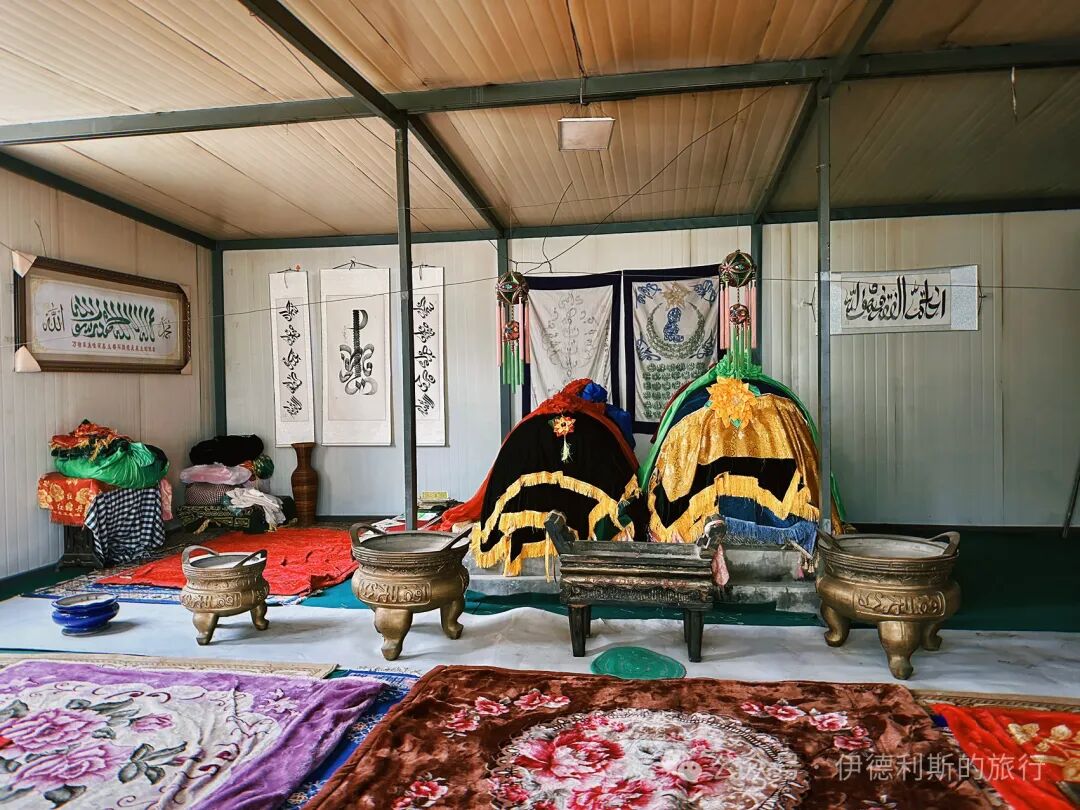
Guangdamen gongbei is also known as the Lingling Tomb or the tomb garden of the sages Ma Daozhen and Feng Daozu. It is currently managed by the Qadiriyya Yang menhuan. According to the records of the Qadiriyya Yangmen lineage, Khwaja Abdullah brought the Qadiriyya tradition to China during the Kangxi era. He passed it on to Master Ma in Yunnan, who passed it to Master Zhou in Gongchang. Master Zhou then passed it to Master Ma in Xi'an, who later passed it to his nephew. Because the Qadiriyya tradition is passed to the worthy rather than to one's own children, the family changed their surname from Ma to Feng, and he became known as Master Feng.
Inside the gongbei, people refer to Ma Daozhen as the 'San Geta Baba'. However, research in the article 'A Preliminary Study of Ma Daozhen's Family of Islamic Scholars' shows that Ma Daozhen was actually the ancestor of the San Geta Baba. According to the founding stele of the Dapiyuan Mosque, Ma Daozhen was a famous imam in the early Ming Dynasty who was well-versed in Islamic law and known for his excellent character and learning. He once spent five years traveling to different provinces to raise funds for the construction of the Dapiyuan Mosque, making him a key founder of the mosque. After he became the imam of the Dapiyuan Mosque, his family held the position of imam there for generations until the late Republic of China era. Among Ma Daozhen's descendants were three brothers: Ma Shiqi, Ma Shiying (known as the Second Geta Master), and Ma Shixiong (the San Geta Baba). All three were famous Islamic scholars in the early Qing Dynasty and are recorded in the 'Genealogy of Islamic Scholarship'. The Jingxue Xichuan Pu highly praises the character of Sangeta Baba and mentions his Sufi leanings.
Besides the gravestones of Ma Daozhen and Feng Daozu, the gongbei holds two precious stone tablets. One is the Guangda Gate Cemetery Stele from the 24th year of the Qianlong reign, also known as the 64 Neighborhoods Stele. It lists the names of 64 large Hui mosque neighborhoods in the suburbs of Xi'an during the Qianlong period, making it historically significant. According to elders in the Xi'an Muslim quarters, during the Republic of China era, after every Eid, Xi'an Hui Muslims would first visit the grave of Saidianchi Baba at Mijiaya in the east of the city. Then they would go to Guangtaimen to visit the grave of Sangeta Baba, and finally to Hujiagou to visit the grave of Hutashi Baba. This tradition lasted until the 1950s.
In the afternoon, we attended the Asr prayer (diguer) at Nancheng Mosque. After the prayer, I met a fellow Beijinger. He is a Hui Muslim from Daxing who came to Xi'an as a soldier when he was young and has since become an elder of the Nancheng Mosque community. The elder of Nancheng Mosque invited us to break our fast there, but we politely declined because the mosque does not have a women's prayer hall.
Nancheng Mosque was built in 1683 (the 22nd year of the Kangxi reign). It was originally built for the Muslim officers and soldiers of the Han Eight Banners stationed in the south of Xi'an and their families. It was the only mosque in Xi'an at the time that was not located in the Hui Muslim quarter. As early as 1645 (the 2nd year of the Shunzhi reign), the Qing dynasty established a Manchu Eight Banners garrison city in the east of Xi'an. After the Qing dynasty settled the Revolt of the Three Feudatories in 1683, they built a garrison city for the Han Eight Banners in the southeast of Xi'an to strengthen military power. It was called the South City (nancheng). In 1780, the 45th year of the Qianlong reign, the South City was abolished. The Han Eight Banners soldiers and their families left the banner system to become civilians and joined the Green Standard Army. The South City Mosque (nancheng si) then officially became a mosque for all Hui Muslims.
During the lockdown of Xi'an in the Tongzhi reign, the South City Mosque played a special role. At that time, Hui Muslims in Xi'an could not leave the city for eighteen years. When they passed away, they were carried to the South City Mosque for burial. People say there was not enough burial shroud cloth (kafan bu) for the funerals, so they had to use paper instead. This led to a folk song: 'Carried to the South City, the rich and poor are buried the same.' Whatever you ate while alive, you are wrapped in paper when you die.
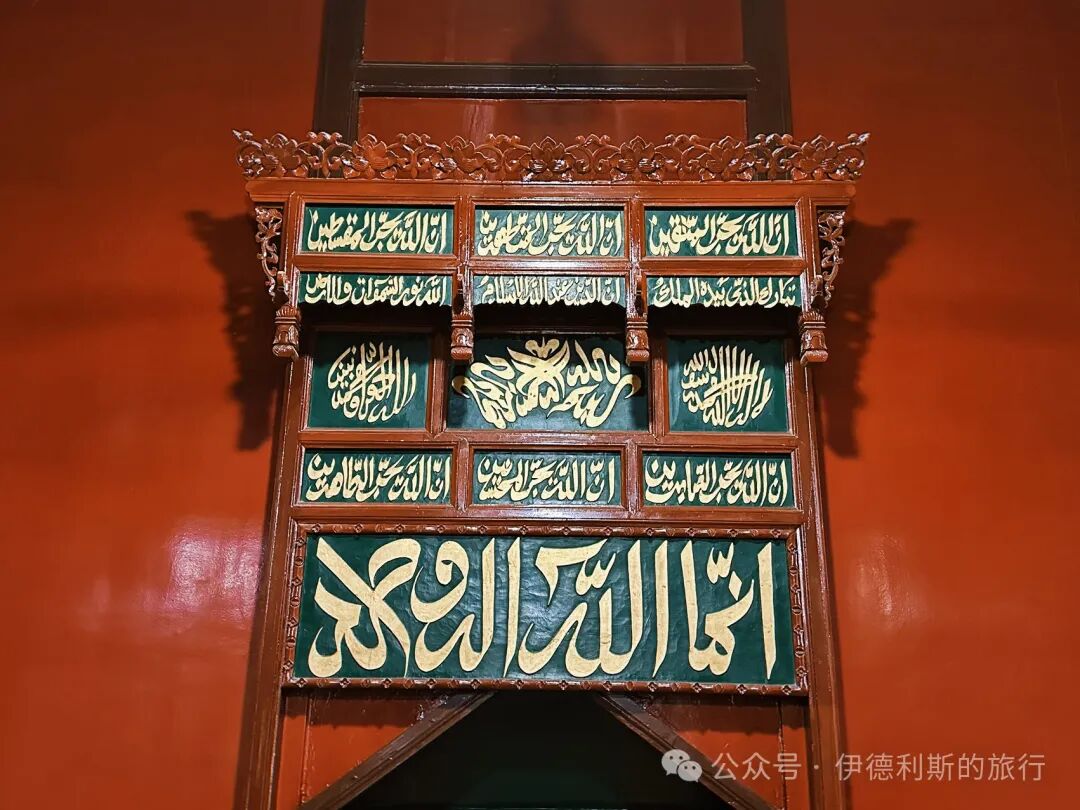
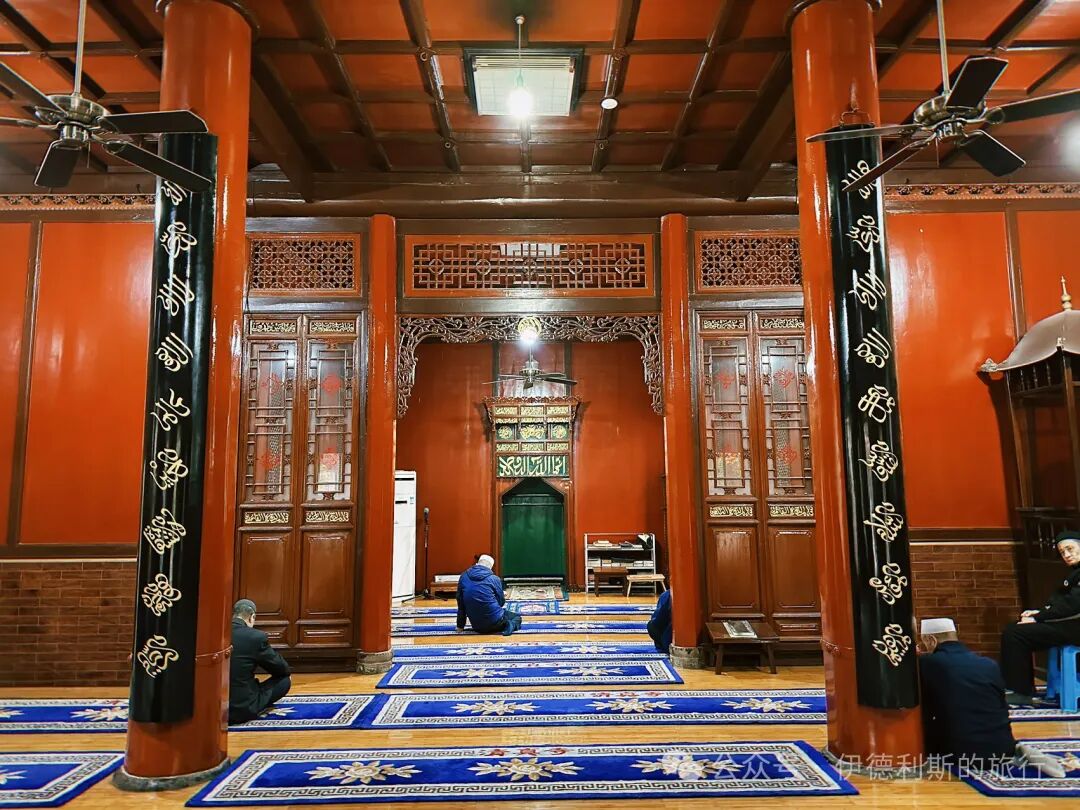
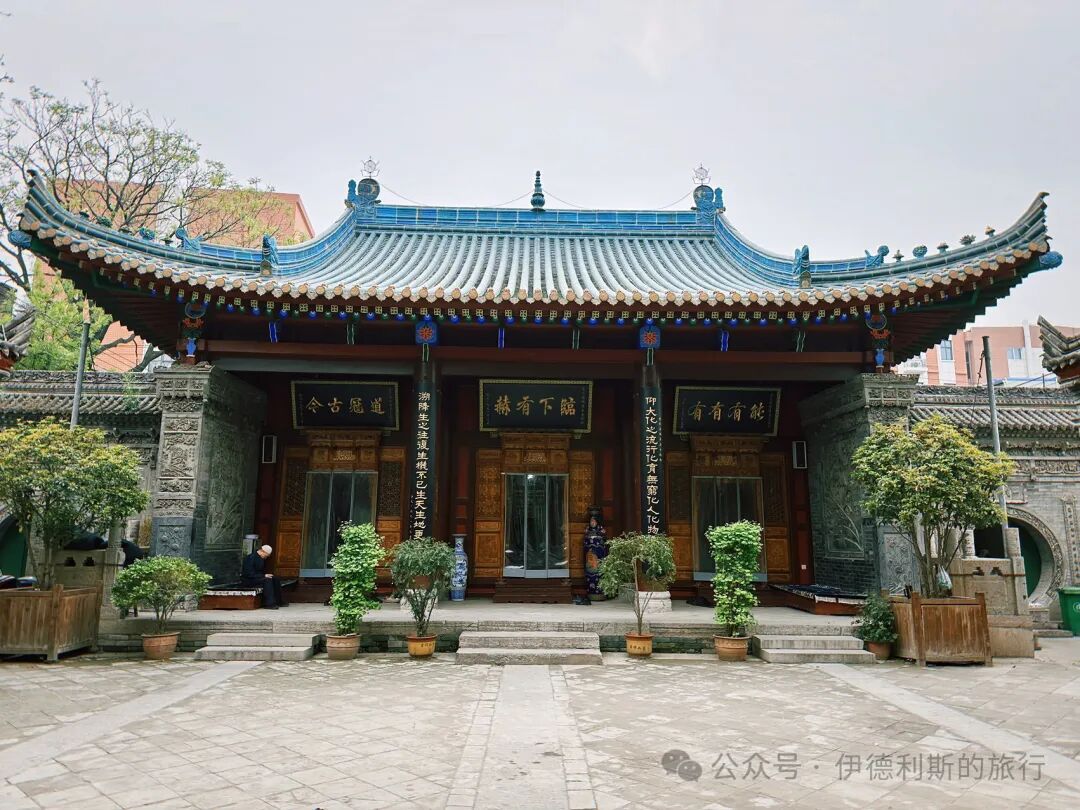
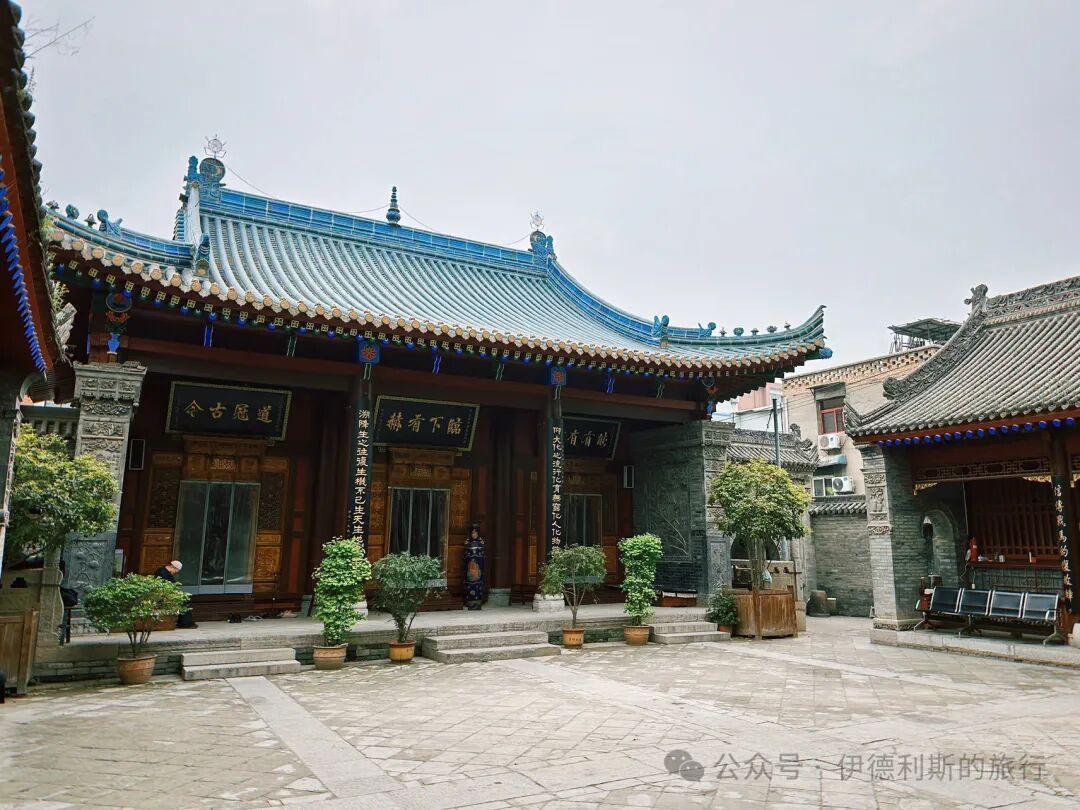
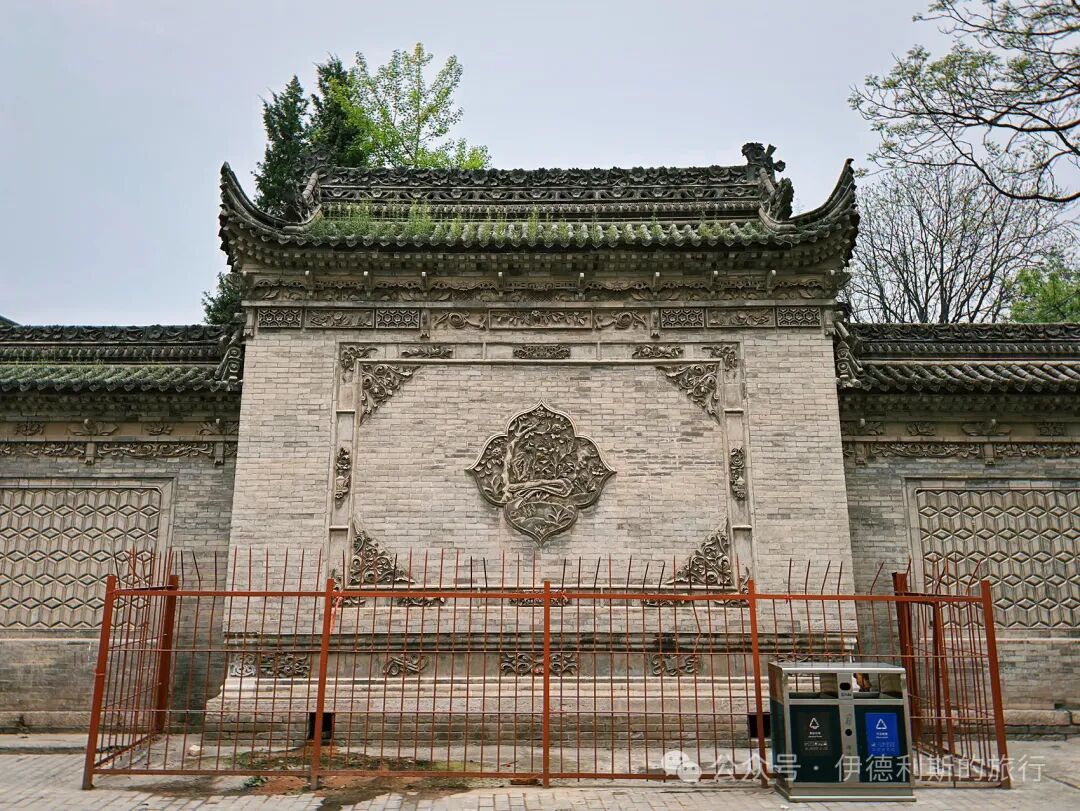
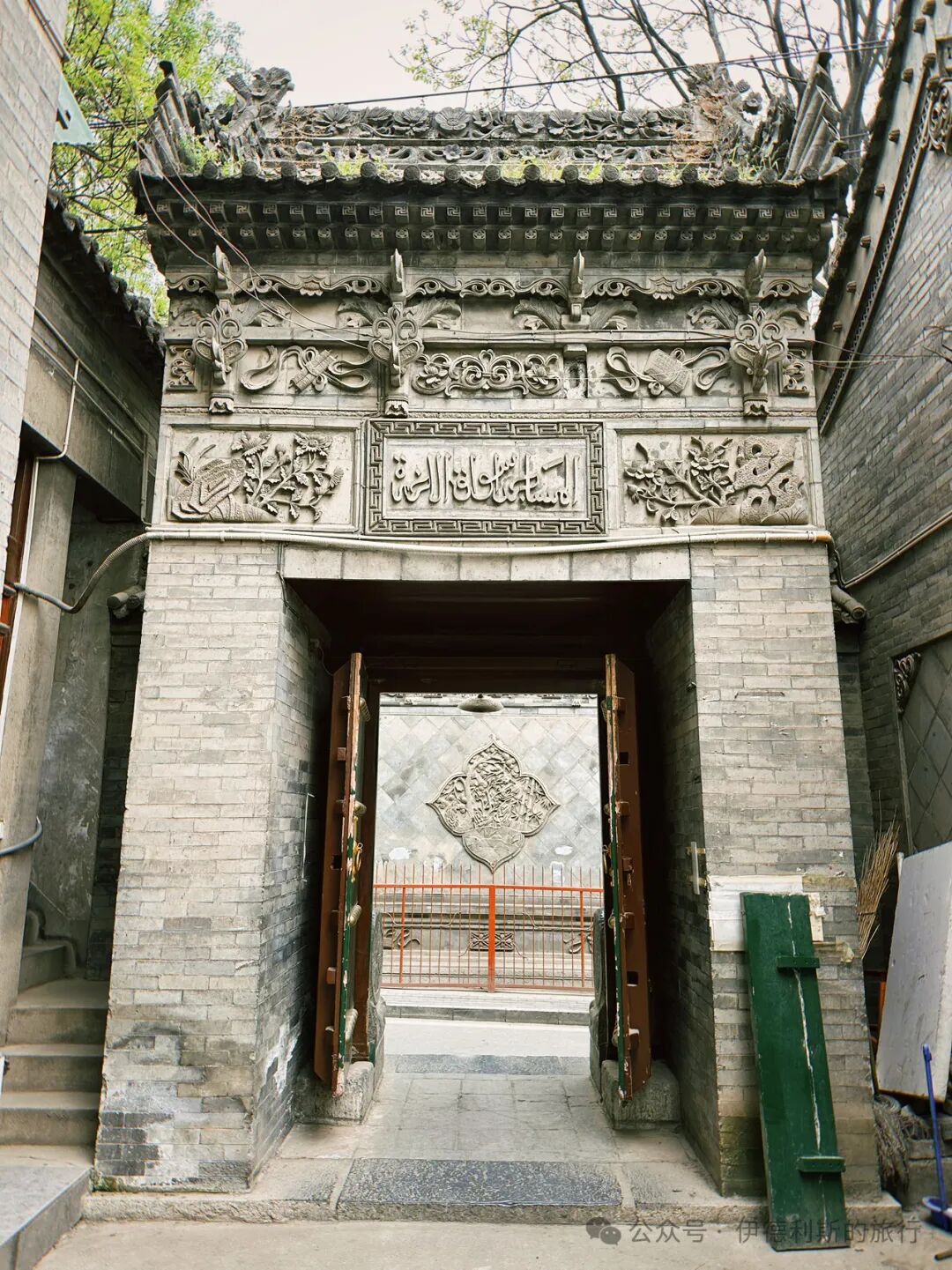
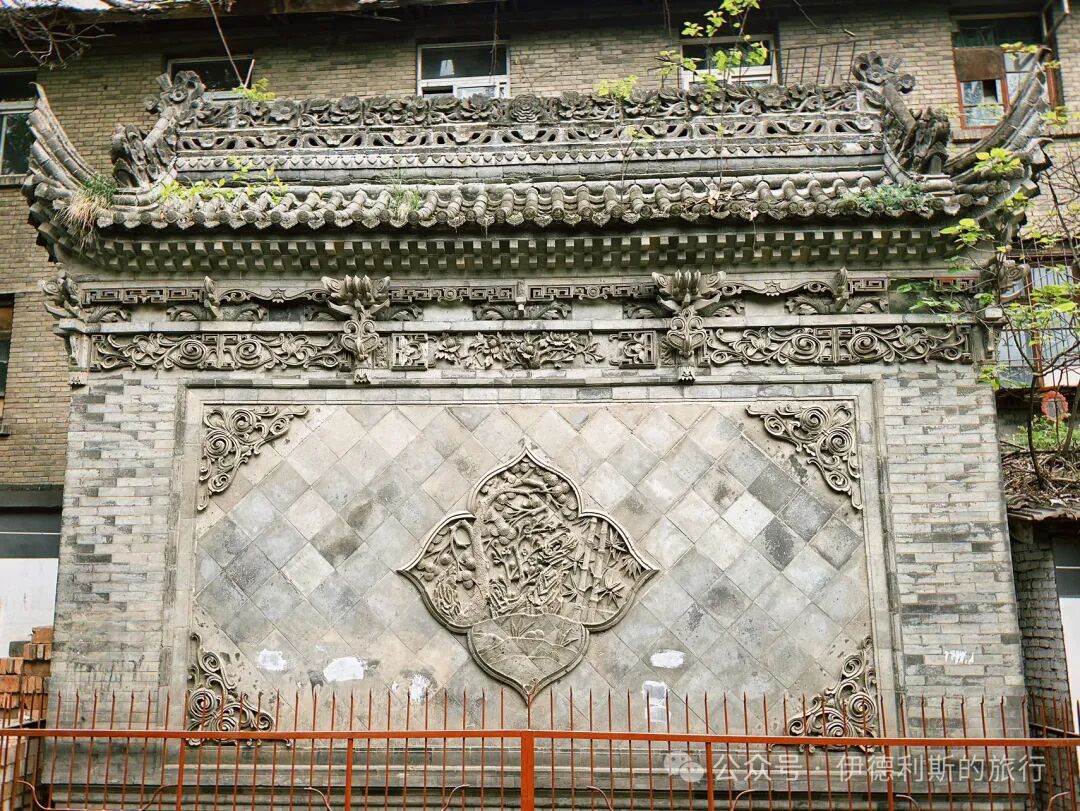
After leaving the South City Mosque, walk north to the Henan Mosque (henan si) on Dongxin Street to visit the Hui Muslim community from Henan. You can find all kinds of halal food from Henan here, and the most famous is barrel chicken (tongzi ji).
The Longhai Railway officially opened to Xi'an in December 1934, making travel between Xi'an and Henan much easier. Many Hui Muslims from Henan began coming to Xi'an to make a living, settling in the New City District on the east side of the city. In 1936, Hui Muslims from Henan rented an empty lot on Dongxin Street and built two rooms facing the street. They named it the New City District Mosque, which later became the Dongxin Street Mosque.
Henan fell in 1937, and the Yellow River levee at Huayuankou broke the following year. Afterward, Henan suffered from continuous droughts and locust plagues. A large number of refugees fled west to Xi'an, including many Hui Muslims. They followed the footsteps of the Hui Muslims from Henan who had arrived earlier, setting up sheds to live in the relatively empty and desolate areas of the New City District at that time. Because the population grew, the Hui Muslims from Henan built the New City District East Mosque on Shangren Road in 1939, which is the current Jianguo Lane Mosque.
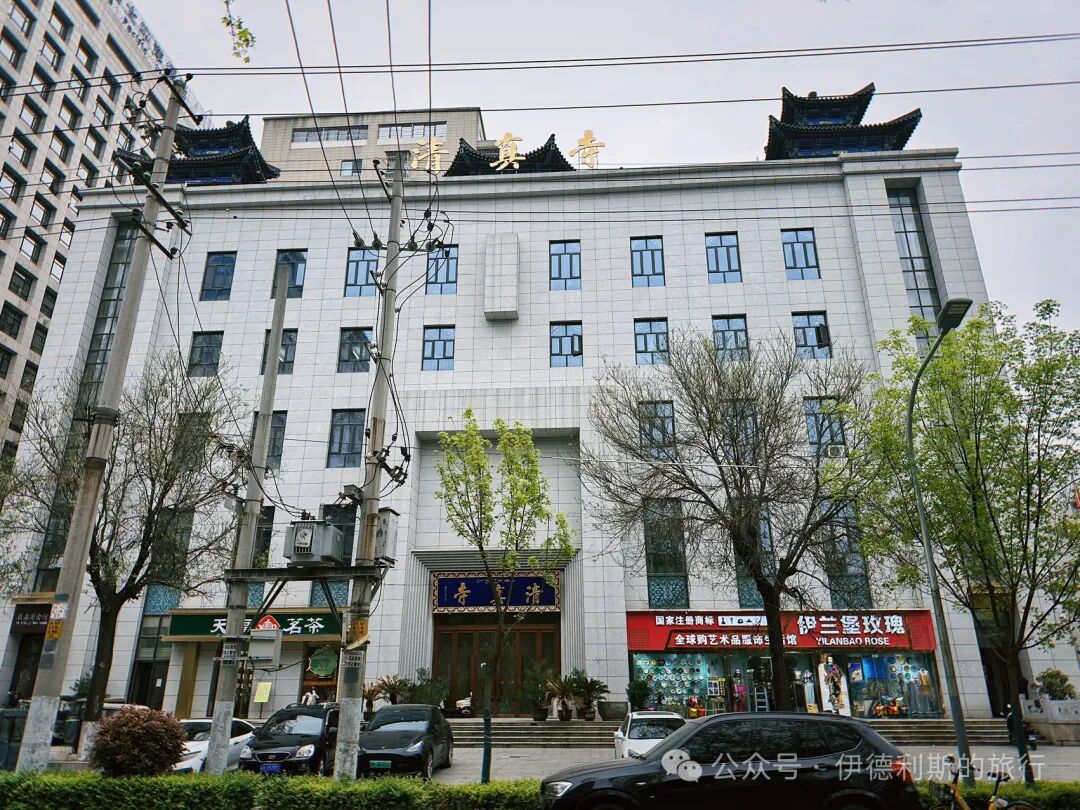
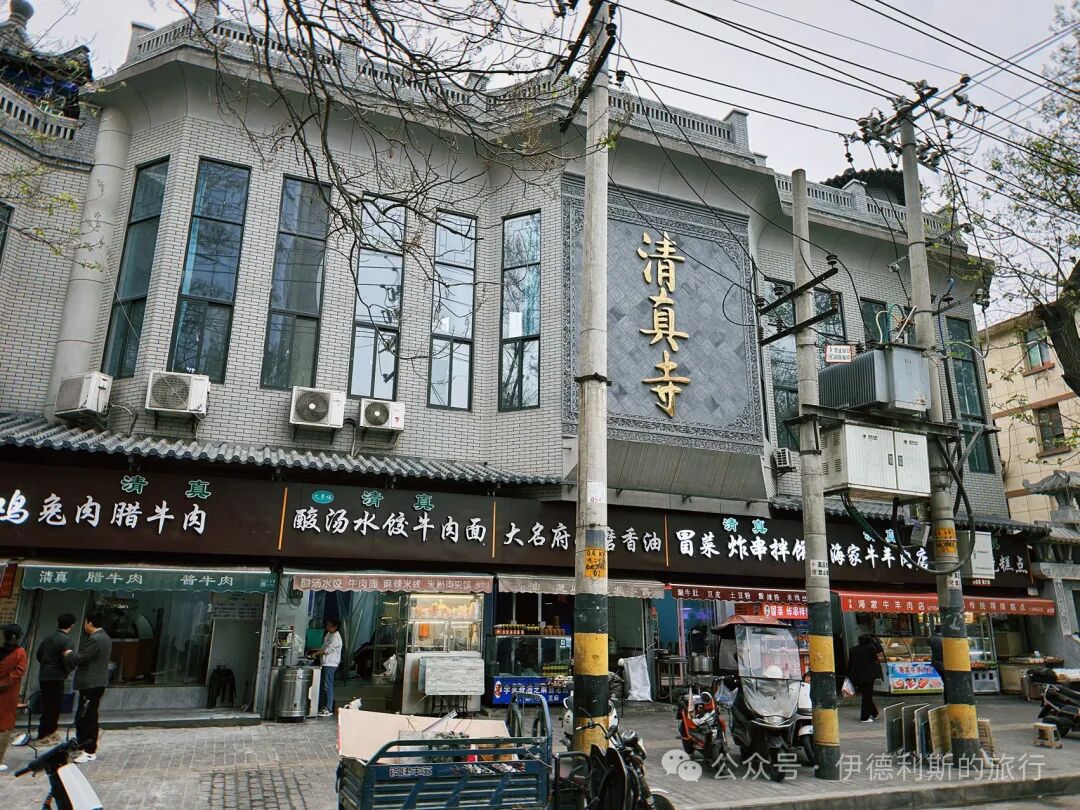
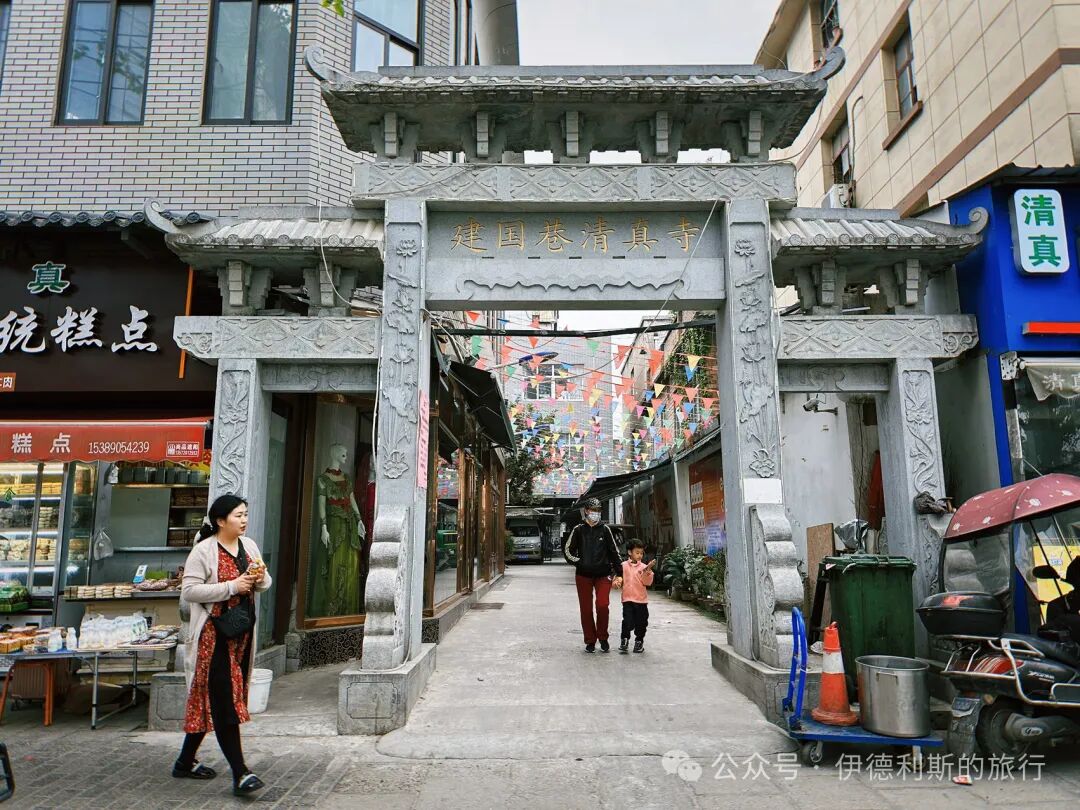
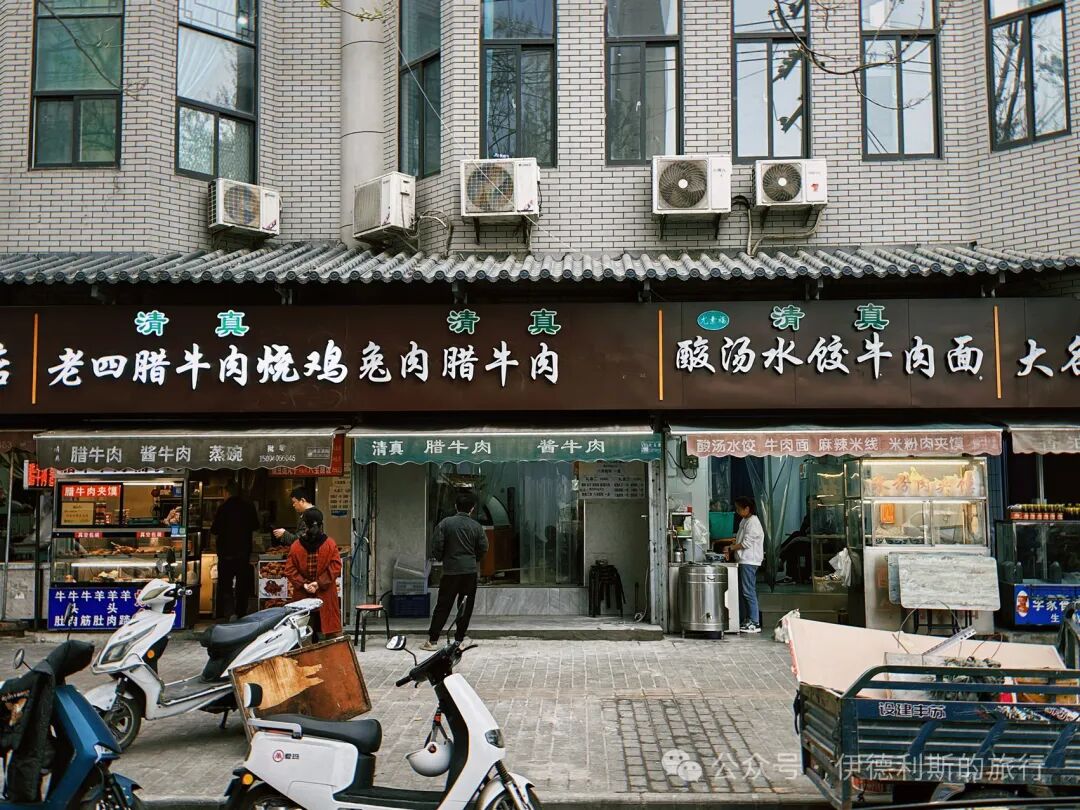
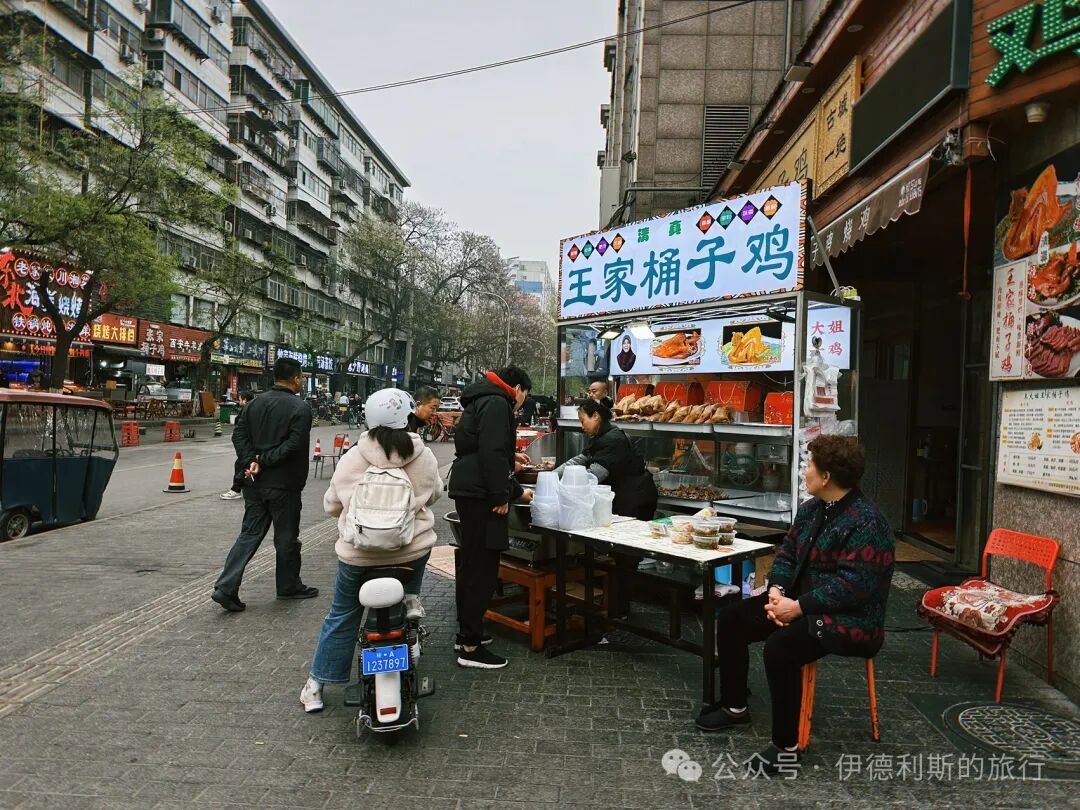
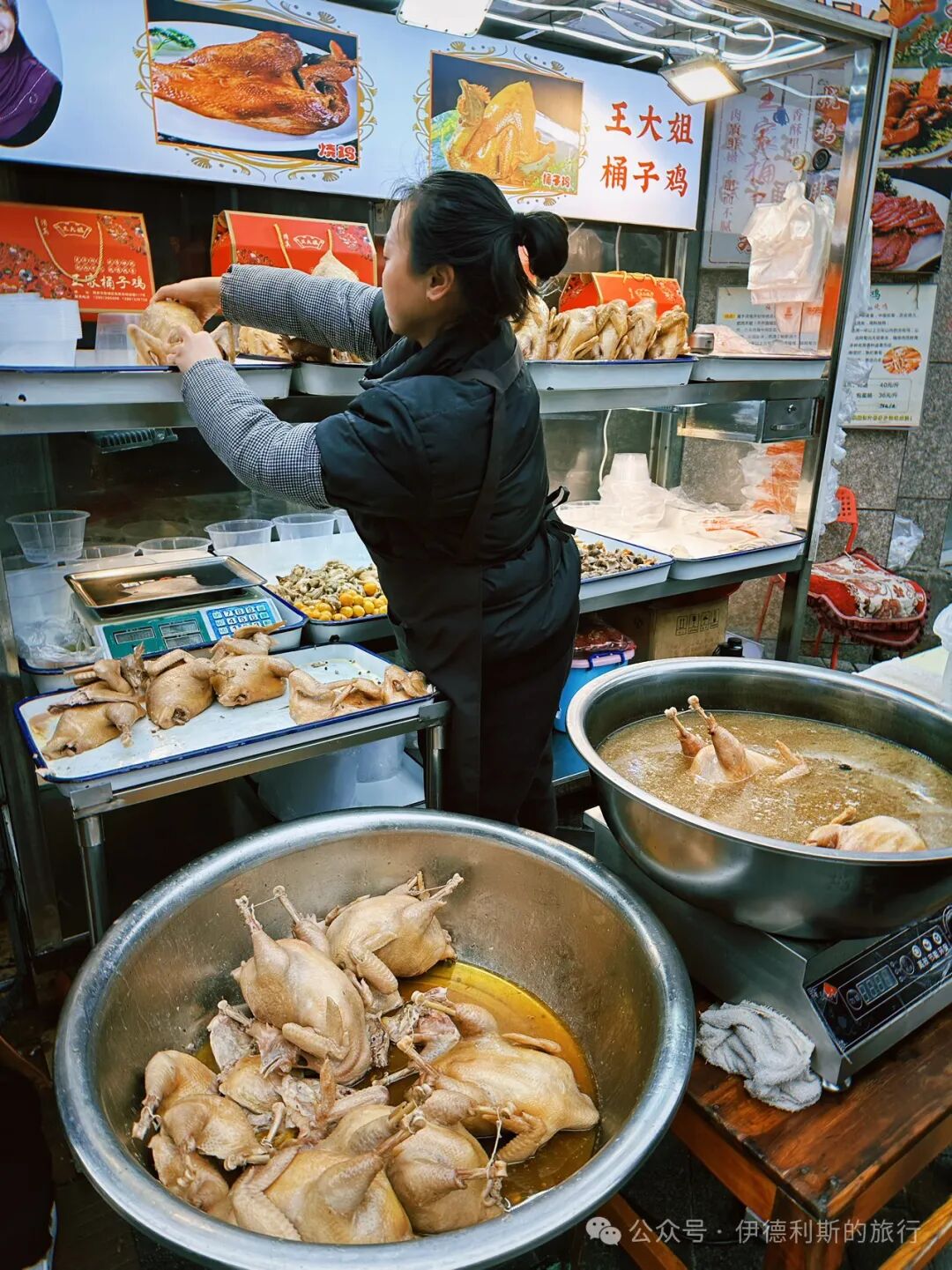
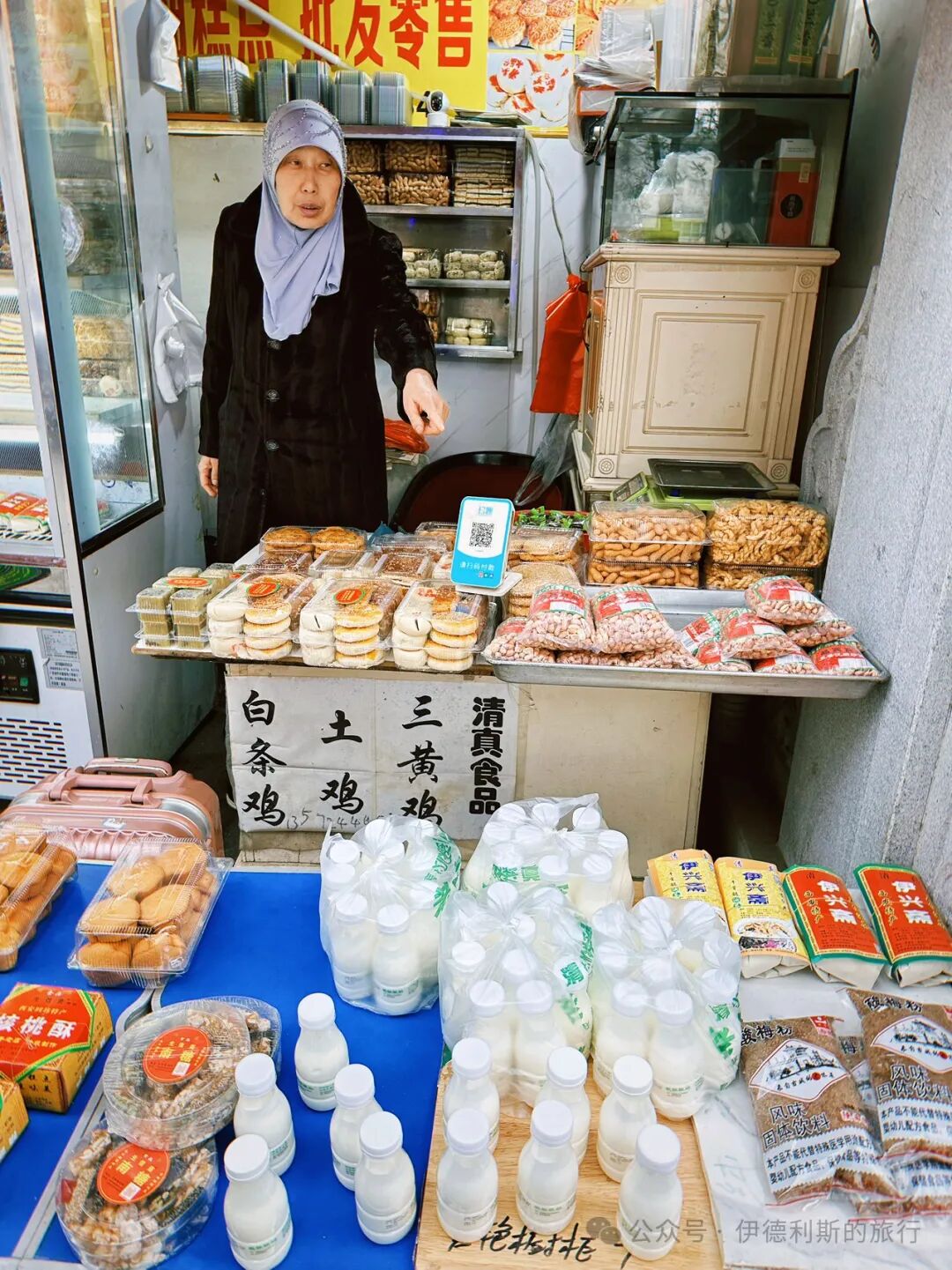
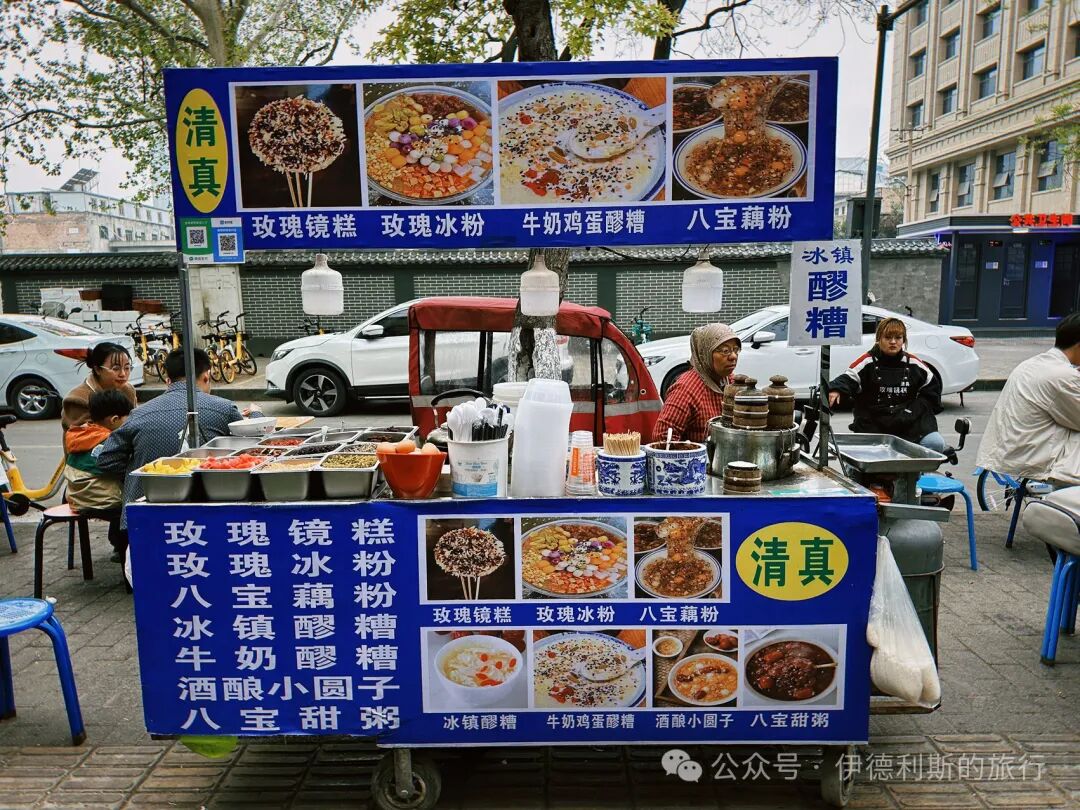
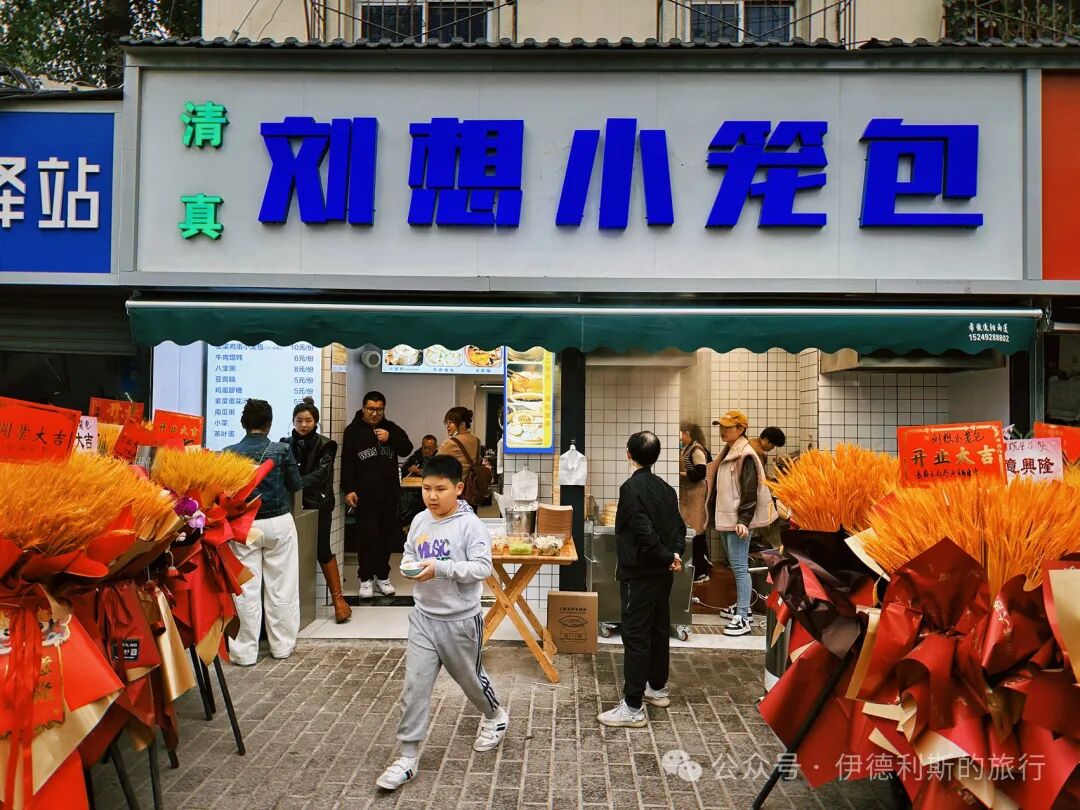
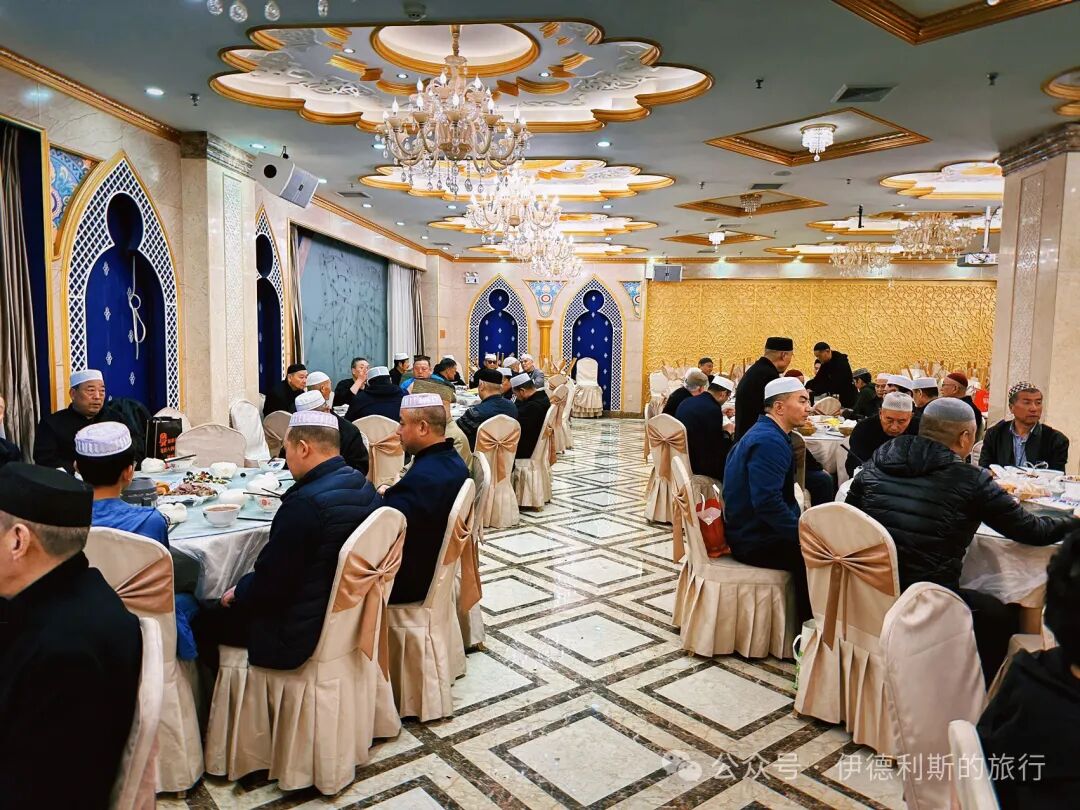
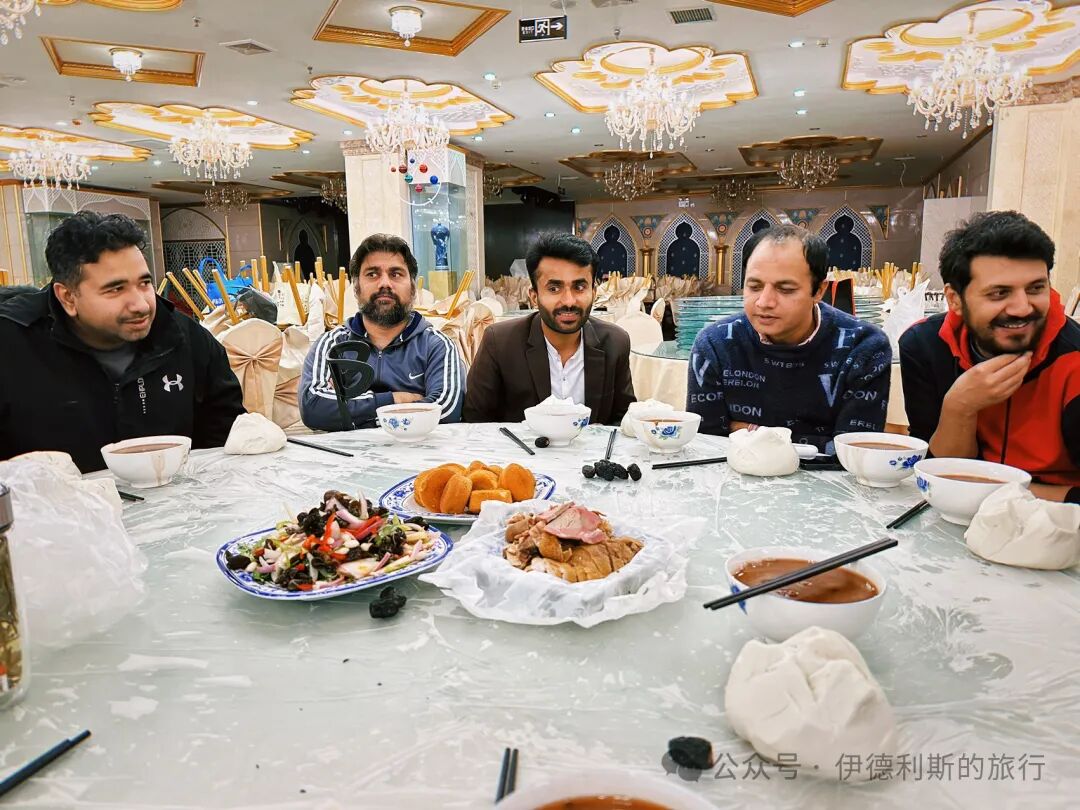
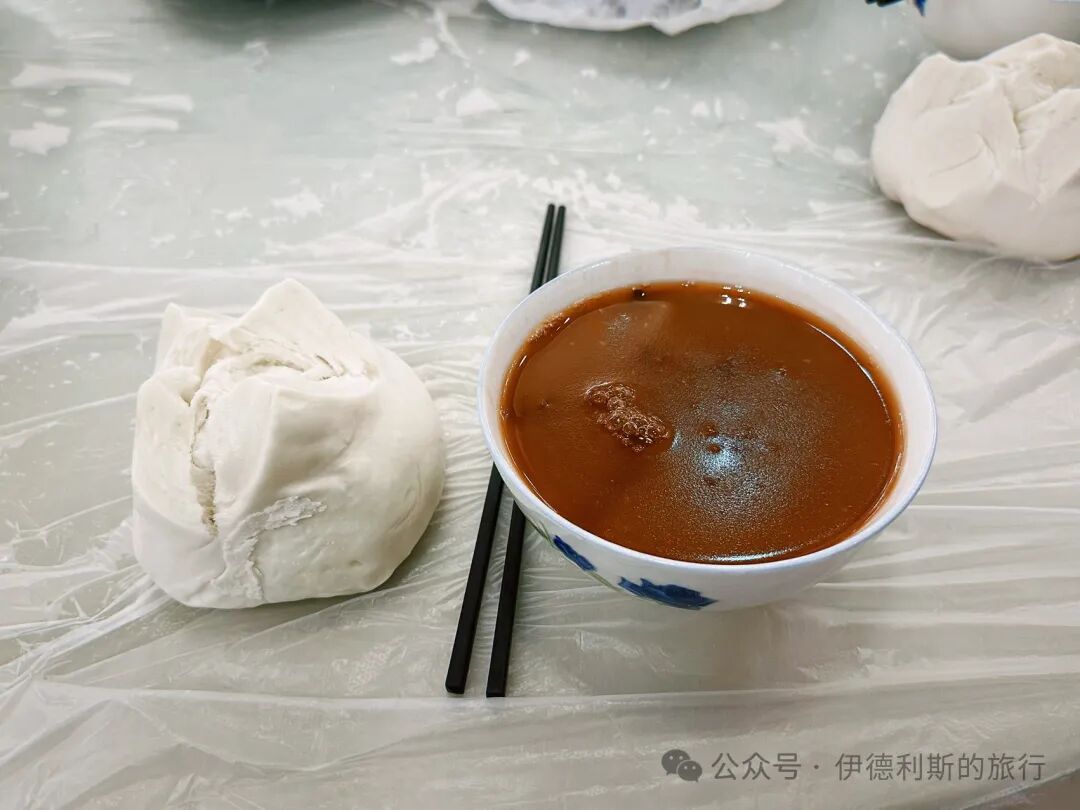
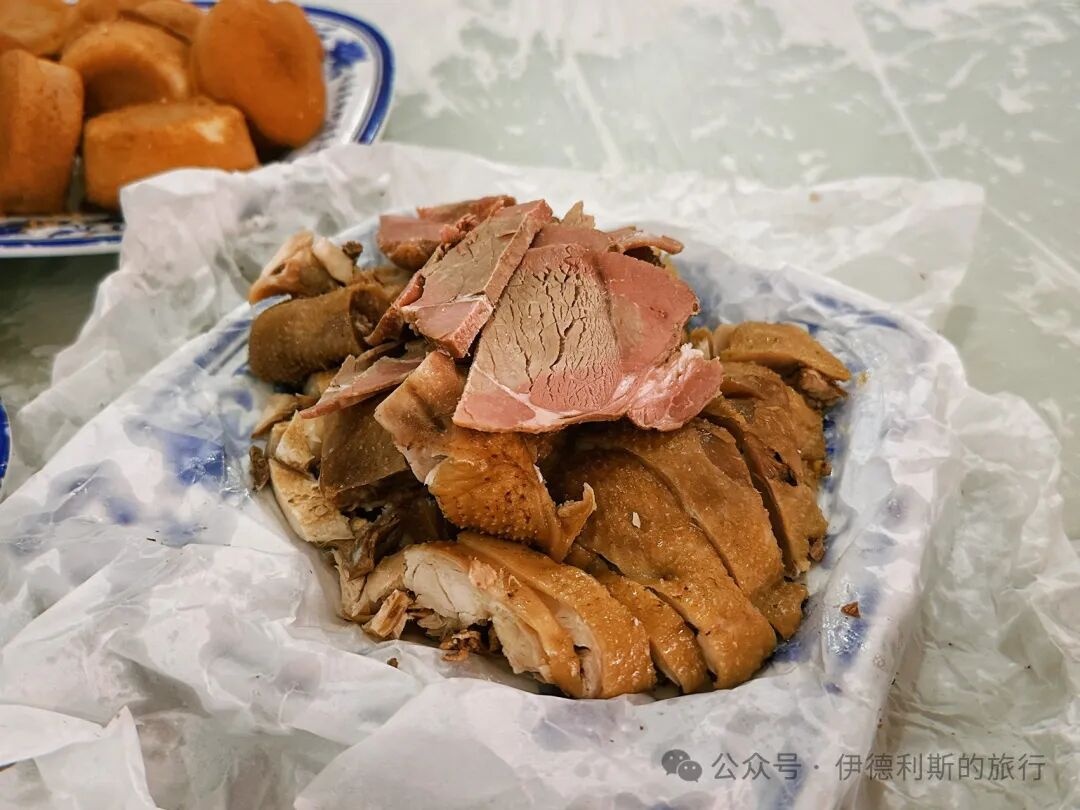
In the evening, we broke our fast at the Dongxin Street Mosque. We had barrel chicken (tongziji), braised pork tongue (jiang koutiao), cold mixed vegetables, braised fish chunks, steamed buns (momo), and red bean porridge. Barrel chicken (tongziji) is most famous in Kaifeng, Henan. It gets its name because the hen is cooked in a barrel shape without being gutted. The finished dish is bright yellow and tastes better the more you chew it.
The Dongxin Street Mosque was the first mosque for migrants in Xi'an. After it was built in 1936, it remained active until 1958. It was then turned into the New City District Hui Muslim Cultural Center. A factory occupied it after 1971, and it did not resume religious activities until 1986. It was rebuilt into the current building in 2013, which looks very new and has a great environment. The imam at the mosque now is from Henan, and many of the elders also speak with a Henan accent, which is quite interesting.
After the Taraweeh prayers, I rode my bike back to the Hui Muslim quarter, bought some mung bean cake (lvdougao) on Miaohou Street, and had a cup of sour plum drink (suanmeitang). I seem to drink sour plum drink (suanmeitang) every time I visit Xi'an; the brewed version has a richer texture and is a bit more tart.
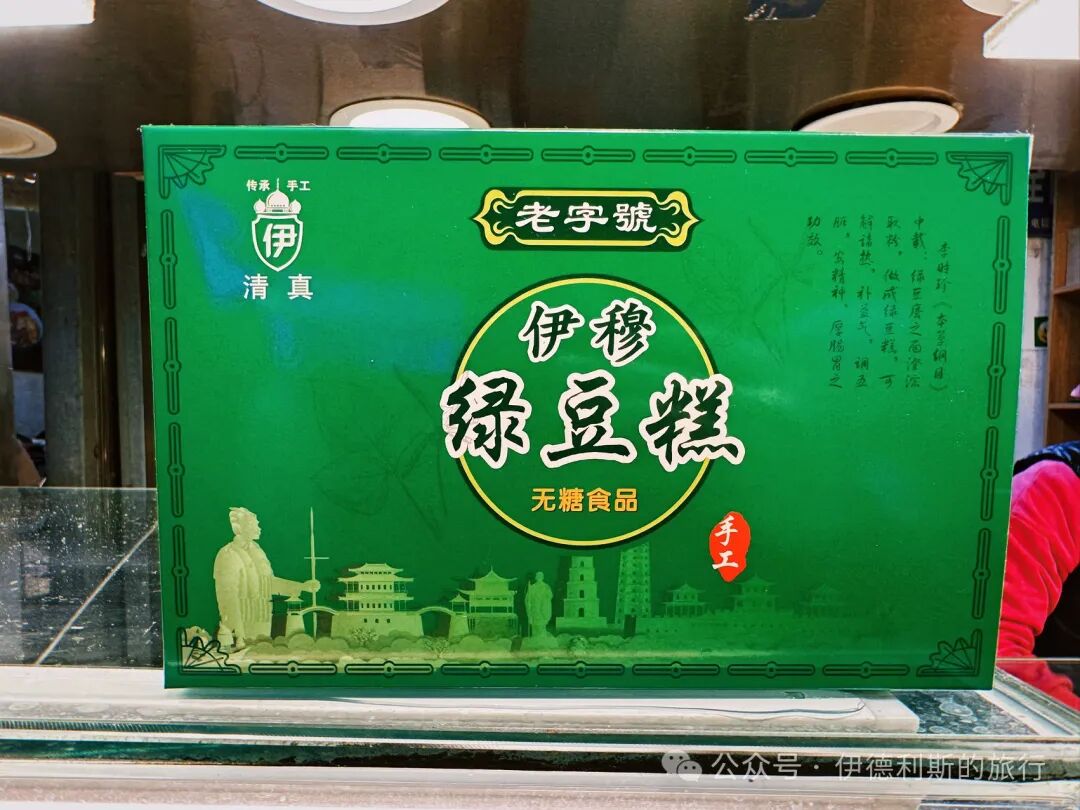
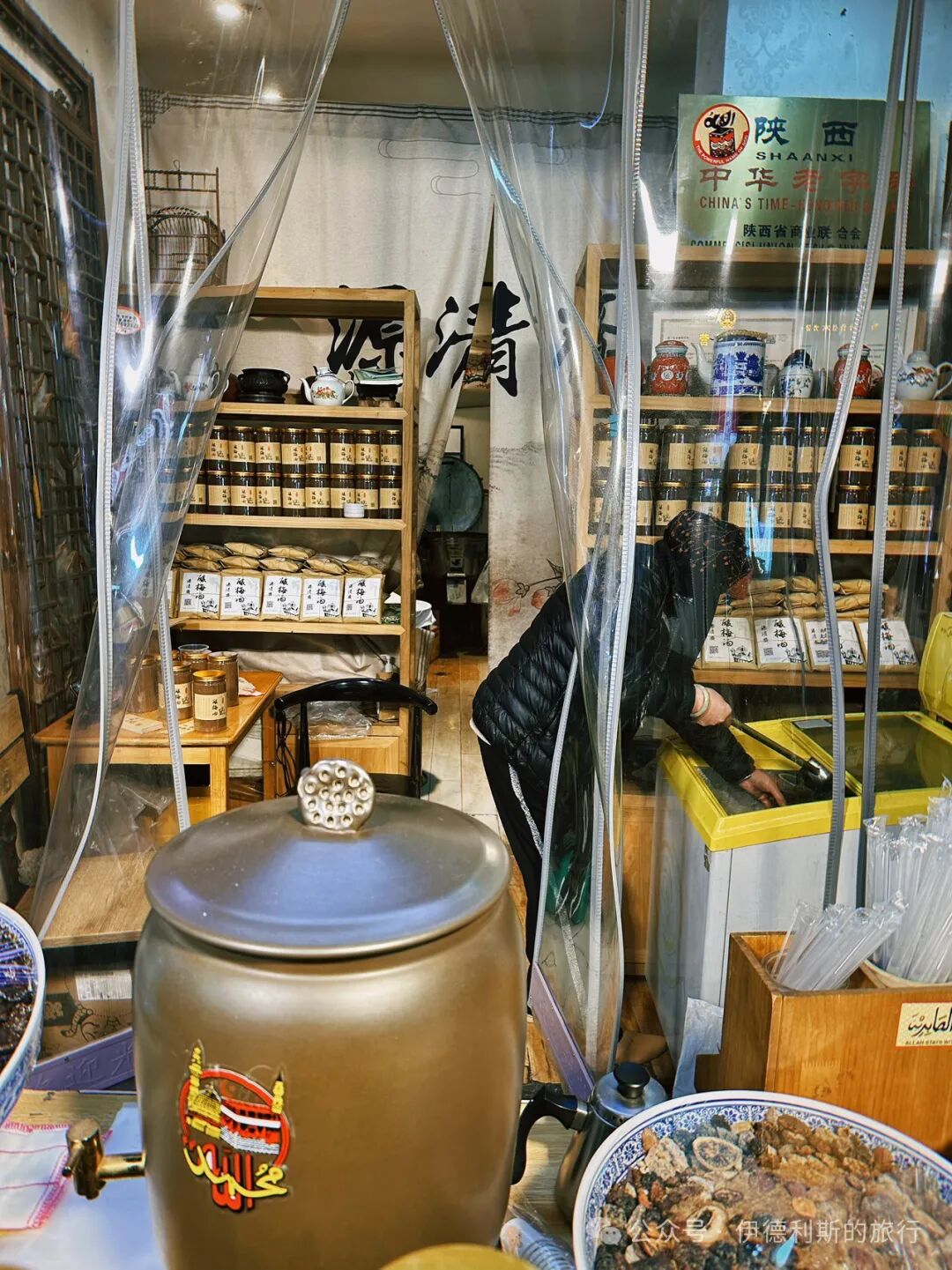
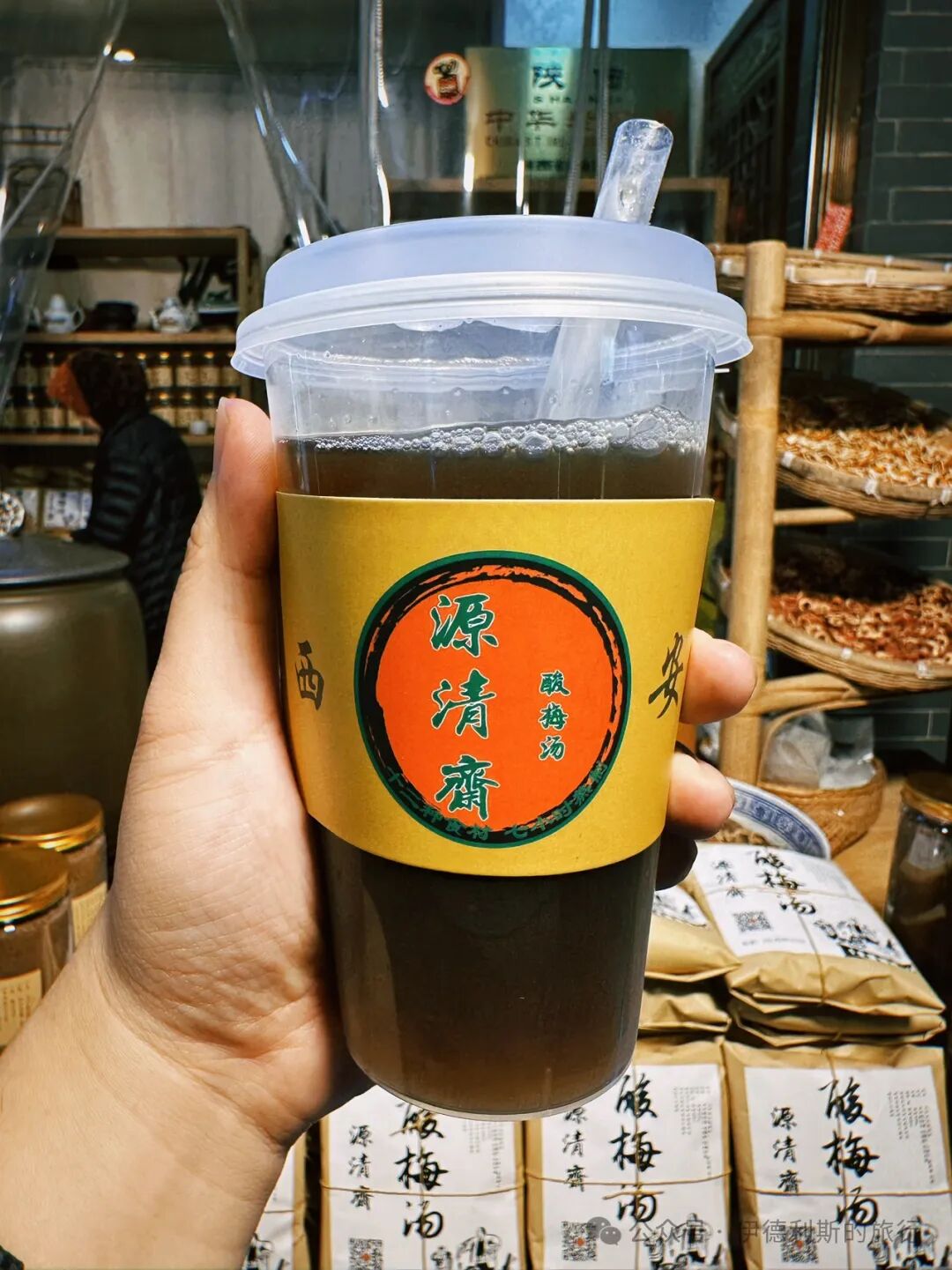
I strolled to the west end of Miaohou Street to have some barbecue at Sun Tao's place. They sell the small beef skewers in orders of at least 20; they are quite chewy, almost like a snack. I also had a bowl of egg milk fermented rice (jidan niunai laozao), which makes for a good pairing.
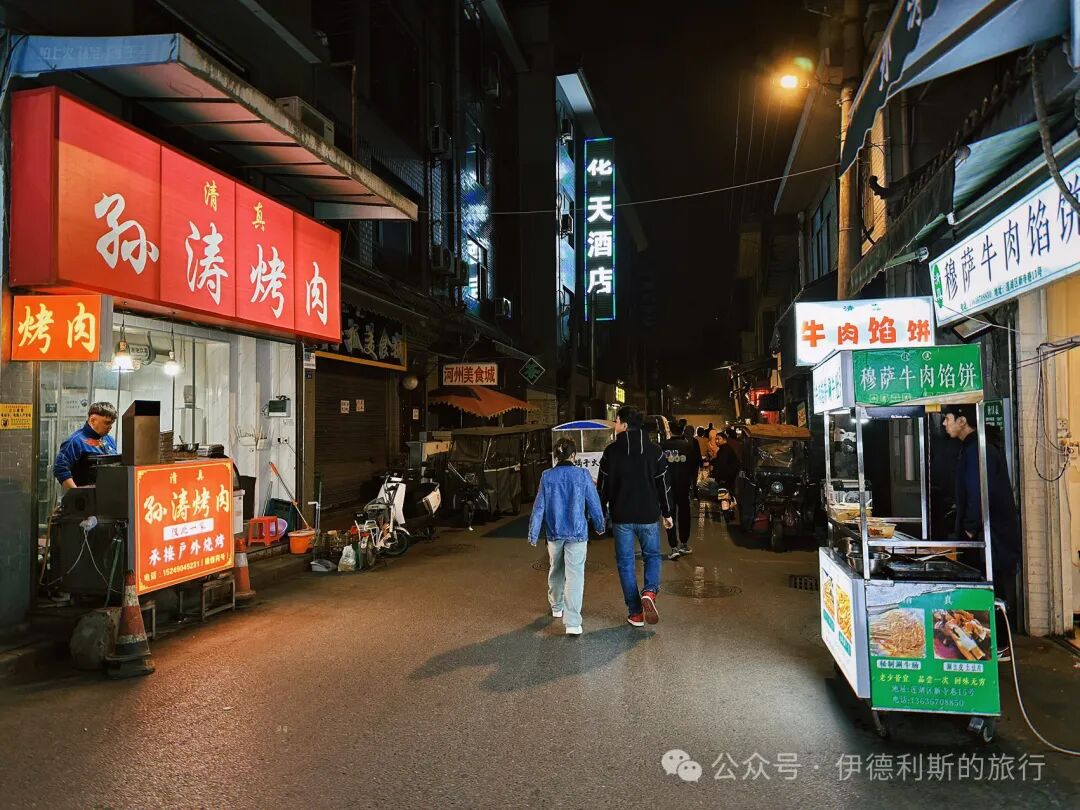
April 6
At 3:50 a.m., I had a delicious lotus leaf bun with vegetables (heye bing jia cai) for my pre-dawn meal (suhoor) the day before, so I tried a different shop for it today. This time I ate a five-dragon egg and vegetable sandwich (wulong dancai jiamo) on North Guangji Street, and I also had some meat oil rice (youfan) there. Oil rice (youfan) is a special dish that Hui Muslims in the neighborhood usually make only for Eid (Erde) and the Prophet's Birthday (Shengji). It is a meat porridge made with beef bone broth and minced beef. It is salty, savory, and very festive.
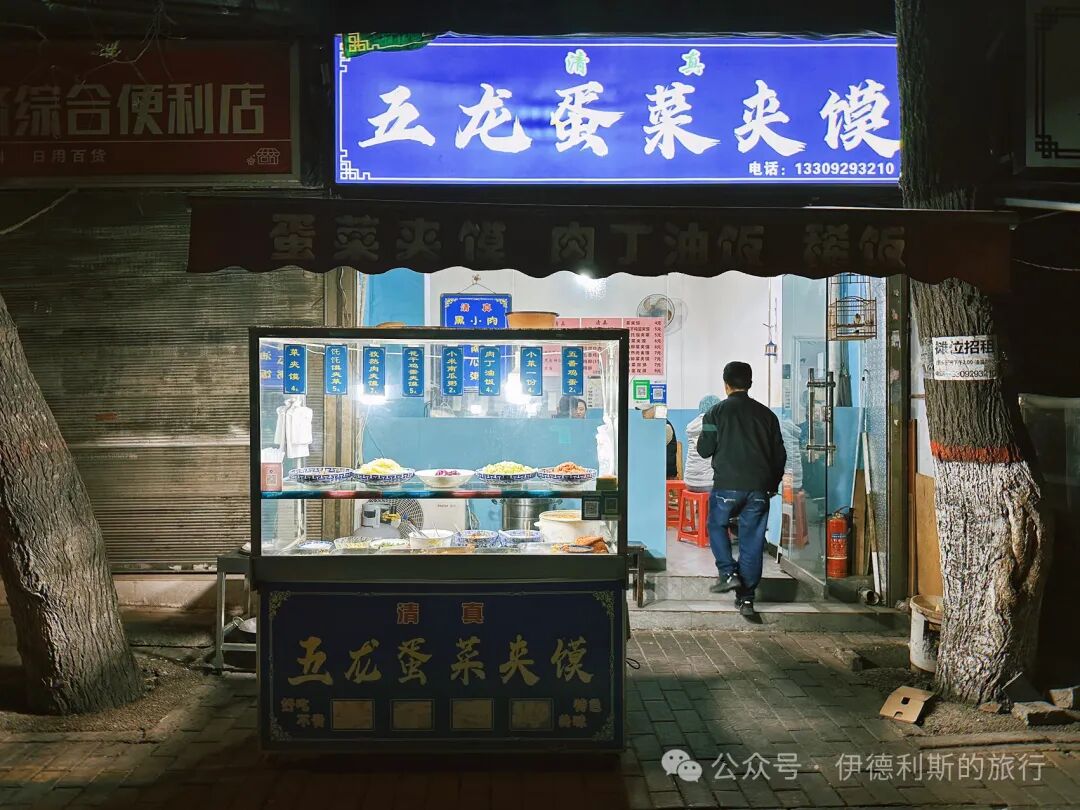
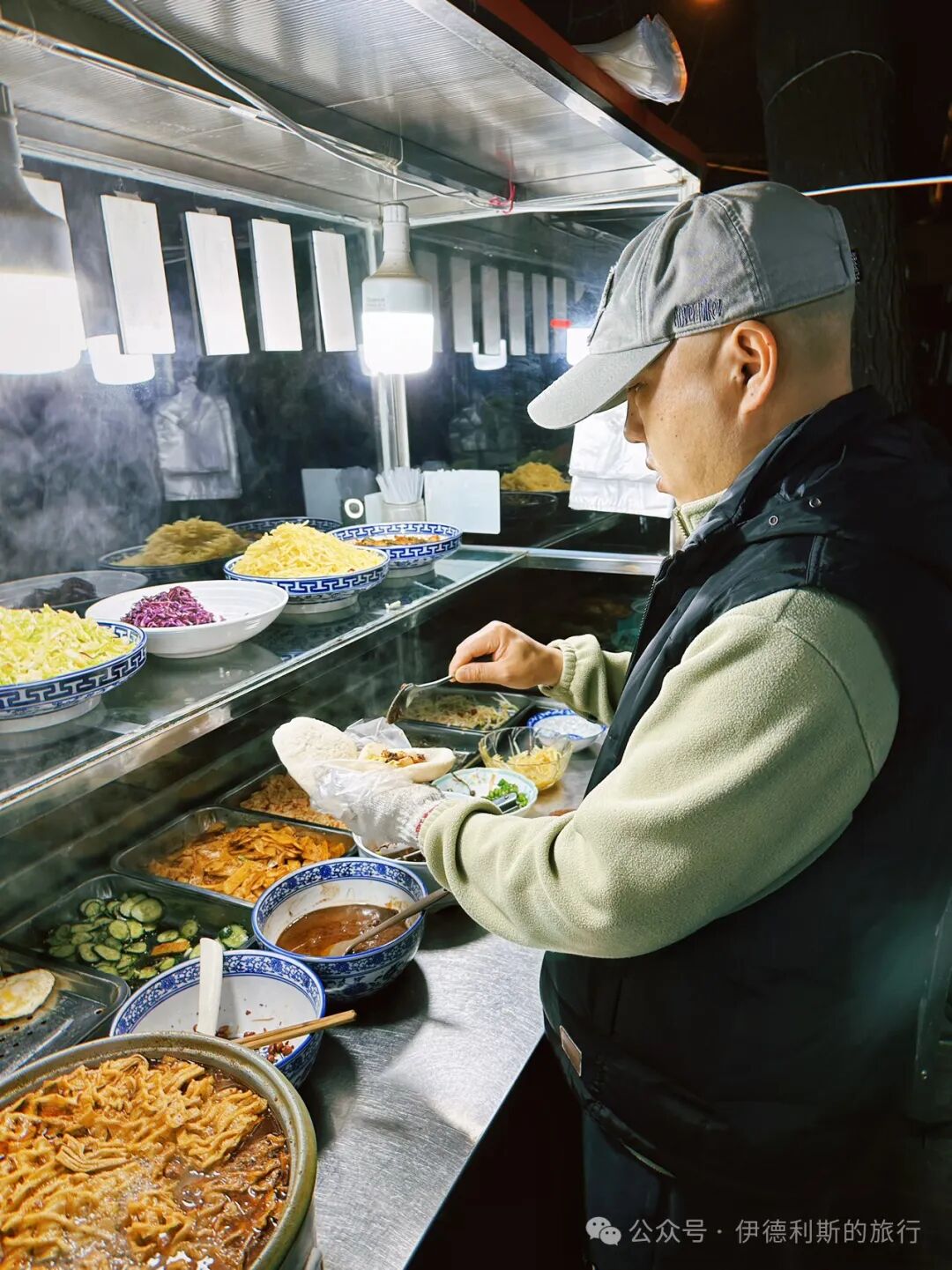
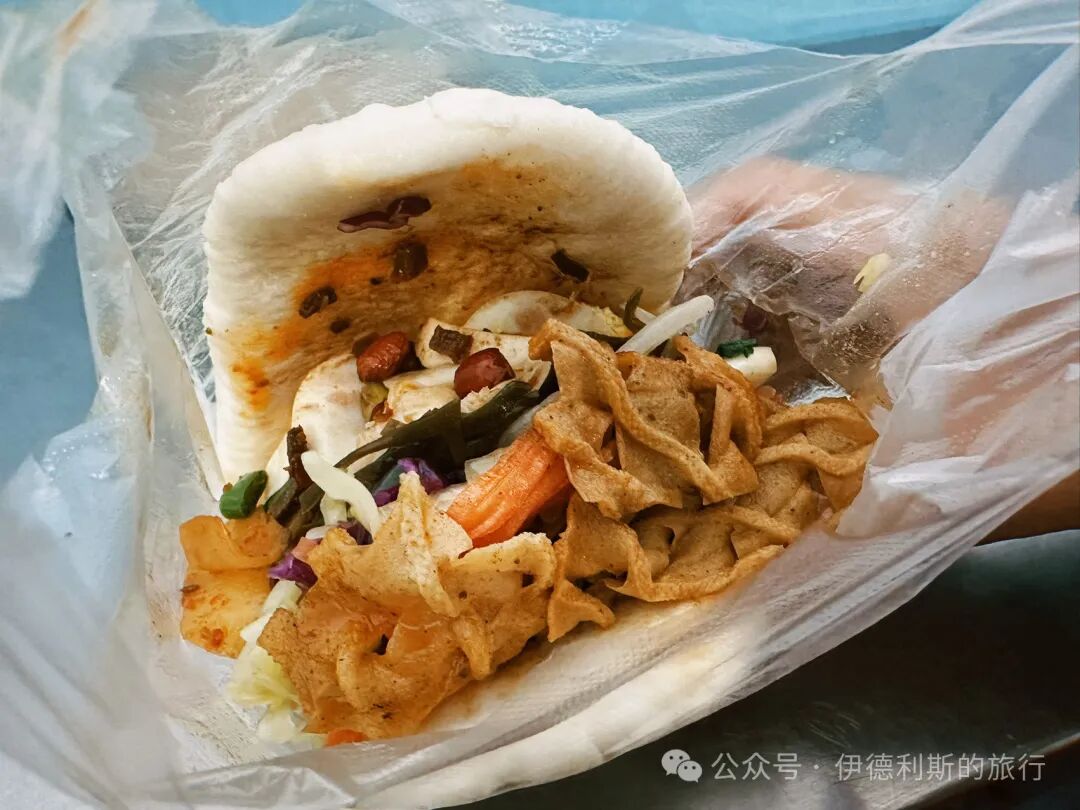
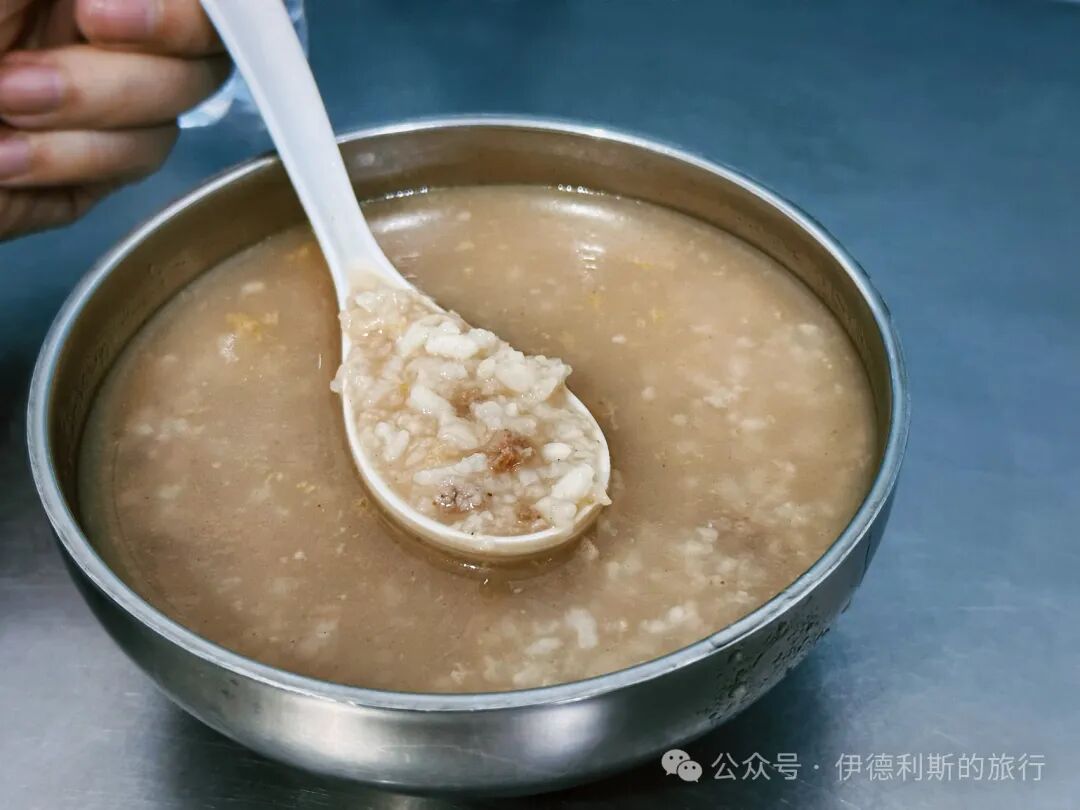
After finishing the oil rice, we turned into Xiaopi Courtyard to eat steamed buns (baozi) made with traditional sourdough (laomian) at Ashiye's shop. For traditional sourdough (laomian), the dough is prepared a day in advance and left to rise for over ten hours without using yeast powder. Then, the risen dough is mixed with fresh dough to make the texture chewier and whiter. While we were eating the buns, an older man outside found out we were fasting and insisted on paying our bill. We felt so grateful, and it made us feel that the atmosphere in Xi'an is truly wonderful.
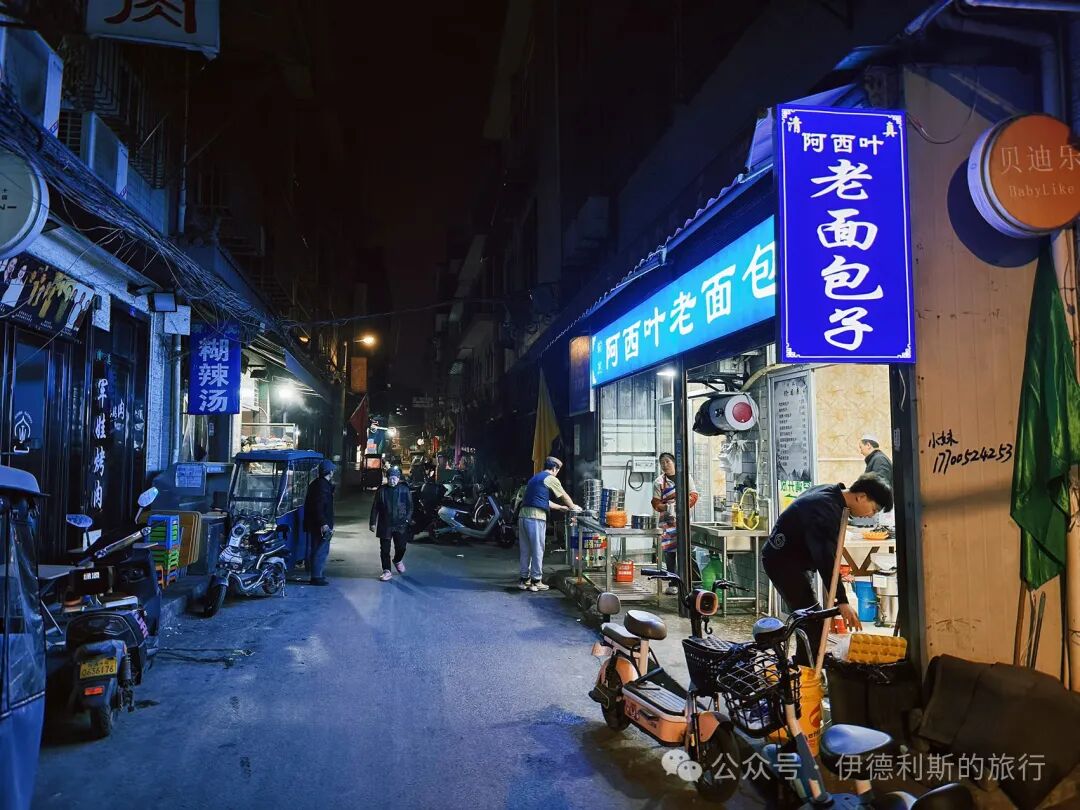
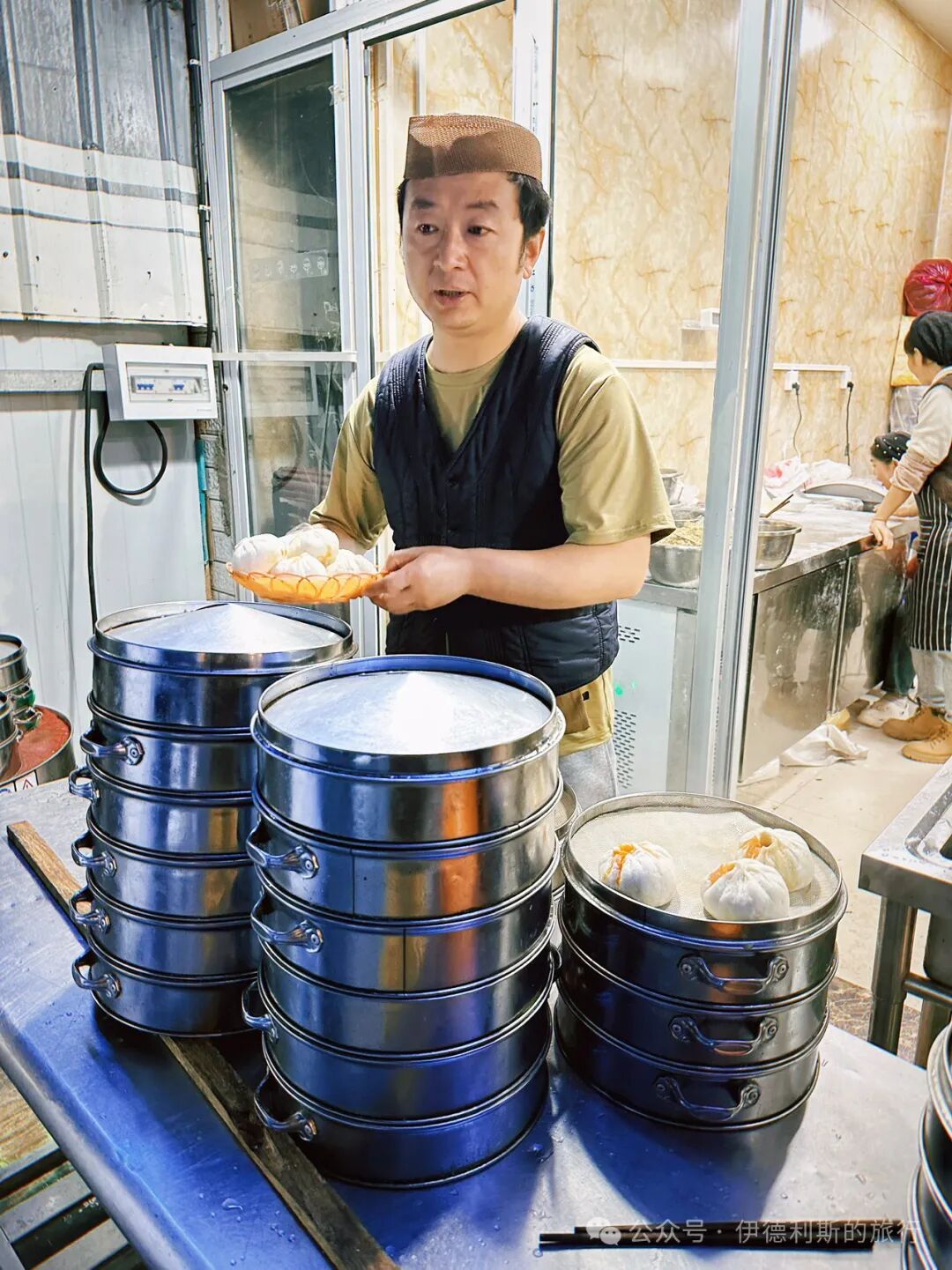
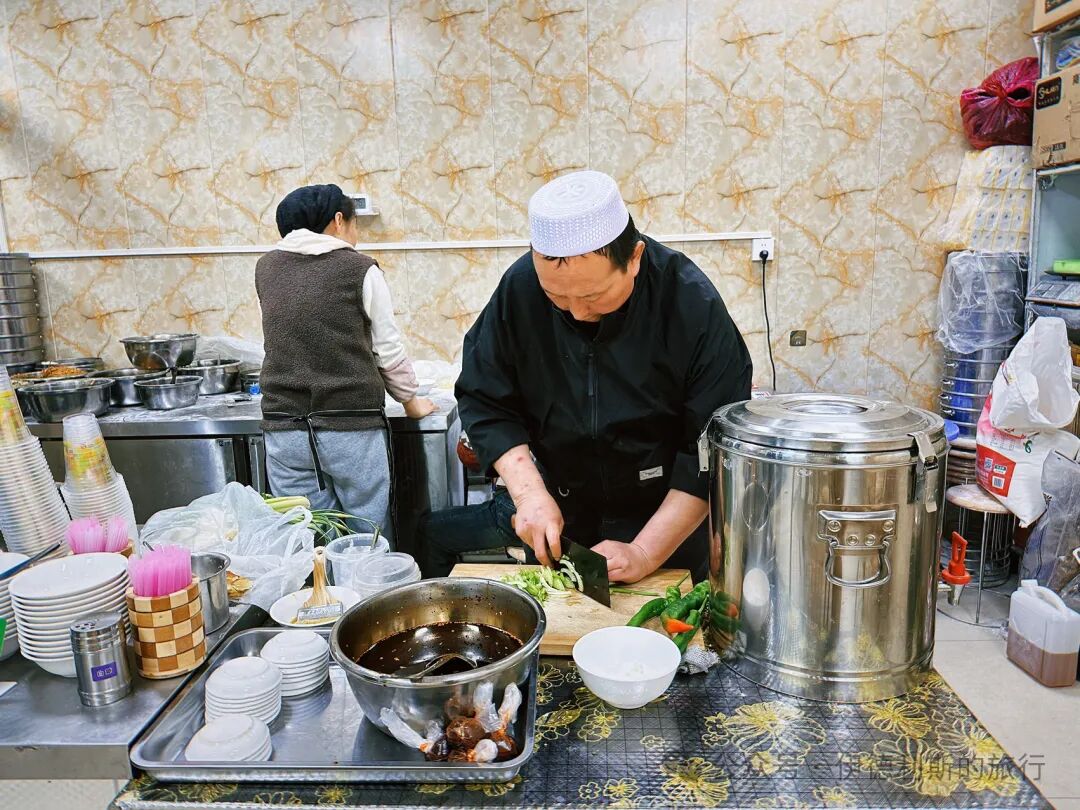
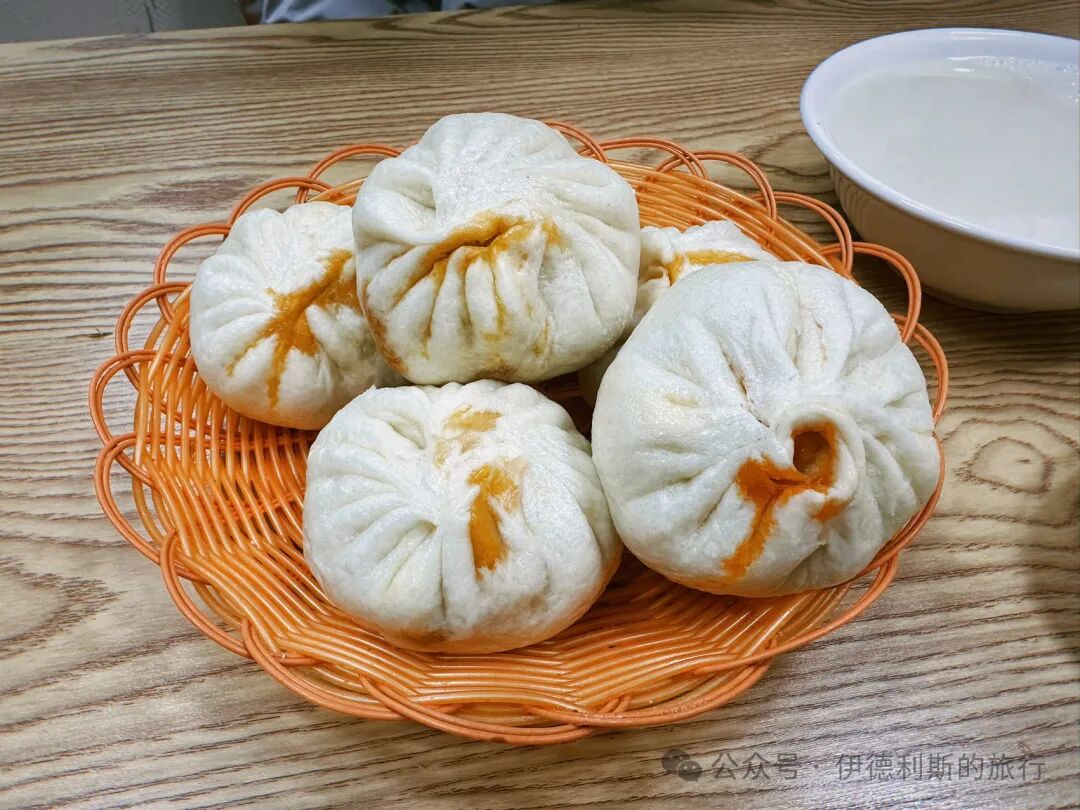
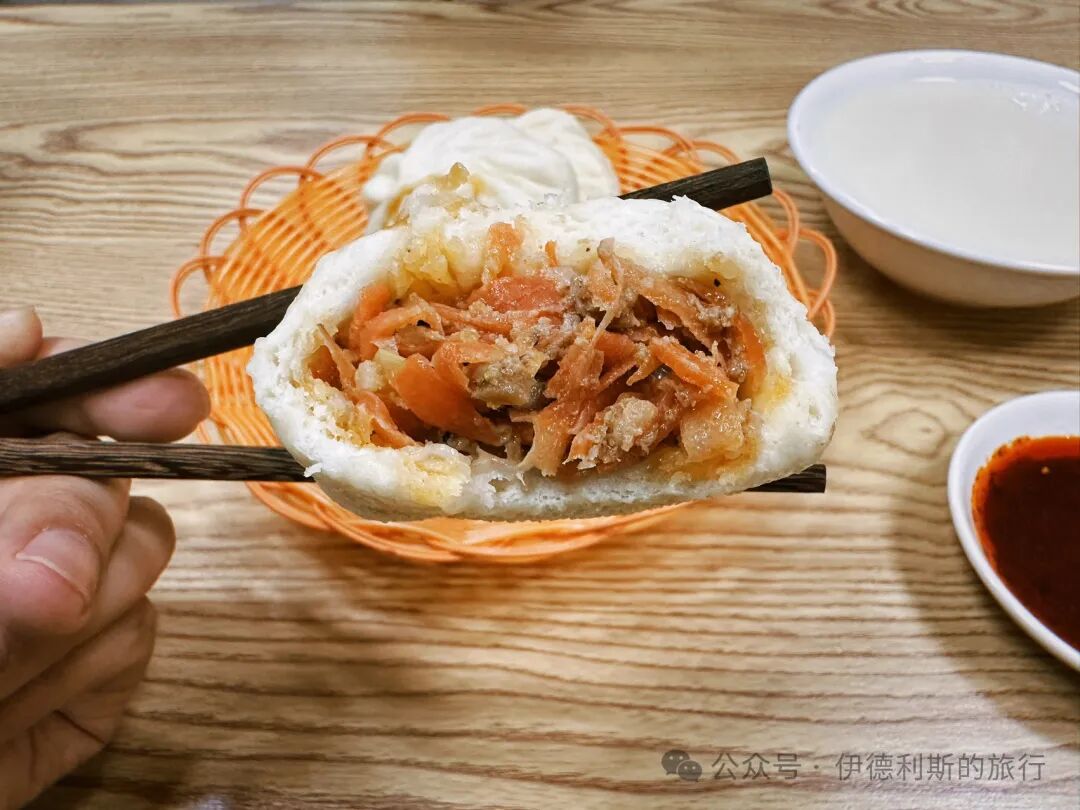
The street view of Xiaopi Courtyard at 4:20 in the morning.
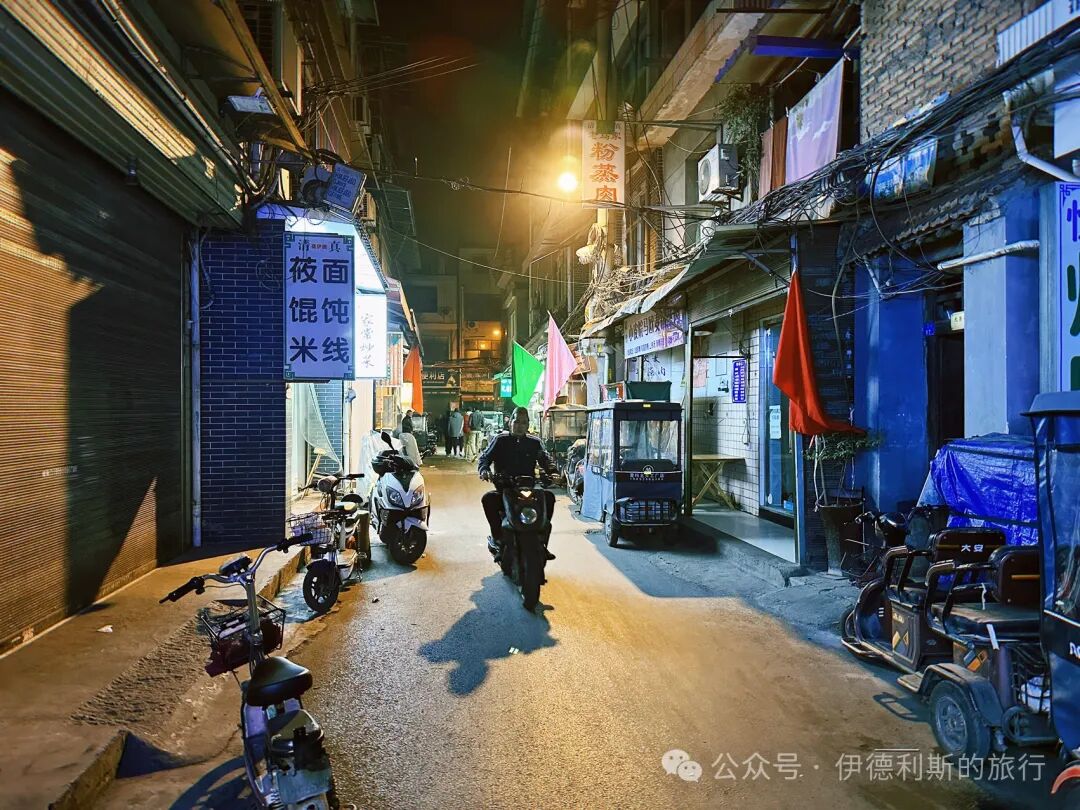
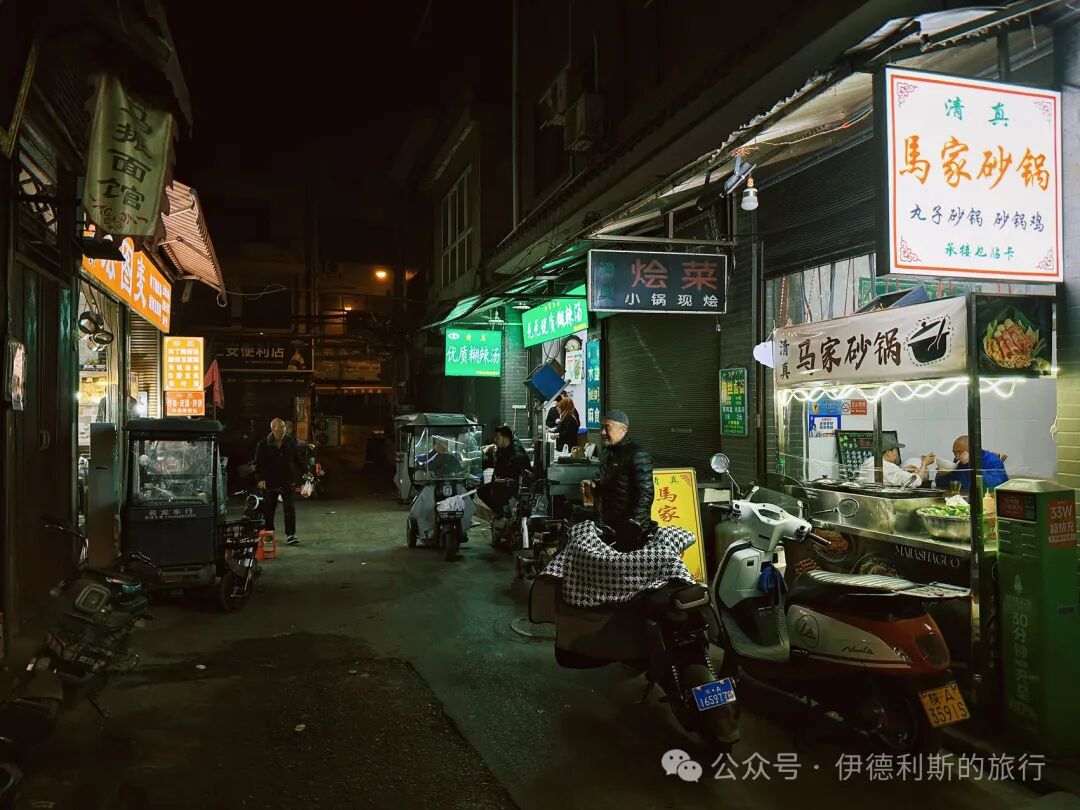
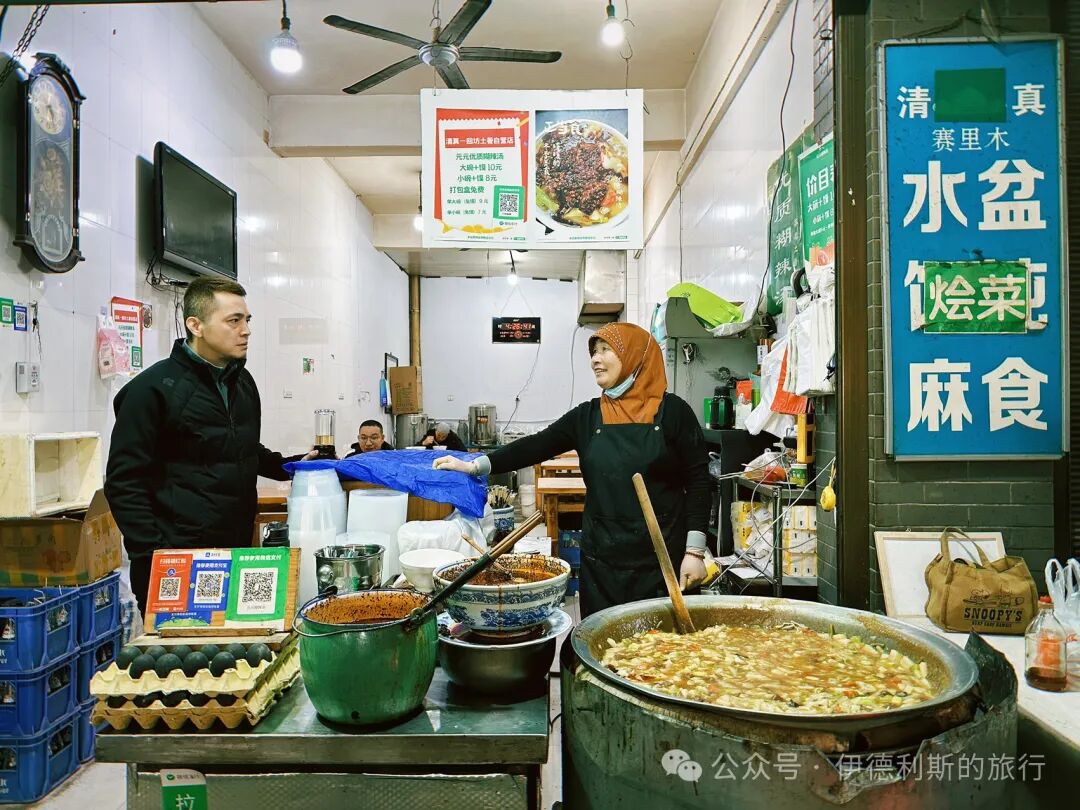
At 5:30 in the morning, we performed namaz at the West Mosque (Qingzhen Xisi) on Sajinqiao. The West Mosque was built in 1926 and belongs to the Ikhwan sect. In 1912, Imam Liu Yuzhen began teaching Ikhwan ideas when he started classes at the ancient Sajinqiao Mosque. In 1920, some local residents influenced by the Ikhwan sect set up a separate prayer space (zhemati) at the home of Ma Mengji in Xinshi Lane, which was the predecessor to the West Mosque. In 1926, over 150 Ikhwan families in Sajinqiao, led by community leaders like Liu Chunzhang, raised money to buy the Haihui Nunnery northwest of the Sajinqiao intersection and rebuilt it into the Sajinqiao West Mosque.
During the Republic of China era, the West Mosque served over a thousand local Hui Muslims. It became a health school in 1958 and later a funeral home for Hui Muslims. It reopened in 1986, the main hall was rebuilt in 1987, and the north and south halls still keep their appearance from a century ago.
The Sajinqiao West Mosque is known for valuing cultural heritage and having an open-minded approach. The mosque often hosts study sessions, martial arts performances, and social events, which attracts more young people and gives it a lively atmosphere.
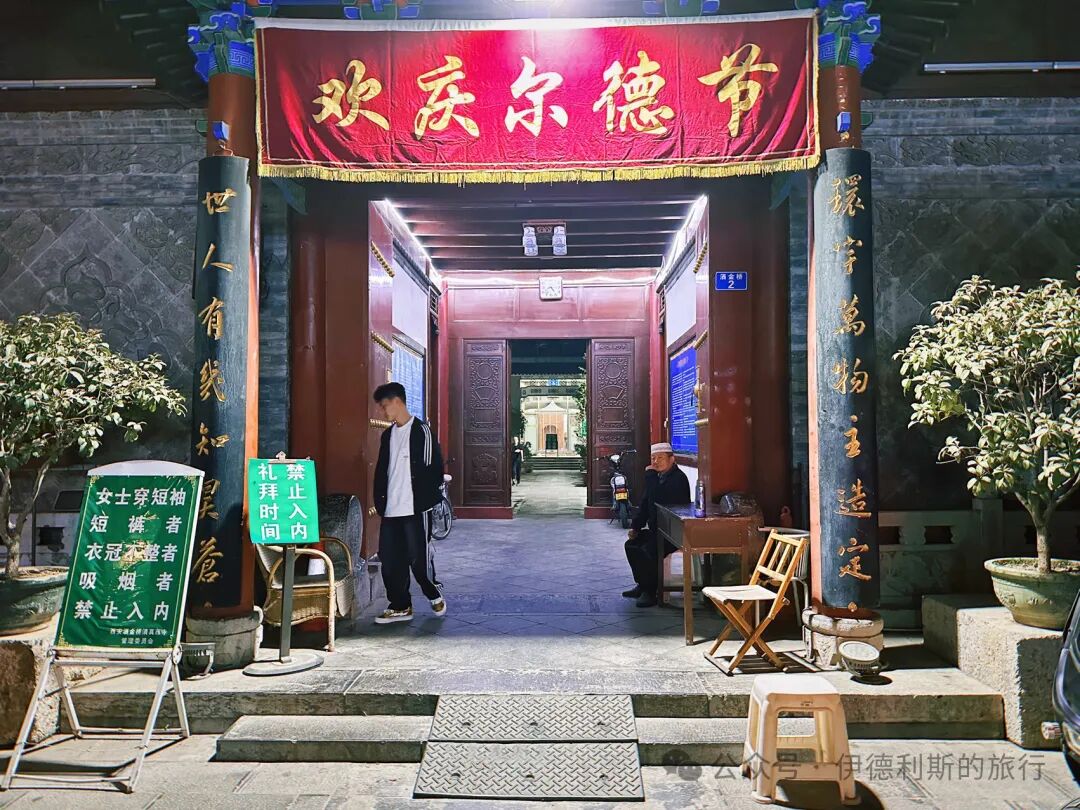
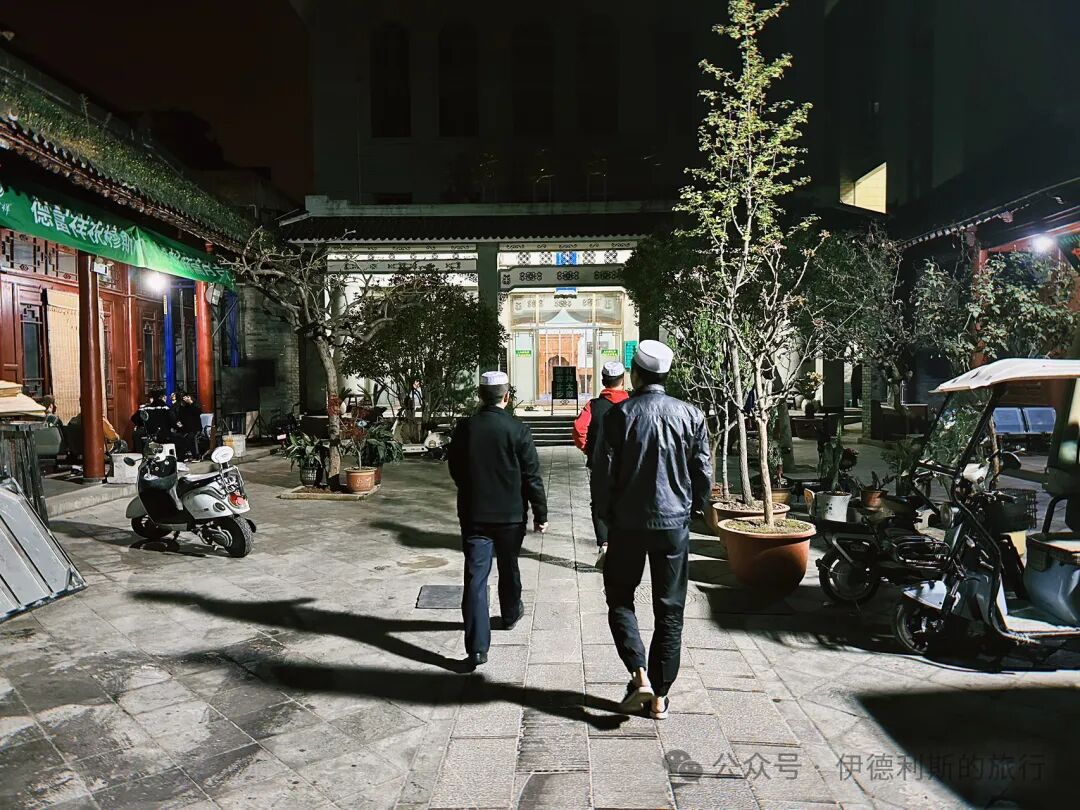
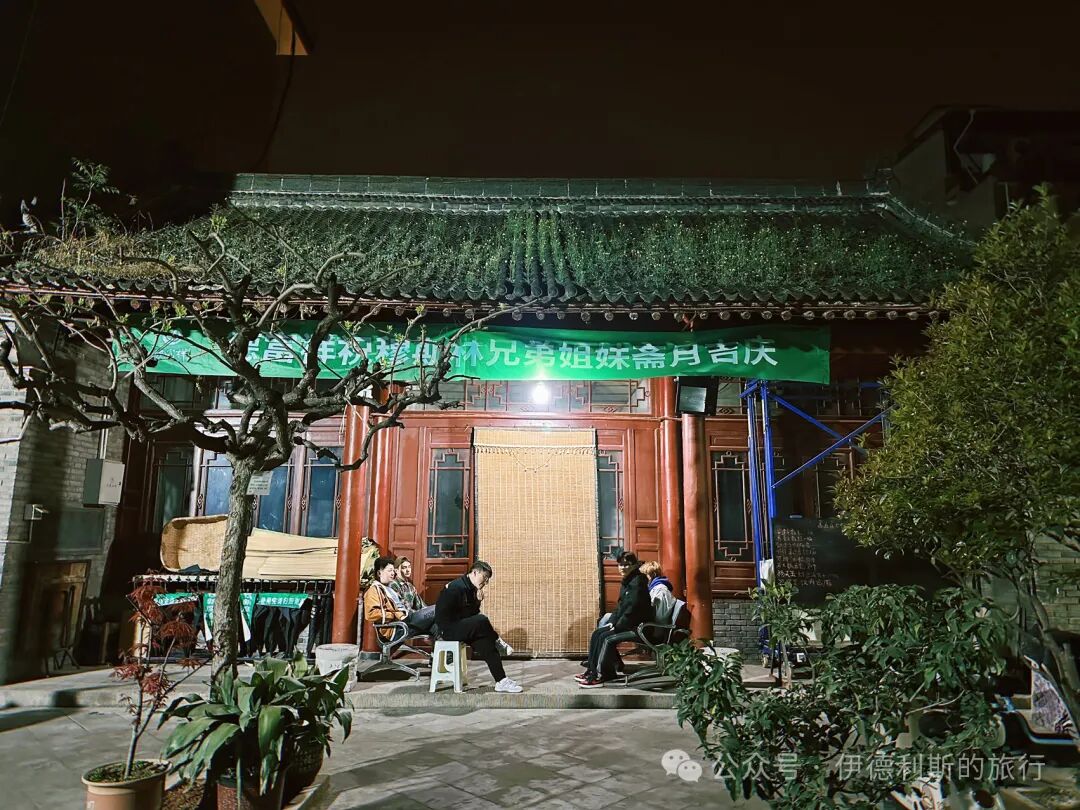
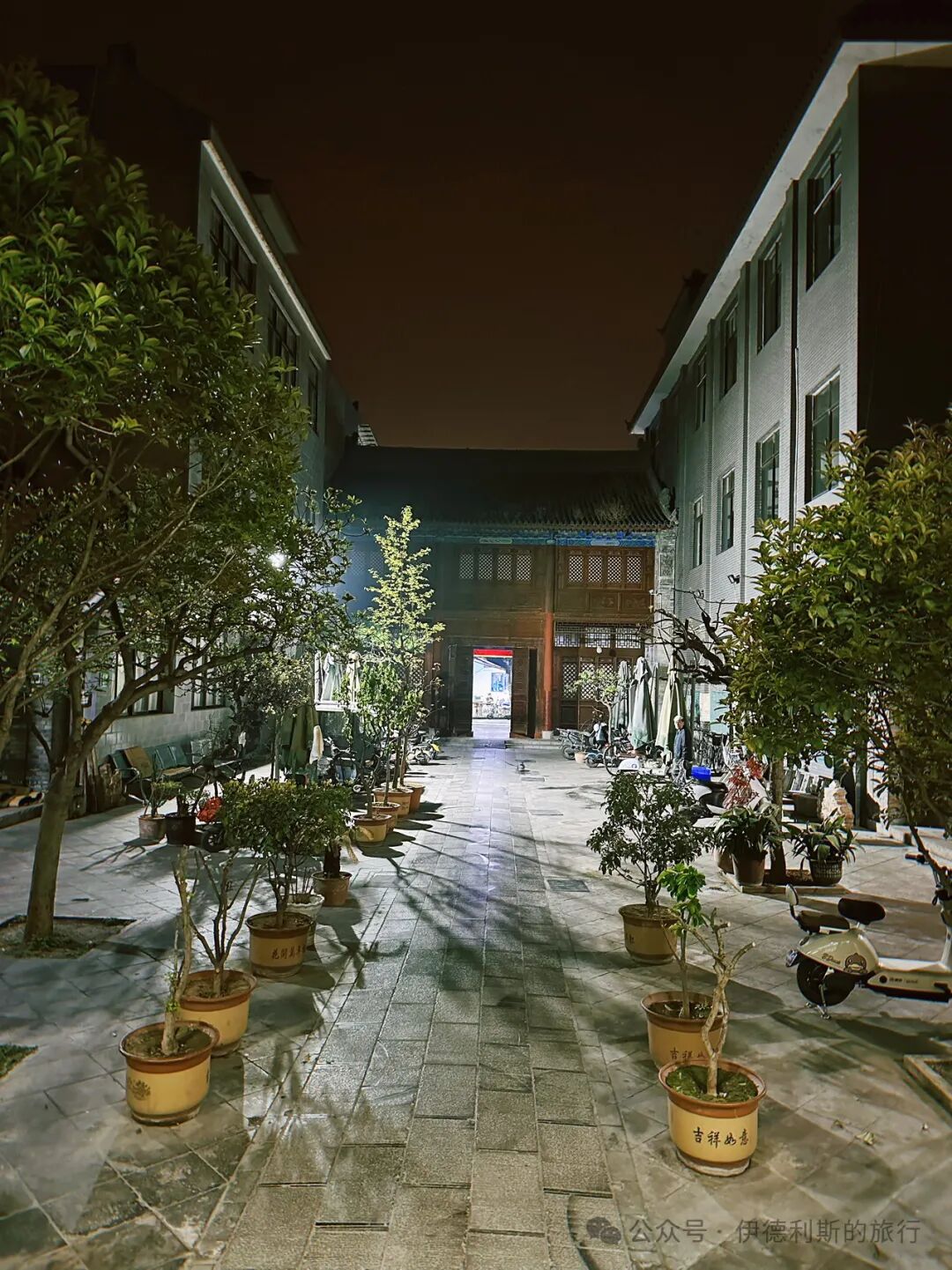
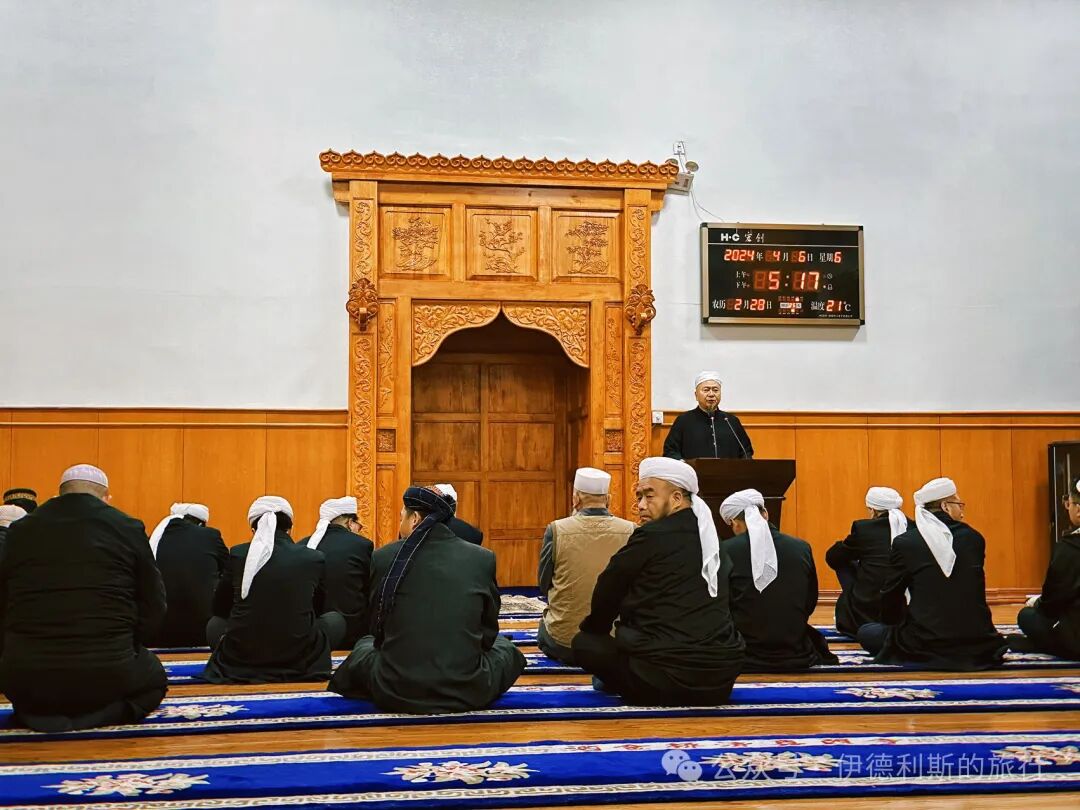
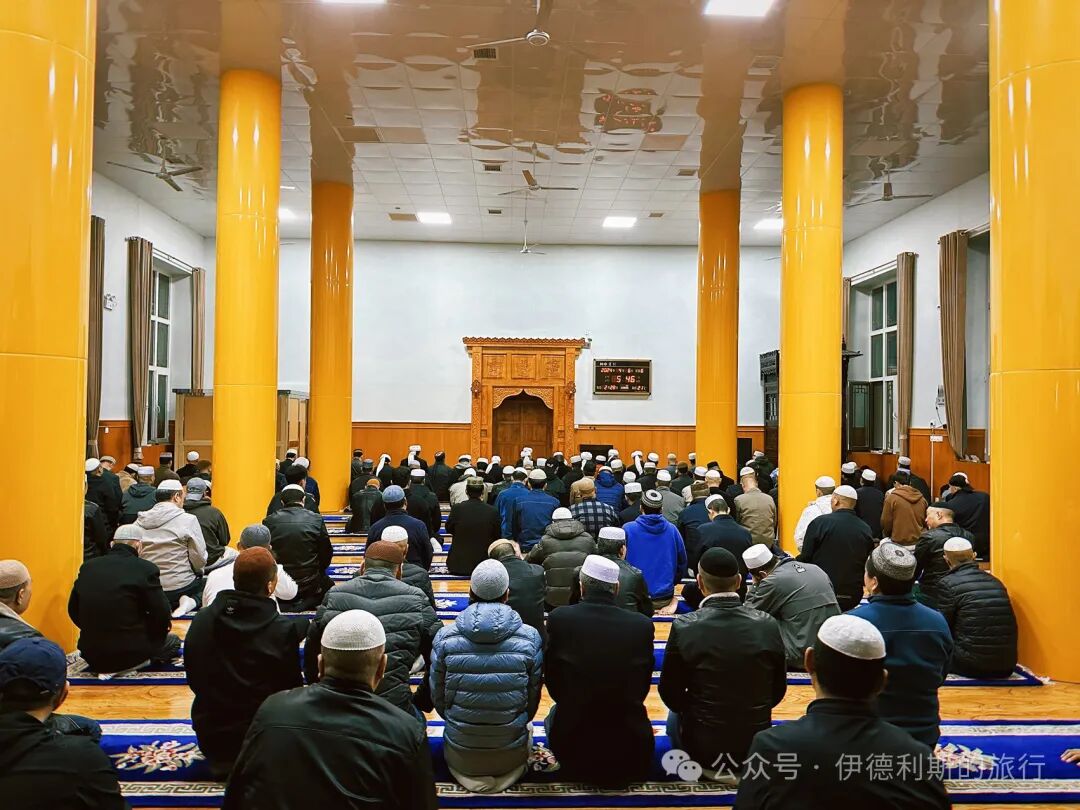
Sajinqiao during the day
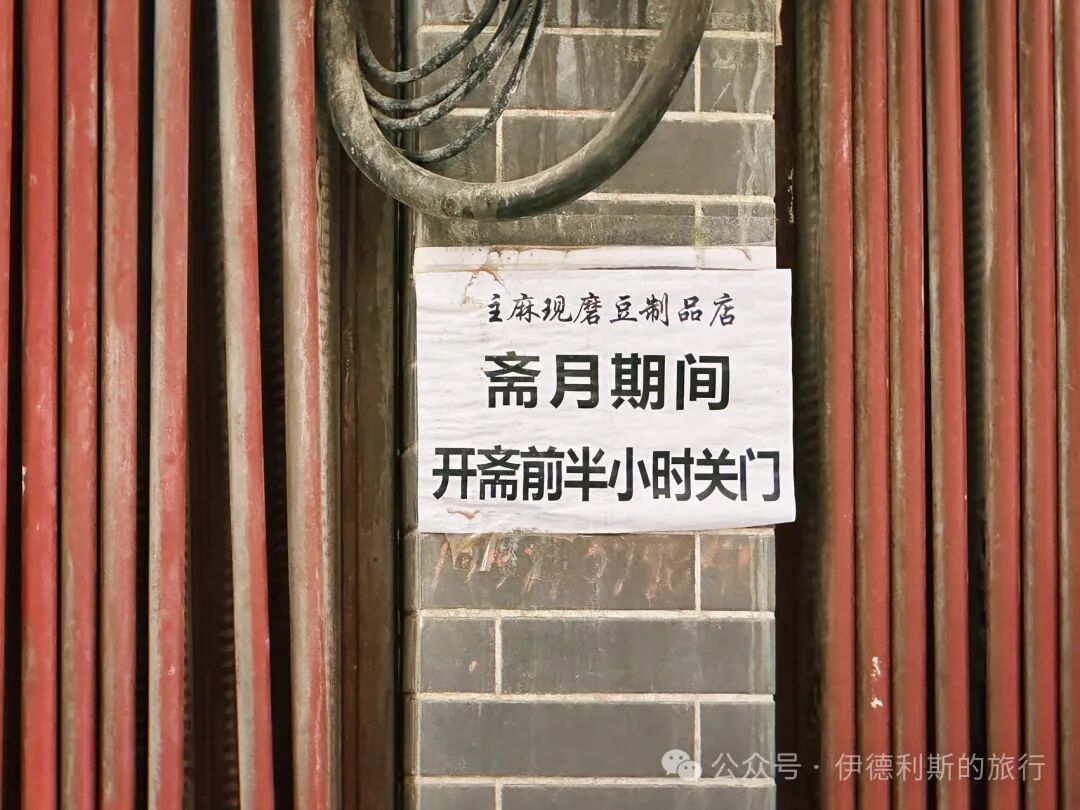
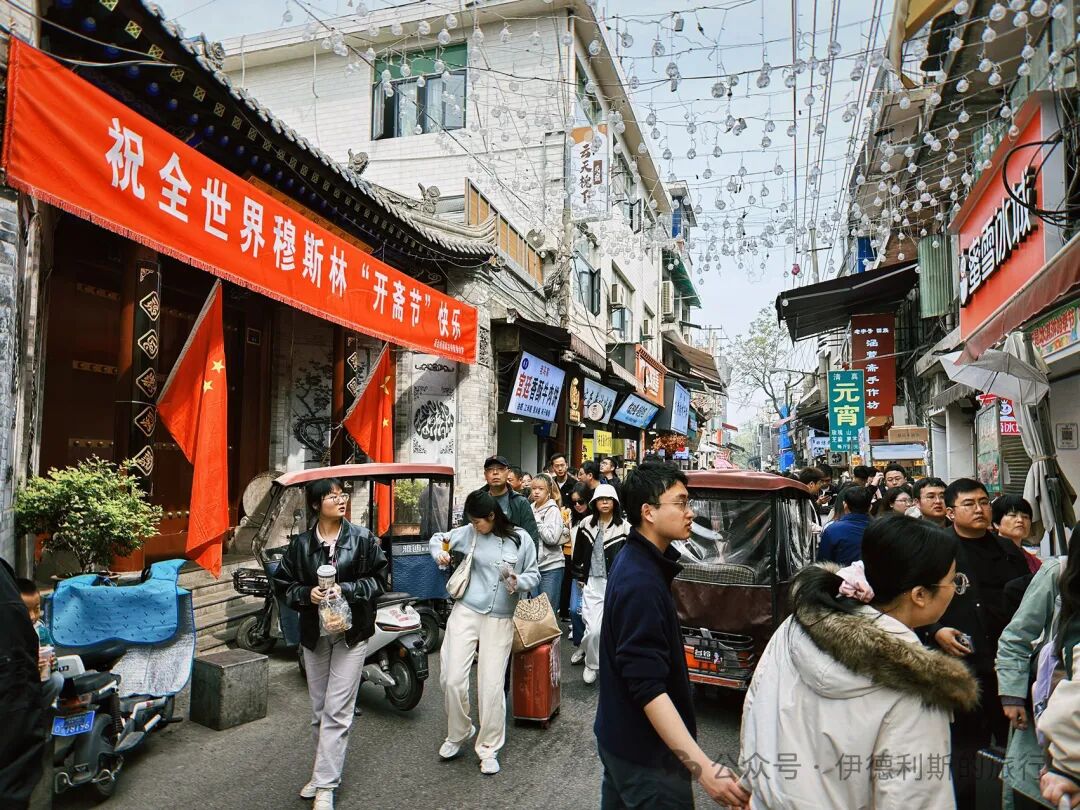
Halal Travel Guide: Wuhan - Ma Si Baba Gongbei, Turkish Coffee and Fatumai Restaurant
Articles • ali2007fr posted the article • 0 comments • 152 views • 2026-05-19 08:53
Summary: Halal Travel Guide: Wuhan - Ma Si Baba Gongbei, Turkish Coffee and Fatumai Restaurant is presented here as a firsthand travel account in clear, natural English. The account focuses on Wuhan, Gongbei, Halal Food while preserving the names, places, food, photos, and historical details from the Chinese source.
On March 10, I rode my bike from the east gate of Central China Normal University early in the morning to visit the tomb of Ma Si Baba on Huquan Street. The tomb of Ma Si Baba is now inside the Poly Huadu residential complex, and the phone number for the caretaker, Ma Yunjiang Dosti, is posted at the entrance. Unfortunately, Ma Dosti was at the hospital when we arrived, so he asked his sister to come and open the gate for us.
Ma Si Baba (1597-1679), whose real name was Ma Quan and courtesy name was Minglong, was a master of Islamic studies and the founder of the Jingtang education system in Hubei. Ma Si Baba came from the Ma family of Huaiyuantang, originally from Xuyi County, Fengyang Prefecture. His great-grandfather, Ma Jun, was appointed as a commander in the Wuchang Left Guard of the Huguang Regional Military Commission in 1413 (the sixth year of the Xuande reign of the Ming Dynasty) and settled in Wuchang from then on.
Ma Si Baba studied both Islamic and Chinese classics with his father from a young age. When he was young, he spent seven years in Tongxin, Ningxia, and Xianning, Shaanxi, studying under the teachers Feng Bo'an and Feng Shaoquan. After returning to Wuhan, he began teaching at the Yuanmenkou mosque in Wuchang, where he focused on studying Persian classics like the Miersade. In Wuhan, Ma Si Baba received guidance from the Western Regions scholar Jiliang and was influenced by Sufi thought. The only surviving work by Ma Si Baba is "Renji Xingwu" (Self-Recognition and Awakening), written in 1661 (the eighteenth year of the Shunzhi reign). In the book, he uses Confucian and Taoist ideas to explain various concepts of the faith, reflecting the cultural trend of "interpreting Islam through Confucianism" at the time.
Ma Si Baba was once invited by Ma Xiong, the regional commander of Liuzhou, to serve as the imam at the mosque in Liuzhou. Later, he used money donated by Ma Xiong's foster father, Ma Jiaolin, to buy farmland for the school at the foot of Wohu Mountain, east of Wuchang city, and he was buried there after he passed away. After Ma Si Baba passed away, Hui Muslims from the Ma family of Huaiyuantang, the Ma family of Sichuan, the Ma family of Shaanxi, the Li family of Shizijie in Wuchang, and the Wu family of Xiamazhuang moved there to settle. Later, families with the surnames Fu and Liao also joined the faith, gradually forming the village of Majiazhuang.
The tomb of Ma Si Baba was severely damaged after the Battle of Wuhan in 1938, and the current brick-and-concrete tomb pavilion was built in 1953. In 1979, due to land requisition, the Shangmazhuang area where Ma Si Baba's descendants lived was relocated to Zhangjiawan. In 2003, to build Xiongchu Avenue and develop real estate, Majiazhuang was relocated to the Xinzhu Road resettlement village in Guanshan Street, and in 2014, it was moved again to the Optics Valley Youth City across the street. When the Poly Huadu complex was developed, several Hui Muslim families from Majiazhuang chose to buy homes there to continue living near the tomb of Ma Si Baba, including the family of the current caretaker, Ma Yunjiang.
According to Ma Chao, a teacher at Shaanxi Normal University, there are five stone tablets inside the tomb pavilion of Ma Si Baba. On the north wall is the "Stele Record of the Relocation of Hu Dengzhou's Tomb," written by Ma Si Baba in 1673 (the twelfth year of the Kangxi reign). On both sides are the "Huabiao Stele Record" and the "School Farmland Stele Record," written in 1683 (the twenty-second year of the Kangxi reign) by Ma Ziyun, the regional commander of northern Sichuan. The two tablets at the back record the information of those who redeemed the school farmland, titled "Rules and Donor Names for the Majiazhuang School Farmland in Wuchang" (upper and lower parts). Outside the tomb pavilion, there are also replicas of the Ornamental Column Stele (Huabiao Beiji) and the School Field Stele (Xuetian Beiji).
The top of the Stele Commemorating the Relocation of Hu Dengzhou's Tomb features Arabic and Persian script, with Chinese text below. Hu Dengzhou, known as Master Hu Baba, was the founder of the Chinese scripture hall education system and a famous scripture teacher. After Master Hu Baba passed away, he was buried in his hometown of Hujiagou, Xianyang, Shaanxi. In 1662, the first year of the Kangxi reign, the Wei River flooded and threatened the tomb, so local Muslims decided to relocate Master Hu Baba's grave. Ma Si Baba, the highest-ranking scripture teacher among Master Hu Baba's junior disciples at the time, wrote a eulogy after hearing about the relocation. Five years later, Ma Si Baba passed away. On his deathbed, he worried the eulogy would be lost, so he asked his son and students to carve it onto a stone next to his own grave.
The Ornamental Column Stele (Huabiao Beiji) is Ma Ziyun's praise for Ma Si Baba. The School Field Stele (Xuetian Beiji) records that after Ma Ziyun's grandfather, Ma Jiaolin, passed away, his family was in financial trouble and sold some of the school fields Ma Jiaolin had donated to Ma Si Baba. Later, Ma Ziyun bought the fields back. The Stele of School Field Regulations and Donor Names in Wuchang Ma Family Village records information about many Eight Banners Hui Muslim military officers, various regional religious leaders, and members of Ma Si Baba's clan.
In the afternoon, I went to the Turkish cafe ISPARTA in Tongxingli, Hankou, to drink sand-boiled coffee and eat baklava. Tongxingli is right next to the former French Consulate. It is a typical old Hankou neighborhood (lifen) and is now a street for vintage clothing. Their shop is very easy to miss and not very big inside, but it has a great atmosphere. The Turkish guy makes the coffee fresh, and it feels like I am back in Istanbul.
In the afternoon, I went to Fatumei Restaurant on Huangxing Road. It is a famous traditional halal restaurant in Hankou that serves specialty halal dishes from Henan-origin Hui Muslims in Hankou.
I have eaten their beef meatballs, lotus root boxes, and sticky rice fish (cibayu) before, and they all tasted good. This time I ordered beef spring rolls, stir-fried beef tripe, and dry-fried shredded beef, which are also classic Hankou Hui Muslim dishes. The spring rolls (chun juan) were fragrant and crispy. The shredded tripe (du si) went perfectly with rice, and the dry-fried shredded beef (ganbian niurou si) was very chewy. It was surprisingly spicy, though—my mouth felt like it was on fire after just one bite. I quickly ordered an iced cola to cool down and ended up packing the rest to eat at home. view all
Summary: Halal Travel Guide: Wuhan - Ma Si Baba Gongbei, Turkish Coffee and Fatumai Restaurant is presented here as a firsthand travel account in clear, natural English. The account focuses on Wuhan, Gongbei, Halal Food while preserving the names, places, food, photos, and historical details from the Chinese source.
On March 10, I rode my bike from the east gate of Central China Normal University early in the morning to visit the tomb of Ma Si Baba on Huquan Street. The tomb of Ma Si Baba is now inside the Poly Huadu residential complex, and the phone number for the caretaker, Ma Yunjiang Dosti, is posted at the entrance. Unfortunately, Ma Dosti was at the hospital when we arrived, so he asked his sister to come and open the gate for us.
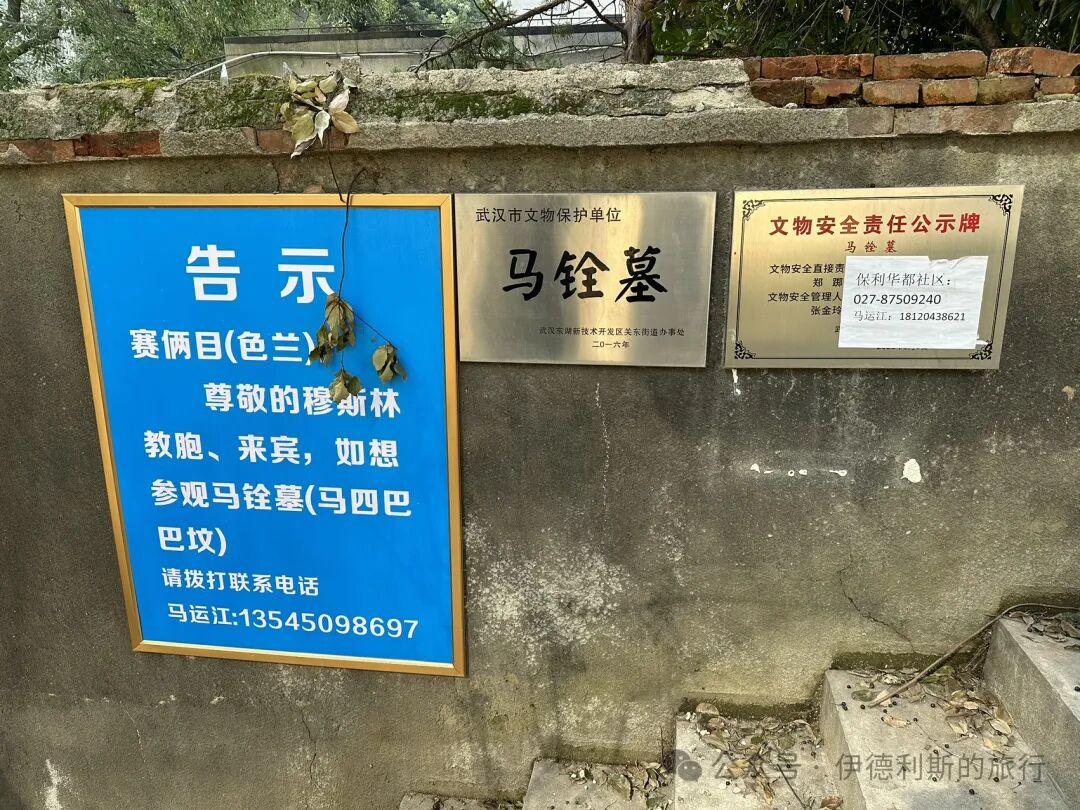
Ma Si Baba (1597-1679), whose real name was Ma Quan and courtesy name was Minglong, was a master of Islamic studies and the founder of the Jingtang education system in Hubei. Ma Si Baba came from the Ma family of Huaiyuantang, originally from Xuyi County, Fengyang Prefecture. His great-grandfather, Ma Jun, was appointed as a commander in the Wuchang Left Guard of the Huguang Regional Military Commission in 1413 (the sixth year of the Xuande reign of the Ming Dynasty) and settled in Wuchang from then on.
Ma Si Baba studied both Islamic and Chinese classics with his father from a young age. When he was young, he spent seven years in Tongxin, Ningxia, and Xianning, Shaanxi, studying under the teachers Feng Bo'an and Feng Shaoquan. After returning to Wuhan, he began teaching at the Yuanmenkou mosque in Wuchang, where he focused on studying Persian classics like the Miersade. In Wuhan, Ma Si Baba received guidance from the Western Regions scholar Jiliang and was influenced by Sufi thought. The only surviving work by Ma Si Baba is "Renji Xingwu" (Self-Recognition and Awakening), written in 1661 (the eighteenth year of the Shunzhi reign). In the book, he uses Confucian and Taoist ideas to explain various concepts of the faith, reflecting the cultural trend of "interpreting Islam through Confucianism" at the time.
Ma Si Baba was once invited by Ma Xiong, the regional commander of Liuzhou, to serve as the imam at the mosque in Liuzhou. Later, he used money donated by Ma Xiong's foster father, Ma Jiaolin, to buy farmland for the school at the foot of Wohu Mountain, east of Wuchang city, and he was buried there after he passed away. After Ma Si Baba passed away, Hui Muslims from the Ma family of Huaiyuantang, the Ma family of Sichuan, the Ma family of Shaanxi, the Li family of Shizijie in Wuchang, and the Wu family of Xiamazhuang moved there to settle. Later, families with the surnames Fu and Liao also joined the faith, gradually forming the village of Majiazhuang.
The tomb of Ma Si Baba was severely damaged after the Battle of Wuhan in 1938, and the current brick-and-concrete tomb pavilion was built in 1953. In 1979, due to land requisition, the Shangmazhuang area where Ma Si Baba's descendants lived was relocated to Zhangjiawan. In 2003, to build Xiongchu Avenue and develop real estate, Majiazhuang was relocated to the Xinzhu Road resettlement village in Guanshan Street, and in 2014, it was moved again to the Optics Valley Youth City across the street. When the Poly Huadu complex was developed, several Hui Muslim families from Majiazhuang chose to buy homes there to continue living near the tomb of Ma Si Baba, including the family of the current caretaker, Ma Yunjiang.
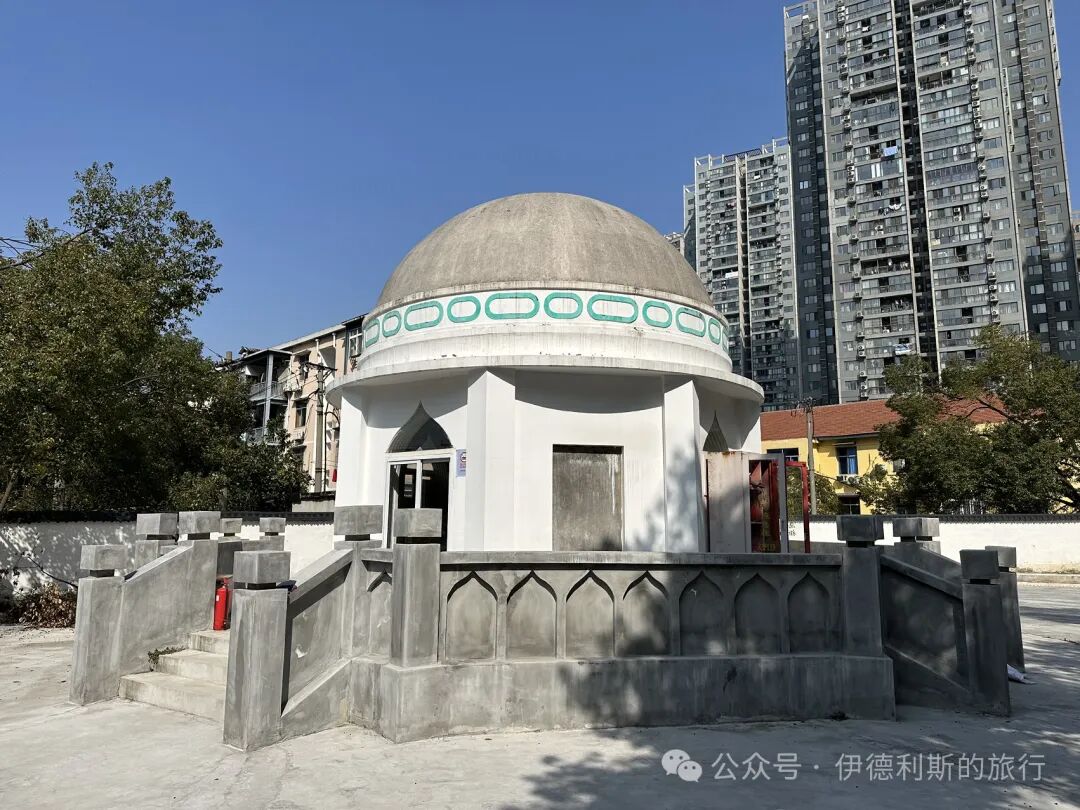
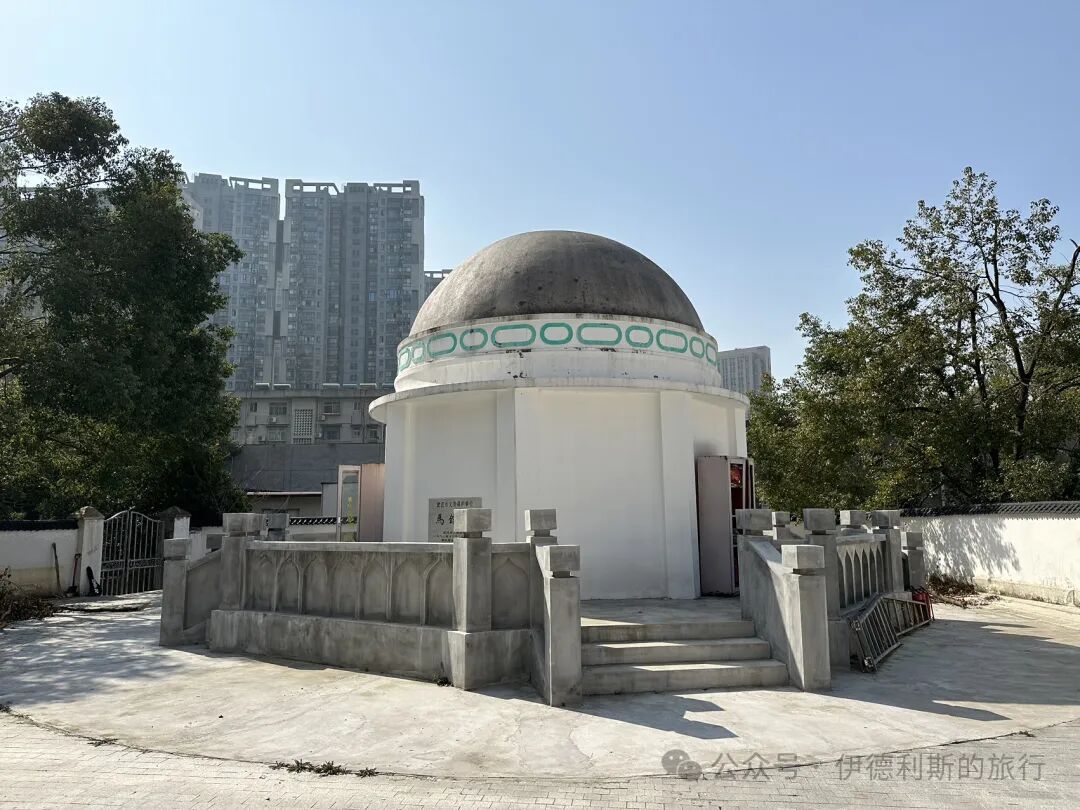
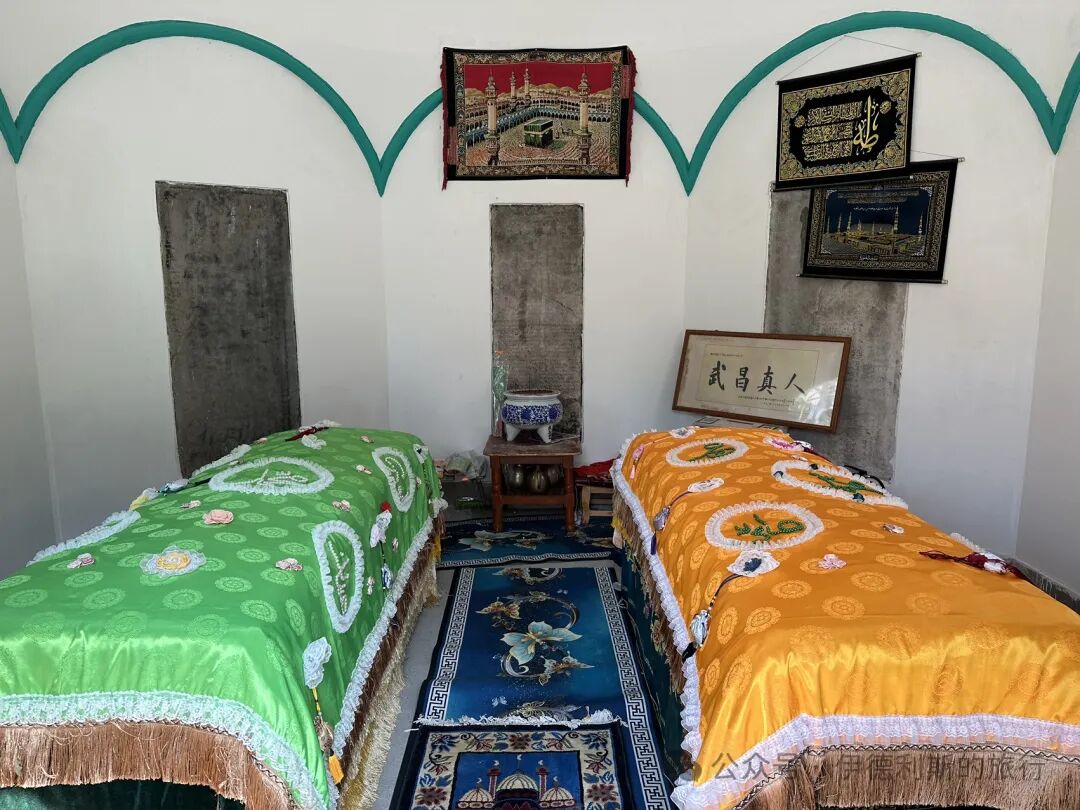
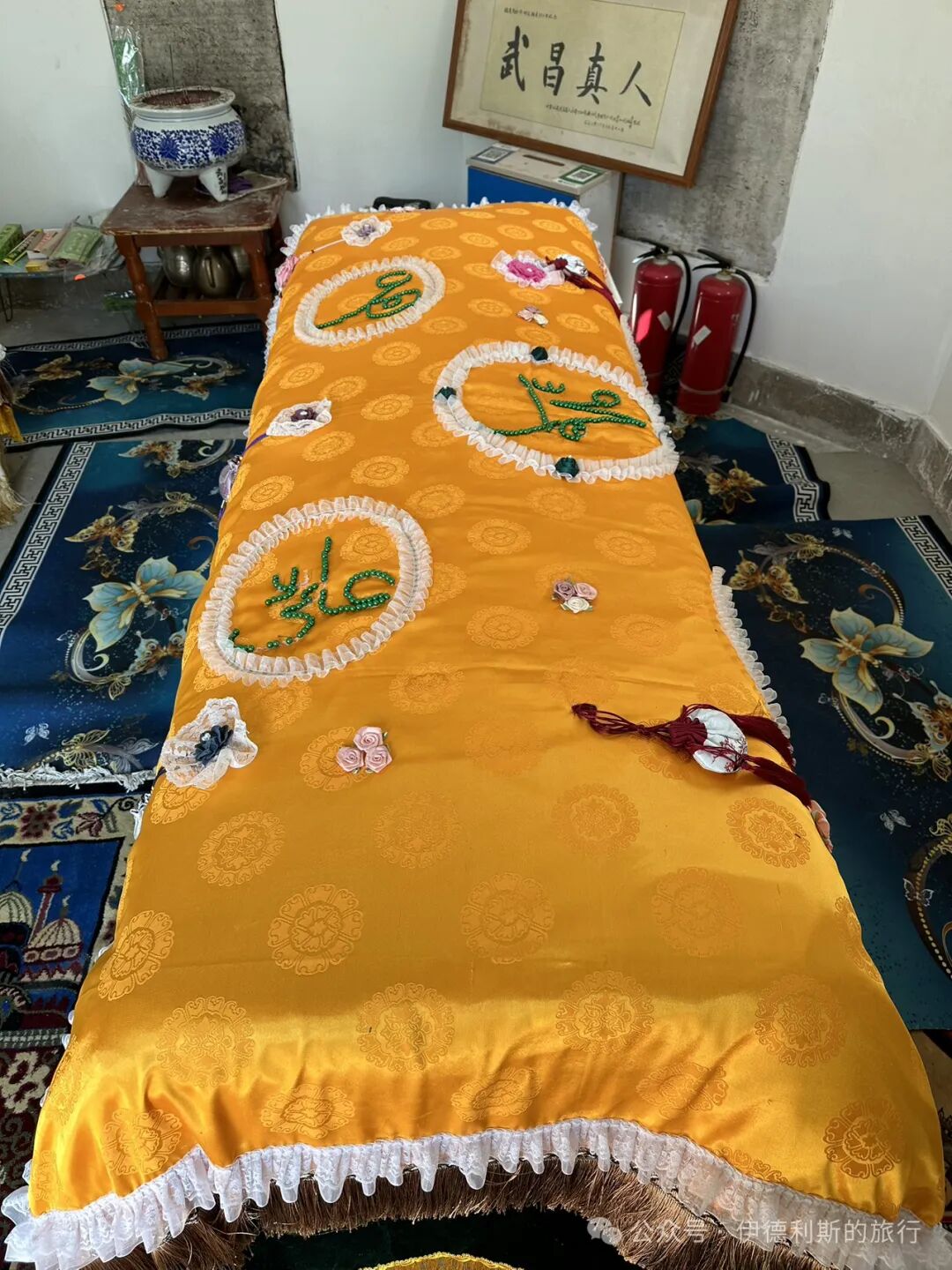
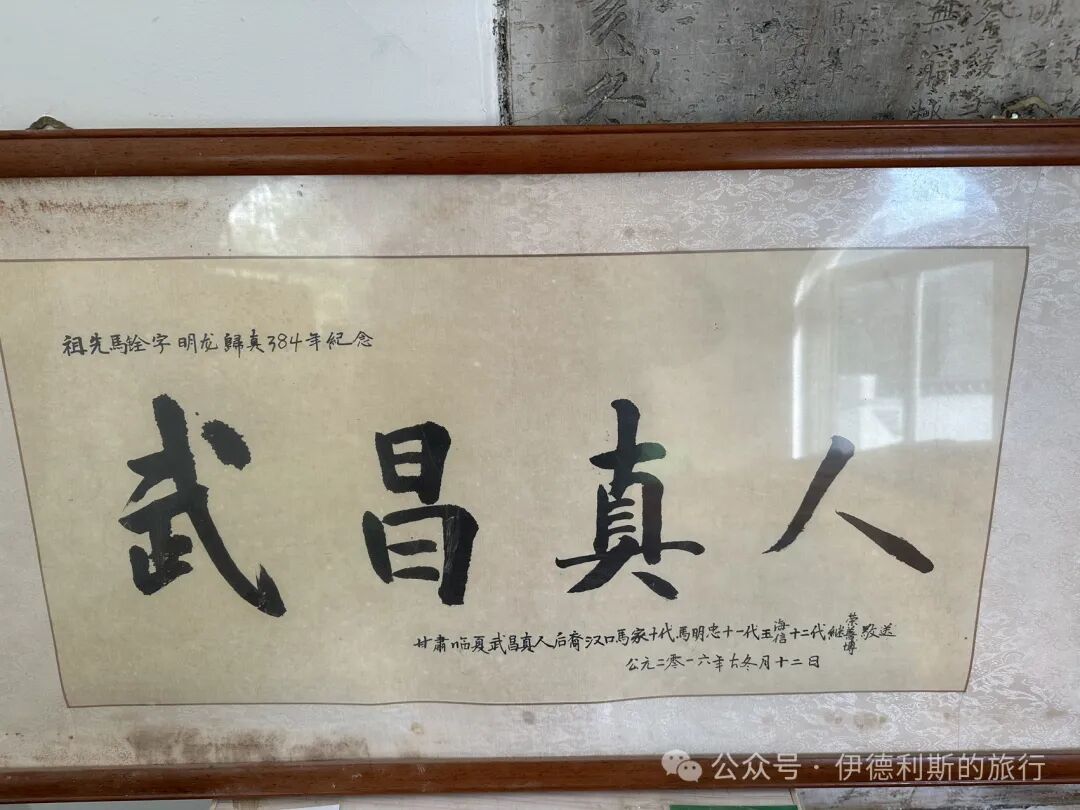
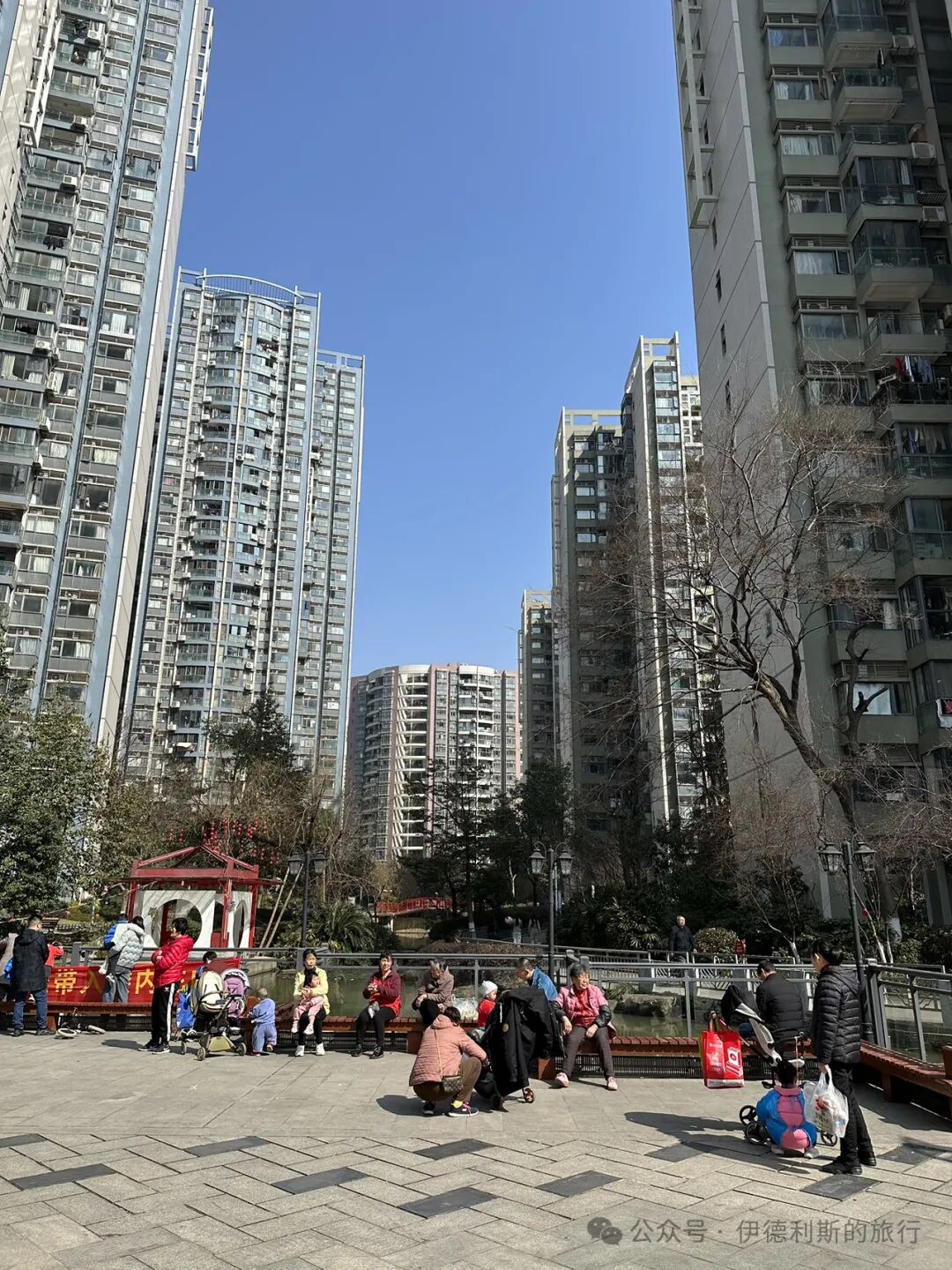
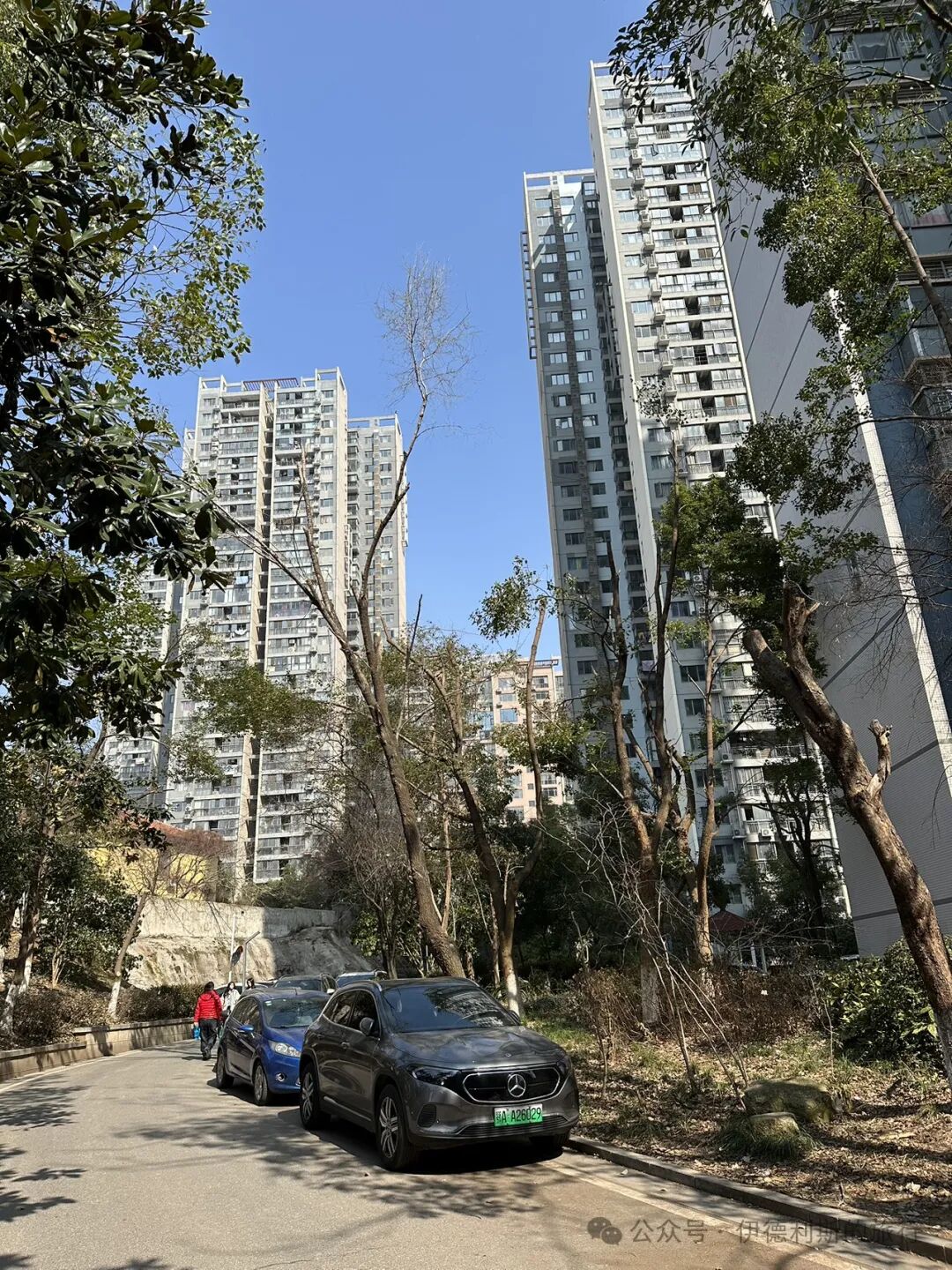
According to Ma Chao, a teacher at Shaanxi Normal University, there are five stone tablets inside the tomb pavilion of Ma Si Baba. On the north wall is the "Stele Record of the Relocation of Hu Dengzhou's Tomb," written by Ma Si Baba in 1673 (the twelfth year of the Kangxi reign). On both sides are the "Huabiao Stele Record" and the "School Farmland Stele Record," written in 1683 (the twenty-second year of the Kangxi reign) by Ma Ziyun, the regional commander of northern Sichuan. The two tablets at the back record the information of those who redeemed the school farmland, titled "Rules and Donor Names for the Majiazhuang School Farmland in Wuchang" (upper and lower parts). Outside the tomb pavilion, there are also replicas of the Ornamental Column Stele (Huabiao Beiji) and the School Field Stele (Xuetian Beiji).
The top of the Stele Commemorating the Relocation of Hu Dengzhou's Tomb features Arabic and Persian script, with Chinese text below. Hu Dengzhou, known as Master Hu Baba, was the founder of the Chinese scripture hall education system and a famous scripture teacher. After Master Hu Baba passed away, he was buried in his hometown of Hujiagou, Xianyang, Shaanxi. In 1662, the first year of the Kangxi reign, the Wei River flooded and threatened the tomb, so local Muslims decided to relocate Master Hu Baba's grave. Ma Si Baba, the highest-ranking scripture teacher among Master Hu Baba's junior disciples at the time, wrote a eulogy after hearing about the relocation. Five years later, Ma Si Baba passed away. On his deathbed, he worried the eulogy would be lost, so he asked his son and students to carve it onto a stone next to his own grave.
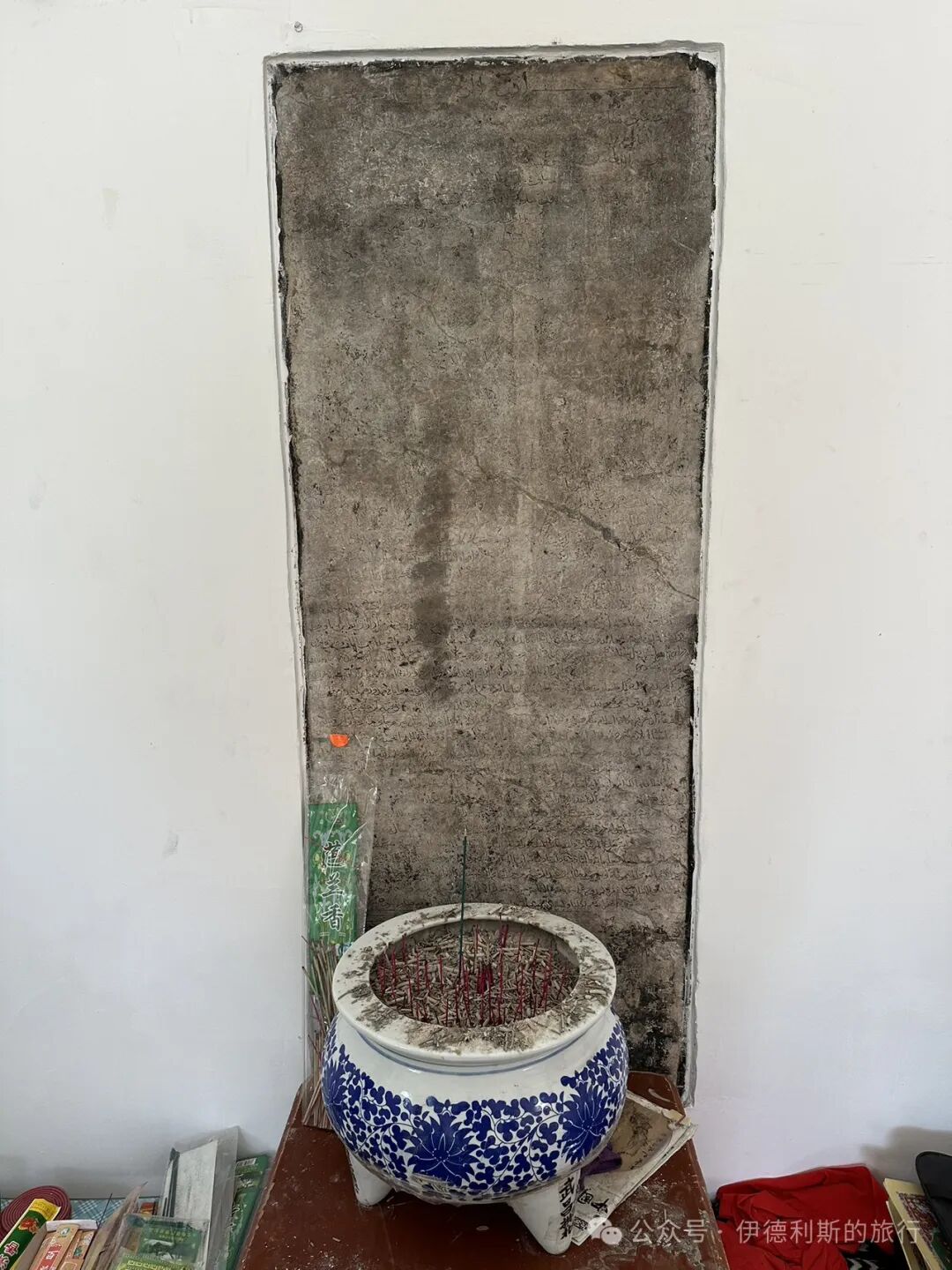
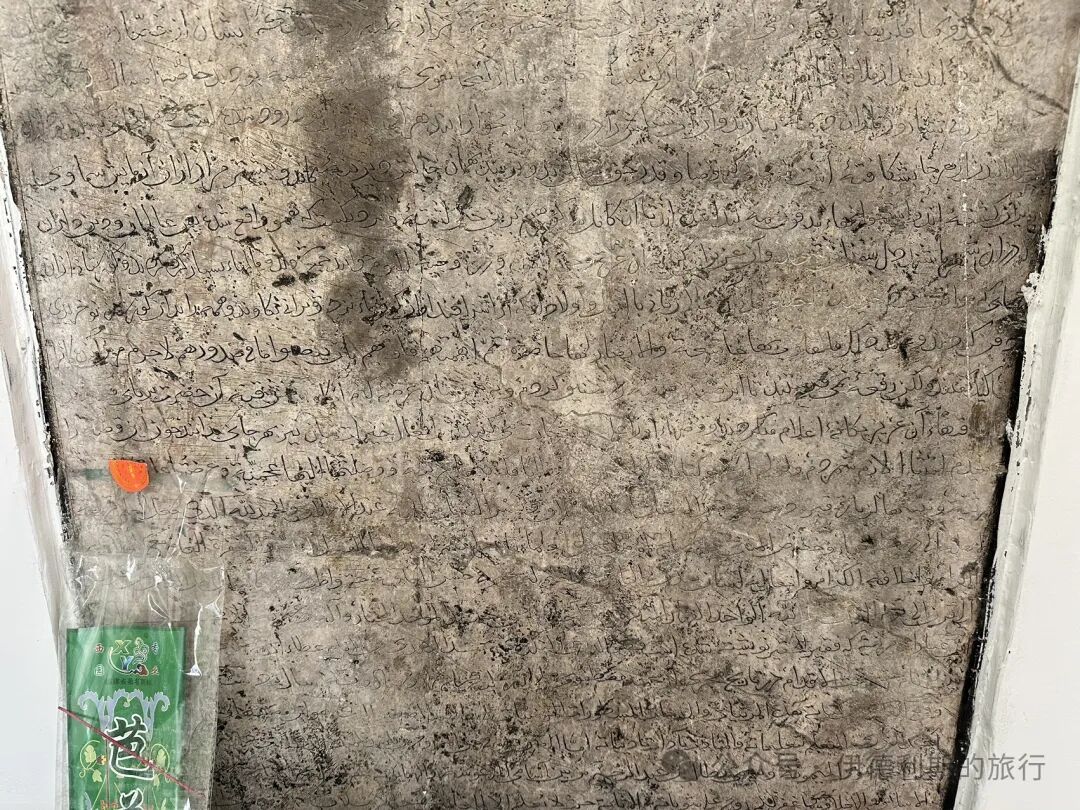
The Ornamental Column Stele (Huabiao Beiji) is Ma Ziyun's praise for Ma Si Baba. The School Field Stele (Xuetian Beiji) records that after Ma Ziyun's grandfather, Ma Jiaolin, passed away, his family was in financial trouble and sold some of the school fields Ma Jiaolin had donated to Ma Si Baba. Later, Ma Ziyun bought the fields back. The Stele of School Field Regulations and Donor Names in Wuchang Ma Family Village records information about many Eight Banners Hui Muslim military officers, various regional religious leaders, and members of Ma Si Baba's clan.
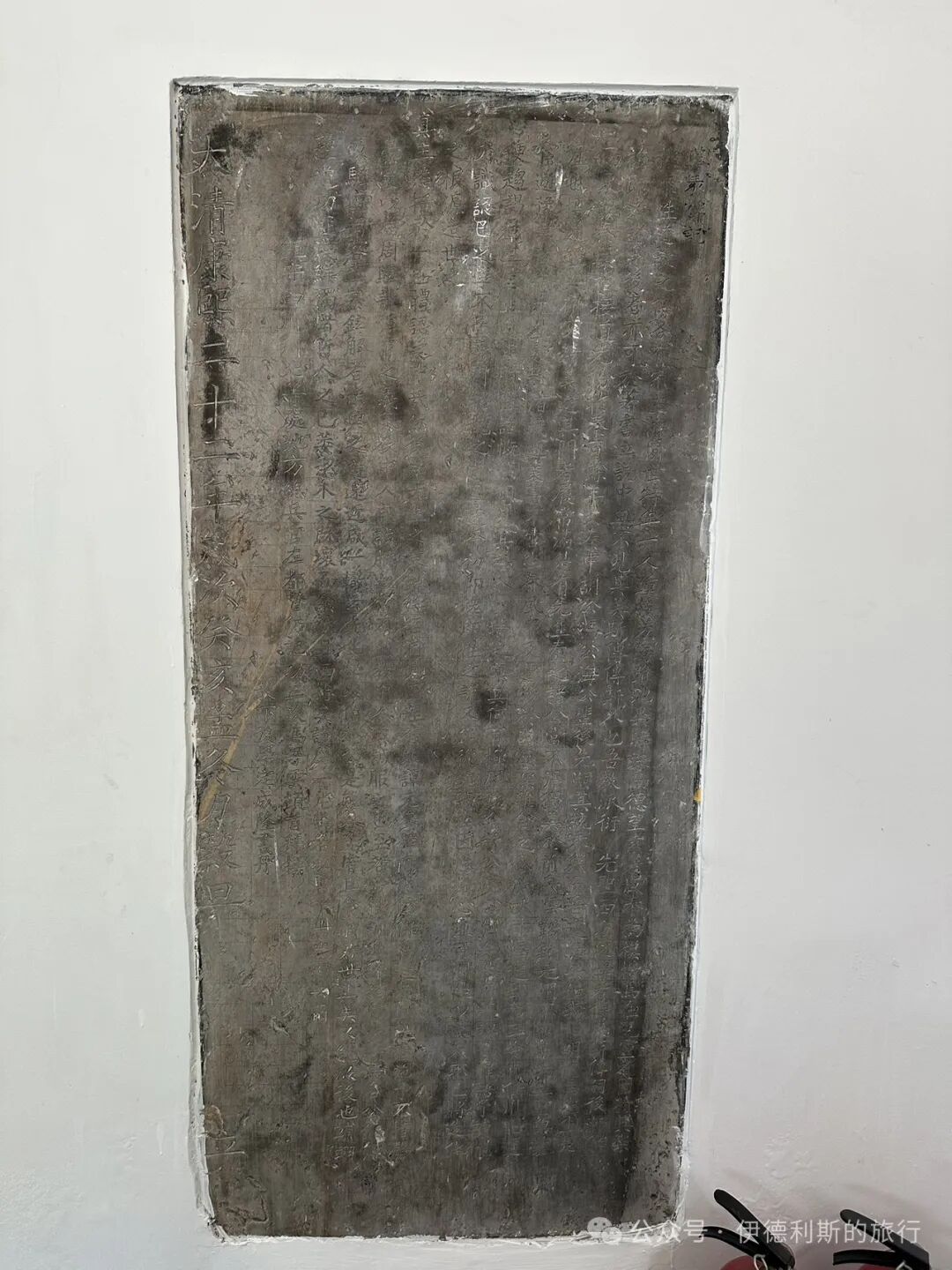
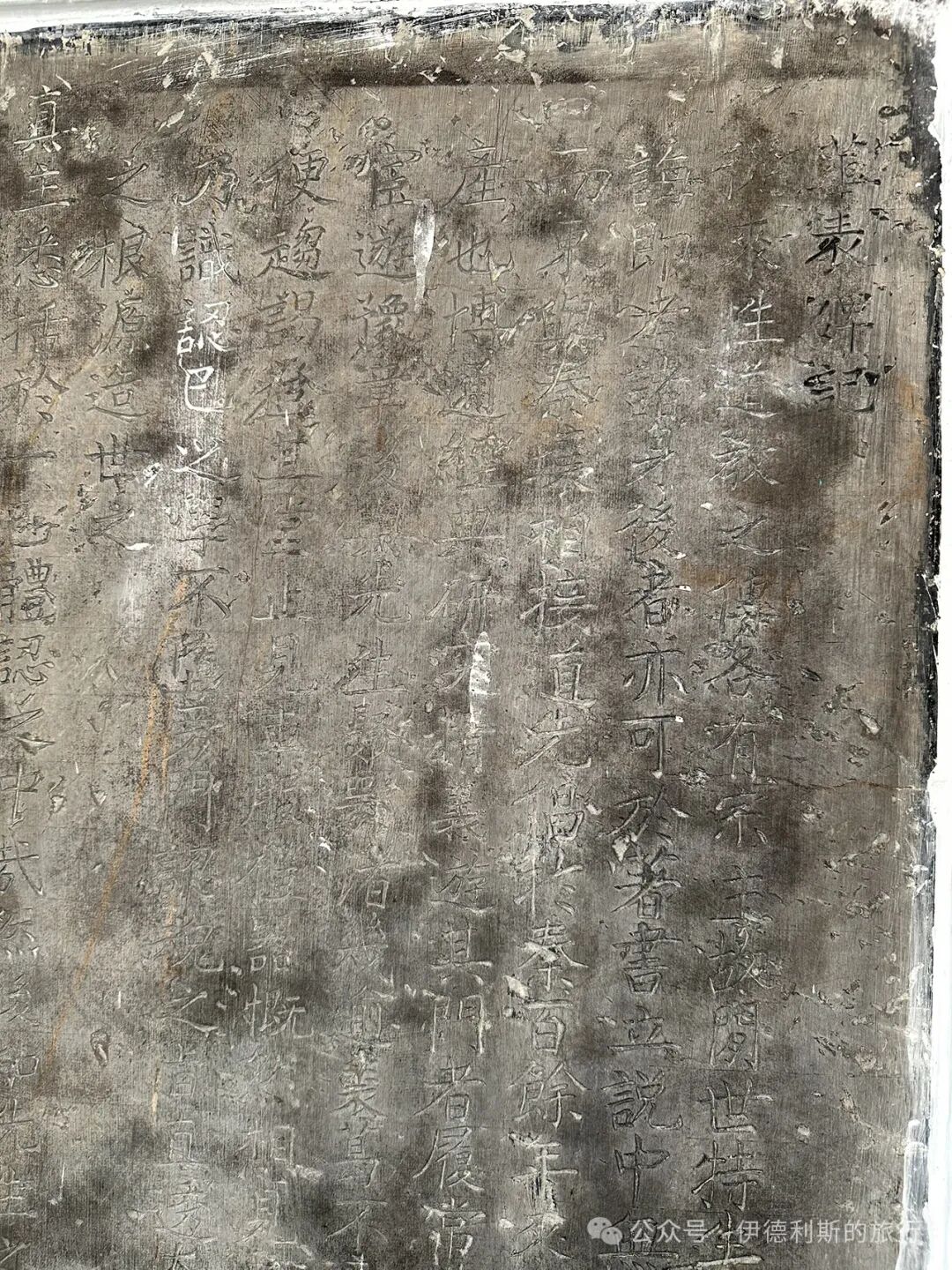
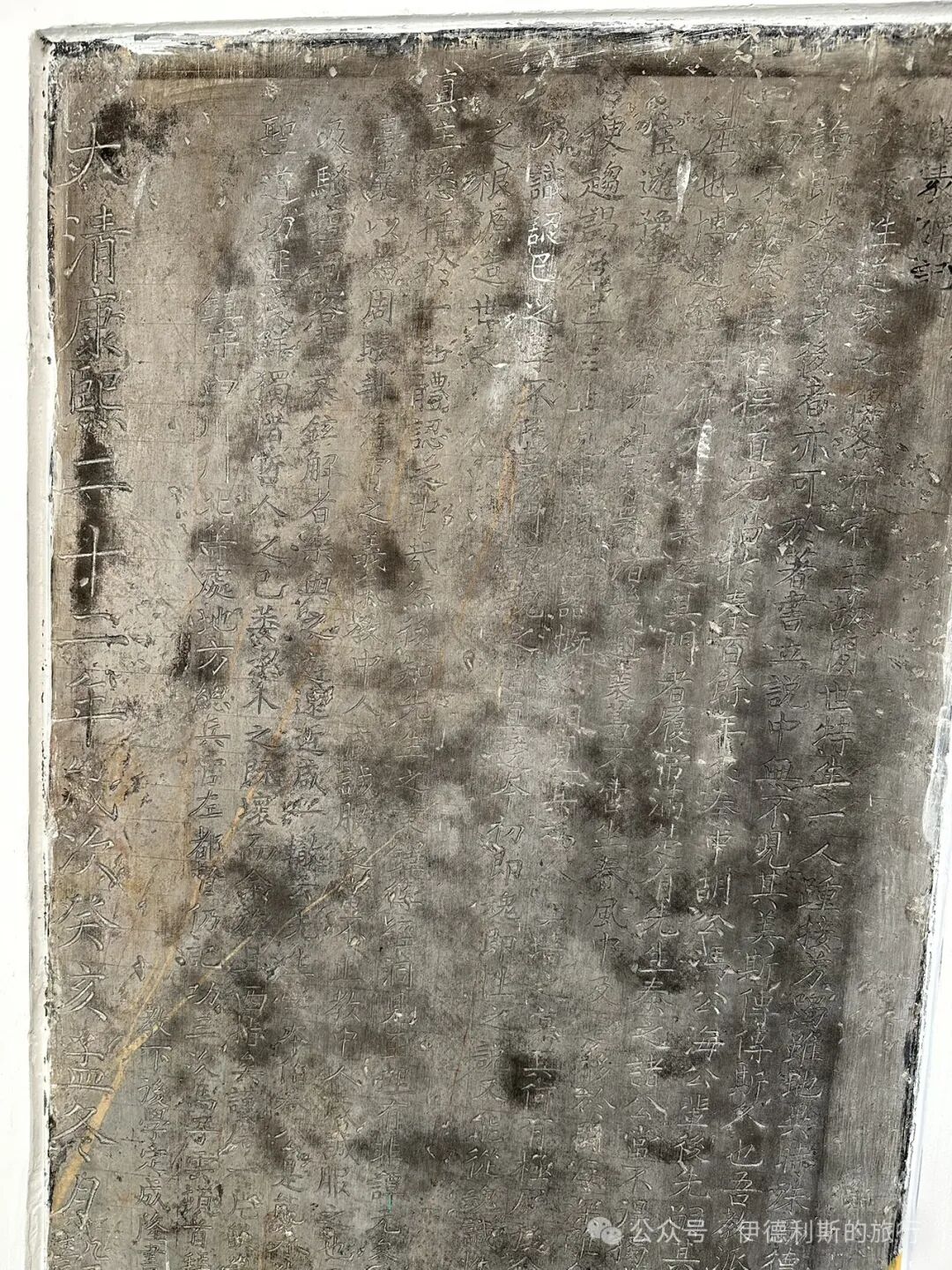
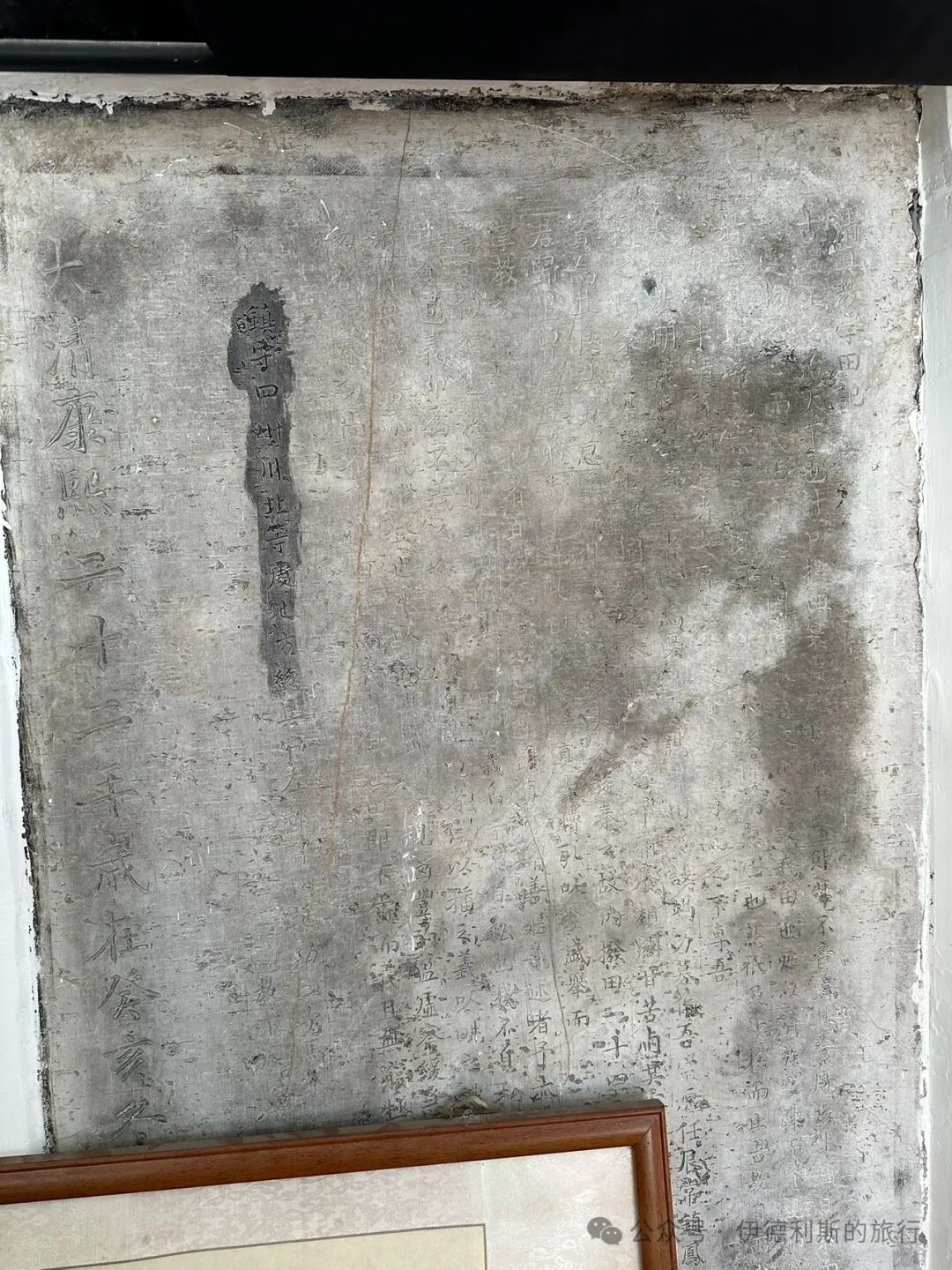
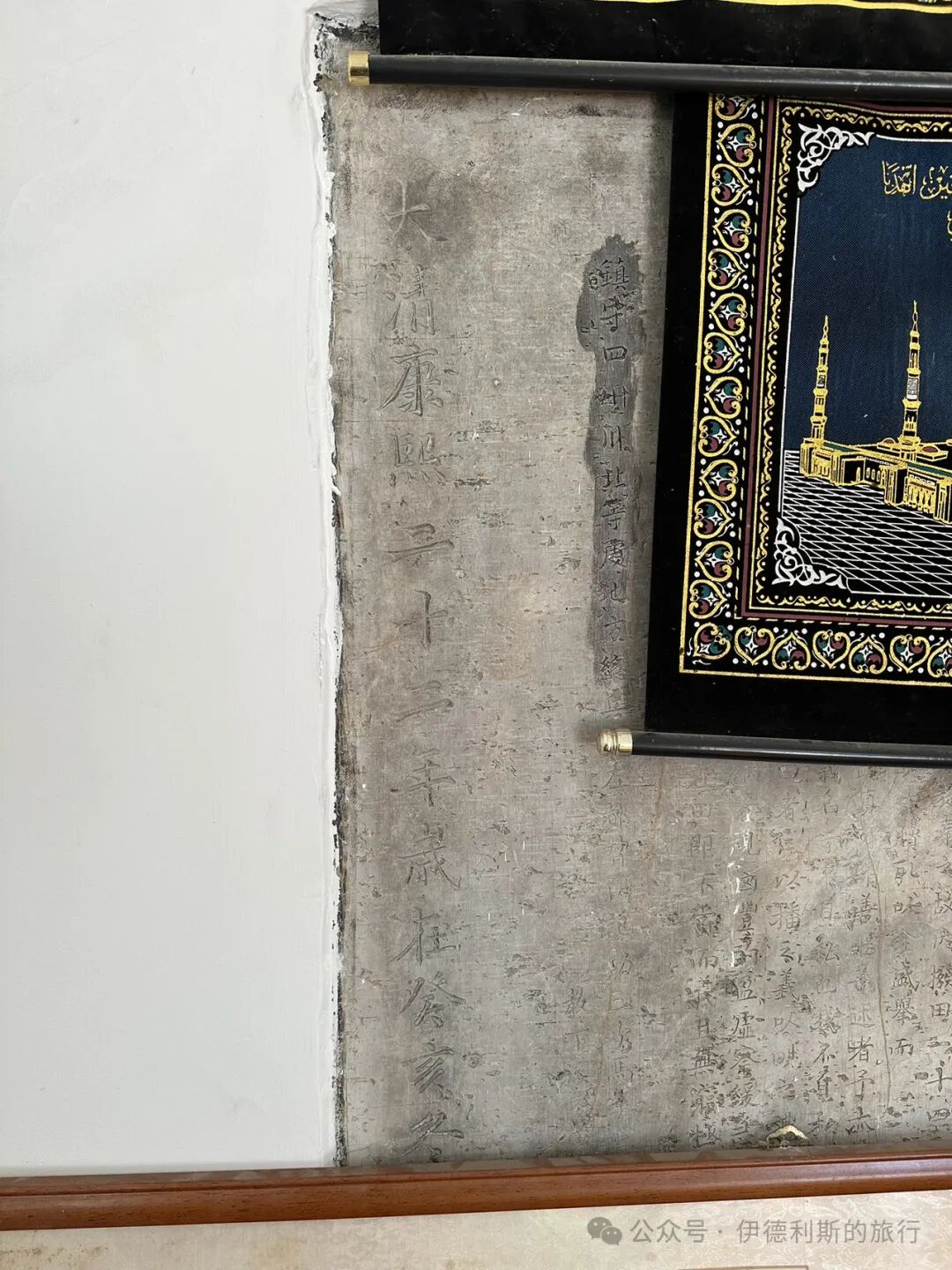
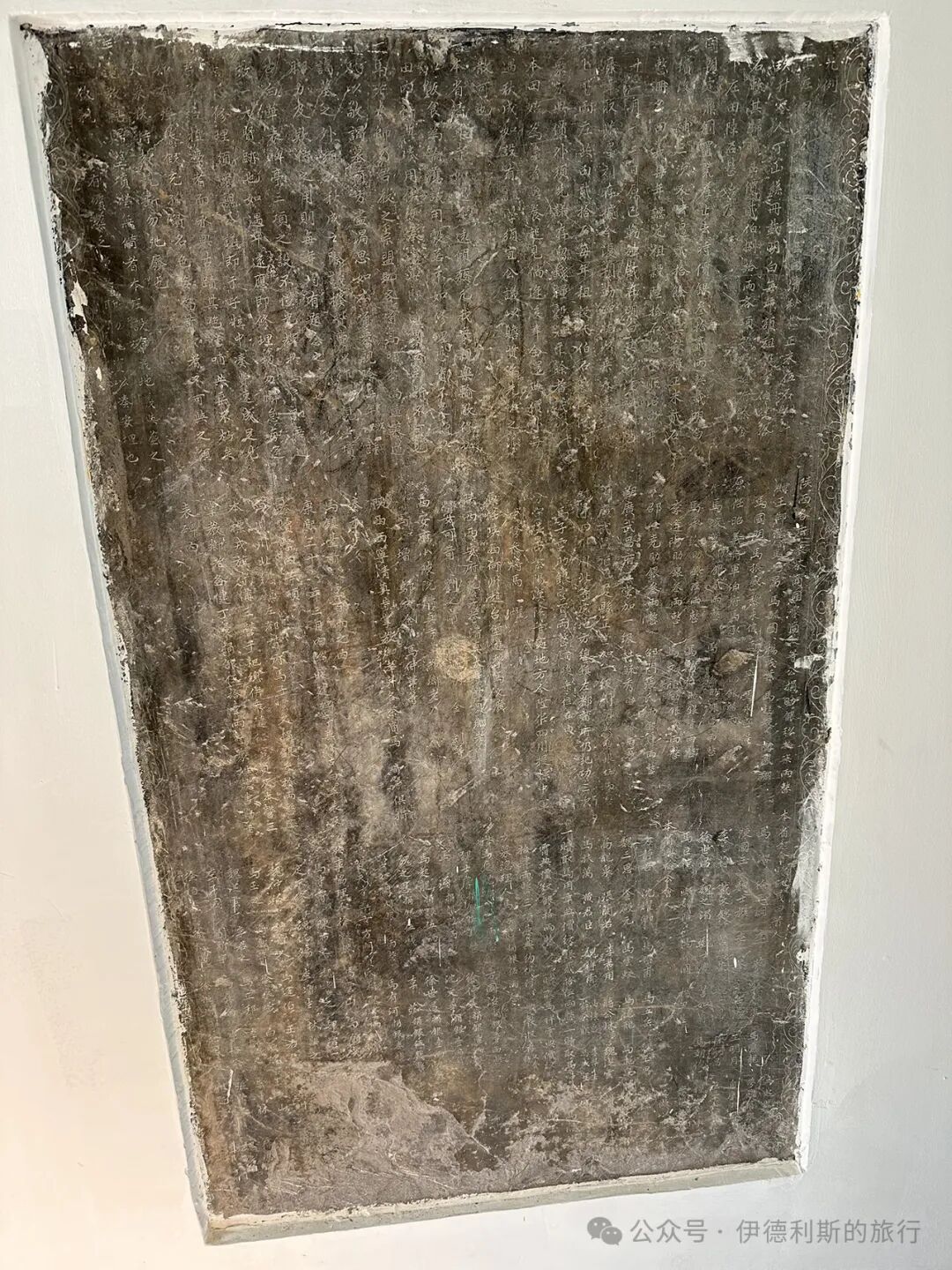
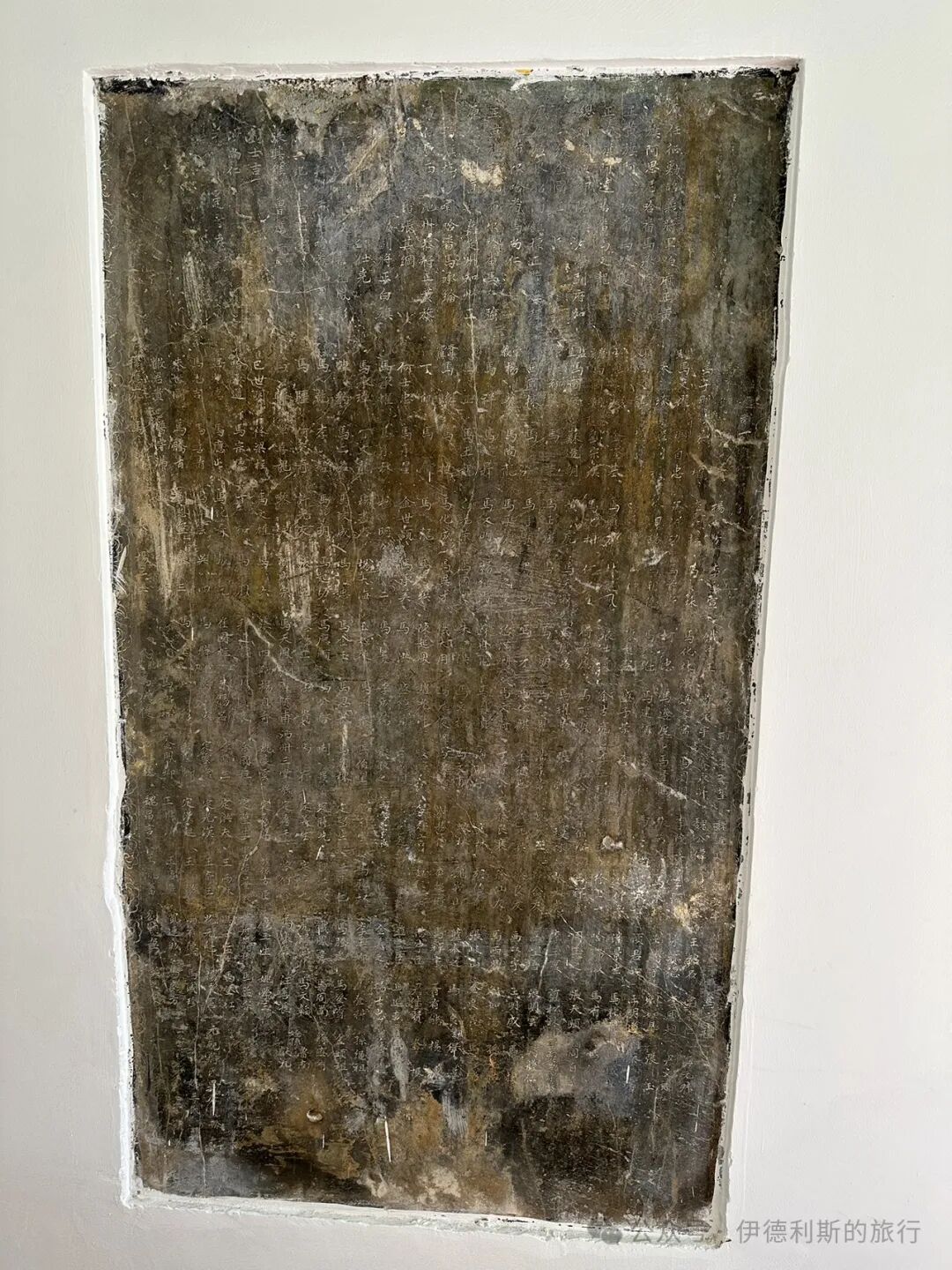
In the afternoon, I went to the Turkish cafe ISPARTA in Tongxingli, Hankou, to drink sand-boiled coffee and eat baklava. Tongxingli is right next to the former French Consulate. It is a typical old Hankou neighborhood (lifen) and is now a street for vintage clothing. Their shop is very easy to miss and not very big inside, but it has a great atmosphere. The Turkish guy makes the coffee fresh, and it feels like I am back in Istanbul.
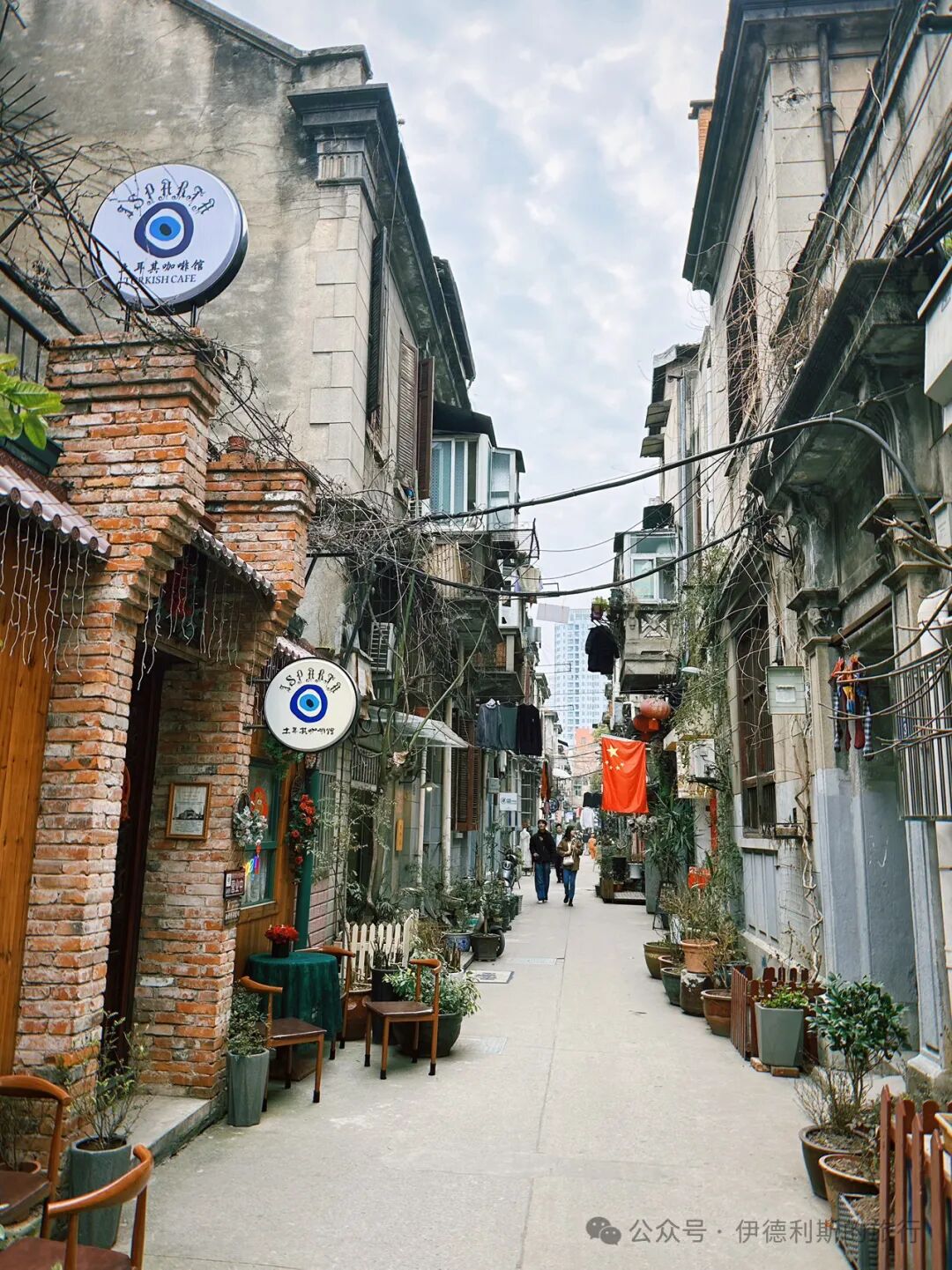
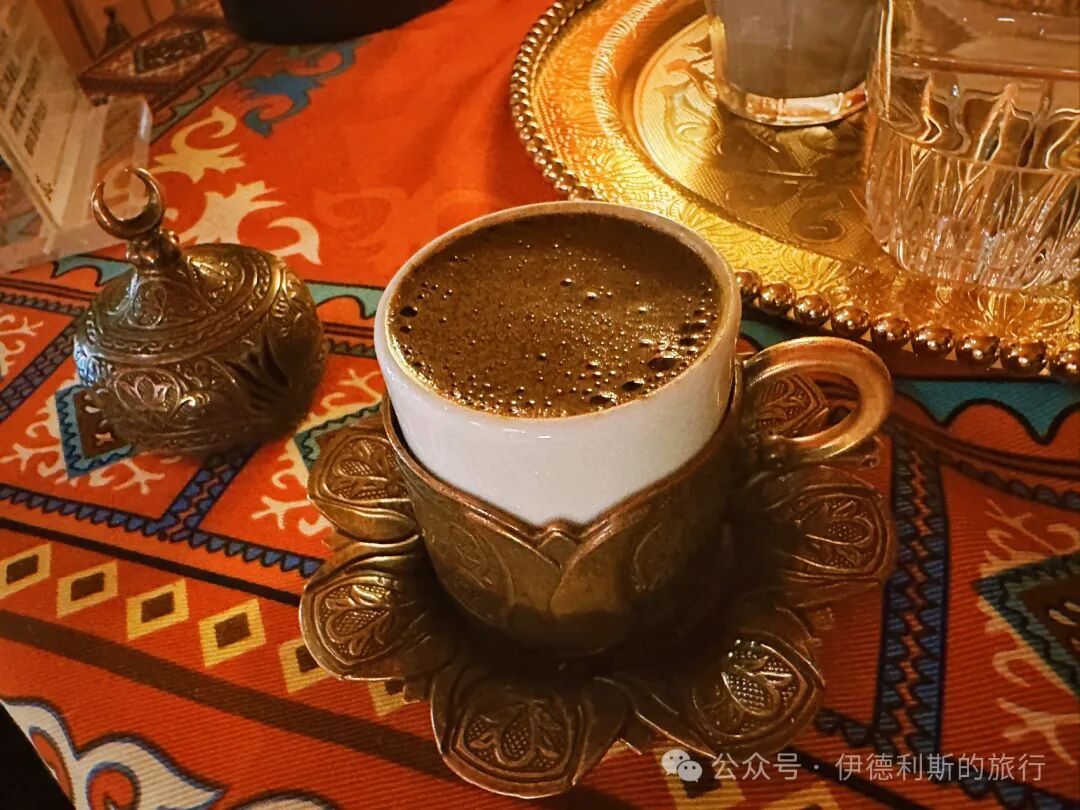
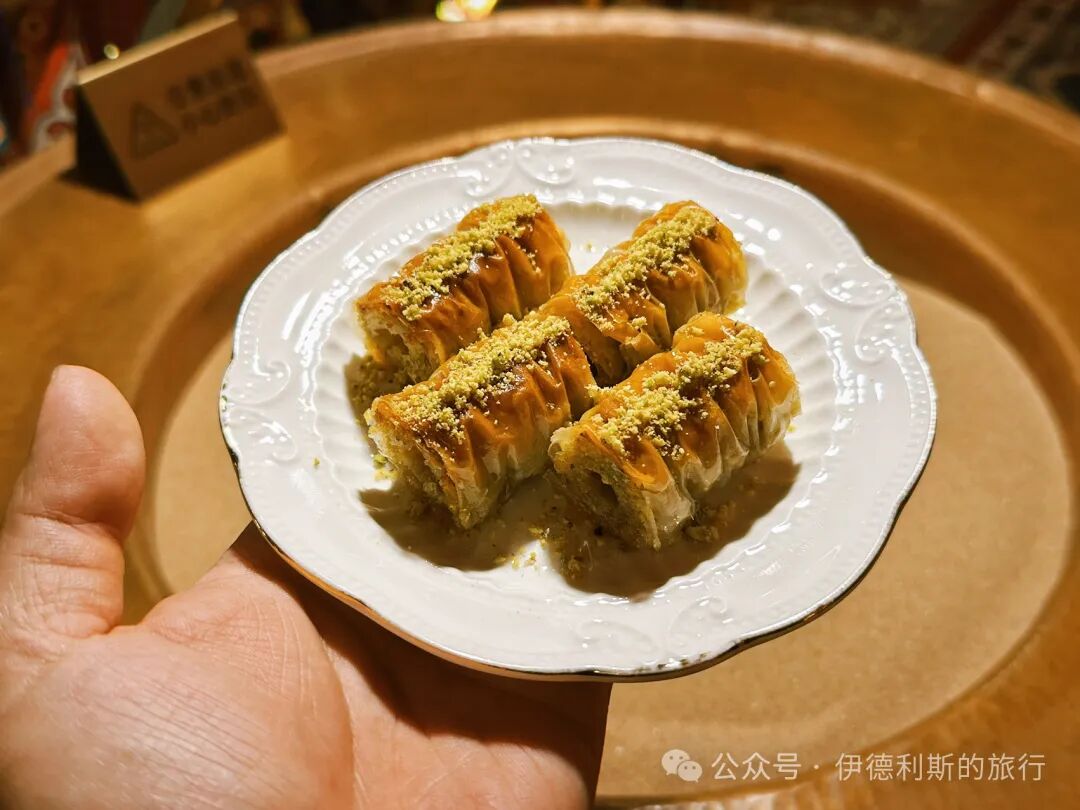
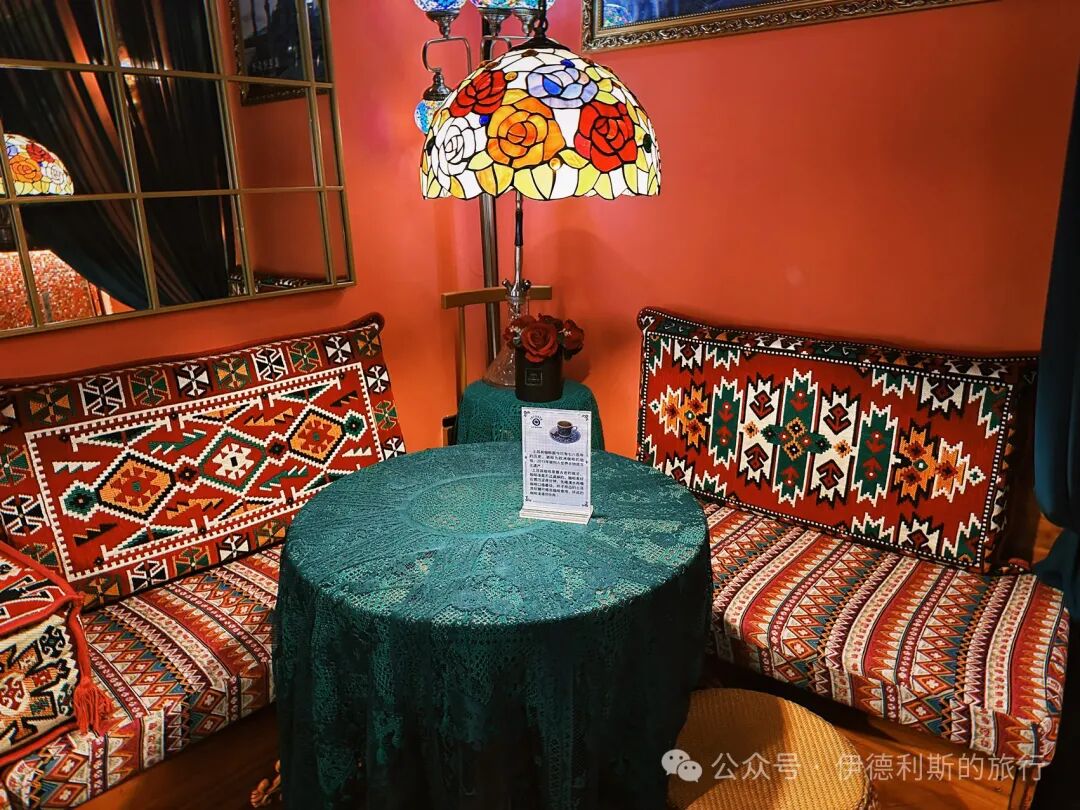
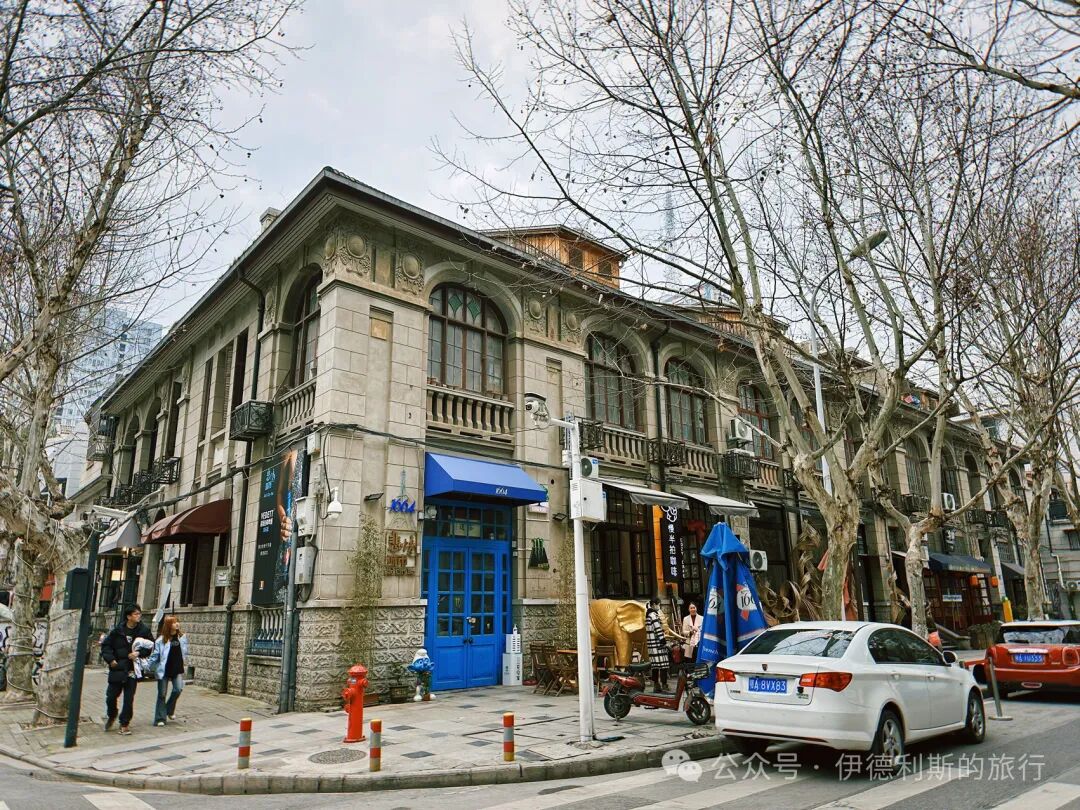
In the afternoon, I went to Fatumei Restaurant on Huangxing Road. It is a famous traditional halal restaurant in Hankou that serves specialty halal dishes from Henan-origin Hui Muslims in Hankou.
I have eaten their beef meatballs, lotus root boxes, and sticky rice fish (cibayu) before, and they all tasted good. This time I ordered beef spring rolls, stir-fried beef tripe, and dry-fried shredded beef, which are also classic Hankou Hui Muslim dishes. The spring rolls (chun juan) were fragrant and crispy. The shredded tripe (du si) went perfectly with rice, and the dry-fried shredded beef (ganbian niurou si) was very chewy. It was surprisingly spicy, though—my mouth felt like it was on fire after just one bite. I quickly ordered an iced cola to cool down and ended up packing the rest to eat at home.
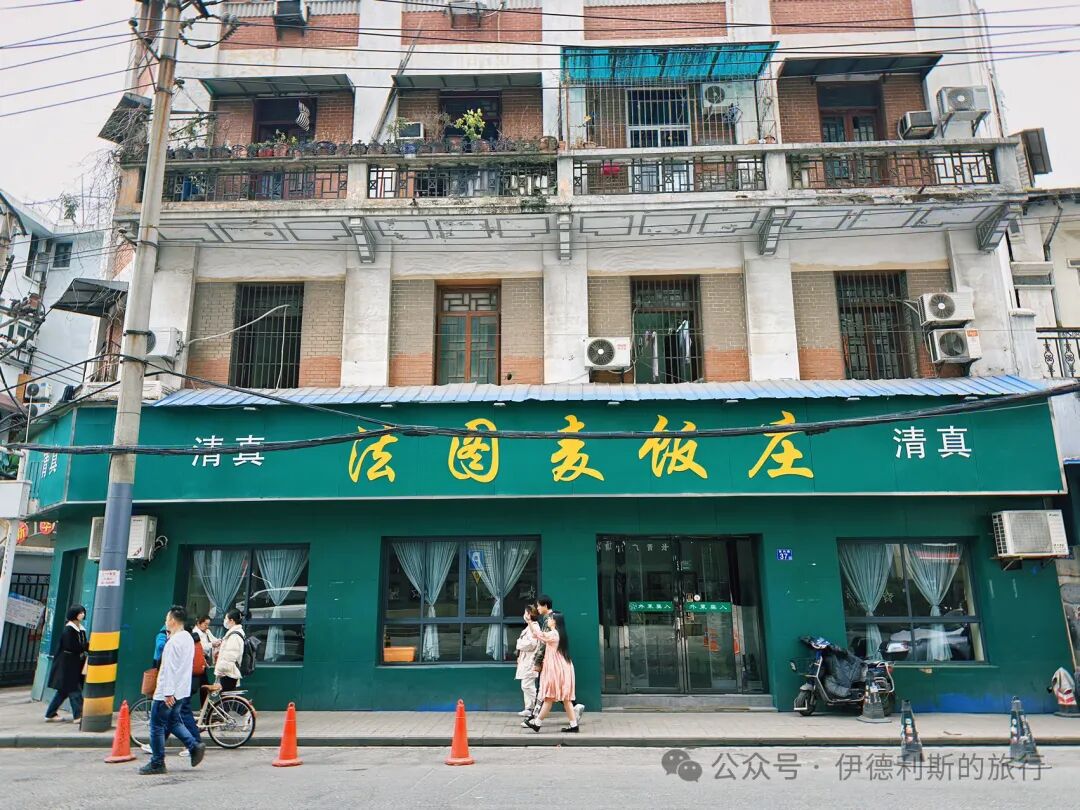
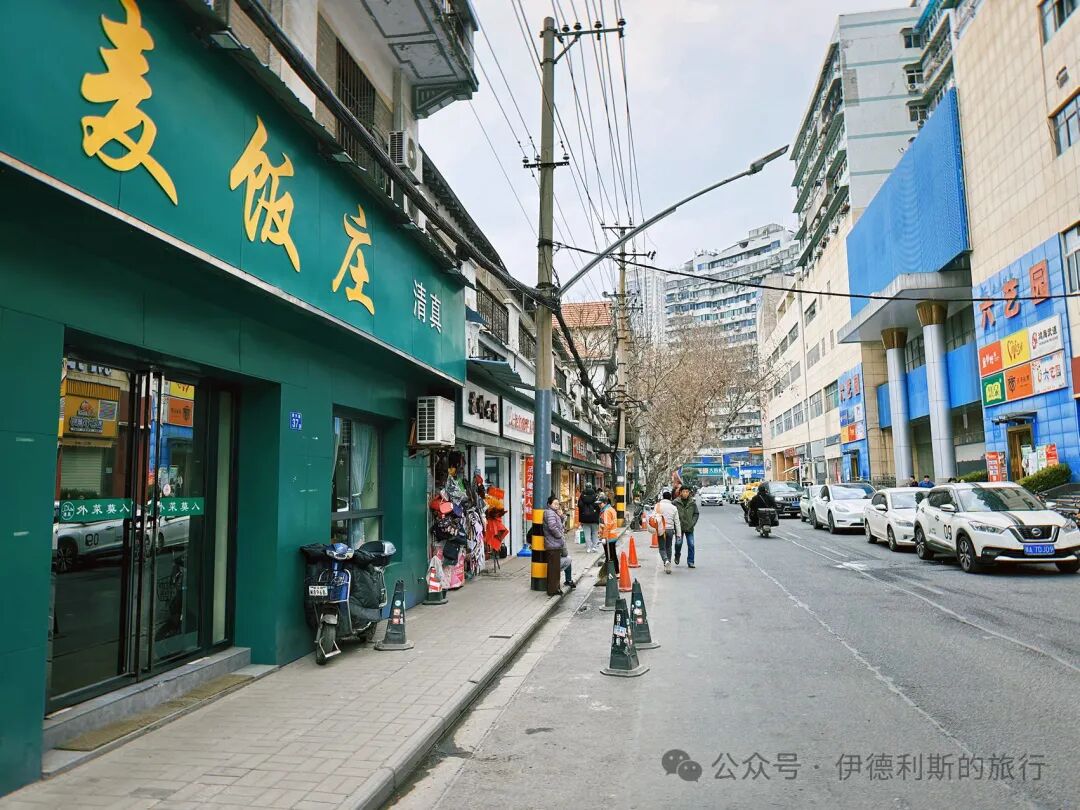
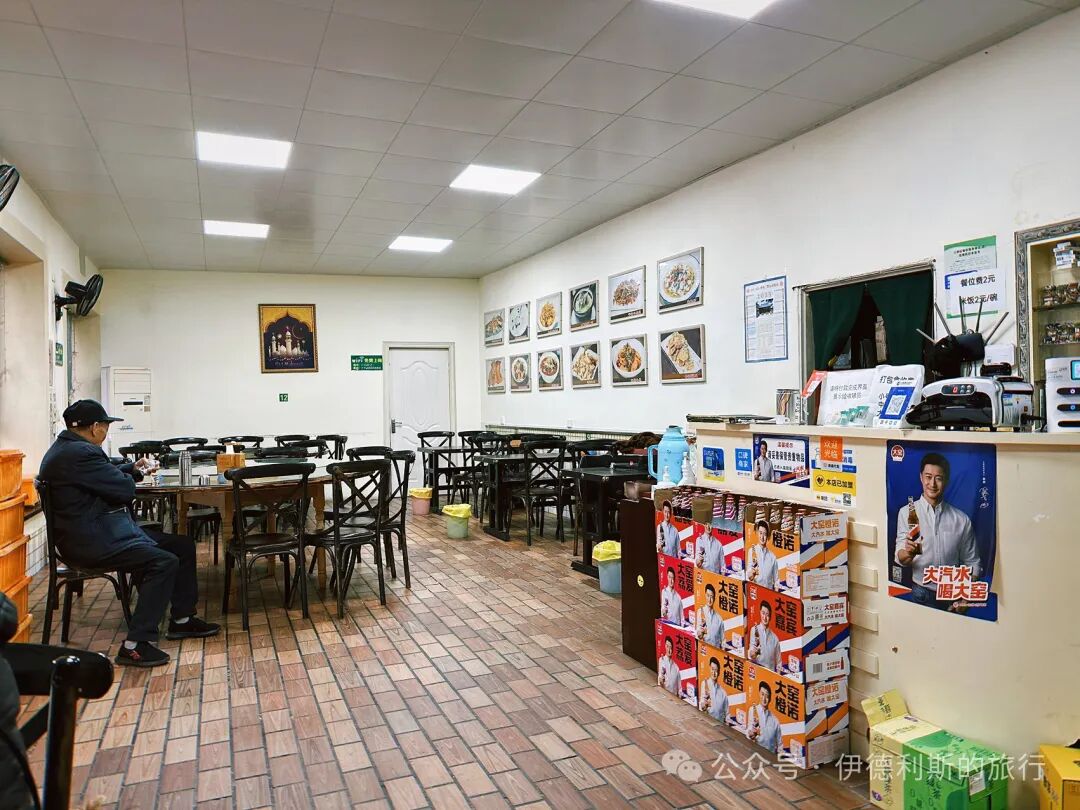
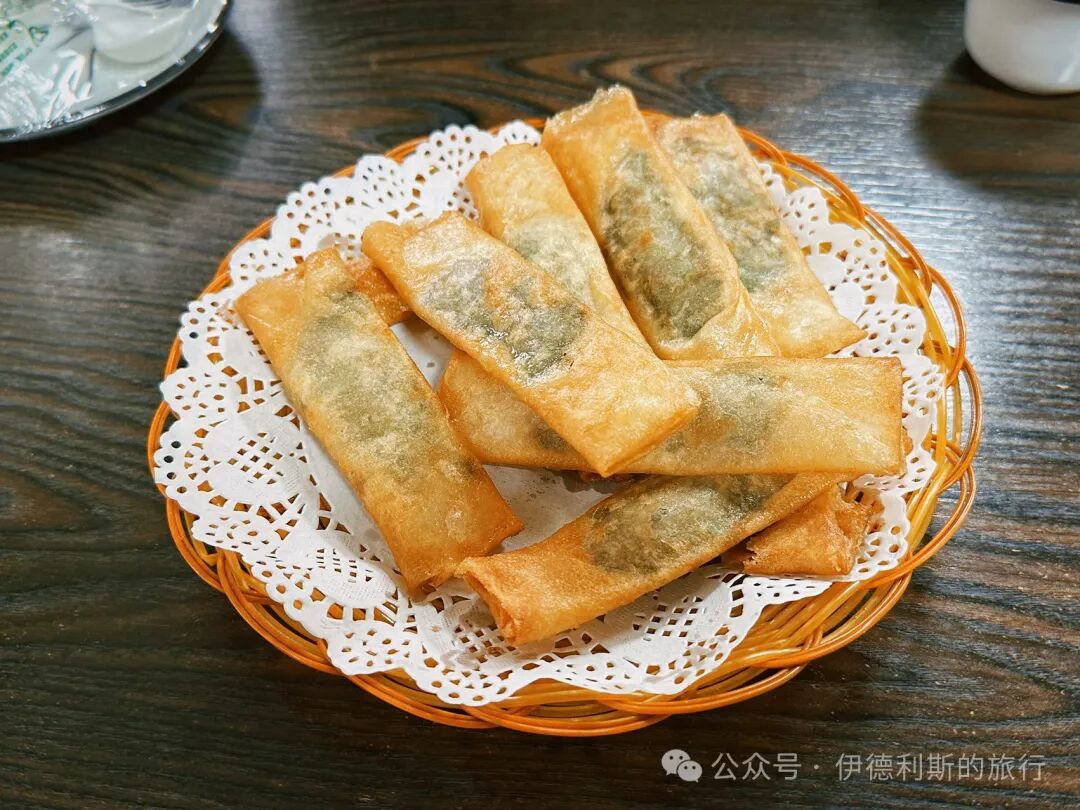
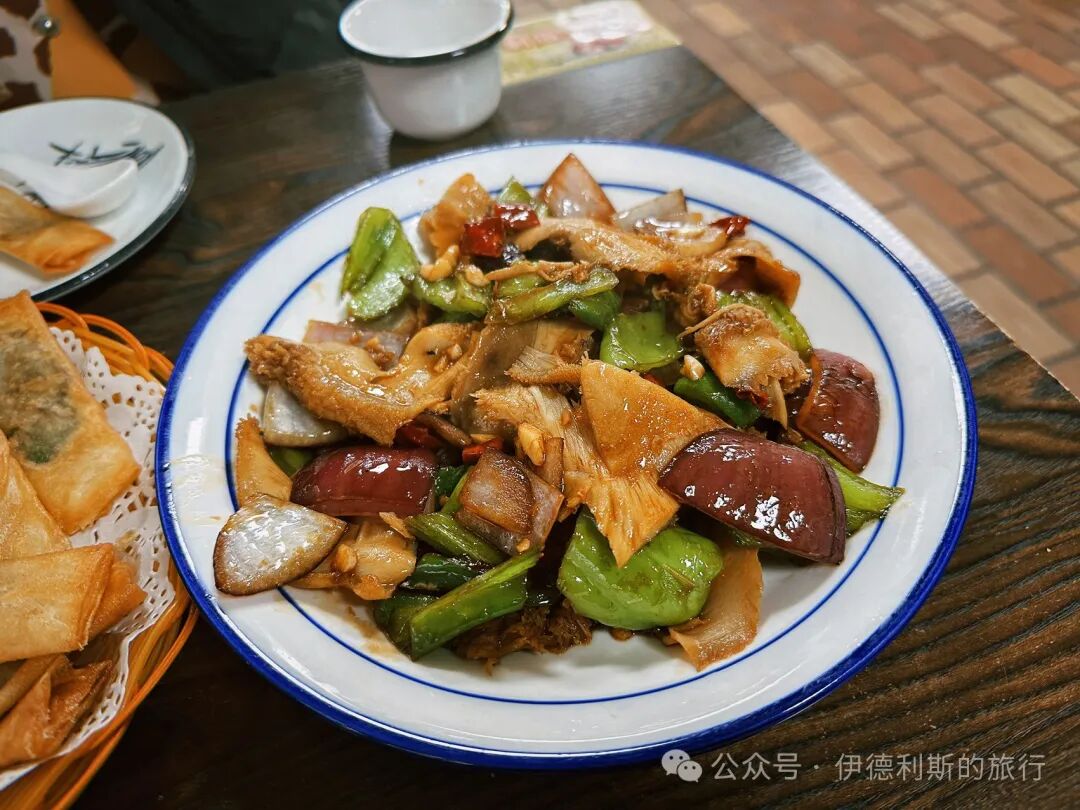
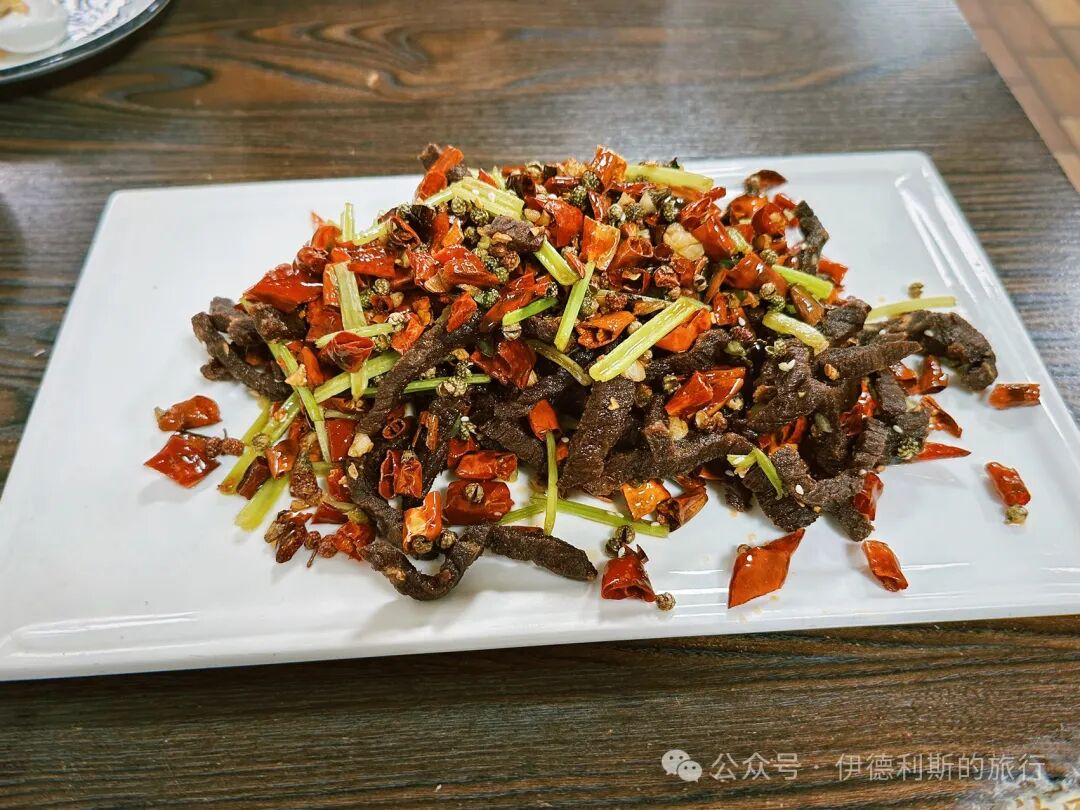
Halal Travel Guide: Ayutthaya - Persian Sheikh Ahmad Gongbei
Articles • ali2007fr posted the article • 0 comments • 229 views • 2026-05-20 23:51
Summary: The Sheikh Ahmad gongbei inside Phra Nakhon Si Ayutthaya Rajabhat University was built in 1631 and marks an important Persian Shia presence in Thailand. This short travel note keeps the source's historical and site details with a clear English narrative.
Inside the campus of Phra Nakhon Si Ayutthaya Rajabhat University in Thailand stands the tomb shrine (gongbei) of Sheikh Ahmad, built in 1631. It is an important witness to the Shia community in Thailand.
Between the 16th and 18th centuries, Shia merchants from the Safavid Empire in Persia traveled along the Indian Ocean coast to trade in Siam, where they were warmly welcomed and received with high honors by the Siamese royal family. Some Persian merchants married locals, settled down, and took on important positions in the Siamese royal court.
Sheikh Ahmad was born in Qom, Persia, in 1543. He arrived in Ayutthaya, Thailand, with his brother in the early 17th century to trade, married a Thai woman, and settled there. Sheikh Ahmad was very successful in business and became one of the wealthiest foreign merchants of his time. He met the Thai royal treasurer, and with his help, he connected with the Thai royal family and began participating in Thai trade affairs. After gaining the trust of King Songtham (who reigned from 1610 to 1628), he was appointed Chao Kromma Tha Khwa to manage trade, shipping, and diplomatic affairs between Thailand and the west, including India, Persia, Arabia, and Europe. He was also appointed as the first Chula Rajmontri in Thai history, overseeing religious affairs for the whole country. In 1611, after helping the Thai king defeat Japanese merchants who attempted a coup, he was appointed Samuhanayok, becoming the Grand Vizier of Thailand.
In the early 17th century, Sheikh Ahmad built the Kudi Chao Sen Shia mosque inside the city of Ayutthaya, which is the oldest mosque within the city walls. After Sheikh Ahmad passed away in 1631, he was buried near the mosque.
In the late 17th century, the Shia community continued to thrive in Ayutthaya. During the month of Muharram in 1656, the son of Sheikh Ahmad and other Shia nobles helped King Narai take the throne. To show his gratitude, King Narai gifted the Ayutthaya Shia community all the items needed for the Ashura ceremony during Muharram and established a royal guard consisting of 500 Shia soldiers. In 1685, the French Jesuit missionary Father Tachard recorded the grand scene of the Shia Ashura ceremony in Ayutthaya. According to his records, the procession included over two thousand people carrying models of the tombs of two saints, along with many intricately crafted symbolic objects. The men moved forward, constantly changing formations to the rhythm of the drums. At the front of this massive procession were three or four ornately decorated horses, and many people held long-poled lanterns to light up the entire group. The festival lasted for several nights, ending at five o'clock every morning.
After Ayutthaya fell in 1767 and Thailand moved its capital to Bangkok in 1782, the Persian-descended Shia community in Ayutthaya also moved to Bangkok. The descendants of Sheikh Ahmad continued to control Thailand's trade rights with the west for a century and served as the nominal leaders of the Thai Muslim community until 1945. Today, the Persian-descended Shia community in Bangkok has two mosques, and the atmosphere during the annual month of Muharram remains very strong. See "Experiencing the Persian-descended Shia Festival Atmosphere in Bangkok, Thailand" and "Searching for the Shia Community in Bangkok."
Opposite the tomb shrine of Sheikh Ahmad is the Ayutthaya-Persia (Iranian Studies) Room, where the Embassy of Iran in Thailand holds cultural and commemorative events from time to time. view all
Summary: The Sheikh Ahmad gongbei inside Phra Nakhon Si Ayutthaya Rajabhat University was built in 1631 and marks an important Persian Shia presence in Thailand. This short travel note keeps the source's historical and site details with a clear English narrative.
Inside the campus of Phra Nakhon Si Ayutthaya Rajabhat University in Thailand stands the tomb shrine (gongbei) of Sheikh Ahmad, built in 1631. It is an important witness to the Shia community in Thailand.
Between the 16th and 18th centuries, Shia merchants from the Safavid Empire in Persia traveled along the Indian Ocean coast to trade in Siam, where they were warmly welcomed and received with high honors by the Siamese royal family. Some Persian merchants married locals, settled down, and took on important positions in the Siamese royal court.
Sheikh Ahmad was born in Qom, Persia, in 1543. He arrived in Ayutthaya, Thailand, with his brother in the early 17th century to trade, married a Thai woman, and settled there. Sheikh Ahmad was very successful in business and became one of the wealthiest foreign merchants of his time. He met the Thai royal treasurer, and with his help, he connected with the Thai royal family and began participating in Thai trade affairs. After gaining the trust of King Songtham (who reigned from 1610 to 1628), he was appointed Chao Kromma Tha Khwa to manage trade, shipping, and diplomatic affairs between Thailand and the west, including India, Persia, Arabia, and Europe. He was also appointed as the first Chula Rajmontri in Thai history, overseeing religious affairs for the whole country. In 1611, after helping the Thai king defeat Japanese merchants who attempted a coup, he was appointed Samuhanayok, becoming the Grand Vizier of Thailand.
In the early 17th century, Sheikh Ahmad built the Kudi Chao Sen Shia mosque inside the city of Ayutthaya, which is the oldest mosque within the city walls. After Sheikh Ahmad passed away in 1631, he was buried near the mosque.
In the late 17th century, the Shia community continued to thrive in Ayutthaya. During the month of Muharram in 1656, the son of Sheikh Ahmad and other Shia nobles helped King Narai take the throne. To show his gratitude, King Narai gifted the Ayutthaya Shia community all the items needed for the Ashura ceremony during Muharram and established a royal guard consisting of 500 Shia soldiers. In 1685, the French Jesuit missionary Father Tachard recorded the grand scene of the Shia Ashura ceremony in Ayutthaya. According to his records, the procession included over two thousand people carrying models of the tombs of two saints, along with many intricately crafted symbolic objects. The men moved forward, constantly changing formations to the rhythm of the drums. At the front of this massive procession were three or four ornately decorated horses, and many people held long-poled lanterns to light up the entire group. The festival lasted for several nights, ending at five o'clock every morning.
After Ayutthaya fell in 1767 and Thailand moved its capital to Bangkok in 1782, the Persian-descended Shia community in Ayutthaya also moved to Bangkok. The descendants of Sheikh Ahmad continued to control Thailand's trade rights with the west for a century and served as the nominal leaders of the Thai Muslim community until 1945. Today, the Persian-descended Shia community in Bangkok has two mosques, and the atmosphere during the annual month of Muharram remains very strong. See "Experiencing the Persian-descended Shia Festival Atmosphere in Bangkok, Thailand" and "Searching for the Shia Community in Bangkok."
Opposite the tomb shrine of Sheikh Ahmad is the Ayutthaya-Persia (Iranian Studies) Room, where the Embassy of Iran in Thailand holds cultural and commemorative events from time to time.
Halal Travel Guide: Thailand - Two Qadiriyya Gongbei Shrines
Articles • ali2007fr posted the article • 0 comments • 245 views • 2026-05-20 23:51
Summary: This travel account visits two major Qadiriyya gongbei shrines in Thailand and explains their place within Thai Sufi Muslim life. It keeps the source's names, religious terms, shrine details, and route notes while using clear English for Muslim and general readers.
Sufism in Thailand follows three main traditions: Ahmadiyya-Shadhiliyya, Ahmadiyya-Badawiyya, and Qadiriyya. Two major Qadiriyya shrines (gongbei) in Ayutthaya have long histories and great influence, making them the true center of Thai Sufism.
I first visited the Tok Takia shrine (gongbei) on the banks of the Chao Phraya River, south of Ayutthaya city. Friends (dosti) in central Thailand all agree that Tok Takia has karamat (miraculous signs), and its influence has led many local Thai people to convert to Islam.
People call Tok Takia Sheikh Samat Maimun. The King of Siam also gave him the title Chao Phrakhun Takia Yokin. He came to Thailand to teach Islam in the mid-16th century. He settled in Ayutthaya in 1554 and passed away there in 1579. His shrine is the oldest existing tomb of an Islamic saint in Thailand.
The most popular legend about the old Sheikh is the story of his spiritual contest with a local Buddhist abbot named Diwan Chao. After the abbot went out to collect alms, he rowed his boat back to the mosque along the Chao Phraya River. When he reached the opposite bank of the mosque, he met a foreigner in white clothes and a white turban who waved to ask for a ride across the river. The abbot's boat was too small, so he asked the foreigner to wait while he went back to call his disciples to bring a larger boat. When the abbot rowed to the other side, he found that the foreigner had miraculously crossed the wide Chao Phraya River and was standing right in front of him. The abbot decided the man was a pious and learned person, so he invited him into the mosque to talk. At the end of their conversation, they agreed to a spiritual contest, and the loser would become the winner's disciple. The abbot lost the contest and kept his word by converting to Islam. He turned the mosque into a mosque, which is the Masjid Takia Yokin next to the shrine today.
Today, there are two main graves inside the shrine. The larger one belongs to Sheikh Tok Takia, and the smaller one belongs to the abbot Diwan Chao, who passed away the year after the Sheikh.
Masjid Takia Yokin is right next to the Tok Takia shrine. It was rebuilt from the original mosque in the mid-16th century after the Buddhist abbot Diwan Chao was guided by the Sufi Sheikh. The mosque still has a traditional Thai-style imam's prayer pavilion and a pulpit (minbar) that are beautifully crafted.
The rise of Islam in Ayutthaya during the 16th century had a lot to do with the trade environment at the time.
In the 15th century, Arab, Persian, and Indian merchants sailing east with the Indian Ocean monsoon winds preferred the powerful Malacca Sultanate as a trade hub. However, after the Portuguese conquered Malacca in 1511, trade was heavily restricted. Many Arab, Persian, and Indian merchants began to move to the Siamese capital of Ayutthaya to do business, and Siam welcomed them. At that time, a large number of merchant ships gathered on the banks of the Chao Phraya River south of Ayutthaya. These merchants anchored their ships outside the city and then transported goods into the city to sell. The riverbank where the Tok Takia shrine is located was an important anchorage at the time, and it later developed into an important Muslim community.
However, after the Burmese army burned Ayutthaya in 1767, it was no longer the capital, and the Tok Takia shrine pier was no longer busy. When we visited, it had become a chicken farm. The free-range local chickens must taste very good.
Three hundred years after Sheikh Tok Takia came to Thailand in the mid-16th century to spread the Qadiriyya Sufi order, the Sufi Sheikh Muhammad Ali Shukri, who is honored as a Wali, revived the Qadiriyya order in Thailand in the 19th century. He helped the order spread from Ayutthaya to Bangkok and Pattaya.
Sheikh Shukri was born in Ayutthaya in 1848 and was of Malay descent. He came from a farming family and spent his childhood herding sheep. At age 7, he was able to travel to Mecca, where he studied for 40 years. He reportedly studied in Mecca under Sheikh Abd al-Karim, who was a successor to the famous Indonesian Sheikh Ahmad Khatib as-Sambasi. Sheikh Ahmad combined the Qadiriyya and Naqshbandiyya orders, which played a major role in the development of the faith in Indonesia.
After finishing his studies and returning to Thailand, Sheikh Shukri began to promote the revival of the Thai Qadiriyya order. He preached in Ayutthaya and eastern Bangkok. Many people began to follow the Sheikh, and some stories about his preaching are still told today. People say many young people were addicted to opium at the time, including some of the Sheikh's own students. The Sheikh took his students on a boat past an opium den and asked a student how many pipes he smoked a day. The student said, "About three." The Sheikh then said, "Then only smoke one today." After that, the Sheikh gradually reduced the frequency of his students' smoking, from once a day to once a week, then once every two weeks, eventually helping them break their opium addiction.
In 1931, Sheikh Shukri passed away in Ayutthaya and was buried next to the Aliyid Daroun Mosque (Masjid Aliyid Daroun) on the banks of the Chao Phraya River, west of Ayutthaya city. This site also became the second largest Qadiriyya gongbei in Thailand, following the Tok Takia gongbei.
Although we missed the religious gathering (a'mali), we unexpectedly caught a charity event (shesan) for flood victims. We were able to see how the Thai Sufi order performs their religious feast (nieti xi) and tasted the beef rice noodles served at the mosque.
Central and Southern Thailand are influenced by the Malay people, so most religious practices follow the Shafi'i school, and there are relatively few Sufi activities. This was my first time experiencing the warmth of Thai Sufi elders in Ayutthaya. I saw them using boat oars to stir a giant pot of rice for the first time, and I also saw the process of making coconut rice, which is very similar to how the Hui Muslims in Huihui Village, Sanya, set their tables. Because we arrived early and the meal hadn't started yet, the elders here very warmly arranged for us to eat rice noodles first. The beef rice noodles with soup poured over them were delicious. I was also surprised to meet several elders who could speak English and Chinese.
Since we had to rush to Bangkok that evening, we didn't stay at the shrine (gongbei) for long. If any friends (dost) are traveling to Ayutthaya, Thailand, I highly recommend visiting this shrine (gongbei). It is a rare opportunity to see this side of Thai Sufism. view all
Summary: This travel account visits two major Qadiriyya gongbei shrines in Thailand and explains their place within Thai Sufi Muslim life. It keeps the source's names, religious terms, shrine details, and route notes while using clear English for Muslim and general readers.
Sufism in Thailand follows three main traditions: Ahmadiyya-Shadhiliyya, Ahmadiyya-Badawiyya, and Qadiriyya. Two major Qadiriyya shrines (gongbei) in Ayutthaya have long histories and great influence, making them the true center of Thai Sufism.
I first visited the Tok Takia shrine (gongbei) on the banks of the Chao Phraya River, south of Ayutthaya city. Friends (dosti) in central Thailand all agree that Tok Takia has karamat (miraculous signs), and its influence has led many local Thai people to convert to Islam.
People call Tok Takia Sheikh Samat Maimun. The King of Siam also gave him the title Chao Phrakhun Takia Yokin. He came to Thailand to teach Islam in the mid-16th century. He settled in Ayutthaya in 1554 and passed away there in 1579. His shrine is the oldest existing tomb of an Islamic saint in Thailand.
The most popular legend about the old Sheikh is the story of his spiritual contest with a local Buddhist abbot named Diwan Chao. After the abbot went out to collect alms, he rowed his boat back to the mosque along the Chao Phraya River. When he reached the opposite bank of the mosque, he met a foreigner in white clothes and a white turban who waved to ask for a ride across the river. The abbot's boat was too small, so he asked the foreigner to wait while he went back to call his disciples to bring a larger boat. When the abbot rowed to the other side, he found that the foreigner had miraculously crossed the wide Chao Phraya River and was standing right in front of him. The abbot decided the man was a pious and learned person, so he invited him into the mosque to talk. At the end of their conversation, they agreed to a spiritual contest, and the loser would become the winner's disciple. The abbot lost the contest and kept his word by converting to Islam. He turned the mosque into a mosque, which is the Masjid Takia Yokin next to the shrine today.
Today, there are two main graves inside the shrine. The larger one belongs to Sheikh Tok Takia, and the smaller one belongs to the abbot Diwan Chao, who passed away the year after the Sheikh.
Masjid Takia Yokin is right next to the Tok Takia shrine. It was rebuilt from the original mosque in the mid-16th century after the Buddhist abbot Diwan Chao was guided by the Sufi Sheikh. The mosque still has a traditional Thai-style imam's prayer pavilion and a pulpit (minbar) that are beautifully crafted.
The rise of Islam in Ayutthaya during the 16th century had a lot to do with the trade environment at the time.
In the 15th century, Arab, Persian, and Indian merchants sailing east with the Indian Ocean monsoon winds preferred the powerful Malacca Sultanate as a trade hub. However, after the Portuguese conquered Malacca in 1511, trade was heavily restricted. Many Arab, Persian, and Indian merchants began to move to the Siamese capital of Ayutthaya to do business, and Siam welcomed them. At that time, a large number of merchant ships gathered on the banks of the Chao Phraya River south of Ayutthaya. These merchants anchored their ships outside the city and then transported goods into the city to sell. The riverbank where the Tok Takia shrine is located was an important anchorage at the time, and it later developed into an important Muslim community.
However, after the Burmese army burned Ayutthaya in 1767, it was no longer the capital, and the Tok Takia shrine pier was no longer busy. When we visited, it had become a chicken farm. The free-range local chickens must taste very good.
Three hundred years after Sheikh Tok Takia came to Thailand in the mid-16th century to spread the Qadiriyya Sufi order, the Sufi Sheikh Muhammad Ali Shukri, who is honored as a Wali, revived the Qadiriyya order in Thailand in the 19th century. He helped the order spread from Ayutthaya to Bangkok and Pattaya.
Sheikh Shukri was born in Ayutthaya in 1848 and was of Malay descent. He came from a farming family and spent his childhood herding sheep. At age 7, he was able to travel to Mecca, where he studied for 40 years. He reportedly studied in Mecca under Sheikh Abd al-Karim, who was a successor to the famous Indonesian Sheikh Ahmad Khatib as-Sambasi. Sheikh Ahmad combined the Qadiriyya and Naqshbandiyya orders, which played a major role in the development of the faith in Indonesia.
After finishing his studies and returning to Thailand, Sheikh Shukri began to promote the revival of the Thai Qadiriyya order. He preached in Ayutthaya and eastern Bangkok. Many people began to follow the Sheikh, and some stories about his preaching are still told today. People say many young people were addicted to opium at the time, including some of the Sheikh's own students. The Sheikh took his students on a boat past an opium den and asked a student how many pipes he smoked a day. The student said, "About three." The Sheikh then said, "Then only smoke one today." After that, the Sheikh gradually reduced the frequency of his students' smoking, from once a day to once a week, then once every two weeks, eventually helping them break their opium addiction.
In 1931, Sheikh Shukri passed away in Ayutthaya and was buried next to the Aliyid Daroun Mosque (Masjid Aliyid Daroun) on the banks of the Chao Phraya River, west of Ayutthaya city. This site also became the second largest Qadiriyya gongbei in Thailand, following the Tok Takia gongbei.
Although we missed the religious gathering (a'mali), we unexpectedly caught a charity event (shesan) for flood victims. We were able to see how the Thai Sufi order performs their religious feast (nieti xi) and tasted the beef rice noodles served at the mosque.
Central and Southern Thailand are influenced by the Malay people, so most religious practices follow the Shafi'i school, and there are relatively few Sufi activities. This was my first time experiencing the warmth of Thai Sufi elders in Ayutthaya. I saw them using boat oars to stir a giant pot of rice for the first time, and I also saw the process of making coconut rice, which is very similar to how the Hui Muslims in Huihui Village, Sanya, set their tables. Because we arrived early and the meal hadn't started yet, the elders here very warmly arranged for us to eat rice noodles first. The beef rice noodles with soup poured over them were delicious. I was also surprised to meet several elders who could speak English and Chinese.
Since we had to rush to Bangkok that evening, we didn't stay at the shrine (gongbei) for long. If any friends (dost) are traveling to Ayutthaya, Thailand, I highly recommend visiting this shrine (gongbei). It is a rare opportunity to see this side of Thai Sufism.
Halal Travel Guide: Ayutthaya - Halal Farm Stay, Gongbei and Muslim Food
Articles • ali2007fr posted the article • 0 comments • 226 views • 2026-05-20 23:51
Summary: Ayutthaya offers halal resorts, Muslim-run restaurants, old mosque communities, and a gongbei gathering connected to local Sufi practice. This travel account keeps the original route, food, lodging, religious terms, and community details in one long English article.
We stayed at a halal resort called Vanida in Ayutthaya, Thailand. The resort is on a main road west of the historic city center and has beautiful scenery. It takes a bit longer to get a Grab here than in the city center, but we were always able to get one. If you take a Grab directly from Don Mueang Airport, it only takes a little over an hour.
We stayed in a townhouse-style villa with a lake and garden right outside our door. Besides breakfast, there is a formal restaurant in the courtyard, and the prayer hall is right across from it, which is very convenient.
Because it was the off-season and there were few tourists, the resort didn't serve a buffet. Instead, they prepared egg fried rice, fried eggs, sausages, various vegetables, bread, and watermelon for us. Eating by the lake was very relaxing. They keep miniature horses, cows, sheep, chickens, and rabbits in the yard, which children would probably love. There is also a children's pool in the yard where kids can swim.
The west and south sides of the Ayutthaya World Heritage historic city are surrounded by the Chao Phraya River. The area along the river in the south is mainly a residential area for the Cham people, and there are many halal restaurants there.
We had dinner on our first night at Kruta Steak on the north bank of the river. We found online that they had beautiful riverside seating, but when we arrived, the seats were flooded, so we ate inside instead.
They specialize in steaks and various mushrooms. We ordered mushroom chicken rice, fried mushrooms, and shrimp glass noodle salad, and we also drank fresh carrot juice. Their mushrooms were really good, especially the fried mushrooms, which were very fragrant. Even though we didn't speak the same language, the servers were very friendly and kept smiling at me. They also have a prayer room, which is very convenient.
You must experience taking a small boat across the Chao Phraya River when you come to Ayutthaya. We took a small ferry at a pier in the south of the city, which easily connects to the Cham community on the south bank of the old city.
The Ayutthaya World Heritage night market is right across from Wat Mahathat. The market is just one street long and has some halal snacks like fried chicken, roti flatbread (roti), and shawarma, but there are no seats, so you have to stand and eat. The nearby historic sites are lit up at night, so it's nice to walk around the night market and look at the ruins.
We ate a type of grilled fish cake wrapped in banana leaves at the night market, and it was very spicy. There is also a halal stall on the south side of the night market where I had some home-style dishes, shrimp fried rice and stir-fried crown daisy, which was a nice light meal.
On Friday, while attending Jumu'ah prayers in Ayutthaya, I was invited to lunch by two aunties who were also there for prayers. The aunties drove us to the Pakistani Noor Mosque in the northern part of the old city. I was surprised to find a snack shop in the courtyard run by an auntie of mixed Chinese and Pakistani heritage. And that is how we magically ended up eating authentic chicken char siu wonton noodles in the courtyard of a Pakistani mosque in Thailand.
The auntie who owns the shop no longer speaks Chinese. Through another auntie who treated us to a meal and translated for us, she explained that her father was Chinese and settled here after marrying a Pakistani woman. Although she has never been back to China, she was still very excited to see friends (dost) from China. Judging by the barbecued pork wonton noodles (chashao yuntun mian) she makes, her father was likely from Guangdong.
Our last stop in Ayutthaya was an important center for the Sufi Qadiriyya order in Thailand, the Sheikh Muhammad Ali Shukri shrine (gongbei) by the Chao Phraya River. Although we missed the religious gathering (a'mali), we unexpectedly caught a charity event (shesan) for flood victims. We were able to see how the Thai Sufi order performs their religious feast (nieti xi) and tasted the beef rice noodles served at the mosque.
Central and Southern Thailand are influenced by the Malay people, so most religious practices follow the Shafi'i school, and there are relatively few Sufi activities. This was my first time experiencing the warmth of Thai Sufi elders in Ayutthaya. I saw them using boat oars to stir a giant pot of rice for the first time, and I also saw the process of making coconut rice, which is very similar to how the Hui Muslims in Huihui Village, Sanya, set their tables. Because we arrived early and the meal hadn't started yet, the elders here very warmly arranged for us to eat rice noodles first. The beef rice noodles with soup poured over them were delicious. I was also surprised to meet several elders who could speak English and Chinese.
Since we had to rush to Bangkok that evening, we didn't stay at the shrine (gongbei) for long. If any friends (dost) are traveling to Ayutthaya, Thailand, I highly recommend visiting this shrine (gongbei). It is a rare opportunity to see this side of Thai Sufism. view all
Summary: Ayutthaya offers halal resorts, Muslim-run restaurants, old mosque communities, and a gongbei gathering connected to local Sufi practice. This travel account keeps the original route, food, lodging, religious terms, and community details in one long English article.
We stayed at a halal resort called Vanida in Ayutthaya, Thailand. The resort is on a main road west of the historic city center and has beautiful scenery. It takes a bit longer to get a Grab here than in the city center, but we were always able to get one. If you take a Grab directly from Don Mueang Airport, it only takes a little over an hour.
We stayed in a townhouse-style villa with a lake and garden right outside our door. Besides breakfast, there is a formal restaurant in the courtyard, and the prayer hall is right across from it, which is very convenient.
Because it was the off-season and there were few tourists, the resort didn't serve a buffet. Instead, they prepared egg fried rice, fried eggs, sausages, various vegetables, bread, and watermelon for us. Eating by the lake was very relaxing. They keep miniature horses, cows, sheep, chickens, and rabbits in the yard, which children would probably love. There is also a children's pool in the yard where kids can swim.
The west and south sides of the Ayutthaya World Heritage historic city are surrounded by the Chao Phraya River. The area along the river in the south is mainly a residential area for the Cham people, and there are many halal restaurants there.
We had dinner on our first night at Kruta Steak on the north bank of the river. We found online that they had beautiful riverside seating, but when we arrived, the seats were flooded, so we ate inside instead.
They specialize in steaks and various mushrooms. We ordered mushroom chicken rice, fried mushrooms, and shrimp glass noodle salad, and we also drank fresh carrot juice. Their mushrooms were really good, especially the fried mushrooms, which were very fragrant. Even though we didn't speak the same language, the servers were very friendly and kept smiling at me. They also have a prayer room, which is very convenient.
You must experience taking a small boat across the Chao Phraya River when you come to Ayutthaya. We took a small ferry at a pier in the south of the city, which easily connects to the Cham community on the south bank of the old city.
The Ayutthaya World Heritage night market is right across from Wat Mahathat. The market is just one street long and has some halal snacks like fried chicken, roti flatbread (roti), and shawarma, but there are no seats, so you have to stand and eat. The nearby historic sites are lit up at night, so it's nice to walk around the night market and look at the ruins.
We ate a type of grilled fish cake wrapped in banana leaves at the night market, and it was very spicy. There is also a halal stall on the south side of the night market where I had some home-style dishes, shrimp fried rice and stir-fried crown daisy, which was a nice light meal.
On Friday, while attending Jumu'ah prayers in Ayutthaya, I was invited to lunch by two aunties who were also there for prayers. The aunties drove us to the Pakistani Noor Mosque in the northern part of the old city. I was surprised to find a snack shop in the courtyard run by an auntie of mixed Chinese and Pakistani heritage. And that is how we magically ended up eating authentic chicken char siu wonton noodles in the courtyard of a Pakistani mosque in Thailand.
The auntie who owns the shop no longer speaks Chinese. Through another auntie who treated us to a meal and translated for us, she explained that her father was Chinese and settled here after marrying a Pakistani woman. Although she has never been back to China, she was still very excited to see friends (dost) from China. Judging by the barbecued pork wonton noodles (chashao yuntun mian) she makes, her father was likely from Guangdong.
Our last stop in Ayutthaya was an important center for the Sufi Qadiriyya order in Thailand, the Sheikh Muhammad Ali Shukri shrine (gongbei) by the Chao Phraya River. Although we missed the religious gathering (a'mali), we unexpectedly caught a charity event (shesan) for flood victims. We were able to see how the Thai Sufi order performs their religious feast (nieti xi) and tasted the beef rice noodles served at the mosque.
Central and Southern Thailand are influenced by the Malay people, so most religious practices follow the Shafi'i school, and there are relatively few Sufi activities. This was my first time experiencing the warmth of Thai Sufi elders in Ayutthaya. I saw them using boat oars to stir a giant pot of rice for the first time, and I also saw the process of making coconut rice, which is very similar to how the Hui Muslims in Huihui Village, Sanya, set their tables. Because we arrived early and the meal hadn't started yet, the elders here very warmly arranged for us to eat rice noodles first. The beef rice noodles with soup poured over them were delicious. I was also surprised to meet several elders who could speak English and Chinese.
Since we had to rush to Bangkok that evening, we didn't stay at the shrine (gongbei) for long. If any friends (dost) are traveling to Ayutthaya, Thailand, I highly recommend visiting this shrine (gongbei). It is a rare opportunity to see this side of Thai Sufism.
Halal Travel Guide: Xi'an Ramadan - Mosques, Gongbei and Hui Muslim Life (Part 1)
Articles • ali2007fr posted the article • 0 comments • 148 views • 2026-05-19 08:54
Summary: Halal Travel Guide: Xi'an Ramadan - Mosques, Gongbei and Hui Muslim Life (Part 1) is presented here as a firsthand travel account in clear, natural English. The account focuses on Xi'an Ramadan, Gongbei, Hui Muslims while preserving the names, places, food, photos, and historical details from the Chinese source.
I have been to Xi'an many times, but this is my first time visiting during Ramadan. I have always heard that the Ramadan atmosphere in Xi'an is special. Many shops adjust their hours to serve pre-dawn meals (suhoor), and the mosques are very lively when it is time to break the fast (iftar). I used the Qingming holiday to experience it for myself.
April 4th
We stayed at a guesthouse run by a friend (dosti) on Hongbu Street in the Muslim Quarter, which made getting around very easy.
At 3:00 a.m., we wandered over to Miaohou Street. Miaohou Street has the most options for pre-dawn meals in the Muslim Quarter. We saw offal soup (zagan tang), spicy soup (hula tang), steamed rice cake (zenggao), crumbled flatbread in soup (paomo), meat pies (rou hezi), and much more.
At 3:20 a.m., we ate crumbled flatbread in soup (paomo) at Yibaolou on Miaohou Street. Yibaolou and Sanyicheng are two of the most popular spots in the Xi'an Muslim Quarter for pre-dawn meals.
It takes twenty minutes to break the flatbread (mo) into pieces. They put the meat in the pot right at the door, and the open kitchen is very clean. Besides meat and glass noodles (fensi), their soaked flatbread (paomo) also includes dried bean curd sticks (fuzhu) and pressed tofu (dougan). During Ramadan, they even give out free fried eggs and pickles. The paomo tastes great overall, but it is a little bit oily. Their chili sauce is salty, so be careful not to add too much or you will get thirsty.
Zainab had the vegetable stew (huicai), which is made by adding greens, tomatoes, and wood ear mushrooms to the meat broth used for paomo. The soup is thicker than a regular vegetable stew.
At 5:30 in the morning, the call to prayer (adhan) at the Xiaopiyuan North Mosque was melodic and moving.
The Xiaopiyuan North Mosque was built by imperial order in 1312 (the first year of the Huangqing era of the Yuan Dynasty) and renovated in 1614 (the 42nd year of the Wanli era of the Ming Dynasty). Inside the prayer hall, the brackets (dougong) extend outward and layer inward. The center features a four-cornered, multi-eaved, pointed roof known as the 'Eight Trigrams Hanging Roof' (bagua xuanding). It is built using a connected, interlocking style and is a very precious piece of architectural art.
During the day, the Muslim Quarter (Huifang) belongs to the tourists.
At noon, I went to Hujiagou in Xianyang to visit the grave of Master Hu Dengzhou. Hu Dengzhou (1522–1597) was the founder of the scripture hall education (jingtang jiaoyu) system in Ming Dynasty China. He studied Confucianism and Islamic scripture from a young age. Later, he created a method to teach religious classics in Chinese, which laid the foundation for the integration of Islam and Confucianism (Yi-Ru huitong). Master Hu also combined Islamic scripture education with traditional Chinese private school (sishu) education to start the scripture hall education system. Through the efforts of Master Hu and his students over several generations, scripture hall education spread everywhere. It trained many excellent teachers and developed systems like the Shandong school, the Jinling school, and the Shaanxi school.
After Master Hu passed away (guizhen), he was originally buried by the Wei River. In 1662, the first year of the Kangxi reign, flooding from the river threatened the grave, so it was moved next to the Great Mosque (Qingzhen Dasi) in Weichengli. Weichengli is a fertile area stretching over ten kilometers north of the Wei River, northeast of Xianyang. During the Ming and Qing dynasties, it was a settlement for Hui Muslims. Three mosques were built there, and the largest one is the Weichengli Great Mosque next to Master Hu's grave.
Two stone tablets stand by Master Hu's grave. One is the 1673 record of the grave relocation written by Ma Si, and the other is the 1718 record of the grave's renovation written by Ma Fengzhu. Both are valuable historical documents about Master Hu.
The Monument for the Relocation of Hu Dengzhou's Grave was written by Ma Si Baba, a junior student of Hu Taishi Baba, after he learned in Wuhan that the master's grave had been moved. Before he died, he asked for the text to be carved onto a stone to keep it safe. The stone is still kept inside the tomb pavilion of Ma Si Baba in Wuhan. The Record of Building the Ancestral Tomb of Hu Taishi was originally placed next to the grave of Hu Taishi Baba. Two elders from Xi'an, Ma Yu and Li Fengming, visited the grave of Ma Si Baba in Wuhan and saw the Monument for the Relocation of Hu Dengzhou's Grave. They translated the meaning of the Arabic text on that monument into Chinese and set up this new stone. Feng Zenglie, a teacher at Northwest University at the time, copied the text in 1956. After hearing that the original stone was destroyed, he organized and published the text in 1981, which caused a great stir in the academic community.
The couple who guard the grave of Taishi Baba are local believers (dost). They grow all kinds of vegetables in the yard and have even picked some fresh Chinese toon (xiangchun) sprouts that smell wonderful. They also planted some bougainvillea (sanjiaomei) in the vegetable patch, and the purple flowers look very beautiful.
There are over a dozen dairy goats in the yard, including some new lambs and some born last year. This makes it very convenient for people who come to perform a religious sacrifice (niatie). The grass the goats eat is also grown by the couple, who cleared a large piece of land for it.
In the afternoon, I returned to the Hui Muslim quarter and waited for the fast-breaking (iftar) at the Dapiyuan Mosque. Dapiyuan Mosque was built in 1411 (the ninth year of the Yongle reign of the Ming Dynasty) under the leadership of the famous early Ming imam Ma Daozhen, who spent five years raising funds for it. It was renovated during the Jiajing reign and repaired twice during the Kangxi and Qianlong reigns.
When breaking the fast, people are busy eating snacks like cake, dates (yezao), and tea.
After the sunset prayer (maghrib), we ate the fast-breaking meal, which included zucchini, cold skin noodles (liangpi), stir-fried meat, steamed eggs, mung bean porridge, and steamed buns (momo). There were many people, and the atmosphere was great.
After the meal, we performed the night prayer (tarawih). The calligraphy and paintings on the kiln-style hall (yaodian) of the mosque are also very old.
After the tarawih prayer, Zainab asked me to have some eight-treasure porridge at Xiao Jia Eight-Treasure Porridge shop near the entrance of the Dapiyuan women's mosque. The shop is hidden in the alley, so most people do not notice it. Besides eight-treasure porridge, they also serve potstickers (guotie) and cold skin noodles (liangpi). The porridge is packed with ingredients, and the environment is quite nice. After finishing the porridge, we had some sour plum drink (suanmeitang) on the street. The freshly brewed sour plum drink (suanmeitang) sold on the streets of the Muslim Quarter is very tart and perfect for quenching thirst during Ramadan.
April 5.
At 3:30 a.m., we had a lotus leaf bun sandwich (heye bing jiacai) with red bean porridge at Ma's Family restaurant on Miaohou Street in the Muslim Quarter. Many people were buying their pre-dawn meal (suhoor) there. Lots of customers chose the fried pancake sandwich (youbing jiacai), but we found the pancake a bit too oily. We picked the lotus leaf bun instead because it was soft and fluffy, which felt perfect for the pre-dawn meal. There are many types of side dishes. You can add a little bit of everything, including cold dishes, pickled vegetables, and a poached egg. Since the meal is quite nutritious, many friends (dosti) choose to eat here.
3:50 a.m. After finishing our lotus leaf bun sandwich, we continued west along Miaohou Street. We bought a cured beef sandwich (la niurou jiamo) at An Zhiliang Cured Beef and Mutton Shop, then went across the street to Jia's Meatball Spicy Soup (rouwan hulatang) shop at the Sajinqiao intersection to have a bowl of meatball spicy soup. The cured beef at An Zhiliang's is quite fragrant, but it is a little salty, so you need to drink plenty of water.
During Ramadan, many meatball and spicy pepper soup (hulatang) shops in the Muslim Quarter sell pre-dawn meals, but the pepper flavor is really strong. Drinking it before starting the fast isn't as comfortable as having rice porridge.
At 5:50 a.m., I prayed the dawn prayer (namaz) at Daxuexi Alley Mosque. Daxuexi Alley Mosque, also known as the West Great Mosque, was rebuilt in 1384 (the 17th year of the Hongwu reign of the Ming Dynasty) by Minister of War Tie Xuan, who was granted the name for the mosque by the emperor. It was renovated in 1413 (the 11th year of the Yongle reign) and again during the Kangxi and Guangxu periods of the Qing Dynasty. The main prayer hall preserves precious Ming and Qing dynasty paintings featuring exquisite calligraphy. This style shares the same roots as the traditional mosque paintings and calligraphy of the Salar people in Xunhua, Qinghai.
At noon, I prayed the Friday prayer (Jumu'ah) at Huajue Alley Great Mosque. Huajue Alley Great Mosque, also known as the East Great Mosque, was renovated many times during the Song and Yuan dynasties. The main hall was rebuilt in 1455 (the 6th year of the Jingtai reign of the Ming Dynasty). It underwent large-scale expansions in the early Jiajing years and again in the 34th year of the Wanli reign. By the Qianlong period, it was reduced from two courtyards to just the southern section, gradually forming the current layout of five deep courtyards.
The mihrab inside the main prayer hall. In his book Chinese Islamic Architecture, Liu Zhiping says: The rear kiln hall of the main prayer hall is the most beautifully crafted. The walls are entirely paneled with wood, and the golden pillars are used to create door hoods and hanging columns, making the mihrab area look even more magnificent. All the wooden surfaces feature bold and powerful shallow carvings. Because animal patterns are not allowed as decorations inside an Islamic prayer hall, the entire wall is covered in magnificent and sturdy plant and flower designs. These types of patterns are also common on the brick carvings of other mosques. Its magnificent atmosphere has opened up a new direction for decorative patterns in our country. Not using animal decorations limited the carving designs in the mosque, but it also encouraged the development of plant, geometric, and calligraphic patterns, which helped shape the unique style of Islamic architectural design.
Inside the main hall, you can see a painting of Mecca (Tianfang tu) that shows images of the two holy sites. The lotus vine patterns surrounding the painting of Mecca all contain Arabic calligraphy, and the lotus pedestal below has a very traditional Chinese style. view all
Summary: Halal Travel Guide: Xi'an Ramadan - Mosques, Gongbei and Hui Muslim Life (Part 1) is presented here as a firsthand travel account in clear, natural English. The account focuses on Xi'an Ramadan, Gongbei, Hui Muslims while preserving the names, places, food, photos, and historical details from the Chinese source.
I have been to Xi'an many times, but this is my first time visiting during Ramadan. I have always heard that the Ramadan atmosphere in Xi'an is special. Many shops adjust their hours to serve pre-dawn meals (suhoor), and the mosques are very lively when it is time to break the fast (iftar). I used the Qingming holiday to experience it for myself.
April 4th
We stayed at a guesthouse run by a friend (dosti) on Hongbu Street in the Muslim Quarter, which made getting around very easy.
At 3:00 a.m., we wandered over to Miaohou Street. Miaohou Street has the most options for pre-dawn meals in the Muslim Quarter. We saw offal soup (zagan tang), spicy soup (hula tang), steamed rice cake (zenggao), crumbled flatbread in soup (paomo), meat pies (rou hezi), and much more.
At 3:20 a.m., we ate crumbled flatbread in soup (paomo) at Yibaolou on Miaohou Street. Yibaolou and Sanyicheng are two of the most popular spots in the Xi'an Muslim Quarter for pre-dawn meals.
It takes twenty minutes to break the flatbread (mo) into pieces. They put the meat in the pot right at the door, and the open kitchen is very clean. Besides meat and glass noodles (fensi), their soaked flatbread (paomo) also includes dried bean curd sticks (fuzhu) and pressed tofu (dougan). During Ramadan, they even give out free fried eggs and pickles. The paomo tastes great overall, but it is a little bit oily. Their chili sauce is salty, so be careful not to add too much or you will get thirsty.
Zainab had the vegetable stew (huicai), which is made by adding greens, tomatoes, and wood ear mushrooms to the meat broth used for paomo. The soup is thicker than a regular vegetable stew.
At 5:30 in the morning, the call to prayer (adhan) at the Xiaopiyuan North Mosque was melodic and moving.
The Xiaopiyuan North Mosque was built by imperial order in 1312 (the first year of the Huangqing era of the Yuan Dynasty) and renovated in 1614 (the 42nd year of the Wanli era of the Ming Dynasty). Inside the prayer hall, the brackets (dougong) extend outward and layer inward. The center features a four-cornered, multi-eaved, pointed roof known as the 'Eight Trigrams Hanging Roof' (bagua xuanding). It is built using a connected, interlocking style and is a very precious piece of architectural art.
During the day, the Muslim Quarter (Huifang) belongs to the tourists.
At noon, I went to Hujiagou in Xianyang to visit the grave of Master Hu Dengzhou. Hu Dengzhou (1522–1597) was the founder of the scripture hall education (jingtang jiaoyu) system in Ming Dynasty China. He studied Confucianism and Islamic scripture from a young age. Later, he created a method to teach religious classics in Chinese, which laid the foundation for the integration of Islam and Confucianism (Yi-Ru huitong). Master Hu also combined Islamic scripture education with traditional Chinese private school (sishu) education to start the scripture hall education system. Through the efforts of Master Hu and his students over several generations, scripture hall education spread everywhere. It trained many excellent teachers and developed systems like the Shandong school, the Jinling school, and the Shaanxi school.
After Master Hu passed away (guizhen), he was originally buried by the Wei River. In 1662, the first year of the Kangxi reign, flooding from the river threatened the grave, so it was moved next to the Great Mosque (Qingzhen Dasi) in Weichengli. Weichengli is a fertile area stretching over ten kilometers north of the Wei River, northeast of Xianyang. During the Ming and Qing dynasties, it was a settlement for Hui Muslims. Three mosques were built there, and the largest one is the Weichengli Great Mosque next to Master Hu's grave.
Two stone tablets stand by Master Hu's grave. One is the 1673 record of the grave relocation written by Ma Si, and the other is the 1718 record of the grave's renovation written by Ma Fengzhu. Both are valuable historical documents about Master Hu.
The Monument for the Relocation of Hu Dengzhou's Grave was written by Ma Si Baba, a junior student of Hu Taishi Baba, after he learned in Wuhan that the master's grave had been moved. Before he died, he asked for the text to be carved onto a stone to keep it safe. The stone is still kept inside the tomb pavilion of Ma Si Baba in Wuhan. The Record of Building the Ancestral Tomb of Hu Taishi was originally placed next to the grave of Hu Taishi Baba. Two elders from Xi'an, Ma Yu and Li Fengming, visited the grave of Ma Si Baba in Wuhan and saw the Monument for the Relocation of Hu Dengzhou's Grave. They translated the meaning of the Arabic text on that monument into Chinese and set up this new stone. Feng Zenglie, a teacher at Northwest University at the time, copied the text in 1956. After hearing that the original stone was destroyed, he organized and published the text in 1981, which caused a great stir in the academic community.
The couple who guard the grave of Taishi Baba are local believers (dost). They grow all kinds of vegetables in the yard and have even picked some fresh Chinese toon (xiangchun) sprouts that smell wonderful. They also planted some bougainvillea (sanjiaomei) in the vegetable patch, and the purple flowers look very beautiful.
There are over a dozen dairy goats in the yard, including some new lambs and some born last year. This makes it very convenient for people who come to perform a religious sacrifice (niatie). The grass the goats eat is also grown by the couple, who cleared a large piece of land for it.
In the afternoon, I returned to the Hui Muslim quarter and waited for the fast-breaking (iftar) at the Dapiyuan Mosque. Dapiyuan Mosque was built in 1411 (the ninth year of the Yongle reign of the Ming Dynasty) under the leadership of the famous early Ming imam Ma Daozhen, who spent five years raising funds for it. It was renovated during the Jiajing reign and repaired twice during the Kangxi and Qianlong reigns.
When breaking the fast, people are busy eating snacks like cake, dates (yezao), and tea.
After the sunset prayer (maghrib), we ate the fast-breaking meal, which included zucchini, cold skin noodles (liangpi), stir-fried meat, steamed eggs, mung bean porridge, and steamed buns (momo). There were many people, and the atmosphere was great.
After the meal, we performed the night prayer (tarawih). The calligraphy and paintings on the kiln-style hall (yaodian) of the mosque are also very old.
After the tarawih prayer, Zainab asked me to have some eight-treasure porridge at Xiao Jia Eight-Treasure Porridge shop near the entrance of the Dapiyuan women's mosque. The shop is hidden in the alley, so most people do not notice it. Besides eight-treasure porridge, they also serve potstickers (guotie) and cold skin noodles (liangpi). The porridge is packed with ingredients, and the environment is quite nice. After finishing the porridge, we had some sour plum drink (suanmeitang) on the street. The freshly brewed sour plum drink (suanmeitang) sold on the streets of the Muslim Quarter is very tart and perfect for quenching thirst during Ramadan.
April 5.
At 3:30 a.m., we had a lotus leaf bun sandwich (heye bing jiacai) with red bean porridge at Ma's Family restaurant on Miaohou Street in the Muslim Quarter. Many people were buying their pre-dawn meal (suhoor) there. Lots of customers chose the fried pancake sandwich (youbing jiacai), but we found the pancake a bit too oily. We picked the lotus leaf bun instead because it was soft and fluffy, which felt perfect for the pre-dawn meal. There are many types of side dishes. You can add a little bit of everything, including cold dishes, pickled vegetables, and a poached egg. Since the meal is quite nutritious, many friends (dosti) choose to eat here.
3:50 a.m. After finishing our lotus leaf bun sandwich, we continued west along Miaohou Street. We bought a cured beef sandwich (la niurou jiamo) at An Zhiliang Cured Beef and Mutton Shop, then went across the street to Jia's Meatball Spicy Soup (rouwan hulatang) shop at the Sajinqiao intersection to have a bowl of meatball spicy soup. The cured beef at An Zhiliang's is quite fragrant, but it is a little salty, so you need to drink plenty of water.
During Ramadan, many meatball and spicy pepper soup (hulatang) shops in the Muslim Quarter sell pre-dawn meals, but the pepper flavor is really strong. Drinking it before starting the fast isn't as comfortable as having rice porridge.
At 5:50 a.m., I prayed the dawn prayer (namaz) at Daxuexi Alley Mosque. Daxuexi Alley Mosque, also known as the West Great Mosque, was rebuilt in 1384 (the 17th year of the Hongwu reign of the Ming Dynasty) by Minister of War Tie Xuan, who was granted the name for the mosque by the emperor. It was renovated in 1413 (the 11th year of the Yongle reign) and again during the Kangxi and Guangxu periods of the Qing Dynasty. The main prayer hall preserves precious Ming and Qing dynasty paintings featuring exquisite calligraphy. This style shares the same roots as the traditional mosque paintings and calligraphy of the Salar people in Xunhua, Qinghai.
At noon, I prayed the Friday prayer (Jumu'ah) at Huajue Alley Great Mosque. Huajue Alley Great Mosque, also known as the East Great Mosque, was renovated many times during the Song and Yuan dynasties. The main hall was rebuilt in 1455 (the 6th year of the Jingtai reign of the Ming Dynasty). It underwent large-scale expansions in the early Jiajing years and again in the 34th year of the Wanli reign. By the Qianlong period, it was reduced from two courtyards to just the southern section, gradually forming the current layout of five deep courtyards.
The mihrab inside the main prayer hall. In his book Chinese Islamic Architecture, Liu Zhiping says: The rear kiln hall of the main prayer hall is the most beautifully crafted. The walls are entirely paneled with wood, and the golden pillars are used to create door hoods and hanging columns, making the mihrab area look even more magnificent. All the wooden surfaces feature bold and powerful shallow carvings. Because animal patterns are not allowed as decorations inside an Islamic prayer hall, the entire wall is covered in magnificent and sturdy plant and flower designs. These types of patterns are also common on the brick carvings of other mosques. Its magnificent atmosphere has opened up a new direction for decorative patterns in our country. Not using animal decorations limited the carving designs in the mosque, but it also encouraged the development of plant, geometric, and calligraphic patterns, which helped shape the unique style of Islamic architectural design.
Inside the main hall, you can see a painting of Mecca (Tianfang tu) that shows images of the two holy sites. The lotus vine patterns surrounding the painting of Mecca all contain Arabic calligraphy, and the lotus pedestal below has a very traditional Chinese style.
Halal Travel Guide: Xi'an Ramadan - Mosques, Gongbei and Hui Muslim Life (Part 2)
Articles • ali2007fr posted the article • 0 comments • 191 views • 2026-05-19 08:54
Summary: Halal Travel Guide: Xi'an Ramadan - Mosques, Gongbei and Hui Muslim Life (Part 2) is presented here as a firsthand travel account in clear, natural English. The account focuses on Xi'an Ramadan, Gongbei, Hui Muslims while preserving the names, places, food, photos, and historical details from the Chinese source.
There are two moon-sighting platforms in the backyard, with the graves of past leaders in between. Imam Ma Qianyi (1874-1949) was a local from Huajue Lane. In 1914, after his formal appointment at the Huajue Lane Great Mosque, he served as an imam at several mosques in Xi'an and Pingliang. In 1918, he taught in turns at the ancient mosque on Sajinqiao and the mosque on Guangji Street. In 1928, he became the first democratically elected Great Imam of Xi'an, ending the previous hereditary system. He also served as the acting head imam of the Huajue Lane Great Mosque, where he taught scripture for seven years and trained many imams. In 1935, Imam Ma went on the Hajj. On his way back, he was invited by the Longshengzhuang Mosque in Feng County, Inner Mongolia, where many of the local Muslims were from Shaanxi. Later, he taught at over ten mosques in Inner Mongolia and Zhangjiakou, training a large number of imams.
Glazed tiles are stacked in the backyard. According to the 1526 stele record of the mosque's renovation, the Great Mosque at Huajue Lane received bricks and tiles from the Ming Dynasty Prince of Qin's palace during a major renovation in the early Jiajing era: '...we petitioned the virtuous Prince of Qin, who granted them and provided bricks and tiles to complete the work.' This made the mosque magnificent and brand new. Scholars have confirmed that the peacock-blue glazed tiles at the Huajue Lane Great Mosque match those found at the ruins of the Prince of Qin's glazed tile factory in Tongchuan.
Calligraphy art at the Huajue Lane Great Mosque.
During the Tianqi era of the Ming Dynasty, the famous painter and Vice Minister of Rites, Dong Qichang, inscribed the plaque that reads 'Imperial Gifted Mosque'.
Empress Dowager Cixi inscribed the plaque reading 'Lineage Extending from the Holy Land' (Pai Yan Tian Fang).
The couplet from the Guangxu era, 'Spider webs hard to solve, pigeons cooing together, messages sent by warhorses, promises to release the deer,' describes four stories of the Prophet.
Tian Zhongyu inscribed the plaque reading 'Encompassing the Universe' (Bao Luo Yu Zhou) during the Daoguang era.
There are also various wood carvings and stone engravings with Arabic script.
After the Friday prayer (Jumu'ah) at the mosque, I took the subway to Guangtaimen in the northeast of Xi'an to visit the Guangdamen gongbei. Guangtaimen was originally the southeast gate of the imperial gardens during the Sui and Tang dynasties. It fell into ruin after the Tang dynasty ended, and the Guangdamen village formed there after the Ming dynasty. Guangdamen village has been demolished, and the area around the gongbei is now a construction site. The roads are very difficult to walk on. I saw the main gate of the gongbei from a distance several times but could not enter because of the walls. After winding through many turns, I finally made it inside.
Guangdamen gongbei is also known as the Lingling Tomb or the tomb garden of the sages Ma Daozhen and Feng Daozu. It is currently managed by the Qadiriyya Yang menhuan. According to the records of the Qadiriyya Yangmen lineage, Khwaja Abdullah brought the Qadiriyya tradition to China during the Kangxi era. He passed it on to Master Ma in Yunnan, who passed it to Master Zhou in Gongchang. Master Zhou then passed it to Master Ma in Xi'an, who later passed it to his nephew. Because the Qadiriyya tradition is passed to the worthy rather than to one's own children, the family changed their surname from Ma to Feng, and he became known as Master Feng.
Inside the gongbei, people refer to Ma Daozhen as the 'San Geta Baba'. However, research in the article 'A Preliminary Study of Ma Daozhen's Family of Islamic Scholars' shows that Ma Daozhen was actually the ancestor of the San Geta Baba. According to the founding stele of the Dapiyuan Mosque, Ma Daozhen was a famous imam in the early Ming Dynasty who was well-versed in Islamic law and known for his excellent character and learning. He once spent five years traveling to different provinces to raise funds for the construction of the Dapiyuan Mosque, making him a key founder of the mosque. After he became the imam of the Dapiyuan Mosque, his family held the position of imam there for generations until the late Republic of China era. Among Ma Daozhen's descendants were three brothers: Ma Shiqi, Ma Shiying (known as the Second Geta Master), and Ma Shixiong (the San Geta Baba). All three were famous Islamic scholars in the early Qing Dynasty and are recorded in the 'Genealogy of Islamic Scholarship'. The Jingxue Xichuan Pu highly praises the character of Sangeta Baba and mentions his Sufi leanings.
Besides the gravestones of Ma Daozhen and Feng Daozu, the gongbei holds two precious stone tablets. One is the Guangda Gate Cemetery Stele from the 24th year of the Qianlong reign, also known as the 64 Neighborhoods Stele. It lists the names of 64 large Hui mosque neighborhoods in the suburbs of Xi'an during the Qianlong period, making it historically significant. According to elders in the Xi'an Muslim quarters, during the Republic of China era, after every Eid, Xi'an Hui Muslims would first visit the grave of Saidianchi Baba at Mijiaya in the east of the city. Then they would go to Guangtaimen to visit the grave of Sangeta Baba, and finally to Hujiagou to visit the grave of Hutashi Baba. This tradition lasted until the 1950s.
In the afternoon, we attended the Asr prayer (diguer) at Nancheng Mosque. After the prayer, I met a fellow Beijinger. He is a Hui Muslim from Daxing who came to Xi'an as a soldier when he was young and has since become an elder of the Nancheng Mosque community. The elder of Nancheng Mosque invited us to break our fast there, but we politely declined because the mosque does not have a women's prayer hall.
Nancheng Mosque was built in 1683 (the 22nd year of the Kangxi reign). It was originally built for the Muslim officers and soldiers of the Han Eight Banners stationed in the south of Xi'an and their families. It was the only mosque in Xi'an at the time that was not located in the Hui Muslim quarter. As early as 1645 (the 2nd year of the Shunzhi reign), the Qing dynasty established a Manchu Eight Banners garrison city in the east of Xi'an. After the Qing dynasty settled the Revolt of the Three Feudatories in 1683, they built a garrison city for the Han Eight Banners in the southeast of Xi'an to strengthen military power. It was called the South City (nancheng). In 1780, the 45th year of the Qianlong reign, the South City was abolished. The Han Eight Banners soldiers and their families left the banner system to become civilians and joined the Green Standard Army. The South City Mosque (nancheng si) then officially became a mosque for all Hui Muslims.
During the lockdown of Xi'an in the Tongzhi reign, the South City Mosque played a special role. At that time, Hui Muslims in Xi'an could not leave the city for eighteen years. When they passed away, they were carried to the South City Mosque for burial. People say there was not enough burial shroud cloth (kafan bu) for the funerals, so they had to use paper instead. This led to a folk song: 'Carried to the South City, the rich and poor are buried the same.' Whatever you ate while alive, you are wrapped in paper when you die.
After leaving the South City Mosque, walk north to the Henan Mosque (henan si) on Dongxin Street to visit the Hui Muslim community from Henan. You can find all kinds of halal food from Henan here, and the most famous is barrel chicken (tongzi ji).
The Longhai Railway officially opened to Xi'an in December 1934, making travel between Xi'an and Henan much easier. Many Hui Muslims from Henan began coming to Xi'an to make a living, settling in the New City District on the east side of the city. In 1936, Hui Muslims from Henan rented an empty lot on Dongxin Street and built two rooms facing the street. They named it the New City District Mosque, which later became the Dongxin Street Mosque.
Henan fell in 1937, and the Yellow River levee at Huayuankou broke the following year. Afterward, Henan suffered from continuous droughts and locust plagues. A large number of refugees fled west to Xi'an, including many Hui Muslims. They followed the footsteps of the Hui Muslims from Henan who had arrived earlier, setting up sheds to live in the relatively empty and desolate areas of the New City District at that time. Because the population grew, the Hui Muslims from Henan built the New City District East Mosque on Shangren Road in 1939, which is the current Jianguo Lane Mosque.
In the evening, we broke our fast at the Dongxin Street Mosque. We had barrel chicken (tongziji), braised pork tongue (jiang koutiao), cold mixed vegetables, braised fish chunks, steamed buns (momo), and red bean porridge. Barrel chicken (tongziji) is most famous in Kaifeng, Henan. It gets its name because the hen is cooked in a barrel shape without being gutted. The finished dish is bright yellow and tastes better the more you chew it.
The Dongxin Street Mosque was the first mosque for migrants in Xi'an. After it was built in 1936, it remained active until 1958. It was then turned into the New City District Hui Muslim Cultural Center. A factory occupied it after 1971, and it did not resume religious activities until 1986. It was rebuilt into the current building in 2013, which looks very new and has a great environment. The imam at the mosque now is from Henan, and many of the elders also speak with a Henan accent, which is quite interesting.
After the Taraweeh prayers, I rode my bike back to the Hui Muslim quarter, bought some mung bean cake (lvdougao) on Miaohou Street, and had a cup of sour plum drink (suanmeitang). I seem to drink sour plum drink (suanmeitang) every time I visit Xi'an; the brewed version has a richer texture and is a bit more tart.
I strolled to the west end of Miaohou Street to have some barbecue at Sun Tao's place. They sell the small beef skewers in orders of at least 20; they are quite chewy, almost like a snack. I also had a bowl of egg milk fermented rice (jidan niunai laozao), which makes for a good pairing.
April 6
At 3:50 a.m., I had a delicious lotus leaf bun with vegetables (heye bing jia cai) for my pre-dawn meal (suhoor) the day before, so I tried a different shop for it today. This time I ate a five-dragon egg and vegetable sandwich (wulong dancai jiamo) on North Guangji Street, and I also had some meat oil rice (youfan) there. Oil rice (youfan) is a special dish that Hui Muslims in the neighborhood usually make only for Eid (Erde) and the Prophet's Birthday (Shengji). It is a meat porridge made with beef bone broth and minced beef. It is salty, savory, and very festive.
After finishing the oil rice, we turned into Xiaopi Courtyard to eat steamed buns (baozi) made with traditional sourdough (laomian) at Ashiye's shop. For traditional sourdough (laomian), the dough is prepared a day in advance and left to rise for over ten hours without using yeast powder. Then, the risen dough is mixed with fresh dough to make the texture chewier and whiter. While we were eating the buns, an older man outside found out we were fasting and insisted on paying our bill. We felt so grateful, and it made us feel that the atmosphere in Xi'an is truly wonderful.
The street view of Xiaopi Courtyard at 4:20 in the morning.
At 5:30 in the morning, we performed namaz at the West Mosque (Qingzhen Xisi) on Sajinqiao. The West Mosque was built in 1926 and belongs to the Ikhwan sect. In 1912, Imam Liu Yuzhen began teaching Ikhwan ideas when he started classes at the ancient Sajinqiao Mosque. In 1920, some local residents influenced by the Ikhwan sect set up a separate prayer space (zhemati) at the home of Ma Mengji in Xinshi Lane, which was the predecessor to the West Mosque. In 1926, over 150 Ikhwan families in Sajinqiao, led by community leaders like Liu Chunzhang, raised money to buy the Haihui Nunnery northwest of the Sajinqiao intersection and rebuilt it into the Sajinqiao West Mosque.
During the Republic of China era, the West Mosque served over a thousand local Hui Muslims. It became a health school in 1958 and later a funeral home for Hui Muslims. It reopened in 1986, the main hall was rebuilt in 1987, and the north and south halls still keep their appearance from a century ago.
The Sajinqiao West Mosque is known for valuing cultural heritage and having an open-minded approach. The mosque often hosts study sessions, martial arts performances, and social events, which attracts more young people and gives it a lively atmosphere.
Sajinqiao during the day view all
Summary: Halal Travel Guide: Xi'an Ramadan - Mosques, Gongbei and Hui Muslim Life (Part 2) is presented here as a firsthand travel account in clear, natural English. The account focuses on Xi'an Ramadan, Gongbei, Hui Muslims while preserving the names, places, food, photos, and historical details from the Chinese source.
There are two moon-sighting platforms in the backyard, with the graves of past leaders in between. Imam Ma Qianyi (1874-1949) was a local from Huajue Lane. In 1914, after his formal appointment at the Huajue Lane Great Mosque, he served as an imam at several mosques in Xi'an and Pingliang. In 1918, he taught in turns at the ancient mosque on Sajinqiao and the mosque on Guangji Street. In 1928, he became the first democratically elected Great Imam of Xi'an, ending the previous hereditary system. He also served as the acting head imam of the Huajue Lane Great Mosque, where he taught scripture for seven years and trained many imams. In 1935, Imam Ma went on the Hajj. On his way back, he was invited by the Longshengzhuang Mosque in Feng County, Inner Mongolia, where many of the local Muslims were from Shaanxi. Later, he taught at over ten mosques in Inner Mongolia and Zhangjiakou, training a large number of imams.
Glazed tiles are stacked in the backyard. According to the 1526 stele record of the mosque's renovation, the Great Mosque at Huajue Lane received bricks and tiles from the Ming Dynasty Prince of Qin's palace during a major renovation in the early Jiajing era: '...we petitioned the virtuous Prince of Qin, who granted them and provided bricks and tiles to complete the work.' This made the mosque magnificent and brand new. Scholars have confirmed that the peacock-blue glazed tiles at the Huajue Lane Great Mosque match those found at the ruins of the Prince of Qin's glazed tile factory in Tongchuan.
Calligraphy art at the Huajue Lane Great Mosque.
During the Tianqi era of the Ming Dynasty, the famous painter and Vice Minister of Rites, Dong Qichang, inscribed the plaque that reads 'Imperial Gifted Mosque'.
Empress Dowager Cixi inscribed the plaque reading 'Lineage Extending from the Holy Land' (Pai Yan Tian Fang).
The couplet from the Guangxu era, 'Spider webs hard to solve, pigeons cooing together, messages sent by warhorses, promises to release the deer,' describes four stories of the Prophet.
Tian Zhongyu inscribed the plaque reading 'Encompassing the Universe' (Bao Luo Yu Zhou) during the Daoguang era.
There are also various wood carvings and stone engravings with Arabic script.
After the Friday prayer (Jumu'ah) at the mosque, I took the subway to Guangtaimen in the northeast of Xi'an to visit the Guangdamen gongbei. Guangtaimen was originally the southeast gate of the imperial gardens during the Sui and Tang dynasties. It fell into ruin after the Tang dynasty ended, and the Guangdamen village formed there after the Ming dynasty. Guangdamen village has been demolished, and the area around the gongbei is now a construction site. The roads are very difficult to walk on. I saw the main gate of the gongbei from a distance several times but could not enter because of the walls. After winding through many turns, I finally made it inside.
Guangdamen gongbei is also known as the Lingling Tomb or the tomb garden of the sages Ma Daozhen and Feng Daozu. It is currently managed by the Qadiriyya Yang menhuan. According to the records of the Qadiriyya Yangmen lineage, Khwaja Abdullah brought the Qadiriyya tradition to China during the Kangxi era. He passed it on to Master Ma in Yunnan, who passed it to Master Zhou in Gongchang. Master Zhou then passed it to Master Ma in Xi'an, who later passed it to his nephew. Because the Qadiriyya tradition is passed to the worthy rather than to one's own children, the family changed their surname from Ma to Feng, and he became known as Master Feng.
Inside the gongbei, people refer to Ma Daozhen as the 'San Geta Baba'. However, research in the article 'A Preliminary Study of Ma Daozhen's Family of Islamic Scholars' shows that Ma Daozhen was actually the ancestor of the San Geta Baba. According to the founding stele of the Dapiyuan Mosque, Ma Daozhen was a famous imam in the early Ming Dynasty who was well-versed in Islamic law and known for his excellent character and learning. He once spent five years traveling to different provinces to raise funds for the construction of the Dapiyuan Mosque, making him a key founder of the mosque. After he became the imam of the Dapiyuan Mosque, his family held the position of imam there for generations until the late Republic of China era. Among Ma Daozhen's descendants were three brothers: Ma Shiqi, Ma Shiying (known as the Second Geta Master), and Ma Shixiong (the San Geta Baba). All three were famous Islamic scholars in the early Qing Dynasty and are recorded in the 'Genealogy of Islamic Scholarship'. The Jingxue Xichuan Pu highly praises the character of Sangeta Baba and mentions his Sufi leanings.
Besides the gravestones of Ma Daozhen and Feng Daozu, the gongbei holds two precious stone tablets. One is the Guangda Gate Cemetery Stele from the 24th year of the Qianlong reign, also known as the 64 Neighborhoods Stele. It lists the names of 64 large Hui mosque neighborhoods in the suburbs of Xi'an during the Qianlong period, making it historically significant. According to elders in the Xi'an Muslim quarters, during the Republic of China era, after every Eid, Xi'an Hui Muslims would first visit the grave of Saidianchi Baba at Mijiaya in the east of the city. Then they would go to Guangtaimen to visit the grave of Sangeta Baba, and finally to Hujiagou to visit the grave of Hutashi Baba. This tradition lasted until the 1950s.
In the afternoon, we attended the Asr prayer (diguer) at Nancheng Mosque. After the prayer, I met a fellow Beijinger. He is a Hui Muslim from Daxing who came to Xi'an as a soldier when he was young and has since become an elder of the Nancheng Mosque community. The elder of Nancheng Mosque invited us to break our fast there, but we politely declined because the mosque does not have a women's prayer hall.
Nancheng Mosque was built in 1683 (the 22nd year of the Kangxi reign). It was originally built for the Muslim officers and soldiers of the Han Eight Banners stationed in the south of Xi'an and their families. It was the only mosque in Xi'an at the time that was not located in the Hui Muslim quarter. As early as 1645 (the 2nd year of the Shunzhi reign), the Qing dynasty established a Manchu Eight Banners garrison city in the east of Xi'an. After the Qing dynasty settled the Revolt of the Three Feudatories in 1683, they built a garrison city for the Han Eight Banners in the southeast of Xi'an to strengthen military power. It was called the South City (nancheng). In 1780, the 45th year of the Qianlong reign, the South City was abolished. The Han Eight Banners soldiers and their families left the banner system to become civilians and joined the Green Standard Army. The South City Mosque (nancheng si) then officially became a mosque for all Hui Muslims.
During the lockdown of Xi'an in the Tongzhi reign, the South City Mosque played a special role. At that time, Hui Muslims in Xi'an could not leave the city for eighteen years. When they passed away, they were carried to the South City Mosque for burial. People say there was not enough burial shroud cloth (kafan bu) for the funerals, so they had to use paper instead. This led to a folk song: 'Carried to the South City, the rich and poor are buried the same.' Whatever you ate while alive, you are wrapped in paper when you die.
After leaving the South City Mosque, walk north to the Henan Mosque (henan si) on Dongxin Street to visit the Hui Muslim community from Henan. You can find all kinds of halal food from Henan here, and the most famous is barrel chicken (tongzi ji).
The Longhai Railway officially opened to Xi'an in December 1934, making travel between Xi'an and Henan much easier. Many Hui Muslims from Henan began coming to Xi'an to make a living, settling in the New City District on the east side of the city. In 1936, Hui Muslims from Henan rented an empty lot on Dongxin Street and built two rooms facing the street. They named it the New City District Mosque, which later became the Dongxin Street Mosque.
Henan fell in 1937, and the Yellow River levee at Huayuankou broke the following year. Afterward, Henan suffered from continuous droughts and locust plagues. A large number of refugees fled west to Xi'an, including many Hui Muslims. They followed the footsteps of the Hui Muslims from Henan who had arrived earlier, setting up sheds to live in the relatively empty and desolate areas of the New City District at that time. Because the population grew, the Hui Muslims from Henan built the New City District East Mosque on Shangren Road in 1939, which is the current Jianguo Lane Mosque.
In the evening, we broke our fast at the Dongxin Street Mosque. We had barrel chicken (tongziji), braised pork tongue (jiang koutiao), cold mixed vegetables, braised fish chunks, steamed buns (momo), and red bean porridge. Barrel chicken (tongziji) is most famous in Kaifeng, Henan. It gets its name because the hen is cooked in a barrel shape without being gutted. The finished dish is bright yellow and tastes better the more you chew it.
The Dongxin Street Mosque was the first mosque for migrants in Xi'an. After it was built in 1936, it remained active until 1958. It was then turned into the New City District Hui Muslim Cultural Center. A factory occupied it after 1971, and it did not resume religious activities until 1986. It was rebuilt into the current building in 2013, which looks very new and has a great environment. The imam at the mosque now is from Henan, and many of the elders also speak with a Henan accent, which is quite interesting.
After the Taraweeh prayers, I rode my bike back to the Hui Muslim quarter, bought some mung bean cake (lvdougao) on Miaohou Street, and had a cup of sour plum drink (suanmeitang). I seem to drink sour plum drink (suanmeitang) every time I visit Xi'an; the brewed version has a richer texture and is a bit more tart.
I strolled to the west end of Miaohou Street to have some barbecue at Sun Tao's place. They sell the small beef skewers in orders of at least 20; they are quite chewy, almost like a snack. I also had a bowl of egg milk fermented rice (jidan niunai laozao), which makes for a good pairing.
April 6
At 3:50 a.m., I had a delicious lotus leaf bun with vegetables (heye bing jia cai) for my pre-dawn meal (suhoor) the day before, so I tried a different shop for it today. This time I ate a five-dragon egg and vegetable sandwich (wulong dancai jiamo) on North Guangji Street, and I also had some meat oil rice (youfan) there. Oil rice (youfan) is a special dish that Hui Muslims in the neighborhood usually make only for Eid (Erde) and the Prophet's Birthday (Shengji). It is a meat porridge made with beef bone broth and minced beef. It is salty, savory, and very festive.
After finishing the oil rice, we turned into Xiaopi Courtyard to eat steamed buns (baozi) made with traditional sourdough (laomian) at Ashiye's shop. For traditional sourdough (laomian), the dough is prepared a day in advance and left to rise for over ten hours without using yeast powder. Then, the risen dough is mixed with fresh dough to make the texture chewier and whiter. While we were eating the buns, an older man outside found out we were fasting and insisted on paying our bill. We felt so grateful, and it made us feel that the atmosphere in Xi'an is truly wonderful.
The street view of Xiaopi Courtyard at 4:20 in the morning.
At 5:30 in the morning, we performed namaz at the West Mosque (Qingzhen Xisi) on Sajinqiao. The West Mosque was built in 1926 and belongs to the Ikhwan sect. In 1912, Imam Liu Yuzhen began teaching Ikhwan ideas when he started classes at the ancient Sajinqiao Mosque. In 1920, some local residents influenced by the Ikhwan sect set up a separate prayer space (zhemati) at the home of Ma Mengji in Xinshi Lane, which was the predecessor to the West Mosque. In 1926, over 150 Ikhwan families in Sajinqiao, led by community leaders like Liu Chunzhang, raised money to buy the Haihui Nunnery northwest of the Sajinqiao intersection and rebuilt it into the Sajinqiao West Mosque.
During the Republic of China era, the West Mosque served over a thousand local Hui Muslims. It became a health school in 1958 and later a funeral home for Hui Muslims. It reopened in 1986, the main hall was rebuilt in 1987, and the north and south halls still keep their appearance from a century ago.
The Sajinqiao West Mosque is known for valuing cultural heritage and having an open-minded approach. The mosque often hosts study sessions, martial arts performances, and social events, which attracts more young people and gives it a lively atmosphere.
Sajinqiao during the day
Halal Travel Guide: Wuhan - Ma Si Baba Gongbei, Turkish Coffee and Fatumai Restaurant
Articles • ali2007fr posted the article • 0 comments • 152 views • 2026-05-19 08:53
Summary: Halal Travel Guide: Wuhan - Ma Si Baba Gongbei, Turkish Coffee and Fatumai Restaurant is presented here as a firsthand travel account in clear, natural English. The account focuses on Wuhan, Gongbei, Halal Food while preserving the names, places, food, photos, and historical details from the Chinese source.
On March 10, I rode my bike from the east gate of Central China Normal University early in the morning to visit the tomb of Ma Si Baba on Huquan Street. The tomb of Ma Si Baba is now inside the Poly Huadu residential complex, and the phone number for the caretaker, Ma Yunjiang Dosti, is posted at the entrance. Unfortunately, Ma Dosti was at the hospital when we arrived, so he asked his sister to come and open the gate for us.
Ma Si Baba (1597-1679), whose real name was Ma Quan and courtesy name was Minglong, was a master of Islamic studies and the founder of the Jingtang education system in Hubei. Ma Si Baba came from the Ma family of Huaiyuantang, originally from Xuyi County, Fengyang Prefecture. His great-grandfather, Ma Jun, was appointed as a commander in the Wuchang Left Guard of the Huguang Regional Military Commission in 1413 (the sixth year of the Xuande reign of the Ming Dynasty) and settled in Wuchang from then on.
Ma Si Baba studied both Islamic and Chinese classics with his father from a young age. When he was young, he spent seven years in Tongxin, Ningxia, and Xianning, Shaanxi, studying under the teachers Feng Bo'an and Feng Shaoquan. After returning to Wuhan, he began teaching at the Yuanmenkou mosque in Wuchang, where he focused on studying Persian classics like the Miersade. In Wuhan, Ma Si Baba received guidance from the Western Regions scholar Jiliang and was influenced by Sufi thought. The only surviving work by Ma Si Baba is "Renji Xingwu" (Self-Recognition and Awakening), written in 1661 (the eighteenth year of the Shunzhi reign). In the book, he uses Confucian and Taoist ideas to explain various concepts of the faith, reflecting the cultural trend of "interpreting Islam through Confucianism" at the time.
Ma Si Baba was once invited by Ma Xiong, the regional commander of Liuzhou, to serve as the imam at the mosque in Liuzhou. Later, he used money donated by Ma Xiong's foster father, Ma Jiaolin, to buy farmland for the school at the foot of Wohu Mountain, east of Wuchang city, and he was buried there after he passed away. After Ma Si Baba passed away, Hui Muslims from the Ma family of Huaiyuantang, the Ma family of Sichuan, the Ma family of Shaanxi, the Li family of Shizijie in Wuchang, and the Wu family of Xiamazhuang moved there to settle. Later, families with the surnames Fu and Liao also joined the faith, gradually forming the village of Majiazhuang.
The tomb of Ma Si Baba was severely damaged after the Battle of Wuhan in 1938, and the current brick-and-concrete tomb pavilion was built in 1953. In 1979, due to land requisition, the Shangmazhuang area where Ma Si Baba's descendants lived was relocated to Zhangjiawan. In 2003, to build Xiongchu Avenue and develop real estate, Majiazhuang was relocated to the Xinzhu Road resettlement village in Guanshan Street, and in 2014, it was moved again to the Optics Valley Youth City across the street. When the Poly Huadu complex was developed, several Hui Muslim families from Majiazhuang chose to buy homes there to continue living near the tomb of Ma Si Baba, including the family of the current caretaker, Ma Yunjiang.
According to Ma Chao, a teacher at Shaanxi Normal University, there are five stone tablets inside the tomb pavilion of Ma Si Baba. On the north wall is the "Stele Record of the Relocation of Hu Dengzhou's Tomb," written by Ma Si Baba in 1673 (the twelfth year of the Kangxi reign). On both sides are the "Huabiao Stele Record" and the "School Farmland Stele Record," written in 1683 (the twenty-second year of the Kangxi reign) by Ma Ziyun, the regional commander of northern Sichuan. The two tablets at the back record the information of those who redeemed the school farmland, titled "Rules and Donor Names for the Majiazhuang School Farmland in Wuchang" (upper and lower parts). Outside the tomb pavilion, there are also replicas of the Ornamental Column Stele (Huabiao Beiji) and the School Field Stele (Xuetian Beiji).
The top of the Stele Commemorating the Relocation of Hu Dengzhou's Tomb features Arabic and Persian script, with Chinese text below. Hu Dengzhou, known as Master Hu Baba, was the founder of the Chinese scripture hall education system and a famous scripture teacher. After Master Hu Baba passed away, he was buried in his hometown of Hujiagou, Xianyang, Shaanxi. In 1662, the first year of the Kangxi reign, the Wei River flooded and threatened the tomb, so local Muslims decided to relocate Master Hu Baba's grave. Ma Si Baba, the highest-ranking scripture teacher among Master Hu Baba's junior disciples at the time, wrote a eulogy after hearing about the relocation. Five years later, Ma Si Baba passed away. On his deathbed, he worried the eulogy would be lost, so he asked his son and students to carve it onto a stone next to his own grave.
The Ornamental Column Stele (Huabiao Beiji) is Ma Ziyun's praise for Ma Si Baba. The School Field Stele (Xuetian Beiji) records that after Ma Ziyun's grandfather, Ma Jiaolin, passed away, his family was in financial trouble and sold some of the school fields Ma Jiaolin had donated to Ma Si Baba. Later, Ma Ziyun bought the fields back. The Stele of School Field Regulations and Donor Names in Wuchang Ma Family Village records information about many Eight Banners Hui Muslim military officers, various regional religious leaders, and members of Ma Si Baba's clan.
In the afternoon, I went to the Turkish cafe ISPARTA in Tongxingli, Hankou, to drink sand-boiled coffee and eat baklava. Tongxingli is right next to the former French Consulate. It is a typical old Hankou neighborhood (lifen) and is now a street for vintage clothing. Their shop is very easy to miss and not very big inside, but it has a great atmosphere. The Turkish guy makes the coffee fresh, and it feels like I am back in Istanbul.
In the afternoon, I went to Fatumei Restaurant on Huangxing Road. It is a famous traditional halal restaurant in Hankou that serves specialty halal dishes from Henan-origin Hui Muslims in Hankou.
I have eaten their beef meatballs, lotus root boxes, and sticky rice fish (cibayu) before, and they all tasted good. This time I ordered beef spring rolls, stir-fried beef tripe, and dry-fried shredded beef, which are also classic Hankou Hui Muslim dishes. The spring rolls (chun juan) were fragrant and crispy. The shredded tripe (du si) went perfectly with rice, and the dry-fried shredded beef (ganbian niurou si) was very chewy. It was surprisingly spicy, though—my mouth felt like it was on fire after just one bite. I quickly ordered an iced cola to cool down and ended up packing the rest to eat at home. view all
Summary: Halal Travel Guide: Wuhan - Ma Si Baba Gongbei, Turkish Coffee and Fatumai Restaurant is presented here as a firsthand travel account in clear, natural English. The account focuses on Wuhan, Gongbei, Halal Food while preserving the names, places, food, photos, and historical details from the Chinese source.
On March 10, I rode my bike from the east gate of Central China Normal University early in the morning to visit the tomb of Ma Si Baba on Huquan Street. The tomb of Ma Si Baba is now inside the Poly Huadu residential complex, and the phone number for the caretaker, Ma Yunjiang Dosti, is posted at the entrance. Unfortunately, Ma Dosti was at the hospital when we arrived, so he asked his sister to come and open the gate for us.
Ma Si Baba (1597-1679), whose real name was Ma Quan and courtesy name was Minglong, was a master of Islamic studies and the founder of the Jingtang education system in Hubei. Ma Si Baba came from the Ma family of Huaiyuantang, originally from Xuyi County, Fengyang Prefecture. His great-grandfather, Ma Jun, was appointed as a commander in the Wuchang Left Guard of the Huguang Regional Military Commission in 1413 (the sixth year of the Xuande reign of the Ming Dynasty) and settled in Wuchang from then on.
Ma Si Baba studied both Islamic and Chinese classics with his father from a young age. When he was young, he spent seven years in Tongxin, Ningxia, and Xianning, Shaanxi, studying under the teachers Feng Bo'an and Feng Shaoquan. After returning to Wuhan, he began teaching at the Yuanmenkou mosque in Wuchang, where he focused on studying Persian classics like the Miersade. In Wuhan, Ma Si Baba received guidance from the Western Regions scholar Jiliang and was influenced by Sufi thought. The only surviving work by Ma Si Baba is "Renji Xingwu" (Self-Recognition and Awakening), written in 1661 (the eighteenth year of the Shunzhi reign). In the book, he uses Confucian and Taoist ideas to explain various concepts of the faith, reflecting the cultural trend of "interpreting Islam through Confucianism" at the time.
Ma Si Baba was once invited by Ma Xiong, the regional commander of Liuzhou, to serve as the imam at the mosque in Liuzhou. Later, he used money donated by Ma Xiong's foster father, Ma Jiaolin, to buy farmland for the school at the foot of Wohu Mountain, east of Wuchang city, and he was buried there after he passed away. After Ma Si Baba passed away, Hui Muslims from the Ma family of Huaiyuantang, the Ma family of Sichuan, the Ma family of Shaanxi, the Li family of Shizijie in Wuchang, and the Wu family of Xiamazhuang moved there to settle. Later, families with the surnames Fu and Liao also joined the faith, gradually forming the village of Majiazhuang.
The tomb of Ma Si Baba was severely damaged after the Battle of Wuhan in 1938, and the current brick-and-concrete tomb pavilion was built in 1953. In 1979, due to land requisition, the Shangmazhuang area where Ma Si Baba's descendants lived was relocated to Zhangjiawan. In 2003, to build Xiongchu Avenue and develop real estate, Majiazhuang was relocated to the Xinzhu Road resettlement village in Guanshan Street, and in 2014, it was moved again to the Optics Valley Youth City across the street. When the Poly Huadu complex was developed, several Hui Muslim families from Majiazhuang chose to buy homes there to continue living near the tomb of Ma Si Baba, including the family of the current caretaker, Ma Yunjiang.
According to Ma Chao, a teacher at Shaanxi Normal University, there are five stone tablets inside the tomb pavilion of Ma Si Baba. On the north wall is the "Stele Record of the Relocation of Hu Dengzhou's Tomb," written by Ma Si Baba in 1673 (the twelfth year of the Kangxi reign). On both sides are the "Huabiao Stele Record" and the "School Farmland Stele Record," written in 1683 (the twenty-second year of the Kangxi reign) by Ma Ziyun, the regional commander of northern Sichuan. The two tablets at the back record the information of those who redeemed the school farmland, titled "Rules and Donor Names for the Majiazhuang School Farmland in Wuchang" (upper and lower parts). Outside the tomb pavilion, there are also replicas of the Ornamental Column Stele (Huabiao Beiji) and the School Field Stele (Xuetian Beiji).
The top of the Stele Commemorating the Relocation of Hu Dengzhou's Tomb features Arabic and Persian script, with Chinese text below. Hu Dengzhou, known as Master Hu Baba, was the founder of the Chinese scripture hall education system and a famous scripture teacher. After Master Hu Baba passed away, he was buried in his hometown of Hujiagou, Xianyang, Shaanxi. In 1662, the first year of the Kangxi reign, the Wei River flooded and threatened the tomb, so local Muslims decided to relocate Master Hu Baba's grave. Ma Si Baba, the highest-ranking scripture teacher among Master Hu Baba's junior disciples at the time, wrote a eulogy after hearing about the relocation. Five years later, Ma Si Baba passed away. On his deathbed, he worried the eulogy would be lost, so he asked his son and students to carve it onto a stone next to his own grave.
The Ornamental Column Stele (Huabiao Beiji) is Ma Ziyun's praise for Ma Si Baba. The School Field Stele (Xuetian Beiji) records that after Ma Ziyun's grandfather, Ma Jiaolin, passed away, his family was in financial trouble and sold some of the school fields Ma Jiaolin had donated to Ma Si Baba. Later, Ma Ziyun bought the fields back. The Stele of School Field Regulations and Donor Names in Wuchang Ma Family Village records information about many Eight Banners Hui Muslim military officers, various regional religious leaders, and members of Ma Si Baba's clan.
In the afternoon, I went to the Turkish cafe ISPARTA in Tongxingli, Hankou, to drink sand-boiled coffee and eat baklava. Tongxingli is right next to the former French Consulate. It is a typical old Hankou neighborhood (lifen) and is now a street for vintage clothing. Their shop is very easy to miss and not very big inside, but it has a great atmosphere. The Turkish guy makes the coffee fresh, and it feels like I am back in Istanbul.
In the afternoon, I went to Fatumei Restaurant on Huangxing Road. It is a famous traditional halal restaurant in Hankou that serves specialty halal dishes from Henan-origin Hui Muslims in Hankou.
I have eaten their beef meatballs, lotus root boxes, and sticky rice fish (cibayu) before, and they all tasted good. This time I ordered beef spring rolls, stir-fried beef tripe, and dry-fried shredded beef, which are also classic Hankou Hui Muslim dishes. The spring rolls (chun juan) were fragrant and crispy. The shredded tripe (du si) went perfectly with rice, and the dry-fried shredded beef (ganbian niurou si) was very chewy. It was surprisingly spicy, though—my mouth felt like it was on fire after just one bite. I quickly ordered an iced cola to cool down and ended up packing the rest to eat at home.