
Halal Travel Guide: Thailand - Two Qadiriyya Gongbei Shrines
Reposted from the web
Summary: This travel account visits two major Qadiriyya gongbei shrines in Thailand and explains their place within Thai Sufi Muslim life. It keeps the source's names, religious terms, shrine details, and route notes while using clear English for Muslim and general readers.
Sufism in Thailand follows three main traditions: Ahmadiyya-Shadhiliyya, Ahmadiyya-Badawiyya, and Qadiriyya. Two major Qadiriyya shrines (gongbei) in Ayutthaya have long histories and great influence, making them the true center of Thai Sufism.
I first visited the Tok Takia shrine (gongbei) on the banks of the Chao Phraya River, south of Ayutthaya city. Friends (dosti) in central Thailand all agree that Tok Takia has karamat (miraculous signs), and its influence has led many local Thai people to convert to Islam.
People call Tok Takia Sheikh Samat Maimun. The King of Siam also gave him the title Chao Phrakhun Takia Yokin. He came to Thailand to teach Islam in the mid-16th century. He settled in Ayutthaya in 1554 and passed away there in 1579. His shrine is the oldest existing tomb of an Islamic saint in Thailand.
The most popular legend about the old Sheikh is the story of his spiritual contest with a local Buddhist abbot named Diwan Chao. After the abbot went out to collect alms, he rowed his boat back to the mosque along the Chao Phraya River. When he reached the opposite bank of the mosque, he met a foreigner in white clothes and a white turban who waved to ask for a ride across the river. The abbot's boat was too small, so he asked the foreigner to wait while he went back to call his disciples to bring a larger boat. When the abbot rowed to the other side, he found that the foreigner had miraculously crossed the wide Chao Phraya River and was standing right in front of him. The abbot decided the man was a pious and learned person, so he invited him into the mosque to talk. At the end of their conversation, they agreed to a spiritual contest, and the loser would become the winner's disciple. The abbot lost the contest and kept his word by converting to Islam. He turned the mosque into a mosque, which is the Masjid Takia Yokin next to the shrine today.
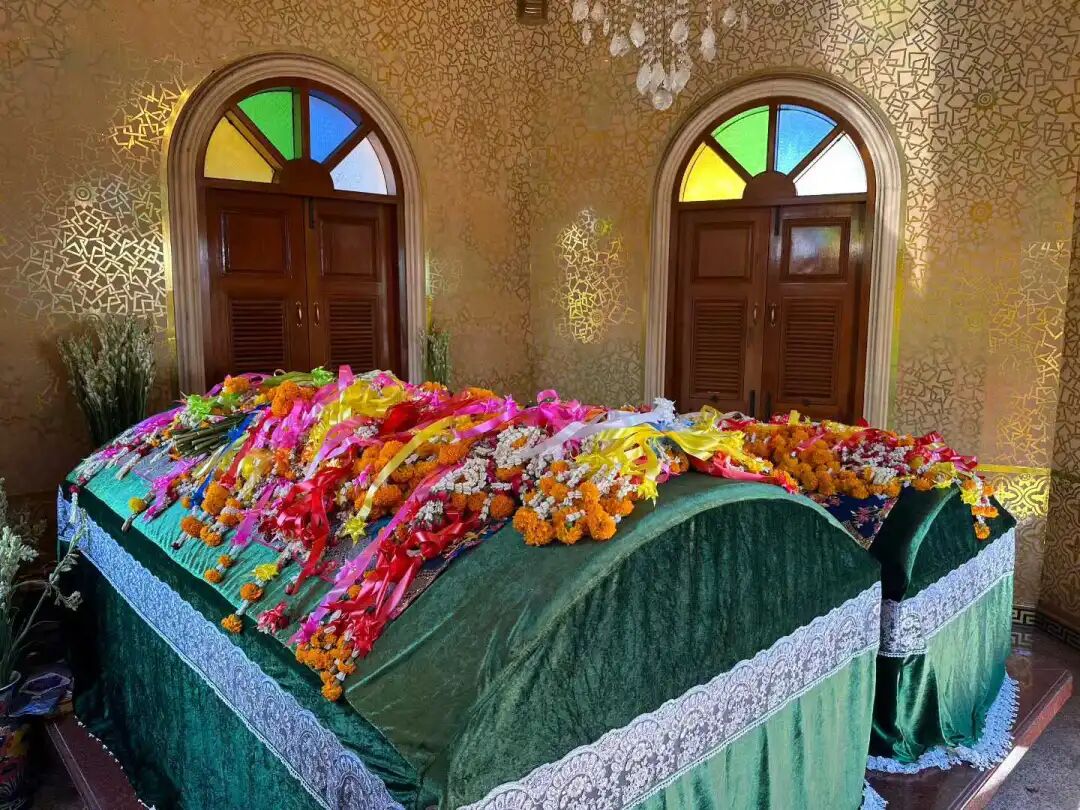
Today, there are two main graves inside the shrine. The larger one belongs to Sheikh Tok Takia, and the smaller one belongs to the abbot Diwan Chao, who passed away the year after the Sheikh.
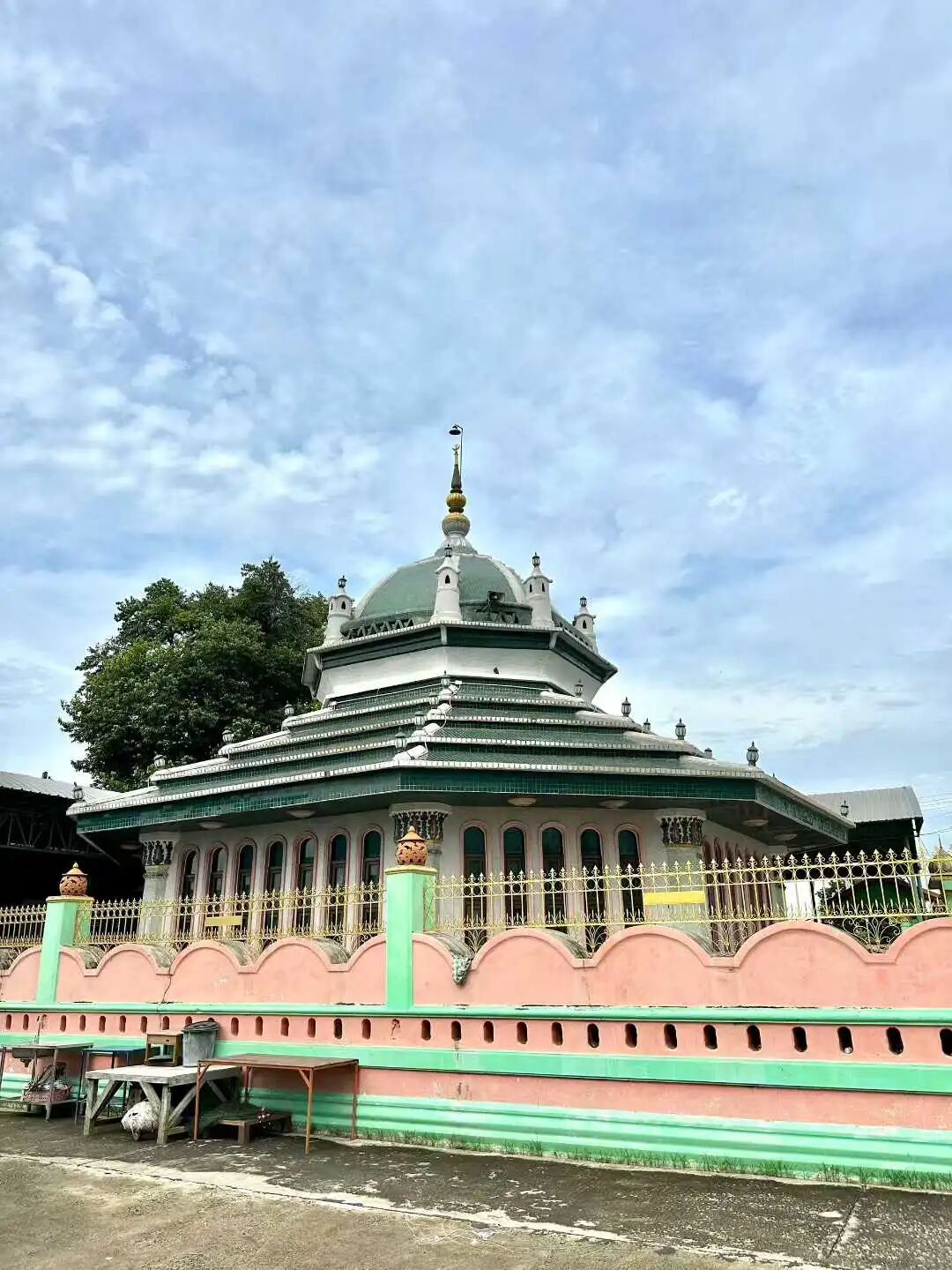
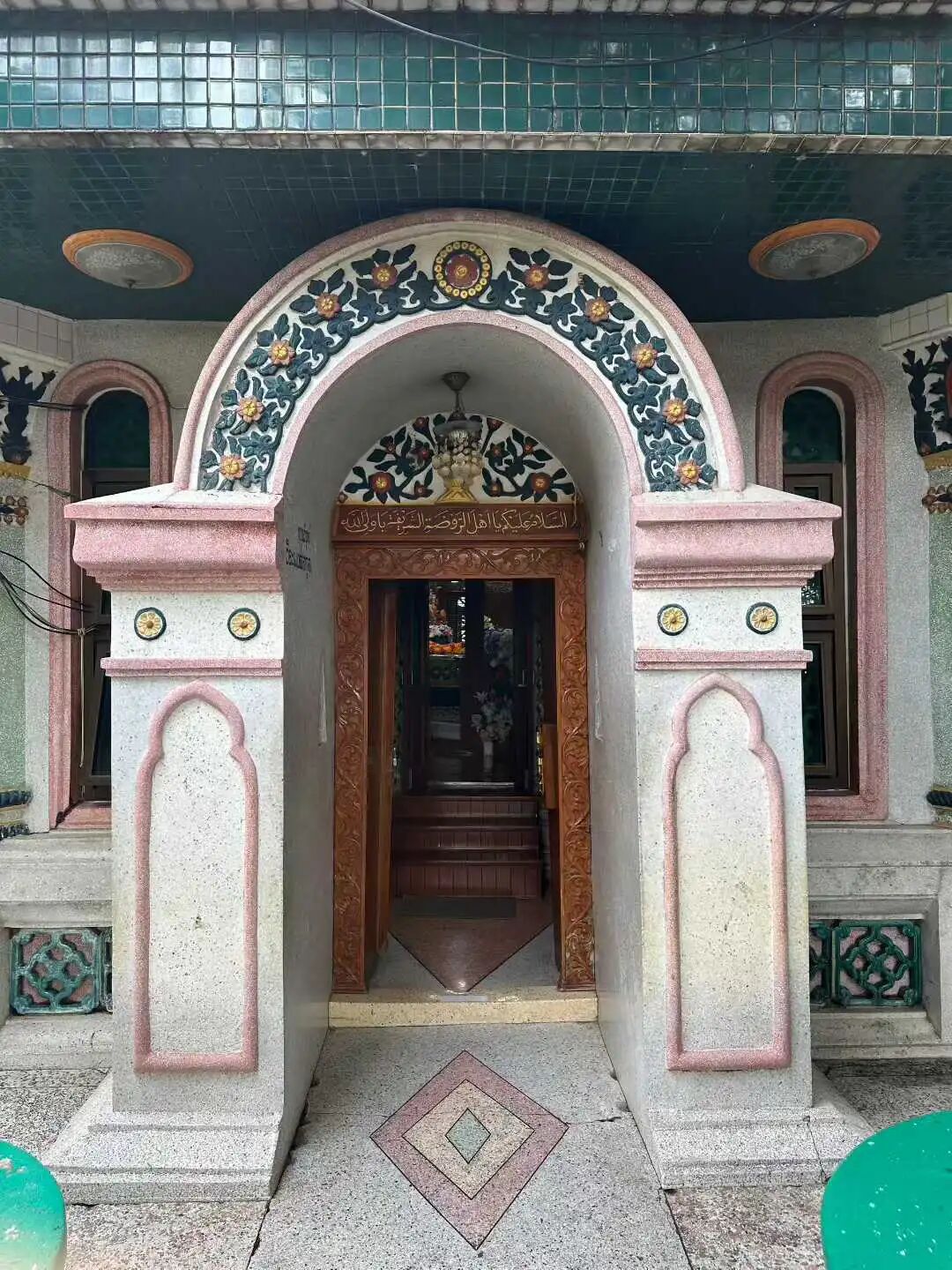
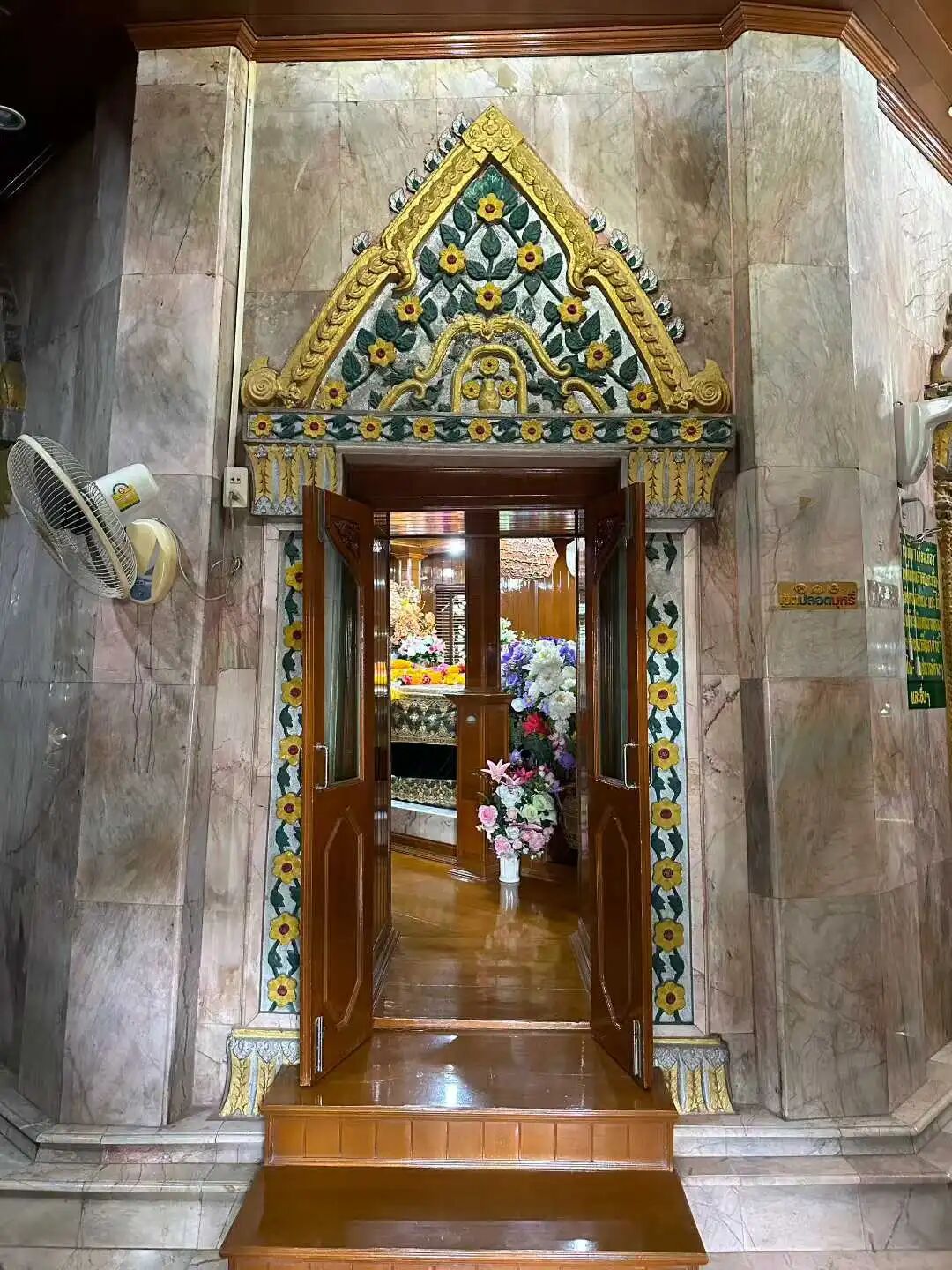
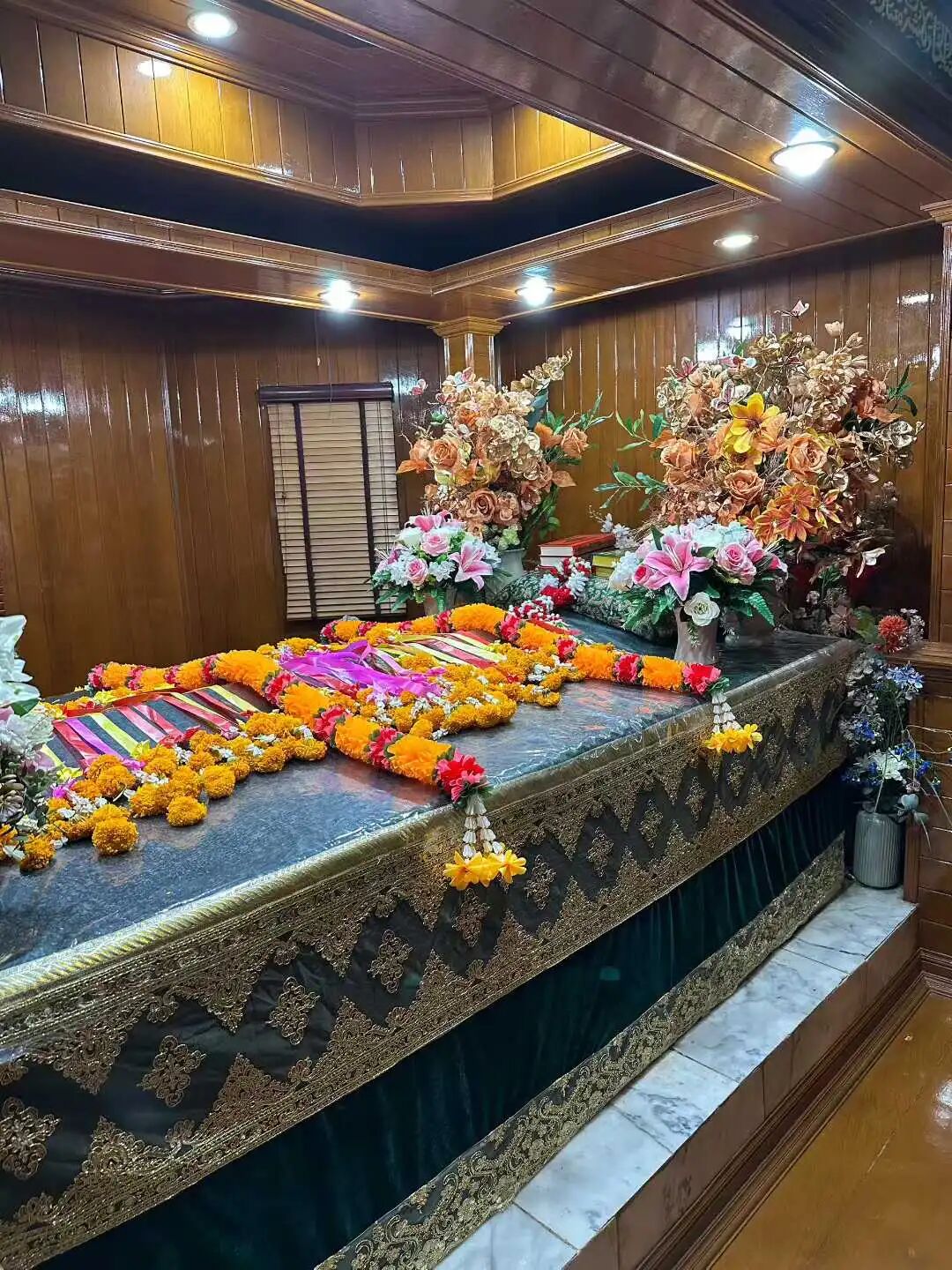
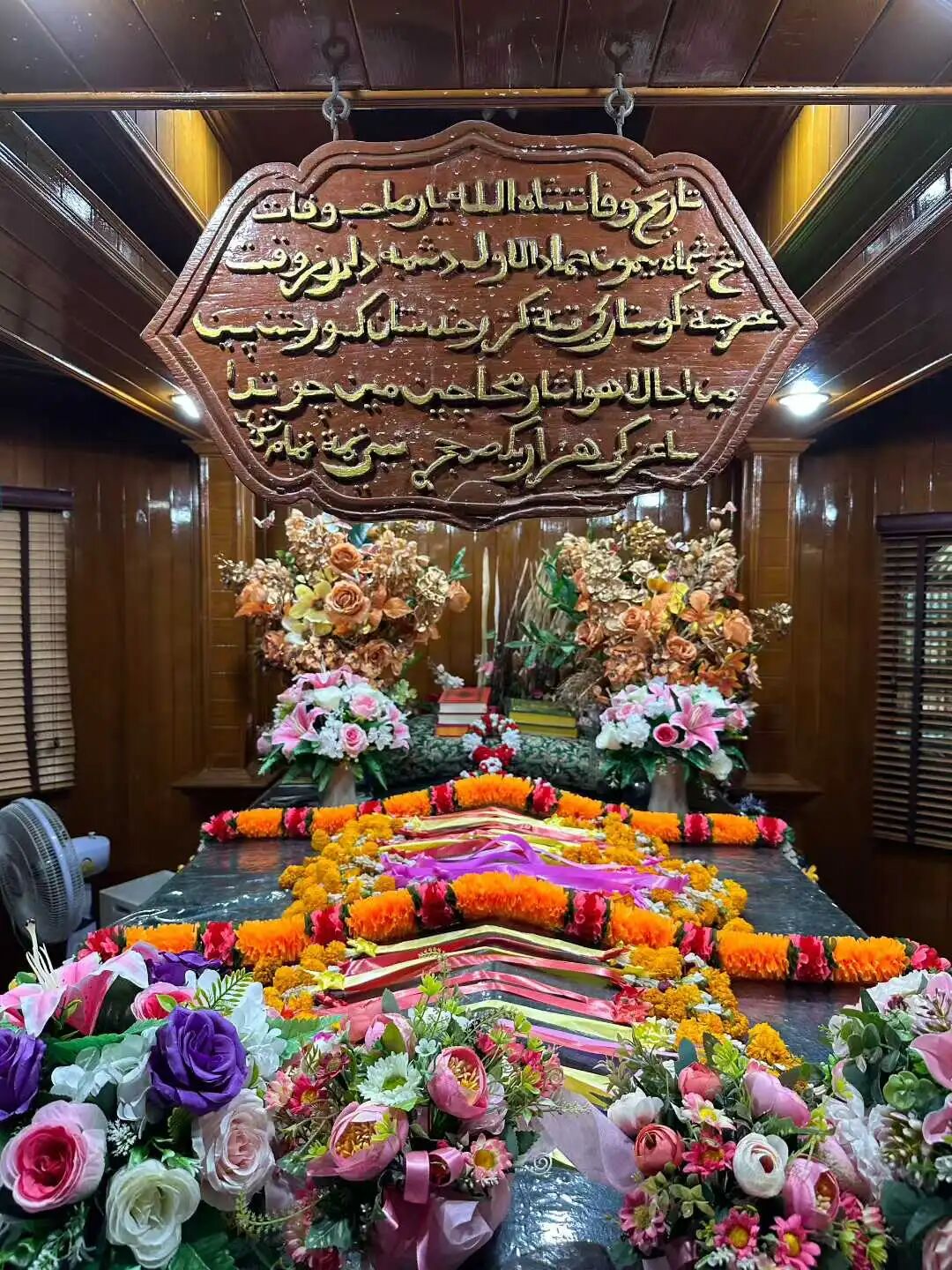
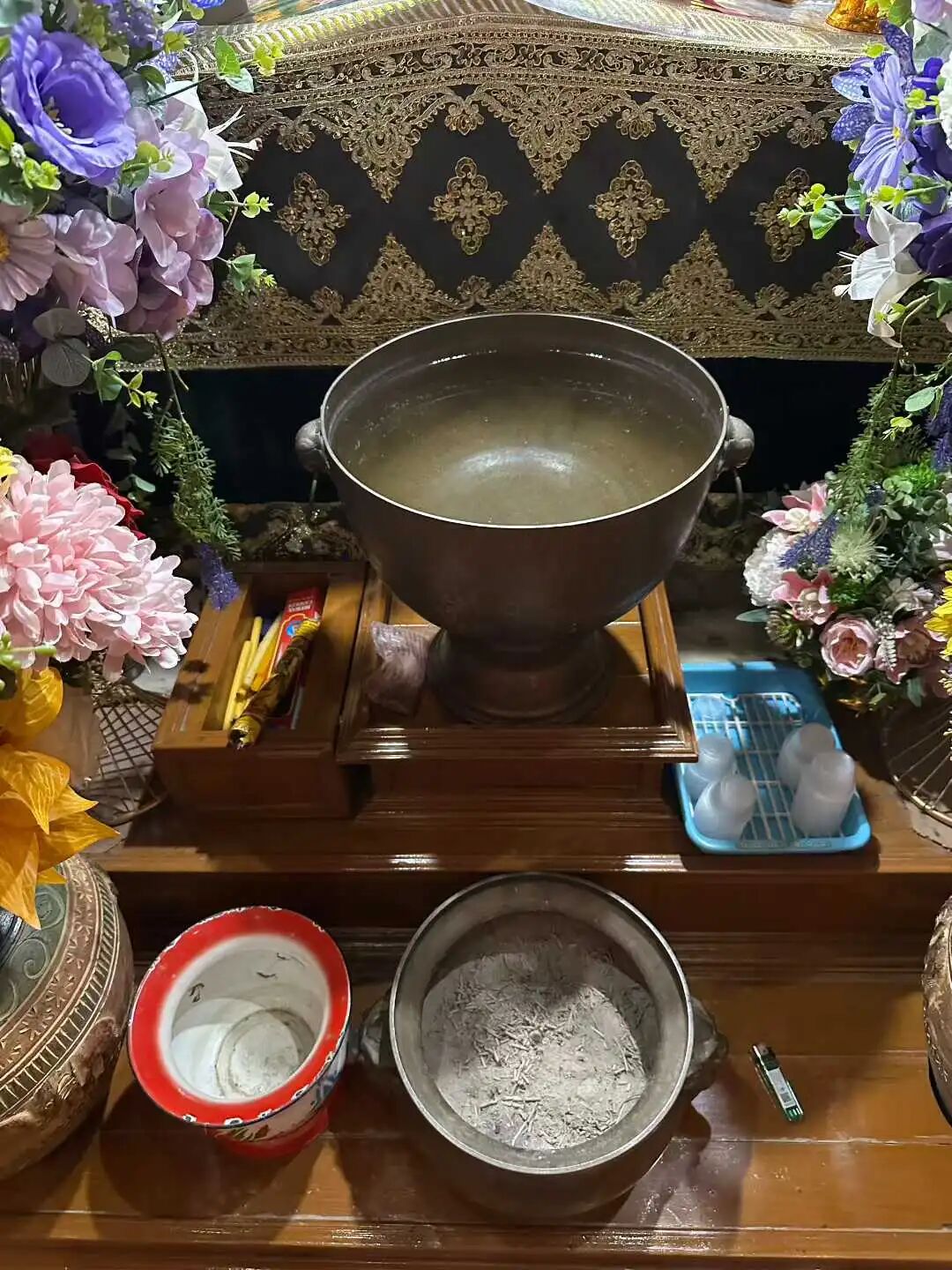
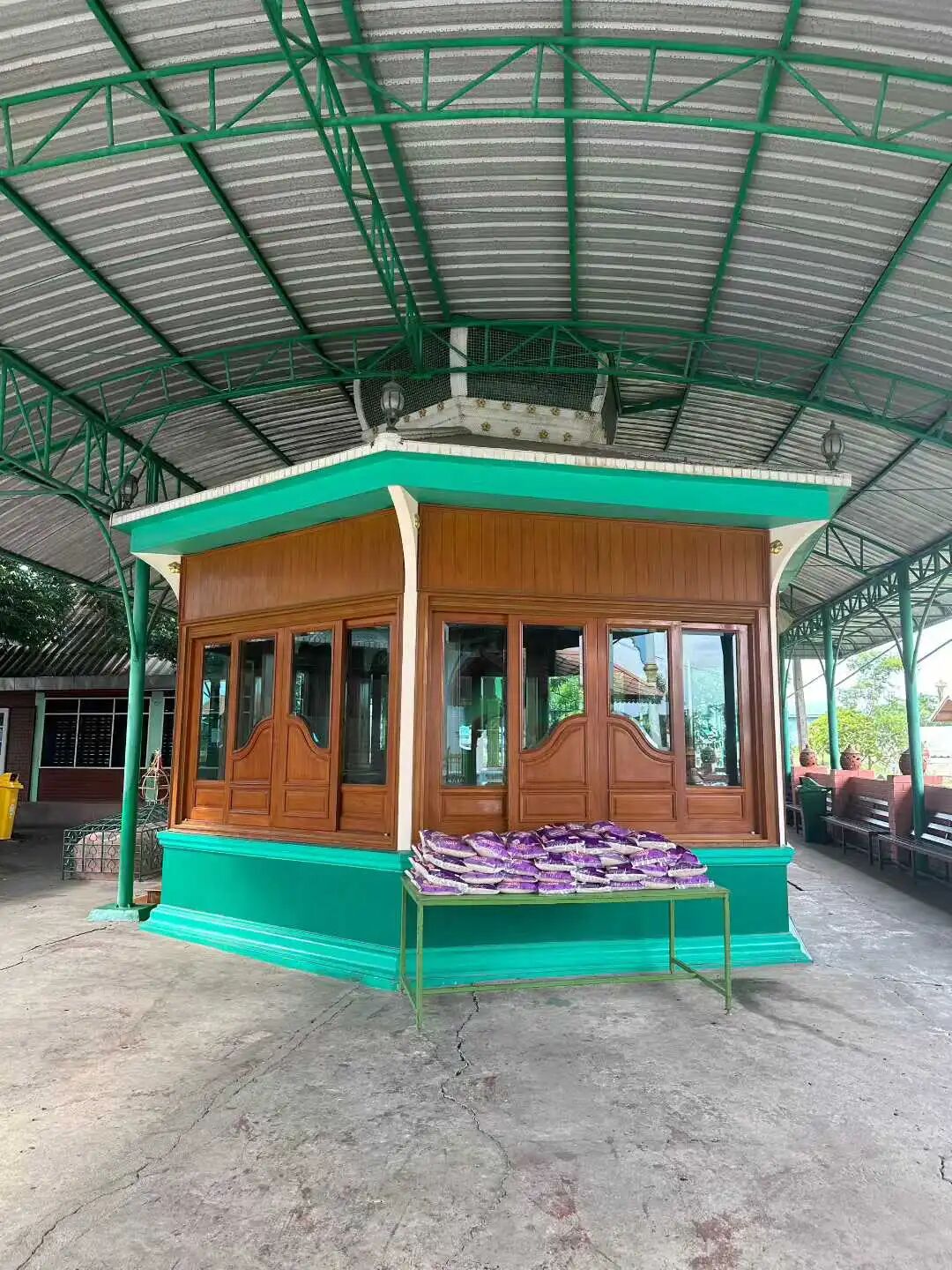
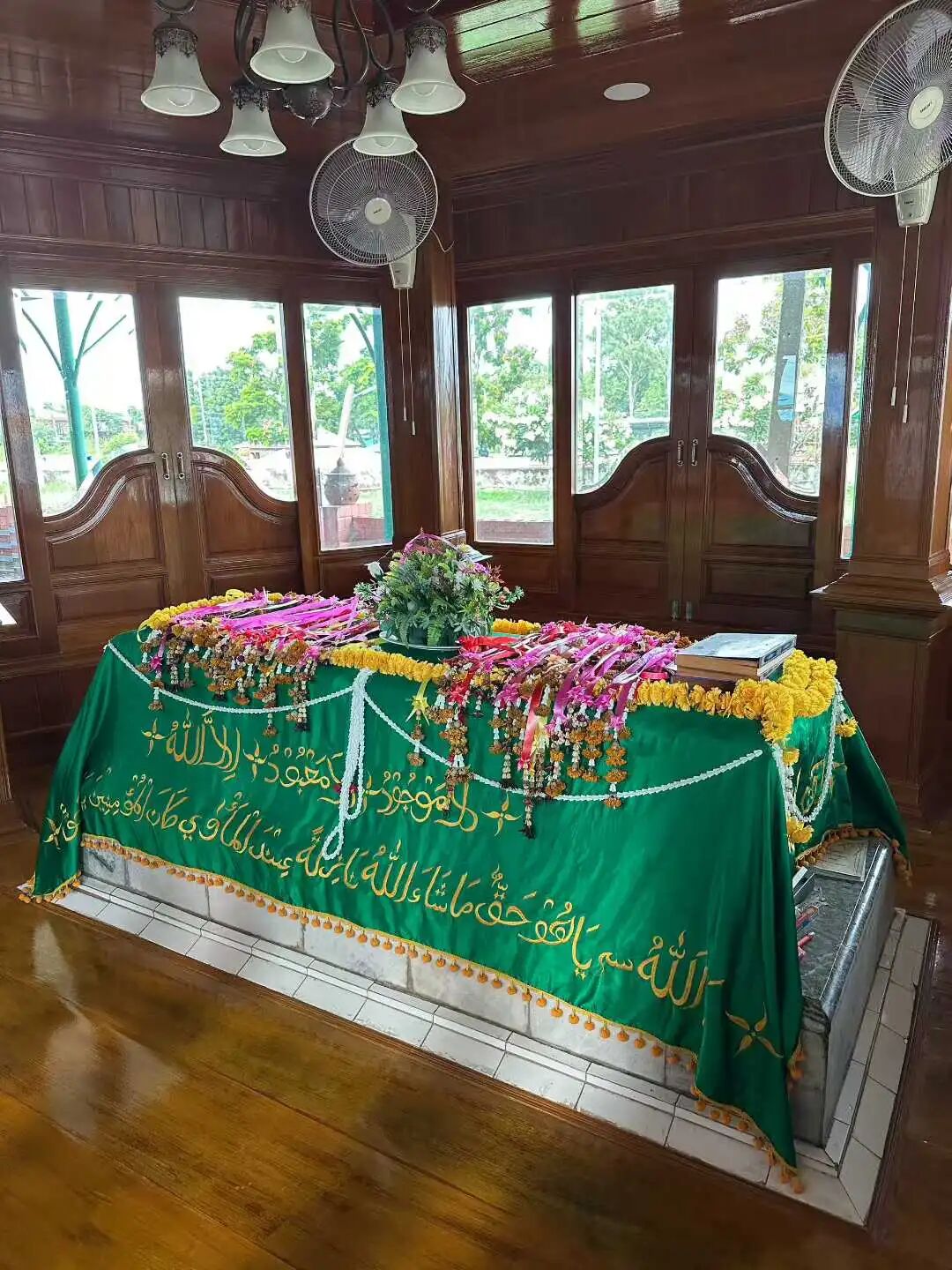
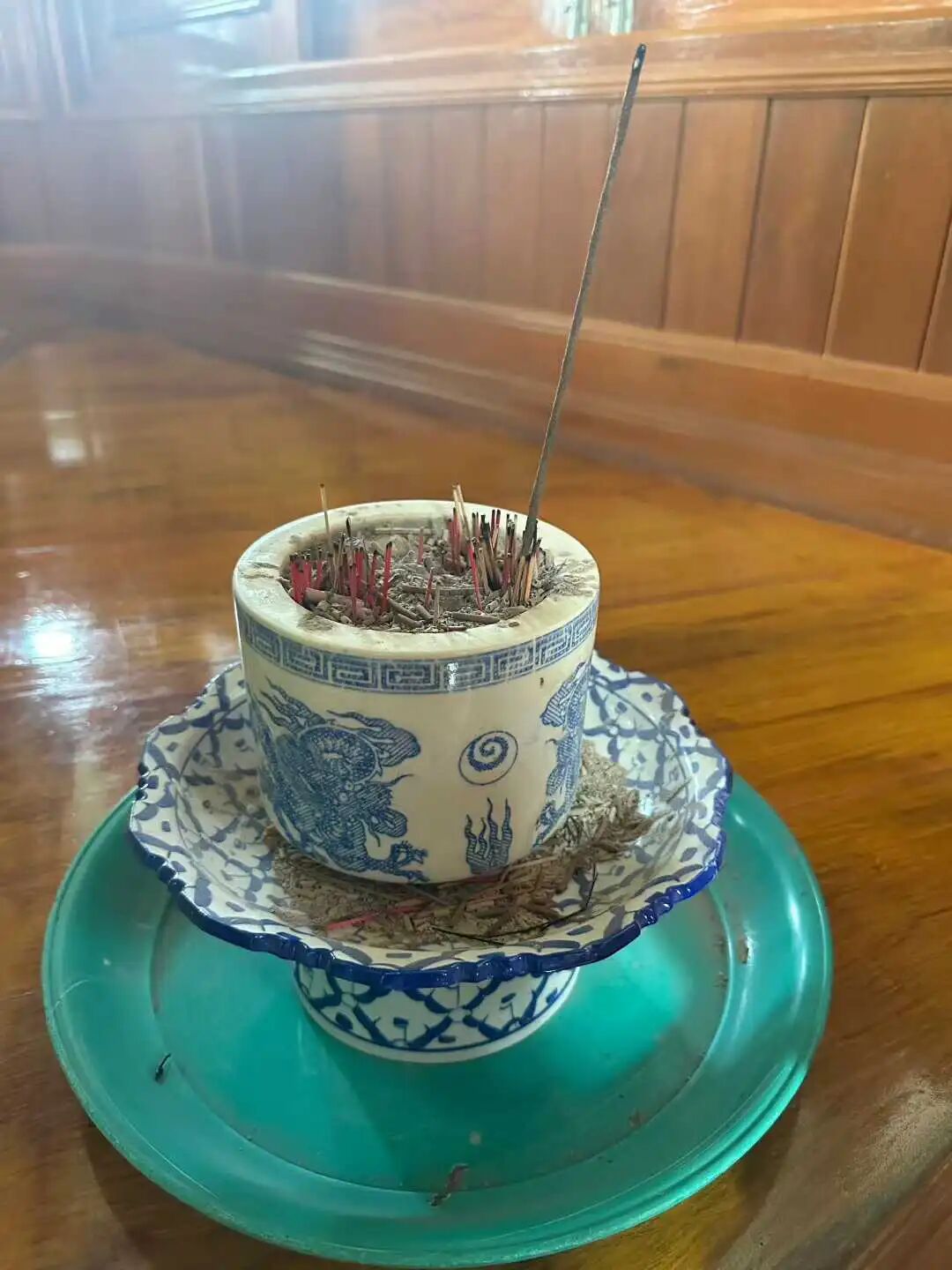
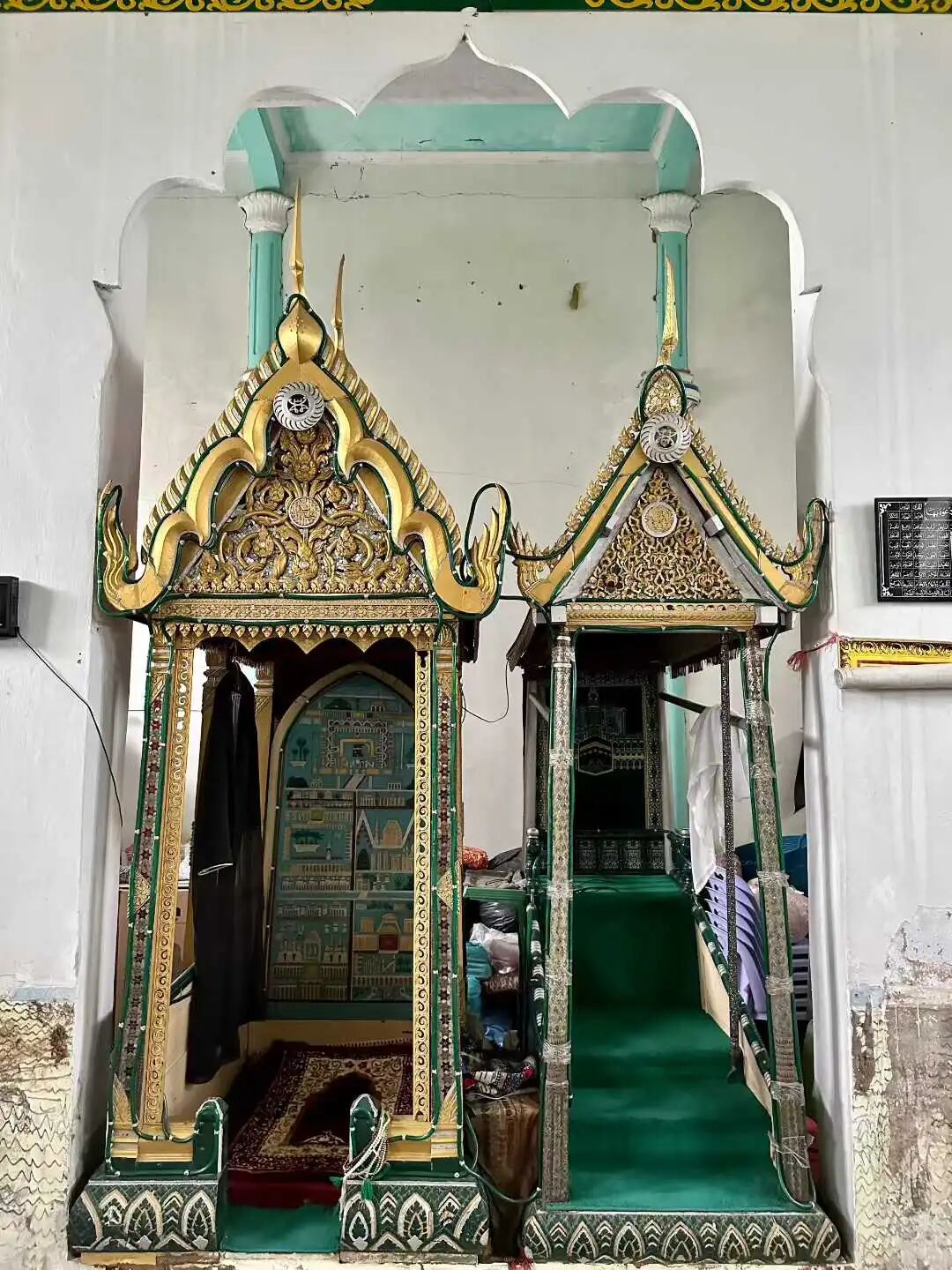
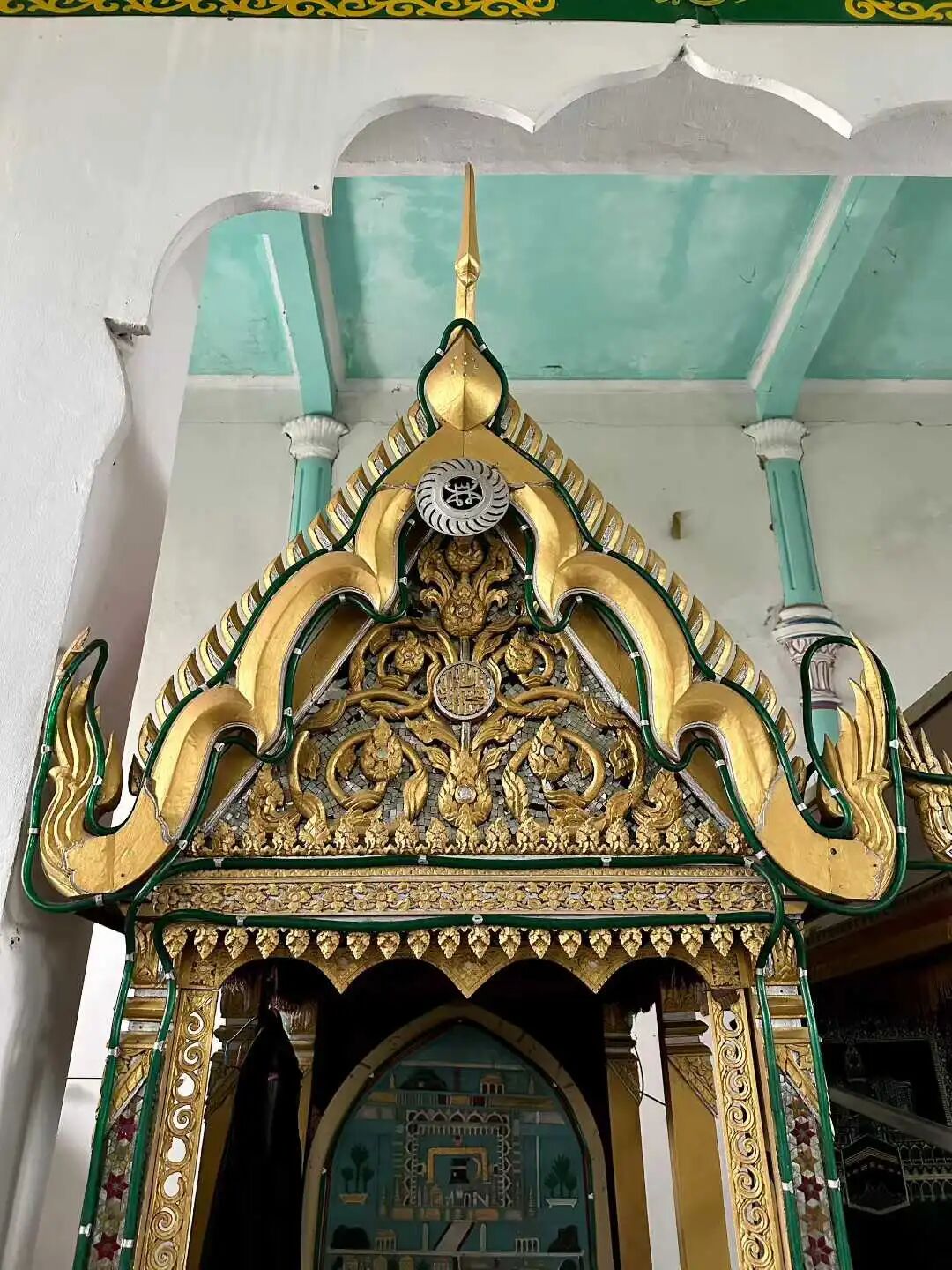
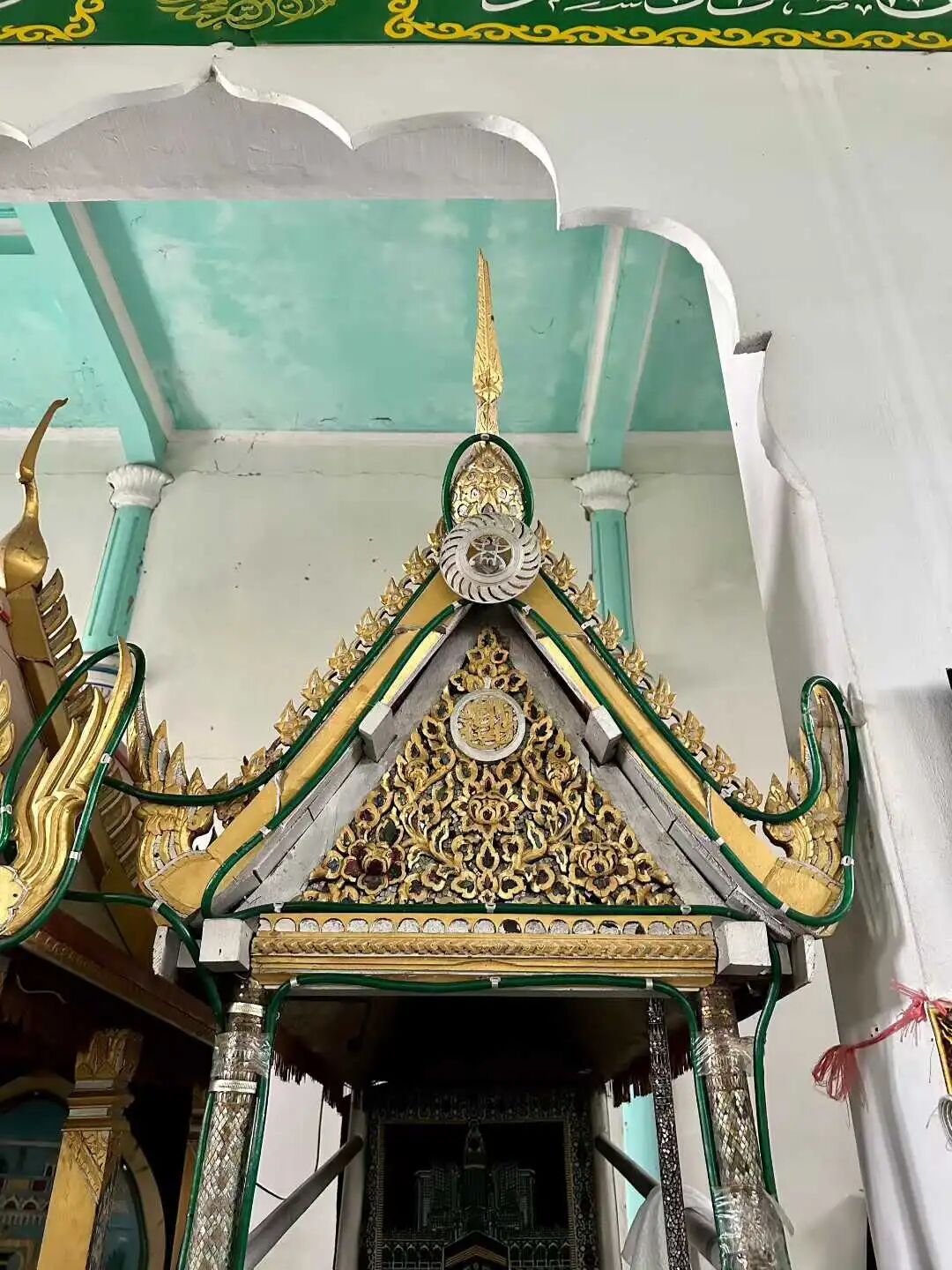
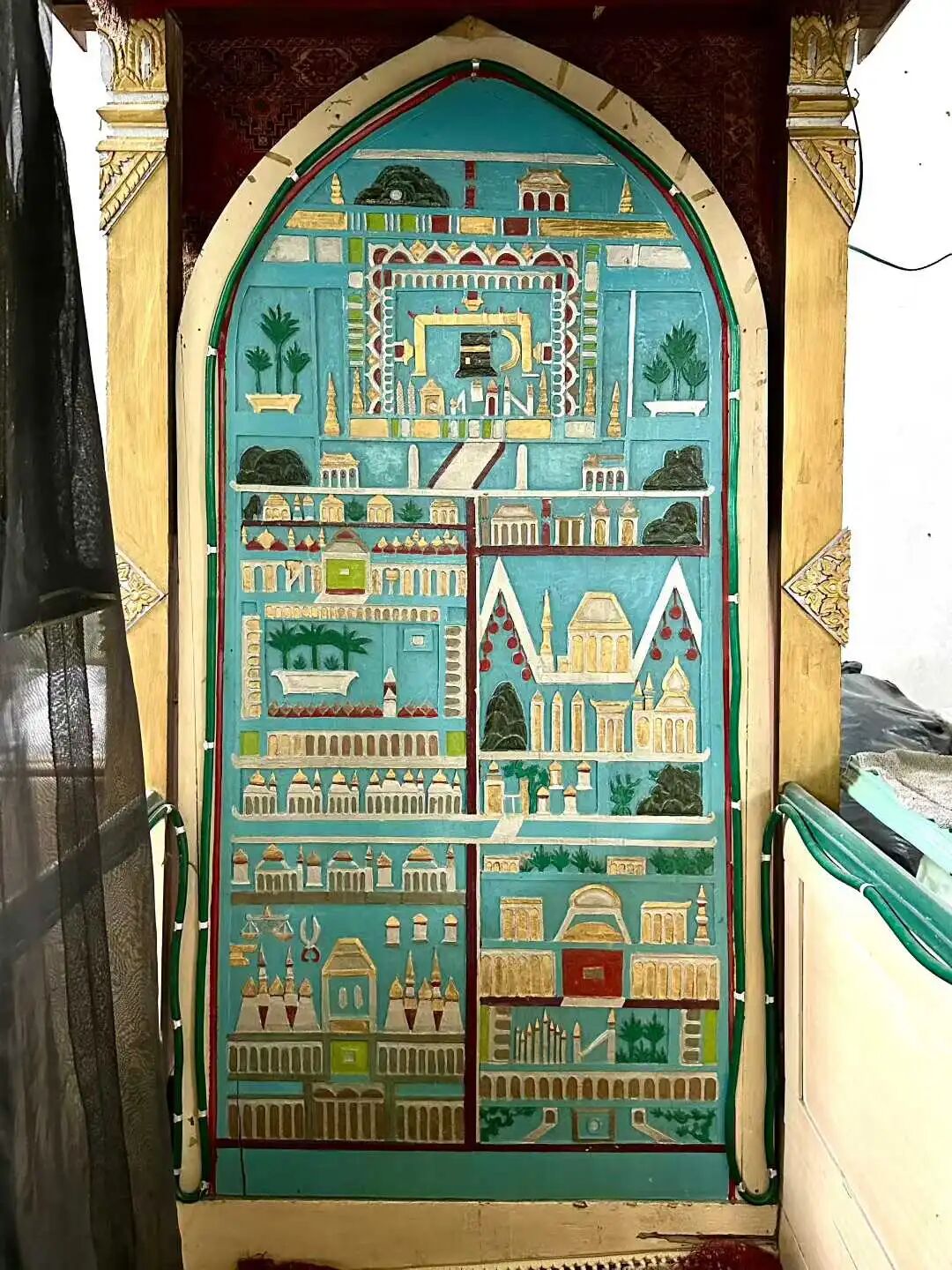
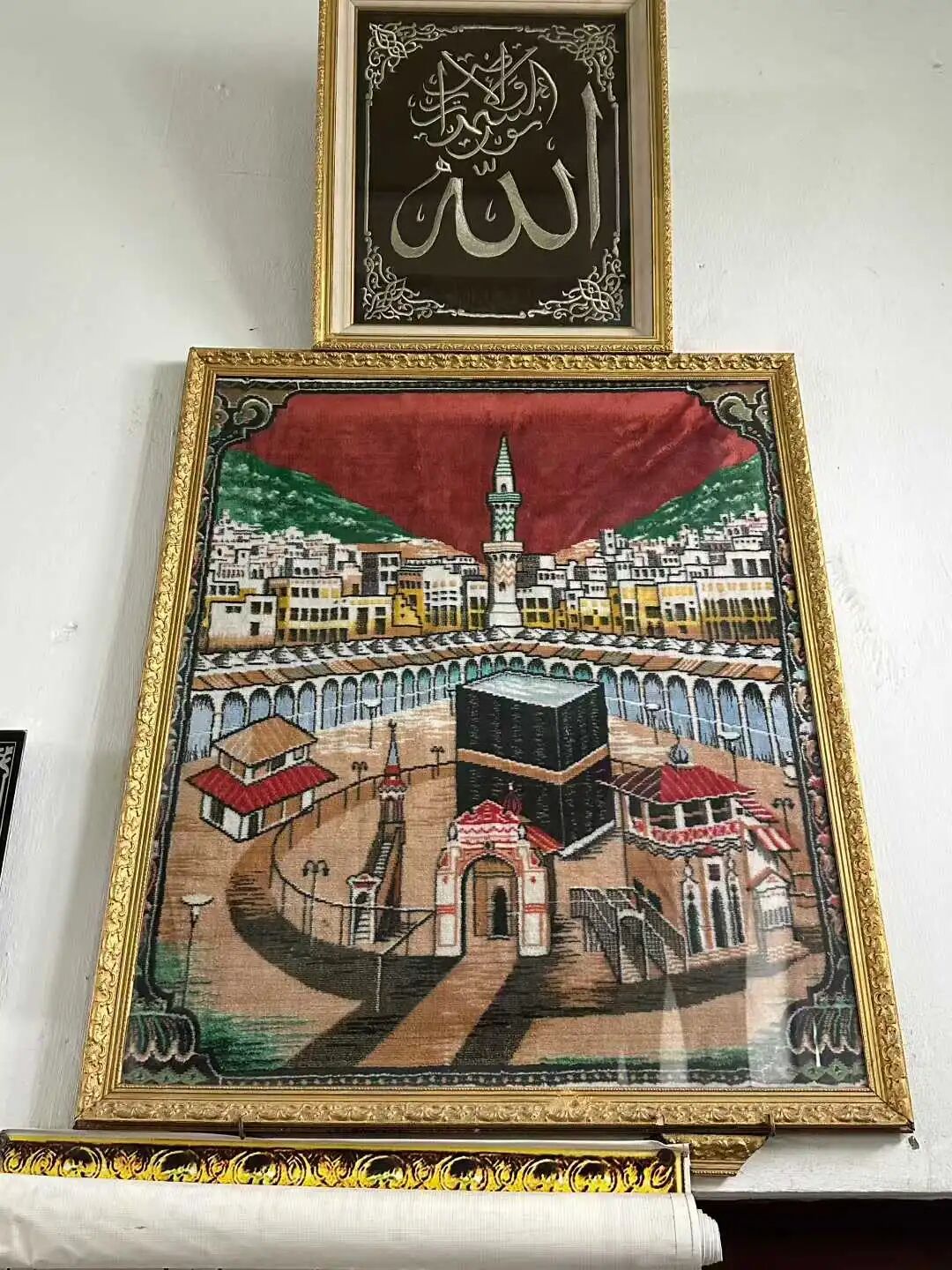
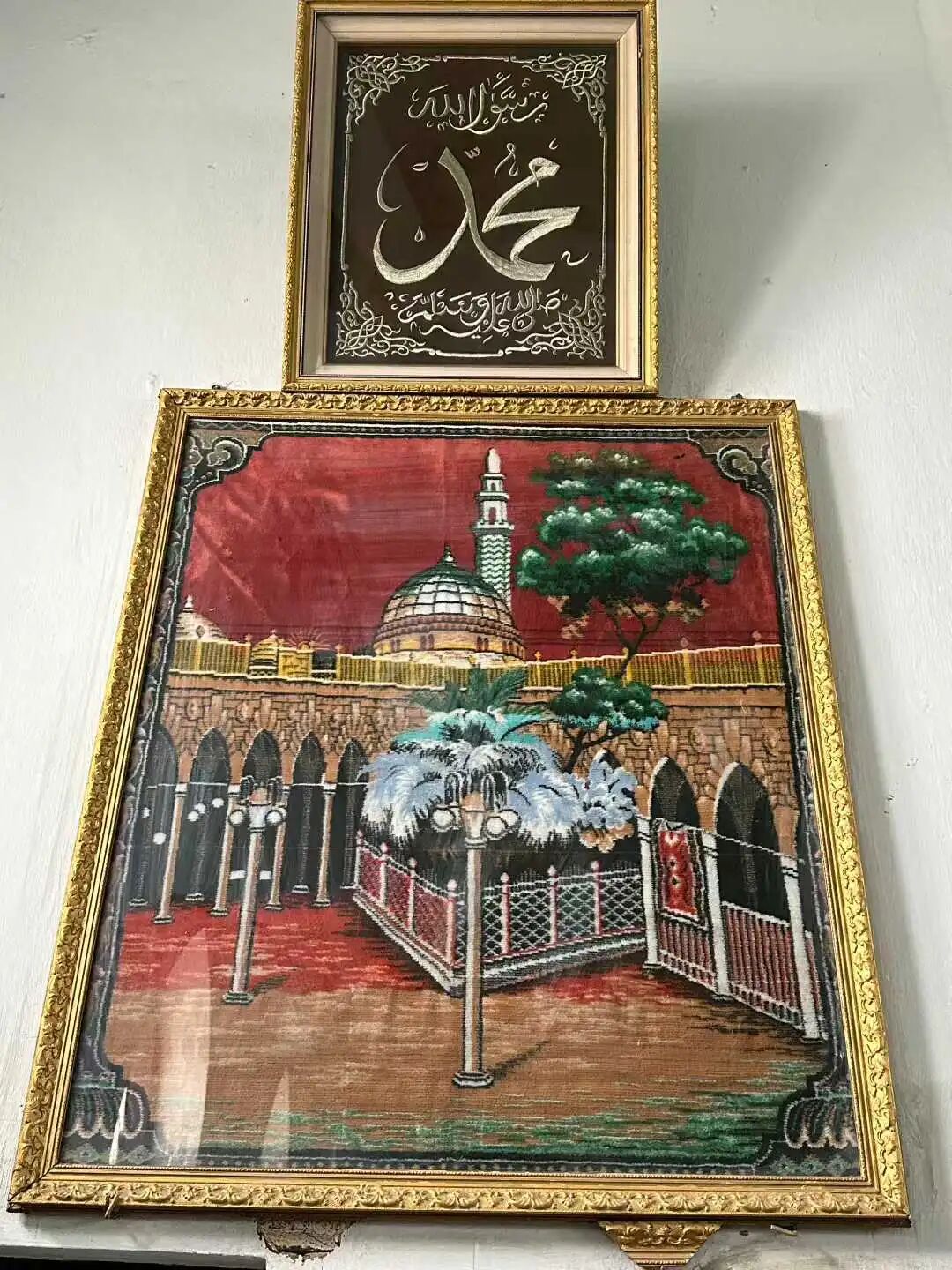
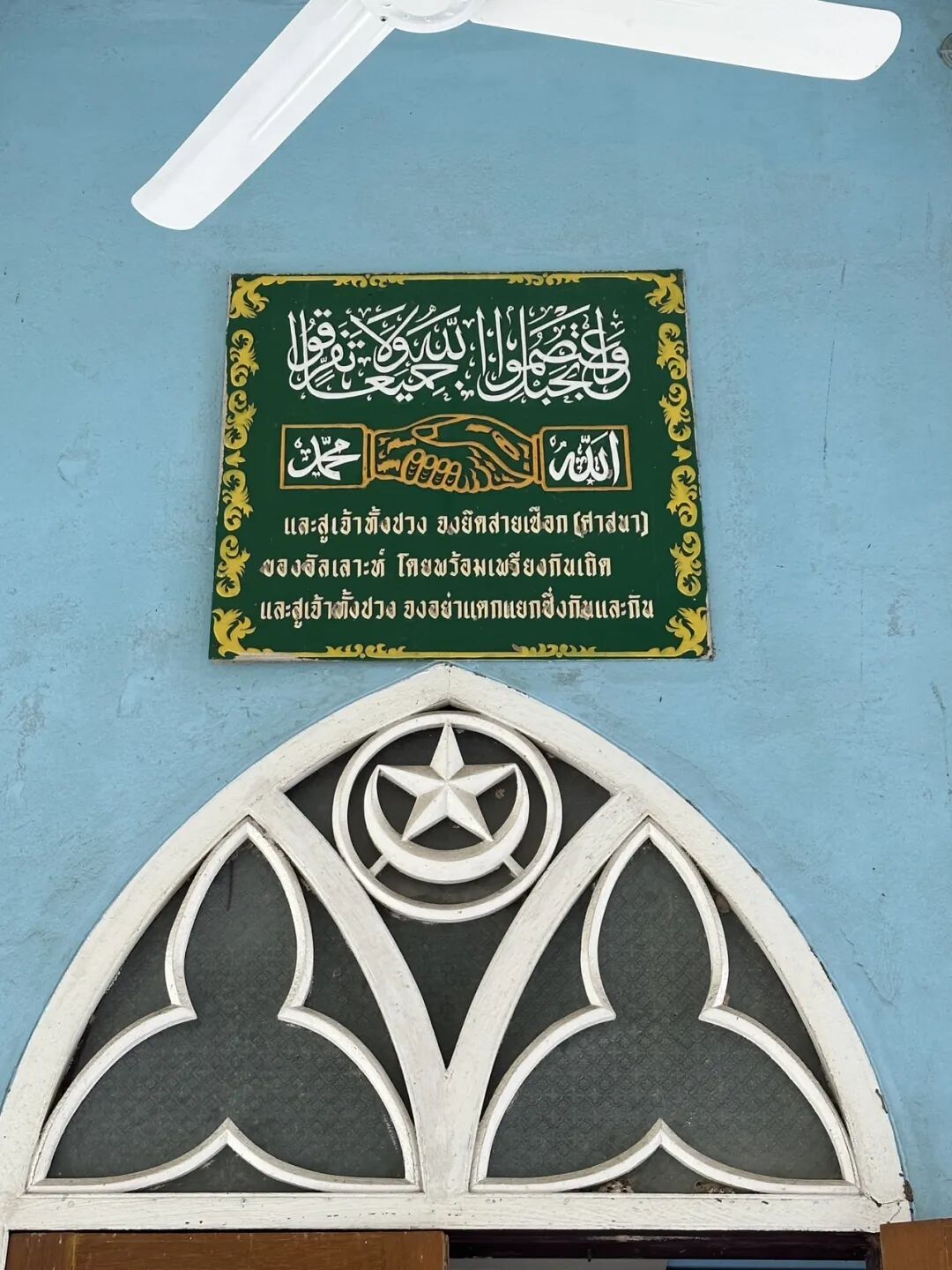
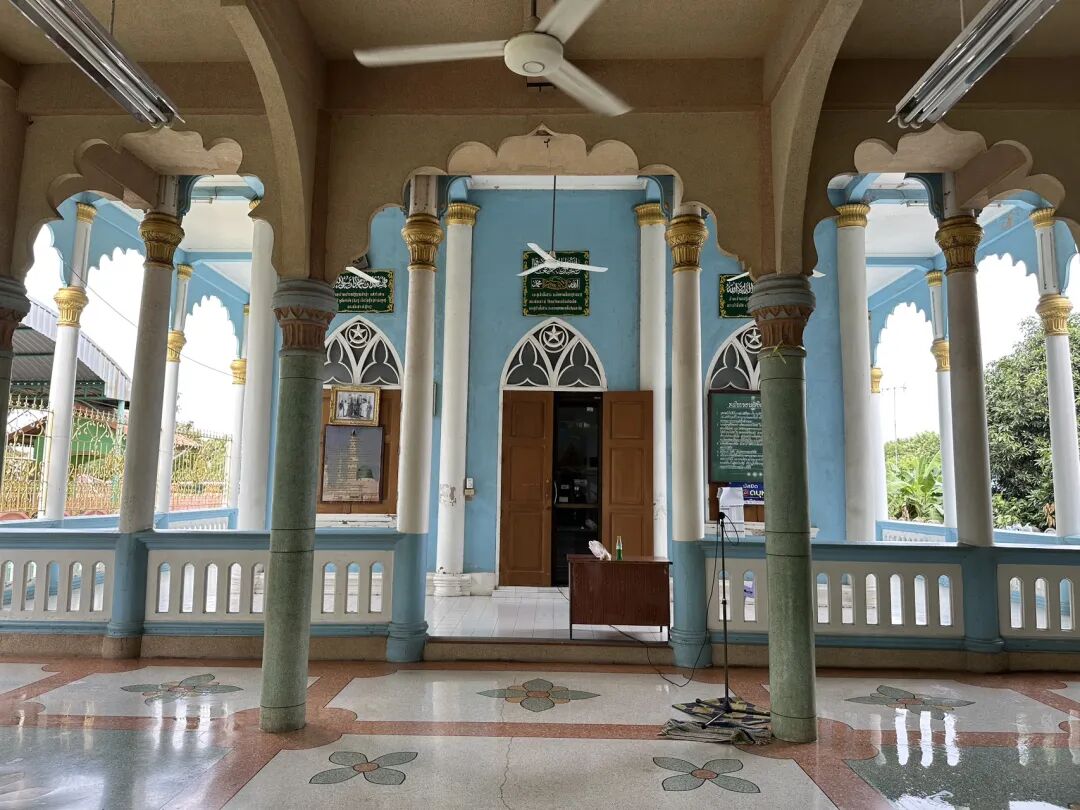
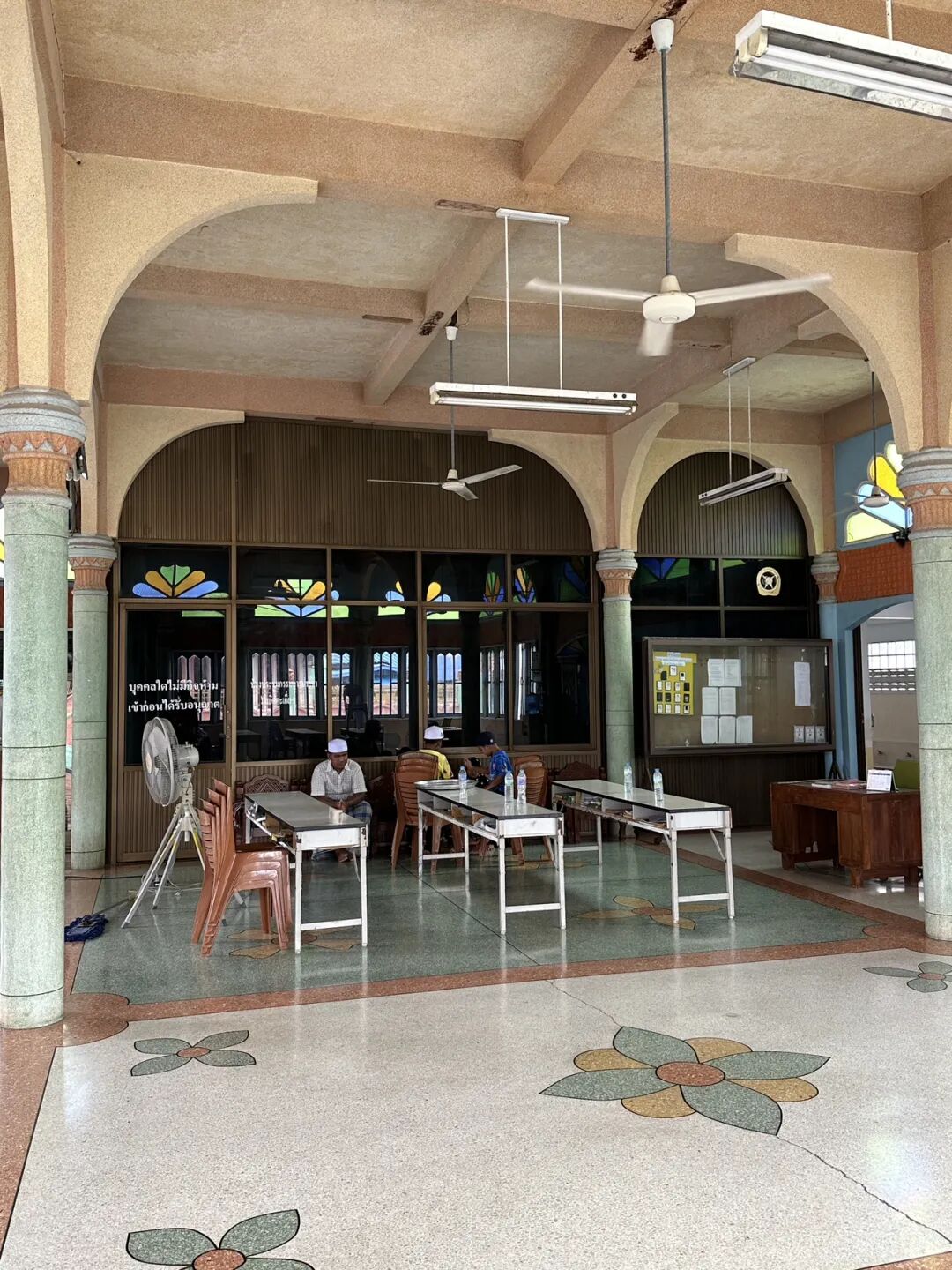
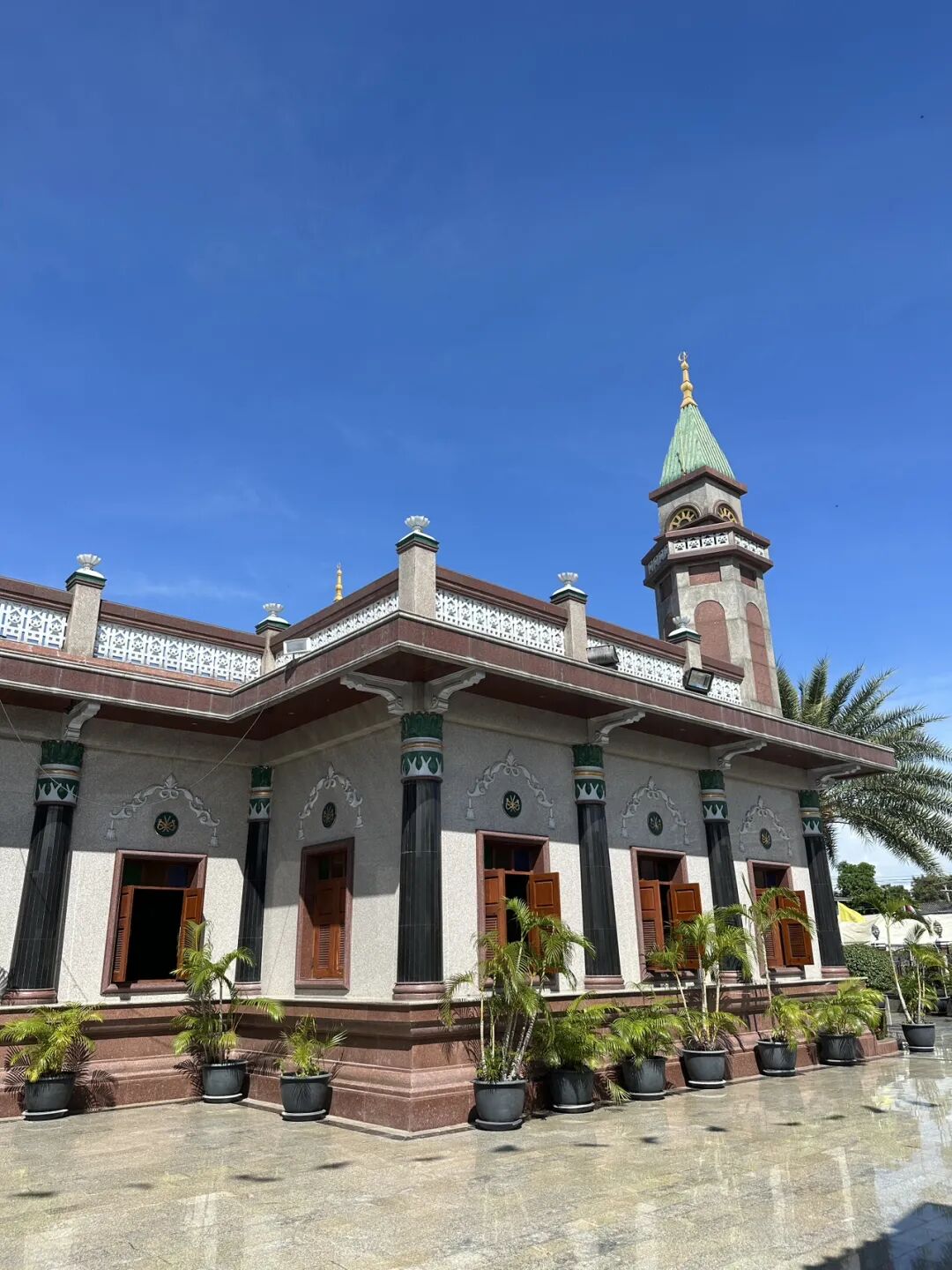
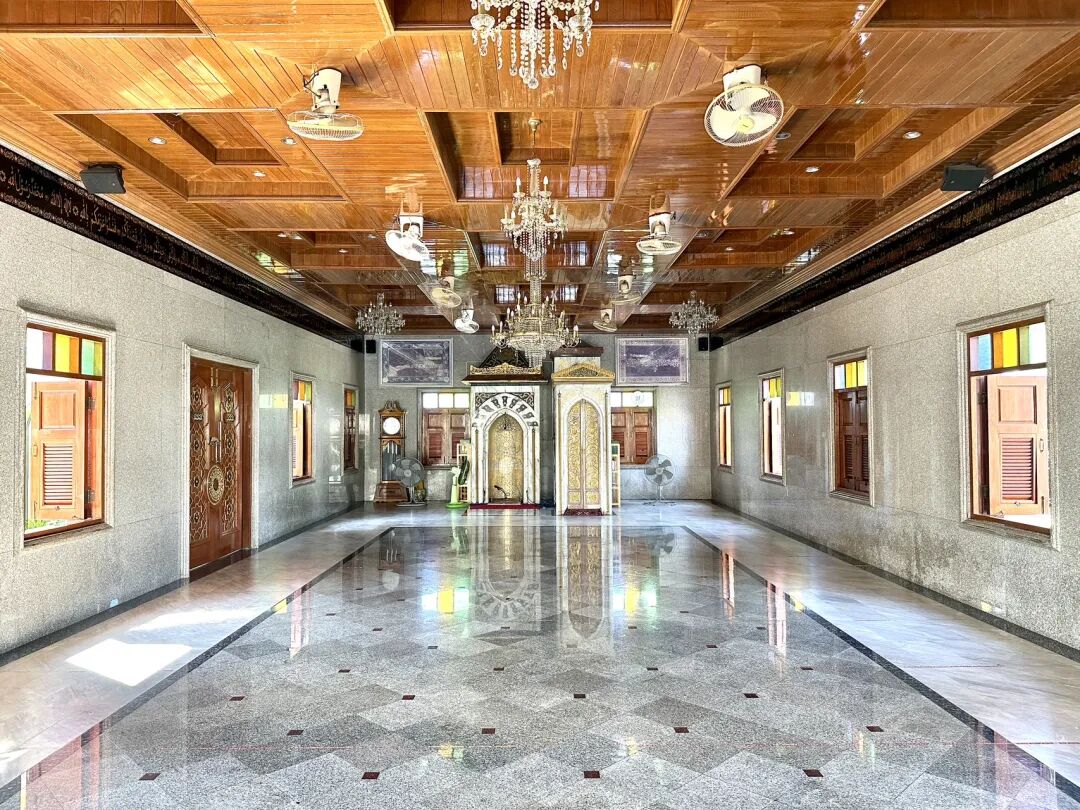
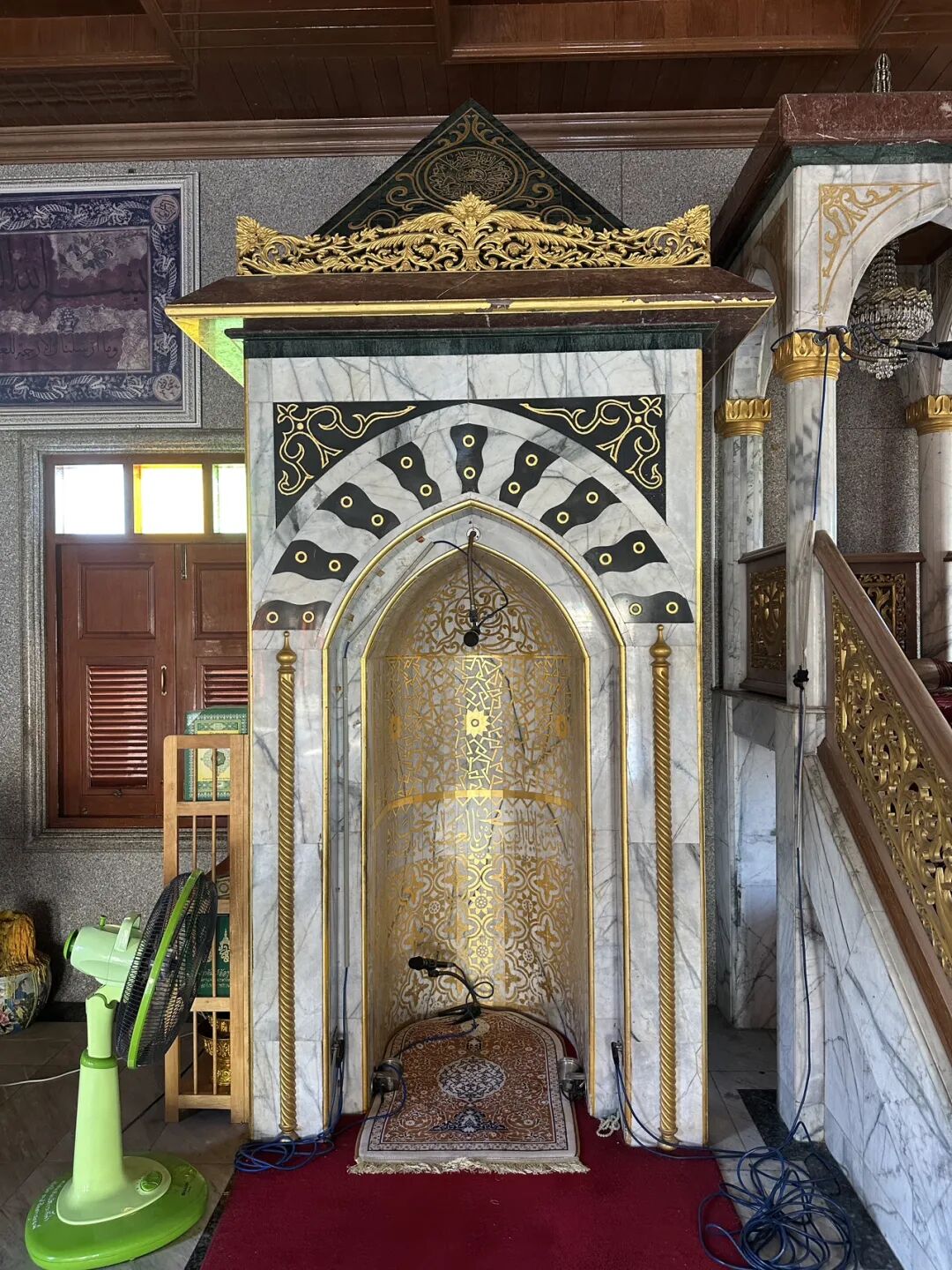
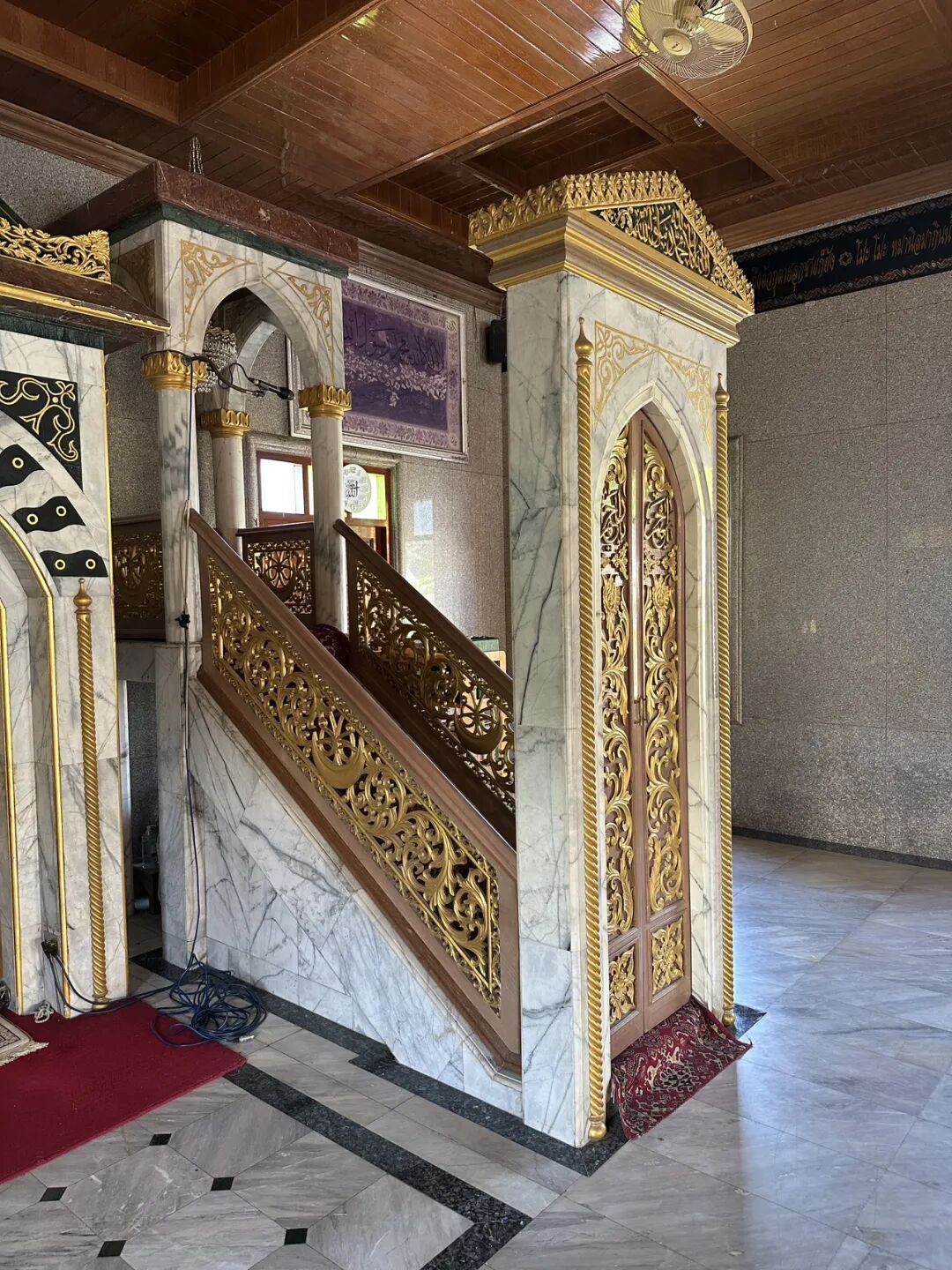
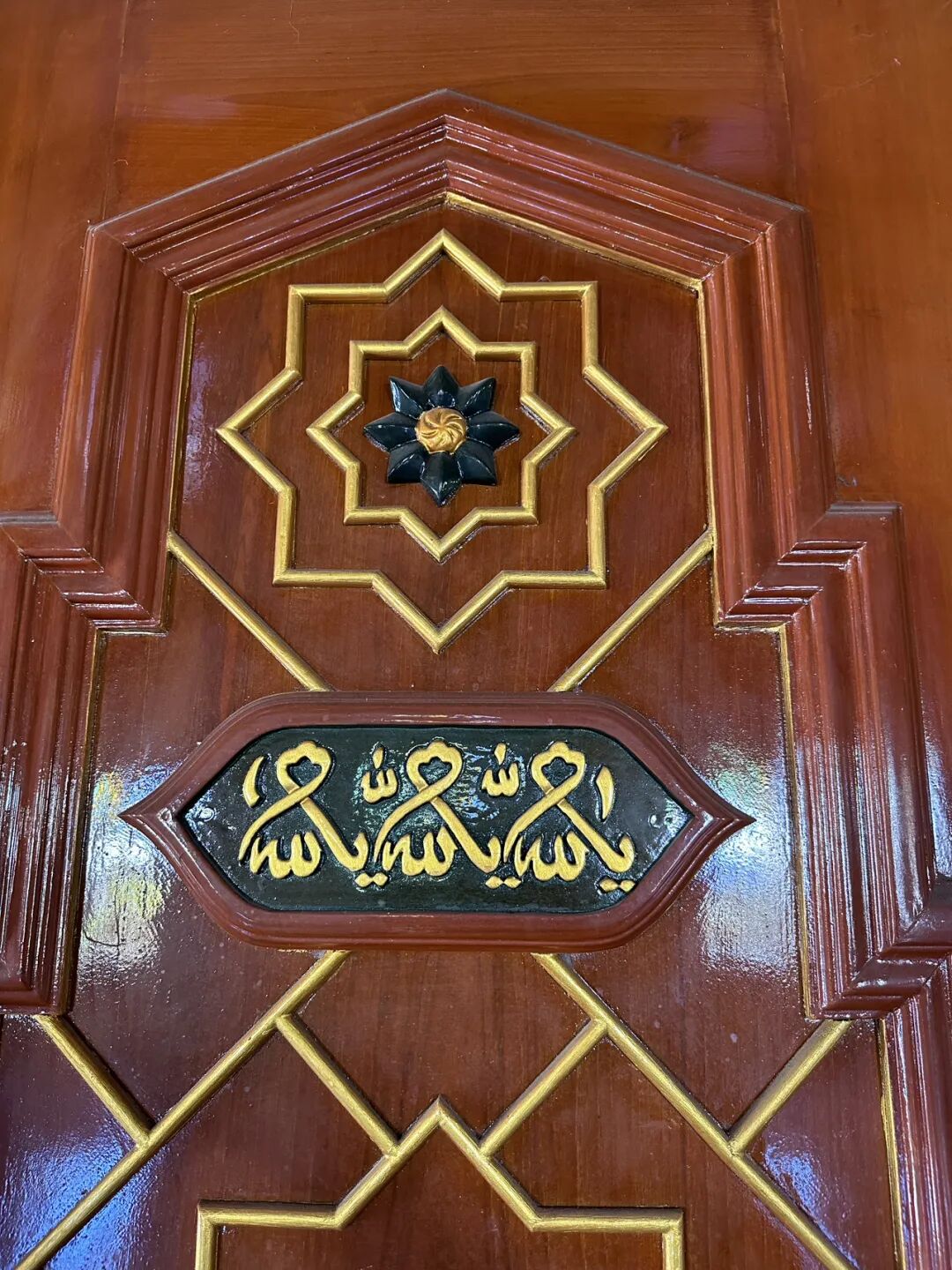
Masjid Takia Yokin is right next to the Tok Takia shrine. It was rebuilt from the original mosque in the mid-16th century after the Buddhist abbot Diwan Chao was guided by the Sufi Sheikh. The mosque still has a traditional Thai-style imam's prayer pavilion and a pulpit (minbar) that are beautifully crafted.
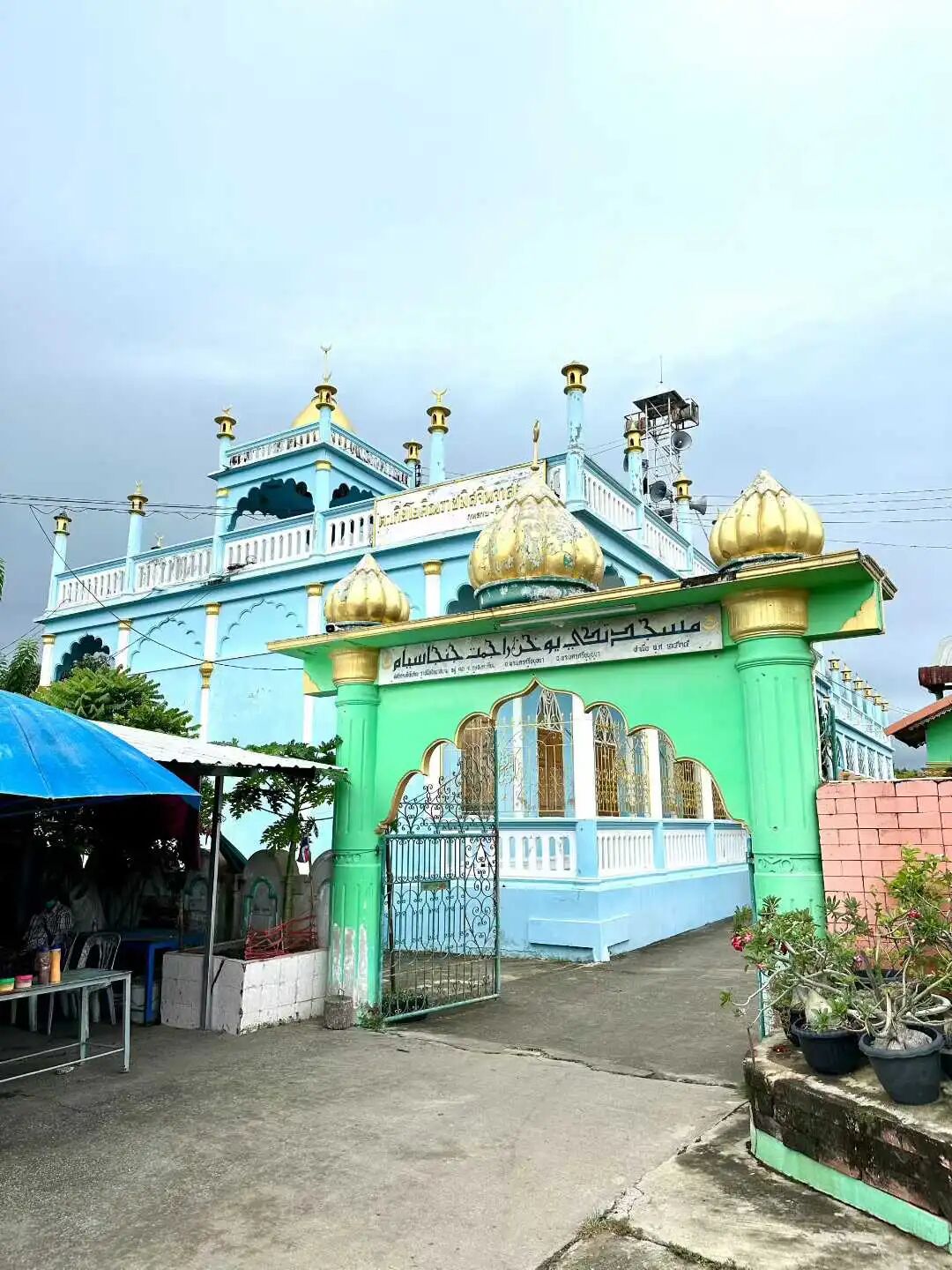
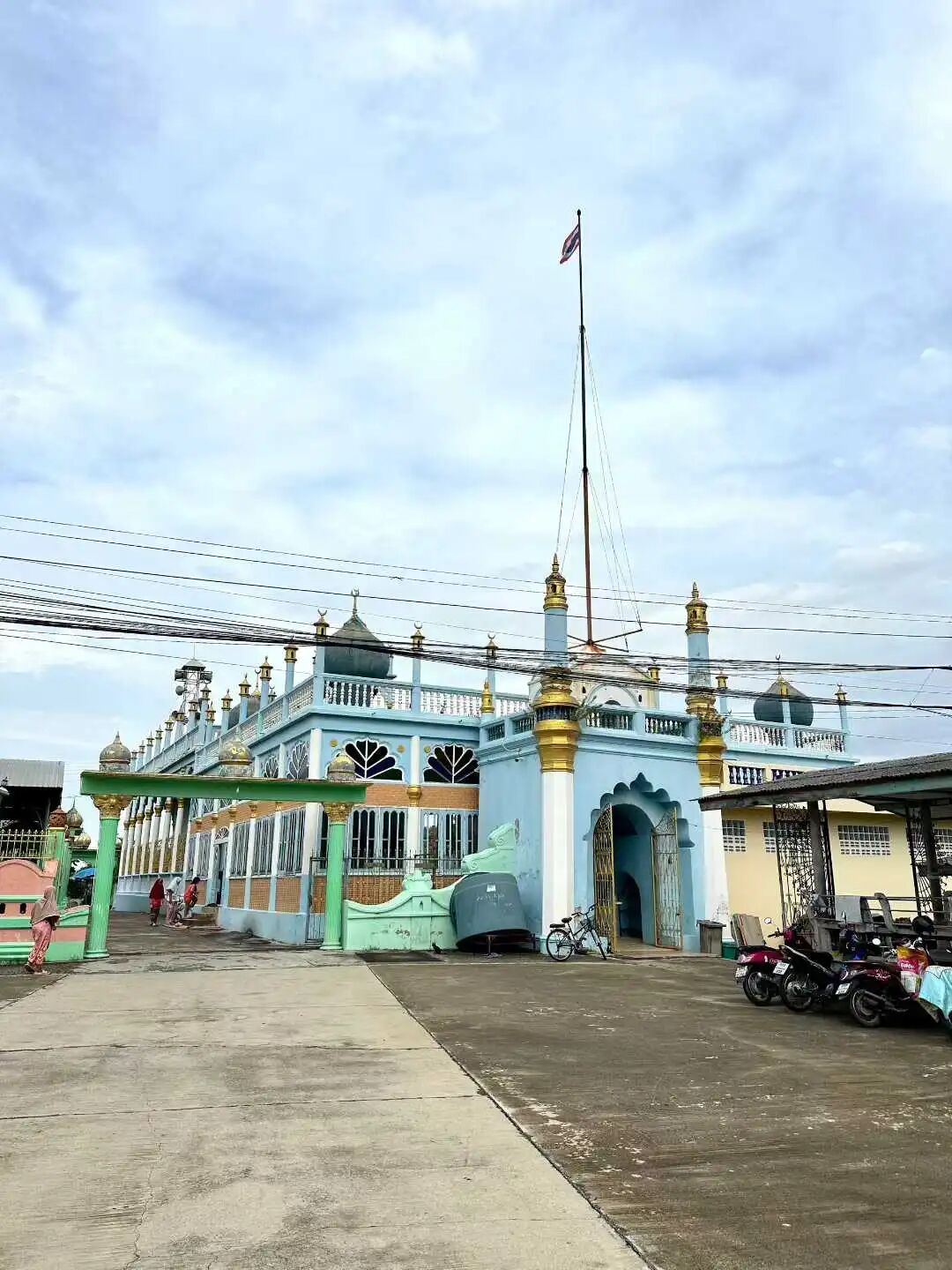
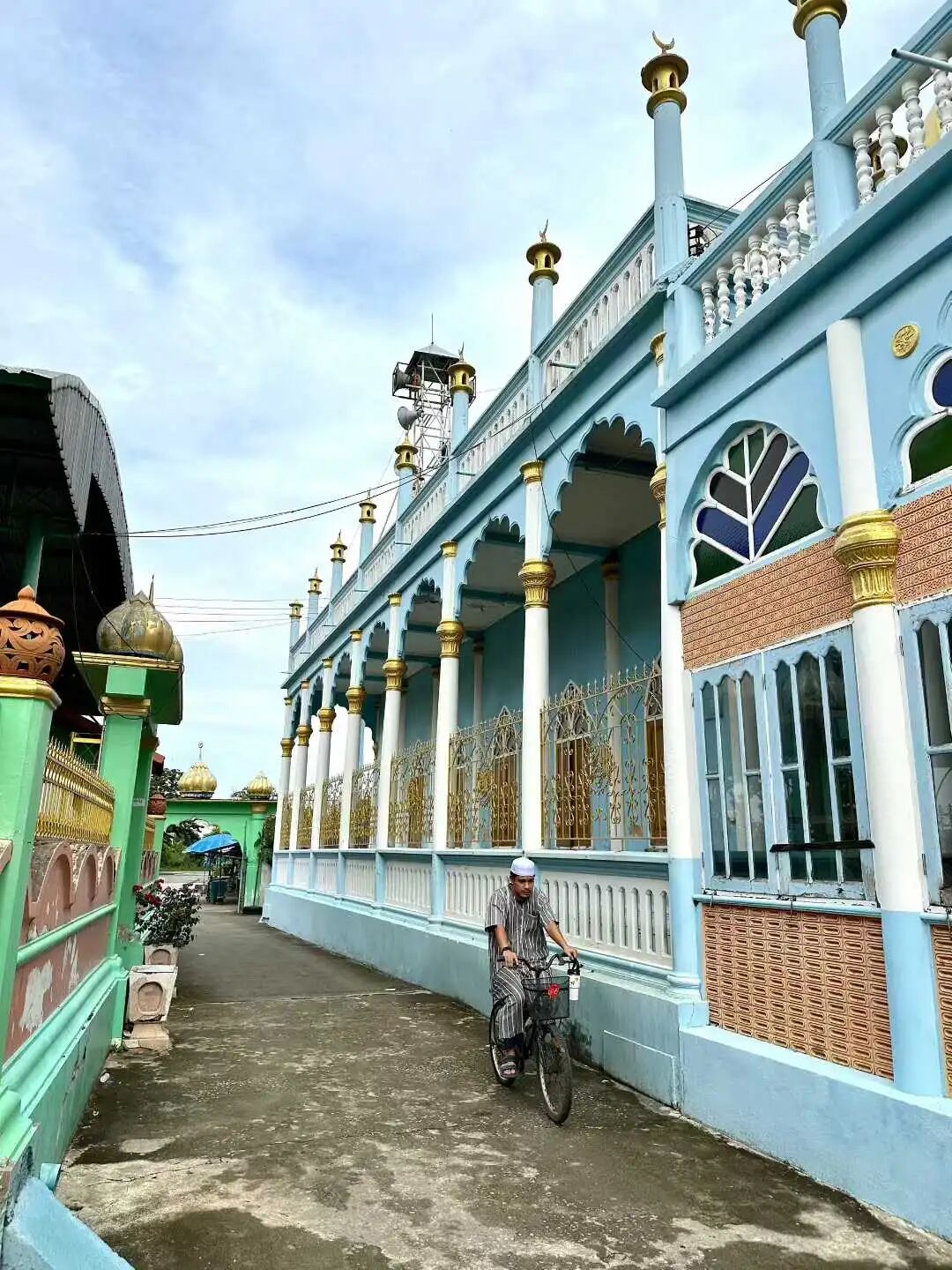
The rise of Islam in Ayutthaya during the 16th century had a lot to do with the trade environment at the time.
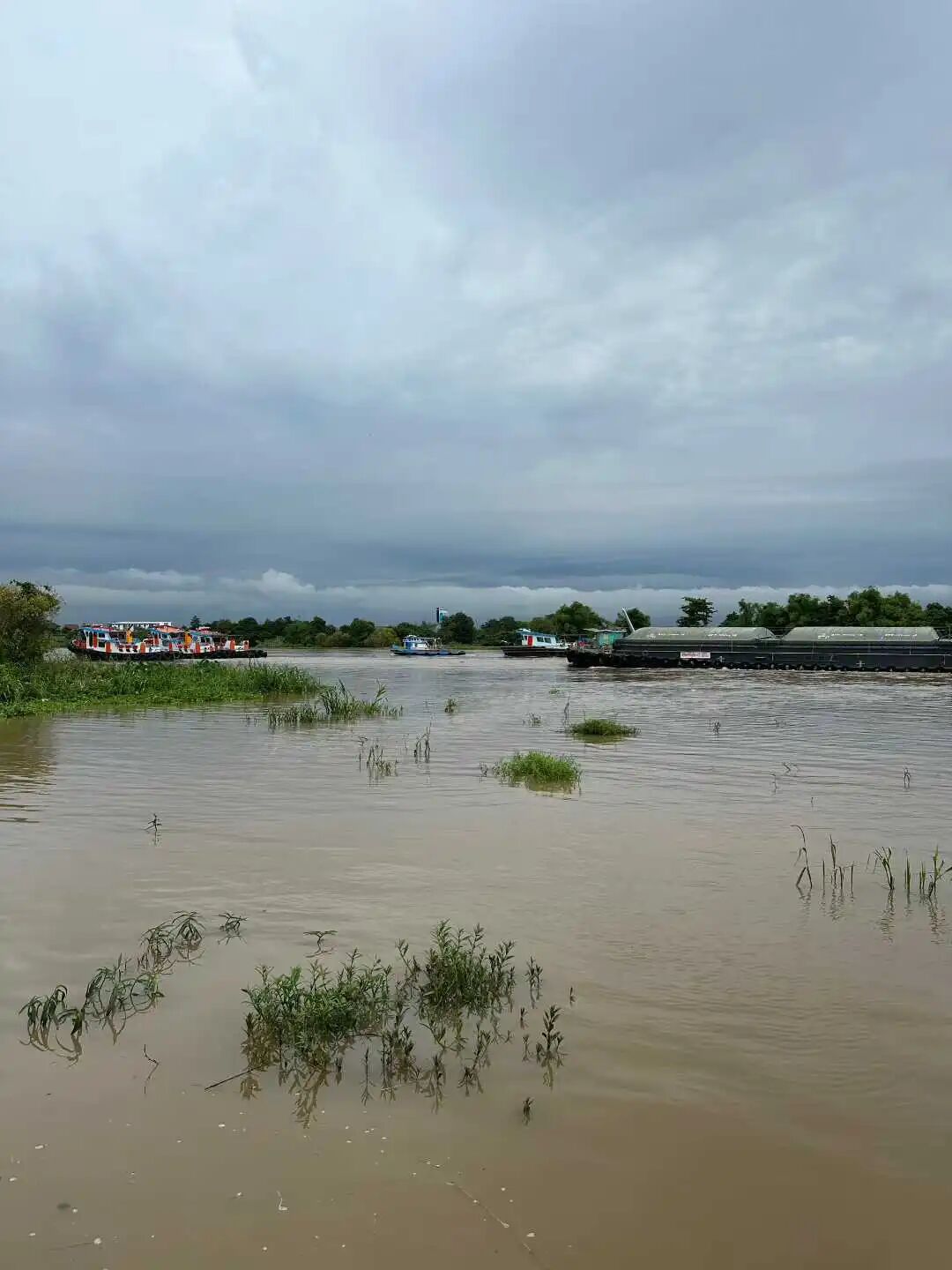
In the 15th century, Arab, Persian, and Indian merchants sailing east with the Indian Ocean monsoon winds preferred the powerful Malacca Sultanate as a trade hub. However, after the Portuguese conquered Malacca in 1511, trade was heavily restricted. Many Arab, Persian, and Indian merchants began to move to the Siamese capital of Ayutthaya to do business, and Siam welcomed them. At that time, a large number of merchant ships gathered on the banks of the Chao Phraya River south of Ayutthaya. These merchants anchored their ships outside the city and then transported goods into the city to sell. The riverbank where the Tok Takia shrine is located was an important anchorage at the time, and it later developed into an important Muslim community.
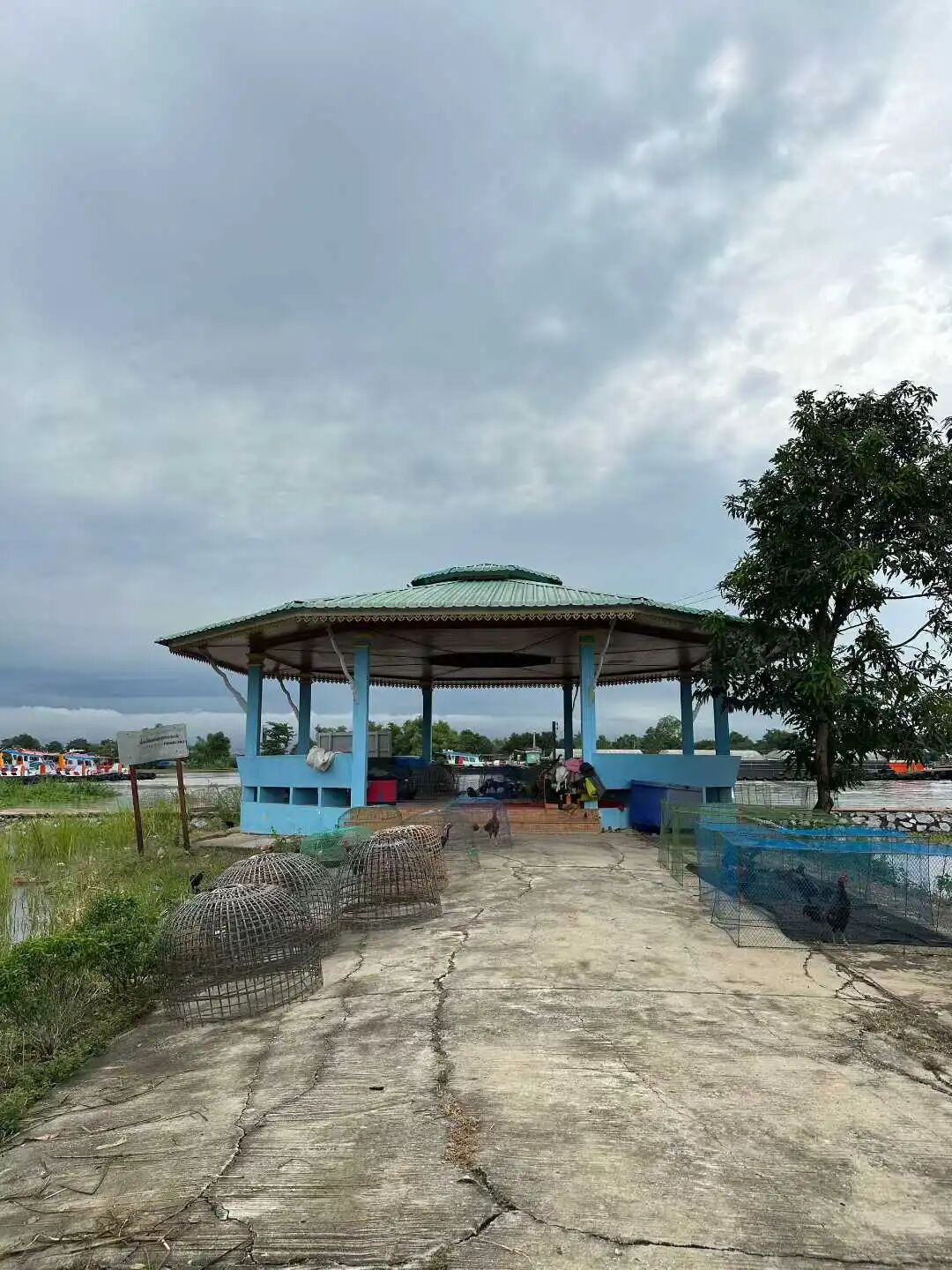
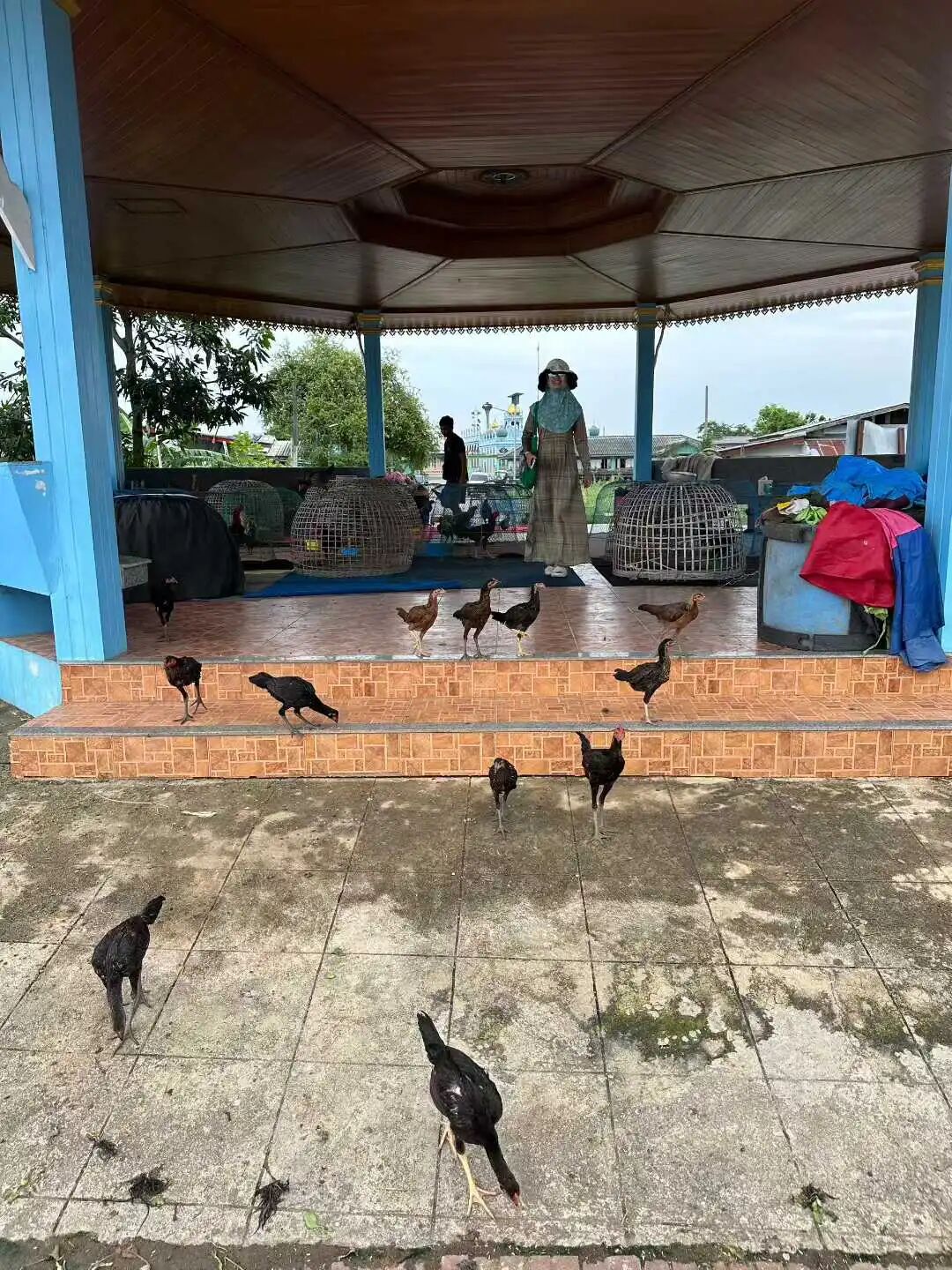
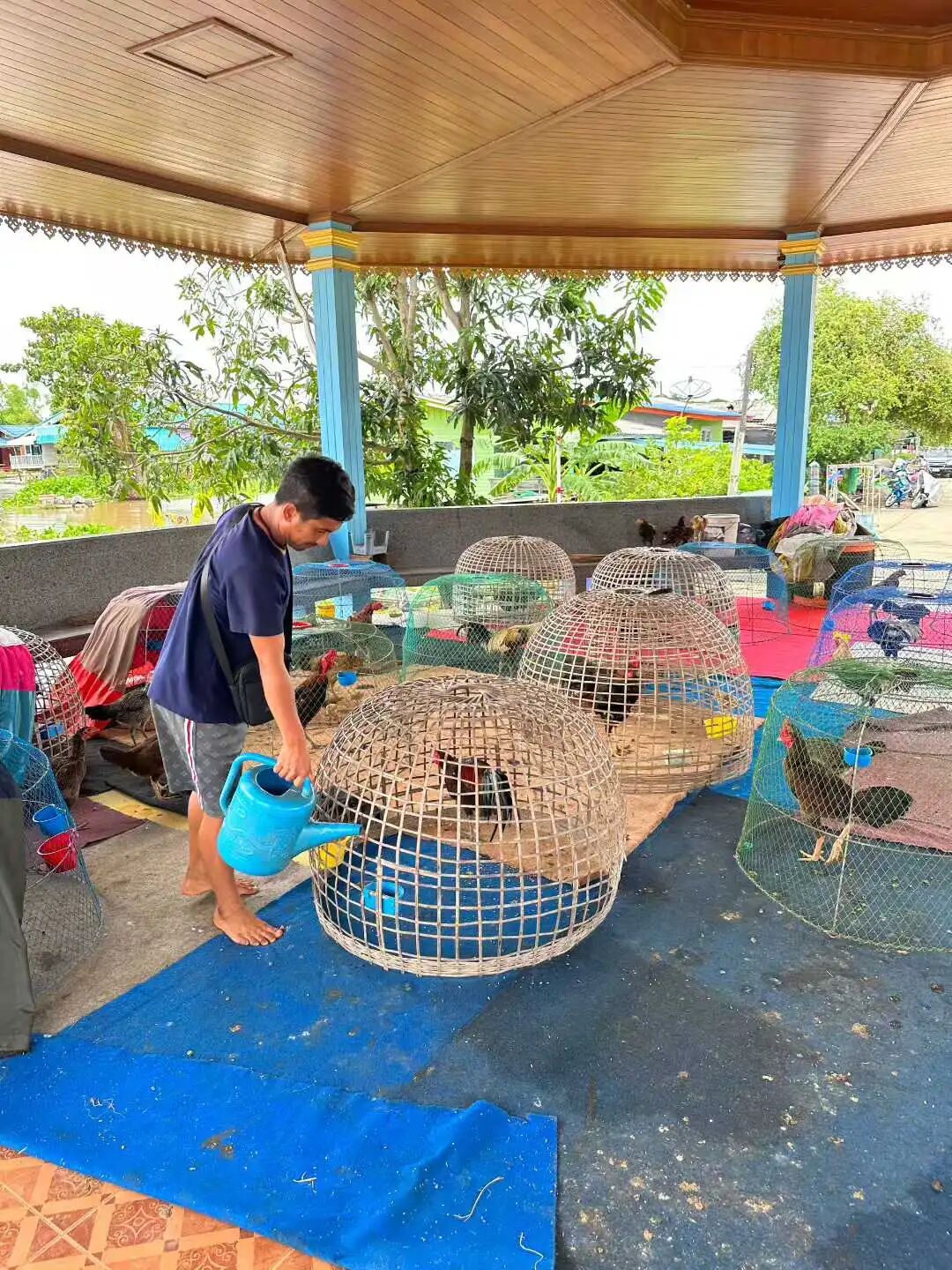
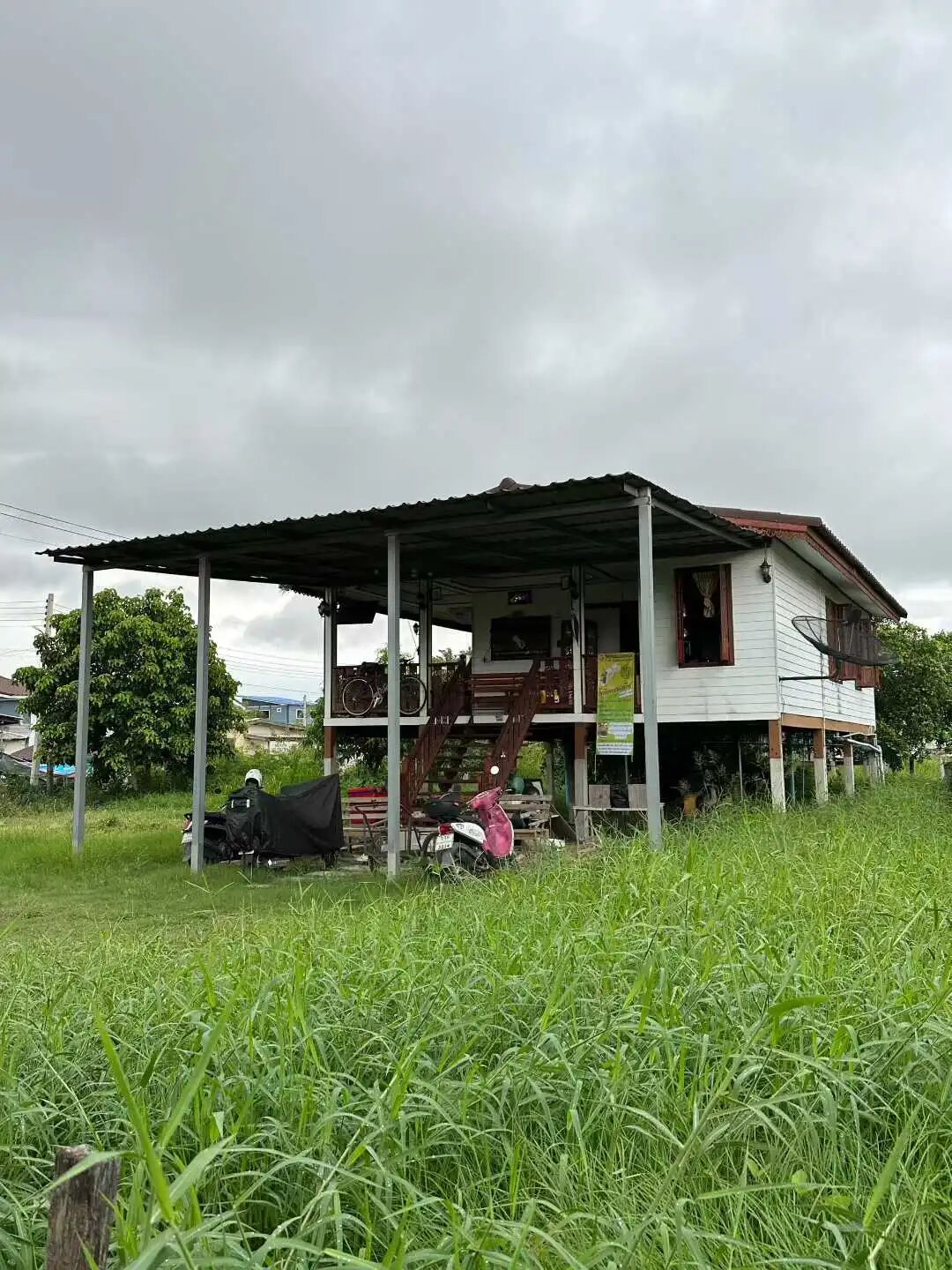
However, after the Burmese army burned Ayutthaya in 1767, it was no longer the capital, and the Tok Takia shrine pier was no longer busy. When we visited, it had become a chicken farm. The free-range local chickens must taste very good.




Three hundred years after Sheikh Tok Takia came to Thailand in the mid-16th century to spread the Qadiriyya Sufi order, the Sufi Sheikh Muhammad Ali Shukri, who is honored as a Wali, revived the Qadiriyya order in Thailand in the 19th century. He helped the order spread from Ayutthaya to Bangkok and Pattaya.
Sheikh Shukri was born in Ayutthaya in 1848 and was of Malay descent. He came from a farming family and spent his childhood herding sheep. At age 7, he was able to travel to Mecca, where he studied for 40 years. He reportedly studied in Mecca under Sheikh Abd al-Karim, who was a successor to the famous Indonesian Sheikh Ahmad Khatib as-Sambasi. Sheikh Ahmad combined the Qadiriyya and Naqshbandiyya orders, which played a major role in the development of the faith in Indonesia.
After finishing his studies and returning to Thailand, Sheikh Shukri began to promote the revival of the Thai Qadiriyya order. He preached in Ayutthaya and eastern Bangkok. Many people began to follow the Sheikh, and some stories about his preaching are still told today. People say many young people were addicted to opium at the time, including some of the Sheikh's own students. The Sheikh took his students on a boat past an opium den and asked a student how many pipes he smoked a day. The student said, "About three." The Sheikh then said, "Then only smoke one today." After that, the Sheikh gradually reduced the frequency of his students' smoking, from once a day to once a week, then once every two weeks, eventually helping them break their opium addiction.
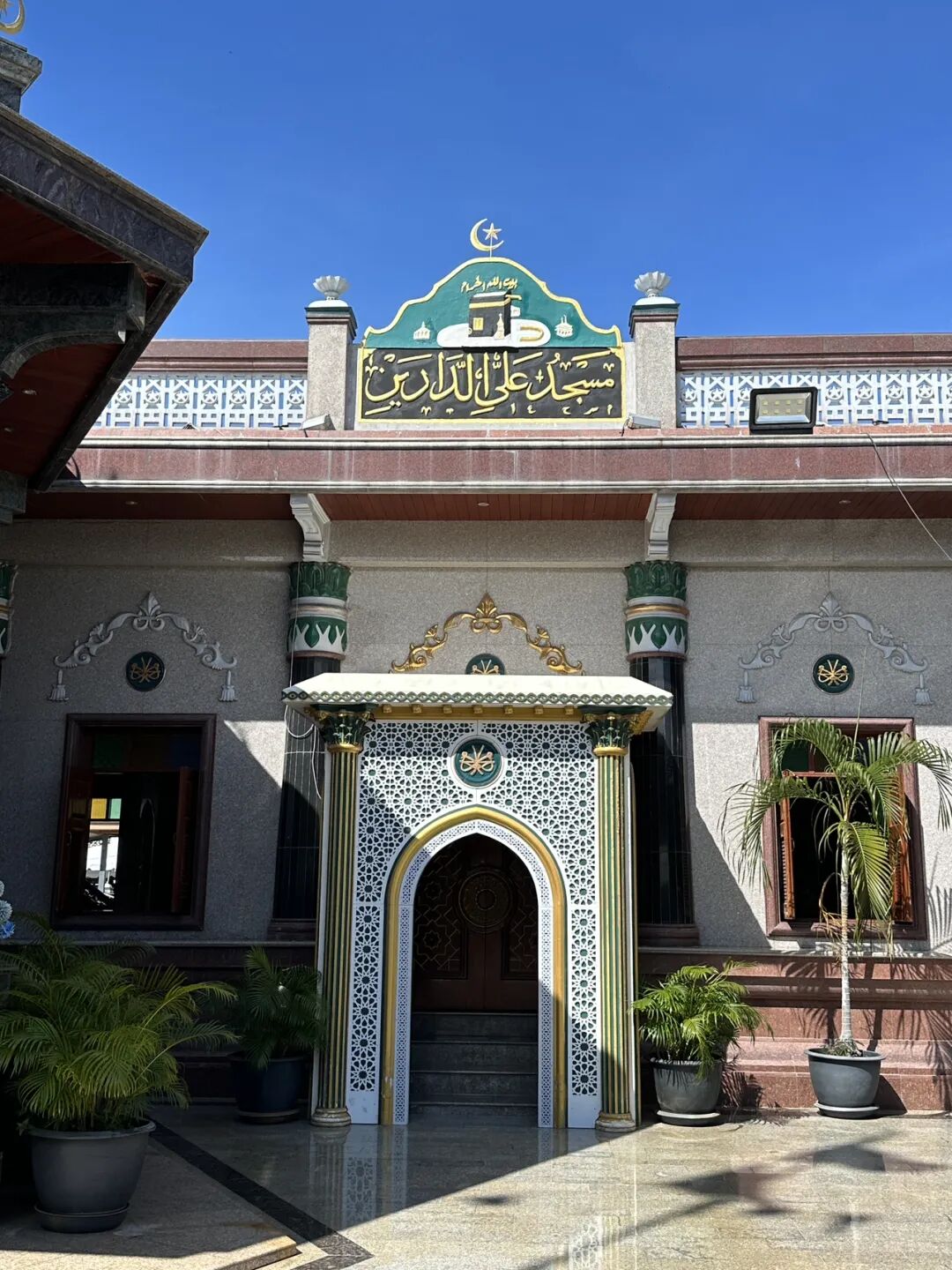
In 1931, Sheikh Shukri passed away in Ayutthaya and was buried next to the Aliyid Daroun Mosque (Masjid Aliyid Daroun) on the banks of the Chao Phraya River, west of Ayutthaya city. This site also became the second largest Qadiriyya gongbei in Thailand, following the Tok Takia gongbei.
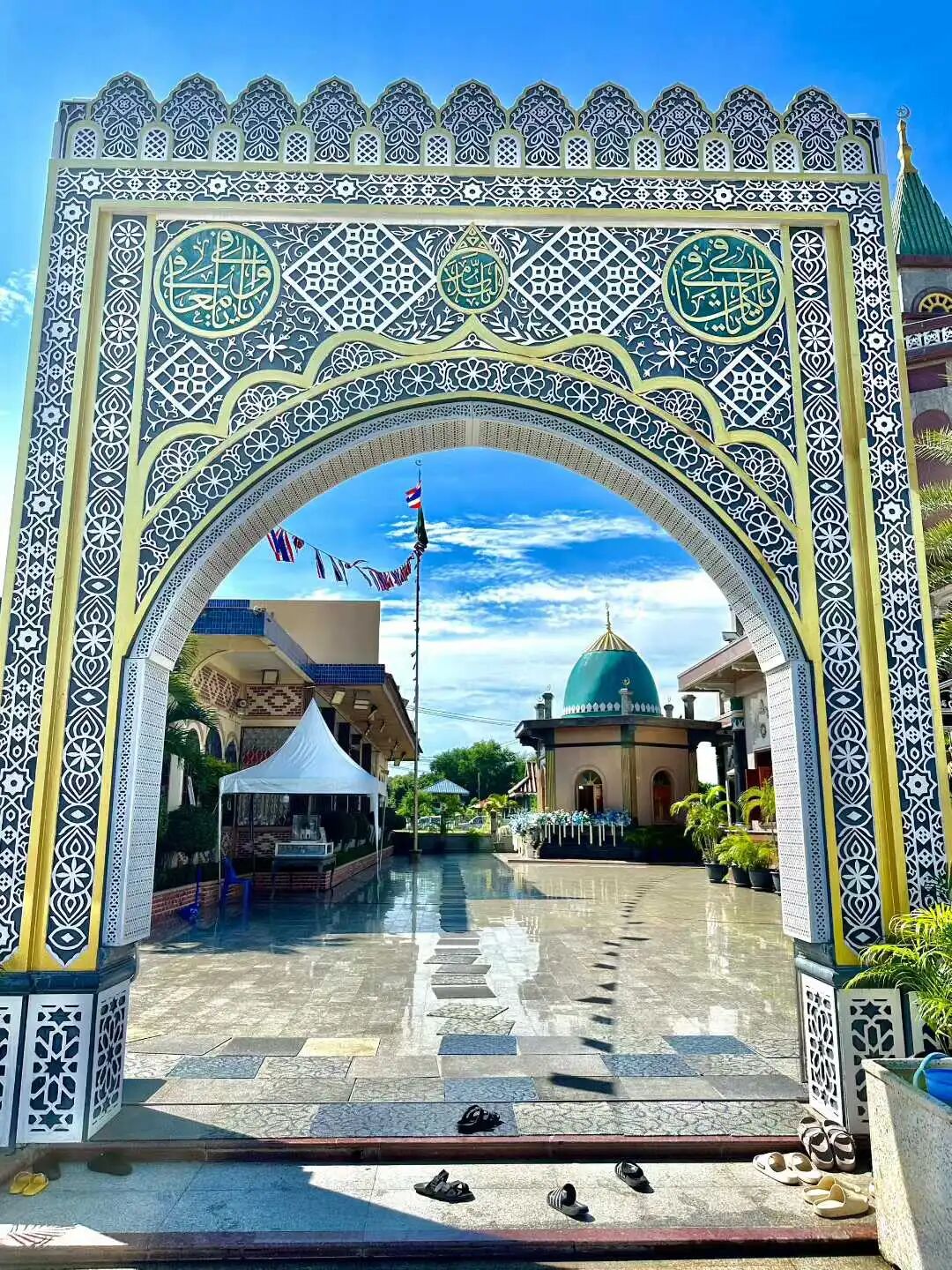
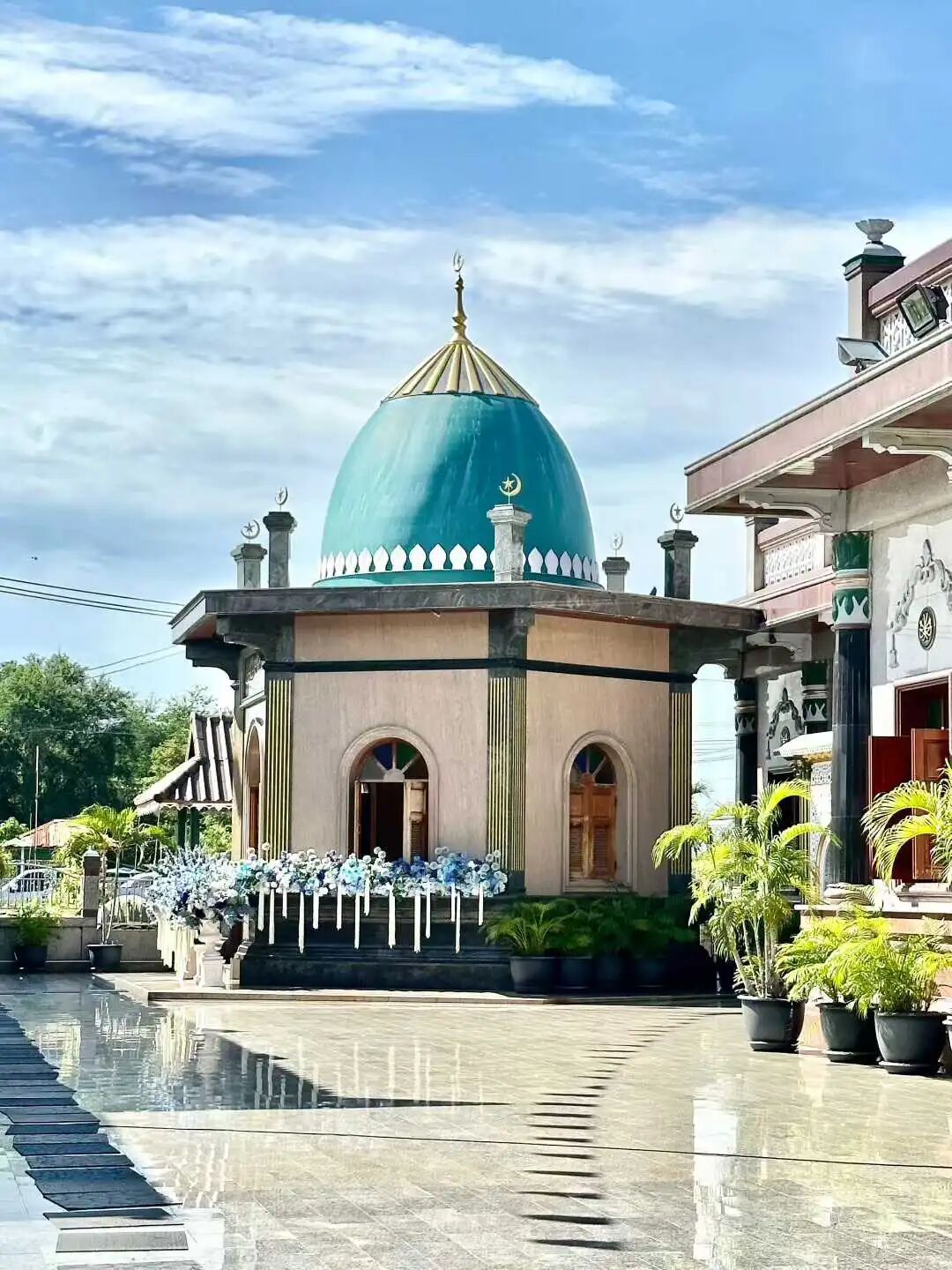
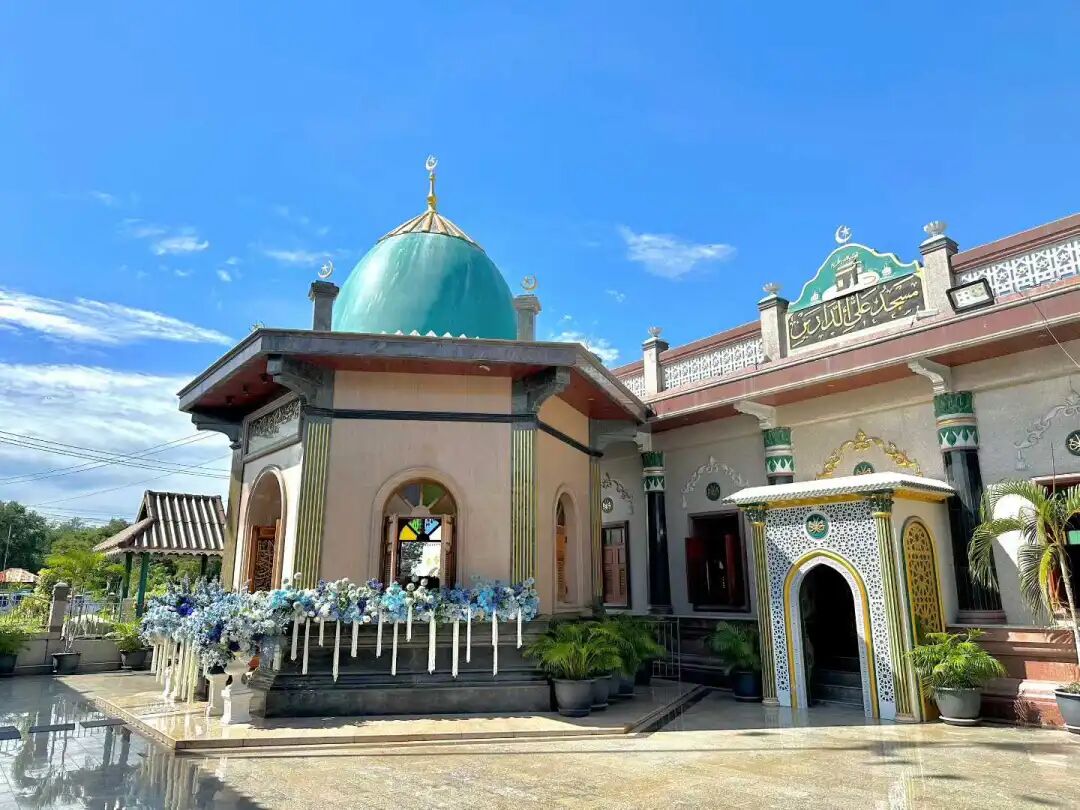
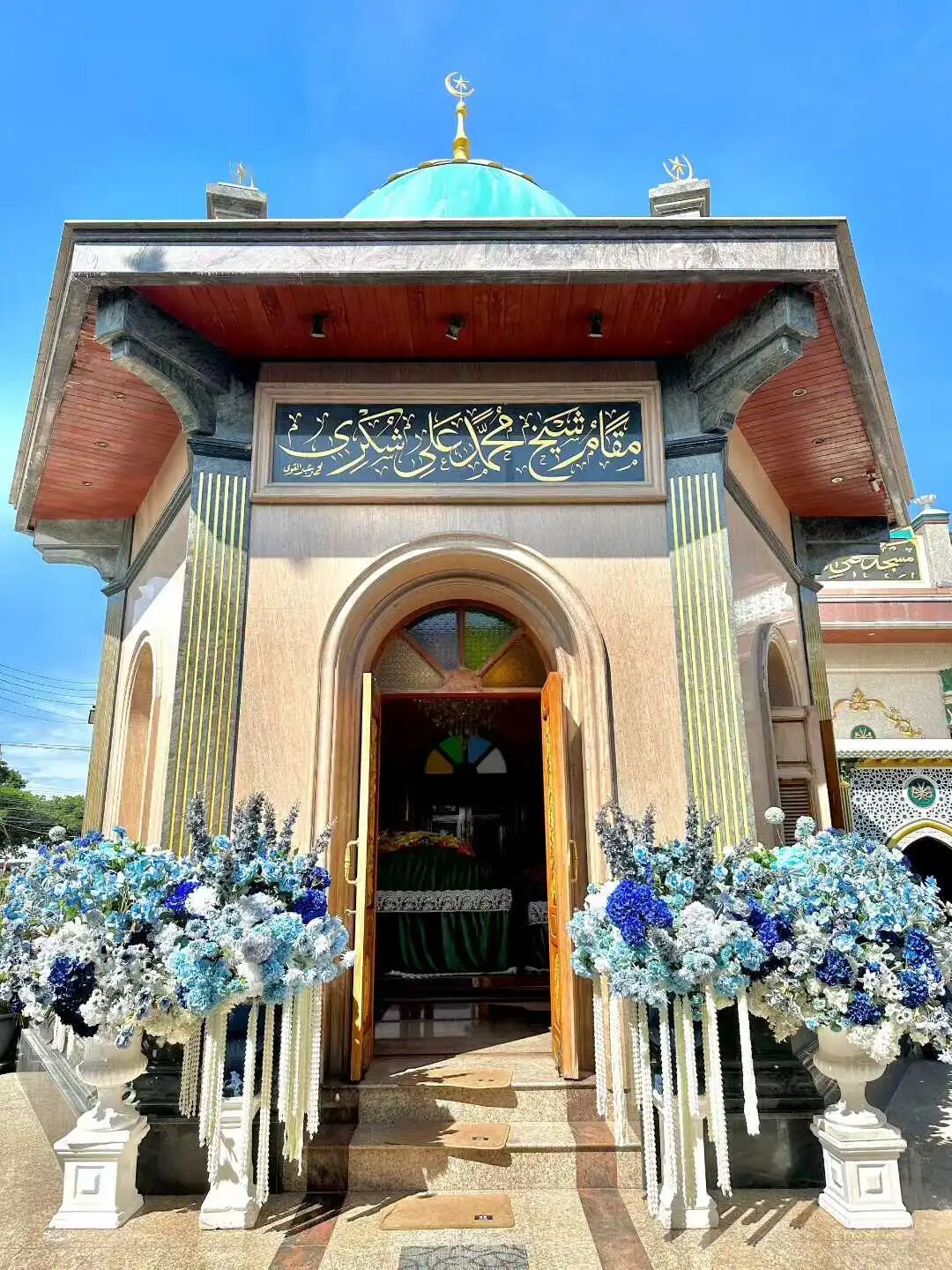
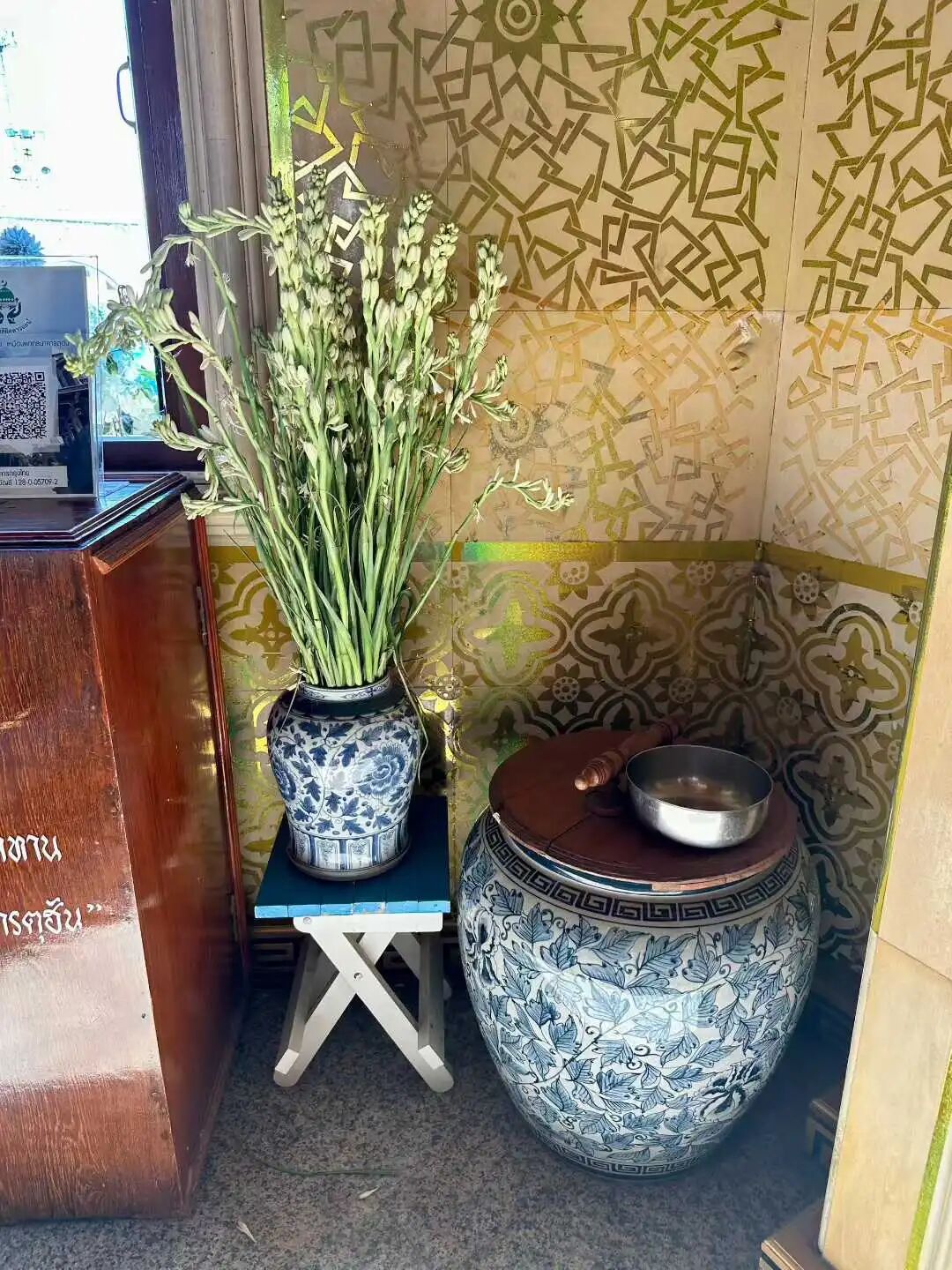
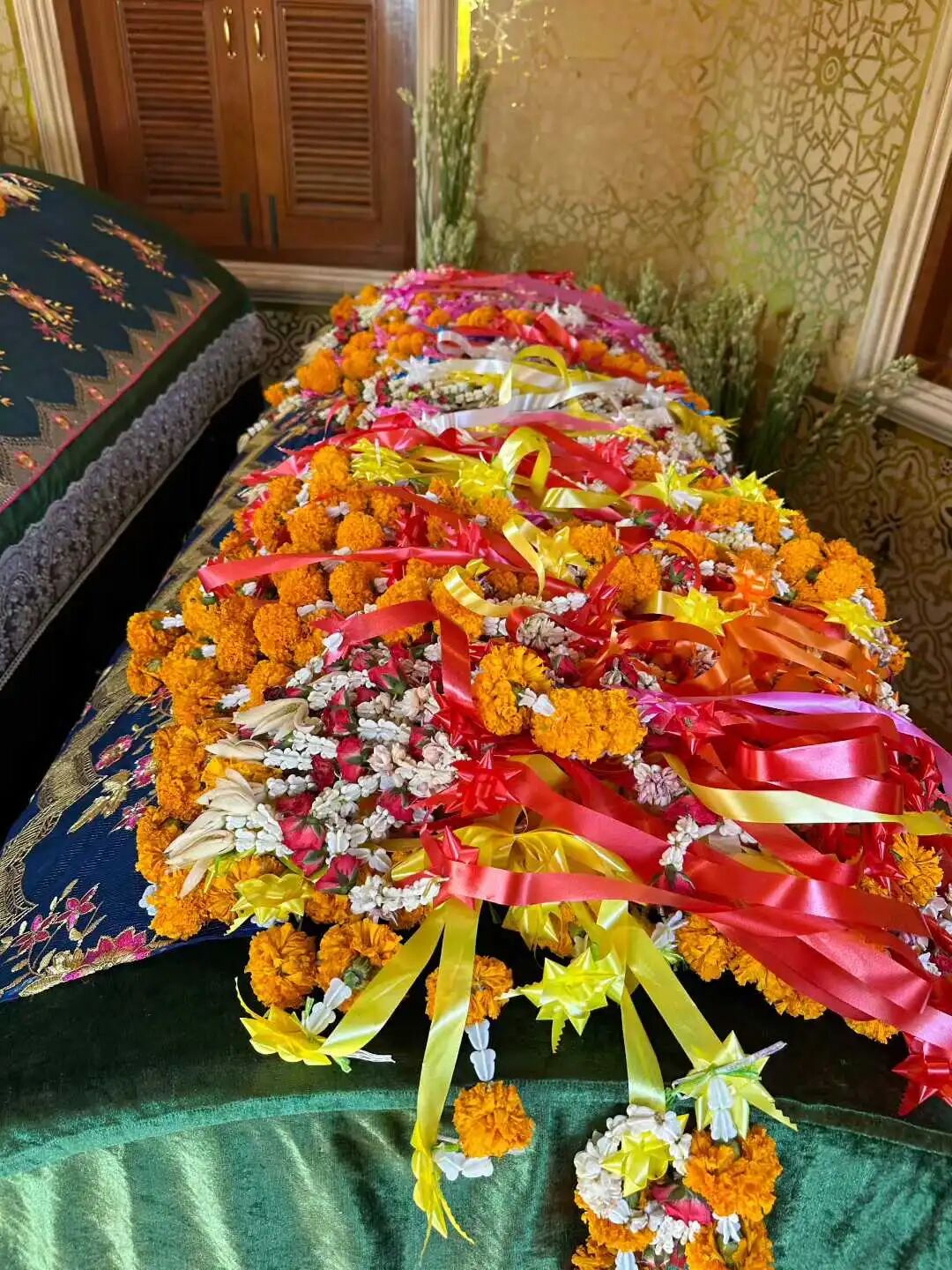
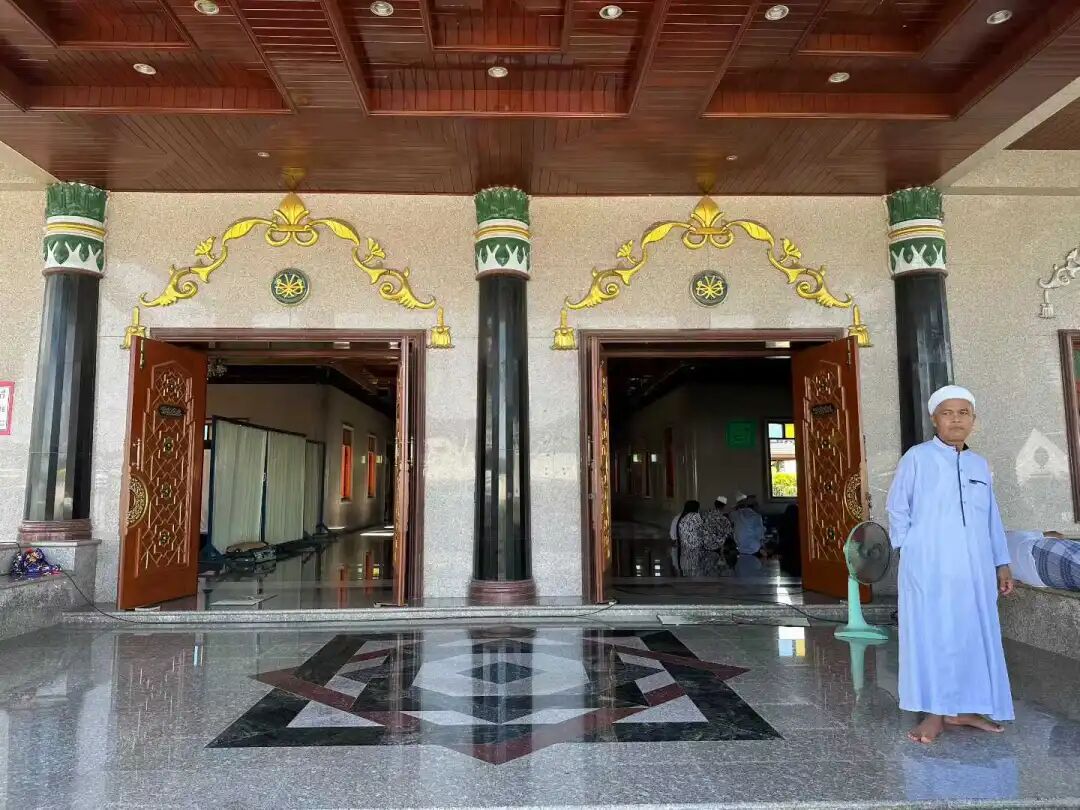
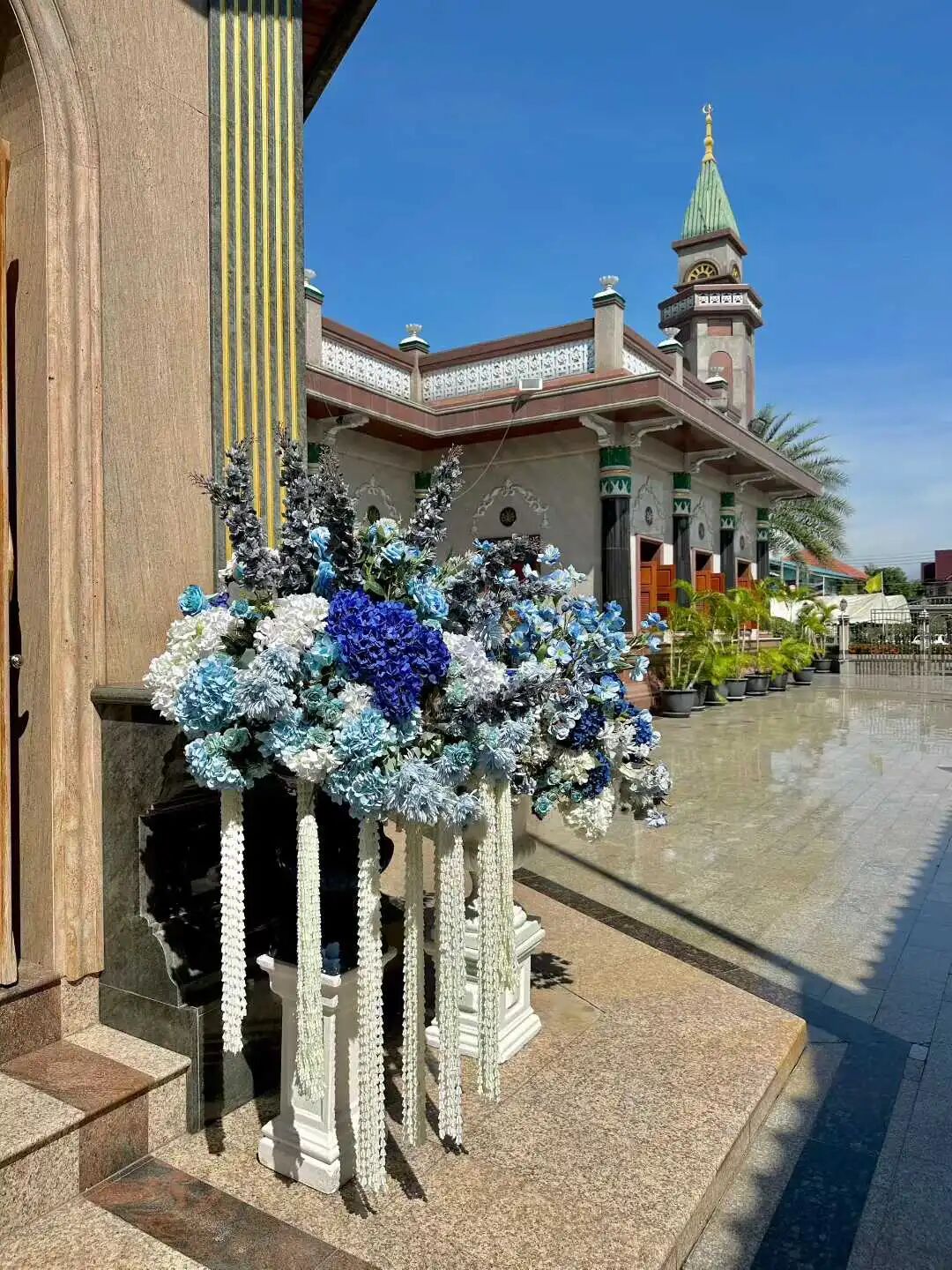
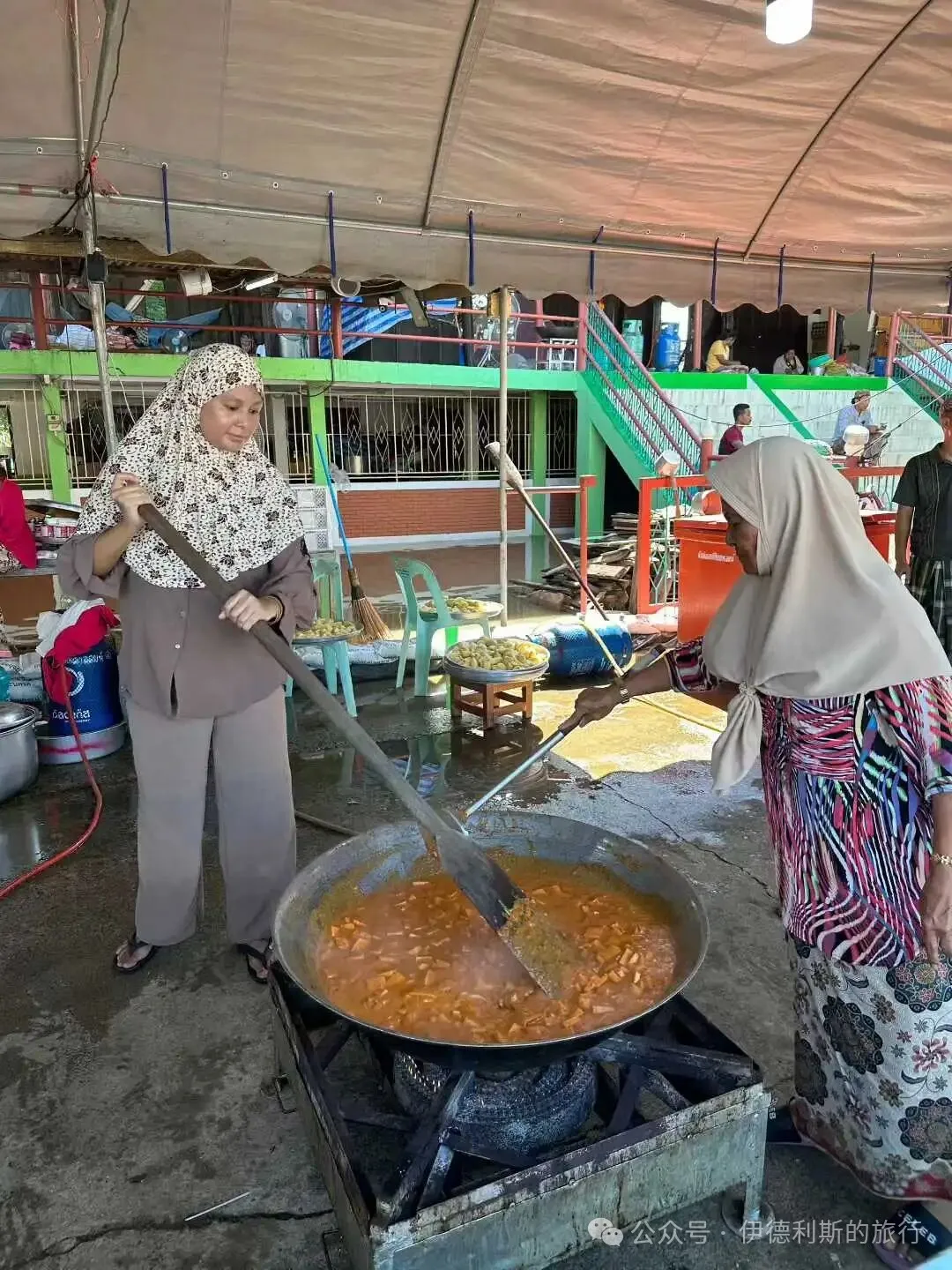
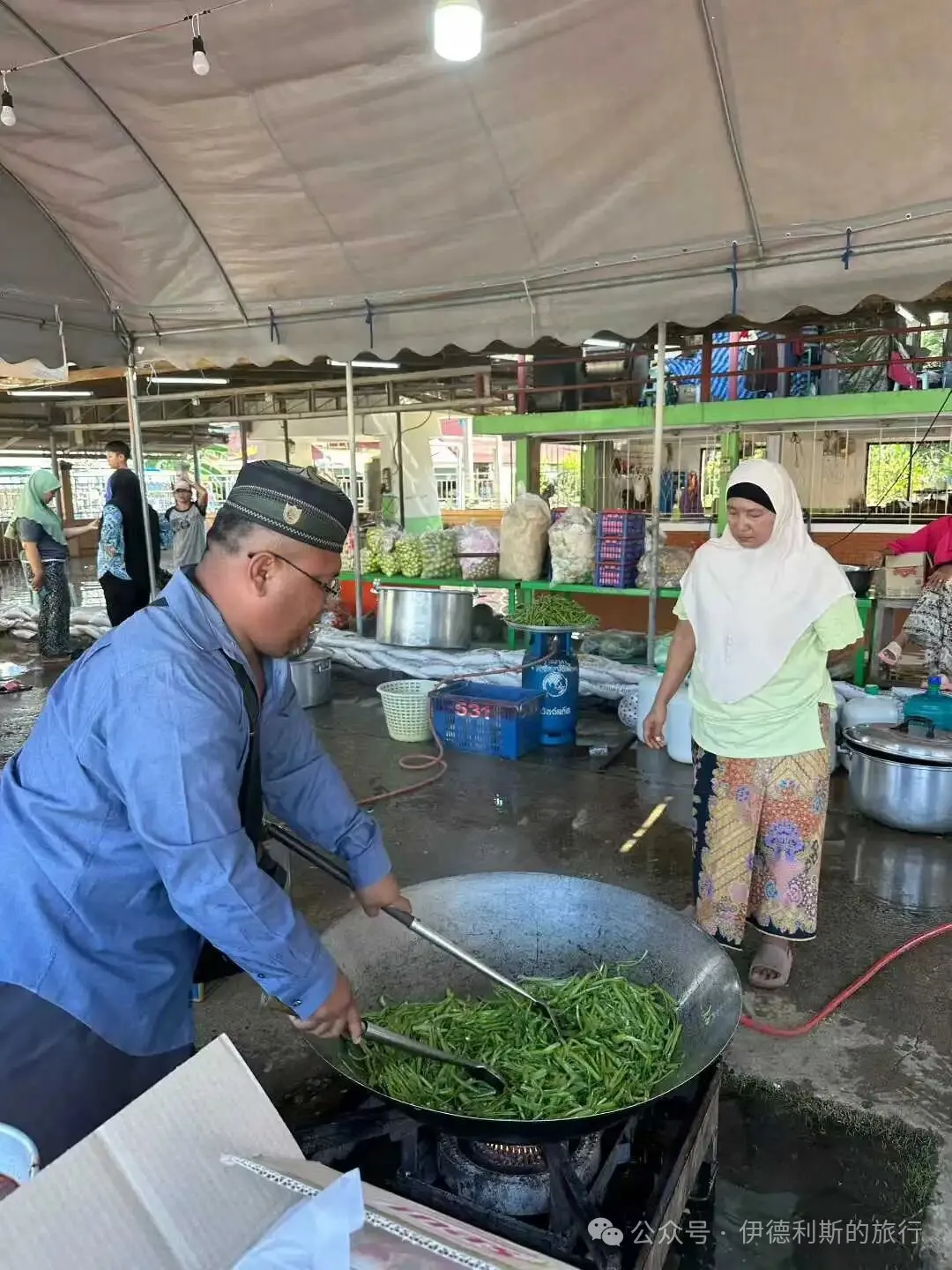
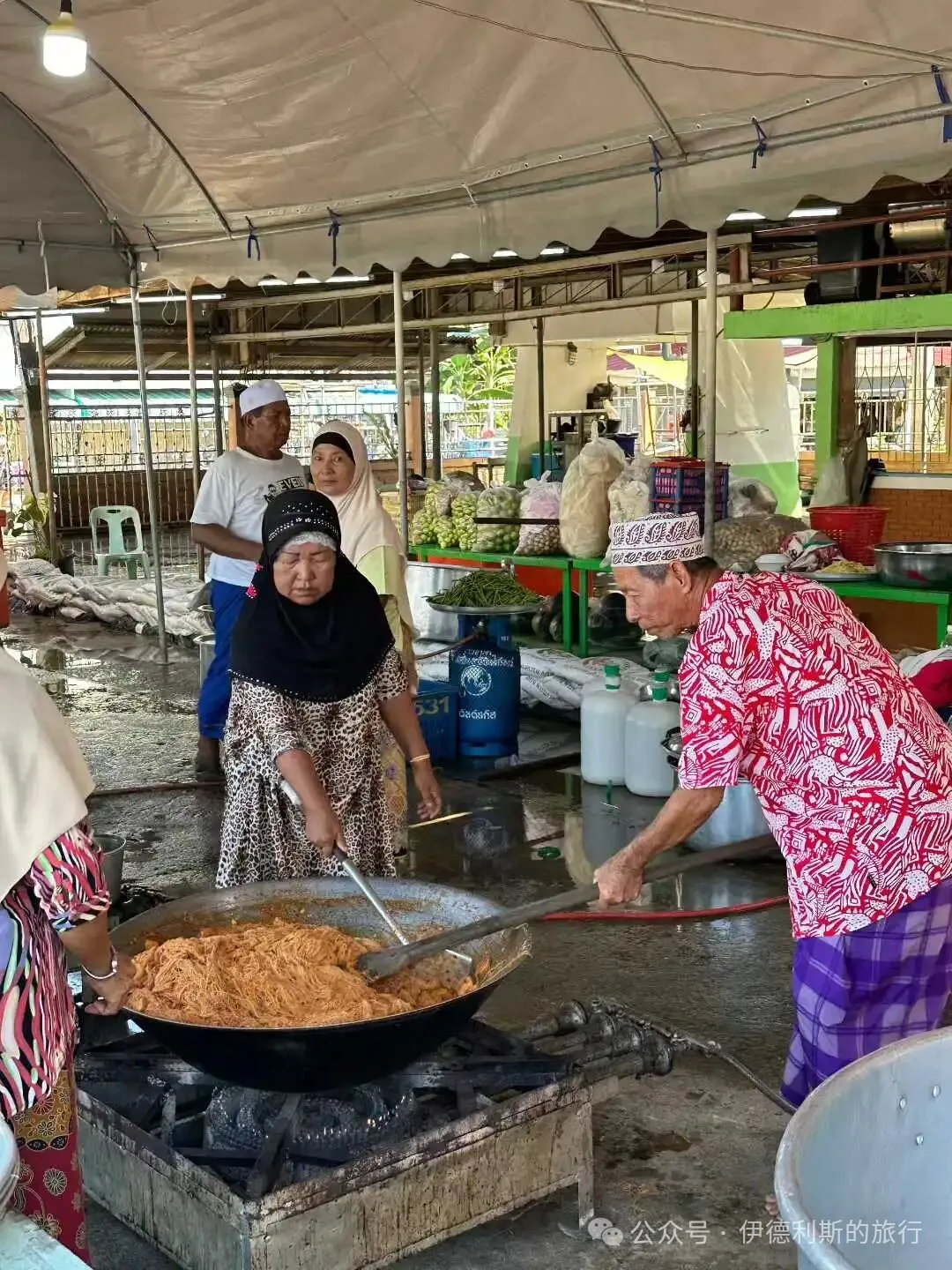
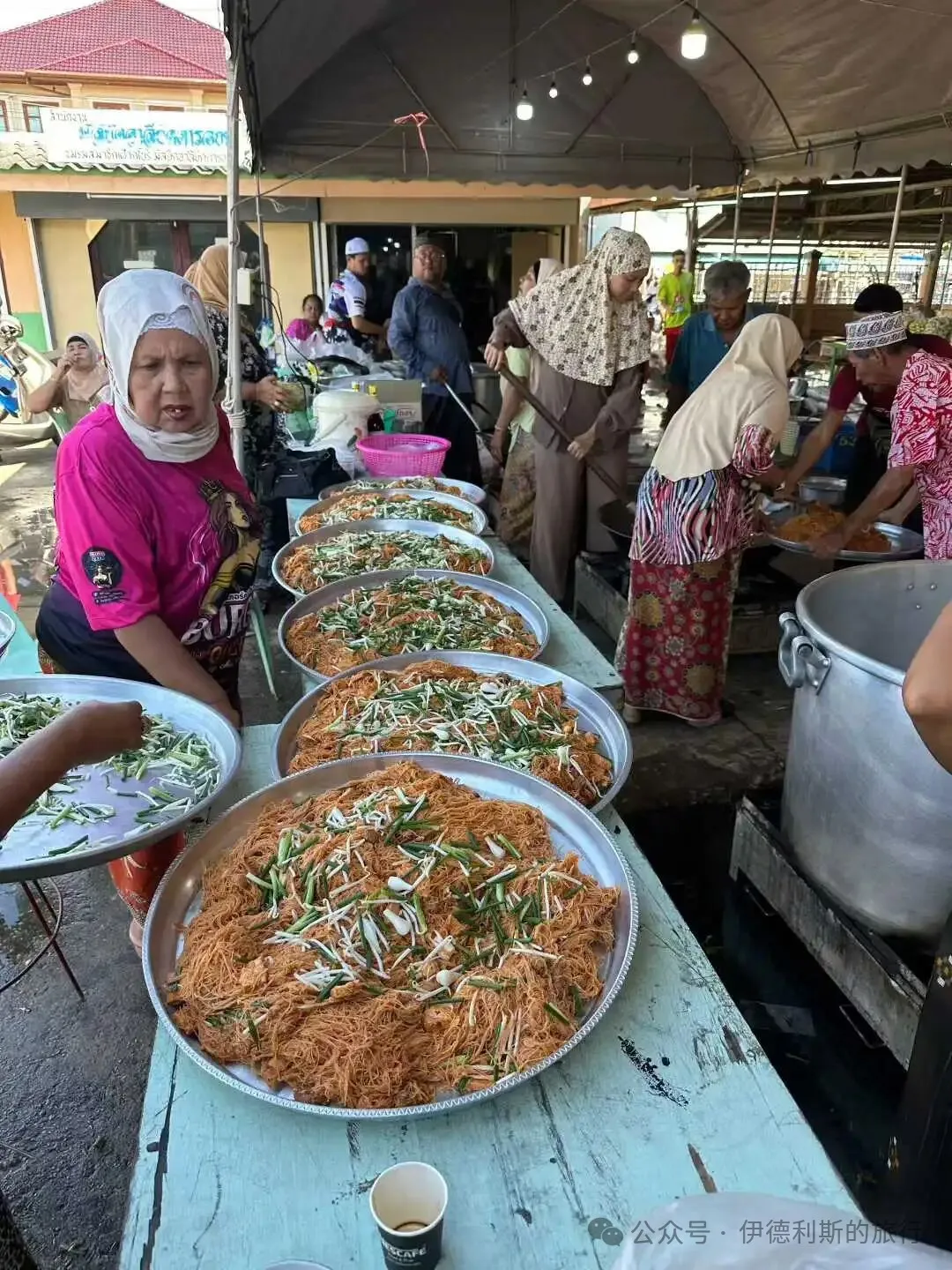
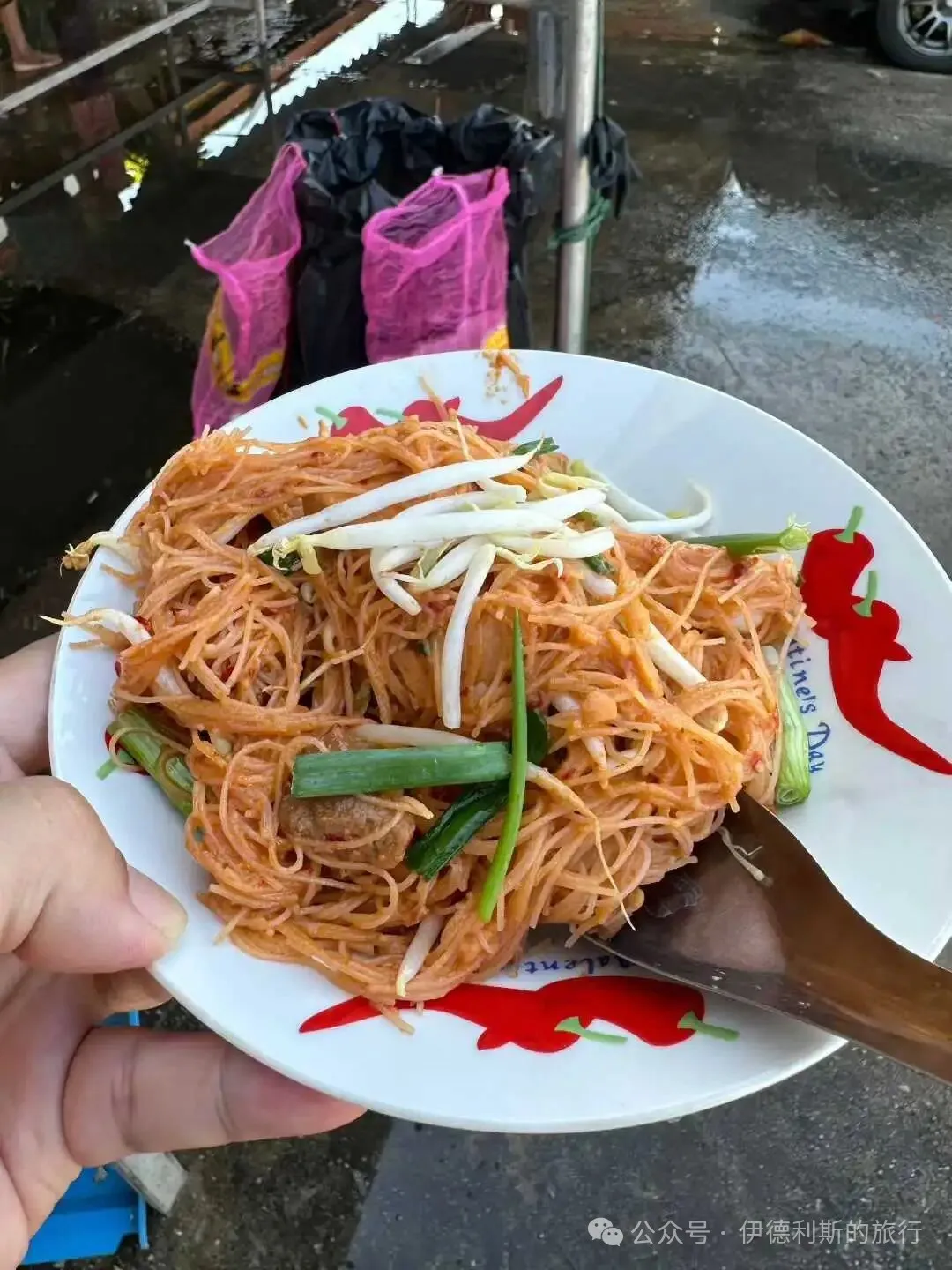
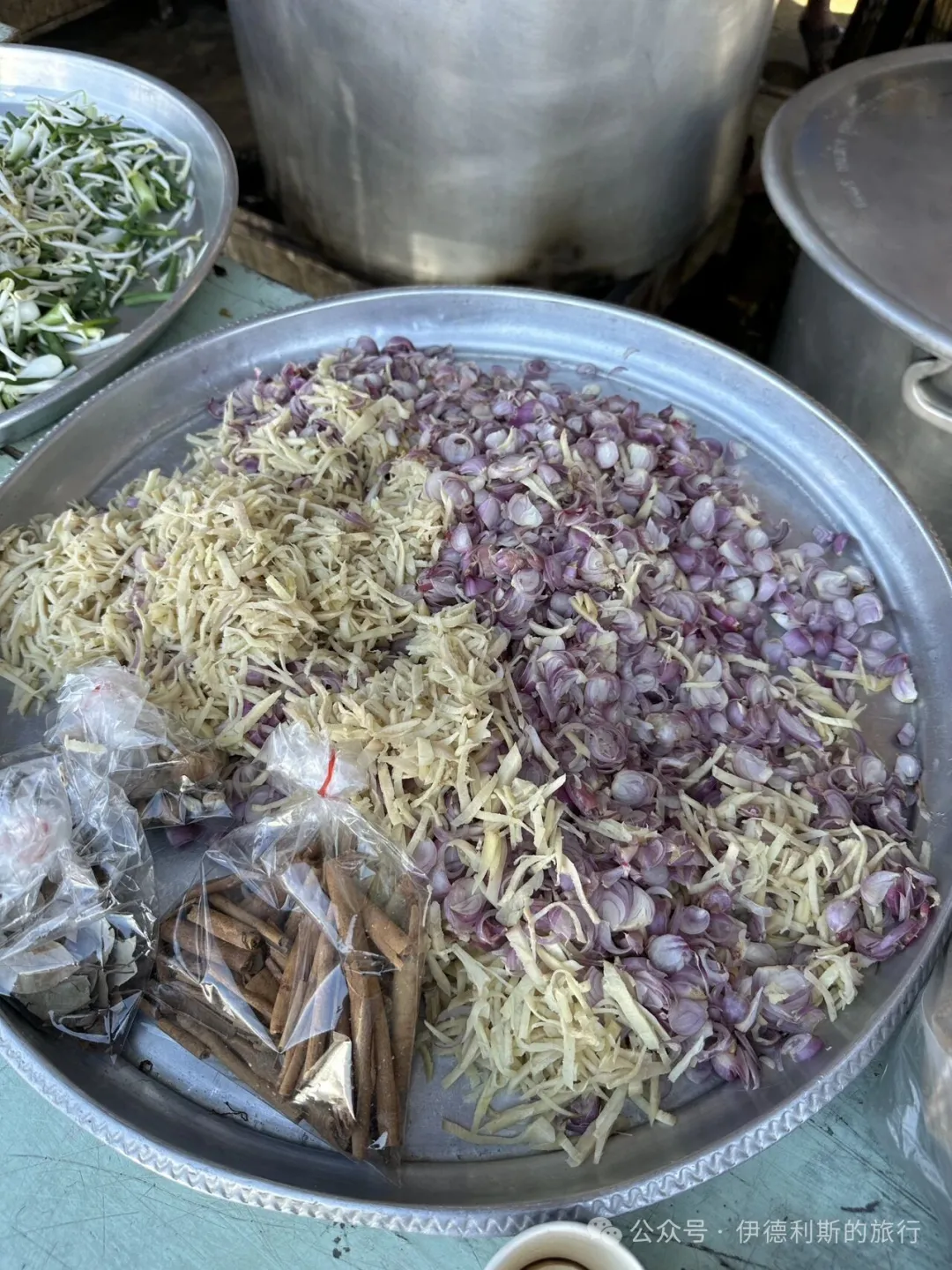
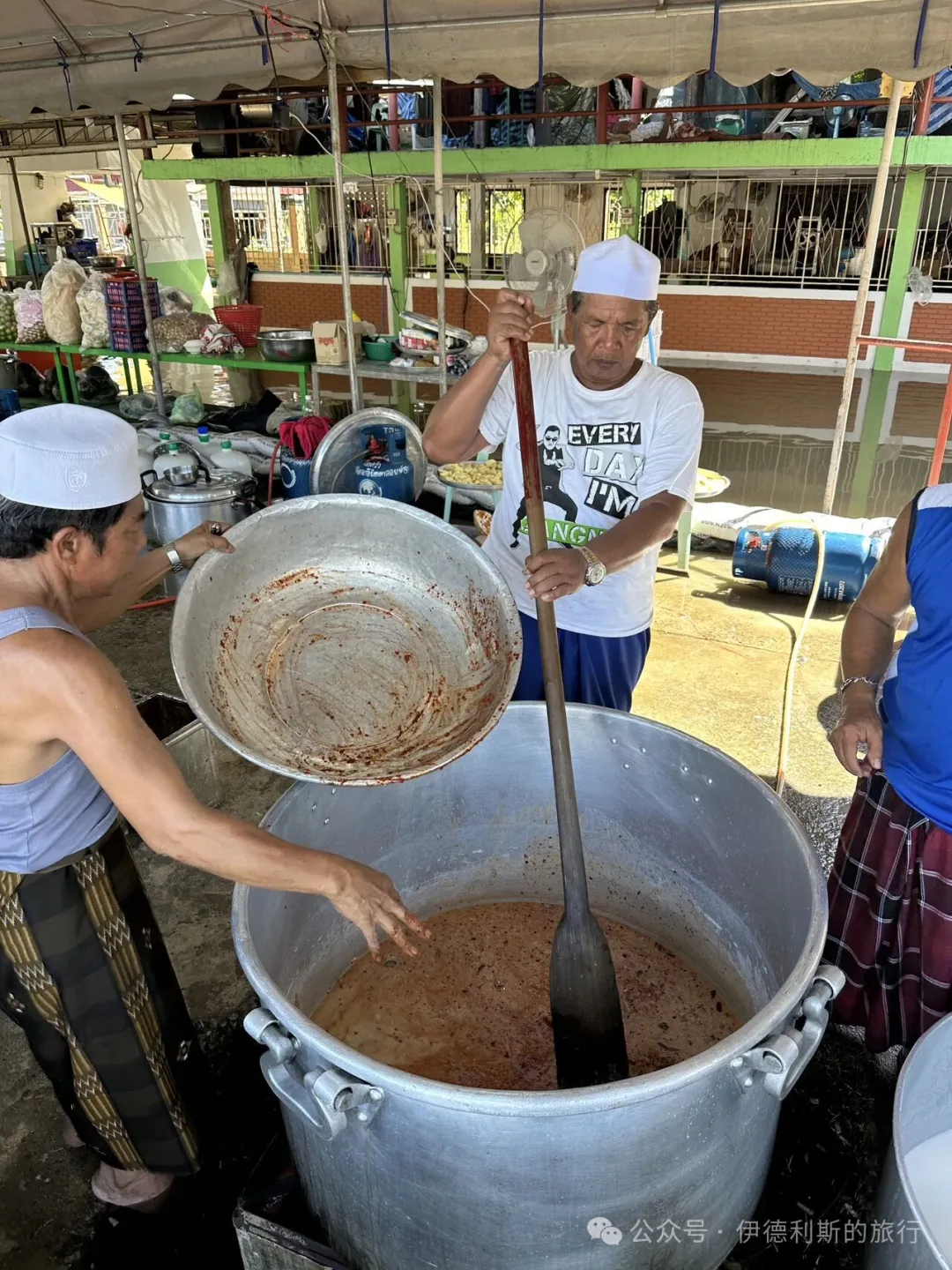
Although we missed the religious gathering (a'mali), we unexpectedly caught a charity event (shesan) for flood victims. We were able to see how the Thai Sufi order performs their religious feast (nieti xi) and tasted the beef rice noodles served at the mosque.
Central and Southern Thailand are influenced by the Malay people, so most religious practices follow the Shafi'i school, and there are relatively few Sufi activities. This was my first time experiencing the warmth of Thai Sufi elders in Ayutthaya. I saw them using boat oars to stir a giant pot of rice for the first time, and I also saw the process of making coconut rice, which is very similar to how the Hui Muslims in Huihui Village, Sanya, set their tables. Because we arrived early and the meal hadn't started yet, the elders here very warmly arranged for us to eat rice noodles first. The beef rice noodles with soup poured over them were delicious. I was also surprised to meet several elders who could speak English and Chinese.
Since we had to rush to Bangkok that evening, we didn't stay at the shrine (gongbei) for long. If any friends (dost) are traveling to Ayutthaya, Thailand, I highly recommend visiting this shrine (gongbei). It is a rare opportunity to see this side of Thai Sufism.


Summary: This travel account visits two major Qadiriyya gongbei shrines in Thailand and explains their place within Thai Sufi Muslim life. It keeps the source's names, religious terms, shrine details, and route notes while using clear English for Muslim and general readers.
Sufism in Thailand follows three main traditions: Ahmadiyya-Shadhiliyya, Ahmadiyya-Badawiyya, and Qadiriyya. Two major Qadiriyya shrines (gongbei) in Ayutthaya have long histories and great influence, making them the true center of Thai Sufism.
I first visited the Tok Takia shrine (gongbei) on the banks of the Chao Phraya River, south of Ayutthaya city. Friends (dosti) in central Thailand all agree that Tok Takia has karamat (miraculous signs), and its influence has led many local Thai people to convert to Islam.
People call Tok Takia Sheikh Samat Maimun. The King of Siam also gave him the title Chao Phrakhun Takia Yokin. He came to Thailand to teach Islam in the mid-16th century. He settled in Ayutthaya in 1554 and passed away there in 1579. His shrine is the oldest existing tomb of an Islamic saint in Thailand.
The most popular legend about the old Sheikh is the story of his spiritual contest with a local Buddhist abbot named Diwan Chao. After the abbot went out to collect alms, he rowed his boat back to the mosque along the Chao Phraya River. When he reached the opposite bank of the mosque, he met a foreigner in white clothes and a white turban who waved to ask for a ride across the river. The abbot's boat was too small, so he asked the foreigner to wait while he went back to call his disciples to bring a larger boat. When the abbot rowed to the other side, he found that the foreigner had miraculously crossed the wide Chao Phraya River and was standing right in front of him. The abbot decided the man was a pious and learned person, so he invited him into the mosque to talk. At the end of their conversation, they agreed to a spiritual contest, and the loser would become the winner's disciple. The abbot lost the contest and kept his word by converting to Islam. He turned the mosque into a mosque, which is the Masjid Takia Yokin next to the shrine today.
Today, there are two main graves inside the shrine. The larger one belongs to Sheikh Tok Takia, and the smaller one belongs to the abbot Diwan Chao, who passed away the year after the Sheikh.
Masjid Takia Yokin is right next to the Tok Takia shrine. It was rebuilt from the original mosque in the mid-16th century after the Buddhist abbot Diwan Chao was guided by the Sufi Sheikh. The mosque still has a traditional Thai-style imam's prayer pavilion and a pulpit (minbar) that are beautifully crafted.
The rise of Islam in Ayutthaya during the 16th century had a lot to do with the trade environment at the time.
In the 15th century, Arab, Persian, and Indian merchants sailing east with the Indian Ocean monsoon winds preferred the powerful Malacca Sultanate as a trade hub. However, after the Portuguese conquered Malacca in 1511, trade was heavily restricted. Many Arab, Persian, and Indian merchants began to move to the Siamese capital of Ayutthaya to do business, and Siam welcomed them. At that time, a large number of merchant ships gathered on the banks of the Chao Phraya River south of Ayutthaya. These merchants anchored their ships outside the city and then transported goods into the city to sell. The riverbank where the Tok Takia shrine is located was an important anchorage at the time, and it later developed into an important Muslim community.
However, after the Burmese army burned Ayutthaya in 1767, it was no longer the capital, and the Tok Takia shrine pier was no longer busy. When we visited, it had become a chicken farm. The free-range local chickens must taste very good.
Three hundred years after Sheikh Tok Takia came to Thailand in the mid-16th century to spread the Qadiriyya Sufi order, the Sufi Sheikh Muhammad Ali Shukri, who is honored as a Wali, revived the Qadiriyya order in Thailand in the 19th century. He helped the order spread from Ayutthaya to Bangkok and Pattaya.
Sheikh Shukri was born in Ayutthaya in 1848 and was of Malay descent. He came from a farming family and spent his childhood herding sheep. At age 7, he was able to travel to Mecca, where he studied for 40 years. He reportedly studied in Mecca under Sheikh Abd al-Karim, who was a successor to the famous Indonesian Sheikh Ahmad Khatib as-Sambasi. Sheikh Ahmad combined the Qadiriyya and Naqshbandiyya orders, which played a major role in the development of the faith in Indonesia.
After finishing his studies and returning to Thailand, Sheikh Shukri began to promote the revival of the Thai Qadiriyya order. He preached in Ayutthaya and eastern Bangkok. Many people began to follow the Sheikh, and some stories about his preaching are still told today. People say many young people were addicted to opium at the time, including some of the Sheikh's own students. The Sheikh took his students on a boat past an opium den and asked a student how many pipes he smoked a day. The student said, "About three." The Sheikh then said, "Then only smoke one today." After that, the Sheikh gradually reduced the frequency of his students' smoking, from once a day to once a week, then once every two weeks, eventually helping them break their opium addiction.
In 1931, Sheikh Shukri passed away in Ayutthaya and was buried next to the Aliyid Daroun Mosque (Masjid Aliyid Daroun) on the banks of the Chao Phraya River, west of Ayutthaya city. This site also became the second largest Qadiriyya gongbei in Thailand, following the Tok Takia gongbei.
Although we missed the religious gathering (a'mali), we unexpectedly caught a charity event (shesan) for flood victims. We were able to see how the Thai Sufi order performs their religious feast (nieti xi) and tasted the beef rice noodles served at the mosque.
Central and Southern Thailand are influenced by the Malay people, so most religious practices follow the Shafi'i school, and there are relatively few Sufi activities. This was my first time experiencing the warmth of Thai Sufi elders in Ayutthaya. I saw them using boat oars to stir a giant pot of rice for the first time, and I also saw the process of making coconut rice, which is very similar to how the Hui Muslims in Huihui Village, Sanya, set their tables. Because we arrived early and the meal hadn't started yet, the elders here very warmly arranged for us to eat rice noodles first. The beef rice noodles with soup poured over them were delicious. I was also surprised to meet several elders who could speak English and Chinese.
Since we had to rush to Bangkok that evening, we didn't stay at the shrine (gongbei) for long. If any friends (dost) are traveling to Ayutthaya, Thailand, I highly recommend visiting this shrine (gongbei). It is a rare opportunity to see this side of Thai Sufism.
