
Islamic Museum Guide: Jeddah Tayebat Museum - Saudi History and Culture
Reposted from the web
Summary: Islamic Museum Guide: Jeddah Tayebat Museum - Saudi History and Culture is presented here as a firsthand travel account in clear, natural English. The account focuses on Jeddah, Tayebat Museum, Saudi Culture while preserving the names, places, food, photos, and historical details from the Chinese source.
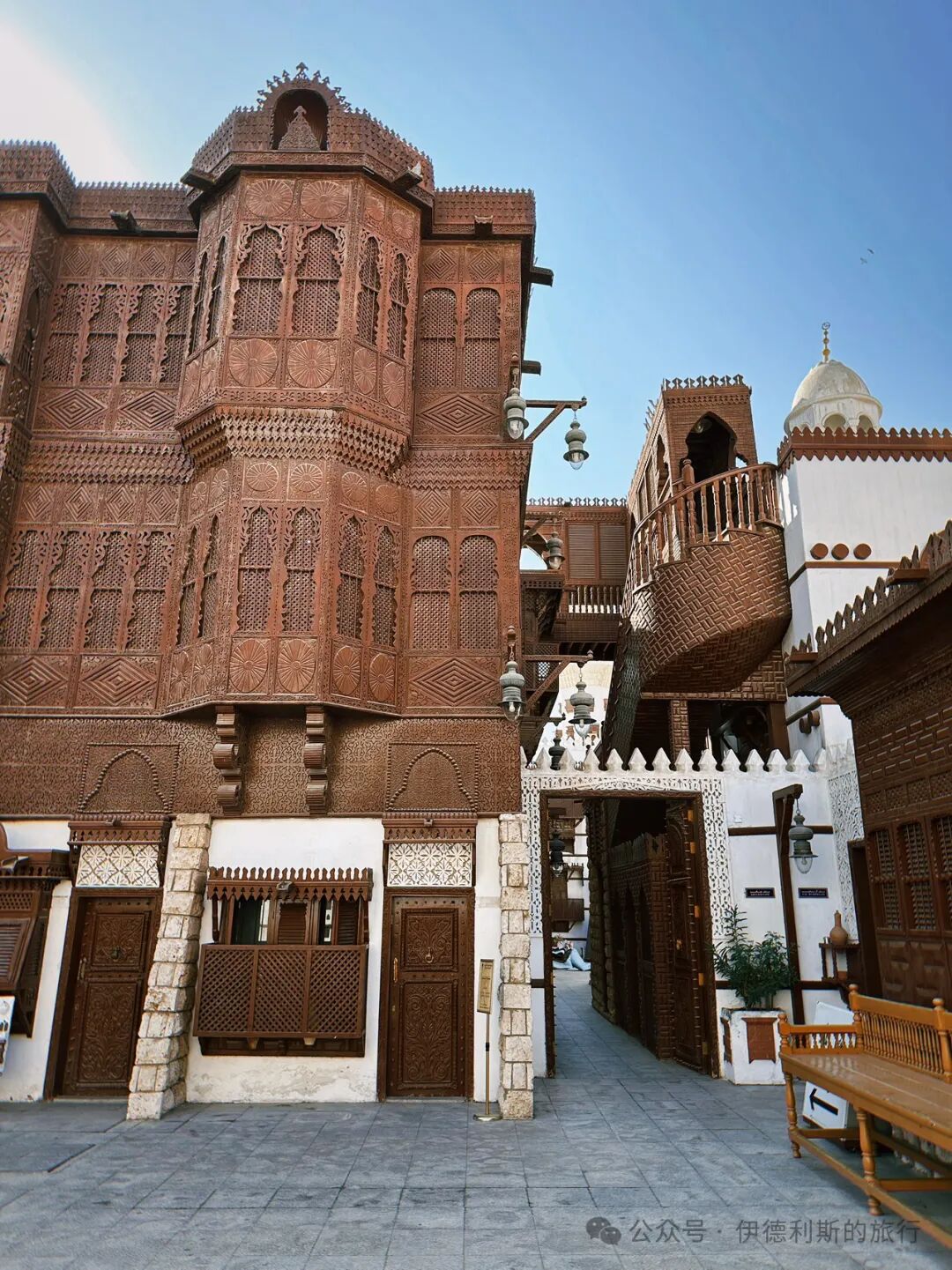
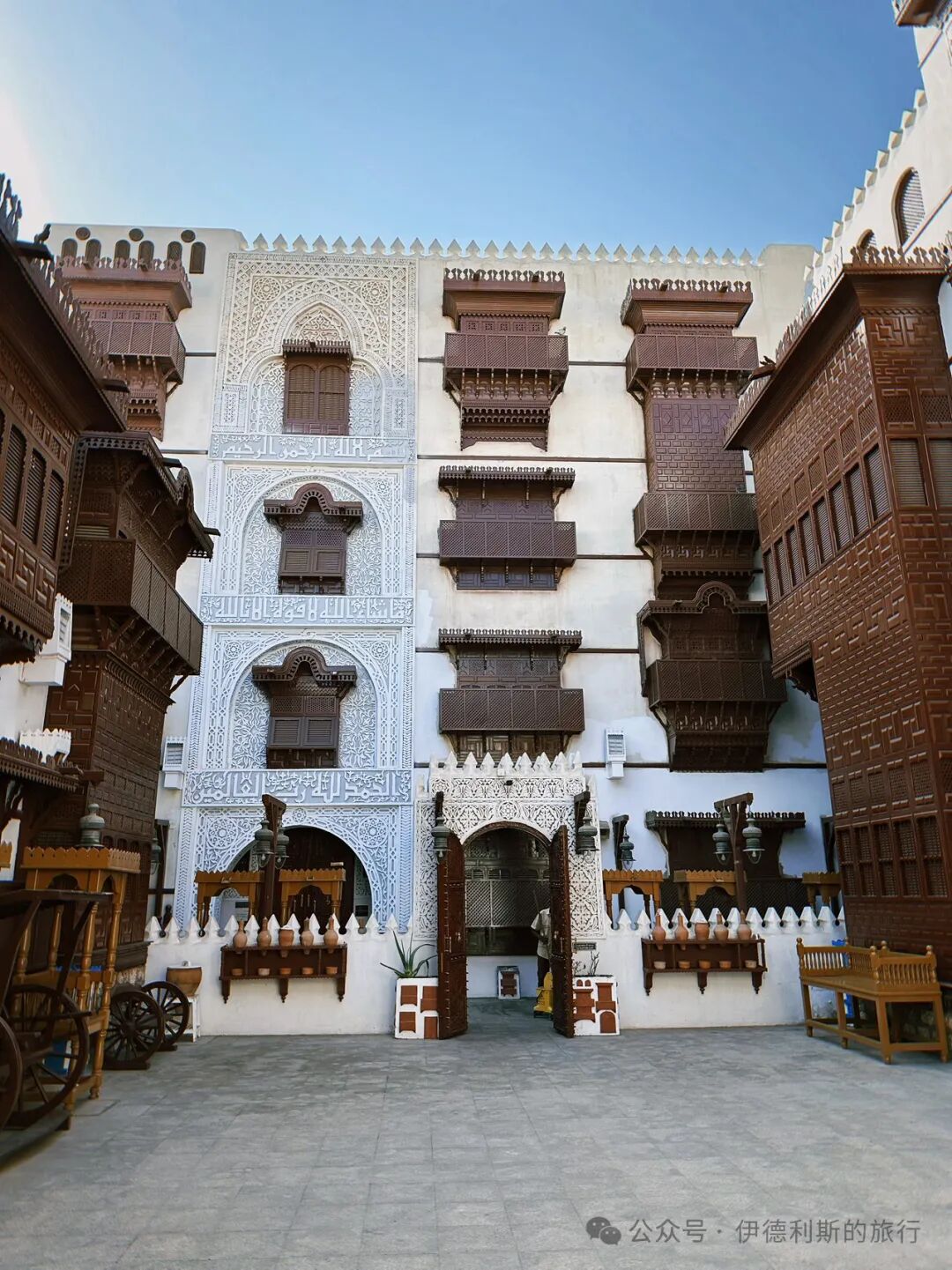
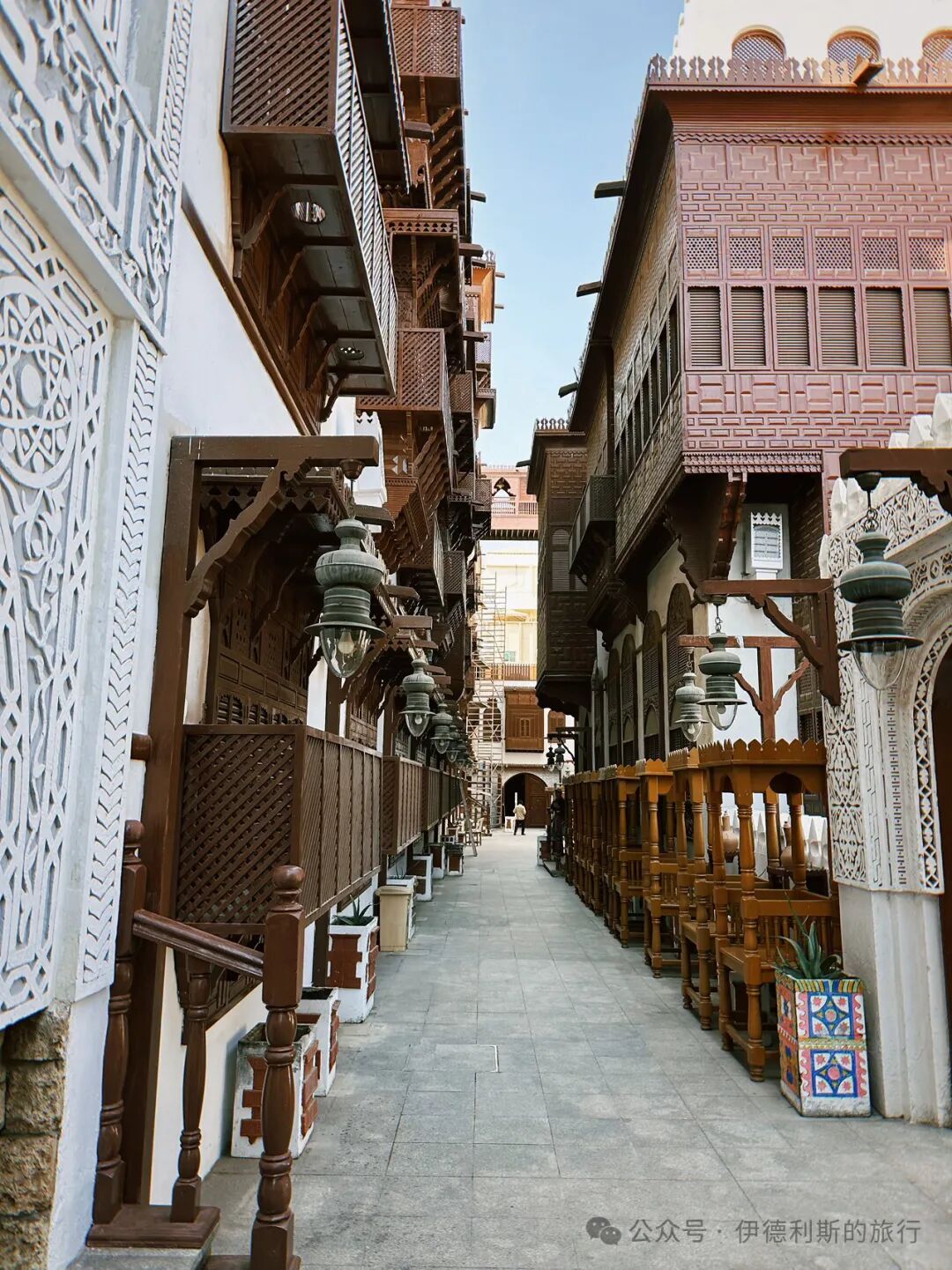
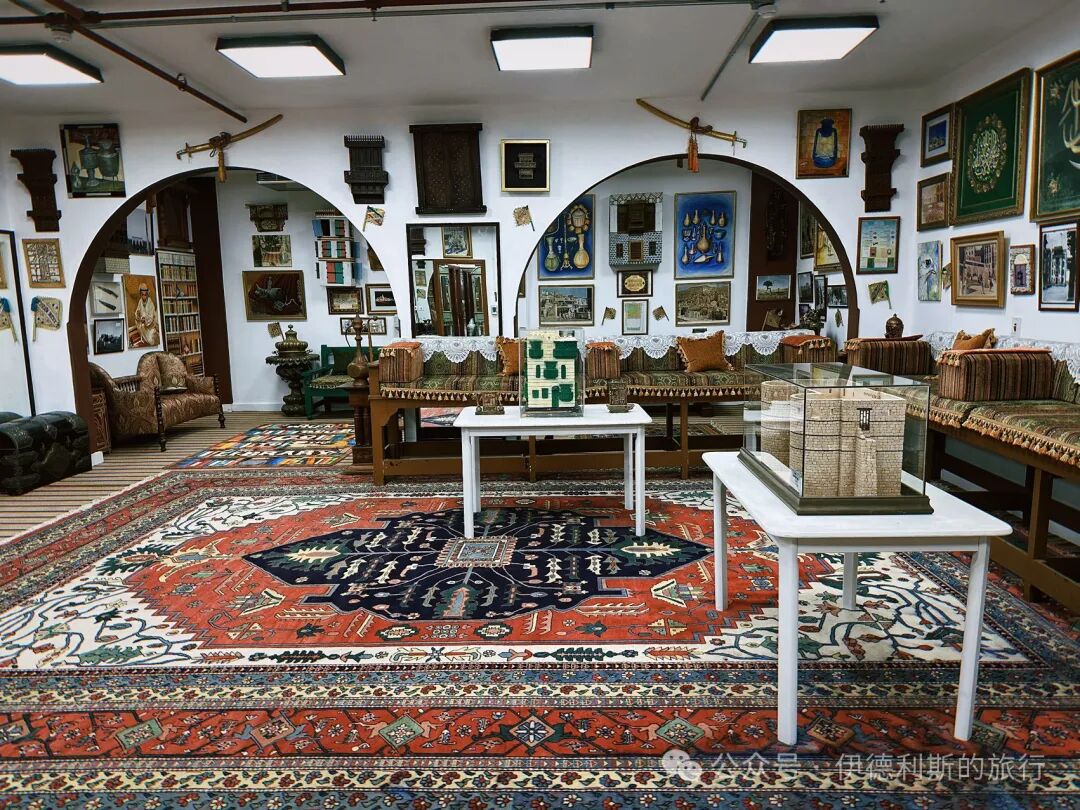
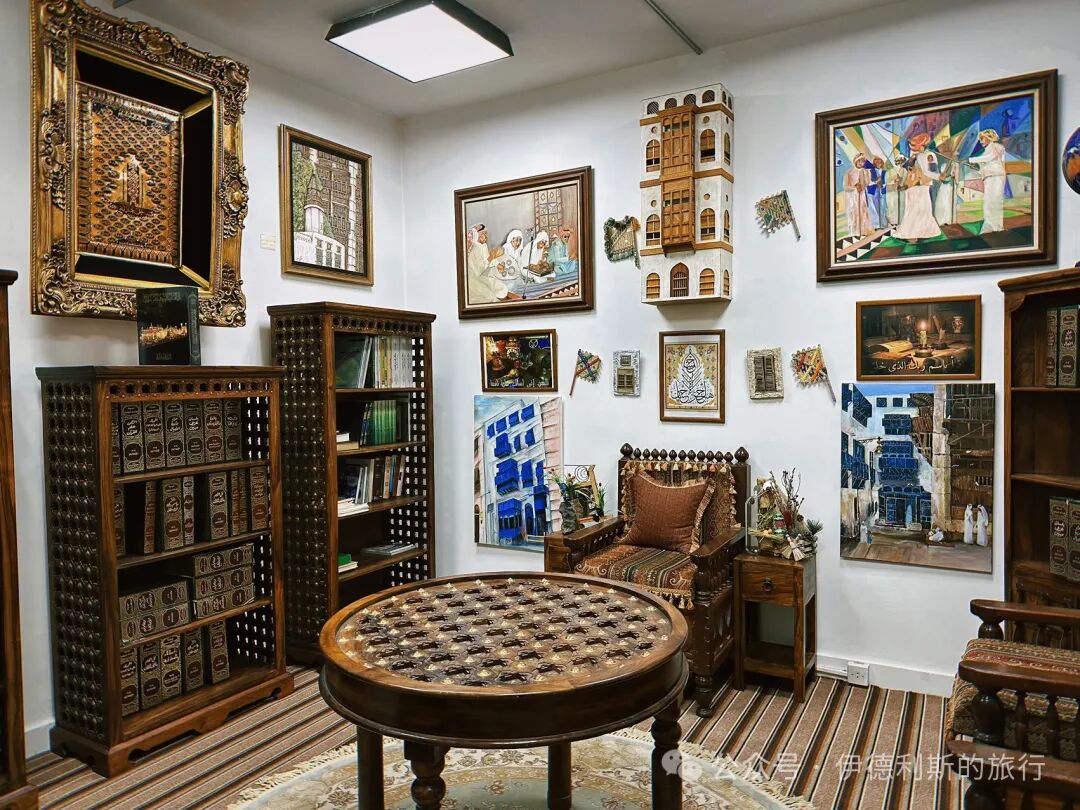
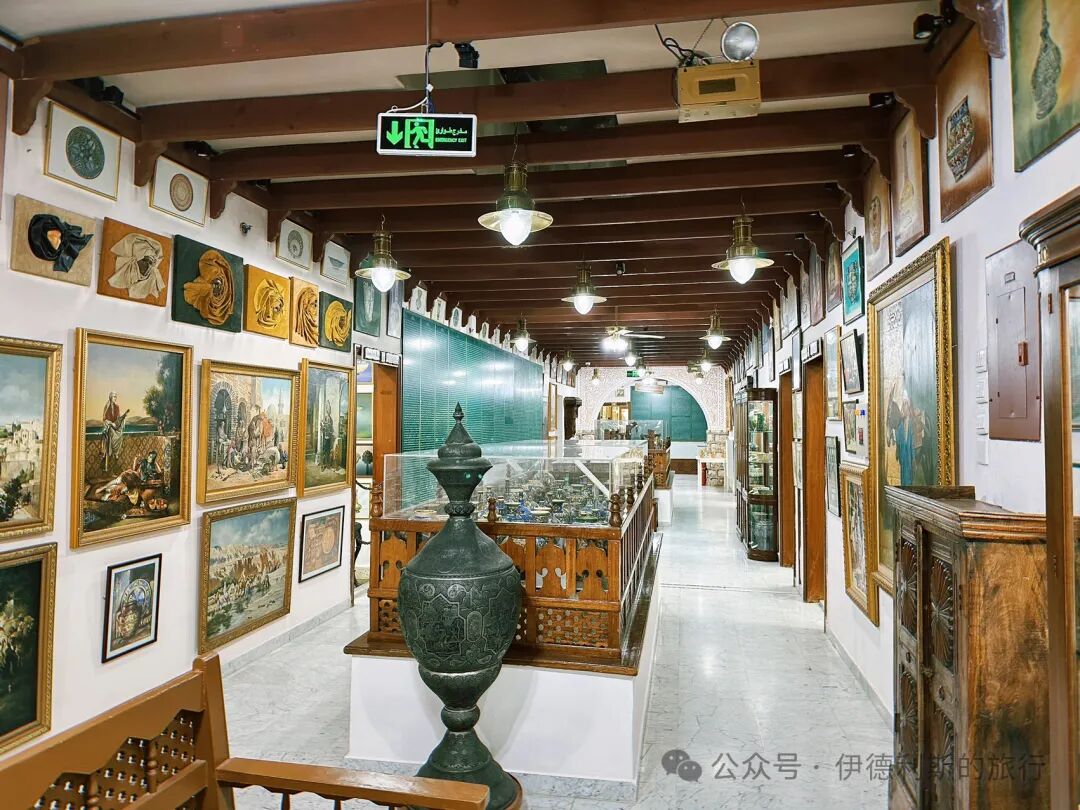
The full name of the Tayebat Museum is the Al Taybat International City Museum of Science and Information. The entire museum is built in the traditional architectural style of the Hejaz region, featuring coral stone and plaster walls along with beautiful wooden bay windows (Roshan).
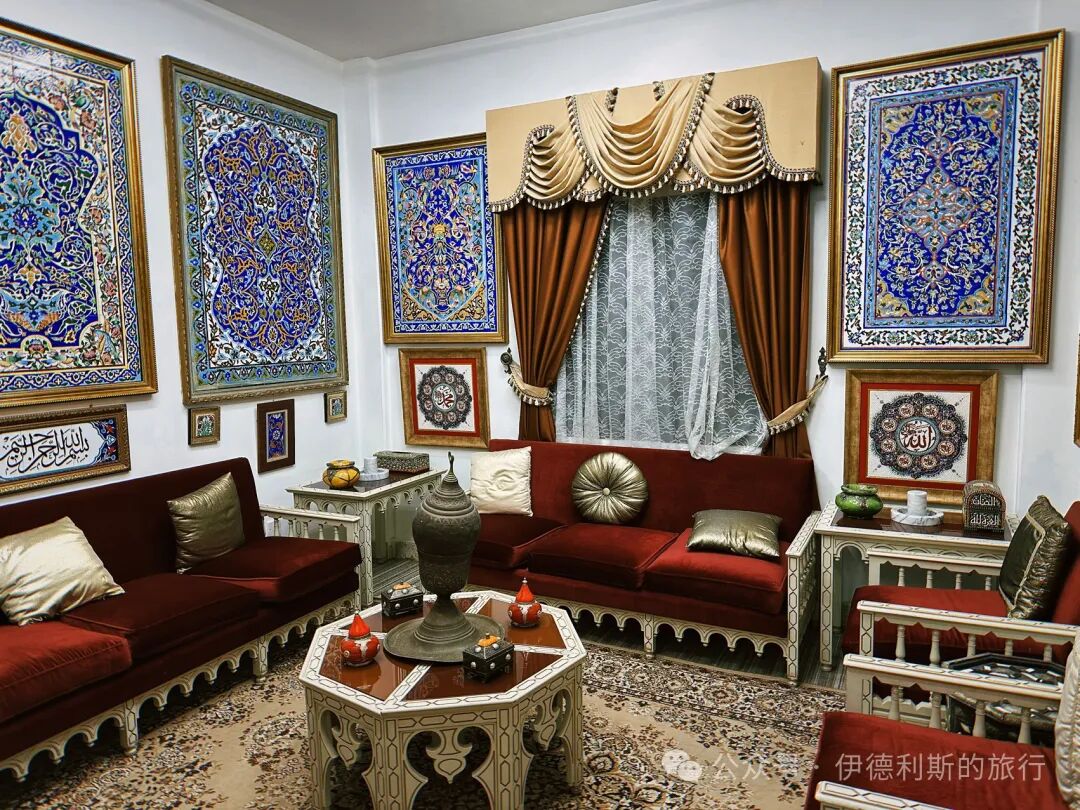
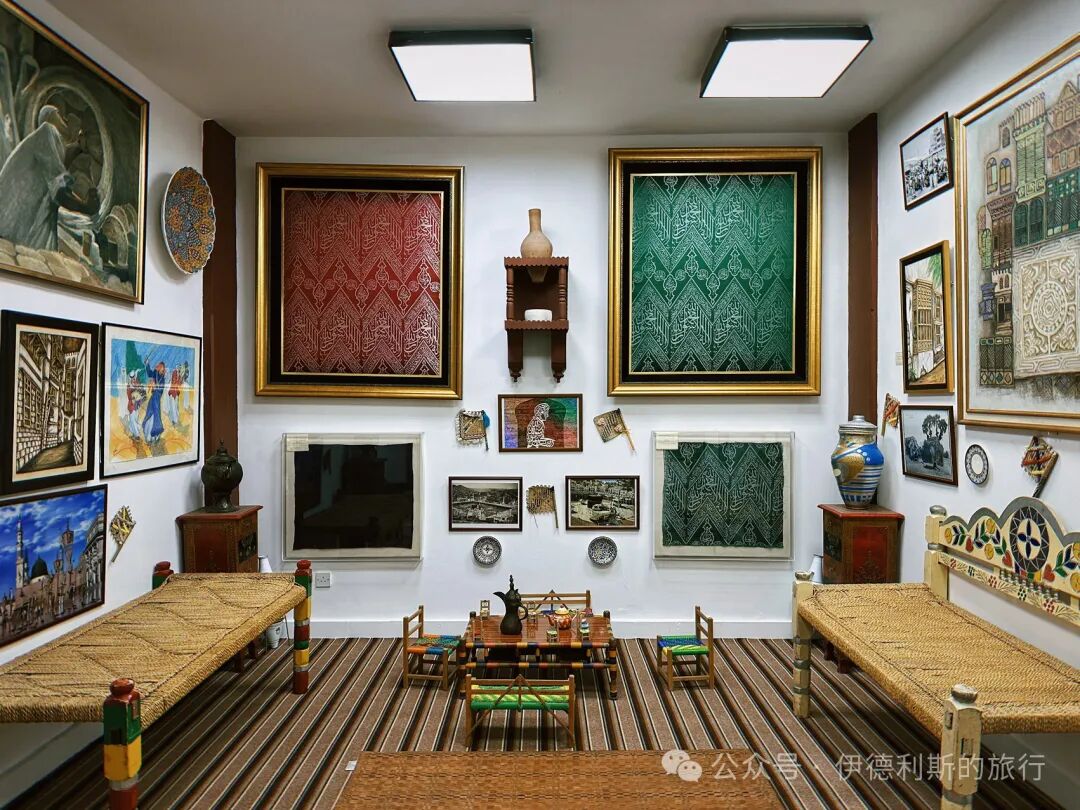
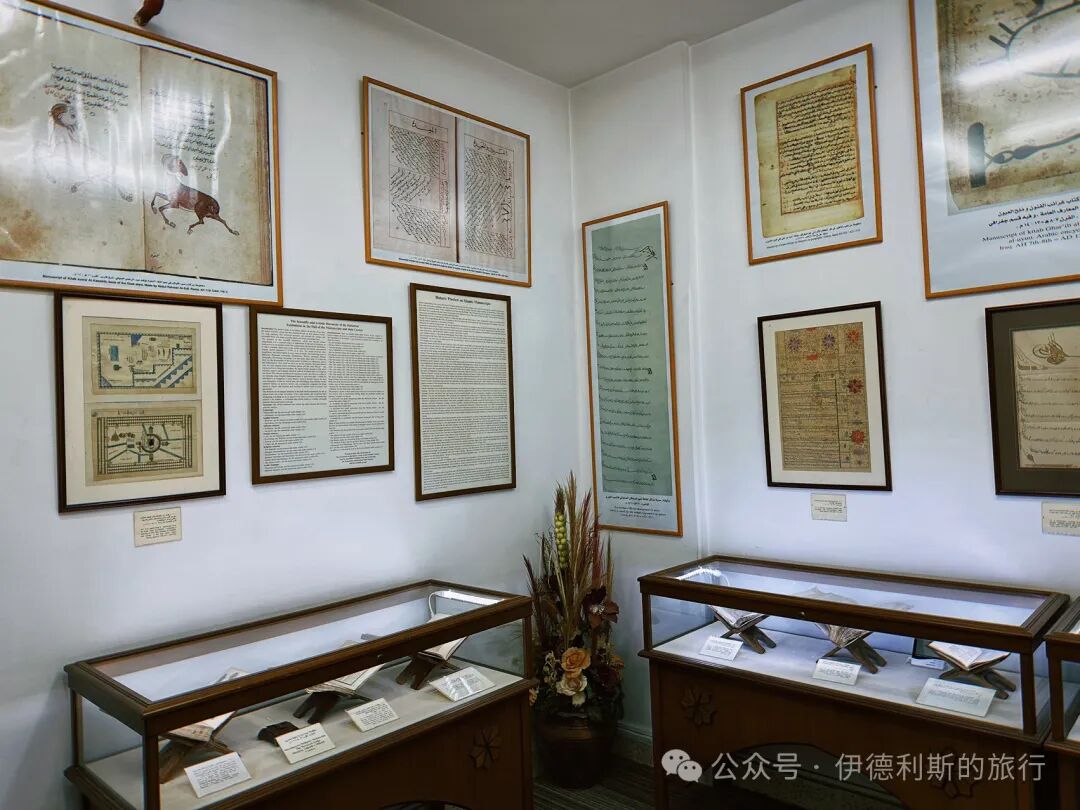
The museum has a rich collection of exhibits. It starts with the rise of the faith and displays many beautiful artworks and artifacts. The museum also has a wealth of displays on the traditional folk culture of Jeddah, the Hejaz, and all of Saudi Arabia, including a large collection of traditional clothing and folk objects.
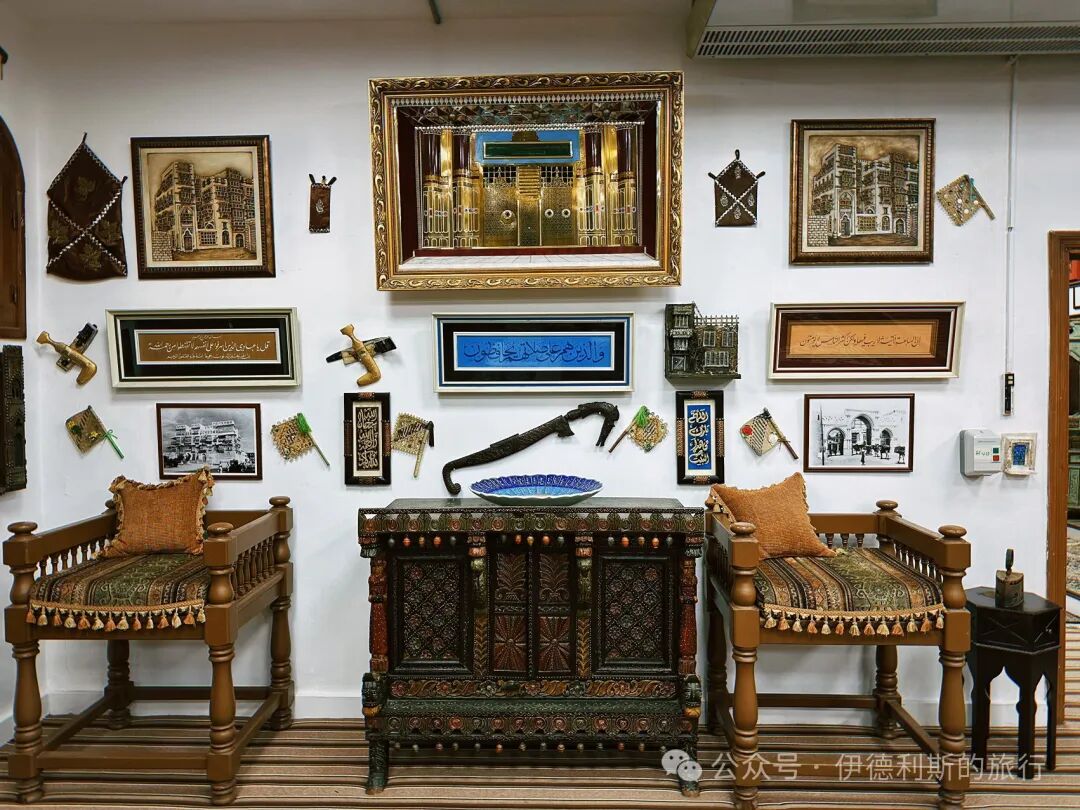
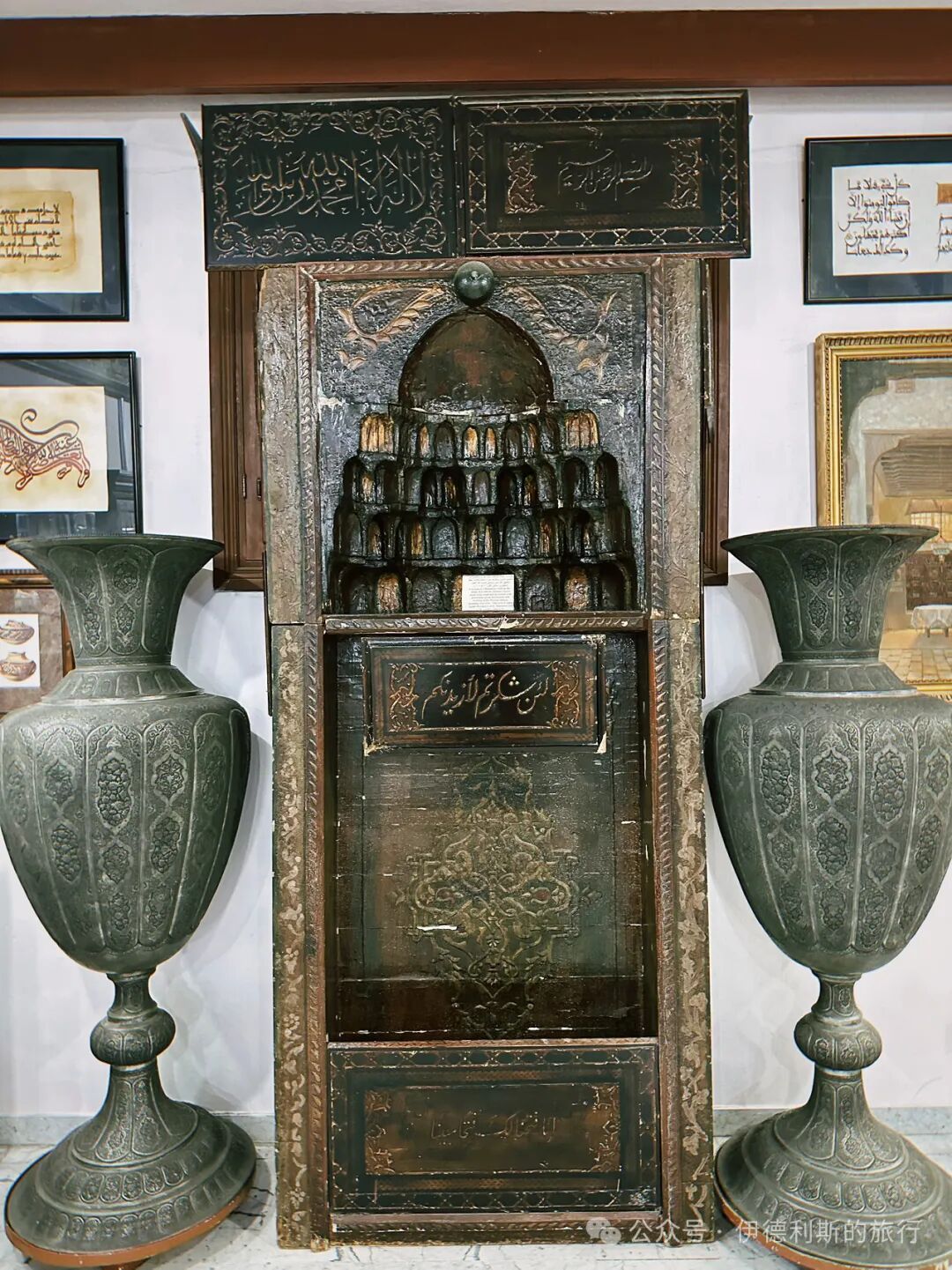
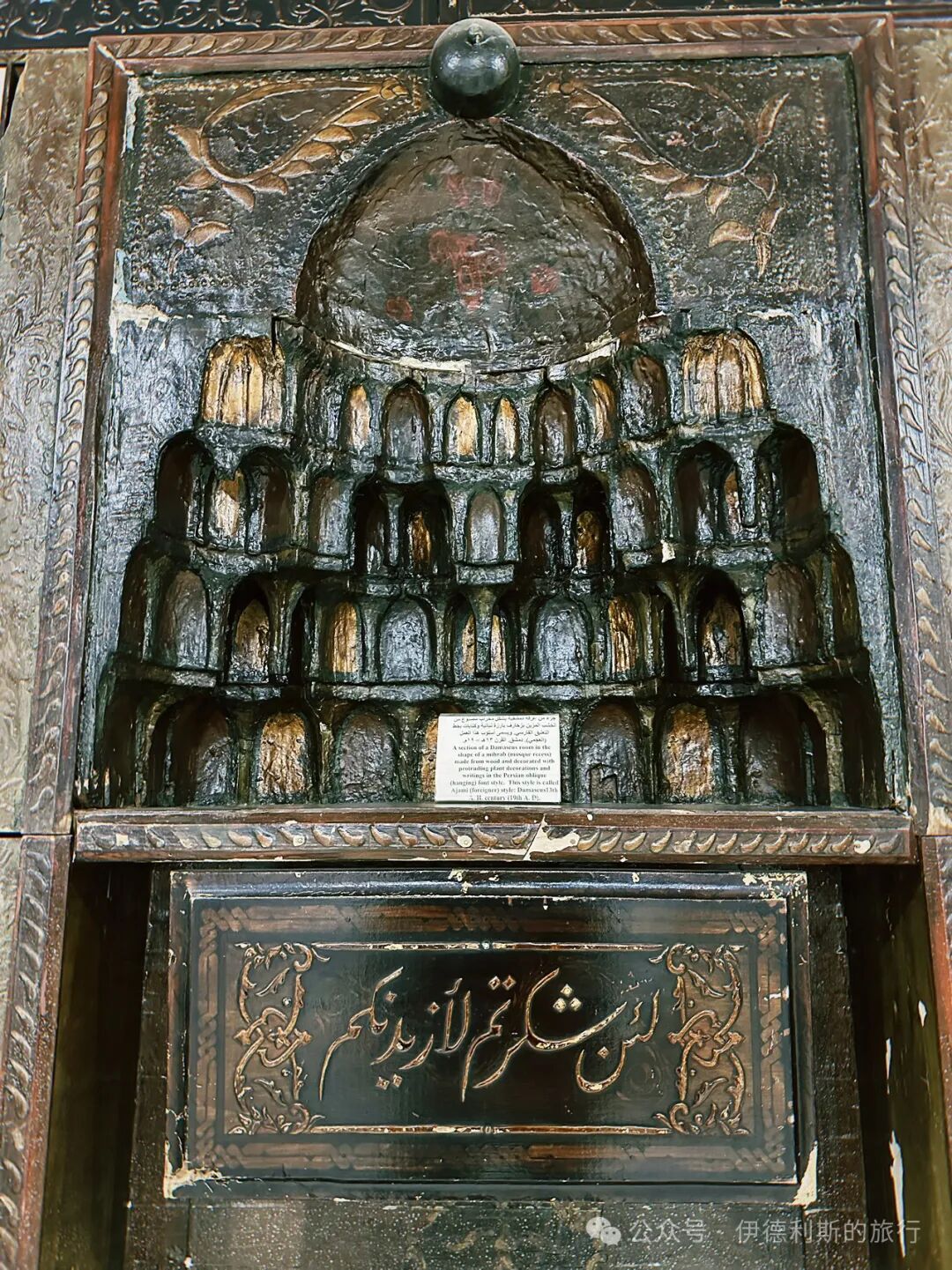
A 19th-century wooden prayer niche (mihrab) from Damascus, featuring beautiful Persian calligraphy.
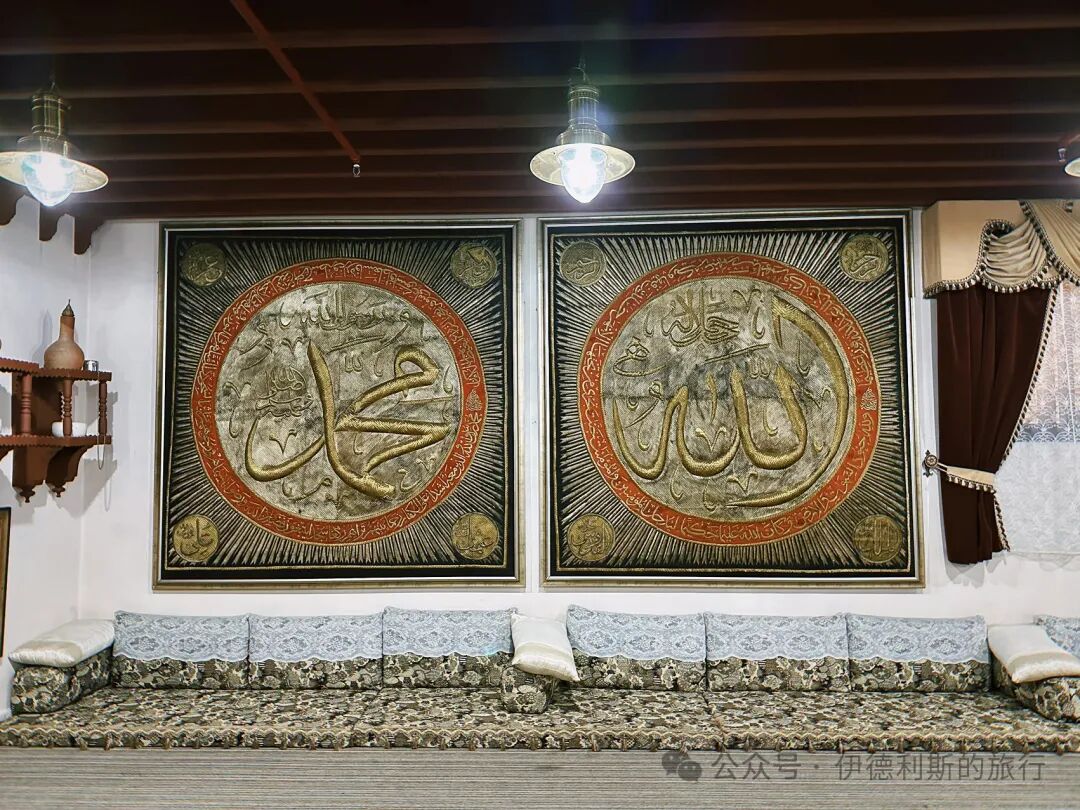
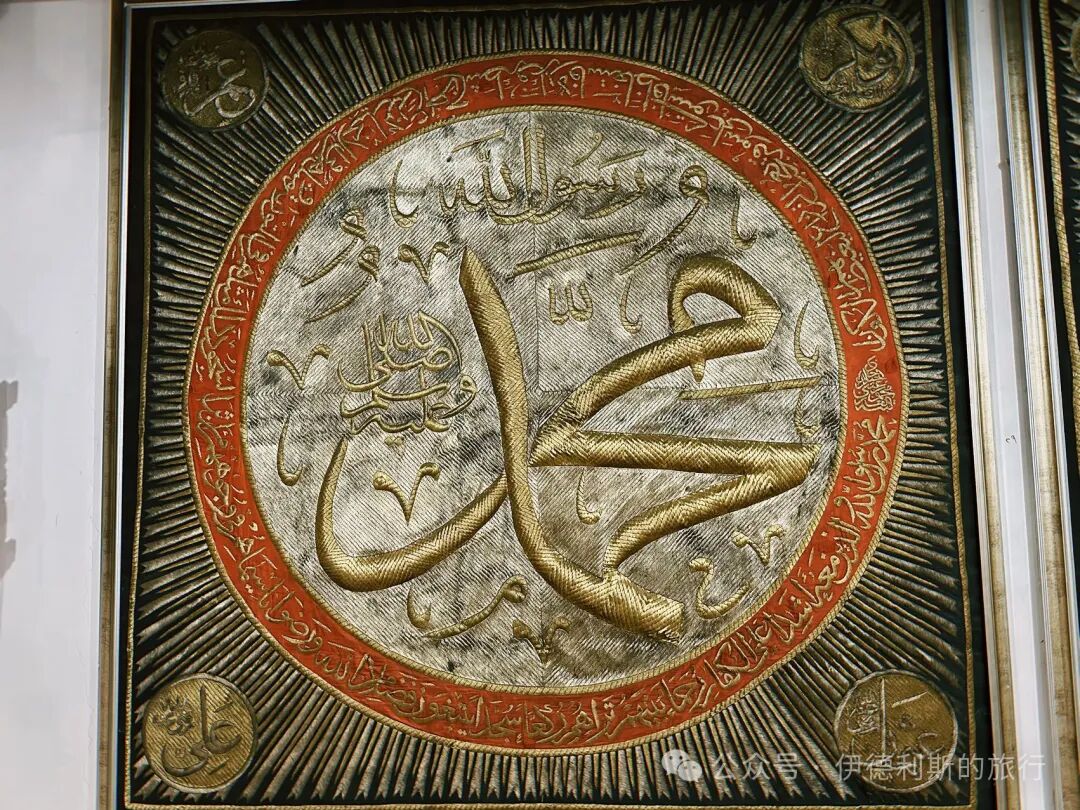
A 16th-century manuscript from the Mughal Empire.
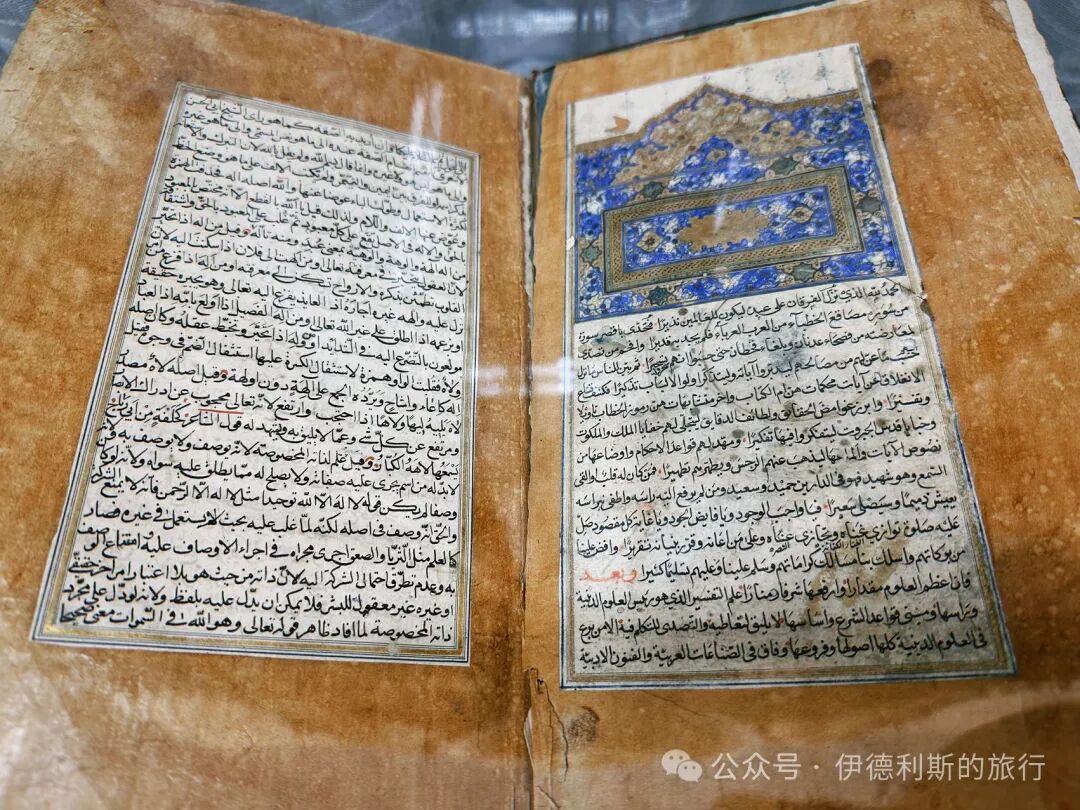
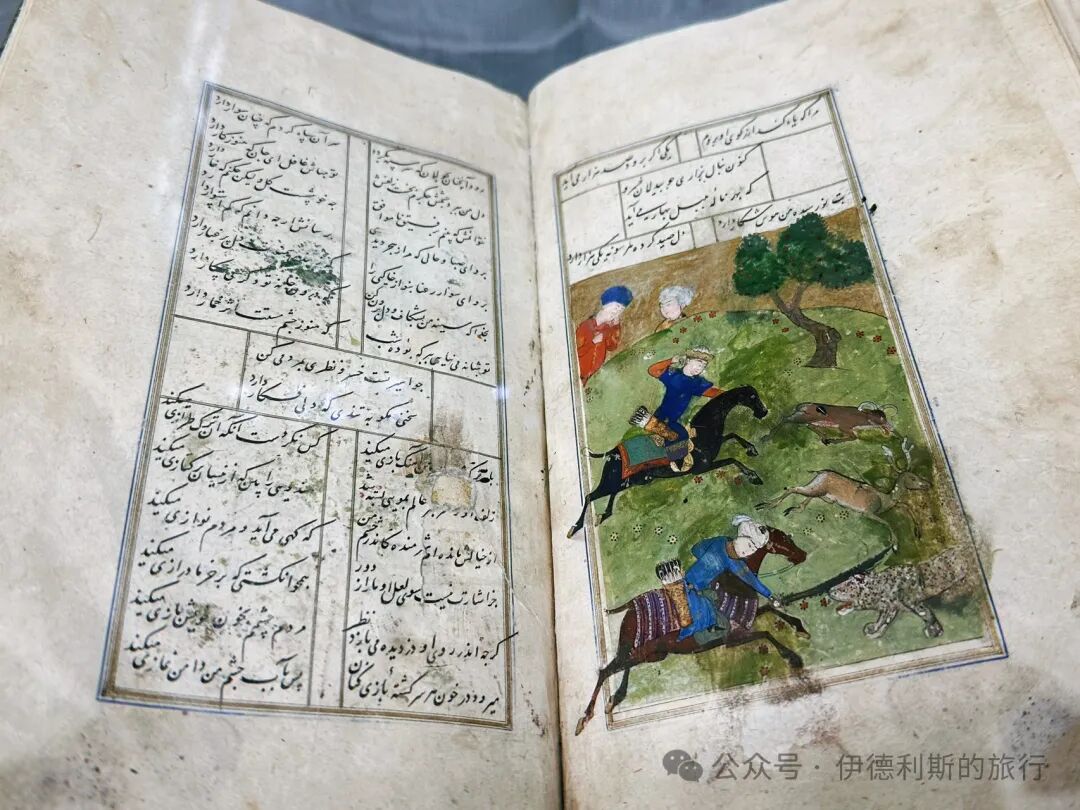
A 16th-century Persian Safavid dynasty manuscript of poetry with miniature paintings.
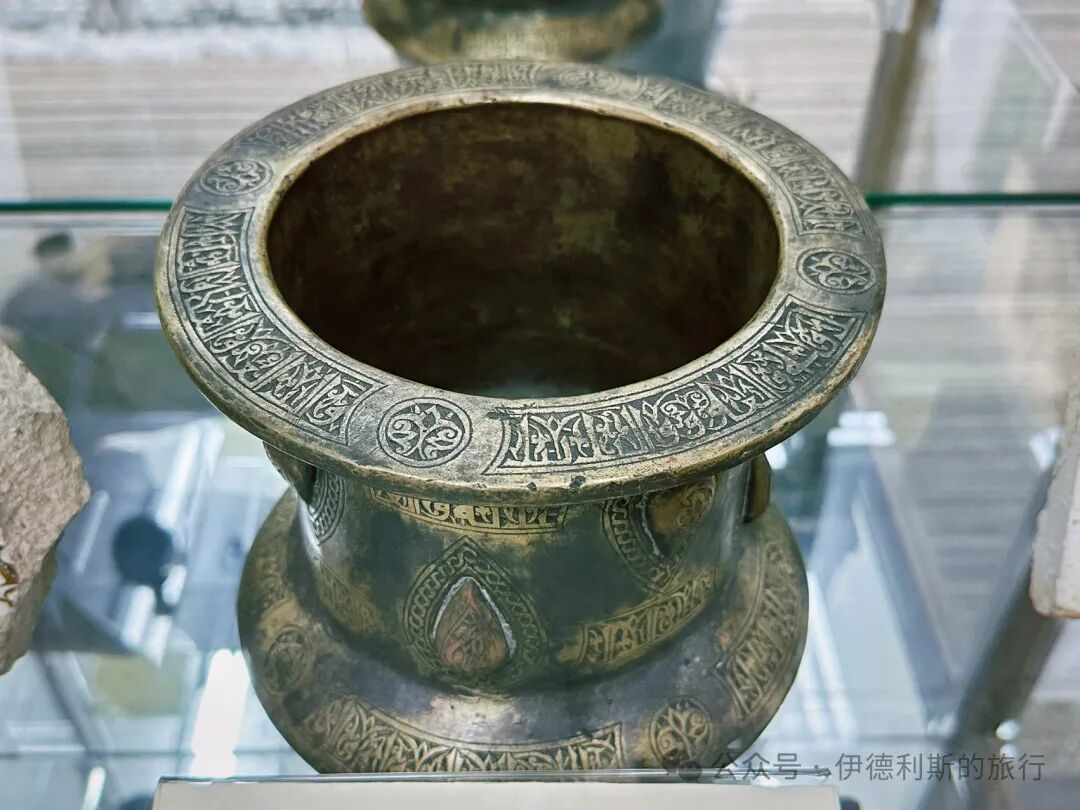
A 12th-century bronze cannon muzzle from the ancient city of Herat, Afghanistan, engraved with Kufic calligraphy. Herat grew into a center for metal manufacturing between the 11th and 12th centuries until the Mongol army massacred the city in 1221.
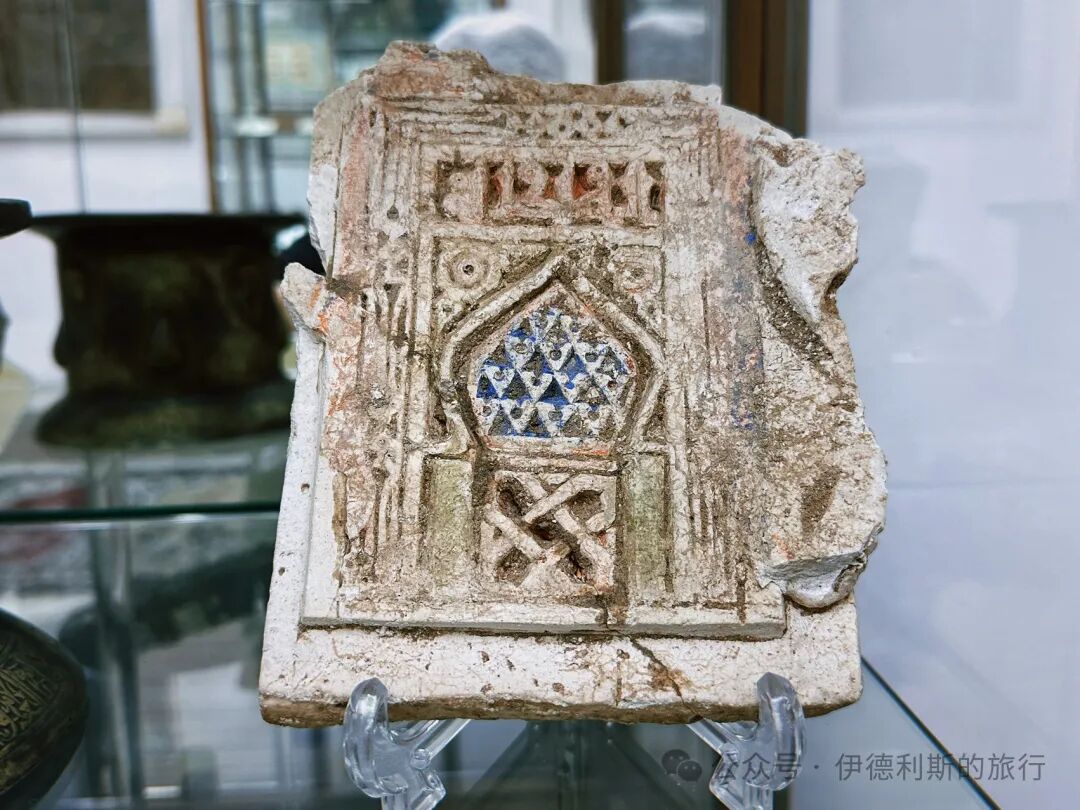
A 14th-century small plaster prayer niche (mihrab) from Samarkand during the Timurid dynasty, decorated with Kufic calligraphy.
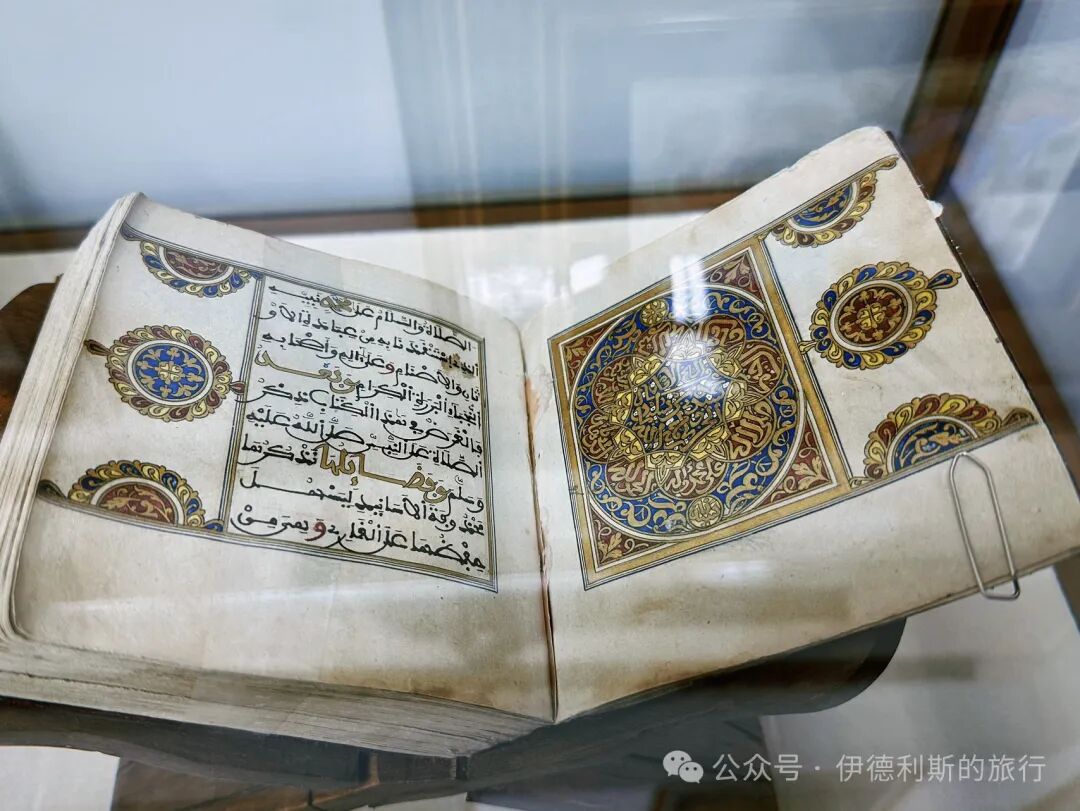
A Moroccan manuscript from 1860 written in Maghrebi script.
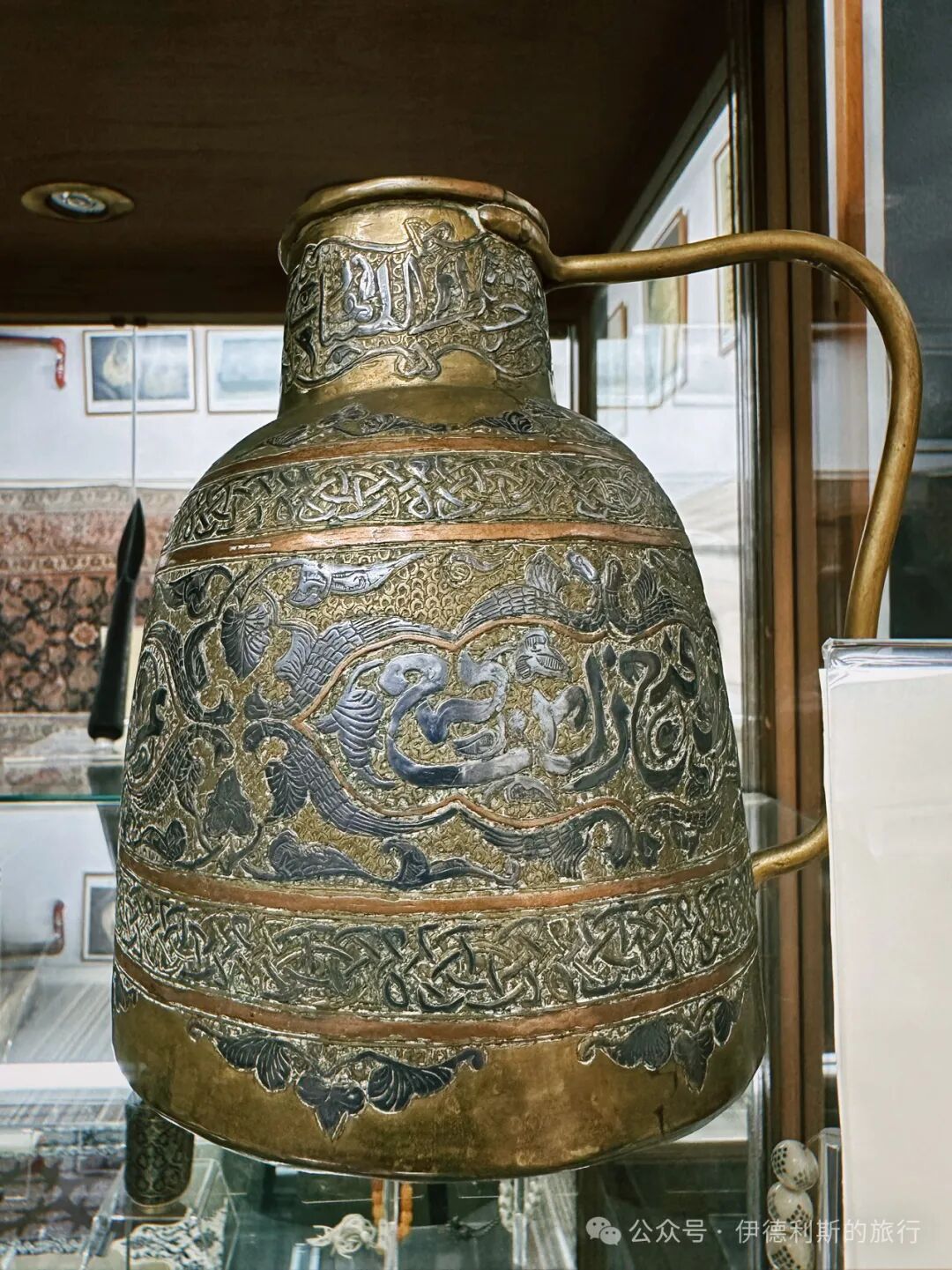
A copper water kettle with silver inlay from Ottoman-era Damascus, dating to the 18th or 19th century.
A 13th-century Ayyubid dynasty manuscript from the southeastern Anatolian Peninsula, written in Muhaqqaq script.
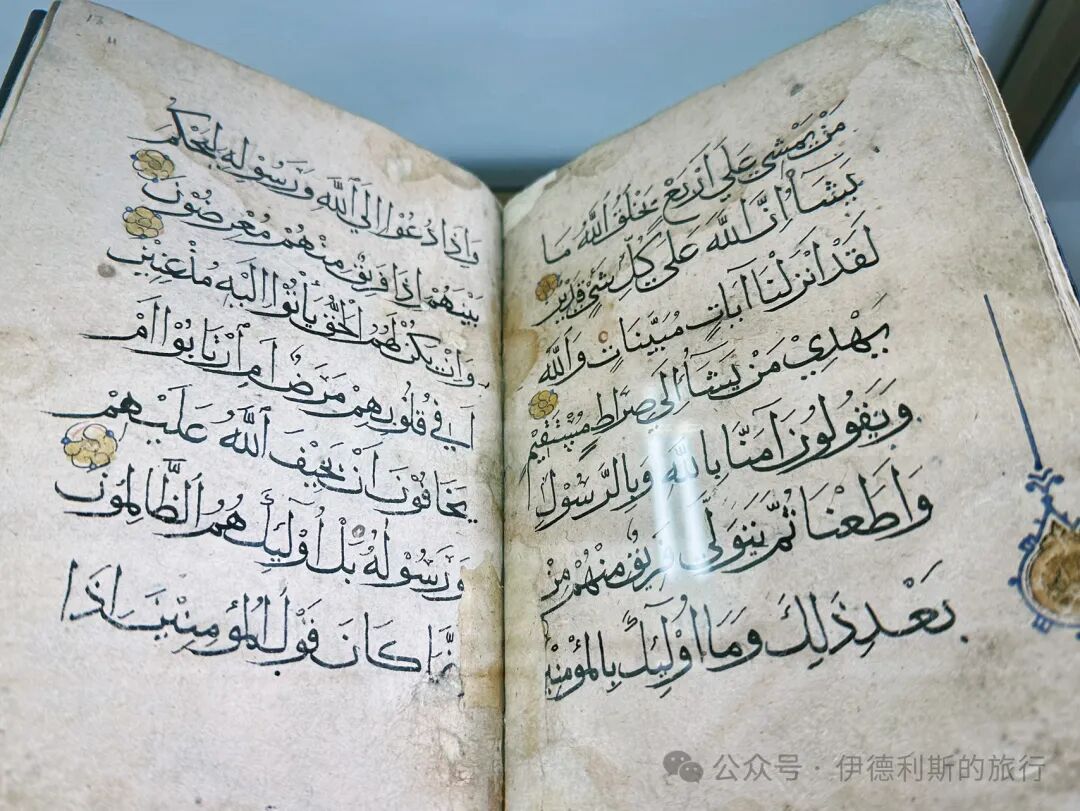
A 13th-century Egyptian Mamluk dynasty manuscript written in Muhaqqaq script.
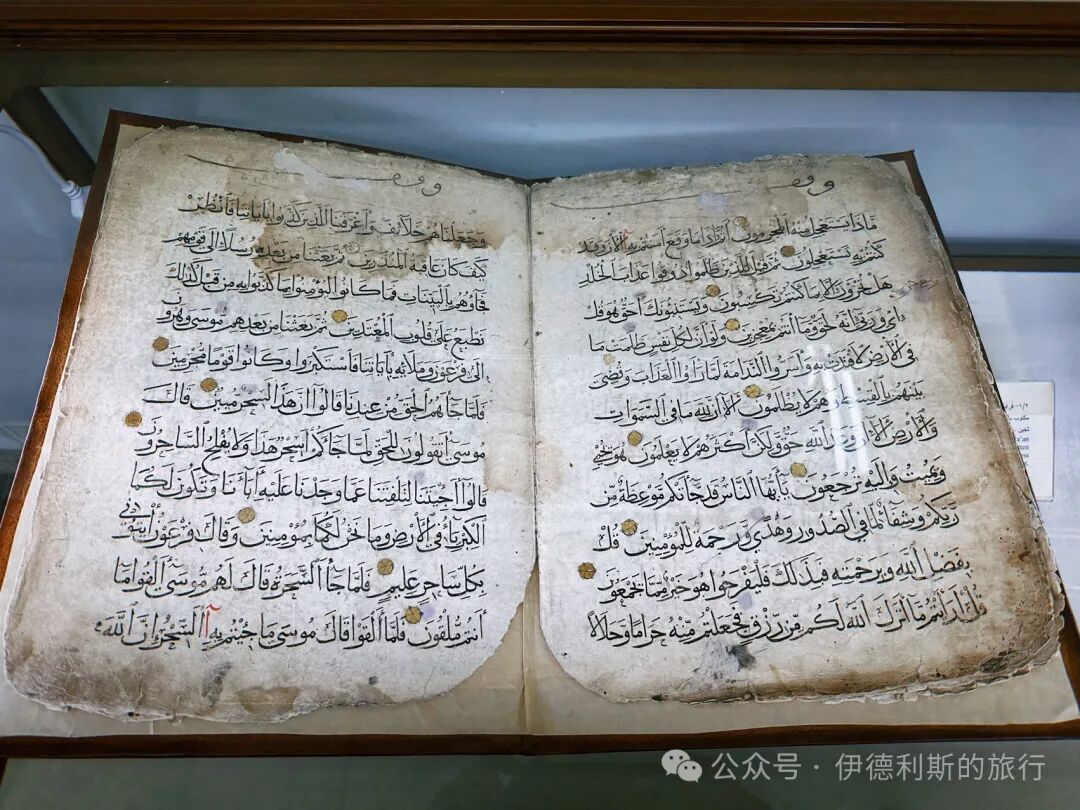
A 16th-century Persian Safavid dynasty manuscript written in Al-rayhani script.
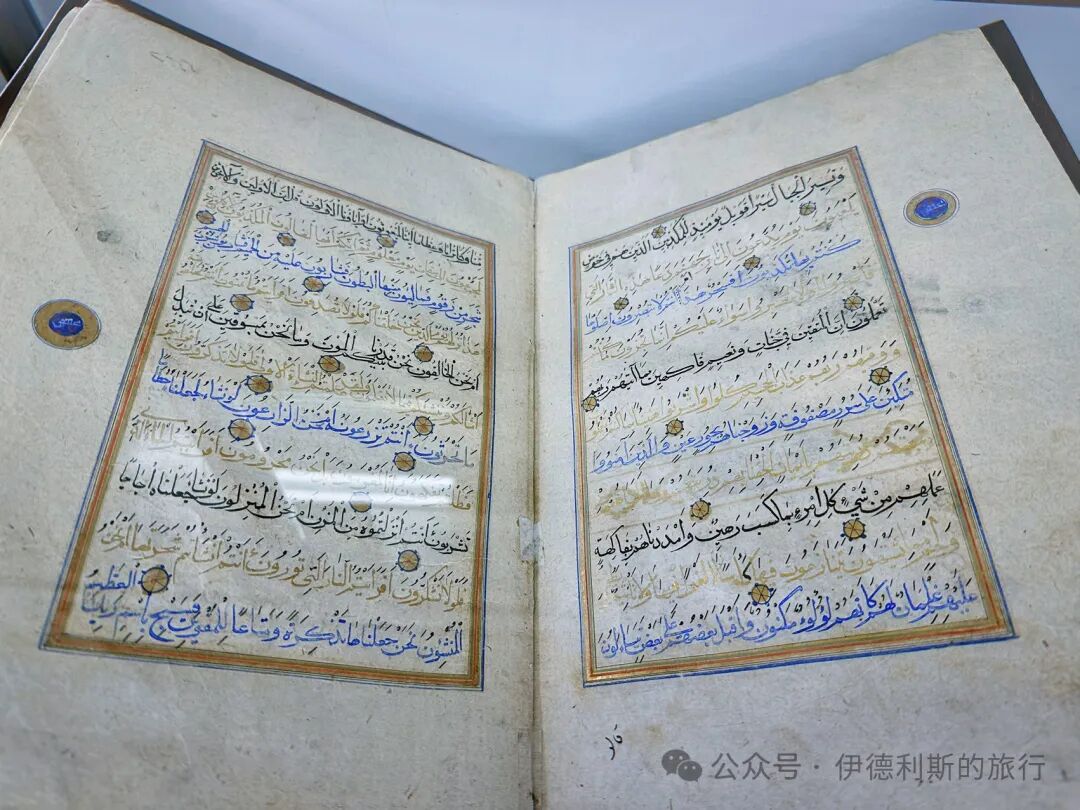
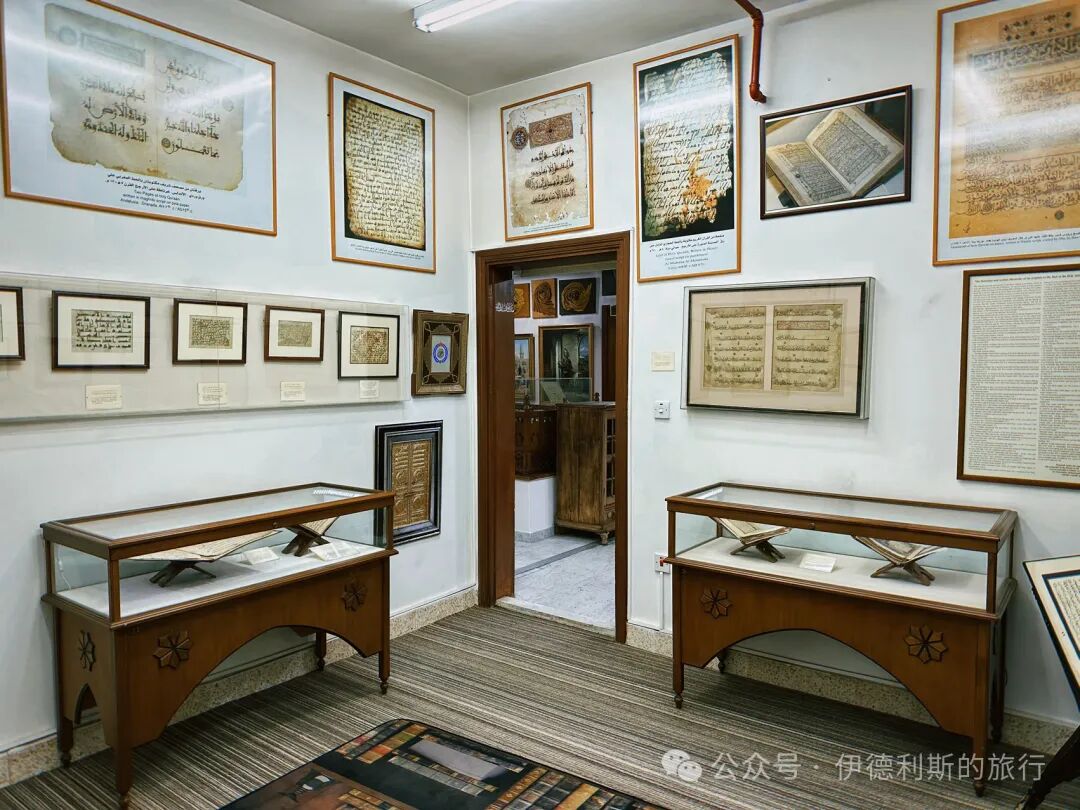
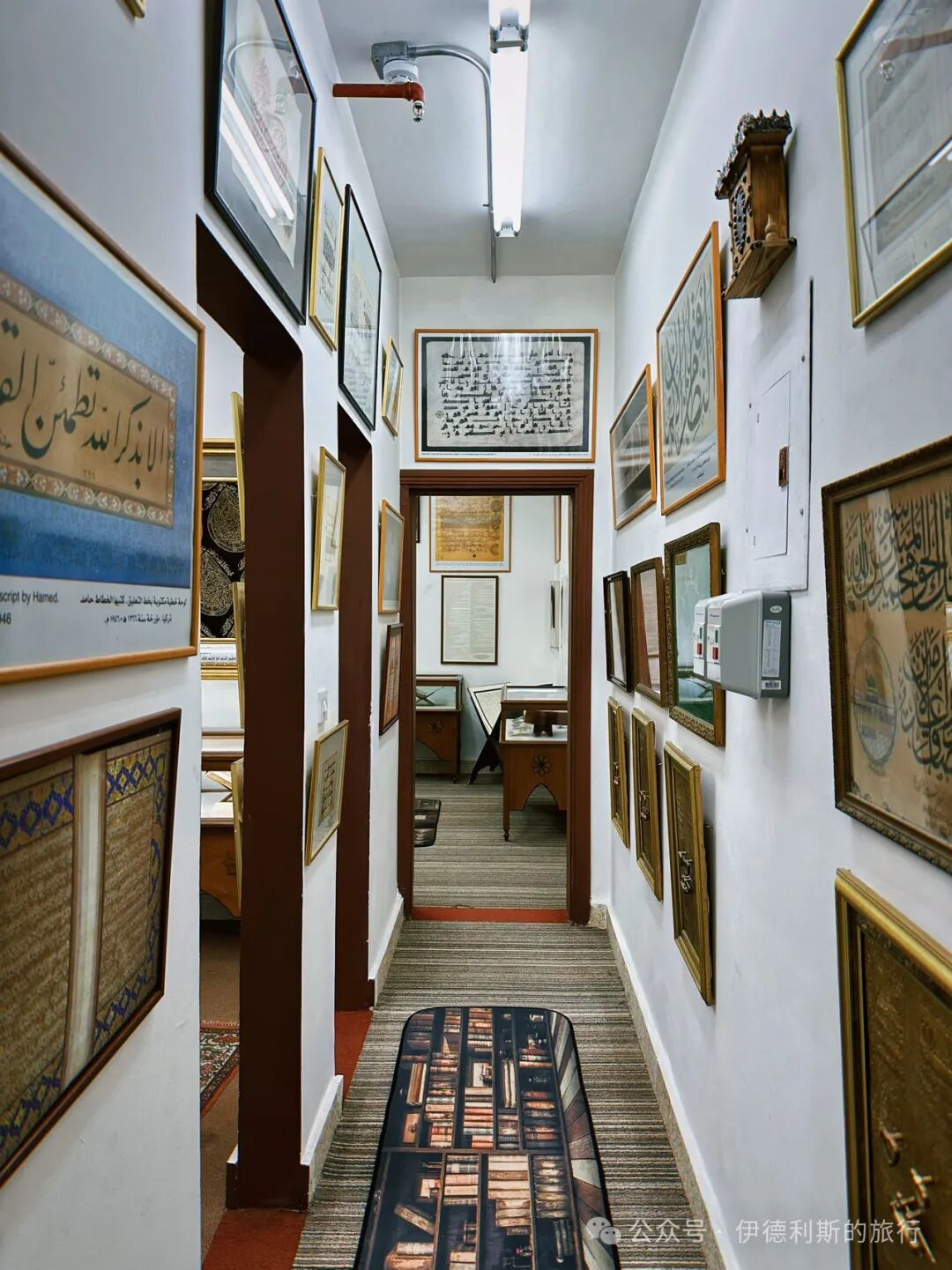
A 14th-century manuscript from northwestern Iraq, written in Iraqi Rayhani script during the Jalayirid dynasty. The Jalayirid dynasty was a Persianized khanate established by Mongol tribes after the Ilkhanate collapsed.
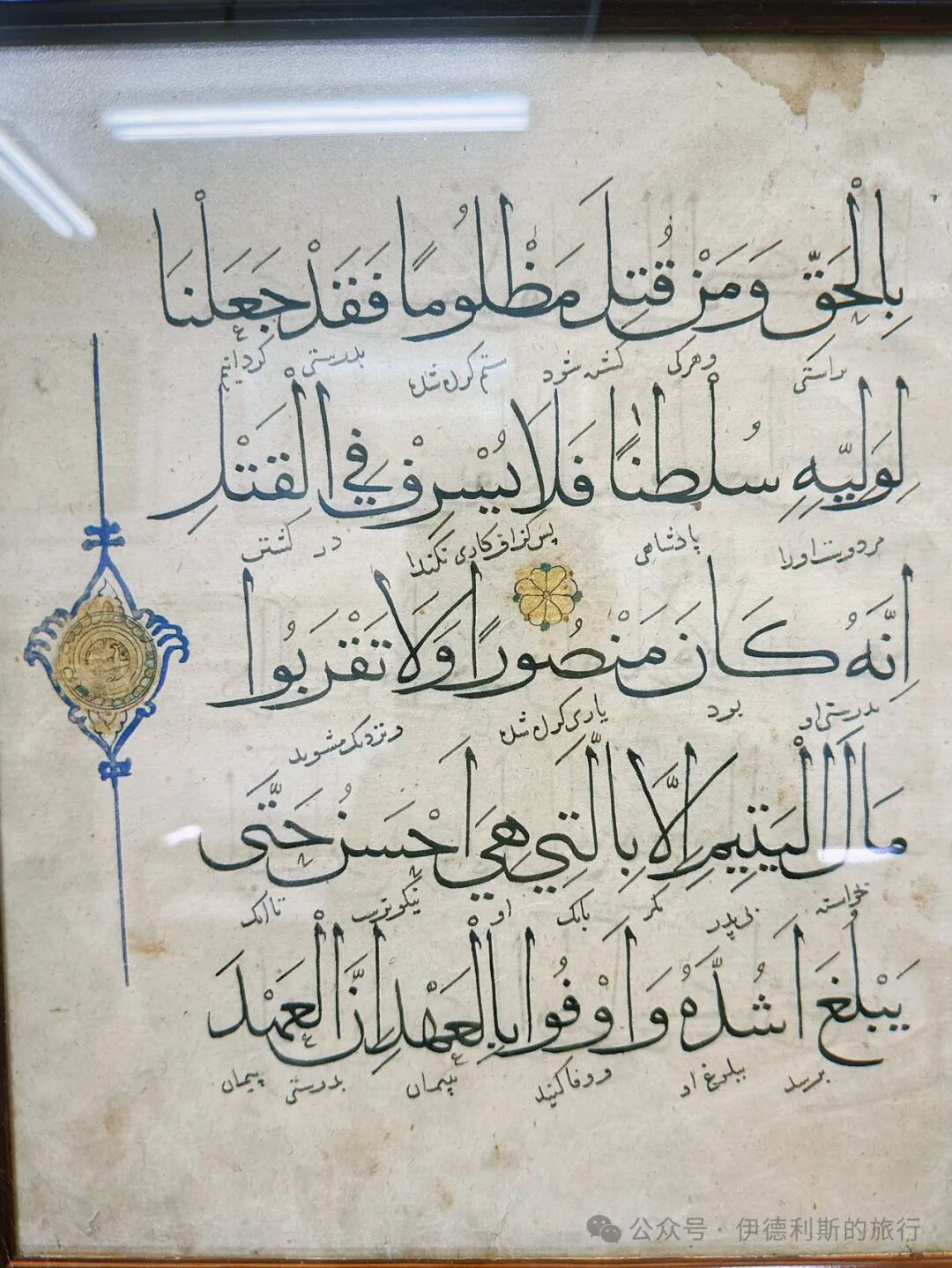
A 19th-century North African manuscript written in Maghrebi Kufic script.
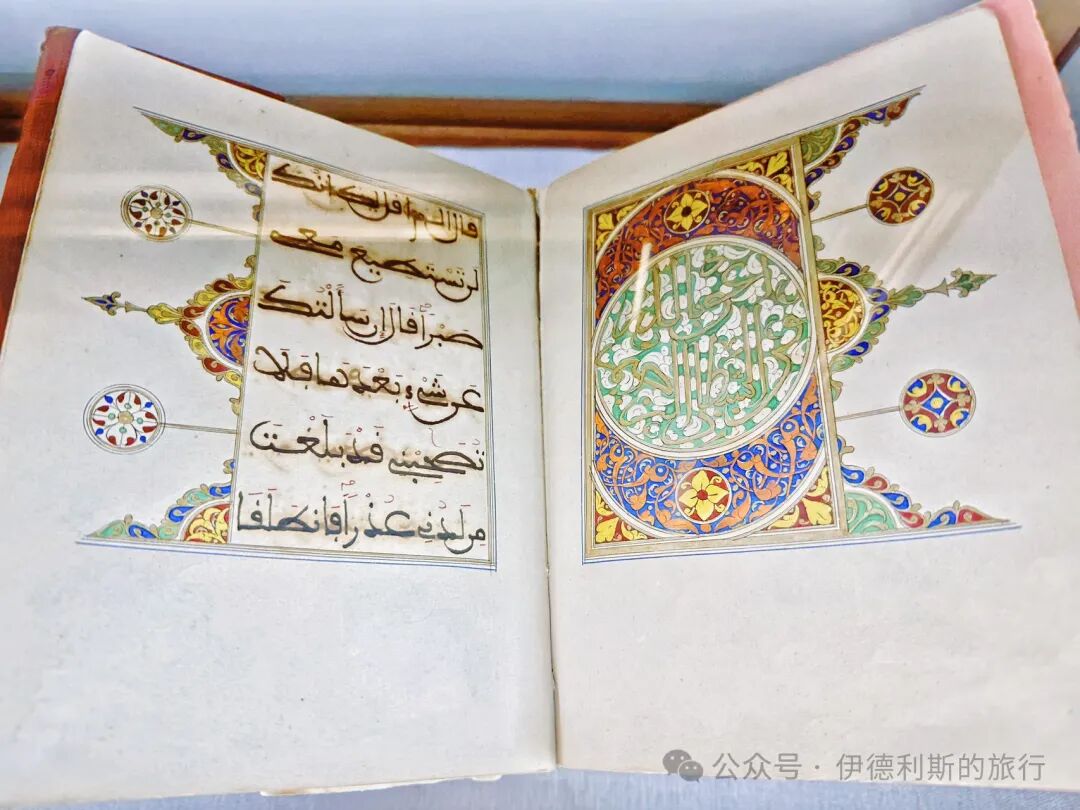
A manuscript written in Naskh script from the Persian Qajar dynasty in 1800.
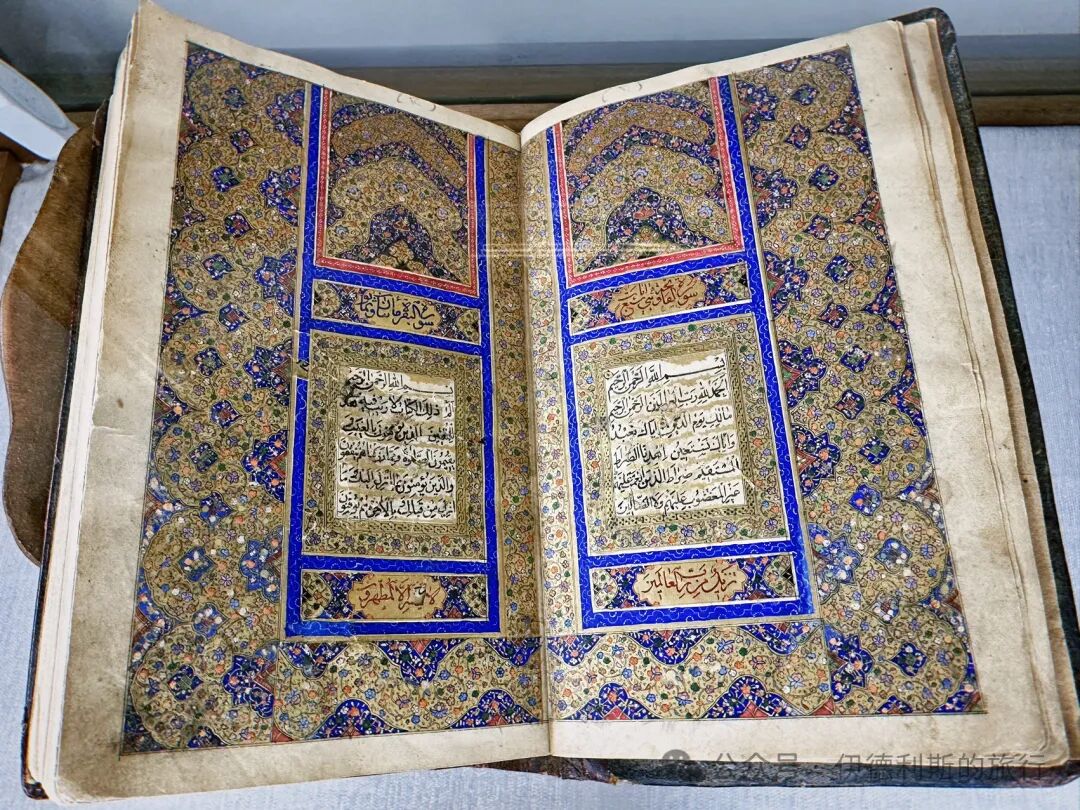
A manuscript written in Naskh script from the Bosnia region during the Ottoman dynasty in the 17th to 18th centuries.
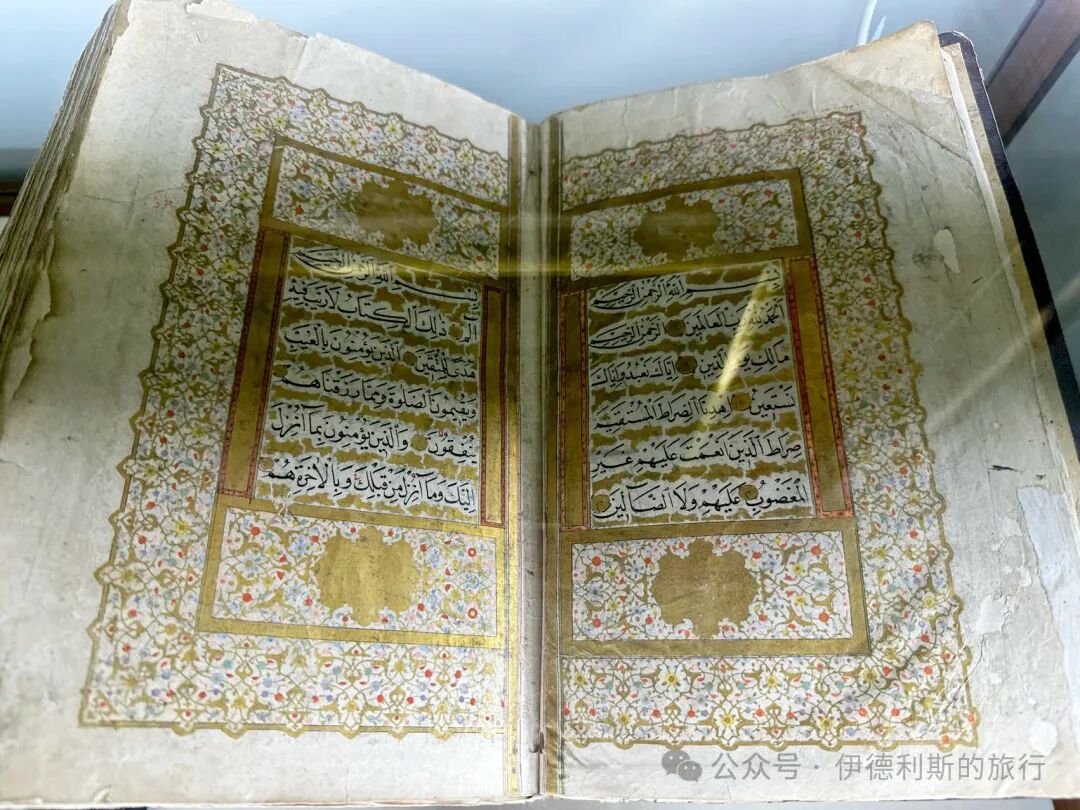
A manuscript written in Naskh script from the Turkey region during the Ottoman dynasty in the 18th century.
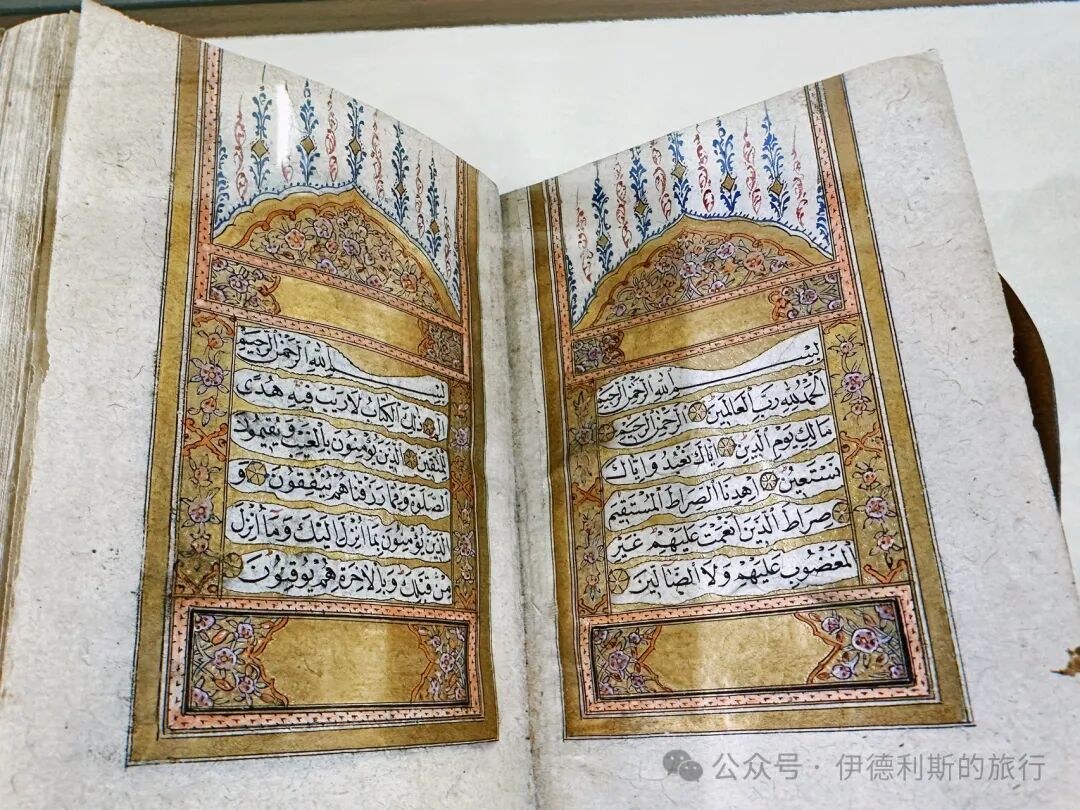
A manuscript written in Naskh script from the India region during the Mughal dynasty in the 17th century.
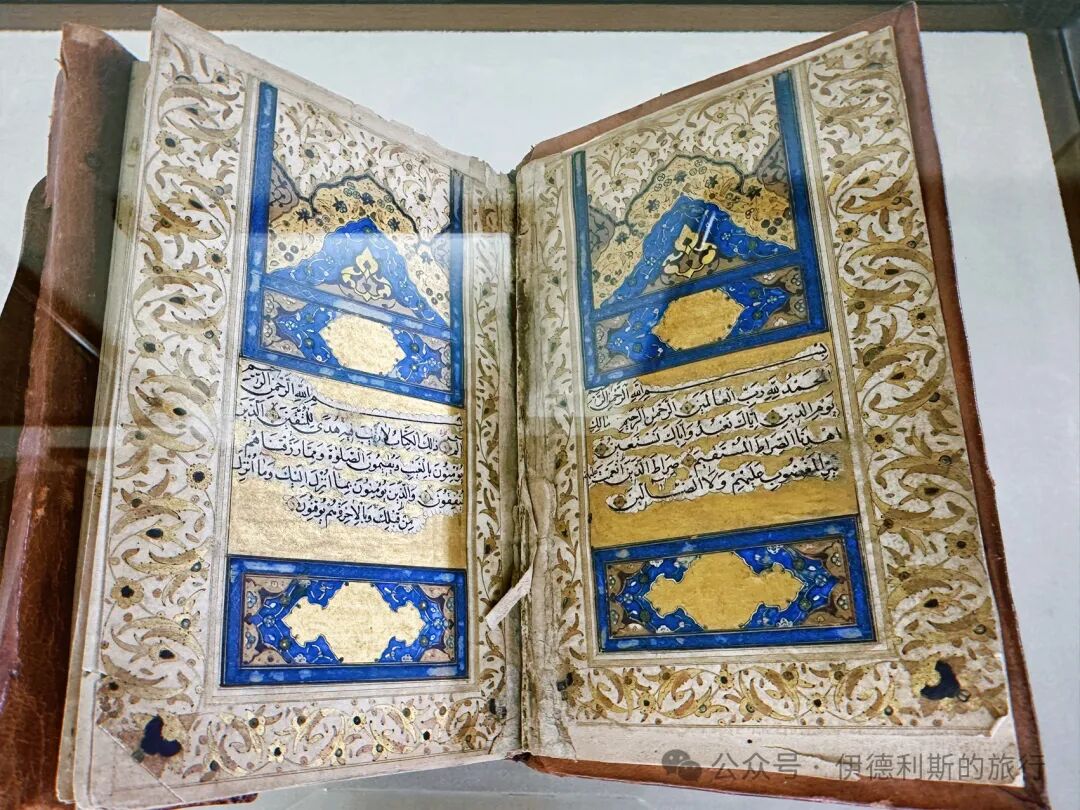
A manuscript written in Kufic script, likely from the Iraq region, dating to the 10th to 11th centuries.
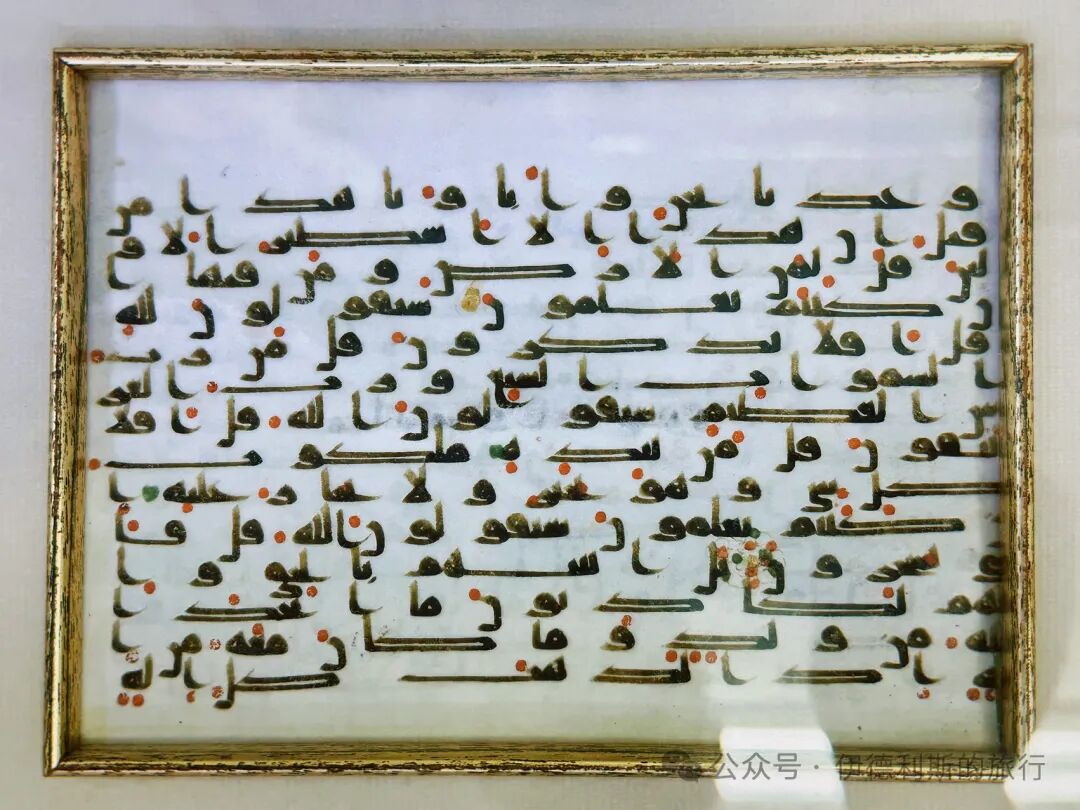
A manuscript written in Andalusian script from the Andalusia region in the 12th century.
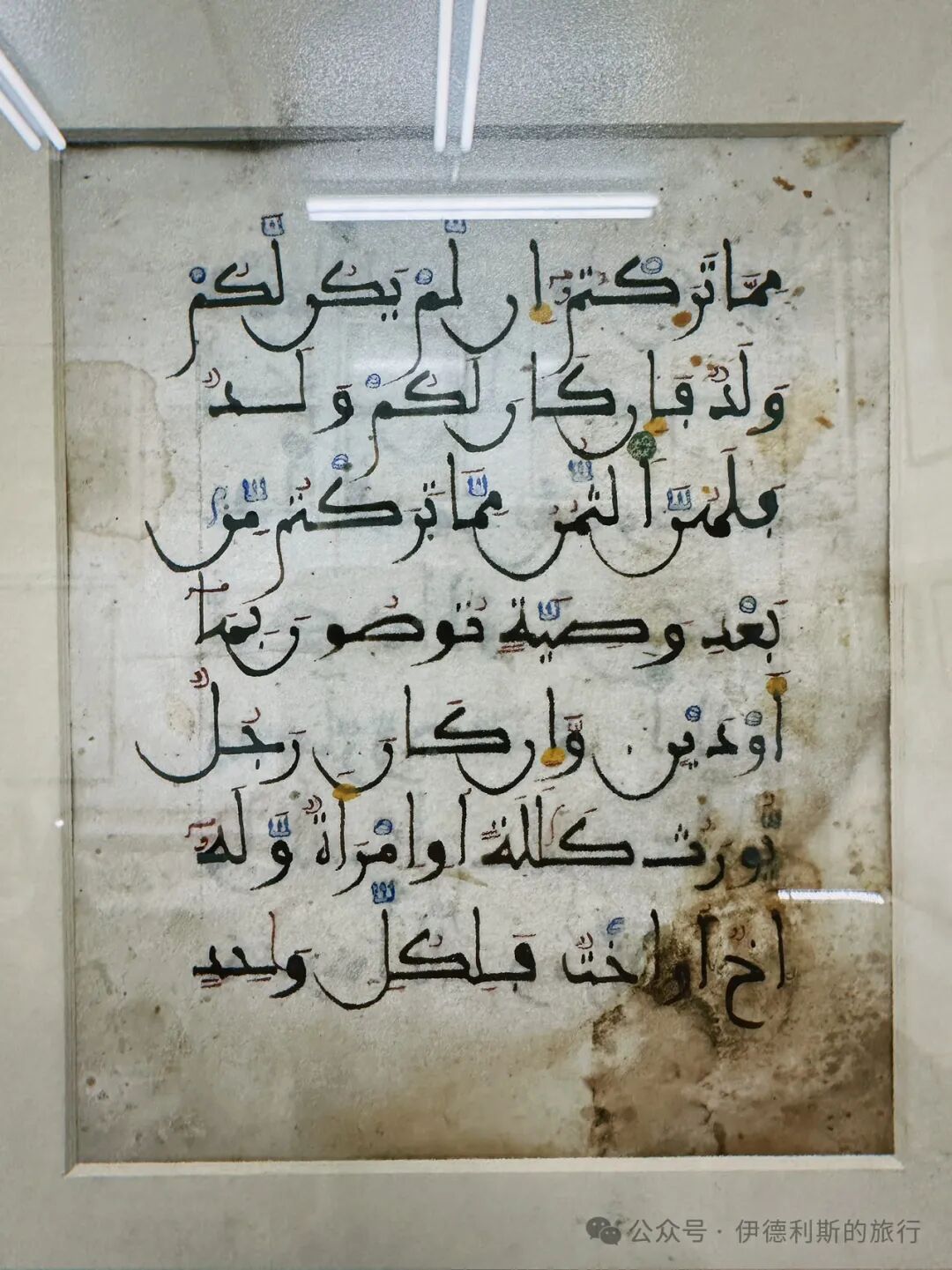
A manuscript written in Kufic script from the Iraq region during the Abbasid dynasty in the 9th to 10th centuries.
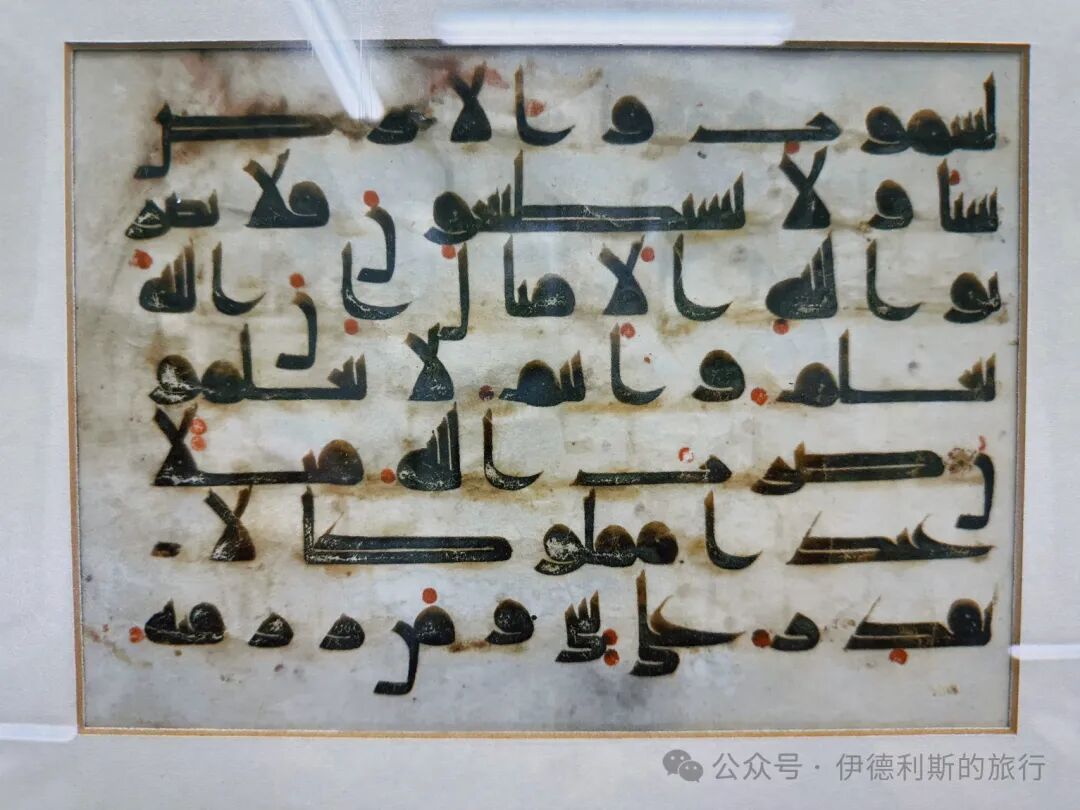
A manuscript written in Kufic script from the Iraq region during the Abbasid dynasty in the 8th to 9th centuries.
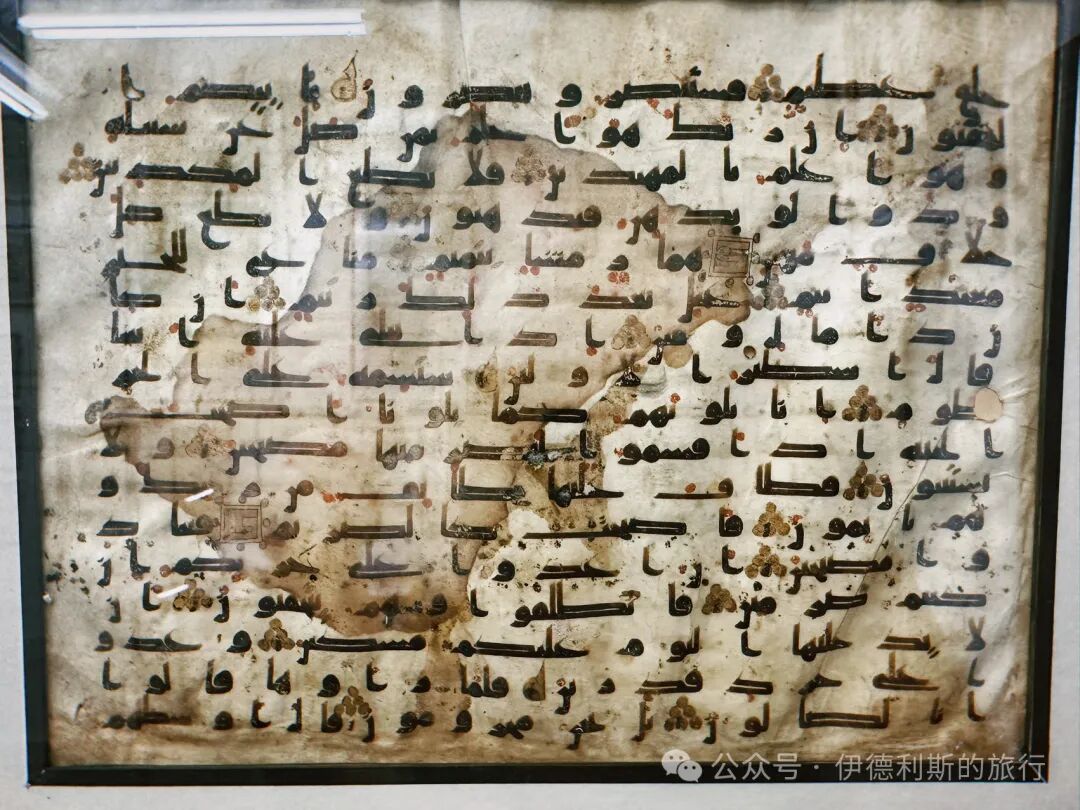
A manuscript written in Kufic script from 9th-century Iraq or Iran.
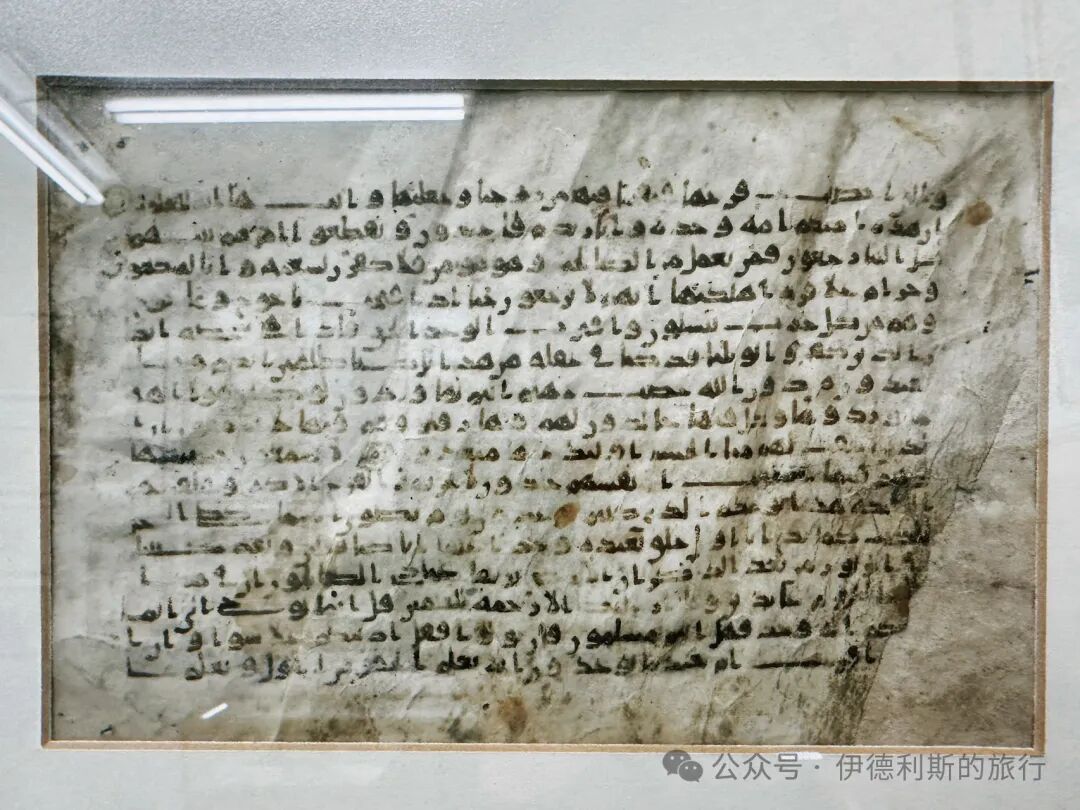
A manuscript written in Muhaqqaq script from the Anatolia region during the Seljuk Empire in the 13th to 14th centuries.
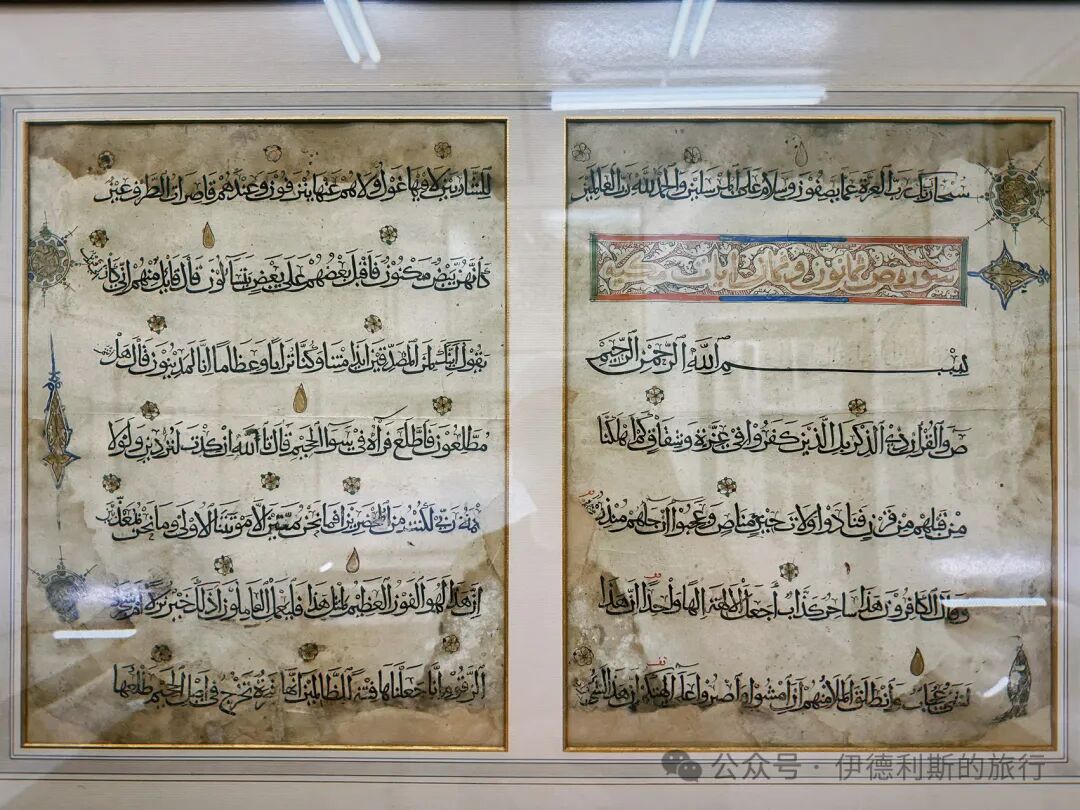
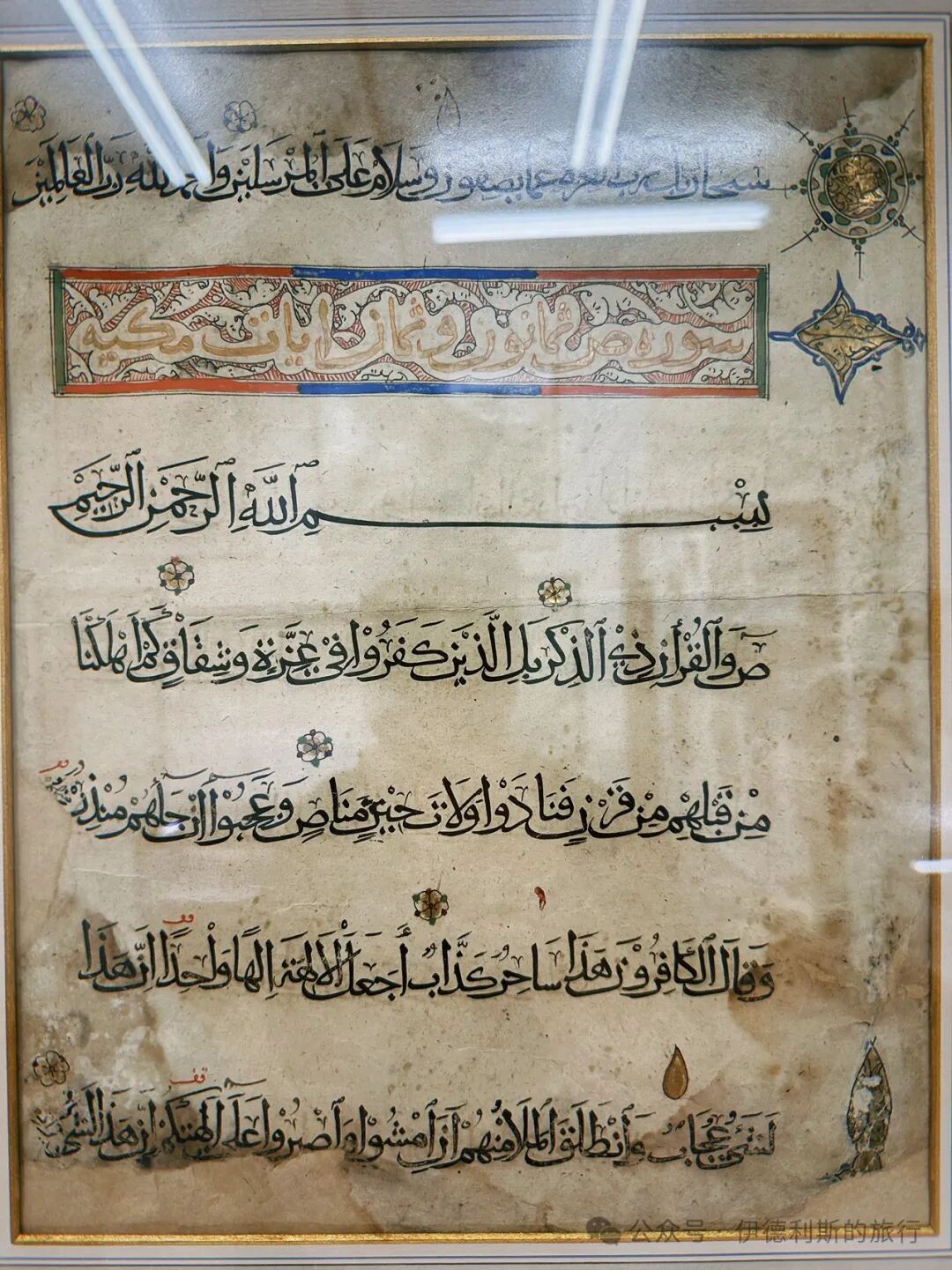
A manuscript of Sahih al-Bukhari from the 18th-century Morocco region.
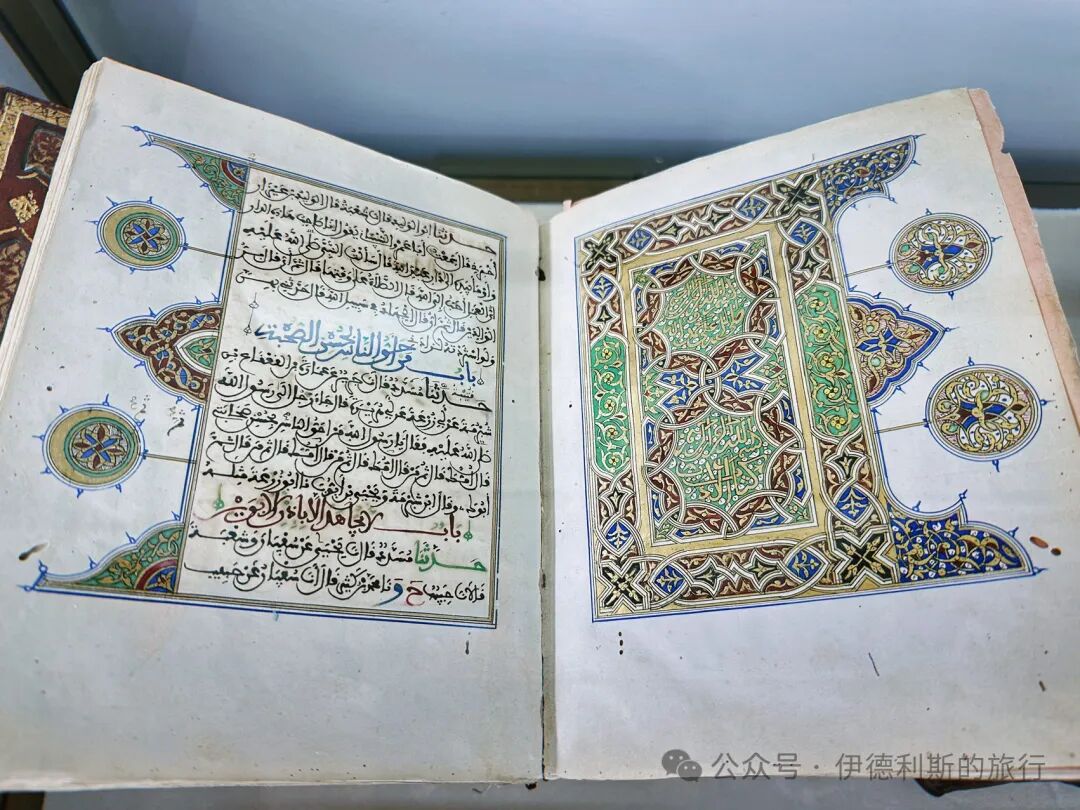
A religious handbook from the 17th-century Kashmir region.
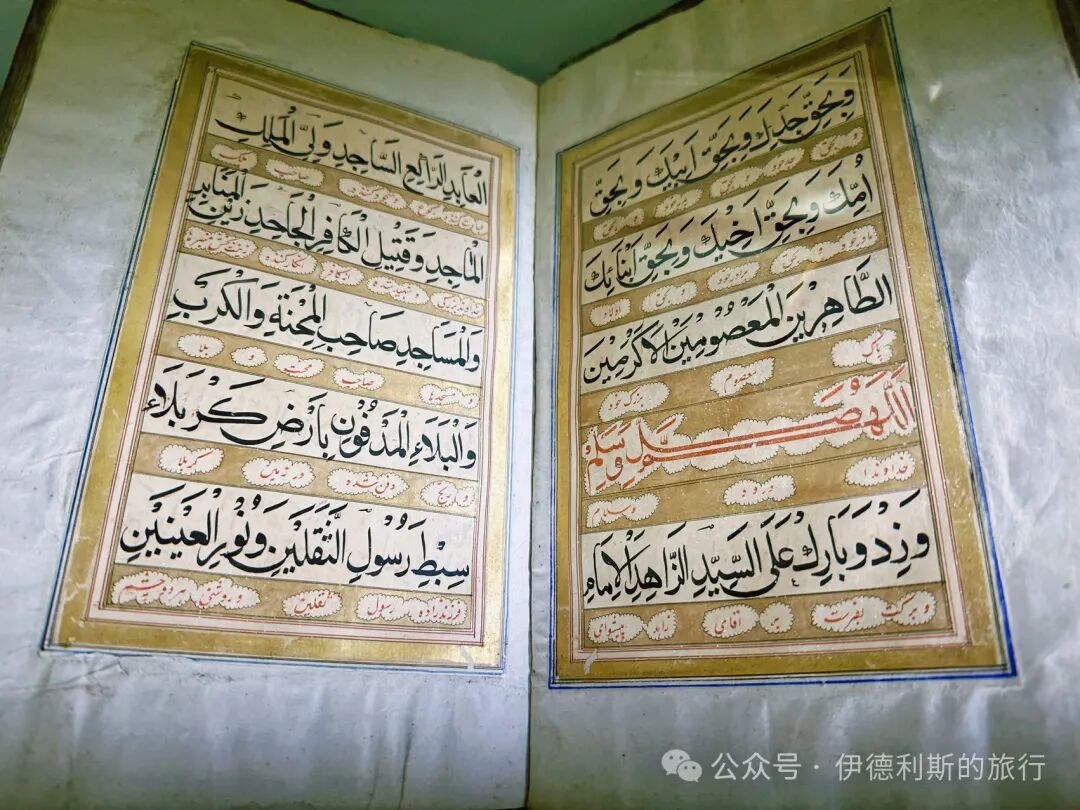
An 1828 Ottoman Turkish manuscript of the prayer book Dala'il al-Khayrat.
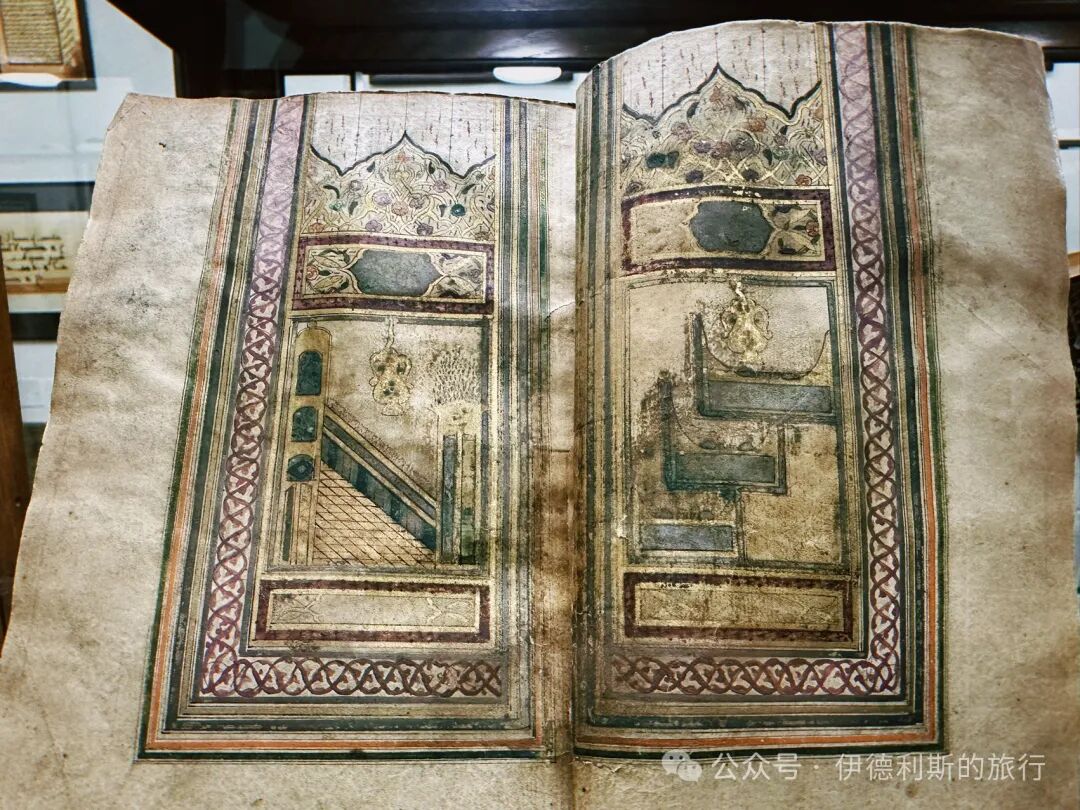
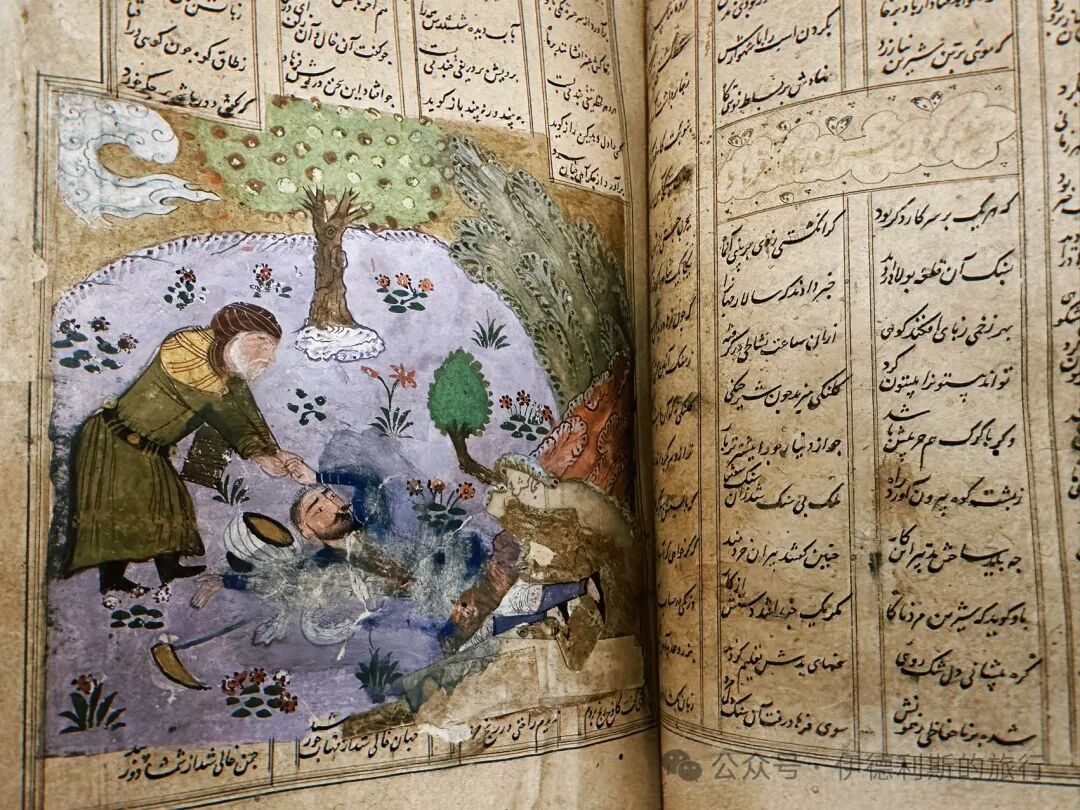
A 1495 miniature painting in Turkmen style from the Khamsa, the masterpiece of the great Persian poet Nizami.
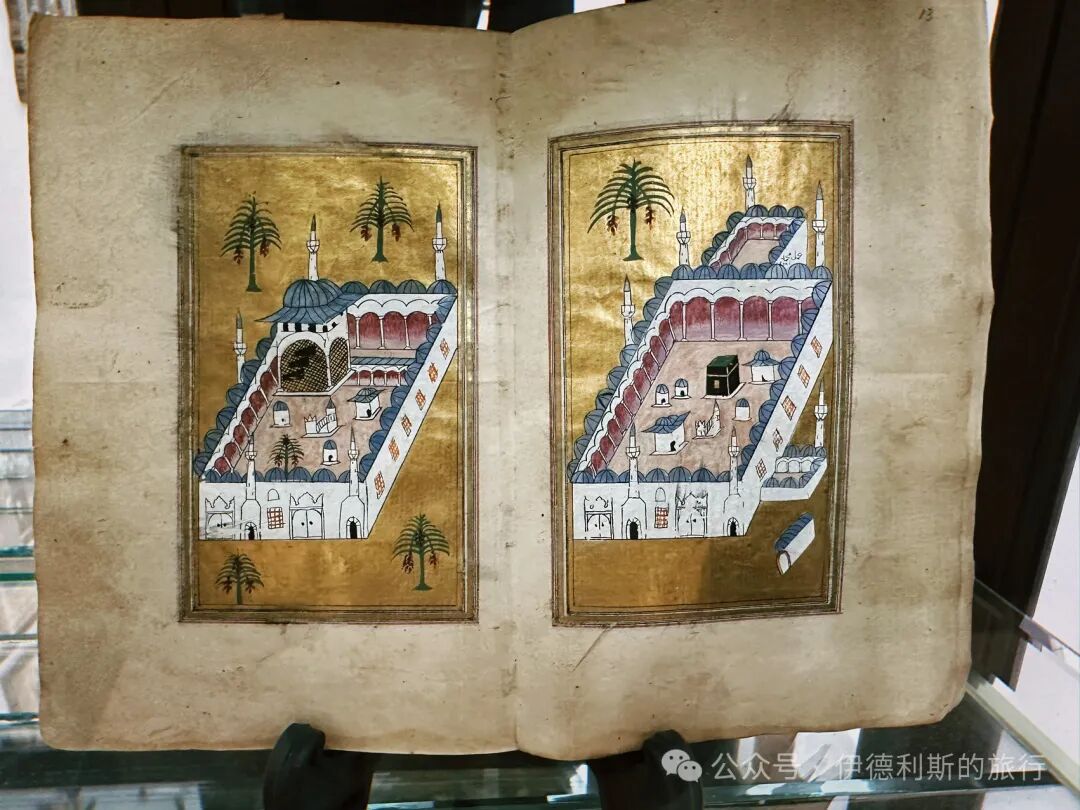
A 1744 miniature painting of the Prophet's Mosque and the Sacred Mosque from the Dala'il al-Khayrat, created by Ottoman calligrapher Mohammed Bin Hussein.
A 1485 Indian miniature painting from The Treasury of Secrets, the first volume of the Khamsa by the great Persian poet Nizami.
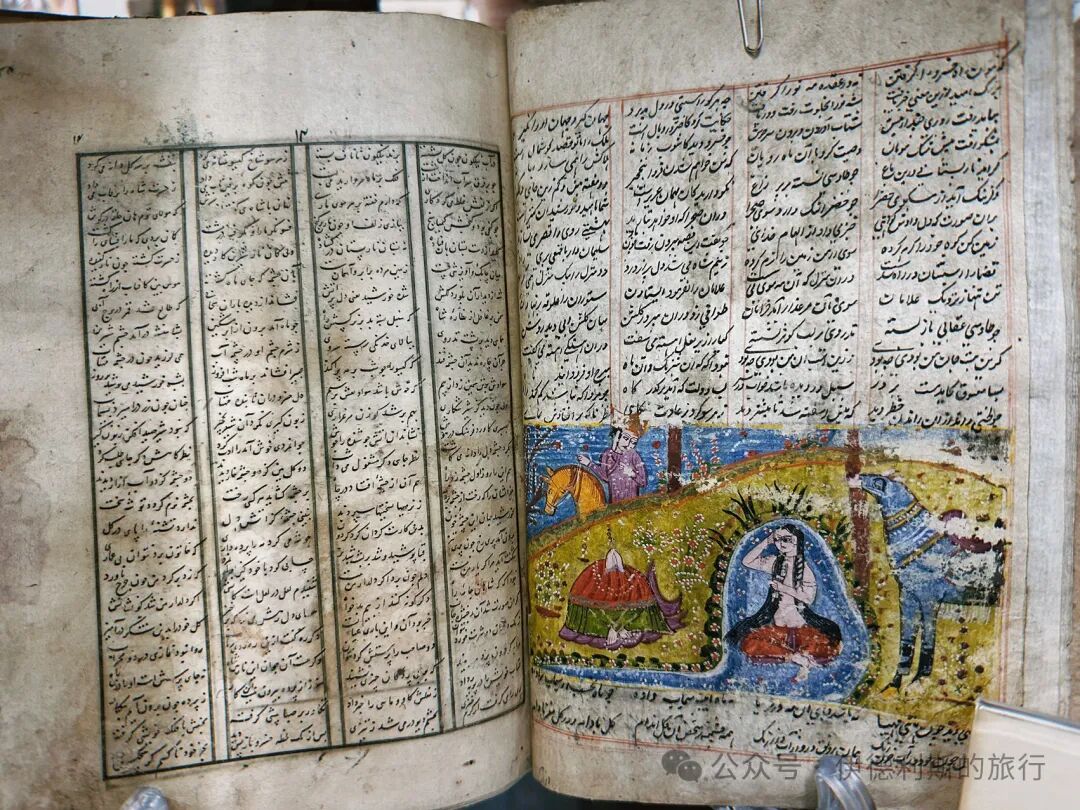
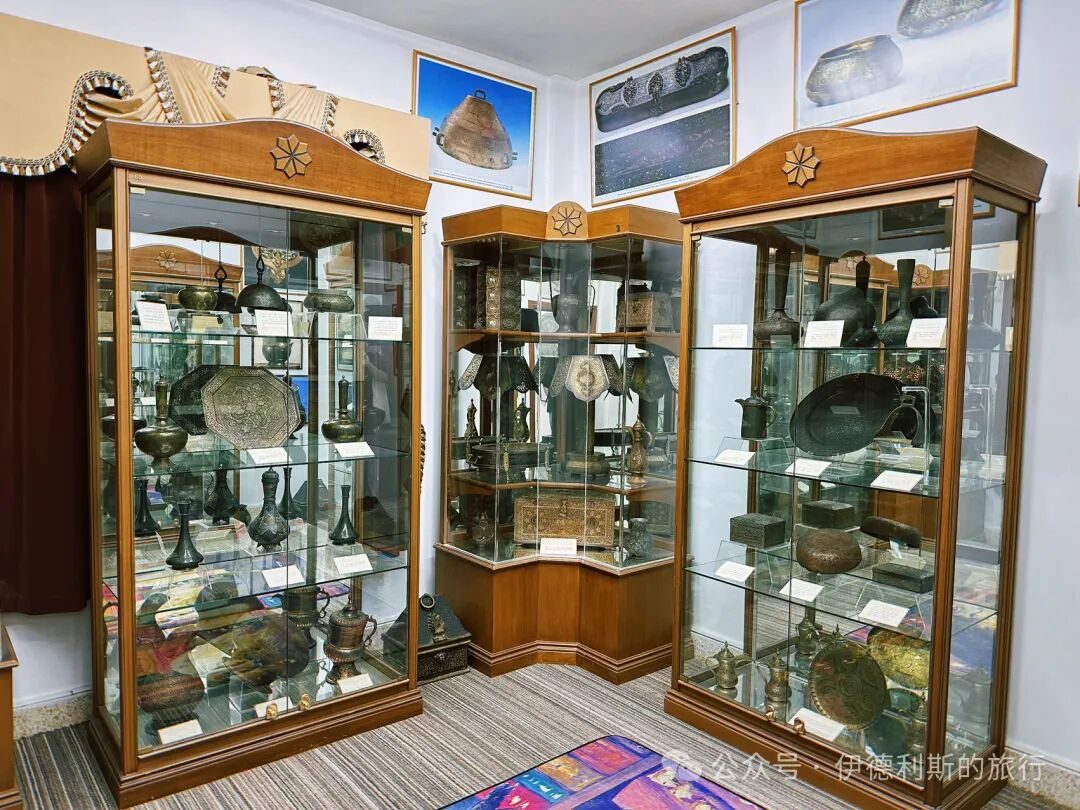
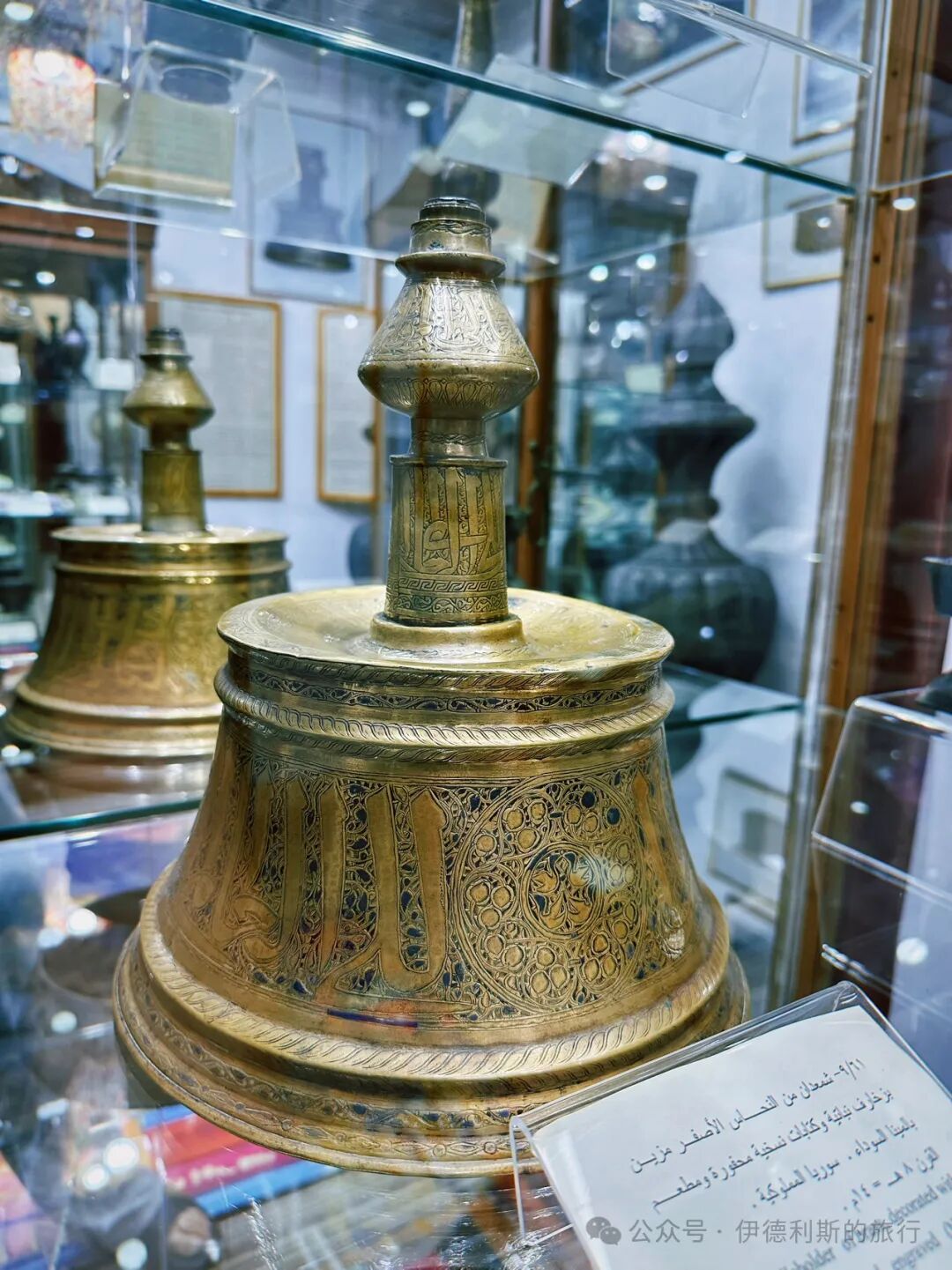
A 14th-century brass candlestick from the Mamluk period in Syria, featuring engravings in Naskh calligraphy.
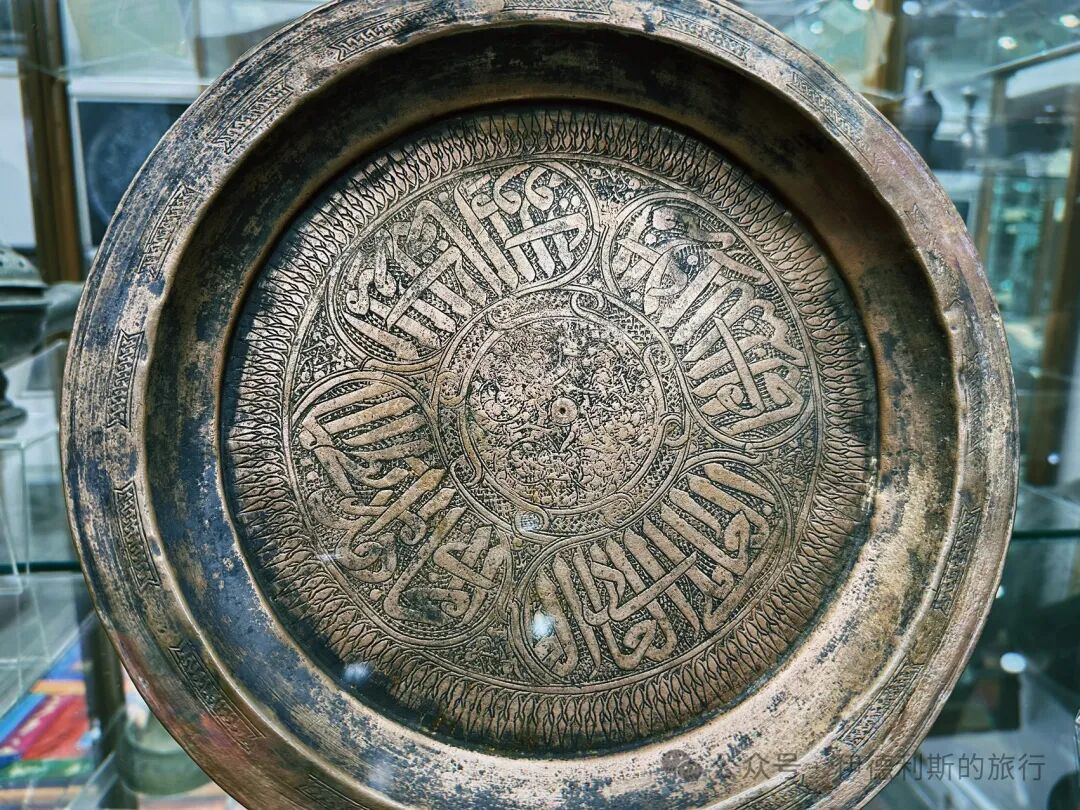
A 15th to 16th-century copper plate from the Mamluk period in Egypt, featuring engravings in Naskh calligraphy.
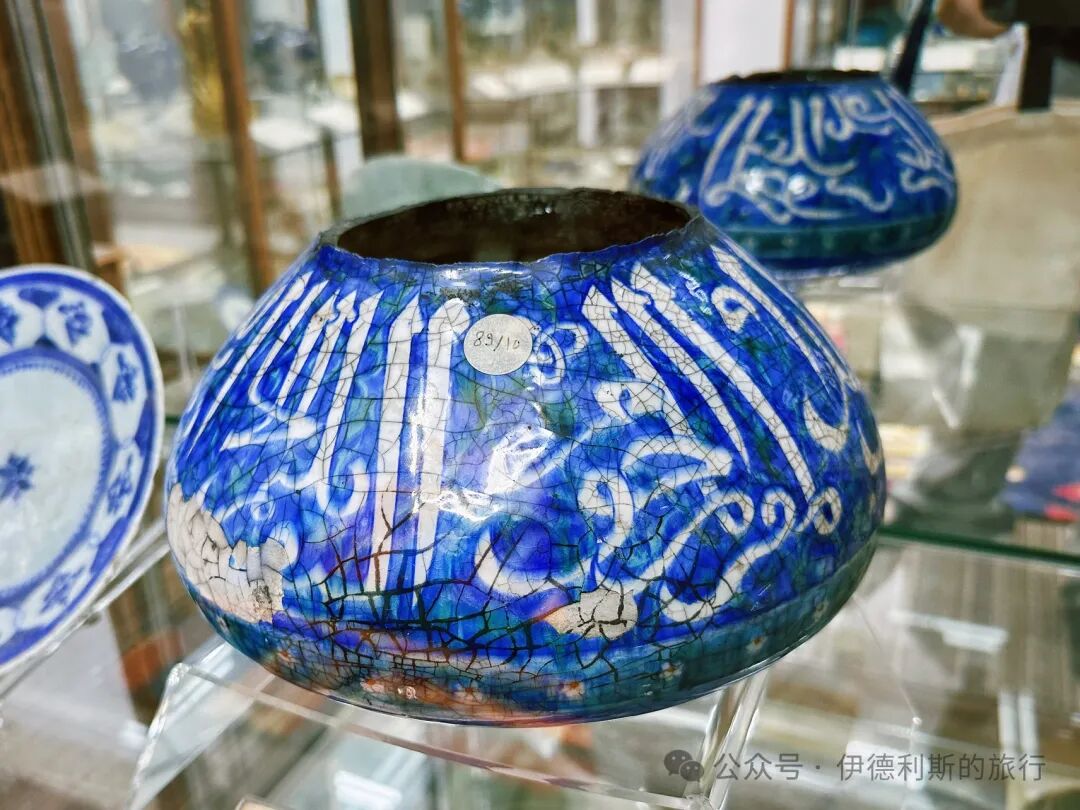
A 17th-century porcelain jar from the Ottoman period in Turkey, featuring Naskh calligraphy.
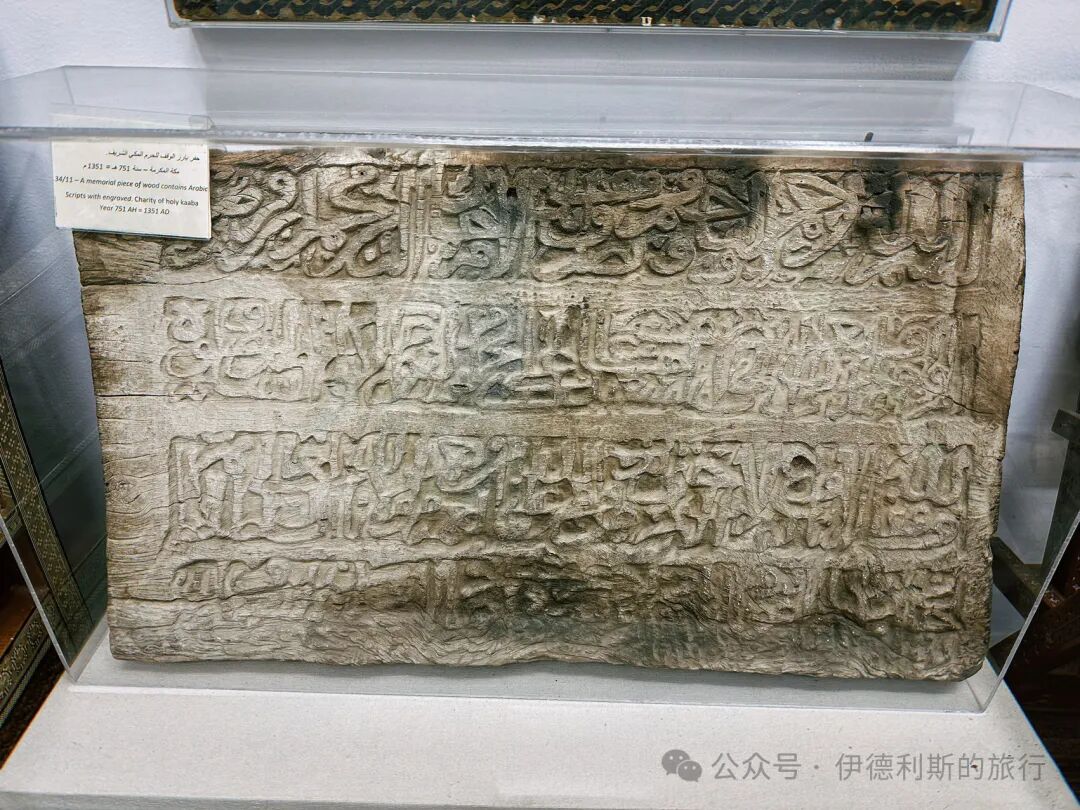
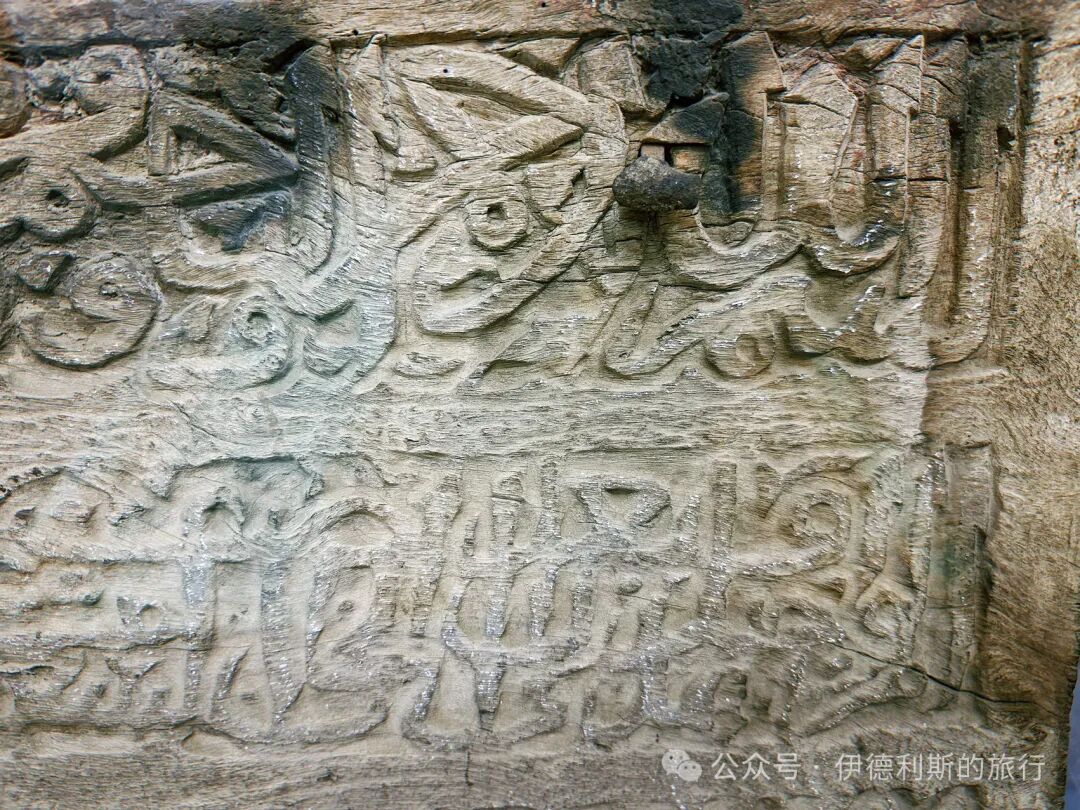
A wooden inscription from 1351 dedicated to the zakat for the Kaaba.
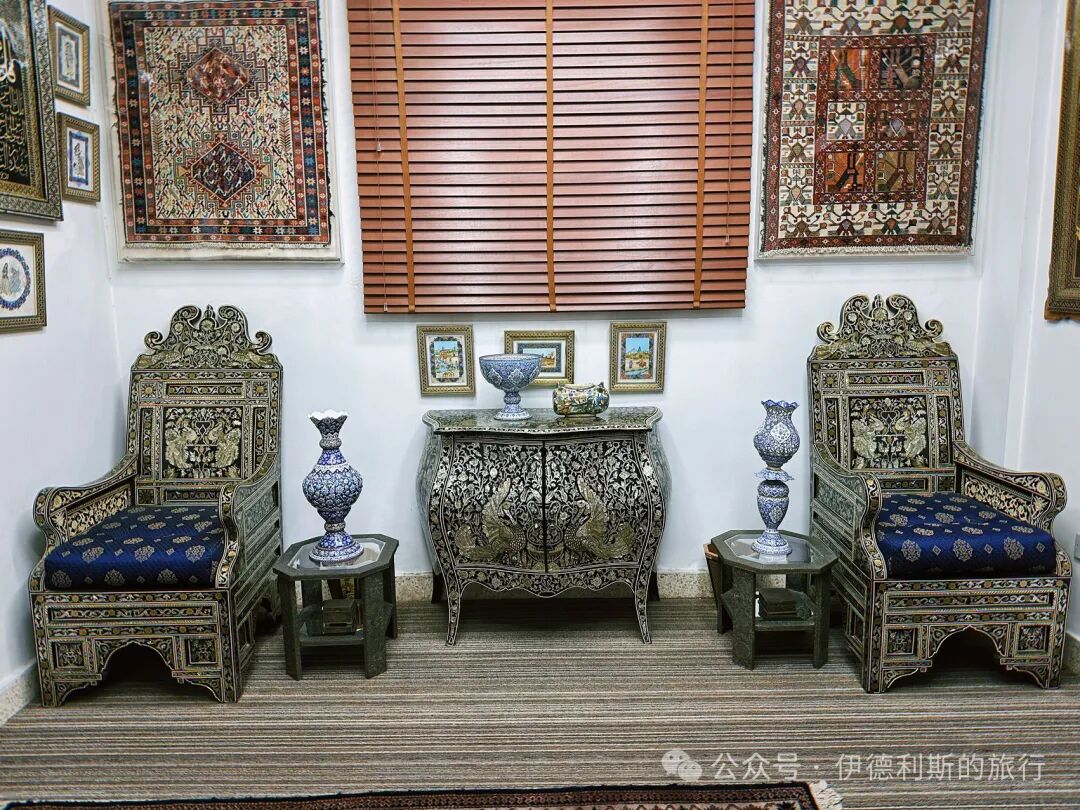
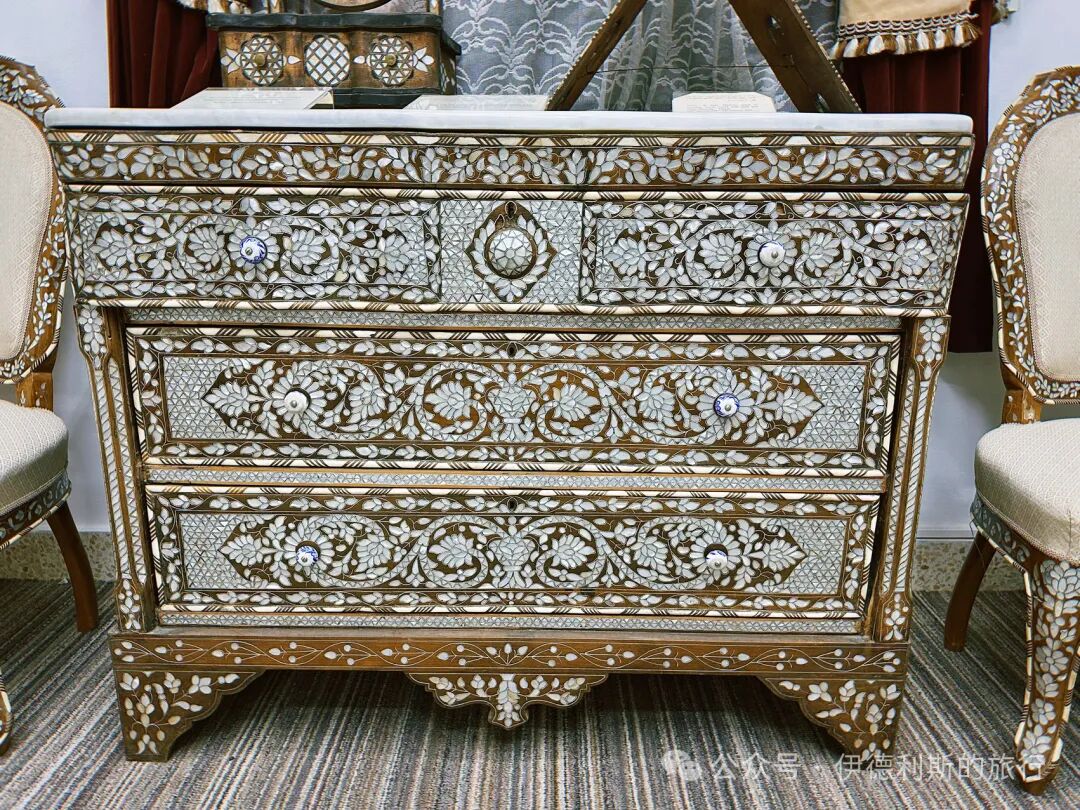
A 19th-century chest of drawers from Damascus made of coconut wood, inlaid with shell and bone, with drawer handles made of porcelain and marble.
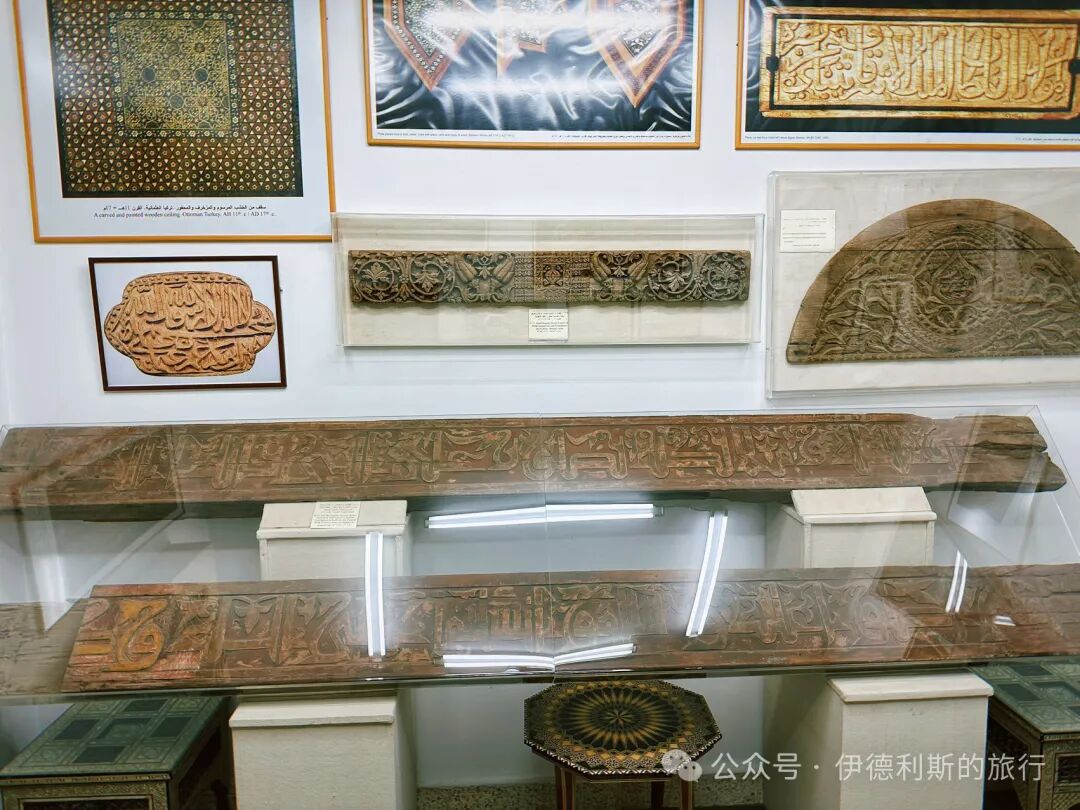
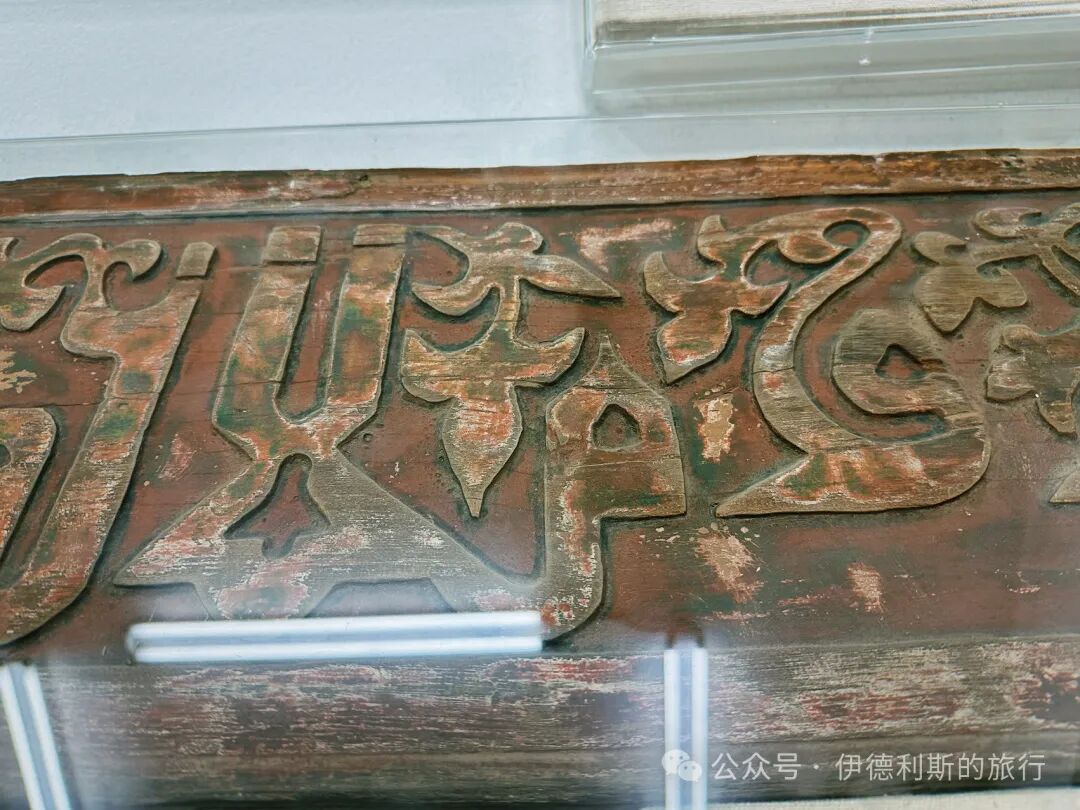
Two 17th-century wooden beams from Medina featuring Kufic script.
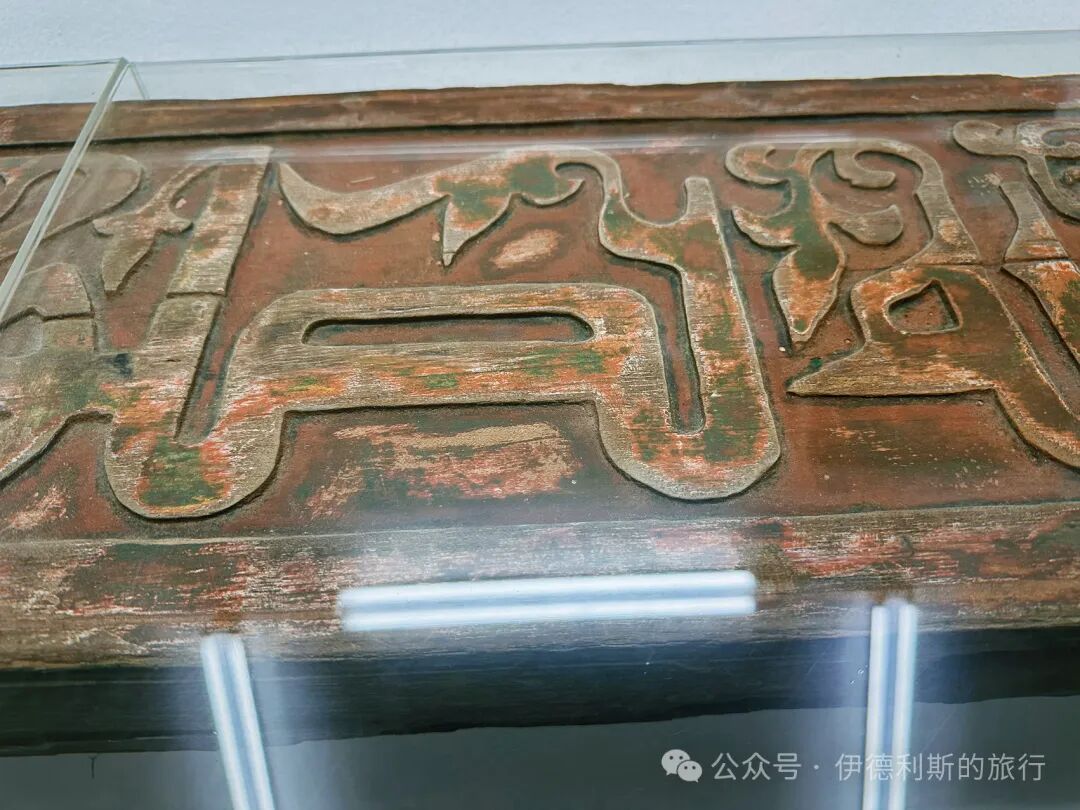
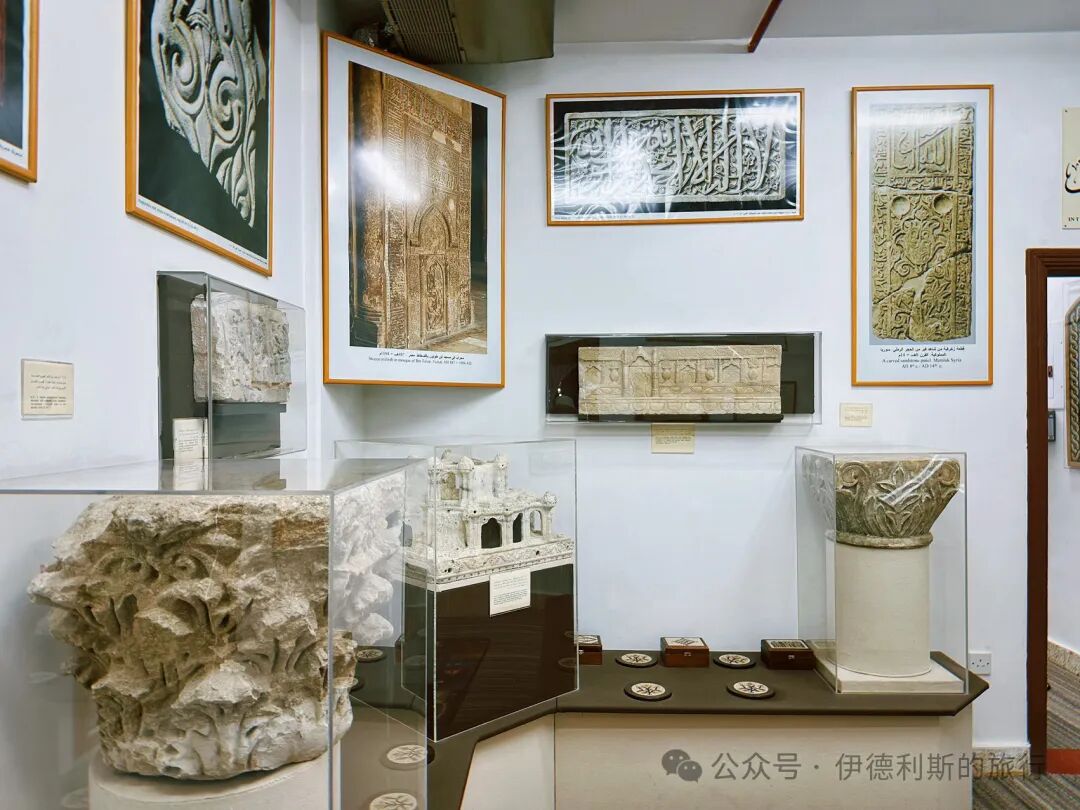
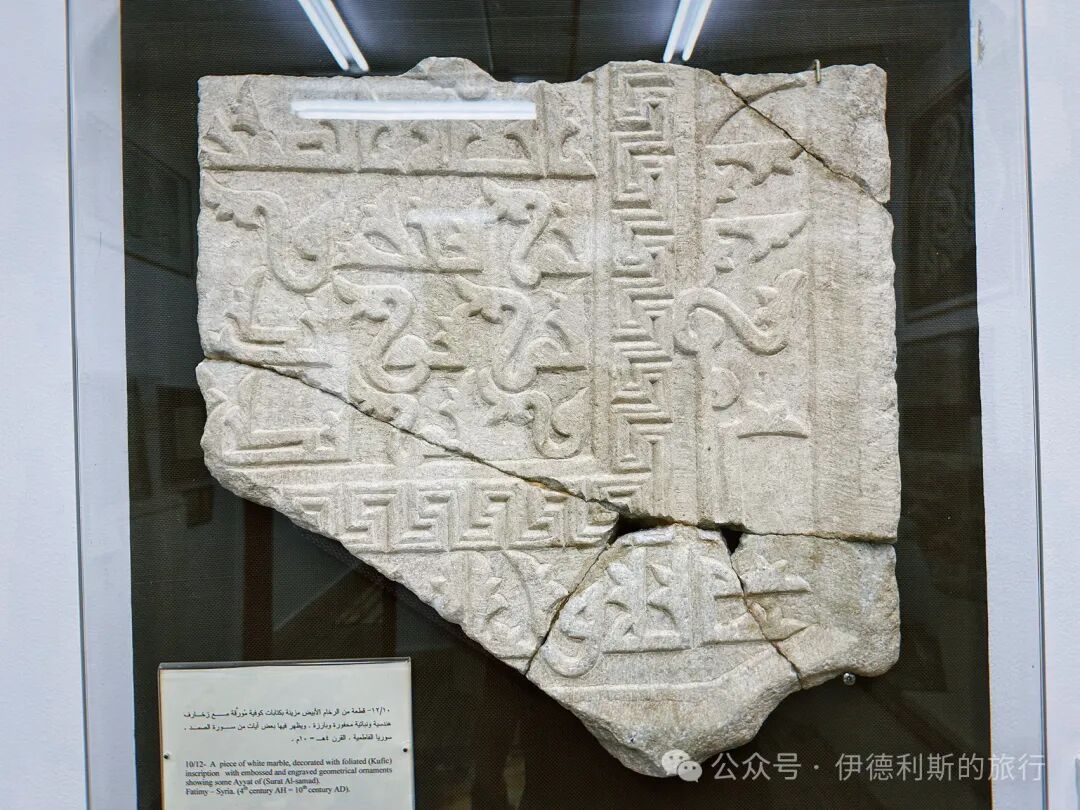
A 10th-century marble carving from the Fatimid period in Damascus featuring Kufic script.
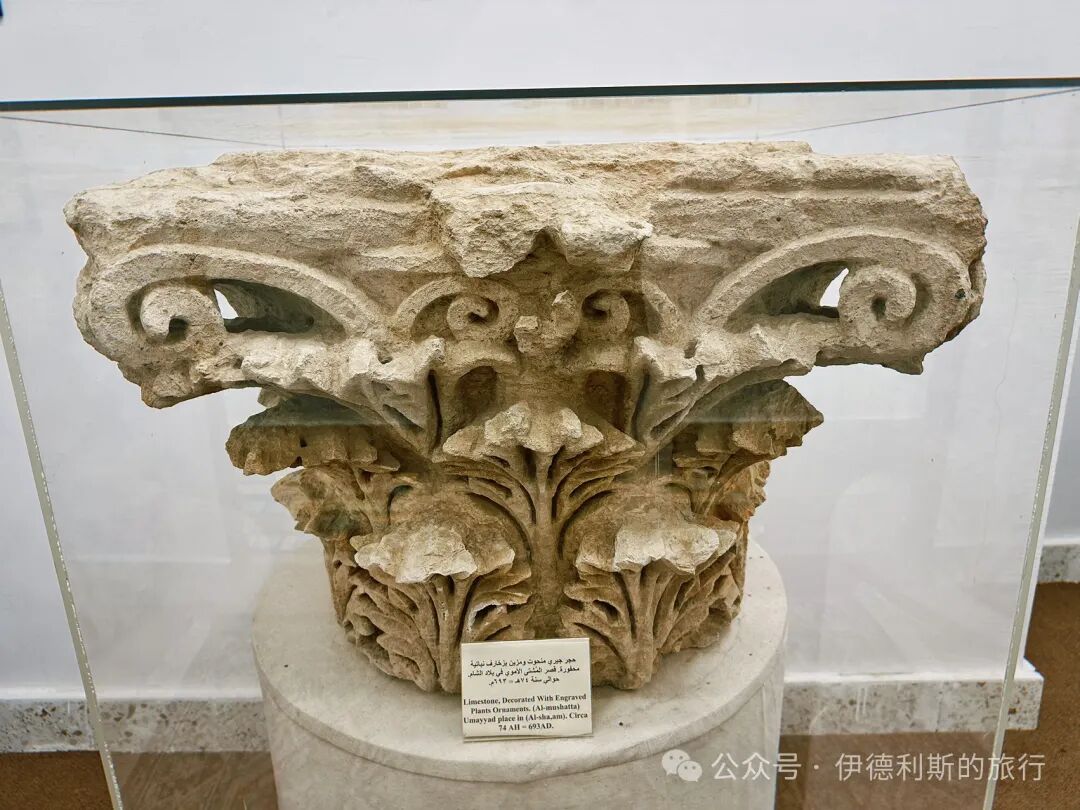
A limestone carved column capital from an Umayyad palace dating to 693.
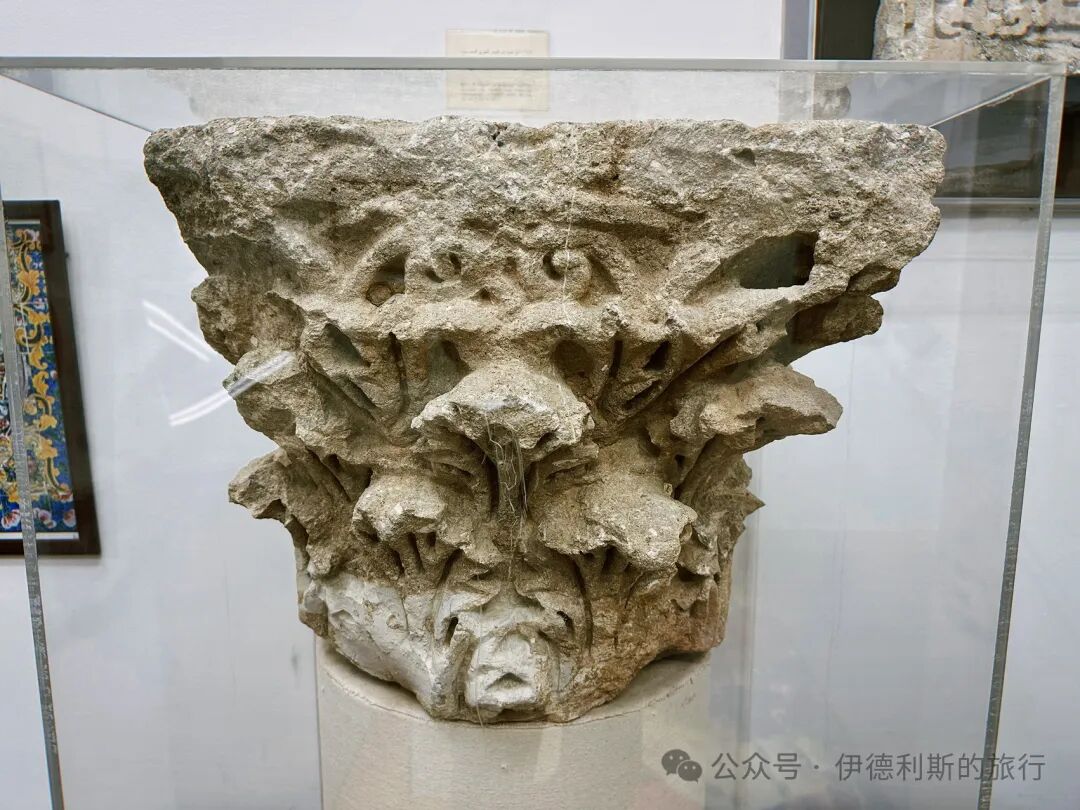
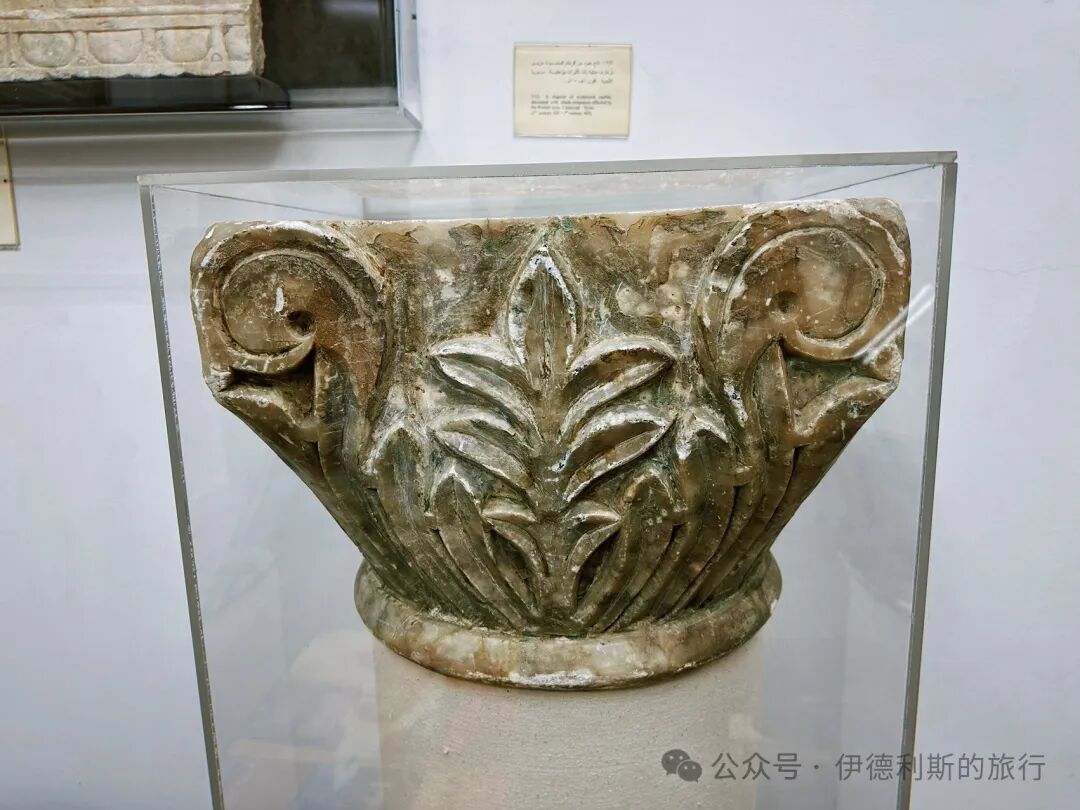
A marble column capital from the Umayyad Caliphate in Syria, dating back to the 7th century.
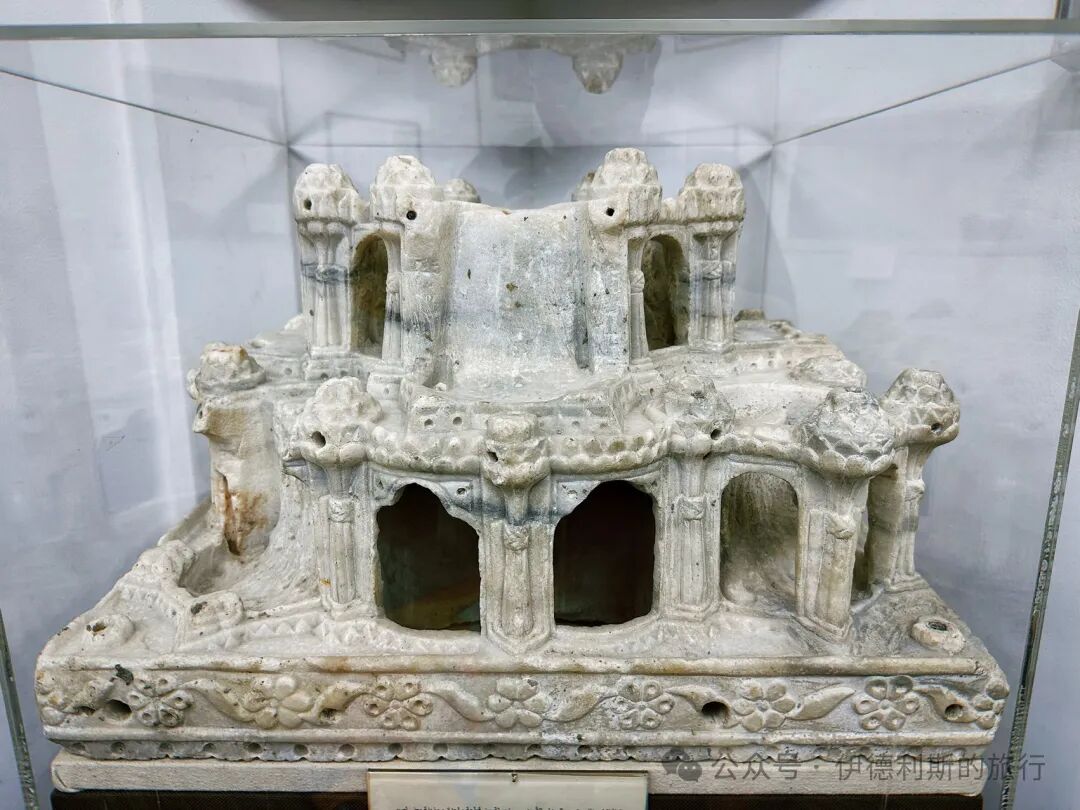
A white marble fountain from Egypt during the Mamluk Sultanate, dating to the 13th or 14th century.
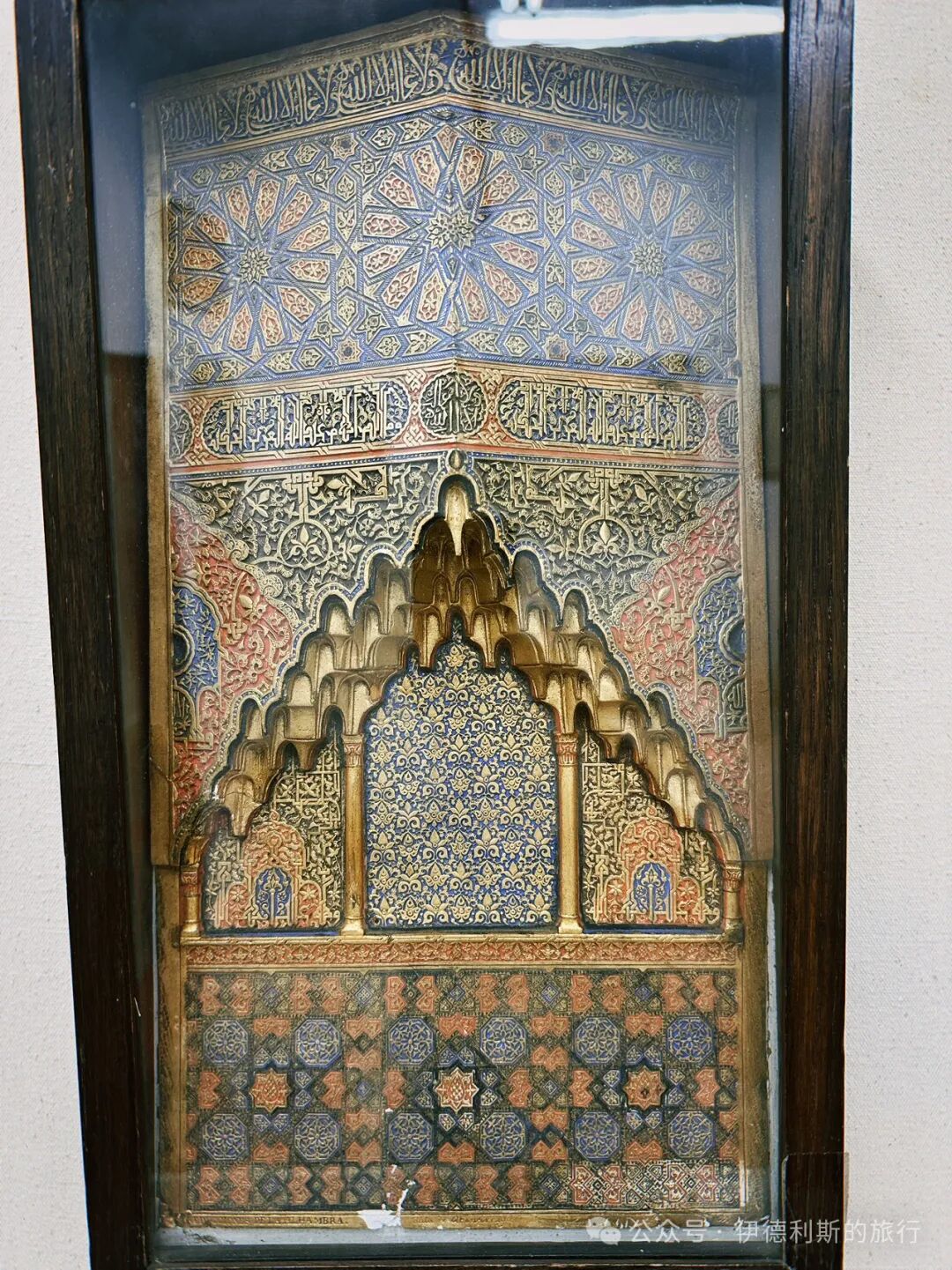
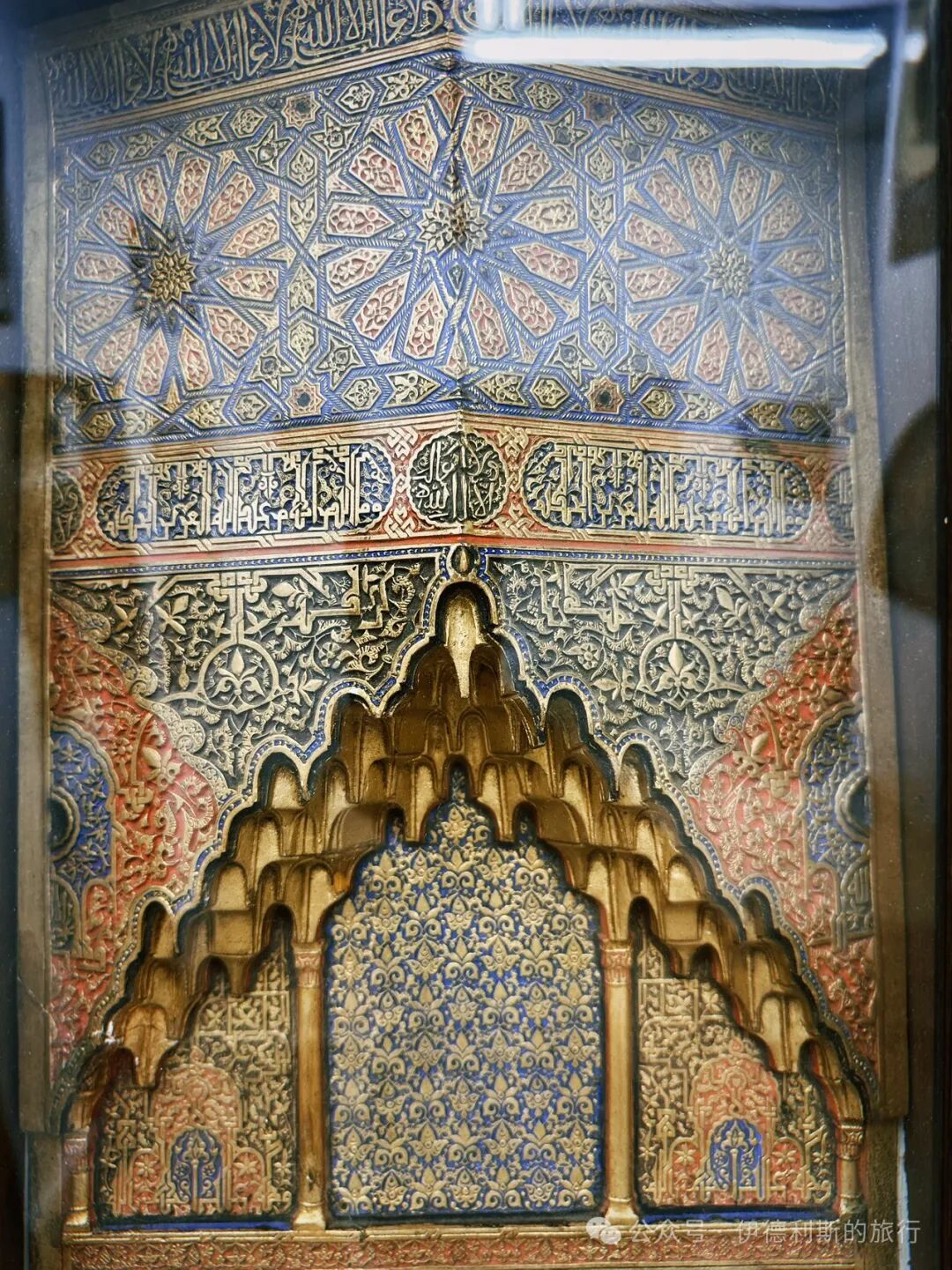
Architectural elements from the Alhambra in Spain, dating to the 19th century.
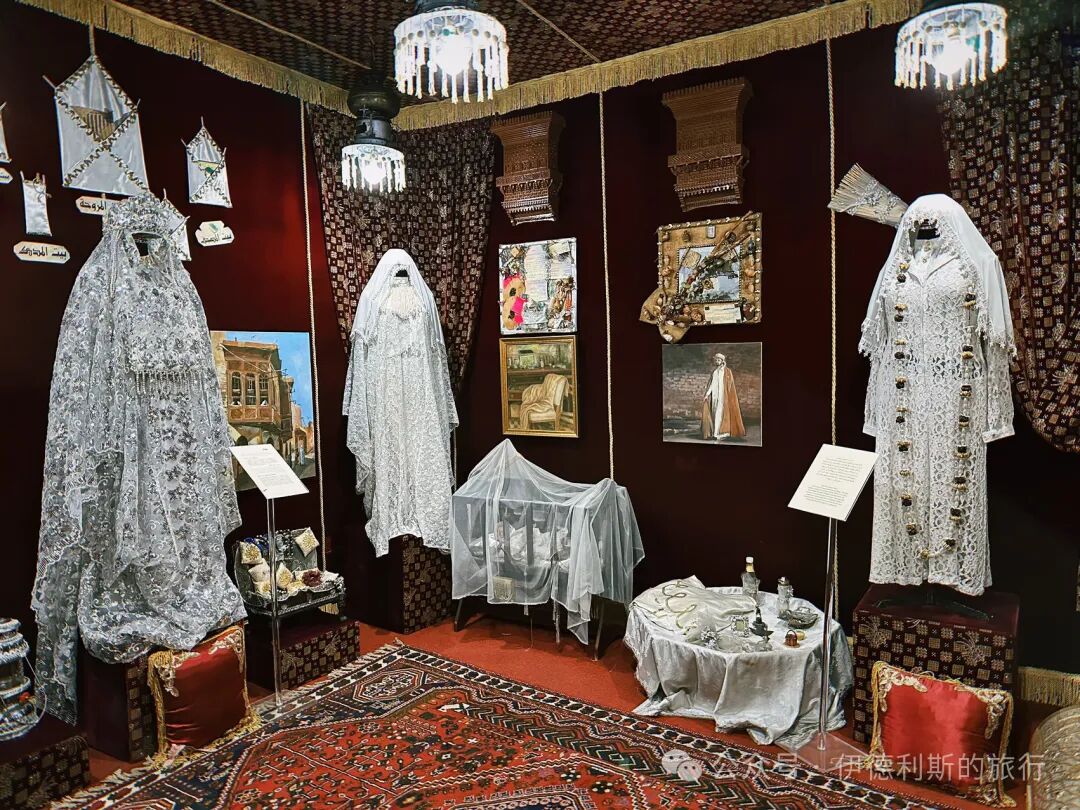
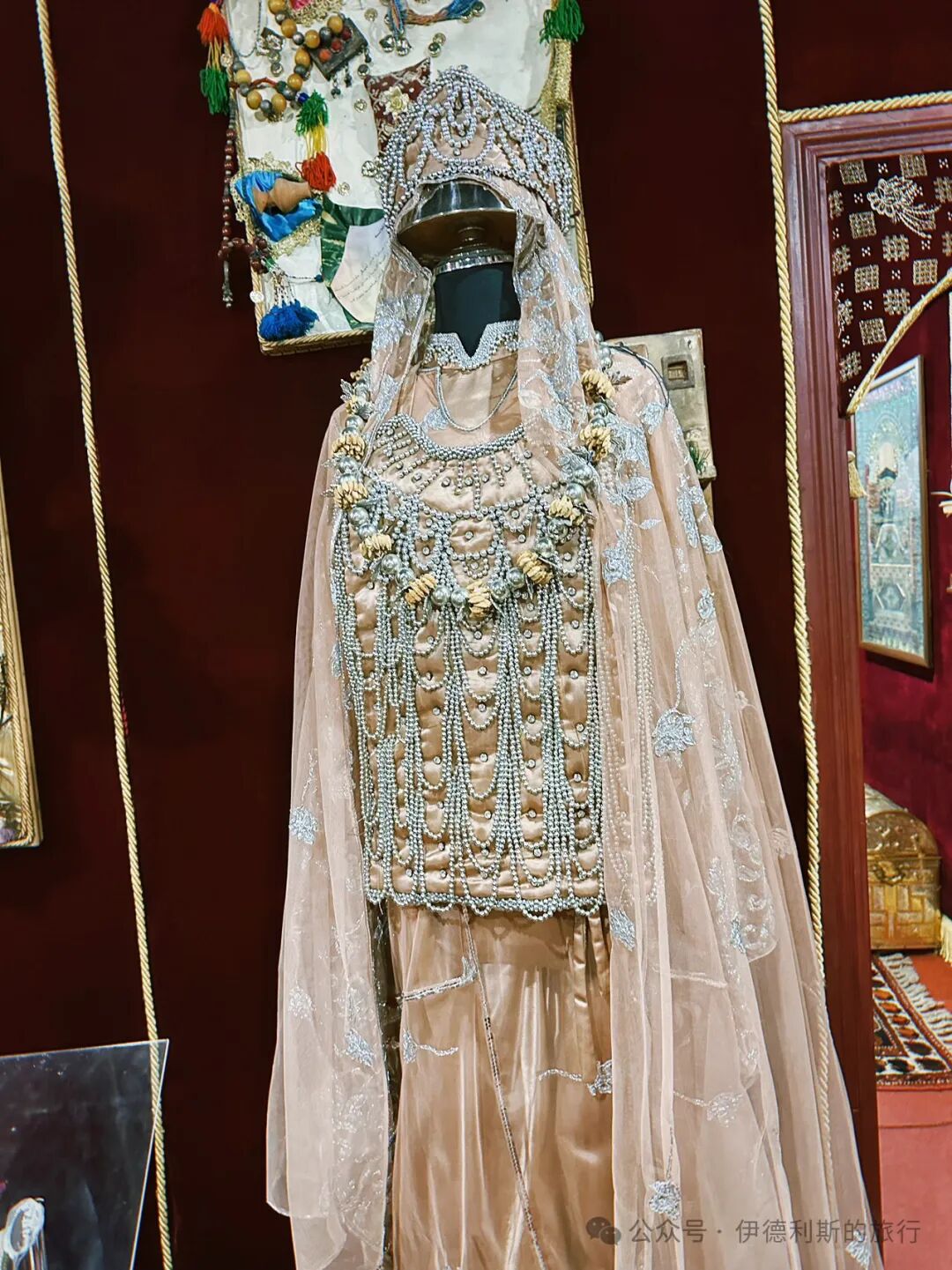
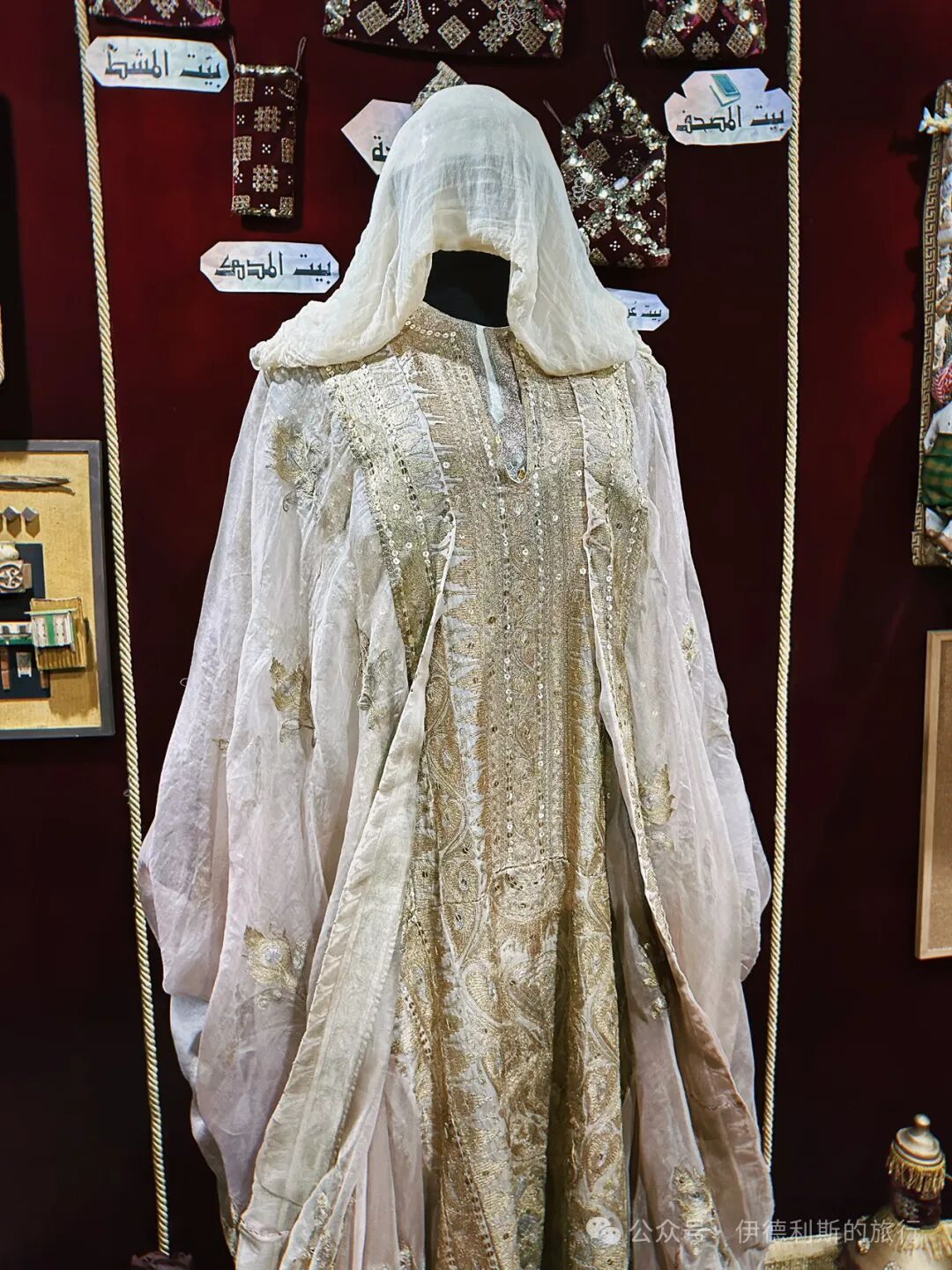
After seeing the historical artifacts of the faith, you enter the next major section: the Saudi folk culture exhibition. Here, you get a direct look at the different customs from across Saudi Arabia. The traditional Saudi wedding dresses in the gallery are very eye-catching, and the white gowns are incredibly delicate.
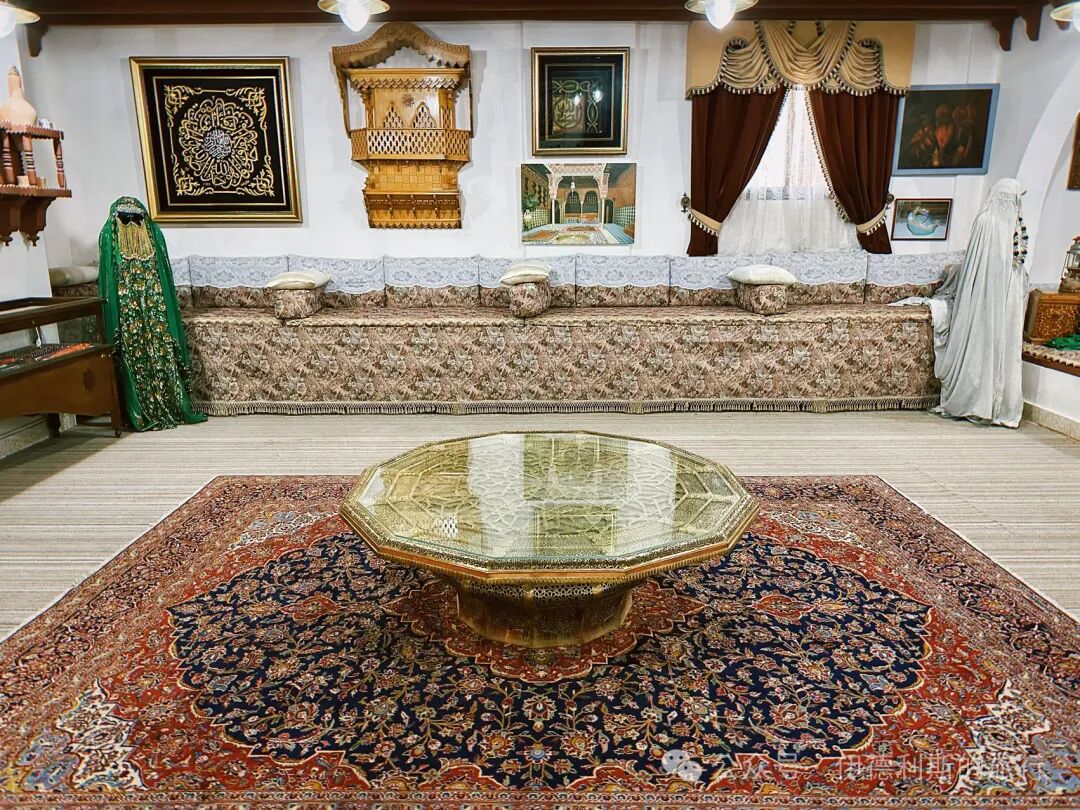
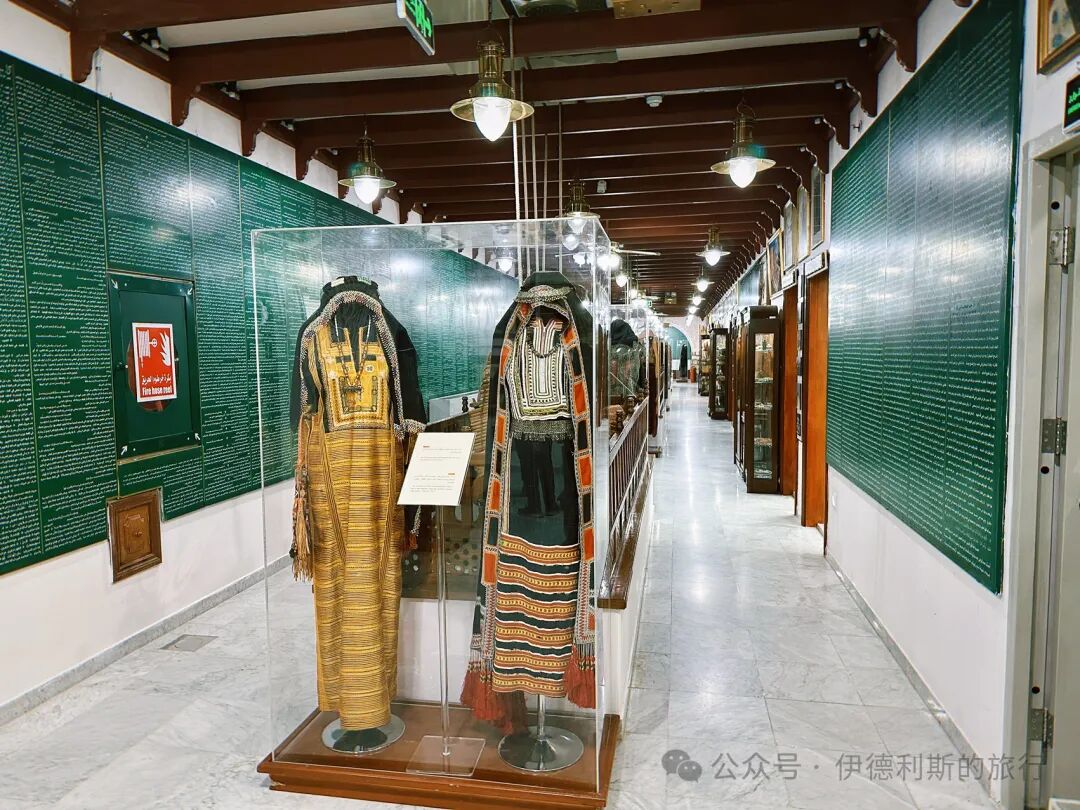
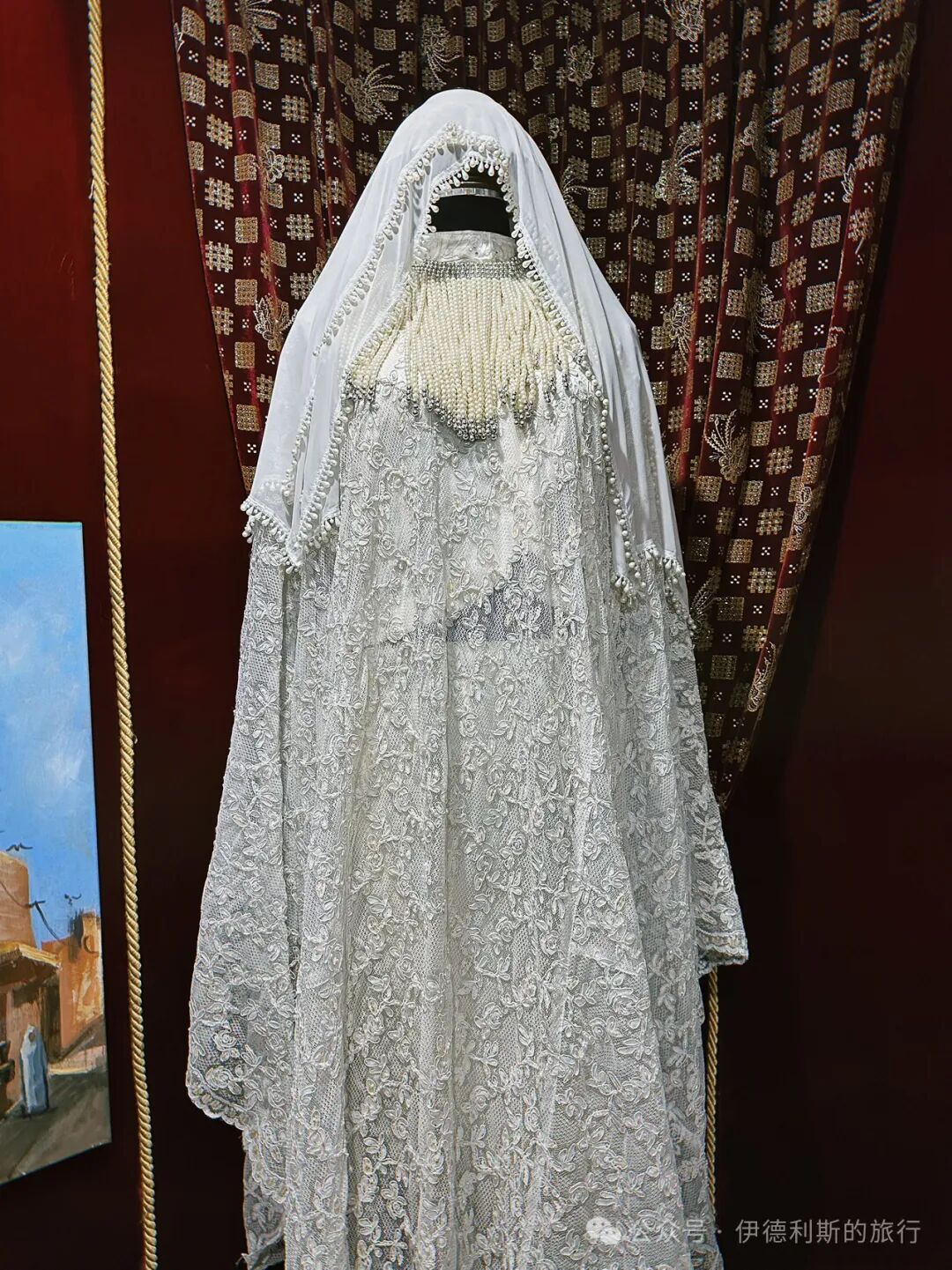
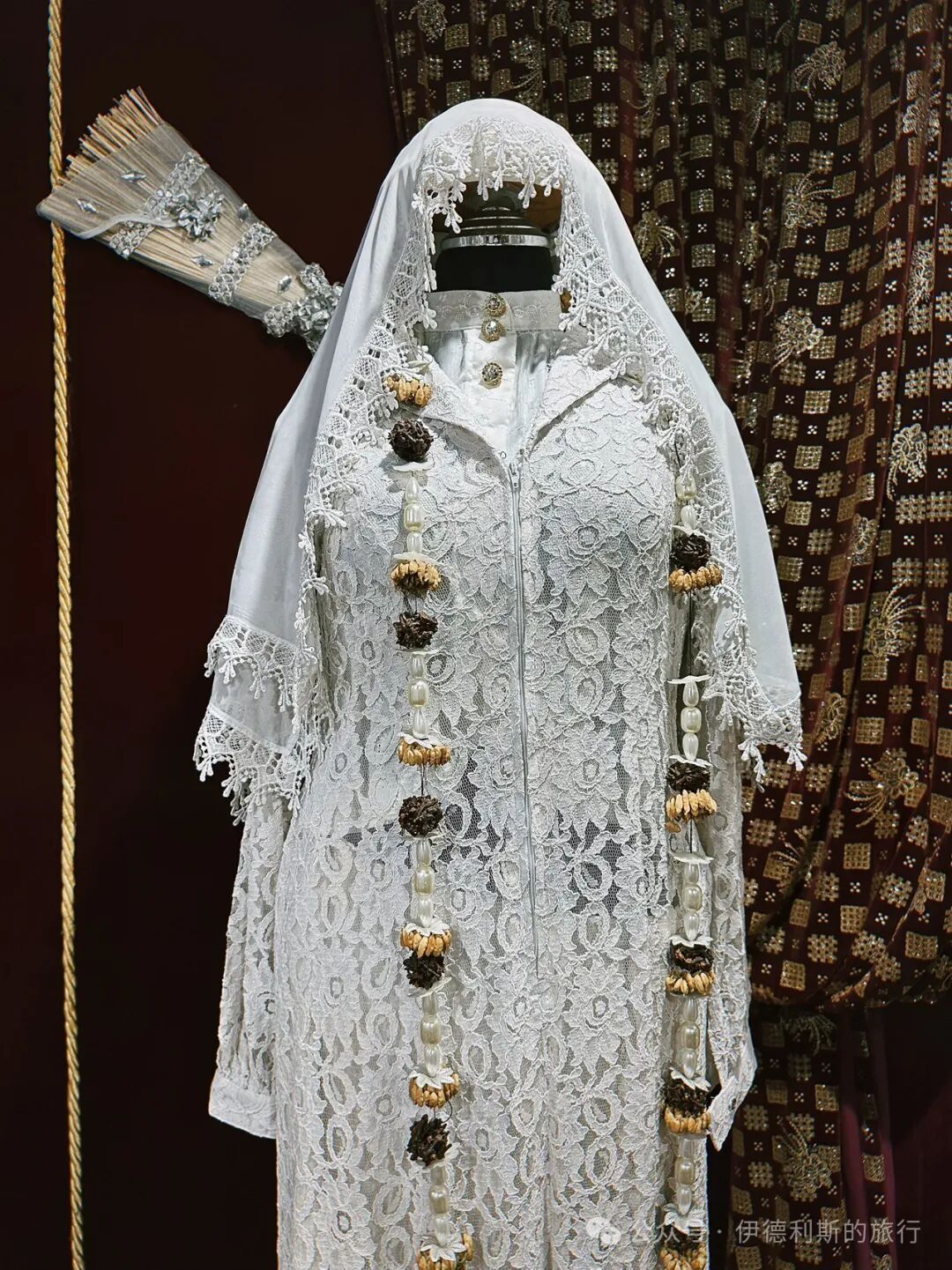
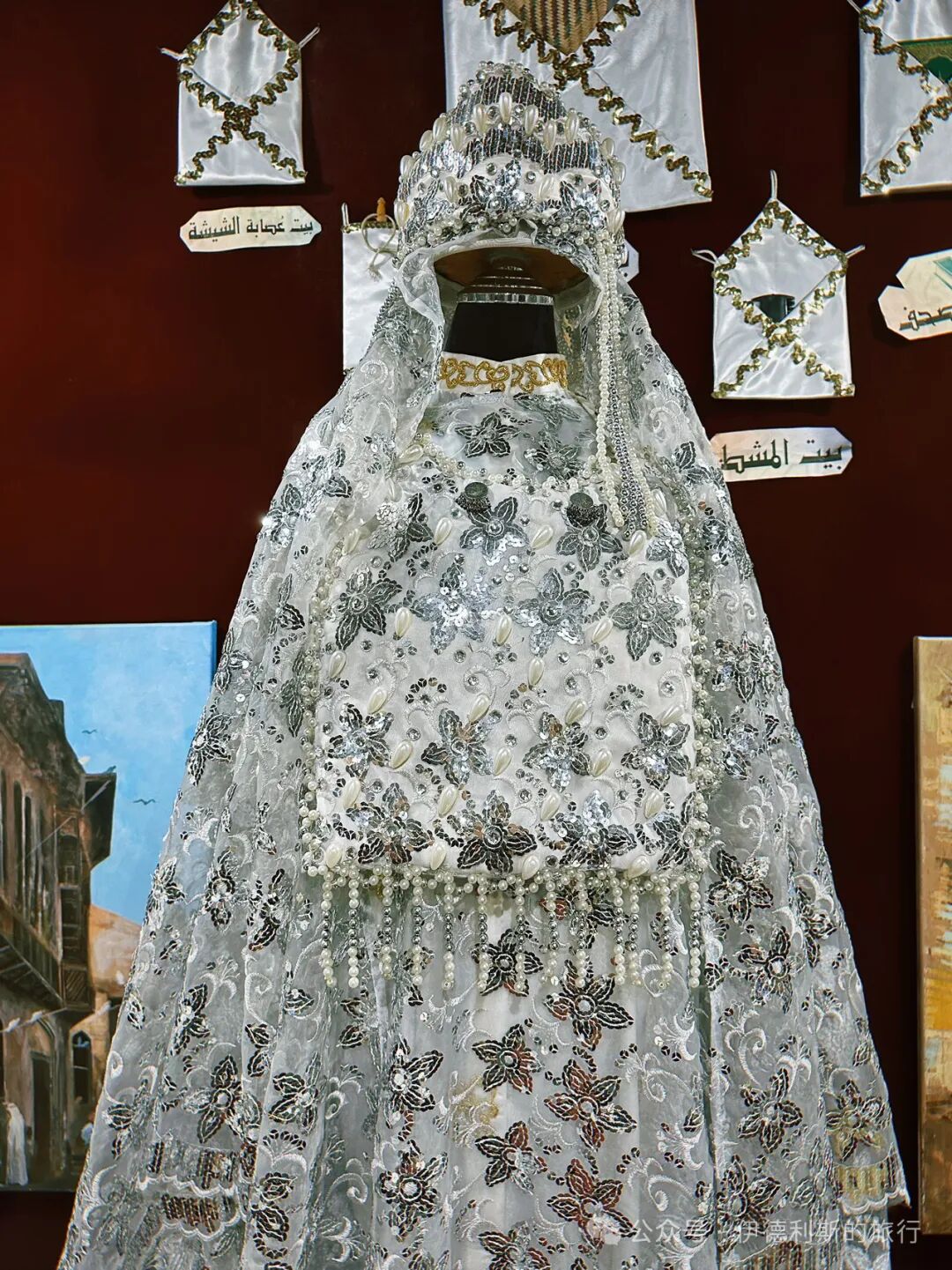
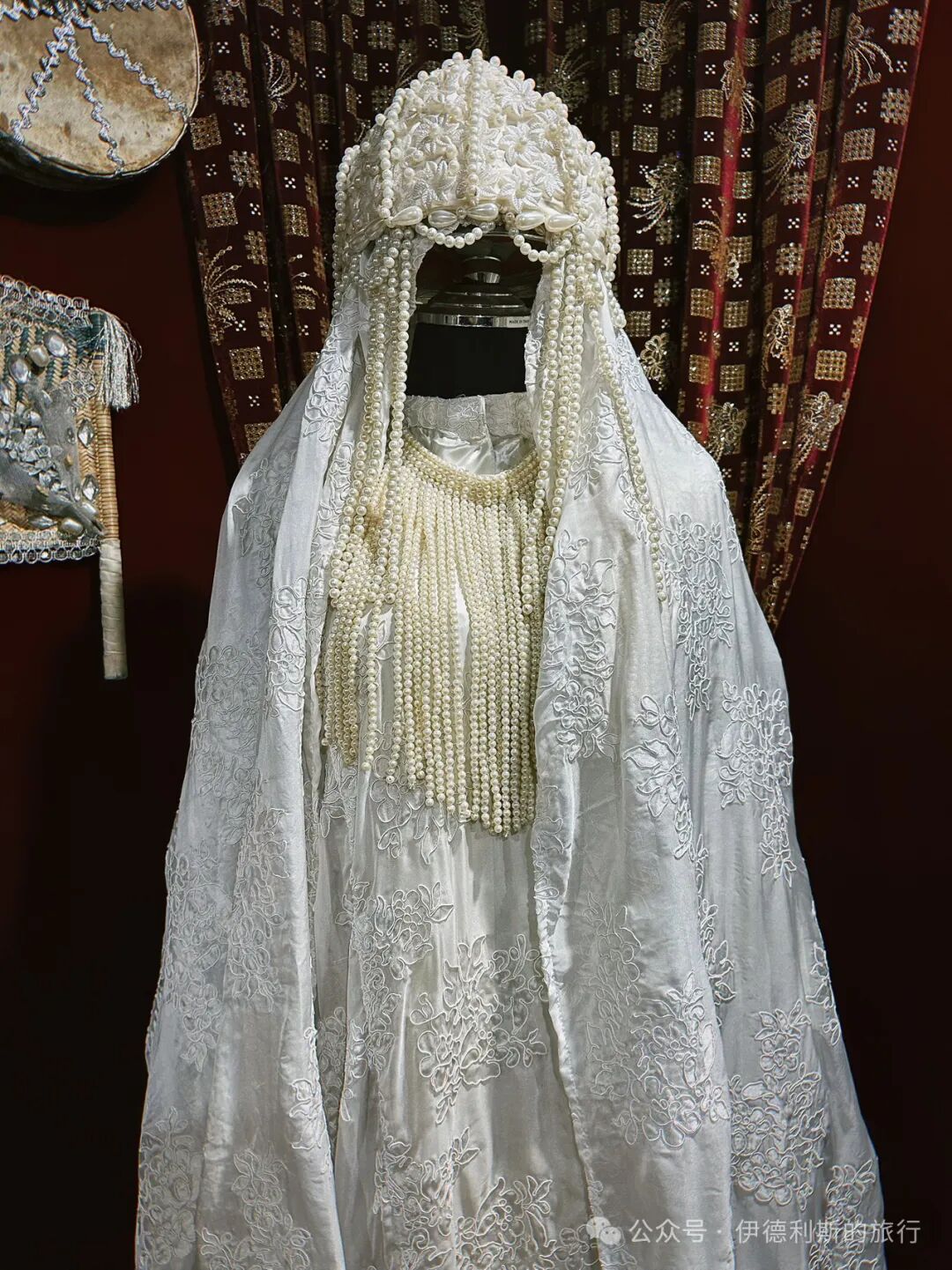
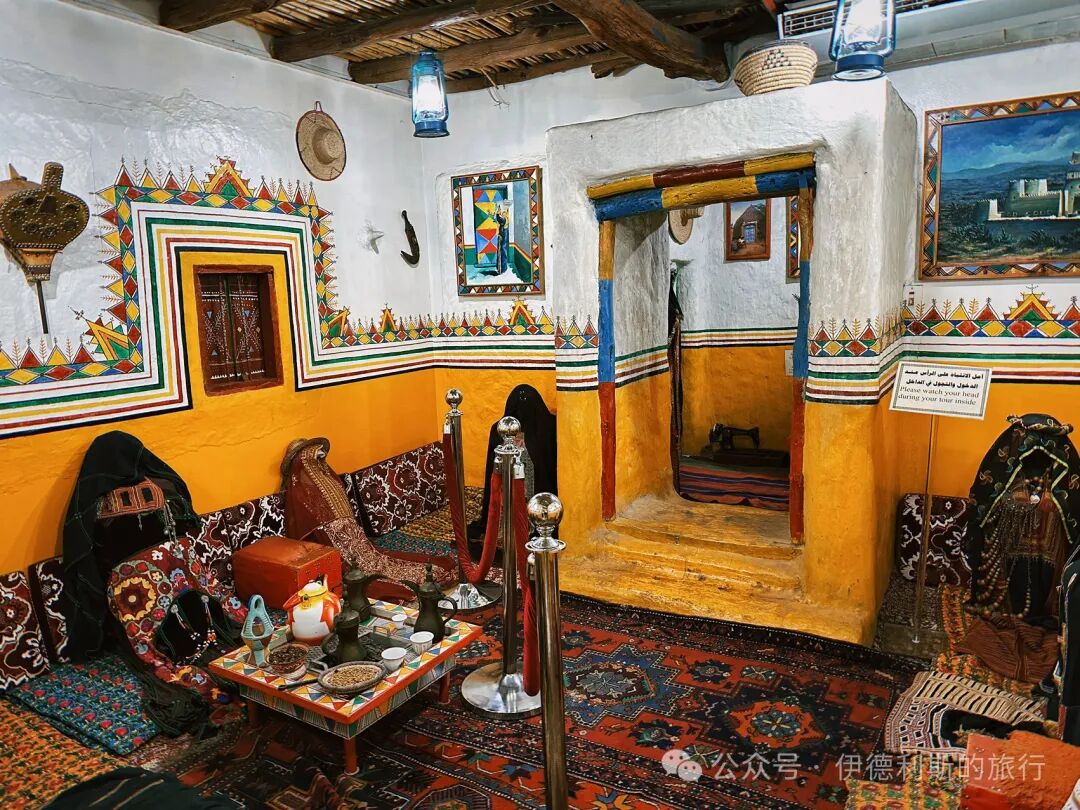
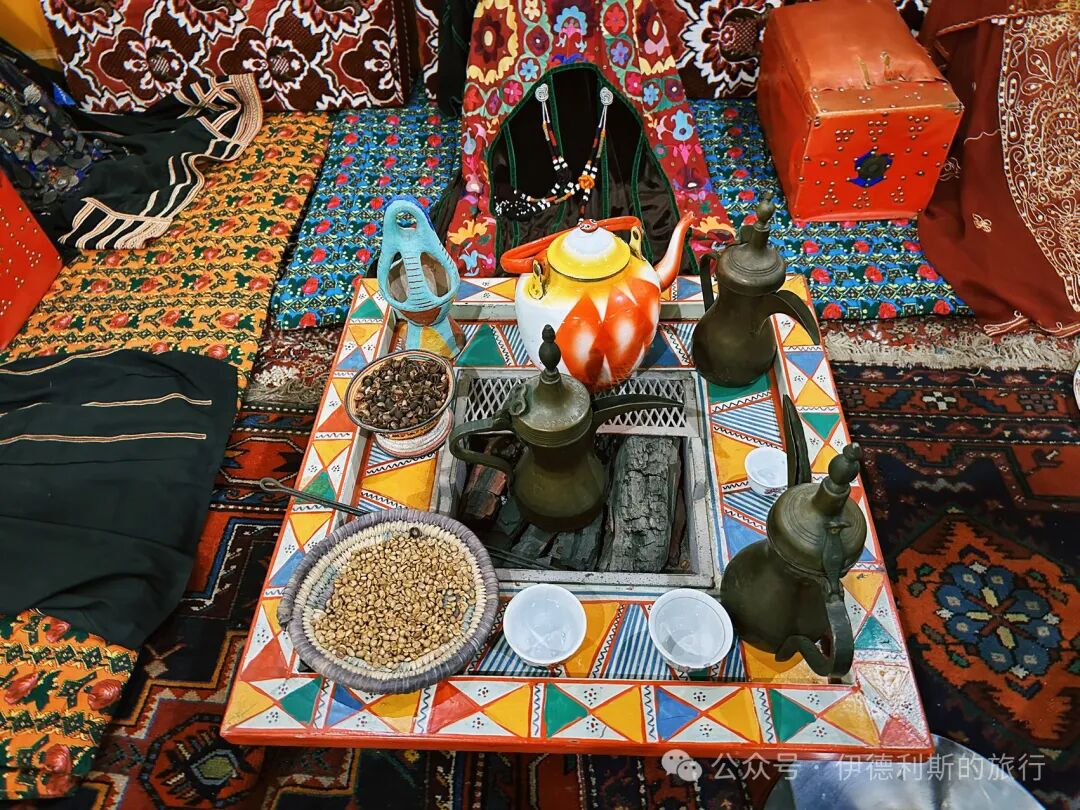
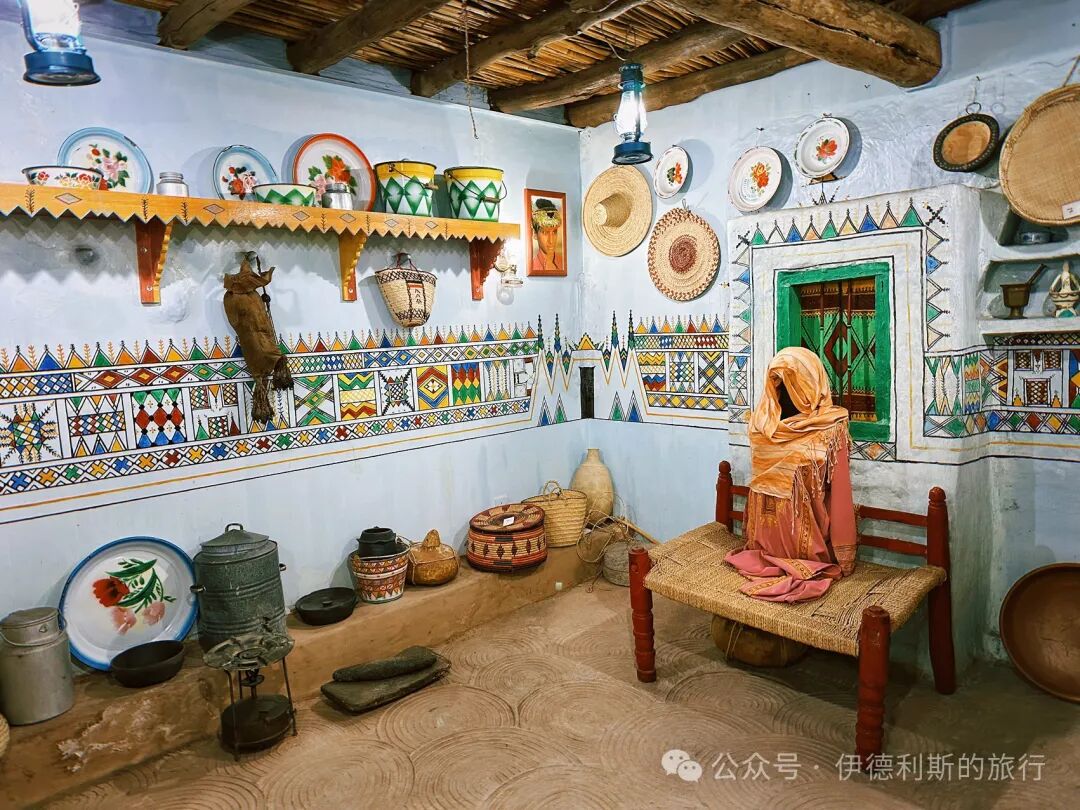
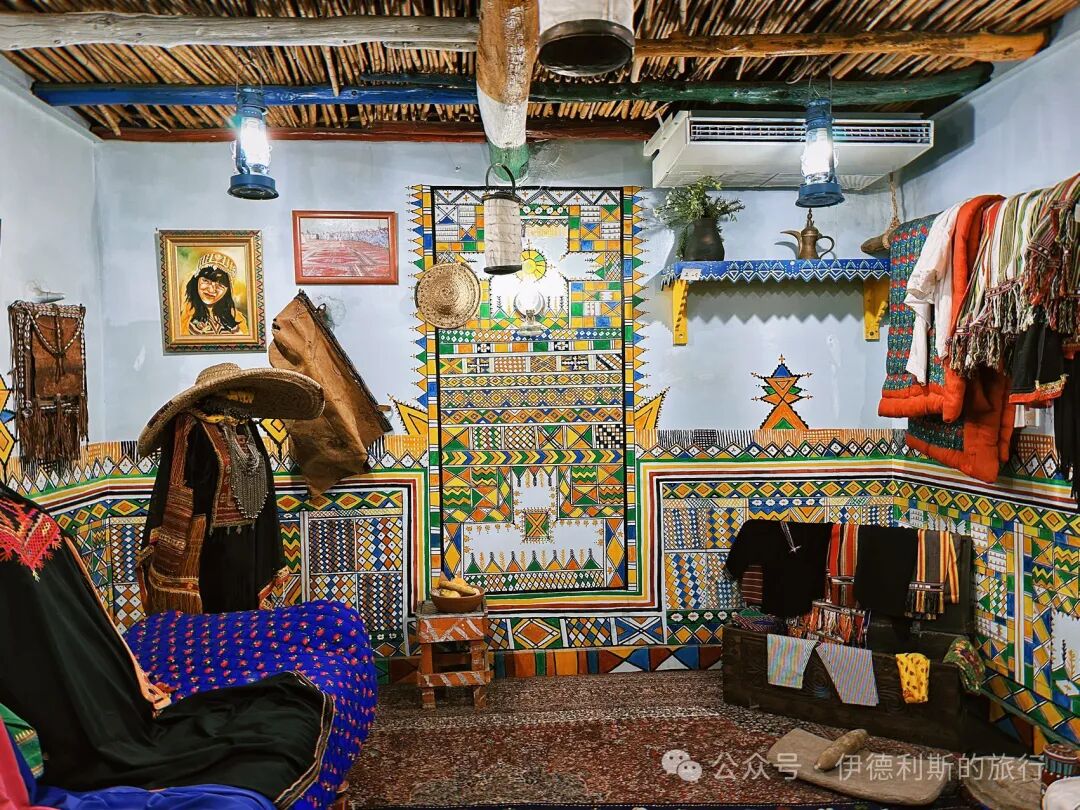
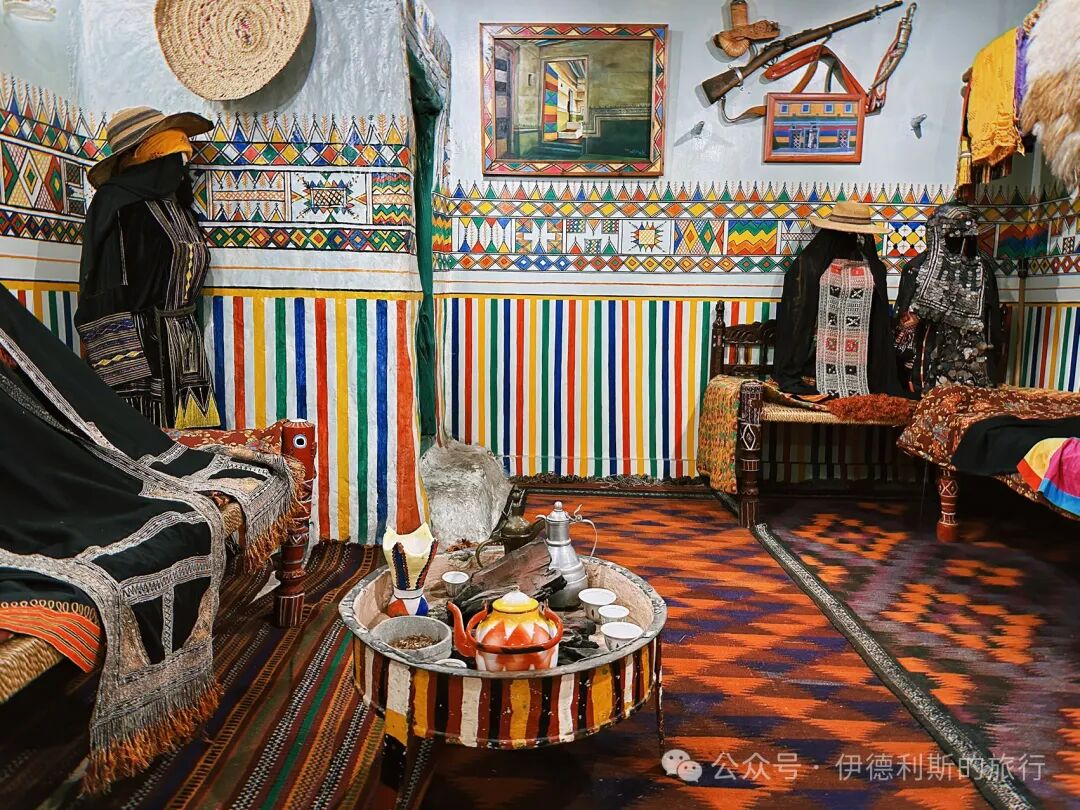
The most interesting part of the Saudi folk culture exhibition is the recreation of traditional houses in different styles from across the country. Because of the different climates, traditional houses in various parts of Saudi Arabia each have their own unique features.
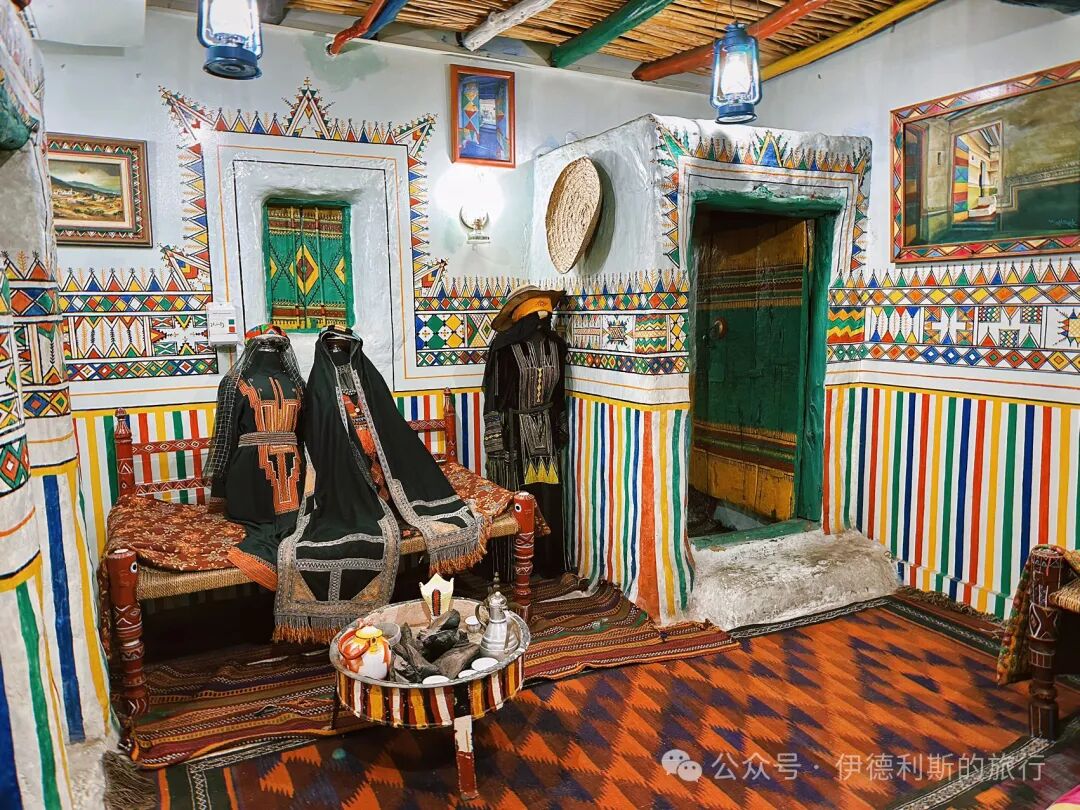
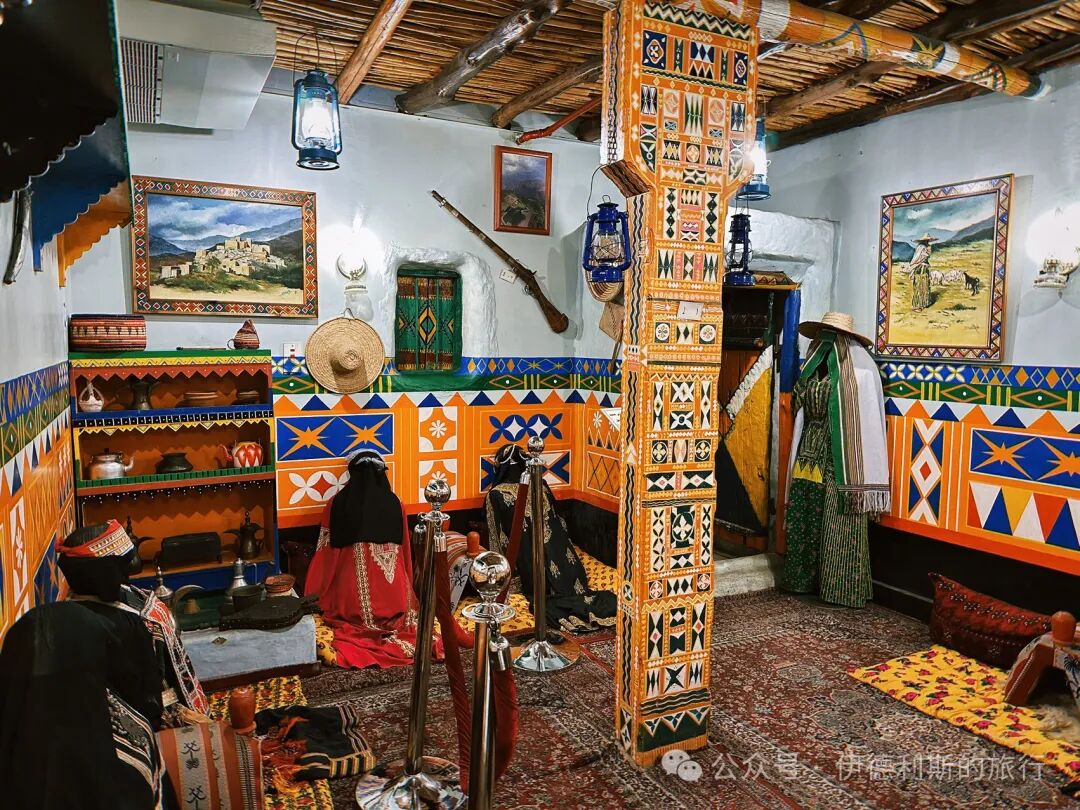
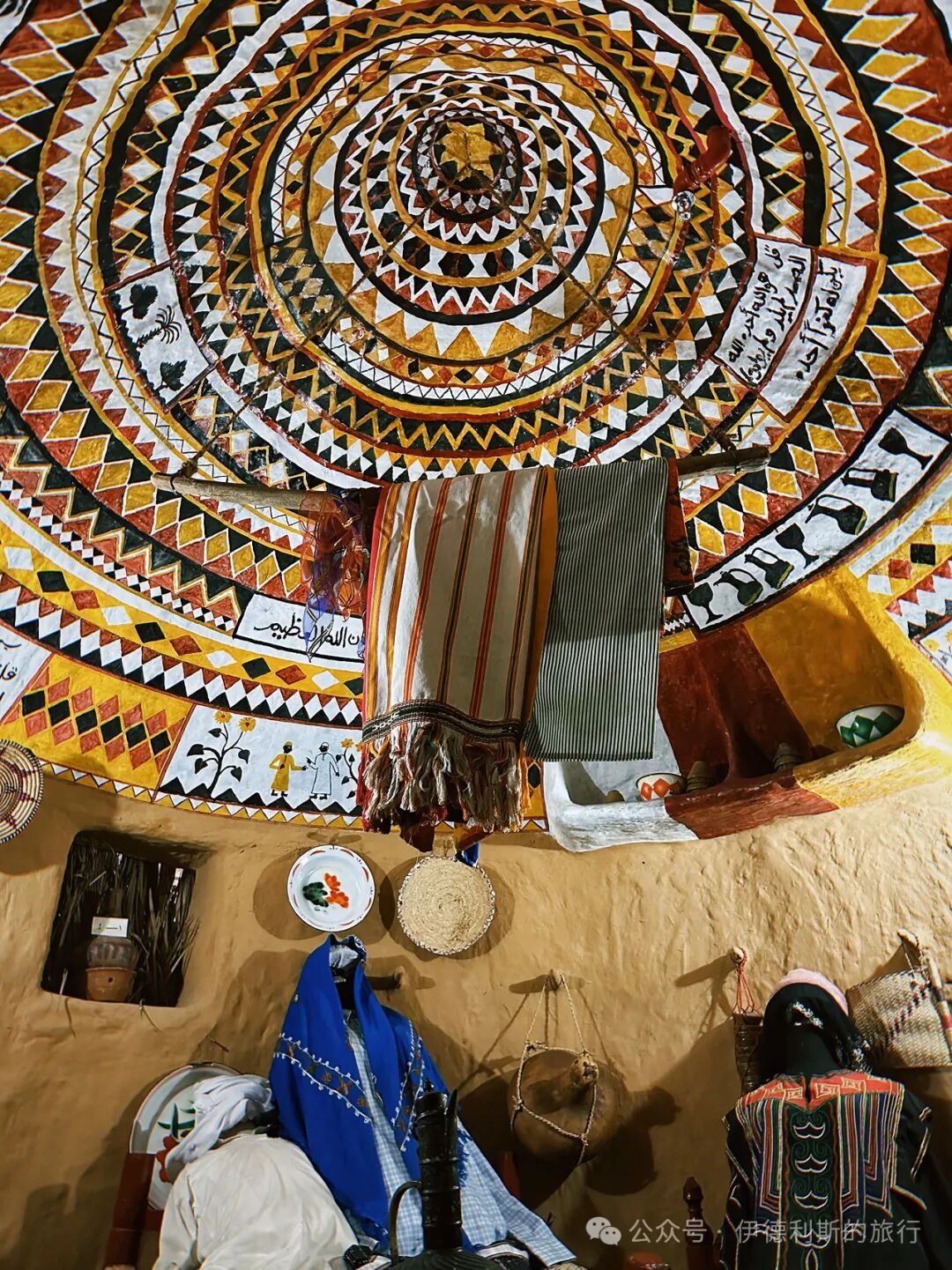
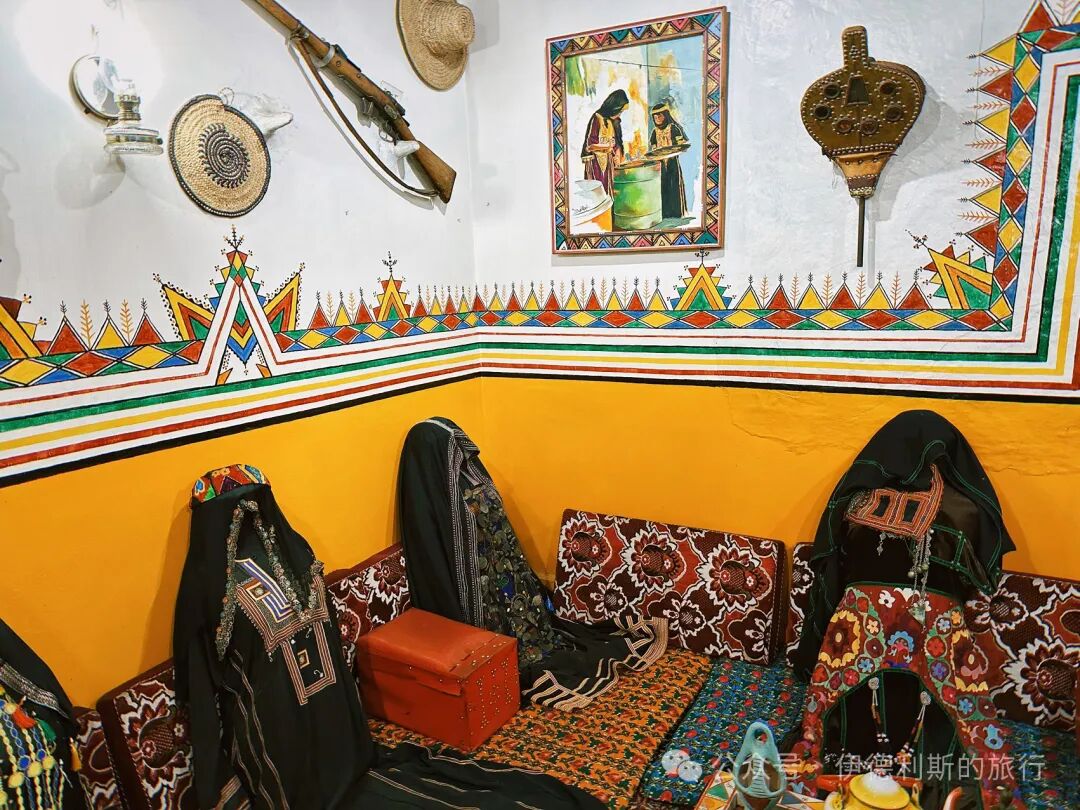
Unlike the desert oases most people imagine, the scenery in Al Bahah Province in southwestern Saudi Arabia is very beautiful, and it is known as the Garden of Hejaz. The Baha region gets a lot of rain, so the mountains are covered in thick forests. You can hear streams flowing through the villages, see lush palm groves, and find many banana plantations. Traditional houses in the Baha region are built from wood and clay, and they are painted in very bright colors.
Summary: Islamic Museum Guide: Jeddah Tayebat Museum - Saudi History and Culture is presented here as a firsthand travel account in clear, natural English. The account focuses on Jeddah, Tayebat Museum, Saudi Culture while preserving the names, places, food, photos, and historical details from the Chinese source.
The full name of the Tayebat Museum is the Al Taybat International City Museum of Science and Information. The entire museum is built in the traditional architectural style of the Hejaz region, featuring coral stone and plaster walls along with beautiful wooden bay windows (Roshan).
The museum has a rich collection of exhibits. It starts with the rise of the faith and displays many beautiful artworks and artifacts. The museum also has a wealth of displays on the traditional folk culture of Jeddah, the Hejaz, and all of Saudi Arabia, including a large collection of traditional clothing and folk objects.
A 19th-century wooden prayer niche (mihrab) from Damascus, featuring beautiful Persian calligraphy.
A 16th-century manuscript from the Mughal Empire.
A 16th-century Persian Safavid dynasty manuscript of poetry with miniature paintings.
A 12th-century bronze cannon muzzle from the ancient city of Herat, Afghanistan, engraved with Kufic calligraphy. Herat grew into a center for metal manufacturing between the 11th and 12th centuries until the Mongol army massacred the city in 1221.
A 14th-century small plaster prayer niche (mihrab) from Samarkand during the Timurid dynasty, decorated with Kufic calligraphy.
A Moroccan manuscript from 1860 written in Maghrebi script.
A copper water kettle with silver inlay from Ottoman-era Damascus, dating to the 18th or 19th century.
A 13th-century Ayyubid dynasty manuscript from the southeastern Anatolian Peninsula, written in Muhaqqaq script.
A 13th-century Egyptian Mamluk dynasty manuscript written in Muhaqqaq script.
A 16th-century Persian Safavid dynasty manuscript written in Al-rayhani script.
A 14th-century manuscript from northwestern Iraq, written in Iraqi Rayhani script during the Jalayirid dynasty. The Jalayirid dynasty was a Persianized khanate established by Mongol tribes after the Ilkhanate collapsed.
A 19th-century North African manuscript written in Maghrebi Kufic script.
A manuscript written in Naskh script from the Persian Qajar dynasty in 1800.
A manuscript written in Naskh script from the Bosnia region during the Ottoman dynasty in the 17th to 18th centuries.
A manuscript written in Naskh script from the Turkey region during the Ottoman dynasty in the 18th century.
A manuscript written in Naskh script from the India region during the Mughal dynasty in the 17th century.
A manuscript written in Kufic script, likely from the Iraq region, dating to the 10th to 11th centuries.
A manuscript written in Andalusian script from the Andalusia region in the 12th century.
A manuscript written in Kufic script from the Iraq region during the Abbasid dynasty in the 9th to 10th centuries.
A manuscript written in Kufic script from the Iraq region during the Abbasid dynasty in the 8th to 9th centuries.
A manuscript written in Kufic script from 9th-century Iraq or Iran.
A manuscript written in Muhaqqaq script from the Anatolia region during the Seljuk Empire in the 13th to 14th centuries.
A manuscript of Sahih al-Bukhari from the 18th-century Morocco region.
A religious handbook from the 17th-century Kashmir region.
An 1828 Ottoman Turkish manuscript of the prayer book Dala'il al-Khayrat.
A 1495 miniature painting in Turkmen style from the Khamsa, the masterpiece of the great Persian poet Nizami.
A 1744 miniature painting of the Prophet's Mosque and the Sacred Mosque from the Dala'il al-Khayrat, created by Ottoman calligrapher Mohammed Bin Hussein.
A 1485 Indian miniature painting from The Treasury of Secrets, the first volume of the Khamsa by the great Persian poet Nizami.
A 14th-century brass candlestick from the Mamluk period in Syria, featuring engravings in Naskh calligraphy.
A 15th to 16th-century copper plate from the Mamluk period in Egypt, featuring engravings in Naskh calligraphy.
A 17th-century porcelain jar from the Ottoman period in Turkey, featuring Naskh calligraphy.
A wooden inscription from 1351 dedicated to the zakat for the Kaaba.
A 19th-century chest of drawers from Damascus made of coconut wood, inlaid with shell and bone, with drawer handles made of porcelain and marble.
Two 17th-century wooden beams from Medina featuring Kufic script.
A 10th-century marble carving from the Fatimid period in Damascus featuring Kufic script.
A limestone carved column capital from an Umayyad palace dating to 693.
A marble column capital from the Umayyad Caliphate in Syria, dating back to the 7th century.
A white marble fountain from Egypt during the Mamluk Sultanate, dating to the 13th or 14th century.
Architectural elements from the Alhambra in Spain, dating to the 19th century.
After seeing the historical artifacts of the faith, you enter the next major section: the Saudi folk culture exhibition. Here, you get a direct look at the different customs from across Saudi Arabia. The traditional Saudi wedding dresses in the gallery are very eye-catching, and the white gowns are incredibly delicate.
The most interesting part of the Saudi folk culture exhibition is the recreation of traditional houses in different styles from across the country. Because of the different climates, traditional houses in various parts of Saudi Arabia each have their own unique features.
Unlike the desert oases most people imagine, the scenery in Al Bahah Province in southwestern Saudi Arabia is very beautiful, and it is known as the Garden of Hejaz. The Baha region gets a lot of rain, so the mountains are covered in thick forests. You can hear streams flowing through the villages, see lush palm groves, and find many banana plantations. Traditional houses in the Baha region are built from wood and clay, and they are painted in very bright colors.
