
Islamic Art Guide: Quanzhou Maritime Museum Song-Yuan Stone Inscriptions (Part 1)
Reposted from the web
Summary: Islamic Art Guide: Quanzhou Maritime Museum Song-Yuan Stone Inscriptions (Part 1) is presented here as a firsthand travel account in clear, natural English. The account focuses on Quanzhou, Islamic Art, Stone Inscriptions while preserving the names, places, food, photos, and historical details from the Chinese source.
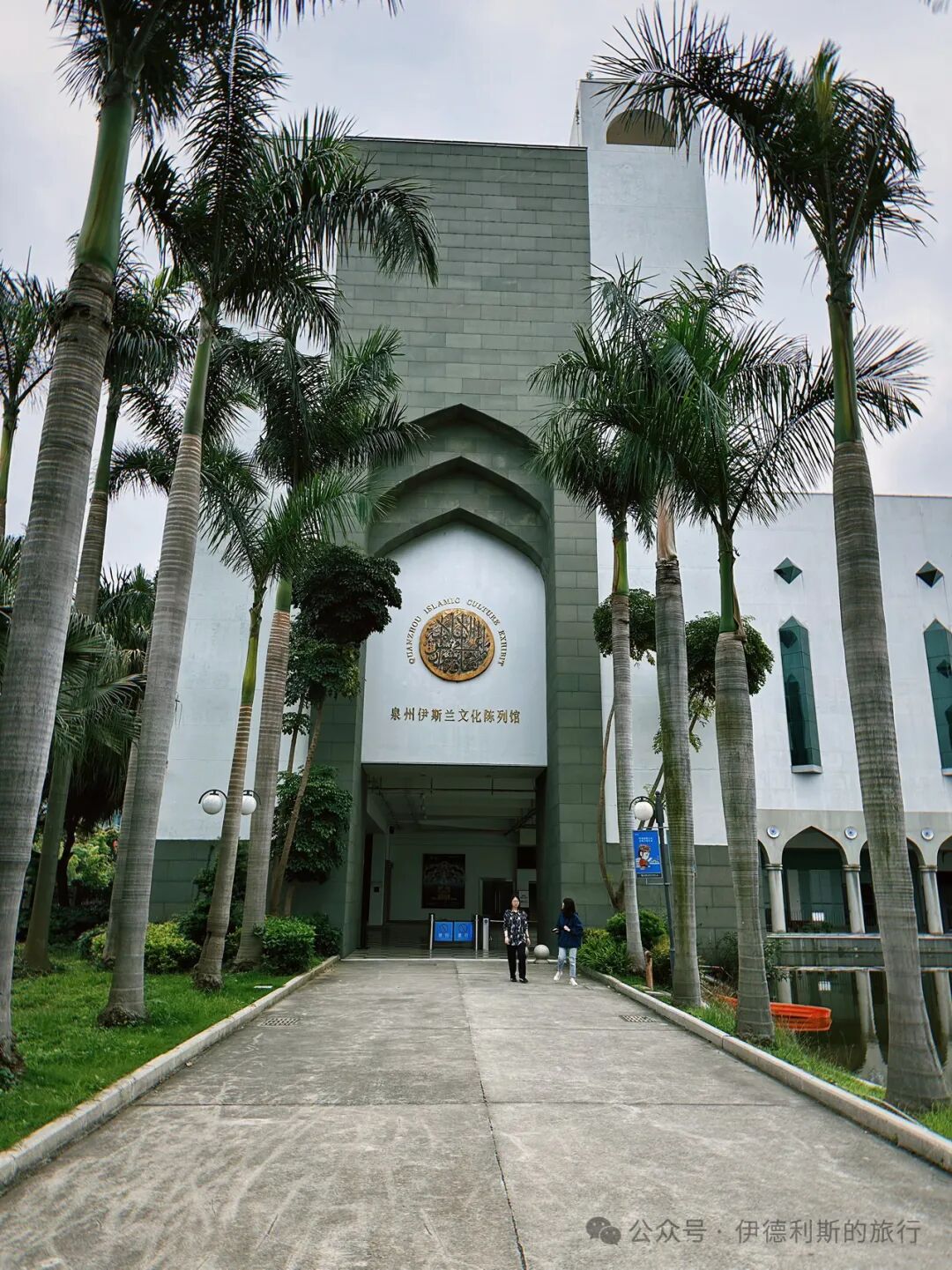
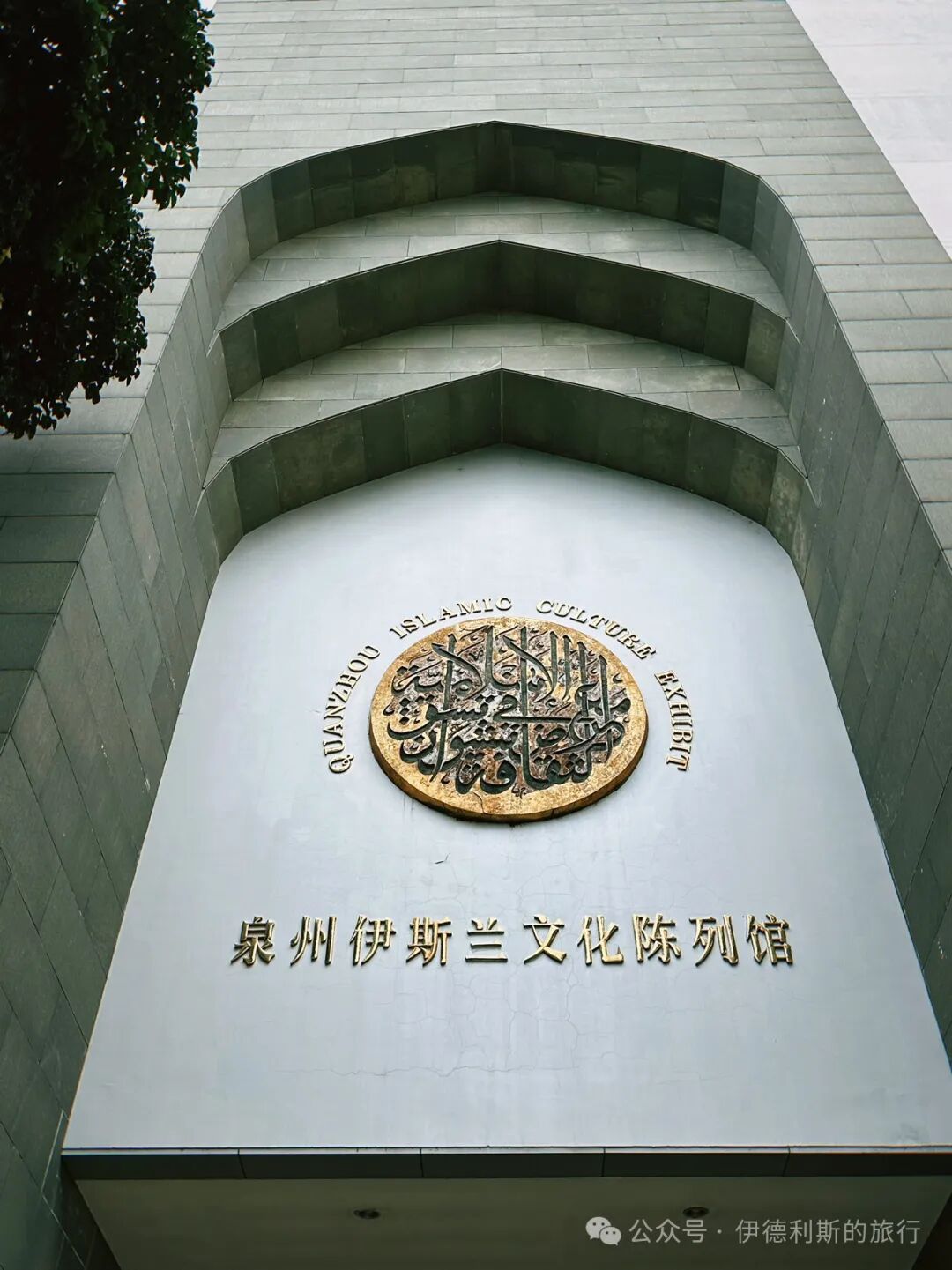
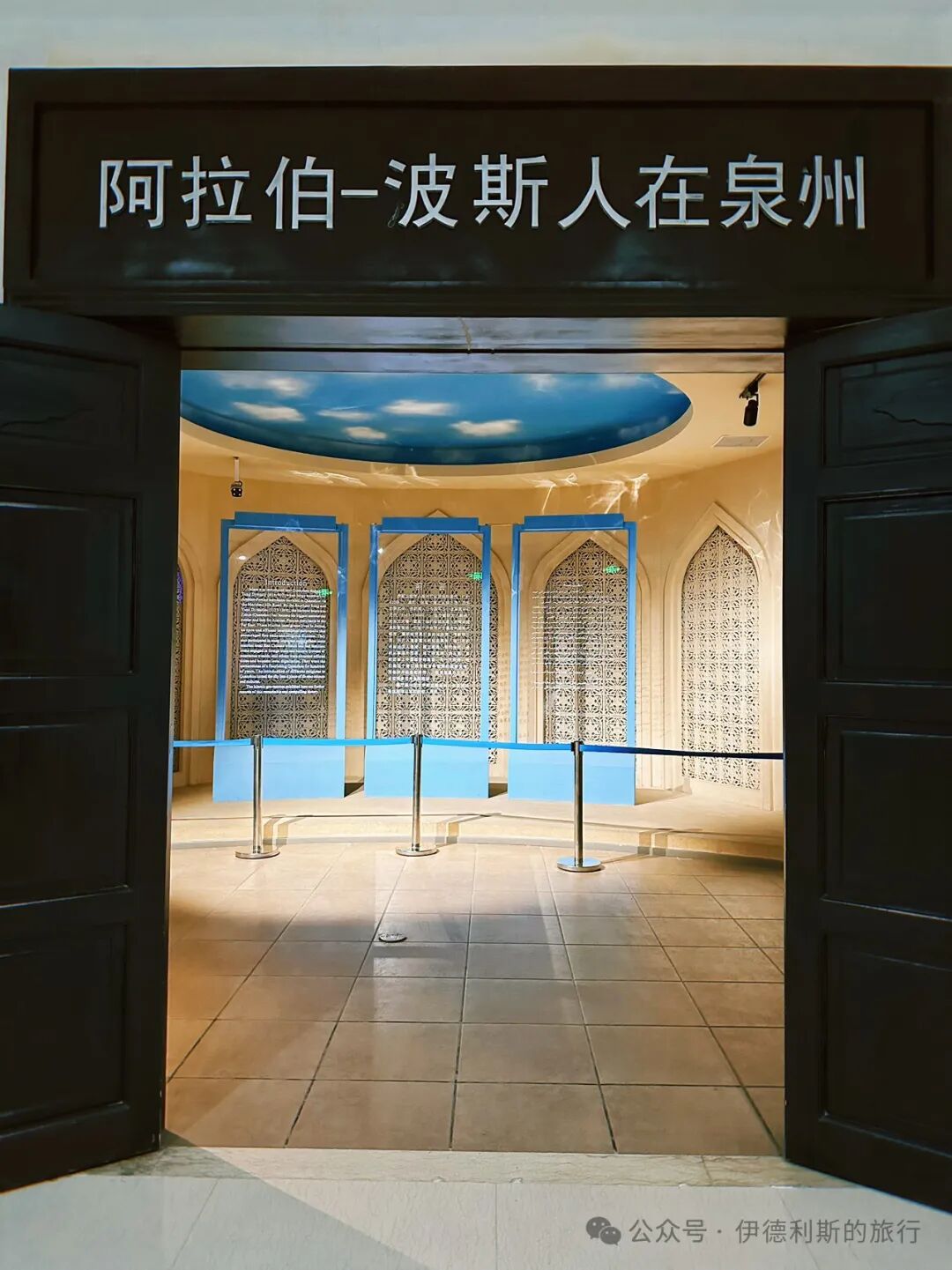
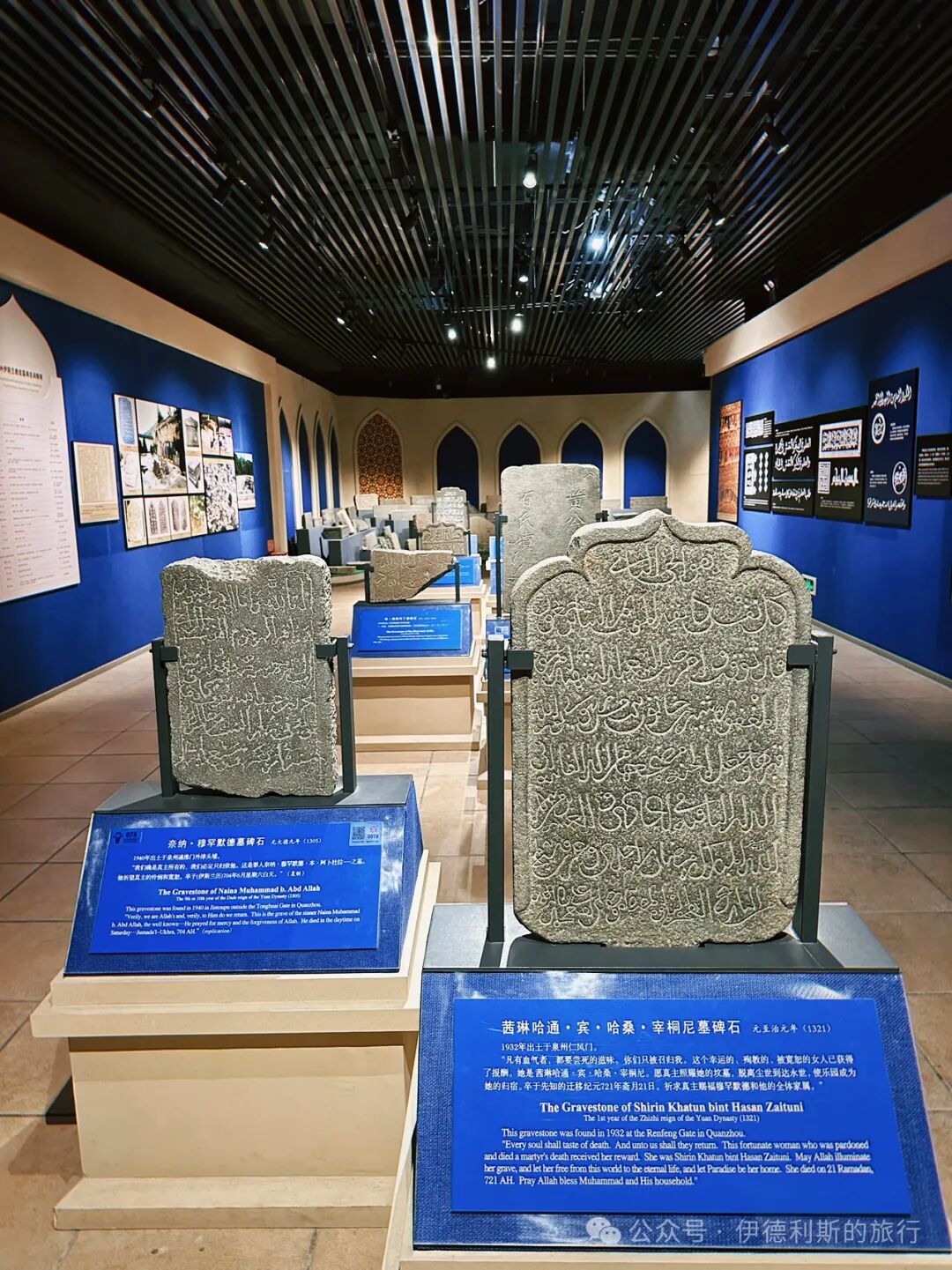
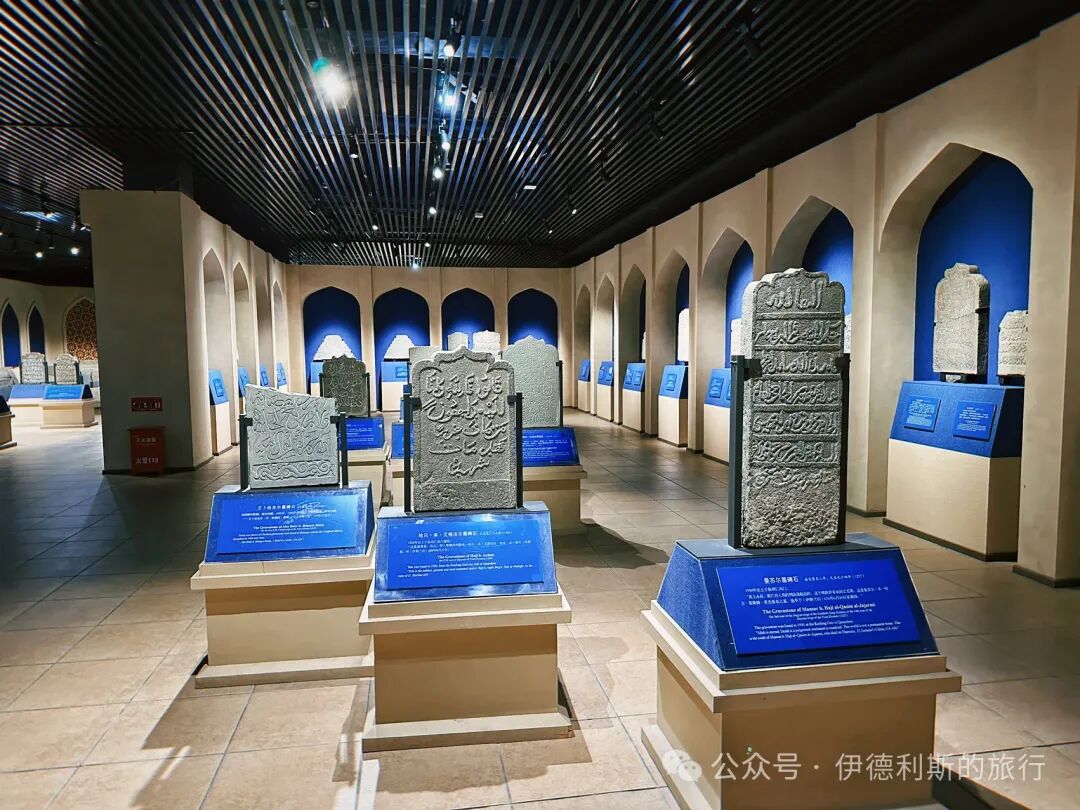
The Quanzhou Maritime Museum was built in 1959. The Quanzhou Islamic Culture Exhibition Hall opened in 2003, and the 'Arabs and Persians in Quanzhou' exhibition launched in 2008, featuring over 200 stone carvings from the Song and Yuan dynasties. I visited the 'Arabs and Persians in Quanzhou' exhibition in 2017. Returning seven years later, the layout has not changed much, but some of the most iconic stone tablets, such as the tombstone of 'Consul Pan,' have been moved to the 'Quanzhou: World Maritime Trade Center in Song and Yuan China' exhibition, with replicas now in their place.
Tombstone
The largest category of Song and Yuan dynasty Islamic stone carvings in the museum's collection is tombstones.
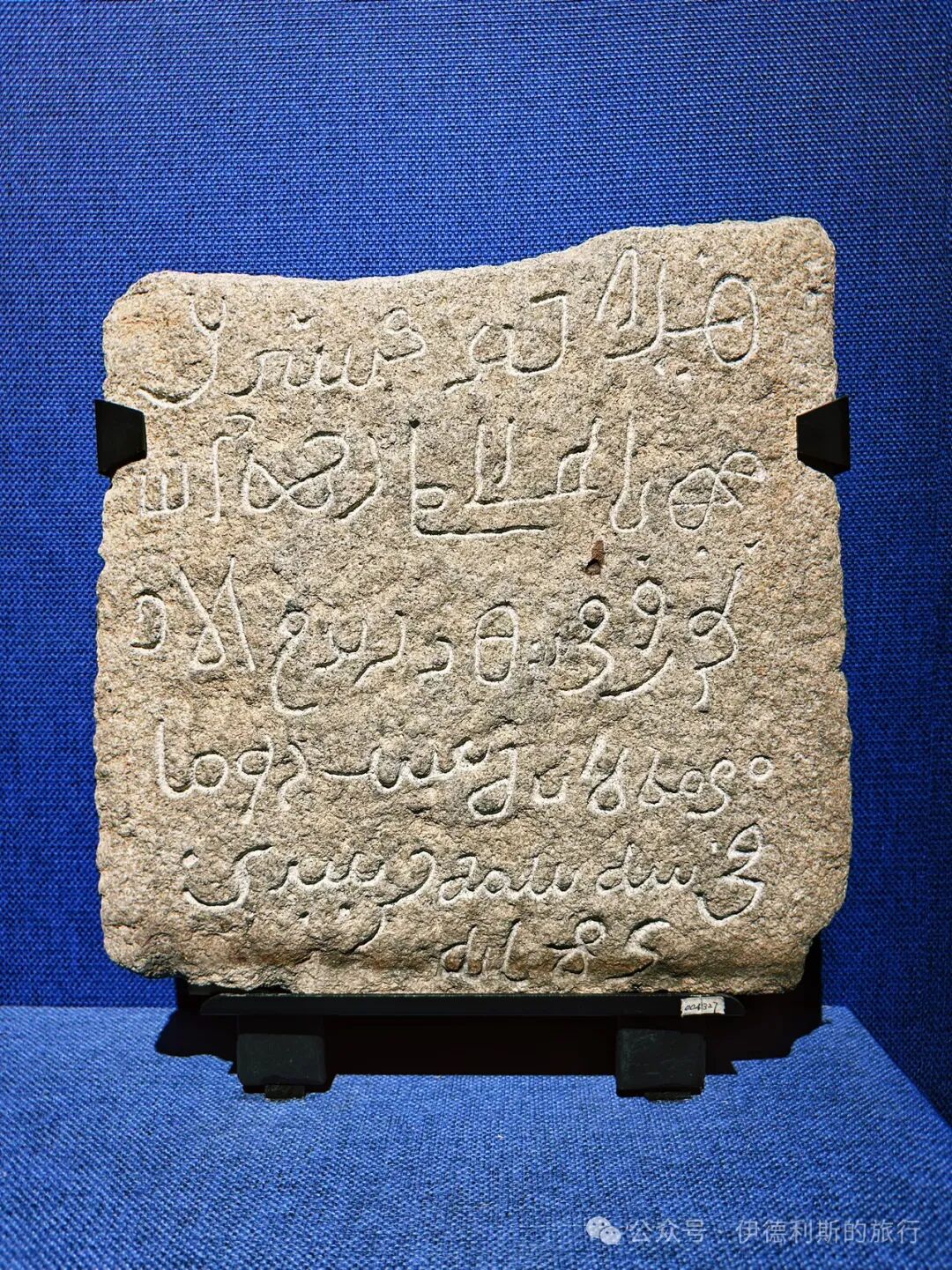
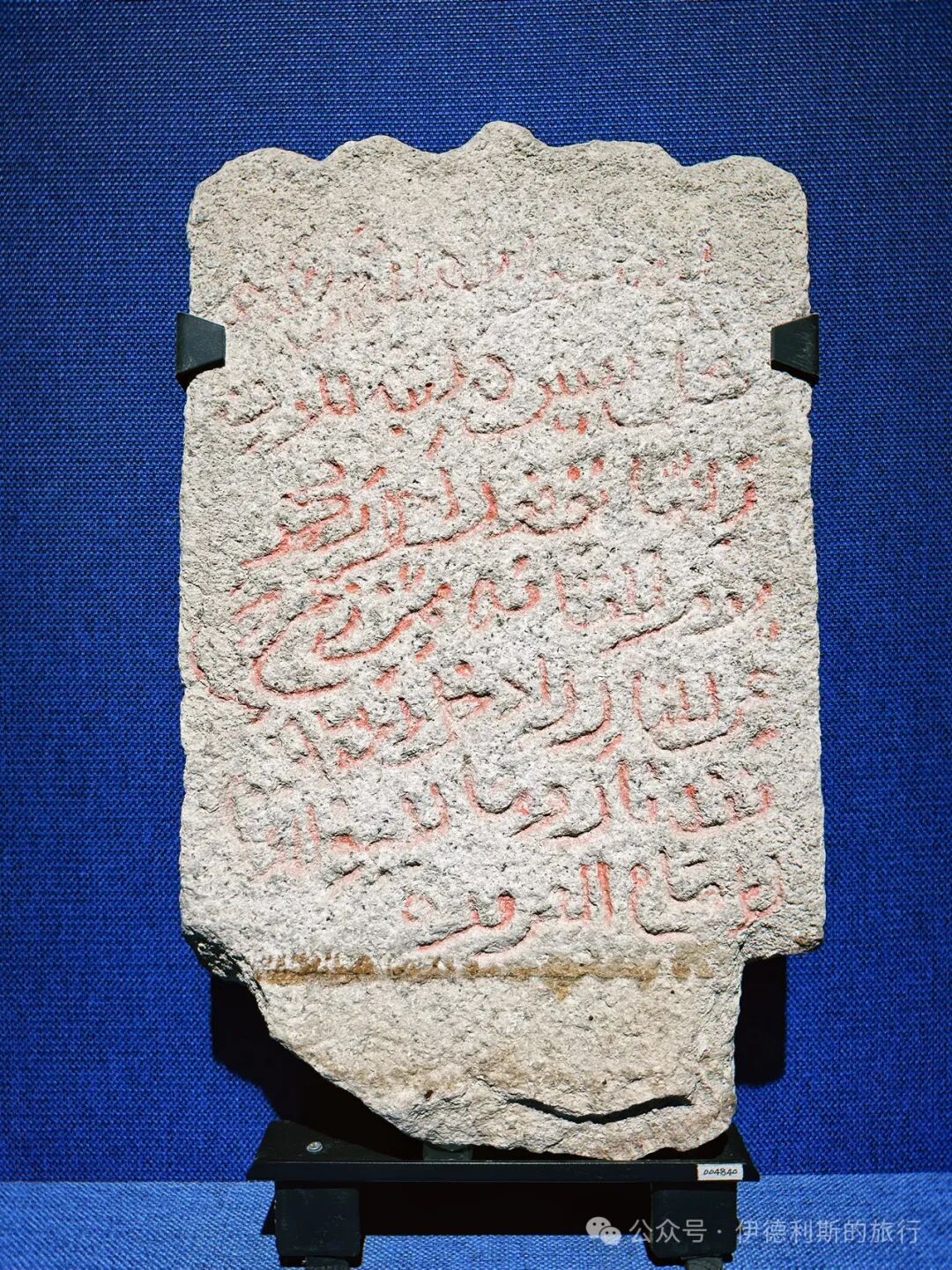
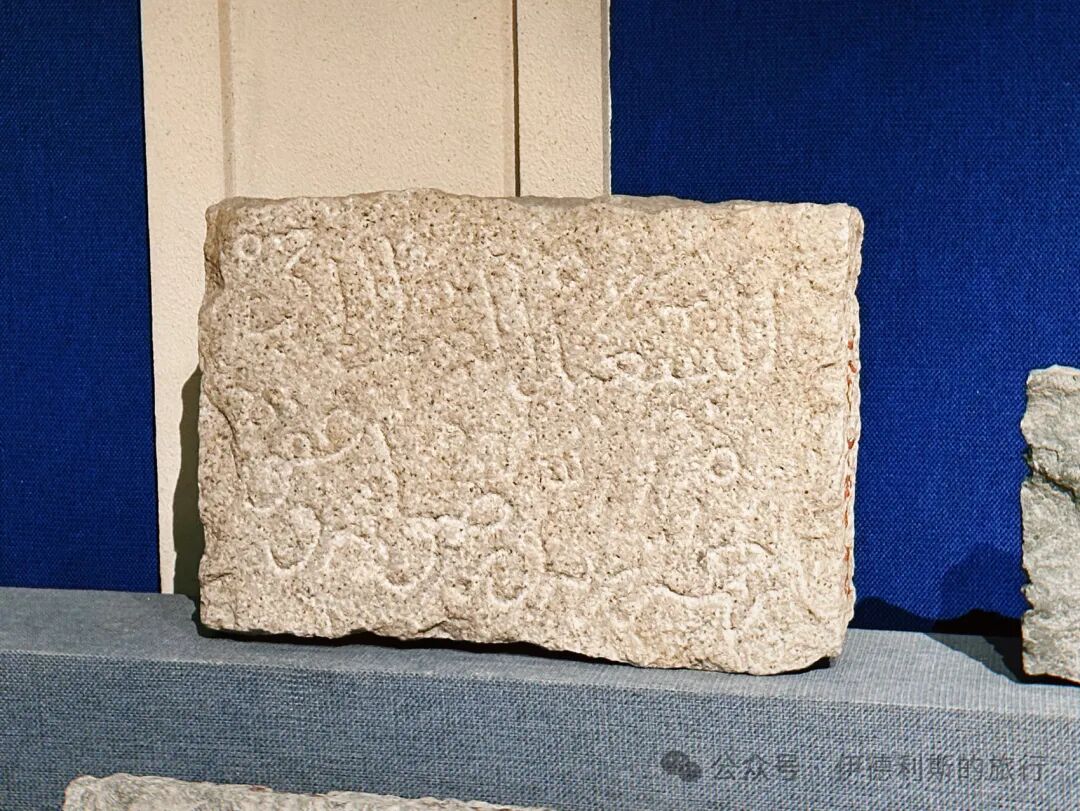
The tombstone in the picture below was once used as a stone tabletop under the eaves of Yuanshan Hall (later renamed Fentuoshi) on Zhongshan Middle Road in Quanzhou. It is said to have been moved there in 1952 when building materials were purchased from the city's East Gate wall foundations for construction. Ms. Wu Yuanying donated it to the museum in 1965.
The person buried is named Husayn b. Muhammad Khalati. Khalati refers to the ancient city of Ahlat in what is now southeastern Turkey. Historically, Ahlat was part of the Armenian Kingdom, was occupied by Arabs in the mid-7th century, and developed into an important trade hub in southeastern Turkey by the 10th century. Ahlat was captured by the Seljuk Empire in 1071 and later became the capital of the Turkmen beylik known as Shah-Armens.
Because the inscription is written in a very irregular way, there are still many questions about how to read it. If we read the date as 567 in the Islamic calendar, which is 1171 in the Gregorian calendar, this stone would be the oldest Arabic inscription found in Quanzhou.
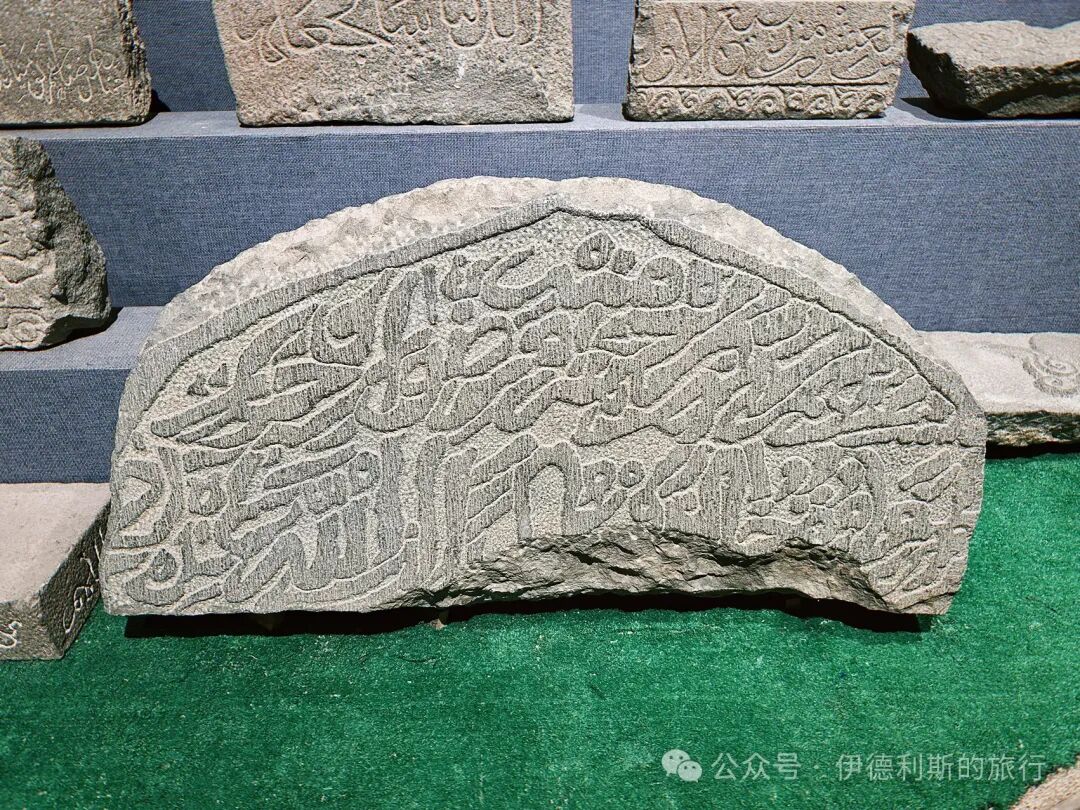
The tombstone in the picture below was found in 1939 when the North Gate (Chaotian Gate) of Quanzhou was torn down. The person buried there was named Nuransa Ibn Khwaja Balad-shah b. Khwaja Haji Harbk Khorazmi, who died in 1322.
In his name, Nuransa is his given name, and Balad-shah is his father's name, which means leader in Persian. Harbk is his grandfather's name, Khwaja shows his noble status, Haji means his grandfather had been on the Hajj, and Khorazmi shows his family came from the Khwarezm region of Central Asia.
The Khwarezmian Empire was destroyed by the Mongol Empire in 1221 and was later divided between the Chagatai Khanate and the Golden Horde. In the 14th century, Khwarezm was an important trade center in Central Asia until it was destroyed by the Timurid Empire in 1388.
The tombstone in the picture below was found in 1936 at Jintoupu Village outside the East Gate (Tonghuai Gate) of Quanzhou. The person buried there died in 1358 and was named Banan b. Ghasim Isfahani, who came from the famous Iranian city of Isfahan.
Isfahan became the capital of the Seljuk Empire in the mid-11th century and reached its peak in the late 11th century. Isfahan declined after the fall of the Seljuk Empire in the 13th century. It suffered a massacre by Timur in 1387 and did not revive until the Safavid dynasty in the 16th century.
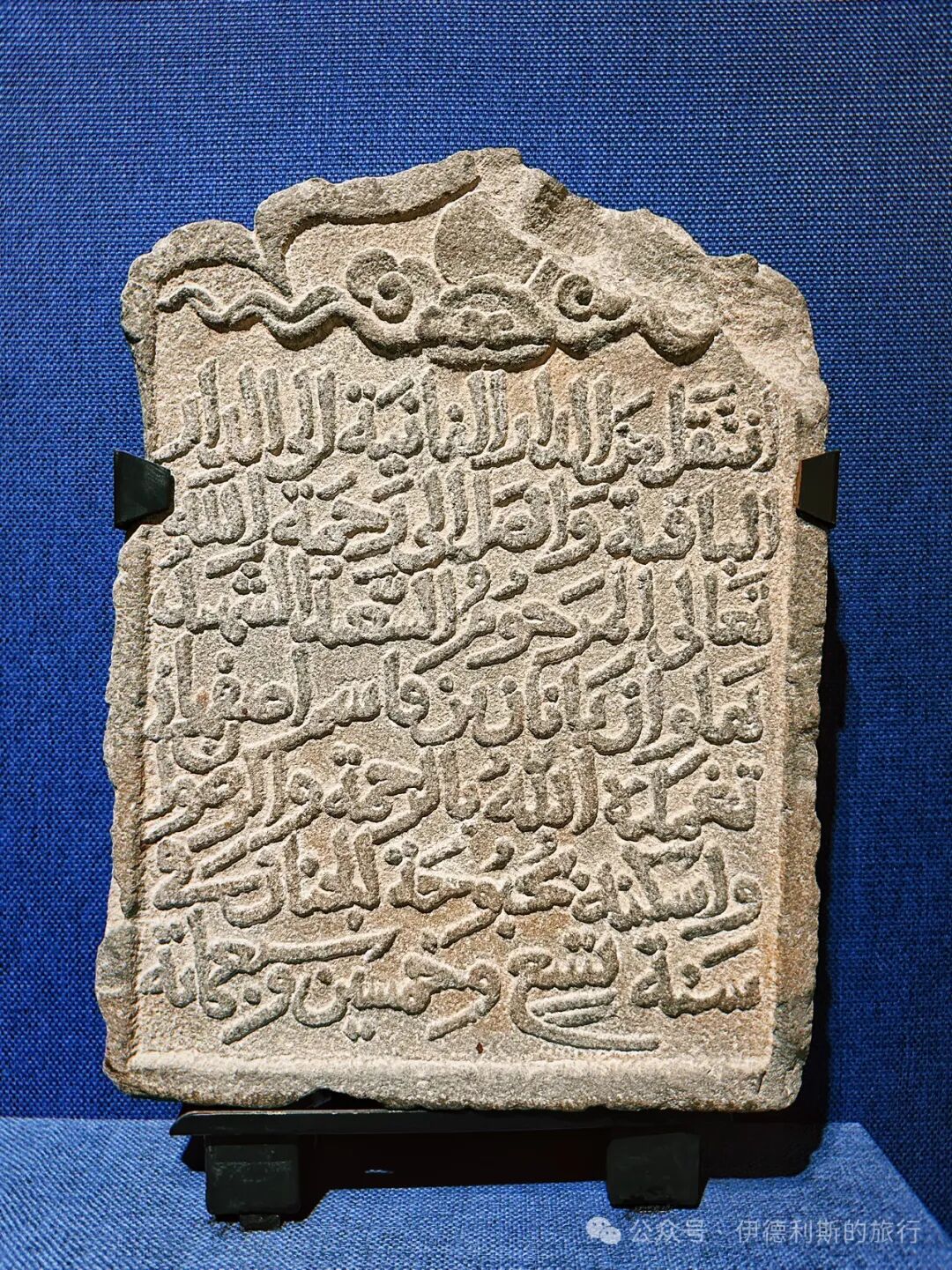
The tombstone in the picture below was unearthed in 1931 at Jintoupu outside Tonghuai Gate in Quanzhou. The person buried there was Sihab al-dunya sa l-din b. Daghab, the son of a garrison commander from Balashaghun. He died in 1301, and the inscription includes a verse from the Quran (3:185).
Balashaghun is located on the banks of the Chu River in Kyrgyzstan. It was once the capital of the Kara-Khanid Khanate and the new capital of the Western Liao dynasty. It is the hometown of Yusuf Khass Hajib, the author of Wisdom of Royal Glory (Kutadgu Bilig). Balashaghun was captured by the Mongol Empire in 1218 and gradually became a ruin by the 14th century.
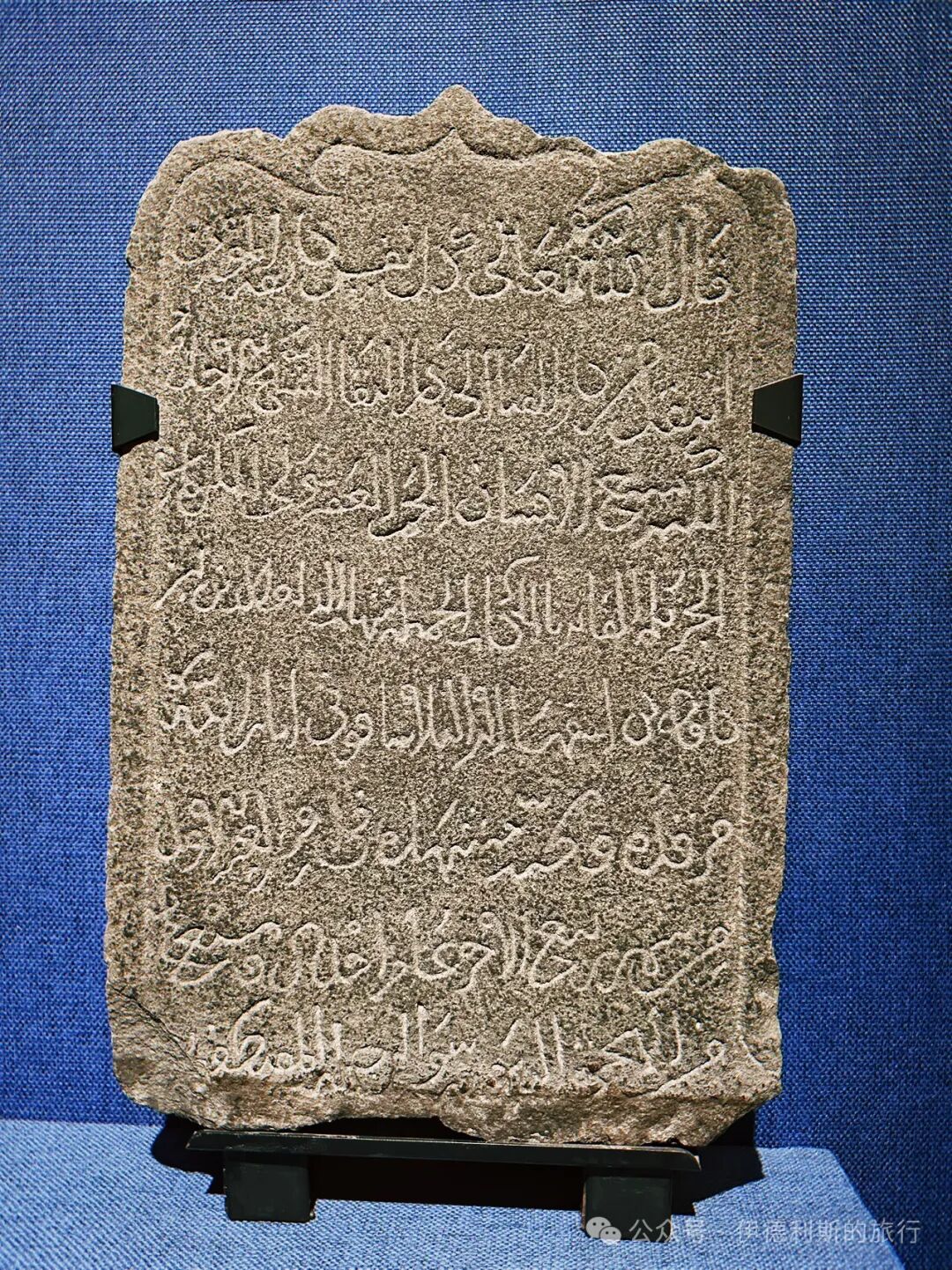
The tombstone in the picture below was unearthed in 1933 from the city wall of Renfeng Gate in Quanzhou. The person buried there was Muhammad b. Su'ud Yahya, who died in 1326.
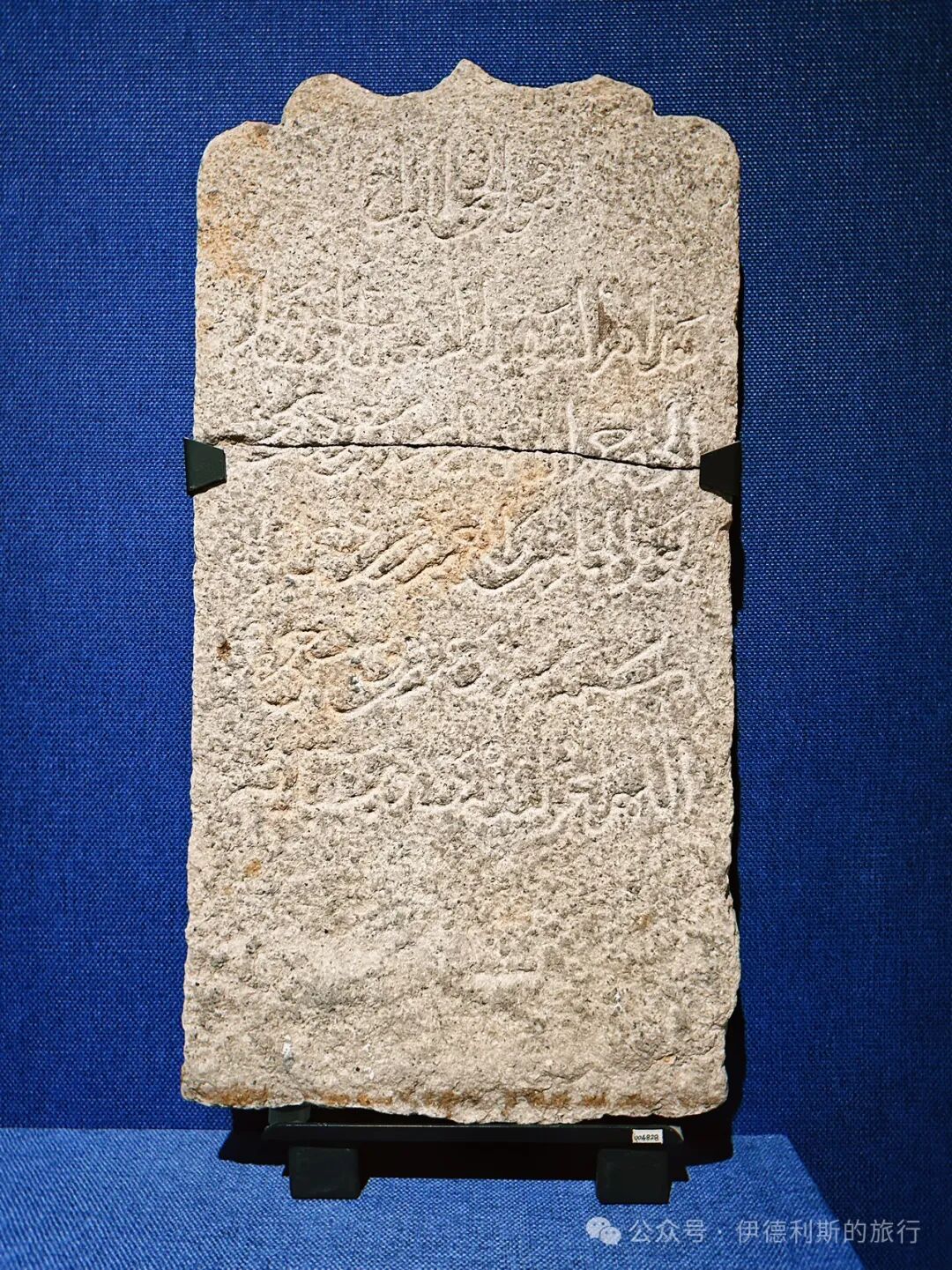
The tombstone in the picture below was unearthed in 1939 from the city wall of Tonghuai Gate in Quanzhou. The person buried there was Khwaja Ali b. Uthman al-Jilani, who died in 1357.
Gilan is located on the southern coast of the Caspian Sea in northwestern Iran. It was ruled by locals until the 11th to 16th centuries. It was occupied by the Ilkhanate in 1307 but regained its independence in 1336.
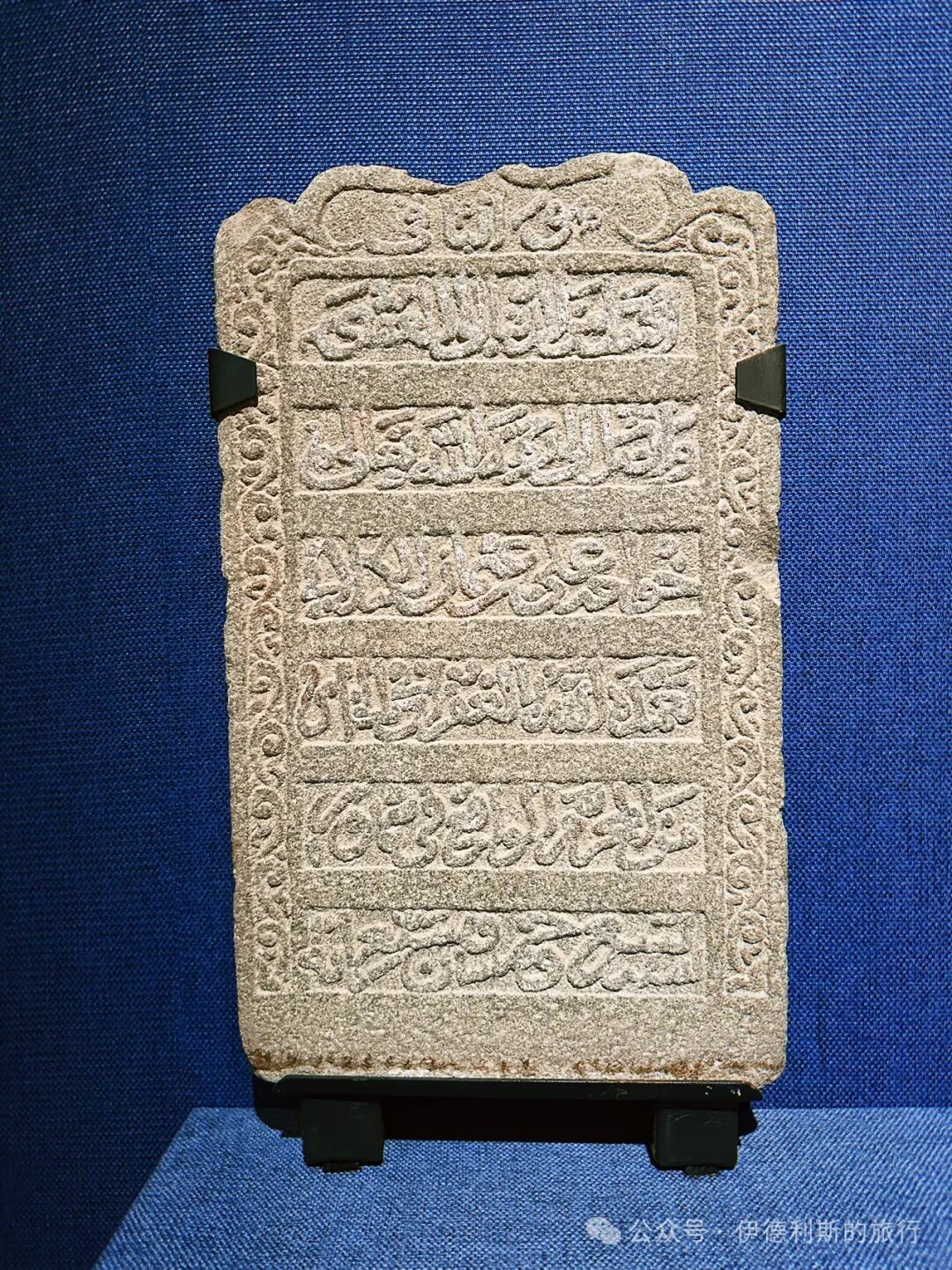
The tombstone in the picture below.
This was unearthed in 1978 on a street in Houhai Road Village, outside Tonghuai Gate in Quanzhou, and it is carved with verses from the Quran (21:35, 28:88).
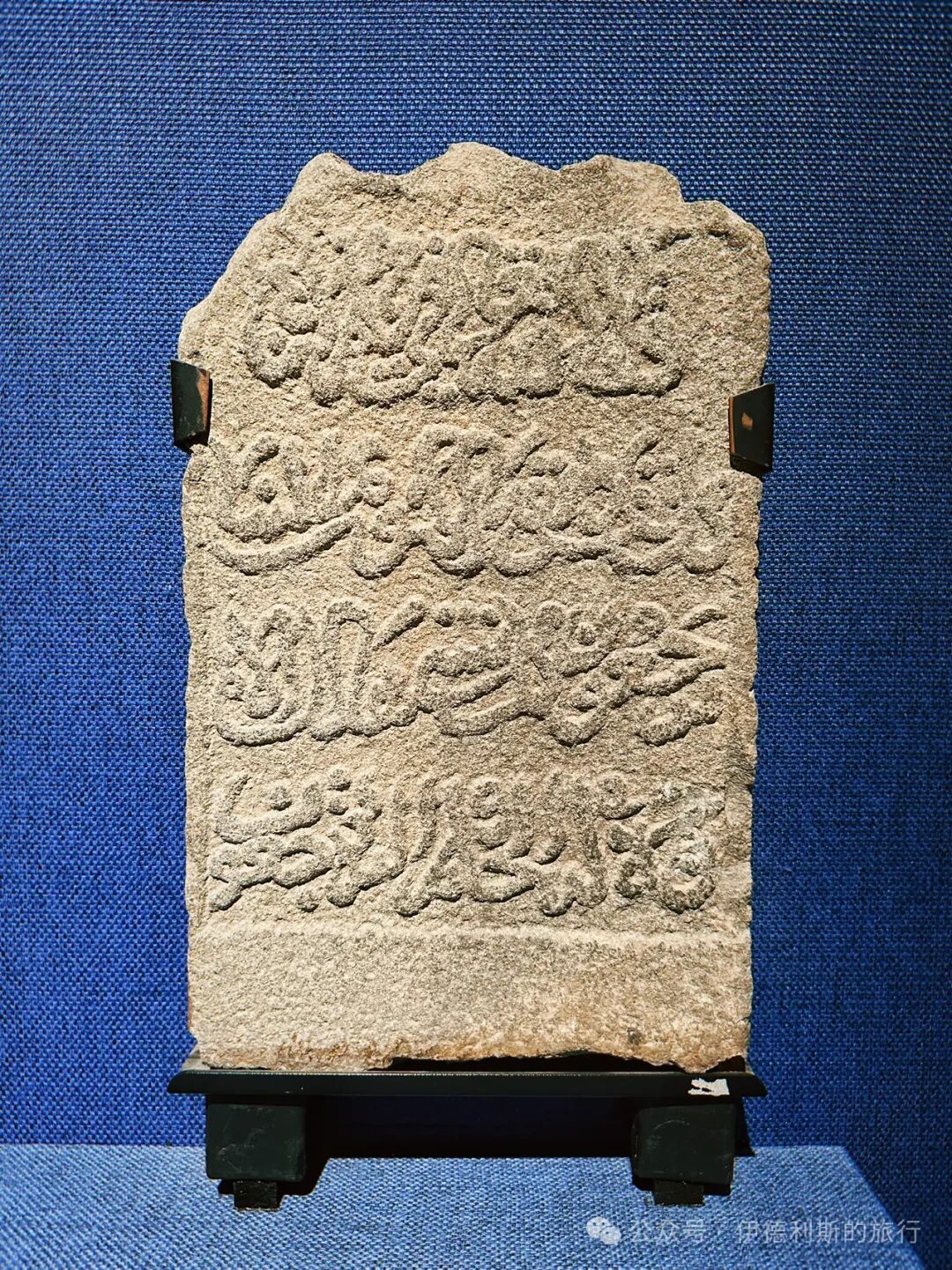
The bottom half of the tombstone in the picture below was found in 1934 on a field path outside Tonghuai Gate in Quanzhou, while the top half was found in 1942 while digging for city wall foundation stones at the East Gate of Quanzhou. The person buried here was named Shaikh Aklab Umar, who passed away in 1303, and the inscription also features verses from the Quran (55:26-27, 3:185).
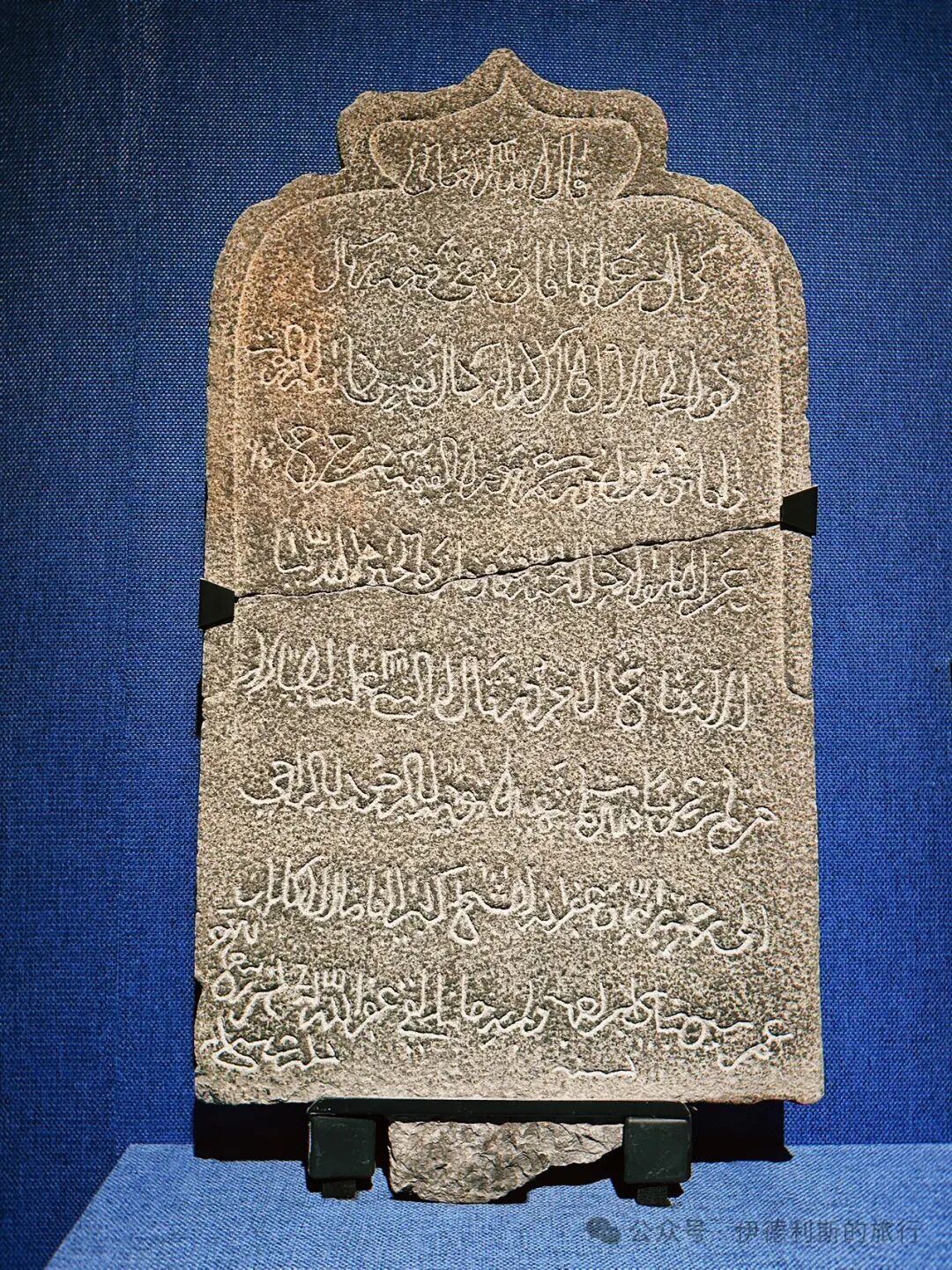
The tombstone in the picture below was found in 1938 while digging for city foundation stones at Renfeng Gate, the East Gate of Quanzhou; the person buried here was named Granto Takin b. Sultan Husayn, who passed away in 1308. Takin is a Turkic title for a prince or noble.
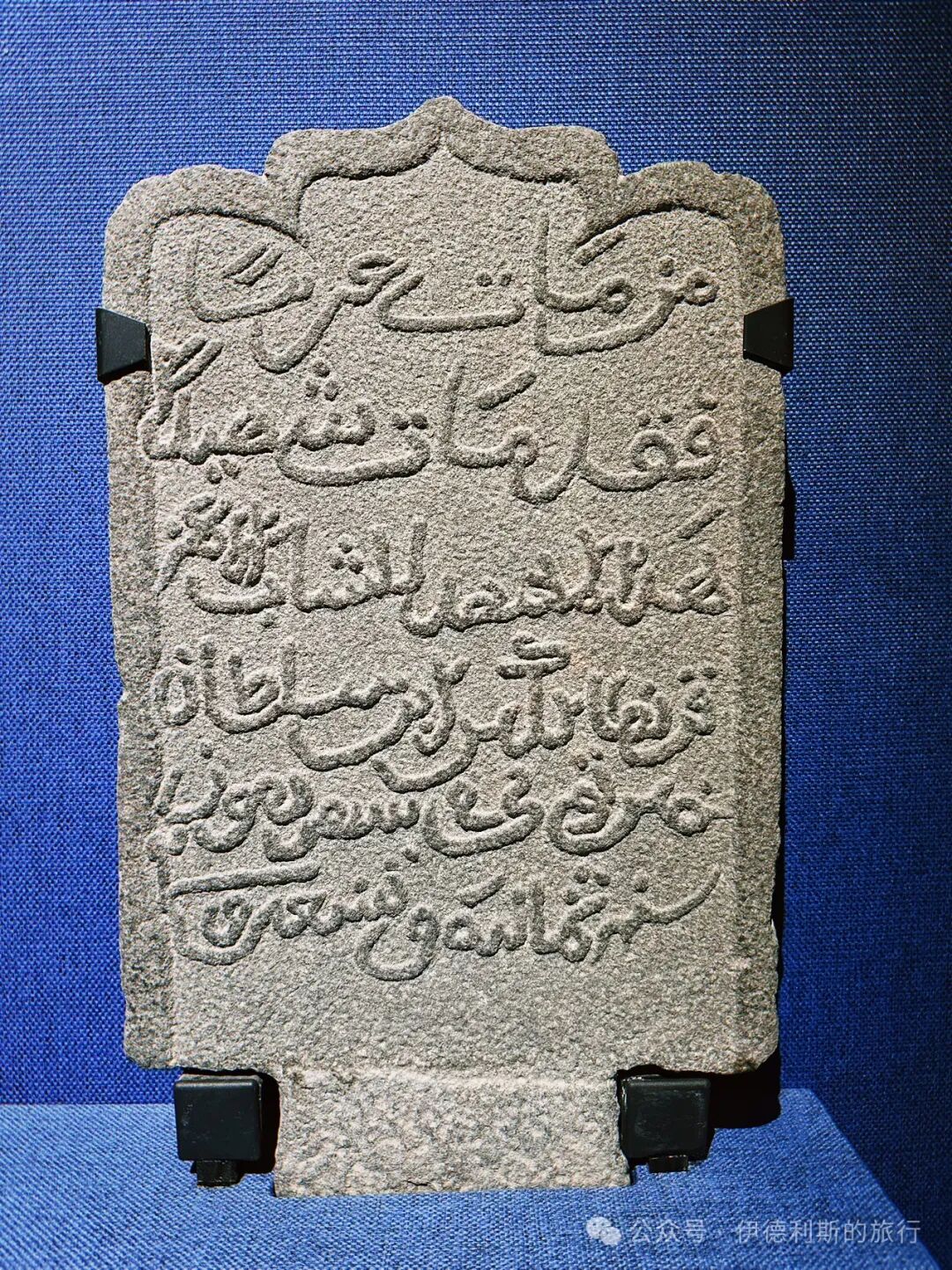
The tombstone in the picture below is a replica, and the original is on display in the main hall of the Maritime Museum. It was discovered in the summer of 1934 within the city foundations at the East Gate of Quanzhou. The top is carved with scripture (28:88) and also Chinese characters: 'General Manager Pan died on the first day of the fourth lunar month.' According to the History of Song, Volume 7 on Official Positions, the position of General Manager was created during the Jianyan era of Emperor Gaozong of the Southern Song Dynasty (1127-1130) to manage money, grain, and taxes. By the Shaoxing era of the Southern Song Dynasty, the General Manager could directly participate in military and political affairs and held great power. However, the Yuan Dianzhang records that the title of General Manager was used for minor officials in the prisons of various prefectures and counties.
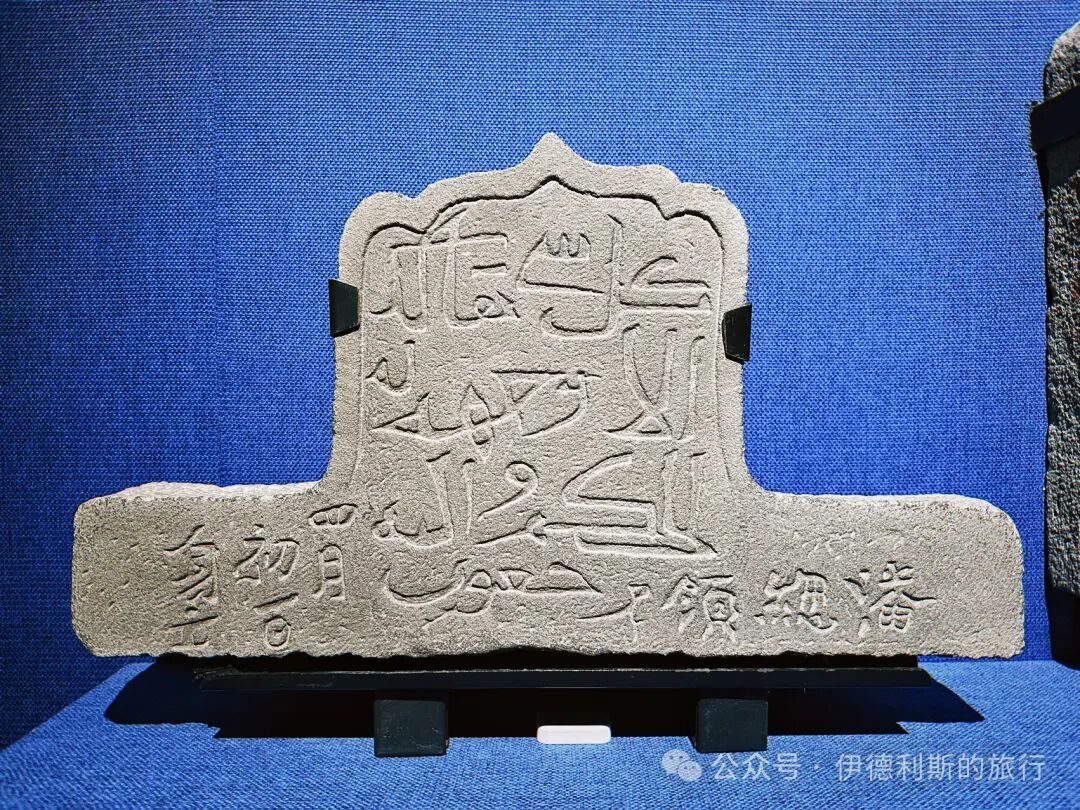
The tombstone in the picture below was found in April 1958 in the city foundation near Tonghuai Gate at the East Gate of Quanzhou. The tomb owner was named Haji Khwaja b. Hasam al-Din b. Yalaki Siraf, who passed away in 1362.
Siraf is also translated in historical records as Shiluowei, Shilafu, Sanawei, Shilafu, or Siluofu. It is located in southern Iran and was the largest trading port in the Persian Gulf between the 9th and 13th centuries. Most Persian merchants traveling to Quanzhou during the Song and Yuan dynasties set off from here.
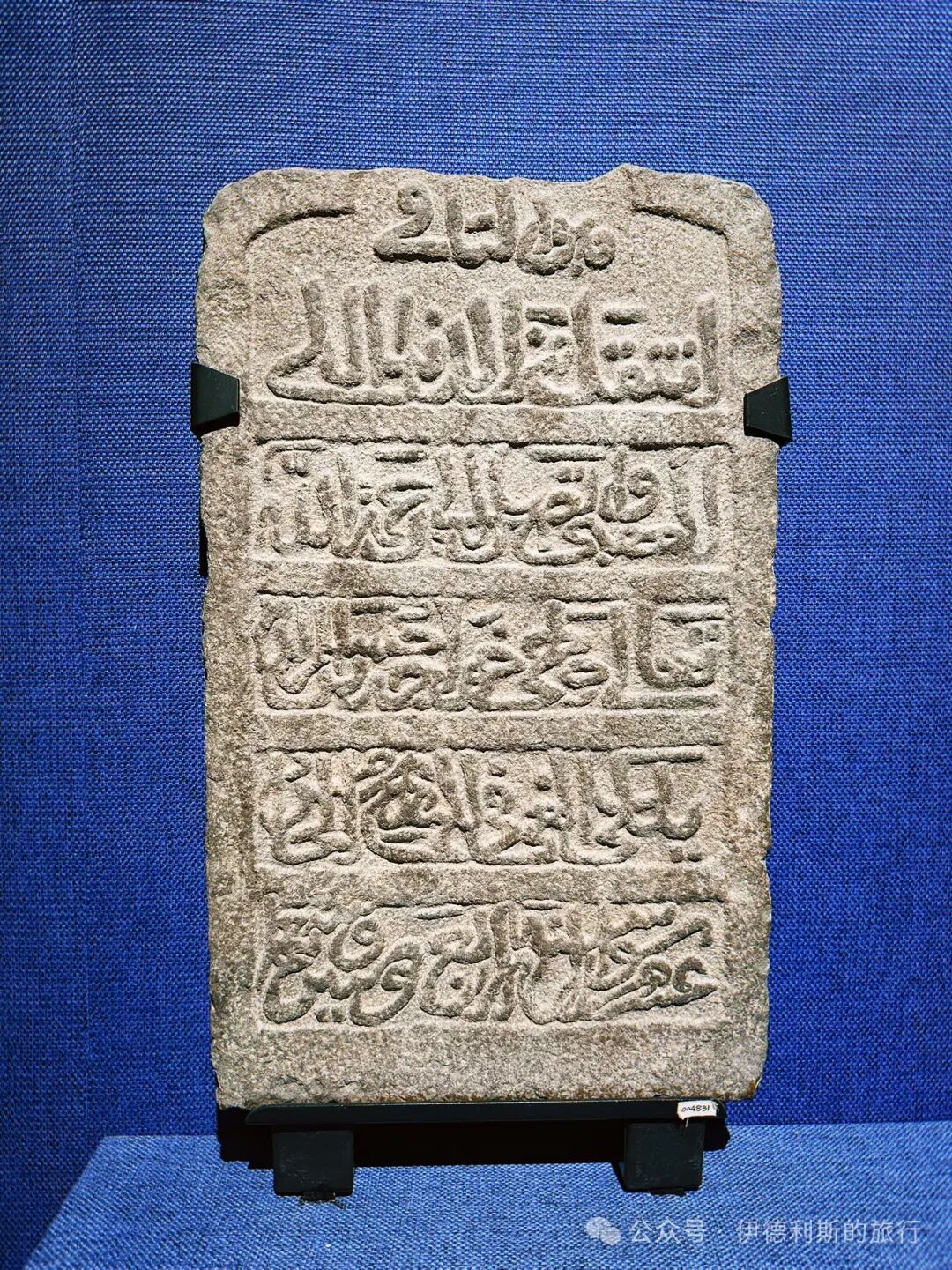
The tombstone in the picture below was discovered in 1926 by the famous archaeologist Chen Wanli on South Street in Quanzhou (now Zhongshan Road). He asked the Quanzhou government to move it to the Construction Bureau for safekeeping, but it was lost during a flood in 1935. In 1955, residents digging at the old Construction Bureau site found a stone tablet, but the bottom part with the date was broken. The person buried there was the daughter of Sayyid Burtumi b. Sayyid Muhammad al-Hamdani.
Hamadan is located southwest of Tehran and serves as an important commercial center and transport hub in northwestern Iran. Hamadan became the capital of the Seljuk Empire in the 11th century, but it was destroyed by the Mongol army in 1220 and again during the Timurid invasion in the 14th century, only recovering during the Safavid dynasty in the 16th century.
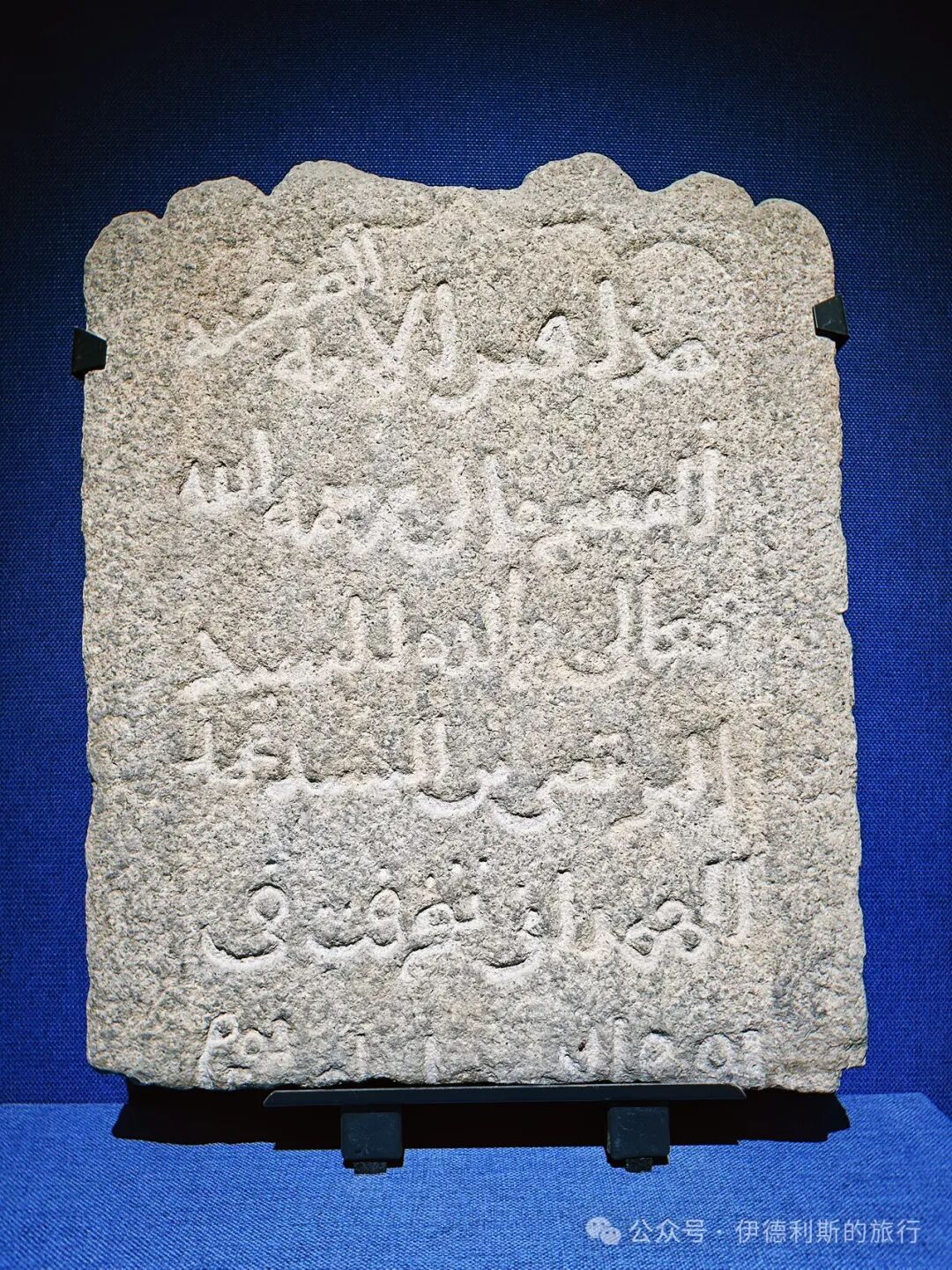
The tombstone in the picture below was found in 1929 when the Renfeng Gate wall at the East Gate of Quanzhou was torn down. It broke into three pieces and was stacked into a house wall, then rediscovered in 1950 after the wall collapsed. A corner of the tombstone was lost in the late 1960s. The person buried there died in 1337, and the inscription is a verse from the Quran (21:34-35).
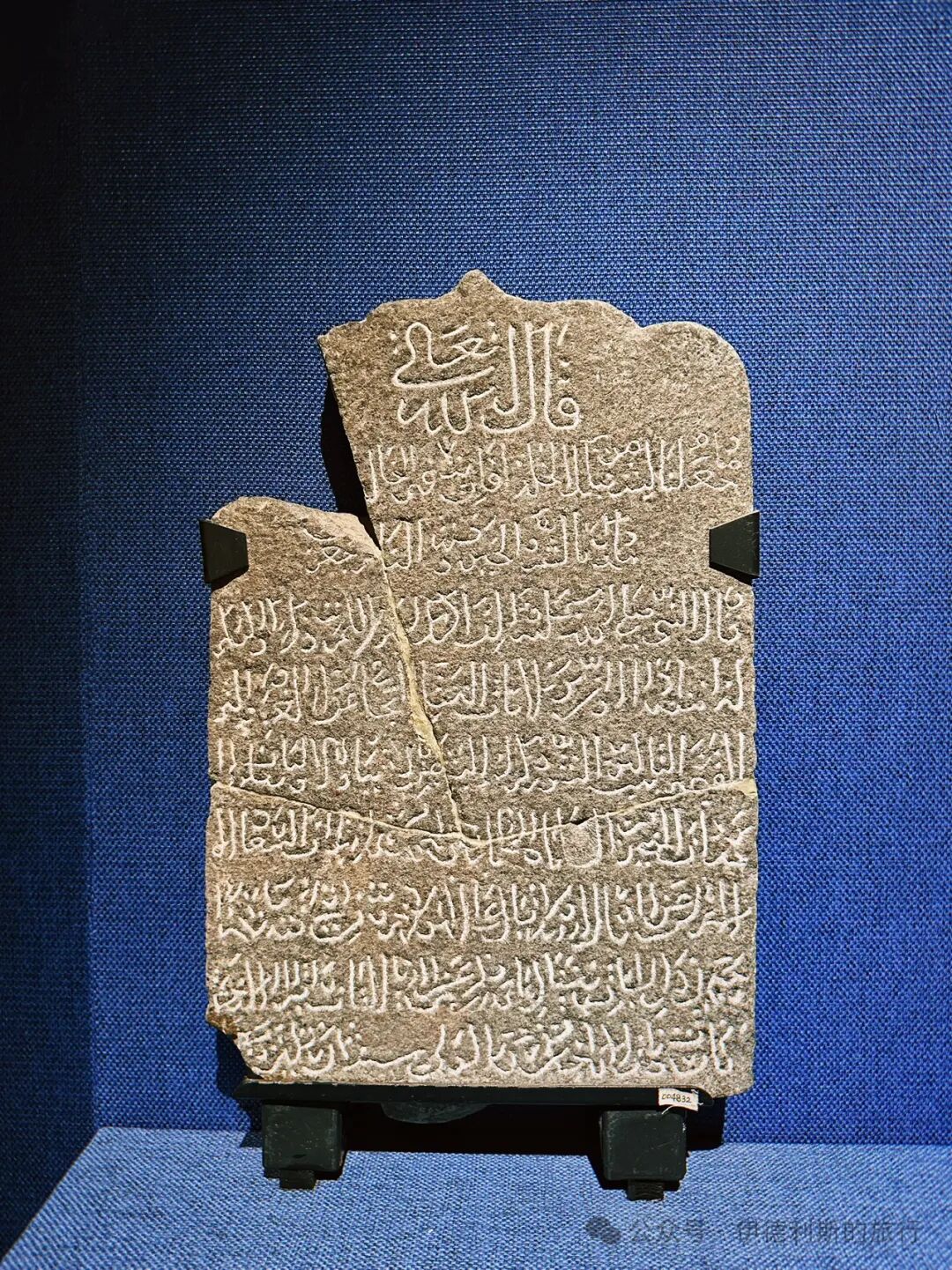
The tombstone in the picture below was found in September 1958 next to a field in Huazhou Village outside the South Gate of Quanzhou. Local villagers said it was a city stone dug up from the Quanzhou South Gate wall over 20 years earlier. They originally planned to use it to build a house, but after realizing it was a tombstone, they used it to pave a path in the field instead. The person buried there was named Abu Masman Ghath, and the inscription is a verse from the Quran (55:26-27).
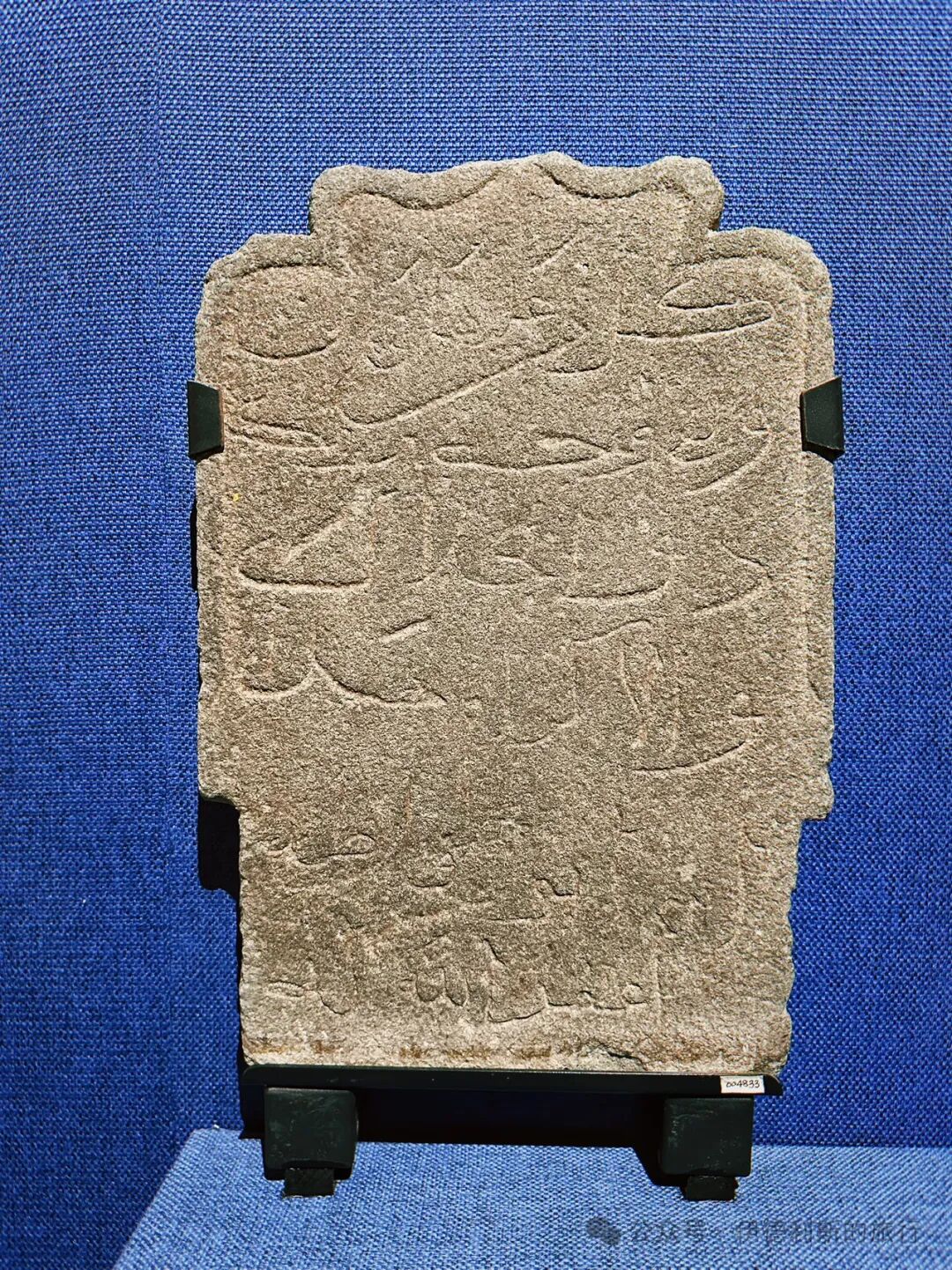
The tombstone in the picture below was found on the road surface of West Street in Quanzhou in 1932. It was originally taken from the city wall to pave the road. The person buried there is named Khadija bint Fanshah.
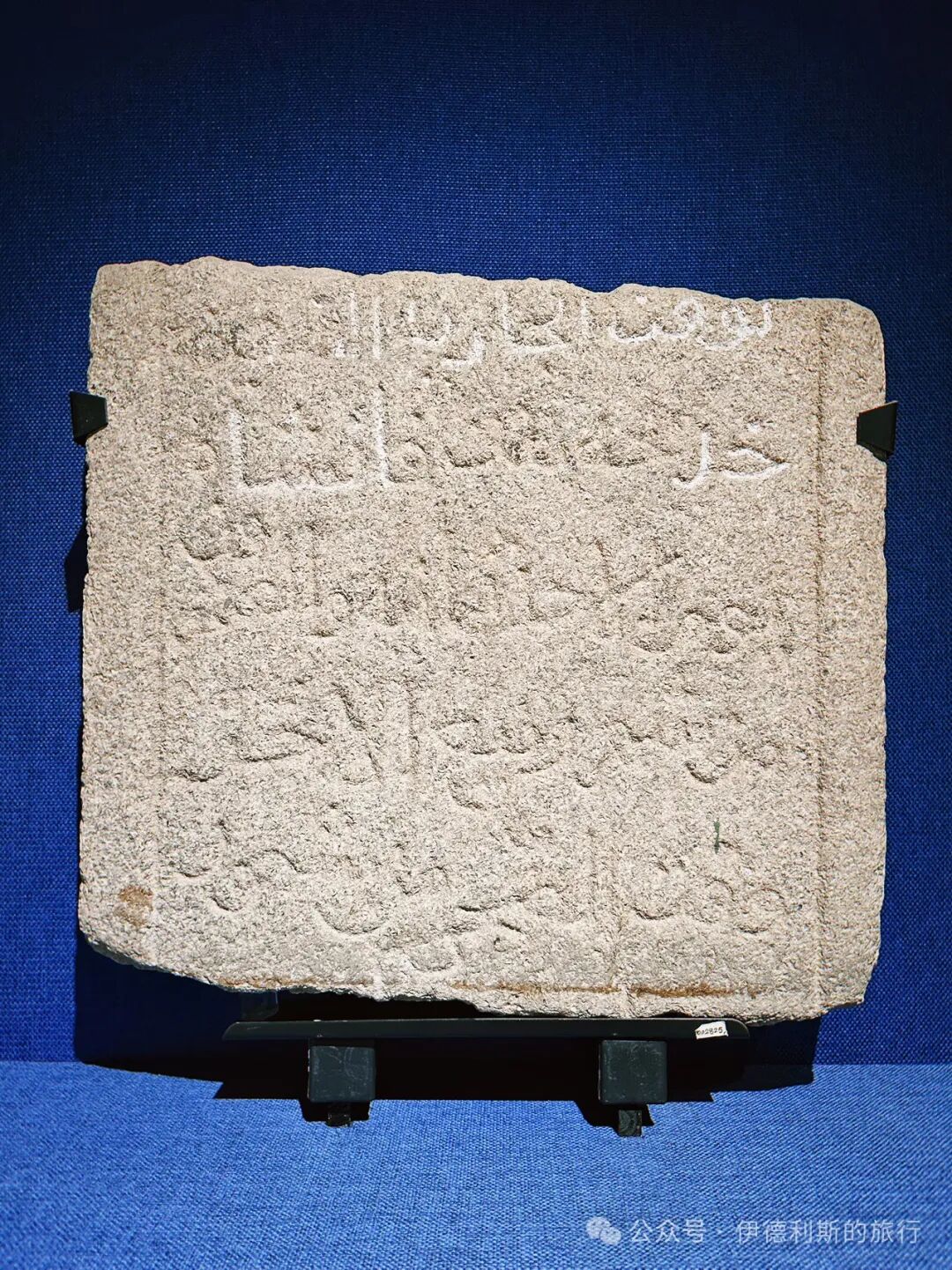
The tombstone in the picture below was unearthed in 1981 at a villager's home in Jinputou, outside Tonghuai Gate at the East Gate of Quanzhou. The person buried there is named al-Hamd Suad.
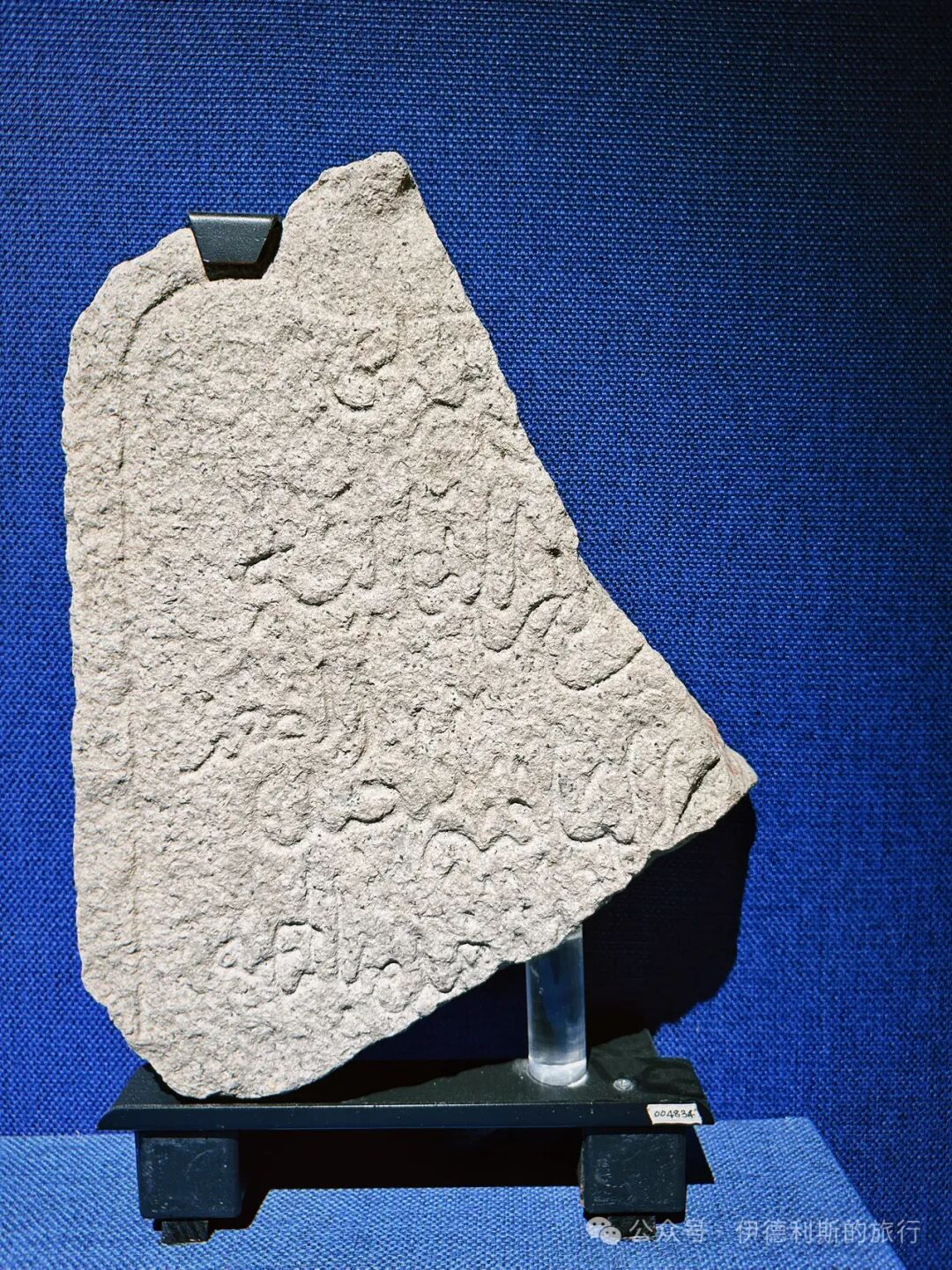
The tombstone in the picture below was found in a resident's home near the South Gate factory area in Quanzhou in 1945 and was recovered for preservation in 1953. The inscription is a verse from the Quran (29:57).
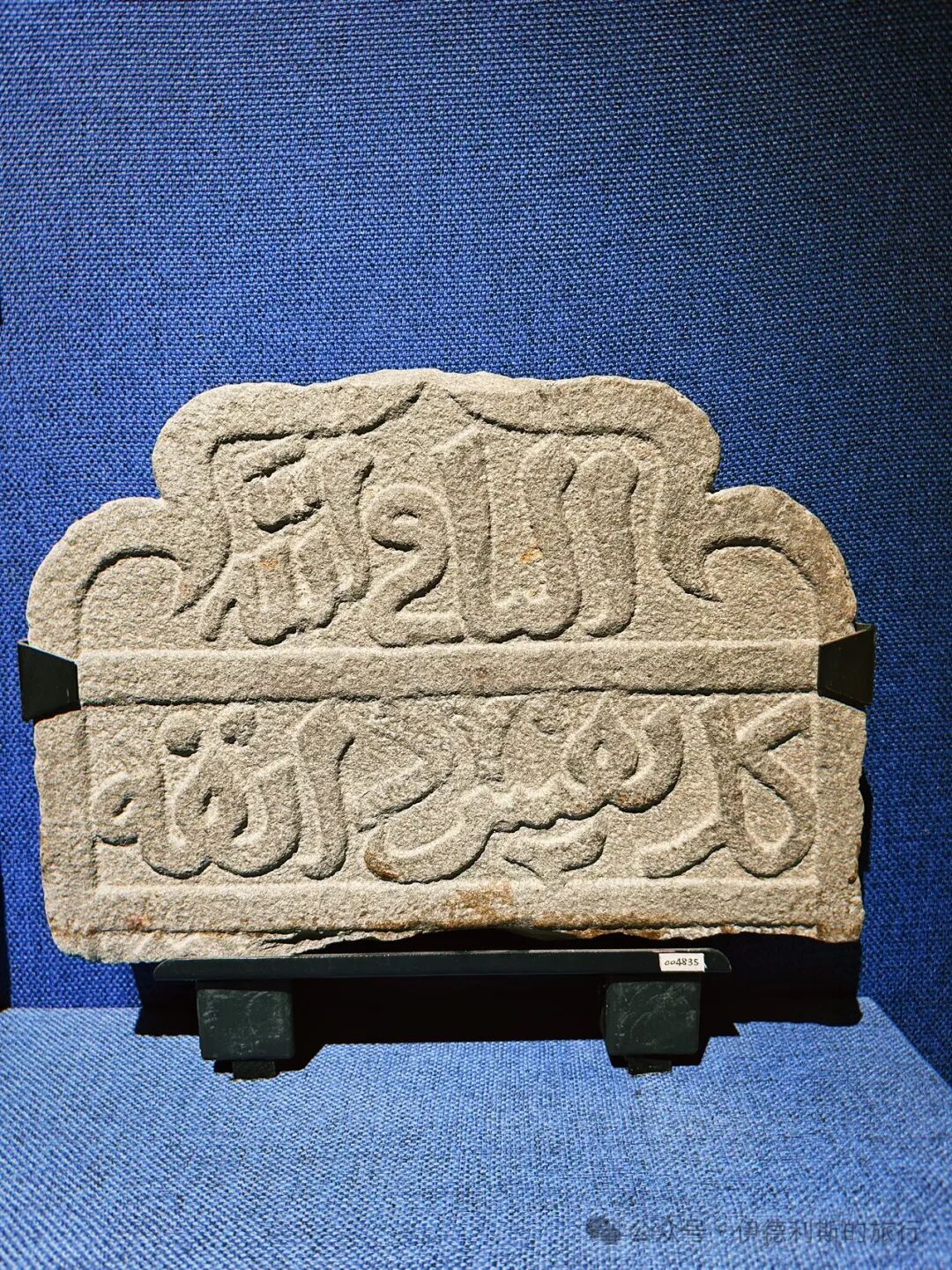
The tombstone in the picture below was excavated from the city wall at the East Gate of Quanzhou in 1930. The center features a full moon carved in Arabic script, with a swirling cloud on each side, creating a cloud and moon pattern. The top center of the tombstone features the Shahada, surrounded by dua.
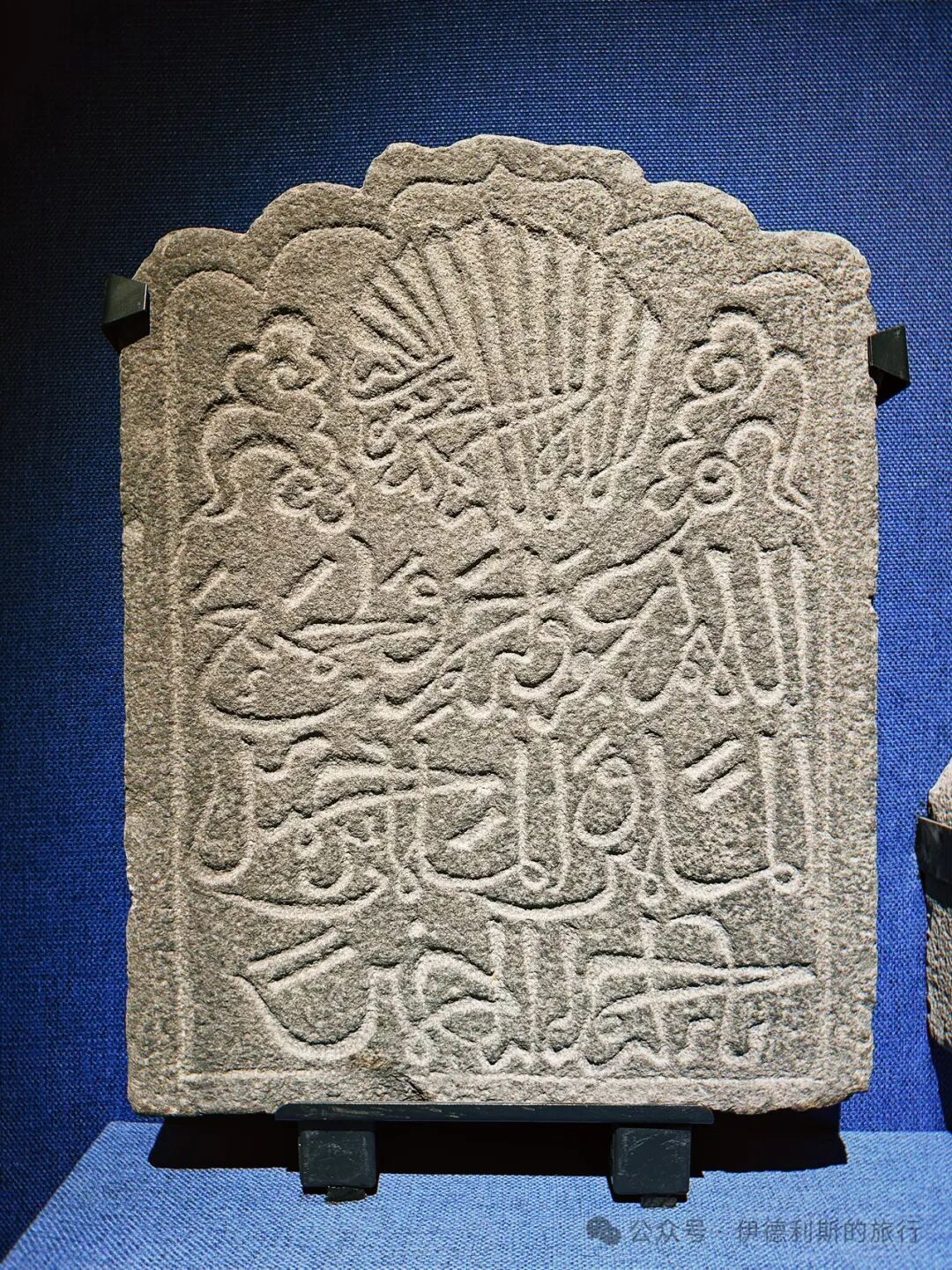
The tombstone in the picture below was found in 1940 while digging city foundations near Jiaochangtou, close to Tonghuai Gate at the East Gate of Quanzhou. The tombstone features a cloud and moon design, with a full moon in the center and swirling cloud patterns on both sides. The person buried here died in 1350, and the inscription is a verse from the Quran (55:26-27).
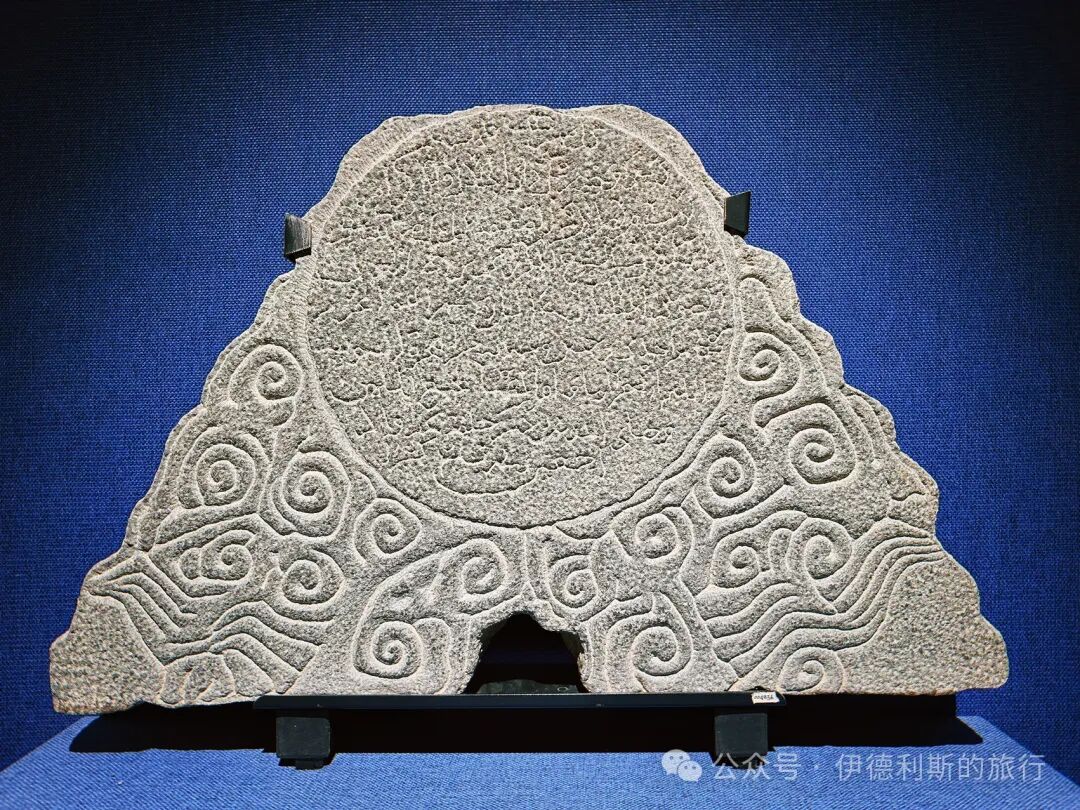
The tombstone in the picture below was found in June 1959 in Xiawei Village, outside Tonghuai Gate at the East Gate of Quanzhou. According to local villagers, this stone was dug up from the city wall many years ago and used to pave a small path in the fields. It was dug up again during road construction and kept in an ancestral hall because the writing on it looked unusual. The inscription consists of verses from the Quran (39:4, 55:26-27).
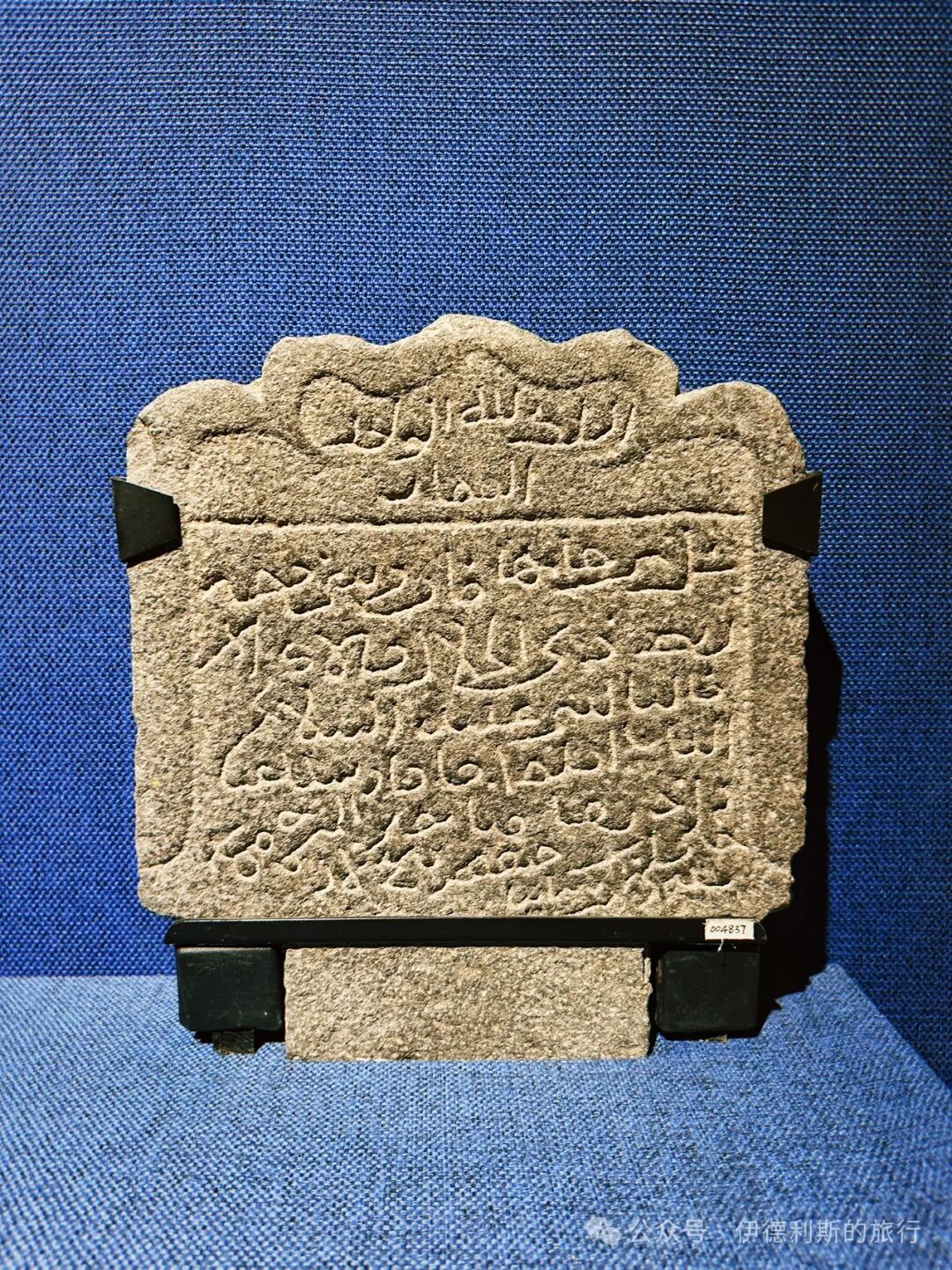
The tombstone in the picture below was found in 1947 in the city foundations of Deji Gate at the South Gate of Quanzhou. That same year, it was used to build a pier for the Shunji Bridge at the South Gate, but it was later discovered and moved. The inscription is a verse from the Quran (55:26-27).
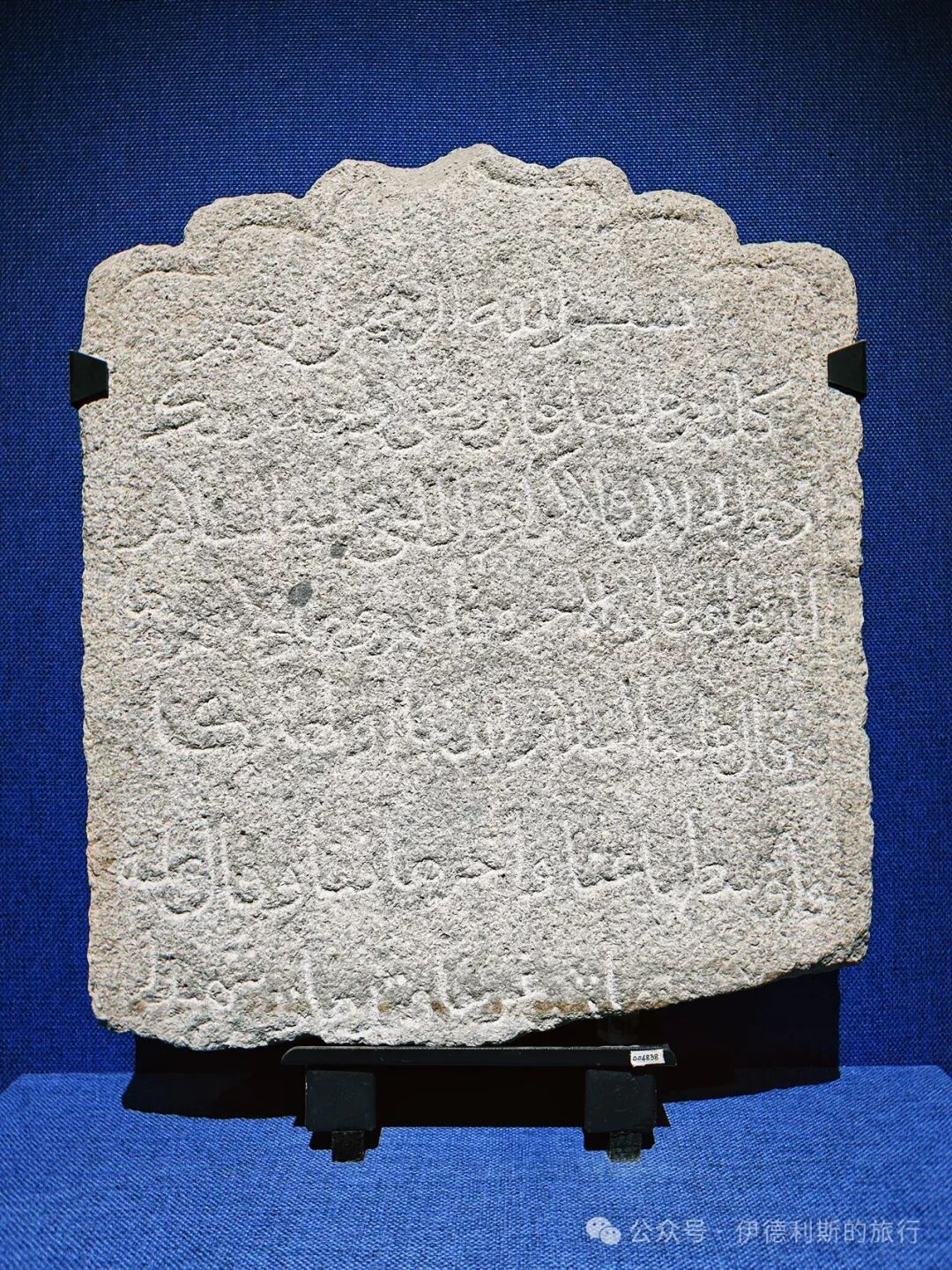
The tombstone inscription in the picture below is a verse from the Quran (55:26-27). The lower part of the tombstone is damaged, so we only know the person was a "pure servant who died on Saturday, May 2nd, in the year..."
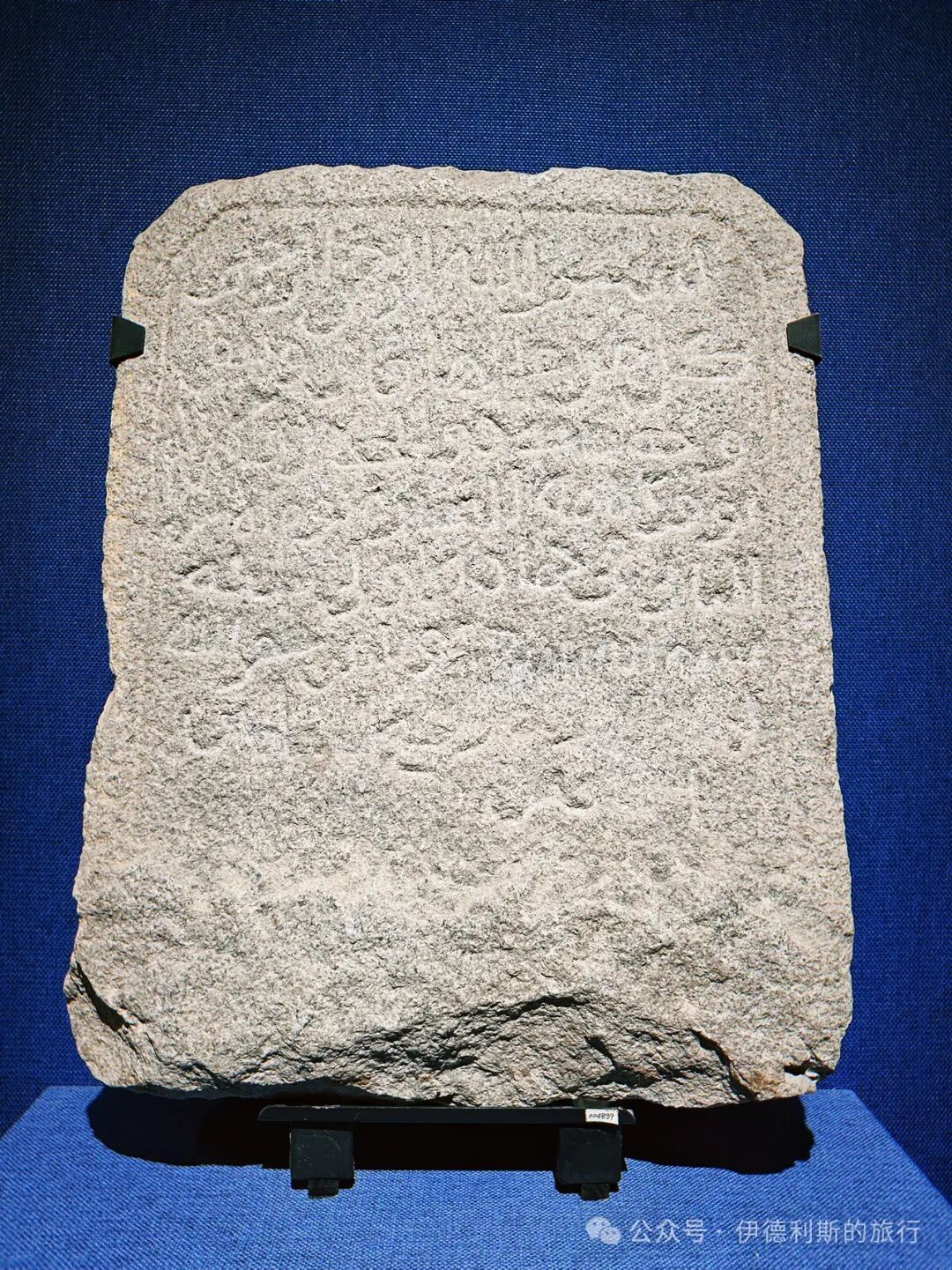
The tombstone in the picture below was found in a field near East Lake outside the Small East Gate of Quanzhou in April 1962. Local villagers say it was dug up from the city wall years ago to pave the road. The inscription is a verse from the Quran (3:85).
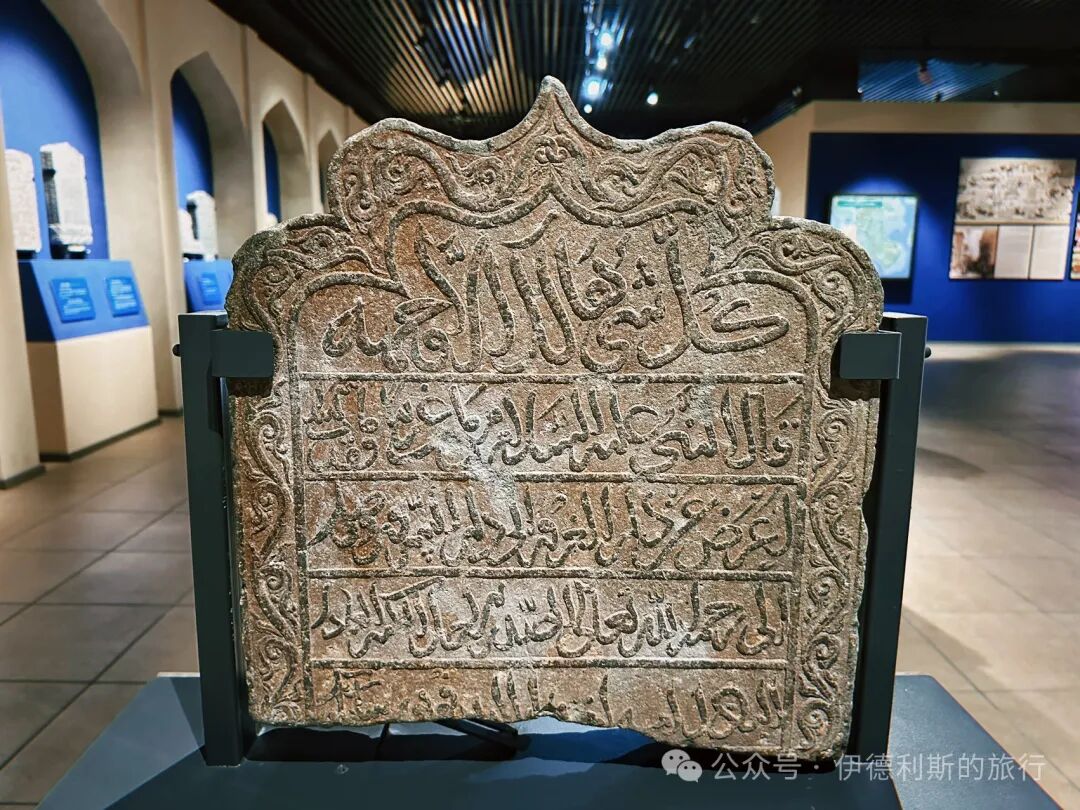
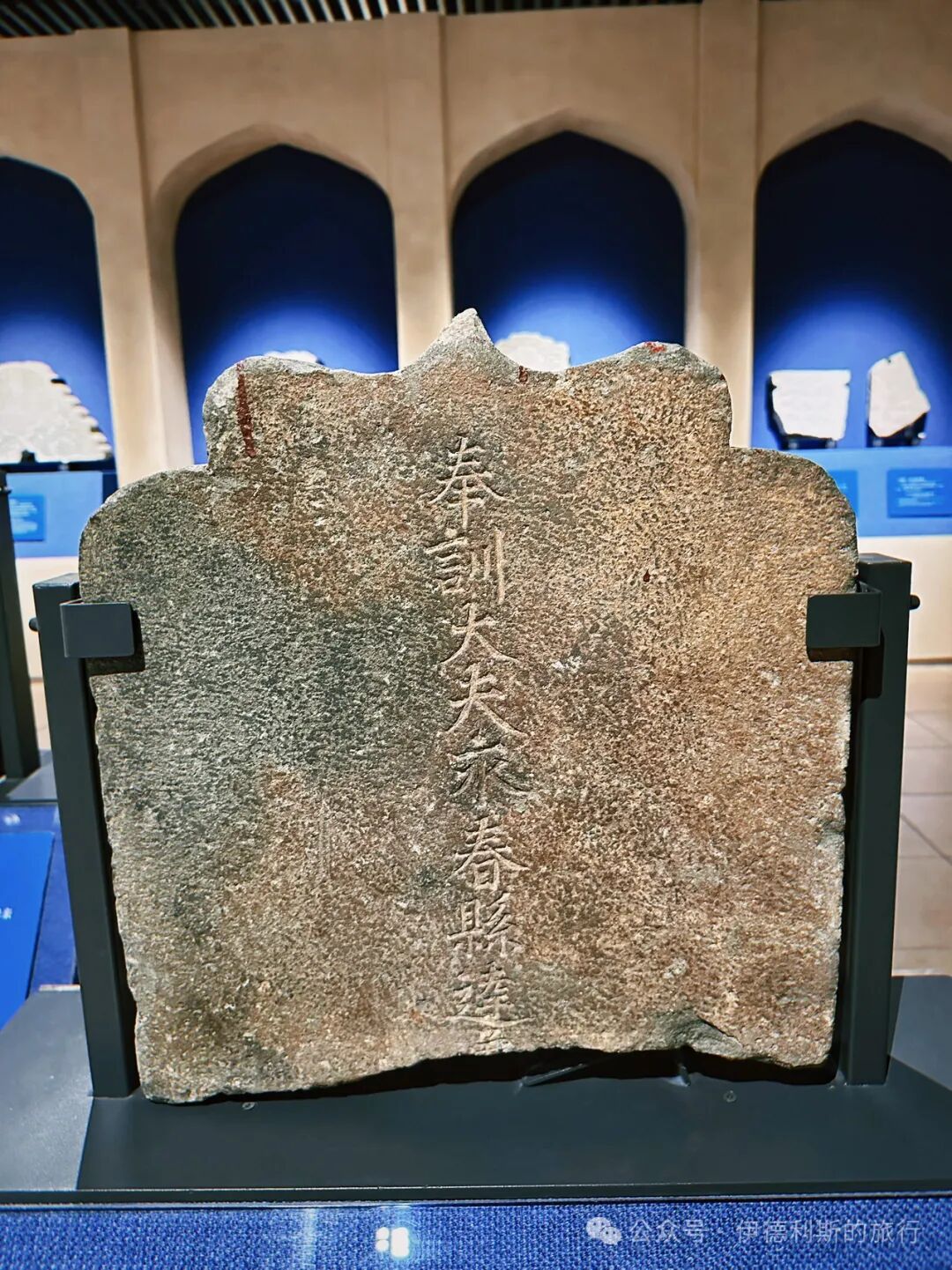
The tombstone in the picture below was found in a pond outside Renfeng Gate at the East Gate of Quanzhou in 1939. The tomb owner's title is Sayyid al-Ajall al-Kabir, which translates to "the first, the respected, the important." The other side is carved with Chinese characters reading "Fengxun Dafu, Darughachi of Yongchun County..."
Darughachi was a government position during the Yuan Dynasty, held only by Mongols or powerful Semu people. Yongchun County is under the jurisdiction of Quanzhou. According to the Yongchun Prefecture Records, there was once a darughachi named Tuohuanshaduoluoboer, who might be the same person as the tomb owner.
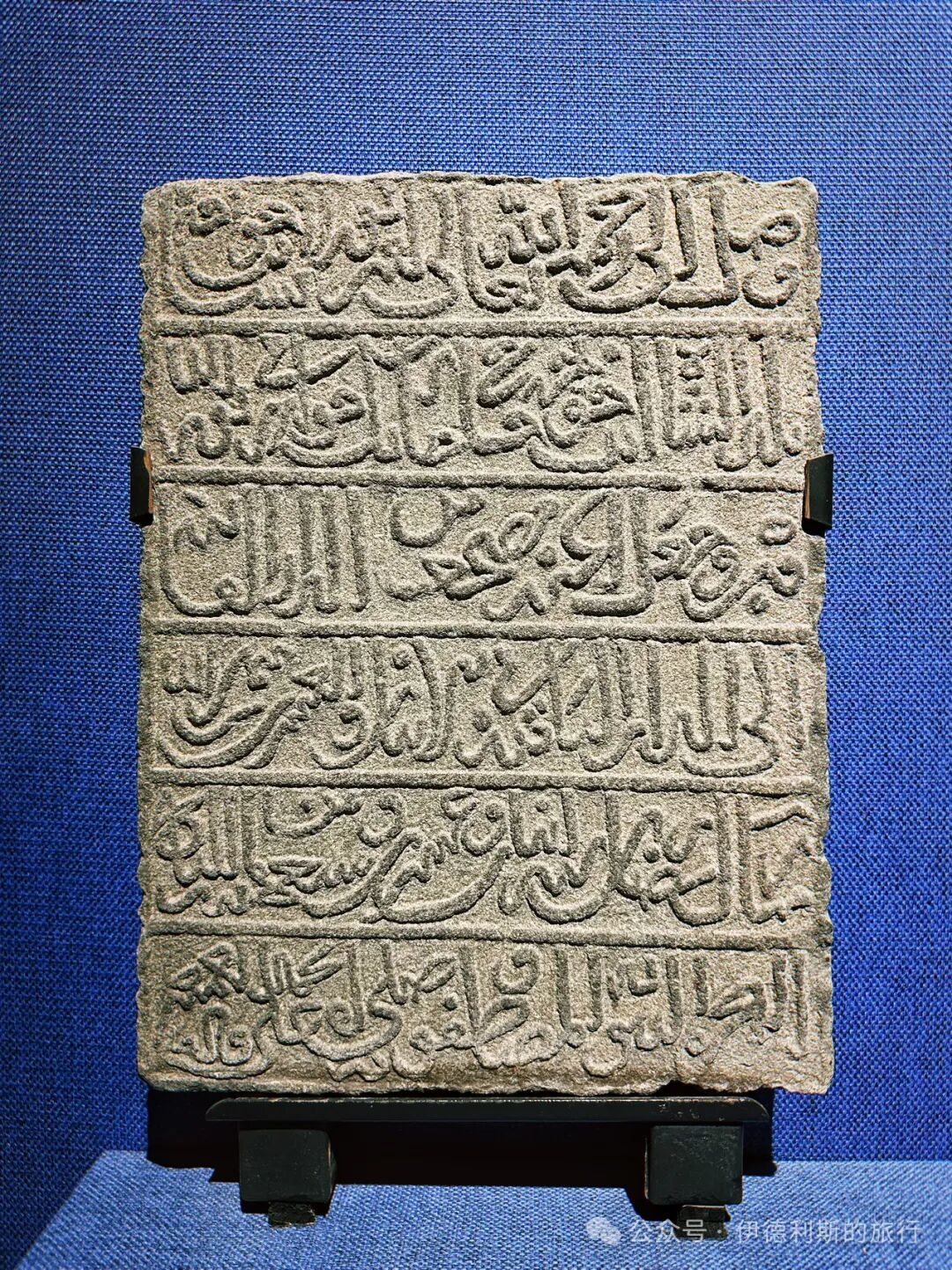
The tombstone in the picture below was found in 1931 when the East Gate of Quanzhou was dismantled. The tomb owner was named Khwaja Jalal al-Din b. Muhammad b. Ibrahim, who passed away in 1305. The back is carved with verses from the Quran (89:28-30).
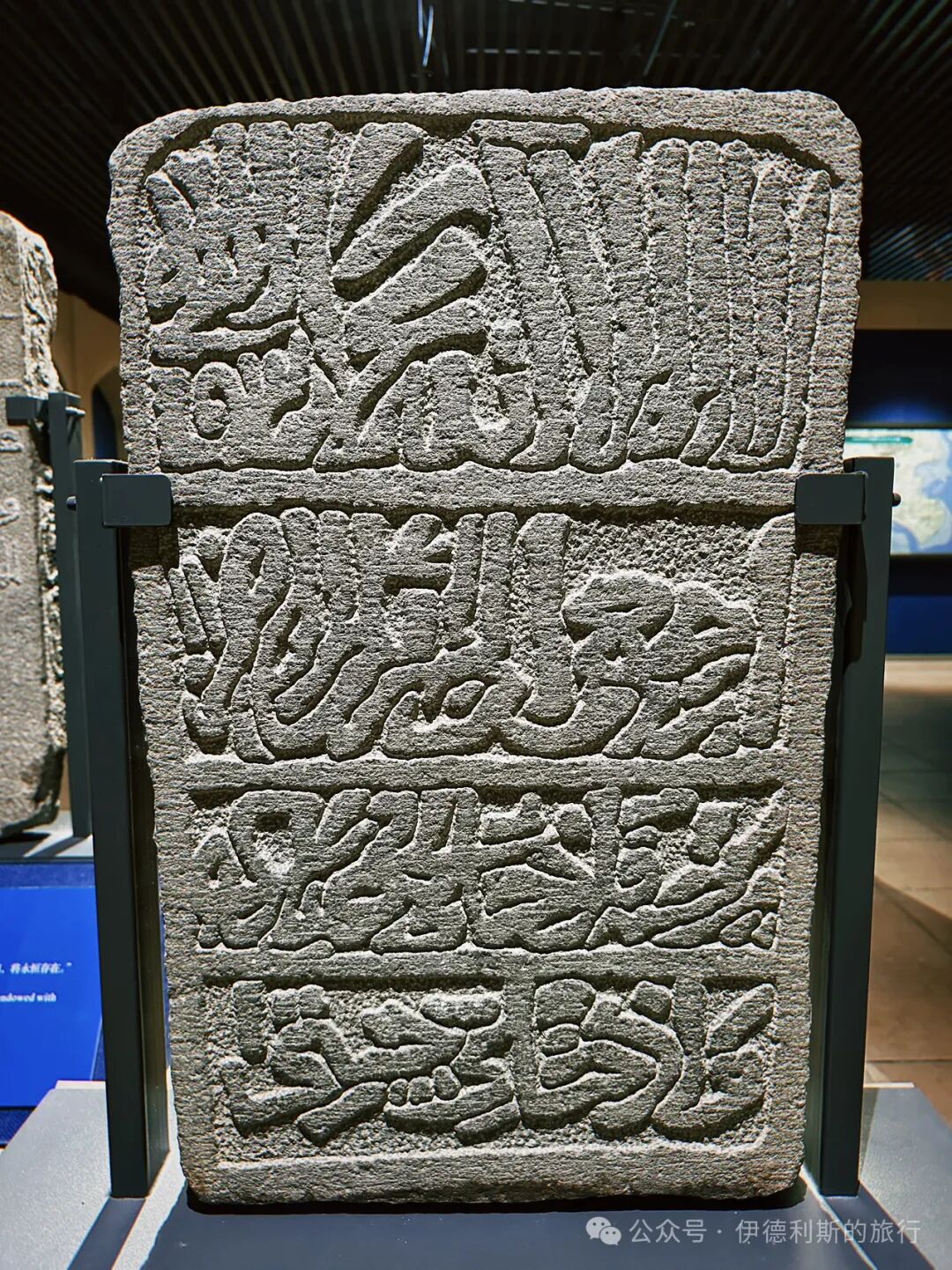
The tombstone in the picture below was found in 1942 at a stone shop on Renfeng Street outside the East Gate of Quanzhou. It had been dug out from the city wall. The tomb owner was named Amir Tughasun Amir Ali b. Hasan b. Ali al-Ghazwini, who passed away in 1371 (some say 1273). Amir, also translated as Yimi, originally meant commander and was later used to refer to a lord.
In his book Religious Stone Inscriptions of Quanzhou, Wu Wenliang speculates that this Amir was the imam of the foreign quarter in Quanzhou at that time. In the early Ming Dynasty, the government briefly followed the open policies of the Yuan Dynasty, encouraged foreign trade, and established a Maritime Trade Office in Quanzhou. This policy did not last long. In 1371, the Ming Dynasty issued a maritime ban, and in 1374, it closed the Quanzhou Maritime Trade Office. The once-thriving foreign quarter in Quanzhou quickly declined.
Qazvin is located in northwestern Iran, south of the Caspian Sea. In 1220, the Mongol army massacred the population of Qazvin. Afterward, many Turkic-speaking people moved to Qazvin to settle. In 1295, Qazvin suffered heavy damage during the turmoil of Ghazan Khan's struggle for the throne of the Ilkhanate, and many people left the city.
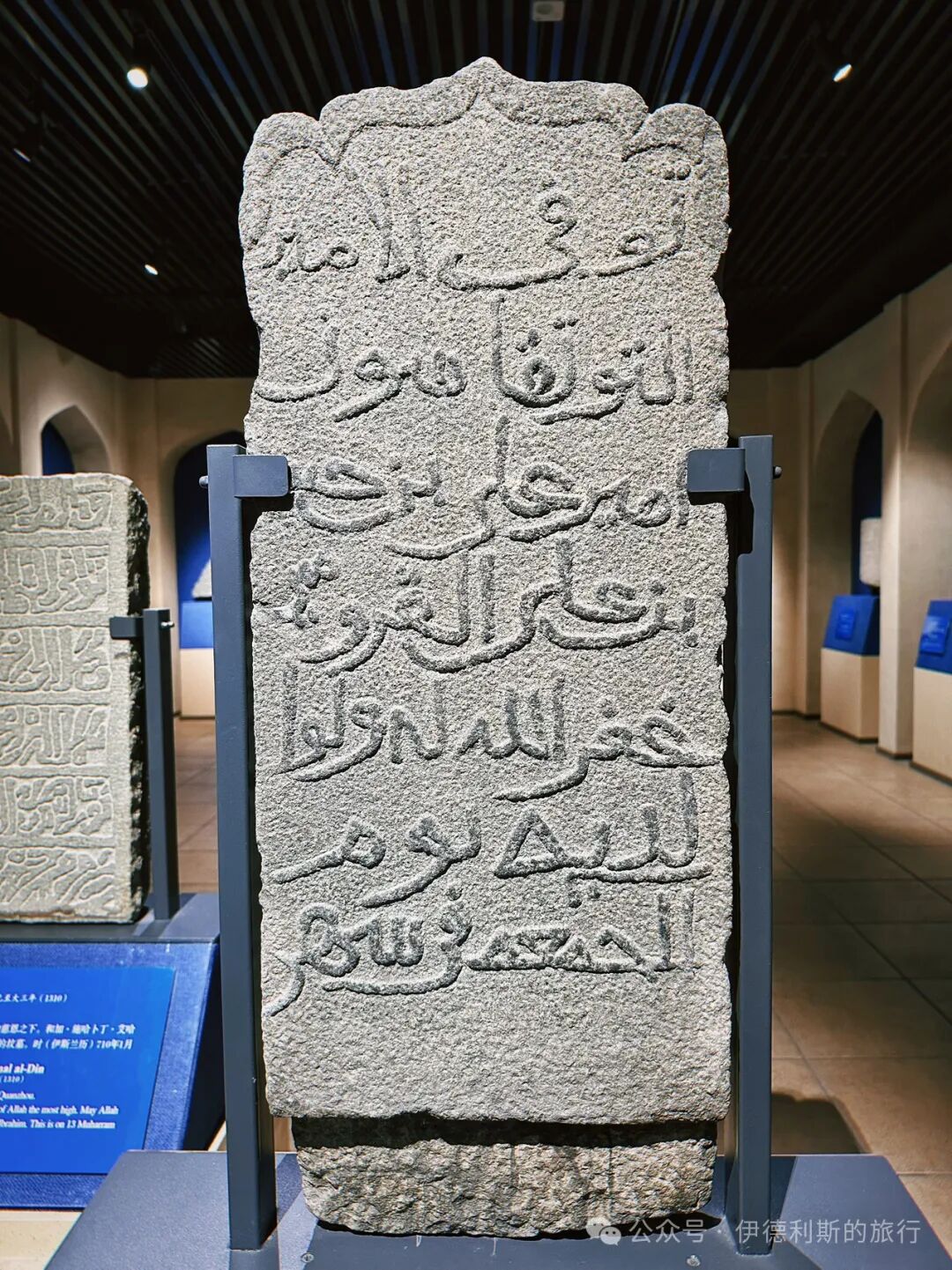
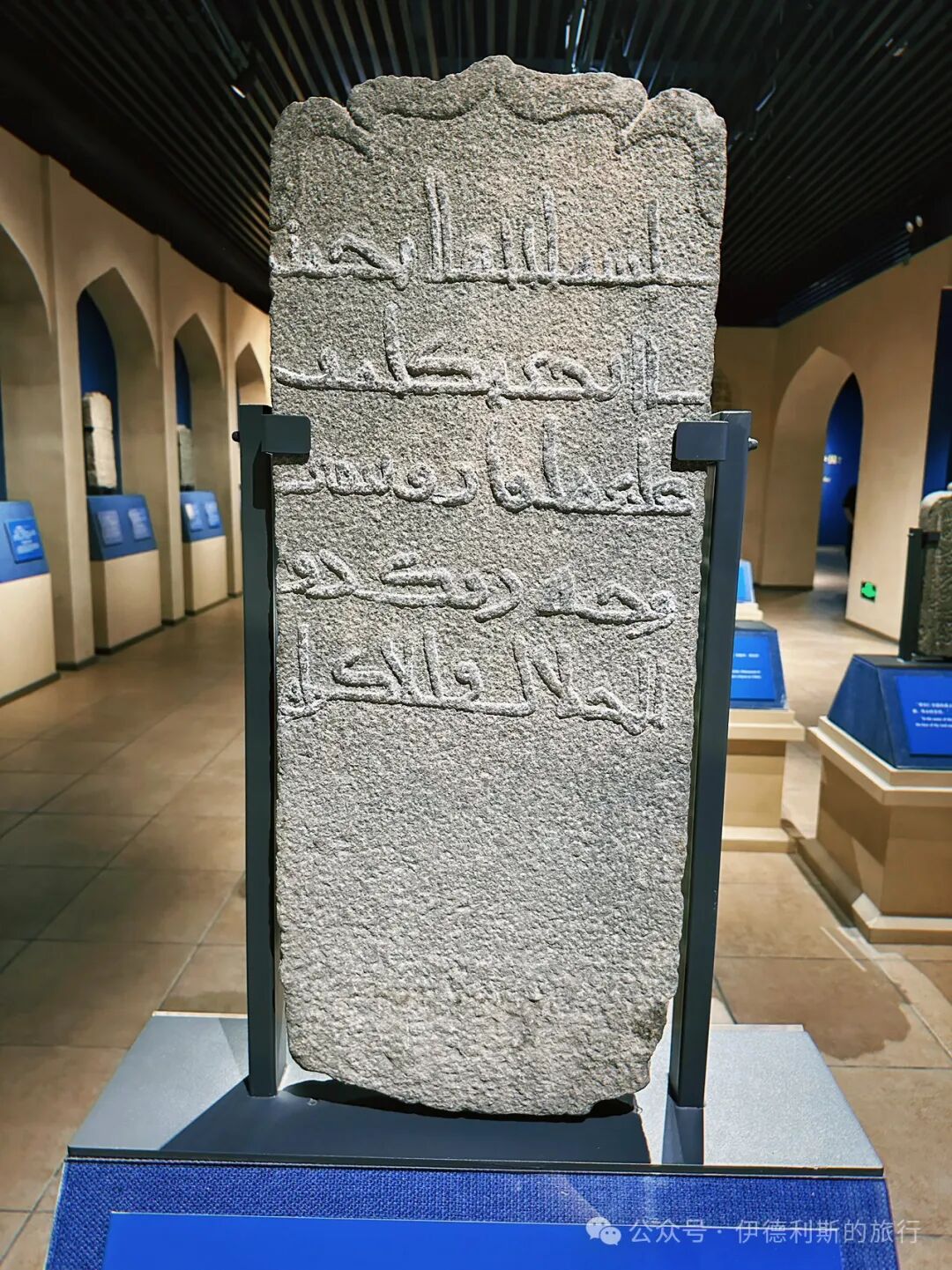
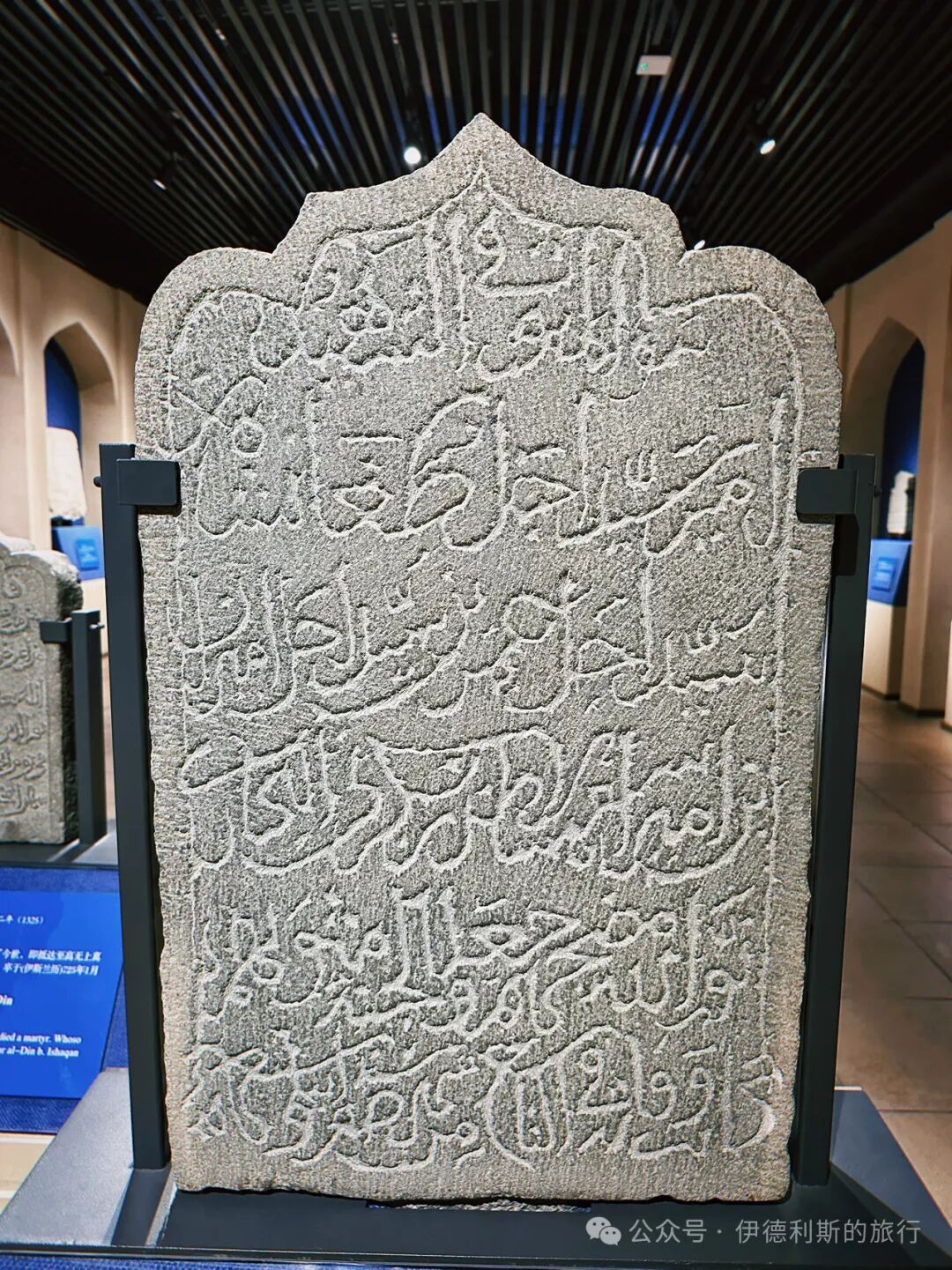
The tombstone in the picture below was discovered in 1940 when the Renfeng Gate at the east gate of Quanzhou was demolished. The person buried there was Shams al-Din b. Nur al-Din b. Ishaqan Shahristani, who died in 1325 and came from Shahristan in Iran. The back features a verse from the Quran (3:19).
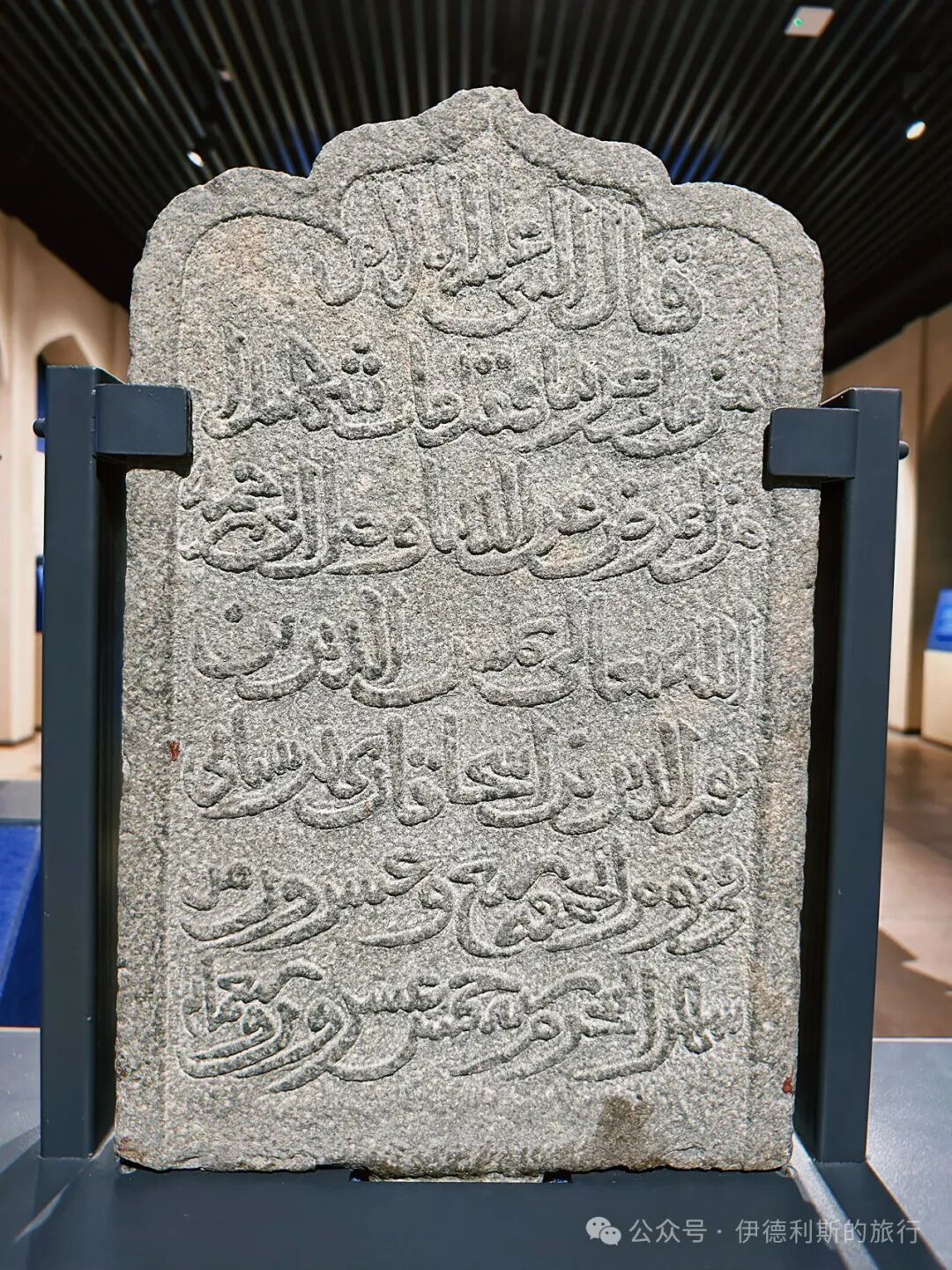
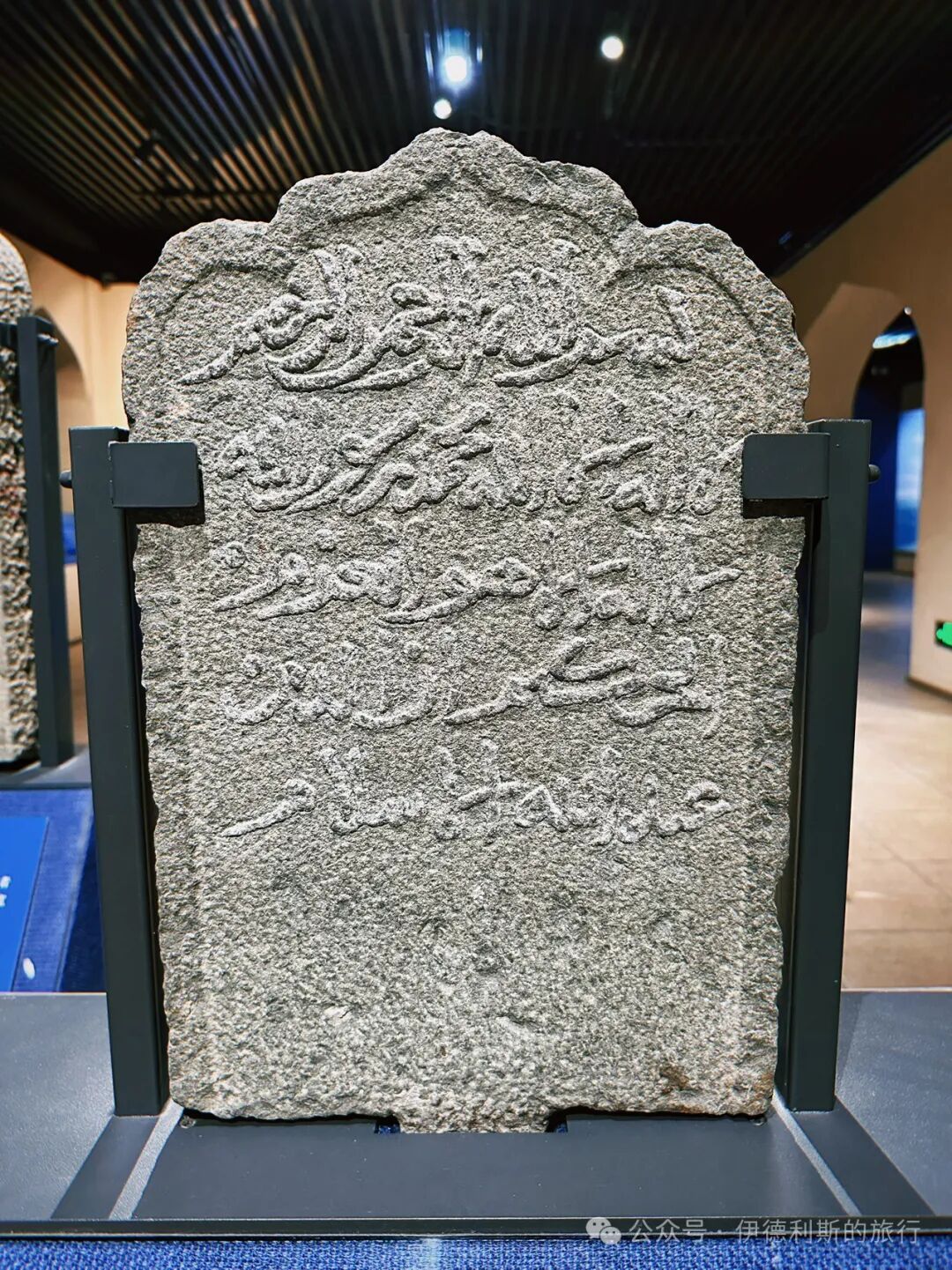
The tombstone in the picture below was found in March 1963 in the home of a farmer at Ruifengling outside the east gate of Quanzhou. The family said it was discovered when an old wall that had stood for a hundred years collapsed. Several gravestones belonging to the faith were found near Ruifeng Ridge, marking it as one of the burial sites for Muslims in Quanzhou during the Song and Yuan dynasties. The person buried there was named Fatima bint Naina, who passed away in 1306. The back of the stone is carved with verses from the Quran (55:26-27).
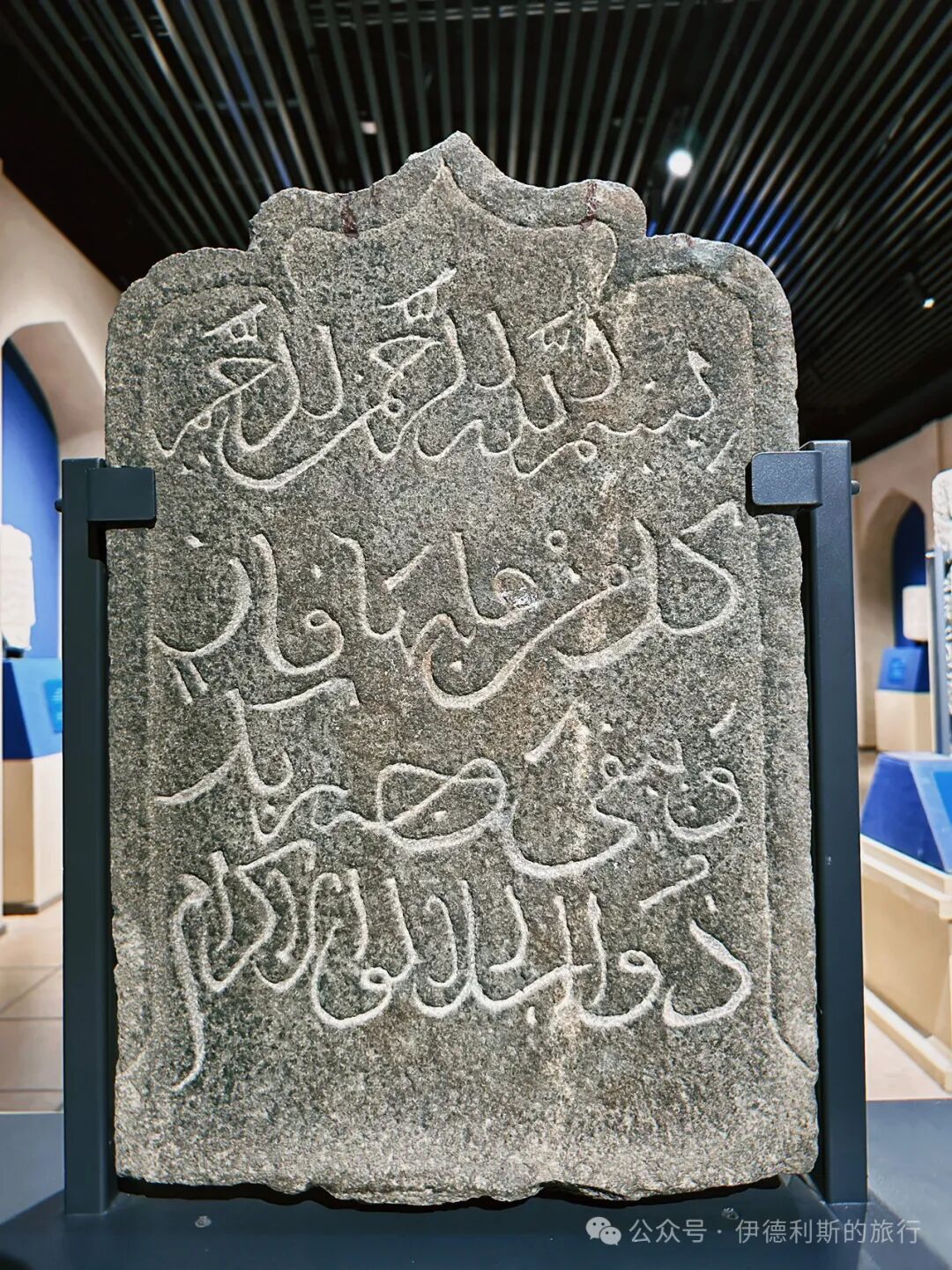
The gravestone in the picture below is broken into several pieces, with two parts remaining today; they were unearthed in 1953 and 1956 at Jintoupu, outside the Tonghuai Gate of Quanzhou's East Gate. The person buried there was named Abu Bakr b. Husayn Sinan, who passed away in 1319.
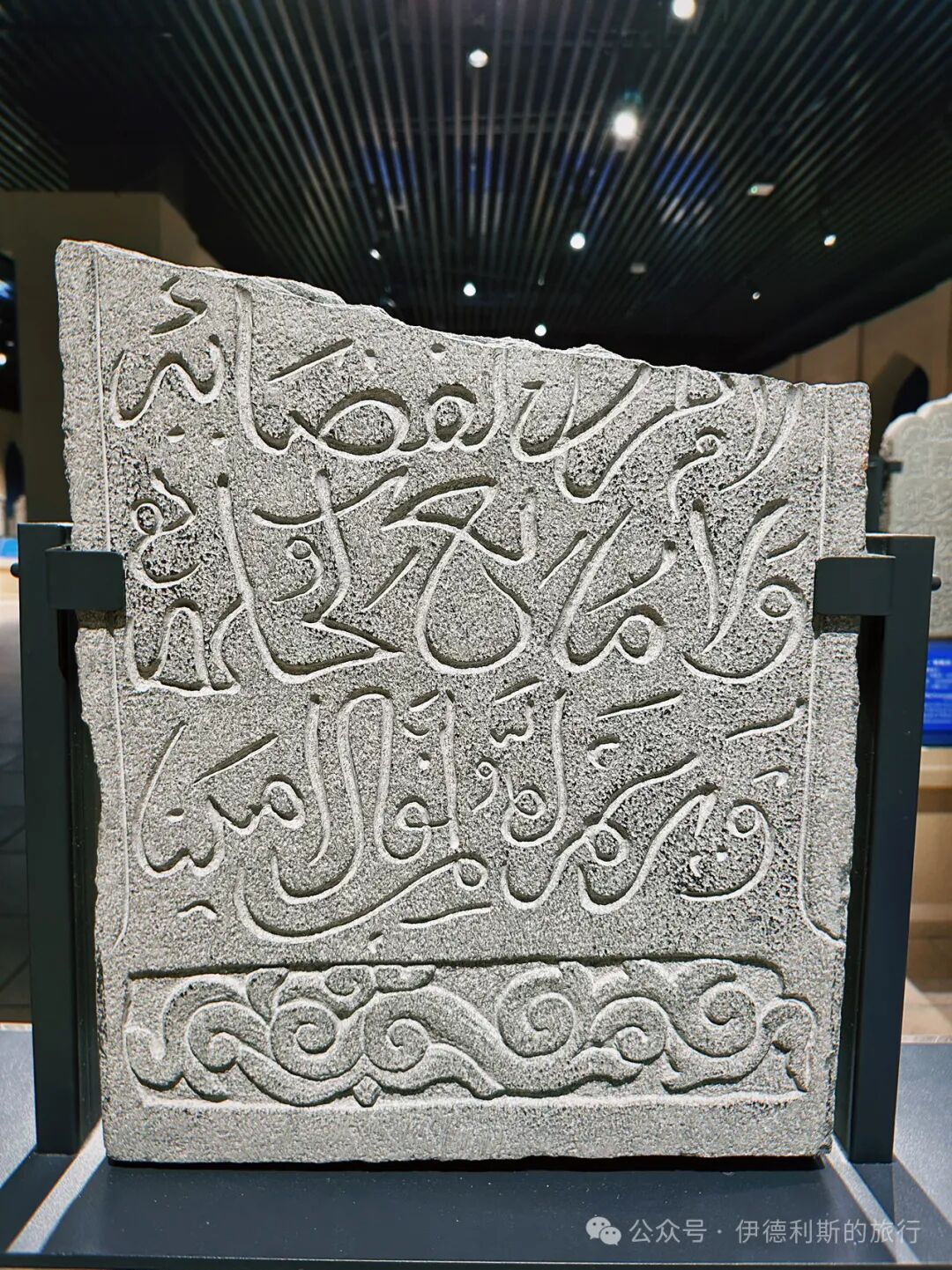
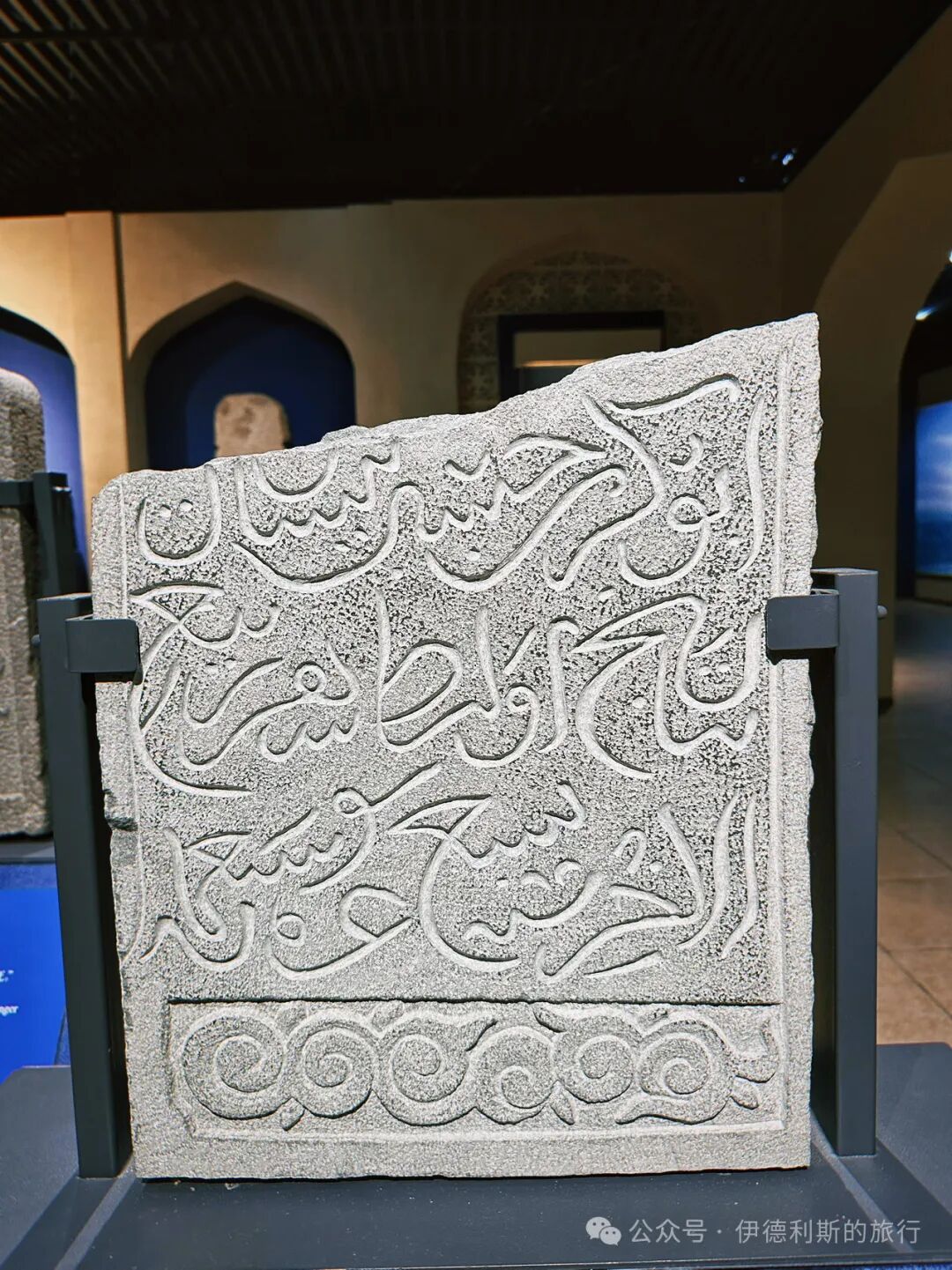
The gravestone in the picture below was excavated from the city wall at Quanzhou's East Gate in 1929; the person buried there was named Haji b. Agfar Beg b. Haji al-Malighi, who passed away in 1387 (though some say 1290). If the date is 1387, it is a rare gravestone from the Ming dynasty. The back is carved with a verse from the Quran (2:156) and a hadith stating, 'Whoever dies in a foreign land dies a martyr.'
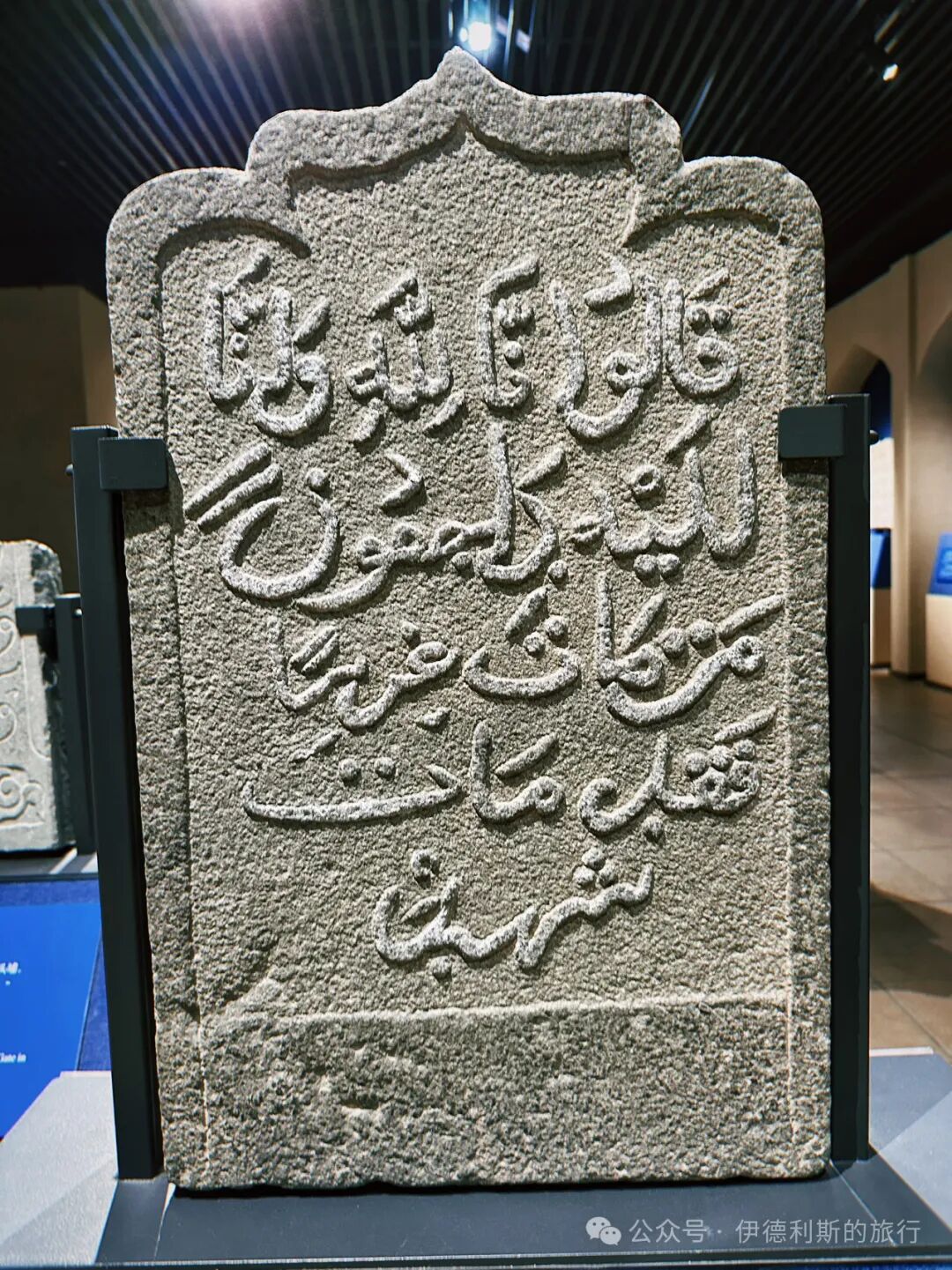
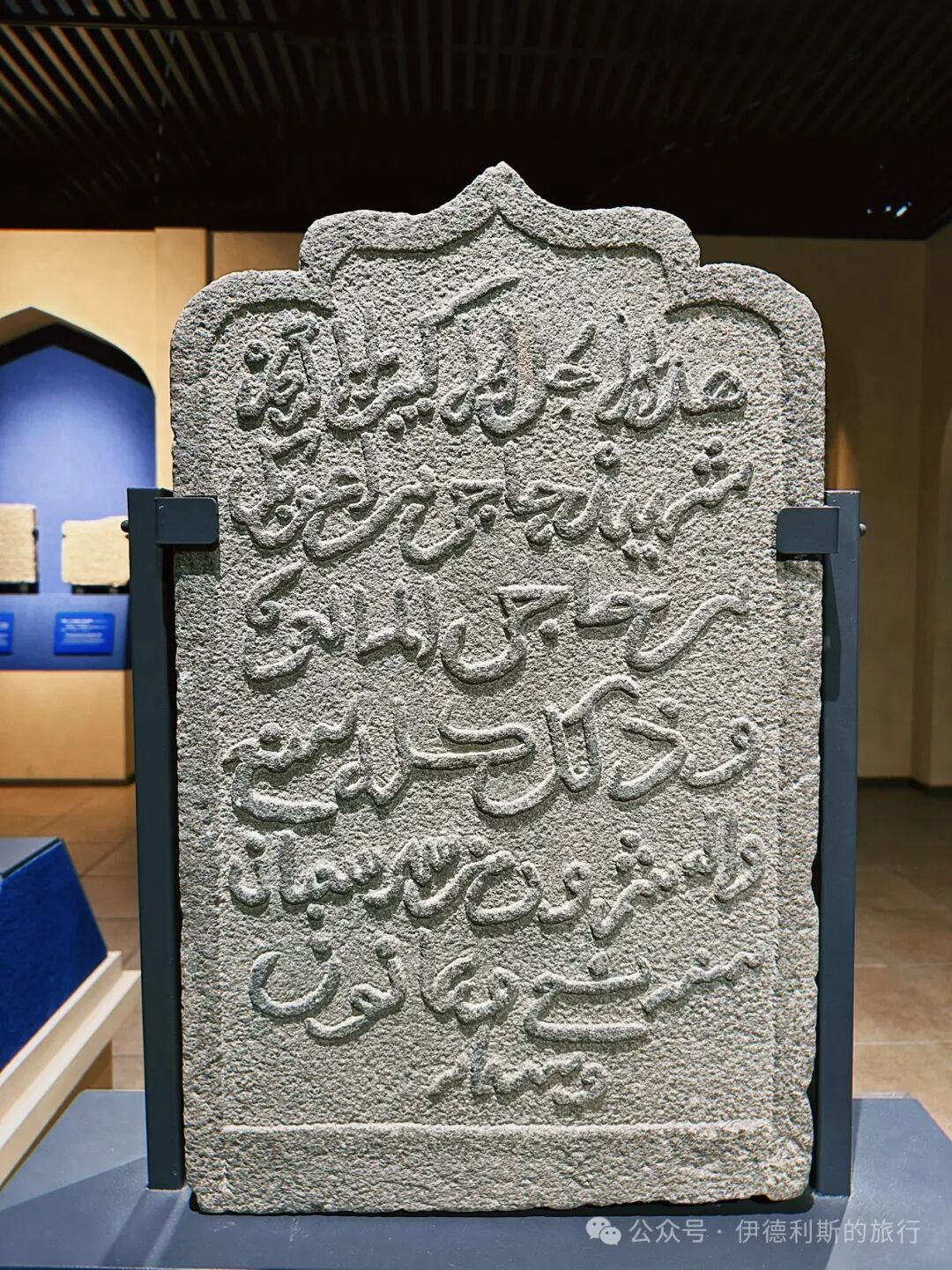
The tombstone in the picture below was found in 1930 when the East Gate of Quanzhou was demolished. The person buried there was named Mansur b. Haji al-Qasim al-Jajarmi, who died in 1277. The back features the Shahada and a verse from the Quran (28:88). This Mansur and the previously mentioned Qutb al-Din Ya'qub both came from Jajarm in the North Khorasan province of Iran.
In 1276, the Yuan army captured Lin'an, and Wen Tianxiang and others supported Emperor Duanzong as they fled to Quanzhou. The Song army seized 2,000 of Pu Shougeng's ships (some say over 400) and confiscated his property. This led Pu Shougeng to carry out a retaliatory massacre of the Southern Song royal family members living abroad and to hunt down Emperor Duanzong. In 1277, the Yuan army arrived in Quanzhou, and Pu Shougeng surrendered the city, marking a new chapter in Quanzhou's history.
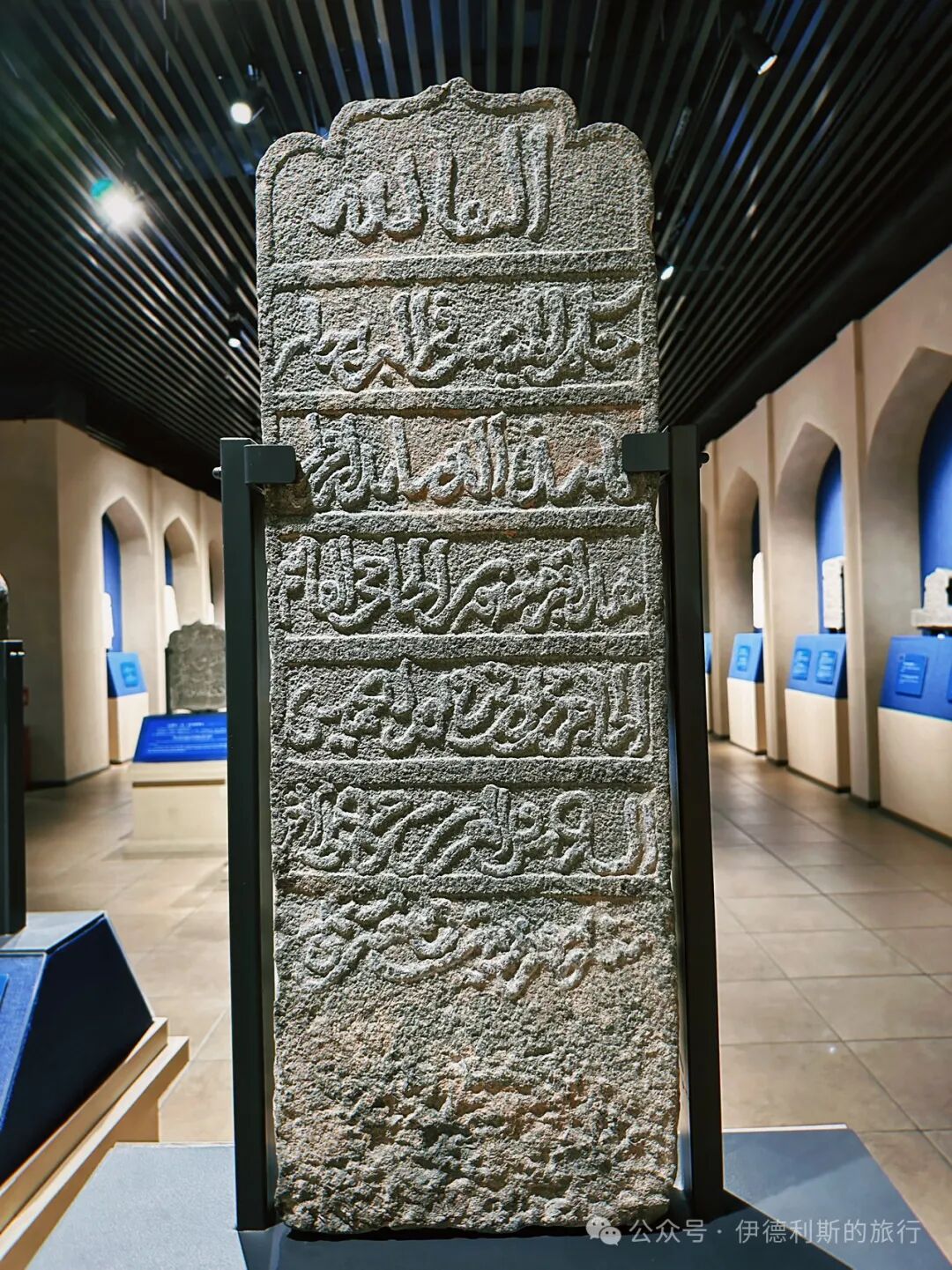
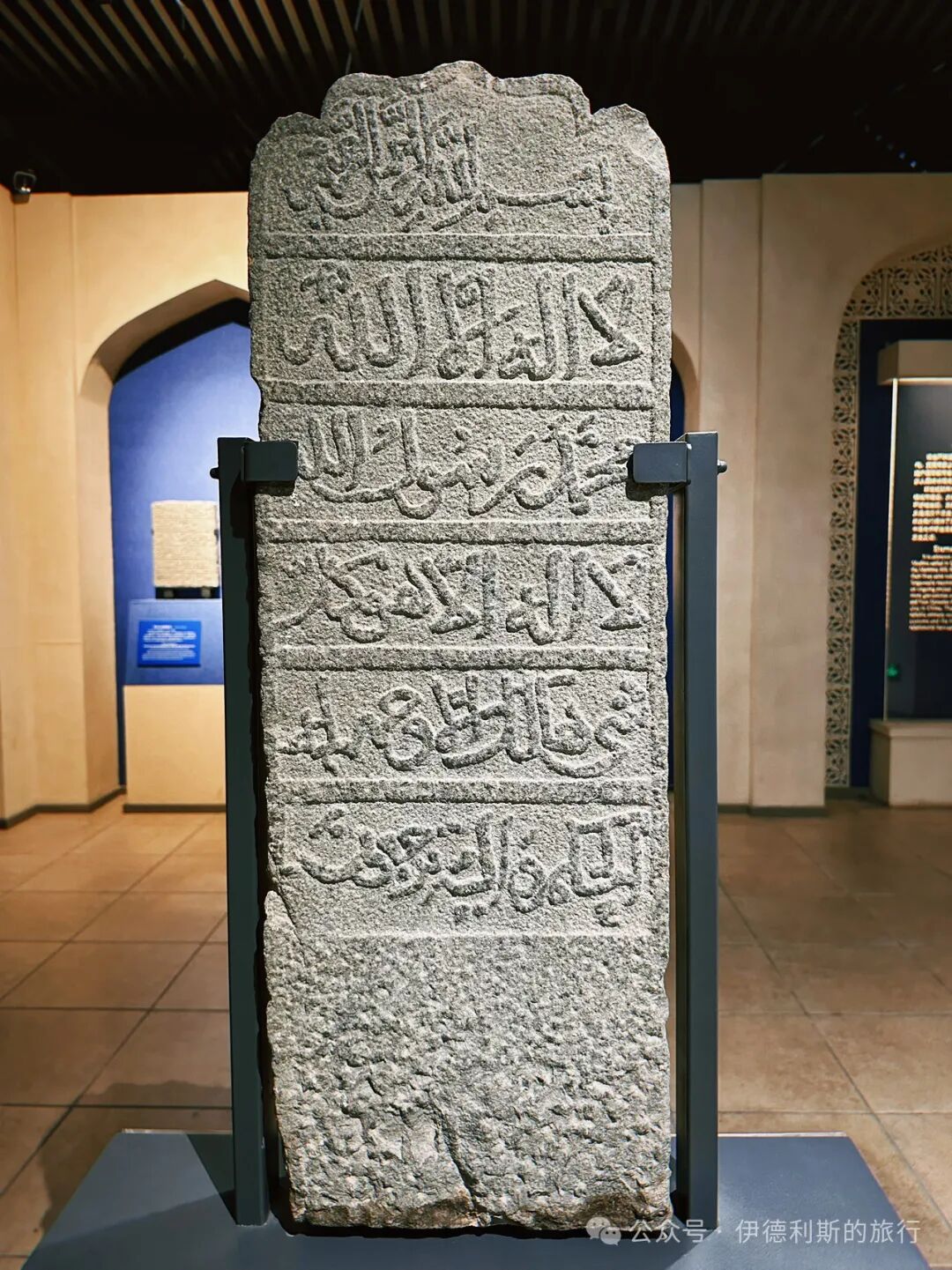
The tombstone in the picture below was found in 1932 when the Renfeng Gate of the Quanzhou East Gate city wall was demolished. The person buried there was named Shirin Khatun bint Hasan Zaituni, who died in 1321. In Turkic languages, Khatun means queen or lady. The inscription also features a verse from the Quran (29:57).
Citong is another name for Quanzhou, named after the coral trees (citong) planted everywhere since the Five Dynasties period. During the Song and Yuan dynasties, Arab merchants called Quanzhou Zaitun because the name sounded like the Arabic word for olive (zaitun).
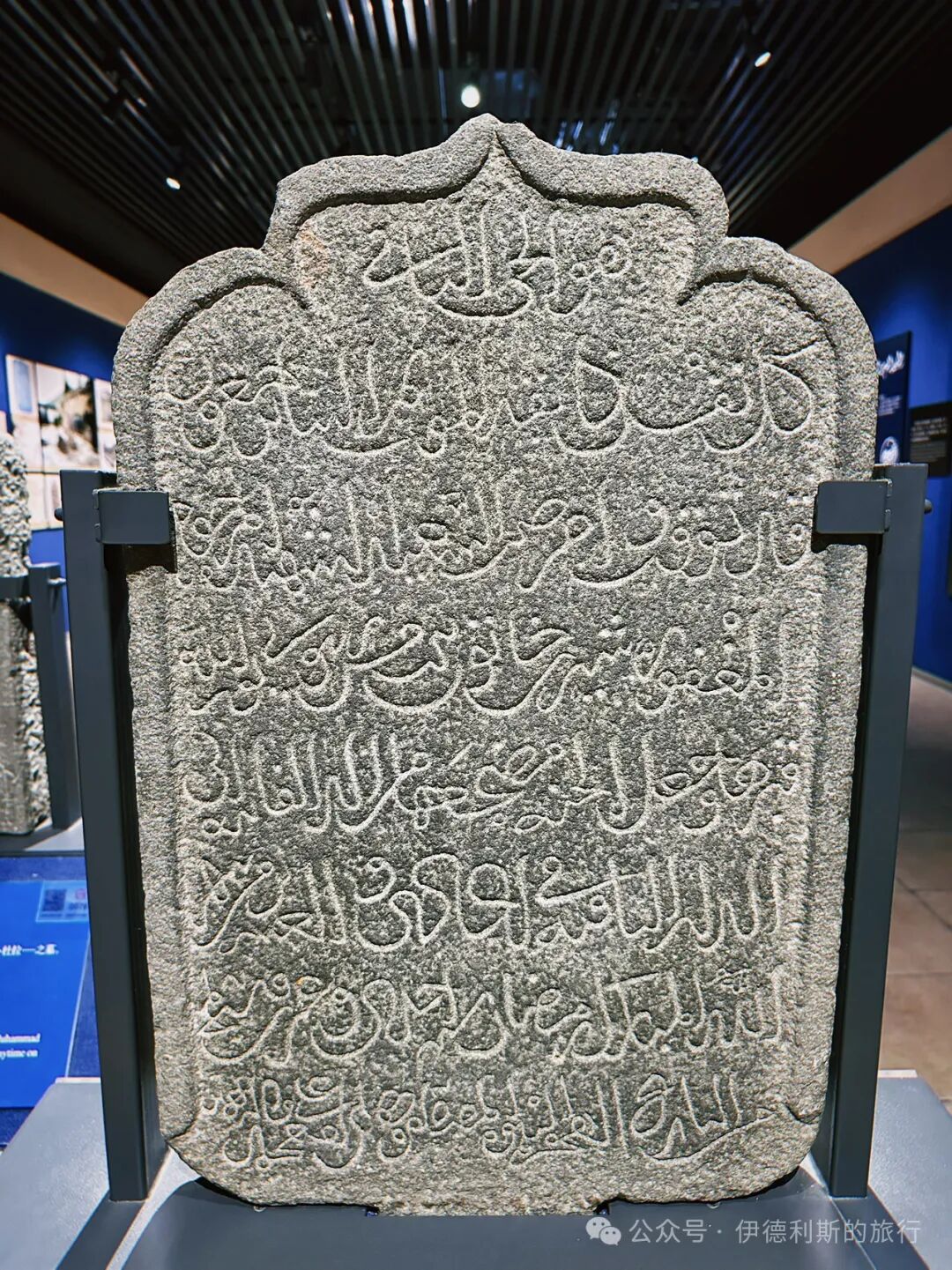
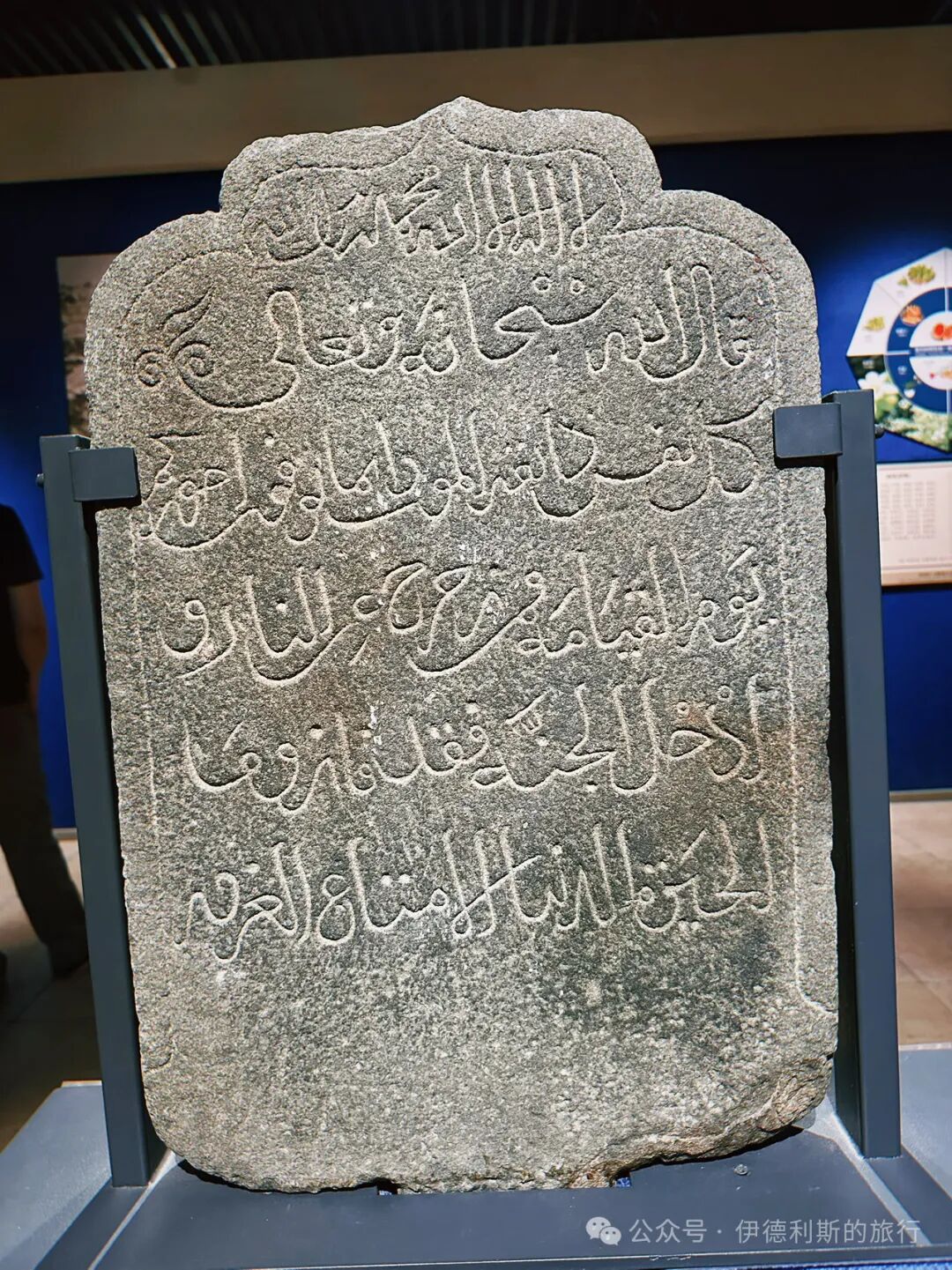
The tombstone in the picture below was found in November 1978 inside a family home at Jintoupu, outside Tonghuai Gate in Quanzhou, where it was being used as a foundation stone. Before that, it had been excavated from the city walls of Tonghuai Gate. The person buried there was named Ibn Ghawamar al-Din al-Ghar... The inscription describes him as a Khwaja, a leader of the faith, and a leader of the Mawla. The text uses Persian several times, so the person buried there likely came from a Persian cultural background.
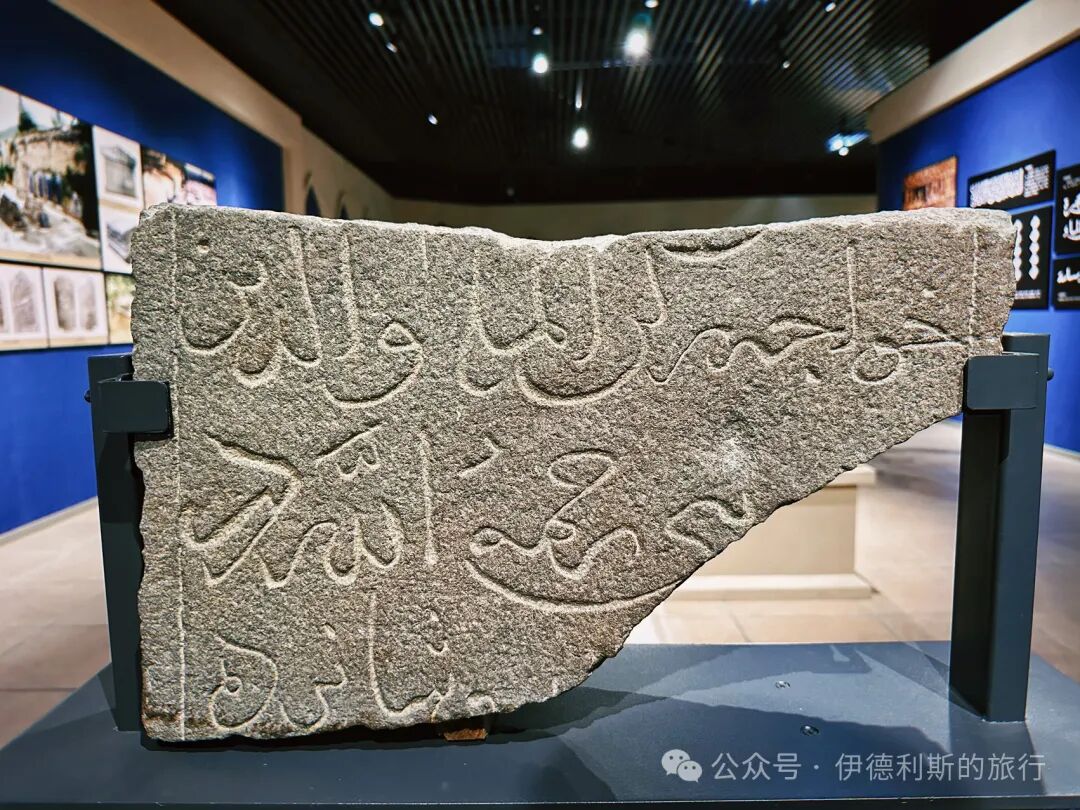
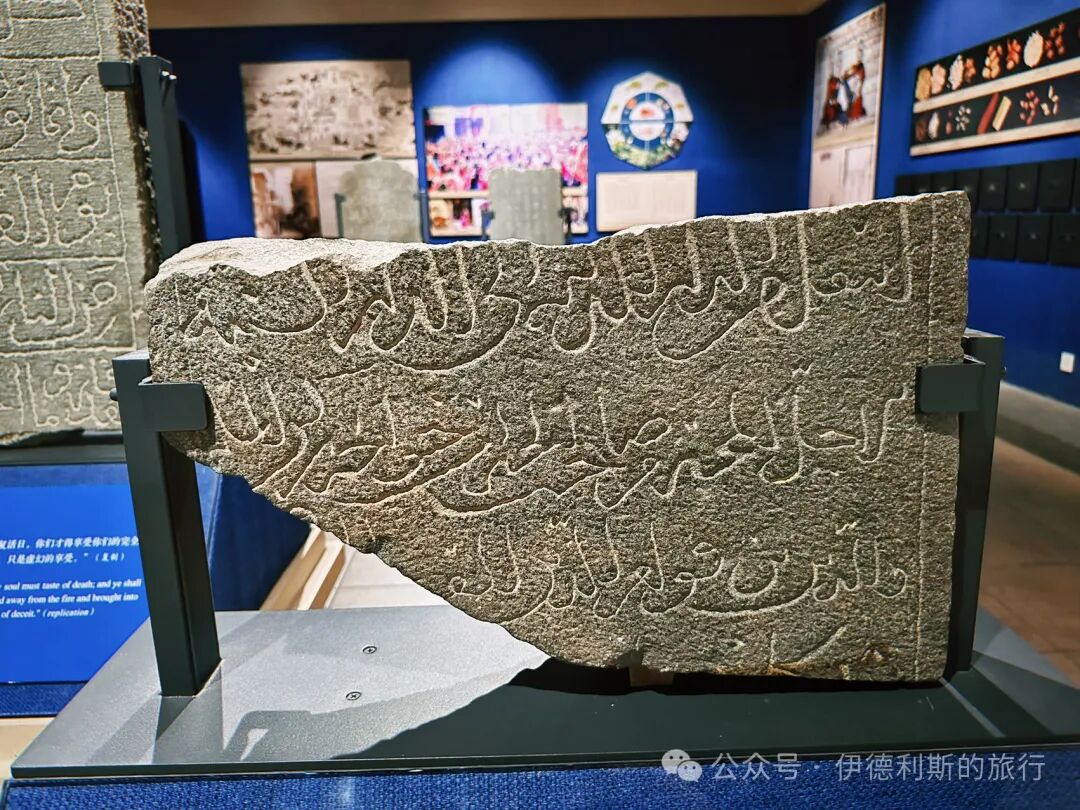
The tombstone in the picture below was unearthed in March 1964 at the construction site of the Overseas Chinese Mansion in downtown Quanzhou. This site was once the location of the Haiqing Pavilion during the Qing Dynasty. When the Senate building was built in the early 1940s, the city walls of the east and south gates of Quanzhou were torn down for building materials, and this stone tablet was likely buried in the wall foundation at that time. One side of the tombstone is carved with the Shahada, and the other side is carved with a verse from the Quran (3:185).
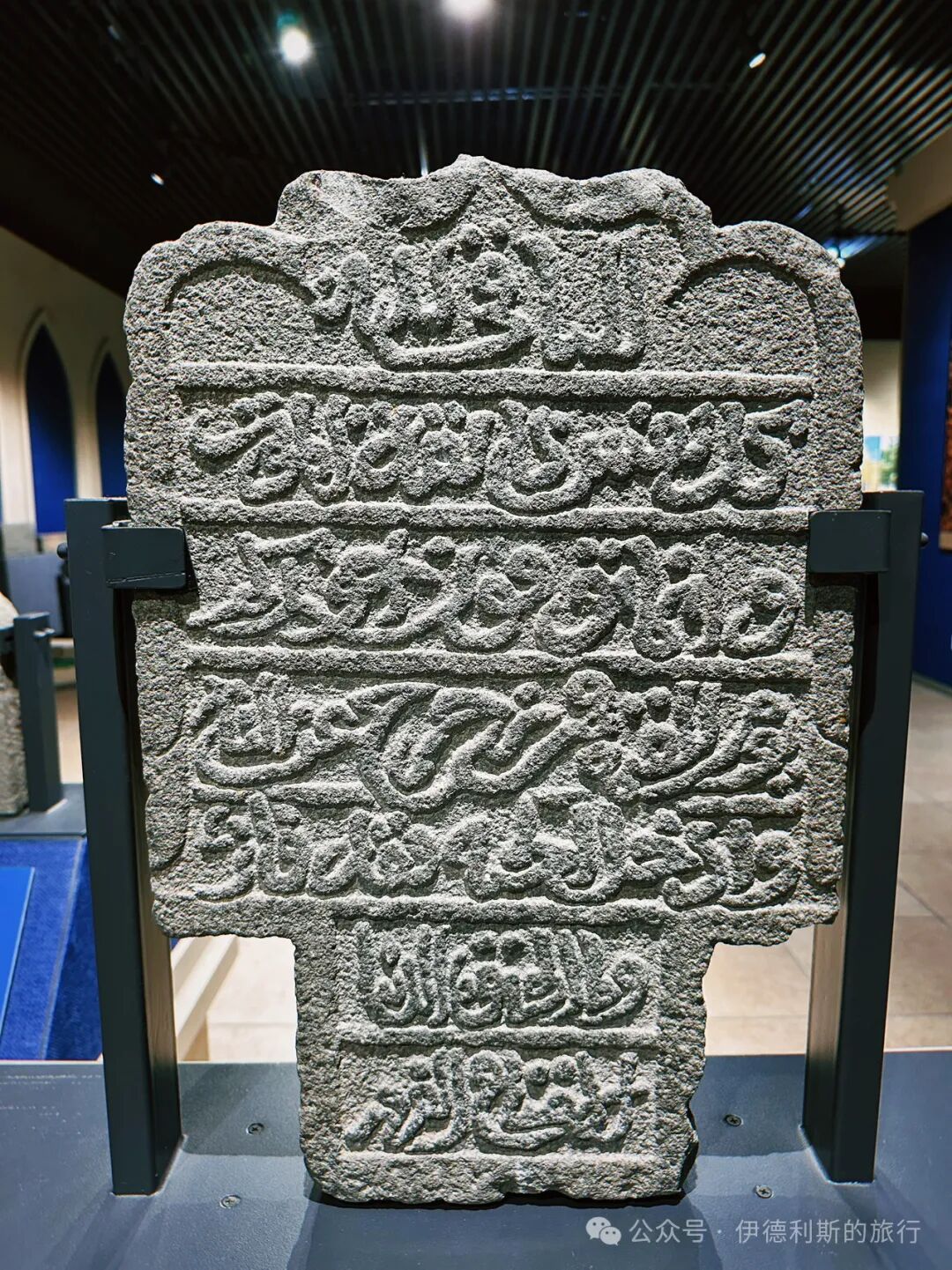
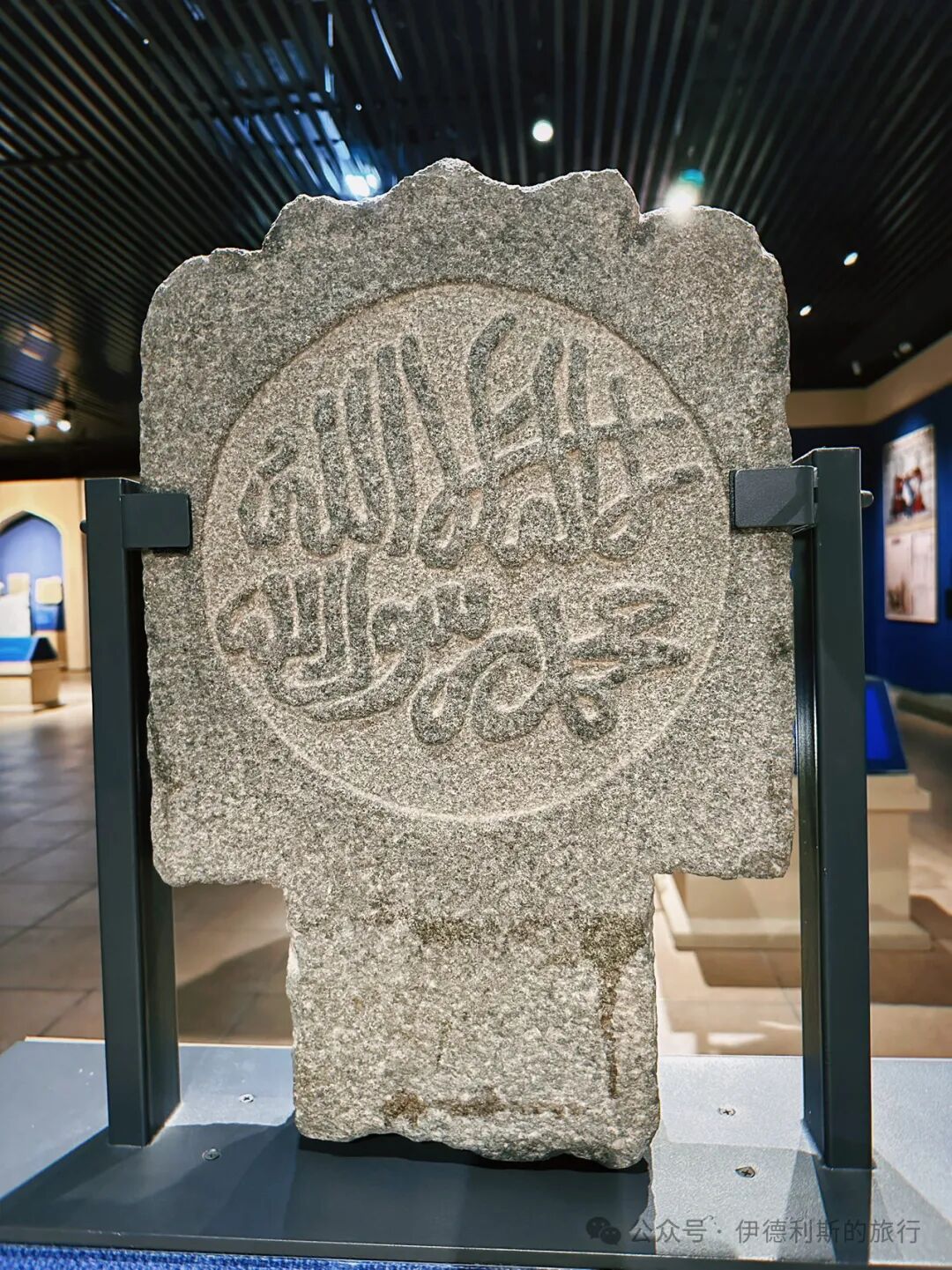
The tombstone in the picture below was found in the foundation of the east gate of Quanzhou in 1944. One side is carved with the Basmala and the Shahada, and the other side is carved with a verse from the Quran (29:57).
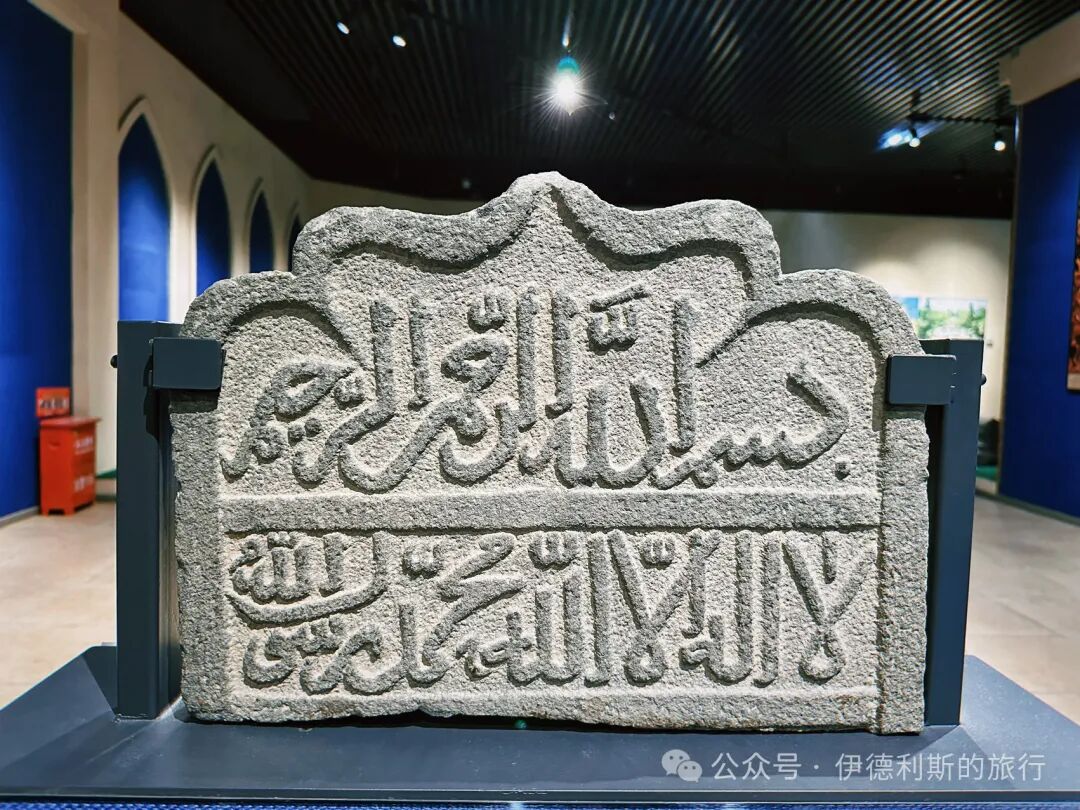
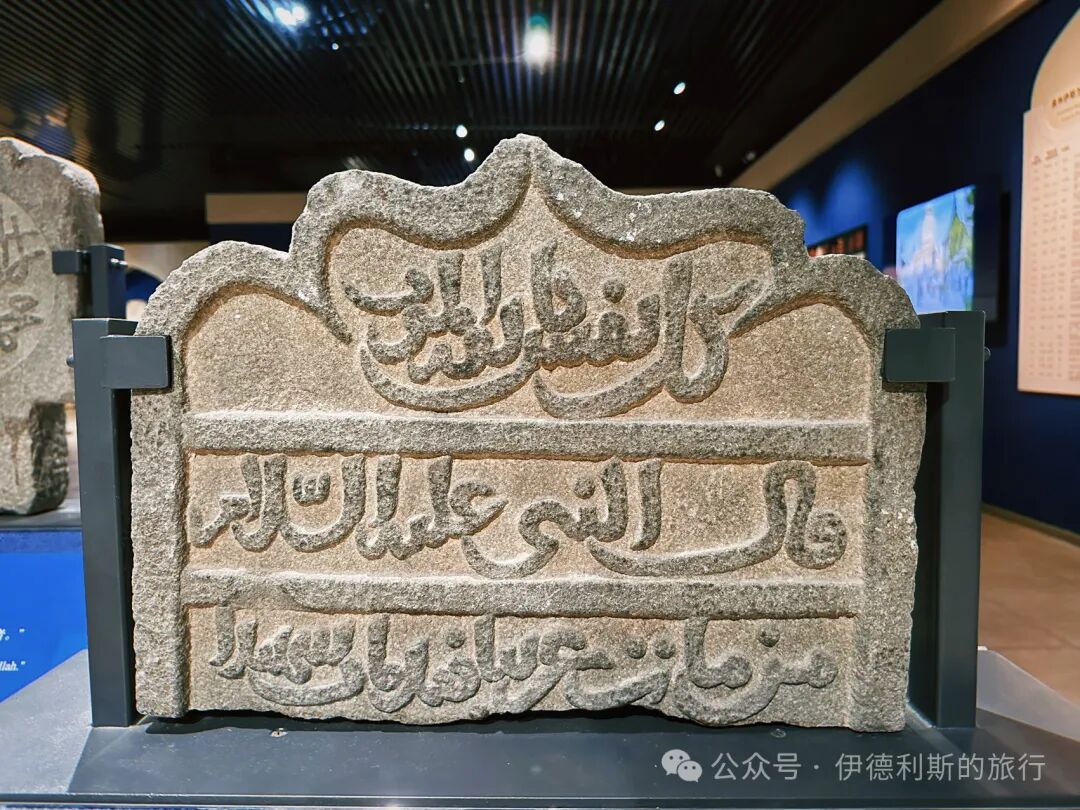
The tombstone in the picture below was unearthed in 1973 during the cleaning of the North Canal in Quanzhou and is carved with verses from the Quran (89:28-30).
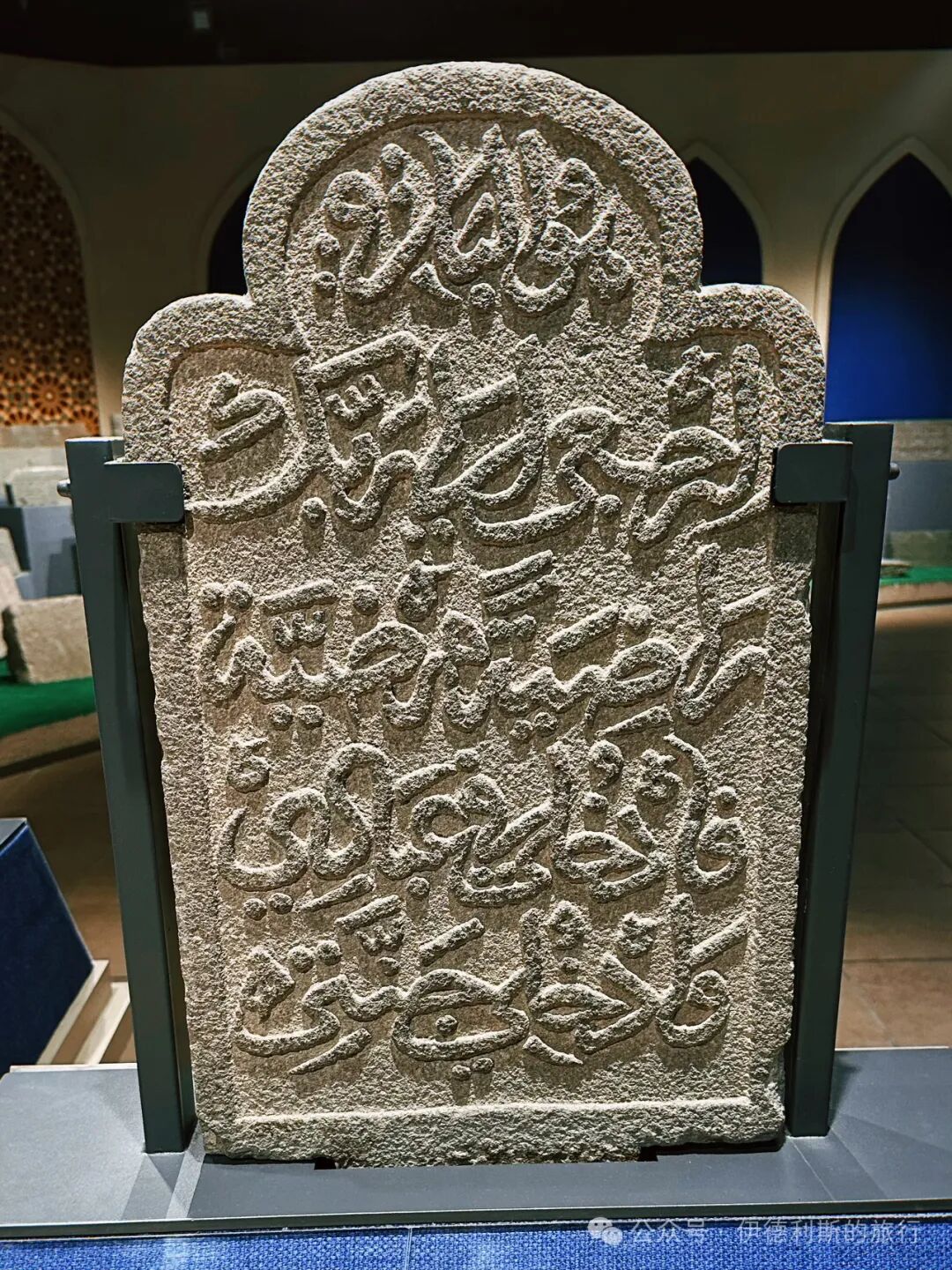
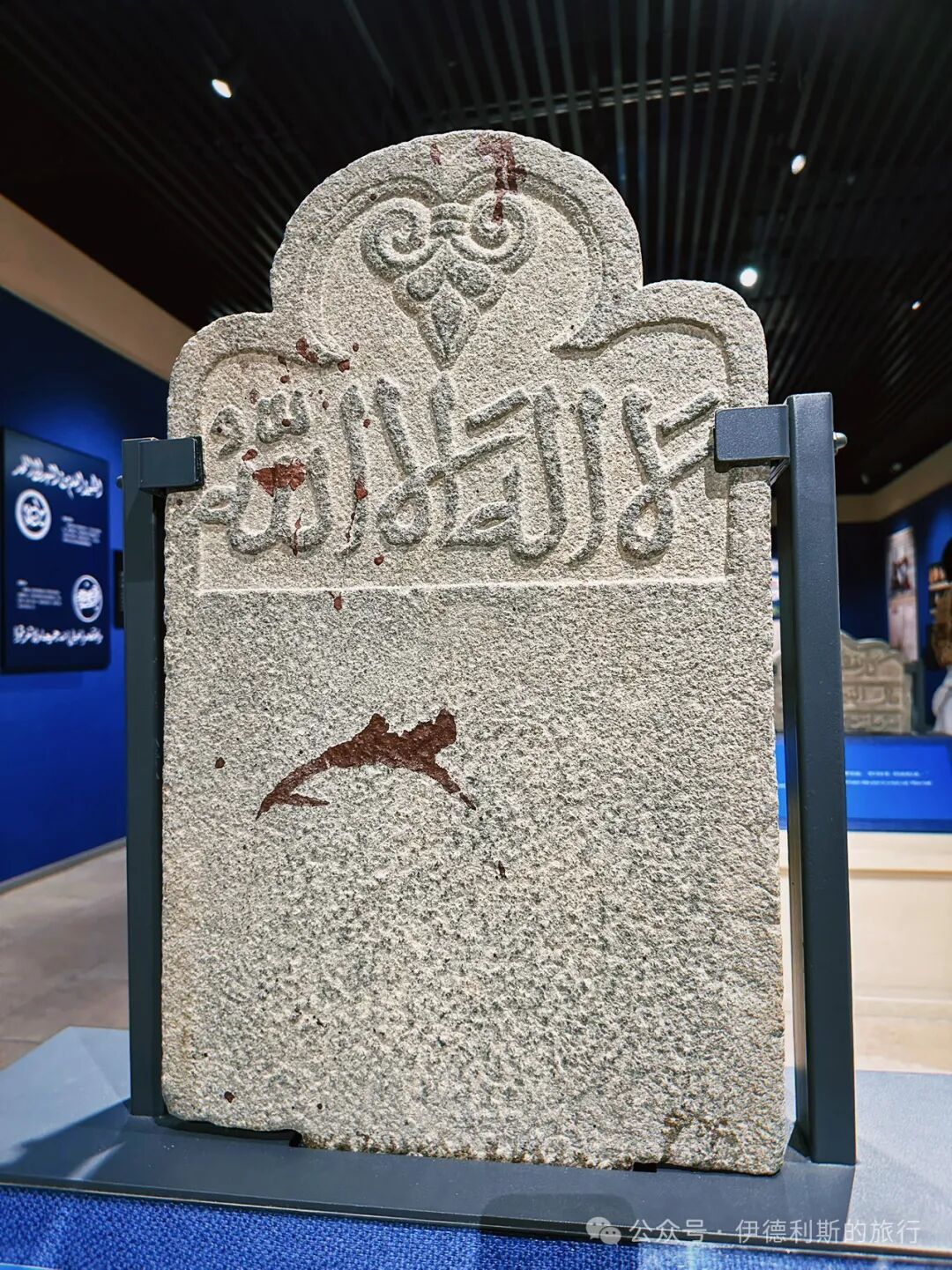
Sumeru-pedestal stone tomb.
The second largest category after tombstones is the Sumeru-pedestal stone tomb.
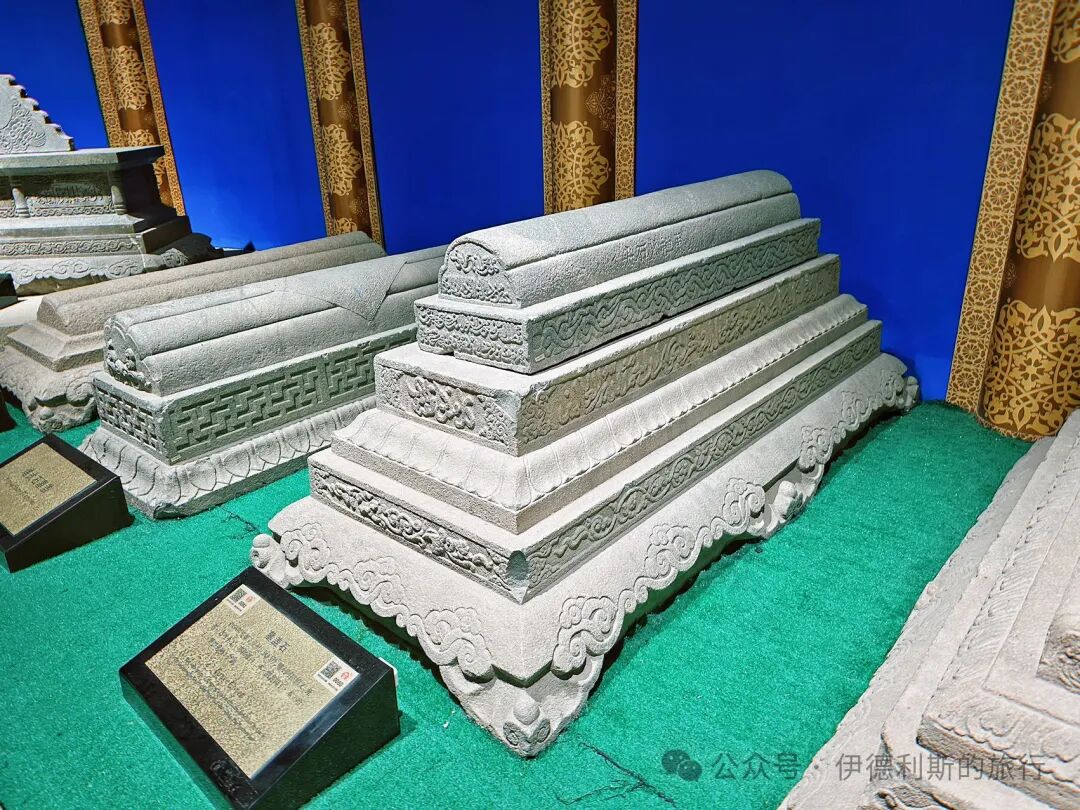
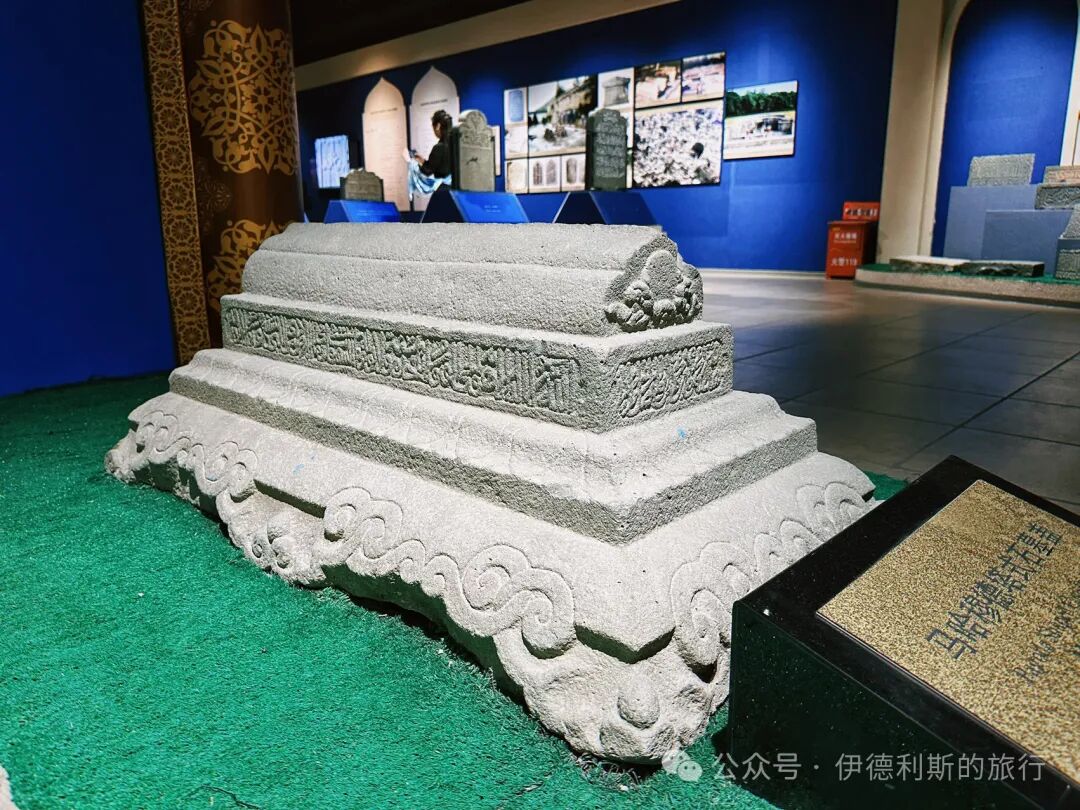
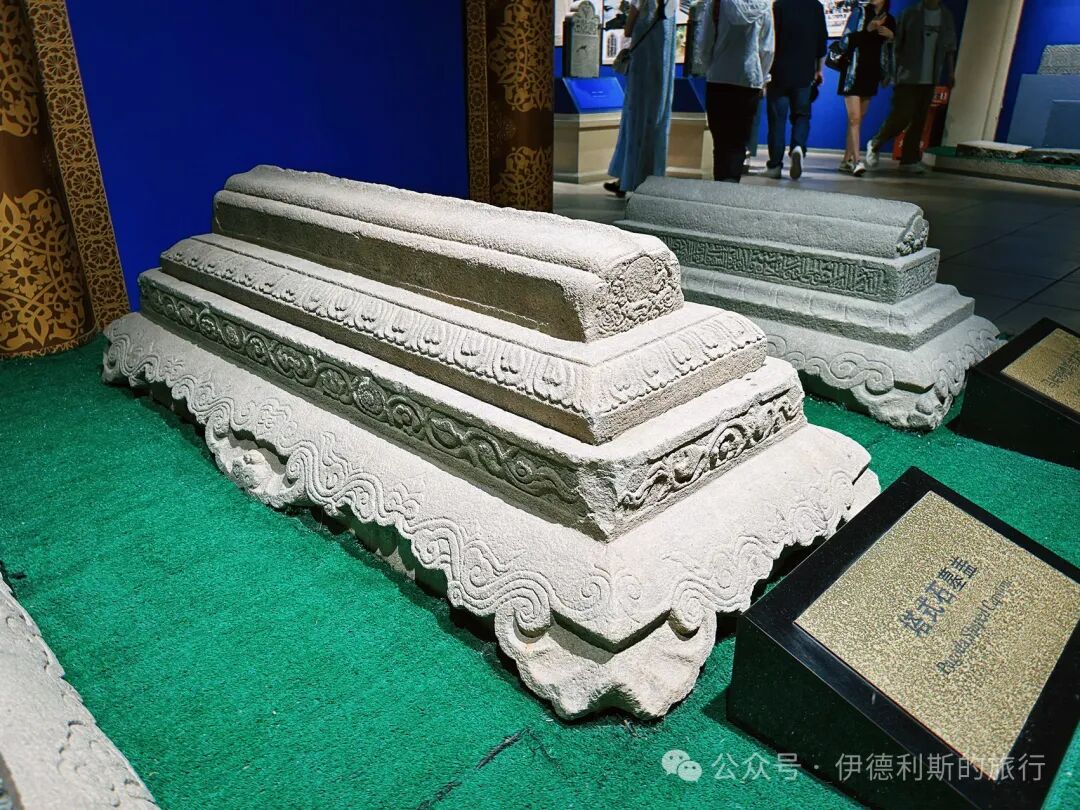
These are two Sumeru-pedestal style tomb stones. The upper tomb cap stone was found near Dongchan Mosque outside the east gate of Quanzhou in 1927 and was recovered and preserved in the Maritime Museum in 1958.
The person buried here was named Qutb al-Din Ya'qub. He came from Jajarm in the North Khorasan province of Iran and passed away in 1309. The inscription begins by saying, 'He is eternal and never dies; he has moved from the world of destruction to the world of eternity.'
Jajarm sits on the edge of the central Iranian desert and holds many historical and archaeological sites. This city was an important trade hub in Khorasan during the 10th and 11th centuries, but it slowly declined after the Persian Safavid dynasty in the 16th century.
The lower half has five layers. The fourth layer is carved with scripture (2:255). In 1958, the Quanzhou Cultural Relics Management Committee temporarily stored it in the main hall of the Qingjing Mosque, later moved it to the Lingshan Islamic Cemetery area, and finally placed it in the Maritime Museum.
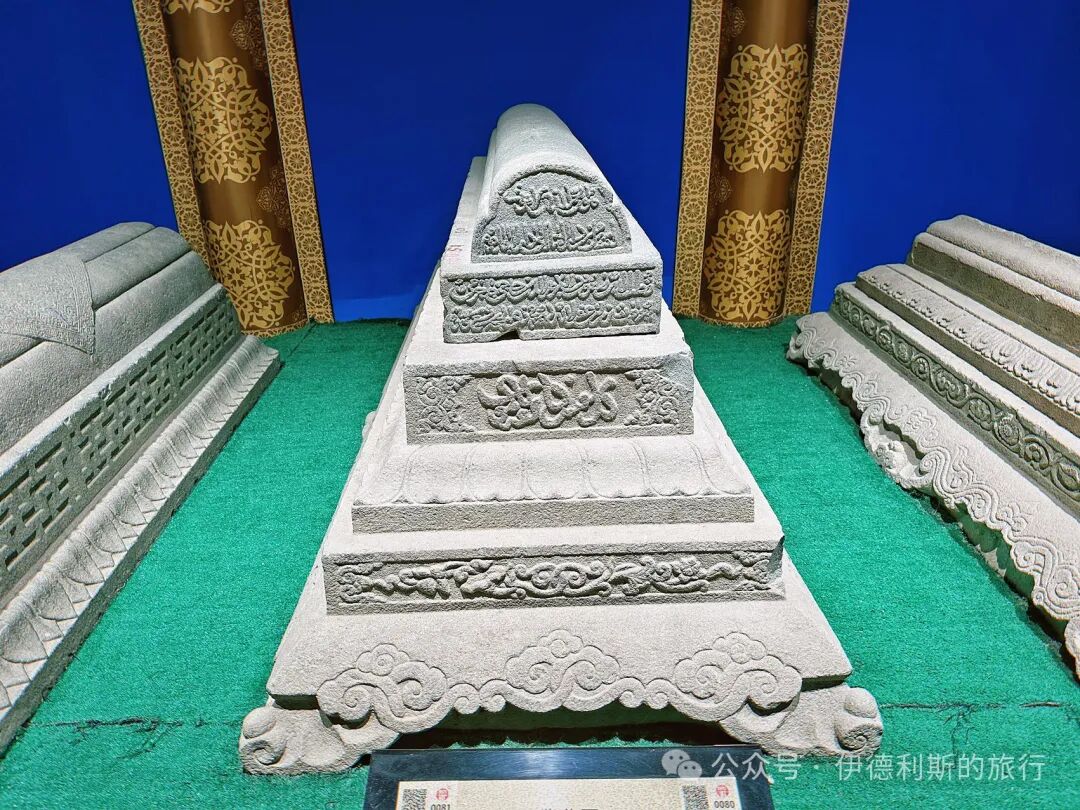
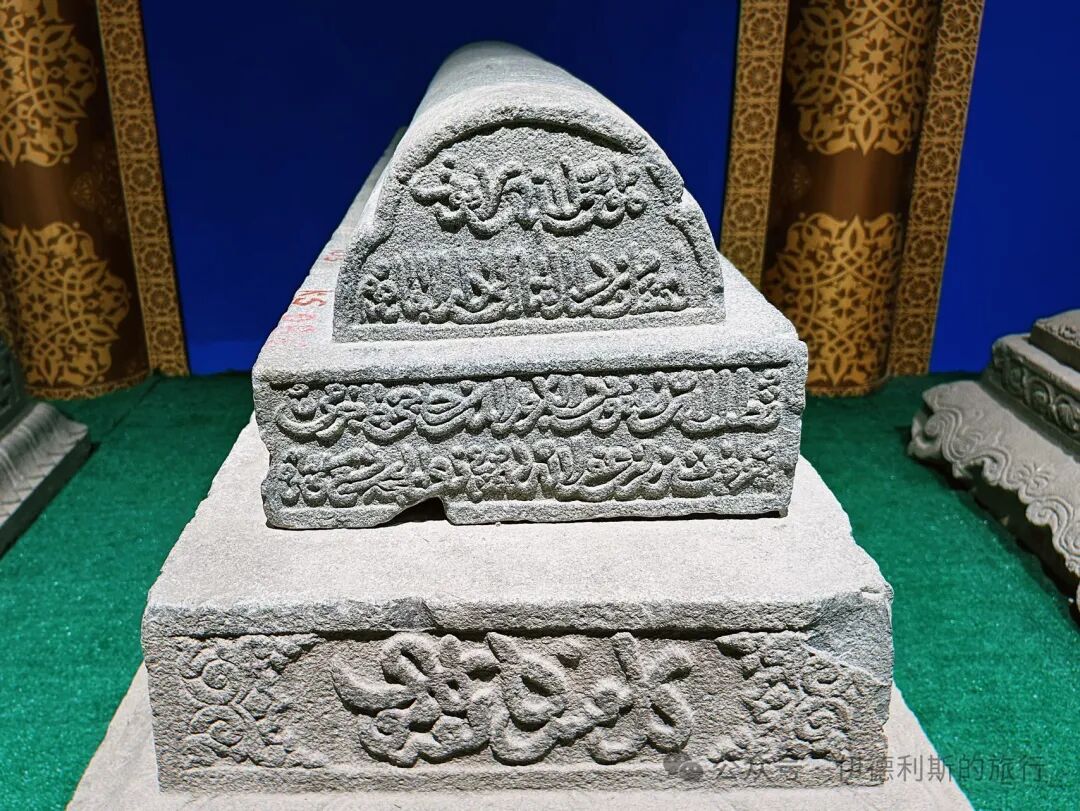
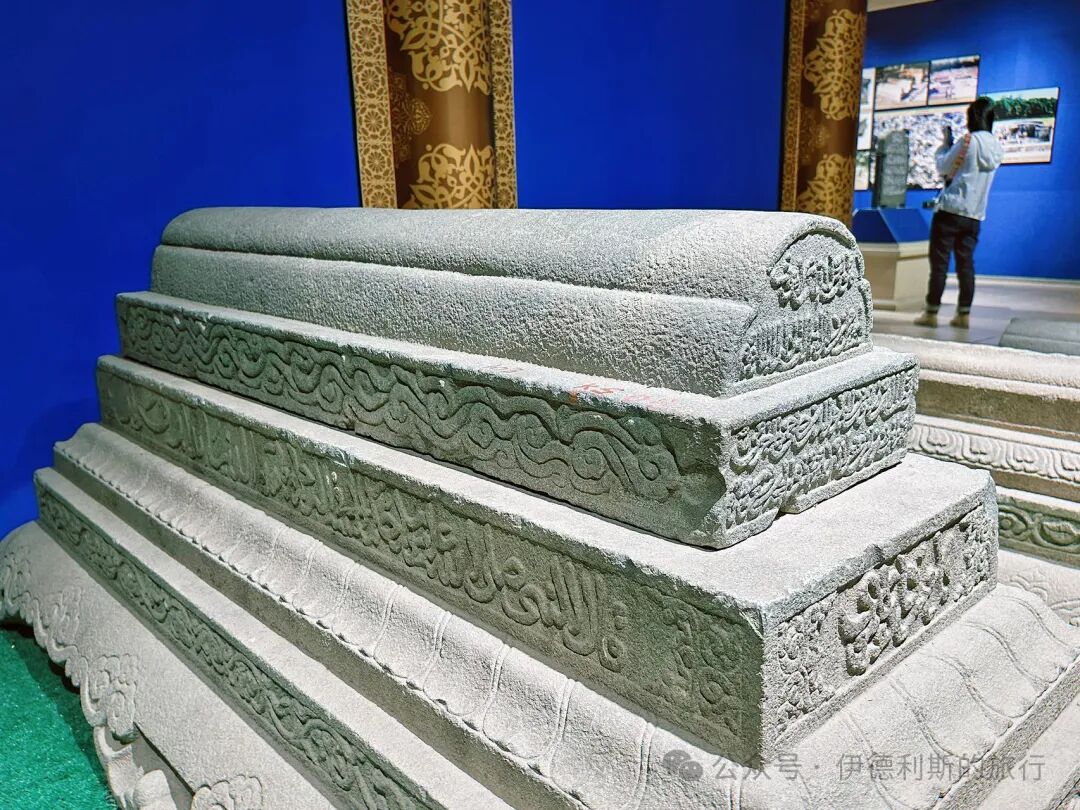
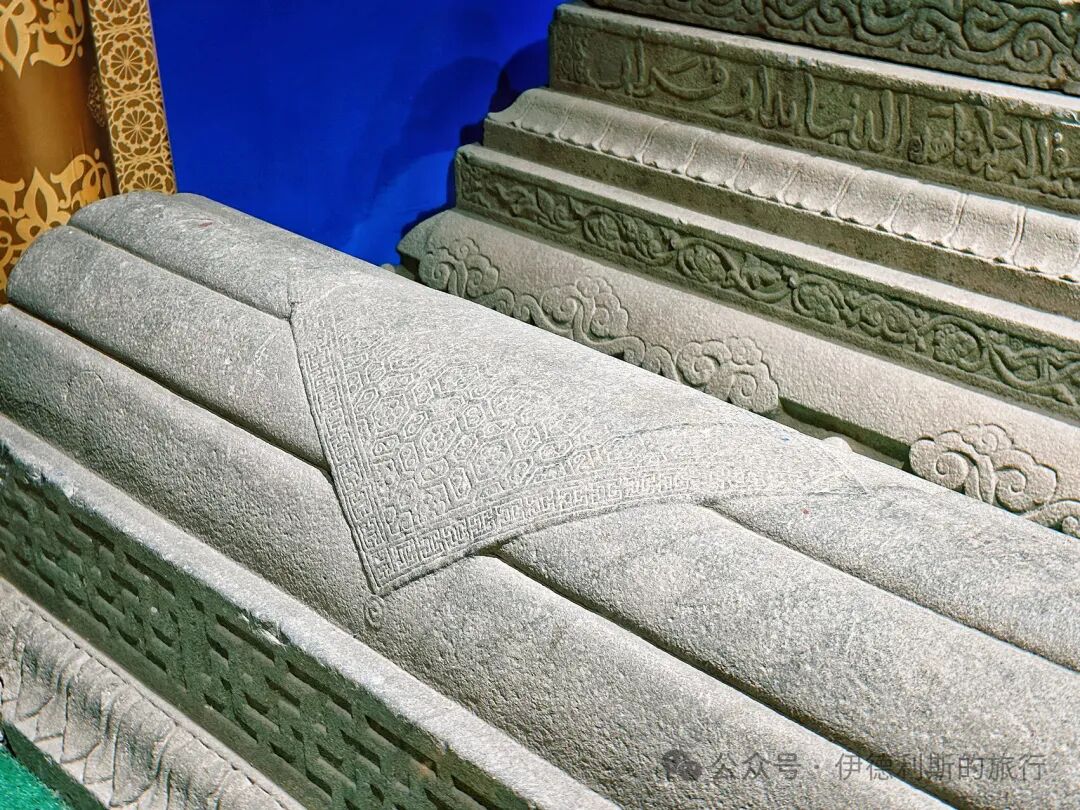
The patterns on this Sumeru-style stone tomb are very unique. The bottom and second layers are destroyed. The third layer features overlapping lotus petal reliefs, the fourth layer has continuous swastika pattern reliefs, and the fifth layer shows a cloud and moon relief on the front with a square cloth relief in the middle. This tombstone was found in 1959 by the seaside in Meishan, Fashi Township, 5 kilometers outside the Tonghuai Gate of Quanzhou. It was later moved to the Maritime Museum for preservation.
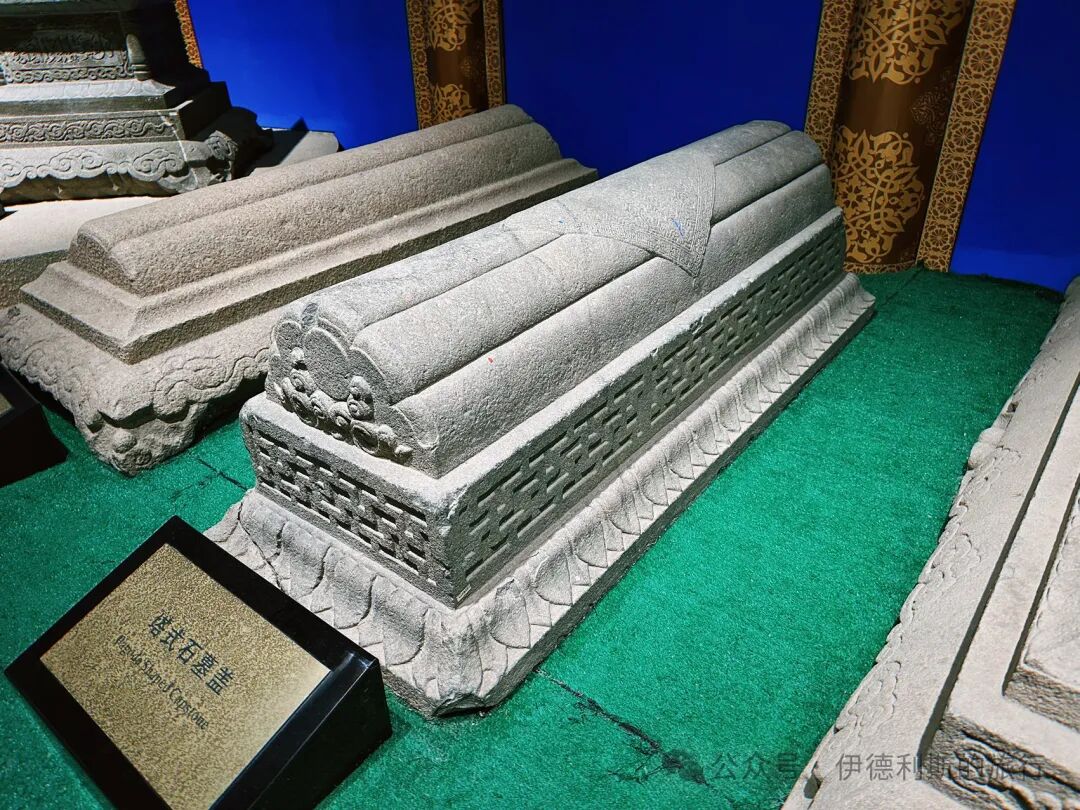
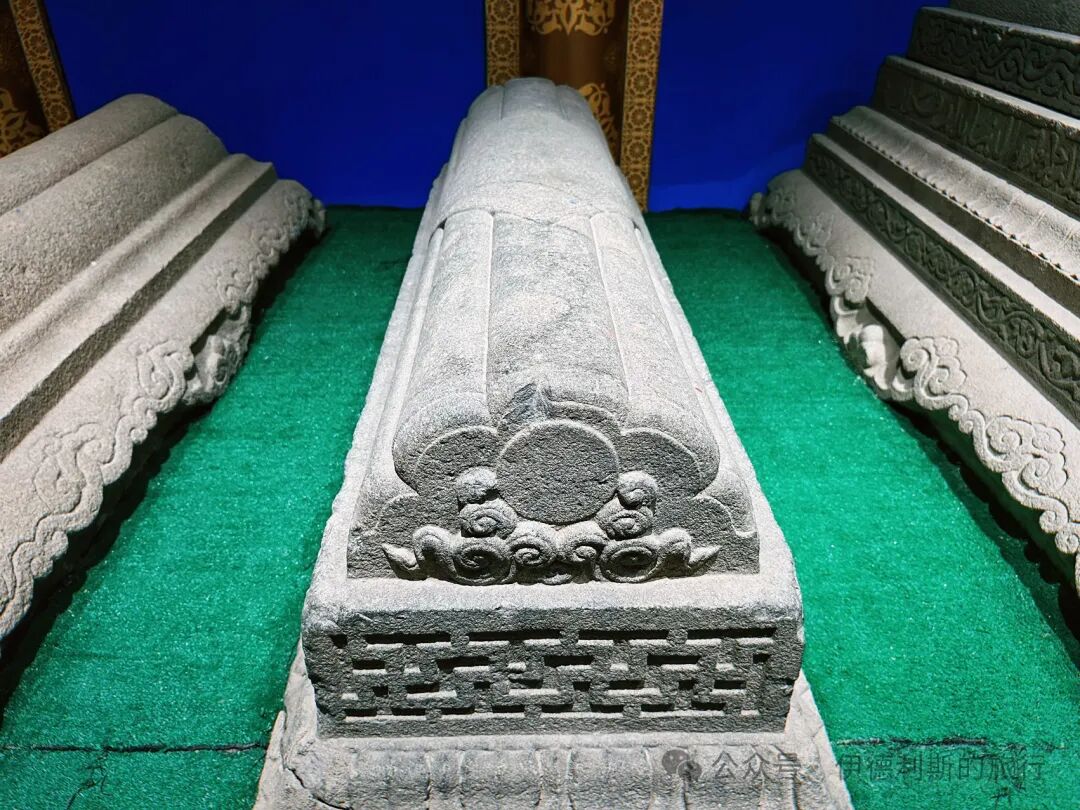
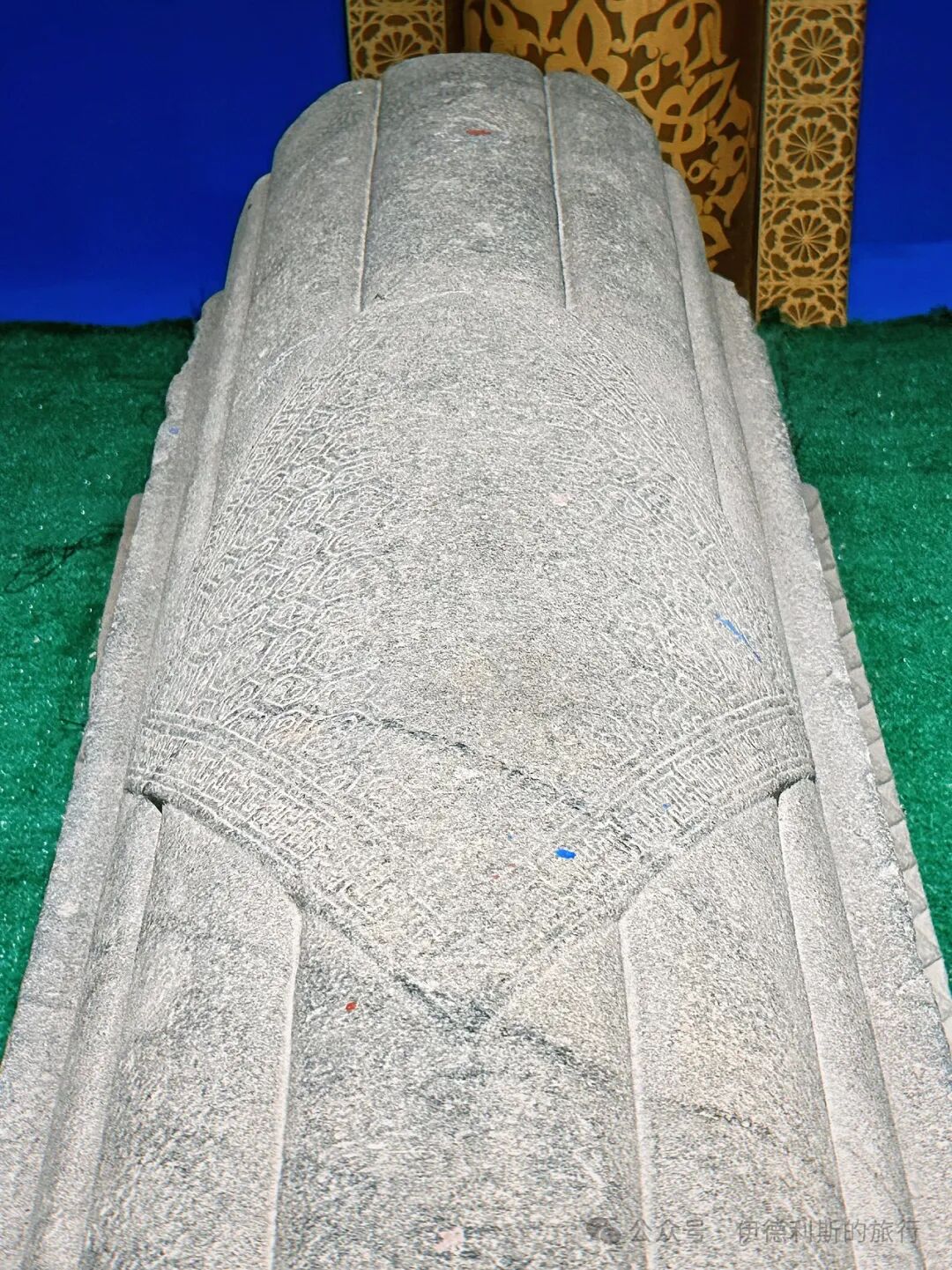
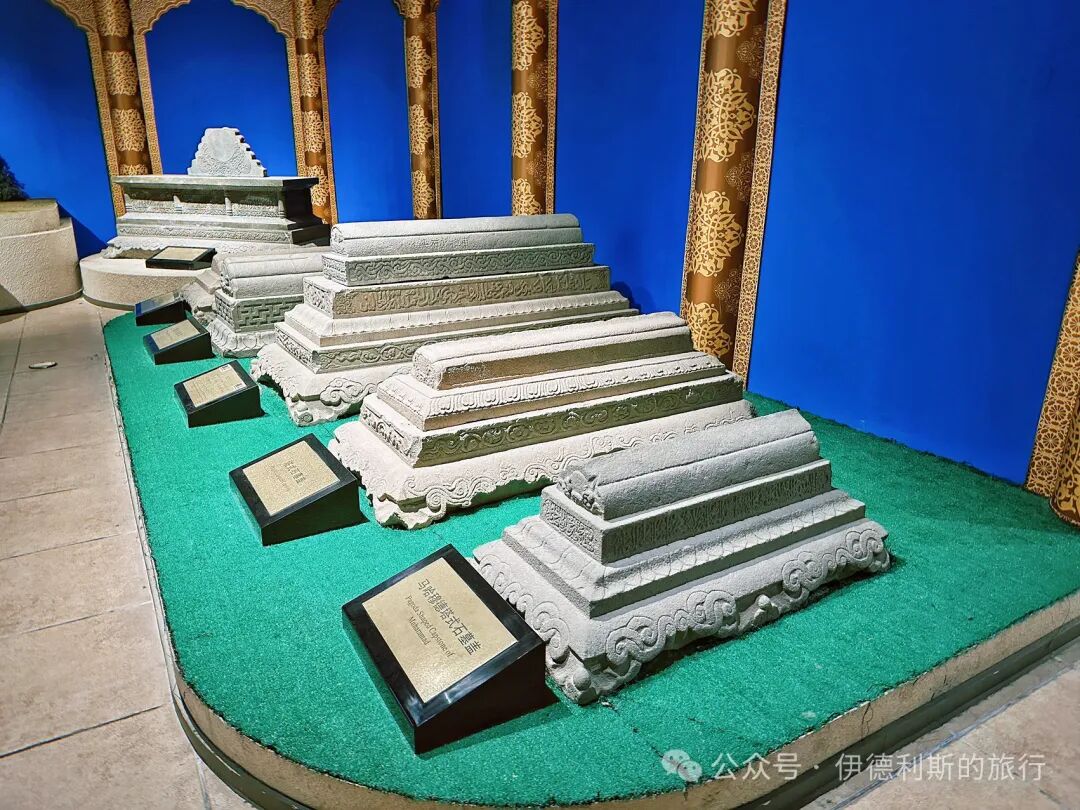
Several other Sumeru-style stone tombs.
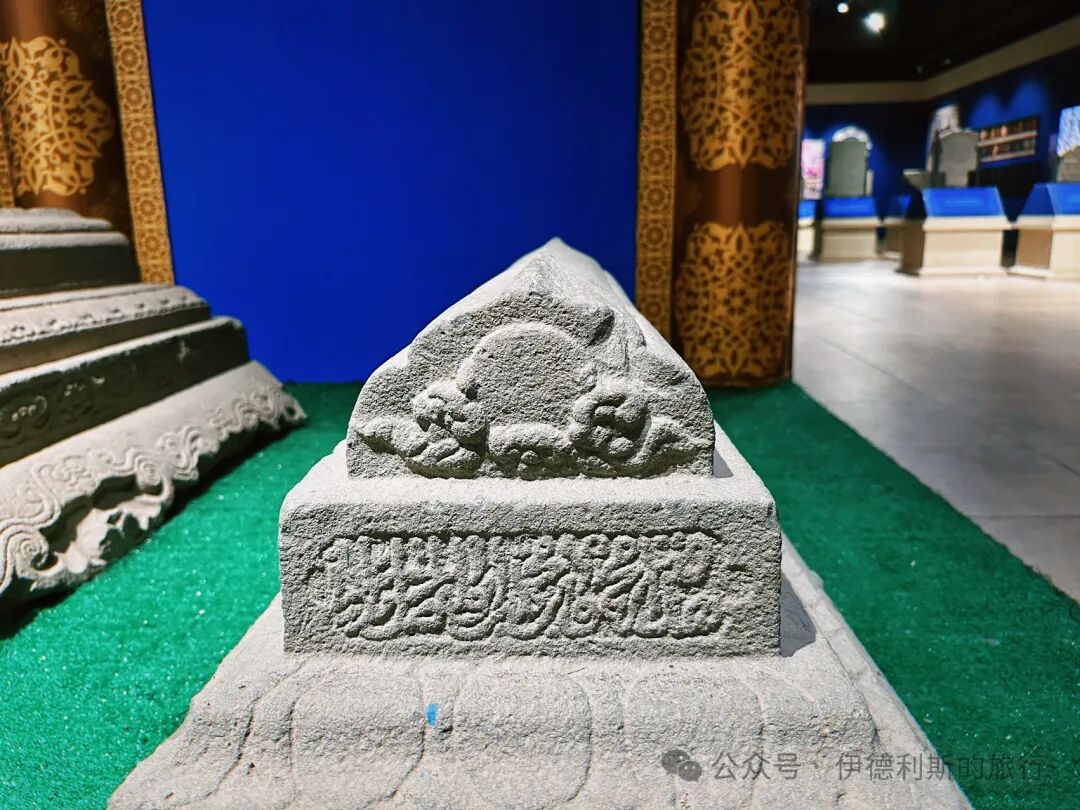
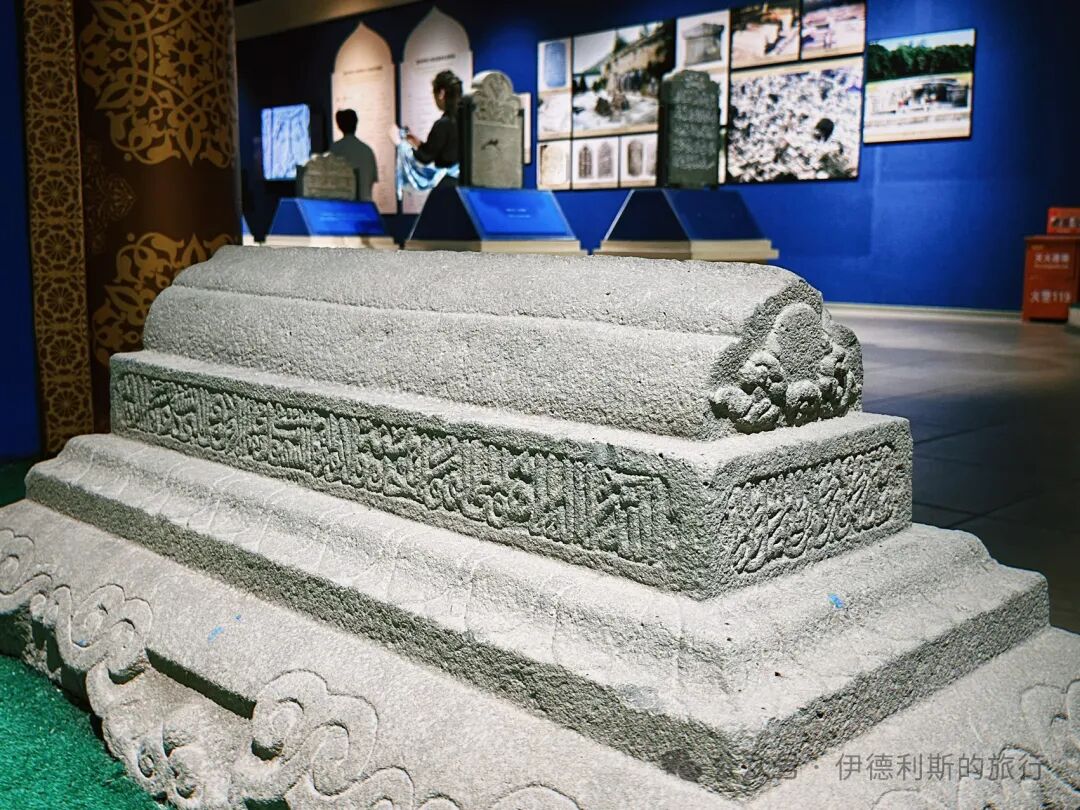
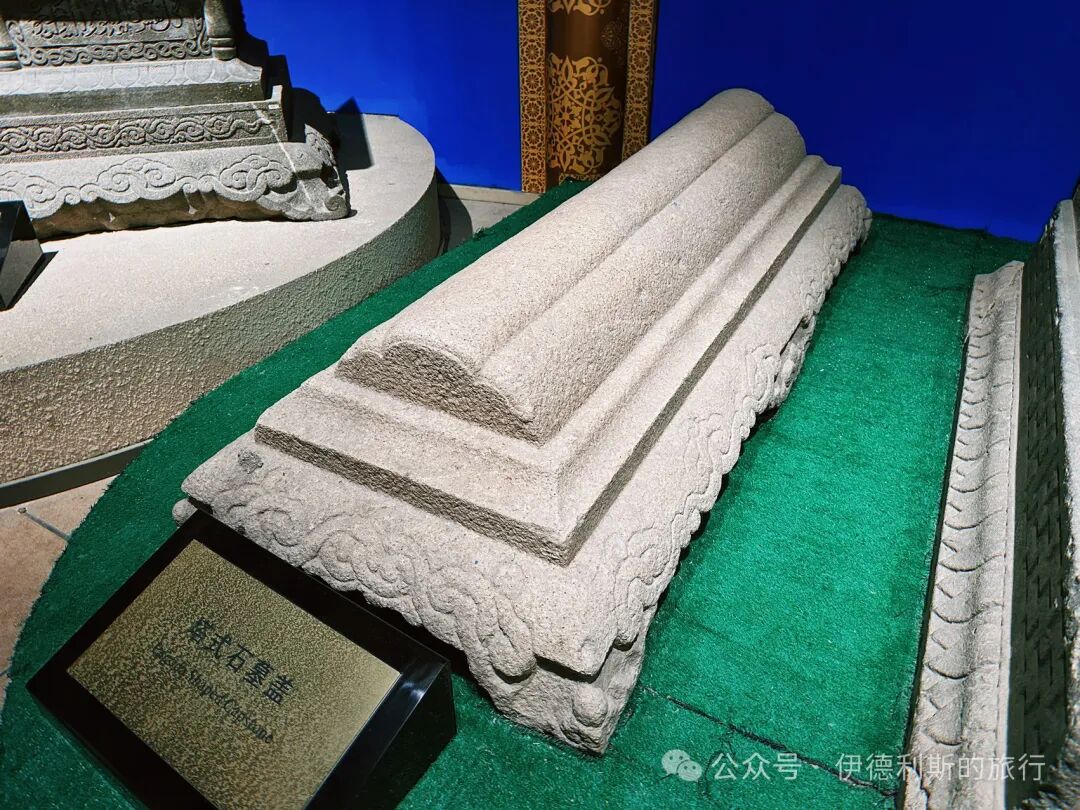
The tombstone base of a pedestal-style altar tomb.
A corner of the Maritime Museum (Haijiaoguan) is piled with many tombstones. There are no labels, and many are hard to see because they are stacked on top of each other. They were arranged this way when I visited in 2017, and nothing has changed after seven years.
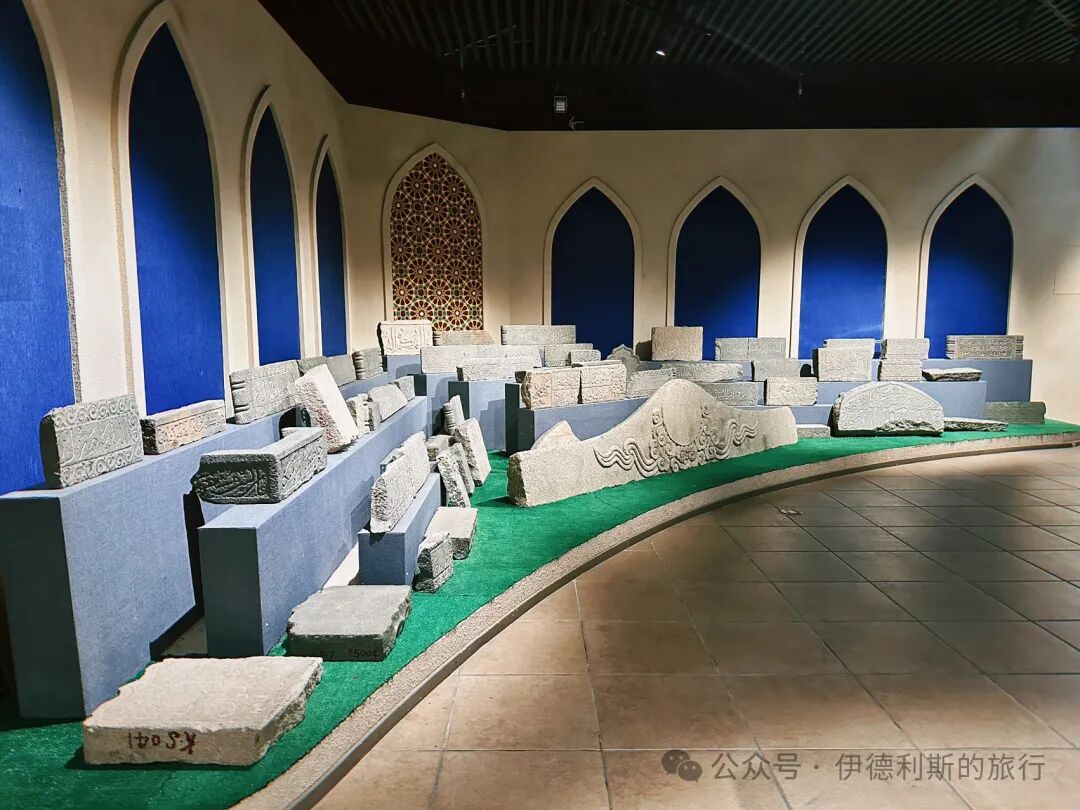
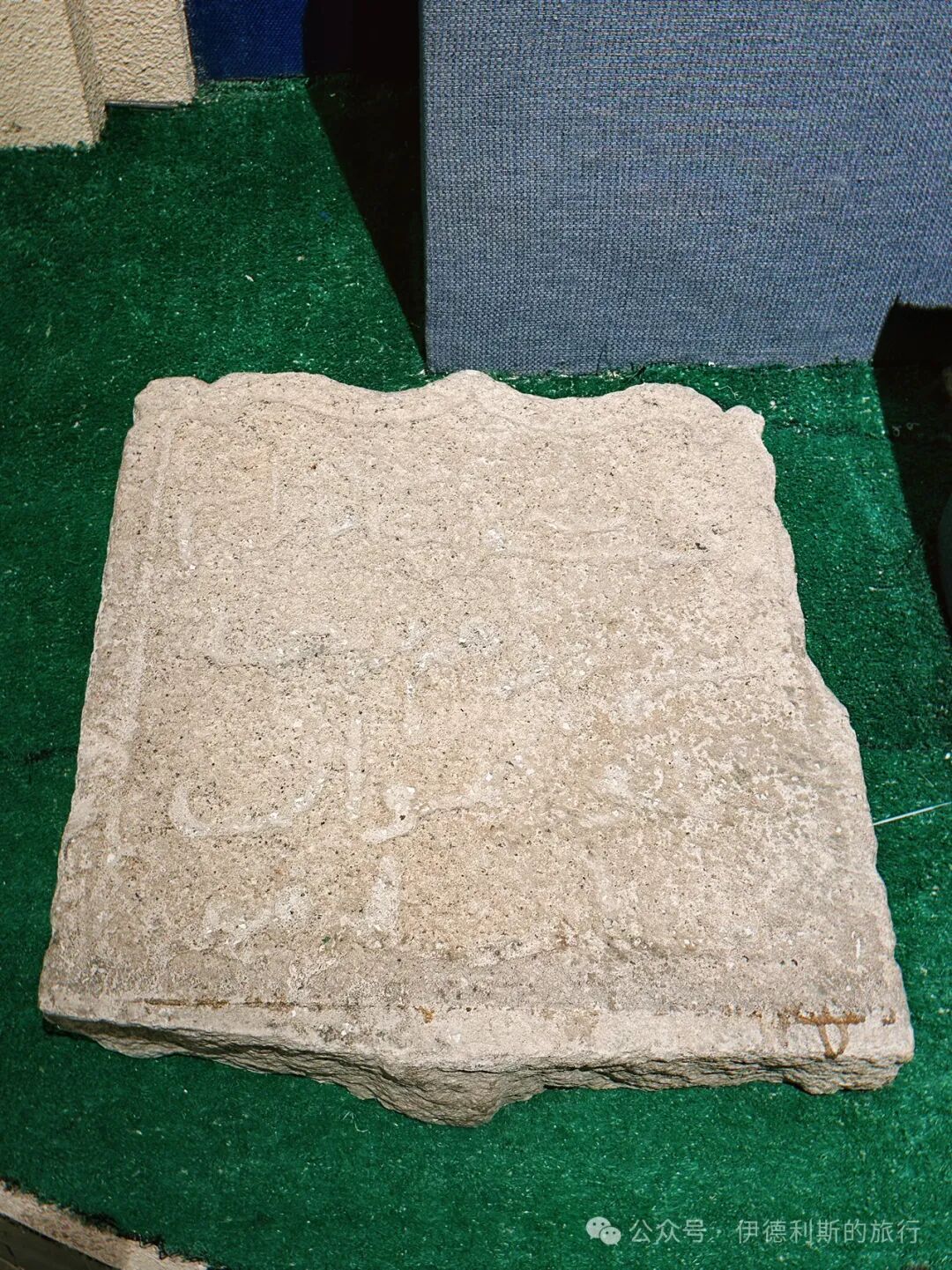
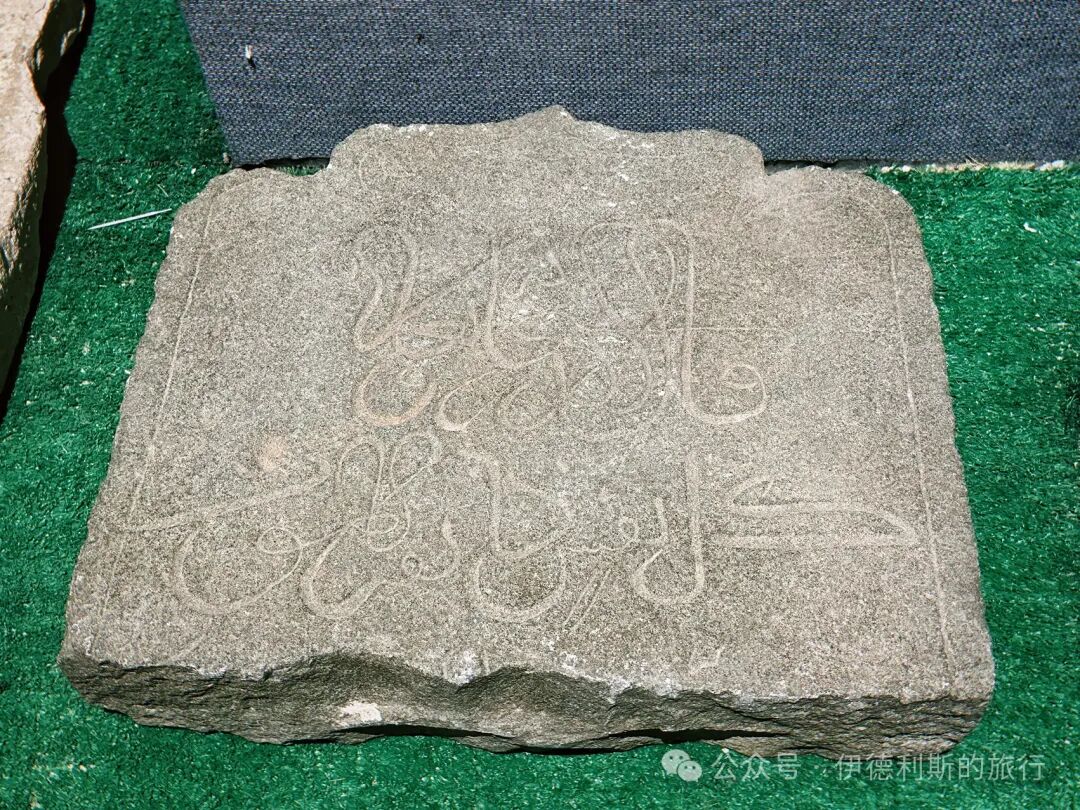
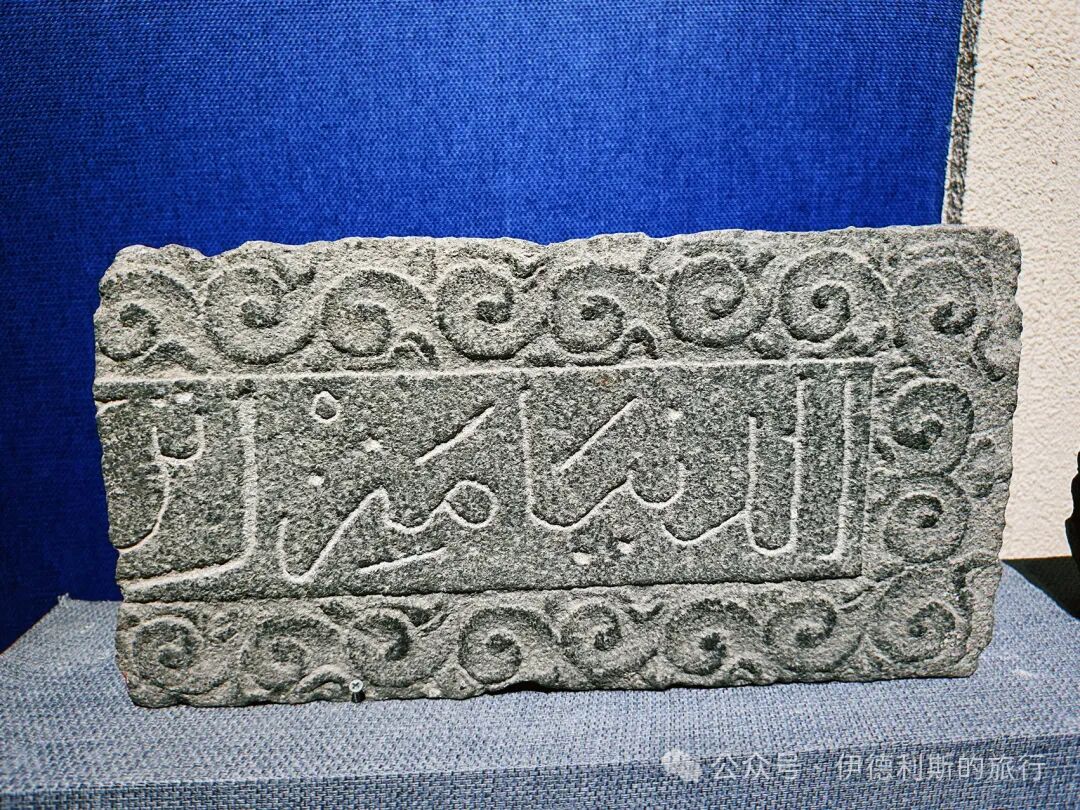
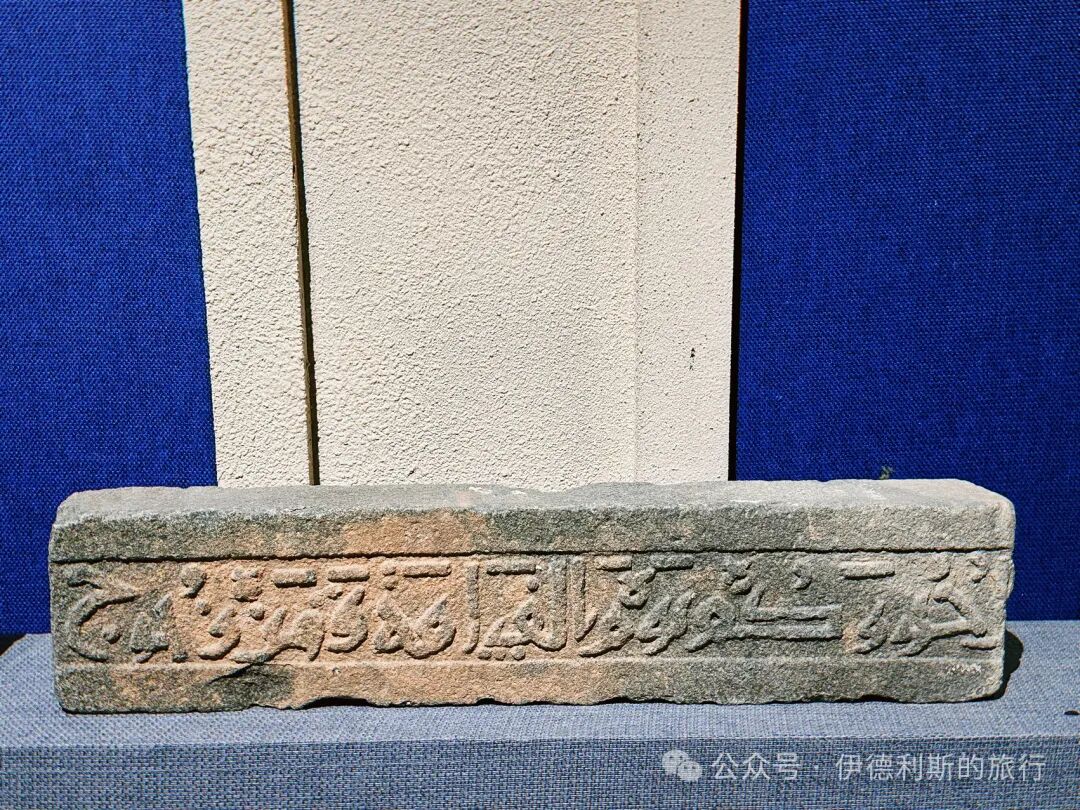
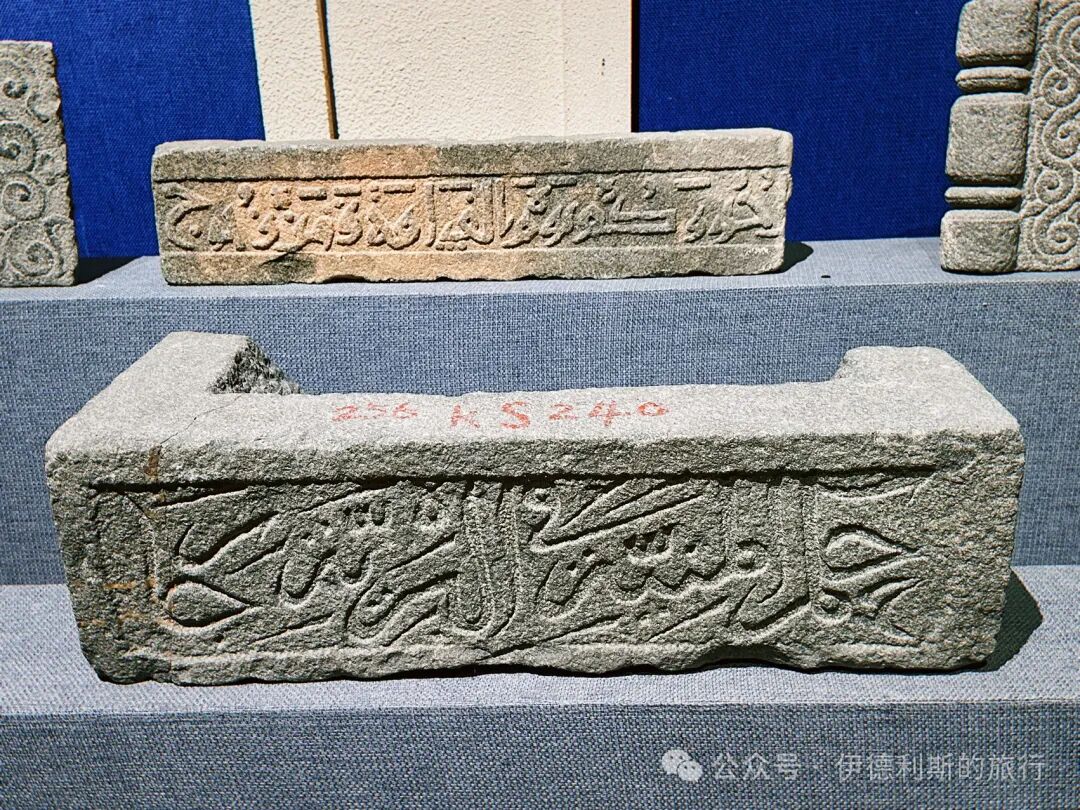
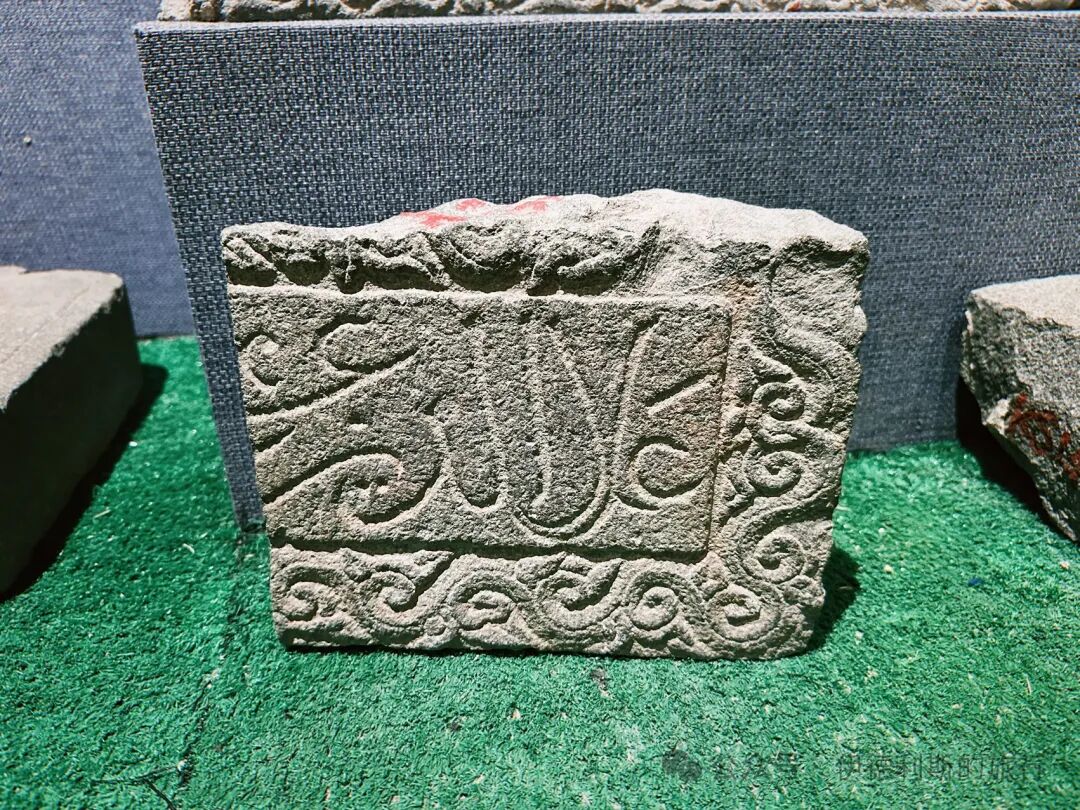
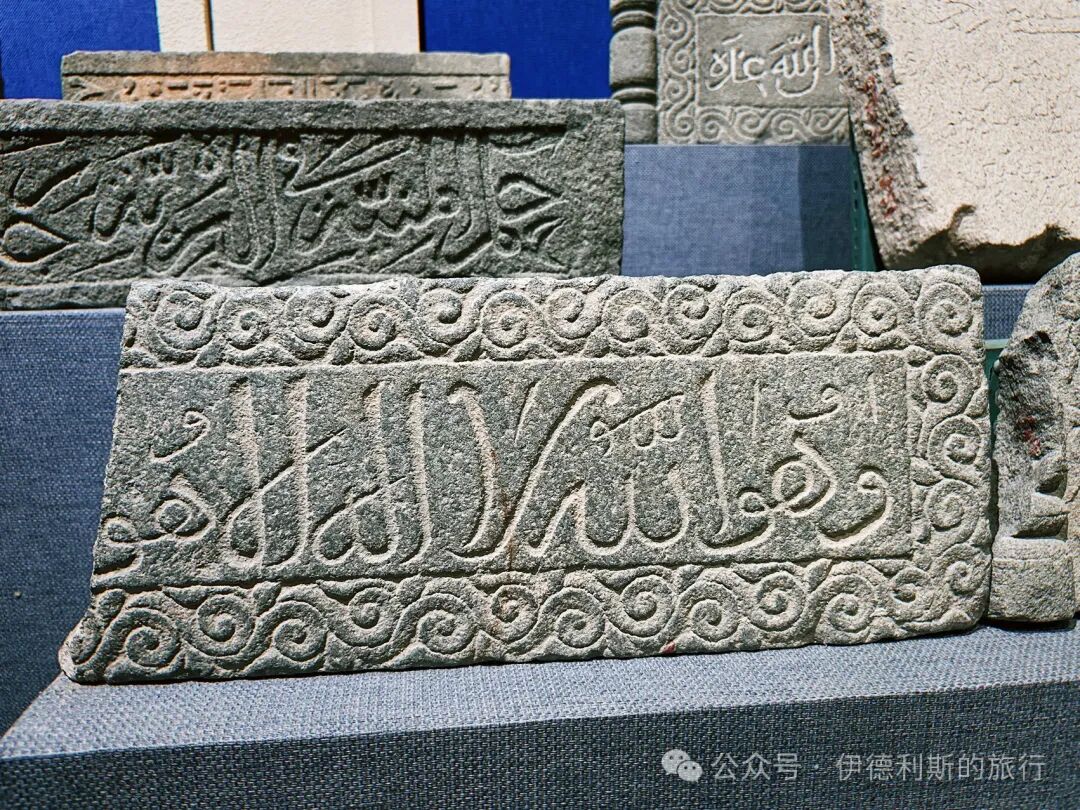
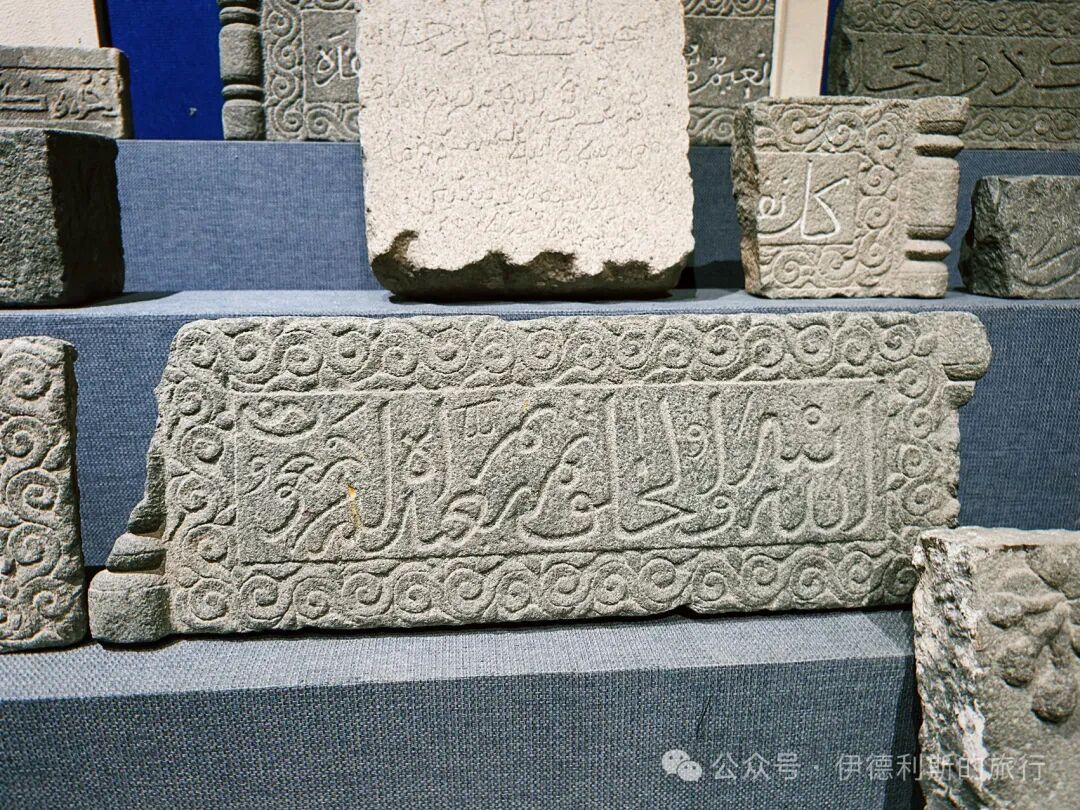
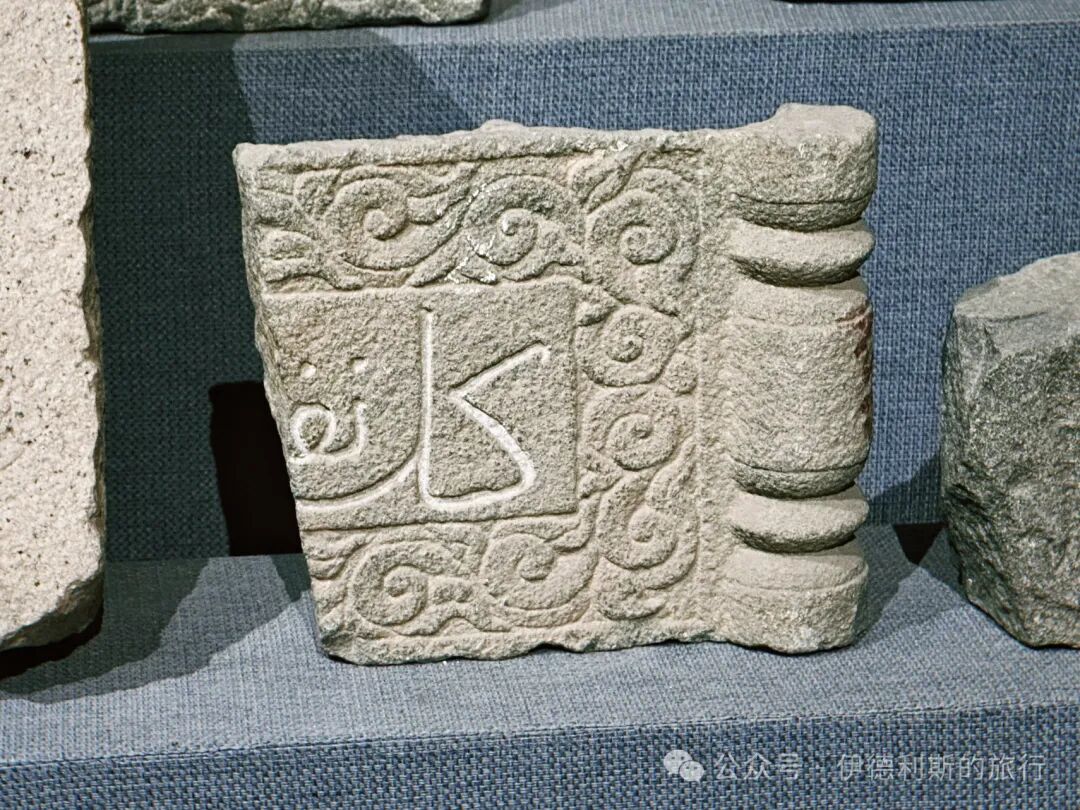
Found in 1937 at Jintoupu Village outside Tonghuai Gate at the East Gate of Quanzhou, the inscription reads, 'Everyone (shall taste death).'
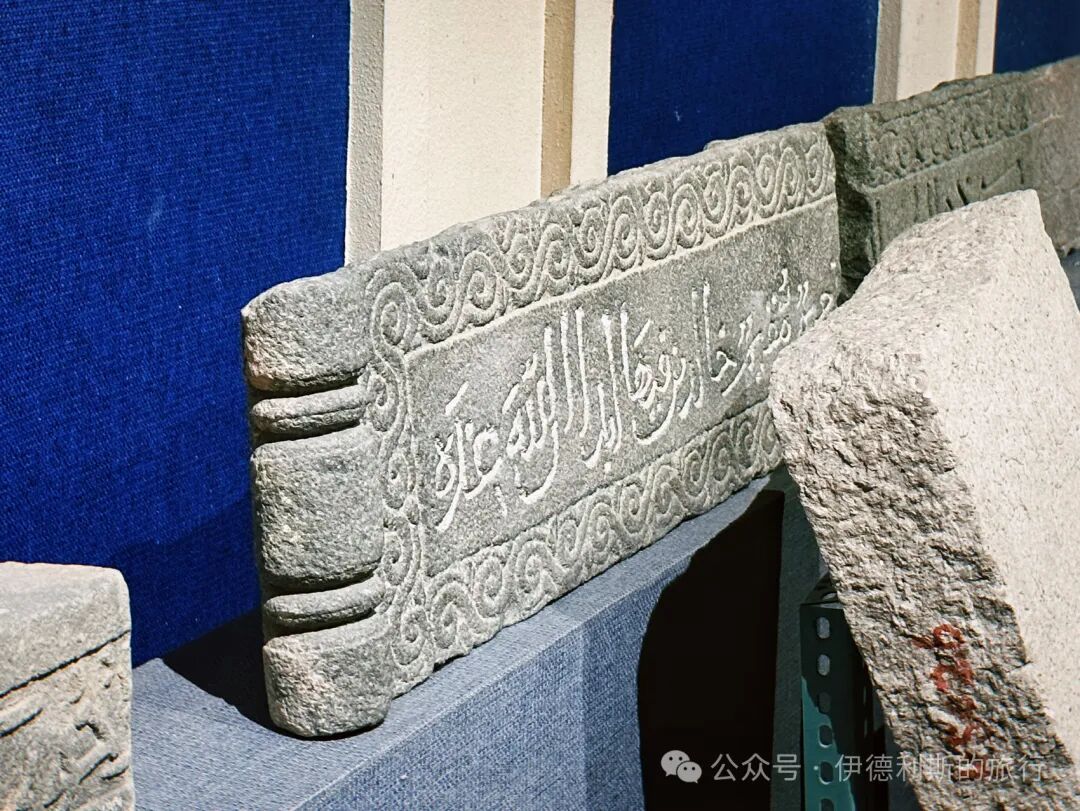
Found in 1943 inside the city wall foundation at the East Gate of Quanzhou, the inscription contains Quranic verses (9:21-22).
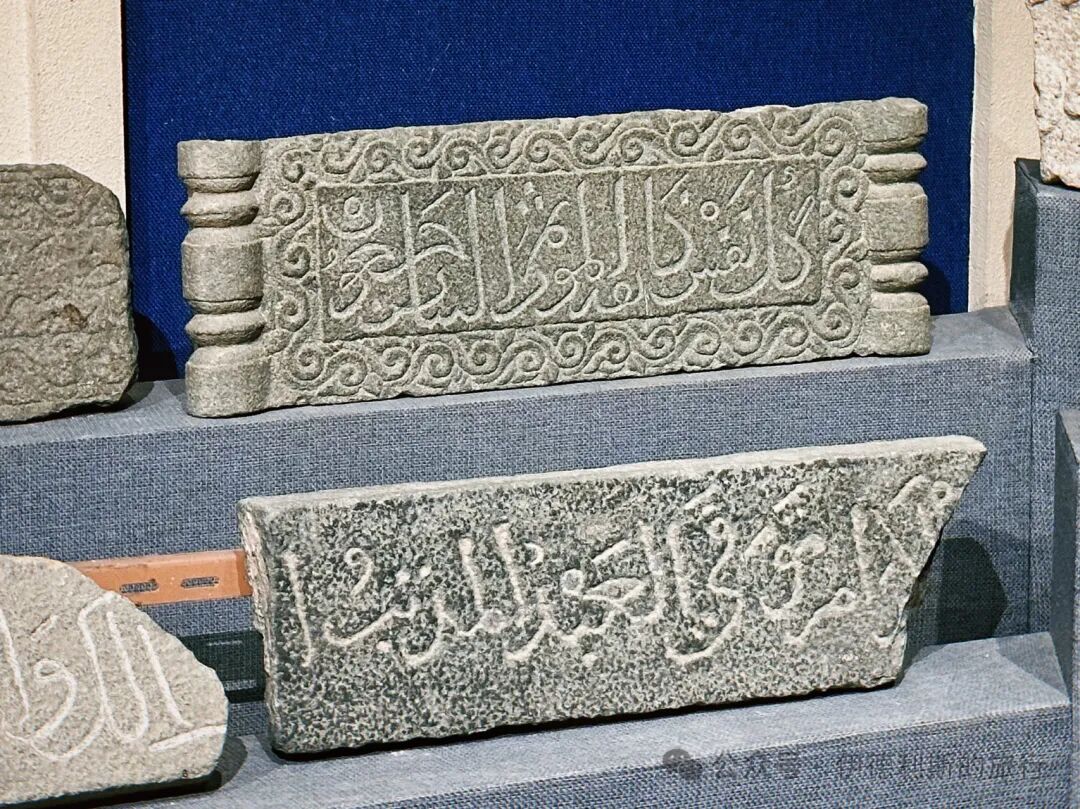
The tombstone base above was found in 1939 inside the city wall at Tonghuai Gate at the East Gate of Quanzhou, and it contains Quranic verses (29:57).
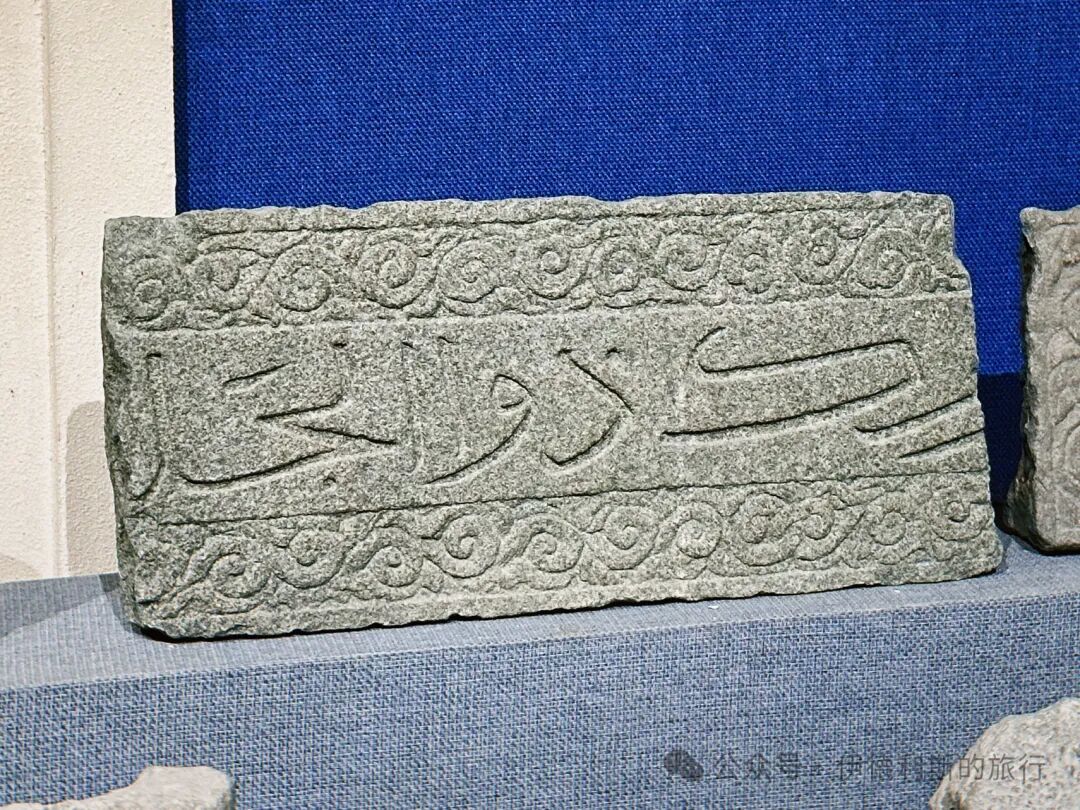
Found in 1943 near the East Drill Ground (Dongjiaochang) in Quanzhou, the inscription reads, 'Your Lord of Might.'
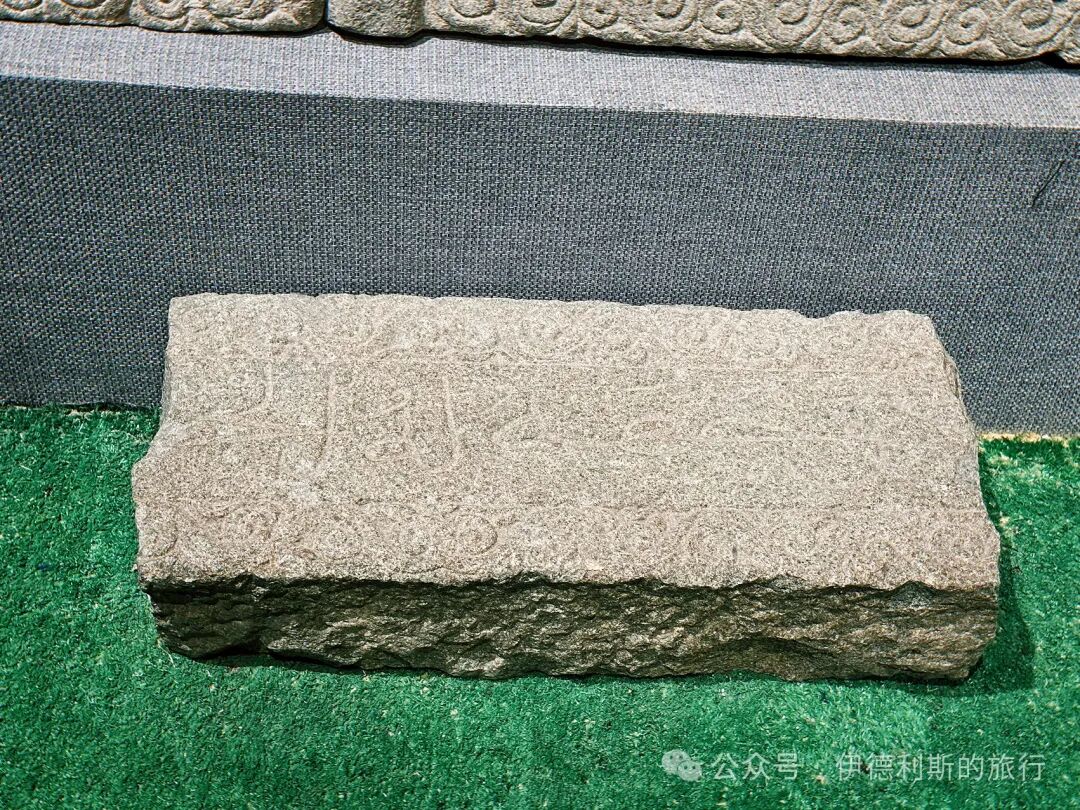
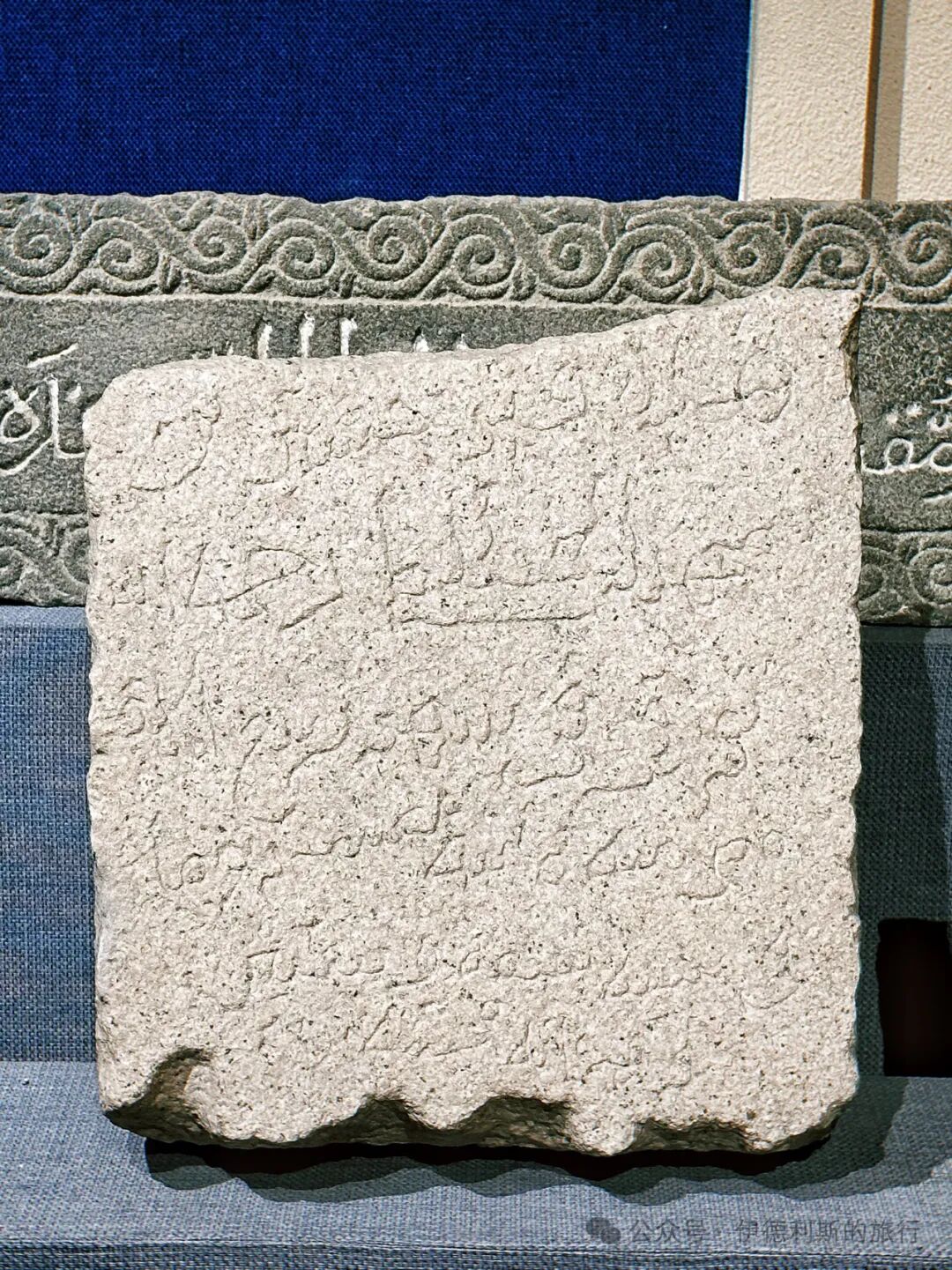
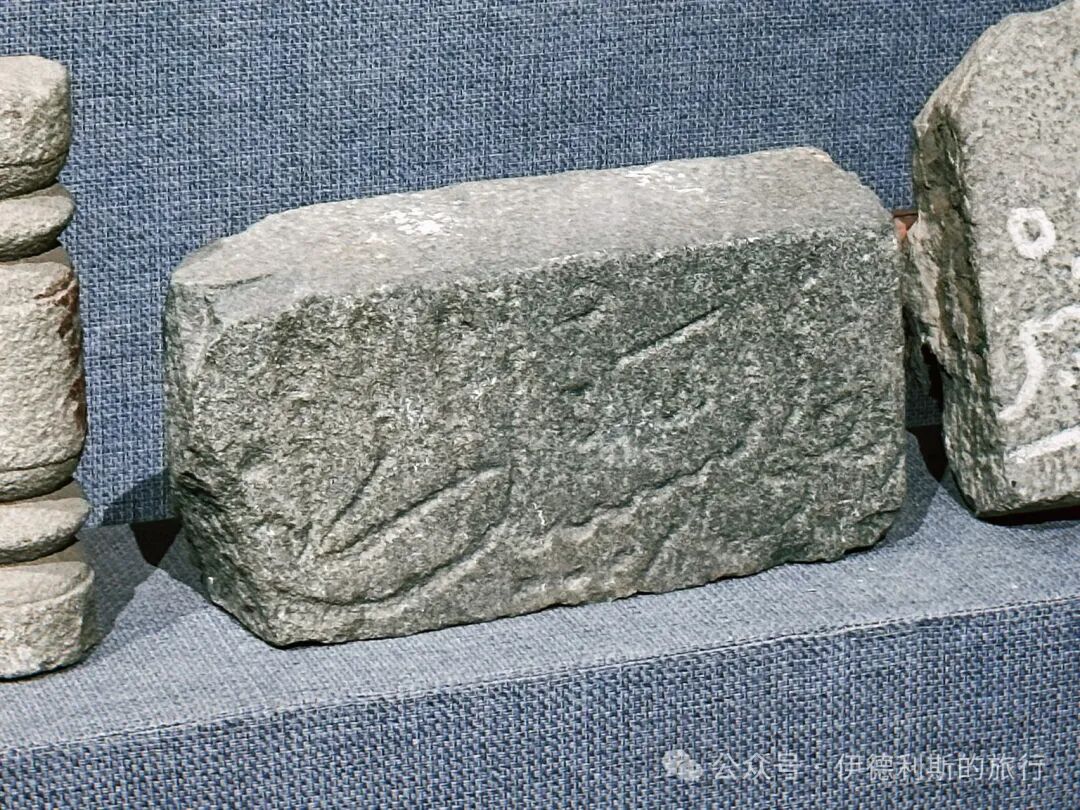
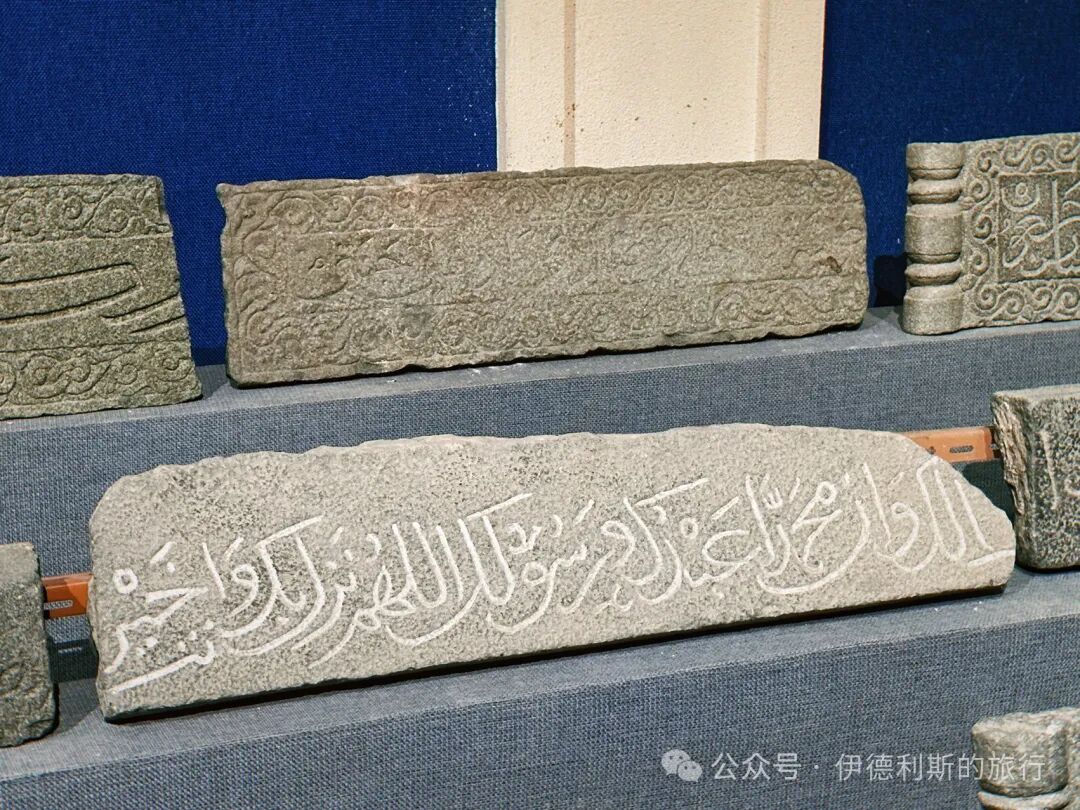
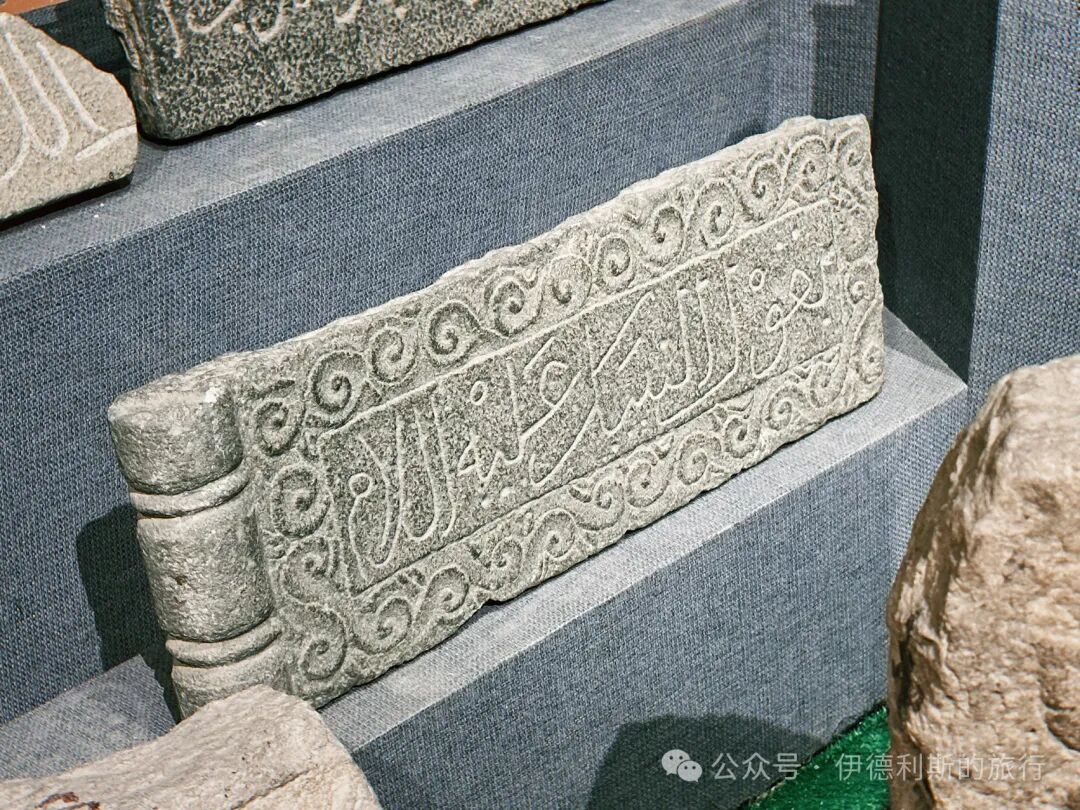
The tombstone base in the picture below was found in 1959 in a pile of rubble at the Qingjing Mosque. This pile of rubble was dug up from the city wall foundation near Tonghuai Gate at the East Gate of Quanzhou, and it was moved to the Maritime Museum (Haijiaoguan) for preservation in 1964. The inscription states the tomb owner's name is Toghan-shah b. Umar b. Sayyid Ajall. Toghan means eagle in Turkic, and Shah means king in Persian, which is how Central Asians addressed nobles. Sayyid Ajall means honorable gentleman in Arabic, and it is a respectful title for descendants of the Prophet.
Coincidentally, a tombstone unearthed in 1952 at the foundation of the Southeast Drill Ground in Quanzhou likely belongs to the same person as the Toghan-shah tombstone mentioned above. Unfortunately, this tombstone was moved to the National Museum of China in 1959 and is not currently on display, so the Maritime Museum only shows a replica. This tombstone states the owner's name is Amir Sayyid Ajall Tohgan-shah b. Sayyid Ajall Umar b. Sayyid Ajall Amiran b. Amir Isfahasalar Darnakrani al-Buhari, who passed away in 1302. The term Isfahasalar is made up of the Persian word Isfahah and the Turkic word Salar, meaning military general.
Both tombstones mention that Toghan-shah's father was named Umar Sayyid Ajall. The second son of Nasulading, who was the son of the famous Yuan Dynasty politician Sayyid Ajjal Shams al-Din, was named Umar Sayyid Ajjal. Umar once served as the administrator of the Fujian Branch Secretariat in Quanzhou. According to Rashid al-Din's History of the Mongols, Sayyid Ajjal Shams al-Din was from Bukhara, which matches the records on the tombstone.
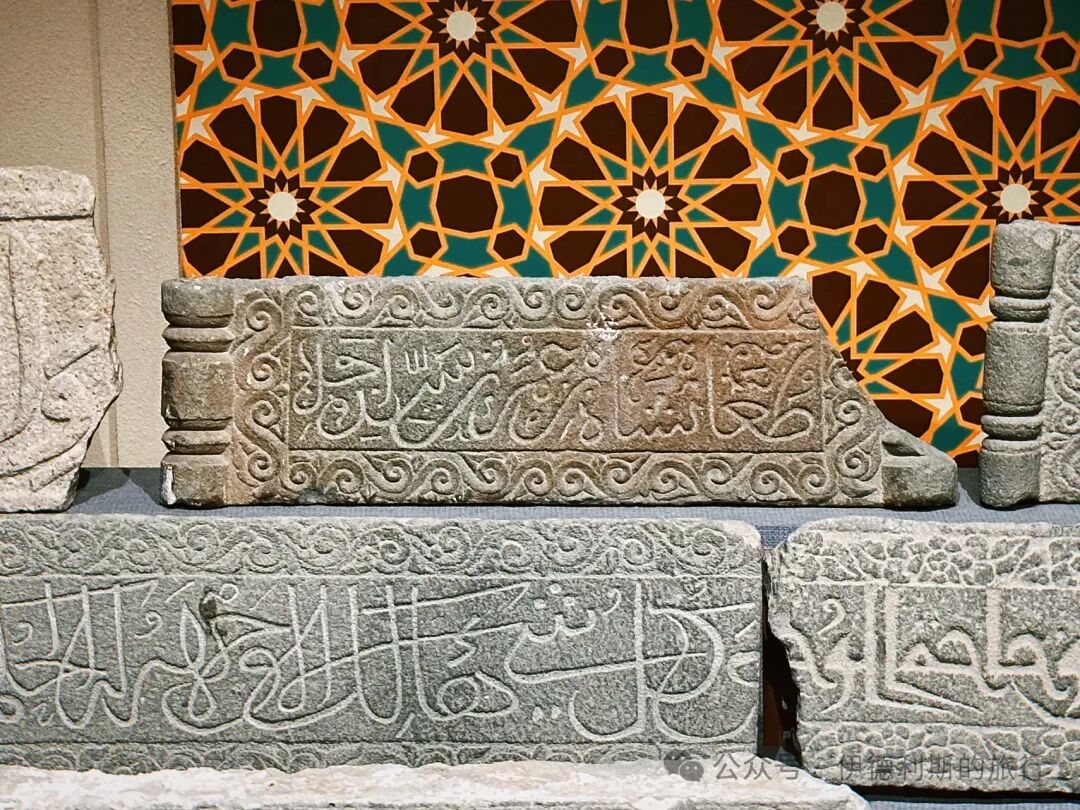
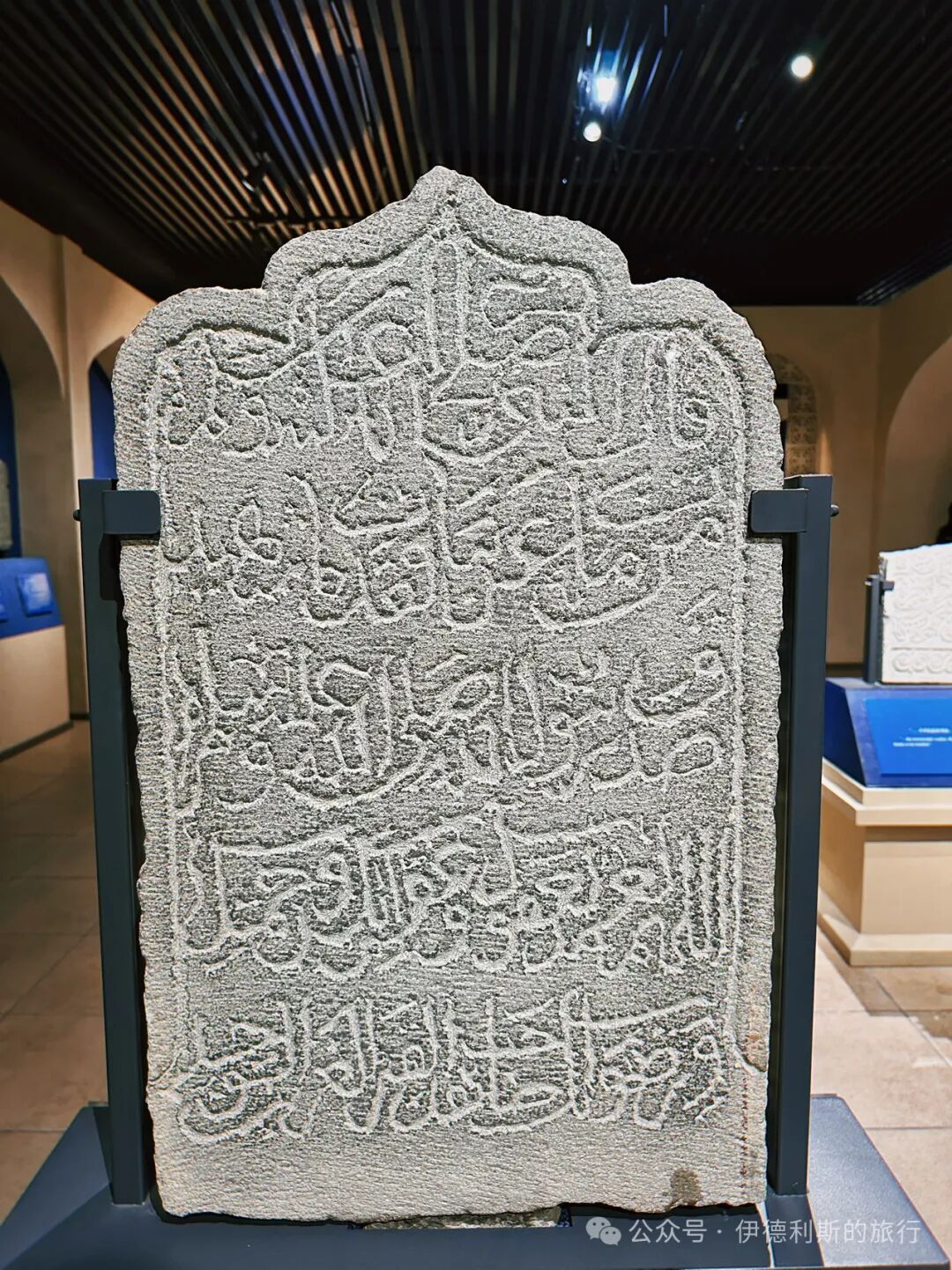
The tombstone in the picture below was found in 1987. One side is carved with the testimony of faith, and the other side, translated by Imam Wang Yaodong from Ningxia, says the person buried there was named Haji Abdullah.
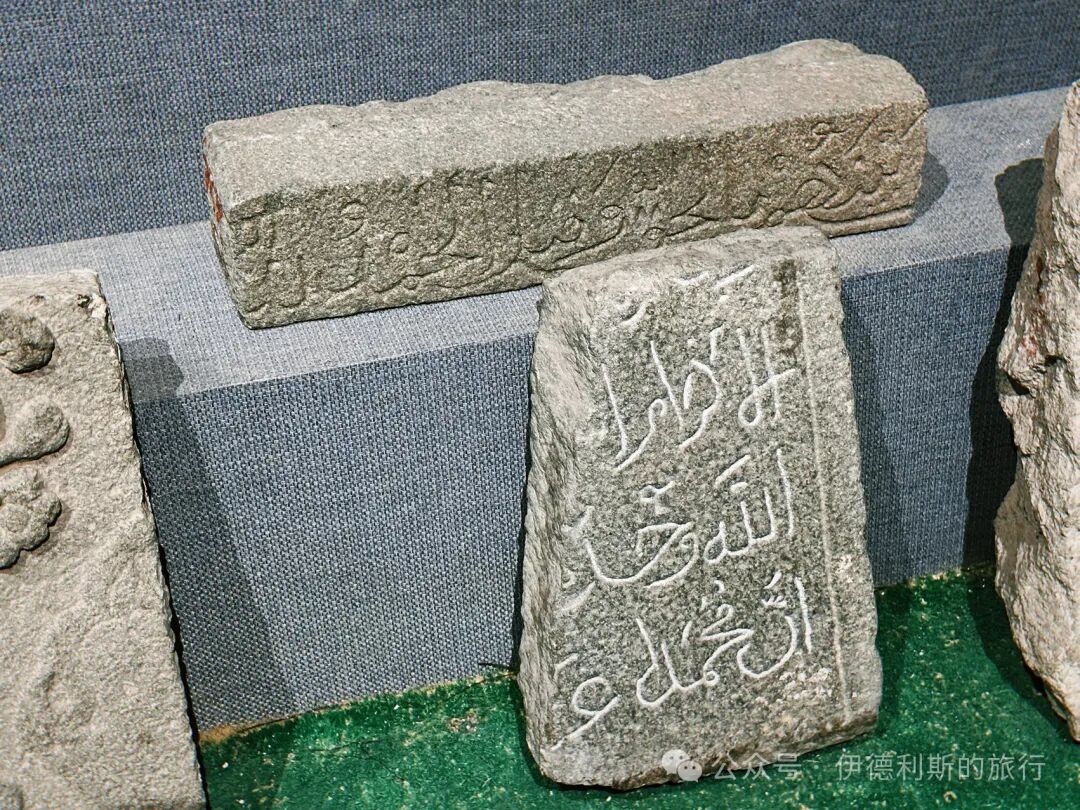
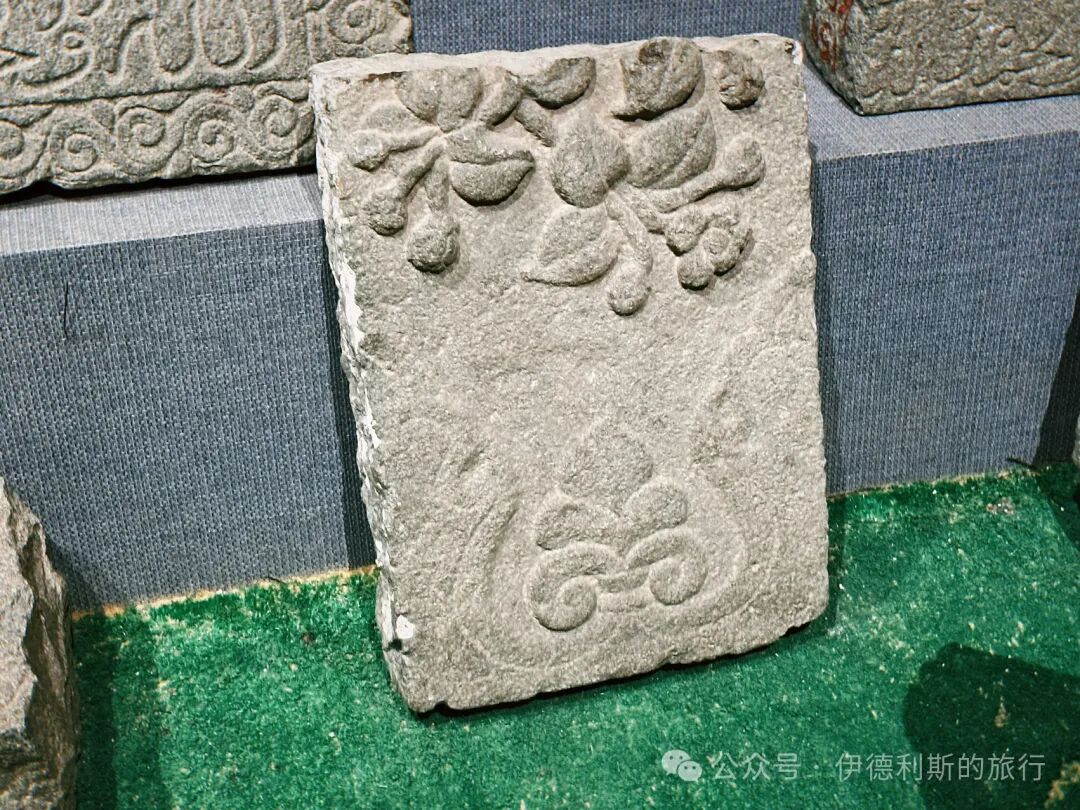
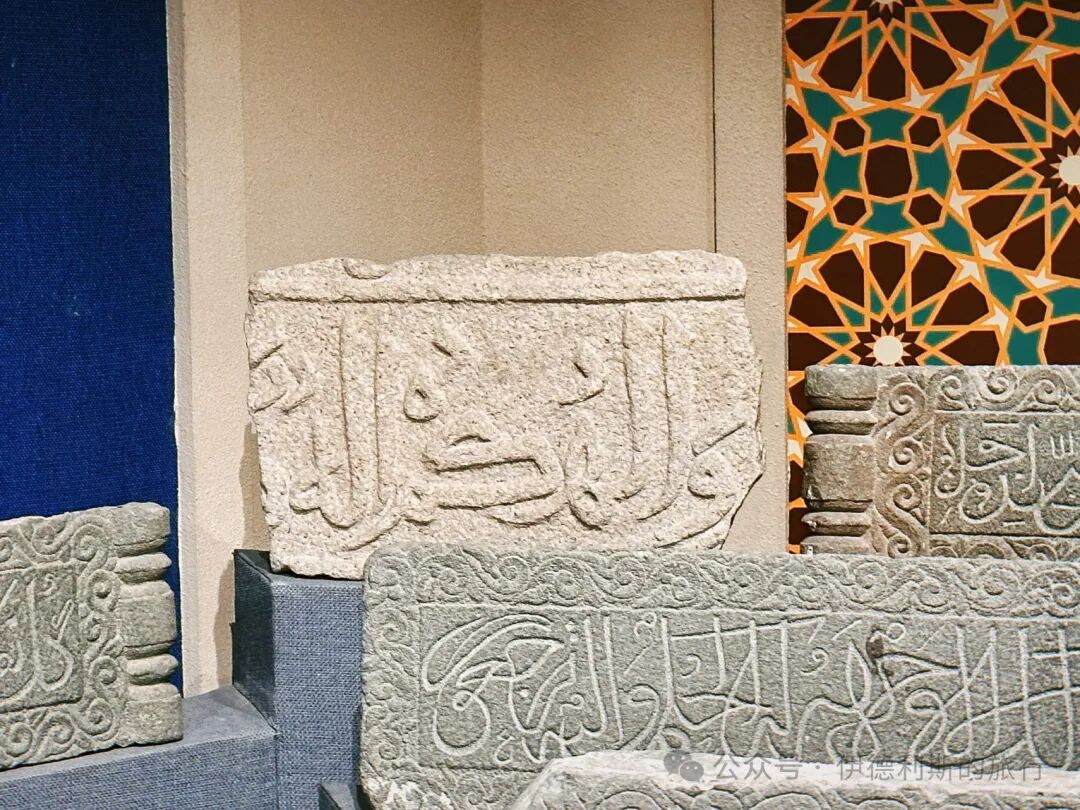
The tombstone base stone above was found in the foundation of the East Gate of Quanzhou in 1944 and is carved with a verse from the Quran (21:35). The bottom left of Figure 1 shows a tombstone base stone from a pedestal-style altar. It was found near the South Gate of Quanzhou in 1959, and local residents say it was recovered when the South Gate was torn down between 1946 and 1948. The inscription on the stone features a verse from the Quran (24:35).
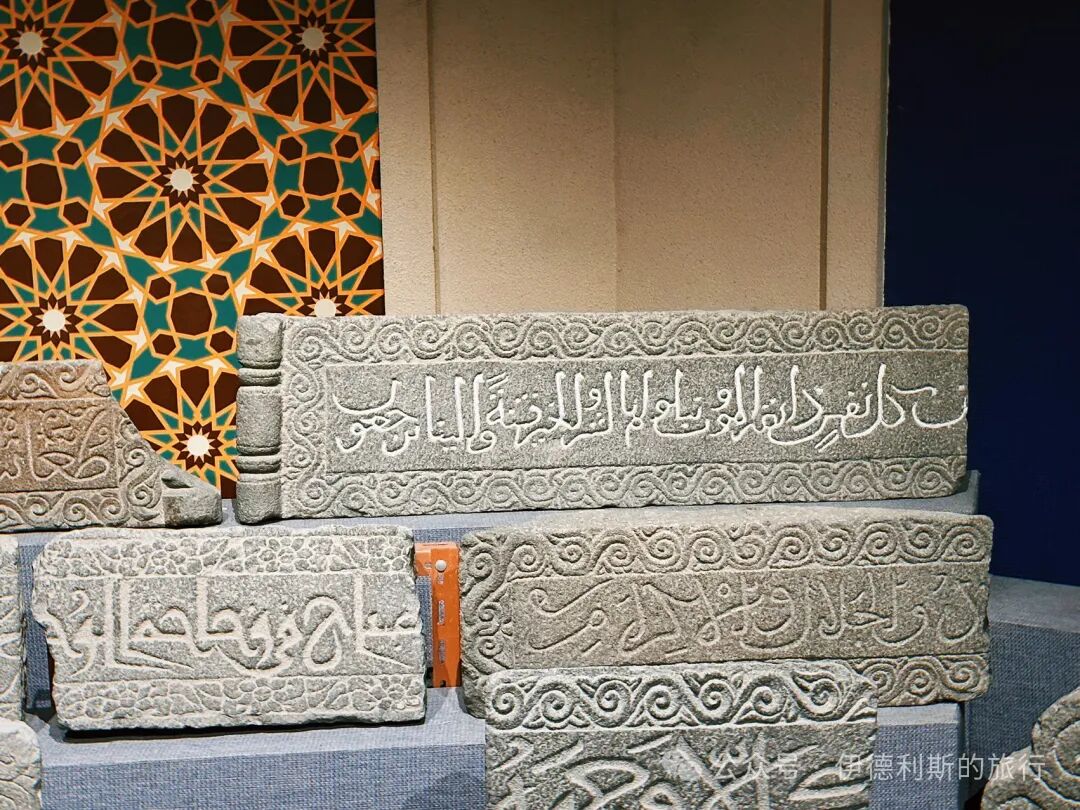
The tombstone base stone above was found in the foundation of the East Gate of Quanzhou in 1944 and is carved with a verse from the Quran (28:88).
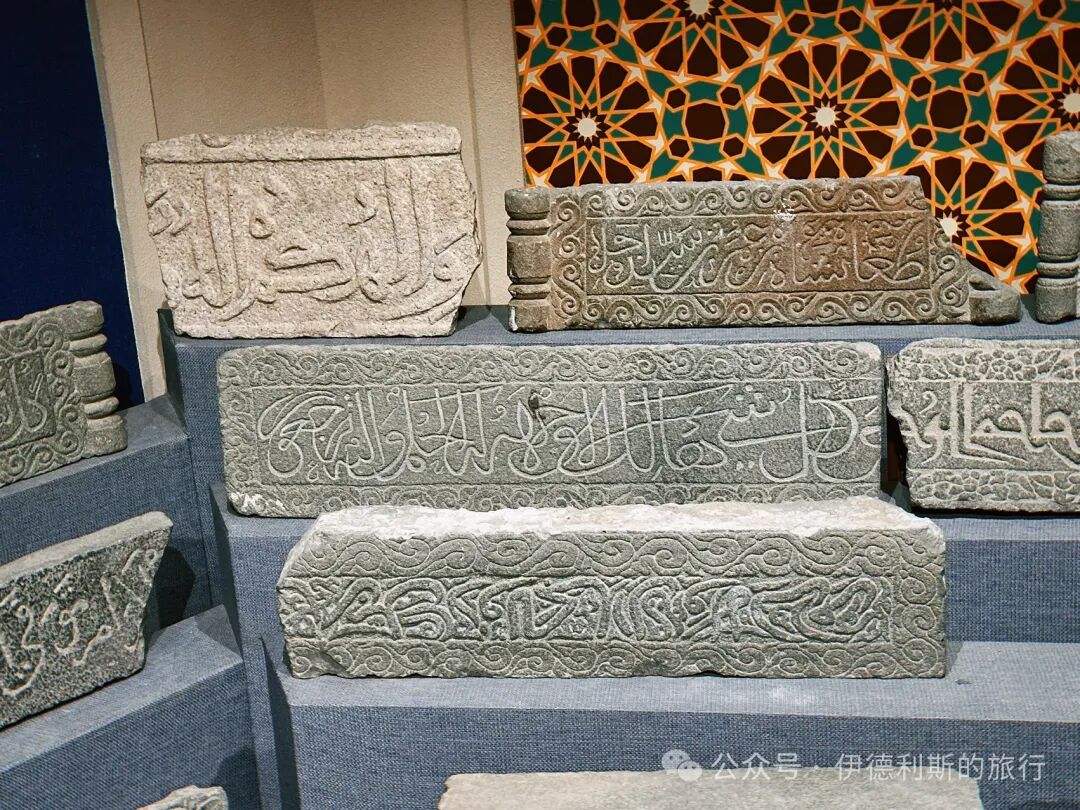
The tombstone marker in the middle of the picture below was found in 1960 among a pile of rubble at the entrance of Chongfu Mosque at the East Gate of Quanzhou. It reads, 'Everything will perish except Him.'
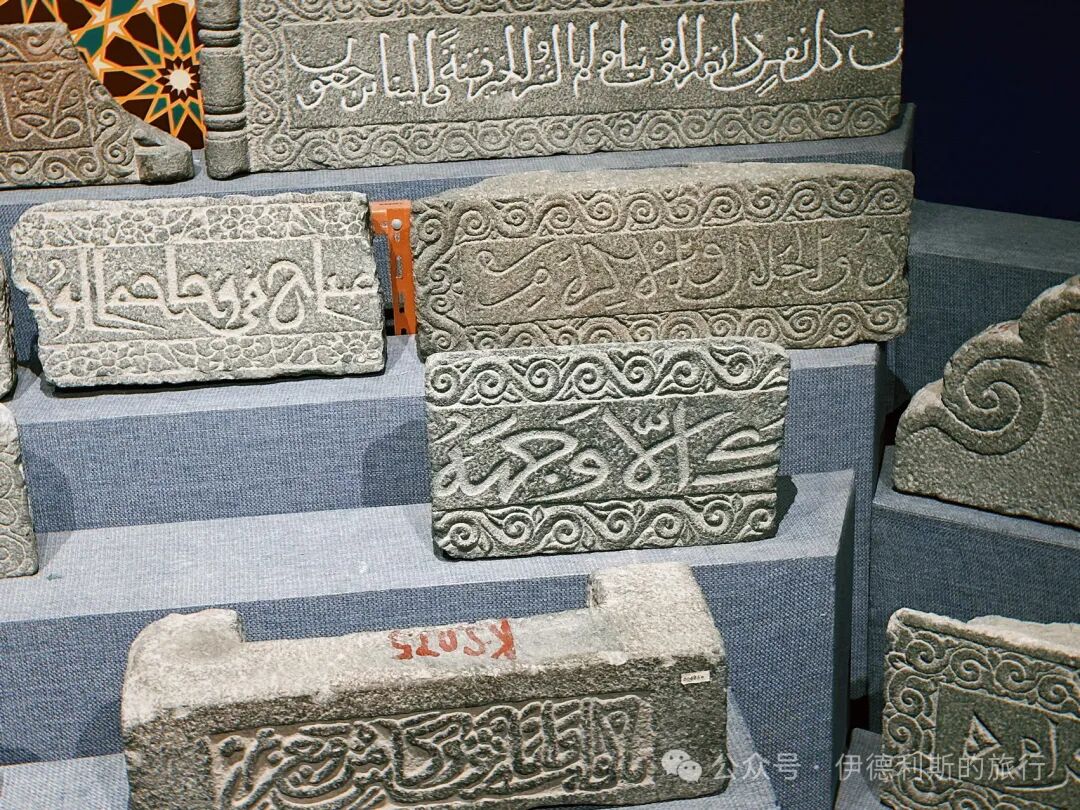
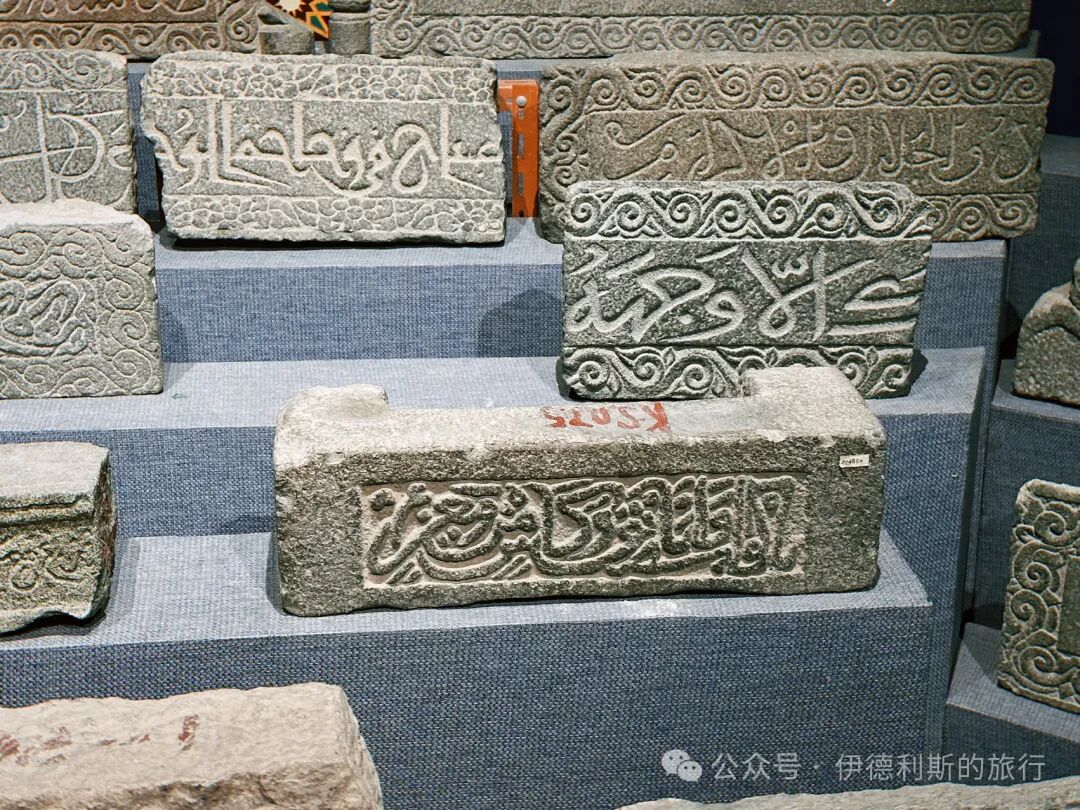
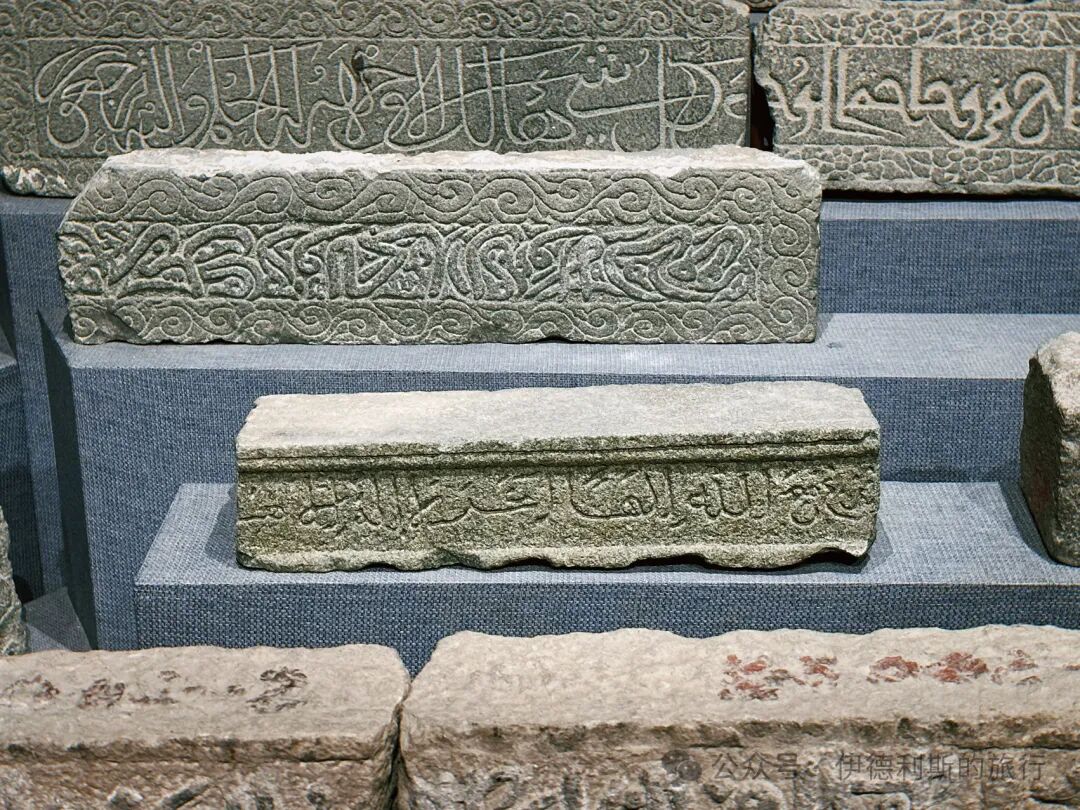
The shape of this stone carving is quite unique and different from any other tombstones or tombstone markers seen so far. It was found in 1948 in Jintoupu Village outside the Tonghuai Gate at the East Gate of Quanzhou. Villagers said it was dug up from the foundation of the city wall.
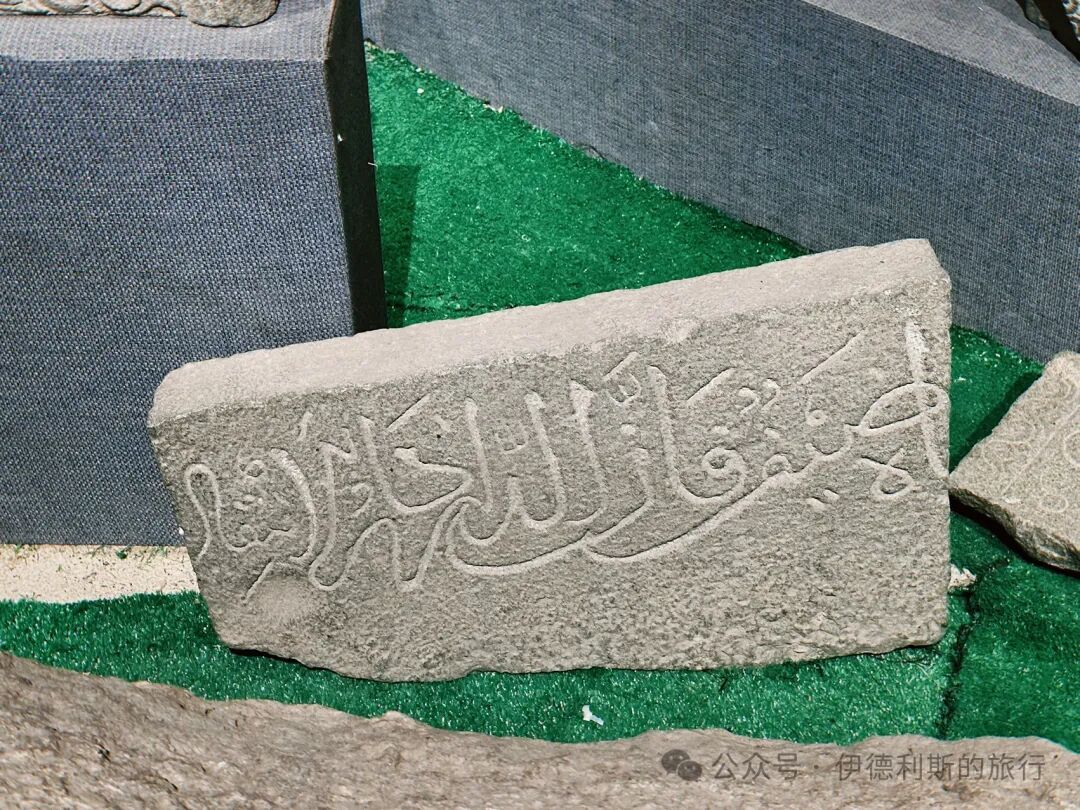
The tombstone marker in the picture below was built into the east wall of a vegetable market near the South Drill Ground in Quanzhou in the autumn of 1953. It is said to have been bought when the market purchased stones from the city wall foundation for construction. It was removed in the 1990s when the market was rebuilt. The inscription is a verse from the Quran (28:88).
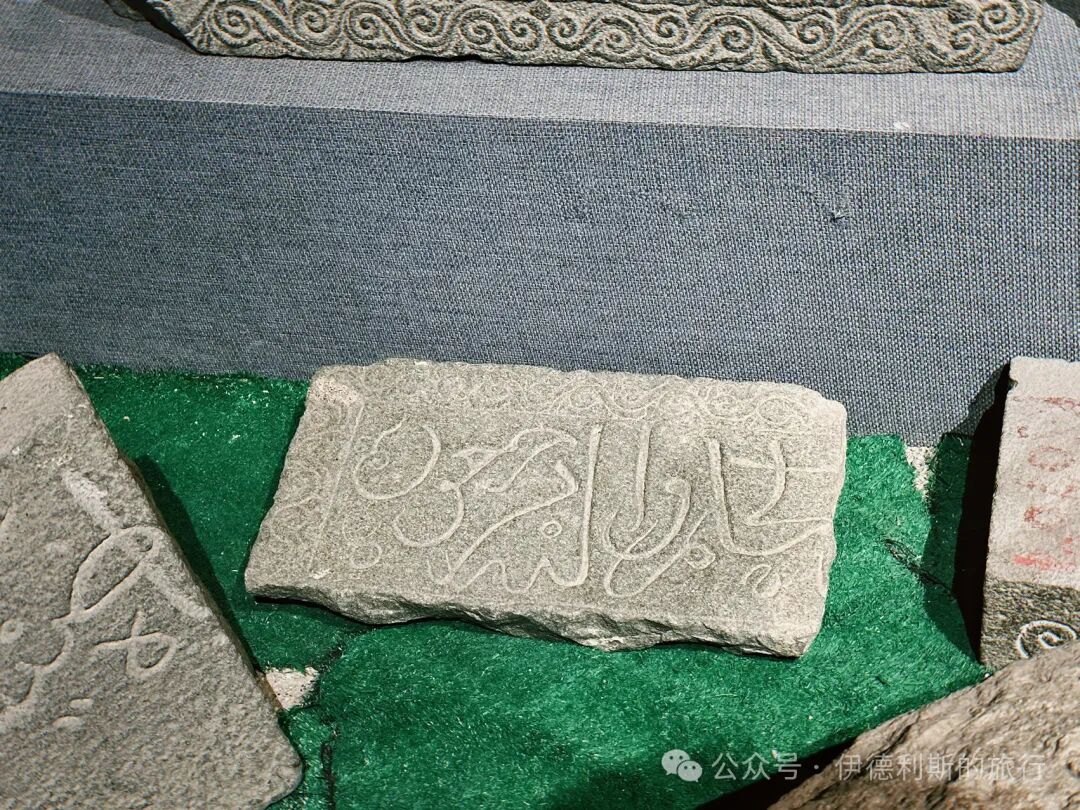
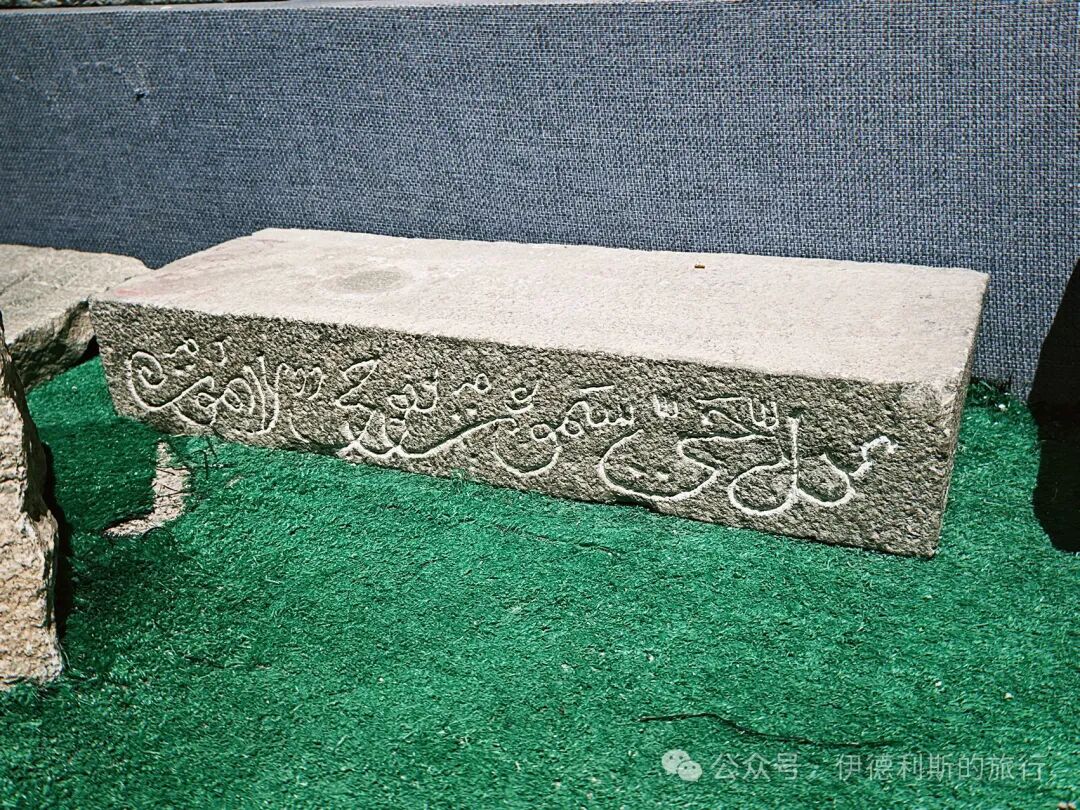
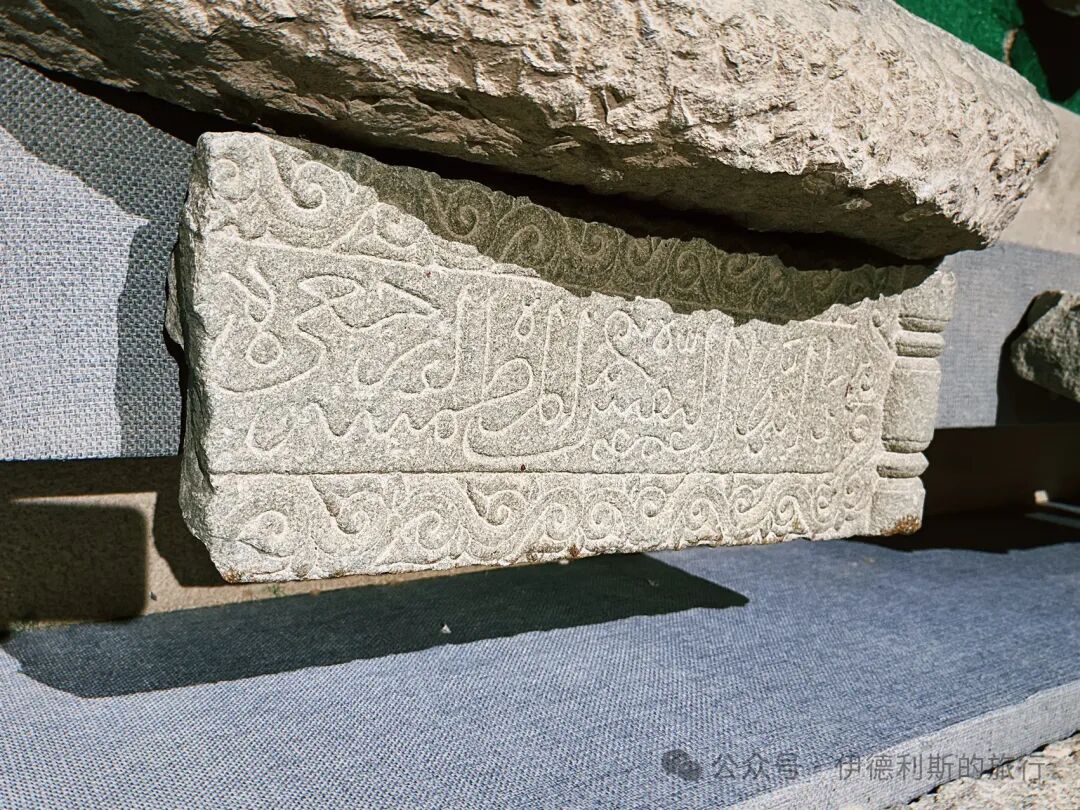
It was found in 1954 in Jintoupu Village outside the Tonghuai Gate at the East Gate of Quanzhou.
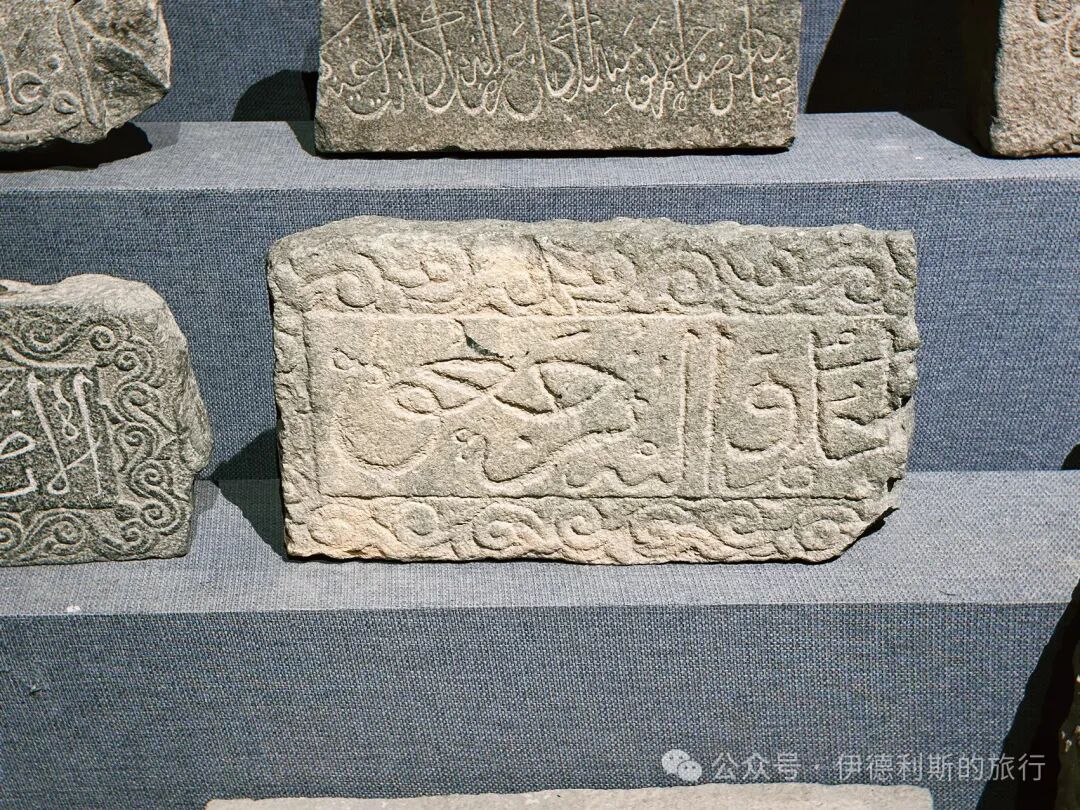
It was found in 1957 in a field between the Small East Gate and Jintoupu Village in Quanzhou. The content is a verse from the Quran (39:74).
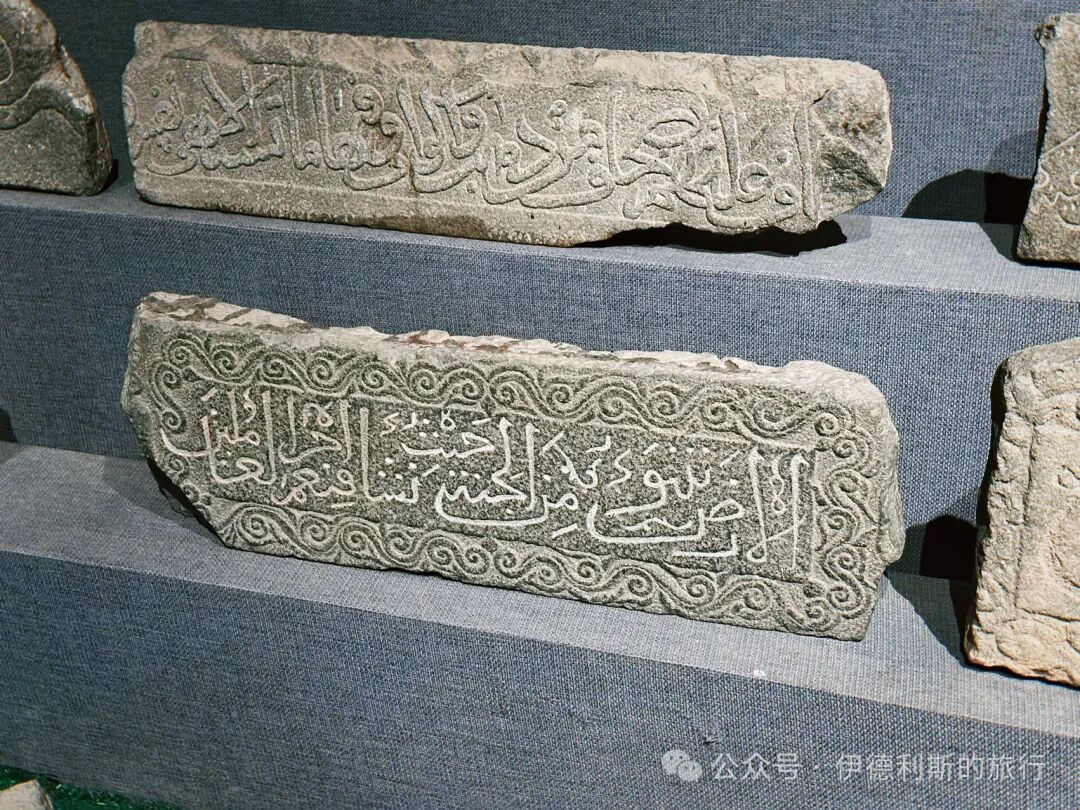
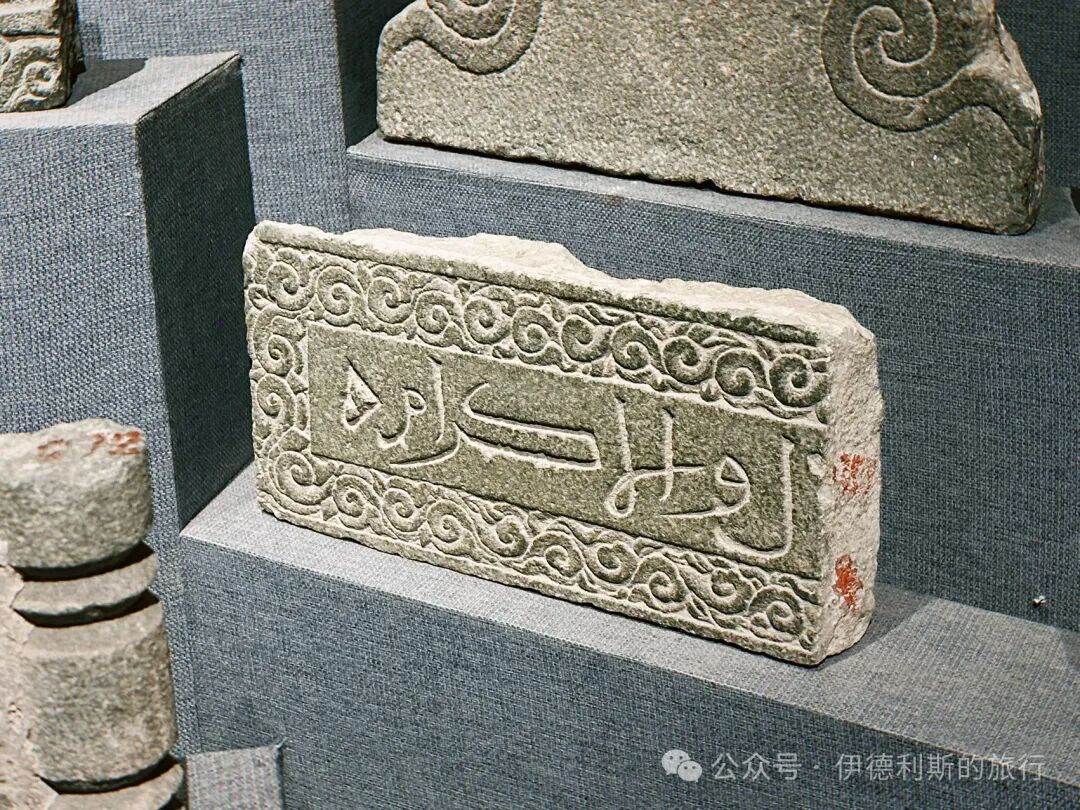
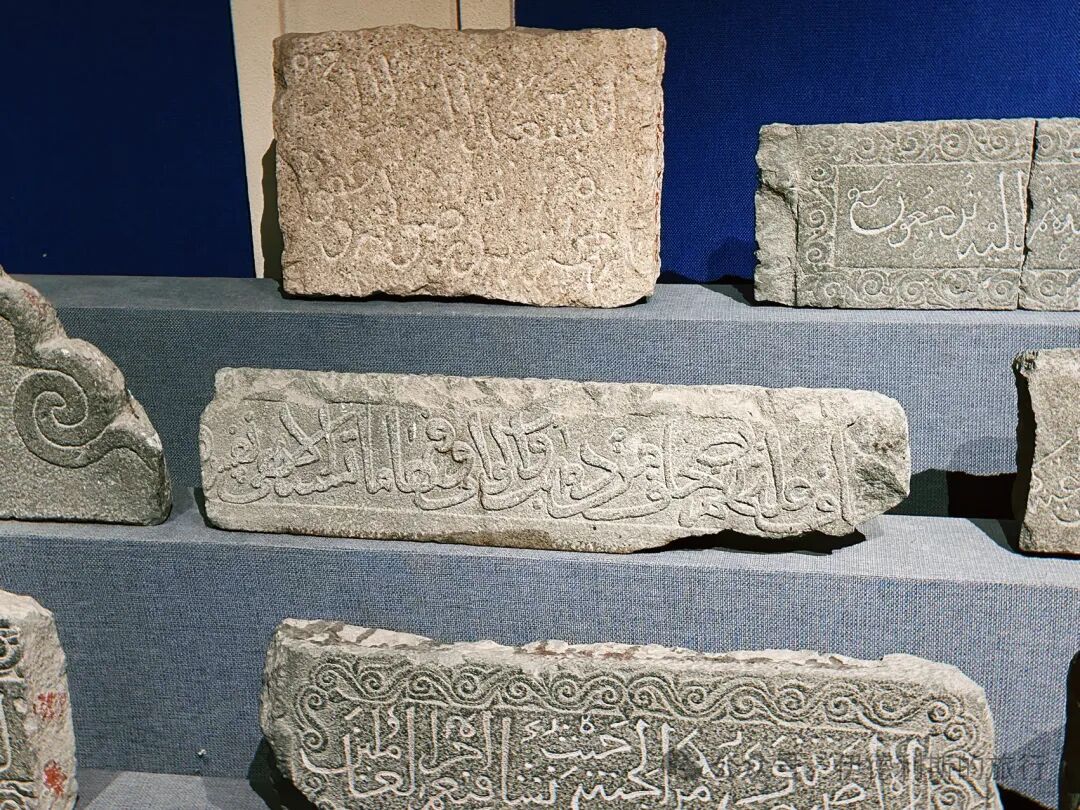
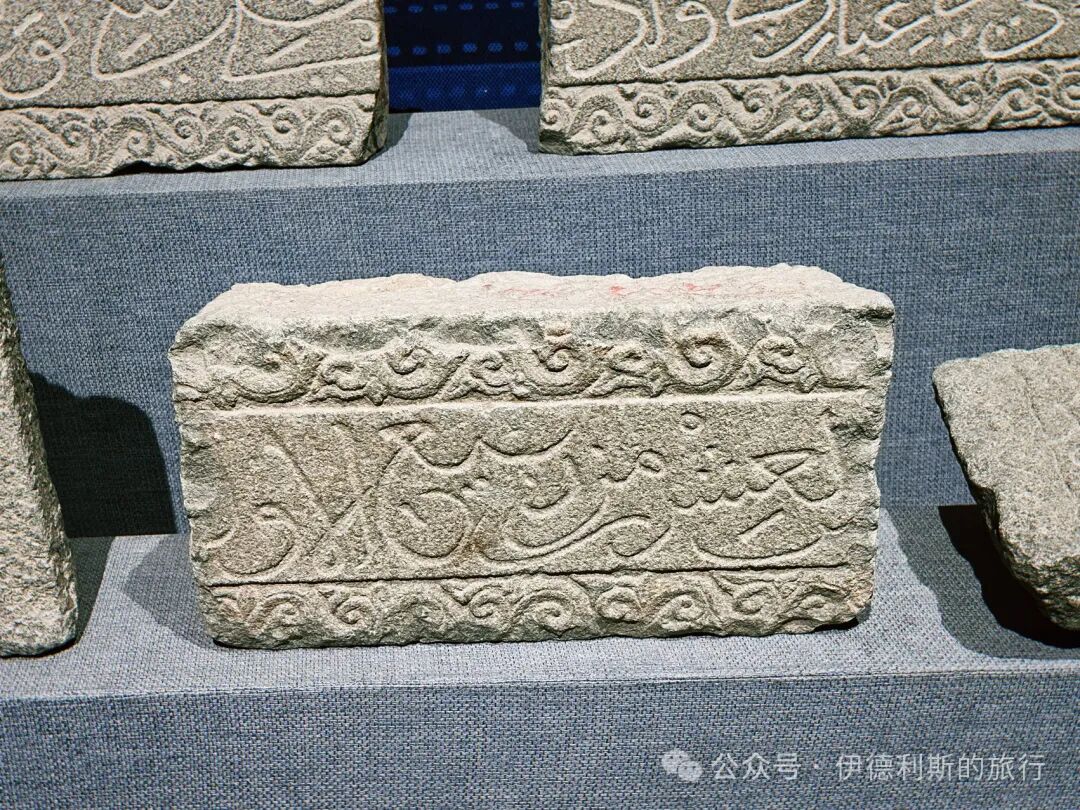
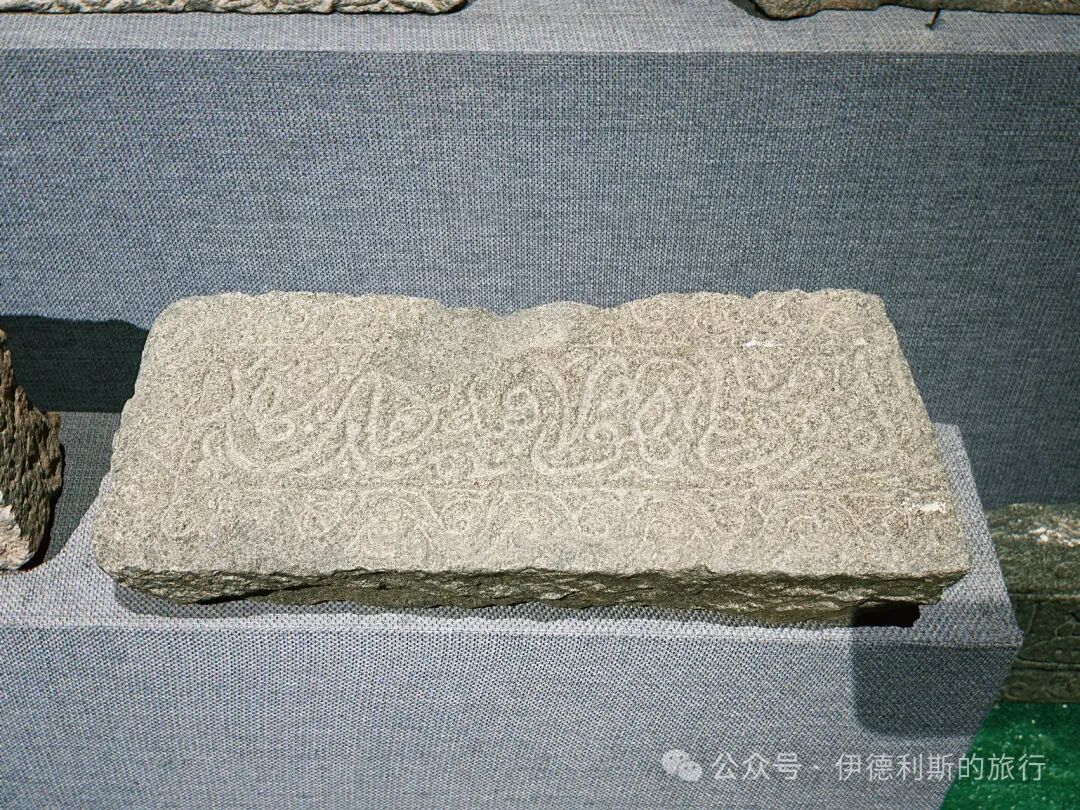
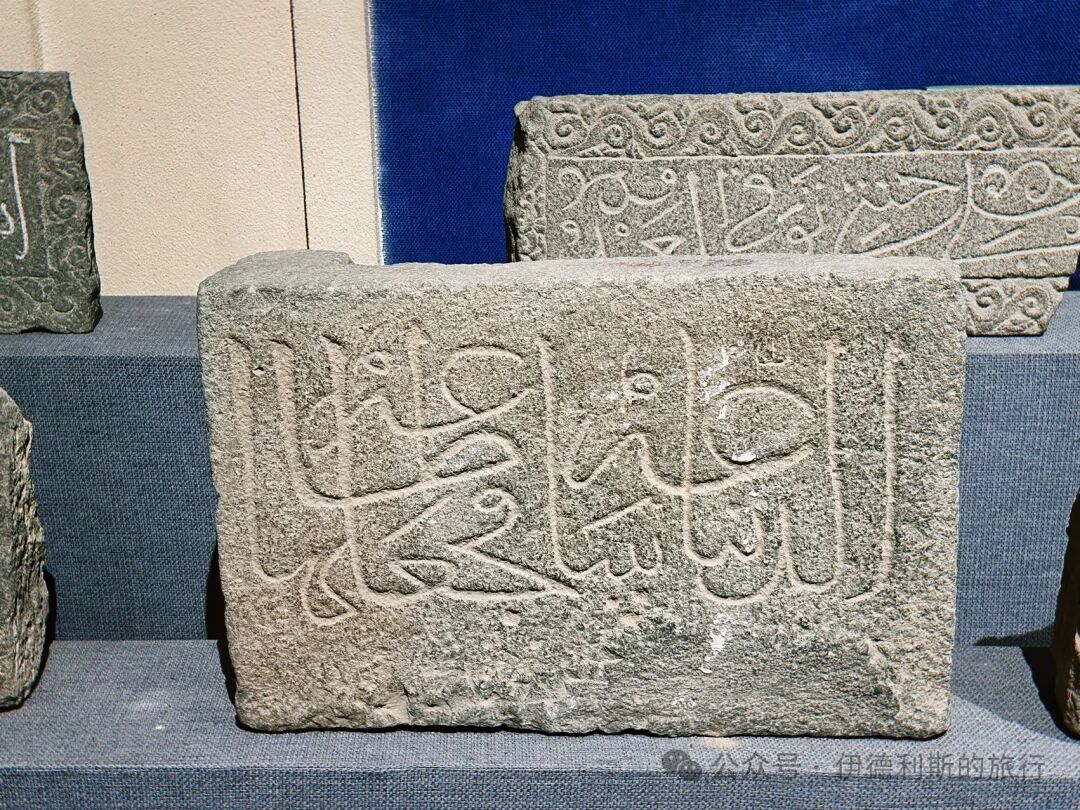
It was purchased in 1949 from a stonemason's shop at the East Gate of Quanzhou.
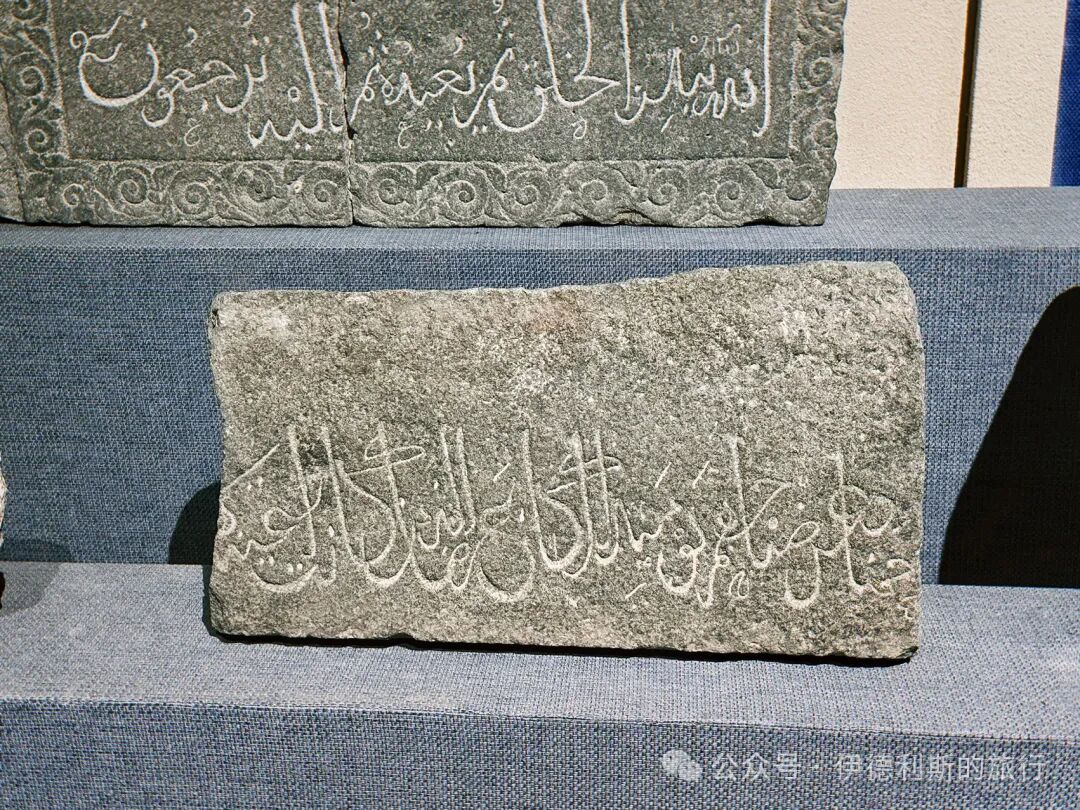
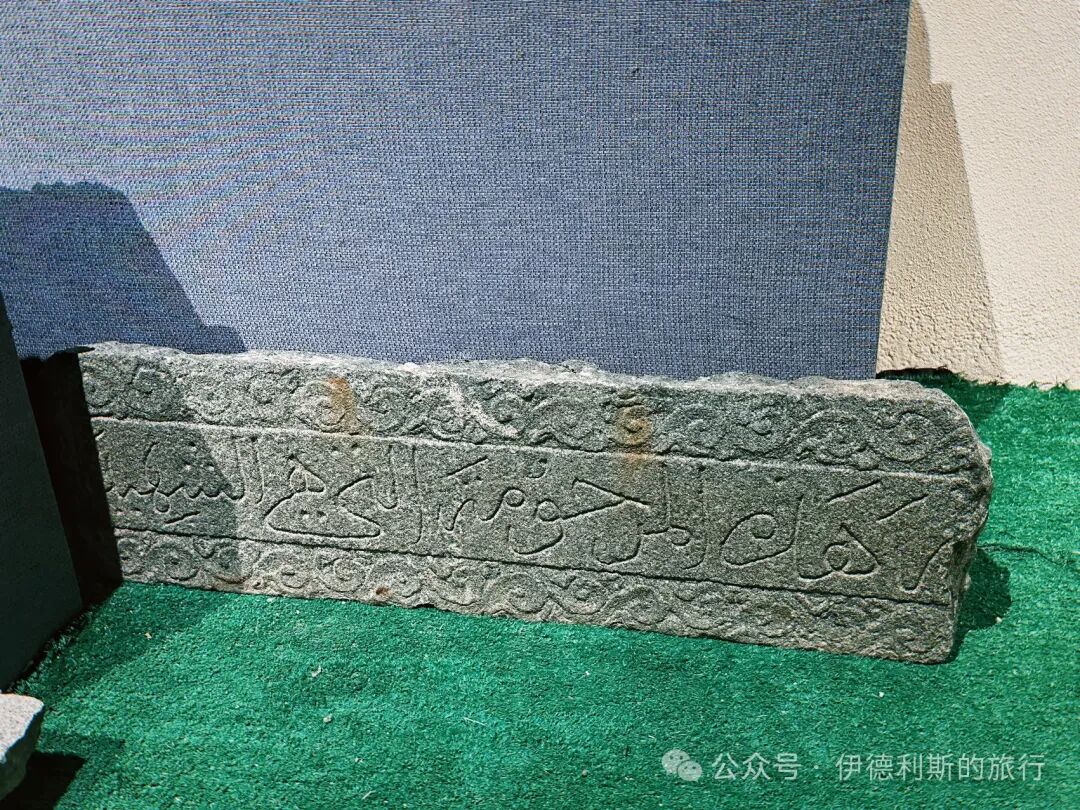
The tombstone base in the picture below was found in 1948 at Jintoupu Village outside the Tonghuai Gate of Quanzhou's East Gate. In 1973, Liu Wanru, the widow of Mr. Wu Wenliang, donated it to the Quanzhou Cultural Relics Management Committee. It features Quranic verses (55:26-27).
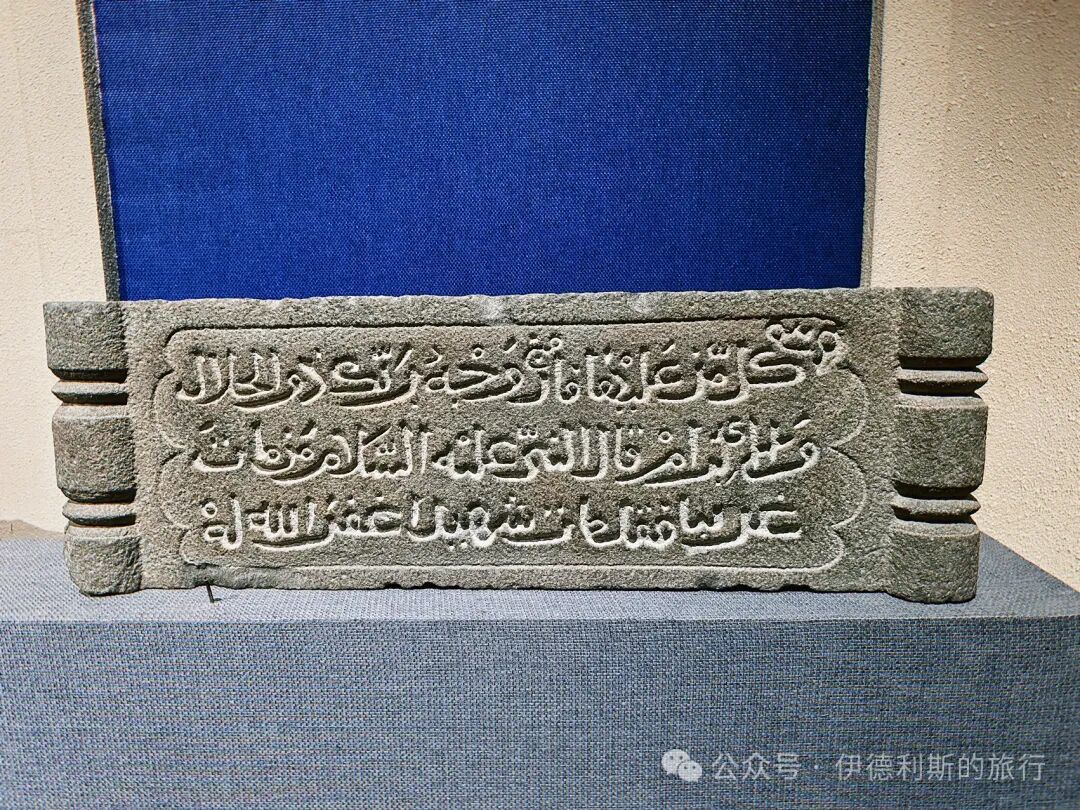
The tombstone base in the picture below was found in 1948 in Tingdian Village, 3 kilometers outside Quanzhou's South Gate. It features Quranic verses (89:29-30).
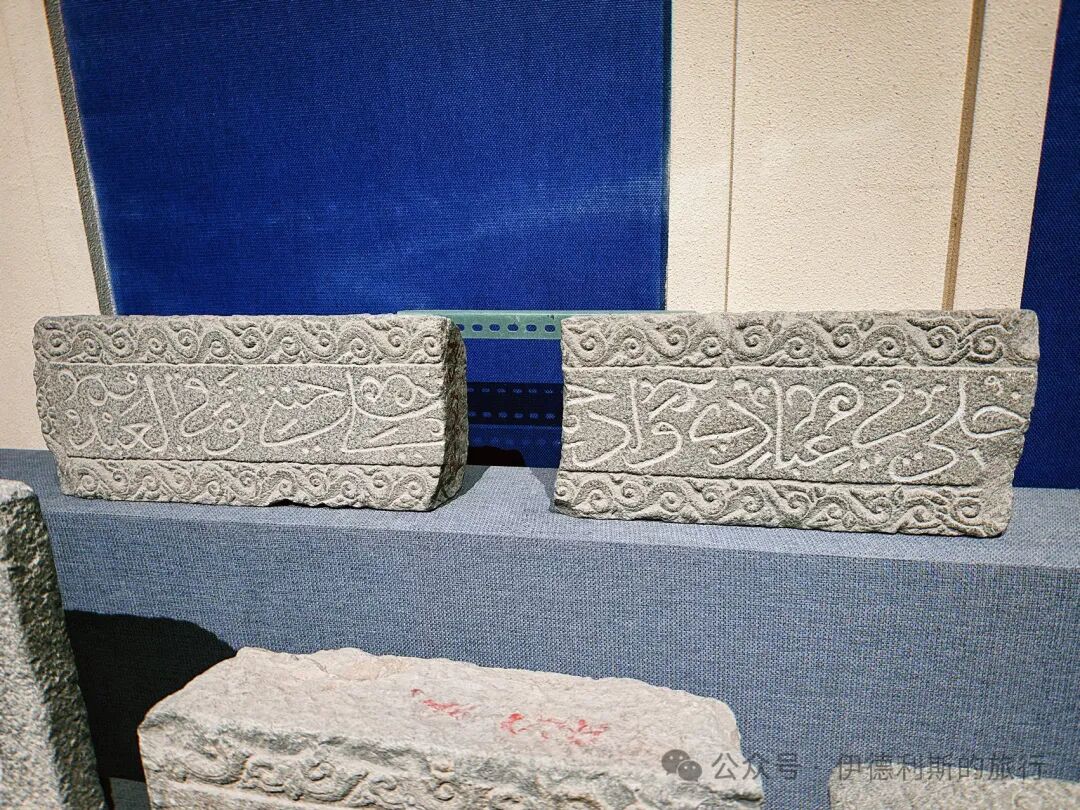
The tombstone base in the picture below was found in 1938 inside the city wall of Quanzhou's East Gate. It features a Quranic verse (30:11).
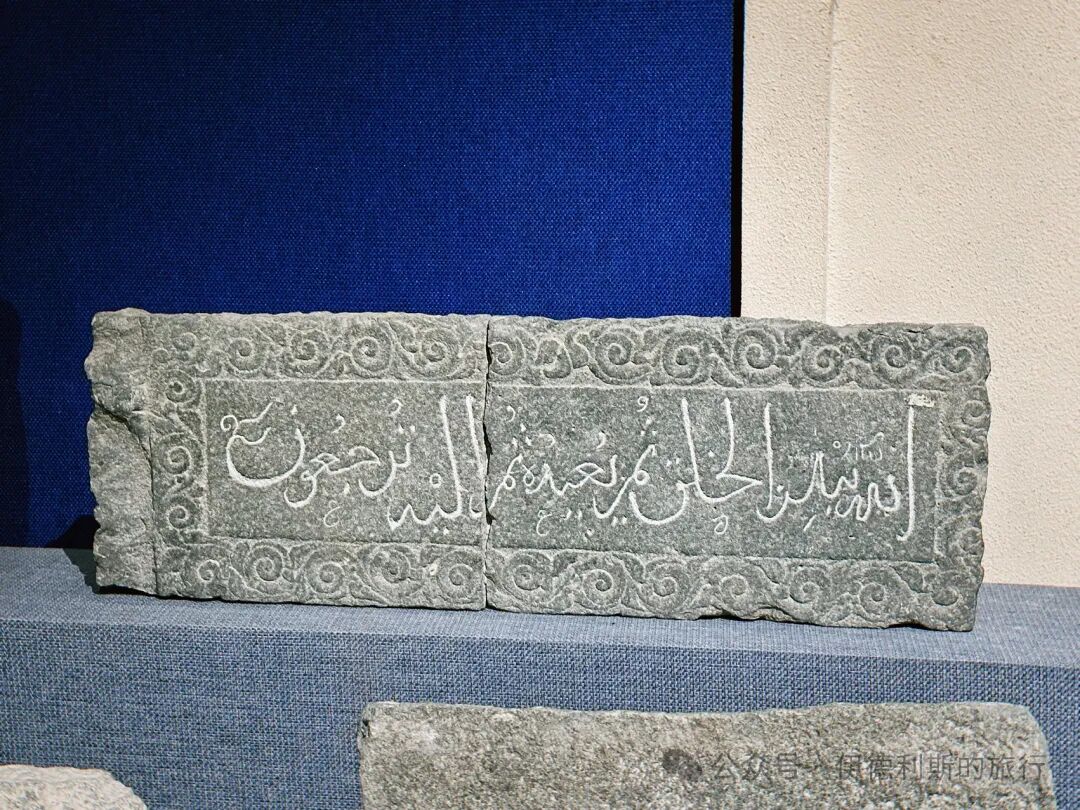
Lintel stone of a gongbei
Besides tombstones, Sumeru-pedestal style stone tombs, and Sumeru-pedestal altar-style stone tombs, the Maritime Museum also houses another type of religious stone carving: the lintel stone of a gongbei (a domed tomb for a Sufi saint). Unfortunately, only the lintel stone has been found so far, so we do not know what the original gongbei looked like.
The item in the picture below was dug up in 1946 from the foundation of Quanzhou's South Gate. The front is inscribed with Quranic verses (9:21-22), and the beginning mentions 'minbar,' which is the pulpit inside a mosque, though its specific meaning here is unclear.
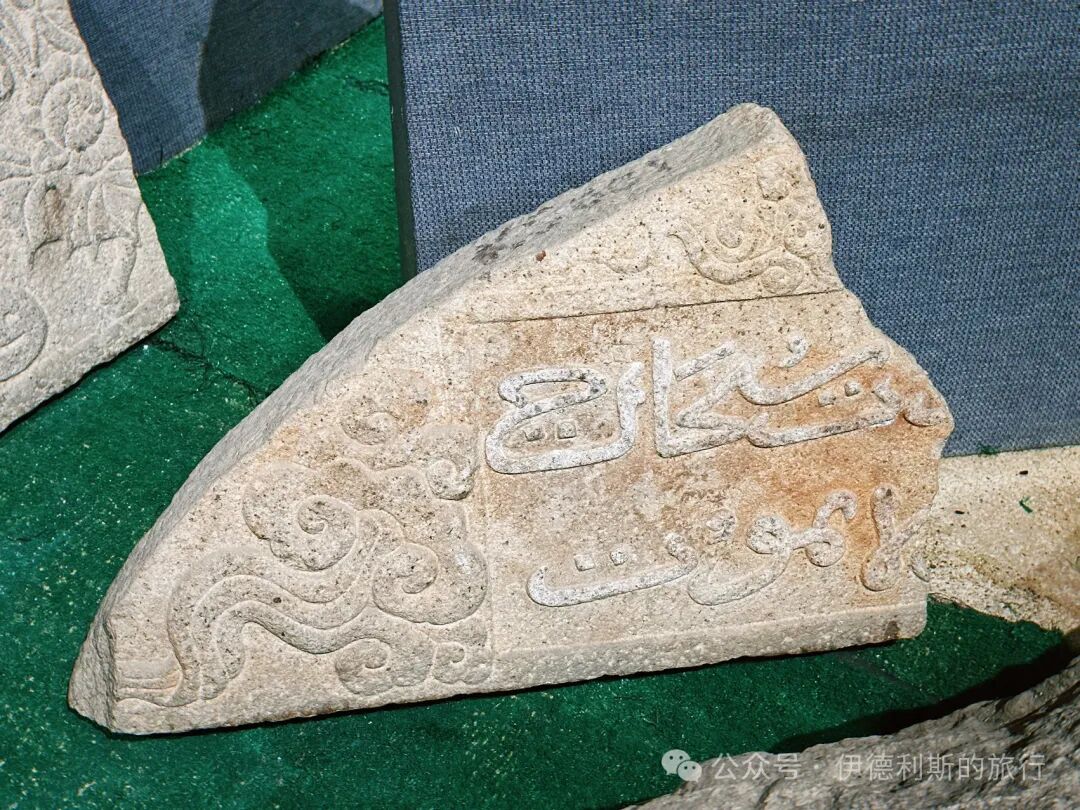
The item in the picture below was found in 1958 in a villager's home not far from the South Gate of Quanzhou. The villager said he found it deep in the city wall foundation while helping dig at the South Gate between 1946 and 1948. I originally wanted to take them home to build a wall, but I left them behind because their shapes made them hard to stack. The text reads, "(Every living thing) will die, (He is the Everlasting) who does not die."
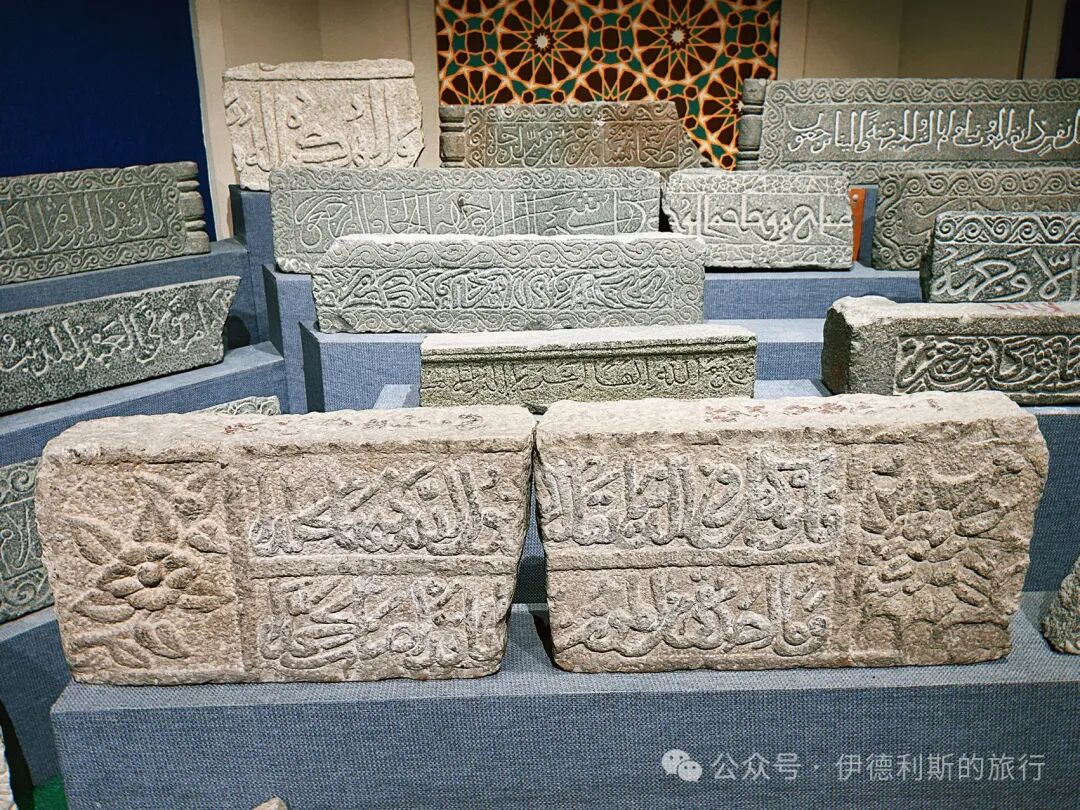
The image below shows the pivot stone from a gongbei lintel. It was found in a resident's home near the south gate city wall of Quanzhou in 1959, and it is said to have been taken when the south city gate was torn down between 1946 and 1948. The left square of the stone carving features a relief of a camellia branch, the right square features a relief of a peony branch, and the back features a relief of a melon-petal-shaped door pivot. The text reads, "If anyone in this world could live forever, the Messenger of Allah would be the one to live forever in this world." No one can escape death, for the Prophet Muhammad faced the decree of death."
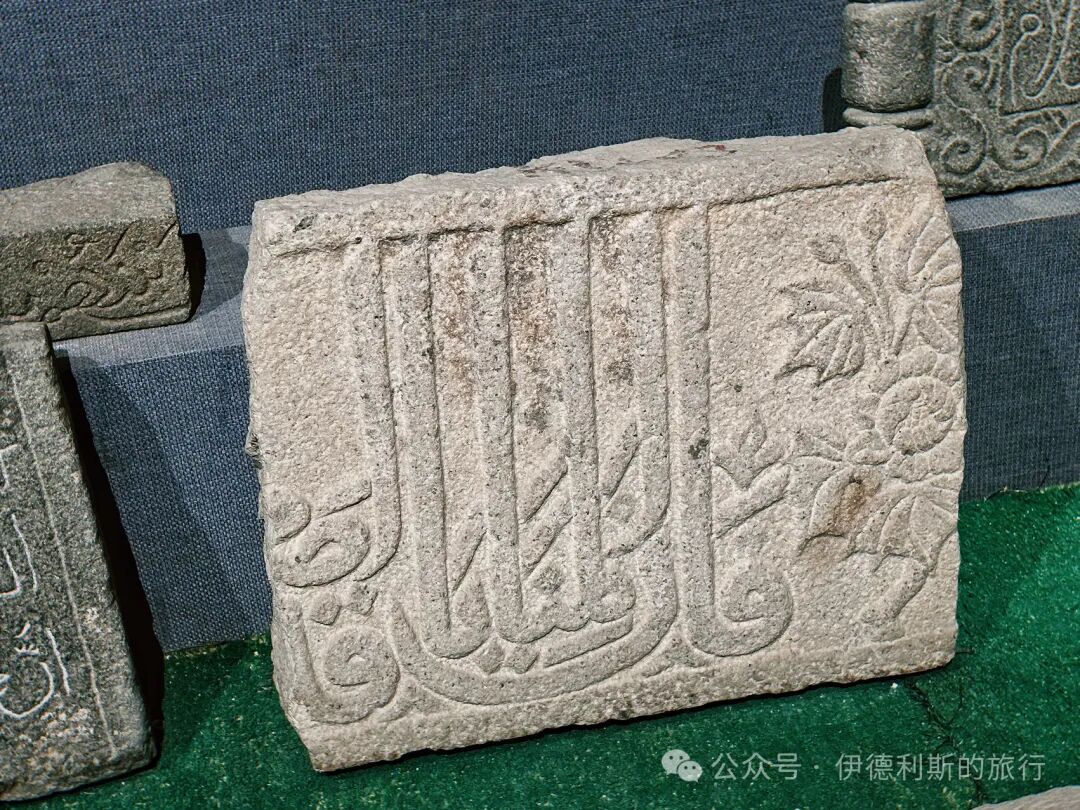
The image below shows a lintel stone from a gongbei tomb, with a relief of a peony branch on the right side. The stone carving was originally laid on a grain-drying ground on the south side of the street in Jintoupu Village, outside Tonghuai Gate at the east gate of Quanzhou. It was moved to the Maritime Museum for preservation in 1978.
The altar-style stone tomb with a pedestal base (xumizuo) restored by Mr. Wu Wenliang. Quanzhou has found many tomb wall stones and some tomb roof stones, but so far, no complete altar-style stone tomb with a pedestal base (xumizuo) from the faith has been discovered.
Summary: Islamic Art Guide: Quanzhou Maritime Museum Song-Yuan Stone Inscriptions (Part 1) is presented here as a firsthand travel account in clear, natural English. The account focuses on Quanzhou, Islamic Art, Stone Inscriptions while preserving the names, places, food, photos, and historical details from the Chinese source.
The Quanzhou Maritime Museum was built in 1959. The Quanzhou Islamic Culture Exhibition Hall opened in 2003, and the 'Arabs and Persians in Quanzhou' exhibition launched in 2008, featuring over 200 stone carvings from the Song and Yuan dynasties. I visited the 'Arabs and Persians in Quanzhou' exhibition in 2017. Returning seven years later, the layout has not changed much, but some of the most iconic stone tablets, such as the tombstone of 'Consul Pan,' have been moved to the 'Quanzhou: World Maritime Trade Center in Song and Yuan China' exhibition, with replicas now in their place.
Tombstone
The largest category of Song and Yuan dynasty Islamic stone carvings in the museum's collection is tombstones.
The tombstone in the picture below was once used as a stone tabletop under the eaves of Yuanshan Hall (later renamed Fentuoshi) on Zhongshan Middle Road in Quanzhou. It is said to have been moved there in 1952 when building materials were purchased from the city's East Gate wall foundations for construction. Ms. Wu Yuanying donated it to the museum in 1965.
The person buried is named Husayn b. Muhammad Khalati. Khalati refers to the ancient city of Ahlat in what is now southeastern Turkey. Historically, Ahlat was part of the Armenian Kingdom, was occupied by Arabs in the mid-7th century, and developed into an important trade hub in southeastern Turkey by the 10th century. Ahlat was captured by the Seljuk Empire in 1071 and later became the capital of the Turkmen beylik known as Shah-Armens.
Because the inscription is written in a very irregular way, there are still many questions about how to read it. If we read the date as 567 in the Islamic calendar, which is 1171 in the Gregorian calendar, this stone would be the oldest Arabic inscription found in Quanzhou.
The tombstone in the picture below was found in 1939 when the North Gate (Chaotian Gate) of Quanzhou was torn down. The person buried there was named Nuransa Ibn Khwaja Balad-shah b. Khwaja Haji Harbk Khorazmi, who died in 1322.
In his name, Nuransa is his given name, and Balad-shah is his father's name, which means leader in Persian. Harbk is his grandfather's name, Khwaja shows his noble status, Haji means his grandfather had been on the Hajj, and Khorazmi shows his family came from the Khwarezm region of Central Asia.
The Khwarezmian Empire was destroyed by the Mongol Empire in 1221 and was later divided between the Chagatai Khanate and the Golden Horde. In the 14th century, Khwarezm was an important trade center in Central Asia until it was destroyed by the Timurid Empire in 1388.
The tombstone in the picture below was found in 1936 at Jintoupu Village outside the East Gate (Tonghuai Gate) of Quanzhou. The person buried there died in 1358 and was named Banan b. Ghasim Isfahani, who came from the famous Iranian city of Isfahan.
Isfahan became the capital of the Seljuk Empire in the mid-11th century and reached its peak in the late 11th century. Isfahan declined after the fall of the Seljuk Empire in the 13th century. It suffered a massacre by Timur in 1387 and did not revive until the Safavid dynasty in the 16th century.
The tombstone in the picture below was unearthed in 1931 at Jintoupu outside Tonghuai Gate in Quanzhou. The person buried there was Sihab al-dunya sa l-din b. Daghab, the son of a garrison commander from Balashaghun. He died in 1301, and the inscription includes a verse from the Quran (3:185).
Balashaghun is located on the banks of the Chu River in Kyrgyzstan. It was once the capital of the Kara-Khanid Khanate and the new capital of the Western Liao dynasty. It is the hometown of Yusuf Khass Hajib, the author of Wisdom of Royal Glory (Kutadgu Bilig). Balashaghun was captured by the Mongol Empire in 1218 and gradually became a ruin by the 14th century.
The tombstone in the picture below was unearthed in 1933 from the city wall of Renfeng Gate in Quanzhou. The person buried there was Muhammad b. Su'ud Yahya, who died in 1326.
The tombstone in the picture below was unearthed in 1939 from the city wall of Tonghuai Gate in Quanzhou. The person buried there was Khwaja Ali b. Uthman al-Jilani, who died in 1357.
Gilan is located on the southern coast of the Caspian Sea in northwestern Iran. It was ruled by locals until the 11th to 16th centuries. It was occupied by the Ilkhanate in 1307 but regained its independence in 1336.
The tombstone in the picture below.
This was unearthed in 1978 on a street in Houhai Road Village, outside Tonghuai Gate in Quanzhou, and it is carved with verses from the Quran (21:35, 28:88).
The bottom half of the tombstone in the picture below was found in 1934 on a field path outside Tonghuai Gate in Quanzhou, while the top half was found in 1942 while digging for city wall foundation stones at the East Gate of Quanzhou. The person buried here was named Shaikh Aklab Umar, who passed away in 1303, and the inscription also features verses from the Quran (55:26-27, 3:185).
The tombstone in the picture below was found in 1938 while digging for city foundation stones at Renfeng Gate, the East Gate of Quanzhou; the person buried here was named Granto Takin b. Sultan Husayn, who passed away in 1308. Takin is a Turkic title for a prince or noble.
The tombstone in the picture below is a replica, and the original is on display in the main hall of the Maritime Museum. It was discovered in the summer of 1934 within the city foundations at the East Gate of Quanzhou. The top is carved with scripture (28:88) and also Chinese characters: 'General Manager Pan died on the first day of the fourth lunar month.' According to the History of Song, Volume 7 on Official Positions, the position of General Manager was created during the Jianyan era of Emperor Gaozong of the Southern Song Dynasty (1127-1130) to manage money, grain, and taxes. By the Shaoxing era of the Southern Song Dynasty, the General Manager could directly participate in military and political affairs and held great power. However, the Yuan Dianzhang records that the title of General Manager was used for minor officials in the prisons of various prefectures and counties.
The tombstone in the picture below was found in April 1958 in the city foundation near Tonghuai Gate at the East Gate of Quanzhou. The tomb owner was named Haji Khwaja b. Hasam al-Din b. Yalaki Siraf, who passed away in 1362.
Siraf is also translated in historical records as Shiluowei, Shilafu, Sanawei, Shilafu, or Siluofu. It is located in southern Iran and was the largest trading port in the Persian Gulf between the 9th and 13th centuries. Most Persian merchants traveling to Quanzhou during the Song and Yuan dynasties set off from here.
The tombstone in the picture below was discovered in 1926 by the famous archaeologist Chen Wanli on South Street in Quanzhou (now Zhongshan Road). He asked the Quanzhou government to move it to the Construction Bureau for safekeeping, but it was lost during a flood in 1935. In 1955, residents digging at the old Construction Bureau site found a stone tablet, but the bottom part with the date was broken. The person buried there was the daughter of Sayyid Burtumi b. Sayyid Muhammad al-Hamdani.
Hamadan is located southwest of Tehran and serves as an important commercial center and transport hub in northwestern Iran. Hamadan became the capital of the Seljuk Empire in the 11th century, but it was destroyed by the Mongol army in 1220 and again during the Timurid invasion in the 14th century, only recovering during the Safavid dynasty in the 16th century.
The tombstone in the picture below was found in 1929 when the Renfeng Gate wall at the East Gate of Quanzhou was torn down. It broke into three pieces and was stacked into a house wall, then rediscovered in 1950 after the wall collapsed. A corner of the tombstone was lost in the late 1960s. The person buried there died in 1337, and the inscription is a verse from the Quran (21:34-35).
The tombstone in the picture below was found in September 1958 next to a field in Huazhou Village outside the South Gate of Quanzhou. Local villagers said it was a city stone dug up from the Quanzhou South Gate wall over 20 years earlier. They originally planned to use it to build a house, but after realizing it was a tombstone, they used it to pave a path in the field instead. The person buried there was named Abu Masman Ghath, and the inscription is a verse from the Quran (55:26-27).
The tombstone in the picture below was found on the road surface of West Street in Quanzhou in 1932. It was originally taken from the city wall to pave the road. The person buried there is named Khadija bint Fanshah.
The tombstone in the picture below was unearthed in 1981 at a villager's home in Jinputou, outside Tonghuai Gate at the East Gate of Quanzhou. The person buried there is named al-Hamd Suad.
The tombstone in the picture below was found in a resident's home near the South Gate factory area in Quanzhou in 1945 and was recovered for preservation in 1953. The inscription is a verse from the Quran (29:57).
The tombstone in the picture below was excavated from the city wall at the East Gate of Quanzhou in 1930. The center features a full moon carved in Arabic script, with a swirling cloud on each side, creating a cloud and moon pattern. The top center of the tombstone features the Shahada, surrounded by dua.
The tombstone in the picture below was found in 1940 while digging city foundations near Jiaochangtou, close to Tonghuai Gate at the East Gate of Quanzhou. The tombstone features a cloud and moon design, with a full moon in the center and swirling cloud patterns on both sides. The person buried here died in 1350, and the inscription is a verse from the Quran (55:26-27).
The tombstone in the picture below was found in June 1959 in Xiawei Village, outside Tonghuai Gate at the East Gate of Quanzhou. According to local villagers, this stone was dug up from the city wall many years ago and used to pave a small path in the fields. It was dug up again during road construction and kept in an ancestral hall because the writing on it looked unusual. The inscription consists of verses from the Quran (39:4, 55:26-27).
The tombstone in the picture below was found in 1947 in the city foundations of Deji Gate at the South Gate of Quanzhou. That same year, it was used to build a pier for the Shunji Bridge at the South Gate, but it was later discovered and moved. The inscription is a verse from the Quran (55:26-27).
The tombstone inscription in the picture below is a verse from the Quran (55:26-27). The lower part of the tombstone is damaged, so we only know the person was a "pure servant who died on Saturday, May 2nd, in the year..."
The tombstone in the picture below was found in a field near East Lake outside the Small East Gate of Quanzhou in April 1962. Local villagers say it was dug up from the city wall years ago to pave the road. The inscription is a verse from the Quran (3:85).
The tombstone in the picture below was found in a pond outside Renfeng Gate at the East Gate of Quanzhou in 1939. The tomb owner's title is Sayyid al-Ajall al-Kabir, which translates to "the first, the respected, the important." The other side is carved with Chinese characters reading "Fengxun Dafu, Darughachi of Yongchun County..."
Darughachi was a government position during the Yuan Dynasty, held only by Mongols or powerful Semu people. Yongchun County is under the jurisdiction of Quanzhou. According to the Yongchun Prefecture Records, there was once a darughachi named Tuohuanshaduoluoboer, who might be the same person as the tomb owner.
The tombstone in the picture below was found in 1931 when the East Gate of Quanzhou was dismantled. The tomb owner was named Khwaja Jalal al-Din b. Muhammad b. Ibrahim, who passed away in 1305. The back is carved with verses from the Quran (89:28-30).
The tombstone in the picture below was found in 1942 at a stone shop on Renfeng Street outside the East Gate of Quanzhou. It had been dug out from the city wall. The tomb owner was named Amir Tughasun Amir Ali b. Hasan b. Ali al-Ghazwini, who passed away in 1371 (some say 1273). Amir, also translated as Yimi, originally meant commander and was later used to refer to a lord.
In his book Religious Stone Inscriptions of Quanzhou, Wu Wenliang speculates that this Amir was the imam of the foreign quarter in Quanzhou at that time. In the early Ming Dynasty, the government briefly followed the open policies of the Yuan Dynasty, encouraged foreign trade, and established a Maritime Trade Office in Quanzhou. This policy did not last long. In 1371, the Ming Dynasty issued a maritime ban, and in 1374, it closed the Quanzhou Maritime Trade Office. The once-thriving foreign quarter in Quanzhou quickly declined.
Qazvin is located in northwestern Iran, south of the Caspian Sea. In 1220, the Mongol army massacred the population of Qazvin. Afterward, many Turkic-speaking people moved to Qazvin to settle. In 1295, Qazvin suffered heavy damage during the turmoil of Ghazan Khan's struggle for the throne of the Ilkhanate, and many people left the city.
The tombstone in the picture below was discovered in 1940 when the Renfeng Gate at the east gate of Quanzhou was demolished. The person buried there was Shams al-Din b. Nur al-Din b. Ishaqan Shahristani, who died in 1325 and came from Shahristan in Iran. The back features a verse from the Quran (3:19).
The tombstone in the picture below was found in March 1963 in the home of a farmer at Ruifengling outside the east gate of Quanzhou. The family said it was discovered when an old wall that had stood for a hundred years collapsed. Several gravestones belonging to the faith were found near Ruifeng Ridge, marking it as one of the burial sites for Muslims in Quanzhou during the Song and Yuan dynasties. The person buried there was named Fatima bint Naina, who passed away in 1306. The back of the stone is carved with verses from the Quran (55:26-27).
The gravestone in the picture below is broken into several pieces, with two parts remaining today; they were unearthed in 1953 and 1956 at Jintoupu, outside the Tonghuai Gate of Quanzhou's East Gate. The person buried there was named Abu Bakr b. Husayn Sinan, who passed away in 1319.
The gravestone in the picture below was excavated from the city wall at Quanzhou's East Gate in 1929; the person buried there was named Haji b. Agfar Beg b. Haji al-Malighi, who passed away in 1387 (though some say 1290). If the date is 1387, it is a rare gravestone from the Ming dynasty. The back is carved with a verse from the Quran (2:156) and a hadith stating, 'Whoever dies in a foreign land dies a martyr.'
The tombstone in the picture below was found in 1930 when the East Gate of Quanzhou was demolished. The person buried there was named Mansur b. Haji al-Qasim al-Jajarmi, who died in 1277. The back features the Shahada and a verse from the Quran (28:88). This Mansur and the previously mentioned Qutb al-Din Ya'qub both came from Jajarm in the North Khorasan province of Iran.
In 1276, the Yuan army captured Lin'an, and Wen Tianxiang and others supported Emperor Duanzong as they fled to Quanzhou. The Song army seized 2,000 of Pu Shougeng's ships (some say over 400) and confiscated his property. This led Pu Shougeng to carry out a retaliatory massacre of the Southern Song royal family members living abroad and to hunt down Emperor Duanzong. In 1277, the Yuan army arrived in Quanzhou, and Pu Shougeng surrendered the city, marking a new chapter in Quanzhou's history.
The tombstone in the picture below was found in 1932 when the Renfeng Gate of the Quanzhou East Gate city wall was demolished. The person buried there was named Shirin Khatun bint Hasan Zaituni, who died in 1321. In Turkic languages, Khatun means queen or lady. The inscription also features a verse from the Quran (29:57).
Citong is another name for Quanzhou, named after the coral trees (citong) planted everywhere since the Five Dynasties period. During the Song and Yuan dynasties, Arab merchants called Quanzhou Zaitun because the name sounded like the Arabic word for olive (zaitun).
The tombstone in the picture below was found in November 1978 inside a family home at Jintoupu, outside Tonghuai Gate in Quanzhou, where it was being used as a foundation stone. Before that, it had been excavated from the city walls of Tonghuai Gate. The person buried there was named Ibn Ghawamar al-Din al-Ghar... The inscription describes him as a Khwaja, a leader of the faith, and a leader of the Mawla. The text uses Persian several times, so the person buried there likely came from a Persian cultural background.
The tombstone in the picture below was unearthed in March 1964 at the construction site of the Overseas Chinese Mansion in downtown Quanzhou. This site was once the location of the Haiqing Pavilion during the Qing Dynasty. When the Senate building was built in the early 1940s, the city walls of the east and south gates of Quanzhou were torn down for building materials, and this stone tablet was likely buried in the wall foundation at that time. One side of the tombstone is carved with the Shahada, and the other side is carved with a verse from the Quran (3:185).
The tombstone in the picture below was found in the foundation of the east gate of Quanzhou in 1944. One side is carved with the Basmala and the Shahada, and the other side is carved with a verse from the Quran (29:57).
The tombstone in the picture below was unearthed in 1973 during the cleaning of the North Canal in Quanzhou and is carved with verses from the Quran (89:28-30).
Sumeru-pedestal stone tomb.
The second largest category after tombstones is the Sumeru-pedestal stone tomb.
These are two Sumeru-pedestal style tomb stones. The upper tomb cap stone was found near Dongchan Mosque outside the east gate of Quanzhou in 1927 and was recovered and preserved in the Maritime Museum in 1958.
The person buried here was named Qutb al-Din Ya'qub. He came from Jajarm in the North Khorasan province of Iran and passed away in 1309. The inscription begins by saying, 'He is eternal and never dies; he has moved from the world of destruction to the world of eternity.'
Jajarm sits on the edge of the central Iranian desert and holds many historical and archaeological sites. This city was an important trade hub in Khorasan during the 10th and 11th centuries, but it slowly declined after the Persian Safavid dynasty in the 16th century.
The lower half has five layers. The fourth layer is carved with scripture (2:255). In 1958, the Quanzhou Cultural Relics Management Committee temporarily stored it in the main hall of the Qingjing Mosque, later moved it to the Lingshan Islamic Cemetery area, and finally placed it in the Maritime Museum.
The patterns on this Sumeru-style stone tomb are very unique. The bottom and second layers are destroyed. The third layer features overlapping lotus petal reliefs, the fourth layer has continuous swastika pattern reliefs, and the fifth layer shows a cloud and moon relief on the front with a square cloth relief in the middle. This tombstone was found in 1959 by the seaside in Meishan, Fashi Township, 5 kilometers outside the Tonghuai Gate of Quanzhou. It was later moved to the Maritime Museum for preservation.
Several other Sumeru-style stone tombs.
The tombstone base of a pedestal-style altar tomb.
A corner of the Maritime Museum (Haijiaoguan) is piled with many tombstones. There are no labels, and many are hard to see because they are stacked on top of each other. They were arranged this way when I visited in 2017, and nothing has changed after seven years.
Found in 1937 at Jintoupu Village outside Tonghuai Gate at the East Gate of Quanzhou, the inscription reads, 'Everyone (shall taste death).'
Found in 1943 inside the city wall foundation at the East Gate of Quanzhou, the inscription contains Quranic verses (9:21-22).
The tombstone base above was found in 1939 inside the city wall at Tonghuai Gate at the East Gate of Quanzhou, and it contains Quranic verses (29:57).
Found in 1943 near the East Drill Ground (Dongjiaochang) in Quanzhou, the inscription reads, 'Your Lord of Might.'
The tombstone base in the picture below was found in 1959 in a pile of rubble at the Qingjing Mosque. This pile of rubble was dug up from the city wall foundation near Tonghuai Gate at the East Gate of Quanzhou, and it was moved to the Maritime Museum (Haijiaoguan) for preservation in 1964. The inscription states the tomb owner's name is Toghan-shah b. Umar b. Sayyid Ajall. Toghan means eagle in Turkic, and Shah means king in Persian, which is how Central Asians addressed nobles. Sayyid Ajall means honorable gentleman in Arabic, and it is a respectful title for descendants of the Prophet.
Coincidentally, a tombstone unearthed in 1952 at the foundation of the Southeast Drill Ground in Quanzhou likely belongs to the same person as the Toghan-shah tombstone mentioned above. Unfortunately, this tombstone was moved to the National Museum of China in 1959 and is not currently on display, so the Maritime Museum only shows a replica. This tombstone states the owner's name is Amir Sayyid Ajall Tohgan-shah b. Sayyid Ajall Umar b. Sayyid Ajall Amiran b. Amir Isfahasalar Darnakrani al-Buhari, who passed away in 1302. The term Isfahasalar is made up of the Persian word Isfahah and the Turkic word Salar, meaning military general.
Both tombstones mention that Toghan-shah's father was named Umar Sayyid Ajall. The second son of Nasulading, who was the son of the famous Yuan Dynasty politician Sayyid Ajjal Shams al-Din, was named Umar Sayyid Ajjal. Umar once served as the administrator of the Fujian Branch Secretariat in Quanzhou. According to Rashid al-Din's History of the Mongols, Sayyid Ajjal Shams al-Din was from Bukhara, which matches the records on the tombstone.
The tombstone in the picture below was found in 1987. One side is carved with the testimony of faith, and the other side, translated by Imam Wang Yaodong from Ningxia, says the person buried there was named Haji Abdullah.
The tombstone base stone above was found in the foundation of the East Gate of Quanzhou in 1944 and is carved with a verse from the Quran (21:35). The bottom left of Figure 1 shows a tombstone base stone from a pedestal-style altar. It was found near the South Gate of Quanzhou in 1959, and local residents say it was recovered when the South Gate was torn down between 1946 and 1948. The inscription on the stone features a verse from the Quran (24:35).
The tombstone base stone above was found in the foundation of the East Gate of Quanzhou in 1944 and is carved with a verse from the Quran (28:88).
The tombstone marker in the middle of the picture below was found in 1960 among a pile of rubble at the entrance of Chongfu Mosque at the East Gate of Quanzhou. It reads, 'Everything will perish except Him.'
The shape of this stone carving is quite unique and different from any other tombstones or tombstone markers seen so far. It was found in 1948 in Jintoupu Village outside the Tonghuai Gate at the East Gate of Quanzhou. Villagers said it was dug up from the foundation of the city wall.
The tombstone marker in the picture below was built into the east wall of a vegetable market near the South Drill Ground in Quanzhou in the autumn of 1953. It is said to have been bought when the market purchased stones from the city wall foundation for construction. It was removed in the 1990s when the market was rebuilt. The inscription is a verse from the Quran (28:88).
It was found in 1954 in Jintoupu Village outside the Tonghuai Gate at the East Gate of Quanzhou.
It was found in 1957 in a field between the Small East Gate and Jintoupu Village in Quanzhou. The content is a verse from the Quran (39:74).
It was purchased in 1949 from a stonemason's shop at the East Gate of Quanzhou.
The tombstone base in the picture below was found in 1948 at Jintoupu Village outside the Tonghuai Gate of Quanzhou's East Gate. In 1973, Liu Wanru, the widow of Mr. Wu Wenliang, donated it to the Quanzhou Cultural Relics Management Committee. It features Quranic verses (55:26-27).
The tombstone base in the picture below was found in 1948 in Tingdian Village, 3 kilometers outside Quanzhou's South Gate. It features Quranic verses (89:29-30).
The tombstone base in the picture below was found in 1938 inside the city wall of Quanzhou's East Gate. It features a Quranic verse (30:11).
Lintel stone of a gongbei
Besides tombstones, Sumeru-pedestal style stone tombs, and Sumeru-pedestal altar-style stone tombs, the Maritime Museum also houses another type of religious stone carving: the lintel stone of a gongbei (a domed tomb for a Sufi saint). Unfortunately, only the lintel stone has been found so far, so we do not know what the original gongbei looked like.
The item in the picture below was dug up in 1946 from the foundation of Quanzhou's South Gate. The front is inscribed with Quranic verses (9:21-22), and the beginning mentions 'minbar,' which is the pulpit inside a mosque, though its specific meaning here is unclear.
The item in the picture below was found in 1958 in a villager's home not far from the South Gate of Quanzhou. The villager said he found it deep in the city wall foundation while helping dig at the South Gate between 1946 and 1948. I originally wanted to take them home to build a wall, but I left them behind because their shapes made them hard to stack. The text reads, "(Every living thing) will die, (He is the Everlasting) who does not die."
The image below shows the pivot stone from a gongbei lintel. It was found in a resident's home near the south gate city wall of Quanzhou in 1959, and it is said to have been taken when the south city gate was torn down between 1946 and 1948. The left square of the stone carving features a relief of a camellia branch, the right square features a relief of a peony branch, and the back features a relief of a melon-petal-shaped door pivot. The text reads, "If anyone in this world could live forever, the Messenger of Allah would be the one to live forever in this world." No one can escape death, for the Prophet Muhammad faced the decree of death."
The image below shows a lintel stone from a gongbei tomb, with a relief of a peony branch on the right side. The stone carving was originally laid on a grain-drying ground on the south side of the street in Jintoupu Village, outside Tonghuai Gate at the east gate of Quanzhou. It was moved to the Maritime Museum for preservation in 1978.
The altar-style stone tomb with a pedestal base (xumizuo) restored by Mr. Wu Wenliang. Quanzhou has found many tomb wall stones and some tomb roof stones, but so far, no complete altar-style stone tomb with a pedestal base (xumizuo) from the faith has been discovered.
