
Halal Food Guide: Tianjin - Yemeni Food, Algerian Sweets and Family Eats
Reposted from the web
Summary: Tianjin - Yemeni Food, Algerian Sweets and Family Eats is presented as a clear English travel account for readers interested in Muslim life, halal food, mosques, and local history. The article keeps the original place names, food details, photographs, and cultural context while focusing on Tianjin Food, Yemeni Food, Halal Travel.
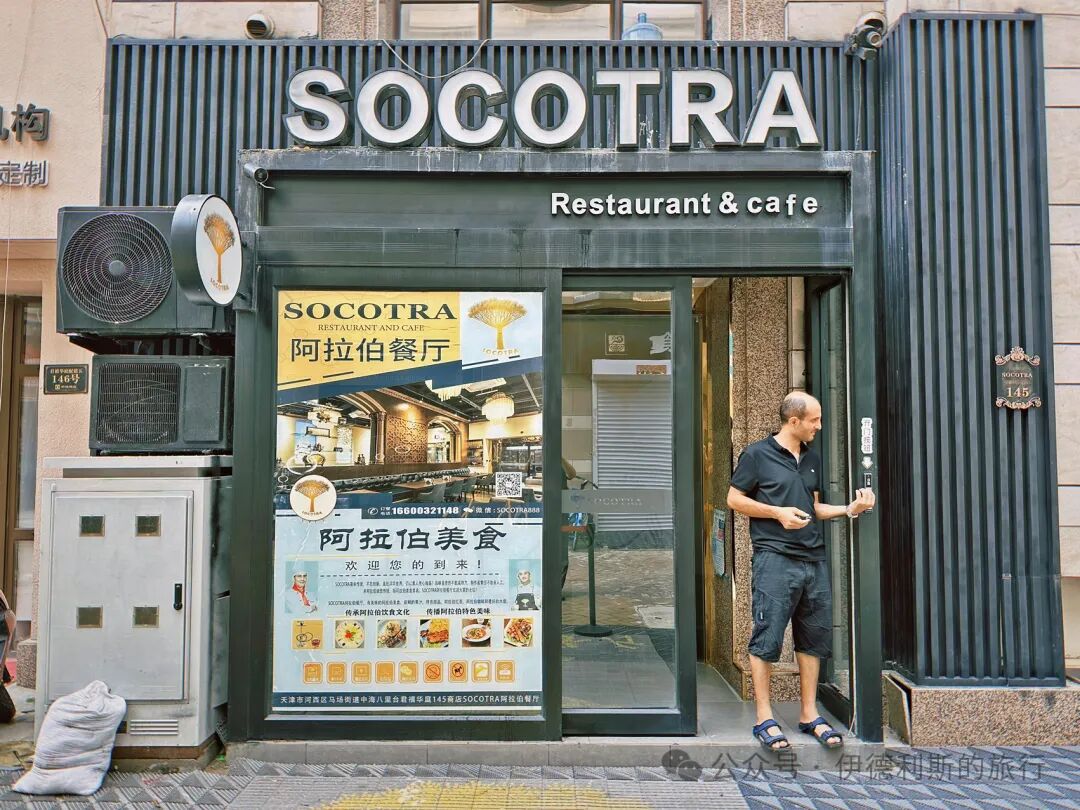
My whole family went to Tianjin last weekend, and we started by visiting the Socotra Yemeni restaurant on Saturday at noon. Many Yemeni restaurants have opened in Guangzhou and Yiwu, but Arabic restaurants in Beijing still mostly serve Levantine food. If you want a Yemeni meal, you have to take an intercity train to Tianjin.
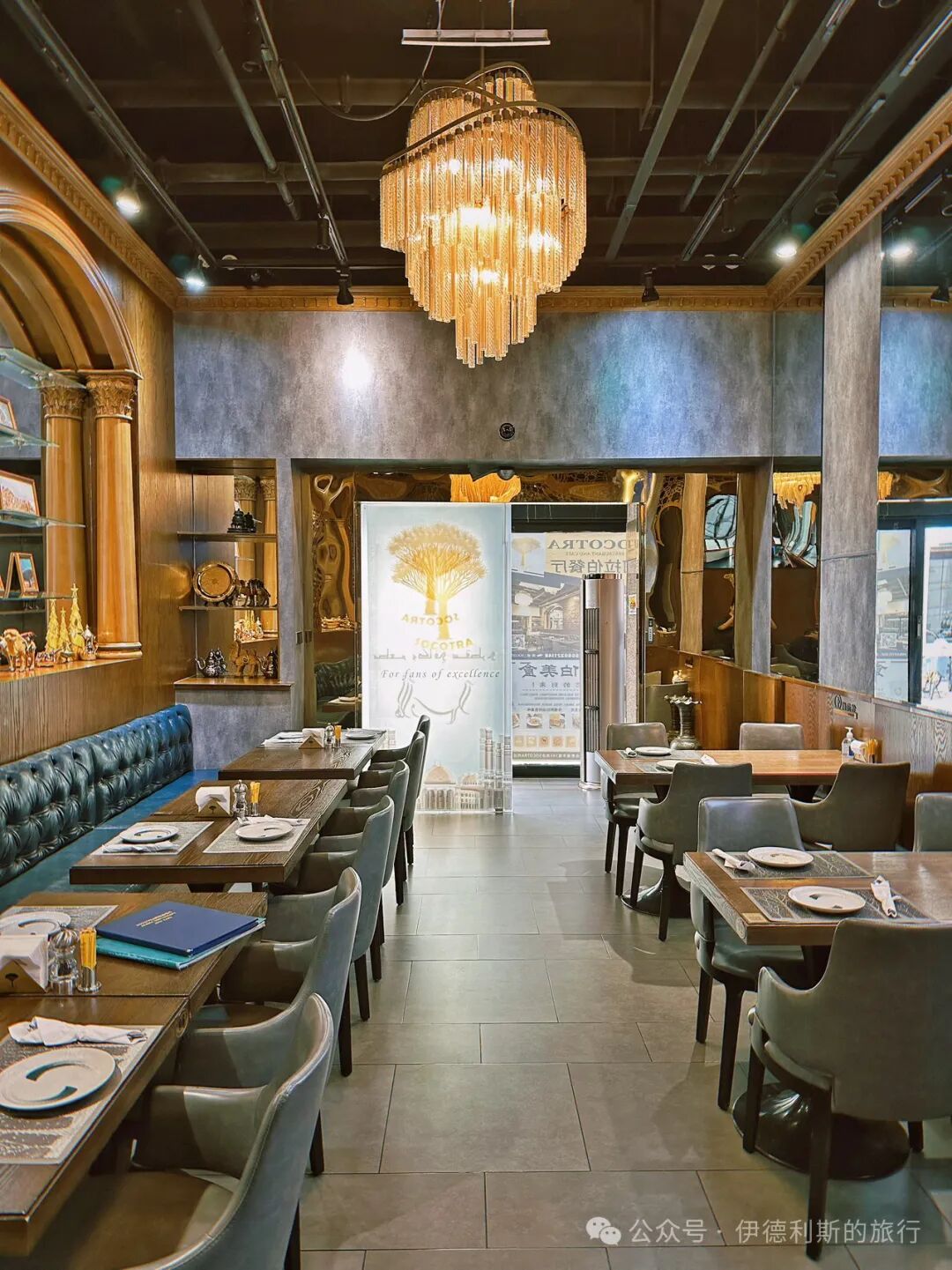
Socotra is an island in the Arabian Sea off the southeast coast of Yemen. It was called Sugudala in the Ming Dynasty's Zheng He Navigation Map. Socotra Island became a World Natural Heritage site in 2008 and is famous for its dragon blood trees. The Socotra restaurant uses a dragon blood tree as its logo and hangs photos of the trees in the shop.
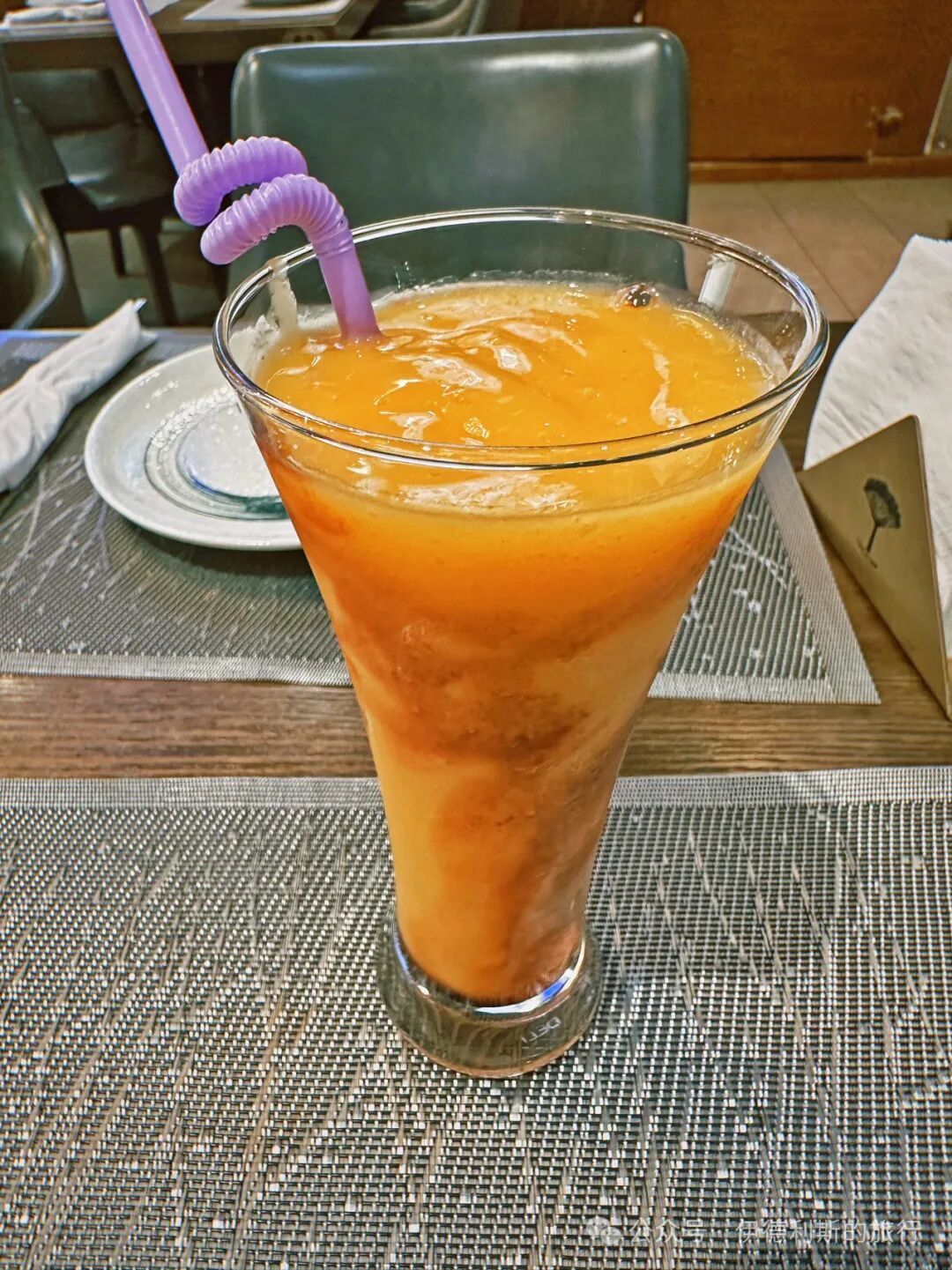
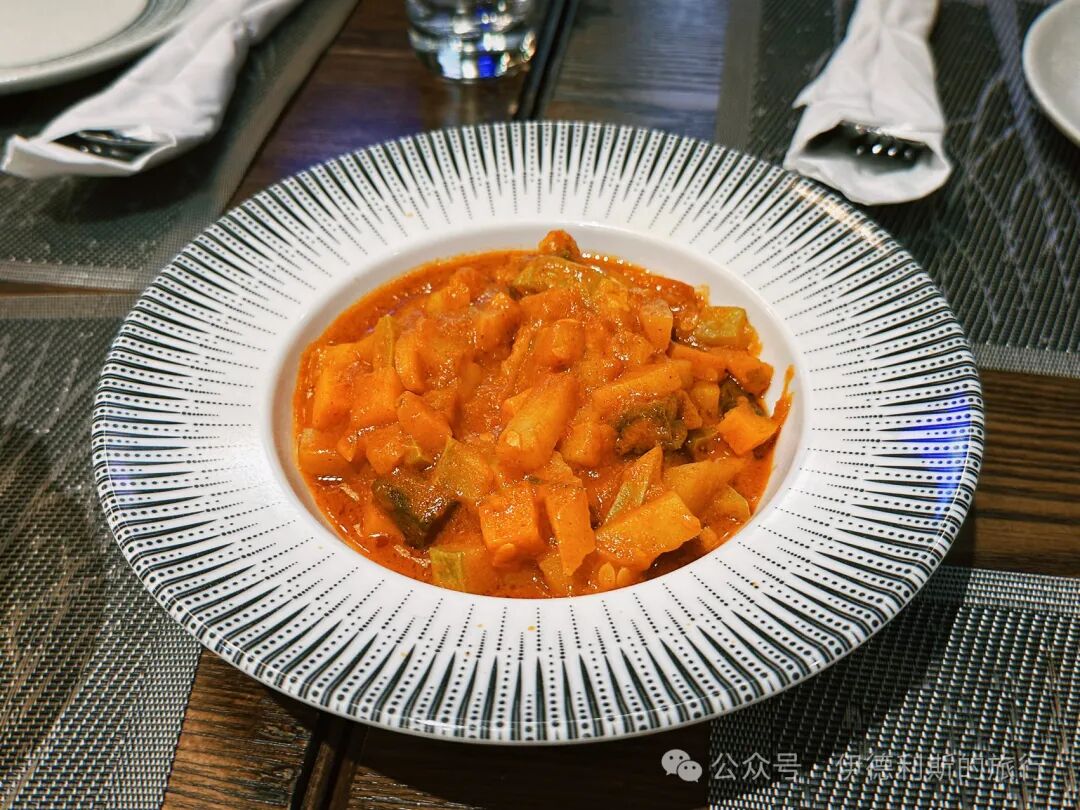
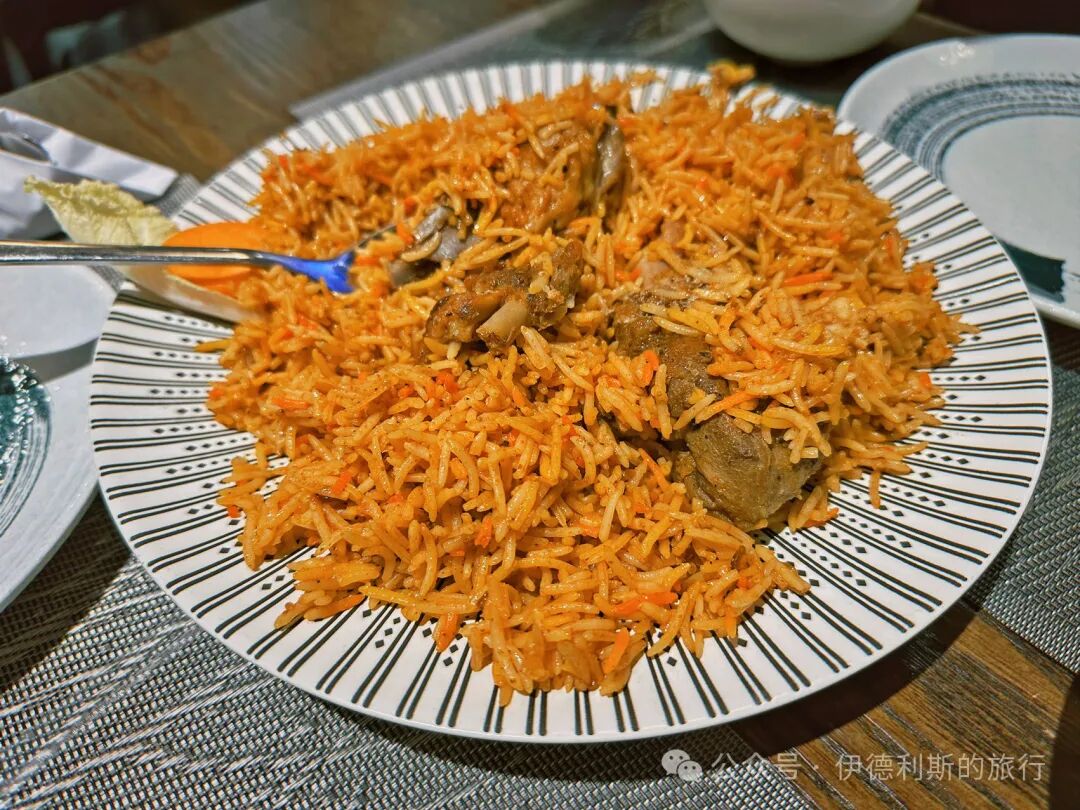
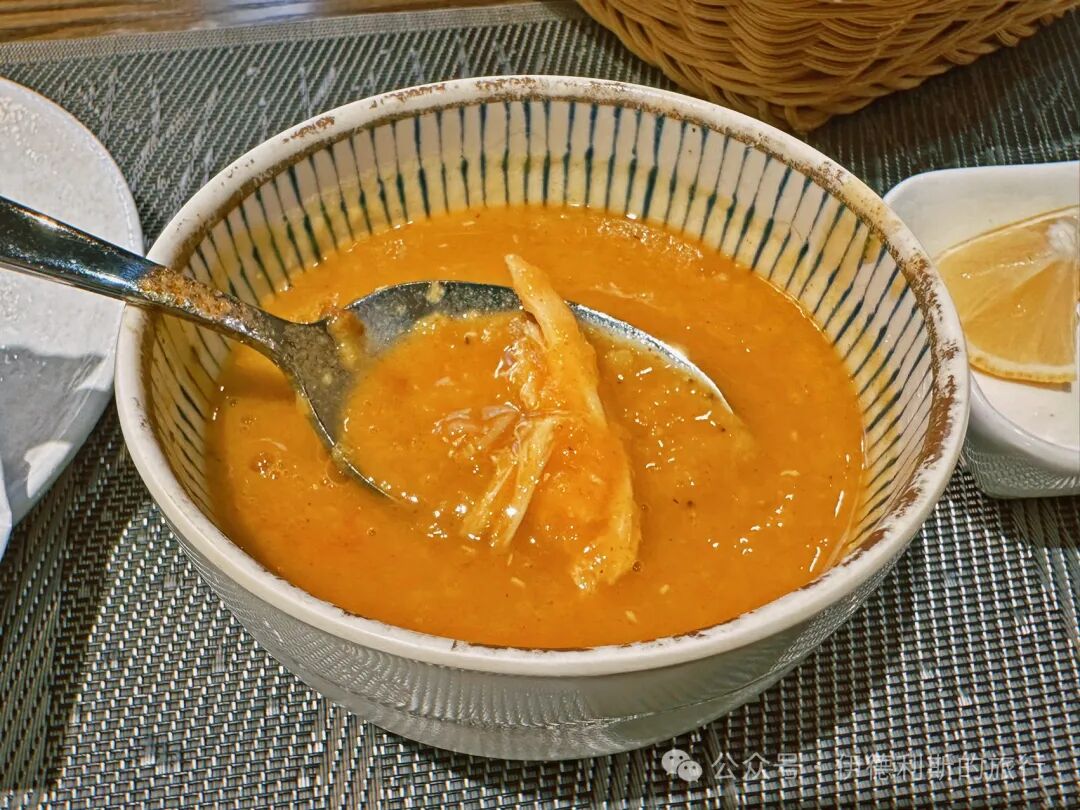
We ordered the signature soup, chicken lentil soup, lamb Zurbian rice, Mushakkal stir-fried vegetables, Fahsa beef stew, banana mango juice, and Khubz flatbread. Zurbian rice is a bit like Indian Biryani rice, as both are stir-fried with various spices. Their lamb is roasted and tastes very fragrant, but we found the rice a bit dry. There are also small bone fragments in it, so be careful not to let children eat it.
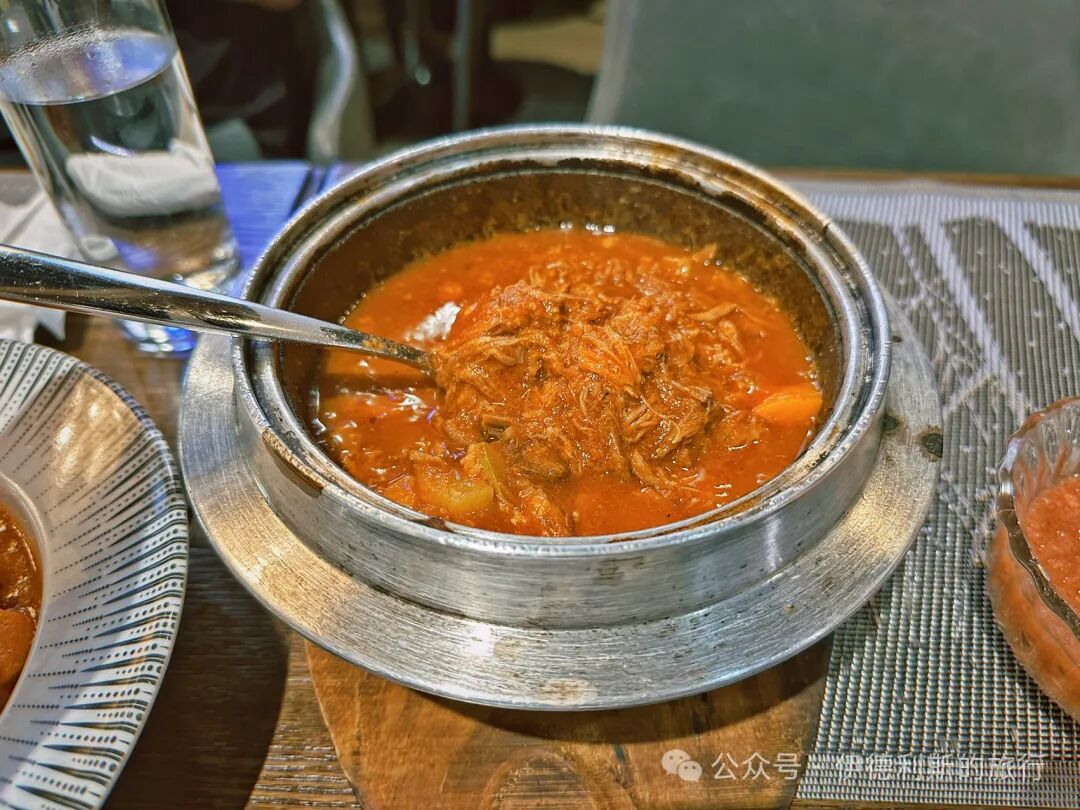
When you go to a Yemeni restaurant, you must try the classic Yemeni dish, Fahsa meat stew. Fahsa is usually made with lamb, but this place uses beef. They stew the meat until it is very tender, starting in a large barrel before moving it to a small pot to finish cooking. Besides ginger, garlic, and cumin, they add a spice called fenugreek (Hulbah) to the stew. Fenugreek is the same as the fragrant beans (xiangdouzi) often mentioned by people in Northwest China. People in the Northwest dry the leaves and grind them into powder for steaming buns, while Yemenis grind the seeds to stew with meat. Fenugreek seeds expand in water and easily create foam when you stir them in a bowl.
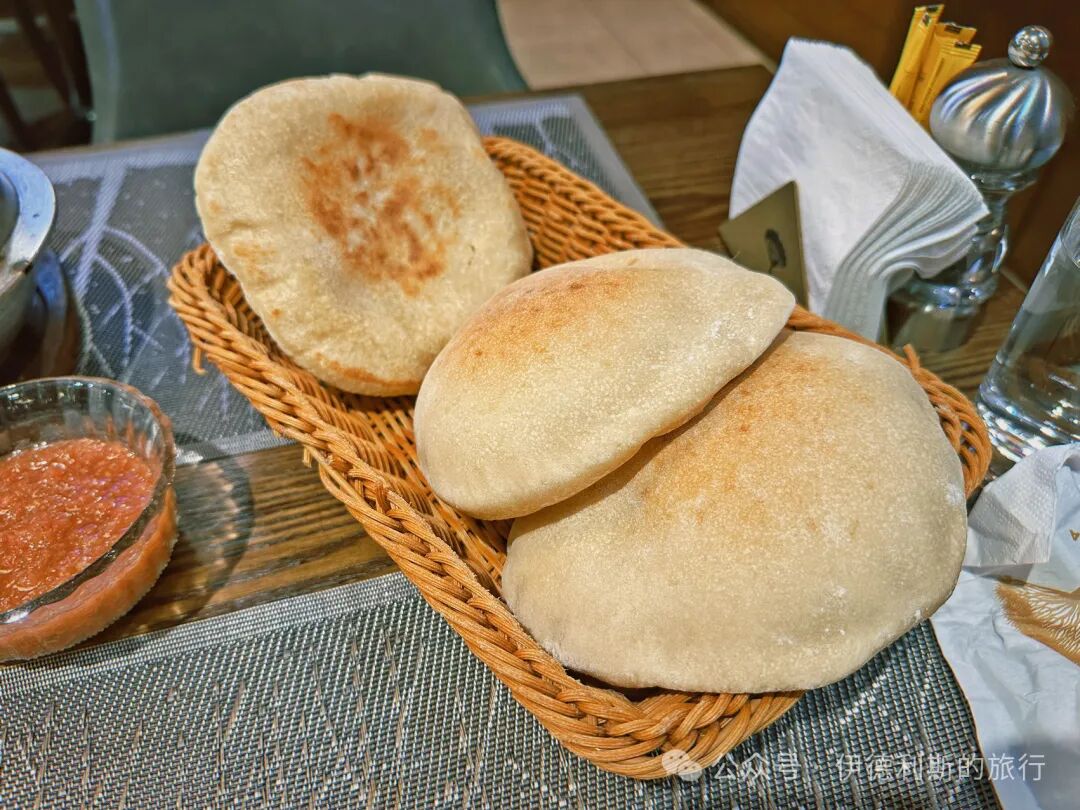
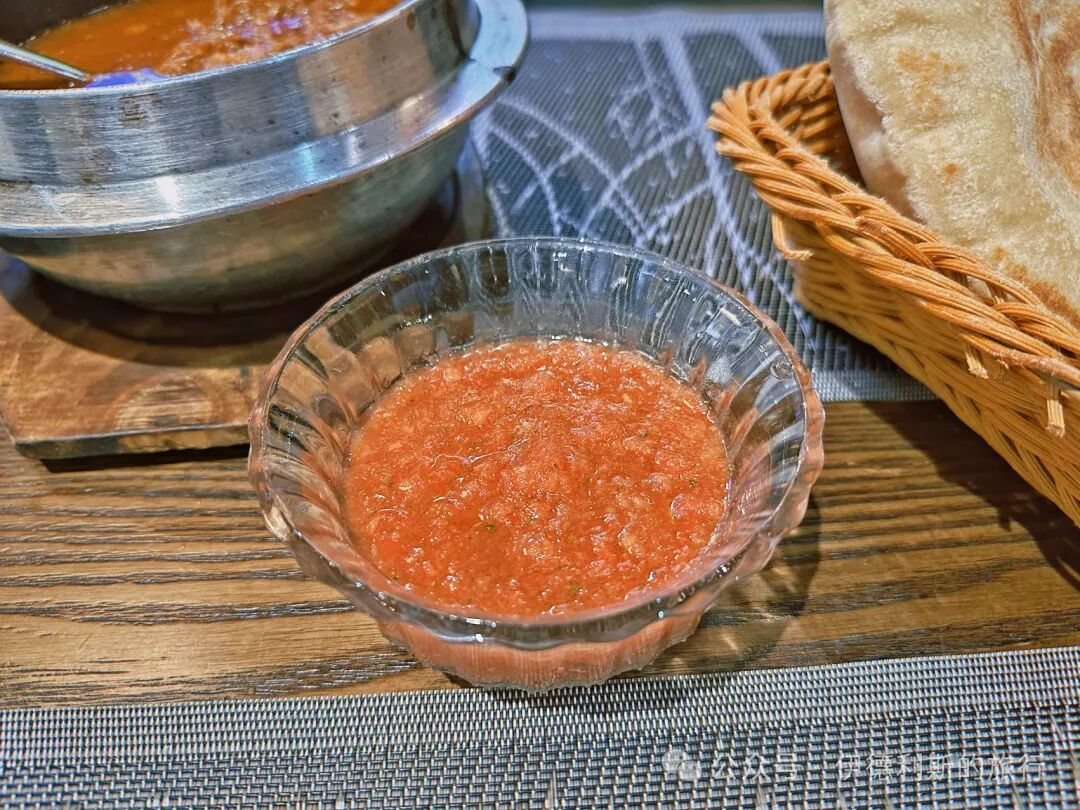
The classic way to eat Fahsa stew is with large Yemeni flatbread (Mulawah), but this place requires you to order it in advance, so we could only have pita bread (Khubz) there. Khubz is actually the same as pita bread (pita) from Levantine cuisine, but the version they make is quite hard and, to be honest, not very good.
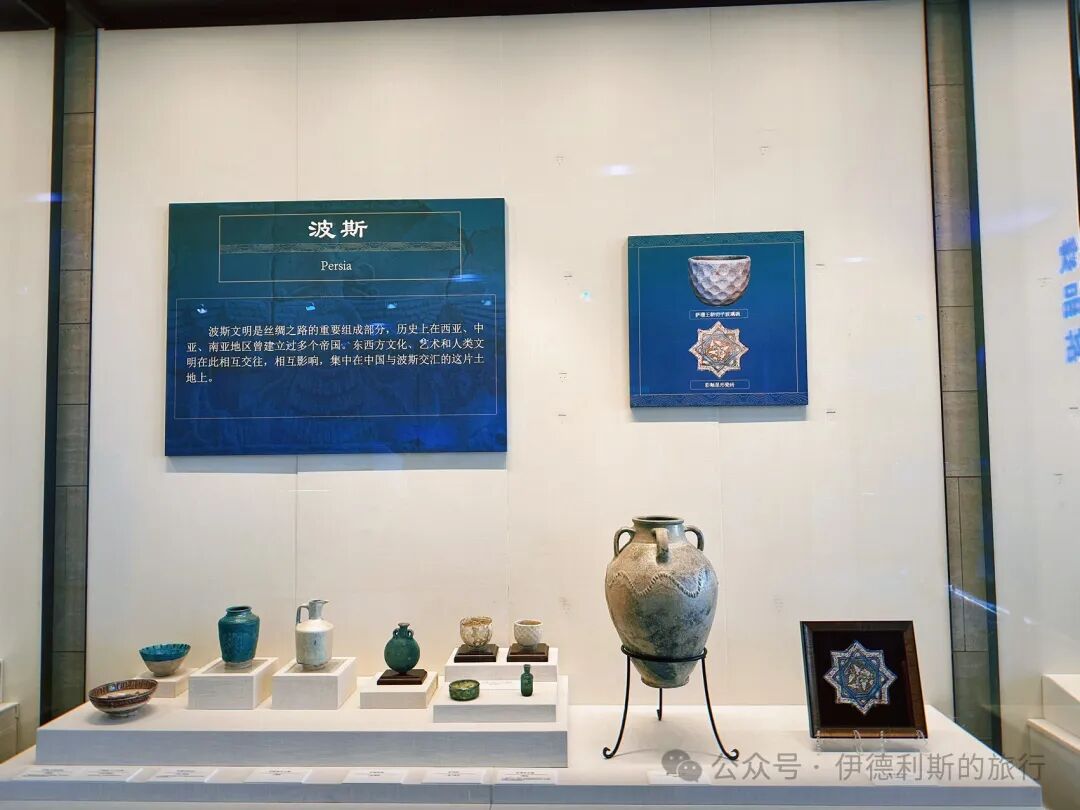
We went to the National Maritime Museum in the afternoon; it was very hard to book, and it was crowded inside. Here are some of the exhibits:
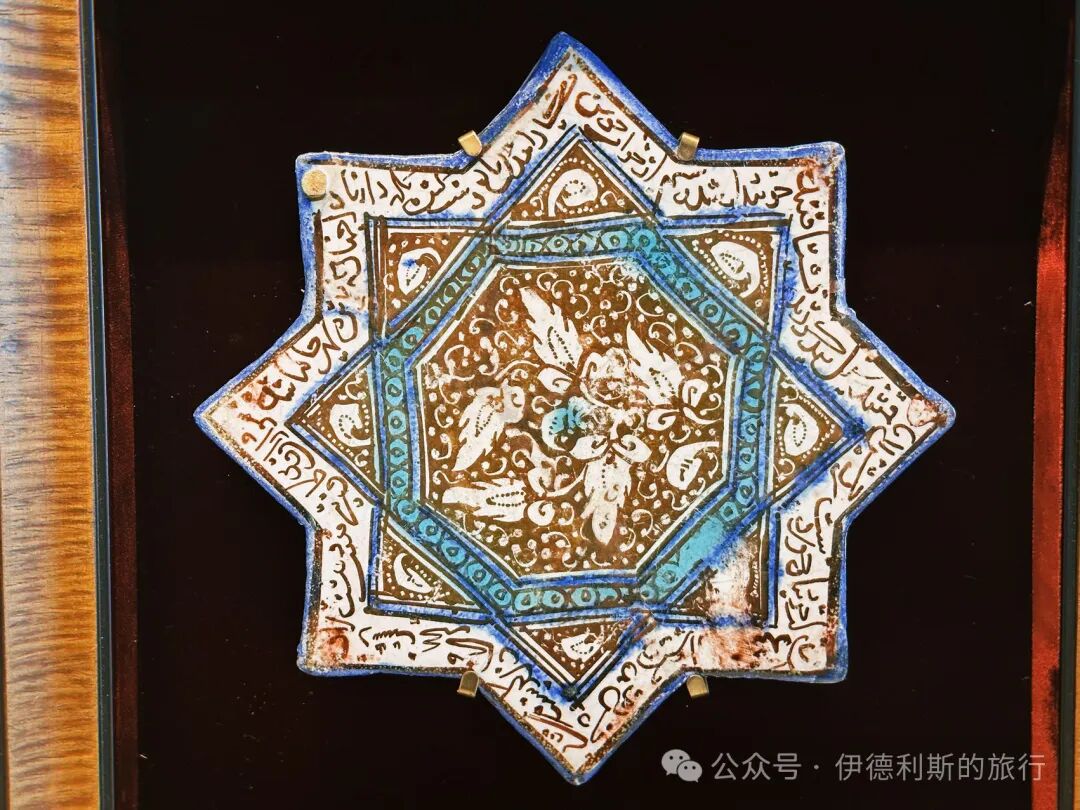
A 13th-century star-shaped glazed tile with Arabic script from Iran.
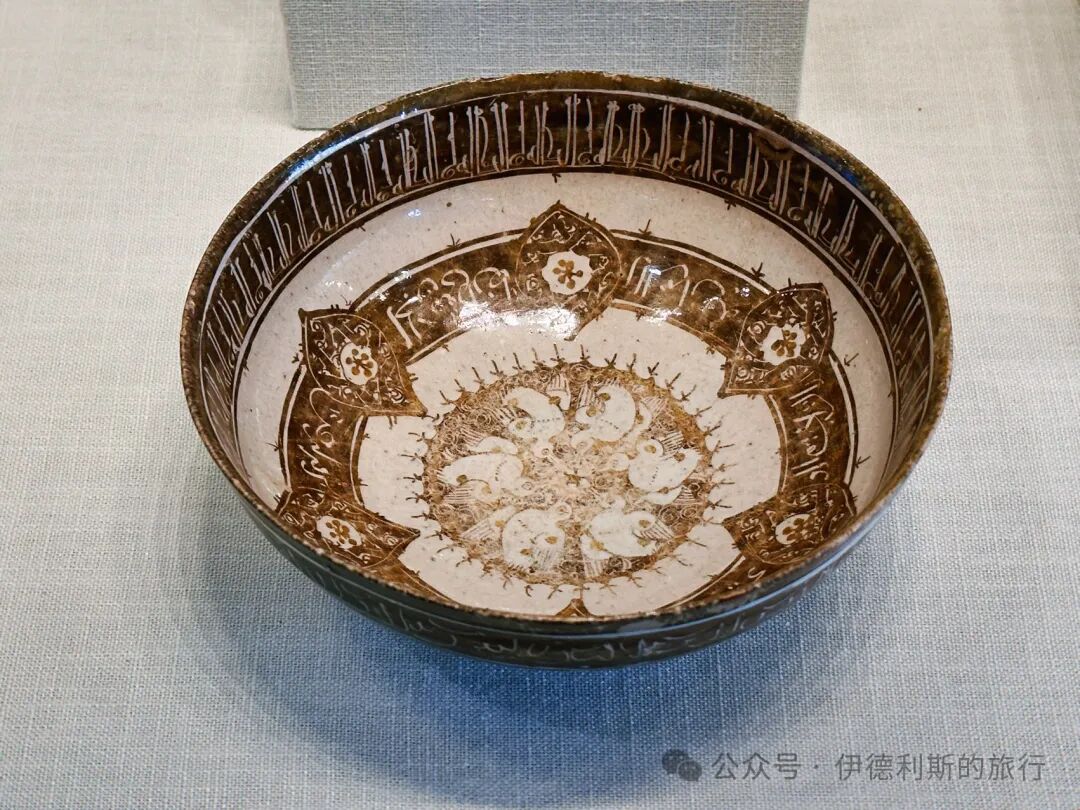
A 12th to 13th-century white-glazed bowl with Arabic script from the Kashan region of Iran.
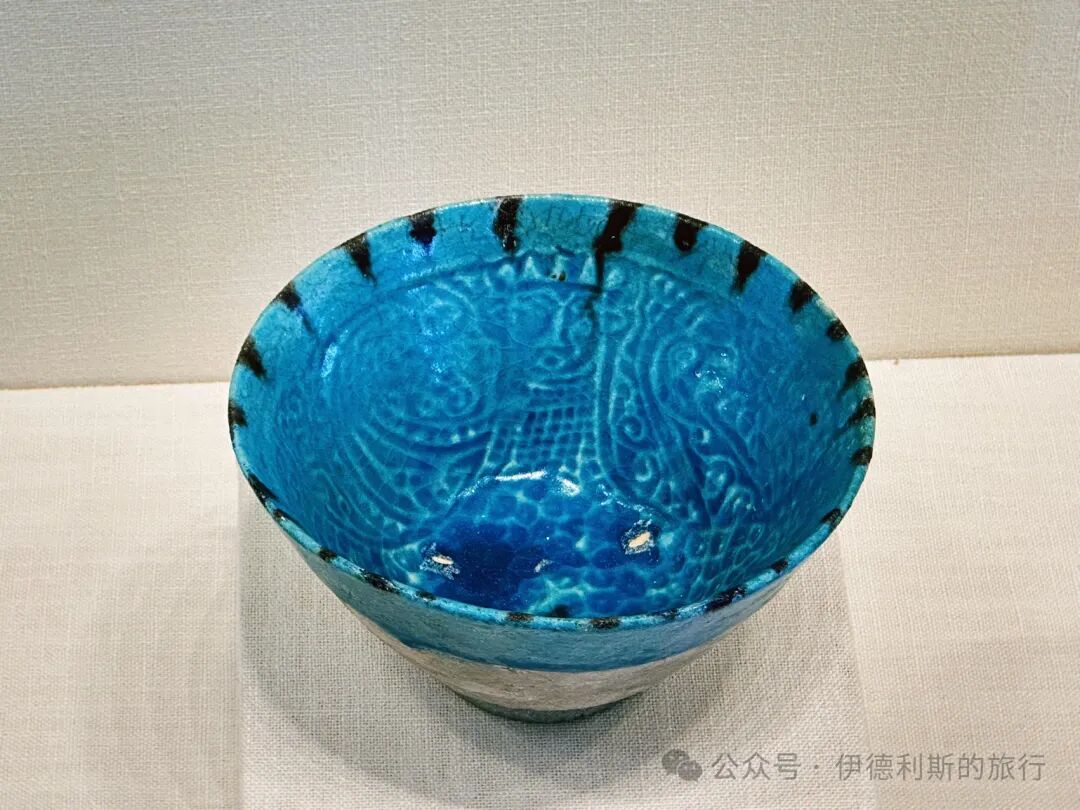
A 13th-century green-glazed bowl featuring figures from Samarkand, Central Asia.
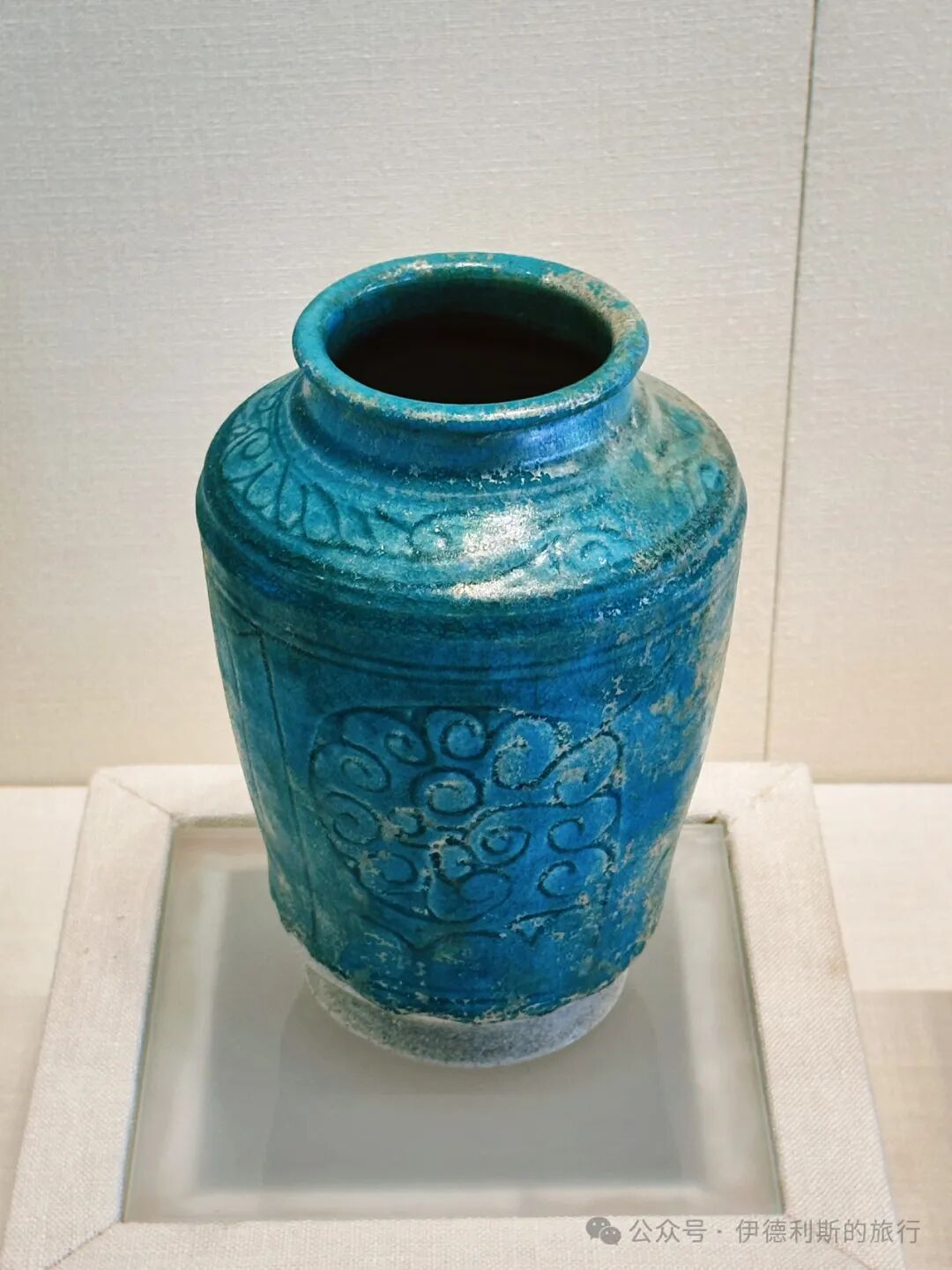
A 12th to 13th-century green-glazed incised pitcher from Urgench, Central Asia.
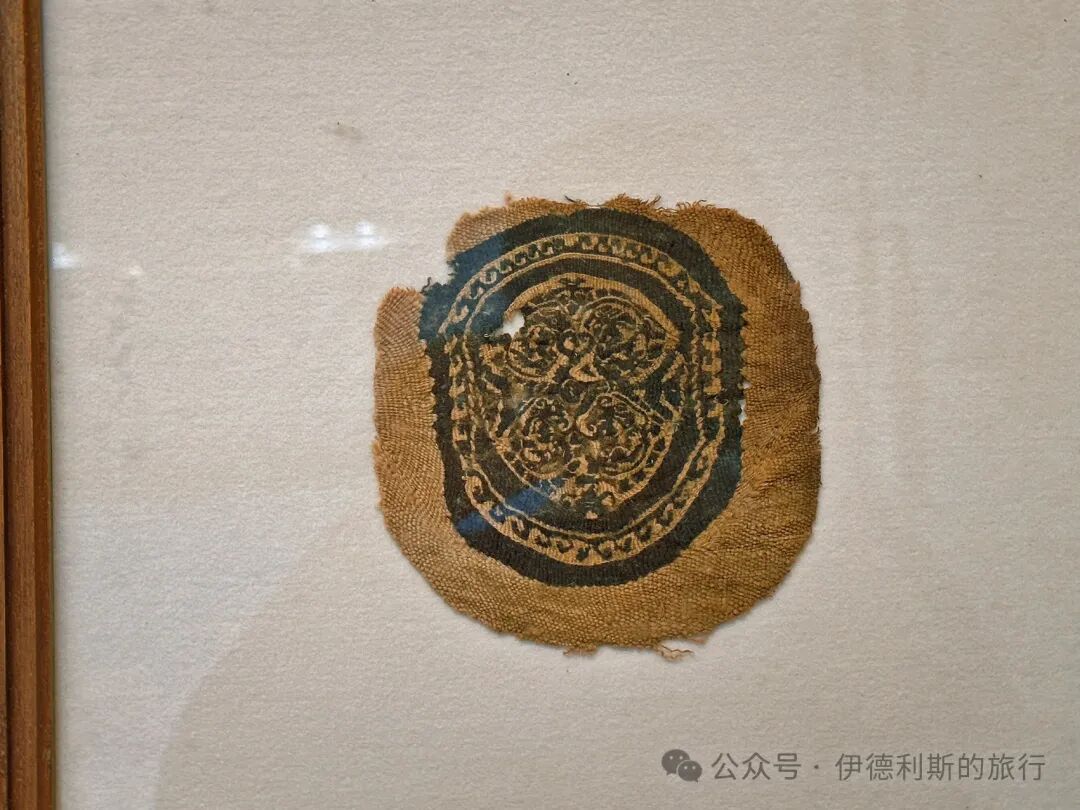
A 14th-century fragment of Coptic textile from Egypt.
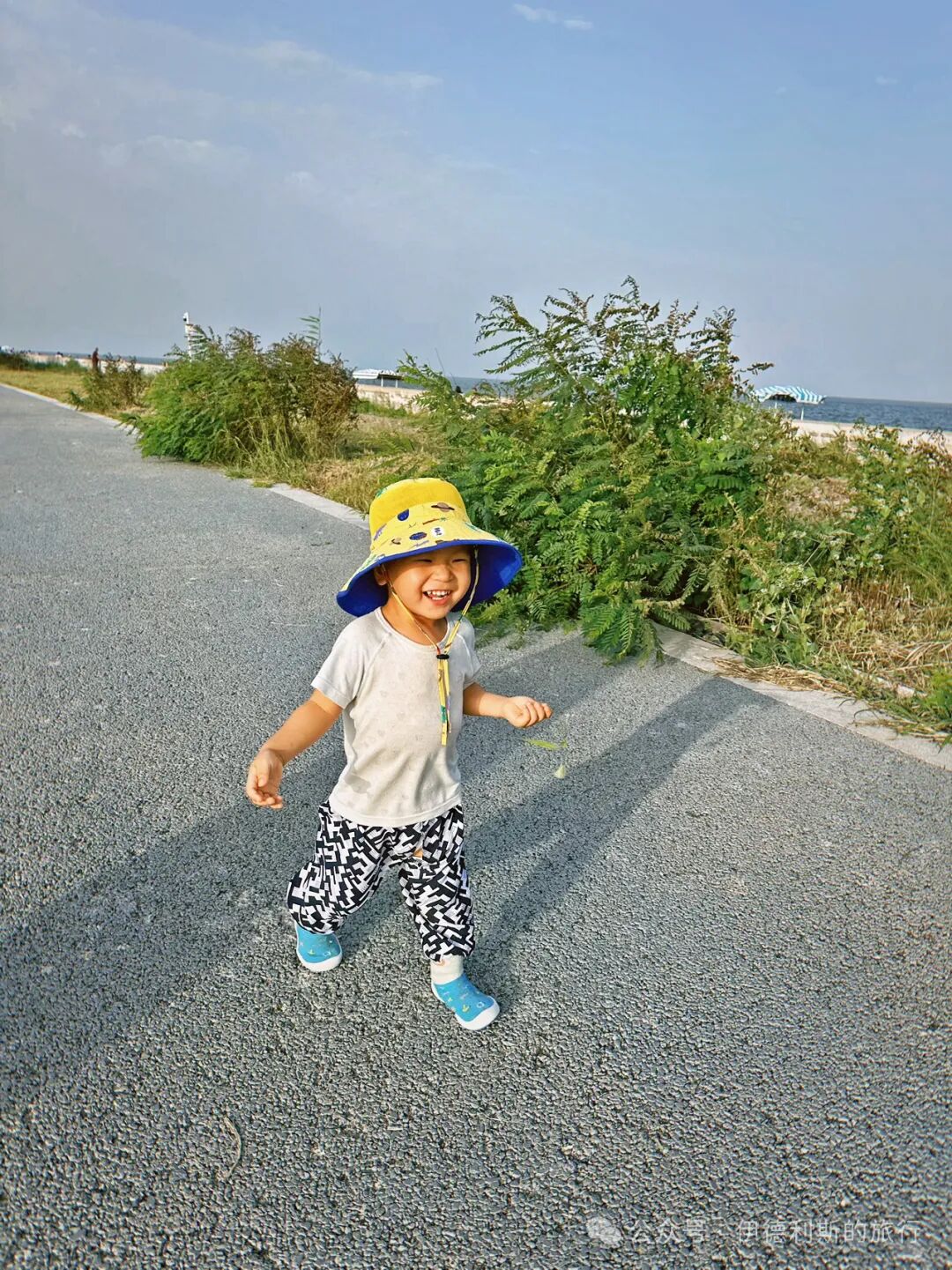
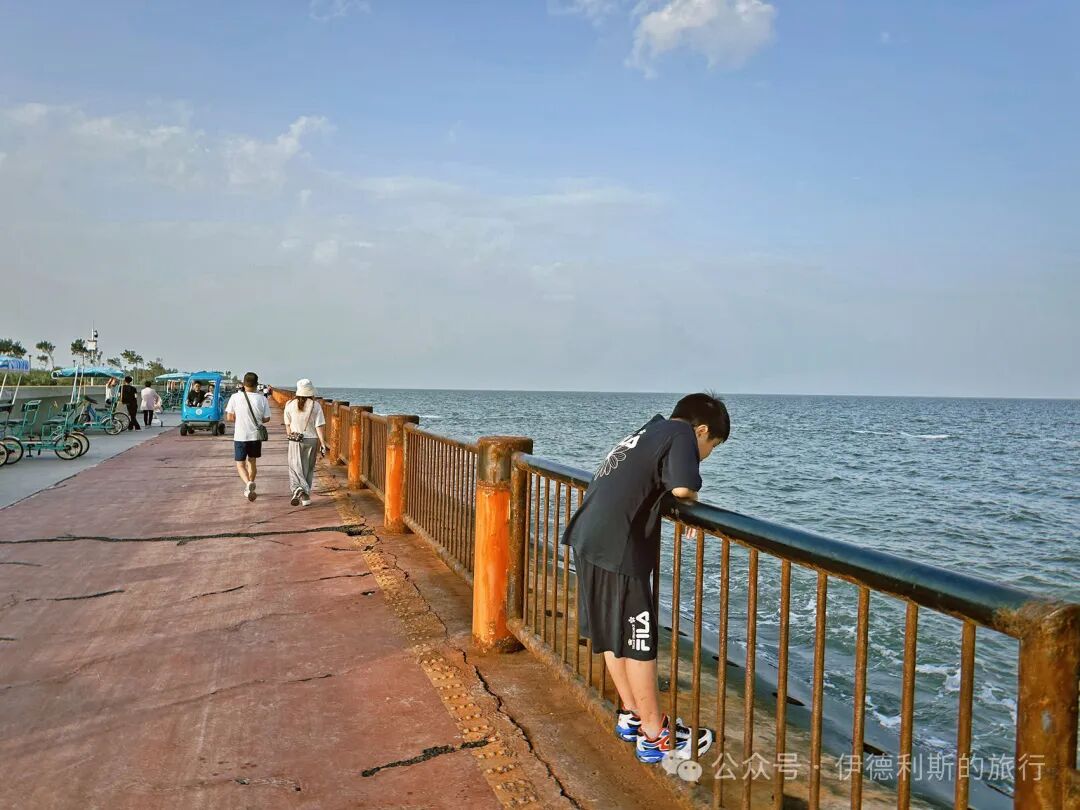
Then I went to Dongdi Park. It is just a levee here with no beach, but many people were setting up tents. The road there only had two lanes open, so it was very congested.
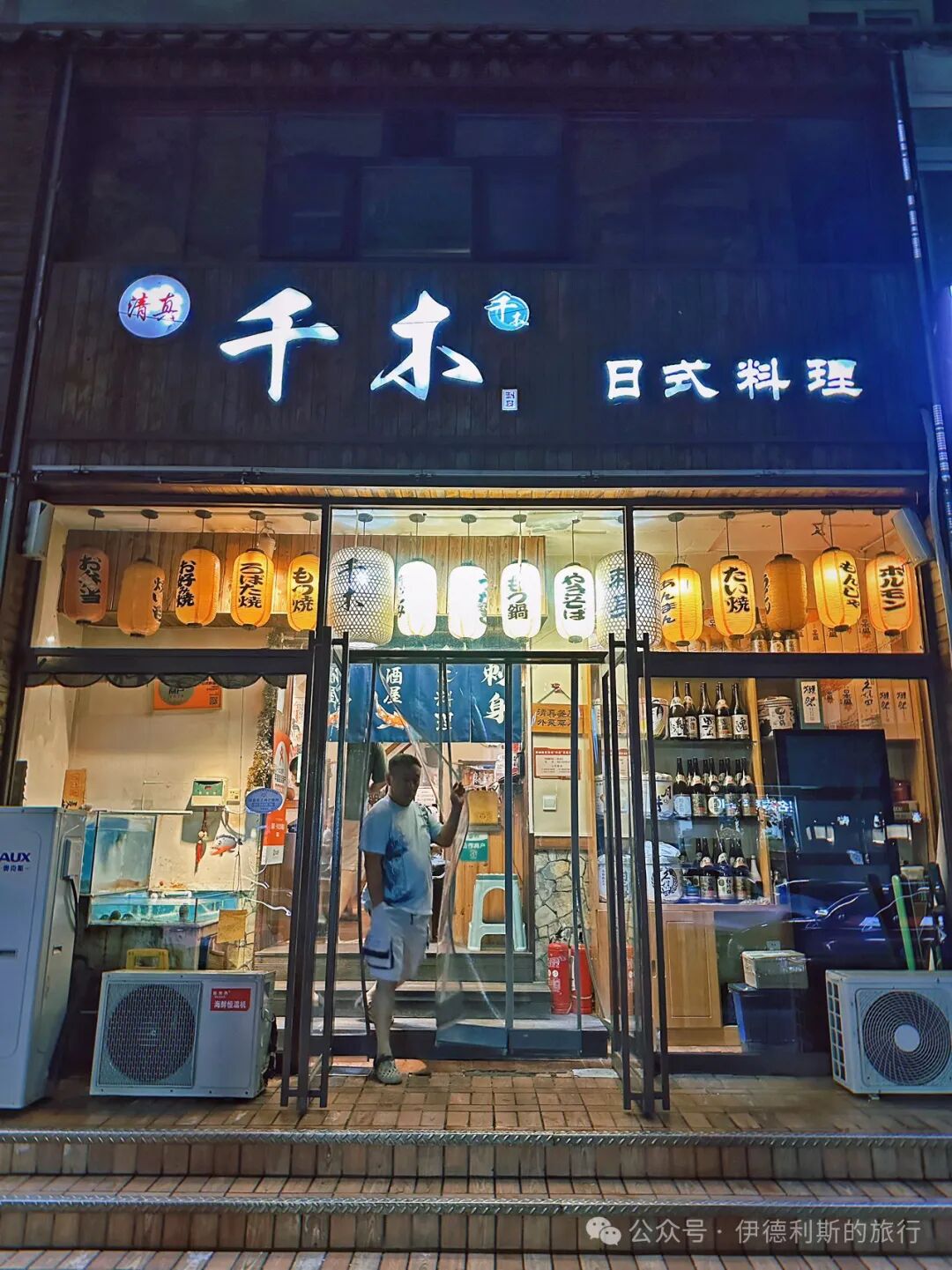
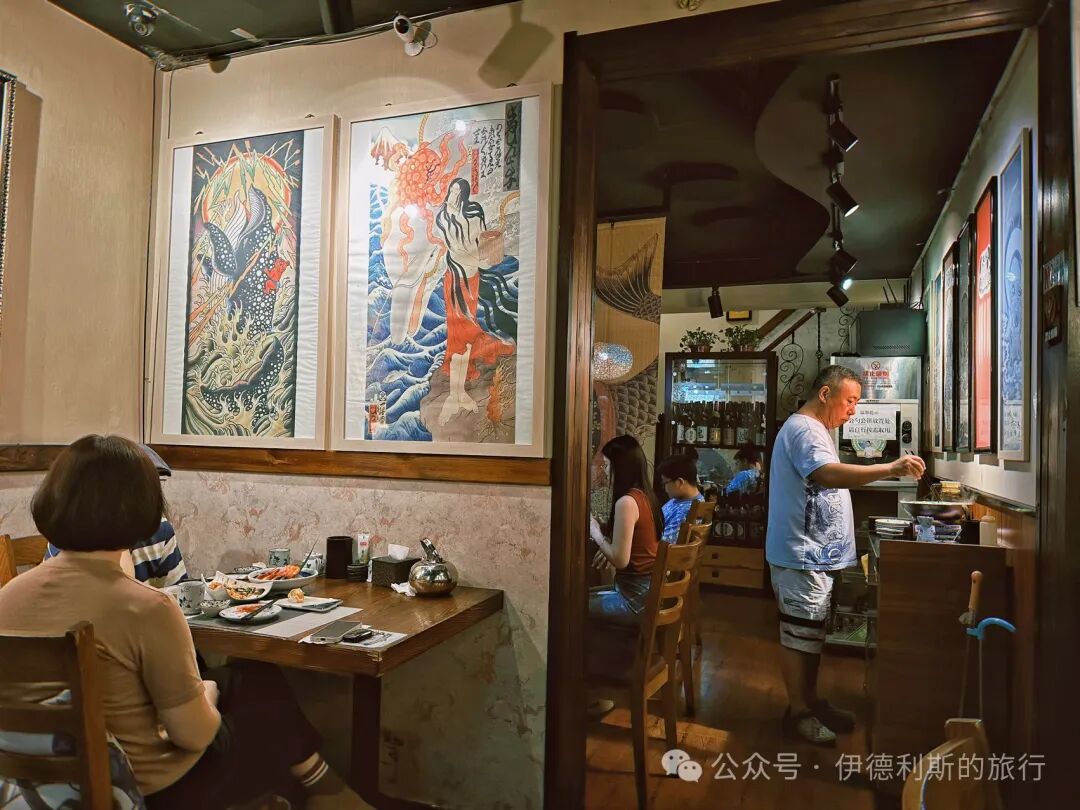
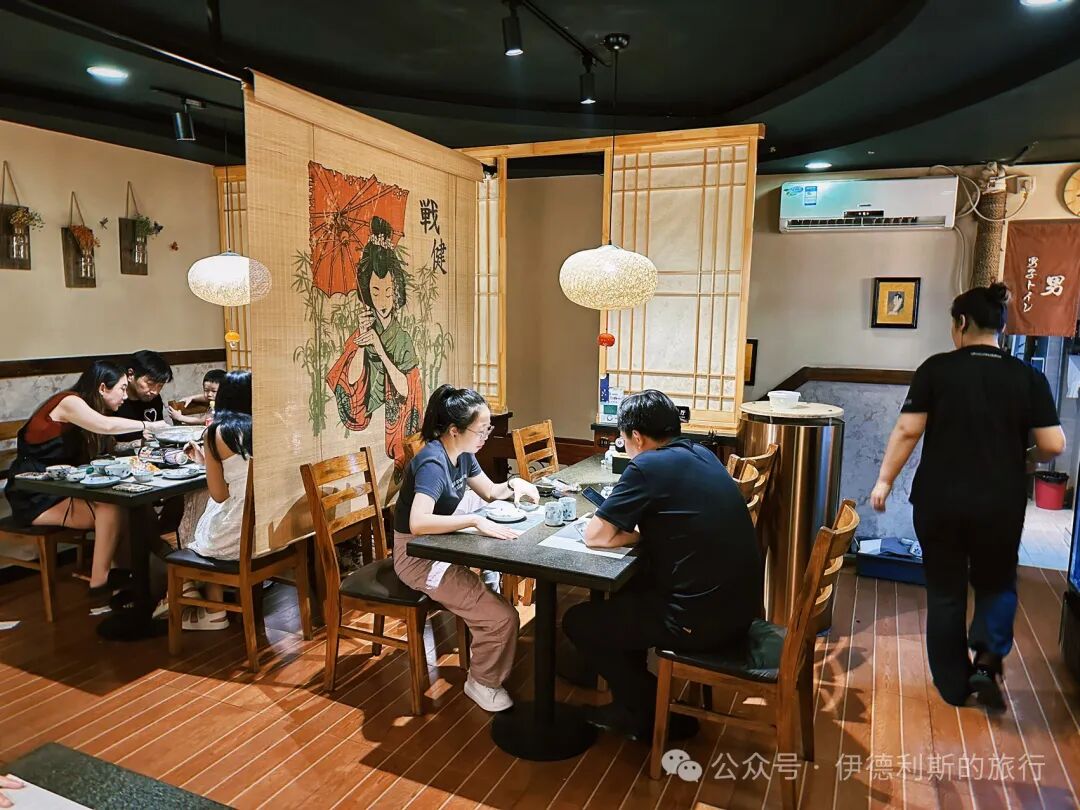
In the evening, I went to Qianmu in Beichen for Japanese food. Beijing no longer has any halal Japanese restaurants, so you have to go to Tianjin if you want to eat that. Their place is very popular, and it is hard to get a seat if you do not book in advance. When we arrived after eight o'clock, they had even sold out of rice, so we went straight to the ramen shop across the street to buy some.
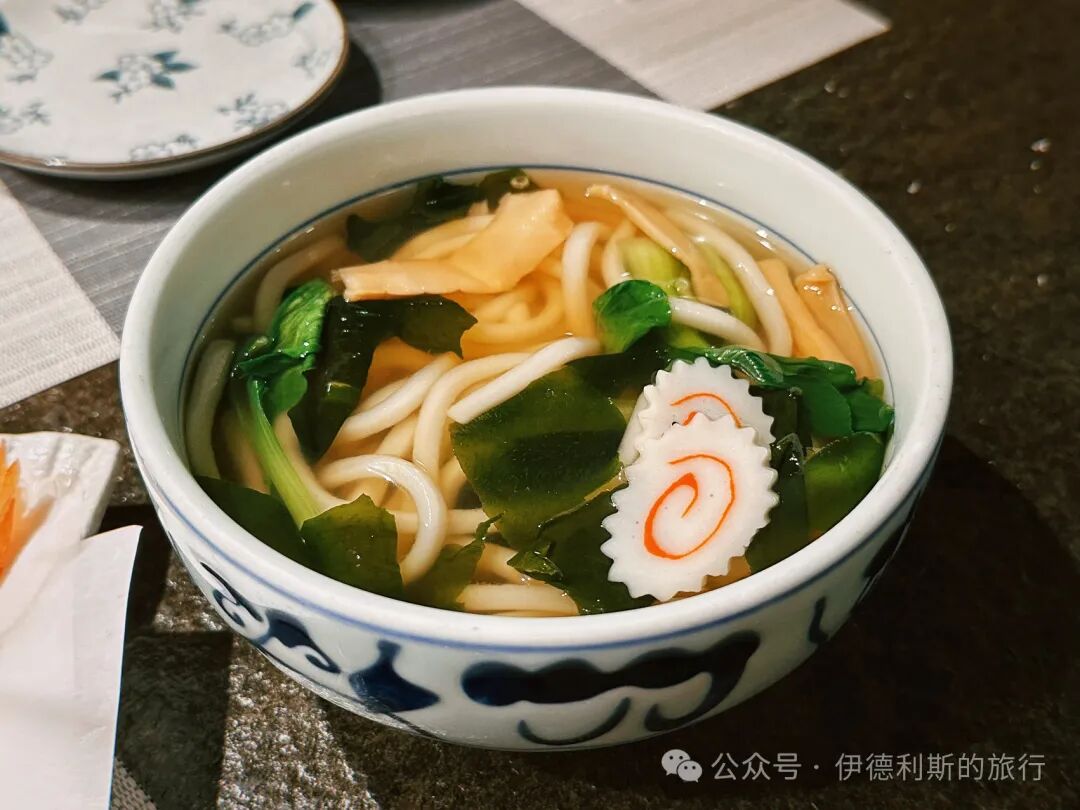
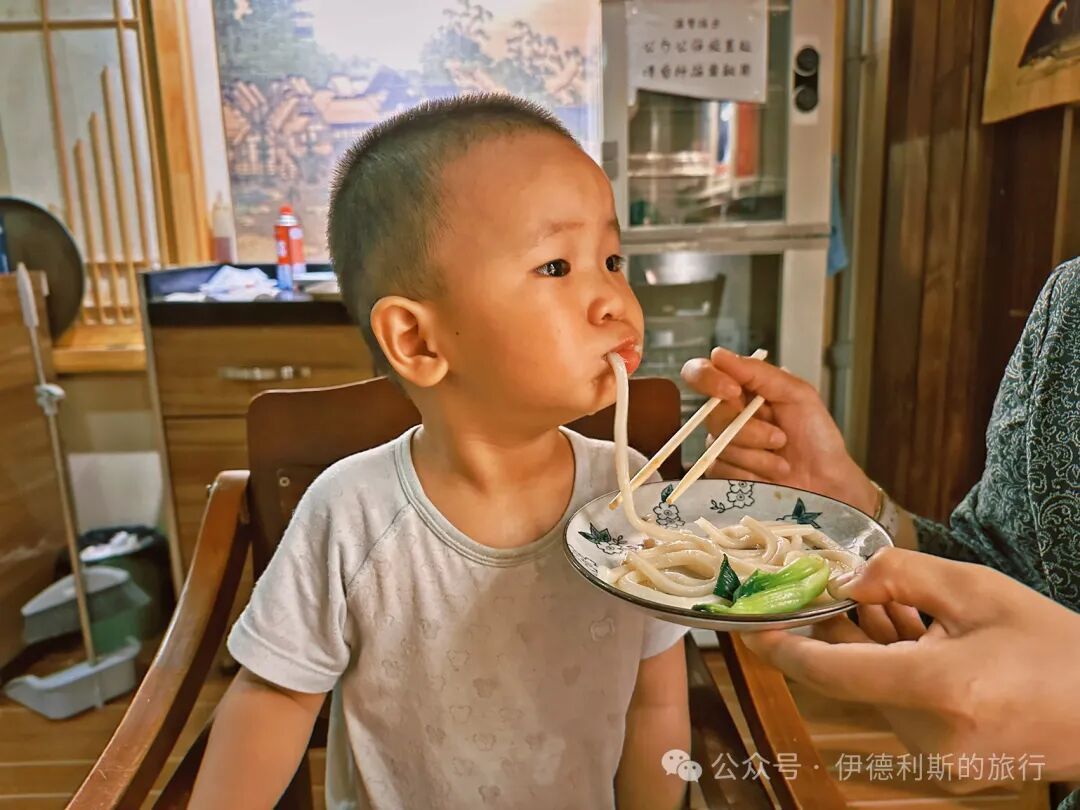
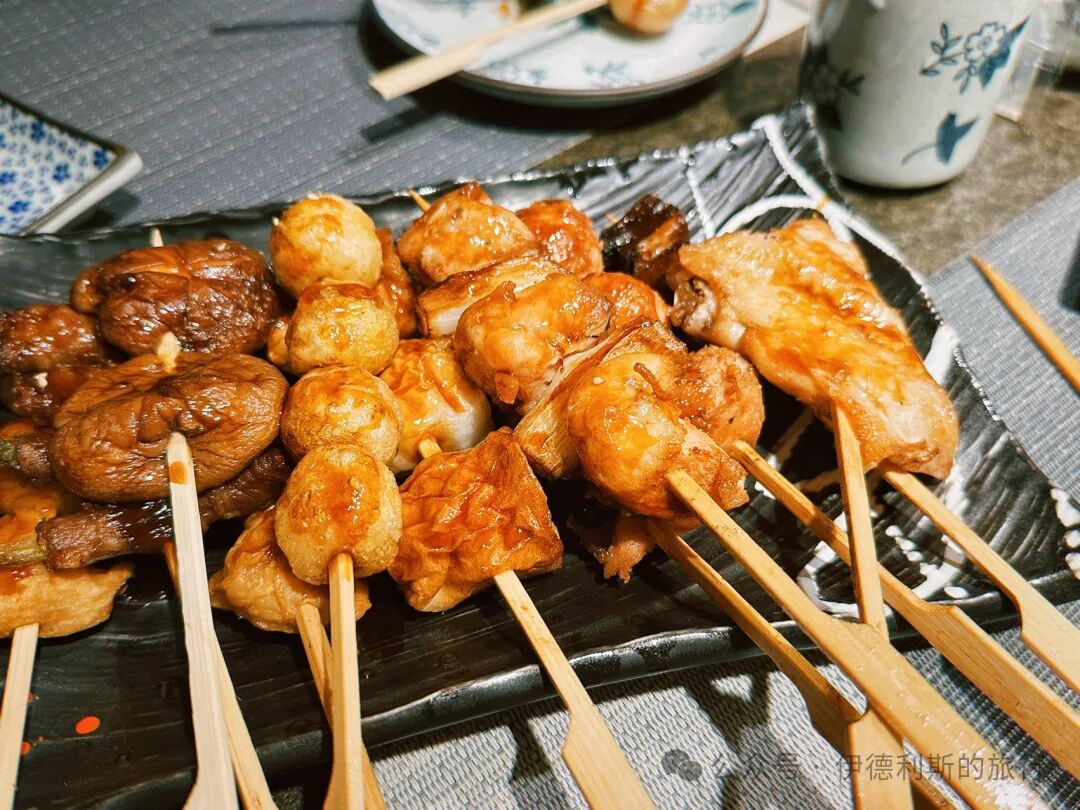
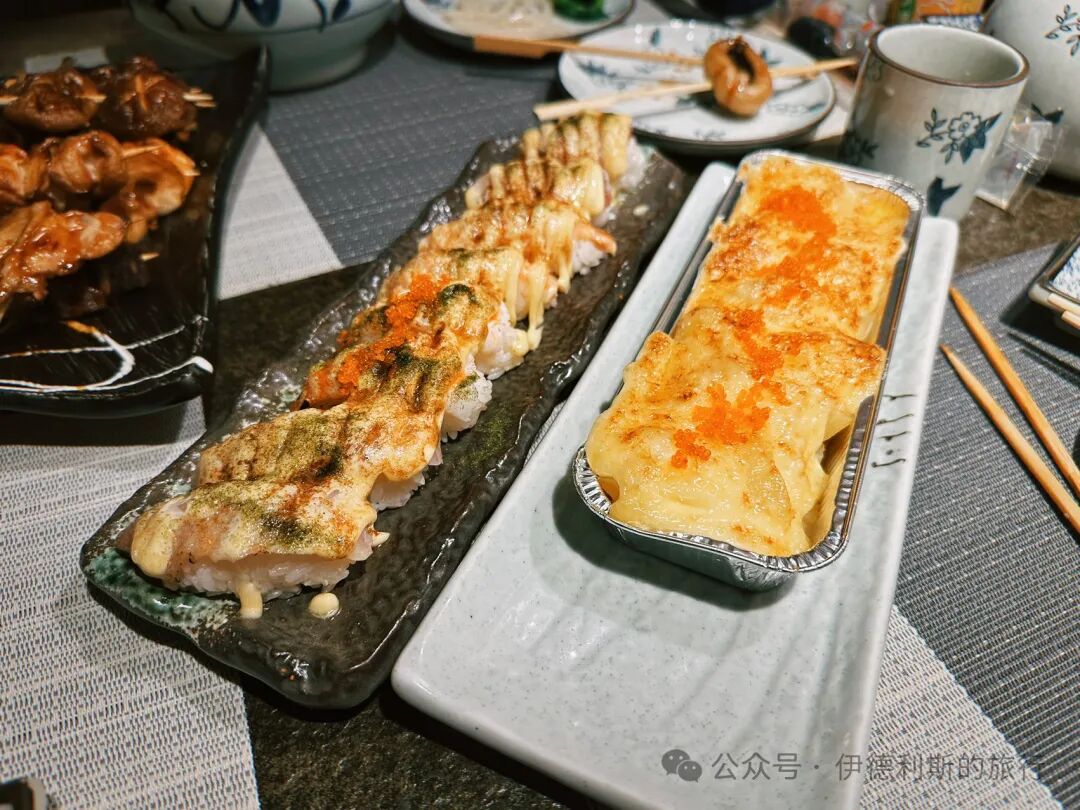
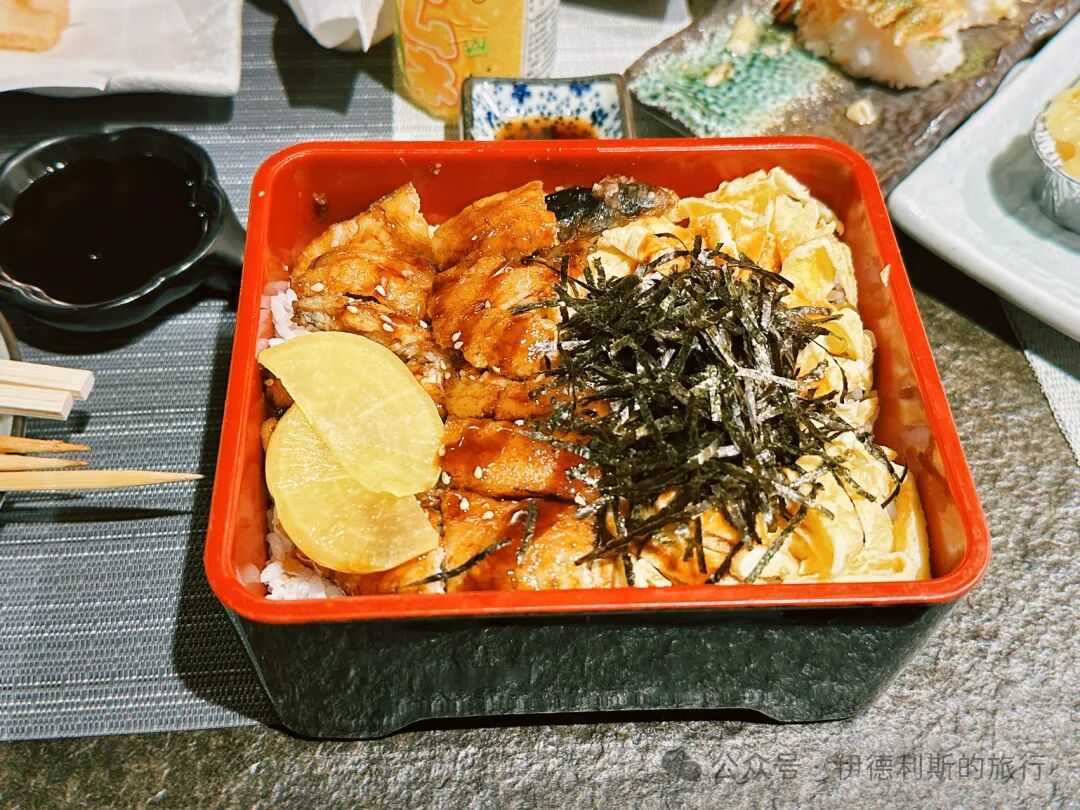
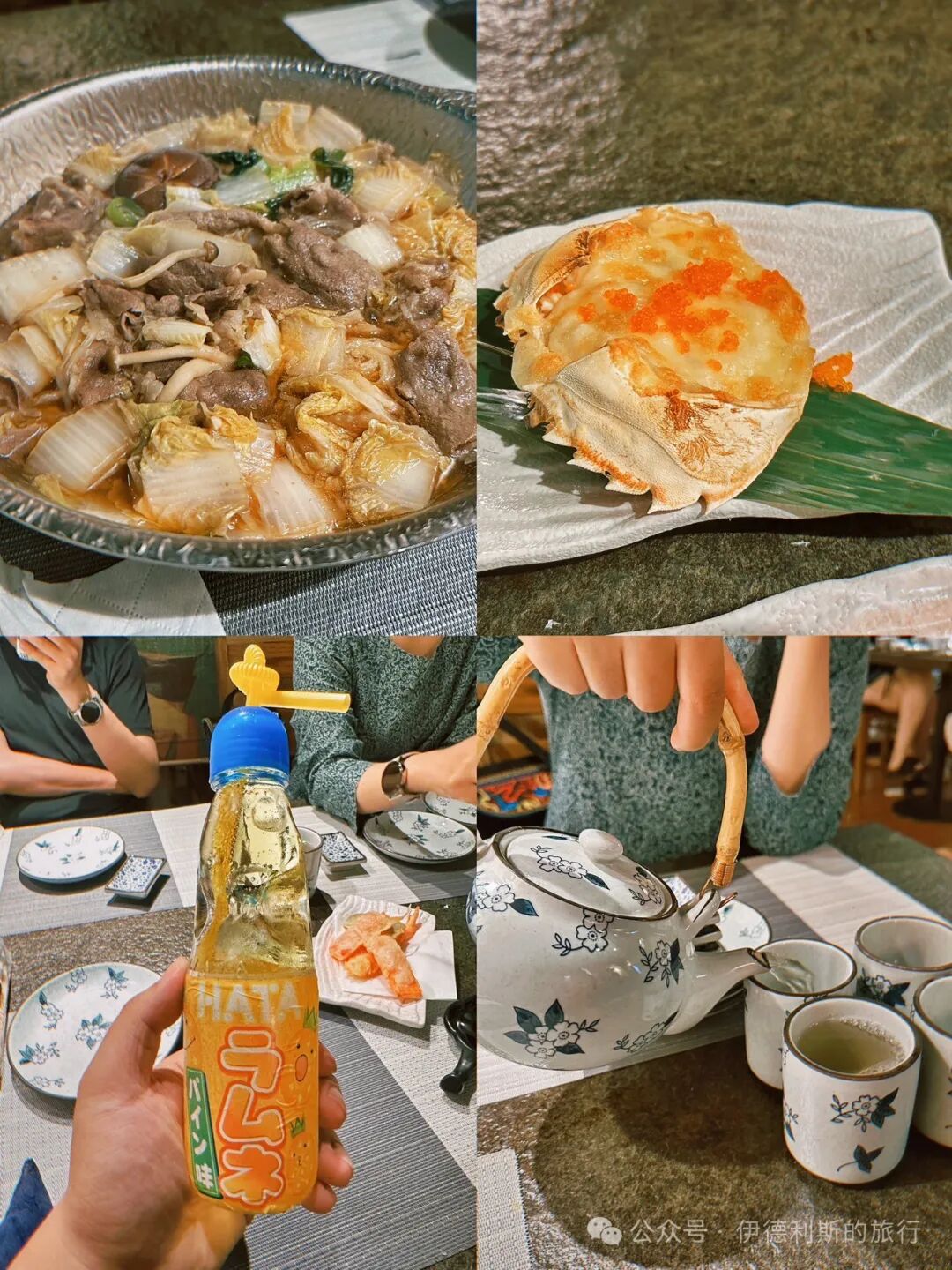
We ordered tempura udon noodles, sukiyaki (sukiyaki), eel rice (unagi don), a large grilled platter (yakimono), baked potato with cod roe (mentaiko), baked crab shell with cheese (kani miso), a seared sushi platter, and marble soda (ramune). Suleiman loved their udon noodles the most and could not stop eating them; he finished his meal feeling great and fell right asleep. There are plenty of grilled items, but they are mostly mushroom and vegetable dishes with less meat. The soy sauce for the sushi was a bit salty, and the sushi itself tasted average, which was a pity. The staff saw we had a child with us, so they cooked the sukiyaki for us before bringing it to the table, which deserves a thumbs up. The eel rice tasted okay. Next time I want to try their teriyaki chicken rice.
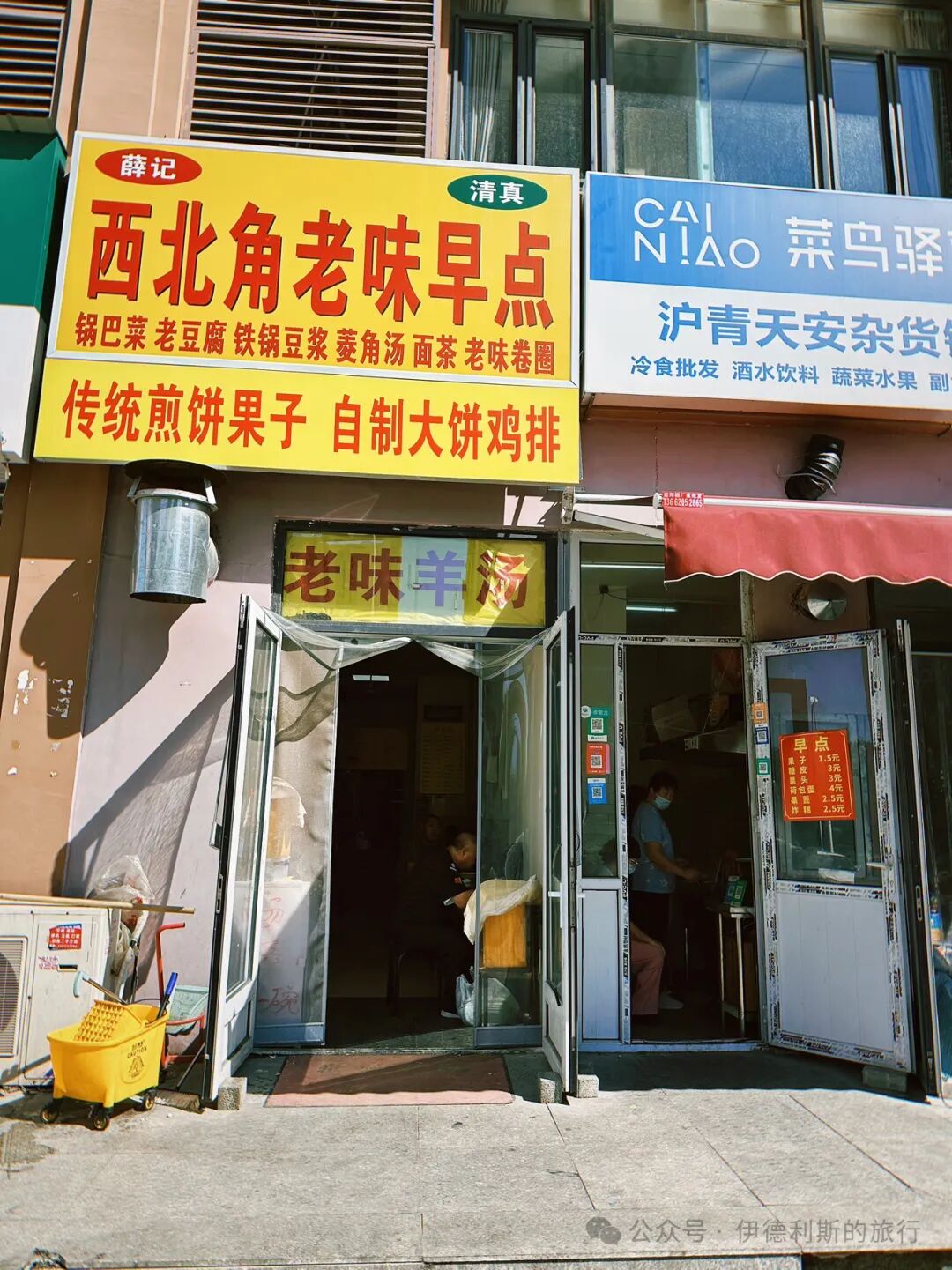
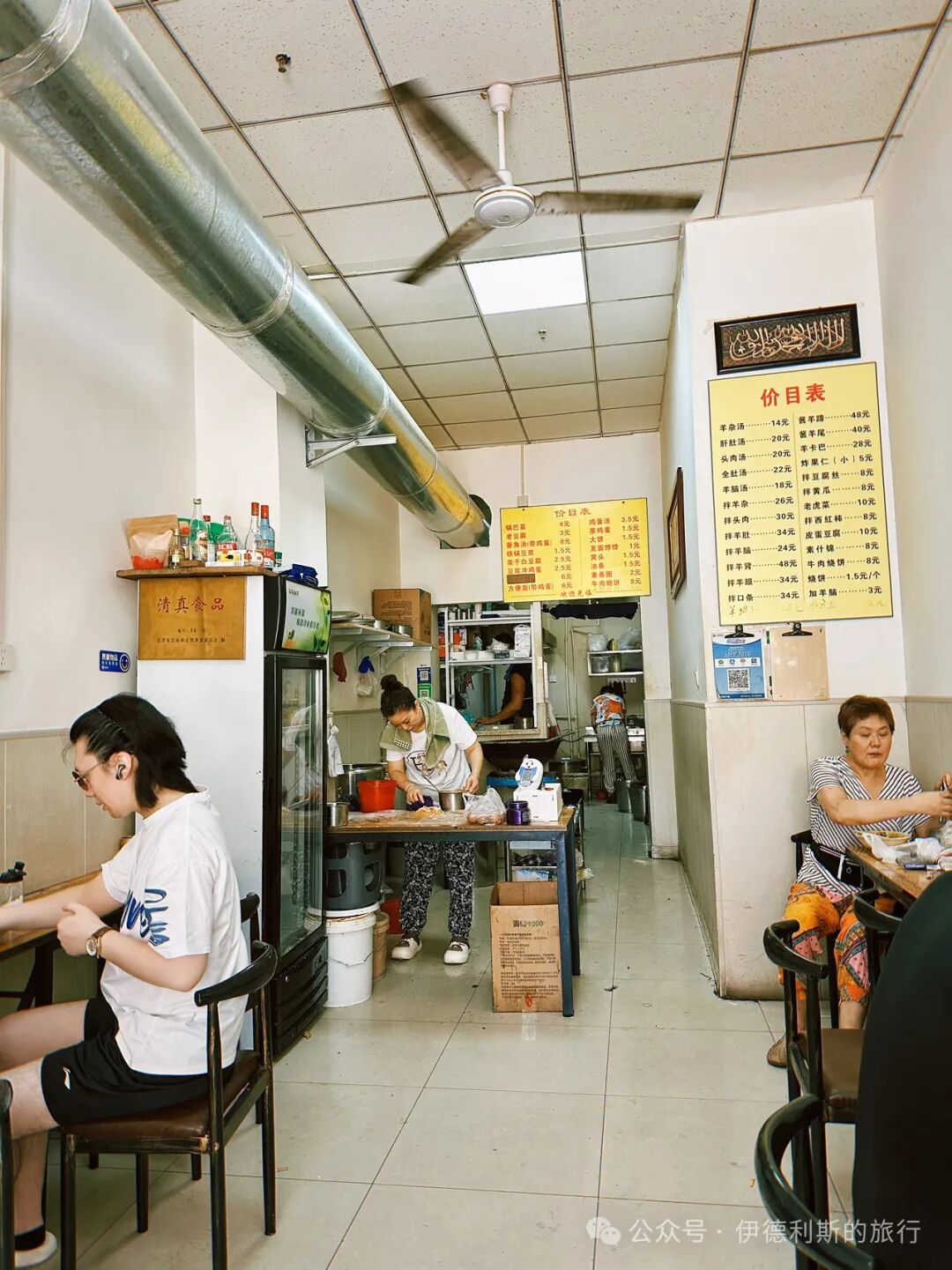
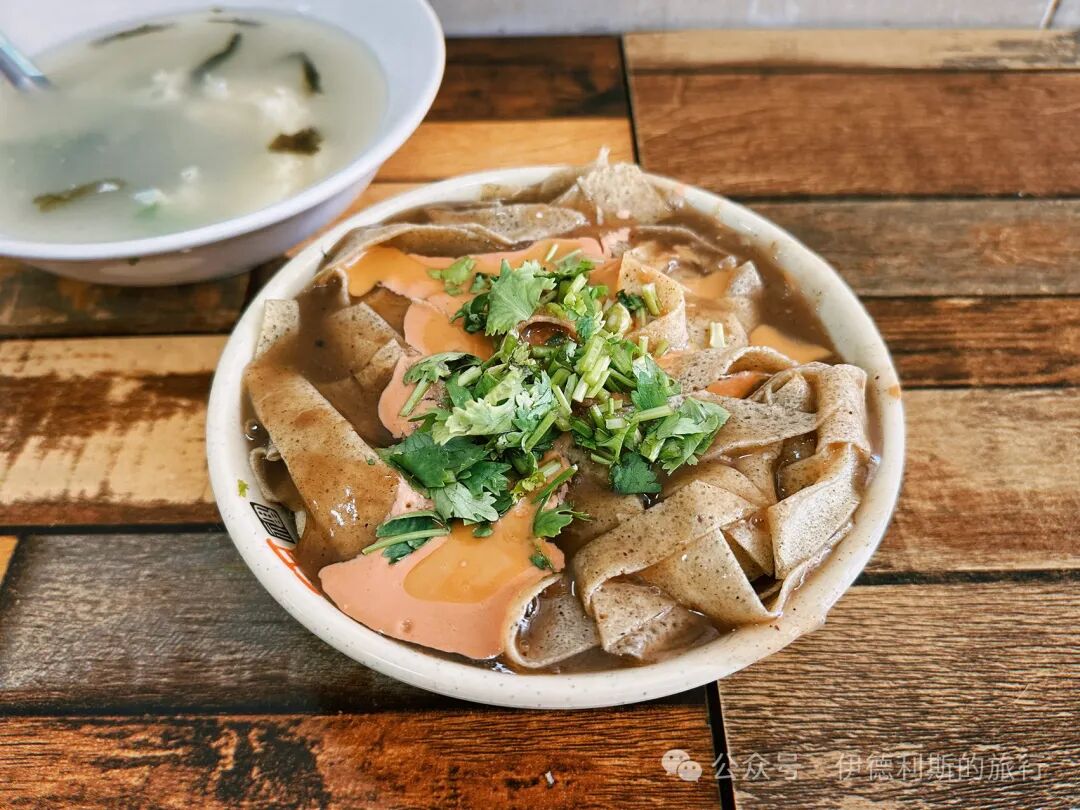
Having breakfast on Sunday morning. Ever since the Northwest Corner became super popular, I basically stopped going there to eat. Actually, Tianjin has so many delicious breakfast spots, not just the Northwest Corner. I used to go to Tianmu and Jinjiayao for breakfast, but this time I went to Xueji Northwest Corner Old Flavor Breakfast (Xueji Xibeijiao Laowei Zaodian) in the Lushuidao area of Jinnan District. Their shop is a simple neighborhood eatery on the ground floor of an apartment complex, where all the older folks come to eat.
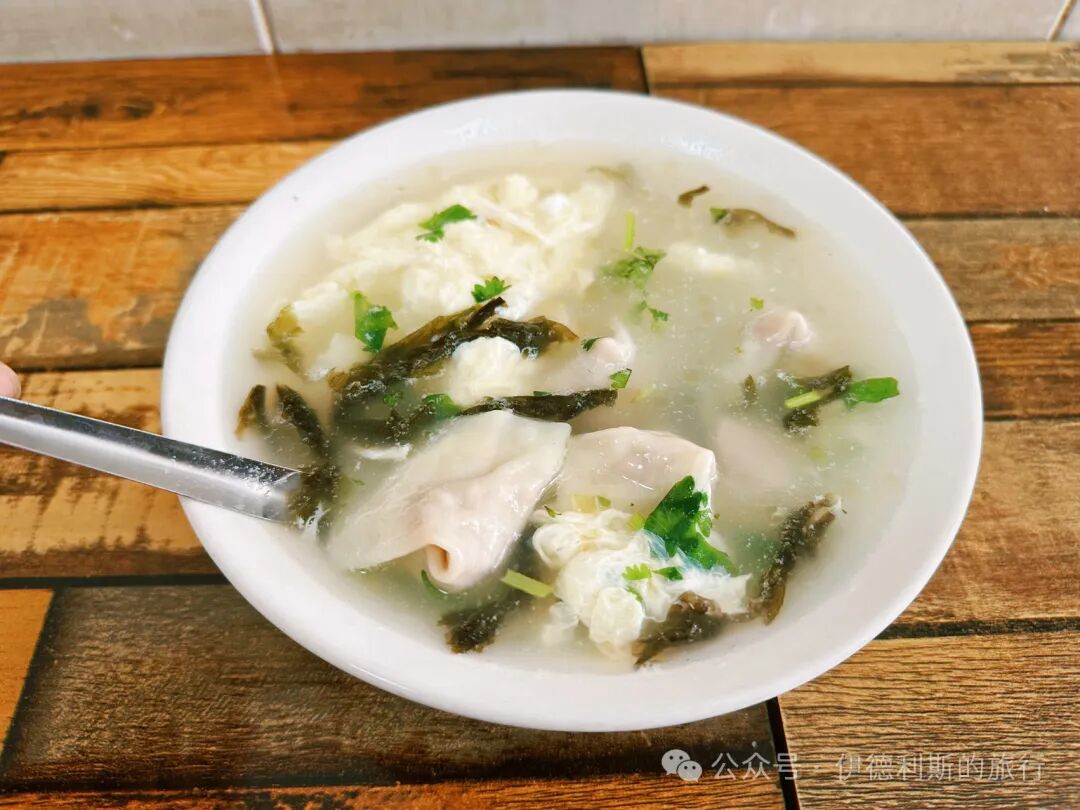
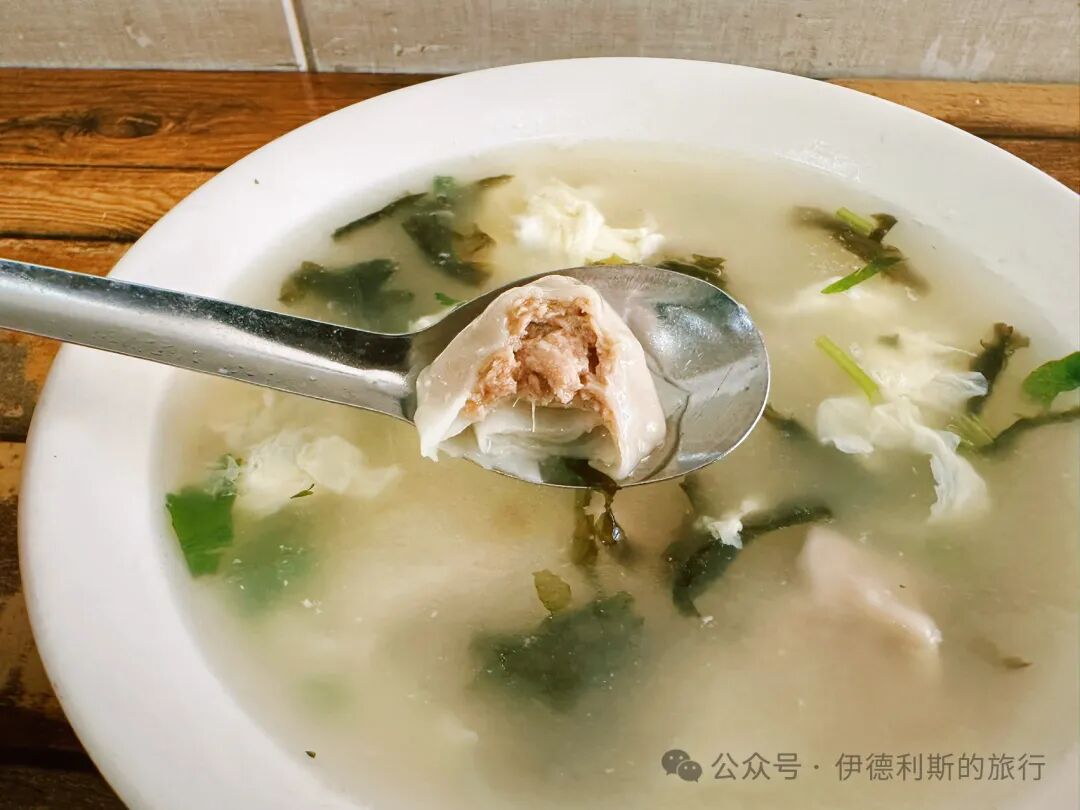
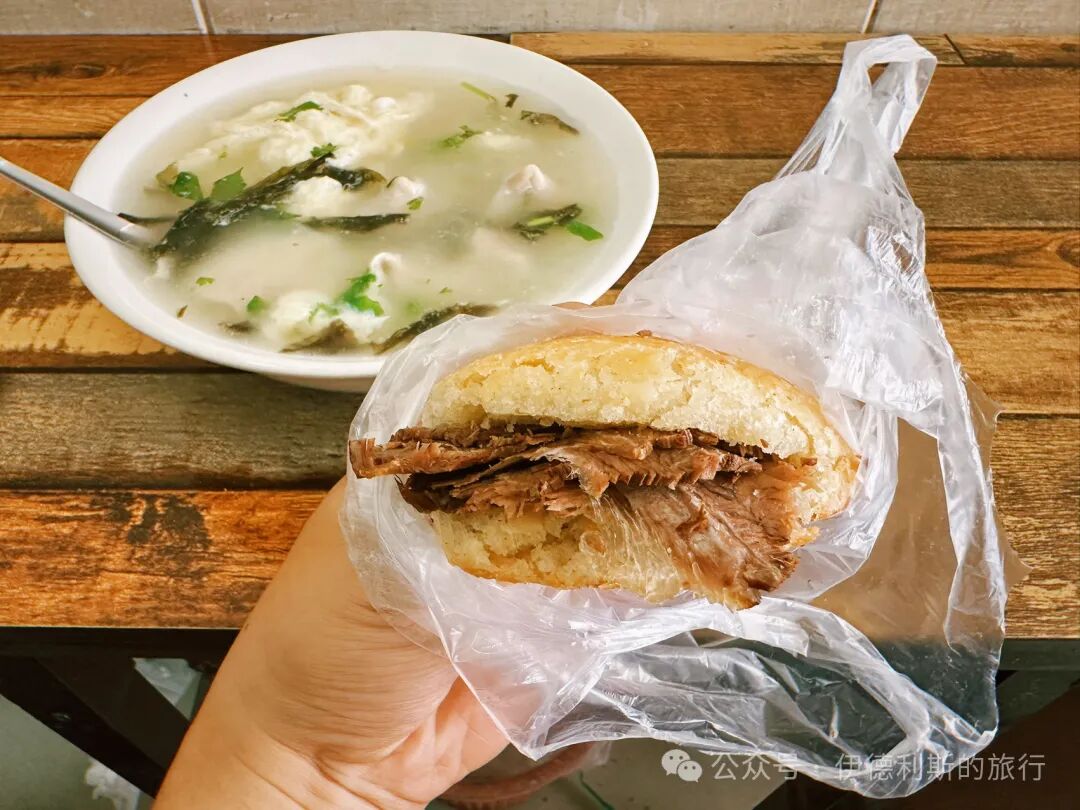
We didn't arrive until nine o'clock, so most things were sold out. We just ordered water chestnut soup (lingjiao tang), sesame flatbread with meat (shaobing jiarou), and savory crepe strips in sauce (guobacai). Their water chestnut soup is truly delicious. The skin is the perfect texture, and the filling is very fragrant. Suleiman ate several of them in one go. The sesame flatbread for the meat sandwich is crispy, and the taste is quite good. Crispy rice pancake strips in gravy (guobacai) have a classic, old-school taste. Eating water caltrop soup (lingjiaotang) and guobacai together is a bit too much, though. I think guobacai pairs best with iron-pot soy milk.
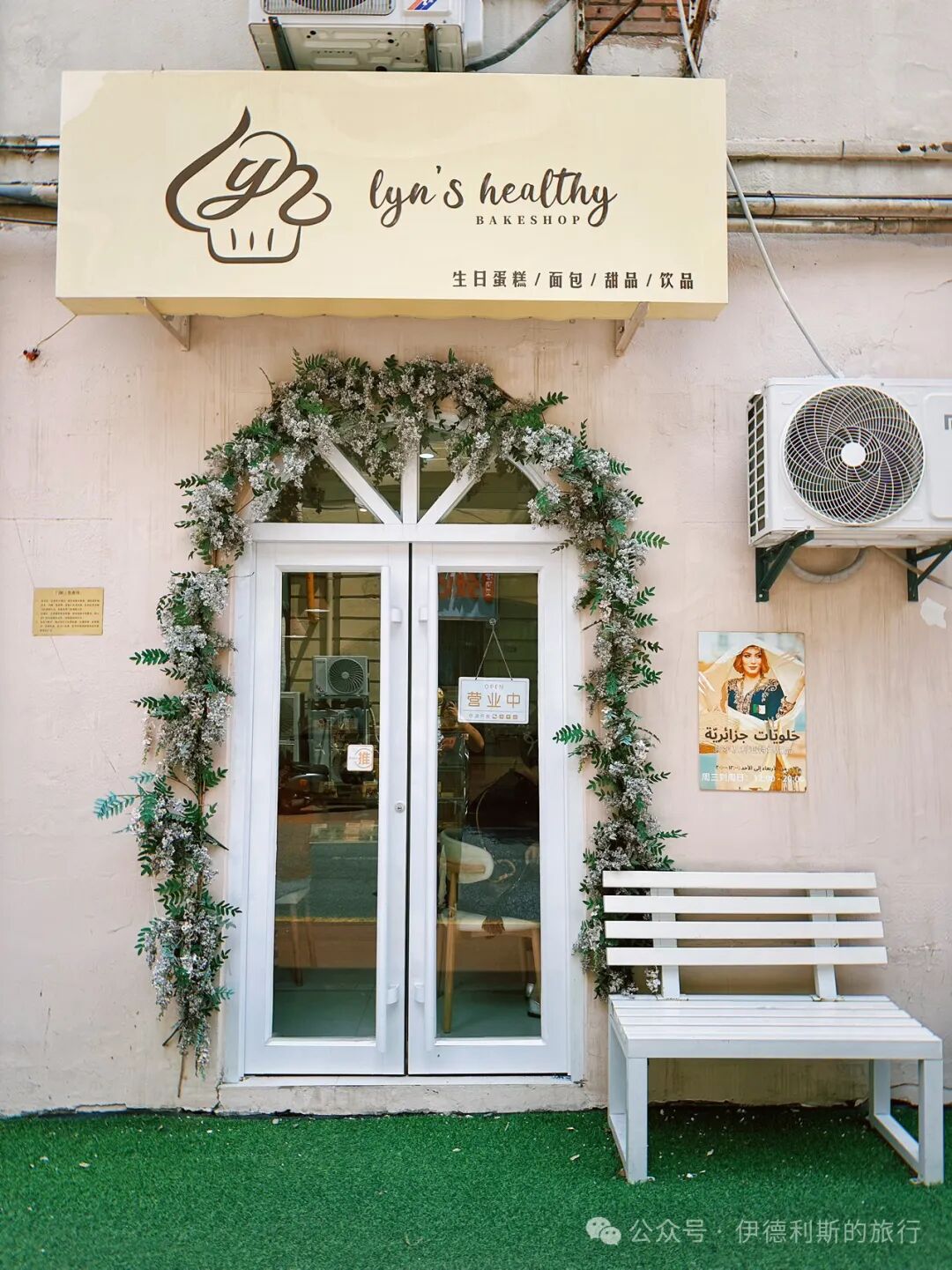
At noon, I had an Algerian afternoon tea at Lyn's Healthy Bakeshop on Chifeng Road in Tianjin. Chifeng Road is in the former French Concession area. There are many small Western-style villas here, and all kinds of little eateries have opened up.
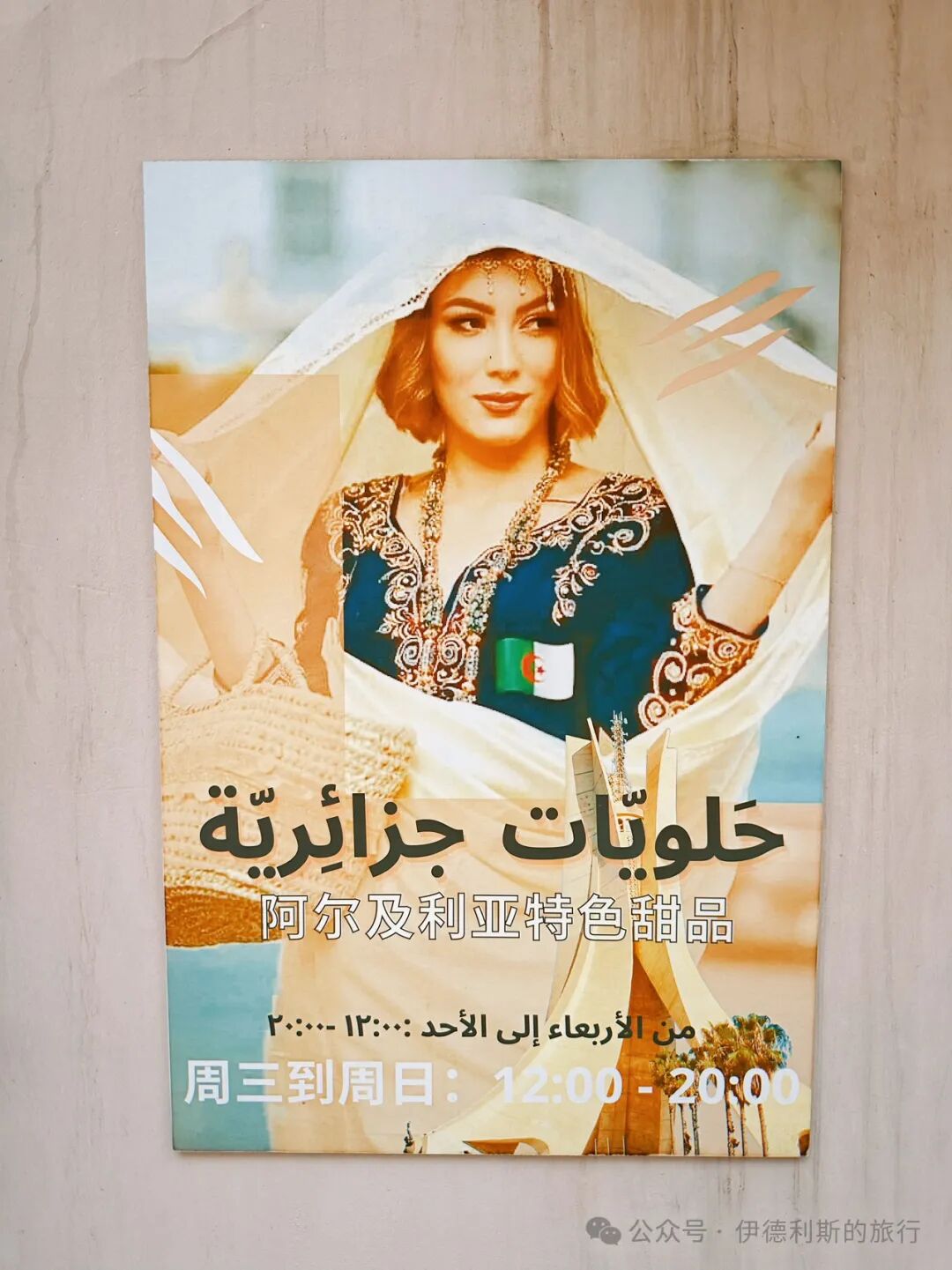
The owner is from Algeria and opened this small shop for tea and desserts. It is likely the first Algerian eatery in China. It is impressive to see Tianjin's food scene leading the way in international variety again.
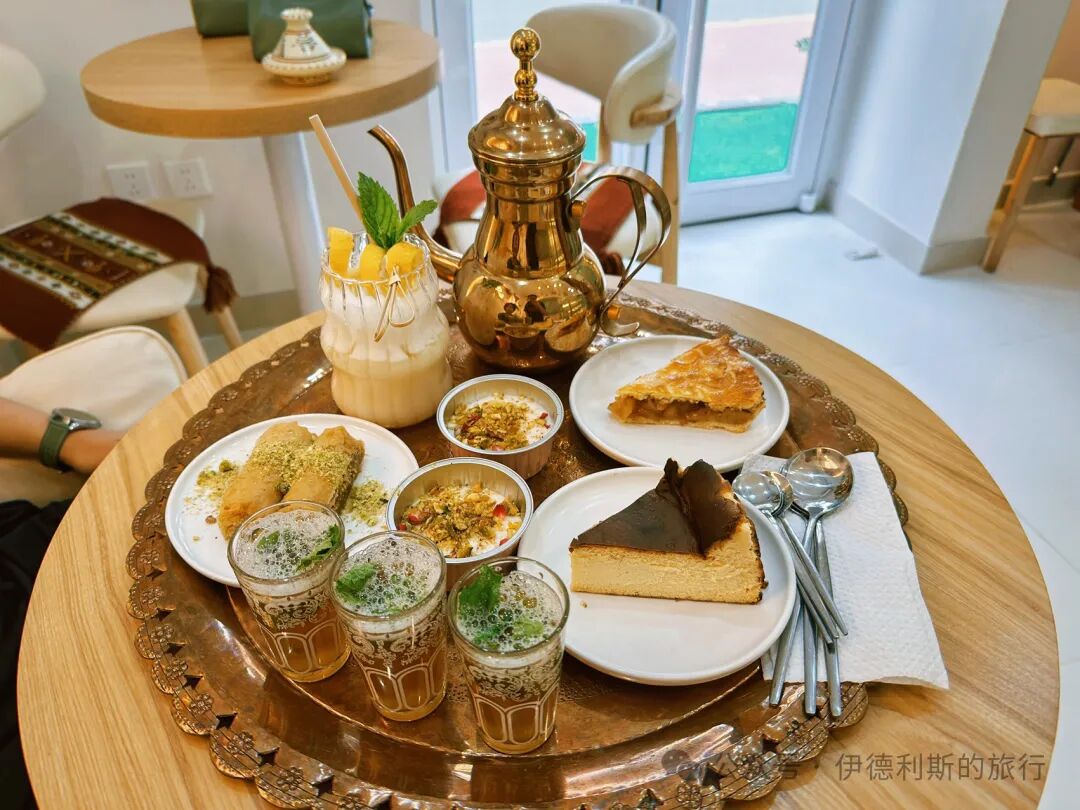
You can order items individually or get an afternoon tea set. They serve both traditional Algerian desserts and Western pastries. Everything uses maple syrup instead of white sugar, focusing on healthy eating. This is the least sweet Arabic dessert shop I have ever visited.
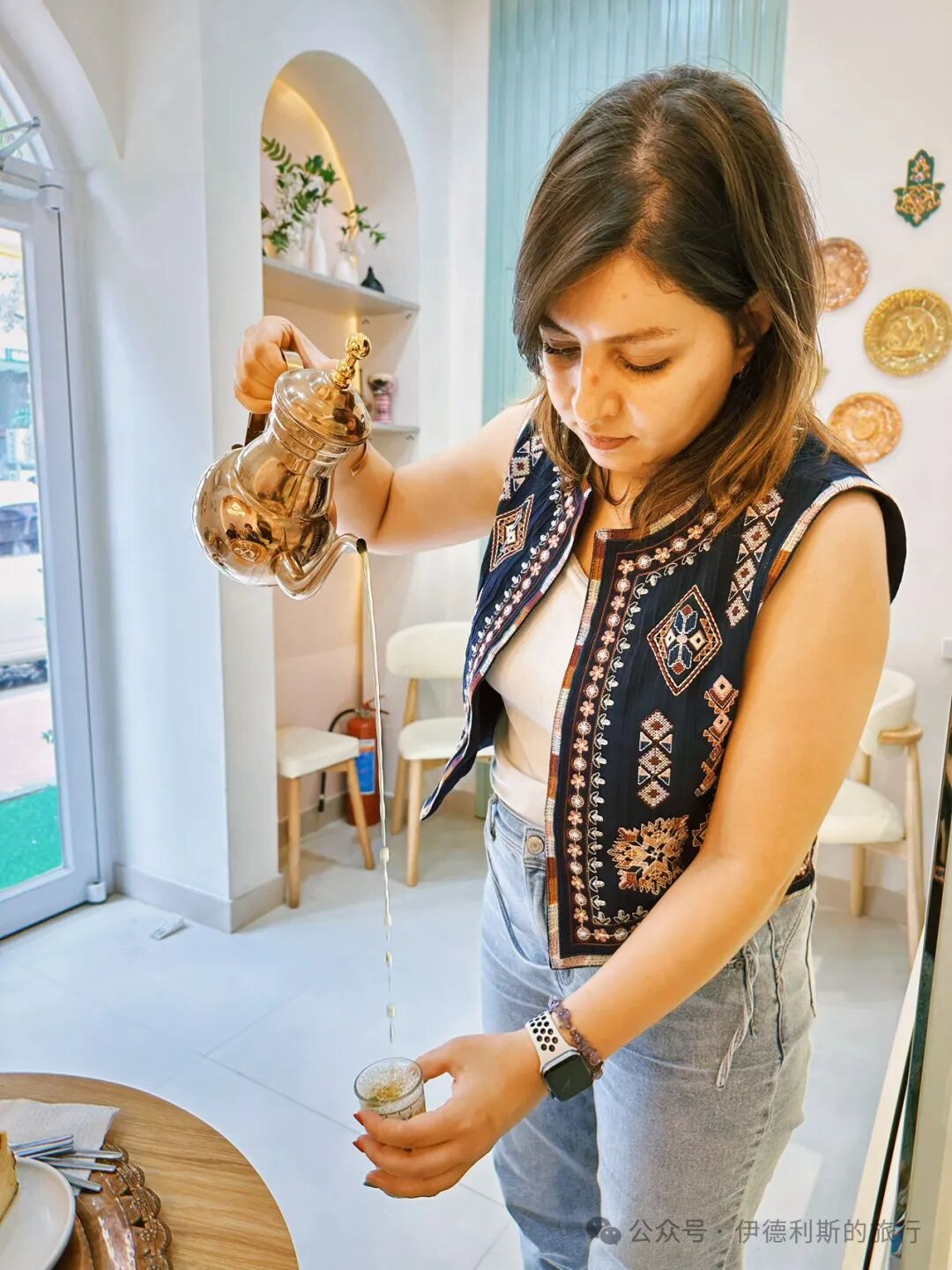
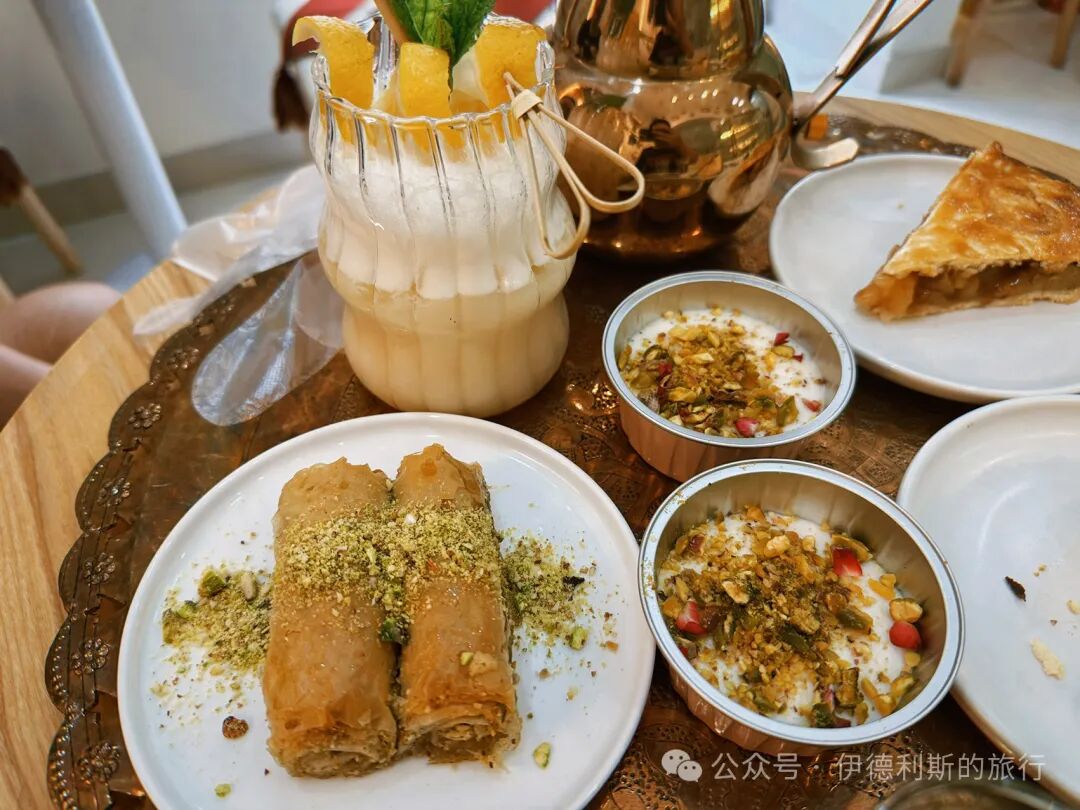
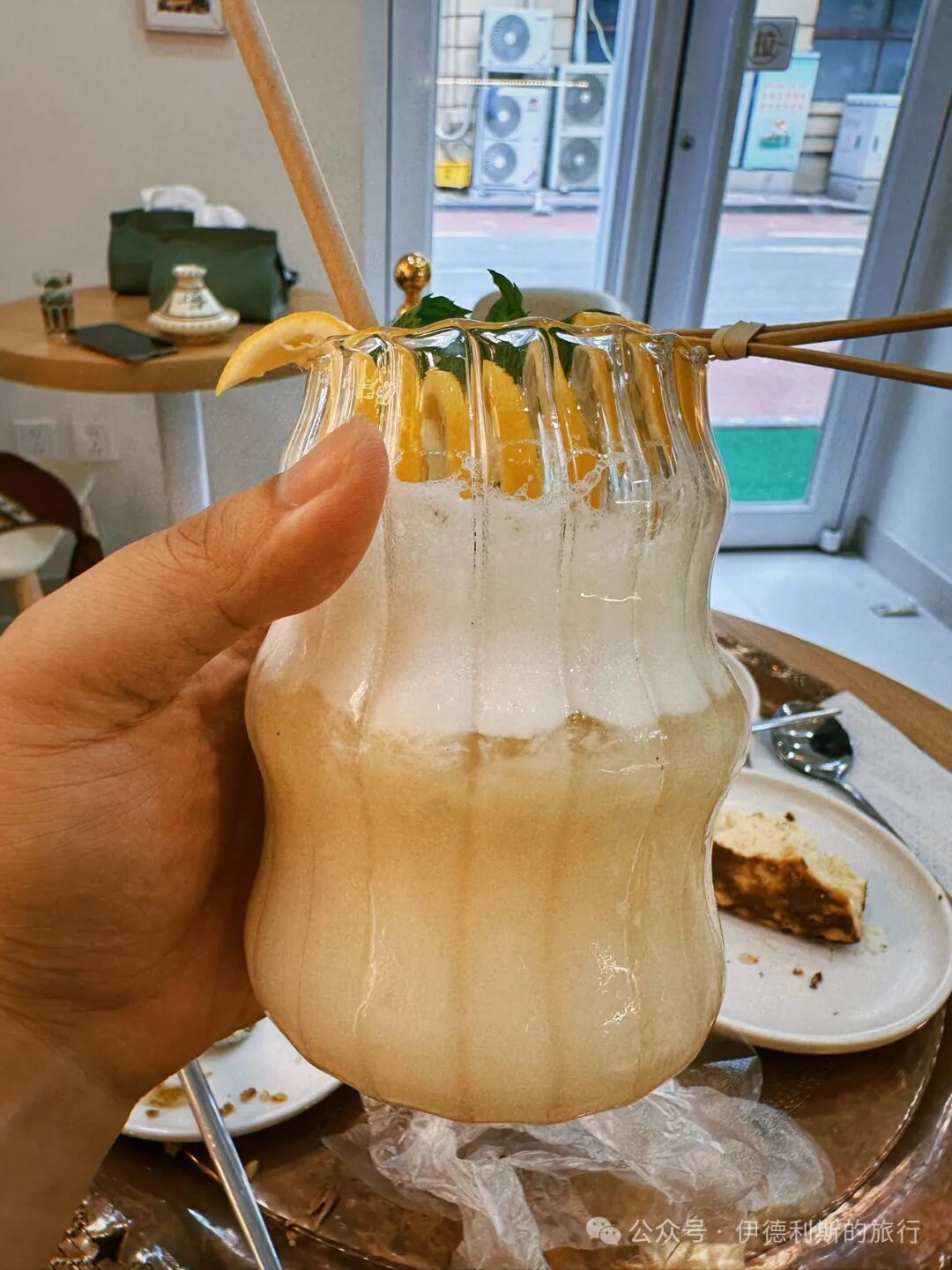
We drank Algerian mint tea and an Algerian orange blossom lemonade called Sherbet Mazhar. The mint tea is brewed to order, so you have to wait a while. It has a very strong aroma, but since it is freshly brewed, you cannot get refills. Orange blossom water is definitely a signature Algerian drink, especially classic at wedding banquets in northern Algeria. Orange blossom water (ma'zahar) is made by distilling bitter orange blossoms and mixing them with syrup and water. It is very refreshing to drink in the summer.
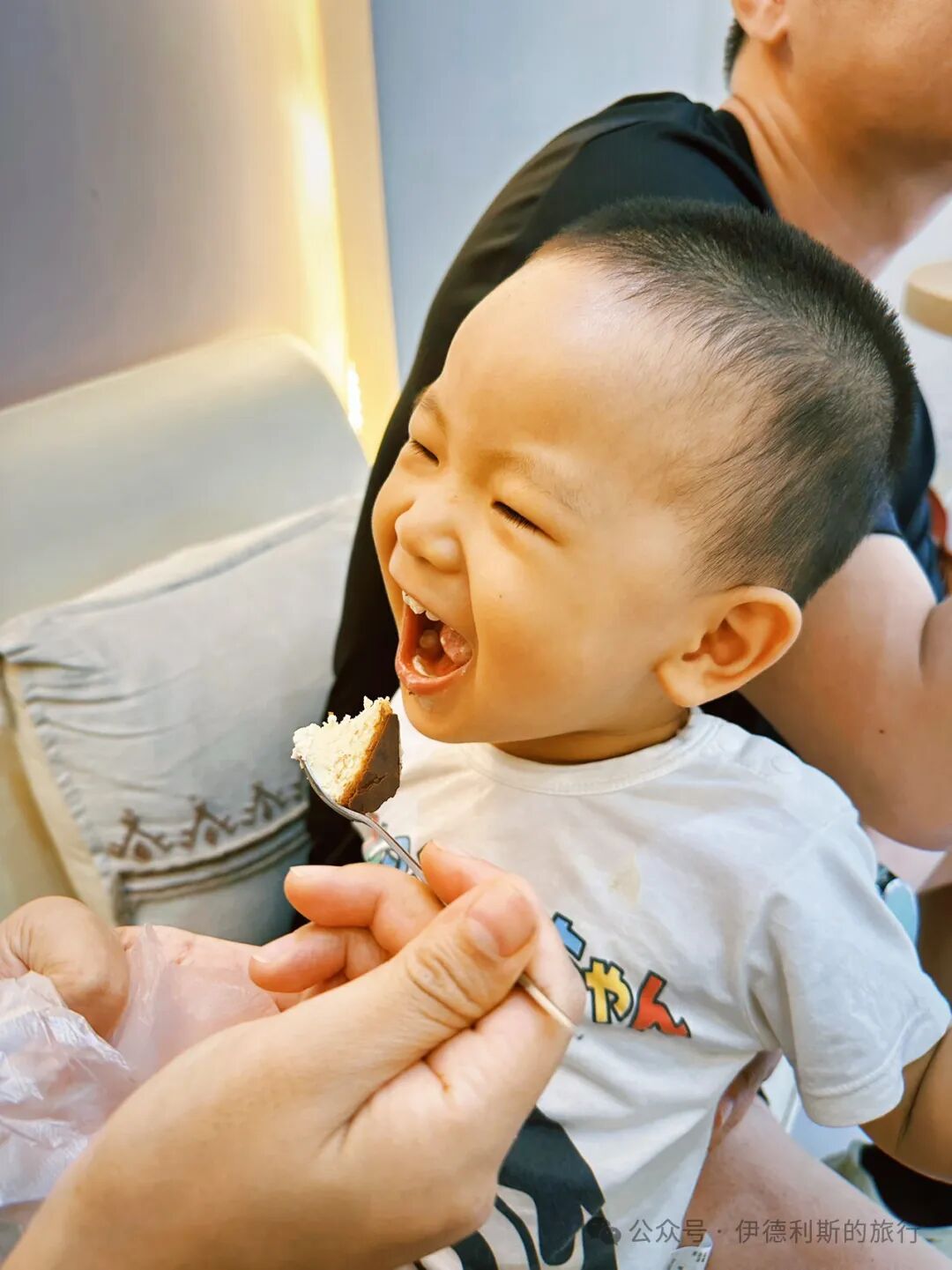
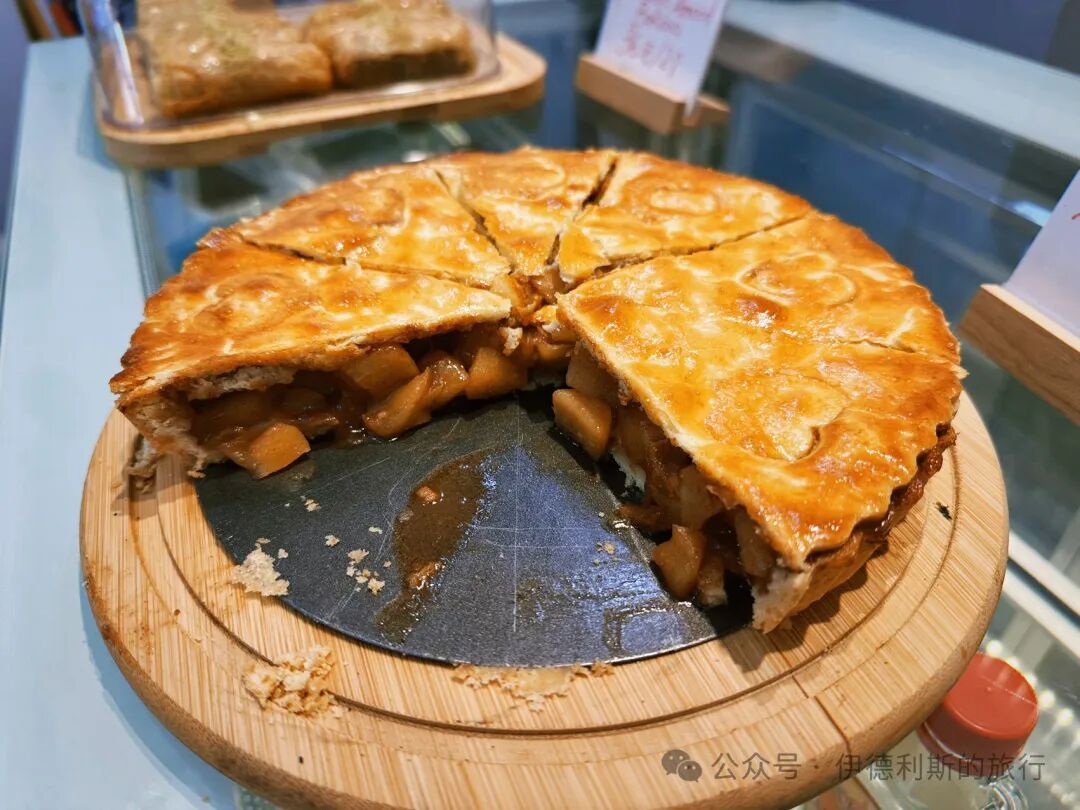
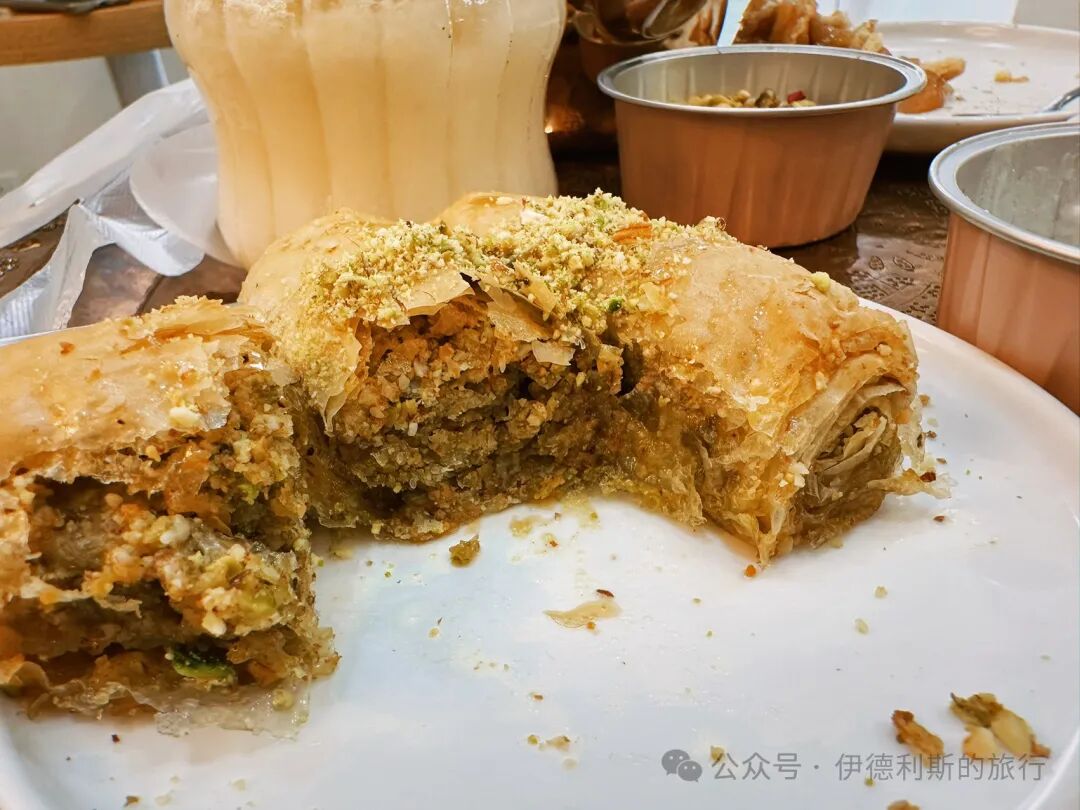
We ate Algerian baklava (baklawa), apple pie, milk pudding (m'halbi), and cheesecake. Suleiman loved the cheesecake the most. Baklava was brought to Algeria from Turkey during the Ottoman period. The Algerian version adds crushed almonds and orange blossom water, so it tastes different from the Turkish one.
Milk pudding (m'halbi) is a classic Middle Eastern dessert for breaking the fast and is most popular during Ramadan. The name m'halbi comes from Al-Muhallab, a governor of Khorasan during the Umayyad Caliphate. Legend says he once had a stomachache, and a doctor fed him rice flour boiled in milk with sugar. He liked it so much that he named the dessert after himself.
Finally, their food is excellent, but the decor is a bit simple. If they could highlight more Algerian features, it would definitely become a new popular spot in Tianjin.
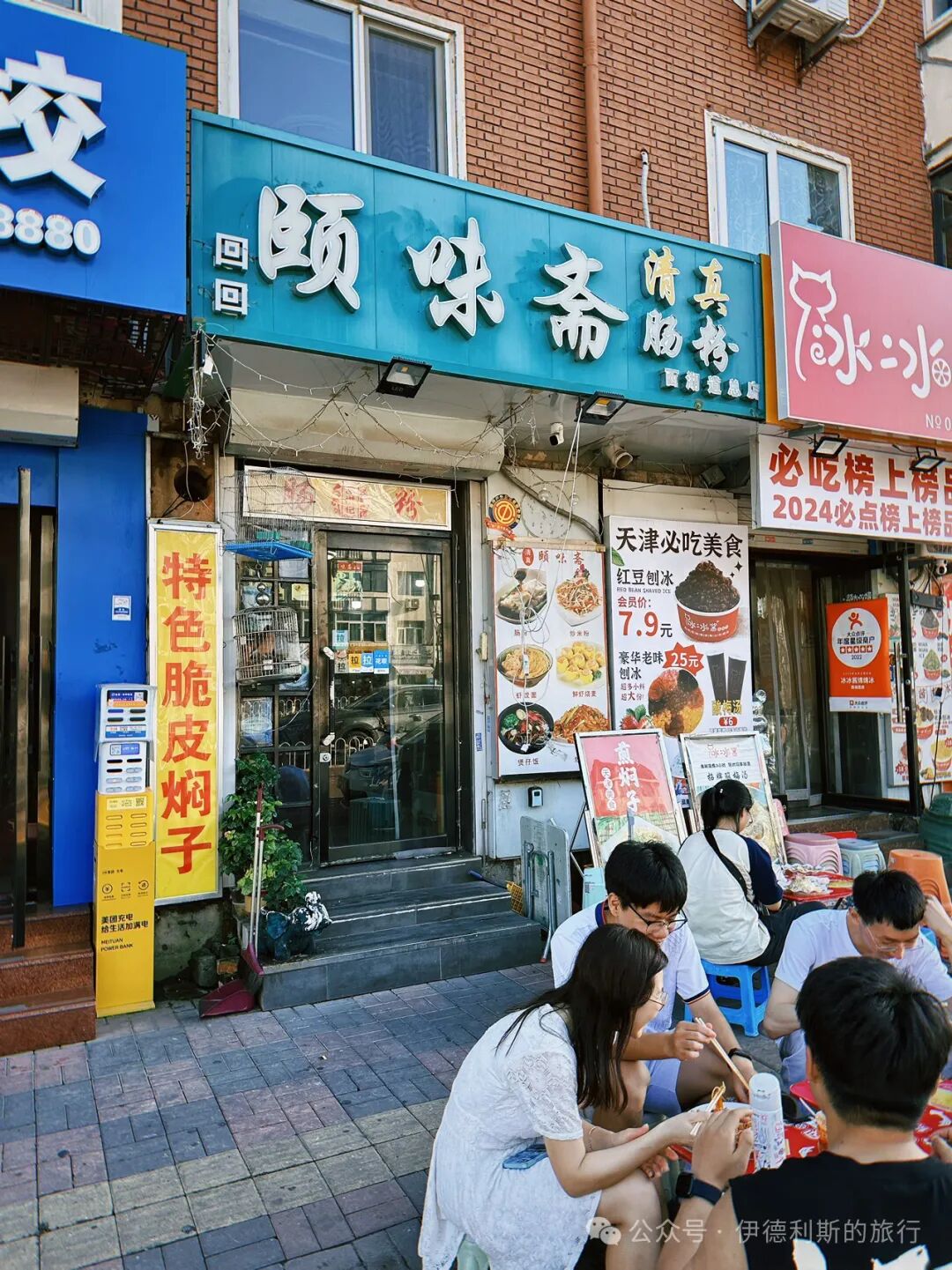
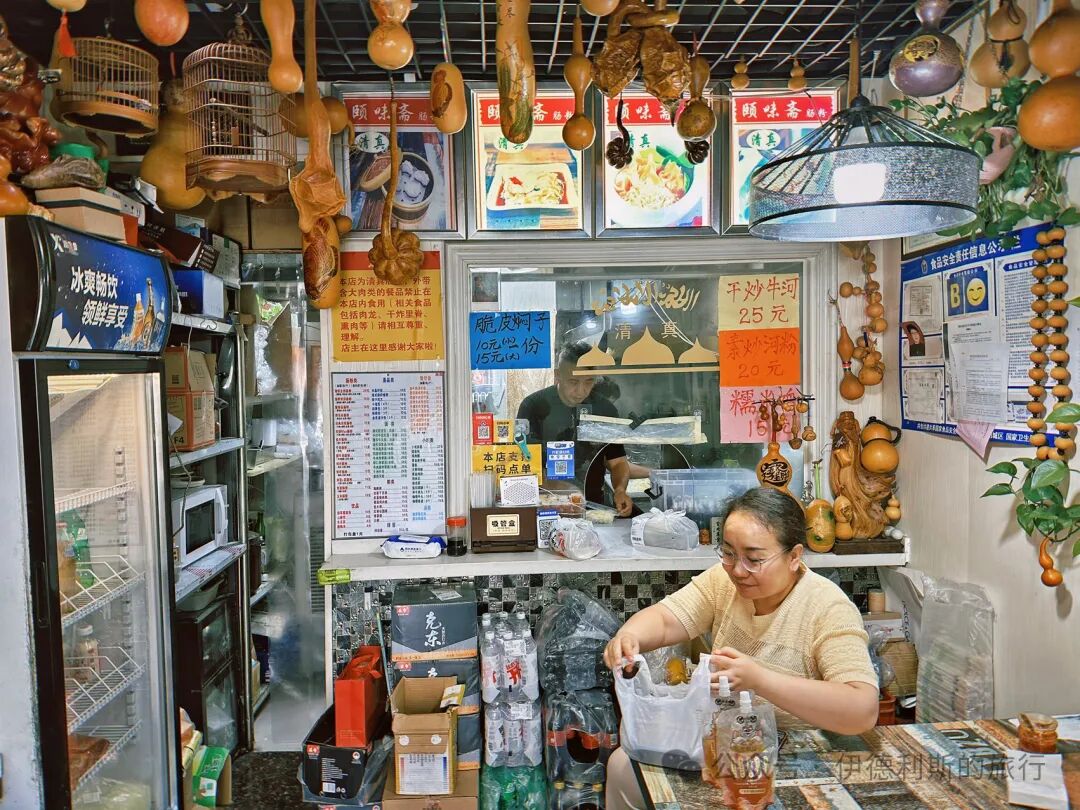
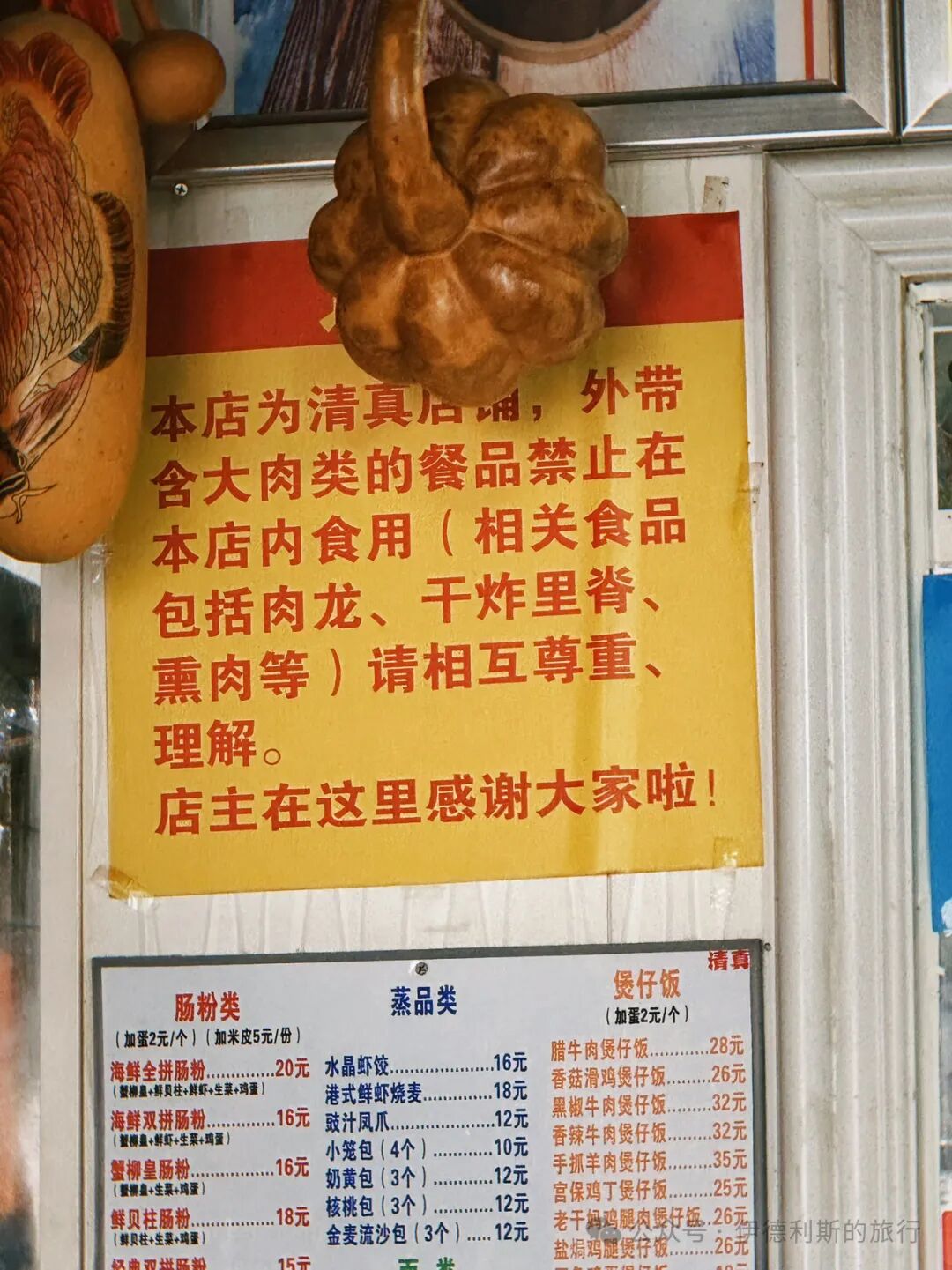
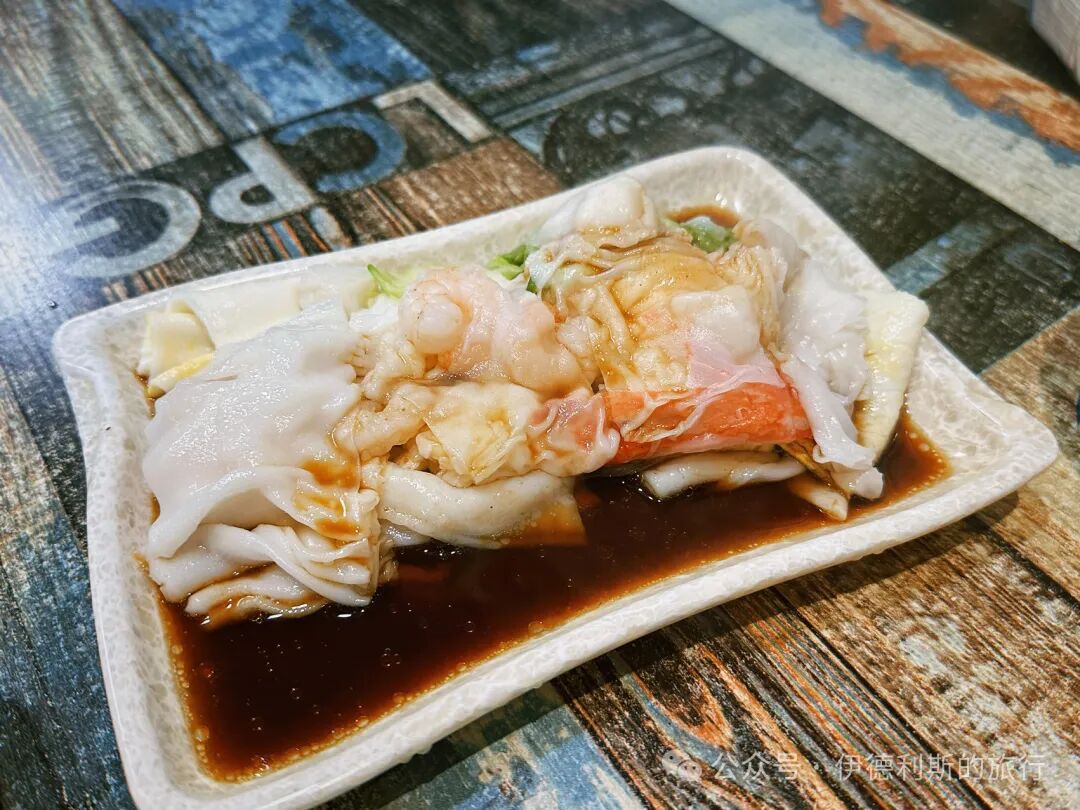
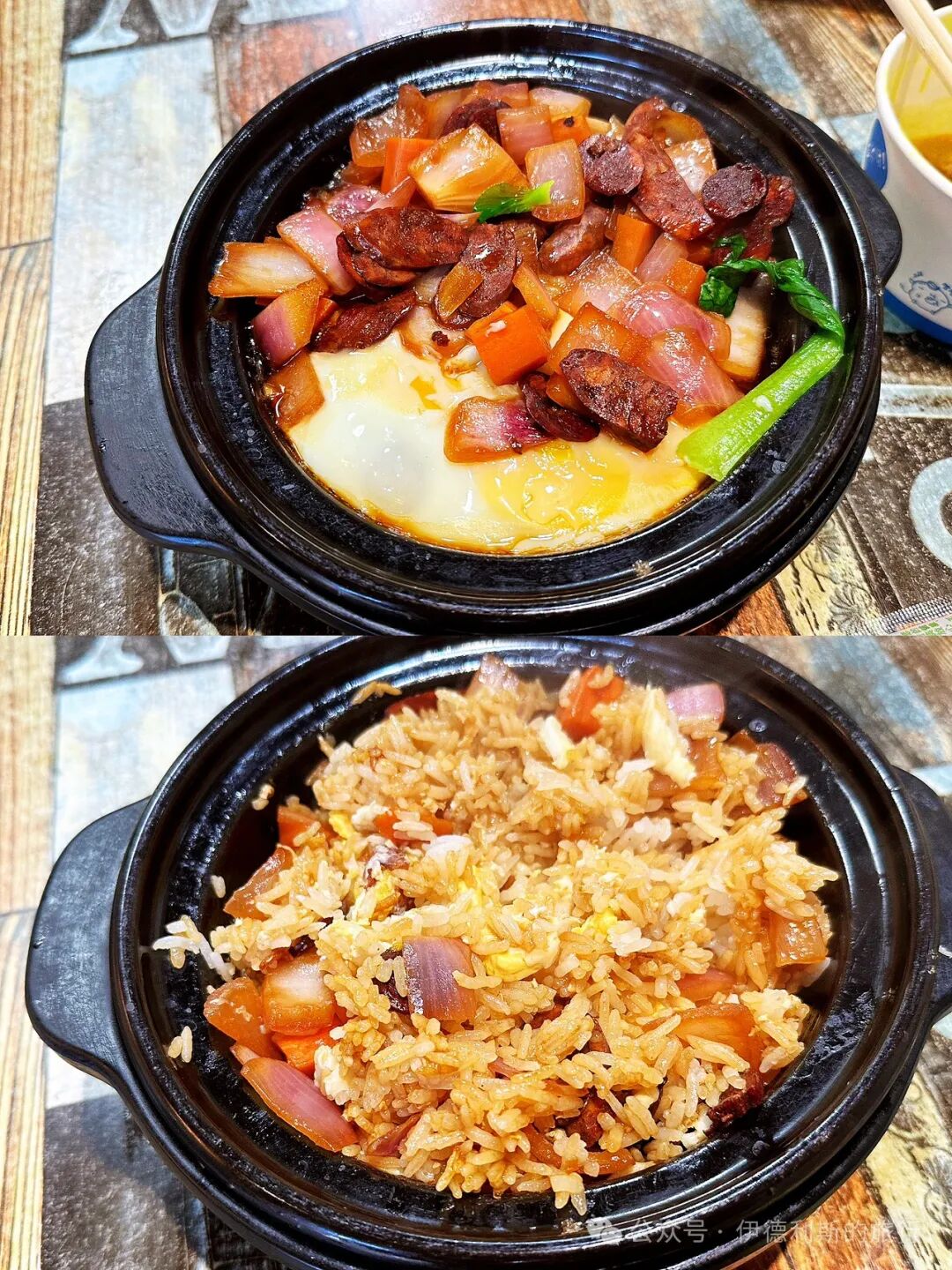
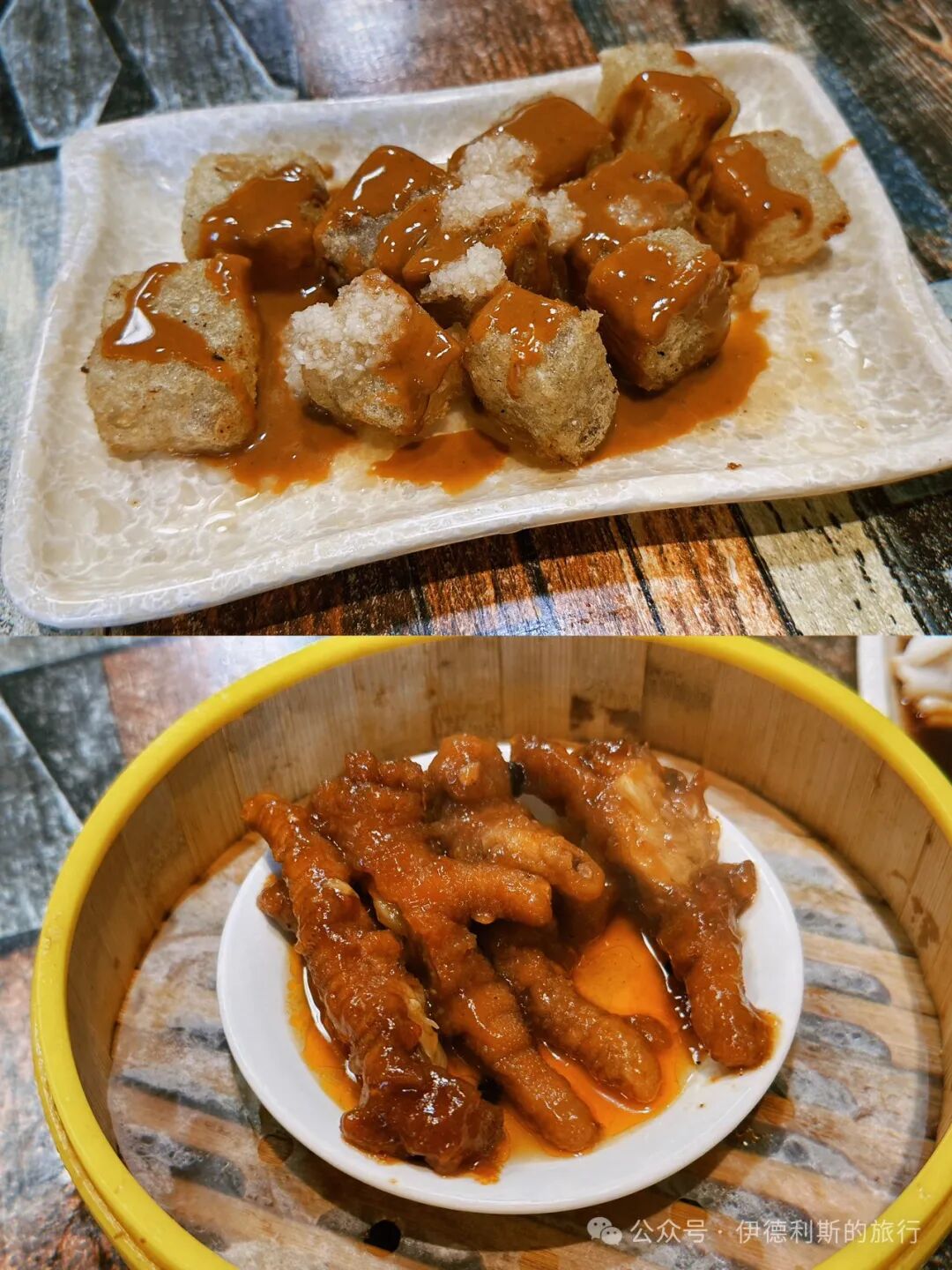
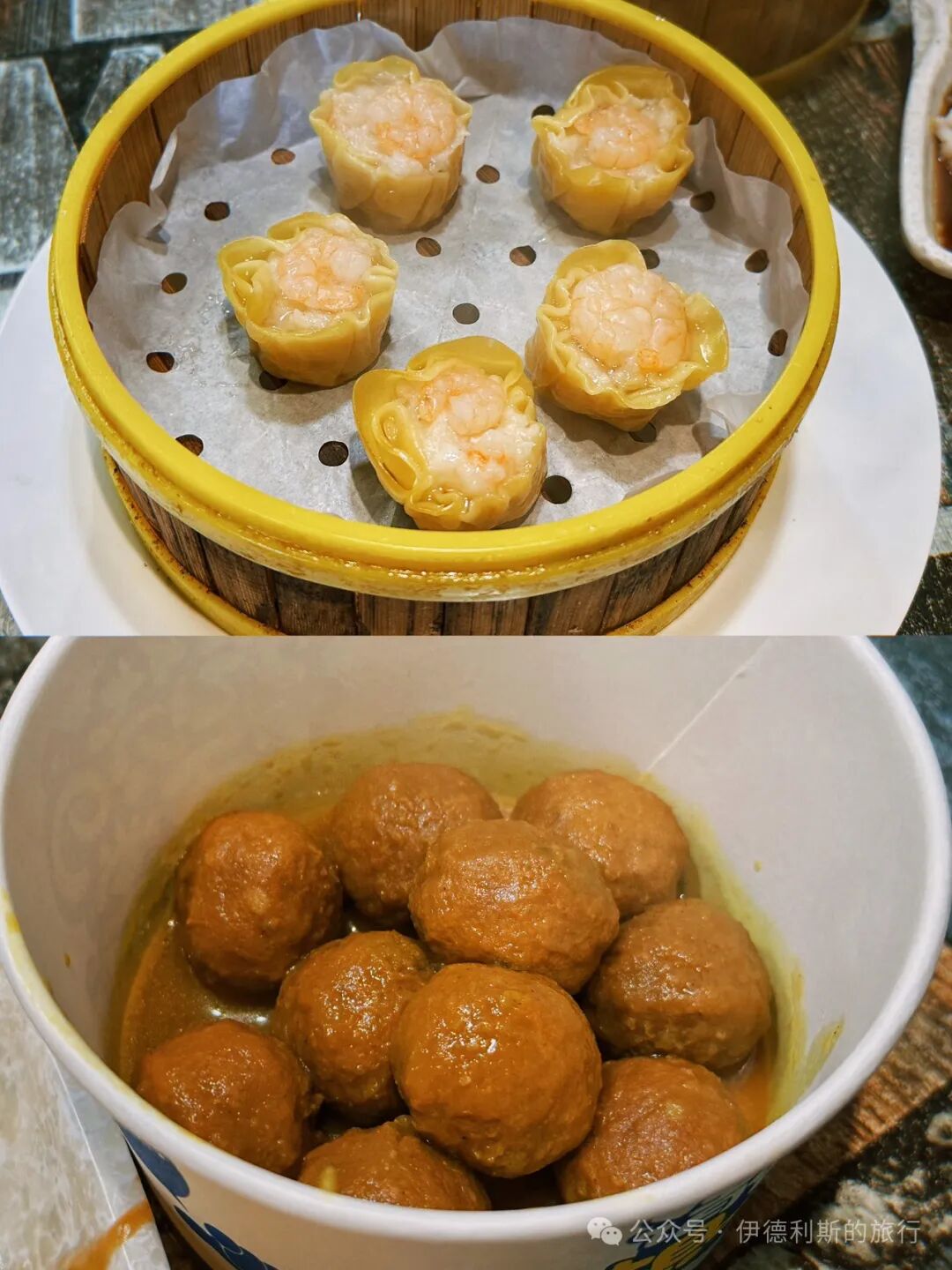
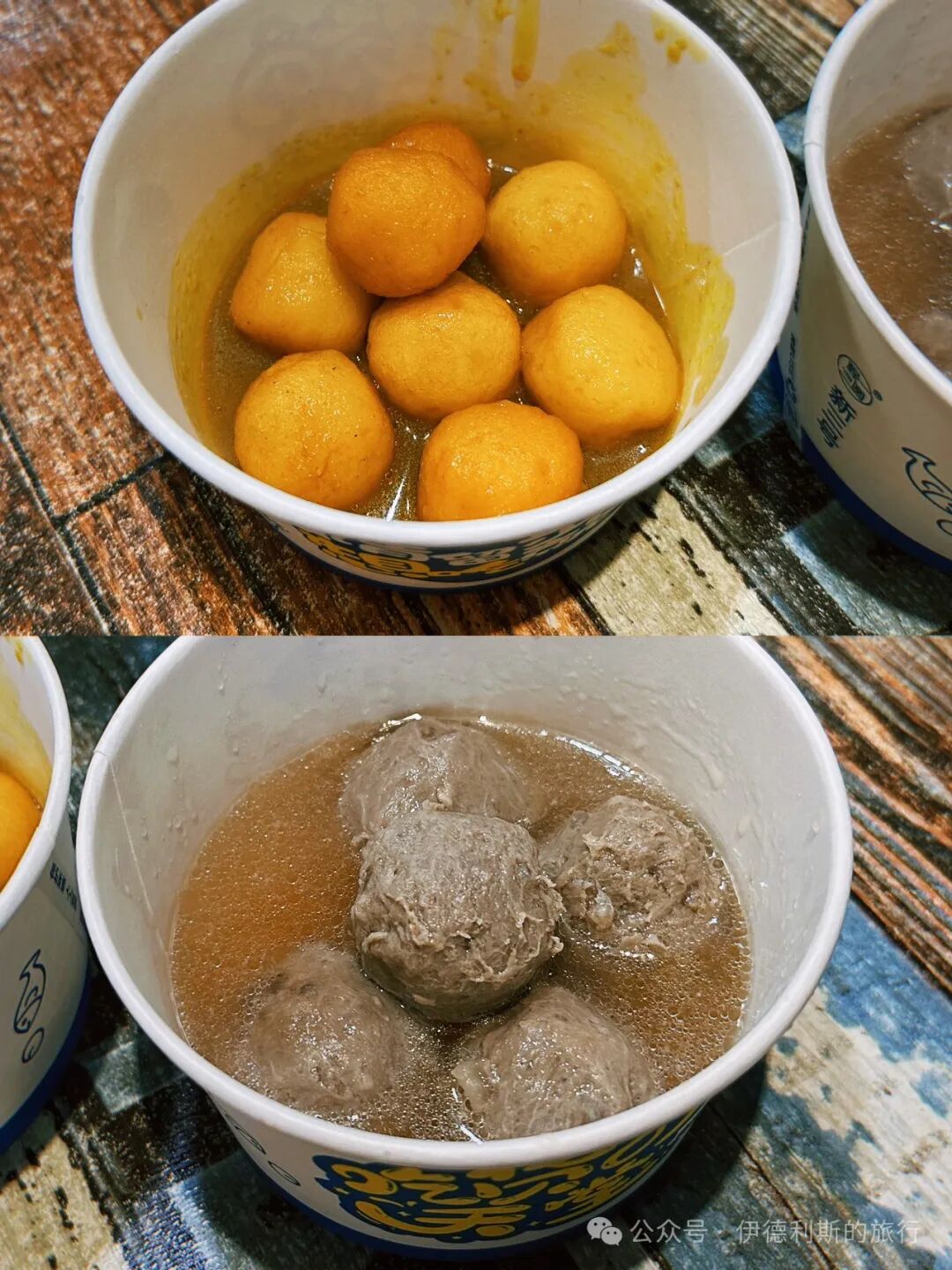
In the evening, we went to Yiweizhai on Xihu Road Food Street in Tianjin to eat rice noodle rolls (changfen). I used to go to Yeji Rice Noodle Rolls (Yeji Changfen) whenever I visited Tianjin, but this was my first time eating at Yiweizhai. The Yiweizhai shop is small, but they have a huge variety of dishes. We ordered seafood rice noodle rolls (changfen), fresh shrimp steamed dumplings (shaomai), chicken feet in black bean sauce (chizhi fengzhua), cured beef claypot rice (labaozai fan), plain beef tendon balls (jing niujin wan), curry beef balls, and curry fish balls, plus some crispy braised starch jelly (cui pi menzi) made in the old Tianjin style. Except for the claypot rice, which takes a while because they cook the raw rice fresh, all the other dishes arrived very quickly.
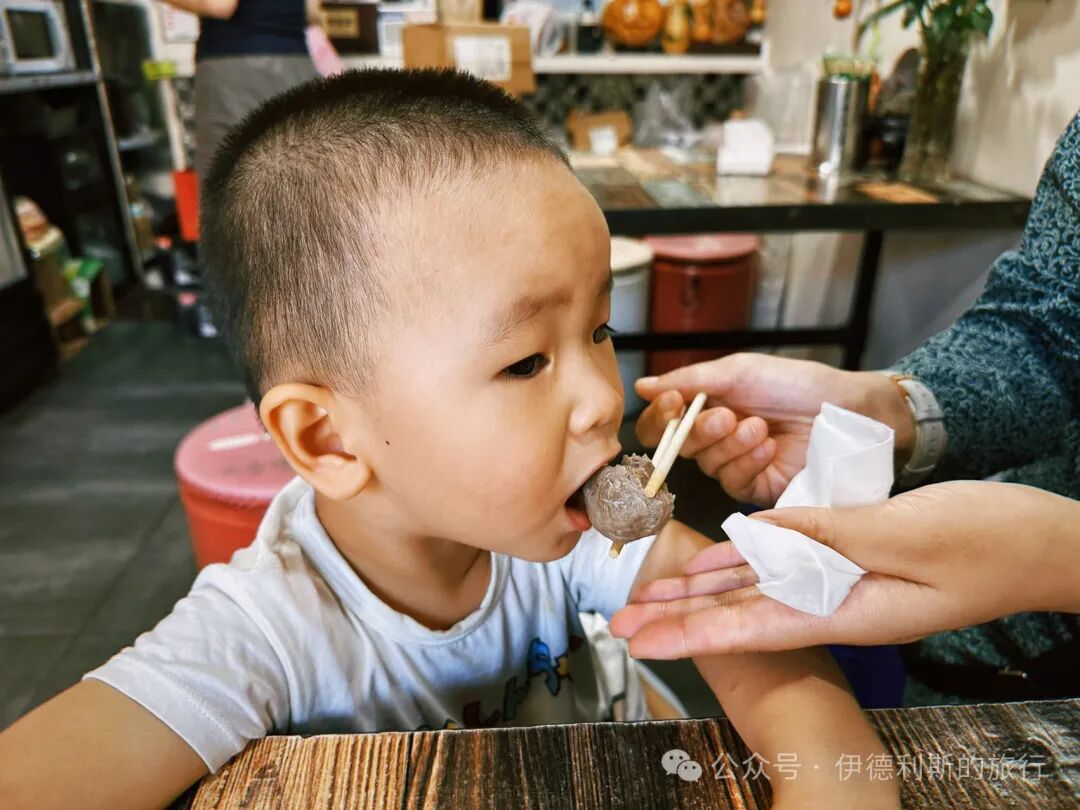
Overall, their food is very good. It really shows how much effort Tianjin people put into their cooking. Their rice noodle rolls have a great texture, not as hard as the ones I had in Hong Kong before. The beef tendon balls and fish balls also had a fantastic texture, so we ordered another round after finishing the first. By comparison, the beef balls were just average. This was my first time having crispy braised starch jelly. I had only ever eaten pan-fried starch jelly before, and it definitely doesn't compare to the crispy-on-the-outside, tender-on-the-inside texture of this version.
Summary: Tianjin - Yemeni Food, Algerian Sweets and Family Eats is presented as a clear English travel account for readers interested in Muslim life, halal food, mosques, and local history. The article keeps the original place names, food details, photographs, and cultural context while focusing on Tianjin Food, Yemeni Food, Halal Travel.
My whole family went to Tianjin last weekend, and we started by visiting the Socotra Yemeni restaurant on Saturday at noon. Many Yemeni restaurants have opened in Guangzhou and Yiwu, but Arabic restaurants in Beijing still mostly serve Levantine food. If you want a Yemeni meal, you have to take an intercity train to Tianjin.
Socotra is an island in the Arabian Sea off the southeast coast of Yemen. It was called Sugudala in the Ming Dynasty's Zheng He Navigation Map. Socotra Island became a World Natural Heritage site in 2008 and is famous for its dragon blood trees. The Socotra restaurant uses a dragon blood tree as its logo and hangs photos of the trees in the shop.
We ordered the signature soup, chicken lentil soup, lamb Zurbian rice, Mushakkal stir-fried vegetables, Fahsa beef stew, banana mango juice, and Khubz flatbread. Zurbian rice is a bit like Indian Biryani rice, as both are stir-fried with various spices. Their lamb is roasted and tastes very fragrant, but we found the rice a bit dry. There are also small bone fragments in it, so be careful not to let children eat it.
When you go to a Yemeni restaurant, you must try the classic Yemeni dish, Fahsa meat stew. Fahsa is usually made with lamb, but this place uses beef. They stew the meat until it is very tender, starting in a large barrel before moving it to a small pot to finish cooking. Besides ginger, garlic, and cumin, they add a spice called fenugreek (Hulbah) to the stew. Fenugreek is the same as the fragrant beans (xiangdouzi) often mentioned by people in Northwest China. People in the Northwest dry the leaves and grind them into powder for steaming buns, while Yemenis grind the seeds to stew with meat. Fenugreek seeds expand in water and easily create foam when you stir them in a bowl.
The classic way to eat Fahsa stew is with large Yemeni flatbread (Mulawah), but this place requires you to order it in advance, so we could only have pita bread (Khubz) there. Khubz is actually the same as pita bread (pita) from Levantine cuisine, but the version they make is quite hard and, to be honest, not very good.
We went to the National Maritime Museum in the afternoon; it was very hard to book, and it was crowded inside. Here are some of the exhibits:
A 13th-century star-shaped glazed tile with Arabic script from Iran.
A 12th to 13th-century white-glazed bowl with Arabic script from the Kashan region of Iran.
A 13th-century green-glazed bowl featuring figures from Samarkand, Central Asia.
A 12th to 13th-century green-glazed incised pitcher from Urgench, Central Asia.
A 14th-century fragment of Coptic textile from Egypt.
Then I went to Dongdi Park. It is just a levee here with no beach, but many people were setting up tents. The road there only had two lanes open, so it was very congested.
In the evening, I went to Qianmu in Beichen for Japanese food. Beijing no longer has any halal Japanese restaurants, so you have to go to Tianjin if you want to eat that. Their place is very popular, and it is hard to get a seat if you do not book in advance. When we arrived after eight o'clock, they had even sold out of rice, so we went straight to the ramen shop across the street to buy some.
We ordered tempura udon noodles, sukiyaki (sukiyaki), eel rice (unagi don), a large grilled platter (yakimono), baked potato with cod roe (mentaiko), baked crab shell with cheese (kani miso), a seared sushi platter, and marble soda (ramune). Suleiman loved their udon noodles the most and could not stop eating them; he finished his meal feeling great and fell right asleep. There are plenty of grilled items, but they are mostly mushroom and vegetable dishes with less meat. The soy sauce for the sushi was a bit salty, and the sushi itself tasted average, which was a pity. The staff saw we had a child with us, so they cooked the sukiyaki for us before bringing it to the table, which deserves a thumbs up. The eel rice tasted okay. Next time I want to try their teriyaki chicken rice.
Having breakfast on Sunday morning. Ever since the Northwest Corner became super popular, I basically stopped going there to eat. Actually, Tianjin has so many delicious breakfast spots, not just the Northwest Corner. I used to go to Tianmu and Jinjiayao for breakfast, but this time I went to Xueji Northwest Corner Old Flavor Breakfast (Xueji Xibeijiao Laowei Zaodian) in the Lushuidao area of Jinnan District. Their shop is a simple neighborhood eatery on the ground floor of an apartment complex, where all the older folks come to eat.
We didn't arrive until nine o'clock, so most things were sold out. We just ordered water chestnut soup (lingjiao tang), sesame flatbread with meat (shaobing jiarou), and savory crepe strips in sauce (guobacai). Their water chestnut soup is truly delicious. The skin is the perfect texture, and the filling is very fragrant. Suleiman ate several of them in one go. The sesame flatbread for the meat sandwich is crispy, and the taste is quite good. Crispy rice pancake strips in gravy (guobacai) have a classic, old-school taste. Eating water caltrop soup (lingjiaotang) and guobacai together is a bit too much, though. I think guobacai pairs best with iron-pot soy milk.
At noon, I had an Algerian afternoon tea at Lyn's Healthy Bakeshop on Chifeng Road in Tianjin. Chifeng Road is in the former French Concession area. There are many small Western-style villas here, and all kinds of little eateries have opened up.
The owner is from Algeria and opened this small shop for tea and desserts. It is likely the first Algerian eatery in China. It is impressive to see Tianjin's food scene leading the way in international variety again.
You can order items individually or get an afternoon tea set. They serve both traditional Algerian desserts and Western pastries. Everything uses maple syrup instead of white sugar, focusing on healthy eating. This is the least sweet Arabic dessert shop I have ever visited.
We drank Algerian mint tea and an Algerian orange blossom lemonade called Sherbet Mazhar. The mint tea is brewed to order, so you have to wait a while. It has a very strong aroma, but since it is freshly brewed, you cannot get refills. Orange blossom water is definitely a signature Algerian drink, especially classic at wedding banquets in northern Algeria. Orange blossom water (ma'zahar) is made by distilling bitter orange blossoms and mixing them with syrup and water. It is very refreshing to drink in the summer.
We ate Algerian baklava (baklawa), apple pie, milk pudding (m'halbi), and cheesecake. Suleiman loved the cheesecake the most. Baklava was brought to Algeria from Turkey during the Ottoman period. The Algerian version adds crushed almonds and orange blossom water, so it tastes different from the Turkish one.
Milk pudding (m'halbi) is a classic Middle Eastern dessert for breaking the fast and is most popular during Ramadan. The name m'halbi comes from Al-Muhallab, a governor of Khorasan during the Umayyad Caliphate. Legend says he once had a stomachache, and a doctor fed him rice flour boiled in milk with sugar. He liked it so much that he named the dessert after himself.
Finally, their food is excellent, but the decor is a bit simple. If they could highlight more Algerian features, it would definitely become a new popular spot in Tianjin.
In the evening, we went to Yiweizhai on Xihu Road Food Street in Tianjin to eat rice noodle rolls (changfen). I used to go to Yeji Rice Noodle Rolls (Yeji Changfen) whenever I visited Tianjin, but this was my first time eating at Yiweizhai. The Yiweizhai shop is small, but they have a huge variety of dishes. We ordered seafood rice noodle rolls (changfen), fresh shrimp steamed dumplings (shaomai), chicken feet in black bean sauce (chizhi fengzhua), cured beef claypot rice (labaozai fan), plain beef tendon balls (jing niujin wan), curry beef balls, and curry fish balls, plus some crispy braised starch jelly (cui pi menzi) made in the old Tianjin style. Except for the claypot rice, which takes a while because they cook the raw rice fresh, all the other dishes arrived very quickly.
Overall, their food is very good. It really shows how much effort Tianjin people put into their cooking. Their rice noodle rolls have a great texture, not as hard as the ones I had in Hong Kong before. The beef tendon balls and fish balls also had a fantastic texture, so we ordered another round after finishing the first. By comparison, the beef balls were just average. This was my first time having crispy braised starch jelly. I had only ever eaten pan-fried starch jelly before, and it definitely doesn't compare to the crispy-on-the-outside, tender-on-the-inside texture of this version.
