
Halal Travel Guide: Beijing Niujie - Women's Mosque, Stewed Meat Noodles and Houheyan Mosque
Reposted from the web
Summary: Beijing Niujie - Women's Mosque, Stewed Meat Noodles and Houheyan Mosque is presented as a clear English travel account for readers interested in Muslim life, halal food, mosques, and local history. The article keeps the original names, food details, photographs, and cultural context while focusing on Niujie, Beijing Mosques, Halal Food.
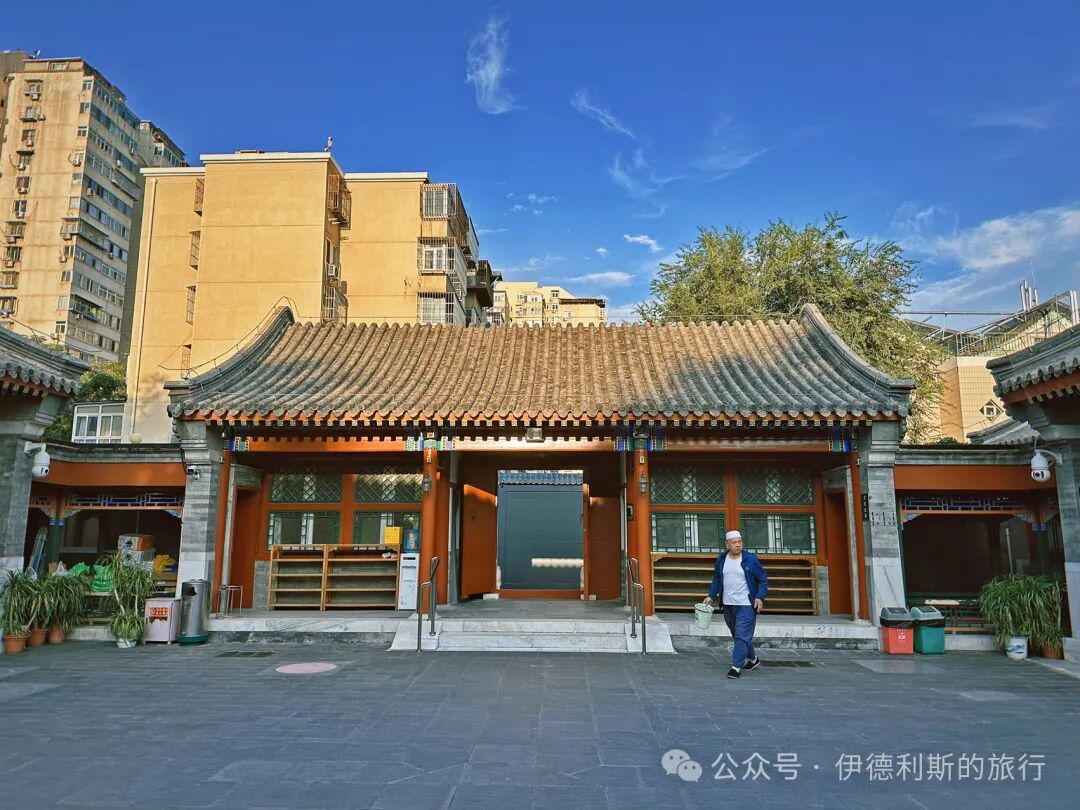
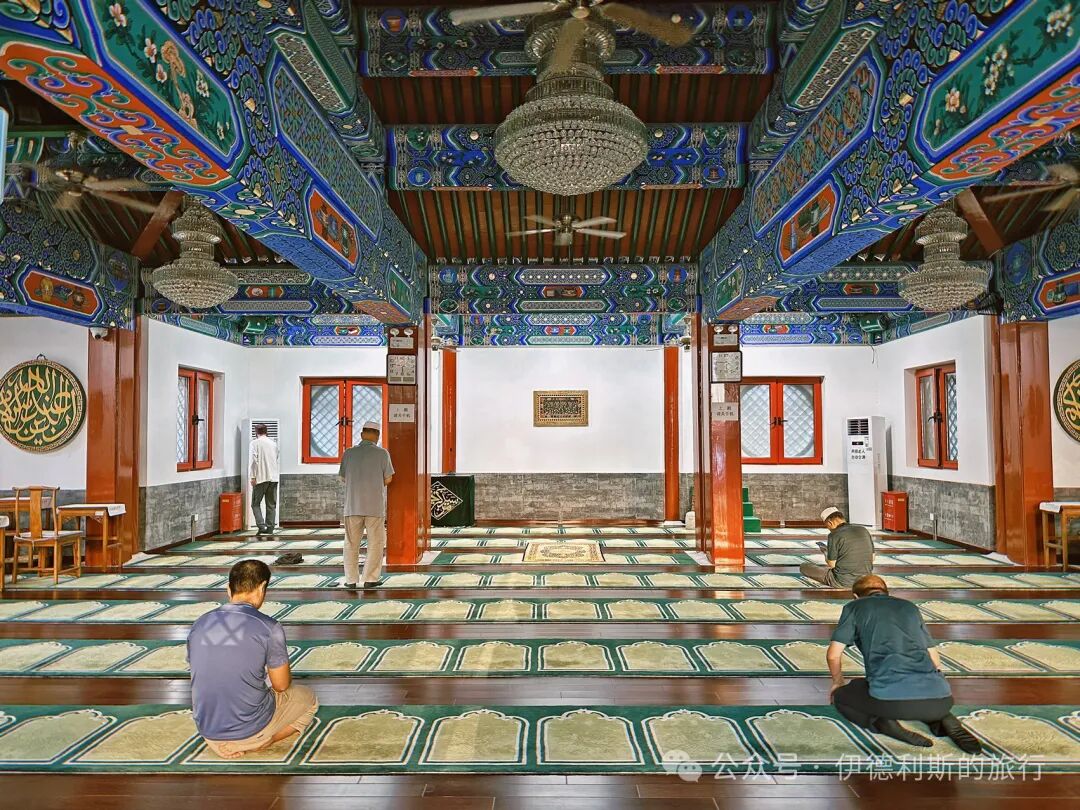
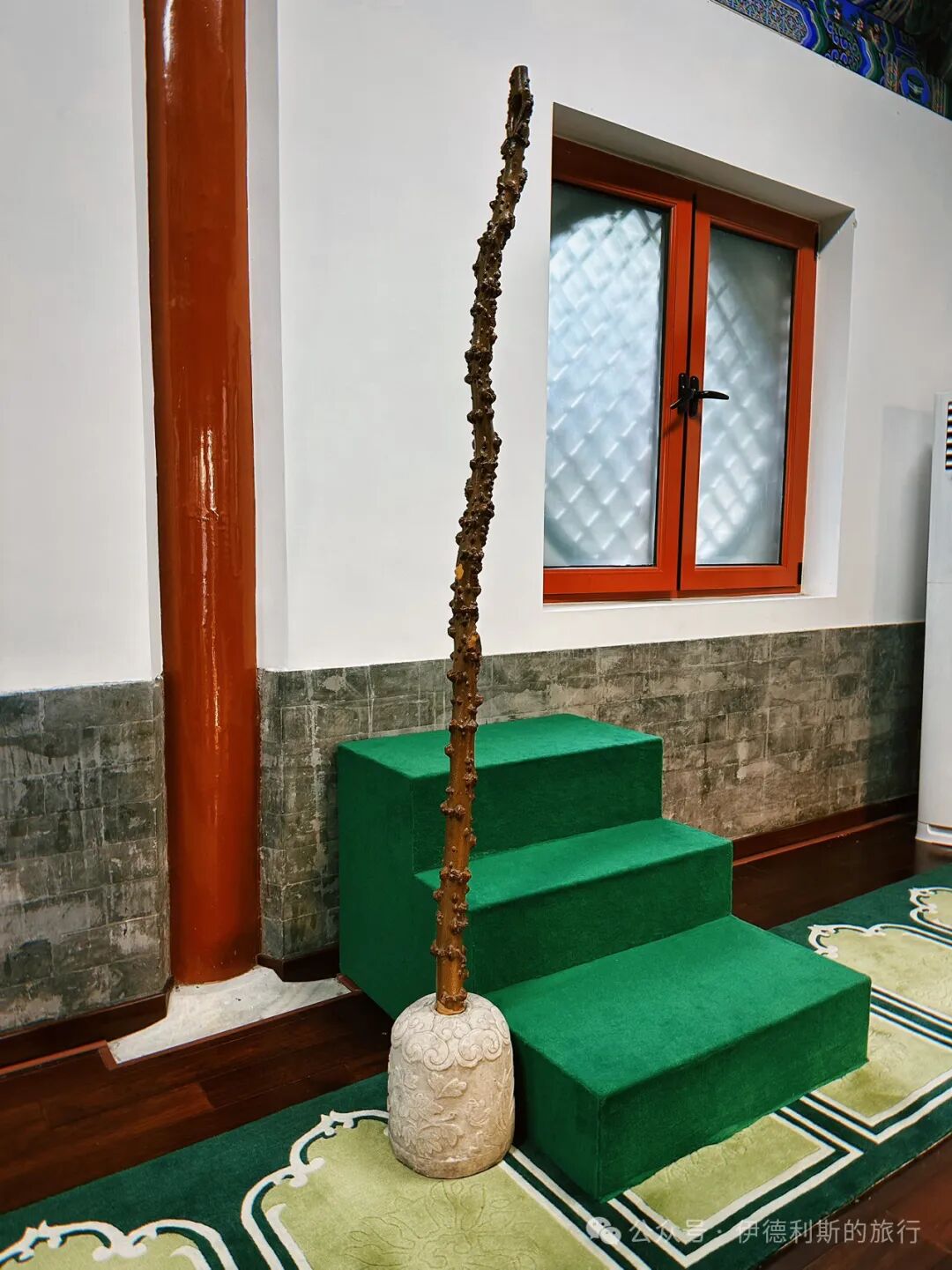
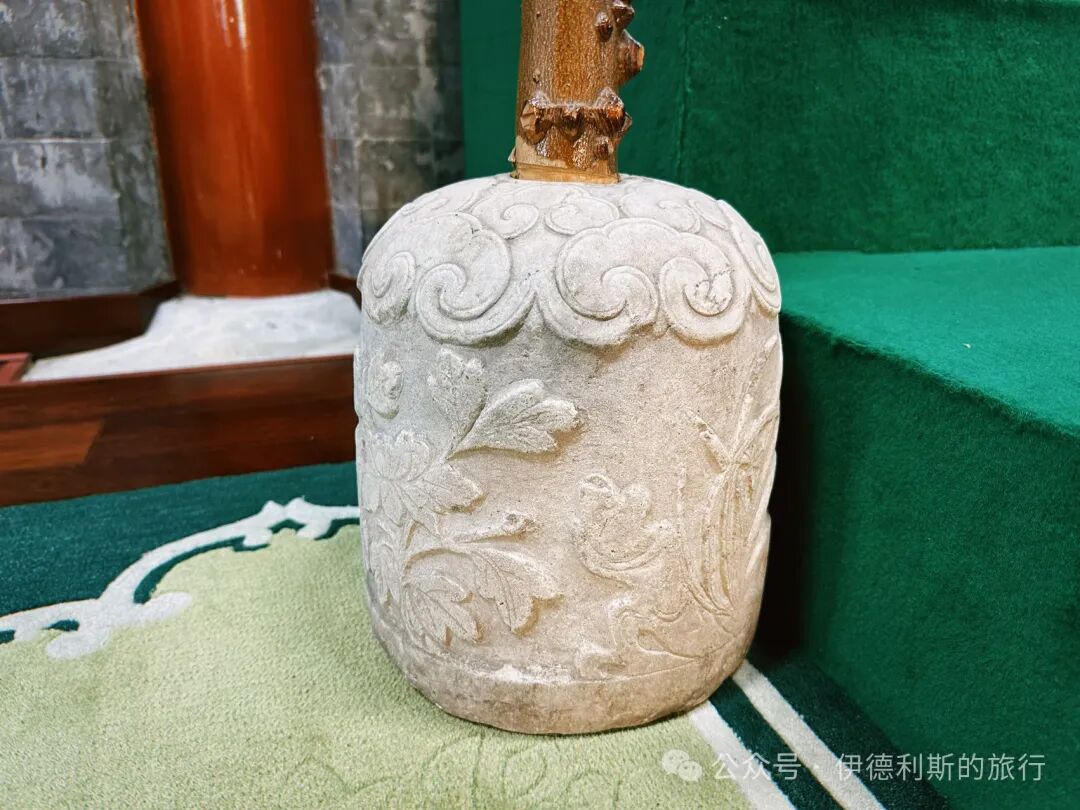
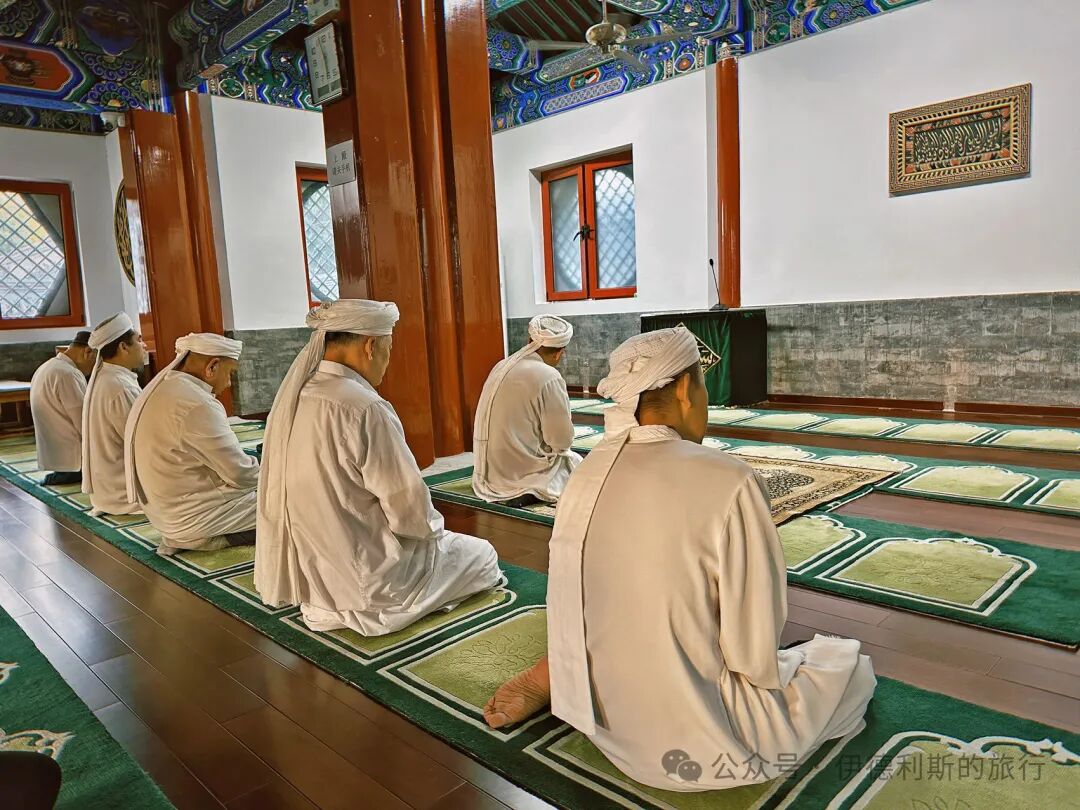
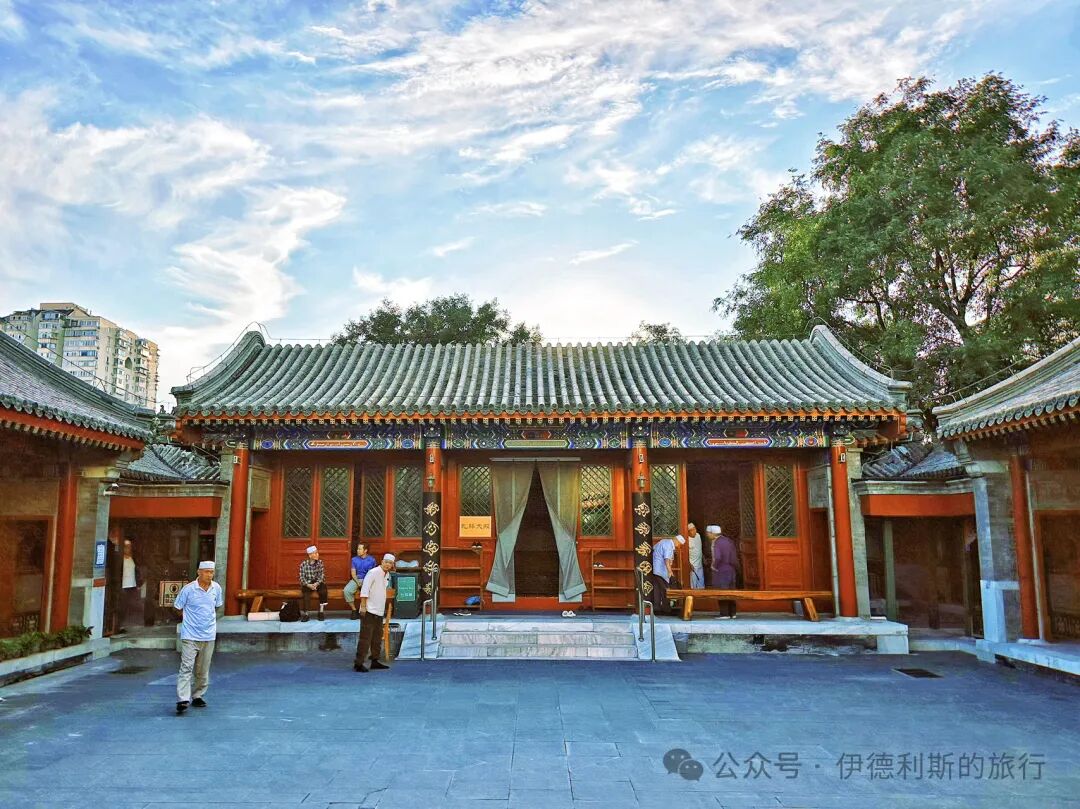
I visited a friend on Niujie Street after work yesterday. The Niujie Mosque is currently closed for major renovations, so prayers are being held at the women's mosque.
The Niujie Women's Mosque was first built in 1925 as the first women's mosque in Beijing. Its original site was on Shouliu Hutong, which is now Niujie Dongli. The mosque was initiated by a Niujie elder named Min Deren (also known as Xinquan). Another elder, Ma Zhiqing, donated a vacant lot and a well on Shouliu Hutong, and the community elders purchased the materials and handled the construction. Construction stopped due to a lack of funds but resumed after more money was raised in 1922. With donations from Min Xinquan, Ma Fuxiang, and elders from various districts in Beijing, the mosque was officially completed in 1925.
In 1958, the Niujie Women's Mosque became a kindergarten for Hui Muslims. It turned into a wool textile factory after 1966. In the 1980s, after policy changes, it returned to being a kindergarten for Hui Muslims until it was demolished during the Niujie redevelopment. The women's mosque was rebuilt on the north side of the Niujie Mosque in 2005 and officially finished in 2006. The new Niujie Women's Mosque functions as the women's hall for the Niujie Mosque. It does not have a female imam; instead, the women follow the prayer leader (imam) in the men's hall through an audio system.
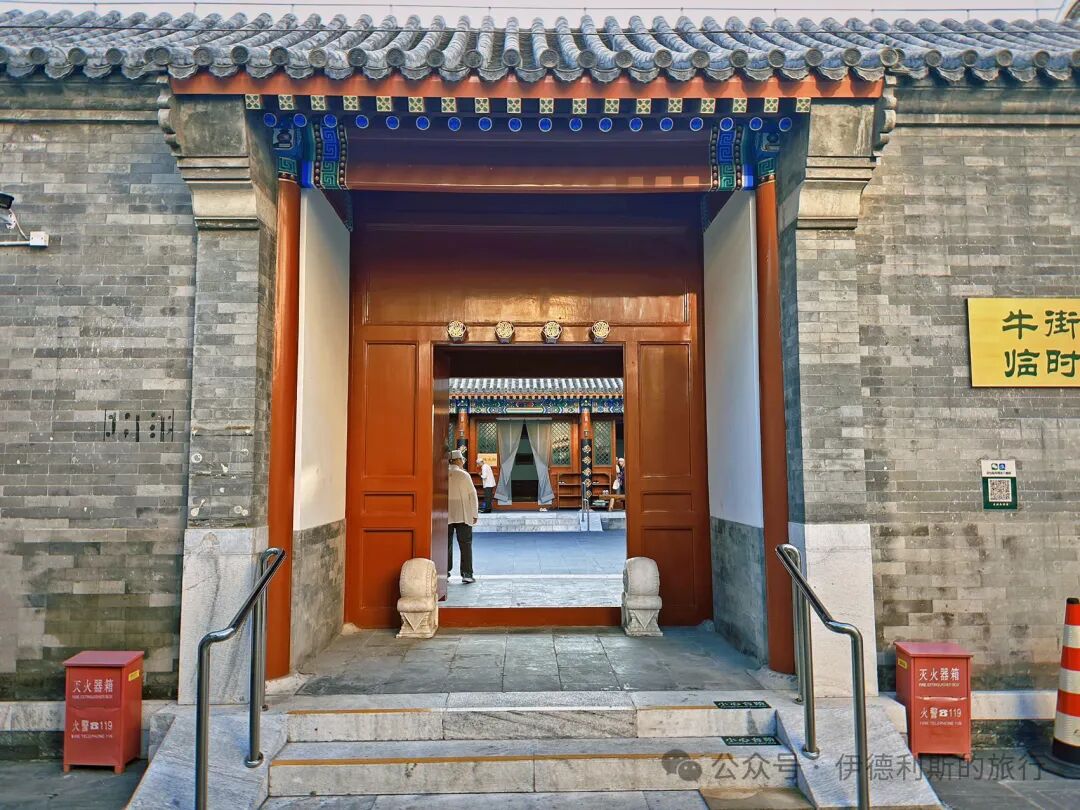
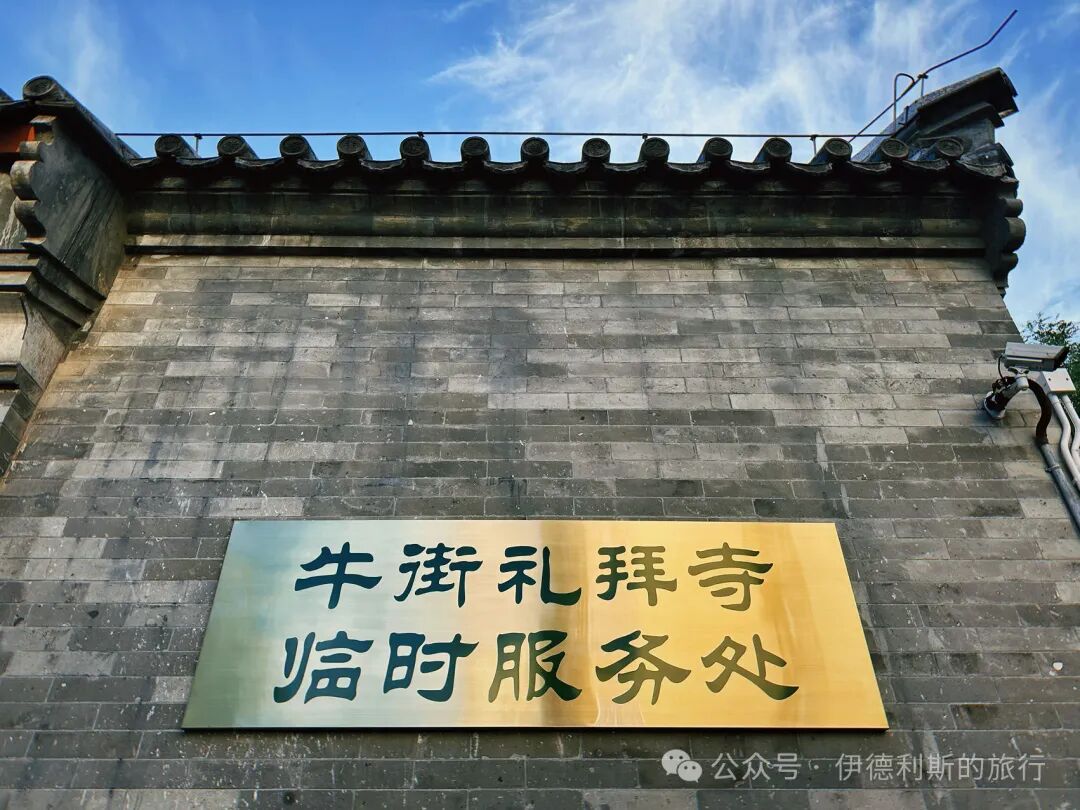
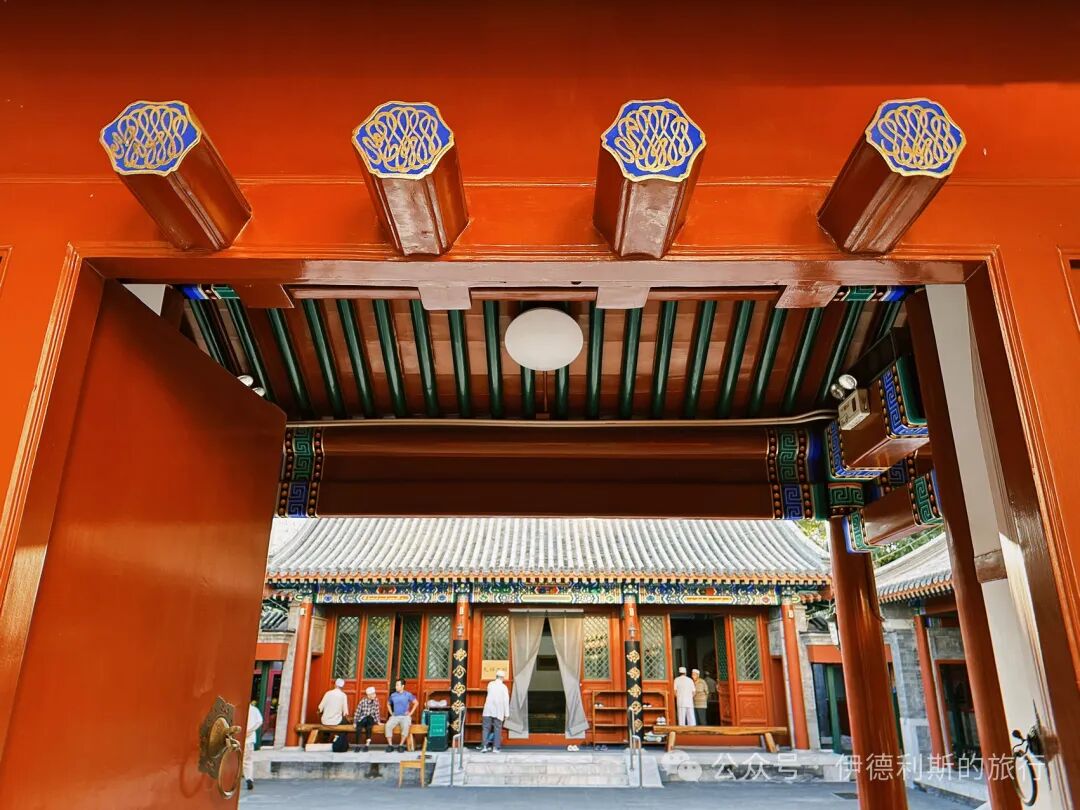
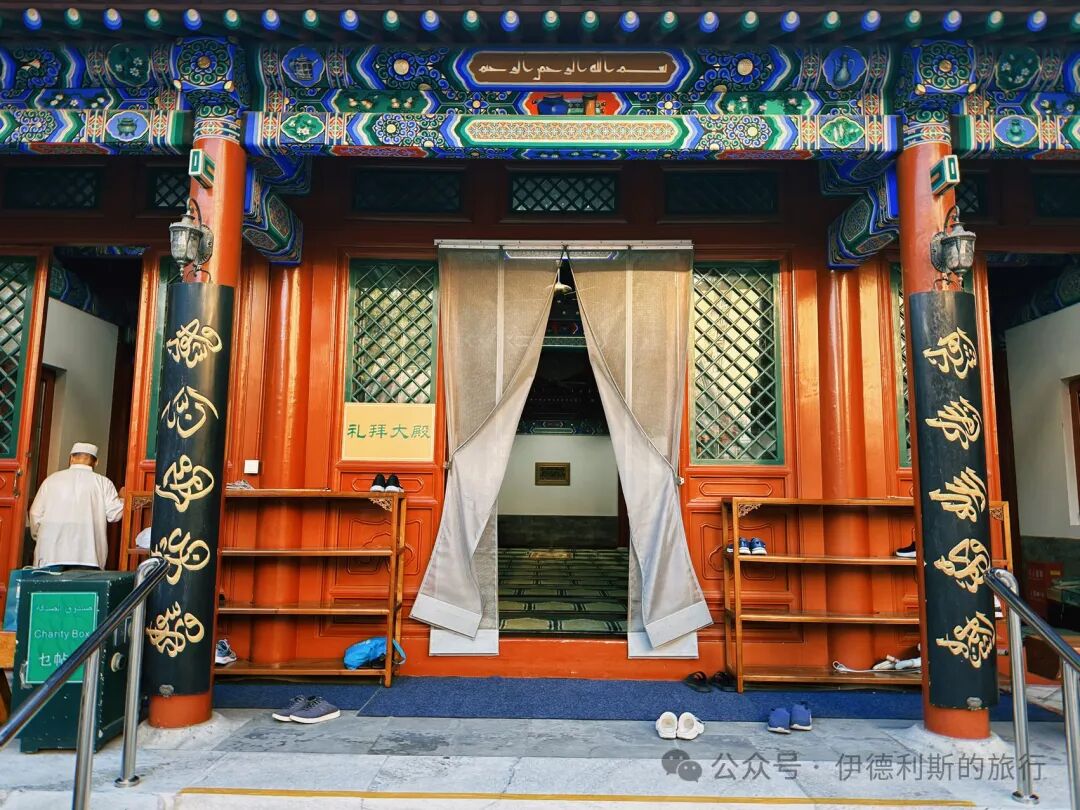
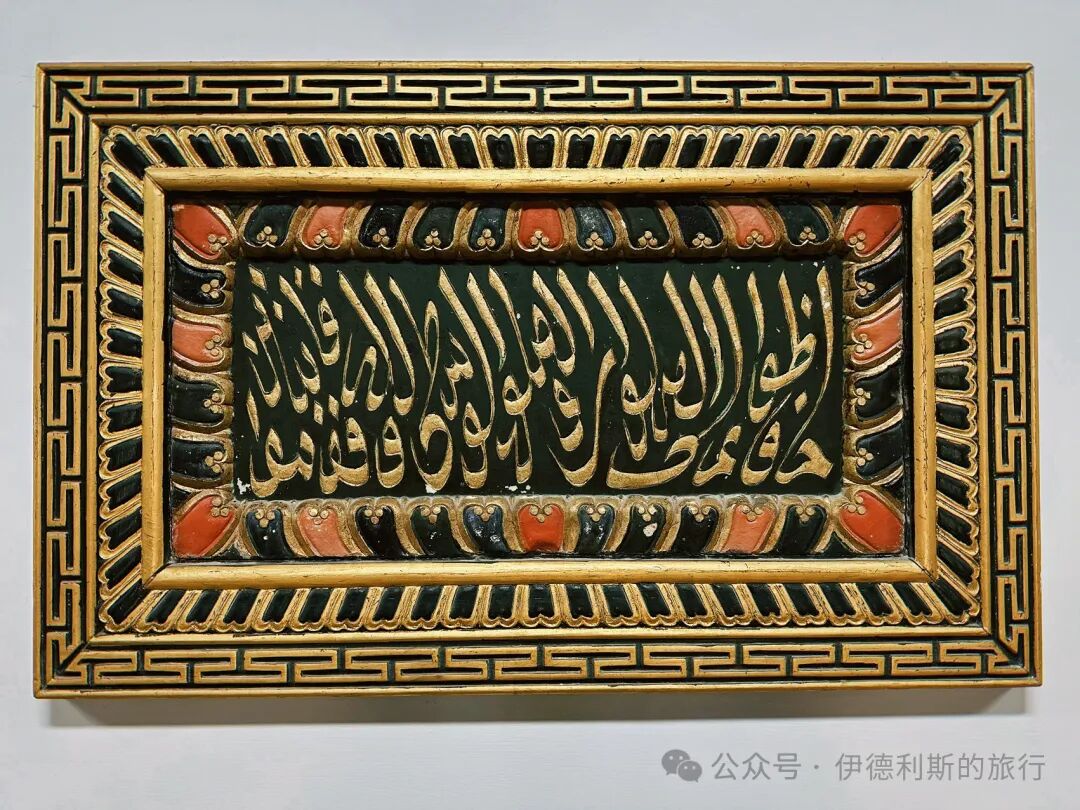
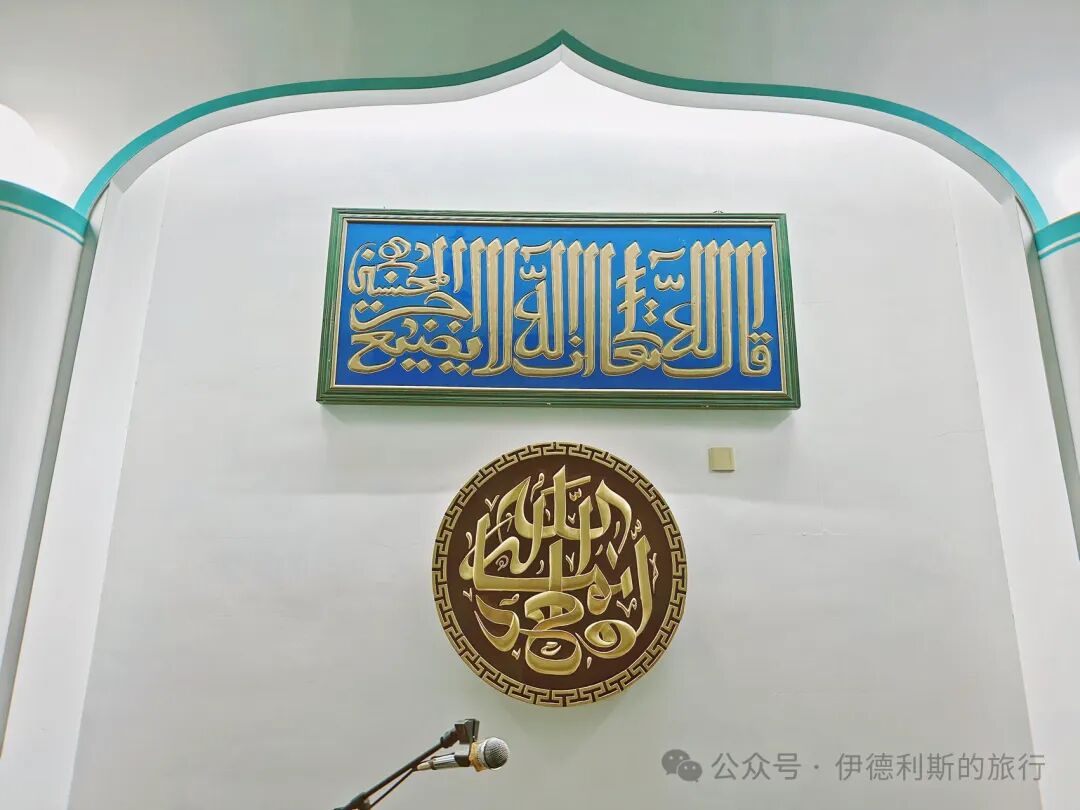
To the right of the main gate of the Niujie Women's Mosque, there used to be a plaque handwritten by Ma Fuxiang in 1925, but it is currently covered by a sign that reads Niujie Mosque Temporary Service Office. Inside the main prayer hall, a beautiful piece of brick-carved calligraphy is embedded in the wall facing the direction of prayer.
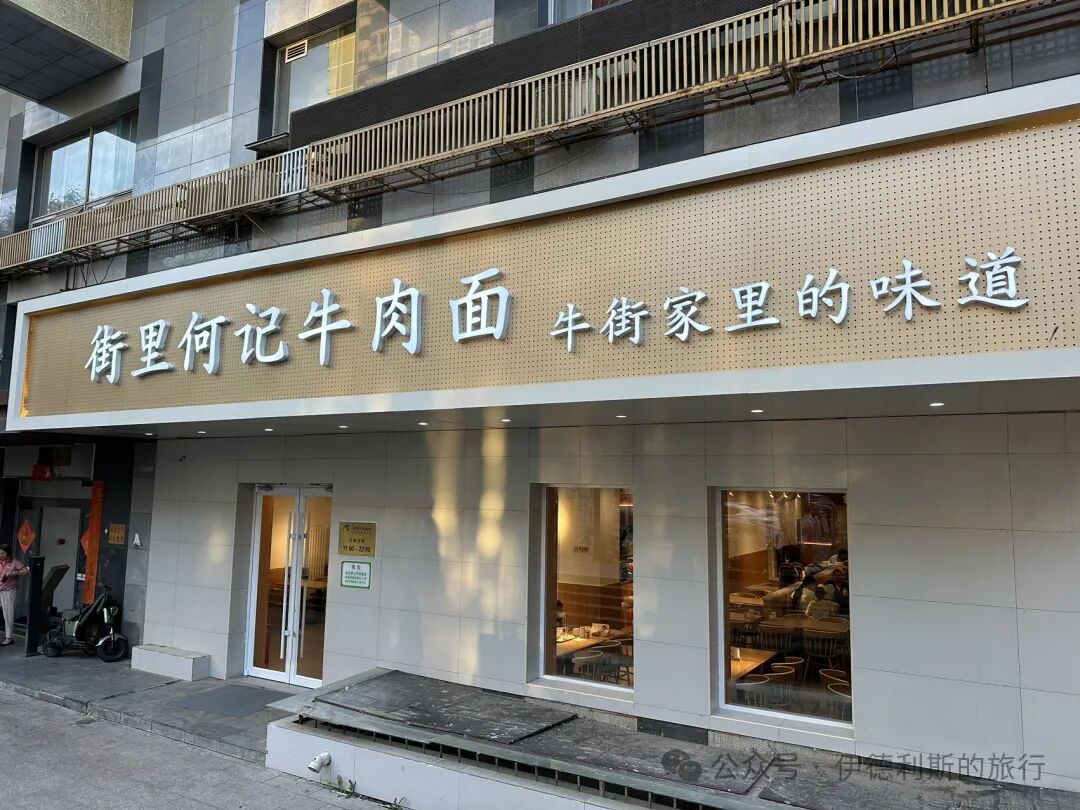
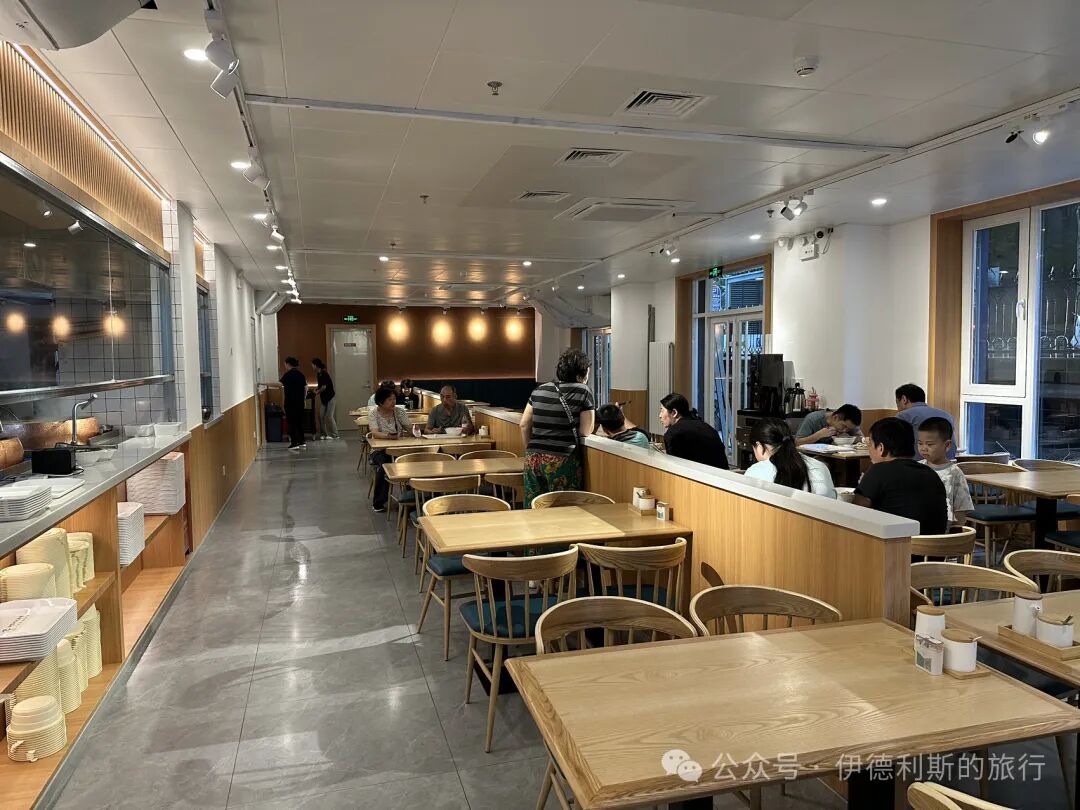
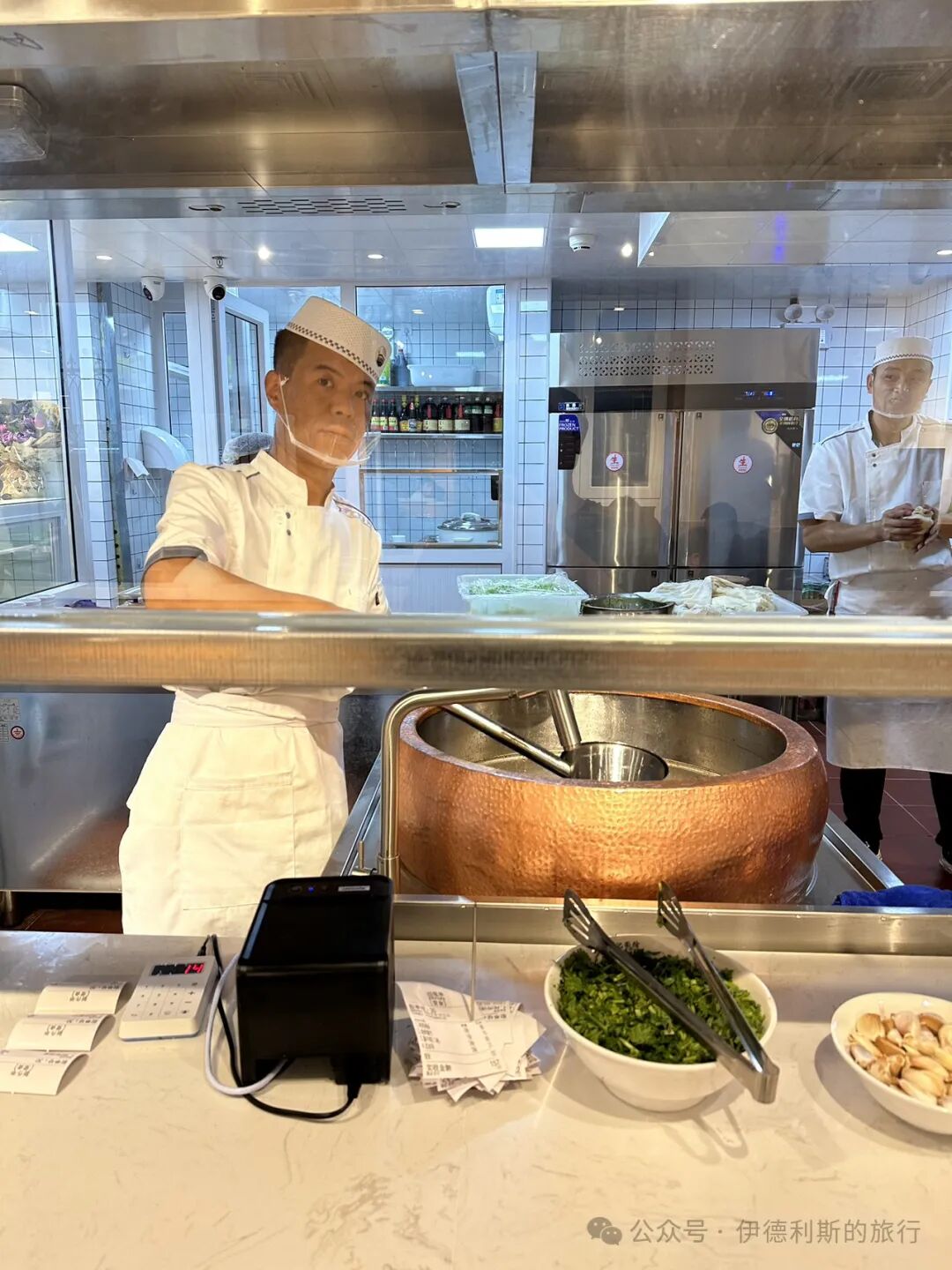
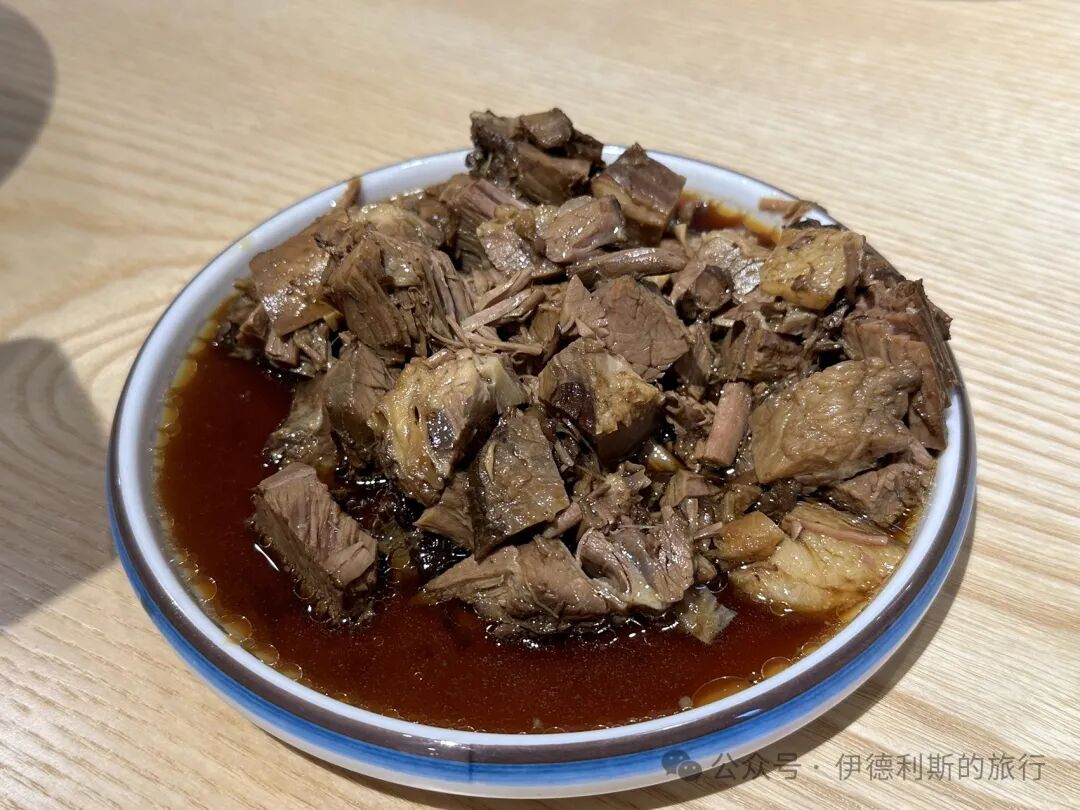
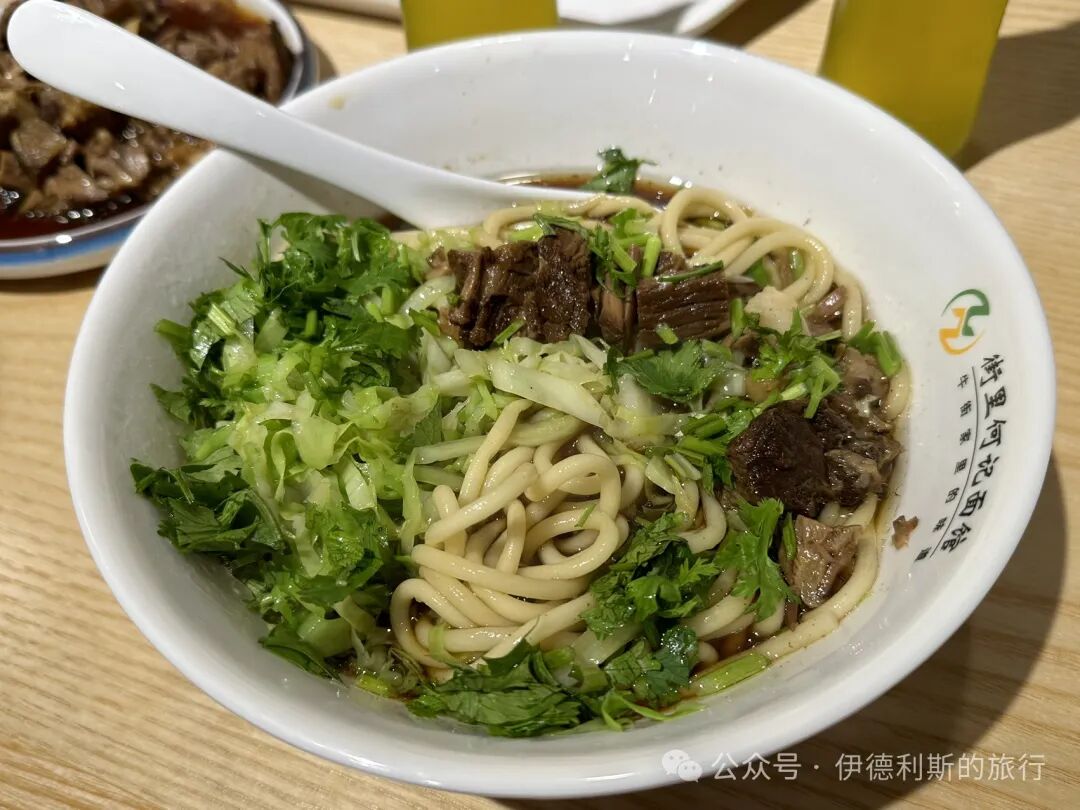
Afterward, Digele went to the newly opened He's Beef Noodles (Heji Niuroumian) on Niujie Street, which markets itself as the taste of home in Niujie. They only serve noodles topped with stewed meat, but you can buy braised beef separately, and noodle refills are free. Their noodles are freshly pressed buckwheat noodles (heluo mian) with a good chew, the broth tastes great, and the stewed meat is on the firmer side but still delicious. I wasn't satisfied after one bowl, so I ordered another serving of noodles. Also, they do not sell alcohol, only soft drinks, which is great.
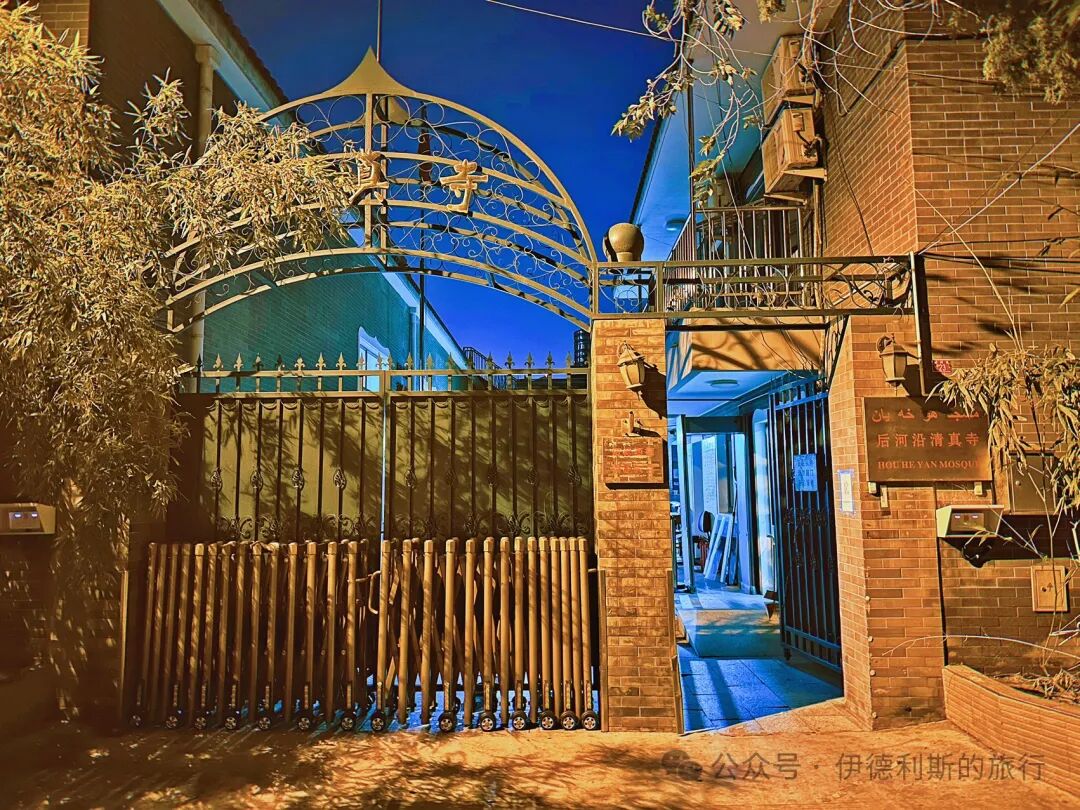
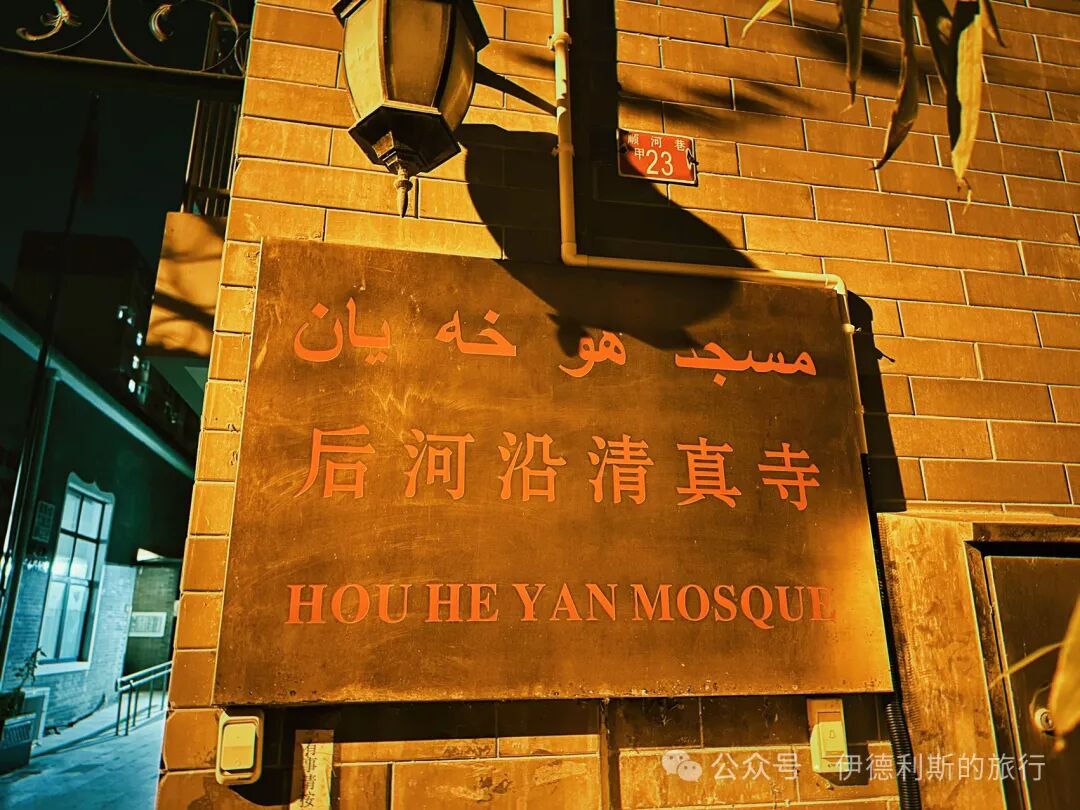
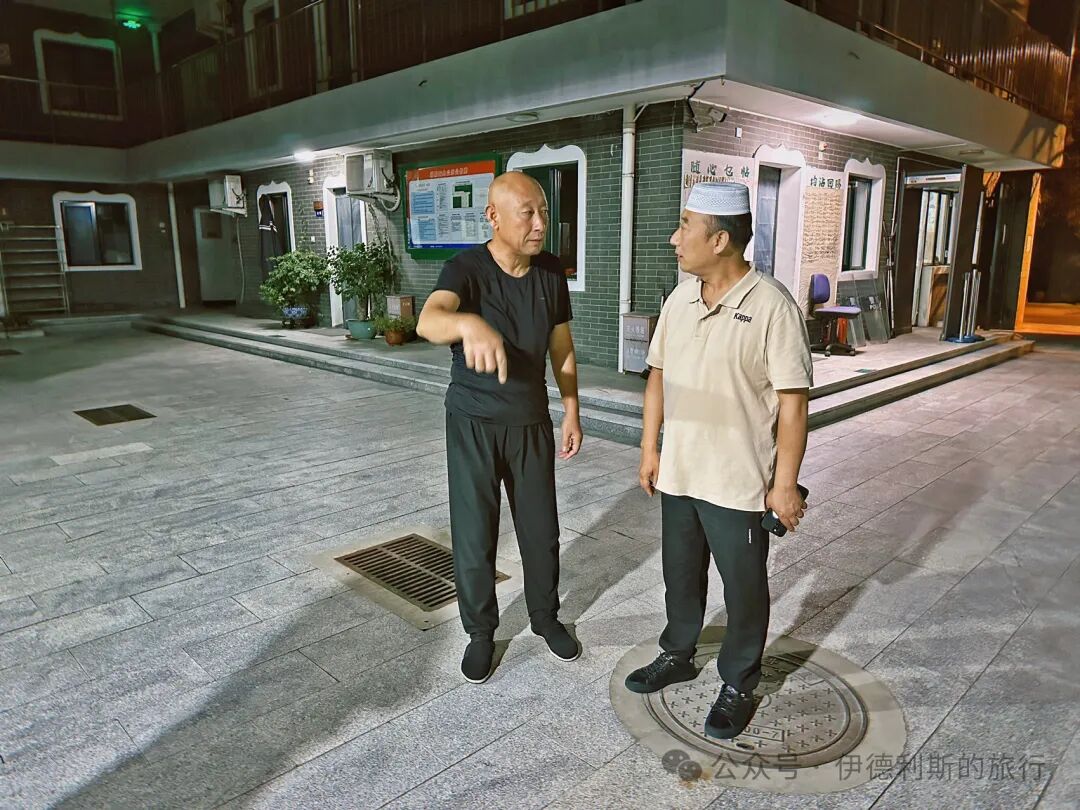
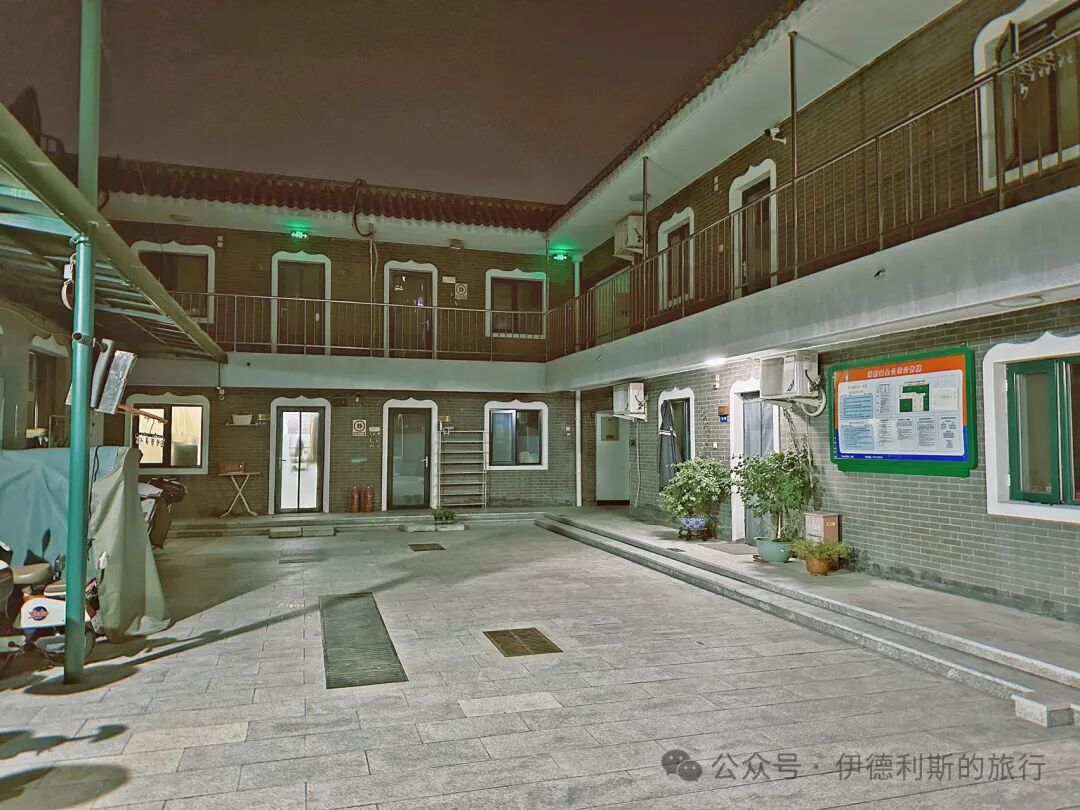
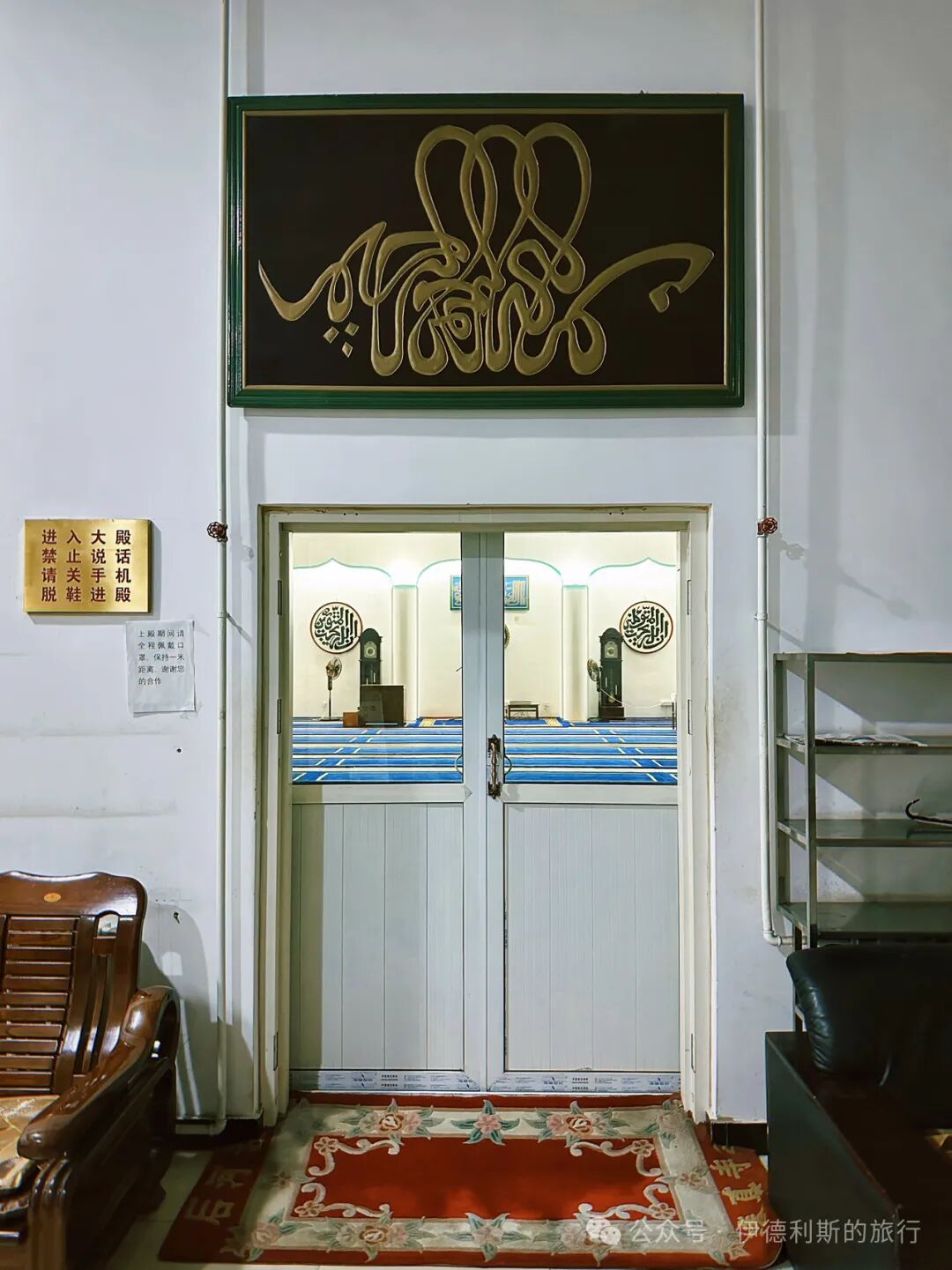
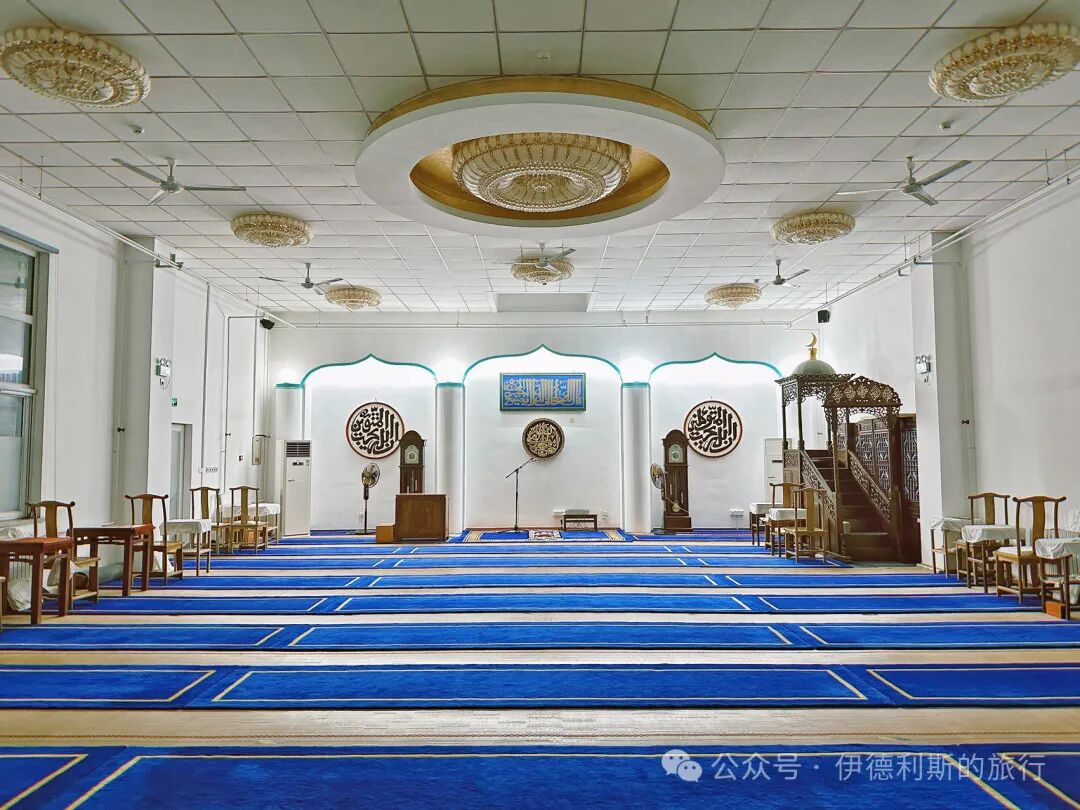
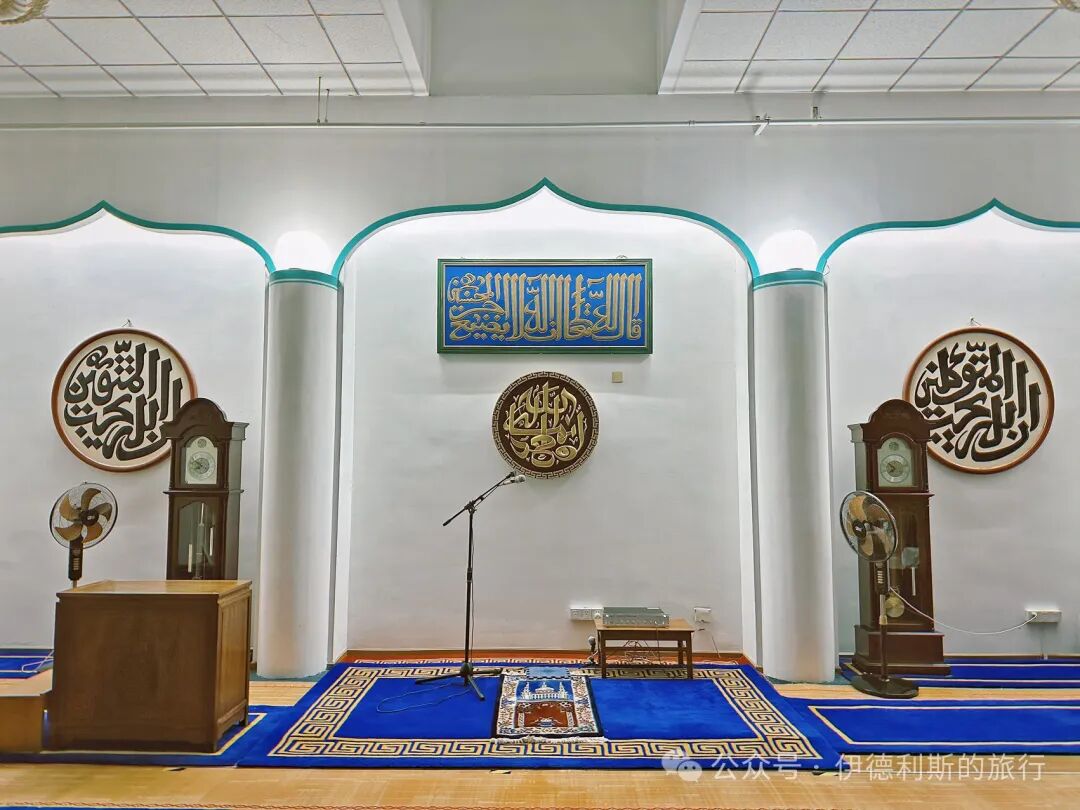
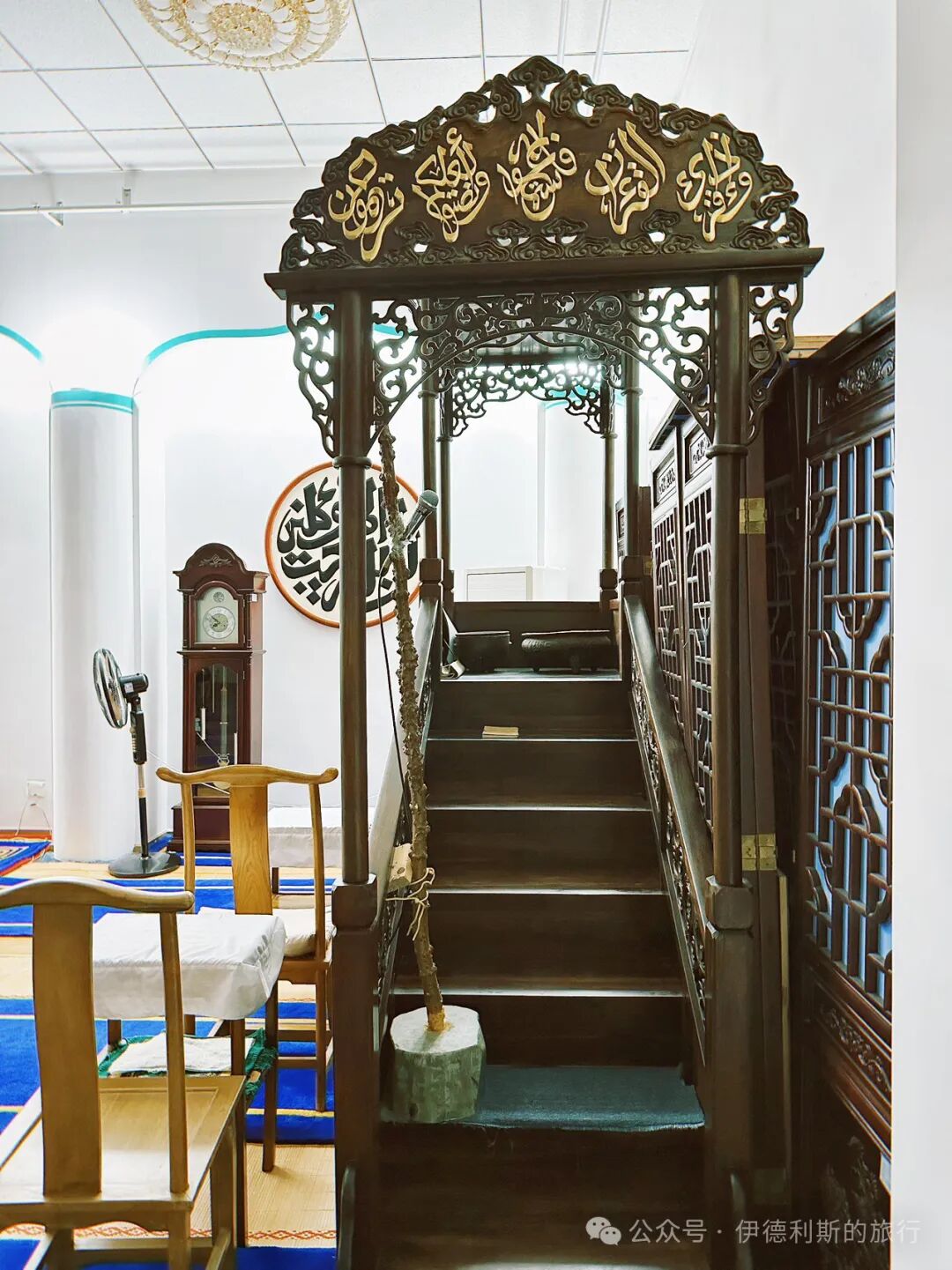
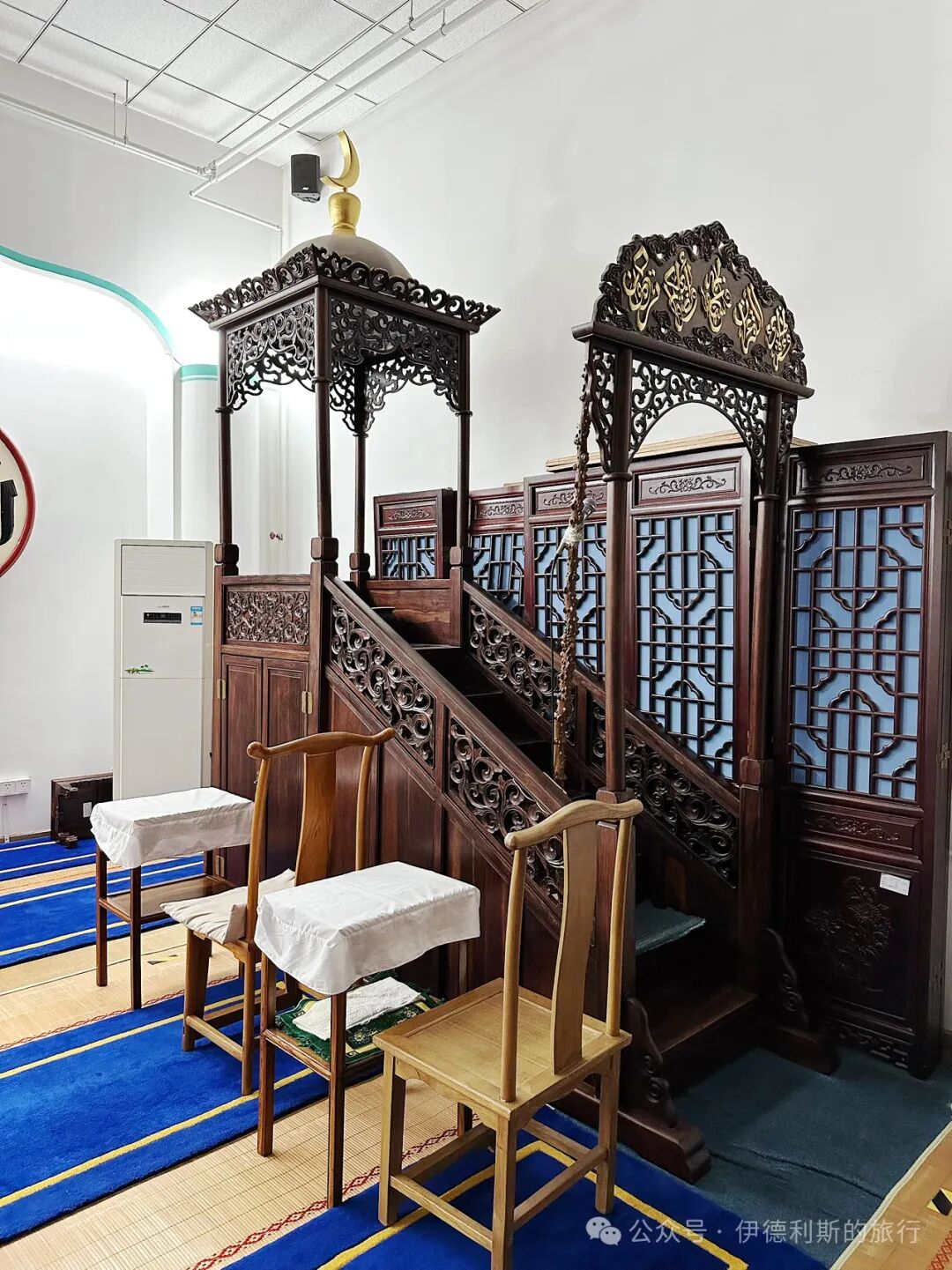
In the evening, I visited the Houheyan Mosque on Changchun Street with several imams from Sichuan who were here for study, along with Yahya Dosti.
Houheyanyan Mosque sits right next to the south bank of the moat. During the Qing Dynasty and the Republic of China era, many transport workers and halal food vendors lived nearby. In 1944, Yang Yuting from the 'Heyan Yang family' and his sons Yang Hongda and Yang Honglai donated their family ice cellar. Then, village elders Yang Zengbin and Yang Zengsen led a fundraising effort. They received strong support from Hui Muslims in Beijing and Dachang, including Peking Opera master Ma Lianliang and Kaorou Wan restaurant owner Wan Qirui. The mosque was built in 1948. Houheyanyan Mosque originally covered a large area. In the 1970s, part of the land was taken to fill in the moat for subway construction. The current building was rebuilt in 2012.
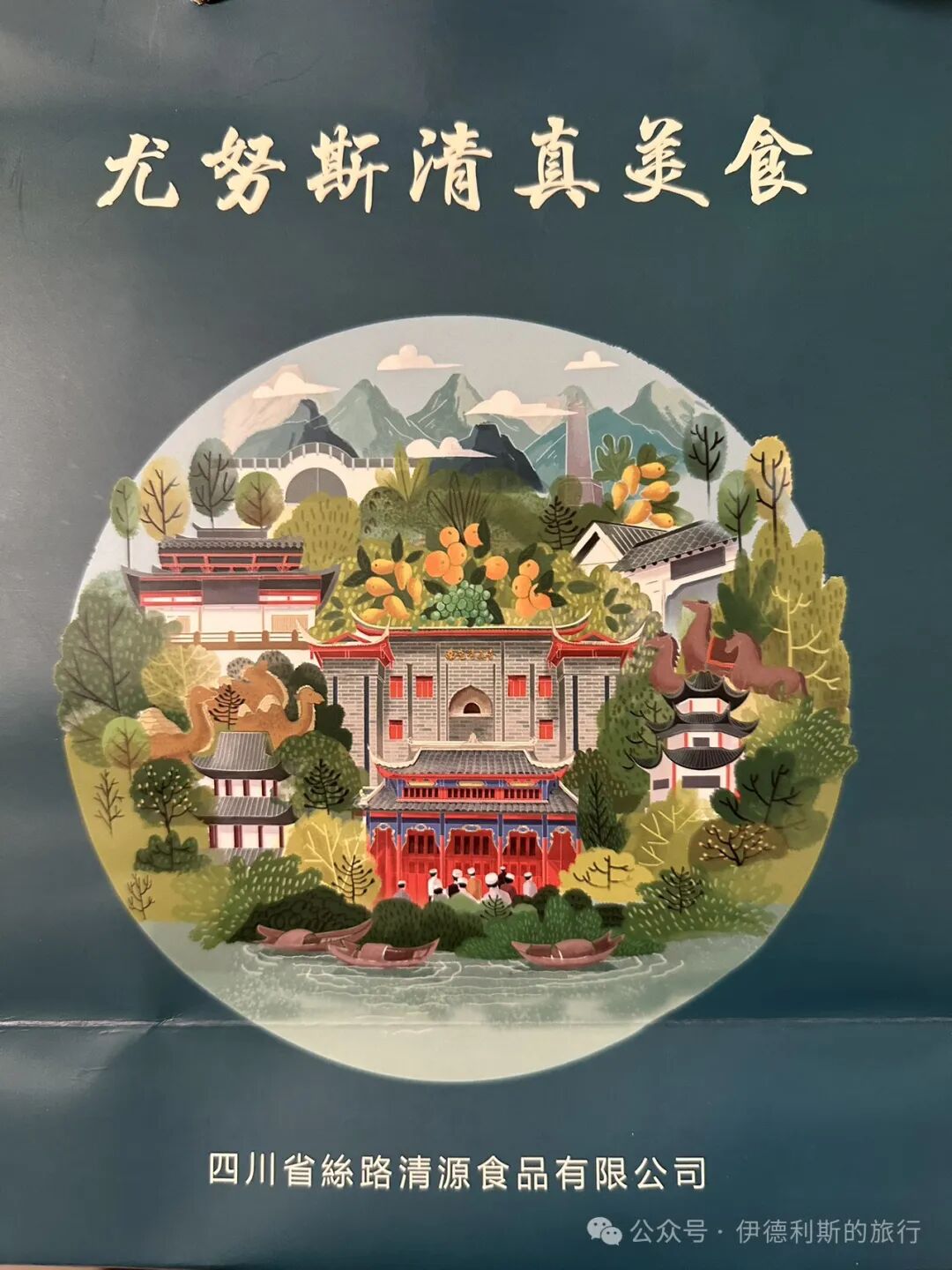
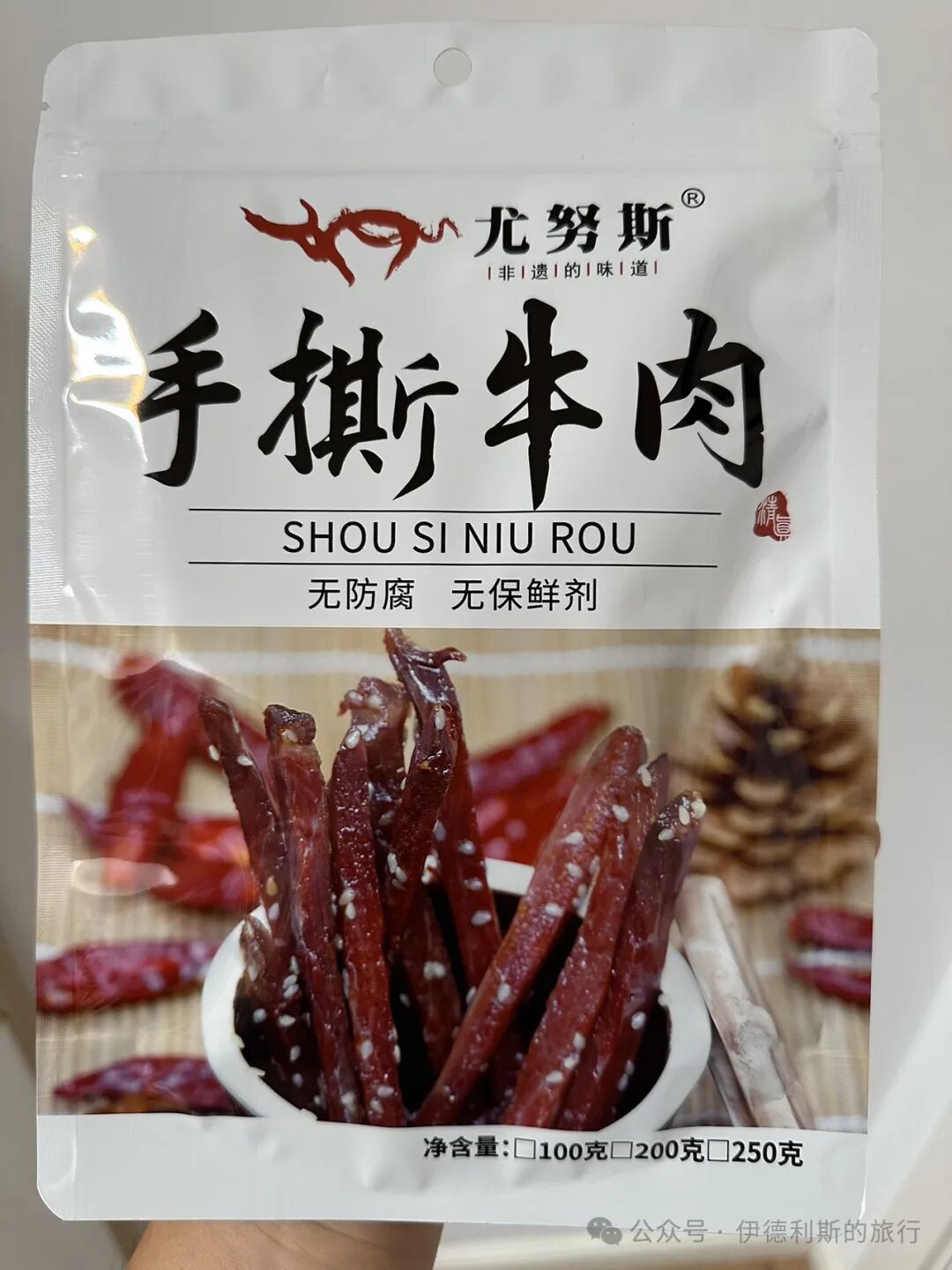
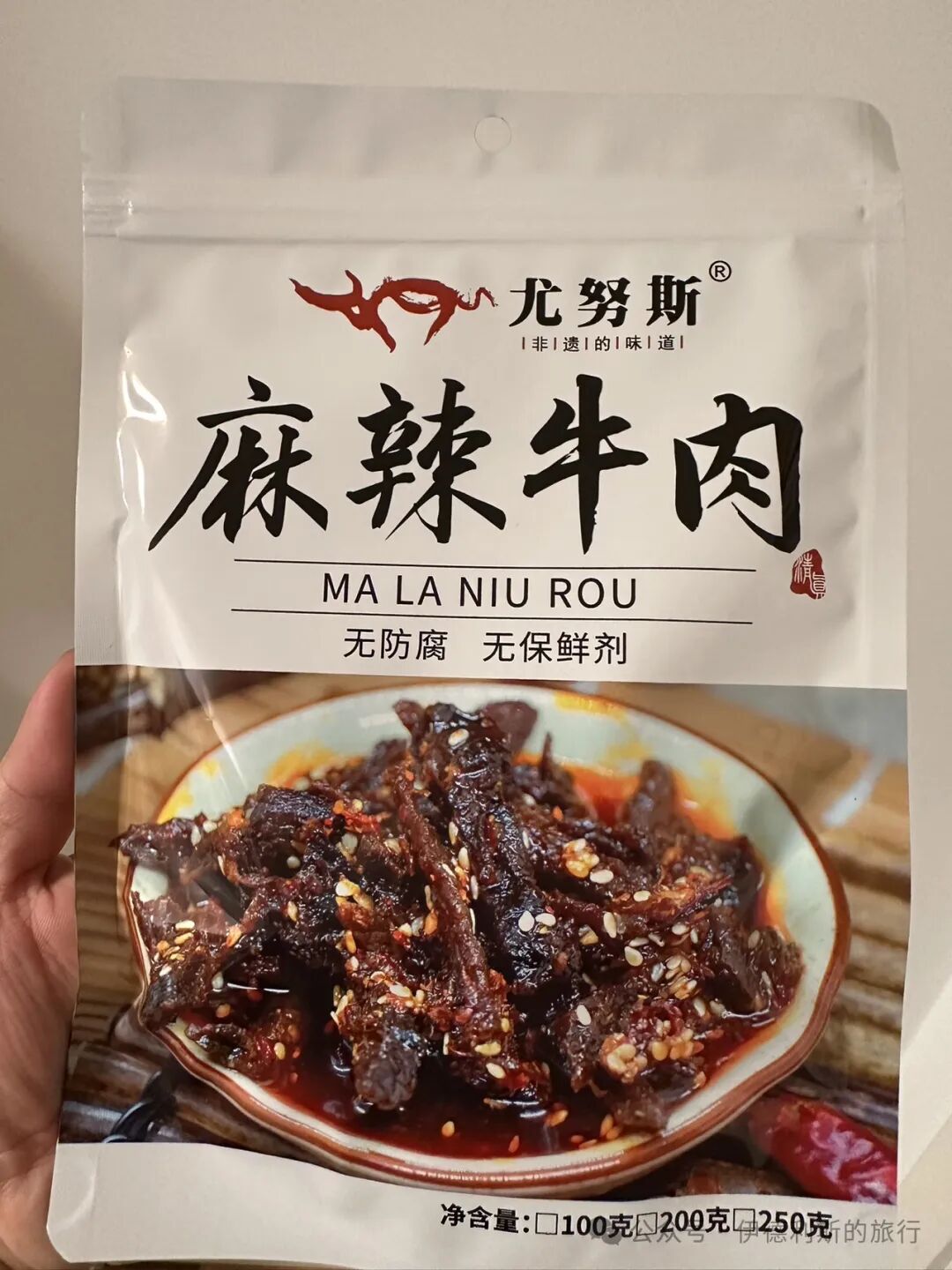
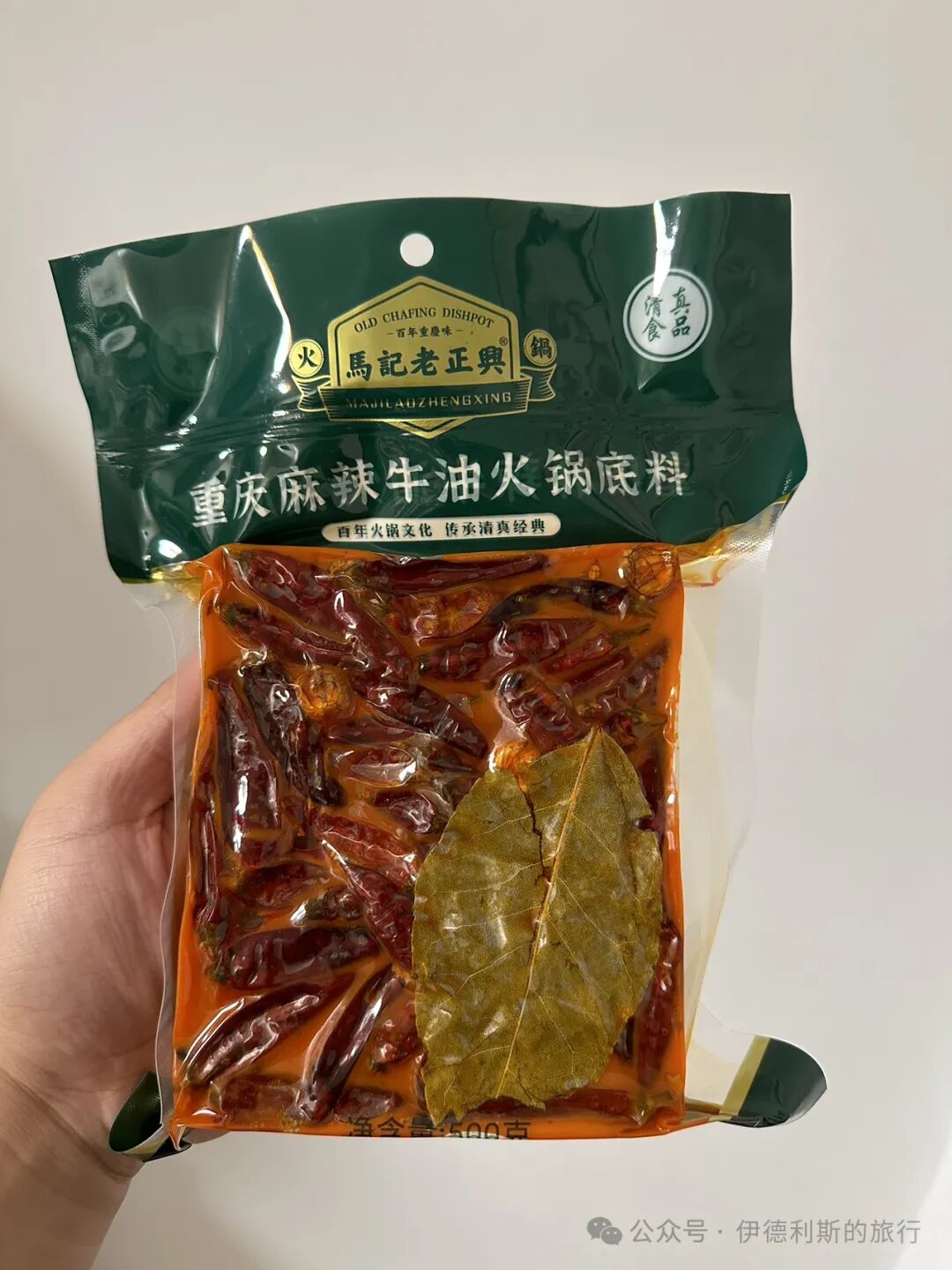
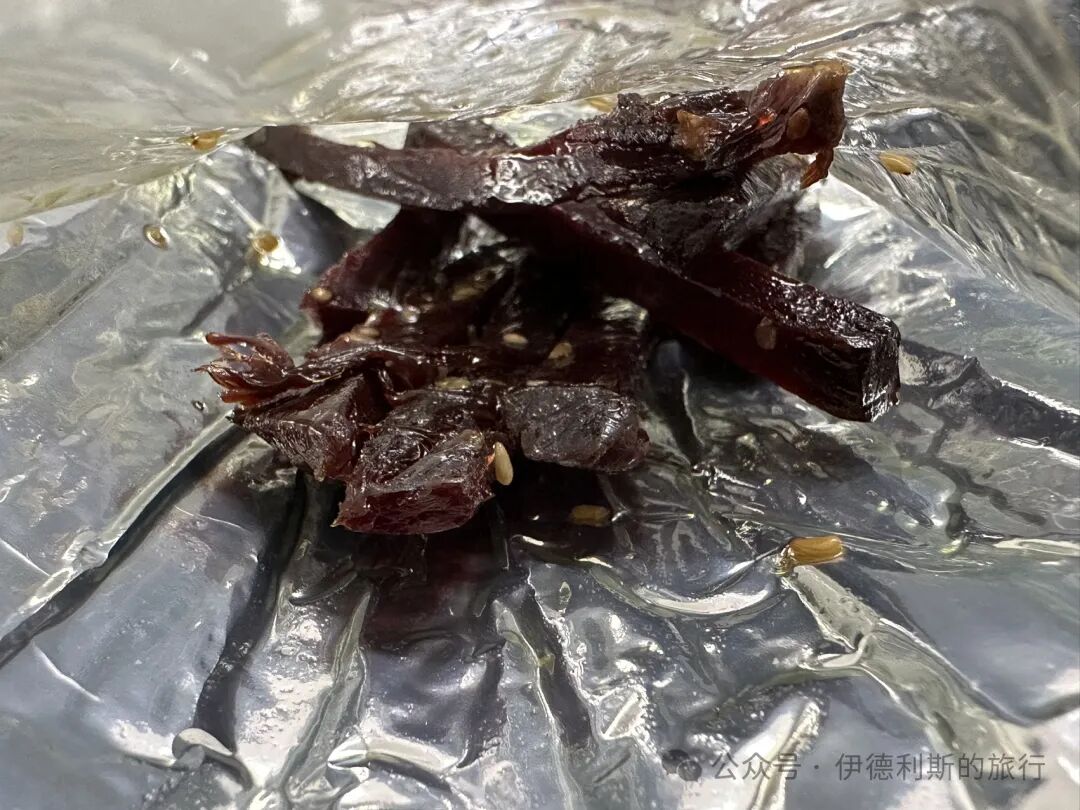
I received beef jerky and beef tallow hot pot base from Imam Feng. It is authentic intangible cultural heritage food from Nanchong, and it tastes delicious.
Summary: Beijing Niujie - Women's Mosque, Stewed Meat Noodles and Houheyan Mosque is presented as a clear English travel account for readers interested in Muslim life, halal food, mosques, and local history. The article keeps the original names, food details, photographs, and cultural context while focusing on Niujie, Beijing Mosques, Halal Food.
I visited a friend on Niujie Street after work yesterday. The Niujie Mosque is currently closed for major renovations, so prayers are being held at the women's mosque.
The Niujie Women's Mosque was first built in 1925 as the first women's mosque in Beijing. Its original site was on Shouliu Hutong, which is now Niujie Dongli. The mosque was initiated by a Niujie elder named Min Deren (also known as Xinquan). Another elder, Ma Zhiqing, donated a vacant lot and a well on Shouliu Hutong, and the community elders purchased the materials and handled the construction. Construction stopped due to a lack of funds but resumed after more money was raised in 1922. With donations from Min Xinquan, Ma Fuxiang, and elders from various districts in Beijing, the mosque was officially completed in 1925.
In 1958, the Niujie Women's Mosque became a kindergarten for Hui Muslims. It turned into a wool textile factory after 1966. In the 1980s, after policy changes, it returned to being a kindergarten for Hui Muslims until it was demolished during the Niujie redevelopment. The women's mosque was rebuilt on the north side of the Niujie Mosque in 2005 and officially finished in 2006. The new Niujie Women's Mosque functions as the women's hall for the Niujie Mosque. It does not have a female imam; instead, the women follow the prayer leader (imam) in the men's hall through an audio system.
To the right of the main gate of the Niujie Women's Mosque, there used to be a plaque handwritten by Ma Fuxiang in 1925, but it is currently covered by a sign that reads Niujie Mosque Temporary Service Office. Inside the main prayer hall, a beautiful piece of brick-carved calligraphy is embedded in the wall facing the direction of prayer.
Afterward, Digele went to the newly opened He's Beef Noodles (Heji Niuroumian) on Niujie Street, which markets itself as the taste of home in Niujie. They only serve noodles topped with stewed meat, but you can buy braised beef separately, and noodle refills are free. Their noodles are freshly pressed buckwheat noodles (heluo mian) with a good chew, the broth tastes great, and the stewed meat is on the firmer side but still delicious. I wasn't satisfied after one bowl, so I ordered another serving of noodles. Also, they do not sell alcohol, only soft drinks, which is great.
In the evening, I visited the Houheyan Mosque on Changchun Street with several imams from Sichuan who were here for study, along with Yahya Dosti.
Houheyanyan Mosque sits right next to the south bank of the moat. During the Qing Dynasty and the Republic of China era, many transport workers and halal food vendors lived nearby. In 1944, Yang Yuting from the 'Heyan Yang family' and his sons Yang Hongda and Yang Honglai donated their family ice cellar. Then, village elders Yang Zengbin and Yang Zengsen led a fundraising effort. They received strong support from Hui Muslims in Beijing and Dachang, including Peking Opera master Ma Lianliang and Kaorou Wan restaurant owner Wan Qirui. The mosque was built in 1948. Houheyanyan Mosque originally covered a large area. In the 1970s, part of the land was taken to fill in the moat for subway construction. The current building was rebuilt in 2012.
I received beef jerky and beef tallow hot pot base from Imam Feng. It is authentic intangible cultural heritage food from Nanchong, and it tastes delicious.
