
Islamic History Guide: Monastir, Tunisia - Old Arab Fortress and Coastal Heritage (Part 1)
Reposted from the web
Summary: Monastir, Tunisia - Old Arab Fortress and Coastal Heritage (Part 1) is presented as a clear English travel account for readers interested in Muslim life, halal food, architecture, and local history. The article keeps the original names, food details, photographs, and cultural context while focusing on Monastir, Tunisia, Arab Fortress.
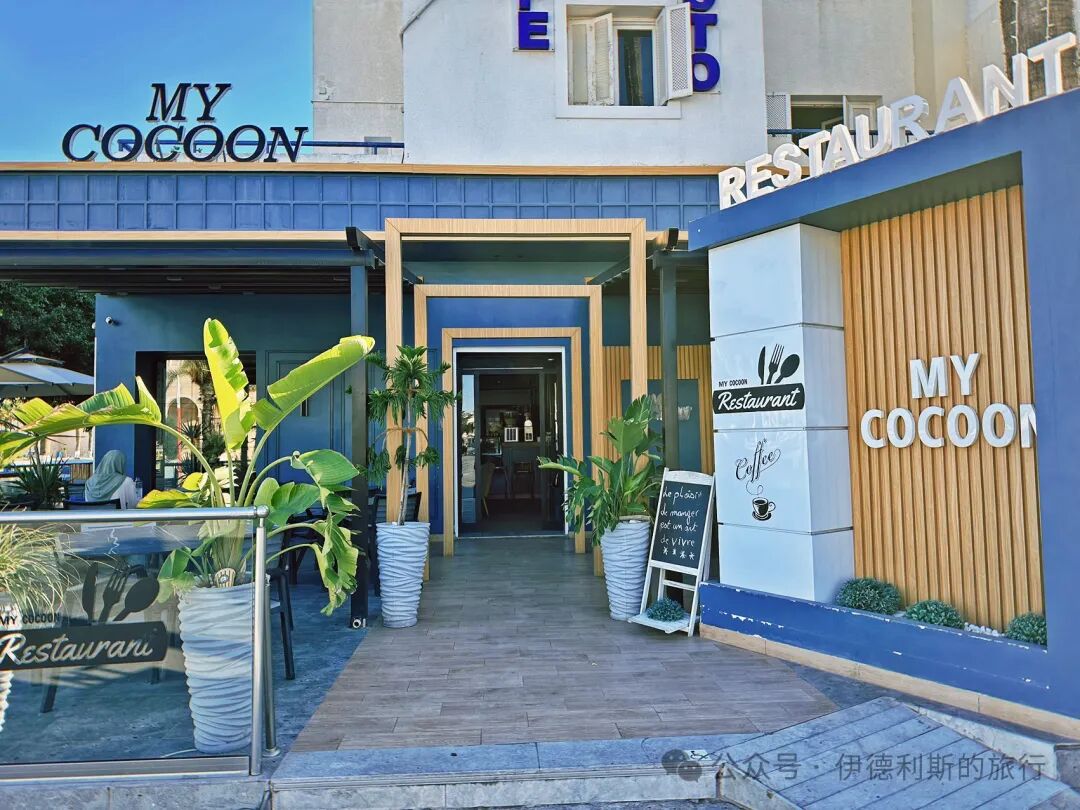
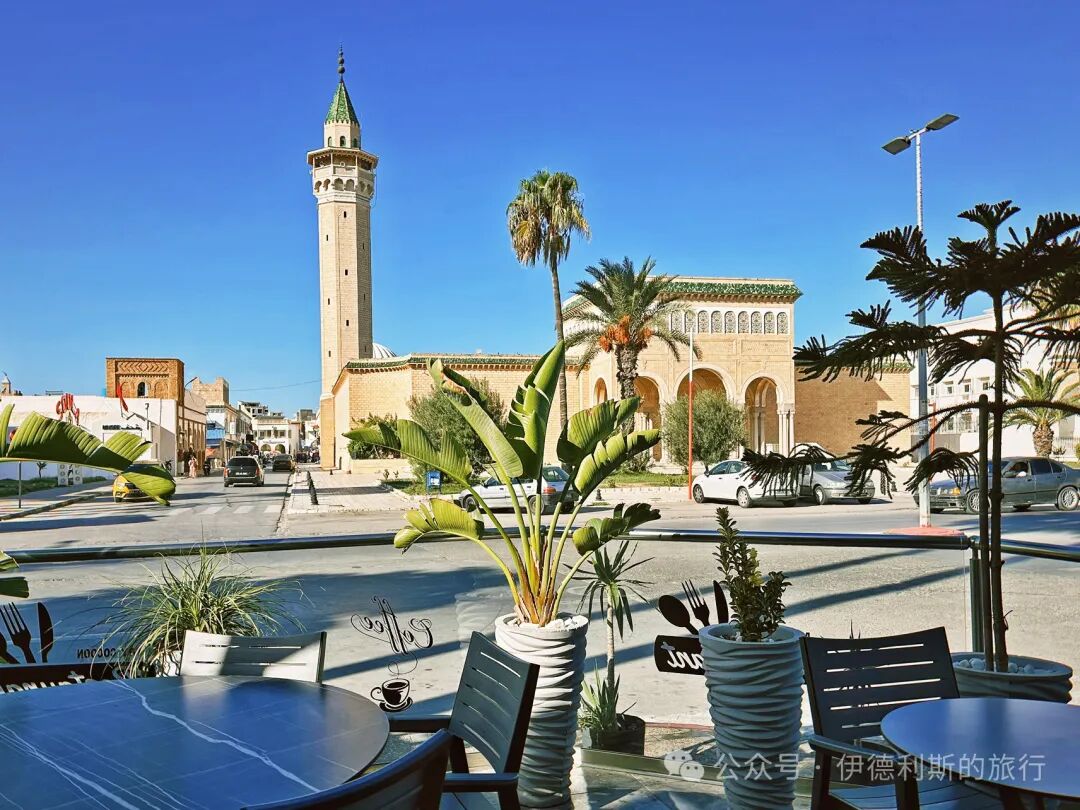
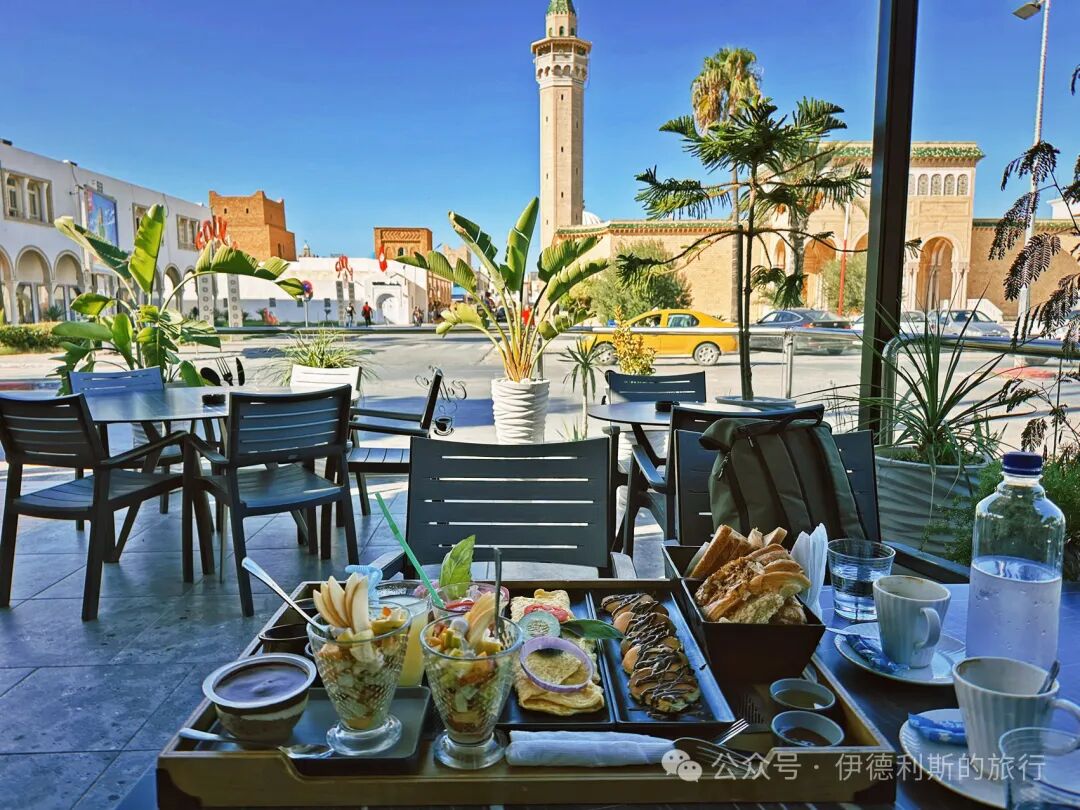
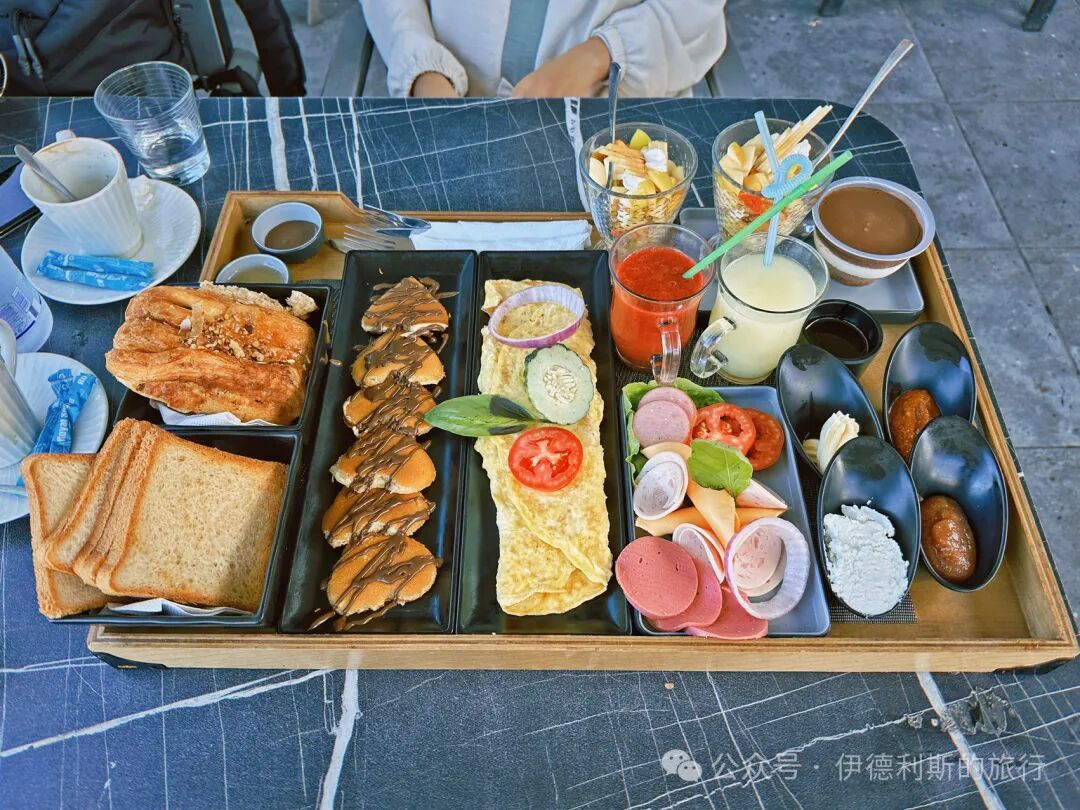
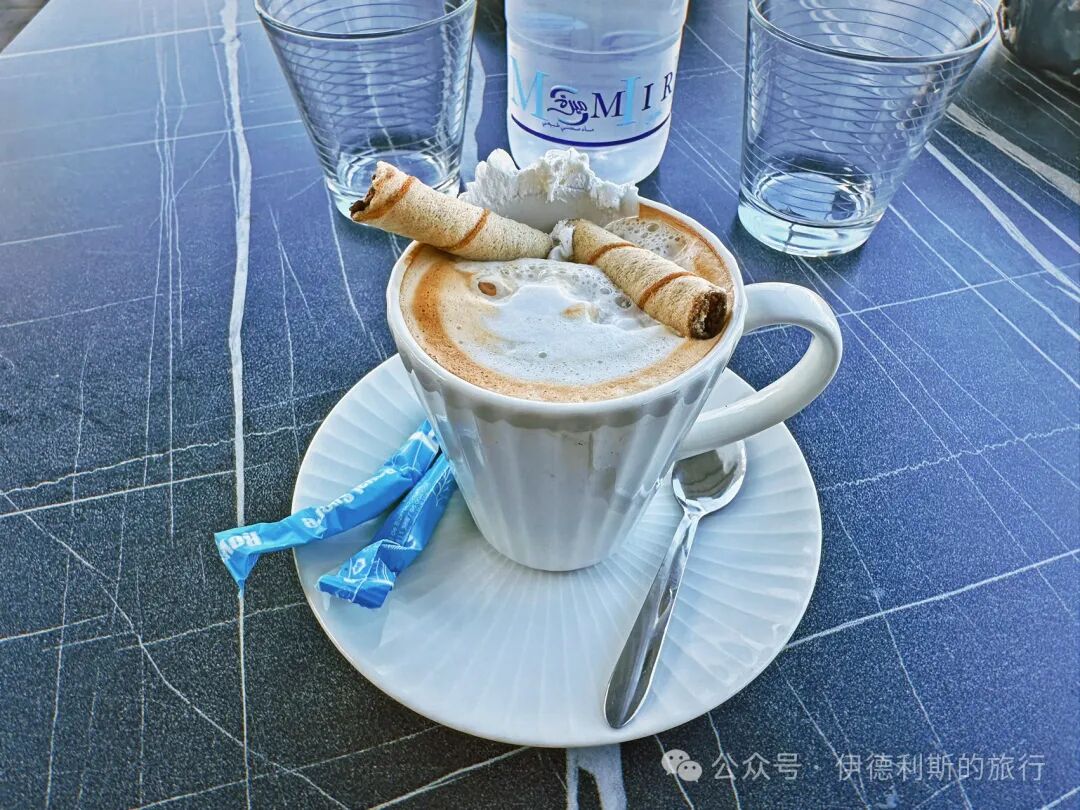
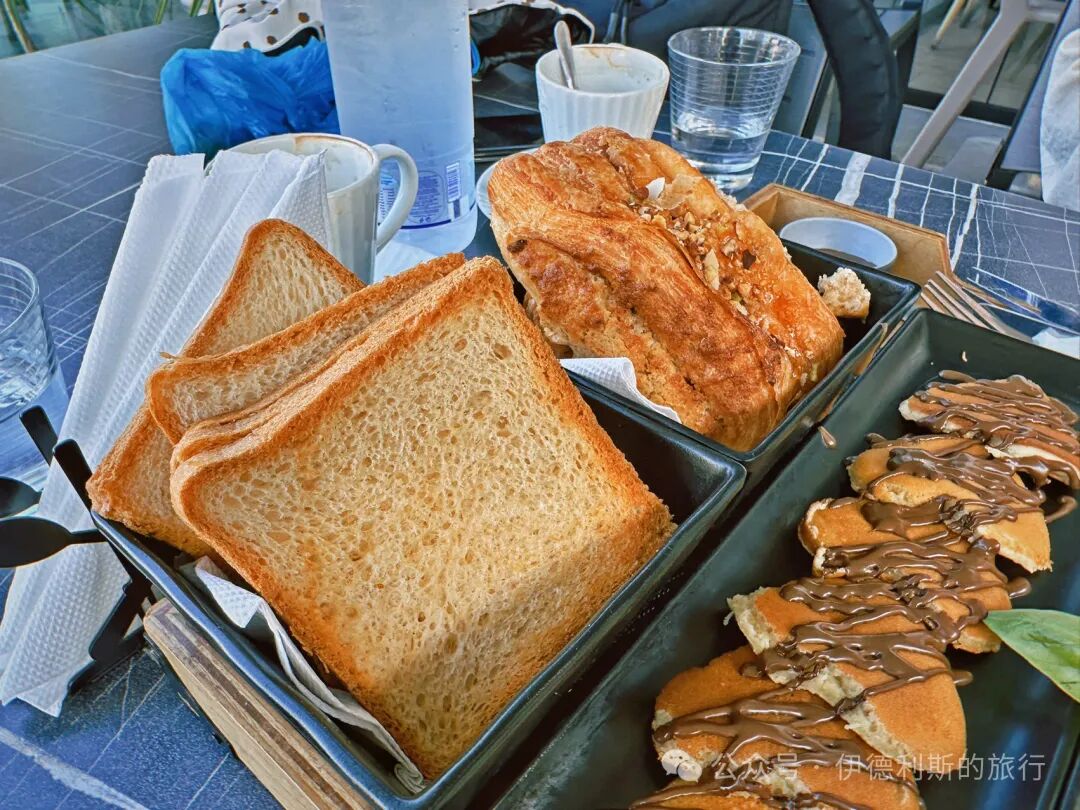
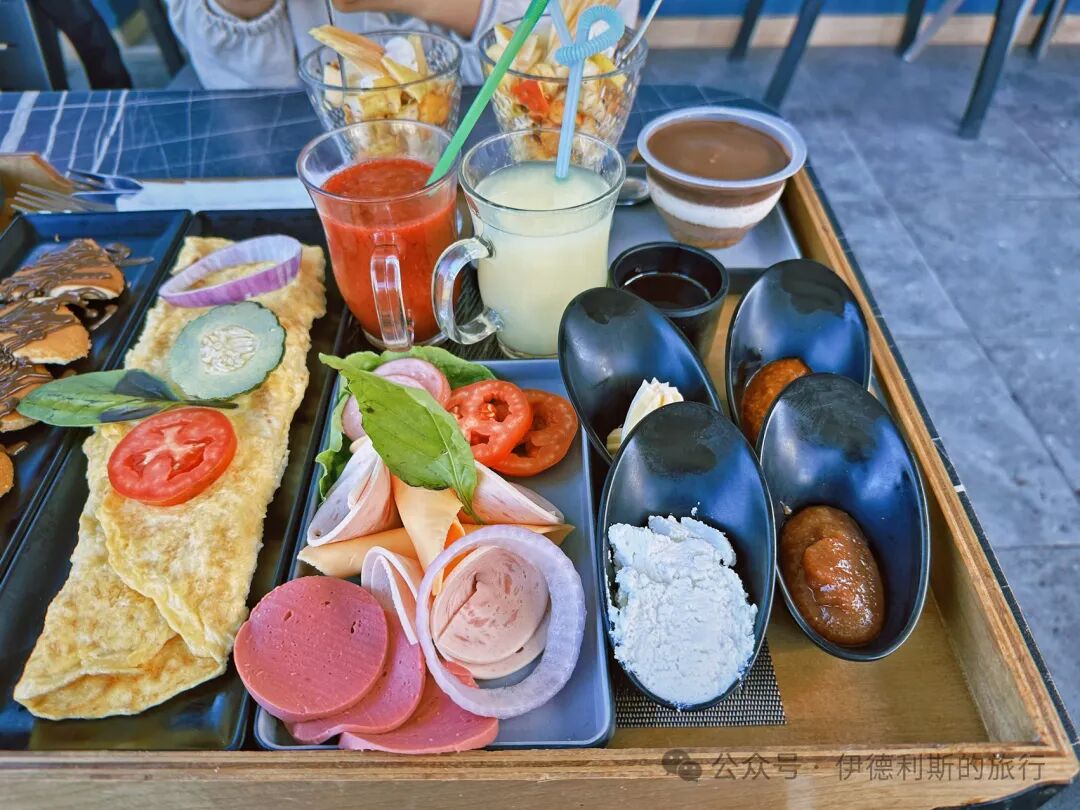
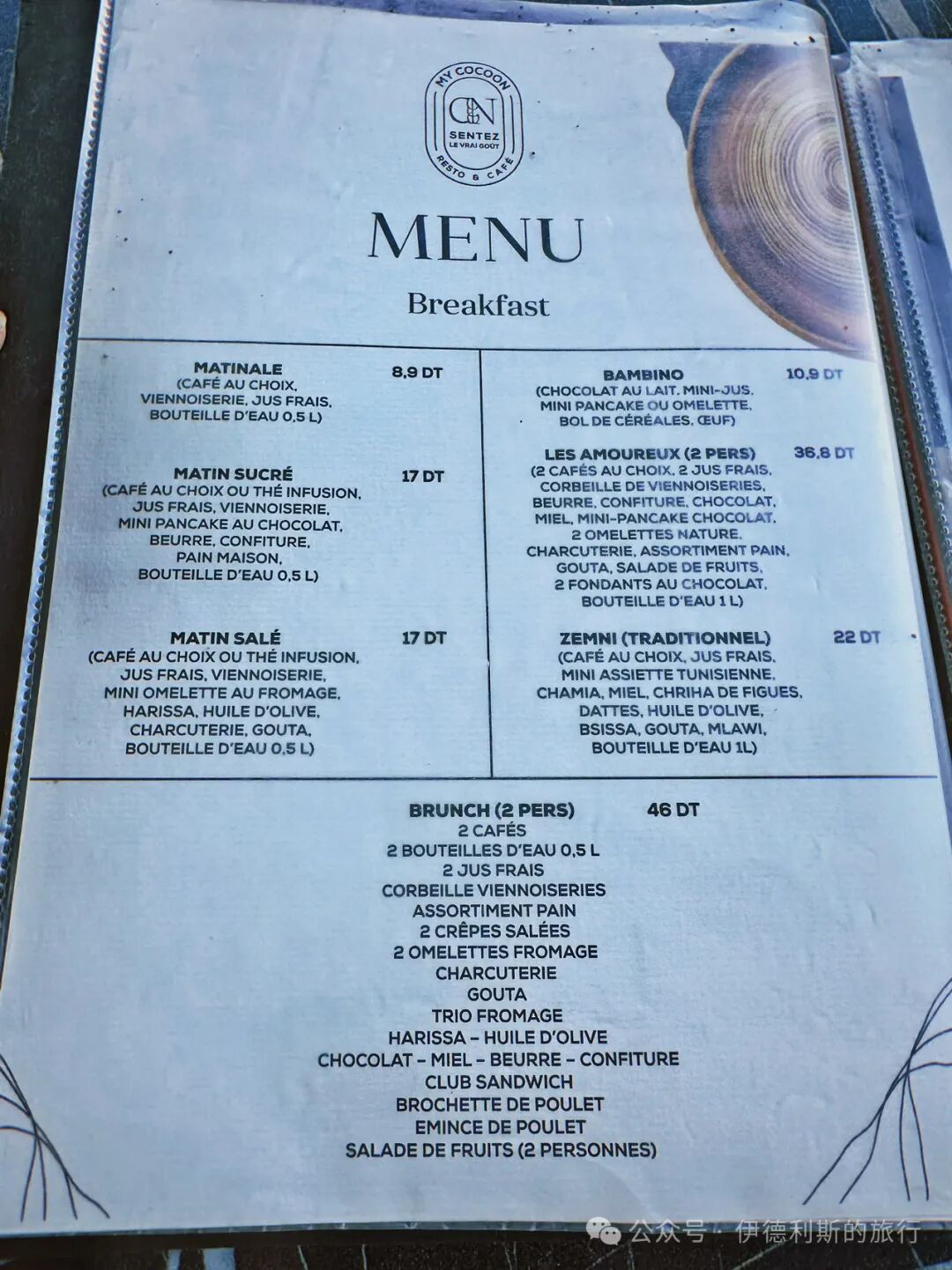
Take a yellow minibus from the entrance of the Great Mosque of Sousse, and you will reach Monastir, another ancient city by the Mediterranean Sea, in 30 minutes. After arriving, we first had a French-style breakfast at a restaurant called Resto My Cocoon. Many restaurants in Tunisia offer breakfast sets, so you do not need to order dishes individually. The set we chose included coffee, juice, chocolate cake, chocolate cookies, jam, fried eggs, various sausages, butter, and bread. As a Mediterranean coastal region, various sausages, dairy products, and jams are essential parts of breakfast.

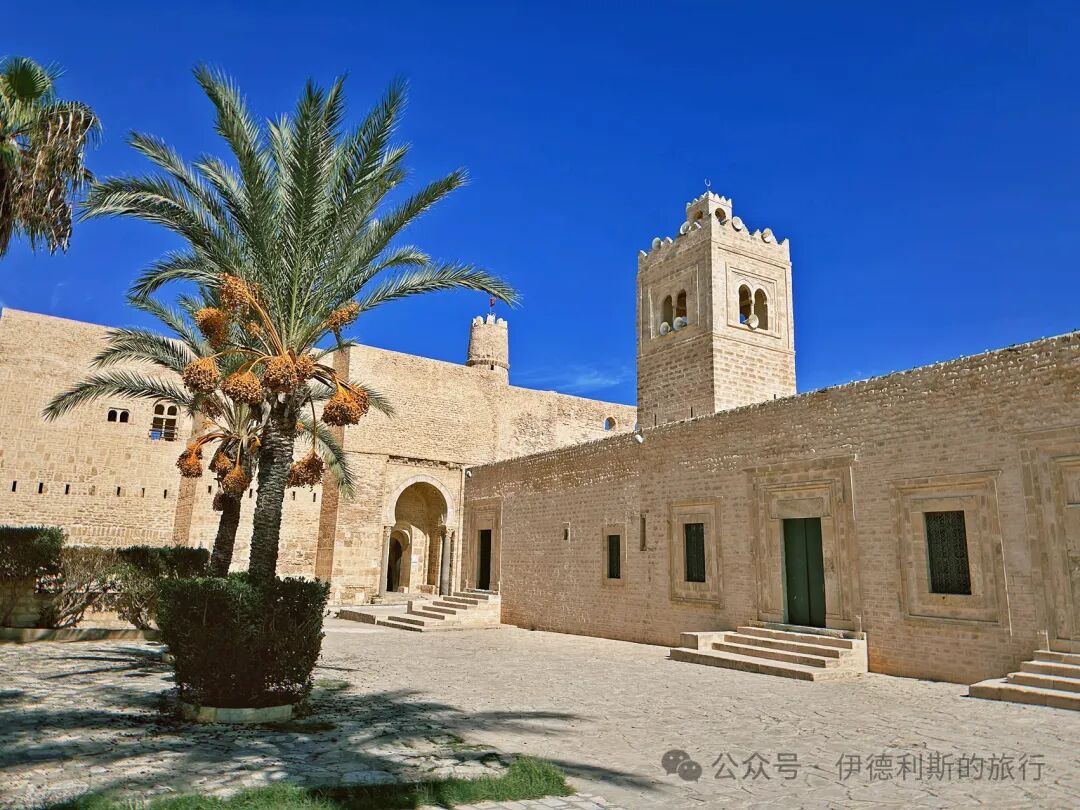
To defend against Byzantine ship attacks, the Arab Abbasid dynasty built a series of fortresses along the North African Mediterranean coast. The only one that remains today, and the most magnificent, is the Ribat of Monastir, which was ordered to be built in 796 by the Abbasid governor Harthama ibn A'yan. As the oldest and most important Arab fortress in the entire Maghreb region (western North Africa), the Ribat of Monastir attracts many visitors.
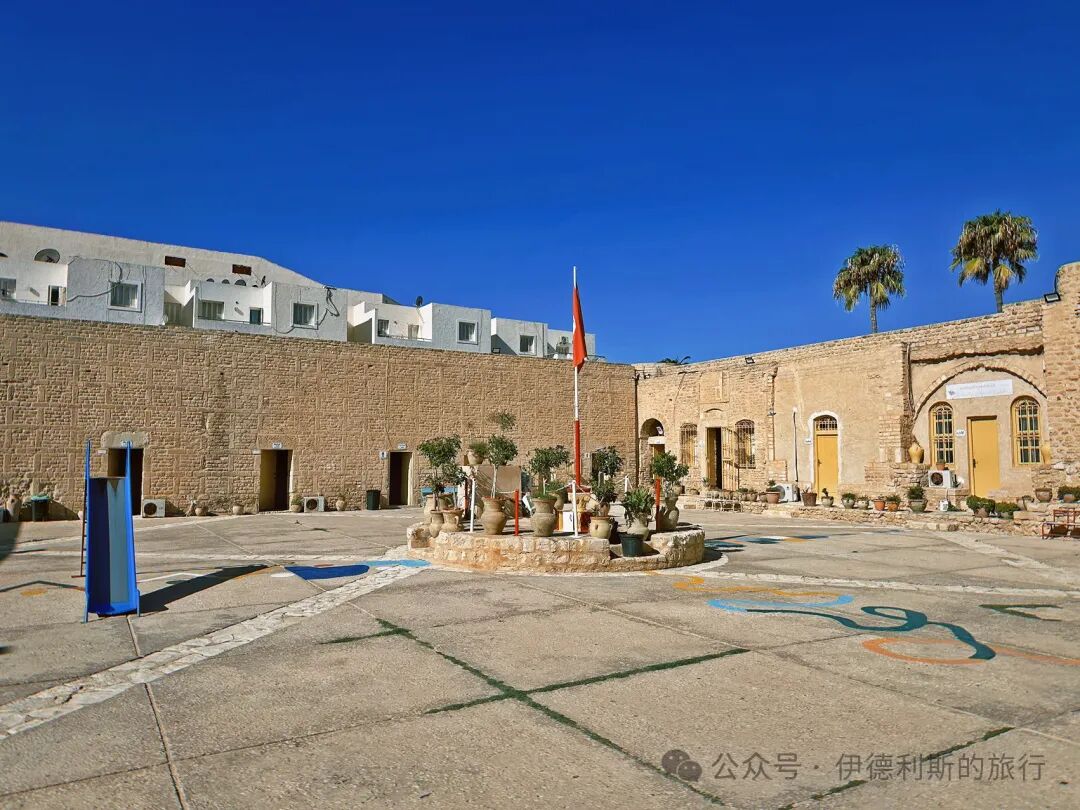
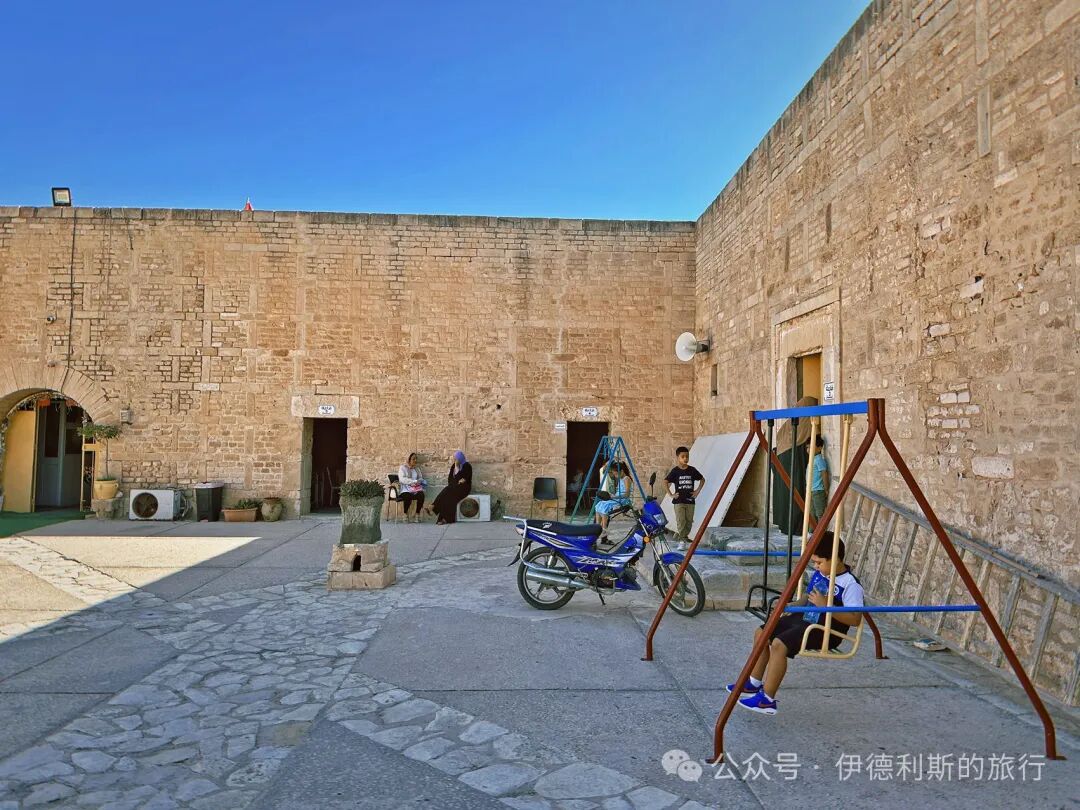
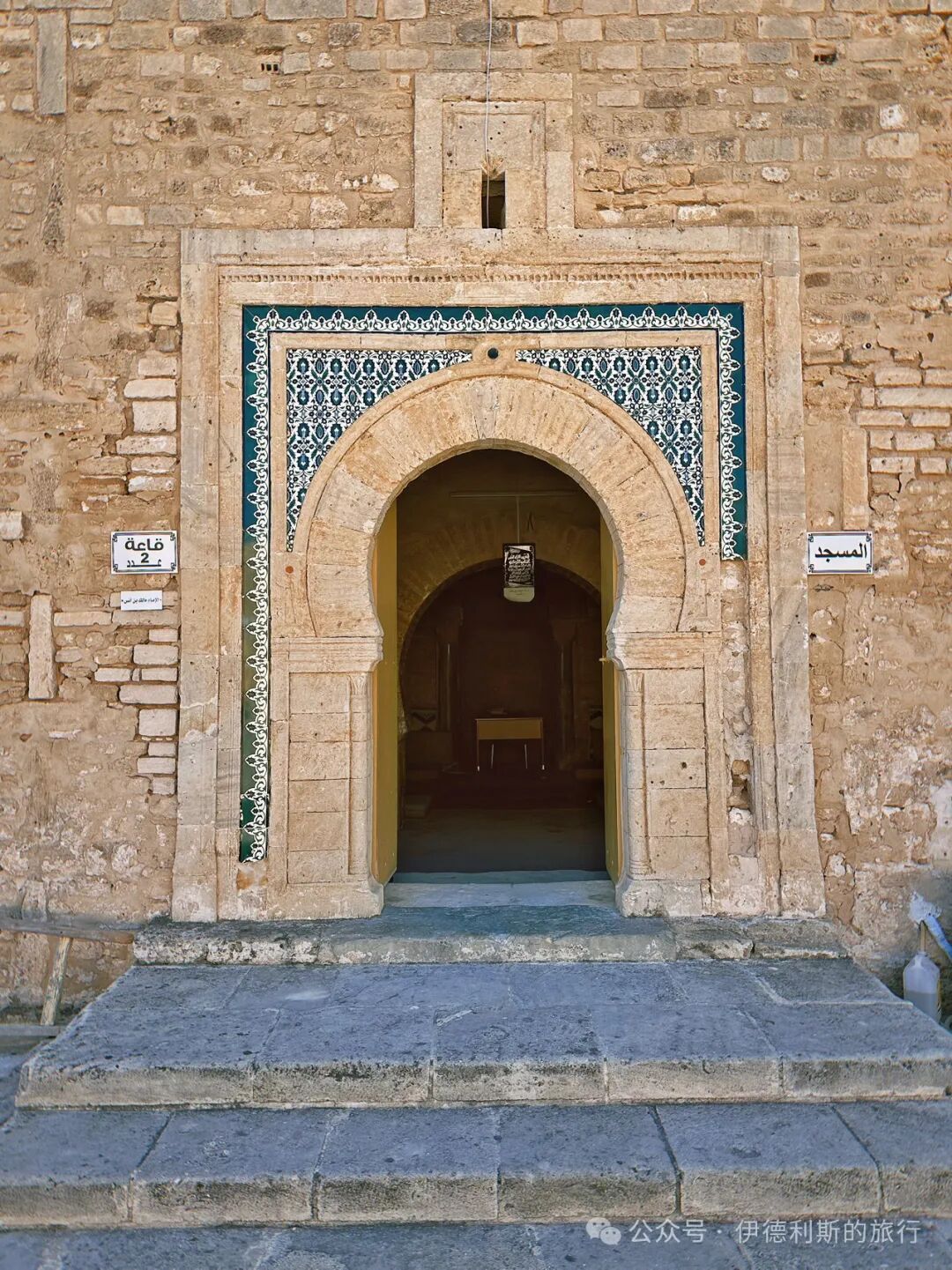
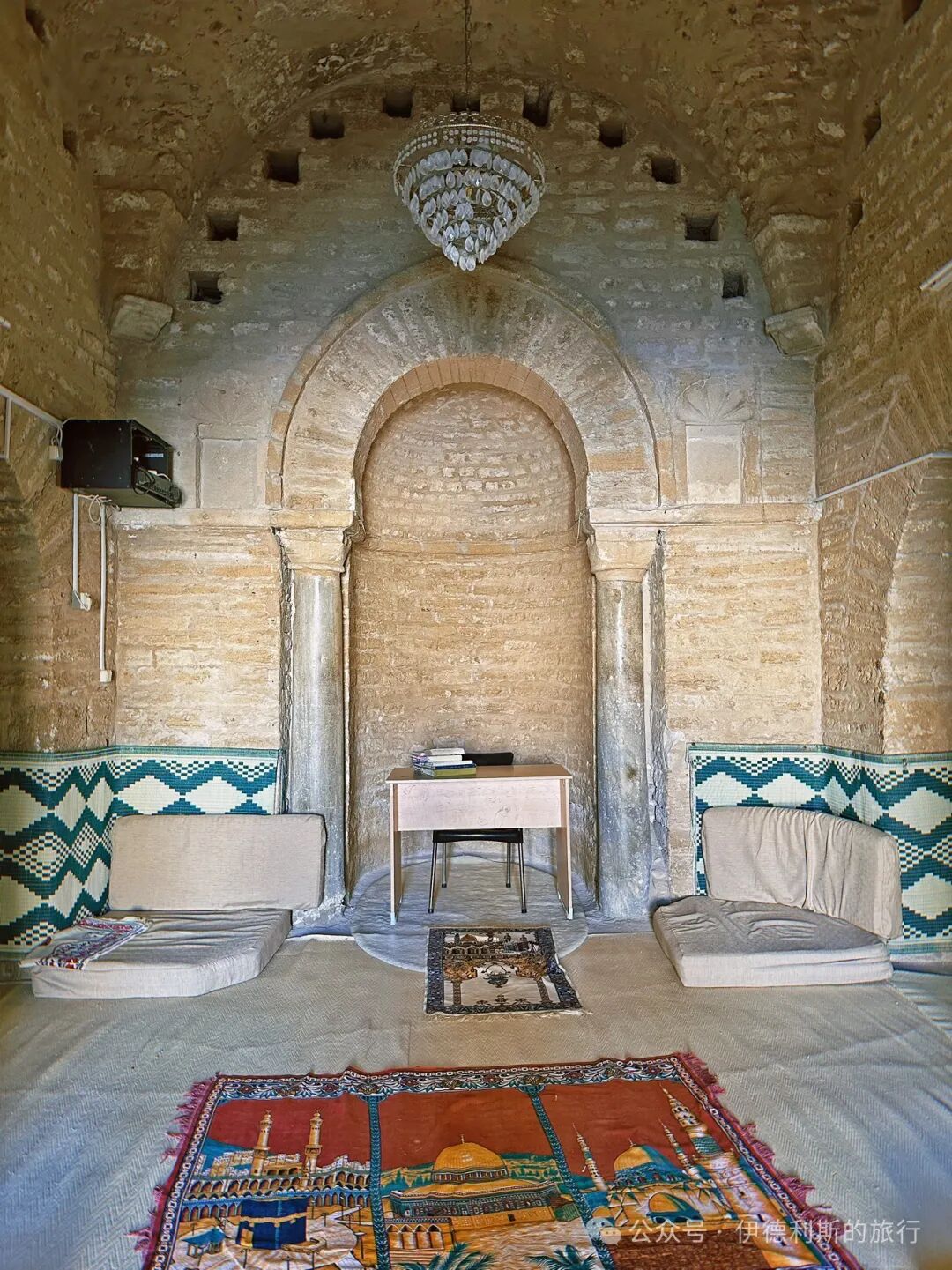
When the Ribat of Monastir was first built in 796, it only had one courtyard, and the current museum section is part of the original structure. The fortress was expanded twice, first during the Aghlabid dynasty in the 9th century and again in 966 under the Fatimid dynasty. The prayer hall on the south side dates back to this period. In 1424, the Hafsid dynasty carried out a large-scale expansion of the fortress, creating a layout with two courtyards. During the 18th and 19th centuries, the Ottoman dynasty added many buttresses and towers around the fortress to mount cannons, which gave the structure its current appearance.
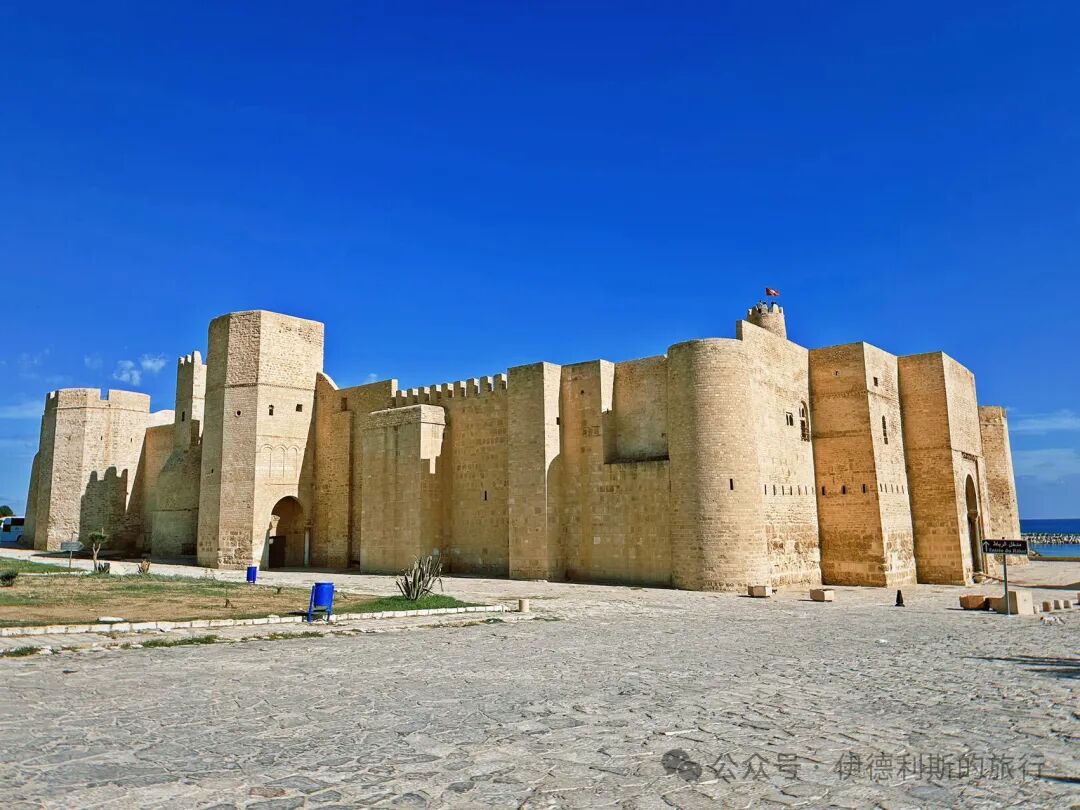
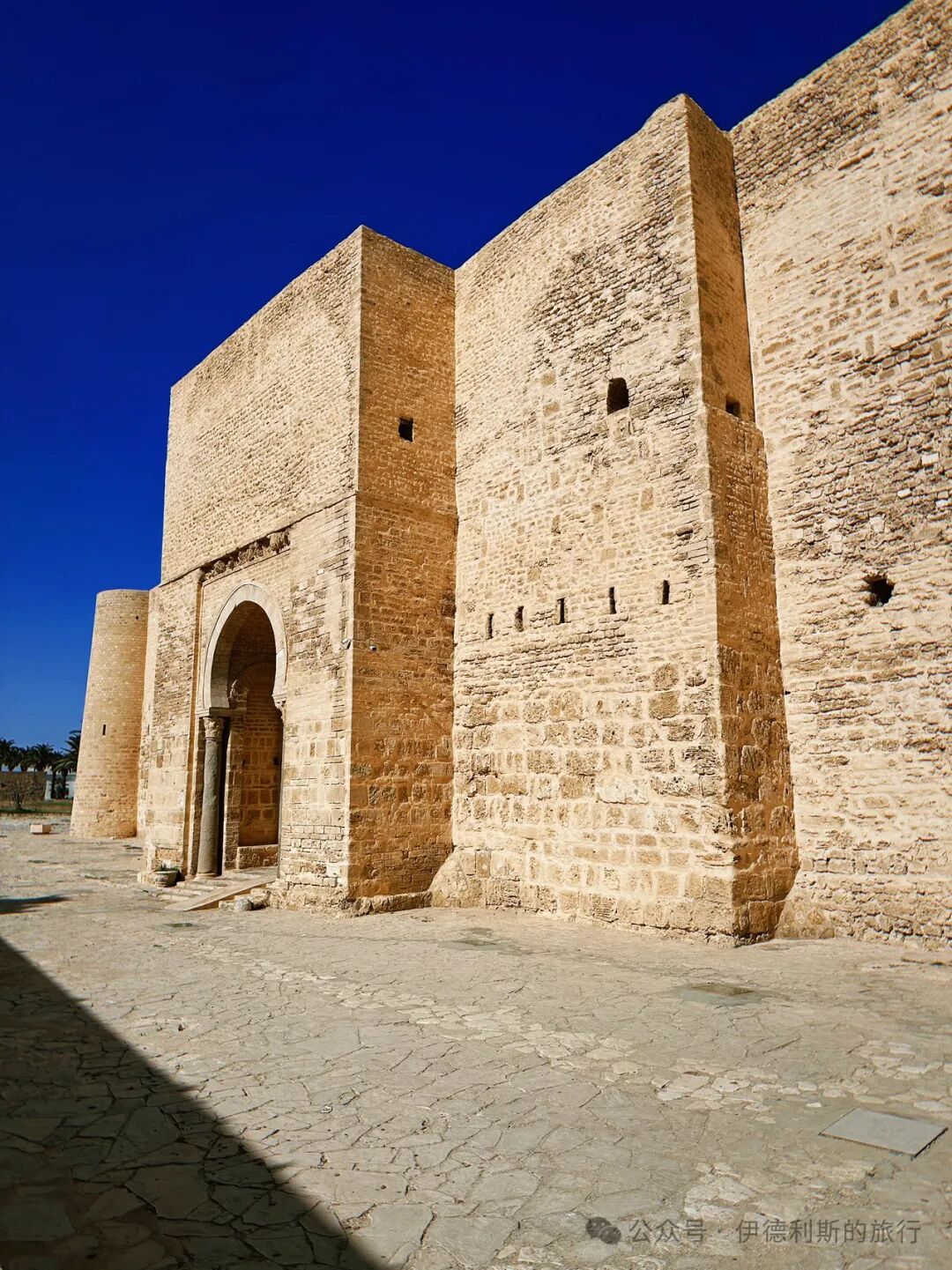
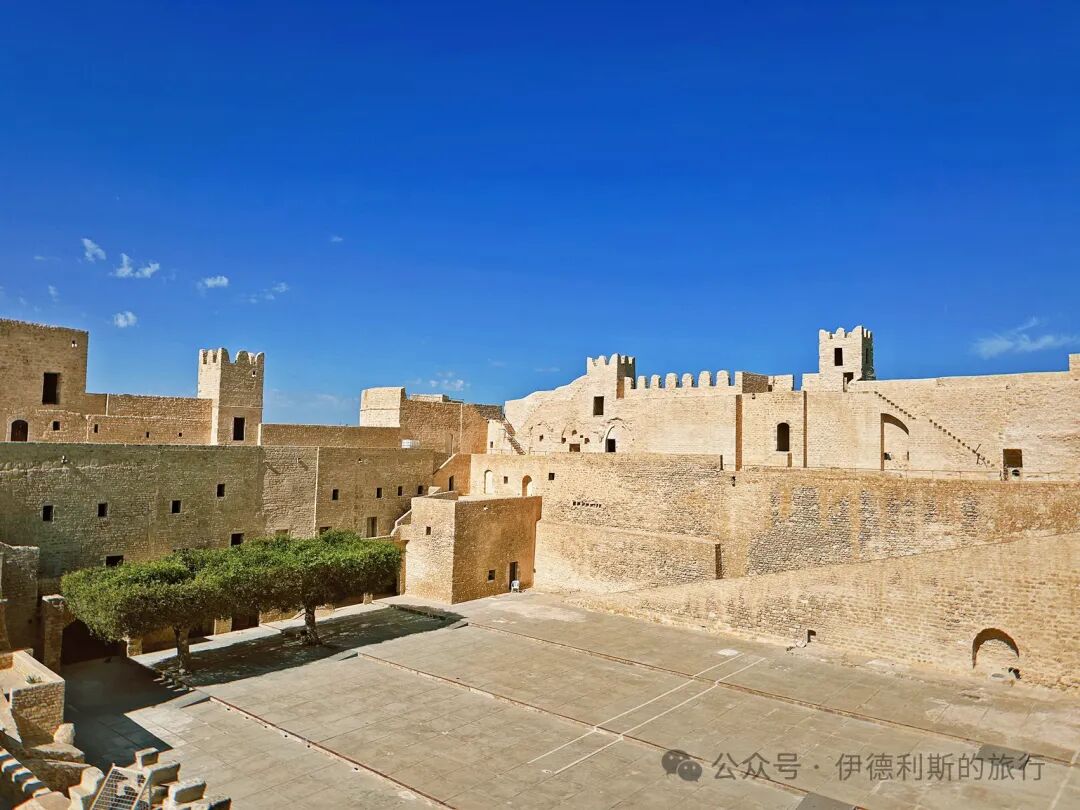
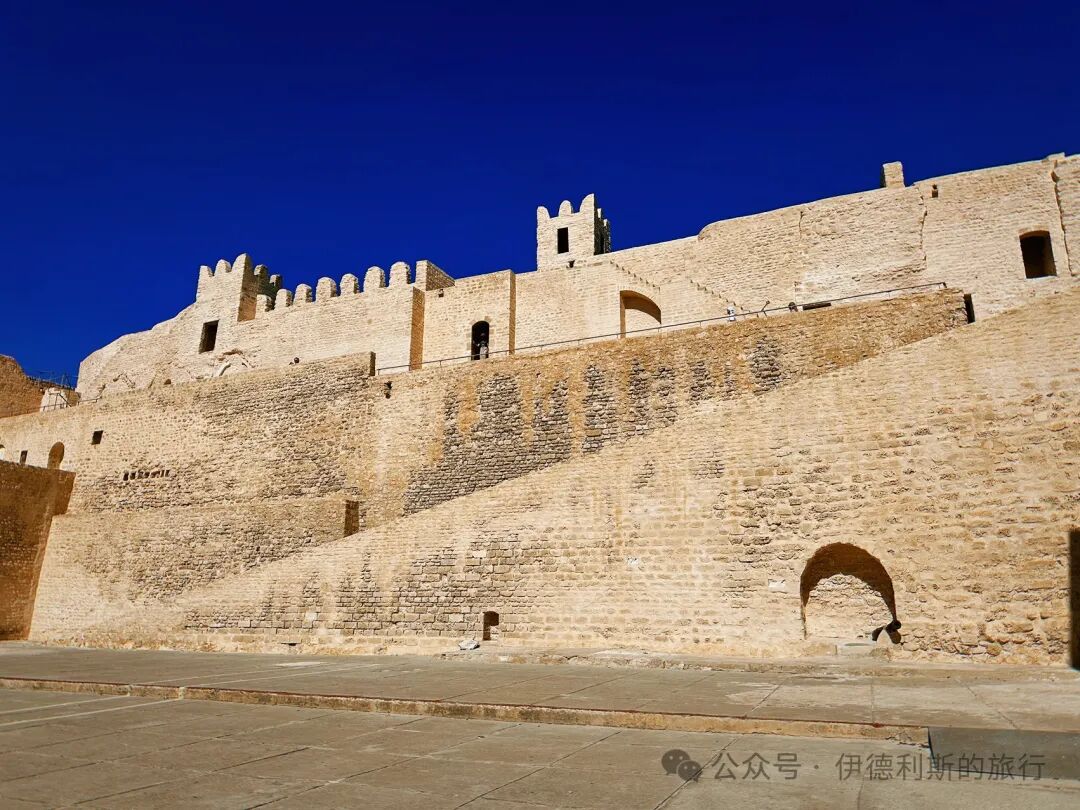
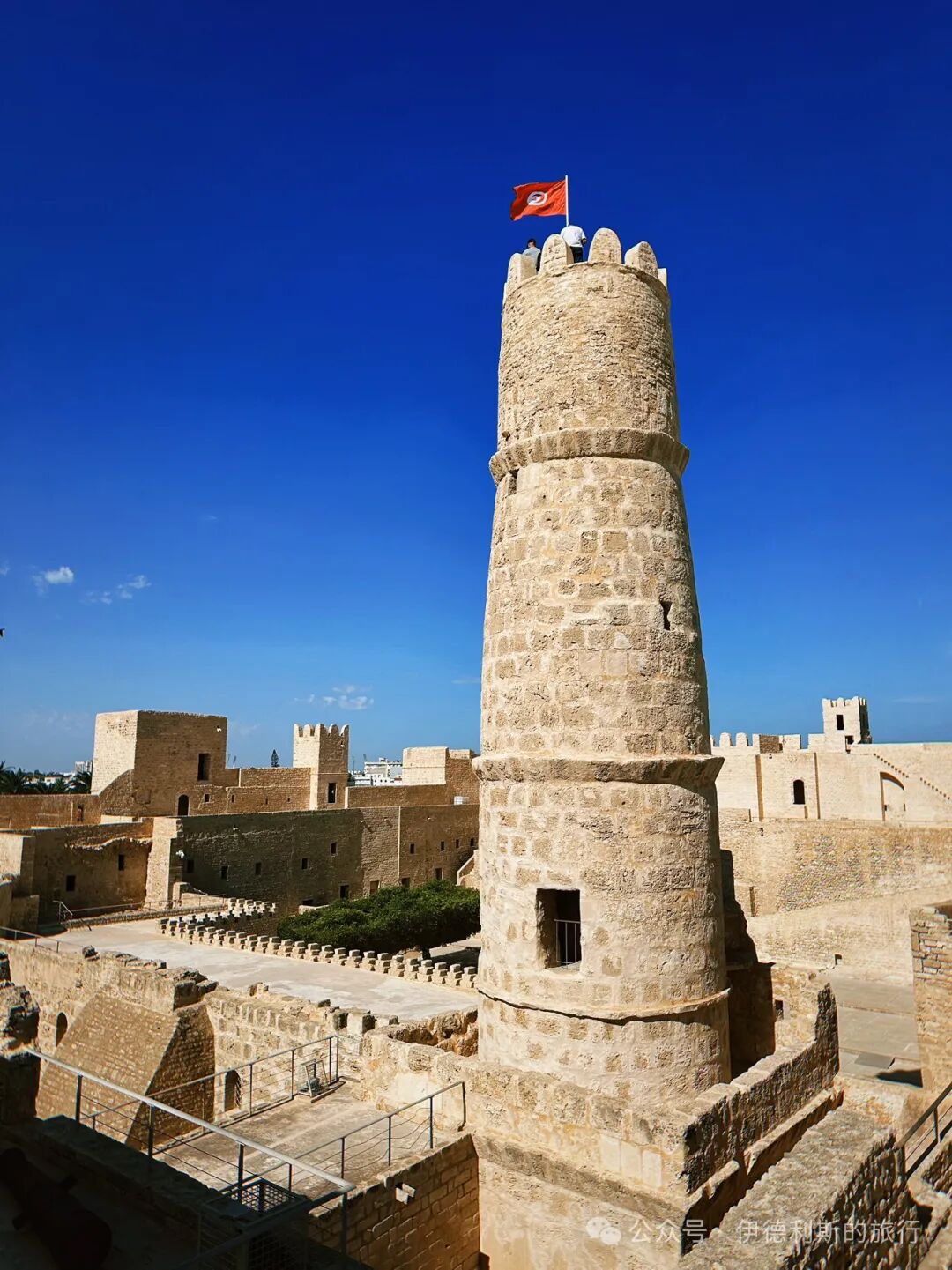
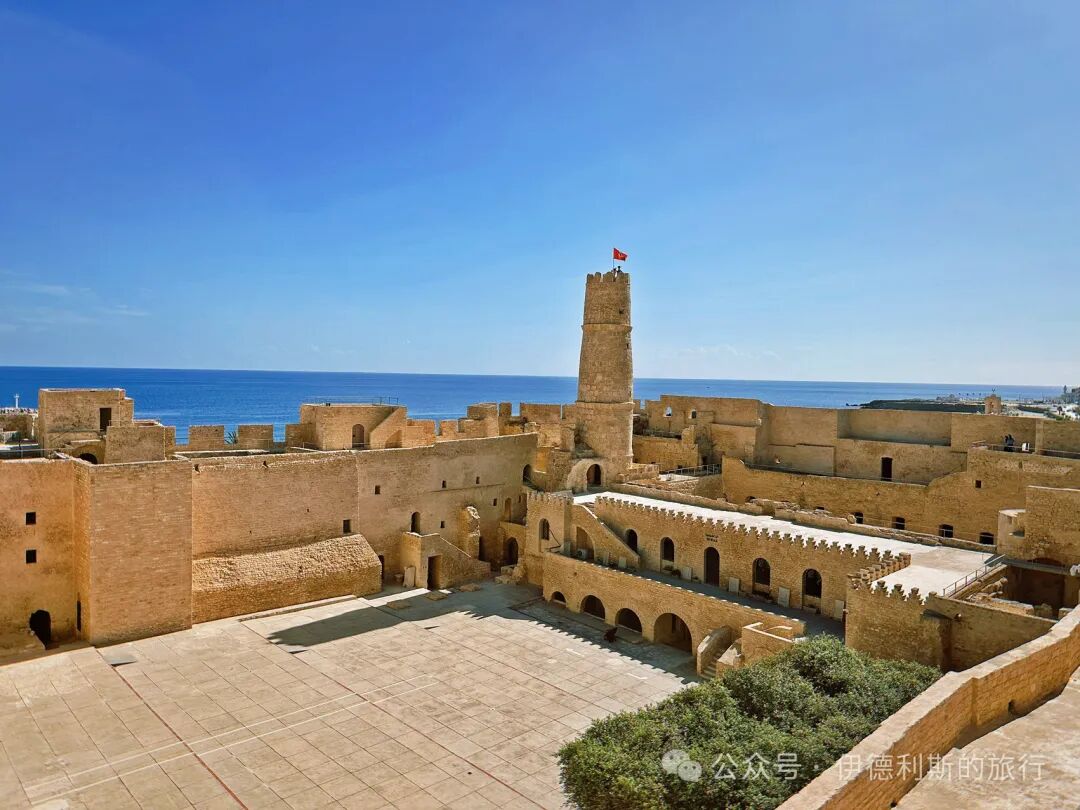
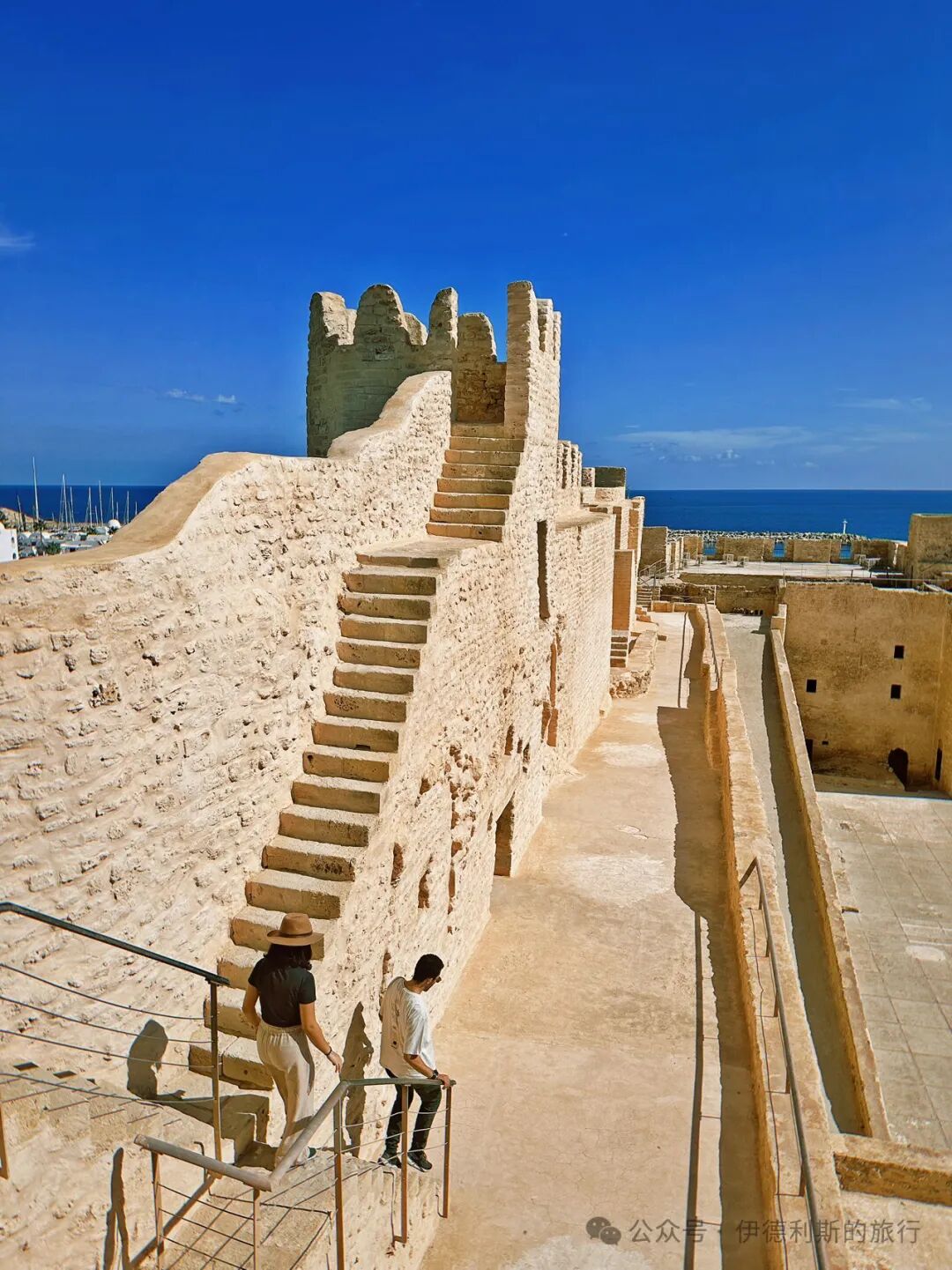
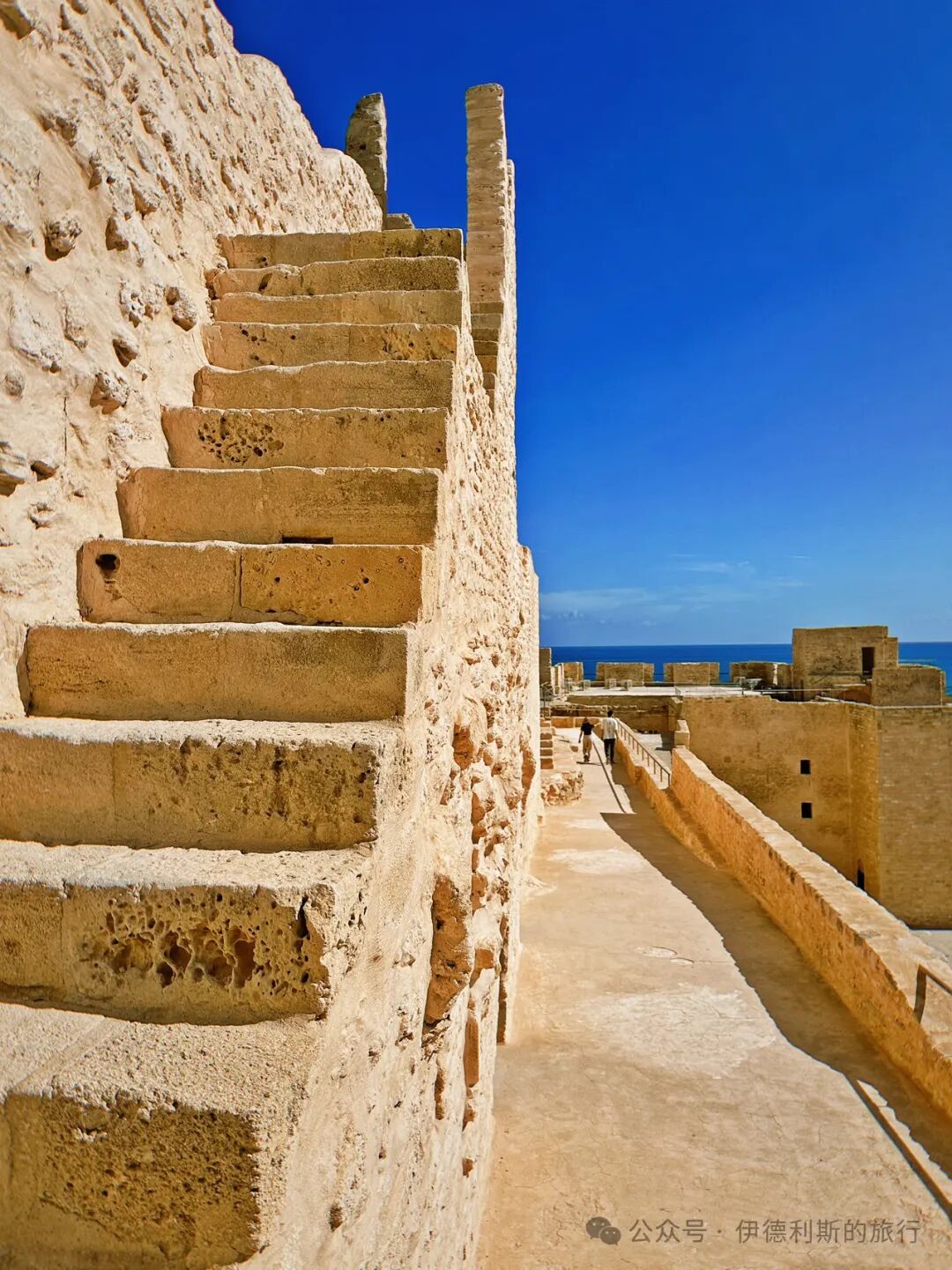
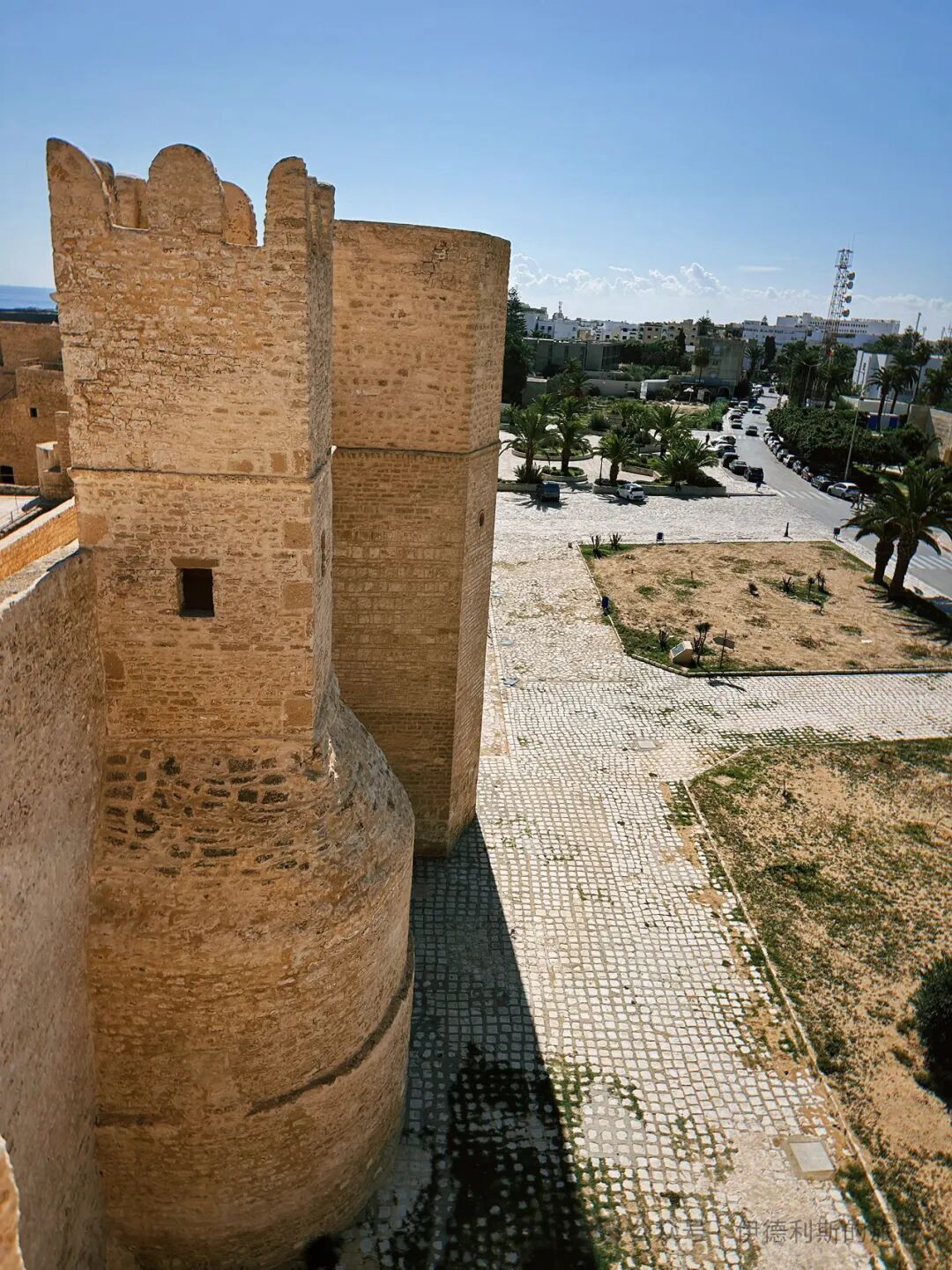
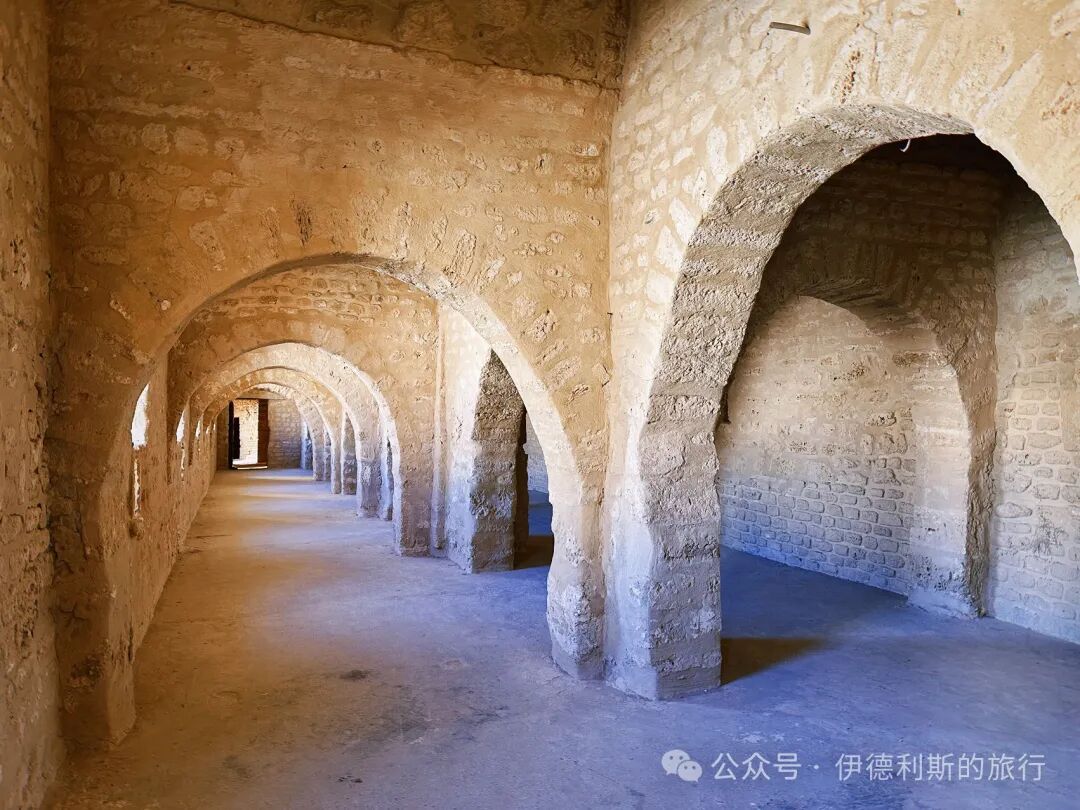
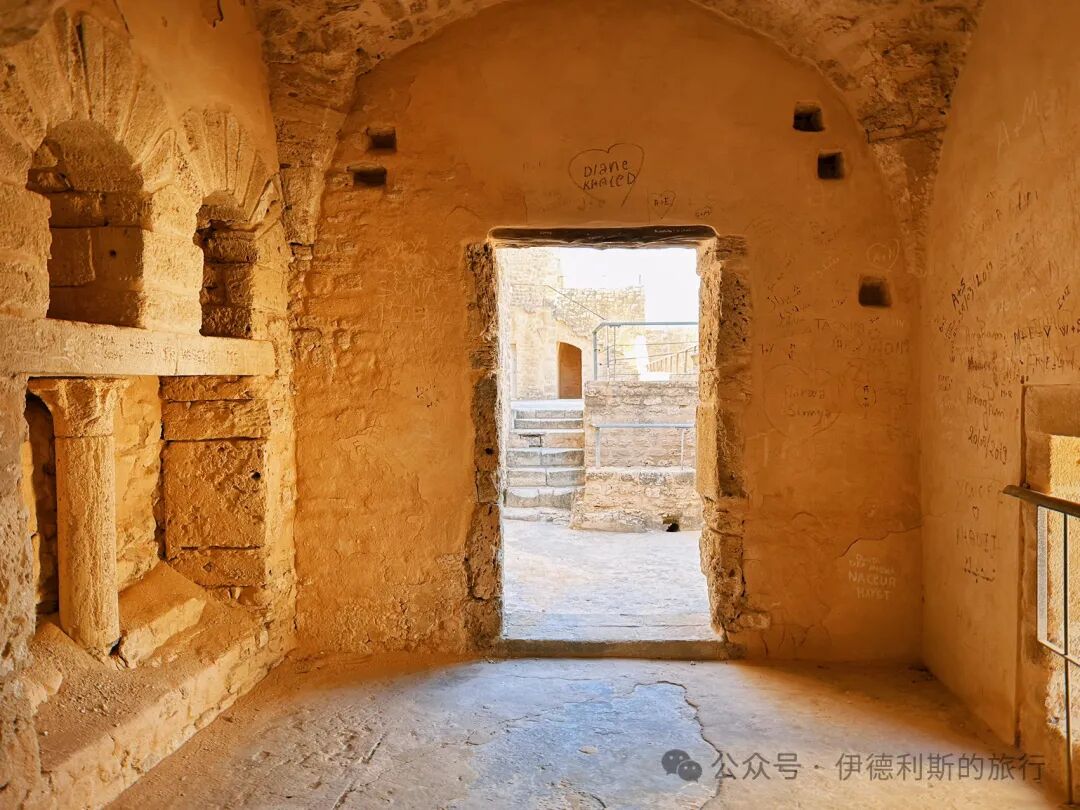
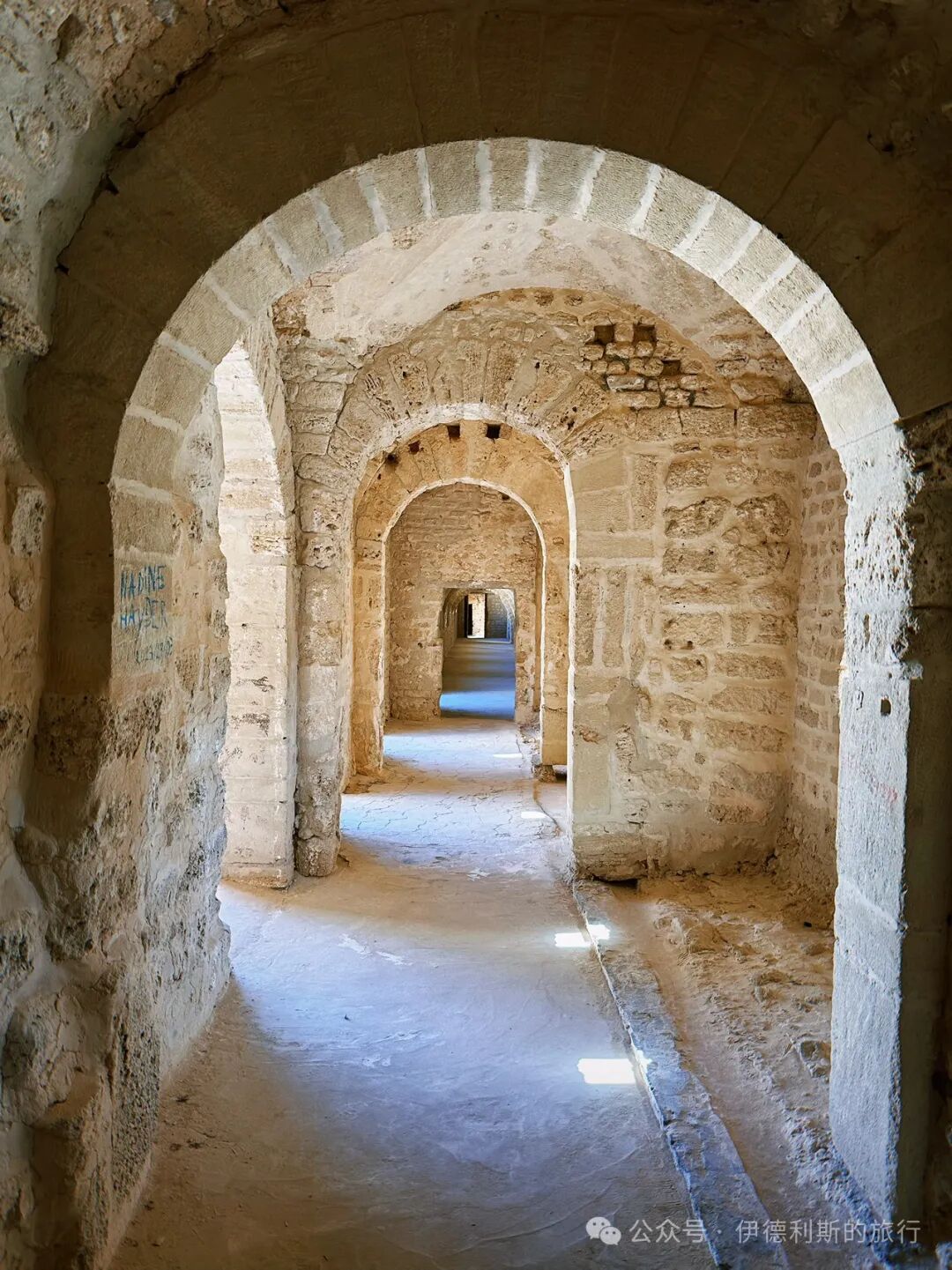
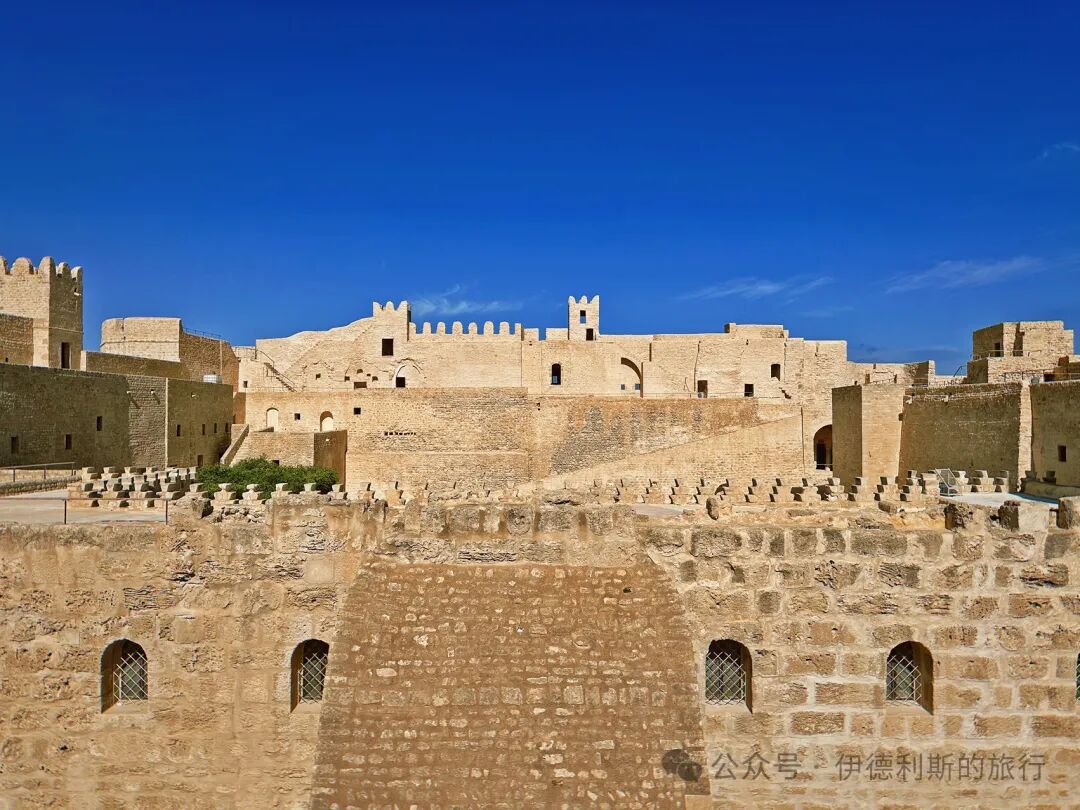
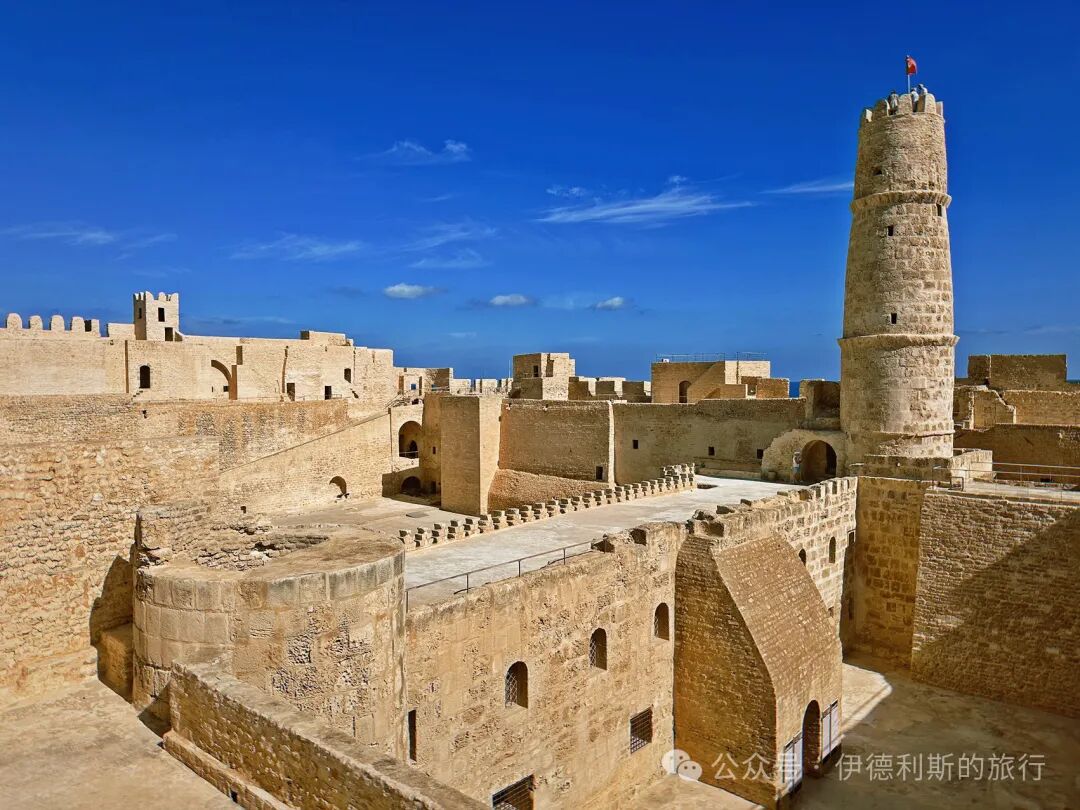
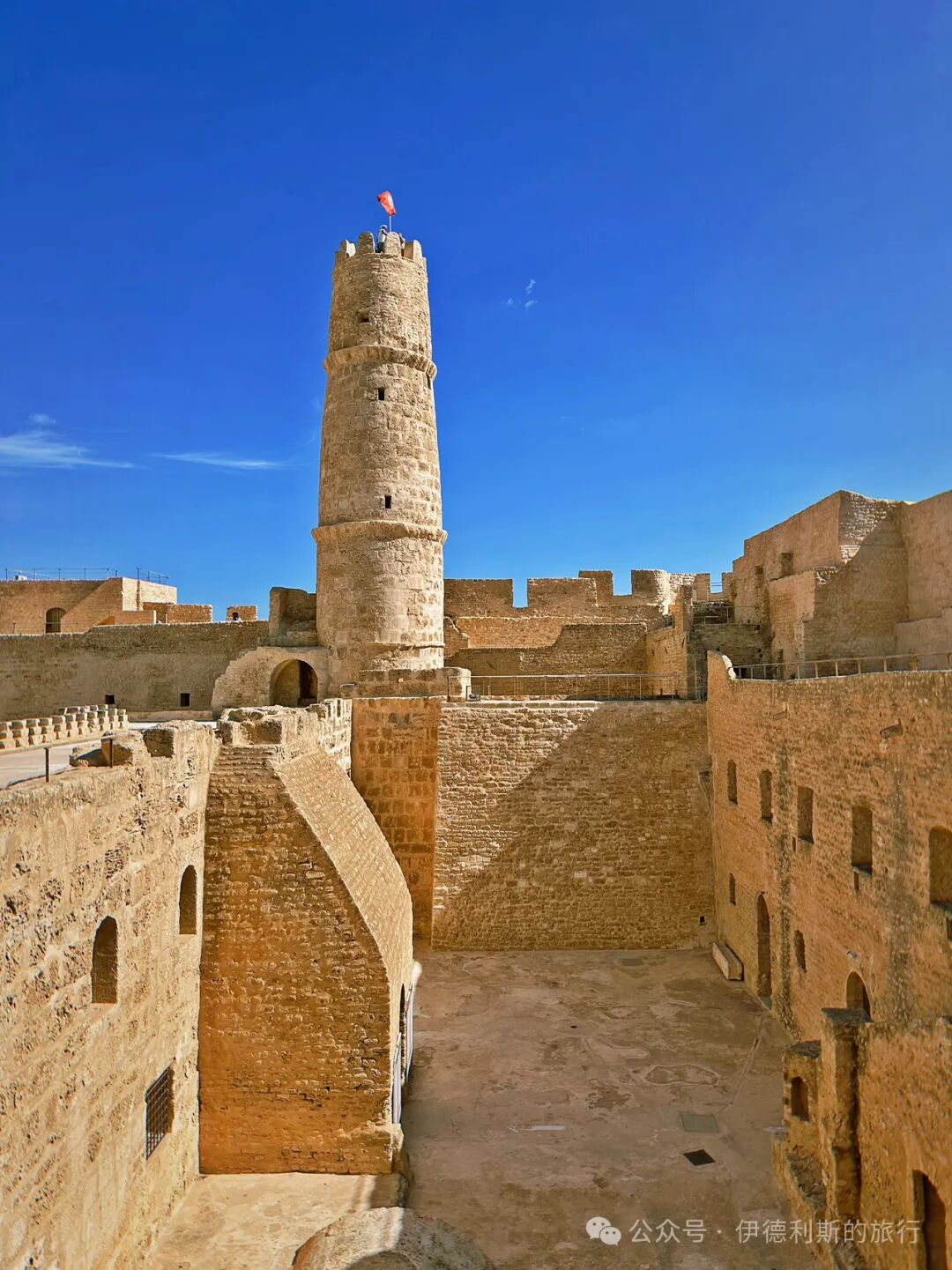
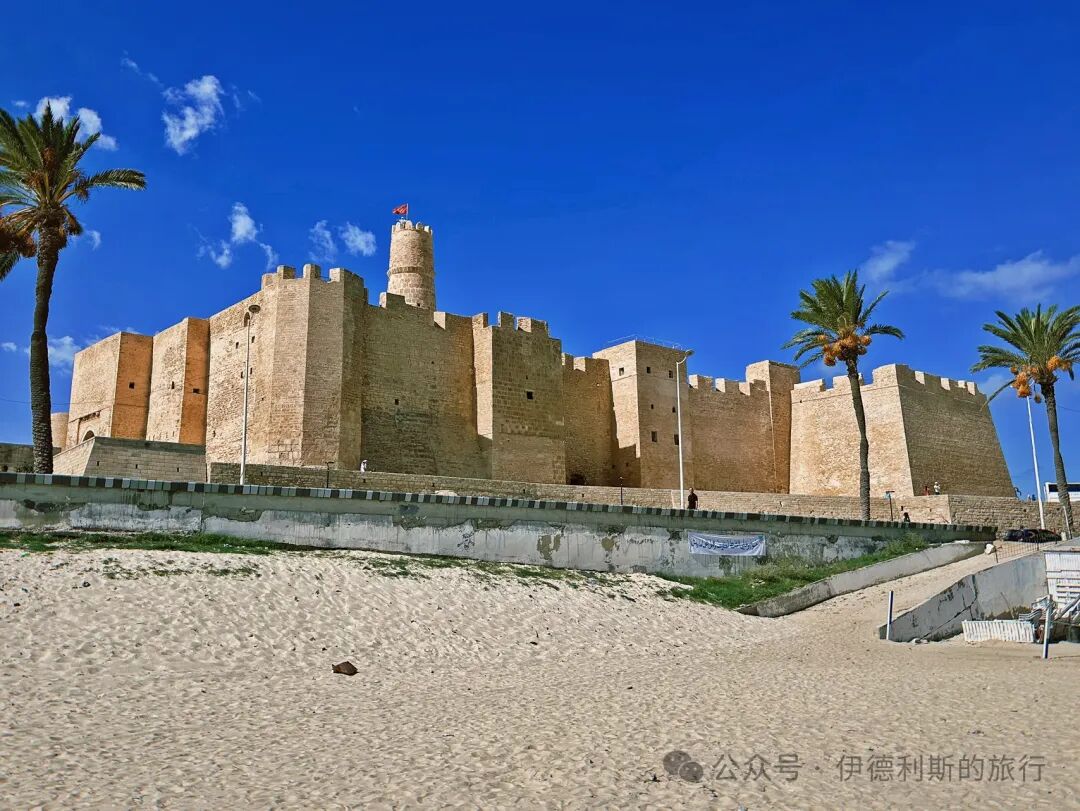
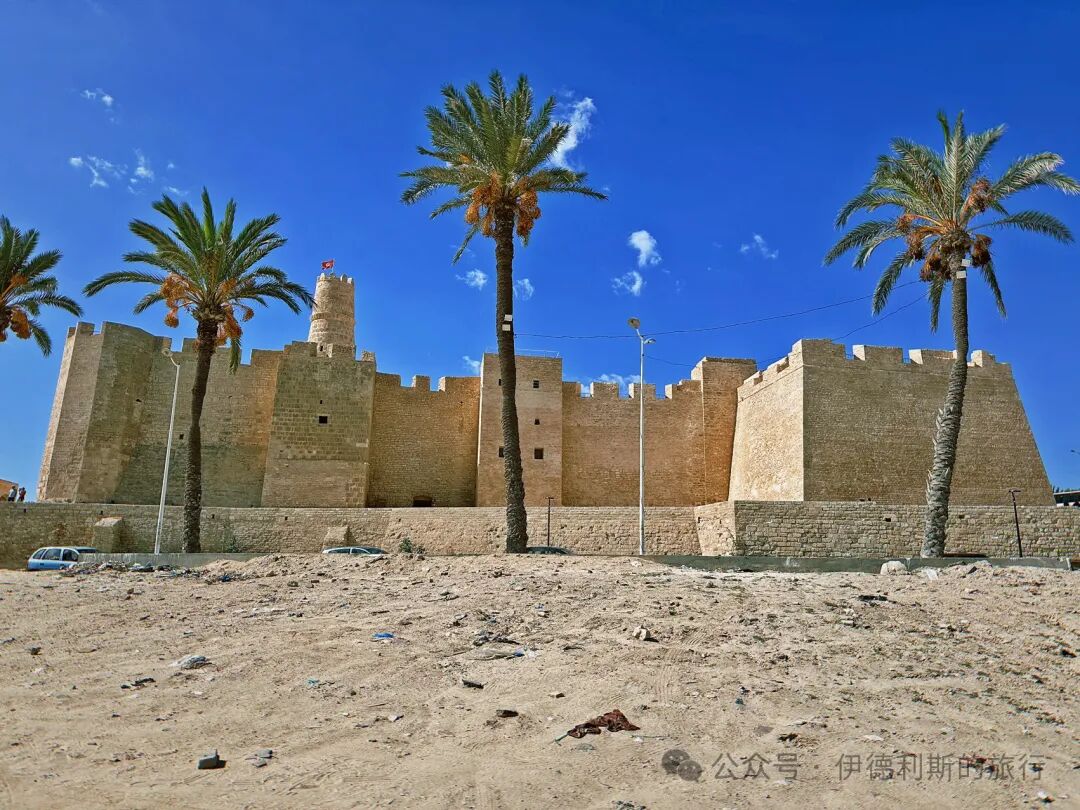
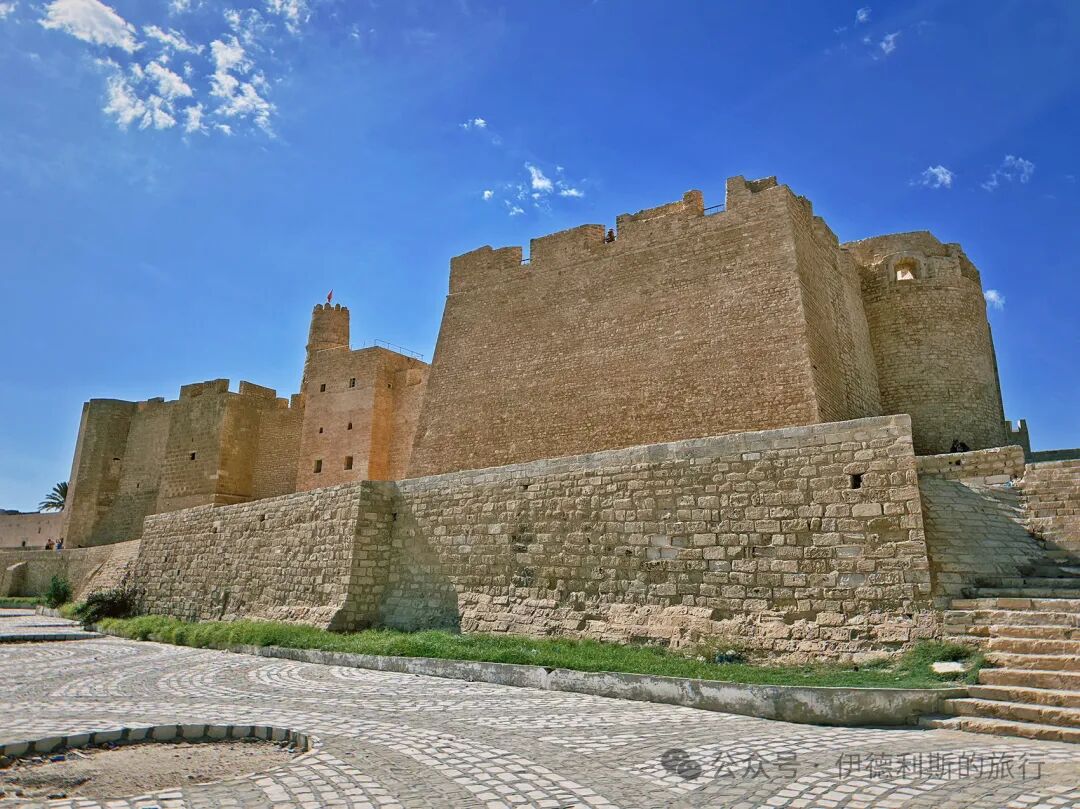
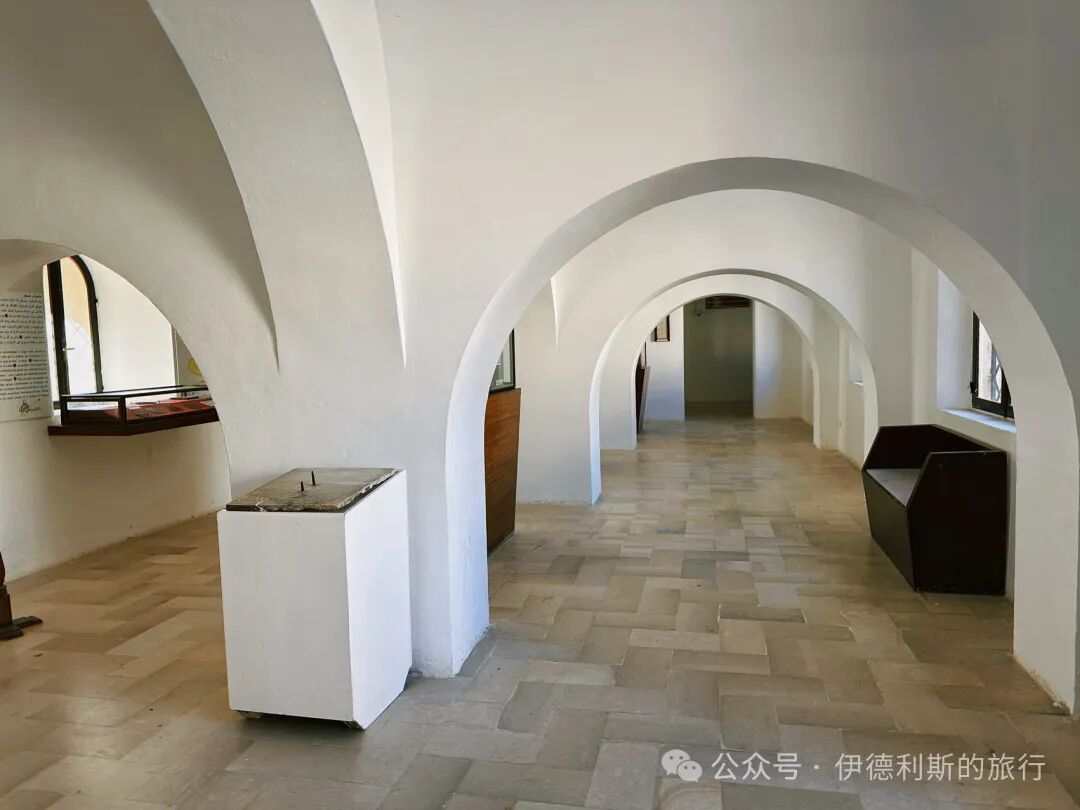
The Monastir Fortress houses a museum inside the oldest section, which was built by the Abbasid dynasty in the 8th century. The exhibition hall was once the fortress prayer hall, and the mihrab still features its original marble carvings.
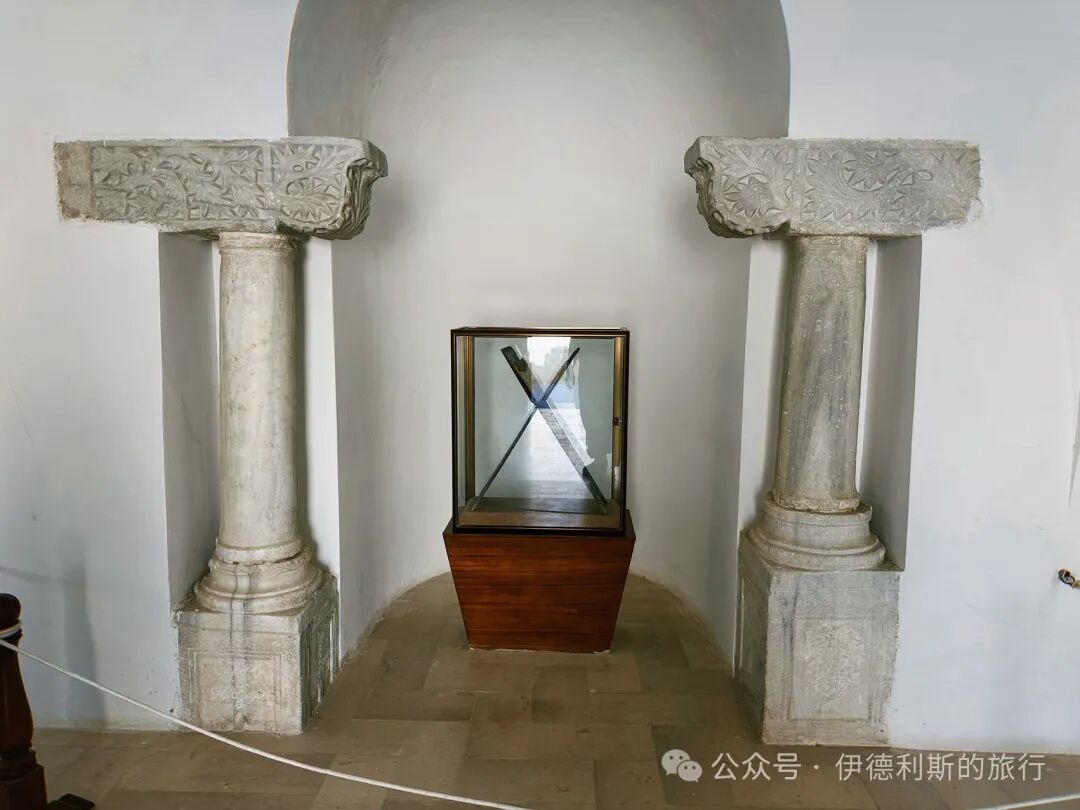
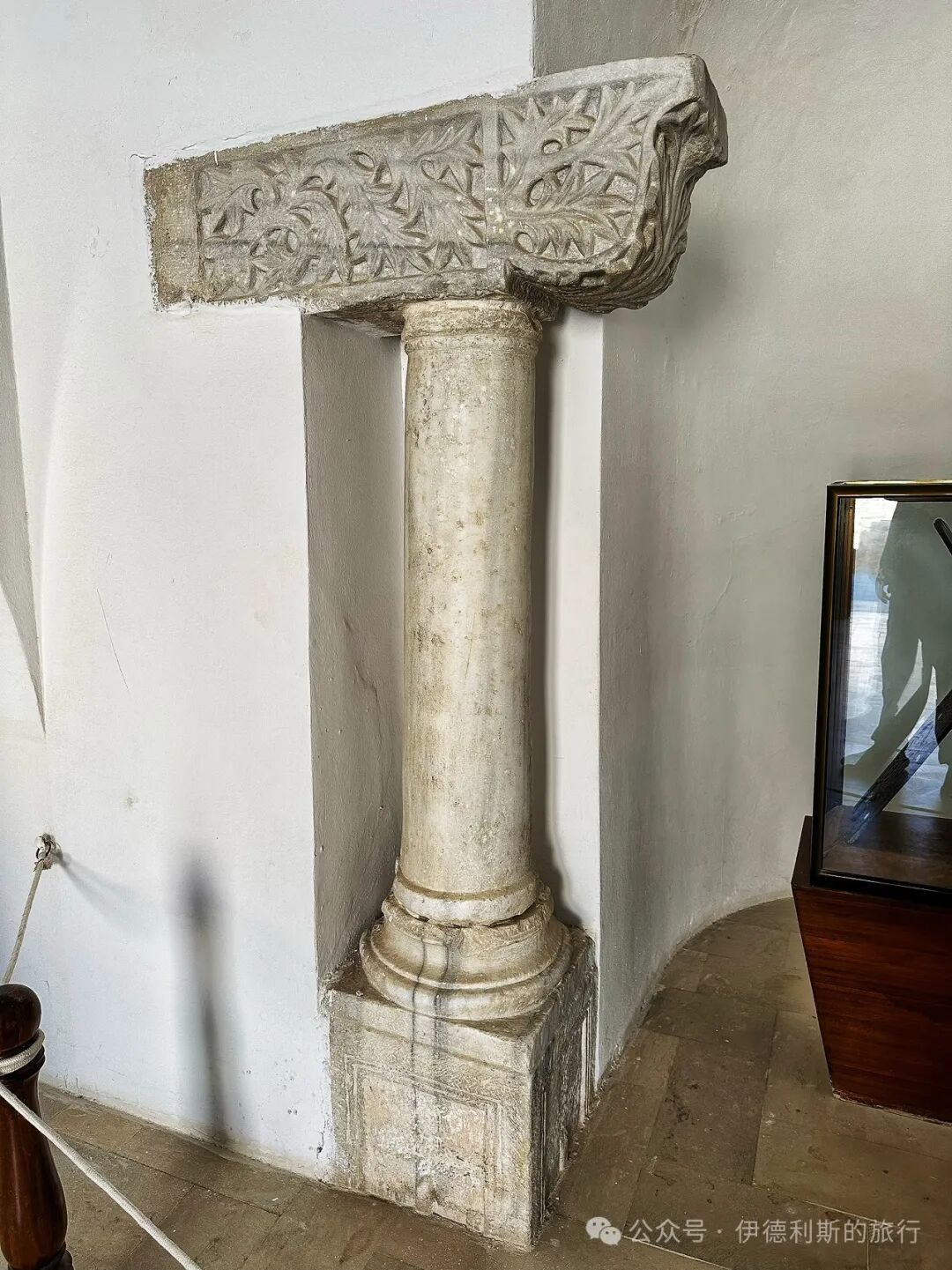
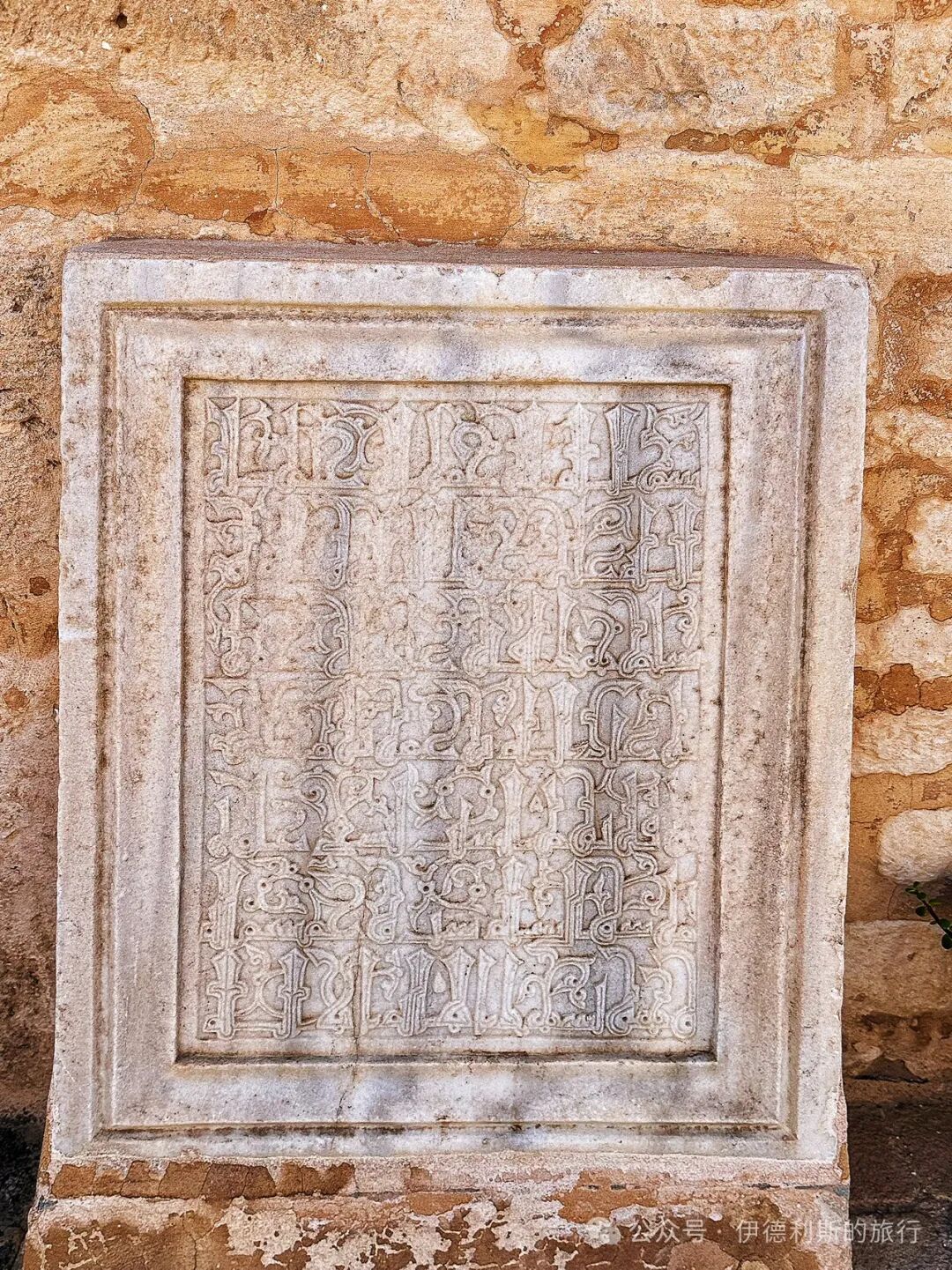
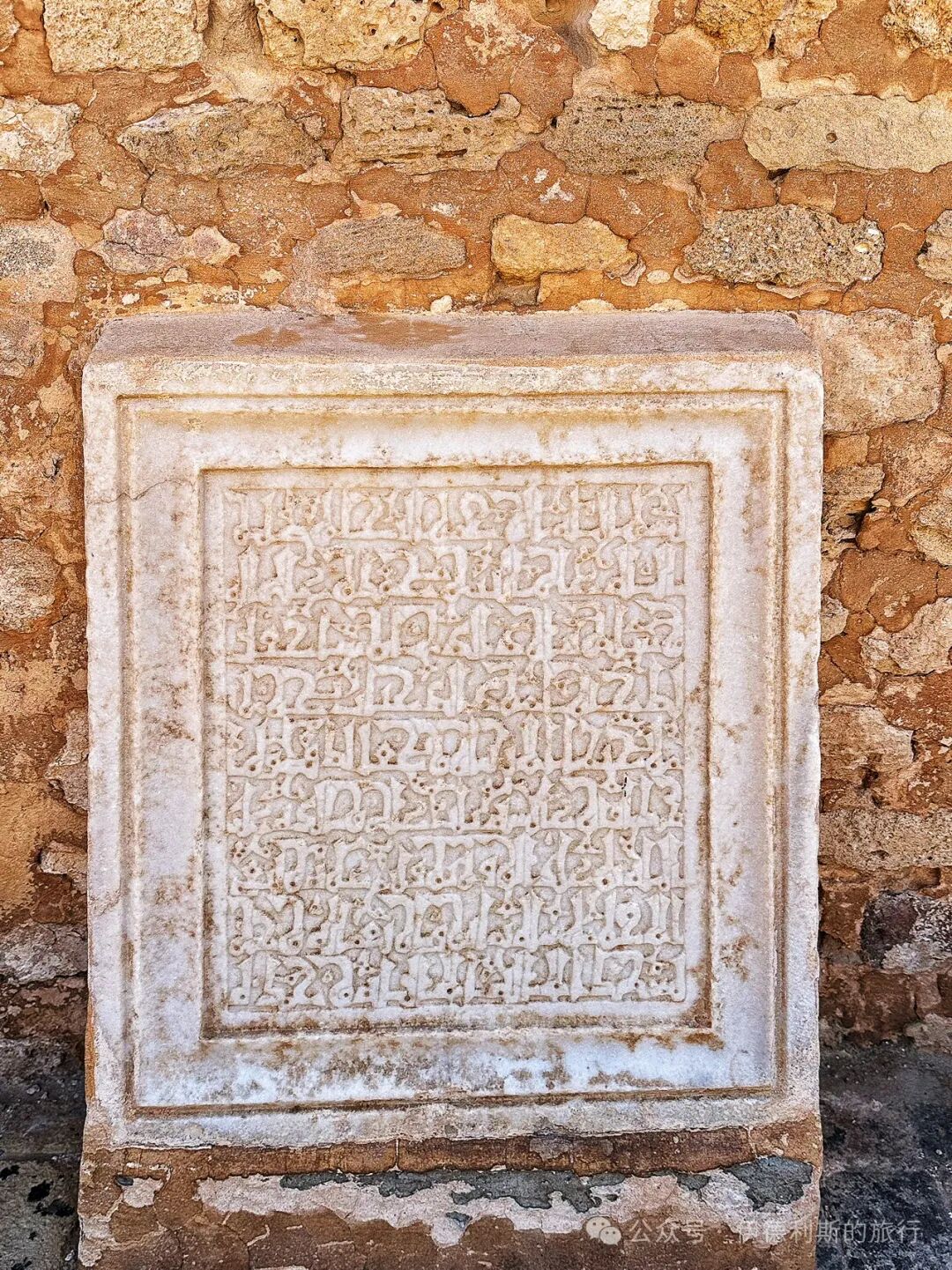
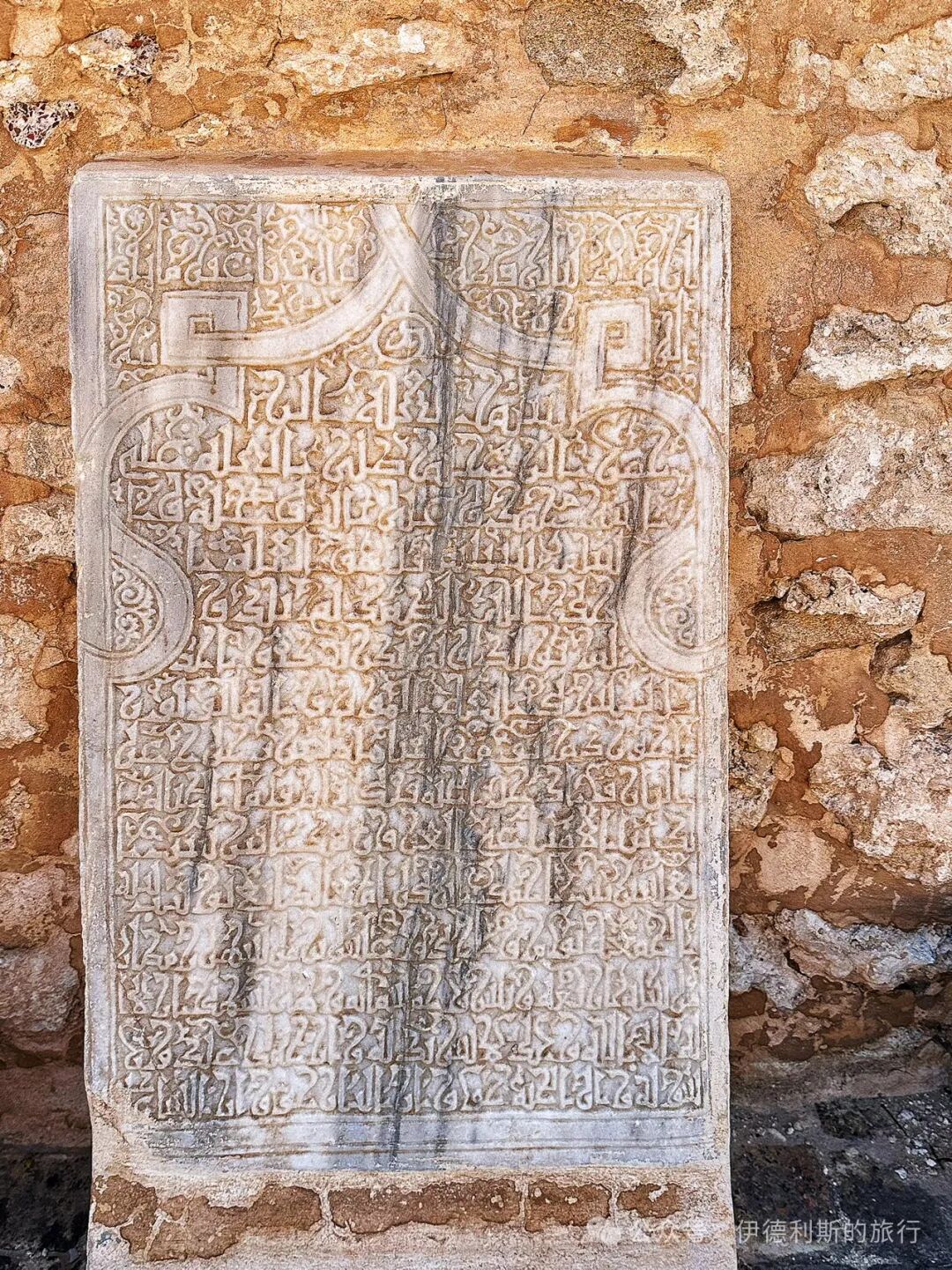
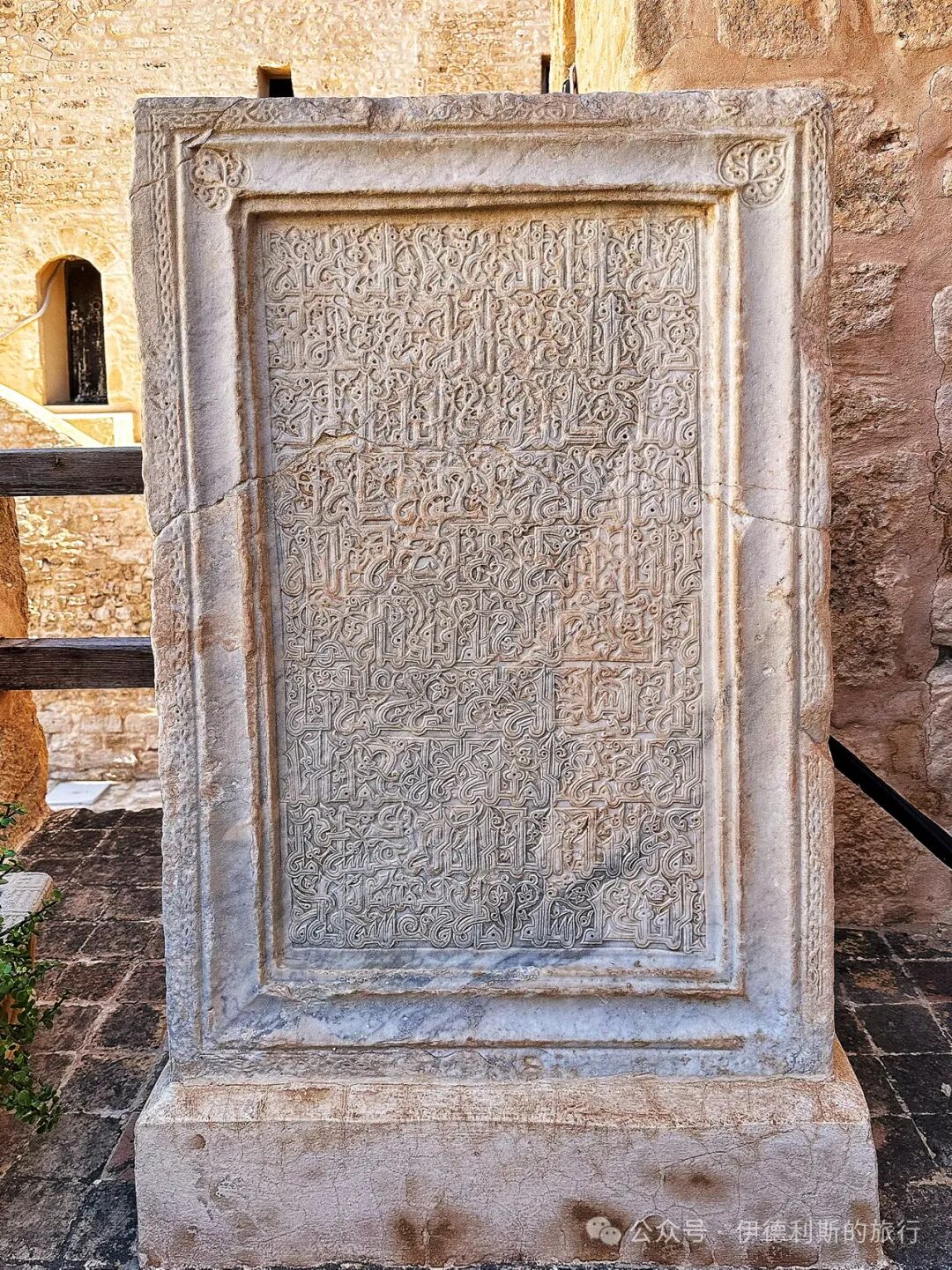
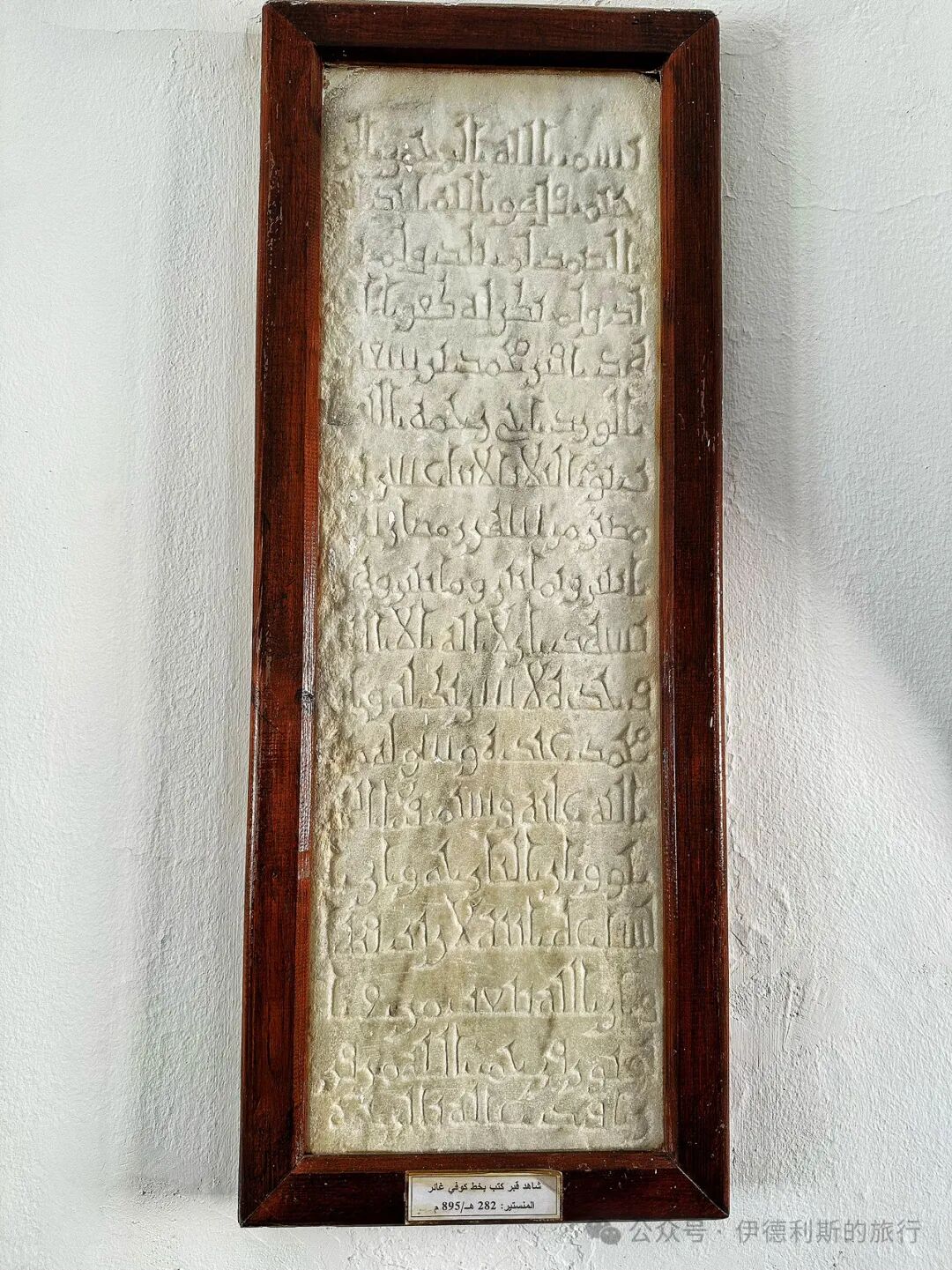
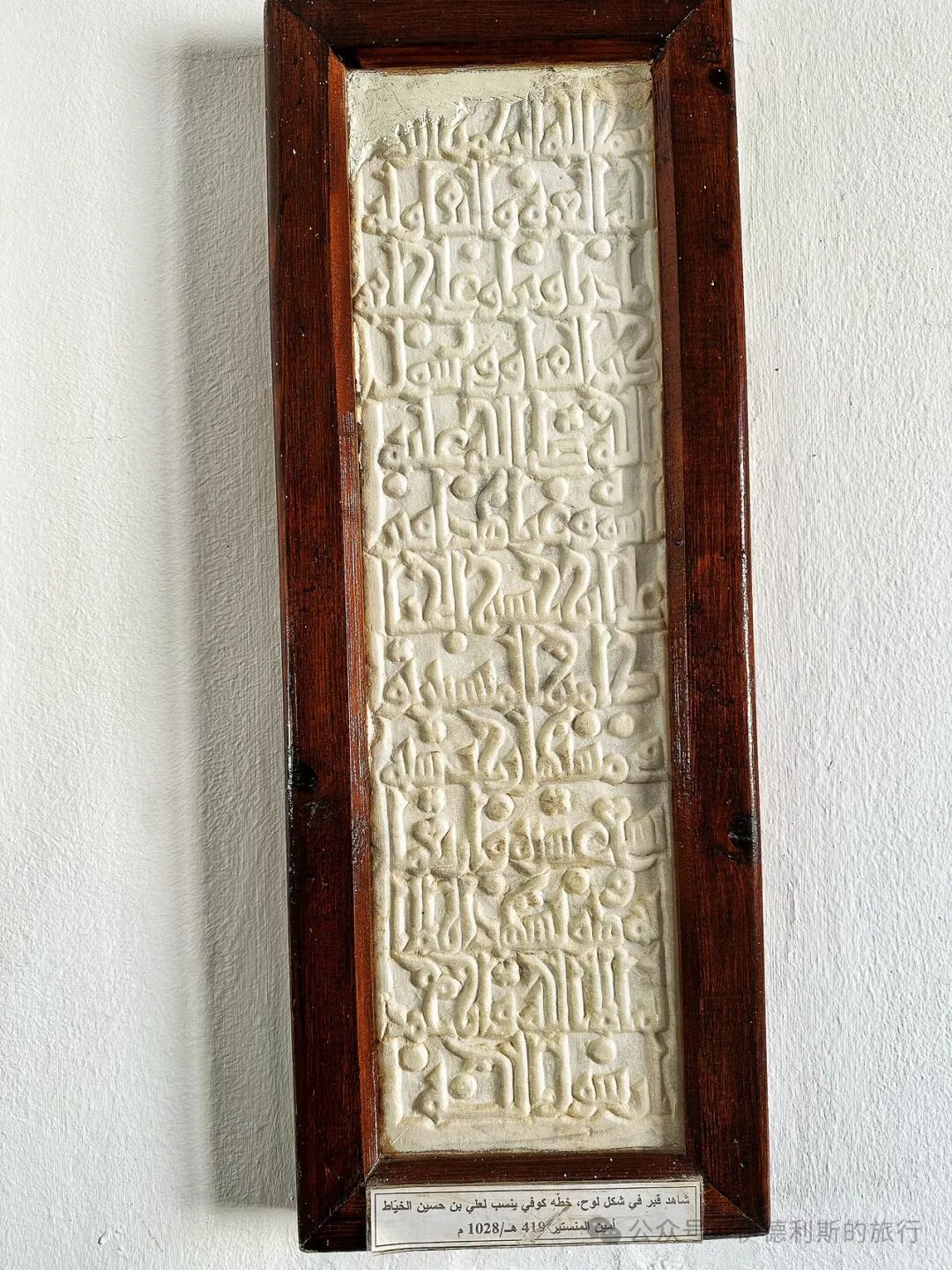
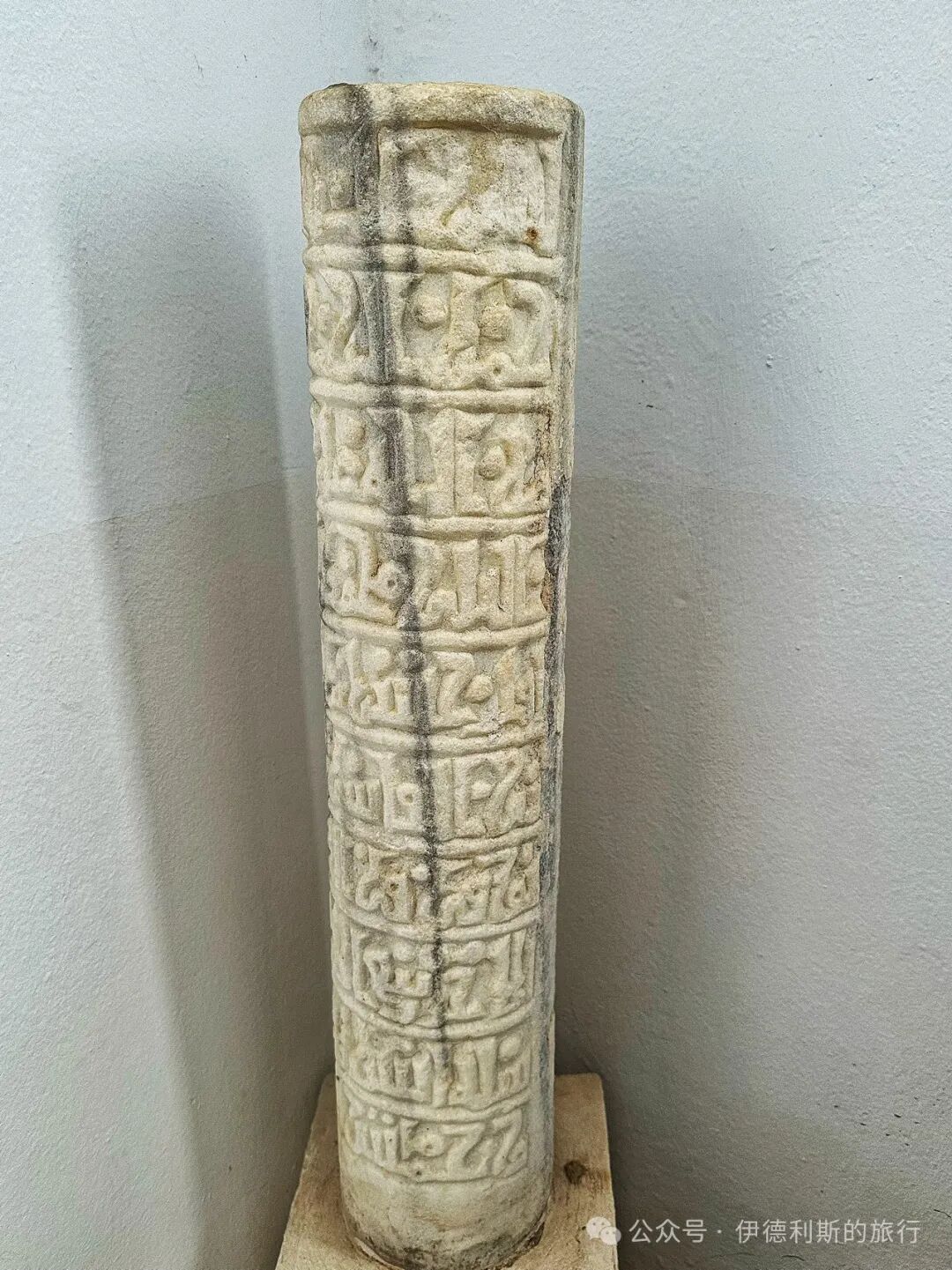
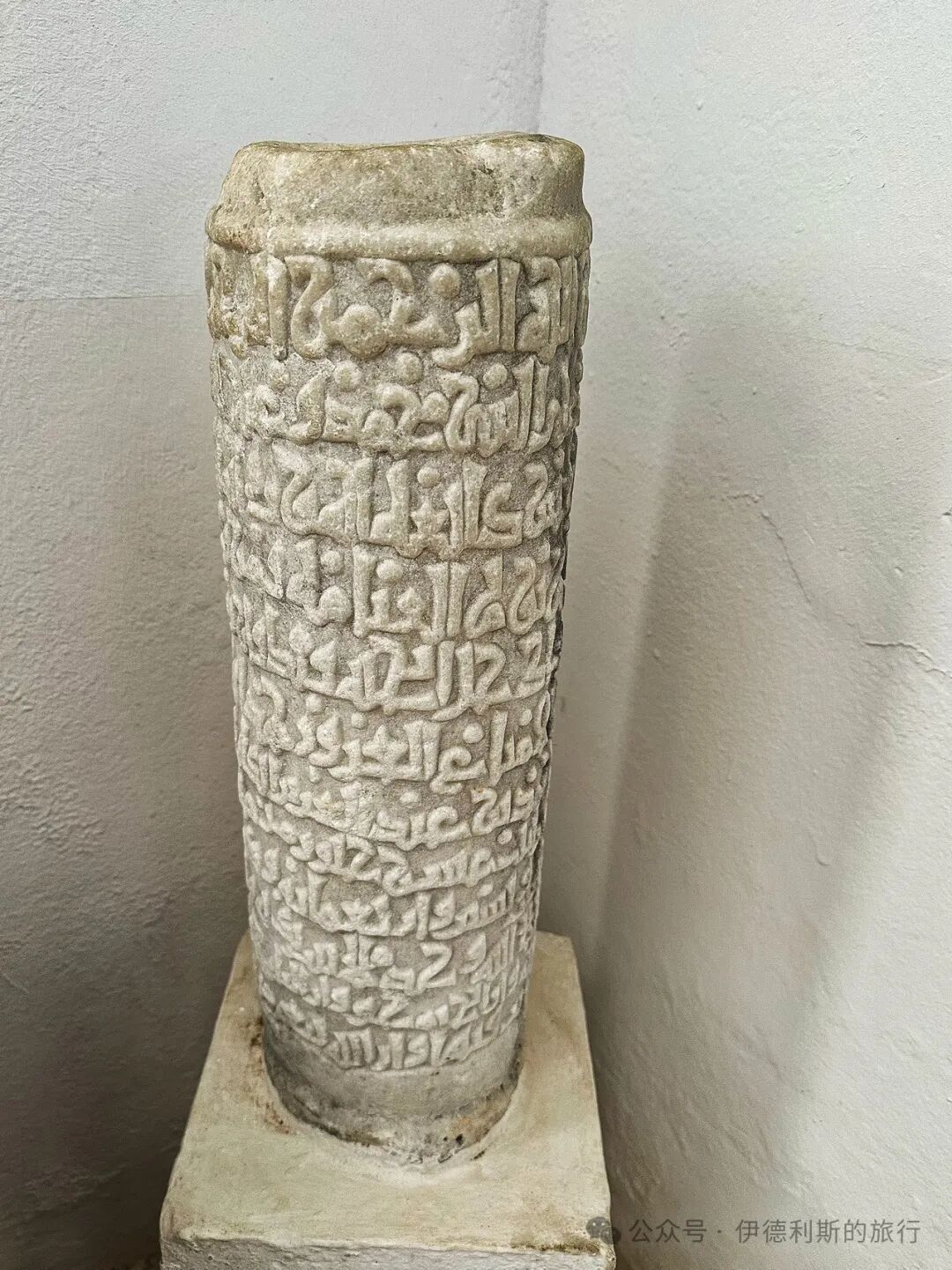
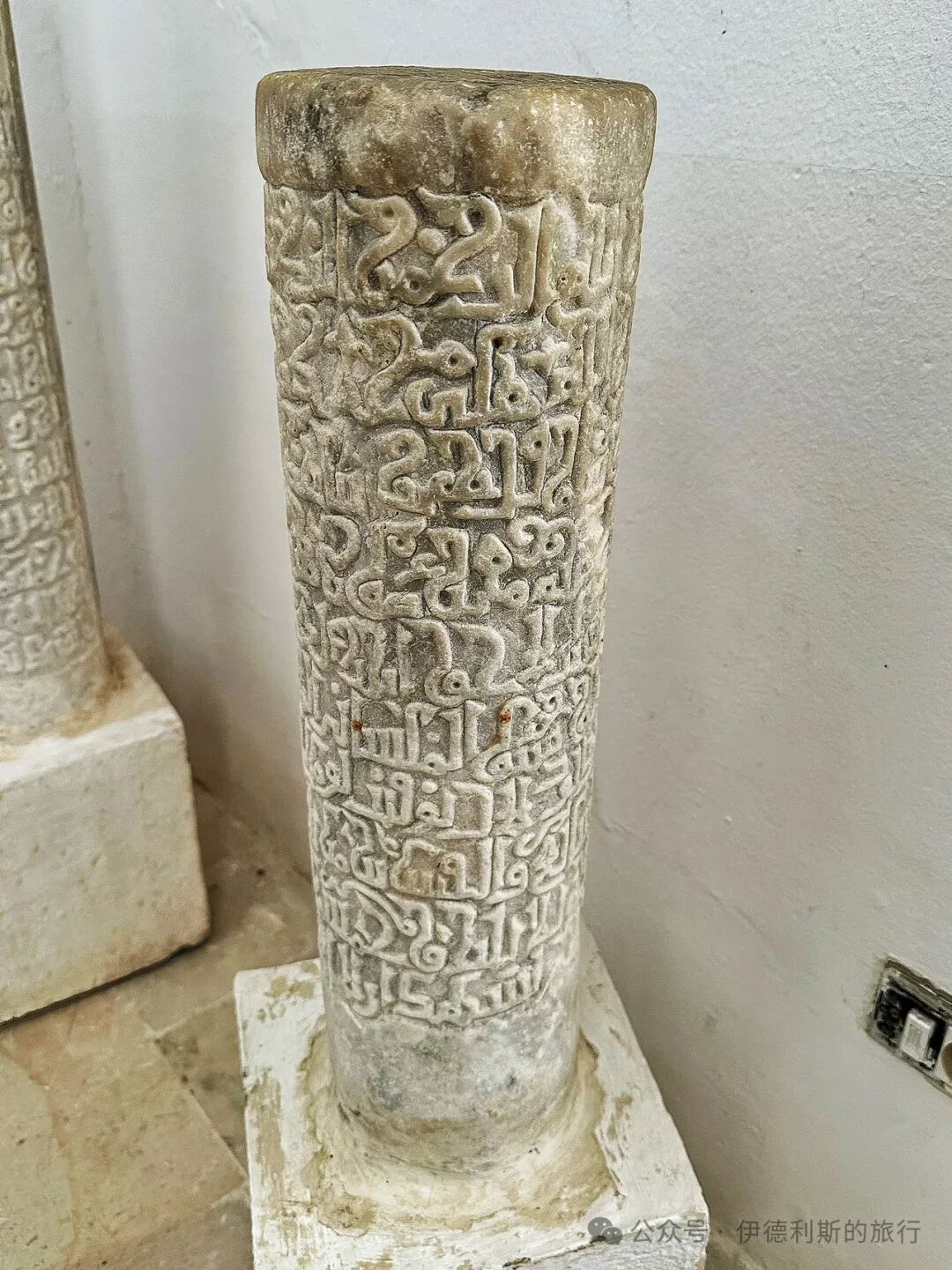
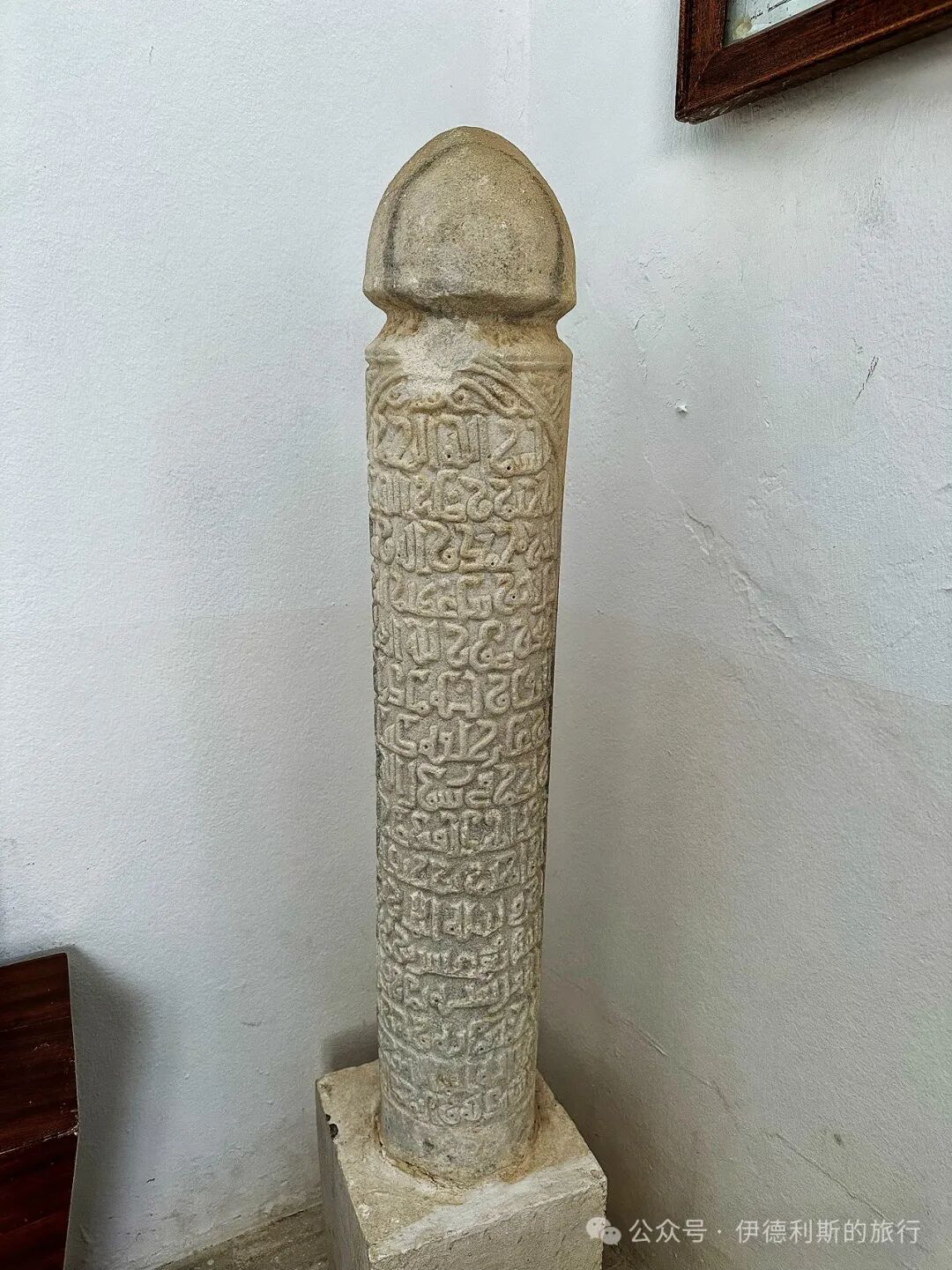
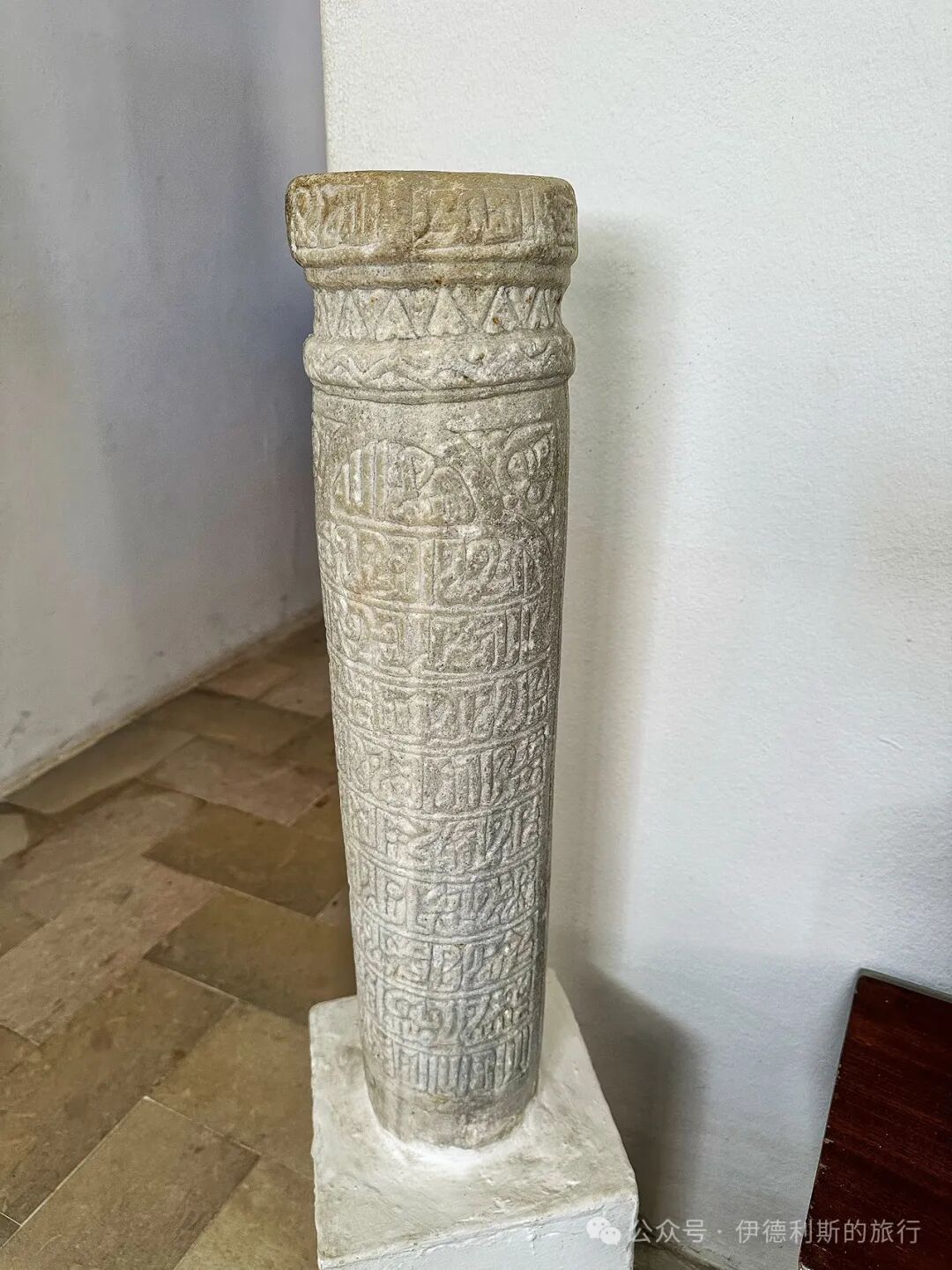
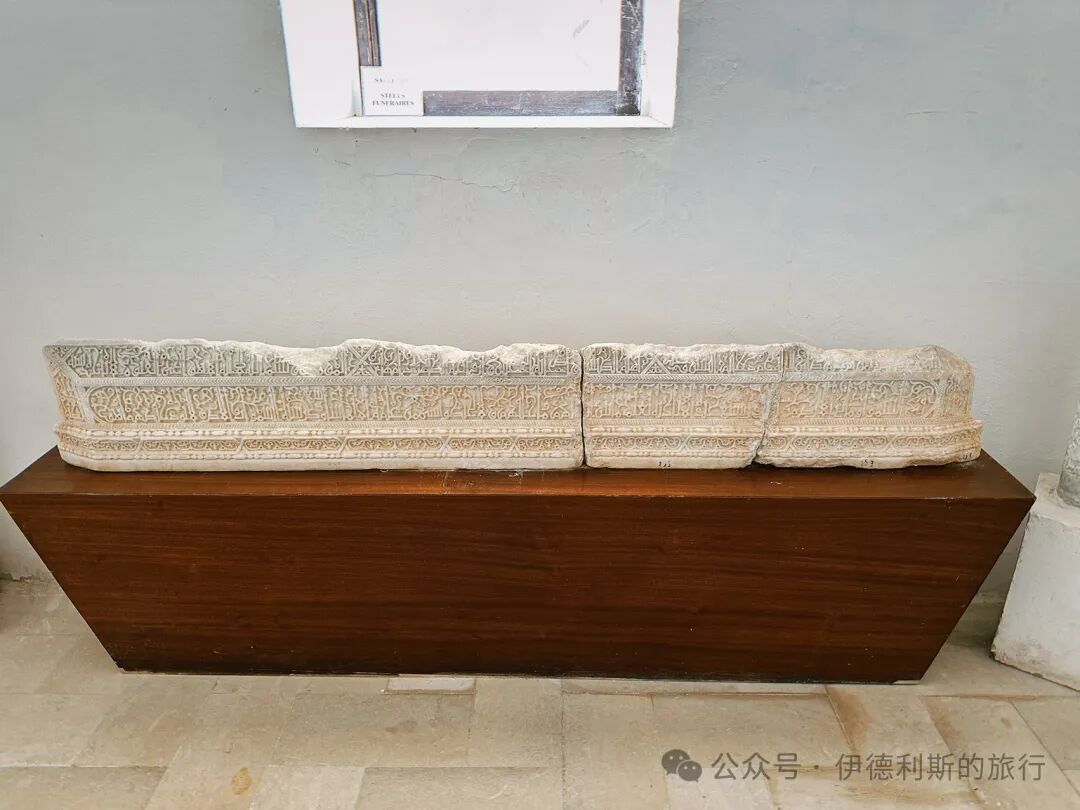
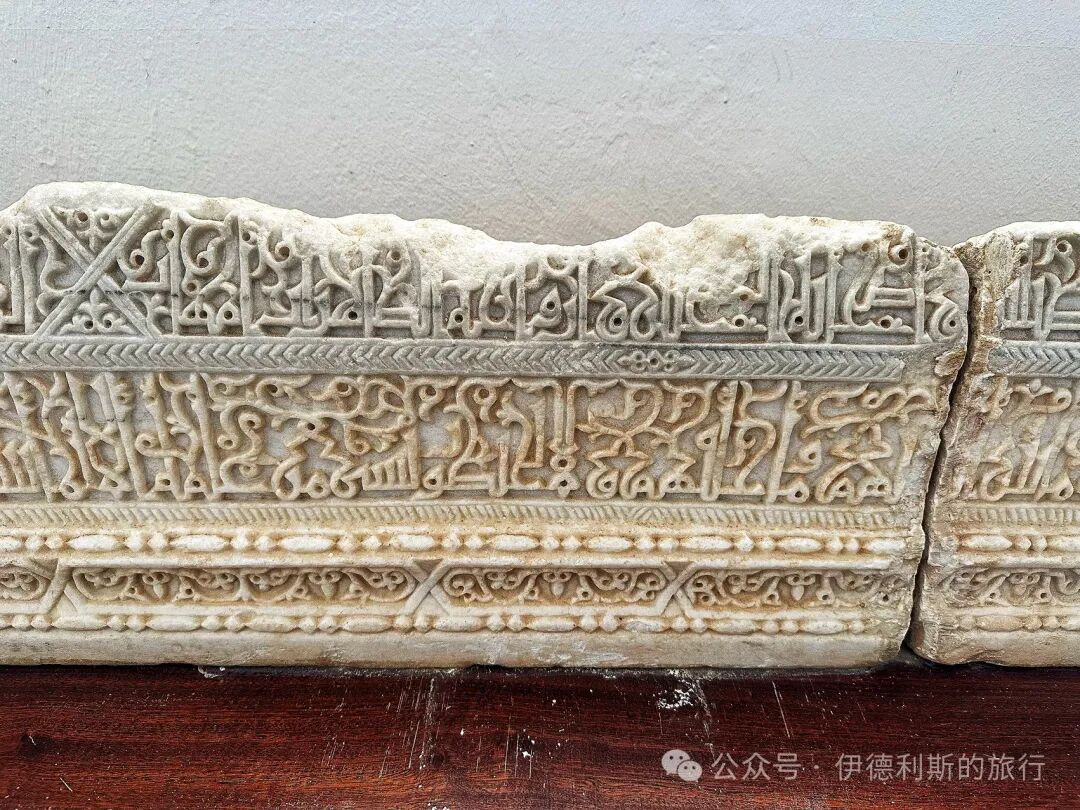
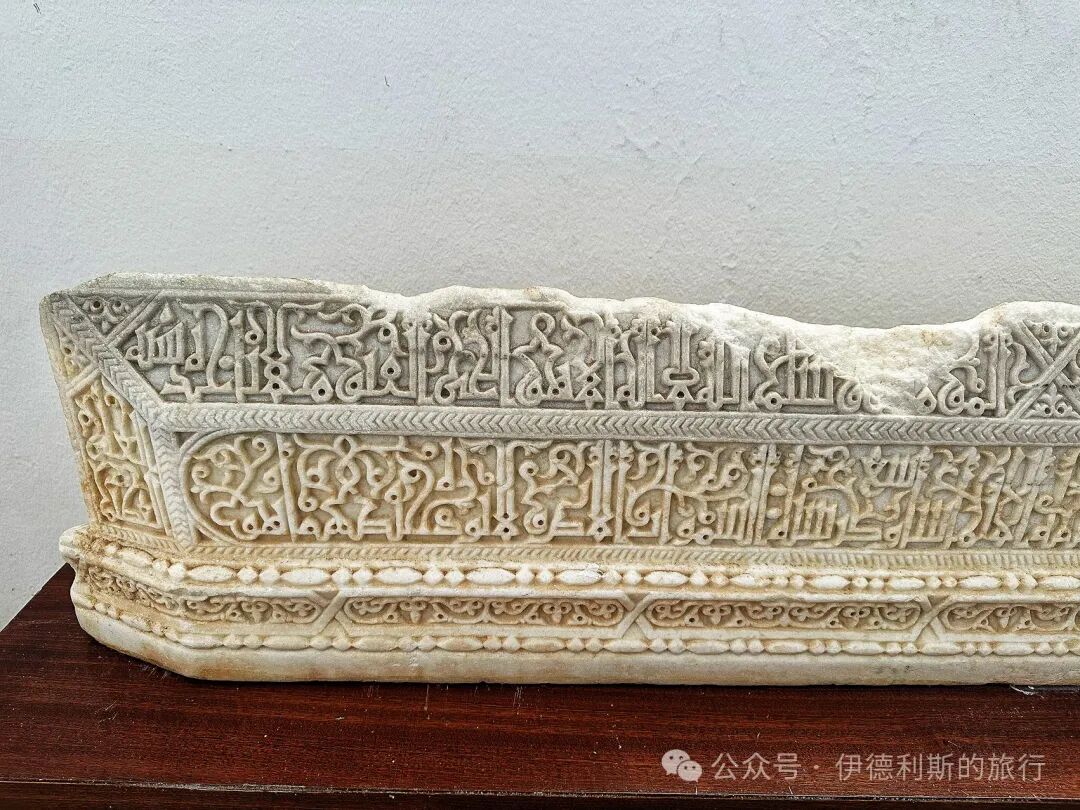
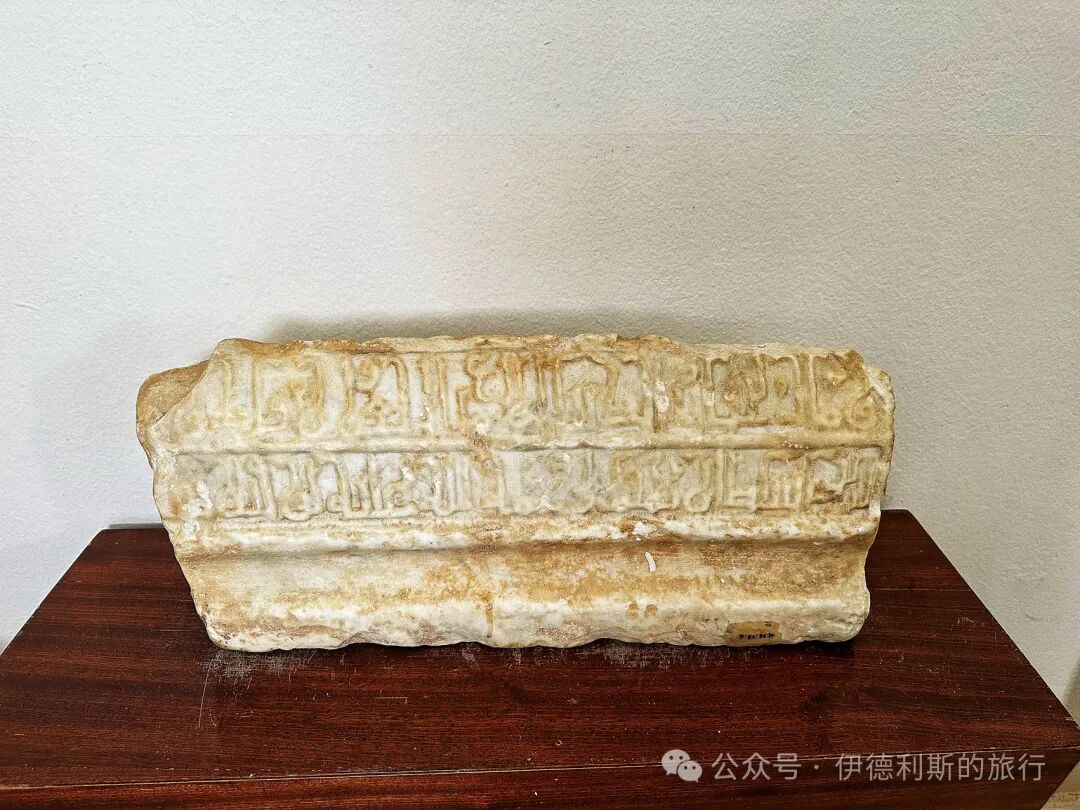
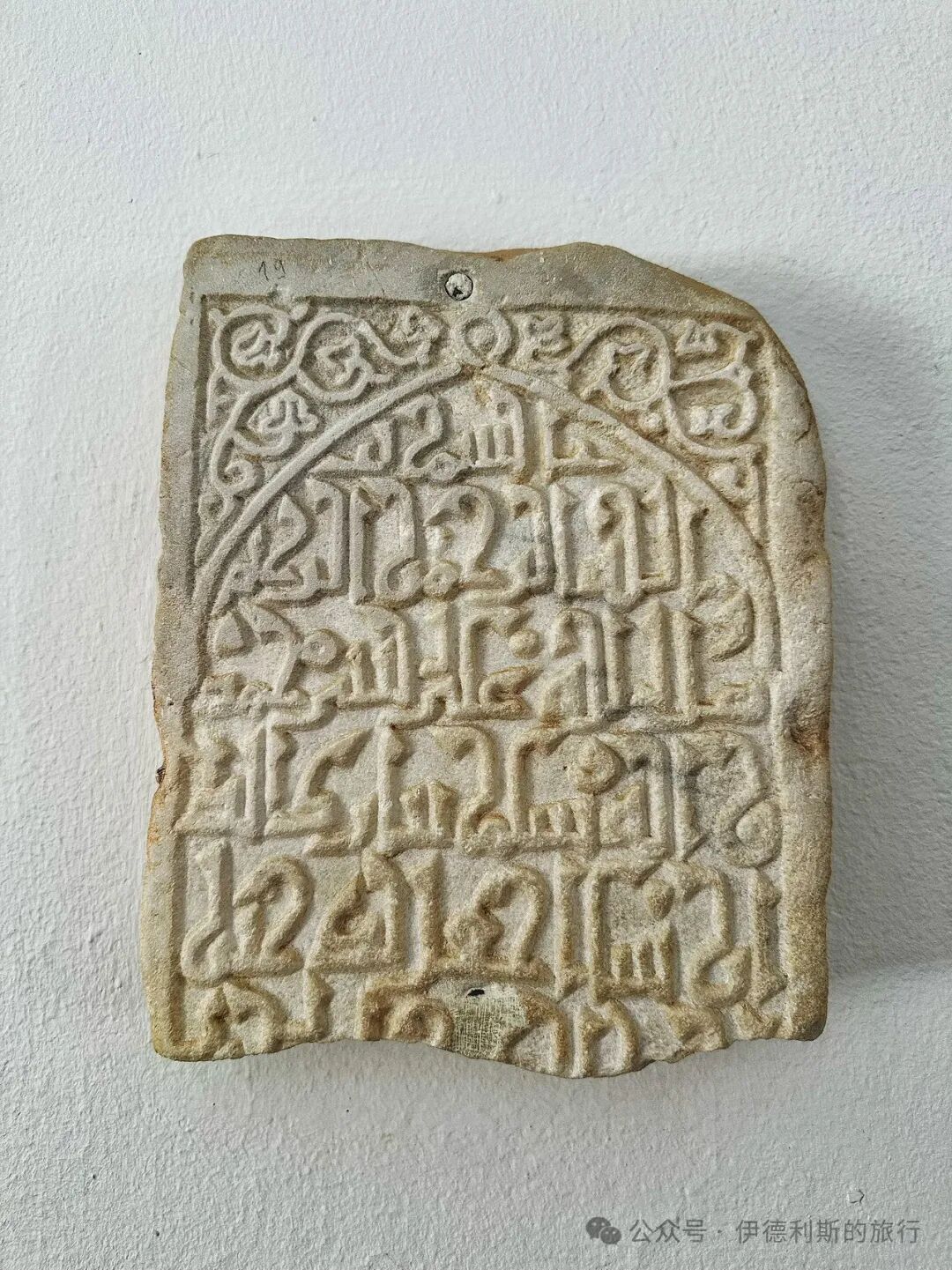
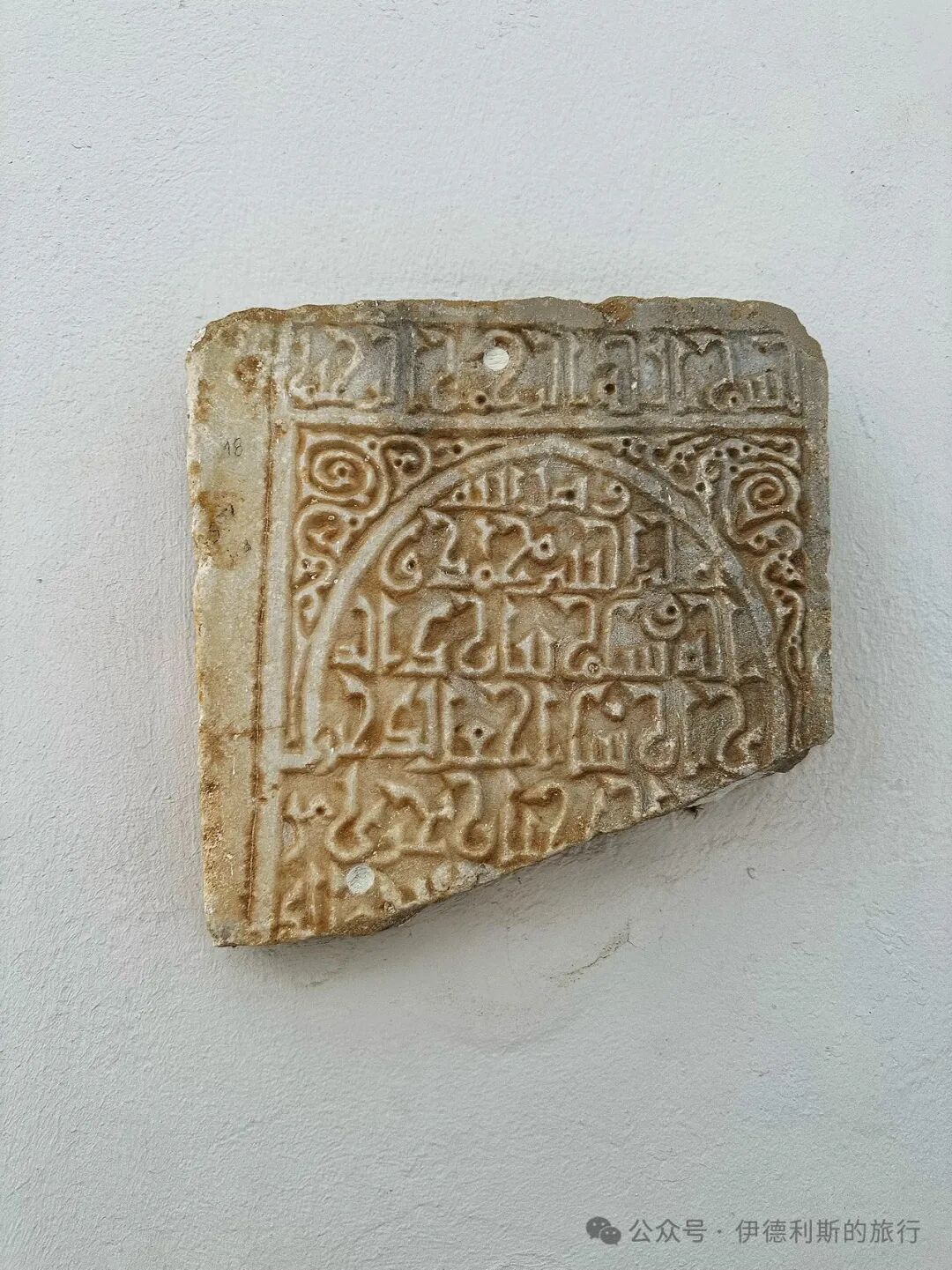
A collection of stone tablets with Arabic inscriptions is displayed at the museum entrance, featuring very ornate calligraphy.
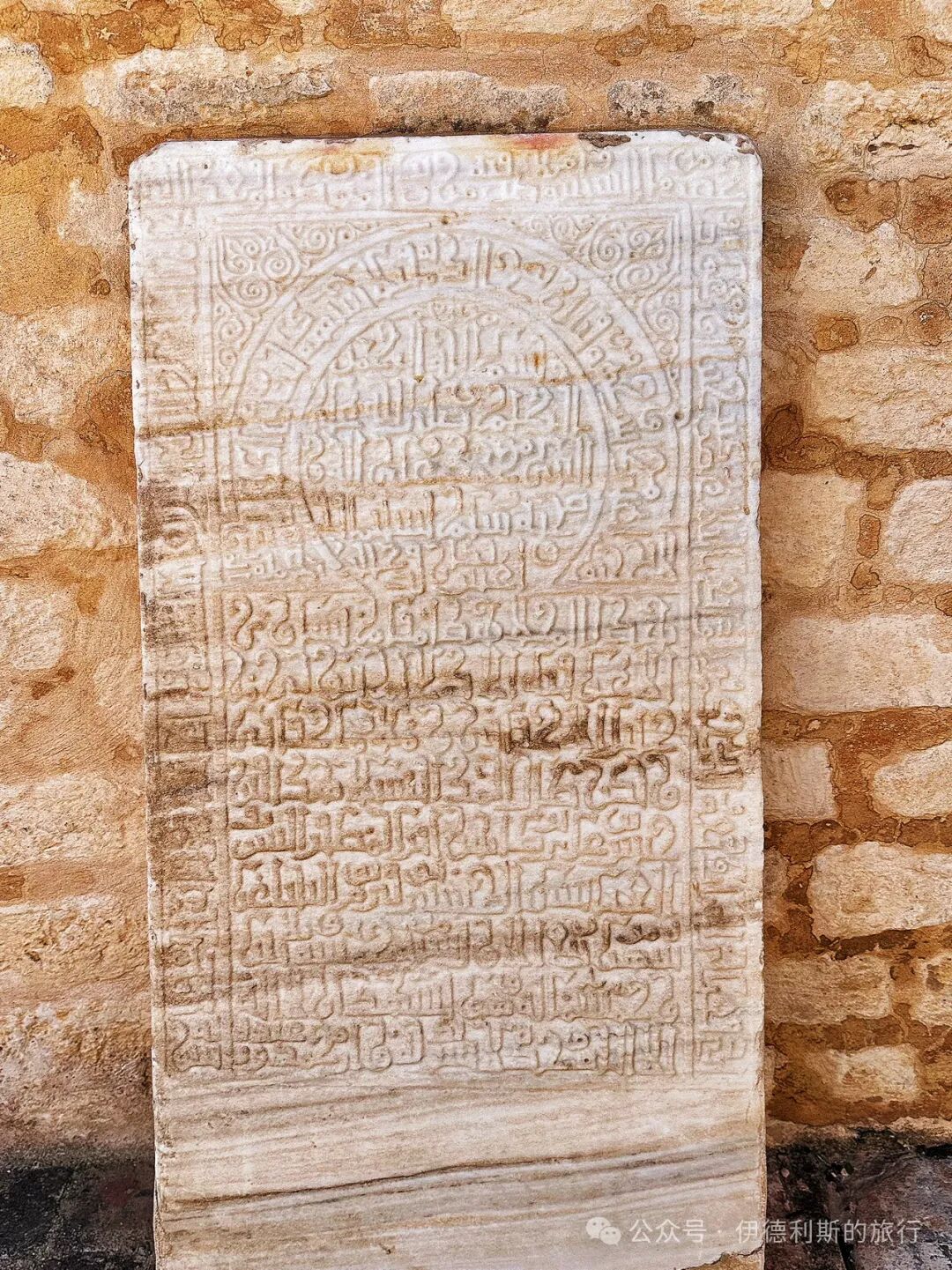
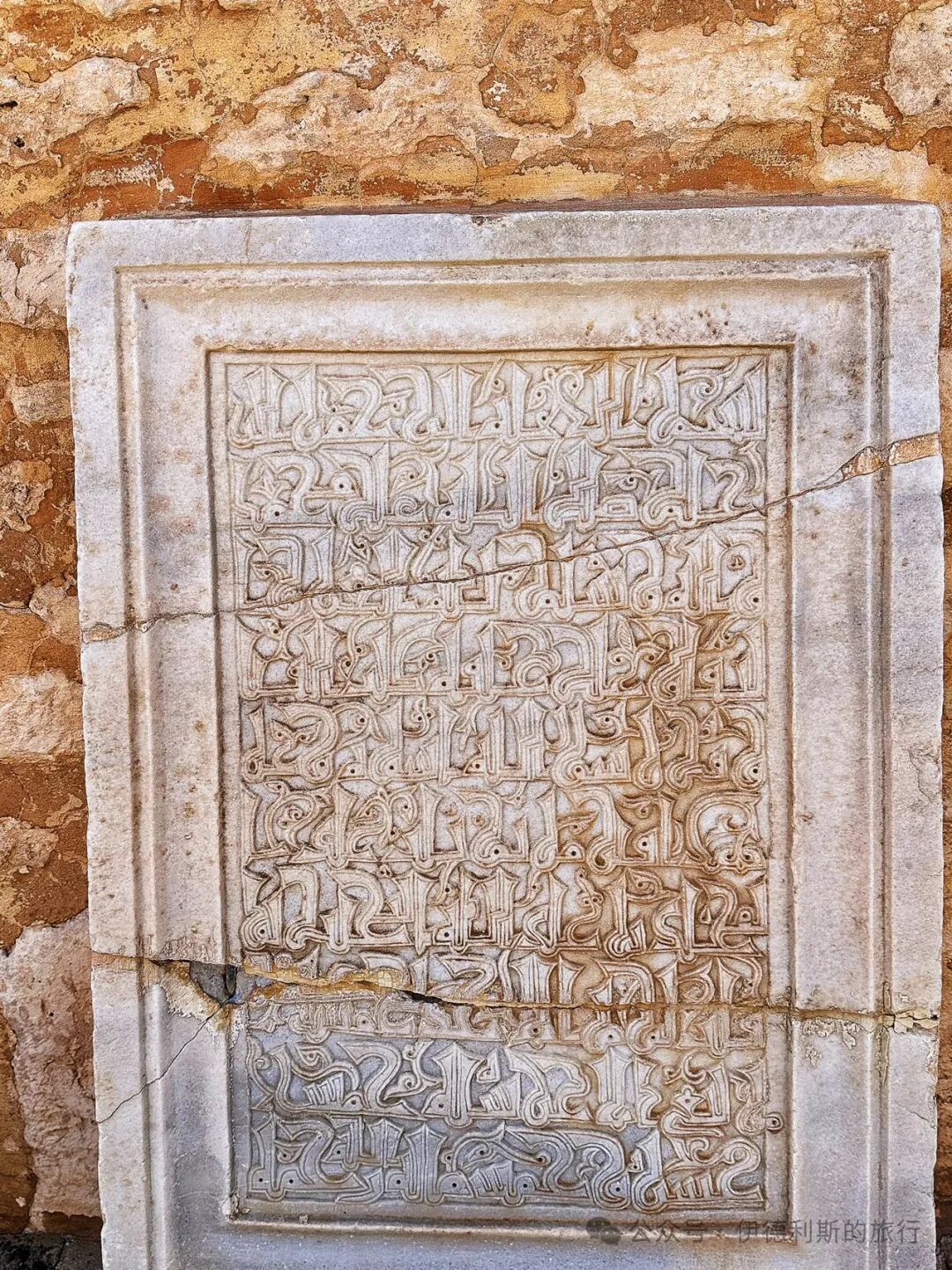
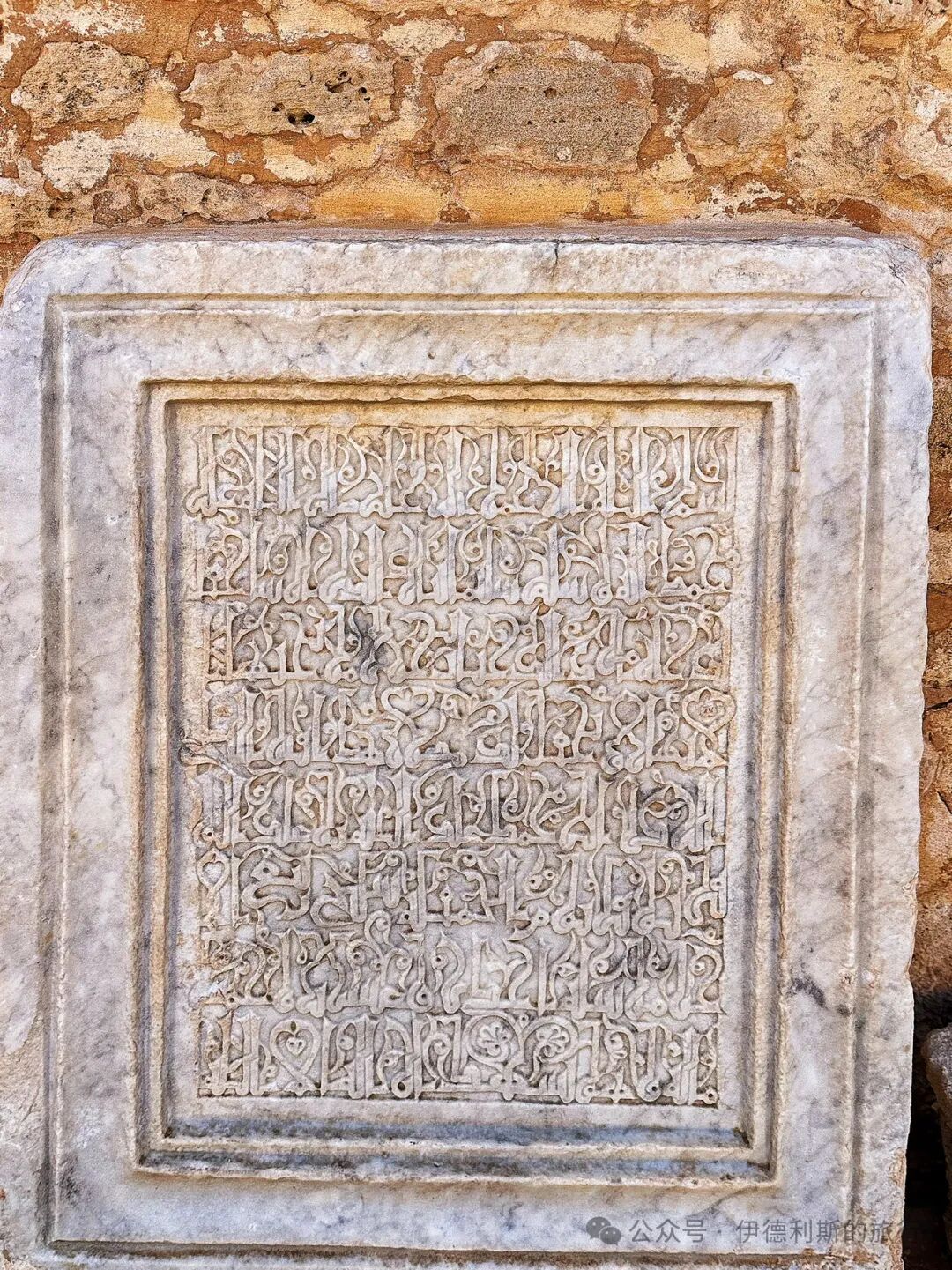
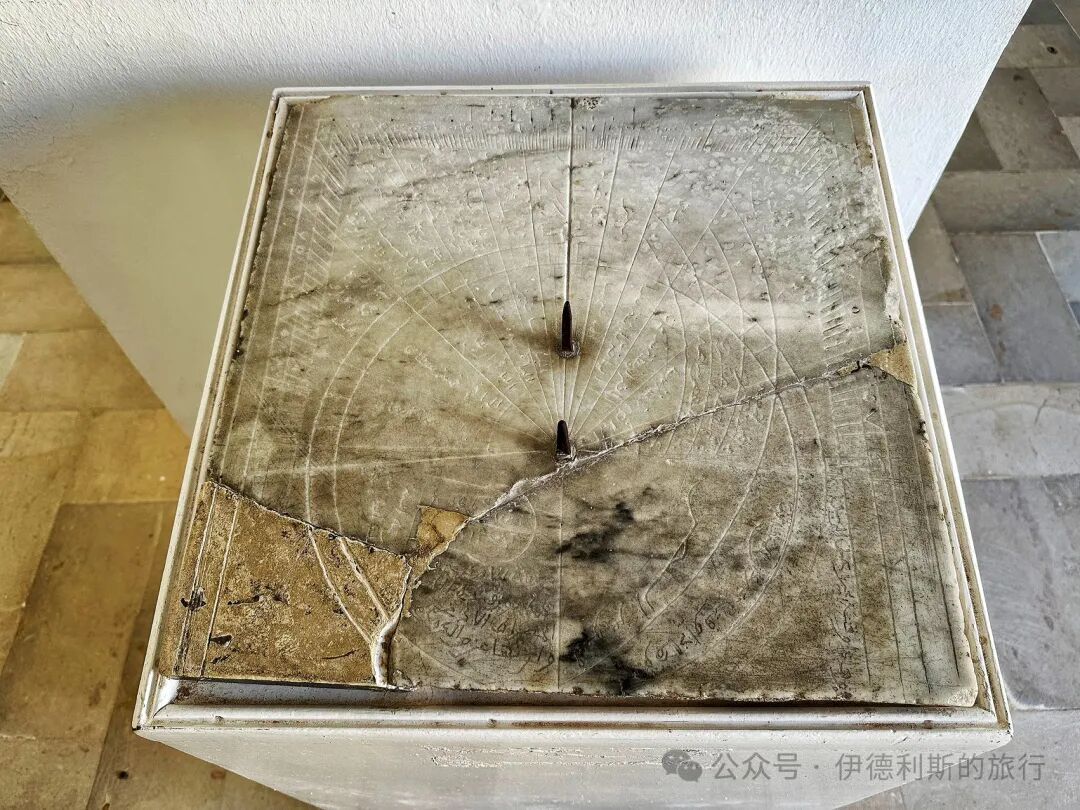
Sundial
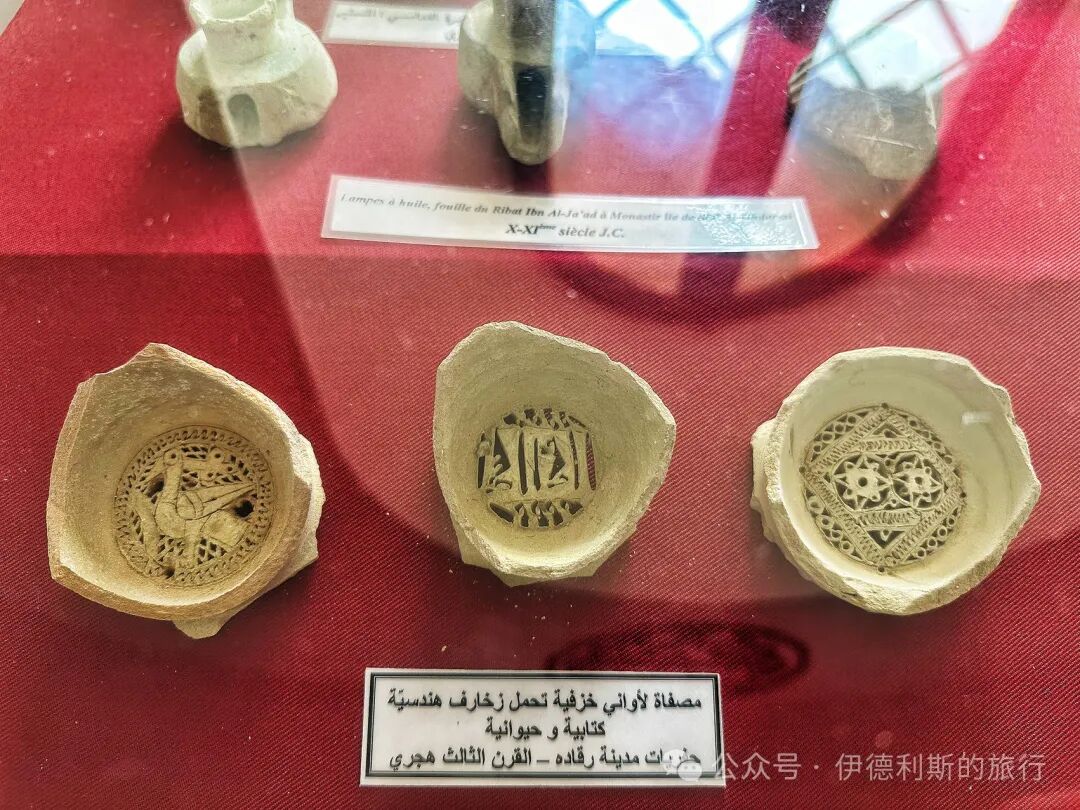
9th to 10th-century Arabic pottery
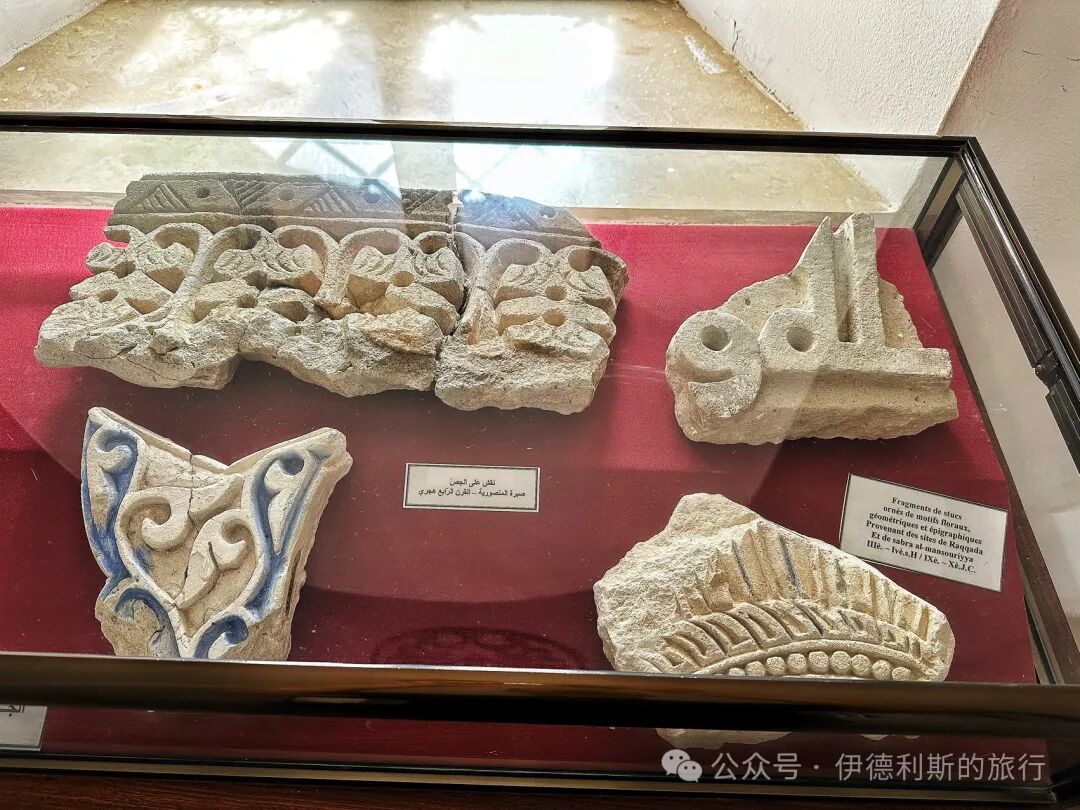
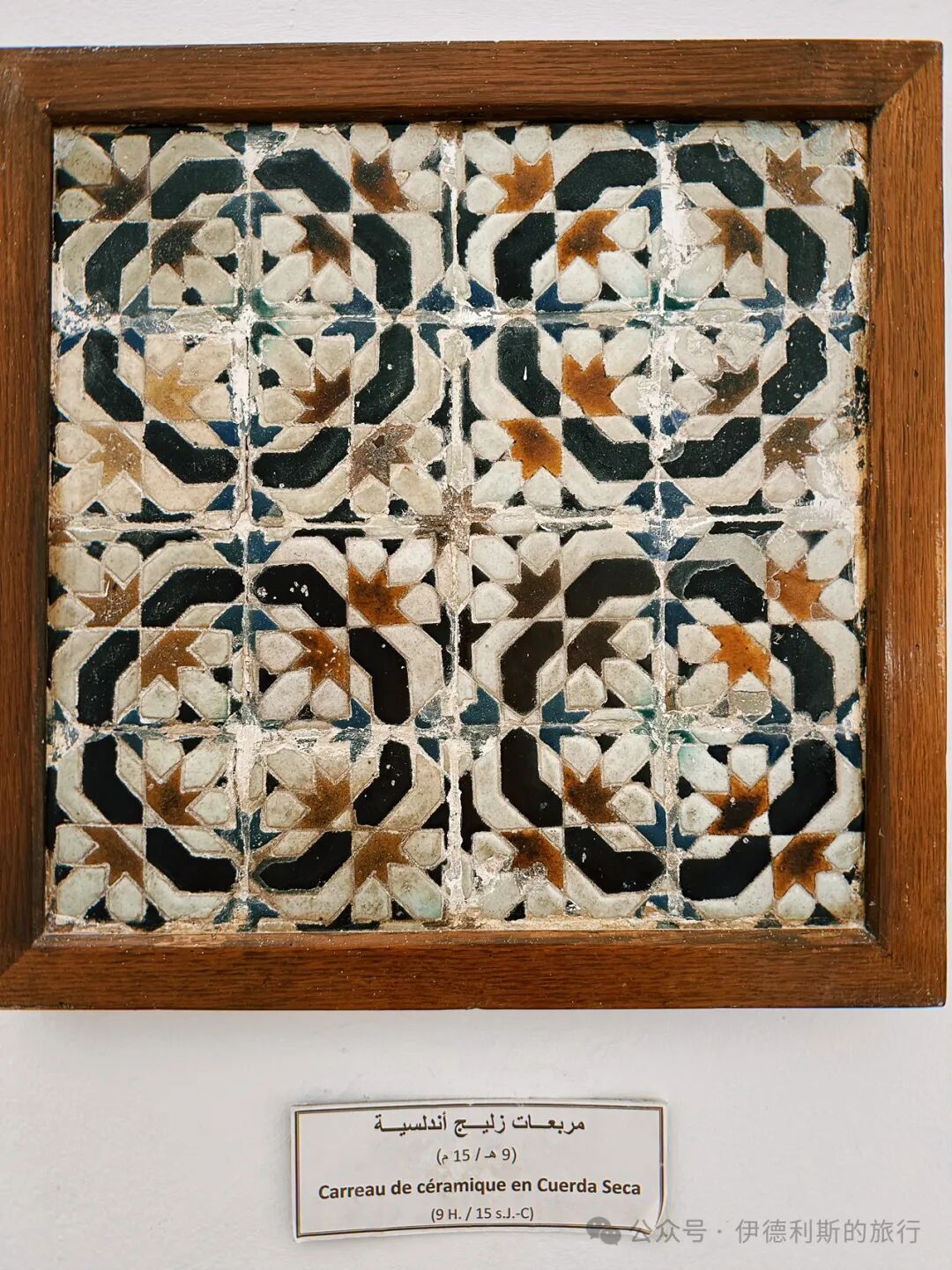
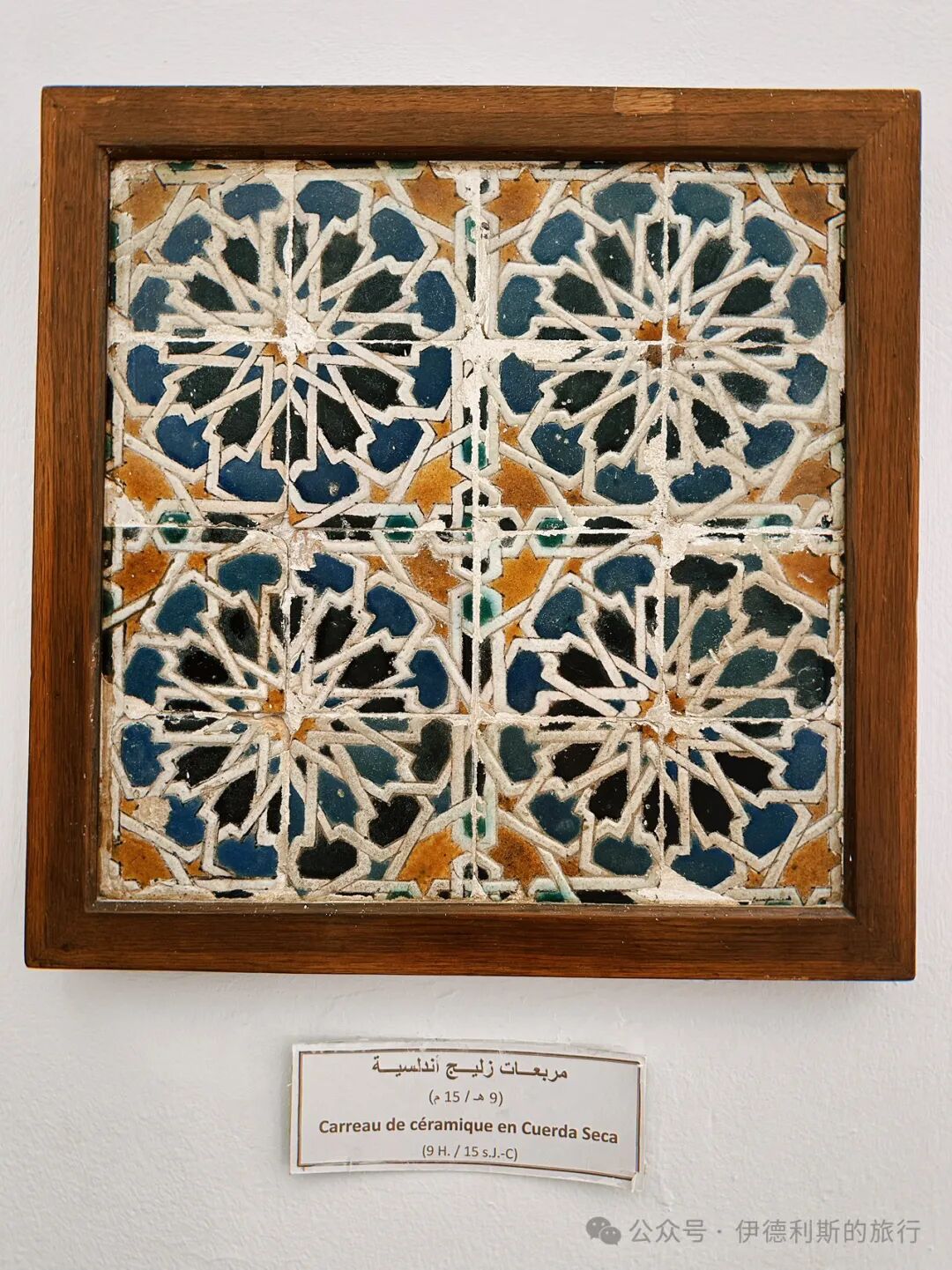
15th-century mosaic tiles.
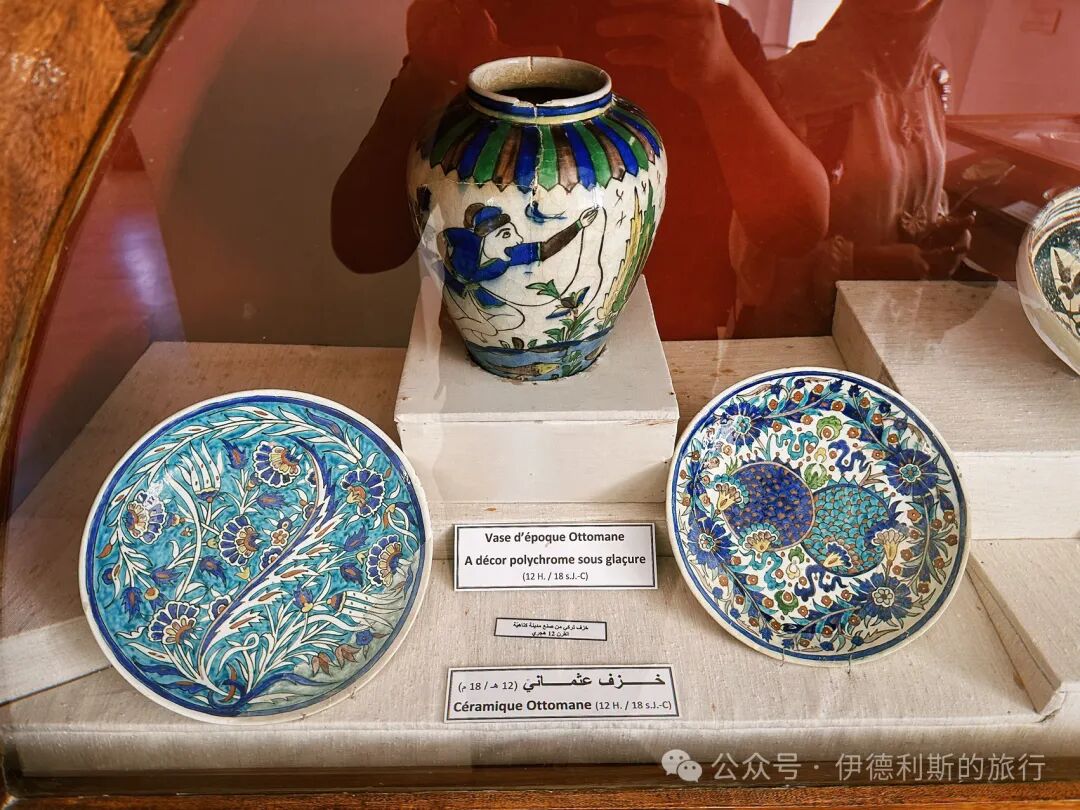
18th-century Ottoman-era porcelain.
Stone steles from 859 and 1028.
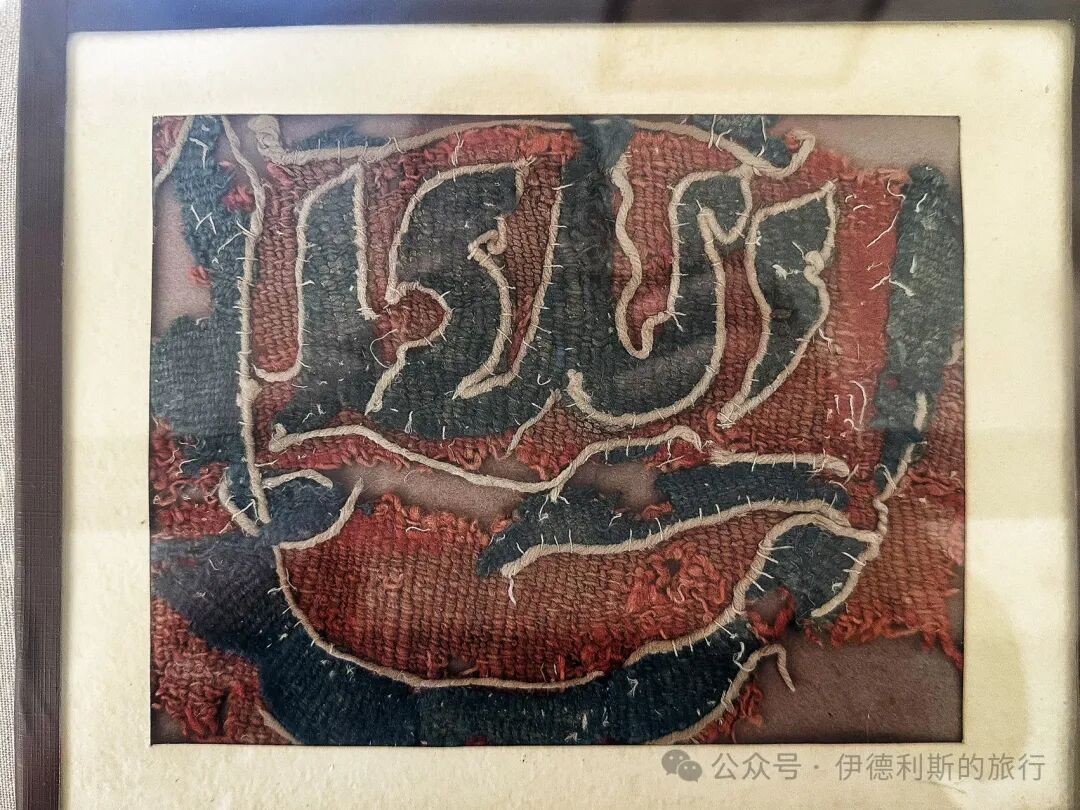
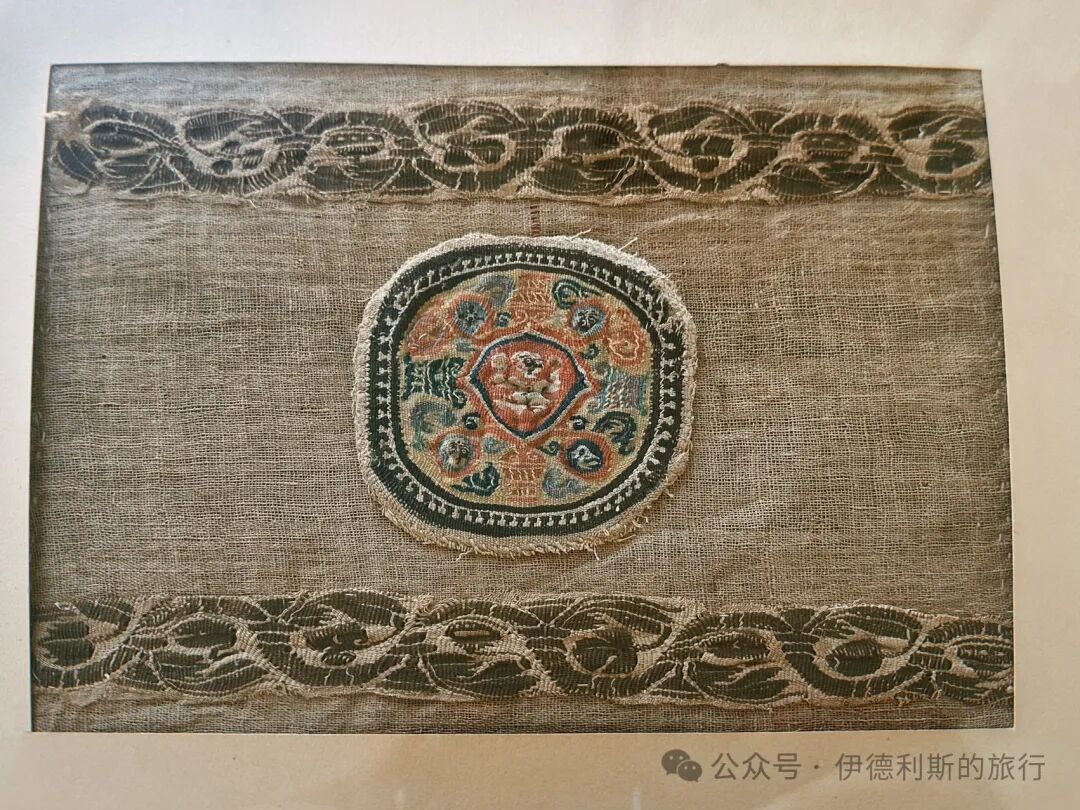
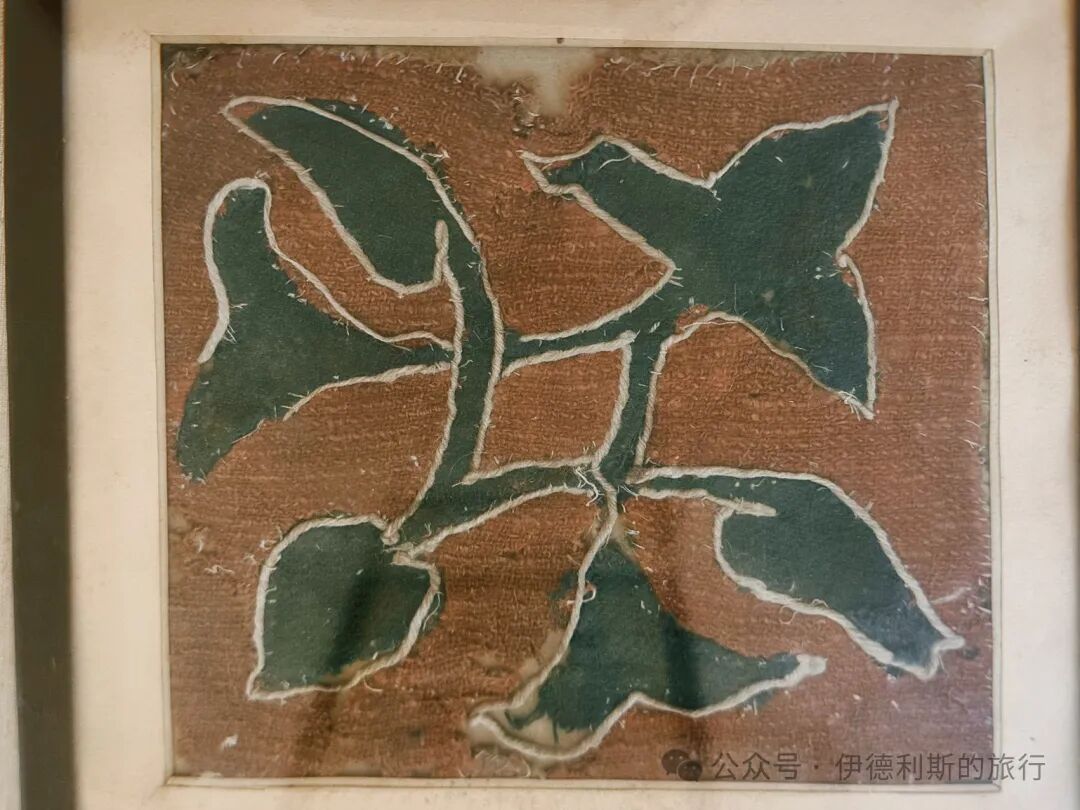
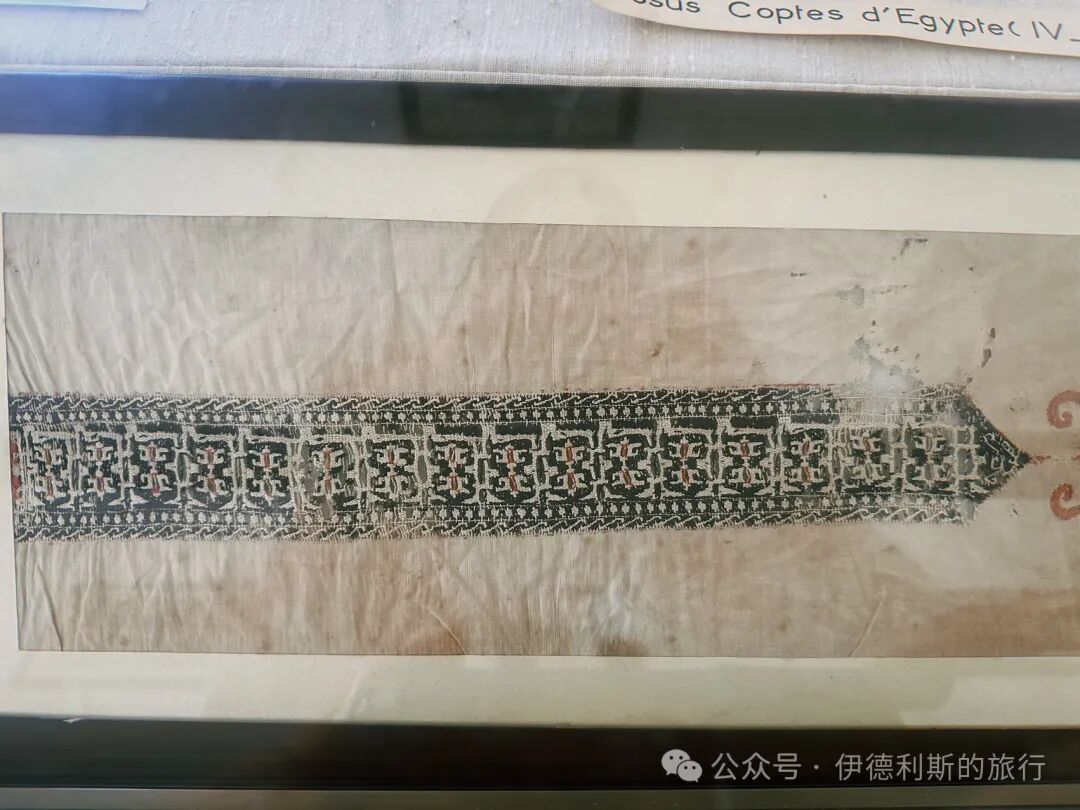
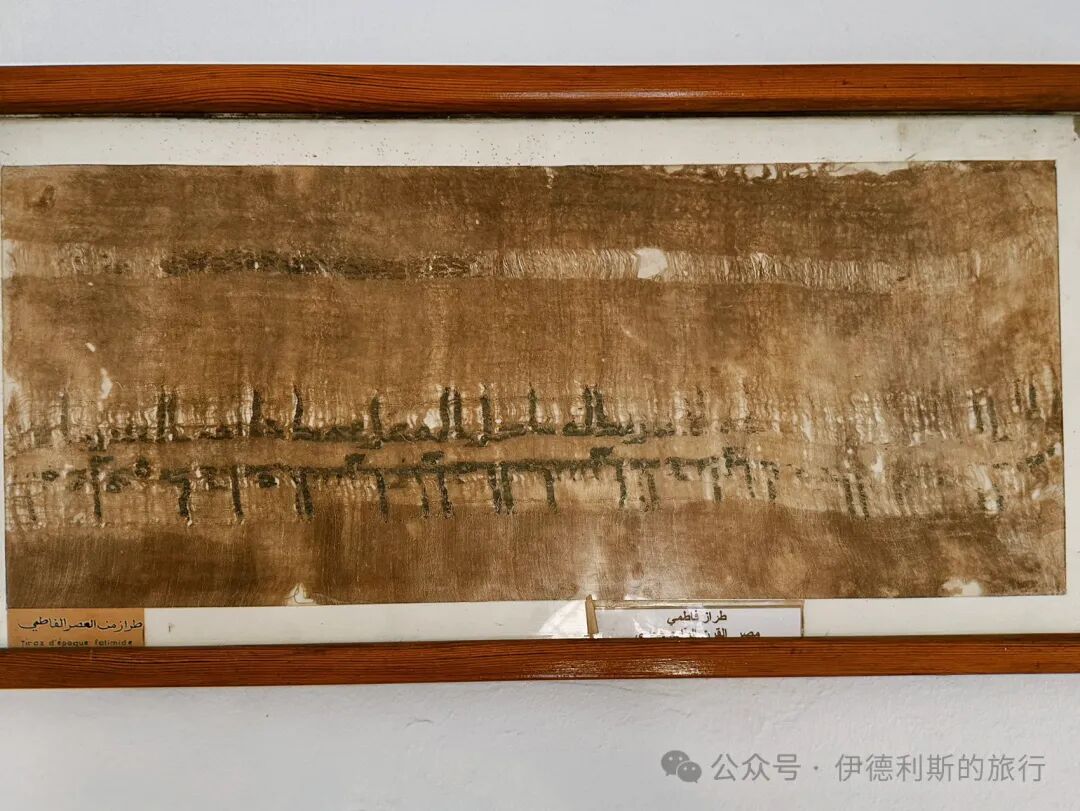
Textiles from the Fatimid to Mamluk dynasties in Egypt.
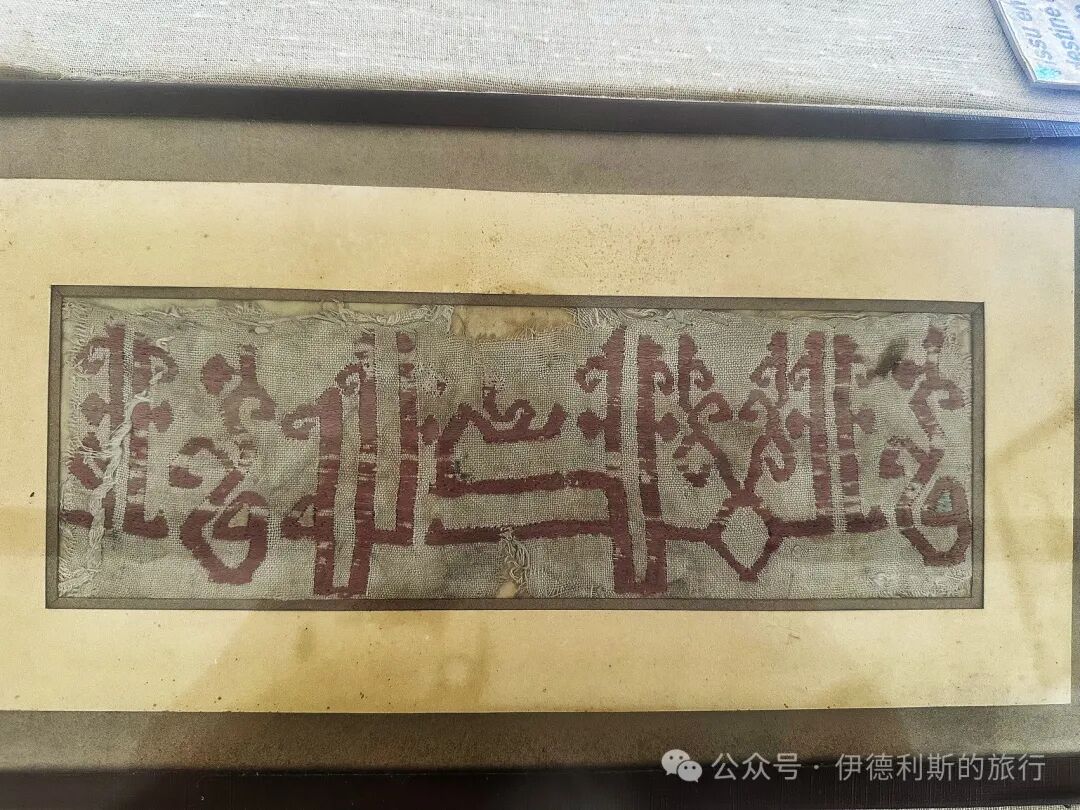
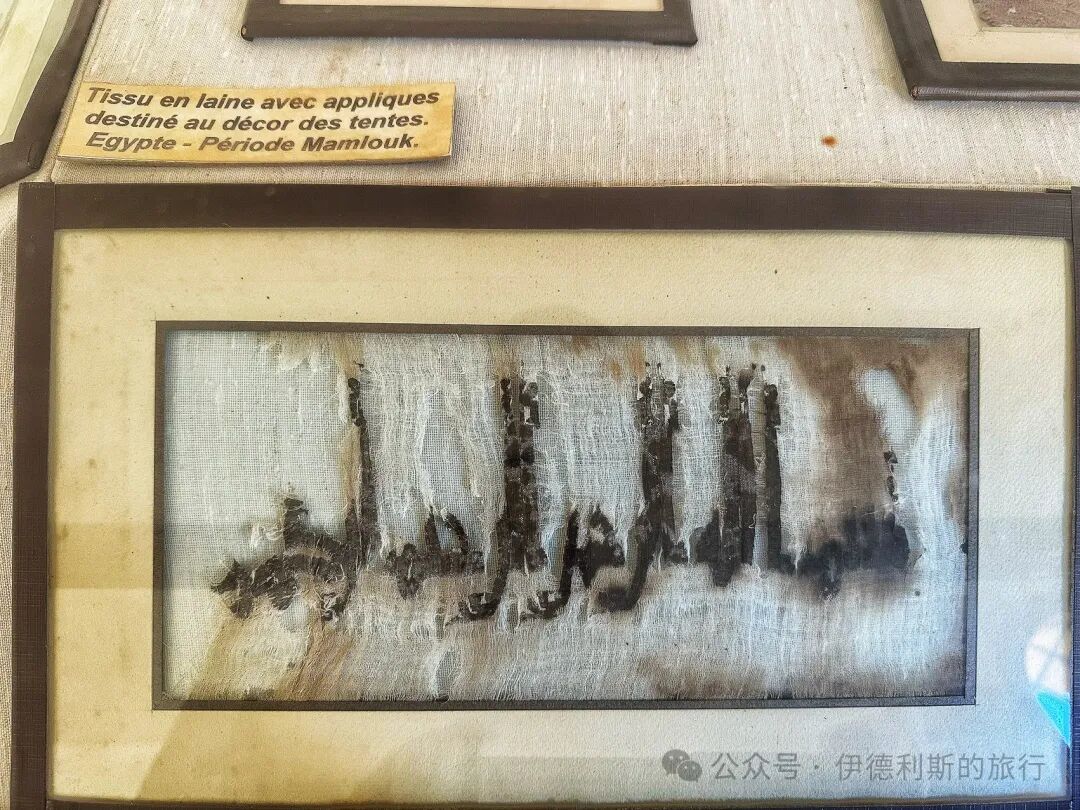
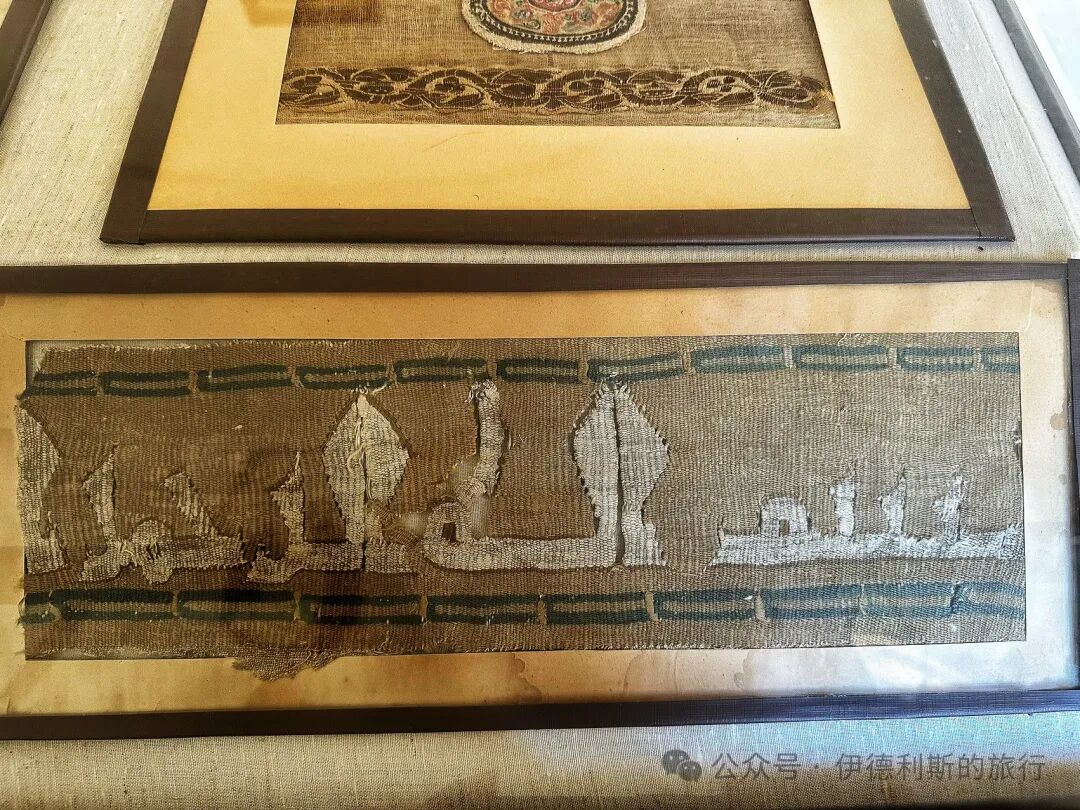
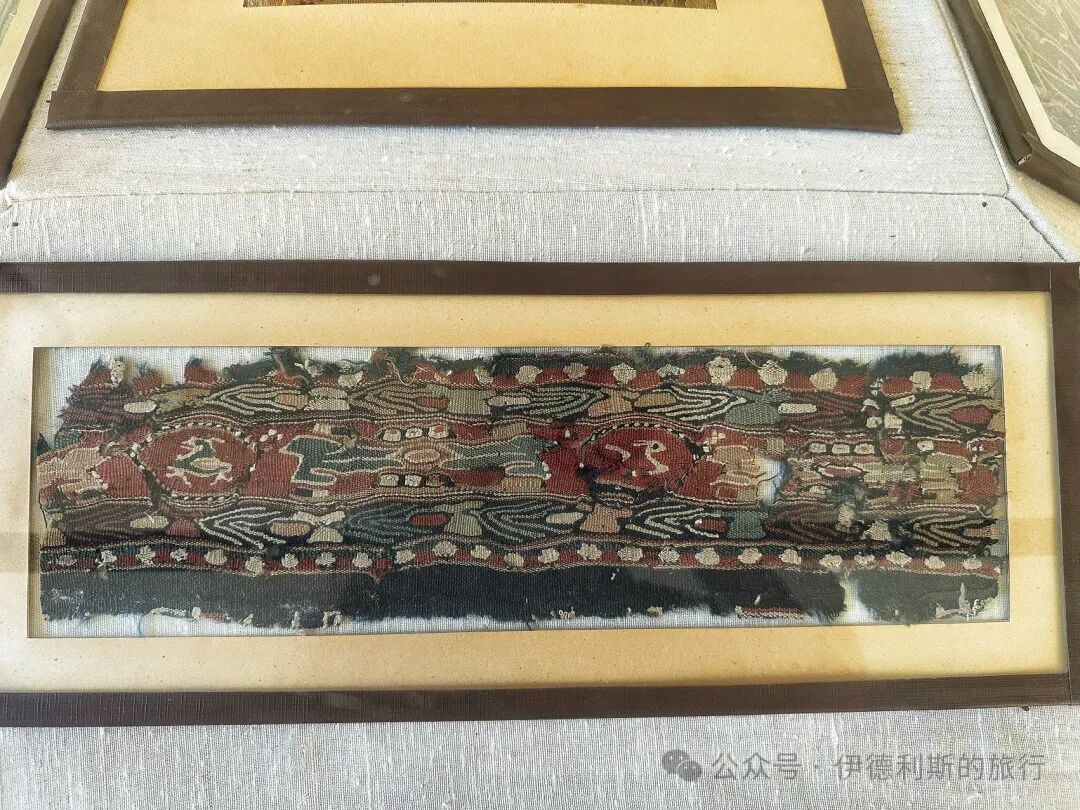
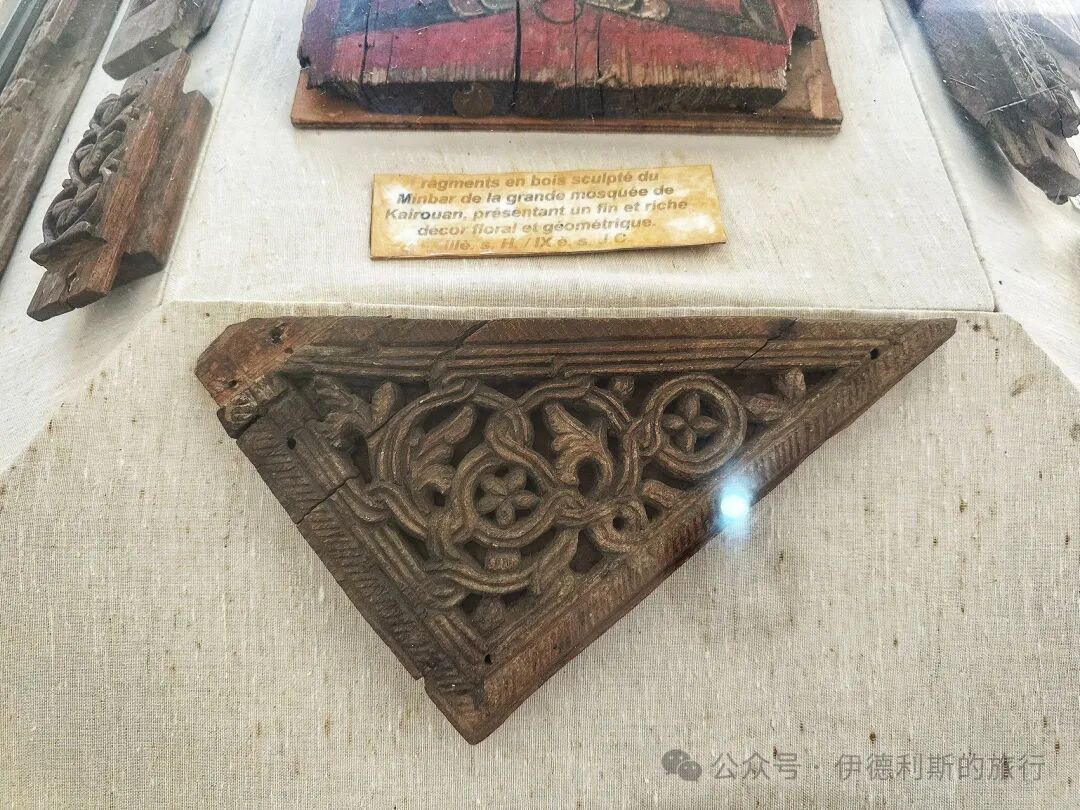
The museum's most important collection features 9th to 11th-century wooden components from the main hall of the Great Mosque of Kairouan. Seeing this thousand-year-old North African woodwork is truly stunning.
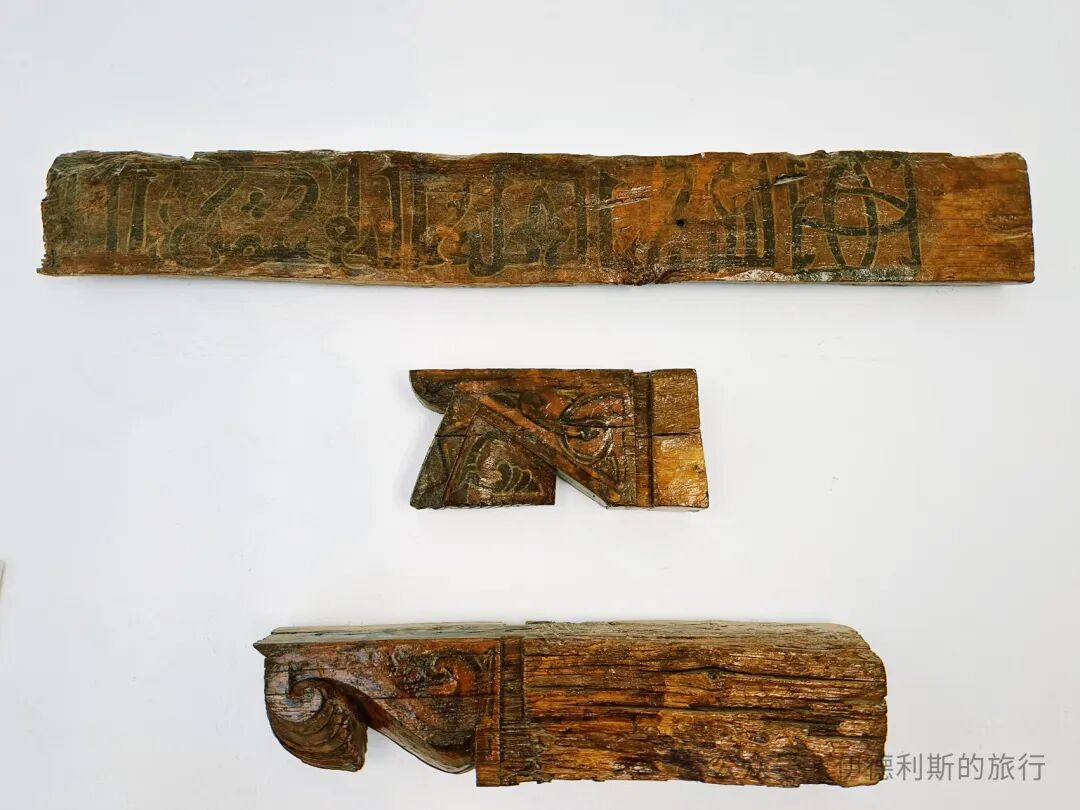
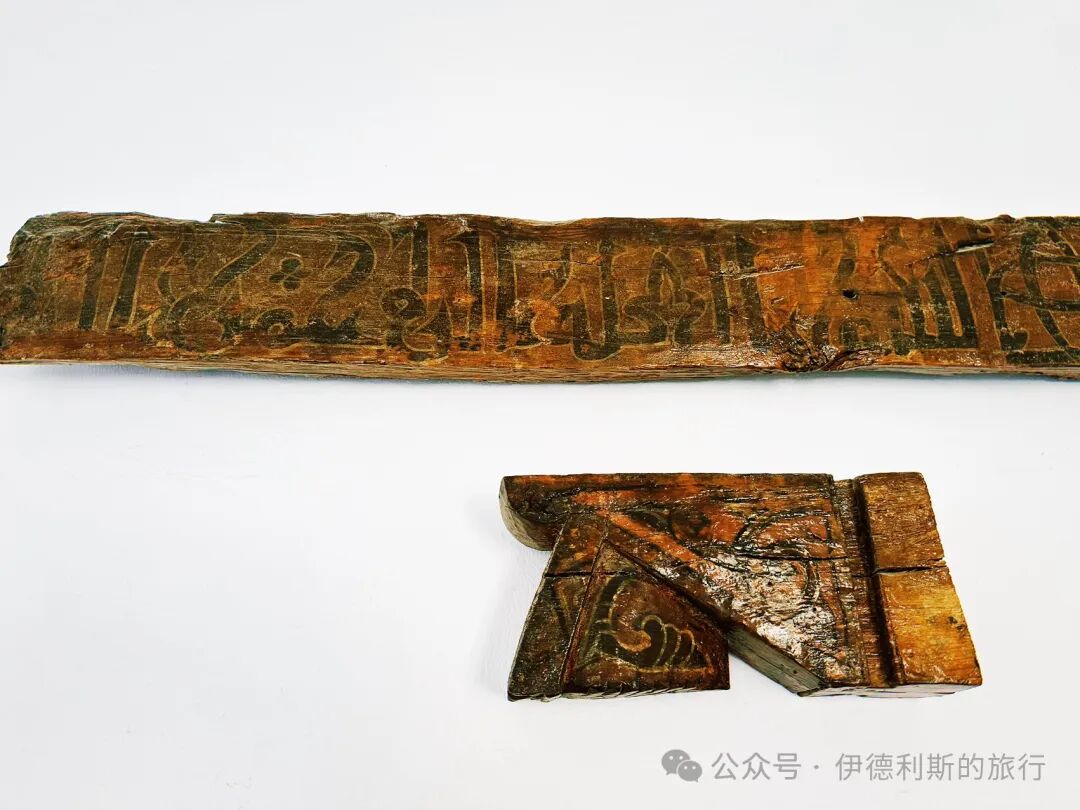
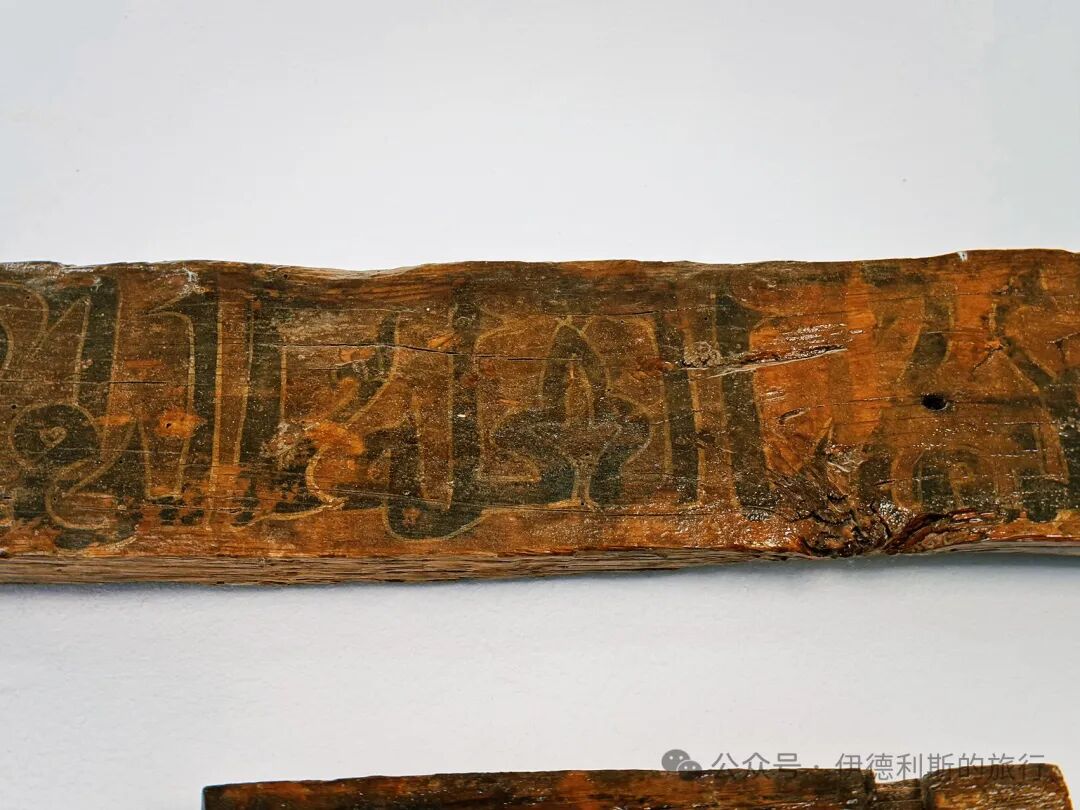
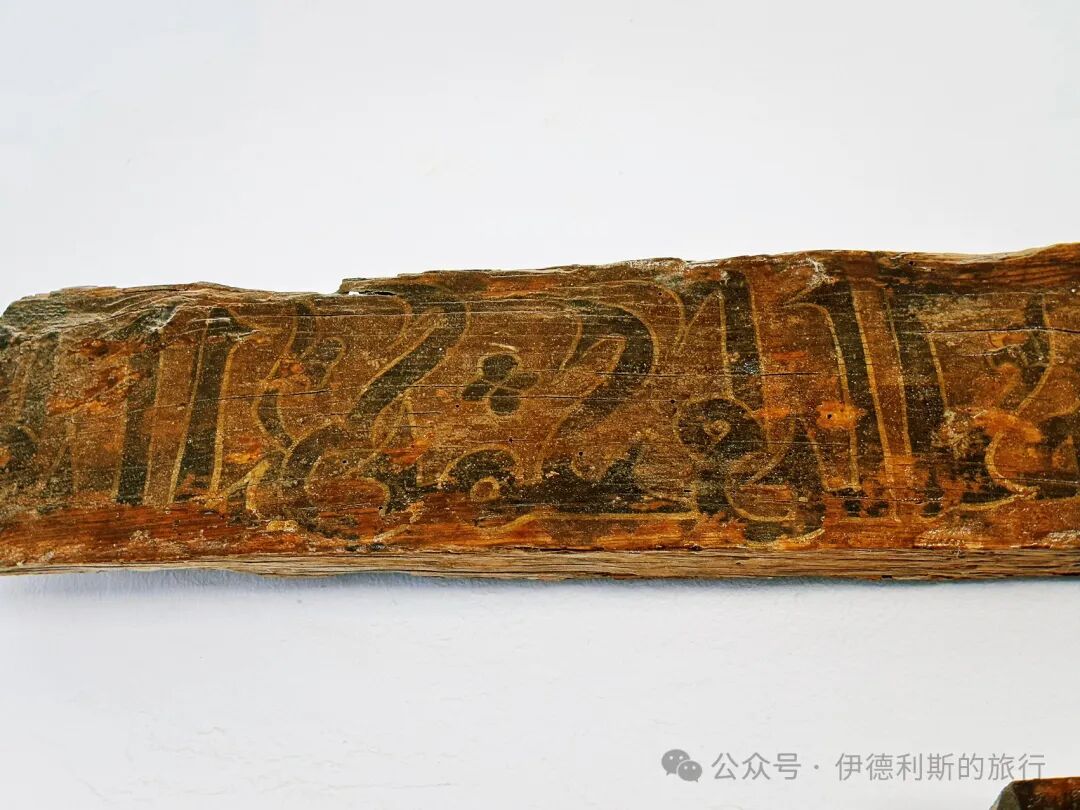
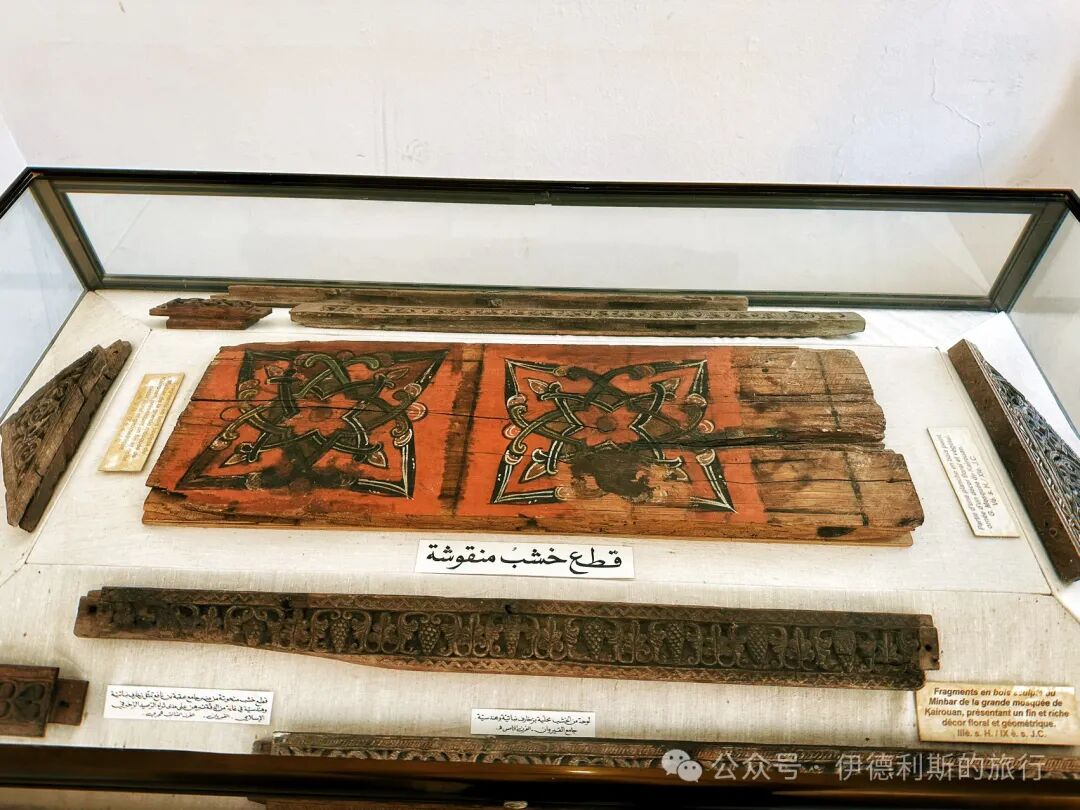
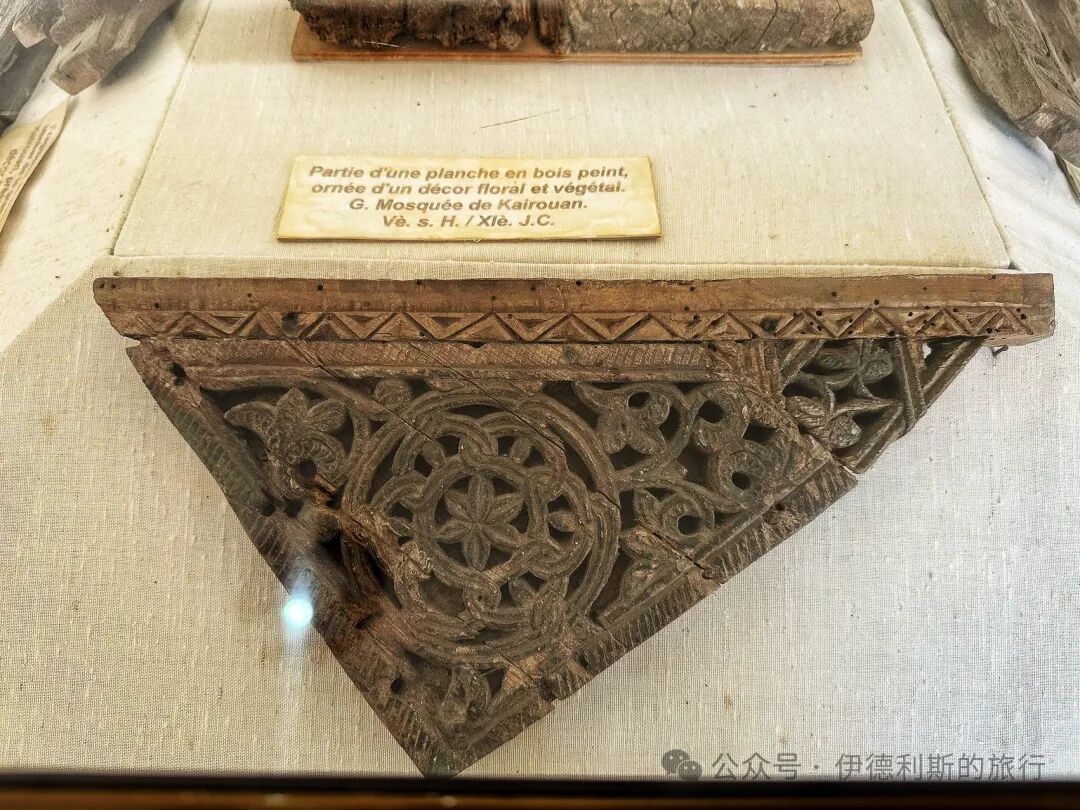
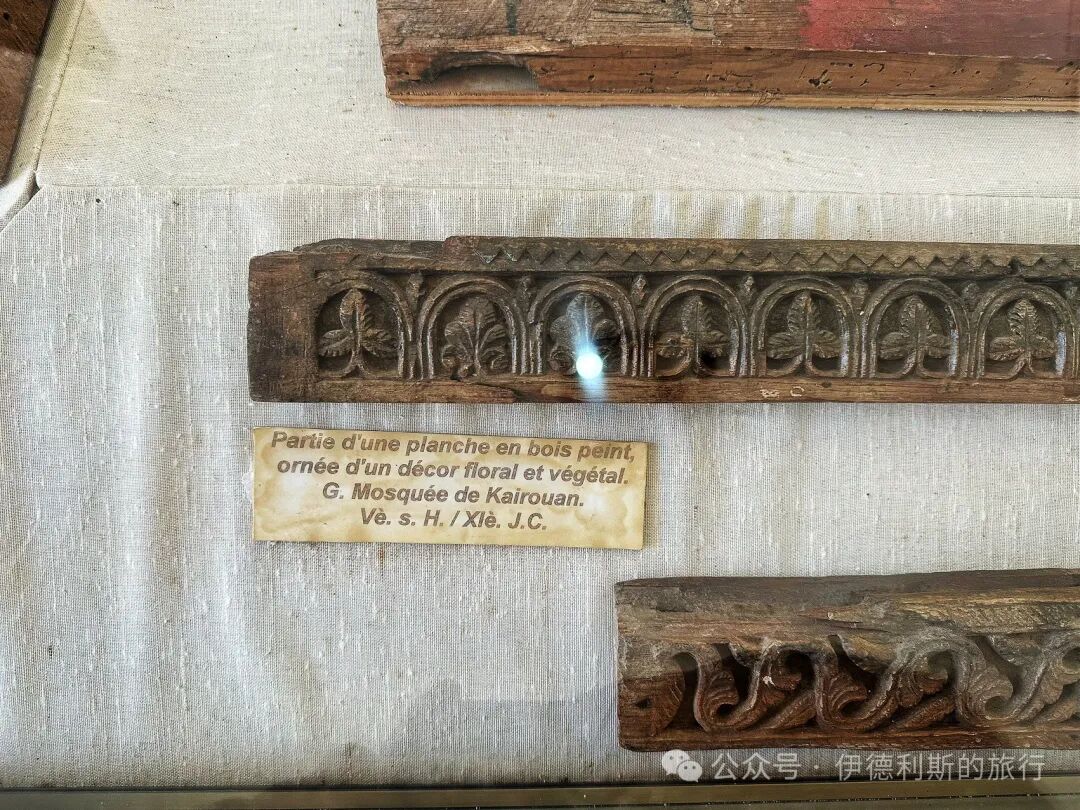
Inscribed steles held at the Ribat of Monastir Museum.
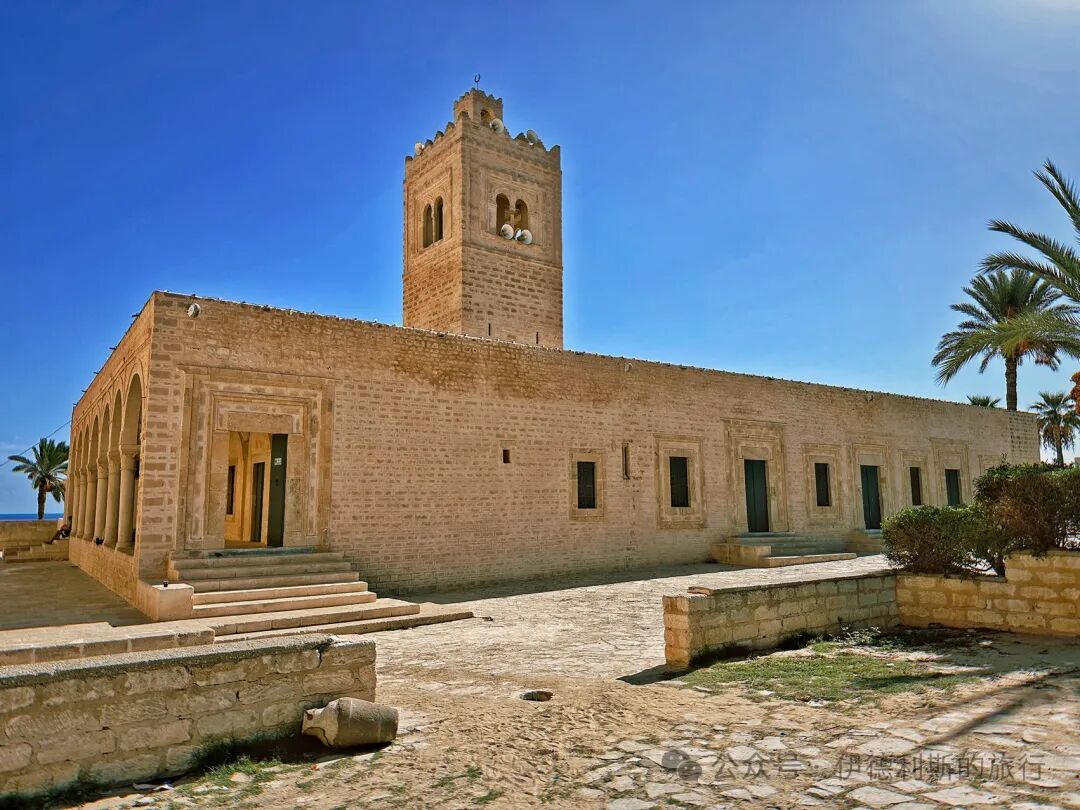
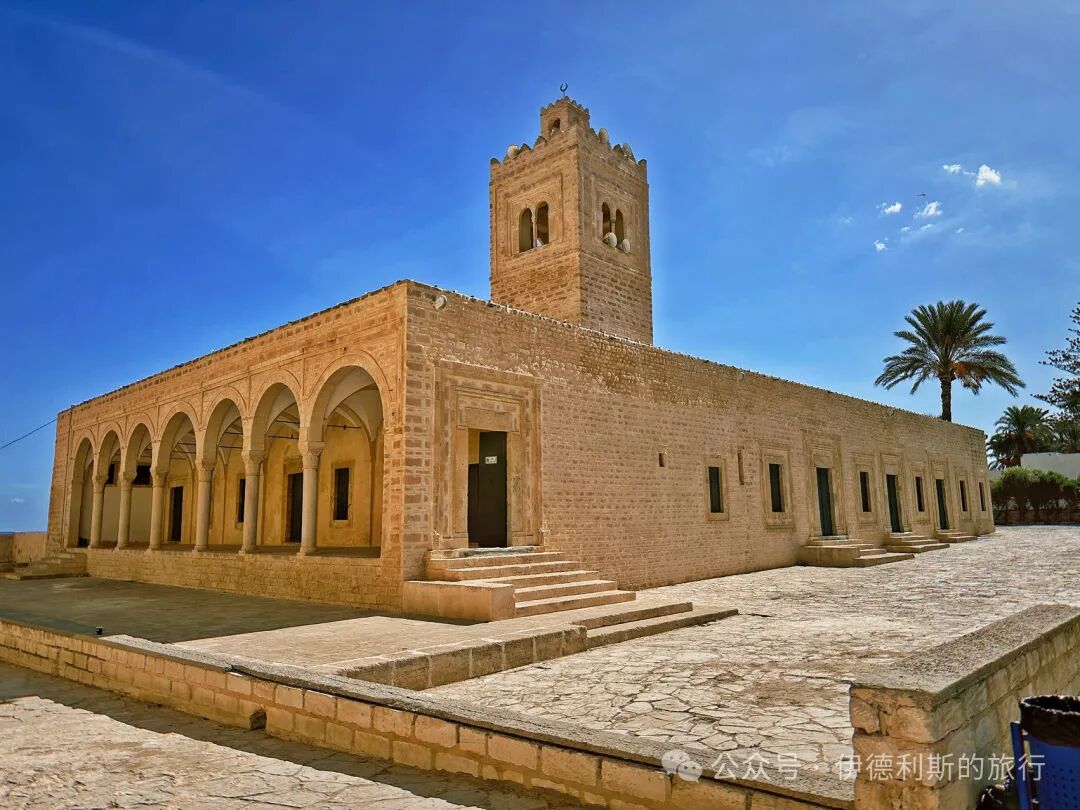
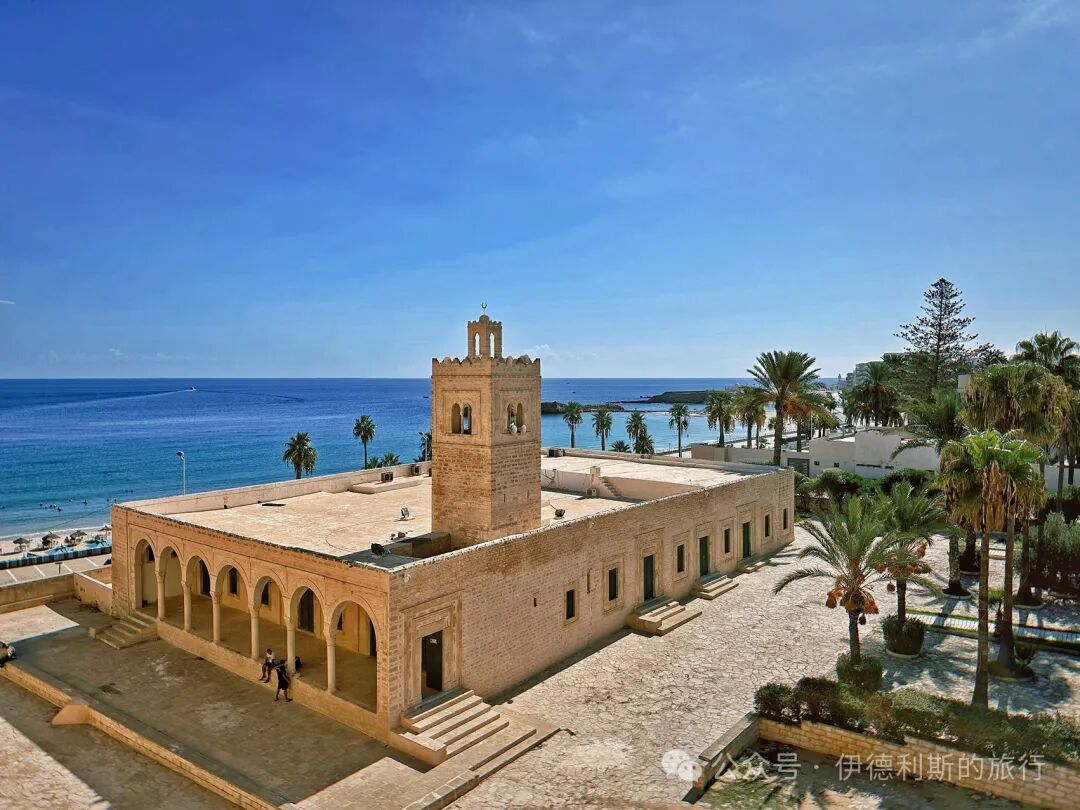
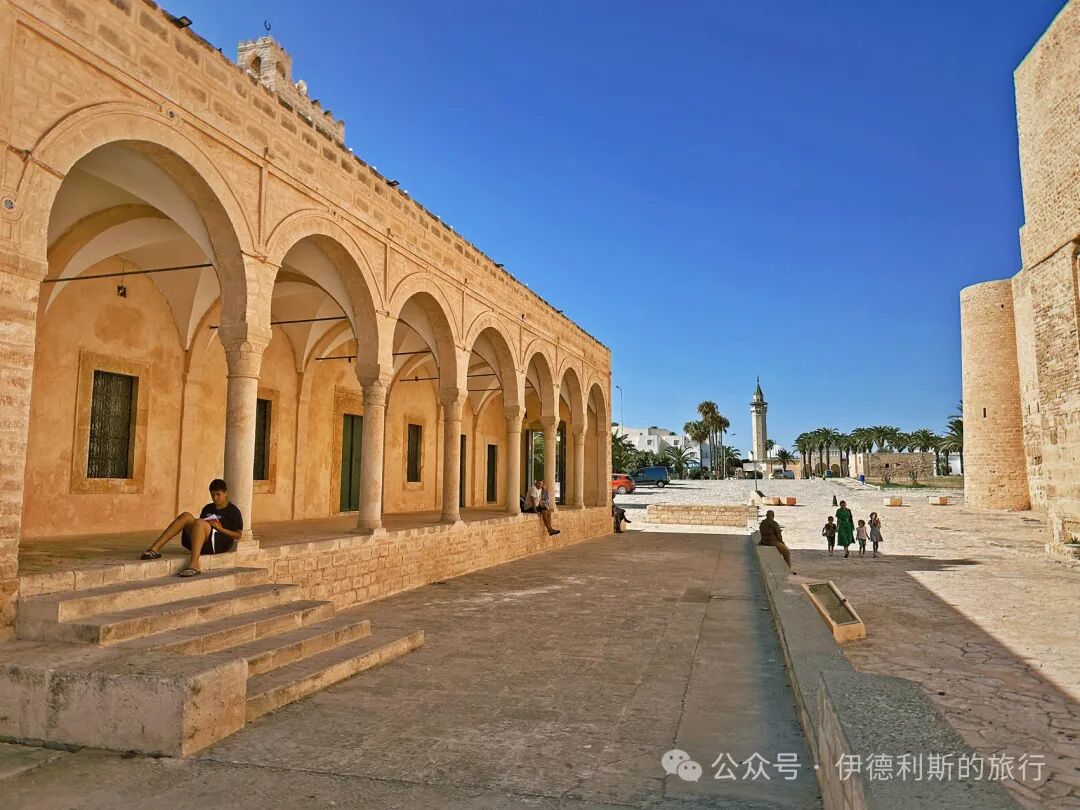
Next to the Ribat of Monastir stands the Great Mosque of Monastir, which also has a thousand-year history. The Great Mosque of Monastir was first built in the 9th century during the rule of the Aghlabid dynasty. The Aghlabid dynasty was an Arab dynasty of the Hanafi school that was nominally a vassal of the Abbasid Caliphate. They valued trans-Saharan and Mediterranean trade and conquered Sardinia, Sicily, and the southern Italian peninsula. Architecture from the Aghlabid period has a typical fortress style, and the Great Mosque was built to look like a military castle.
During the 11th-century Zirid dynasty, the Great Mosque of Monastir was expanded, and the mihrab, which now features a typical Zirid style, was built. Unfortunately, except for a very small number of mosques open to tourists in the morning, most mosques in Tunisia are locked outside of the five daily namaz times, so we could not go inside to visit.
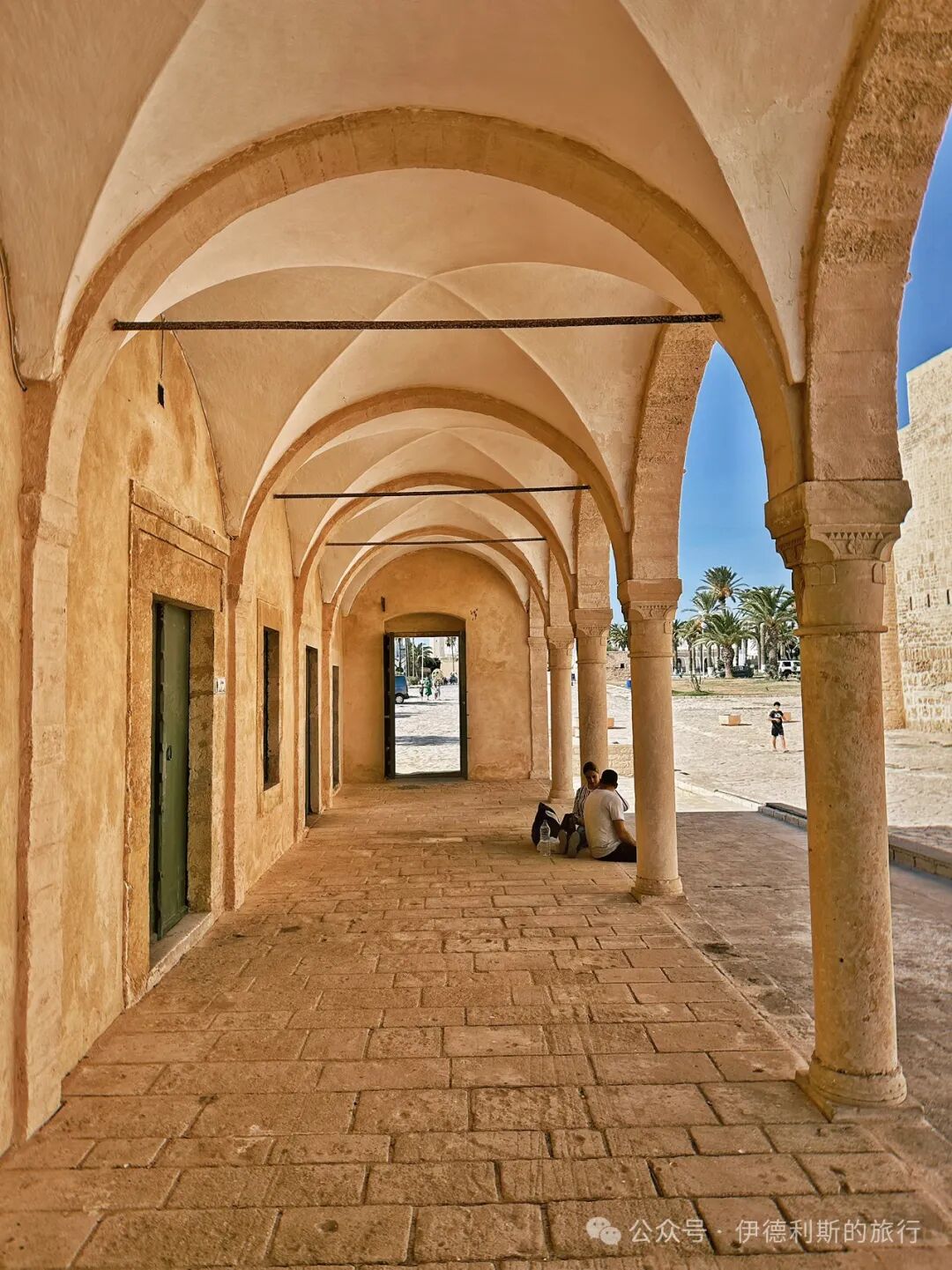
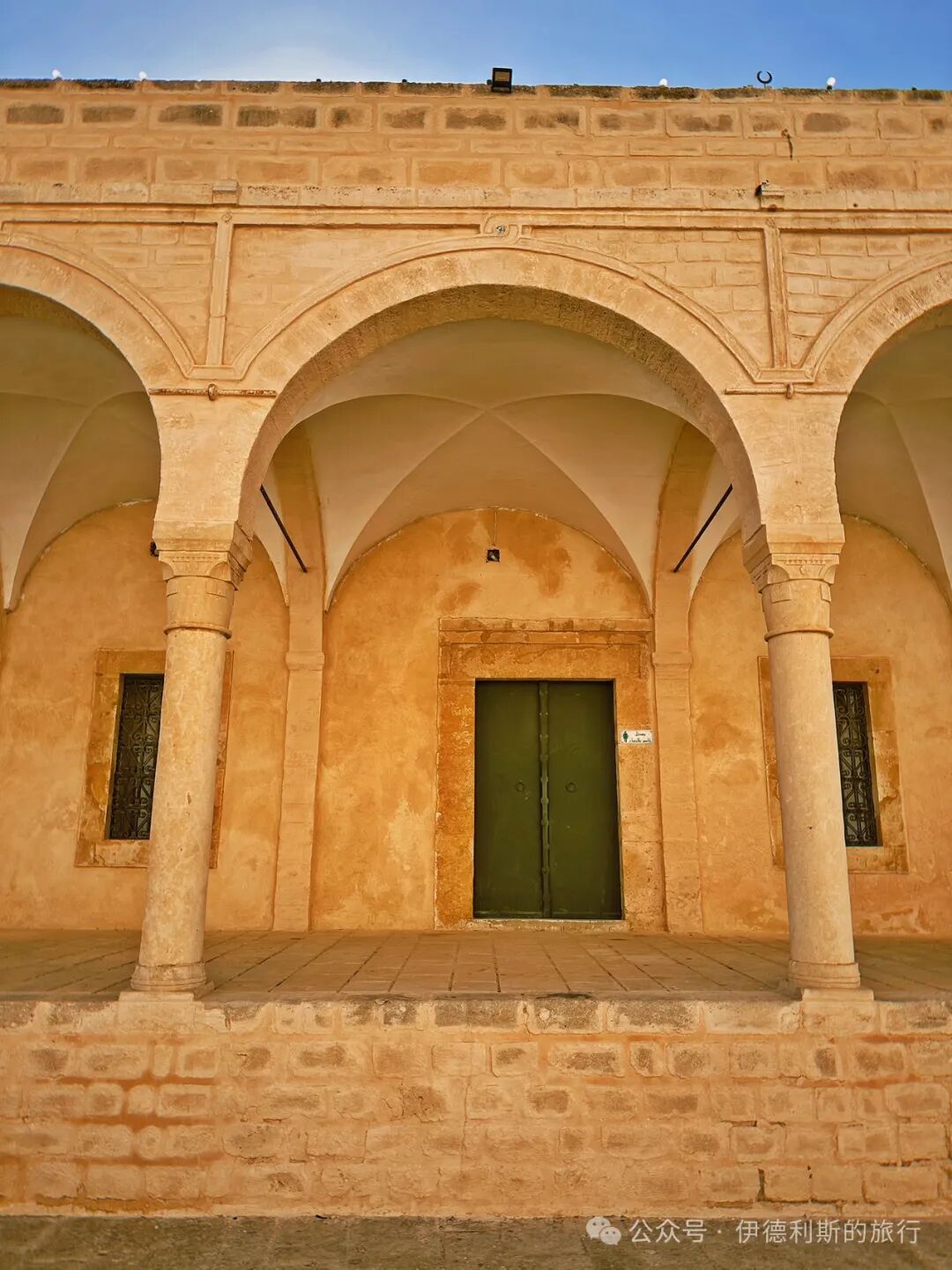
During the Hafsid dynasty, the Great Mosque continued to be expanded, and the current watchtower was built. The Great Mosque was finally completed in the 18th century with the addition of the current porch. The most unique feature of the Great Mosque of Monastir is that there is no dome above the mihrab, which is very rare among ancient mosques in Tunisia.
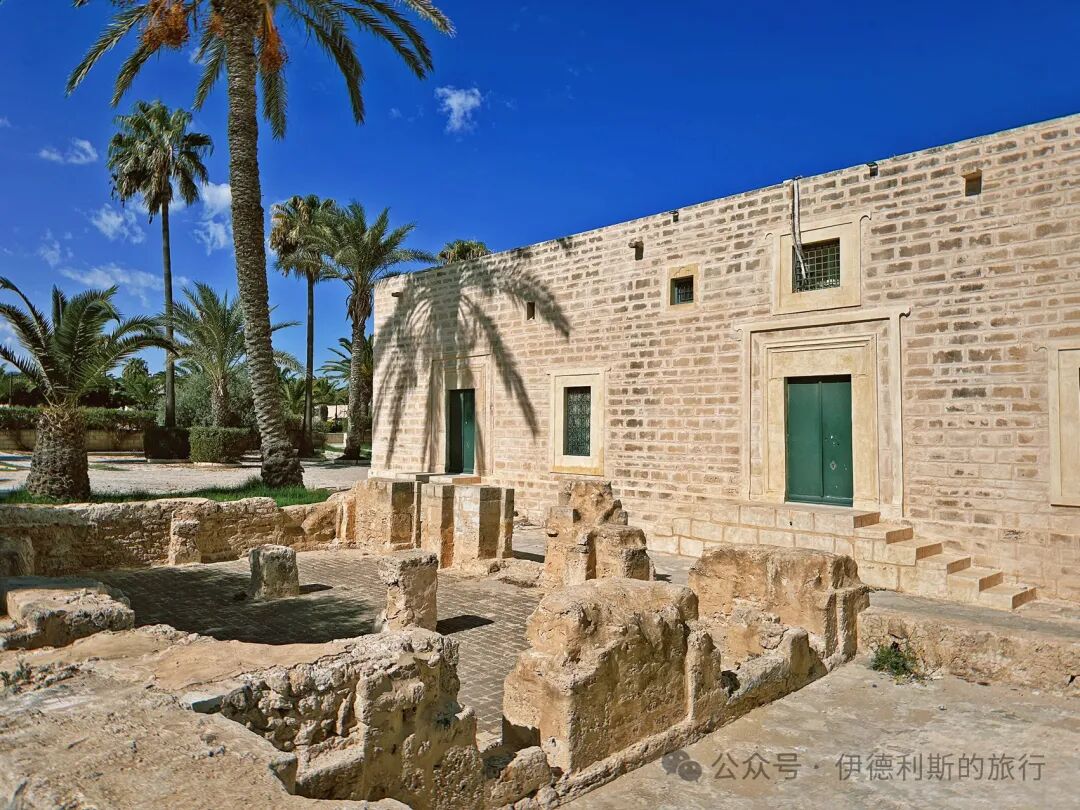
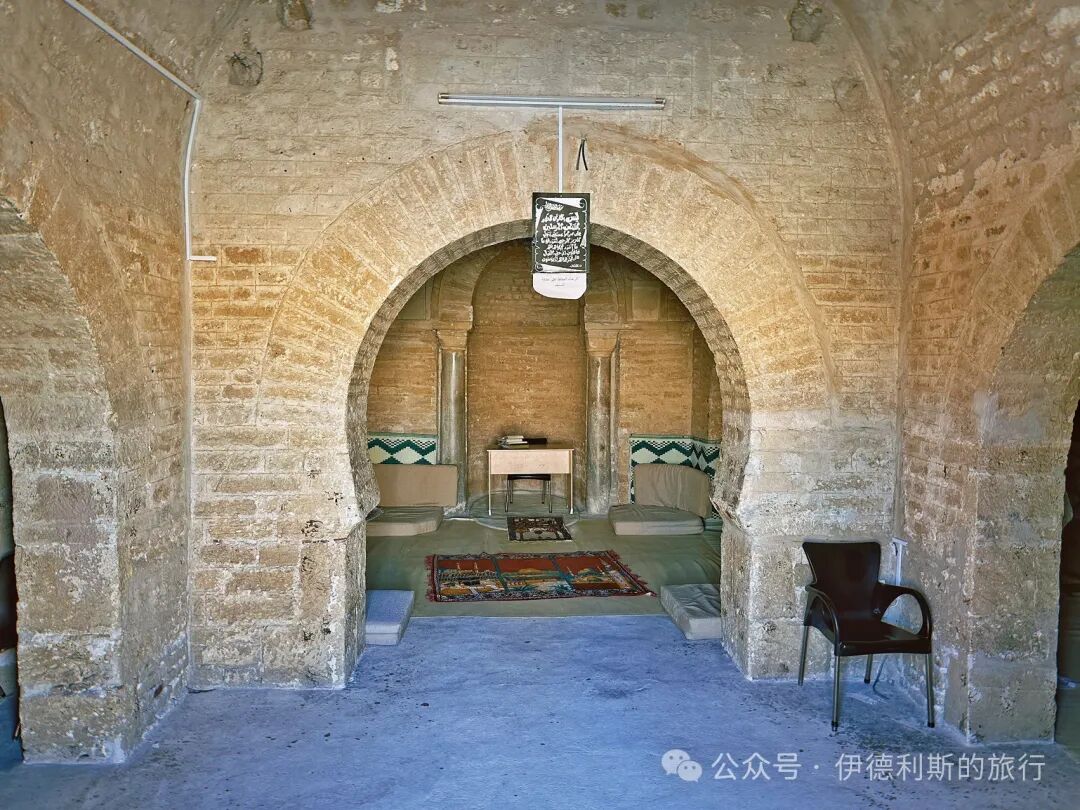
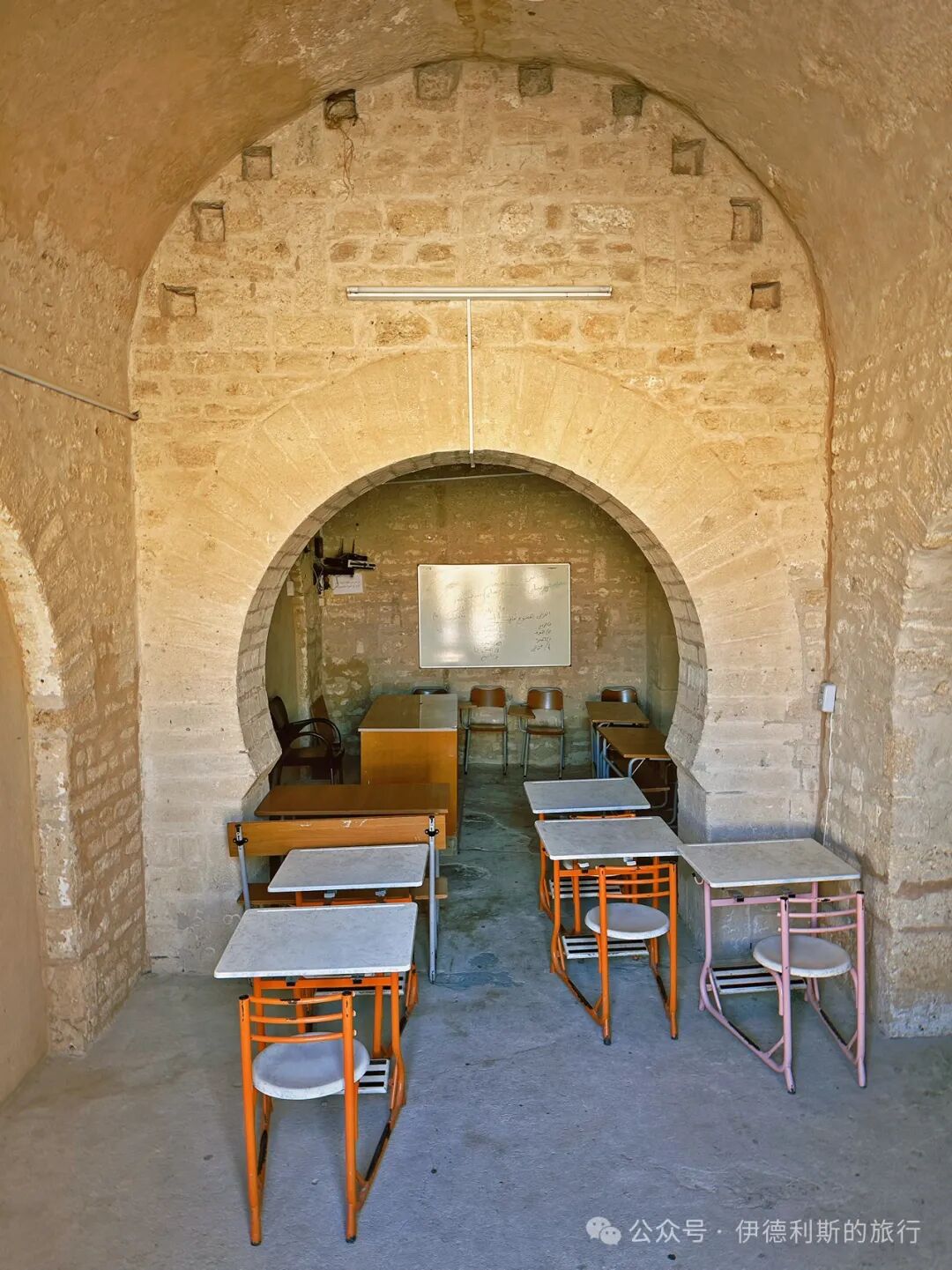
On the south side of the Monastir fortress, there is another fortress called Sidi Dhouib. Like the Great Mosque, this fortress was built in the 9th century during the Aghlabid dynasty. It is now a madrasa, and we saw children studying the Quran inside when we visited.
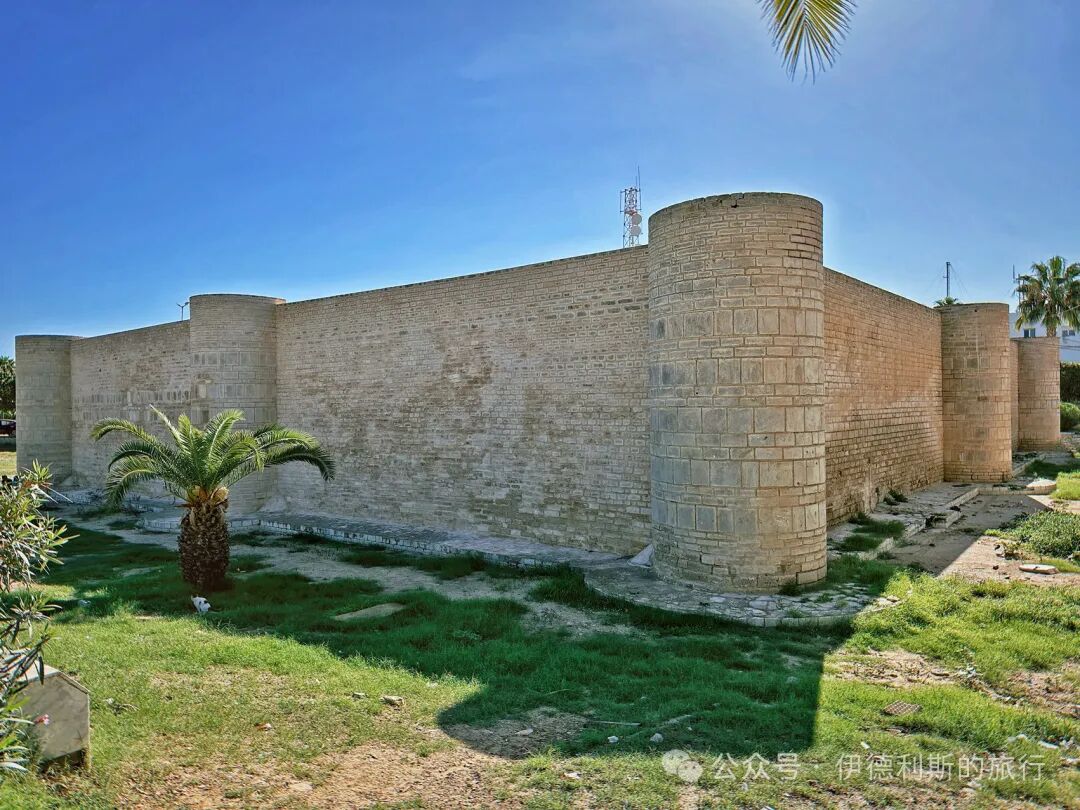
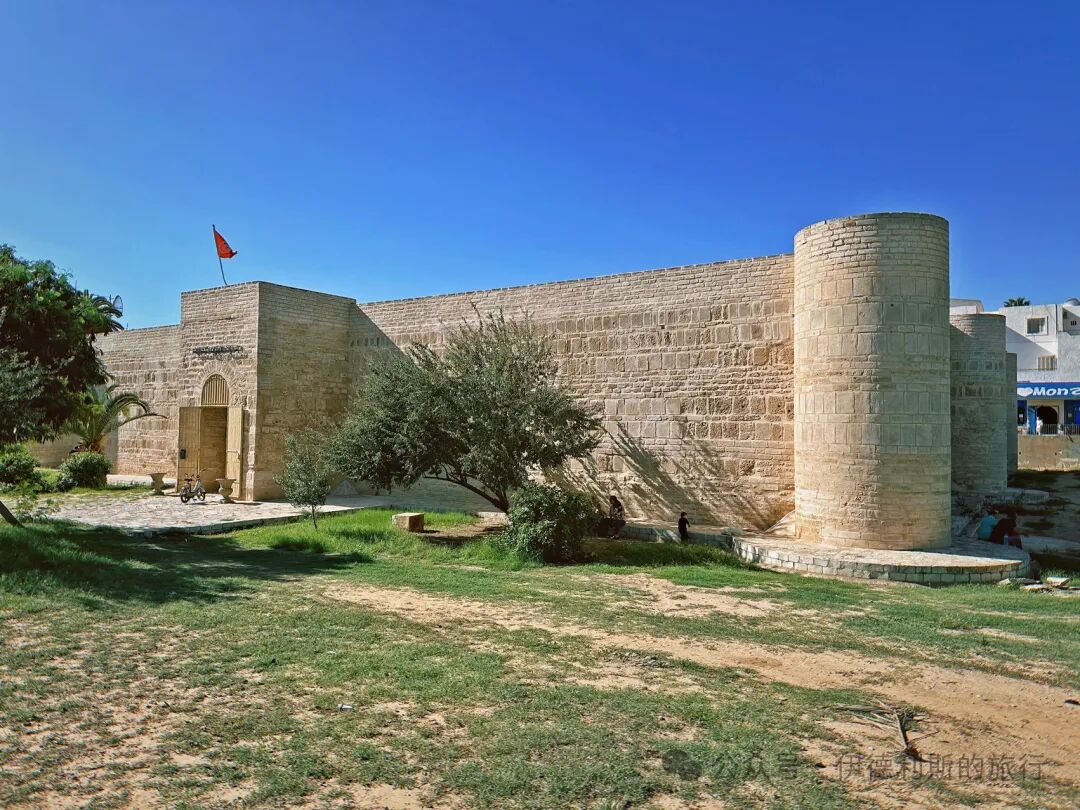
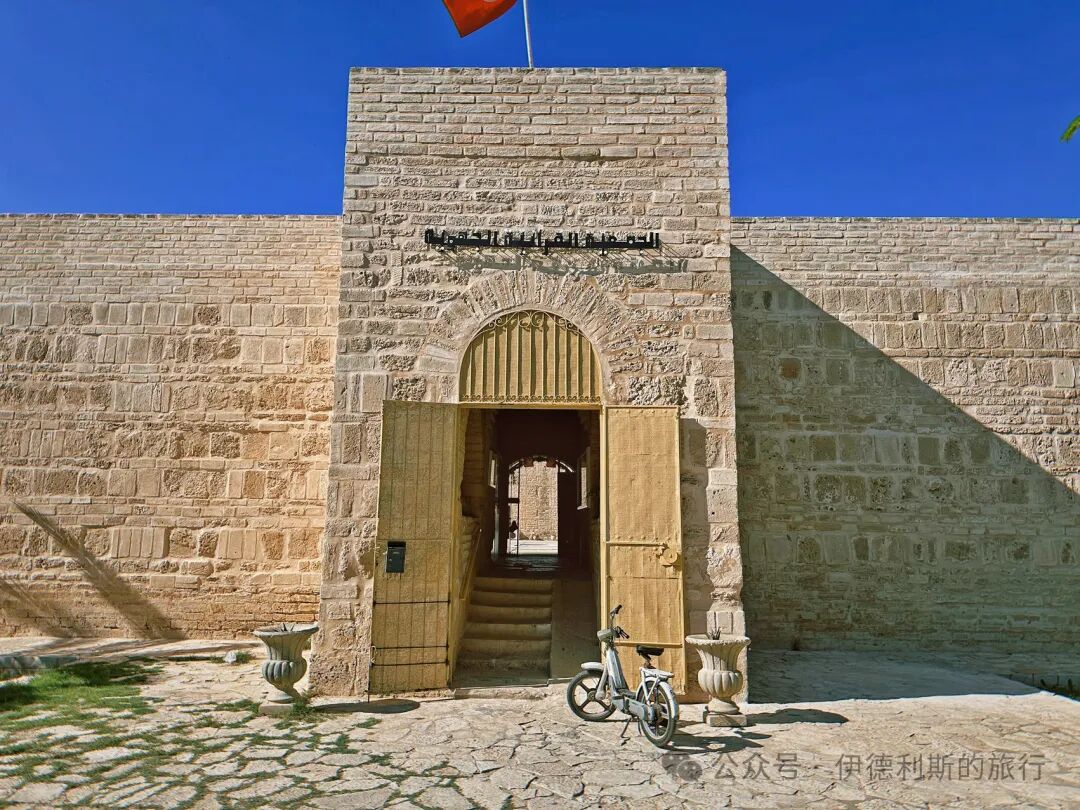
Strolling through the old medina of Monastir. After the Abbasid dynasty built the Monastir fortress in 796, the city was used to defend against attacks from the Byzantine fleet. After the ancient Tunisian city of Kairouan was destroyed by the Fatimid dynasty in 1057, many people moved to Monastir to settle, which helped the city grow quickly.
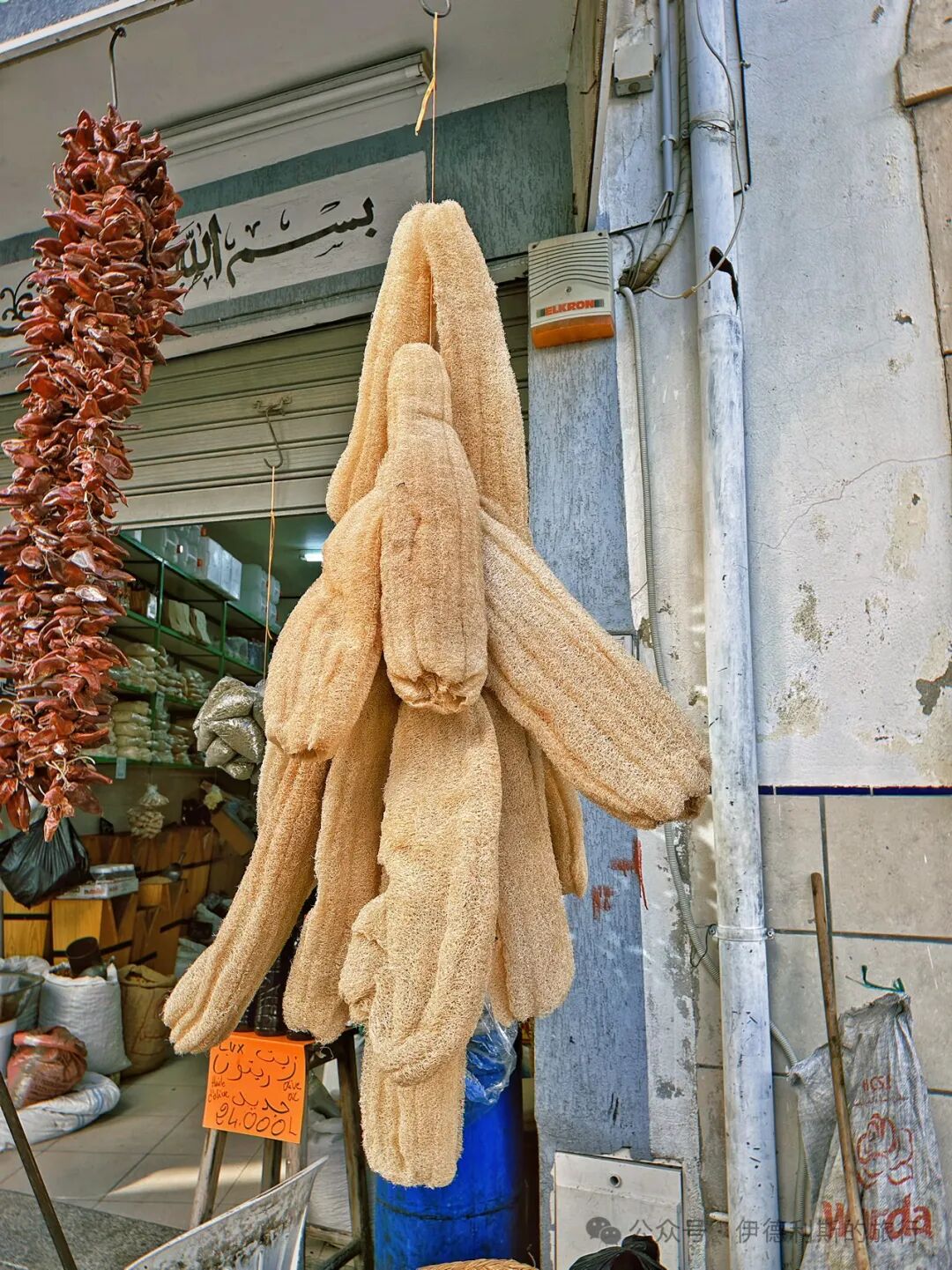
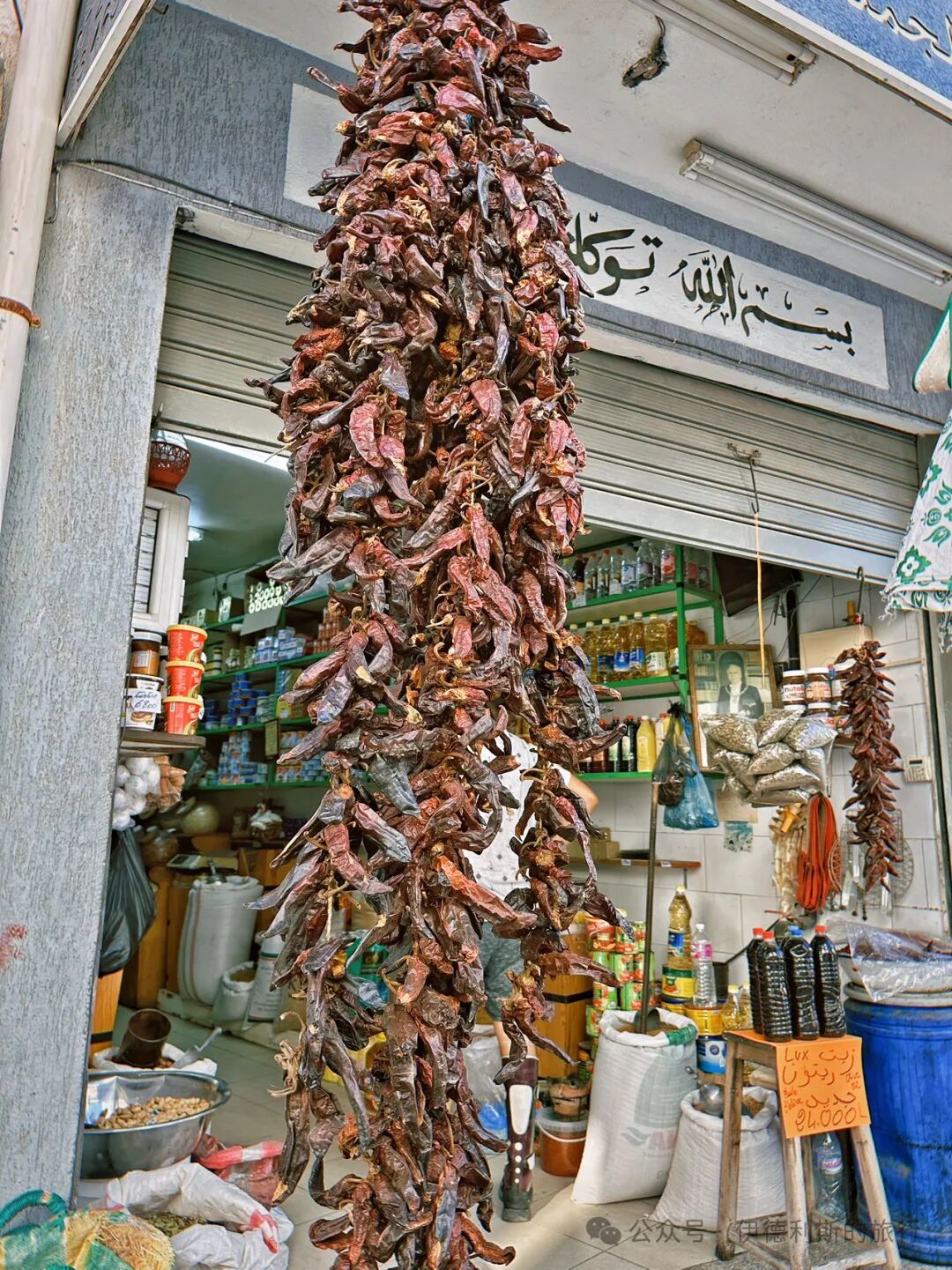
At the bazaar on the main street of the old town, you can see Baklouti peppers. These are a special Tunisian red chili used to make the Tunisian appetizer harissa (Harissa) hot sauce.
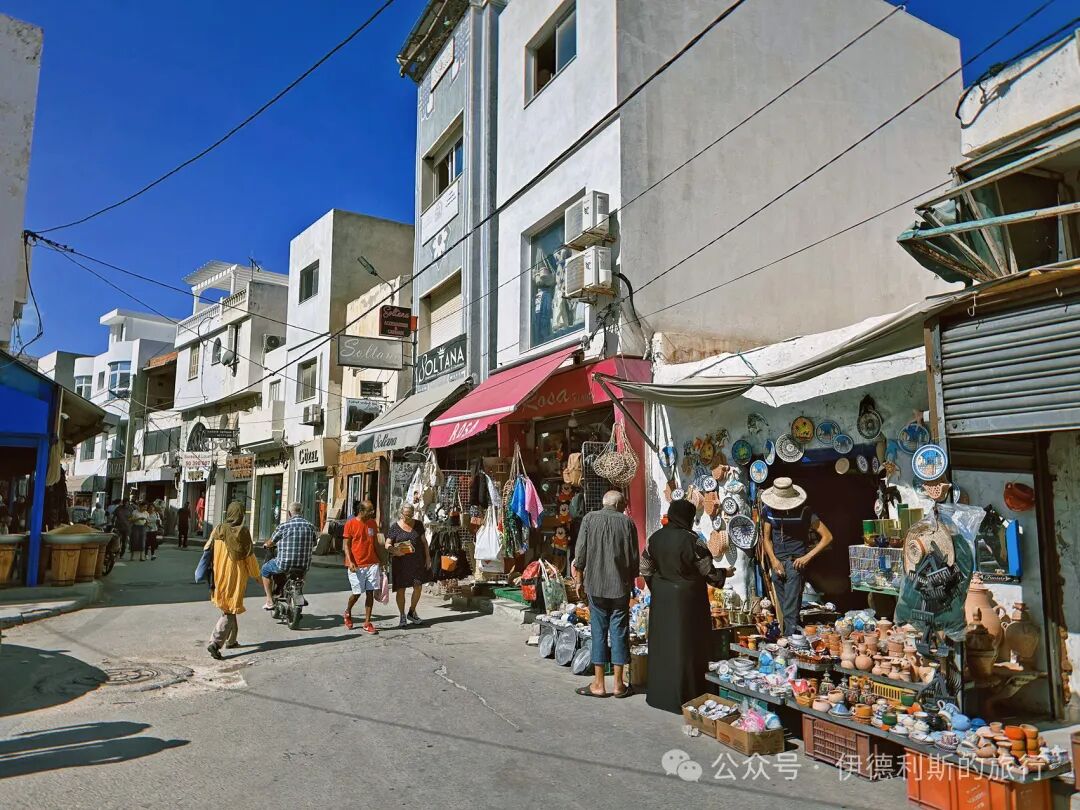
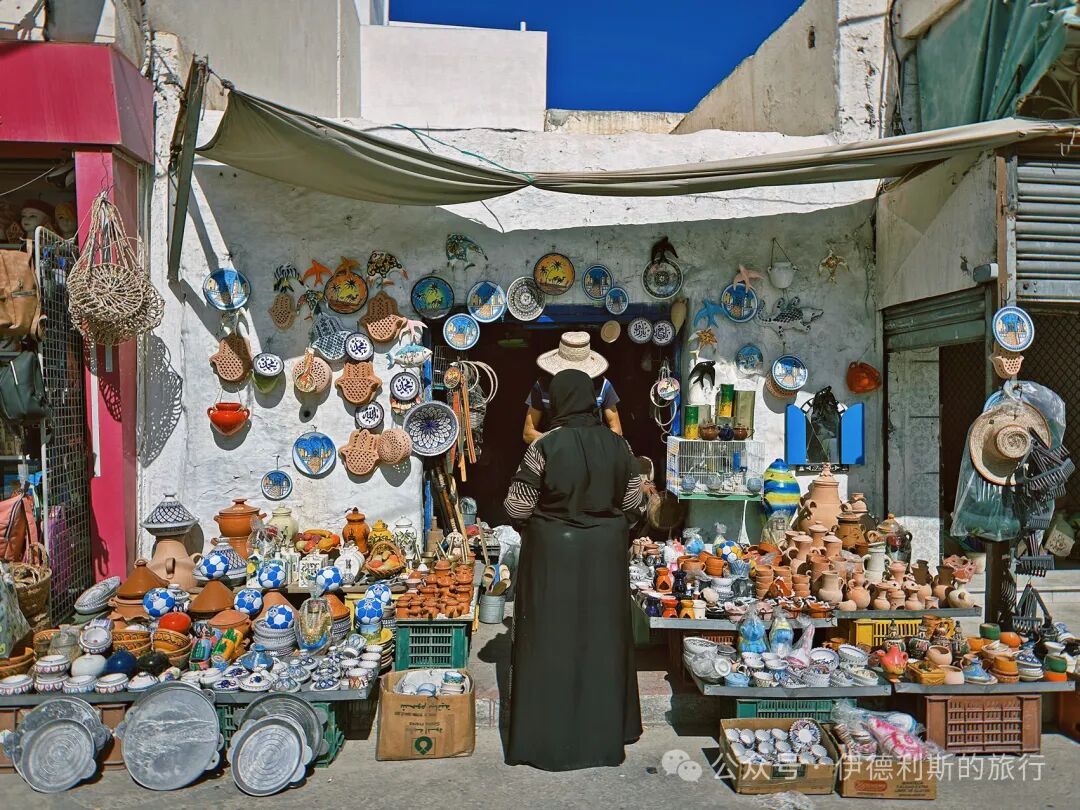
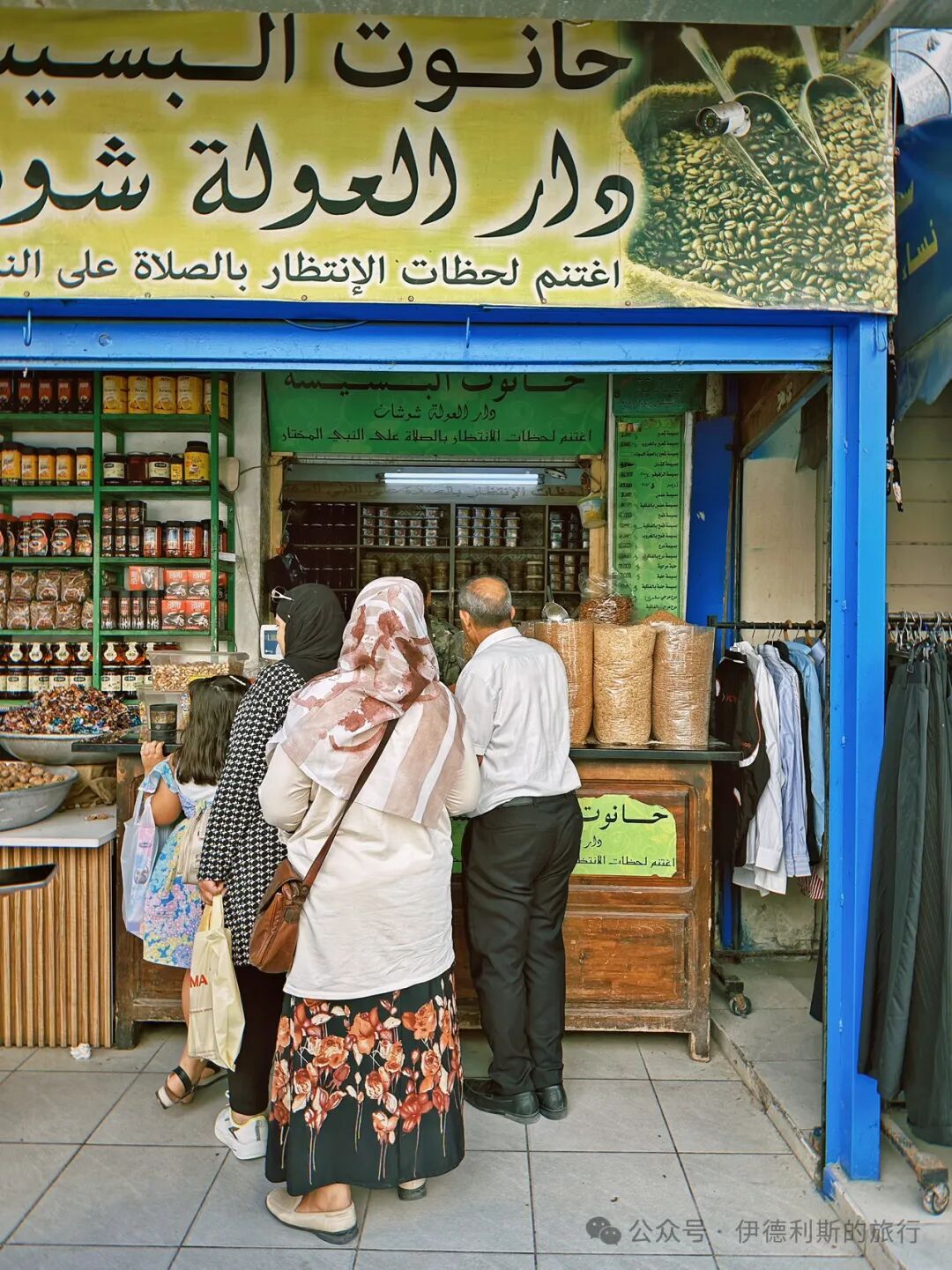
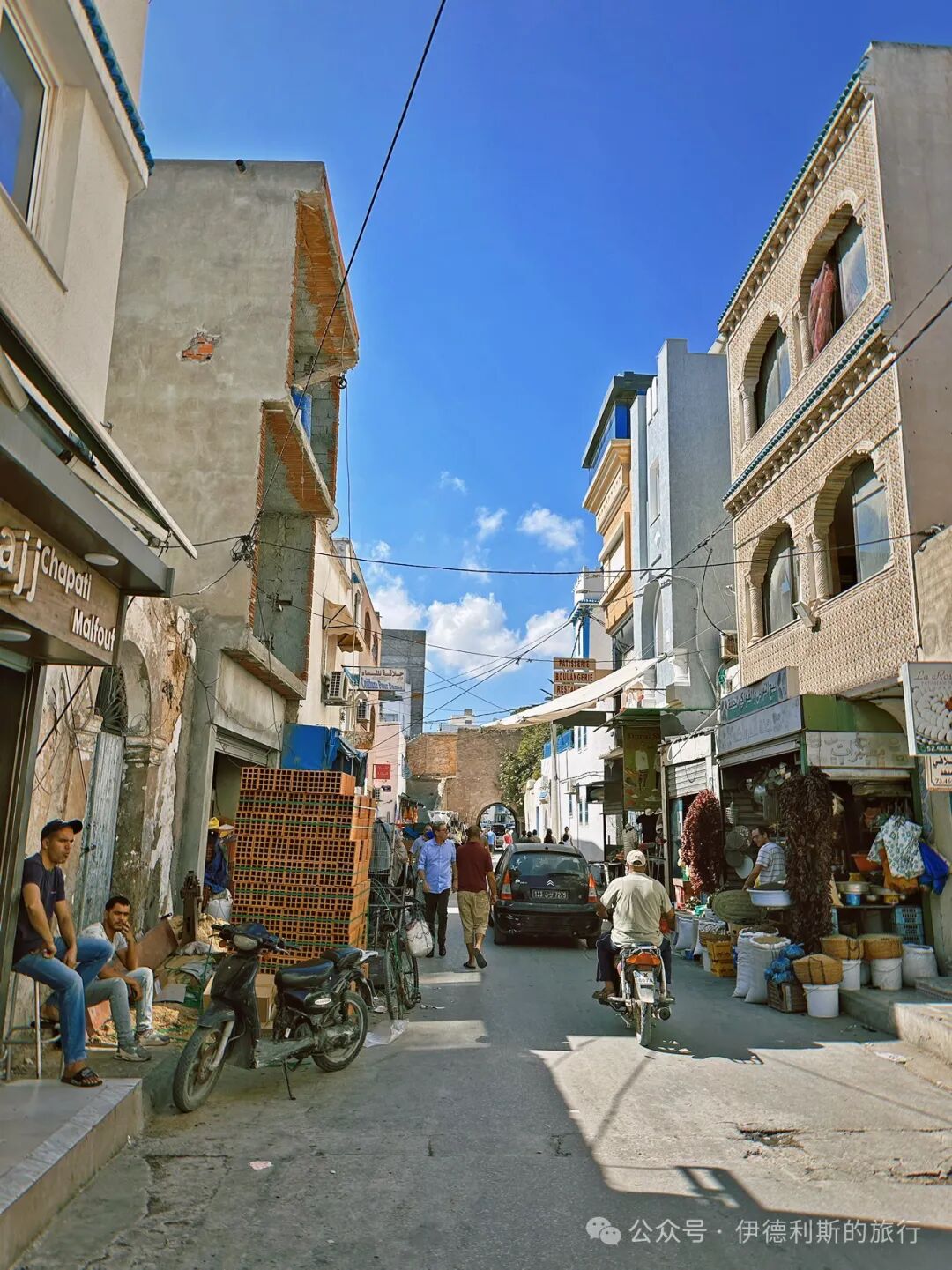
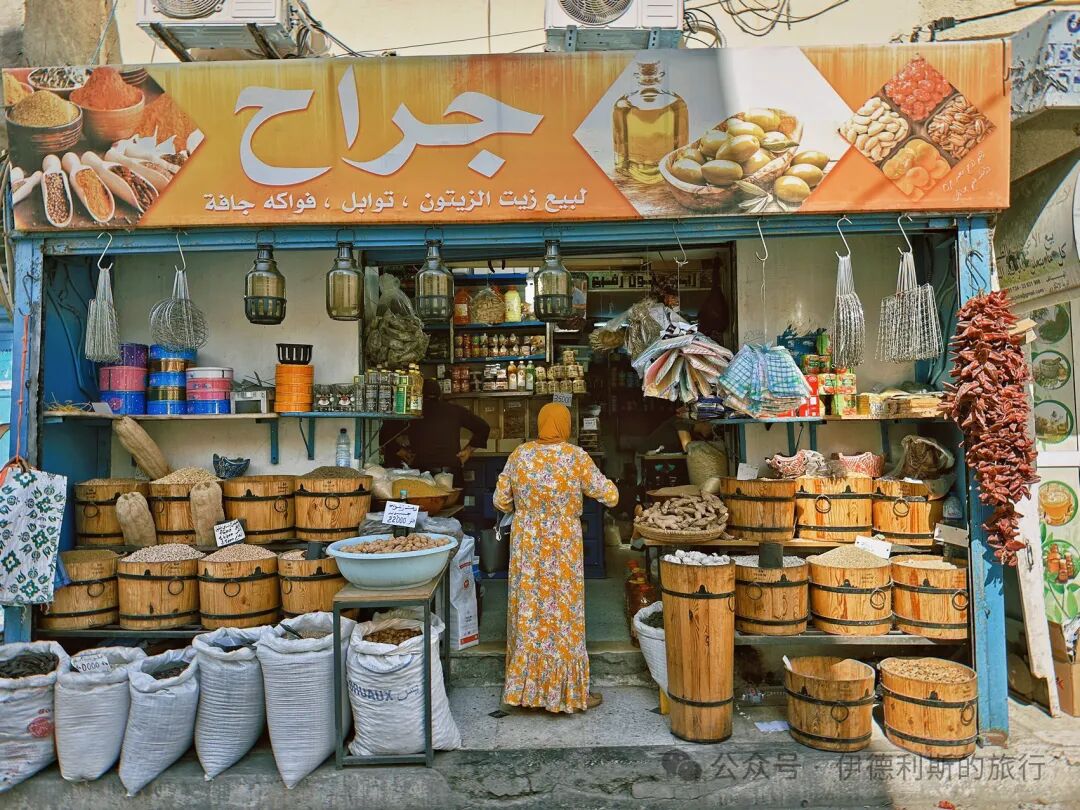
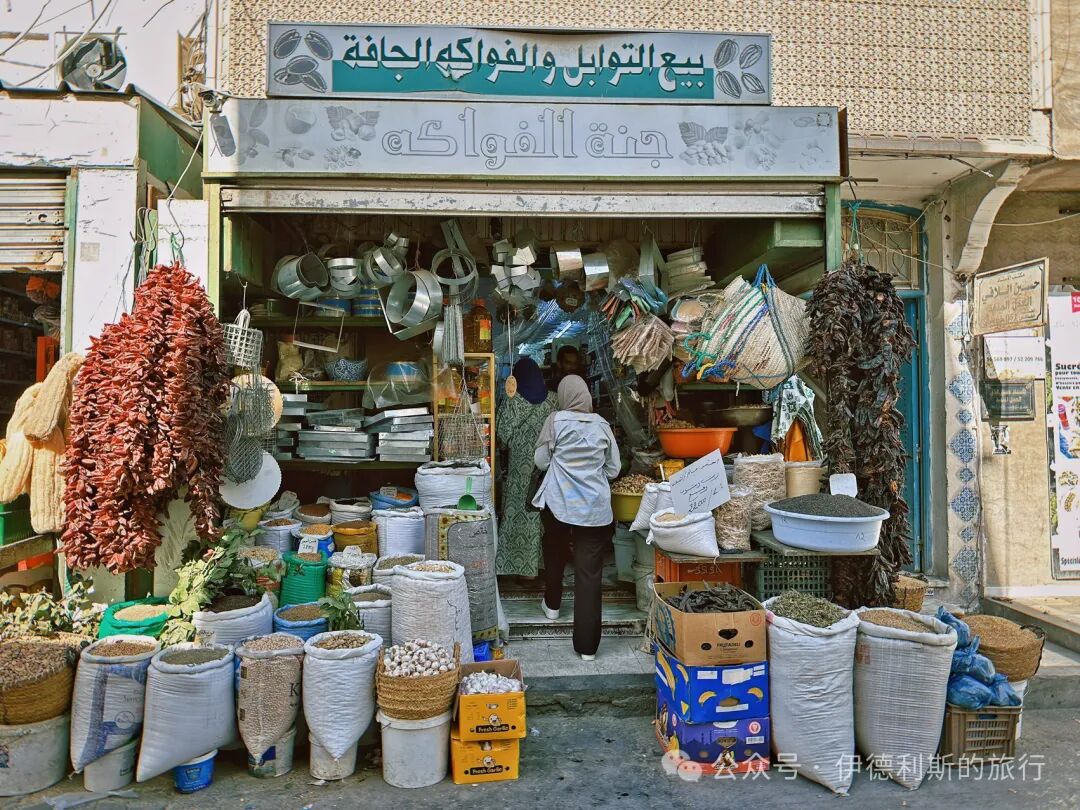
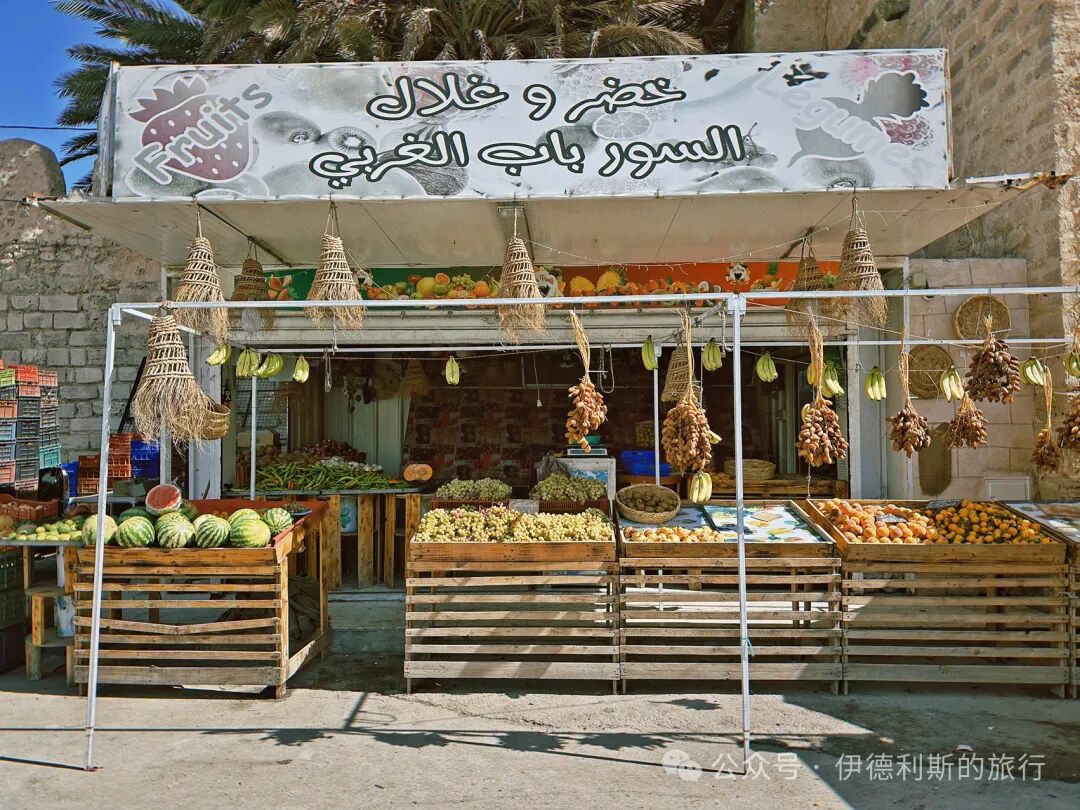
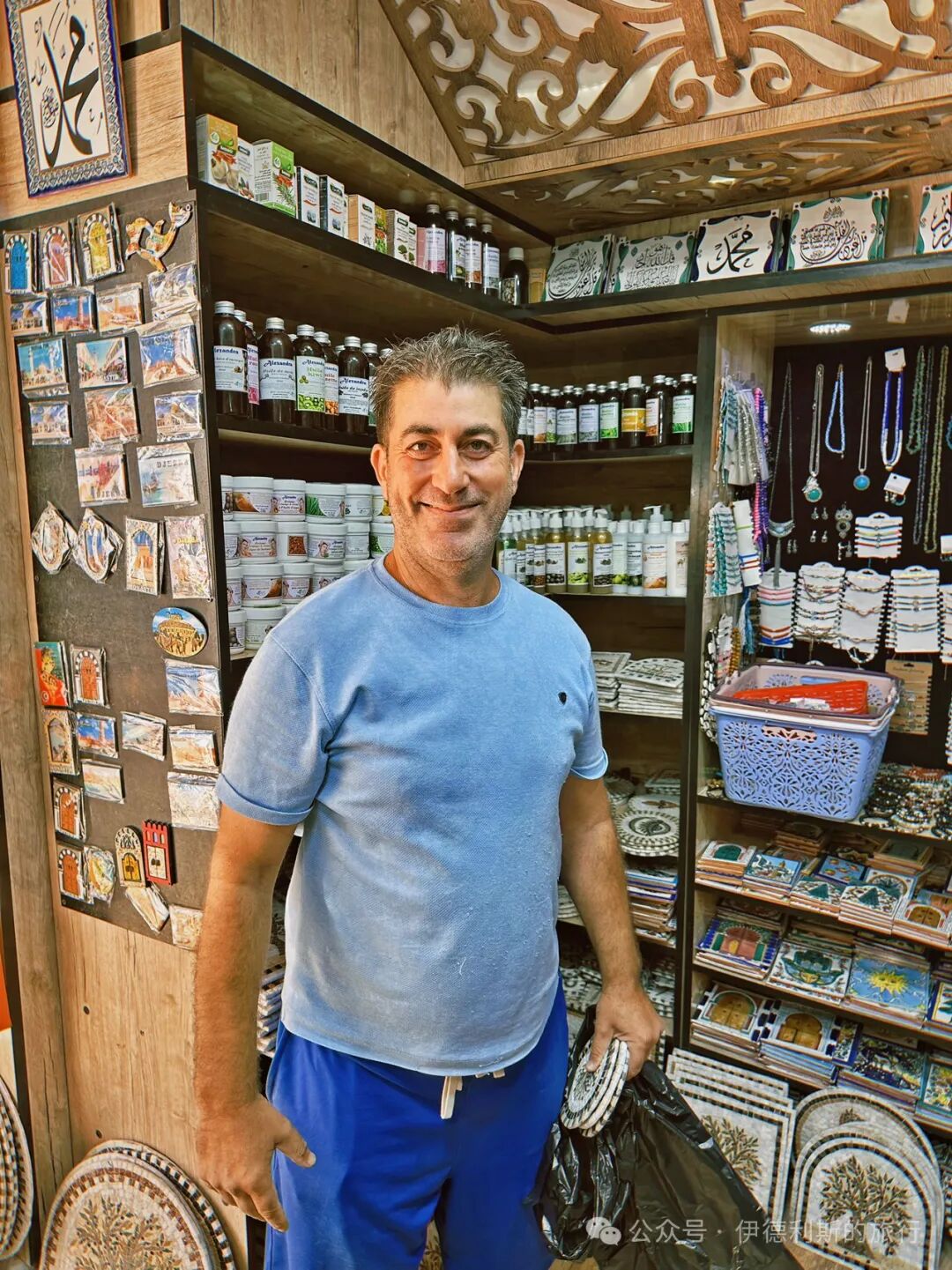
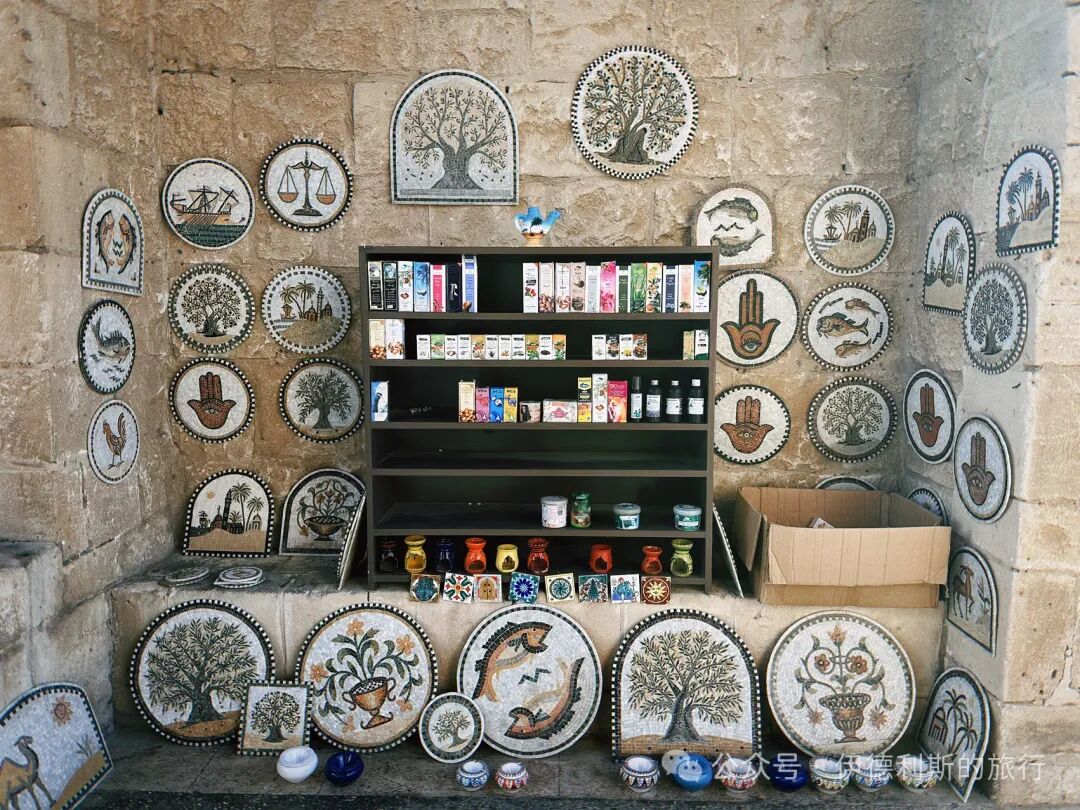
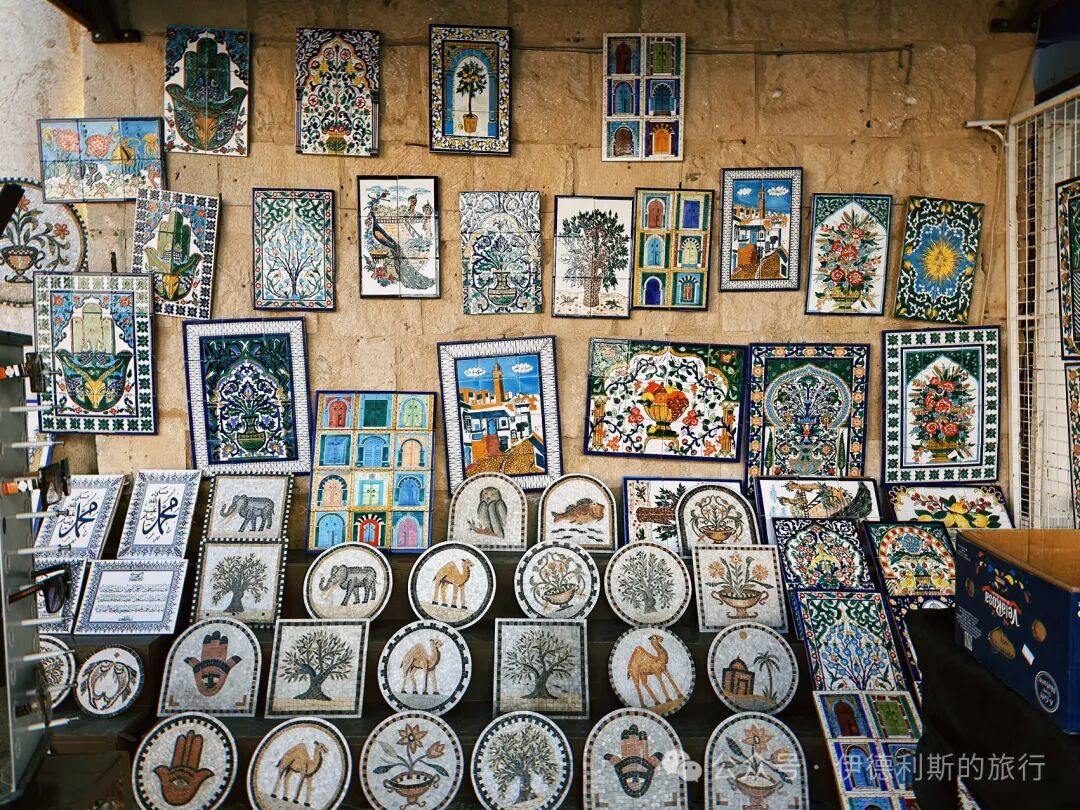
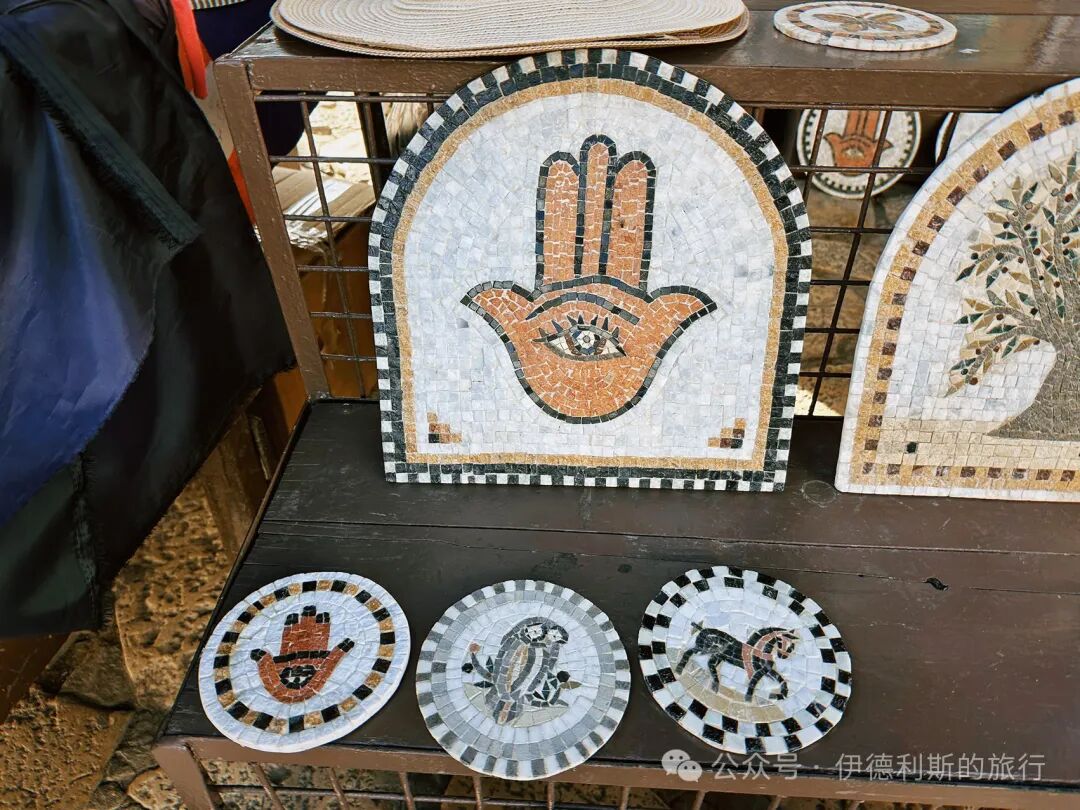
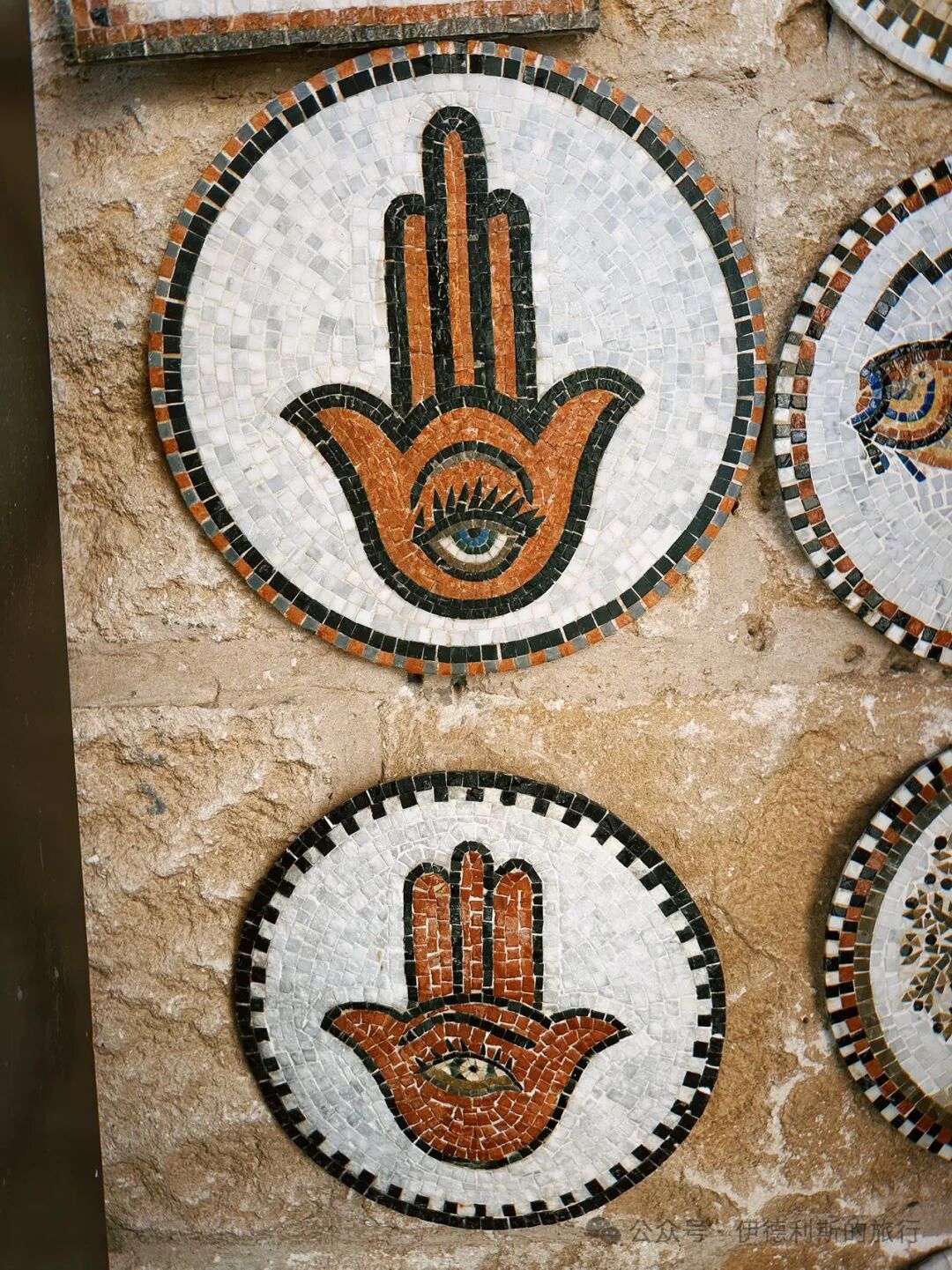
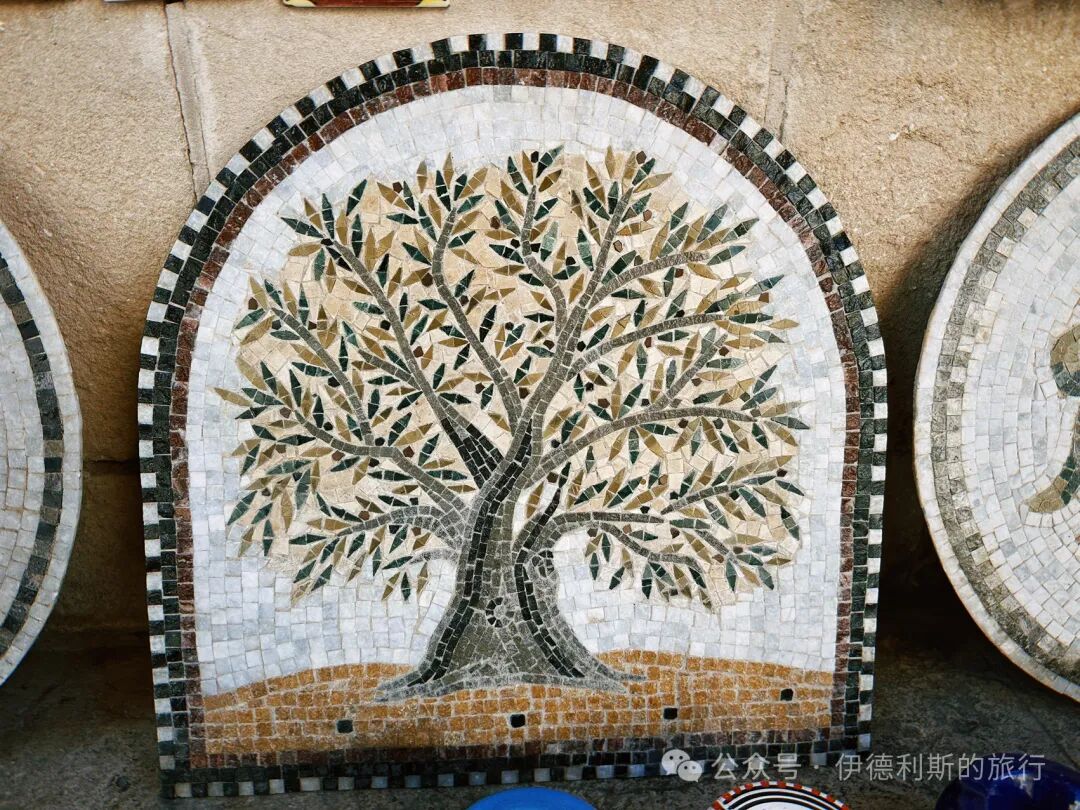
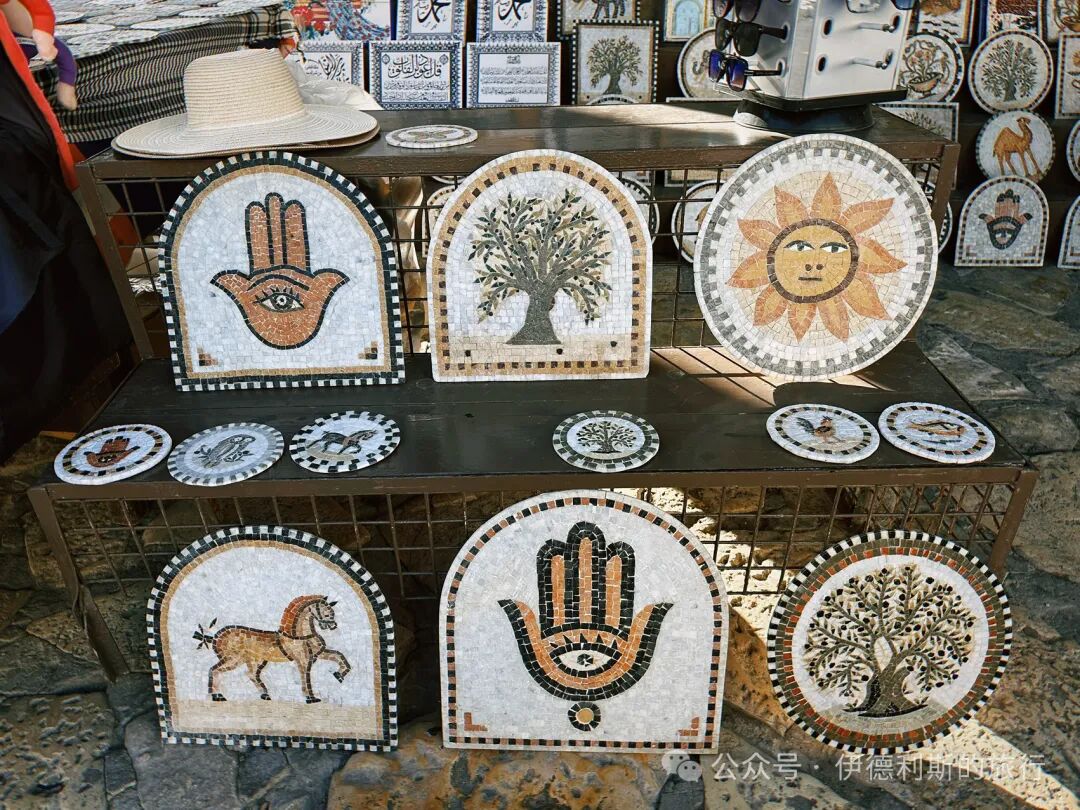
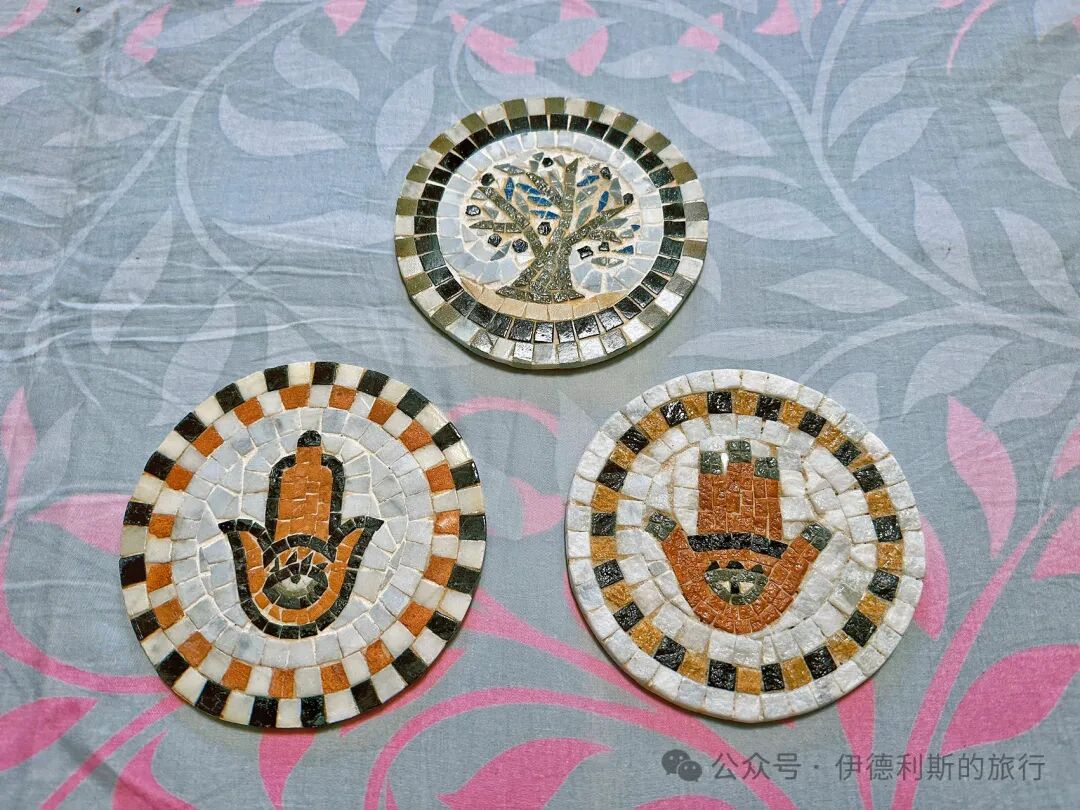
I visited five cities in Tunisia this time, and I think the best souvenirs to buy are the religious wall hangings made with mosaic tiles. In a souvenir shop in the Monastir medina, we bought a mosaic Hamsa hand and a Tree of Life. They had them in all sizes from big to small, and we bought the smallest ones.
The Hamsa hand (Hamsa) is a very popular amulet in North Africa and the Middle East. All three Abrahamic religions use it, and each has its own story about where it came from. We believe the five fingers of the Hamsa represent the five pillars of the faith, and it is named after Fatima, the daughter of the noble Prophet. During the Austro-Turkish War in 1788, the Ottoman Empire raised flags printed with the Hamsa. The Grand Vizier led an army of 80,000 soldiers to fight against Austria.
The Tree of Eternity (Sajara al-Huld) is a tree in Paradise. The Quran mentions that the devil tempted Adam and Hawa in Paradise, tricking them into eating the fruit of the Tree of Eternity. This caused their private parts to be exposed, so they covered their bodies with leaves.
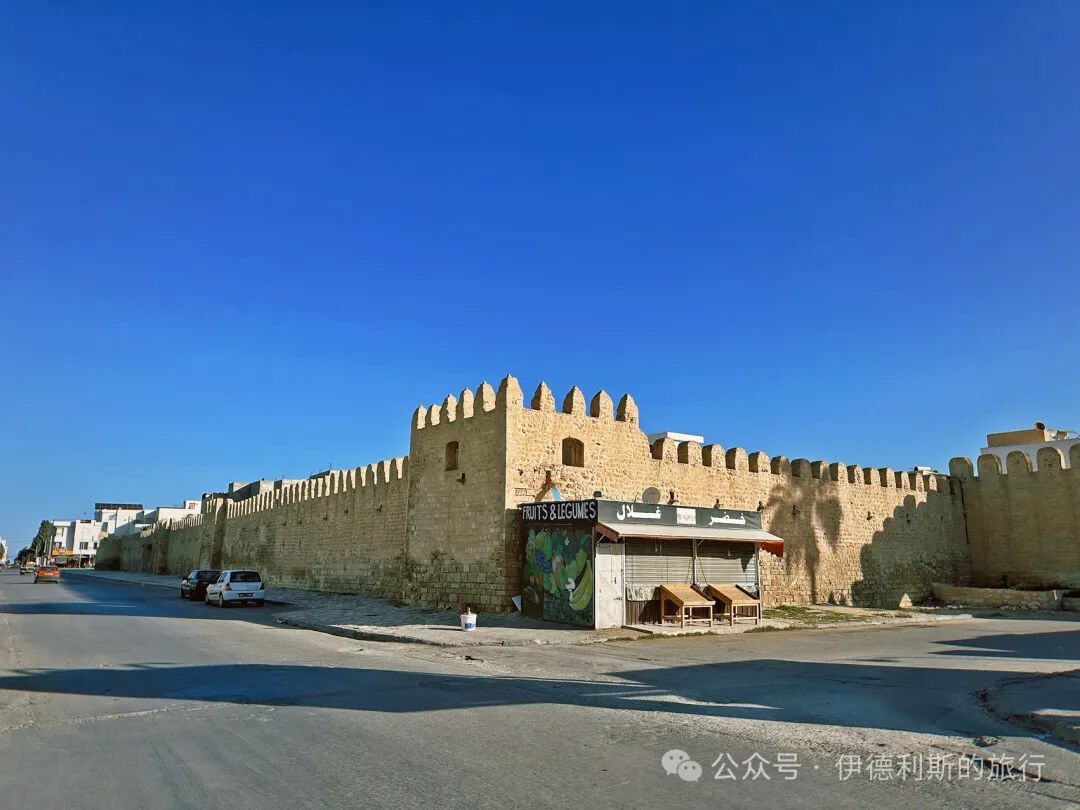
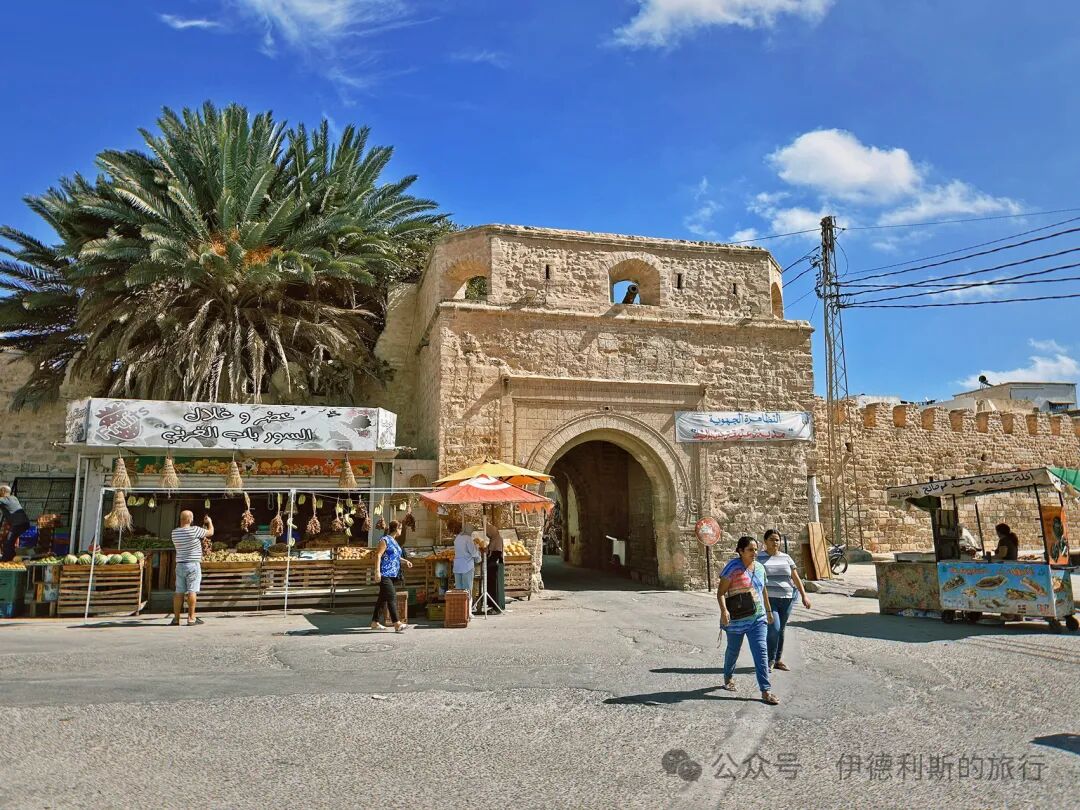
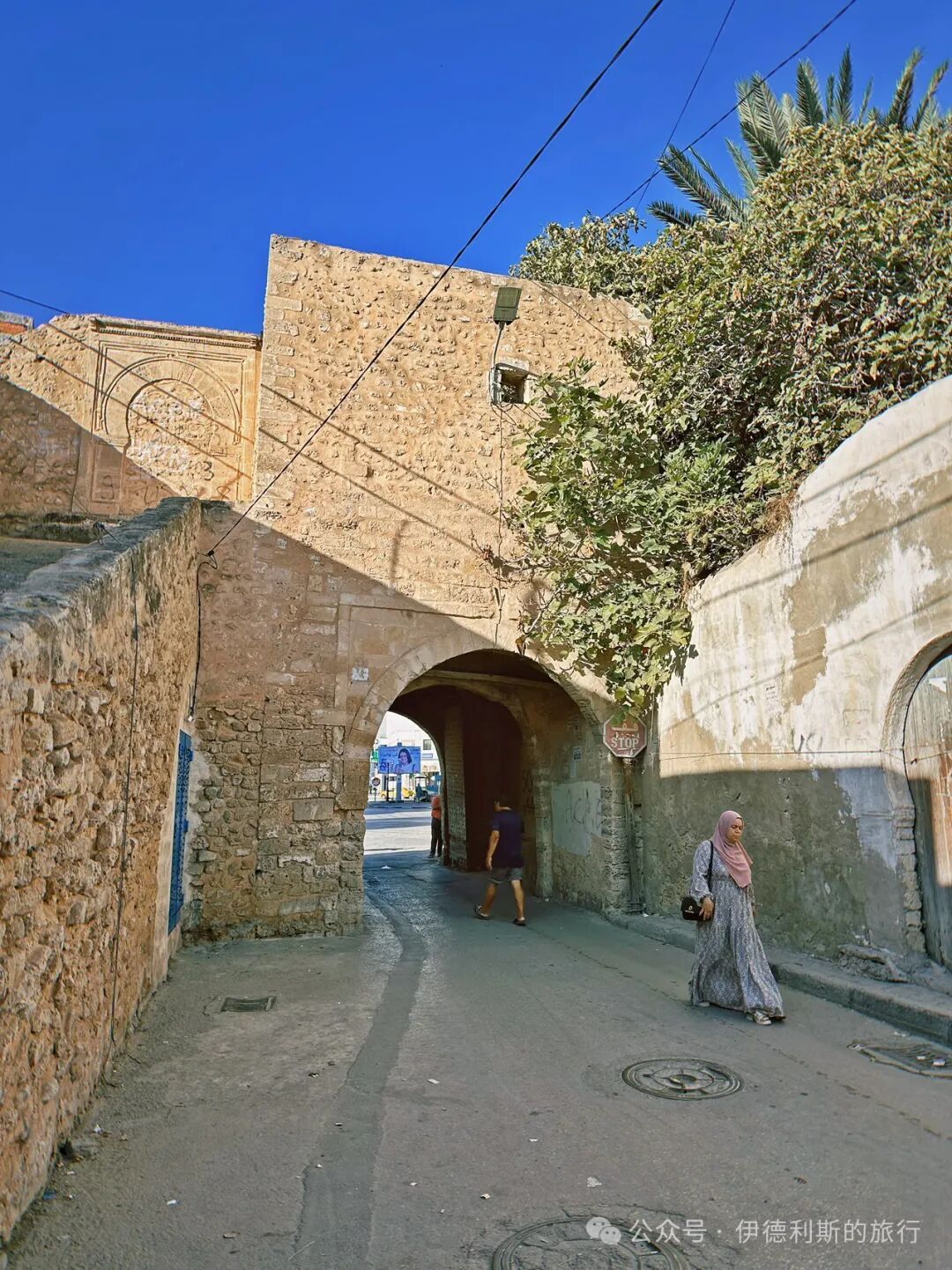
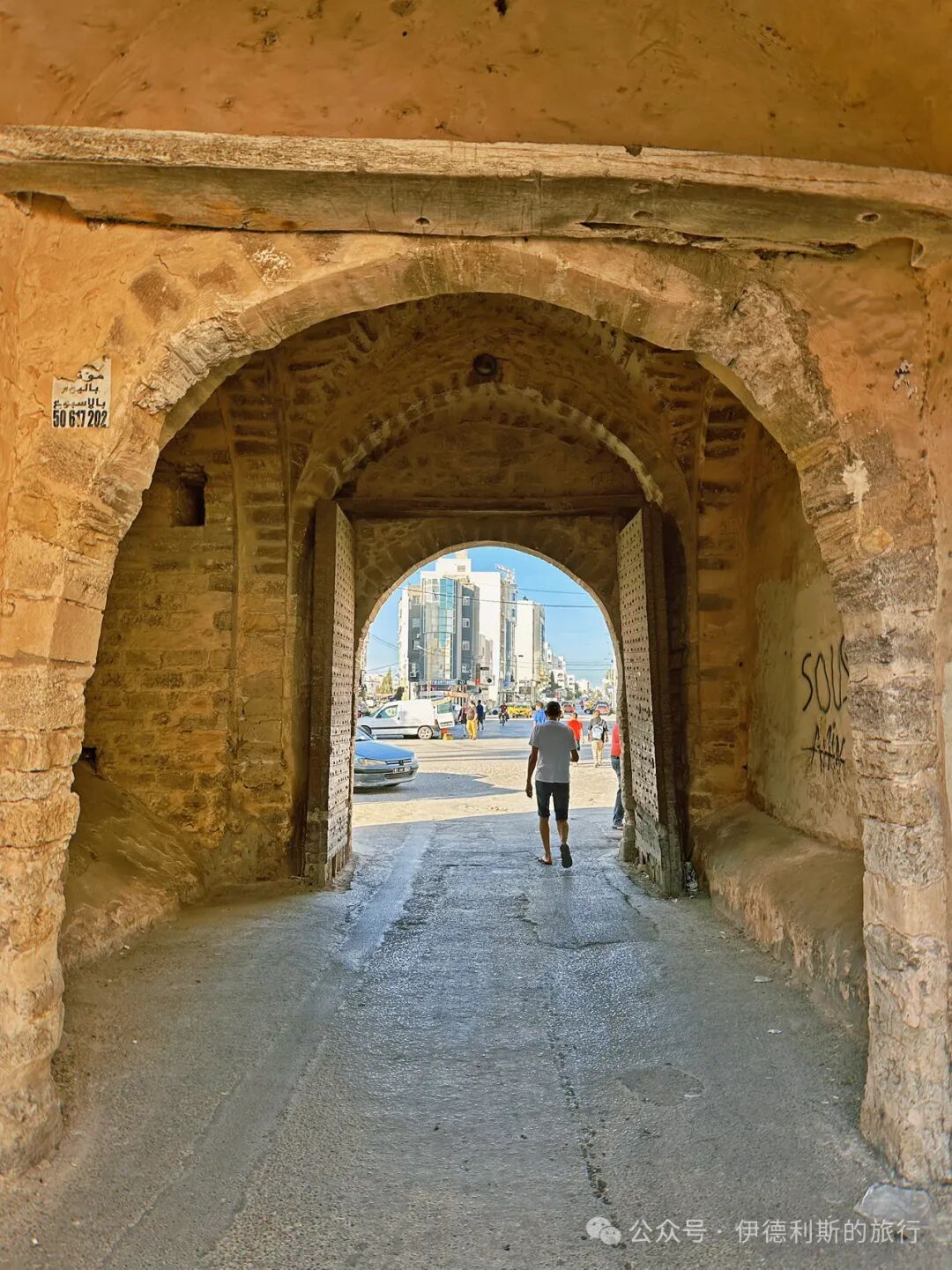
The city walls of the old medina in Monastir.
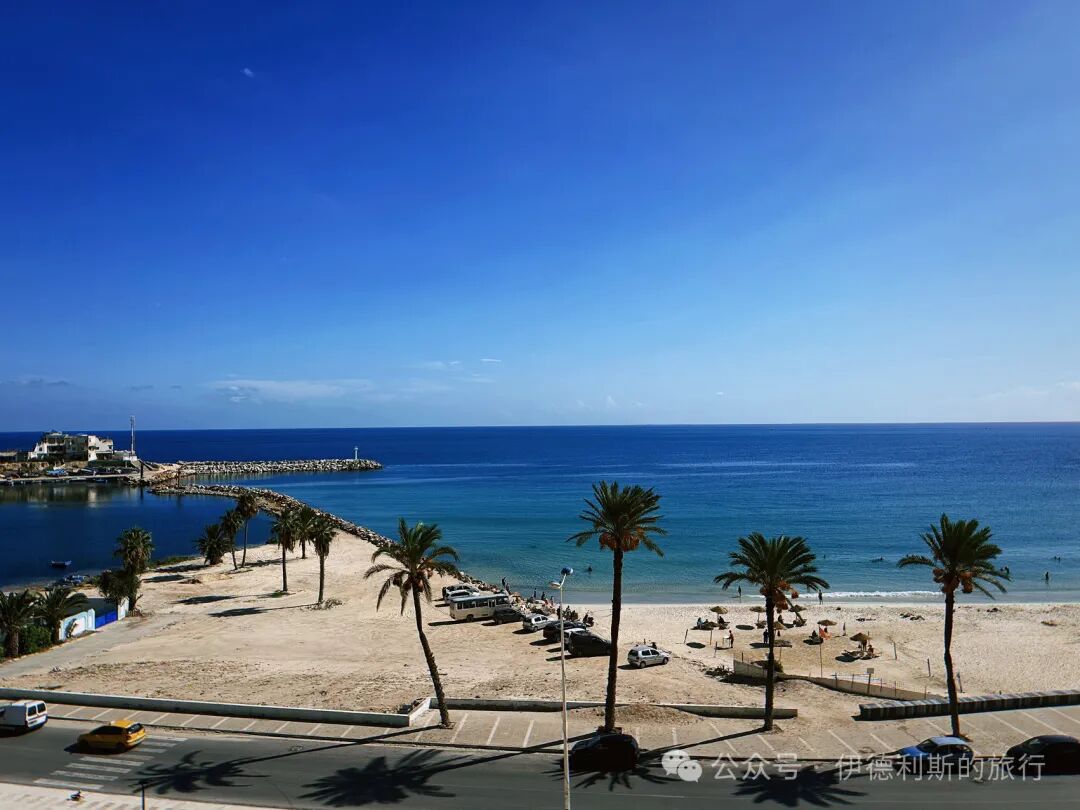
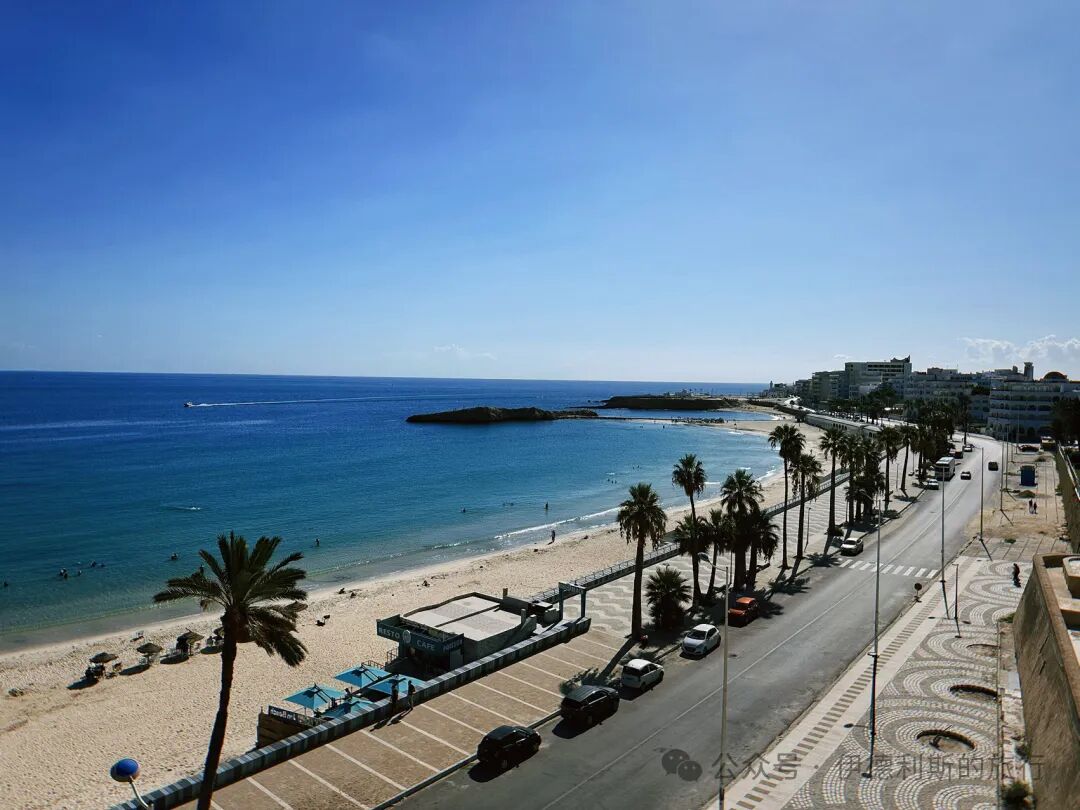
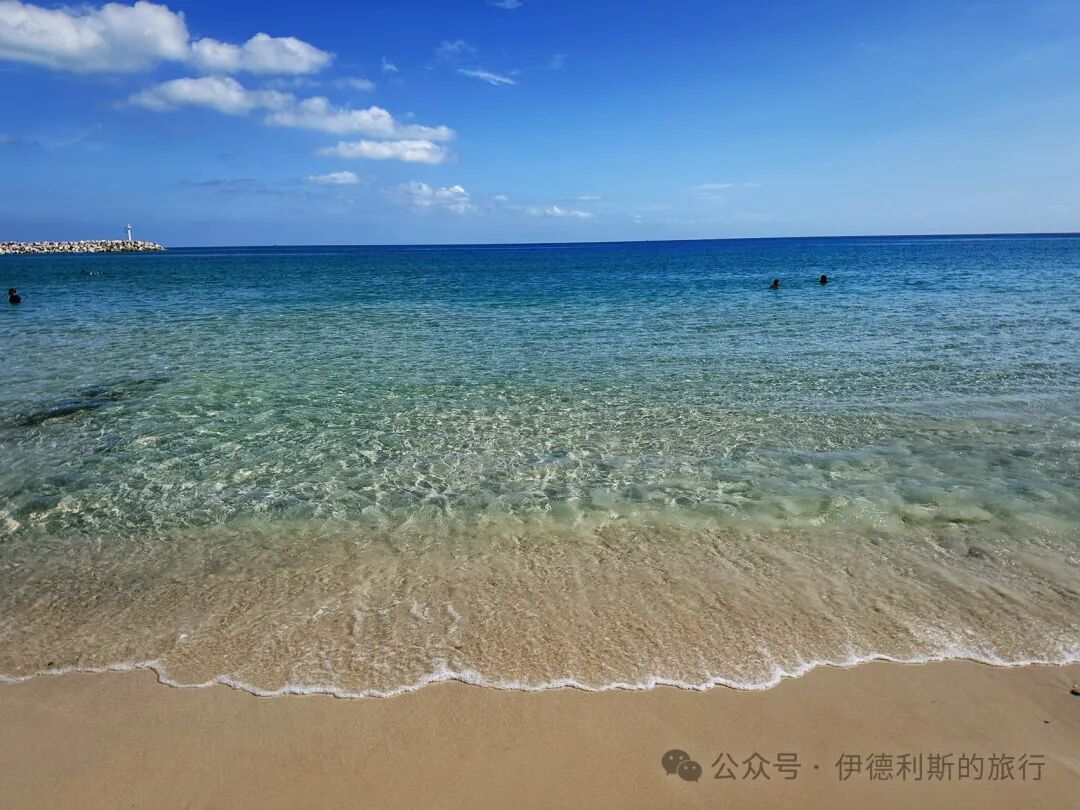
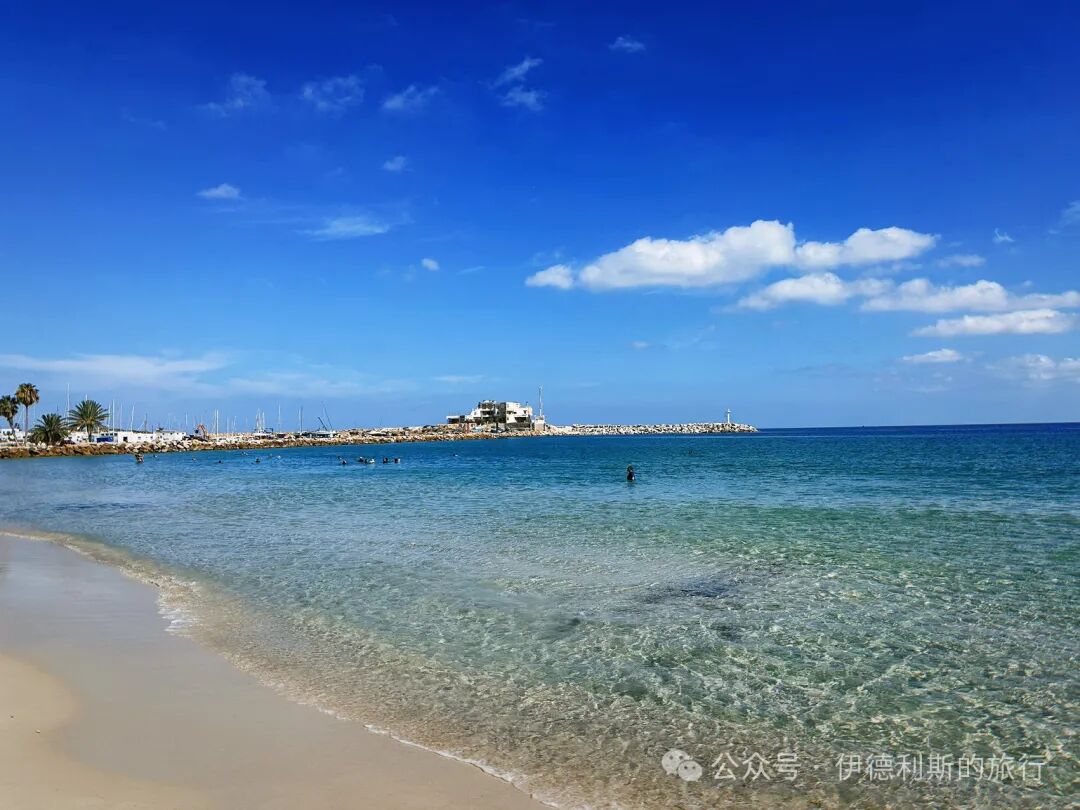
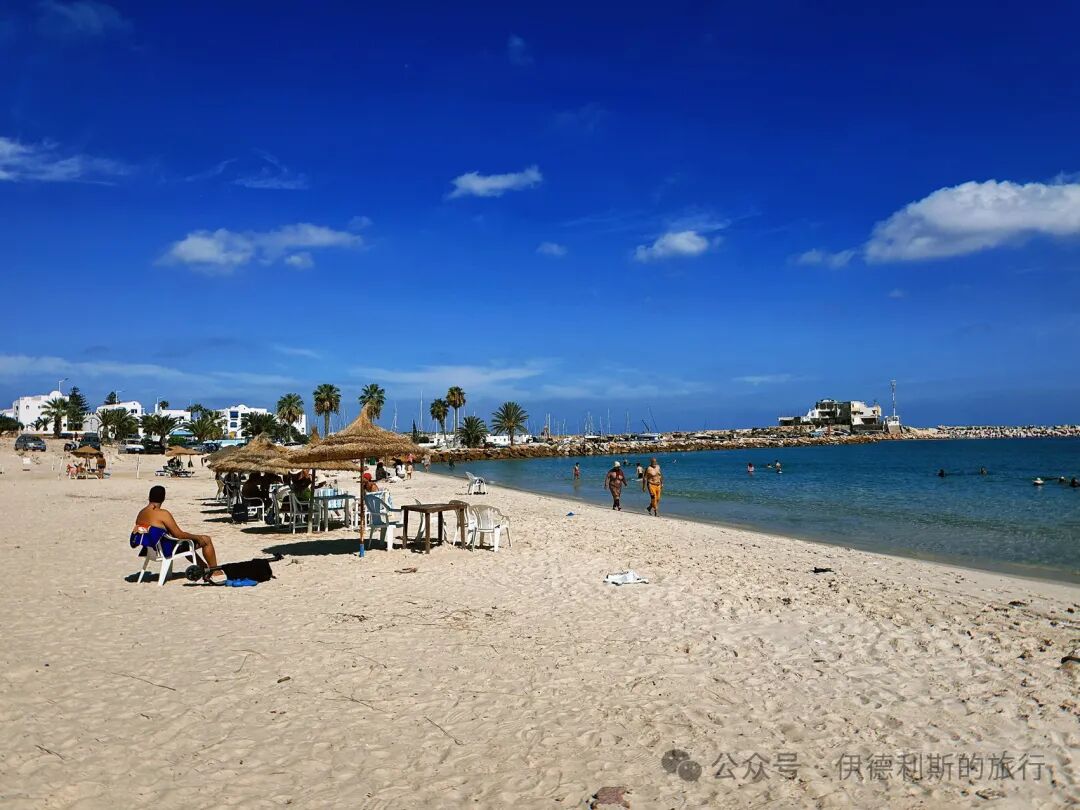
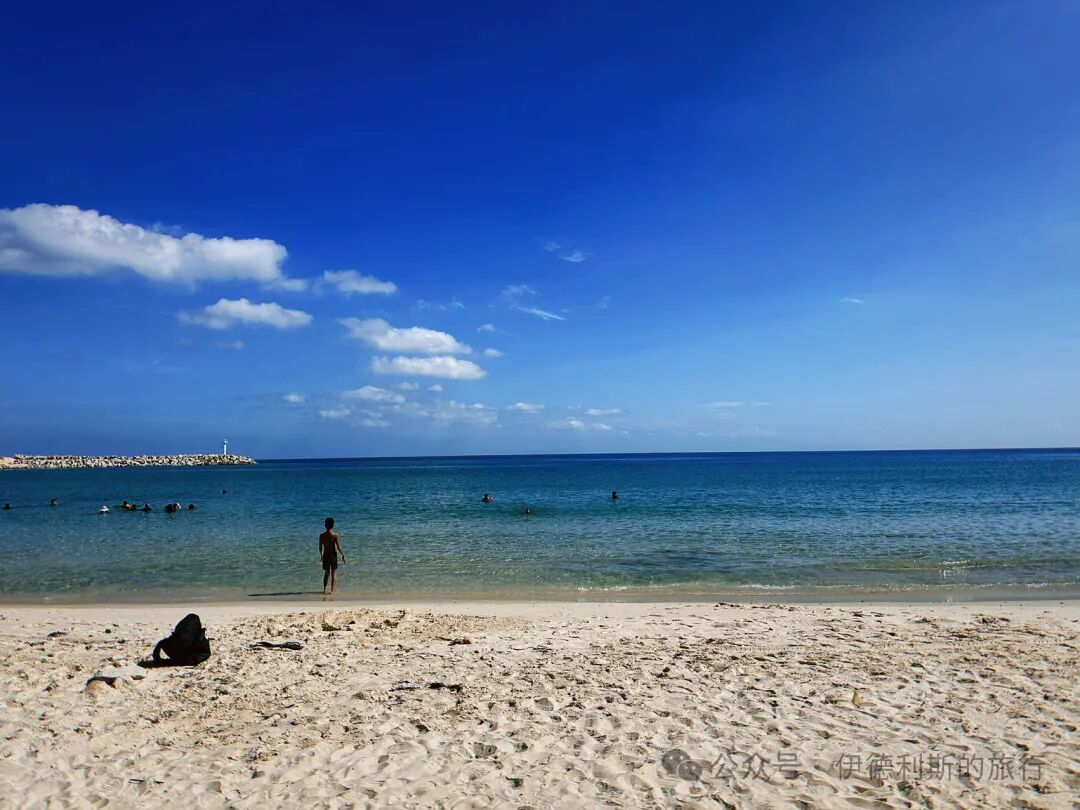
The beach next to the Monastir fortress. The sea and sky are the same color, blue and clear to the bottom. There are few tourists here, making it a perfect vacation spot.
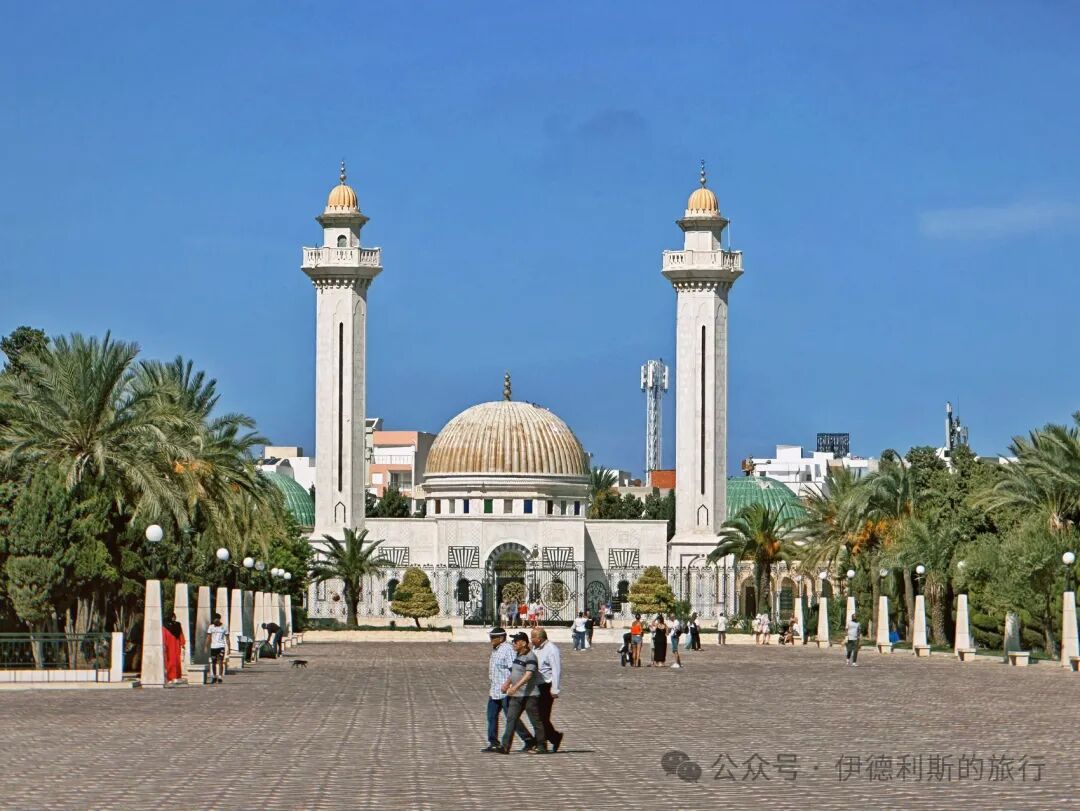
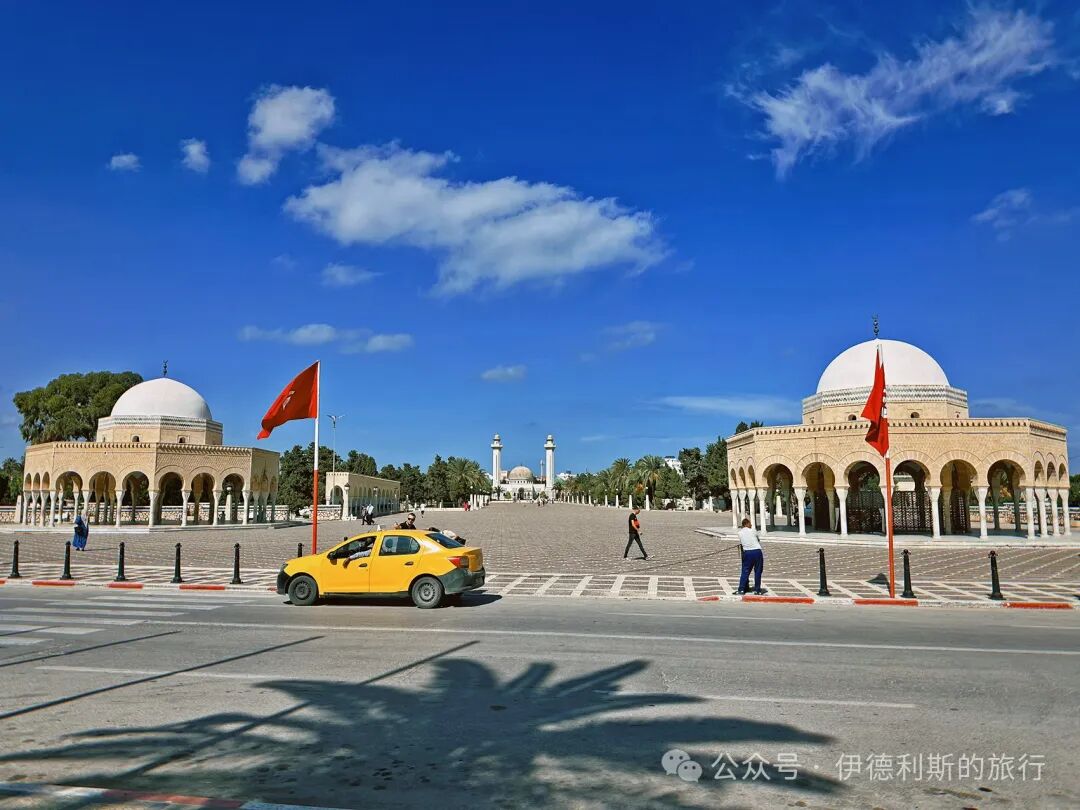
The mausoleum of Bourguiba, the founding father of Tunisia, in Monastir. Construction of the mausoleum began in 1963, it was expanded in 1978, and Bourguiba was buried here after his death in 2000. Bourguiba was a native of Monastir. When France recognized Tunisia's independence in 1956, he served as the Prime Minister of the Kingdom of Tunisia. The following year, he abolished the monarchy and became the founding president, earning him the title of the founder of the Republic of Tunisia. After thirty years in power, Bourguiba was removed from office in 1987. He spent his later years in his hometown of Monastir, where he eventually passed away.
On the south side of the Bourguiba Mausoleum stands the Bourguiba Hanafi Mosque (Bourguiba Hanafi Masjid), built in 1963. Unfortunately, this mosque is locked and not open for the five daily namaz.
Summary: Monastir, Tunisia - Old Arab Fortress and Coastal Heritage (Part 1) is presented as a clear English travel account for readers interested in Muslim life, halal food, architecture, and local history. The article keeps the original names, food details, photographs, and cultural context while focusing on Monastir, Tunisia, Arab Fortress.
Take a yellow minibus from the entrance of the Great Mosque of Sousse, and you will reach Monastir, another ancient city by the Mediterranean Sea, in 30 minutes. After arriving, we first had a French-style breakfast at a restaurant called Resto My Cocoon. Many restaurants in Tunisia offer breakfast sets, so you do not need to order dishes individually. The set we chose included coffee, juice, chocolate cake, chocolate cookies, jam, fried eggs, various sausages, butter, and bread. As a Mediterranean coastal region, various sausages, dairy products, and jams are essential parts of breakfast.
To defend against Byzantine ship attacks, the Arab Abbasid dynasty built a series of fortresses along the North African Mediterranean coast. The only one that remains today, and the most magnificent, is the Ribat of Monastir, which was ordered to be built in 796 by the Abbasid governor Harthama ibn A'yan. As the oldest and most important Arab fortress in the entire Maghreb region (western North Africa), the Ribat of Monastir attracts many visitors.
When the Ribat of Monastir was first built in 796, it only had one courtyard, and the current museum section is part of the original structure. The fortress was expanded twice, first during the Aghlabid dynasty in the 9th century and again in 966 under the Fatimid dynasty. The prayer hall on the south side dates back to this period. In 1424, the Hafsid dynasty carried out a large-scale expansion of the fortress, creating a layout with two courtyards. During the 18th and 19th centuries, the Ottoman dynasty added many buttresses and towers around the fortress to mount cannons, which gave the structure its current appearance.
The Monastir Fortress houses a museum inside the oldest section, which was built by the Abbasid dynasty in the 8th century. The exhibition hall was once the fortress prayer hall, and the mihrab still features its original marble carvings.
A collection of stone tablets with Arabic inscriptions is displayed at the museum entrance, featuring very ornate calligraphy.
Sundial
9th to 10th-century Arabic pottery
15th-century mosaic tiles.
18th-century Ottoman-era porcelain.
Stone steles from 859 and 1028.
Textiles from the Fatimid to Mamluk dynasties in Egypt.
The museum's most important collection features 9th to 11th-century wooden components from the main hall of the Great Mosque of Kairouan. Seeing this thousand-year-old North African woodwork is truly stunning.
Inscribed steles held at the Ribat of Monastir Museum.
Next to the Ribat of Monastir stands the Great Mosque of Monastir, which also has a thousand-year history. The Great Mosque of Monastir was first built in the 9th century during the rule of the Aghlabid dynasty. The Aghlabid dynasty was an Arab dynasty of the Hanafi school that was nominally a vassal of the Abbasid Caliphate. They valued trans-Saharan and Mediterranean trade and conquered Sardinia, Sicily, and the southern Italian peninsula. Architecture from the Aghlabid period has a typical fortress style, and the Great Mosque was built to look like a military castle.
During the 11th-century Zirid dynasty, the Great Mosque of Monastir was expanded, and the mihrab, which now features a typical Zirid style, was built. Unfortunately, except for a very small number of mosques open to tourists in the morning, most mosques in Tunisia are locked outside of the five daily namaz times, so we could not go inside to visit.
During the Hafsid dynasty, the Great Mosque continued to be expanded, and the current watchtower was built. The Great Mosque was finally completed in the 18th century with the addition of the current porch. The most unique feature of the Great Mosque of Monastir is that there is no dome above the mihrab, which is very rare among ancient mosques in Tunisia.
On the south side of the Monastir fortress, there is another fortress called Sidi Dhouib. Like the Great Mosque, this fortress was built in the 9th century during the Aghlabid dynasty. It is now a madrasa, and we saw children studying the Quran inside when we visited.
Strolling through the old medina of Monastir. After the Abbasid dynasty built the Monastir fortress in 796, the city was used to defend against attacks from the Byzantine fleet. After the ancient Tunisian city of Kairouan was destroyed by the Fatimid dynasty in 1057, many people moved to Monastir to settle, which helped the city grow quickly.
At the bazaar on the main street of the old town, you can see Baklouti peppers. These are a special Tunisian red chili used to make the Tunisian appetizer harissa (Harissa) hot sauce.
I visited five cities in Tunisia this time, and I think the best souvenirs to buy are the religious wall hangings made with mosaic tiles. In a souvenir shop in the Monastir medina, we bought a mosaic Hamsa hand and a Tree of Life. They had them in all sizes from big to small, and we bought the smallest ones.
The Hamsa hand (Hamsa) is a very popular amulet in North Africa and the Middle East. All three Abrahamic religions use it, and each has its own story about where it came from. We believe the five fingers of the Hamsa represent the five pillars of the faith, and it is named after Fatima, the daughter of the noble Prophet. During the Austro-Turkish War in 1788, the Ottoman Empire raised flags printed with the Hamsa. The Grand Vizier led an army of 80,000 soldiers to fight against Austria.
The Tree of Eternity (Sajara al-Huld) is a tree in Paradise. The Quran mentions that the devil tempted Adam and Hawa in Paradise, tricking them into eating the fruit of the Tree of Eternity. This caused their private parts to be exposed, so they covered their bodies with leaves.
The city walls of the old medina in Monastir.
The beach next to the Monastir fortress. The sea and sky are the same color, blue and clear to the bottom. There are few tourists here, making it a perfect vacation spot.
The mausoleum of Bourguiba, the founding father of Tunisia, in Monastir. Construction of the mausoleum began in 1963, it was expanded in 1978, and Bourguiba was buried here after his death in 2000. Bourguiba was a native of Monastir. When France recognized Tunisia's independence in 1956, he served as the Prime Minister of the Kingdom of Tunisia. The following year, he abolished the monarchy and became the founding president, earning him the title of the founder of the Republic of Tunisia. After thirty years in power, Bourguiba was removed from office in 1987. He spent his later years in his hometown of Monastir, where he eventually passed away.
On the south side of the Bourguiba Mausoleum stands the Bourguiba Hanafi Mosque (Bourguiba Hanafi Masjid), built in 1963. Unfortunately, this mosque is locked and not open for the five daily namaz.
