
Halal Travel Guide: Hammamet, Tunisia - Ancient Medina, Beach and Muslim Heritage
Reposted from the web
Summary: Hammamet, Tunisia - Ancient Medina, Beach and Muslim Heritage is presented as a clear English travel account for readers interested in Muslim life, halal food, architecture, and local history. The article keeps the original names, food details, photographs, and cultural context while focusing on Hammamet, Tunisia Travel, Muslim Heritage.
Hammamet sits halfway between Tunisia's two major cities, Tunis and Sousse, and it is very easy to reach by shared taxi (louage) from either one. Hammamet has been a resort destination since the 1990s, with countless hotels lining the beach and streets full of European faces. The old walled city (medina) here is only about 200 meters long, but it is the most crowded one I have ever seen.
At noon, we caught a ride from the shared taxi station (Station Louage de Sousse) in the southern suburbs of Sousse and arrived at the Hammamet Sud intersection on the west side of Hammamet an hour later, then took a taxi to the old medina. Be aware that Hammamet has two medinas; one is a new replica built by the sea in the 1990s, and we went to the wrong one at first. To get to the old medina, we had to tell the taxi driver we were going to the Hammamet fortress before he understood.
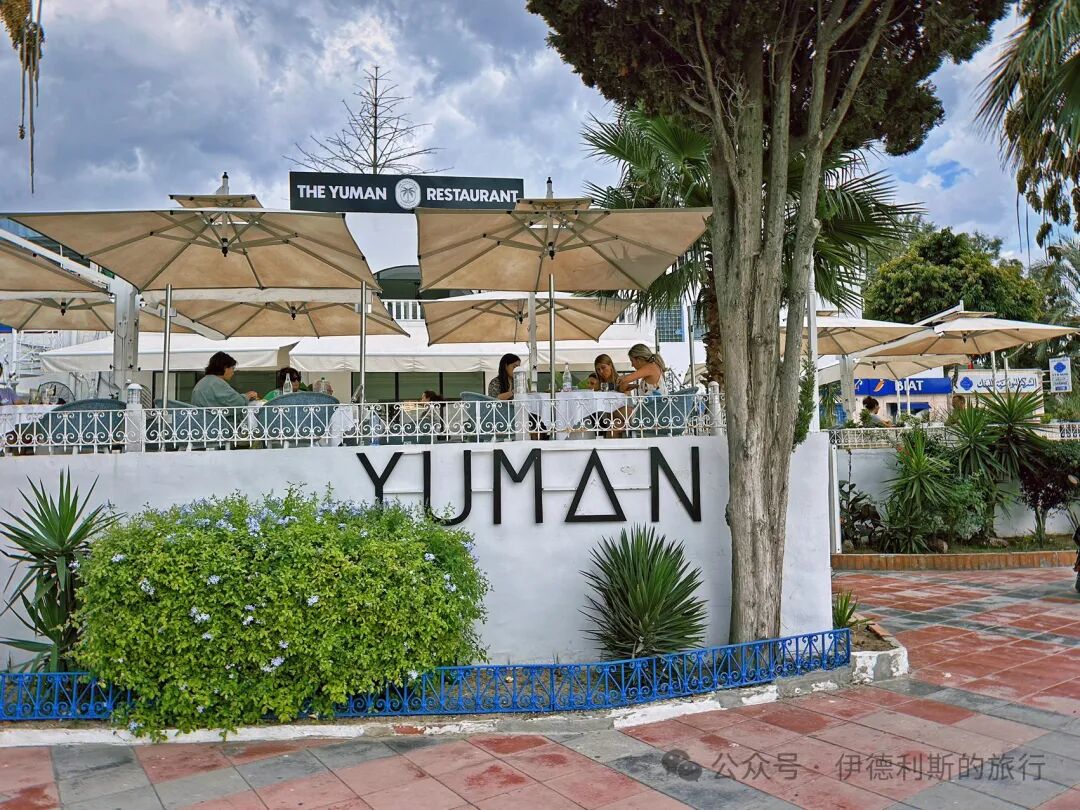
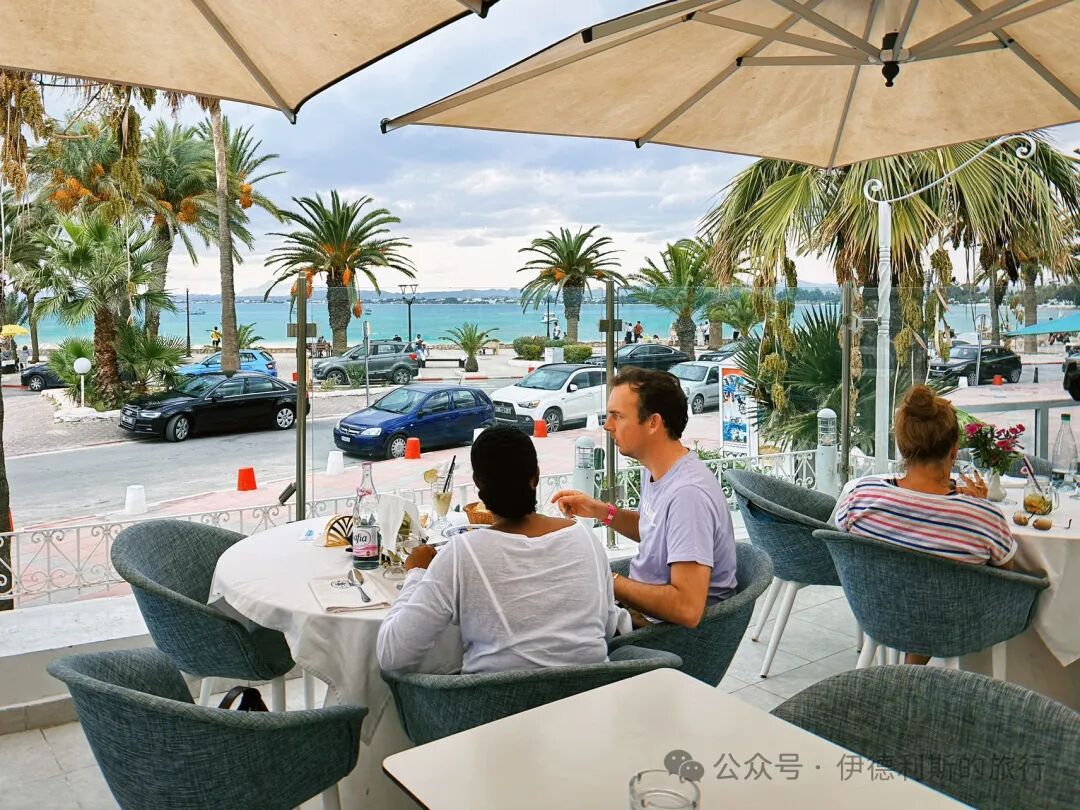
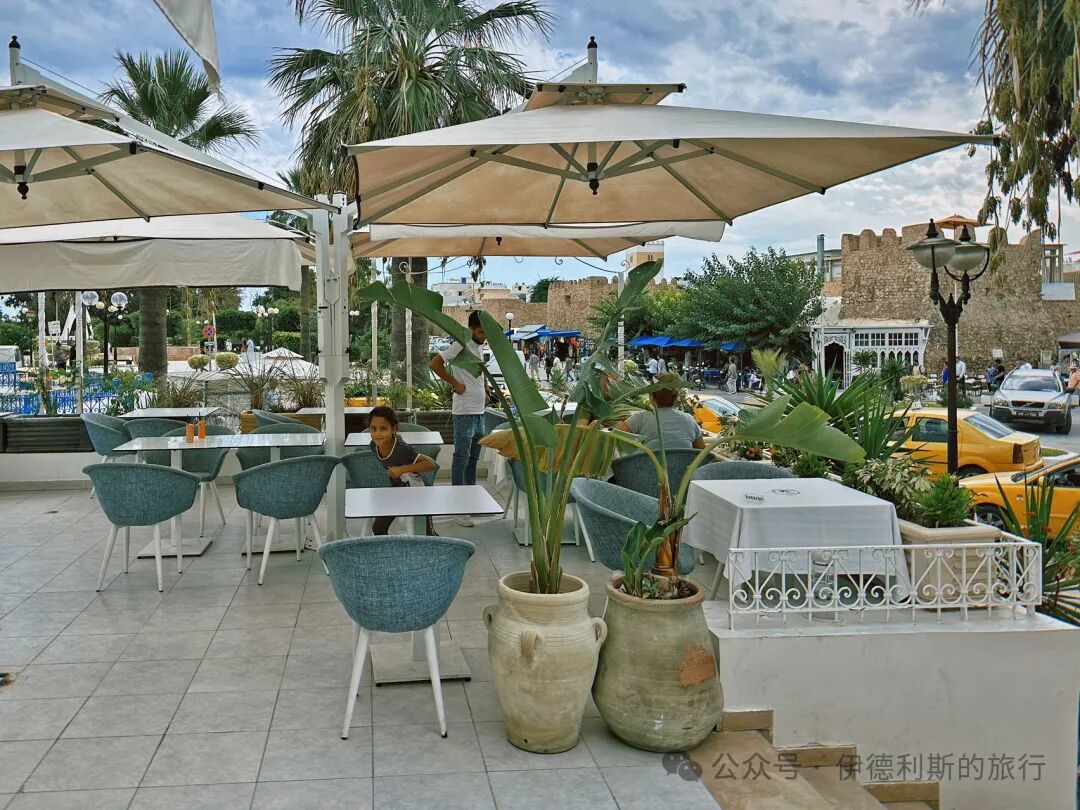
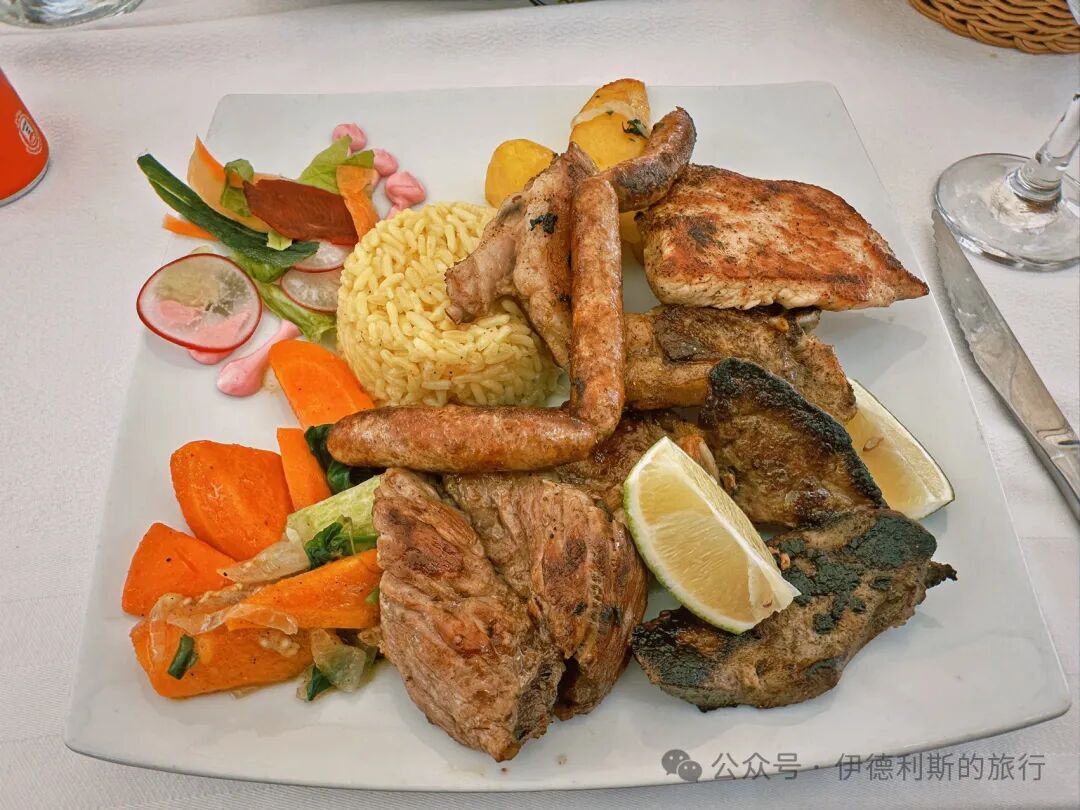
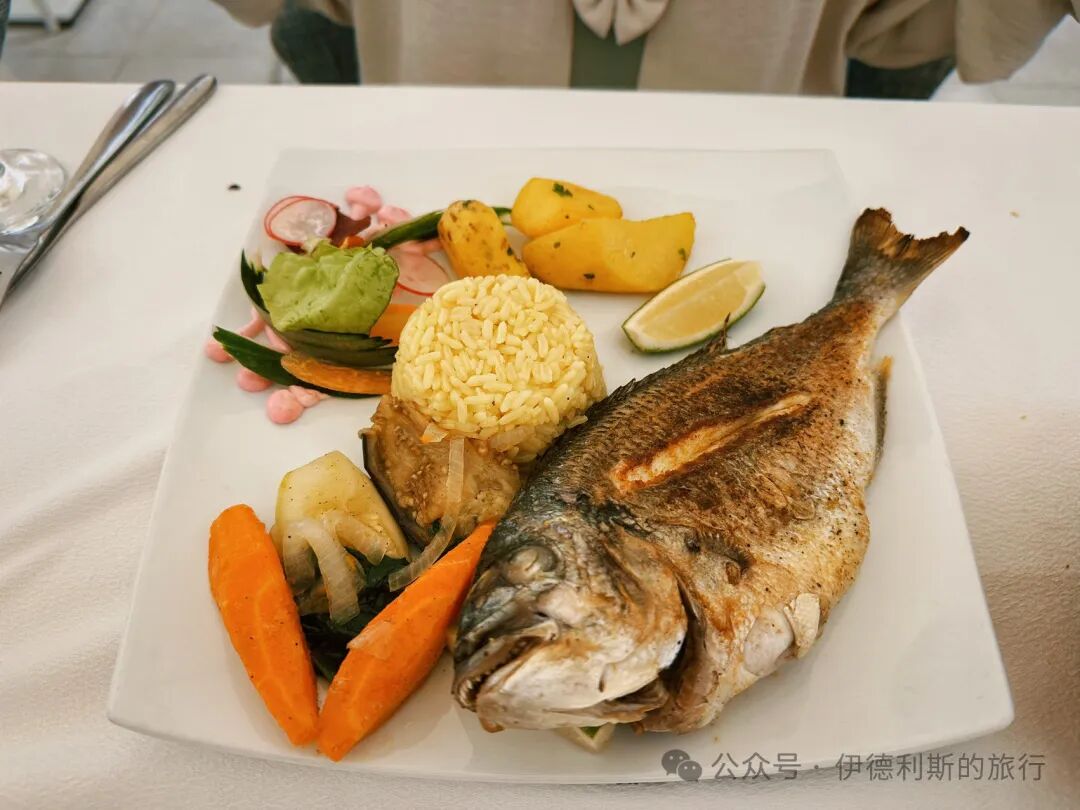
Restaurants near the medina are mostly clustered outside the north wall, serving a mix of Tunisian food and Western dishes. We went to Restaurant Yuman, which has a great view of the fortress and the beach. We ordered pan-fried sea bass and a mixed grill platter. The grill included North African sausage (Merguez), steak, lamb chops, and chicken, all classic dishes from the Tunisian coast.
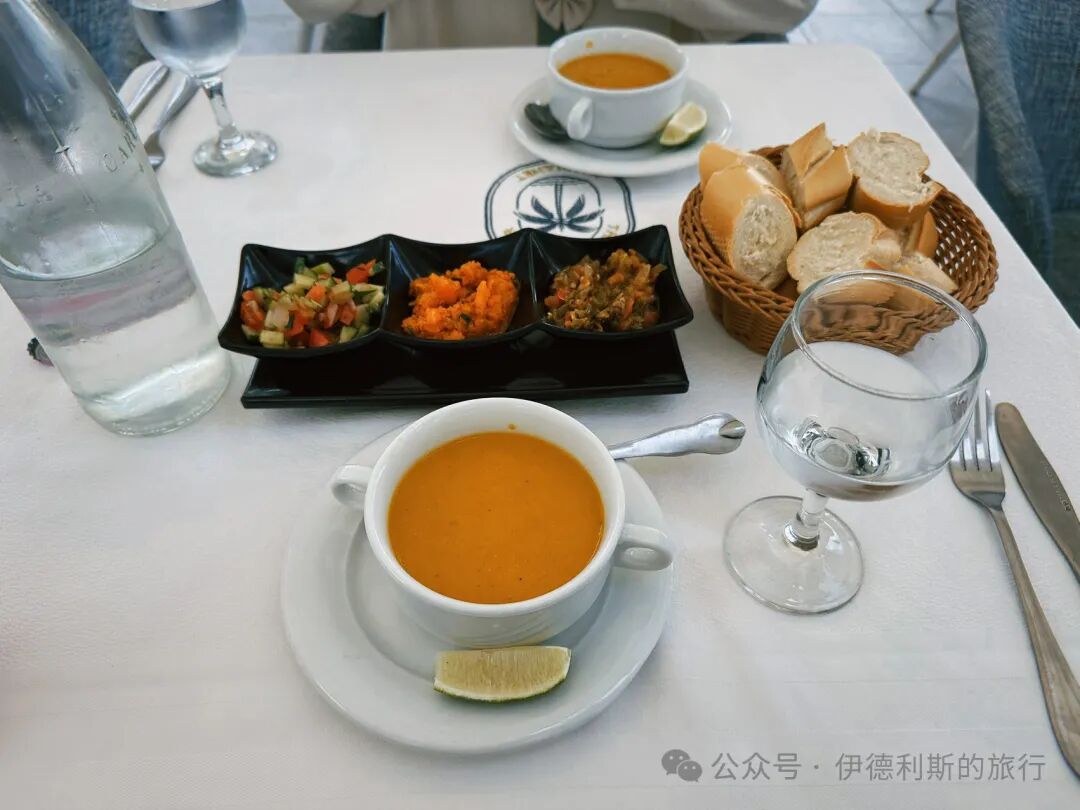
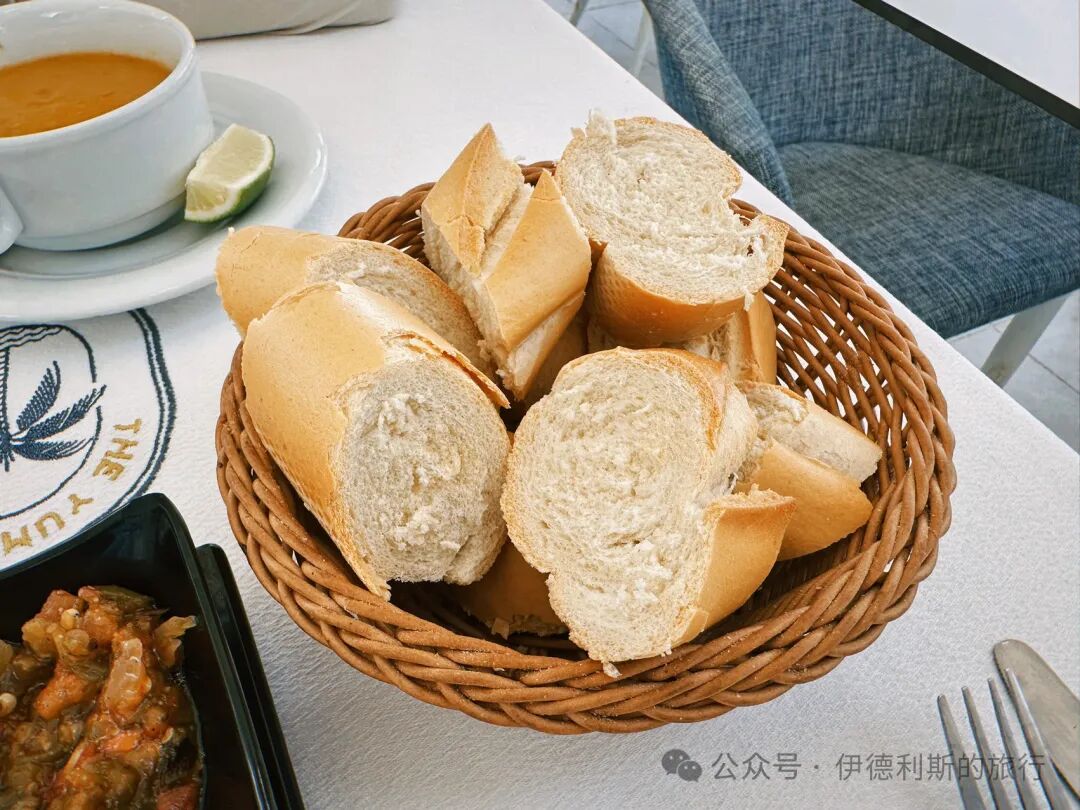
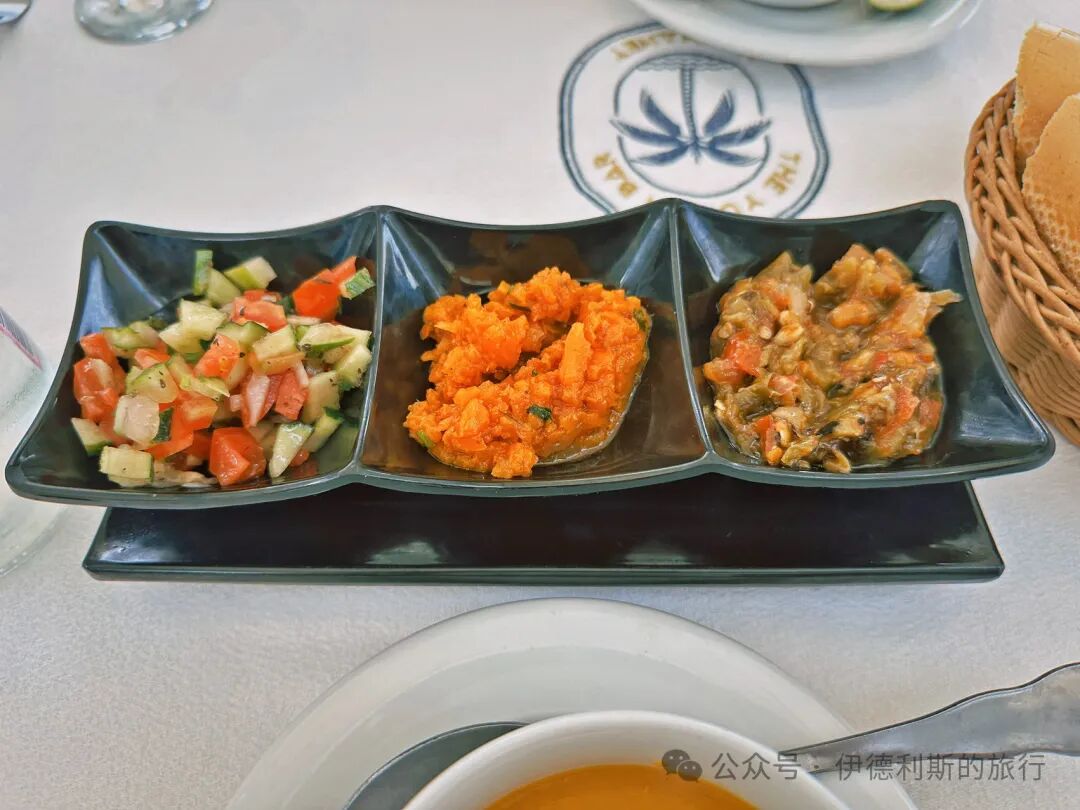
When ordering at a restaurant in Tunisia, you basically only need to order the main course. Appetizers and staples are served for free. After we placed our order, they first brought us thick soup, followed by a baguette and an appetizer platter. The appetizers included Tunisian salad, carrot salad (Houria), and green pepper salad (Mechouia). We ate these three almost every day in Tunisia. Tunisian salad is just diced cucumber, tomato, and onion mixed with olive oil. Higher-end versions also include boiled eggs and tuna. Green pepper salad (Mechouia) contains green peppers, tomatoes, onions, garlic, and other ingredients. Tunisians love it, and it is rich in vitamins and very healthy.
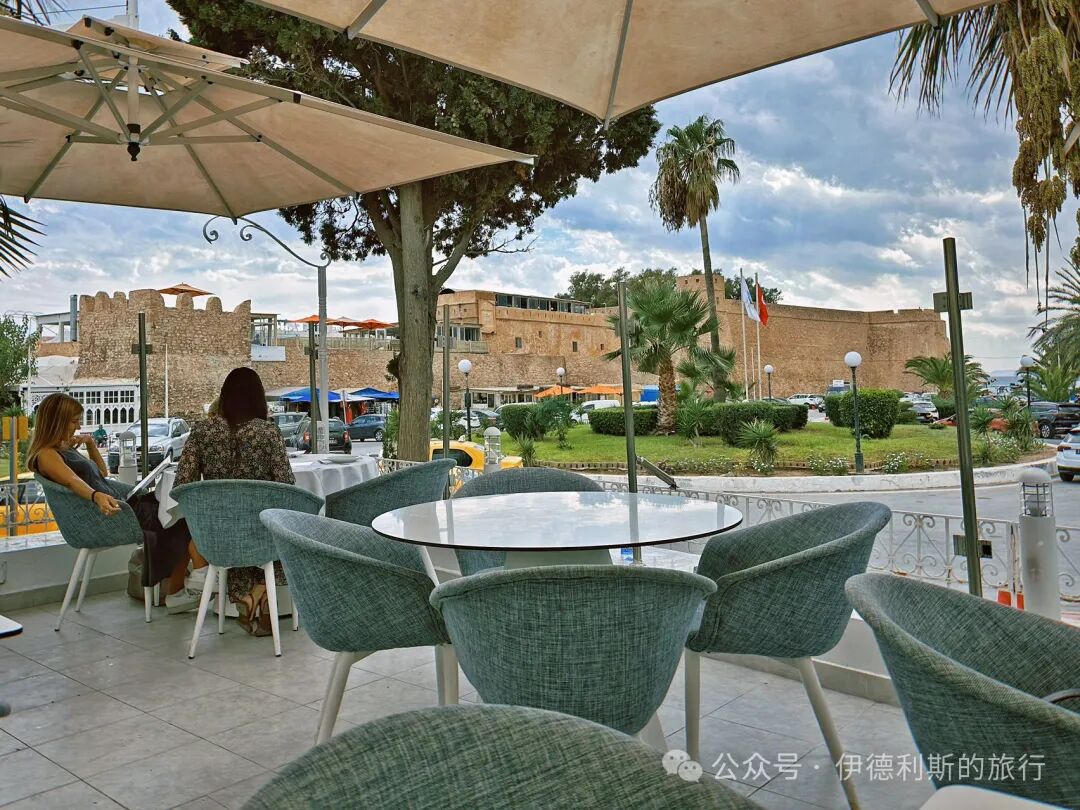
Hammamet Fortress was first built in 893 AD by order of Ibrahim II, an emir of the Arab Aghlabid dynasty. During this period, the Aghlabid dynasty was constantly conquering Sicily, which was under the control of the Byzantine Empire, while also suppressing Berber uprisings.
The Hammamet Fortress is very sturdy and was built mainly to defend against pirate raids from places like Catalonia and Malta. The fortress was destroyed by the Spanish in the 12th century, rebuilt twice in the 14th and 15th centuries, and the upper walls were strengthened by the Ottoman Empire during the 16th and 17th centuries.
In 1605, a joint fleet from the Spanish Empire, the Kingdom of Sicily, and the Knights Hospitaller attacked the Ottoman-controlled Hammamet Fortress. A heavy rainstorm destroyed their ships and caused massive casualties for the allied forces, making this the most famous battle at the fortress.
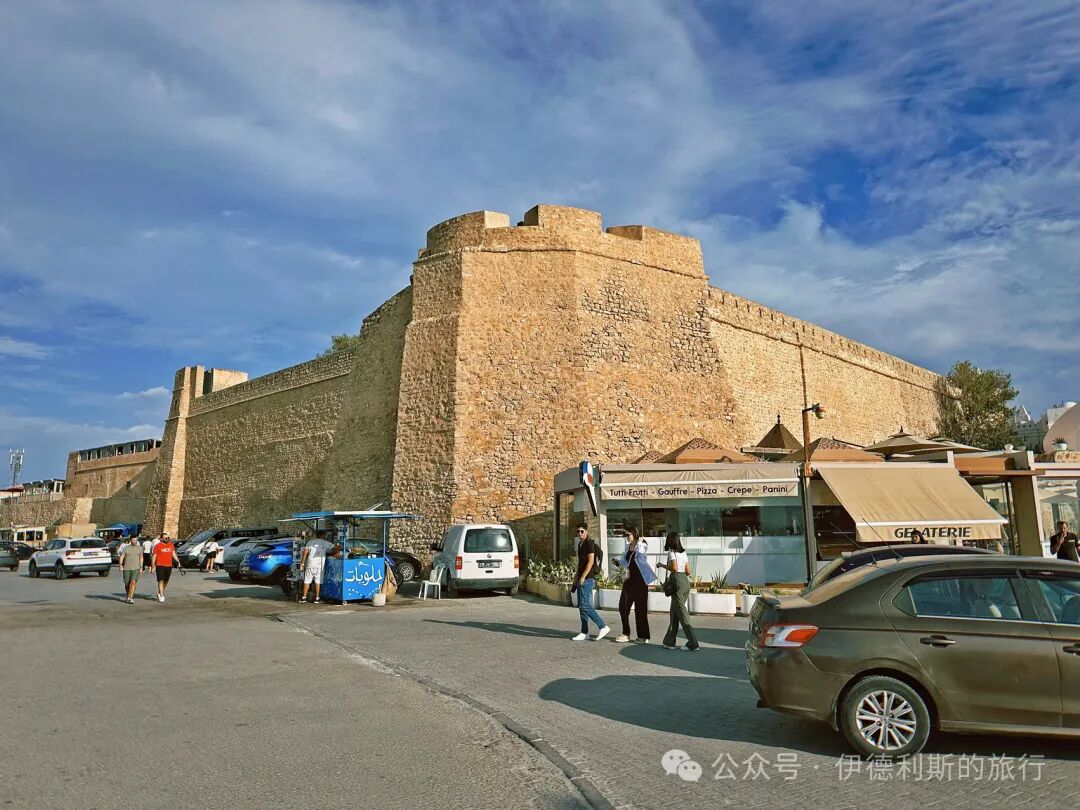
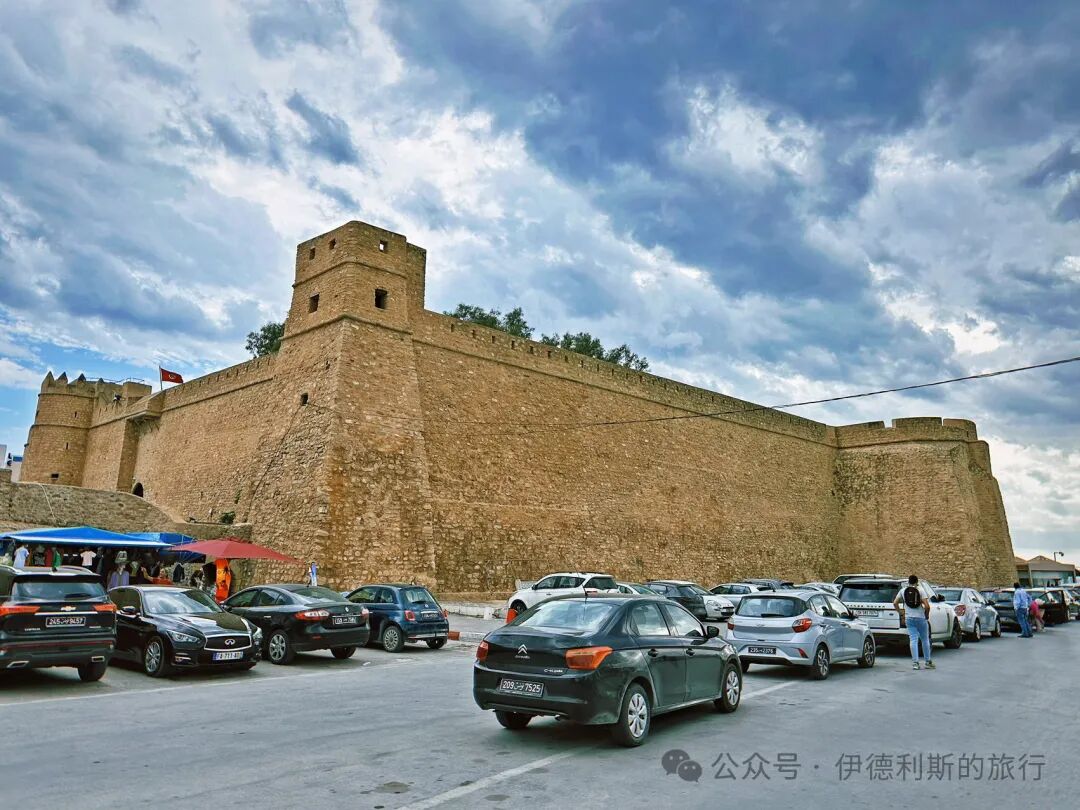
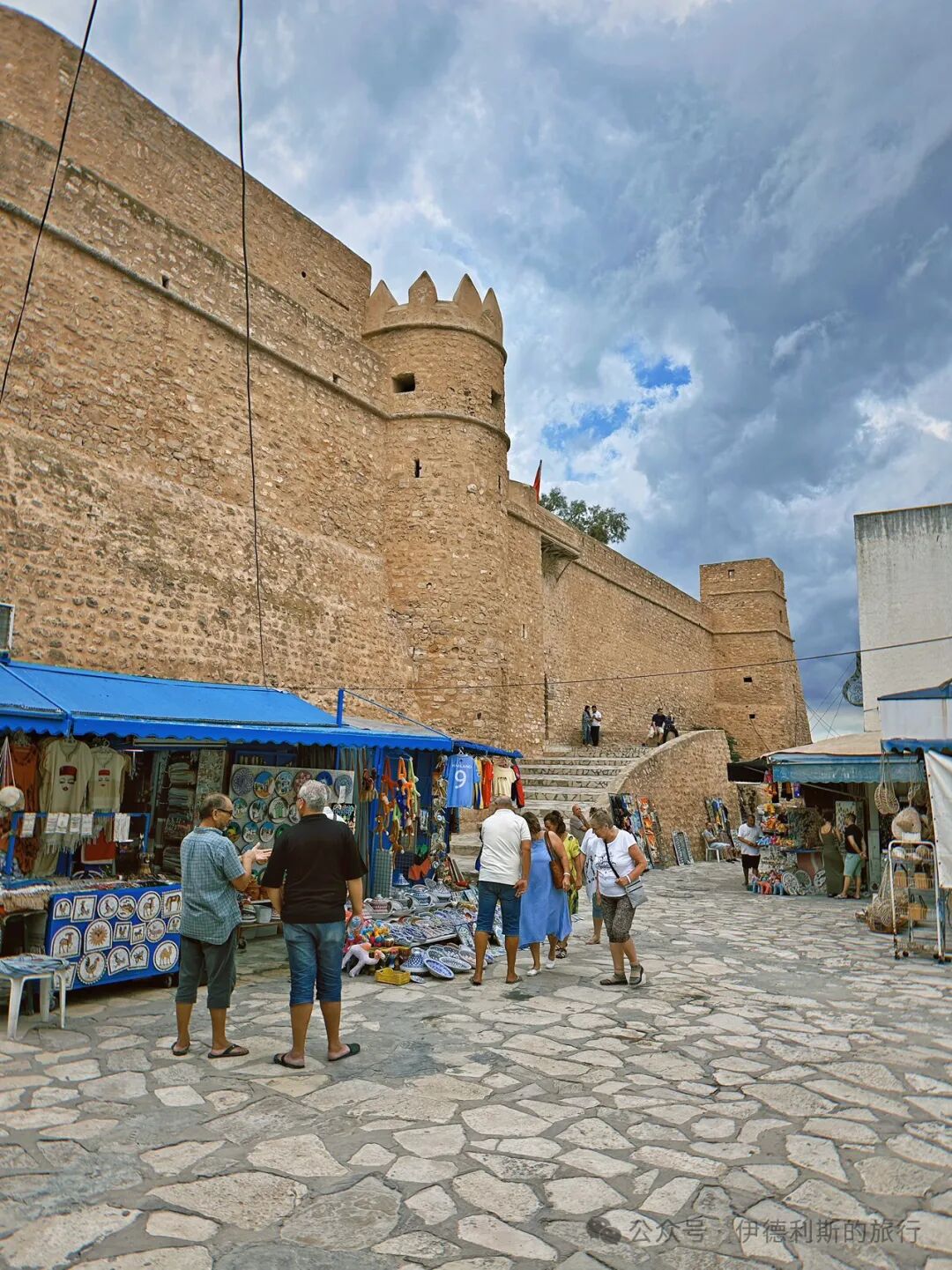
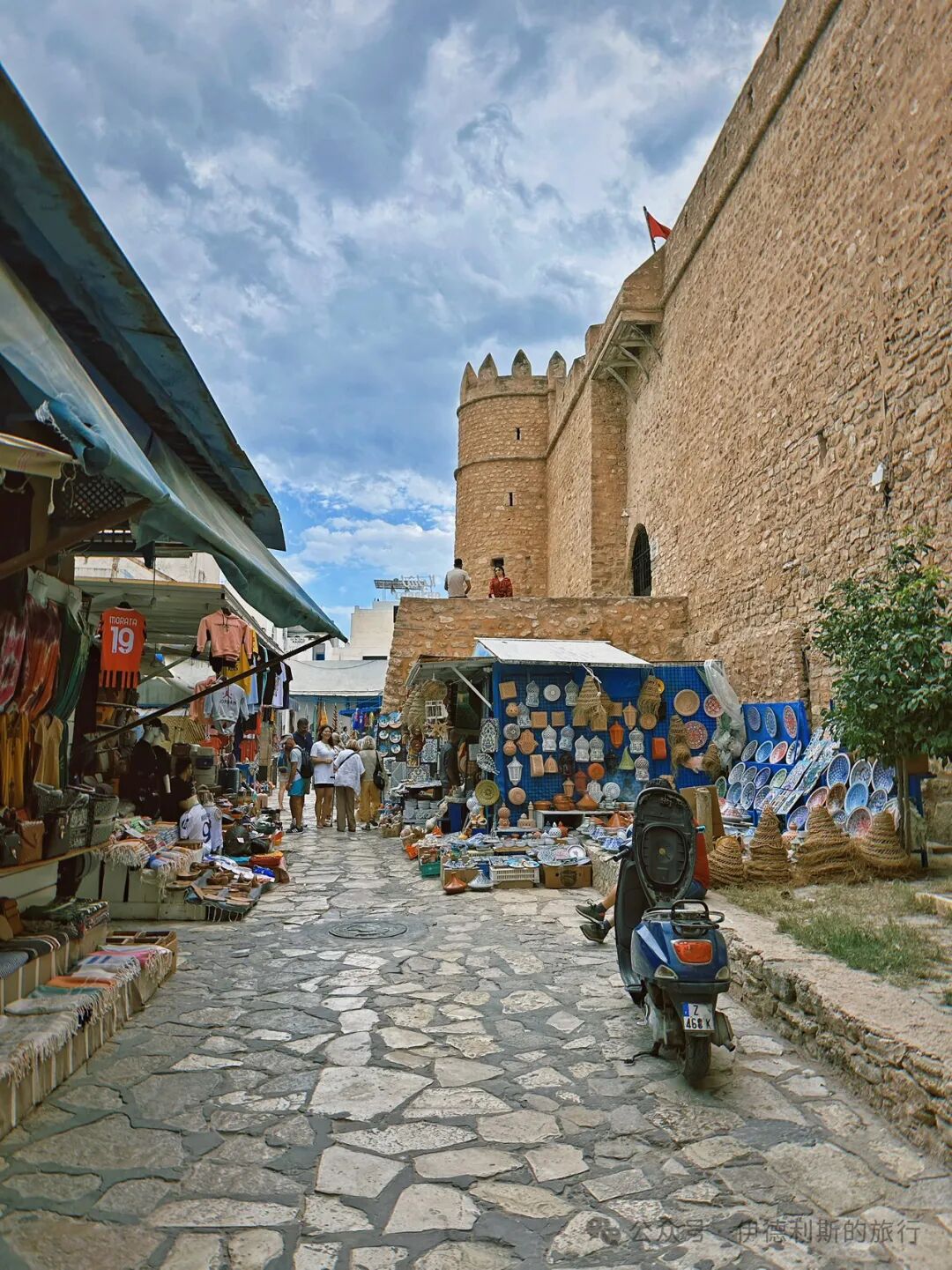
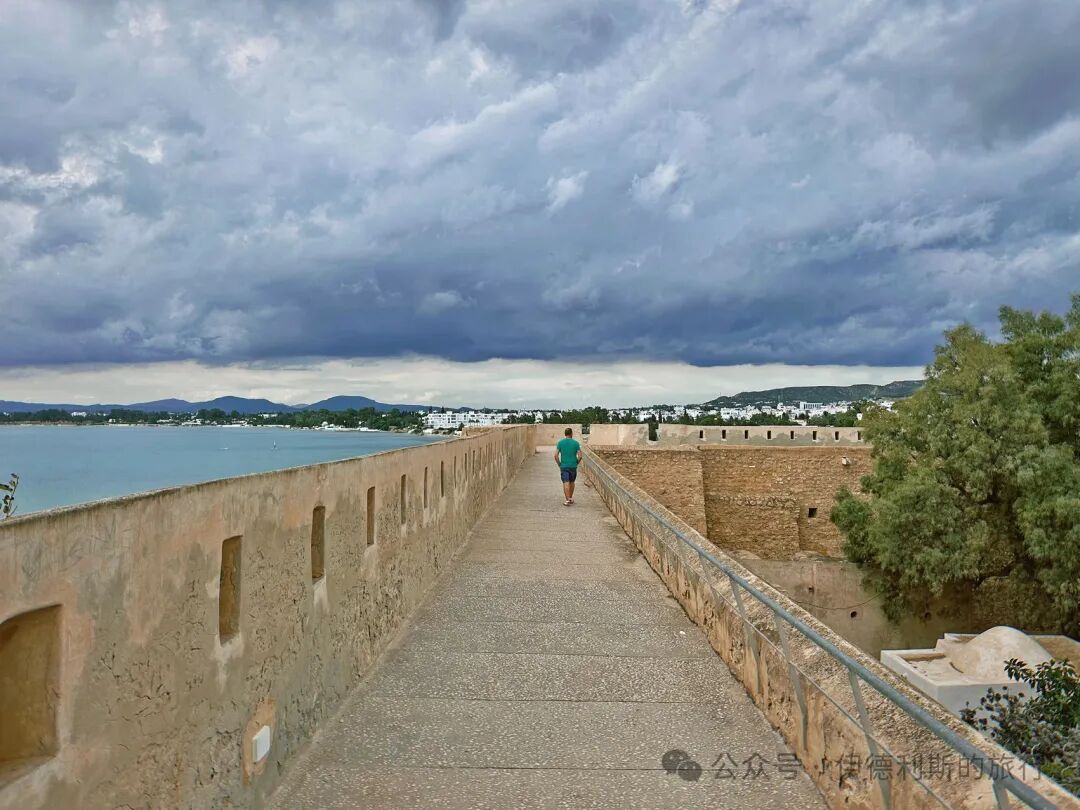
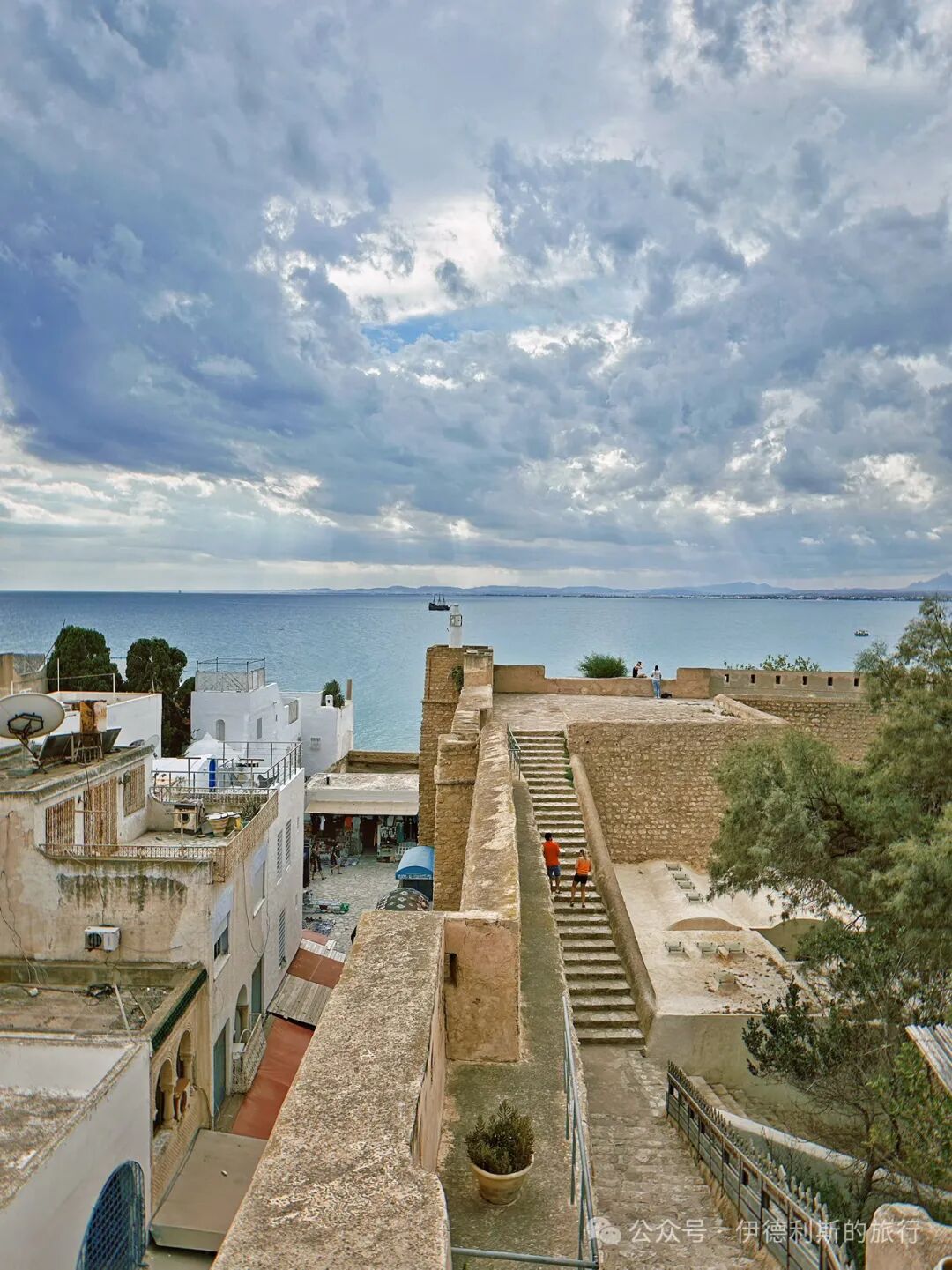
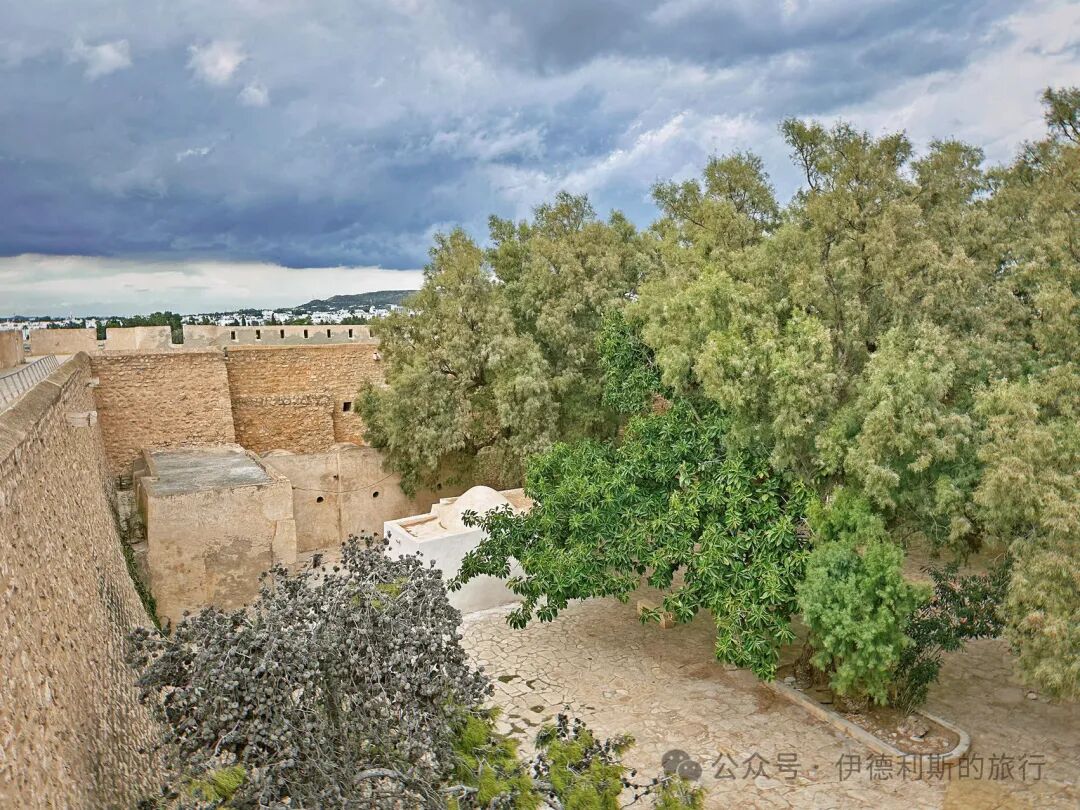
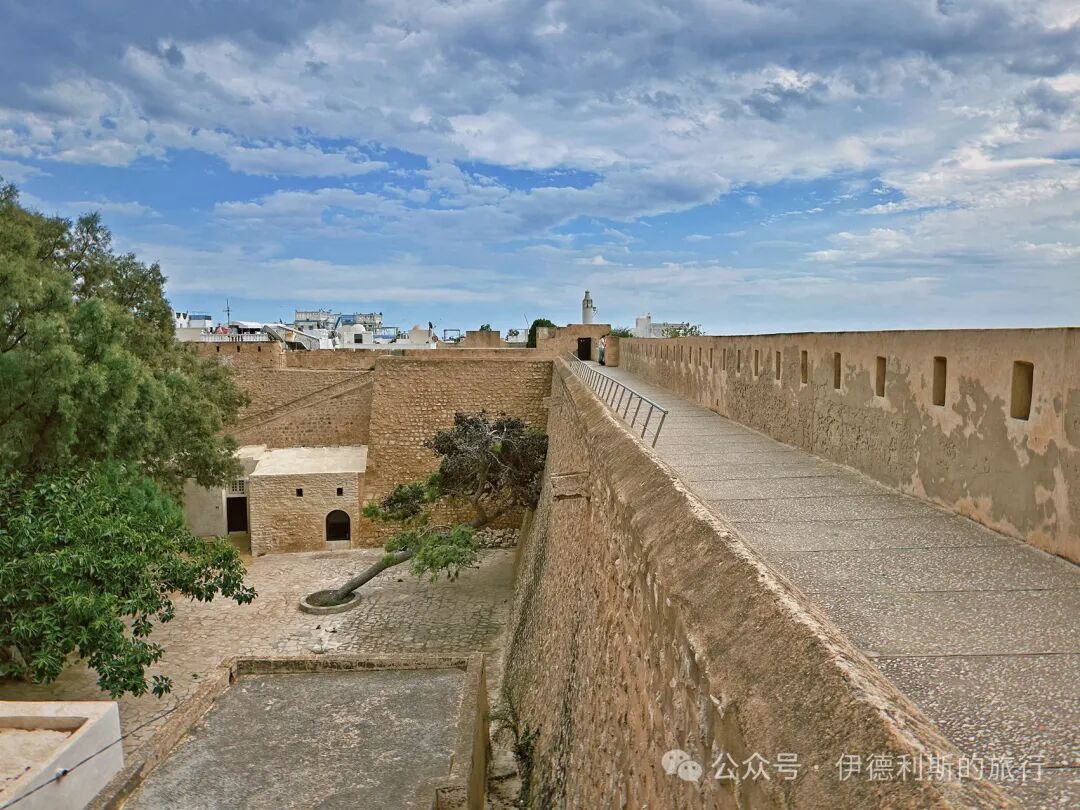
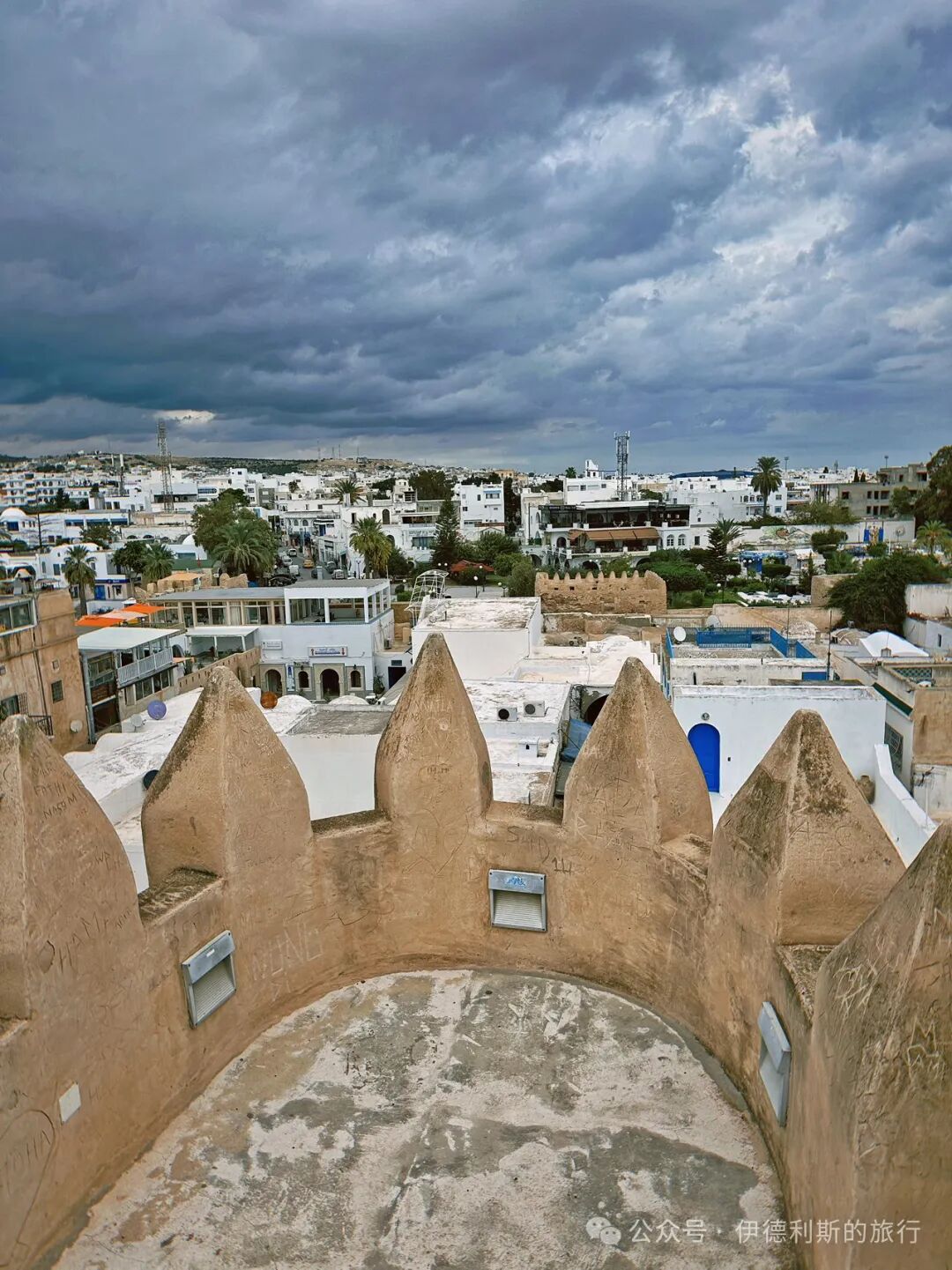
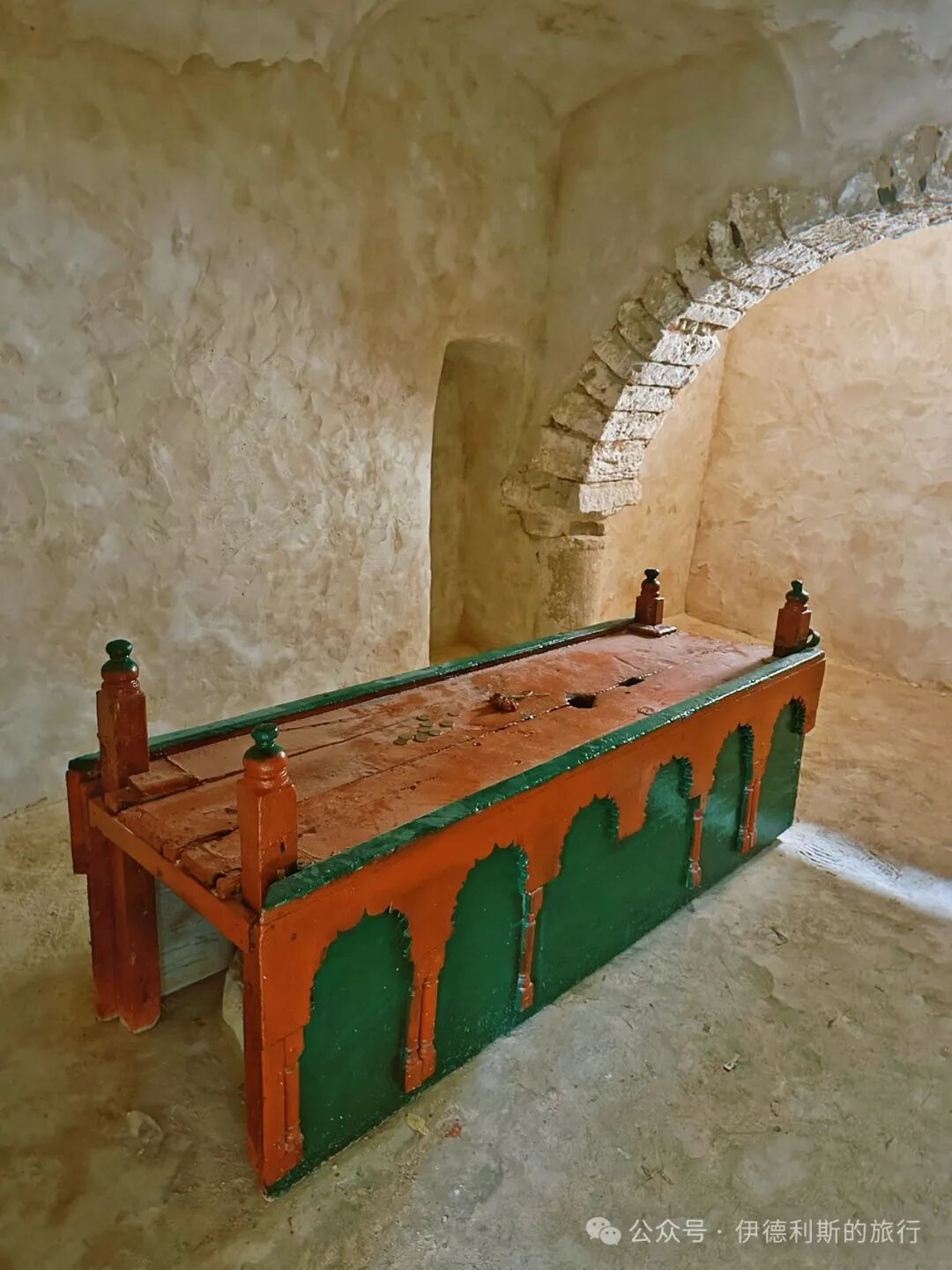
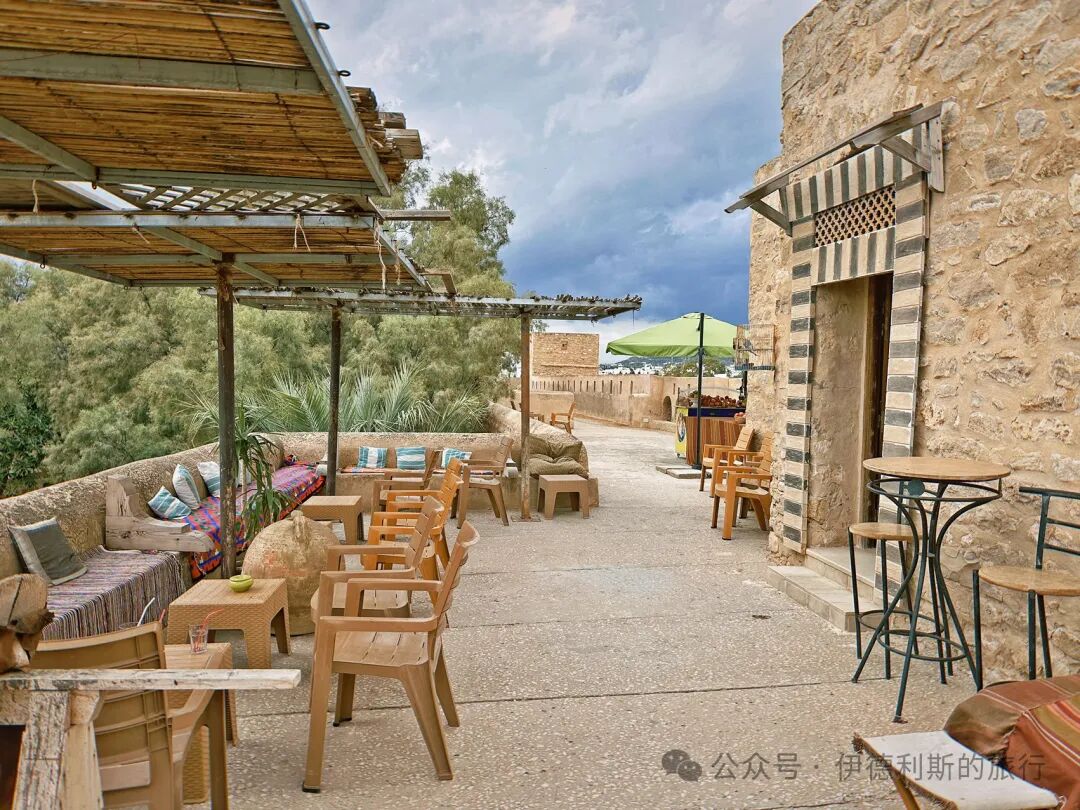
Inside the fortress, there are quite a few pine trees, which is rare. There is also a teahouse on the city walls with a great view. In the center of the fortress stands a tomb from the late 15th century. The person buried there, Sidi Bou-Ali Mohamed, was once stationed here and was very devout in his faith.
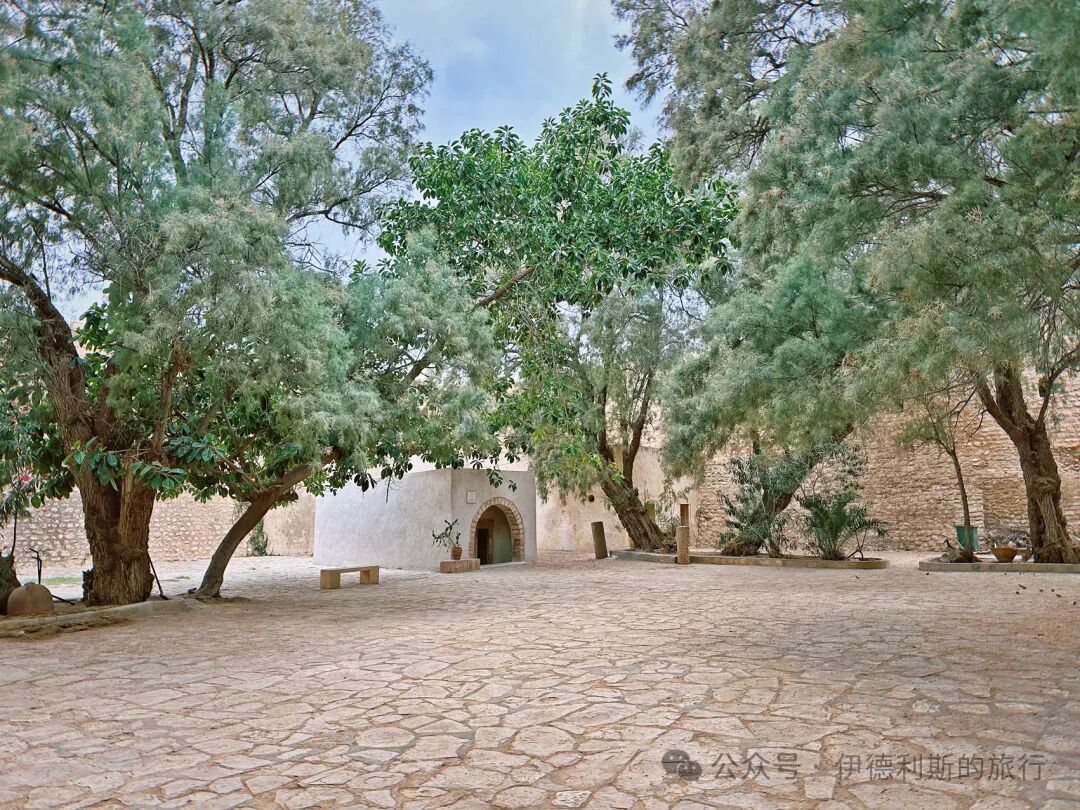
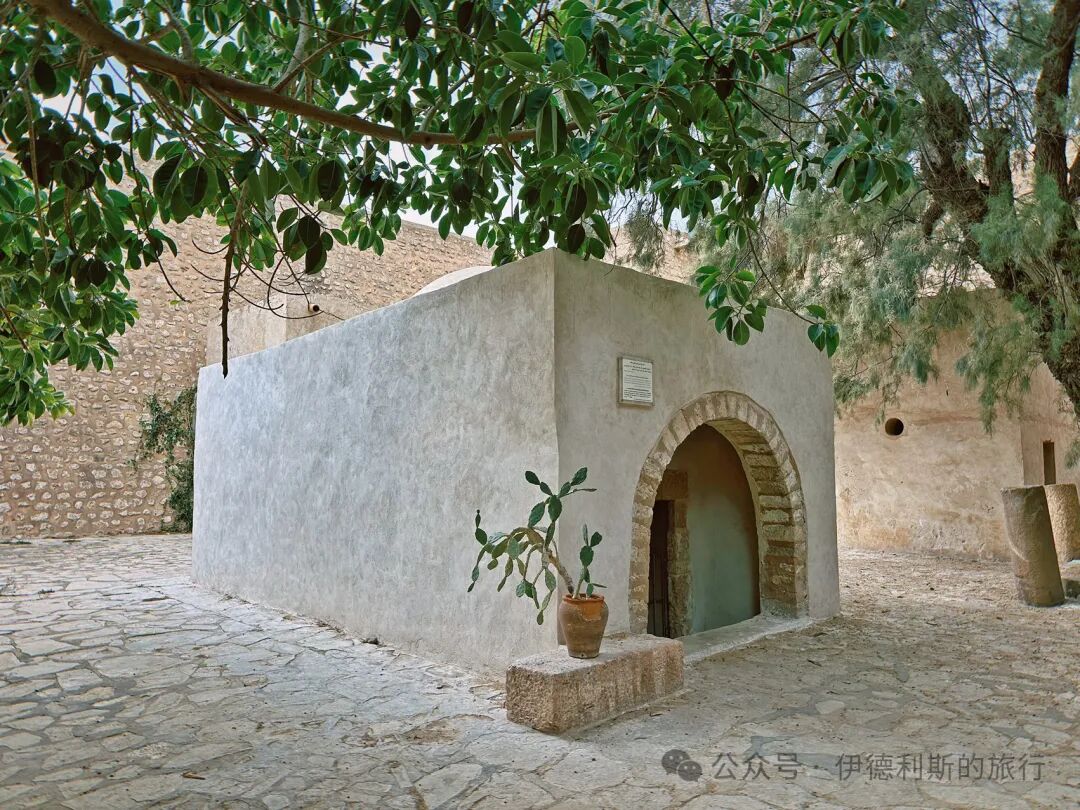
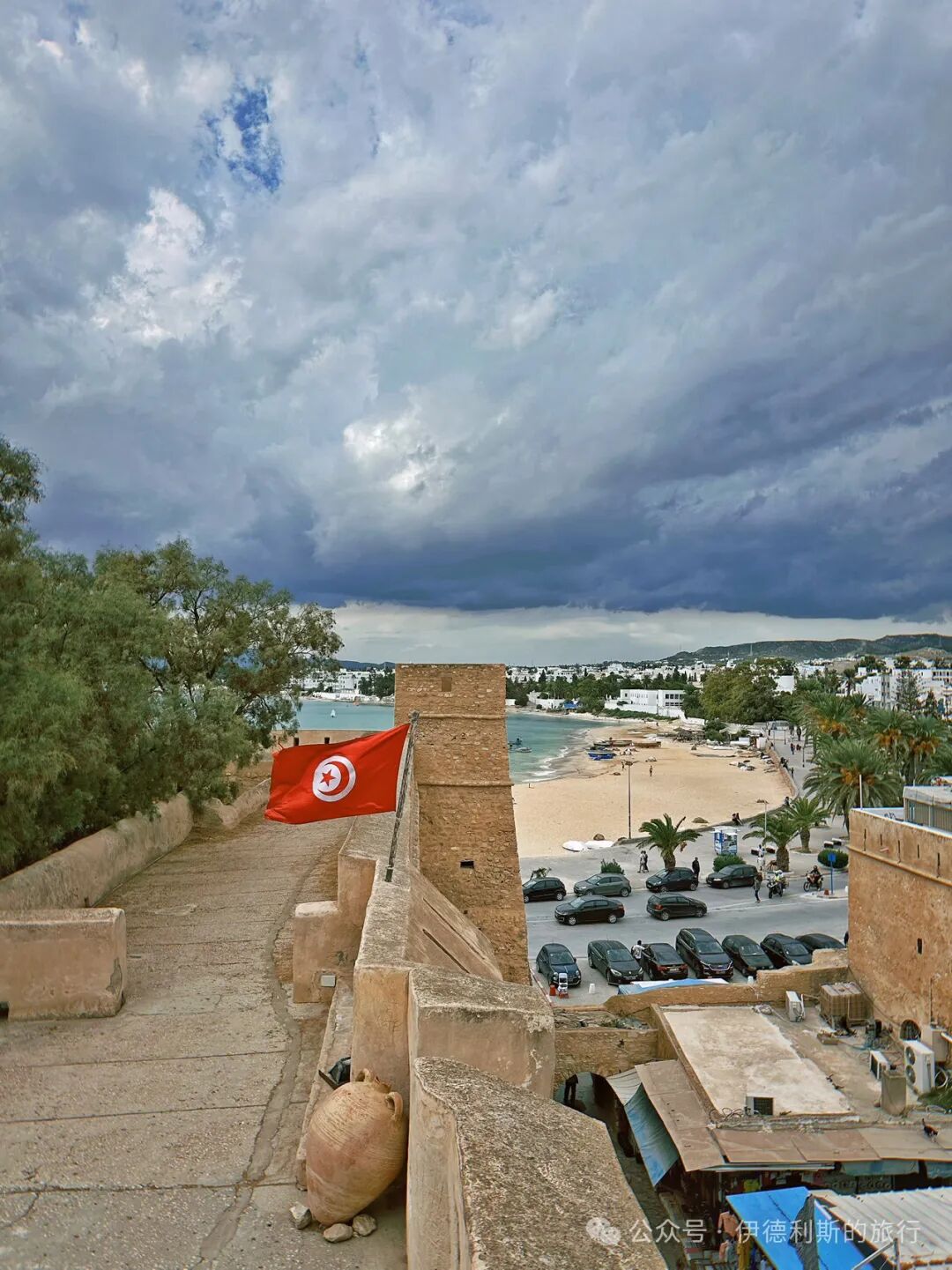
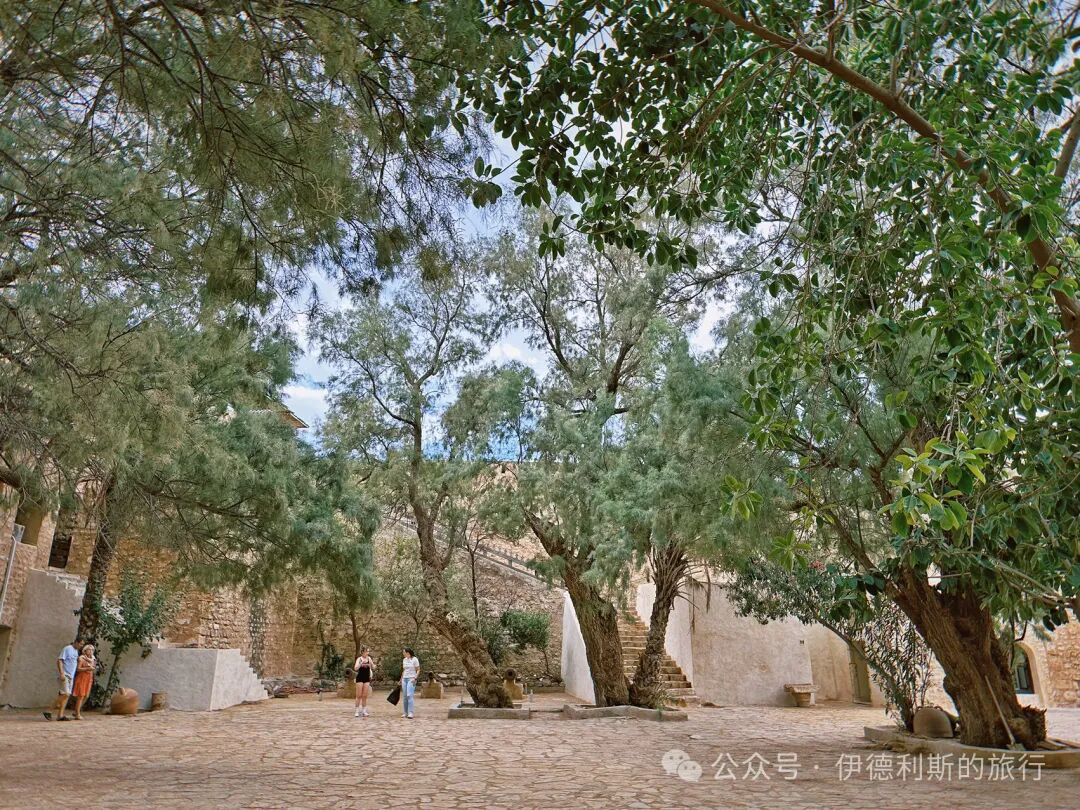
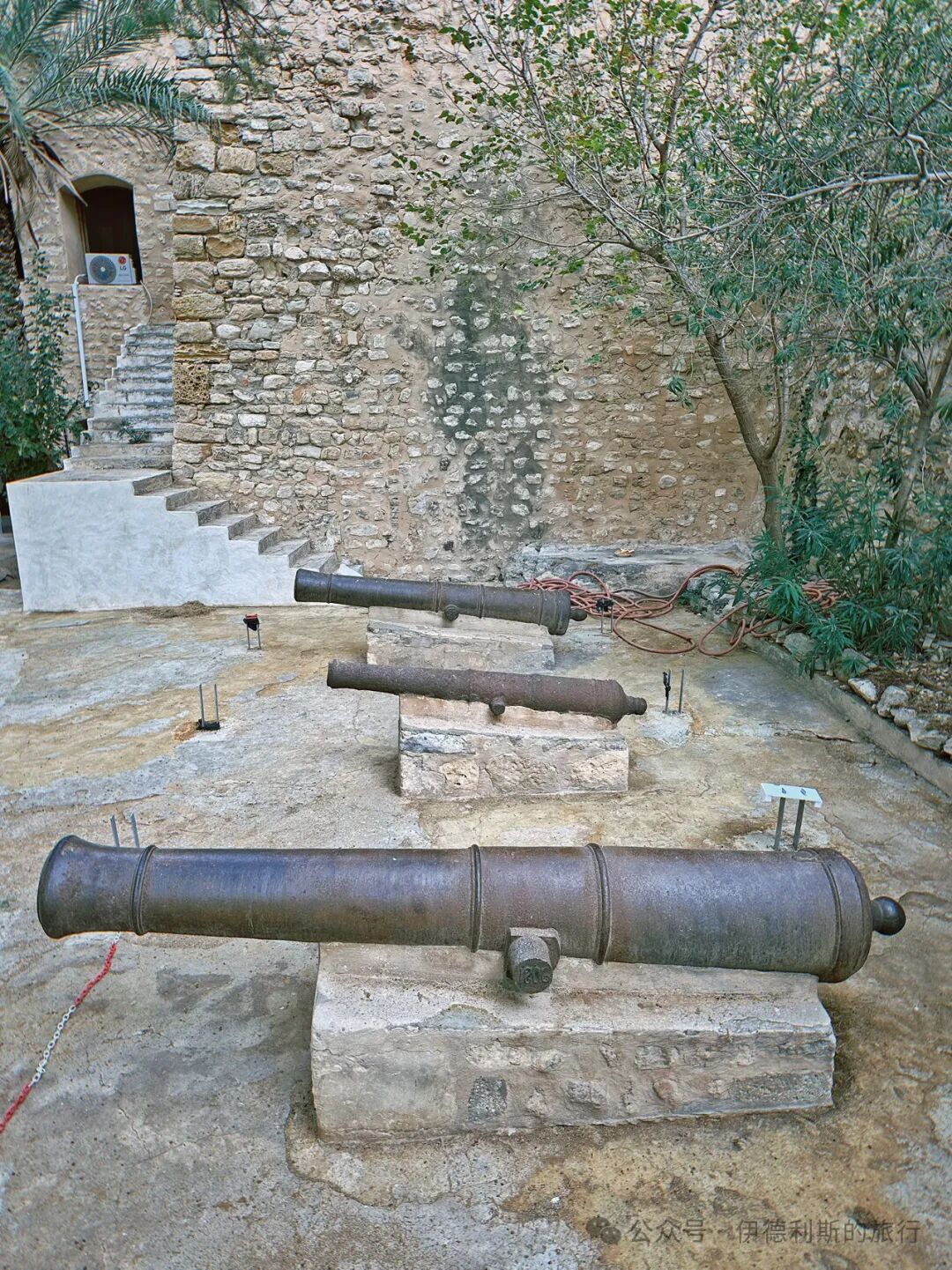
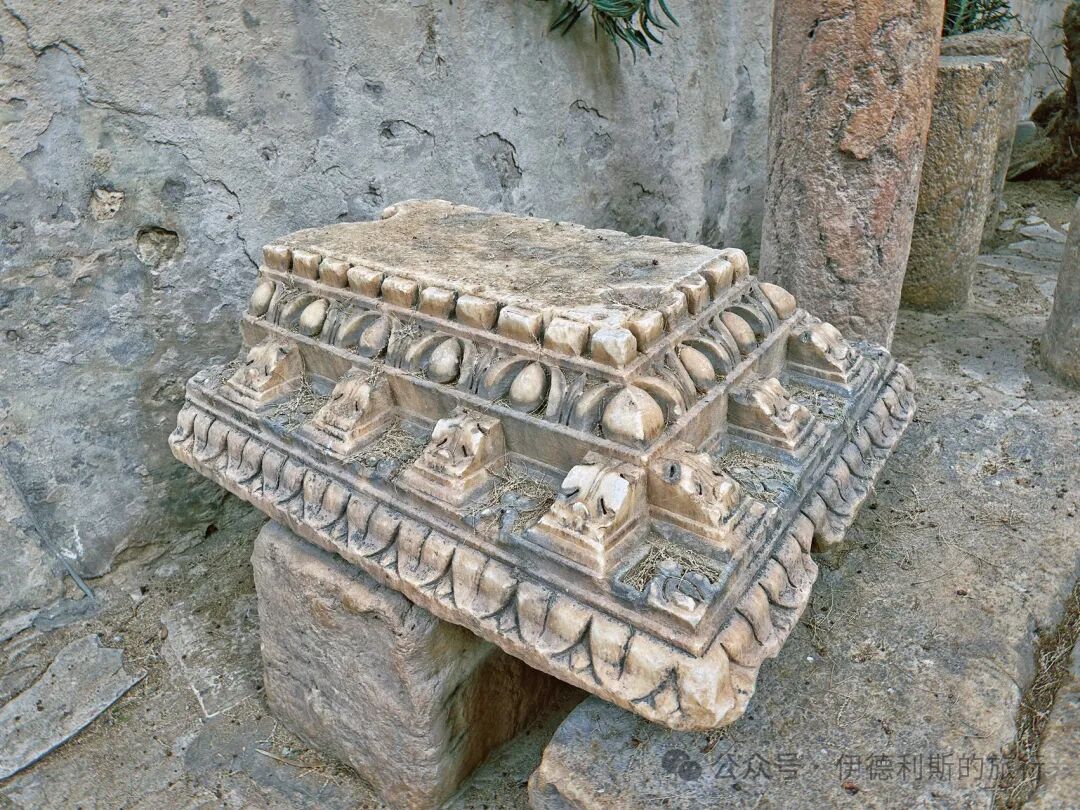
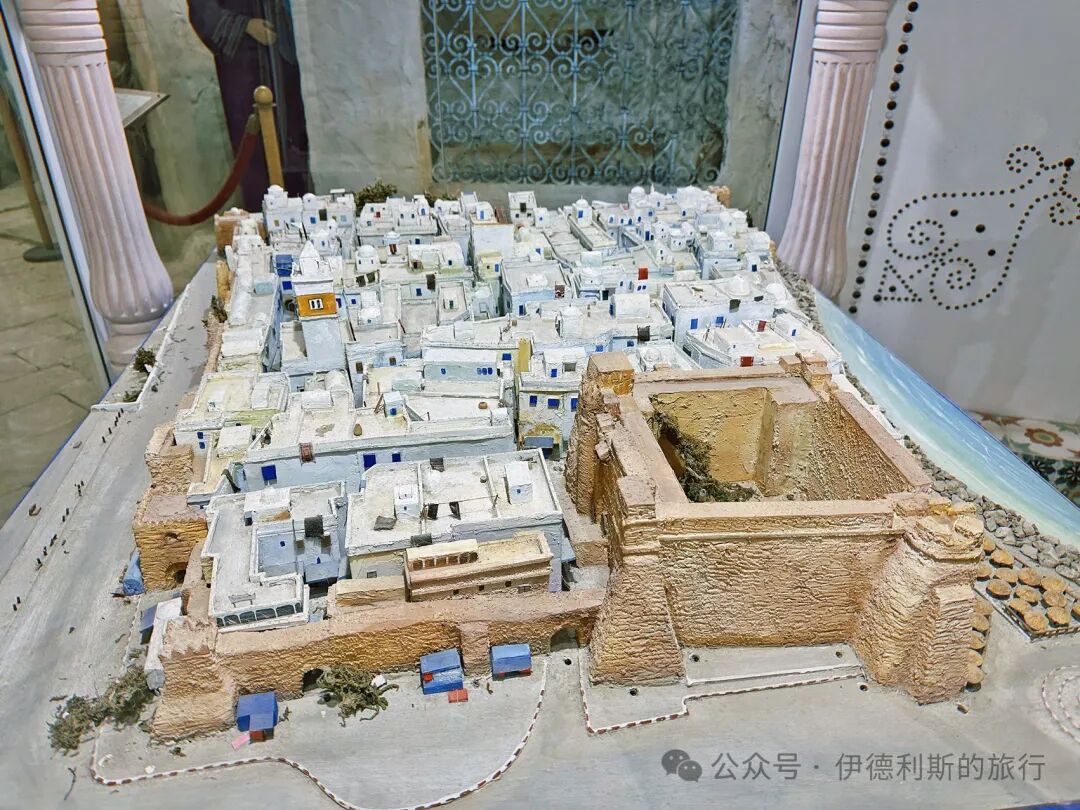
The walls and gates of the old medina in Hammamet. Hammamet grew from a military fortress into a medina city in the 13th century, so walls were built around the residential area of the medina in the mid-13th century.
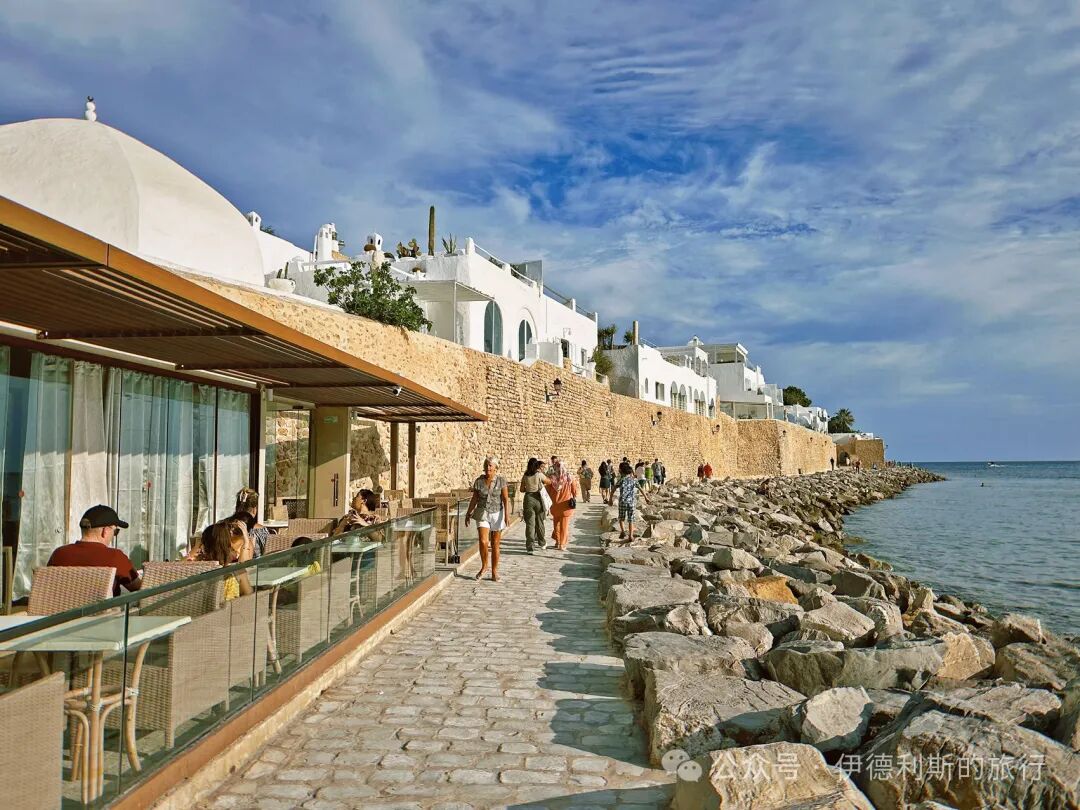
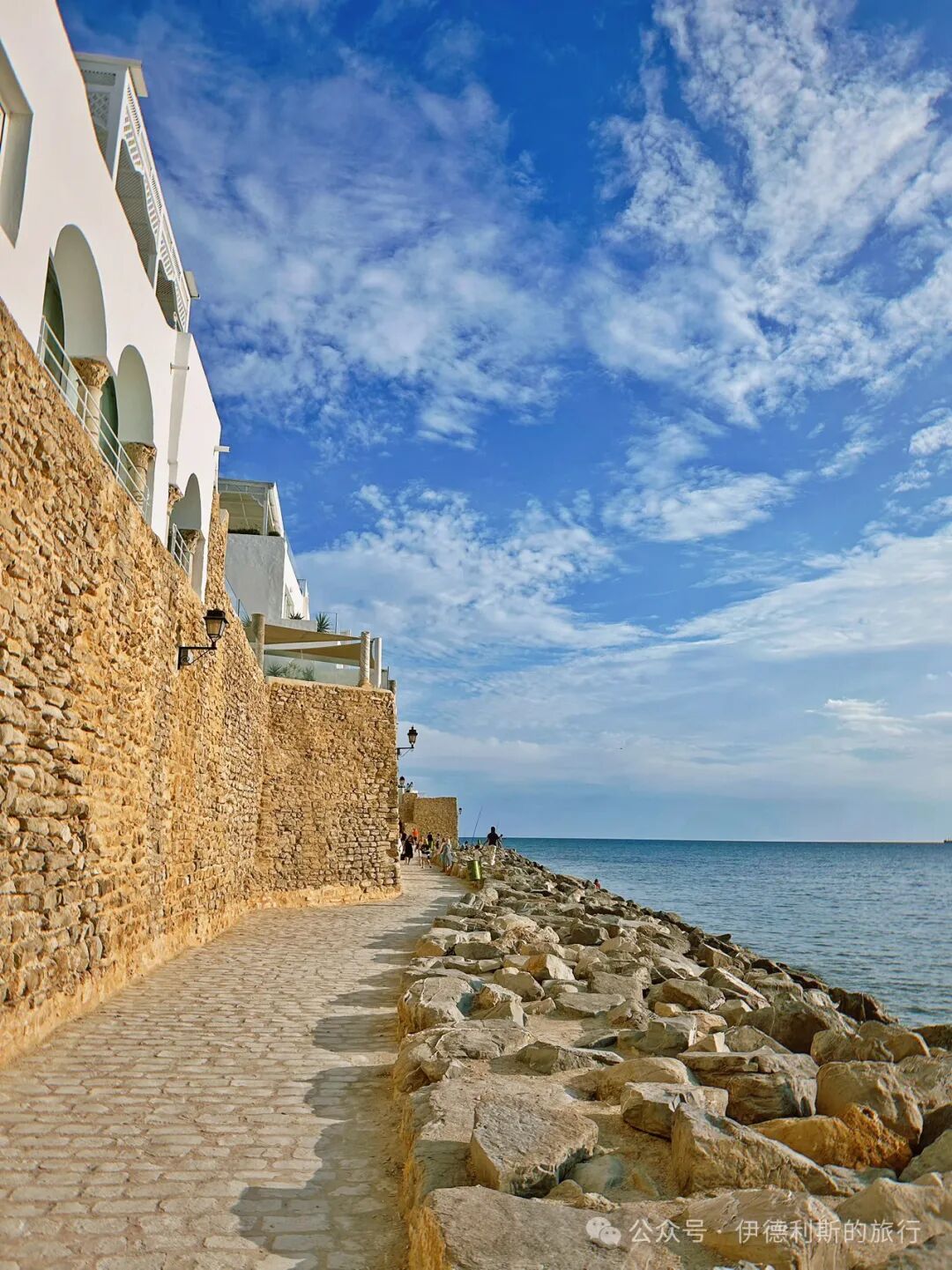
The Haouara Gate by the sea was built by the Berber Haouara tribe in the 15th century. They attacked the Hammamet Medina from the sea and saved the city from the enemy.
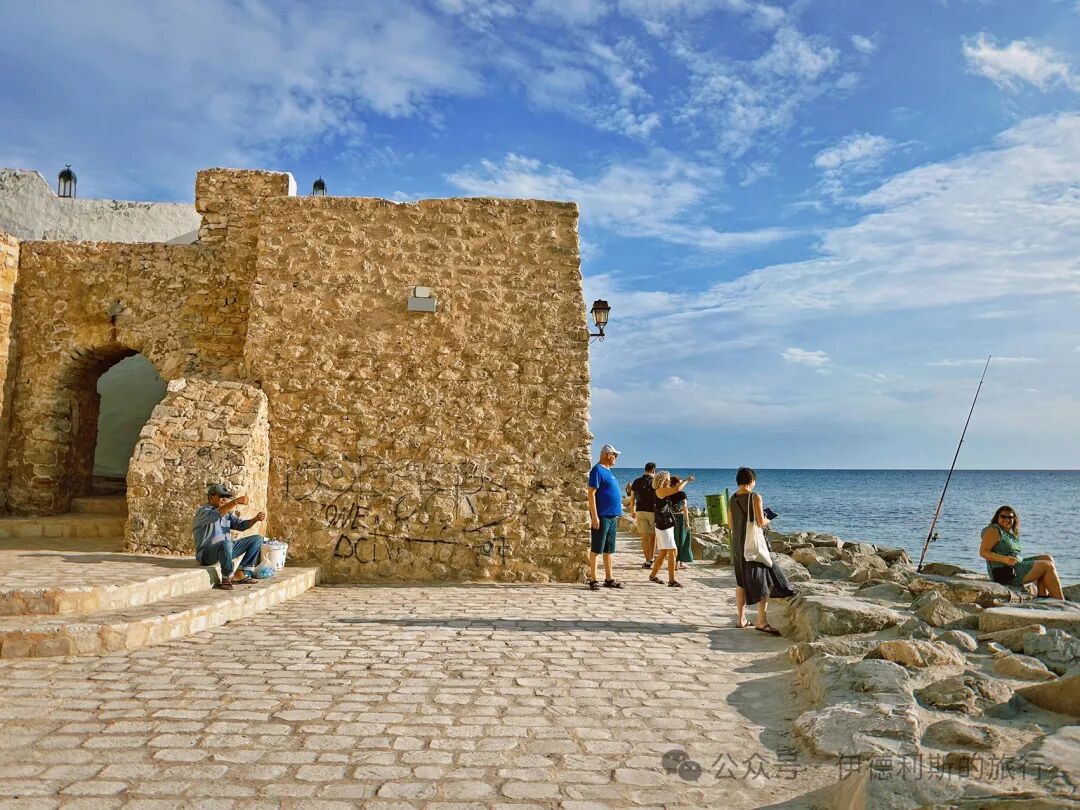
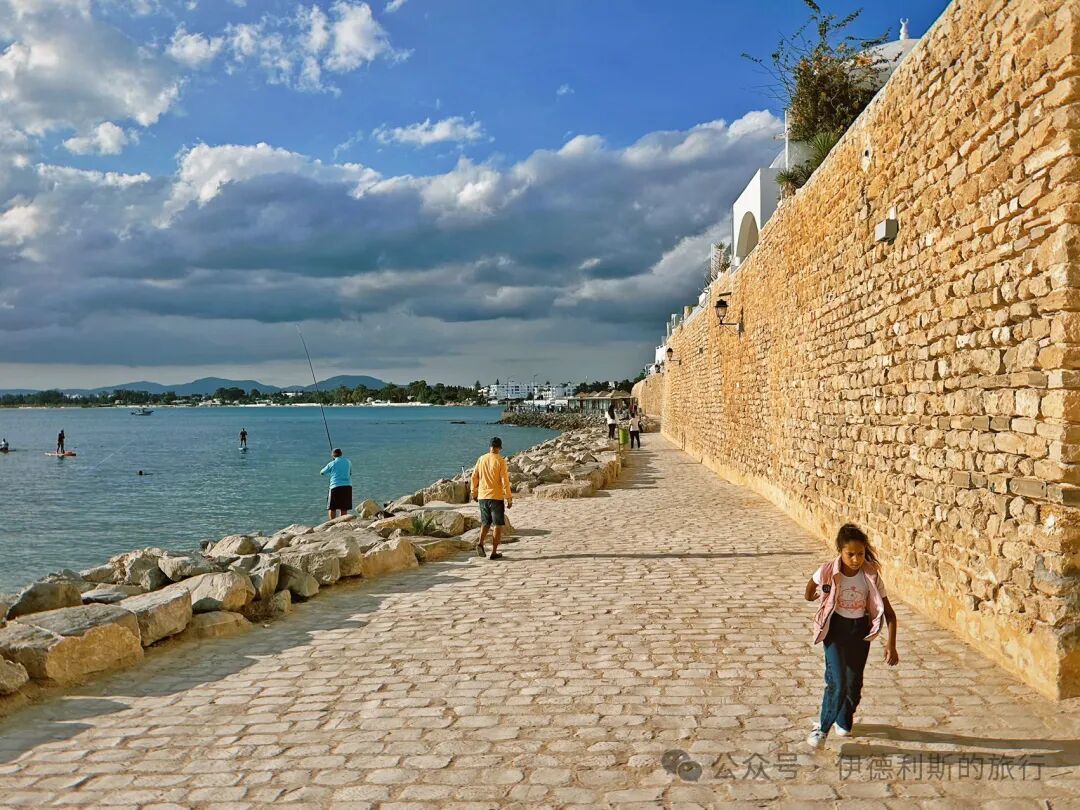
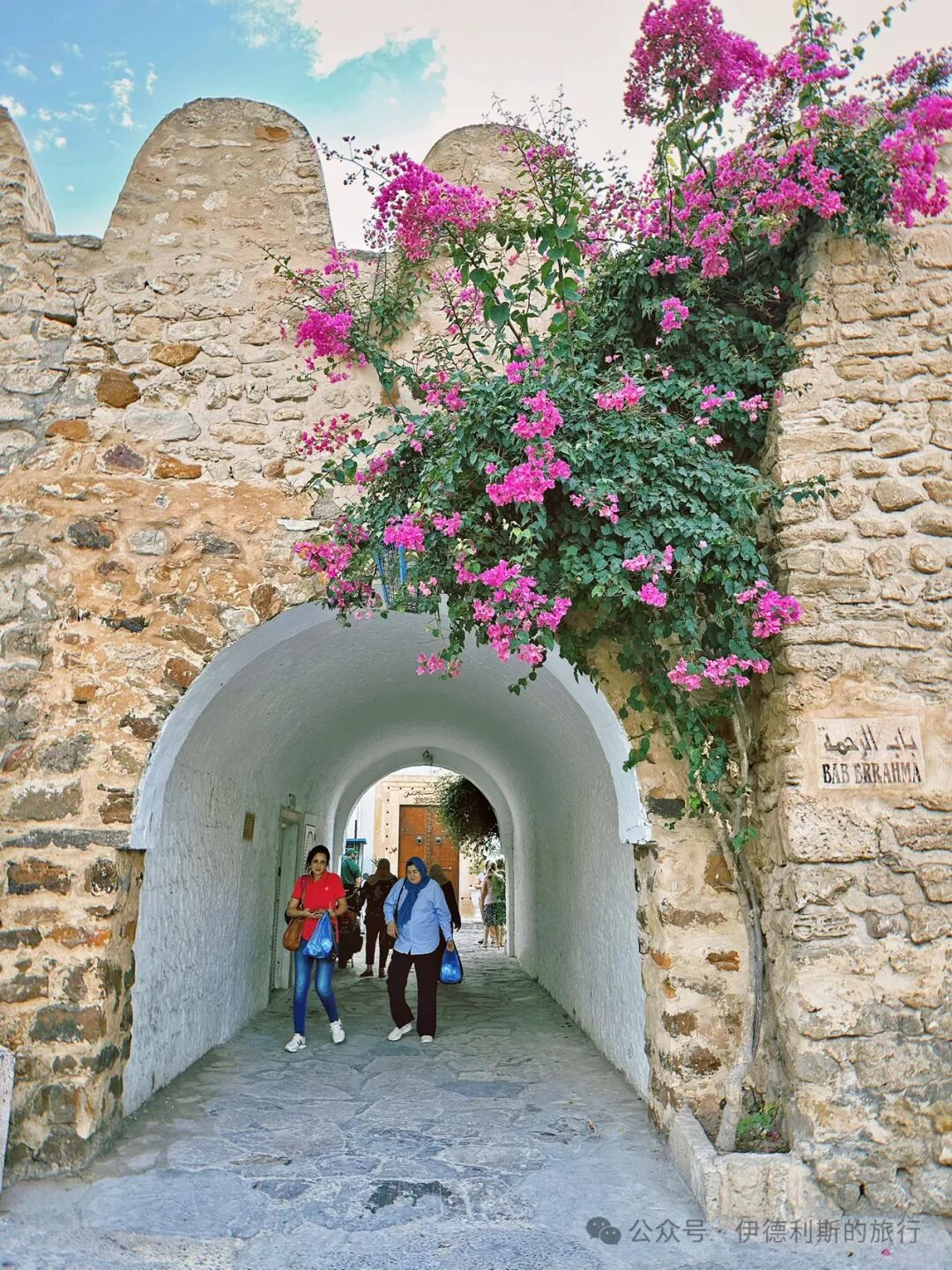
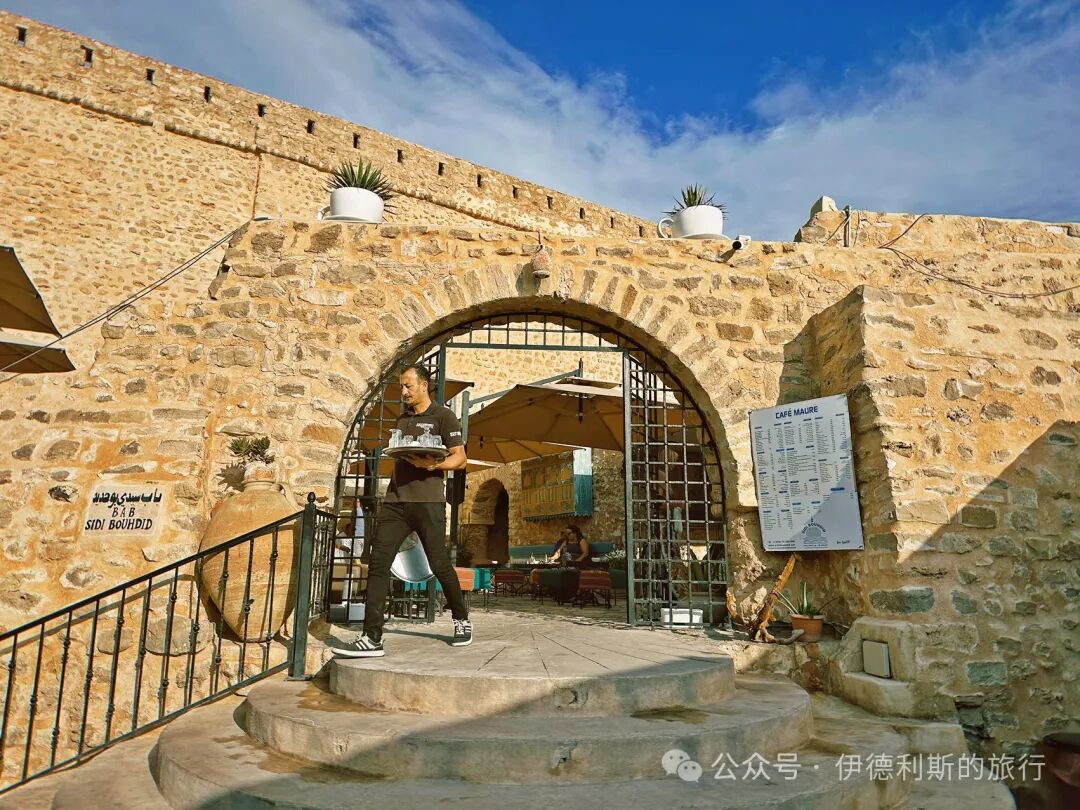
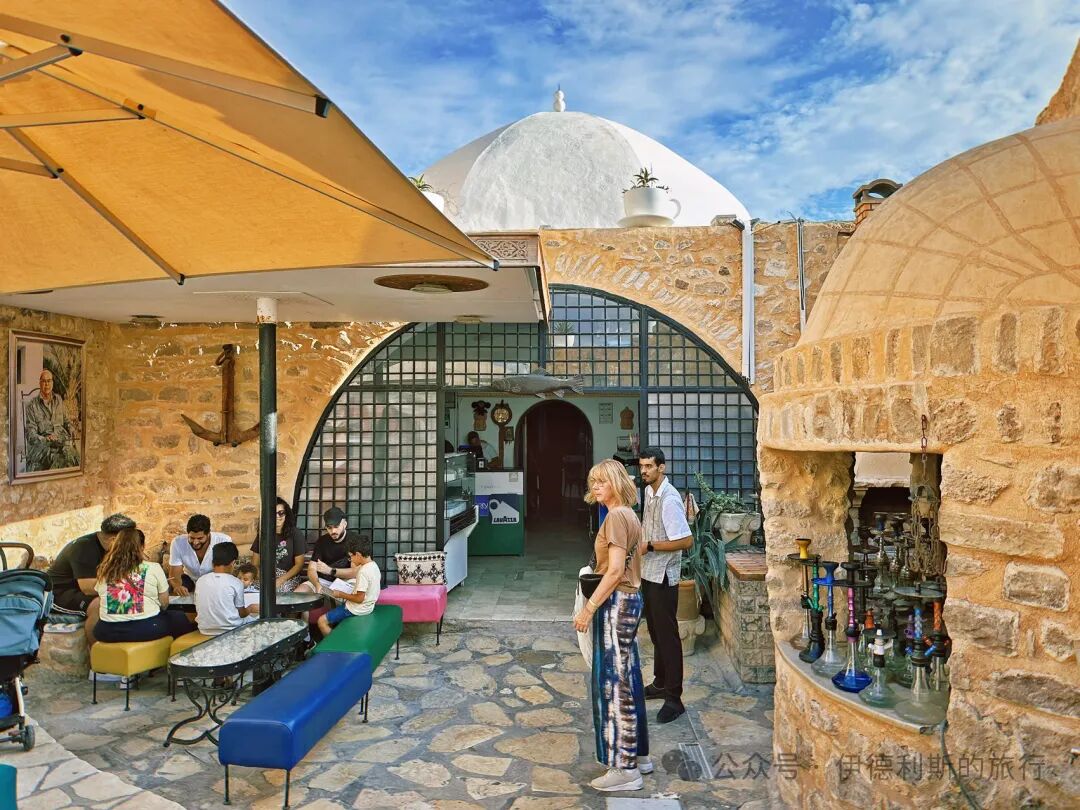
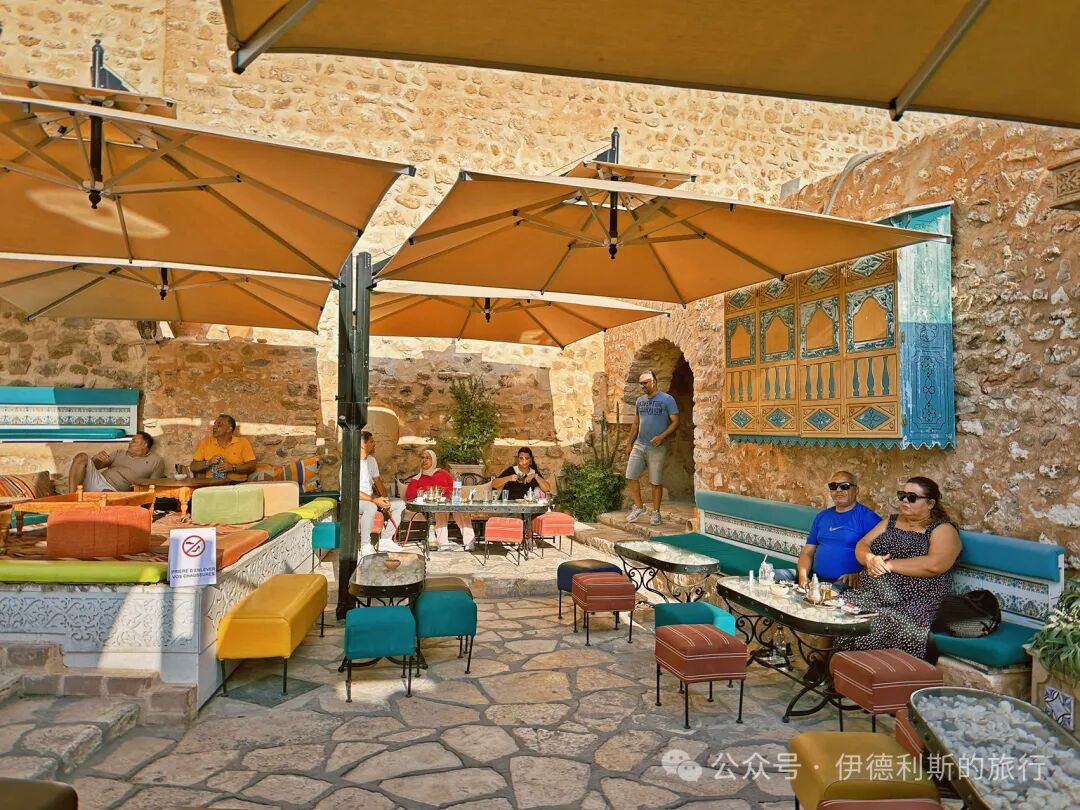
Sidi Bouhdid Gate leads to the gongbei (Zawiya) of the saint Sidi Bouhdid, which was built in the 18th century. Sidi Bouhdid was a Moroccan who came to Hammamet in the 12th century and spent his time guarding the safety of fishermen by the sea. He died fighting the Normans in 1178 and was buried by the city walls. Today, there is a very popular cafe here.
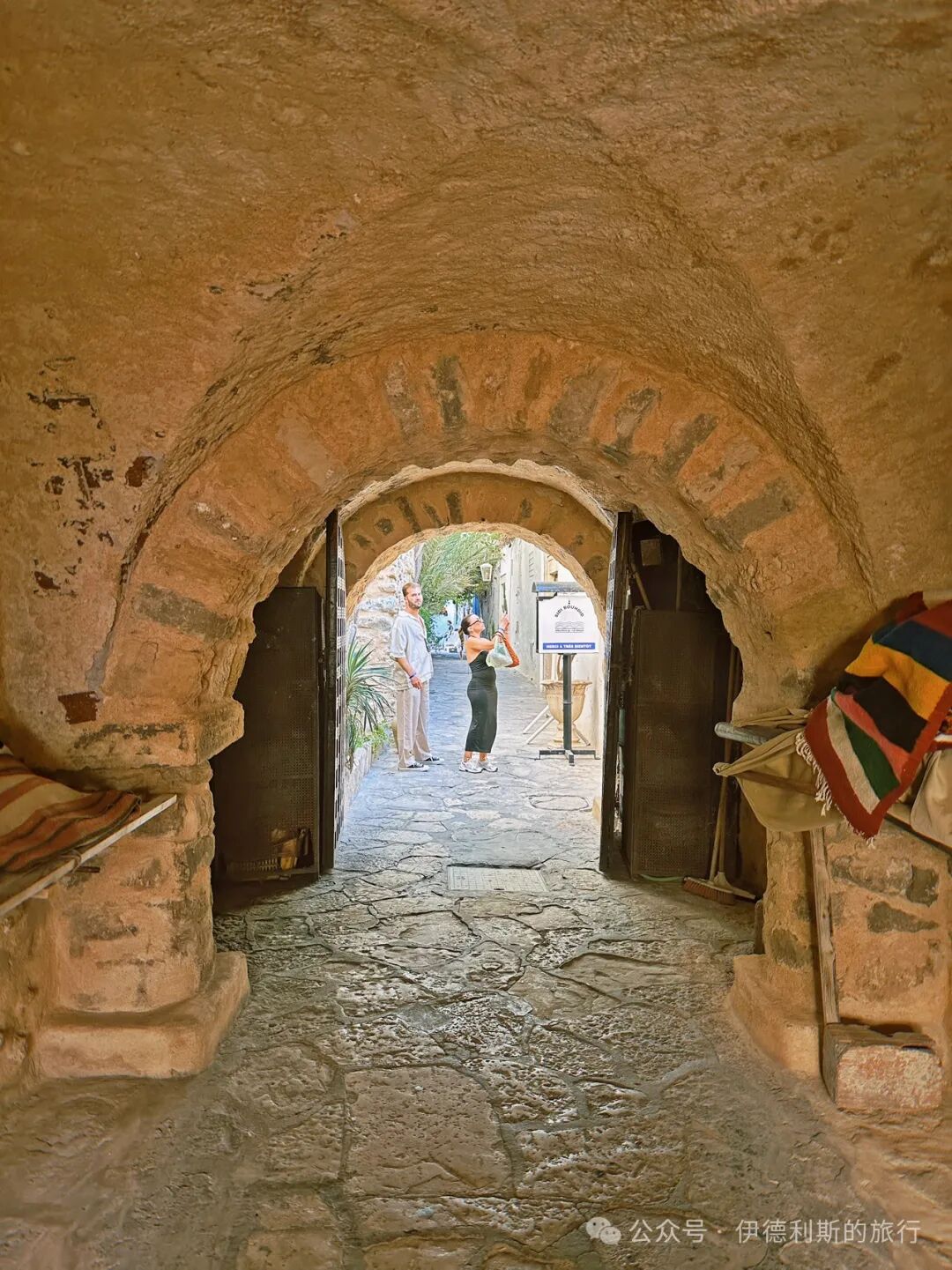
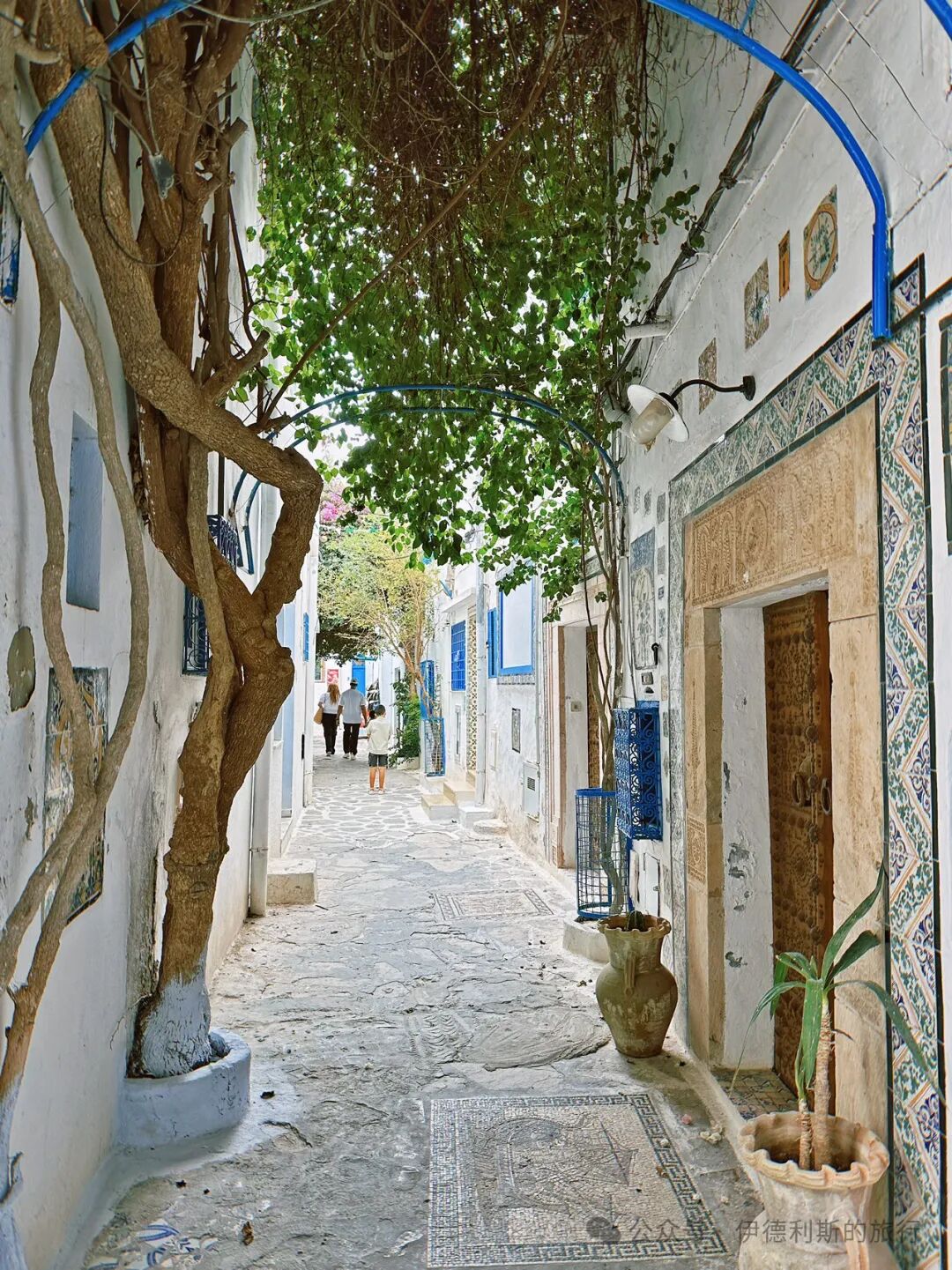
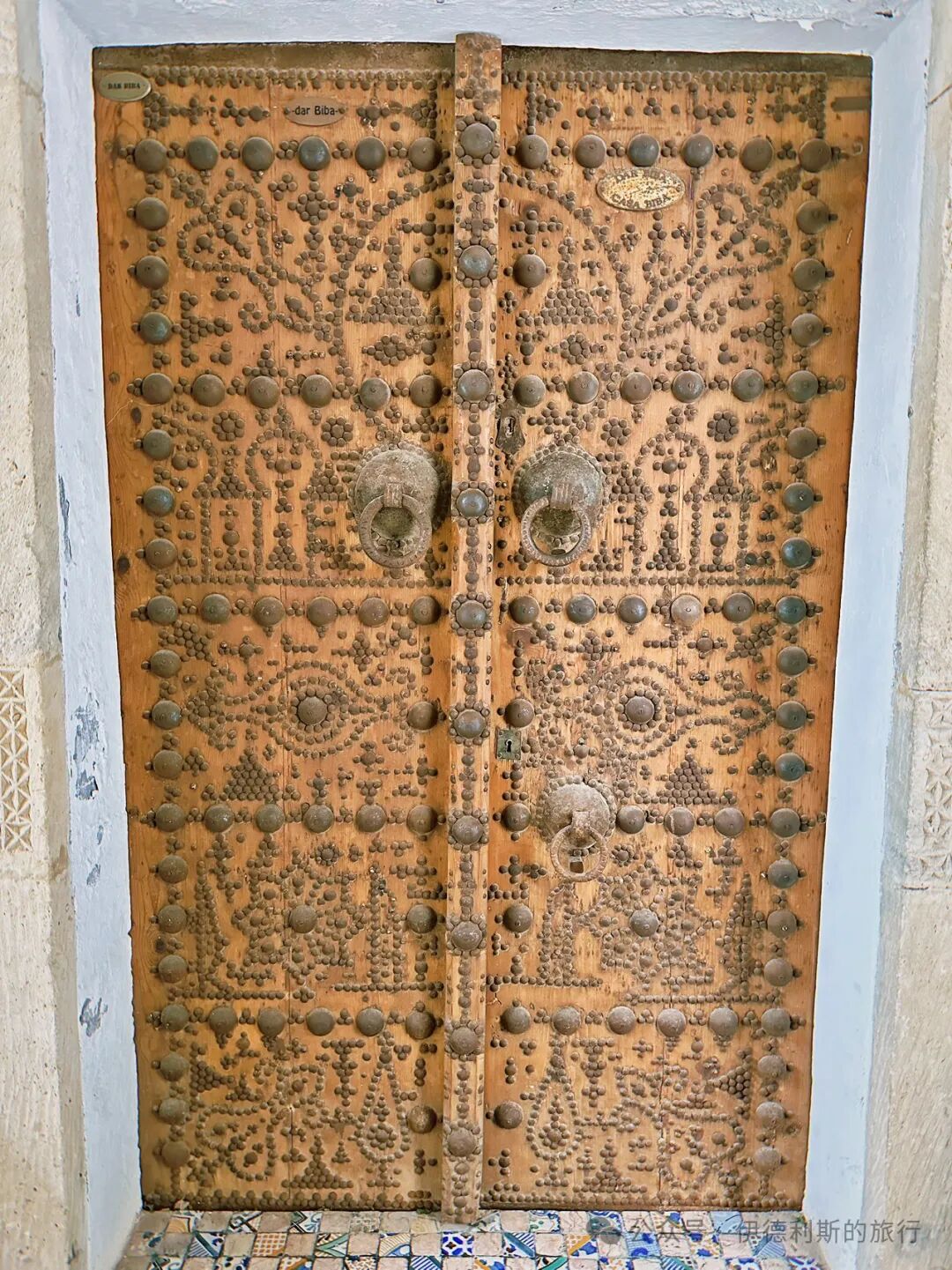
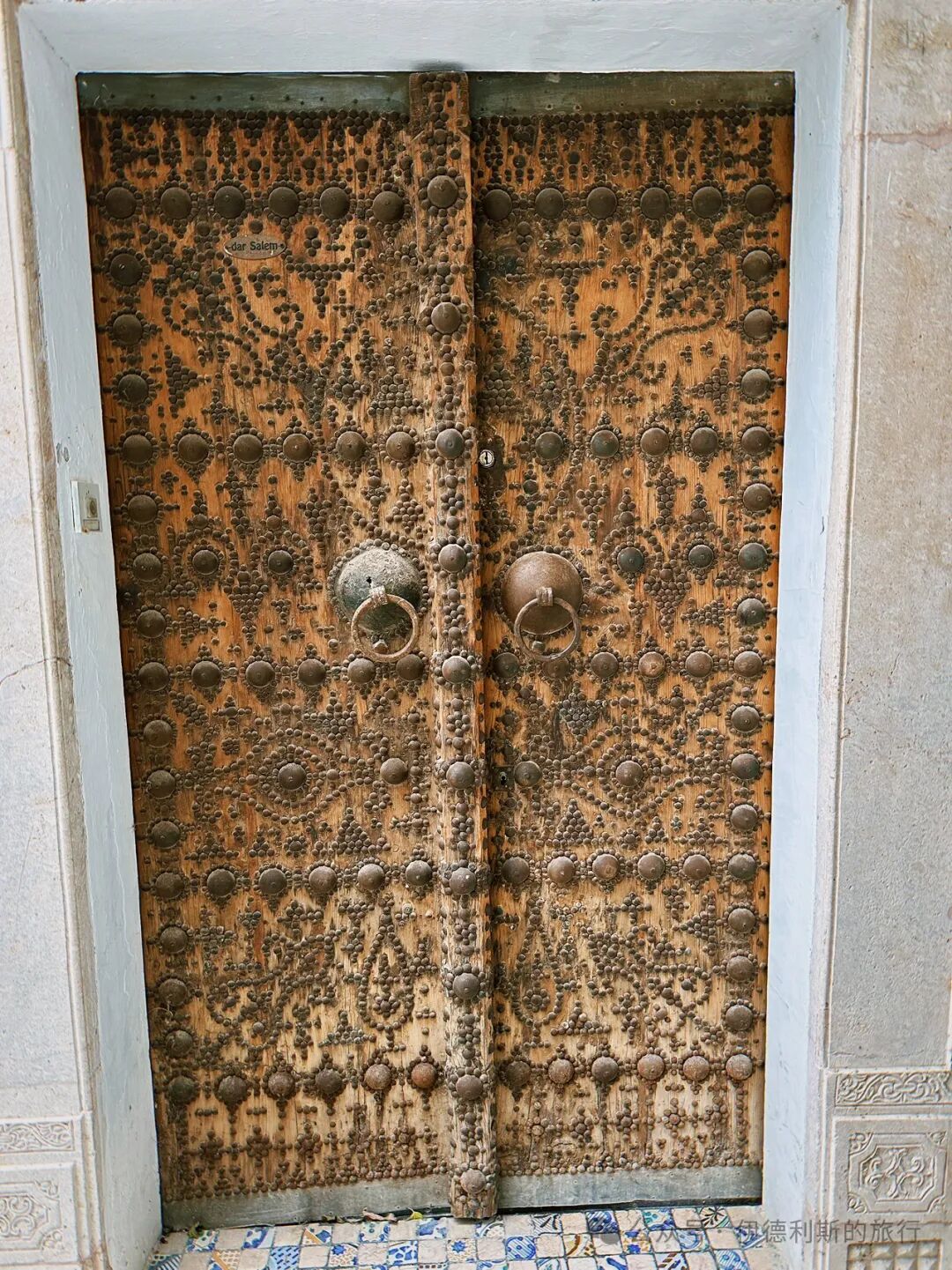
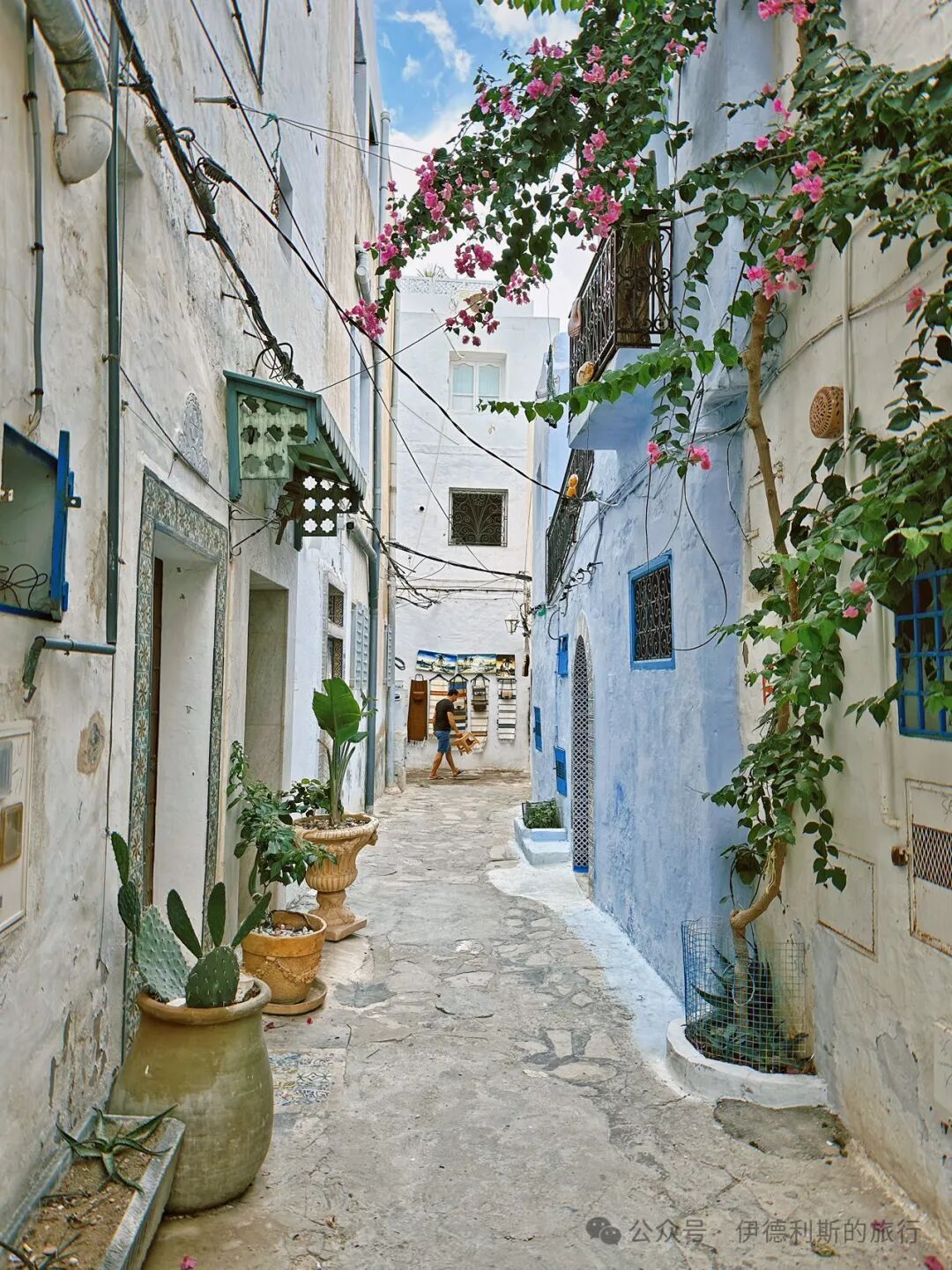
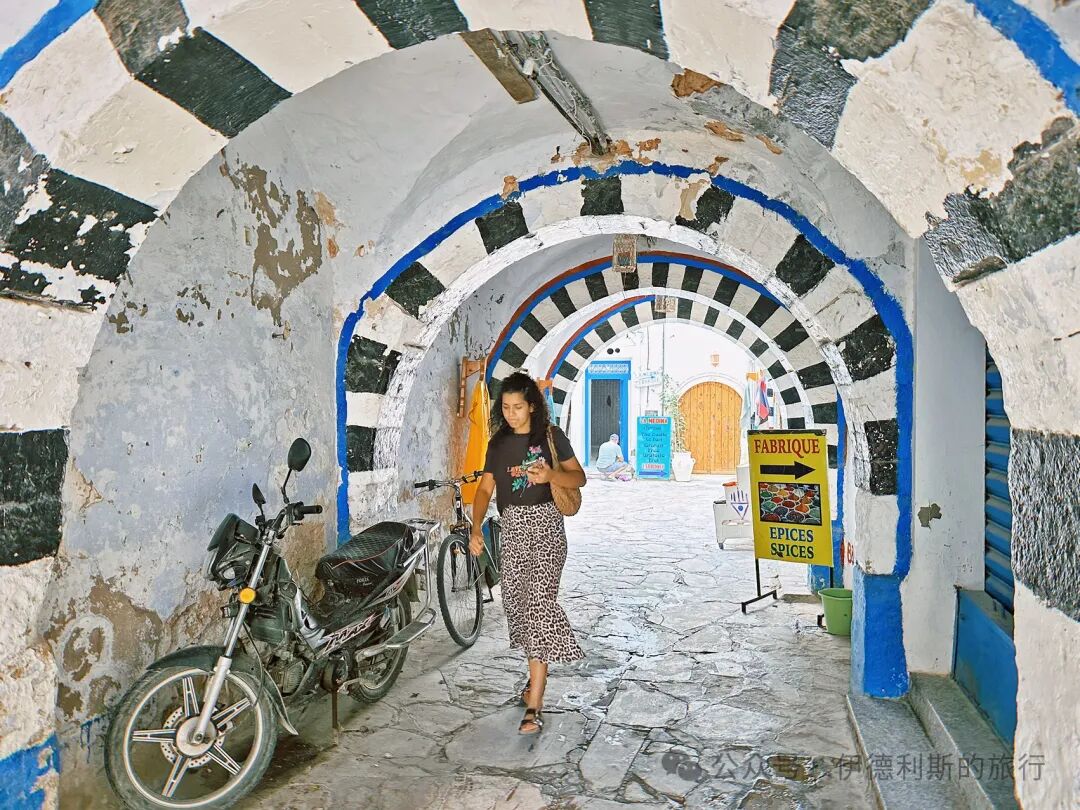
The streets of the old Hammamet Medina have the classic Tunisian blue-and-white town style, with bougainvillea planted along the streets and iron nails decorating the wooden doors. Hammamet Medina reached its peak in the 14th century, which was also the period when pirate raids from Pisa and Catalonia were most frequent.
After the Ottoman Empire conquered Hammamet in 1574, many Ottoman officers and soldiers were stationed in the city. These Ottomans were strongly influenced by Tunisian culture and were quickly assimilated. The descendants of Ottoman officers and Tunisian women are called Kouloughlis, and many of them have paternal roots in Izmir, Turkey. Unlike the local Tunisians who follow the Maliki school, the Kouloughlis still follow the Hanafi school.
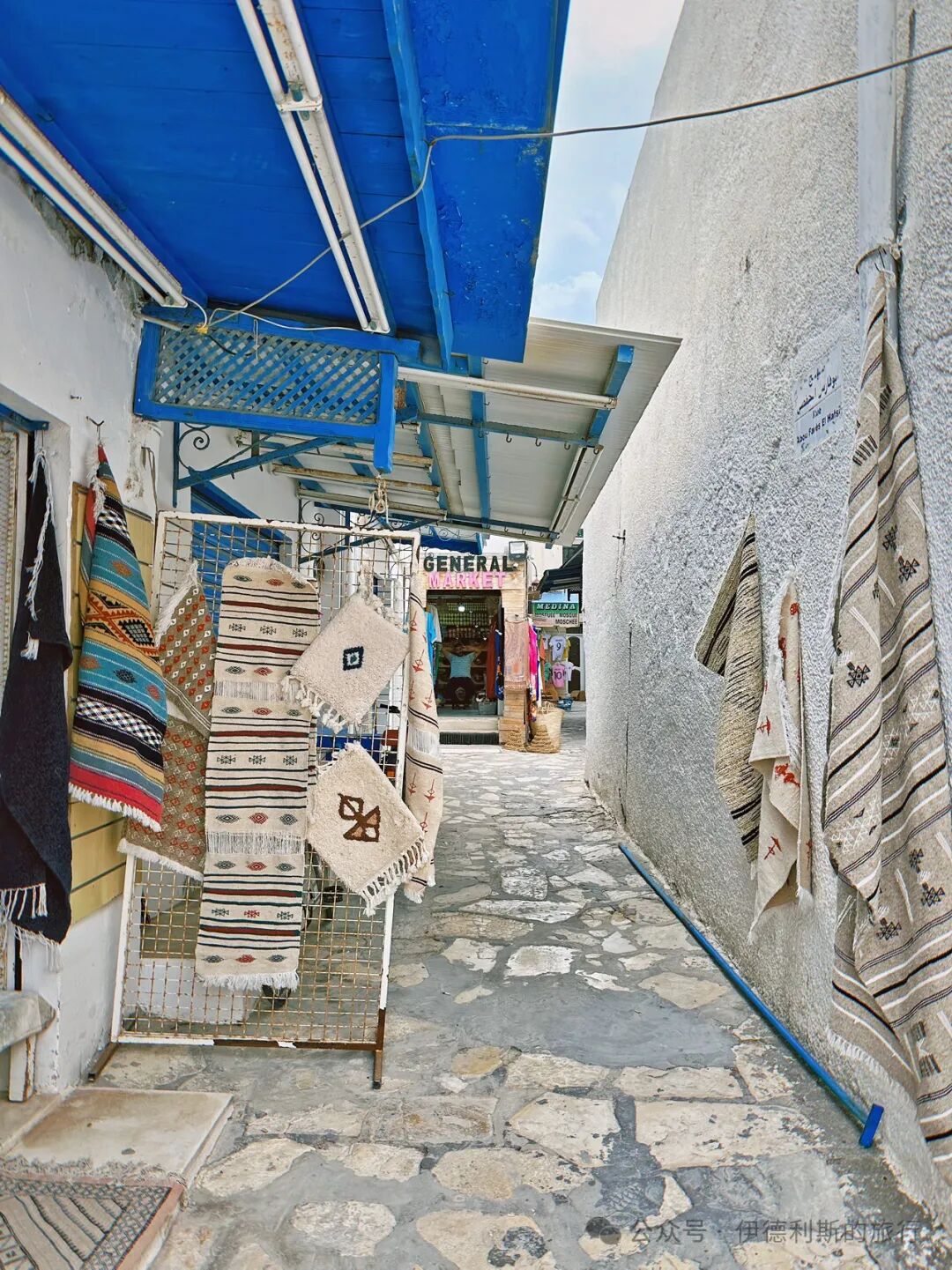
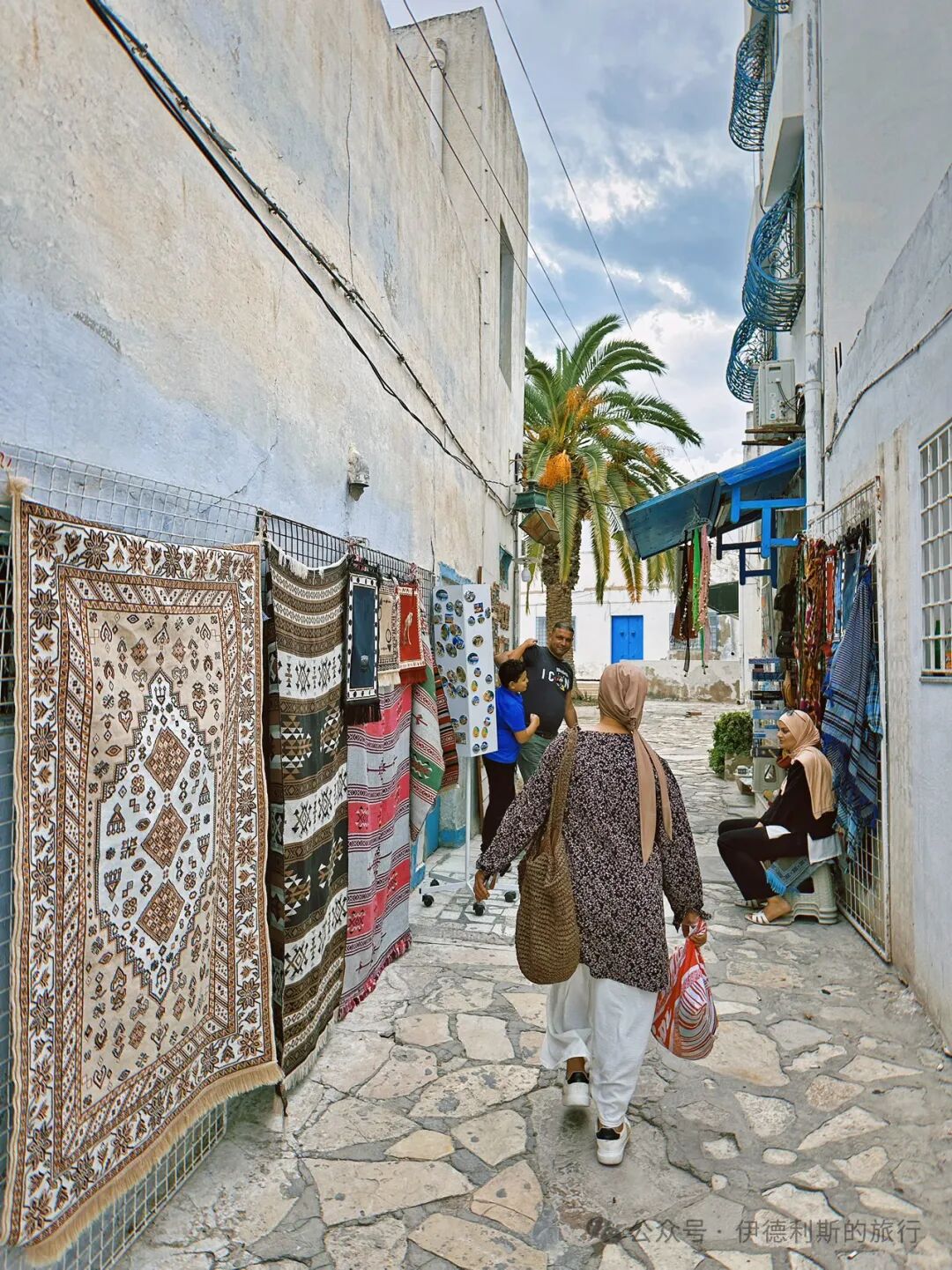
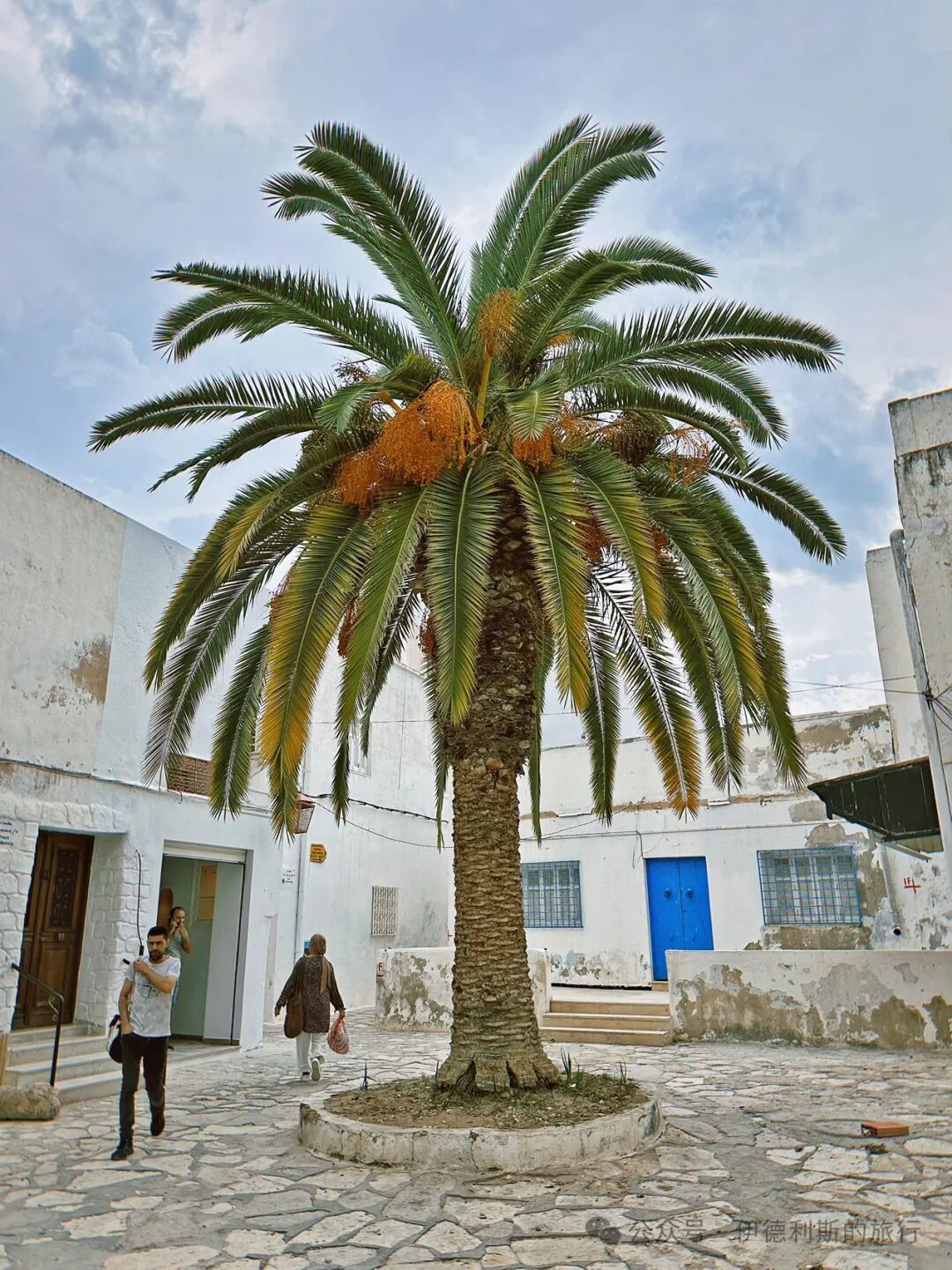
The only date palm tree in the old city is located in the center of Errahba Square. This square was originally the site of two houses belonging to the Bennila family, which were destroyed by bombing during World War II, leaving only the date palm tree behind.
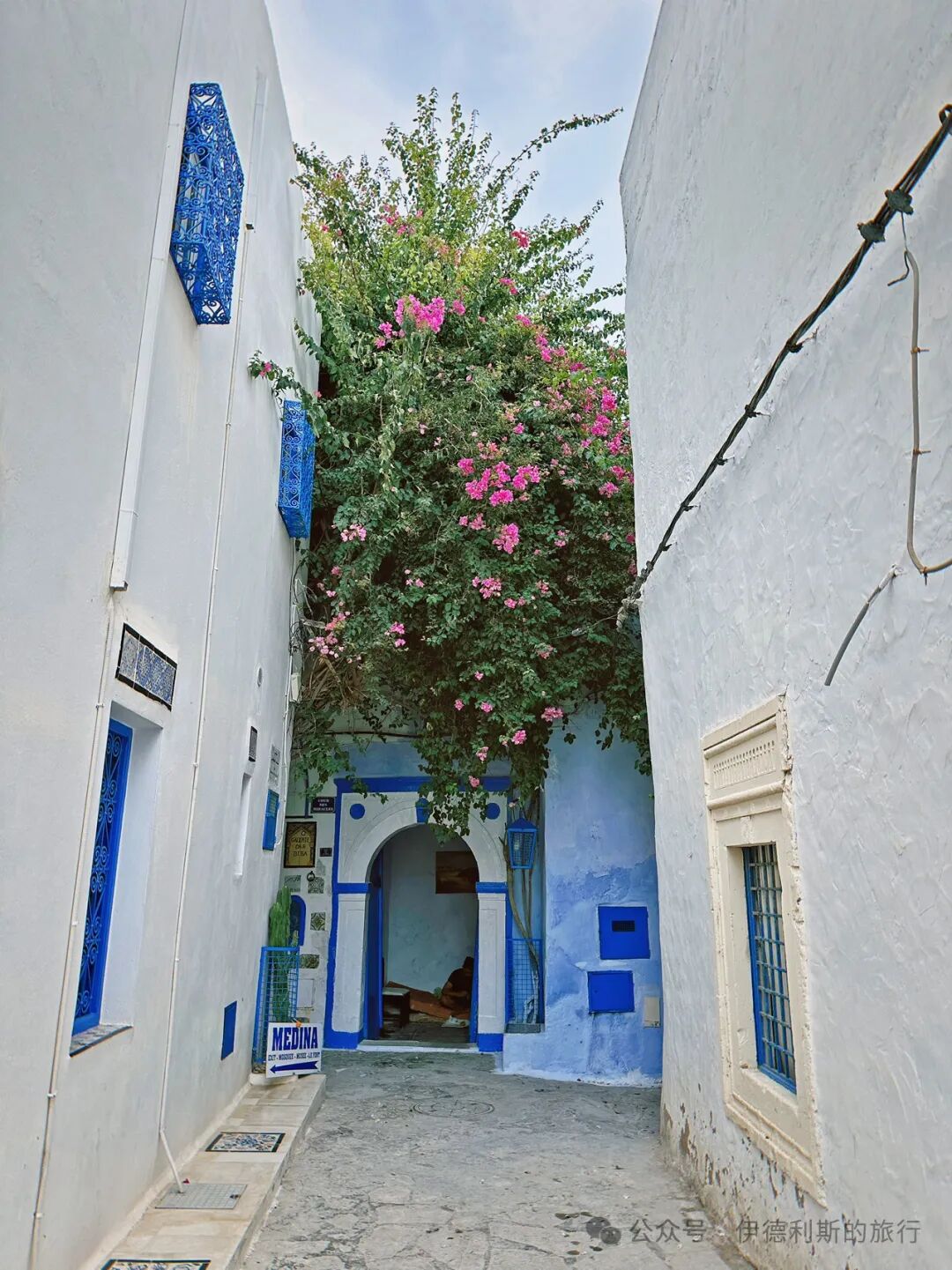
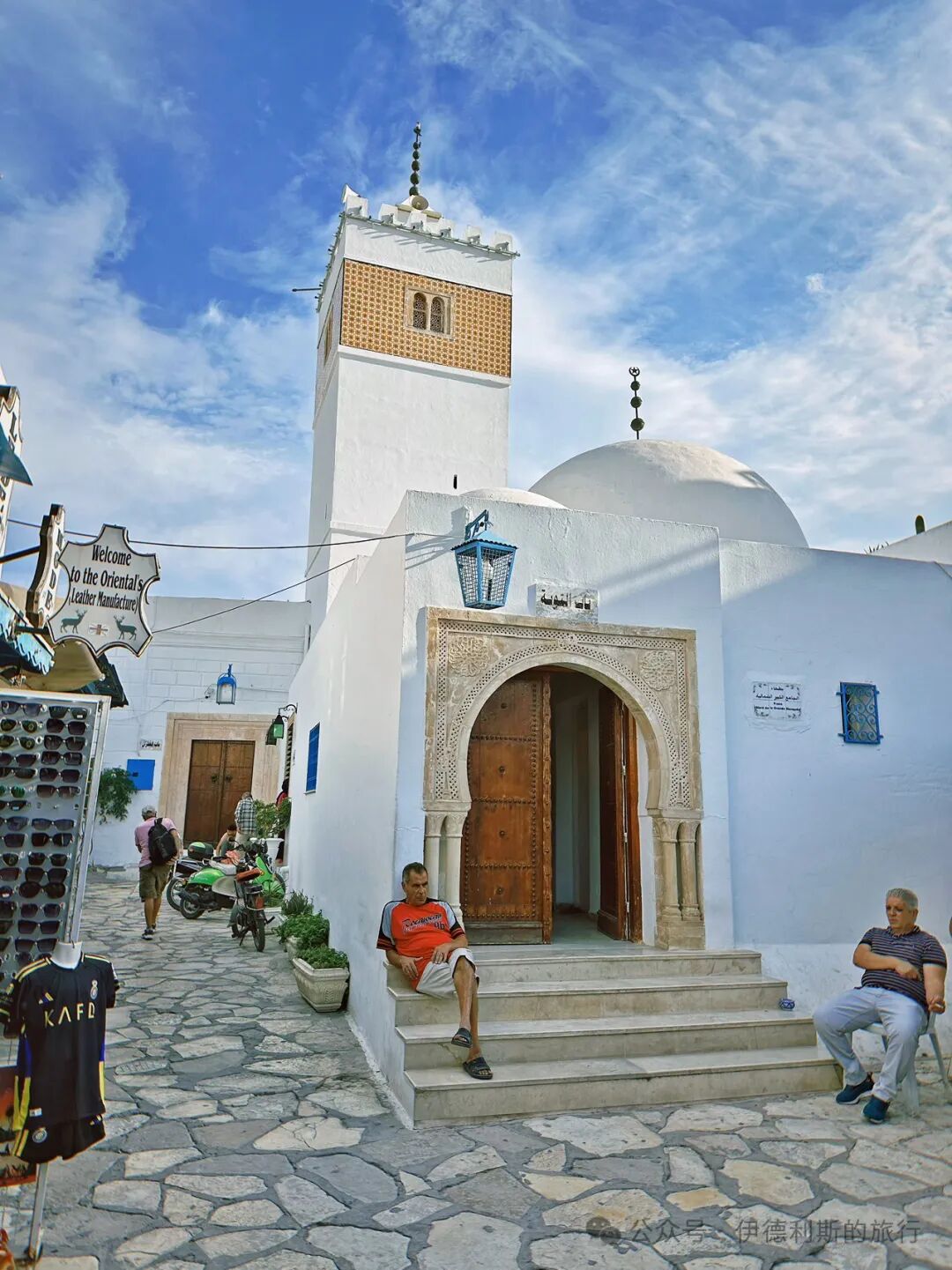
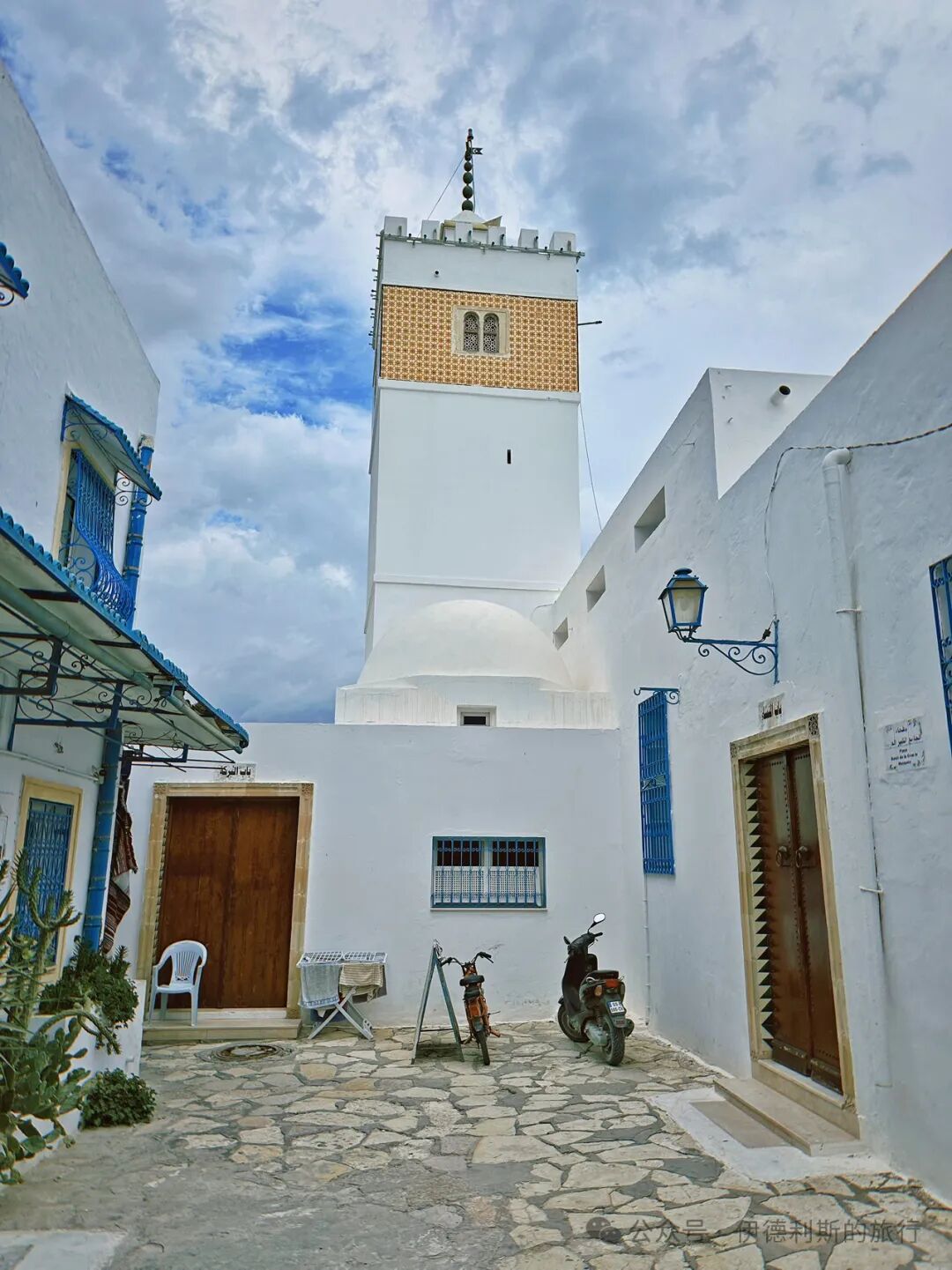
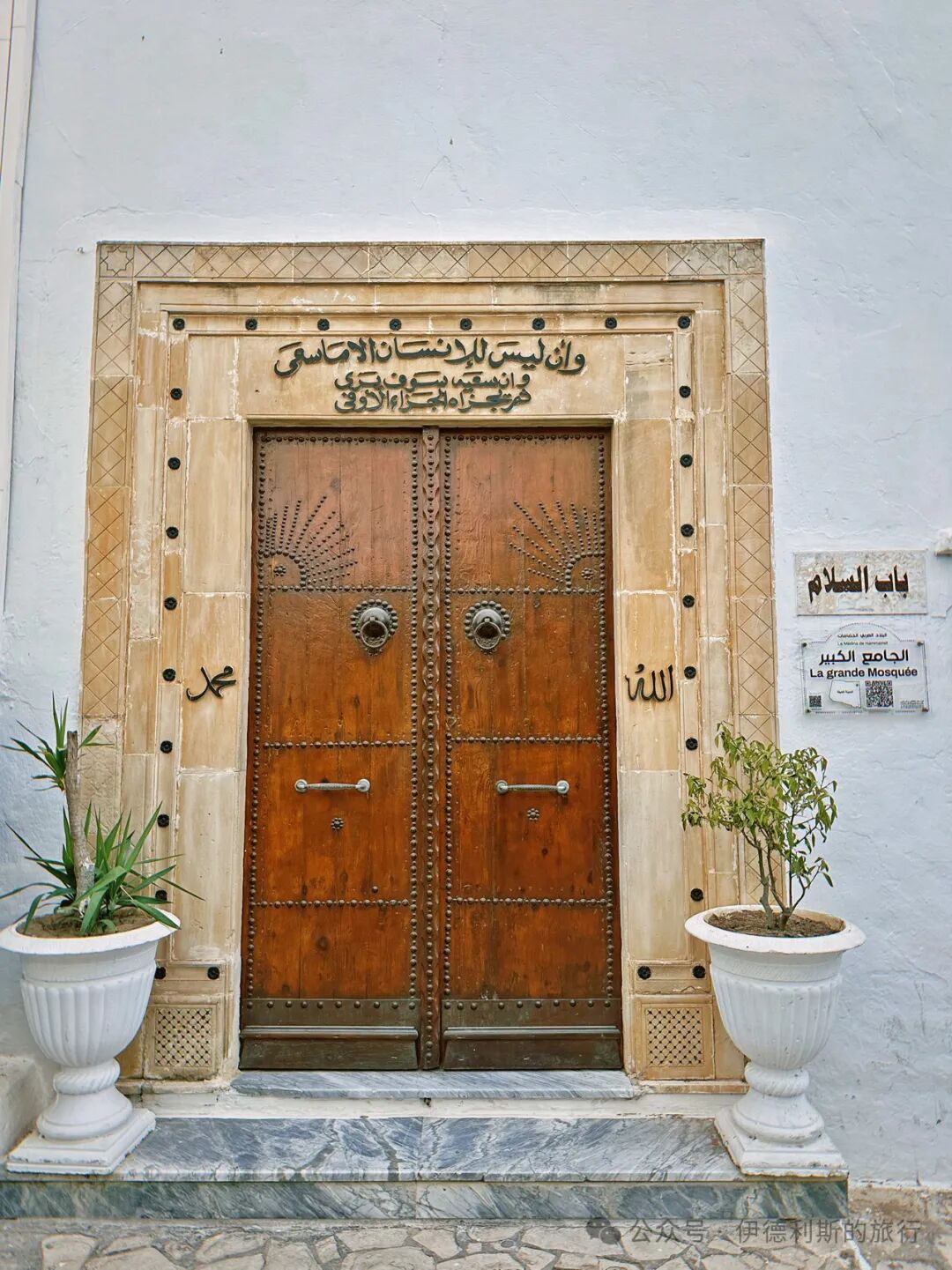
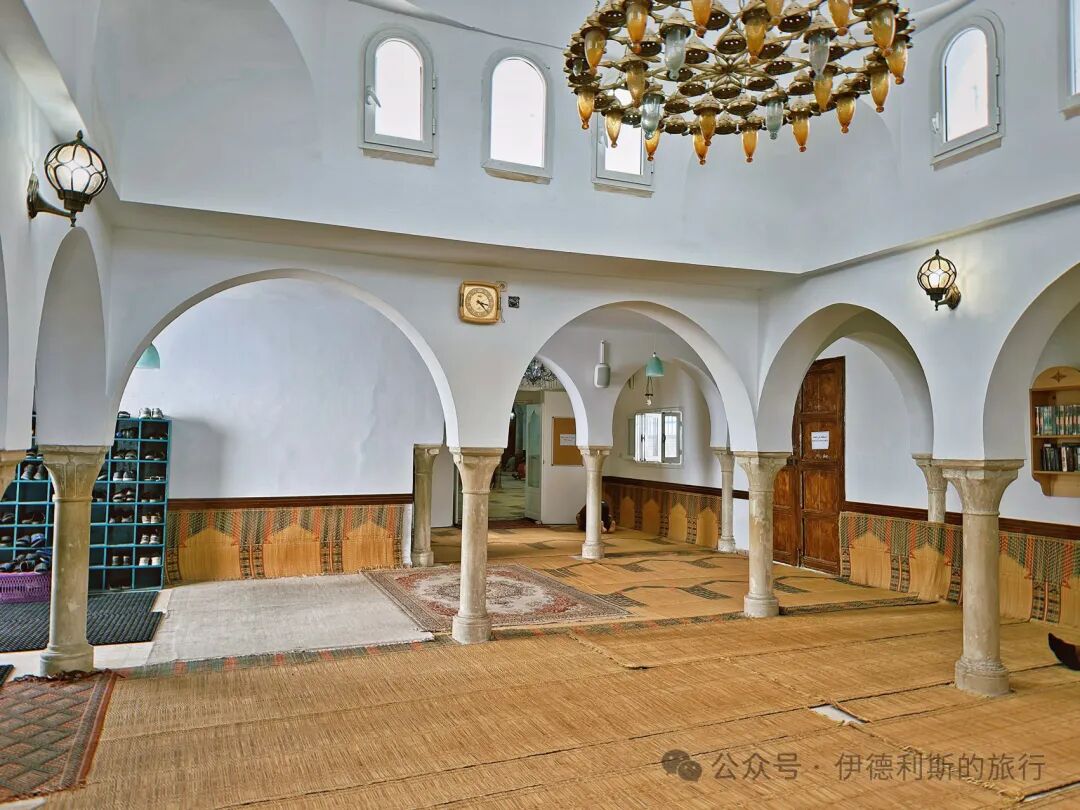
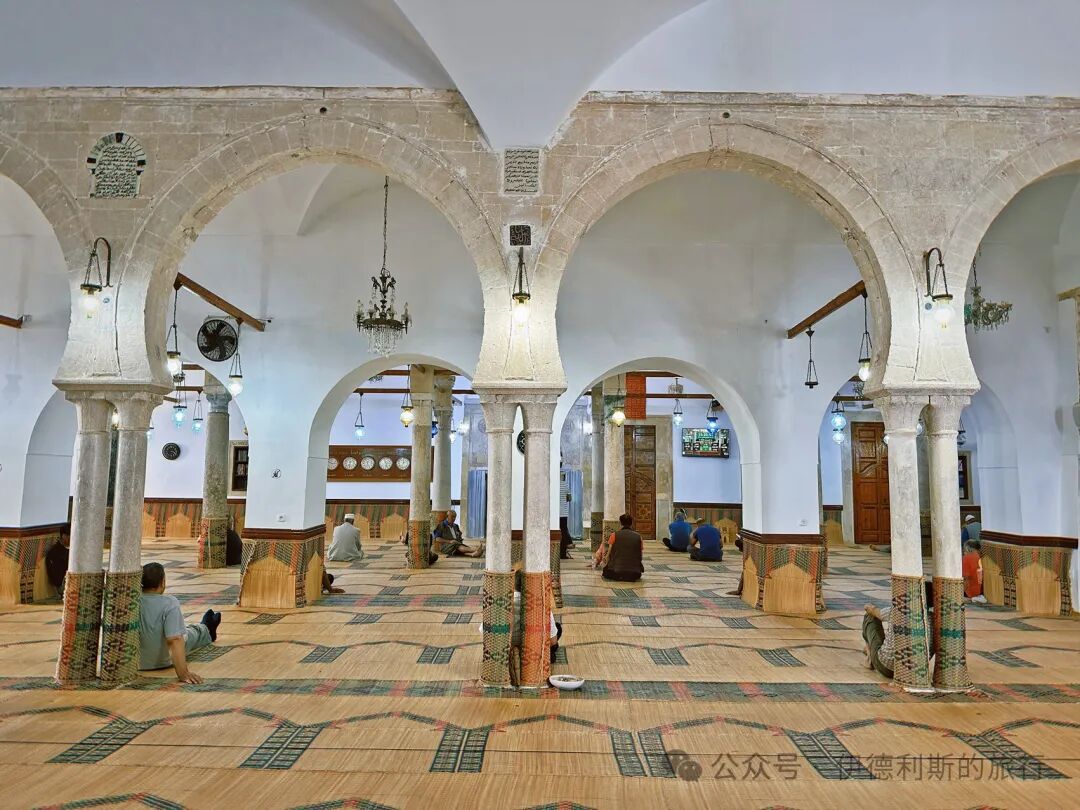
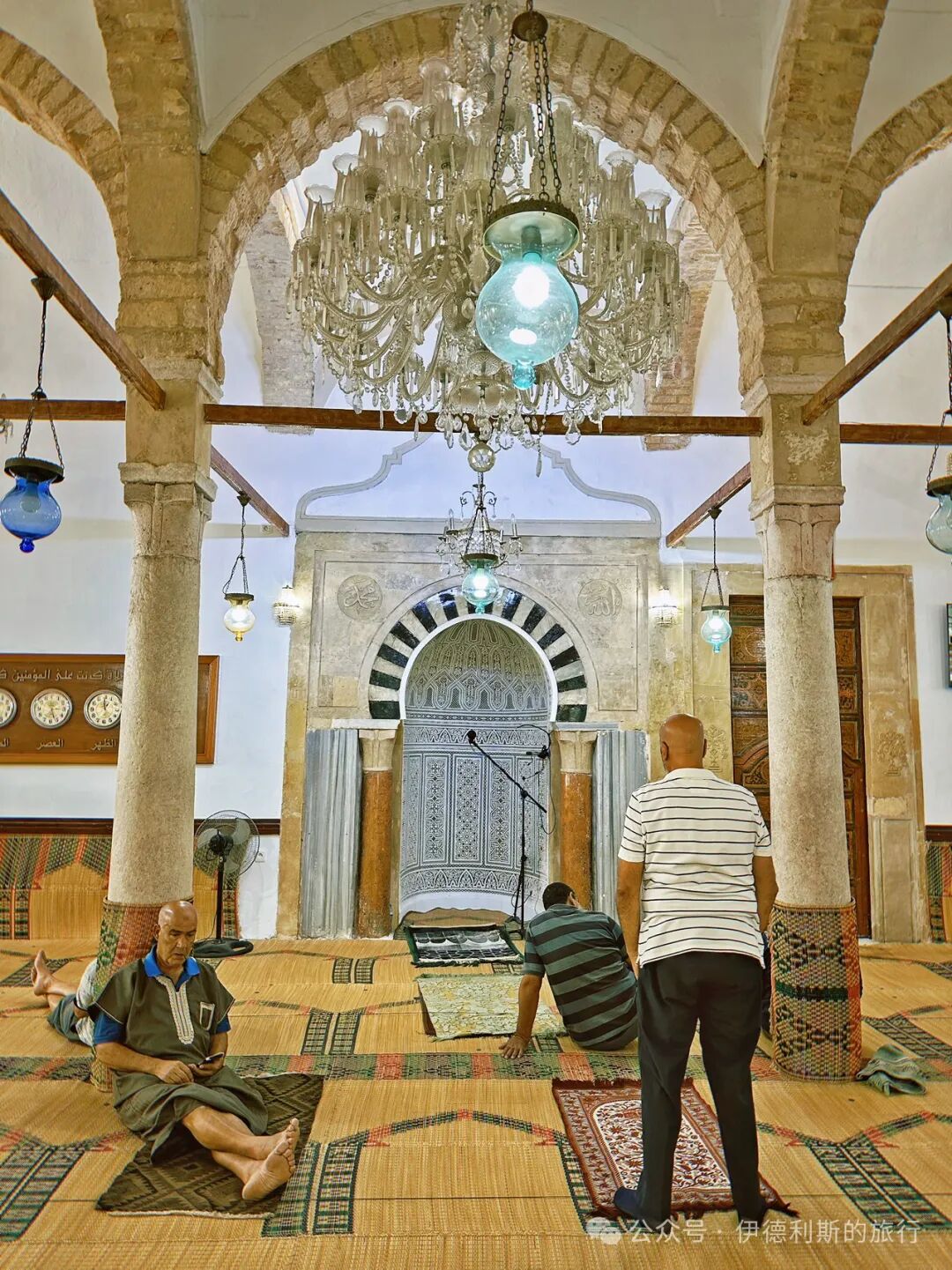
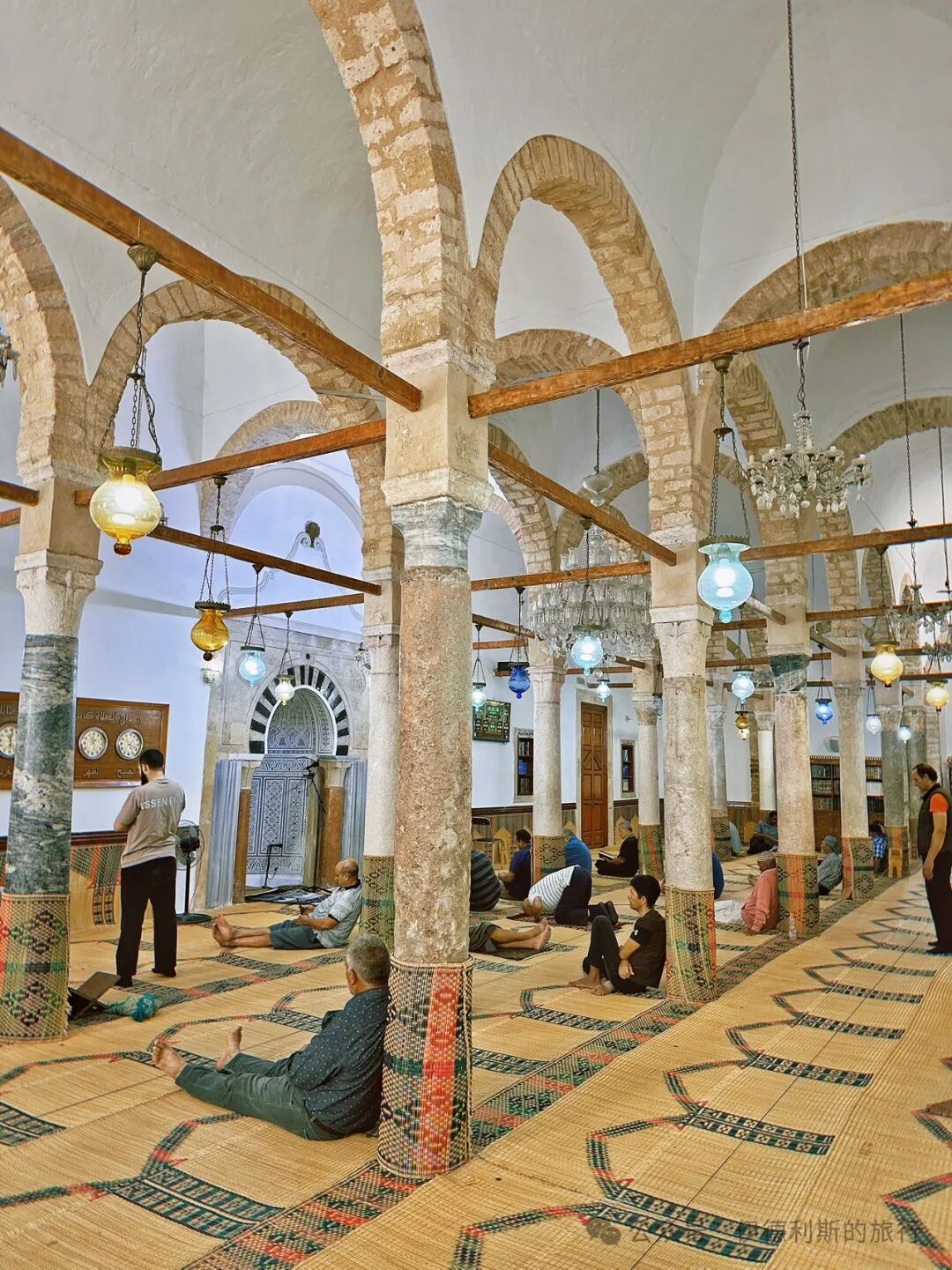
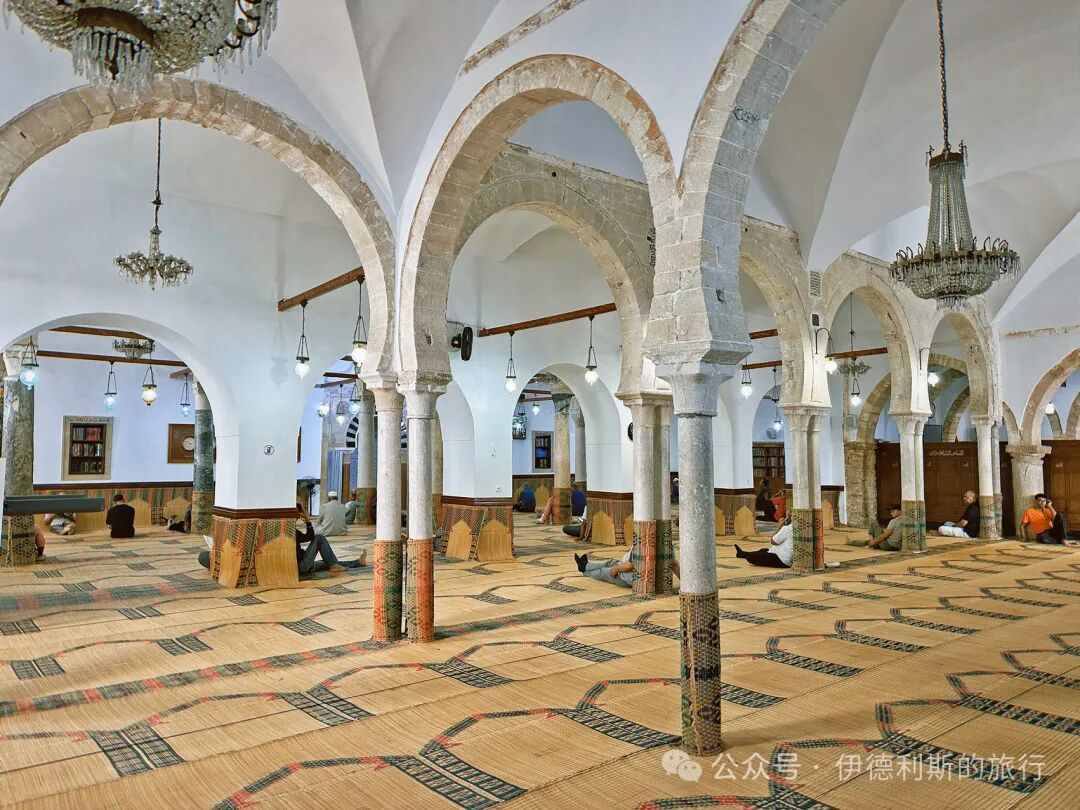
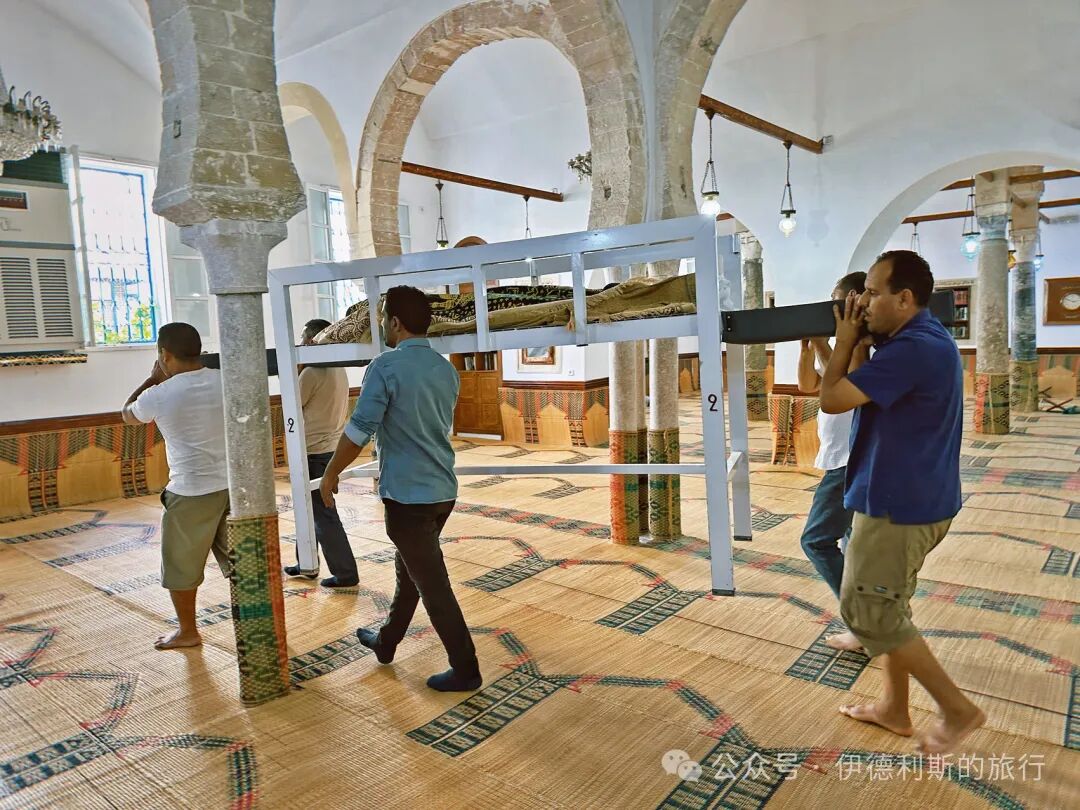
I performed the afternoon namaz at the Great Mosque of Hammamet. Tunisia follows the Maliki school, where the practice of raising the hands once (for the imam) and raising the hands once or three times (for others) coexist peacefully. After the prayer, people stood for the funeral prayer (namaz) right inside the main hall, and the body (mayyit) was kept there too. This is quite different from our Hanafi practice.
The Great Mosque of Hammamet was started in the 12th century and finished in the 13th century. The minaret (bangke ta) was added later in 1463. During this same period, Hammamet grew from a coastal fortress into a residential medina city area. The stone pillars in the Great Mosque of Hammamet are different colors because many were collected from nearby ancient Roman ruins.
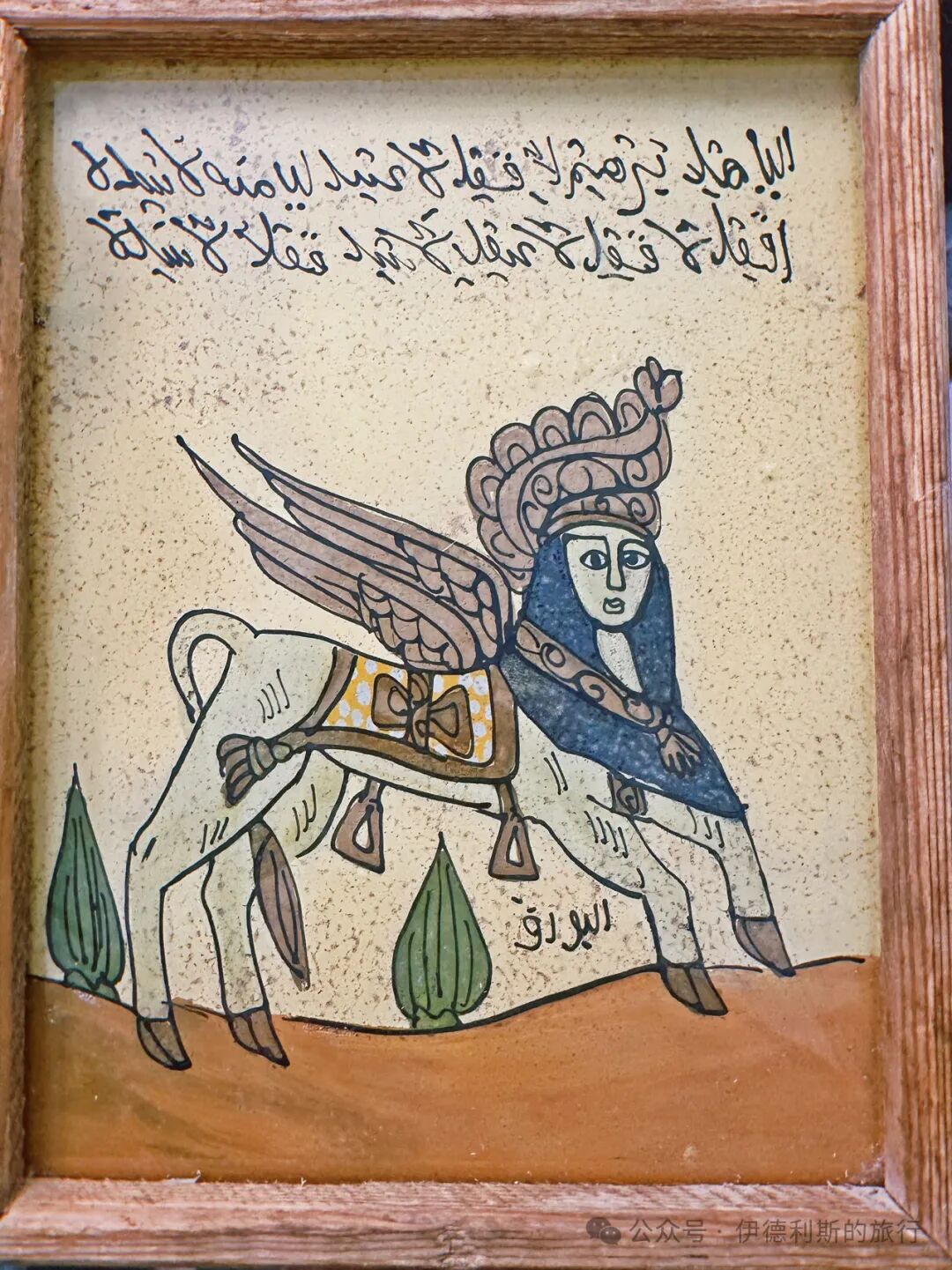
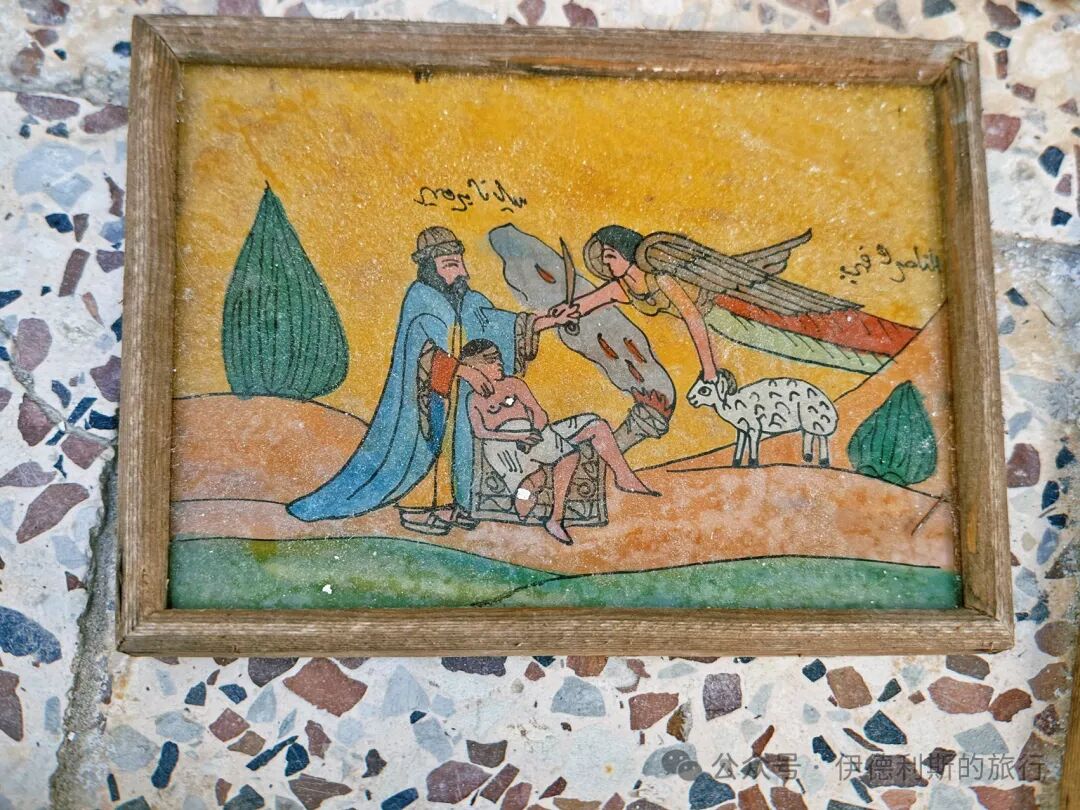
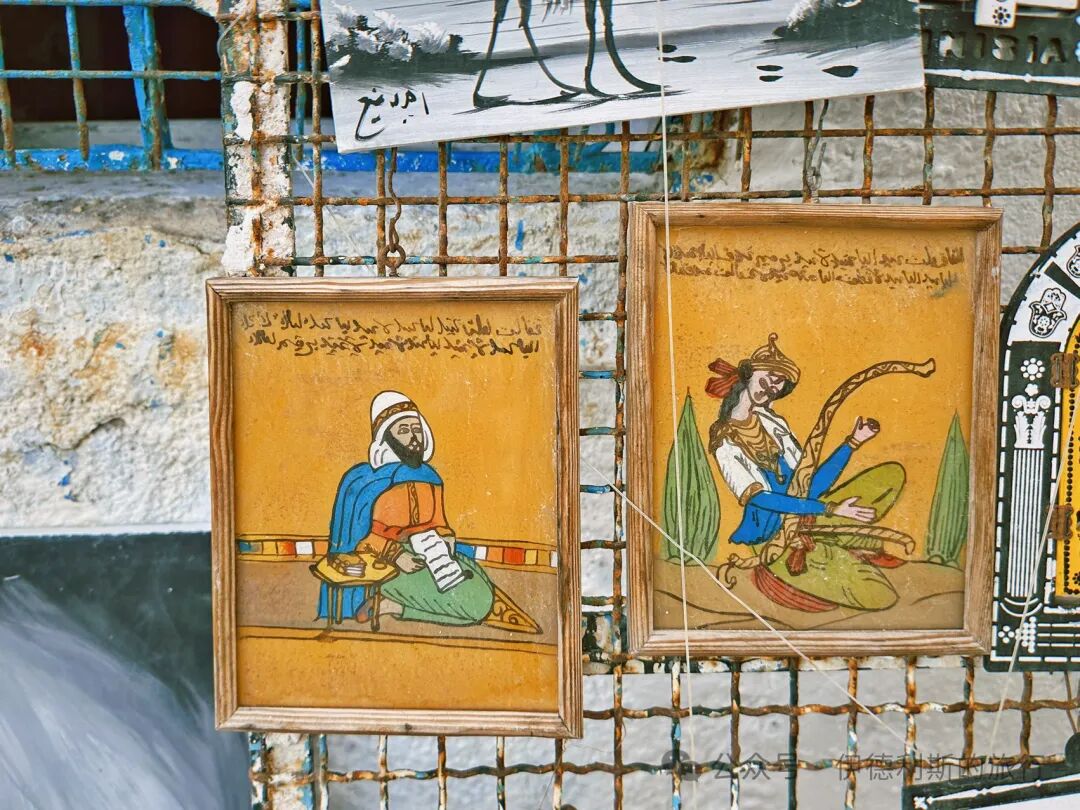
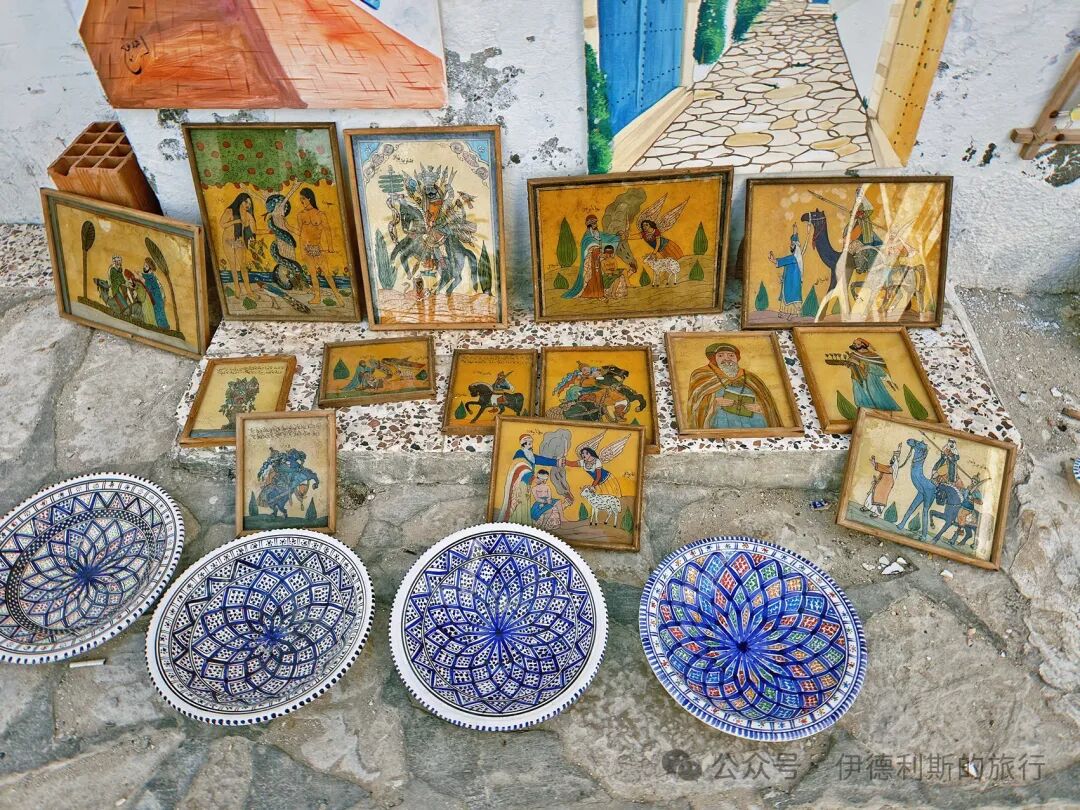
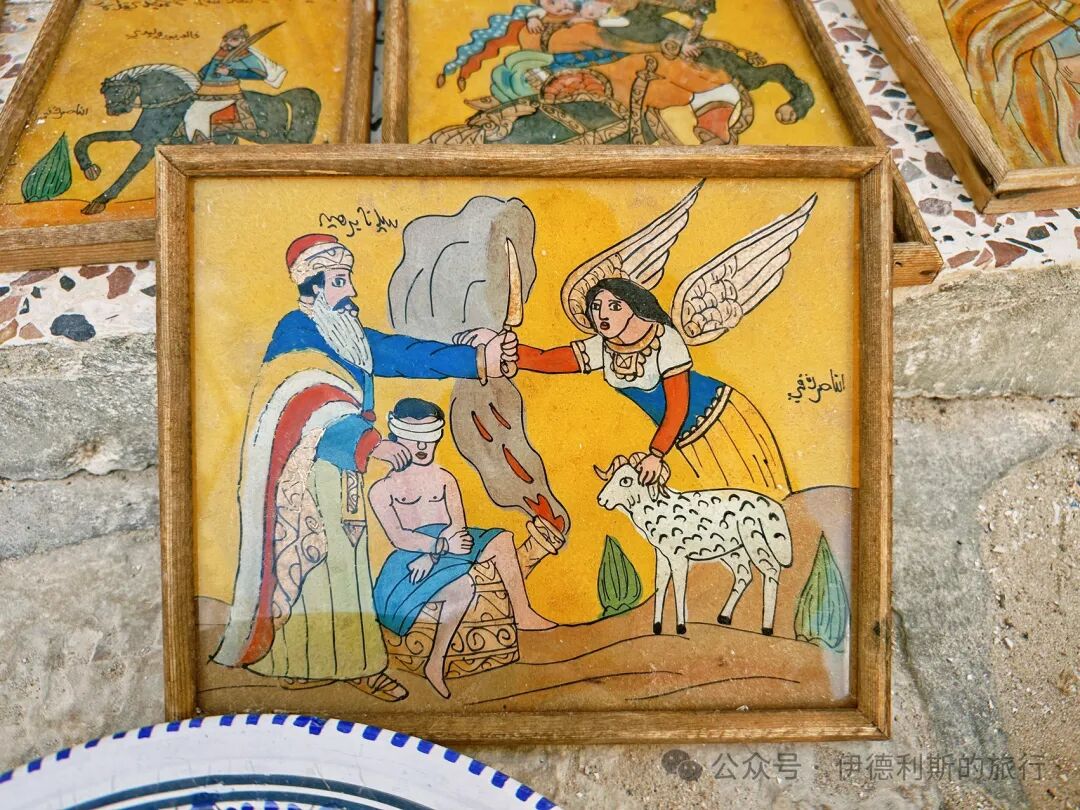
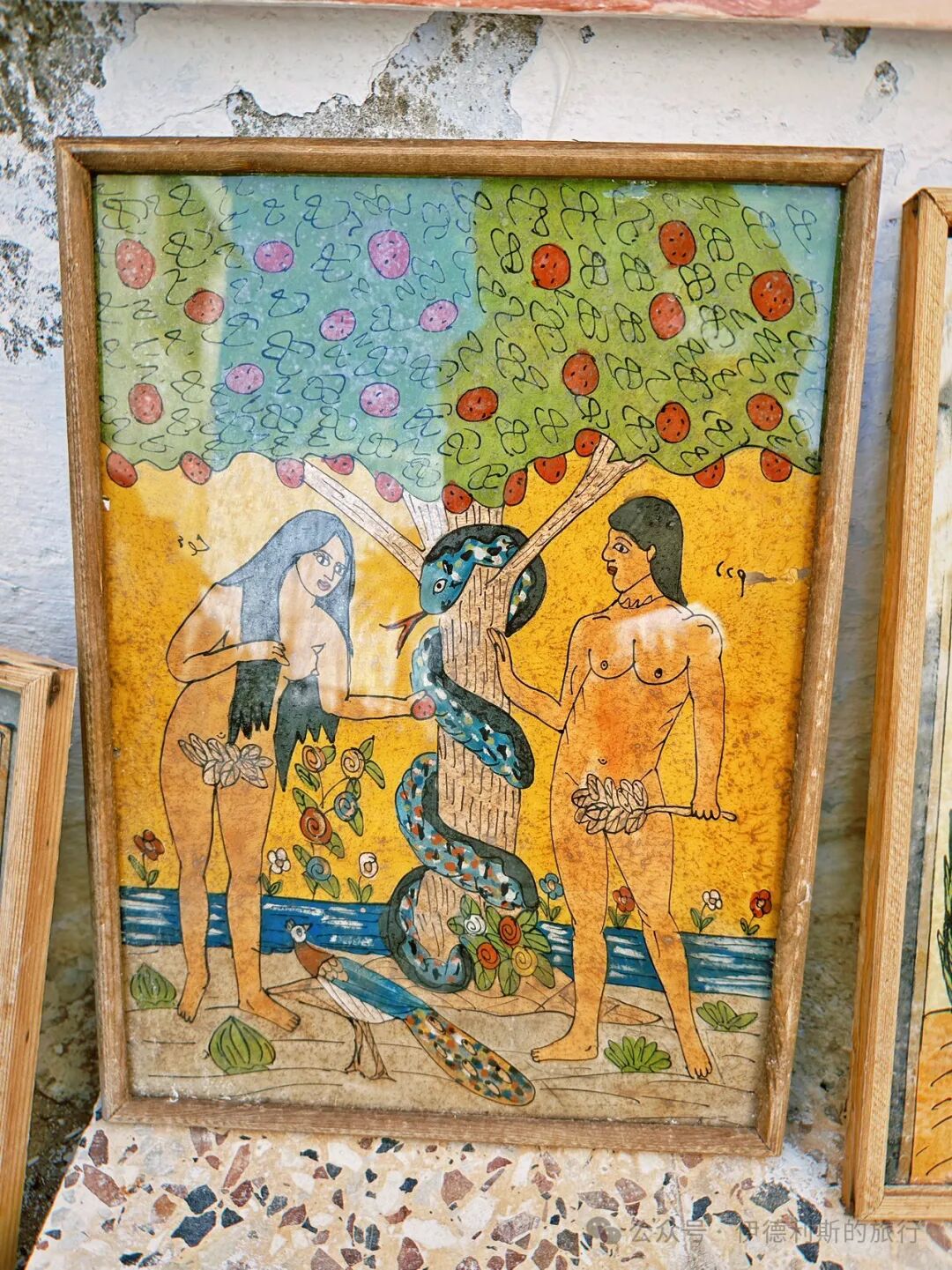
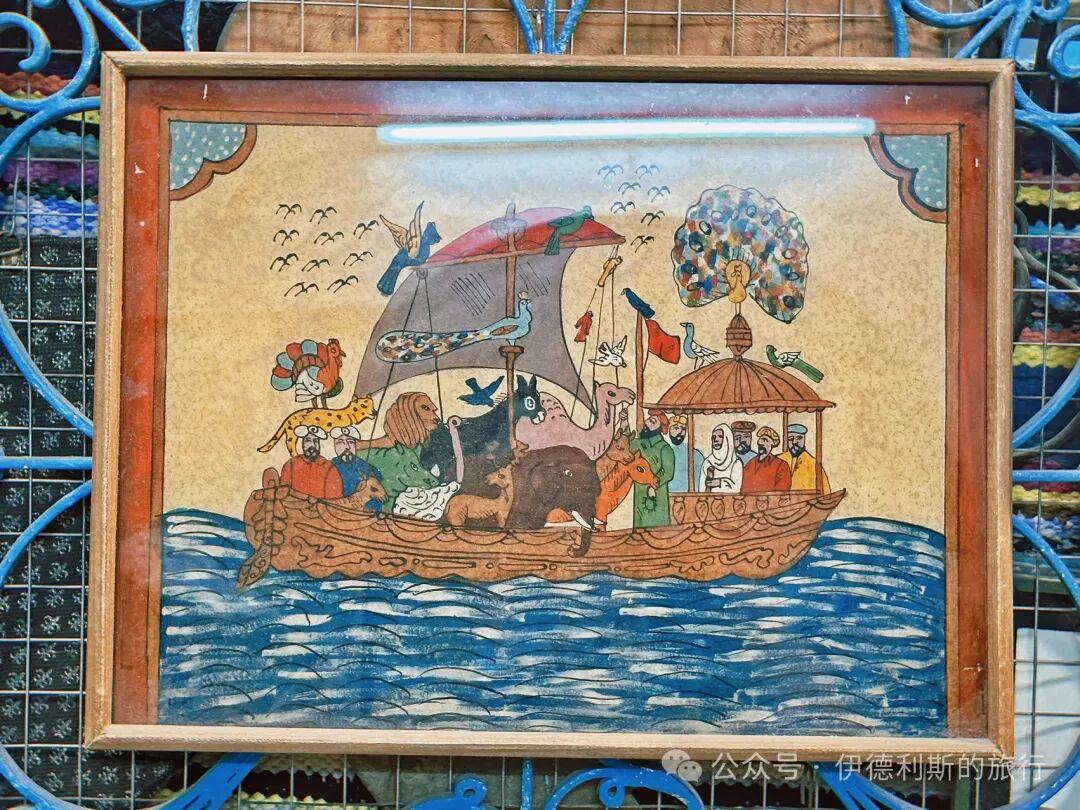
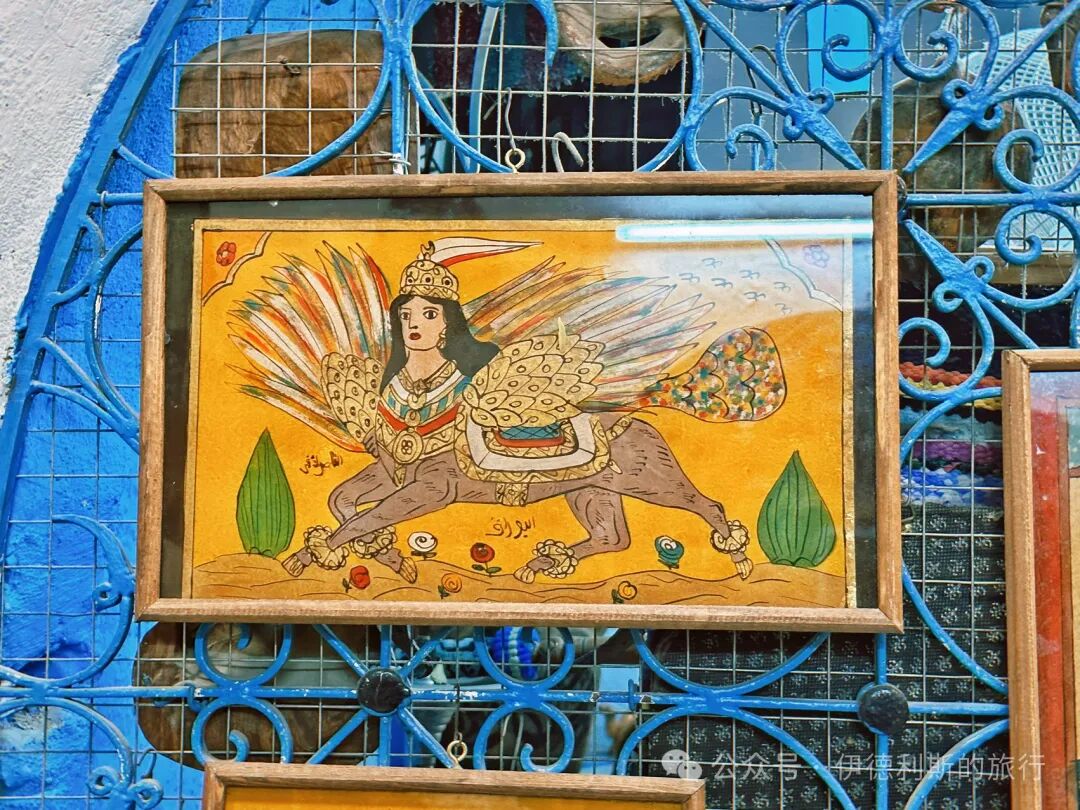
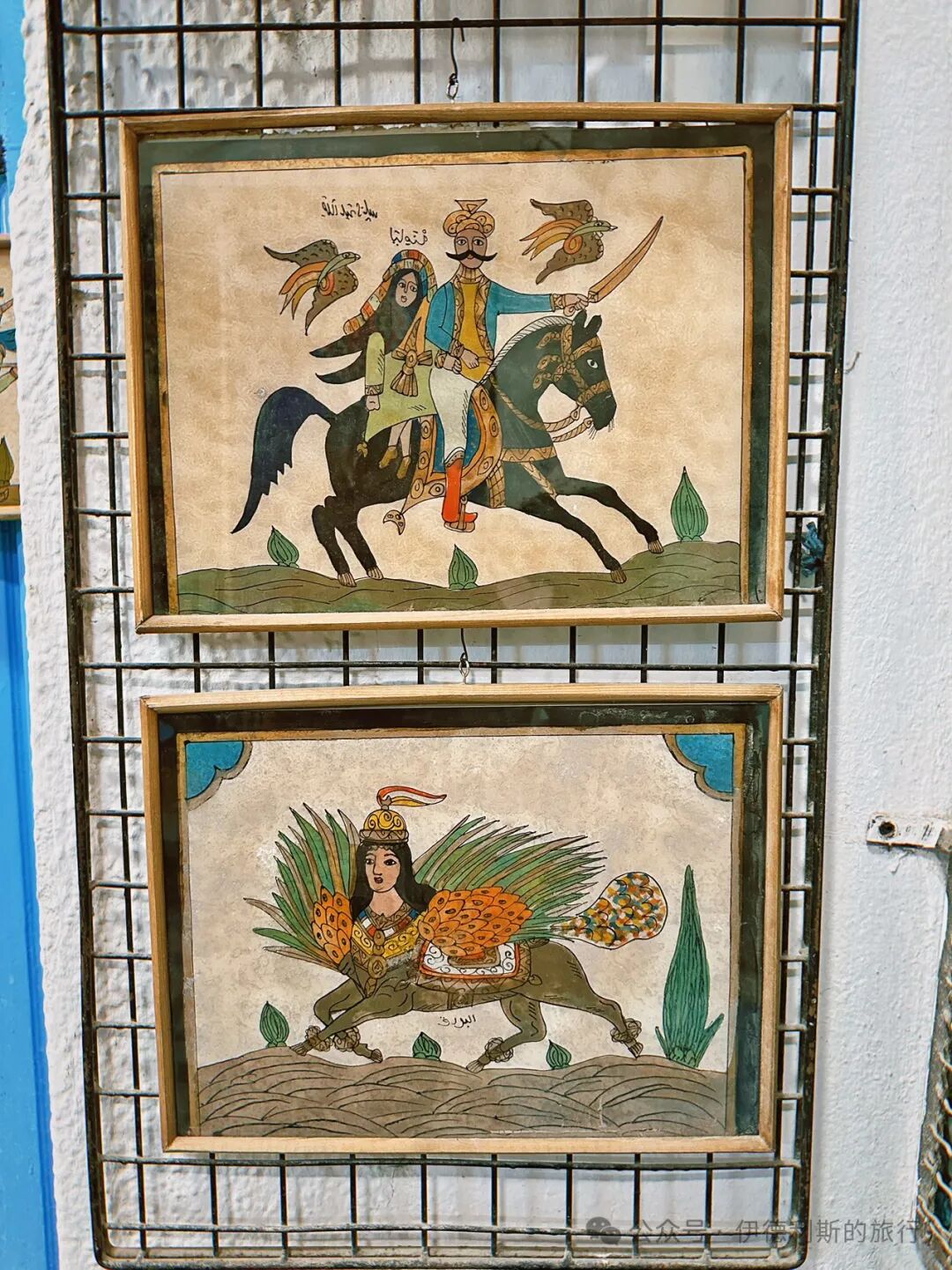
In the bazaars of the old city in Tunisia, you often see religious paintings. They show scenes like the Prophet Adam, the sacrifice of Ibrahim, and the Ark of Nuh. The art style is very cute. In the old city of Hammamet, I bought a painting of the Buraq, the creature the noble Prophet rode during his Night Journey (Mi'raj). Although the Hadith does not describe the Buraq's face, it mentions it had a handsome face. Because of this, Persian and South Asian miniature paintings often show the Buraq with a human face and a horse's body. In the Mindanao region of the southern Philippines, people even carve wooden statues of the Buraq.
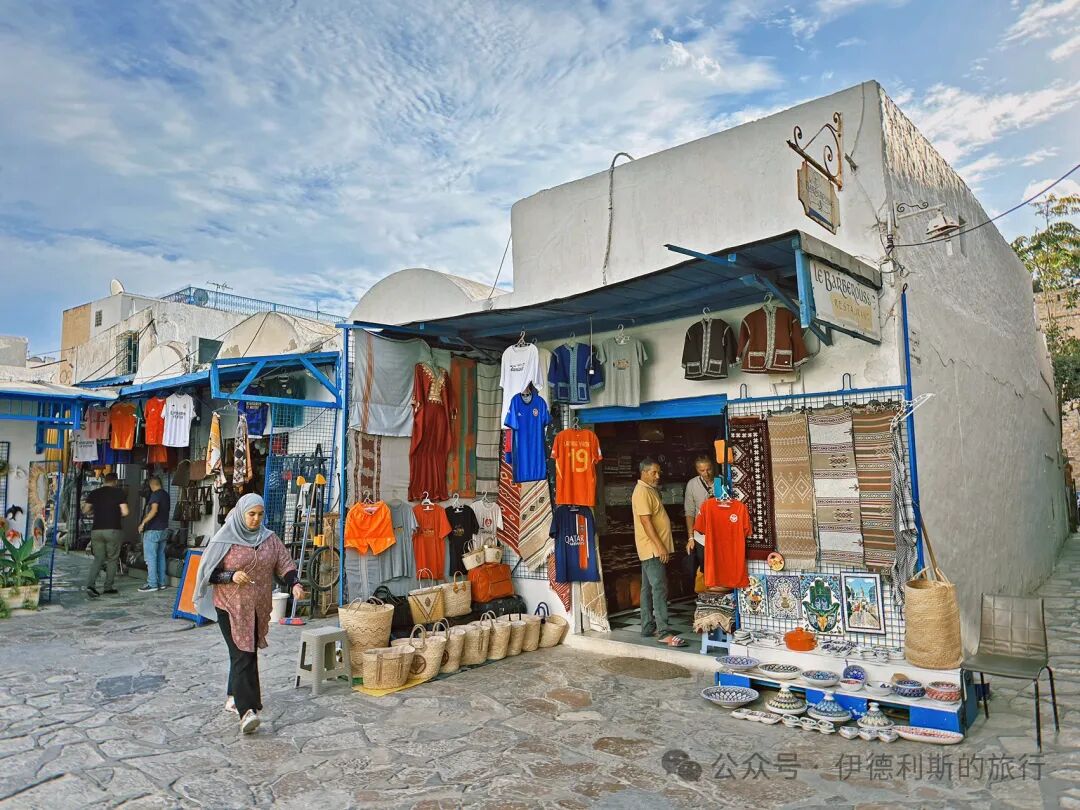
The bazaars and streets inside the ancient medina of Hammamet.
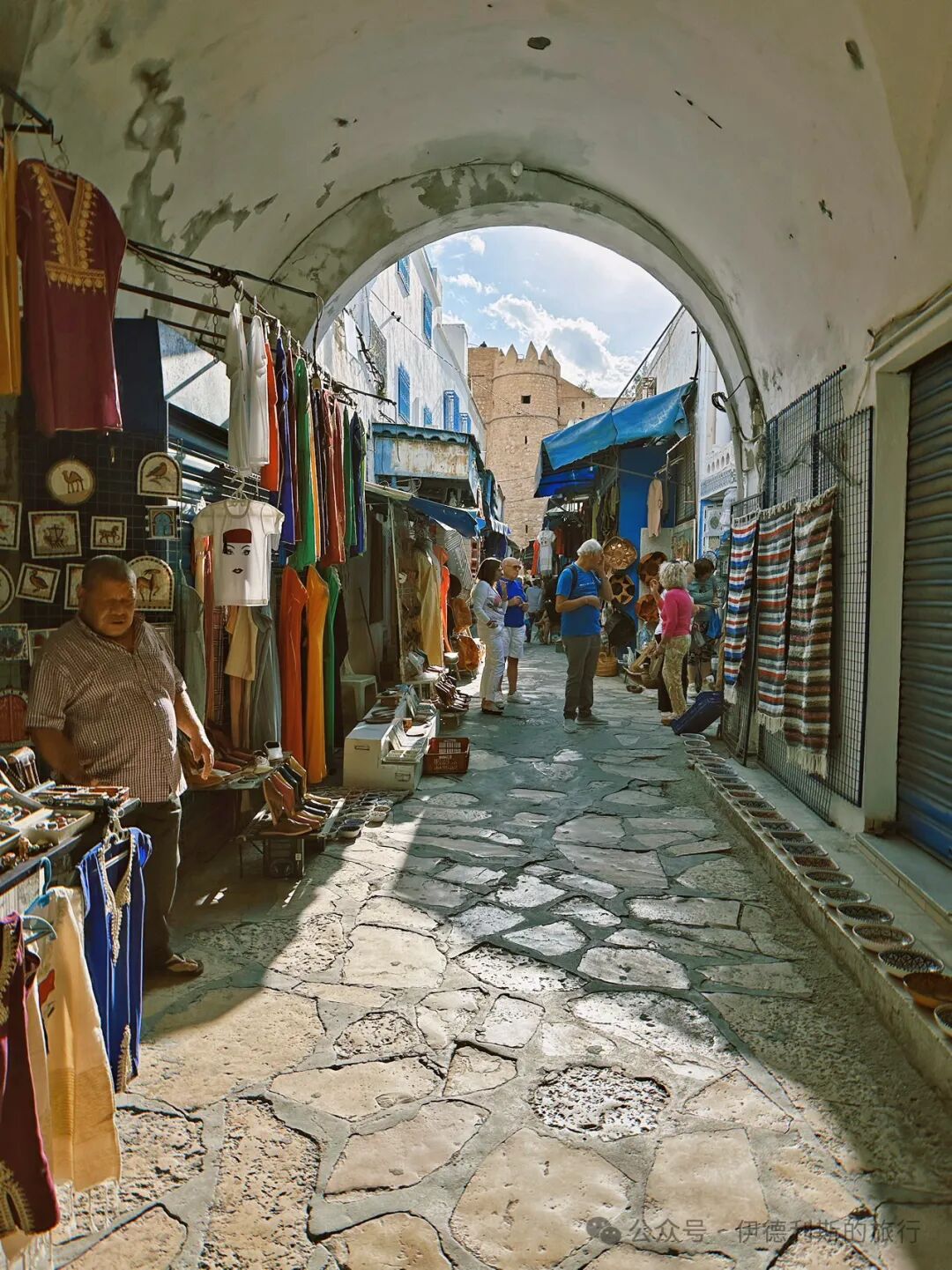
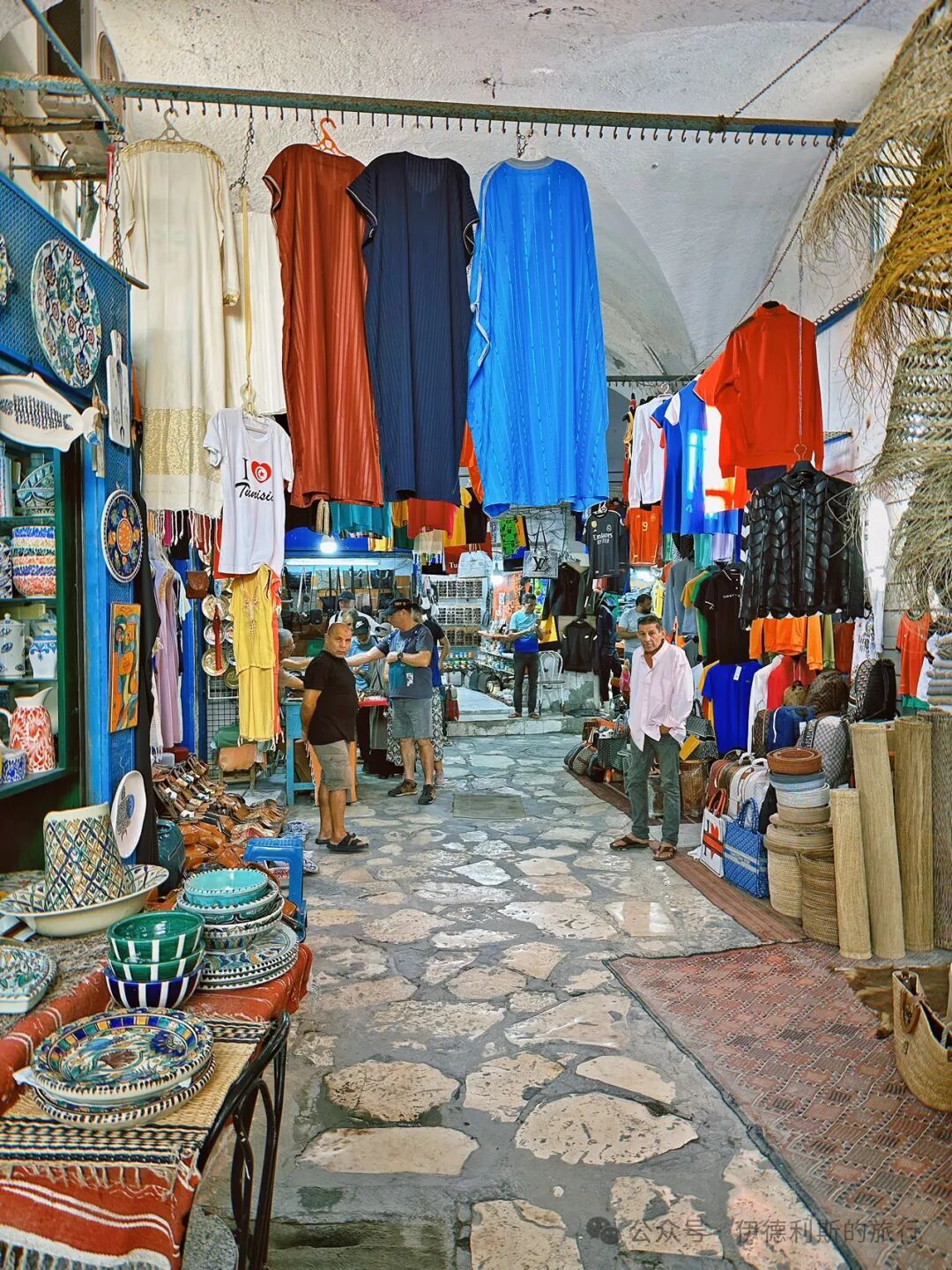
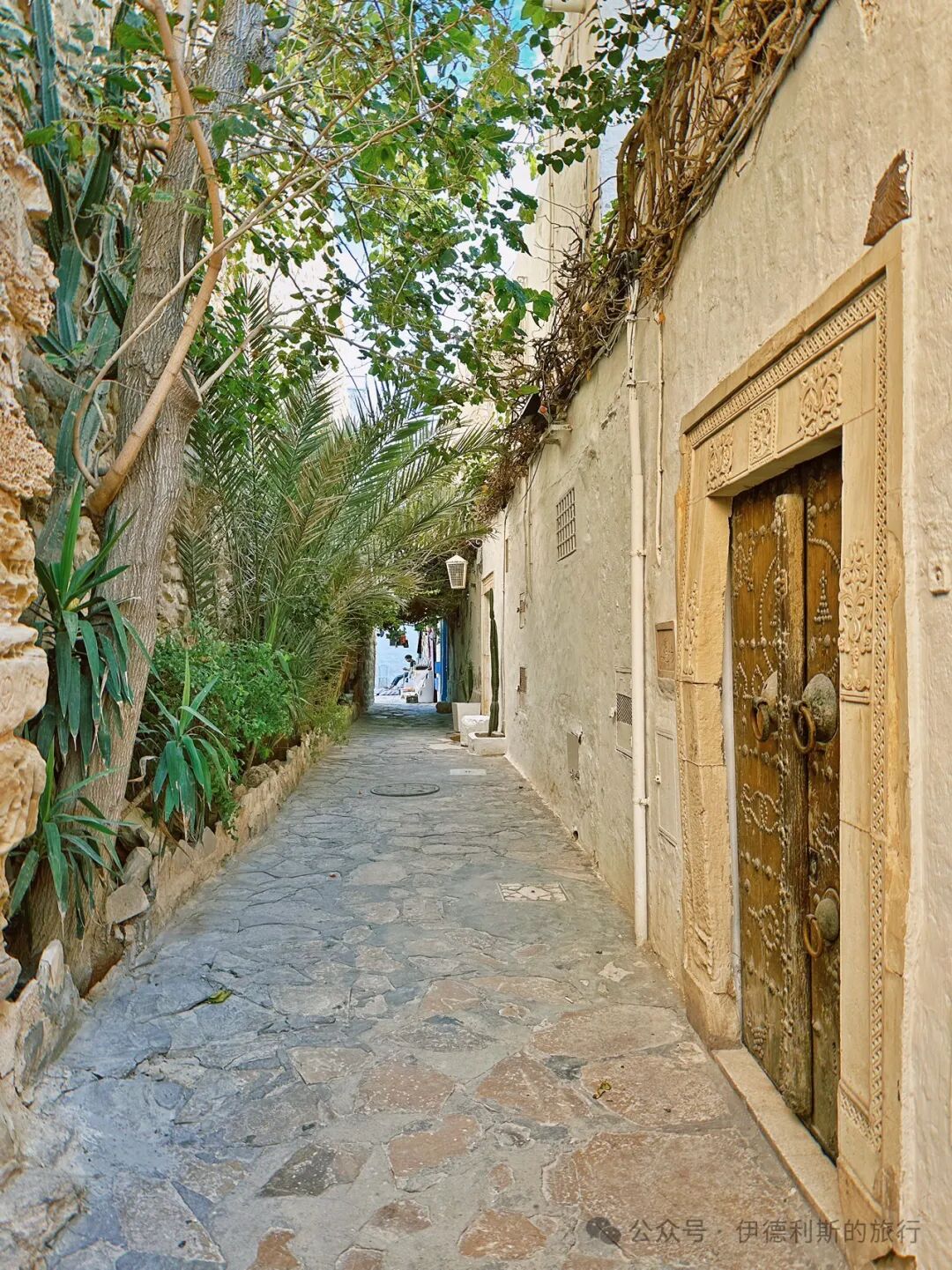
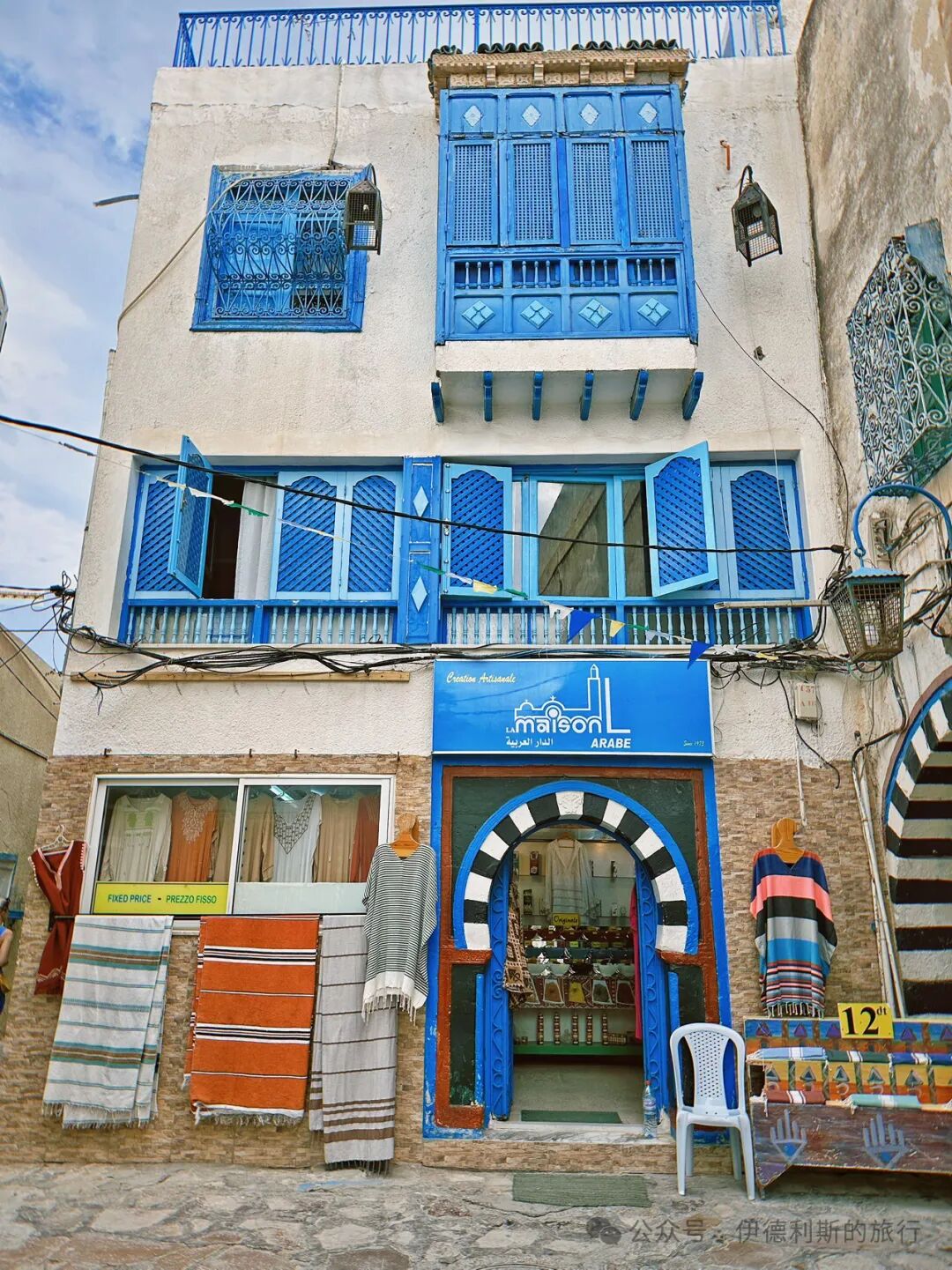
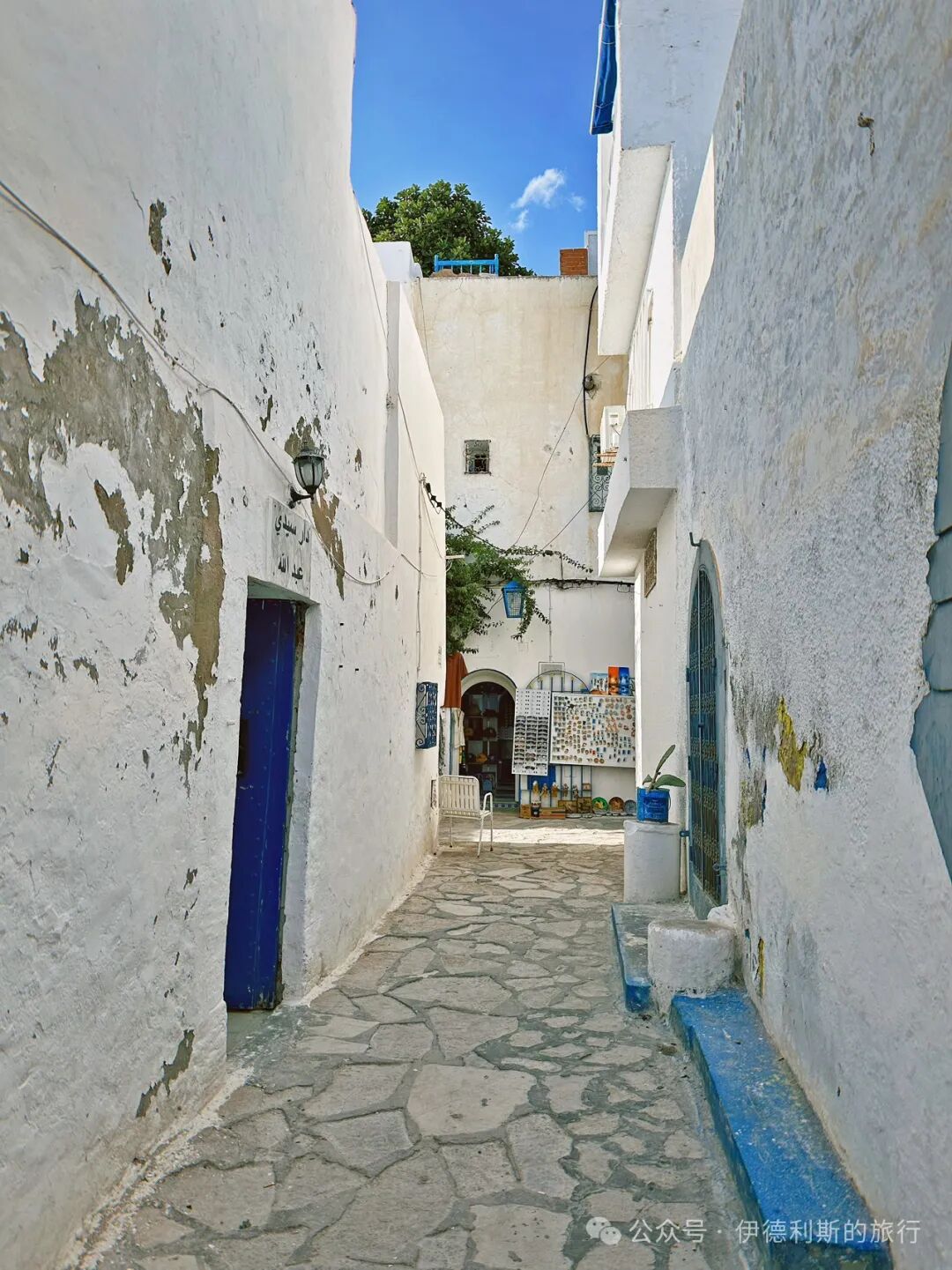
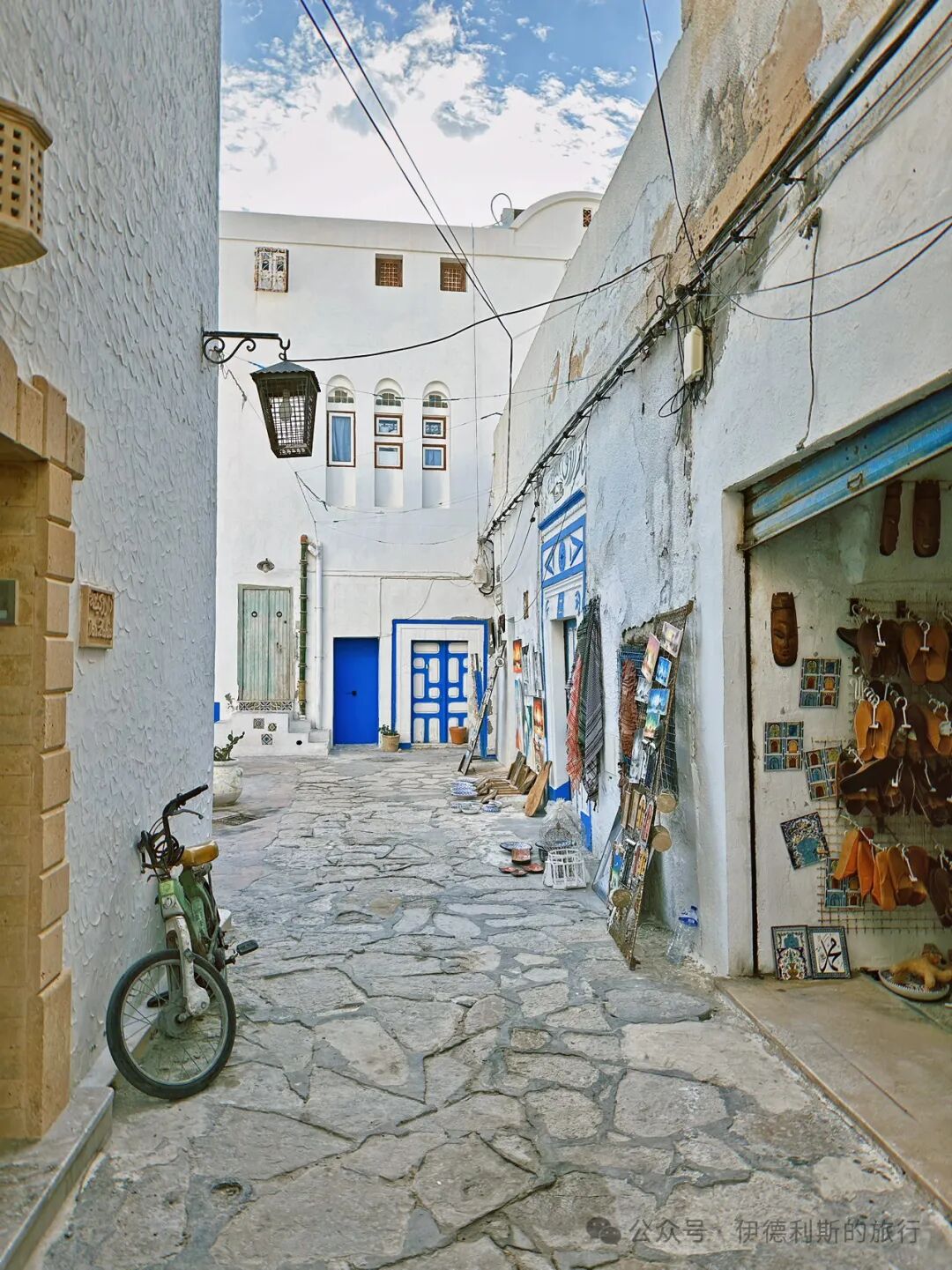
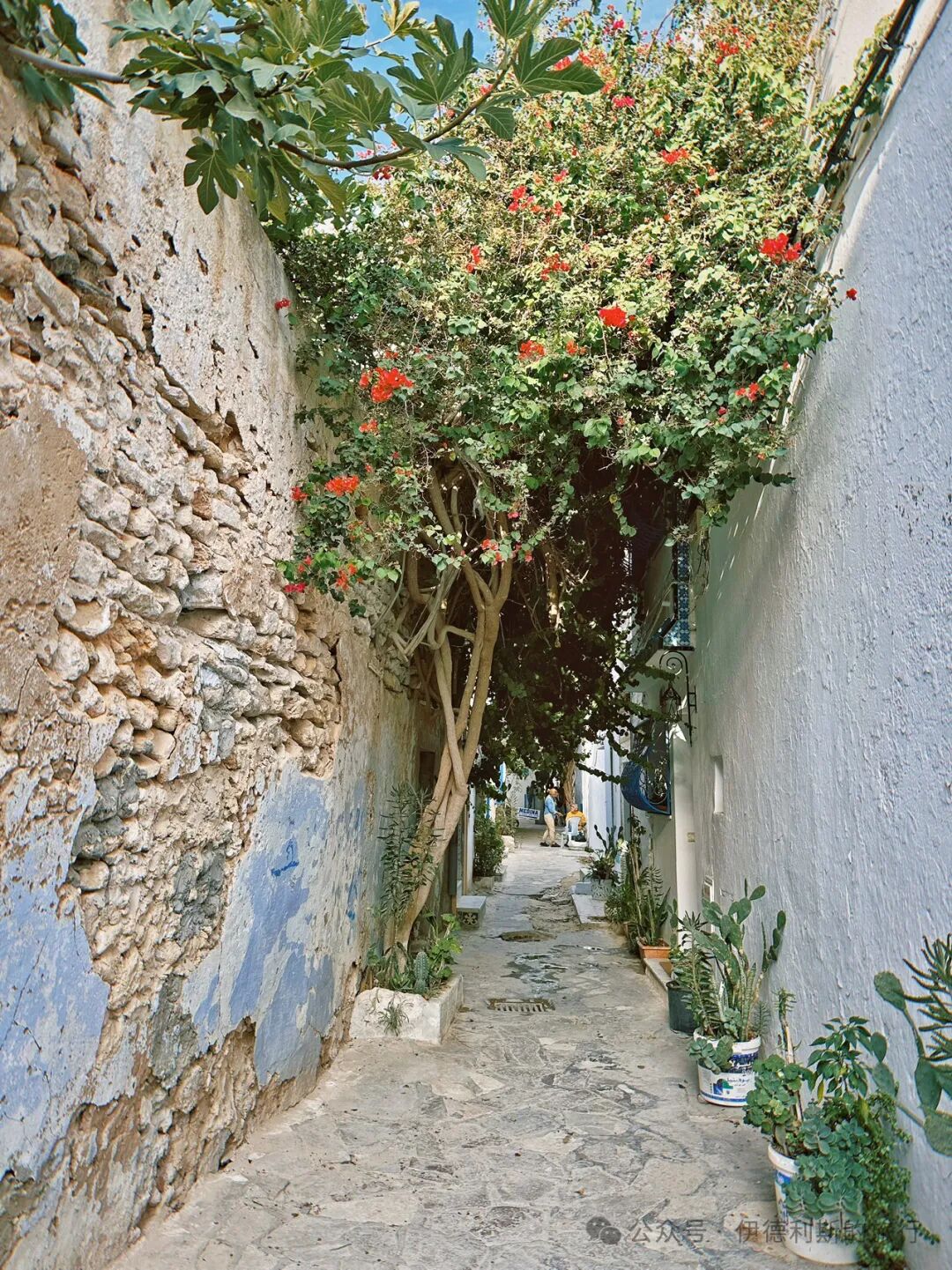
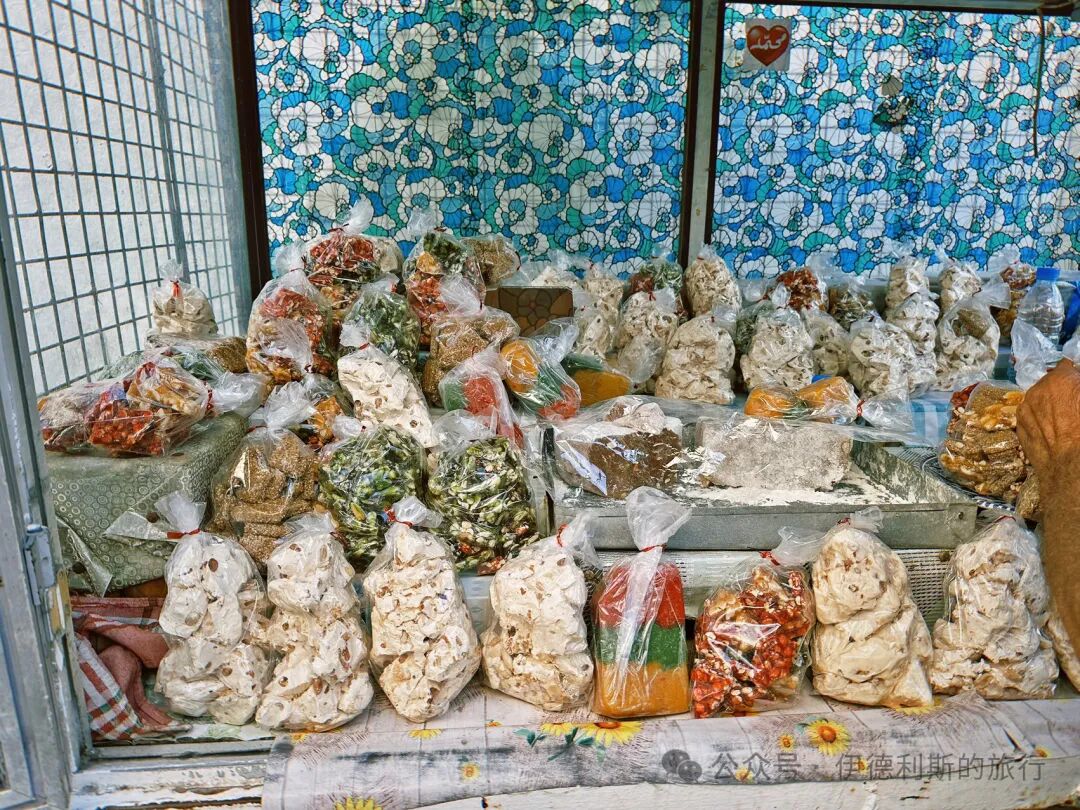
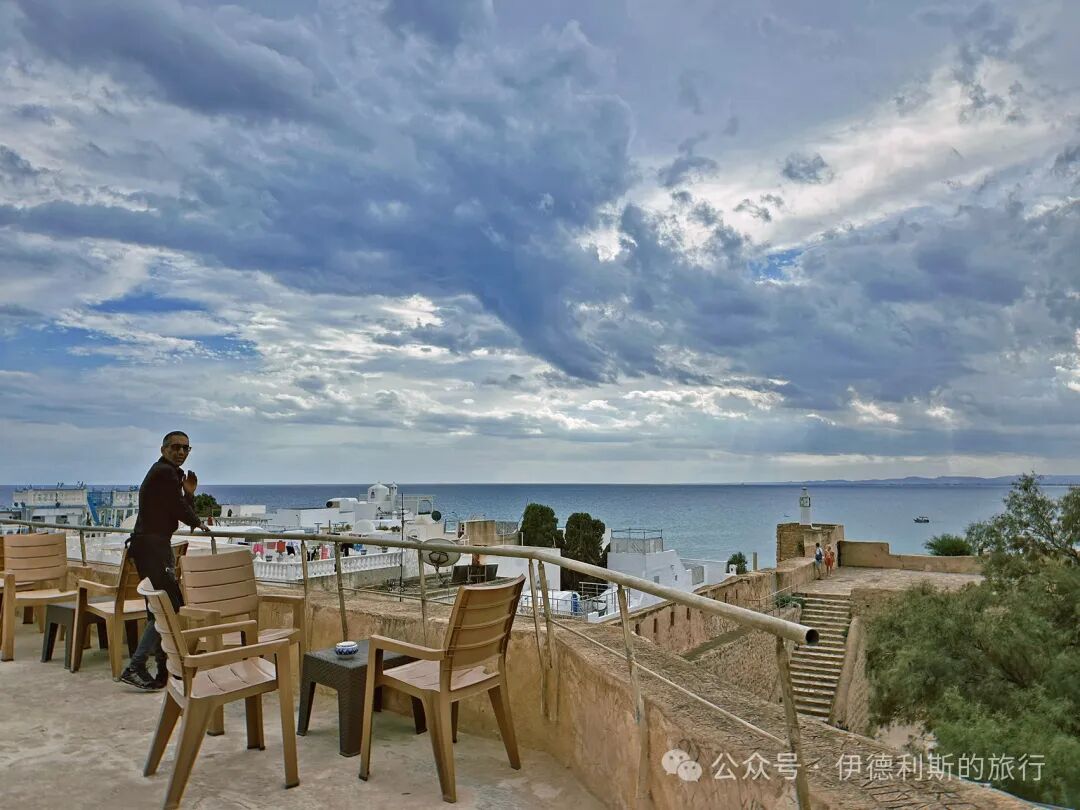
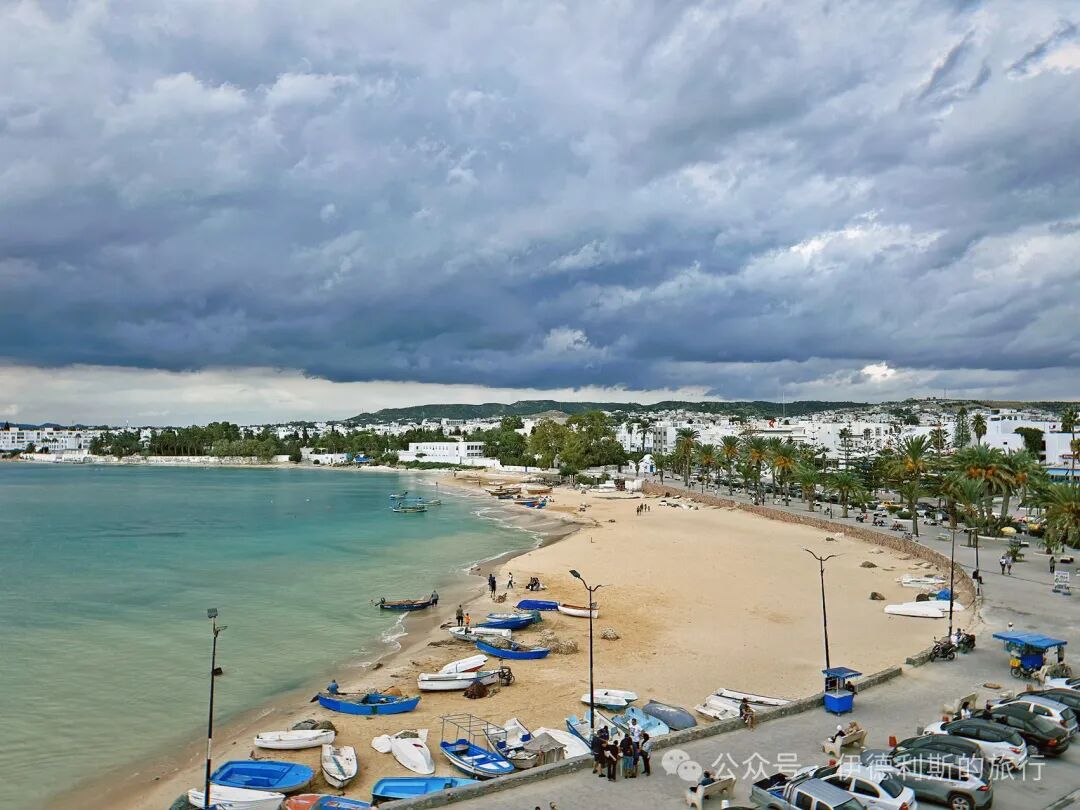
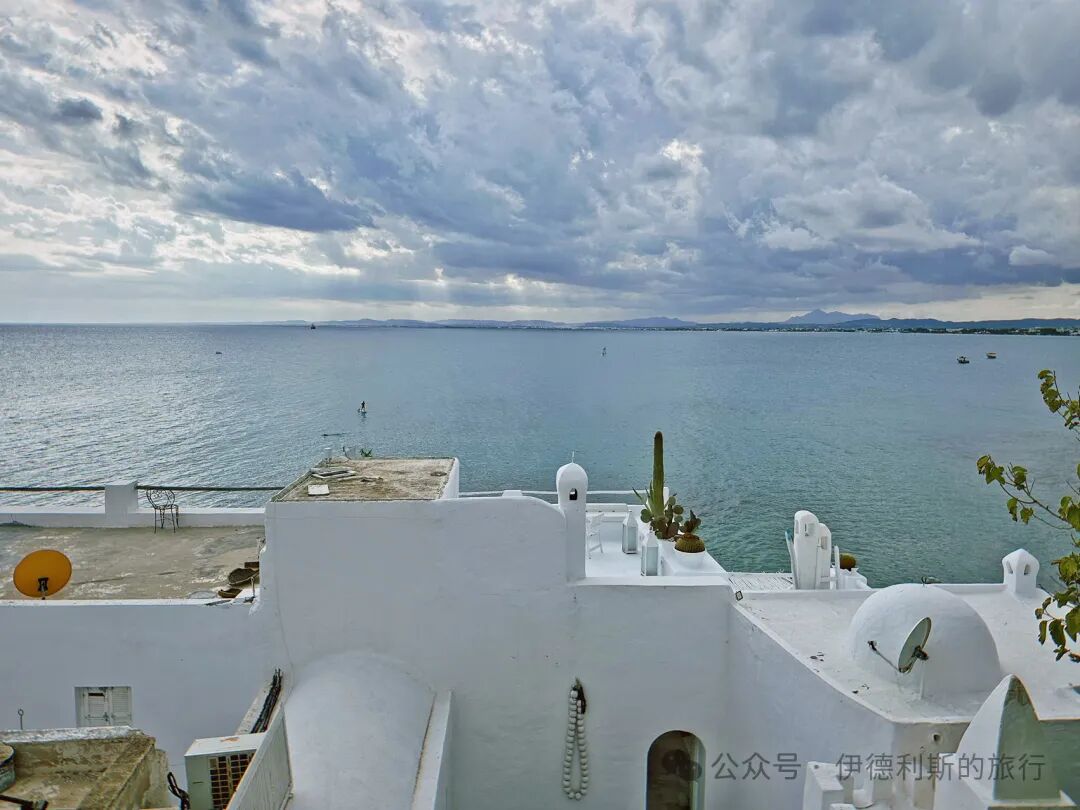
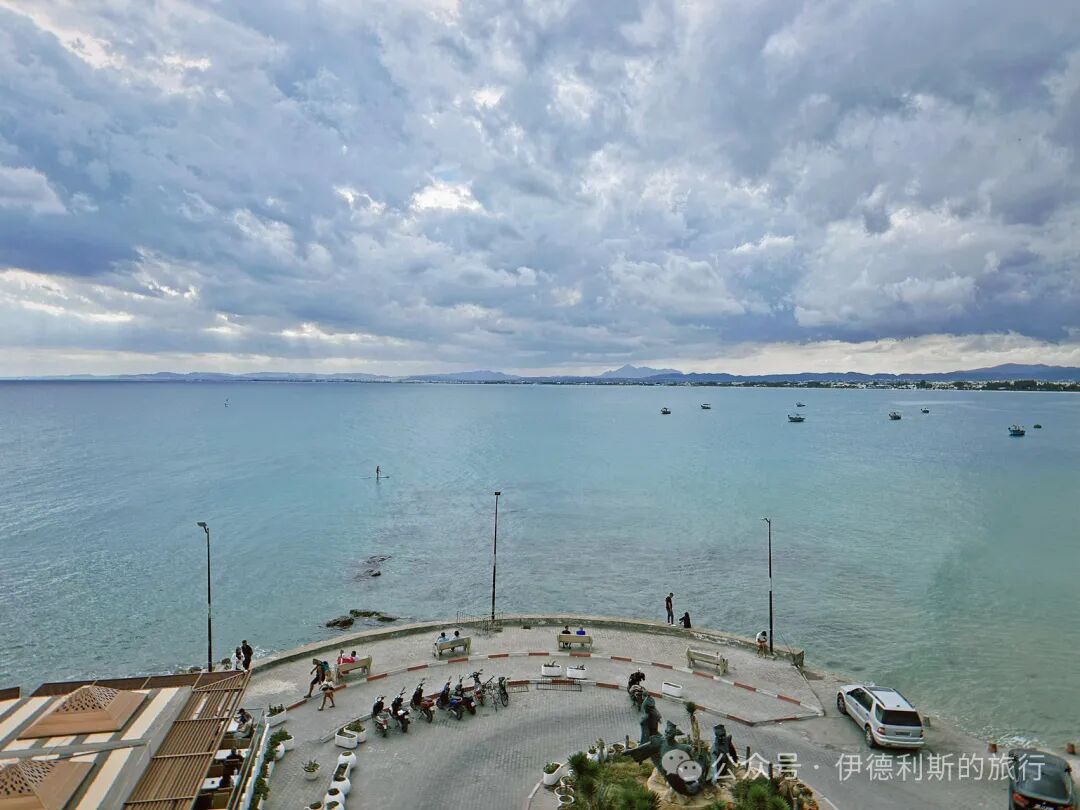
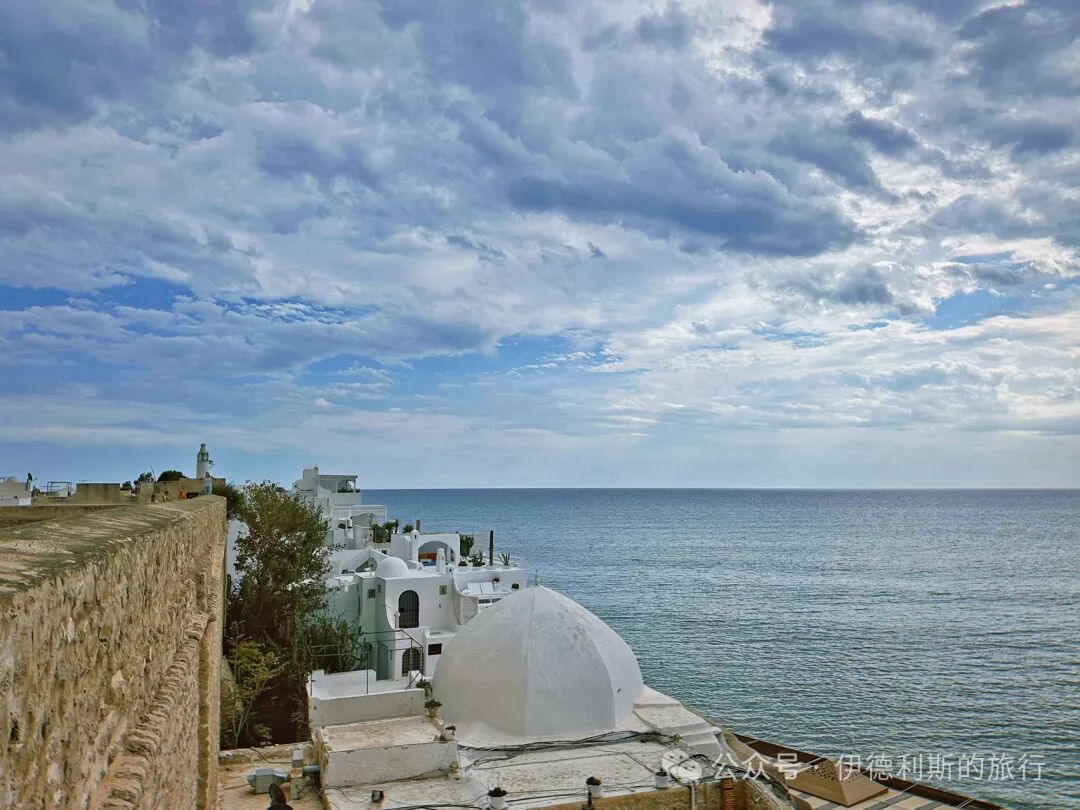
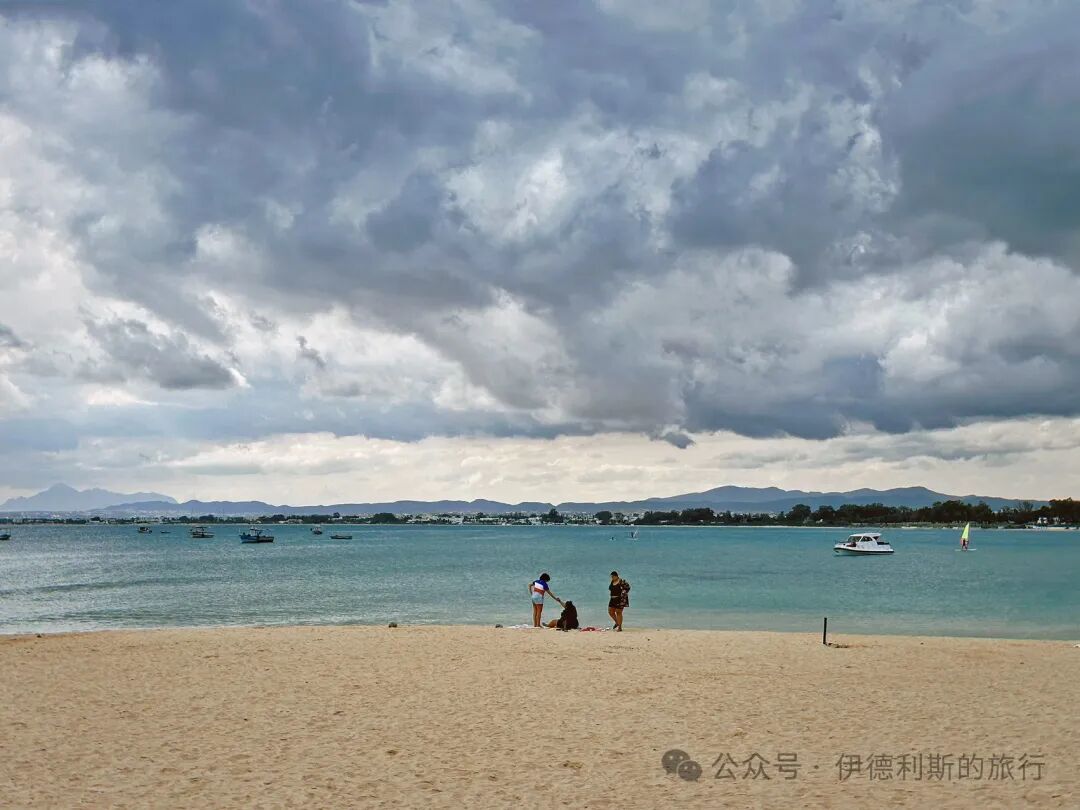
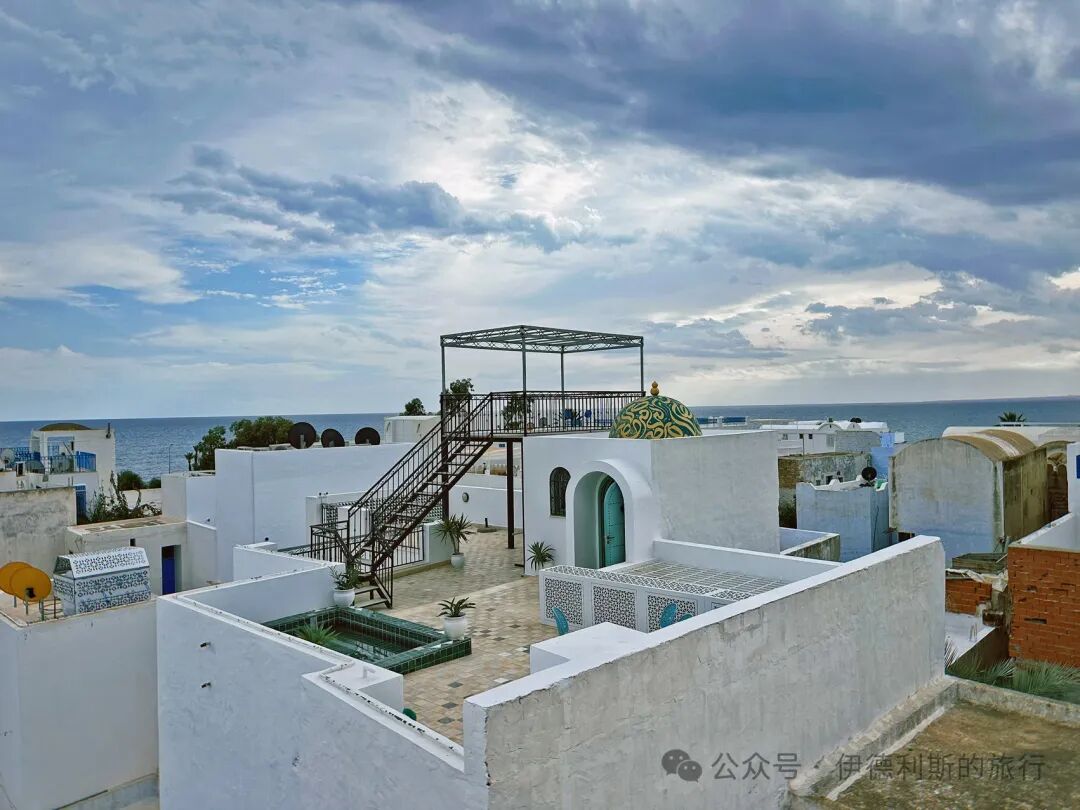
Looking out at the Mediterranean Sea from the ancient walled city (medina) of Hammamet. This place is just over 200 kilometers from Sicily, Italy. It has been a key spot for controlling the Mediterranean since ancient times, but today it serves as a backyard getaway for European tourists.
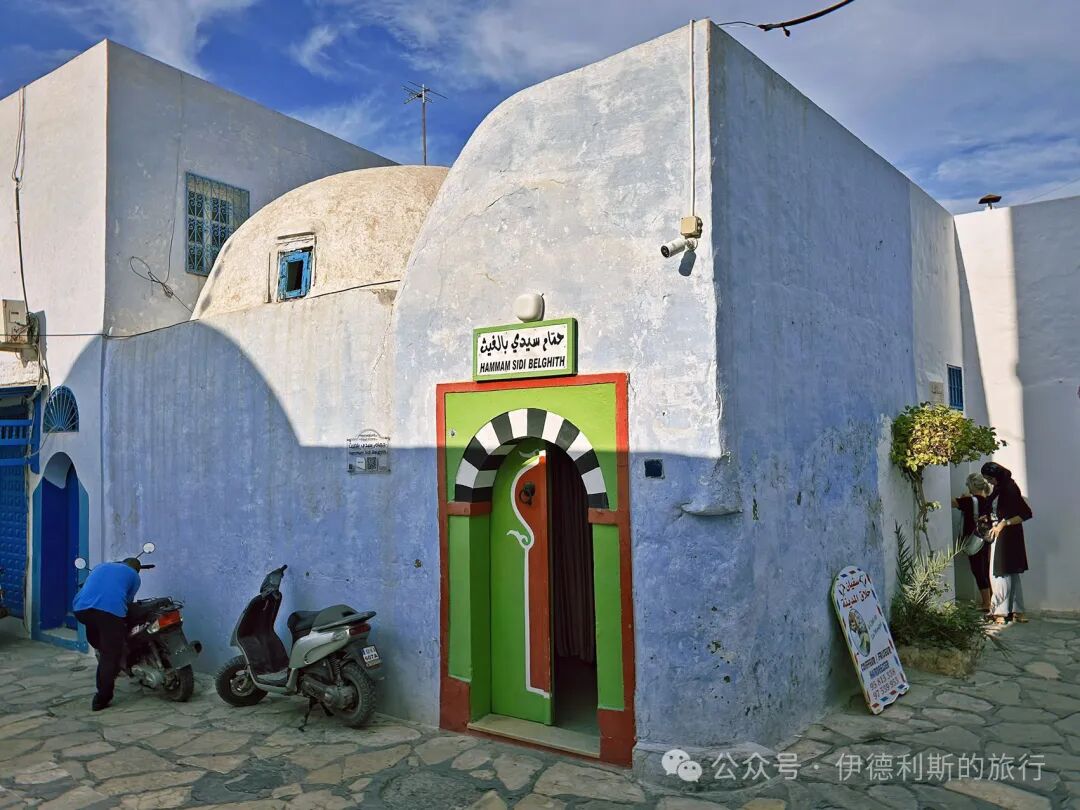
Some old houses inside the medina of Hammamet.
The public bathhouse across from the Great Mosque, built in the early 17th century by Abul-l-Gayth al-Qashache. In 1602, Hammamet was attacked by the Knights Hospitaller and many people were taken captive. It was Abul-l-Gayth who paid the ransom to bring them home.
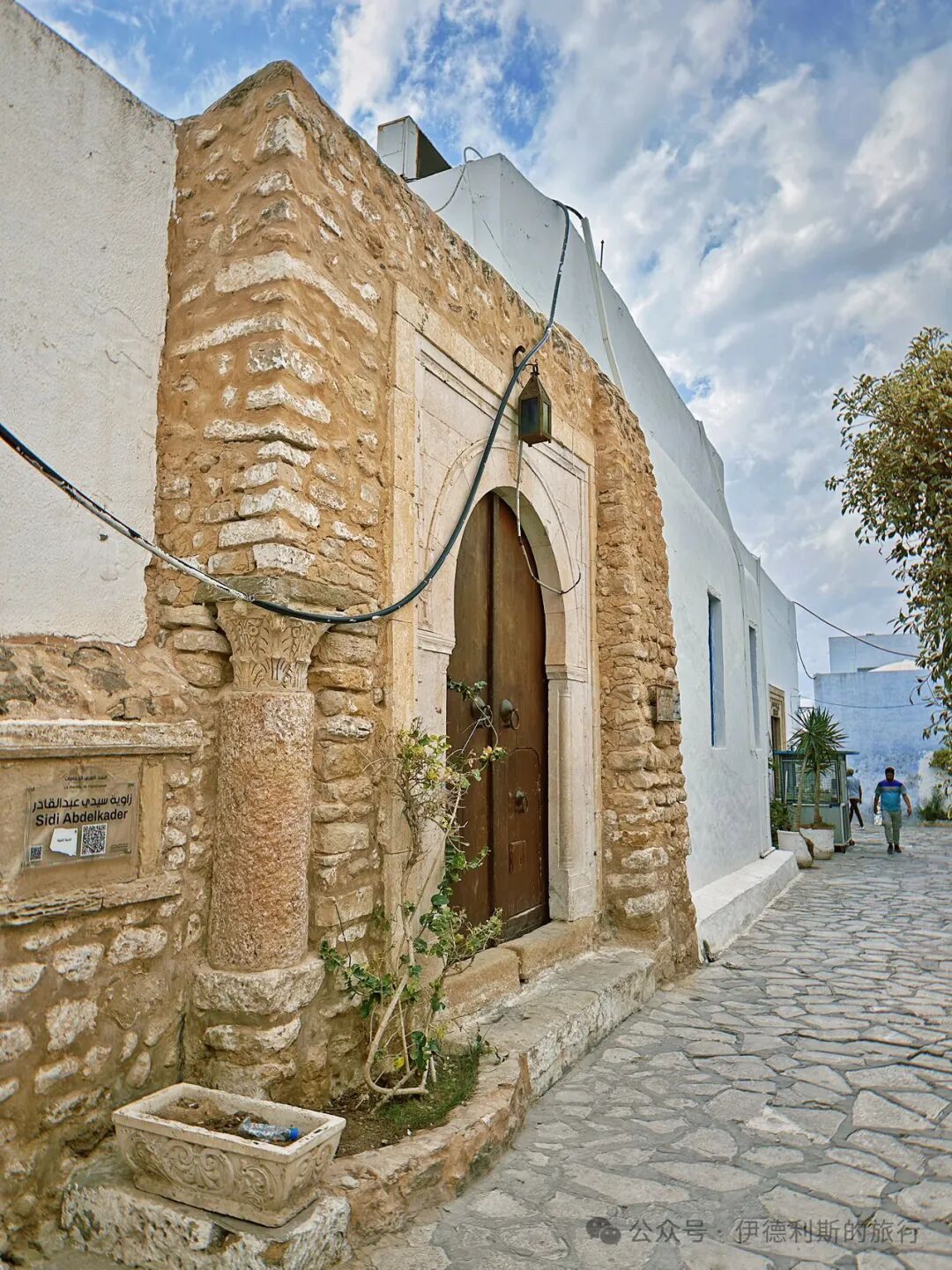
The Islamic school (madrasa) behind the Great Mosque, where children were having class when we visited.
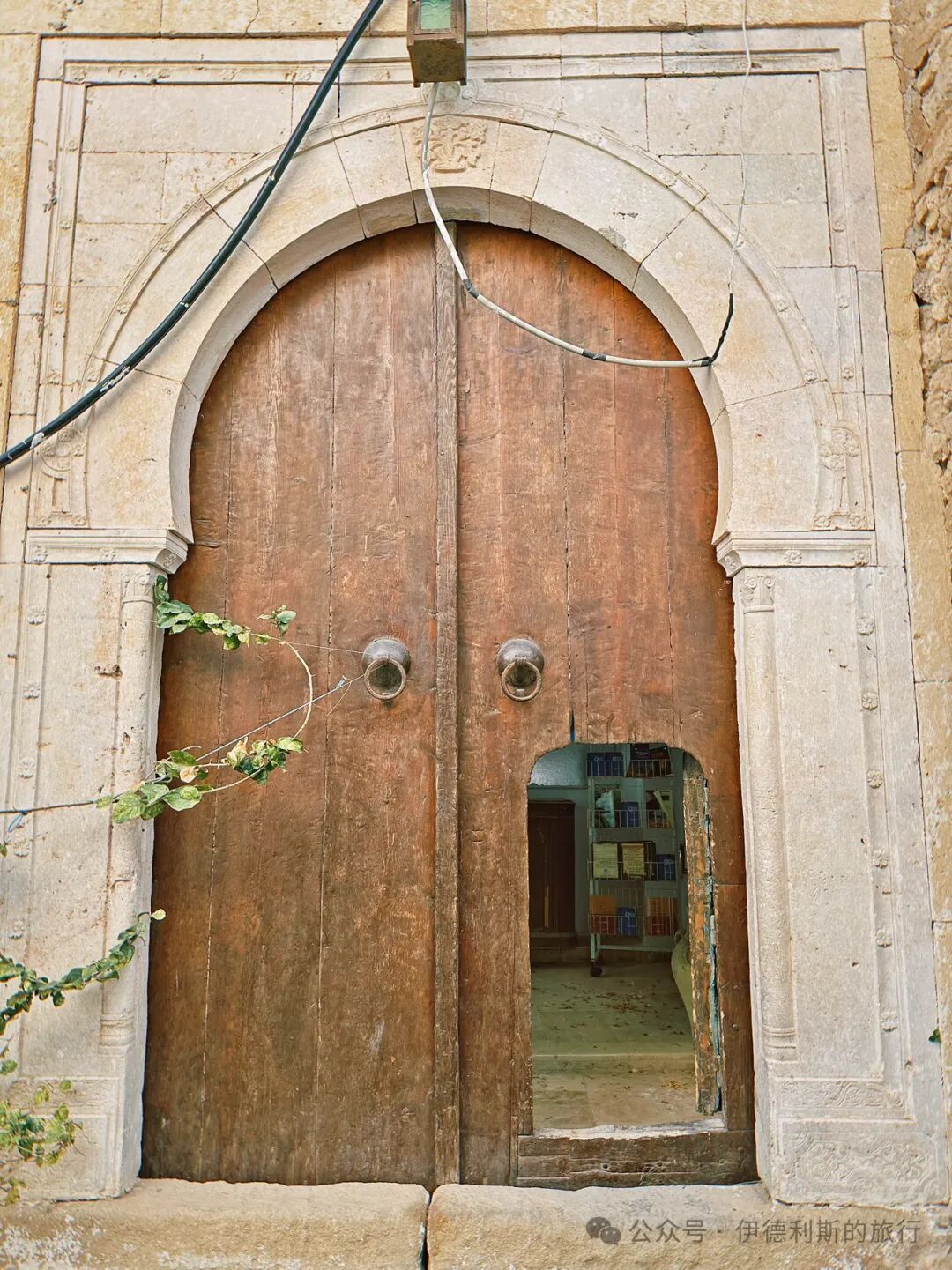
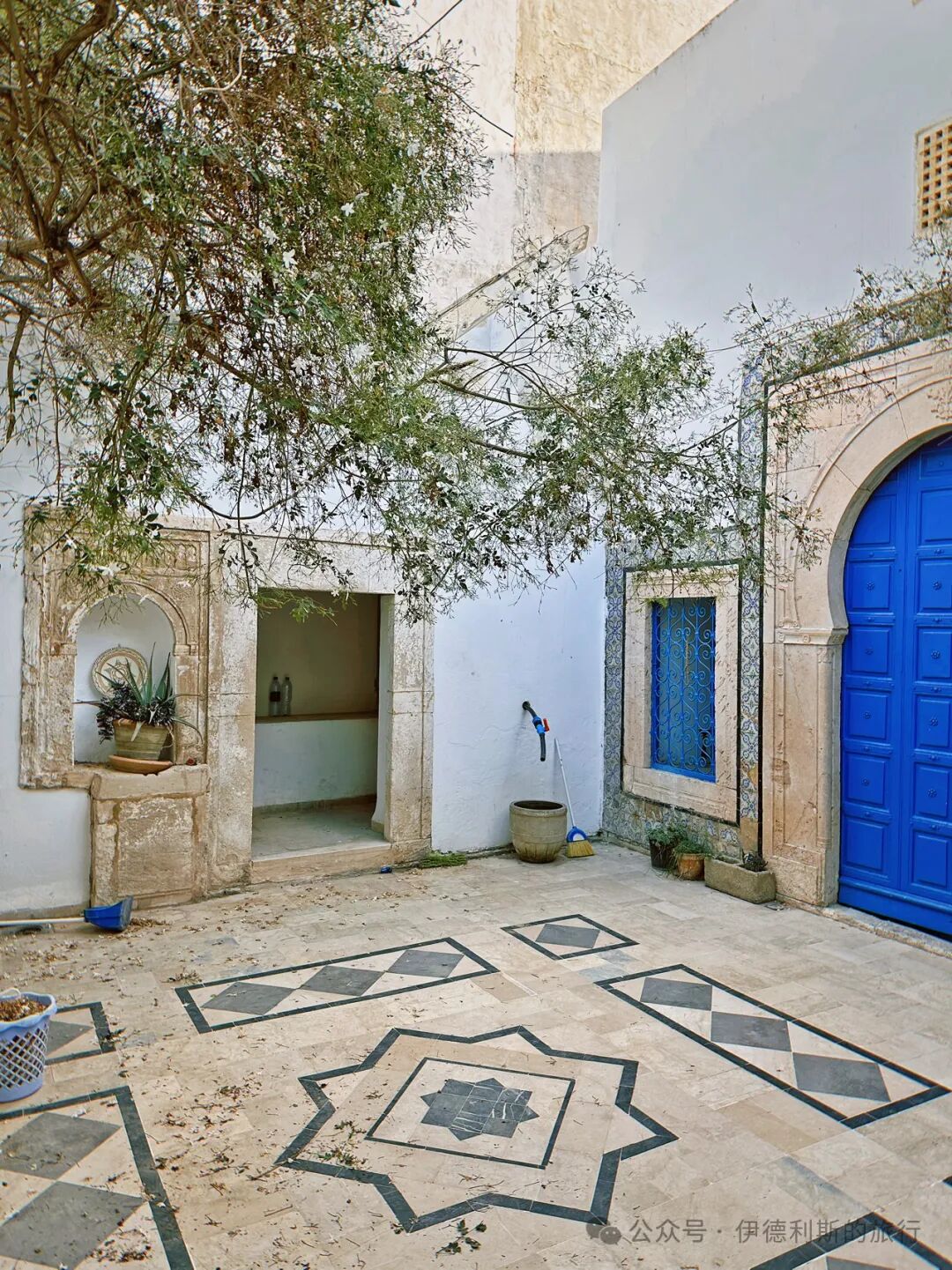
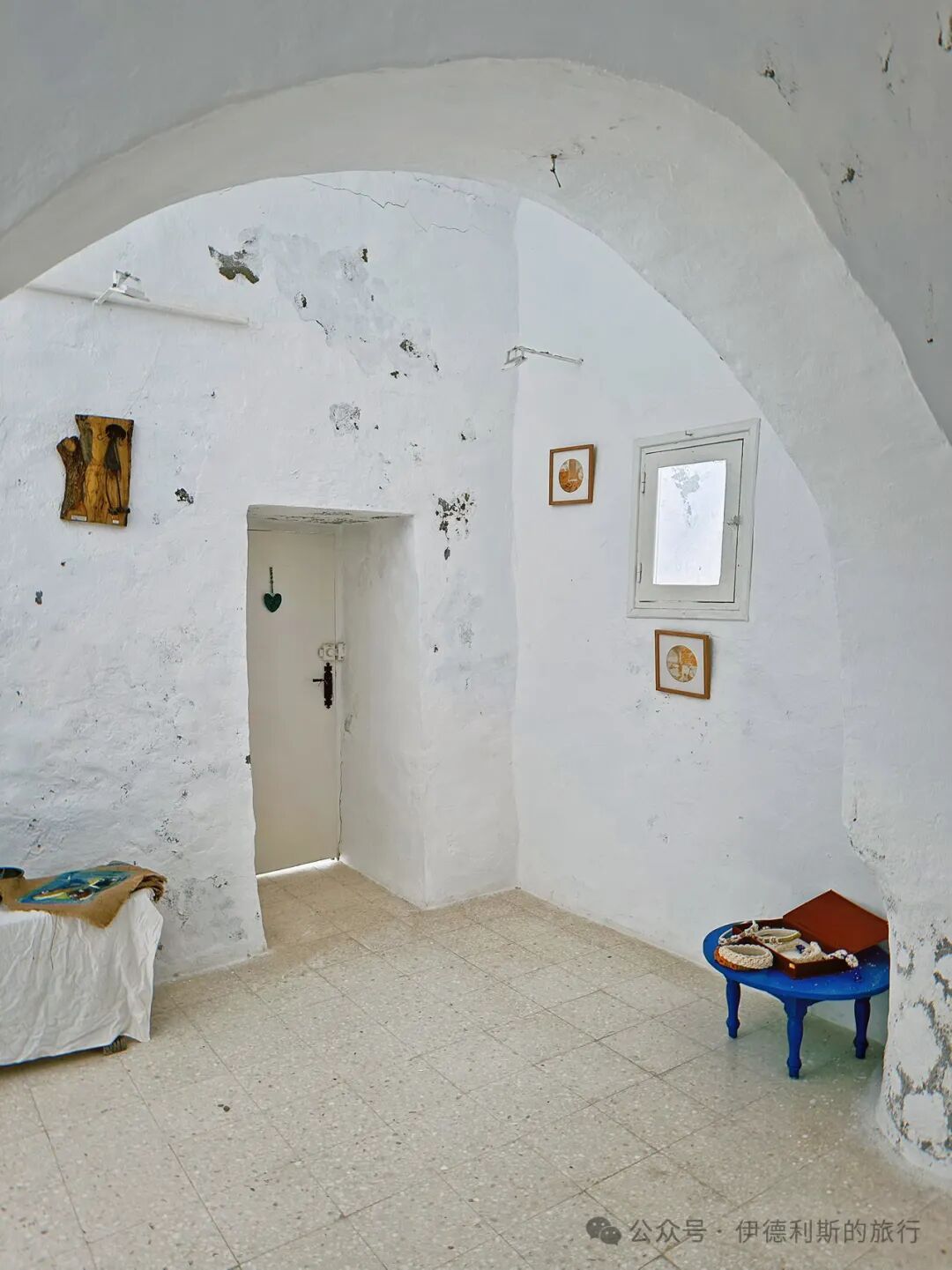
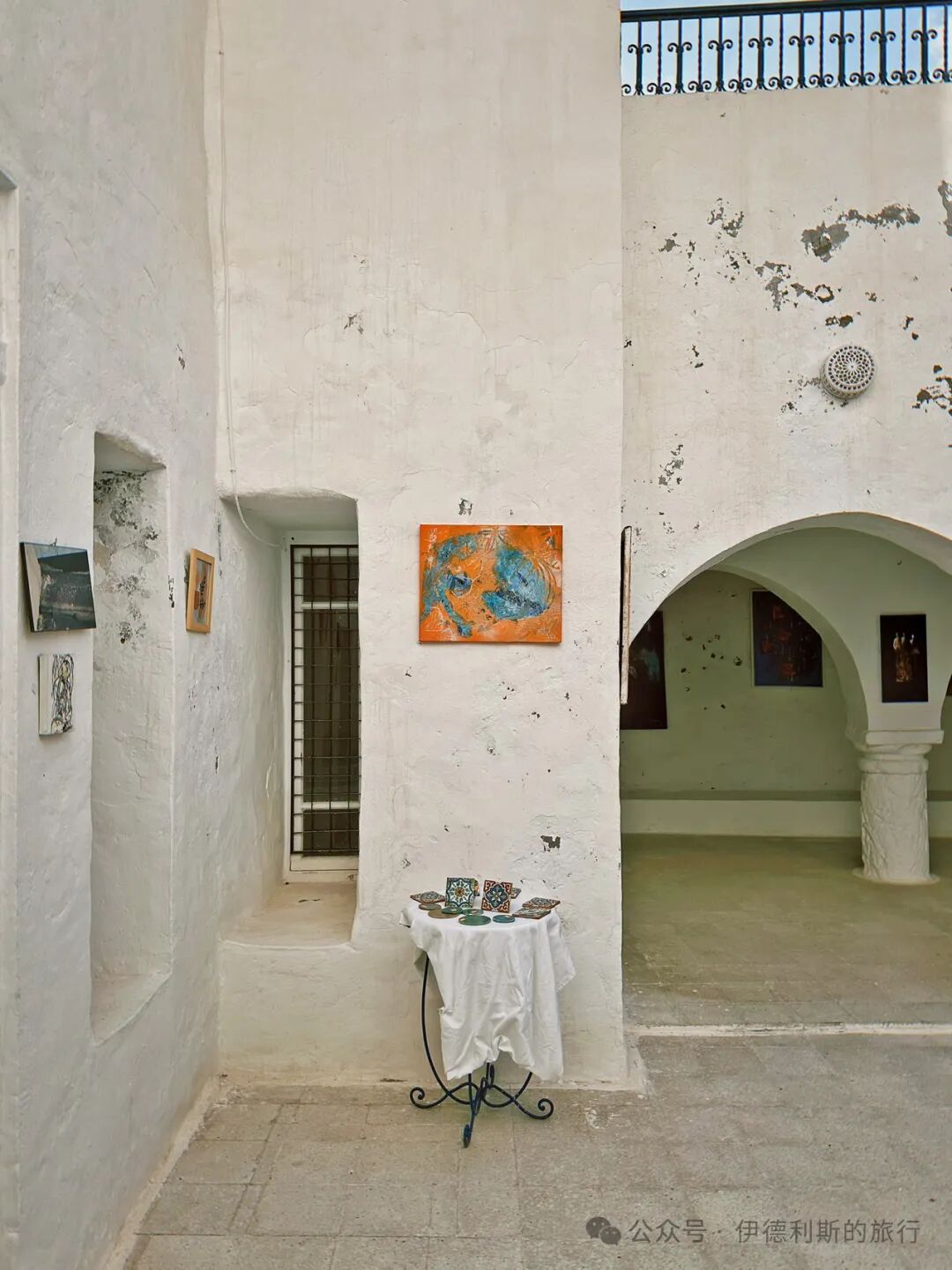
An art studio with an artist-in-residence painting inside.
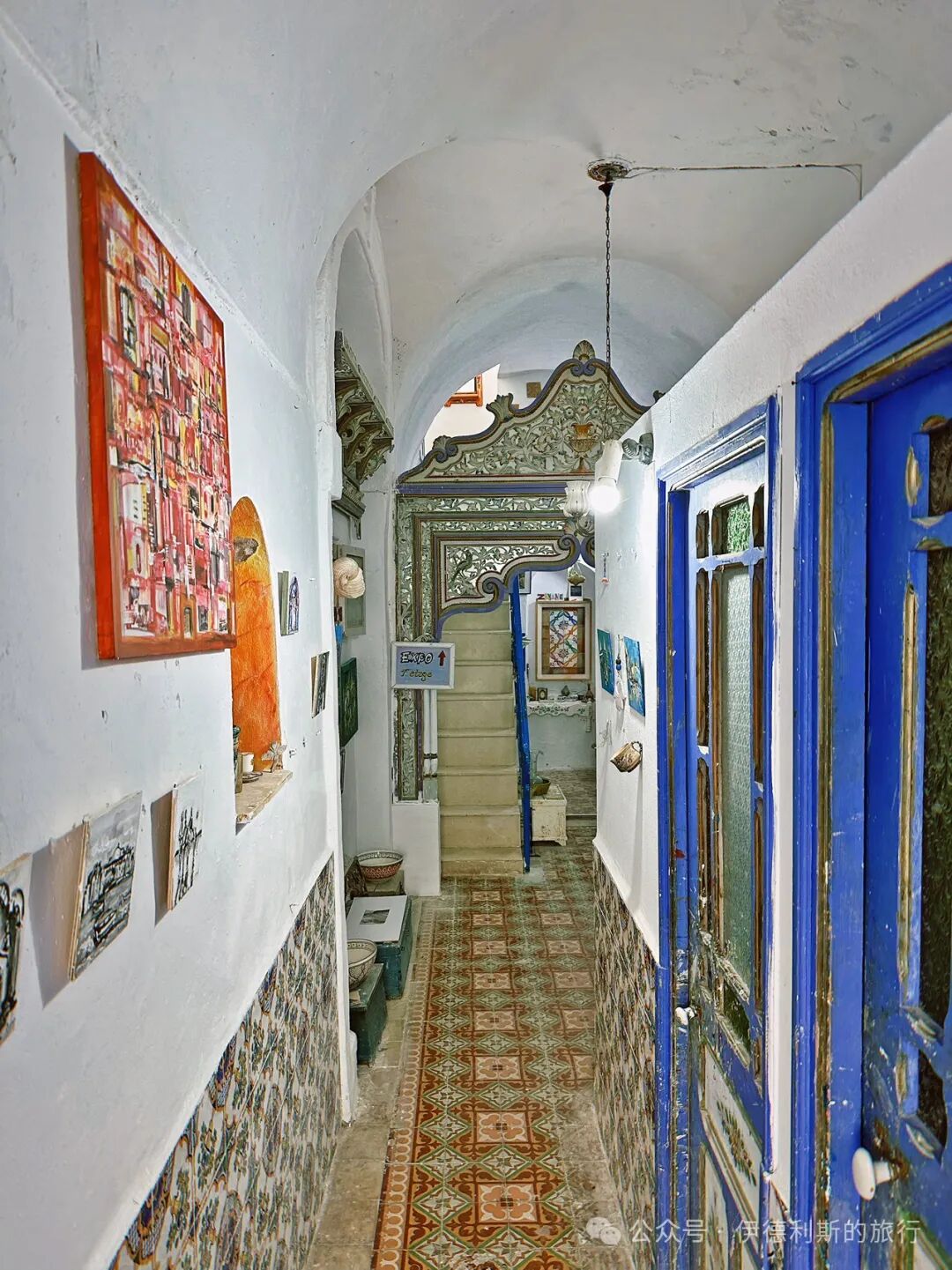
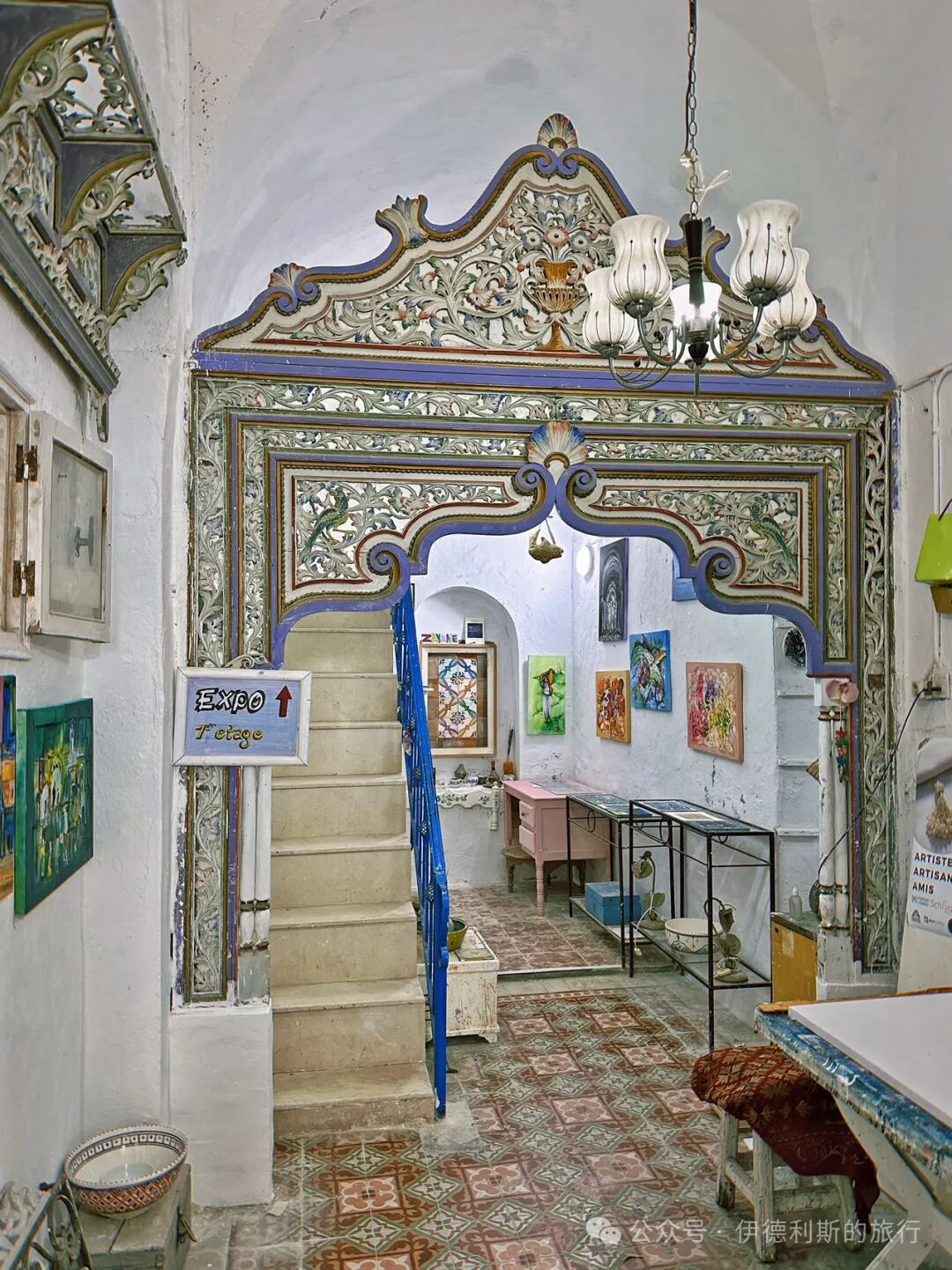
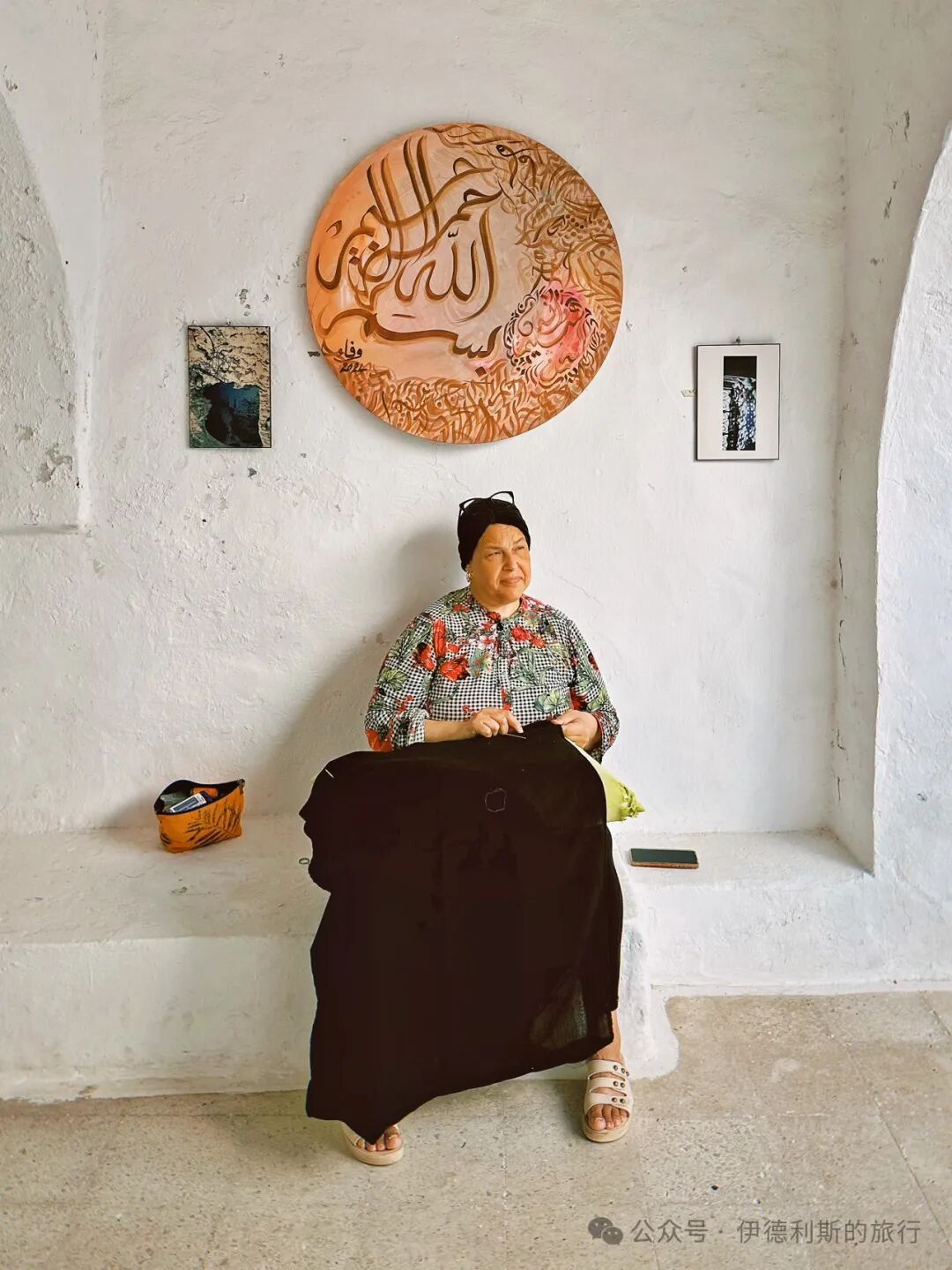
Another gallery, where we saw a woman making traditional clothing during our visit.
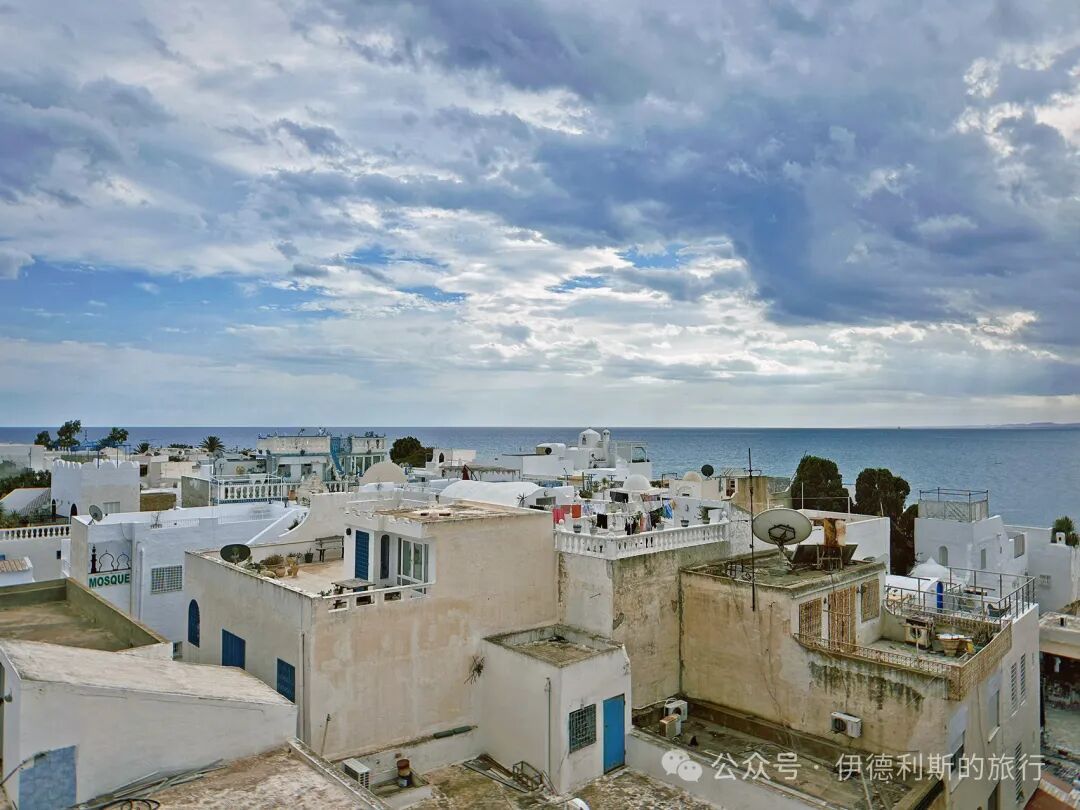
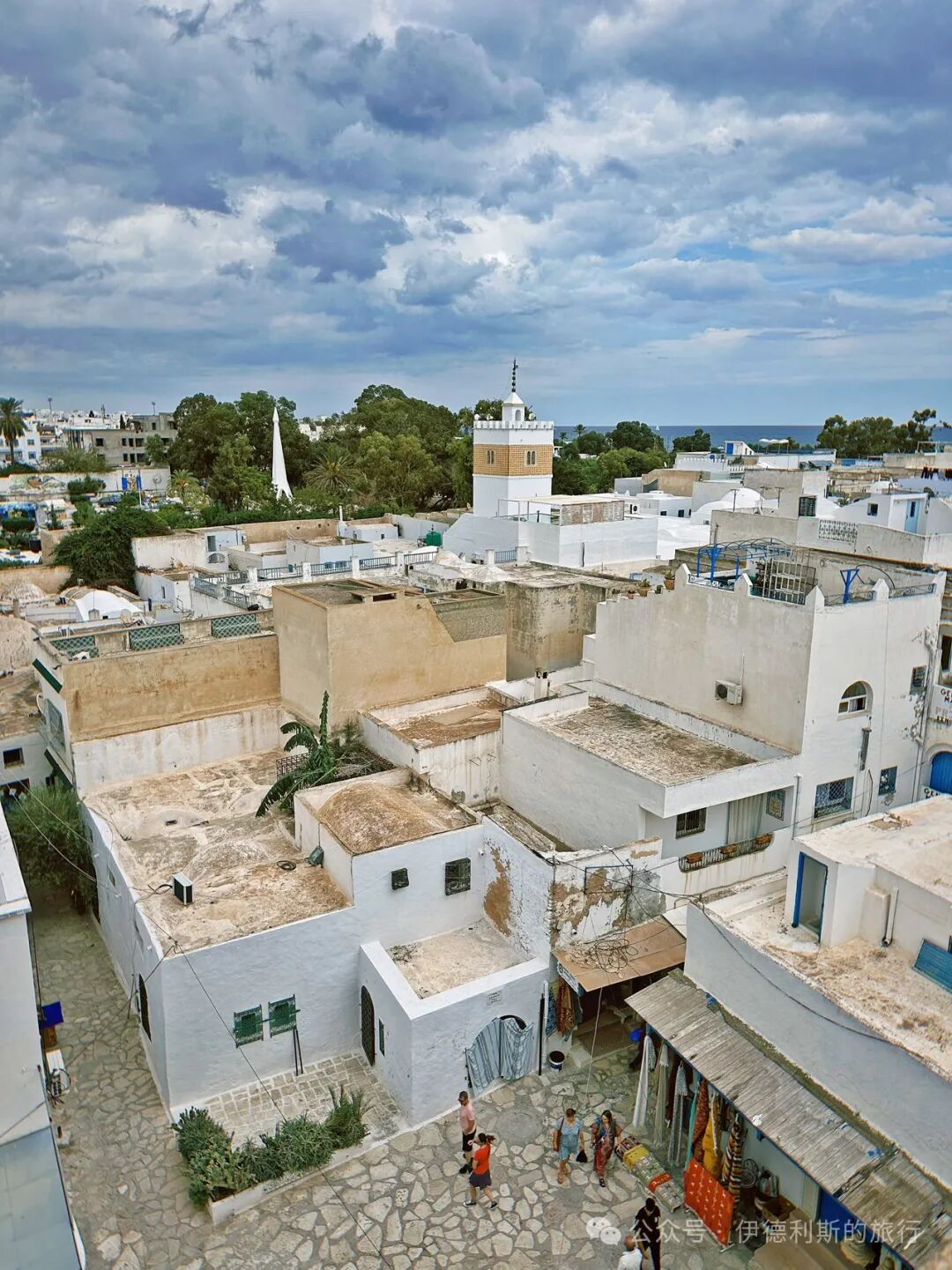
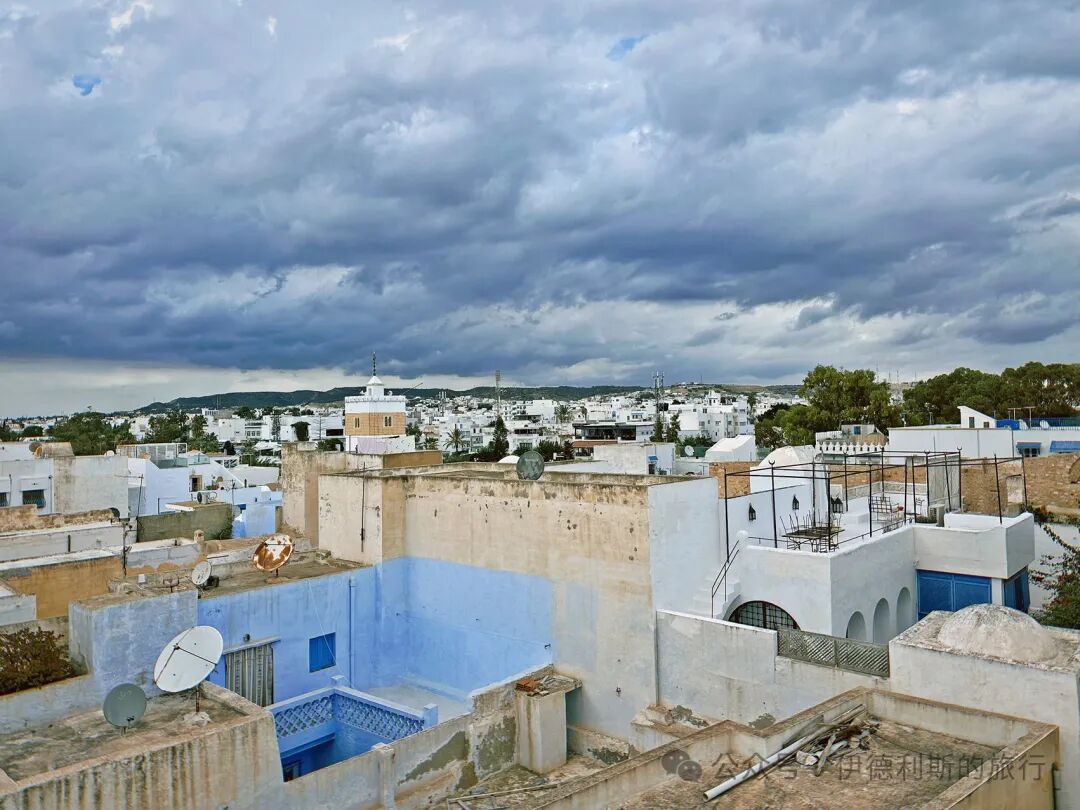
A view overlooking the old city
Summary: Hammamet, Tunisia - Ancient Medina, Beach and Muslim Heritage is presented as a clear English travel account for readers interested in Muslim life, halal food, architecture, and local history. The article keeps the original names, food details, photographs, and cultural context while focusing on Hammamet, Tunisia Travel, Muslim Heritage.
Hammamet sits halfway between Tunisia's two major cities, Tunis and Sousse, and it is very easy to reach by shared taxi (louage) from either one. Hammamet has been a resort destination since the 1990s, with countless hotels lining the beach and streets full of European faces. The old walled city (medina) here is only about 200 meters long, but it is the most crowded one I have ever seen.
At noon, we caught a ride from the shared taxi station (Station Louage de Sousse) in the southern suburbs of Sousse and arrived at the Hammamet Sud intersection on the west side of Hammamet an hour later, then took a taxi to the old medina. Be aware that Hammamet has two medinas; one is a new replica built by the sea in the 1990s, and we went to the wrong one at first. To get to the old medina, we had to tell the taxi driver we were going to the Hammamet fortress before he understood.
Restaurants near the medina are mostly clustered outside the north wall, serving a mix of Tunisian food and Western dishes. We went to Restaurant Yuman, which has a great view of the fortress and the beach. We ordered pan-fried sea bass and a mixed grill platter. The grill included North African sausage (Merguez), steak, lamb chops, and chicken, all classic dishes from the Tunisian coast.
When ordering at a restaurant in Tunisia, you basically only need to order the main course. Appetizers and staples are served for free. After we placed our order, they first brought us thick soup, followed by a baguette and an appetizer platter. The appetizers included Tunisian salad, carrot salad (Houria), and green pepper salad (Mechouia). We ate these three almost every day in Tunisia. Tunisian salad is just diced cucumber, tomato, and onion mixed with olive oil. Higher-end versions also include boiled eggs and tuna. Green pepper salad (Mechouia) contains green peppers, tomatoes, onions, garlic, and other ingredients. Tunisians love it, and it is rich in vitamins and very healthy.
Hammamet Fortress was first built in 893 AD by order of Ibrahim II, an emir of the Arab Aghlabid dynasty. During this period, the Aghlabid dynasty was constantly conquering Sicily, which was under the control of the Byzantine Empire, while also suppressing Berber uprisings.
The Hammamet Fortress is very sturdy and was built mainly to defend against pirate raids from places like Catalonia and Malta. The fortress was destroyed by the Spanish in the 12th century, rebuilt twice in the 14th and 15th centuries, and the upper walls were strengthened by the Ottoman Empire during the 16th and 17th centuries.
In 1605, a joint fleet from the Spanish Empire, the Kingdom of Sicily, and the Knights Hospitaller attacked the Ottoman-controlled Hammamet Fortress. A heavy rainstorm destroyed their ships and caused massive casualties for the allied forces, making this the most famous battle at the fortress.
Inside the fortress, there are quite a few pine trees, which is rare. There is also a teahouse on the city walls with a great view. In the center of the fortress stands a tomb from the late 15th century. The person buried there, Sidi Bou-Ali Mohamed, was once stationed here and was very devout in his faith.
The walls and gates of the old medina in Hammamet. Hammamet grew from a military fortress into a medina city in the 13th century, so walls were built around the residential area of the medina in the mid-13th century.
The Haouara Gate by the sea was built by the Berber Haouara tribe in the 15th century. They attacked the Hammamet Medina from the sea and saved the city from the enemy.
Sidi Bouhdid Gate leads to the gongbei (Zawiya) of the saint Sidi Bouhdid, which was built in the 18th century. Sidi Bouhdid was a Moroccan who came to Hammamet in the 12th century and spent his time guarding the safety of fishermen by the sea. He died fighting the Normans in 1178 and was buried by the city walls. Today, there is a very popular cafe here.
The streets of the old Hammamet Medina have the classic Tunisian blue-and-white town style, with bougainvillea planted along the streets and iron nails decorating the wooden doors. Hammamet Medina reached its peak in the 14th century, which was also the period when pirate raids from Pisa and Catalonia were most frequent.
After the Ottoman Empire conquered Hammamet in 1574, many Ottoman officers and soldiers were stationed in the city. These Ottomans were strongly influenced by Tunisian culture and were quickly assimilated. The descendants of Ottoman officers and Tunisian women are called Kouloughlis, and many of them have paternal roots in Izmir, Turkey. Unlike the local Tunisians who follow the Maliki school, the Kouloughlis still follow the Hanafi school.
The only date palm tree in the old city is located in the center of Errahba Square. This square was originally the site of two houses belonging to the Bennila family, which were destroyed by bombing during World War II, leaving only the date palm tree behind.
I performed the afternoon namaz at the Great Mosque of Hammamet. Tunisia follows the Maliki school, where the practice of raising the hands once (for the imam) and raising the hands once or three times (for others) coexist peacefully. After the prayer, people stood for the funeral prayer (namaz) right inside the main hall, and the body (mayyit) was kept there too. This is quite different from our Hanafi practice.
The Great Mosque of Hammamet was started in the 12th century and finished in the 13th century. The minaret (bangke ta) was added later in 1463. During this same period, Hammamet grew from a coastal fortress into a residential medina city area. The stone pillars in the Great Mosque of Hammamet are different colors because many were collected from nearby ancient Roman ruins.
In the bazaars of the old city in Tunisia, you often see religious paintings. They show scenes like the Prophet Adam, the sacrifice of Ibrahim, and the Ark of Nuh. The art style is very cute. In the old city of Hammamet, I bought a painting of the Buraq, the creature the noble Prophet rode during his Night Journey (Mi'raj). Although the Hadith does not describe the Buraq's face, it mentions it had a handsome face. Because of this, Persian and South Asian miniature paintings often show the Buraq with a human face and a horse's body. In the Mindanao region of the southern Philippines, people even carve wooden statues of the Buraq.
The bazaars and streets inside the ancient medina of Hammamet.
Looking out at the Mediterranean Sea from the ancient walled city (medina) of Hammamet. This place is just over 200 kilometers from Sicily, Italy. It has been a key spot for controlling the Mediterranean since ancient times, but today it serves as a backyard getaway for European tourists.
Some old houses inside the medina of Hammamet.
The public bathhouse across from the Great Mosque, built in the early 17th century by Abul-l-Gayth al-Qashache. In 1602, Hammamet was attacked by the Knights Hospitaller and many people were taken captive. It was Abul-l-Gayth who paid the ransom to bring them home.
The Islamic school (madrasa) behind the Great Mosque, where children were having class when we visited.
An art studio with an artist-in-residence painting inside.
Another gallery, where we saw a woman making traditional clothing during our visit.
A view overlooking the old city
