
Mosque Travel Guide: Malacca - Eight Historic Mosques (Part 1)
Reposted from the web
Summary: This first part introduces eight historic mosques in Malacca, including their dates, layouts, and role in the city's Muslim community. It keeps the original mosque names, photographs, architectural details, and travel observations for readers interested in Malaysia's Islamic heritage.
Kampung Hulu Mosque: 1728.
Tengkera Small Mosque minaret (bangker): 1728.
Tengkera Mosque: 1782.
Kampung Kling Mosque: 1748.
Bukit Cina Mosque: 1865.
Pengkalan Rama Mosque: first built in the 1730s, rebuilt in 1917.
Duyong Mosque: 1859.
Serkam Pantai Mosque: 1853.
Peringgit Mosque: first built in 1726, rebuilt in 1868.
Kampung Hulu Mosque.
After the Portuguese occupied Malacca, they destroyed all the mosques of the Malacca Sultanate and promoted Catholicism in the city. However, the Portuguese were not successful, and Catholicism did not have much influence in Malacca until the Dutch took over.
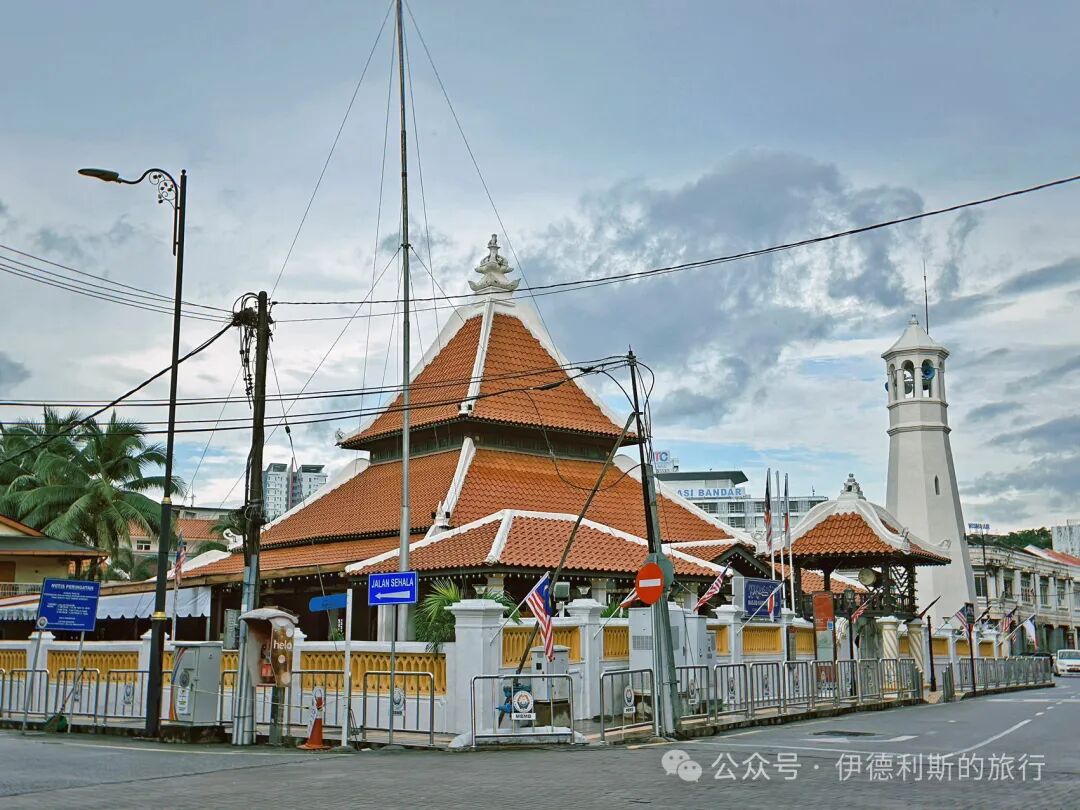
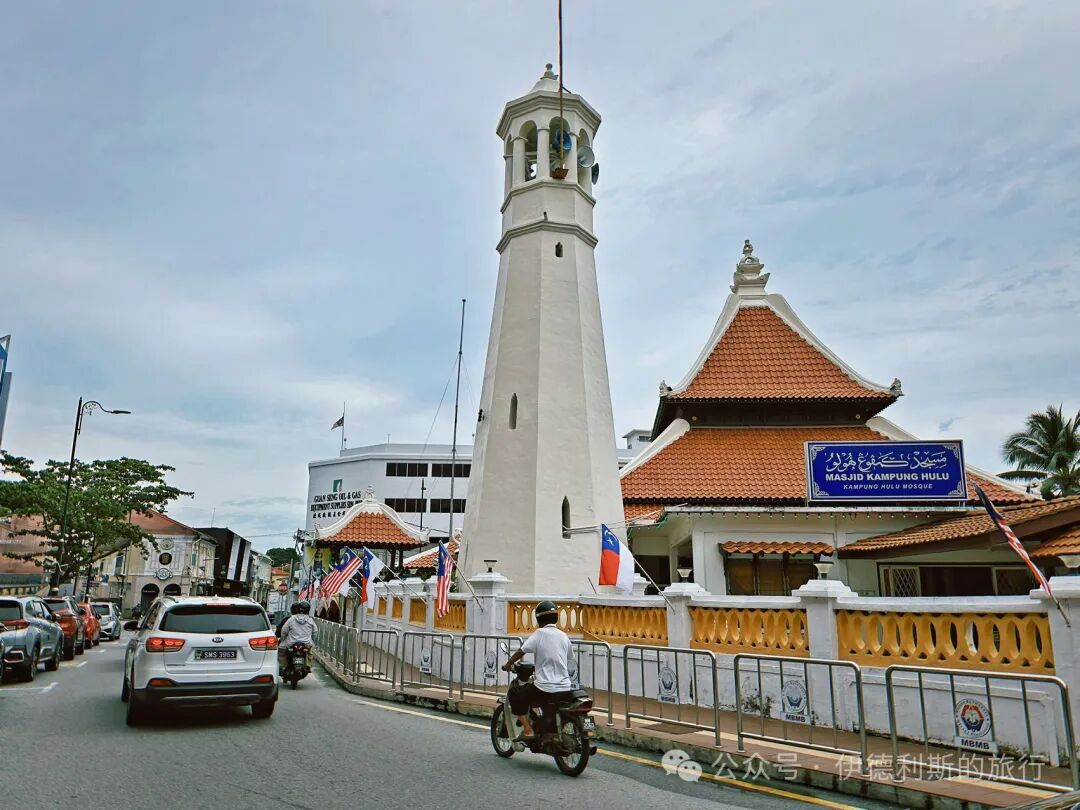
The Dutch took a more tolerant approach toward Malacca and allowed the faith to spread there. In 1728, the Dutch East India Company commissioned a Chinese Muslim, Dato' Samsuddin Bin Arom, to build a new mosque near the site of an old one destroyed by the Portuguese. This became the Kampung Hulu Mosque (Masjid Kampung Hulu), the oldest surviving mosque in Malacca.
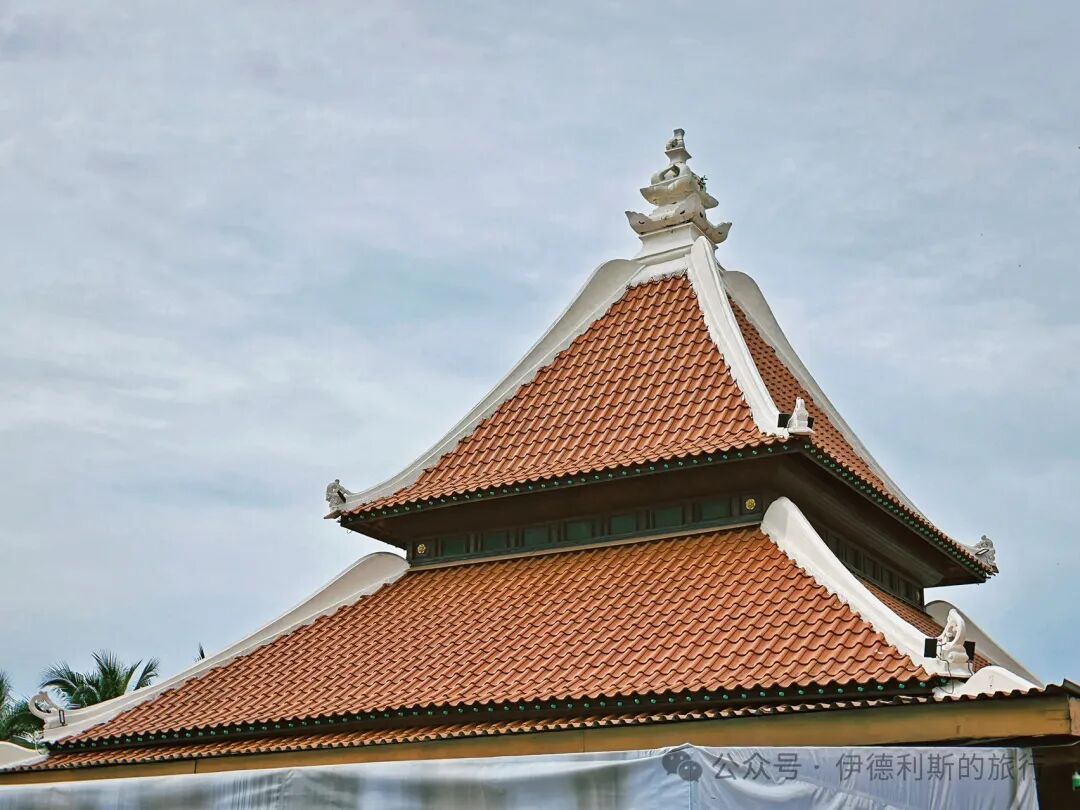
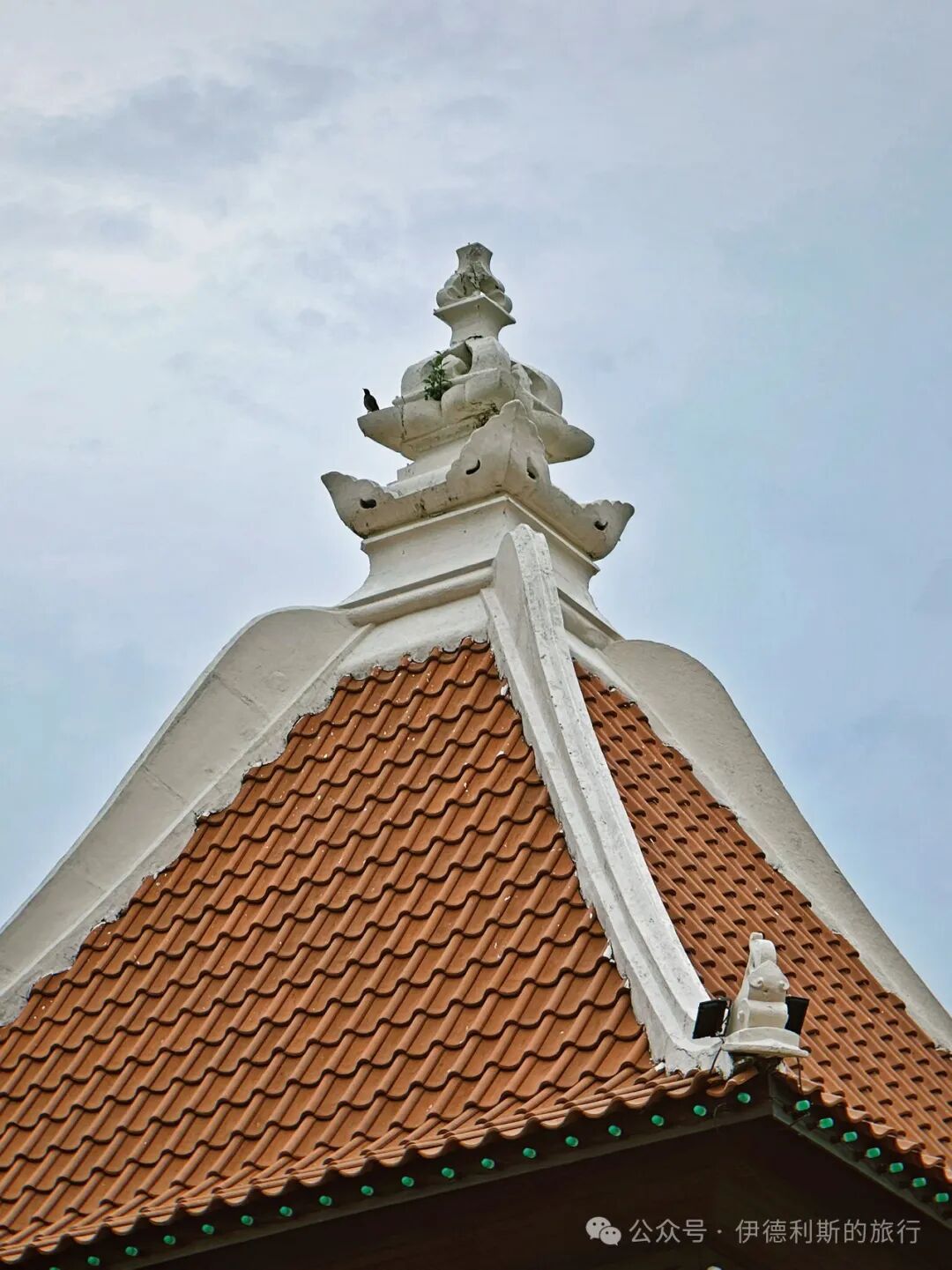
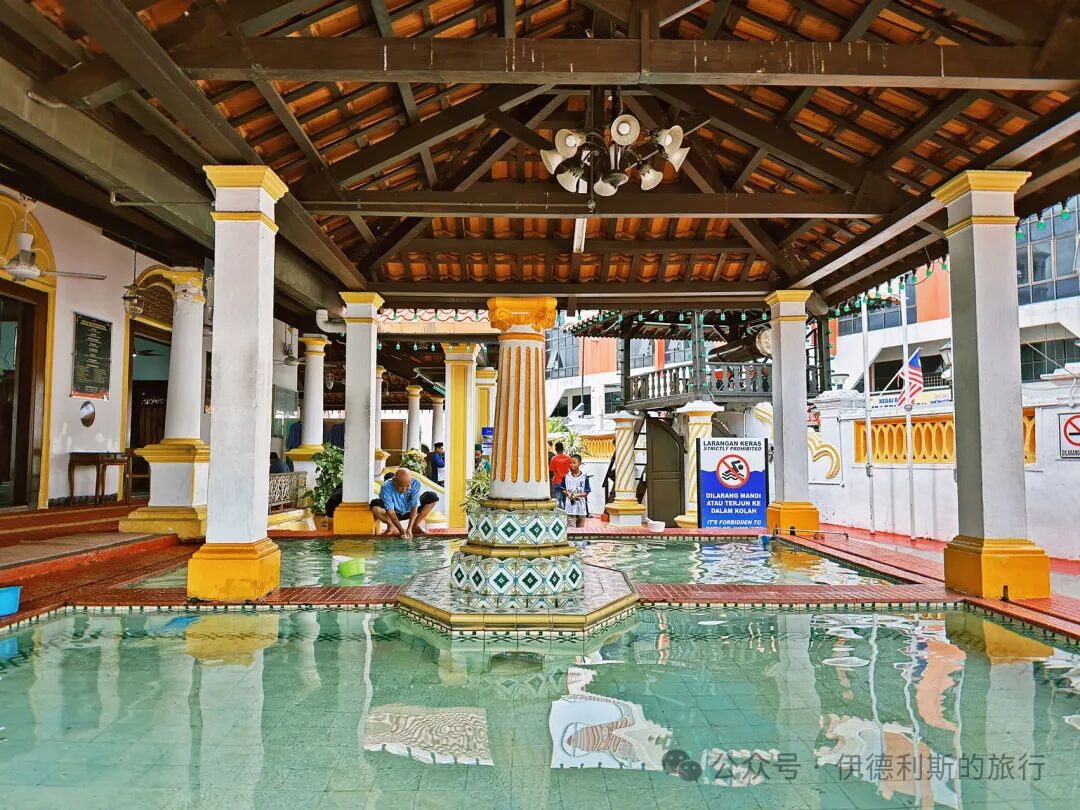
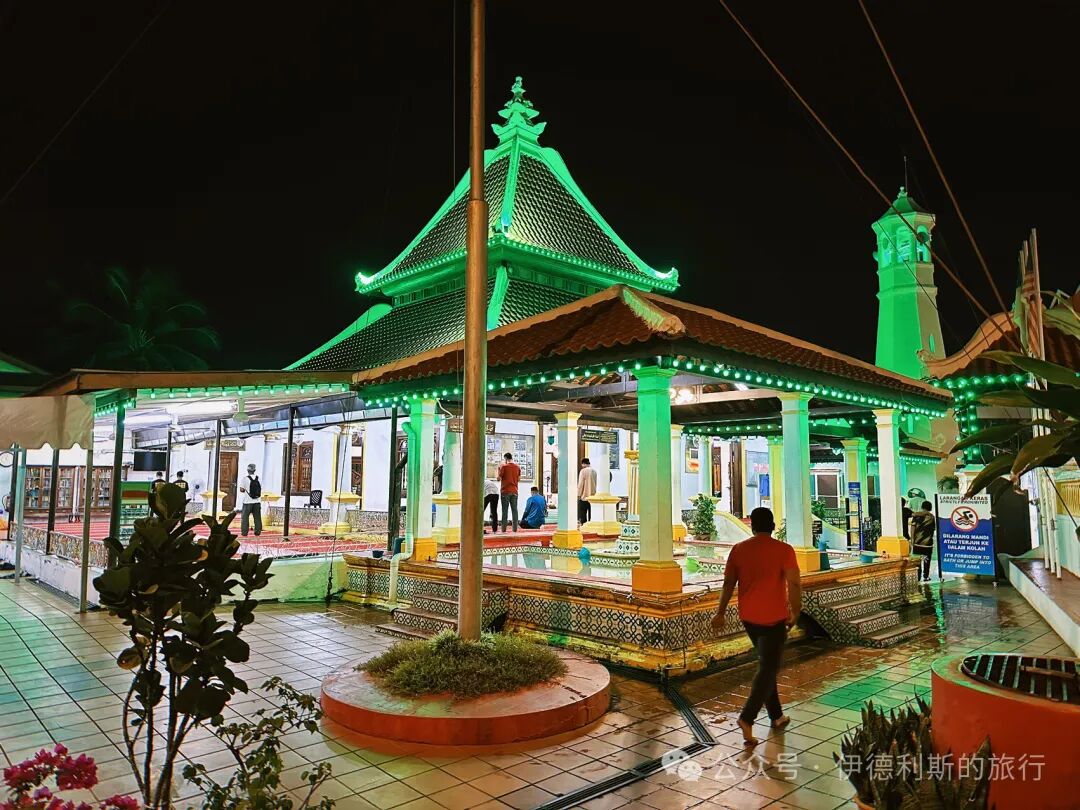
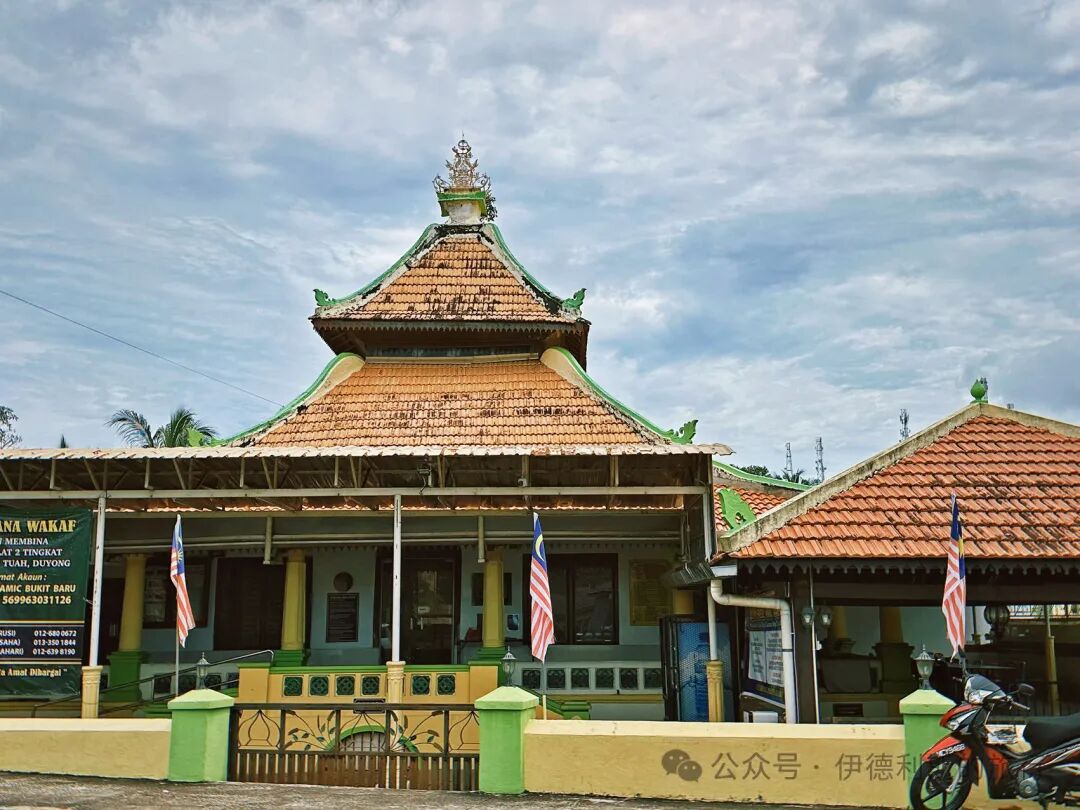
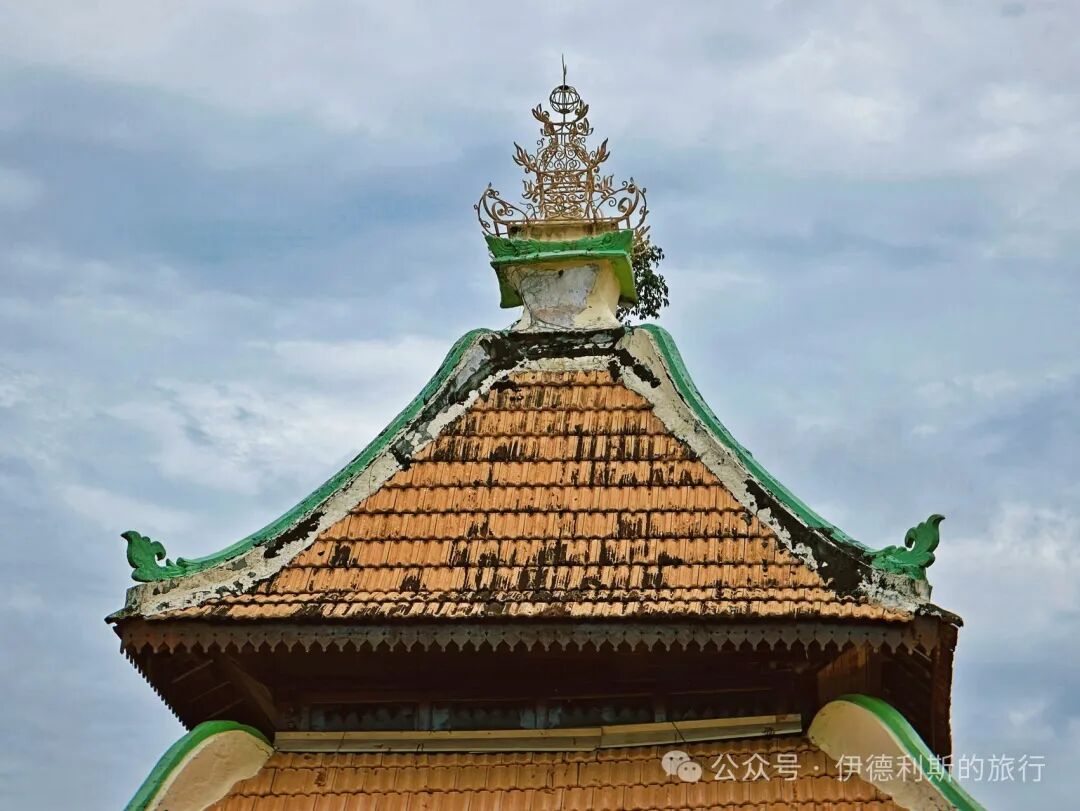
The main prayer hall of Kampung Hulu Mosque uses the traditional Javanese Tajug multi-layered pyramid roof. The decoration at the very top is called a Mustoko or Memolo in Javanese. This roof structure leaves space between the upper and middle layers for ventilation and light, which adapts well to the humid and rainy tropical climate.
Unlike traditional all-wood Javanese mosques, Kampung Hulu Mosque is built of brick and stone with plaster-coated roofs, an influence from Dutch colonial architecture. the tiles and floor bricks inside the mosque were all imported from China, and the patterns on the windows also show Chinese influence.
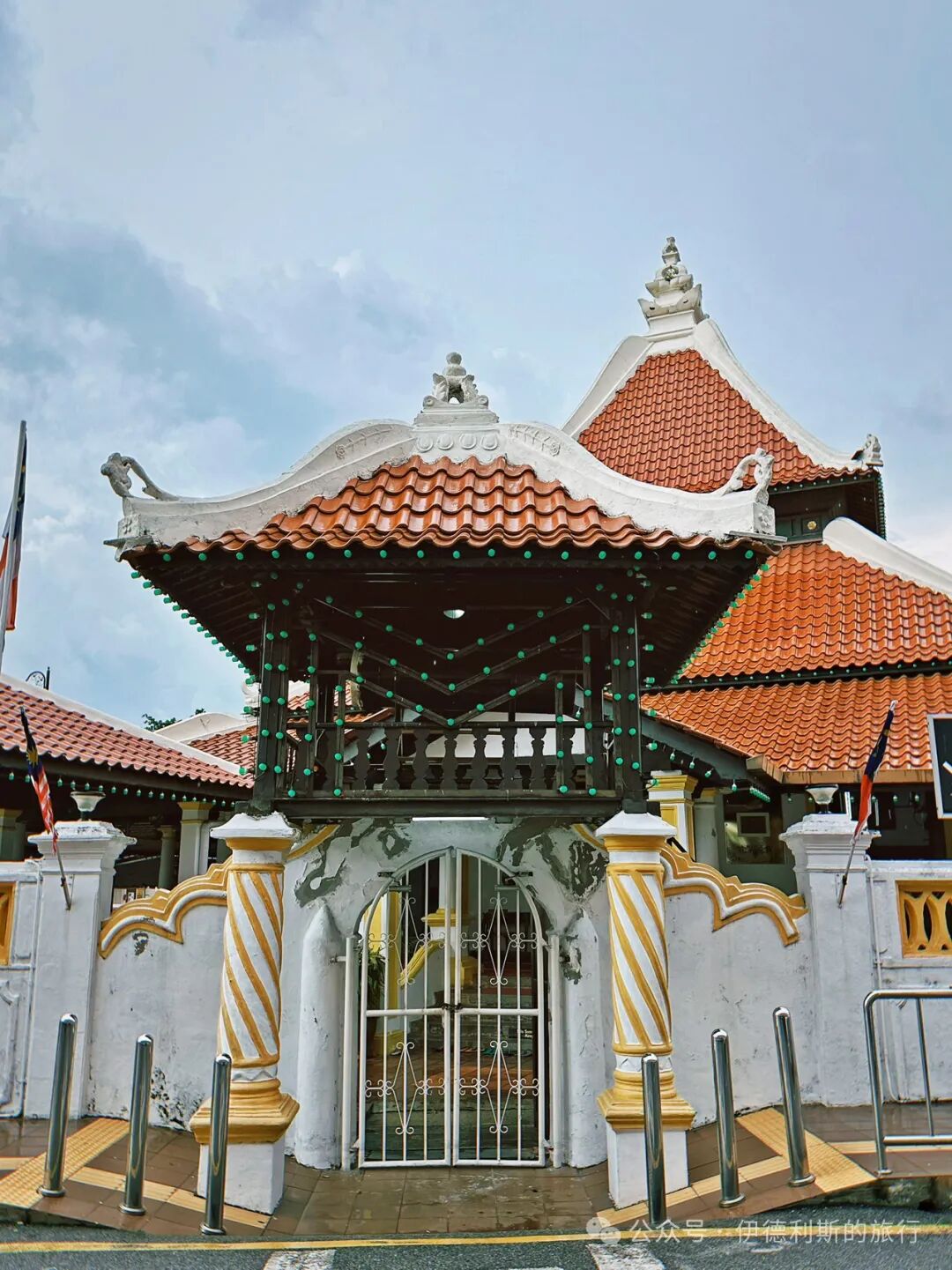
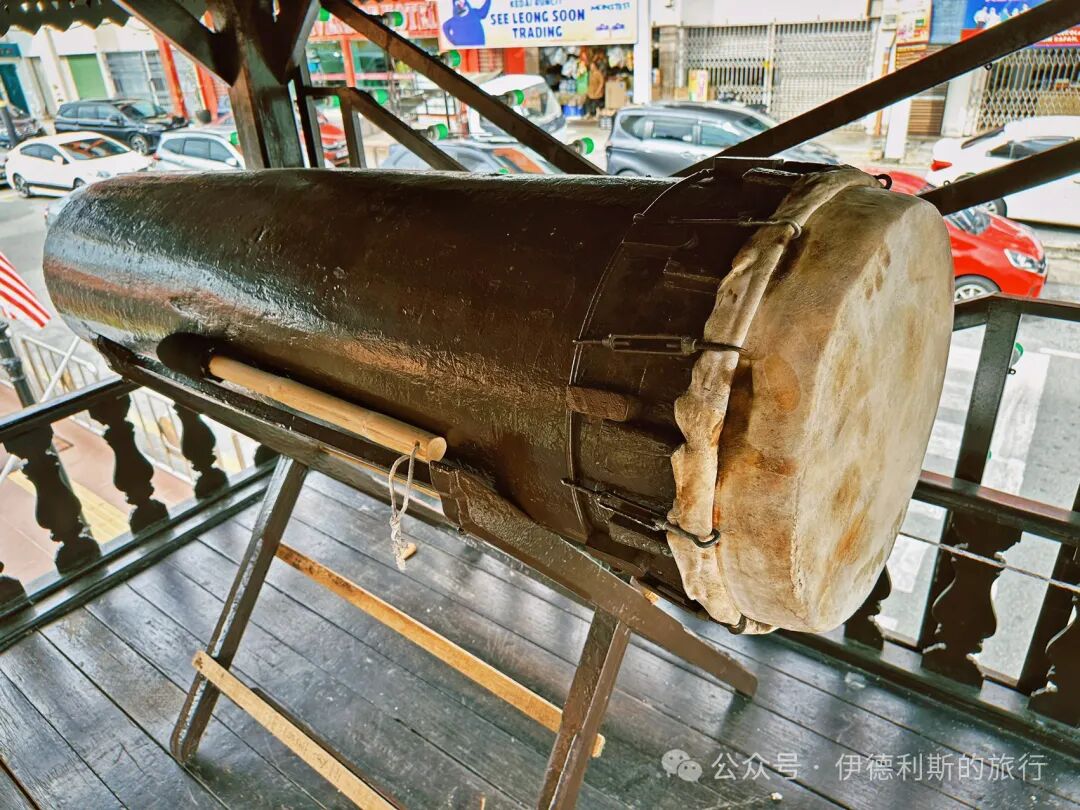
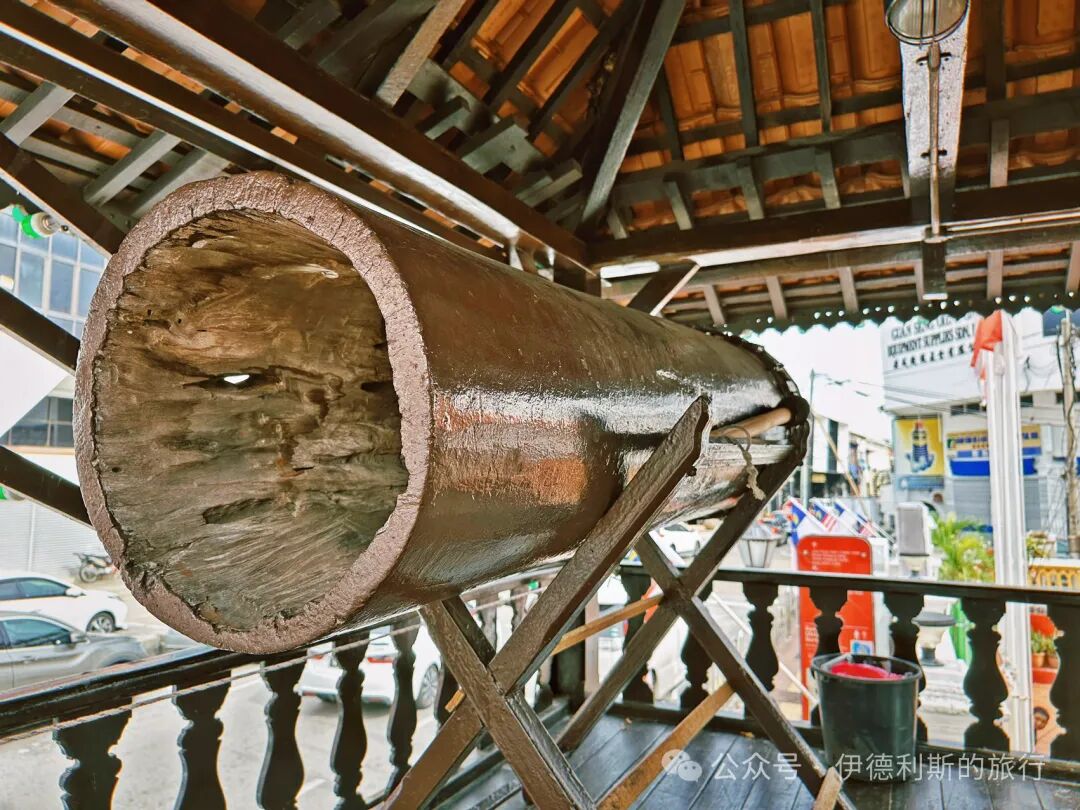
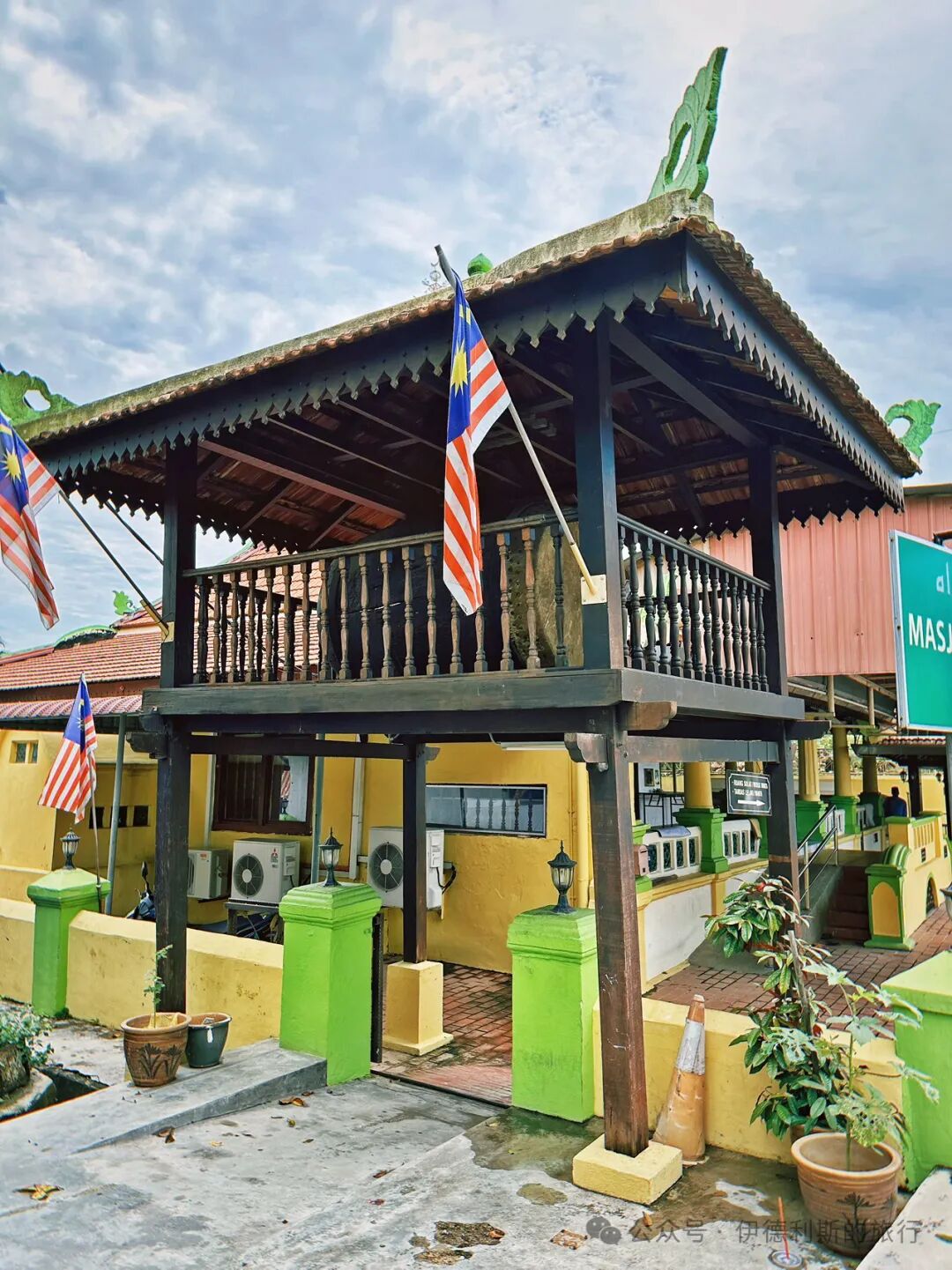
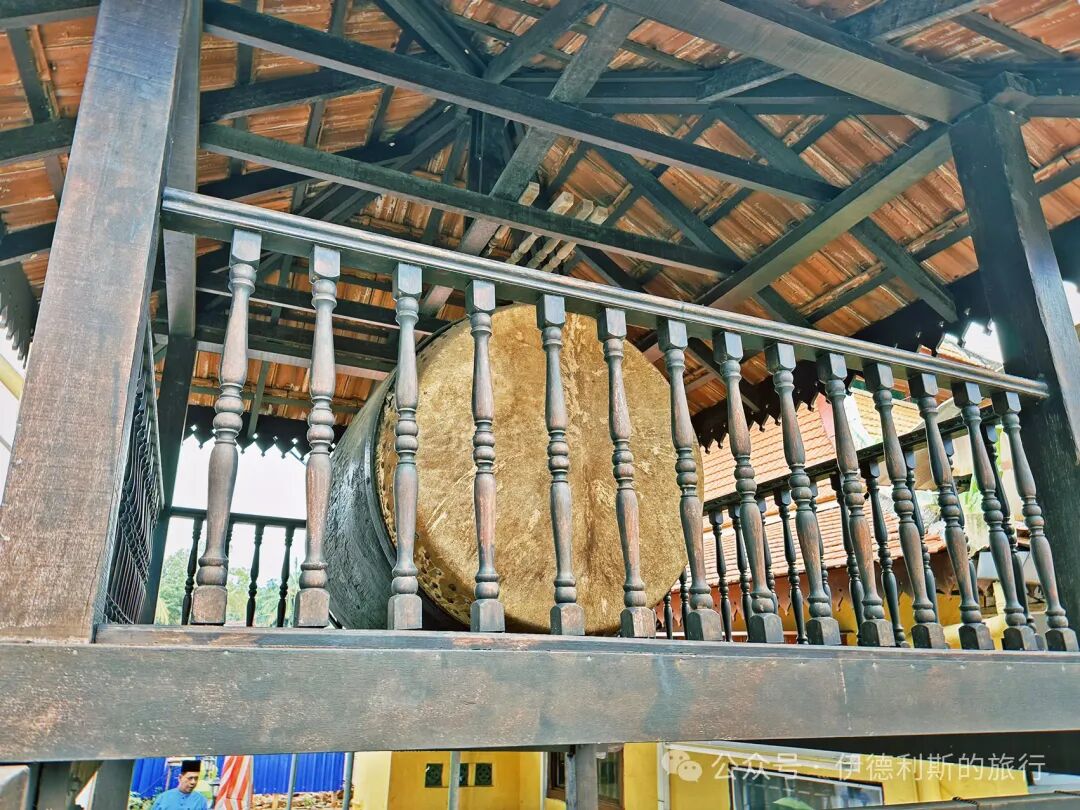
A traditional drum called a Beduk is placed above the main gate. Early mosques in Southeast Asia used drums to call people to prayer. Today, many mosques still use drums to call for prayer and to signal the breaking of the fast during Jumu'ah and Ramadan.
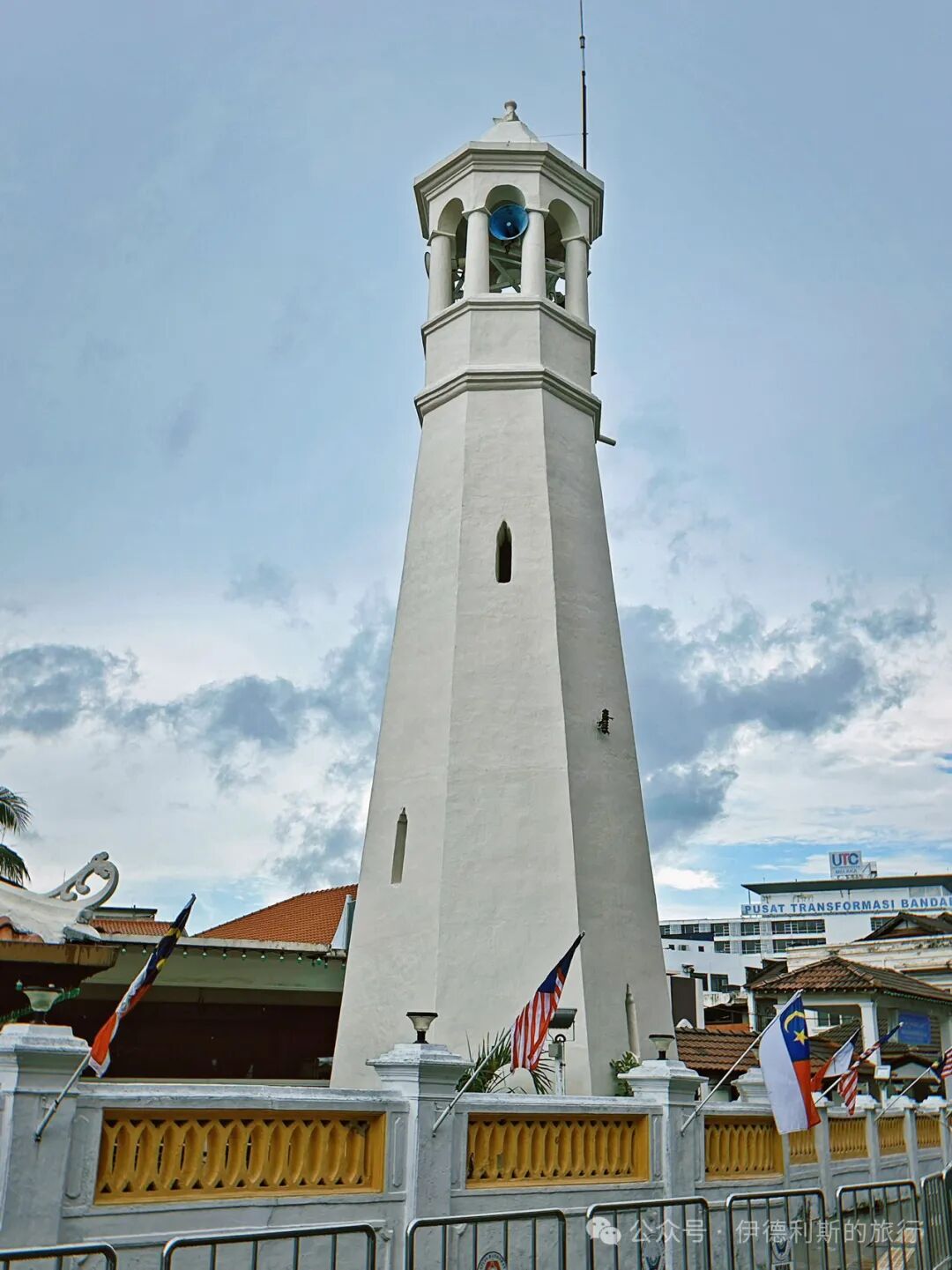
The minaret (bangker) looks like a lighthouse, which was a first for the Malay Peninsula, as there was no previous tradition of building minarets there. On the island of Java, the Great Mosque of Banten, built in 1632, was the first to feature a lighthouse-style minaret designed and built by a Chinese man named Cek-ban-cut.
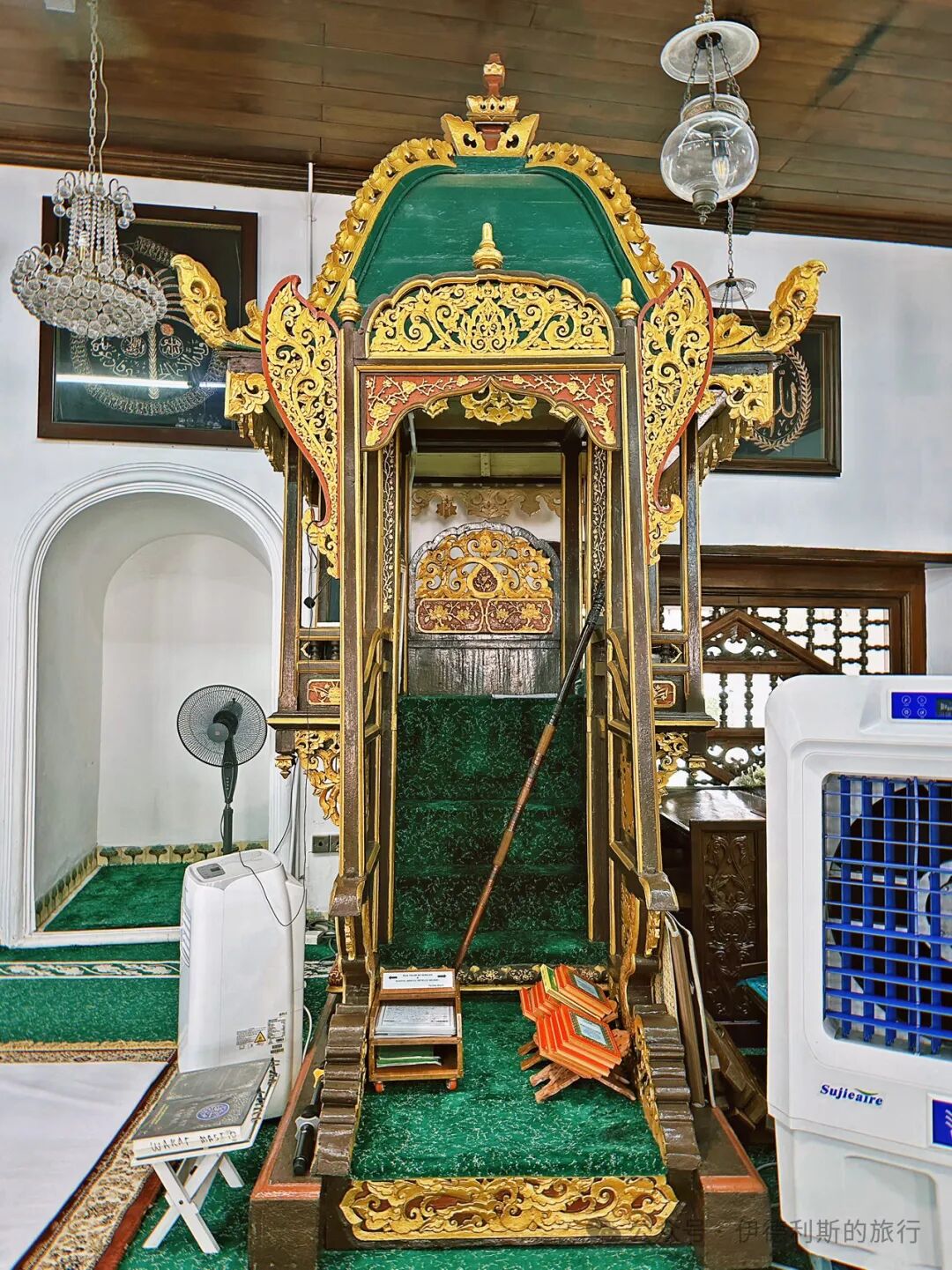
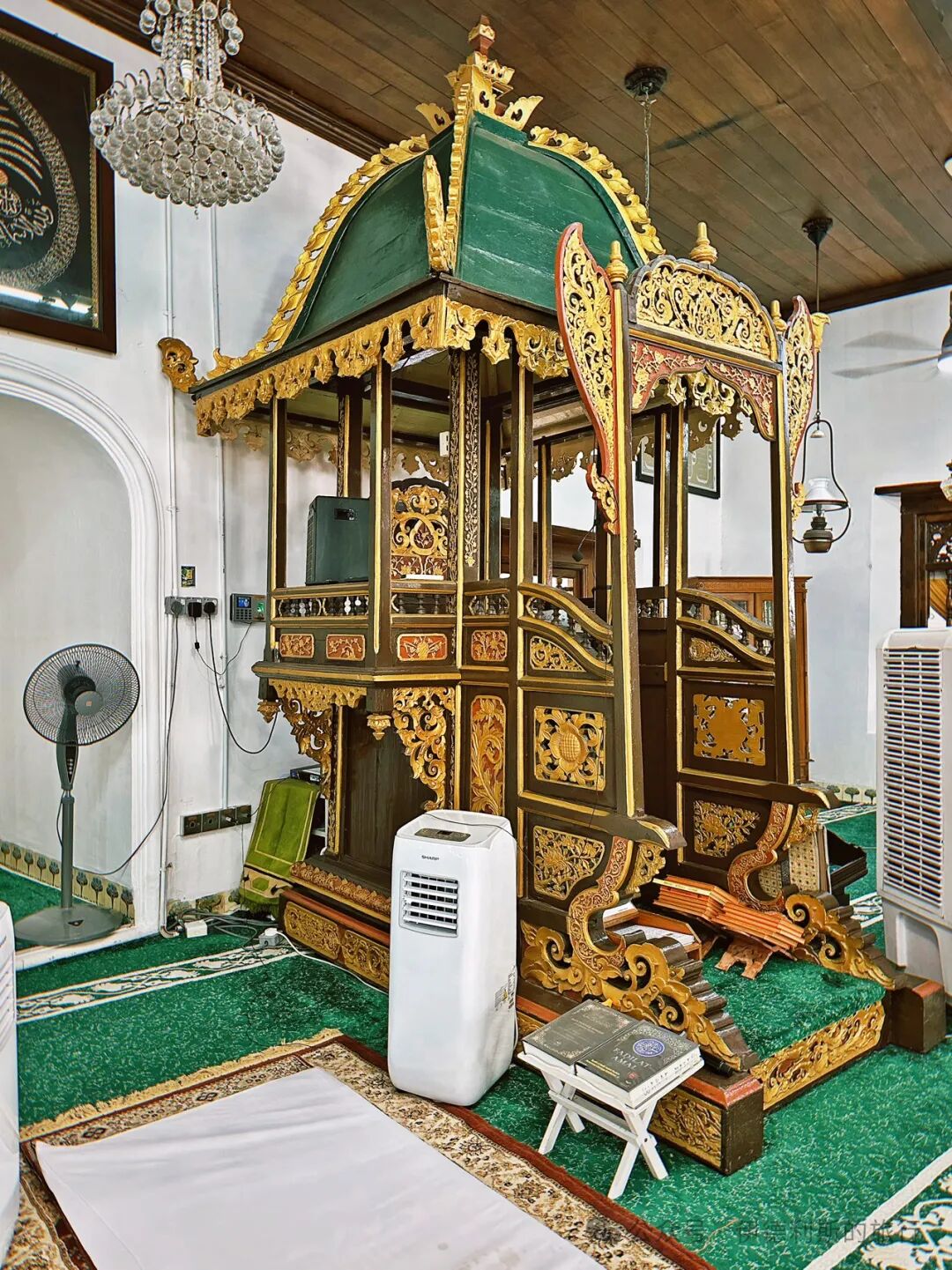
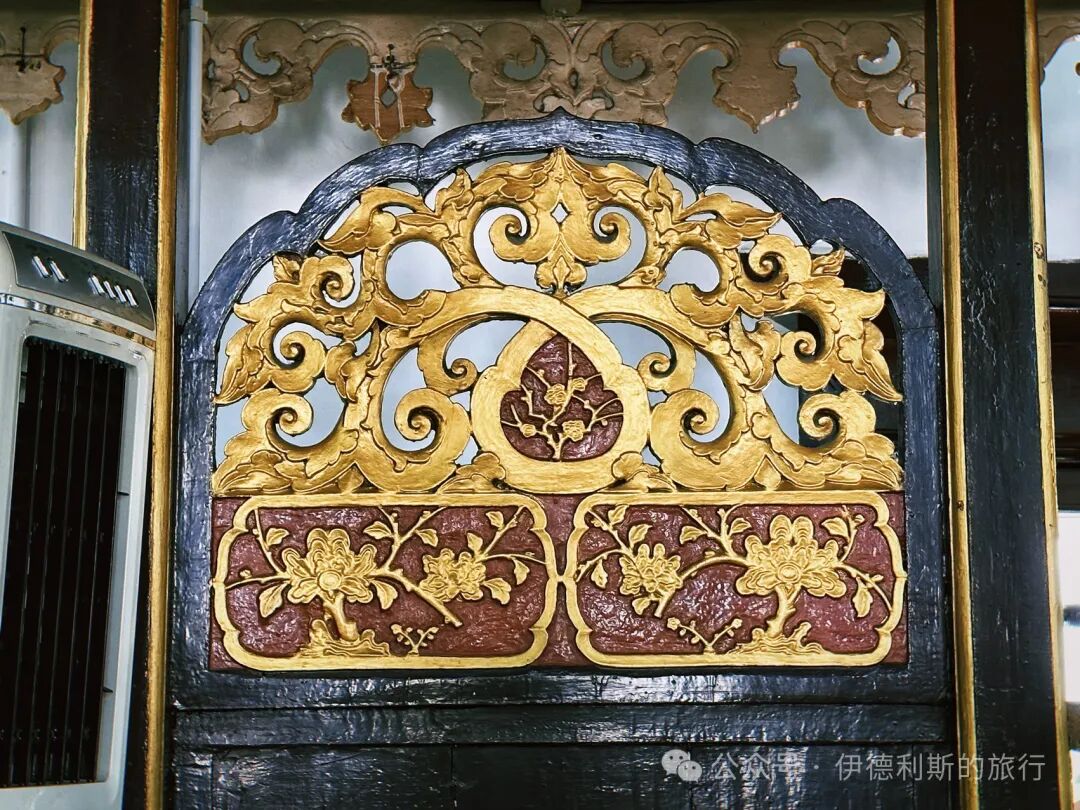
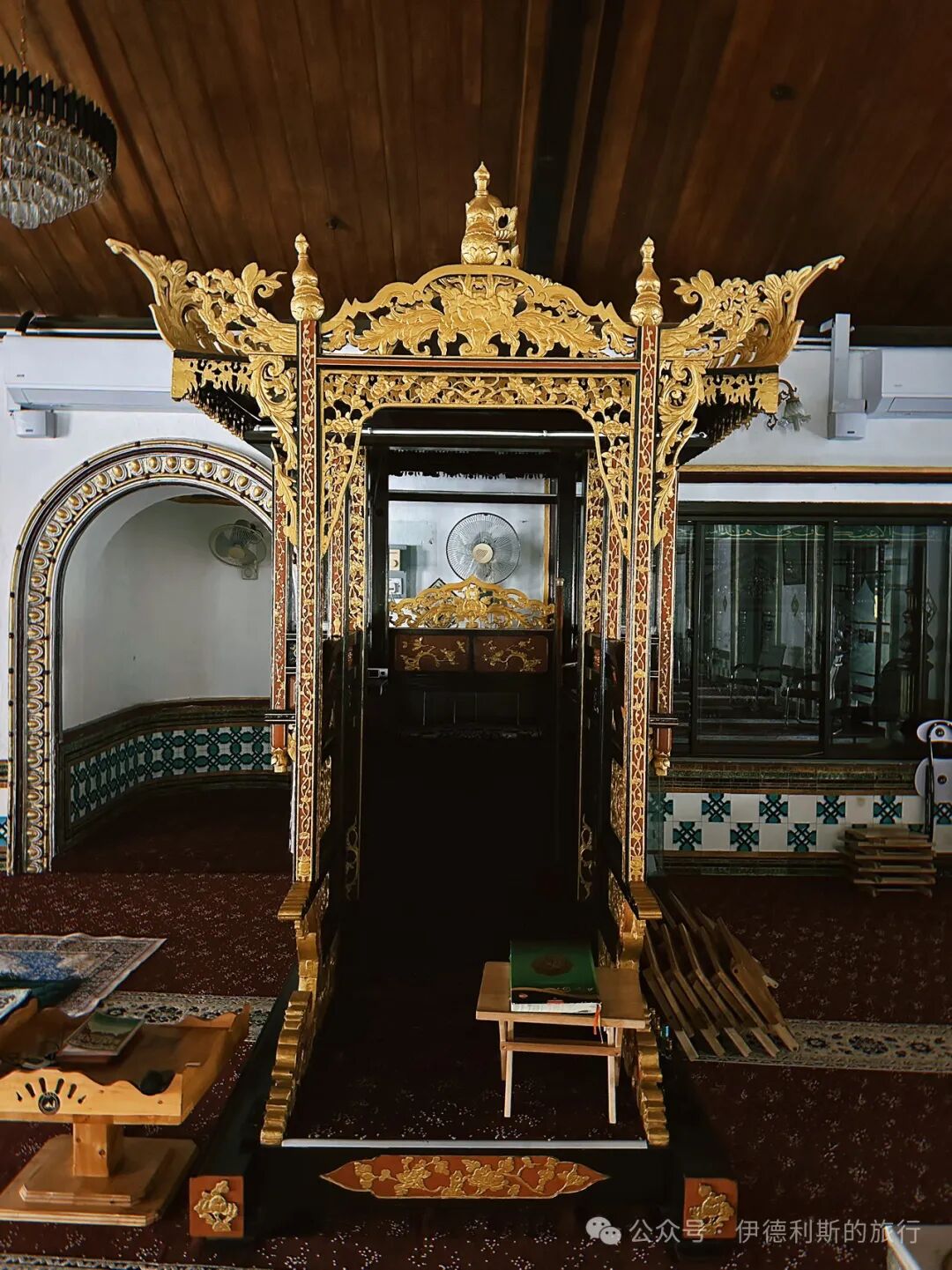
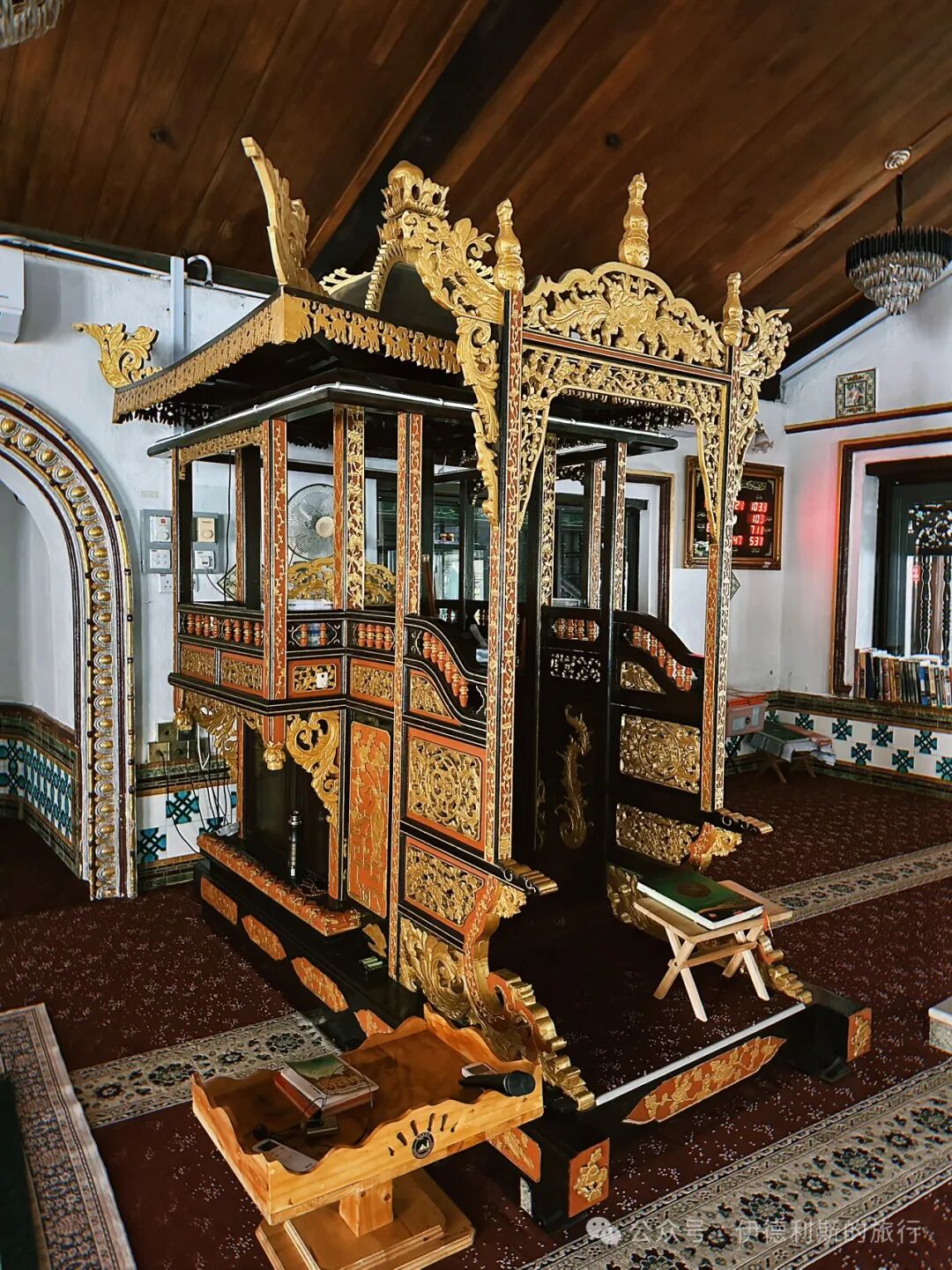
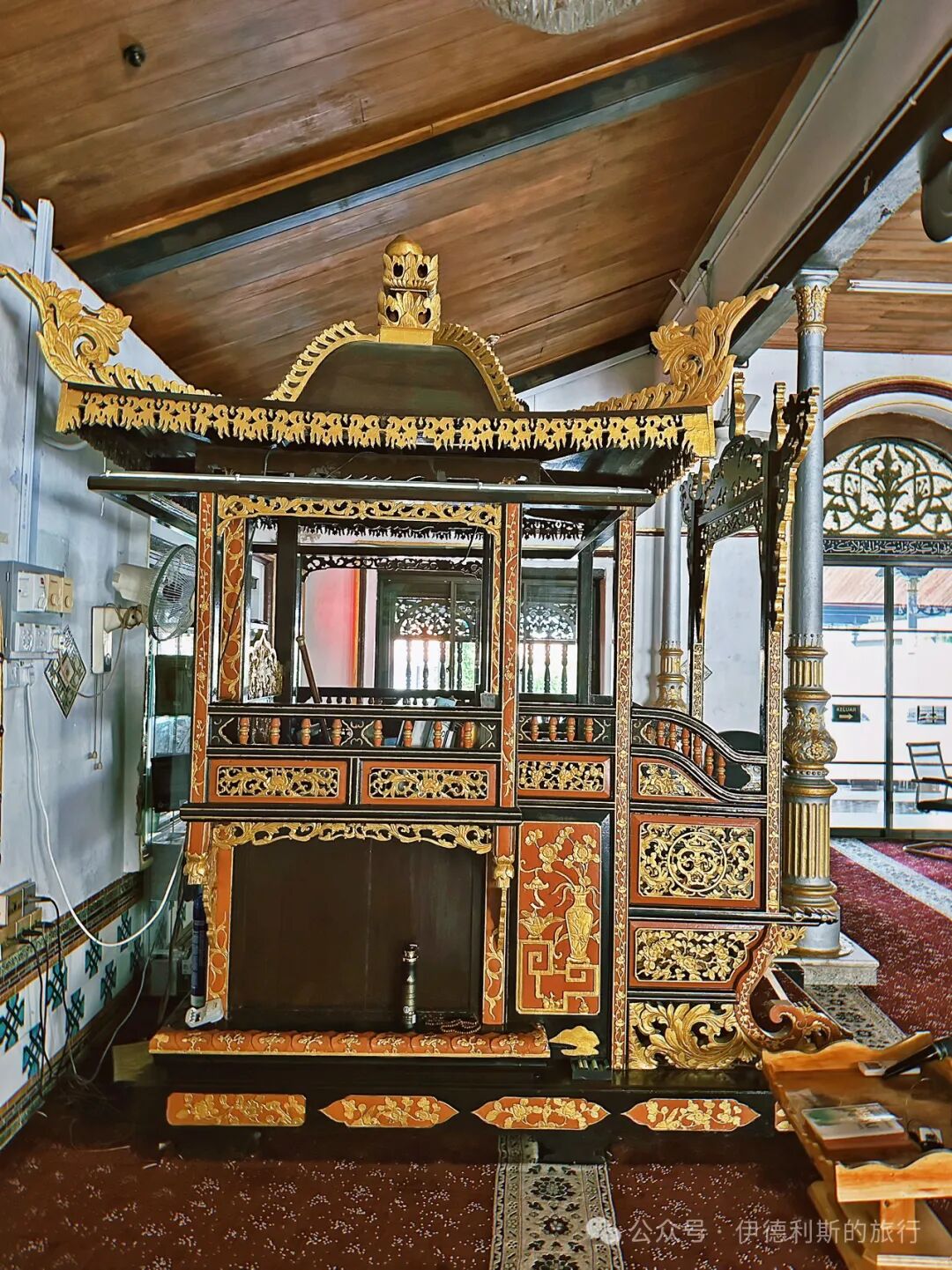
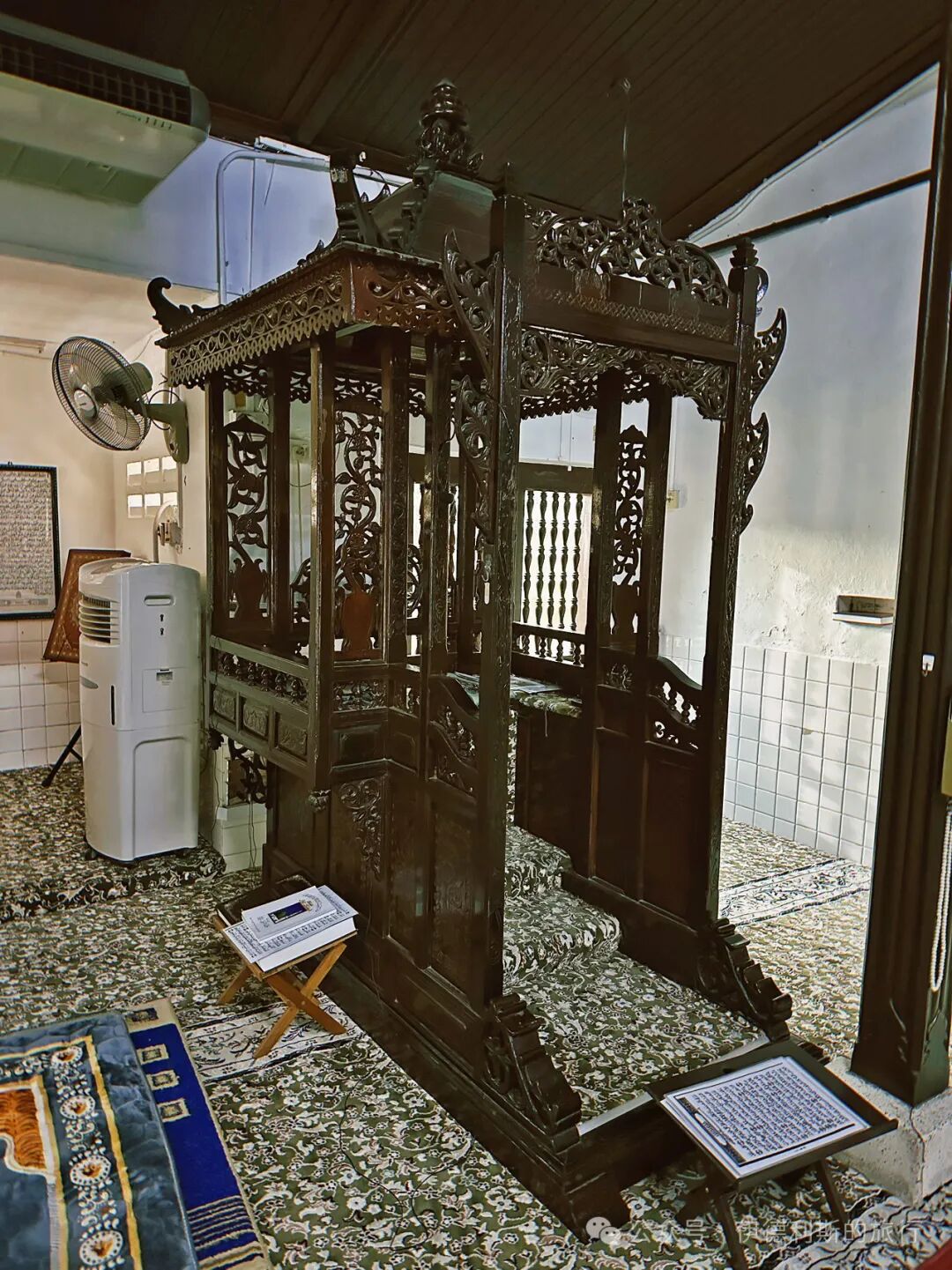
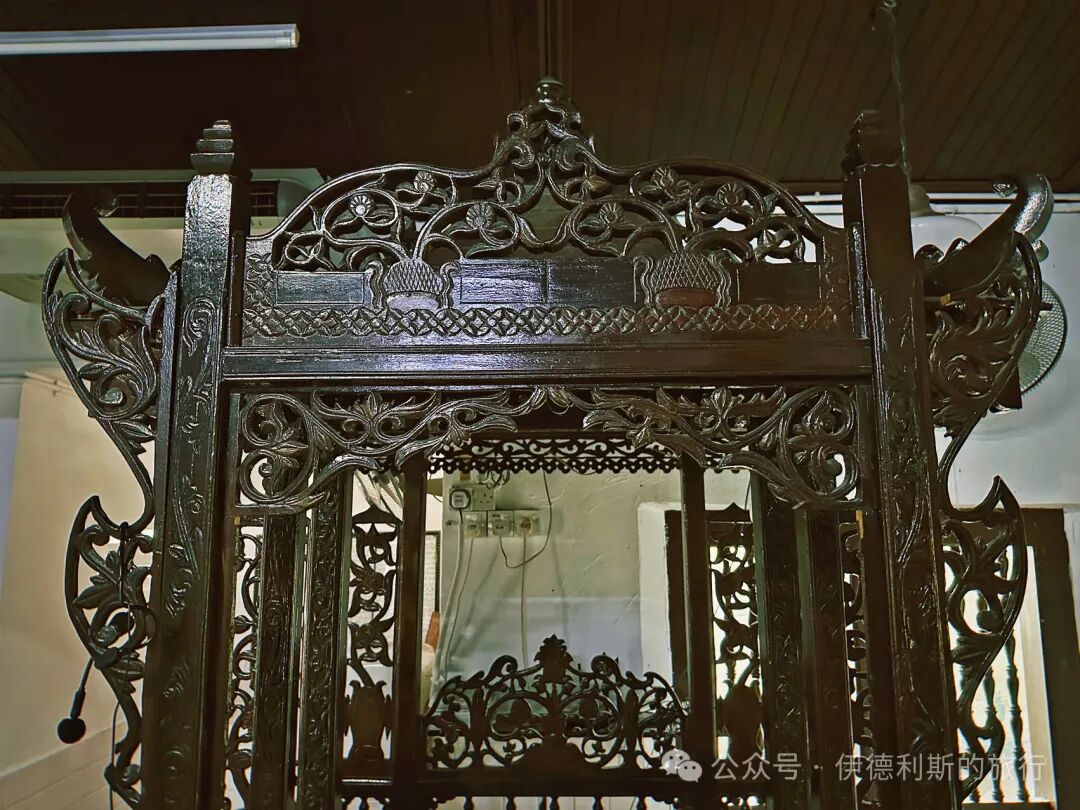
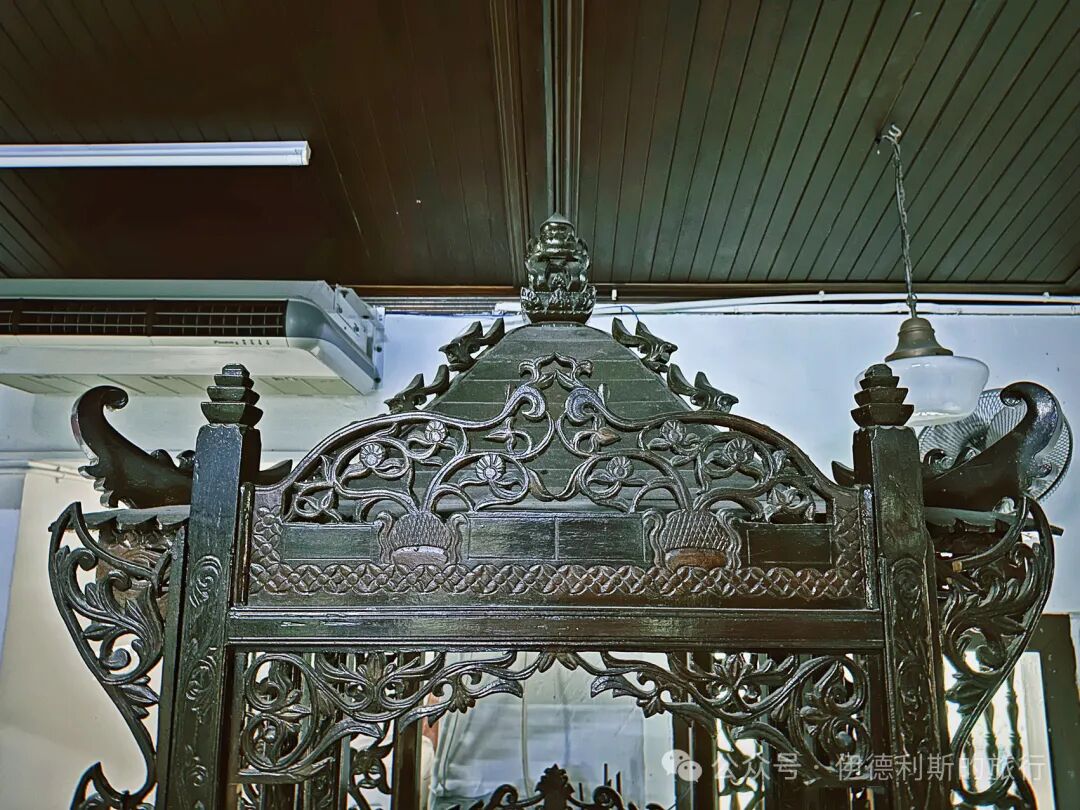
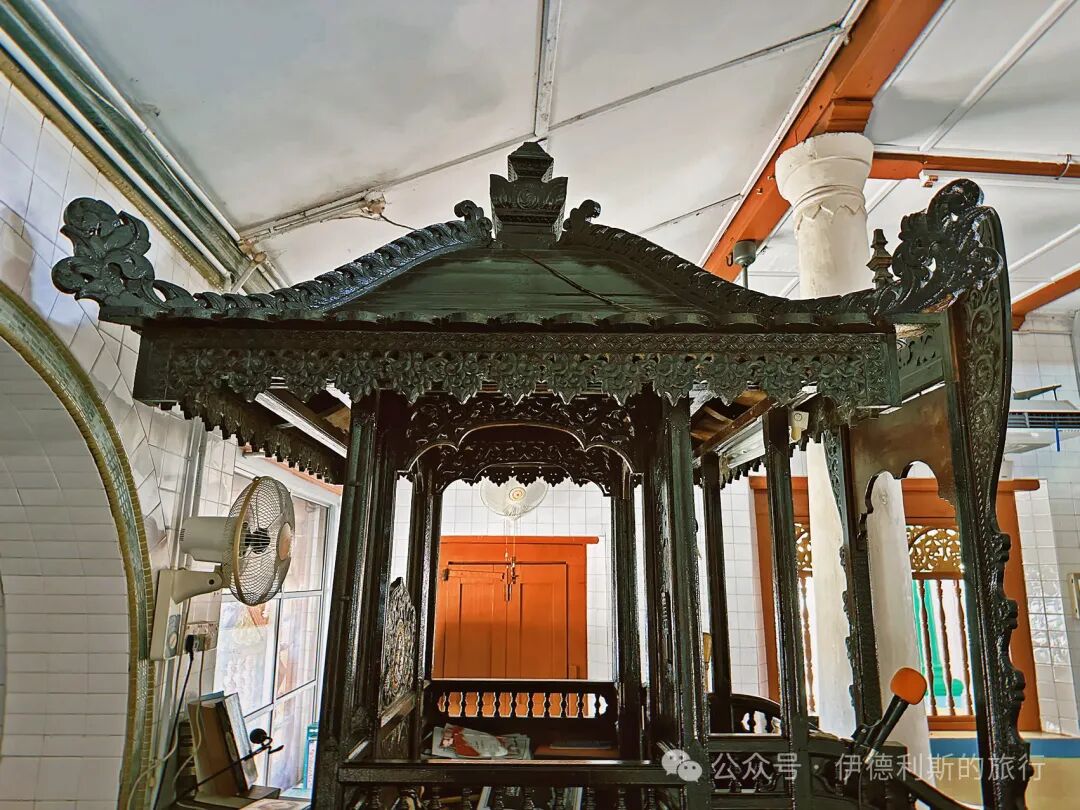
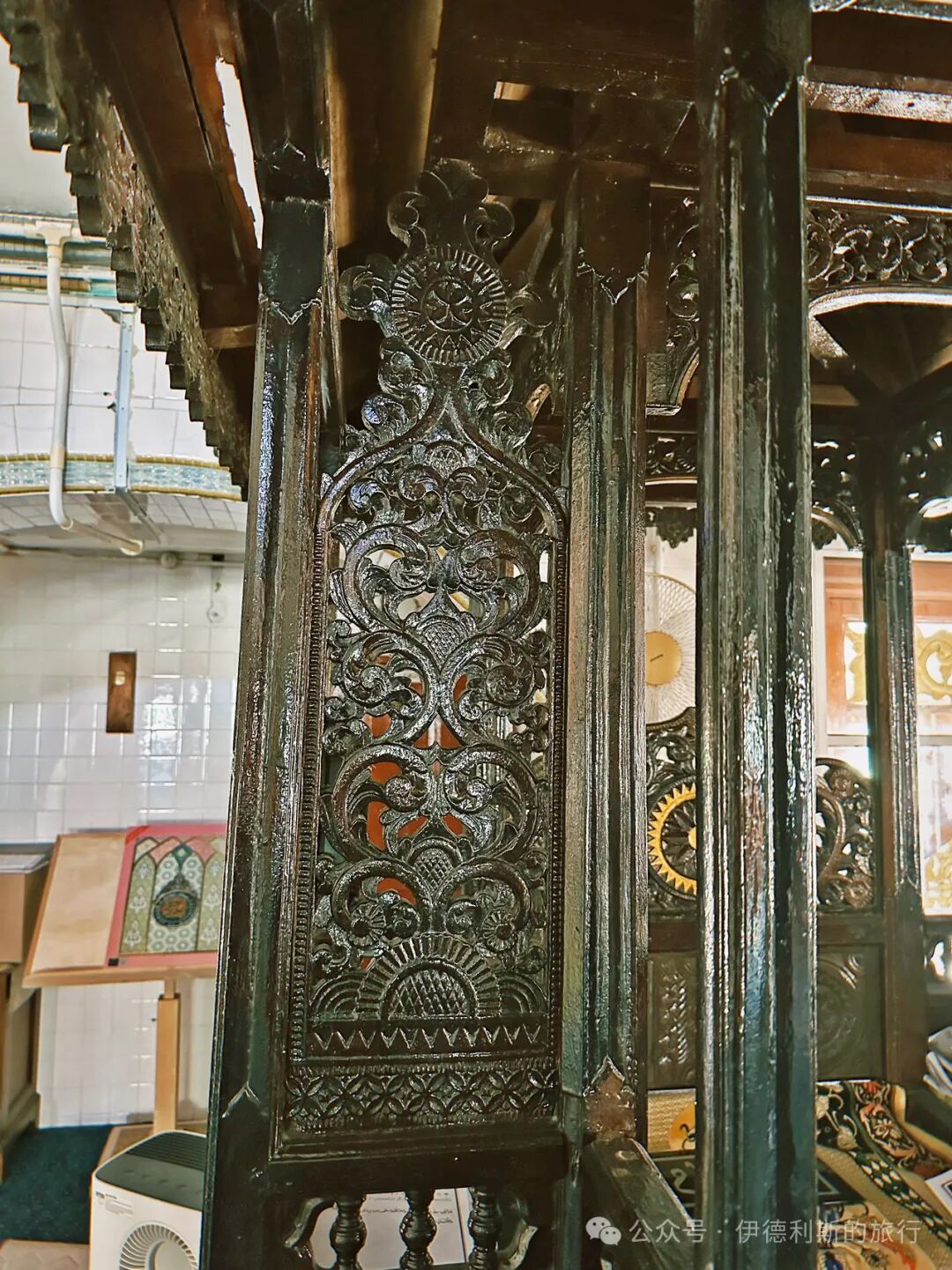
The minbar inside the main hall of Kampung Hulu Mosque has rich patterns and is in the typical Javanese throne style.
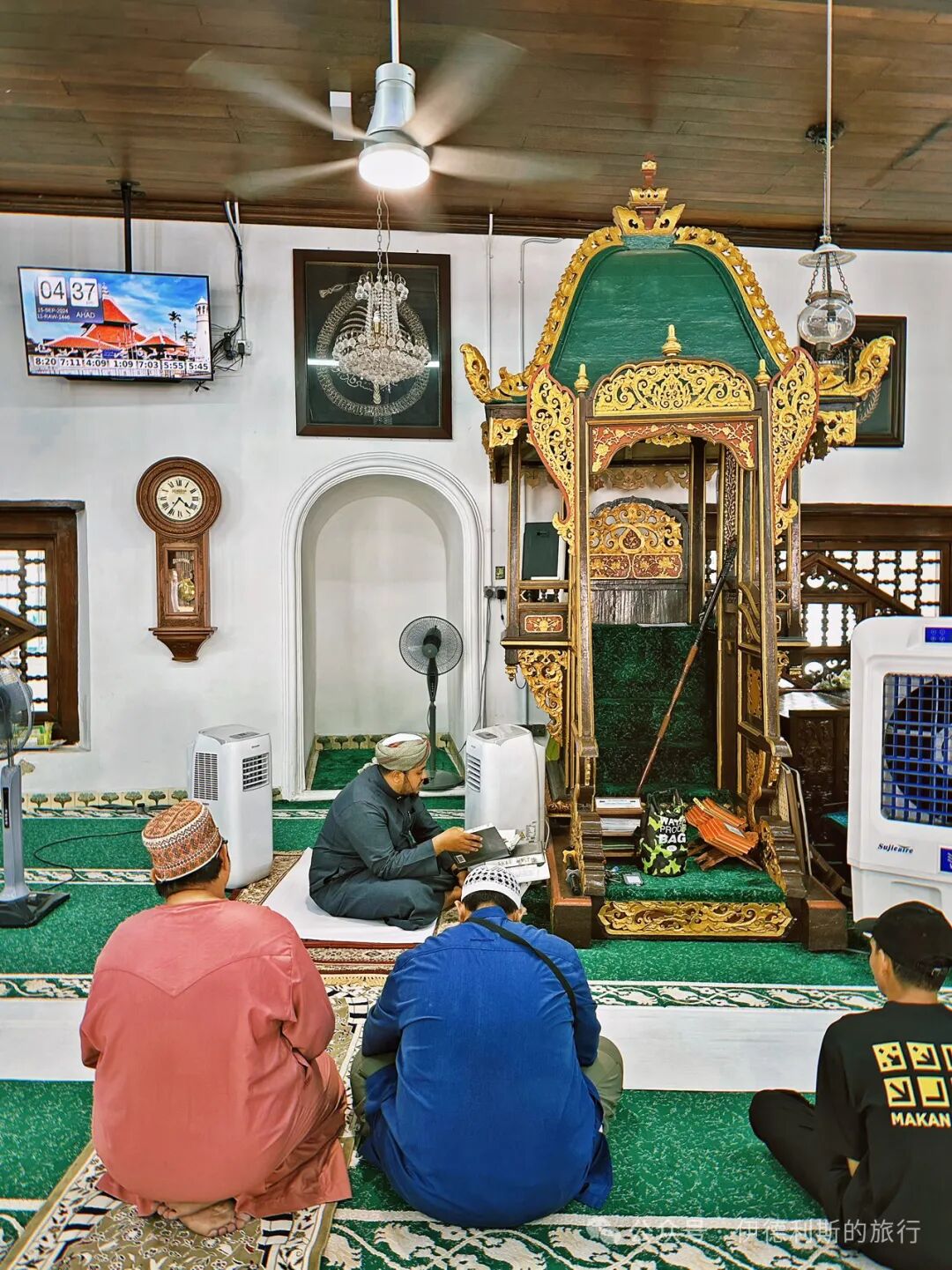
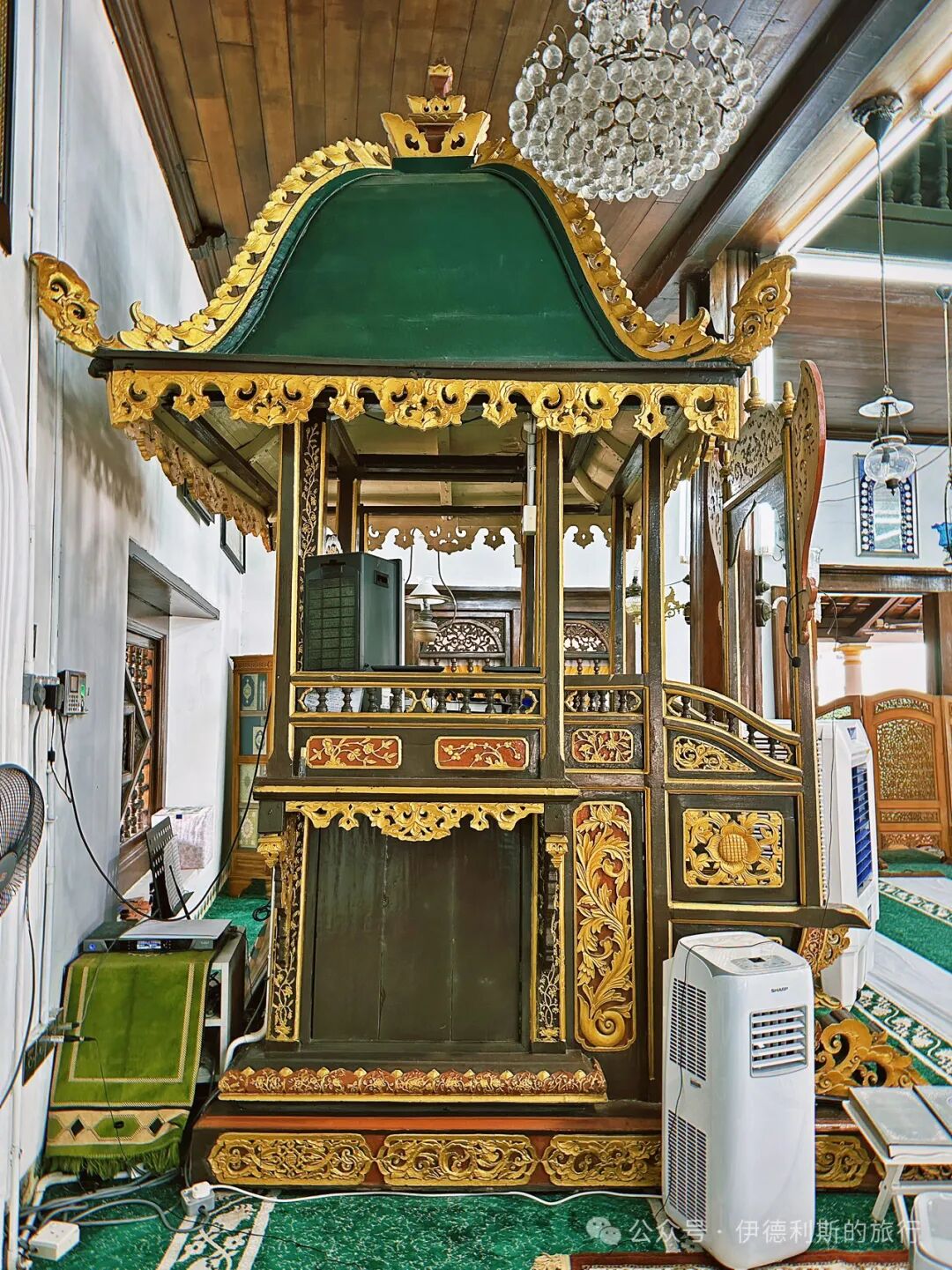
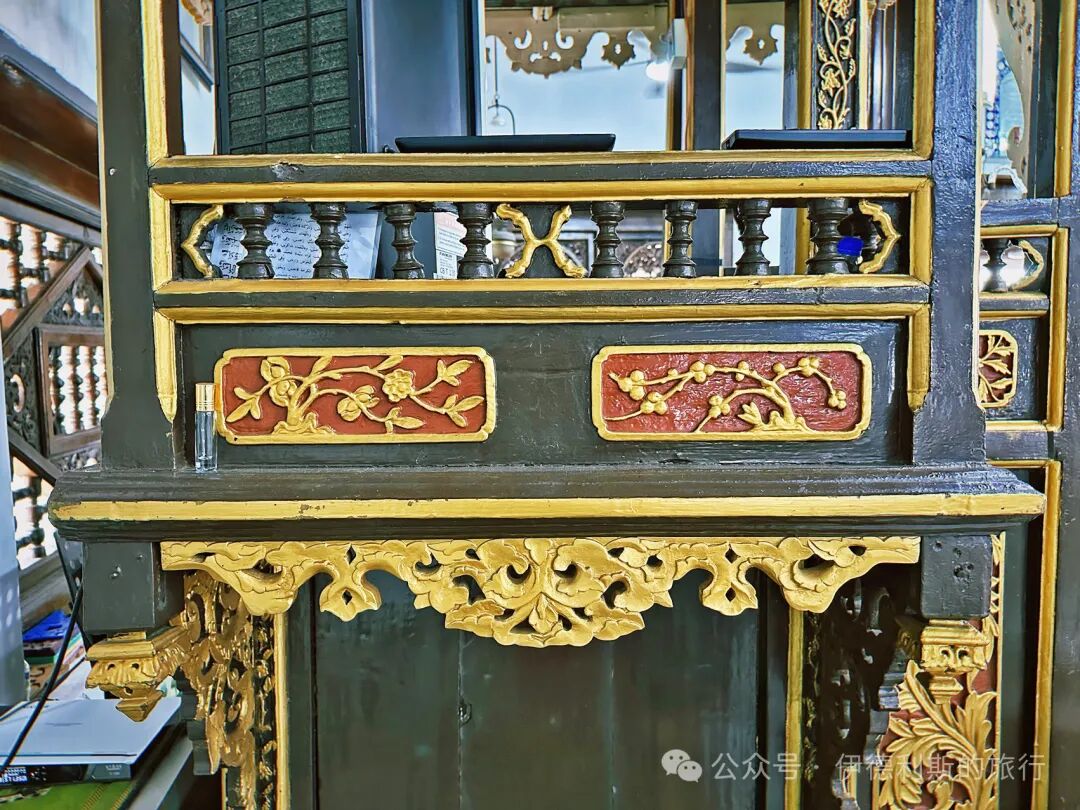
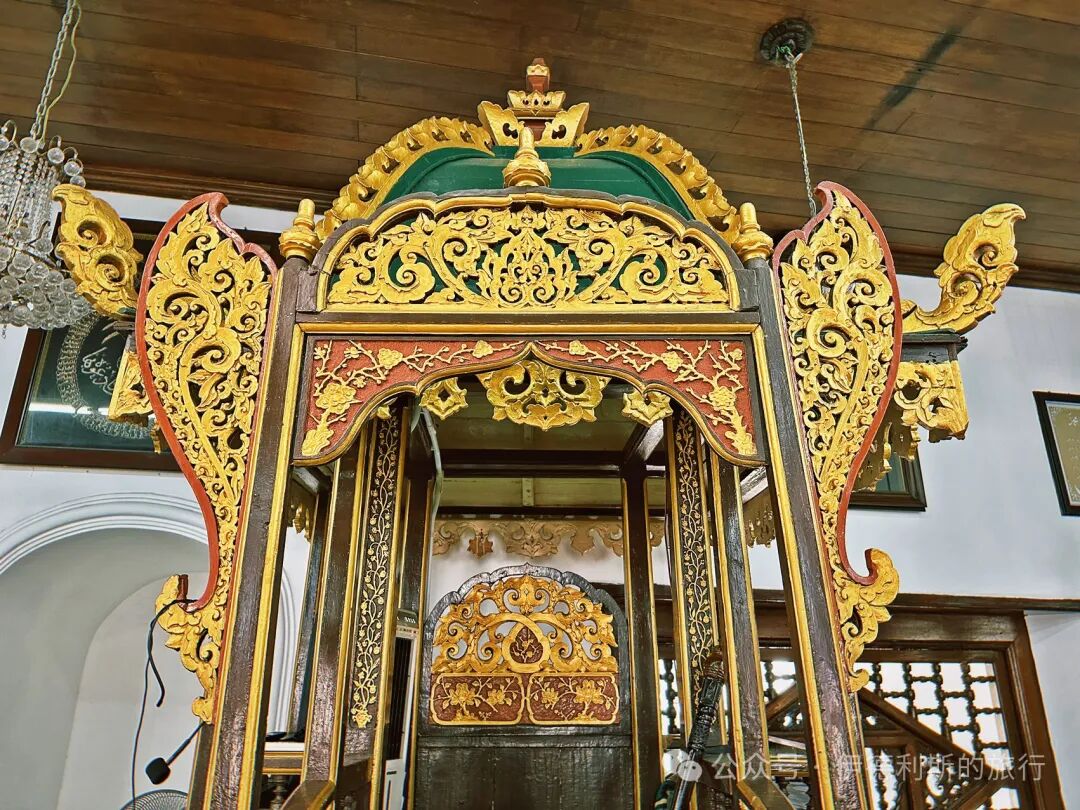
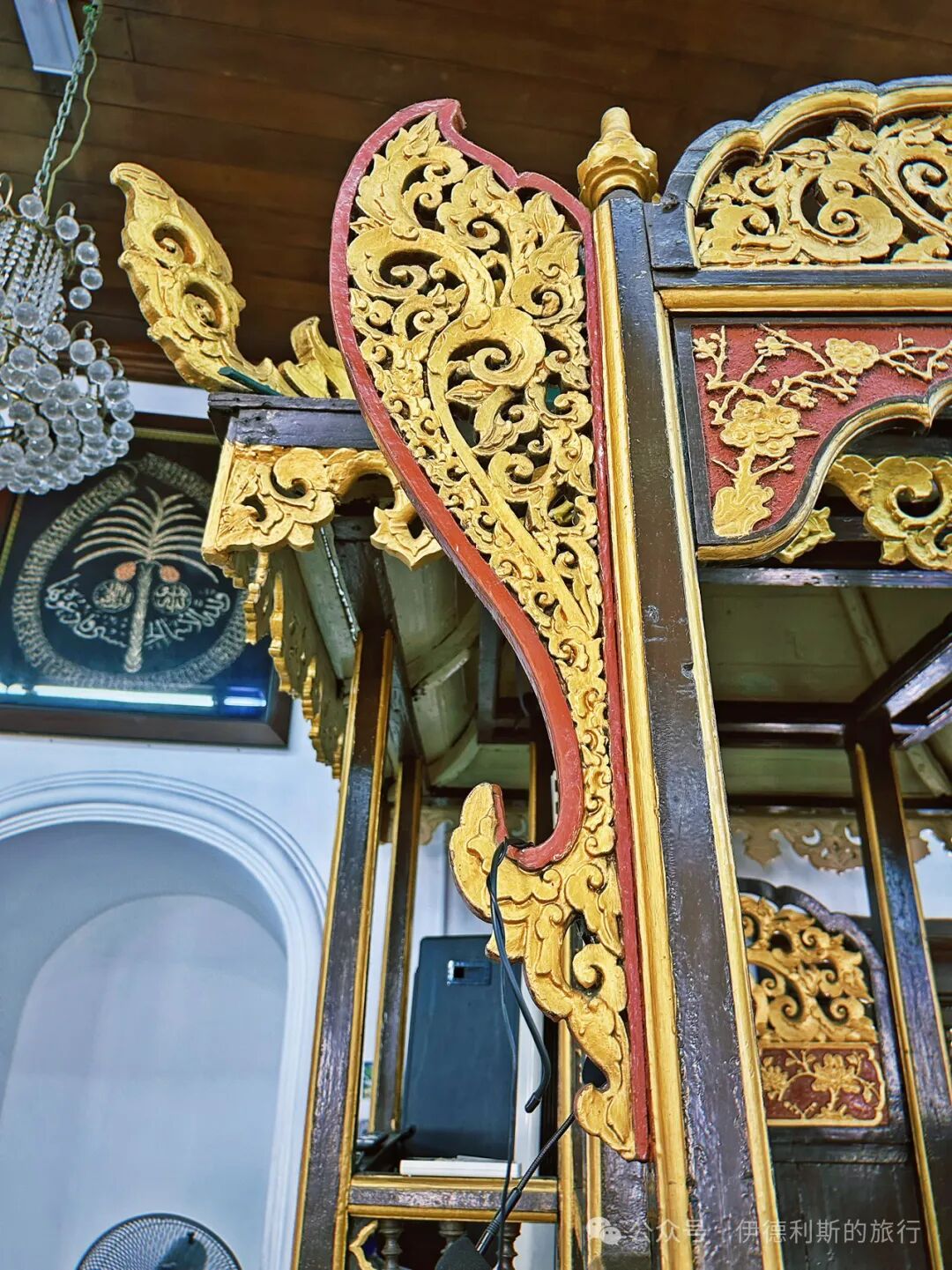
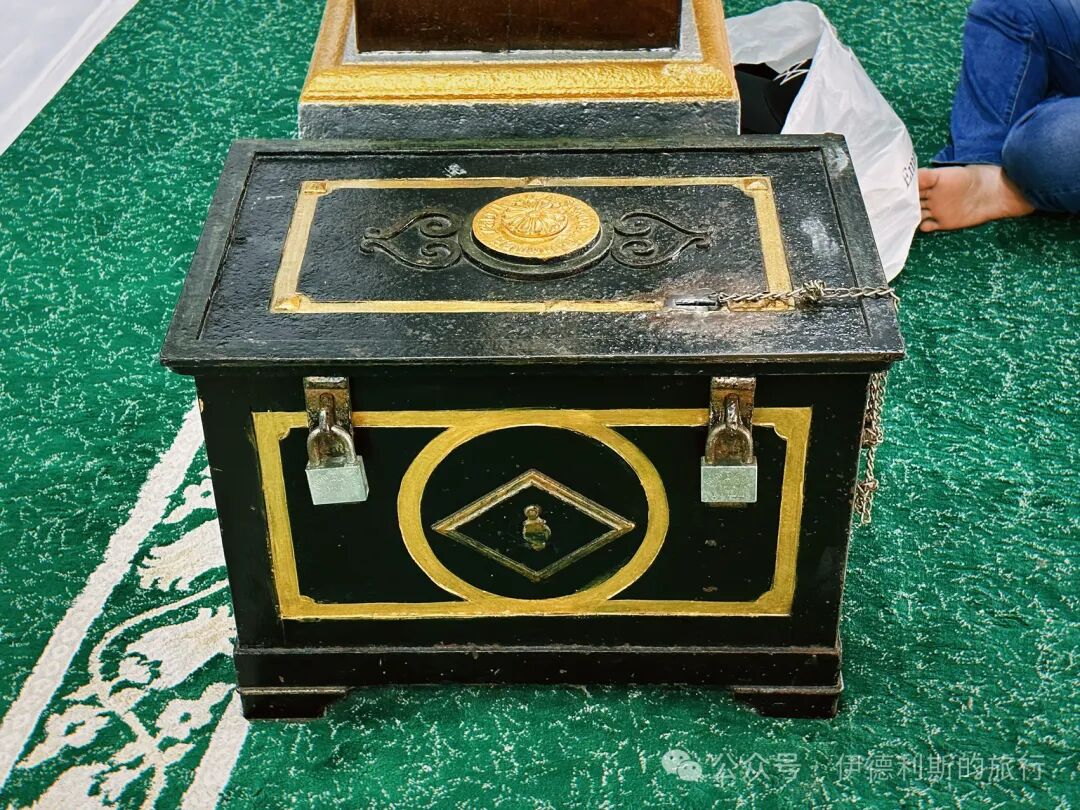
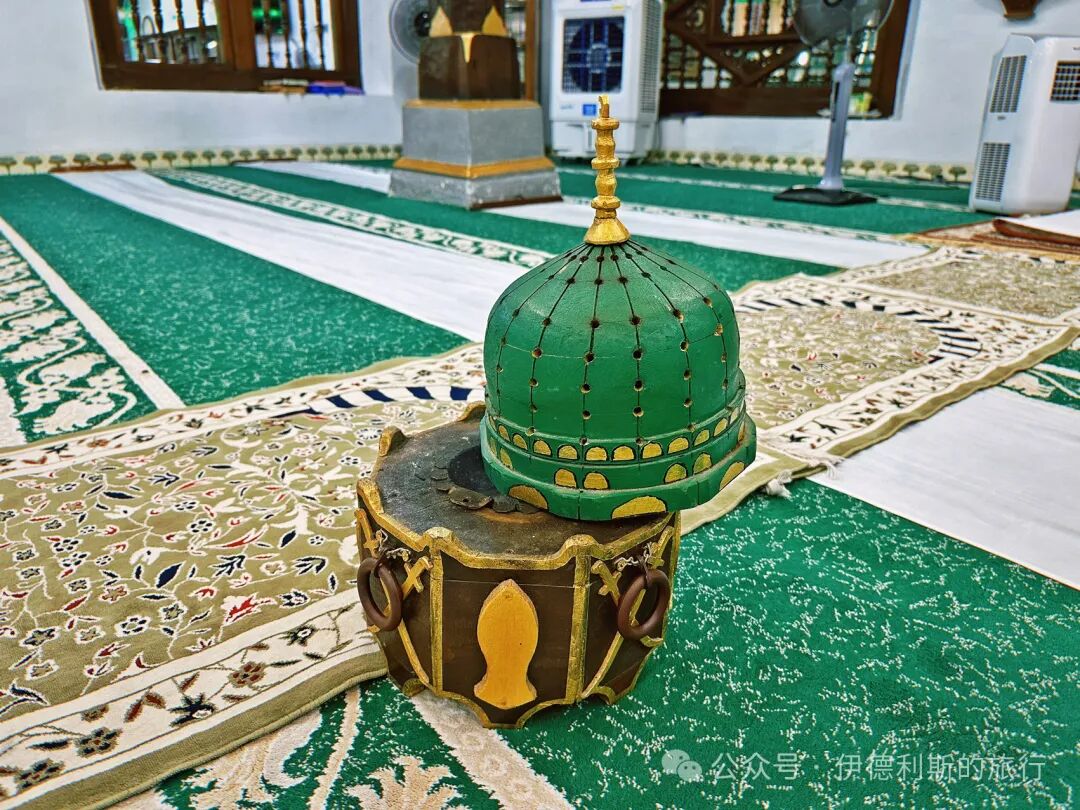
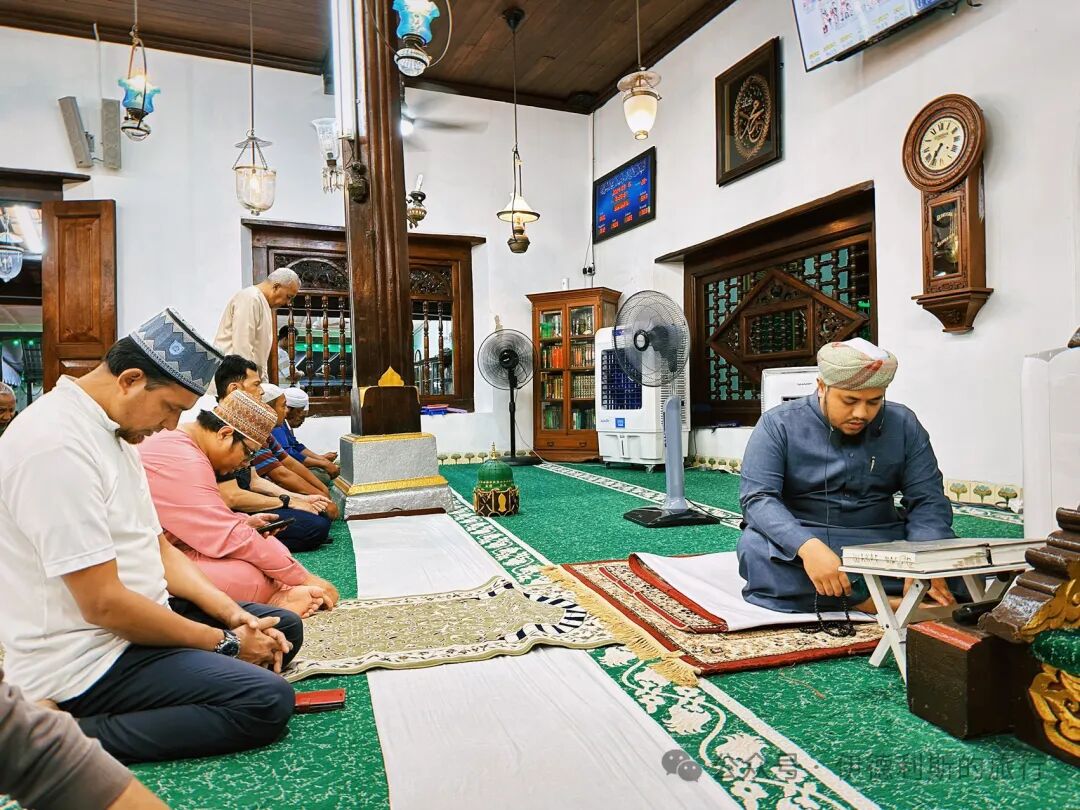
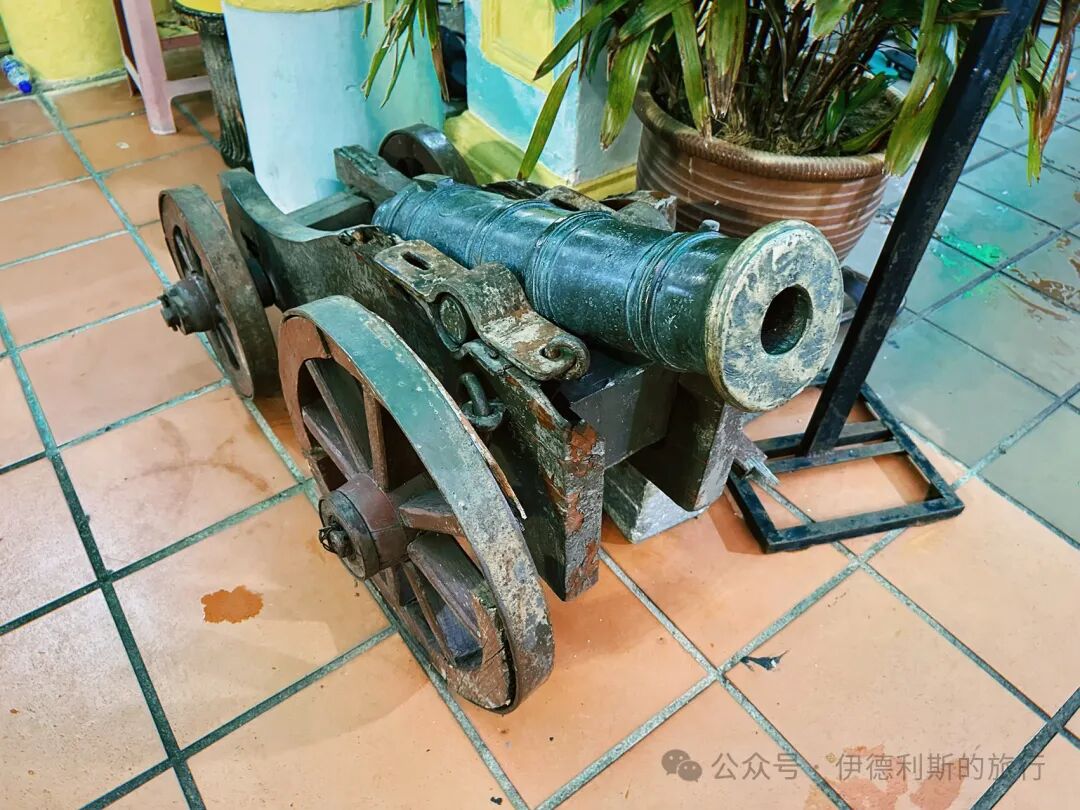
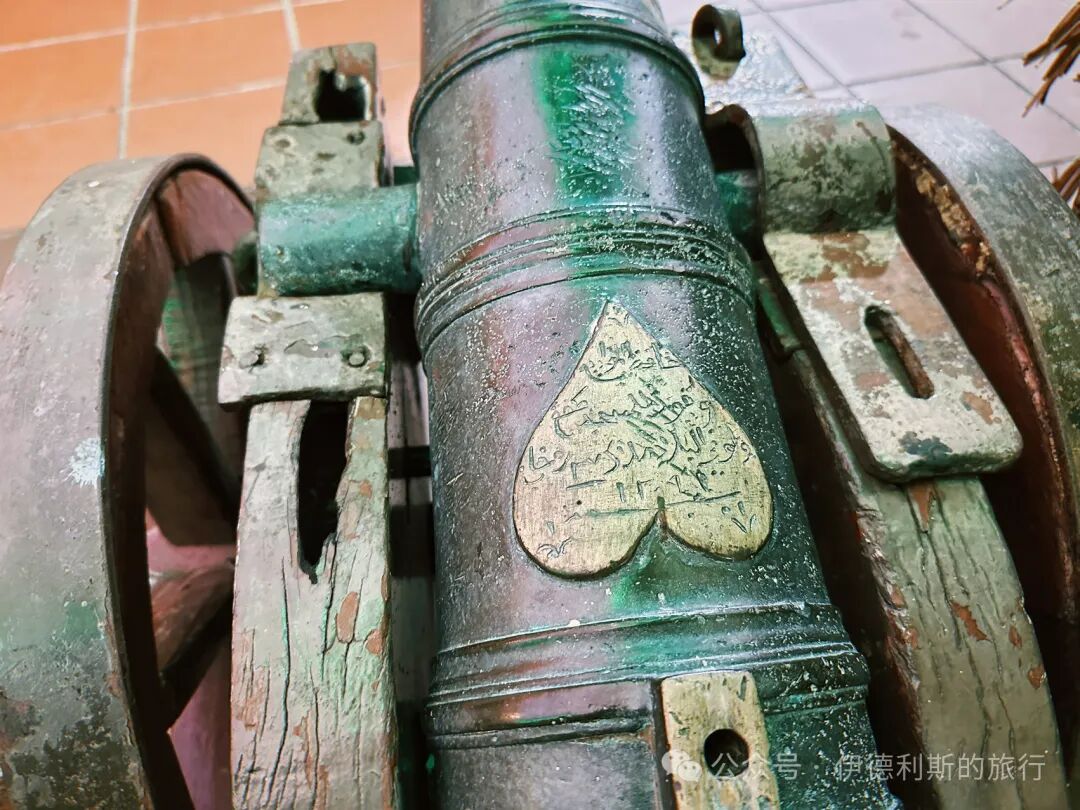
I performed the Dhuhr and Maghrib namaz at Kampung Hulu Mosque and also attended the night praise sessions during the Mawlid. There are two cannons at the entrance of the main hall, which are used during the Eid festival. The number '1211' is engraved on the cannon barrel, which corresponds to the year 1796 in the Gregorian calendar.
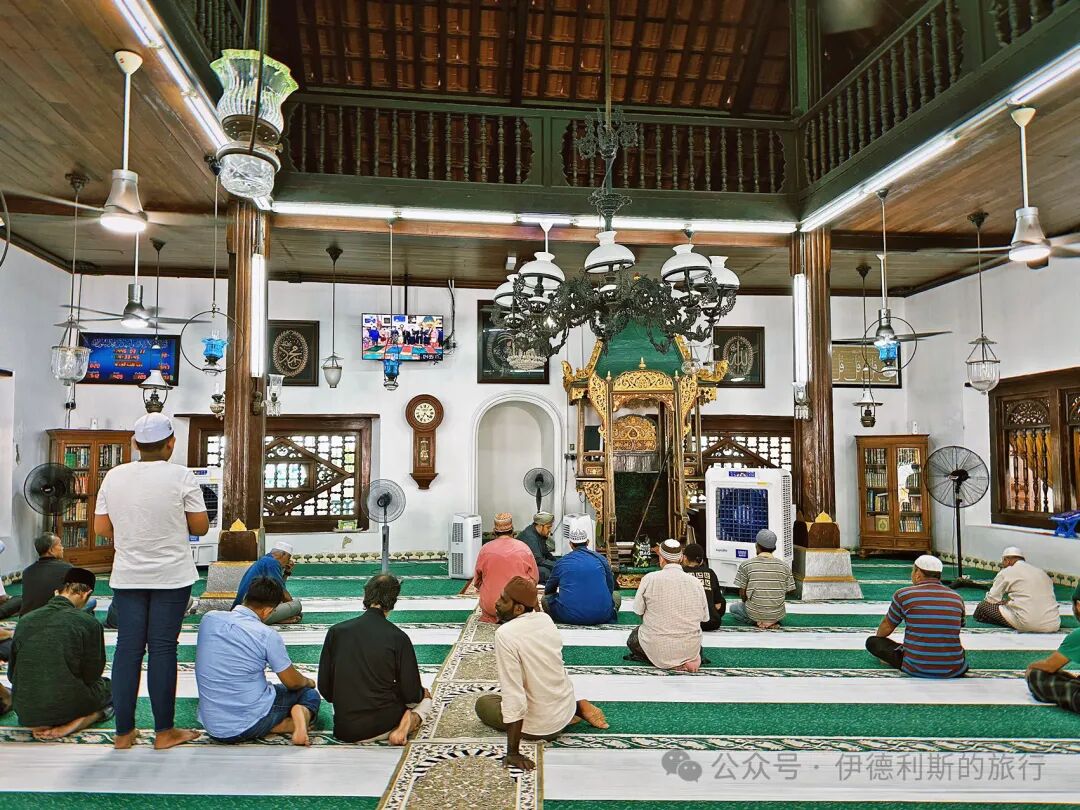
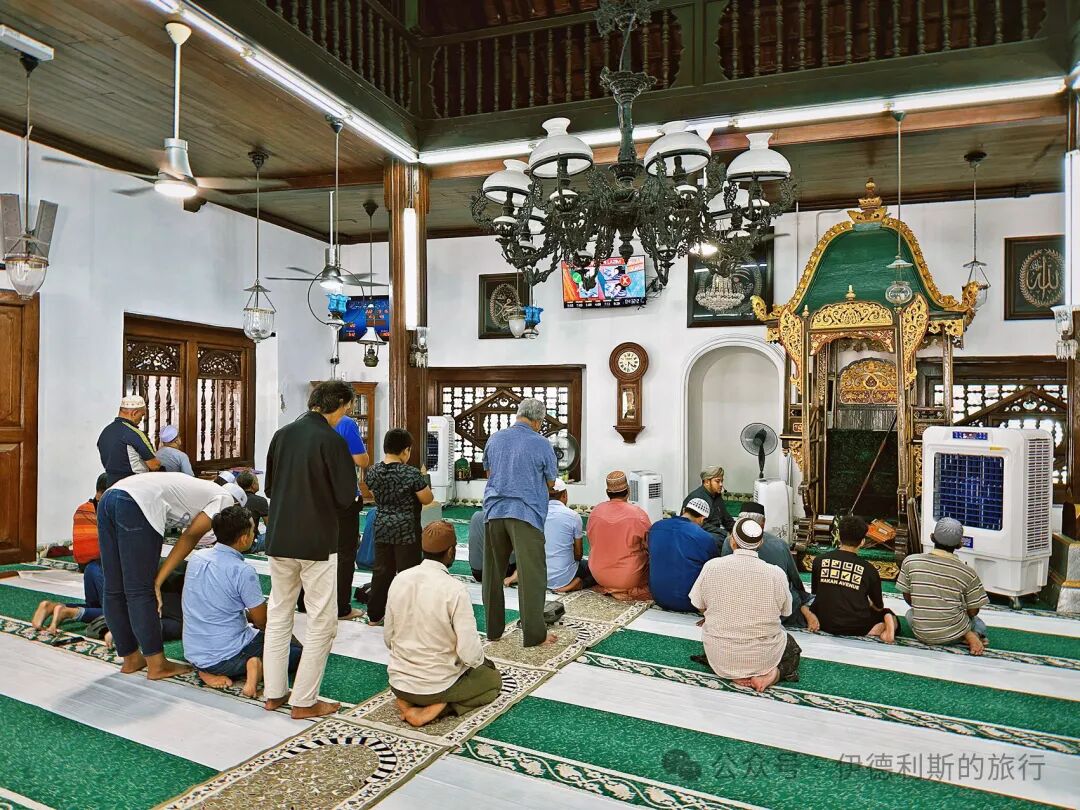
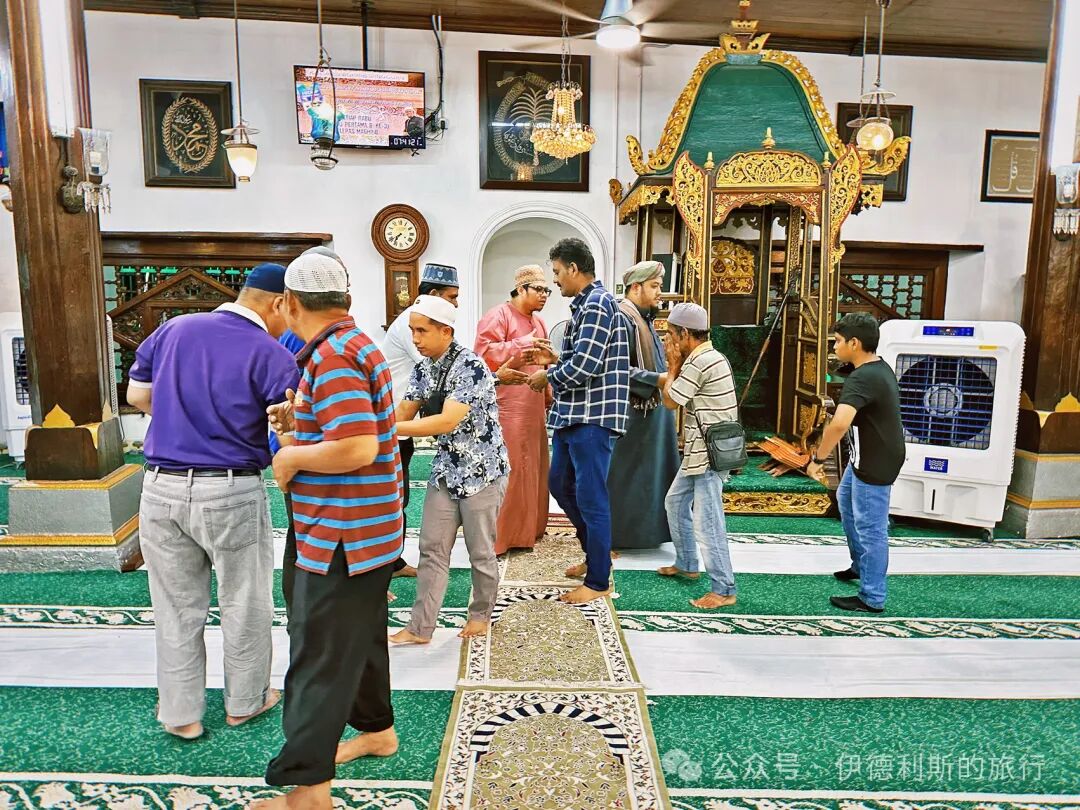
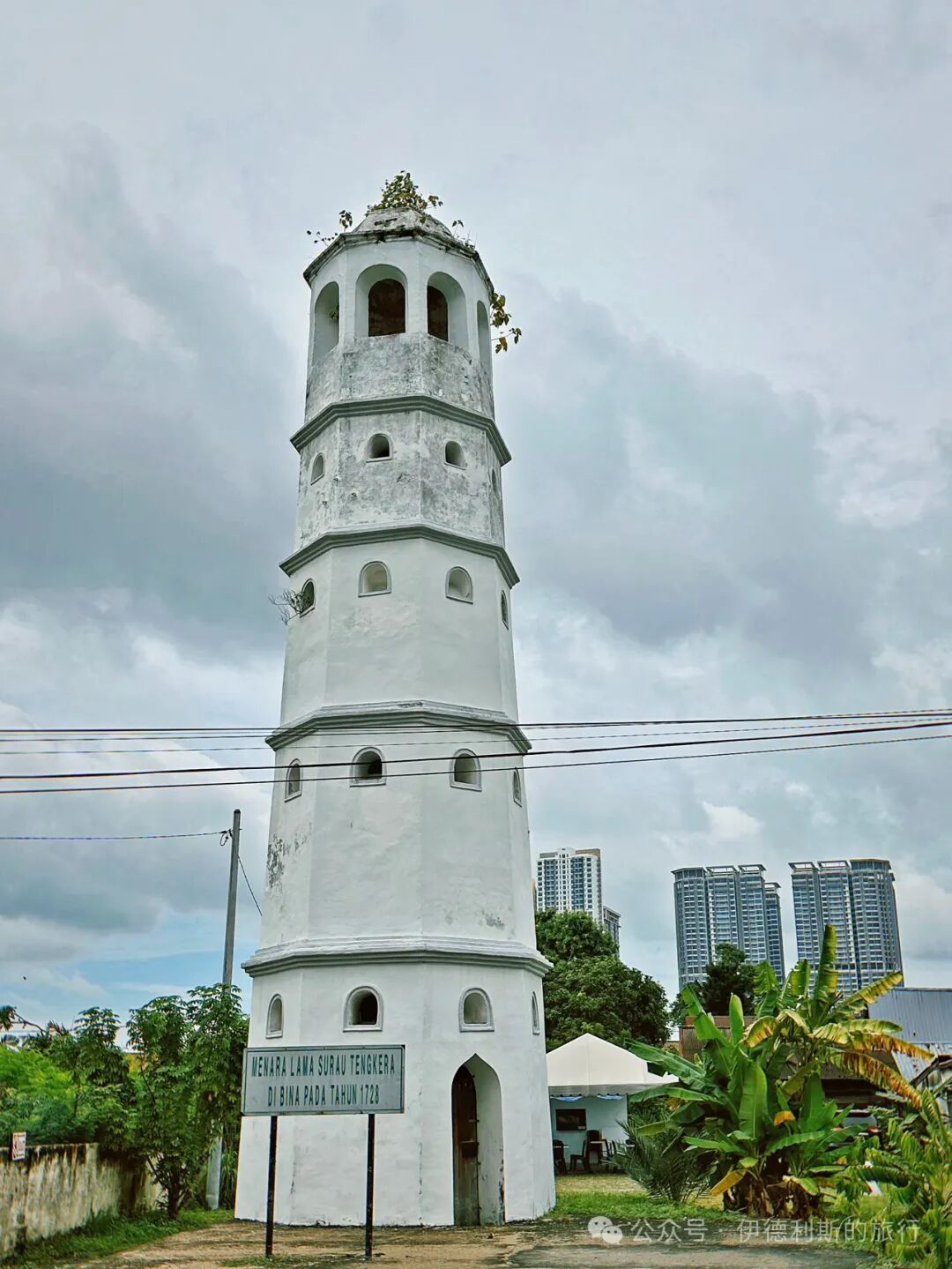
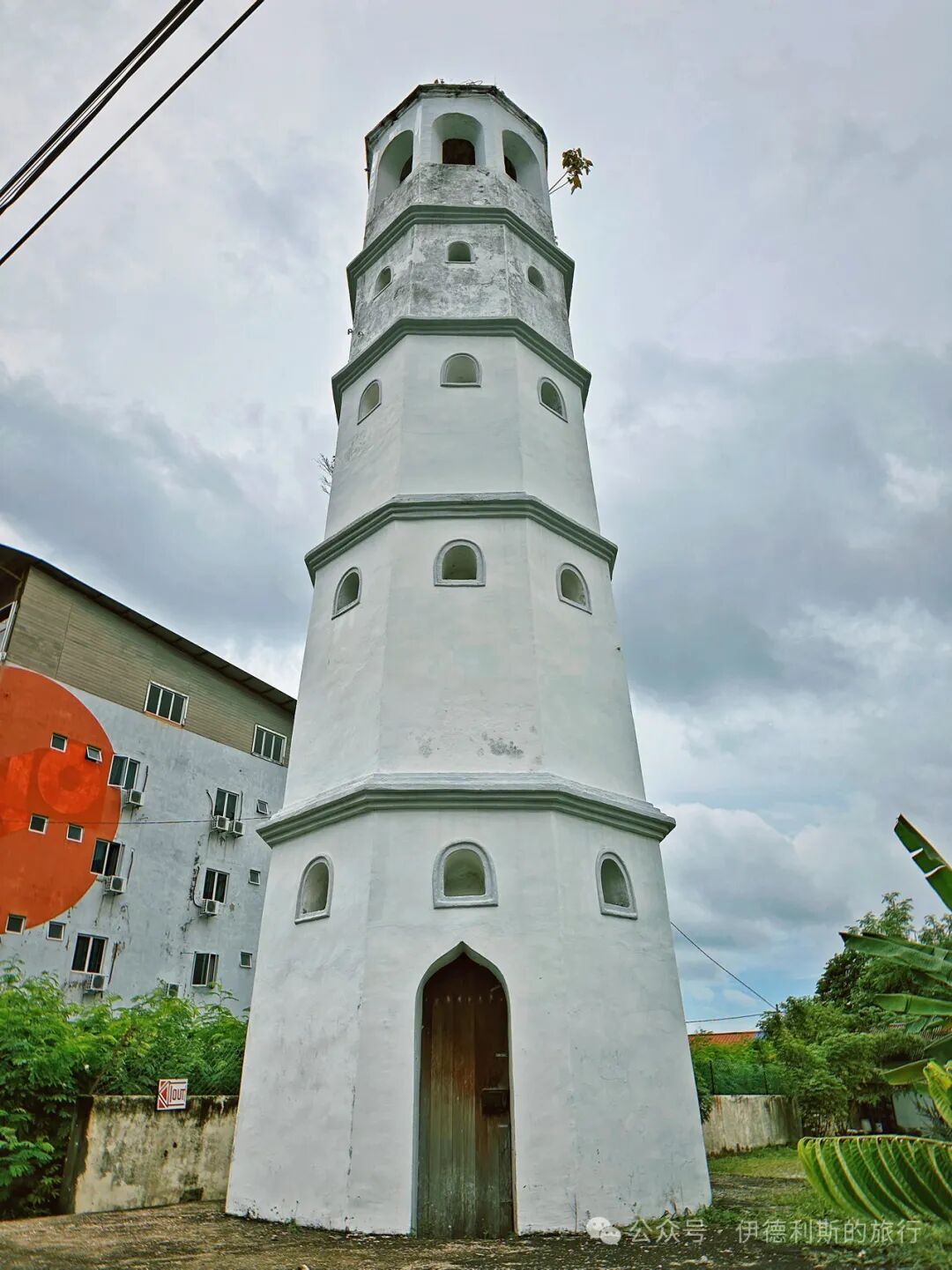
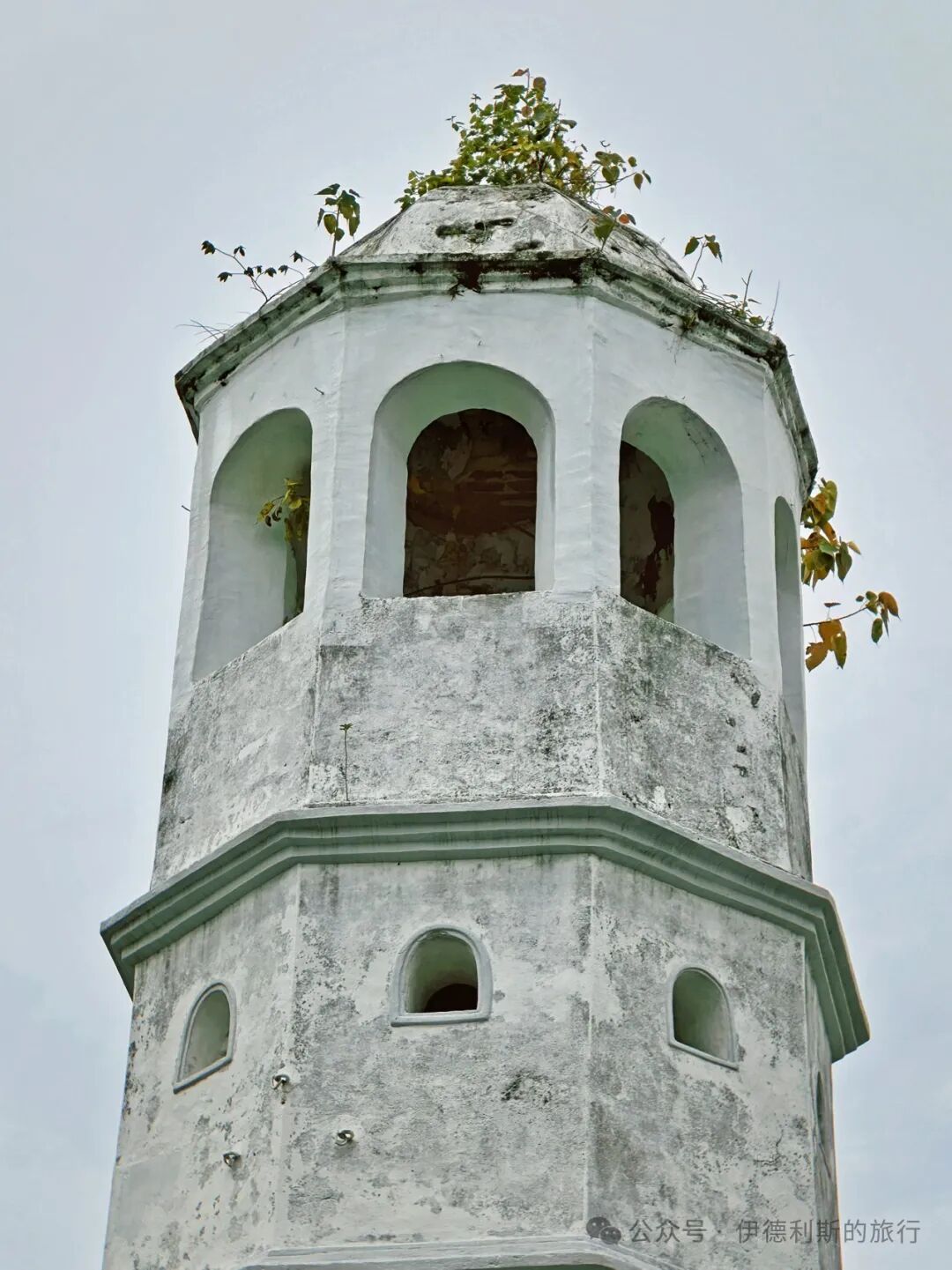
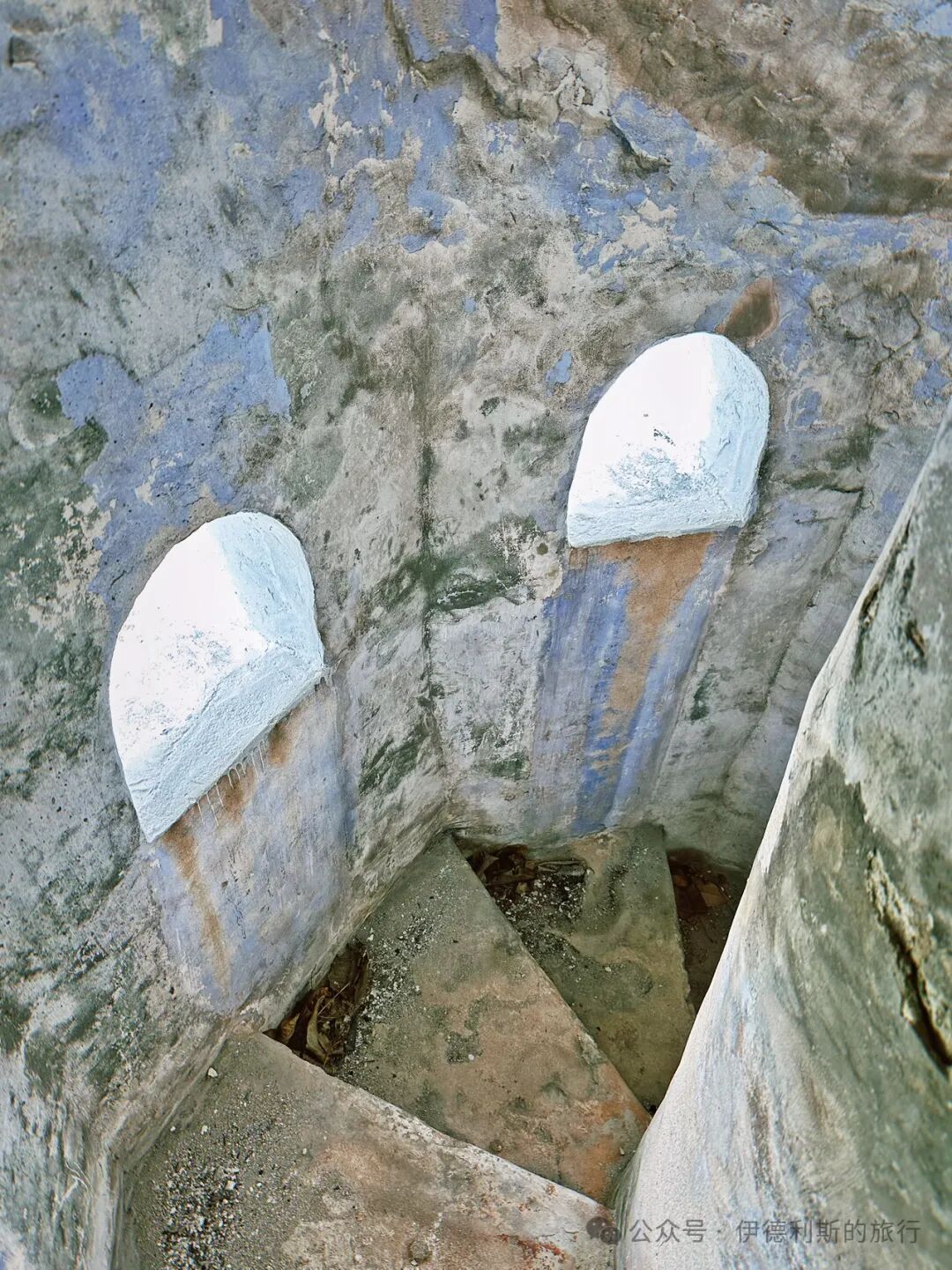
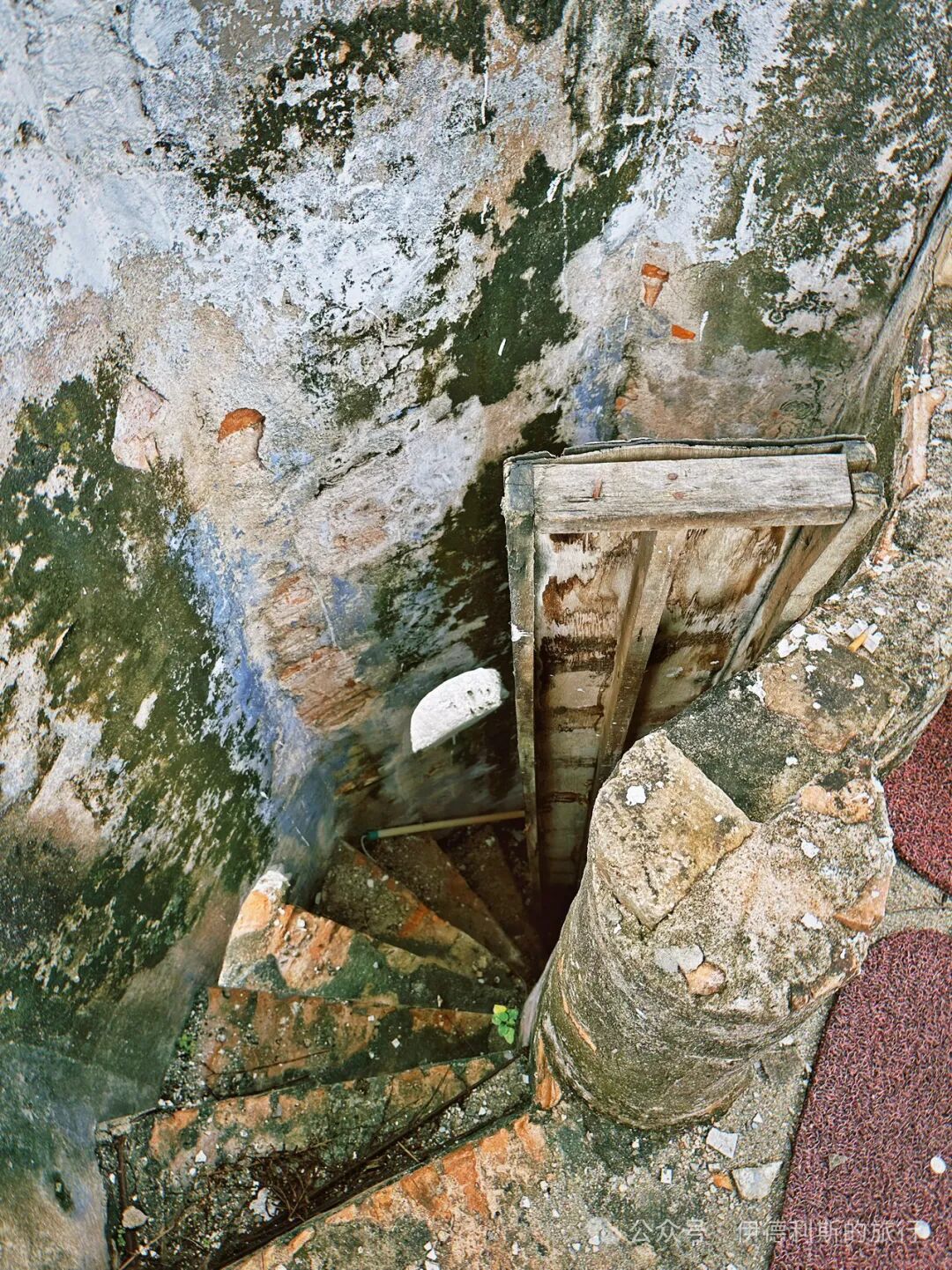
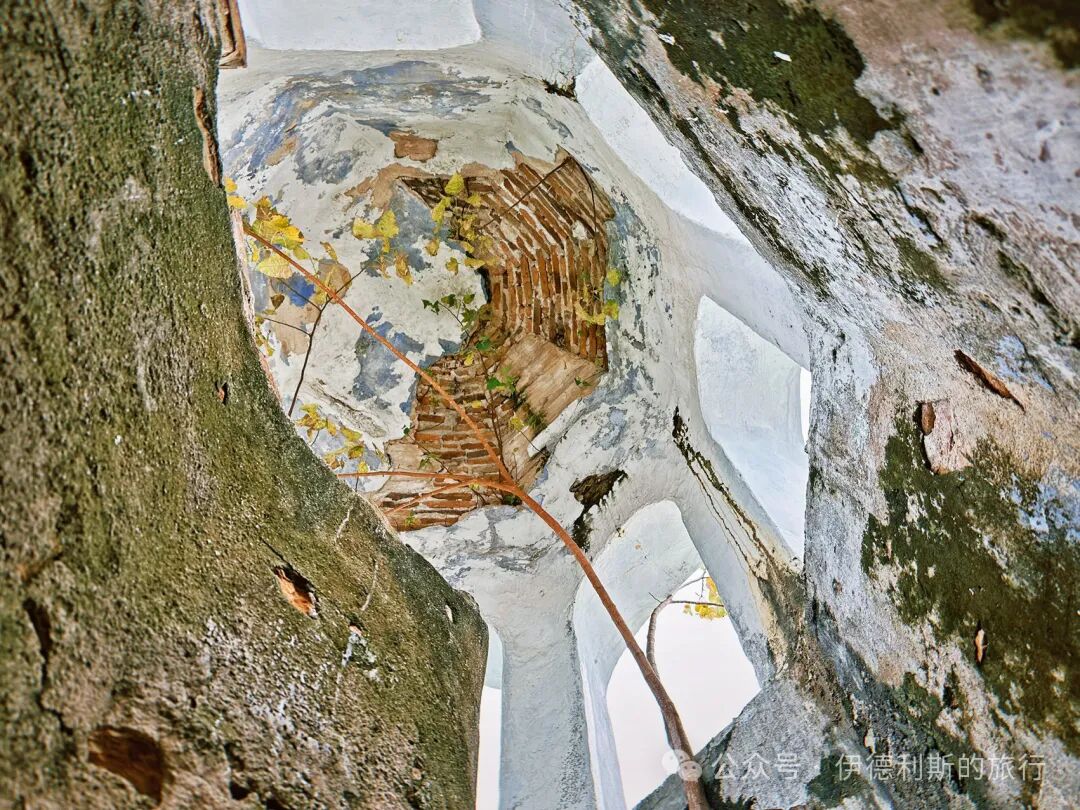
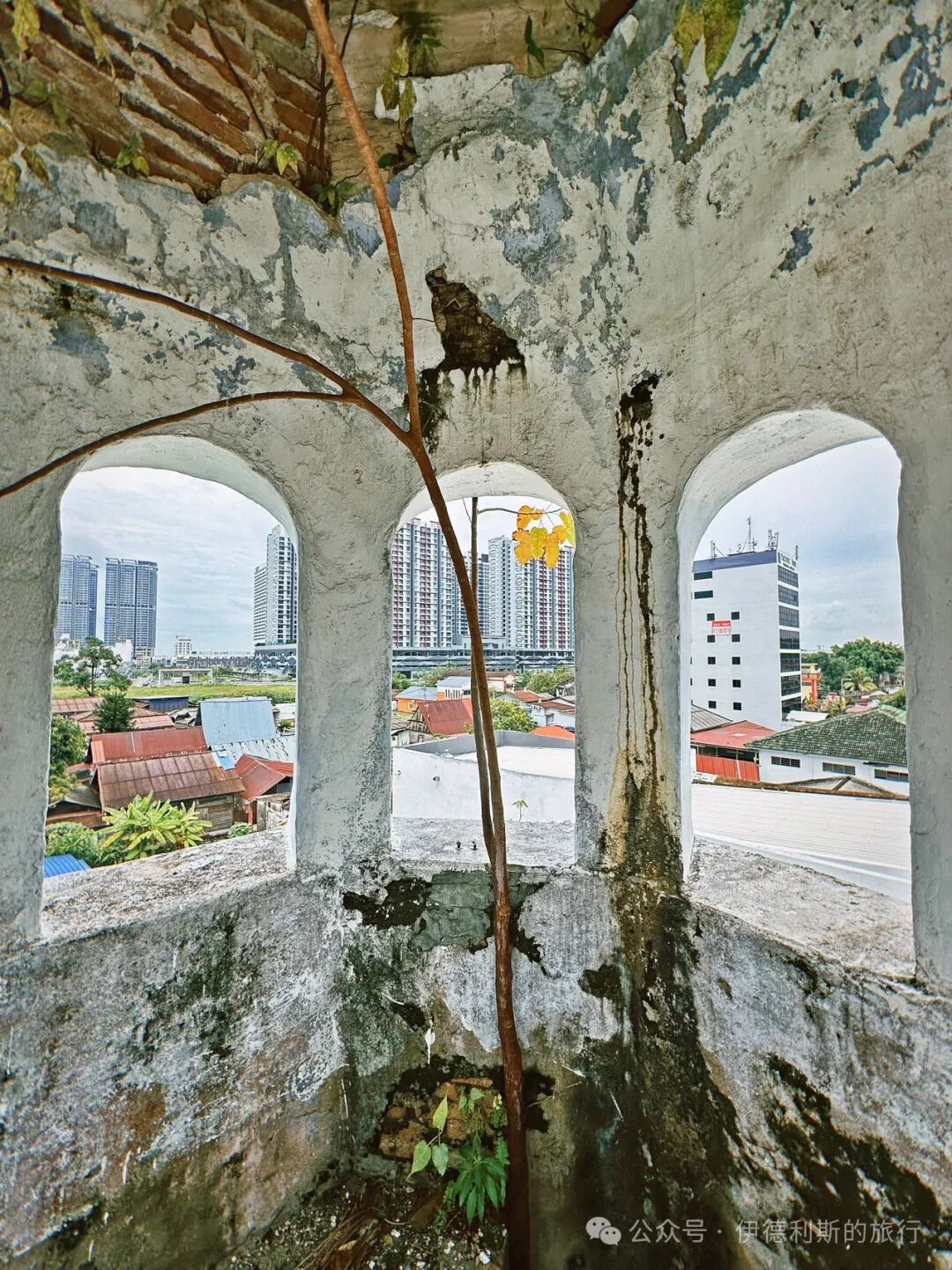
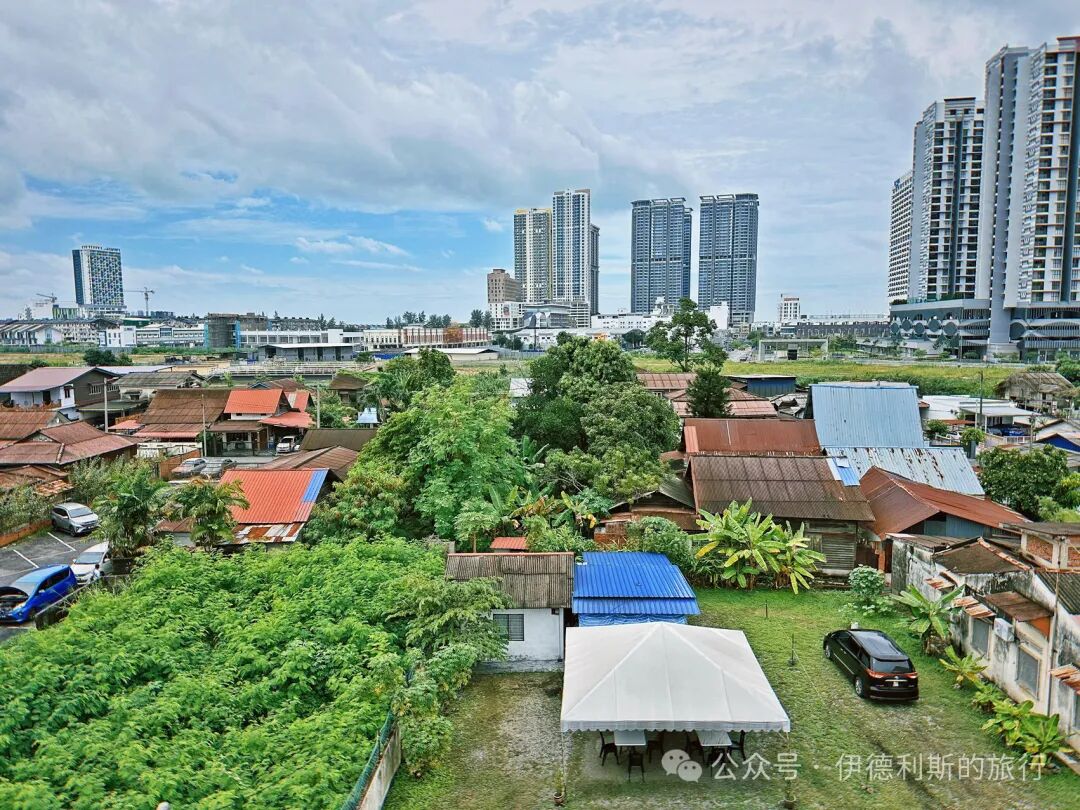
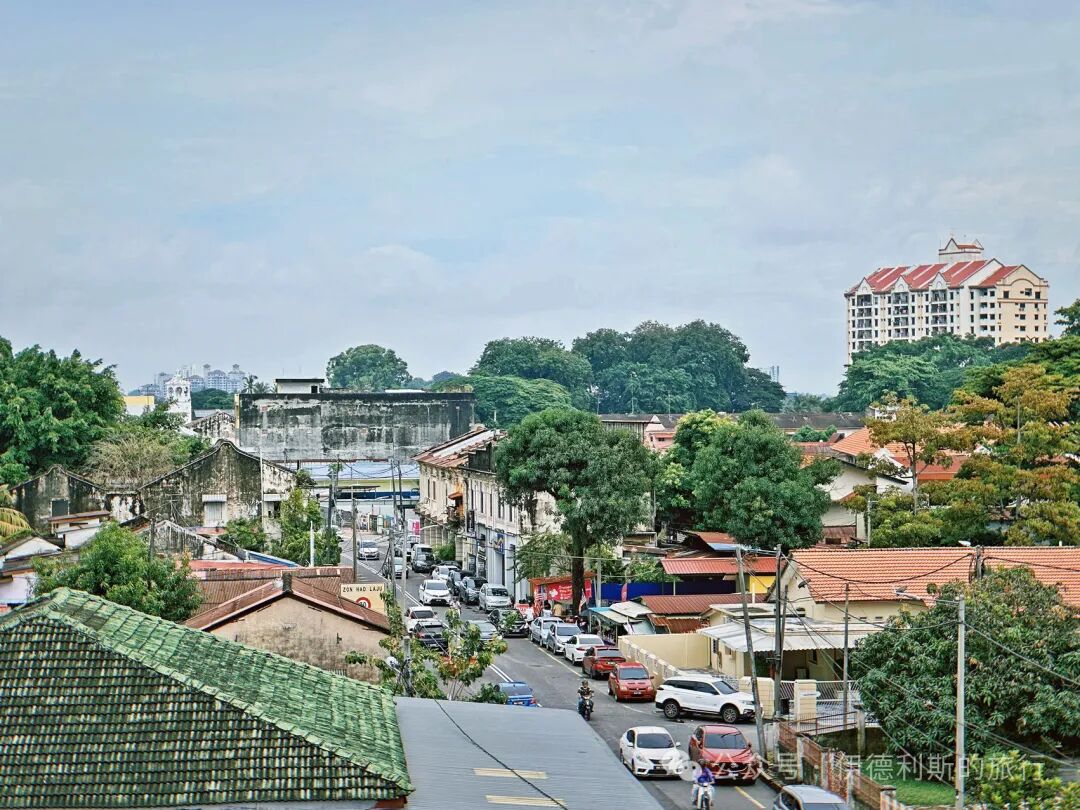
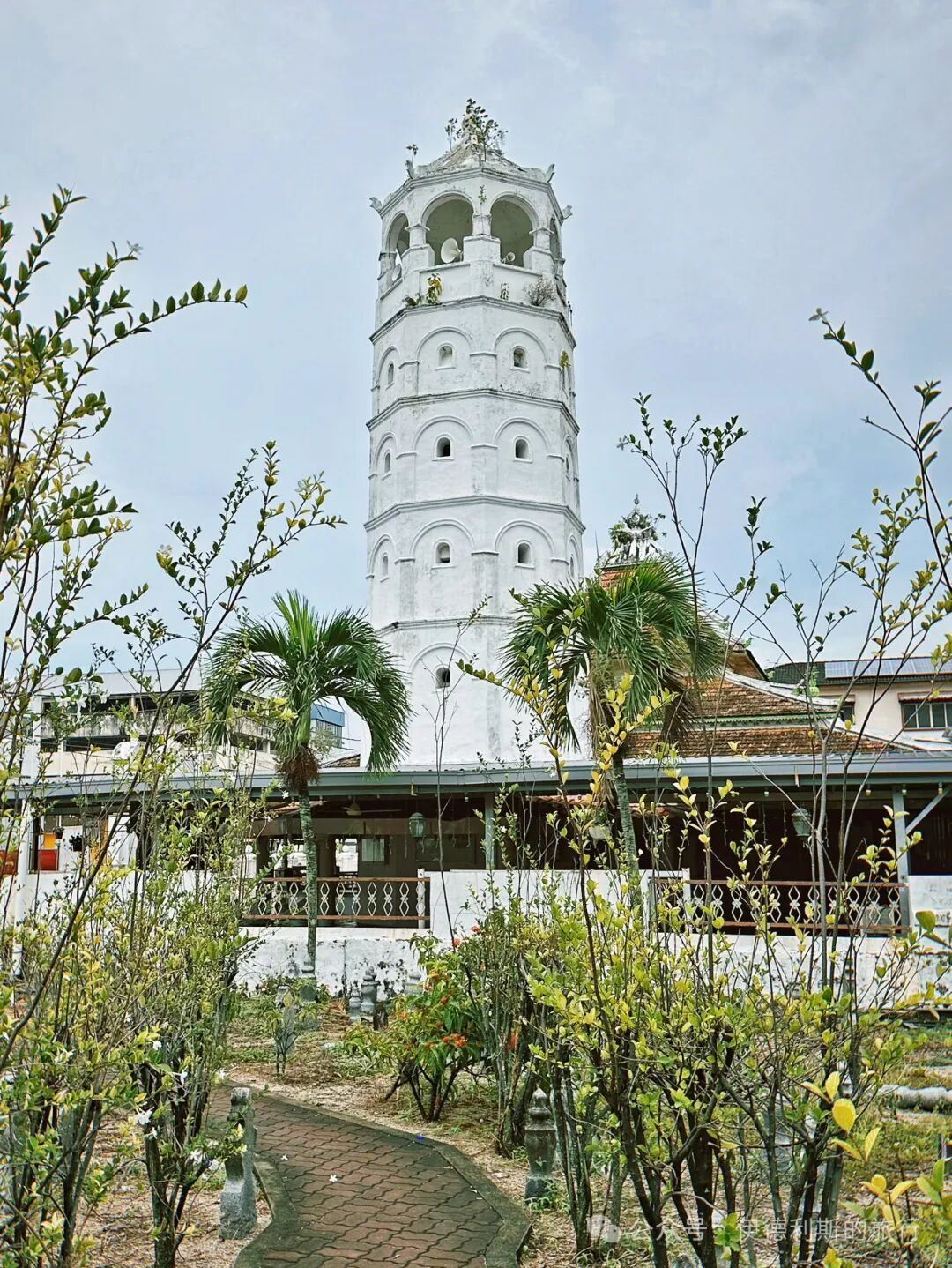
The minaret (bangke lou) of the Tengkera Small Mosque.
After the Kampung Hulu Mosque was built, an Indian merchant named Muhammad Salleh funded the construction of a small mosque (Surau Tengkera) on Tengkera Street. Tengkera comes from the Portuguese word 'tranquerah,' meaning 'fortress,' as there was once a defensive wall built by the Portuguese here. The Tengkera Small Mosque was also built in 1728. It was originally a wooden structure with pillars made of ironwood (belian) from Pontianak, Kalimantan, and a roof covered with nipa palm leaves.
After the Tengkera Mosque (Masjid Tengkera) was completed in 1782, the Tengkera Small Mosque was abandoned, and today only the minaret remains. Unlike the Kampung Hulu Mosque, the minaret of the Tengkera Small Mosque is modeled after a Chinese pagoda. This was the first of its kind on the Malay Peninsula and has become a major feature of Malacca today.
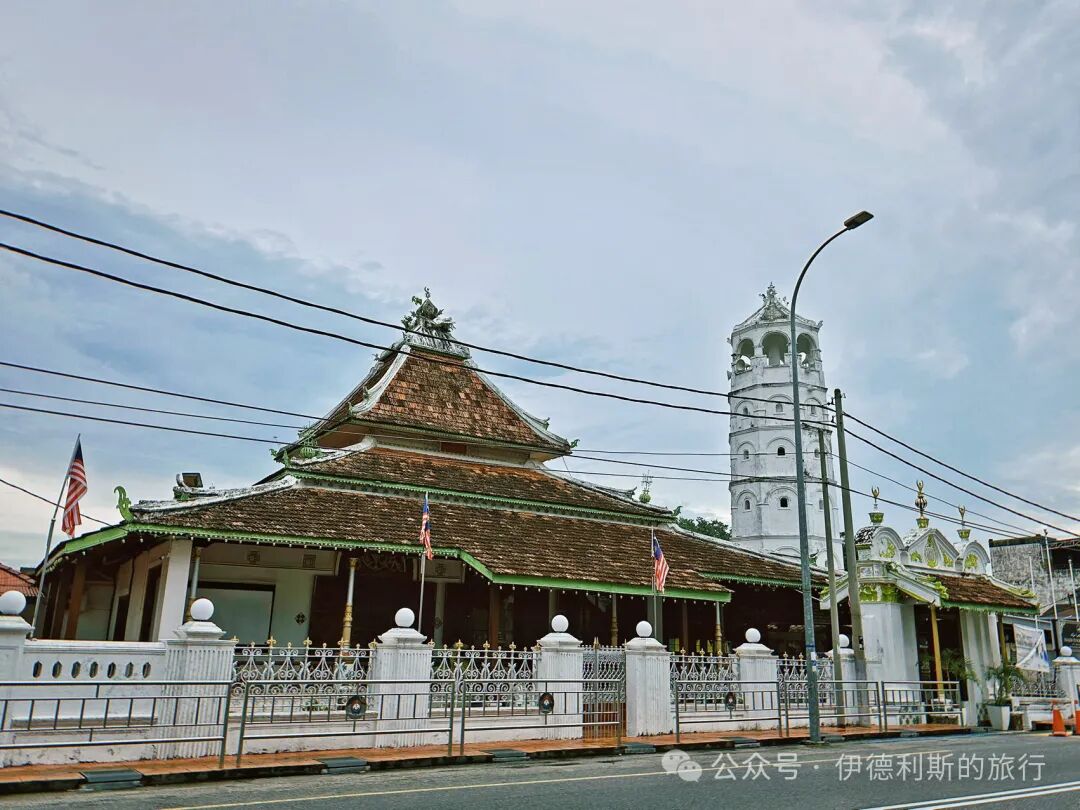
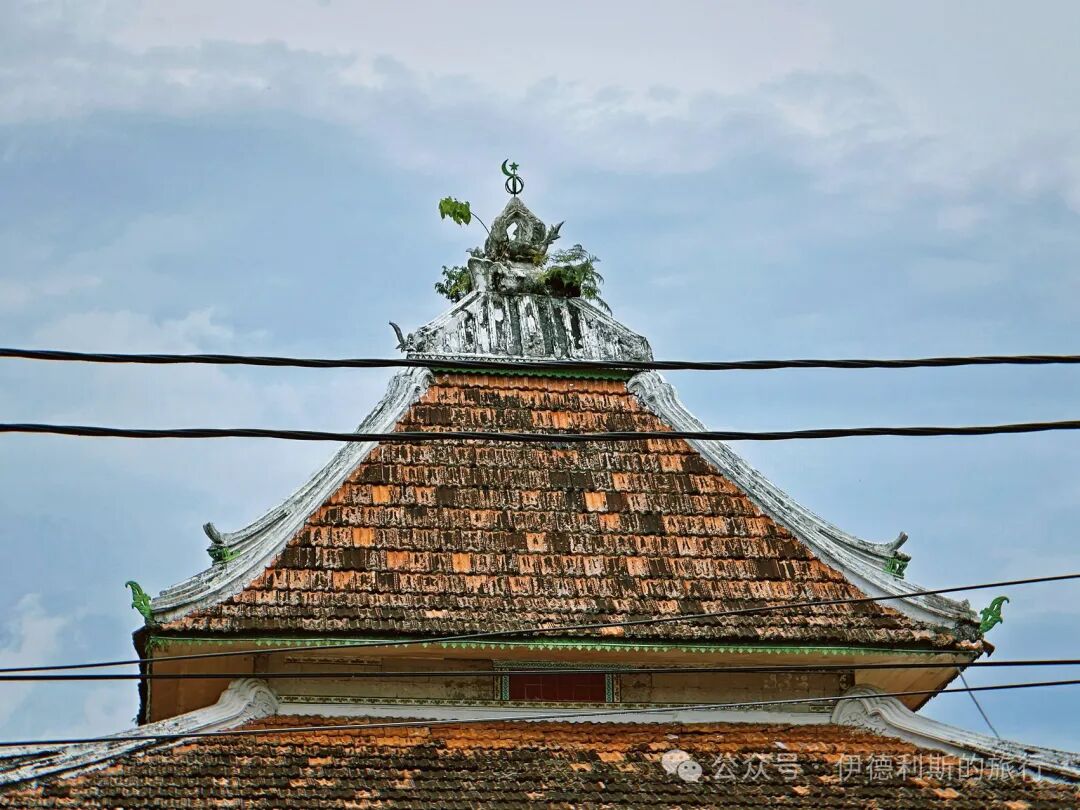
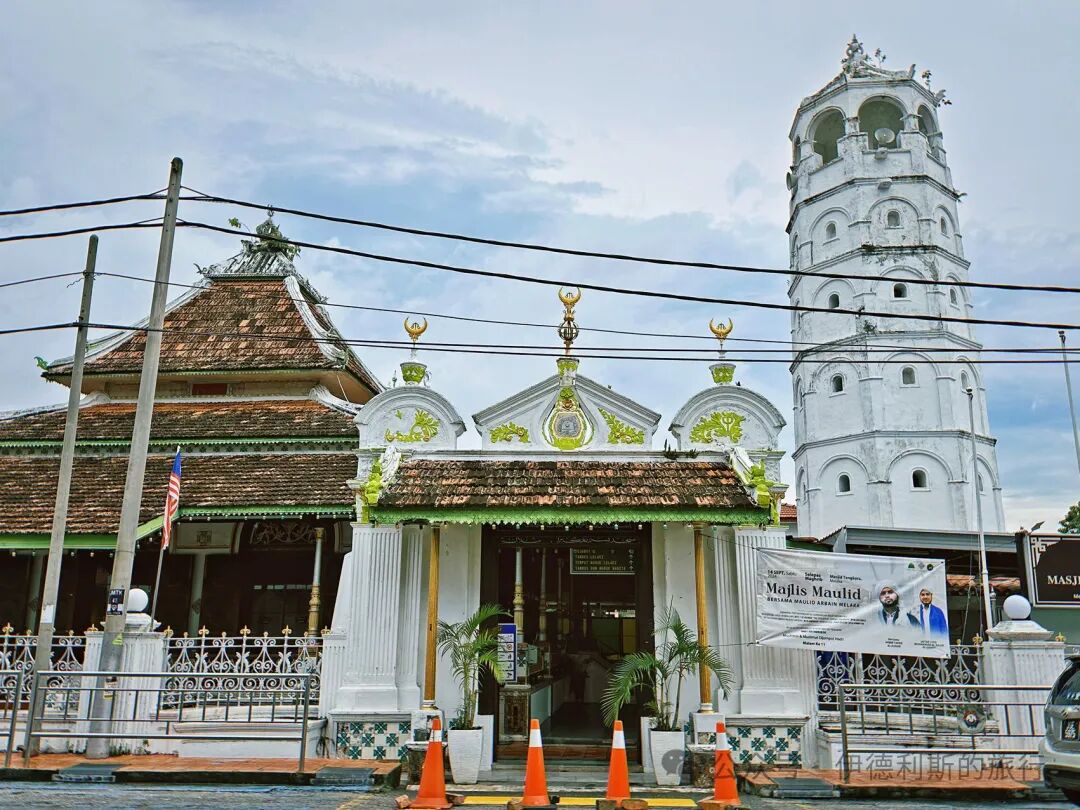
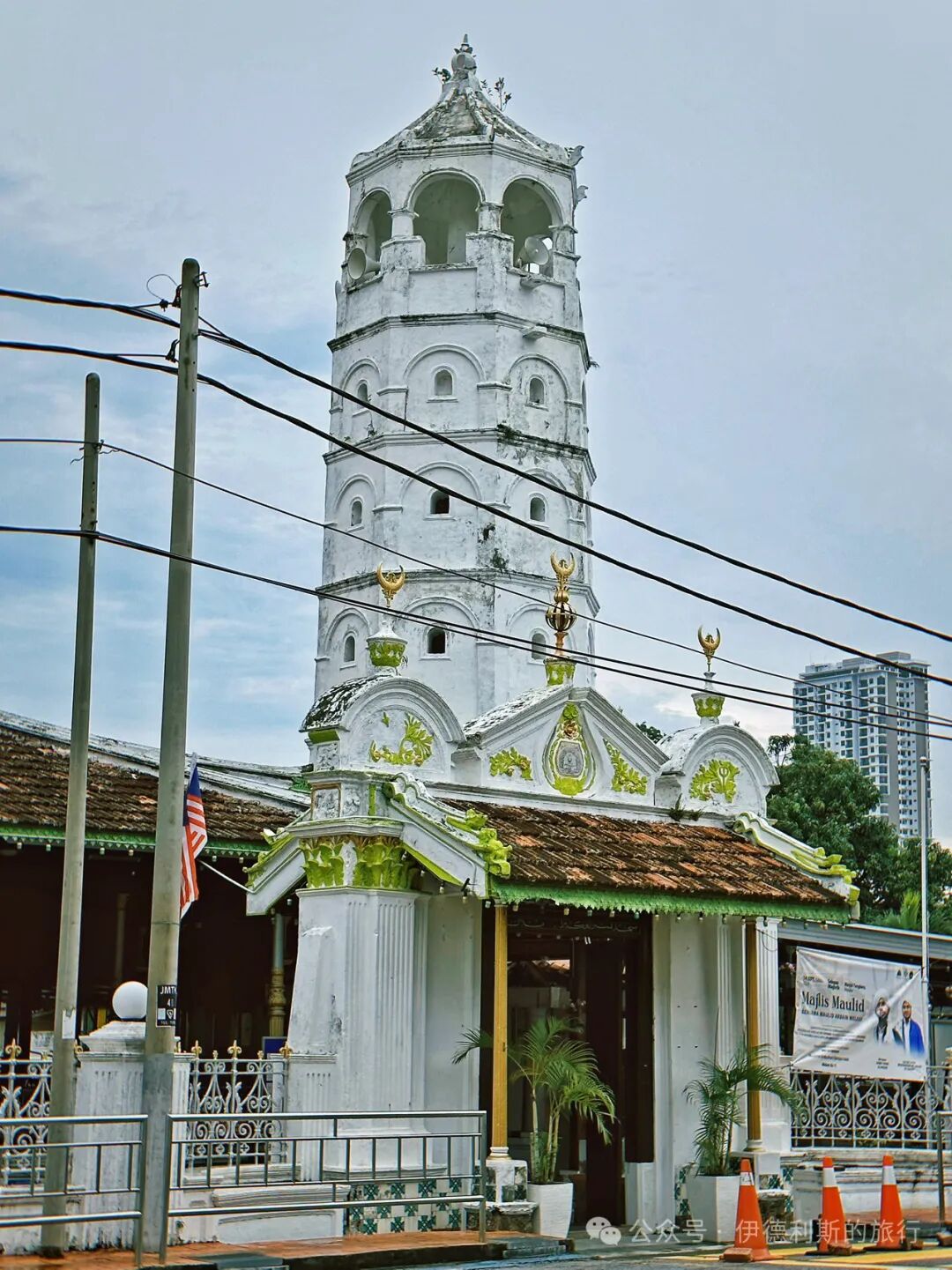
Tengkera Mosque.
In 1782, the Tengkera Mosque (Masjid Tengkera) was completed to the west of the Tengkera Small Mosque. The Tengkera Mosque also features a traditional Javanese three-tiered pyramid roof (bumbung tiga lapis), and the main hall is supported by four ironwood pillars from Kalimantan. After two renovations in 1890 and 1910, the current Tengkera Mosque has brick walls and a tiled roof. The minaret of the Tengkera Mosque, like that of the Tengkera Small Mosque, is a Chinese-style pagoda structure and serves as a continuation of the earlier minaret.
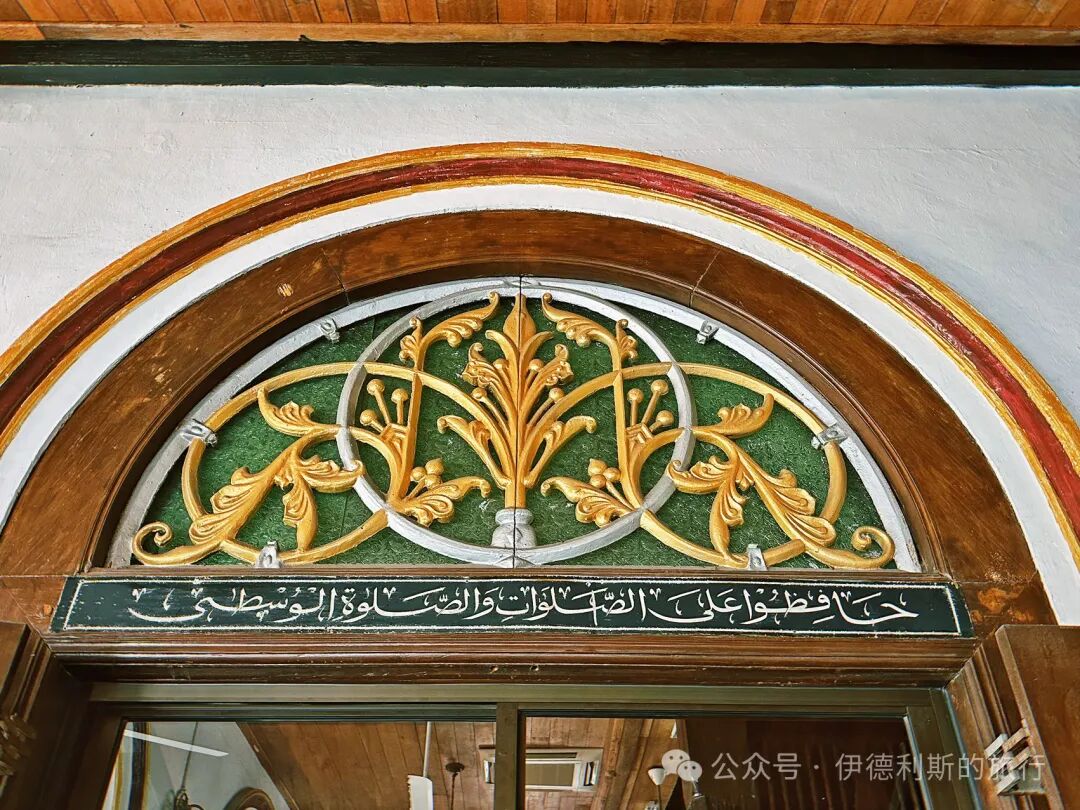
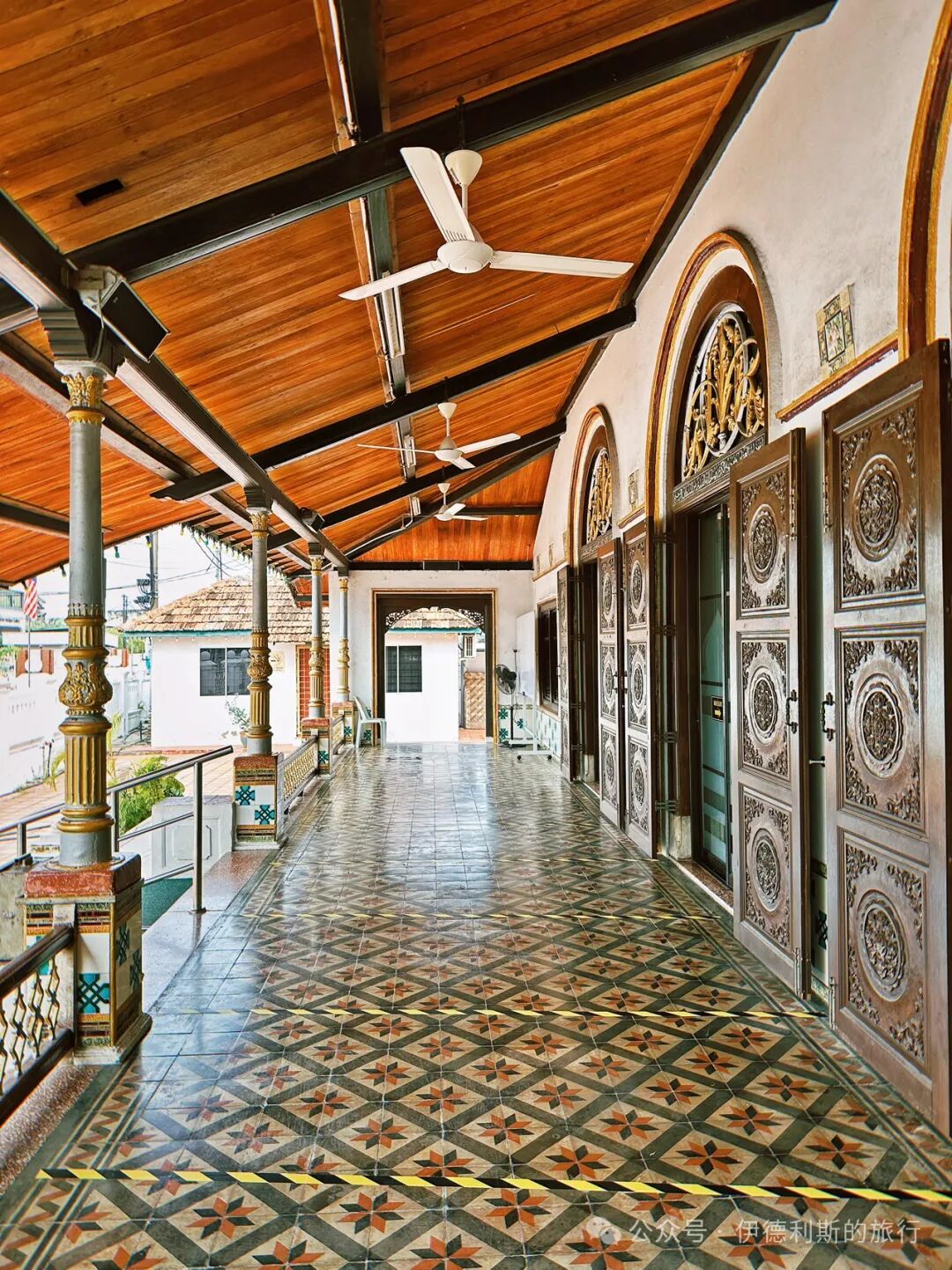
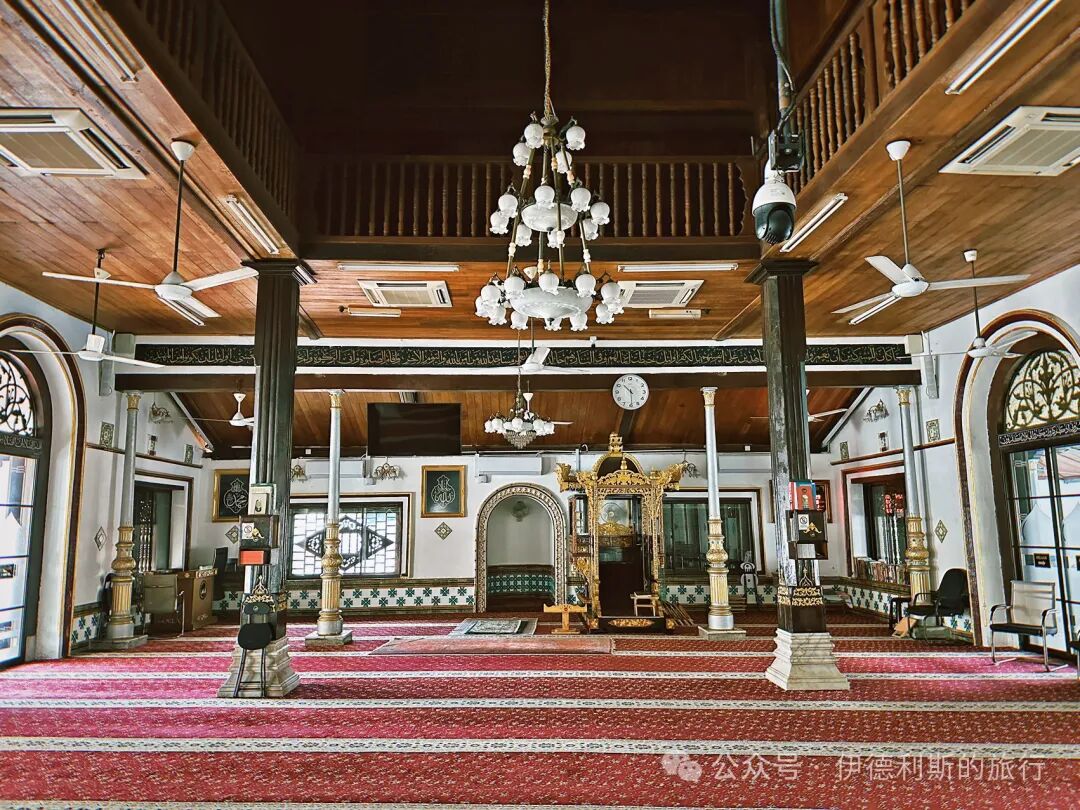
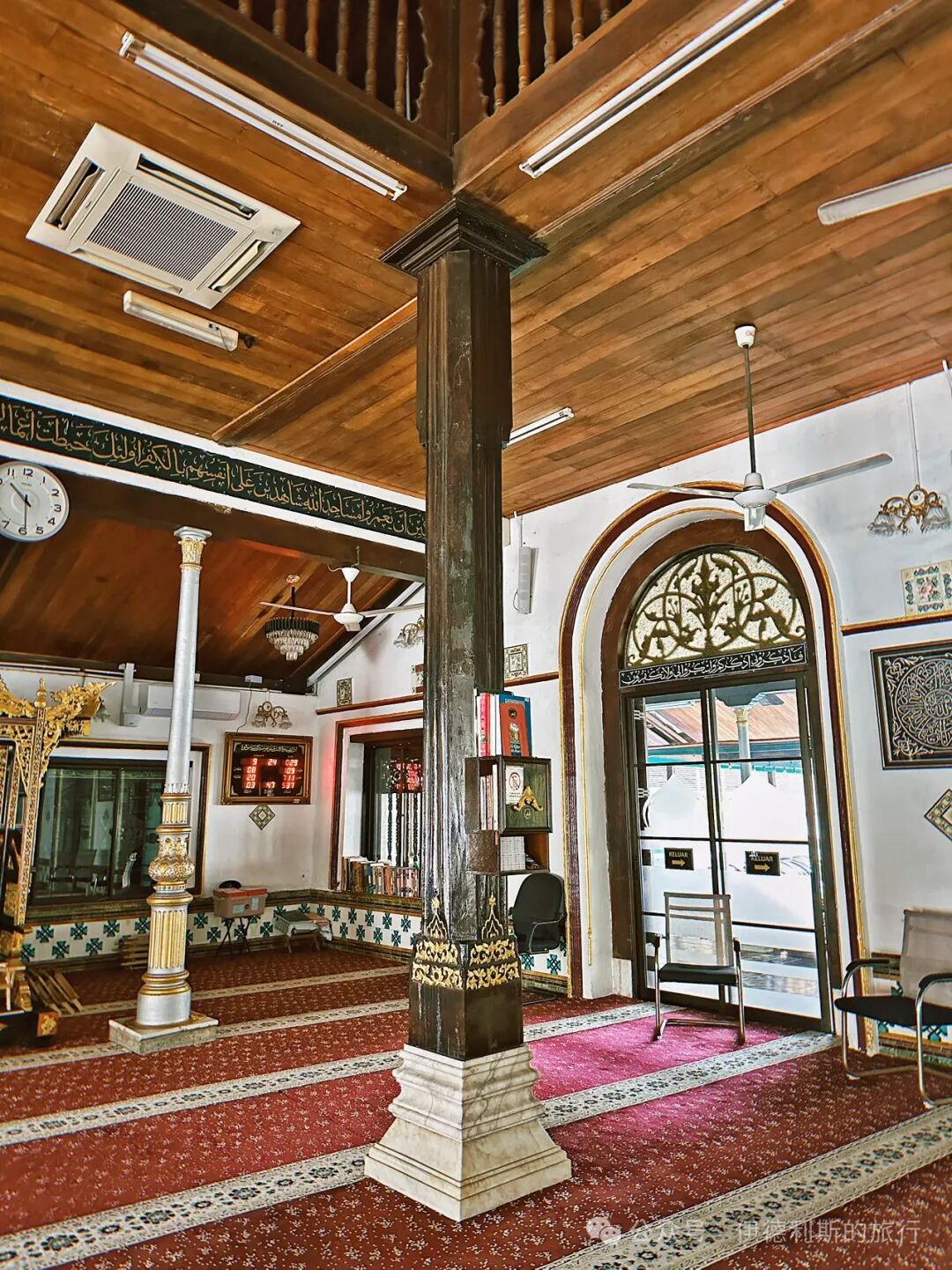
The exquisite minbar (pulpit) of the Tengkera Mosque is also in the Javanese throne style.
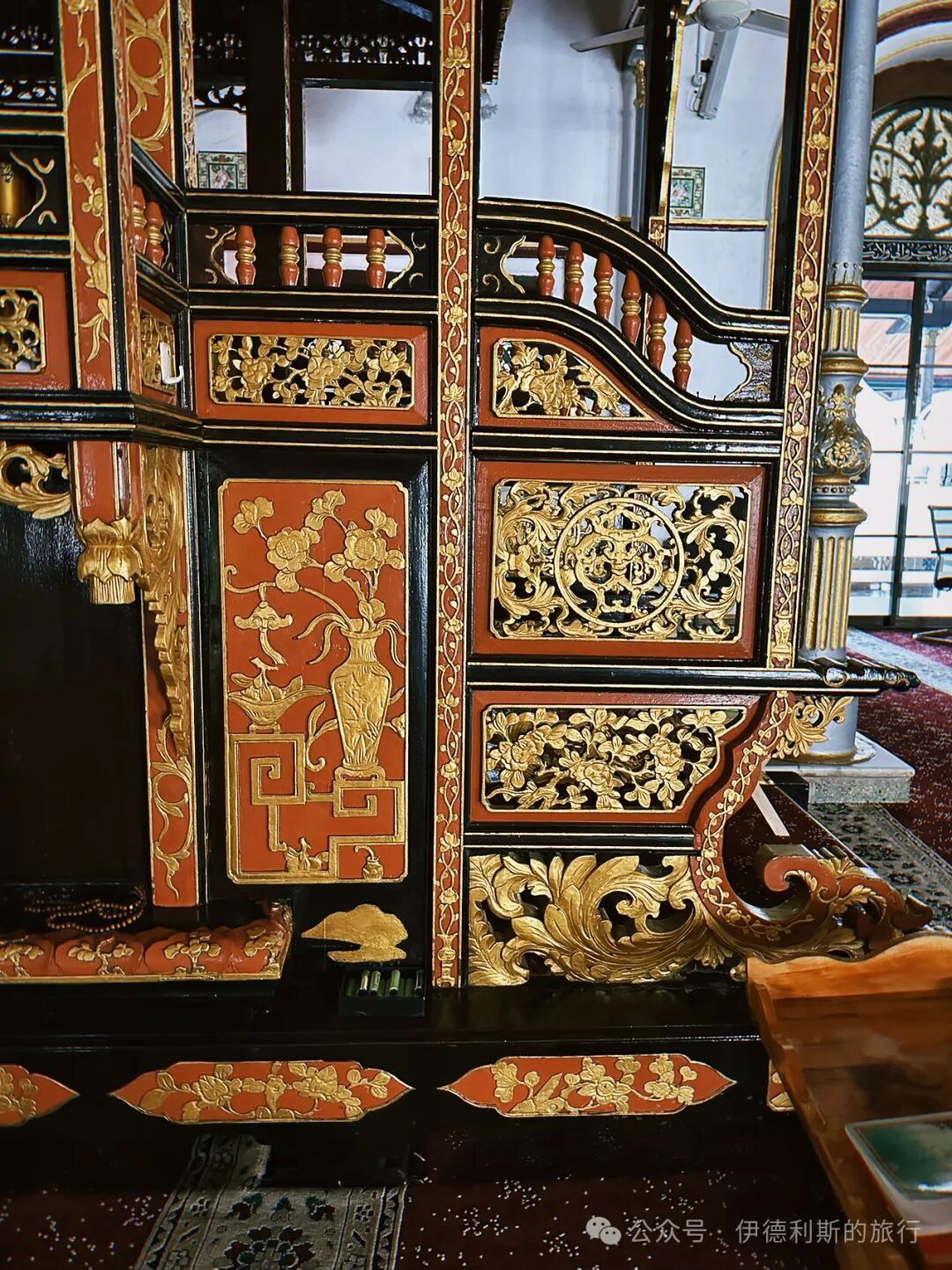
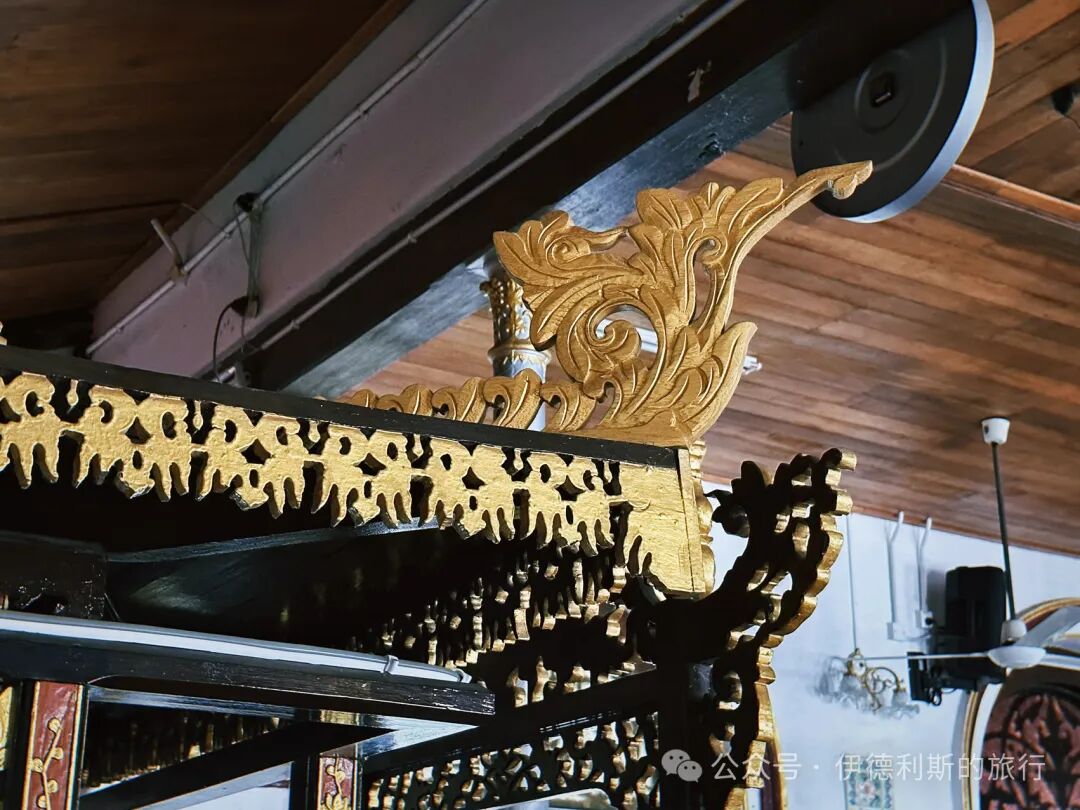
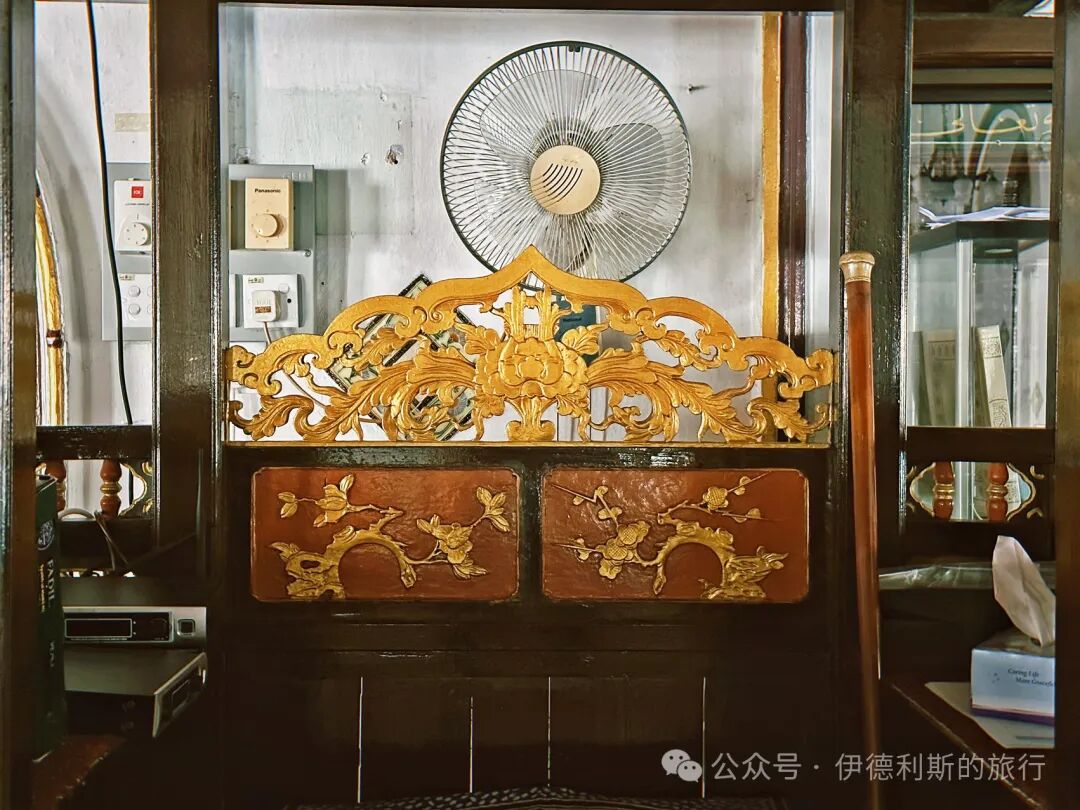
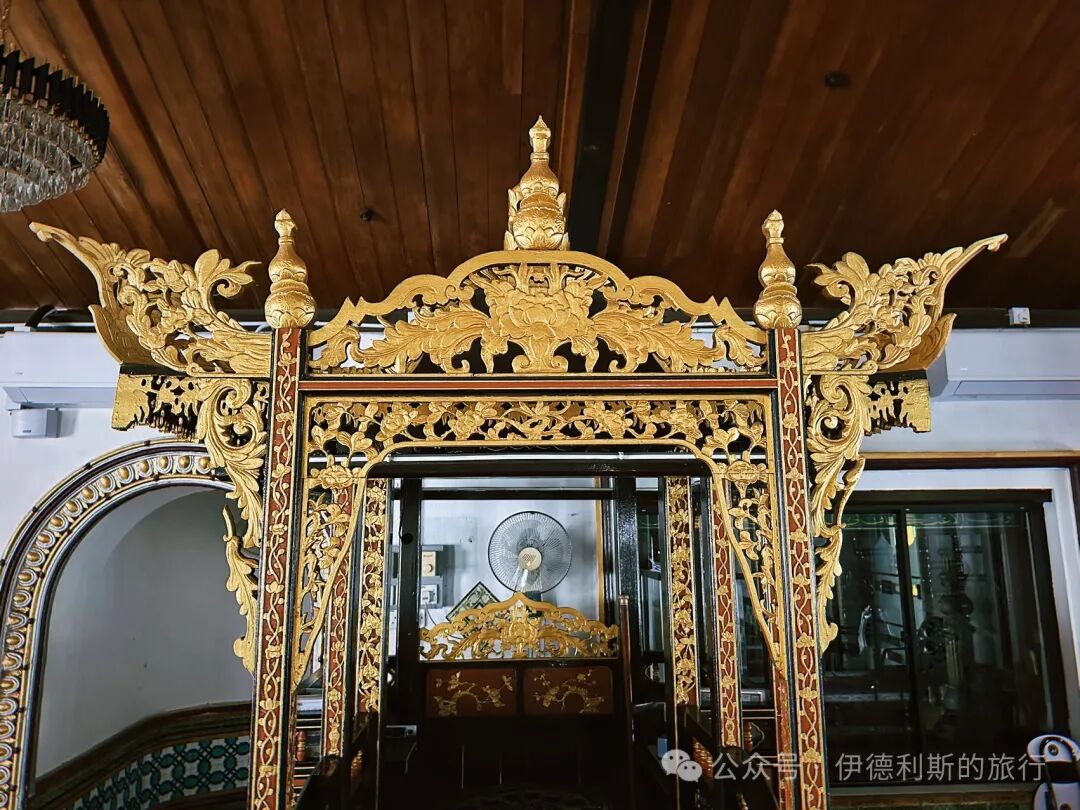
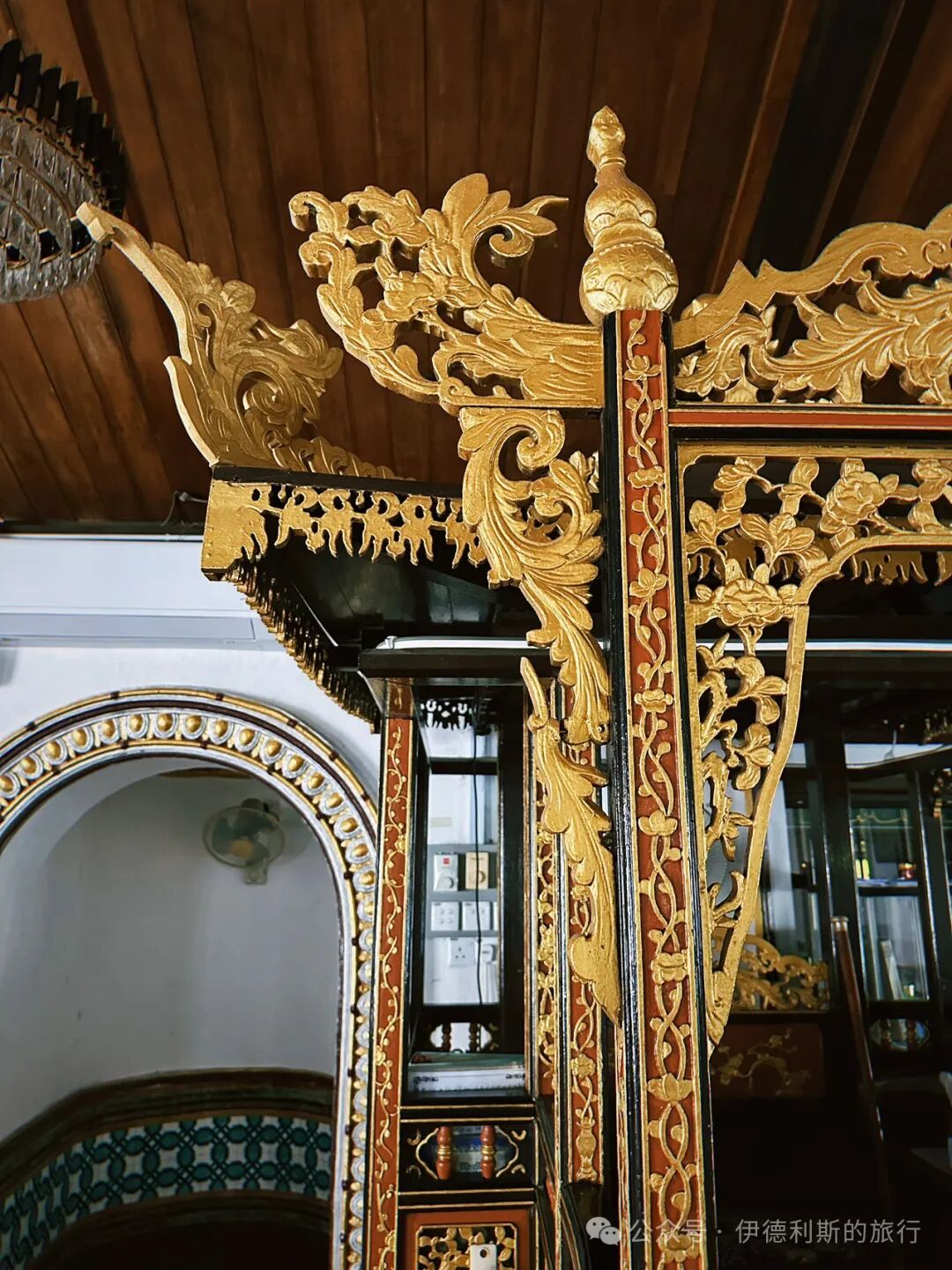
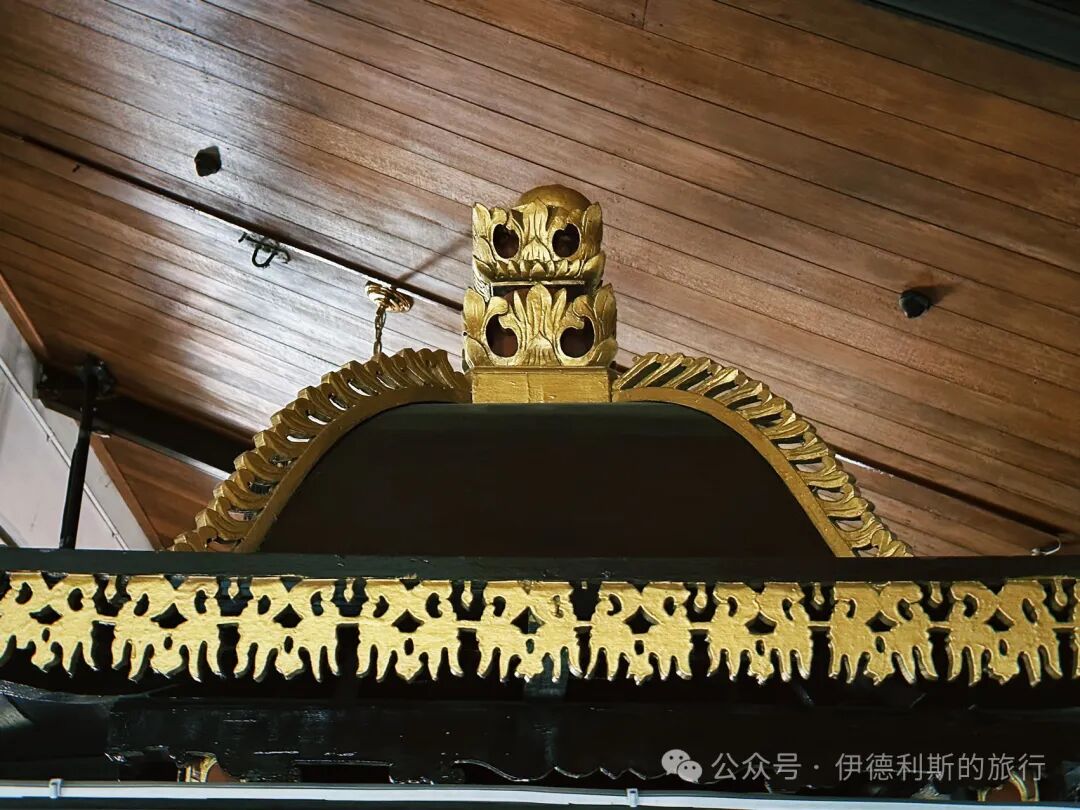
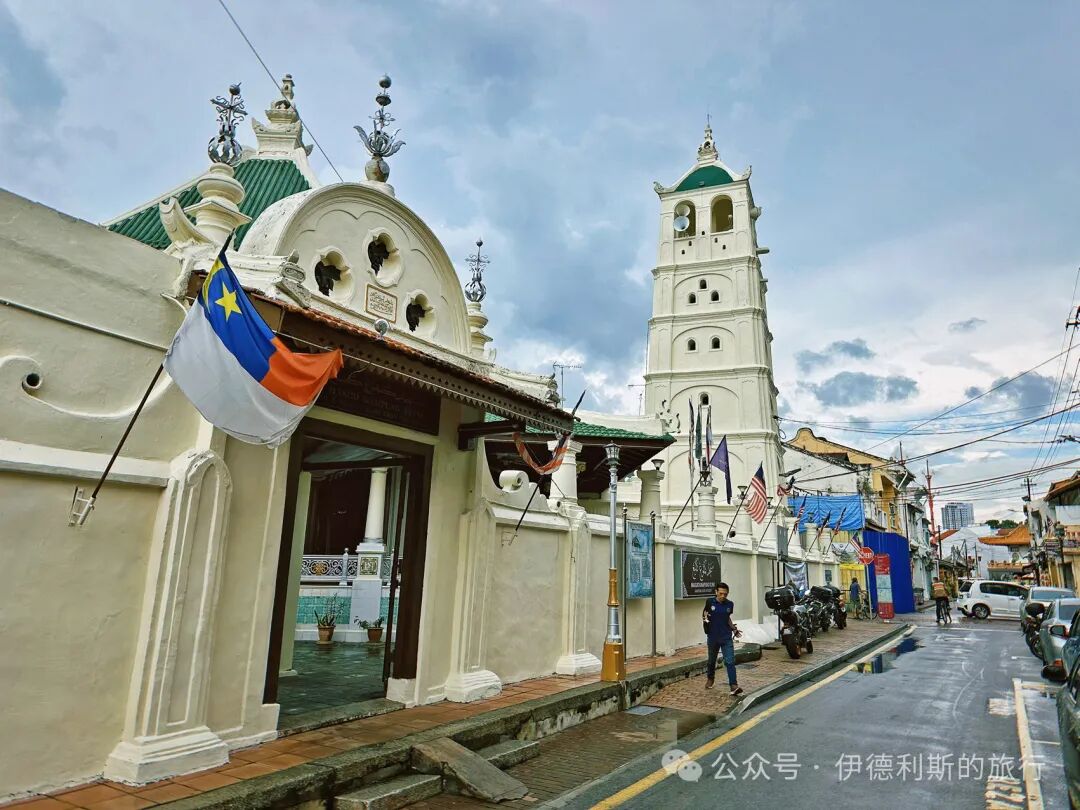
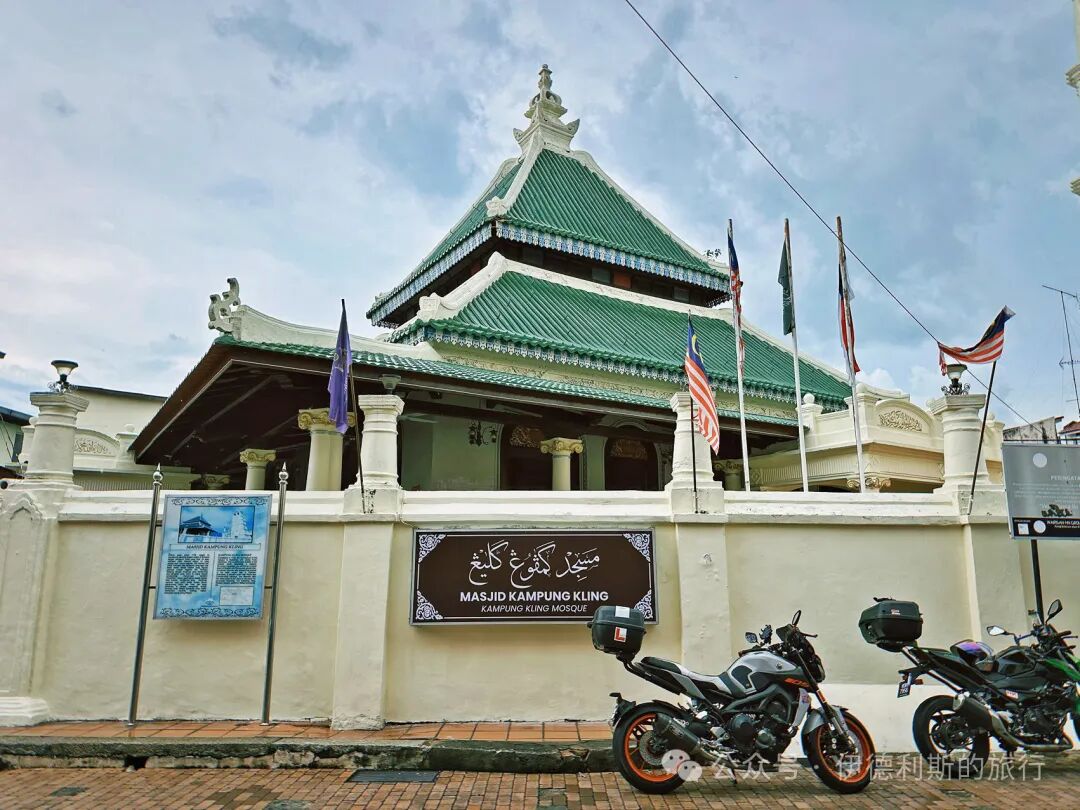
Kampung Kling Mosque.
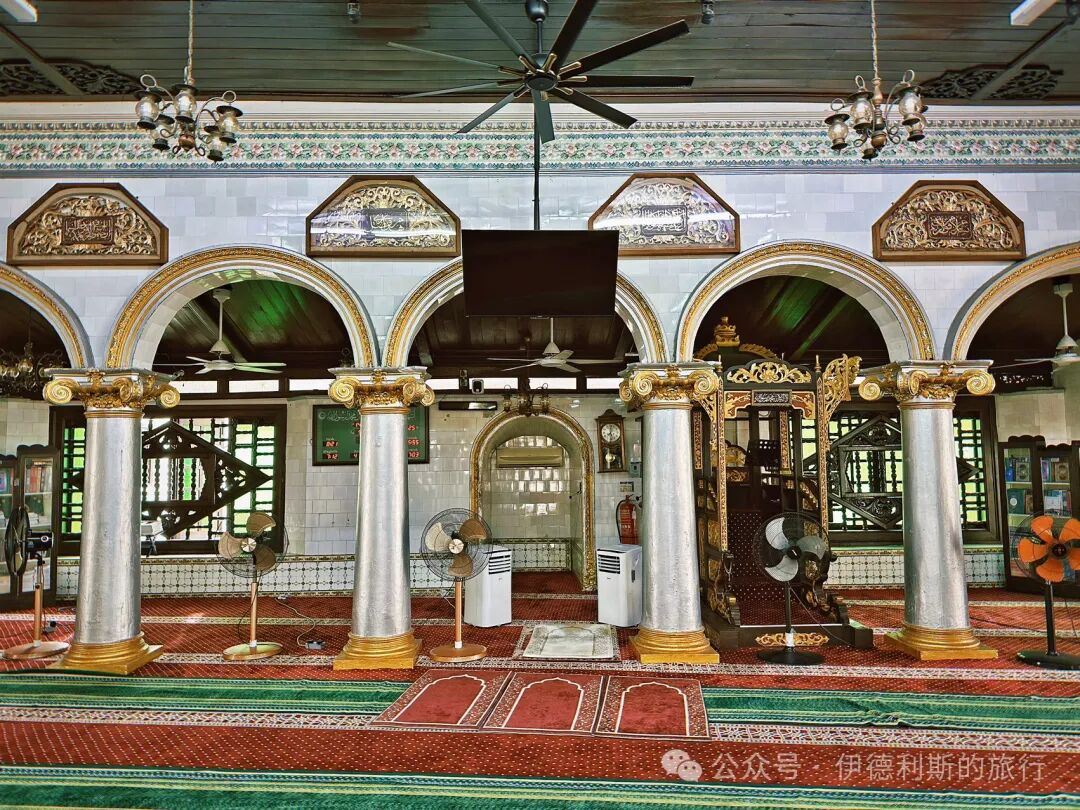
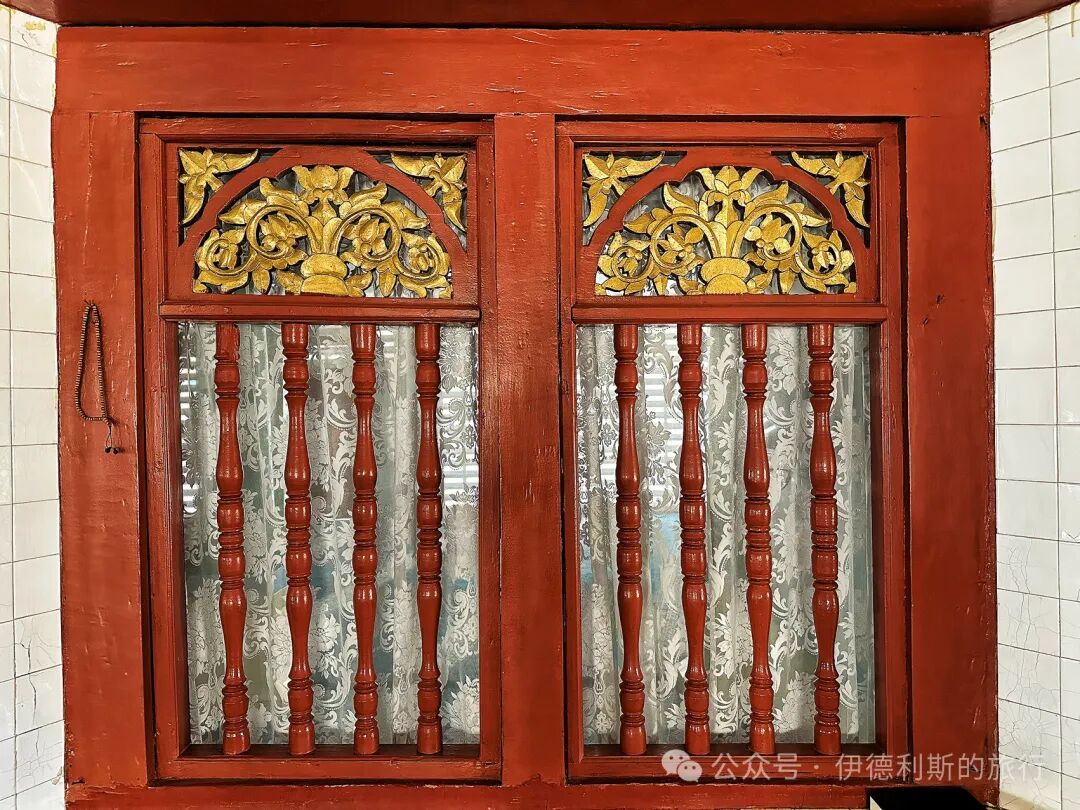
The Kampung Kling Mosque (Masjid Kampong Kling) is located in the center of Malacca city. It was first built by Indian merchants in 1748 and was converted from a wooden structure to the current brick structure in 1872. The mosque features a traditional Javanese three-tiered pyramid roof (bumbung tiga lapis). The classical Corinthian columns between the main hall and the prayer niche (mihrab), as well as the plaster walls, show the influence of Dutch colonists. The Chinese tiles on the roof, floor, and walls, along with the wood carvings on the doors and windows, reflect Chinese influence.
Legend has it that during the Malacca Sultanate, Kampung Kling was a settlement for Indian Muslim merchants. 'Kling' was the historical term used in the Malay Archipelago for Indians, especially Tamils. On a 1690 map of Malacca, this area is marked as 'Mosquée de Maures' (Moorish Mosque), but its relationship to the Kampung Kling Mosque is uncertain. In the 18th century, this was still a village for South Indian immigrants. After the rubber industry in Malacca boomed in the 19th and early 20th centuries, it became a residential area for Chinese people working in the rubber industry. Today, the mosque is surrounded by Chinese shophouses.
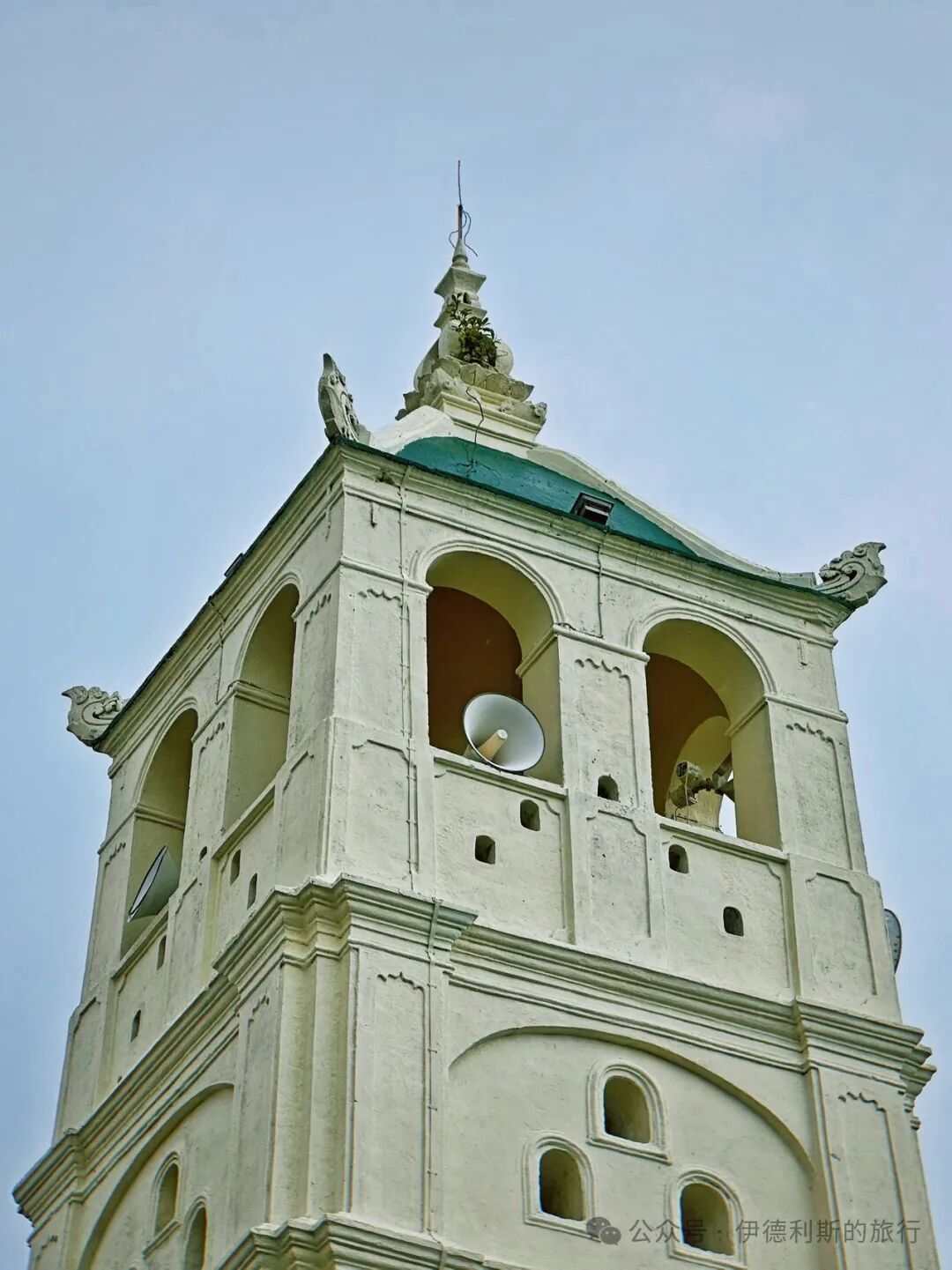
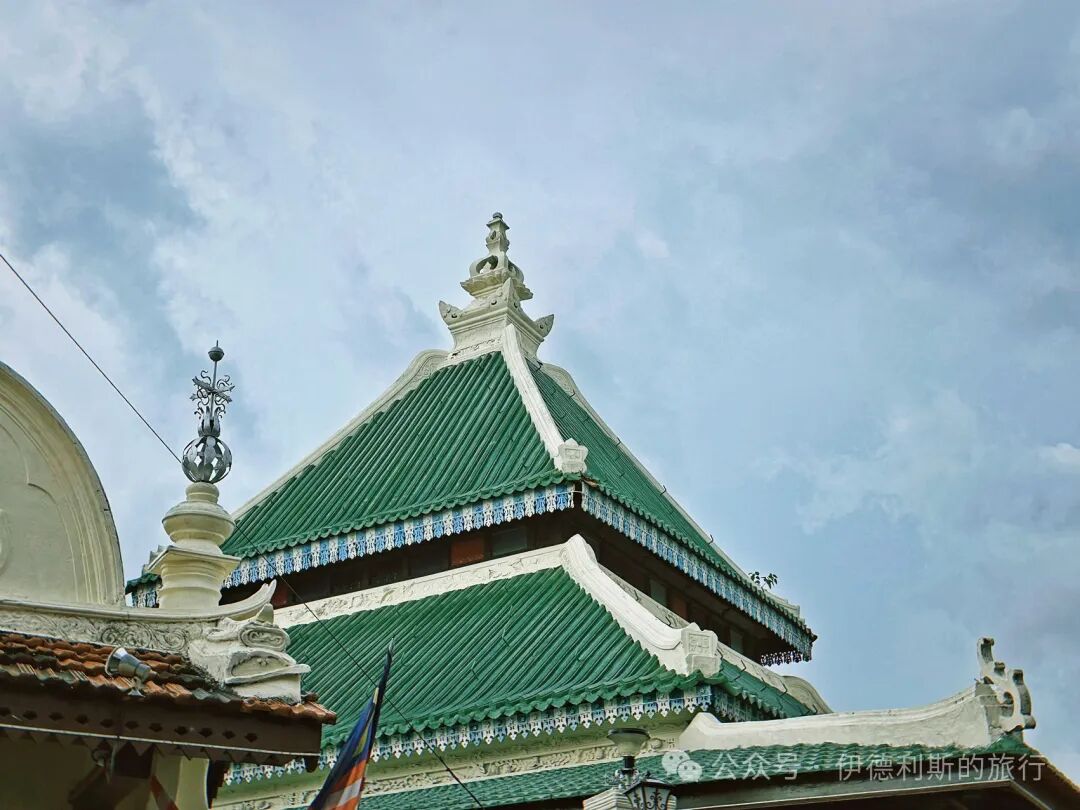
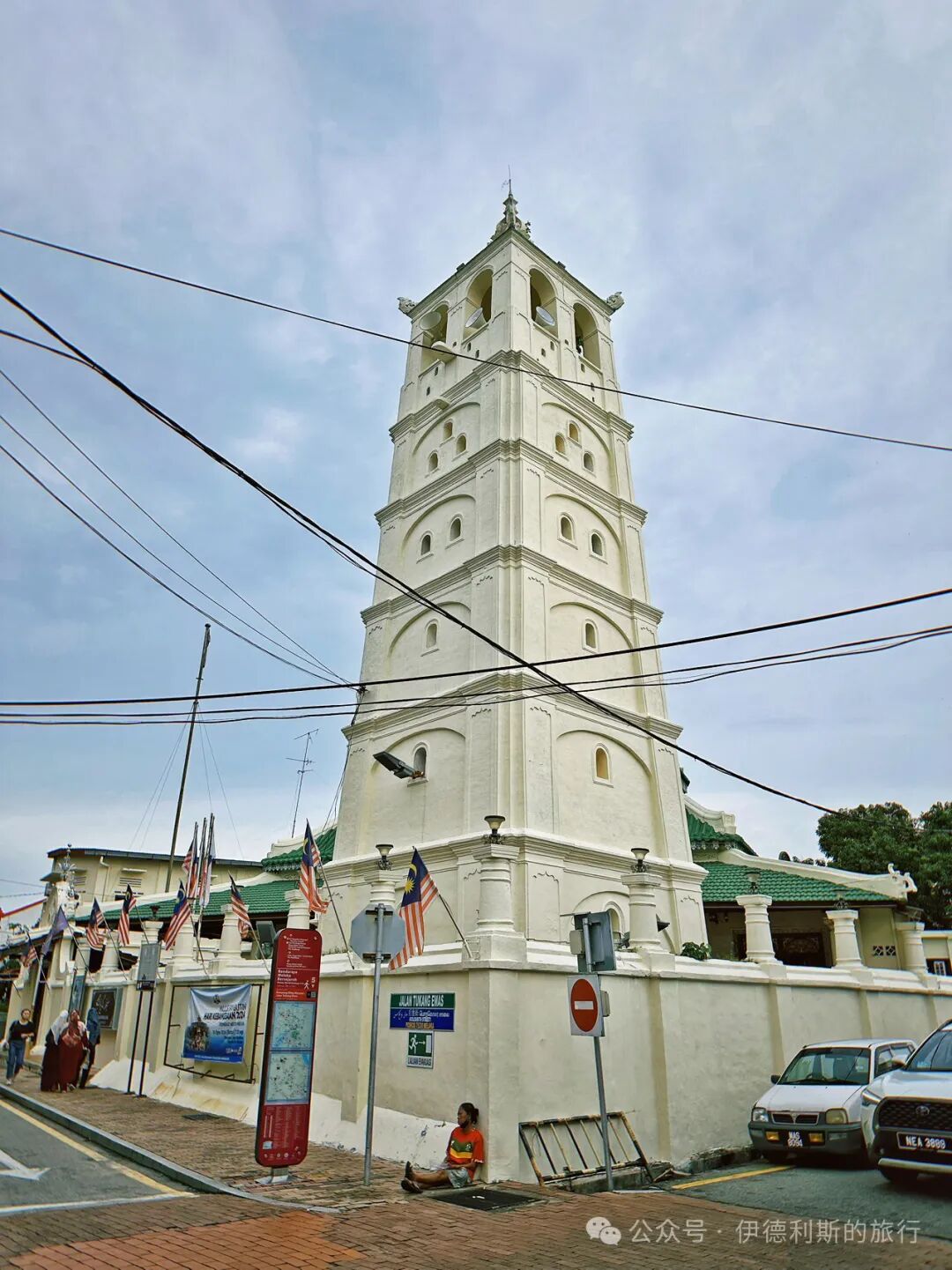
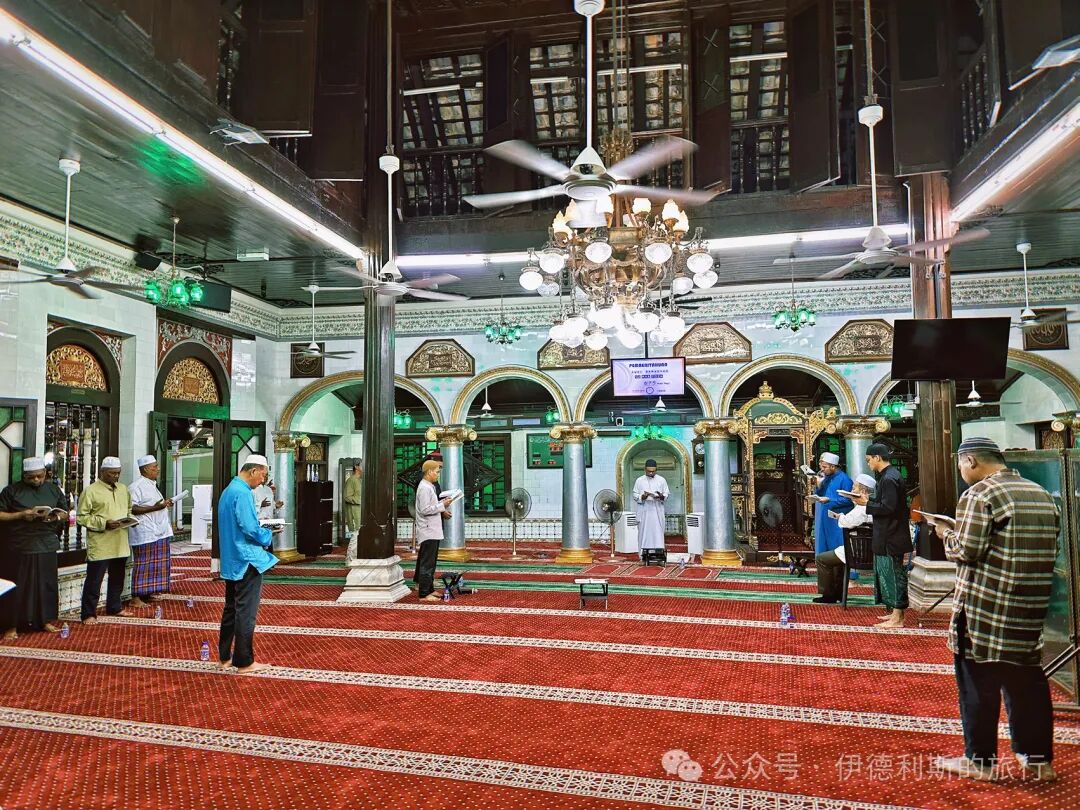
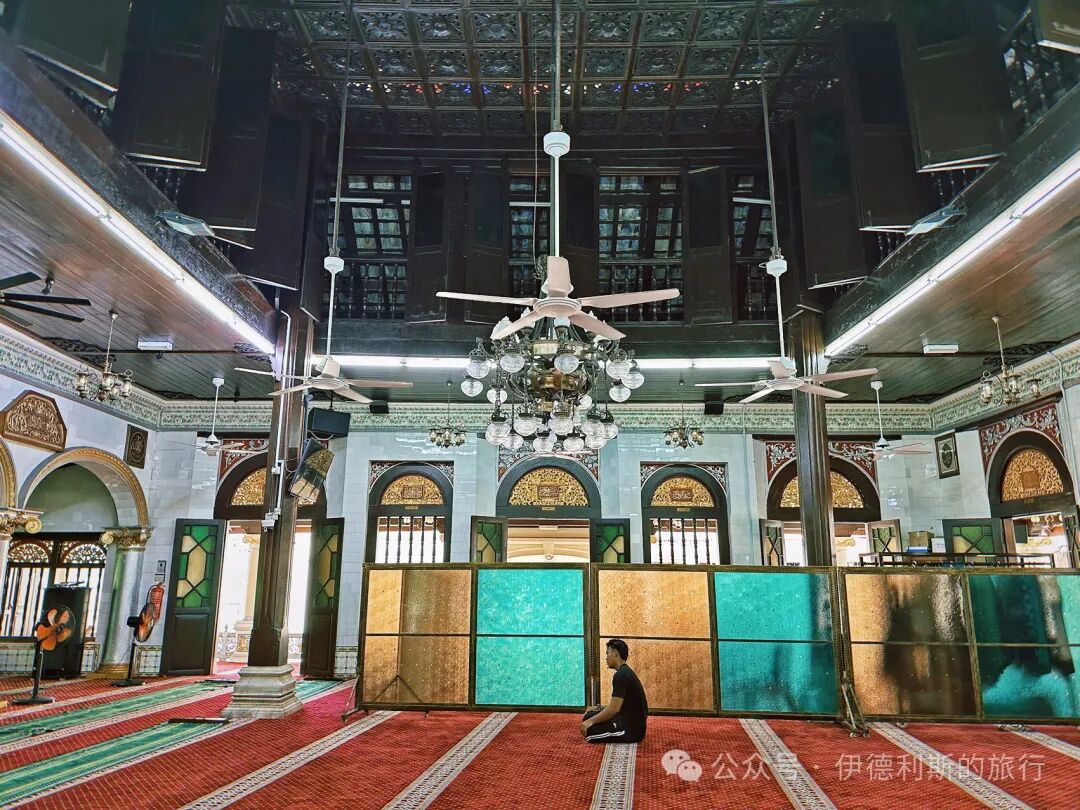
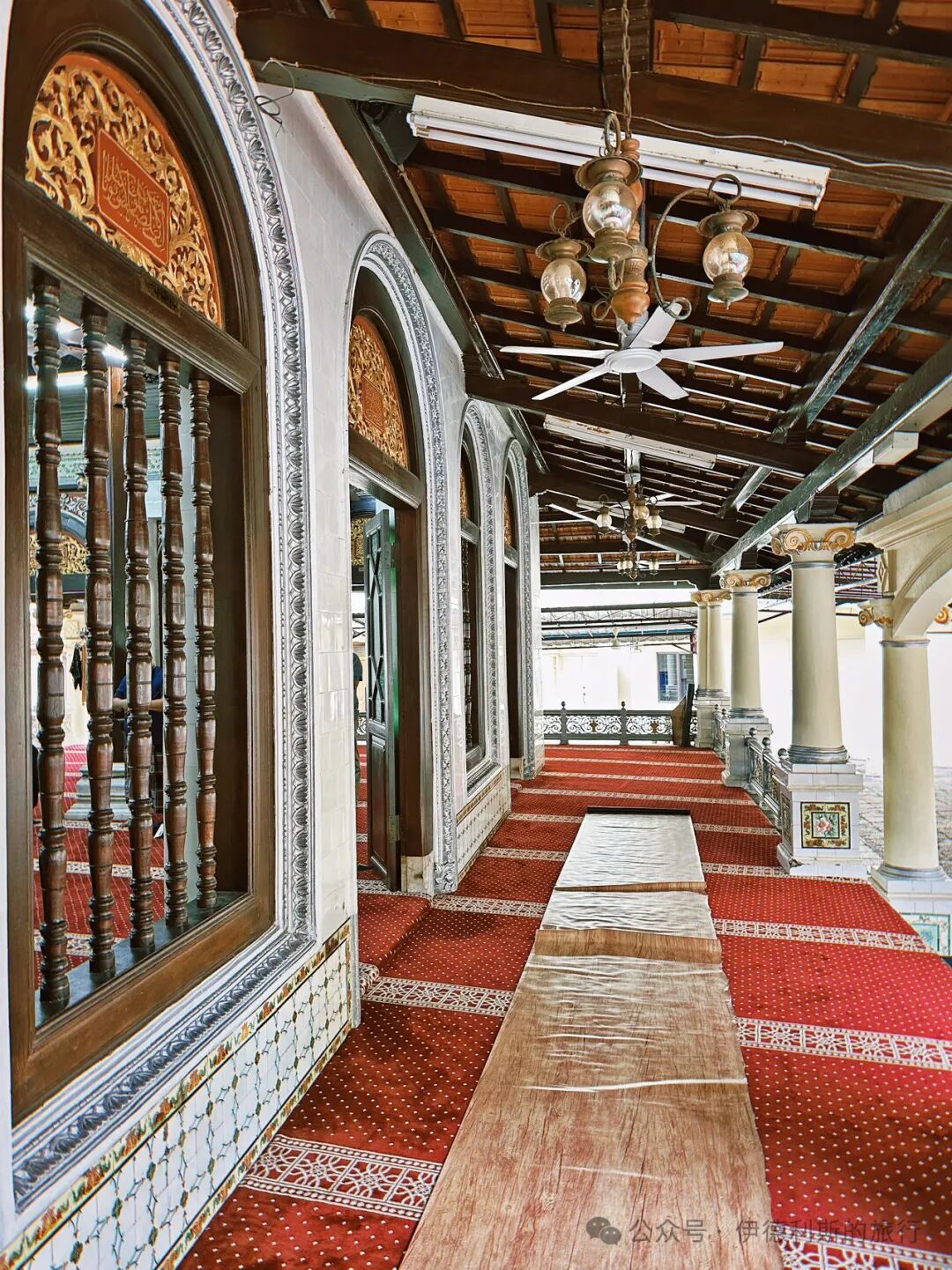
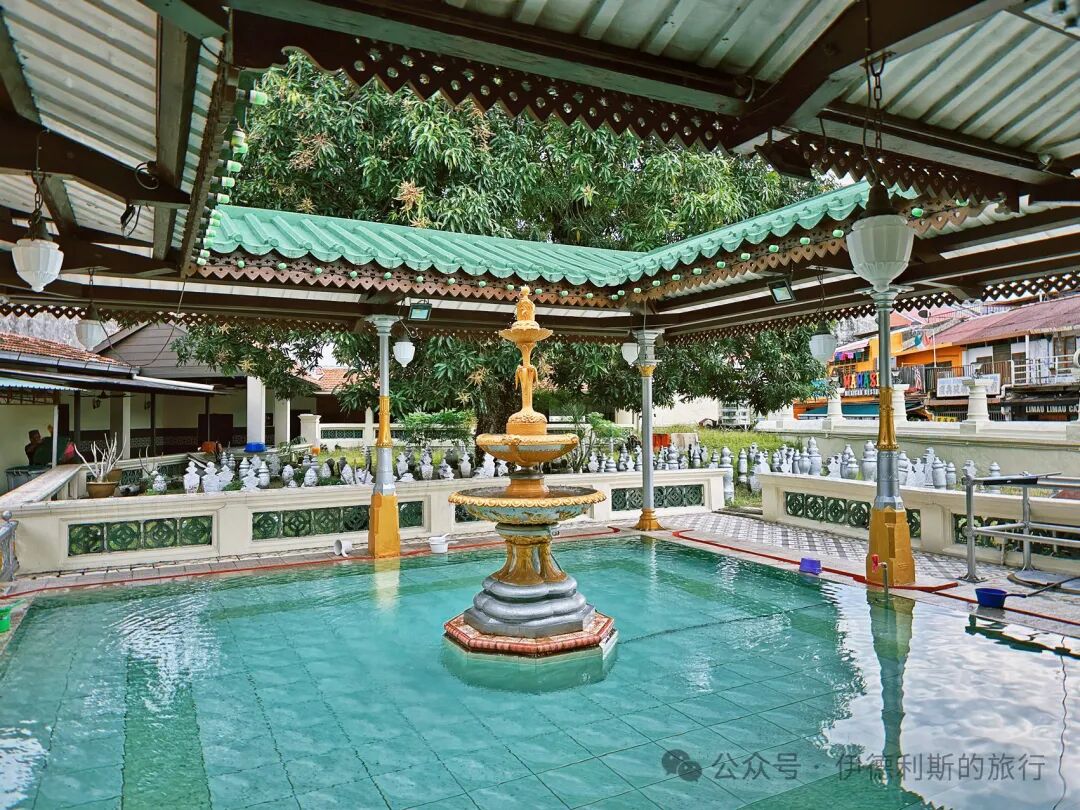
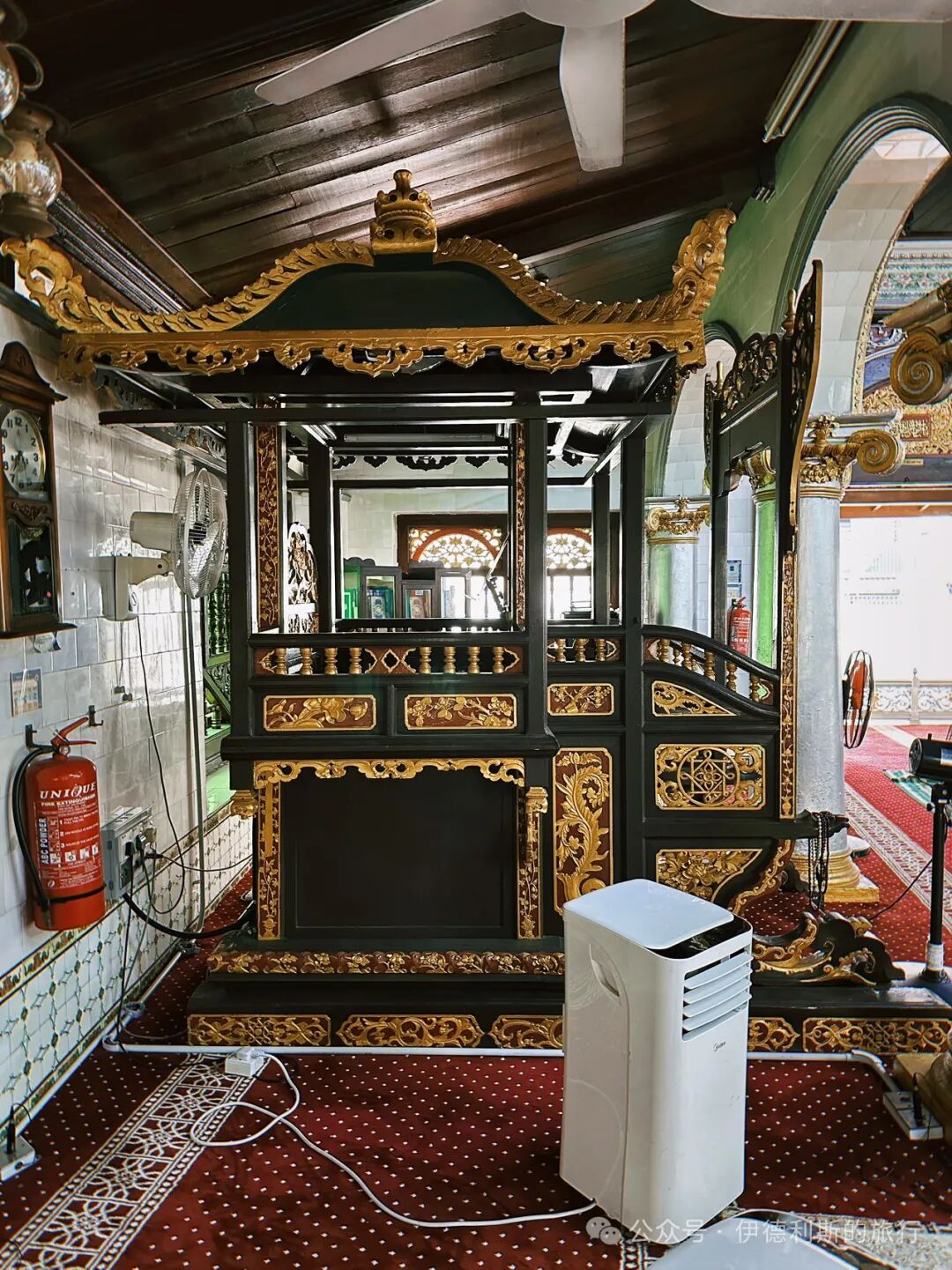
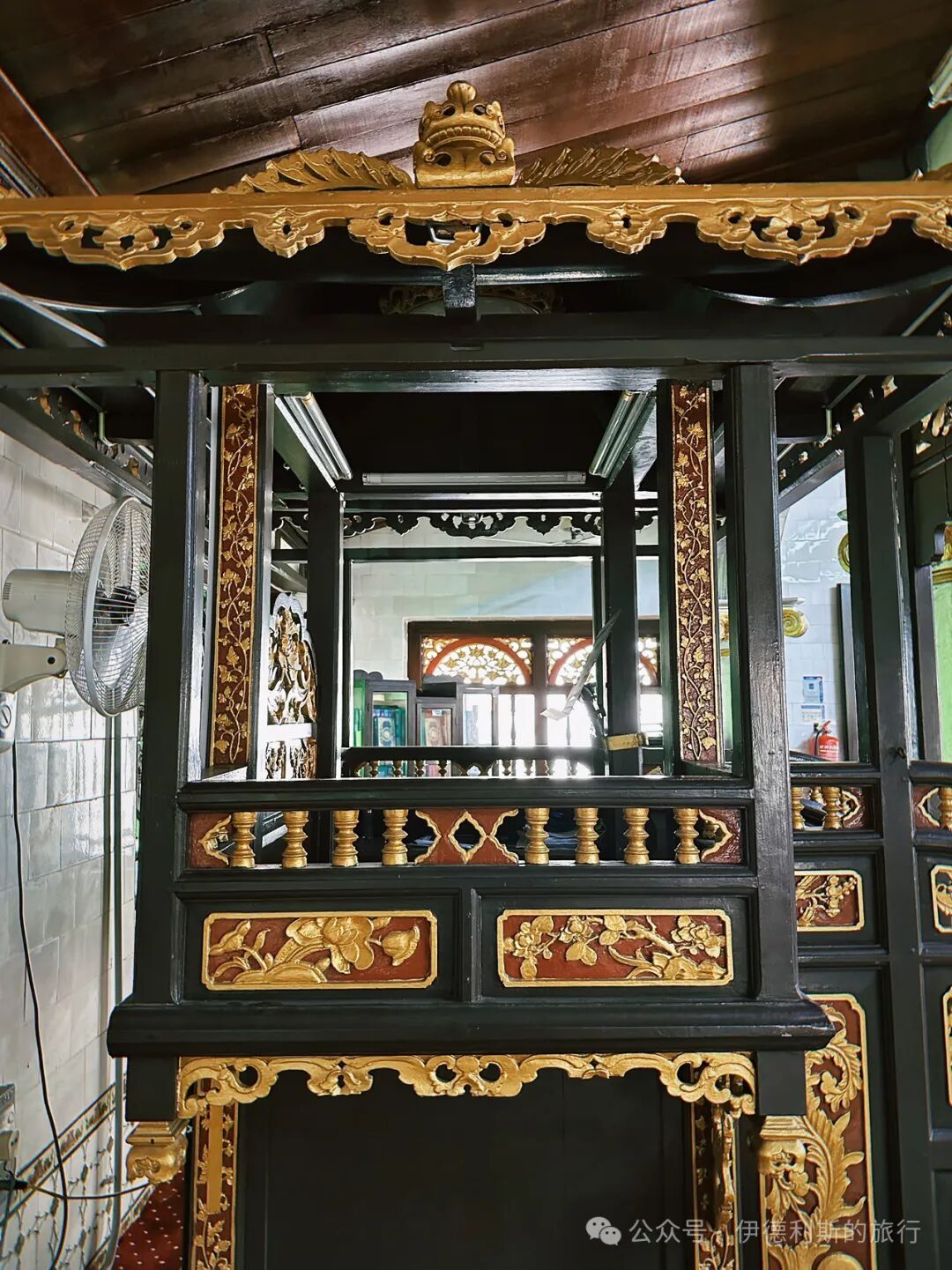
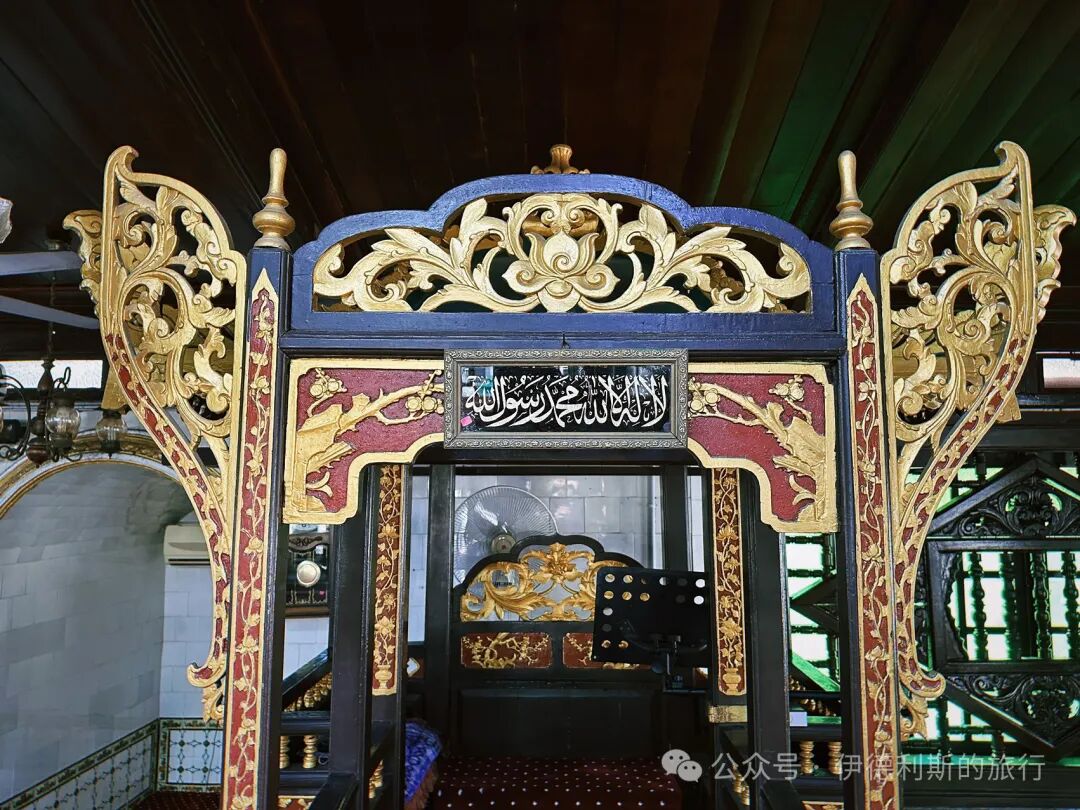
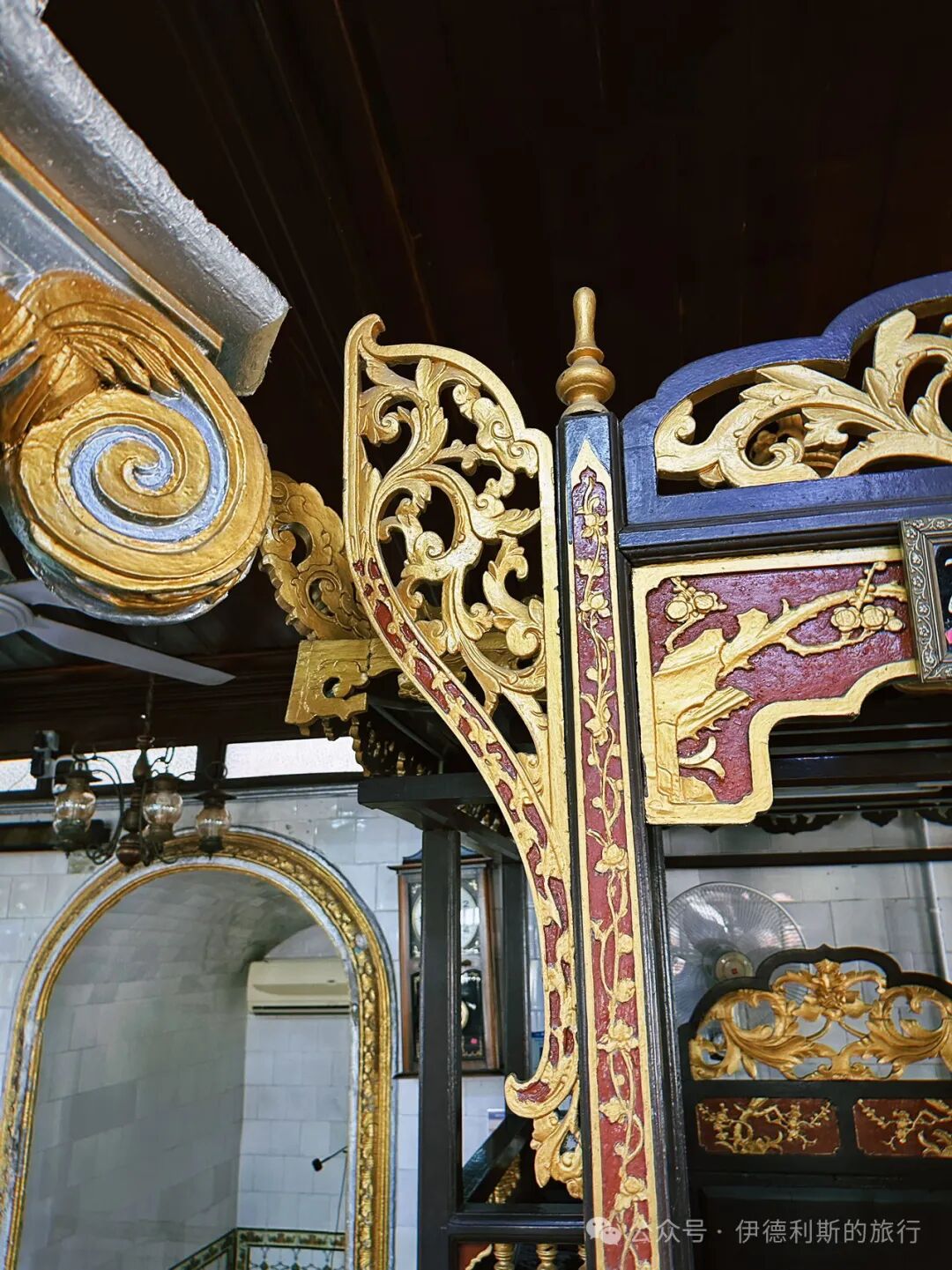
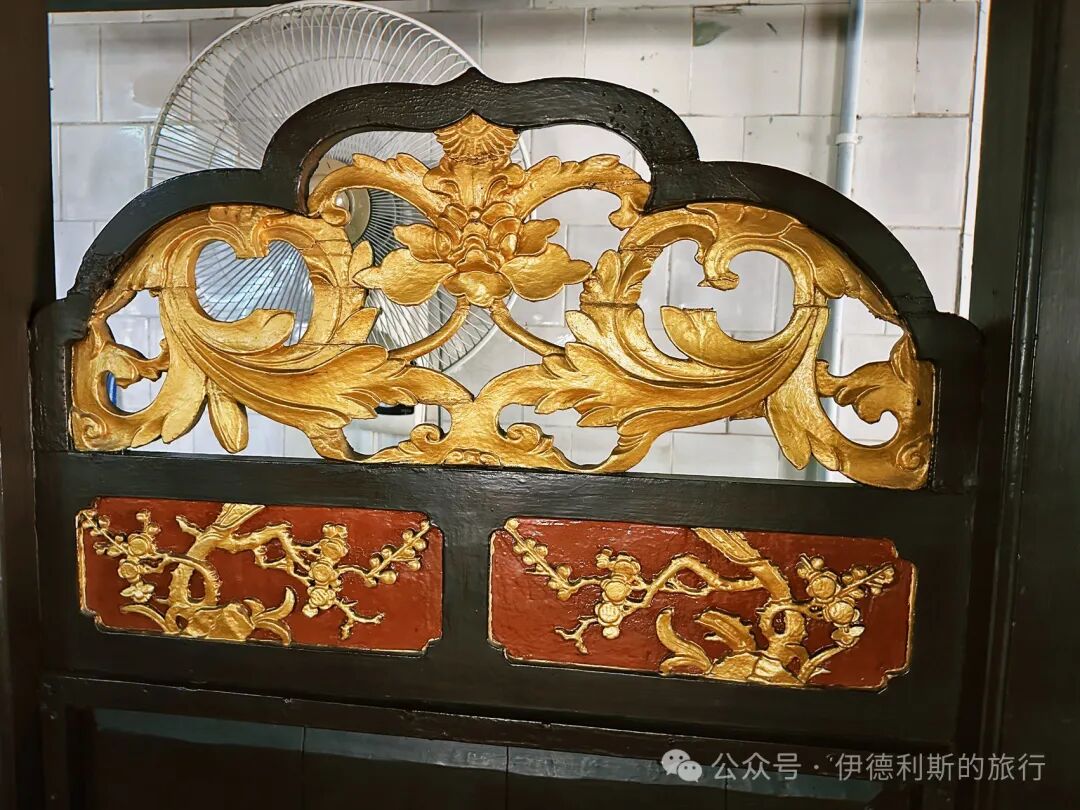
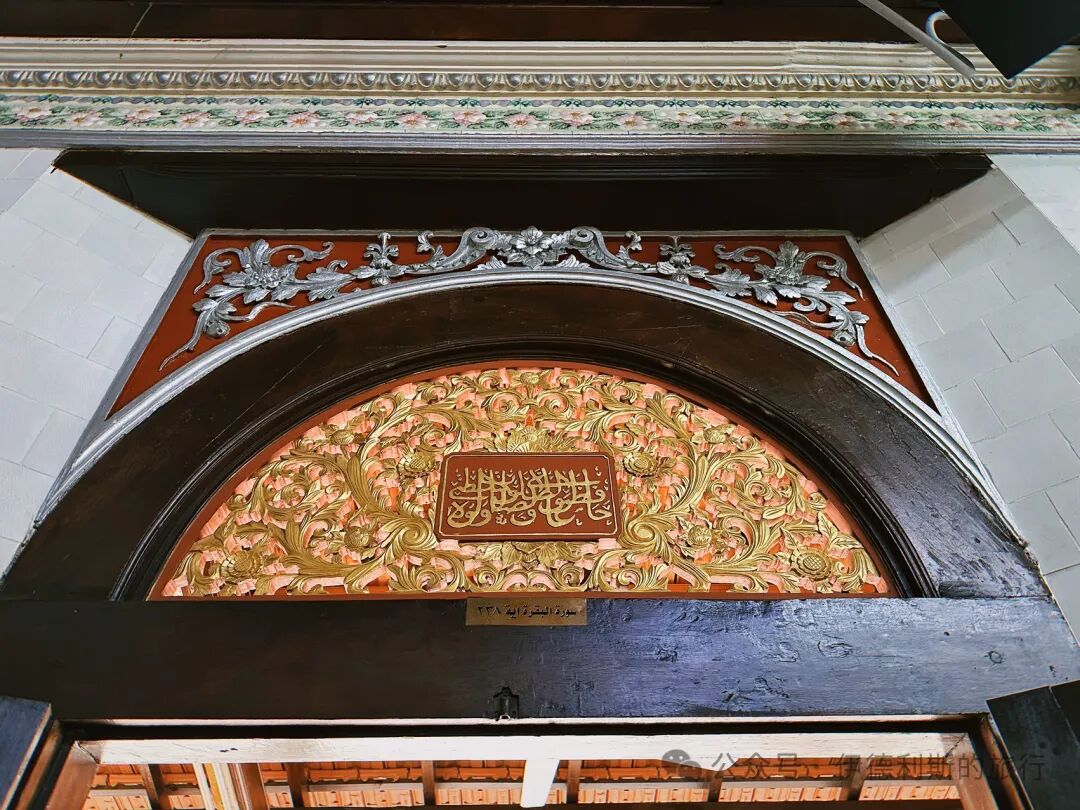
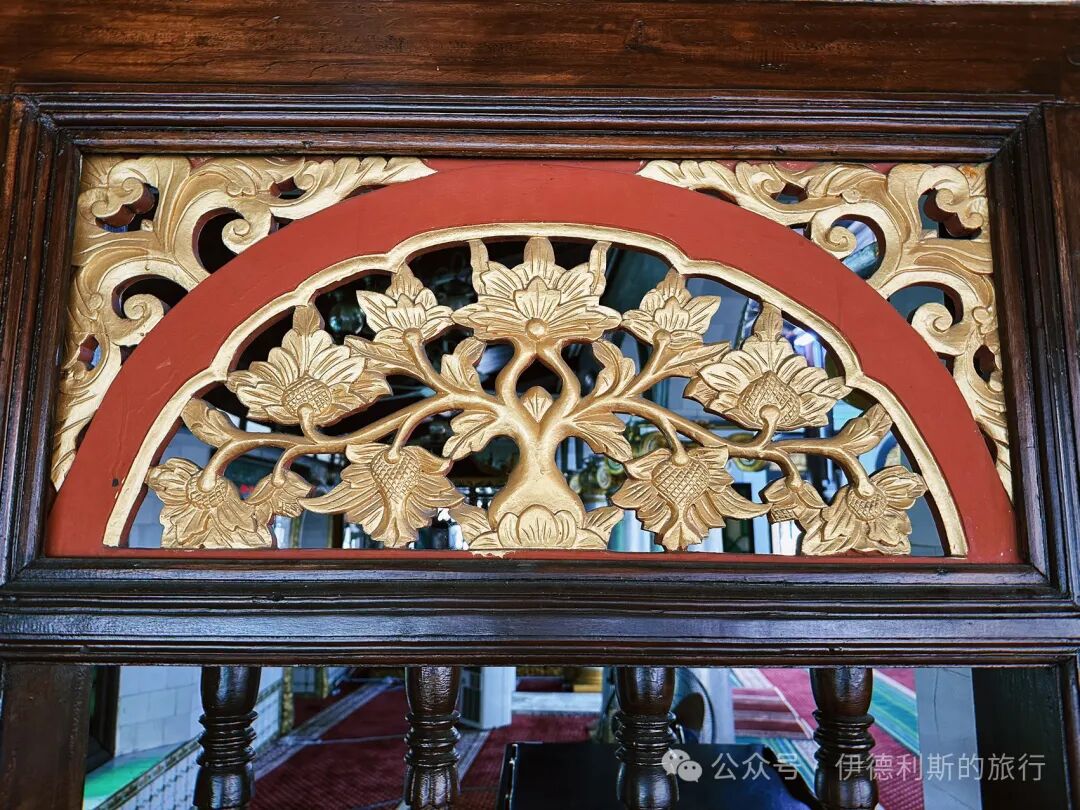
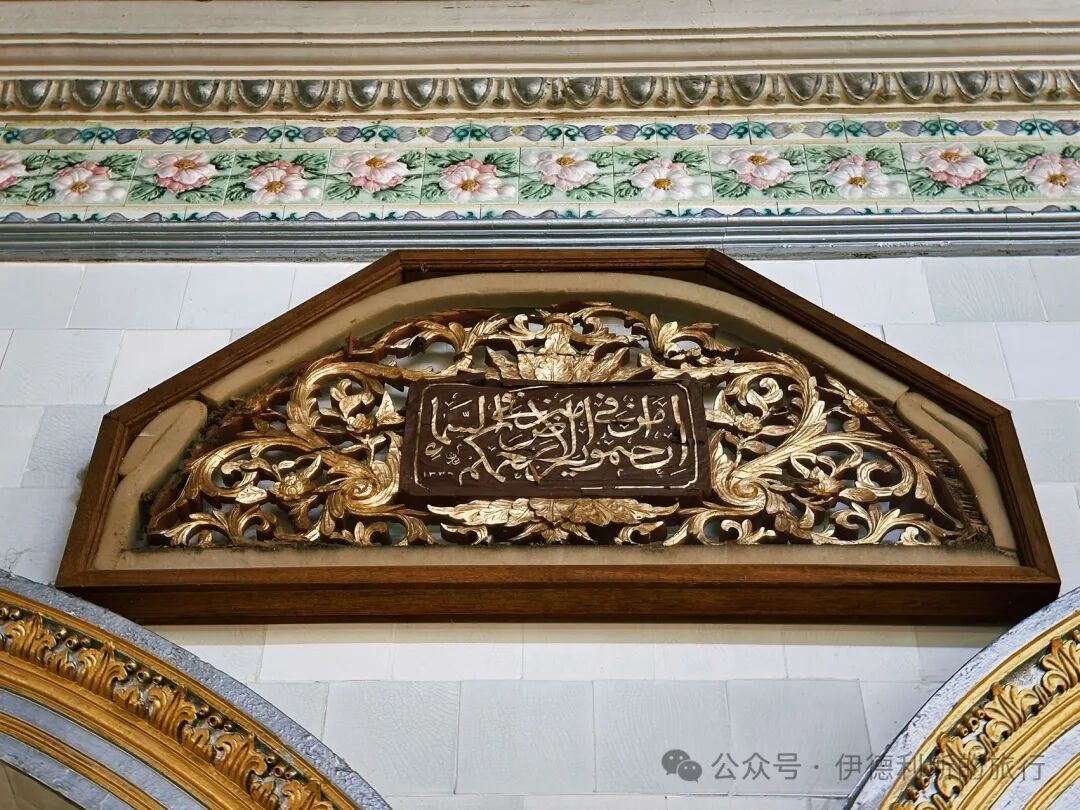
The Kampung Kling Mosque has a beautiful minbar and wood carvings on its doors and windows; the minbar is also in the Javanese throne style.
Sanbao Hill Mosque.
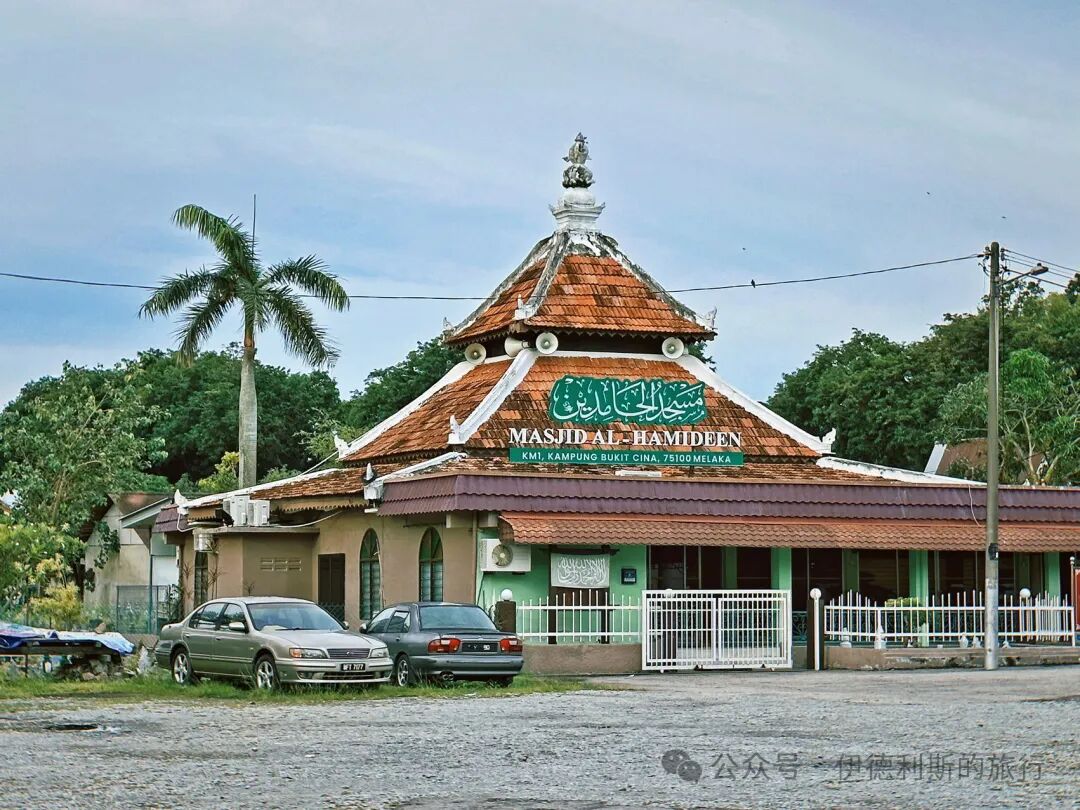
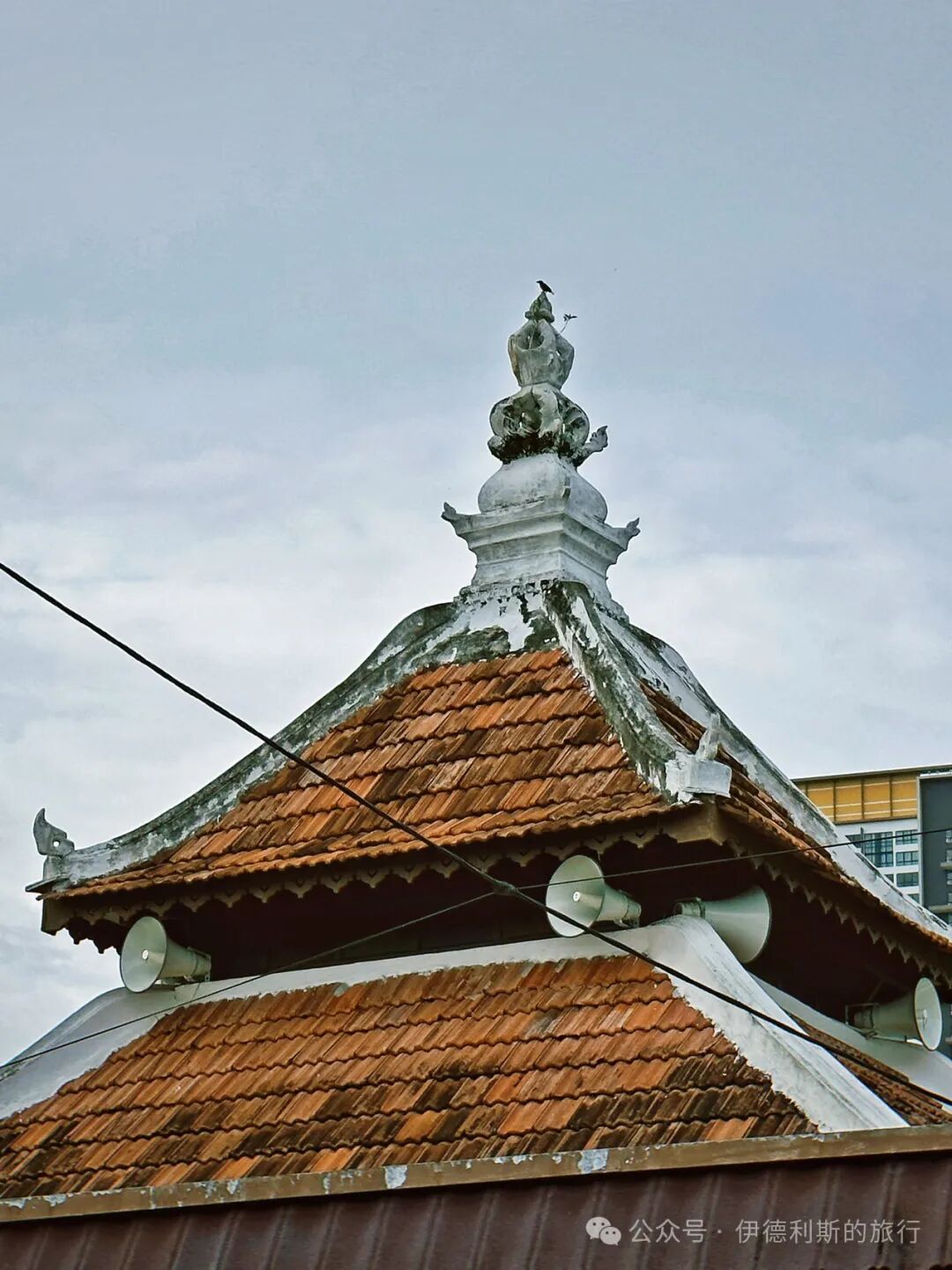
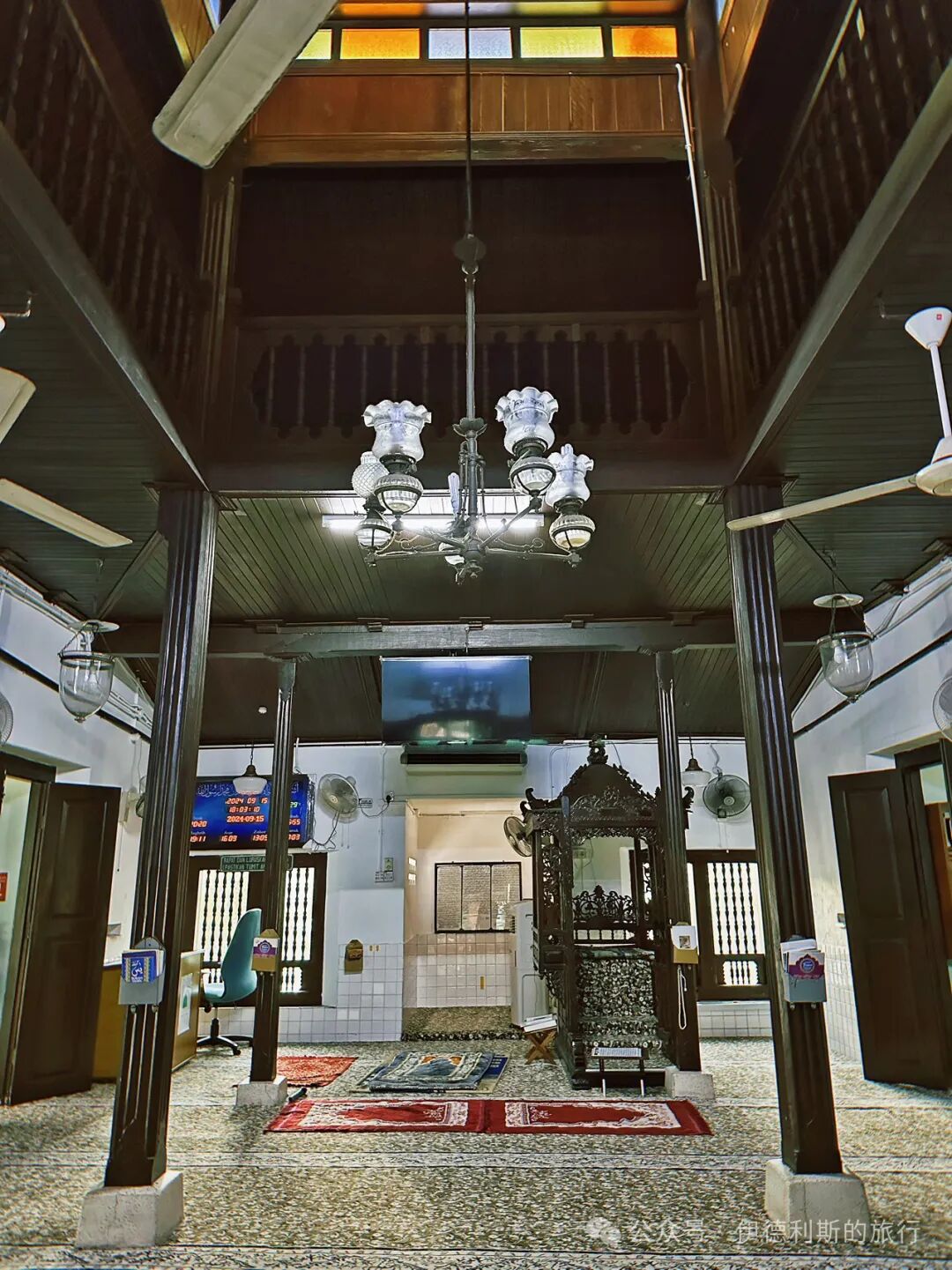
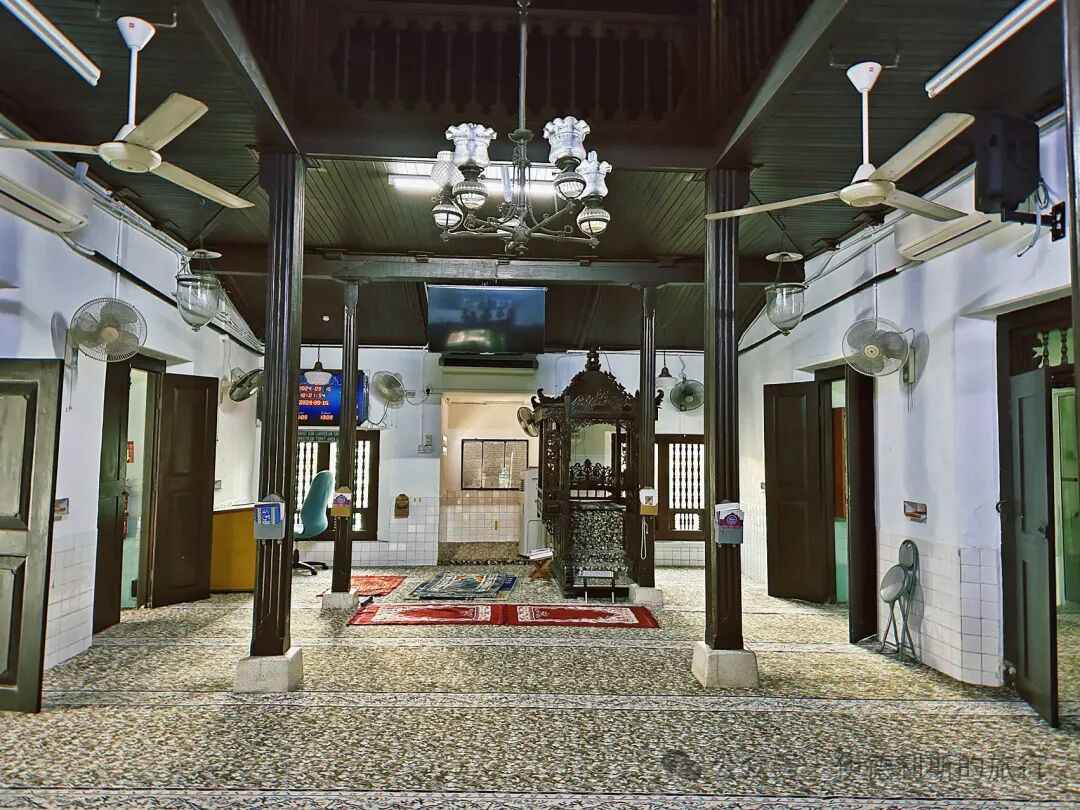
Bukit Cina Mosque (Masjid Bukit Cina), also called Al-Hamideen Mosque, was built in 1865. A new main hall was added in 1978, but the layout of the original old hall remains. The old hall features a traditional Javanese-style three-tiered pyramid roof (bumbung tiga lapis) and four wooden pillars (Soko Guru). Each pillar connects to the foundation with a stone base called Umpak. These bases keep the wood from soaking up groundwater and help absorb shock during earthquakes.
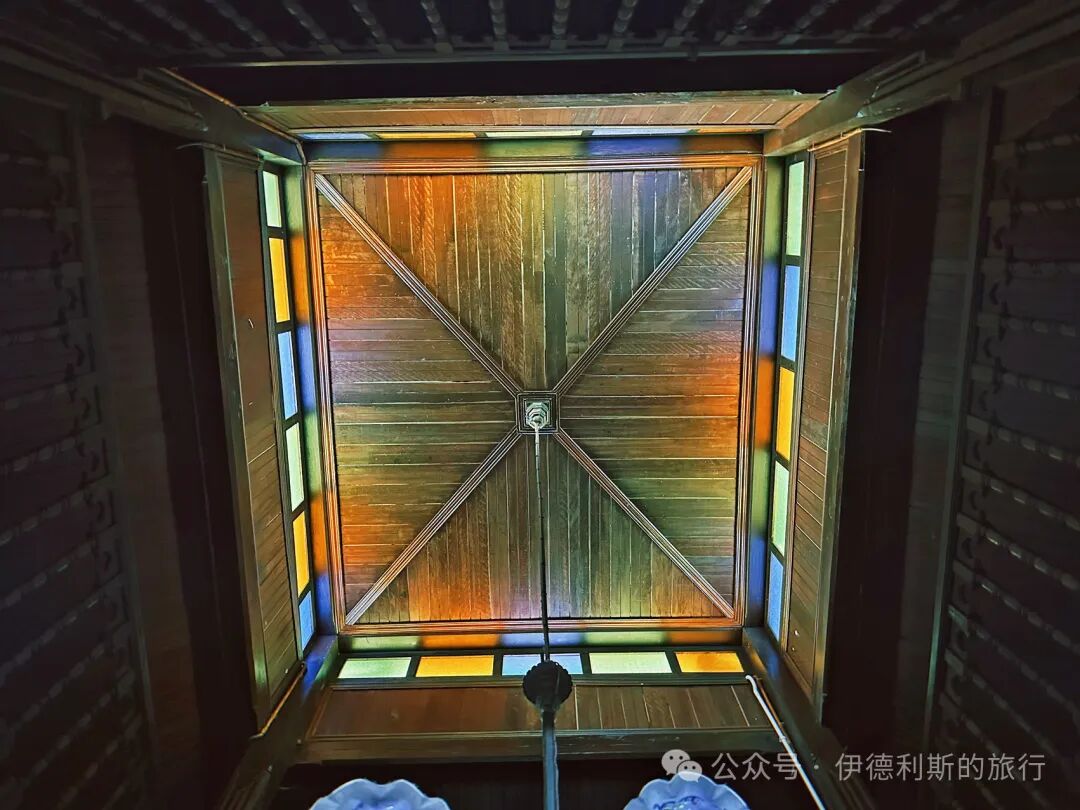
Pengkalan Rama Mosque
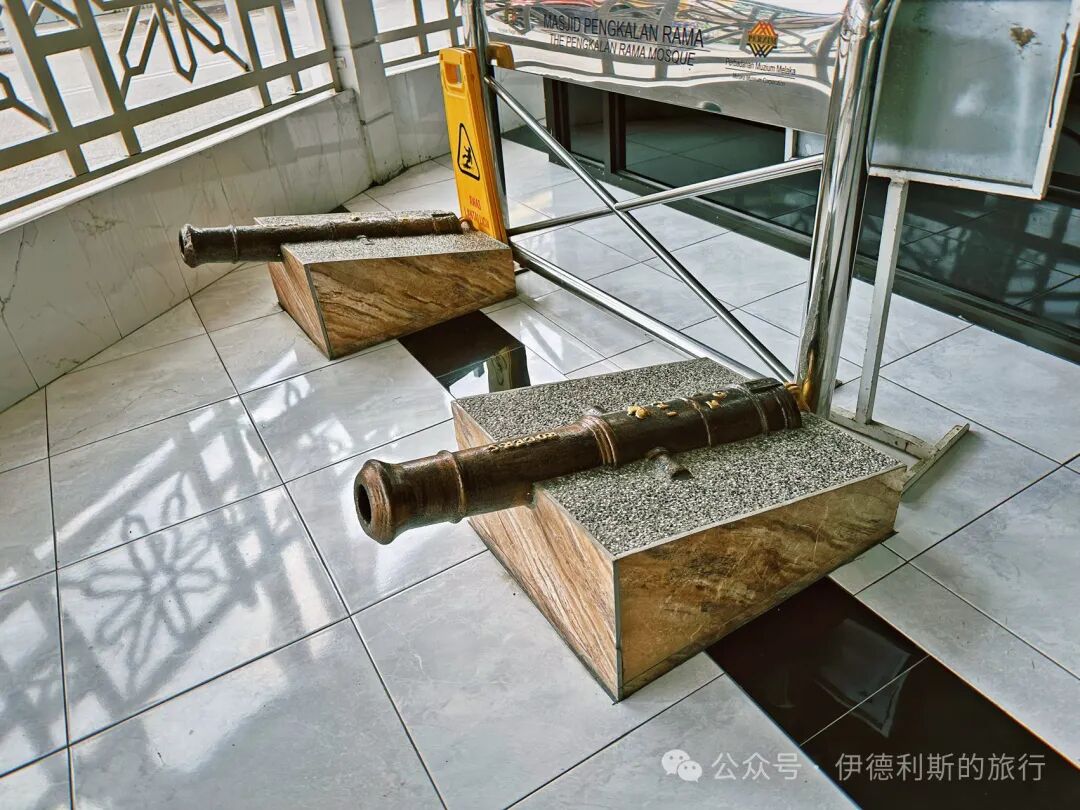
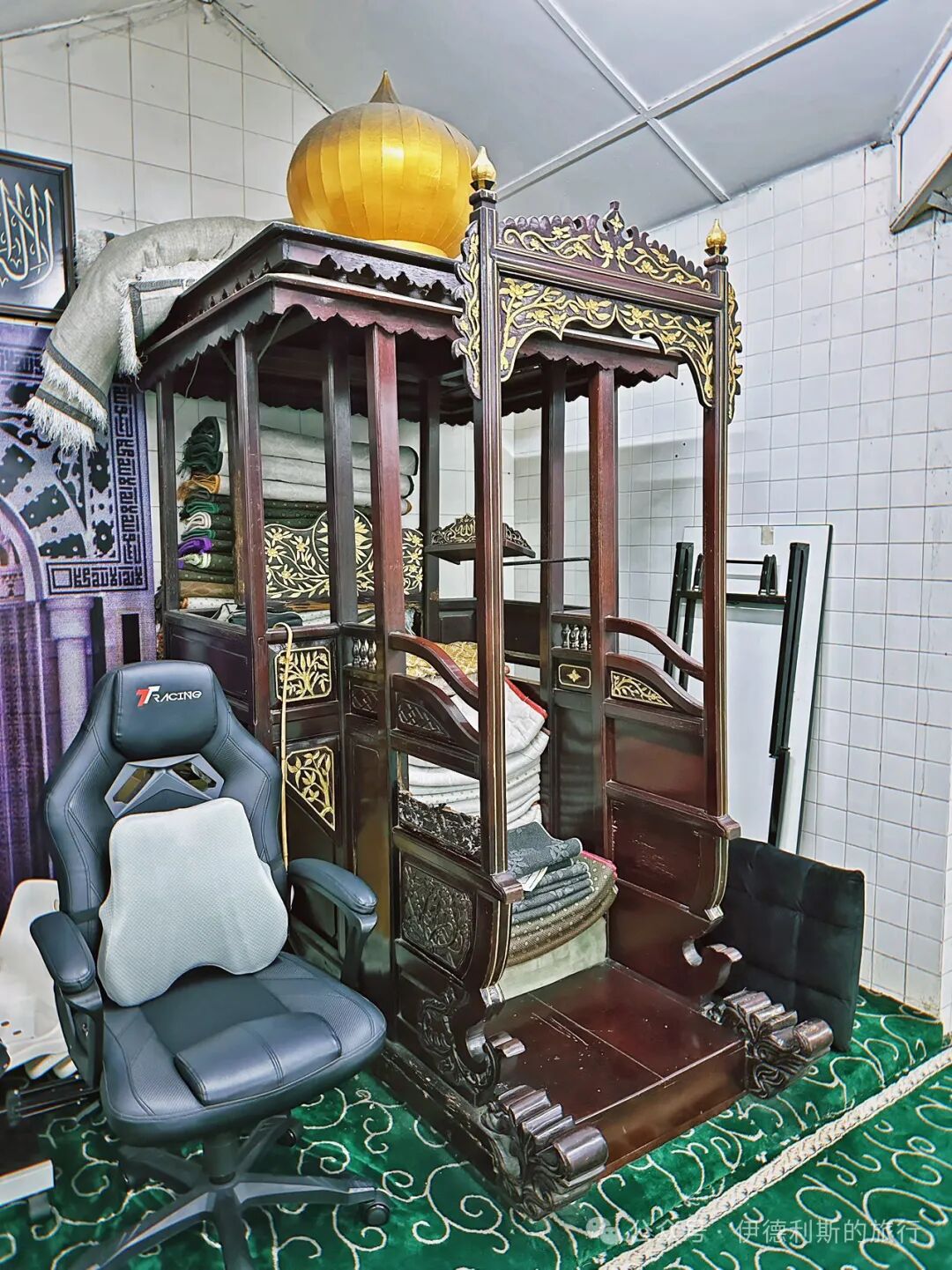
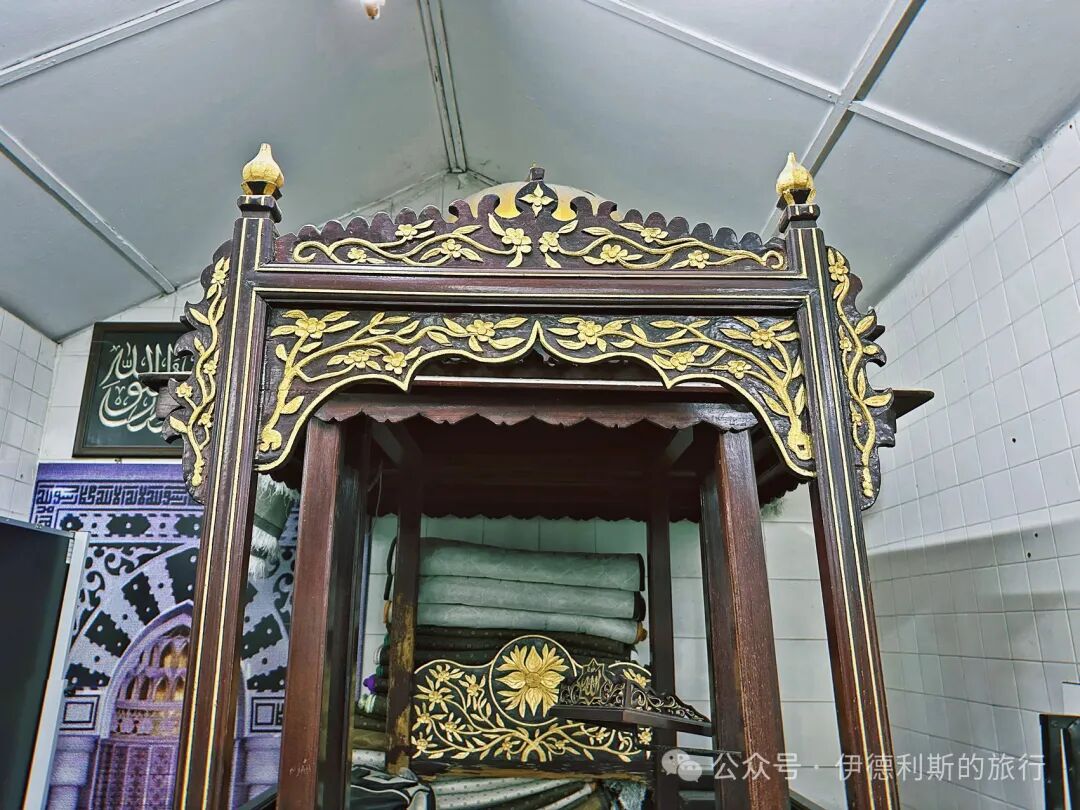
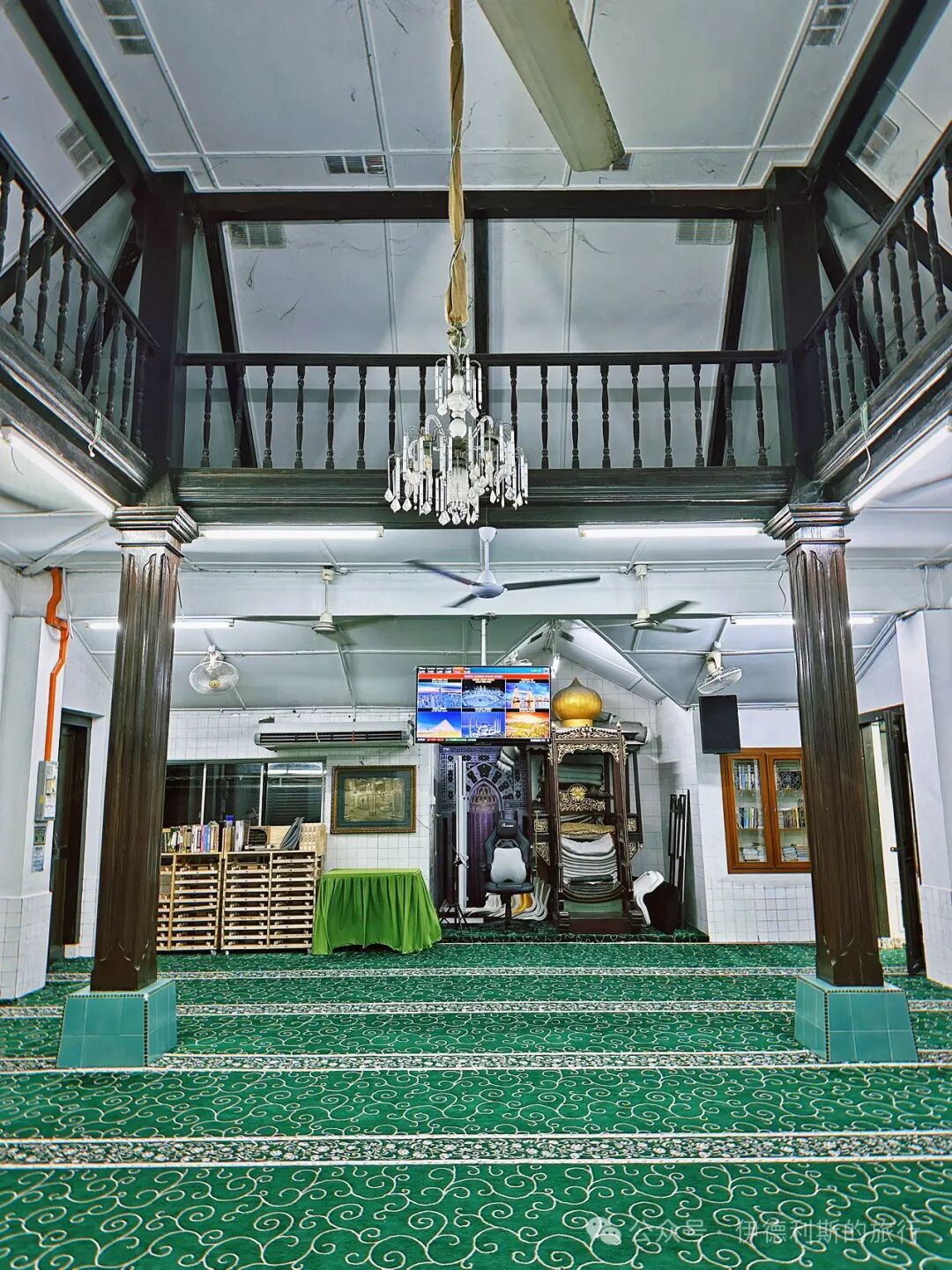
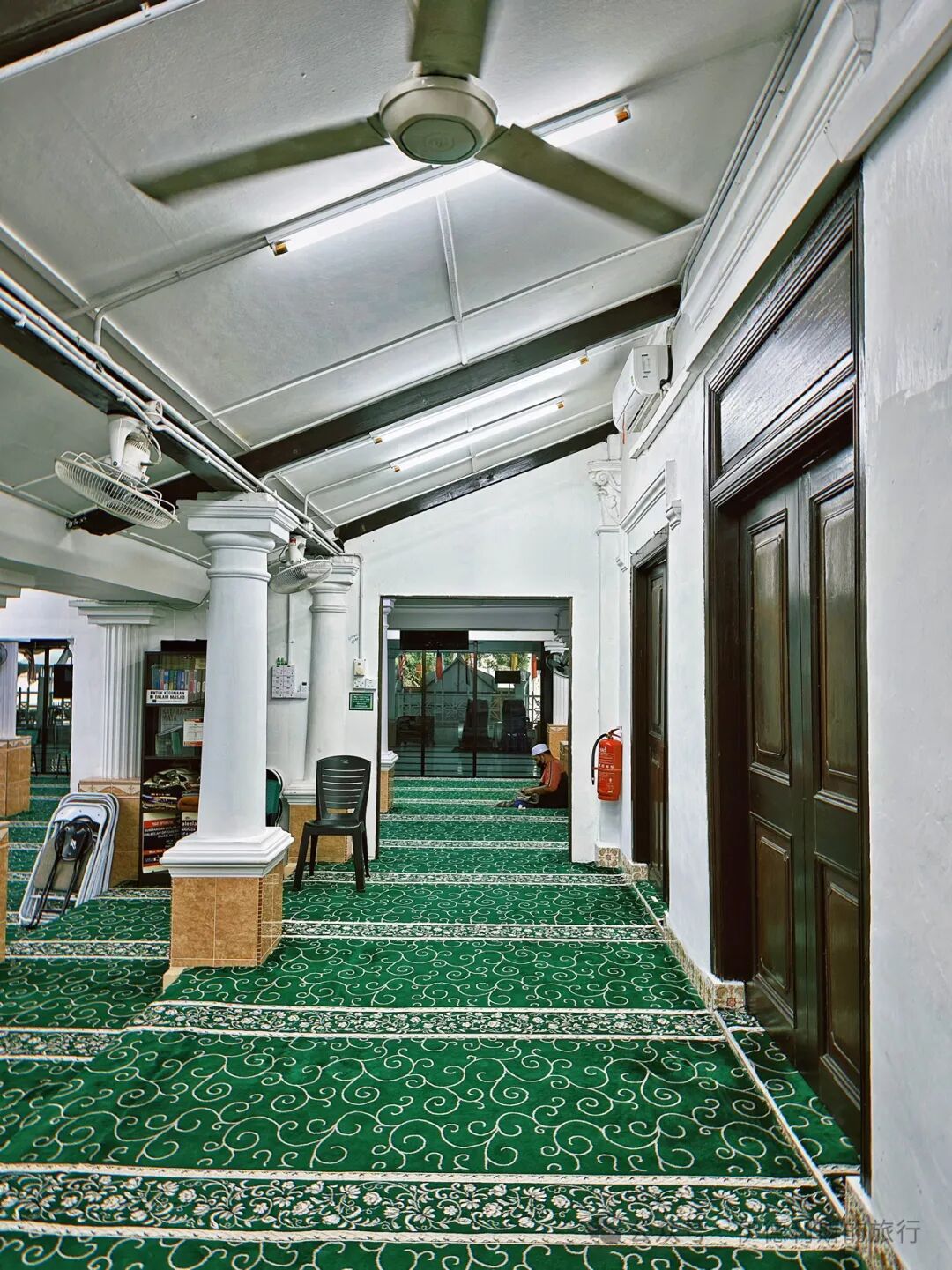
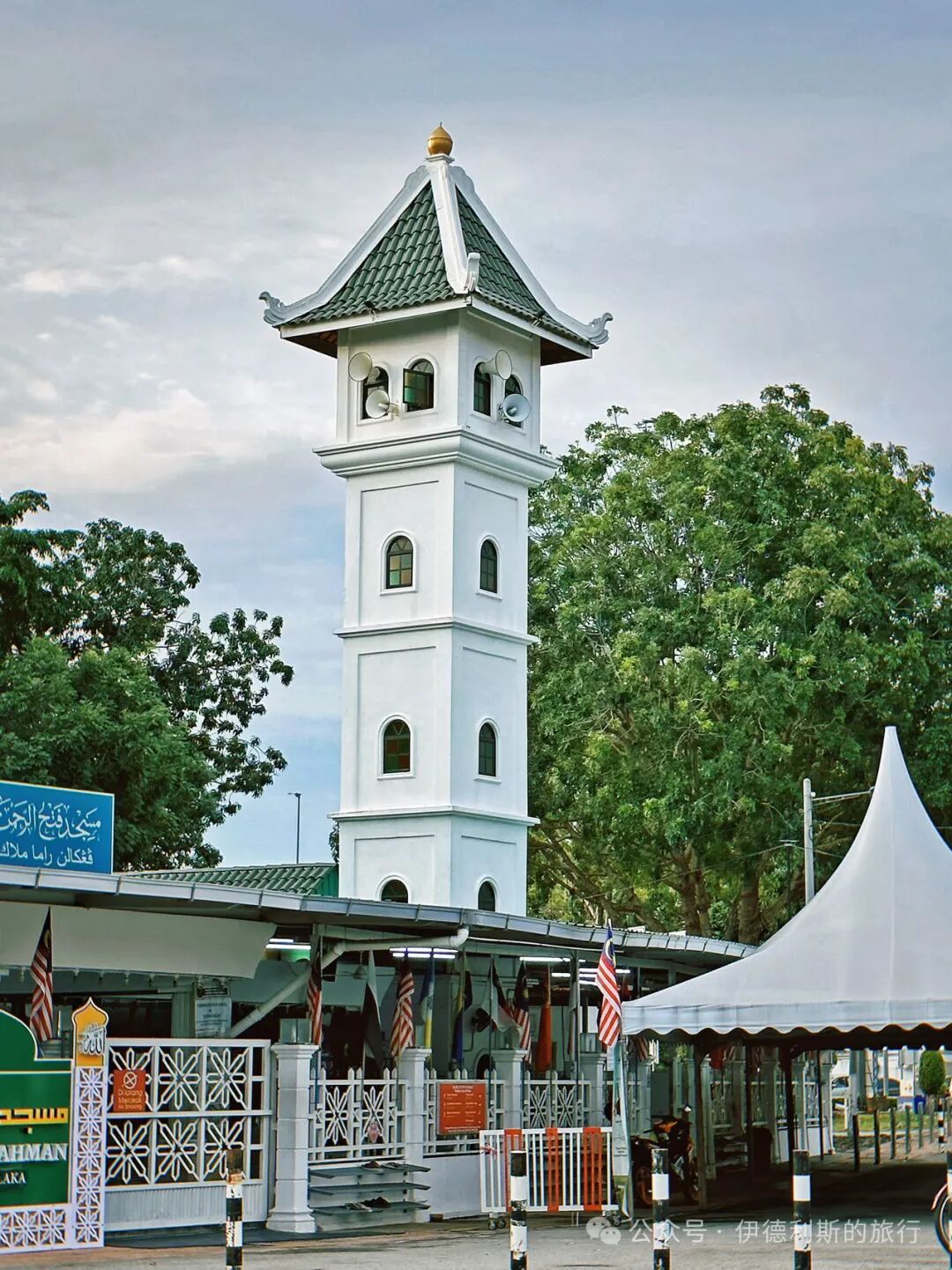
Pengkalan Rama Mosque was first built in the 1730s. Dato Penghulu Abdul Ghani funded its renovation in 1917. A new main hall was added in 2004, but it still keeps the traditional Javanese-style three-tiered pyramid roof (bumbung tiga lapis) and four wooden pillars (Soko Guru) of the old hall.
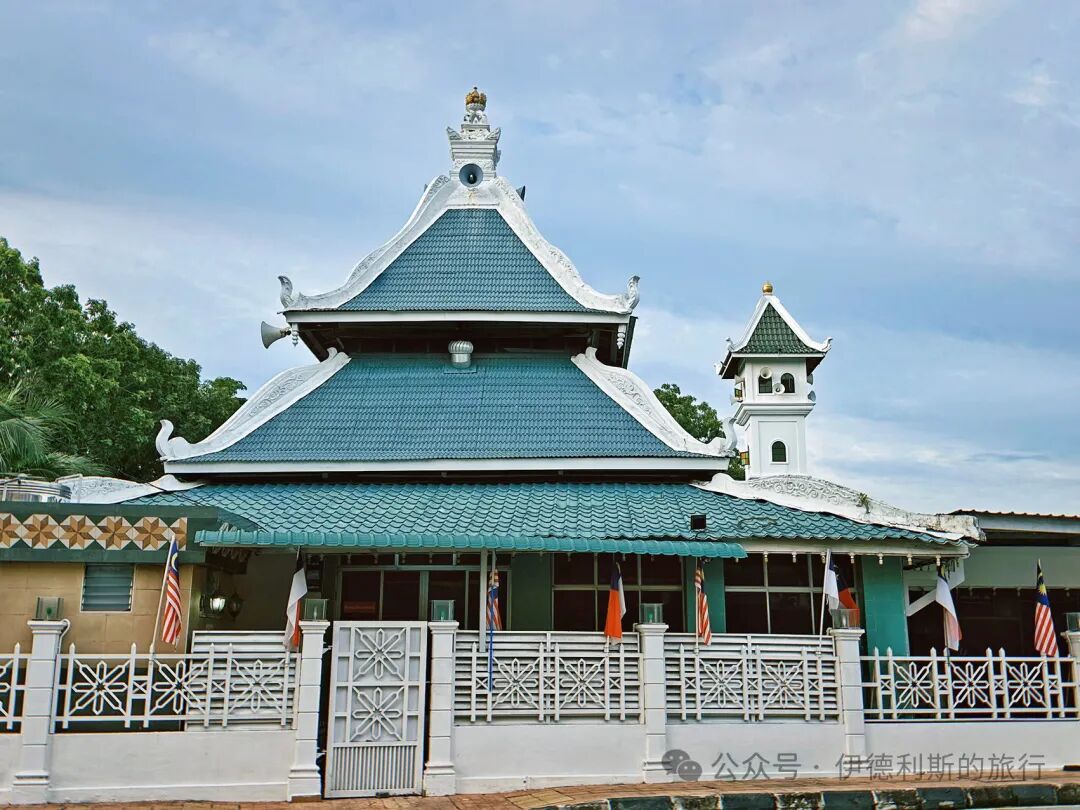
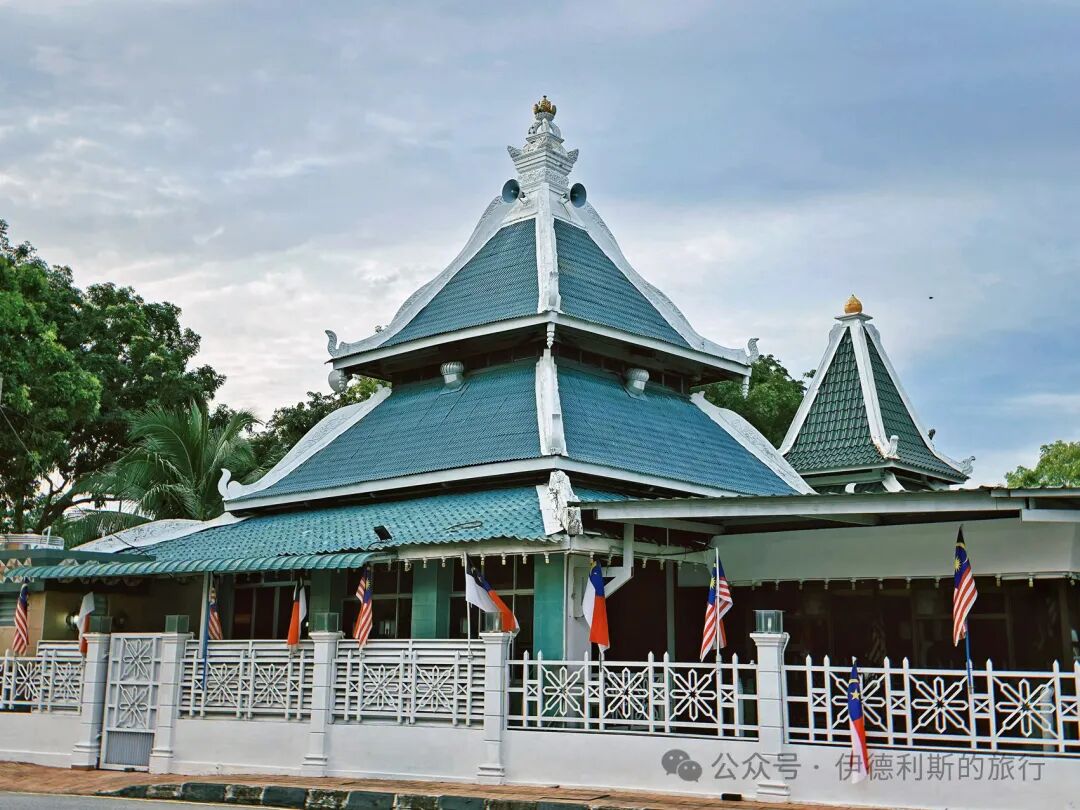
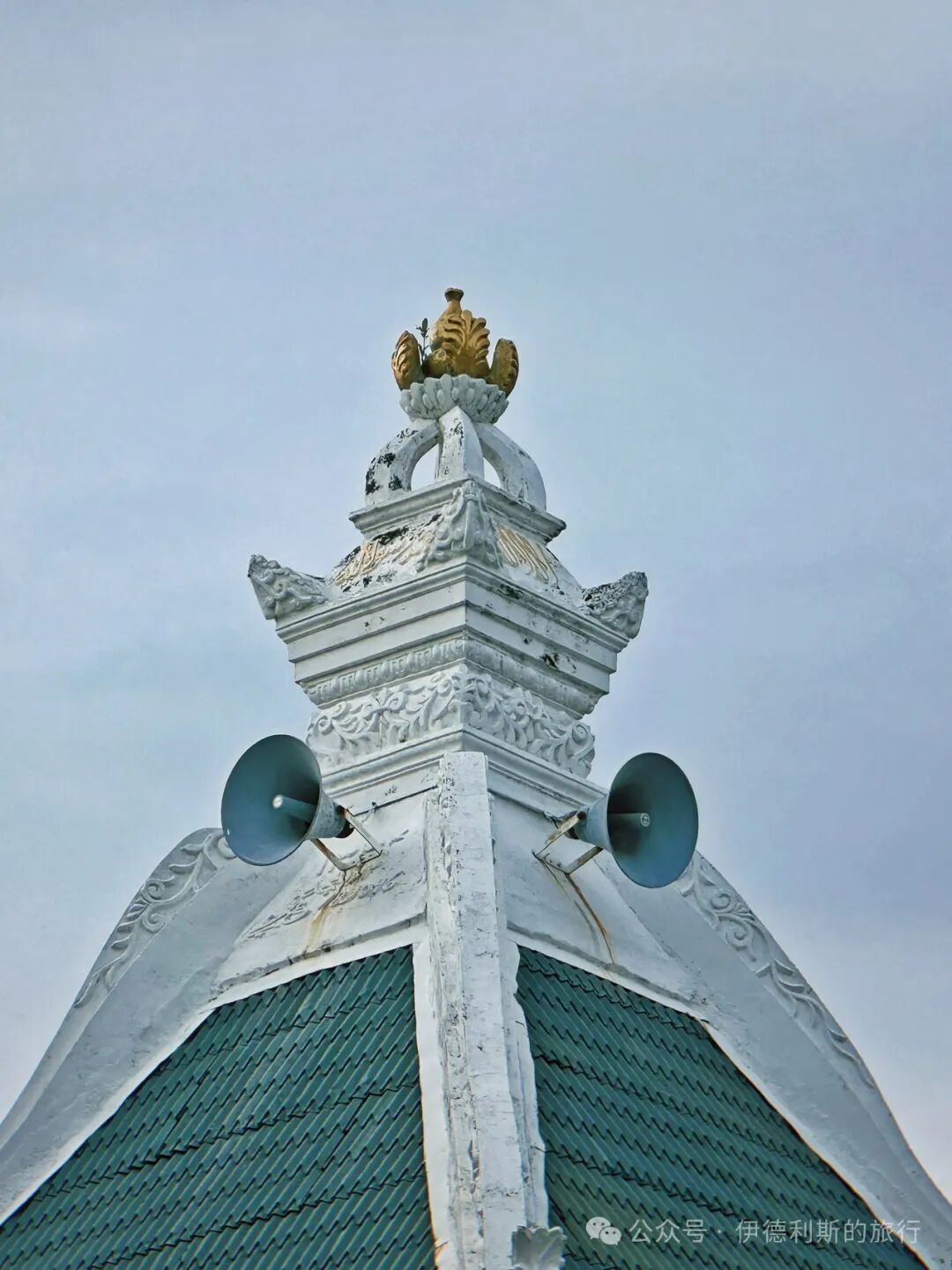
Duyong Mosque
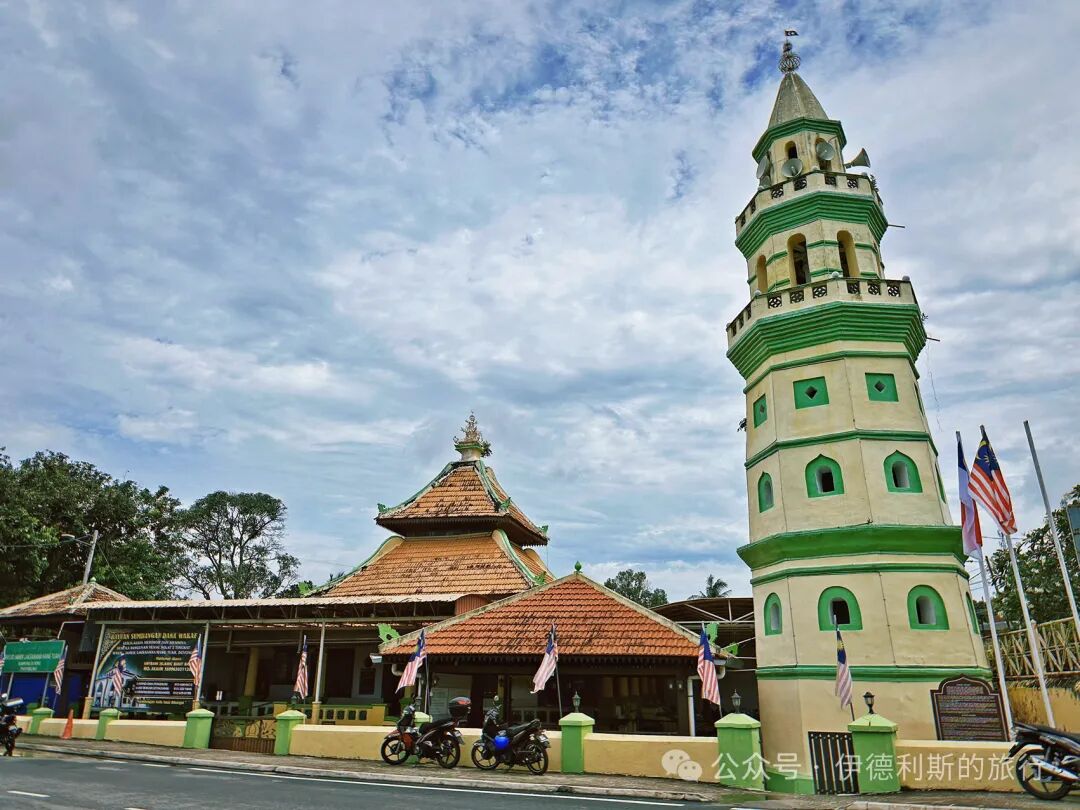
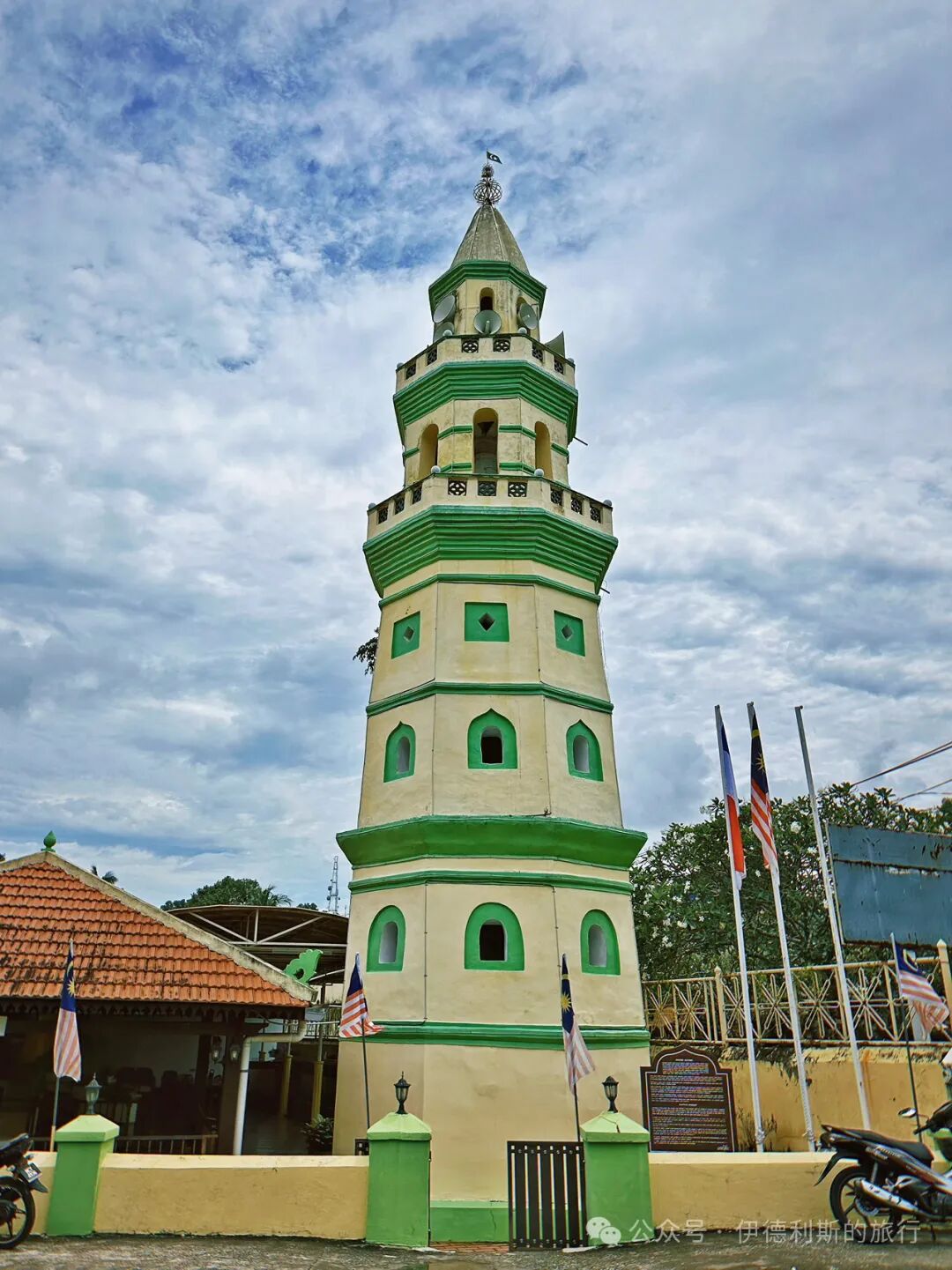
Duyong Mosque (Masjid Duyong) was built in 1850 under the leadership of Wan Chilek. It was originally made of laterite and wood, with a roof made of Chinese and Dutch tiles. In 1908, a minaret (bangkar) was added, blending the styles of a Chinese pagoda and a Western lighthouse.
The mosque underwent several renovations and expansions in 1967, 1973, and 1976. It suffered a fire in 1982 and was later restored. In 2002, the Department of Museums and Antiquities of Malaysia carried out protective repairs on the site.
Telok Mas Mosque
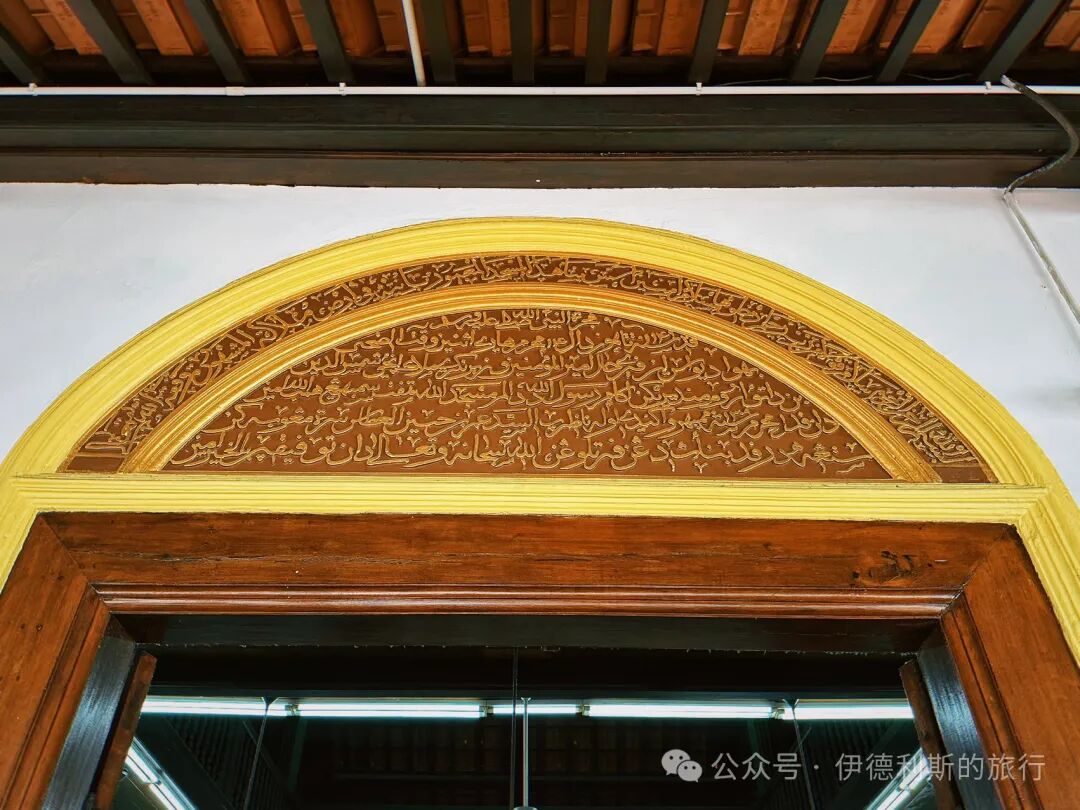
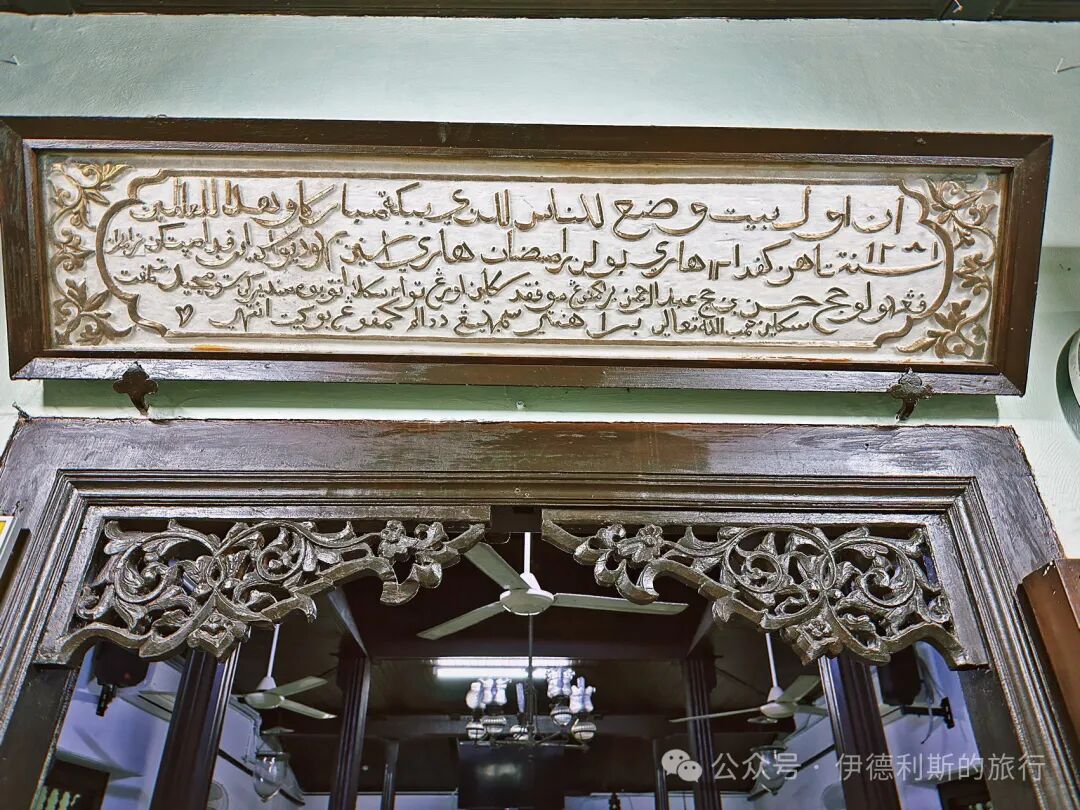
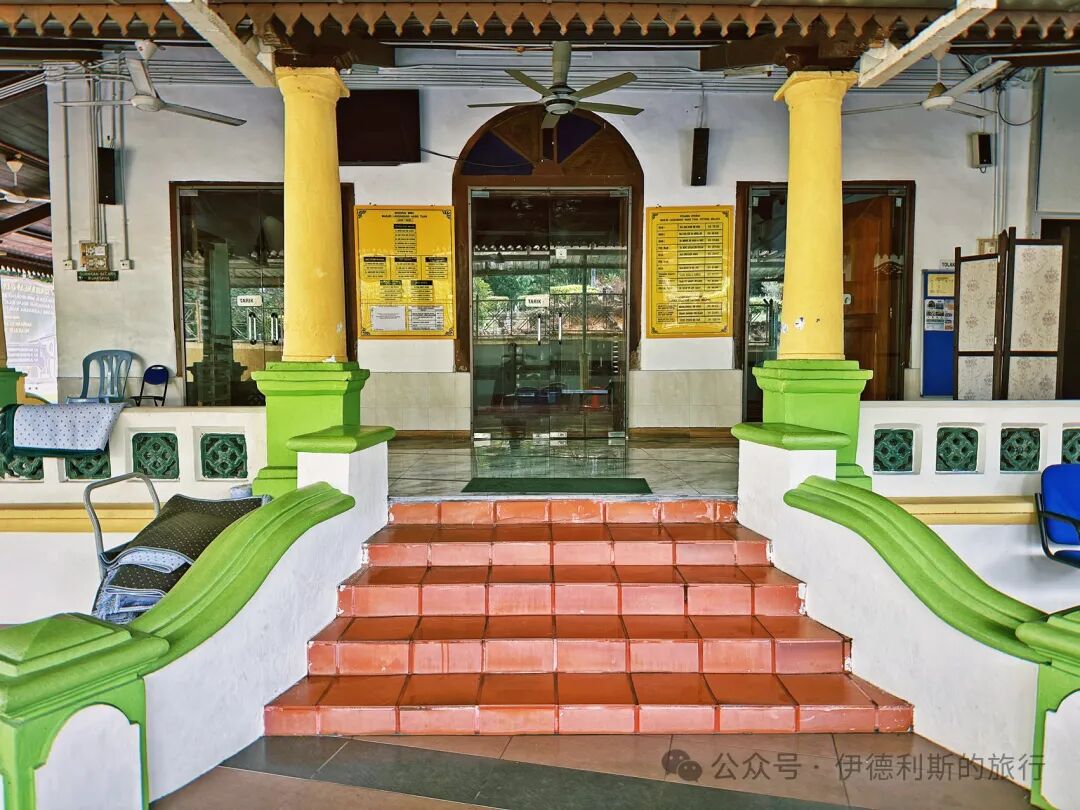
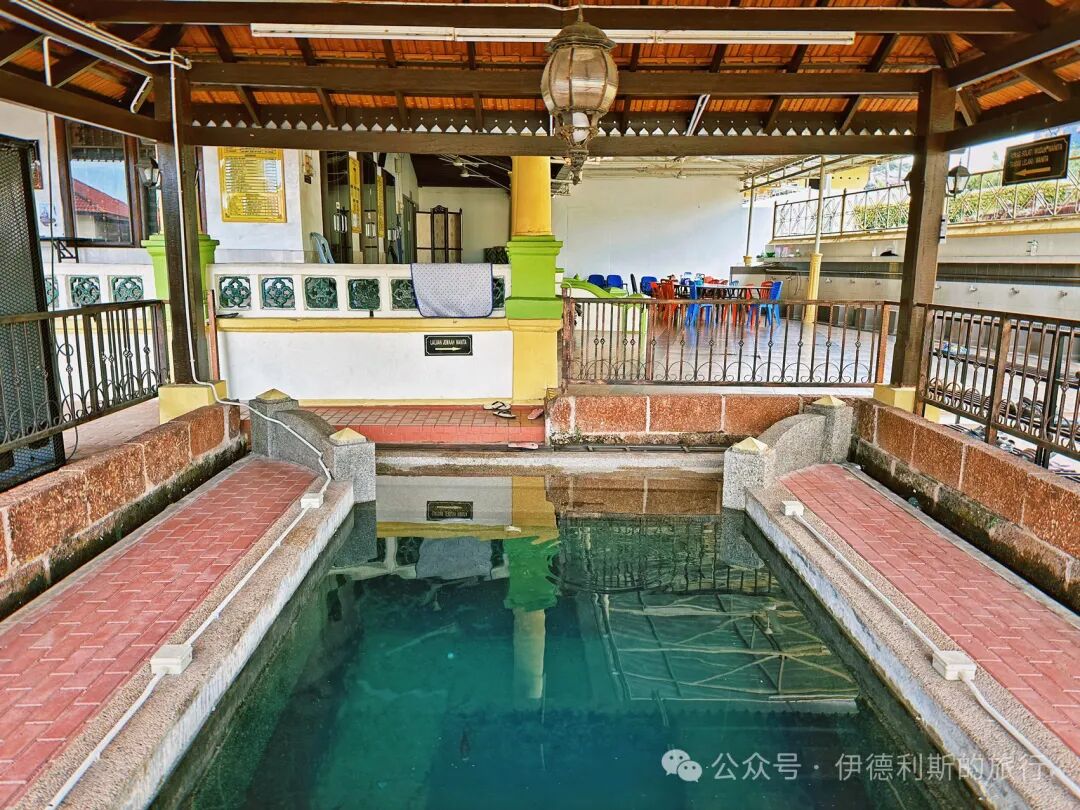
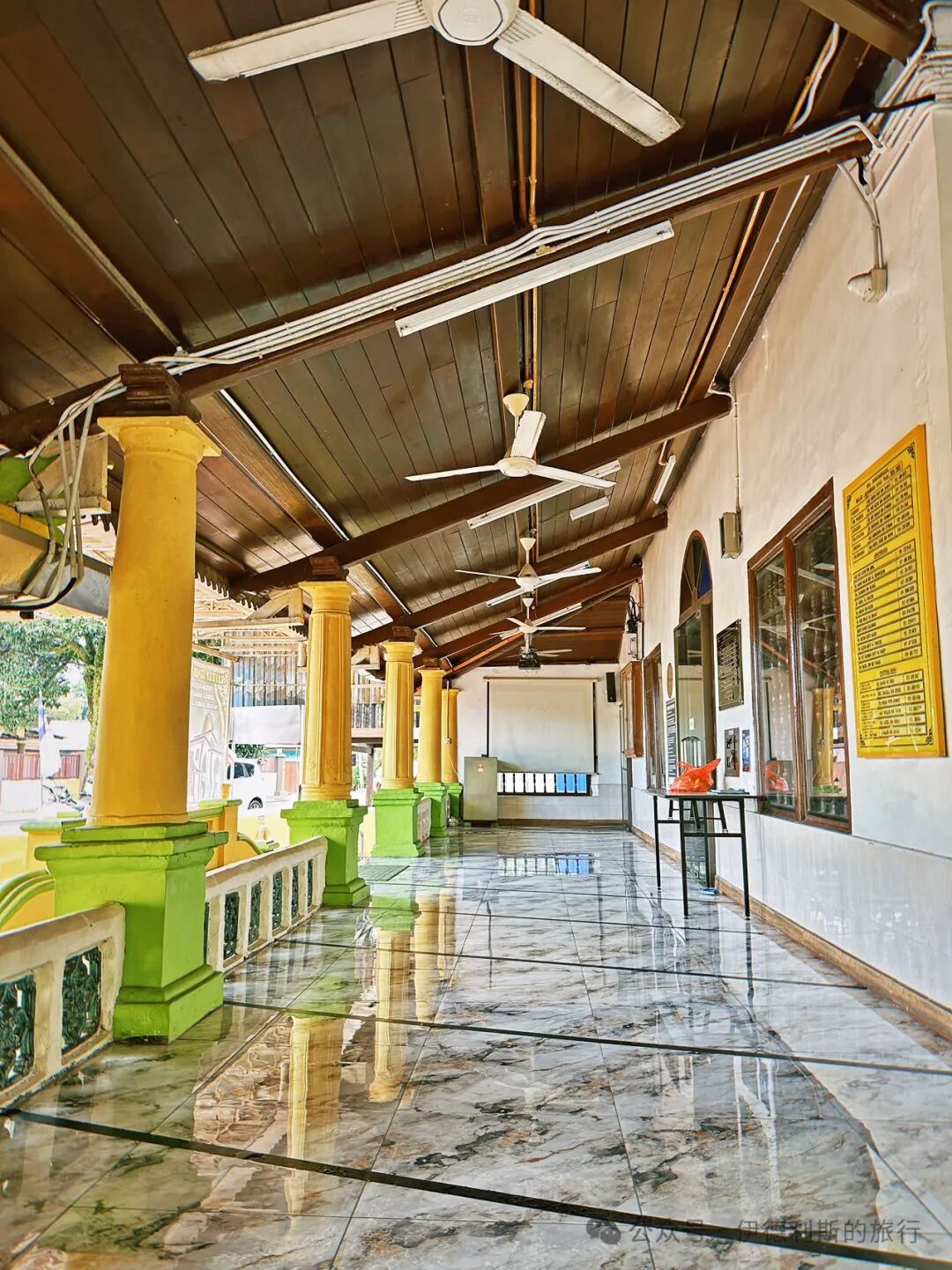
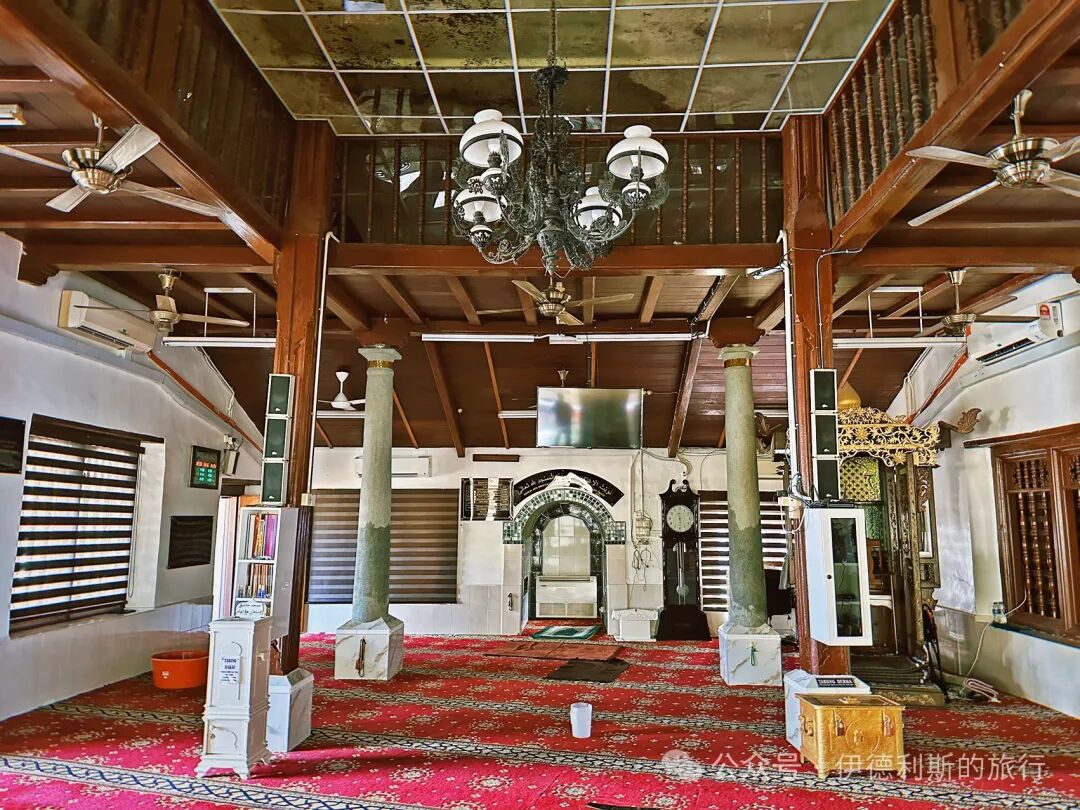
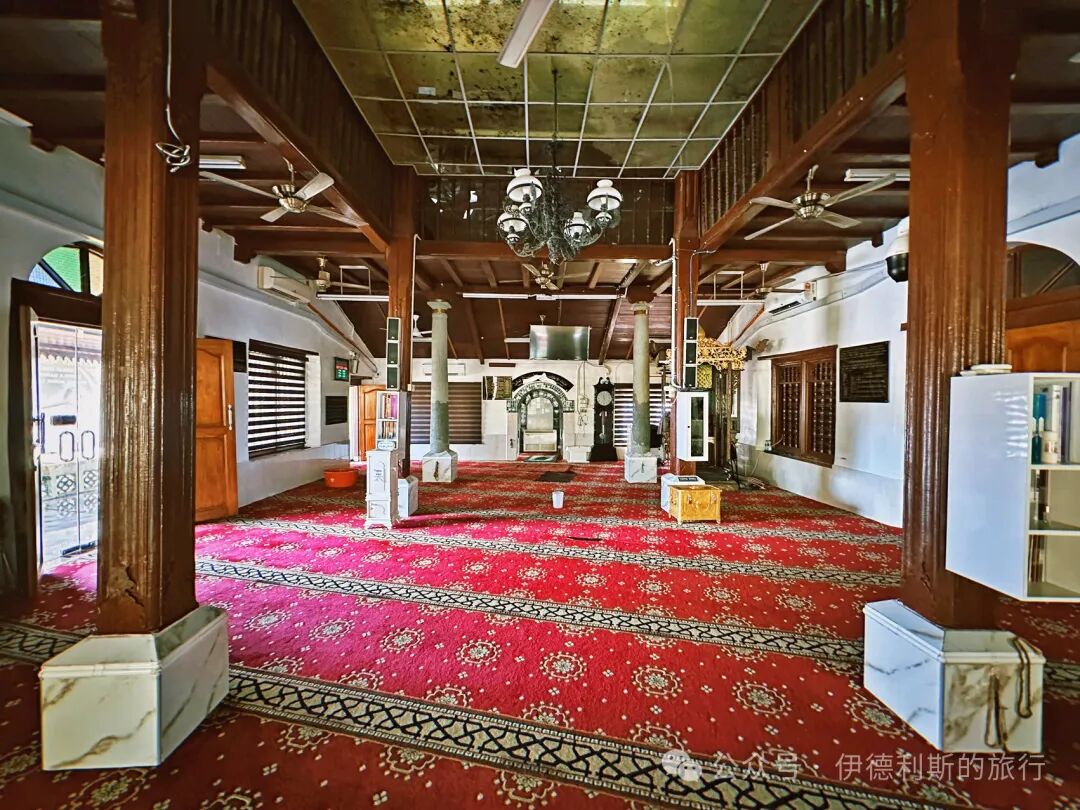
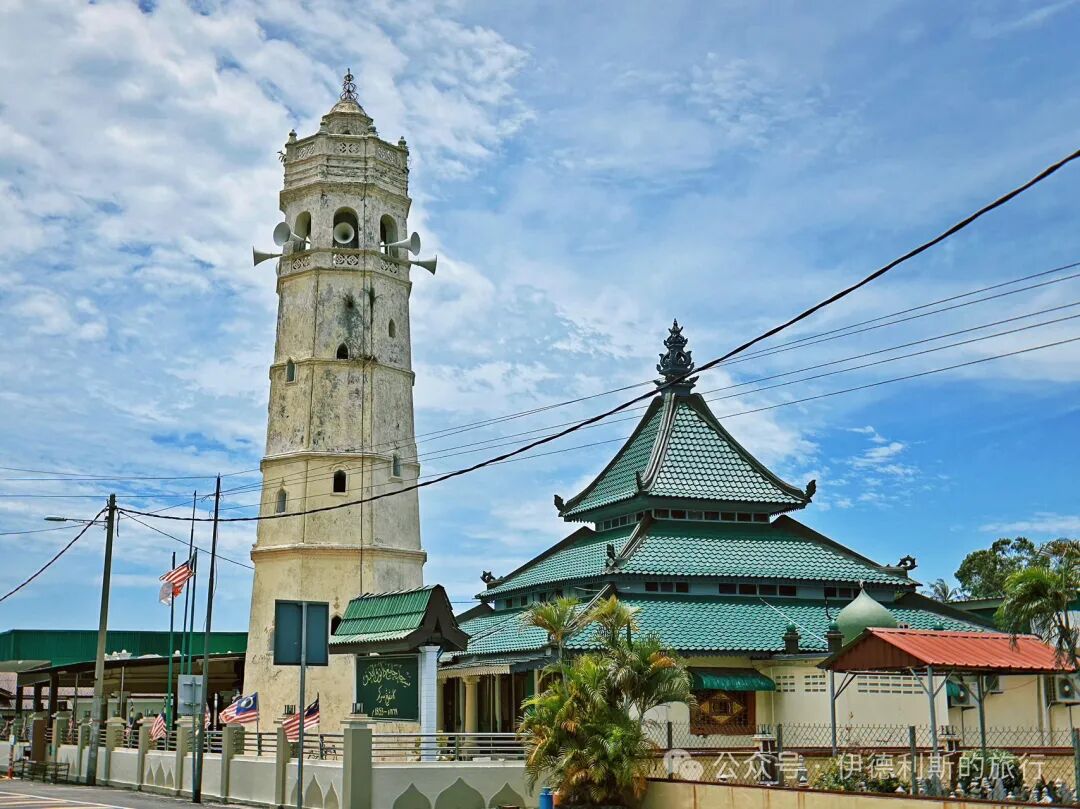
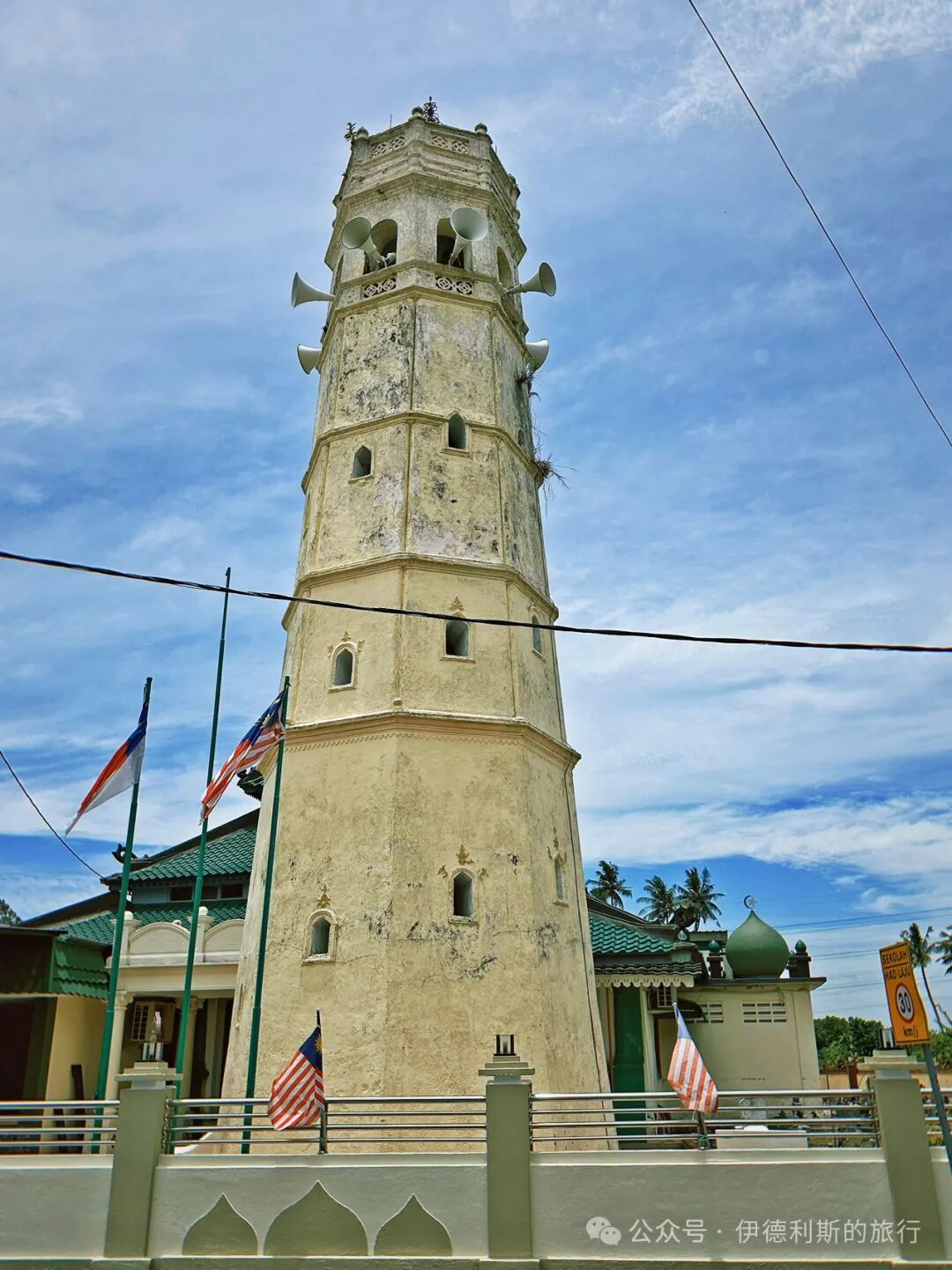
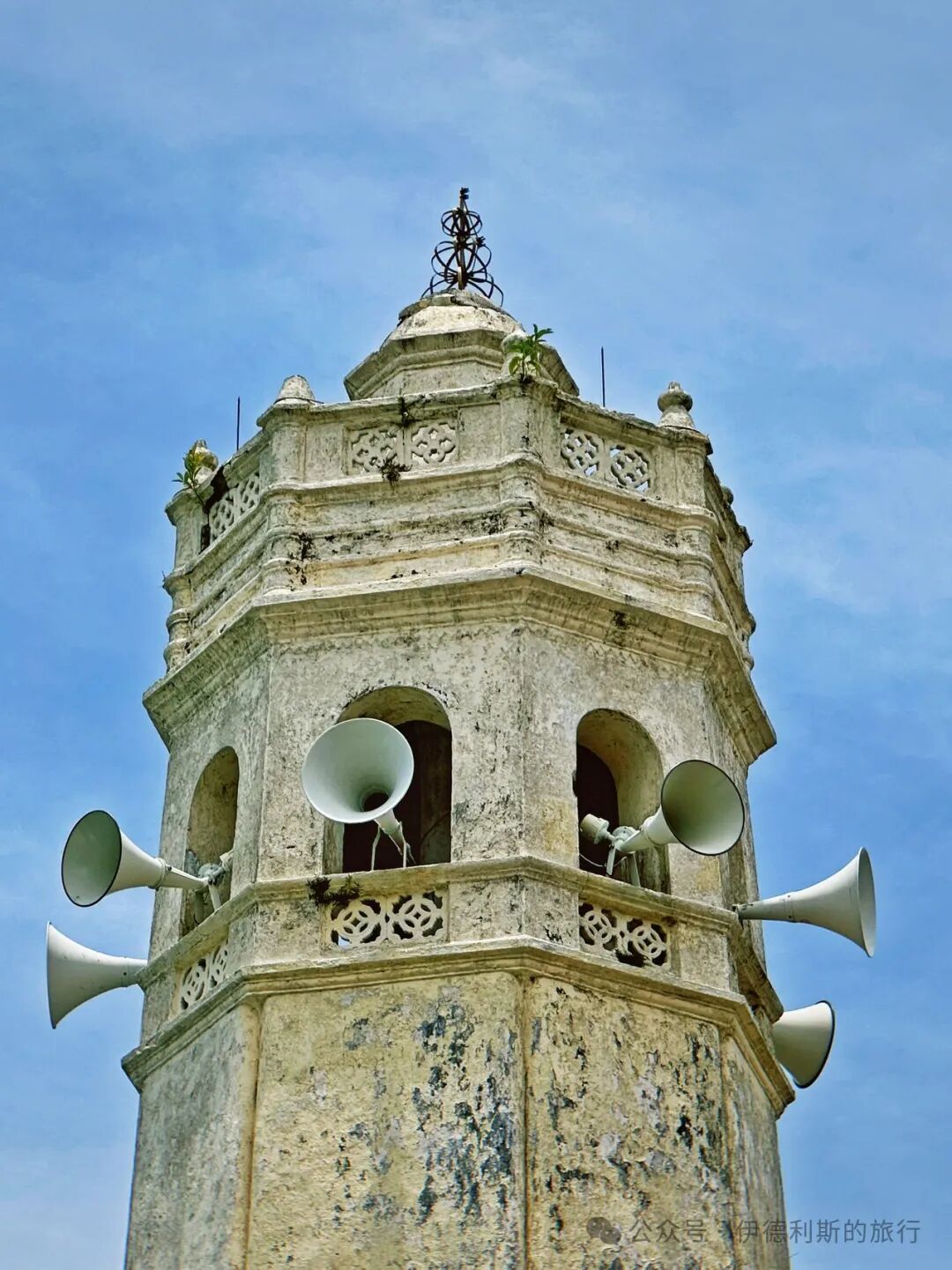
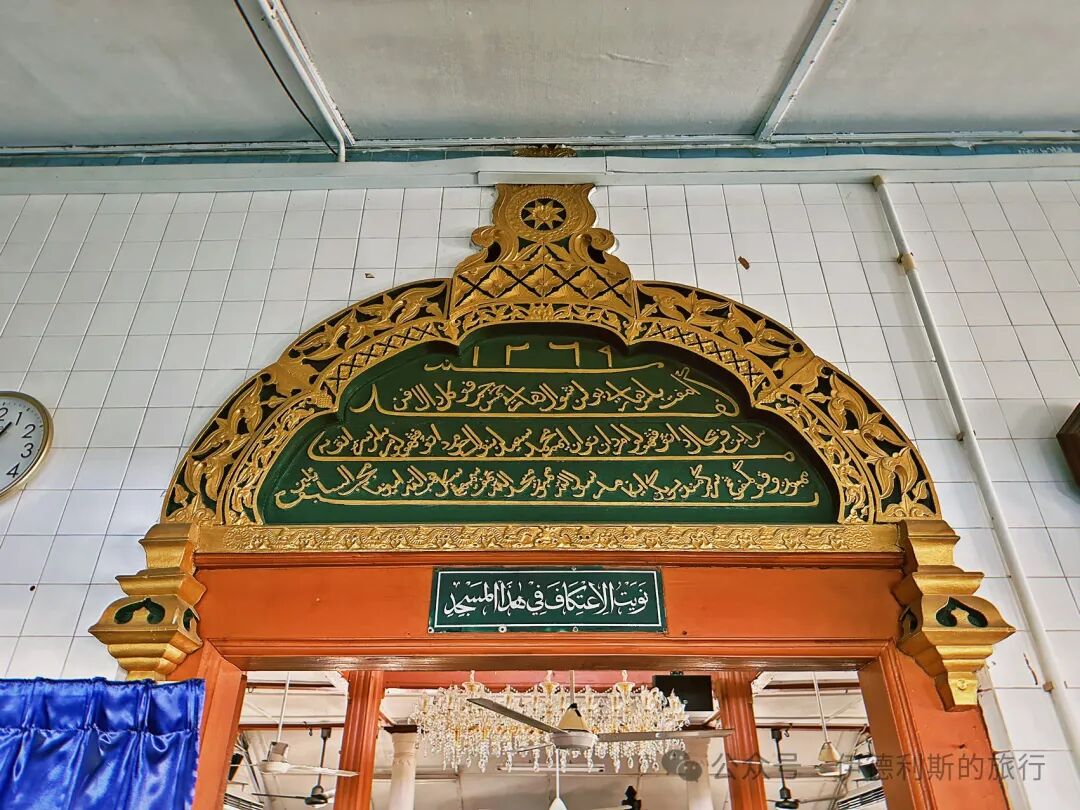
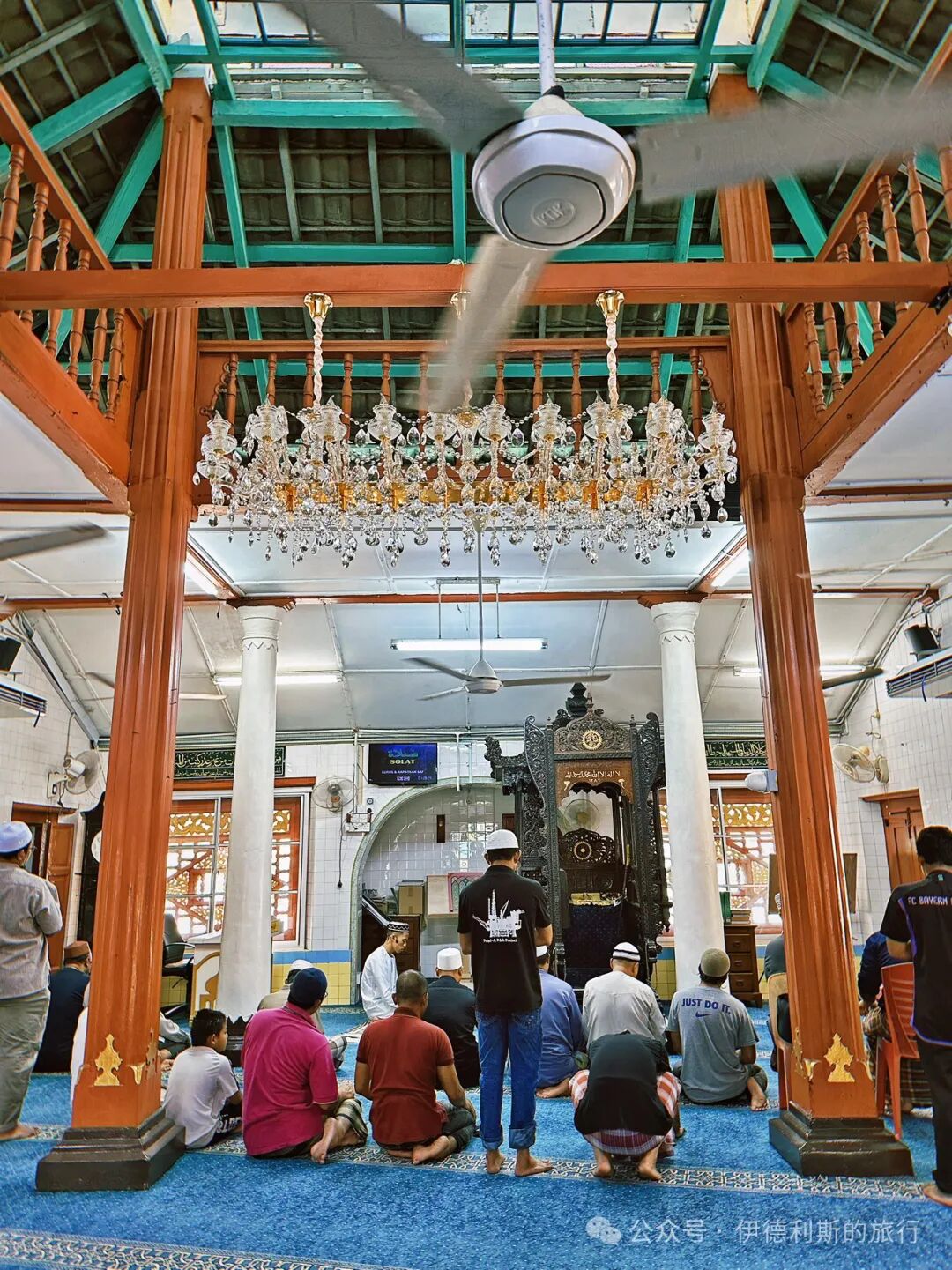
At Telok Mas Mosque (Masjid Telok Mas Al-Khairiah) for namaz. Telok Mas Mosque was built in 1853. During construction, the beams and roof materials were cut from local forests and hauled by water buffalo. The wall stones were mined from reefs near Big Island (Pulau Besar) and transported by sampan boats. The main gate still bears an inscription from the year 1269 of the Hijri calendar, which is 1853 in the Gregorian calendar. A Chinese pagoda-style minaret (bangkar) was added in 1913. Its architectural style is basically the same as the mosques in Kampung Kling and Tengkera.
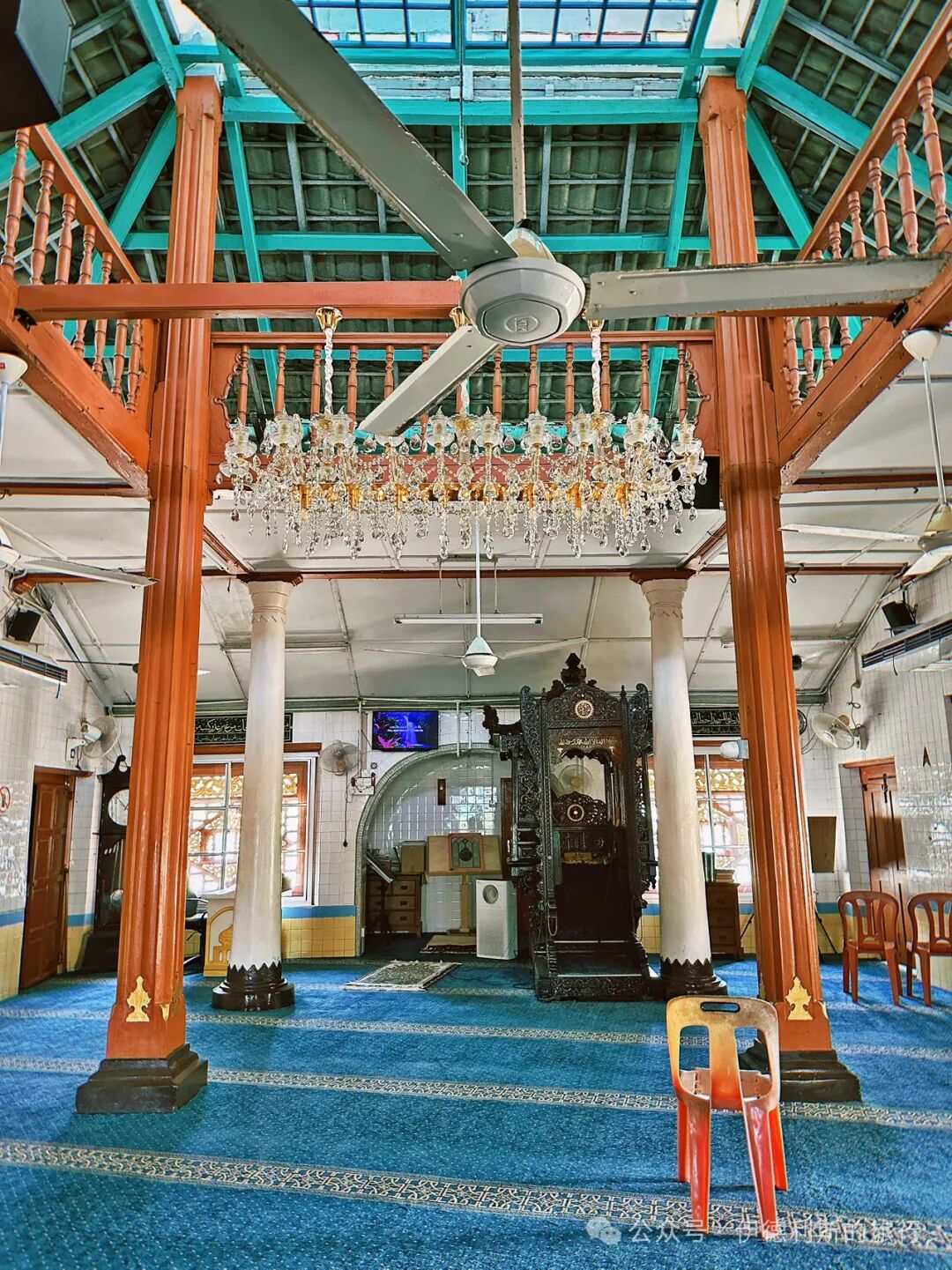
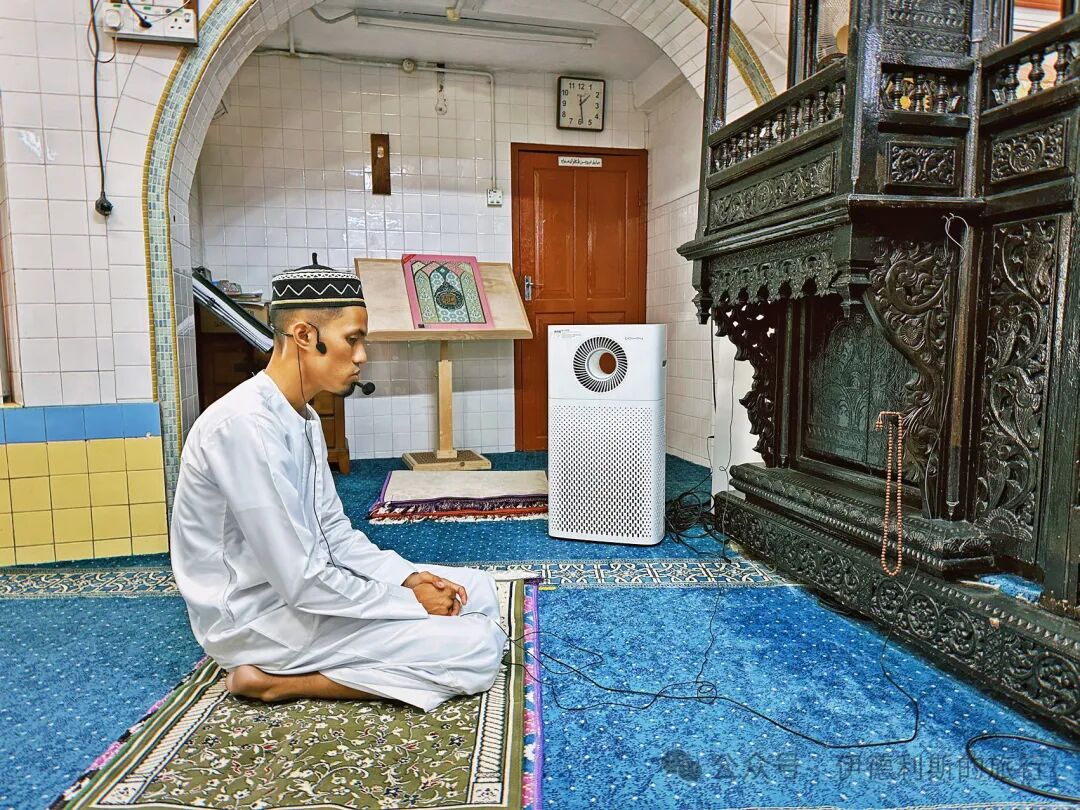
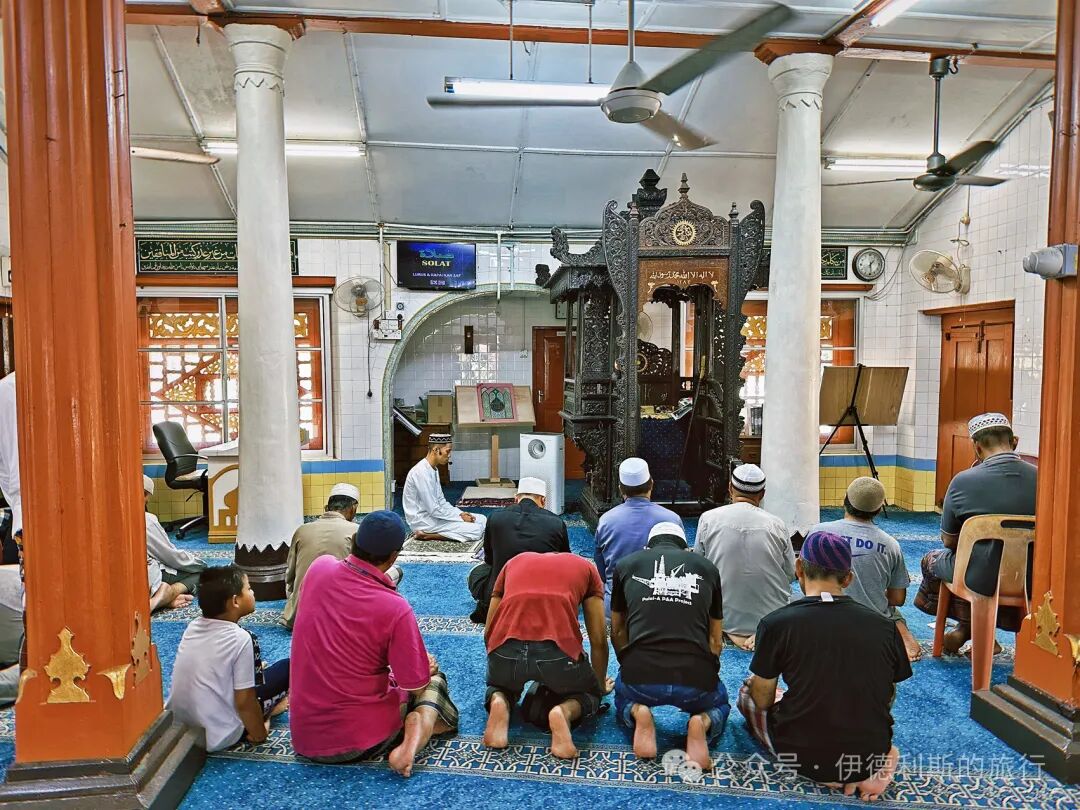
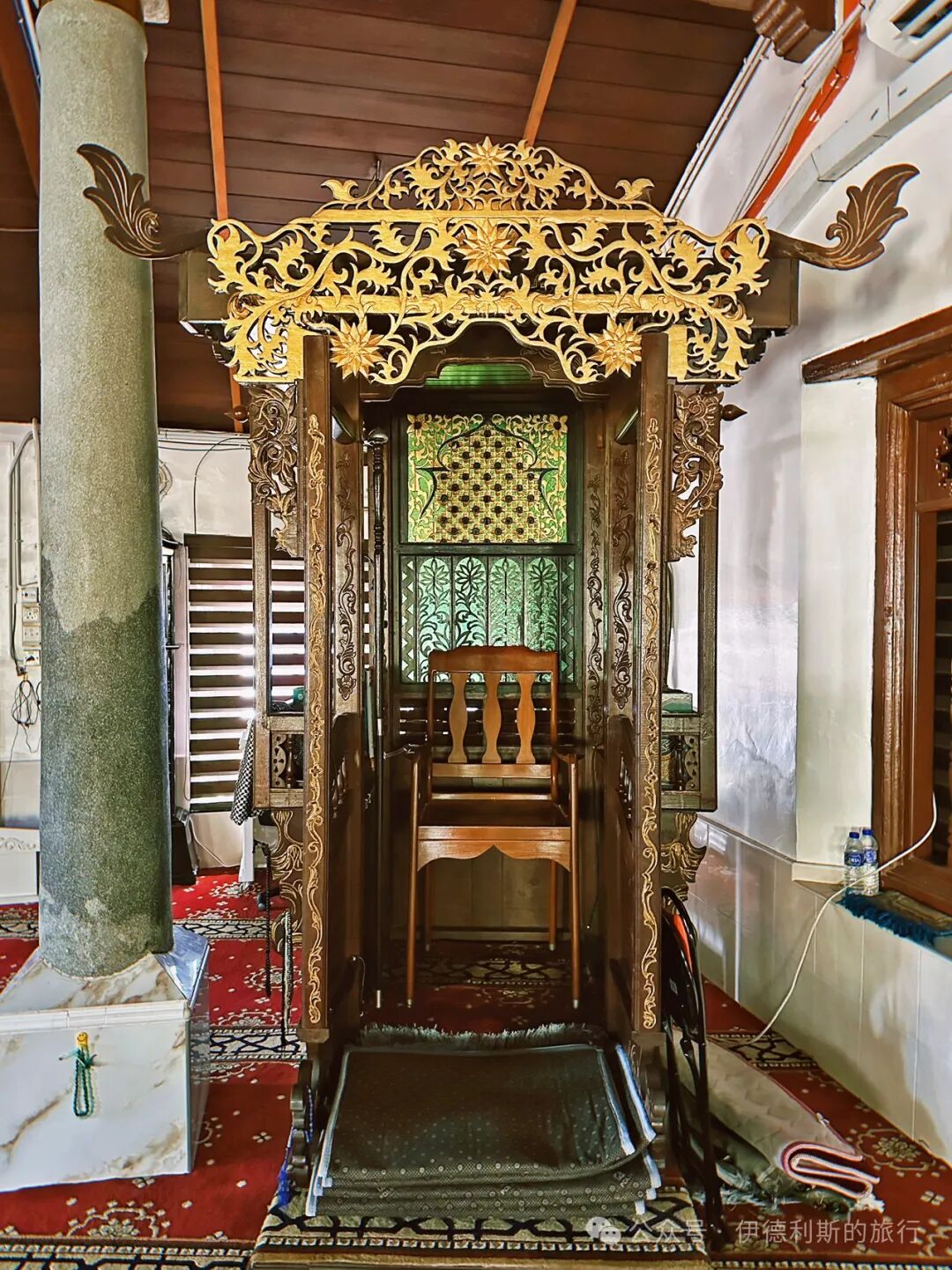
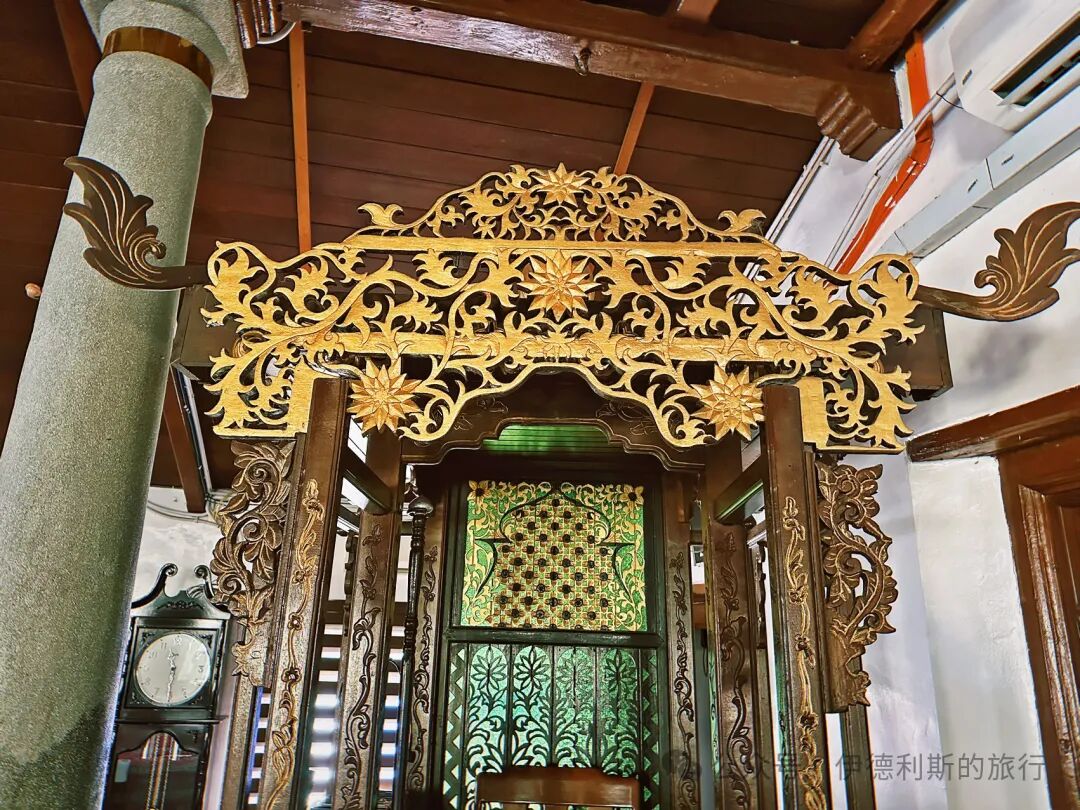
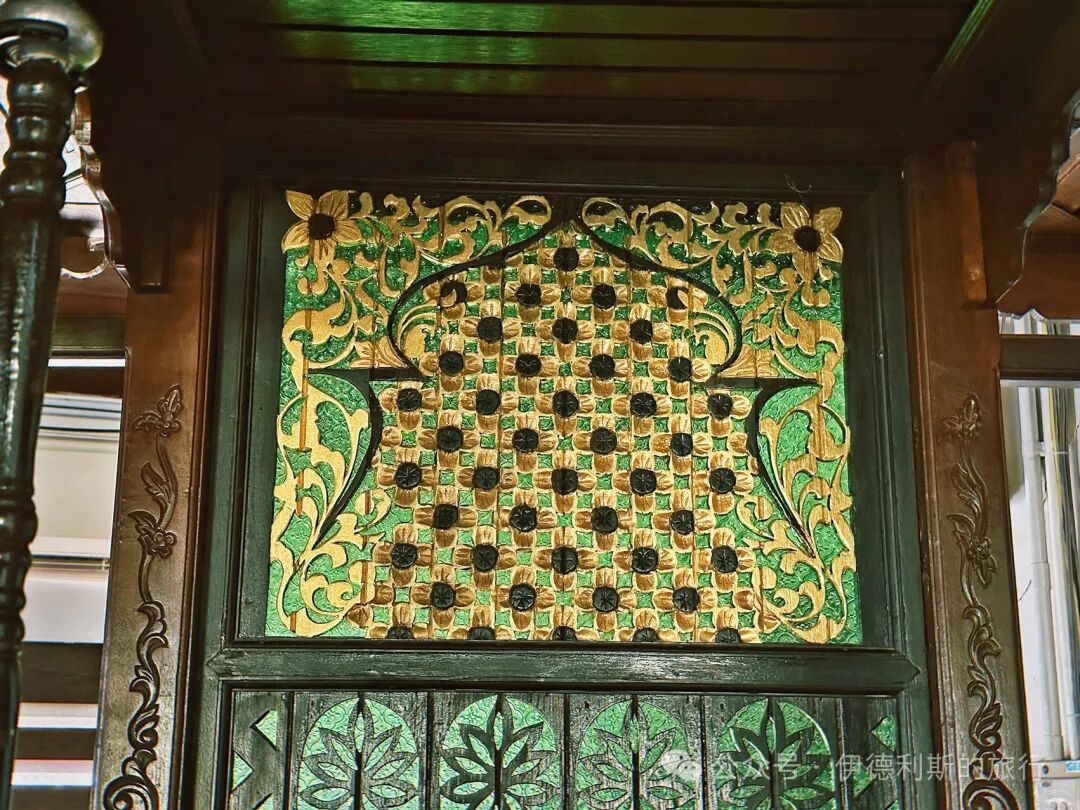
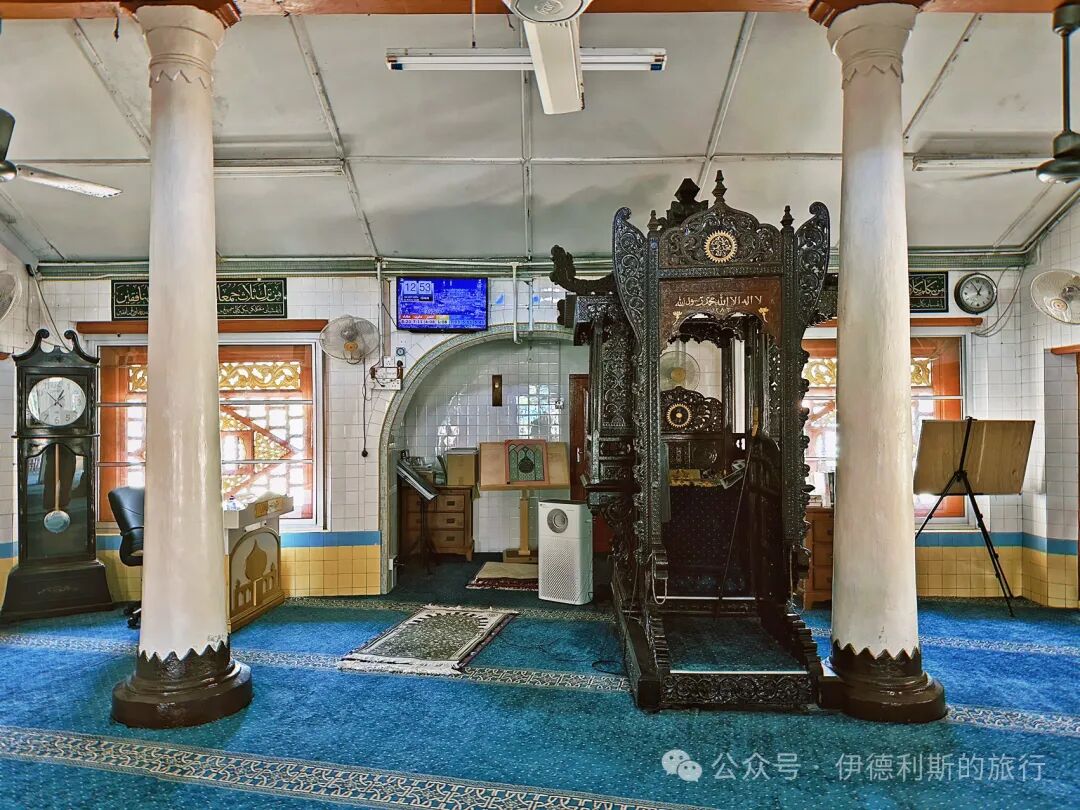
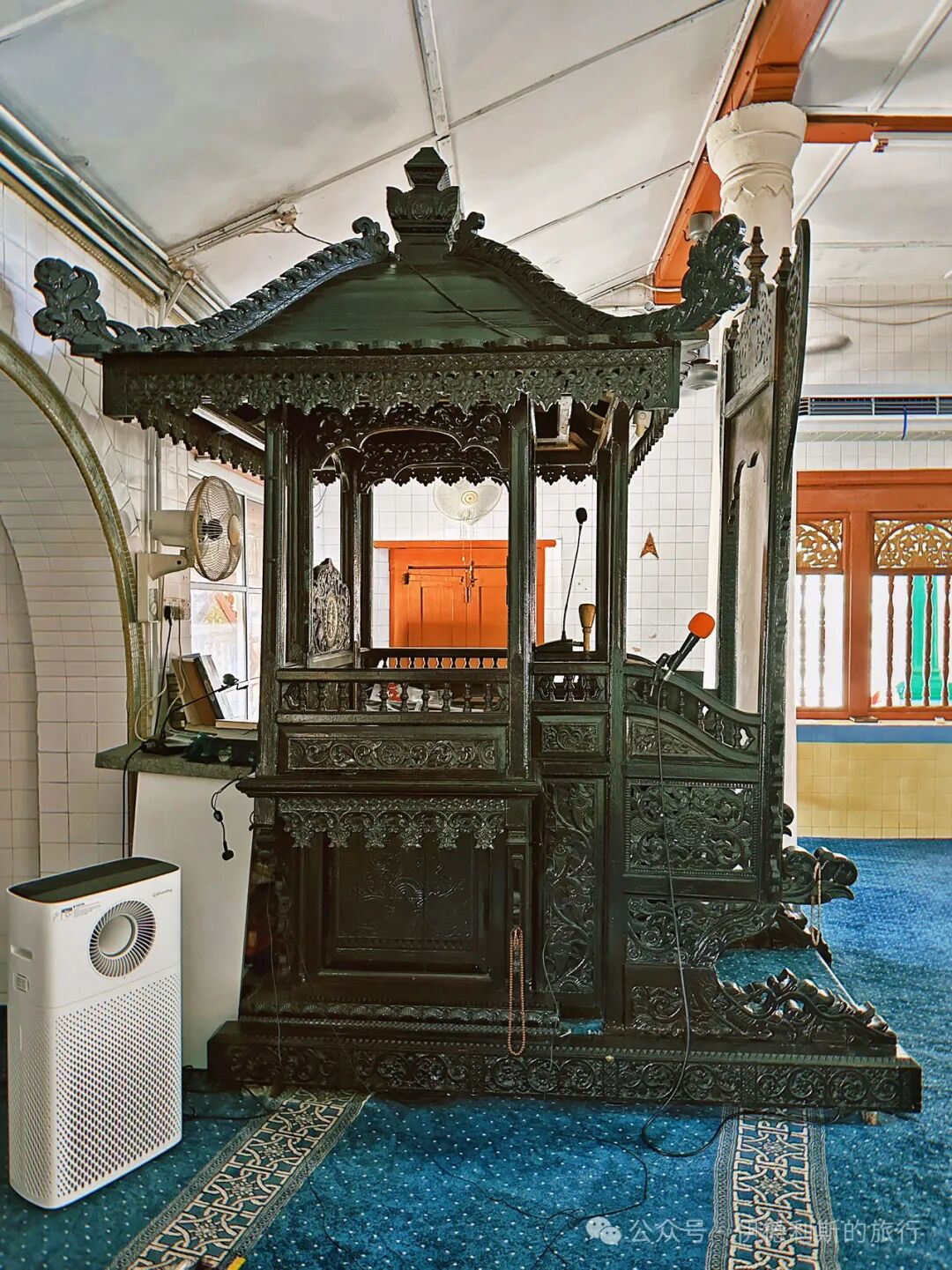
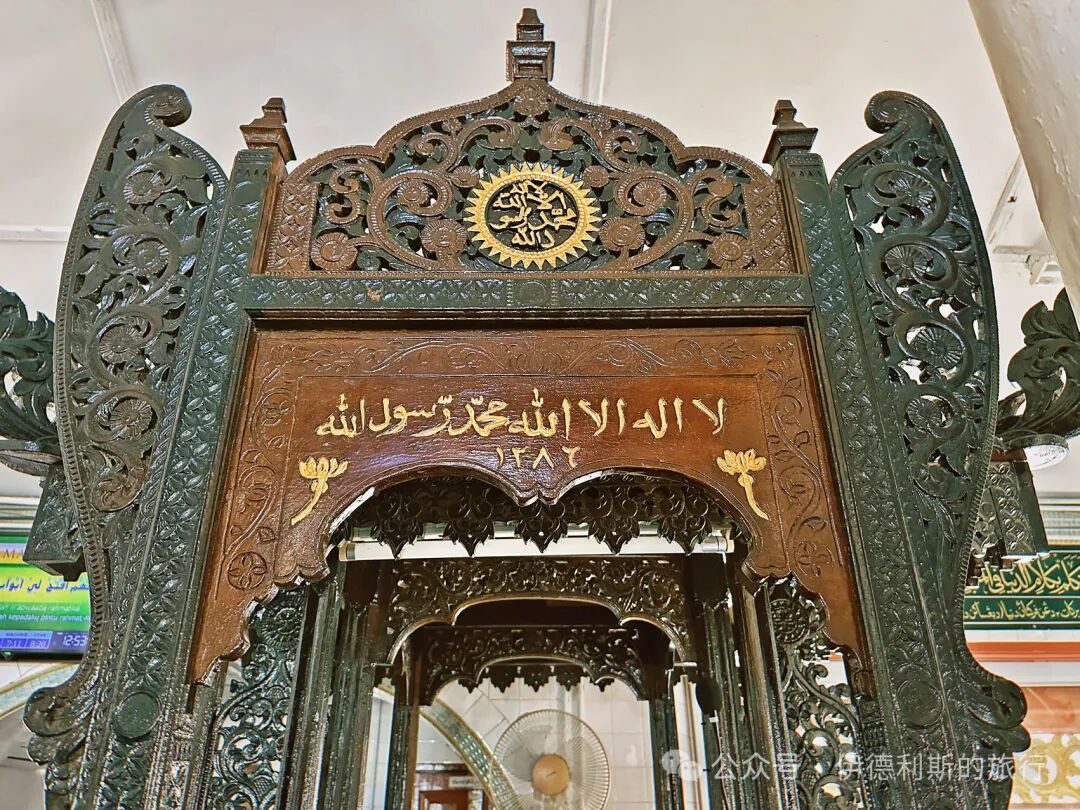
The minbar pulpit at Telok Mas Mosque is carved with the year 1286 of the Hijri calendar, or 1869 in the Gregorian calendar, and is a classic Javanese throne style.
Peringgit Mosque
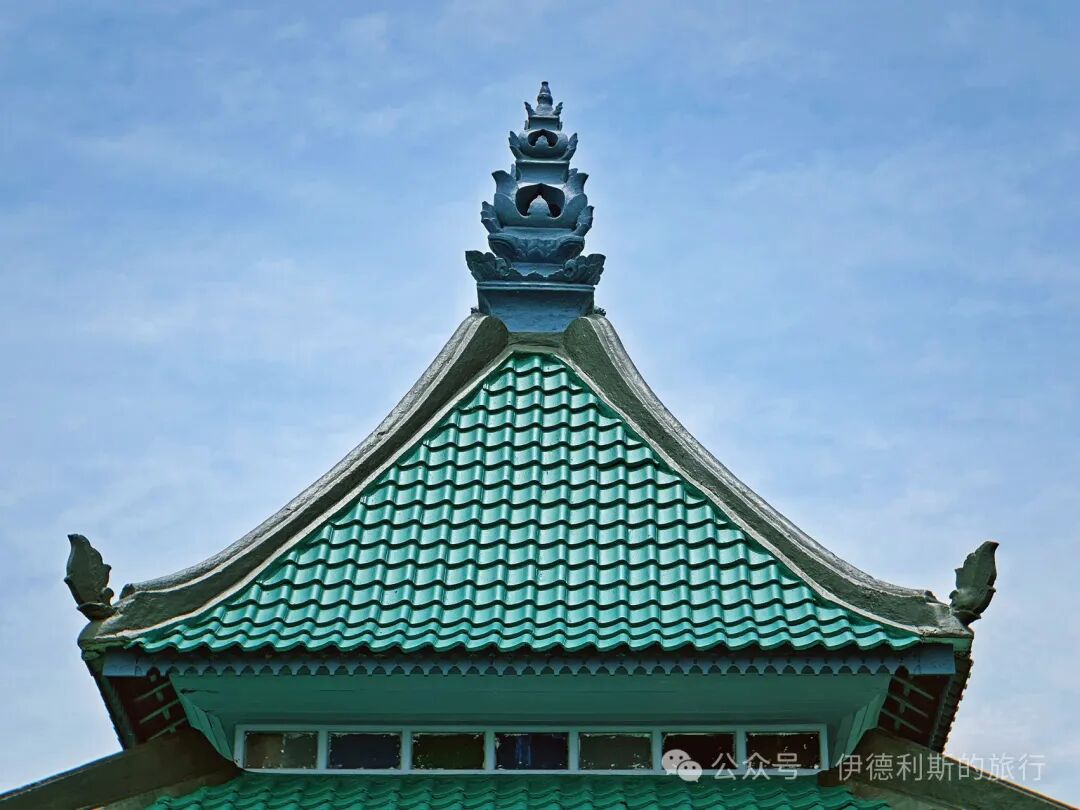
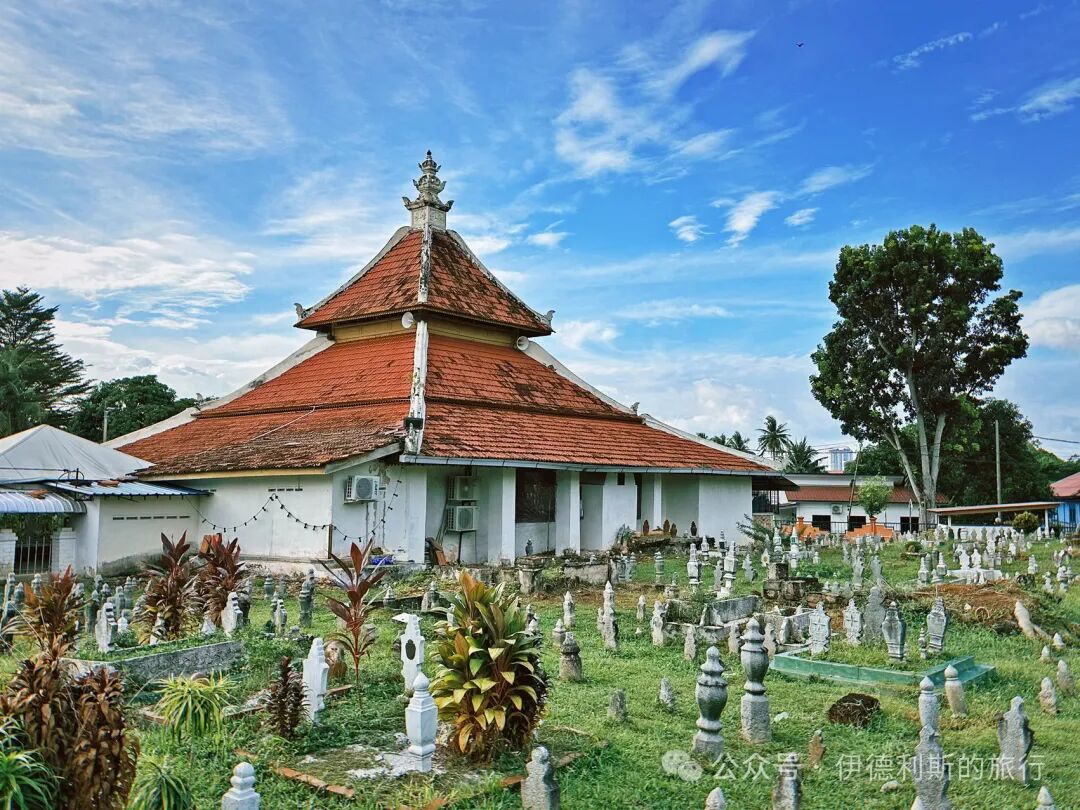
Peringgit Mosque (Masjid Peringgit) was first built in 1726 but was later destroyed. It was rebuilt in 1868. Peringgi is the Malay name for the Portuguese, as a Portuguese fort once stood here. Peringgit Mosque was originally built with granite and Dutch bricks, with wooden doors and windows. The roof is a traditional Javanese three-tiered pyramid (bumbung tiga lapis). The bottom layer is covered with Chinese tiles, while the middle and top layers use Dutch tiles. The very top decoration is carved from reef stone.
Following later renovations, the Dutch bricks of Peringgit Mosque were covered with cement, and the Chinese and Dutch tiles were replaced with modern ones. In 2002, the Southern Region Department of Museums and Antiquities of Malaysia restored the site.
Summary: This first part introduces eight historic mosques in Malacca, including their dates, layouts, and role in the city's Muslim community. It keeps the original mosque names, photographs, architectural details, and travel observations for readers interested in Malaysia's Islamic heritage.
Kampung Hulu Mosque: 1728.
Tengkera Small Mosque minaret (bangker): 1728.
Tengkera Mosque: 1782.
Kampung Kling Mosque: 1748.
Bukit Cina Mosque: 1865.
Pengkalan Rama Mosque: first built in the 1730s, rebuilt in 1917.
Duyong Mosque: 1859.
Serkam Pantai Mosque: 1853.
Peringgit Mosque: first built in 1726, rebuilt in 1868.
Kampung Hulu Mosque.
After the Portuguese occupied Malacca, they destroyed all the mosques of the Malacca Sultanate and promoted Catholicism in the city. However, the Portuguese were not successful, and Catholicism did not have much influence in Malacca until the Dutch took over.
The Dutch took a more tolerant approach toward Malacca and allowed the faith to spread there. In 1728, the Dutch East India Company commissioned a Chinese Muslim, Dato' Samsuddin Bin Arom, to build a new mosque near the site of an old one destroyed by the Portuguese. This became the Kampung Hulu Mosque (Masjid Kampung Hulu), the oldest surviving mosque in Malacca.
The main prayer hall of Kampung Hulu Mosque uses the traditional Javanese Tajug multi-layered pyramid roof. The decoration at the very top is called a Mustoko or Memolo in Javanese. This roof structure leaves space between the upper and middle layers for ventilation and light, which adapts well to the humid and rainy tropical climate.
Unlike traditional all-wood Javanese mosques, Kampung Hulu Mosque is built of brick and stone with plaster-coated roofs, an influence from Dutch colonial architecture. the tiles and floor bricks inside the mosque were all imported from China, and the patterns on the windows also show Chinese influence.
A traditional drum called a Beduk is placed above the main gate. Early mosques in Southeast Asia used drums to call people to prayer. Today, many mosques still use drums to call for prayer and to signal the breaking of the fast during Jumu'ah and Ramadan.
The minaret (bangker) looks like a lighthouse, which was a first for the Malay Peninsula, as there was no previous tradition of building minarets there. On the island of Java, the Great Mosque of Banten, built in 1632, was the first to feature a lighthouse-style minaret designed and built by a Chinese man named Cek-ban-cut.
The minbar inside the main hall of Kampung Hulu Mosque has rich patterns and is in the typical Javanese throne style.
I performed the Dhuhr and Maghrib namaz at Kampung Hulu Mosque and also attended the night praise sessions during the Mawlid. There are two cannons at the entrance of the main hall, which are used during the Eid festival. The number '1211' is engraved on the cannon barrel, which corresponds to the year 1796 in the Gregorian calendar.
The minaret (bangke lou) of the Tengkera Small Mosque.
After the Kampung Hulu Mosque was built, an Indian merchant named Muhammad Salleh funded the construction of a small mosque (Surau Tengkera) on Tengkera Street. Tengkera comes from the Portuguese word 'tranquerah,' meaning 'fortress,' as there was once a defensive wall built by the Portuguese here. The Tengkera Small Mosque was also built in 1728. It was originally a wooden structure with pillars made of ironwood (belian) from Pontianak, Kalimantan, and a roof covered with nipa palm leaves.
After the Tengkera Mosque (Masjid Tengkera) was completed in 1782, the Tengkera Small Mosque was abandoned, and today only the minaret remains. Unlike the Kampung Hulu Mosque, the minaret of the Tengkera Small Mosque is modeled after a Chinese pagoda. This was the first of its kind on the Malay Peninsula and has become a major feature of Malacca today.
Tengkera Mosque.
In 1782, the Tengkera Mosque (Masjid Tengkera) was completed to the west of the Tengkera Small Mosque. The Tengkera Mosque also features a traditional Javanese three-tiered pyramid roof (bumbung tiga lapis), and the main hall is supported by four ironwood pillars from Kalimantan. After two renovations in 1890 and 1910, the current Tengkera Mosque has brick walls and a tiled roof. The minaret of the Tengkera Mosque, like that of the Tengkera Small Mosque, is a Chinese-style pagoda structure and serves as a continuation of the earlier minaret.
The exquisite minbar (pulpit) of the Tengkera Mosque is also in the Javanese throne style.
Kampung Kling Mosque.
The Kampung Kling Mosque (Masjid Kampong Kling) is located in the center of Malacca city. It was first built by Indian merchants in 1748 and was converted from a wooden structure to the current brick structure in 1872. The mosque features a traditional Javanese three-tiered pyramid roof (bumbung tiga lapis). The classical Corinthian columns between the main hall and the prayer niche (mihrab), as well as the plaster walls, show the influence of Dutch colonists. The Chinese tiles on the roof, floor, and walls, along with the wood carvings on the doors and windows, reflect Chinese influence.
Legend has it that during the Malacca Sultanate, Kampung Kling was a settlement for Indian Muslim merchants. 'Kling' was the historical term used in the Malay Archipelago for Indians, especially Tamils. On a 1690 map of Malacca, this area is marked as 'Mosquée de Maures' (Moorish Mosque), but its relationship to the Kampung Kling Mosque is uncertain. In the 18th century, this was still a village for South Indian immigrants. After the rubber industry in Malacca boomed in the 19th and early 20th centuries, it became a residential area for Chinese people working in the rubber industry. Today, the mosque is surrounded by Chinese shophouses.
The Kampung Kling Mosque has a beautiful minbar and wood carvings on its doors and windows; the minbar is also in the Javanese throne style.
Sanbao Hill Mosque.
Bukit Cina Mosque (Masjid Bukit Cina), also called Al-Hamideen Mosque, was built in 1865. A new main hall was added in 1978, but the layout of the original old hall remains. The old hall features a traditional Javanese-style three-tiered pyramid roof (bumbung tiga lapis) and four wooden pillars (Soko Guru). Each pillar connects to the foundation with a stone base called Umpak. These bases keep the wood from soaking up groundwater and help absorb shock during earthquakes.
Pengkalan Rama Mosque
Pengkalan Rama Mosque was first built in the 1730s. Dato Penghulu Abdul Ghani funded its renovation in 1917. A new main hall was added in 2004, but it still keeps the traditional Javanese-style three-tiered pyramid roof (bumbung tiga lapis) and four wooden pillars (Soko Guru) of the old hall.
Duyong Mosque
Duyong Mosque (Masjid Duyong) was built in 1850 under the leadership of Wan Chilek. It was originally made of laterite and wood, with a roof made of Chinese and Dutch tiles. In 1908, a minaret (bangkar) was added, blending the styles of a Chinese pagoda and a Western lighthouse.
The mosque underwent several renovations and expansions in 1967, 1973, and 1976. It suffered a fire in 1982 and was later restored. In 2002, the Department of Museums and Antiquities of Malaysia carried out protective repairs on the site.
Telok Mas Mosque
At Telok Mas Mosque (Masjid Telok Mas Al-Khairiah) for namaz. Telok Mas Mosque was built in 1853. During construction, the beams and roof materials were cut from local forests and hauled by water buffalo. The wall stones were mined from reefs near Big Island (Pulau Besar) and transported by sampan boats. The main gate still bears an inscription from the year 1269 of the Hijri calendar, which is 1853 in the Gregorian calendar. A Chinese pagoda-style minaret (bangkar) was added in 1913. Its architectural style is basically the same as the mosques in Kampung Kling and Tengkera.
The minbar pulpit at Telok Mas Mosque is carved with the year 1286 of the Hijri calendar, or 1869 in the Gregorian calendar, and is a classic Javanese throne style.
Peringgit Mosque
Peringgit Mosque (Masjid Peringgit) was first built in 1726 but was later destroyed. It was rebuilt in 1868. Peringgi is the Malay name for the Portuguese, as a Portuguese fort once stood here. Peringgit Mosque was originally built with granite and Dutch bricks, with wooden doors and windows. The roof is a traditional Javanese three-tiered pyramid (bumbung tiga lapis). The bottom layer is covered with Chinese tiles, while the middle and top layers use Dutch tiles. The very top decoration is carved from reef stone.
Following later renovations, the Dutch bricks of Peringgit Mosque were covered with cement, and the Chinese and Dutch tiles were replaced with modern ones. In 2002, the Southern Region Department of Museums and Antiquities of Malaysia restored the site.
