
Halal Travel Guide: 2024 Mosque Visits — 63 Historic Mosques and Muslim Heritage
Reposted from the web
Summary: This article records 63 mosque visits made in 2024, with attention to architecture, local Muslim communities, and regional history. The English version keeps the original sequence of places, photos, names, and factual details while making the account easier to read.
January in Singapore: 8 mosques.
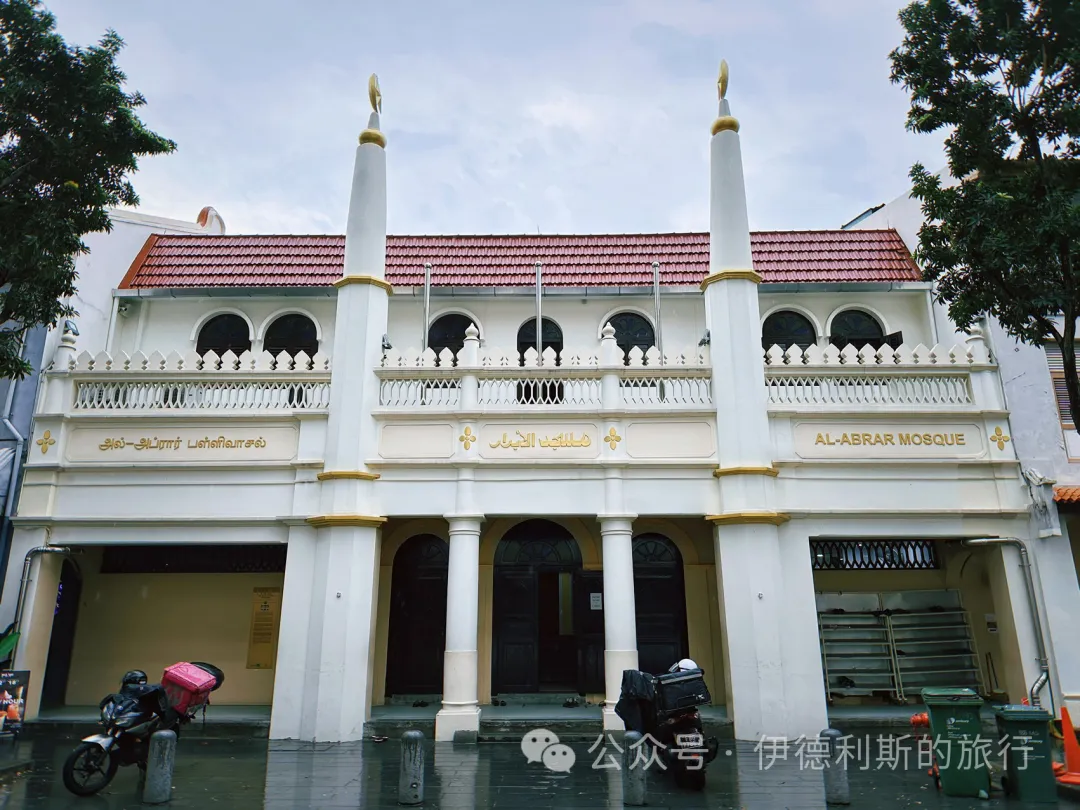
Al-Abrar Mosque in Singapore: Built in 1827 by Tamil Muslims from the Coromandel Coast of southeastern India, it was renovated into its current form between 1986 and 1989.
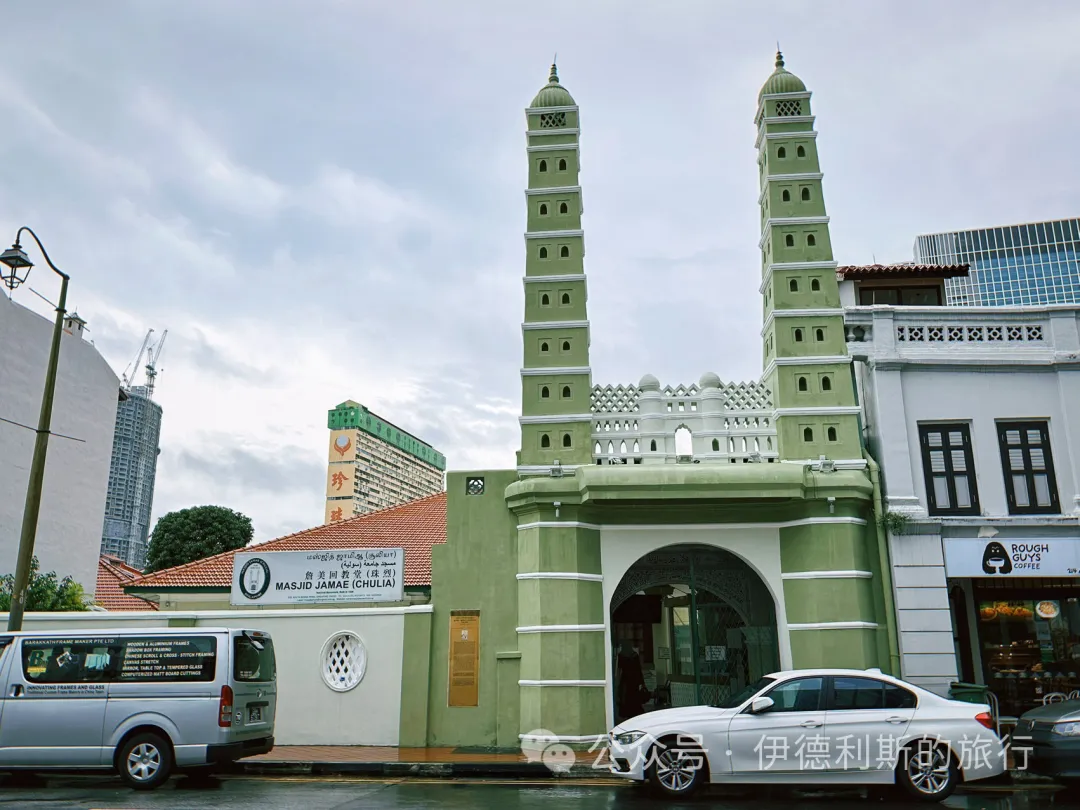
Jamae Mosque in Singapore: A congregational mosque built in 1826 by Tamil Muslims from the Coromandel Coast of southeastern India, it was rebuilt into its current form between 1830 and 1835.
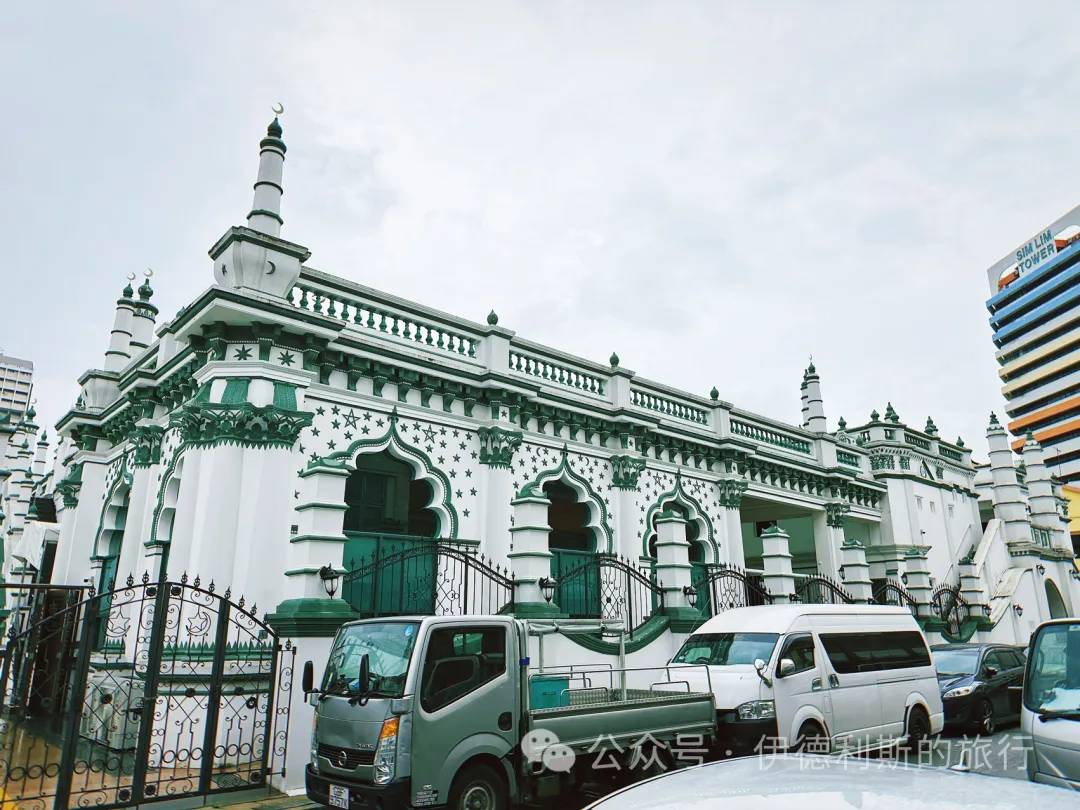
Abdul Gafoor Mosque in Singapore: Construction began in 1859, and it was rebuilt into its current structure in 1907 under the leadership of the South Indian Tamil Muslim, Shaik Abdul Gafoor.
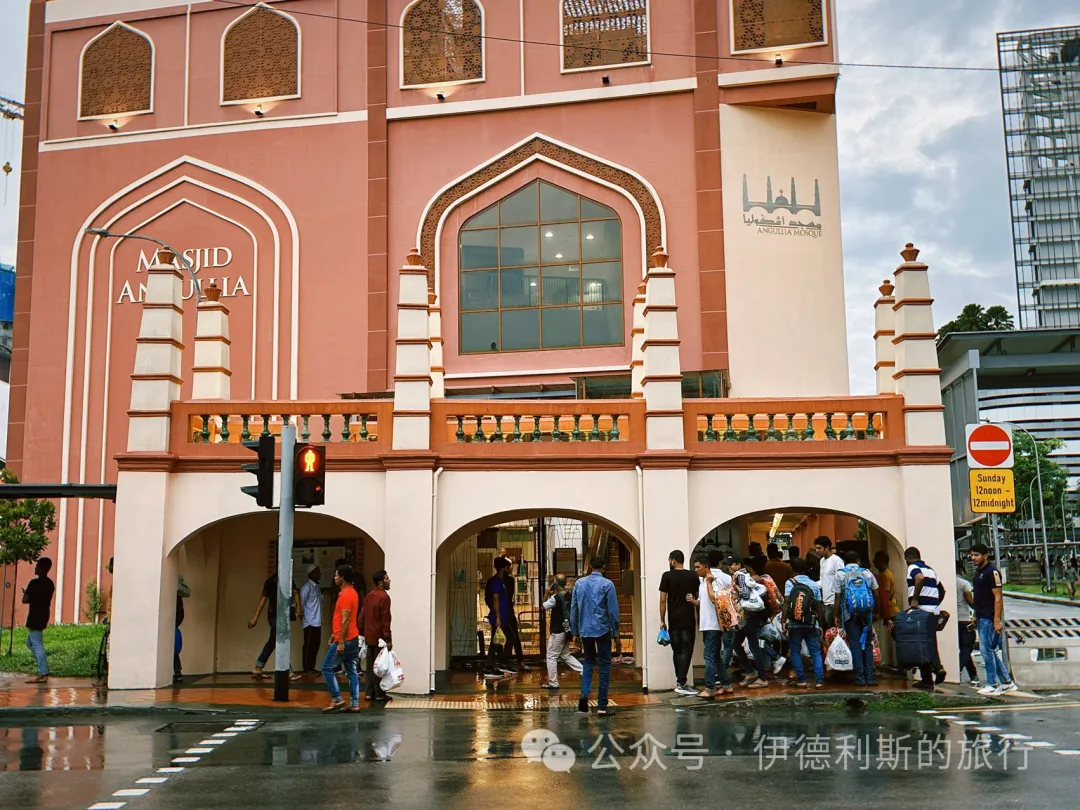
Angullia Mosque in Singapore: Established in 1892 by the Angullia family, who were Muslims from Gujarat in western India. The gatehouse built in 1890 still stands today.
Hajjah Fatimah Mosque in Singapore: Donated and built between 1915 and 1920 by Hajjah Fatimah, an Indian-descended Muslim businesswoman and philanthropist. It has always been managed jointly by Arab, Indian, and Malay Muslims.
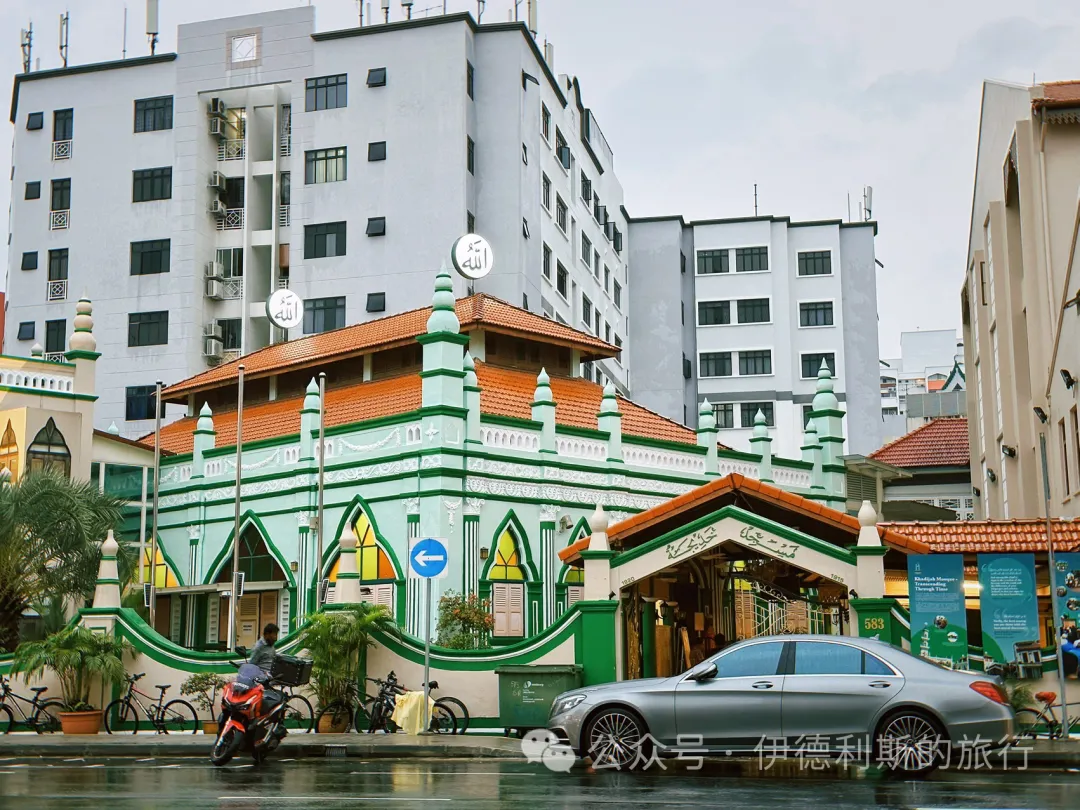
Sultan Mosque in Singapore: Built between 1824 and 1826 by Sultan Hussein of Johor using funds from the British East India Company, it was rebuilt in the Mughal Revival style between 1924 and 1928.
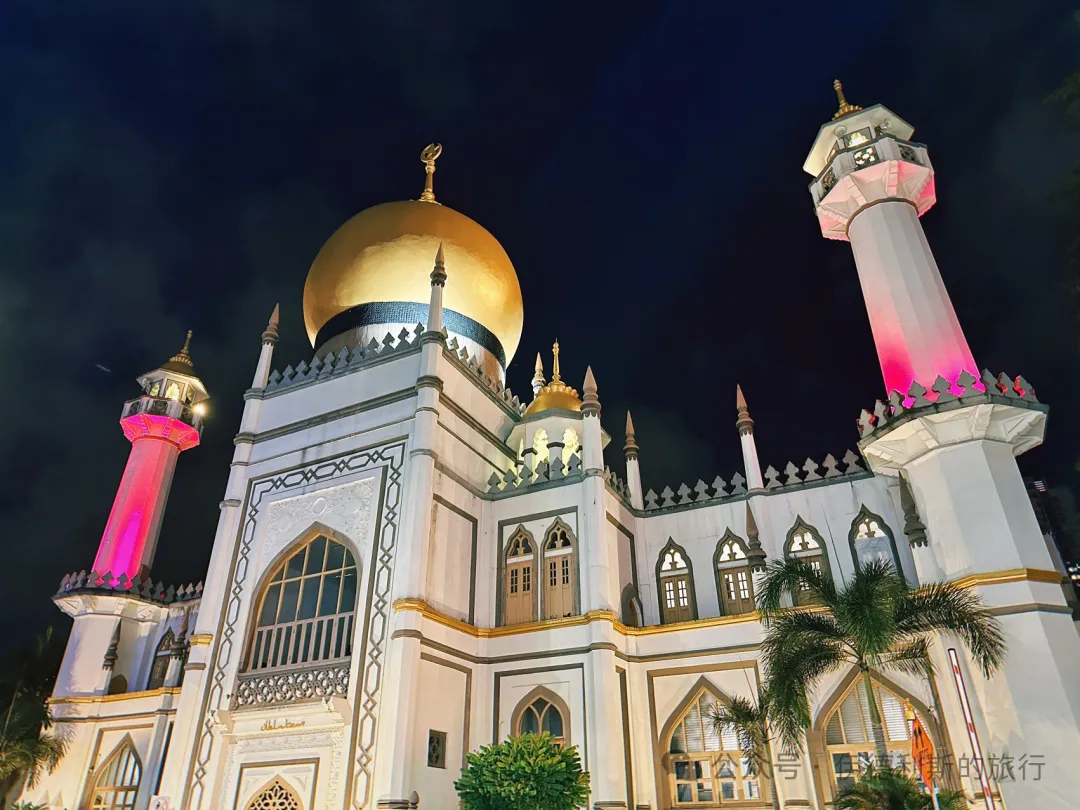
Hajjah Fatimah Mosque in Singapore: Donated and built by the Malay noblewoman and philanthropist Hajjah Fatimah between 1845 and 1846, it was rebuilt in the Mughal Revival style in the 1930s.
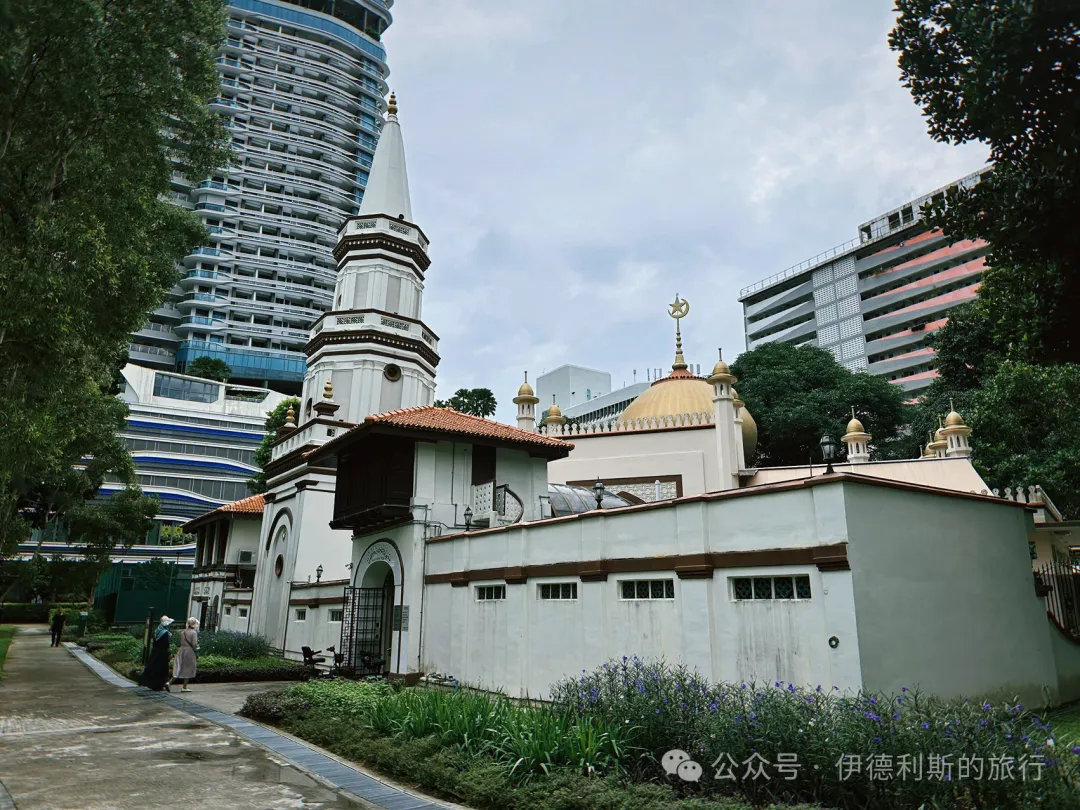
Haji Muhammad Salleh Mosque in Singapore: Haji Muhammad Salleh was a merchant from Batavia (modern-day Jakarta). He made a dua to build a small mosque on Mount Palmer for the Sufi wali Habib Noh, which was finally rebuilt as a formal mosque in 1903.
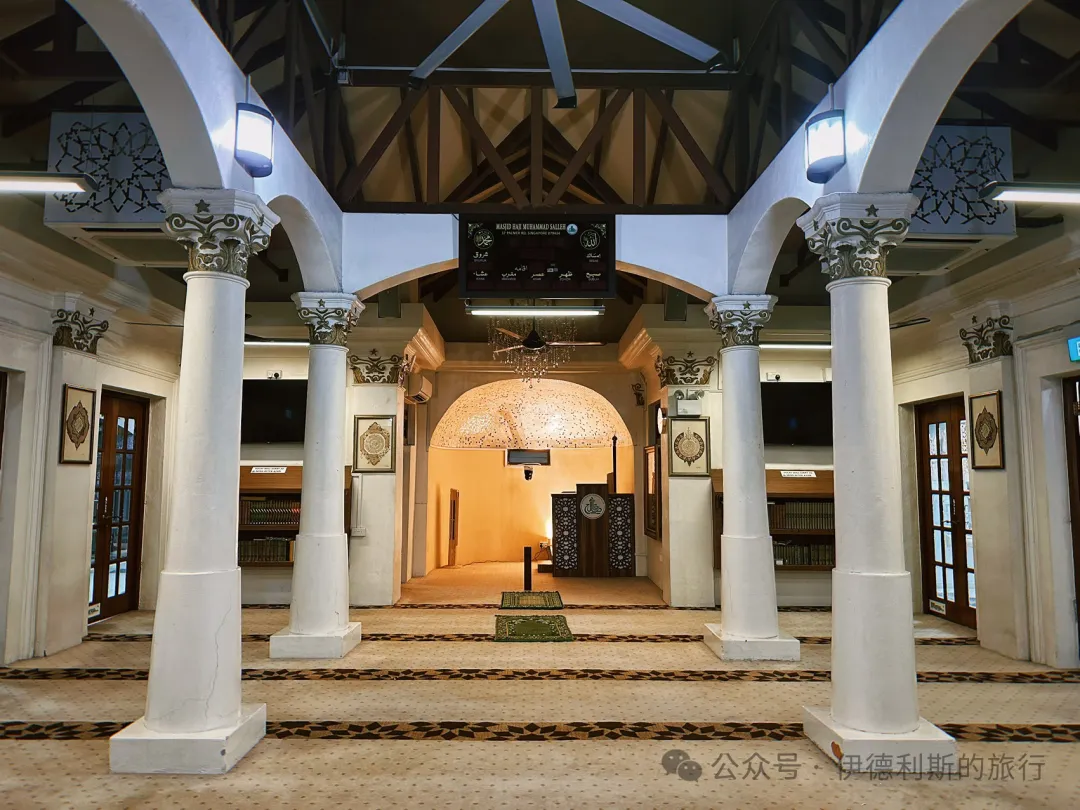
January in Malaysia: 10 mosques.
Alaeddin Mosque in Selangor: Built in 1905 by order of Sultan Alaeddin Sulaiman Shah of Selangor.
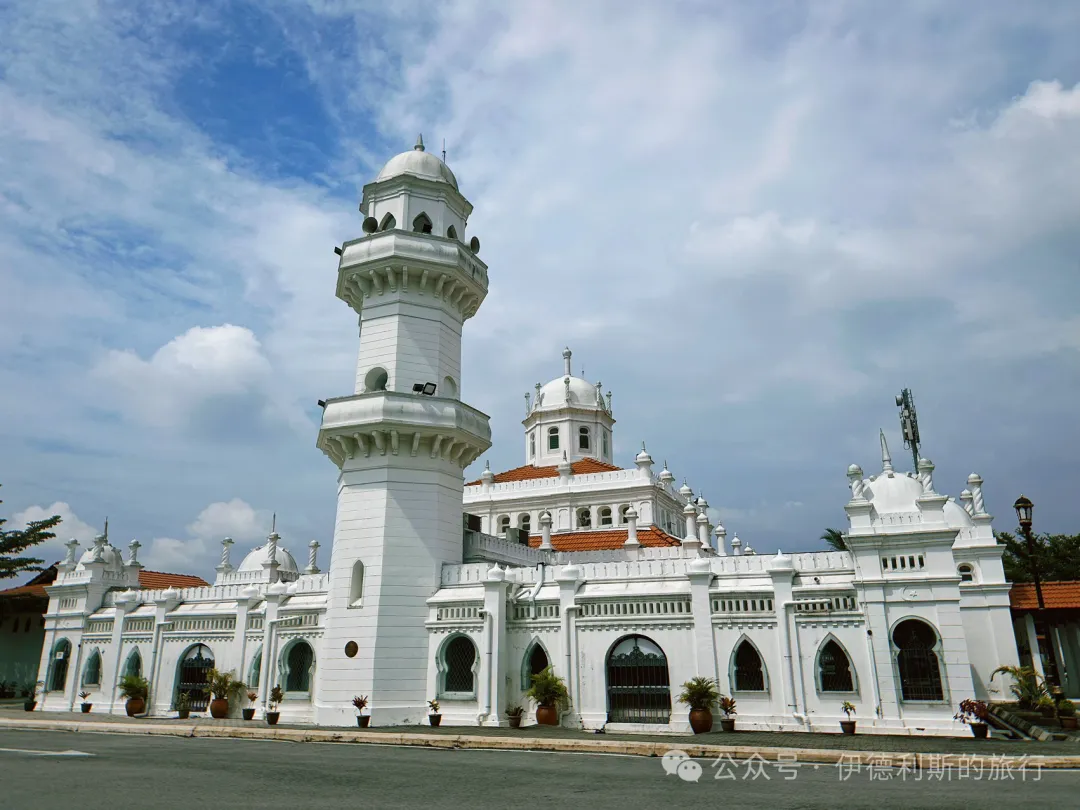
Sultan Sulaiman Royal Mosque in Selangor: A gift from the British to Sultan Sulaiman to replace the Pengkalan Batu Mosque, which was demolished to build the Klang railway station. Built between 1932 and 1933, it has served as the royal mosque for the Sultan of Selangor ever since.
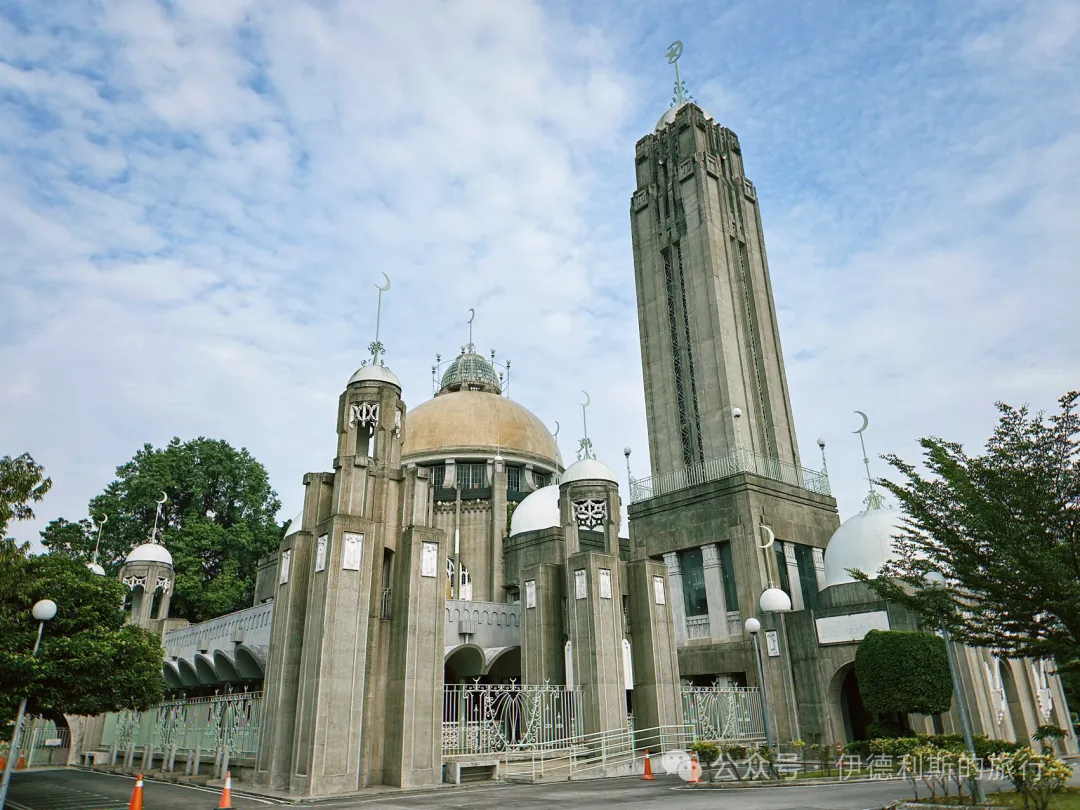
Sultan Abu Bakar Mosque in Johor Bahru: Commissioned by Sultan Abu Bakar of Johor in 1892, it was officially completed in 1900.
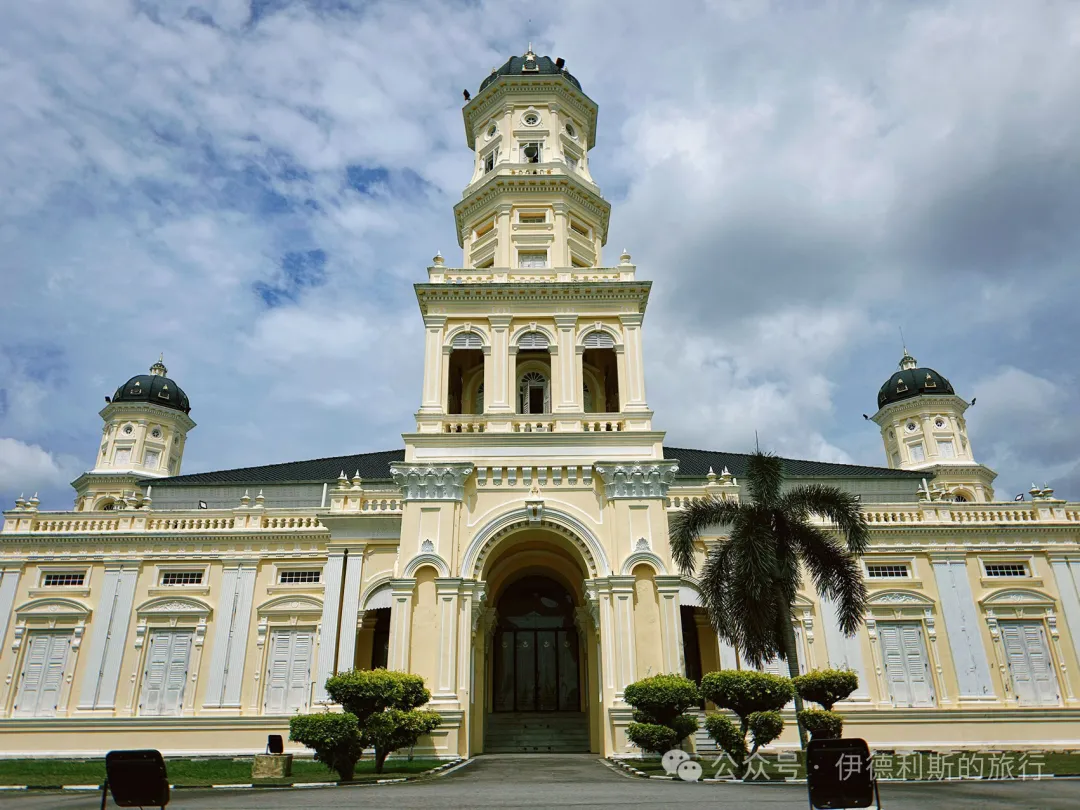
Kampung Mahmoodiah Mosque in Johor Bahru: Located next to the Mahmoodiah Royal Mausoleum in Johor, it was first built in 1926.
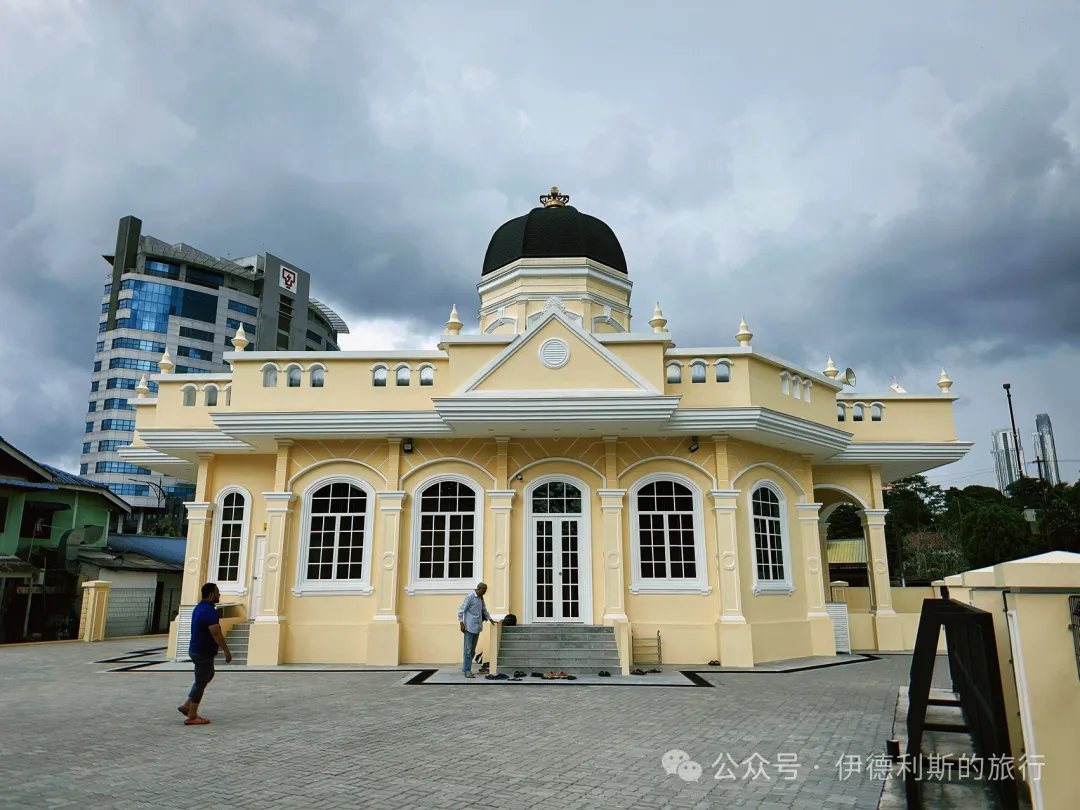
Pasir Pelangi Royal Mosque in Johor Bahru: First built in 1911, it is located next to the Johor Sultan's Pasir Pelangi Palace.
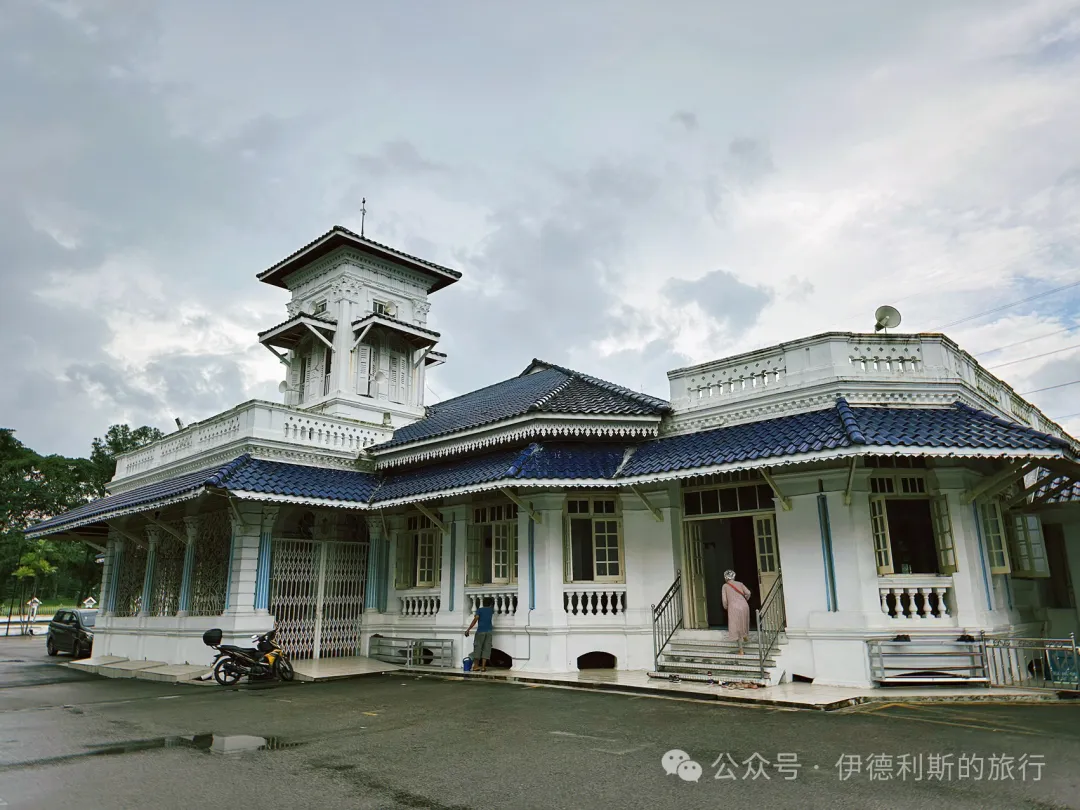
Indian Mosque in Ipoh: Built between 1905 and 1908 under the leadership of the wealthy South Indian Tamil merchant Shaik Adam Mohammad Ghaus.
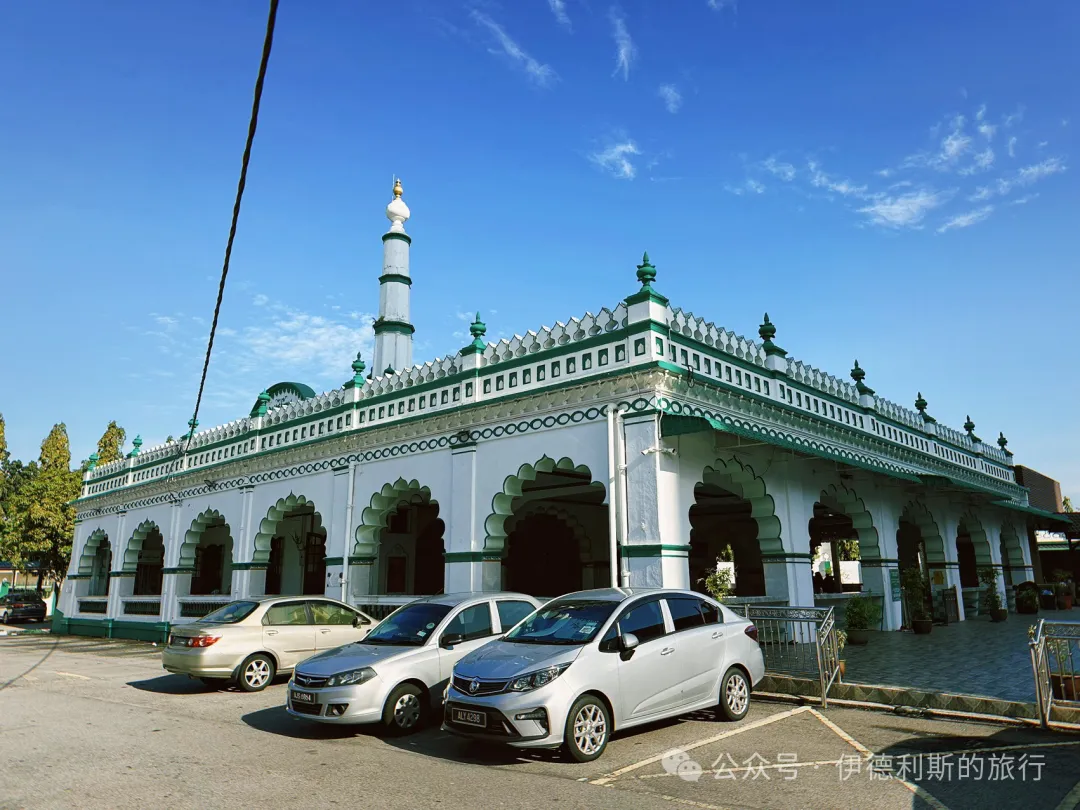
Pakistan Mosque in Ipoh: Built in 1930 by Pathans (Pashtun descent) and Punjabis from North India who served as police officers in Ipoh. It is currently used by the Pakistani Punjabi community.
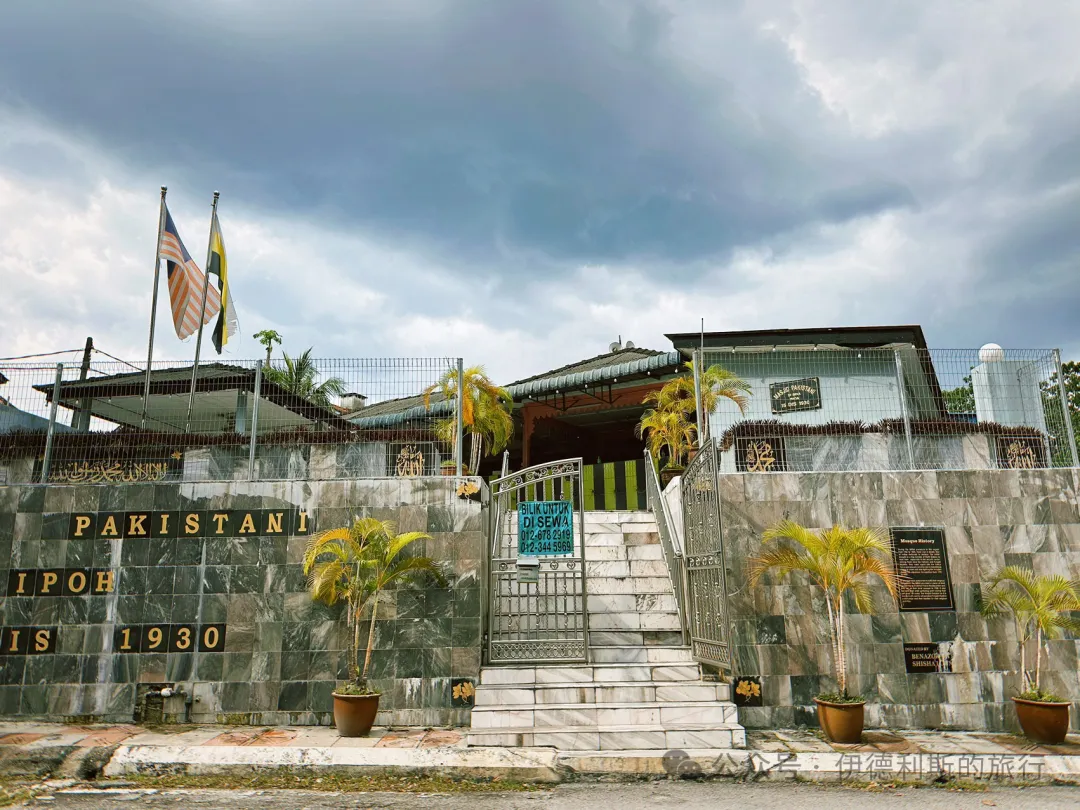
Panglima Kinta Mosque in Ipoh: Built in 1898 by Panglima Kinta Muhamad Yusuff, the Malay chief who ruled Ipoh at the time, in memory of his wife.
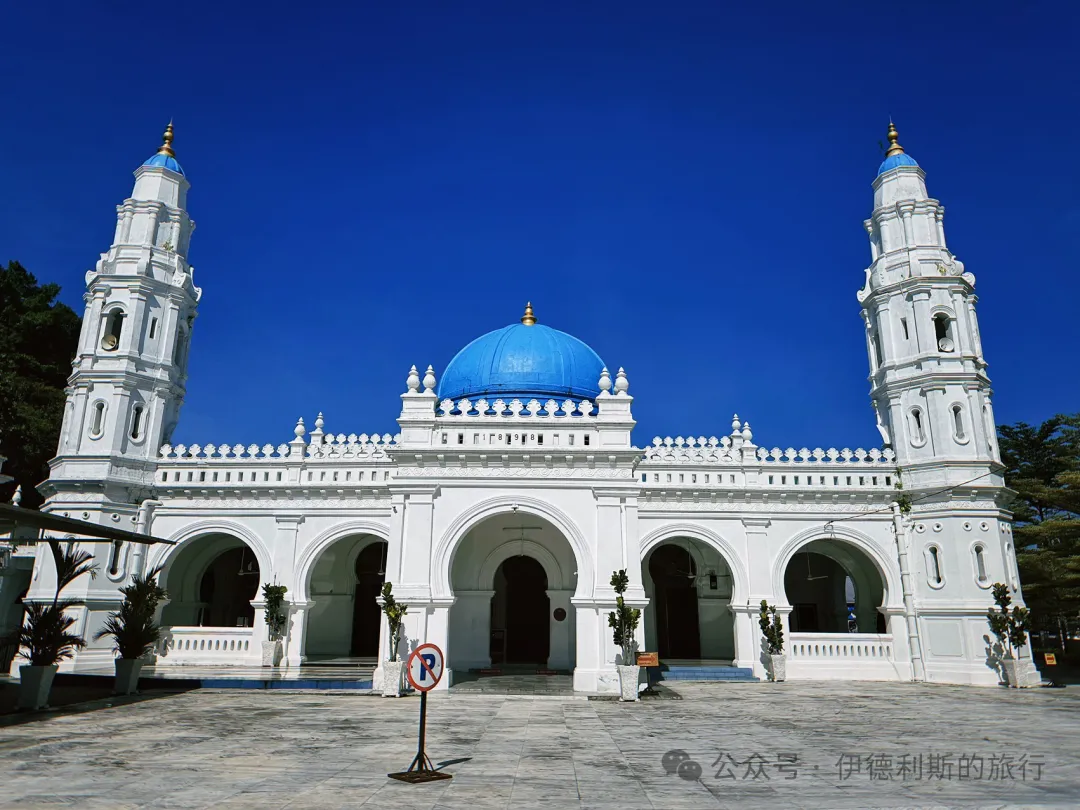
Ubudiah Mosque in Perak: Commissioned by Sultan Idris Murshidul Azzam Shah of Perak and built between 1913 and 1917, it is the royal mosque of the Sultan of Perak.
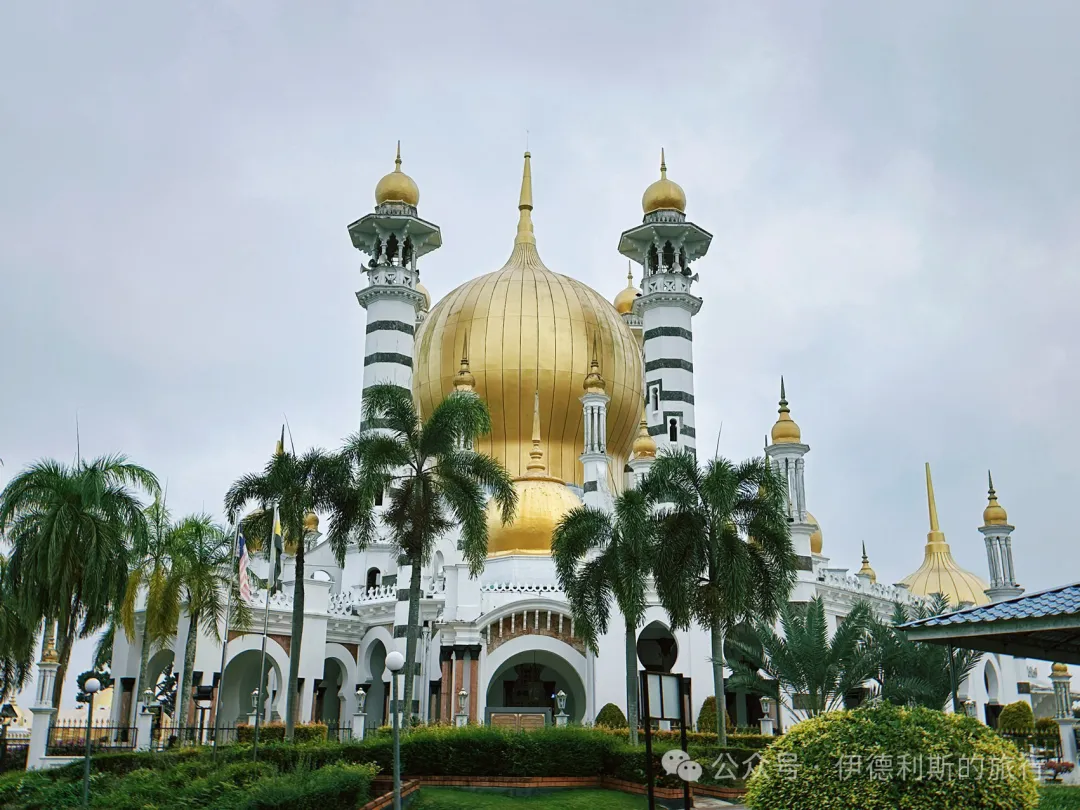
Jamek Mosque in Seremban: Rebuilt into its current structure in 1900, with a minaret added in 1924.
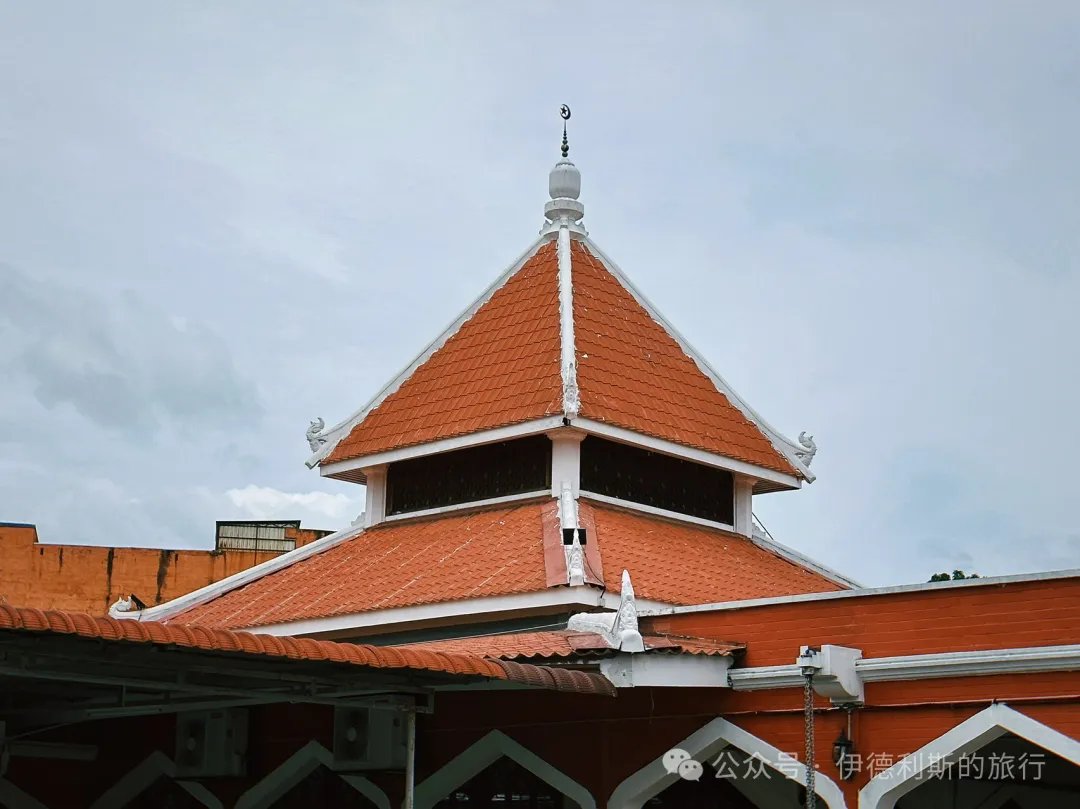
May in Zhejiang: 1 mosque.
Lishui Mosque in Zhejiang: Built in 1886 by the imam Ma Huanzhang on Gaojing Lane in Lishui city.
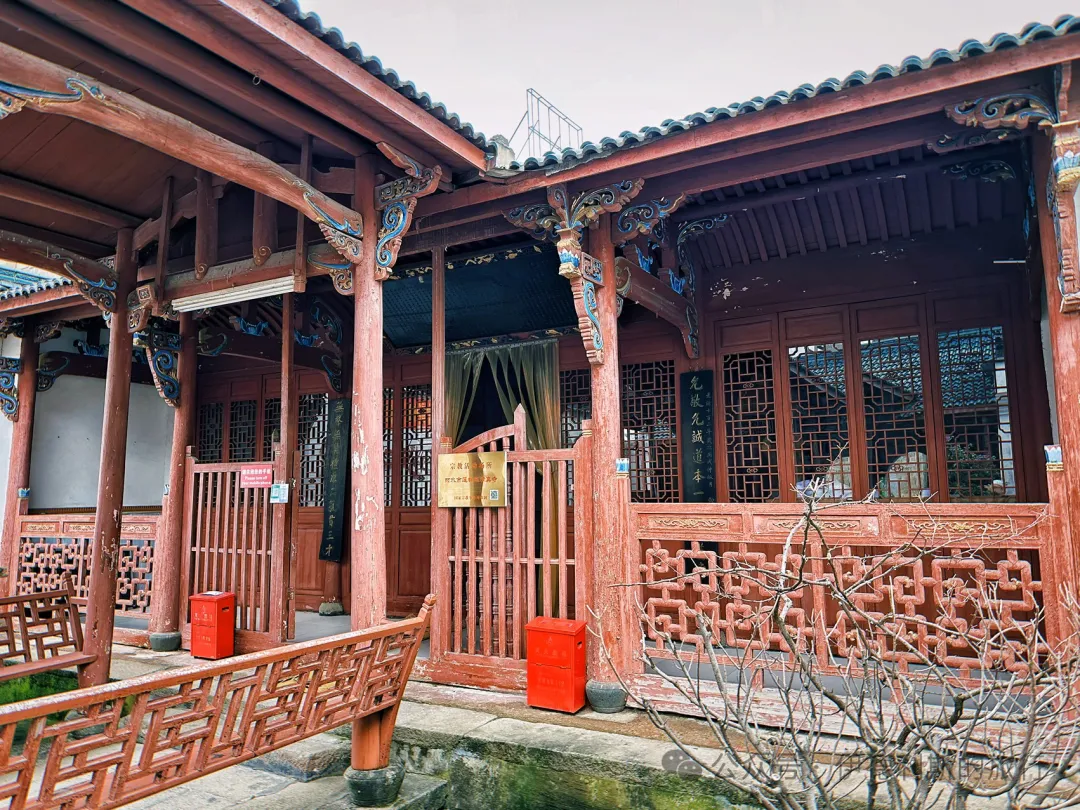
May in Fujian: 3 mosques.
Fuzhou Mosque: This mosque was rebuilt with funds donated by the surveillance commissioner Zhang Xiaosi during the early Zhizheng years of the Yuan dynasty. It was destroyed by fire in 1541 (the 20th year of the Jiajing reign). Ge Wenming, a descendant of the envoy Ge Buman from the Guli Kingdom (the Calicut kingdom on the southwest corner of the Indian peninsula), led the reconstruction, which was completed in 1549 (the 28th year of the Jiajing reign).
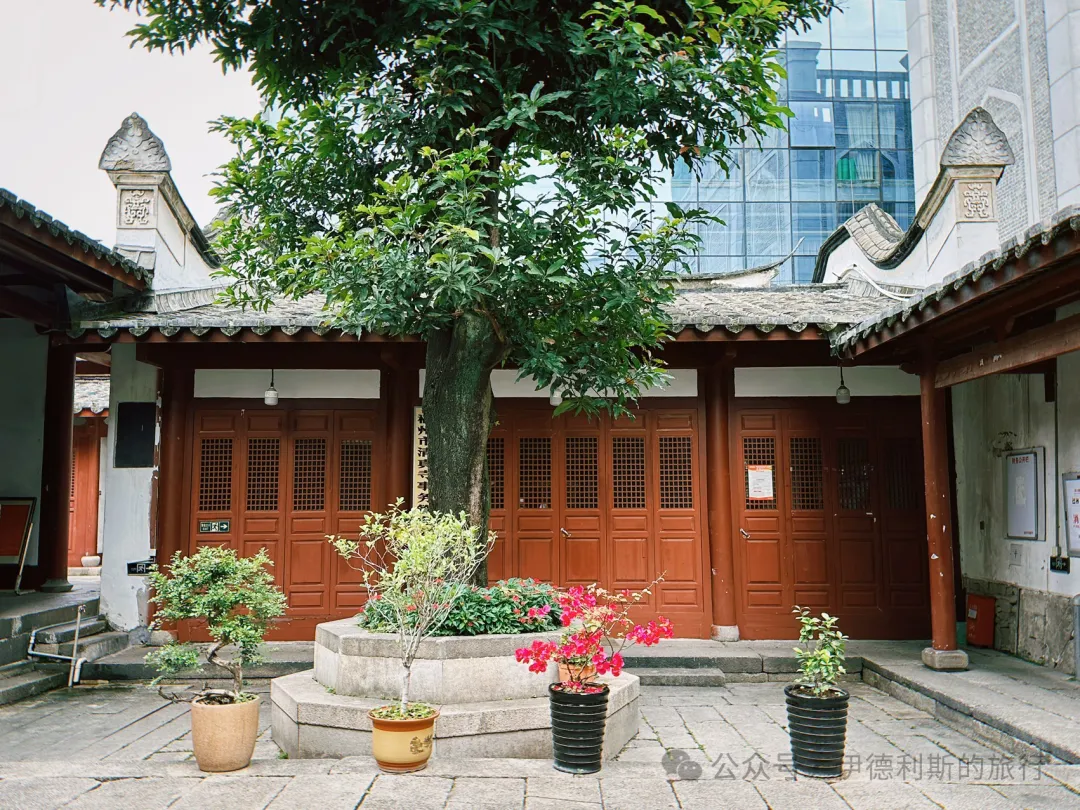
Quanzhou Qingjing Mosque: First built in 1009, it was renovated by Ahmed in 1310.
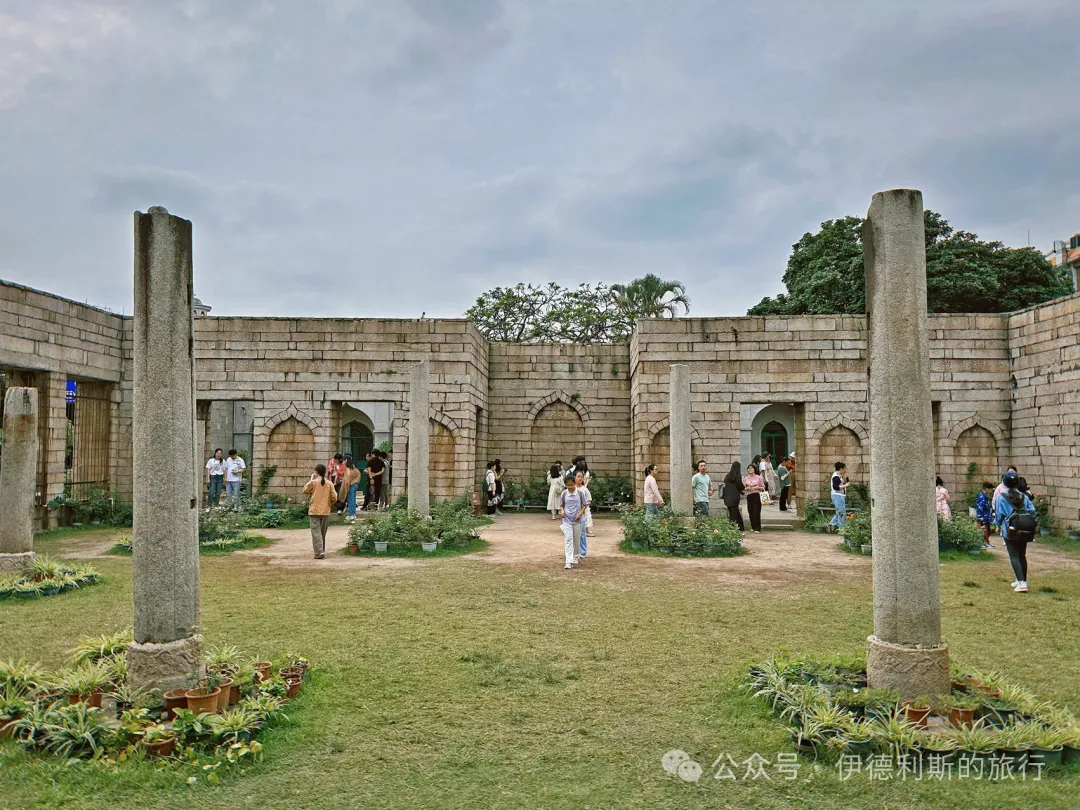
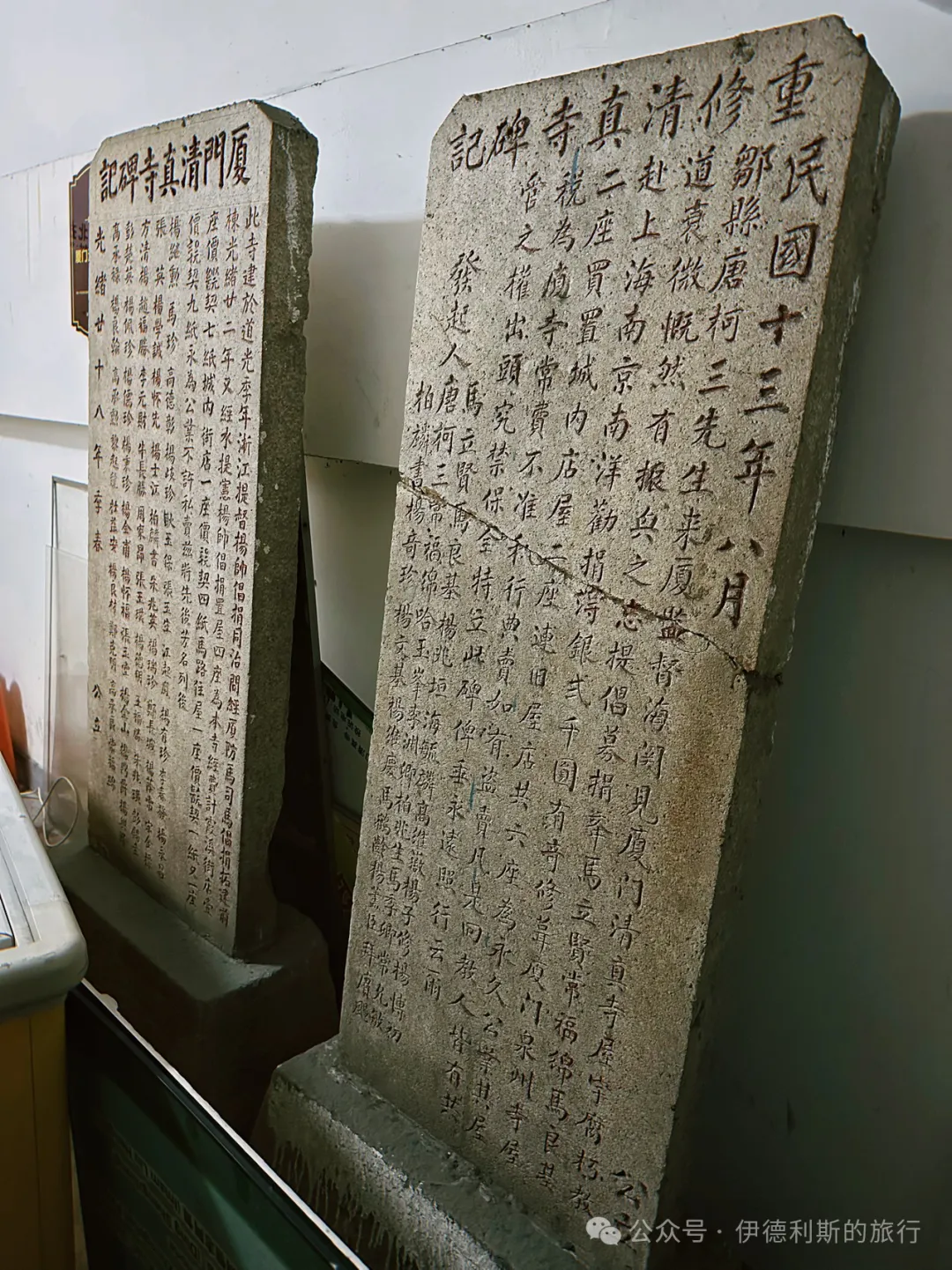
Xiamen Mosque stele record: Xiamen Mosque was first built in 1823. The mosque currently houses two stone steles from 1902 and 1924.
May in Sichuan: 3 mosques.
Chengdu Tuqiao Upper Mosque: Tuqiao is located northwest of Chengdu. Since the Qing dynasty, it has been a necessary stop for merchants traveling to Chengdu from Aba and Songpan via the Songmao Ancient Road. Many Hui Muslims settled here, and the Tuqiao Upper Mosque was first built in 1791.
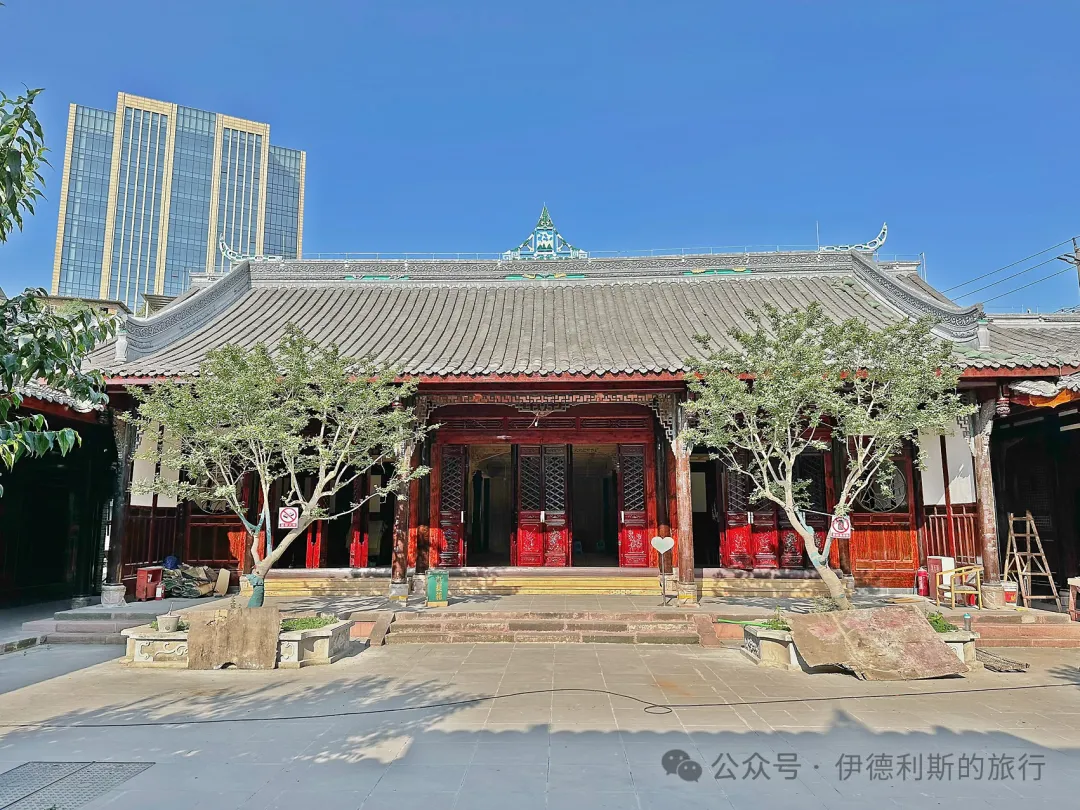
Dujiangyan Mosque: During the Jiajing reign of the Ming dynasty, Hui Muslims in Dujiangyan pooled their money to buy the former site of the Ming Shu Kang Wang summer palace and officially built the Dujiangyan Mosque.
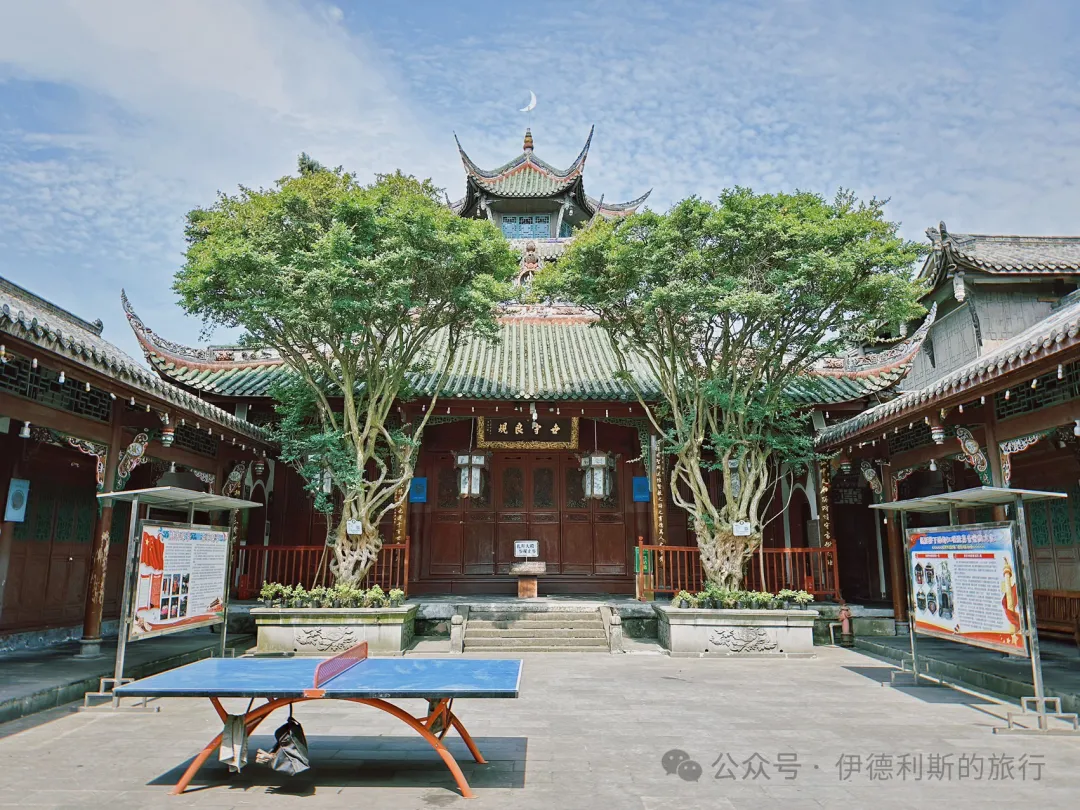
Dujiangyan Baoping Mosque: After the Sichuan Railway Protection Movement in 1911, Hui Muslims from Maogong (Xiaojin County) actively participated. They faced persecution from local feudal forces and fled, with most settling in Guanxian (Dujiangyan). They pooled their money to build the Baoping Mosque in 1925.
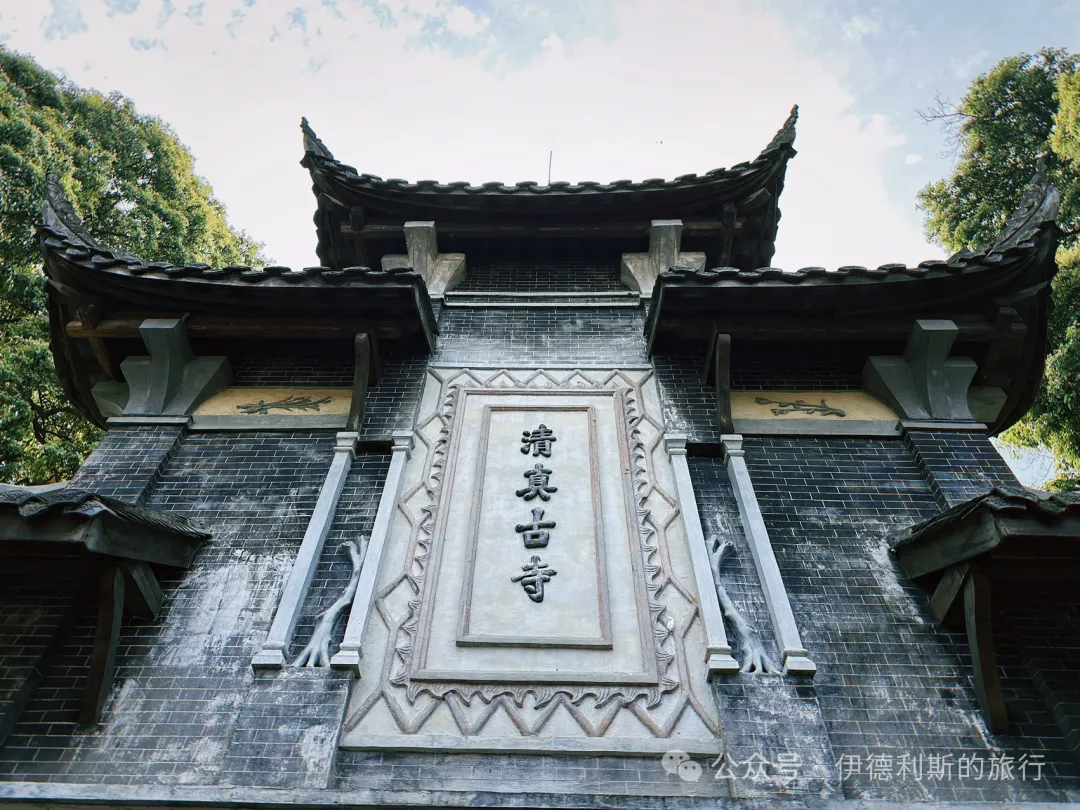
June in Shandong: 4 mosques.
Liaocheng Dongguan West Mosque: The West Mosque is commonly known as the Great Mosque (da libaisi). It was first built in 1385 and renovated twice during the Jiajing and Kangxi reigns.
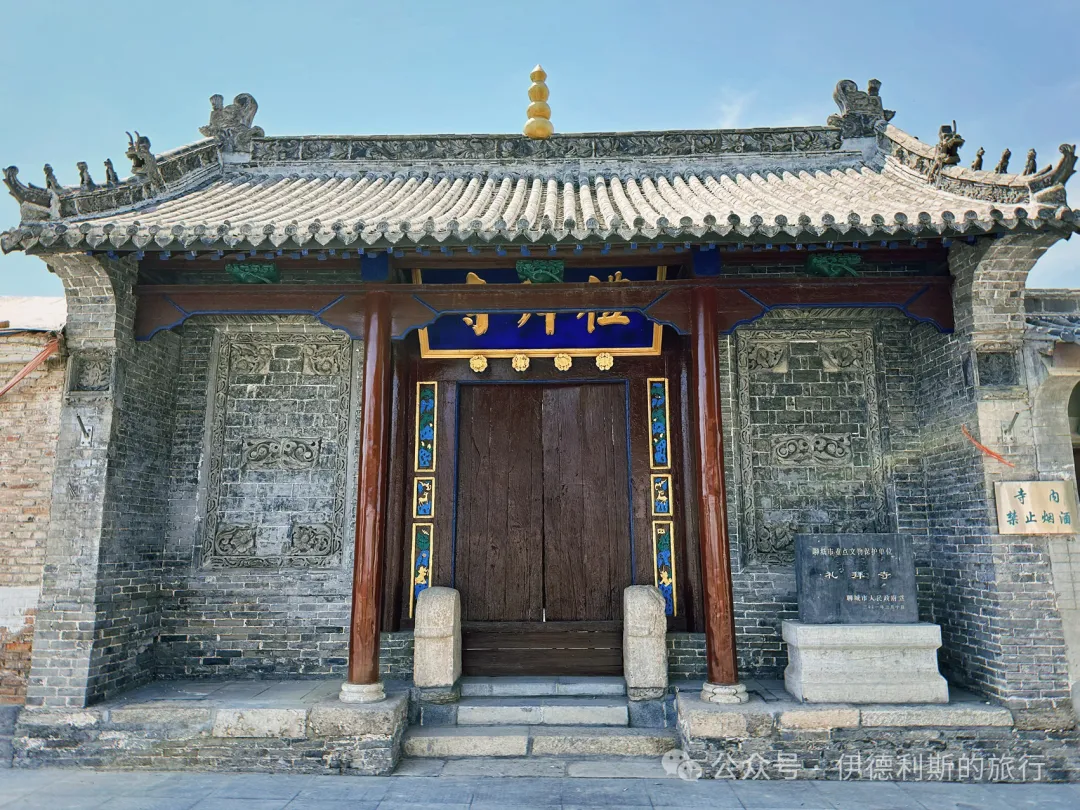
Liaocheng Dongguan East Mosque: The East Mosque is also called the Small Mosque (xiao libaisi). It was built during the Yongle reign of the Ming dynasty under the leadership of the Dongchang Prefecture garrison commander Bai Lin. It was renovated multiple times during the Jiaqing, Xianfeng, and Guangxu reigns of the Qing dynasty.
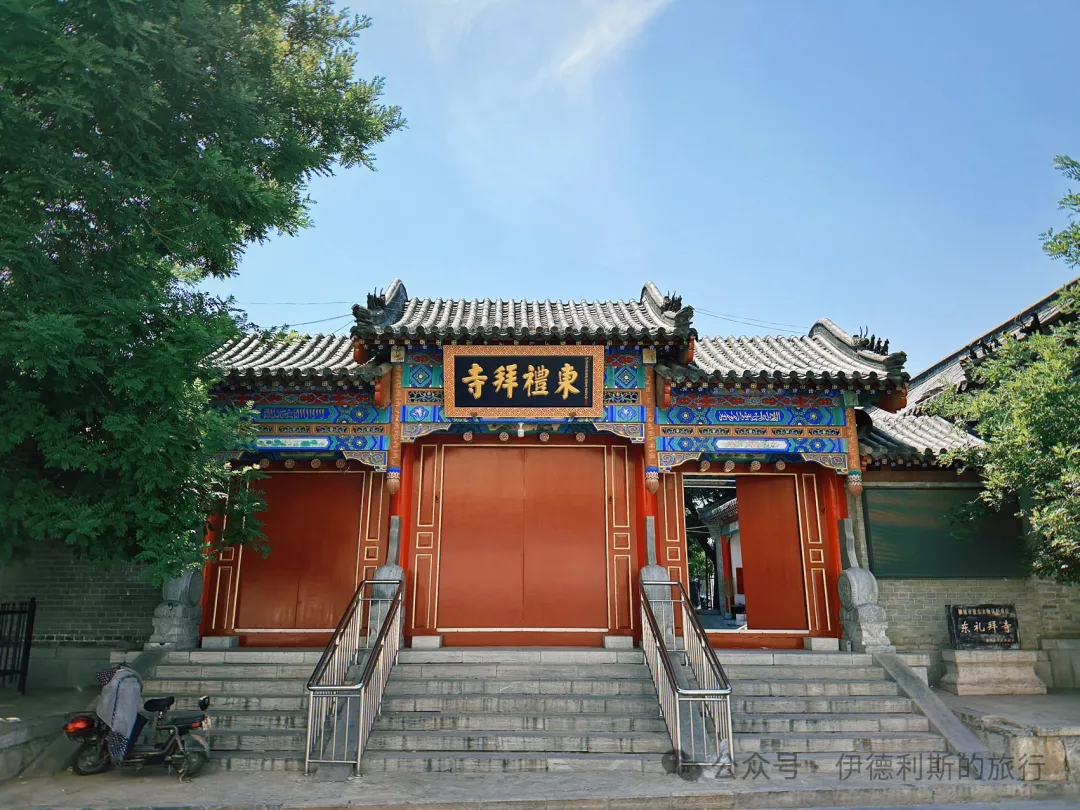
Linqing North Mosque: Located at the intersection of the Huitong River and the Wei River, the Linqing North Mosque was first built in 1504. It underwent major expansions and repairs in 1564, 1779, and 1809, eventually reaching its current form.
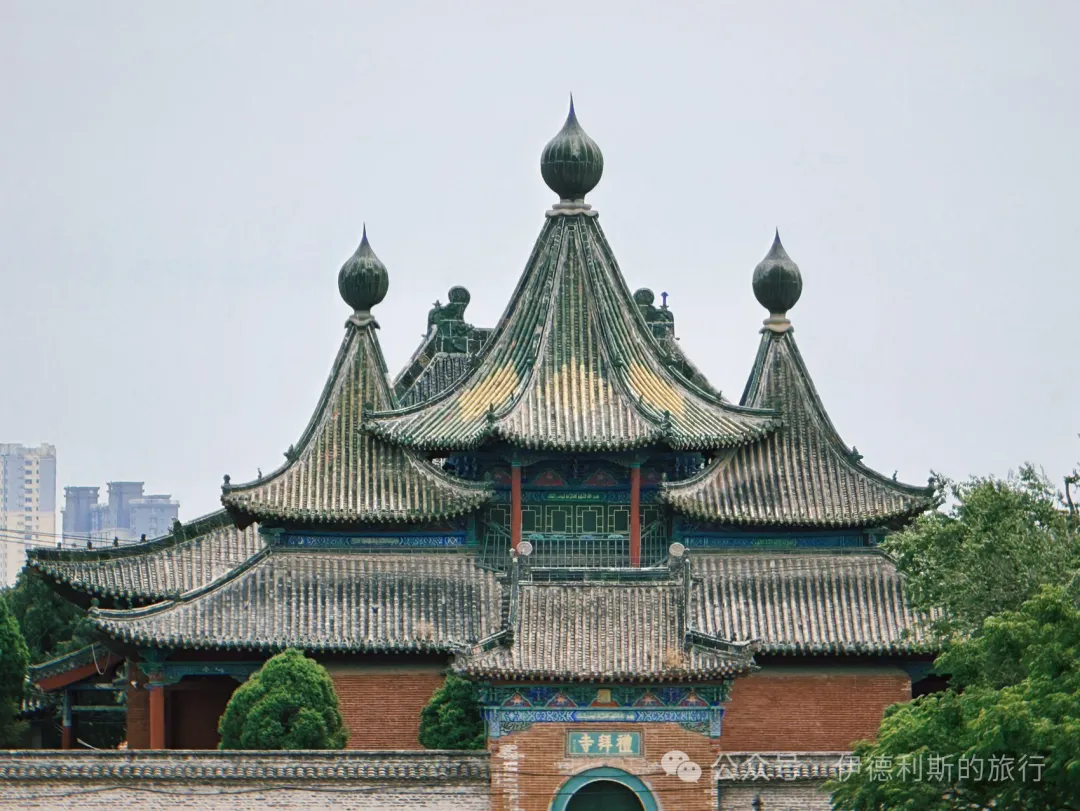
Linqing East Mosque: First built in 1465, it was repaired twice in 1583 and 1649, and expanded again in 1734, resulting in its grand scale.
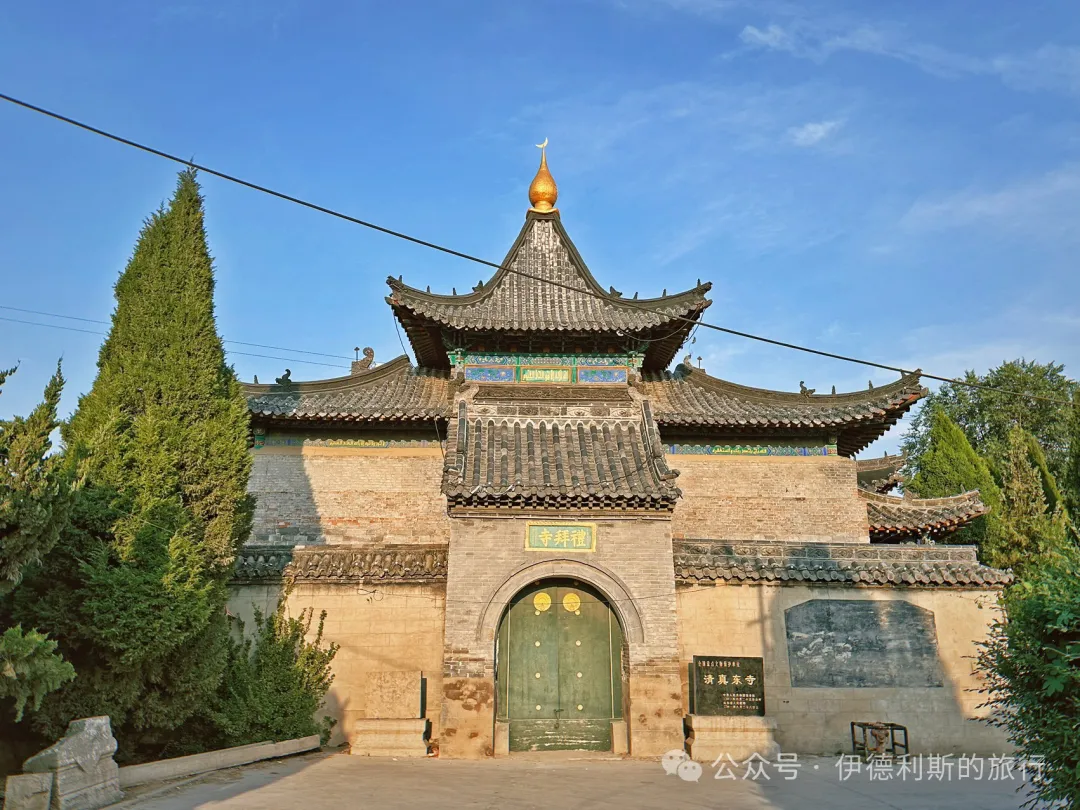
June in Hebei: 1 mosque.
Xingtai Linxi County Hongguanying Mosque: The ancestor of the Hong family Hui Muslims, Hong Badan, was a sixth-generation descendant of Sayyid Ajjal Shams al-Din Omar. He served as an official in Linqing during the Ming dynasty, and his descendants took Hong as their surname and settled in Linqing. The Hongguanying Mosque was first built between the Xuande and Tianshun years of the Ming dynasty. It was burned down during the Taiping Heavenly Kingdom's Northern Expedition in 1854 and rebuilt into its current form in 1874.
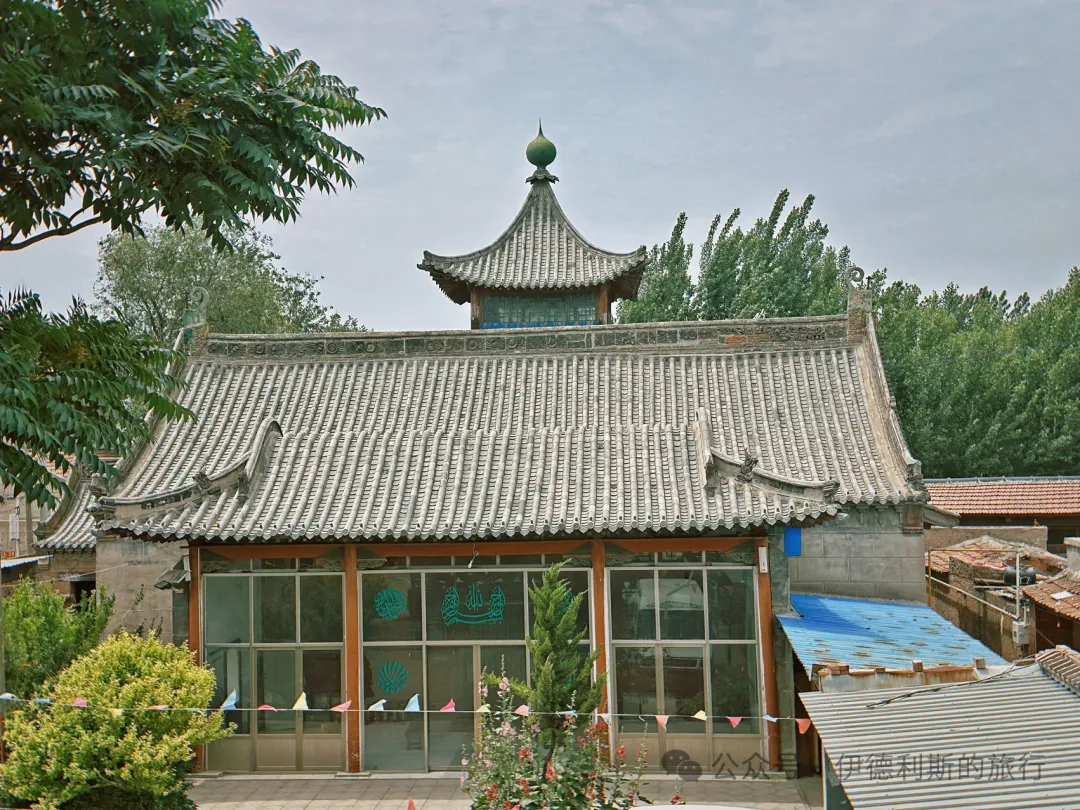
June in Liaoning: 5 mosques.
Dandong Fengcheng Mosque: Built in 1775, it was renovated in 1862. In 1876, the north lecture hall was rebuilt and side rooms were added. In 1890, the Moon-Watching Tower (wangyuelou) was added, giving it its current size.
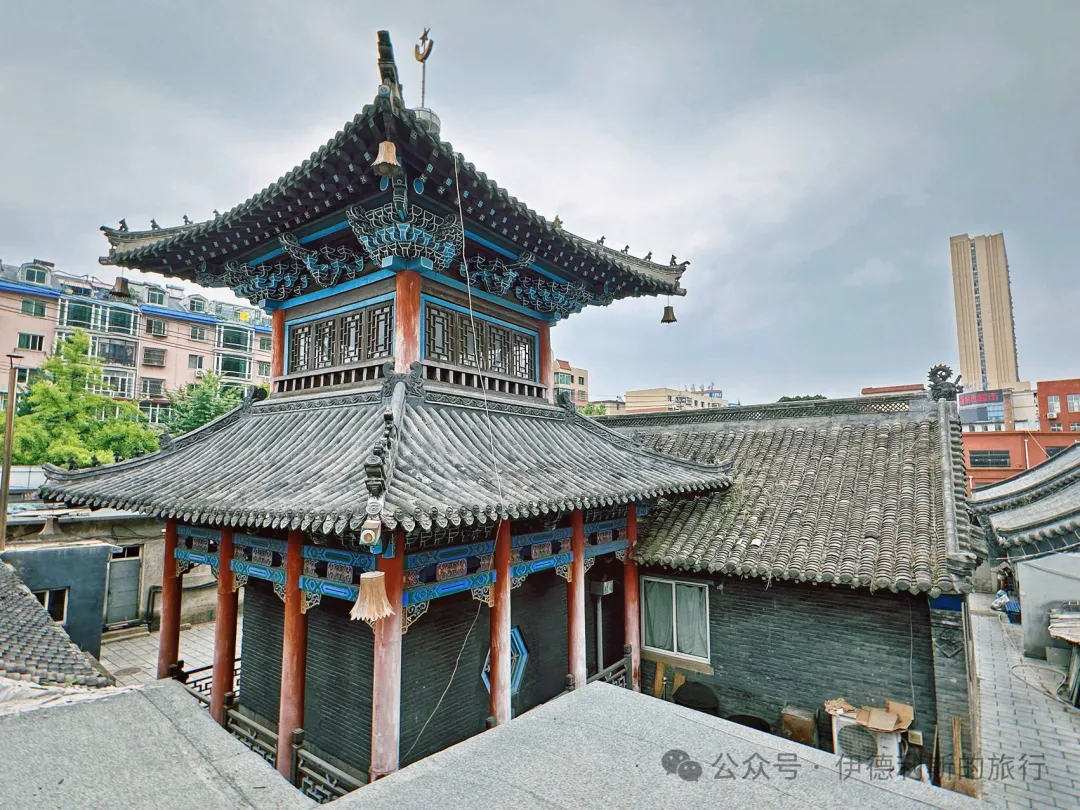
Dalian Fuzhou Mosque: In the early Qing dynasty, Hui Muslims with the surnames Yin, Dai, Ma, and Hui from Cangzhou arrived in Fuzhou. They began preparing to build the Fuzhou Mosque southwest of Fuzhou city in 1649, and in 1656, they completed three thatched rooms to serve as the main prayer hall. The main hall was rebuilt in 1774 and expanded again in 1880, though it still had a thatched roof. In 1920, the front porch and rear kiln hall were expanded, and the roof was changed to green bricks and tiles, resulting in its current form.
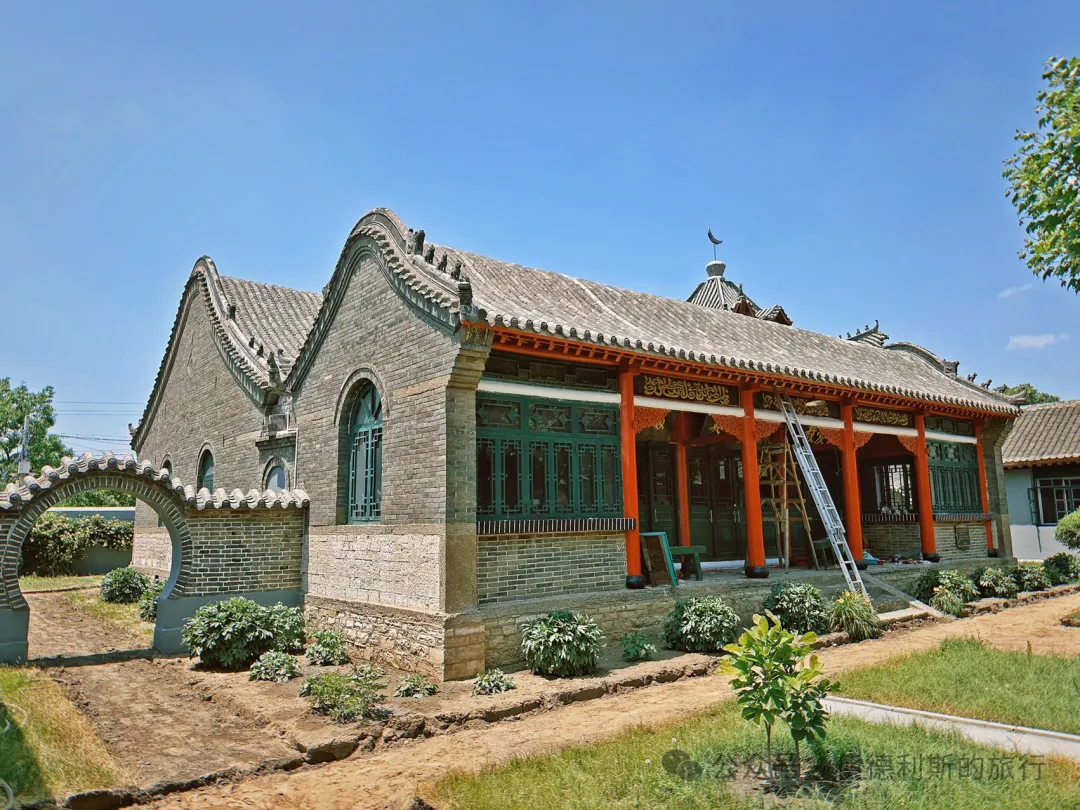
Dalian Qingdui Mosque: The Qingdui Mosque was first built during the Daoguang reign of the Qing dynasty, starting with only three thatched rooms. In 1894, the famous Hui Muslim general Zuo Baogui donated funds for the mosque, and in 1895, local elders oversaw its reconstruction into the current three-room structure made of blue bricks and tiles. In 1920, the gatehouse was rebuilt and the lecture hall was expanded, giving the mosque its current size.
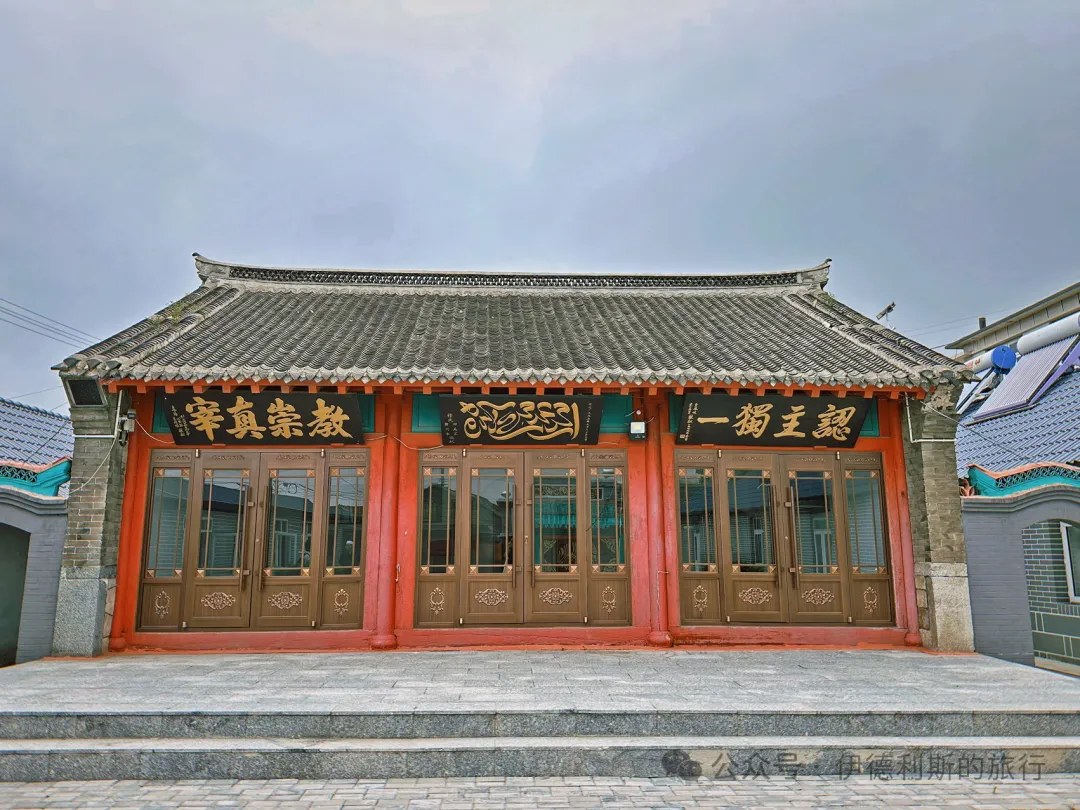
Shenyang Xinmin Mosque: During the Qianlong reign, many Hui Muslims moved to Xinmin, and in 1765, they built the Xinmin Mosque in Nanyingzi. It was burned down in 1866 and rebuilt in 1883 into its current form.
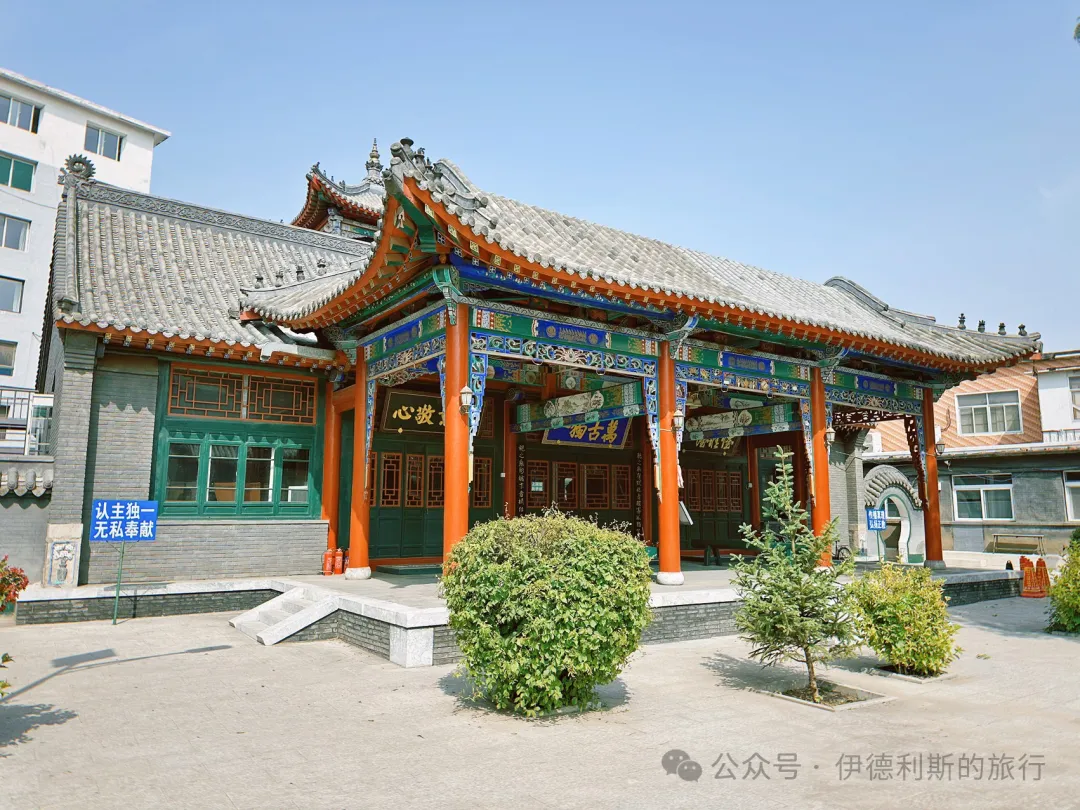
Jinzhou Xinlitun Mosque: During the Daoguang reign of the Qing Dynasty, Hui Muslims from Jinzhou, Yixian, Heishan, and Yingkou settled in Xinlitun and built the Xinlitun Mosque in 1842. The Xinlitun Mosque was burned down in 1873, but was later rebuilt with funds led by the anti-Japanese hero General Zuo Baogui.
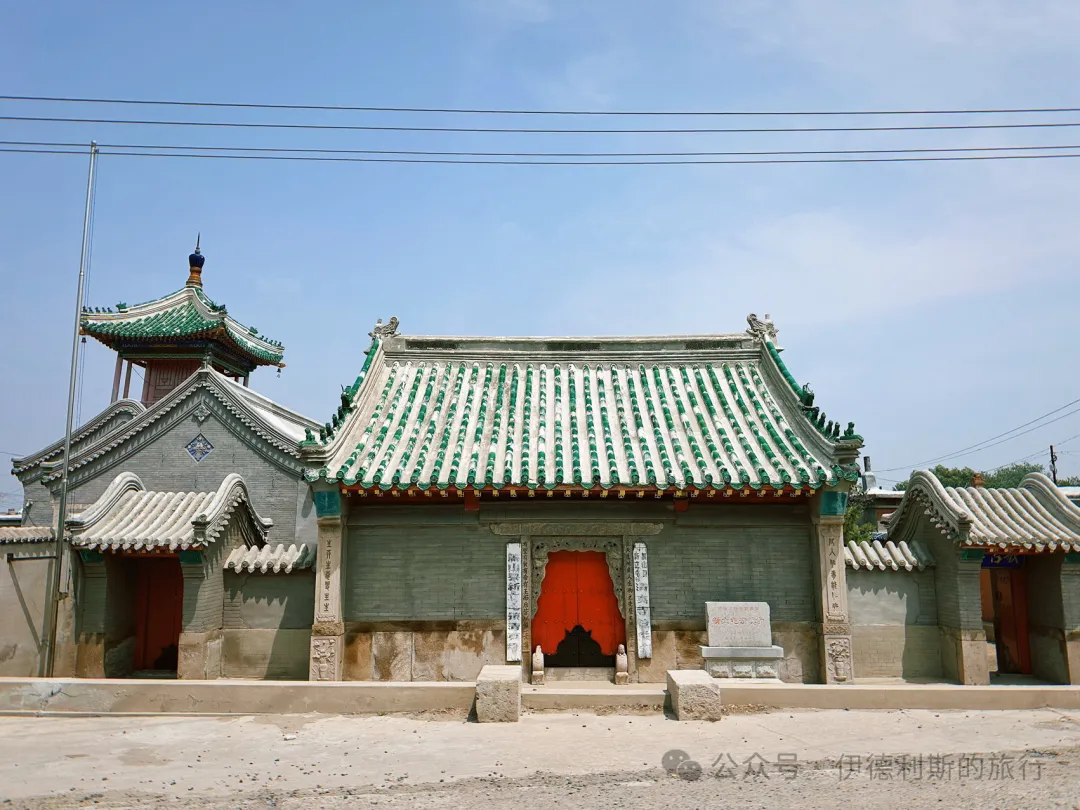
September Malaysia: 10 mosques
Malacca Kampung Hulu Mosque: In 1728, the Dutch East India Company commissioned a Chinese Muslim leader, Dato' Samsuddin Bin Arom, to build a new mosque near the site of an old one destroyed by the Portuguese. This is the oldest surviving mosque in Malacca.
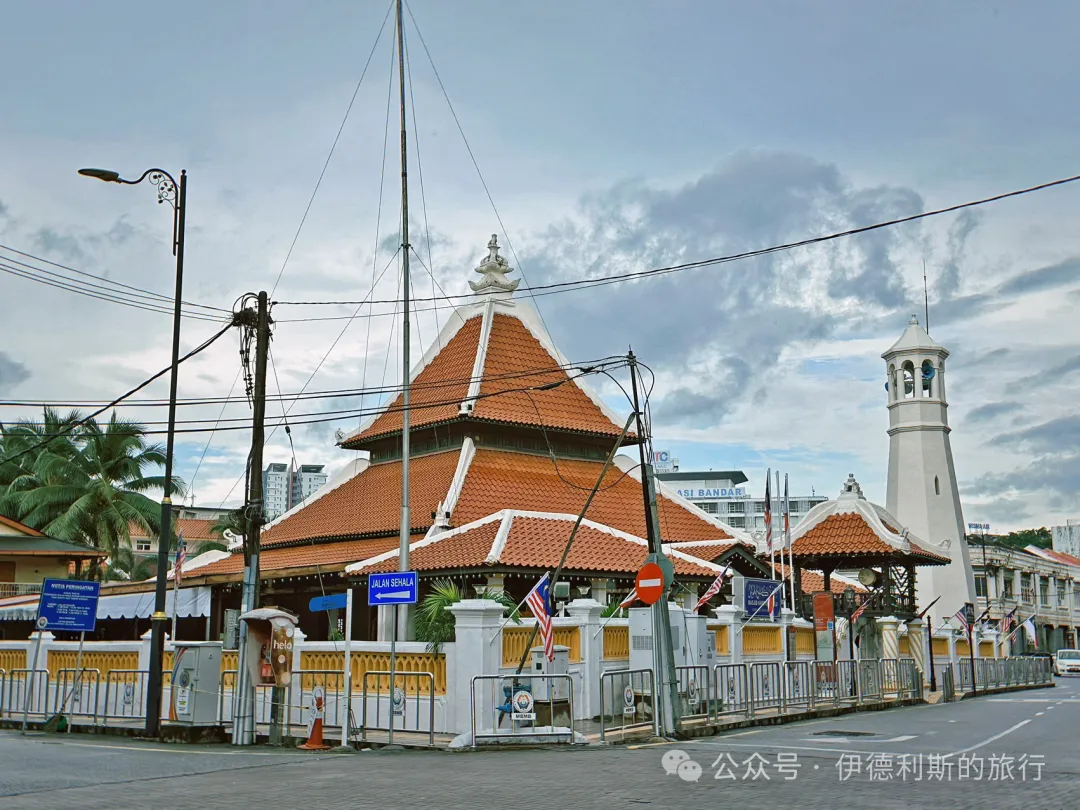
Malacca Kampung Kling Mosque minaret (bangke lou): In 1728, an Indian merchant named Muhammad Saleh funded the construction of a small mosque in Kampung Kling. It was abandoned after the larger Kampung Kling Mosque was built in 1782, and today only the minaret remains. The minaret of the small Kampung Kling Mosque was modeled after a Chinese pagoda, which was the first of its kind on the Malay Peninsula at the time.
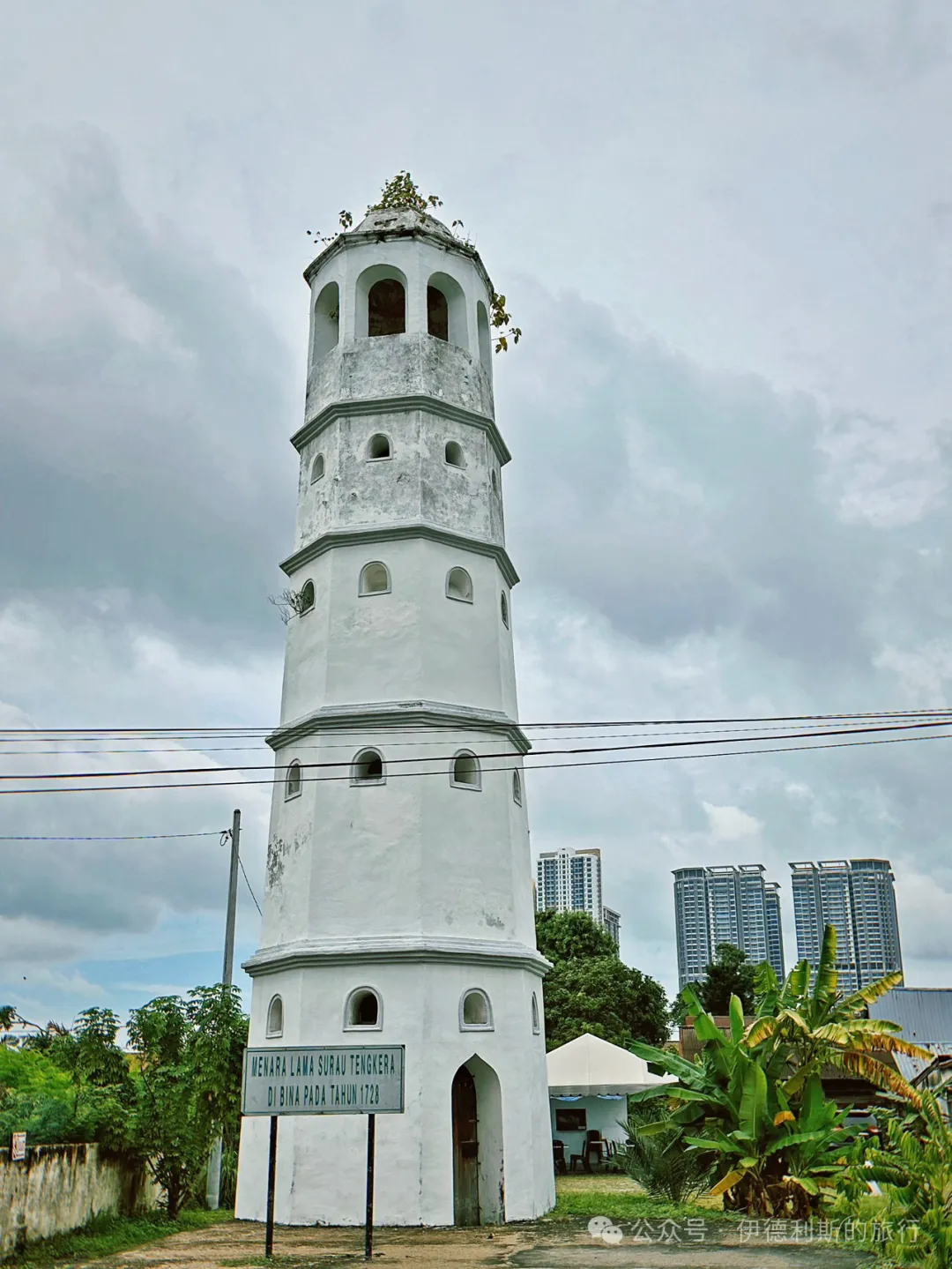
Malacca Kampung Kling Mosque: In 1782, the Kampung Kling Mosque was completed just west of the small mosque.
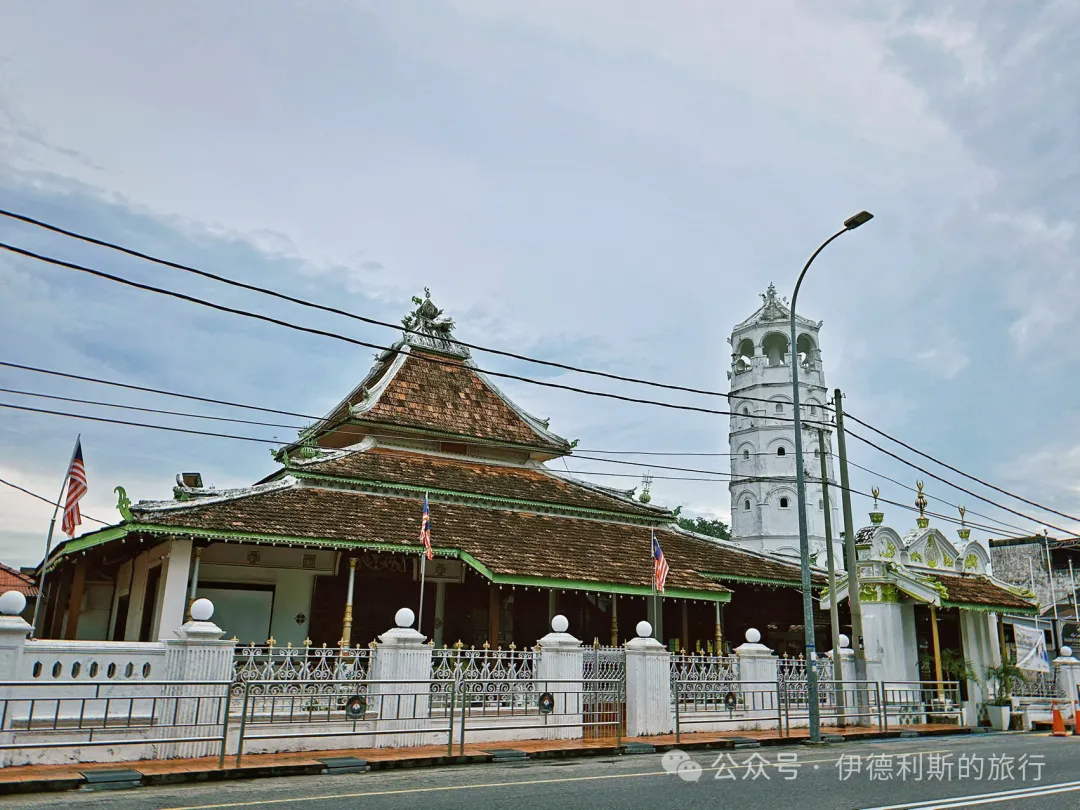
Malacca Kampung Kling Mosque: This mosque was first built by Indian merchants in 1748, and in 1872, the original wooden structure was replaced with the current brick building.
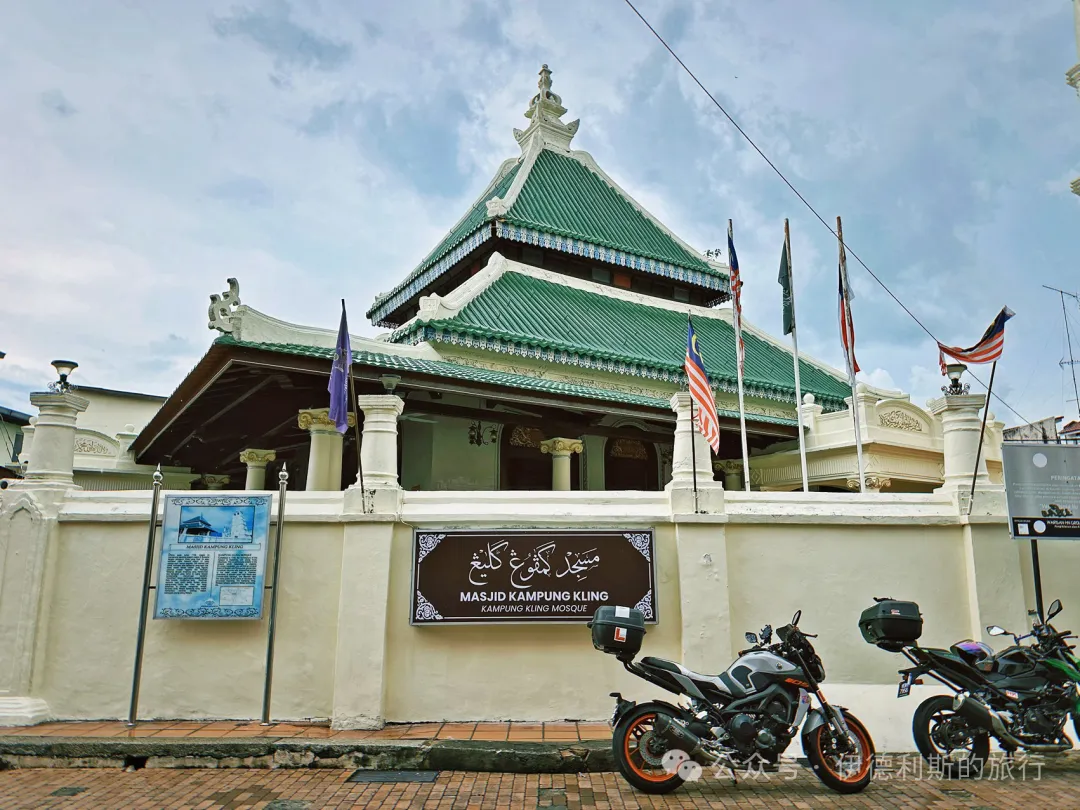
Malacca Sanbaoshan Mosque: This mosque was first built in 1865. A new main hall was added in 1978, but the layout of the original old hall was preserved.
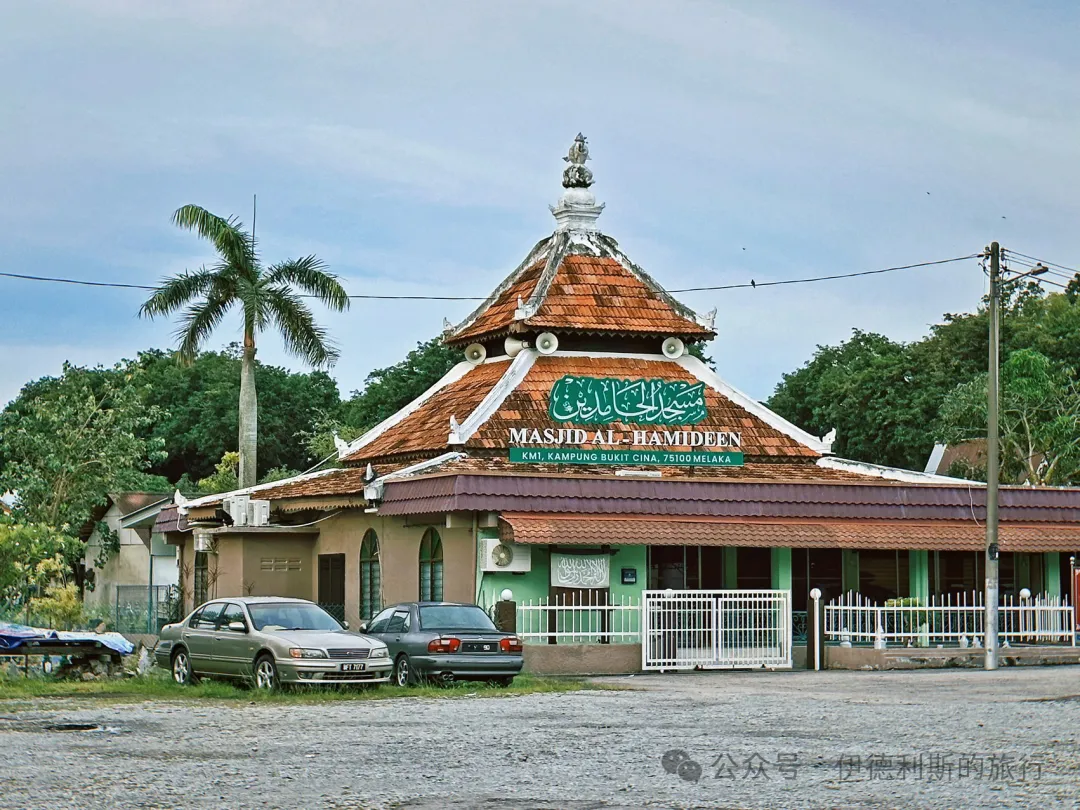
Malacca Pengkalan Rama Mosque: First built in the 1730s, it was renovated in 1917 with funds donated by Dato' Penghulu Abdul Ghani.
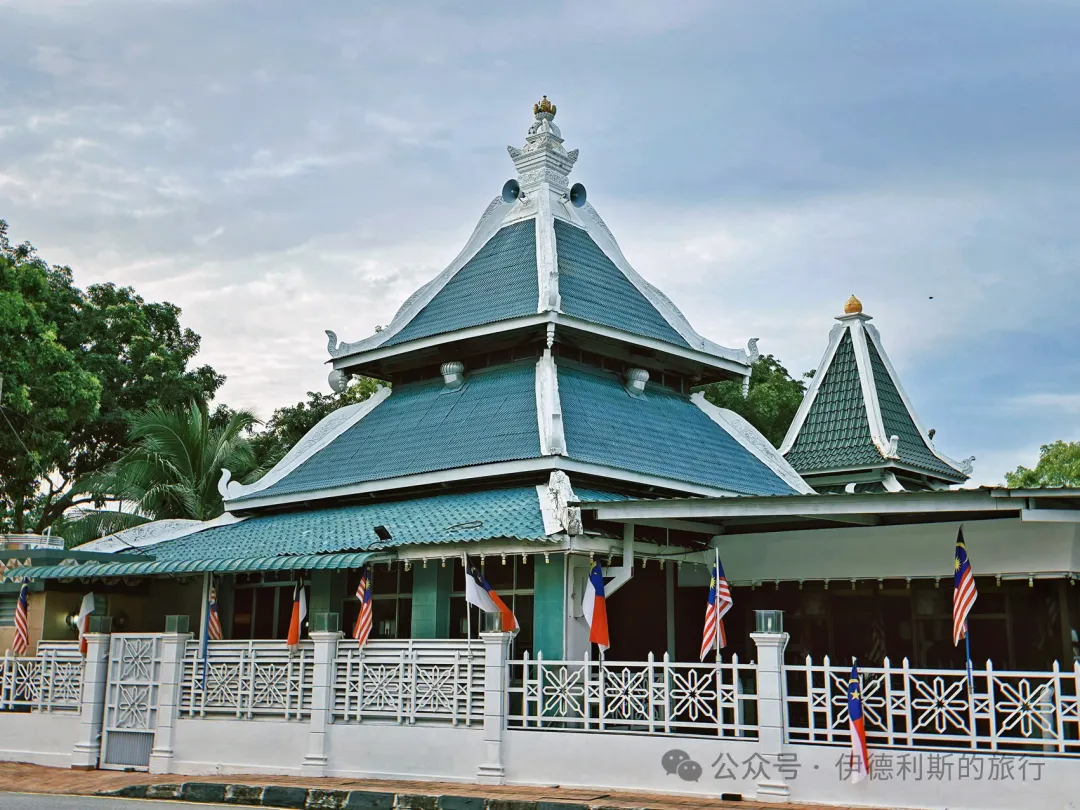
Malacca Duyong Mosque: Built in 1850 under the leadership of Wan Chilek, it was originally made of red clay and wood with a roof of Chinese and Dutch tiles. In 1908, a minaret was added that combined the styles of a Chinese pagoda and a Western lighthouse.
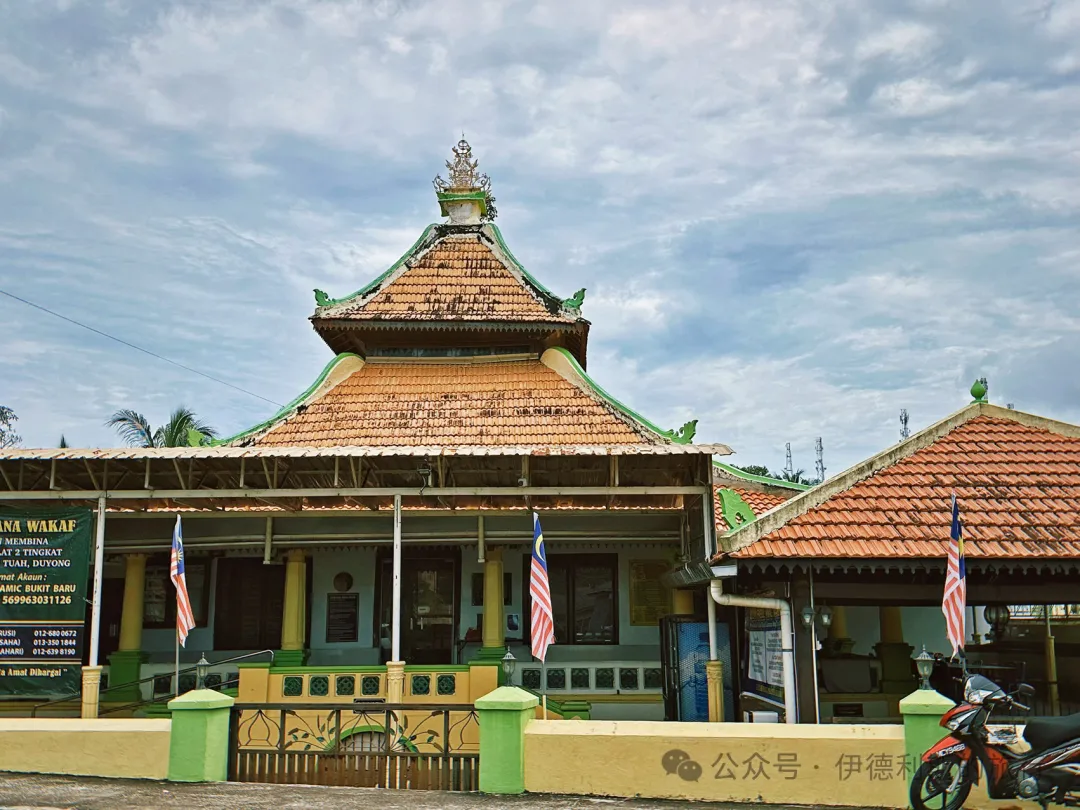
Malacca Serkam Pantai Mosque: First built in 1853, the beams and roof were made from timber cut in local forests and hauled by water buffalo, while the walls were built from reef stones quarried near Big Island (Pulau Besar) and transported by sampan boats.
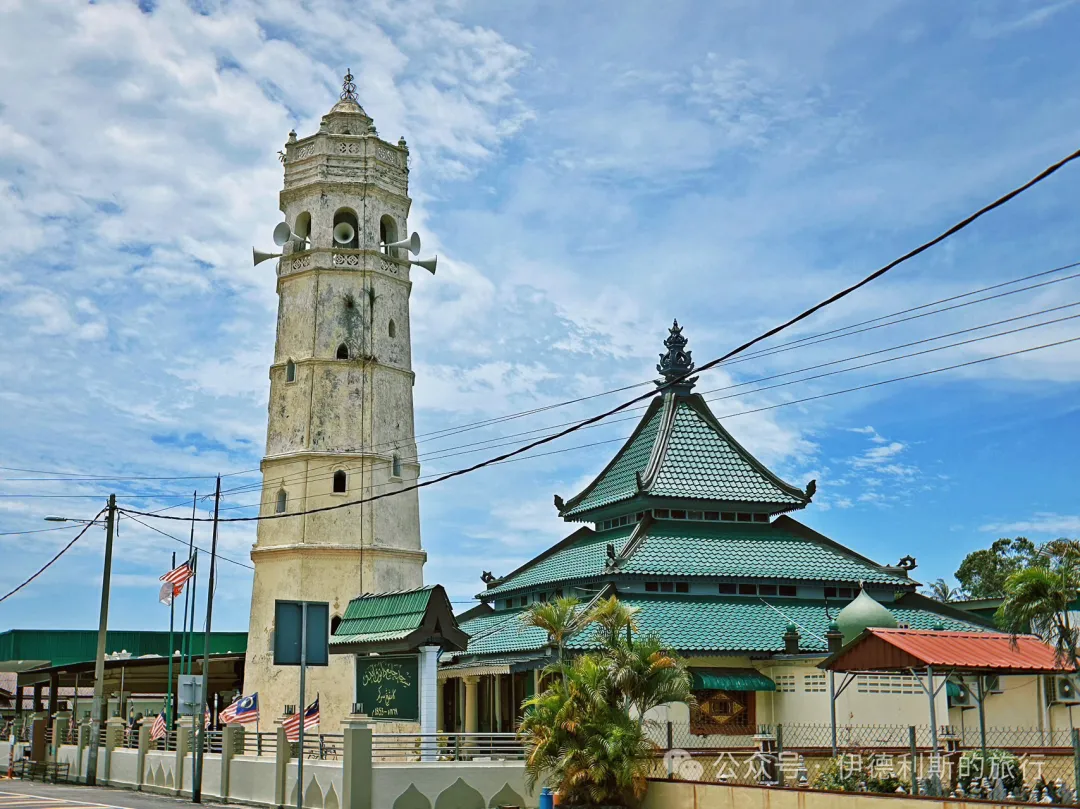
Malacca Peringgit Mosque: First built in 1726, it was later destroyed and rebuilt in 1868.
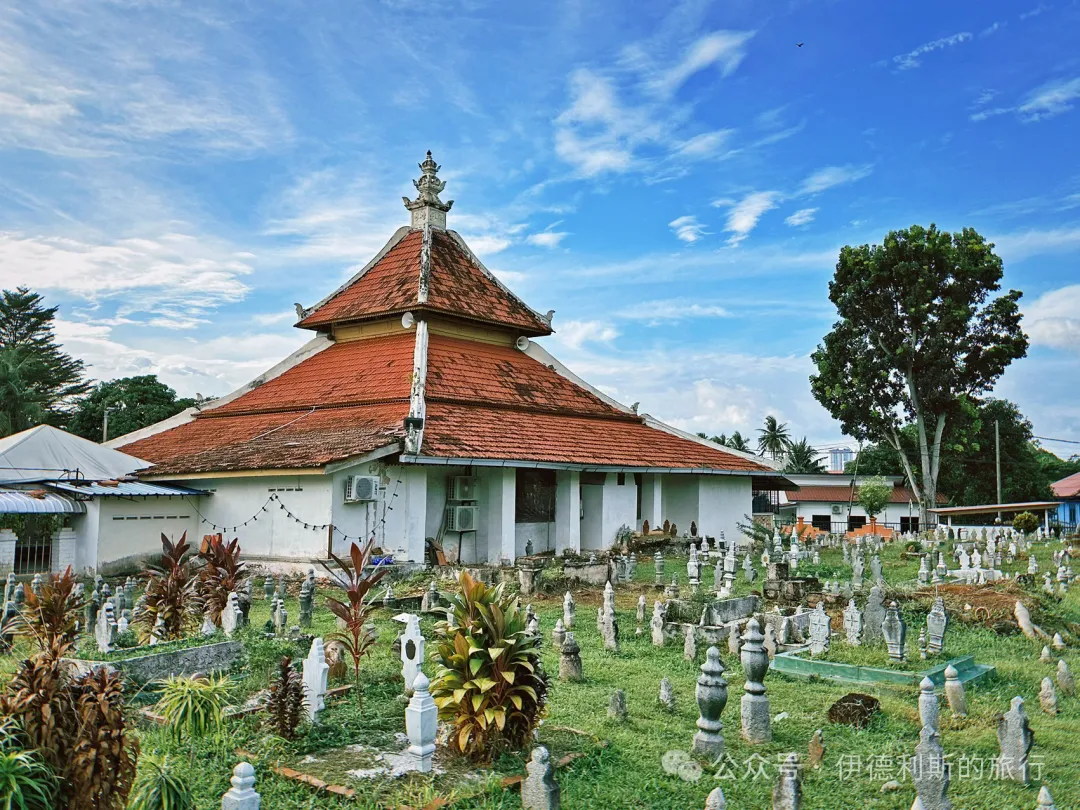
Muar Sultan Ibrahim Mosque: This is the main Friday mosque for Muar. It was built in 1887 along with the town of Muar, and reconstruction began in 1925 and was officially completed in 1930.
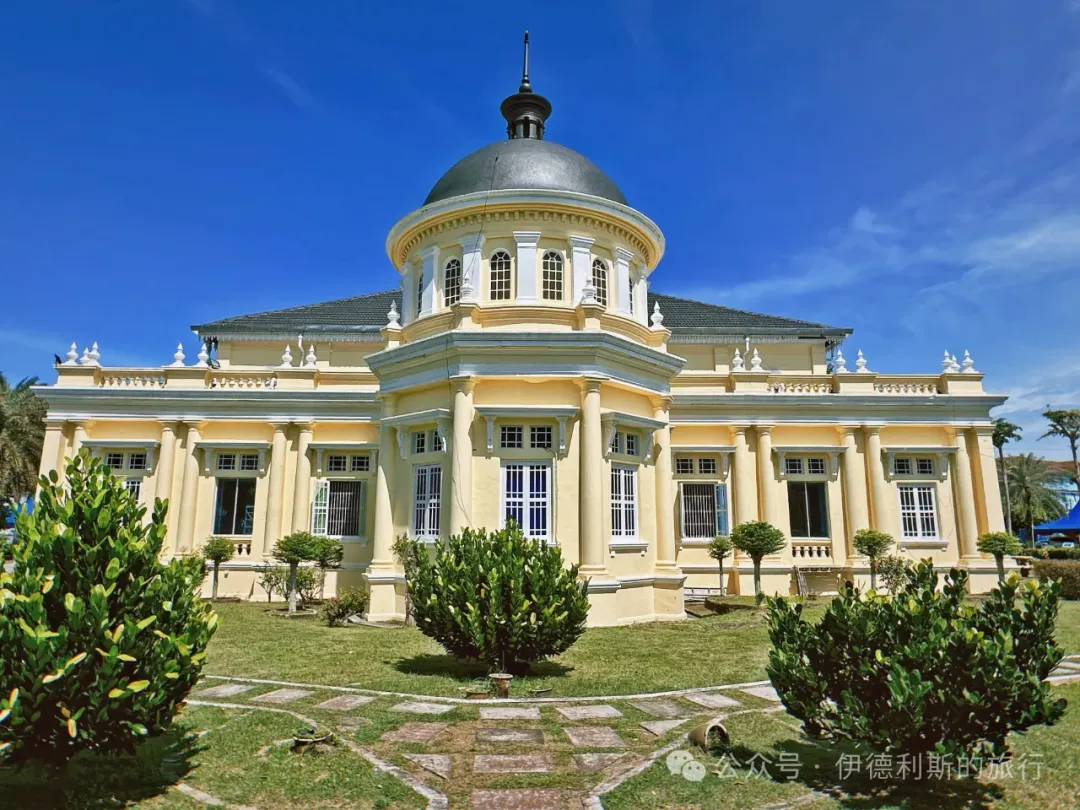
October Tunisia: 14 mosques
Tunis Al-Zaytuna Mosque: Built after the Umayyad conquest of Carthage in 698, its current form is mainly from the reconstruction by the Aghlabid dynasty in 864-65. It is the second mosque built by Arabs in the Maghreb region after the Great Mosque of Kairouan, and it is the grandest mosque in Tunis.
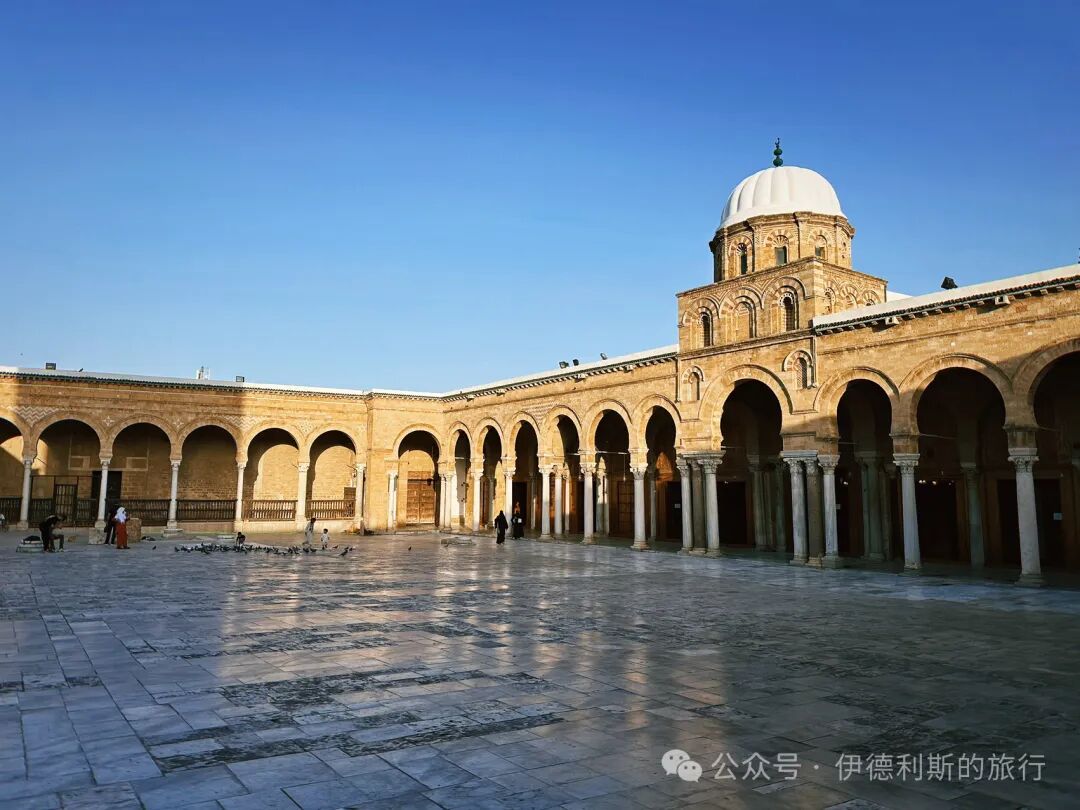
Tunis New Mosque (Jemaa el-Jedid): Built in 1726 by Hussein I ibn Ali, the founder of the Husainid dynasty in Tunisia. The Husainid dynasty was a Beylik that was nominally subordinate to the Ottoman Empire. Hussein used the faith to unite different ethnic groups in Tunisia. He ordered the construction of many madrasas, and the New Mosque (Jemaa el-Jedid) in Tunis is also his representative work.
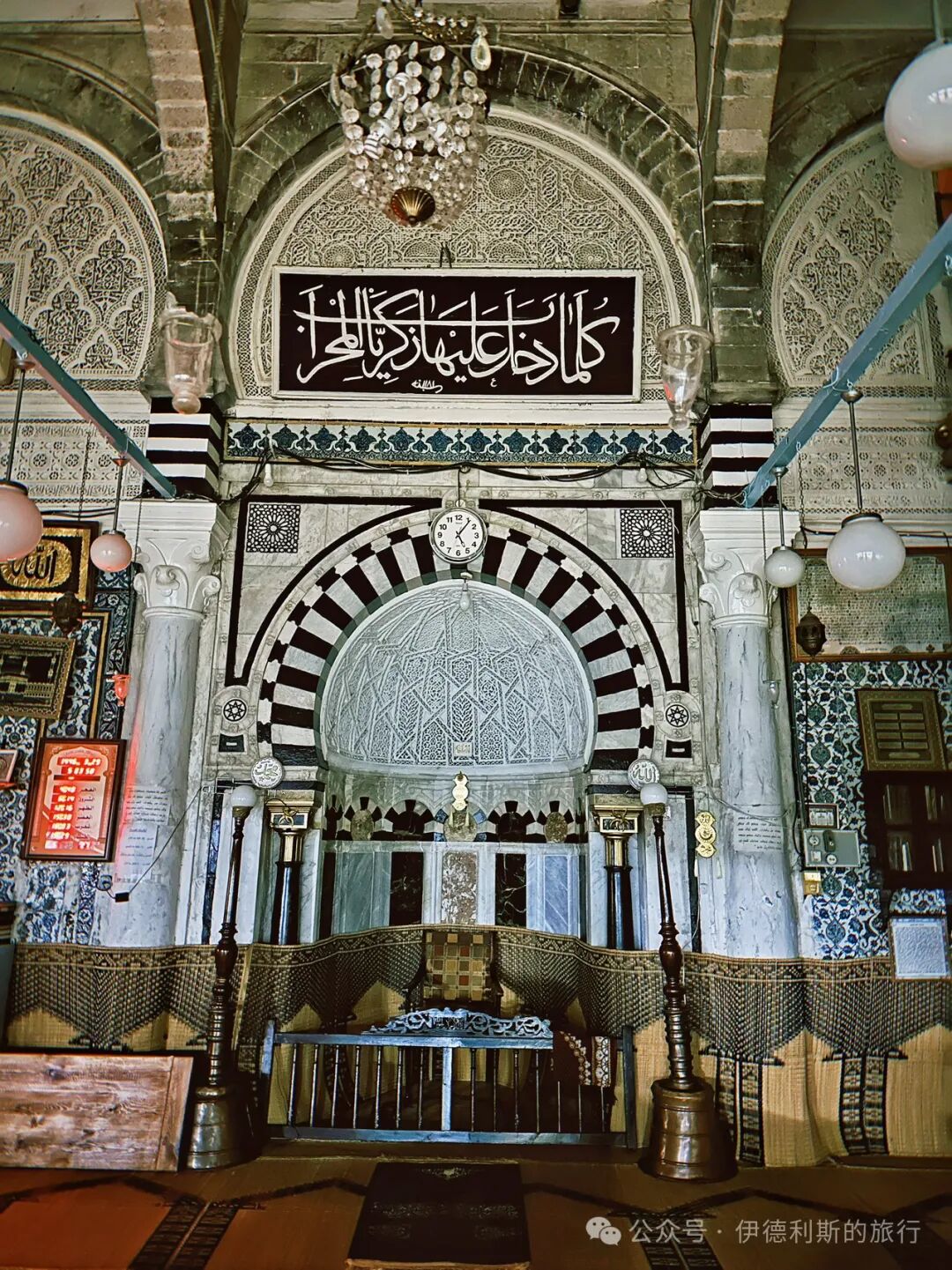
Ksar Mosque in Tunis: A rare Hanafi mosque in Tunisia, built by the Banu Khurasan dynasty in 1106. It was converted to the Hanafi school by the Ottoman dynasty in 1598, and the minaret (manara) was rebuilt in its current Moorish style between 1647 and 1648. The capitals inside the main prayer hall were also taken from ancient architectural ruins. Inside the mihrab, there are seven niches topped with Fatimid-style fluted semi-domes.
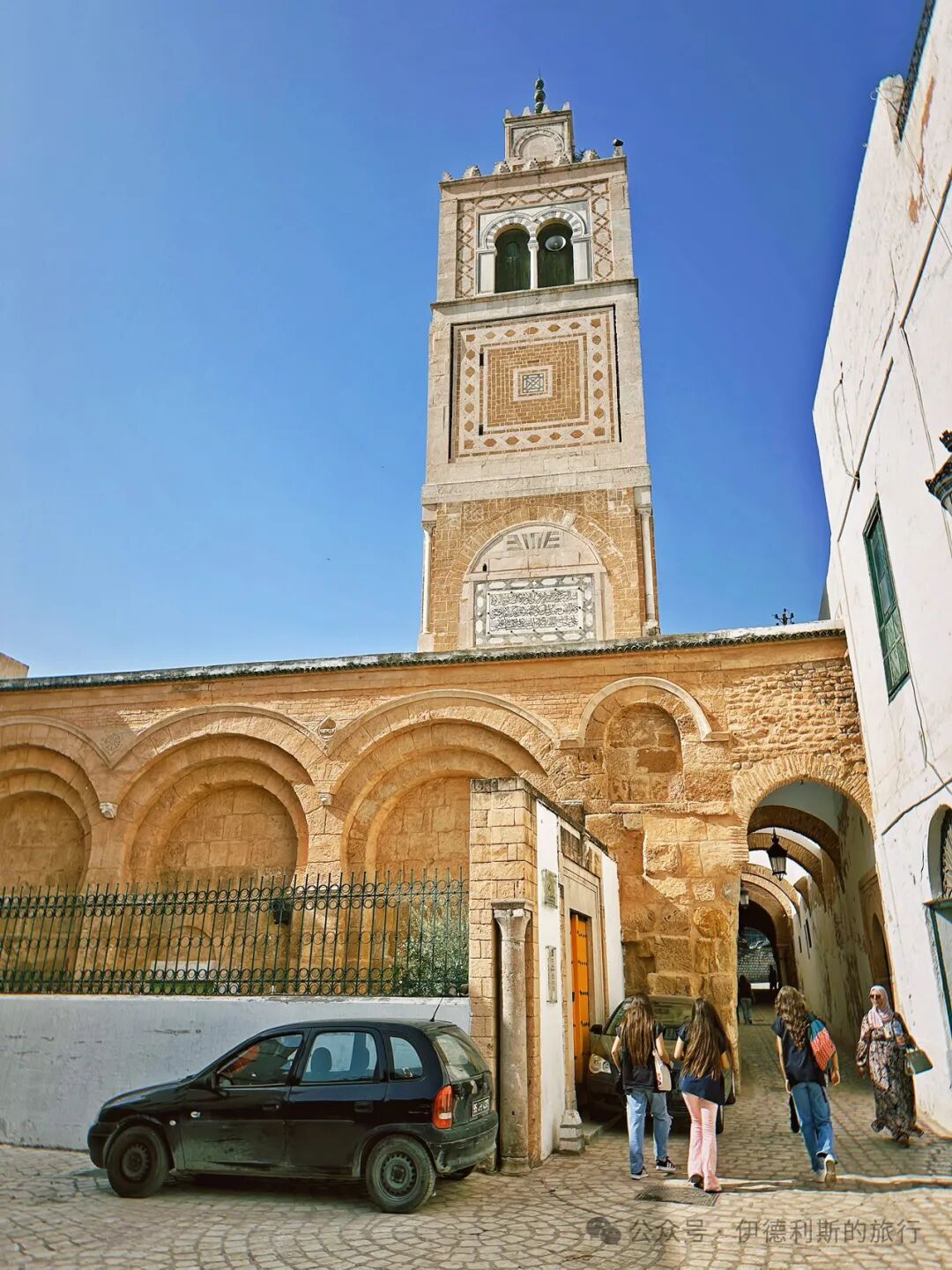
Hammouda Pasha Mosque in Tunis: Built in 1655 by Hammouda Pasha, the second Bey of the Muradite dynasty. It is the second Hanafi mosque in Tunisia after the Ksar Mosque. Hammouda Pasha built many markets and hospitals in Tunis, and the Ottoman-style Hammouda Pasha Mosque is his representative work. The Hammouda Pasha Mosque features an octagonal minaret and a rectangular courtyard with galleries. The marble construction inside the main prayer hall is also very Ottoman in style.
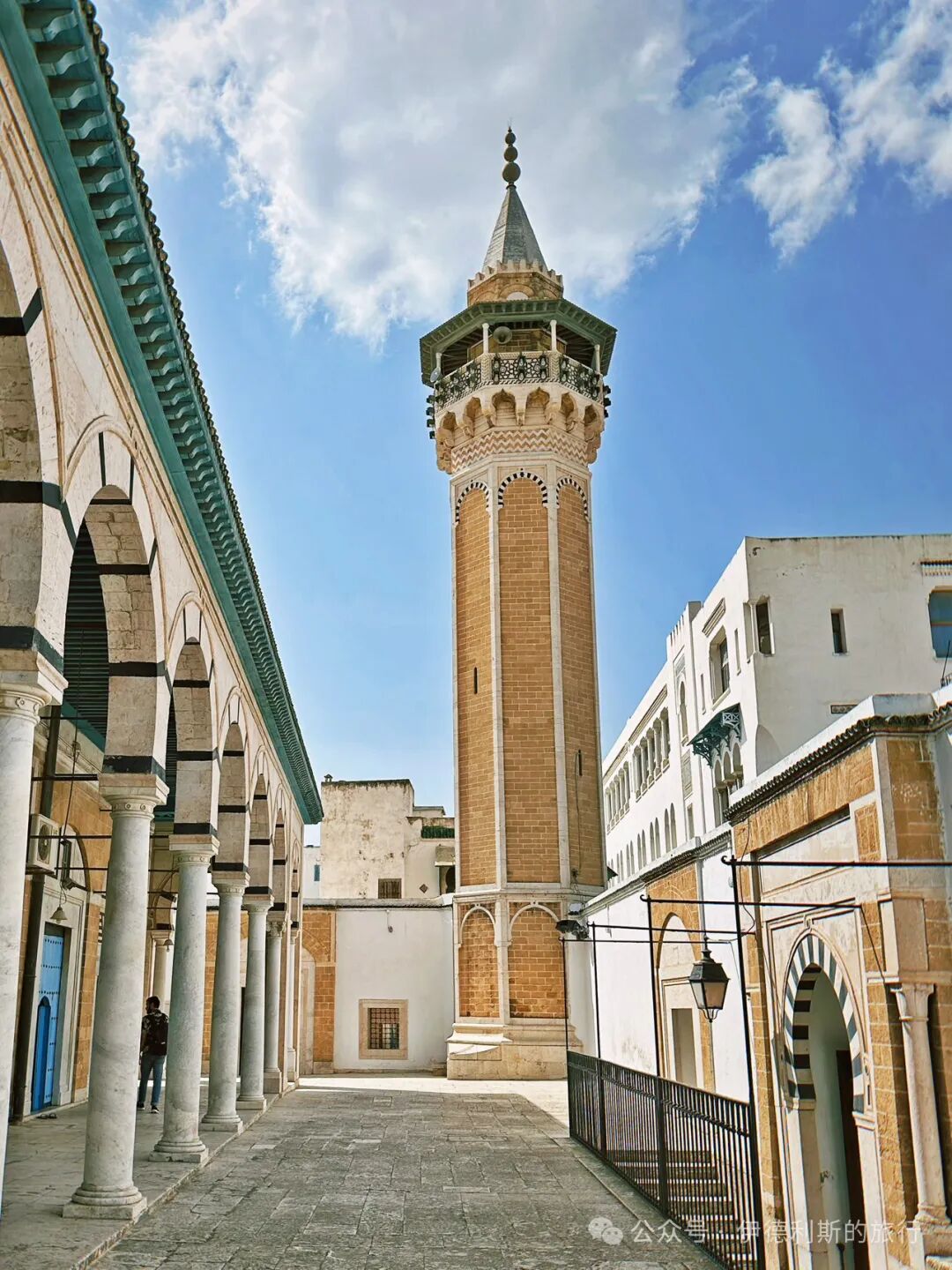
Sidi Mahrez Mosque in Tunis: Built in 1692 by Muhammad Bey, the fourth Bey of the Muradite dynasty. It is located right next to the gongbei of Sidi Mahrez, the most important wali in Tunis, who was also a famous Maliki jurist. The Sidi Mahrez Mosque is deeply influenced by the Ottoman style. It is modeled after the Blue Mosque in Istanbul, featuring a central dome and smaller domes, with the interior decorated with Iznik tiles imported from Turkey.
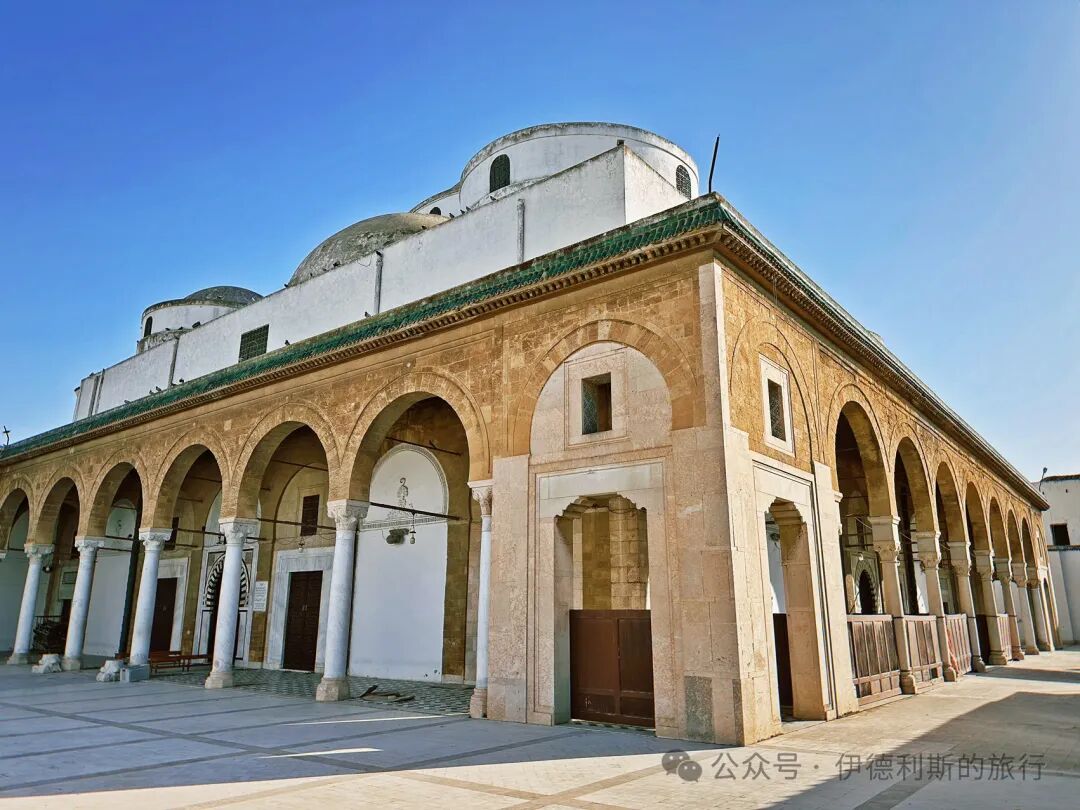
Kasbah Mosque in Tunis: Built between 1230 and 1233 by Abu Zakariya Yahya, the founding sultan of the Hafsid dynasty. It is the second congregational mosque (Juma mosque) in Tunis after the Great Mosque of Zitouna. It is deeply influenced by the Almohad dynasty of Morocco and looks very similar to the Kasbah Mosque in Marrakesh, Morocco.
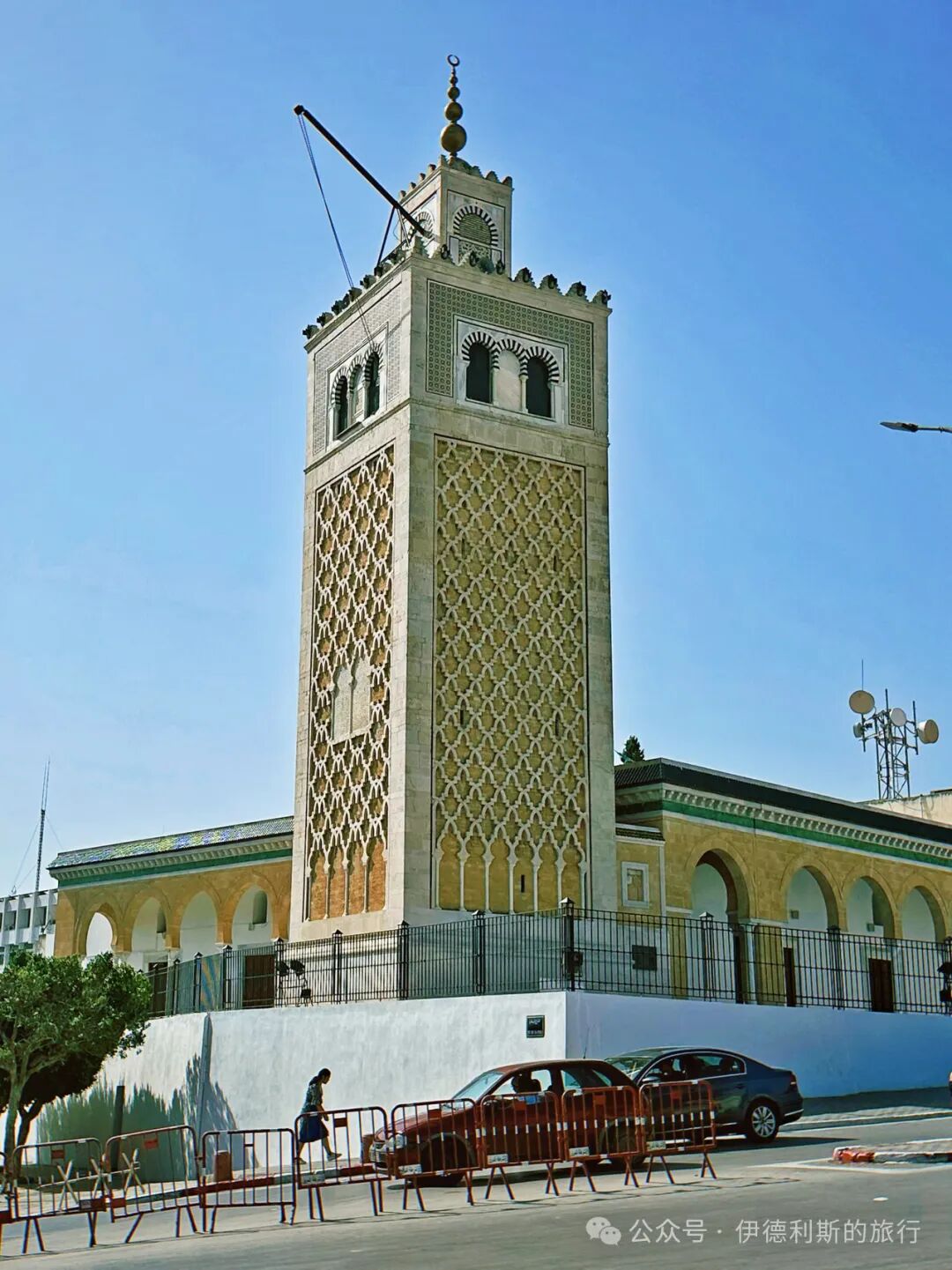
El Ichbili Mosque in Tunis: Located deep in the old medina, right next to the El Brat market. The mosque was first built in the 10th century, while the minaret was built in the 14th century.
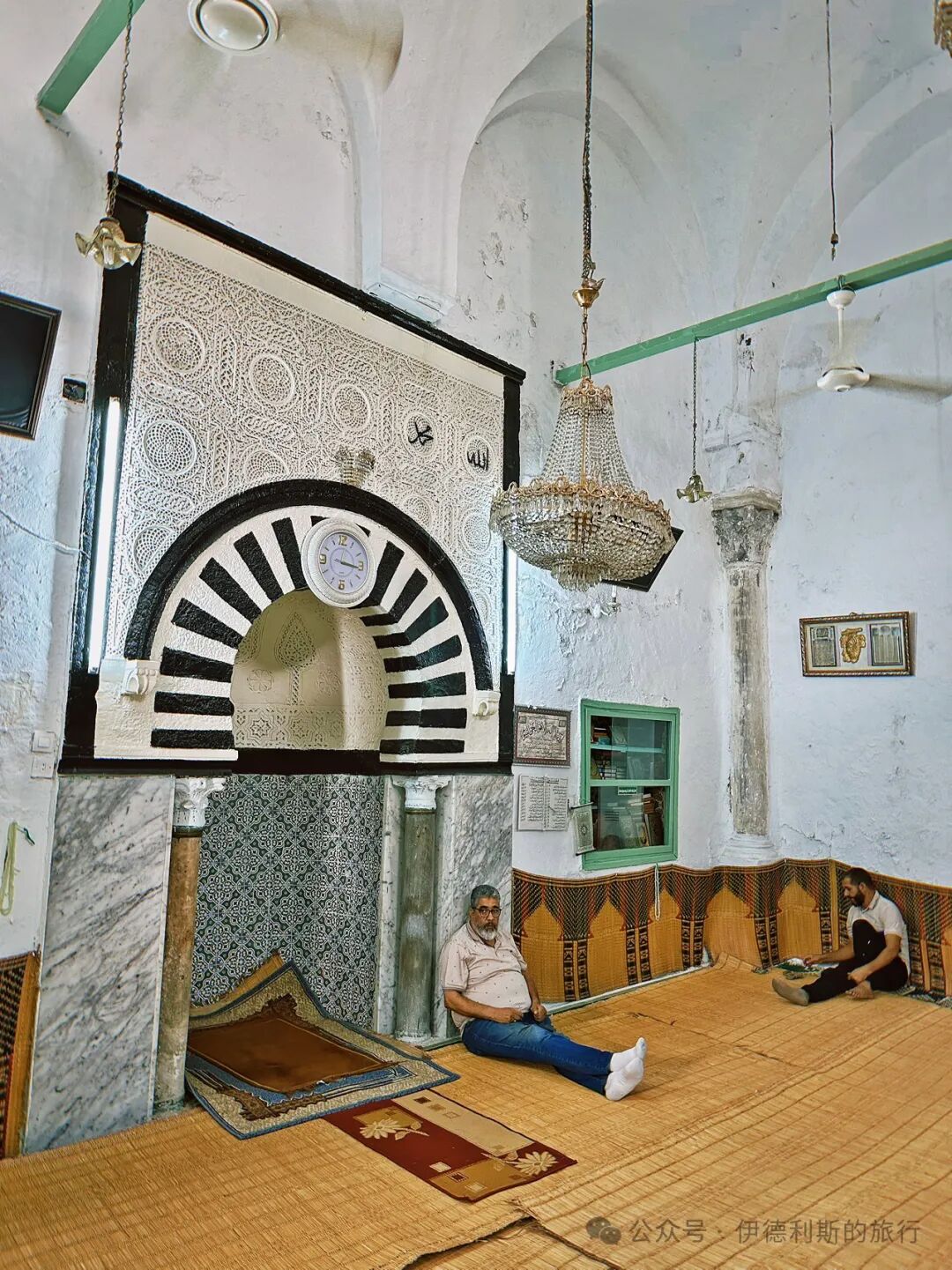
Youssef Dey Mosque in Tunis: Built in 1616 by the Ottoman Bey of Tunis, Youssef Dey. It is the first Ottoman-style mosque in Tunisia. At the intersection stands the first octagonal minaret in Tunis, which has a wooden sunshade at the top. Next to the minaret is the white marble tomb of Youssef Dey, with large blind arcades on the walls.
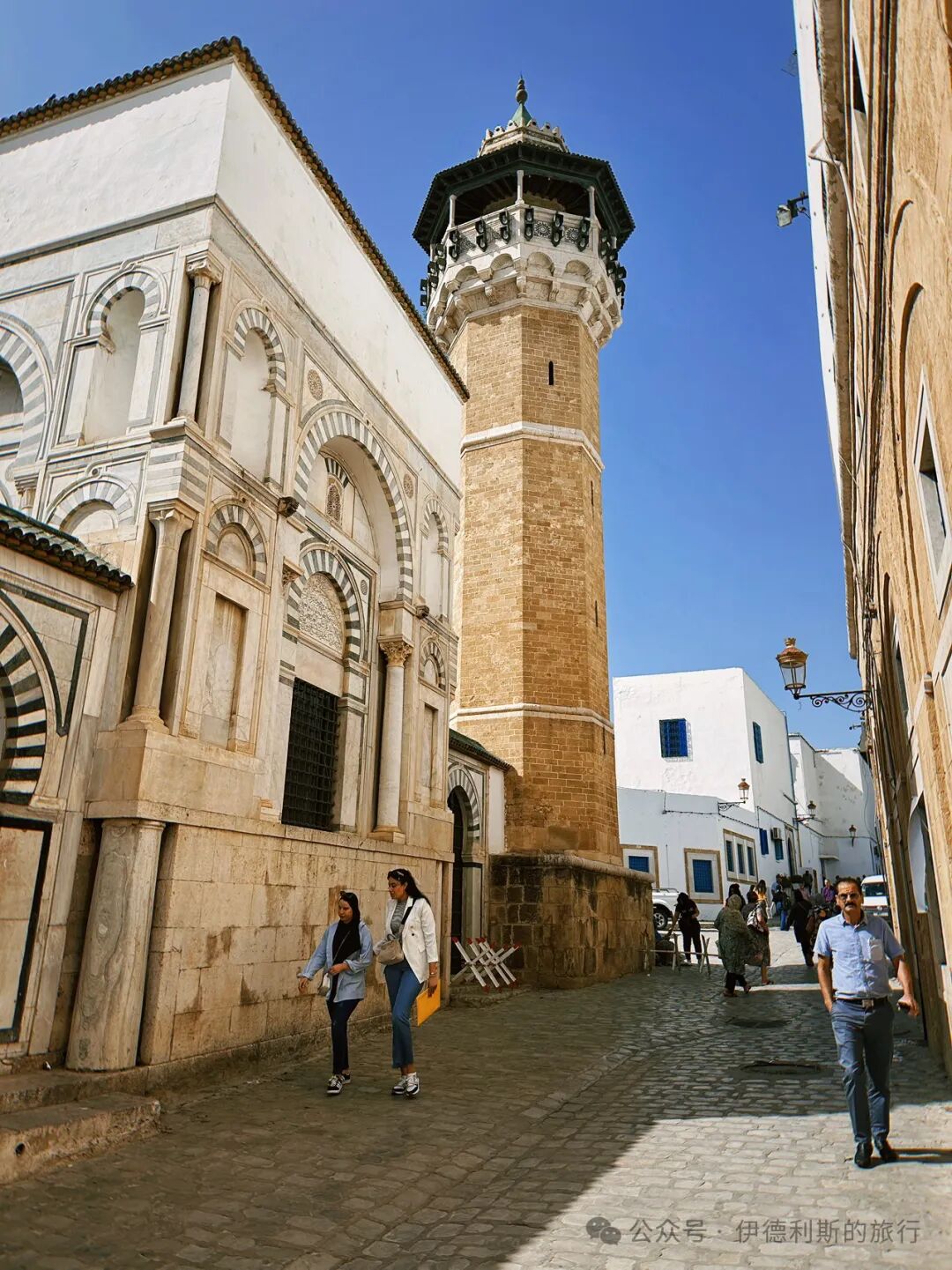
Great Mosque of Sousse: First built in 851 by the Aghlabid ruler Muhammad I ibn al-Aghlab. The prayer hall was expanded to the south in the 10th century, the current courtyard portico and the northeast minaret were built in the 11th century, and the south portico was renovated in 1785. The Great Mosque of Sousse is right next to the Sousse Fortress and also has a fortress-like appearance. The exterior features jagged walls and corner towers. The minaret in the northeast corner is not tall; instead, it looks more like a castle tower.
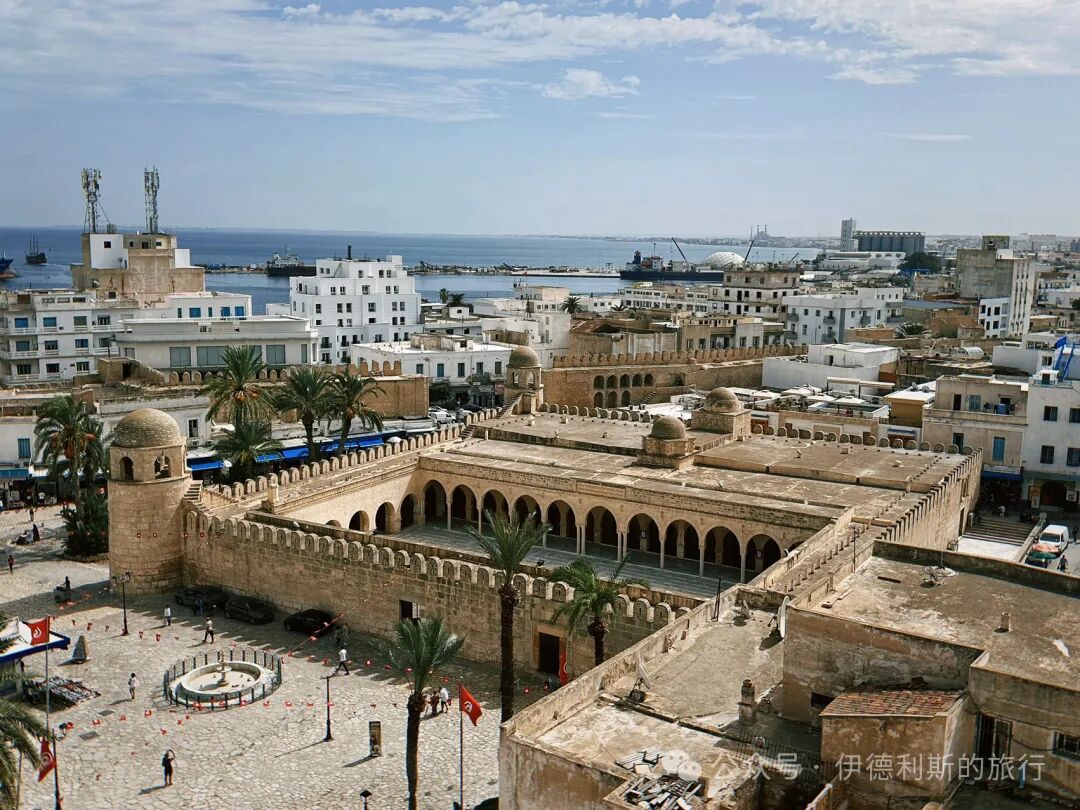
Great Mosque of Kairouan: The oldest and most spectacular congregational mosque in Tunisia. It was first ordered to be built in 670 by the Arab Umayyad general Uqba ibn Nafi, rebuilt by the Umayyad dynasty in 703, and after many reconstructions and repairs, it finally took its current form in the 9th century. The minaret of the Great Mosque of Kairouan was built between the 8th and 9th centuries. The existing structure is basically from 836, making it the oldest surviving minaret in the world. The mosque's mihrab and minbar were built in 863 and are the oldest concave mihrab and minbar in the world.
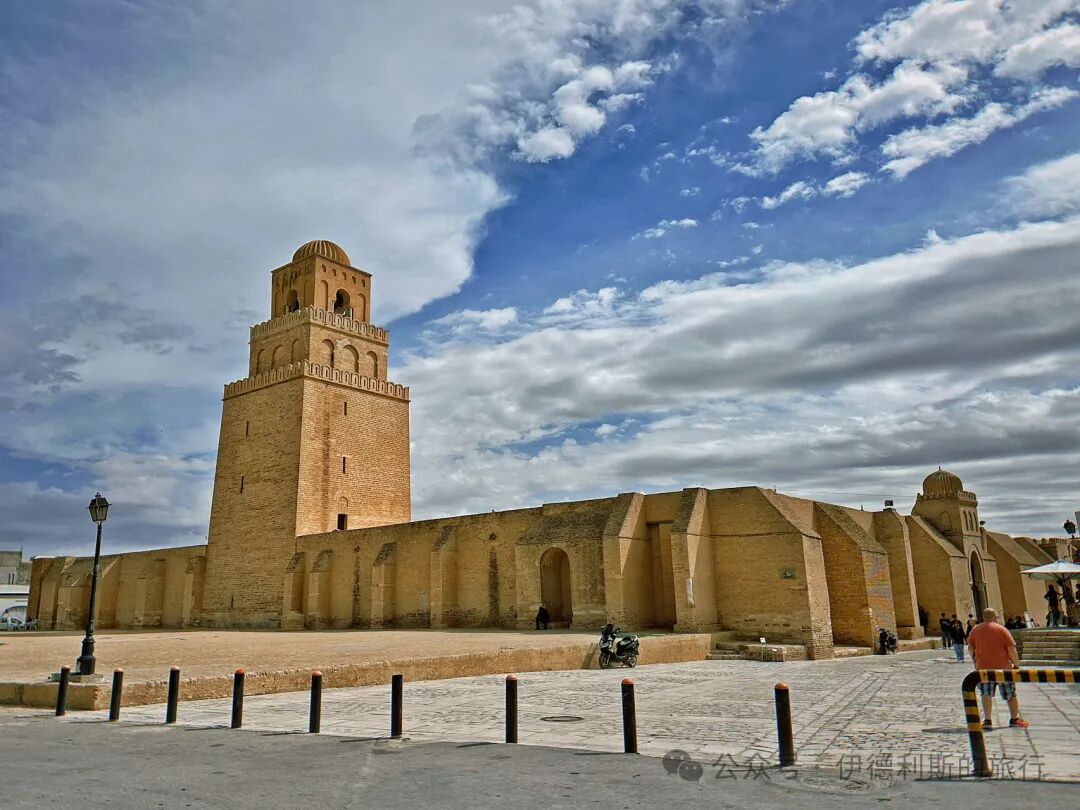
Three Doors Mosque (Mosquée des Trois Portes) in Kairouan: Built in 866, it has the oldest decorated facade of any religious building in the world. The builder, Muhammad ibn Khairun, was a scholar and merchant from Andalusia who came to Kairouan, Tunisia, via Iraq and Egypt.
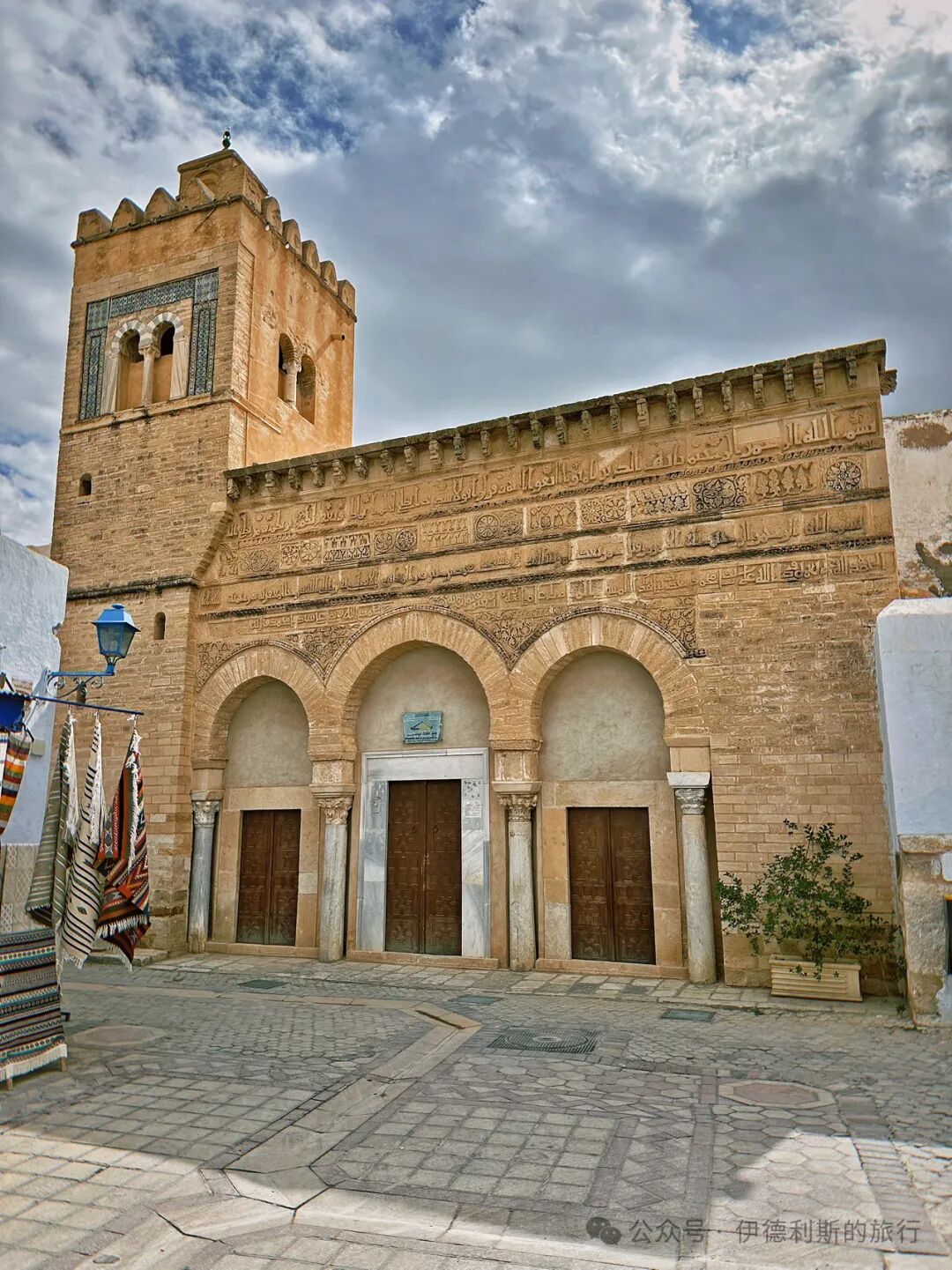
Kairouan Barber Mosque: It sits right next to the tomb of Sidi Sahab, a companion of the noble Prophet and his barber. Legend says Sidi Sahab died in a battle in 654 and was buried here. By the 11th century, this place had already become a famous holy site for the faith. Bey Hamuda Pasha of Tunisia built the main hall in 1629. Another Bey, Muhammad, built the minaret (bangke ta) between 1690 and 1695.
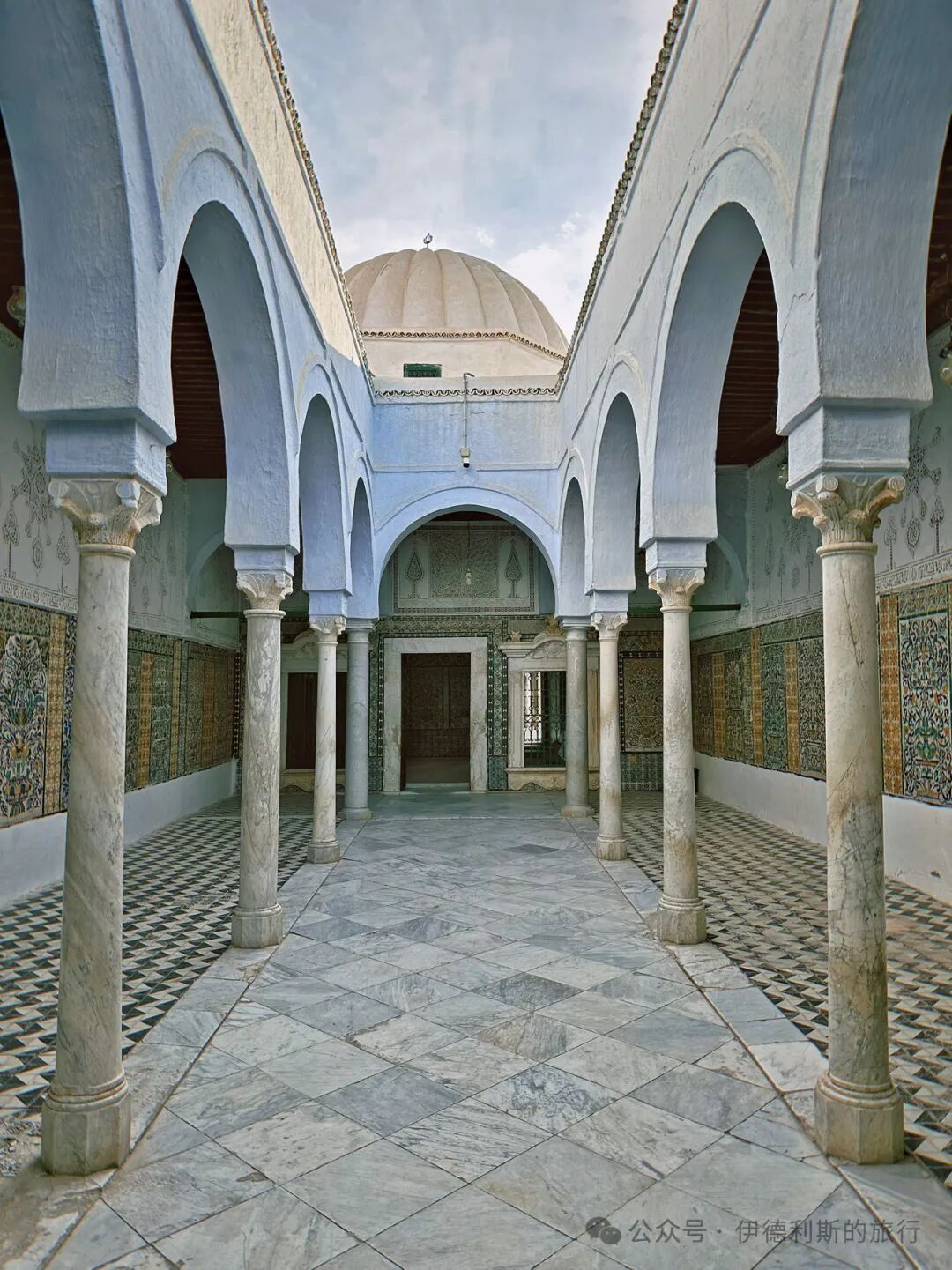
Monastir Great Mosque: First built during the Aghlabid dynasty in the 9th century, it has a classic fortress style. It was expanded during the Zirid dynasty in the 11th century, when the current mihrab, typical of the Zirid style, was built. The current minaret was built during the Hafsid dynasty. The Great Mosque was finally completed in the 18th century with the addition of the current porch.
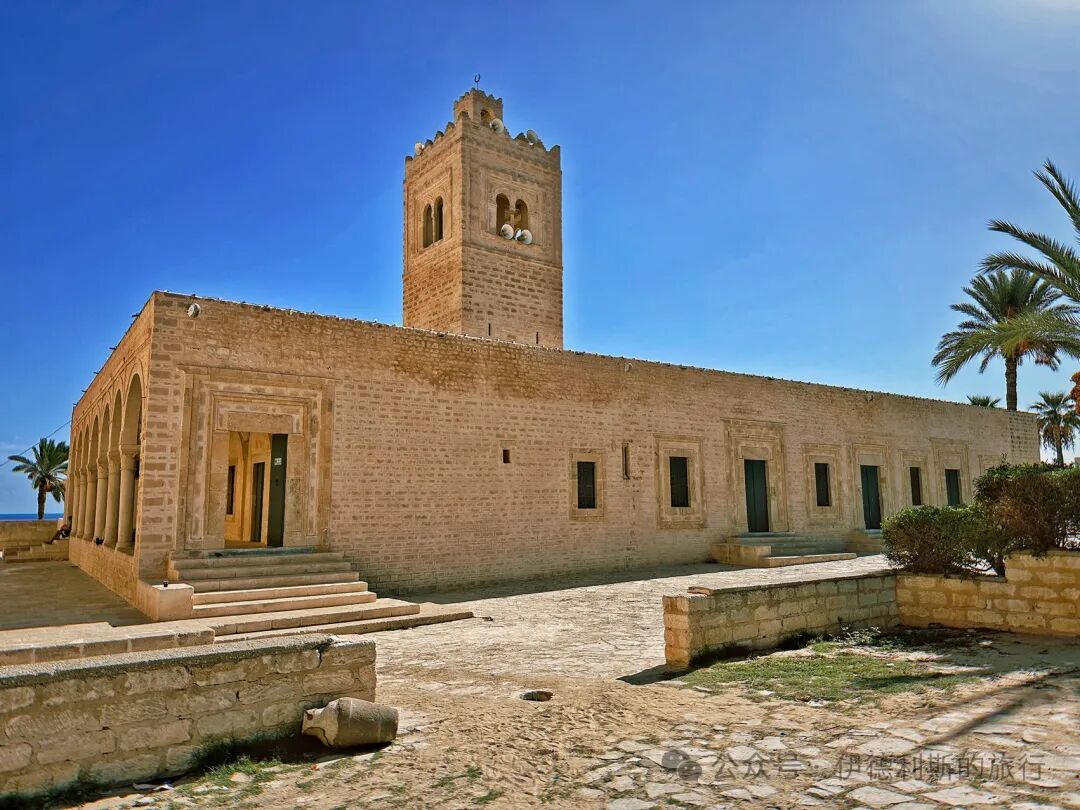
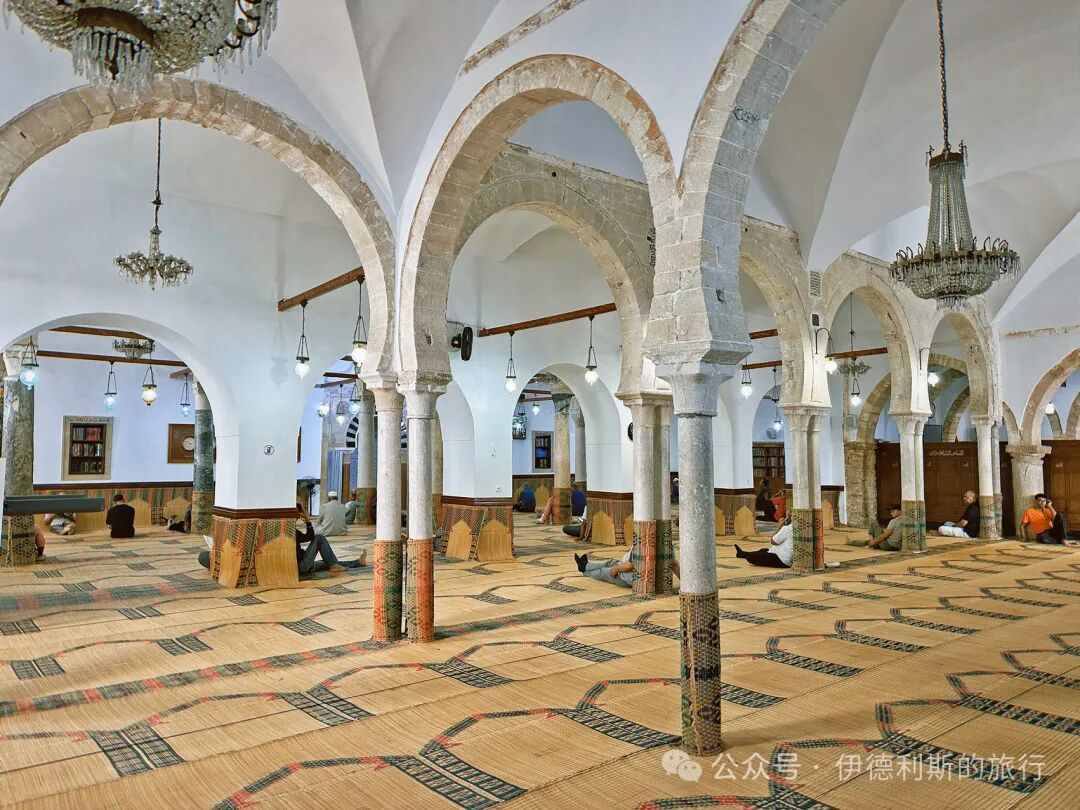
Hammamet Great Mosque: Construction began in the 12th century and was officially finished in the 13th century, with the minaret added in 1463. This was also the period when Hammamet grew from a coastal fortress into a medina residential area. The stone pillars of the Hammamet Great Mosque are different colors, as many were collected from nearby ancient Roman ruins.
December Malaysia: 4 mosques
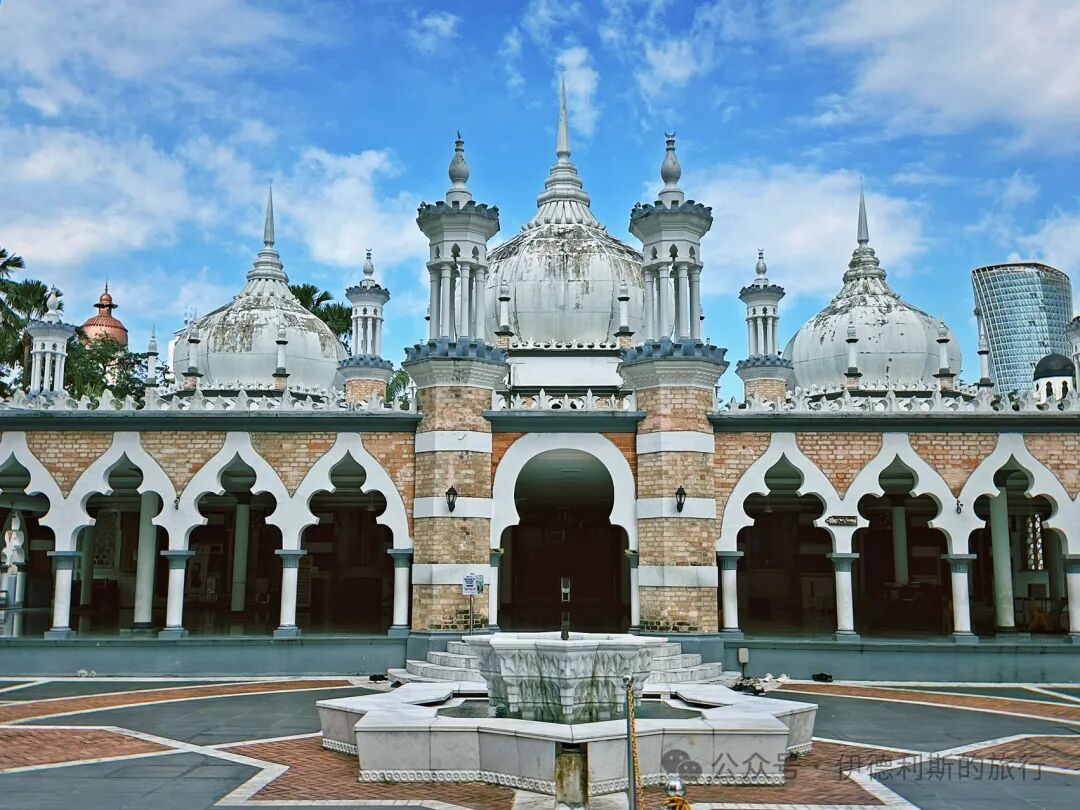
Kuala Lumpur Jamek Mosque: Sultan Sulaiman of Selangor laid the foundation in 1908, and it was officially completed in 1909. British architect Arthur Benison Hubback led the construction, using the Mughal Revival style popular at the time.
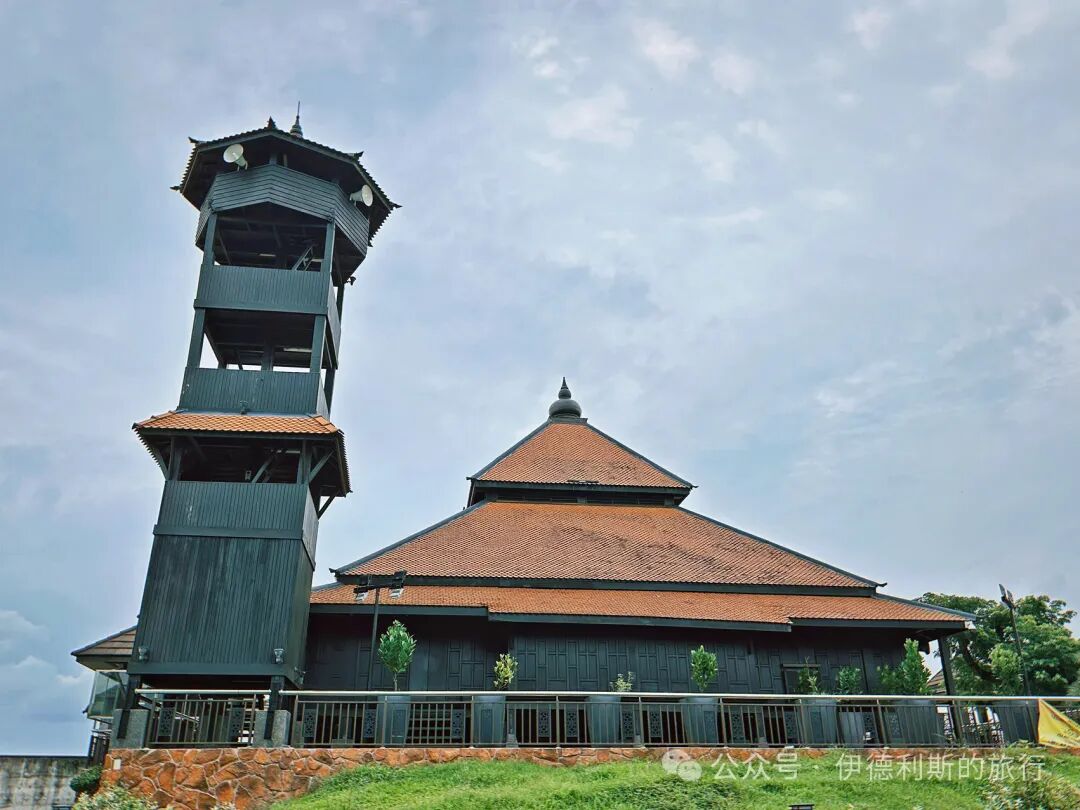
Kota Bharu Kampung Laut Mosque: Known as one of the oldest mosques in Malaysia, it is estimated to have been built between the 15th and 18th centuries. It was only expanded in the late 18th century into a stilt wooden house high enough to tether an elephant. Between 1886 and 1889, the original sago palm leaf roof was replaced with clay tiles, and a wooden minaret was added in the 1890s. The Kampung Laut Mosque was destroyed by floods in 1967, rebuilt in Nilam Puri, and finally moved back to a raised platform in Kampung Laut in 2020.
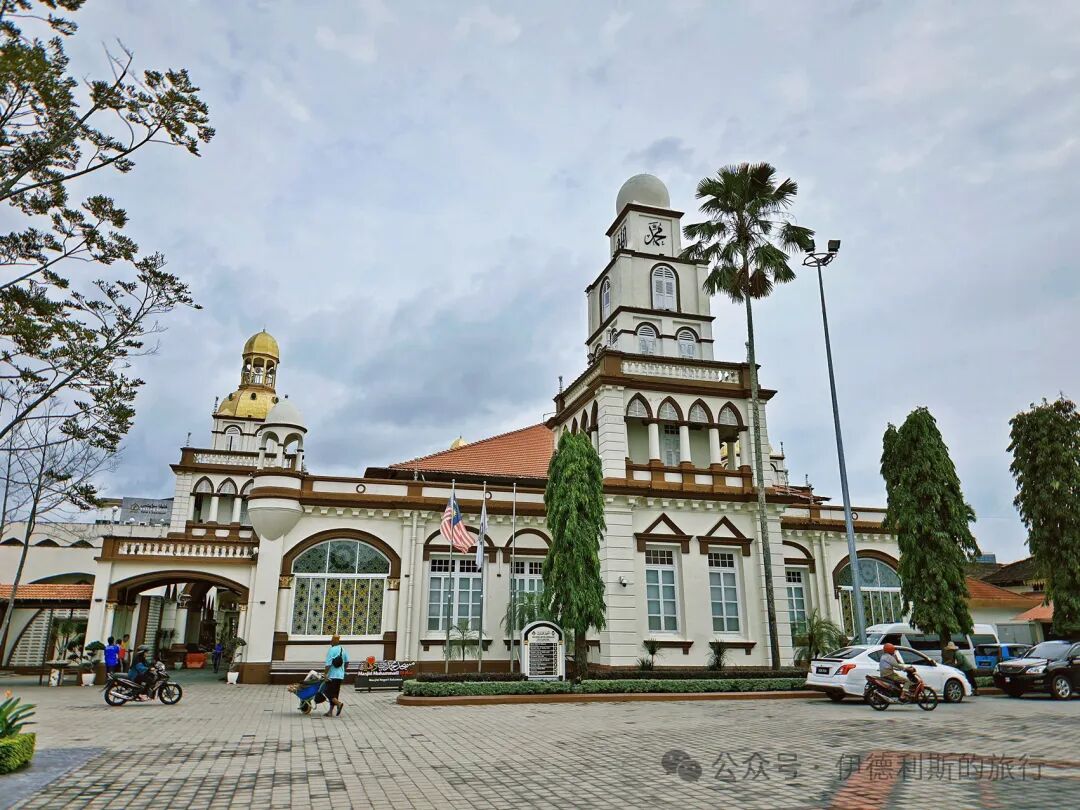
Kota Bharu Muhammadi Mosque: The Jumu'ah mosque of Kelantan state, built by Sultan Muhammad II of Kelantan in 1867. It was changed from a wooden structure to concrete in 1922 and features a Classical Revival style. From the late 19th century to the 20th century, it was an important academic center for the faith in Malaysia, where many great scholars taught. Because many students went to Mecca for further studies after graduating, it is also known as the 'Gateway to Mecca'.
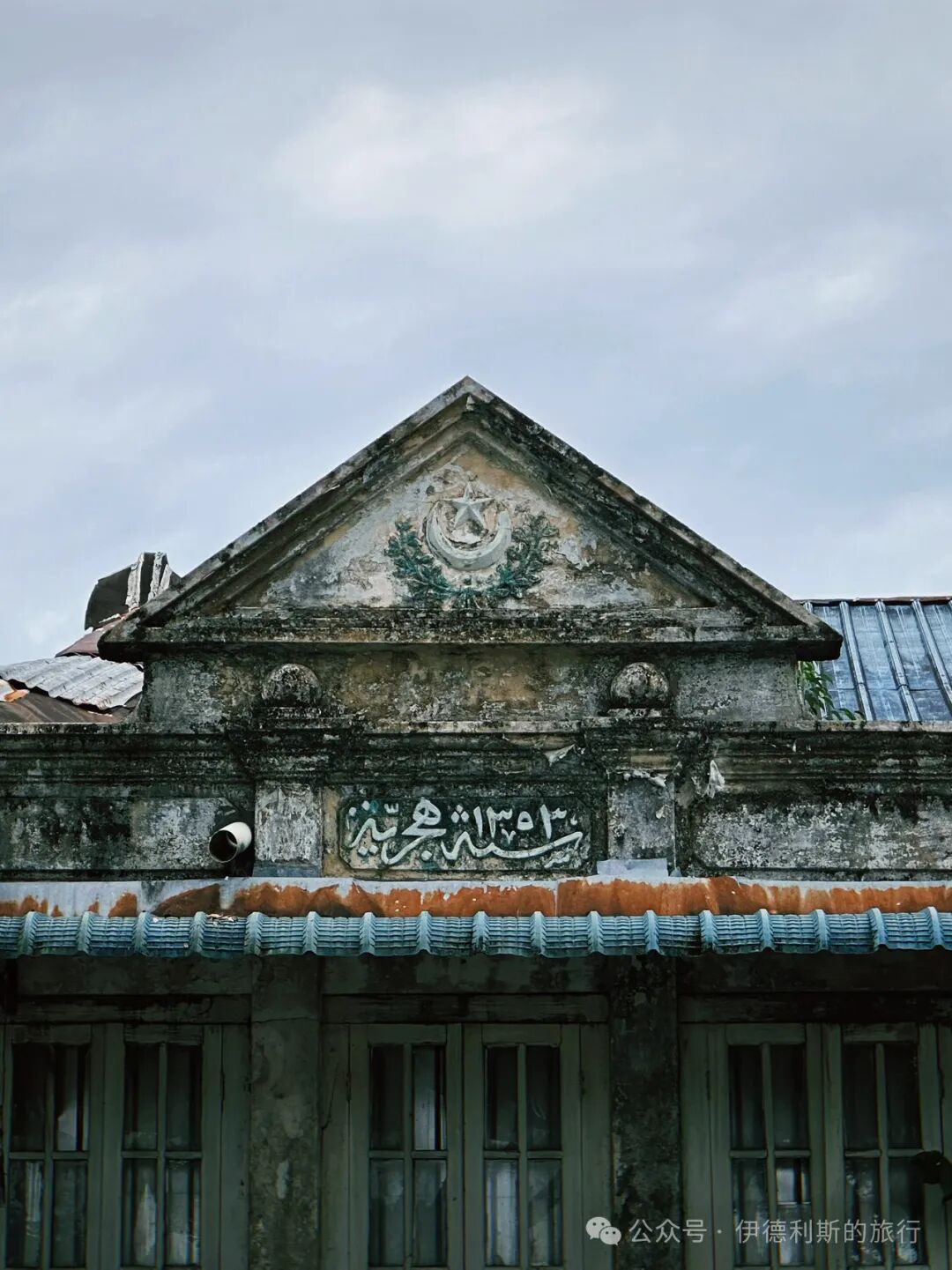
Kuching Indian Mosque: First built by South Indian Tamil merchants in 1837. Originally, the roof and walls were made of nipa palm, until it was rebuilt with Borneo ironwood in 1876 into the current structure. The mosque collects rent from 23 surrounding shops. 21 of these are run by Indian Muslims selling groceries, spices, fabrics, and books, while two are owned by Chinese bosses. These shops have been passed down through families for generations.
Summary: This article records 63 mosque visits made in 2024, with attention to architecture, local Muslim communities, and regional history. The English version keeps the original sequence of places, photos, names, and factual details while making the account easier to read.
January in Singapore: 8 mosques.
Al-Abrar Mosque in Singapore: Built in 1827 by Tamil Muslims from the Coromandel Coast of southeastern India, it was renovated into its current form between 1986 and 1989.
Jamae Mosque in Singapore: A congregational mosque built in 1826 by Tamil Muslims from the Coromandel Coast of southeastern India, it was rebuilt into its current form between 1830 and 1835.
Abdul Gafoor Mosque in Singapore: Construction began in 1859, and it was rebuilt into its current structure in 1907 under the leadership of the South Indian Tamil Muslim, Shaik Abdul Gafoor.
Angullia Mosque in Singapore: Established in 1892 by the Angullia family, who were Muslims from Gujarat in western India. The gatehouse built in 1890 still stands today.
Hajjah Fatimah Mosque in Singapore: Donated and built between 1915 and 1920 by Hajjah Fatimah, an Indian-descended Muslim businesswoman and philanthropist. It has always been managed jointly by Arab, Indian, and Malay Muslims.
Sultan Mosque in Singapore: Built between 1824 and 1826 by Sultan Hussein of Johor using funds from the British East India Company, it was rebuilt in the Mughal Revival style between 1924 and 1928.
Hajjah Fatimah Mosque in Singapore: Donated and built by the Malay noblewoman and philanthropist Hajjah Fatimah between 1845 and 1846, it was rebuilt in the Mughal Revival style in the 1930s.
Haji Muhammad Salleh Mosque in Singapore: Haji Muhammad Salleh was a merchant from Batavia (modern-day Jakarta). He made a dua to build a small mosque on Mount Palmer for the Sufi wali Habib Noh, which was finally rebuilt as a formal mosque in 1903.
January in Malaysia: 10 mosques.
Alaeddin Mosque in Selangor: Built in 1905 by order of Sultan Alaeddin Sulaiman Shah of Selangor.
Sultan Sulaiman Royal Mosque in Selangor: A gift from the British to Sultan Sulaiman to replace the Pengkalan Batu Mosque, which was demolished to build the Klang railway station. Built between 1932 and 1933, it has served as the royal mosque for the Sultan of Selangor ever since.
Sultan Abu Bakar Mosque in Johor Bahru: Commissioned by Sultan Abu Bakar of Johor in 1892, it was officially completed in 1900.
Kampung Mahmoodiah Mosque in Johor Bahru: Located next to the Mahmoodiah Royal Mausoleum in Johor, it was first built in 1926.
Pasir Pelangi Royal Mosque in Johor Bahru: First built in 1911, it is located next to the Johor Sultan's Pasir Pelangi Palace.
Indian Mosque in Ipoh: Built between 1905 and 1908 under the leadership of the wealthy South Indian Tamil merchant Shaik Adam Mohammad Ghaus.
Pakistan Mosque in Ipoh: Built in 1930 by Pathans (Pashtun descent) and Punjabis from North India who served as police officers in Ipoh. It is currently used by the Pakistani Punjabi community.
Panglima Kinta Mosque in Ipoh: Built in 1898 by Panglima Kinta Muhamad Yusuff, the Malay chief who ruled Ipoh at the time, in memory of his wife.
Ubudiah Mosque in Perak: Commissioned by Sultan Idris Murshidul Azzam Shah of Perak and built between 1913 and 1917, it is the royal mosque of the Sultan of Perak.
Jamek Mosque in Seremban: Rebuilt into its current structure in 1900, with a minaret added in 1924.
May in Zhejiang: 1 mosque.
Lishui Mosque in Zhejiang: Built in 1886 by the imam Ma Huanzhang on Gaojing Lane in Lishui city.
May in Fujian: 3 mosques.
Fuzhou Mosque: This mosque was rebuilt with funds donated by the surveillance commissioner Zhang Xiaosi during the early Zhizheng years of the Yuan dynasty. It was destroyed by fire in 1541 (the 20th year of the Jiajing reign). Ge Wenming, a descendant of the envoy Ge Buman from the Guli Kingdom (the Calicut kingdom on the southwest corner of the Indian peninsula), led the reconstruction, which was completed in 1549 (the 28th year of the Jiajing reign).
Quanzhou Qingjing Mosque: First built in 1009, it was renovated by Ahmed in 1310.
Xiamen Mosque stele record: Xiamen Mosque was first built in 1823. The mosque currently houses two stone steles from 1902 and 1924.
May in Sichuan: 3 mosques.
Chengdu Tuqiao Upper Mosque: Tuqiao is located northwest of Chengdu. Since the Qing dynasty, it has been a necessary stop for merchants traveling to Chengdu from Aba and Songpan via the Songmao Ancient Road. Many Hui Muslims settled here, and the Tuqiao Upper Mosque was first built in 1791.
Dujiangyan Mosque: During the Jiajing reign of the Ming dynasty, Hui Muslims in Dujiangyan pooled their money to buy the former site of the Ming Shu Kang Wang summer palace and officially built the Dujiangyan Mosque.
Dujiangyan Baoping Mosque: After the Sichuan Railway Protection Movement in 1911, Hui Muslims from Maogong (Xiaojin County) actively participated. They faced persecution from local feudal forces and fled, with most settling in Guanxian (Dujiangyan). They pooled their money to build the Baoping Mosque in 1925.
June in Shandong: 4 mosques.
Liaocheng Dongguan West Mosque: The West Mosque is commonly known as the Great Mosque (da libaisi). It was first built in 1385 and renovated twice during the Jiajing and Kangxi reigns.
Liaocheng Dongguan East Mosque: The East Mosque is also called the Small Mosque (xiao libaisi). It was built during the Yongle reign of the Ming dynasty under the leadership of the Dongchang Prefecture garrison commander Bai Lin. It was renovated multiple times during the Jiaqing, Xianfeng, and Guangxu reigns of the Qing dynasty.
Linqing North Mosque: Located at the intersection of the Huitong River and the Wei River, the Linqing North Mosque was first built in 1504. It underwent major expansions and repairs in 1564, 1779, and 1809, eventually reaching its current form.
Linqing East Mosque: First built in 1465, it was repaired twice in 1583 and 1649, and expanded again in 1734, resulting in its grand scale.
June in Hebei: 1 mosque.
Xingtai Linxi County Hongguanying Mosque: The ancestor of the Hong family Hui Muslims, Hong Badan, was a sixth-generation descendant of Sayyid Ajjal Shams al-Din Omar. He served as an official in Linqing during the Ming dynasty, and his descendants took Hong as their surname and settled in Linqing. The Hongguanying Mosque was first built between the Xuande and Tianshun years of the Ming dynasty. It was burned down during the Taiping Heavenly Kingdom's Northern Expedition in 1854 and rebuilt into its current form in 1874.
June in Liaoning: 5 mosques.
Dandong Fengcheng Mosque: Built in 1775, it was renovated in 1862. In 1876, the north lecture hall was rebuilt and side rooms were added. In 1890, the Moon-Watching Tower (wangyuelou) was added, giving it its current size.
Dalian Fuzhou Mosque: In the early Qing dynasty, Hui Muslims with the surnames Yin, Dai, Ma, and Hui from Cangzhou arrived in Fuzhou. They began preparing to build the Fuzhou Mosque southwest of Fuzhou city in 1649, and in 1656, they completed three thatched rooms to serve as the main prayer hall. The main hall was rebuilt in 1774 and expanded again in 1880, though it still had a thatched roof. In 1920, the front porch and rear kiln hall were expanded, and the roof was changed to green bricks and tiles, resulting in its current form.
Dalian Qingdui Mosque: The Qingdui Mosque was first built during the Daoguang reign of the Qing dynasty, starting with only three thatched rooms. In 1894, the famous Hui Muslim general Zuo Baogui donated funds for the mosque, and in 1895, local elders oversaw its reconstruction into the current three-room structure made of blue bricks and tiles. In 1920, the gatehouse was rebuilt and the lecture hall was expanded, giving the mosque its current size.
Shenyang Xinmin Mosque: During the Qianlong reign, many Hui Muslims moved to Xinmin, and in 1765, they built the Xinmin Mosque in Nanyingzi. It was burned down in 1866 and rebuilt in 1883 into its current form.
Jinzhou Xinlitun Mosque: During the Daoguang reign of the Qing Dynasty, Hui Muslims from Jinzhou, Yixian, Heishan, and Yingkou settled in Xinlitun and built the Xinlitun Mosque in 1842. The Xinlitun Mosque was burned down in 1873, but was later rebuilt with funds led by the anti-Japanese hero General Zuo Baogui.
September Malaysia: 10 mosques
Malacca Kampung Hulu Mosque: In 1728, the Dutch East India Company commissioned a Chinese Muslim leader, Dato' Samsuddin Bin Arom, to build a new mosque near the site of an old one destroyed by the Portuguese. This is the oldest surviving mosque in Malacca.
Malacca Kampung Kling Mosque minaret (bangke lou): In 1728, an Indian merchant named Muhammad Saleh funded the construction of a small mosque in Kampung Kling. It was abandoned after the larger Kampung Kling Mosque was built in 1782, and today only the minaret remains. The minaret of the small Kampung Kling Mosque was modeled after a Chinese pagoda, which was the first of its kind on the Malay Peninsula at the time.
Malacca Kampung Kling Mosque: In 1782, the Kampung Kling Mosque was completed just west of the small mosque.
Malacca Kampung Kling Mosque: This mosque was first built by Indian merchants in 1748, and in 1872, the original wooden structure was replaced with the current brick building.
Malacca Sanbaoshan Mosque: This mosque was first built in 1865. A new main hall was added in 1978, but the layout of the original old hall was preserved.
Malacca Pengkalan Rama Mosque: First built in the 1730s, it was renovated in 1917 with funds donated by Dato' Penghulu Abdul Ghani.
Malacca Duyong Mosque: Built in 1850 under the leadership of Wan Chilek, it was originally made of red clay and wood with a roof of Chinese and Dutch tiles. In 1908, a minaret was added that combined the styles of a Chinese pagoda and a Western lighthouse.
Malacca Serkam Pantai Mosque: First built in 1853, the beams and roof were made from timber cut in local forests and hauled by water buffalo, while the walls were built from reef stones quarried near Big Island (Pulau Besar) and transported by sampan boats.
Malacca Peringgit Mosque: First built in 1726, it was later destroyed and rebuilt in 1868.
Muar Sultan Ibrahim Mosque: This is the main Friday mosque for Muar. It was built in 1887 along with the town of Muar, and reconstruction began in 1925 and was officially completed in 1930.
October Tunisia: 14 mosques
Tunis Al-Zaytuna Mosque: Built after the Umayyad conquest of Carthage in 698, its current form is mainly from the reconstruction by the Aghlabid dynasty in 864-65. It is the second mosque built by Arabs in the Maghreb region after the Great Mosque of Kairouan, and it is the grandest mosque in Tunis.
Tunis New Mosque (Jemaa el-Jedid): Built in 1726 by Hussein I ibn Ali, the founder of the Husainid dynasty in Tunisia. The Husainid dynasty was a Beylik that was nominally subordinate to the Ottoman Empire. Hussein used the faith to unite different ethnic groups in Tunisia. He ordered the construction of many madrasas, and the New Mosque (Jemaa el-Jedid) in Tunis is also his representative work.
Ksar Mosque in Tunis: A rare Hanafi mosque in Tunisia, built by the Banu Khurasan dynasty in 1106. It was converted to the Hanafi school by the Ottoman dynasty in 1598, and the minaret (manara) was rebuilt in its current Moorish style between 1647 and 1648. The capitals inside the main prayer hall were also taken from ancient architectural ruins. Inside the mihrab, there are seven niches topped with Fatimid-style fluted semi-domes.
Hammouda Pasha Mosque in Tunis: Built in 1655 by Hammouda Pasha, the second Bey of the Muradite dynasty. It is the second Hanafi mosque in Tunisia after the Ksar Mosque. Hammouda Pasha built many markets and hospitals in Tunis, and the Ottoman-style Hammouda Pasha Mosque is his representative work. The Hammouda Pasha Mosque features an octagonal minaret and a rectangular courtyard with galleries. The marble construction inside the main prayer hall is also very Ottoman in style.
Sidi Mahrez Mosque in Tunis: Built in 1692 by Muhammad Bey, the fourth Bey of the Muradite dynasty. It is located right next to the gongbei of Sidi Mahrez, the most important wali in Tunis, who was also a famous Maliki jurist. The Sidi Mahrez Mosque is deeply influenced by the Ottoman style. It is modeled after the Blue Mosque in Istanbul, featuring a central dome and smaller domes, with the interior decorated with Iznik tiles imported from Turkey.
Kasbah Mosque in Tunis: Built between 1230 and 1233 by Abu Zakariya Yahya, the founding sultan of the Hafsid dynasty. It is the second congregational mosque (Juma mosque) in Tunis after the Great Mosque of Zitouna. It is deeply influenced by the Almohad dynasty of Morocco and looks very similar to the Kasbah Mosque in Marrakesh, Morocco.
El Ichbili Mosque in Tunis: Located deep in the old medina, right next to the El Brat market. The mosque was first built in the 10th century, while the minaret was built in the 14th century.
Youssef Dey Mosque in Tunis: Built in 1616 by the Ottoman Bey of Tunis, Youssef Dey. It is the first Ottoman-style mosque in Tunisia. At the intersection stands the first octagonal minaret in Tunis, which has a wooden sunshade at the top. Next to the minaret is the white marble tomb of Youssef Dey, with large blind arcades on the walls.
Great Mosque of Sousse: First built in 851 by the Aghlabid ruler Muhammad I ibn al-Aghlab. The prayer hall was expanded to the south in the 10th century, the current courtyard portico and the northeast minaret were built in the 11th century, and the south portico was renovated in 1785. The Great Mosque of Sousse is right next to the Sousse Fortress and also has a fortress-like appearance. The exterior features jagged walls and corner towers. The minaret in the northeast corner is not tall; instead, it looks more like a castle tower.
Great Mosque of Kairouan: The oldest and most spectacular congregational mosque in Tunisia. It was first ordered to be built in 670 by the Arab Umayyad general Uqba ibn Nafi, rebuilt by the Umayyad dynasty in 703, and after many reconstructions and repairs, it finally took its current form in the 9th century. The minaret of the Great Mosque of Kairouan was built between the 8th and 9th centuries. The existing structure is basically from 836, making it the oldest surviving minaret in the world. The mosque's mihrab and minbar were built in 863 and are the oldest concave mihrab and minbar in the world.
Three Doors Mosque (Mosquée des Trois Portes) in Kairouan: Built in 866, it has the oldest decorated facade of any religious building in the world. The builder, Muhammad ibn Khairun, was a scholar and merchant from Andalusia who came to Kairouan, Tunisia, via Iraq and Egypt.
Kairouan Barber Mosque: It sits right next to the tomb of Sidi Sahab, a companion of the noble Prophet and his barber. Legend says Sidi Sahab died in a battle in 654 and was buried here. By the 11th century, this place had already become a famous holy site for the faith. Bey Hamuda Pasha of Tunisia built the main hall in 1629. Another Bey, Muhammad, built the minaret (bangke ta) between 1690 and 1695.
Monastir Great Mosque: First built during the Aghlabid dynasty in the 9th century, it has a classic fortress style. It was expanded during the Zirid dynasty in the 11th century, when the current mihrab, typical of the Zirid style, was built. The current minaret was built during the Hafsid dynasty. The Great Mosque was finally completed in the 18th century with the addition of the current porch.
Hammamet Great Mosque: Construction began in the 12th century and was officially finished in the 13th century, with the minaret added in 1463. This was also the period when Hammamet grew from a coastal fortress into a medina residential area. The stone pillars of the Hammamet Great Mosque are different colors, as many were collected from nearby ancient Roman ruins.
December Malaysia: 4 mosques
Kuala Lumpur Jamek Mosque: Sultan Sulaiman of Selangor laid the foundation in 1908, and it was officially completed in 1909. British architect Arthur Benison Hubback led the construction, using the Mughal Revival style popular at the time.
Kota Bharu Kampung Laut Mosque: Known as one of the oldest mosques in Malaysia, it is estimated to have been built between the 15th and 18th centuries. It was only expanded in the late 18th century into a stilt wooden house high enough to tether an elephant. Between 1886 and 1889, the original sago palm leaf roof was replaced with clay tiles, and a wooden minaret was added in the 1890s. The Kampung Laut Mosque was destroyed by floods in 1967, rebuilt in Nilam Puri, and finally moved back to a raised platform in Kampung Laut in 2020.
Kota Bharu Muhammadi Mosque: The Jumu'ah mosque of Kelantan state, built by Sultan Muhammad II of Kelantan in 1867. It was changed from a wooden structure to concrete in 1922 and features a Classical Revival style. From the late 19th century to the 20th century, it was an important academic center for the faith in Malaysia, where many great scholars taught. Because many students went to Mecca for further studies after graduating, it is also known as the 'Gateway to Mecca'.
Kuching Indian Mosque: First built by South Indian Tamil merchants in 1837. Originally, the roof and walls were made of nipa palm, until it was rebuilt with Borneo ironwood in 1876 into the current structure. The mosque collects rent from 23 surrounding shops. 21 of these are run by Indian Muslims selling groceries, spices, fabrics, and books, while two are owned by Chinese bosses. These shops have been passed down through families for generations.
