

Historic Mosques
China Mosque Travel Guide Jiangsu: 25 Historic Mosques and Hui Muslim Heritage (Part 1)
Articles • yusuf908 posted the article • 0 comments • 254 views • 2026-05-23 23:30
Summary: This first part of the Jiangsu mosque series documents historic Hui Muslim mosque sites in northern Jiangsu, including Yanghe Mosque, Siyang Mosque, Siyang West Mosque, Shuyang Mosque, Hexia Mosque, Wangjiaying Mosque, Yancheng Mosque, and Baoying Mosque. The article preserves the original mosque names, founding dates, community histories, inscriptions, architectural details, and image order.
I am sharing the 25 historic mosque buildings I have visited in Jiangsu, moving from north to south.
1. Suqian
1. Yanghe Mosque (Yanghesi): First built during the Qianlong reign, rebuilt after 1945.
2. Huai'an
1. Qingjiang Mosque (Qingjiangsi): First built during the Jiajing reign of the Ming Dynasty, rebuilt in 1870.
2. Hexia Mosque (Hexiasi): First built during the Shunzhi reign of the Qing Dynasty, rebuilt in the late Qing Dynasty.
3. Wangjiaying Mosque (Wangjiayingsi): First built during the Yongzheng reign of the Qing Dynasty, rebuilt in 1985.
3. Yancheng
1. Yancheng Mosque (Yanchengsi): Built during the Yongle reign of the Ming Dynasty, renovated in 1928.
4. Yangzhou
1. Baoying Mosque (Baoyingsi): Rebuilt in 1910, rebuilt again in 2022.
2. Gaoyou Mosque (Gaoyousi): Rebuilt in 1864.
3. Lingtang Ancient Mosque (Lingtang Gusi): First built at the end of the Yuan Dynasty, moved to its current site in the early Qing Dynasty, rebuilt in 1924.
4. Shaobo Mosque (Shaobosi): First built during the Xianfeng reign of the Qing Dynasty.
5. Xianhe Mosque (Xianhesi): First built in 1275, rebuilt in 1390.
6. Majian Lane Mosque (Majianxiang Libaisi): First built in 1714.
7. Huihui Tang Mosque (Huihuitangsi): First built in 1275, rebuilt in 1776.
5. Zhenjiang
1. Shanxiang Mosque (Shanxiangsi): Expanded during the Kangxi reign, rebuilt in 1873.
2. Jianzi Lane Mosque (Jianzixiangsi) Ming and Qing Dynasty stone carvings.
3. Nanmenwai Mosque (Nanmenwaisi) Qing Dynasty mihrab.
4. Xinhe Street Mosque (Xinhejie Huijiaotang): 1930.
6. Nanjing
1. Jingjue Mosque (Jingjuesi): First built during the Hongwu reign of the Ming Dynasty, rebuilt in 1877.
2. Original Taiping Road Mosque: First built in the early Ming Dynasty, moved and rebuilt in 2005.
3. Xiaowangfu Lane Mosque.
4. Hushu Mosque: First built in 1392, rebuilt in 1896.
5. Liuhe South Gate Mosque: First built in 1403, raised and renovated in 2013.
6. Liuhe Women's School: First built in 1912, rebuilt in 1930.
7. Liuhe Changjiang Road Mosque: First built in 1424, rebuilt during the Guangxu reign of the Qing Dynasty.
8. Zhuzhen Mosque: Rebuilt in 1901, renovated in 2001.
9. Zhuzhen Women's Mosque: First built in 1921, rebuilt in 1931.
Suqian Yanghe Town Mosque.
The Suqian Yanghe Town Mosque was first built during the Qianlong reign. It was funded by Yu Qin, a local scholar from Yanghe who had served as an education official in Lishui, Pizhou, and Ningguo, and was built on Rice Market Street in Yanghe. It was destroyed during the Japanese invasion and later rebuilt. The current main hall features a hip-and-gable roof, a post-and-lintel frame, and upturned eaves with wind bells hanging from the four corners. It was listed as a Suqian cultural heritage site in 2010.
Yanghe Town Mosque belongs to the Jahriyya Banqiao Daotang. During the Jiaqing reign of the Qing Dynasty, Chang Tingzhang (1785-1870), a Hui Muslim from Siyang, Jiangsu, traveled to Lingzhou (modern-day Lingwu) in Ningxia to study. After completing his studies, he brought the Jahriyya tradition to the Huai-Si region. Chang Tingzhang was famous far and wide for his profound knowledge and had many disciples when he began teaching at the Huaiyin Wangjiaying Mosque. Since then, mosques including the Huaiyin Wangjiaying Mosque, Siyang Zhongxing Town Mosque, and Yanghe Town Mosque have all followed the Jahriyya tradition. Before 1932, the imams of Yanghe Town Mosque were all assigned from Ningxia. After 1932, Imam Ma Chengliang served until he passed away in 1979.
Huai'an Qingjiang Ancient Mosque.
Qingjiangpu in Huai'an was dredged in 1415 (the 13th year of the Yongle reign of the Ming Dynasty). It was the center of grain transport for the Grand Canal during the Ming and Qing dynasties, where grain transport ships from all provinces were built and repaired. Because navigating the Yellow River section of the canal was very dangerous, and waiting times to pass through locks in Shandong were too long, many merchants chose to leave their boats at Qingjiangpu. They would cross the Yellow River and switch to horse-drawn carriages to continue north, making Qingjiangpu a symbol of the "southern boats and northern horses" transport system.
The most important pier in Qingjiangpu was next to the Yue Lock. It was called the Imperial Pier because both Emperors Kangxi and Qianlong landed there during their southern inspection tours. This was once the busiest and most prosperous place in Qingjiangpu. Hui Muslims began doing business on Yuehe Street in front of the Imperial Pier during the Ming Dynasty, and the earliest Qingjiang Ancient Mosque was built during the Jiajing reign of the Ming Dynasty.
In 1677 (the 16th year of the Kangxi reign), the Governor of the Waterways moved to Qingjiangpu, and it became the center of grain transport. In his collection of notes and stories, Golden Pot Seven Inks (Jinhu Qimo), Qing Dynasty writer Huang Junzai recorded: 'Along the Qingjiang River for over ten miles, the markets were bustling and food was abundant. People from all directions gathered here, shoulder to shoulder and wheel to wheel, in a very prosperous scene.' In 1799 (the 57th year of the Qianlong reign), the Qingjiang Mosque (Qingjiang Gusi) underwent a large-scale expansion, marking the peak of its prosperity.
In 1860 (the 10th year of the Xianfeng reign), the Nian Army captured Qingjiangpu and the Qingjiang Mosque was destroyed. The imam, Ma Huanwen, sadly passed away from illness while preparing to raise funds for the mosque (nietie). Fortunately, an elder from Nanjing named Jiang Hengqing took over, organized the community to raise funds (nietie), and finally rebuilt the mosque in 1870 (the 9th year of the Tongzhi reign).
In 2006, the Beijing-Hangzhou Grand Canal was listed as a Major Historical and Cultural Site Protected at the National Level. Three historic mosques were included along the canal: the North Mosque in Linqing, the East Mosque in Linqing, and the Qingjiang Mosque in Huai'an. It can be said that the Hui Muslim community in Huai'an grew because of the canal and is inseparable from the canal's grain transport history.
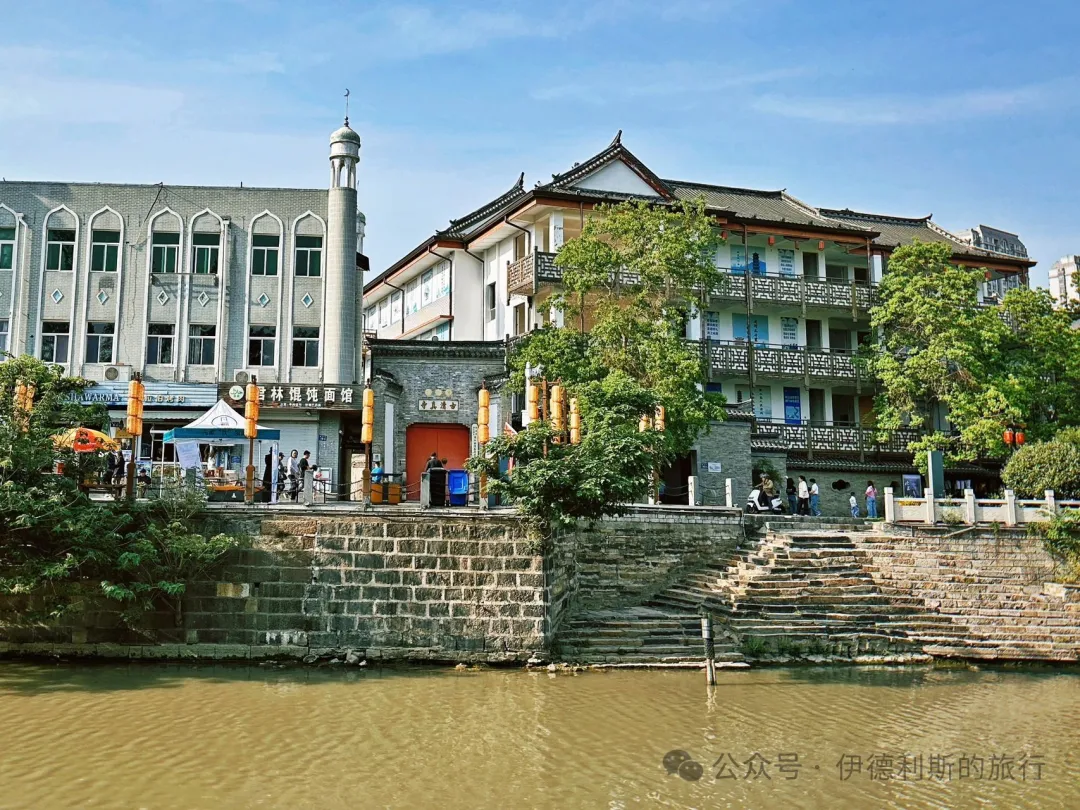
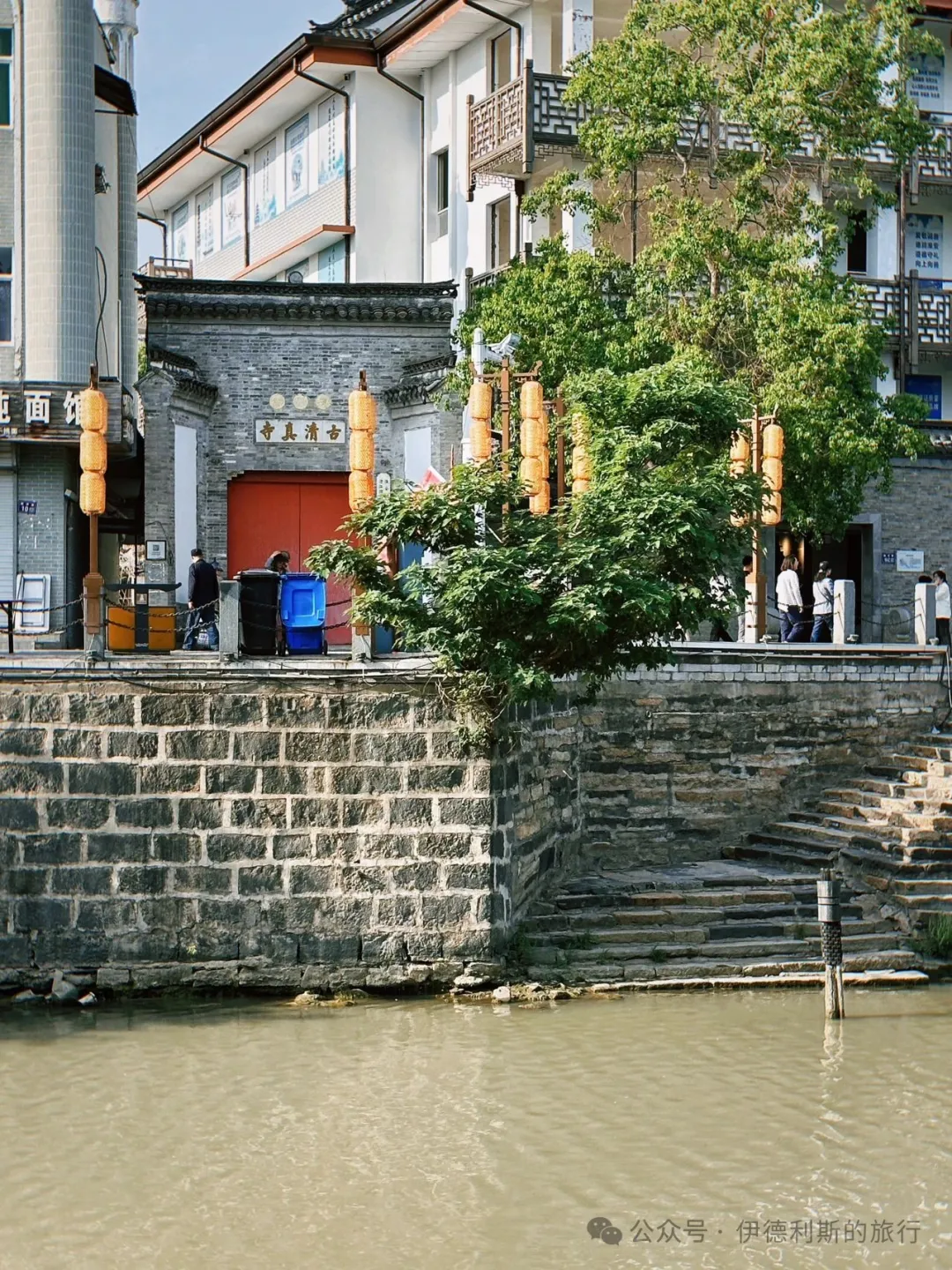
Looking from the opposite bank of the Li Canal, you can see the gate of the Qingjiang Mosque right next to the Imperial Wharf ruins, helping you imagine what the busy grain transport days looked like.
Inside the courtyard, the main prayer hall and the north wing, known as the Butterfly Hall, are Qing Dynasty structures. Beside the main hall stands a Chinese trumpet creeper (lingxiaomu) over 320 years old.
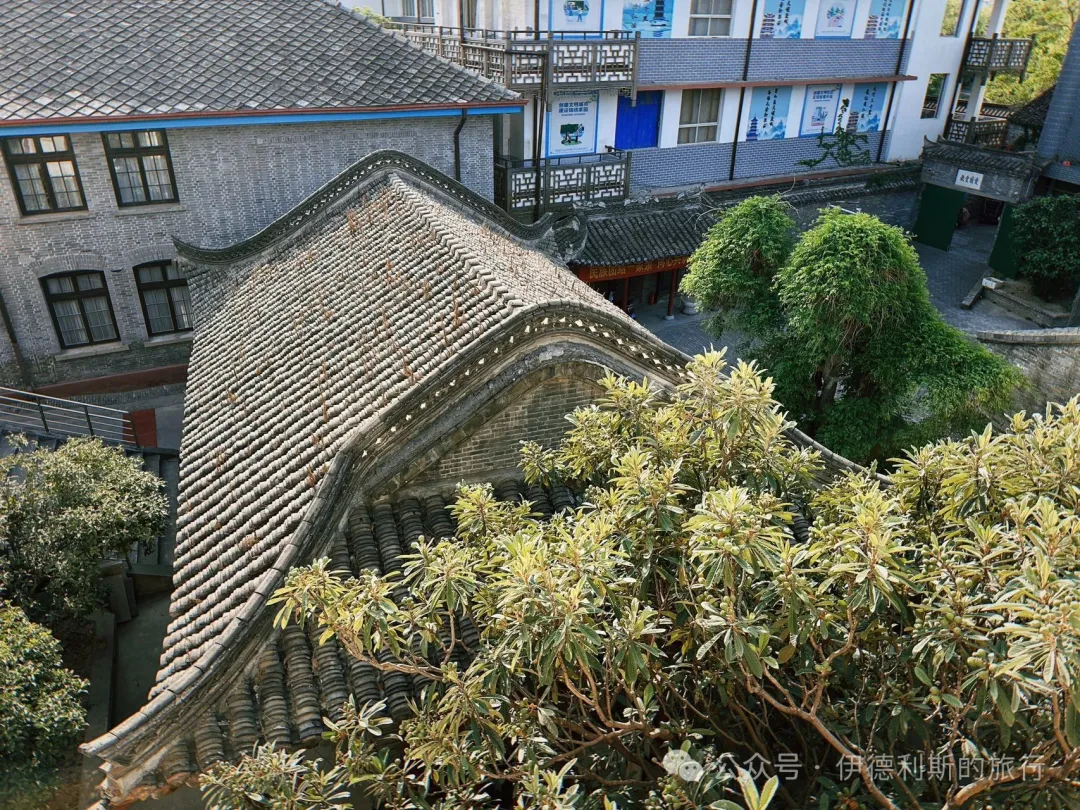
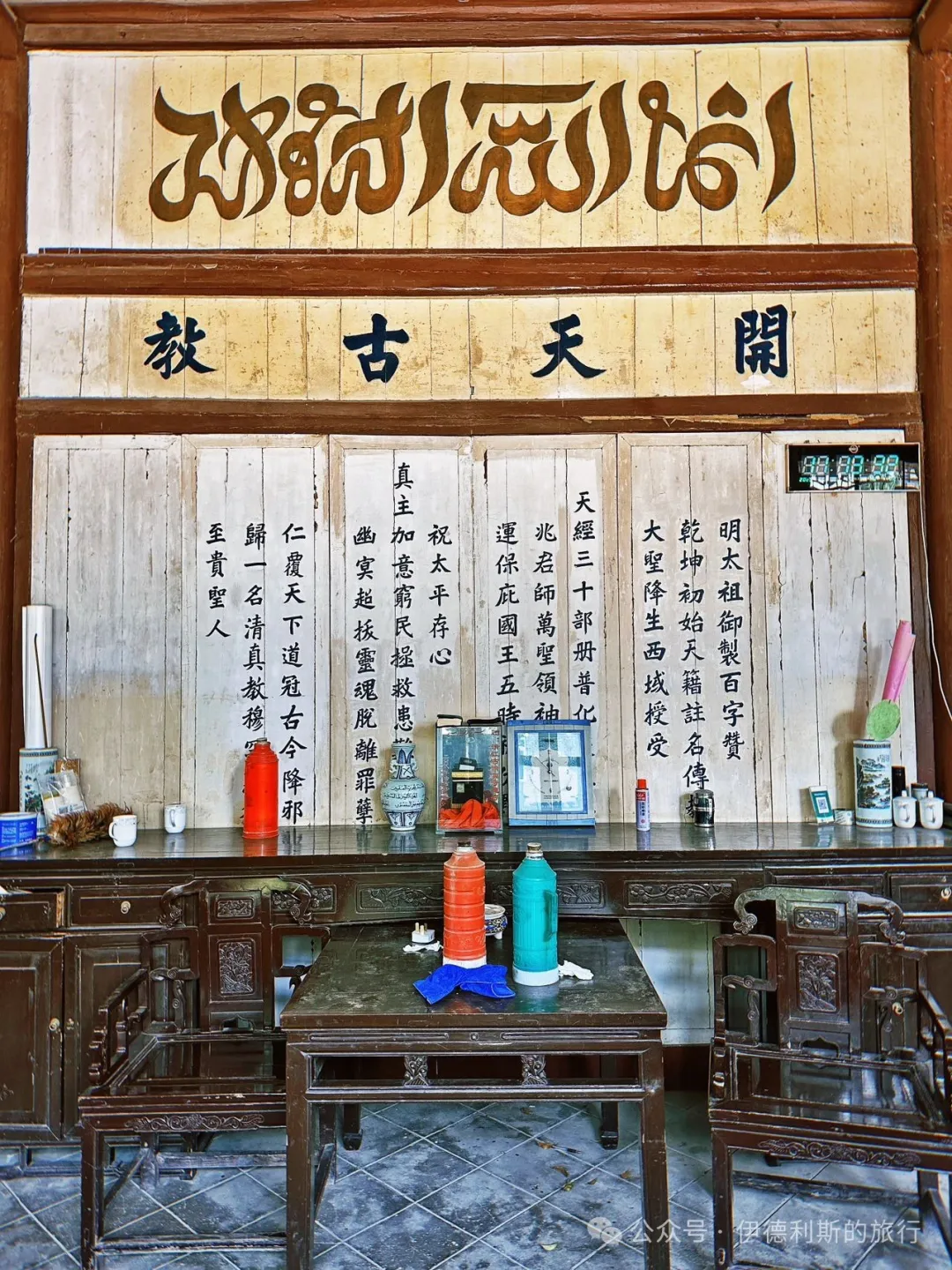
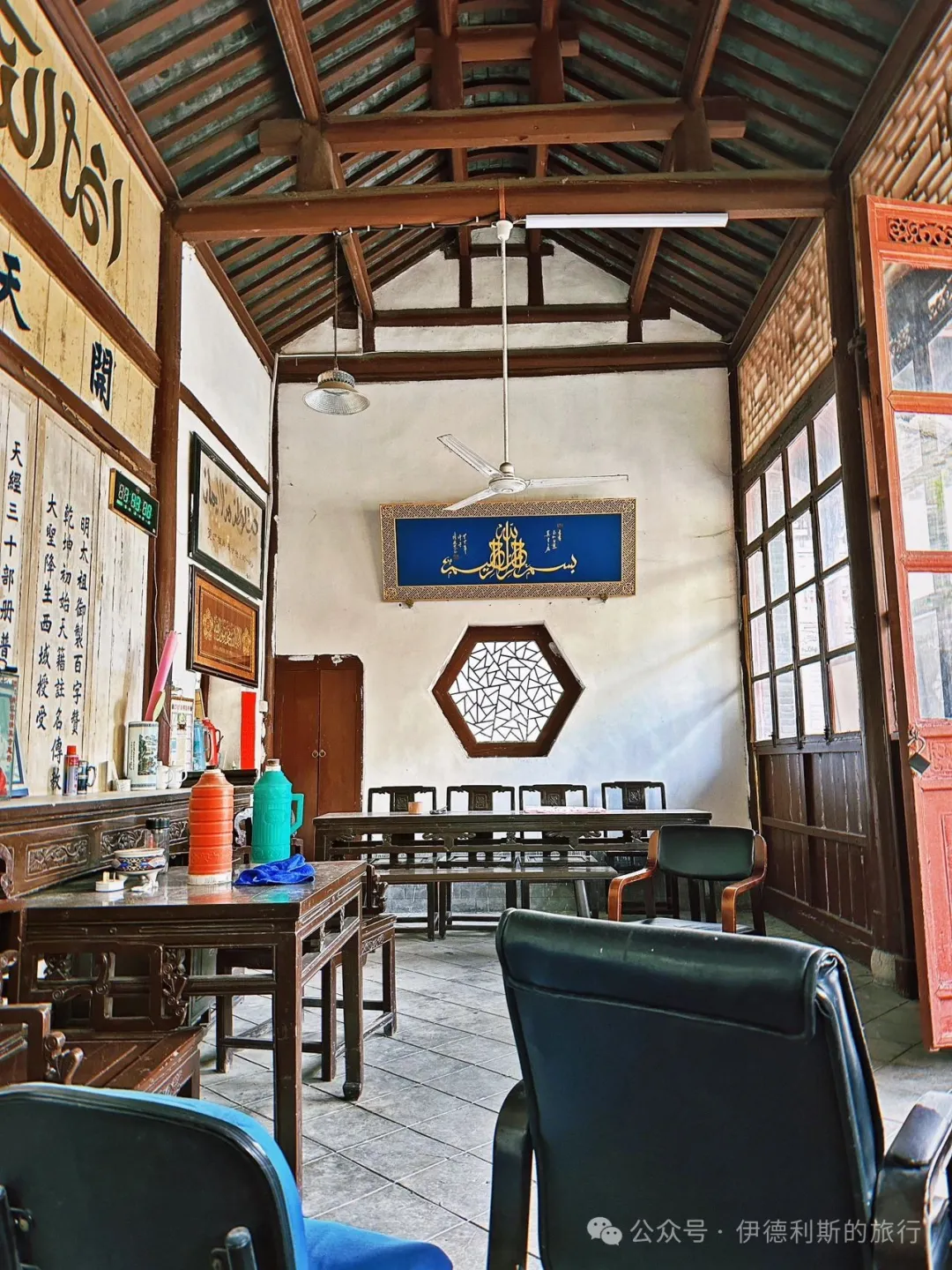
The main hall is a Qing Dynasty building made of two connected hard-mountain roofs (yingshanding) with a kiln-style hall (yaodian) at the back, typical of traditional Jianghuai architectural style.
The north wing of the Qingjiang Mosque is called the Butterfly Hall (hudieting). This is a traditional name for garden architecture in the Jianghuai region, named because the corners of the hall curve upward like the wings of a dancing butterfly.
Two stone steles at the Qingjiang Mosque.
The first is the 'Prohibition Edict Stele' from the 57th year of the Qianlong reign. It was written and erected by the county government to explicitly ban corruption, issued by Wu Li, the magistrate of Qinghe County, Huai'an Prefecture, Jiangnan, who held a fifth-rank title and had been commended five times.
The second is the 'Stele Record of the Rebuilding of the Mosque Main Hall' from the 9th year of the Tongzhi reign, which documents the process of rebuilding the main hall during the Tongzhi period. The inscription records donors from nineteen places: Henan, Shandong, Jinling, Yunnan, Zhili, Chuanshan, Hexia, Lixiahe, Baoying, Gaoyou, Shaobo, Xiannumiao, Taizhou, Xinghua, Dongtai, Rugao, Shuyang, the Xinzi Cavalry, and Yuanpu. Donors from Henan, Shandong, Yunnan, Zhili, and Chuanshan were mostly traveling merchants, reflecting the prosperous 'southern boats and northern horses' scene of Qingjiangpu during the Qing Dynasty. The others were local mosque communities in Jiangsu. Some, like the Shaobo mosque, have since been abandoned, offering a glimpse into the rise and fall of the Hui Muslim community in Jiangsu.
Ancient well
Column base
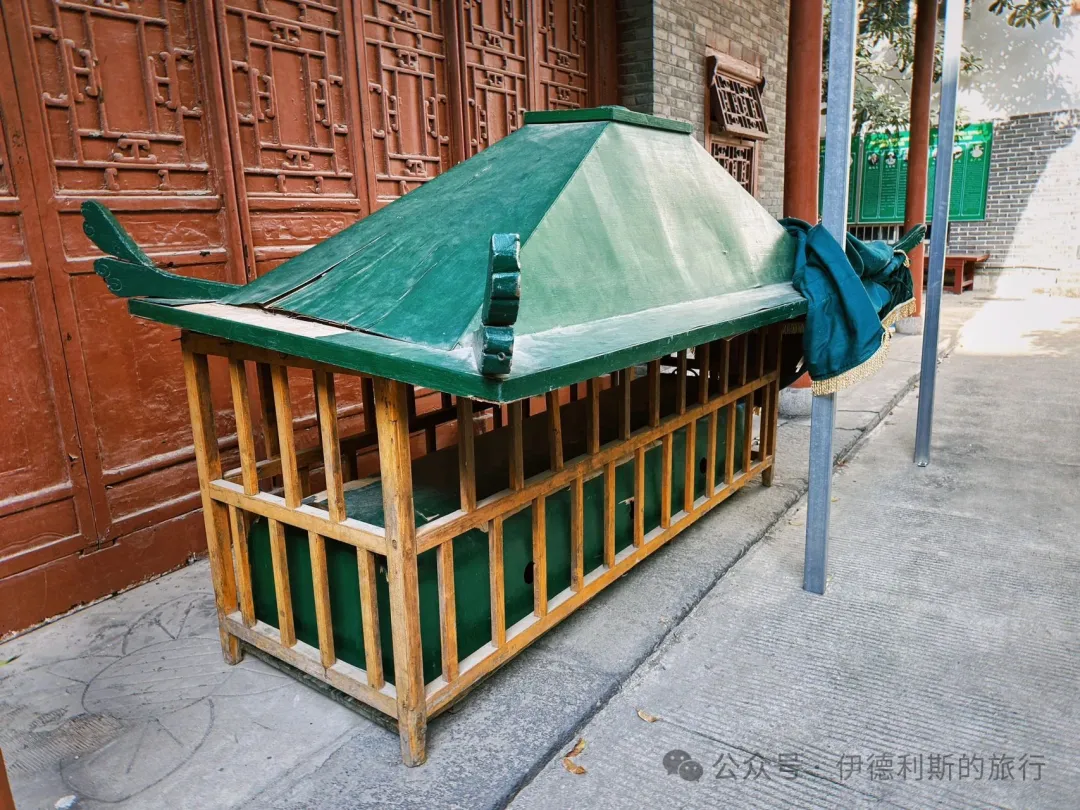
Coffin for the deceased (tabumaiti xia)
Tombstone of Madam Yang, mother of the Ma family, from the 14th year of the Guangxu reign, and the tombstone of the Sai family of the Ma clan from Anhui.
Tombstone of the Sai family of the Ma clan from Anhui
Stone railing
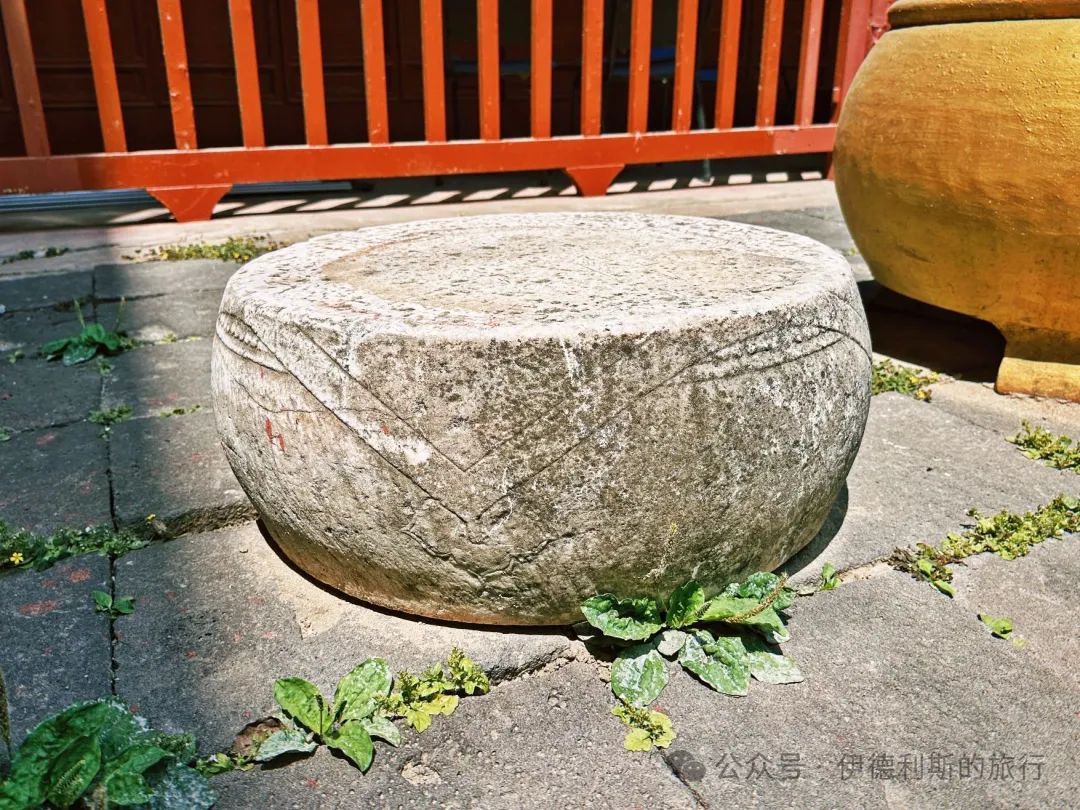
Drum-shaped stone base with cypress and deer carvings (bailutu baogushi)
Hexia Mosque
Hexia Ancient Town in Huaian is the largest town on the outskirts of Huaian Prefecture. Because the salt from the coastal salt fields in Huaibei was high in both quantity and quality, many salt merchants from the northwest and Anhui came to Huaibei in the late Ming Dynasty to work in the salt industry. The Huaibei Salt Transport Branch was located in Hexia Town at the time. Salt from the fields had to be shipped to Hexia for inspection before merchants could sell it elsewhere. Hexia Town then entered its most prosperous period. Salt merchants built gardens and courtyards there. The Qing Dynasty record Huaian Hexia Annals states: Wealthy salt merchants brought their capital and made their homes in Hexia, and Hexia became extremely prosperous. The wealth brought by these salt merchants made the town's business thrive, and many Hui Muslims also came to settle in Hexia.
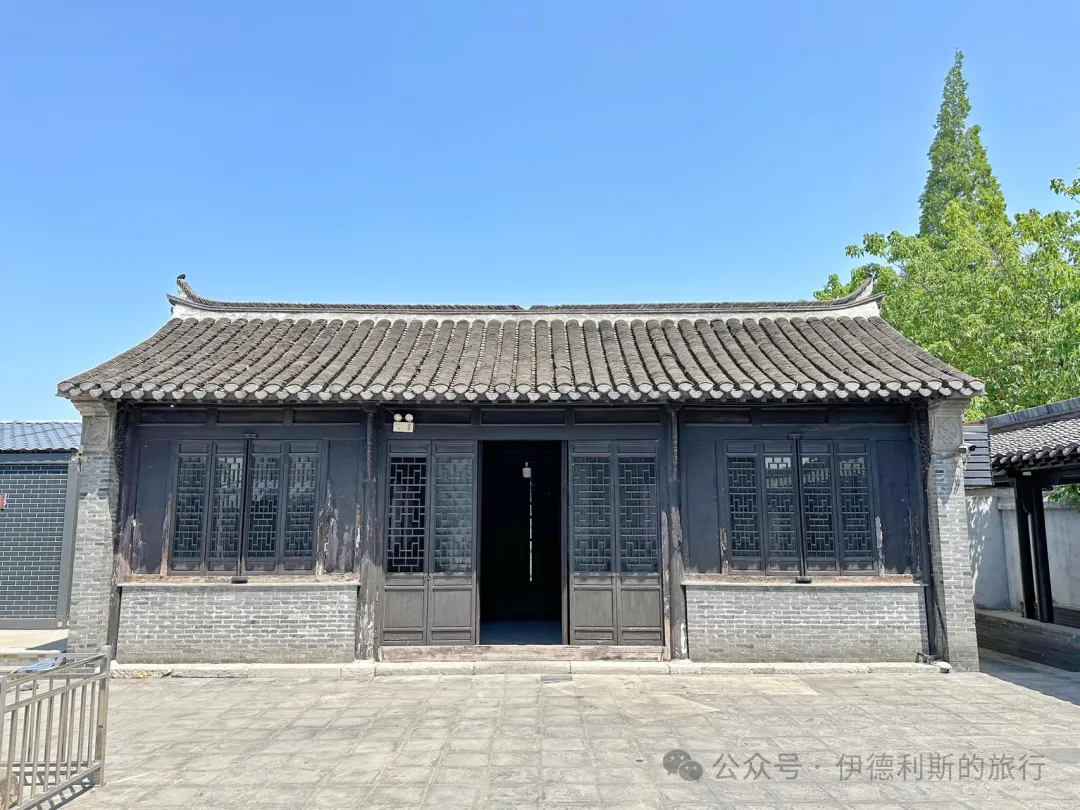
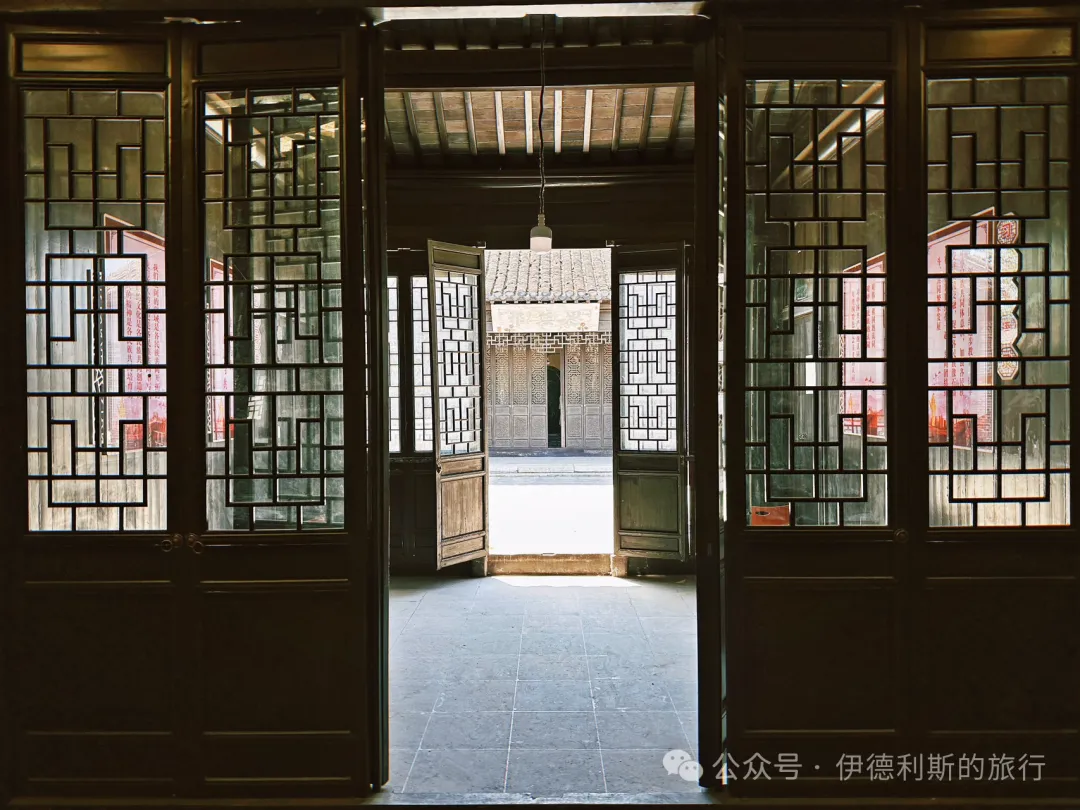
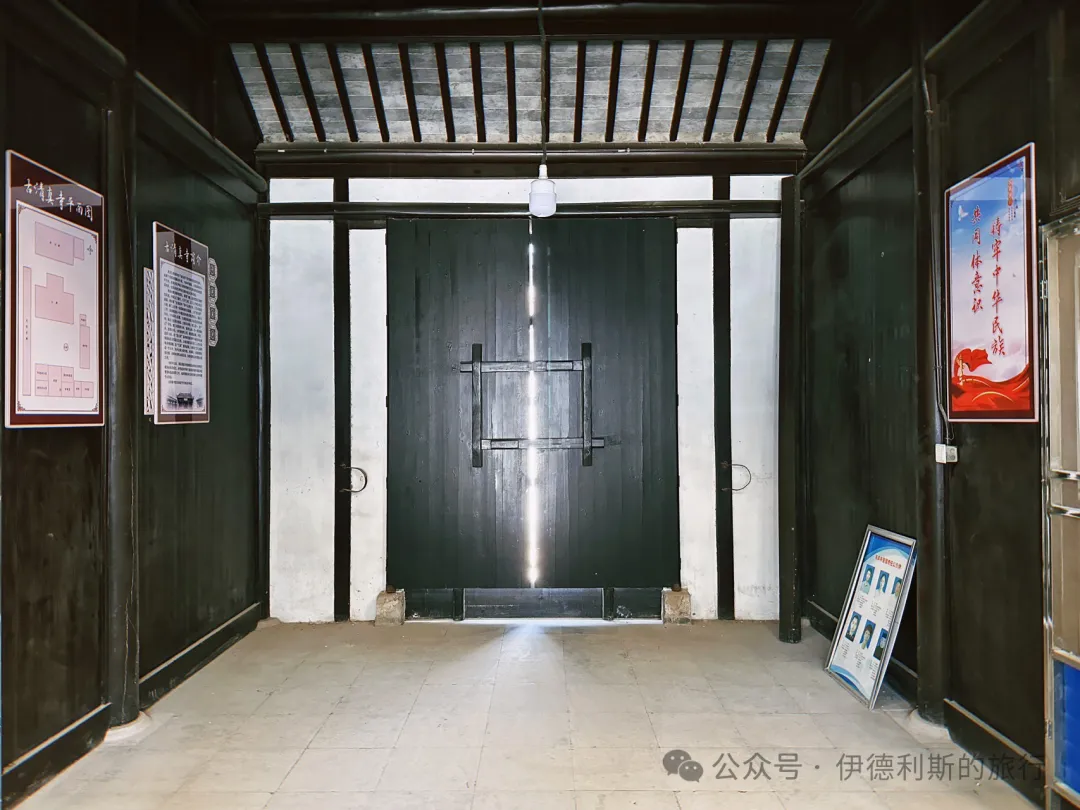
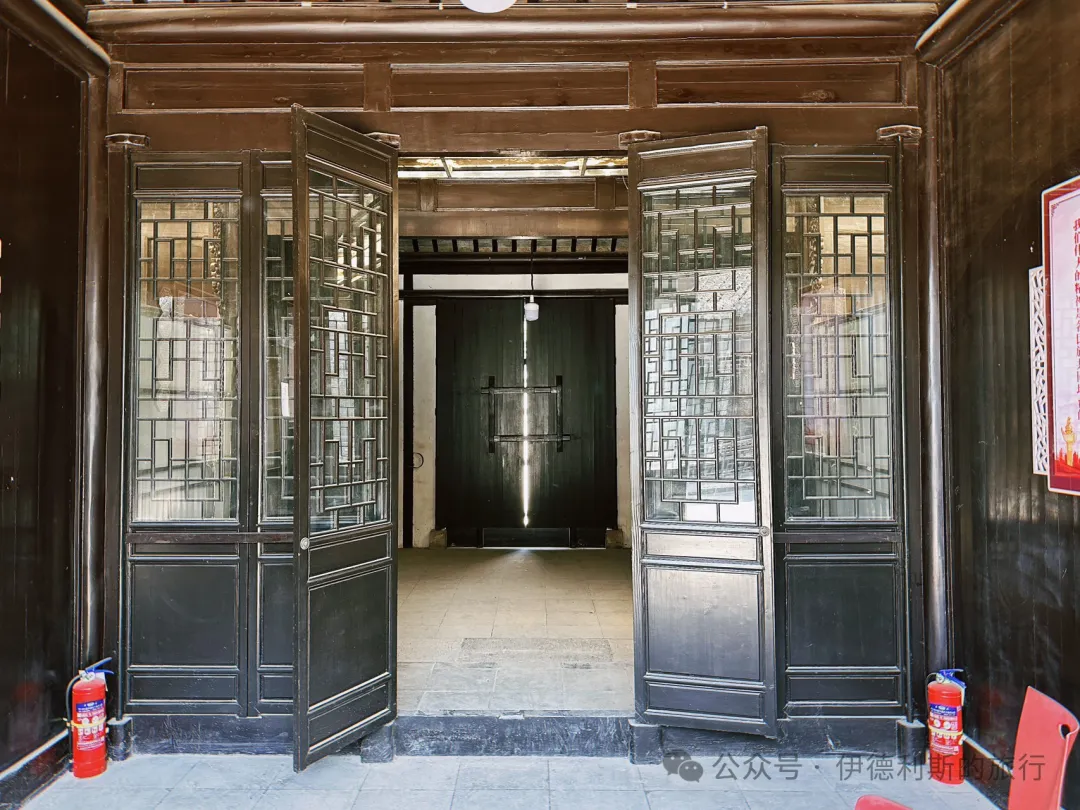
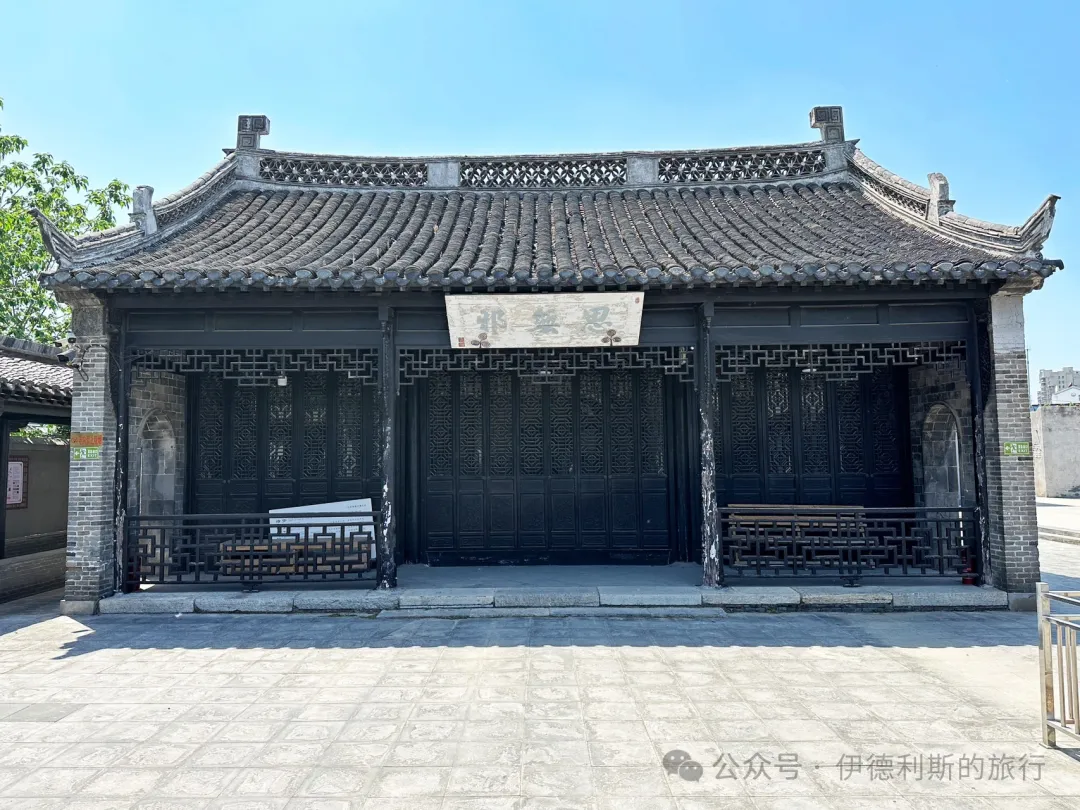
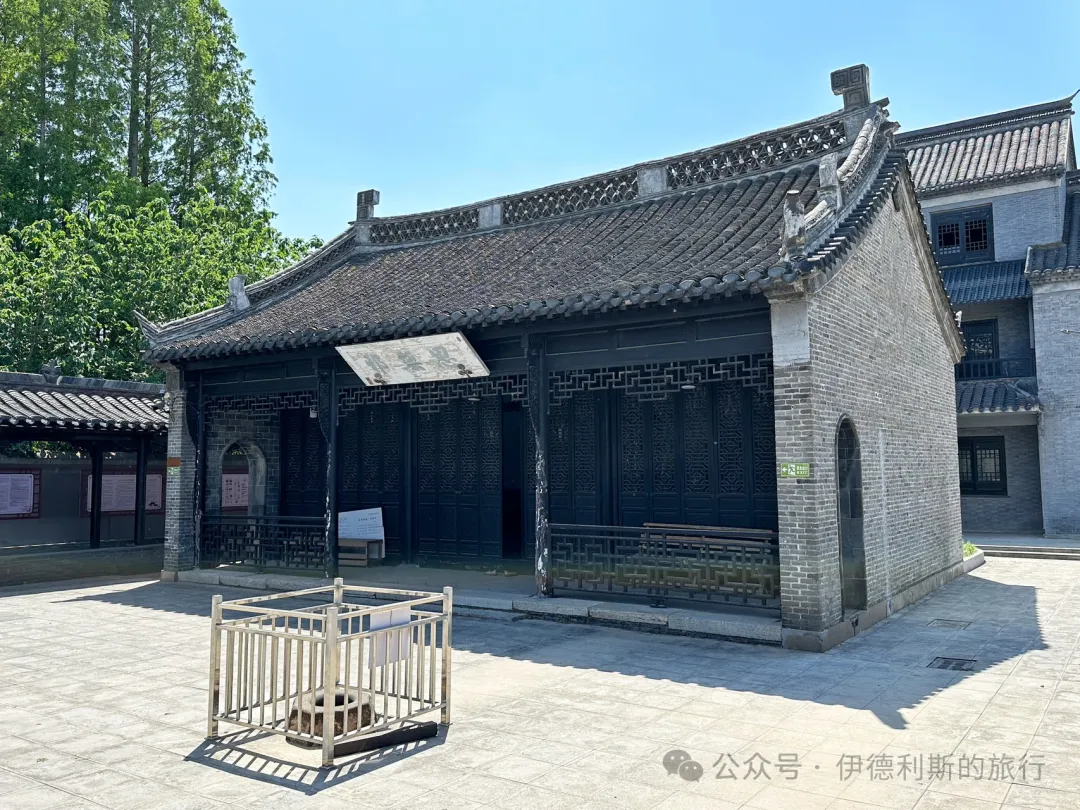
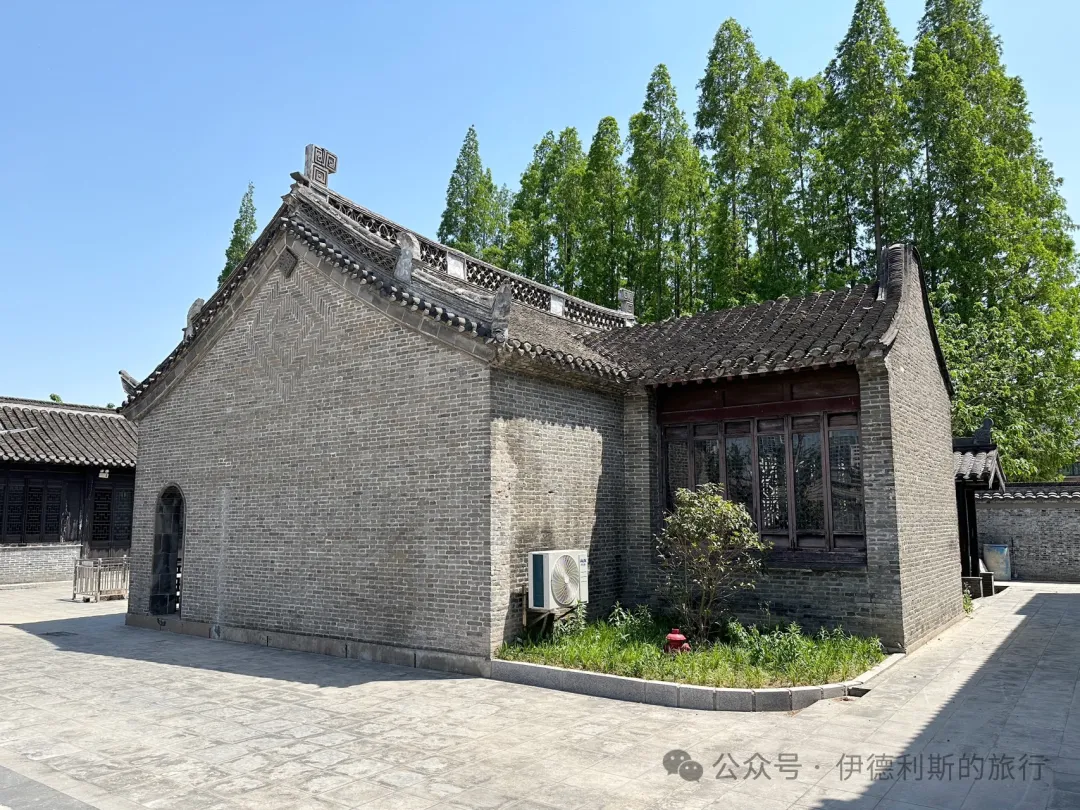
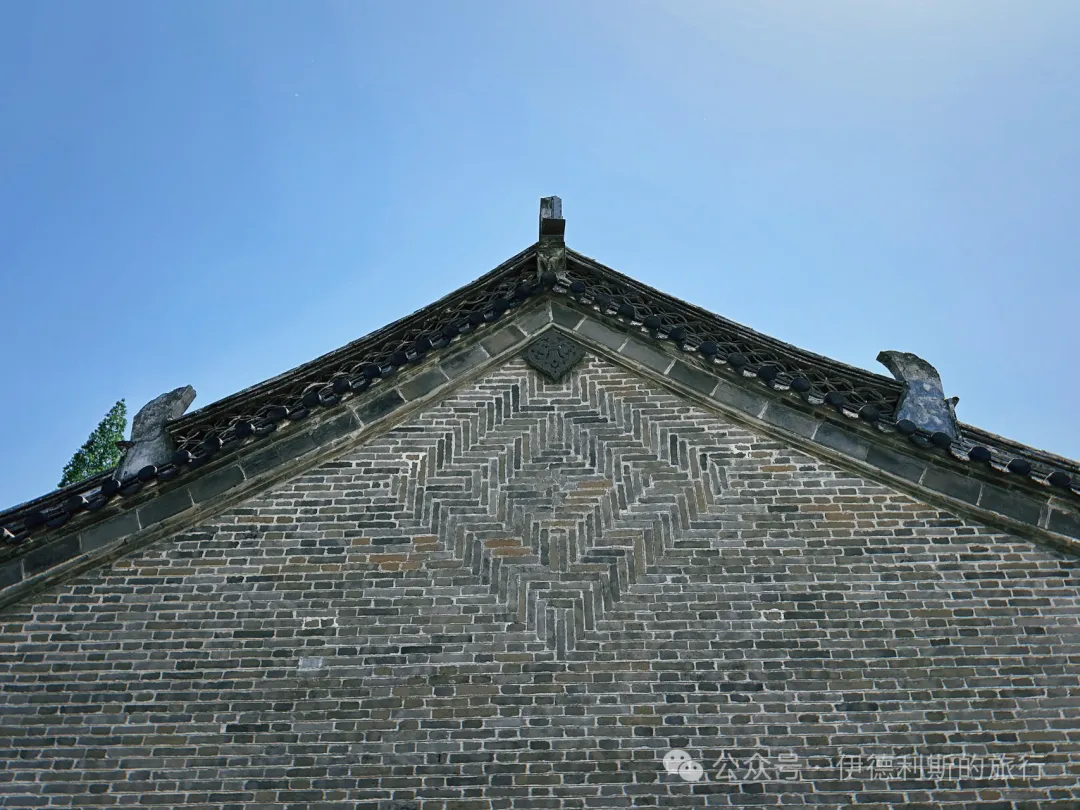
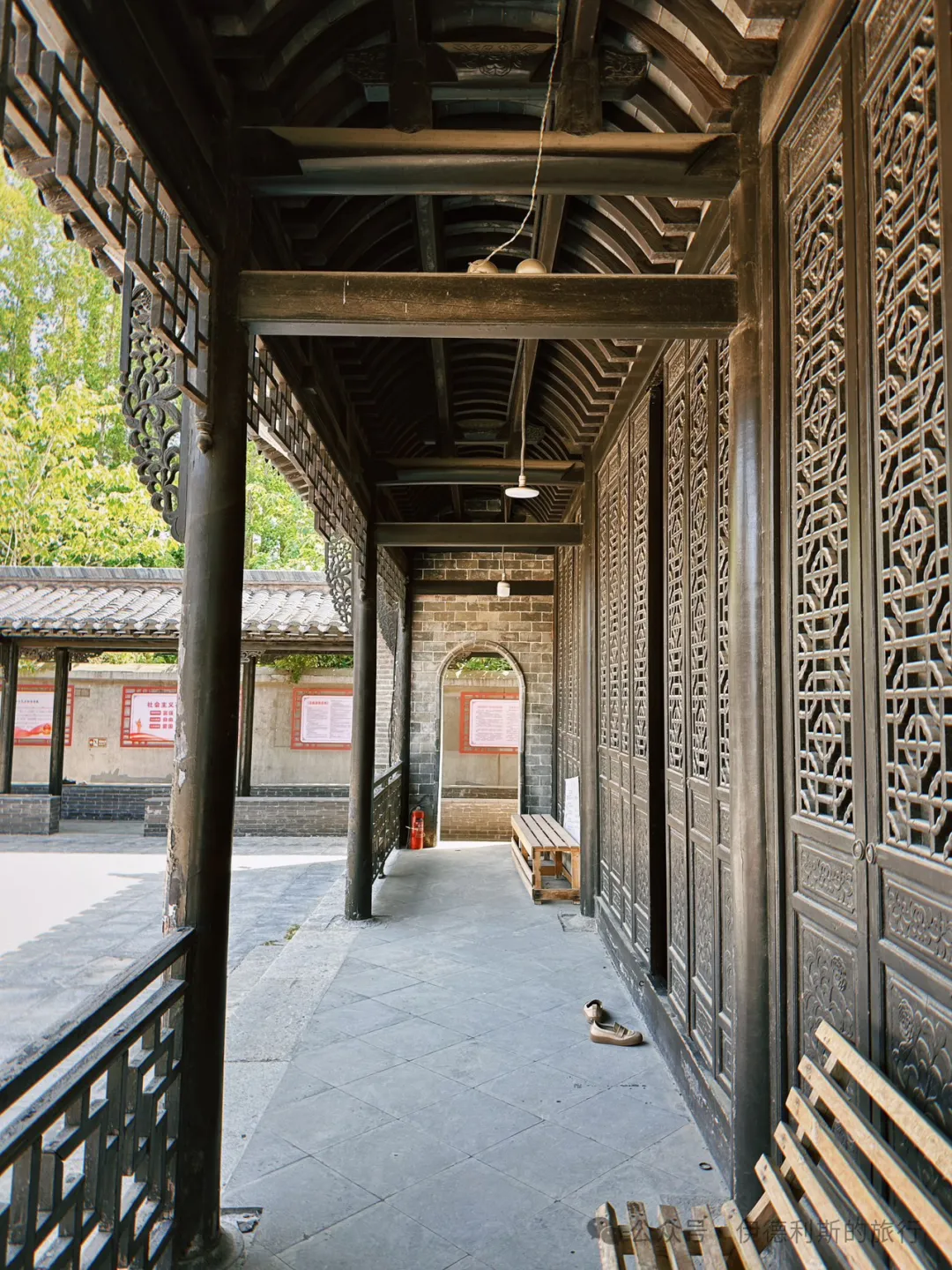
Hexia Mosque is located south of Luojia Bridge in Hexia Town. It was first built during the Shunzhi reign of the Qing Dynasty. In 1860, during the tenth year of the Xianfeng reign, the Nian Army captured Huaian and burned down ten rooms of the mosque, which were later rebuilt. The main hall of Hexia Mosque is a Qing Dynasty structure with blue bricks, dark tiles, and upturned eaves, showing a typical Jianghuai architectural style. It was listed as a cultural relic protection unit of Huaian City in 2006.
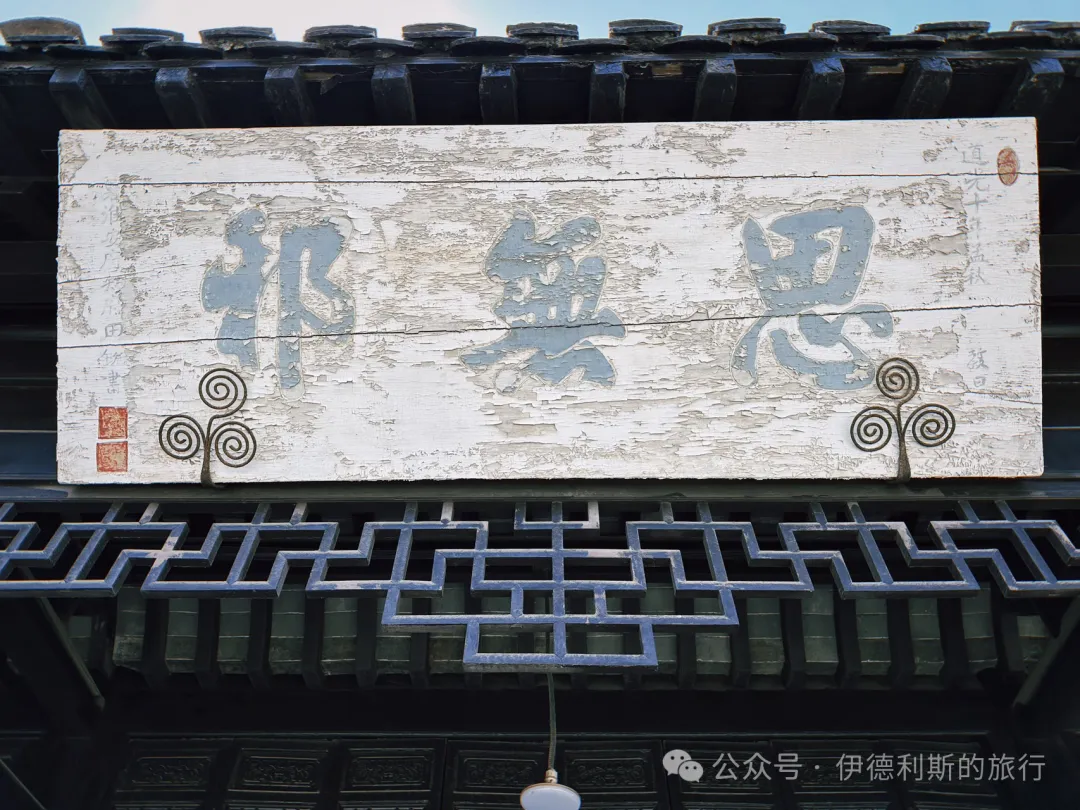
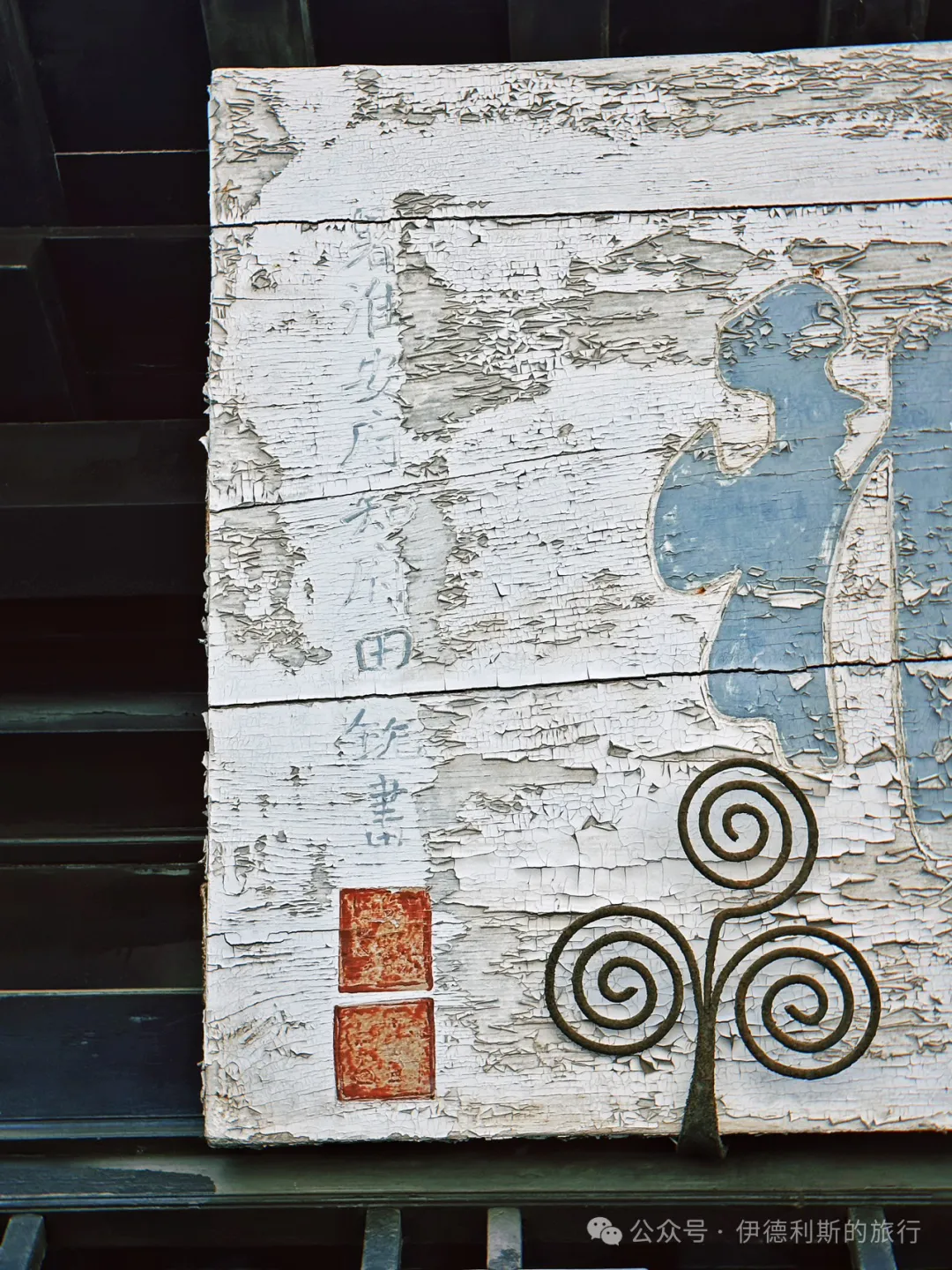
Above the main hall door hangs a chestnut wood plaque inscribed with the words Si Wu Xie (Thinking Without Evil), written by Tian Rui, the acting prefect of Huaian in the tenth year of the Daoguang reign. Plaques originally on both sides, inscribed by anti-Japanese hero Zuo Baogui and Yunnan Commander Ma Chang'an, were destroyed after the 1960s.
The imam (ahong) of the mosque usually stays at a nearby beef and mutton shop. If you call the number posted on the mosque gate, he will come over to open it.
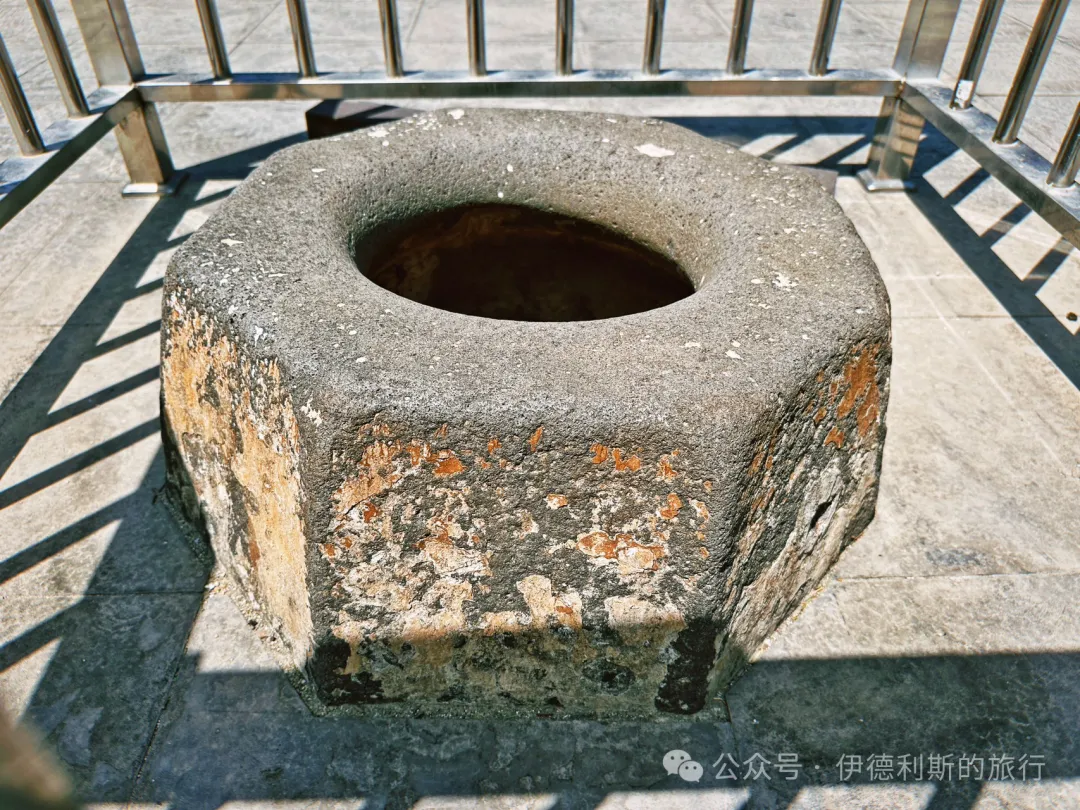
An ancient well dug in the early Qing Dynasty.
Wangjiaying Mosque.
Wangjiaying in Huaian is located between the old course of the Yellow River and the Salt River. During the Ming Dynasty, the Dahe Guard was established in Huaian Prefecture, and ten military camps were built along the Yellow River. Wangjiaying was one of them. Because travel on the Yellow River section of the canal was slow and passing through locks was dangerous, often leading to broken cables and sunken boats, many merchants chose to leave their boats at Qingjiangpu. They would cross the Yellow River at Wangjiaying and switch to horse-drawn carriages to continue north. Wangjiaying and Qingjiangpu gradually grew into a busy town together.
Wangjiaying experienced many floods from the Yellow River, and the town moved east three times before reaching its current location. In 1831, the eleventh year of the Daoguang reign, Viceroy Tao Peng chose Wangjiaying as the new distribution center for Huaian salt. After that, eighteen salt warehouses and seventy-two salt bureaus were opened in Wangjiaying. Salt boats traveled back and forth every day along the three-hundred-li waterway from the Huaibei salt fields to Wangjiaying.
The prosperity of Wangjiaying attracted a steady stream of Hui Muslims to settle there. The first Hui Muslims to arrive in Wangjiaying were the Ma and Sha families, who came via Lingwu County in Ningxia, Shandong, and Zhenjiang. Later, Hui Muslims with the surnames Jin, Dai, Chang, Ge, Fan, Li, and Yang also settled here.
Wangjiaying Mosque was first built during the Yongzheng reign. It started as three thatched rooms next to the Lotus Pond at Wangjiapo. After Wangjiaying became a salt distribution center in the late Daoguang reign, the mosque moved to the south bank of the Salt River, with imams Chang Tingzhang and Dai Mingxuan in charge of religious affairs. Imam Chang Tingzhang, known as Third Master Chang, was originally from Jining, Shandong. He was born in 1785, the fiftieth year of the Qianlong reign, in Taoyuan County, Huaian Prefecture, Jiangsu (now Siyang). In his youth, he studied in Lingzhou (now Lingwu County, Ningxia) and continued his religious studies in Jining, Shandong, after completing his initial training. In 1810, the fifth year of the Jiaqing reign, the 26-year-old Imam Chang Tingzhang was invited to Wangjiaying Mosque to lead religious affairs. Imam Chang Tingzhang had deep knowledge of Arabic classics, astronomy, and medical theory. According to the Wangjiaying Annals, a man named Third Master Tao from Hangzhou died in Huaian during the Daoguang reign. Because it was the heat of midsummer, Imam Chang Tingzhang personally bought a boat and traveled south along the canal to escort the body back to Hangzhou to fulfill his duty to the family.
In 1860 (the 10th year of the Xianfeng reign), the Nian Army burned down the Wangjiaying Mosque. In 1867 (the 6th year of the Tongzhi reign), Imam Dai Jingzhai, the son of Imam Dai Mingxuan, built a few thatched huts. Later, with donations from the community, they built a main prayer hall with three rooms made of grass.
After Imam Chang Tingzhang passed away in 1870 (the 9th year of the Tongzhi reign), Imam Dai Jingzhai took charge of religious affairs. In 1884 (the 10th year of the Guangxu reign), he replaced the grass-roofed building with a tiled one. Because Imam Chang Tingzhang had studied at the Jahriyya Banqiao Daotang in Jinjibu, Lingwu County, Ningxia, when he was young, the Wangjiaying Mosque later invited five successive Jahriyya imams from Jinjibu to lead religious services and teach. Subsequent imams also went to Ningxia for further study, making Wangjiaying Mosque one of the nine branch centers of the Banqiao Daotang.
In 1912, the Wangjiaying Mosque built a new main gate, a south lecture hall, a kitchen, and a water room. In 1920, with funding from the Jinshan Tang in Gansu and money from selling dozens of willow trees from the public cemetery, they rebuilt the three-room tiled porch in front of the main hall and added three new rooms for the east lecture hall. Currently, there is a stone tablet from 1920 commemorating the Republic of China renovation on the inner north wall of the main hall, but the top part is covered.
In 1958, the Wangjiaying Mosque moved to the east side of the West Horse Road in Wangying. In 1961, it moved to its current location because the land was requisitioned for a bank building. During the destruction of the Four Olds, the main hall's plaques reading "The Way Spreads in the Central Land," "The Religion Follows the Western Regions," and "Stop at the Ultimate Good," along with the gold-lettered Arabic plaques and the couplet reading "See the formless, hear the soundless, rectify the intention and be sincere, become a sage and a worthy, the original nature;" “The Way stands here, movement brings harmony, reach others through oneself, benefit the people and the world, the land is complete” were all smashed and burned. Funeral supplies were also destroyed, and the main hall was used as a warehouse by a shoe and hat factory.
In 1979, under the leadership of Imam Ge Weili, the Wangjiaying Mosque was rebuilt in a traditional style. It was completed in 1985 and underwent two more renovations and expansions in 2003 and 2006, resulting in its current appearance.
Imam Ge Weili was born in 1924. He went to Ningxia to study in 1937. After completing his training and receiving his credentials in 1945, he became the imam of Wangjiaying Mosque and took on the role of imam in 1966. The religious work at Wangjiaying Mosque is now handled by Imam Fan Weiming, a student of Imam Ge Weili.
The Republic of China era inscription reads as follows:
The Wangying Mosque was founded during the Yongzheng reign of the Qing Dynasty. By the end of the Daoguang reign, our community was at its peak. The population was large, and businesses were thriving. With the old Imams Chang Tingzhang and Dai Mingxuan leading religious affairs one after another, the lecture hall was always full, and many students were trained. This is recorded in the local history and can be verified. In the Gengshen year of the Xianfeng reign, the Nian rebellion suddenly occurred. The mosque was burned to the ground, our people fled or died, and the population gradually dwindled.
In the sixth year of the Tongzhi reign, Imam Dai Jingzhai, the son of the old Imam Dai Mingxuan, followed his father's teachings and took over the religious duties. He first built a few thatched huts to teach the faith morning and evening. However, for prayers, it was too simple and exposed to the elements; For gatherings, it was too small to hold everyone. The Imam was deeply worried about this. He persuaded people to donate and built a main prayer hall with three rooms made of grass. Later, he discussed it with Yang Xuting, Ma Yunfeng, and Guo Daosheng. With their help, in the tenth year of the Guangxu reign, they rebuilt the tiled main hall and lecture halls, and things began to return to normal. As more of our people lived here, the original public cemetery became crowded, and after many years, there was almost no space left. The Imam was concerned that there were few cemeteries for the community, and whenever a major funeral occurred, it was difficult to manage. He planned to buy a piece of land to provide for the future. He got the agreement of Mr. Ma Yunfeng, but before the matter was finished, Mr. Ma passed away. What a pity! Fortunately, Mr. Ma's brother, Runzhi, carried out his brother's wishes. With the strong support of the village elder Mr. Li Yunpo, they set aside differences, raised funds, and bought two new cemeteries. The benefits provided by the imam (ahong) to our people are thorough and complete. This is largely due to the support of those passionate about public welfare, but it is also the result of the imam's decades of solitary, painstaking effort and his sincere devotion.
In the first year of the Republic of China (1912), we worked to continue the legacy of our predecessors by adding a main gate, a south lecture hall, and a kitchen. Mr. Ge Ziming funded the construction of the washroom (shuifang) with a donation of several hundred thousand. We also invited Imam Wang Pinqing from Gansu Province to teach scripture. Visitors from all over who came here always spoke highly of him. In recent years, wind and rain have damaged the buildings, and the main hall is at risk of collapsing. We met to discuss the situation and sold dozens of willow trees from the perimeter of the cemetery, raising over two hundred thousand. We also received a donation of many roof tiles and timber pieces from the Jinshan Hall in Gansu. We then built three tiled, curved-eave rooms in front of the main hall and fully repaired the surrounding walls, the three-room east lecture hall, and the courtyard of the inner gate. This massive project was completed through a combination of public funds and donations from afar. We feel ashamed that we lack the personal wealth to do more, but we share these details because, despite two hundred years of constant change, our mosque still stands tall. This is largely due to the efforts of our ancestors and village elders. We sincerely hope that future generations will remember the hardships of those who built this place and preserve it forever so it may last without decline. We have recorded the full story here.
July, the ninth year of the Republic of China (1920).
Jin Jiasheng, Jin Jialin, Guo Chunlin, Yang Fangtian.
Chang Bingkui, Li Shunjie, Chang Guanying, Mu Hongbin.
Jin Jiayuan, Ma Jianong, Fan Zhaofeng, Yang Guiyuan.
Ge Futang, Li Dianqing, Ma Jiarang, Mu Hong'en.
Ma Jialin, Ge Zhenqing, He Wenquan, Zhou Fengling.
Sha Faxiang, Liu Lianyuan, Zhou Riyang, Mu Hongye.
Yancheng Mosque.
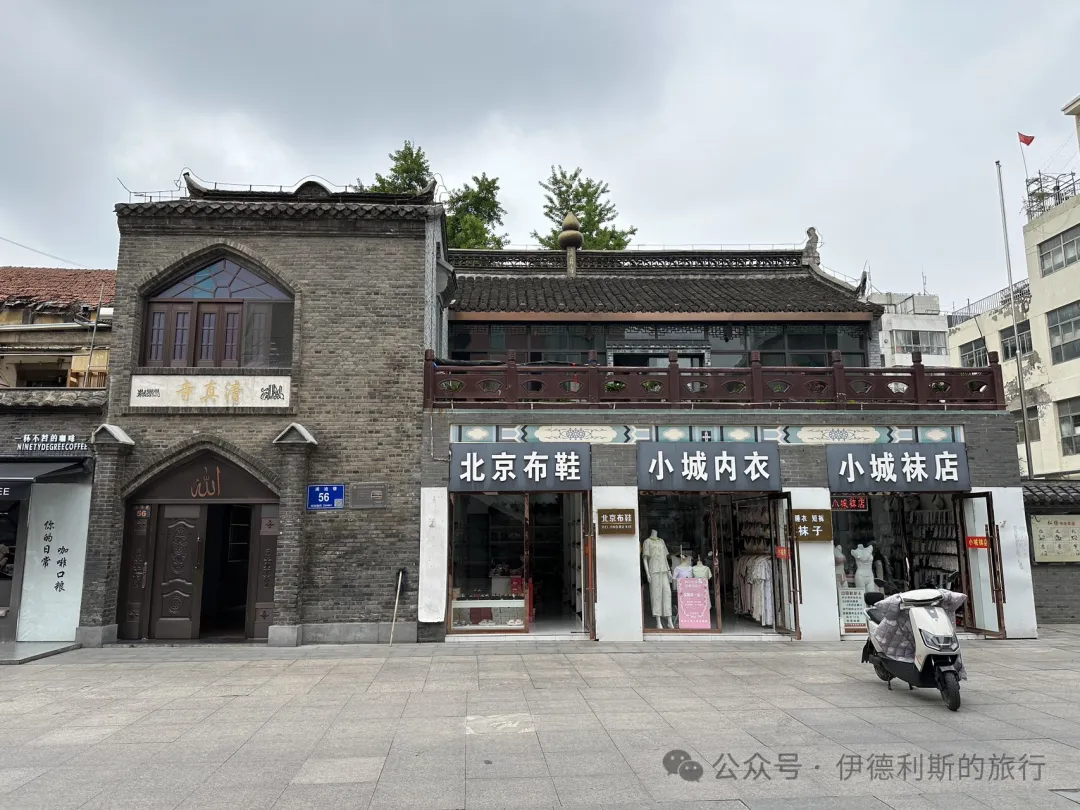
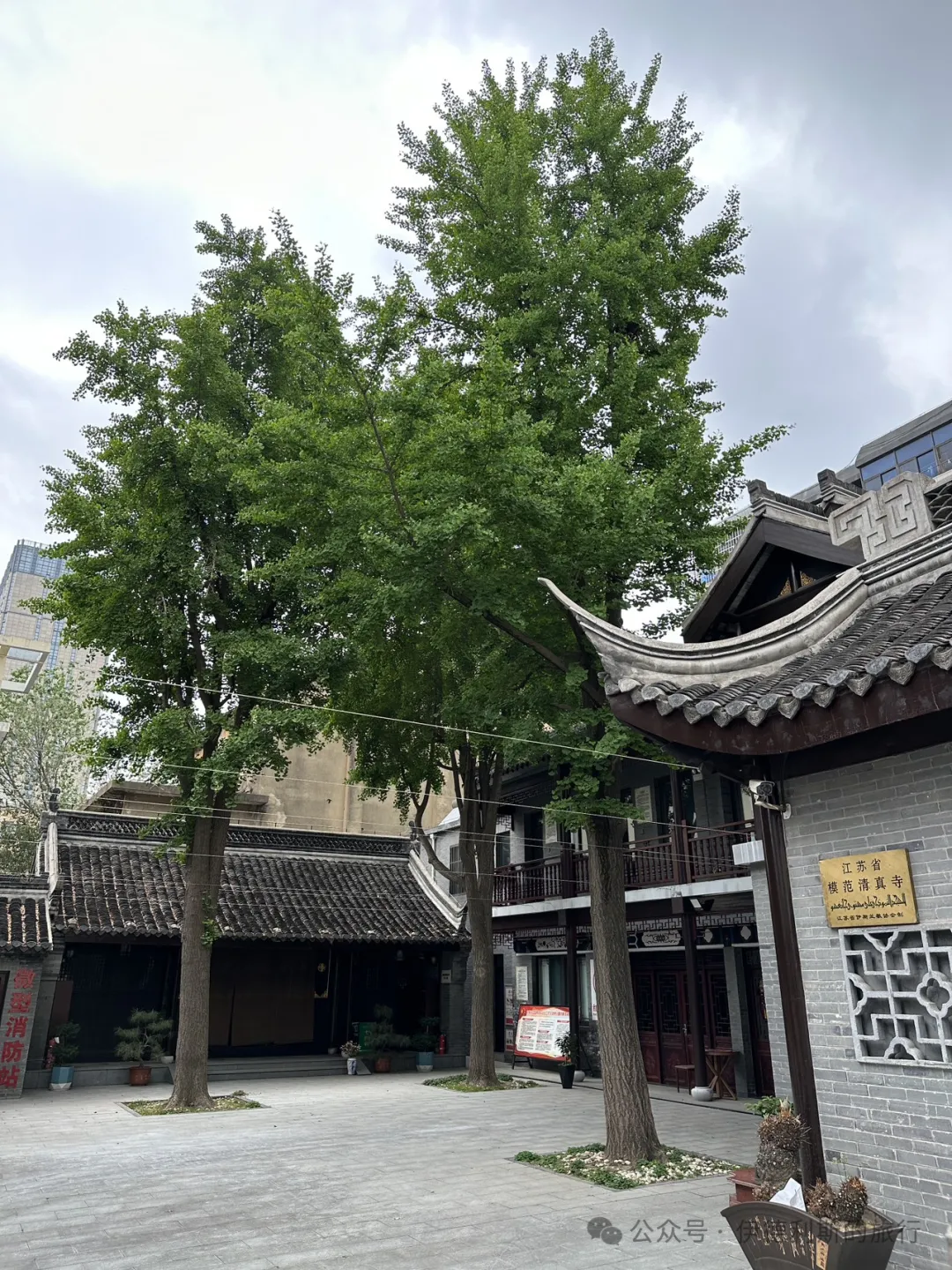
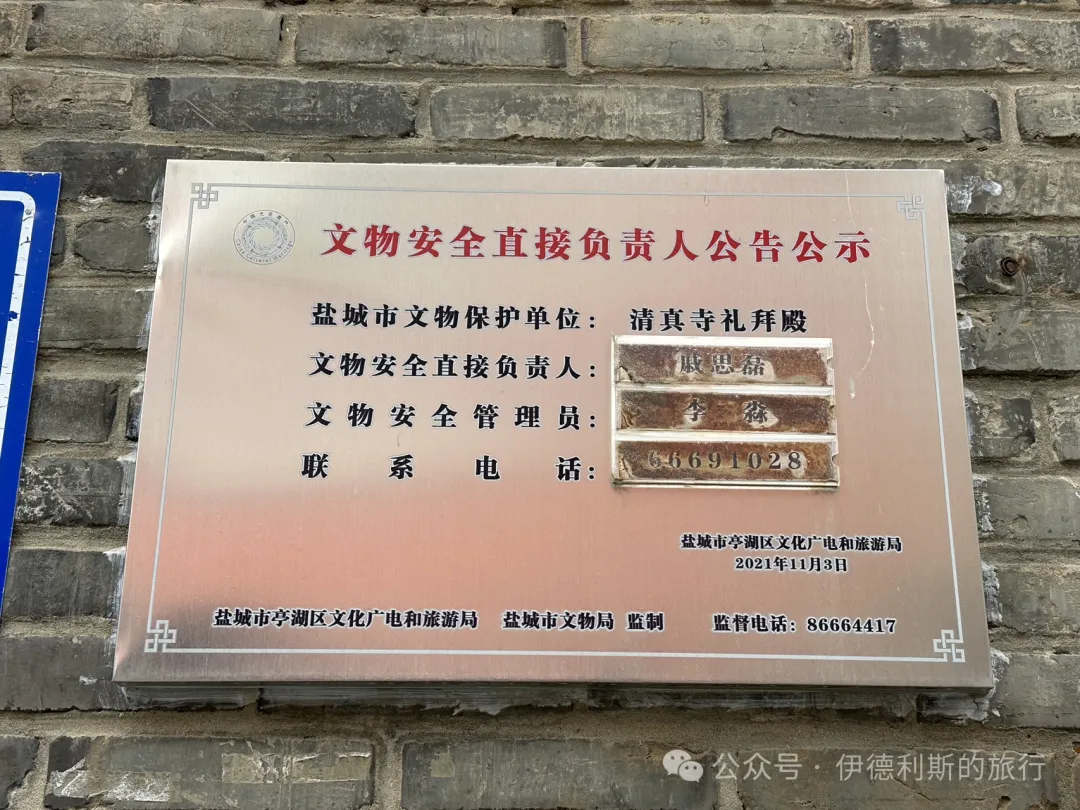
Yancheng Mosque is located on Xicang Lane (historically called Xicang) in the Yancheng urban area. It was first built during the Yongle period of the Ming Dynasty as three thatched rooms by five Hui Muslim families: the Ha, Huo, Ding, Liu, and Xue families. It was expanded in 1720 (the 59th year of the Kangxi reign) and rebuilt again in 1928 into the current brick-and-wood main hall.
The Republic-era 'Continued Records of Yancheng County' states: 'The mosque is located on Xicang Street in the city. It was founded during the Ming Yongle period. In the 59th year of the Qing Kangxi reign, land was purchased to expand it, and it was renamed the Mosque (Qingzhensi). Recently, it was renamed the Hui Church (Huijiaotang). The leader of the faith is called an imam (ahong).' In the second year of the Republic of China (1913), the Yancheng branch of the Jiangsu Islamic Association was established. In the 18th year (1929), it was renamed the Yancheng branch of the Chinese Islamic Association.
During the War of Resistance Against Japan, Yancheng Mosque suffered two disasters. On March 30, 1938, it was bombed by the Japanese military. On April 26 of the same year, the Japanese military occupied Yancheng and set fire to the city. Except for the main hall, which survived, all other buildings were destroyed.
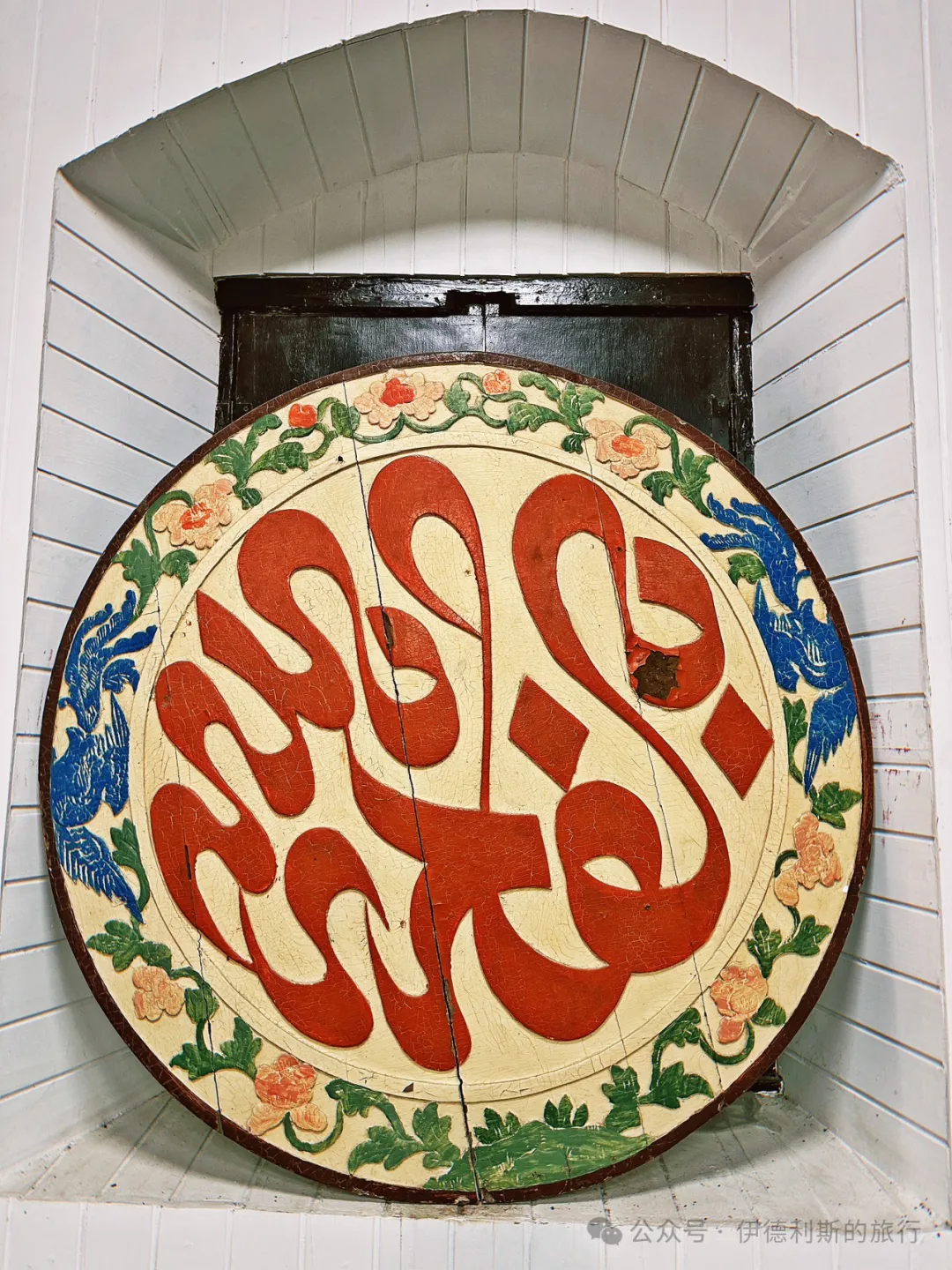
The main hall of Yancheng Mosque features traditional Jiangsu architectural style, with flying eaves in the front and a kiln-style niche (yaowo) in the back. The main hall still preserves the original wood-carved circular frame featuring a dua, which is very exquisite. According to Imam Xue Long from Zhenjiang, the inscriptions on the top and bottom of the main hall plaque use Arabic, Persian, and Xiao'erjing. They translate to: Completed on an auspicious day in the eighth lunar month of the 17th year of the Republic of China, respectfully erected by Abdullah Yang Luji. This is very precious.
The imam of Yancheng Mosque from 1936 to 1979 was Bai Hanzhang. Imam Bai was from Minquan, Henan. He graduated from the Beijing Niujie Islamic Institute in 1922. Later, he served as an imam in Jurong, Zhenjiang, and Nantong, Jiangsu. He became the imam of Yancheng Mosque in 1936 and served there until he passed away in 1979.
Baoying Mosque
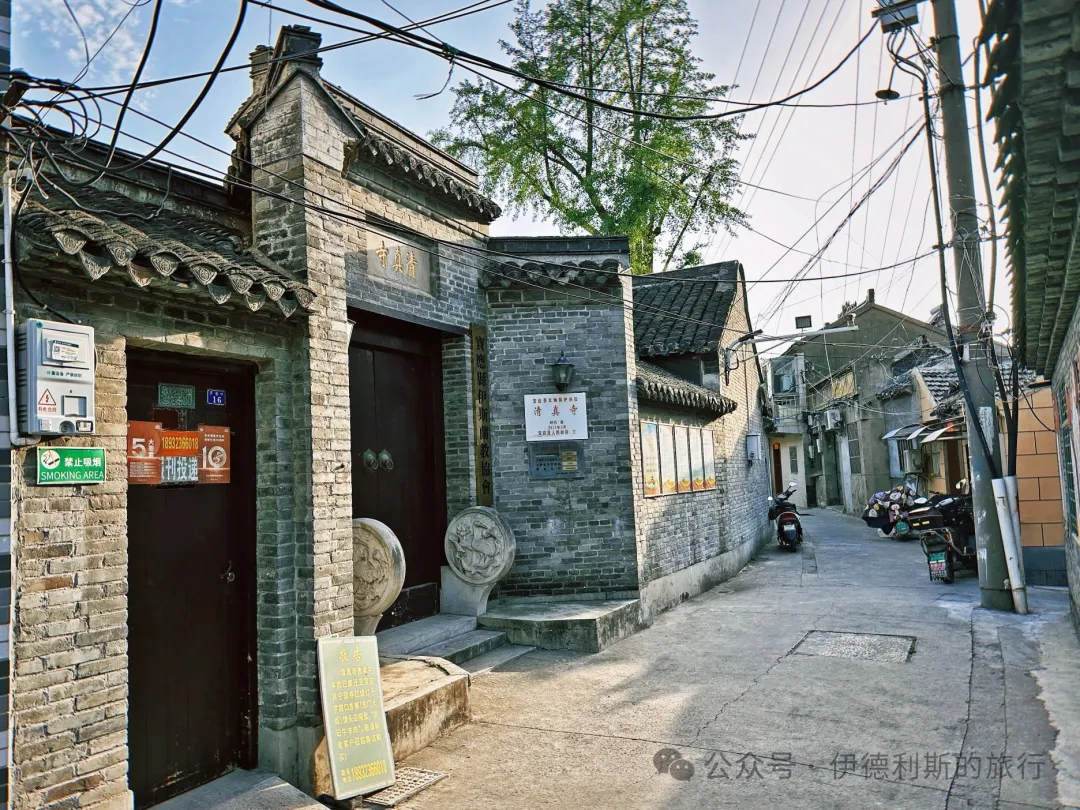
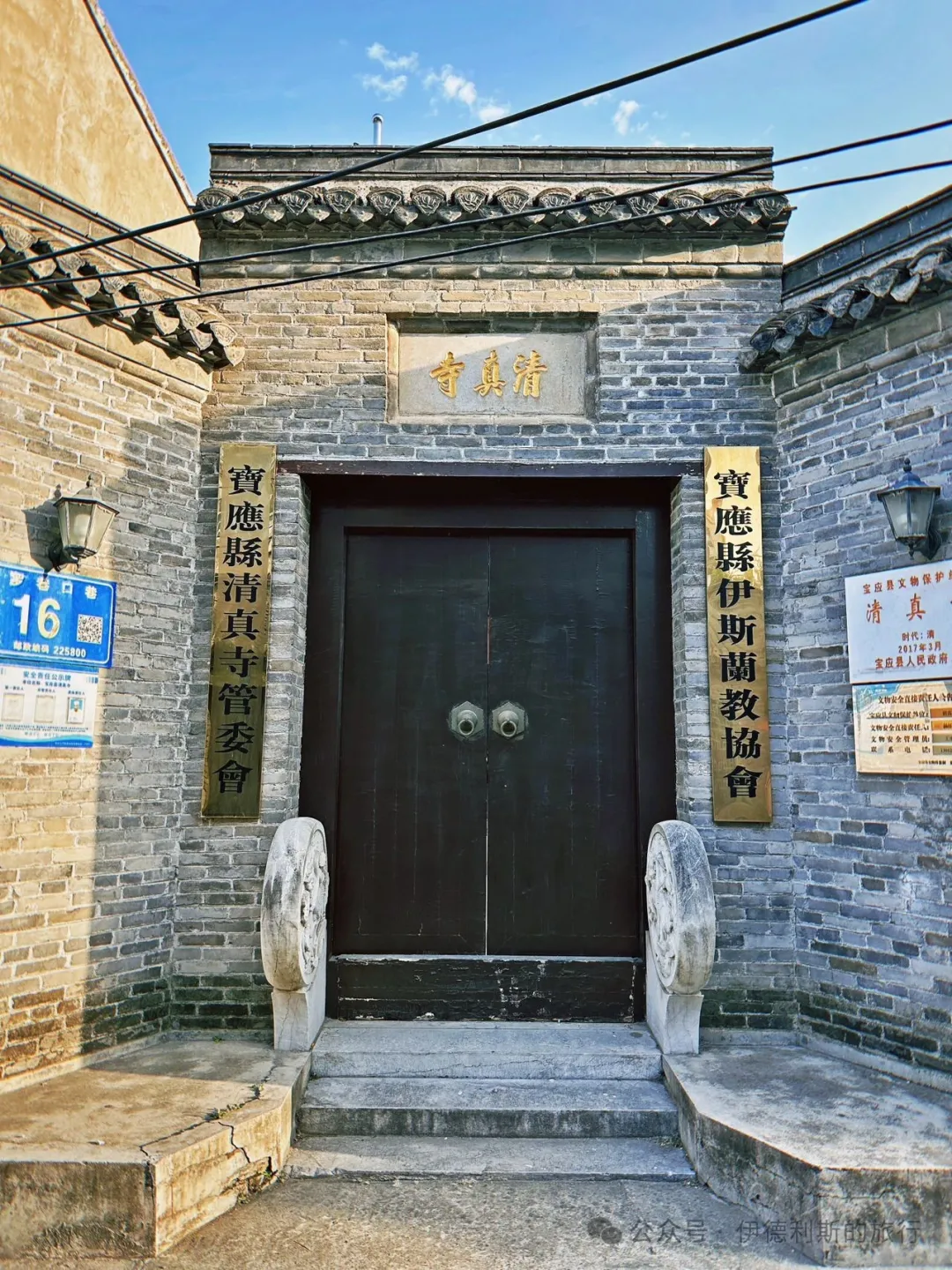
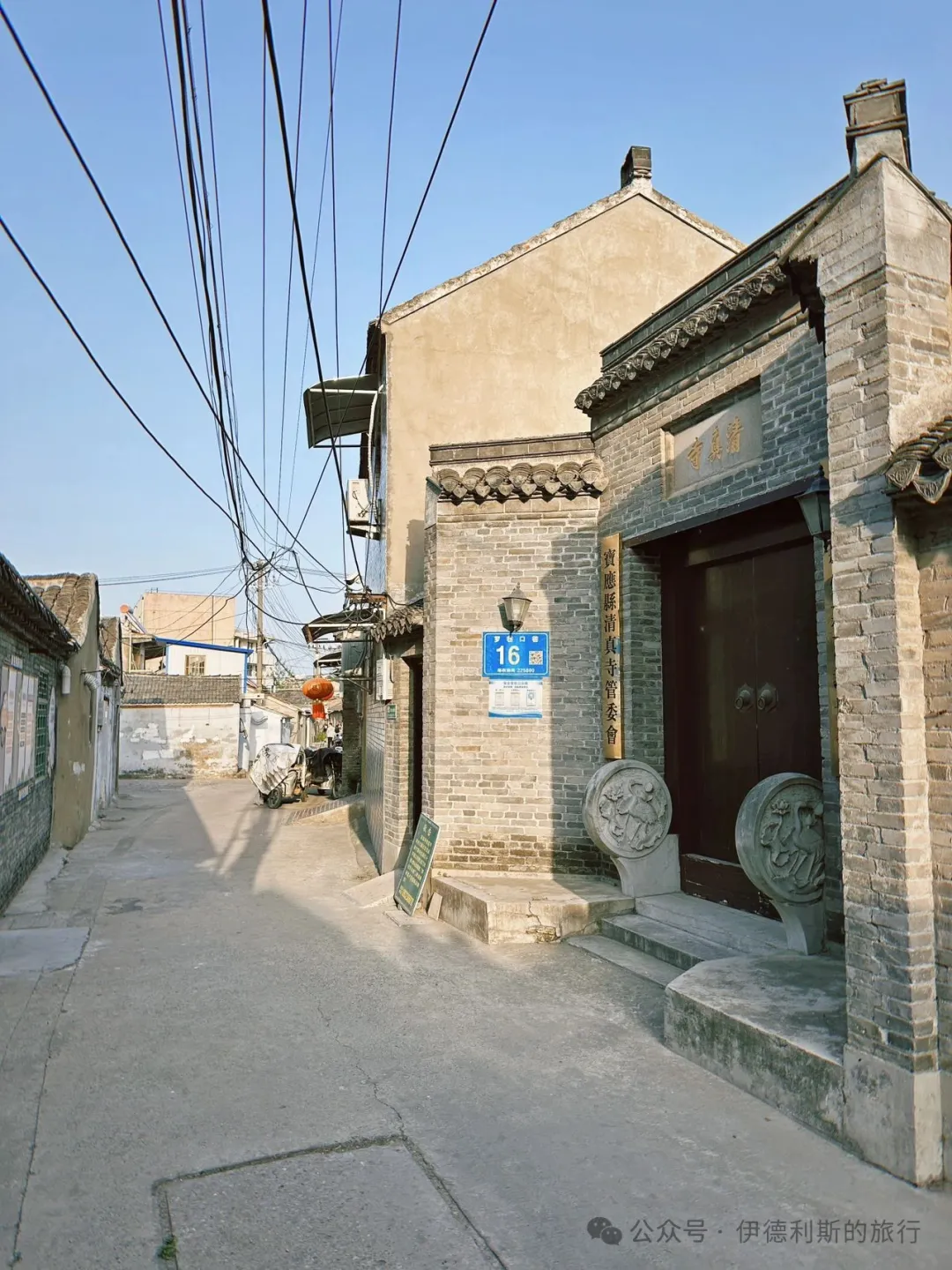
Baoying Mosque was originally located in Guojia Lane inside the east gate of the county town. Its founding date is unknown. It was rebuilt in 1910 (the second year of the Xuantong reign) at the entrance of Luoxiang Lane at the foot of the south city wall. With the help of Tao, the wife of anti-Japanese hero Zuo Baogui, and led by Imam Zhao Dezhai and others, many people including the Gao Mu Ma Jin family from Shandong, Anhui, Zhejiang, Huaiyin, Yangzhou, Yancheng, and Baoying raised funds to complete it in 1914. Baoying Mosque closed after 1958. It was rebuilt on the original site in 2002 and officially opened in 2006.
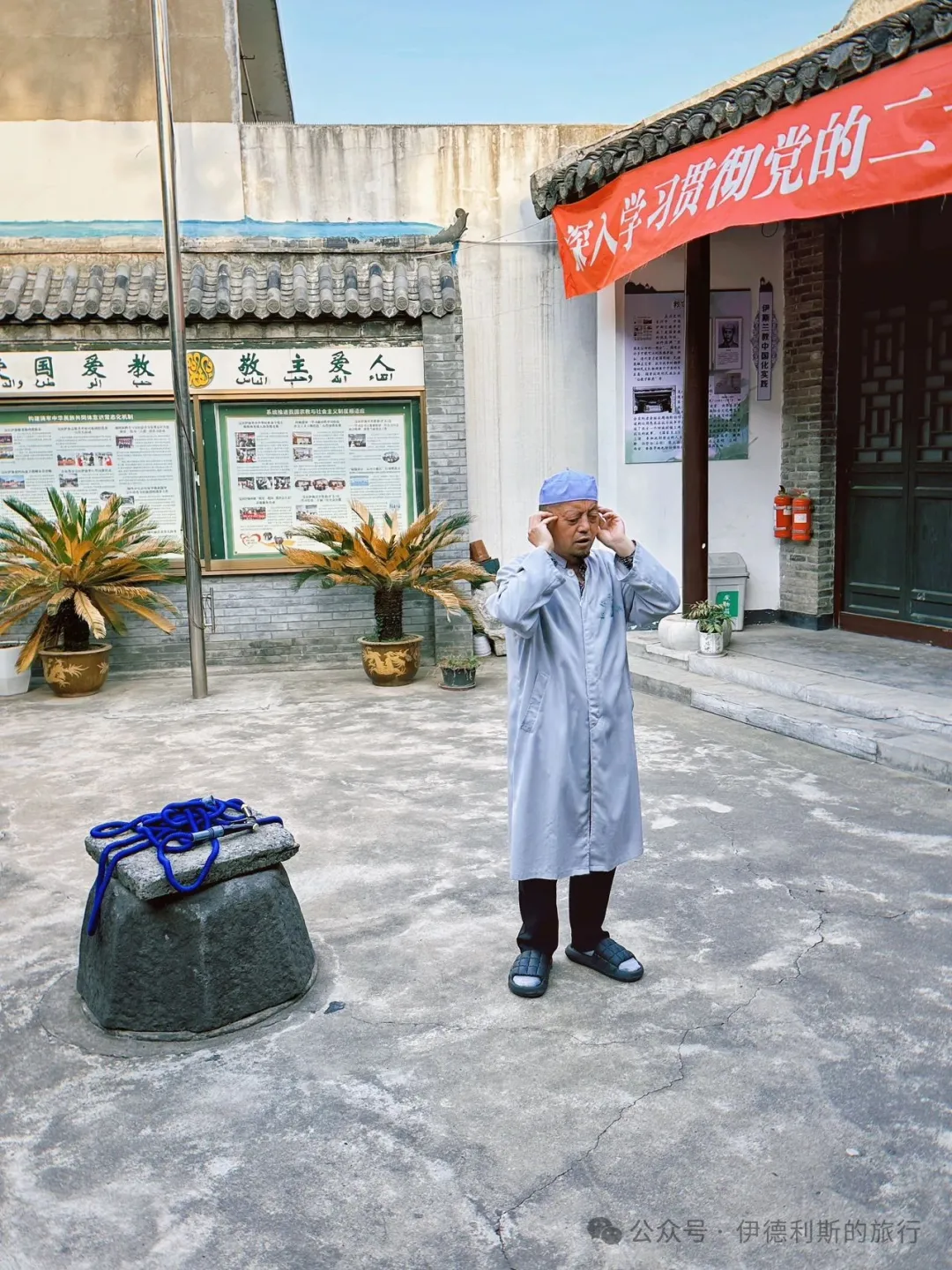
Baoying Mosque still has the water well dug during the 1910 construction and the ginkgo tree planted at that time. Imam Li at the mosque is from Siyang, Jiangsu. He usually runs the nearby Li's Beef and Mutton shop. If you want to enter the mosque, just call the number on his door. Imam Li is very welcoming. He says that Baoying Mosque still has some local Gao Mu who come to the mosque for Friday Jumu'ah prayers, which is better than some mosques where almost all the attendees are friends (dost) from the Northwest. Imam Li comes from the Zhepai Banqiao Daotang, but he treats all sects equally, and the religious community in Baoying County is very united. view all
Summary: This first part of the Jiangsu mosque series documents historic Hui Muslim mosque sites in northern Jiangsu, including Yanghe Mosque, Siyang Mosque, Siyang West Mosque, Shuyang Mosque, Hexia Mosque, Wangjiaying Mosque, Yancheng Mosque, and Baoying Mosque. The article preserves the original mosque names, founding dates, community histories, inscriptions, architectural details, and image order.
I am sharing the 25 historic mosque buildings I have visited in Jiangsu, moving from north to south.
1. Suqian
1. Yanghe Mosque (Yanghesi): First built during the Qianlong reign, rebuilt after 1945.
2. Huai'an
1. Qingjiang Mosque (Qingjiangsi): First built during the Jiajing reign of the Ming Dynasty, rebuilt in 1870.
2. Hexia Mosque (Hexiasi): First built during the Shunzhi reign of the Qing Dynasty, rebuilt in the late Qing Dynasty.
3. Wangjiaying Mosque (Wangjiayingsi): First built during the Yongzheng reign of the Qing Dynasty, rebuilt in 1985.
3. Yancheng
1. Yancheng Mosque (Yanchengsi): Built during the Yongle reign of the Ming Dynasty, renovated in 1928.
4. Yangzhou
1. Baoying Mosque (Baoyingsi): Rebuilt in 1910, rebuilt again in 2022.
2. Gaoyou Mosque (Gaoyousi): Rebuilt in 1864.
3. Lingtang Ancient Mosque (Lingtang Gusi): First built at the end of the Yuan Dynasty, moved to its current site in the early Qing Dynasty, rebuilt in 1924.
4. Shaobo Mosque (Shaobosi): First built during the Xianfeng reign of the Qing Dynasty.
5. Xianhe Mosque (Xianhesi): First built in 1275, rebuilt in 1390.
6. Majian Lane Mosque (Majianxiang Libaisi): First built in 1714.
7. Huihui Tang Mosque (Huihuitangsi): First built in 1275, rebuilt in 1776.
5. Zhenjiang
1. Shanxiang Mosque (Shanxiangsi): Expanded during the Kangxi reign, rebuilt in 1873.
2. Jianzi Lane Mosque (Jianzixiangsi) Ming and Qing Dynasty stone carvings.
3. Nanmenwai Mosque (Nanmenwaisi) Qing Dynasty mihrab.
4. Xinhe Street Mosque (Xinhejie Huijiaotang): 1930.
6. Nanjing
1. Jingjue Mosque (Jingjuesi): First built during the Hongwu reign of the Ming Dynasty, rebuilt in 1877.
2. Original Taiping Road Mosque: First built in the early Ming Dynasty, moved and rebuilt in 2005.
3. Xiaowangfu Lane Mosque.
4. Hushu Mosque: First built in 1392, rebuilt in 1896.
5. Liuhe South Gate Mosque: First built in 1403, raised and renovated in 2013.
6. Liuhe Women's School: First built in 1912, rebuilt in 1930.
7. Liuhe Changjiang Road Mosque: First built in 1424, rebuilt during the Guangxu reign of the Qing Dynasty.
8. Zhuzhen Mosque: Rebuilt in 1901, renovated in 2001.
9. Zhuzhen Women's Mosque: First built in 1921, rebuilt in 1931.
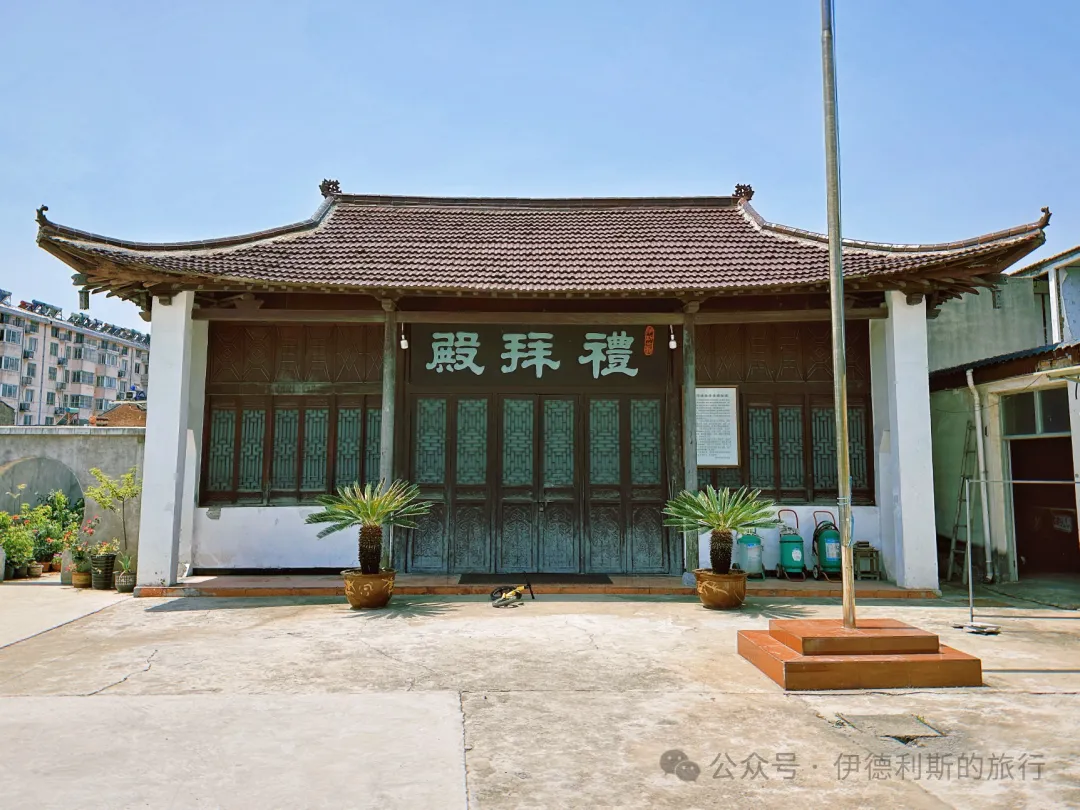
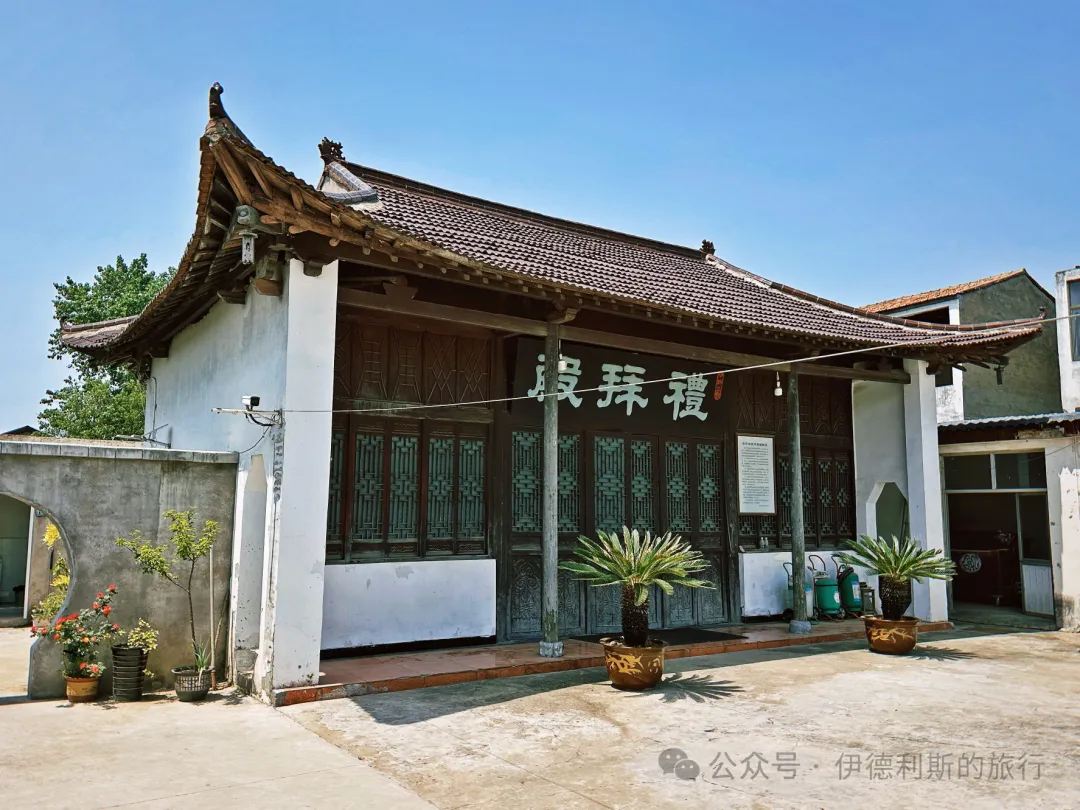
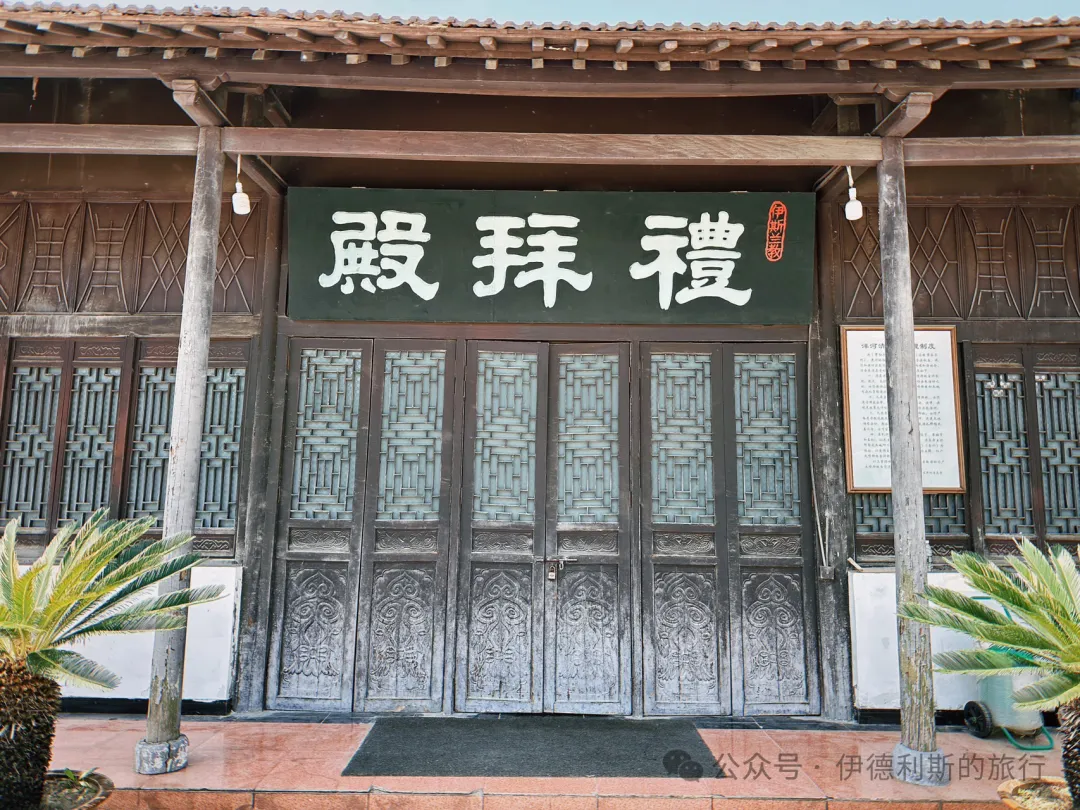
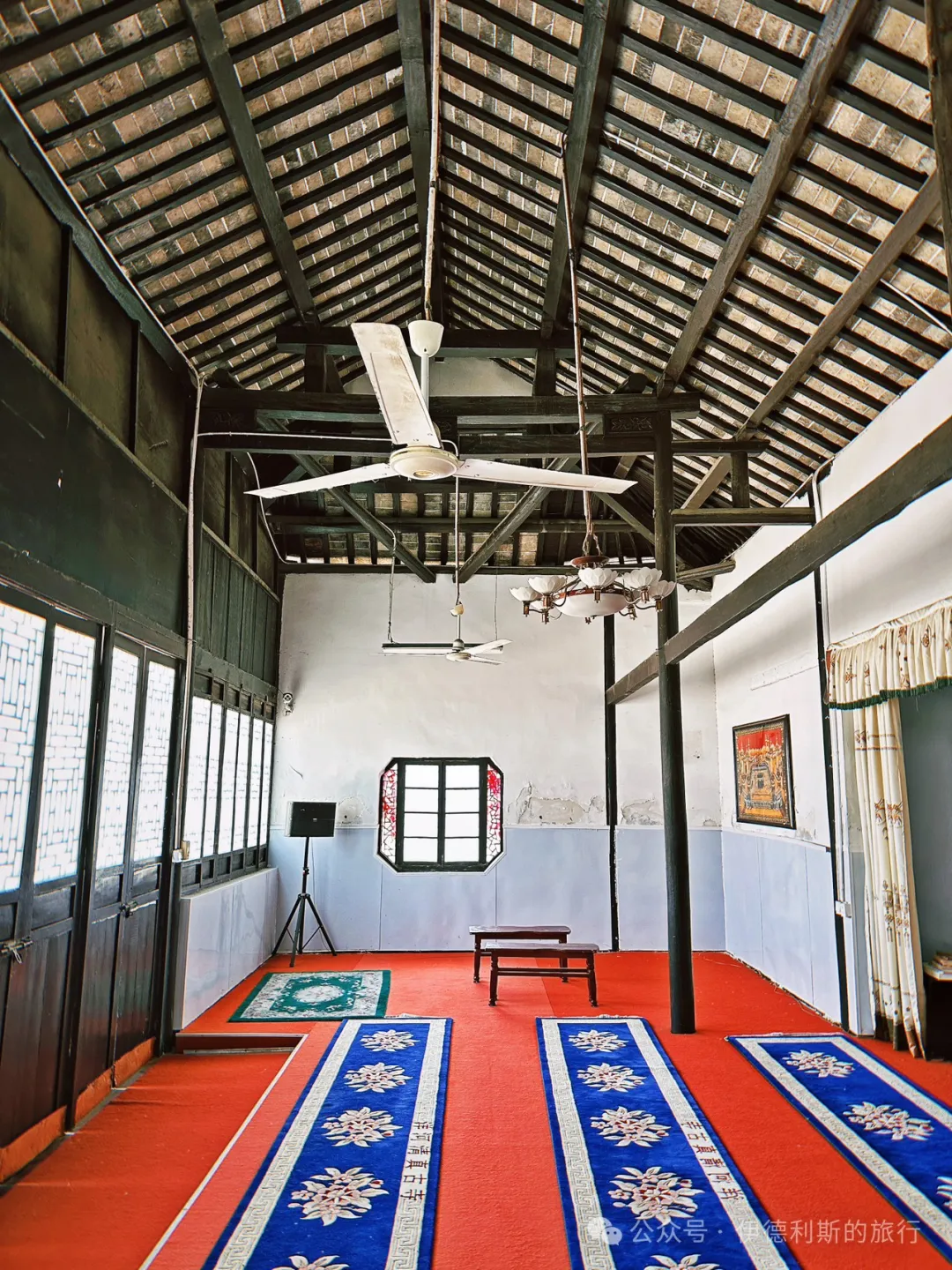
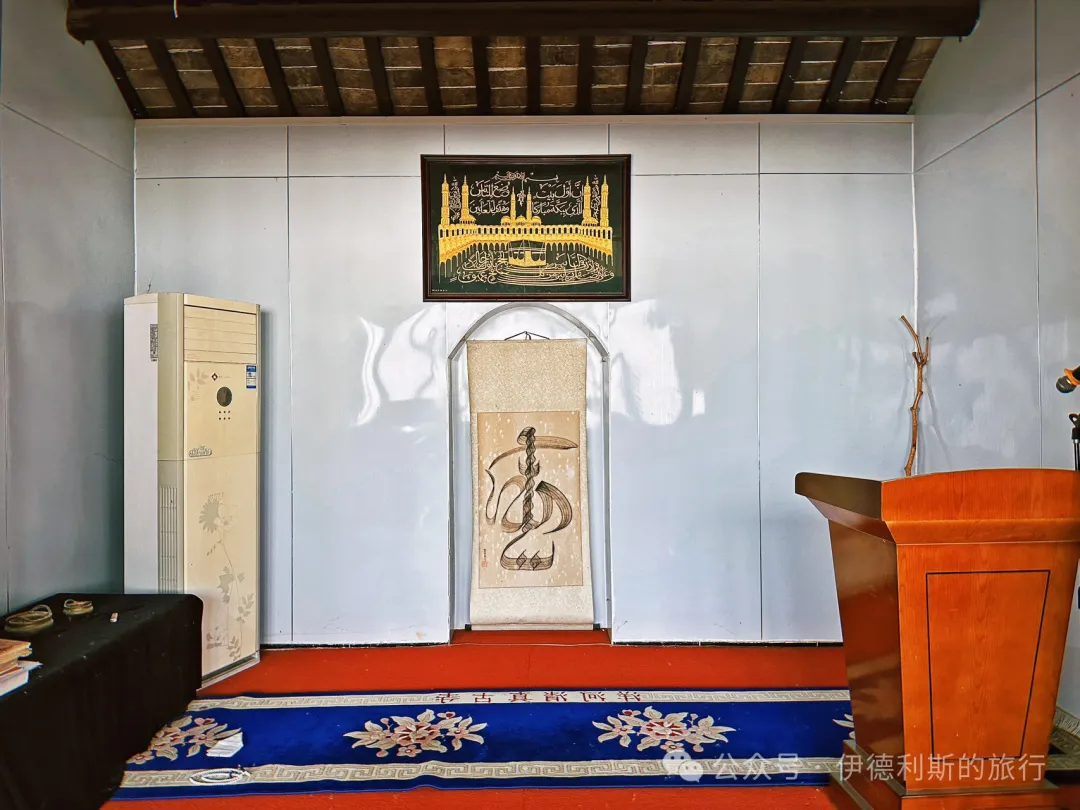
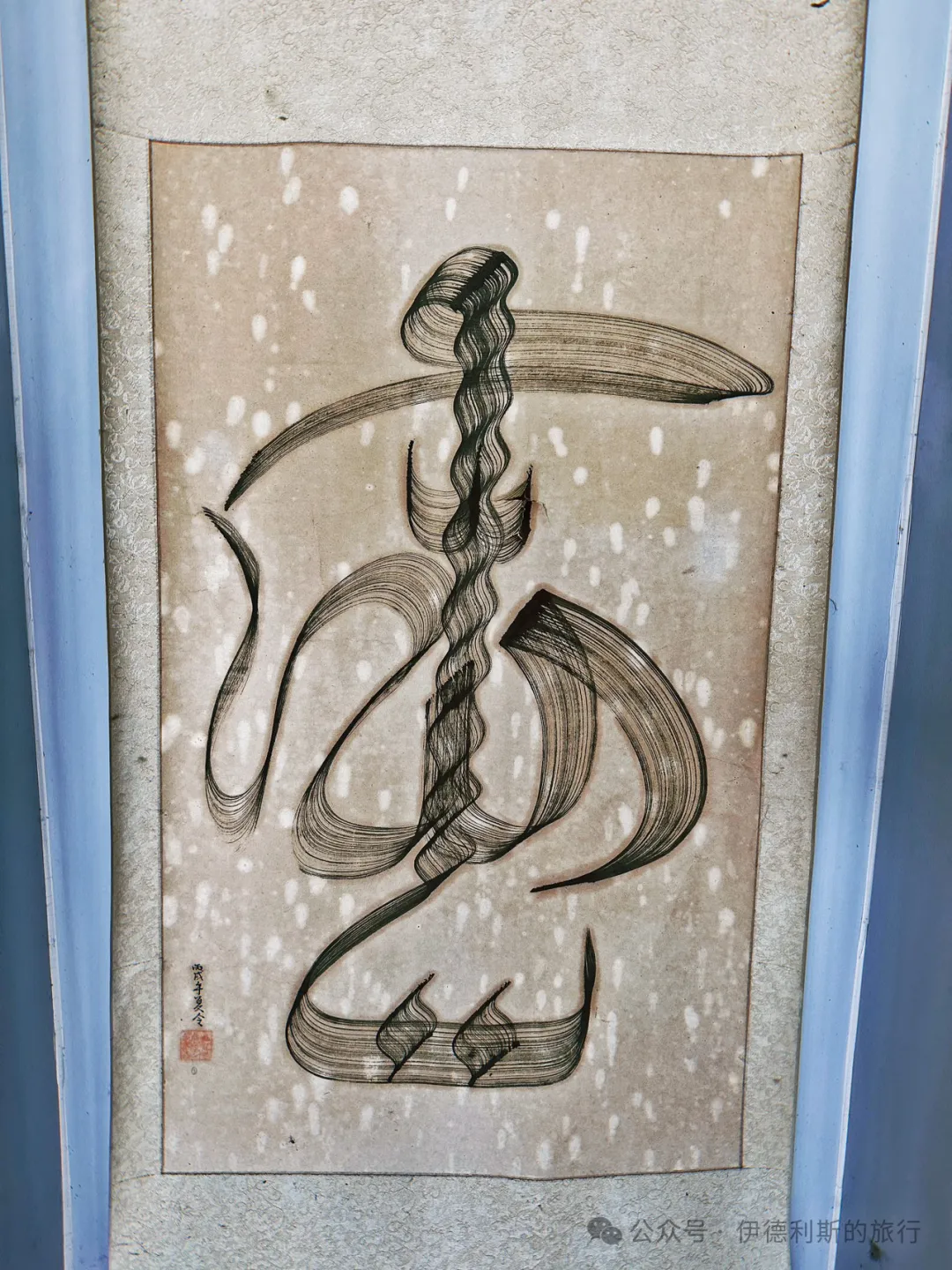
Suqian Yanghe Town Mosque.
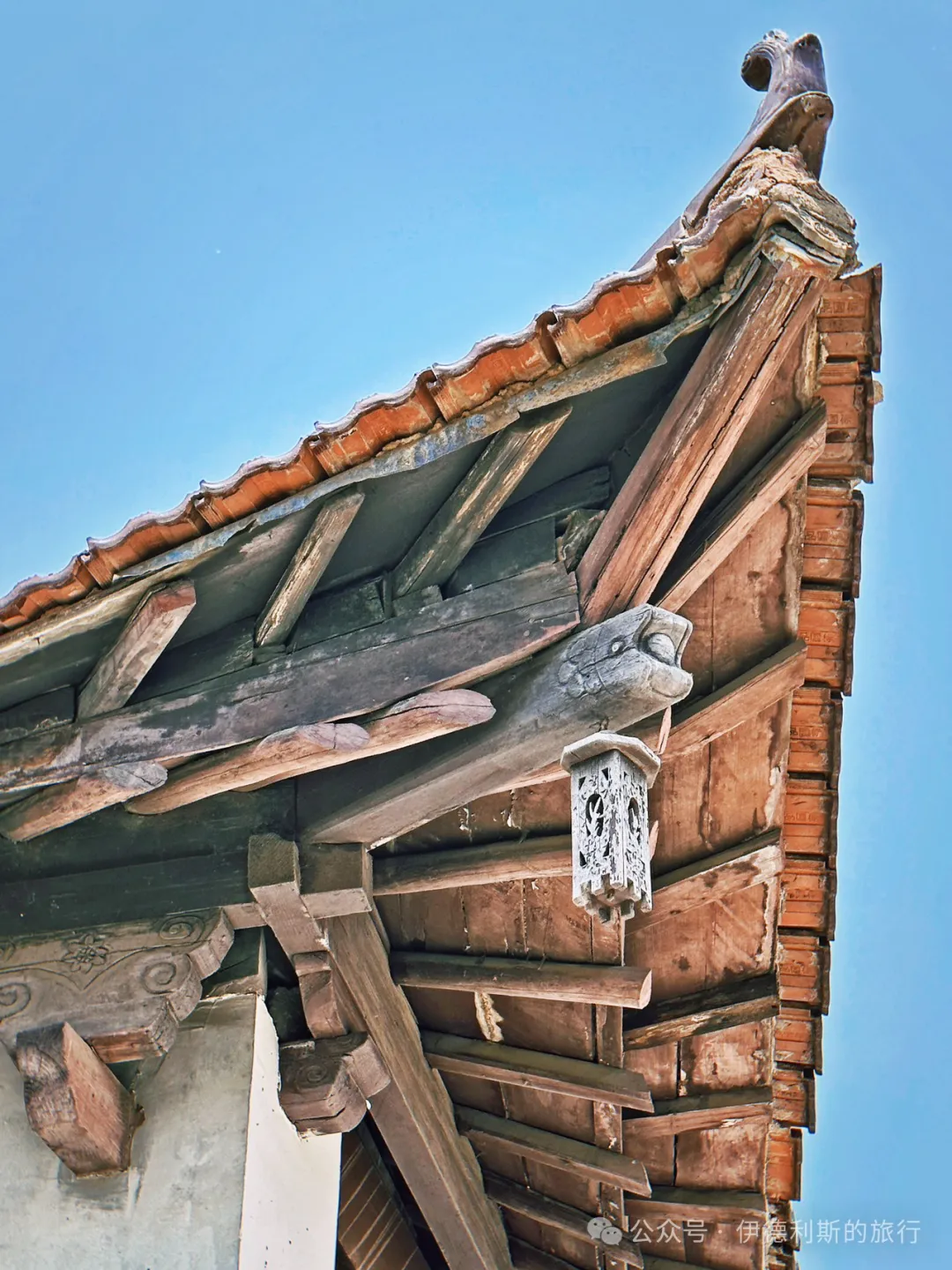
The Suqian Yanghe Town Mosque was first built during the Qianlong reign. It was funded by Yu Qin, a local scholar from Yanghe who had served as an education official in Lishui, Pizhou, and Ningguo, and was built on Rice Market Street in Yanghe. It was destroyed during the Japanese invasion and later rebuilt. The current main hall features a hip-and-gable roof, a post-and-lintel frame, and upturned eaves with wind bells hanging from the four corners. It was listed as a Suqian cultural heritage site in 2010.
Yanghe Town Mosque belongs to the Jahriyya Banqiao Daotang. During the Jiaqing reign of the Qing Dynasty, Chang Tingzhang (1785-1870), a Hui Muslim from Siyang, Jiangsu, traveled to Lingzhou (modern-day Lingwu) in Ningxia to study. After completing his studies, he brought the Jahriyya tradition to the Huai-Si region. Chang Tingzhang was famous far and wide for his profound knowledge and had many disciples when he began teaching at the Huaiyin Wangjiaying Mosque. Since then, mosques including the Huaiyin Wangjiaying Mosque, Siyang Zhongxing Town Mosque, and Yanghe Town Mosque have all followed the Jahriyya tradition. Before 1932, the imams of Yanghe Town Mosque were all assigned from Ningxia. After 1932, Imam Ma Chengliang served until he passed away in 1979.
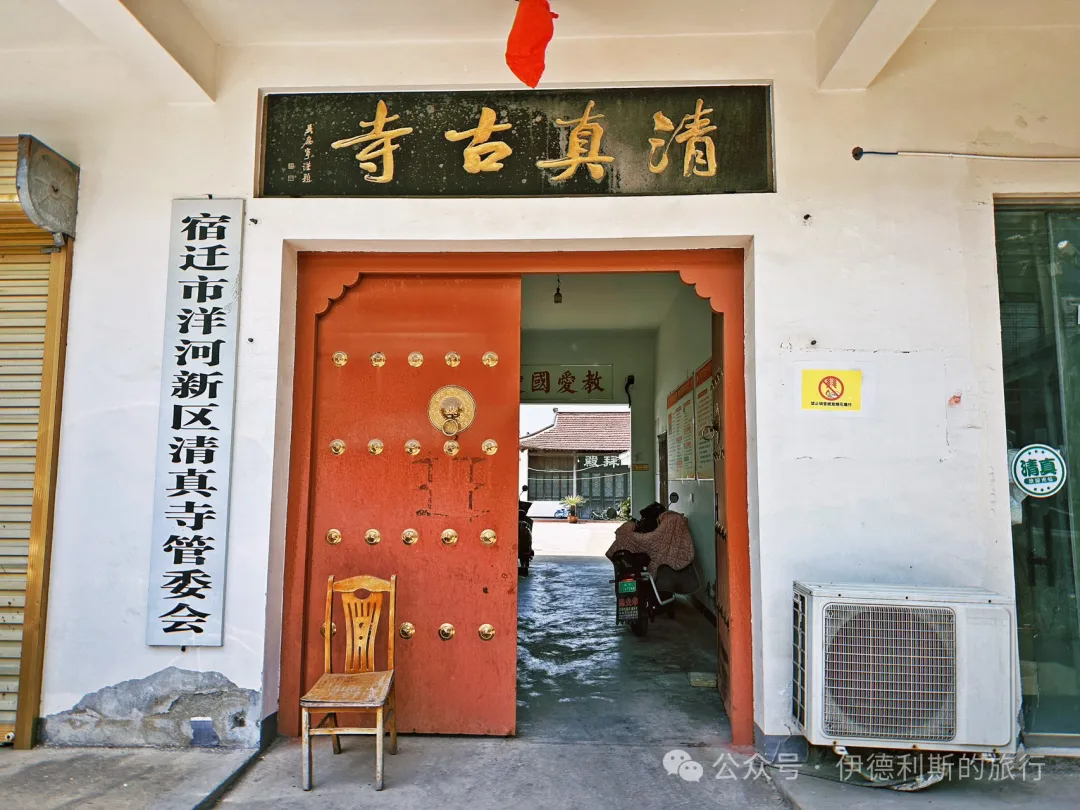
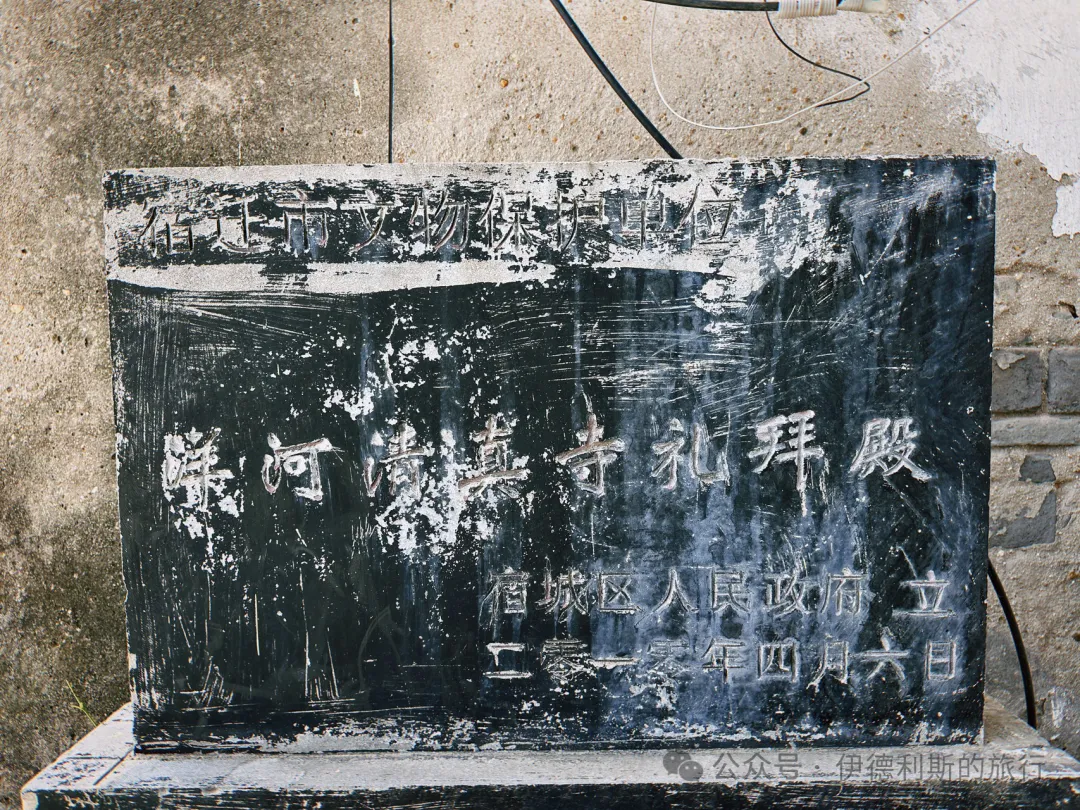
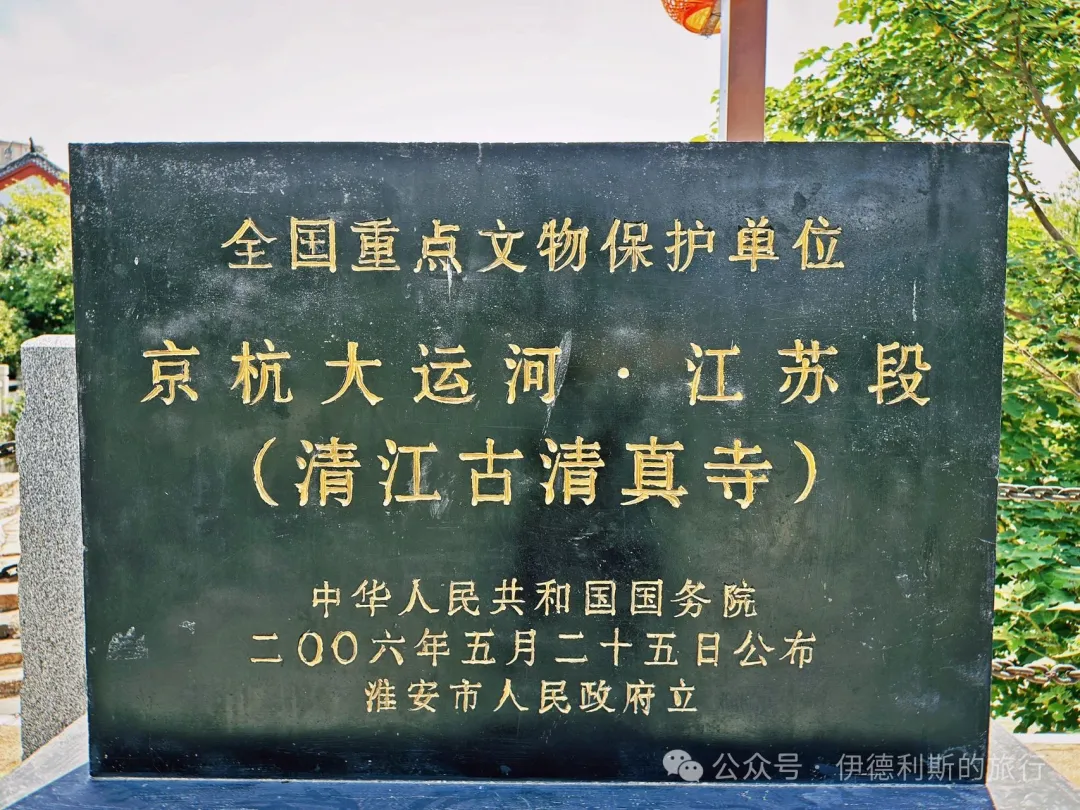
Huai'an Qingjiang Ancient Mosque.
Qingjiangpu in Huai'an was dredged in 1415 (the 13th year of the Yongle reign of the Ming Dynasty). It was the center of grain transport for the Grand Canal during the Ming and Qing dynasties, where grain transport ships from all provinces were built and repaired. Because navigating the Yellow River section of the canal was very dangerous, and waiting times to pass through locks in Shandong were too long, many merchants chose to leave their boats at Qingjiangpu. They would cross the Yellow River and switch to horse-drawn carriages to continue north, making Qingjiangpu a symbol of the "southern boats and northern horses" transport system.
The most important pier in Qingjiangpu was next to the Yue Lock. It was called the Imperial Pier because both Emperors Kangxi and Qianlong landed there during their southern inspection tours. This was once the busiest and most prosperous place in Qingjiangpu. Hui Muslims began doing business on Yuehe Street in front of the Imperial Pier during the Ming Dynasty, and the earliest Qingjiang Ancient Mosque was built during the Jiajing reign of the Ming Dynasty.
In 1677 (the 16th year of the Kangxi reign), the Governor of the Waterways moved to Qingjiangpu, and it became the center of grain transport. In his collection of notes and stories, Golden Pot Seven Inks (Jinhu Qimo), Qing Dynasty writer Huang Junzai recorded: 'Along the Qingjiang River for over ten miles, the markets were bustling and food was abundant. People from all directions gathered here, shoulder to shoulder and wheel to wheel, in a very prosperous scene.' In 1799 (the 57th year of the Qianlong reign), the Qingjiang Mosque (Qingjiang Gusi) underwent a large-scale expansion, marking the peak of its prosperity.
In 1860 (the 10th year of the Xianfeng reign), the Nian Army captured Qingjiangpu and the Qingjiang Mosque was destroyed. The imam, Ma Huanwen, sadly passed away from illness while preparing to raise funds for the mosque (nietie). Fortunately, an elder from Nanjing named Jiang Hengqing took over, organized the community to raise funds (nietie), and finally rebuilt the mosque in 1870 (the 9th year of the Tongzhi reign).
In 2006, the Beijing-Hangzhou Grand Canal was listed as a Major Historical and Cultural Site Protected at the National Level. Three historic mosques were included along the canal: the North Mosque in Linqing, the East Mosque in Linqing, and the Qingjiang Mosque in Huai'an. It can be said that the Hui Muslim community in Huai'an grew because of the canal and is inseparable from the canal's grain transport history.
Looking from the opposite bank of the Li Canal, you can see the gate of the Qingjiang Mosque right next to the Imperial Wharf ruins, helping you imagine what the busy grain transport days looked like.
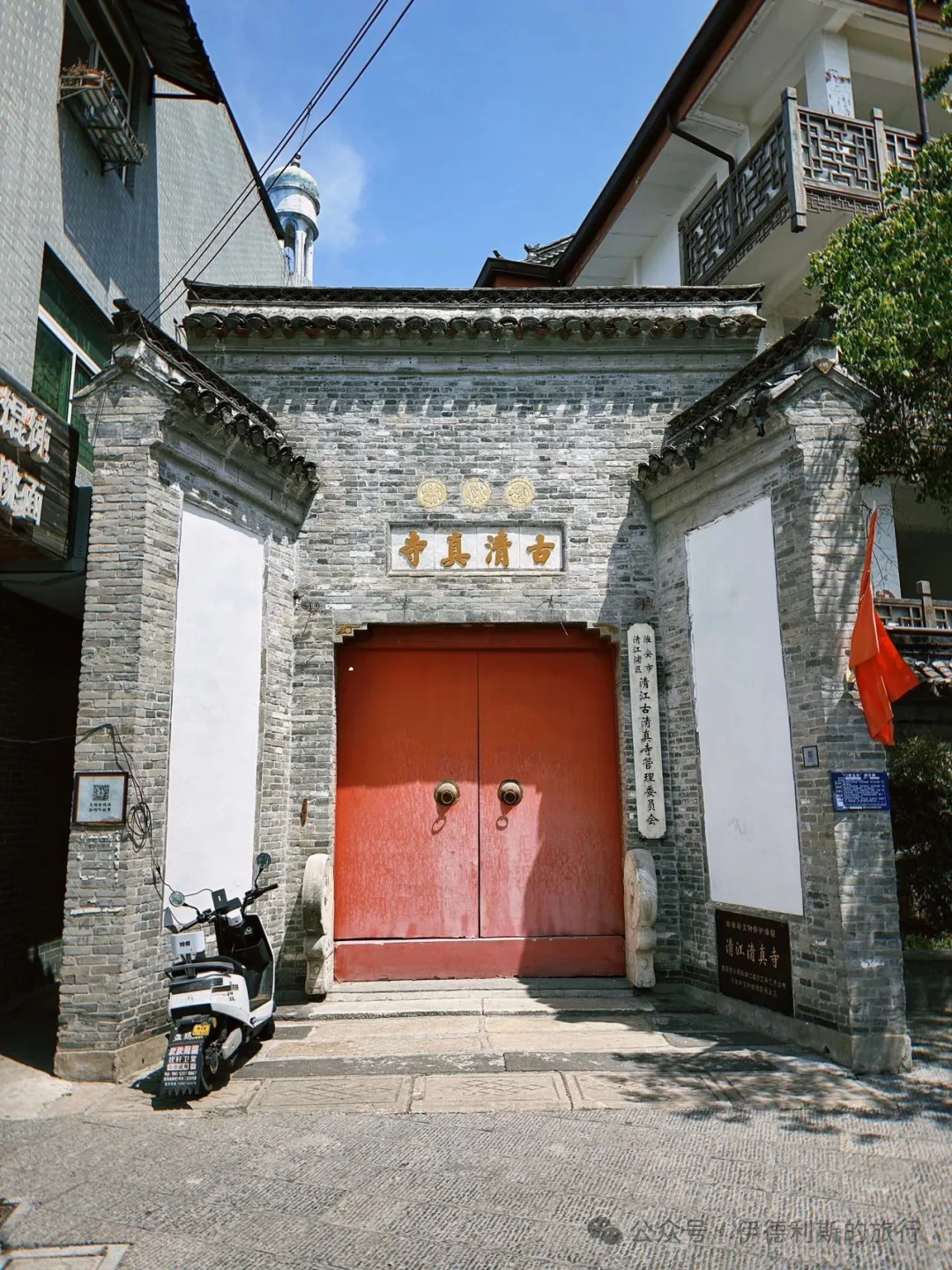
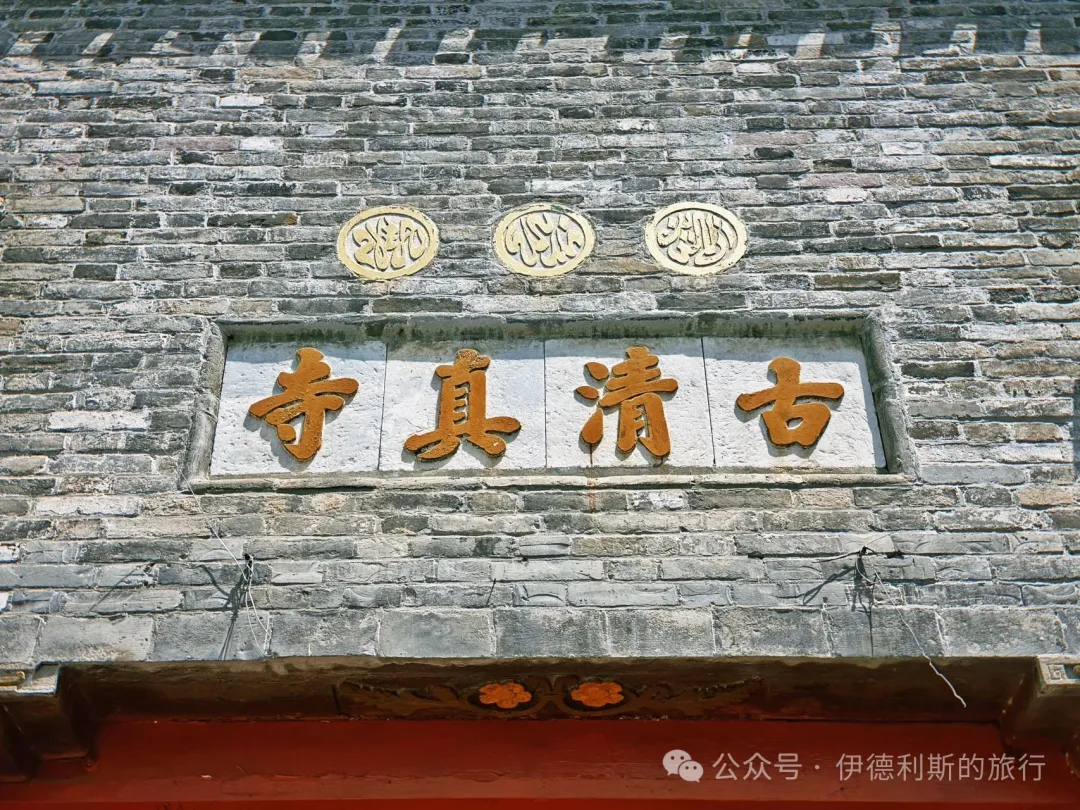
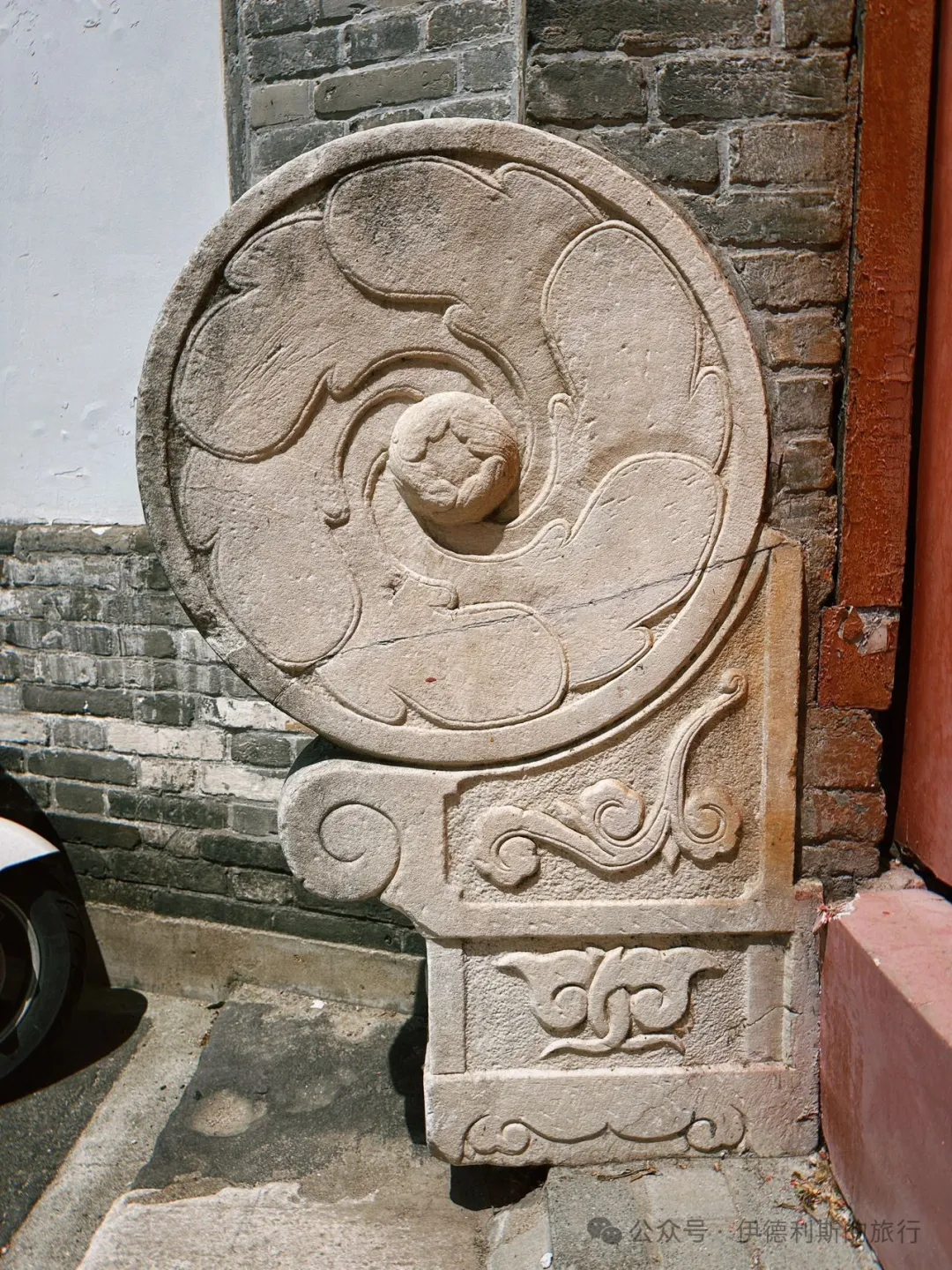
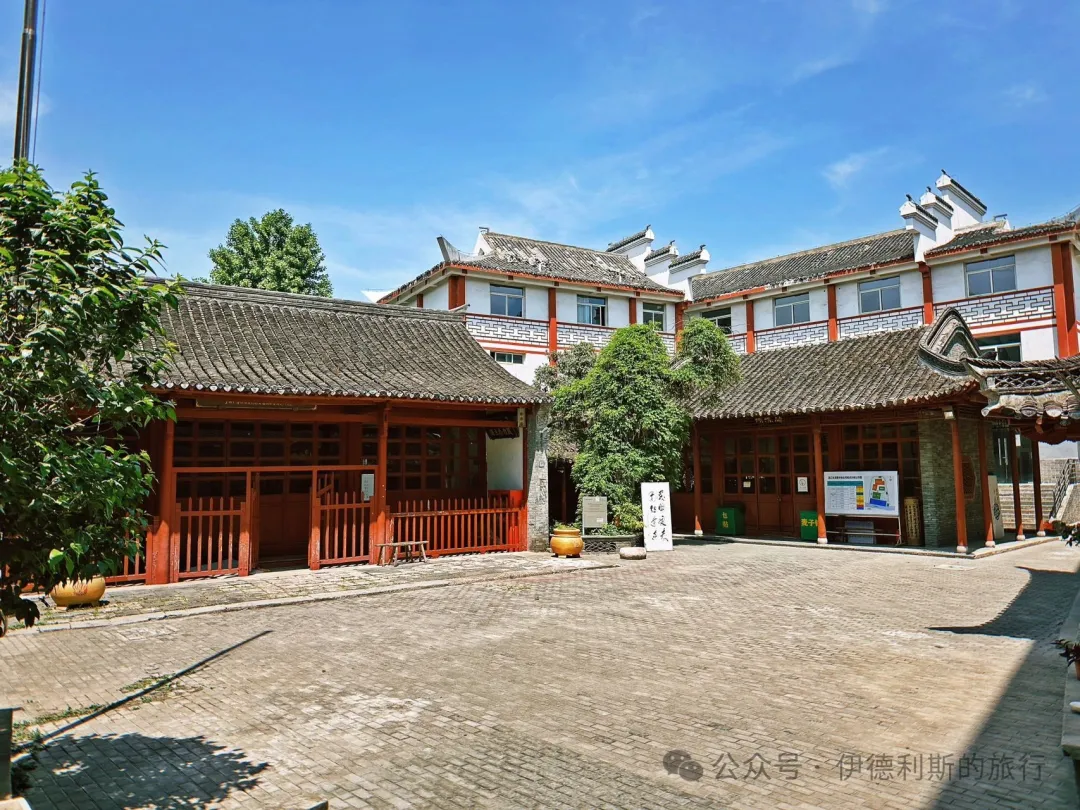
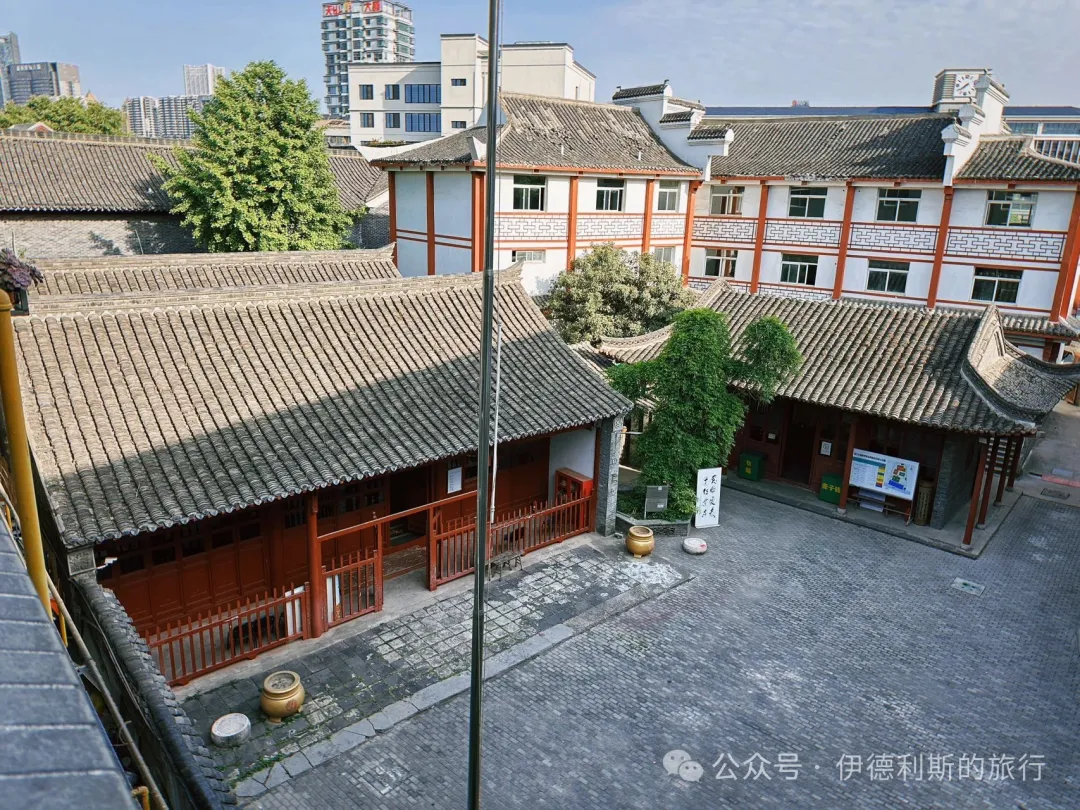
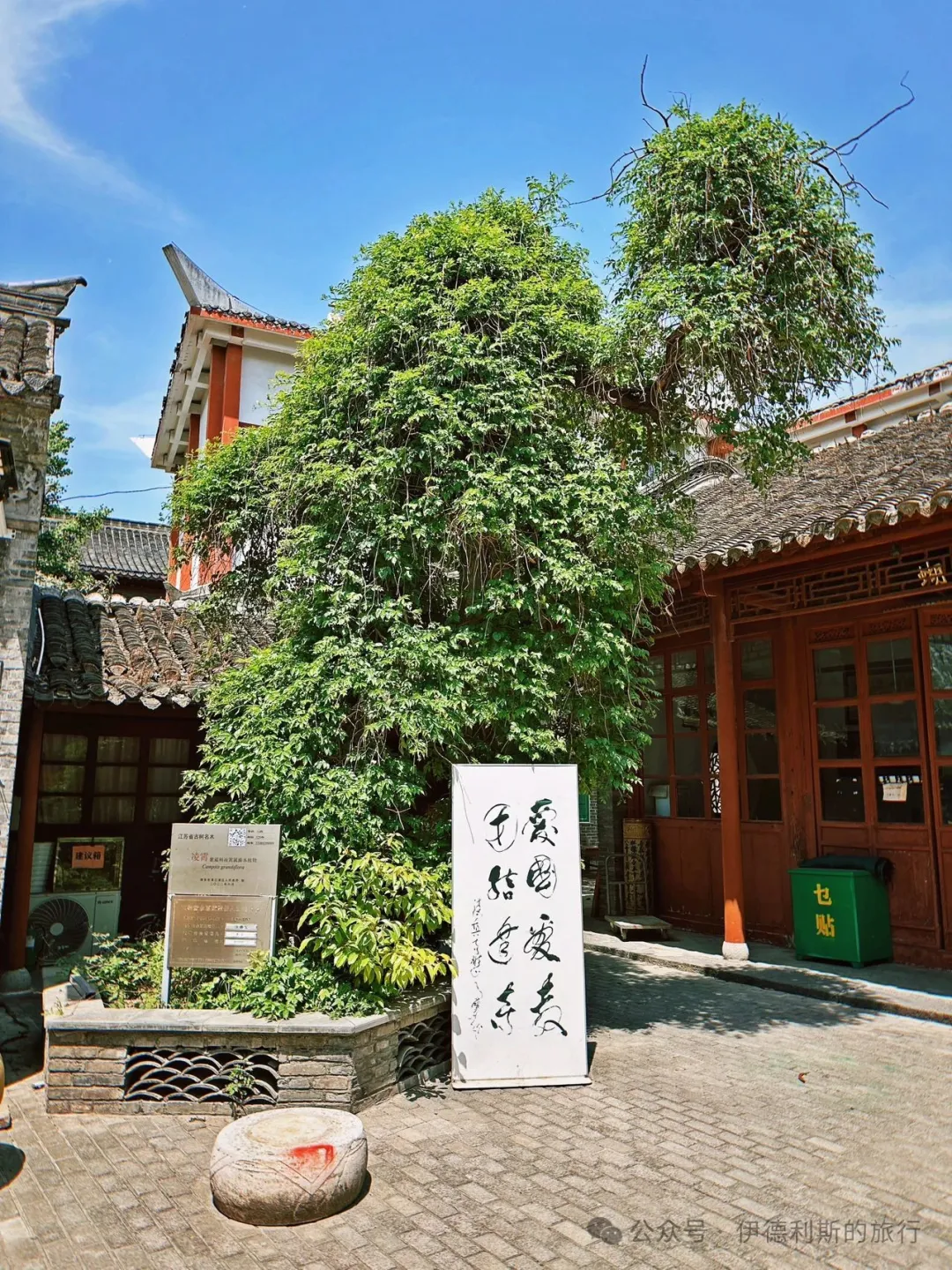
Inside the courtyard, the main prayer hall and the north wing, known as the Butterfly Hall, are Qing Dynasty structures. Beside the main hall stands a Chinese trumpet creeper (lingxiaomu) over 320 years old.
The main hall is a Qing Dynasty building made of two connected hard-mountain roofs (yingshanding) with a kiln-style hall (yaodian) at the back, typical of traditional Jianghuai architectural style.
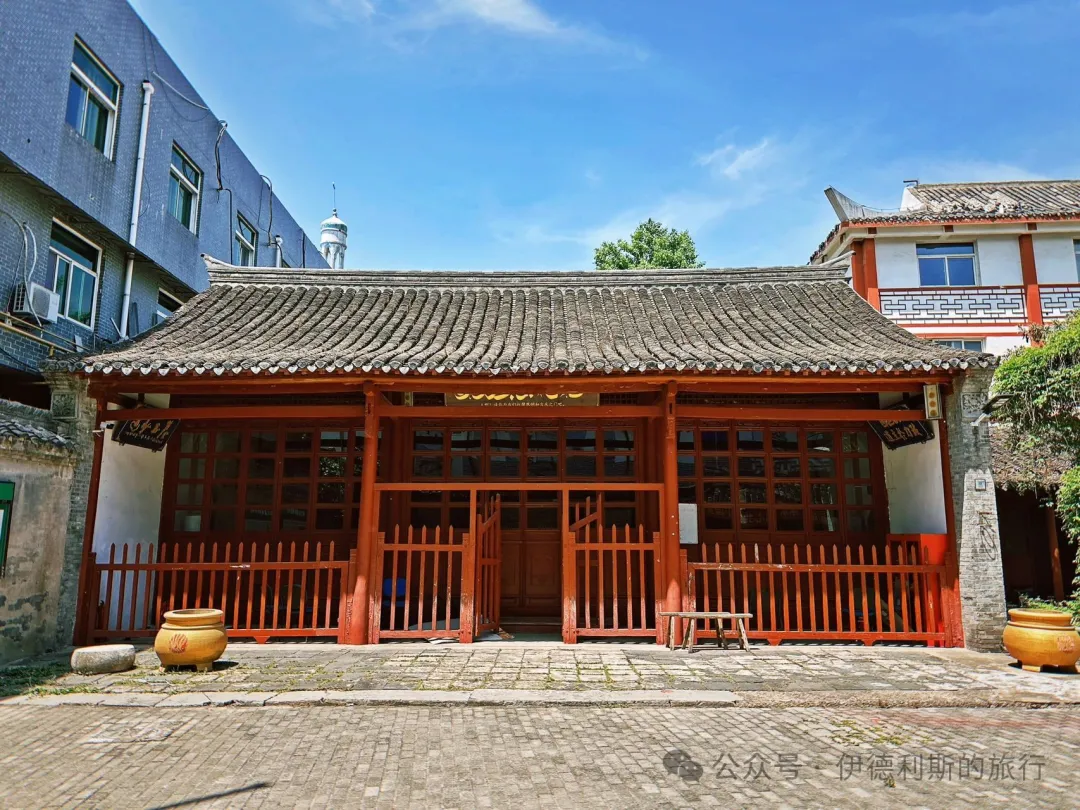
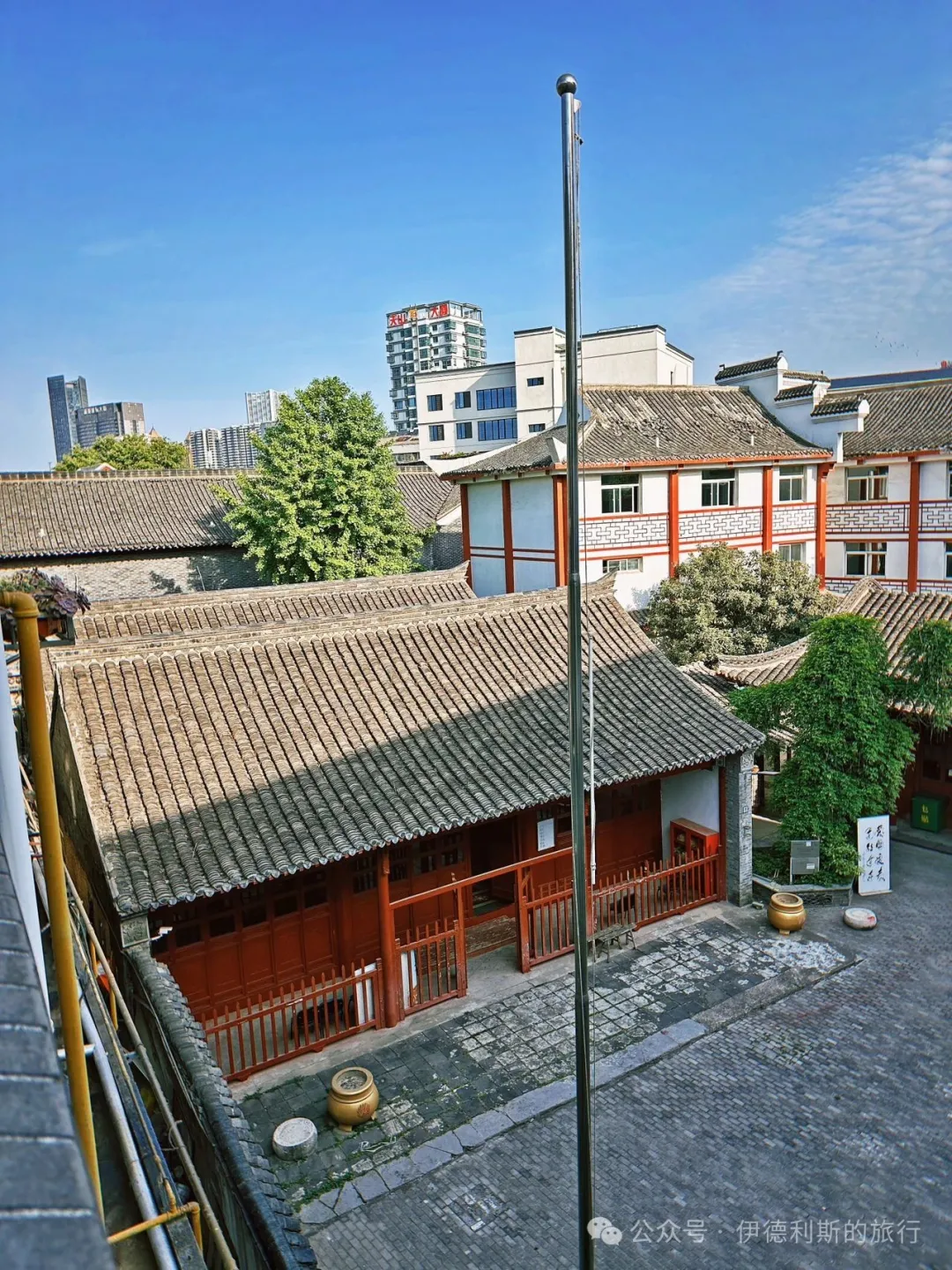
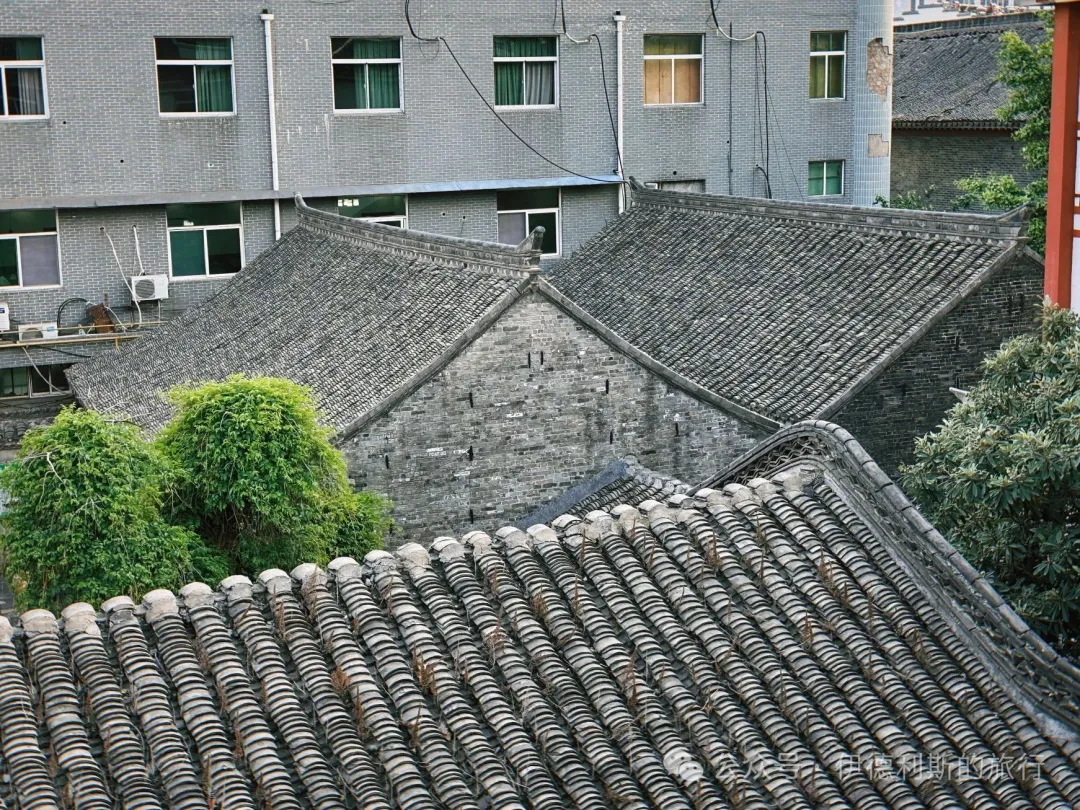
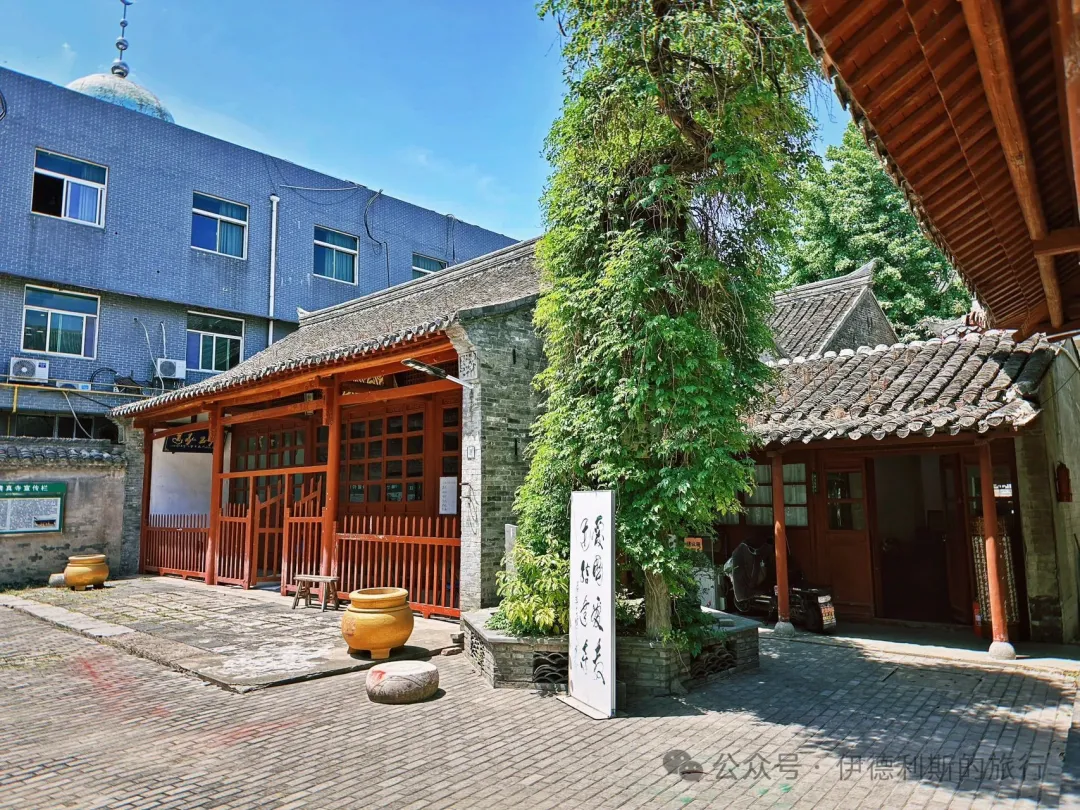
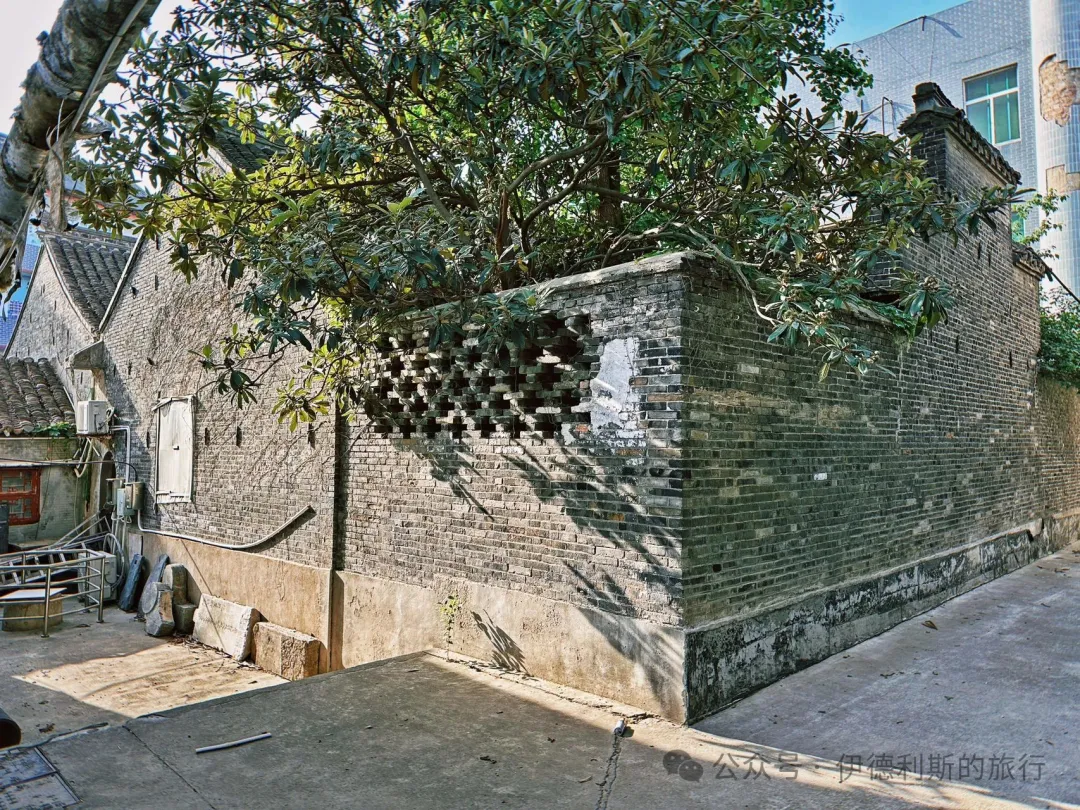
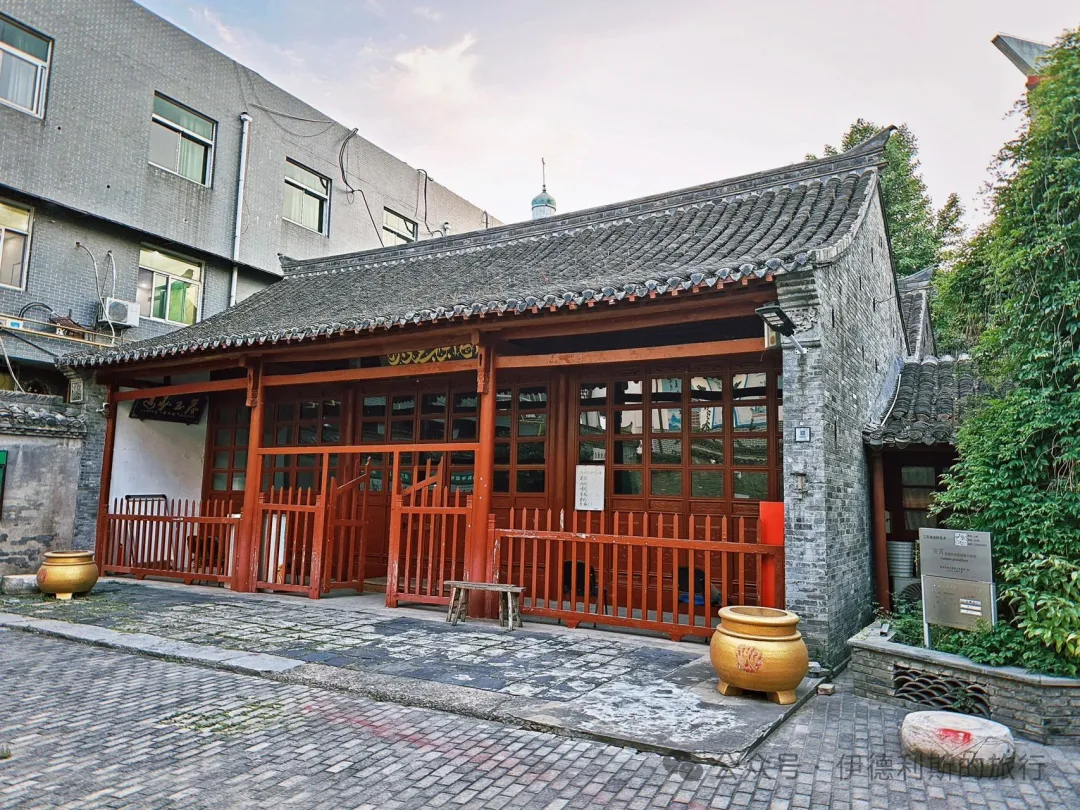
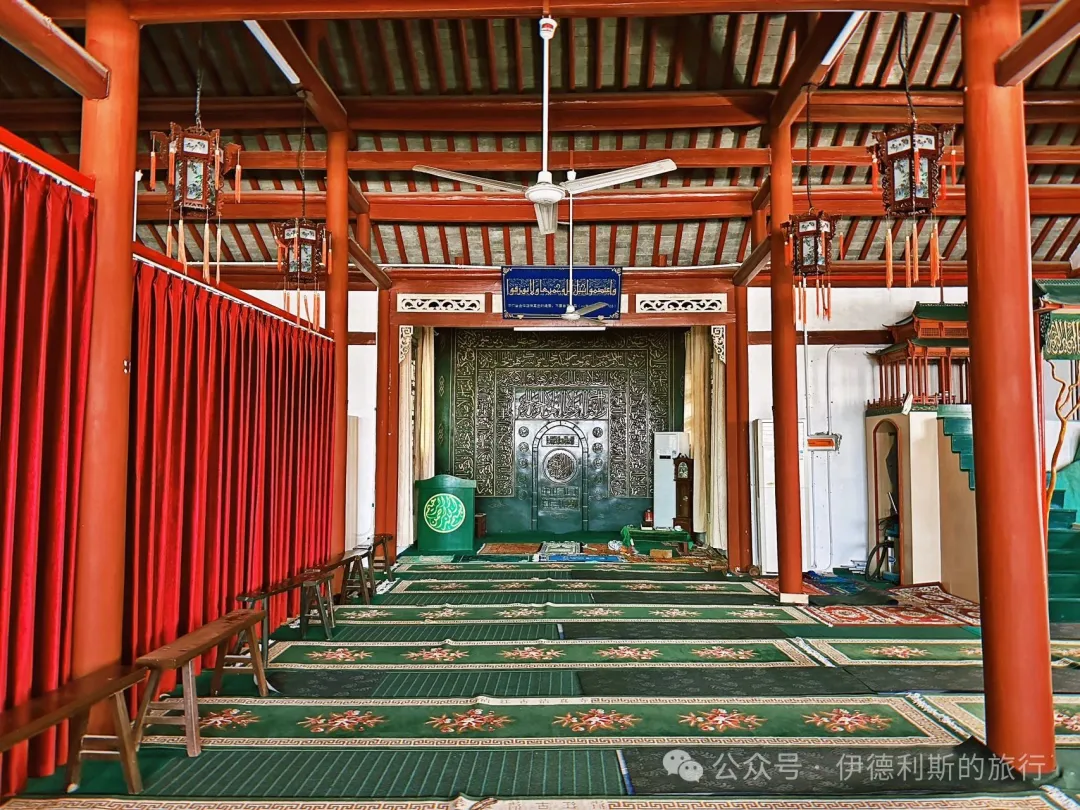
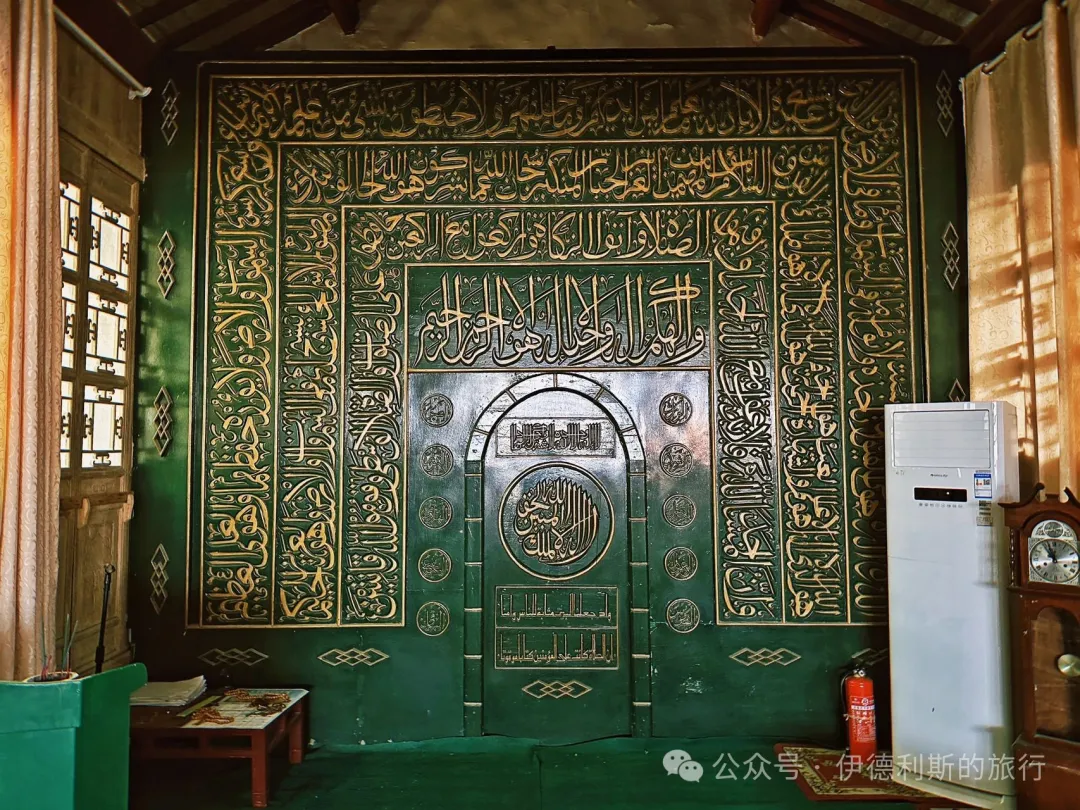
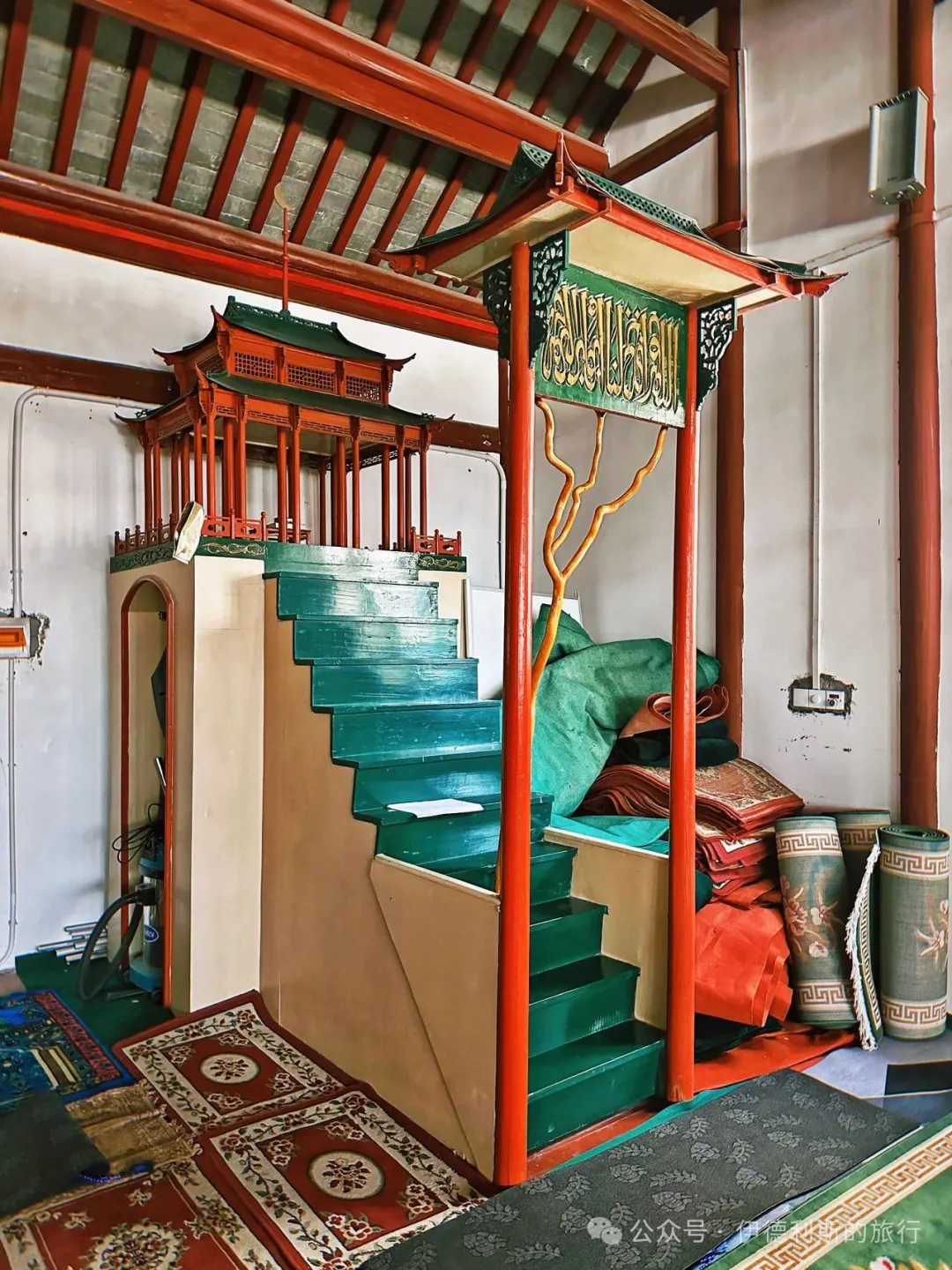
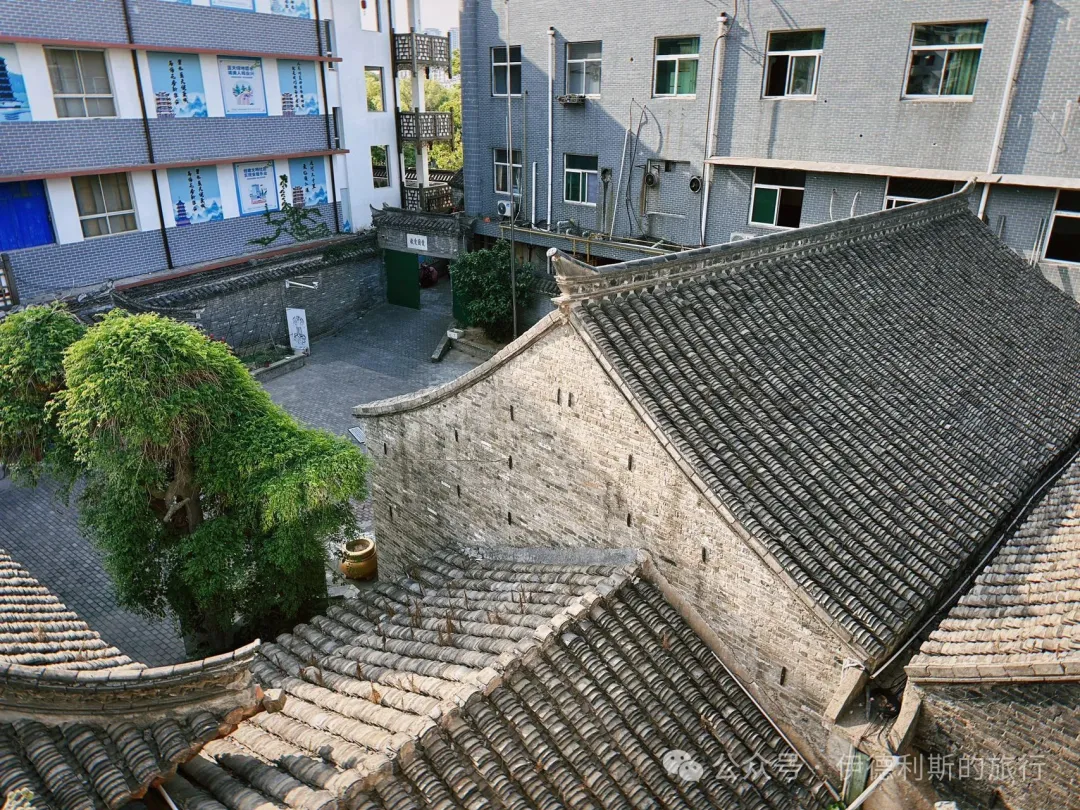
The north wing of the Qingjiang Mosque is called the Butterfly Hall (hudieting). This is a traditional name for garden architecture in the Jianghuai region, named because the corners of the hall curve upward like the wings of a dancing butterfly.
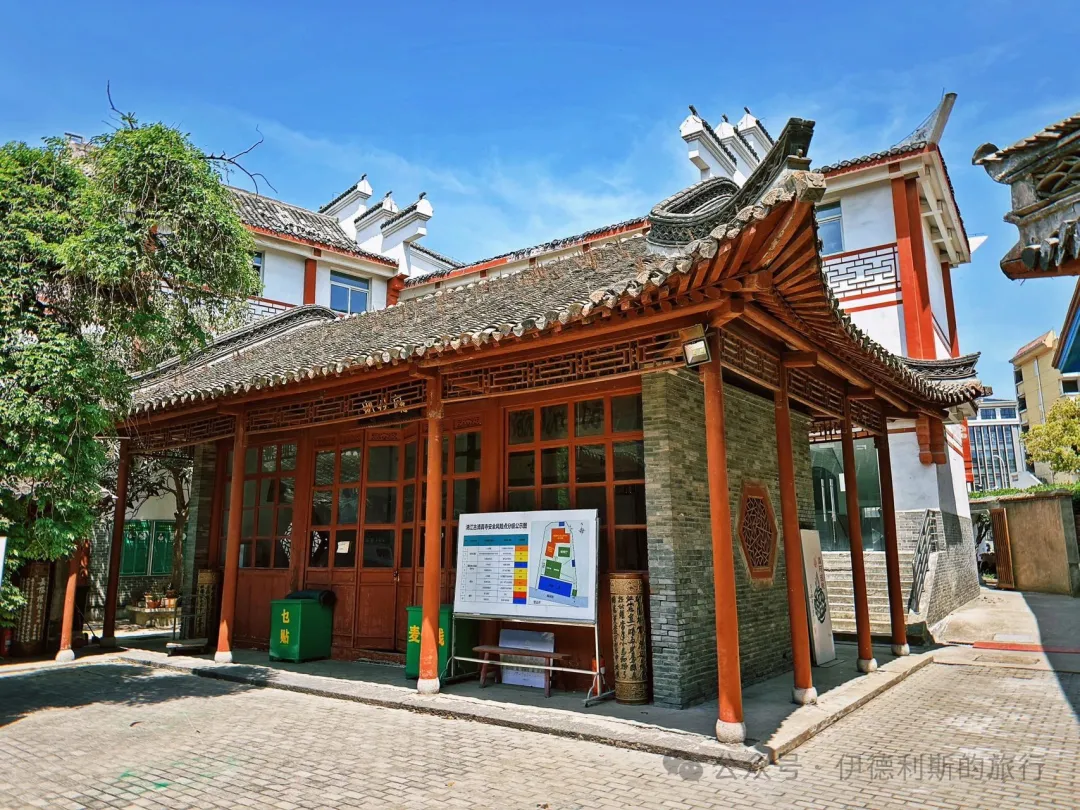
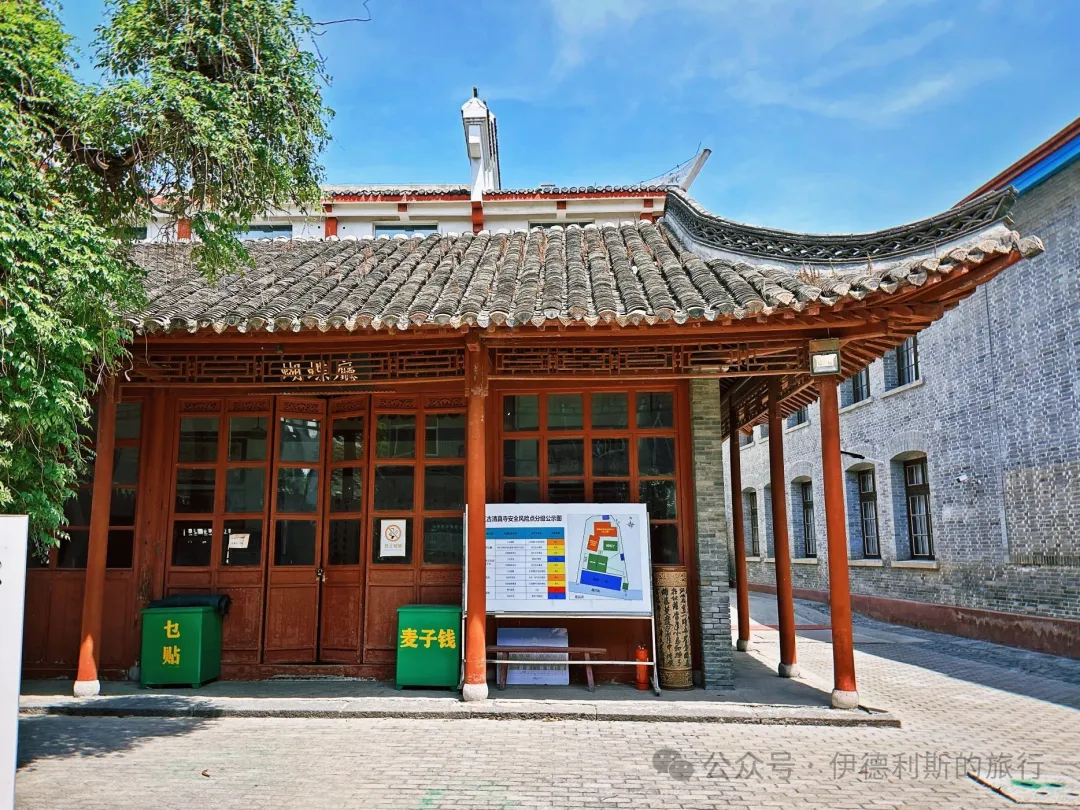
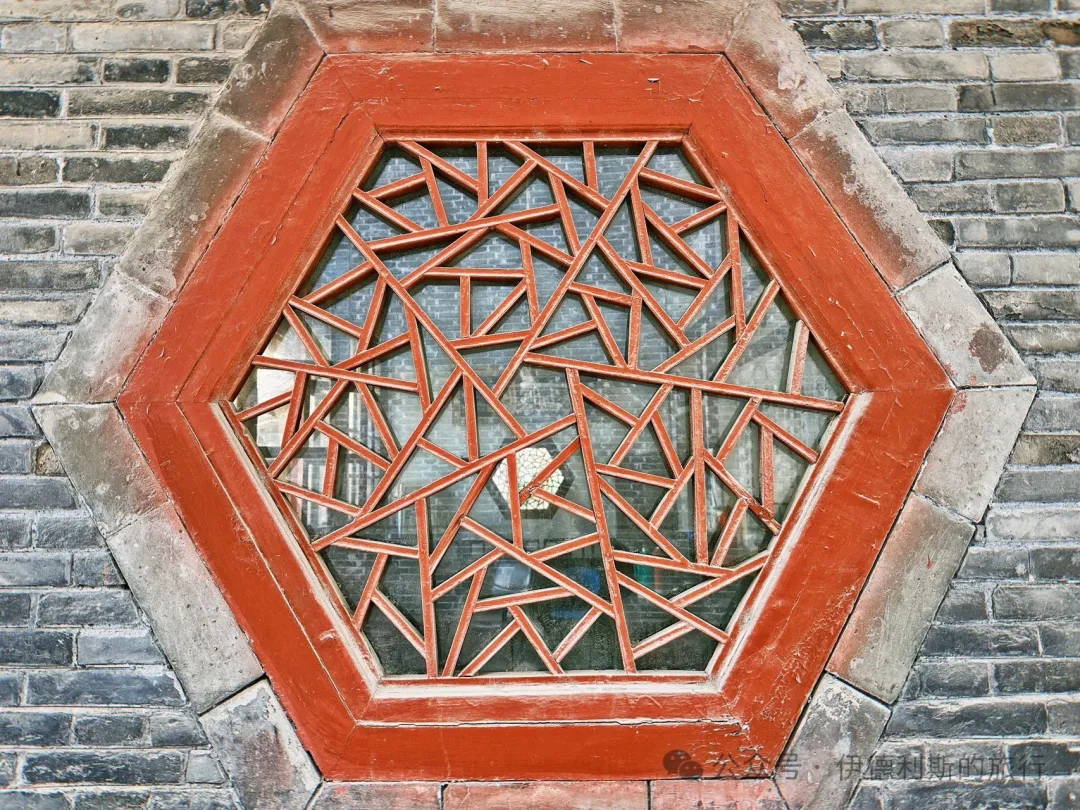
Two stone steles at the Qingjiang Mosque.
The first is the 'Prohibition Edict Stele' from the 57th year of the Qianlong reign. It was written and erected by the county government to explicitly ban corruption, issued by Wu Li, the magistrate of Qinghe County, Huai'an Prefecture, Jiangnan, who held a fifth-rank title and had been commended five times.
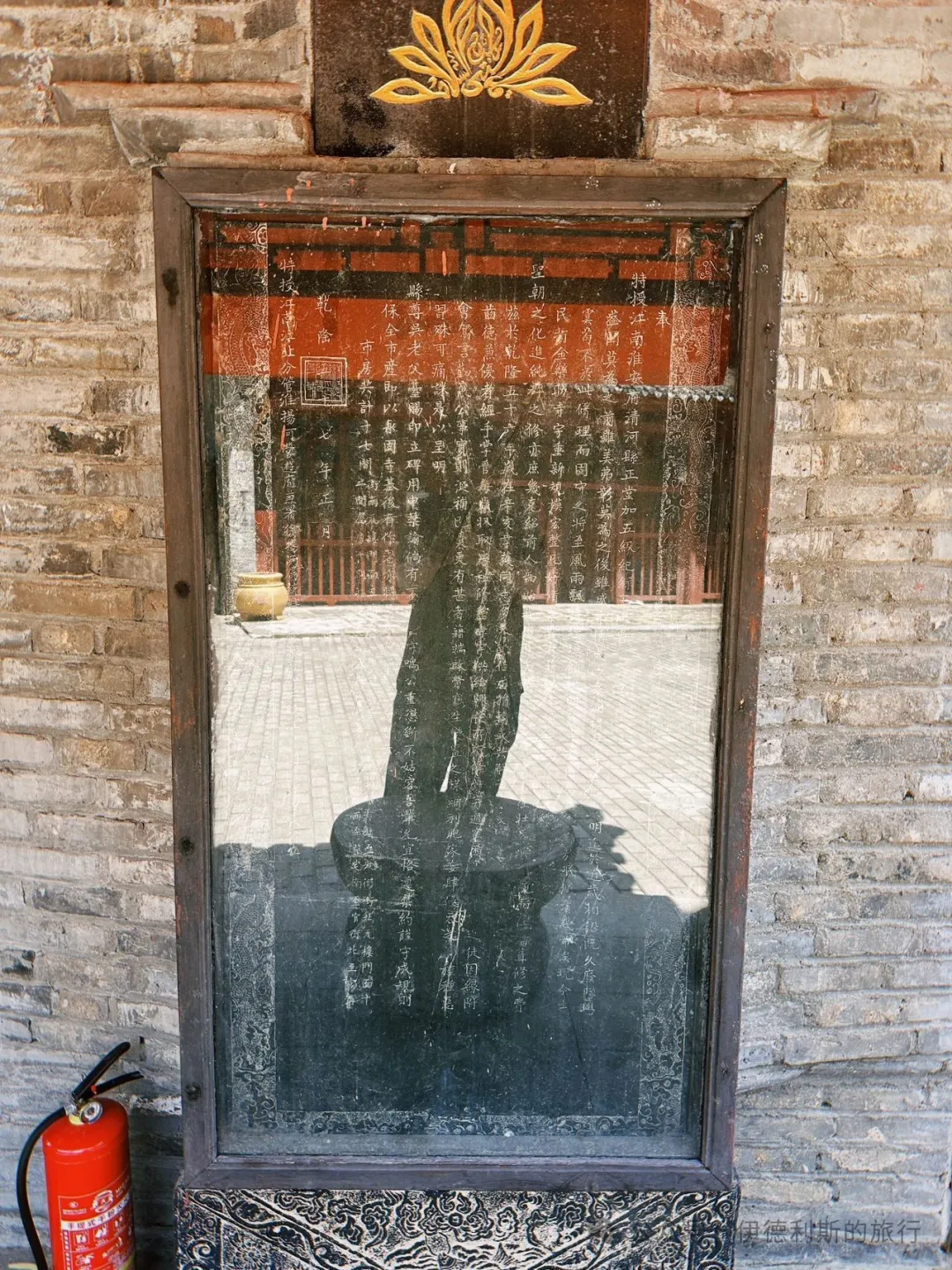
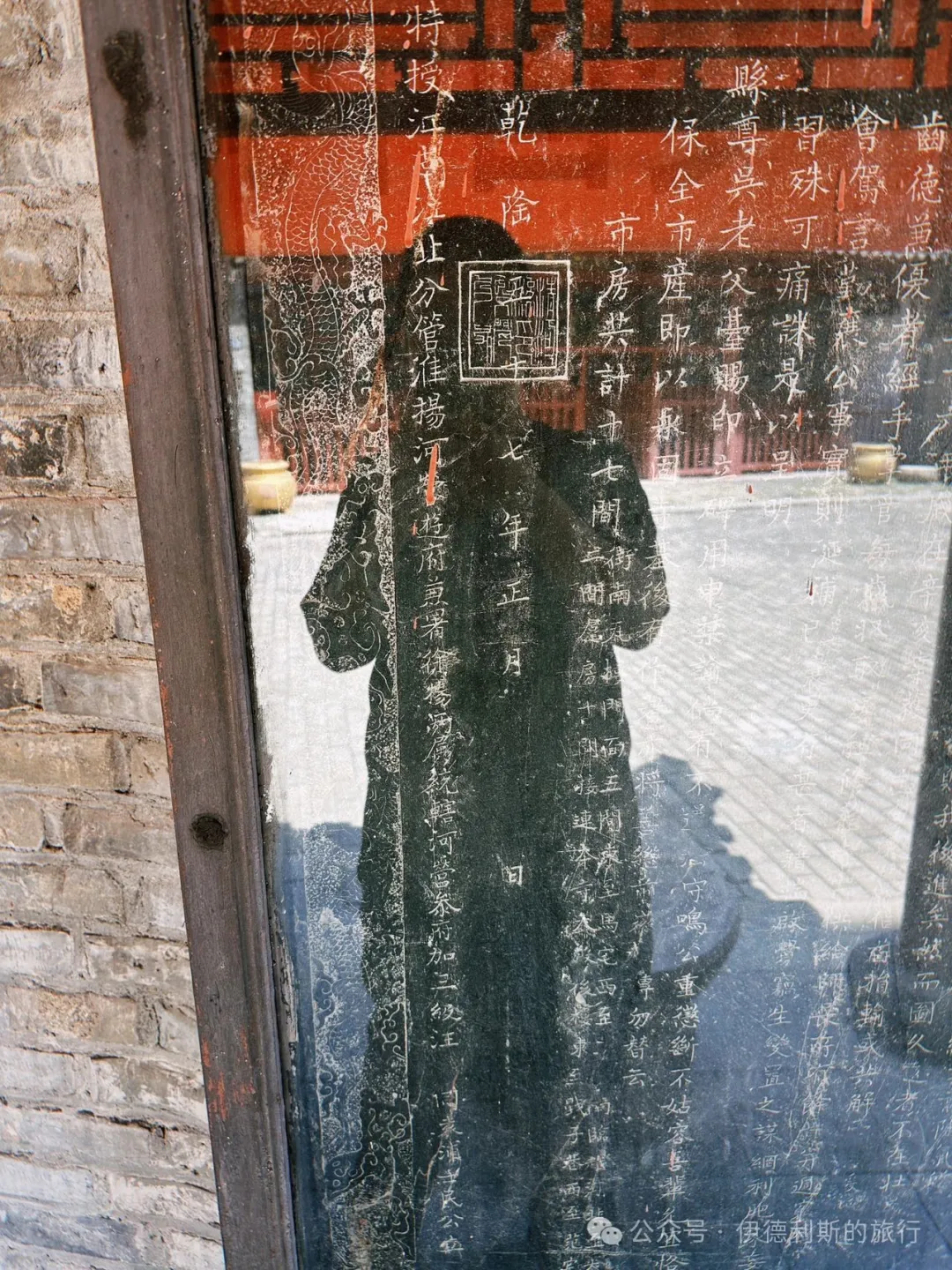
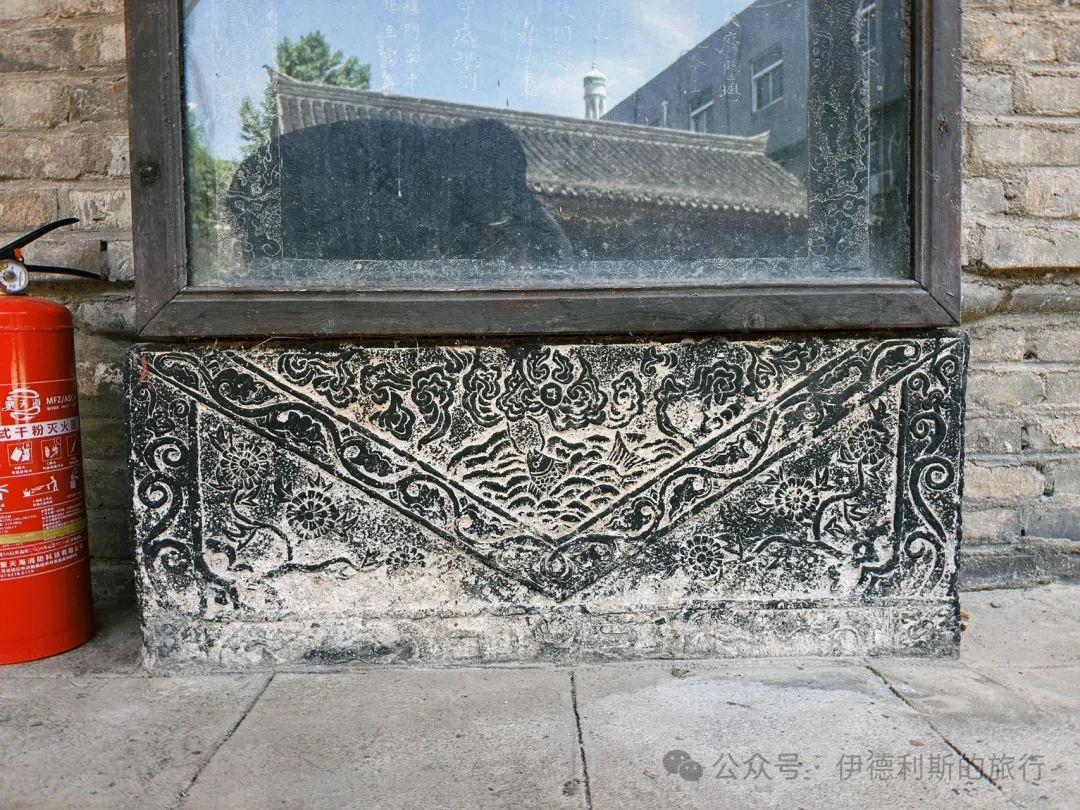
The second is the 'Stele Record of the Rebuilding of the Mosque Main Hall' from the 9th year of the Tongzhi reign, which documents the process of rebuilding the main hall during the Tongzhi period. The inscription records donors from nineteen places: Henan, Shandong, Jinling, Yunnan, Zhili, Chuanshan, Hexia, Lixiahe, Baoying, Gaoyou, Shaobo, Xiannumiao, Taizhou, Xinghua, Dongtai, Rugao, Shuyang, the Xinzi Cavalry, and Yuanpu. Donors from Henan, Shandong, Yunnan, Zhili, and Chuanshan were mostly traveling merchants, reflecting the prosperous 'southern boats and northern horses' scene of Qingjiangpu during the Qing Dynasty. The others were local mosque communities in Jiangsu. Some, like the Shaobo mosque, have since been abandoned, offering a glimpse into the rise and fall of the Hui Muslim community in Jiangsu.
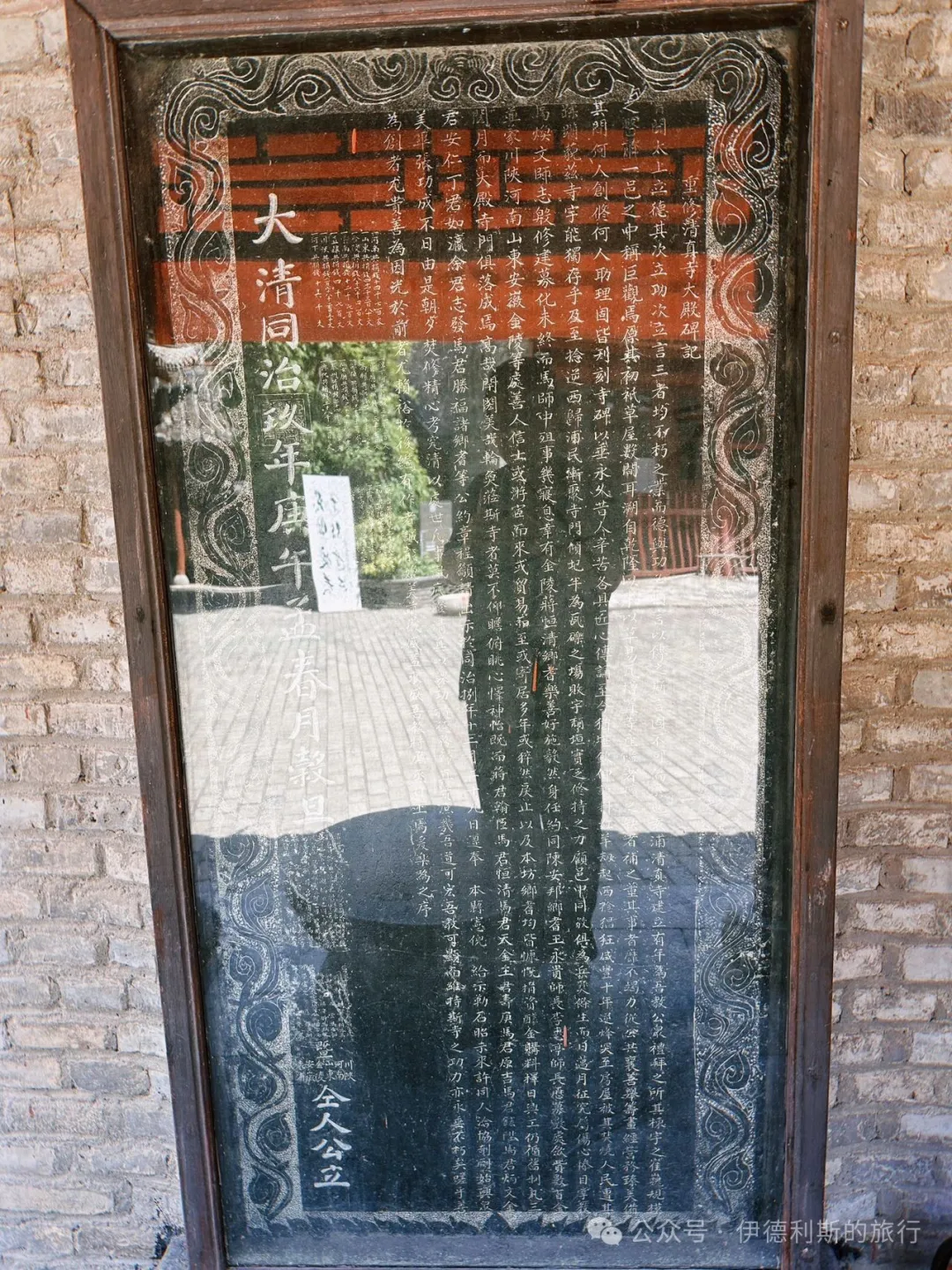
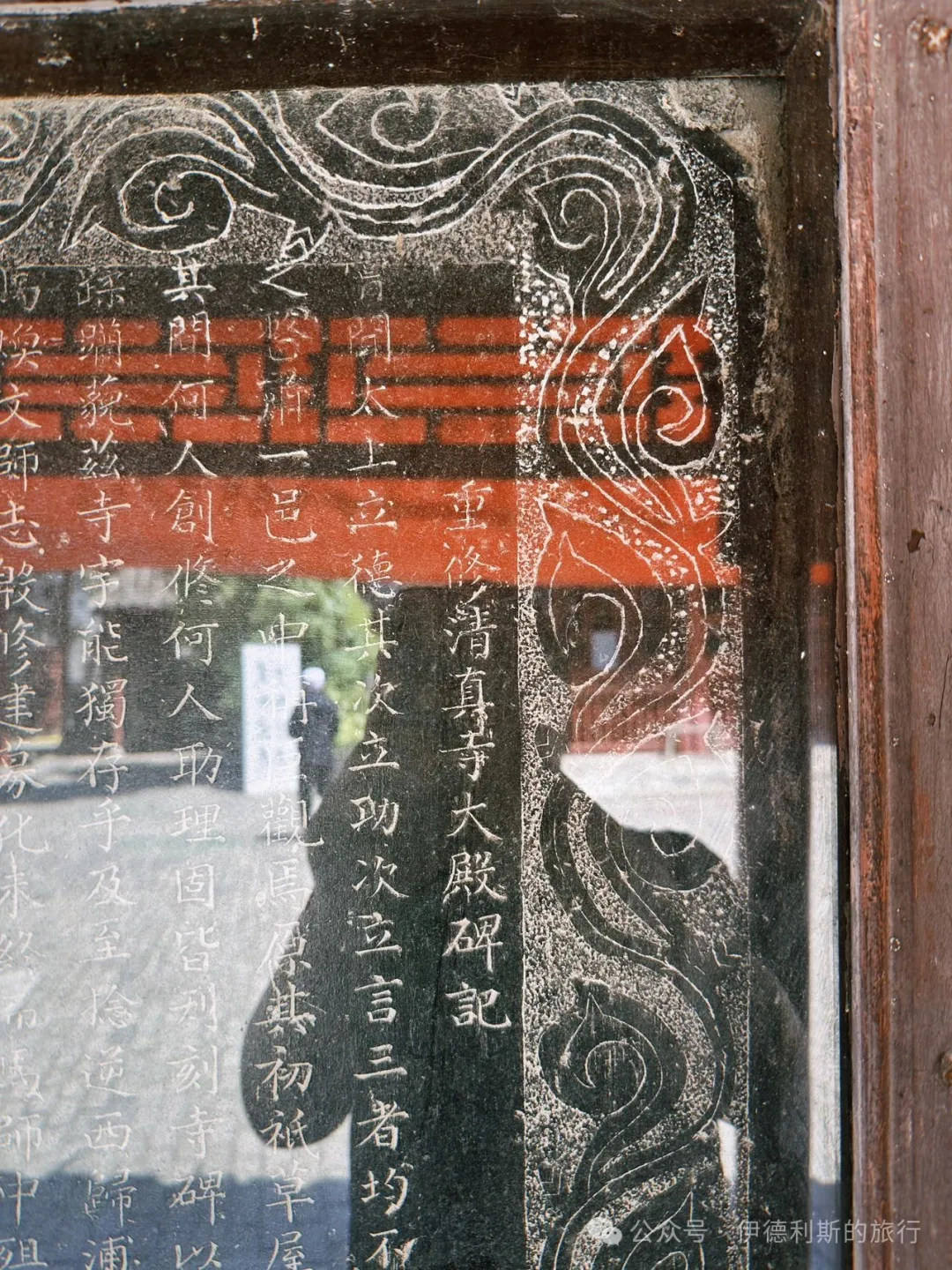
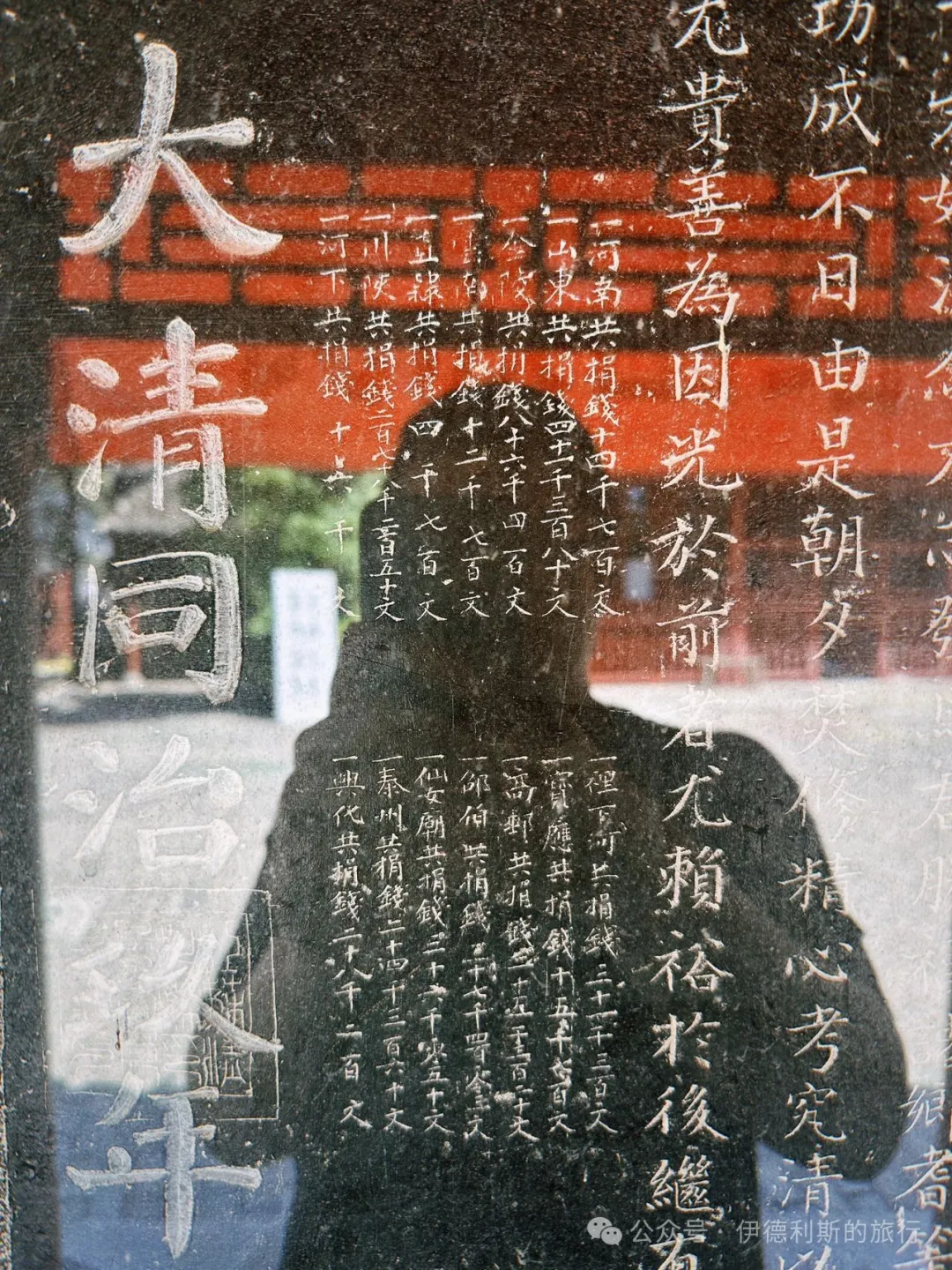
Ancient well
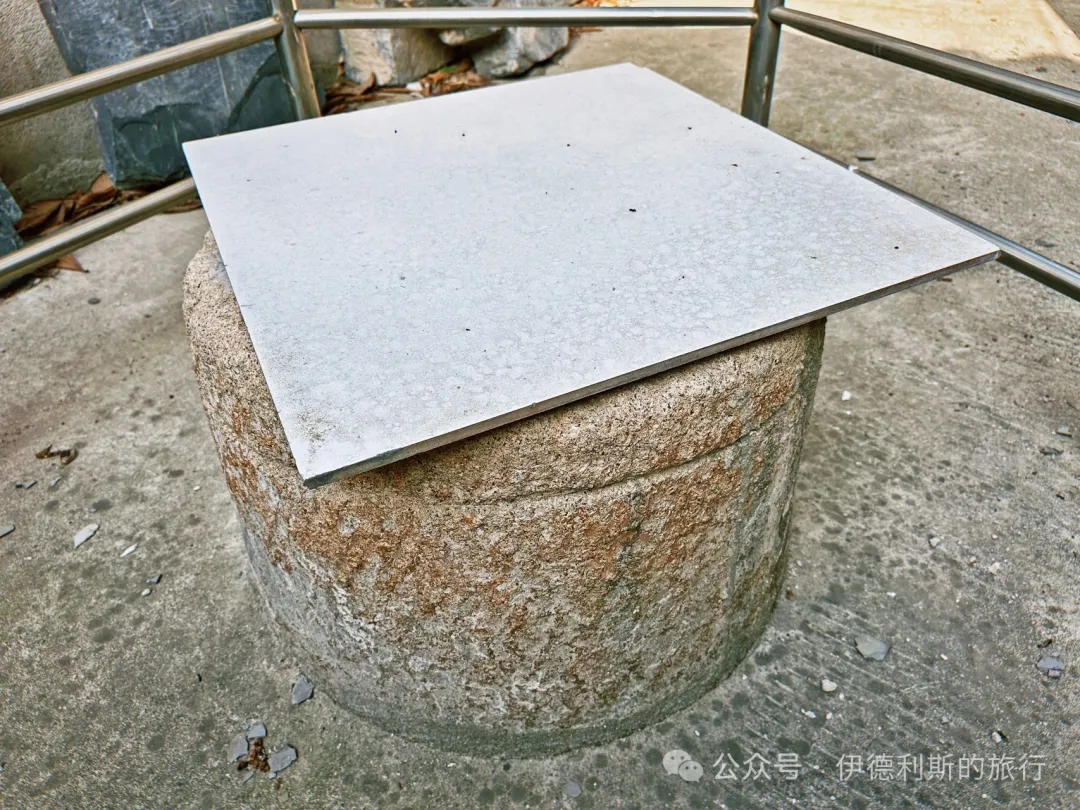
Column base
Coffin for the deceased (tabumaiti xia)
Tombstone of Madam Yang, mother of the Ma family, from the 14th year of the Guangxu reign, and the tombstone of the Sai family of the Ma clan from Anhui.
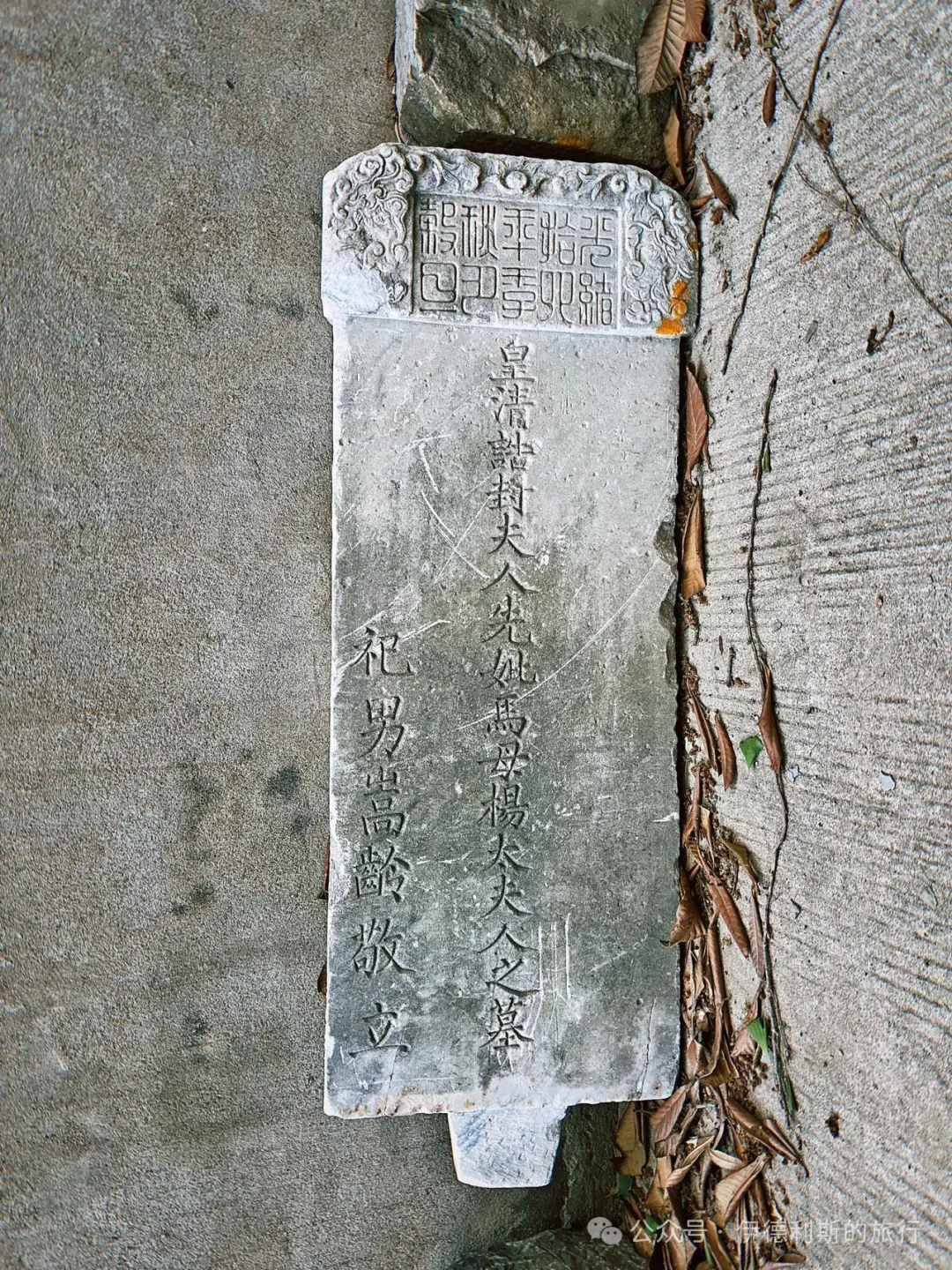
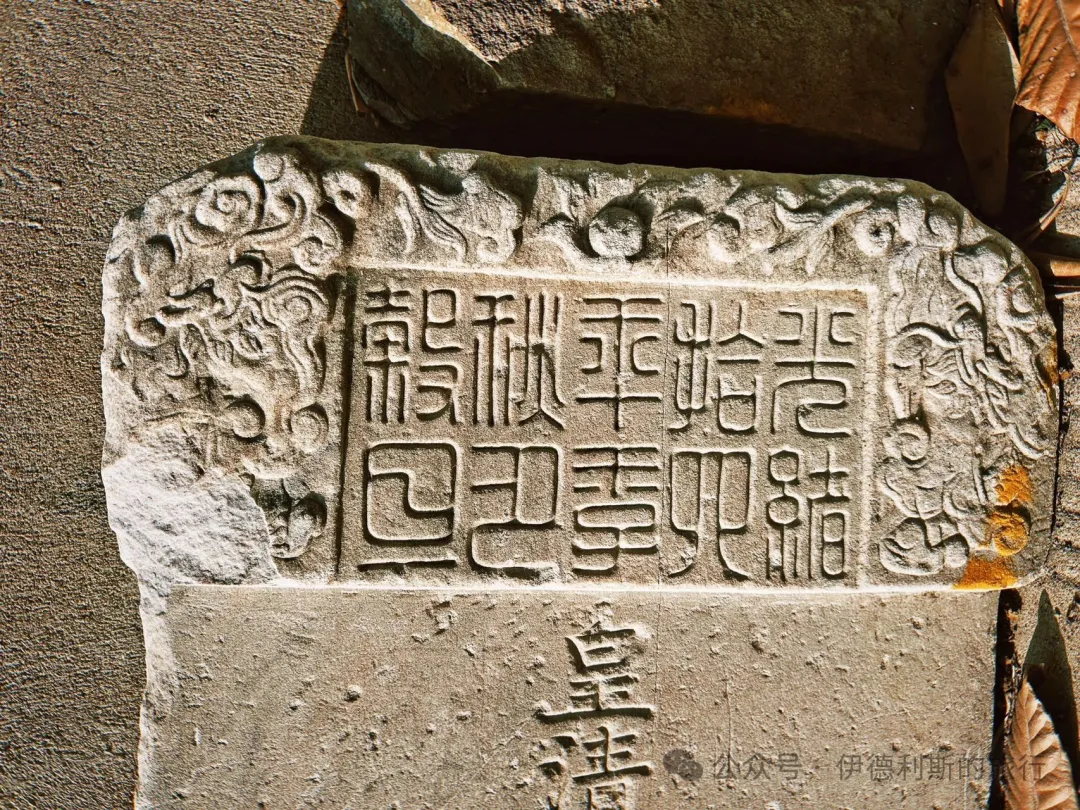
Tombstone of the Sai family of the Ma clan from Anhui
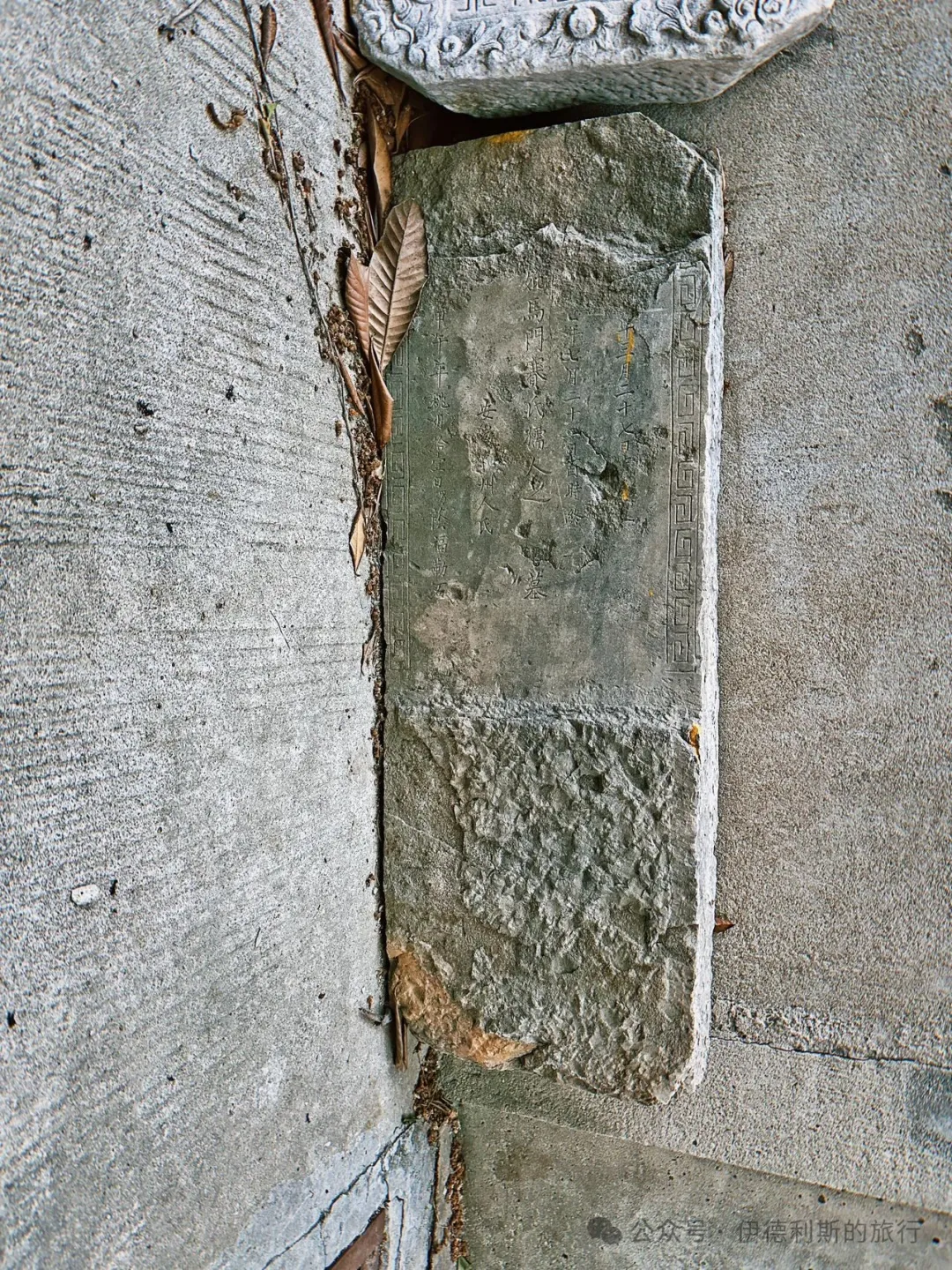
Stone railing
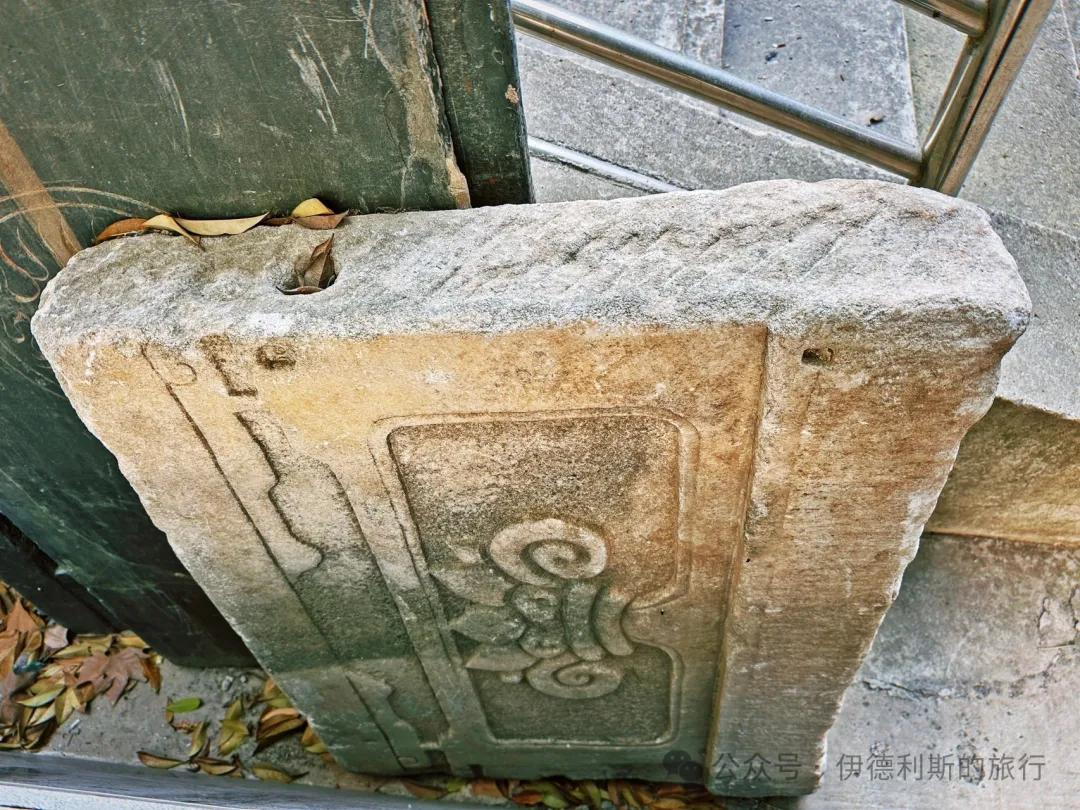
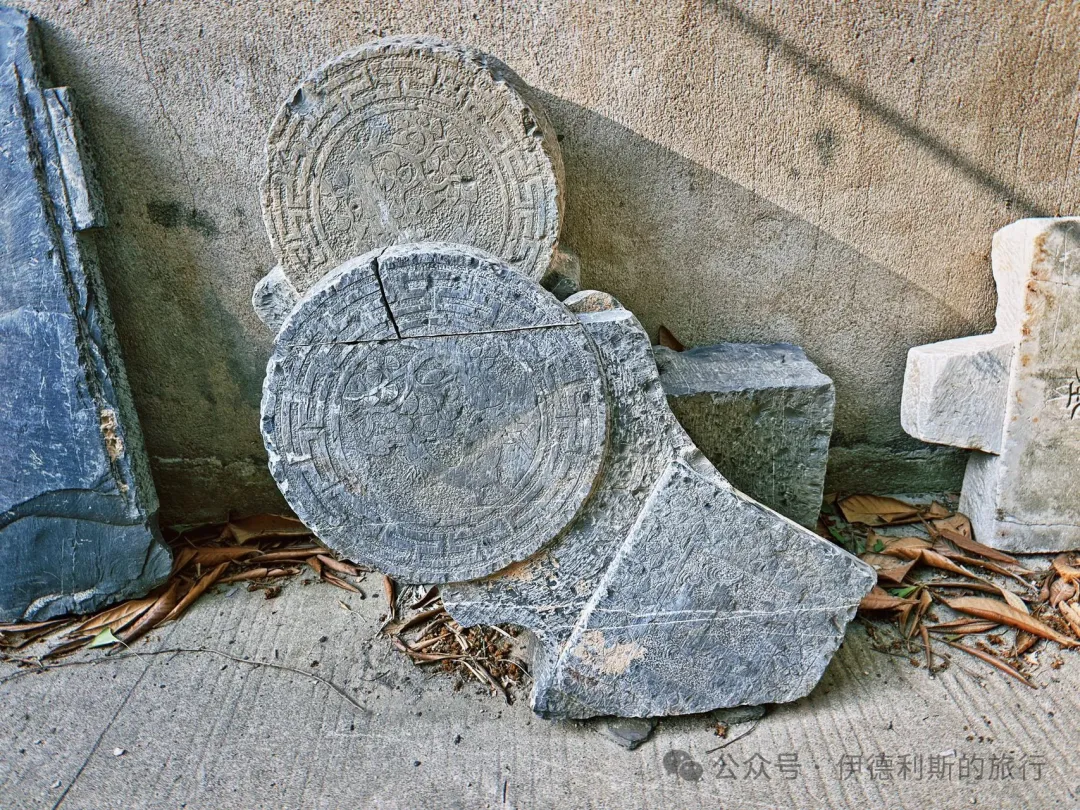
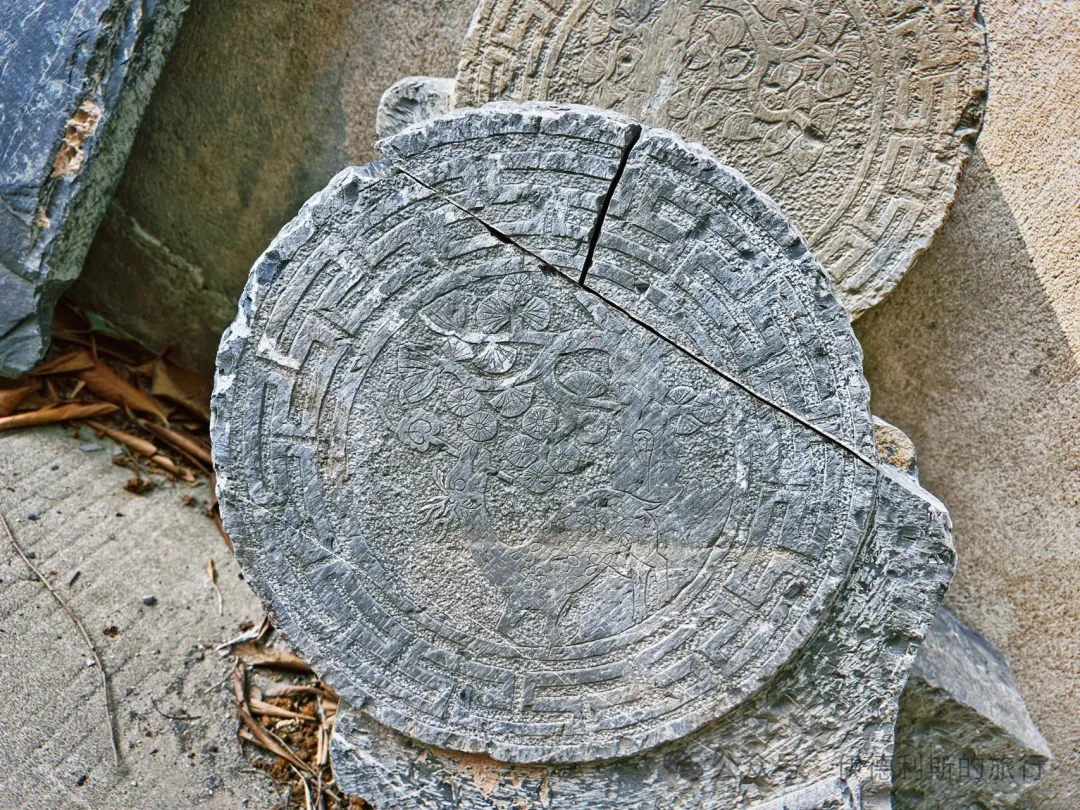
Drum-shaped stone base with cypress and deer carvings (bailutu baogushi)
Hexia Mosque
Hexia Ancient Town in Huaian is the largest town on the outskirts of Huaian Prefecture. Because the salt from the coastal salt fields in Huaibei was high in both quantity and quality, many salt merchants from the northwest and Anhui came to Huaibei in the late Ming Dynasty to work in the salt industry. The Huaibei Salt Transport Branch was located in Hexia Town at the time. Salt from the fields had to be shipped to Hexia for inspection before merchants could sell it elsewhere. Hexia Town then entered its most prosperous period. Salt merchants built gardens and courtyards there. The Qing Dynasty record Huaian Hexia Annals states: Wealthy salt merchants brought their capital and made their homes in Hexia, and Hexia became extremely prosperous. The wealth brought by these salt merchants made the town's business thrive, and many Hui Muslims also came to settle in Hexia.
Hexia Mosque is located south of Luojia Bridge in Hexia Town. It was first built during the Shunzhi reign of the Qing Dynasty. In 1860, during the tenth year of the Xianfeng reign, the Nian Army captured Huaian and burned down ten rooms of the mosque, which were later rebuilt. The main hall of Hexia Mosque is a Qing Dynasty structure with blue bricks, dark tiles, and upturned eaves, showing a typical Jianghuai architectural style. It was listed as a cultural relic protection unit of Huaian City in 2006.
Above the main hall door hangs a chestnut wood plaque inscribed with the words Si Wu Xie (Thinking Without Evil), written by Tian Rui, the acting prefect of Huaian in the tenth year of the Daoguang reign. Plaques originally on both sides, inscribed by anti-Japanese hero Zuo Baogui and Yunnan Commander Ma Chang'an, were destroyed after the 1960s.
The imam (ahong) of the mosque usually stays at a nearby beef and mutton shop. If you call the number posted on the mosque gate, he will come over to open it.
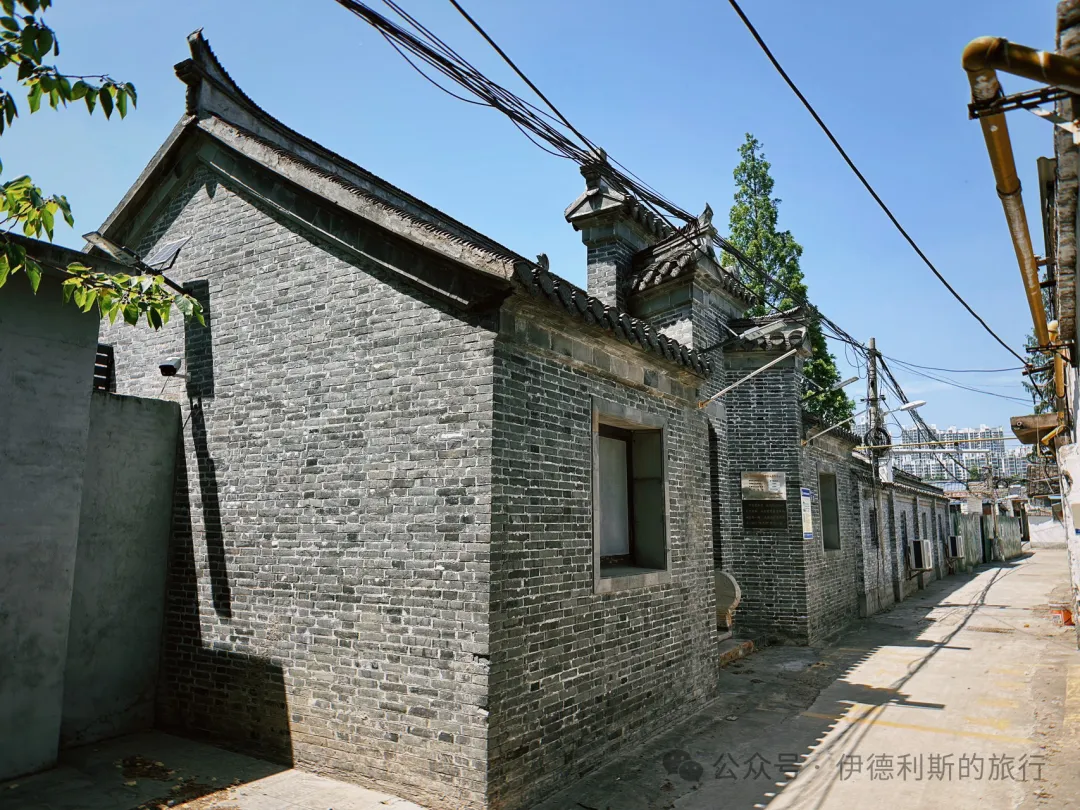
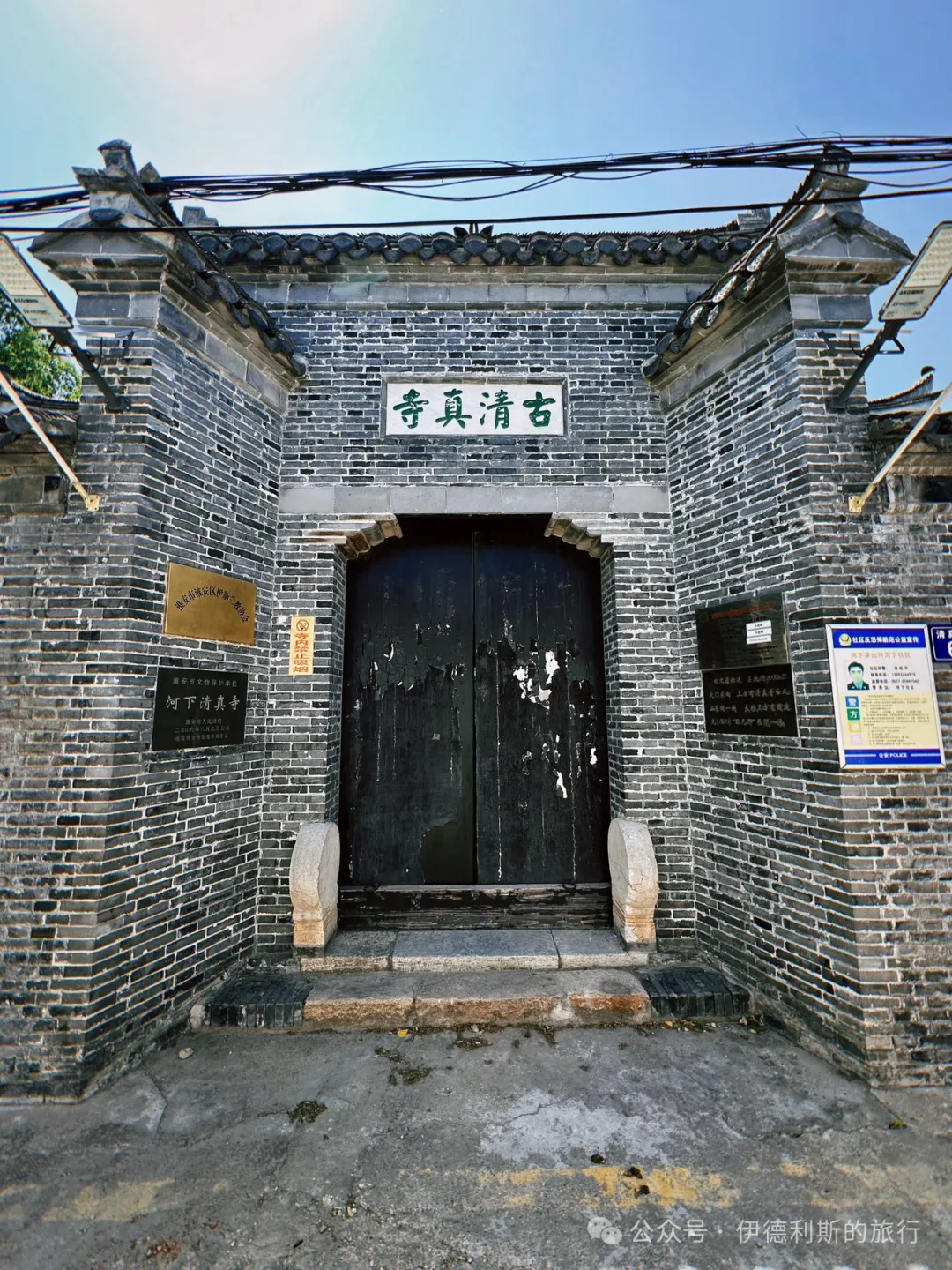
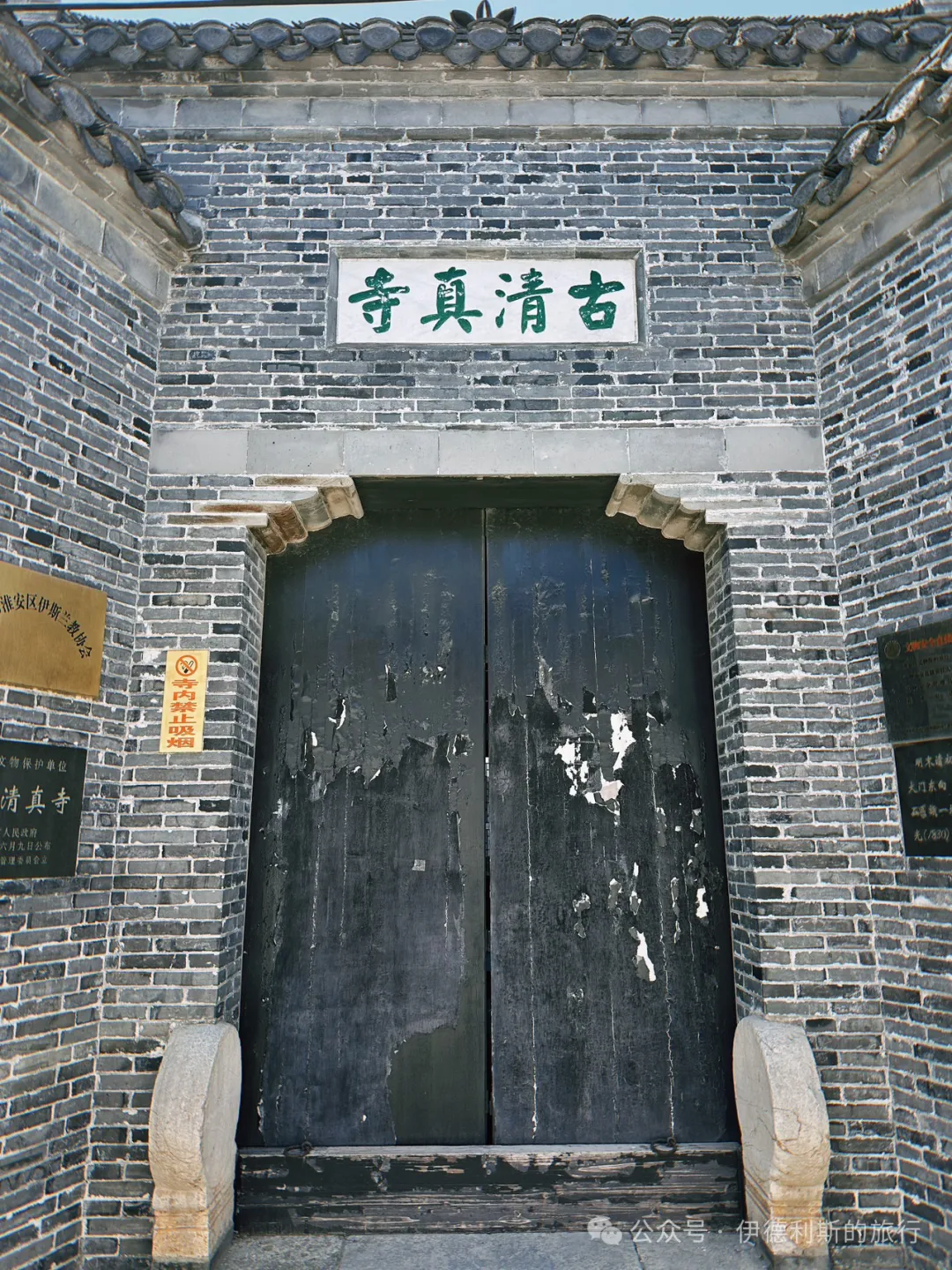
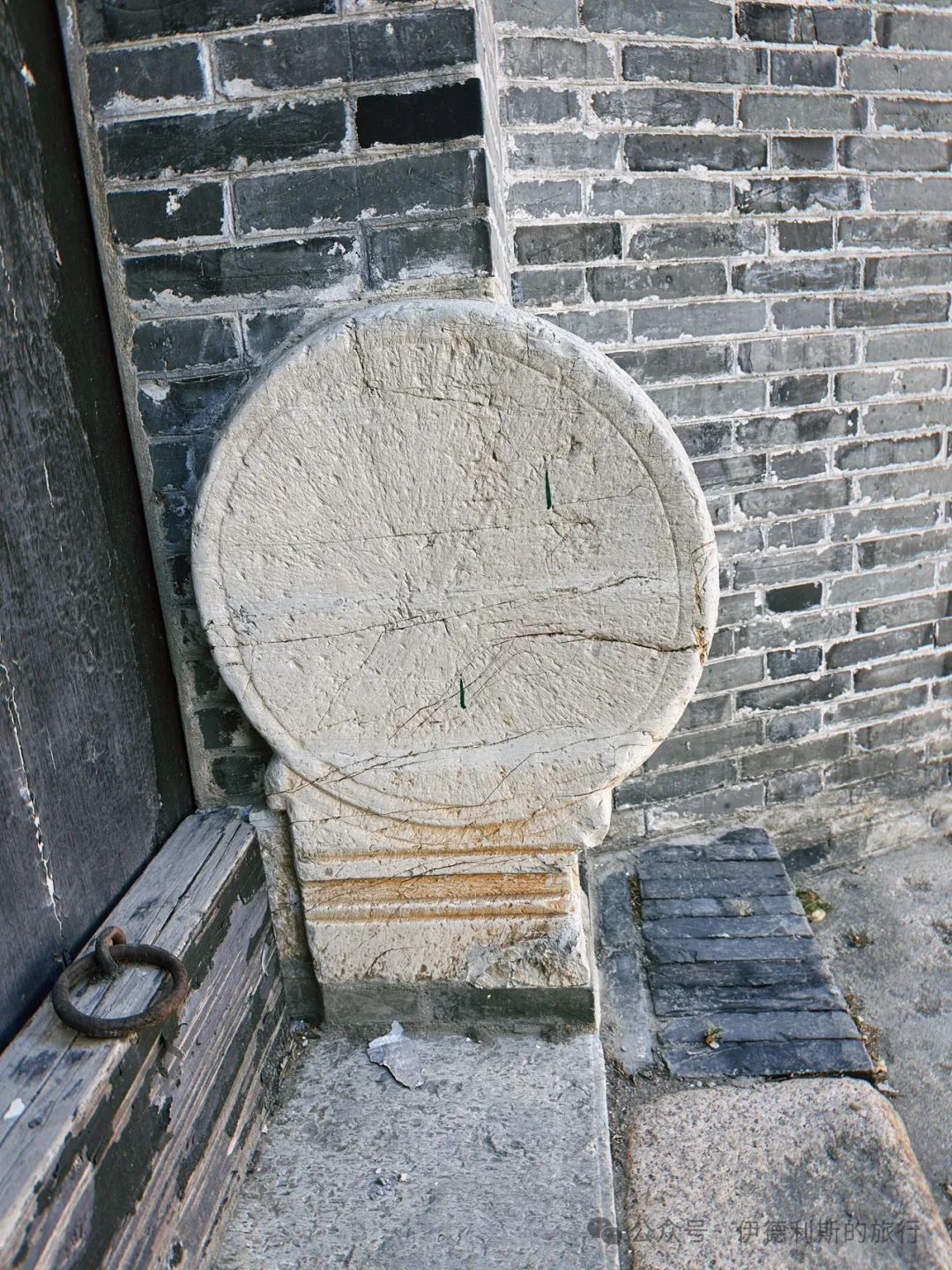
An ancient well dug in the early Qing Dynasty.
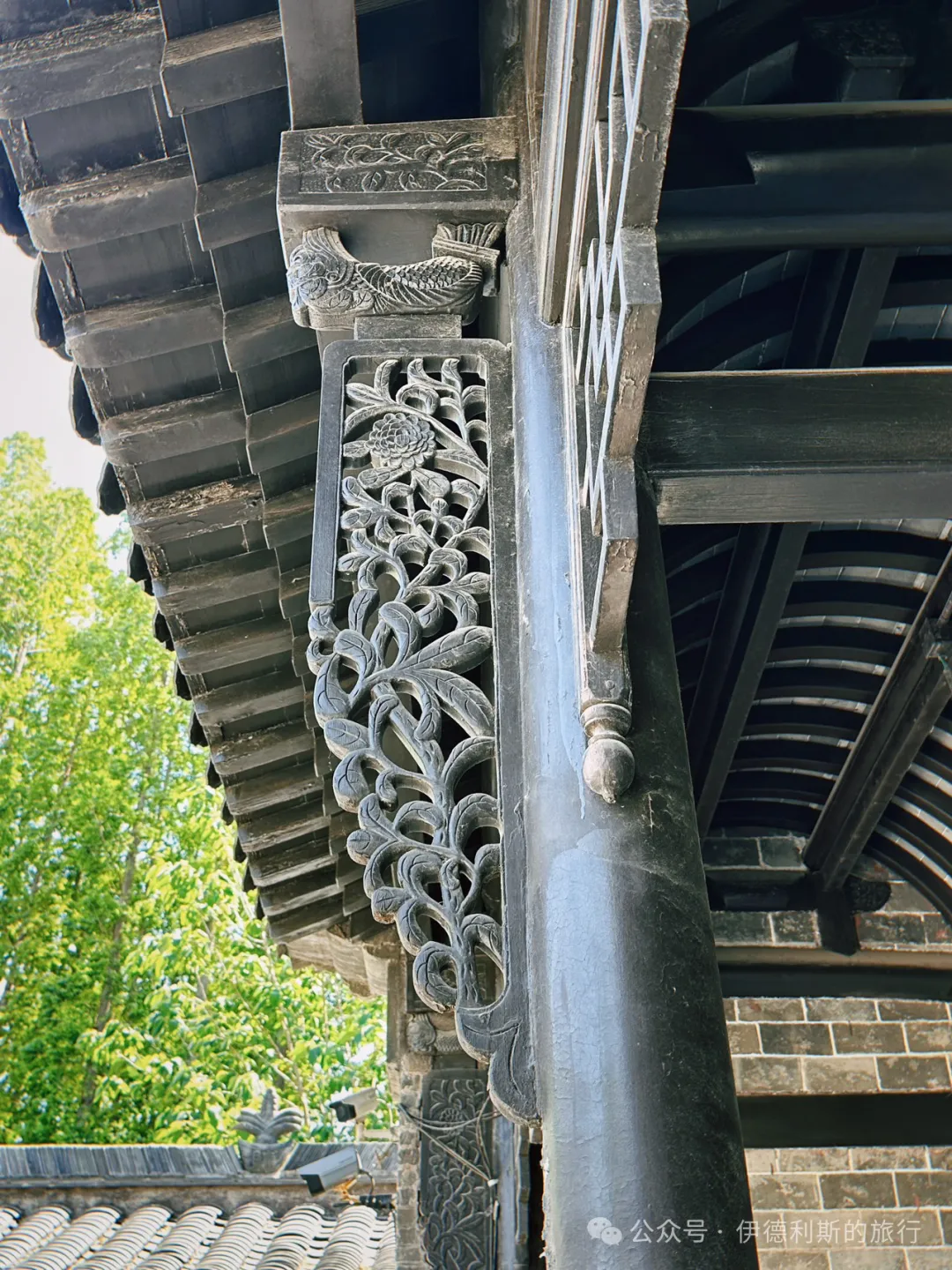
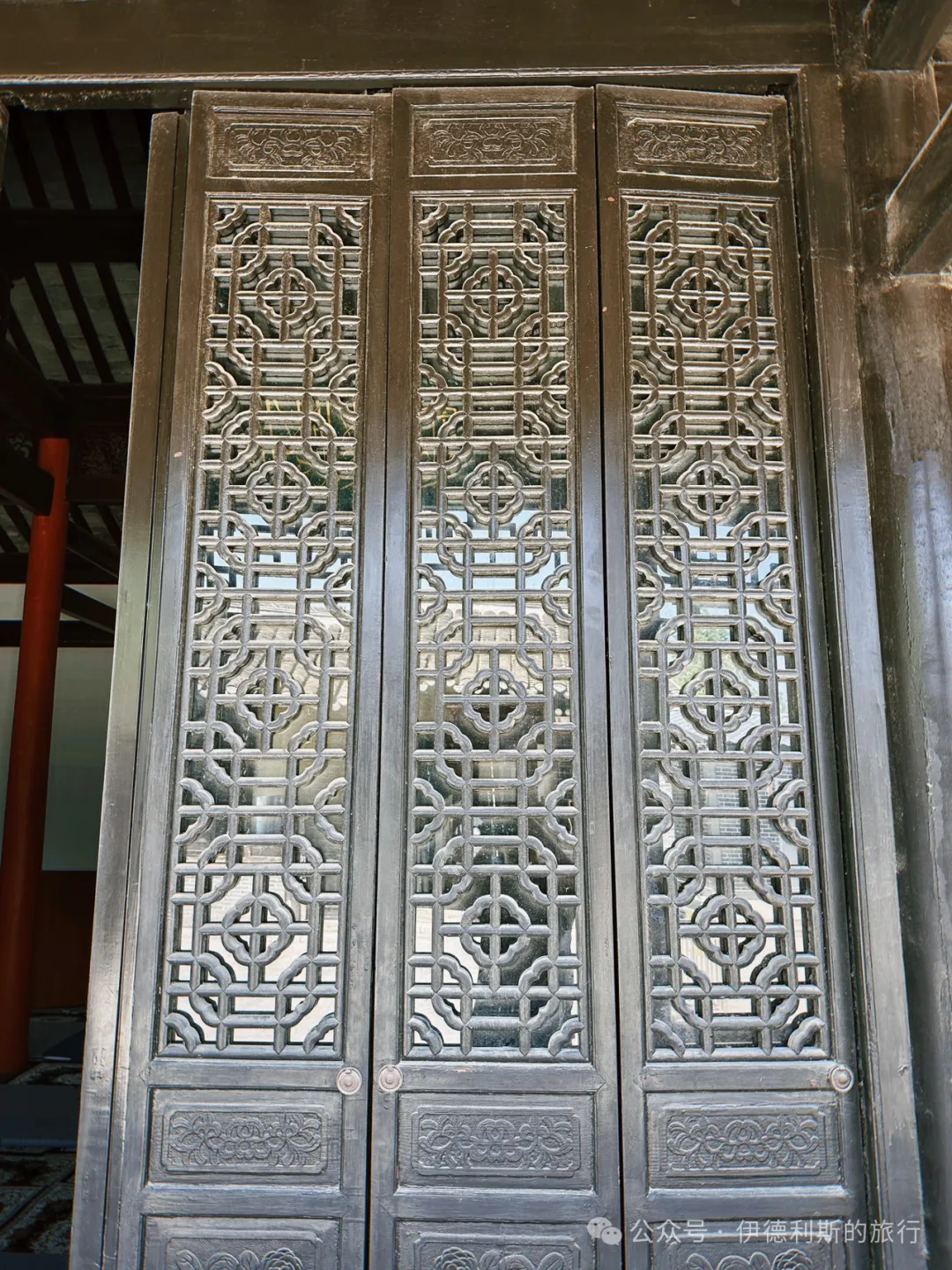
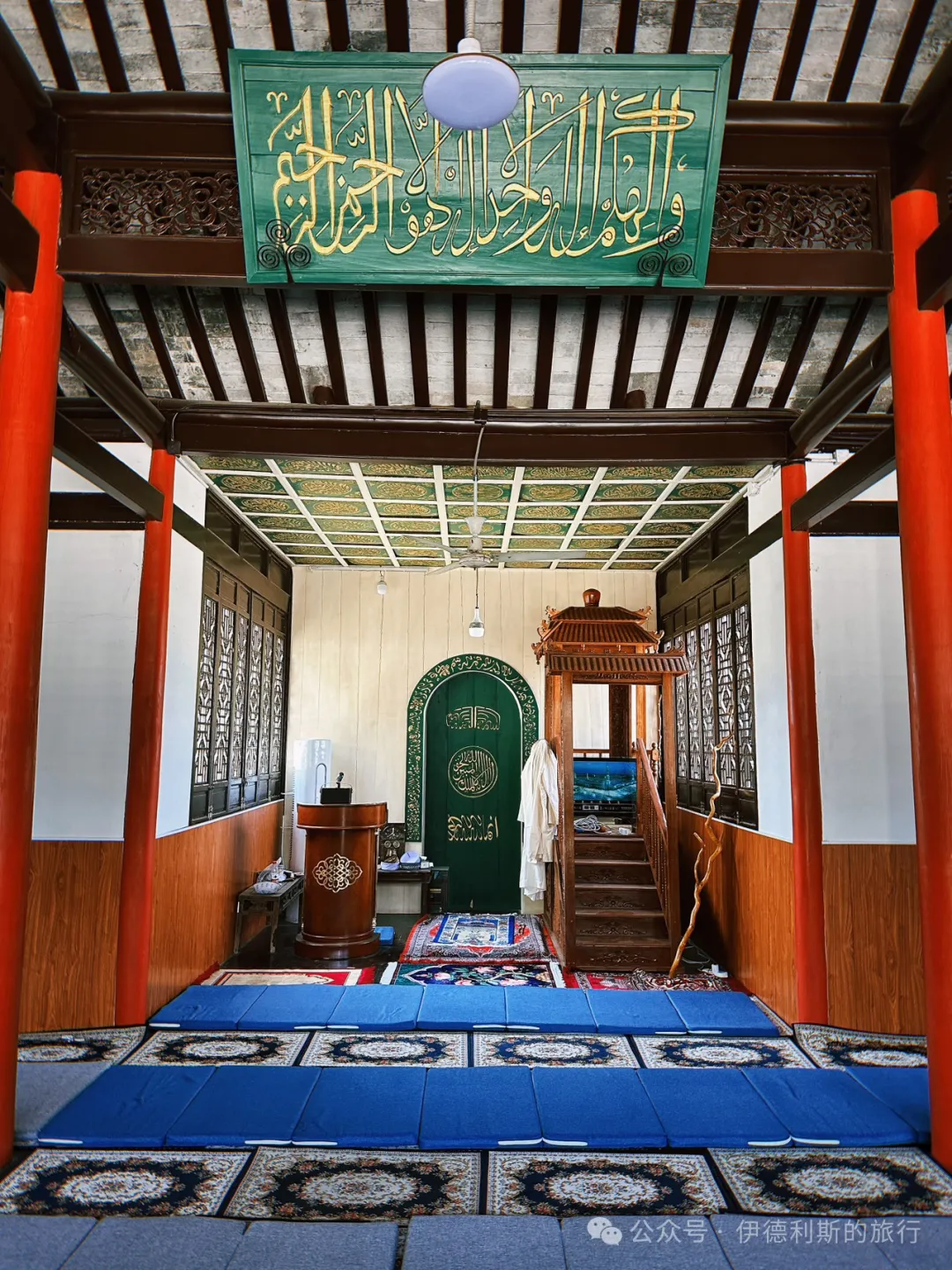
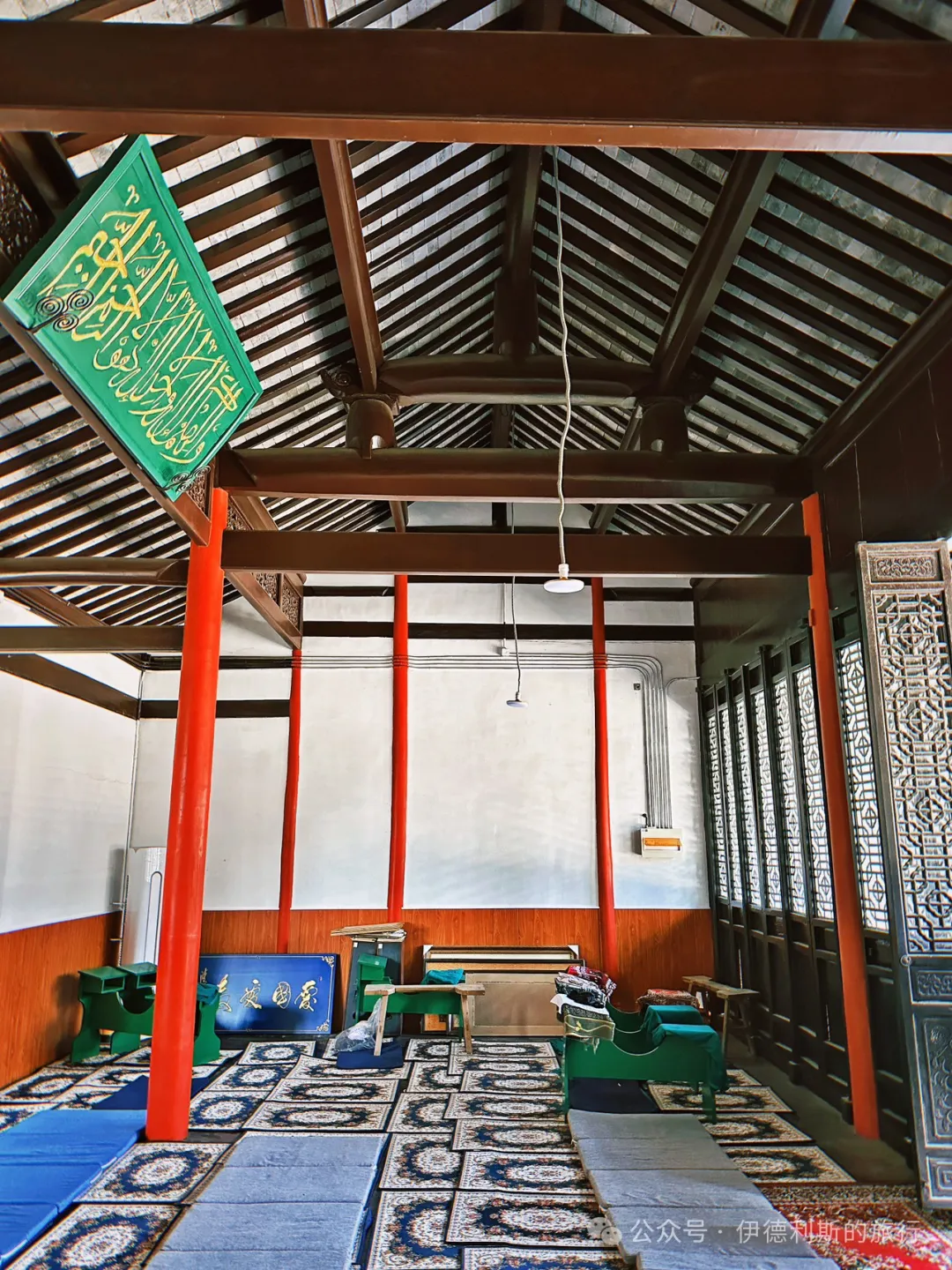
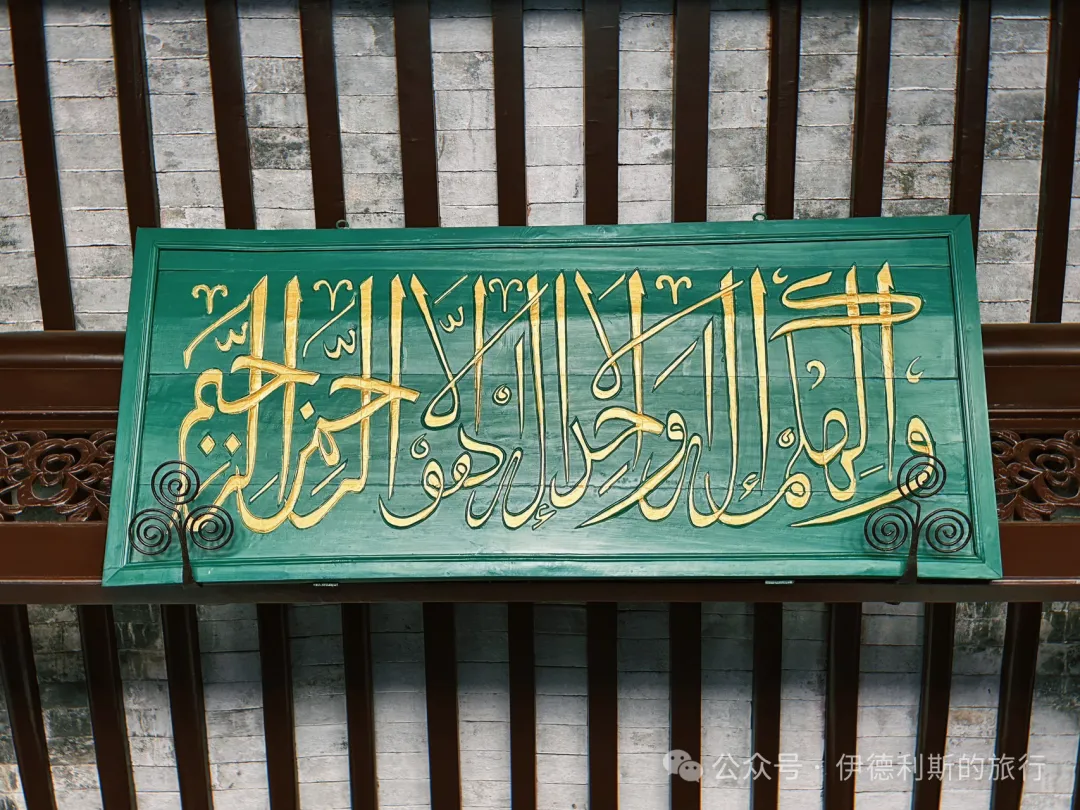
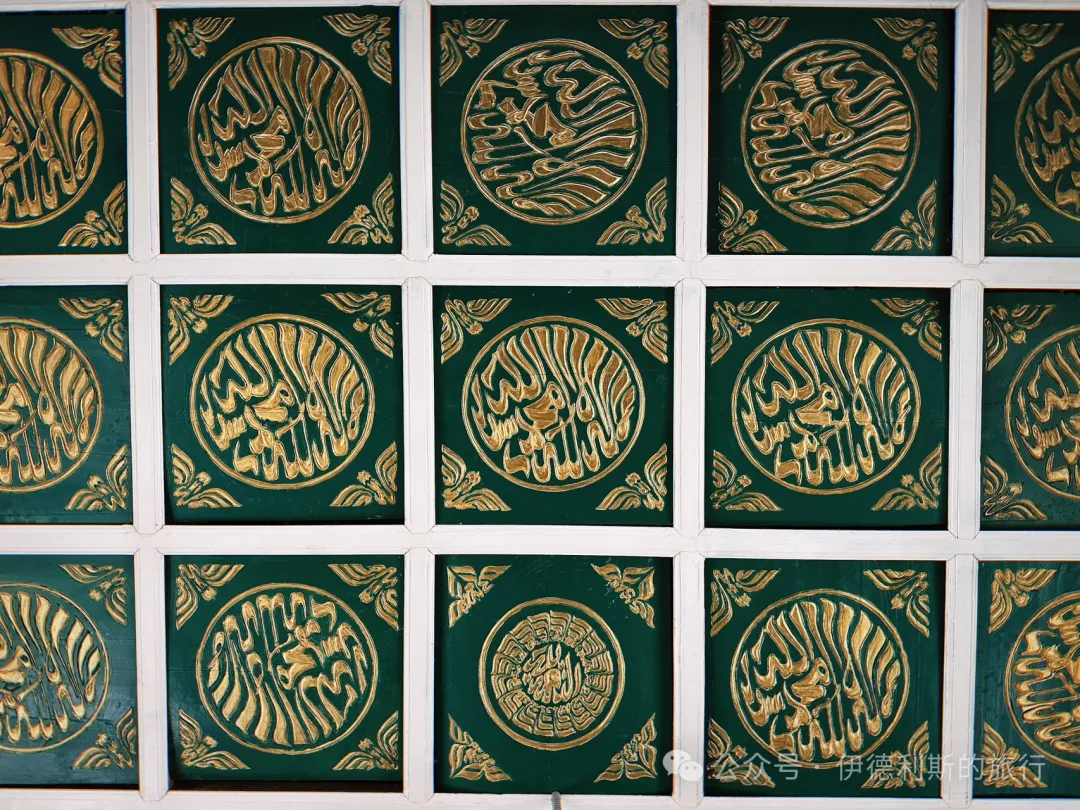
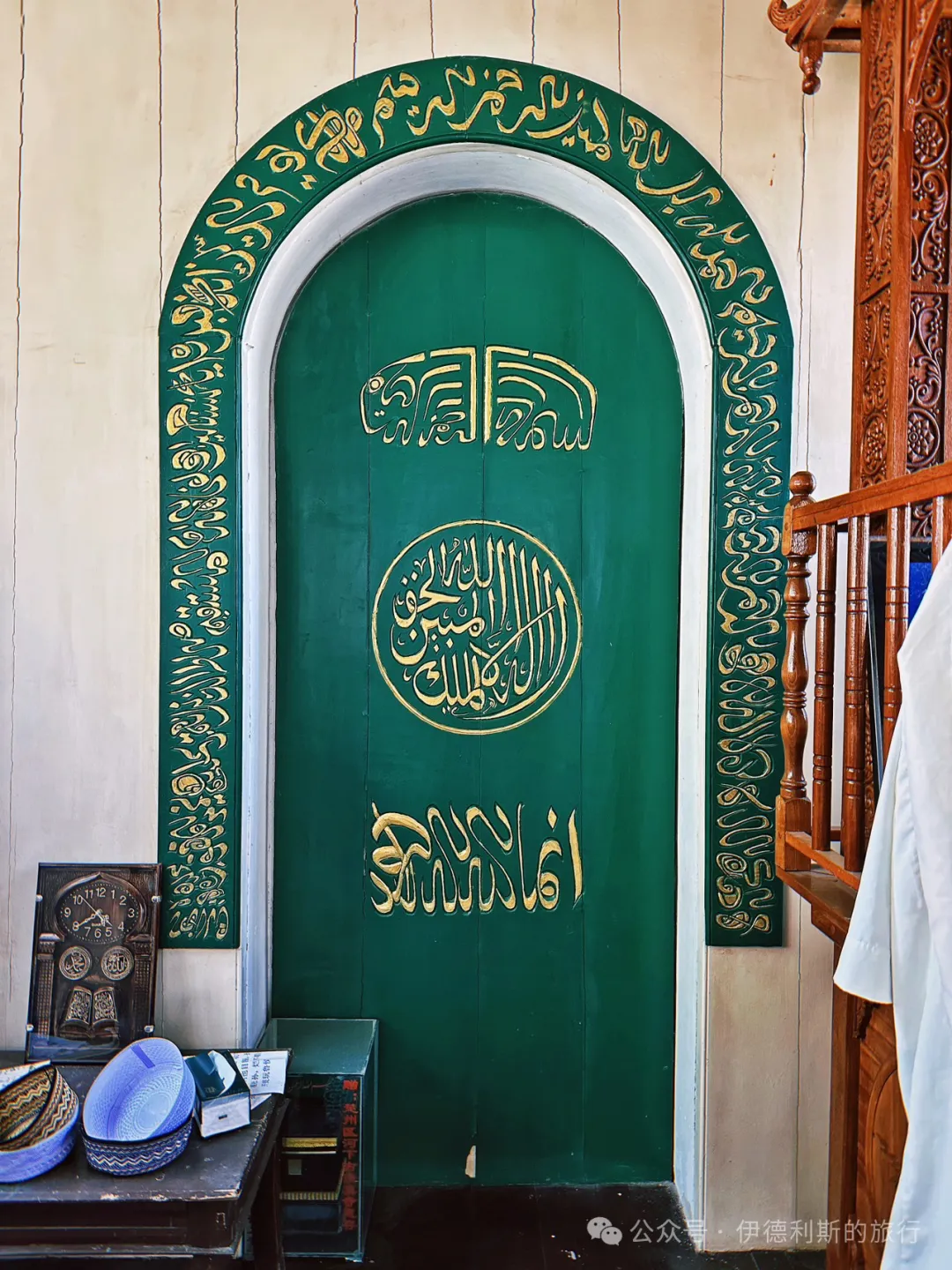
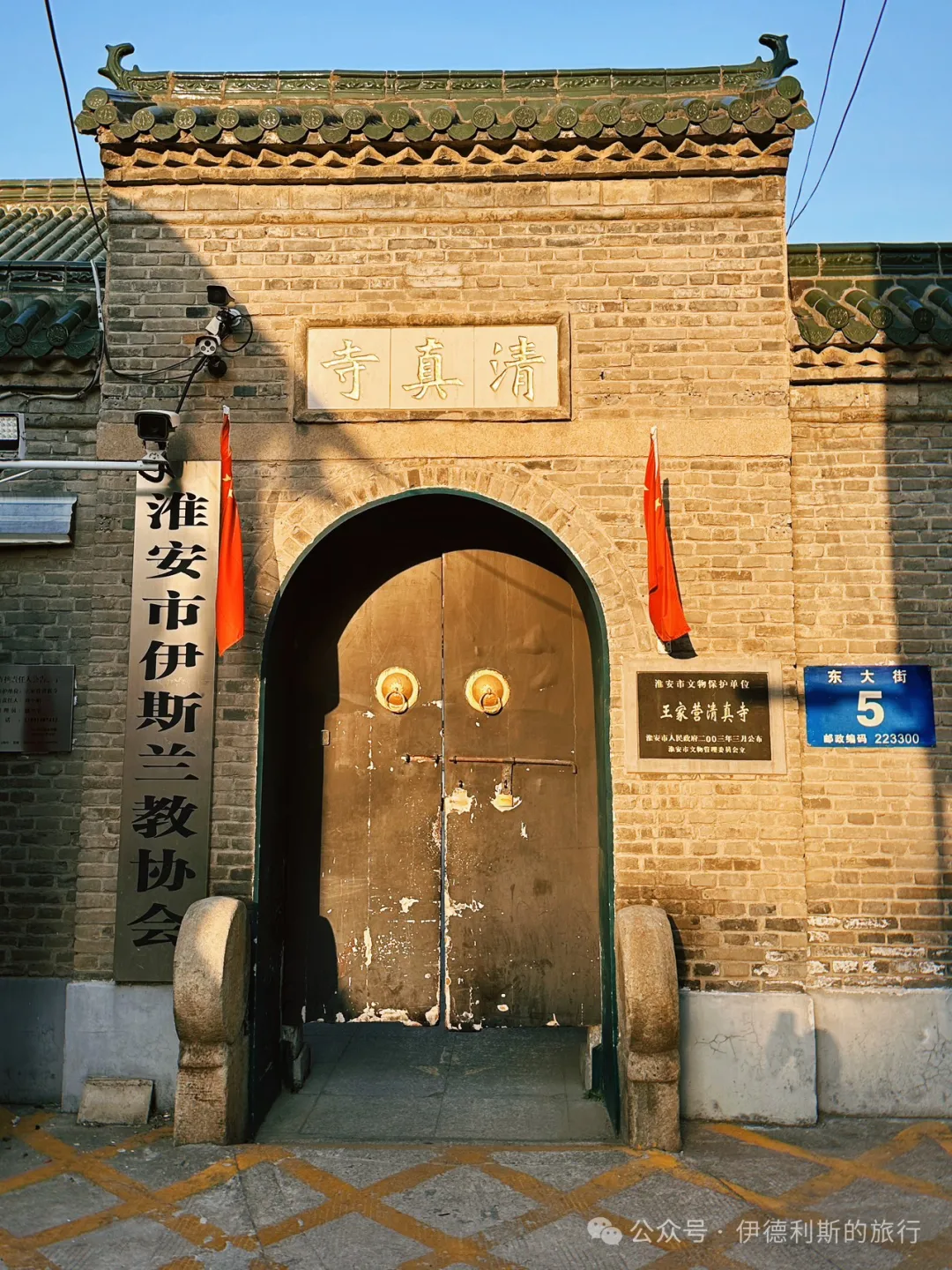
Wangjiaying Mosque.
Wangjiaying in Huaian is located between the old course of the Yellow River and the Salt River. During the Ming Dynasty, the Dahe Guard was established in Huaian Prefecture, and ten military camps were built along the Yellow River. Wangjiaying was one of them. Because travel on the Yellow River section of the canal was slow and passing through locks was dangerous, often leading to broken cables and sunken boats, many merchants chose to leave their boats at Qingjiangpu. They would cross the Yellow River at Wangjiaying and switch to horse-drawn carriages to continue north. Wangjiaying and Qingjiangpu gradually grew into a busy town together.
Wangjiaying experienced many floods from the Yellow River, and the town moved east three times before reaching its current location. In 1831, the eleventh year of the Daoguang reign, Viceroy Tao Peng chose Wangjiaying as the new distribution center for Huaian salt. After that, eighteen salt warehouses and seventy-two salt bureaus were opened in Wangjiaying. Salt boats traveled back and forth every day along the three-hundred-li waterway from the Huaibei salt fields to Wangjiaying.
The prosperity of Wangjiaying attracted a steady stream of Hui Muslims to settle there. The first Hui Muslims to arrive in Wangjiaying were the Ma and Sha families, who came via Lingwu County in Ningxia, Shandong, and Zhenjiang. Later, Hui Muslims with the surnames Jin, Dai, Chang, Ge, Fan, Li, and Yang also settled here.
Wangjiaying Mosque was first built during the Yongzheng reign. It started as three thatched rooms next to the Lotus Pond at Wangjiapo. After Wangjiaying became a salt distribution center in the late Daoguang reign, the mosque moved to the south bank of the Salt River, with imams Chang Tingzhang and Dai Mingxuan in charge of religious affairs. Imam Chang Tingzhang, known as Third Master Chang, was originally from Jining, Shandong. He was born in 1785, the fiftieth year of the Qianlong reign, in Taoyuan County, Huaian Prefecture, Jiangsu (now Siyang). In his youth, he studied in Lingzhou (now Lingwu County, Ningxia) and continued his religious studies in Jining, Shandong, after completing his initial training. In 1810, the fifth year of the Jiaqing reign, the 26-year-old Imam Chang Tingzhang was invited to Wangjiaying Mosque to lead religious affairs. Imam Chang Tingzhang had deep knowledge of Arabic classics, astronomy, and medical theory. According to the Wangjiaying Annals, a man named Third Master Tao from Hangzhou died in Huaian during the Daoguang reign. Because it was the heat of midsummer, Imam Chang Tingzhang personally bought a boat and traveled south along the canal to escort the body back to Hangzhou to fulfill his duty to the family.
In 1860 (the 10th year of the Xianfeng reign), the Nian Army burned down the Wangjiaying Mosque. In 1867 (the 6th year of the Tongzhi reign), Imam Dai Jingzhai, the son of Imam Dai Mingxuan, built a few thatched huts. Later, with donations from the community, they built a main prayer hall with three rooms made of grass.
After Imam Chang Tingzhang passed away in 1870 (the 9th year of the Tongzhi reign), Imam Dai Jingzhai took charge of religious affairs. In 1884 (the 10th year of the Guangxu reign), he replaced the grass-roofed building with a tiled one. Because Imam Chang Tingzhang had studied at the Jahriyya Banqiao Daotang in Jinjibu, Lingwu County, Ningxia, when he was young, the Wangjiaying Mosque later invited five successive Jahriyya imams from Jinjibu to lead religious services and teach. Subsequent imams also went to Ningxia for further study, making Wangjiaying Mosque one of the nine branch centers of the Banqiao Daotang.
In 1912, the Wangjiaying Mosque built a new main gate, a south lecture hall, a kitchen, and a water room. In 1920, with funding from the Jinshan Tang in Gansu and money from selling dozens of willow trees from the public cemetery, they rebuilt the three-room tiled porch in front of the main hall and added three new rooms for the east lecture hall. Currently, there is a stone tablet from 1920 commemorating the Republic of China renovation on the inner north wall of the main hall, but the top part is covered.
In 1958, the Wangjiaying Mosque moved to the east side of the West Horse Road in Wangying. In 1961, it moved to its current location because the land was requisitioned for a bank building. During the destruction of the Four Olds, the main hall's plaques reading "The Way Spreads in the Central Land," "The Religion Follows the Western Regions," and "Stop at the Ultimate Good," along with the gold-lettered Arabic plaques and the couplet reading "See the formless, hear the soundless, rectify the intention and be sincere, become a sage and a worthy, the original nature;" “The Way stands here, movement brings harmony, reach others through oneself, benefit the people and the world, the land is complete” were all smashed and burned. Funeral supplies were also destroyed, and the main hall was used as a warehouse by a shoe and hat factory.
In 1979, under the leadership of Imam Ge Weili, the Wangjiaying Mosque was rebuilt in a traditional style. It was completed in 1985 and underwent two more renovations and expansions in 2003 and 2006, resulting in its current appearance.
Imam Ge Weili was born in 1924. He went to Ningxia to study in 1937. After completing his training and receiving his credentials in 1945, he became the imam of Wangjiaying Mosque and took on the role of imam in 1966. The religious work at Wangjiaying Mosque is now handled by Imam Fan Weiming, a student of Imam Ge Weili.
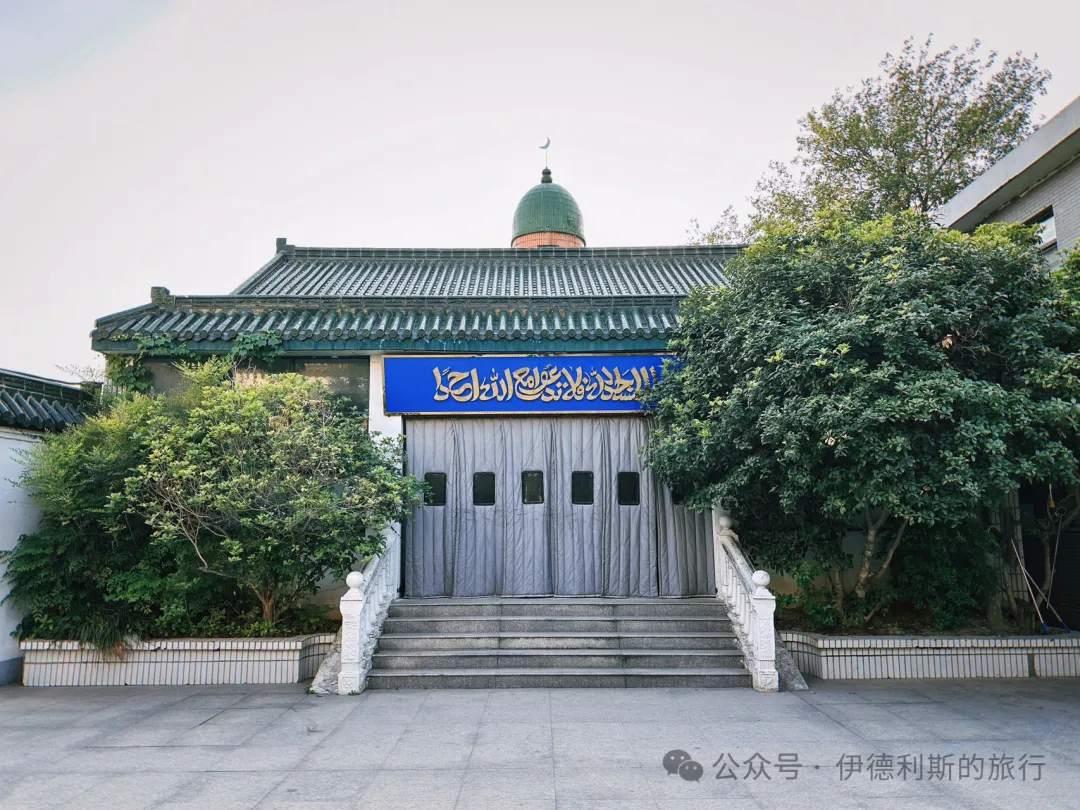
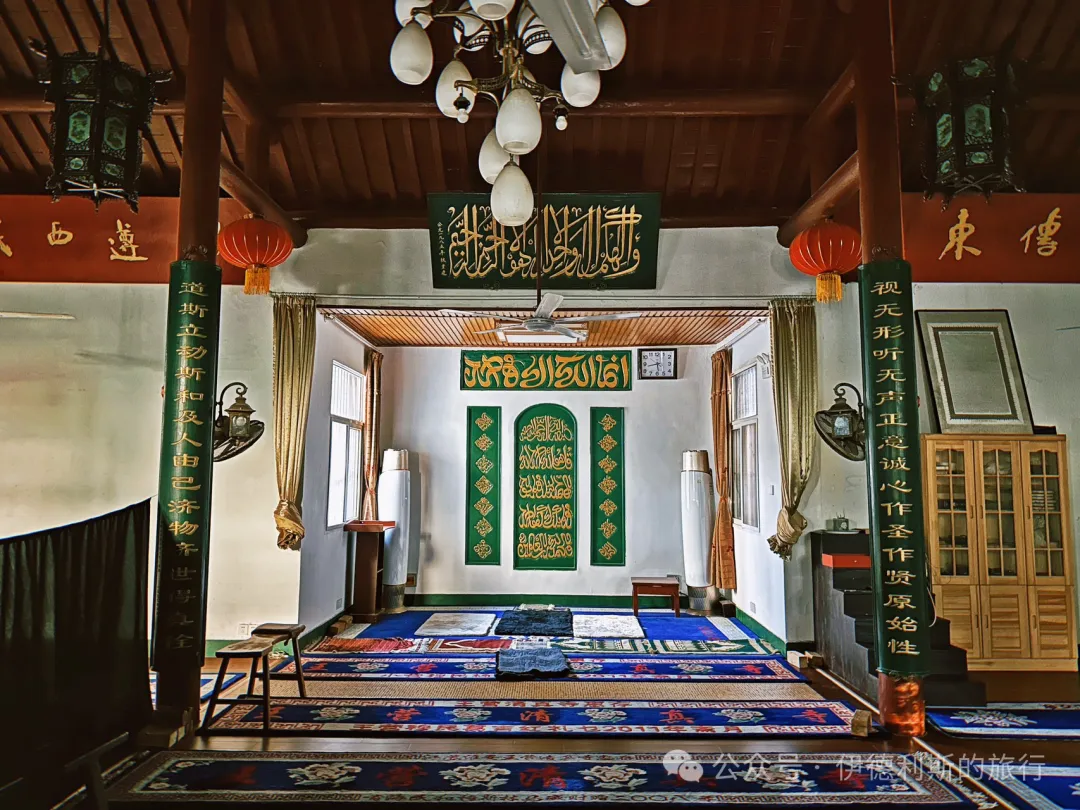
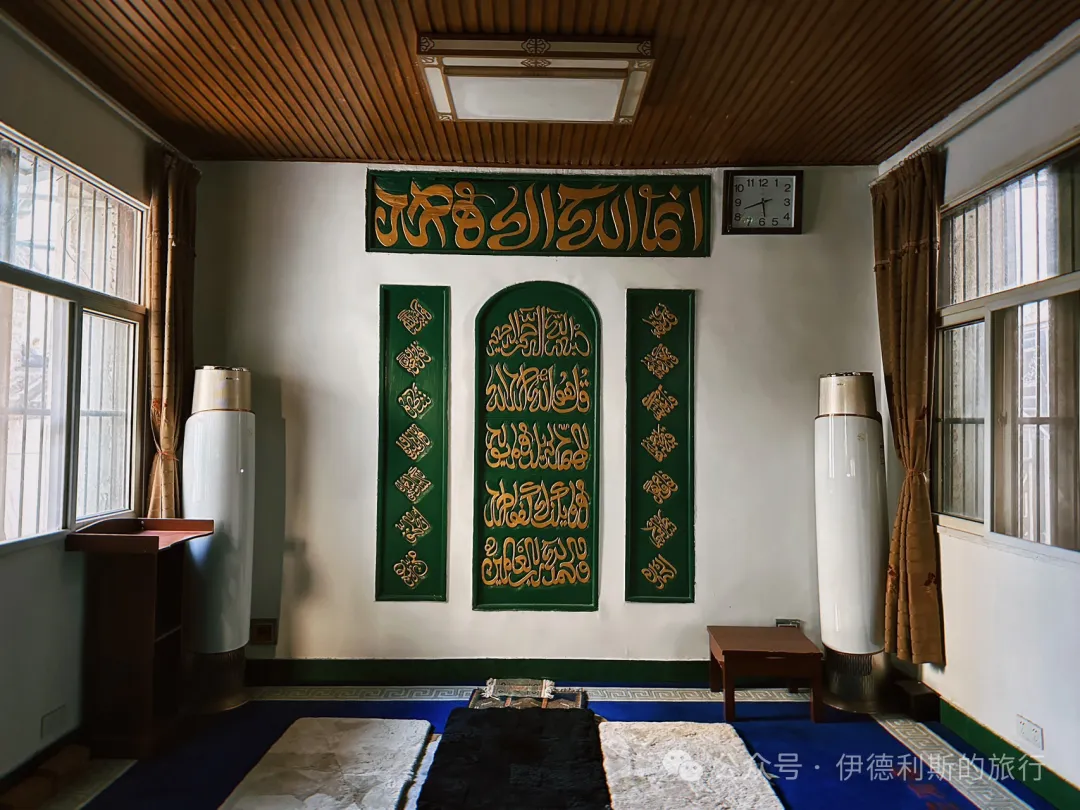
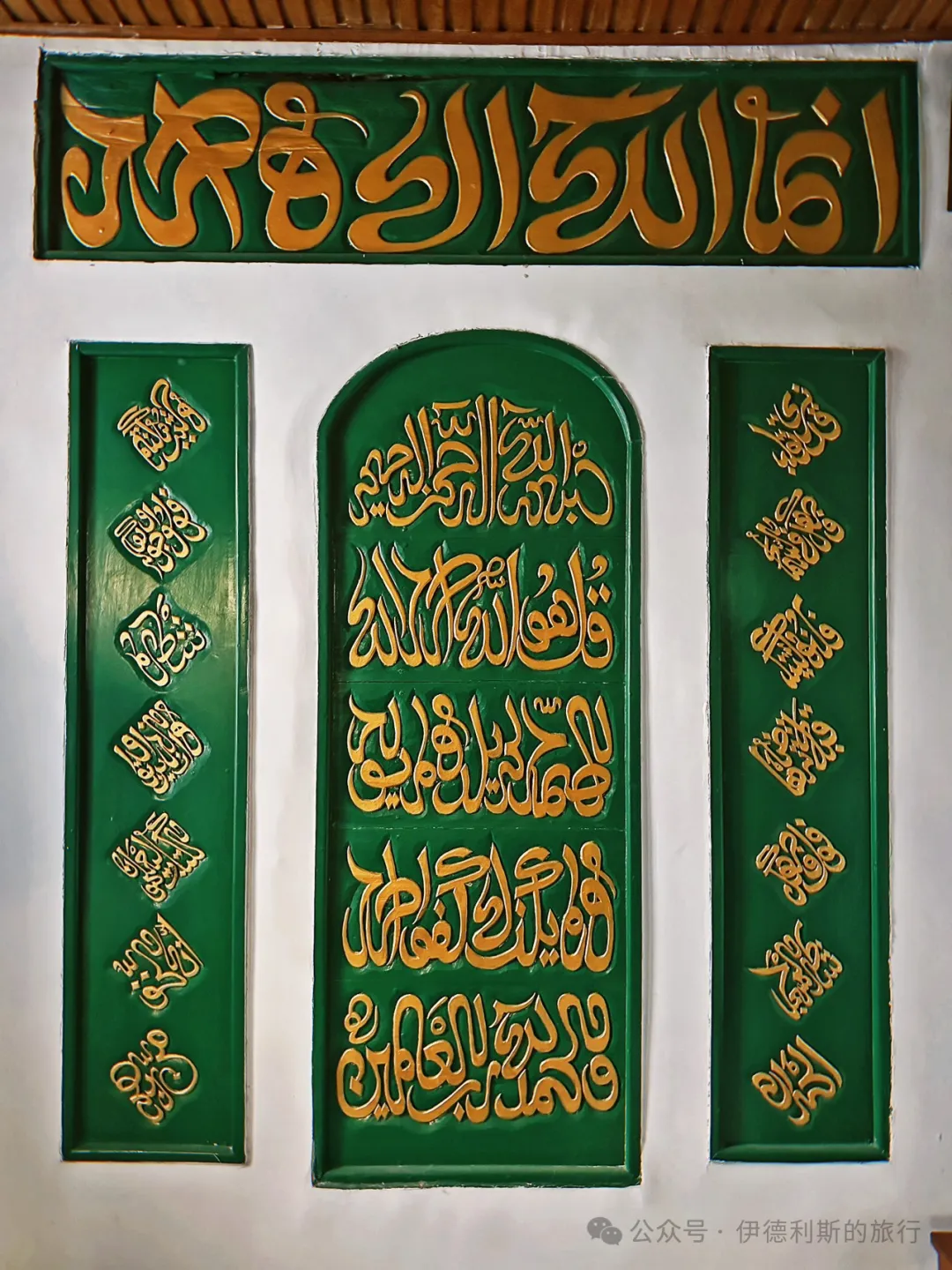
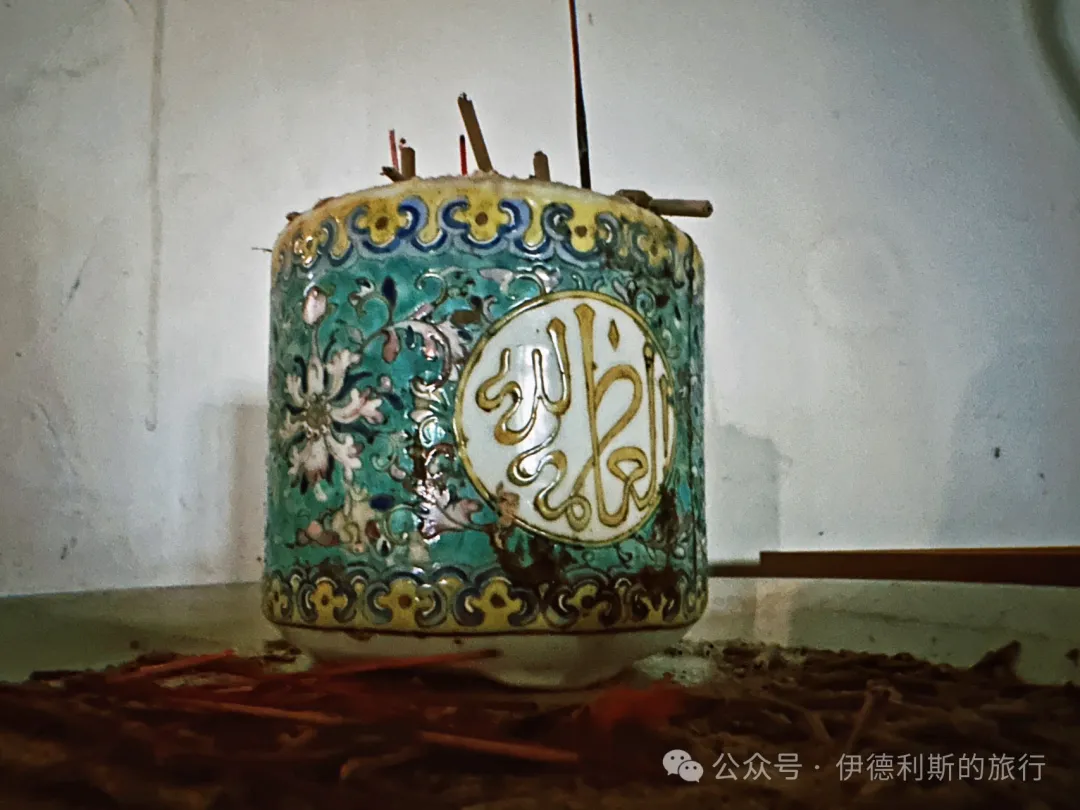
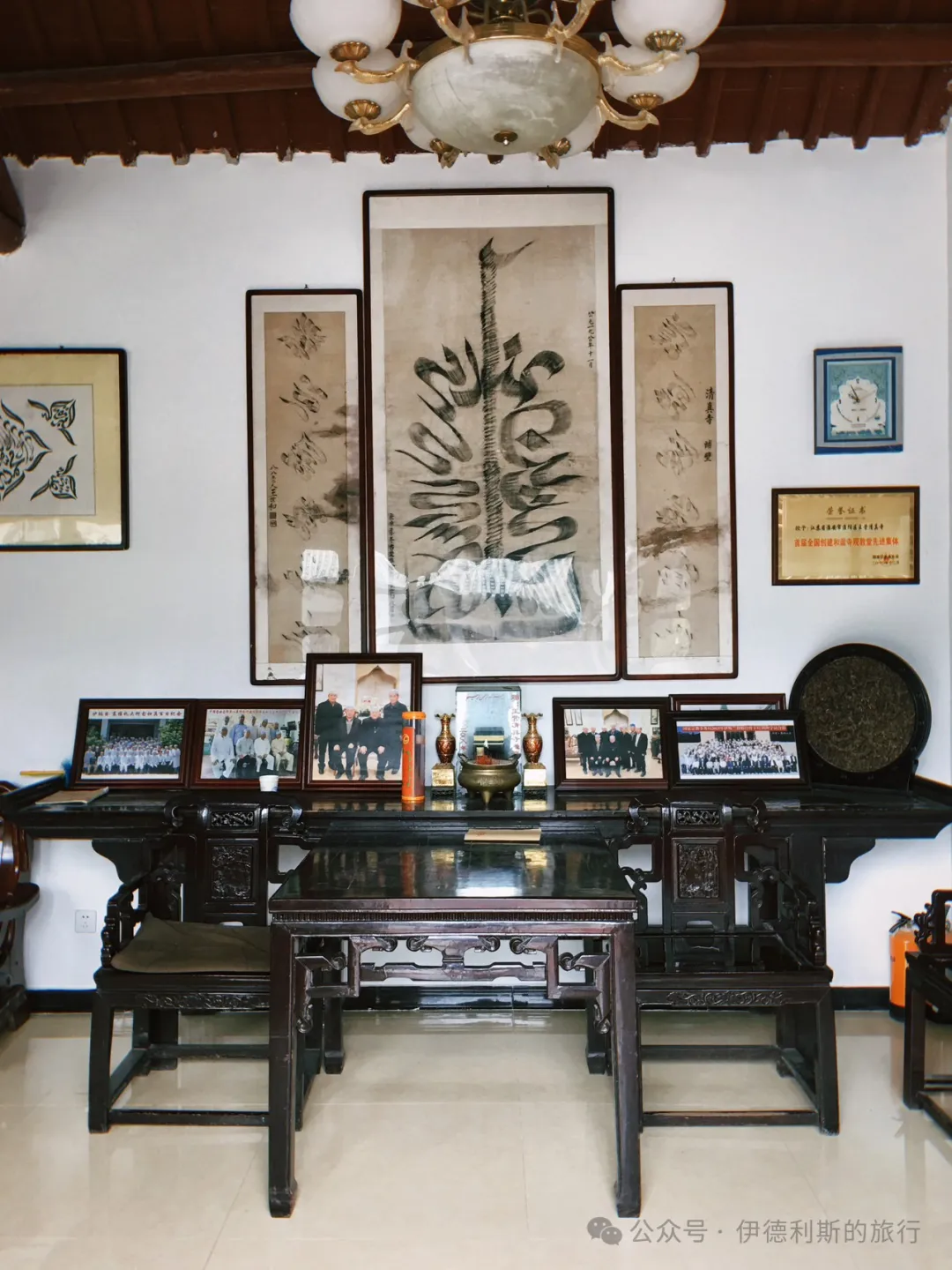
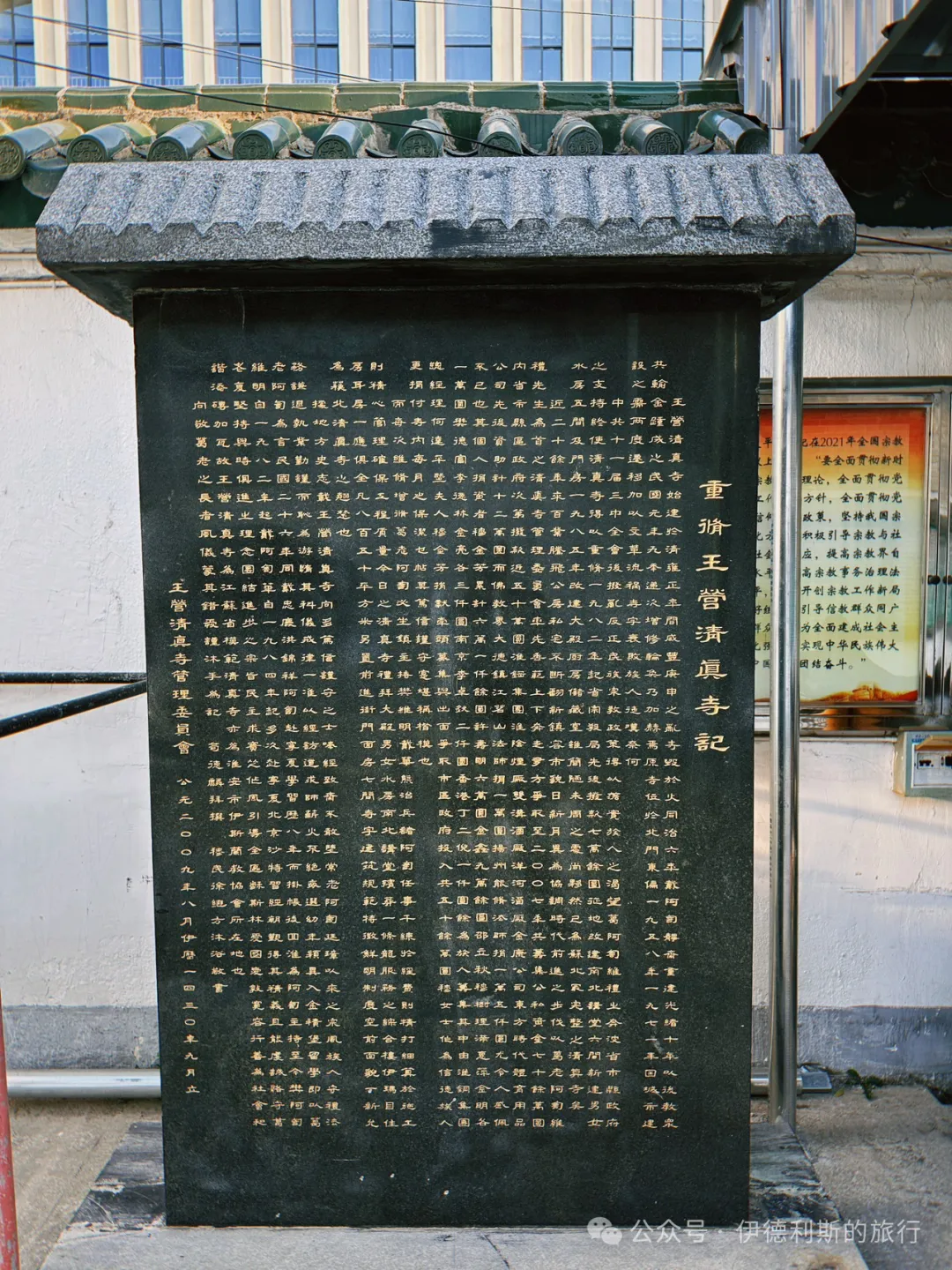
The Republic of China era inscription reads as follows:
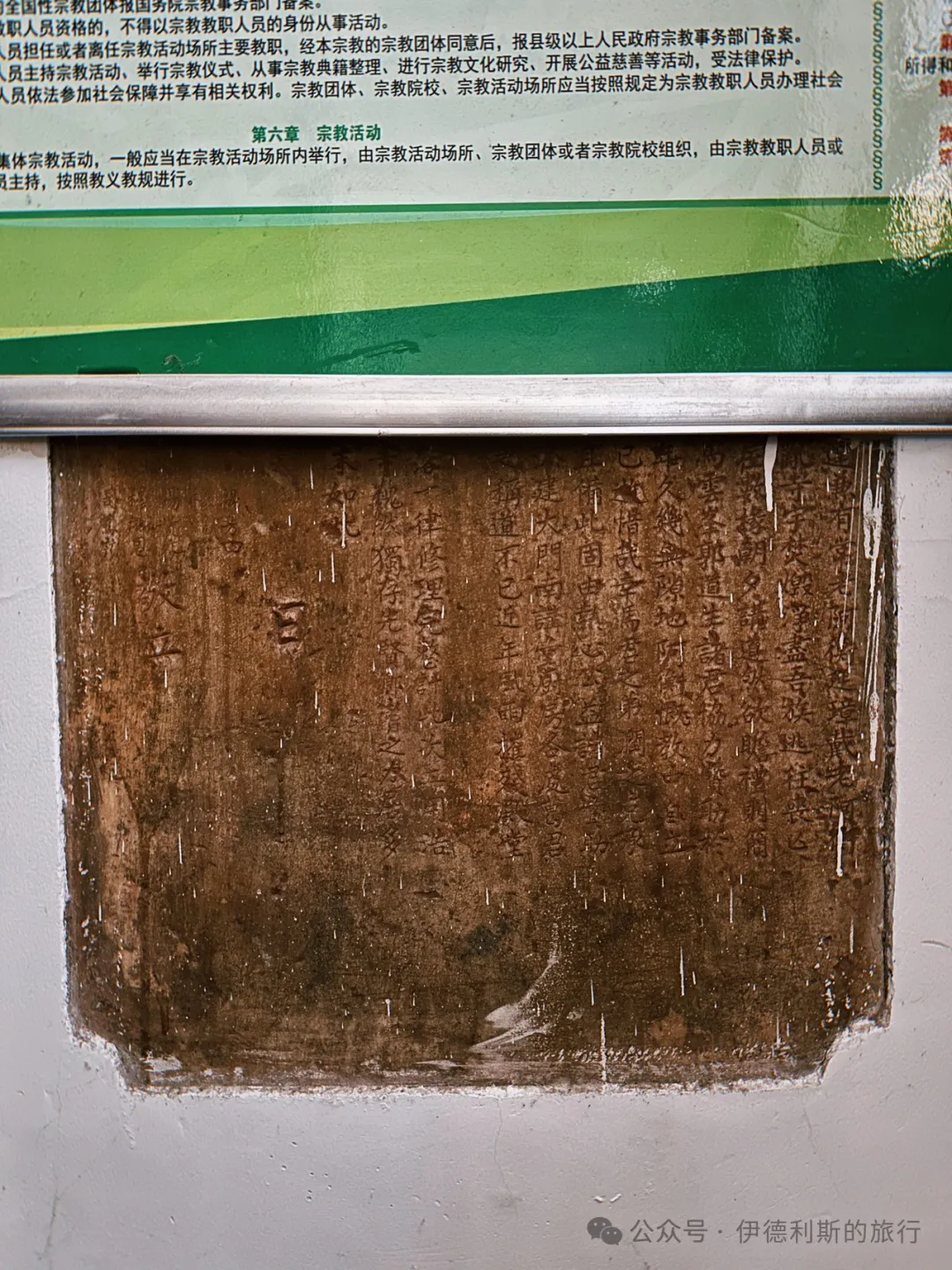
The Wangying Mosque was founded during the Yongzheng reign of the Qing Dynasty. By the end of the Daoguang reign, our community was at its peak. The population was large, and businesses were thriving. With the old Imams Chang Tingzhang and Dai Mingxuan leading religious affairs one after another, the lecture hall was always full, and many students were trained. This is recorded in the local history and can be verified. In the Gengshen year of the Xianfeng reign, the Nian rebellion suddenly occurred. The mosque was burned to the ground, our people fled or died, and the population gradually dwindled.
In the sixth year of the Tongzhi reign, Imam Dai Jingzhai, the son of the old Imam Dai Mingxuan, followed his father's teachings and took over the religious duties. He first built a few thatched huts to teach the faith morning and evening. However, for prayers, it was too simple and exposed to the elements; For gatherings, it was too small to hold everyone. The Imam was deeply worried about this. He persuaded people to donate and built a main prayer hall with three rooms made of grass. Later, he discussed it with Yang Xuting, Ma Yunfeng, and Guo Daosheng. With their help, in the tenth year of the Guangxu reign, they rebuilt the tiled main hall and lecture halls, and things began to return to normal. As more of our people lived here, the original public cemetery became crowded, and after many years, there was almost no space left. The Imam was concerned that there were few cemeteries for the community, and whenever a major funeral occurred, it was difficult to manage. He planned to buy a piece of land to provide for the future. He got the agreement of Mr. Ma Yunfeng, but before the matter was finished, Mr. Ma passed away. What a pity! Fortunately, Mr. Ma's brother, Runzhi, carried out his brother's wishes. With the strong support of the village elder Mr. Li Yunpo, they set aside differences, raised funds, and bought two new cemeteries. The benefits provided by the imam (ahong) to our people are thorough and complete. This is largely due to the support of those passionate about public welfare, but it is also the result of the imam's decades of solitary, painstaking effort and his sincere devotion.
In the first year of the Republic of China (1912), we worked to continue the legacy of our predecessors by adding a main gate, a south lecture hall, and a kitchen. Mr. Ge Ziming funded the construction of the washroom (shuifang) with a donation of several hundred thousand. We also invited Imam Wang Pinqing from Gansu Province to teach scripture. Visitors from all over who came here always spoke highly of him. In recent years, wind and rain have damaged the buildings, and the main hall is at risk of collapsing. We met to discuss the situation and sold dozens of willow trees from the perimeter of the cemetery, raising over two hundred thousand. We also received a donation of many roof tiles and timber pieces from the Jinshan Hall in Gansu. We then built three tiled, curved-eave rooms in front of the main hall and fully repaired the surrounding walls, the three-room east lecture hall, and the courtyard of the inner gate. This massive project was completed through a combination of public funds and donations from afar. We feel ashamed that we lack the personal wealth to do more, but we share these details because, despite two hundred years of constant change, our mosque still stands tall. This is largely due to the efforts of our ancestors and village elders. We sincerely hope that future generations will remember the hardships of those who built this place and preserve it forever so it may last without decline. We have recorded the full story here.
July, the ninth year of the Republic of China (1920).
Jin Jiasheng, Jin Jialin, Guo Chunlin, Yang Fangtian.
Chang Bingkui, Li Shunjie, Chang Guanying, Mu Hongbin.
Jin Jiayuan, Ma Jianong, Fan Zhaofeng, Yang Guiyuan.
Ge Futang, Li Dianqing, Ma Jiarang, Mu Hong'en.
Ma Jialin, Ge Zhenqing, He Wenquan, Zhou Fengling.
Sha Faxiang, Liu Lianyuan, Zhou Riyang, Mu Hongye.
Yancheng Mosque.
Yancheng Mosque is located on Xicang Lane (historically called Xicang) in the Yancheng urban area. It was first built during the Yongle period of the Ming Dynasty as three thatched rooms by five Hui Muslim families: the Ha, Huo, Ding, Liu, and Xue families. It was expanded in 1720 (the 59th year of the Kangxi reign) and rebuilt again in 1928 into the current brick-and-wood main hall.
The Republic-era 'Continued Records of Yancheng County' states: 'The mosque is located on Xicang Street in the city. It was founded during the Ming Yongle period. In the 59th year of the Qing Kangxi reign, land was purchased to expand it, and it was renamed the Mosque (Qingzhensi). Recently, it was renamed the Hui Church (Huijiaotang). The leader of the faith is called an imam (ahong).' In the second year of the Republic of China (1913), the Yancheng branch of the Jiangsu Islamic Association was established. In the 18th year (1929), it was renamed the Yancheng branch of the Chinese Islamic Association.
During the War of Resistance Against Japan, Yancheng Mosque suffered two disasters. On March 30, 1938, it was bombed by the Japanese military. On April 26 of the same year, the Japanese military occupied Yancheng and set fire to the city. Except for the main hall, which survived, all other buildings were destroyed.
The main hall of Yancheng Mosque features traditional Jiangsu architectural style, with flying eaves in the front and a kiln-style niche (yaowo) in the back. The main hall still preserves the original wood-carved circular frame featuring a dua, which is very exquisite. According to Imam Xue Long from Zhenjiang, the inscriptions on the top and bottom of the main hall plaque use Arabic, Persian, and Xiao'erjing. They translate to: Completed on an auspicious day in the eighth lunar month of the 17th year of the Republic of China, respectfully erected by Abdullah Yang Luji. This is very precious.
The imam of Yancheng Mosque from 1936 to 1979 was Bai Hanzhang. Imam Bai was from Minquan, Henan. He graduated from the Beijing Niujie Islamic Institute in 1922. Later, he served as an imam in Jurong, Zhenjiang, and Nantong, Jiangsu. He became the imam of Yancheng Mosque in 1936 and served there until he passed away in 1979.
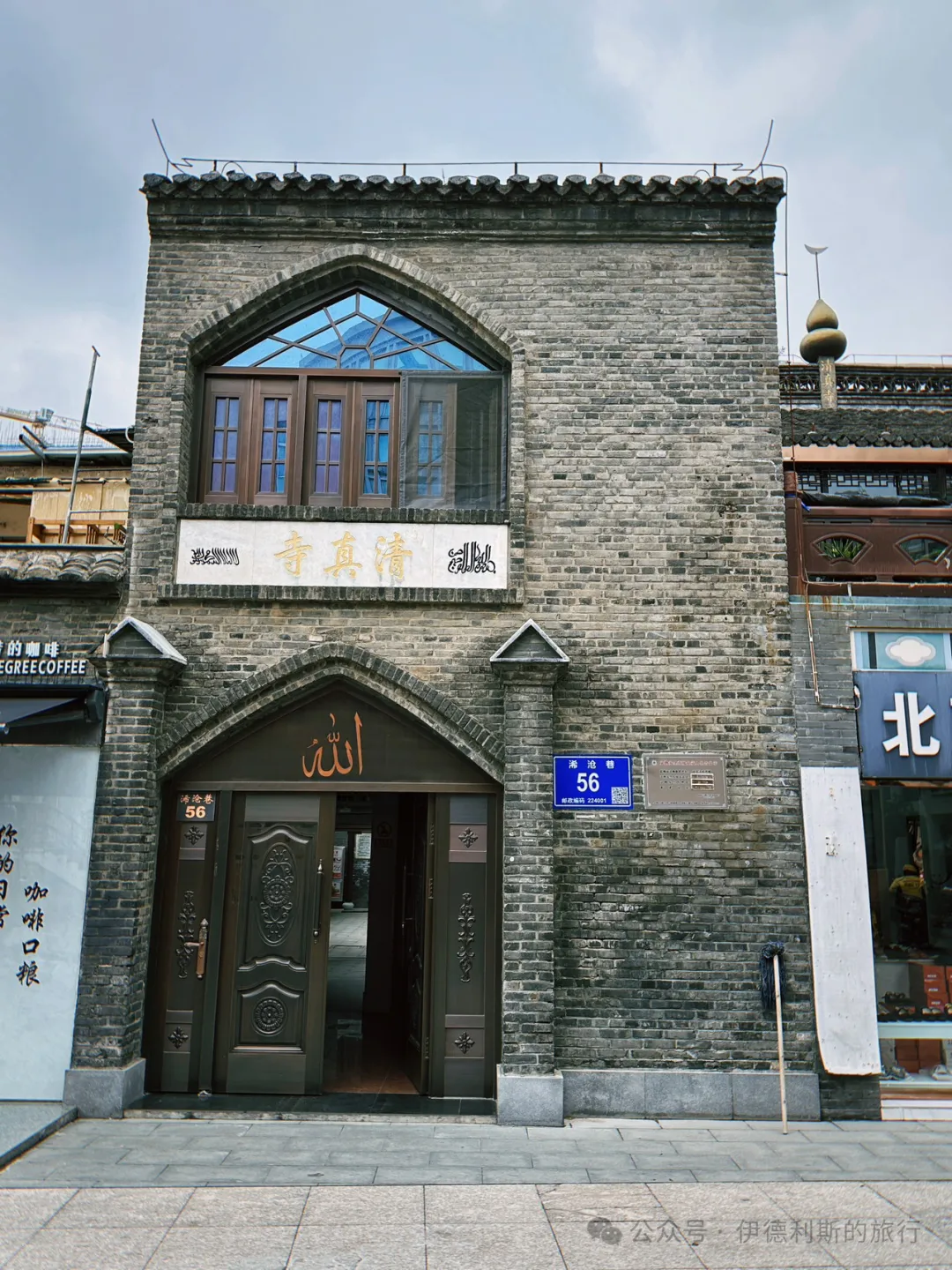
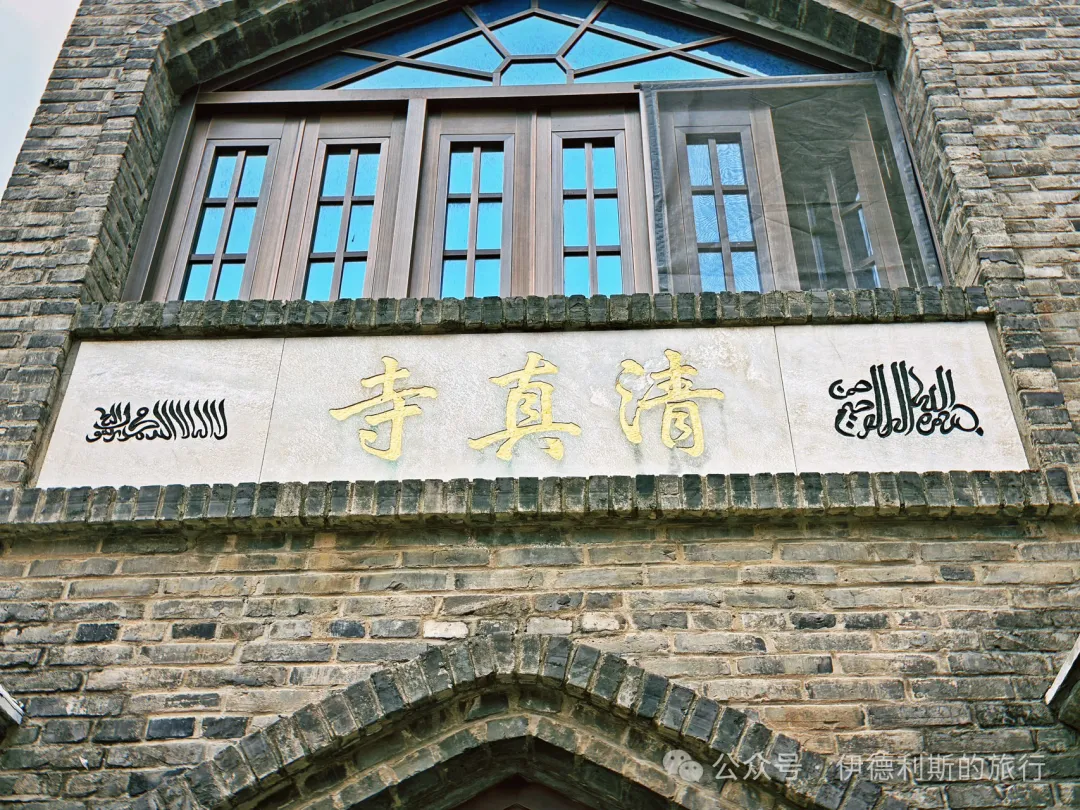
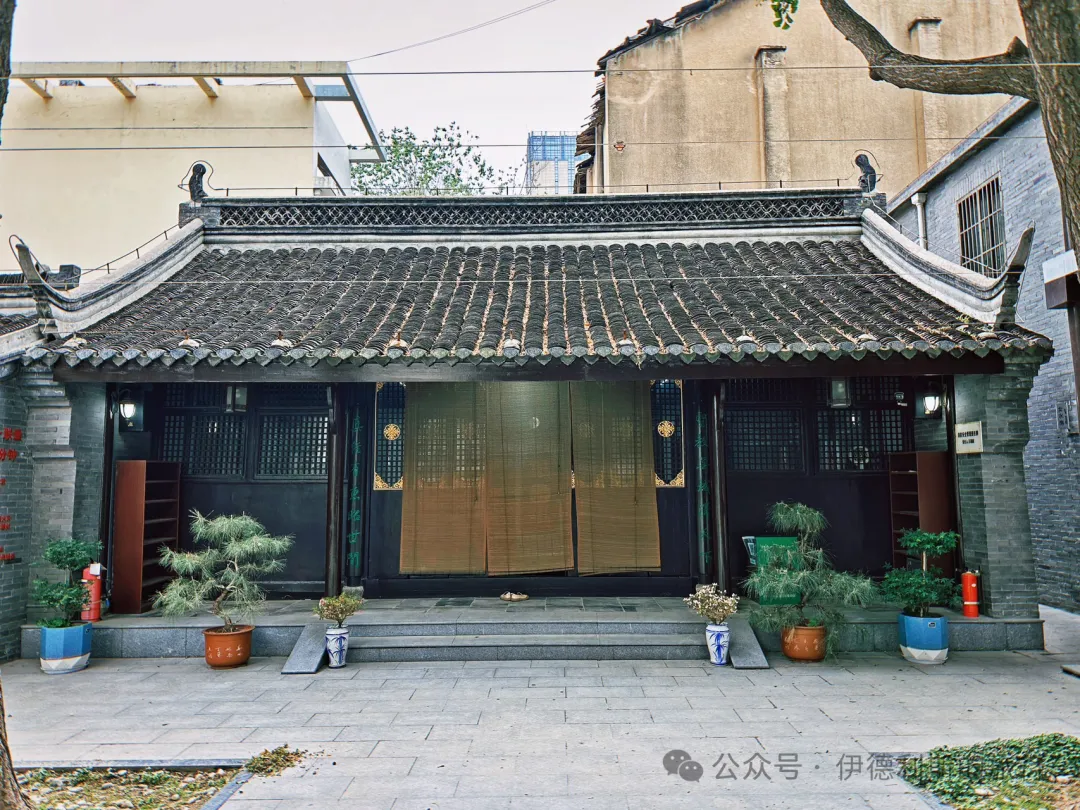
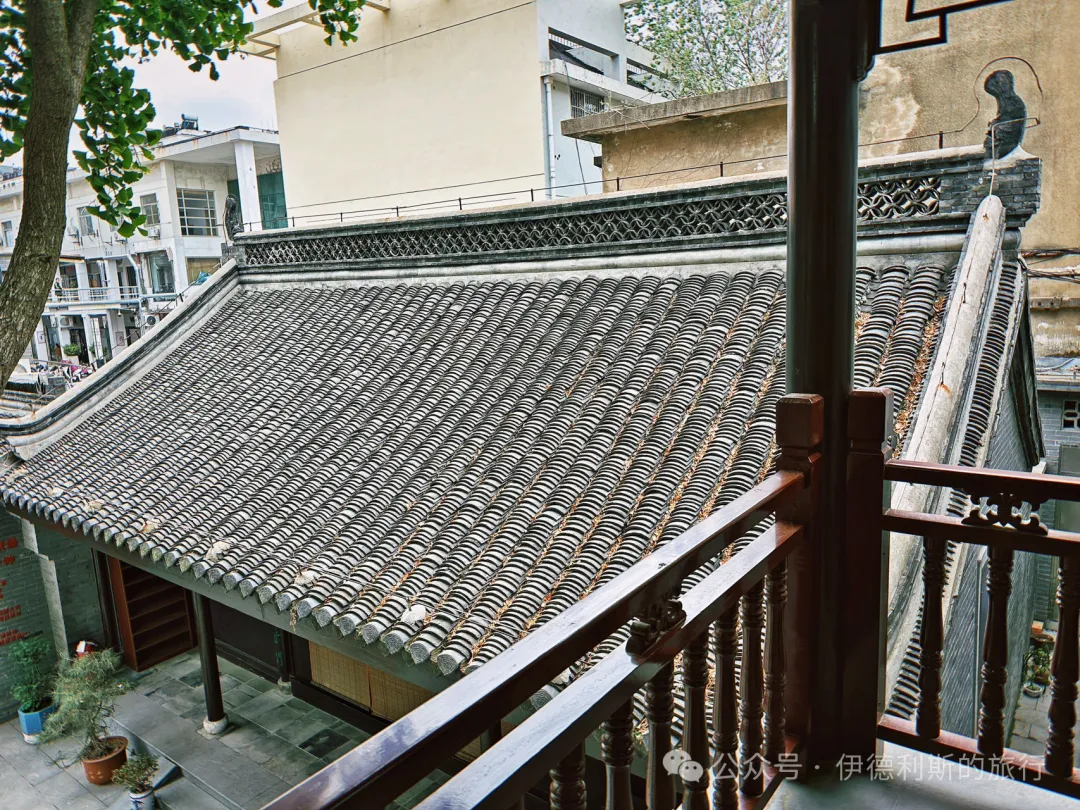
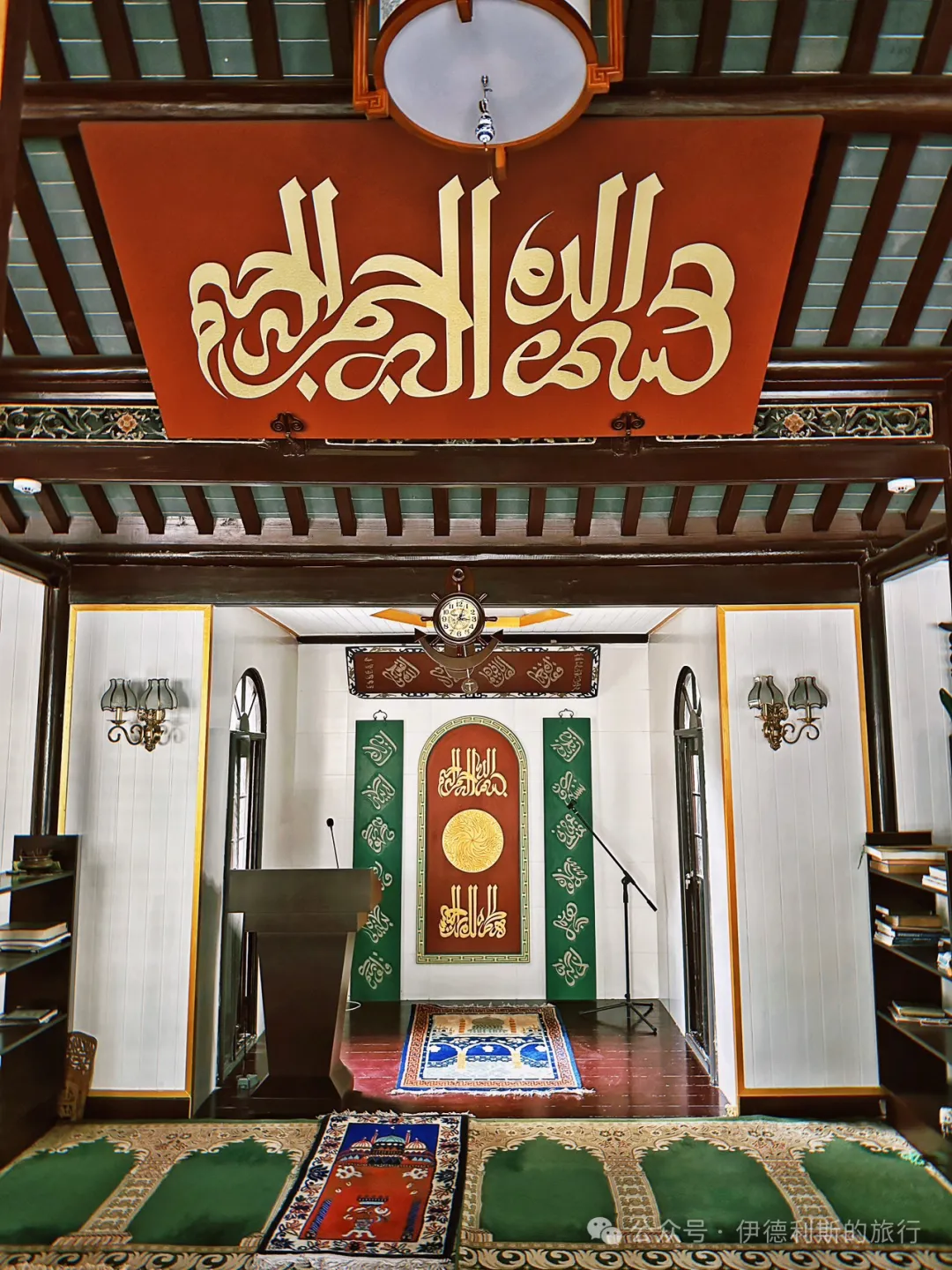
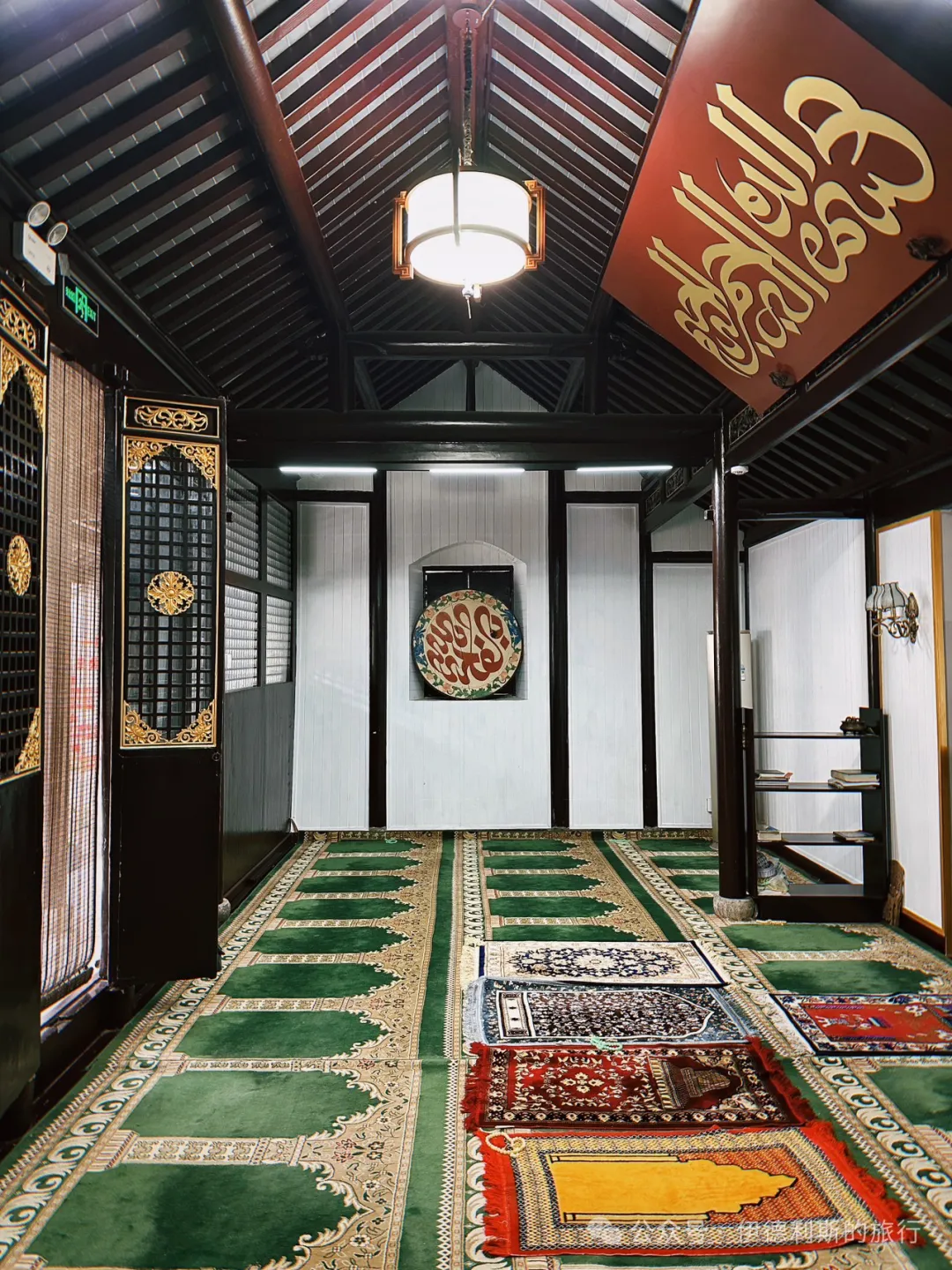
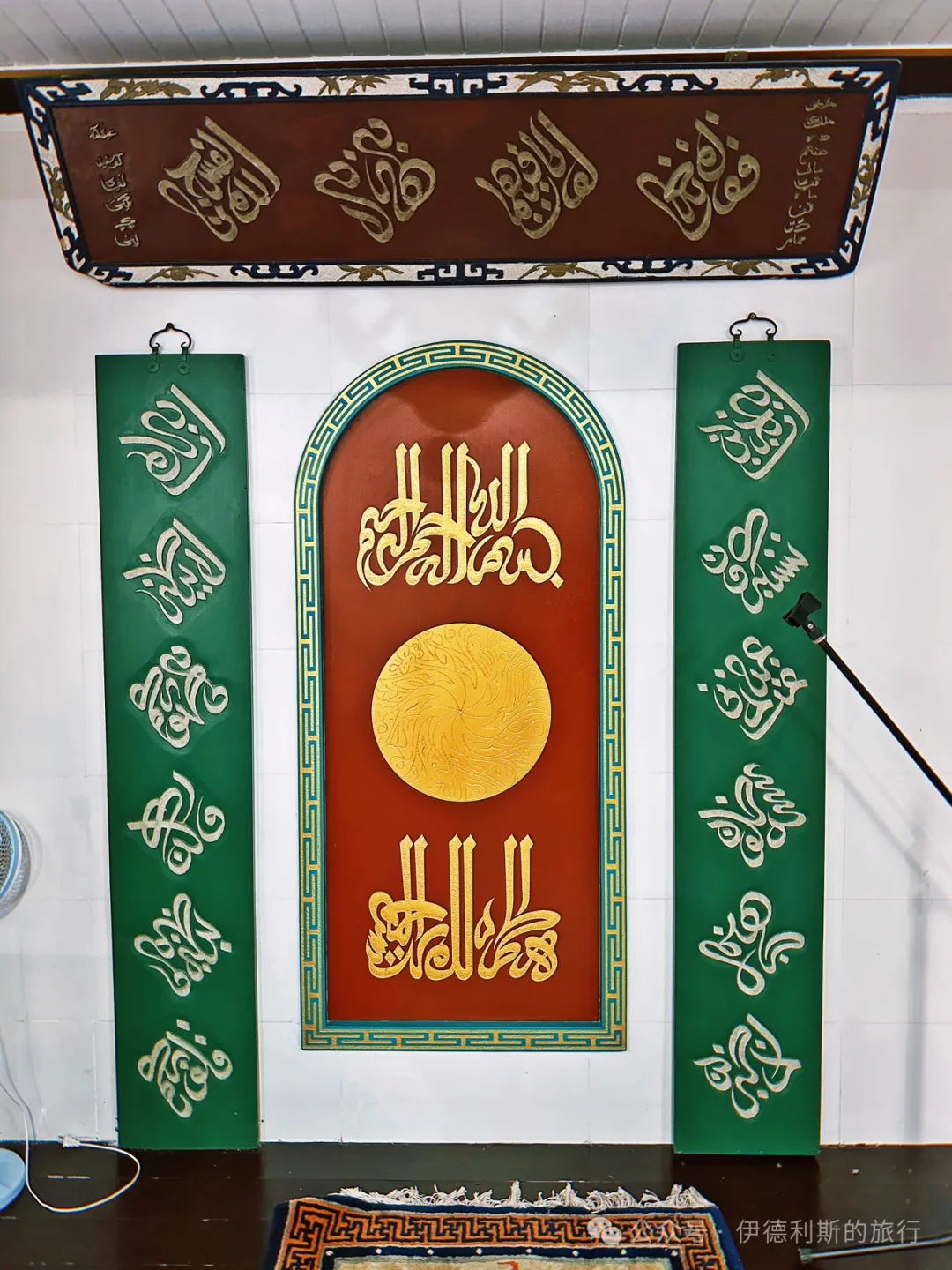
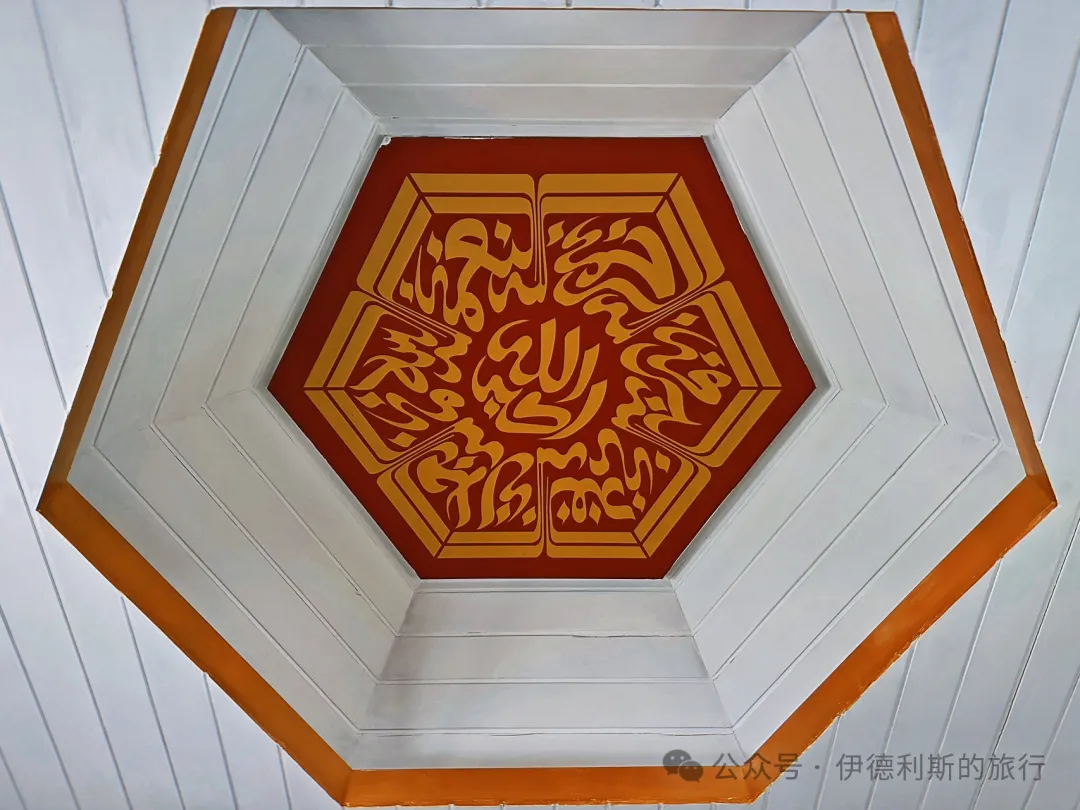
Baoying Mosque
Baoying Mosque was originally located in Guojia Lane inside the east gate of the county town. Its founding date is unknown. It was rebuilt in 1910 (the second year of the Xuantong reign) at the entrance of Luoxiang Lane at the foot of the south city wall. With the help of Tao, the wife of anti-Japanese hero Zuo Baogui, and led by Imam Zhao Dezhai and others, many people including the Gao Mu Ma Jin family from Shandong, Anhui, Zhejiang, Huaiyin, Yangzhou, Yancheng, and Baoying raised funds to complete it in 1914. Baoying Mosque closed after 1958. It was rebuilt on the original site in 2002 and officially opened in 2006.
Baoying Mosque still has the water well dug during the 1910 construction and the ginkgo tree planted at that time. Imam Li at the mosque is from Siyang, Jiangsu. He usually runs the nearby Li's Beef and Mutton shop. If you want to enter the mosque, just call the number on his door. Imam Li is very welcoming. He says that Baoying Mosque still has some local Gao Mu who come to the mosque for Friday Jumu'ah prayers, which is better than some mosques where almost all the attendees are friends (dost) from the Northwest. Imam Li comes from the Zhepai Banqiao Daotang, but he treats all sects equally, and the religious community in Baoying County is very united.
China Mosque Travel Guide Jiangsu: 25 Historic Mosques and Hui Muslim Heritage (Part 4)
Articles • yusuf908 posted the article • 0 comments • 242 views • 2026-05-23 23:30
Summary: This fourth part of the Jiangsu mosque series records historic mosque sites in Nanjing and Liuhe, including Taiping Road Mosque, Caoqiao Mosque, Xiaowangfu Lane Mosque, Hushu Mosque, South Gate Mosque, Changjiang Road Mosque, and Zhuzhen Mosque. The article preserves founding dates, women's mosque history, Da Pusheng family records, stone tablets, ancient trees, and surviving architectural details.
The front hall of the former Taiping Road Mosque served as the office for the chairman of the Chinese Islamic Association between 1945 and 1949, where Bai Chongxi once worked.
The brick carving titled 'Purifying the Heart and Gazing at the Palace' (xixin zhanque) from the water room of the former Taiping Road Mosque.
The former Taiping Road Mosque collection includes the 'Postscript to the Filial Piety Arch for Mother' written by Jiang Guobang. It records that Jiang, a wealthy Nanjing merchant, lost his father early and was raised by his mother, Madam Ma. In 1911 (the third year of the Xuantong reign), he petitioned to build a memorial arch for his mother's filial piety. Due to the change in government, it was finally completed in 1914.
Jiang Guobang came from the wealthy Jiang merchant family of Jinling, but he was indifferent to fame and wealth, dedicating himself to the study of traditional Chinese classics. Jiang Guobang was very filial. To provide his mother with a good place for her retirement, he spent a large sum of money to buy the Small Ten Thousand Willow Hall (xiaowanliutang) by West Lake in Hangzhou, later naming it 'Jiang Manor' (Jiangzhuang), which was one of the three major manors of West Lake at the time. Jiang Guobang oversaw the reconstruction of the Taiping Road Mosque in 1924 and later built a filial piety arch for his mother inside the mosque. The arch no longer exists, leaving only the stone tablet record.
The Qing dynasty well railing and the Guangxu reign stone tablet at Caoqiao Mosque. Caoqiao Mosque was first built during the Guangxu reign of the Qing dynasty, destroyed by fire during the Taiping Rebellion, and rebuilt in the early years of the Tongzhi reign. Because it was located in Qijiawan, a neighborhood where Hui Muslims lived, Caoqiao Mosque once had the largest number of congregants in Nanjing. Historically, Caoqiao Mosque had no property of its own; its daily expenses were covered by the Beef and Bone Trade Association located within the mosque. After 1958, Caoqiao Mosque was occupied and later rented to the Nanjing Woodware Factory, suffering severe damage. The property was returned in 1985 but remained closed until it was demolished in 2003.
Xiaowangfu Lane Mosque.
Xiaowangfu Lane Mosque was first built in the late Tongzhi reign of the Qing dynasty. It is one of the few remaining old buildings among the 33 mosques in Nanjing from the Republic of China era. The mihrab (mihalabu) niche currently in Jingjue Mosque was moved here from the Xiaowangfu Lane Mosque. Xiaowangfu Lane Mosque was used as a residence for a long time. It has now been vacated and may be put to new use.
In 1917, Xiaowangfu Lane Mosque founded the private Wuben Primary School to teach cultural subjects and Islamic knowledge. It moved to the entrance of Xiaowangfu Lane on Fengfu Road in 1953 and became a municipal school in 1956.
Hushu Mosque.
Hushu Mosque was first built in 1392 (the 25th year of the Hongwu reign). It was destroyed during the Taiping Rebellion, and the main hall was rebuilt in 1896 (the 22nd year of the Guangxu reign). In 1911, five tile-roofed rooms were built on the left side in front of the main hall, with the water room on the left, dormitories on the right, and a guest hall in the middle. In 1919, three rooms of the front hall, five rooms of the main hall, and two rooms of the east wing at the main gate were rebuilt.
Around 1932, a primary school for Hui Muslim children was established inside Hushu Mosque, which moved out of the mosque in 1956. In 1964, the main hall of Hushu Mosque was demolished during the 'Four Cleanups Movement' and was occupied by the Hushu Straw Bag Factory, Hushu Hardware Factory, and Hushu Supply and Marketing Cooperative during the Cultural Revolution. The main hall was rebuilt in 1988. The roof of the main hall at Hushu Mosque was originally built in a palace style with upturned eaves, but it was changed to a flat roof after renovations.
The gate piers from the original construction in 1392.
A ginkgo tree transplanted in 1689.
Liuhe South Gate Mosque.
Liuhe once had seven mosques and three schools for women. Today, the Changjiang Road Mosque, South Gate Mosque, and Zhuzhen Mosque are open, and the historic buildings of the South Gate Women's School and Zhuzhen Women's School have been preserved.
Liuhe South Gate Mosque was first built in 1403 (the first year of the Yongle reign of the Ming Dynasty), renovated in 1553 (the 32nd year of the Jiajing reign), destroyed during the Taiping Rebellion, and later rebuilt. One of the four famous imams of the Republic of China, Imam Da Pusheng, had three generations of his family—from his great-grandfather to his father—serve as the imam at South Gate Mosque. The old Da family home is on Qingzhen Street right at the mosque entrance. Imam Da Pusheng studied the scriptures at South Gate Mosque for seven years from the age of 10 to 17, before moving on to Nanjing and Beijing for further studies.
The ancestors of the Baiyetang Da family, to which Imam Da Pusheng belonged, were from the Western Regions during the Yuan Dynasty. Research shows they belonged to the Kipchak Yuliberi tribe, and his ancestor served as a darughachi in Zhenjiang before passing away there. His sixth-generation ancestor, Da Shanyu, moved from Zhenjiang to Liuhe in the early Ming Dynasty to take up a position as a county assistant. He settled in Liuhe, making this the oldest Hui Muslim family from the Western Regions in the area.
After 1966, South Gate Mosque was occupied by a kindergarten, during which time the Shamao Hall (a secondary hall), the north wing, the red gate, and the entrance hall were demolished. The kindergarten moved out in 1975, and the site was later borrowed by Baozhen Primary School. It was finally reclaimed in 2000 when the school moved out. In 2013, the main hall was raised and rebuilt. Later, the Tongxin Tower and Tongxing Building were added, and the site was finally opened for use in 2020.
Stone carvings and ancient trees at Liuhe South Gate Mosque:
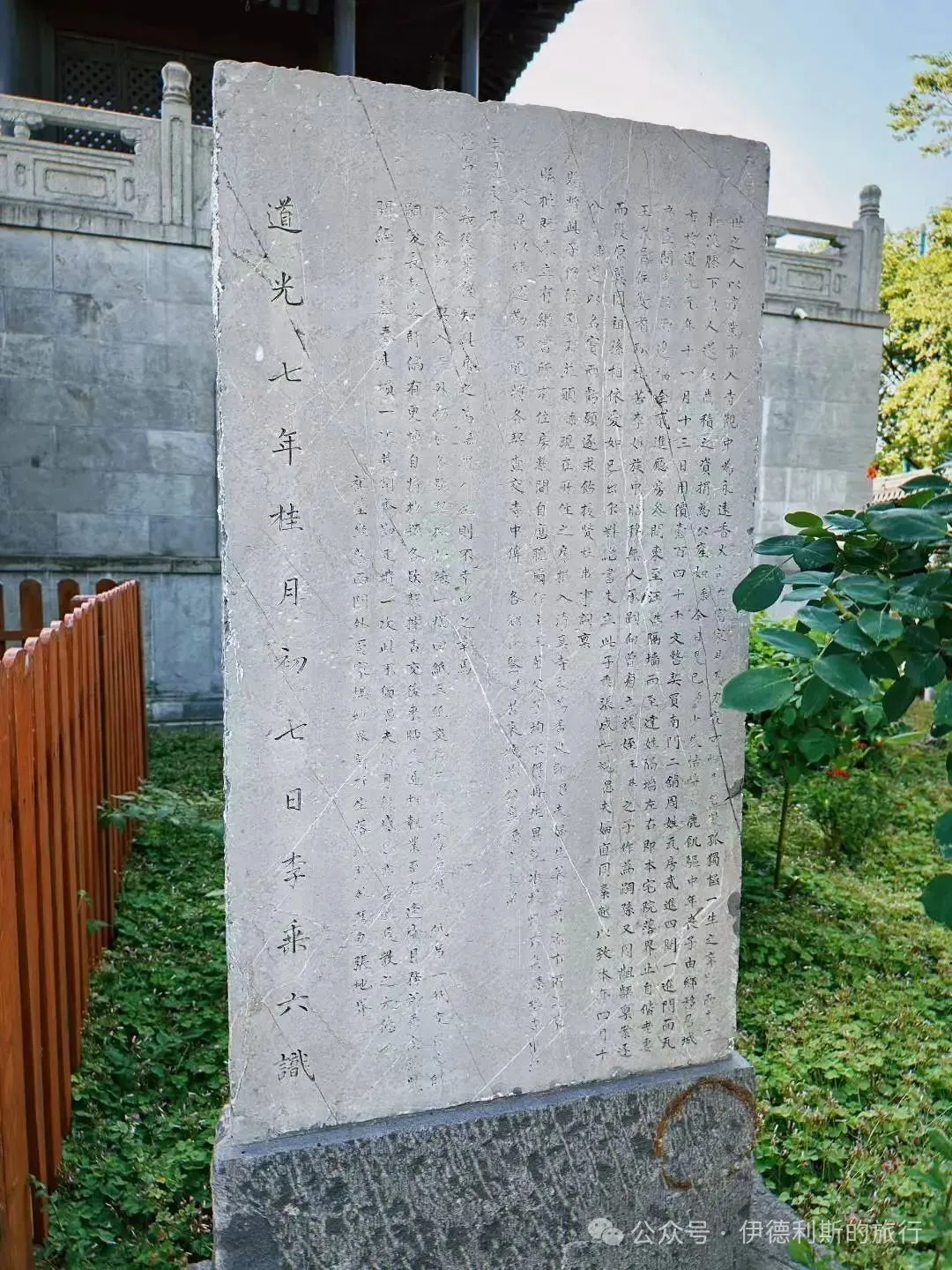
A stone tablet from the seventh year of the Daoguang reign commemorating a house donation by a Hui Muslim named Li.
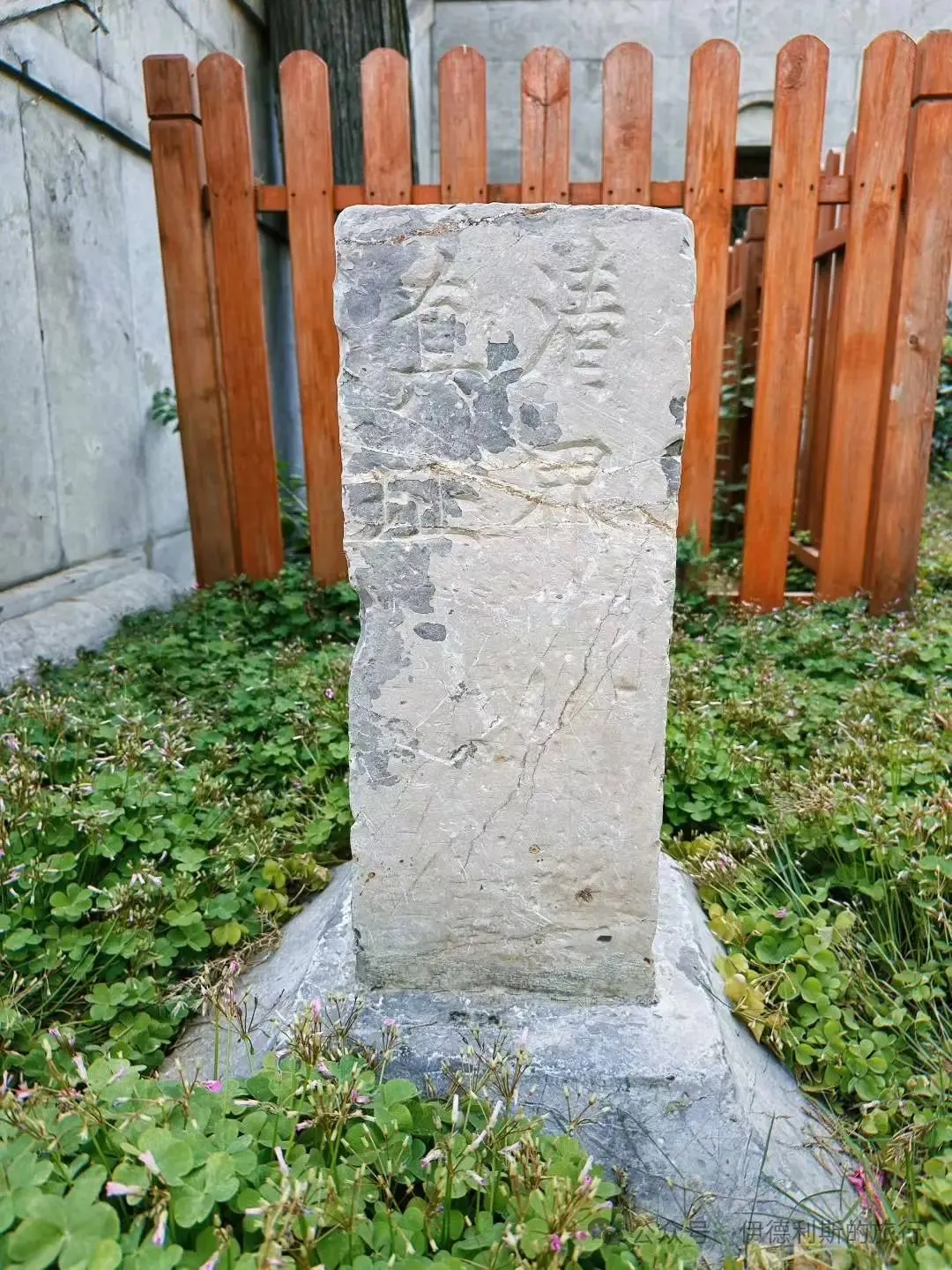
A boundary marker for the mosque.
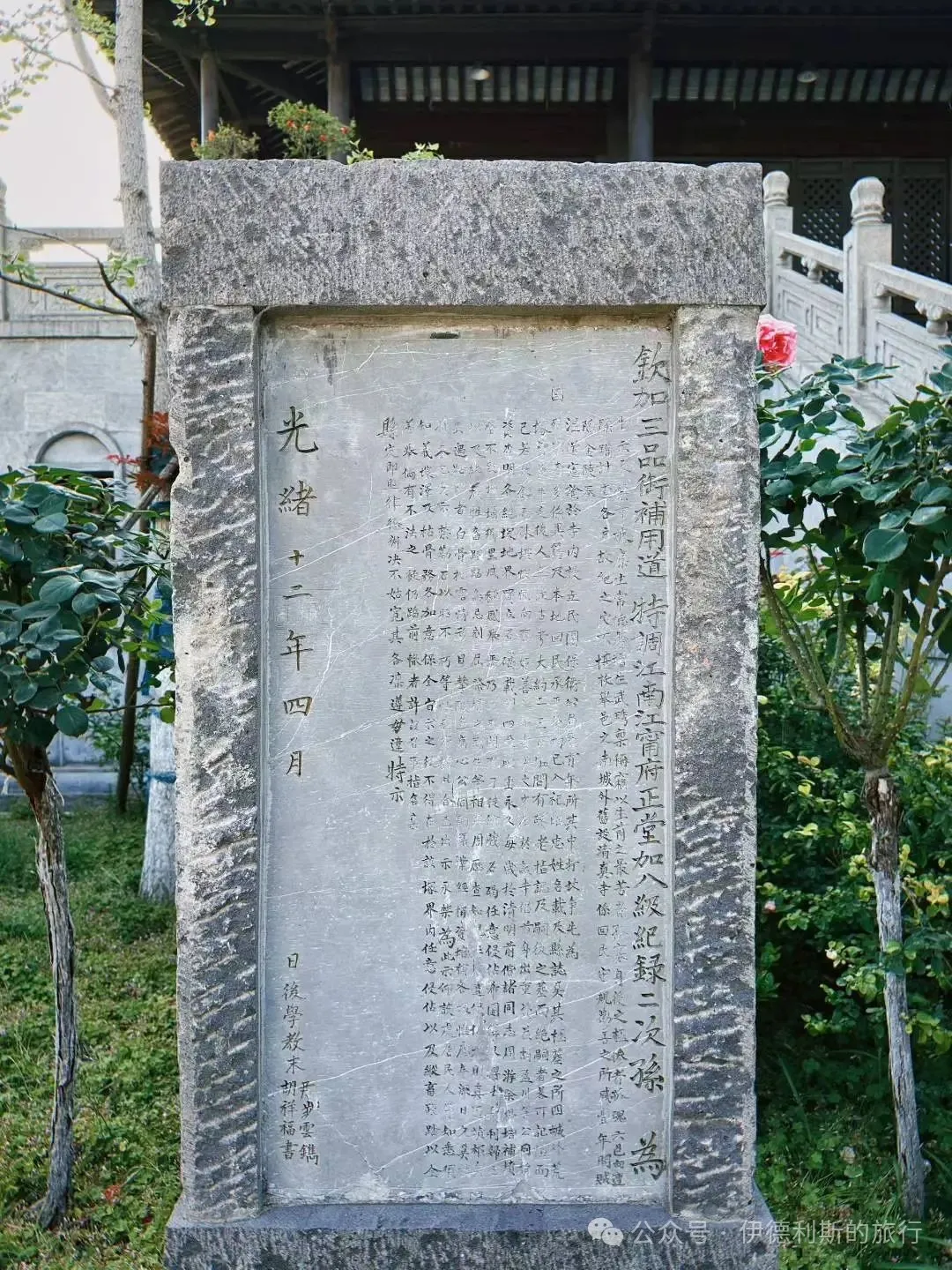
A stone tablet from the 12th year of the Guangxu reign, recording that South Gate Mosque was destroyed by the Taiping Rebellion during the Xianfeng period, many Hui Muslims from the local militia died in battle, and the government later stepped in to protect the graves.
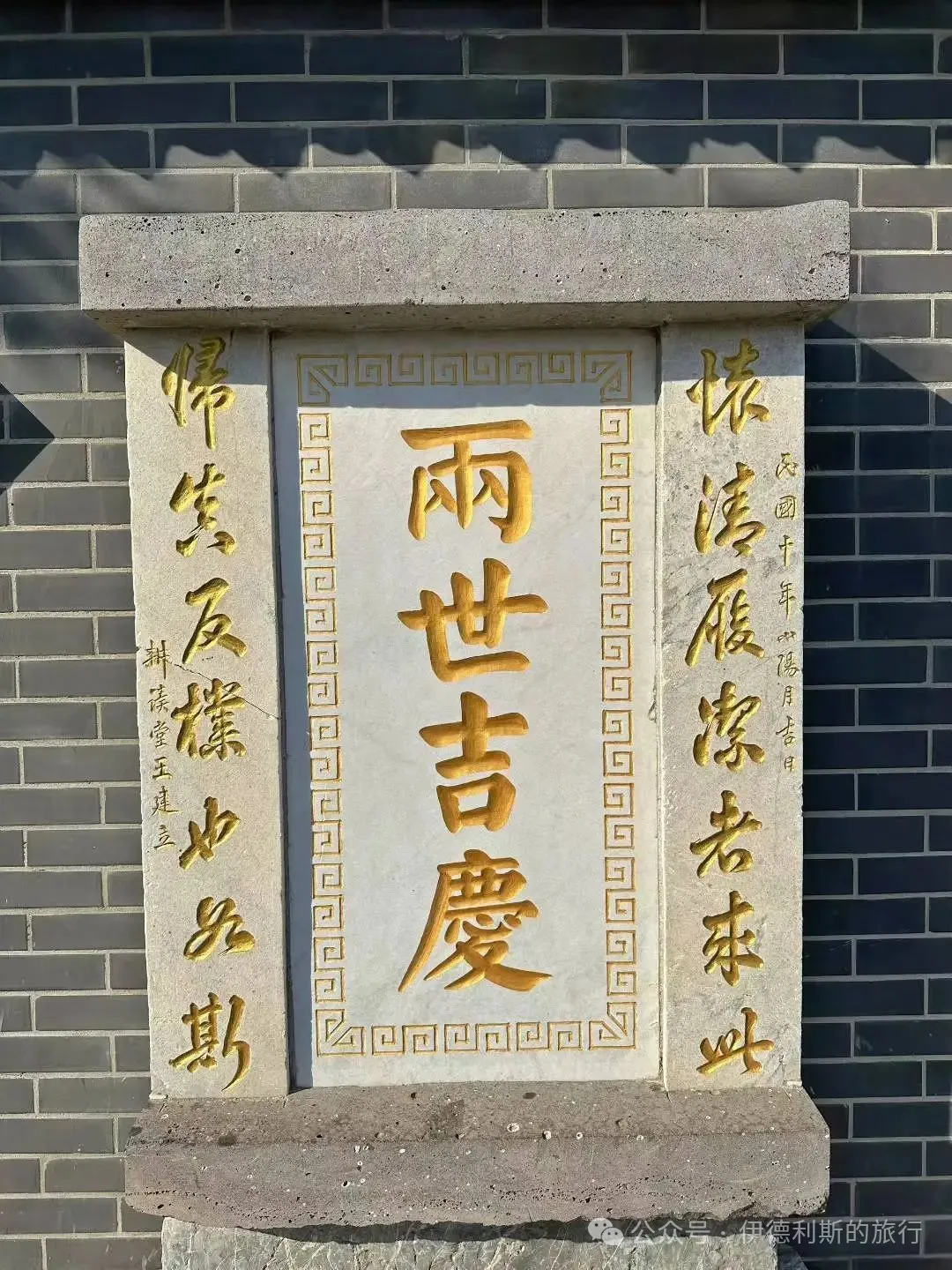
A couplet written by Wang Jianli in the 10th year of the Republic of China: 'Keep your heart pure and clean as if in the afterlife, return to the truth and simplicity just the same.'
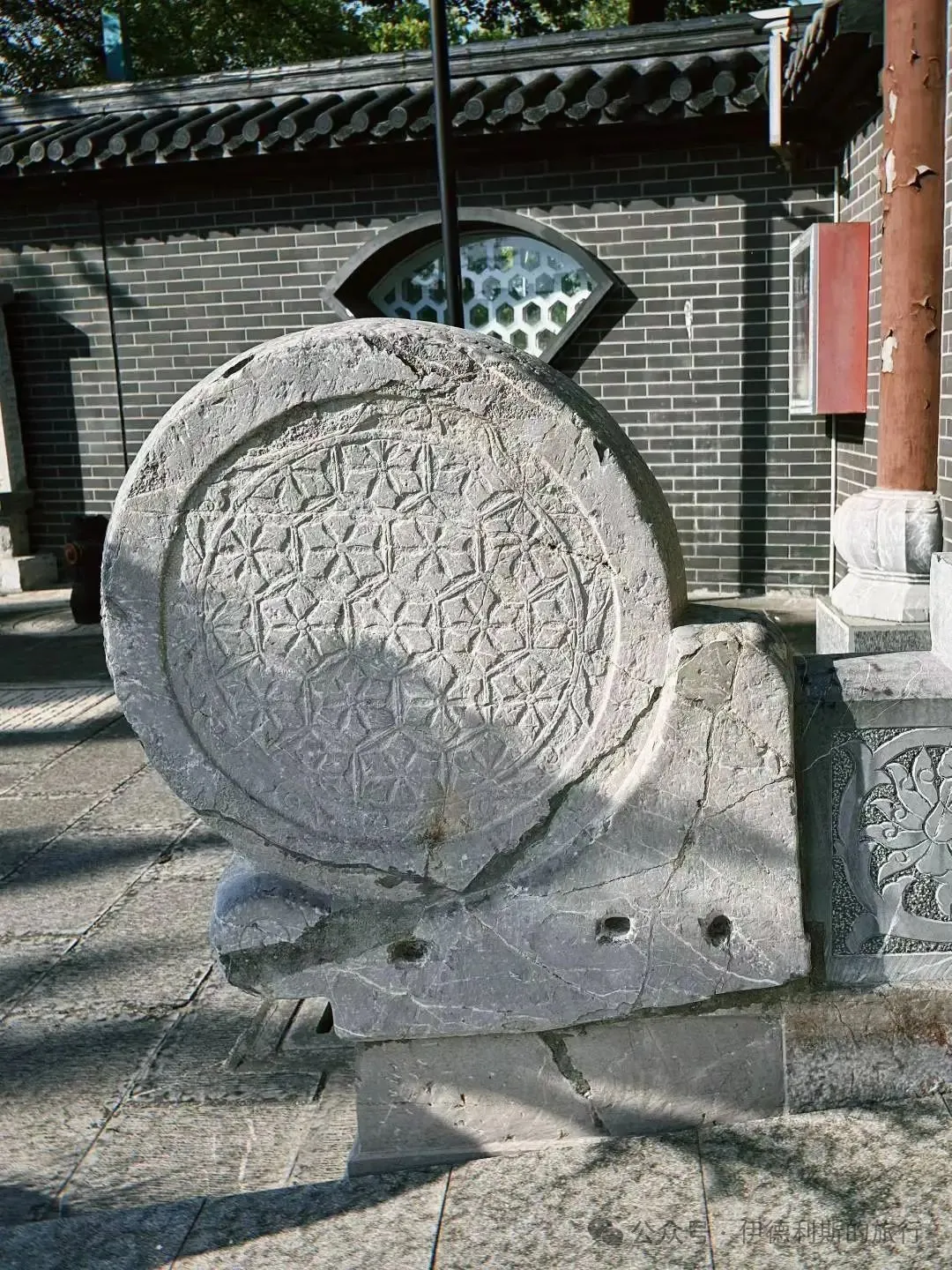
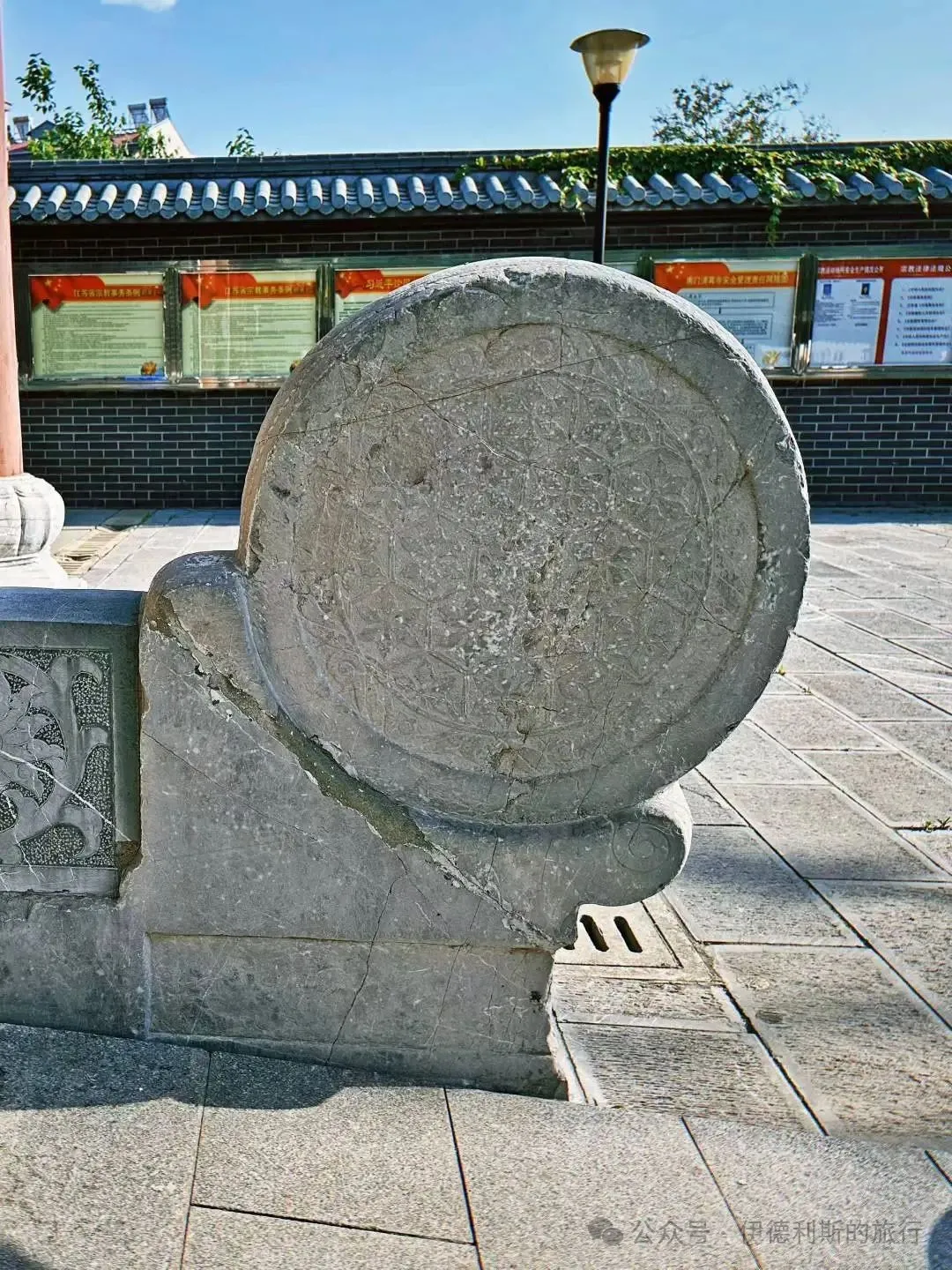
Qing Dynasty drum-shaped stone bases in front of the main gate.
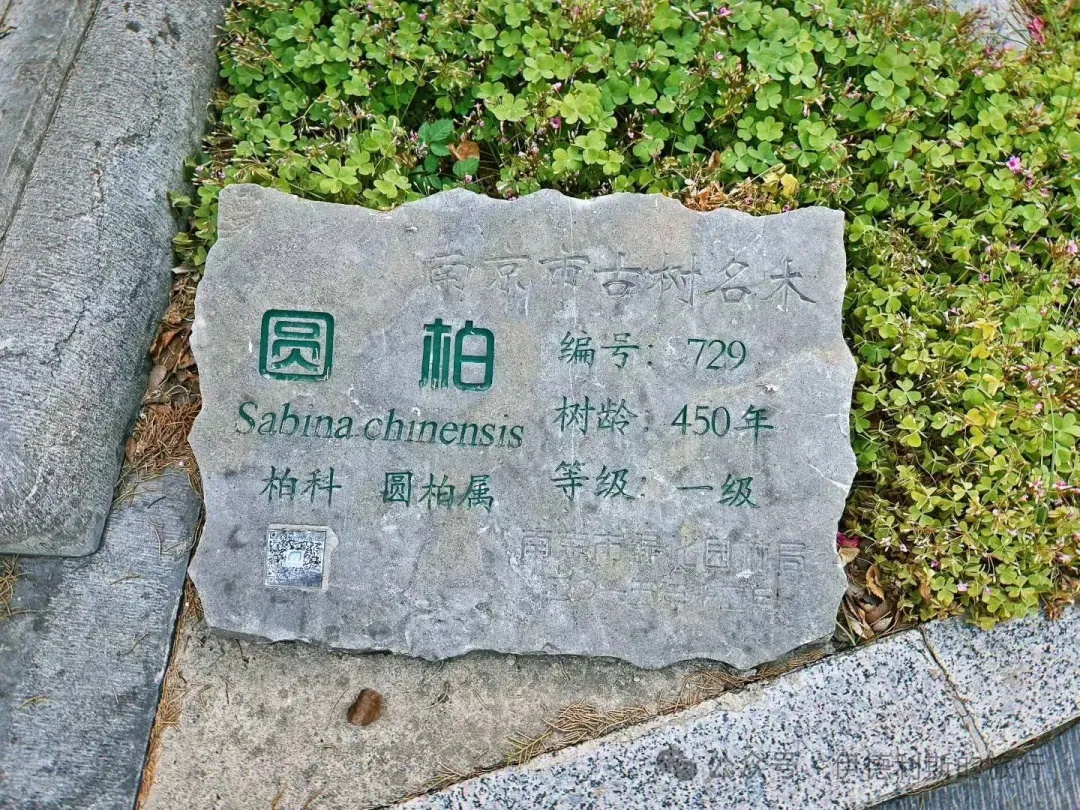
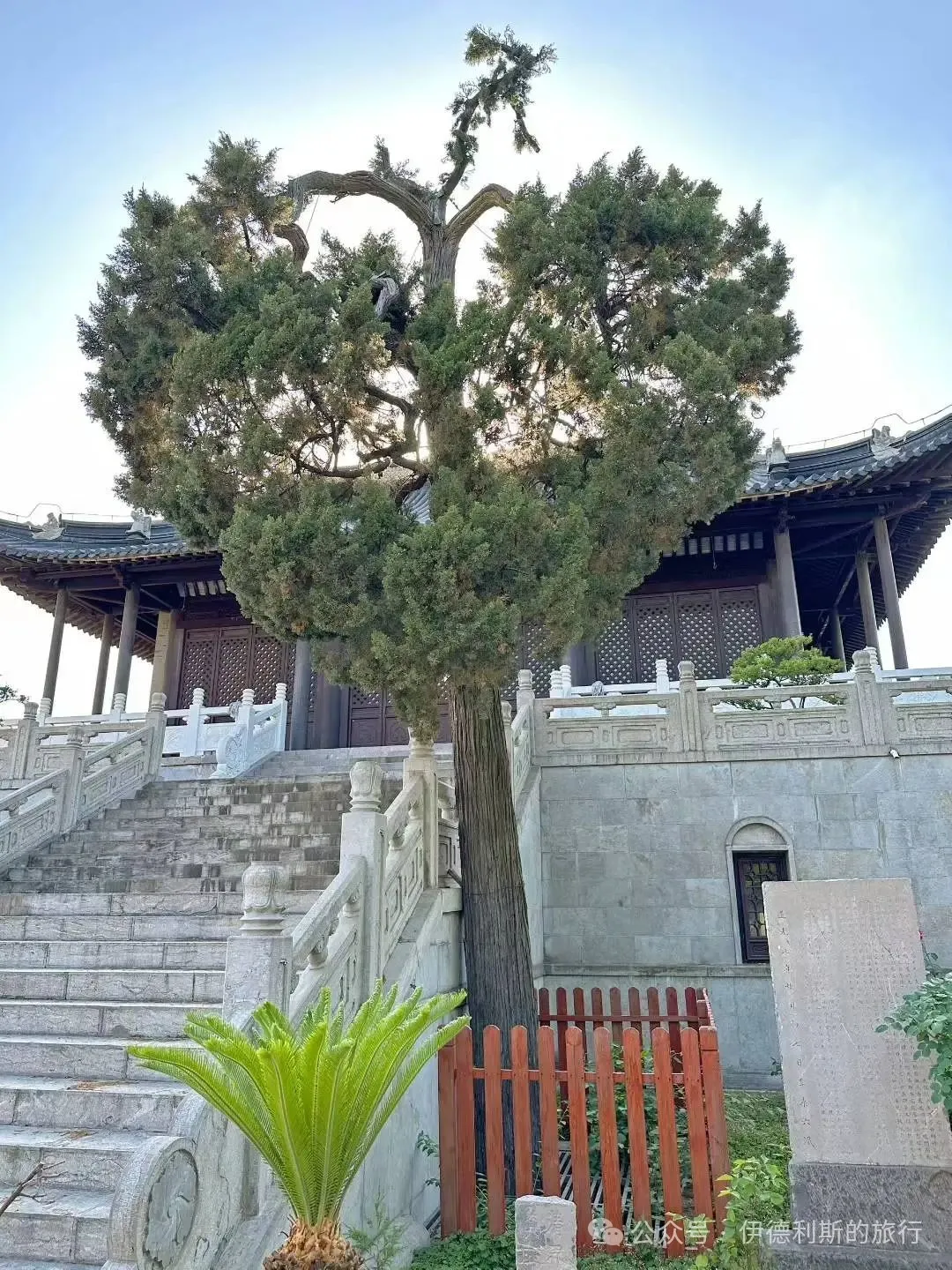
A 460-year-old Chinese juniper in front of the main hall, classified as a first-class ancient tree.
Liuhe Women's School.
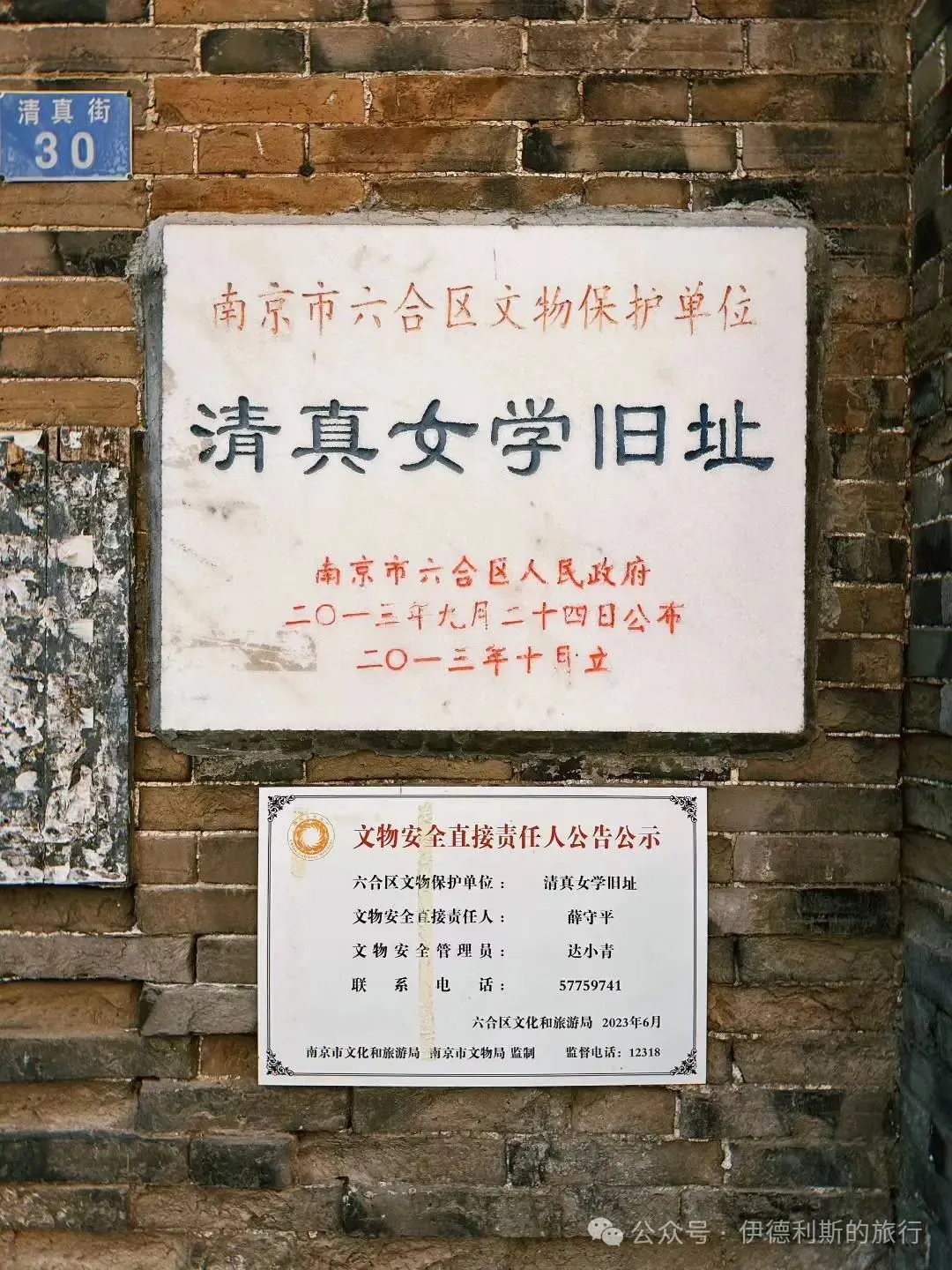
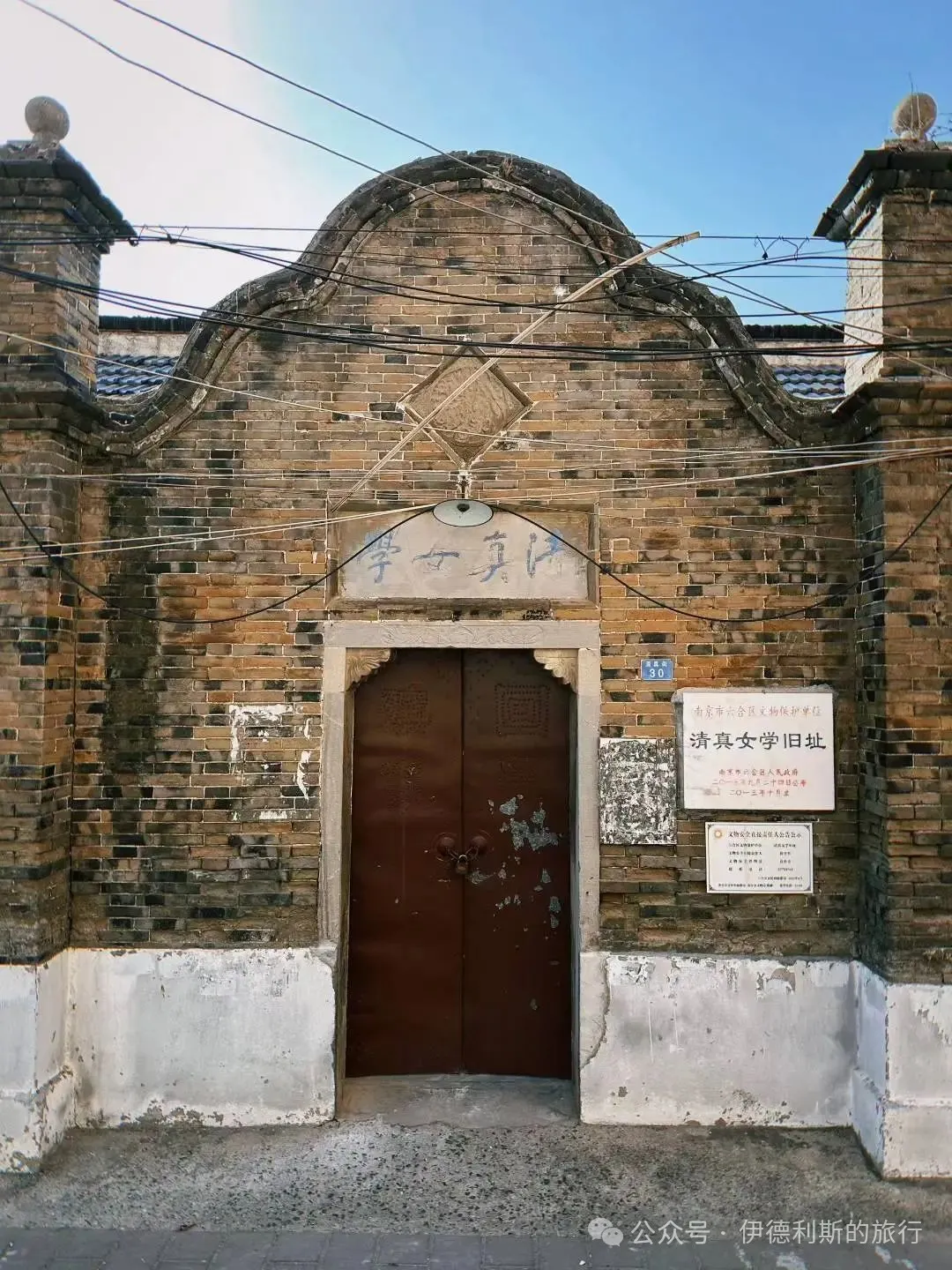
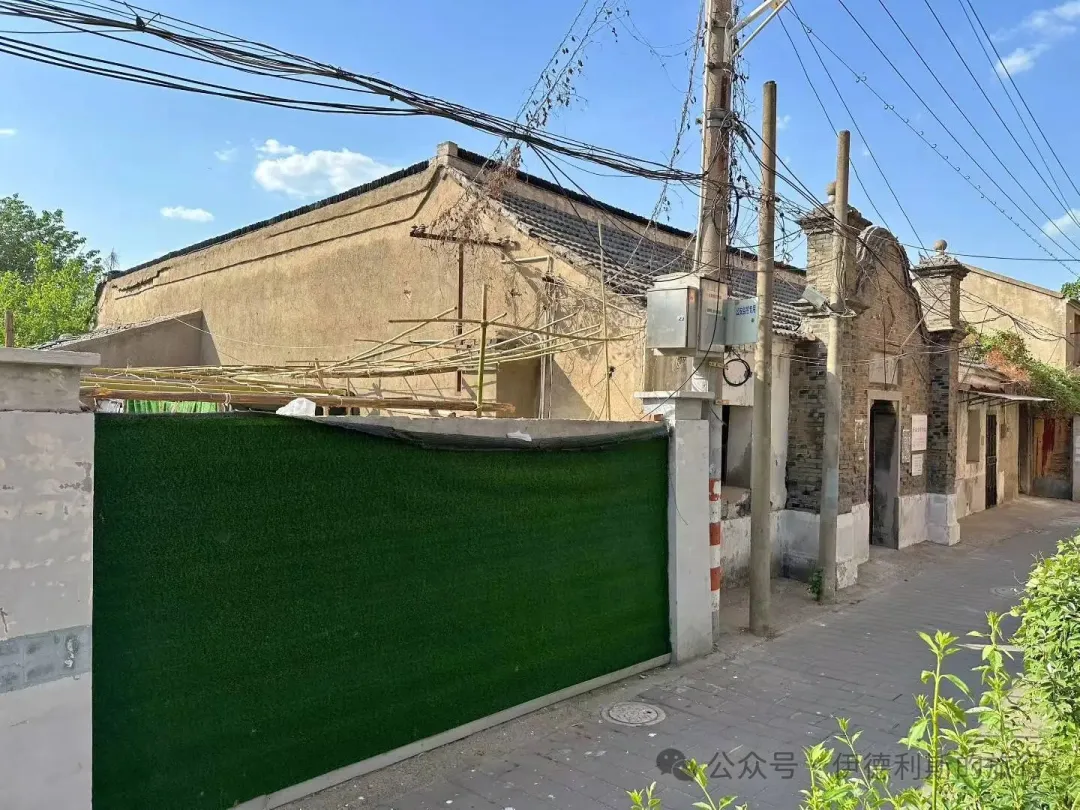
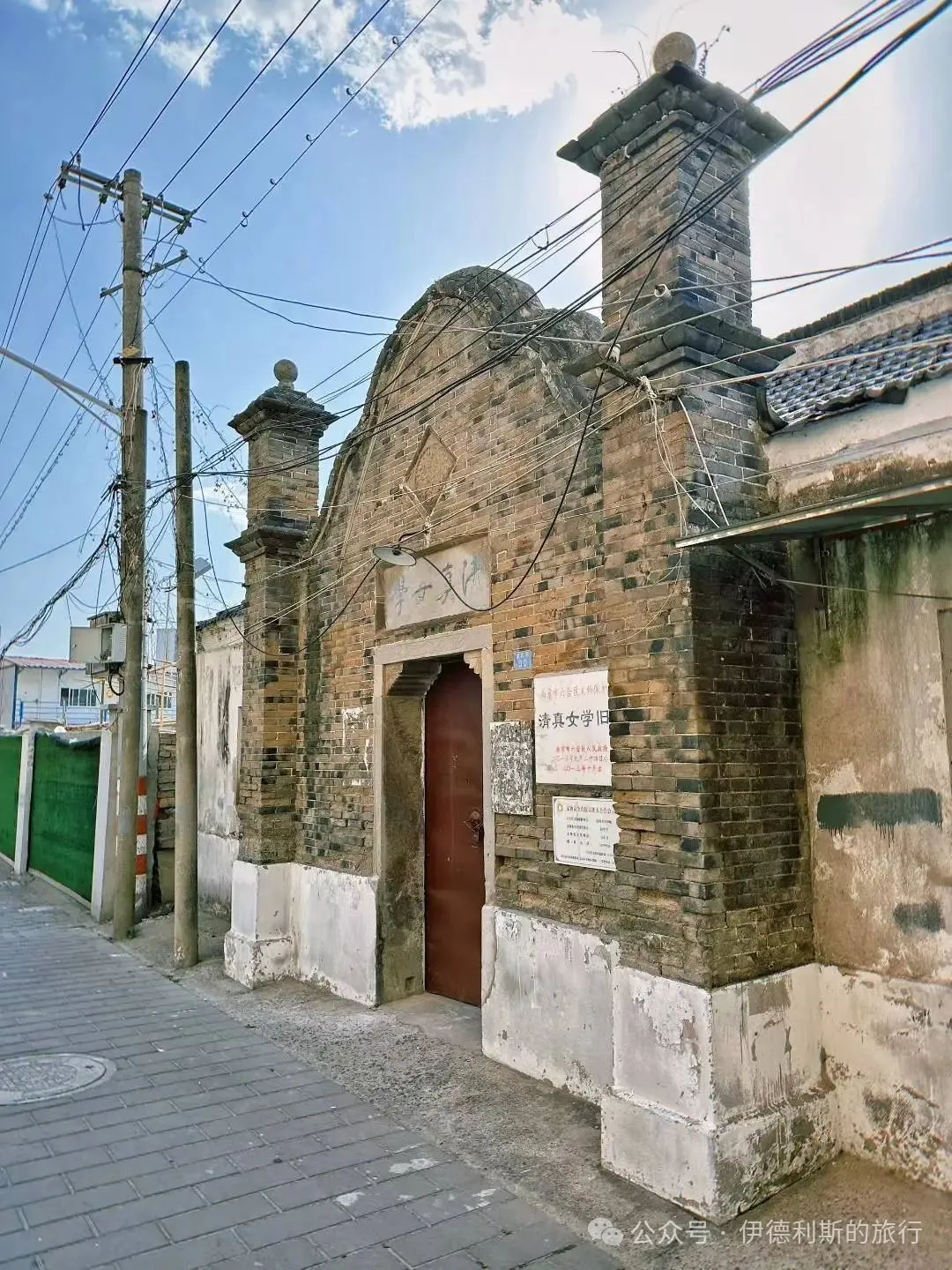
The Liuhe Muslim Women's School began in 1912, and the current building was constructed in 1930. It was later used as a funeral home for Hui Muslims and is a rare surviving example of a Muslim women's school from the Republic of China era.
Traditionally, these women's schools did not form formal classes, did not call the adhan, did not hold Jumu'ah or Eid prayers, and the female imam (shiniang) did not lead the prayer from the front, but instead stood in the middle of the first row. Women's mosques (nuxue) do not have minarets, and the main prayer hall does not have a pulpit (minbar). Female imams (shiniang) lead the local women in their religious duties and teach them about the faith.
Women's mosques emerged in the mid-to-late Qing Dynasty, starting in Henan and spreading to nearby areas in Hebei, Shandong, and Anhui. In the early Republic of China, the New Culture Movement and the women's liberation movement helped Hui Muslims understand the ideas of promoting women's education and ending foot-binding. The number of women's mosques grew quickly, with over 100 in Henan province alone, and many more built in other provinces.
During the Guangxu period of the Qing Dynasty, Nanjing had two women's mosques at Hanximen and Changle Street. During the Republic of China, four more were built at Fangjia Lane, Zhuganli, Shigu Road, and Dahuifu Lane, but all of these have since been torn down. In the early Republic of China, Liuhe had three women's mosques at Houjie, Nanmenwai, and Zhuzhen. The historical buildings at Nanmenwai and Zhuzhen still stand today.
Liuhe Changjiang Road Mosque.
The Changjiang Road Mosque was originally called Chengqingfang, and was also known as the Liuhe North Mosque, the City Mosque, or the Da Family Mosque. It was built in 1424 (the 22nd year of the Yongle reign of the Ming Dynasty) by the Da family, who had lived in Liuhe for generations. The Changjiang Road Mosque was destroyed by the Taiping Heavenly Kingdom during the Xianfeng period. It was later rebuilt through donations from the imam Liu Weiting and local elders. In 1885 (the 11th year of the Guangxu reign), Da Guangyong donated money to build a reception hall. In 1928, Wang Dashi, the widow of the wealthy merchant Wang Zuochen and aunt of the great imam Da Pusheng, donated money to build the Wuxin Pavilion on the site of the original Wangyue Tower.
In 1899, the great imam Da Pusheng returned to his hometown of Liuhe from the Niujie Mosque in Beijing to serve as the imam of the Changjiang Road Mosque. It was not until 1905, when Imam Wang Kuan of Niujie went on the Hajj, that Imam Da returned to the Niujie Mosque to serve as the acting imam and lead religious affairs. Imam Da founded the Guangyi Primary School inside the Changjiang Road Mosque to promote modern education. He offered courses in Chinese and Arabic, scripture, geography, history, and mathematics, marking the first transition from traditional scripture hall teaching to modern education. In a memoir from the early 1950s, Imam Da wrote: 'I worked hard for six years. Perhaps moved by the success of Guangyi Primary School, the local Hui Muslims supported the school with great effort. Looking back, it was not easy to struggle at that time, patiently convincing stubborn traditionalists and acting courageously without being accused of going against the faith!'
After 1966, the Changjiang Road Mosque was occupied by a theater troupe and a cultural troupe. It was returned and reopened in 1983.
Existing stone tablets at the Liuhe Changjiang Road Mosque:
The 11th-year Guangxu tablet records Da Guangyong's donation to build the reception rooms at the Liuhe City Mosque. Da Guangyong was an 18th-generation descendant of the Baiyetang Da family, held a minor official rank, and lived to be 81.
The 25th-year Guangxu tablet, titled 'Record of the Renovation of the Tangyi City Mosque and the Surrounding Market Shops,' documents the specific situation of the Changjiang Road Mosque during the Guangxu period. All those who signed it were local Hui Muslims from the Da family.
The 17th-year Republic of China tablet, regarding Wang Dashi's donation to help repair the Wangyue Pavilion and redeem market shops, records that Dashi, the wife of the Zhuzhen elder Wang Zuochen, donated money to build the Wangyue Pavilion. Wang Zuochen was a Hui Muslim from Zhuzhen, Liuhe. He ran a grain business on North Street in Zhuzhen for decades and was very devout, never missing his prayers. However, he was suddenly kidnapped by bandits in 1925 and was never heard from again. Wang Zuochen's wife, Dashi, was also very devout and had founded the Zhuzhen Women's School. After her husband went missing, Dashi spent years asking people to help find him, but there was no result. Because Wang Zuochen had no brothers or children, Dashi donated all the family's money to the Zhuzhen Mosque and to build the Wangyue Pavilion at the Changjiang Road Mosque.
Inside the mosque, there is a 350-year-old Chinese juniper (yuanbai) tree.
Zhuzhen Mosque
Zhuzhen Mosque was originally located outside the East Bridge. It was destroyed during the Taiping Rebellion and rebuilt in 1901 (the 27th year of the Guangxu reign) in Wangjia Lane in the middle of the old street. In 1968, Zhuzhen Mosque was turned into a dormitory for teachers at an agricultural middle school. It was reclaimed and reopened in 1983, and the main hall was rebuilt in 2001.
In 1939, the imam of Zhuzhen Mosque, Li Shudu, formed the Hui Muslim Anti-Japanese Independent Guerrilla Battalion and served as its commander. He worked with the New Fourth Army and made significant contributions to the anti-Japanese cause.
Additionally, in 1939, Hui Muslims from the 'Qiaobang' group in the Gaoyou and Lingtang areas built a mosque near Xinhua Garden on the west side of Zhuzhen. After 1966, it was converted into a Hui Muslim food processing factory.
Zhuzhen Mosque still has a door plaque from the Qing Dynasty's Guangxu reign, inscribed with 'Built by the Zhudun Community.' Zhudun is the old name for Zhuzhen.
Liuhe Zhuzhen Mosque houses a Qing Dynasty stone well called 'Songquan,' two pairs of drum-shaped stone bases, and a 1927 (the 16th year of the Republic of China) stele recording the will of Wang Zuochen's wife, Madam Da. Madam Da was the aunt of the great imam Da Pusheng. The inscription records that the Zhuzhen Girls' School was founded by Wang Zuochen and fellow members of the faith, who also provided all the funding. Later, Wang Zuochen was kidnapped by bandits and remained missing for several years. Because of this, his wife, Madam Da, decided to donate all their family farmland and property, except for a portion used for her own support. The funds were mainly for the daily expenses of the Zhuzhen Girls' School, with the remainder going to Zhuzhen Mosque. The inscription mentions her 'nephew Da Pusheng.'
Across from Zhuzhen Mosque, there is a shop selling small-mill sesame oil (xiaomo mayou), and there are only hand-pulled noodle (lamian) shops in town.
Zhuzhen Girls' School
Zhuzhen Girls' School features typical Jianghuai architectural style. The entrance hall and the main hall form a small courtyard, and both sides have classic Hui-style horse-head walls (matouqiang).
Zhuzhen Girls' School was founded in 1921 by Wang Zuochen, the uncle-in-law of the great imam Da Pusheng, along with fellow members of the faith in Zhuzhen. It was originally located on Zhuzhen Middle Street and was rebuilt in 1931 by Wu Tieqian and others along the south riverbank outside the East Bridge. After 1966, the Zhuzhen Girls' School was occupied by the Hui Muslim food processing factory. It was renovated in 2007 and is currently not open to the public. During the Republic of China era, the Zhuzhen Girls' School was led by two female imams, Teacher Dai and Teacher Bai, who taught scriptures and religious doctrines to local Hui Muslim women.
Wu Tieqian was a famous Hui Muslim anti-Japanese patriotic businessman. His original name was Wu Jiashan. At age 22, he inherited his father's business and ran the Wudeyuan Grain Store. After 1938, when the New Fourth Army entered Zhuzhen to lead the anti-Japanese resistance, Wu Tieqian took the lead in donating grain, money, and guns. He also served as the chairman of the Zhuzhen Merchants' Anti-Enemy Association. In 1942, Wu Tieqian became the first mayor of the Zhuzhen Anti-Japanese Democratic Government. He took risks to rescue and protect many comrades and also mobilized ambitious young people to join the revolution. After the founding of New China, Wu Tieqian was elected as the vice director of the Nanjing Islamic Association. He passed away (guizhen) in 1967. view all
Summary: This fourth part of the Jiangsu mosque series records historic mosque sites in Nanjing and Liuhe, including Taiping Road Mosque, Caoqiao Mosque, Xiaowangfu Lane Mosque, Hushu Mosque, South Gate Mosque, Changjiang Road Mosque, and Zhuzhen Mosque. The article preserves founding dates, women's mosque history, Da Pusheng family records, stone tablets, ancient trees, and surviving architectural details.
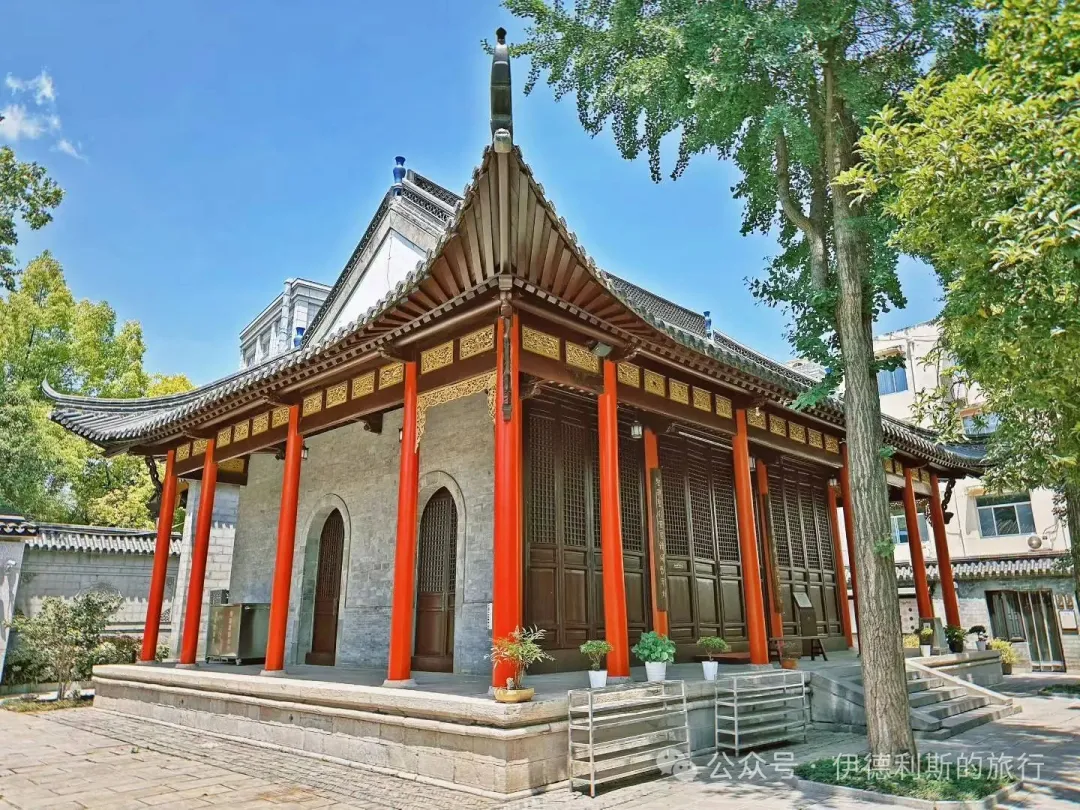
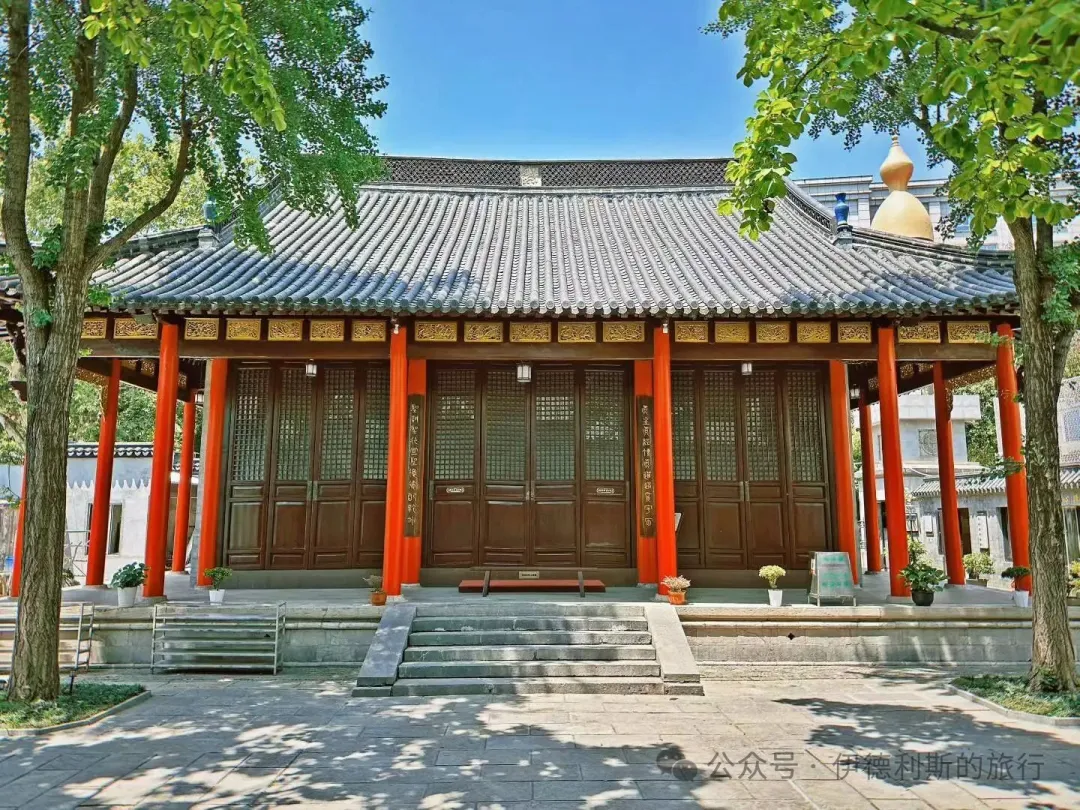
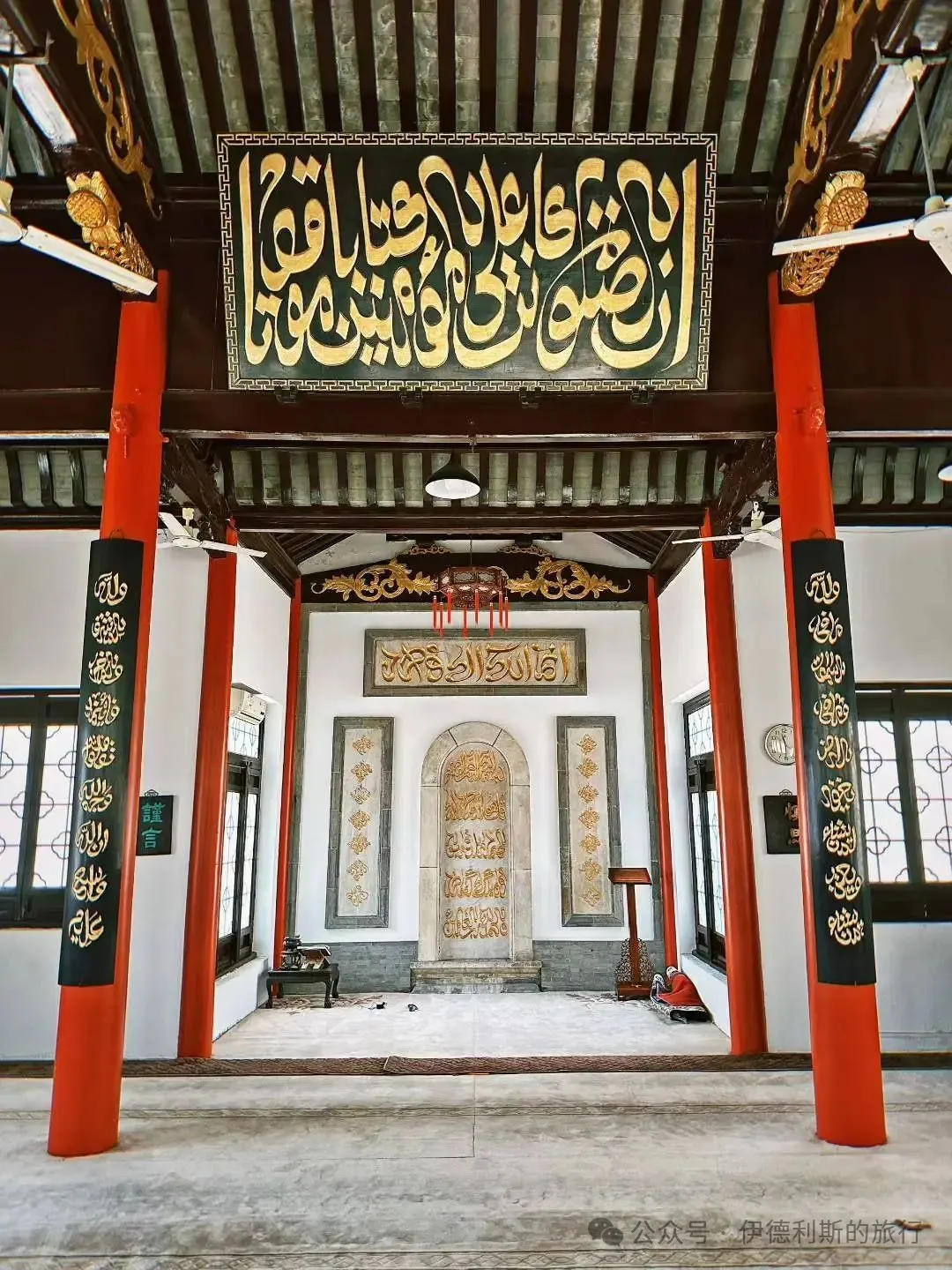
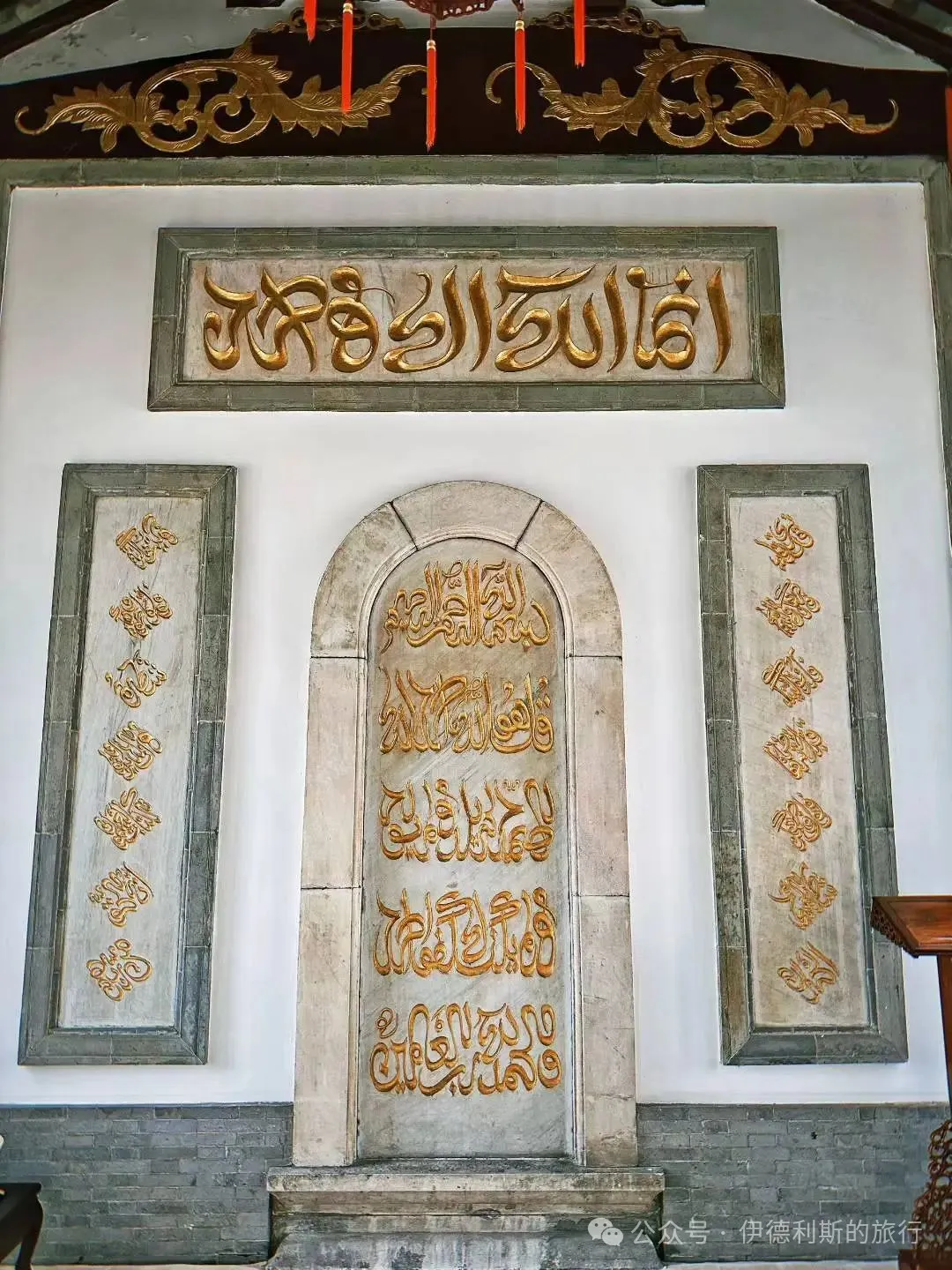
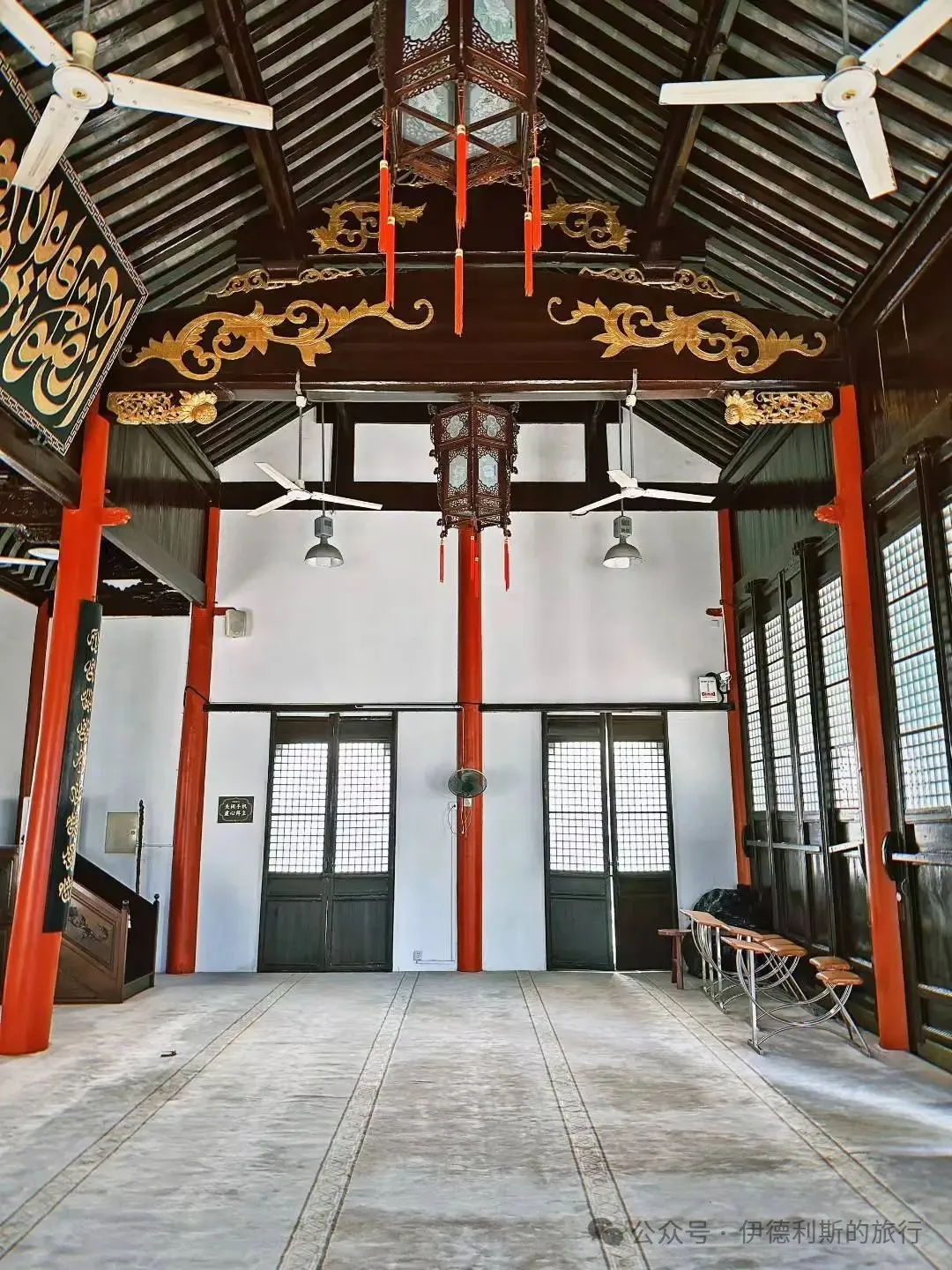
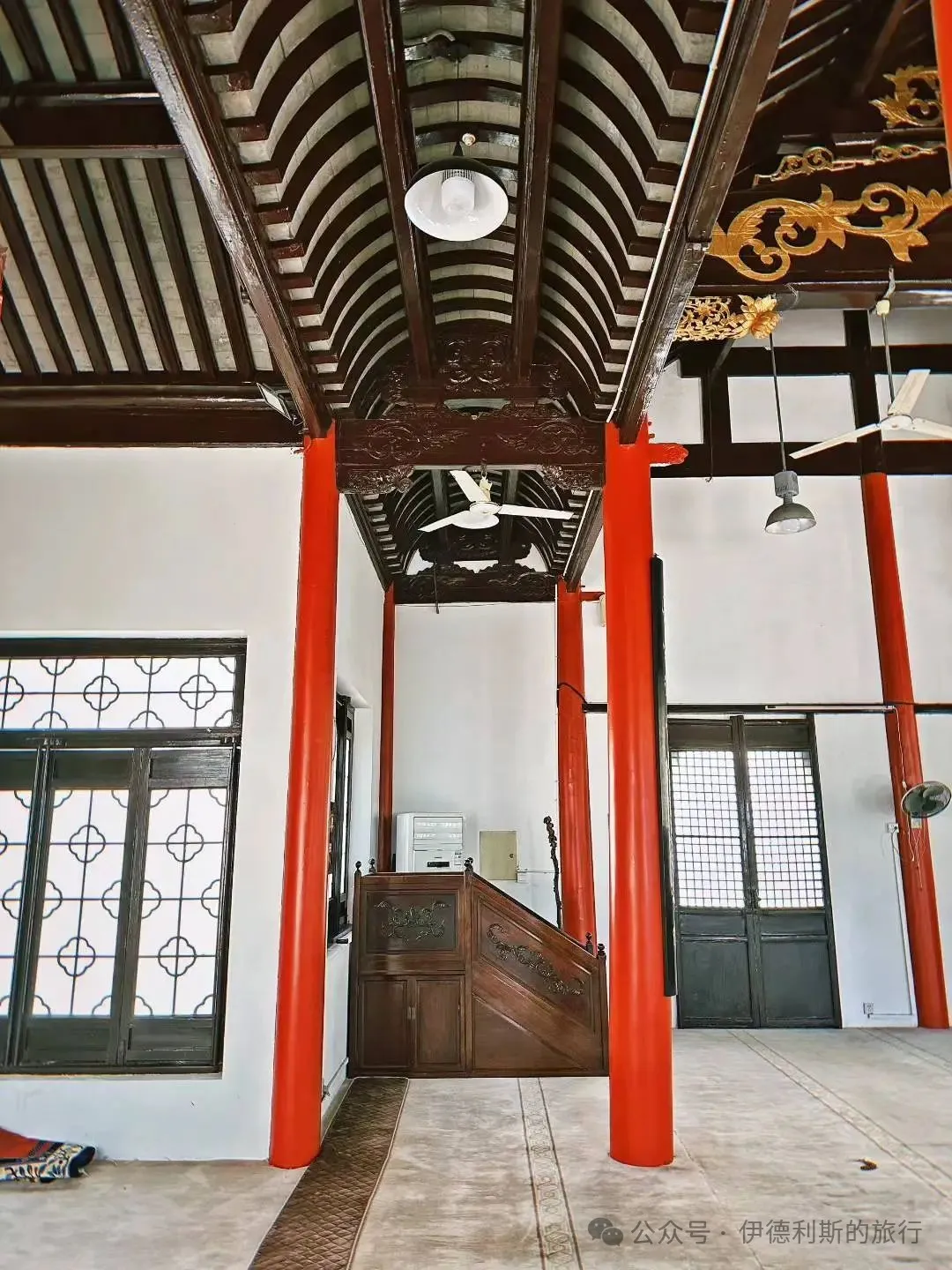
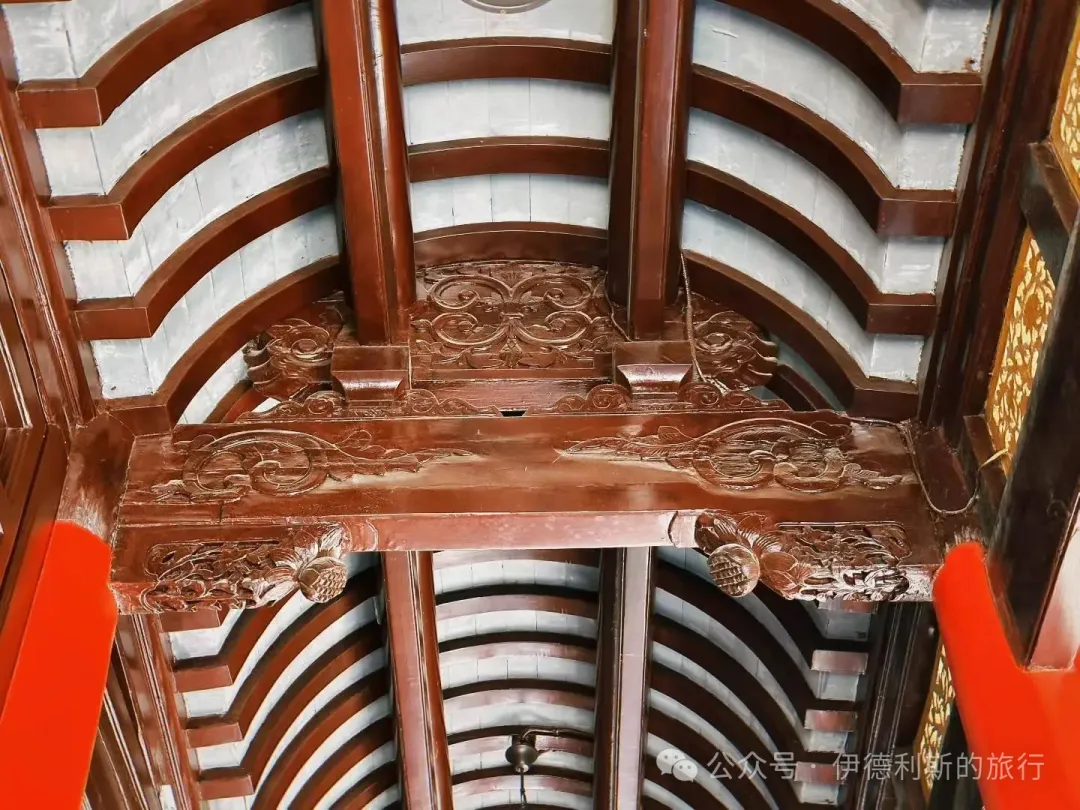
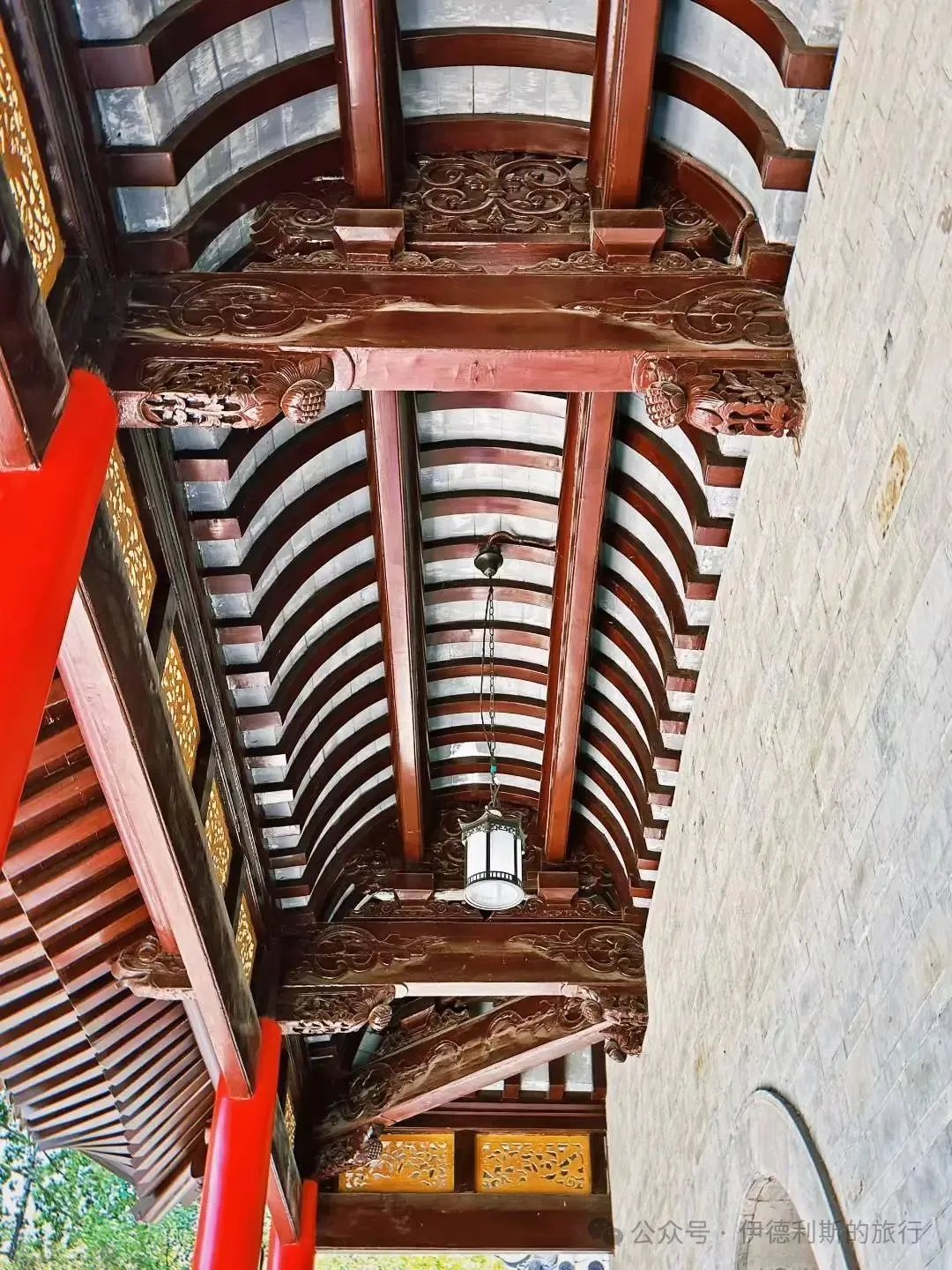
The front hall of the former Taiping Road Mosque served as the office for the chairman of the Chinese Islamic Association between 1945 and 1949, where Bai Chongxi once worked.
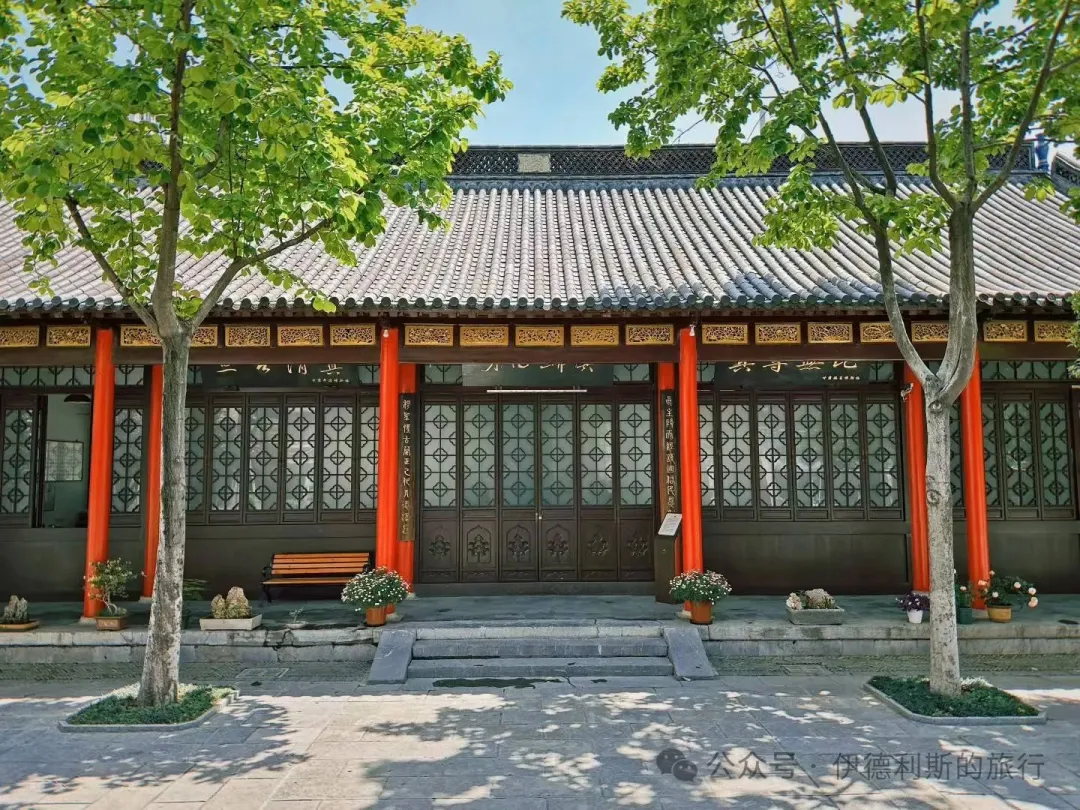
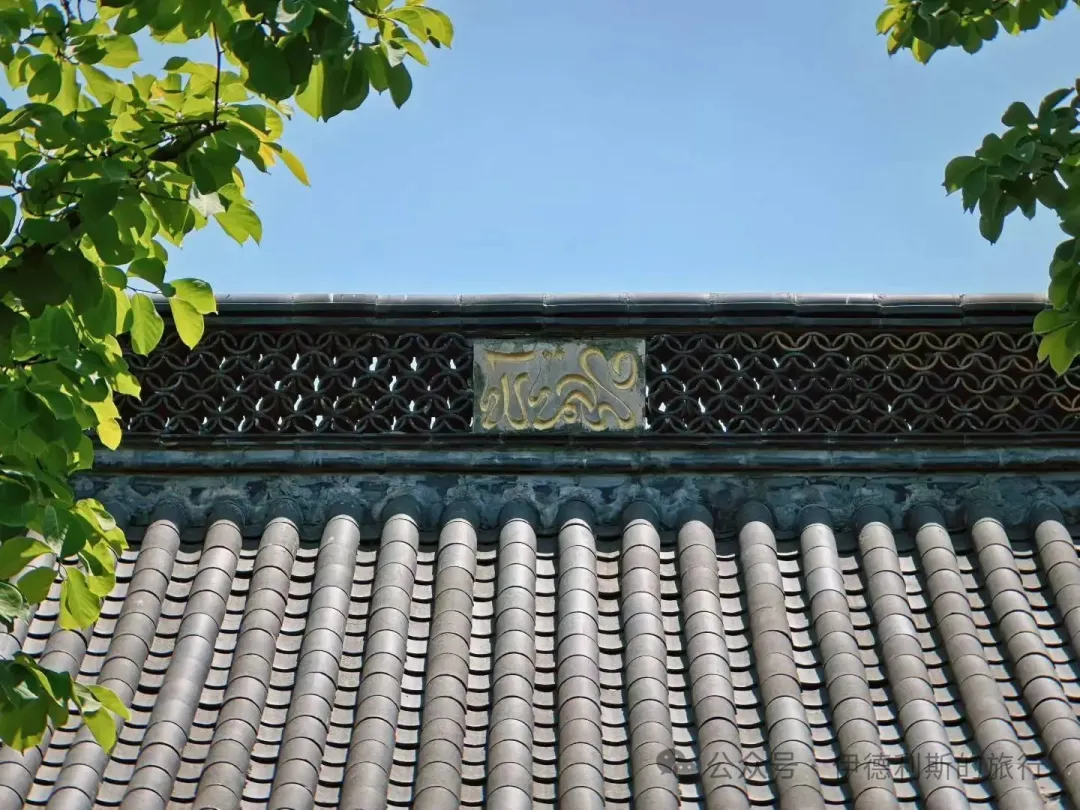
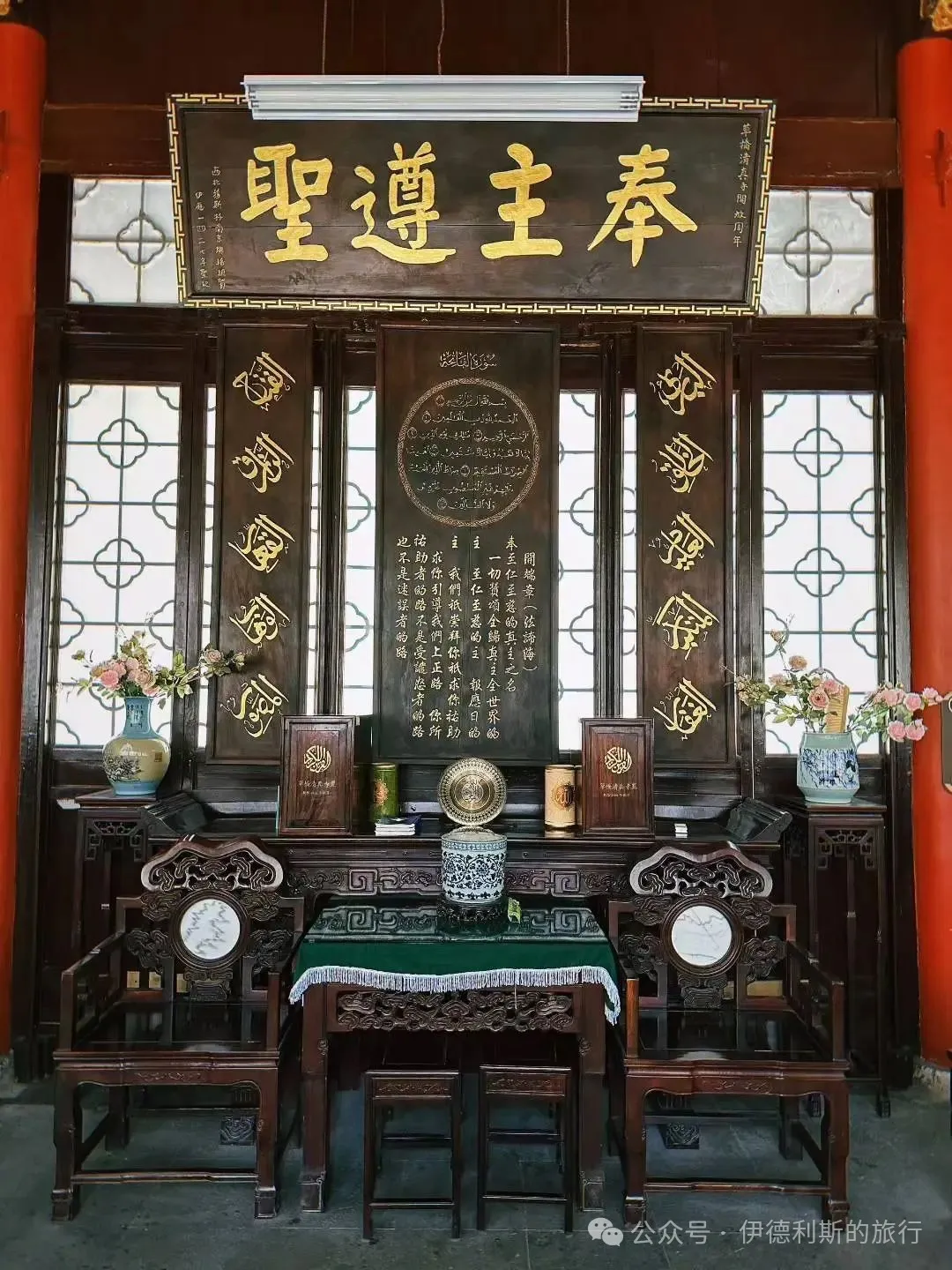
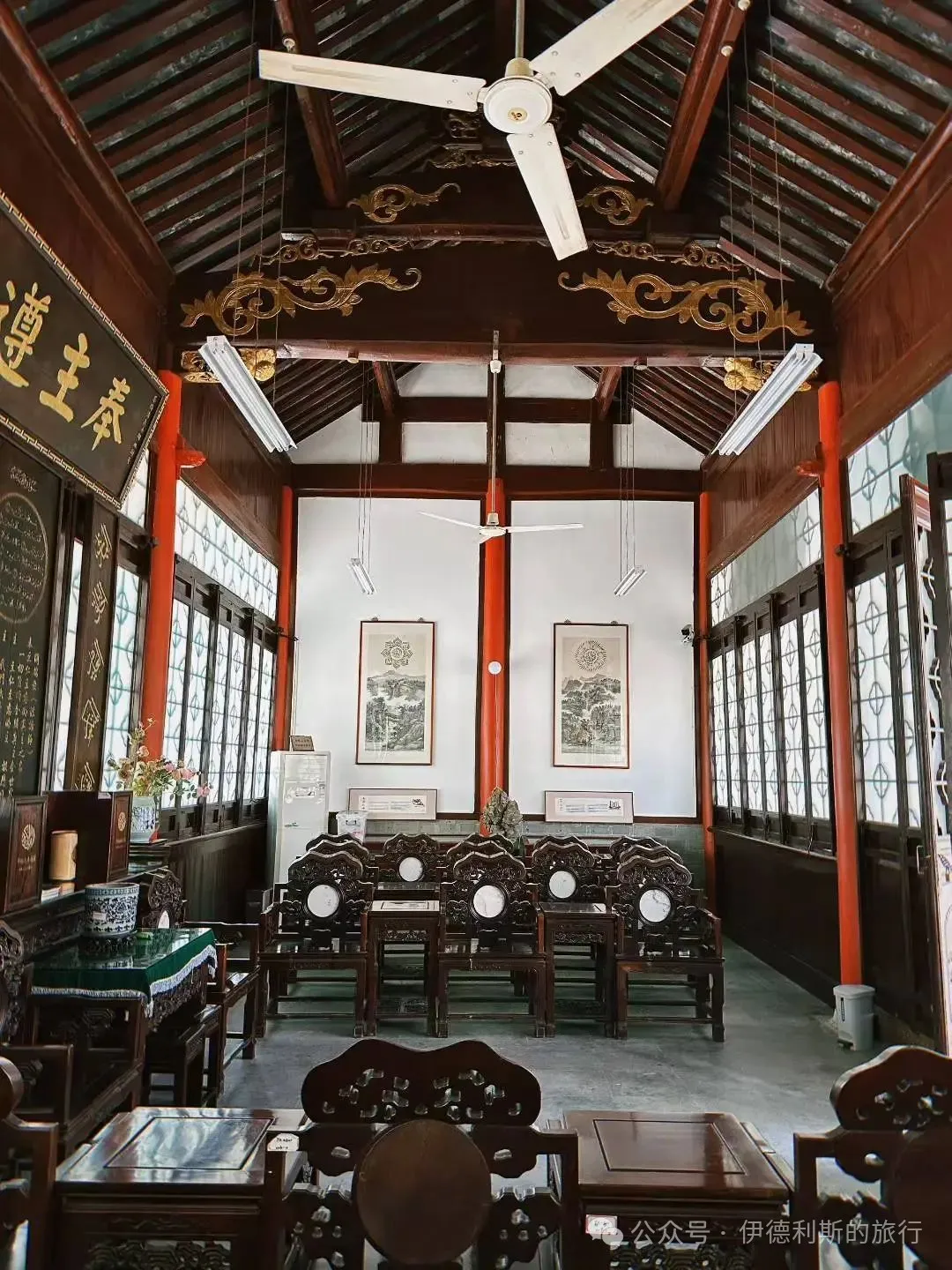
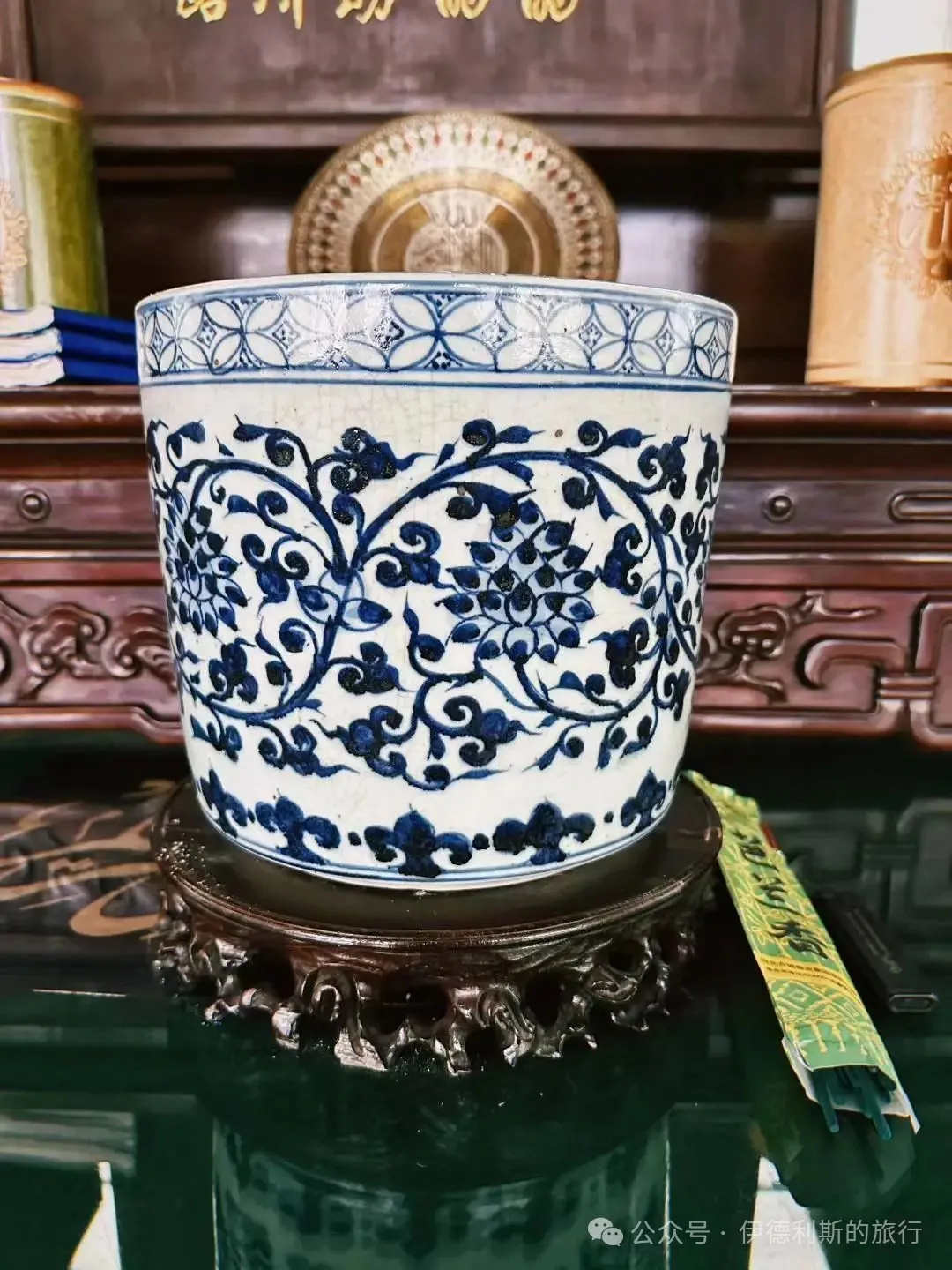
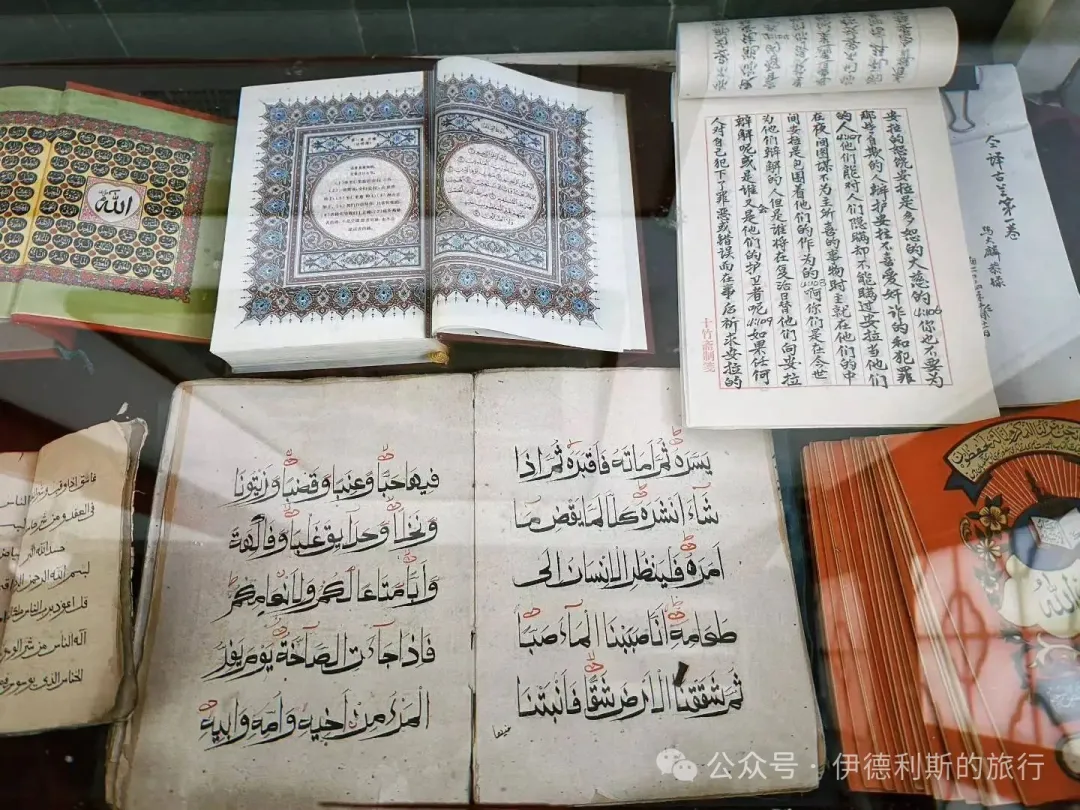
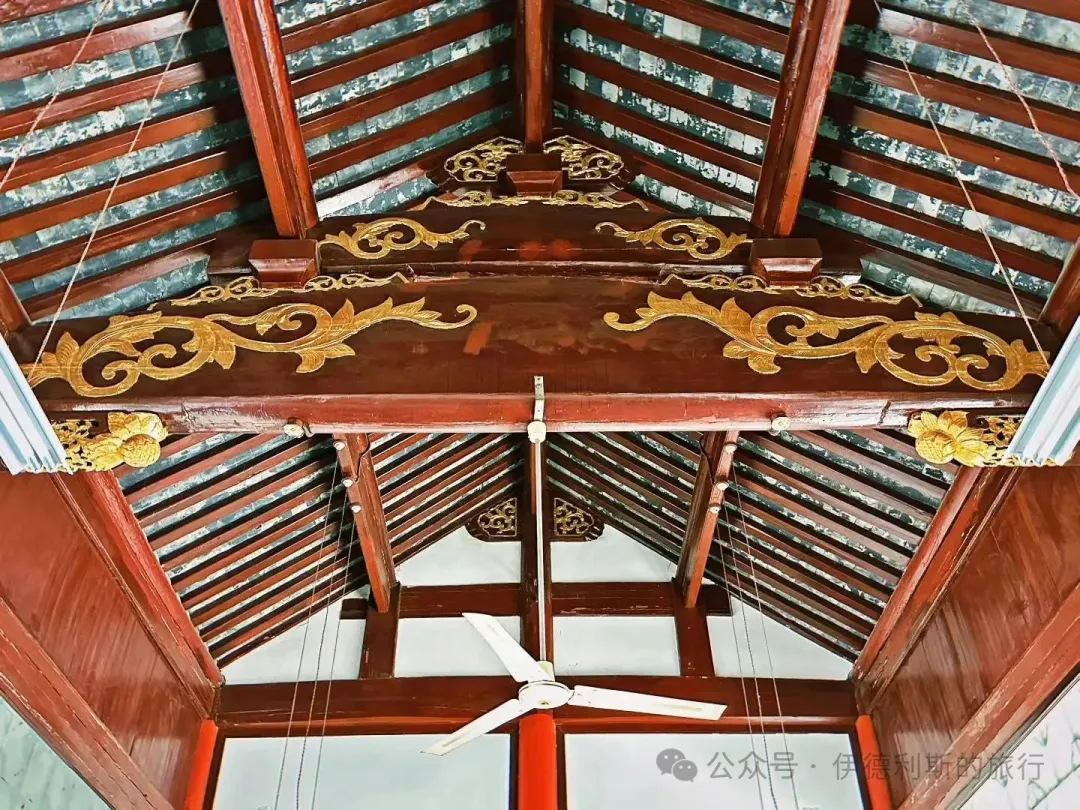
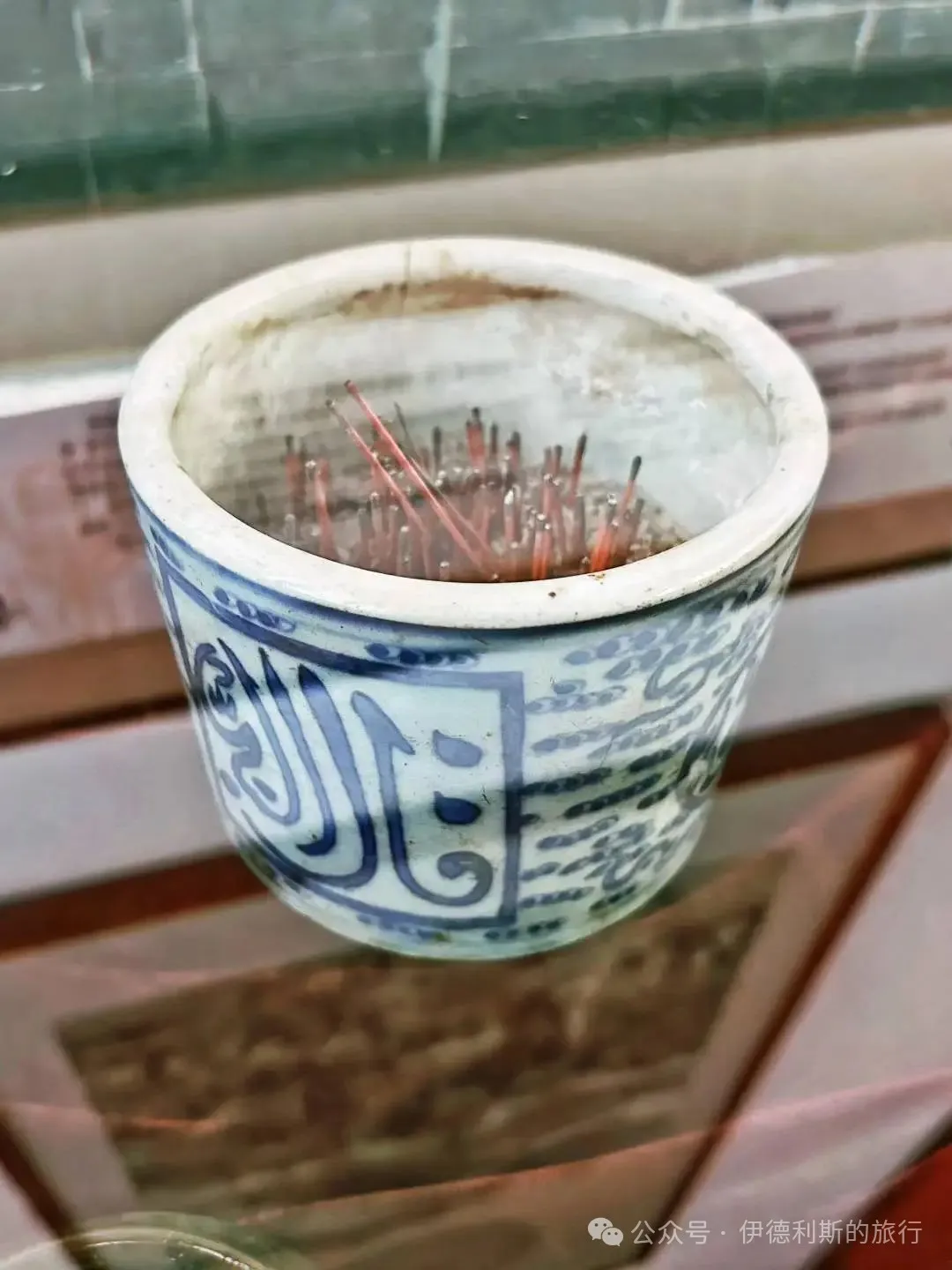
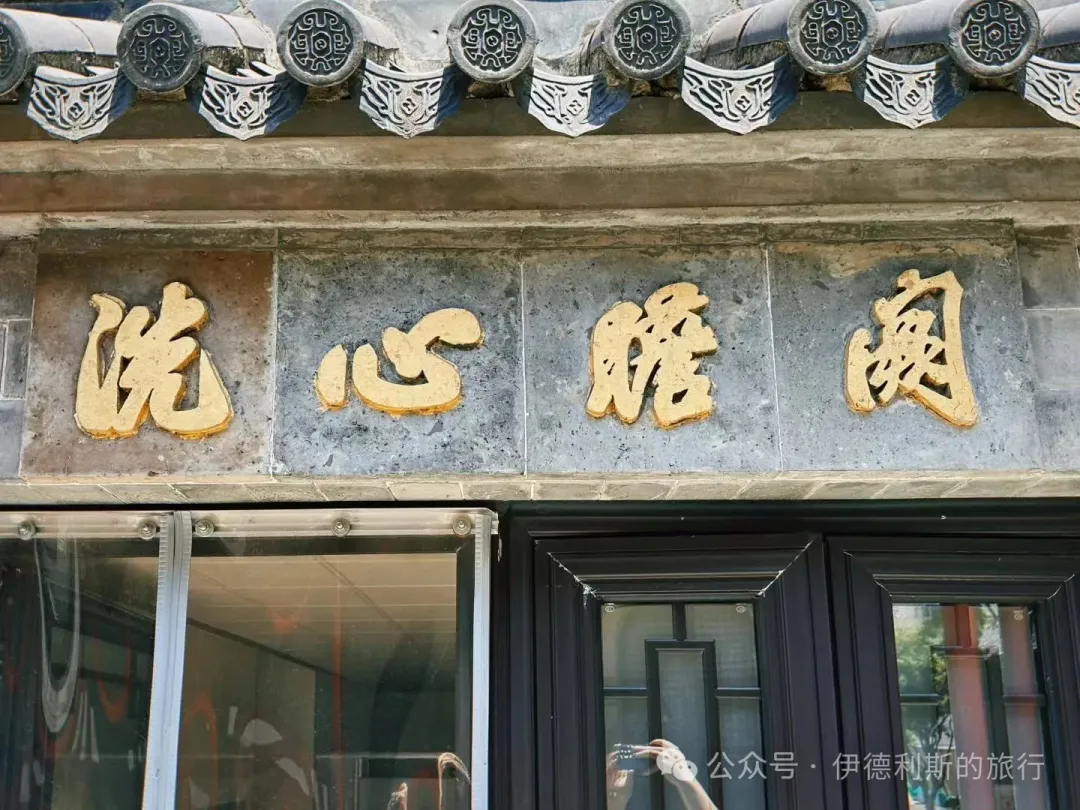
The brick carving titled 'Purifying the Heart and Gazing at the Palace' (xixin zhanque) from the water room of the former Taiping Road Mosque.
The former Taiping Road Mosque collection includes the 'Postscript to the Filial Piety Arch for Mother' written by Jiang Guobang. It records that Jiang, a wealthy Nanjing merchant, lost his father early and was raised by his mother, Madam Ma. In 1911 (the third year of the Xuantong reign), he petitioned to build a memorial arch for his mother's filial piety. Due to the change in government, it was finally completed in 1914.
Jiang Guobang came from the wealthy Jiang merchant family of Jinling, but he was indifferent to fame and wealth, dedicating himself to the study of traditional Chinese classics. Jiang Guobang was very filial. To provide his mother with a good place for her retirement, he spent a large sum of money to buy the Small Ten Thousand Willow Hall (xiaowanliutang) by West Lake in Hangzhou, later naming it 'Jiang Manor' (Jiangzhuang), which was one of the three major manors of West Lake at the time. Jiang Guobang oversaw the reconstruction of the Taiping Road Mosque in 1924 and later built a filial piety arch for his mother inside the mosque. The arch no longer exists, leaving only the stone tablet record.
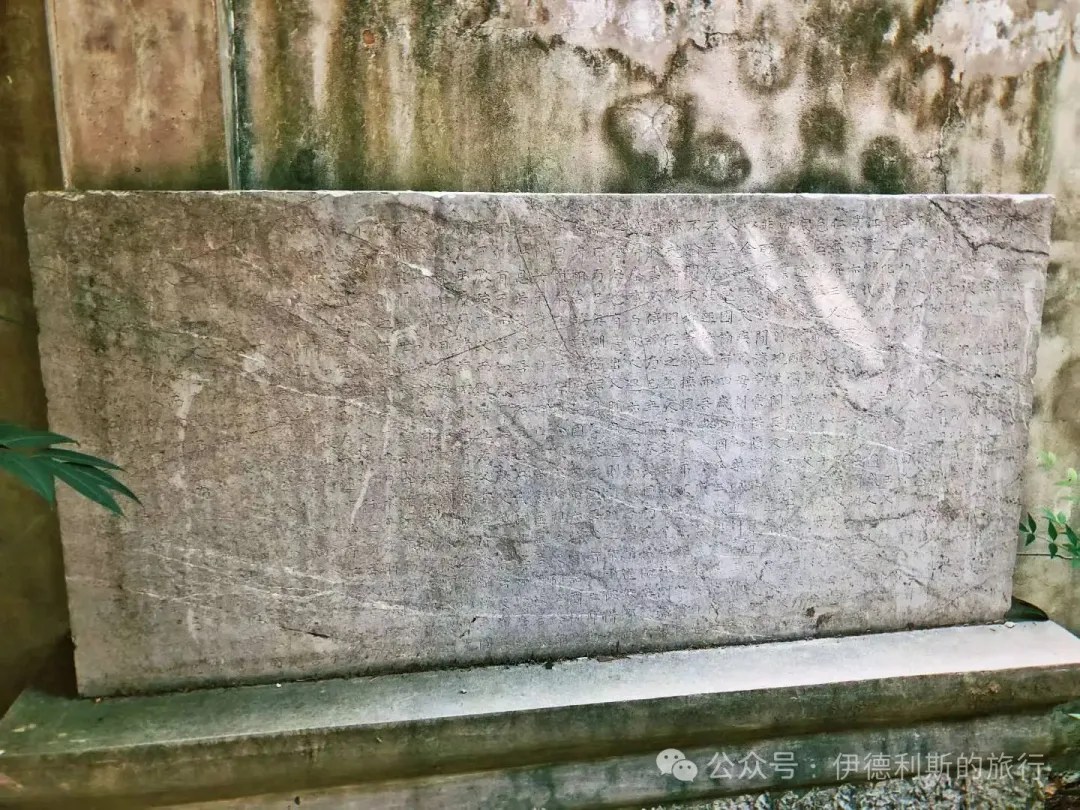
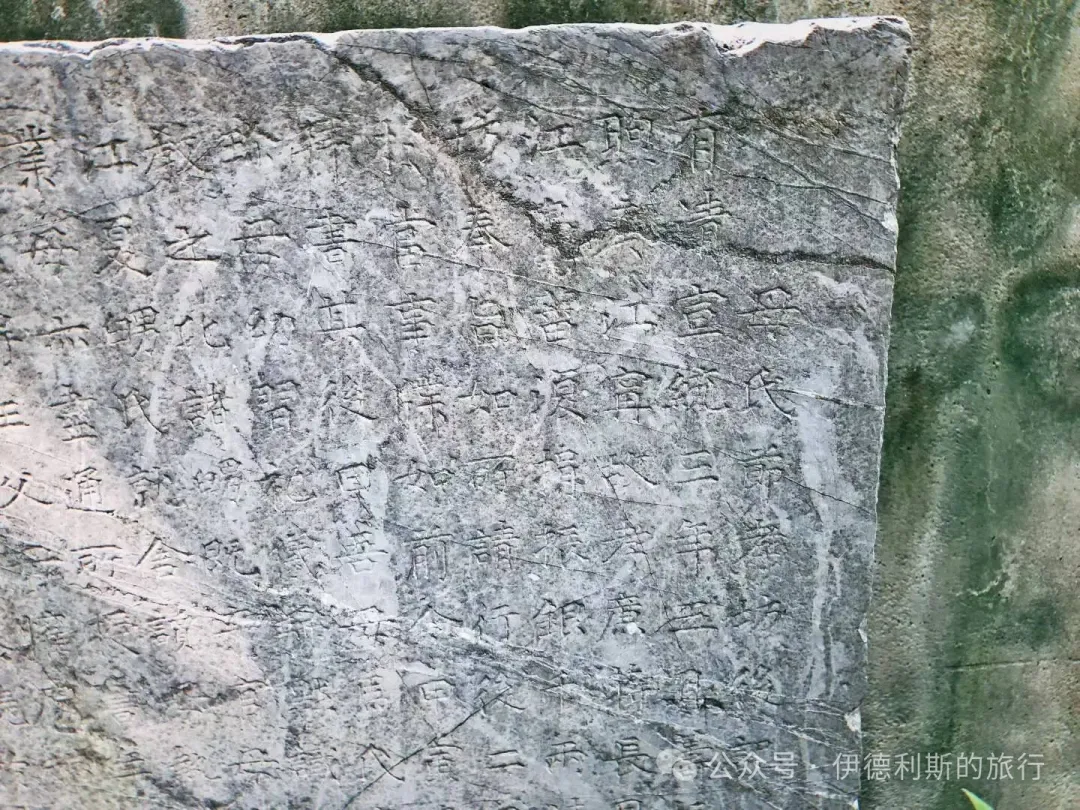
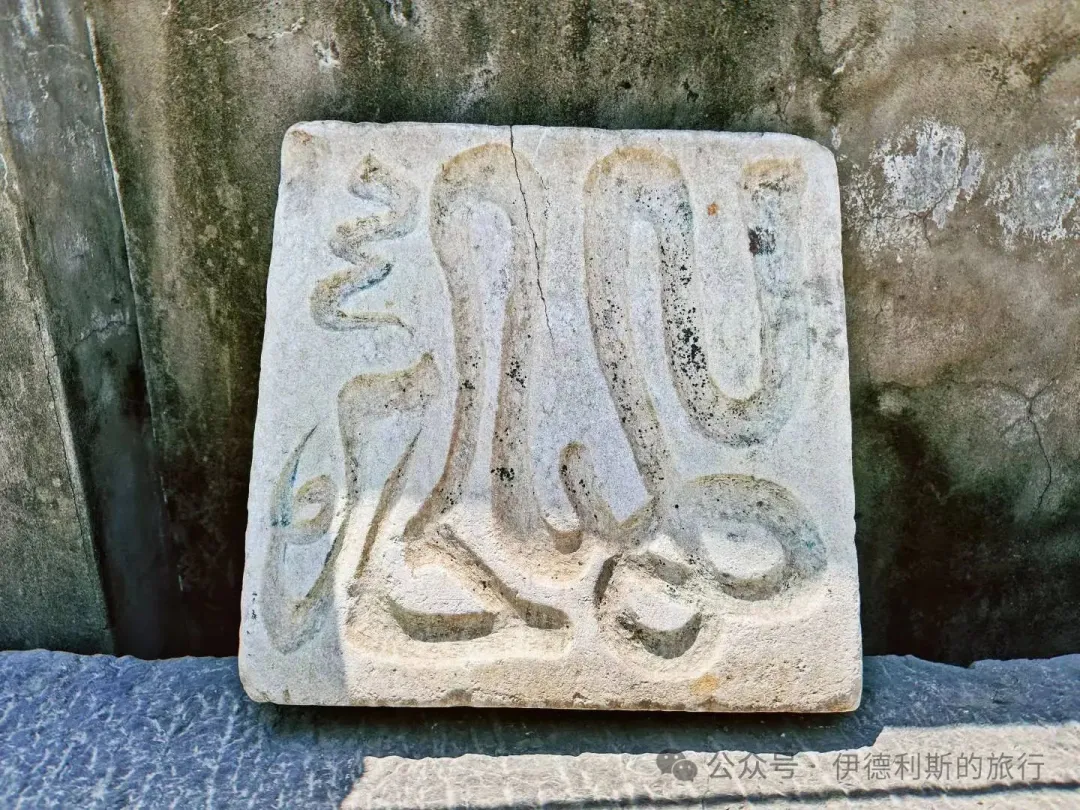
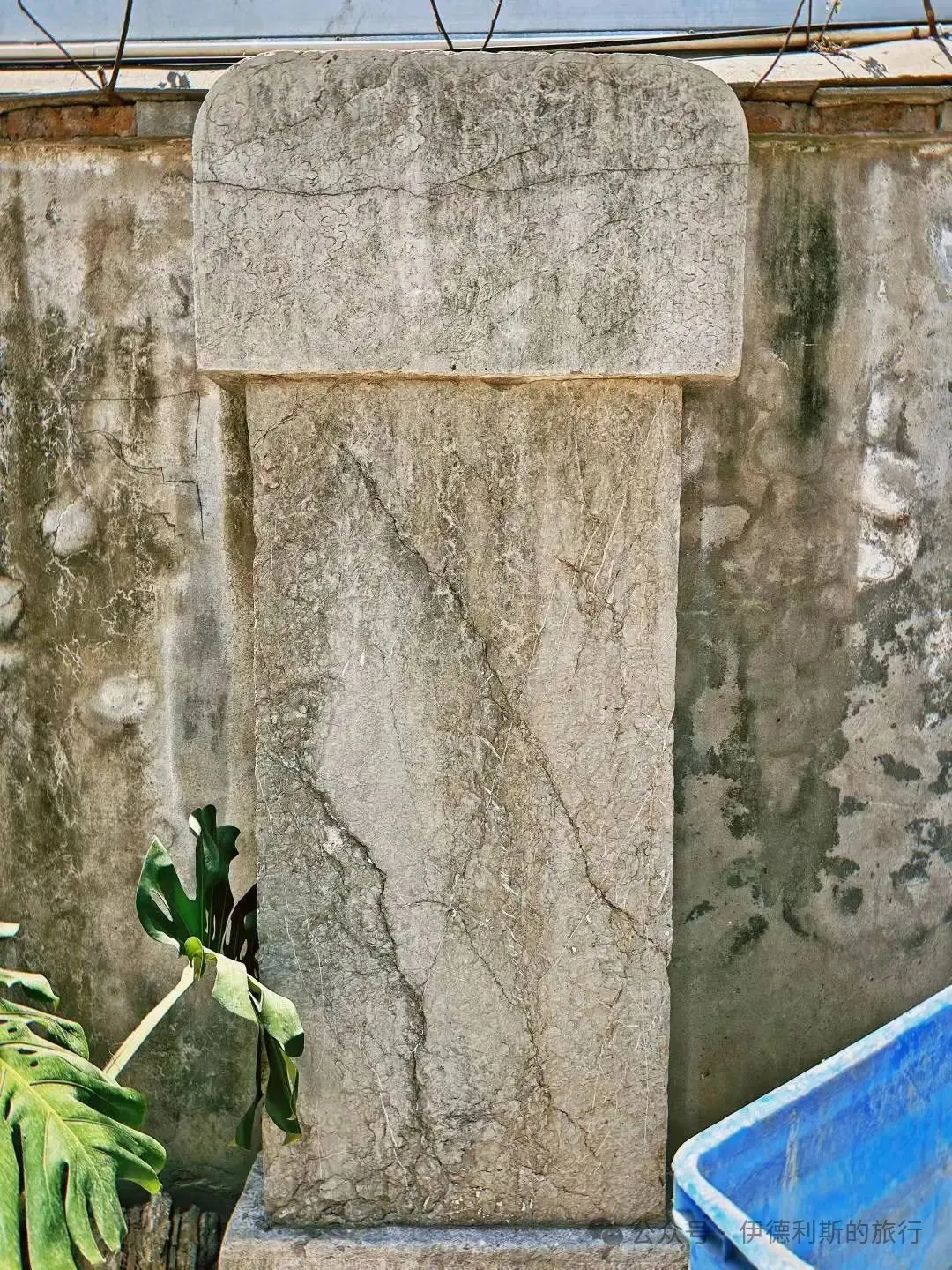
The Qing dynasty well railing and the Guangxu reign stone tablet at Caoqiao Mosque. Caoqiao Mosque was first built during the Guangxu reign of the Qing dynasty, destroyed by fire during the Taiping Rebellion, and rebuilt in the early years of the Tongzhi reign. Because it was located in Qijiawan, a neighborhood where Hui Muslims lived, Caoqiao Mosque once had the largest number of congregants in Nanjing. Historically, Caoqiao Mosque had no property of its own; its daily expenses were covered by the Beef and Bone Trade Association located within the mosque. After 1958, Caoqiao Mosque was occupied and later rented to the Nanjing Woodware Factory, suffering severe damage. The property was returned in 1985 but remained closed until it was demolished in 2003.
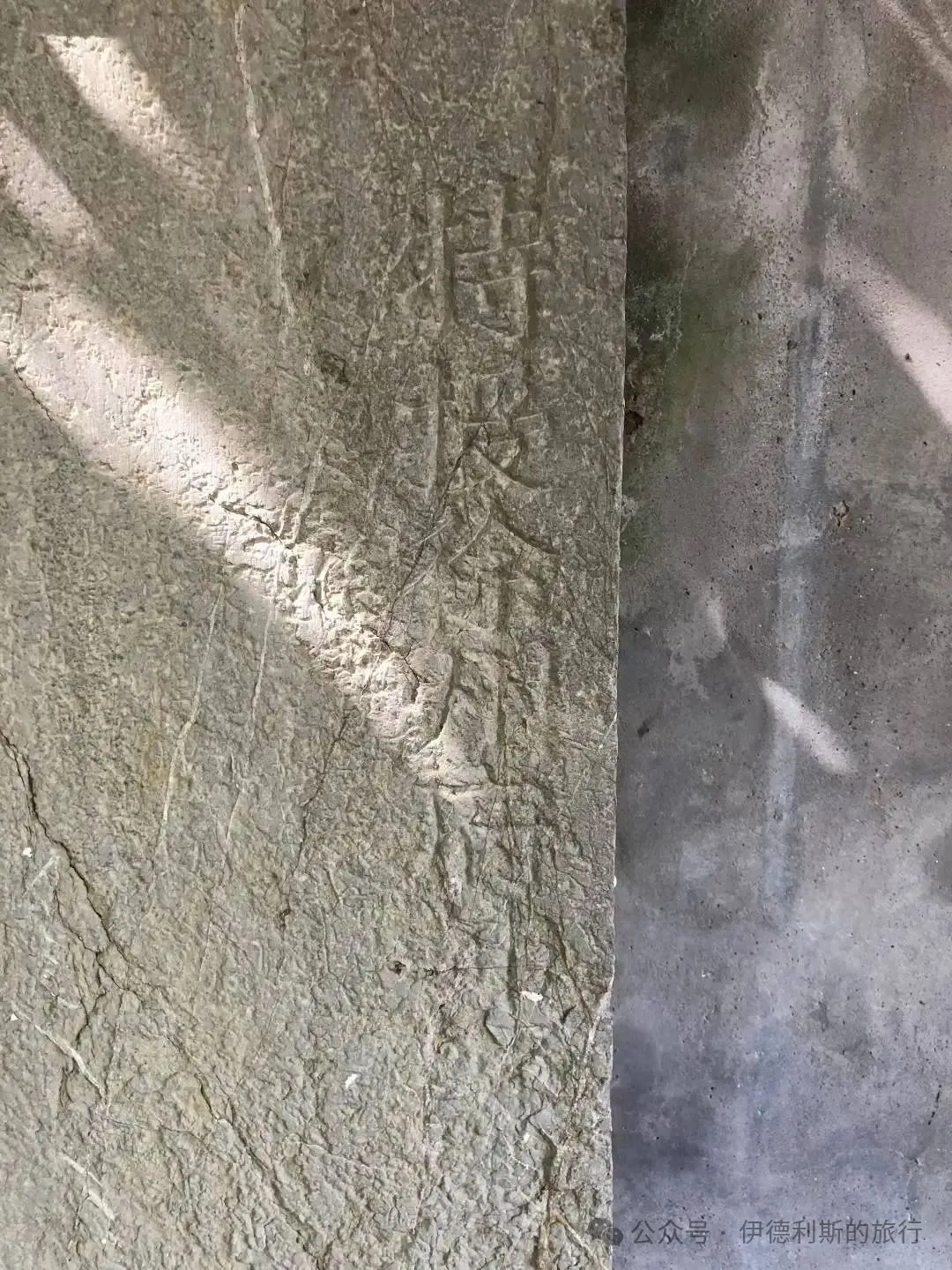
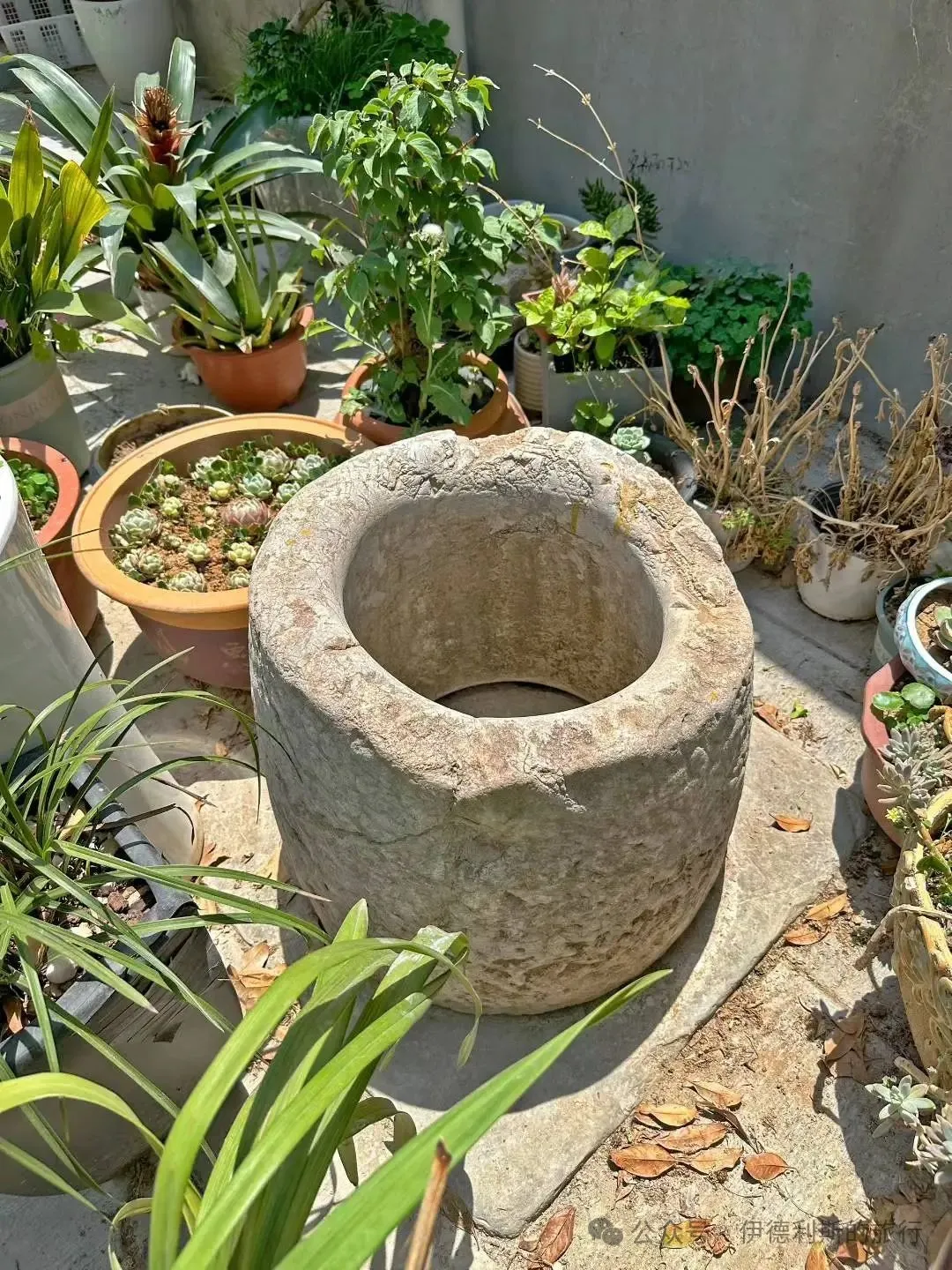
Xiaowangfu Lane Mosque.
Xiaowangfu Lane Mosque was first built in the late Tongzhi reign of the Qing dynasty. It is one of the few remaining old buildings among the 33 mosques in Nanjing from the Republic of China era. The mihrab (mihalabu) niche currently in Jingjue Mosque was moved here from the Xiaowangfu Lane Mosque. Xiaowangfu Lane Mosque was used as a residence for a long time. It has now been vacated and may be put to new use.
In 1917, Xiaowangfu Lane Mosque founded the private Wuben Primary School to teach cultural subjects and Islamic knowledge. It moved to the entrance of Xiaowangfu Lane on Fengfu Road in 1953 and became a municipal school in 1956.
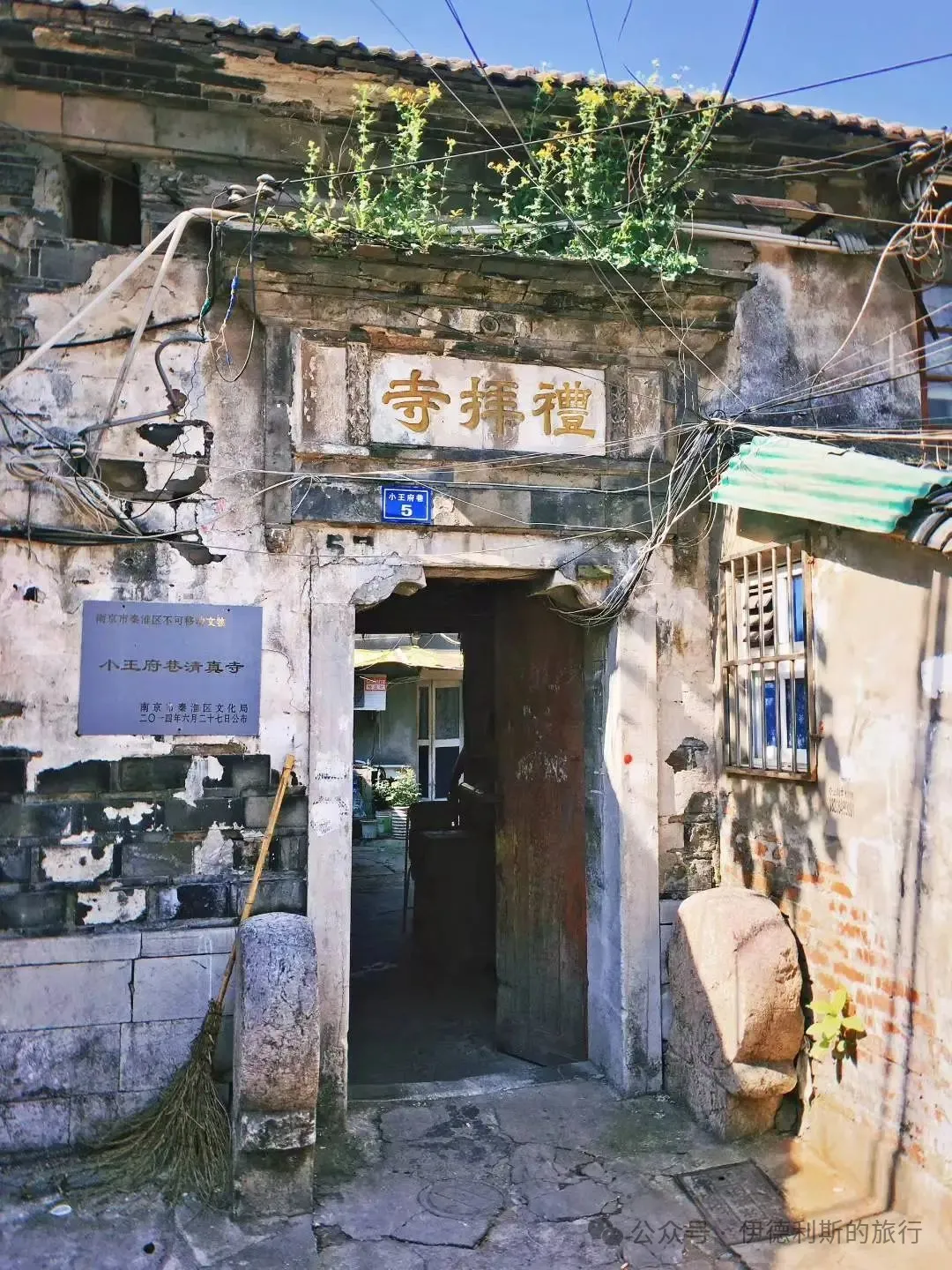
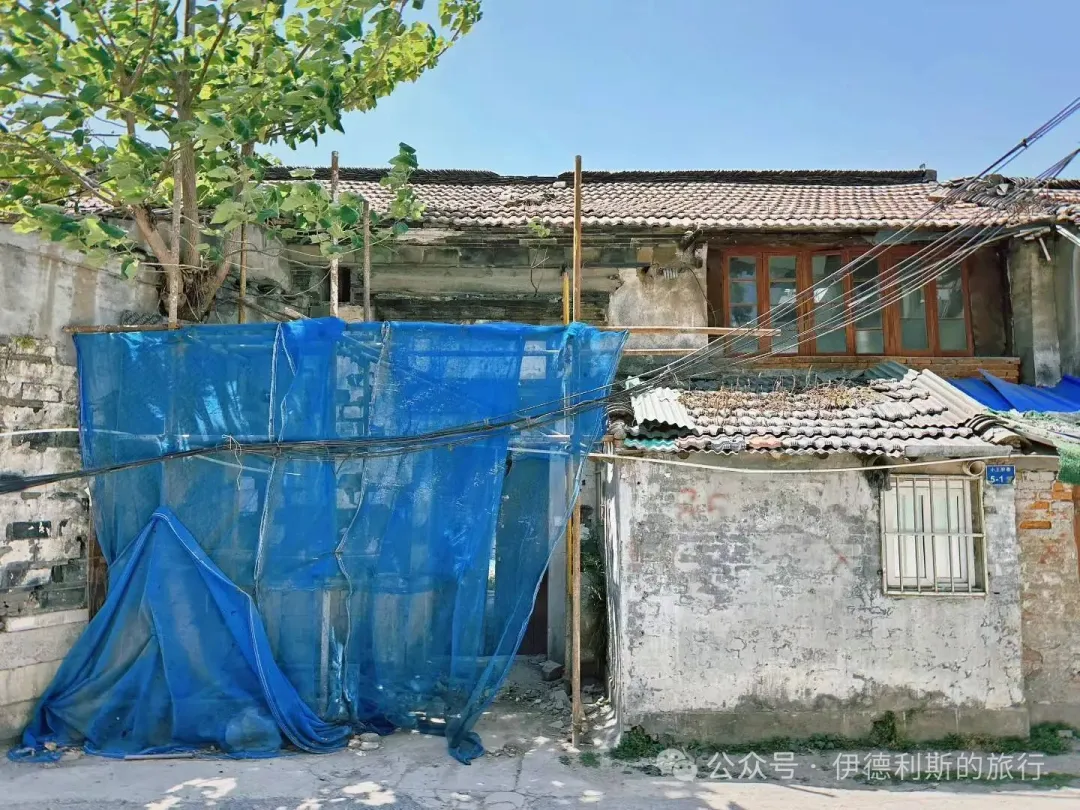
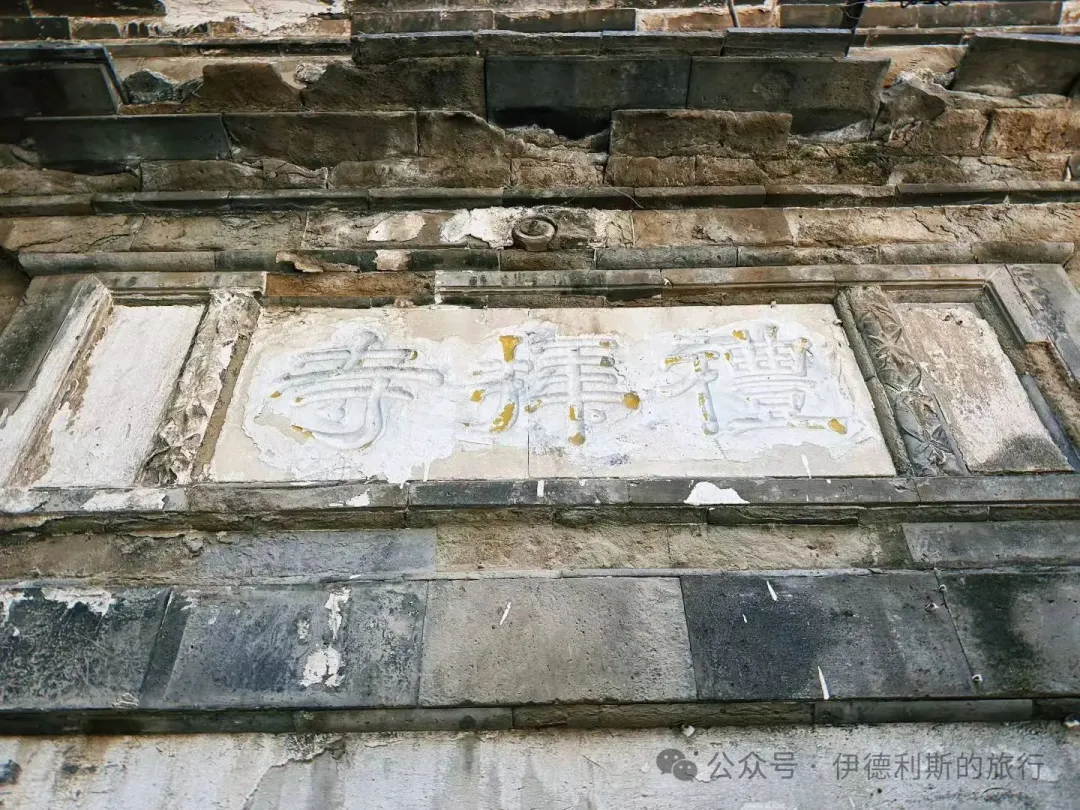
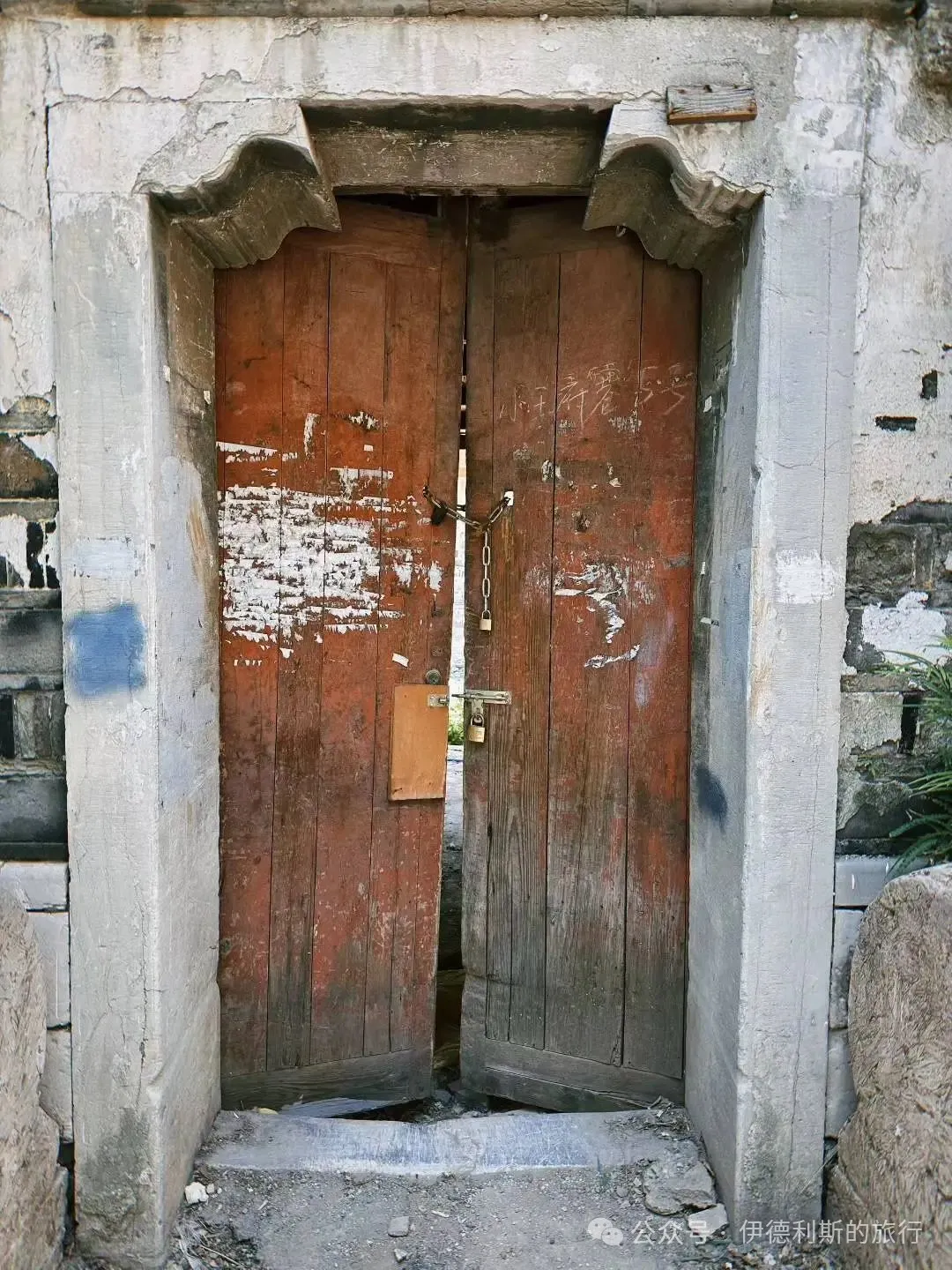
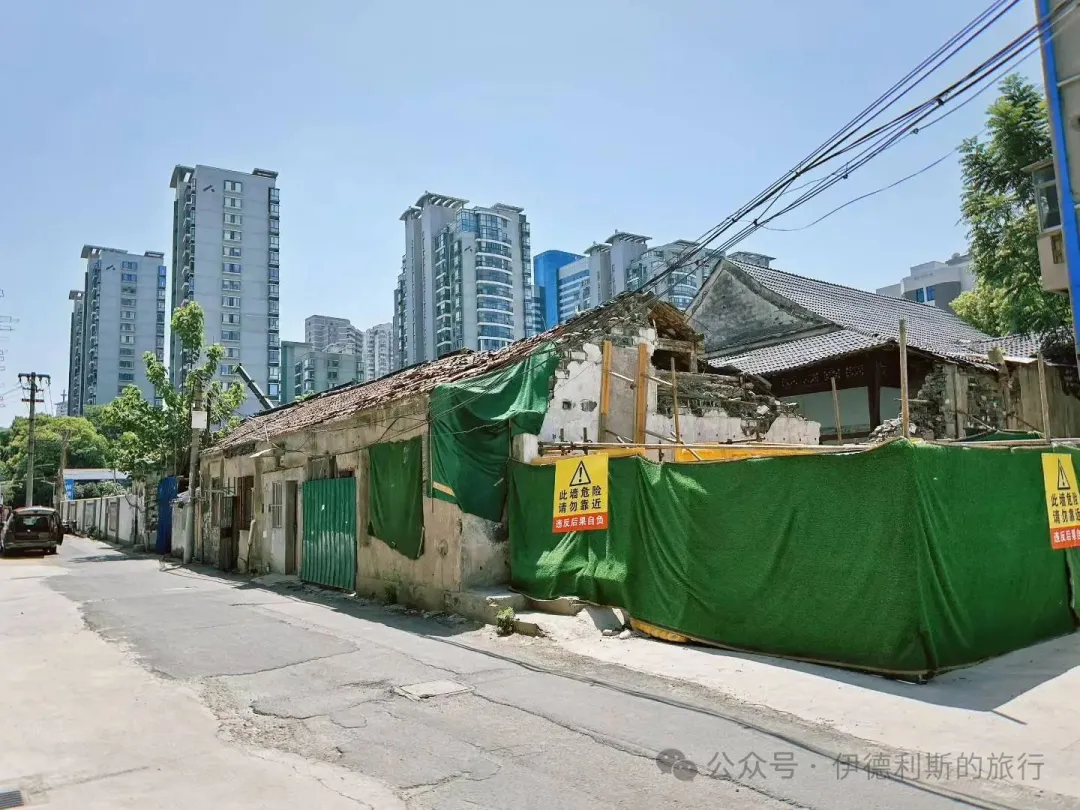
Hushu Mosque.
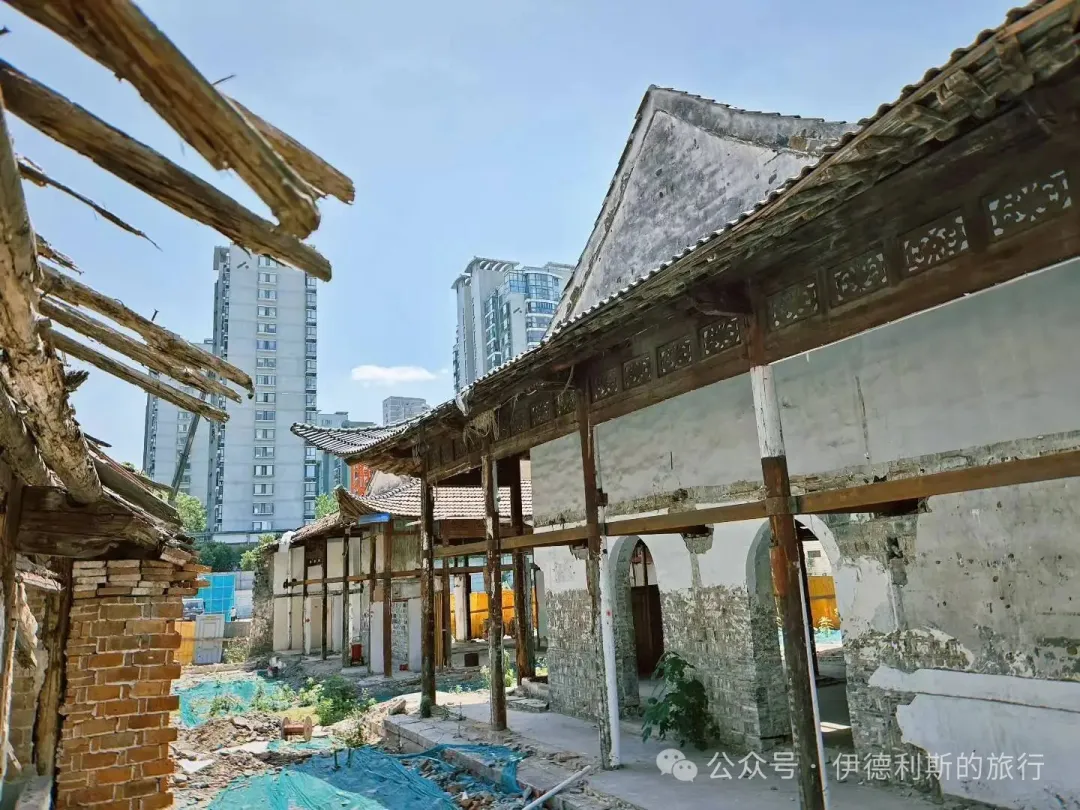
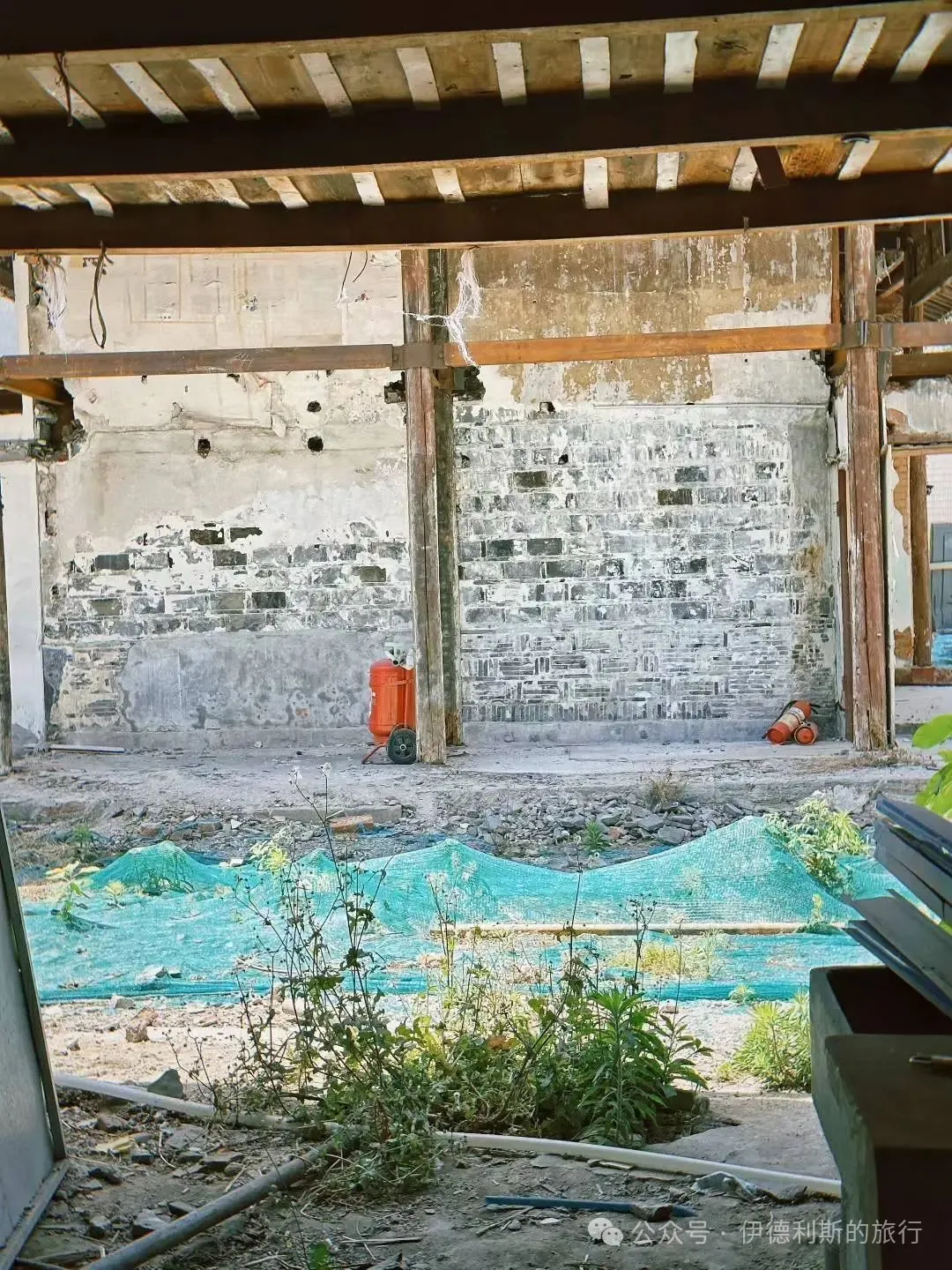
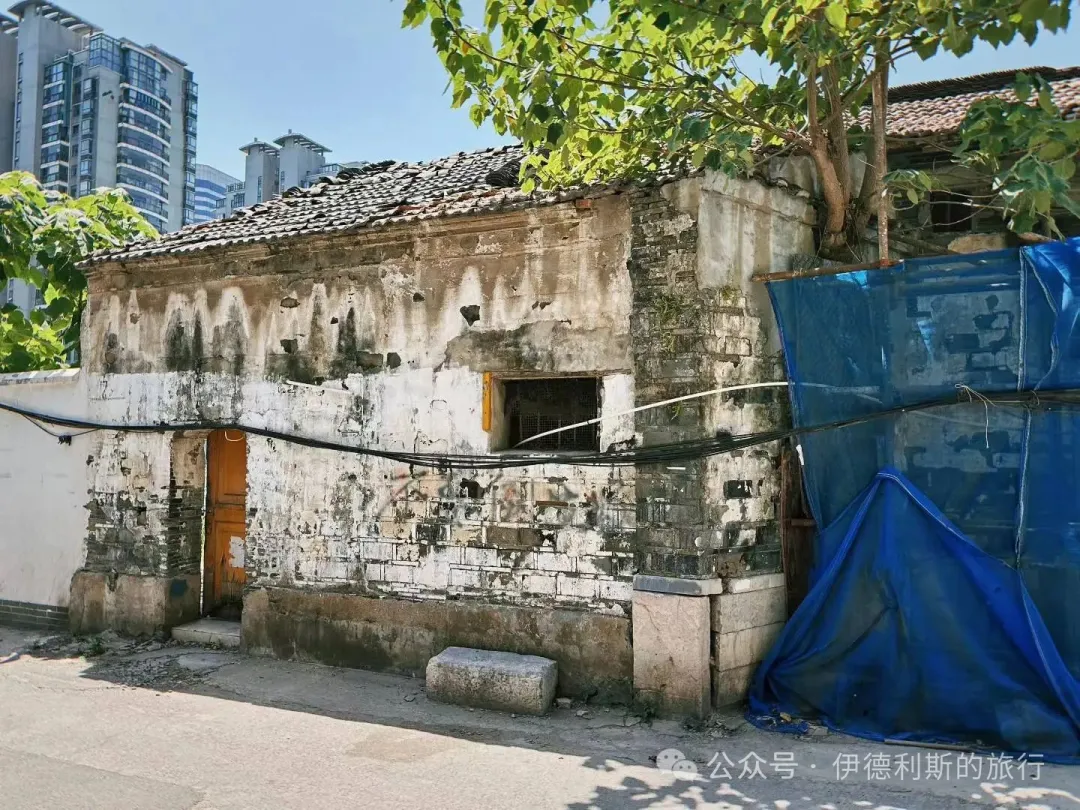
Hushu Mosque was first built in 1392 (the 25th year of the Hongwu reign). It was destroyed during the Taiping Rebellion, and the main hall was rebuilt in 1896 (the 22nd year of the Guangxu reign). In 1911, five tile-roofed rooms were built on the left side in front of the main hall, with the water room on the left, dormitories on the right, and a guest hall in the middle. In 1919, three rooms of the front hall, five rooms of the main hall, and two rooms of the east wing at the main gate were rebuilt.
Around 1932, a primary school for Hui Muslim children was established inside Hushu Mosque, which moved out of the mosque in 1956. In 1964, the main hall of Hushu Mosque was demolished during the 'Four Cleanups Movement' and was occupied by the Hushu Straw Bag Factory, Hushu Hardware Factory, and Hushu Supply and Marketing Cooperative during the Cultural Revolution. The main hall was rebuilt in 1988. The roof of the main hall at Hushu Mosque was originally built in a palace style with upturned eaves, but it was changed to a flat roof after renovations.
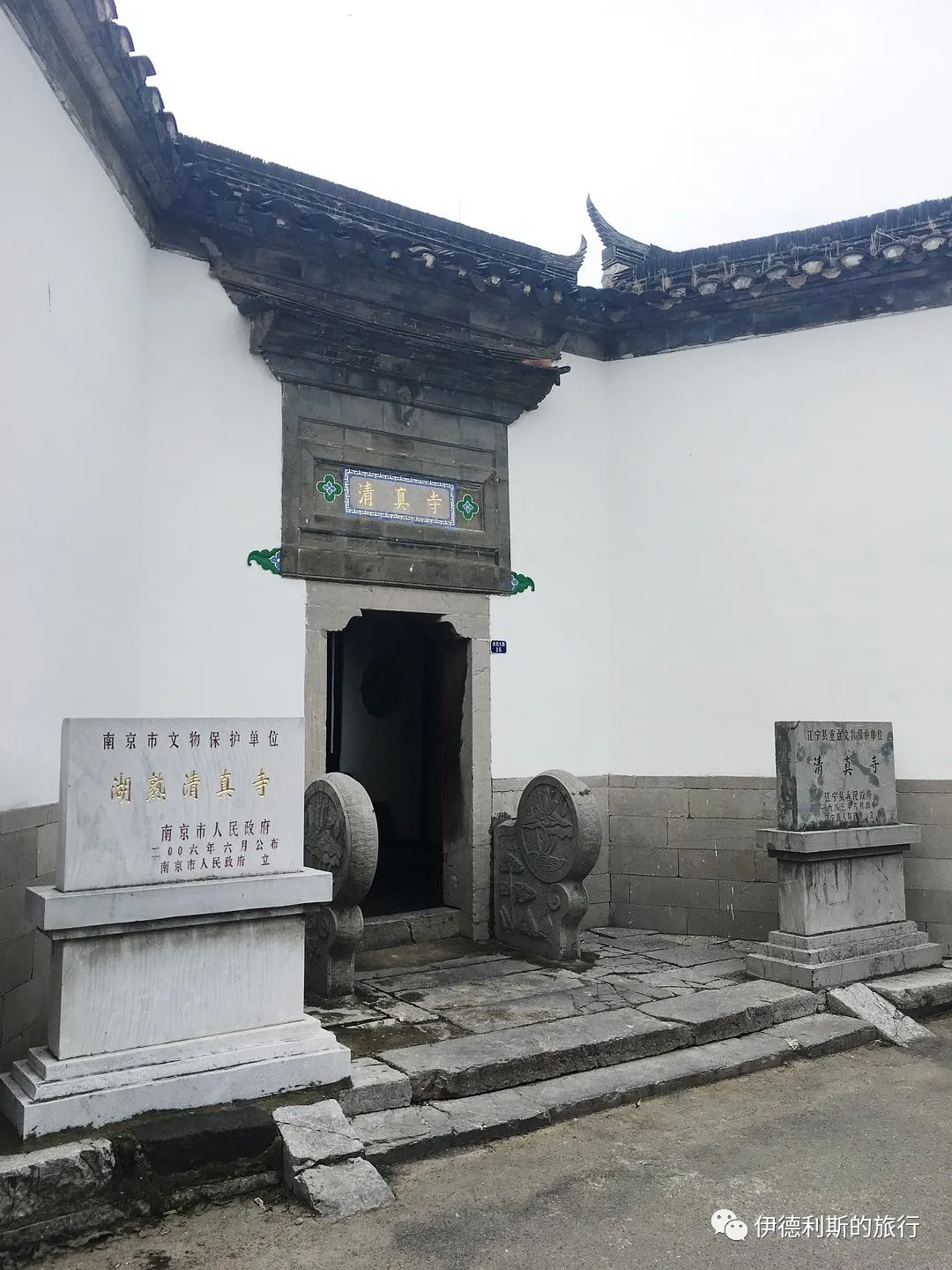
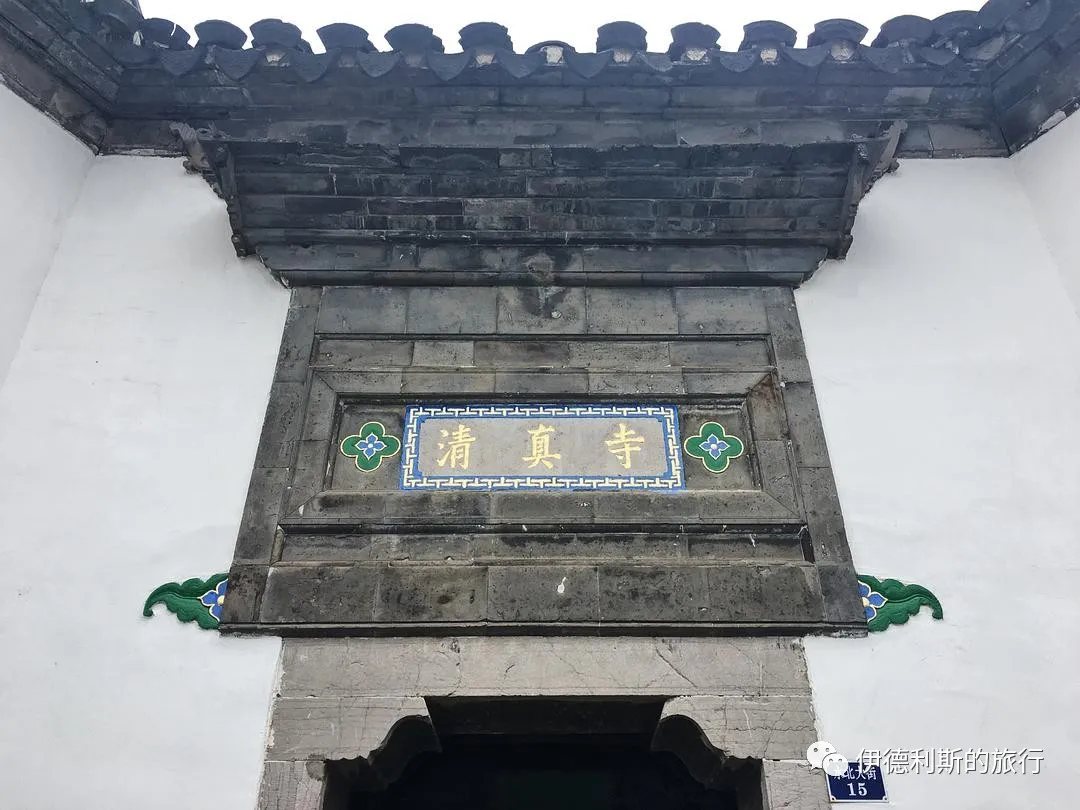
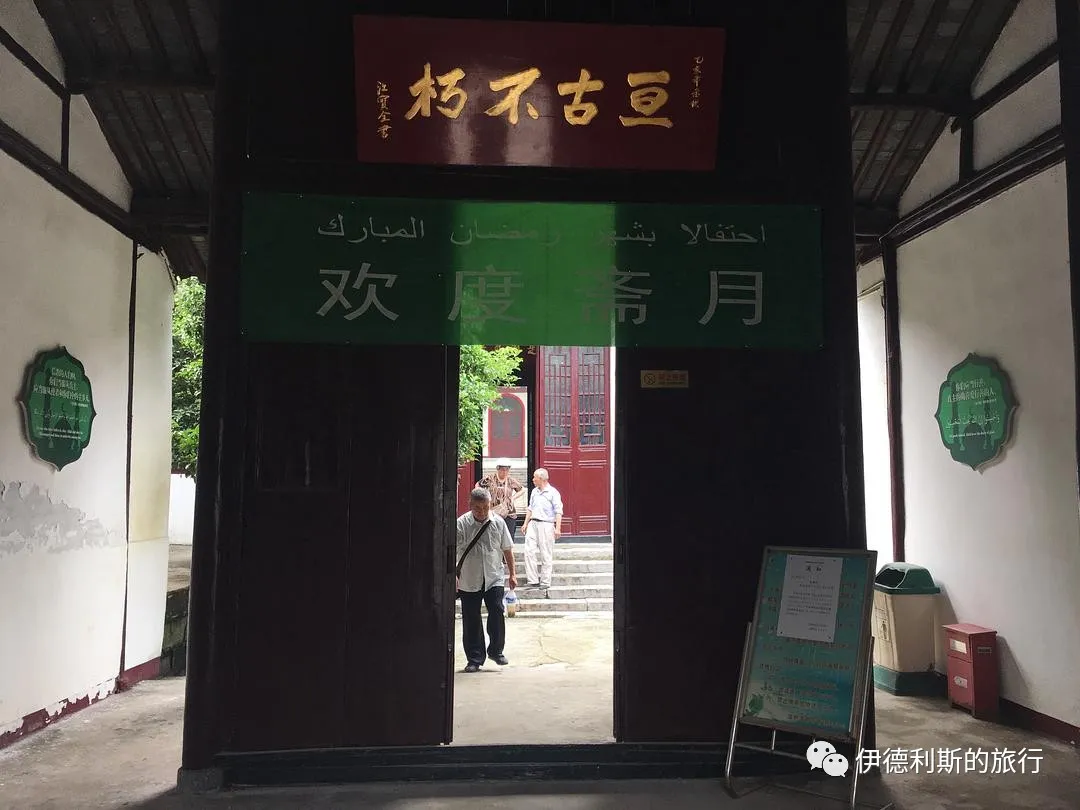
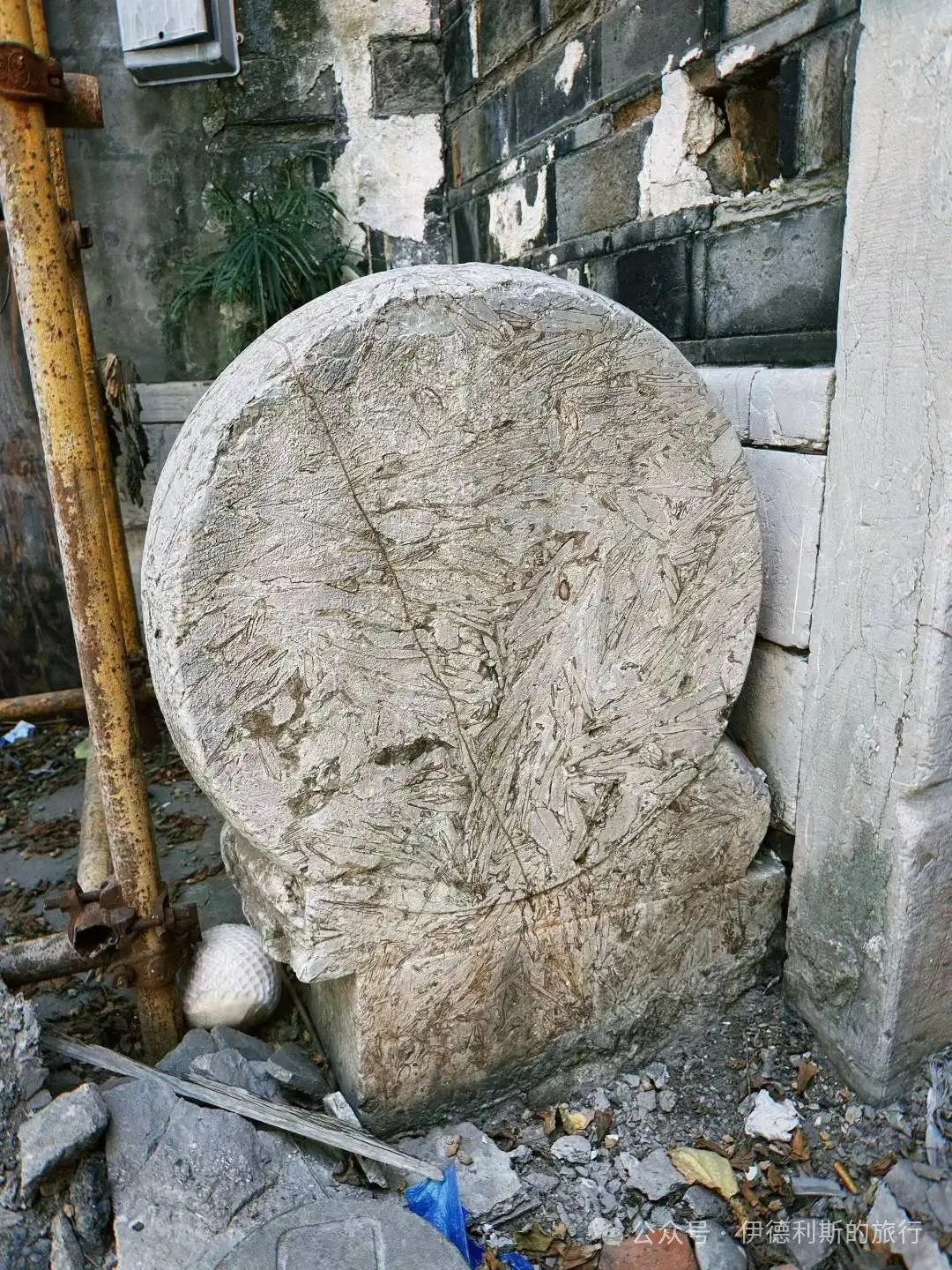
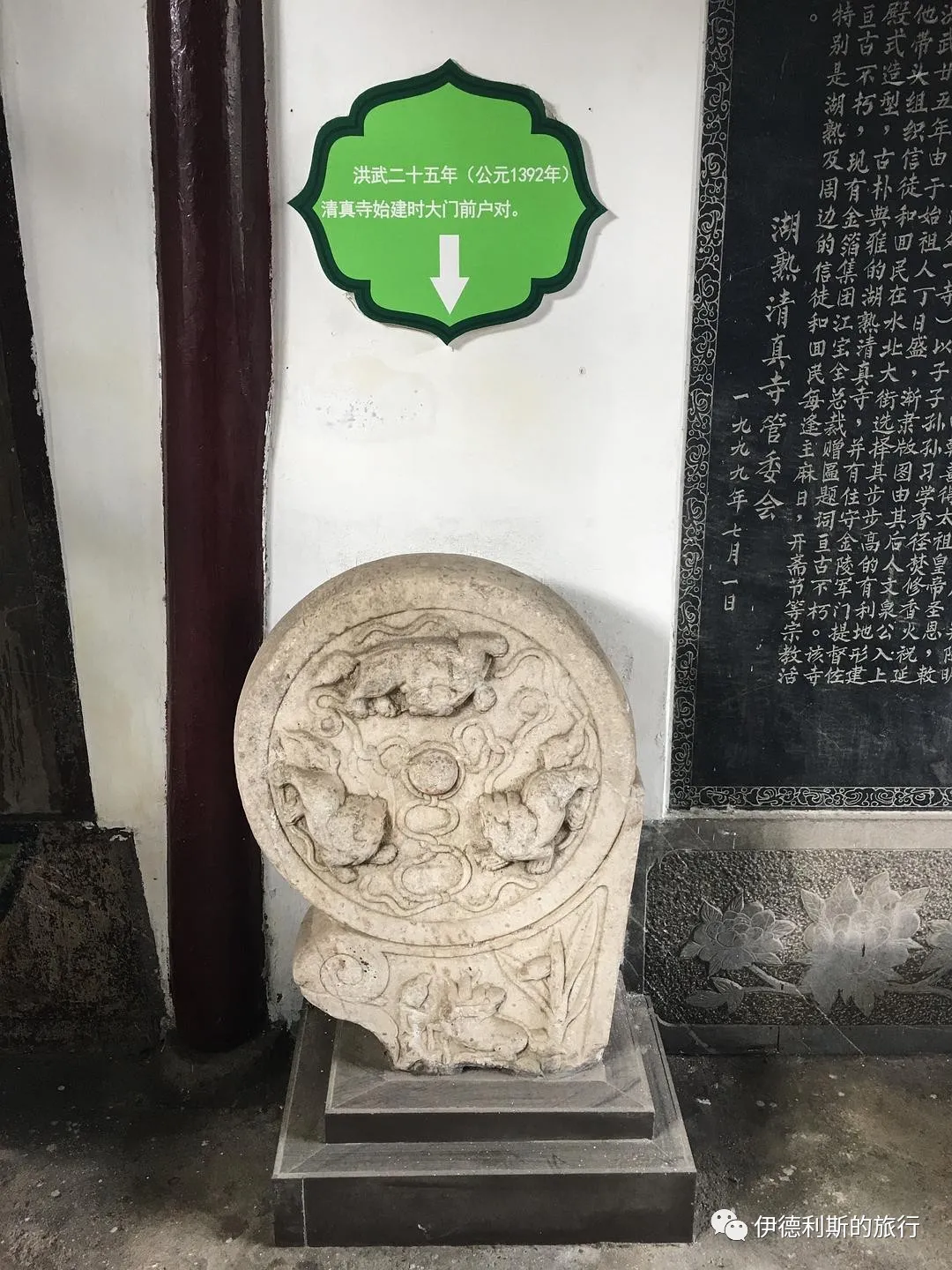
The gate piers from the original construction in 1392.
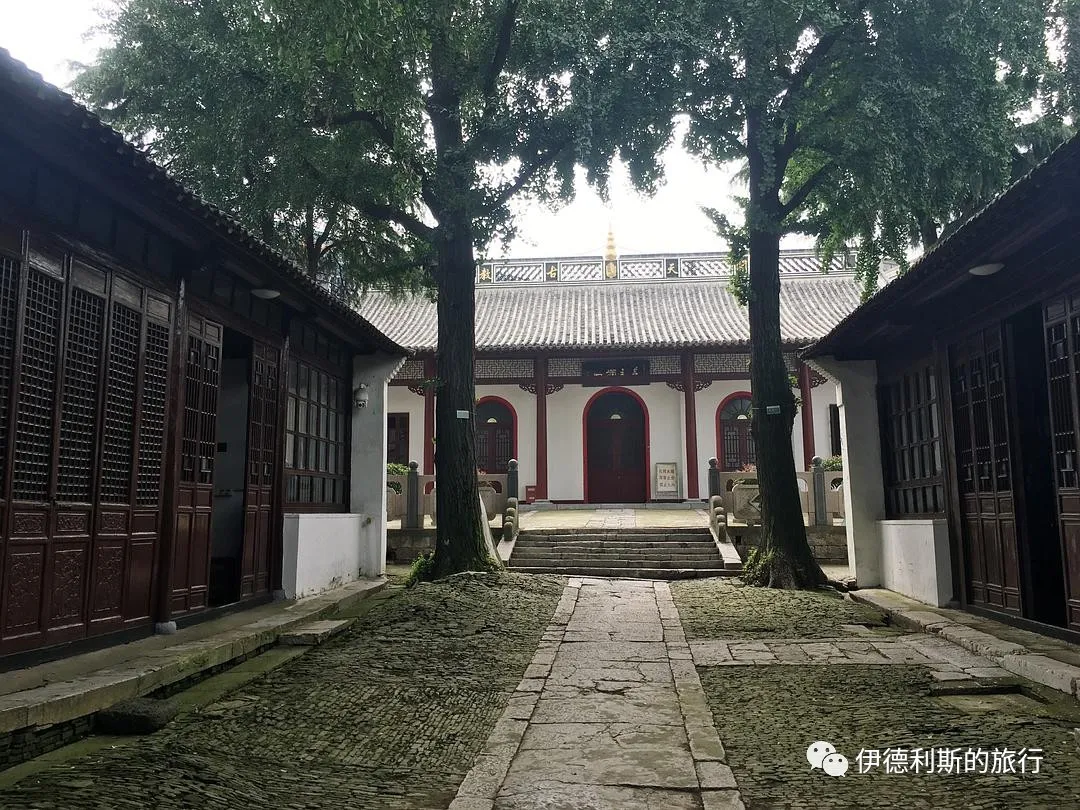
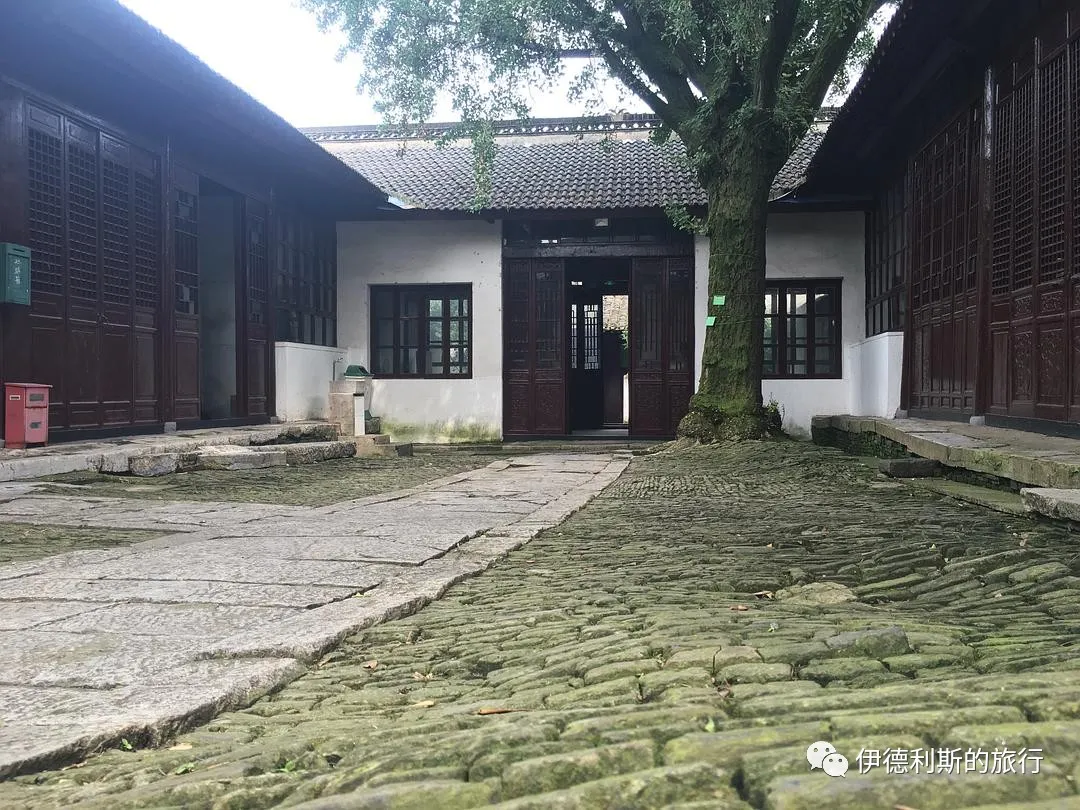
A ginkgo tree transplanted in 1689.
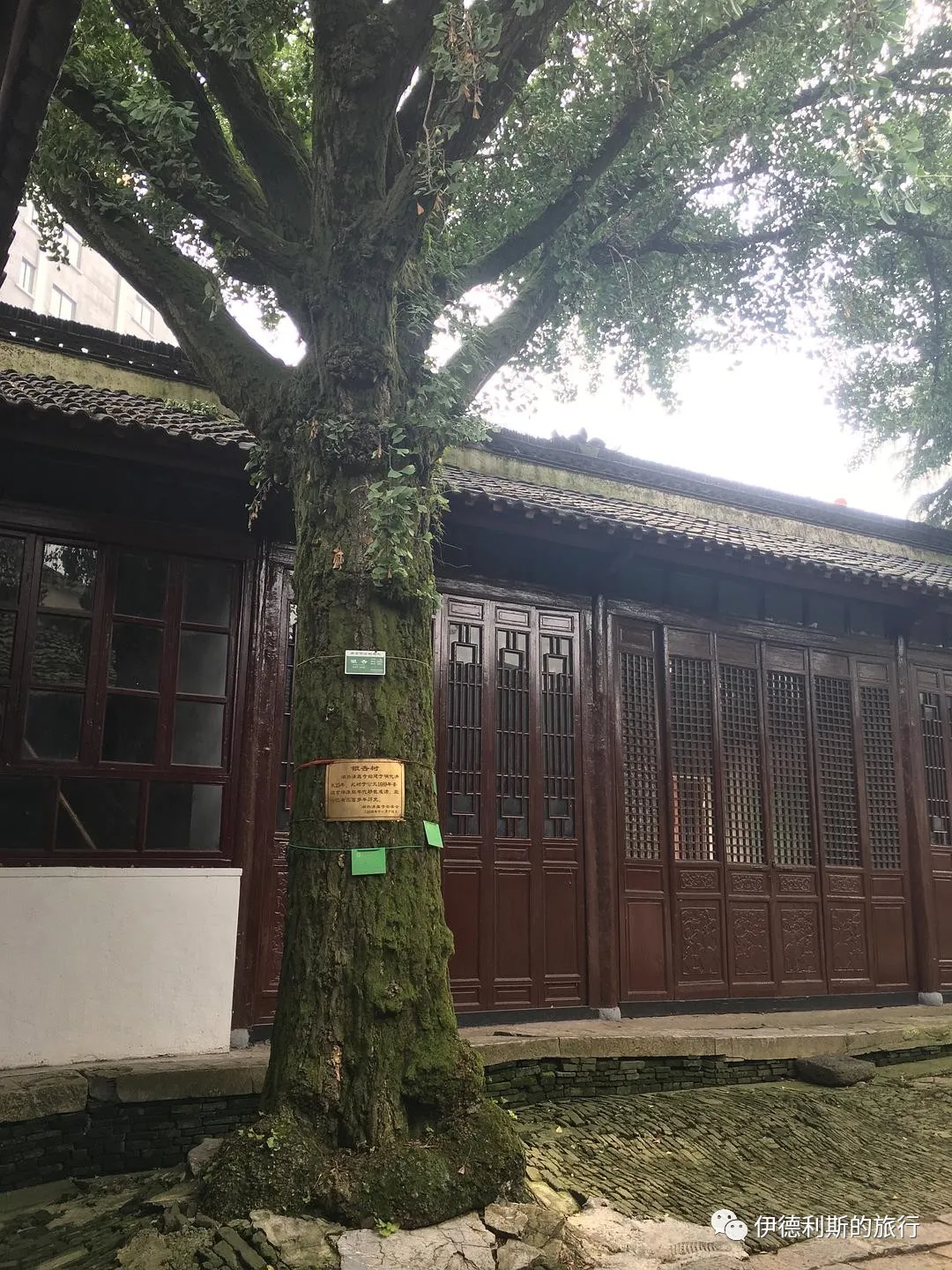
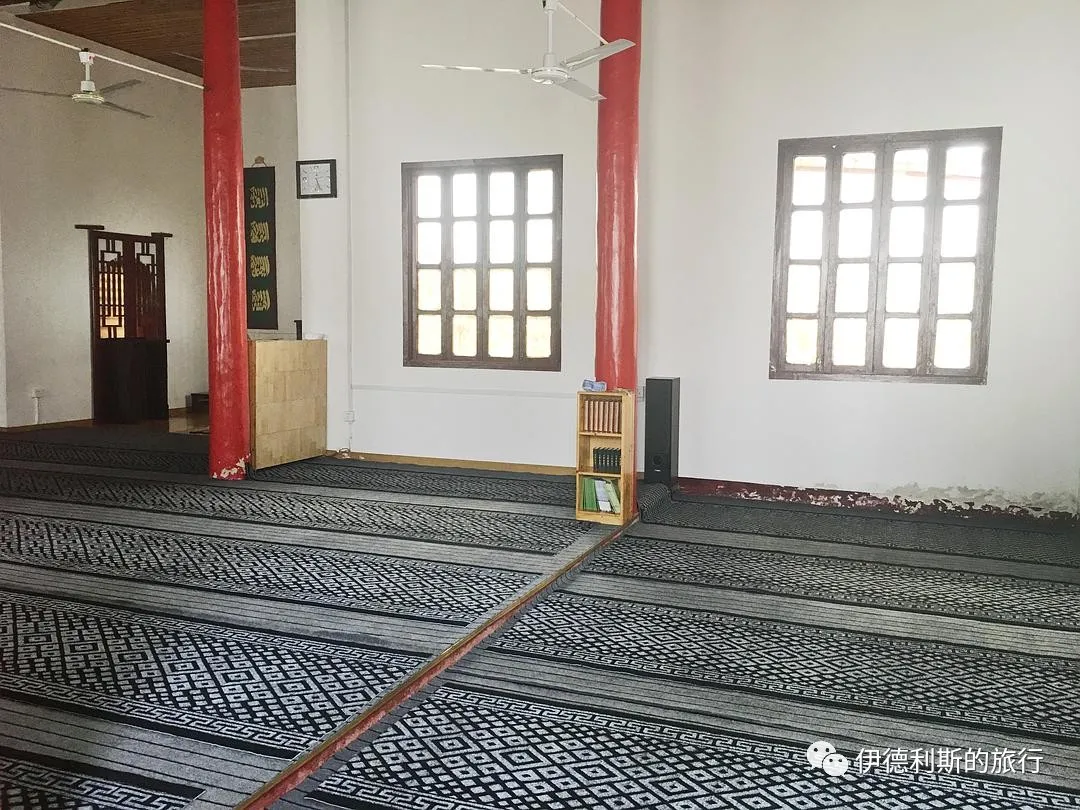
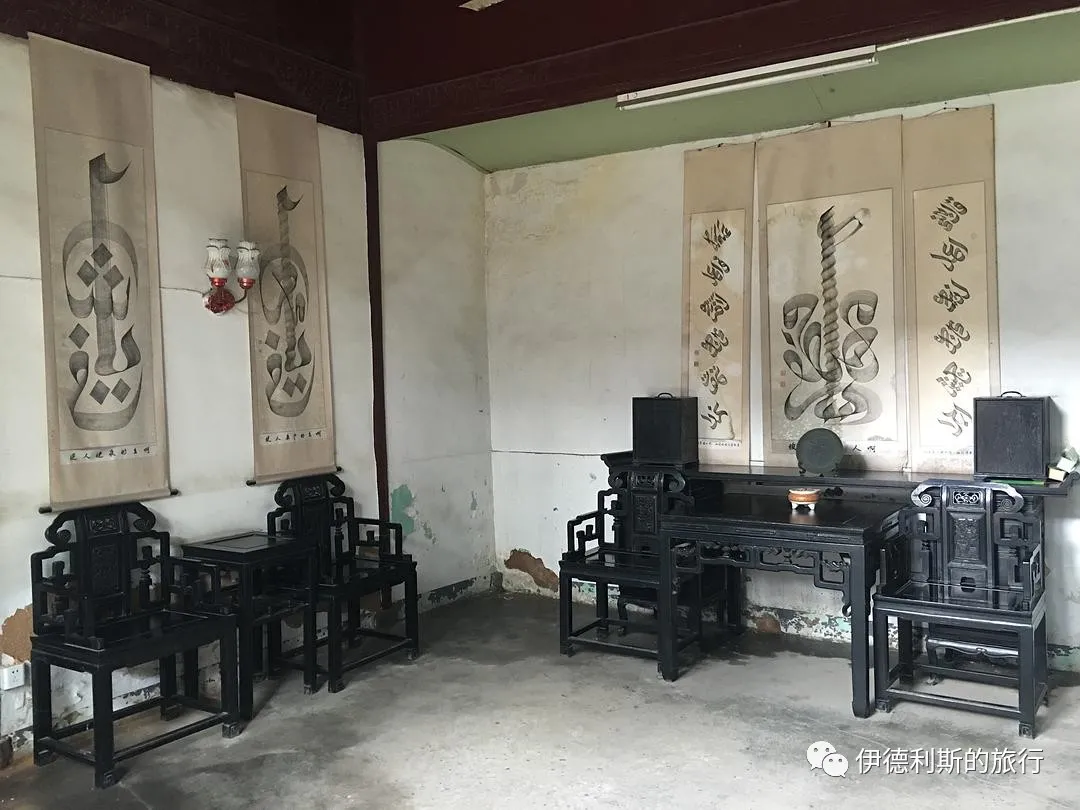
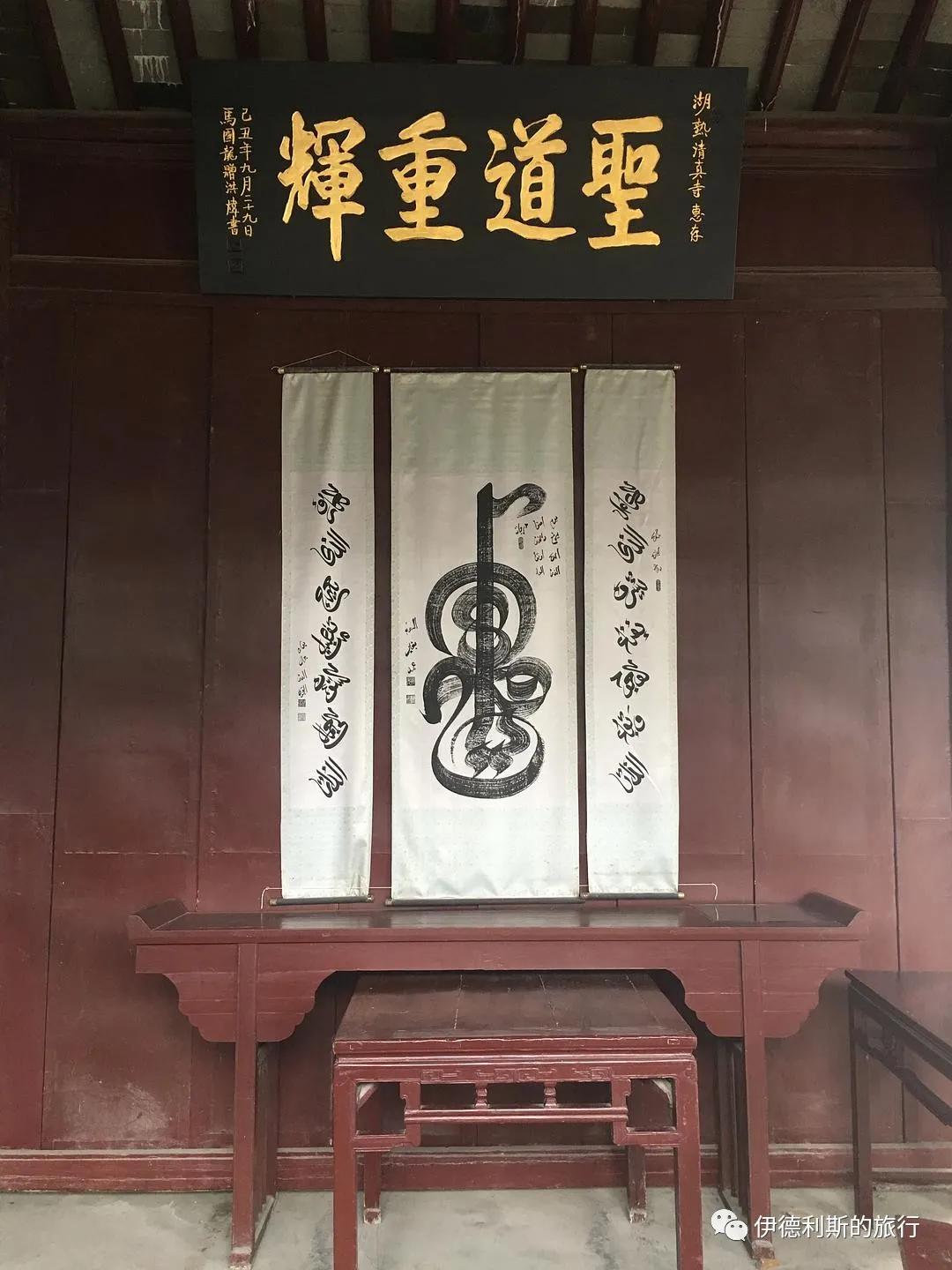
Liuhe South Gate Mosque.
Liuhe once had seven mosques and three schools for women. Today, the Changjiang Road Mosque, South Gate Mosque, and Zhuzhen Mosque are open, and the historic buildings of the South Gate Women's School and Zhuzhen Women's School have been preserved.
Liuhe South Gate Mosque was first built in 1403 (the first year of the Yongle reign of the Ming Dynasty), renovated in 1553 (the 32nd year of the Jiajing reign), destroyed during the Taiping Rebellion, and later rebuilt. One of the four famous imams of the Republic of China, Imam Da Pusheng, had three generations of his family—from his great-grandfather to his father—serve as the imam at South Gate Mosque. The old Da family home is on Qingzhen Street right at the mosque entrance. Imam Da Pusheng studied the scriptures at South Gate Mosque for seven years from the age of 10 to 17, before moving on to Nanjing and Beijing for further studies.
The ancestors of the Baiyetang Da family, to which Imam Da Pusheng belonged, were from the Western Regions during the Yuan Dynasty. Research shows they belonged to the Kipchak Yuliberi tribe, and his ancestor served as a darughachi in Zhenjiang before passing away there. His sixth-generation ancestor, Da Shanyu, moved from Zhenjiang to Liuhe in the early Ming Dynasty to take up a position as a county assistant. He settled in Liuhe, making this the oldest Hui Muslim family from the Western Regions in the area.
After 1966, South Gate Mosque was occupied by a kindergarten, during which time the Shamao Hall (a secondary hall), the north wing, the red gate, and the entrance hall were demolished. The kindergarten moved out in 1975, and the site was later borrowed by Baozhen Primary School. It was finally reclaimed in 2000 when the school moved out. In 2013, the main hall was raised and rebuilt. Later, the Tongxin Tower and Tongxing Building were added, and the site was finally opened for use in 2020.
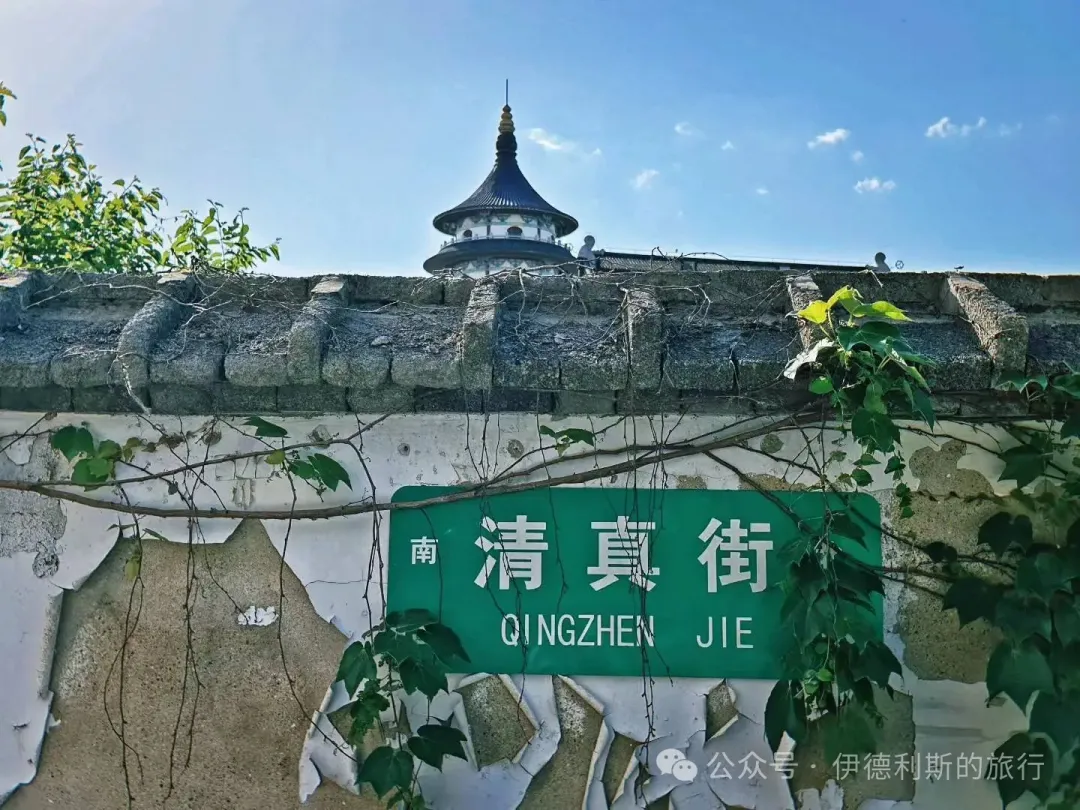
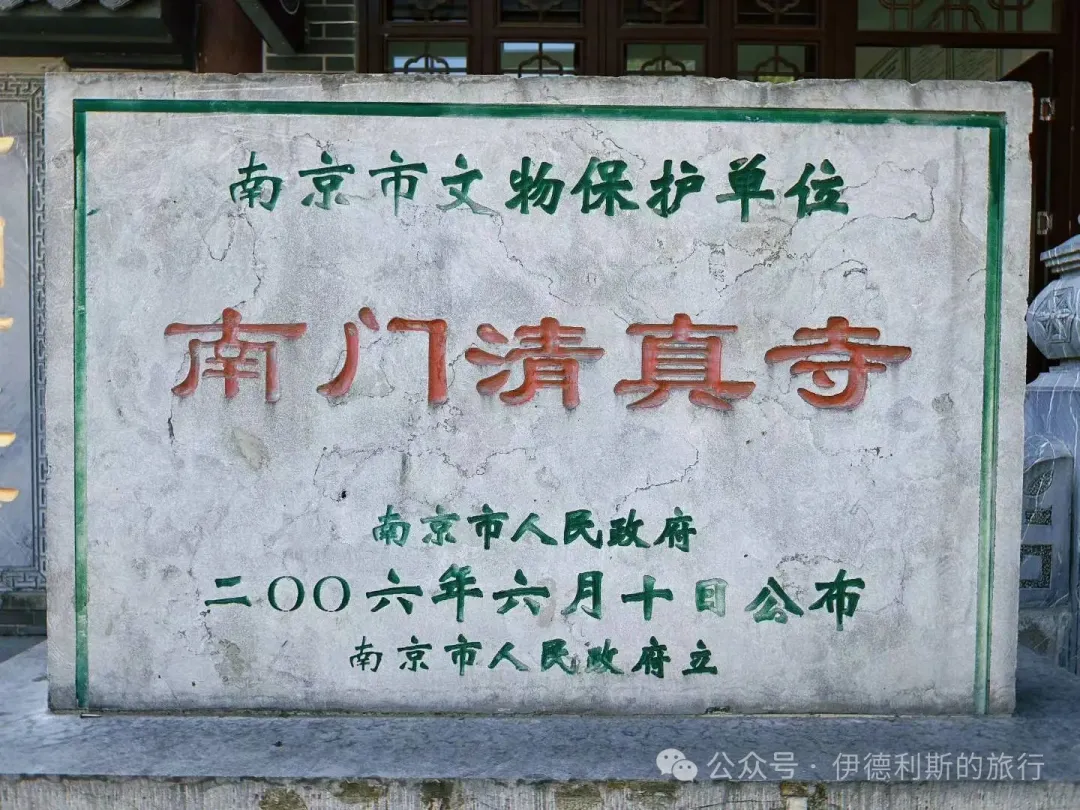
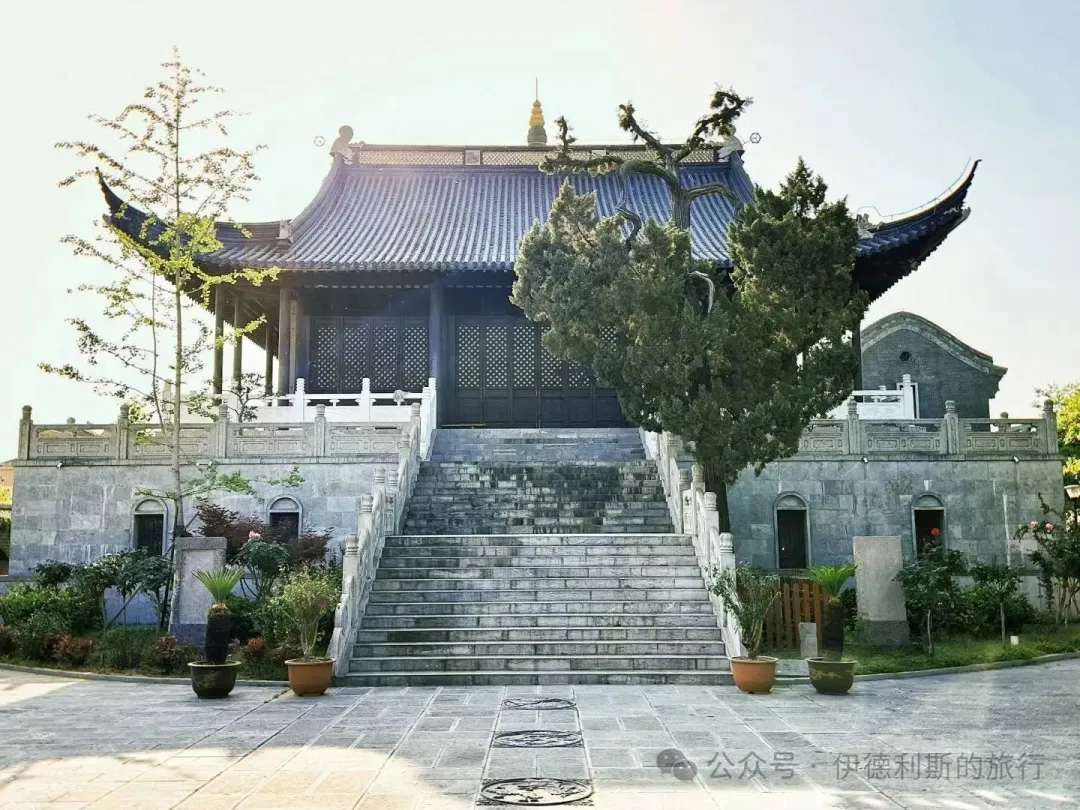
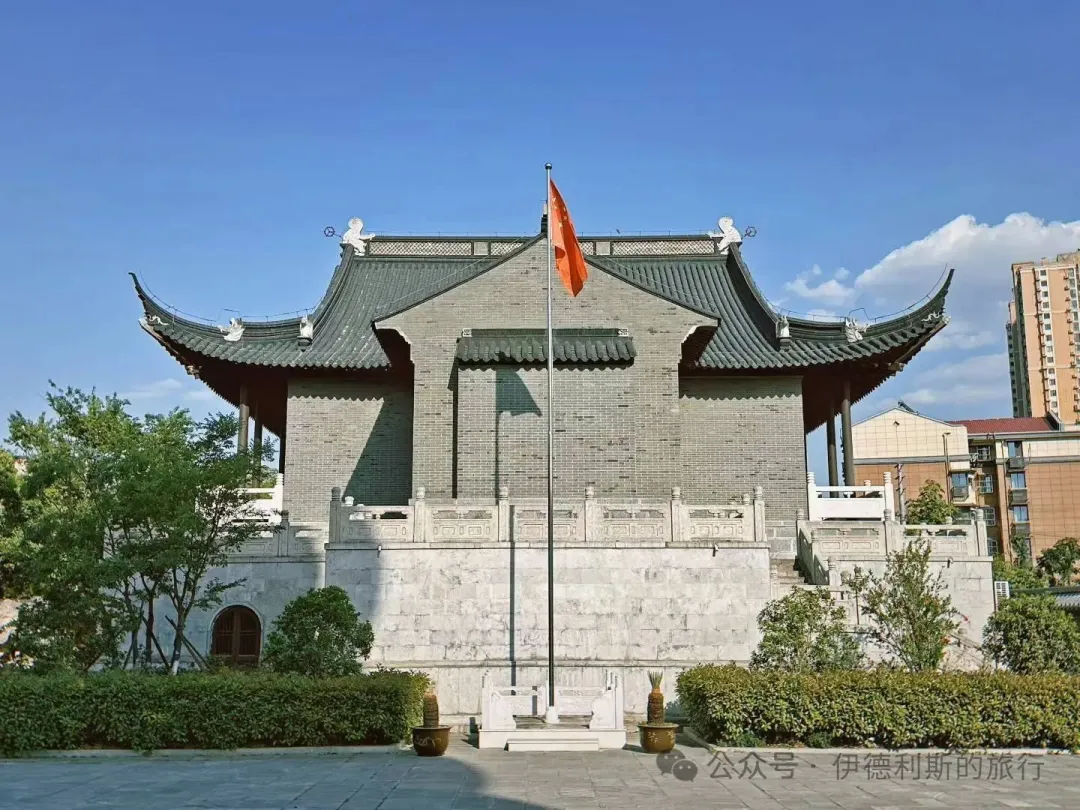
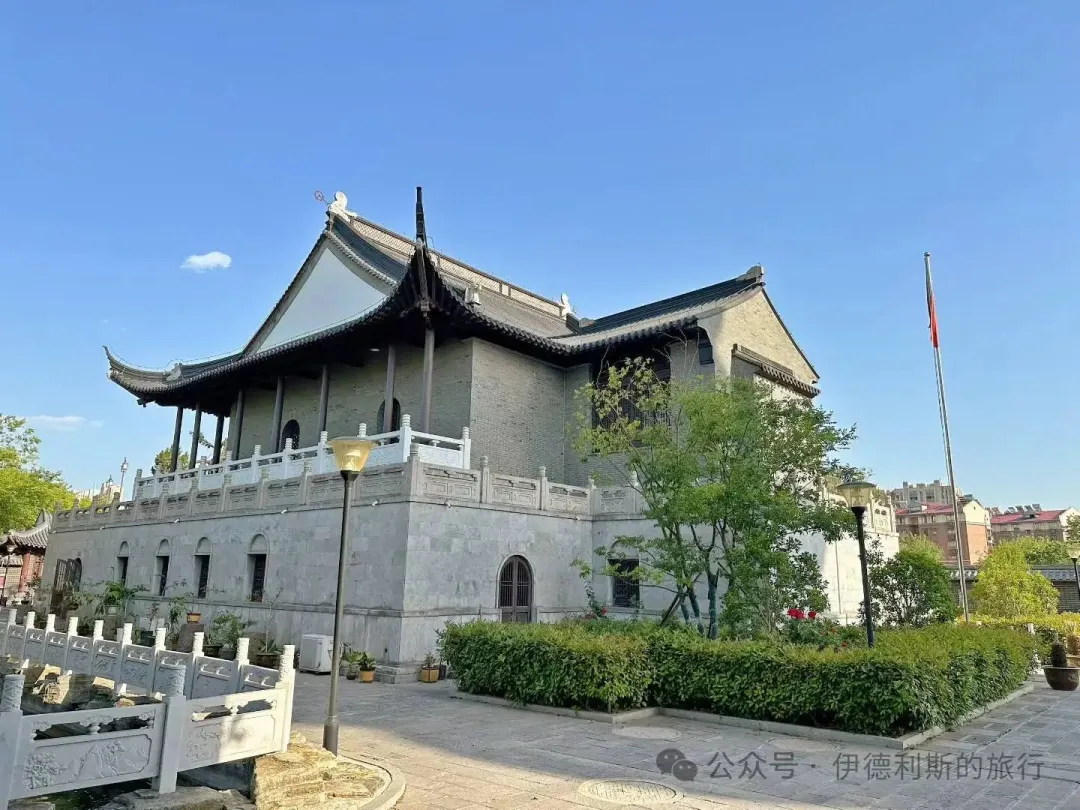
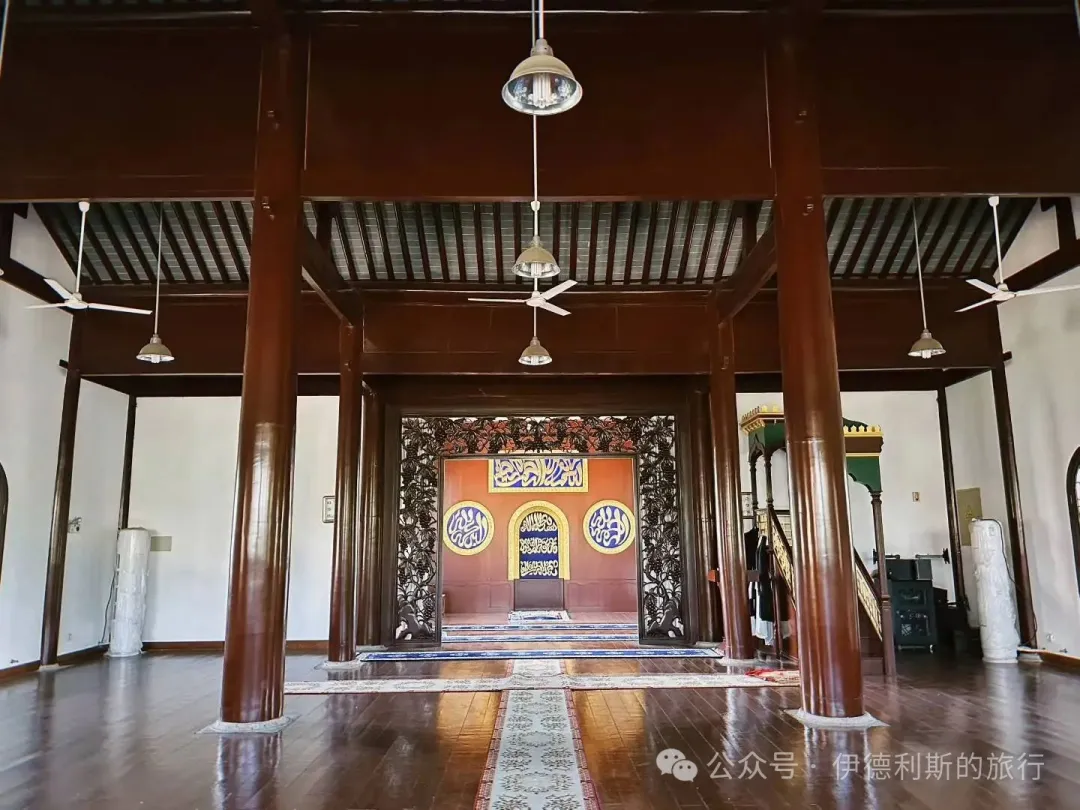
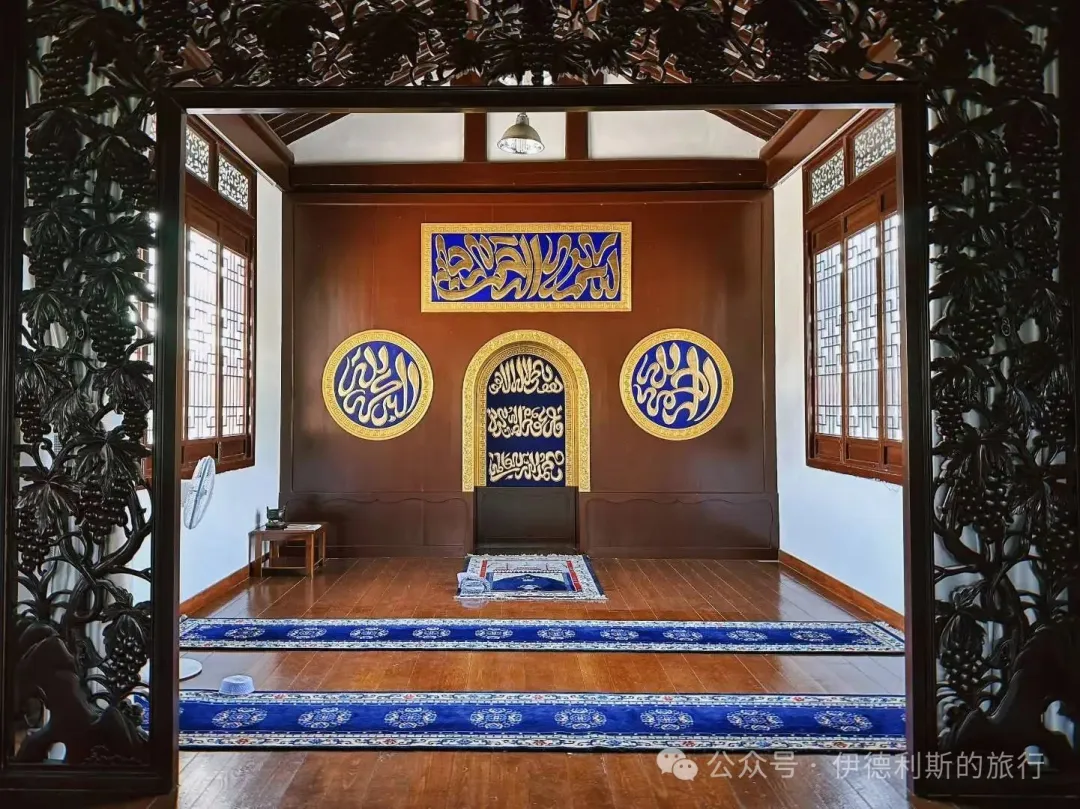
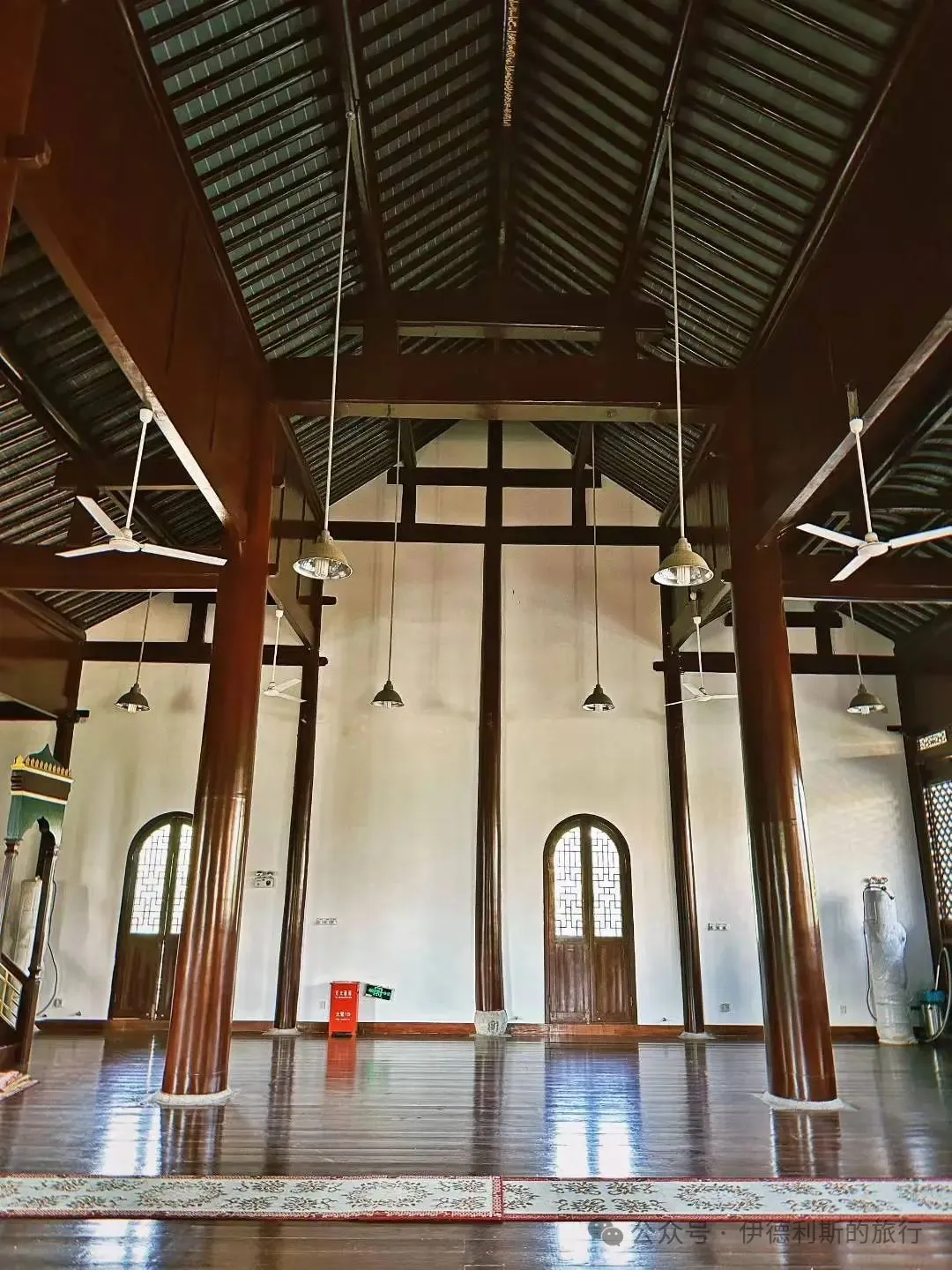
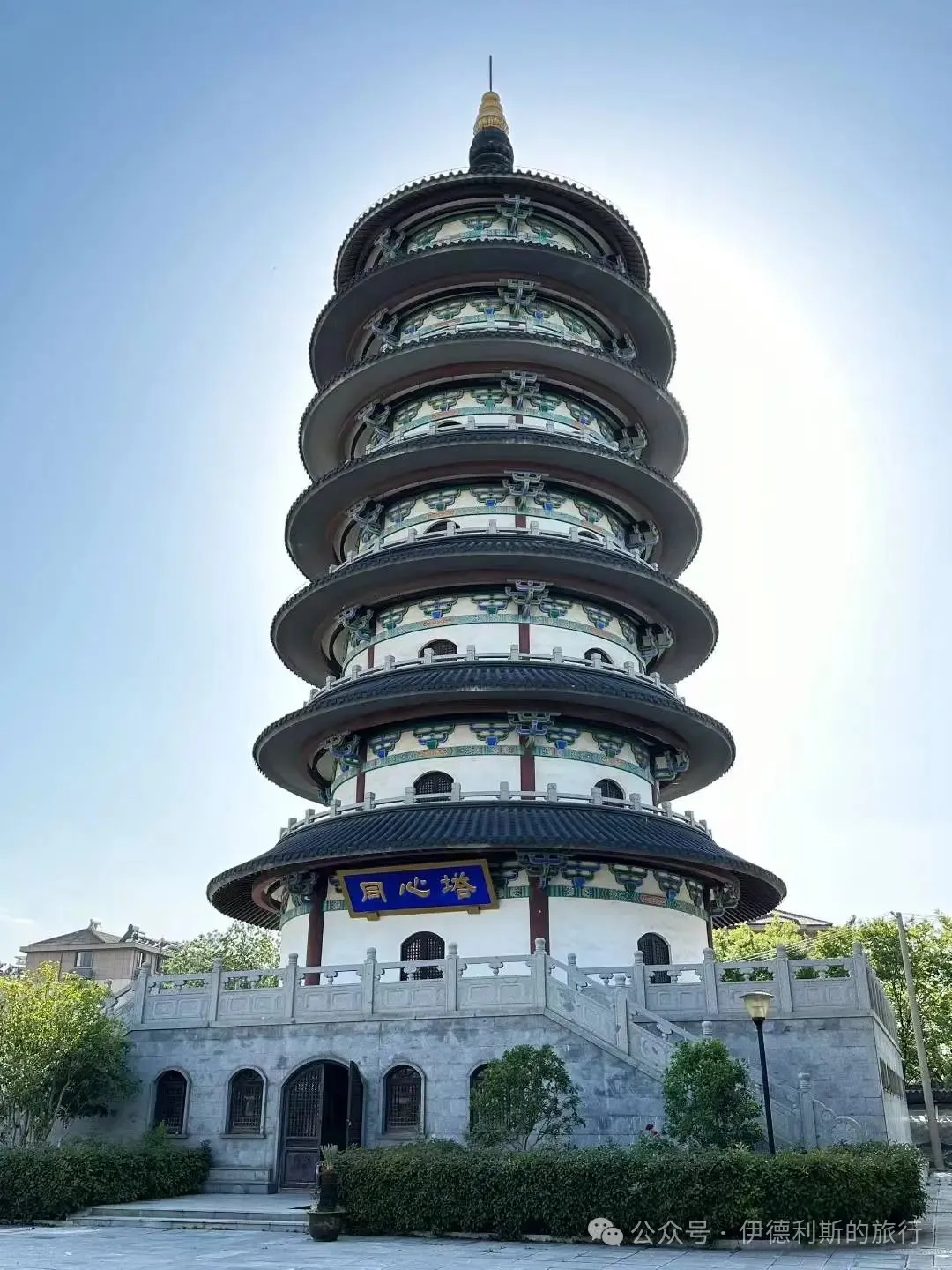
Stone carvings and ancient trees at Liuhe South Gate Mosque:
A stone tablet from the seventh year of the Daoguang reign commemorating a house donation by a Hui Muslim named Li.
A boundary marker for the mosque.
A stone tablet from the 12th year of the Guangxu reign, recording that South Gate Mosque was destroyed by the Taiping Rebellion during the Xianfeng period, many Hui Muslims from the local militia died in battle, and the government later stepped in to protect the graves.
A couplet written by Wang Jianli in the 10th year of the Republic of China: 'Keep your heart pure and clean as if in the afterlife, return to the truth and simplicity just the same.'
Qing Dynasty drum-shaped stone bases in front of the main gate.
A 460-year-old Chinese juniper in front of the main hall, classified as a first-class ancient tree.
Liuhe Women's School.
The Liuhe Muslim Women's School began in 1912, and the current building was constructed in 1930. It was later used as a funeral home for Hui Muslims and is a rare surviving example of a Muslim women's school from the Republic of China era.
Traditionally, these women's schools did not form formal classes, did not call the adhan, did not hold Jumu'ah or Eid prayers, and the female imam (shiniang) did not lead the prayer from the front, but instead stood in the middle of the first row. Women's mosques (nuxue) do not have minarets, and the main prayer hall does not have a pulpit (minbar). Female imams (shiniang) lead the local women in their religious duties and teach them about the faith.
Women's mosques emerged in the mid-to-late Qing Dynasty, starting in Henan and spreading to nearby areas in Hebei, Shandong, and Anhui. In the early Republic of China, the New Culture Movement and the women's liberation movement helped Hui Muslims understand the ideas of promoting women's education and ending foot-binding. The number of women's mosques grew quickly, with over 100 in Henan province alone, and many more built in other provinces.
During the Guangxu period of the Qing Dynasty, Nanjing had two women's mosques at Hanximen and Changle Street. During the Republic of China, four more were built at Fangjia Lane, Zhuganli, Shigu Road, and Dahuifu Lane, but all of these have since been torn down. In the early Republic of China, Liuhe had three women's mosques at Houjie, Nanmenwai, and Zhuzhen. The historical buildings at Nanmenwai and Zhuzhen still stand today.
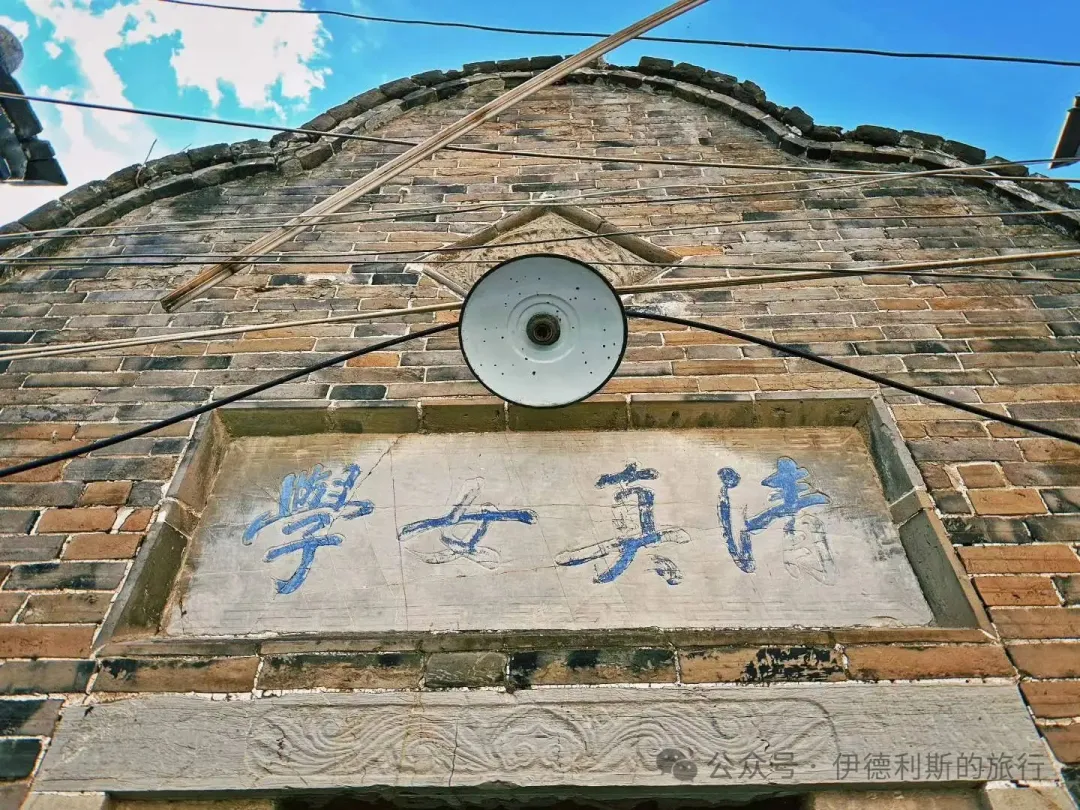
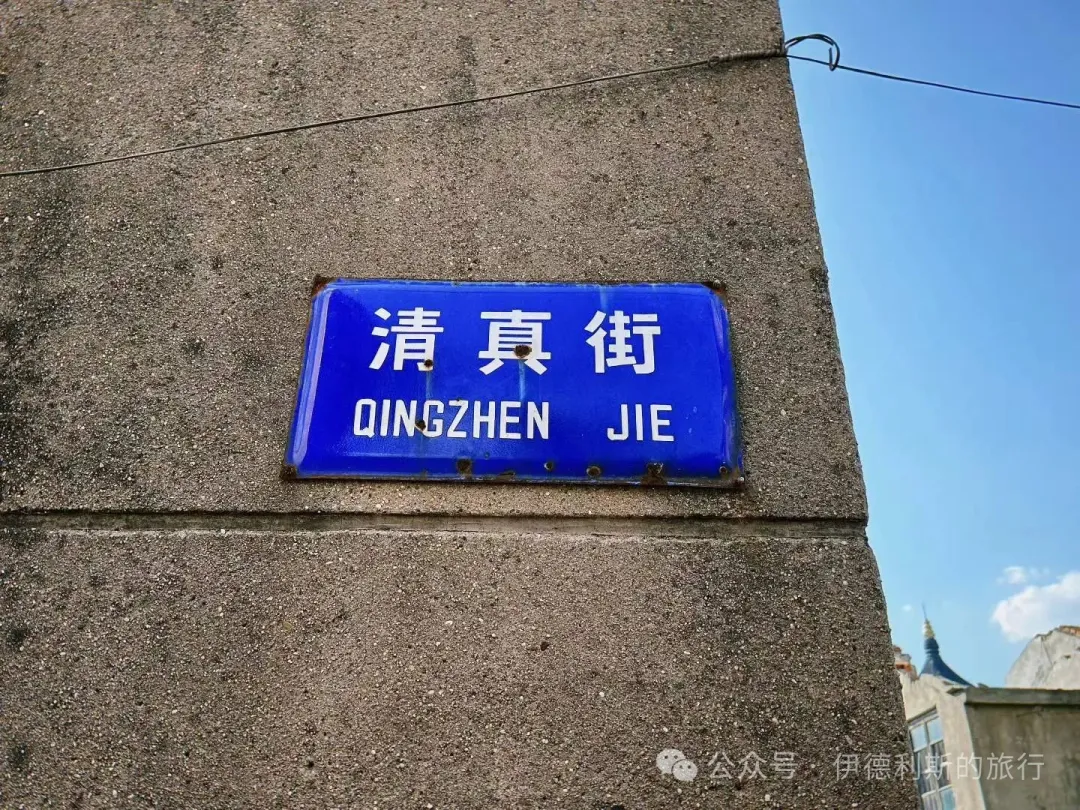
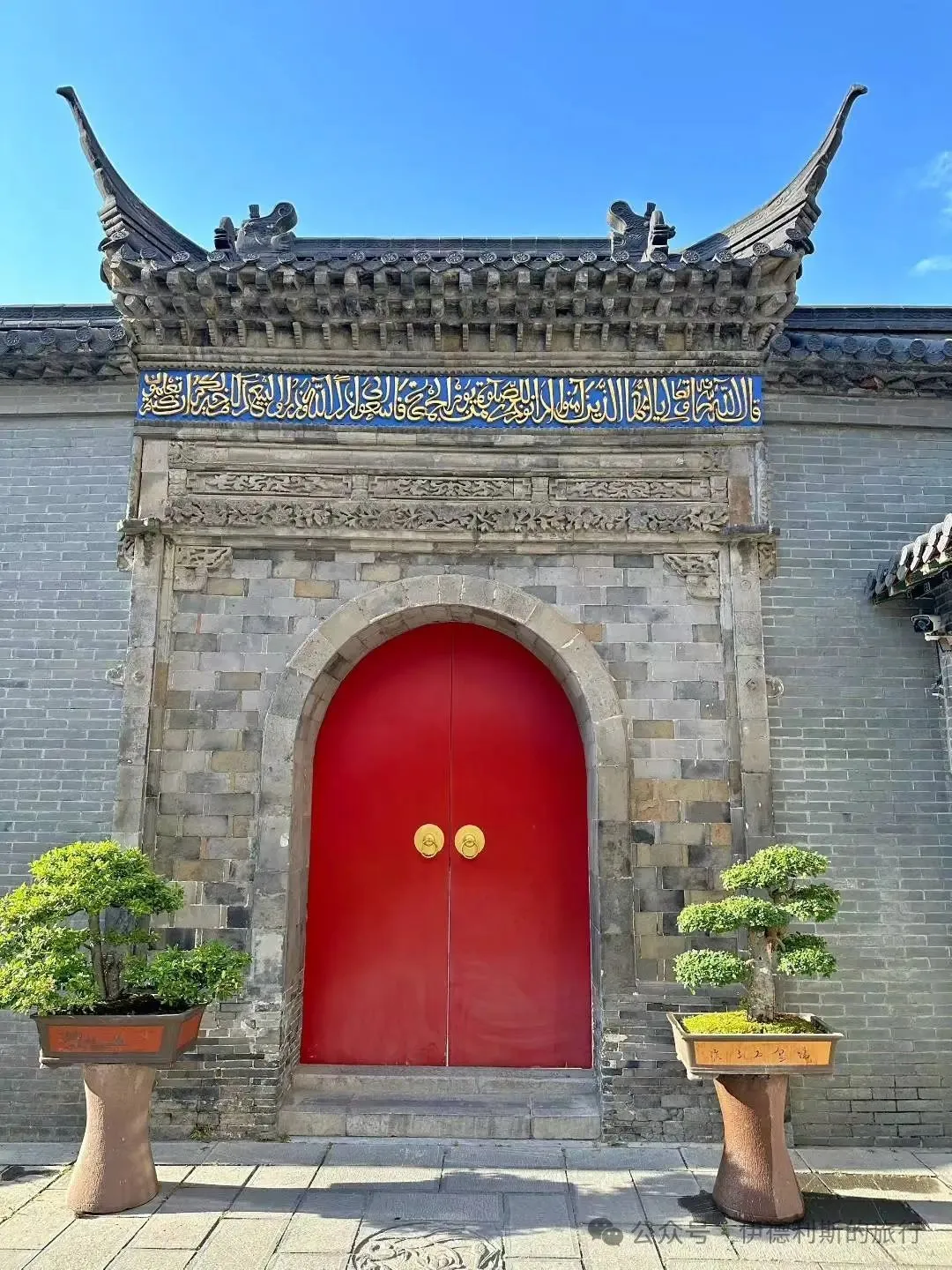
Liuhe Changjiang Road Mosque.
The Changjiang Road Mosque was originally called Chengqingfang, and was also known as the Liuhe North Mosque, the City Mosque, or the Da Family Mosque. It was built in 1424 (the 22nd year of the Yongle reign of the Ming Dynasty) by the Da family, who had lived in Liuhe for generations. The Changjiang Road Mosque was destroyed by the Taiping Heavenly Kingdom during the Xianfeng period. It was later rebuilt through donations from the imam Liu Weiting and local elders. In 1885 (the 11th year of the Guangxu reign), Da Guangyong donated money to build a reception hall. In 1928, Wang Dashi, the widow of the wealthy merchant Wang Zuochen and aunt of the great imam Da Pusheng, donated money to build the Wuxin Pavilion on the site of the original Wangyue Tower.
In 1899, the great imam Da Pusheng returned to his hometown of Liuhe from the Niujie Mosque in Beijing to serve as the imam of the Changjiang Road Mosque. It was not until 1905, when Imam Wang Kuan of Niujie went on the Hajj, that Imam Da returned to the Niujie Mosque to serve as the acting imam and lead religious affairs. Imam Da founded the Guangyi Primary School inside the Changjiang Road Mosque to promote modern education. He offered courses in Chinese and Arabic, scripture, geography, history, and mathematics, marking the first transition from traditional scripture hall teaching to modern education. In a memoir from the early 1950s, Imam Da wrote: 'I worked hard for six years. Perhaps moved by the success of Guangyi Primary School, the local Hui Muslims supported the school with great effort. Looking back, it was not easy to struggle at that time, patiently convincing stubborn traditionalists and acting courageously without being accused of going against the faith!'
After 1966, the Changjiang Road Mosque was occupied by a theater troupe and a cultural troupe. It was returned and reopened in 1983.
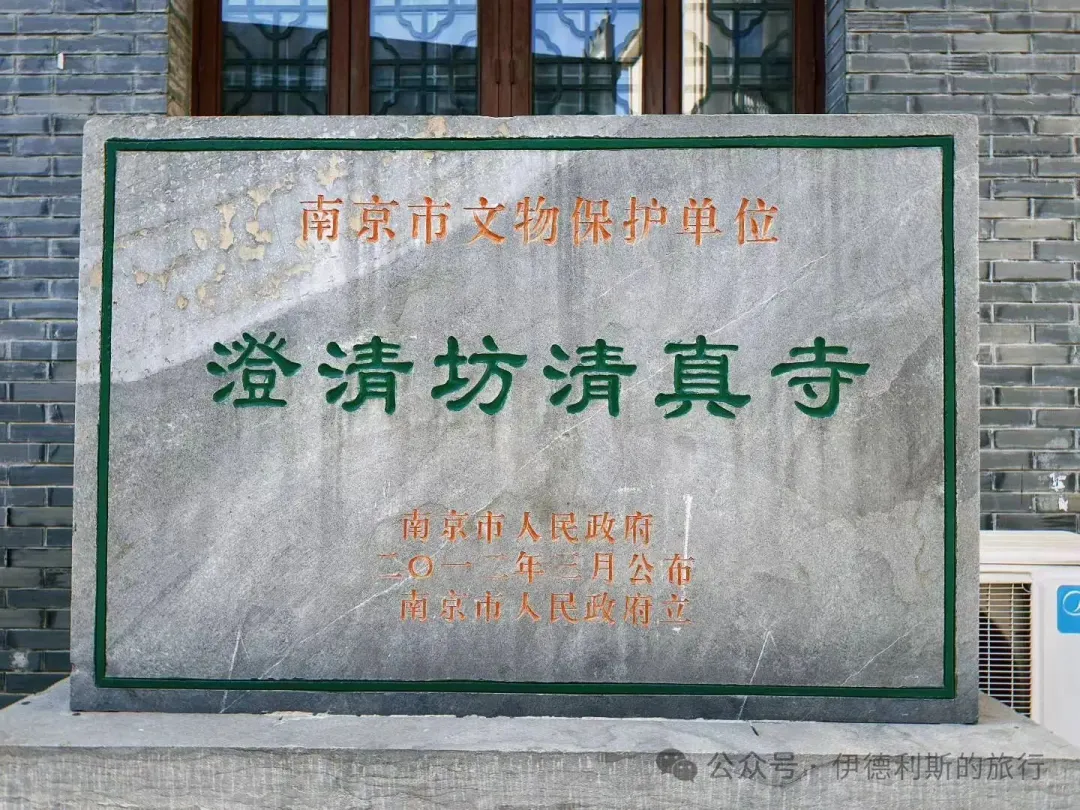
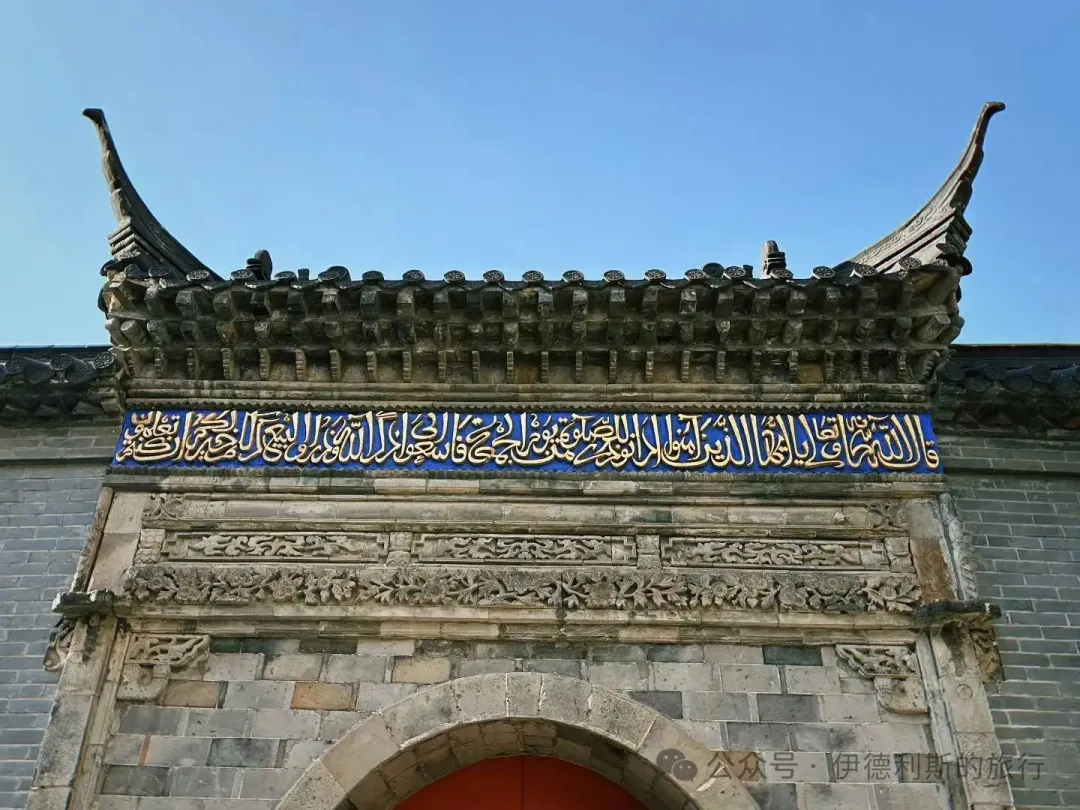
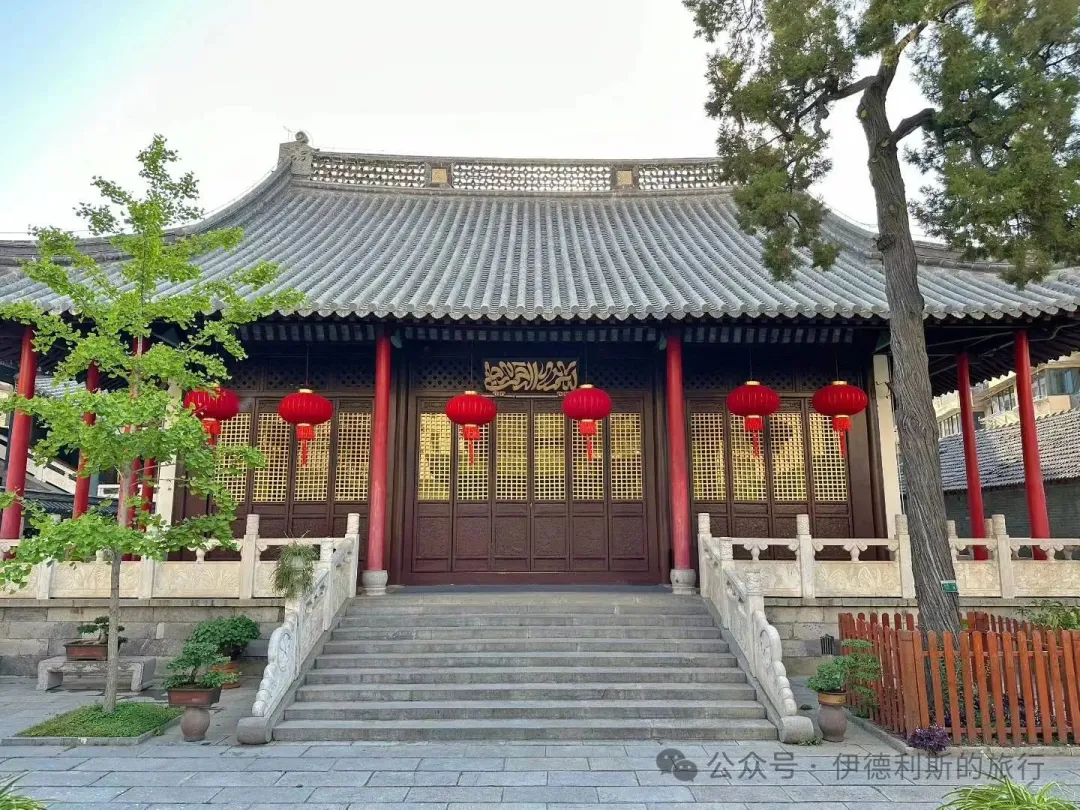
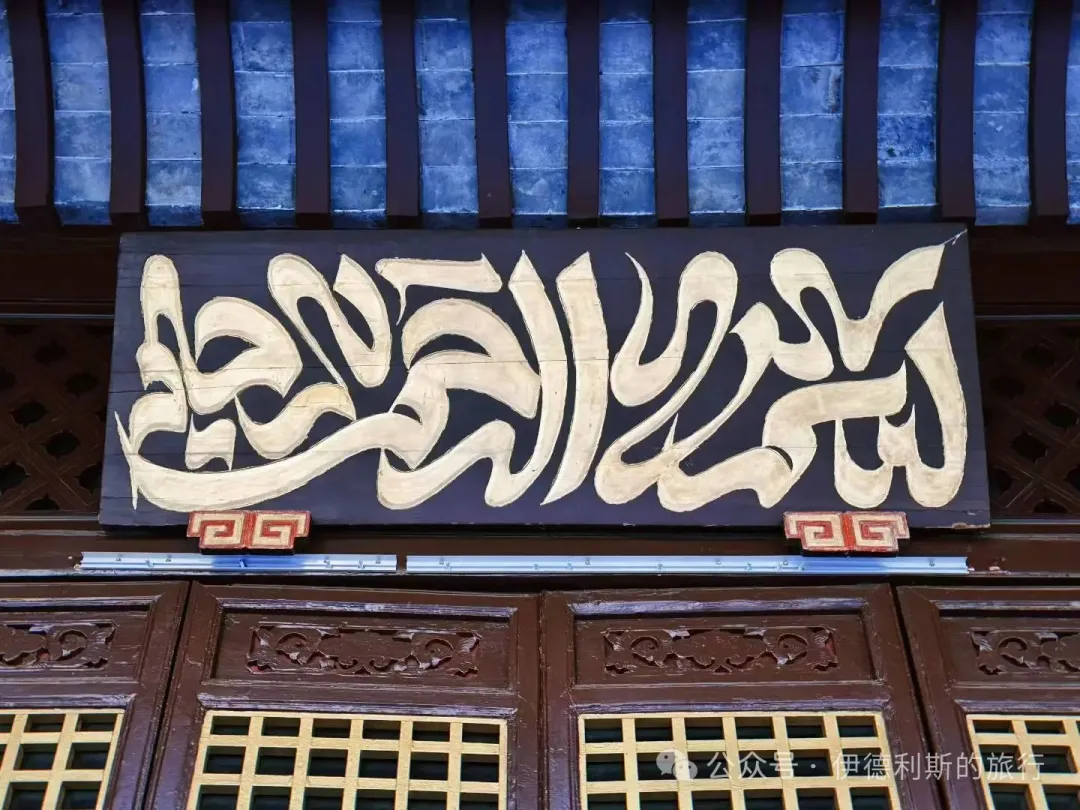
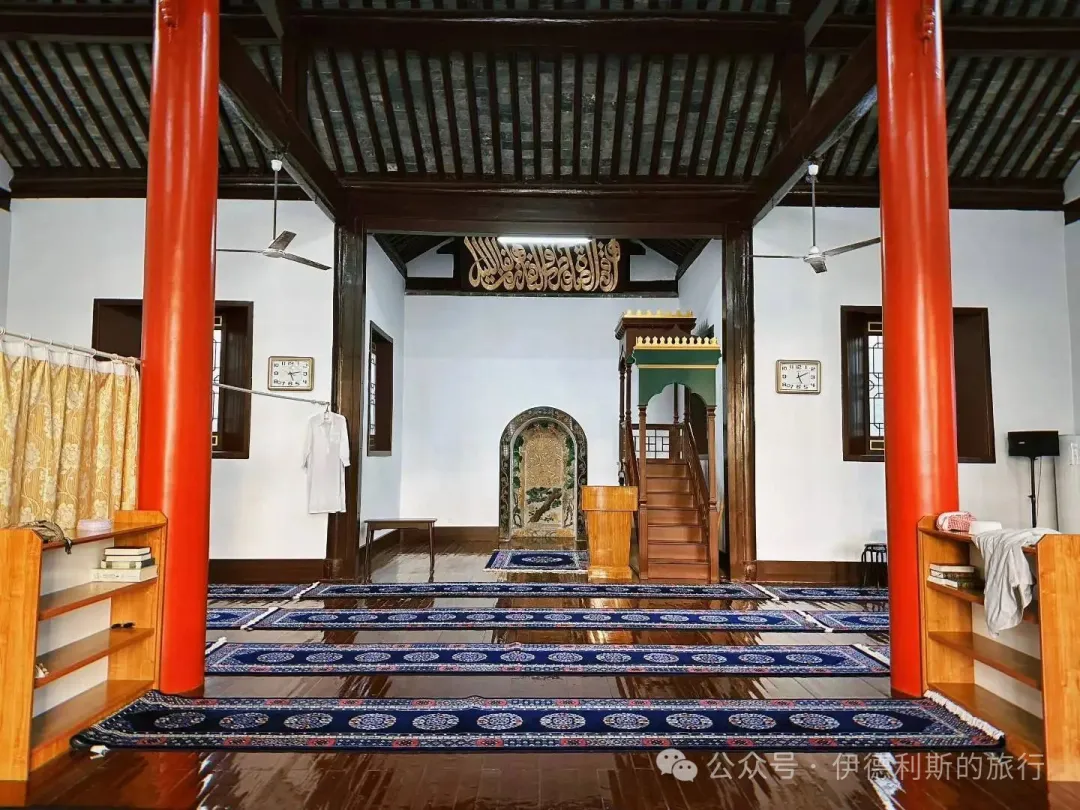
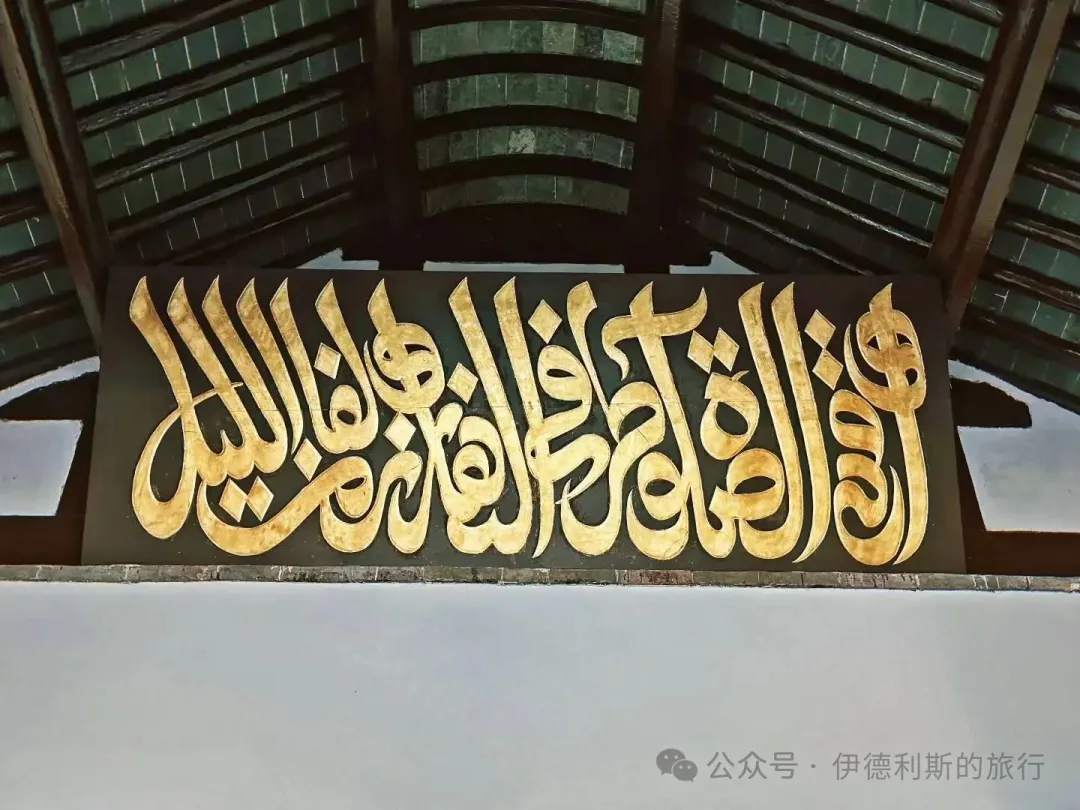
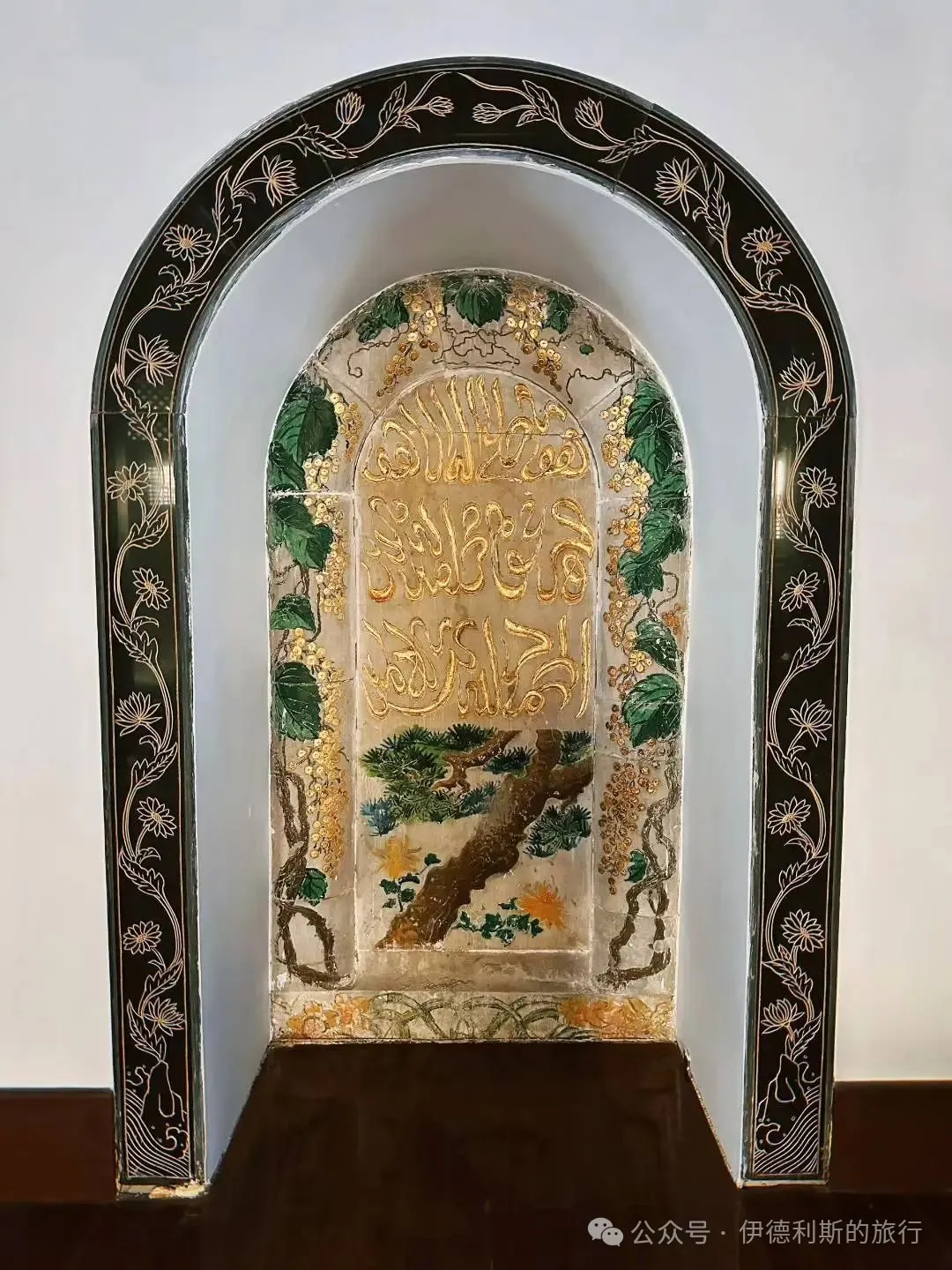
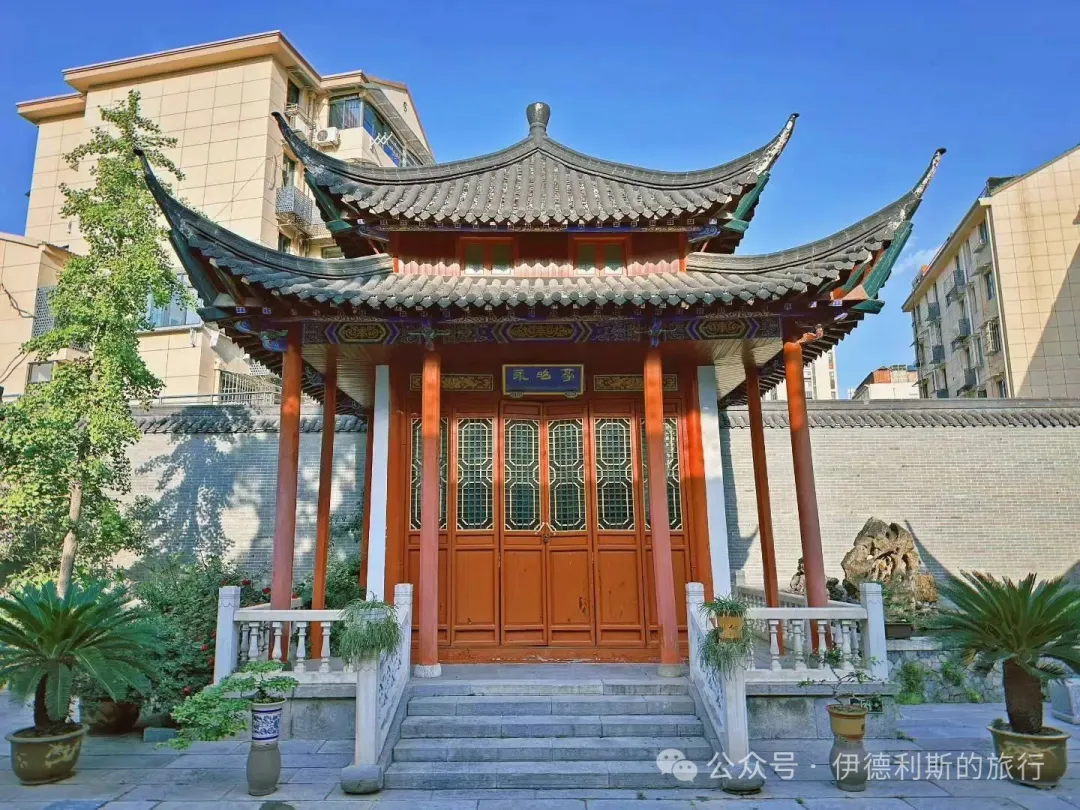
Existing stone tablets at the Liuhe Changjiang Road Mosque:
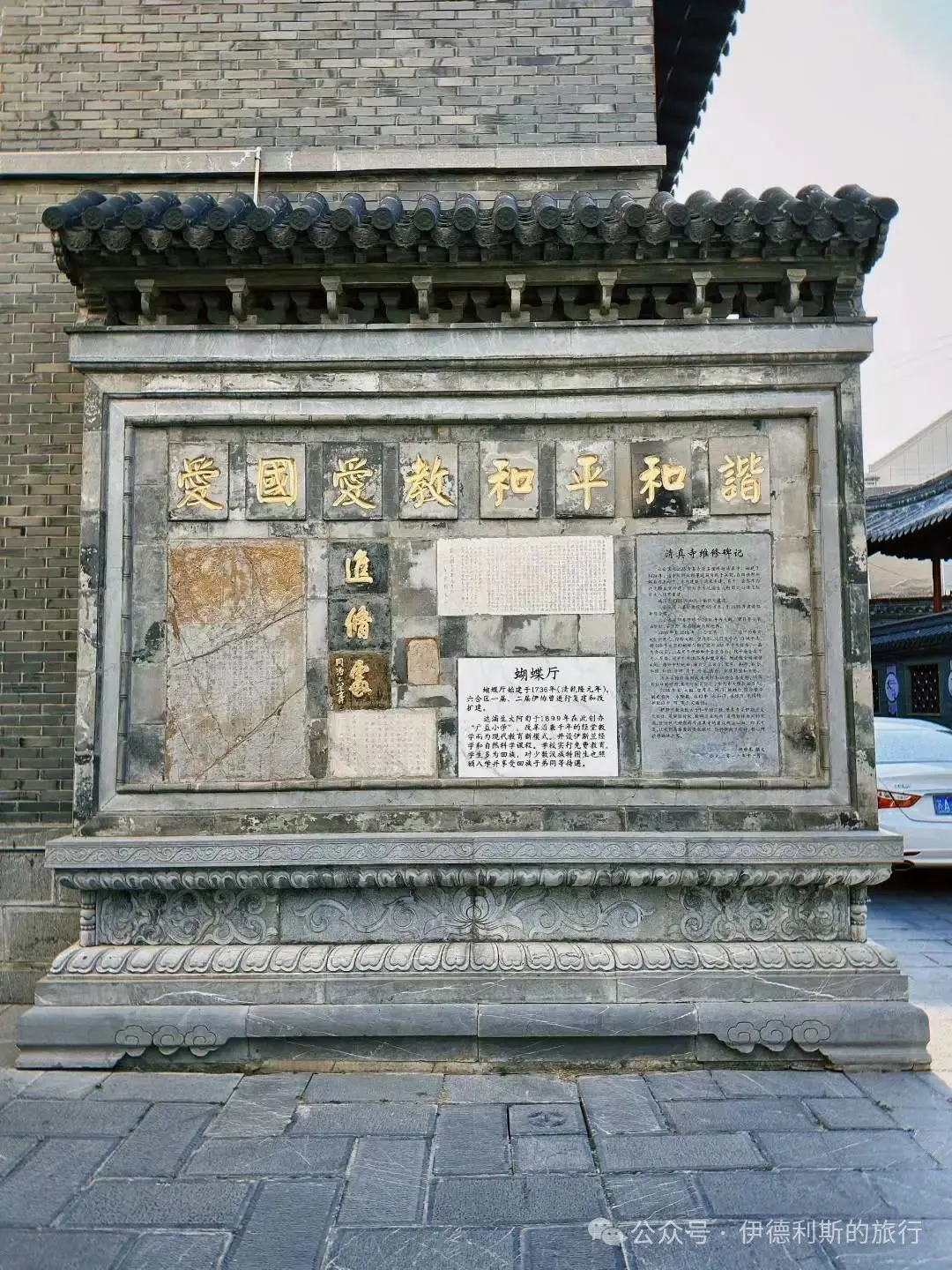
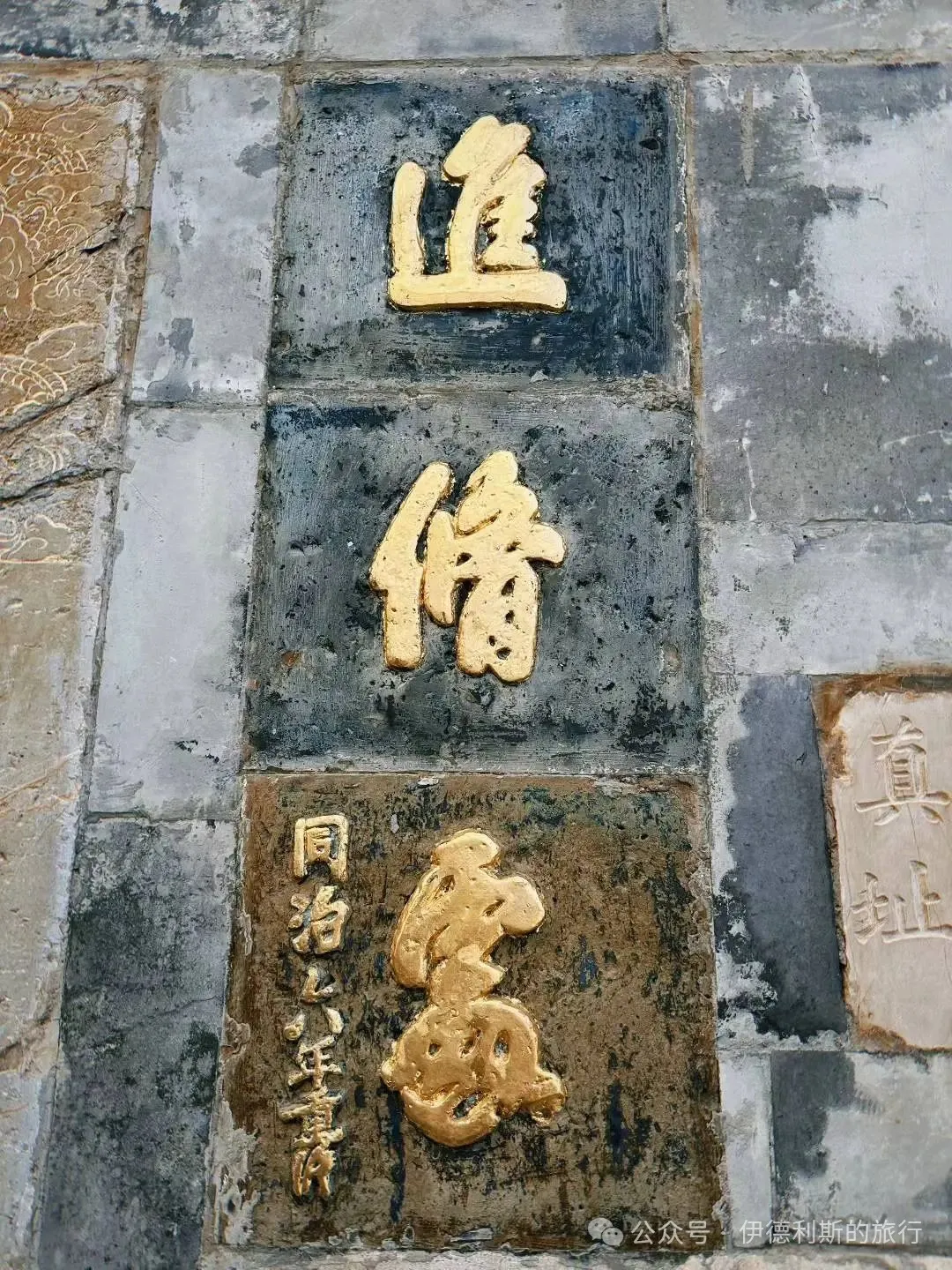
The 11th-year Guangxu tablet records Da Guangyong's donation to build the reception rooms at the Liuhe City Mosque. Da Guangyong was an 18th-generation descendant of the Baiyetang Da family, held a minor official rank, and lived to be 81.
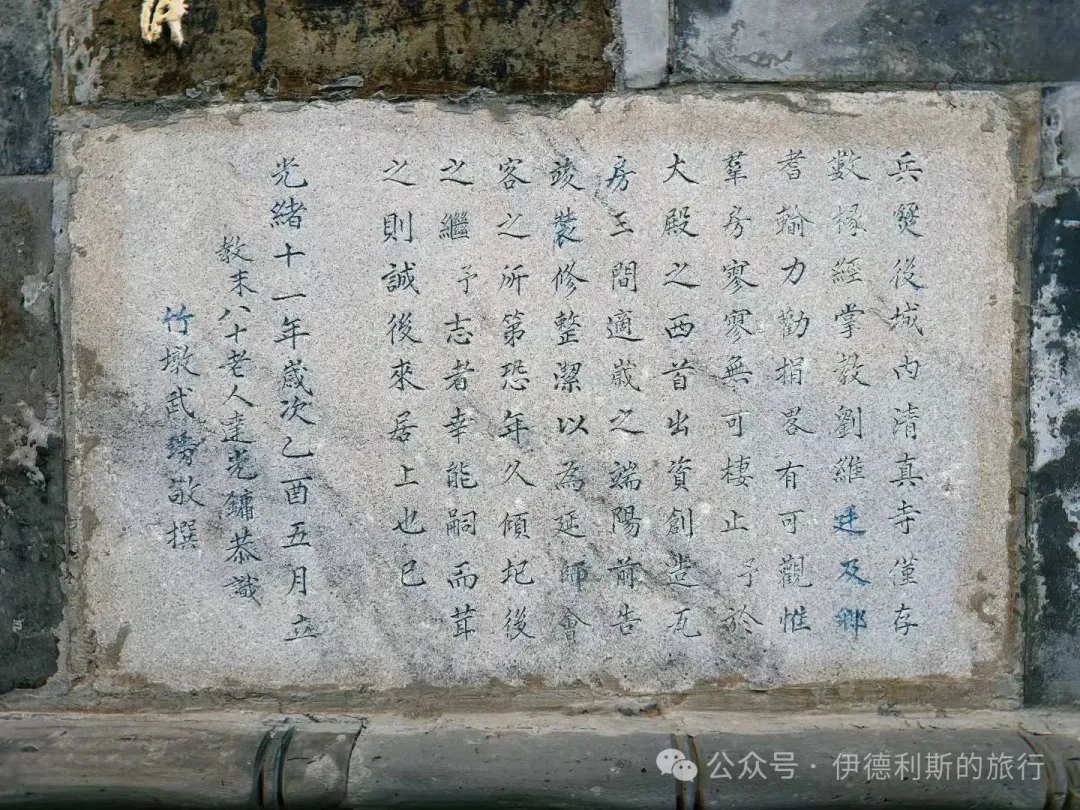
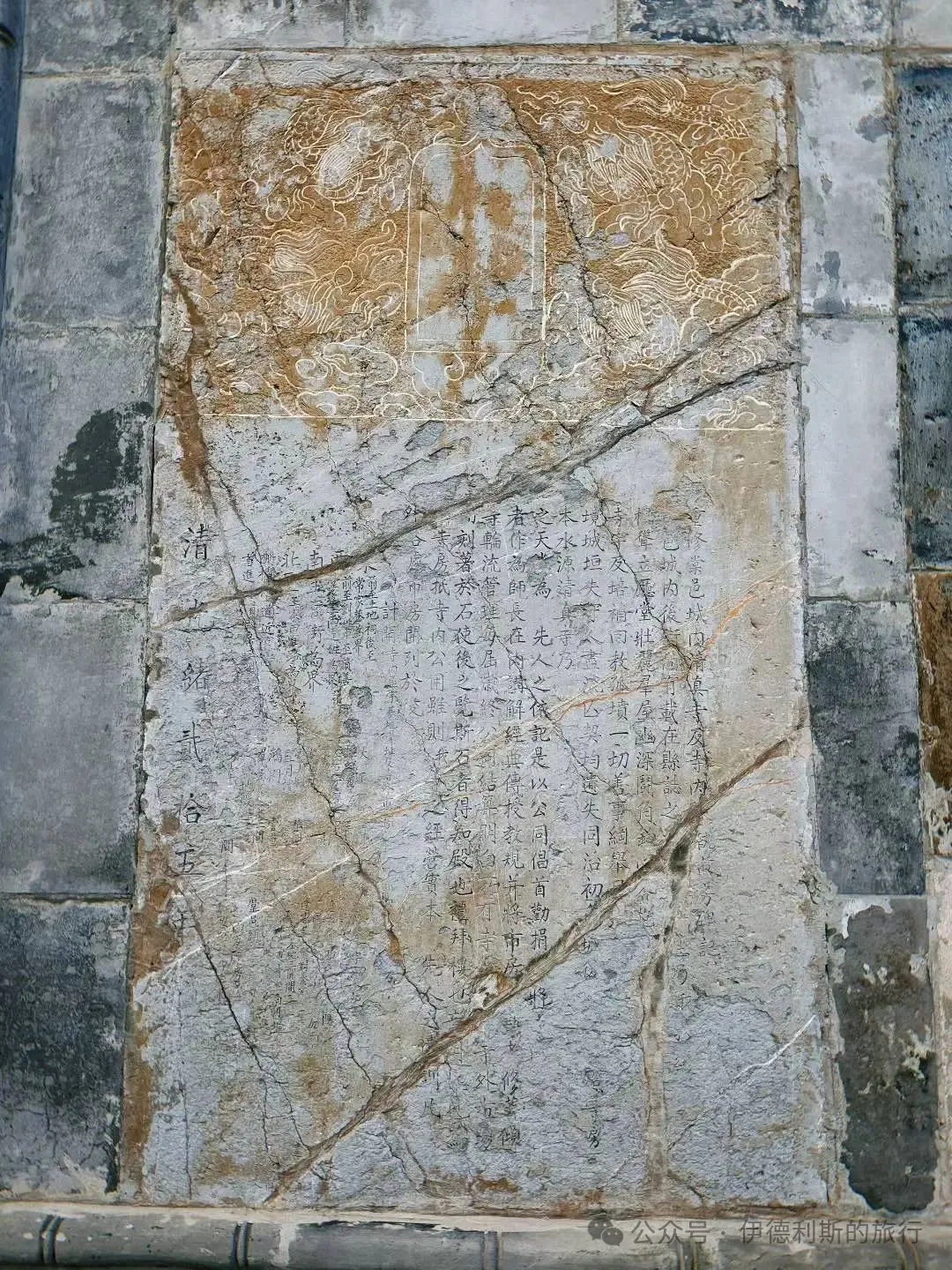
The 25th-year Guangxu tablet, titled 'Record of the Renovation of the Tangyi City Mosque and the Surrounding Market Shops,' documents the specific situation of the Changjiang Road Mosque during the Guangxu period. All those who signed it were local Hui Muslims from the Da family.
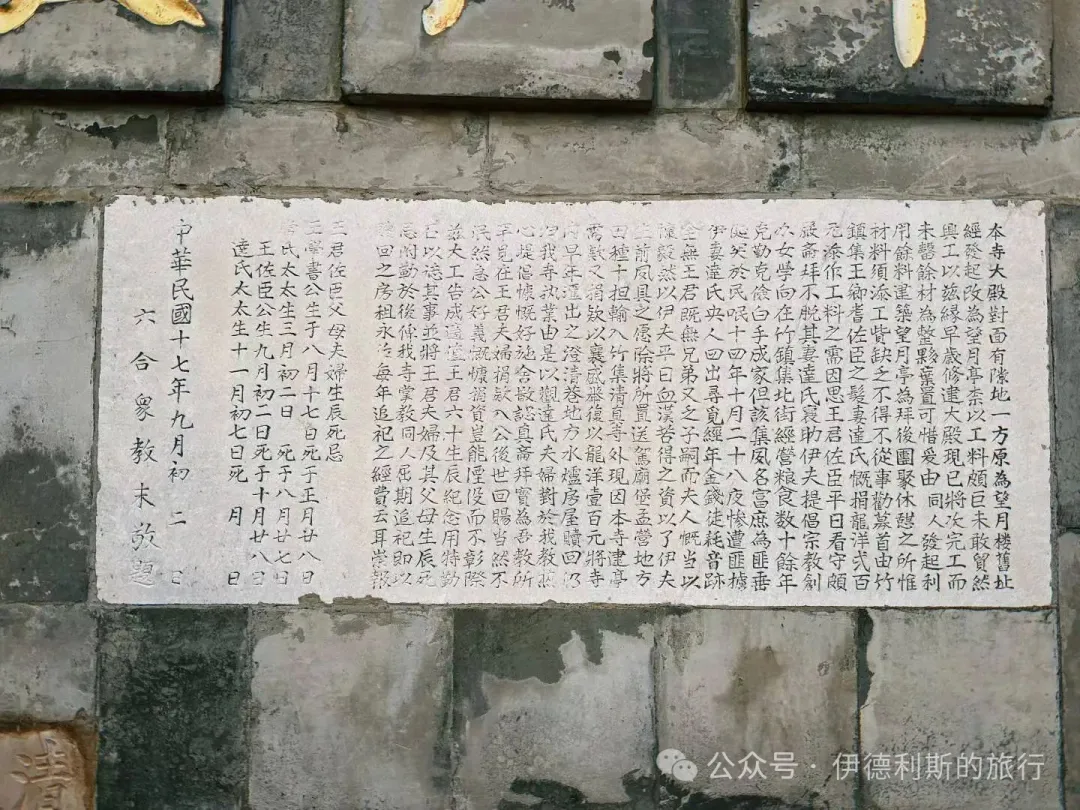
The 17th-year Republic of China tablet, regarding Wang Dashi's donation to help repair the Wangyue Pavilion and redeem market shops, records that Dashi, the wife of the Zhuzhen elder Wang Zuochen, donated money to build the Wangyue Pavilion. Wang Zuochen was a Hui Muslim from Zhuzhen, Liuhe. He ran a grain business on North Street in Zhuzhen for decades and was very devout, never missing his prayers. However, he was suddenly kidnapped by bandits in 1925 and was never heard from again. Wang Zuochen's wife, Dashi, was also very devout and had founded the Zhuzhen Women's School. After her husband went missing, Dashi spent years asking people to help find him, but there was no result. Because Wang Zuochen had no brothers or children, Dashi donated all the family's money to the Zhuzhen Mosque and to build the Wangyue Pavilion at the Changjiang Road Mosque.
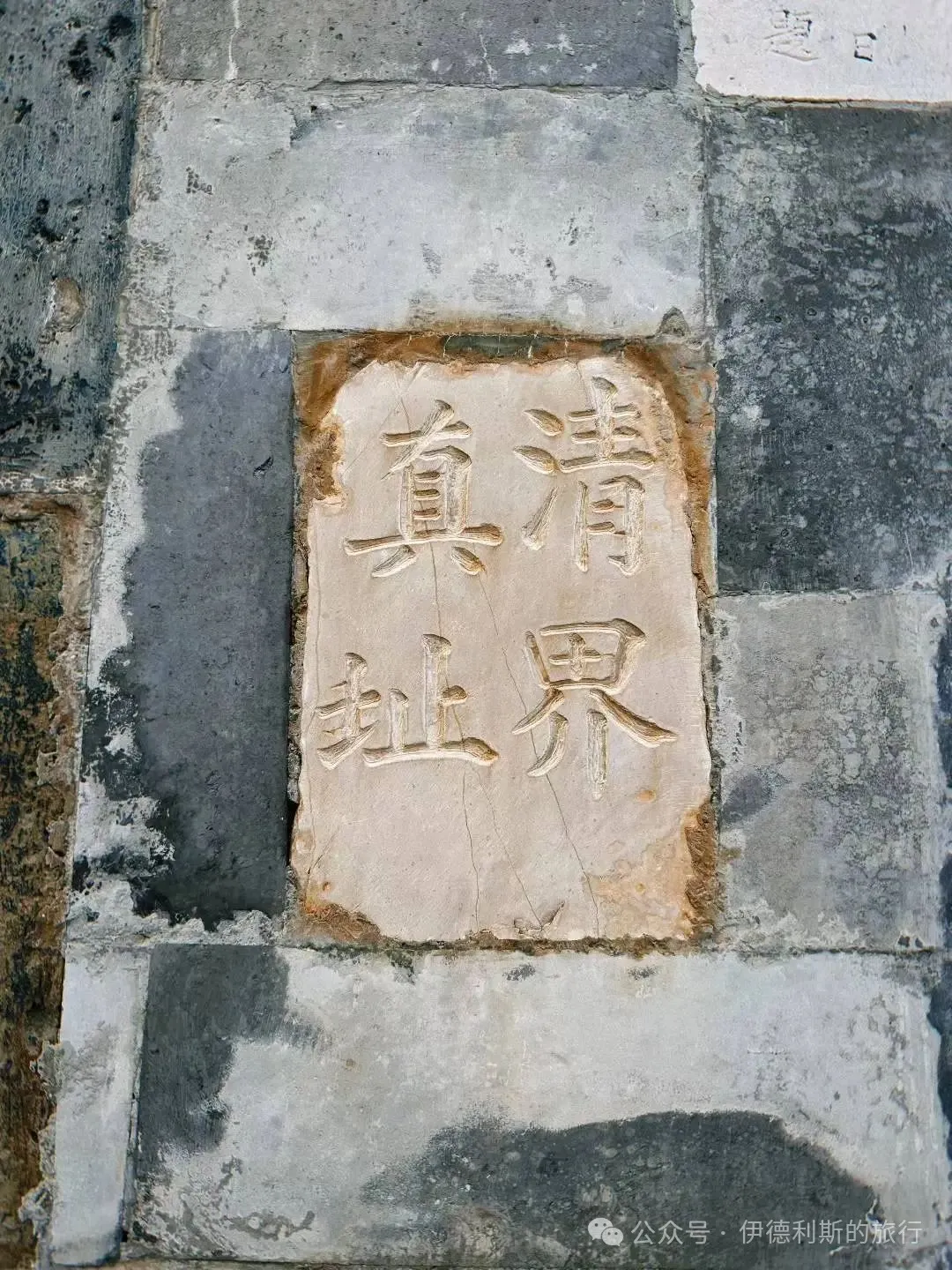
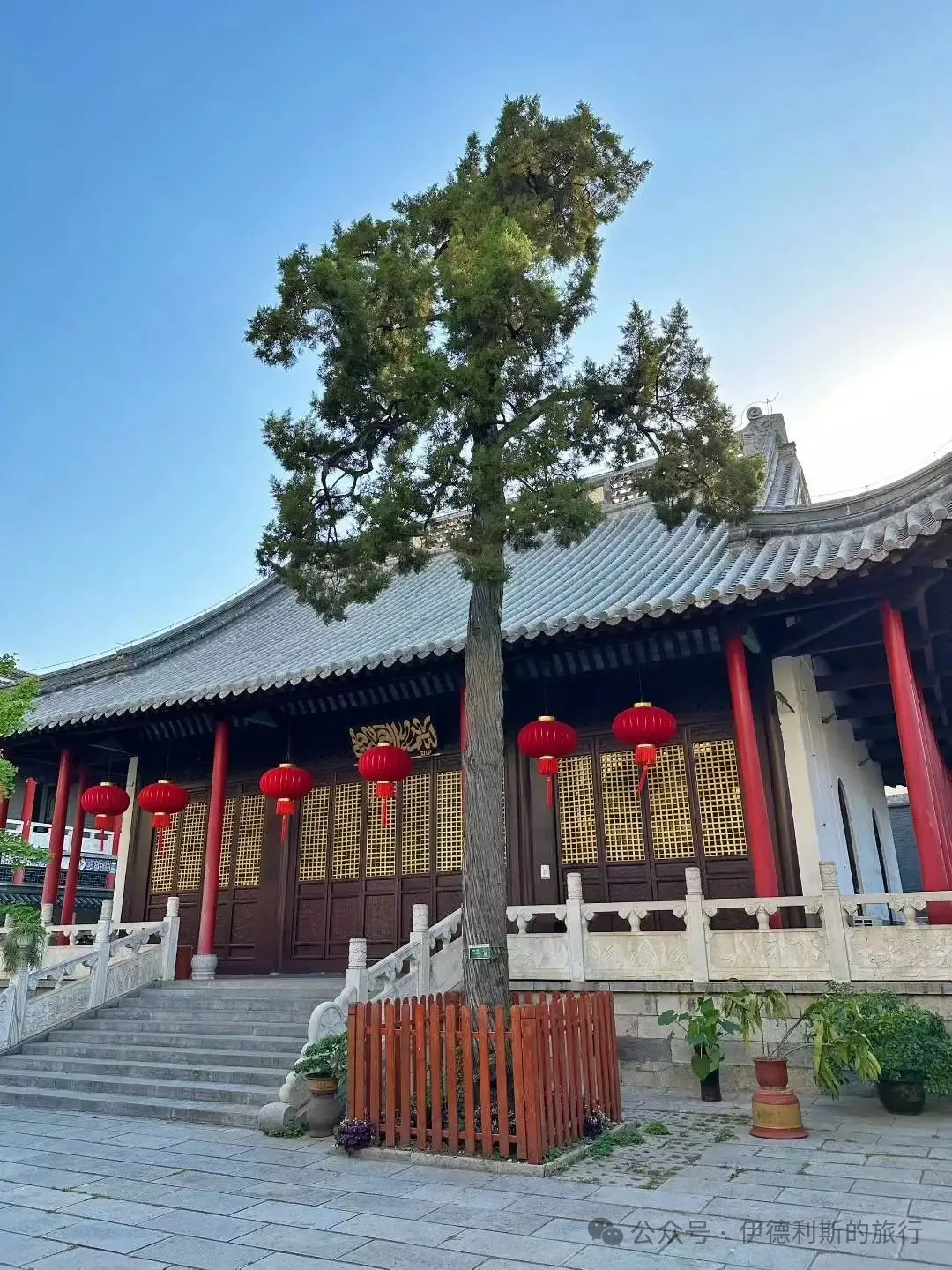
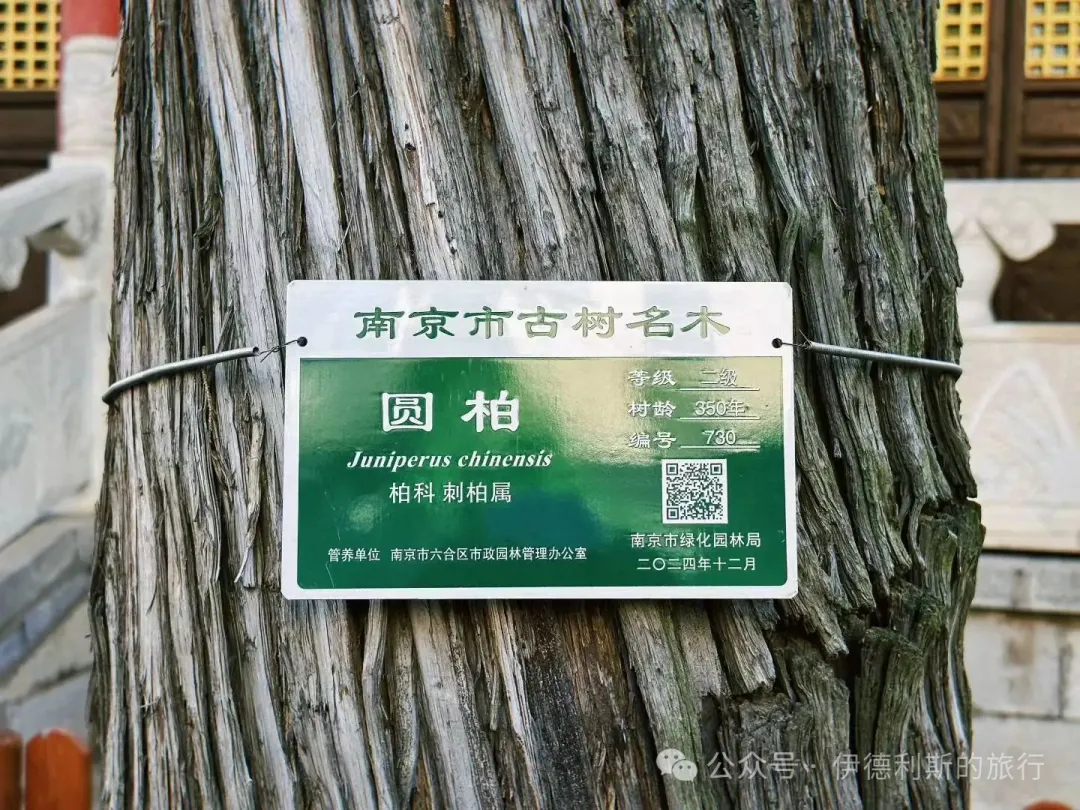
Inside the mosque, there is a 350-year-old Chinese juniper (yuanbai) tree.
Zhuzhen Mosque
Zhuzhen Mosque was originally located outside the East Bridge. It was destroyed during the Taiping Rebellion and rebuilt in 1901 (the 27th year of the Guangxu reign) in Wangjia Lane in the middle of the old street. In 1968, Zhuzhen Mosque was turned into a dormitory for teachers at an agricultural middle school. It was reclaimed and reopened in 1983, and the main hall was rebuilt in 2001.
In 1939, the imam of Zhuzhen Mosque, Li Shudu, formed the Hui Muslim Anti-Japanese Independent Guerrilla Battalion and served as its commander. He worked with the New Fourth Army and made significant contributions to the anti-Japanese cause.
Additionally, in 1939, Hui Muslims from the 'Qiaobang' group in the Gaoyou and Lingtang areas built a mosque near Xinhua Garden on the west side of Zhuzhen. After 1966, it was converted into a Hui Muslim food processing factory.
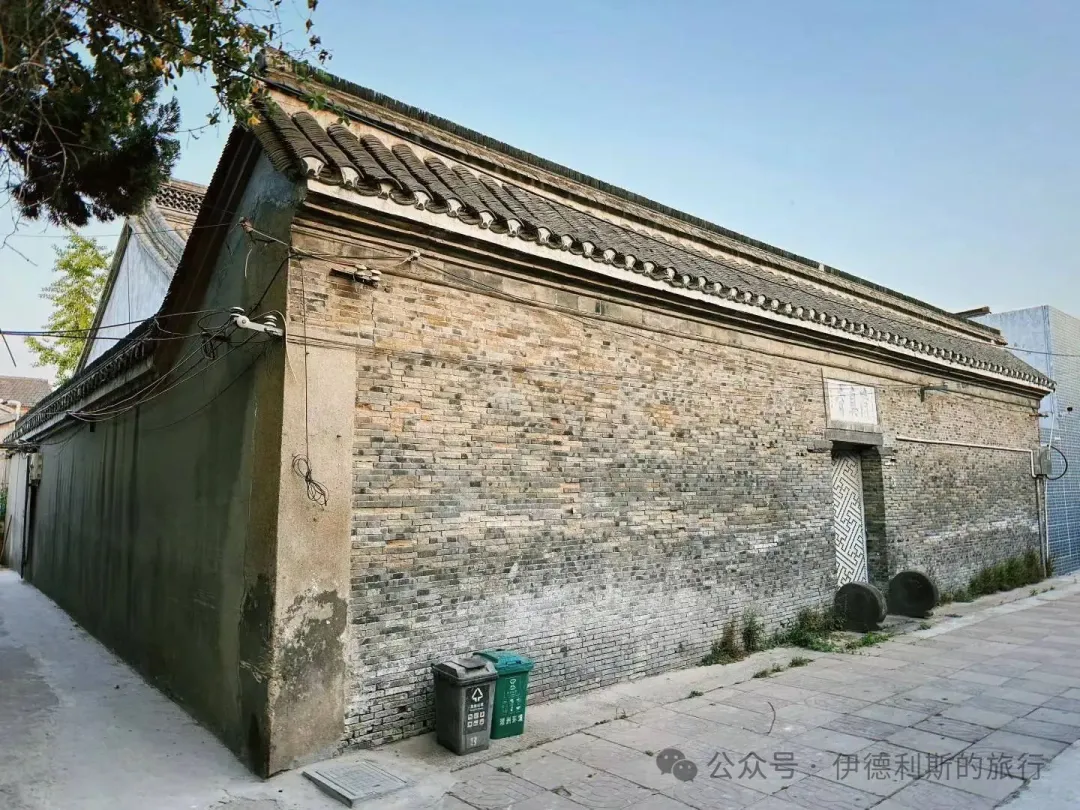
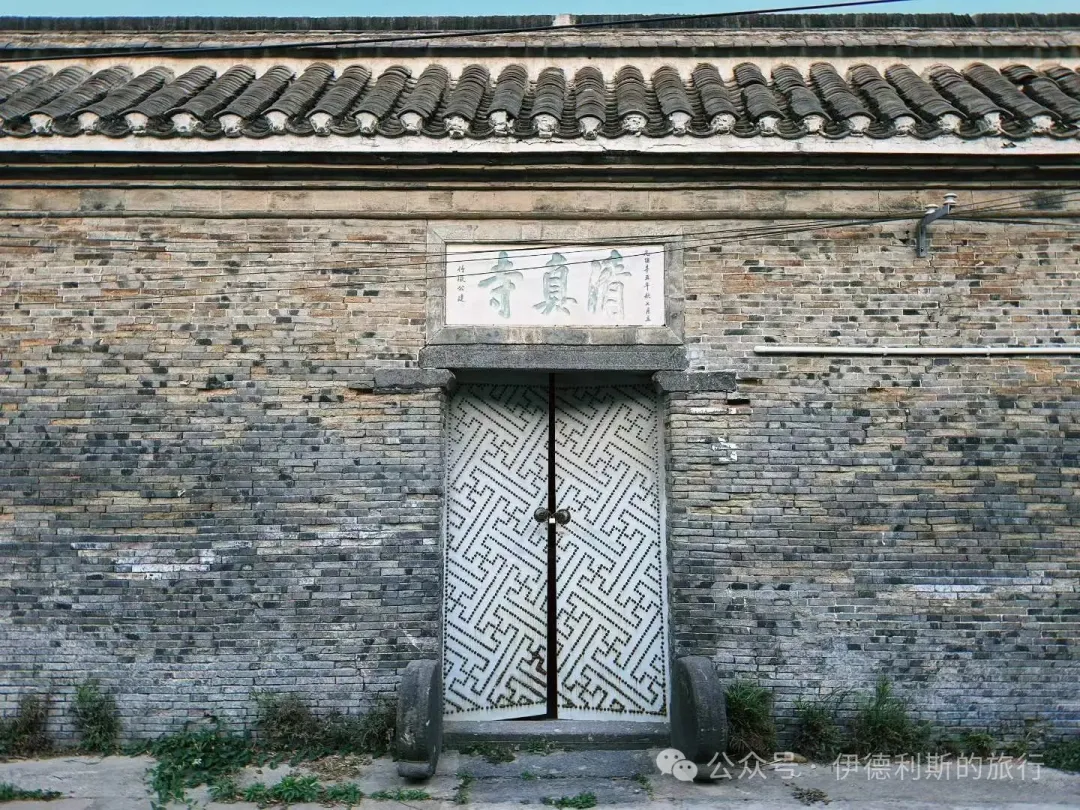
Zhuzhen Mosque still has a door plaque from the Qing Dynasty's Guangxu reign, inscribed with 'Built by the Zhudun Community.' Zhudun is the old name for Zhuzhen.
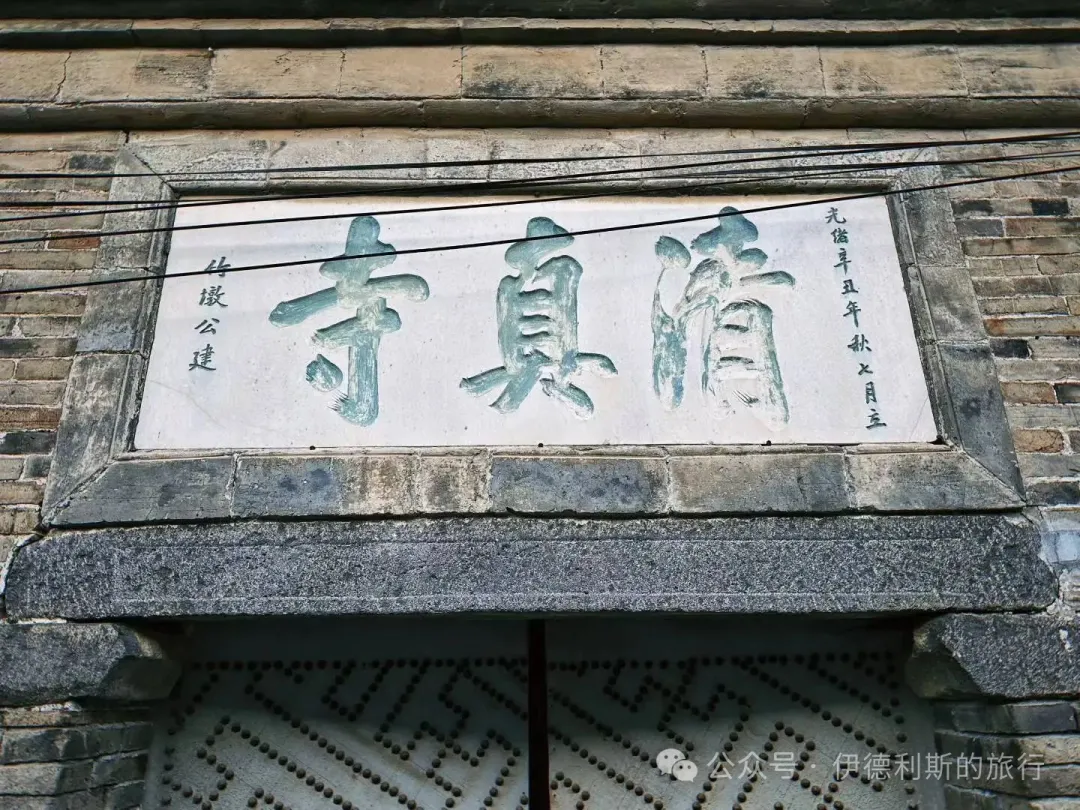
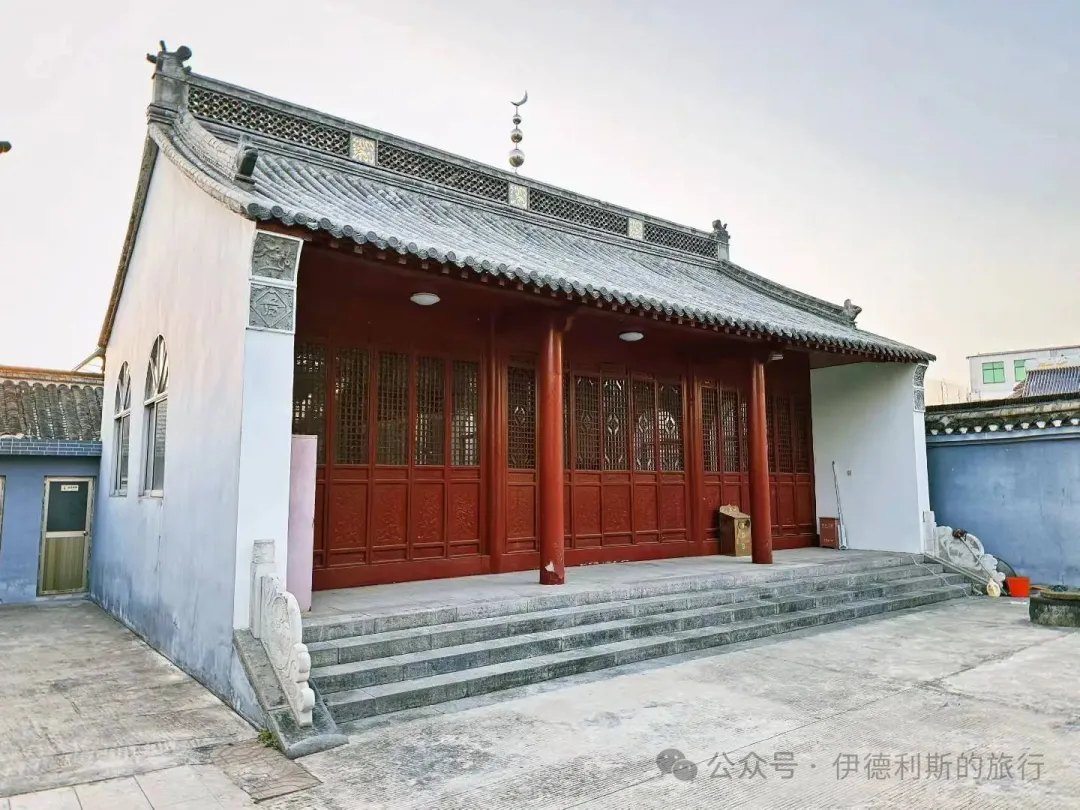
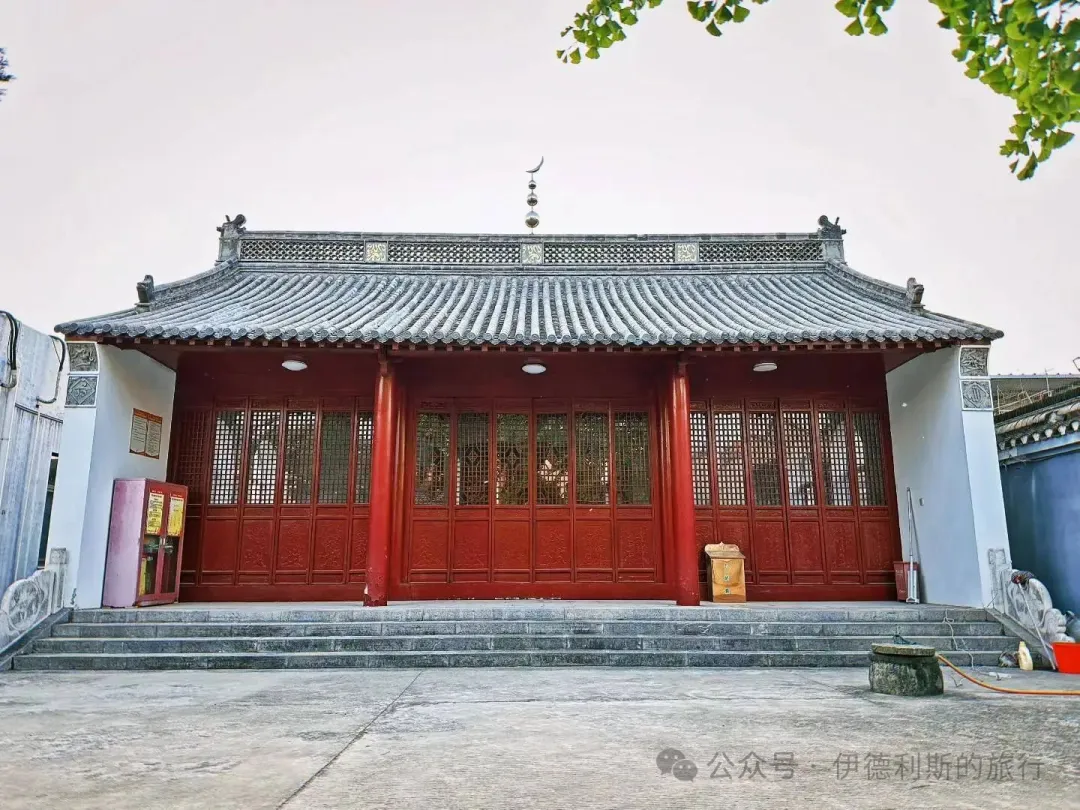
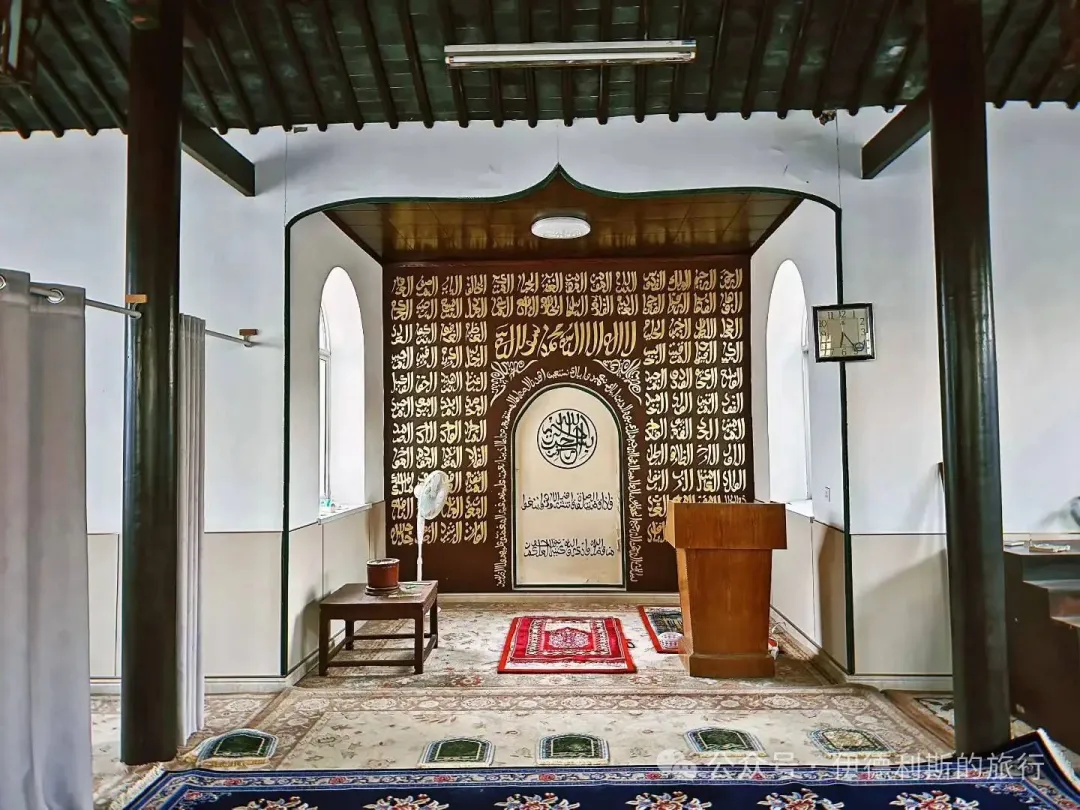
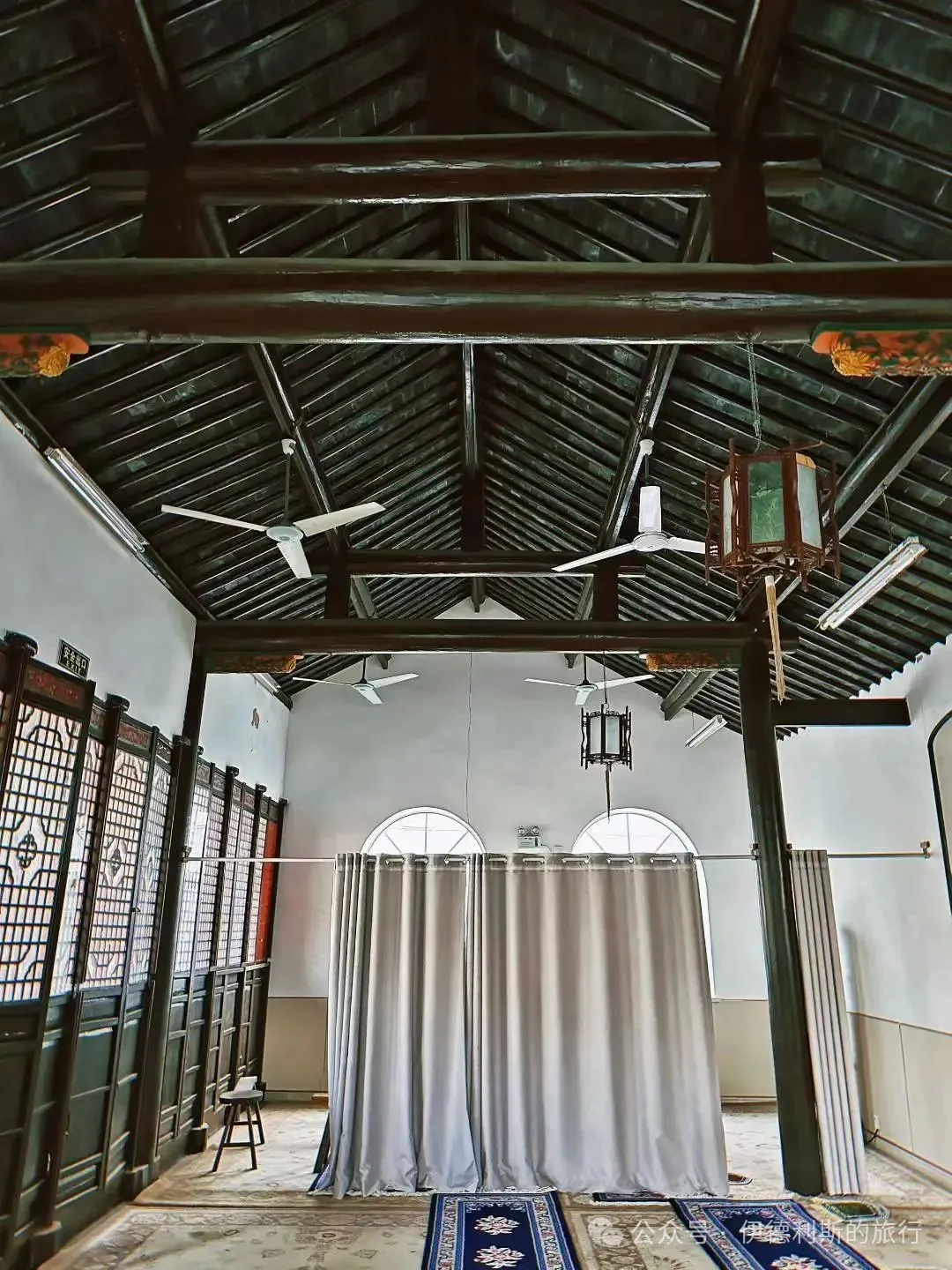
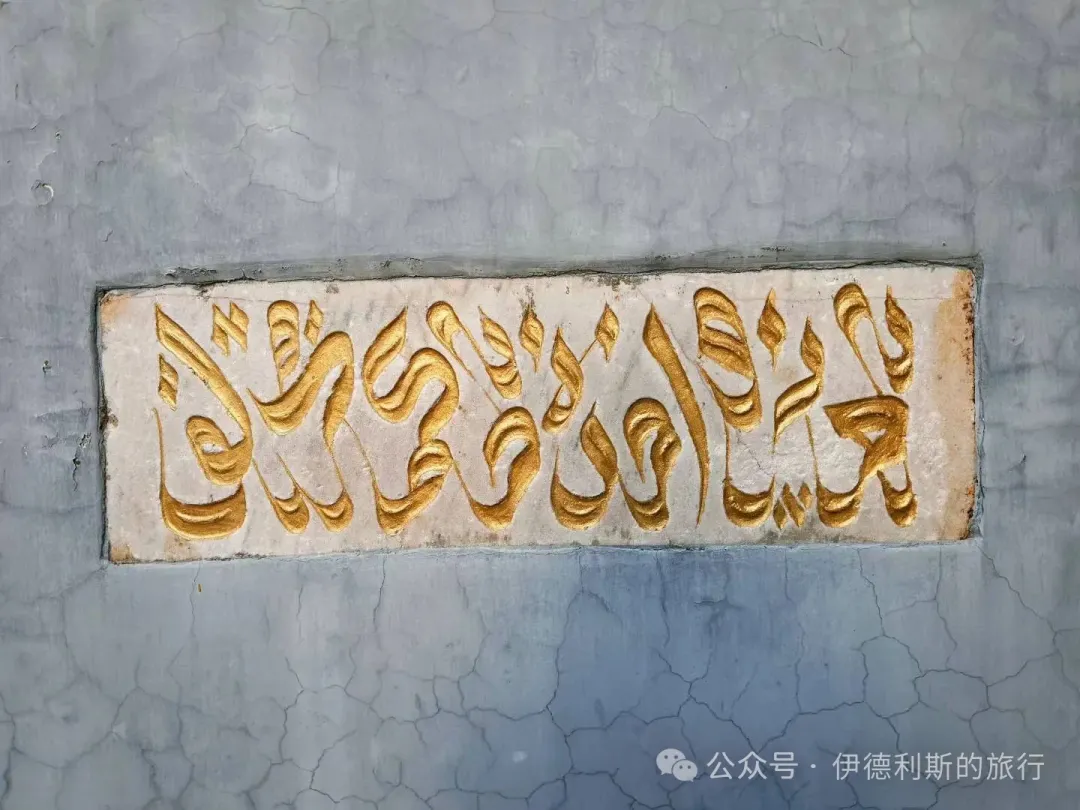
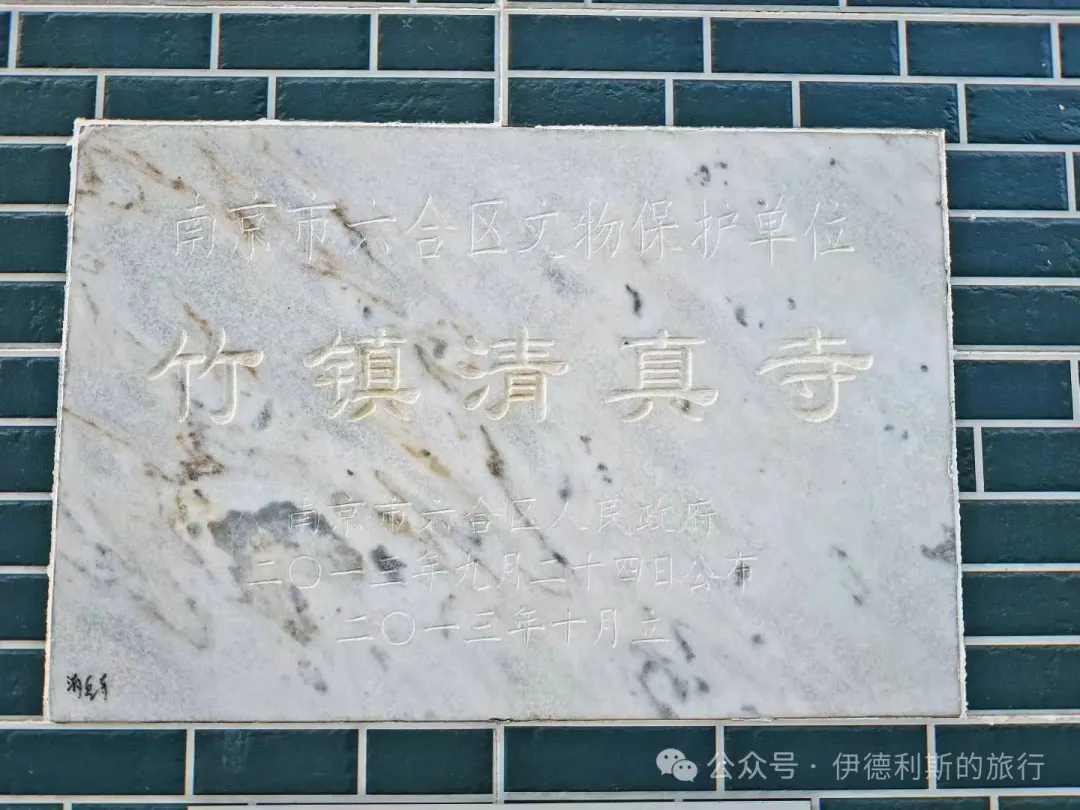
Liuhe Zhuzhen Mosque houses a Qing Dynasty stone well called 'Songquan,' two pairs of drum-shaped stone bases, and a 1927 (the 16th year of the Republic of China) stele recording the will of Wang Zuochen's wife, Madam Da. Madam Da was the aunt of the great imam Da Pusheng. The inscription records that the Zhuzhen Girls' School was founded by Wang Zuochen and fellow members of the faith, who also provided all the funding. Later, Wang Zuochen was kidnapped by bandits and remained missing for several years. Because of this, his wife, Madam Da, decided to donate all their family farmland and property, except for a portion used for her own support. The funds were mainly for the daily expenses of the Zhuzhen Girls' School, with the remainder going to Zhuzhen Mosque. The inscription mentions her 'nephew Da Pusheng.'
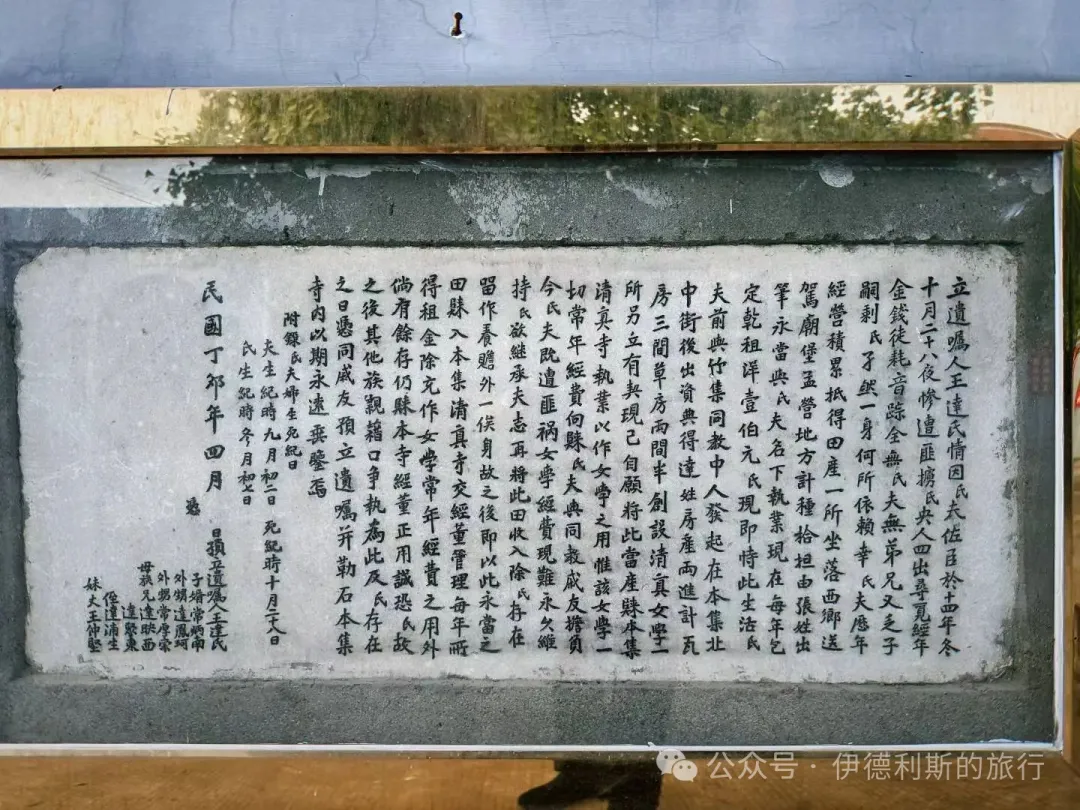
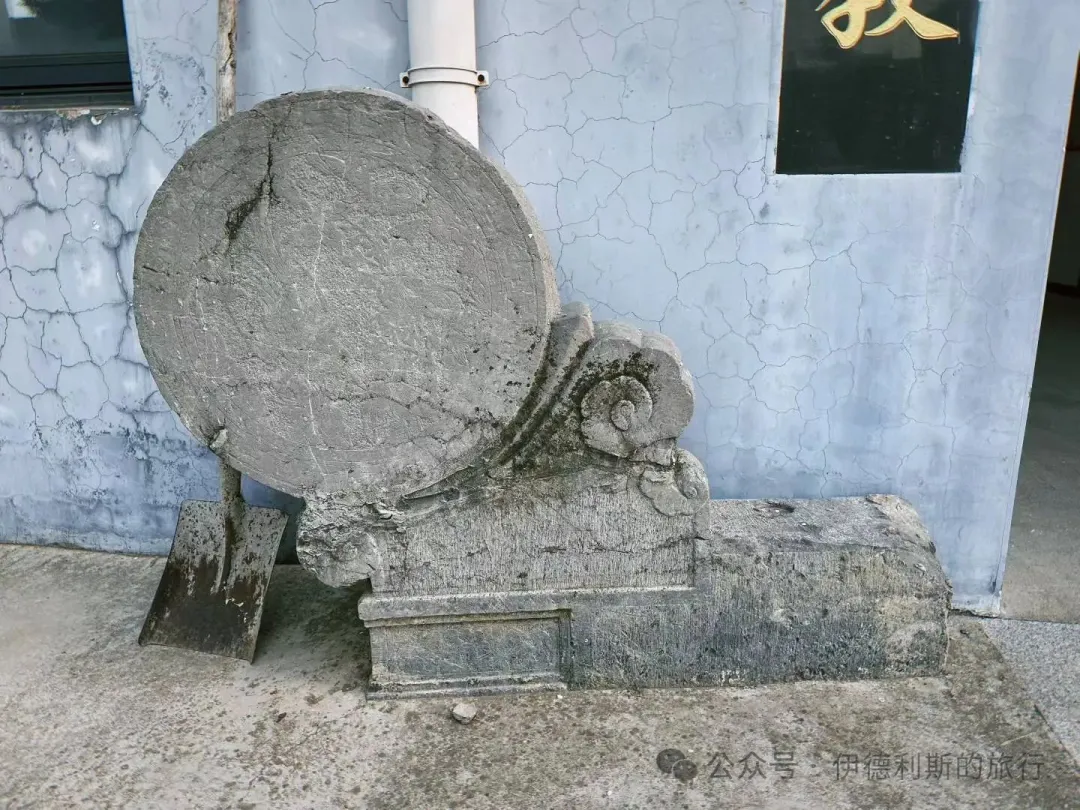
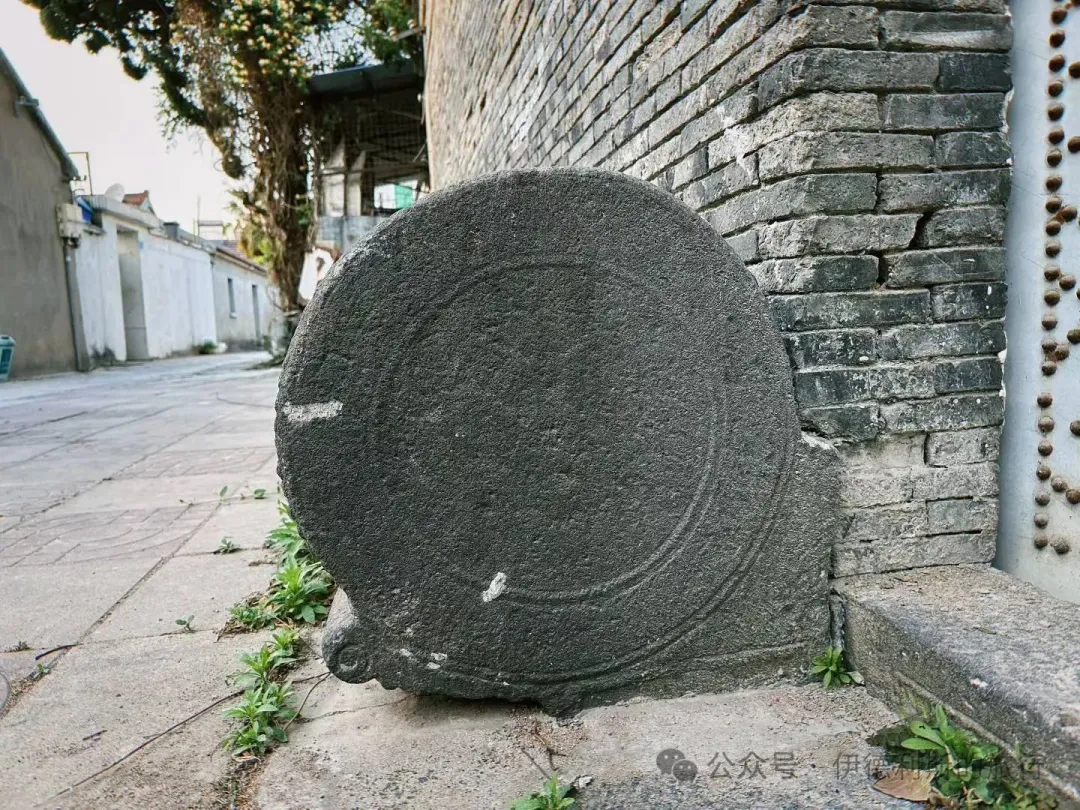
Across from Zhuzhen Mosque, there is a shop selling small-mill sesame oil (xiaomo mayou), and there are only hand-pulled noodle (lamian) shops in town.
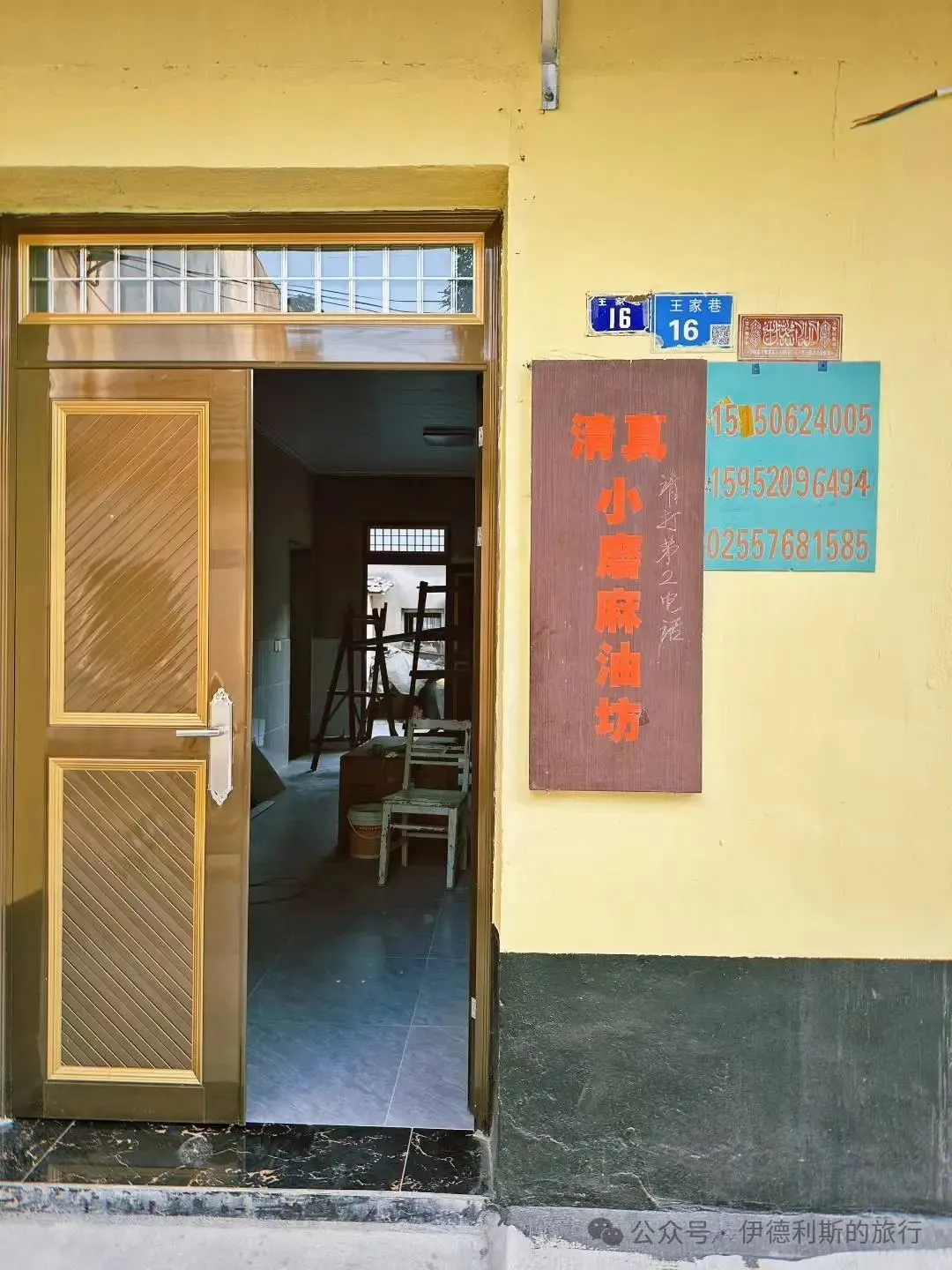
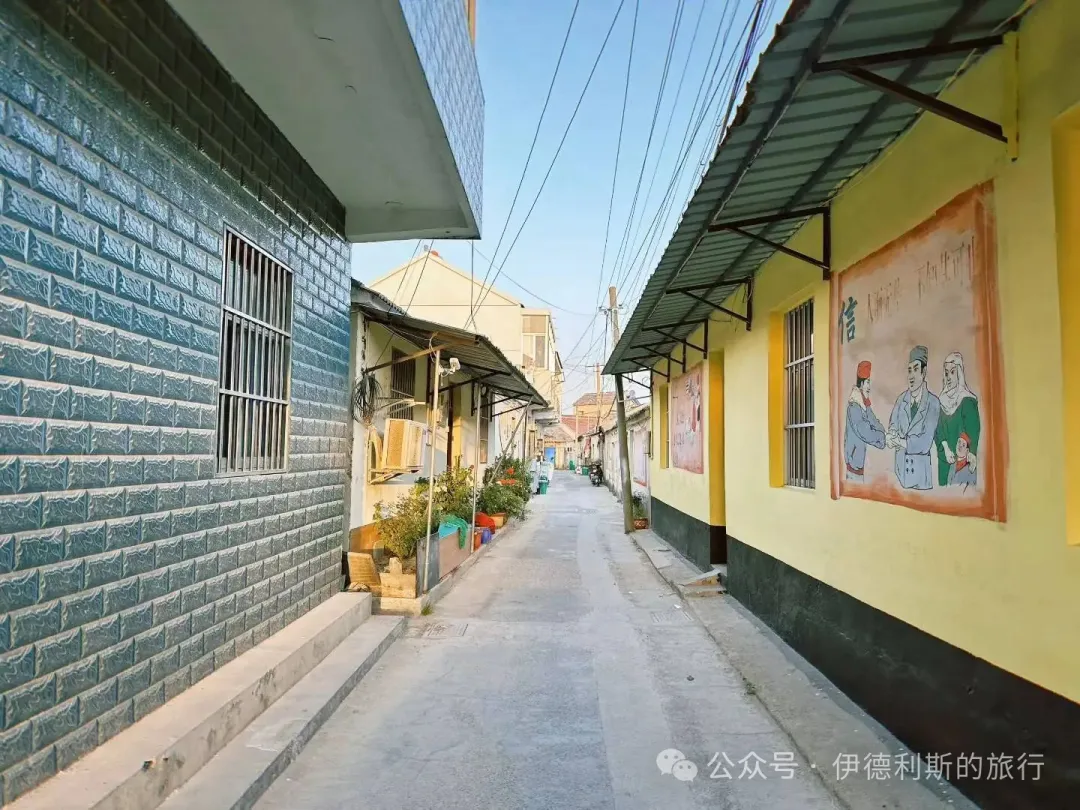
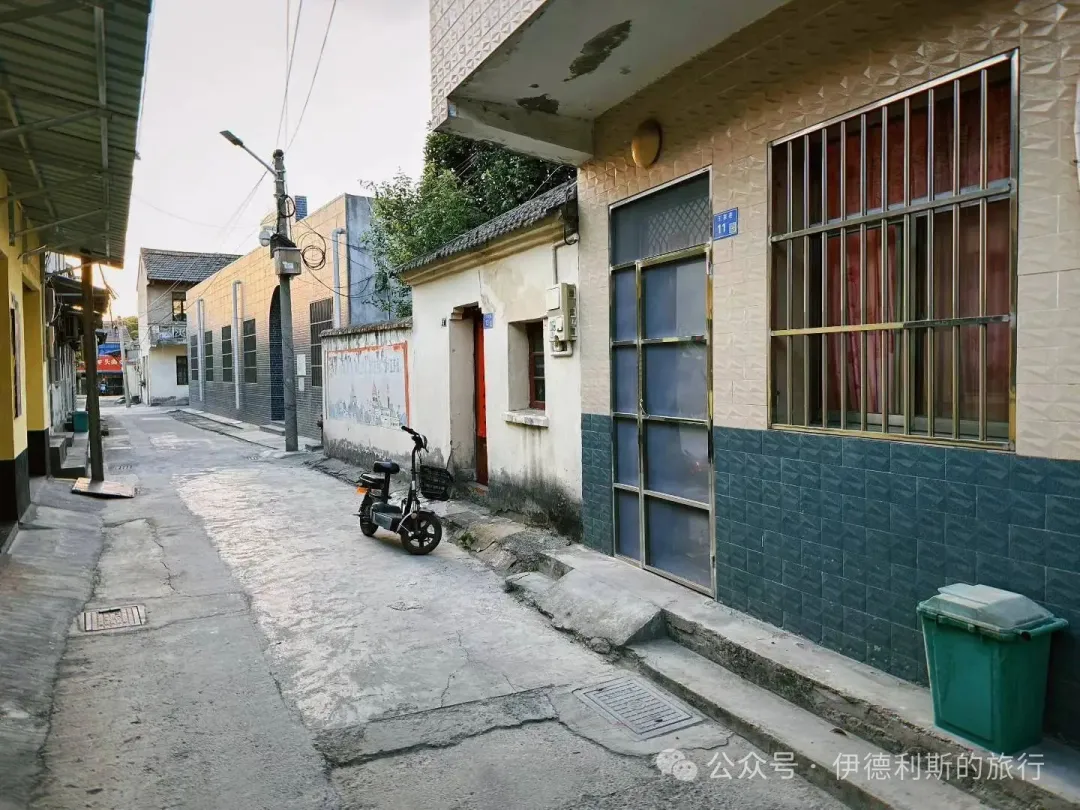
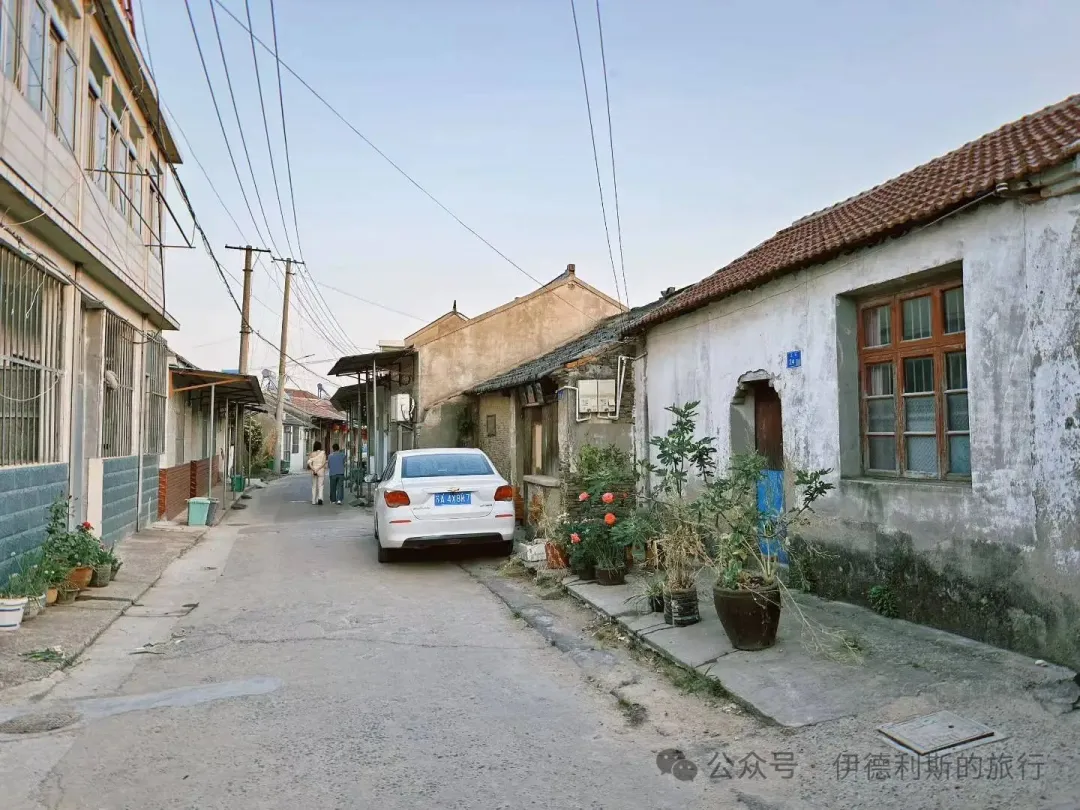
Zhuzhen Girls' School
Zhuzhen Girls' School features typical Jianghuai architectural style. The entrance hall and the main hall form a small courtyard, and both sides have classic Hui-style horse-head walls (matouqiang).
Zhuzhen Girls' School was founded in 1921 by Wang Zuochen, the uncle-in-law of the great imam Da Pusheng, along with fellow members of the faith in Zhuzhen. It was originally located on Zhuzhen Middle Street and was rebuilt in 1931 by Wu Tieqian and others along the south riverbank outside the East Bridge. After 1966, the Zhuzhen Girls' School was occupied by the Hui Muslim food processing factory. It was renovated in 2007 and is currently not open to the public. During the Republic of China era, the Zhuzhen Girls' School was led by two female imams, Teacher Dai and Teacher Bai, who taught scriptures and religious doctrines to local Hui Muslim women.
Wu Tieqian was a famous Hui Muslim anti-Japanese patriotic businessman. His original name was Wu Jiashan. At age 22, he inherited his father's business and ran the Wudeyuan Grain Store. After 1938, when the New Fourth Army entered Zhuzhen to lead the anti-Japanese resistance, Wu Tieqian took the lead in donating grain, money, and guns. He also served as the chairman of the Zhuzhen Merchants' Anti-Enemy Association. In 1942, Wu Tieqian became the first mayor of the Zhuzhen Anti-Japanese Democratic Government. He took risks to rescue and protect many comrades and also mobilized ambitious young people to join the revolution. After the founding of New China, Wu Tieqian was elected as the vice director of the Nanjing Islamic Association. He passed away (guizhen) in 1967.
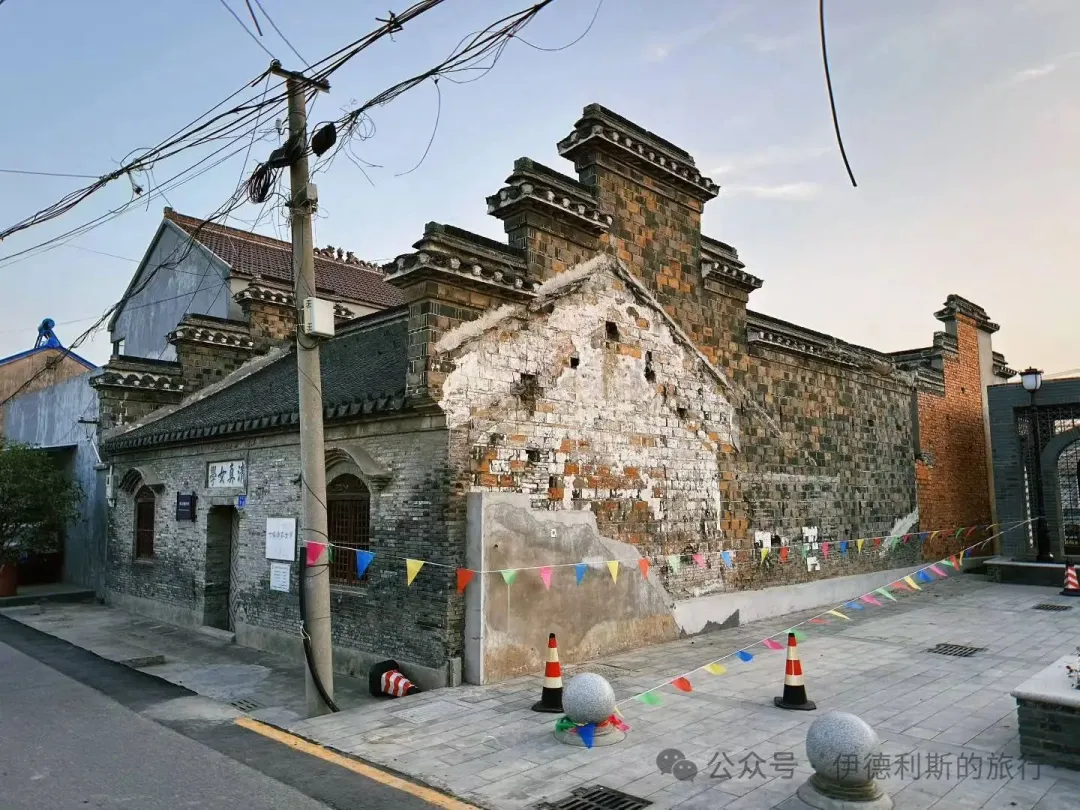
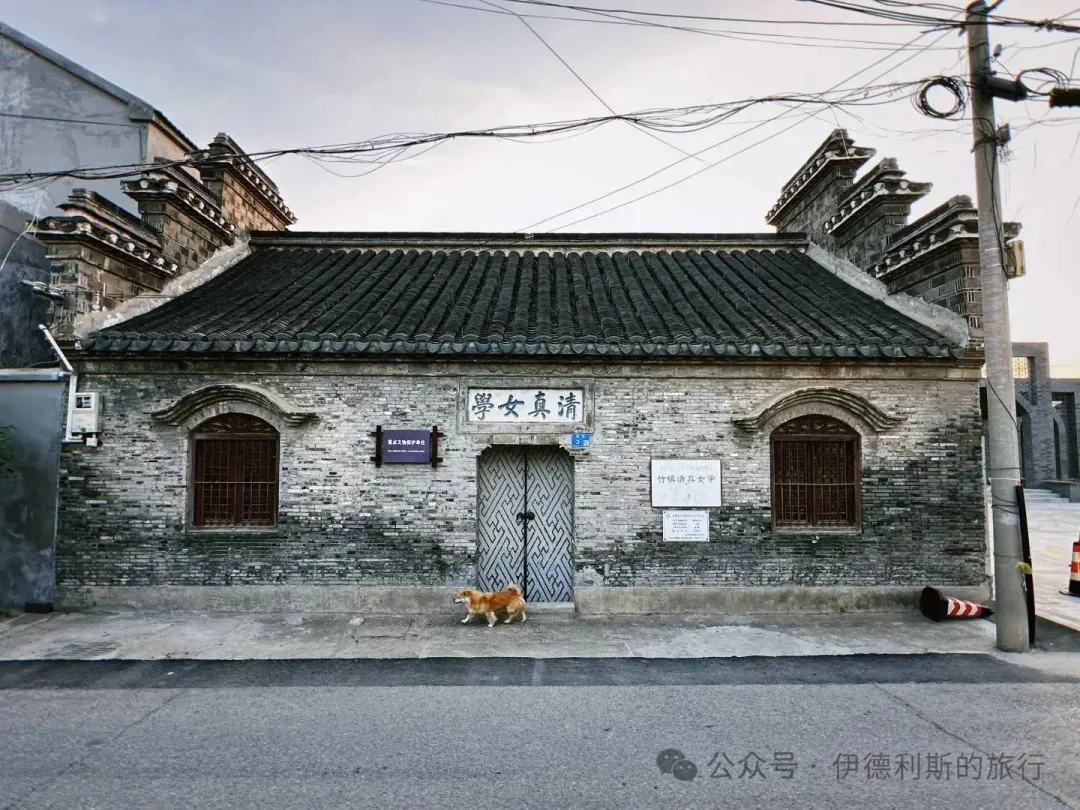
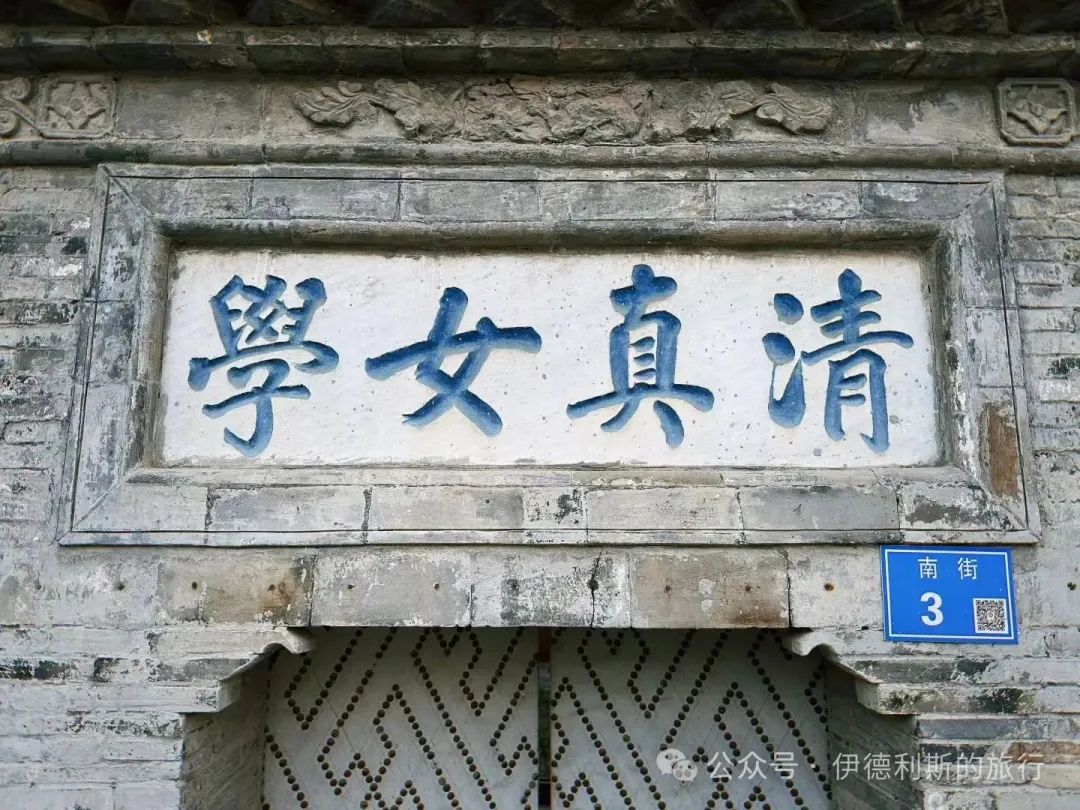
China Mosque Travel Guide 2017: 27 Historic Mosques and Muslim Heritage
Articles • yusuf908 posted the article • 0 comments • 239 views • 2026-05-23 23:23
Summary: This 2017 mosque-visit record follows 27 historic mosques and Muslim heritage sites across different places. The English version keeps the original route, mosque names, photos, and local details while making the long record easier to read.
In 2017, I continued visiting Hui Muslim communities along the Grand Canal and started visiting those along the Yangtze River. That year, I traveled to Cangzhou in Hebei, Linqing, Liaocheng, Xuzhou, Huai'an, Yangzhou, Zhenjiang in Jiangsu, and Jiaxing and Hangzhou in Zhejiang along the Grand Canal. Along the Yangtze, I visited Shanghai, Nanjing in Jiangsu, Wuhu, Hexian, and Anqing in Anhui, Jiujiang in Jiangxi, and Wuhan and Jingzhou in Hubei. I recorded the scenes of these Hui Muslim communities and visited some of their ancient mosques and historical sites. Some of these communities, like those in Wuhan and Jingzhou, have since been demolished, making these records a piece of history. In the summer, I also went to Dali to visit some ancient mosques in Weishan and Eryuan. I actually visited many ancient mosques in 2017, but some were revisited later and included in previous articles, so they were not counted here. This article includes 27 of them.
January: 3 mosques in Jiangsu.
Yangzhou Puhading Tomb Mosque: Puhading is said to be a 16th-generation descendant of the Prophet. He came to Yangzhou during the Southern Song dynasty (1265-1274) and passed away in 1275 during the Yuan dynasty. He was buried on a high ridge east of the Dongguan River in the new city, a place later called Huihui Tang (commonly known as Baba Yao). The main prayer hall of the mosque is next to the gate of the Puhading tomb complex. Stone carvings inside the gate record that in 1845, people of various surnames donated funds to build a stone embankment and renovate the hall.
Zhenjiang Xinhe Street Mosque: Built in 1930, it was originally a private residence purchased with donations from Hui Muslims in both Shanghai and Zhenjiang. It is a traditional Jiangnan-style house with three courtyards and two side wings. In 1926, Fa Jiesan, who moved from Zhenjiang to Shanghai, discussed theology with Imam Ha Cheng of the Xiaotaoyuan Mosque. After accepting the teachings of the Ikhwan sect, he returned to Zhenjiang and began practicing his faith at home according to Ikhwan rituals. Later, funds were raised in Shanghai and Zhenjiang to build an Ikhwan-style mosque on Xinhe Street. In 1958, the Xinhe Street Mosque merged with the Dashan Lane Mosque. It later became a dormitory for a forestry machinery factory and has been abandoned ever since.
Zhenjiang Gurun Mosque: First built in the Yuan dynasty, it was destroyed at the end of the Yuan and beginning of the Ming dynasty. It was rebuilt during the Hongwu reign of the Ming dynasty and moved to Jianzi Lane in the city in 1602. It was occupied after 1958, destroyed in the 1970s and 1980s, and completely demolished in 2005 before being rebuilt at its current location. The site preserves a stone tablet from the Ming dynasty renovation, an ancient well railing, three Qing dynasty renovation tablets, and the mihrab from the original mosque outside the south gate of Zhenjiang.
February: 2 mosques in Zhejiang.
Jiaxing Mosque: First built in 1602, it was renovated in 1747 when a lecture hall was added to the east side of the main hall. The gate was rebuilt in 1774. After the Taiping Rebellion, it fell into ruin until it was reused by Hui Muslims who moved there from Henan after the Republic of China was established.
Hangzhou Phoenix Mosque: Originally named Zhenjiao Mosque, it was destroyed at the end of the Southern Song dynasty and rebuilt in the early Yuan dynasty. When Zhongshan Road was widened in 1929, the gate and the Moon-Watching Tower (Wangyue Lou) were demolished. The main hall was torn down in 1953. Today, only the kiln-style hall (yaodian) remains from the Yuan and Ming dynasties.
March: 3 mosques in Jiangsu.
Huai'an Hexia Mosque: Located in the ancient town of Hexia, it was built between the late Ming and early Qing dynasties. Ten of its rooms were burned down by the Nian Army in the late Qing dynasty, but it was later repaired.
Huai'an Qingjiang Mosque: First built during the Jiajing reign of the Ming dynasty, it was renovated and expanded twice during the Yongzheng and Qianlong reigns. It was destroyed by the Nian Army in 1860 and rebuilt in 1870.
Huai'an Wangjiaying Mosque: Located on the north bank of the old Yellow River course, it was built during the Yongzheng reign. It was destroyed in the war with the Nian Army in 1860 and rebuilt in 1867. It was damaged in 1966, with the main hall used as a warehouse for a shoe and hat factory, and was rebuilt in 1979. The old imam of the Wangying Mosque, Chang Tingzhang, studied at a daotang in Lingwu County (Lingzhou), Ningxia, during the Qianlong reign. Subsequent imams also went to Ningxia to study, making it a mosque of the Jahriyya (Zhe) sect.
March: 2 mosques in Hebei.
Cangzhou North Mosque: The area near the south gate of Cangzhou was a key path to the Grand Canal. Most Hui Muslims, who were mostly craftspeople and small traders, chose to live here. In 1420 (the 18th year of the Yongle reign of the Ming Dynasty), the Cangzhou North Mosque was officially built in the south of the city, with land donated and construction led by Wu Yongzuo.
Cangzhou Botou Mosque: In 1404 (the second year of the Yongle reign), the Ming Emperor Chengzu, Zhu Di, ordered residents to move to Cangzhou. Many Hui Muslims arrived in Botou because of this. Records show that Hui Muslims with the seven surnames of Yang, Cao, Dai, Hui, Zhang, Wang, and Shi all moved to Botou in 1404 by imperial decree from Erlanggang, Shangyuan County, Yingtian Prefecture, Nanjing. Research shows that Erlanggang was a camp for Semu people who surrendered to the Ming from the Yuan Dynasty. The Botou Mosque was officially completed that year. The Botou Mosque underwent large-scale expansion during the late Ming and early Qing dynasties, reaching its current form.
April, 1 mosque in Hubei
Wuhan Qiyi Street Mosque: The first mosque in Wuchang with a recorded history is the Qingjing Mosque, built in the early Ming Dynasty. Because it was located at the east gate of the Huguang Governor's Office inside the Wangshan Gate in the south of Wuchang city, it was later called the Yuanmenkou Mosque. It was also commonly known as the Shanqian Mosque because it sat south of Snake Hill. According to the Kangxi edition of the Wuchang Prefecture Gazetteer of Huguang, the Yuanmenkou Mosque once held the famous 'Imperial Praise of the Prophet in One Hundred Words' stone tablet by the Ming Emperor Taizu. The courtyard of the current Qiyi Street Mosque holds three 'One Hundred Word Praise' tablets. Besides one carved in the Qing Dynasty, the other two broken tablets are very likely the originals from the Yuanmenkou Mosque.
May, 1 mosque in Jiangxi
Jiujiang Mosque: In 1450 (the first year of the Jingtai reign of the Ming Dynasty), Hui Muslim general Ma Hazhi was transferred to be the commander-in-chief of Jiujiang. He led three imams and over 1,500 Hui Muslim officers and soldiers, along with their families, to station in Jiujiang. They built the first Jiujiang Mosque next to the military camp at Jiwan outside the West Gate. During the late Ming and early Qing dynasties, the political situation was unstable, so many Hui Muslims left Jiujiang and the mosque was destroyed. It is said the mosque was rebuilt during the Qing Dynasty, and two imperial tablets were carved during the Qianlong reign, but they were later destroyed in war. In 1821 (the first year of the Daoguang reign), Hui Muslim generals Tao Kuichen and Zhao Zhenqing from Shouzhou, Anhui, were transferred to be the garrison commander and city defense battalion leader in Jiujiang. They brought 500 Hui Muslim Flying Tiger Battalion soldiers and their families to station in Jiujiang. After that, many Hui Muslims from Anhui and Henan came to Jiujiang to do business and settle down. In 1850 (the 30th year of the Daoguang reign), Qian Baochang, an antique dealer from Huaining, Anhui, took the lead in donating timber to build two rooms and renovate the Jiujiang Mosque. In 1898 (the 24th year of the Guangxu reign), Hui Muslim general Zhu Tianqing from Shouzhou, Anhui, who served as the Jiujiang garrison commander, and Jiujiang commander-in-chief Tao Zhan led an expansion of the Jiujiang Mosque. The boundary stone set during this renovation remains today.
June, 2 mosques in Anhui
Anqing Nanguan Mosque: In 1469 (the fifth year of the Chenghua reign), the hereditary Cavalry General Ma Yi built the Anqing Nanguan Mosque on Zhongxiao Street inside the Zhenhai Gate (South Gate) of Anqing. The main gate faced the city wall, and he also built the Ma Family Muslim Dunyue Hall as a residence next to the mosque. In 1643 (the 16th year of the Chongzhen reign), the late Ming warlord Zuo Liangyu led his troops through Anqing, and the Nanguan Mosque was damaged. It was renovated during the Kangxi reign. In 1853 (the third year of the Xianfeng reign), the Nanguan Mosque was destroyed during the Taiping Rebellion. In 1876 (the second year of the Guangxu reign), the main hall was built in the style of the Wanshou Palace and Fengzhi Guild Hall with a round ridge, and the reconstruction was finally completed in 1897 (the 23rd year of the Guangxu reign).
Anqing Xiguan Mosque: During the Qianlong reign, the number of Hui Muslims outside the West Gate of Anqing grew, but the prayer times did not match the city gate opening and closing times, making it very inconvenient to go to the Nanguan Mosque. Therefore, Ma Tianrong, a 12th-generation descendant of the Ma family of the Dunyue Hall in Huaining, donated two public houses outside the South Gate to build a new mosque at Gou'erkou outside the West Gate. In 1877 (the 13th year of the Guangxu reign), the Xiguan Mosque moved to the street behind Gou'er Mountain outside the West Gate. In 1995, Xiguan Mosque was renovated and expanded into a kindergarten for ethnic minorities, and today only the main gate remains.
Three mosques in Shanghai in June.
Shanghai Fuyou Road Mosque: It was first called Chuanxin Street Prayer Hall, later renamed Chuanxin Street Mosque, and is commonly known as the North Mosque. In 1863 (the second year of the Tongzhi reign), Hui Muslims from Nanjing living near the Old North Gate of Shanghai rented two single-story houses on Xiaopi Lane as a temporary place for namaz. In 1870 (the ninth year of the Tongzhi reign), 31 community elders including Ma Hanzhang, Ha Qingtang, and Jin Lanpo raised funds under the name Wubentang to rebuild it into a main prayer hall on Chuanxin Street. In 1897 (the 23rd year of the Guangxu reign), 22 elders including Ha Shaofu and Jiang Xingjie raised money to buy land and expand the mosque by two halls, completing the work in 1900 (the 26th year of the Guangxu reign). In 1905 (the 31st year of the Guangxu reign), 31 elders including Ha Shaofu, Jiang Xingjie, Sha Yunjun, Jin Dongxu, and Yang Zhuping raised funds again to buy land and expand the mosque to three halls. In 1935, the famous Hui Muslim merchant Ha Shaofu initiated the conversion of the street-facing stone-gate (shikumen) residence into a three-story reinforced concrete building, with a moon-viewing pavilion built on the rooftop terrace.
Shanghai Xiaotaoyuan Mosque: Formerly known as the West City Mosque, it is commonly known as the West Mosque. In 1917, the famous Hui Muslim merchant Jin Ziyun bought a garden residence on Xiaotaoyuan Street in Xicang and donated the land to build the mosque. In 1925, Jin Ziyun initiated another fundraising campaign, including donations from places like Hong Kong, to rebuild the mosque into its current form.
Shanghai Zhejiang Road Mosque: Formerly known as the Concession Mosque, it is commonly known as the Foreign Mosque. In 1855 (the fifth year of the Xianfeng reign), an Indian named Dosti, who worked as a chef at the Indian Bapali Trading Company in Shanghai, bought land to serve as a cemetery for foreign nationals and built a prayer hall. In 1870 (the ninth year of the Tongzhi reign), the Bapali Trading Company funded the construction of an official Concession Mosque and appointed an Indian named Wuliamu Ali as the first imam. At that time, many Hui Muslim fur and cotton merchants from Henan and Hubei provinces had shops around the Concession Mosque and visited it frequently. In 1880 (the sixth year of the Guangxu reign), Wuliamu Ali traveled to Henan, Hubei, and other places to raise funds to rebuild the mosque. Later, the mosque was destroyed by fire. It was rebuilt in 1900 (the 26th year of the Guangxu reign) with more than 10 buildings constructed along the street to collect rent for the mosque's upkeep.
Six mosques in Yunnan in July.
Dali Xiaoweigeng Mosque: Built at the end of the Yuan Dynasty and the beginning of the Ming Dynasty, it was destroyed in the first month of the 12th year of the Tongzhi reign (1873), rebuilt in 1908, expanded in 1976, and rebuilt again in 1990.
Dali Kelizhuang Mosque: Located in Xizhou Town, it was rebuilt in 1908, with a significant portion of the funding coming from overseas Chinese in Myanmar. Kelizhuang is a famous hometown for overseas Chinese. Historically, it had powerful horse caravans that traveled throughout Yunnan to Kunming, Simao, and Zhongdian, and connected south to cities in Myanmar like Mandalay, Mawlamyine, and Lashio. Since the end of the Qing Dynasty and the Republic of China era, hundreds of families from Kelizhuang have moved to Myanmar, and people from Kelizhuang have often served as the imam at the Chinese mosque in Yangon's Chinatown.
Dali Sanmei Mosque: The Sanmei Mosque on the Dengchuan Plain was built in 1908. The Hui Muslims here speak the Bai language and wear Bai ethnic clothing, and their architectural style is very similar to that of the Bai people, so outsiders call them the White Hui Muslims.
Dali Huihuideng Mosque: The front part of the main hall is a reinforced concrete structure built in 1993, while the back part is a wooden structure built in 1944, so it looks like a new mosque from the front and an old one from the back.
Dali Shenhe Village Mosque: The main hall was rebuilt in 1995, and the minaret was built in 1946.
Dalishi Pang Mosque: Built in 1896, with its minaret added in 1920, this is also a white-style mosque (baihuisi).
August, 1 mosque in Jiangsu.
Liuhe Changjiang Road Mosque: Originally named Chengqingfang Mosque, it is also called Liuhe North Mosque and Dashi Mosque. It was built during the Qianlong reign of the Qing Dynasty. Its architectural style mimics the Liuhe South Gate Mosque. It was destroyed during the Taiping Rebellion and rebuilt during the Guangxu reign. In 1928, Lady Da (the aunt of Da Pusheng), the widow of wealthy merchant Wang Zuochen, donated funds to build the Wuxin Pavilion on the original site of the Wangyue Tower.
August, 2 mosques in Anhui.
Wuhu Mosque: Hui Muslims began settling in Wuhu no later than the late Ming and early Qing dynasties. The earliest mosque was built in the early Qing Dynasty near Jixiang Mosque at the confluence of the Yangtze River and the Qingyi River. It was burned down during the Taiping Rebellion. In 1864, migrants purchased land outside the North Gate at Beilangpu to rebuild it, and it was expanded again in 1902.
Hexian Mosque: The Great Mosque of Hezhou was first built in 1368 (the first year of the Hongwu reign of the Ming Dynasty). According to the Records of Rebuilding the Confucian School in Hezhou, in 1525 (the fourth year of the Jiajing reign), the newly appointed Hezhou magistrate Yi Luan visited the Confucian Mosque and declared that the "licentious shrine" was indulging the Hui people too much, so he ordered the destruction of the Hezhou Mosque. It was not until 1637 (the tenth year of the Chongzhen reign) that the Hezhou Mosque was rebuilt, after the insurgent army of Ma Shouying, a Hui Muslim from Shaanxi, joined forces with other late Ming rebel groups to capture Hezhou. It was rebuilt into its current structure in 1837 (the seventeenth year of the Daoguang reign).
December, 1 mosque in Shanghai.
Songjiang Mosque: Originally named Zhenjiao Mosque, it was built during the Zhizheng years of the Yuan Dynasty, rebuilt in 1391, and later expanded and renovated many times.
In 2018, I visited 101 ancient mosques across 5 countries and 8 provinces. It was a very fulfilling year. In February, I went to Shanhaiguan. During the Spring Festival holiday, I visited the Cham community in Ho Chi Minh City, Vietnam, and then traveled to Delhi, India, to visit many historical sites from the Delhi Sultanate and Mughal Empire periods. During the Qingming holiday, I went to Xinjiang to search for the history of the Yarkent Khanate. During the May Day holiday, I went to Lhasa to visit the Tibetan Hui Muslim community. In June, I went to the UAE for Eid al-Fitr, and then I went to Tianjin to eat and explore. In July, I used my weekends to visit Nanjing and Suizhong in Liaoning to eat and explore. In September, I went to Taiyuan to do the same. At the end of September, I used my annual leave and the National Day holiday to visit Azerbaijan and Turkey, where I saw over a hundred old buildings. In November, I went to Kaifeng for sightseeing and food. See "101 Ancient Mosques Visited in 2018".
By 2019, I had mastered the skill of using holidays to visit ancient mosques abroad. I would first research a lot of information, pick the mosques worth seeing, and then use map websites to plan my route to visit as many as possible in the limited time. I visited a total of 64 ancient mosques across 7 countries and 2 provinces. See '64 Ancient Mosques Visited in 2019'.
At the start of 2020, I went to Urumqi for the Spring Festival holiday and visited the Shaanxi Old Quarter mosque. Later, I was almost locked down and unable to return to Beijing. I worked from home during the first half of the year. Once restrictions were lifted in early July, we spent a weekend visiting the Hongshuiquan Grand Mosque in Qinghai. In August, we took our honeymoon and visited 18 ancient mosques in Yunnan and Sichuan. During the National Day holiday, we traveled upstream along the Han River and visited 3 ancient mosques in southern Shaanxi. In total, I visited 23 ancient mosques across 5 provinces in 2020. See '23 Ancient Mosques Visited in 2020'.
In January 2021, mosques in Beijing were closed. In mid-March, travel restrictions were lifted, so I rushed to visit ancient mosques in Henan, Jiangsu, Hebei, Xinjiang, Liaoning, Shanxi, Tianjin, Qinghai, and Inner Mongolia. By July, travel out of Beijing was restricted again. During the National Day holiday, there were no new cases nationwide, so we went on a road trip to Yunnan to visit ancient mosques. After the holiday, I could not leave Beijing again. In 2021, with less than half a year of actual freedom, I visited 47 ancient mosques across 11 provinces and cities. See '47 Ancient Mosques Visited in 2021'.
2022 was the most difficult year, as I was unable to leave Beijing for the entire year. That year, I visited some ruins of former ancient mosques in Beijing and some mosques I had never been to before, totaling 25 ancient mosques for the year. See "Visiting 25 Ancient Mosques in Beijing in 2022."
Travel restrictions within Beijing were lifted in early 2023, and international travel restrictions were lifted in May. This year saw an explosion of travel, covering 11 provinces and cities, 6 countries, and three continents—Europe, Asia, and Africa—for a total of 124 ancient mosques. See "Visiting 124 Ancient Mosques in 2023."
Life gradually returned to normal in 2024, and the number of ancient mosques I visited dropped due to work changes and spending time with my children. This year I went to 6 provinces and 3 countries, visiting 63 ancient mosques. I visited Malaysia three times, touring 24 ancient mosques, which covers almost all the ancient mosques in Malaysia. See "Visiting 63 Ancient Mosques in 2024." view all
Summary: This 2017 mosque-visit record follows 27 historic mosques and Muslim heritage sites across different places. The English version keeps the original route, mosque names, photos, and local details while making the long record easier to read.
In 2017, I continued visiting Hui Muslim communities along the Grand Canal and started visiting those along the Yangtze River. That year, I traveled to Cangzhou in Hebei, Linqing, Liaocheng, Xuzhou, Huai'an, Yangzhou, Zhenjiang in Jiangsu, and Jiaxing and Hangzhou in Zhejiang along the Grand Canal. Along the Yangtze, I visited Shanghai, Nanjing in Jiangsu, Wuhu, Hexian, and Anqing in Anhui, Jiujiang in Jiangxi, and Wuhan and Jingzhou in Hubei. I recorded the scenes of these Hui Muslim communities and visited some of their ancient mosques and historical sites. Some of these communities, like those in Wuhan and Jingzhou, have since been demolished, making these records a piece of history. In the summer, I also went to Dali to visit some ancient mosques in Weishan and Eryuan. I actually visited many ancient mosques in 2017, but some were revisited later and included in previous articles, so they were not counted here. This article includes 27 of them.
January: 3 mosques in Jiangsu.
Yangzhou Puhading Tomb Mosque: Puhading is said to be a 16th-generation descendant of the Prophet. He came to Yangzhou during the Southern Song dynasty (1265-1274) and passed away in 1275 during the Yuan dynasty. He was buried on a high ridge east of the Dongguan River in the new city, a place later called Huihui Tang (commonly known as Baba Yao). The main prayer hall of the mosque is next to the gate of the Puhading tomb complex. Stone carvings inside the gate record that in 1845, people of various surnames donated funds to build a stone embankment and renovate the hall.
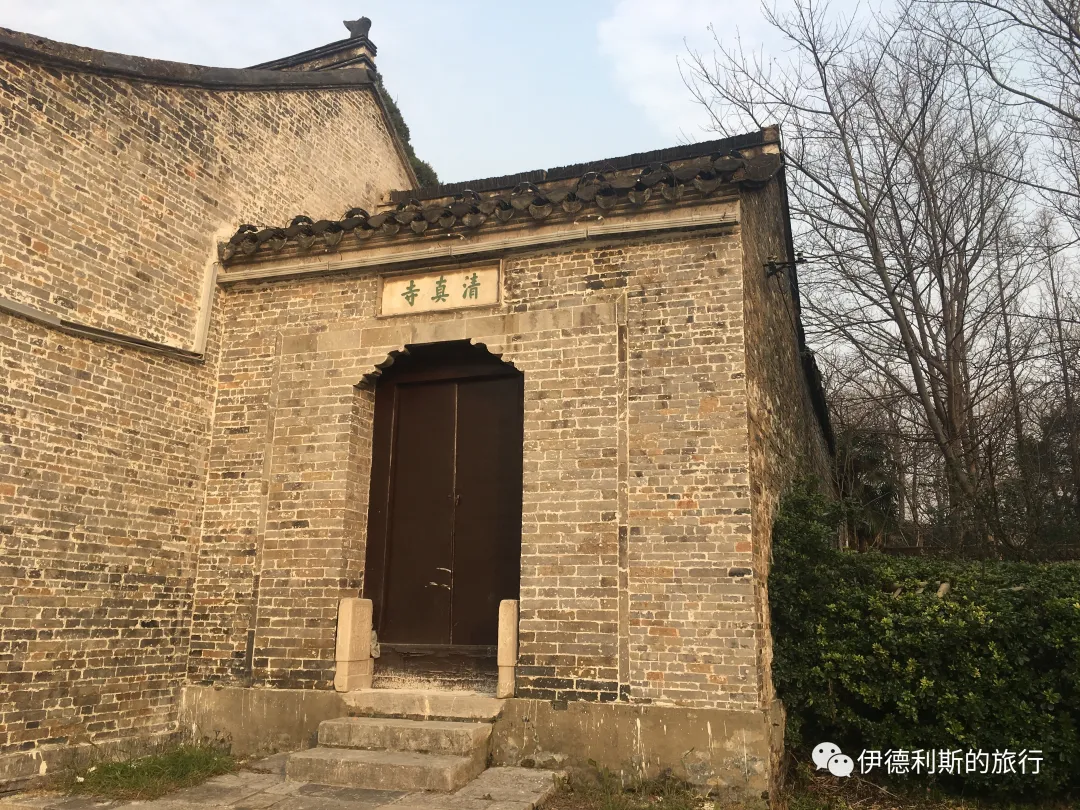
Zhenjiang Xinhe Street Mosque: Built in 1930, it was originally a private residence purchased with donations from Hui Muslims in both Shanghai and Zhenjiang. It is a traditional Jiangnan-style house with three courtyards and two side wings. In 1926, Fa Jiesan, who moved from Zhenjiang to Shanghai, discussed theology with Imam Ha Cheng of the Xiaotaoyuan Mosque. After accepting the teachings of the Ikhwan sect, he returned to Zhenjiang and began practicing his faith at home according to Ikhwan rituals. Later, funds were raised in Shanghai and Zhenjiang to build an Ikhwan-style mosque on Xinhe Street. In 1958, the Xinhe Street Mosque merged with the Dashan Lane Mosque. It later became a dormitory for a forestry machinery factory and has been abandoned ever since.
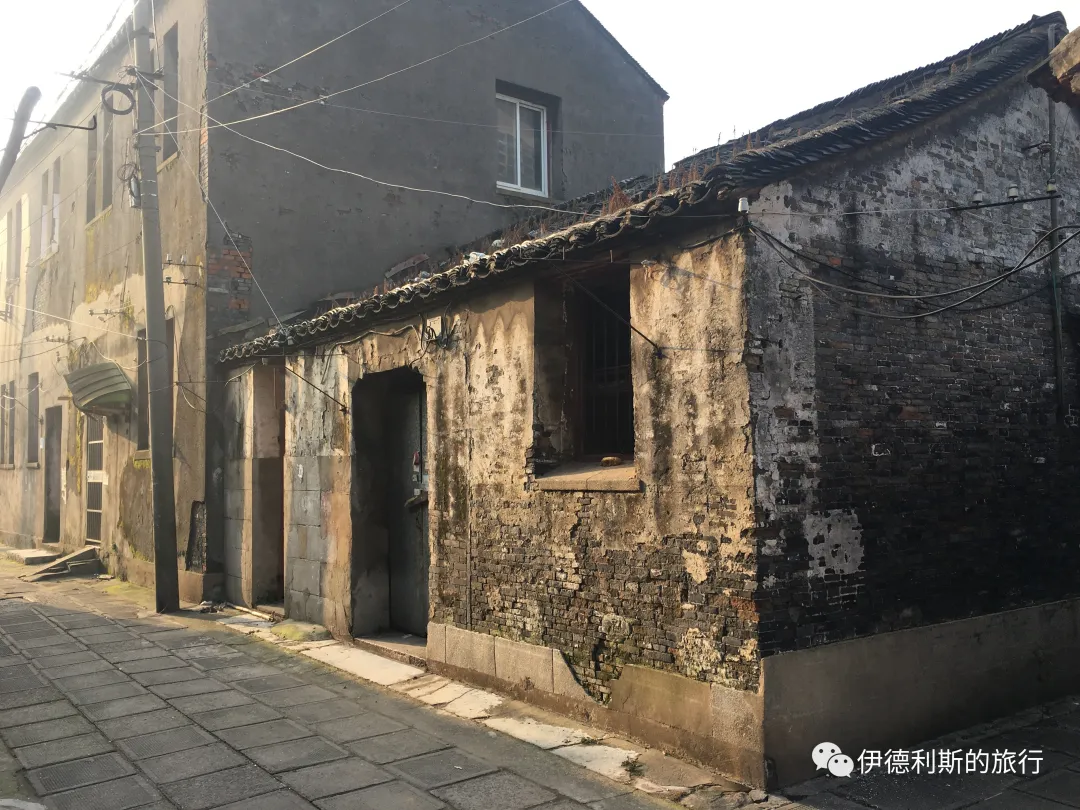
Zhenjiang Gurun Mosque: First built in the Yuan dynasty, it was destroyed at the end of the Yuan and beginning of the Ming dynasty. It was rebuilt during the Hongwu reign of the Ming dynasty and moved to Jianzi Lane in the city in 1602. It was occupied after 1958, destroyed in the 1970s and 1980s, and completely demolished in 2005 before being rebuilt at its current location. The site preserves a stone tablet from the Ming dynasty renovation, an ancient well railing, three Qing dynasty renovation tablets, and the mihrab from the original mosque outside the south gate of Zhenjiang.
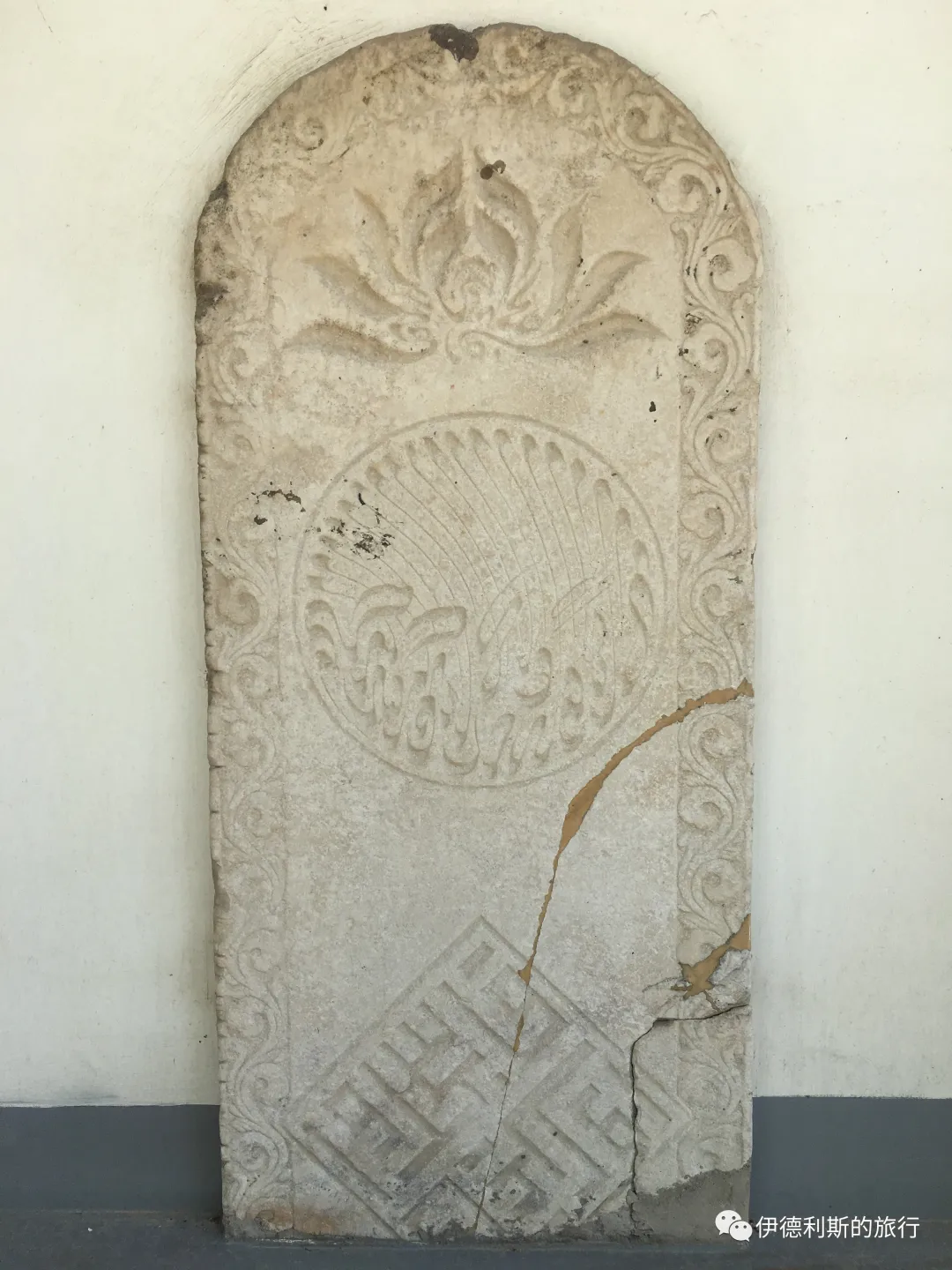
February: 2 mosques in Zhejiang.
Jiaxing Mosque: First built in 1602, it was renovated in 1747 when a lecture hall was added to the east side of the main hall. The gate was rebuilt in 1774. After the Taiping Rebellion, it fell into ruin until it was reused by Hui Muslims who moved there from Henan after the Republic of China was established.
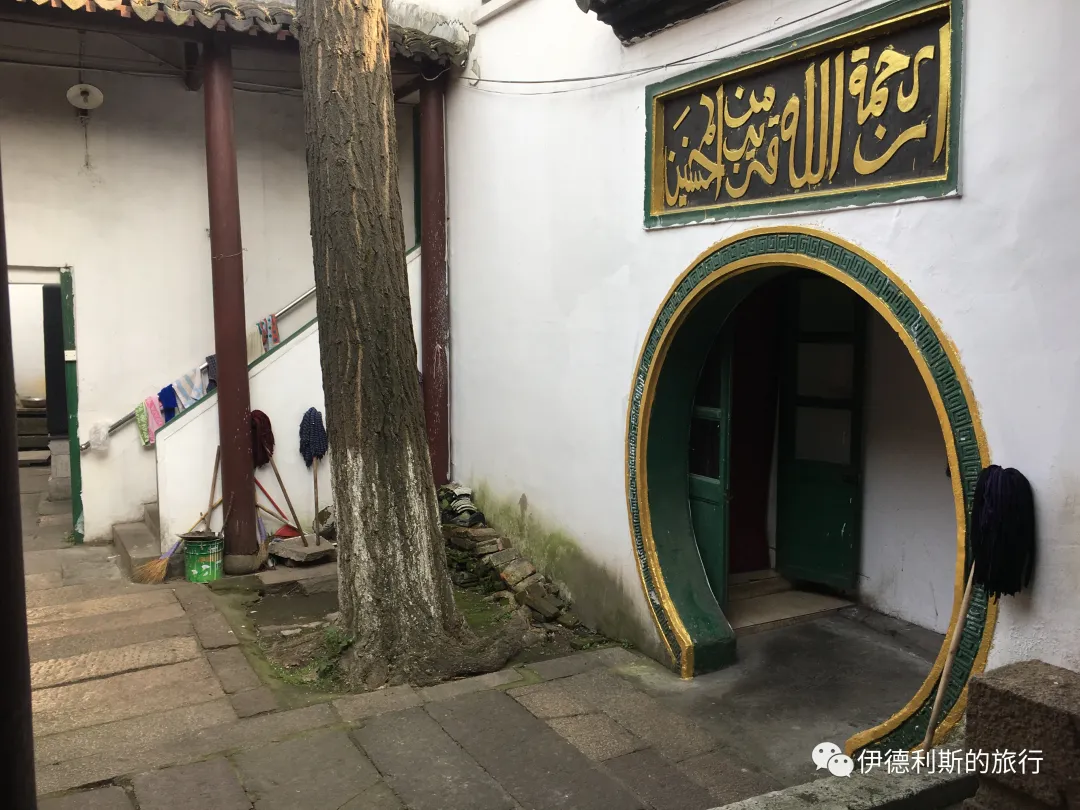
Hangzhou Phoenix Mosque: Originally named Zhenjiao Mosque, it was destroyed at the end of the Southern Song dynasty and rebuilt in the early Yuan dynasty. When Zhongshan Road was widened in 1929, the gate and the Moon-Watching Tower (Wangyue Lou) were demolished. The main hall was torn down in 1953. Today, only the kiln-style hall (yaodian) remains from the Yuan and Ming dynasties.
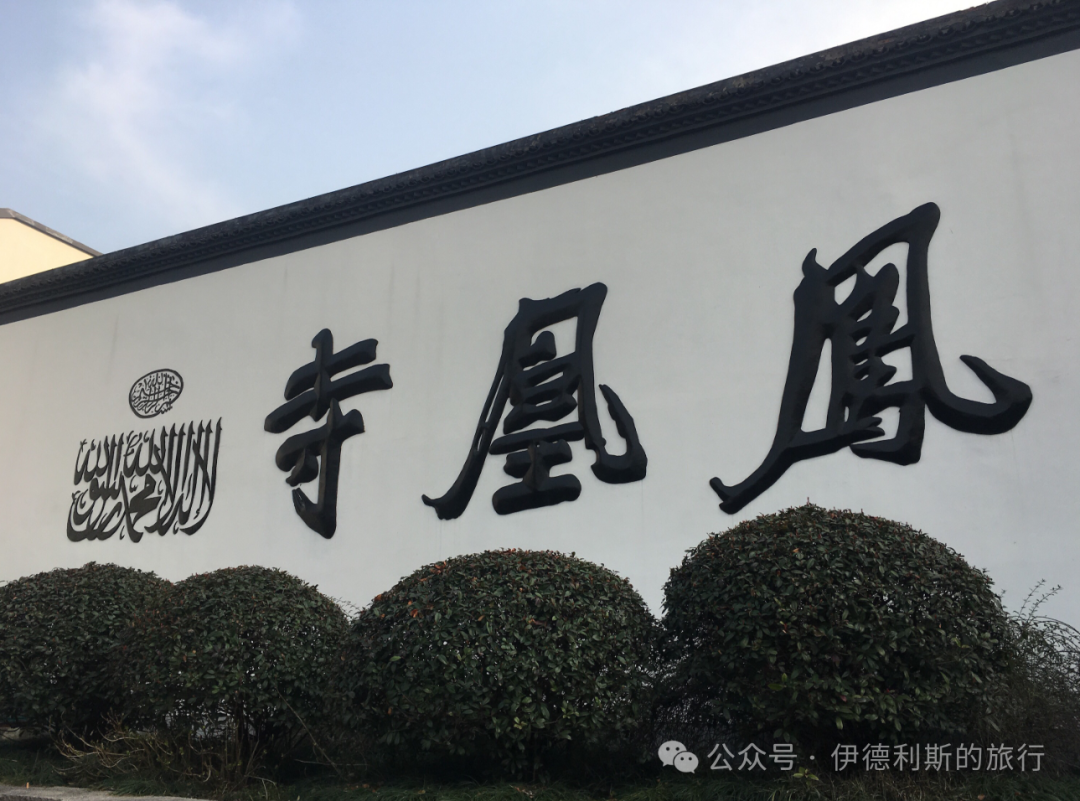
March: 3 mosques in Jiangsu.
Huai'an Hexia Mosque: Located in the ancient town of Hexia, it was built between the late Ming and early Qing dynasties. Ten of its rooms were burned down by the Nian Army in the late Qing dynasty, but it was later repaired.
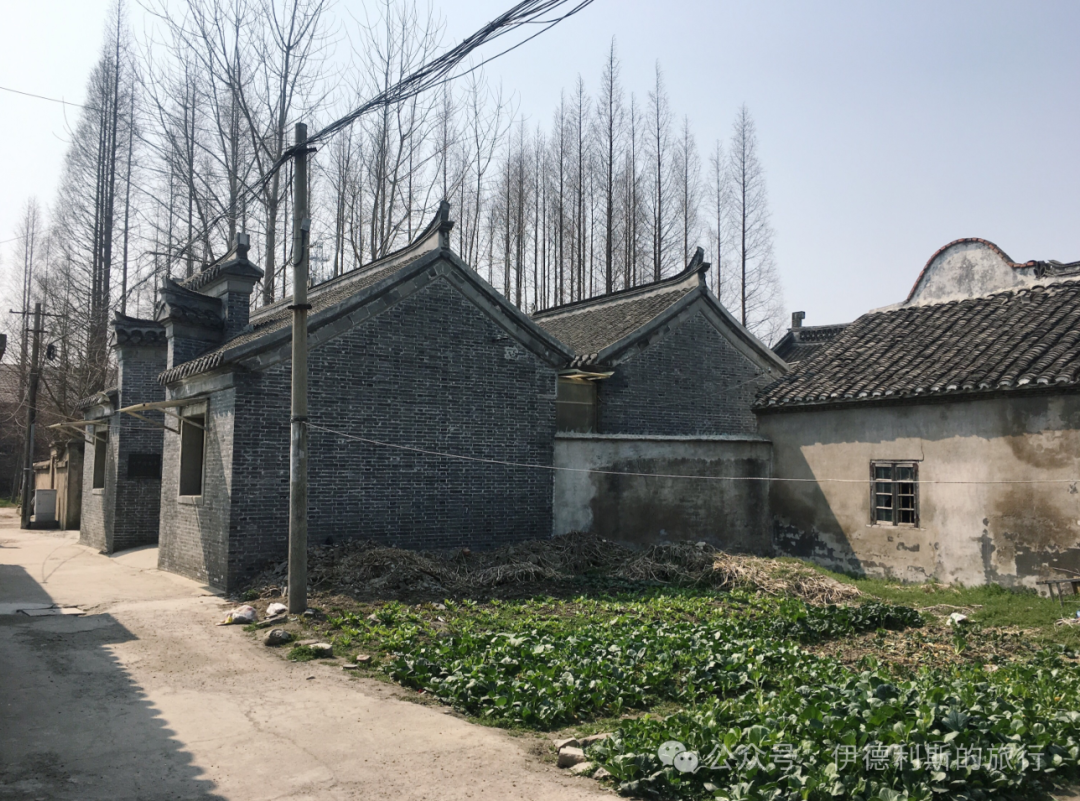
Huai'an Qingjiang Mosque: First built during the Jiajing reign of the Ming dynasty, it was renovated and expanded twice during the Yongzheng and Qianlong reigns. It was destroyed by the Nian Army in 1860 and rebuilt in 1870.
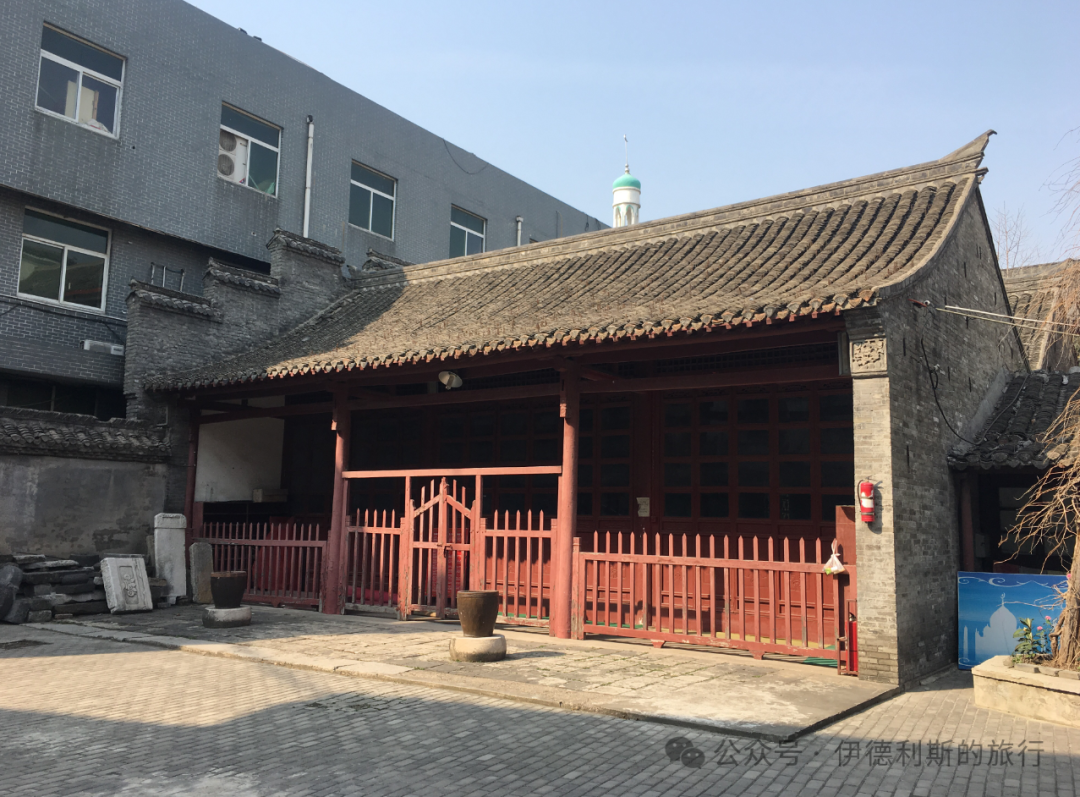
Huai'an Wangjiaying Mosque: Located on the north bank of the old Yellow River course, it was built during the Yongzheng reign. It was destroyed in the war with the Nian Army in 1860 and rebuilt in 1867. It was damaged in 1966, with the main hall used as a warehouse for a shoe and hat factory, and was rebuilt in 1979. The old imam of the Wangying Mosque, Chang Tingzhang, studied at a daotang in Lingwu County (Lingzhou), Ningxia, during the Qianlong reign. Subsequent imams also went to Ningxia to study, making it a mosque of the Jahriyya (Zhe) sect.
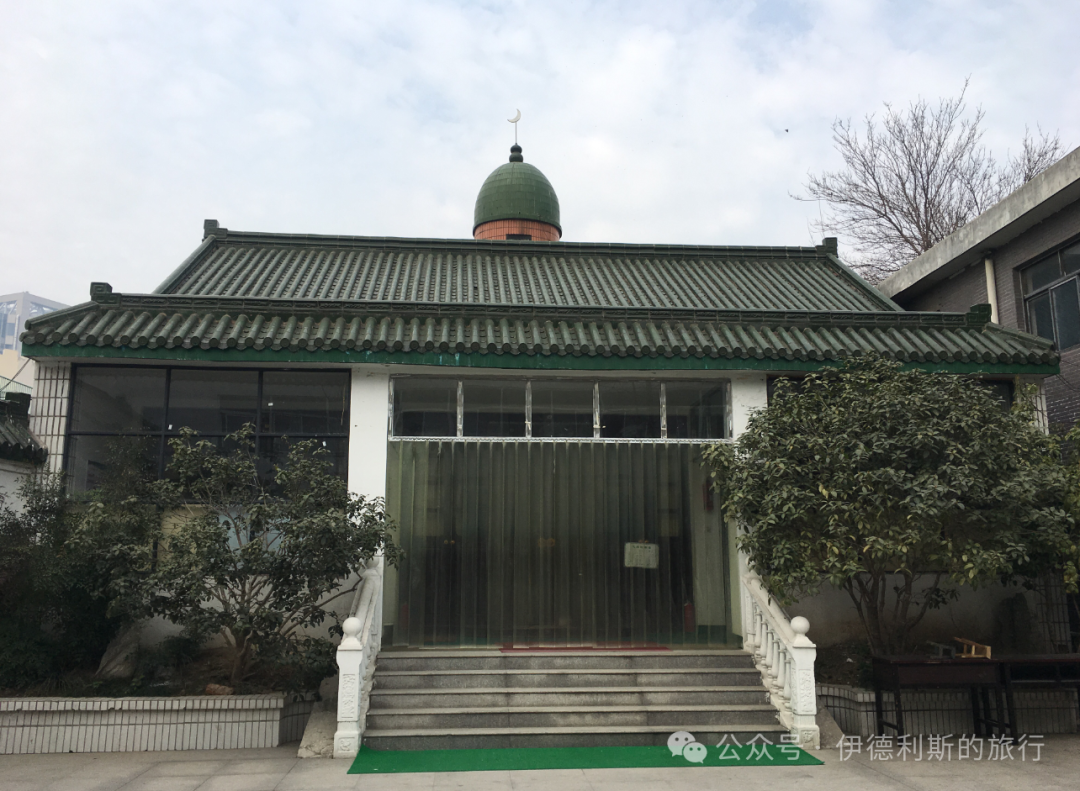
March: 2 mosques in Hebei.
Cangzhou North Mosque: The area near the south gate of Cangzhou was a key path to the Grand Canal. Most Hui Muslims, who were mostly craftspeople and small traders, chose to live here. In 1420 (the 18th year of the Yongle reign of the Ming Dynasty), the Cangzhou North Mosque was officially built in the south of the city, with land donated and construction led by Wu Yongzuo.
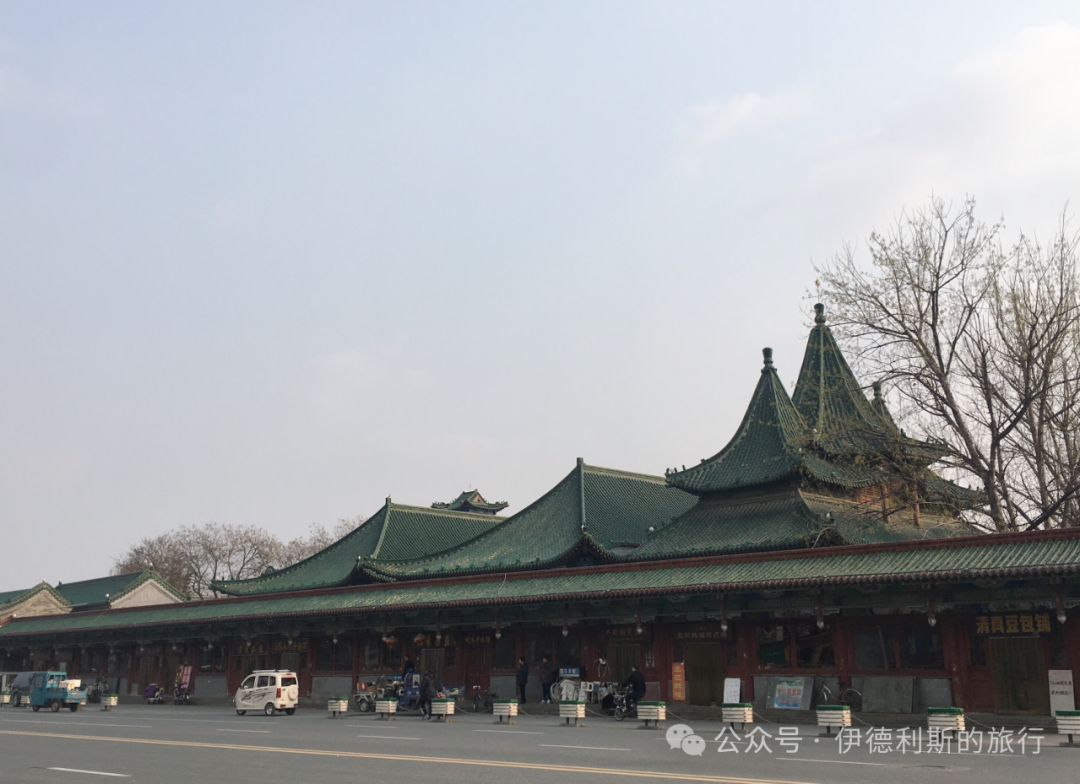
Cangzhou Botou Mosque: In 1404 (the second year of the Yongle reign), the Ming Emperor Chengzu, Zhu Di, ordered residents to move to Cangzhou. Many Hui Muslims arrived in Botou because of this. Records show that Hui Muslims with the seven surnames of Yang, Cao, Dai, Hui, Zhang, Wang, and Shi all moved to Botou in 1404 by imperial decree from Erlanggang, Shangyuan County, Yingtian Prefecture, Nanjing. Research shows that Erlanggang was a camp for Semu people who surrendered to the Ming from the Yuan Dynasty. The Botou Mosque was officially completed that year. The Botou Mosque underwent large-scale expansion during the late Ming and early Qing dynasties, reaching its current form.
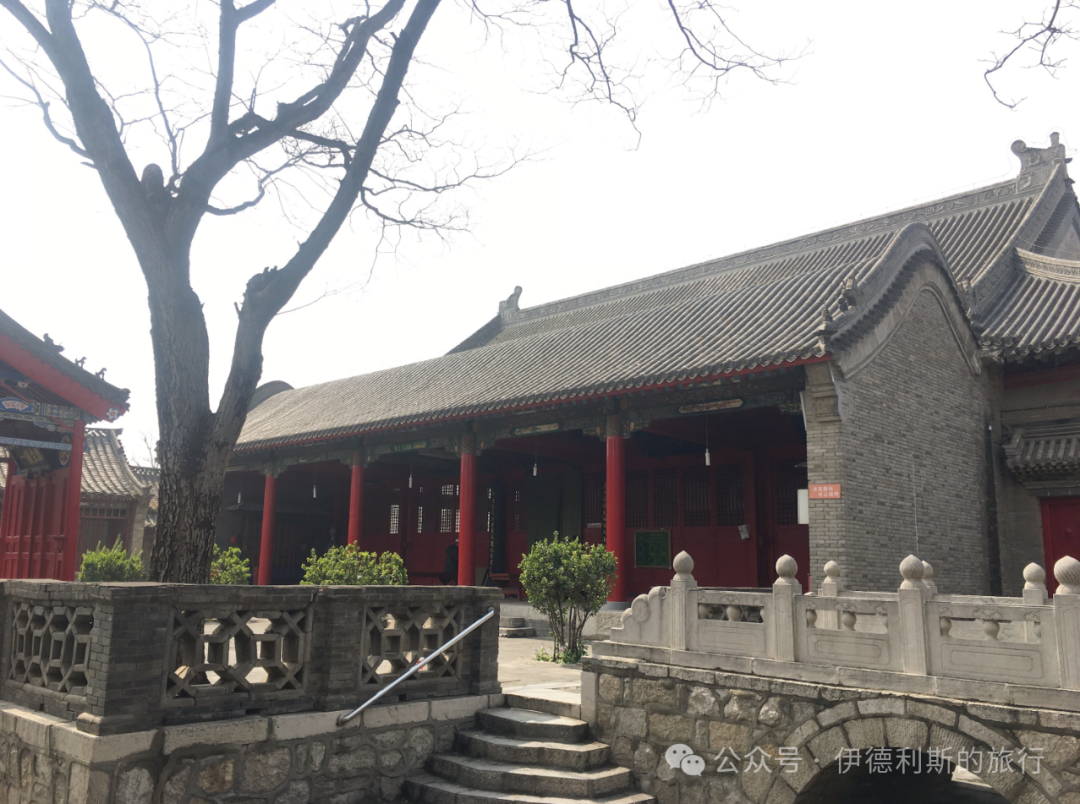
April, 1 mosque in Hubei
Wuhan Qiyi Street Mosque: The first mosque in Wuchang with a recorded history is the Qingjing Mosque, built in the early Ming Dynasty. Because it was located at the east gate of the Huguang Governor's Office inside the Wangshan Gate in the south of Wuchang city, it was later called the Yuanmenkou Mosque. It was also commonly known as the Shanqian Mosque because it sat south of Snake Hill. According to the Kangxi edition of the Wuchang Prefecture Gazetteer of Huguang, the Yuanmenkou Mosque once held the famous 'Imperial Praise of the Prophet in One Hundred Words' stone tablet by the Ming Emperor Taizu. The courtyard of the current Qiyi Street Mosque holds three 'One Hundred Word Praise' tablets. Besides one carved in the Qing Dynasty, the other two broken tablets are very likely the originals from the Yuanmenkou Mosque.
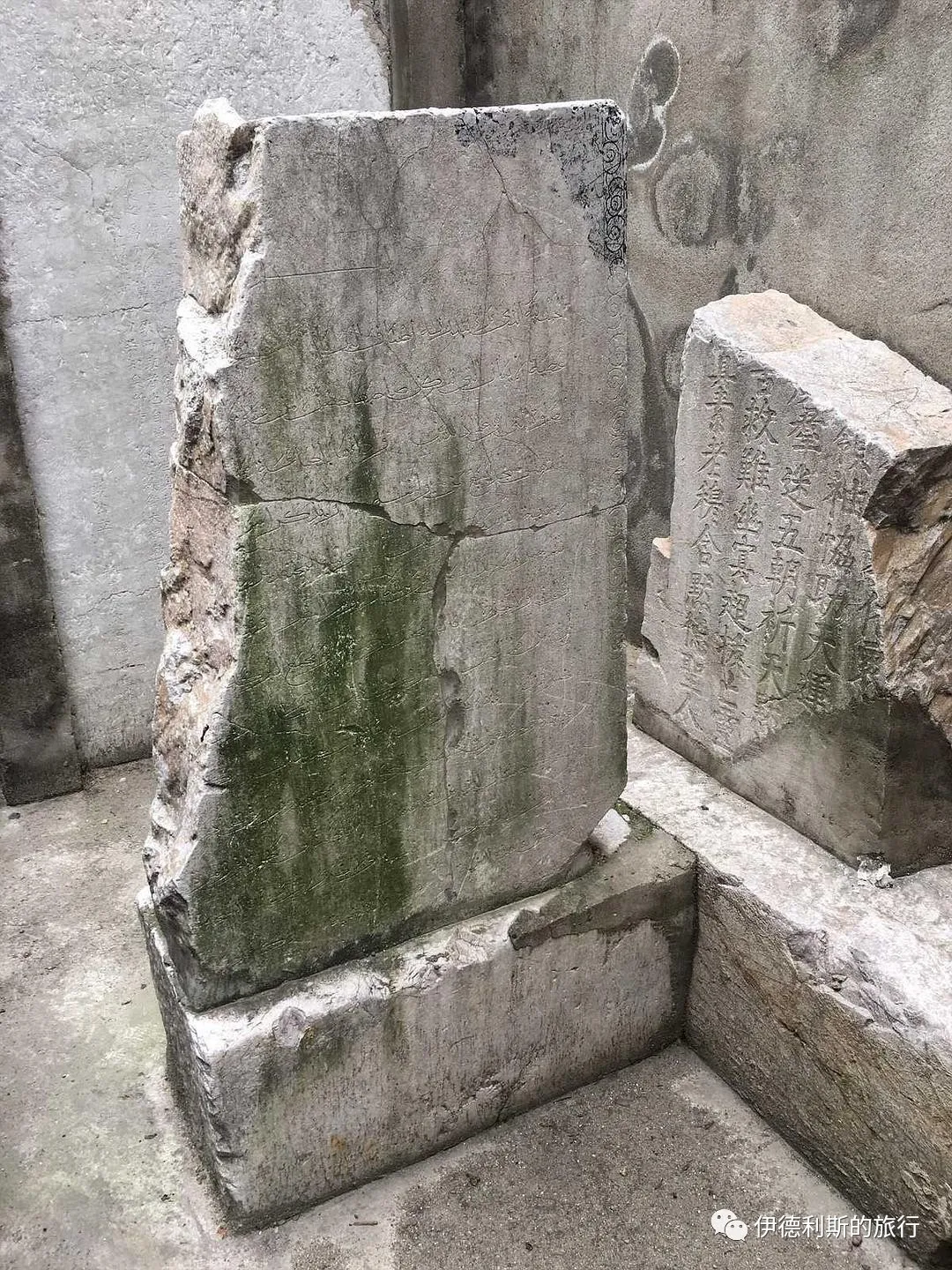
May, 1 mosque in Jiangxi
Jiujiang Mosque: In 1450 (the first year of the Jingtai reign of the Ming Dynasty), Hui Muslim general Ma Hazhi was transferred to be the commander-in-chief of Jiujiang. He led three imams and over 1,500 Hui Muslim officers and soldiers, along with their families, to station in Jiujiang. They built the first Jiujiang Mosque next to the military camp at Jiwan outside the West Gate. During the late Ming and early Qing dynasties, the political situation was unstable, so many Hui Muslims left Jiujiang and the mosque was destroyed. It is said the mosque was rebuilt during the Qing Dynasty, and two imperial tablets were carved during the Qianlong reign, but they were later destroyed in war. In 1821 (the first year of the Daoguang reign), Hui Muslim generals Tao Kuichen and Zhao Zhenqing from Shouzhou, Anhui, were transferred to be the garrison commander and city defense battalion leader in Jiujiang. They brought 500 Hui Muslim Flying Tiger Battalion soldiers and their families to station in Jiujiang. After that, many Hui Muslims from Anhui and Henan came to Jiujiang to do business and settle down. In 1850 (the 30th year of the Daoguang reign), Qian Baochang, an antique dealer from Huaining, Anhui, took the lead in donating timber to build two rooms and renovate the Jiujiang Mosque. In 1898 (the 24th year of the Guangxu reign), Hui Muslim general Zhu Tianqing from Shouzhou, Anhui, who served as the Jiujiang garrison commander, and Jiujiang commander-in-chief Tao Zhan led an expansion of the Jiujiang Mosque. The boundary stone set during this renovation remains today.
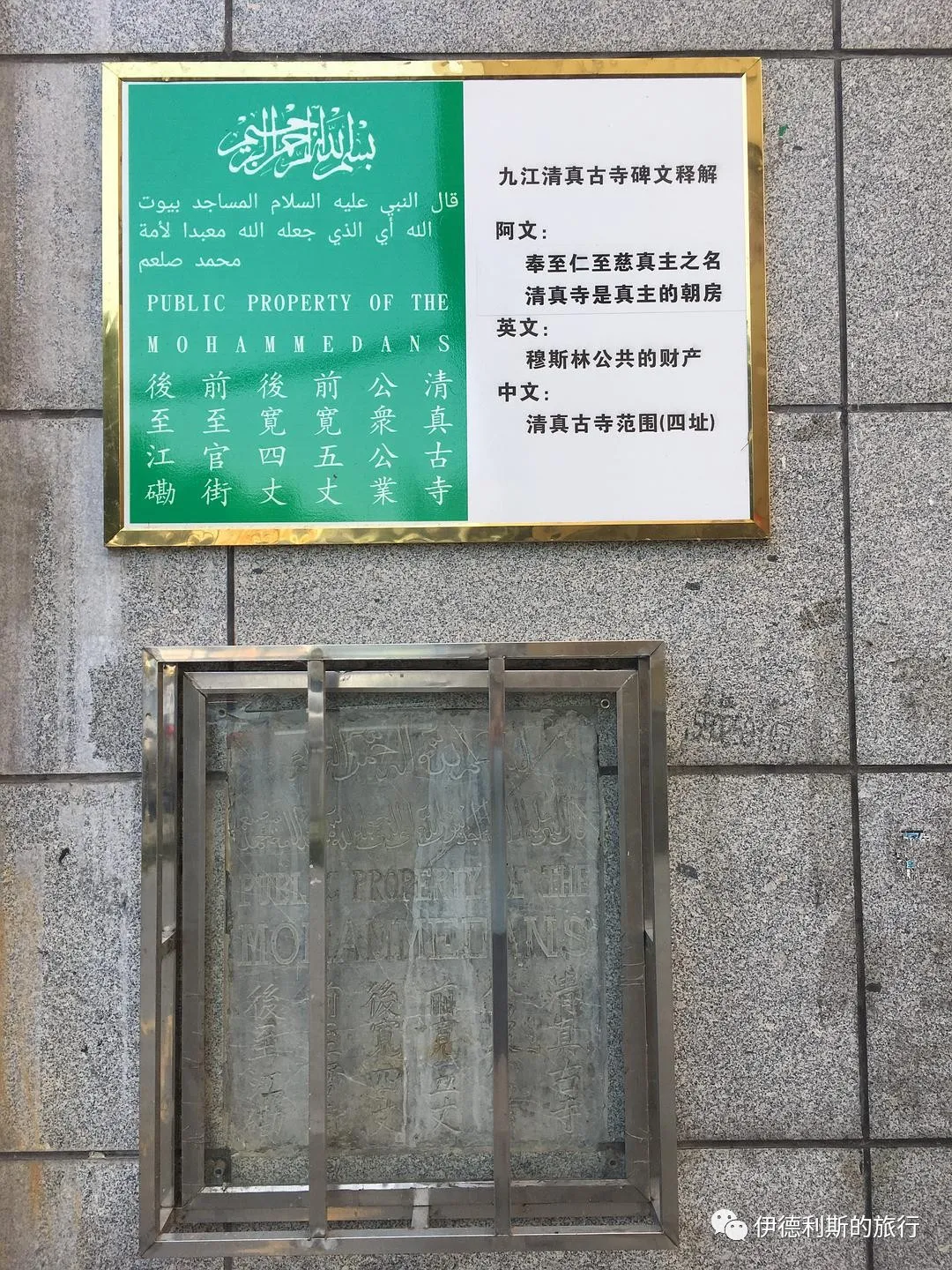
June, 2 mosques in Anhui
Anqing Nanguan Mosque: In 1469 (the fifth year of the Chenghua reign), the hereditary Cavalry General Ma Yi built the Anqing Nanguan Mosque on Zhongxiao Street inside the Zhenhai Gate (South Gate) of Anqing. The main gate faced the city wall, and he also built the Ma Family Muslim Dunyue Hall as a residence next to the mosque. In 1643 (the 16th year of the Chongzhen reign), the late Ming warlord Zuo Liangyu led his troops through Anqing, and the Nanguan Mosque was damaged. It was renovated during the Kangxi reign. In 1853 (the third year of the Xianfeng reign), the Nanguan Mosque was destroyed during the Taiping Rebellion. In 1876 (the second year of the Guangxu reign), the main hall was built in the style of the Wanshou Palace and Fengzhi Guild Hall with a round ridge, and the reconstruction was finally completed in 1897 (the 23rd year of the Guangxu reign).
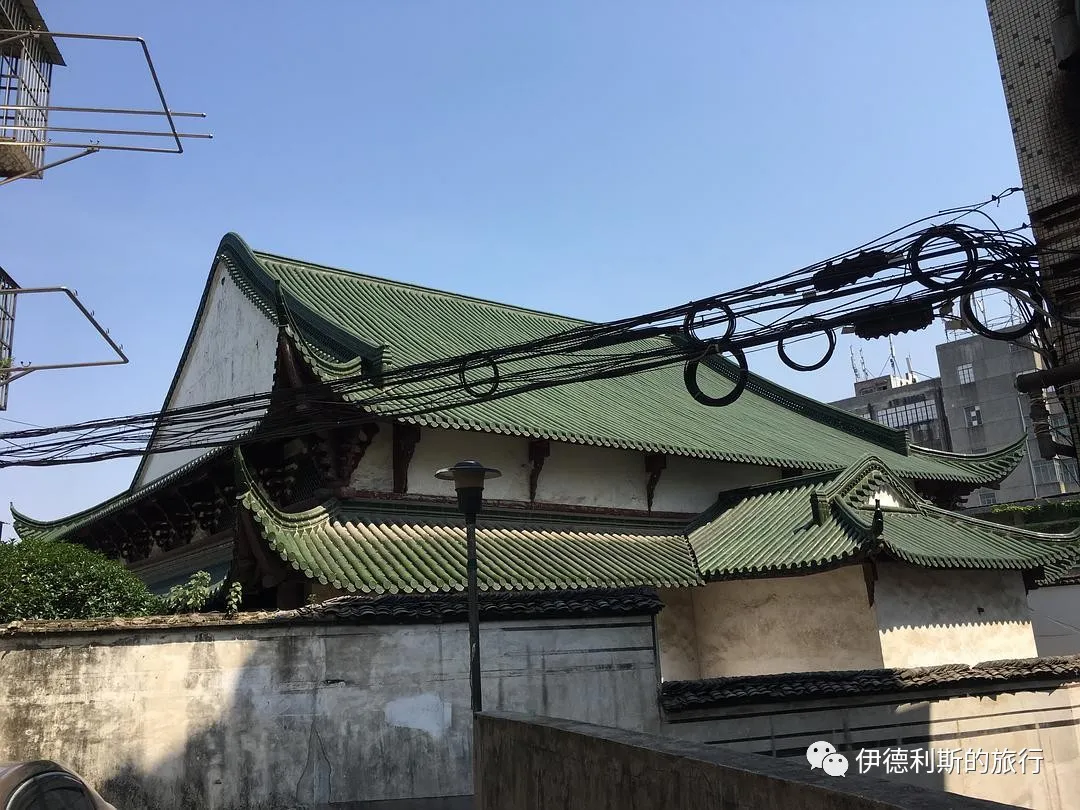
Anqing Xiguan Mosque: During the Qianlong reign, the number of Hui Muslims outside the West Gate of Anqing grew, but the prayer times did not match the city gate opening and closing times, making it very inconvenient to go to the Nanguan Mosque. Therefore, Ma Tianrong, a 12th-generation descendant of the Ma family of the Dunyue Hall in Huaining, donated two public houses outside the South Gate to build a new mosque at Gou'erkou outside the West Gate. In 1877 (the 13th year of the Guangxu reign), the Xiguan Mosque moved to the street behind Gou'er Mountain outside the West Gate. In 1995, Xiguan Mosque was renovated and expanded into a kindergarten for ethnic minorities, and today only the main gate remains.
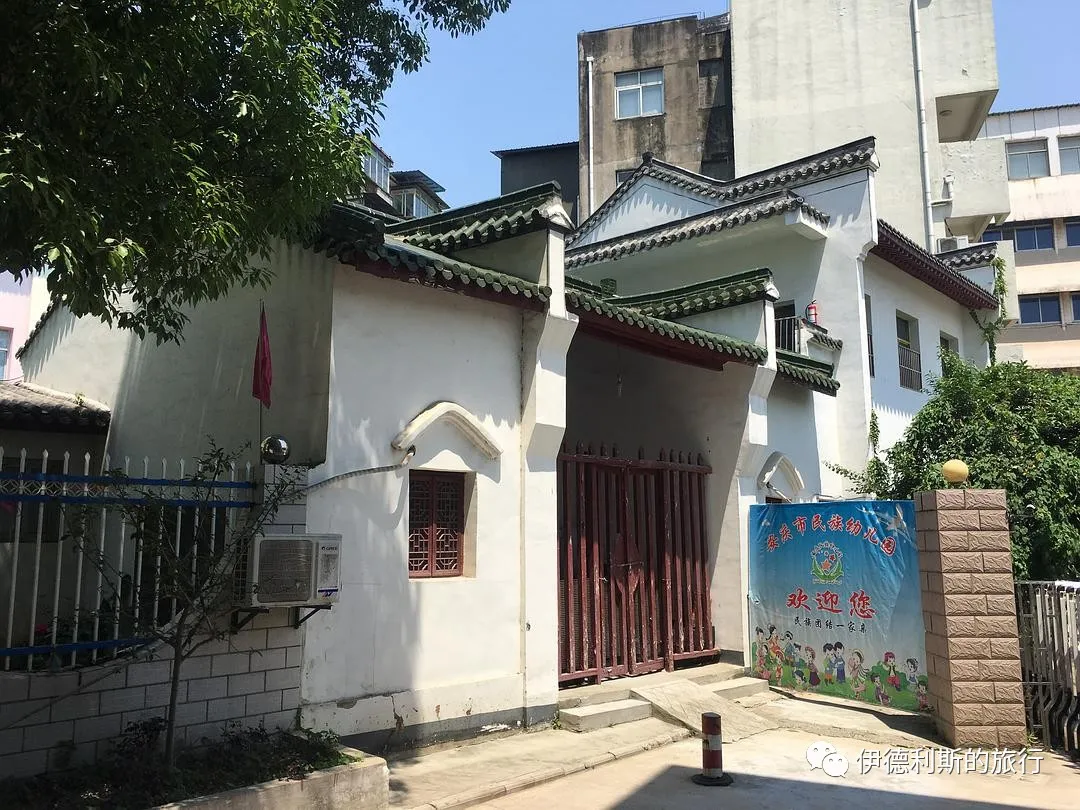
Three mosques in Shanghai in June.
Shanghai Fuyou Road Mosque: It was first called Chuanxin Street Prayer Hall, later renamed Chuanxin Street Mosque, and is commonly known as the North Mosque. In 1863 (the second year of the Tongzhi reign), Hui Muslims from Nanjing living near the Old North Gate of Shanghai rented two single-story houses on Xiaopi Lane as a temporary place for namaz. In 1870 (the ninth year of the Tongzhi reign), 31 community elders including Ma Hanzhang, Ha Qingtang, and Jin Lanpo raised funds under the name Wubentang to rebuild it into a main prayer hall on Chuanxin Street. In 1897 (the 23rd year of the Guangxu reign), 22 elders including Ha Shaofu and Jiang Xingjie raised money to buy land and expand the mosque by two halls, completing the work in 1900 (the 26th year of the Guangxu reign). In 1905 (the 31st year of the Guangxu reign), 31 elders including Ha Shaofu, Jiang Xingjie, Sha Yunjun, Jin Dongxu, and Yang Zhuping raised funds again to buy land and expand the mosque to three halls. In 1935, the famous Hui Muslim merchant Ha Shaofu initiated the conversion of the street-facing stone-gate (shikumen) residence into a three-story reinforced concrete building, with a moon-viewing pavilion built on the rooftop terrace.
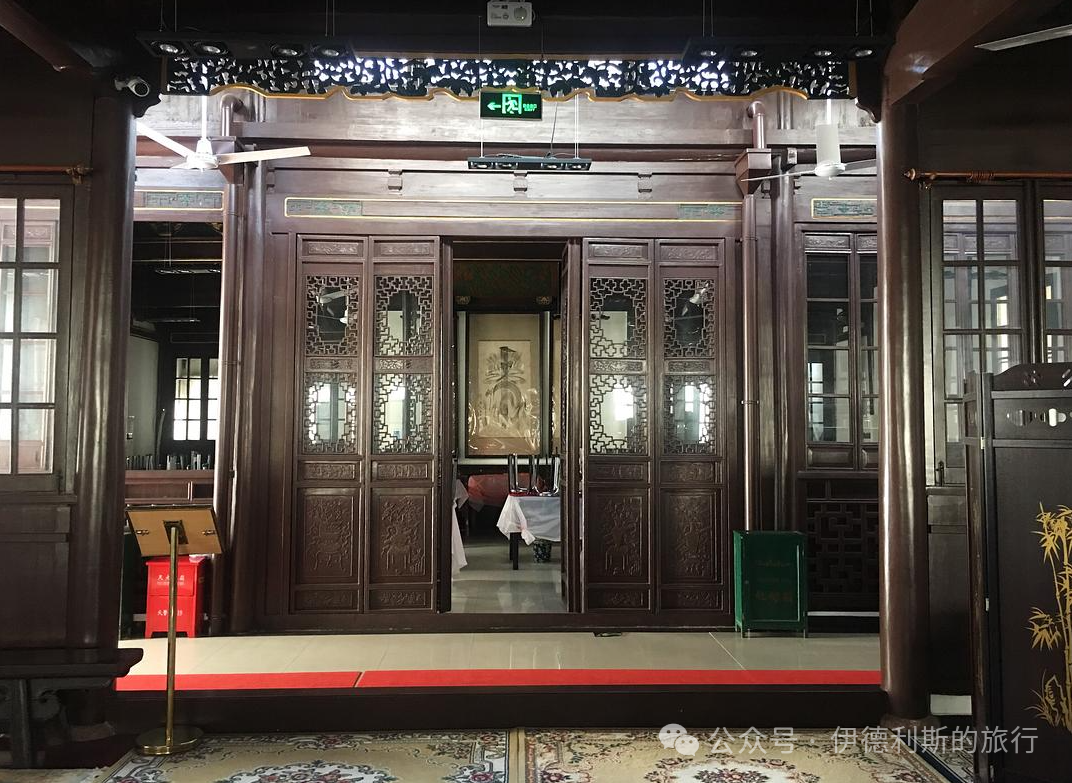
Shanghai Xiaotaoyuan Mosque: Formerly known as the West City Mosque, it is commonly known as the West Mosque. In 1917, the famous Hui Muslim merchant Jin Ziyun bought a garden residence on Xiaotaoyuan Street in Xicang and donated the land to build the mosque. In 1925, Jin Ziyun initiated another fundraising campaign, including donations from places like Hong Kong, to rebuild the mosque into its current form.
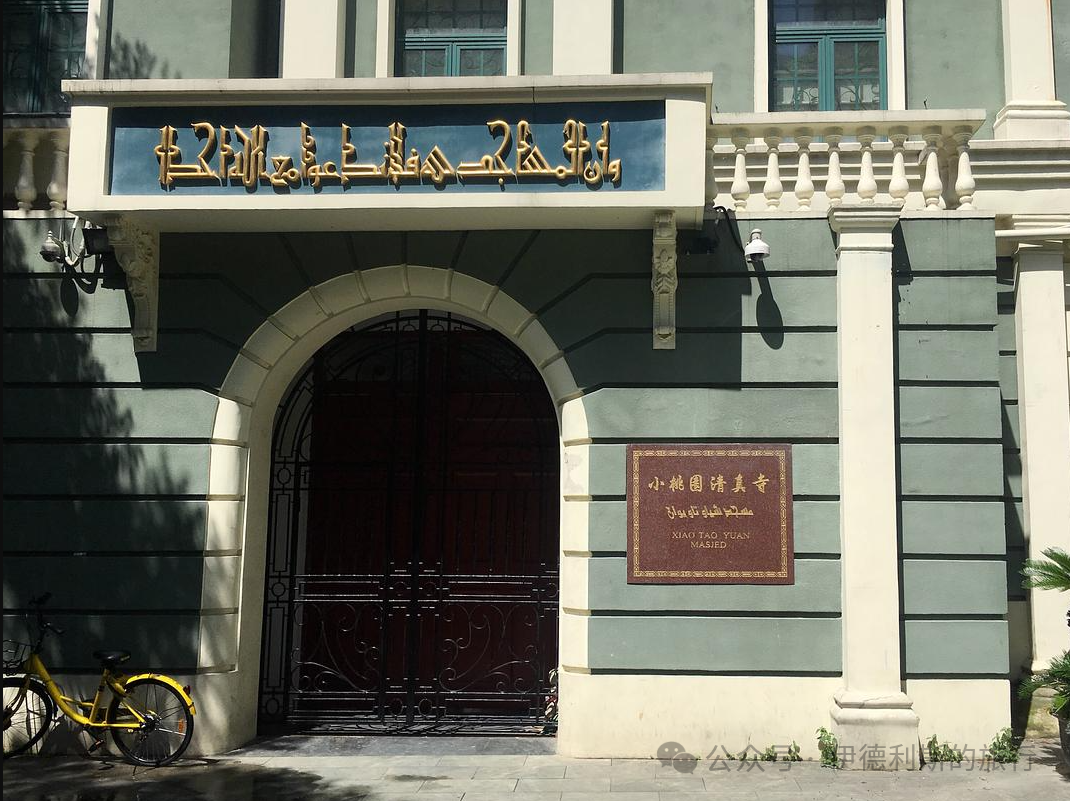
Shanghai Zhejiang Road Mosque: Formerly known as the Concession Mosque, it is commonly known as the Foreign Mosque. In 1855 (the fifth year of the Xianfeng reign), an Indian named Dosti, who worked as a chef at the Indian Bapali Trading Company in Shanghai, bought land to serve as a cemetery for foreign nationals and built a prayer hall. In 1870 (the ninth year of the Tongzhi reign), the Bapali Trading Company funded the construction of an official Concession Mosque and appointed an Indian named Wuliamu Ali as the first imam. At that time, many Hui Muslim fur and cotton merchants from Henan and Hubei provinces had shops around the Concession Mosque and visited it frequently. In 1880 (the sixth year of the Guangxu reign), Wuliamu Ali traveled to Henan, Hubei, and other places to raise funds to rebuild the mosque. Later, the mosque was destroyed by fire. It was rebuilt in 1900 (the 26th year of the Guangxu reign) with more than 10 buildings constructed along the street to collect rent for the mosque's upkeep.
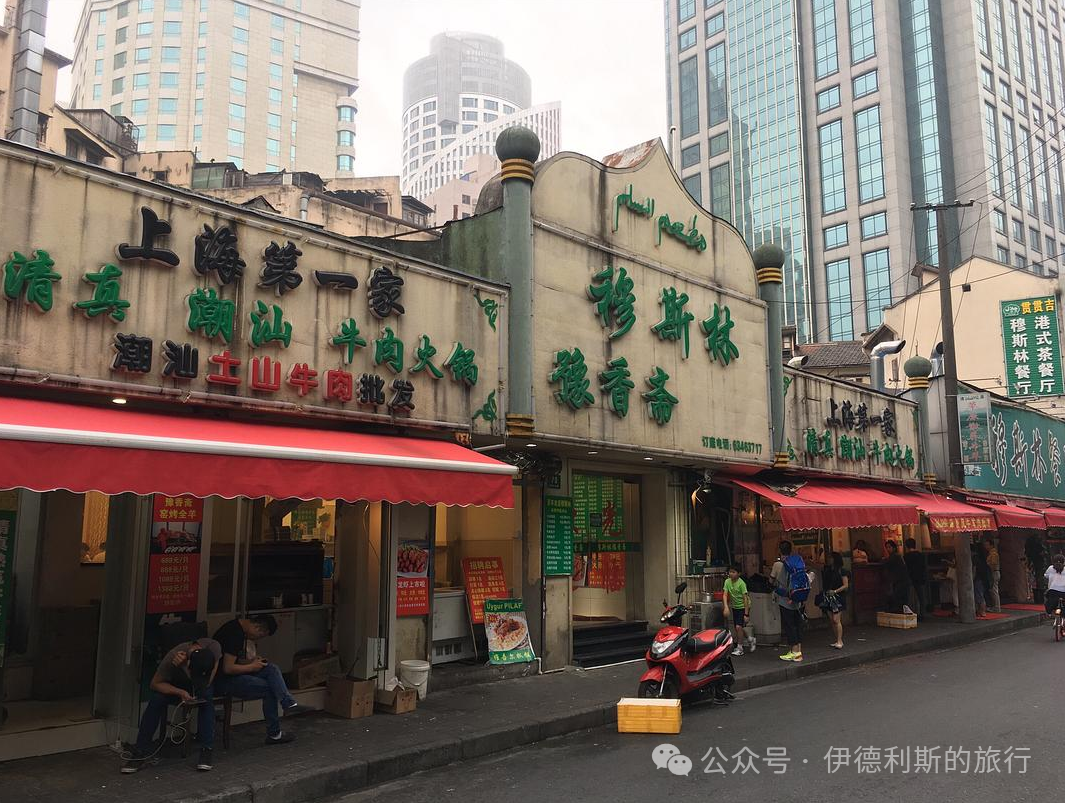
Six mosques in Yunnan in July.
Dali Xiaoweigeng Mosque: Built at the end of the Yuan Dynasty and the beginning of the Ming Dynasty, it was destroyed in the first month of the 12th year of the Tongzhi reign (1873), rebuilt in 1908, expanded in 1976, and rebuilt again in 1990.
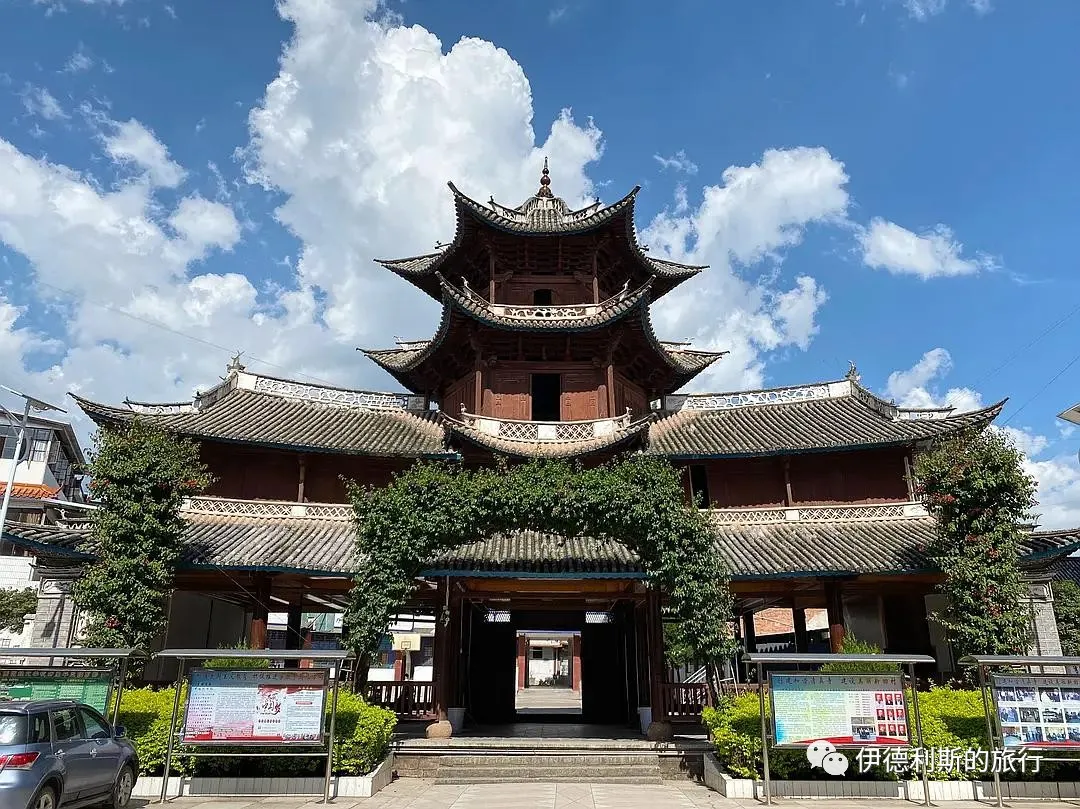
Dali Kelizhuang Mosque: Located in Xizhou Town, it was rebuilt in 1908, with a significant portion of the funding coming from overseas Chinese in Myanmar. Kelizhuang is a famous hometown for overseas Chinese. Historically, it had powerful horse caravans that traveled throughout Yunnan to Kunming, Simao, and Zhongdian, and connected south to cities in Myanmar like Mandalay, Mawlamyine, and Lashio. Since the end of the Qing Dynasty and the Republic of China era, hundreds of families from Kelizhuang have moved to Myanmar, and people from Kelizhuang have often served as the imam at the Chinese mosque in Yangon's Chinatown.
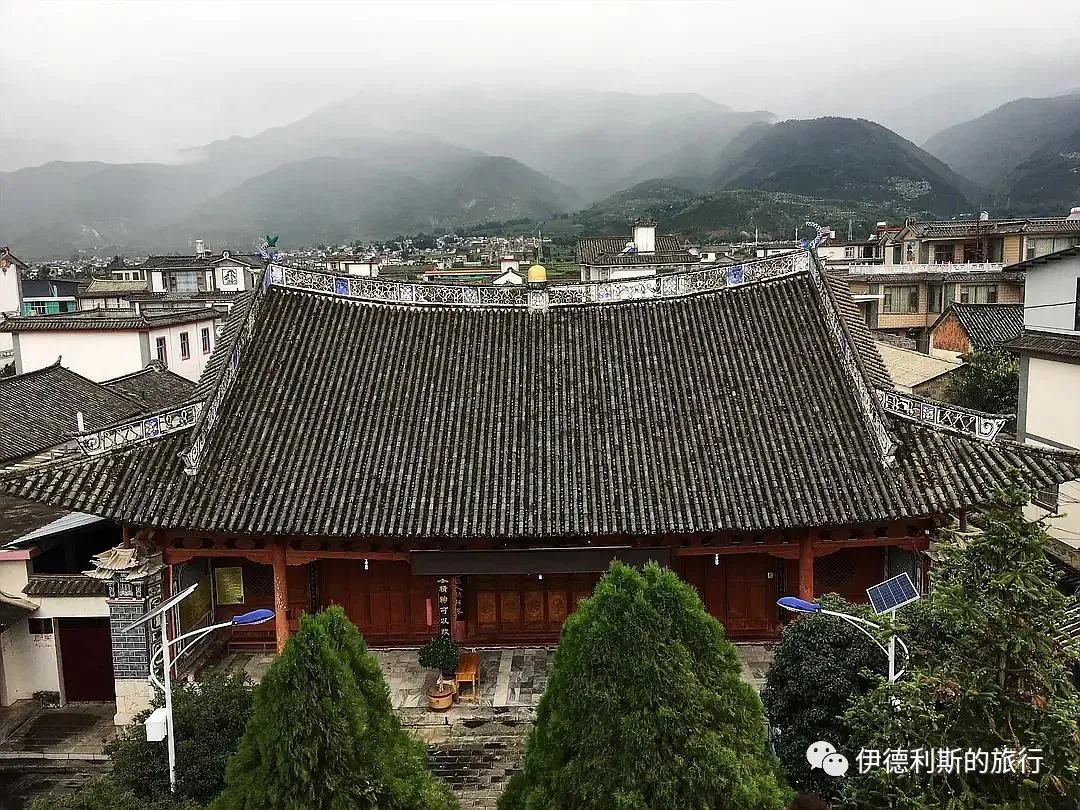
Dali Sanmei Mosque: The Sanmei Mosque on the Dengchuan Plain was built in 1908. The Hui Muslims here speak the Bai language and wear Bai ethnic clothing, and their architectural style is very similar to that of the Bai people, so outsiders call them the White Hui Muslims.
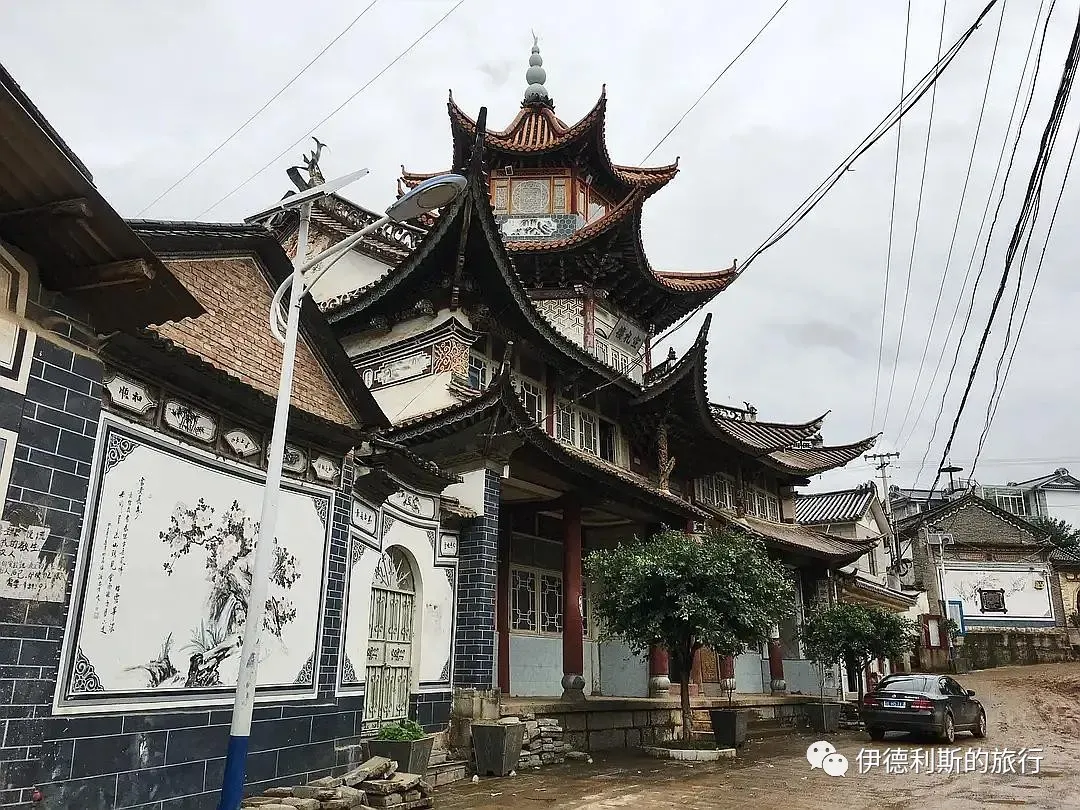
Dali Huihuideng Mosque: The front part of the main hall is a reinforced concrete structure built in 1993, while the back part is a wooden structure built in 1944, so it looks like a new mosque from the front and an old one from the back.
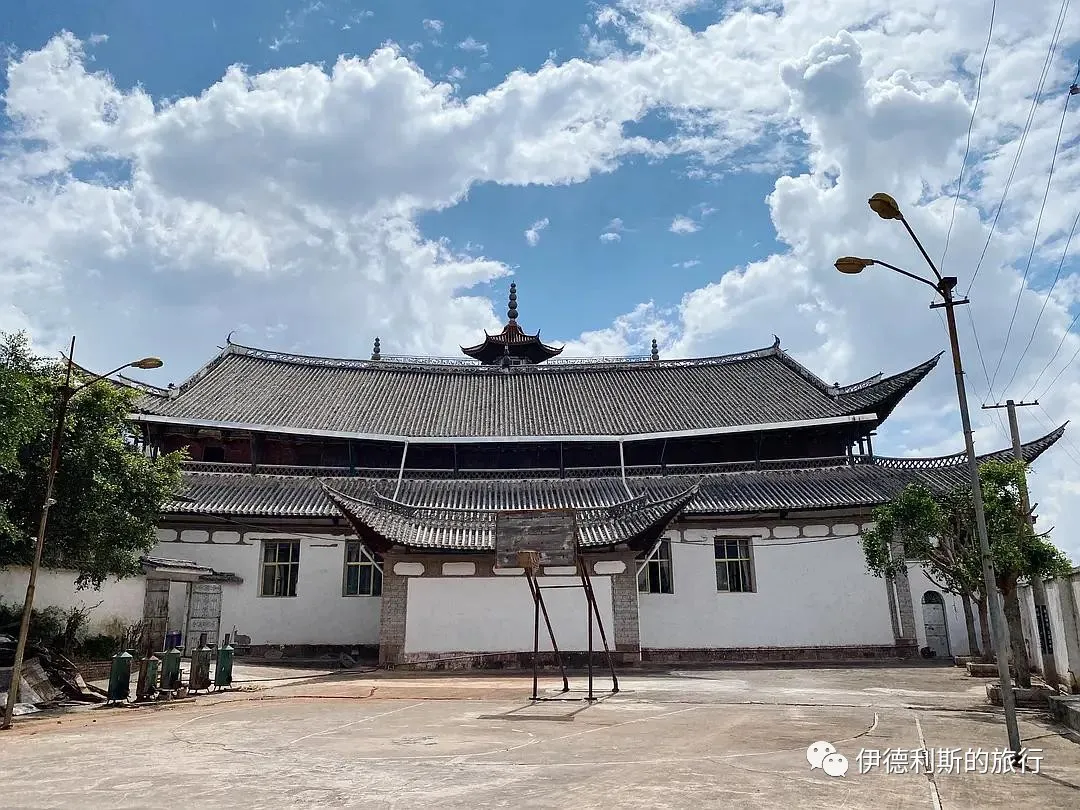
Dali Shenhe Village Mosque: The main hall was rebuilt in 1995, and the minaret was built in 1946.
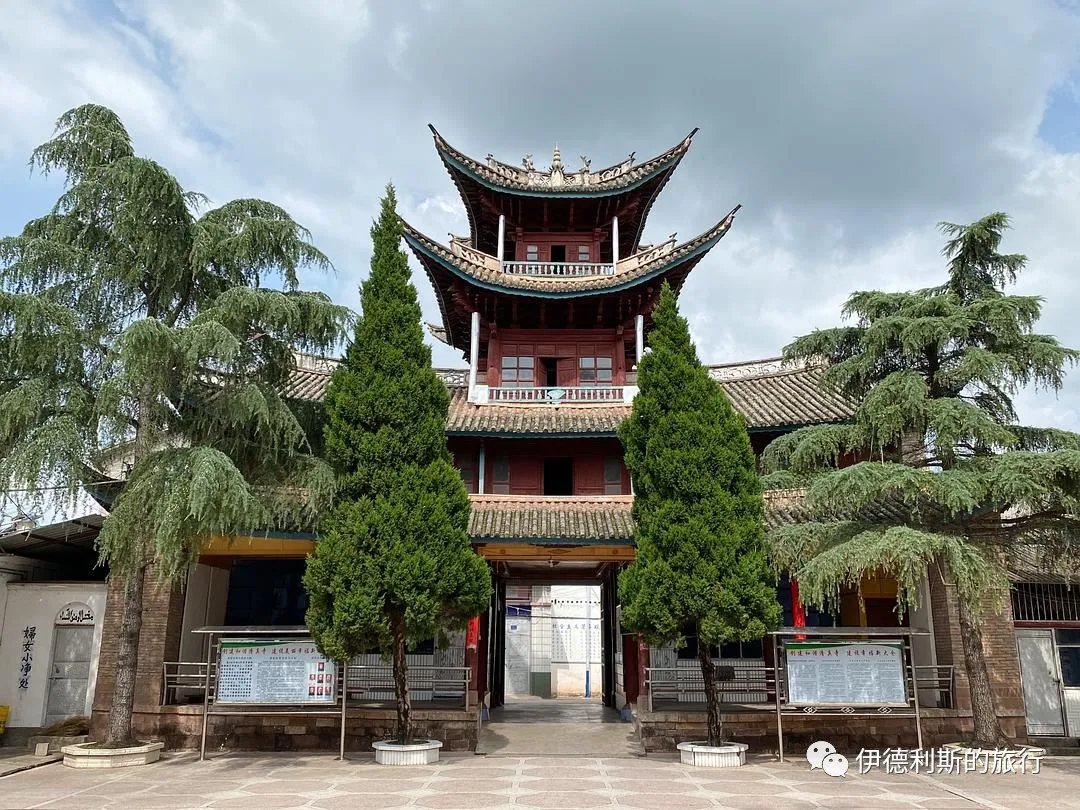
Dalishi Pang Mosque: Built in 1896, with its minaret added in 1920, this is also a white-style mosque (baihuisi).
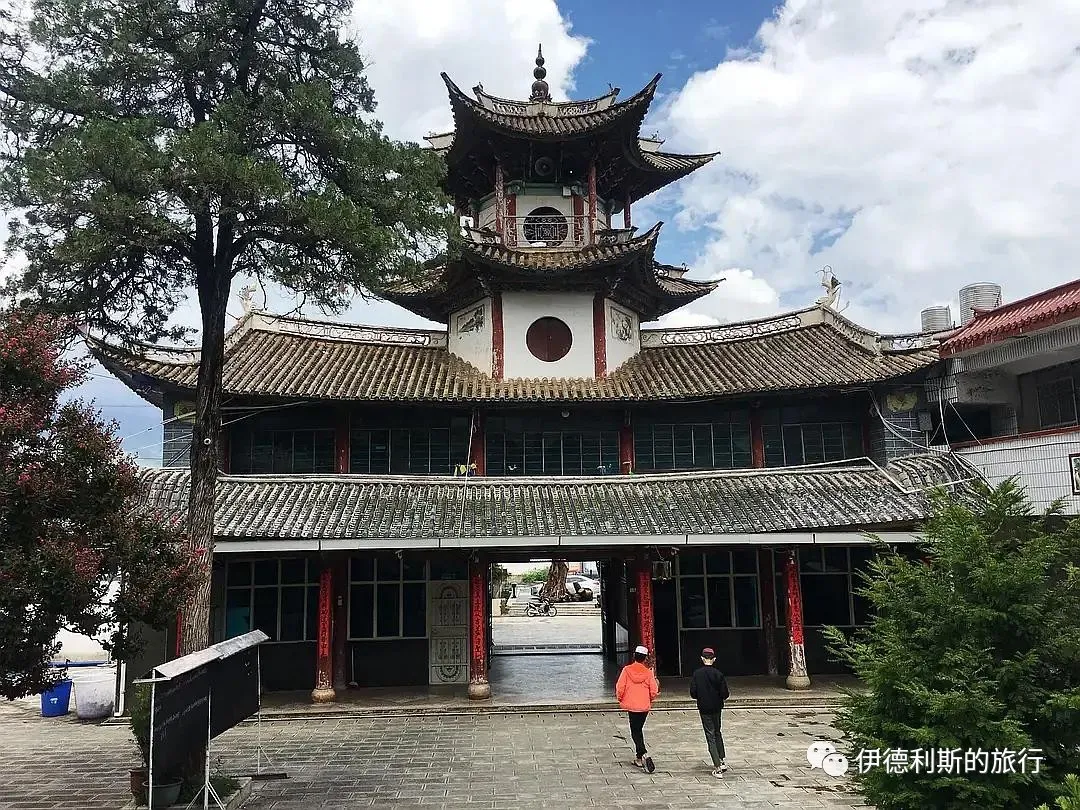
August, 1 mosque in Jiangsu.
Liuhe Changjiang Road Mosque: Originally named Chengqingfang Mosque, it is also called Liuhe North Mosque and Dashi Mosque. It was built during the Qianlong reign of the Qing Dynasty. Its architectural style mimics the Liuhe South Gate Mosque. It was destroyed during the Taiping Rebellion and rebuilt during the Guangxu reign. In 1928, Lady Da (the aunt of Da Pusheng), the widow of wealthy merchant Wang Zuochen, donated funds to build the Wuxin Pavilion on the original site of the Wangyue Tower.
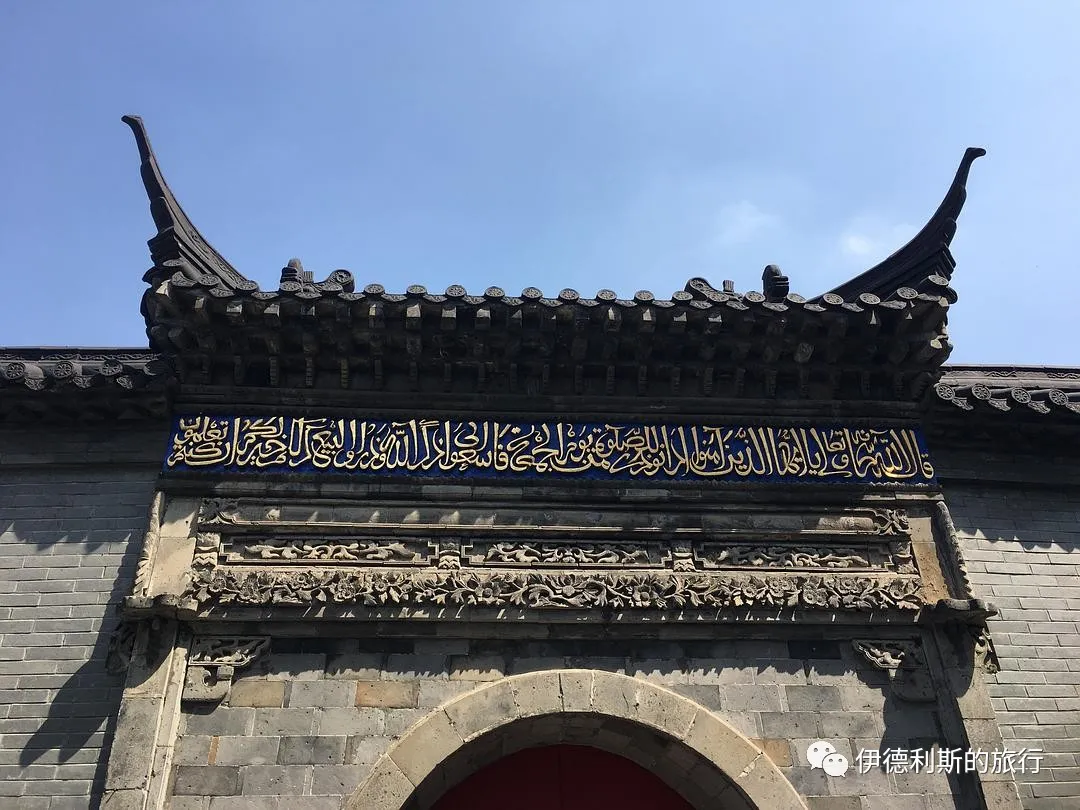
August, 2 mosques in Anhui.
Wuhu Mosque: Hui Muslims began settling in Wuhu no later than the late Ming and early Qing dynasties. The earliest mosque was built in the early Qing Dynasty near Jixiang Mosque at the confluence of the Yangtze River and the Qingyi River. It was burned down during the Taiping Rebellion. In 1864, migrants purchased land outside the North Gate at Beilangpu to rebuild it, and it was expanded again in 1902.
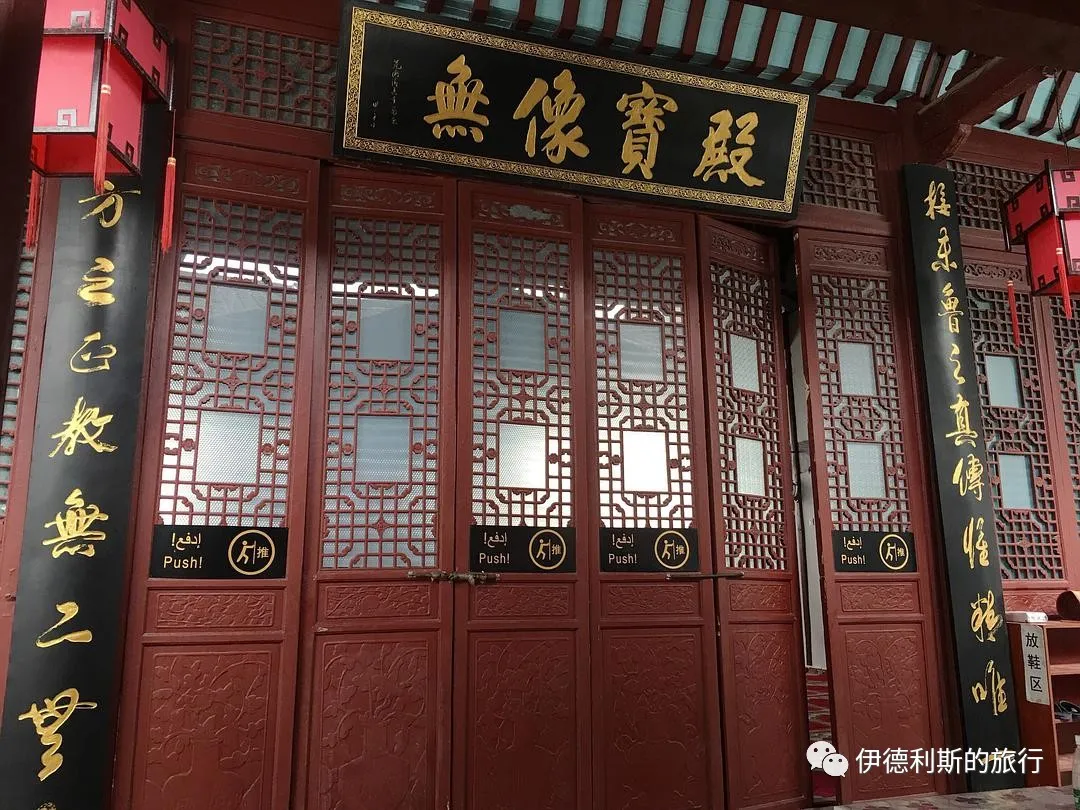
Hexian Mosque: The Great Mosque of Hezhou was first built in 1368 (the first year of the Hongwu reign of the Ming Dynasty). According to the Records of Rebuilding the Confucian School in Hezhou, in 1525 (the fourth year of the Jiajing reign), the newly appointed Hezhou magistrate Yi Luan visited the Confucian Mosque and declared that the "licentious shrine" was indulging the Hui people too much, so he ordered the destruction of the Hezhou Mosque. It was not until 1637 (the tenth year of the Chongzhen reign) that the Hezhou Mosque was rebuilt, after the insurgent army of Ma Shouying, a Hui Muslim from Shaanxi, joined forces with other late Ming rebel groups to capture Hezhou. It was rebuilt into its current structure in 1837 (the seventeenth year of the Daoguang reign).
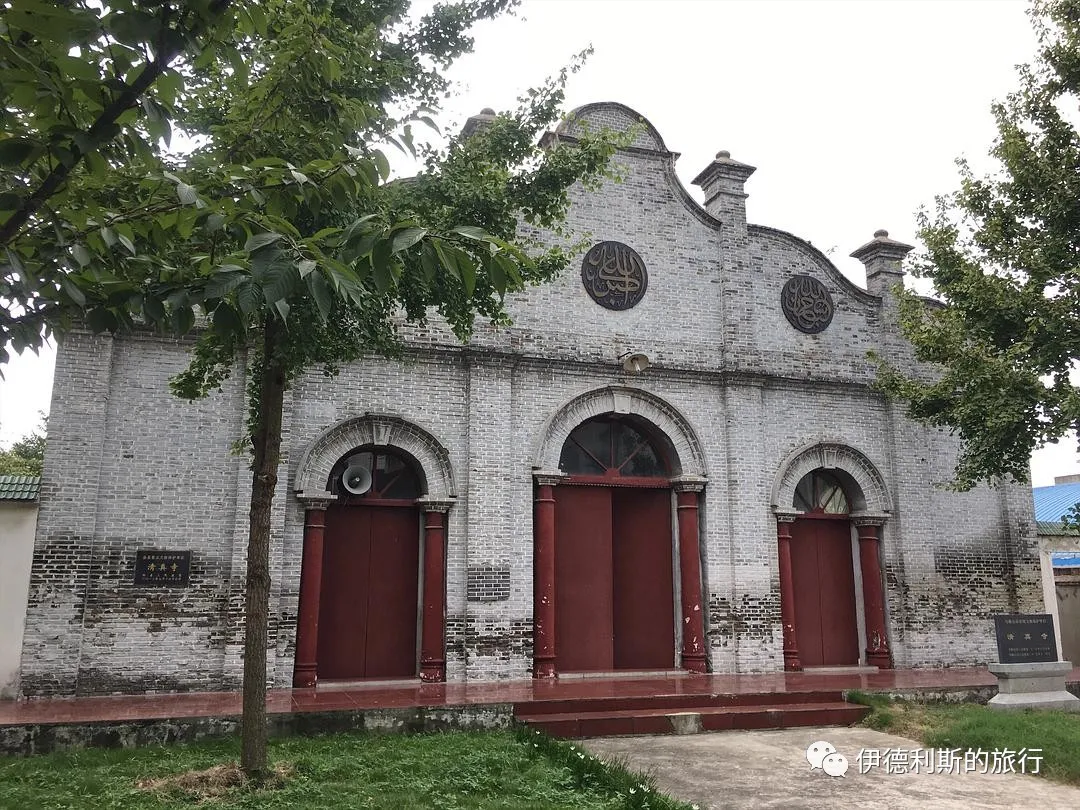
December, 1 mosque in Shanghai.
Songjiang Mosque: Originally named Zhenjiao Mosque, it was built during the Zhizheng years of the Yuan Dynasty, rebuilt in 1391, and later expanded and renovated many times.
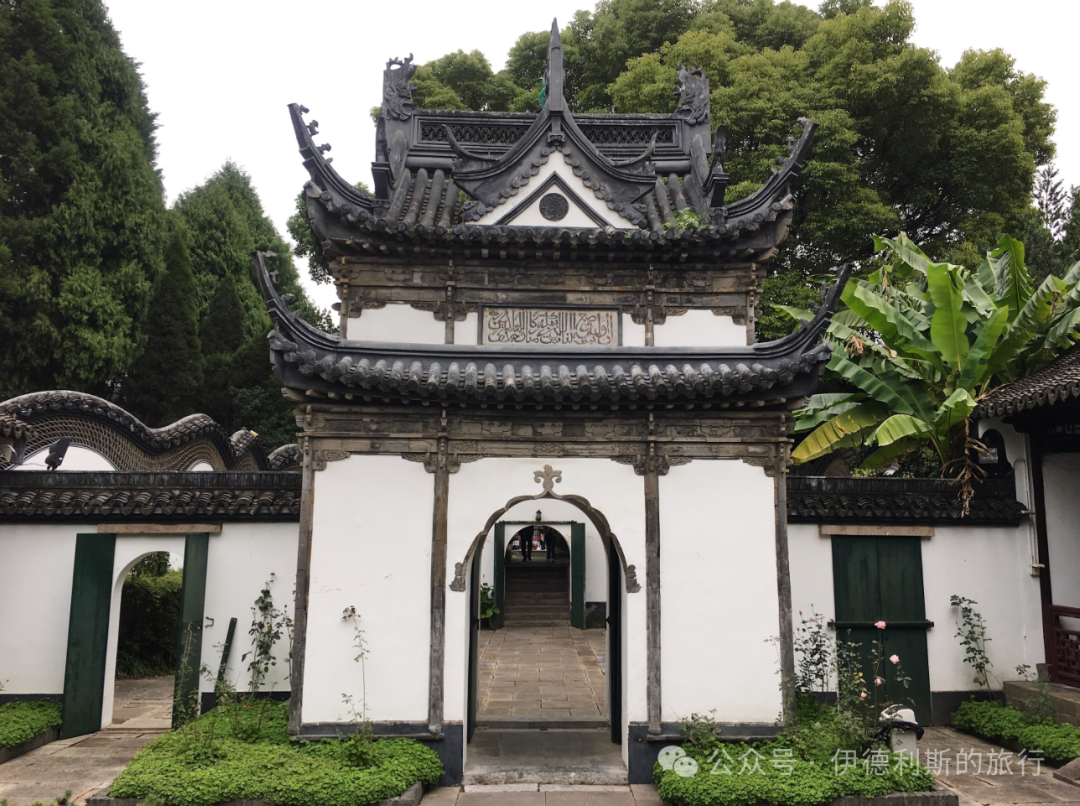
In 2018, I visited 101 ancient mosques across 5 countries and 8 provinces. It was a very fulfilling year. In February, I went to Shanhaiguan. During the Spring Festival holiday, I visited the Cham community in Ho Chi Minh City, Vietnam, and then traveled to Delhi, India, to visit many historical sites from the Delhi Sultanate and Mughal Empire periods. During the Qingming holiday, I went to Xinjiang to search for the history of the Yarkent Khanate. During the May Day holiday, I went to Lhasa to visit the Tibetan Hui Muslim community. In June, I went to the UAE for Eid al-Fitr, and then I went to Tianjin to eat and explore. In July, I used my weekends to visit Nanjing and Suizhong in Liaoning to eat and explore. In September, I went to Taiyuan to do the same. At the end of September, I used my annual leave and the National Day holiday to visit Azerbaijan and Turkey, where I saw over a hundred old buildings. In November, I went to Kaifeng for sightseeing and food. See "101 Ancient Mosques Visited in 2018".
By 2019, I had mastered the skill of using holidays to visit ancient mosques abroad. I would first research a lot of information, pick the mosques worth seeing, and then use map websites to plan my route to visit as many as possible in the limited time. I visited a total of 64 ancient mosques across 7 countries and 2 provinces. See '64 Ancient Mosques Visited in 2019'.
At the start of 2020, I went to Urumqi for the Spring Festival holiday and visited the Shaanxi Old Quarter mosque. Later, I was almost locked down and unable to return to Beijing. I worked from home during the first half of the year. Once restrictions were lifted in early July, we spent a weekend visiting the Hongshuiquan Grand Mosque in Qinghai. In August, we took our honeymoon and visited 18 ancient mosques in Yunnan and Sichuan. During the National Day holiday, we traveled upstream along the Han River and visited 3 ancient mosques in southern Shaanxi. In total, I visited 23 ancient mosques across 5 provinces in 2020. See '23 Ancient Mosques Visited in 2020'.
In January 2021, mosques in Beijing were closed. In mid-March, travel restrictions were lifted, so I rushed to visit ancient mosques in Henan, Jiangsu, Hebei, Xinjiang, Liaoning, Shanxi, Tianjin, Qinghai, and Inner Mongolia. By July, travel out of Beijing was restricted again. During the National Day holiday, there were no new cases nationwide, so we went on a road trip to Yunnan to visit ancient mosques. After the holiday, I could not leave Beijing again. In 2021, with less than half a year of actual freedom, I visited 47 ancient mosques across 11 provinces and cities. See '47 Ancient Mosques Visited in 2021'.
2022 was the most difficult year, as I was unable to leave Beijing for the entire year. That year, I visited some ruins of former ancient mosques in Beijing and some mosques I had never been to before, totaling 25 ancient mosques for the year. See "Visiting 25 Ancient Mosques in Beijing in 2022."
Travel restrictions within Beijing were lifted in early 2023, and international travel restrictions were lifted in May. This year saw an explosion of travel, covering 11 provinces and cities, 6 countries, and three continents—Europe, Asia, and Africa—for a total of 124 ancient mosques. See "Visiting 124 Ancient Mosques in 2023."
Life gradually returned to normal in 2024, and the number of ancient mosques I visited dropped due to work changes and spending time with my children. This year I went to 6 provinces and 3 countries, visiting 63 ancient mosques. I visited Malaysia three times, touring 24 ancient mosques, which covers almost all the ancient mosques in Malaysia. See "Visiting 63 Ancient Mosques in 2024."
China Mosque Travel Guide 2018: 101 Historic Mosques and Muslim Heritage (Part 1)
Articles • yusuf908 posted the article • 0 comments • 223 views • 2026-05-23 23:23
Summary: This first part of the 2018 mosque-visit record covers a wide route through historic mosques, local Muslim communities, and Islamic heritage sites. It preserves the original mosque names, photos, dates, and travel observations in clear English.
In 2018, I visited 101 ancient mosques across 5 countries and 8 provinces. It was a very fulfilling year. In February, I went to Shanhaiguan to see the winter sea and visit the ancient mosque there. During the Spring Festival holiday, I visited the Cham community in Ho Chi Minh City, Vietnam. Then I went to Delhi, India, to see many historical sites from the Delhi Sultanate and Mughal Empire periods. During the Qingming Festival holiday, I went to Yarkant (Shache) in Xinjiang to listen to Muqam music and look for the history of the Yarkand Khanate. During the May Day holiday, I went to Lhasa to visit the Tibetan Hui Muslim community. In June, I went to the UAE for Eid al-Fitr, and then I went to Tianjin to eat and explore. In July, I used my weekends to visit Nanjing and Suizhong in Liaoning to eat and explore. In September, I went to Taiyuan to do the same. At the end of September, I used my annual leave and the National Day holiday to visit Azerbaijan and Turkey, where I saw over a hundred old buildings. In November, I went to Kaifeng to eat and explore.
By 2019, I had mastered the skill of using holidays to visit ancient mosques abroad. I would first research a lot of information, pick the mosques worth seeing, and then use map websites to plan my route to visit as many as possible in the limited time. I visited a total of 64 ancient mosques across 7 countries and 2 provinces. See '64 Ancient Mosques Visited in 2019'.
At the start of 2020, I went to Urumqi for the Spring Festival holiday and visited the Shaanxi Old Quarter mosque. Later, I was almost locked down and unable to return to Beijing. I worked from home during the first half of the year. Once restrictions were lifted in early July, we spent a weekend visiting the Hongshuiquan Grand Mosque in Qinghai. In August, we took our honeymoon and visited 18 ancient mosques in Yunnan and Sichuan. During the National Day holiday, we traveled upstream along the Han River and visited 3 ancient mosques in southern Shaanxi. In total, I visited 23 ancient mosques across 5 provinces in 2020. See '23 Ancient Mosques Visited in 2020'.
In January 2021, mosques in Beijing were closed. In mid-March, travel restrictions were lifted, so I rushed to visit ancient mosques in Henan, Jiangsu, Hebei, Xinjiang, Liaoning, Shanxi, Tianjin, Qinghai, and Inner Mongolia. By July, travel out of Beijing was restricted again. During the National Day holiday, there were no new cases nationwide, so we went on a road trip to Yunnan to visit ancient mosques. After the holiday, I could not leave Beijing again. In 2021, with less than half a year of actual freedom, I visited 47 ancient mosques across 11 provinces and cities. See '47 Ancient Mosques Visited in 2021'.
2022 was the most difficult year, as I was unable to leave Beijing for the entire year. That year, I visited some ruins of former ancient mosques in Beijing and some mosques I had never been to before, totaling 25 ancient mosques for the year. See "Visiting 25 Ancient Mosques in Beijing in 2022."
Travel restrictions within Beijing were lifted in early 2023, and international travel restrictions were lifted in May. This year saw an explosion of travel, covering 11 provinces and cities, 6 countries, and three continents—Europe, Asia, and Africa—for a total of 124 ancient mosques. See "Visiting 124 Ancient Mosques in 2023."
Life gradually returned to normal in 2024, and the number of ancient mosques I visited dropped due to work changes and spending time with my children. This year I went to 6 provinces and 3 countries, visiting 63 ancient mosques. I visited Malaysia three times, touring 24 ancient mosques, which covers almost all the ancient mosques in Malaysia. See "Visiting 63 Ancient Mosques in 2024."
February: 1 in Hebei.
Shanhaiguan Mosque: Located outside the west gate of Shanhaiguan city. According to the Kangxi-era "Shanhaiguan Gazetteer," in the first month of 1381 (the 14th year of the Hongwu reign), "General Xu Da sent 15,100 soldiers from the Yanshan Guard to build 32 passes, including Yongping and Jieling." According to the "Veritable Records of the Ming Emperor Taizu," in September of the same year, the "Beiping Shanhaiguan Guard Command" was established, marking the beginning of Shanhaiguan. People say the Shanhaiguan Mosque was built by Muslim officers and soldiers under Xu Da.
February: 24 in India.
Delhi Qutb Mosque: This is the first mosque in Delhi, started in 1193. After the Ghurid dynasty general Qutb occupied Delhi, many building components from Hindu and Jain temples were reused.
Delhi Jamaat Khana Mosque: Located at the heart of the Sufi holy site of Nizamuddin, it is likely the second mosque in Delhi after the Qutb Mosque, with an architectural style very close to the Khalji dynasty of the Delhi Sultanate.
Delhi Tohfe Wala Gumbad Mosque: In 1303, the Chagatai Khanate besieged the military fortress of Siri in Delhi for two months but could not break the city and eventually retreated. After this, Sultan Alauddin Khalji of the Delhi Sultanate's Khalji dynasty began to focus on building up Siri, which included the Tohfe Wala Gumbad Mosque. This mosque is very different from other buildings constructed during the Alauddin period, but some of its wall structures have the characteristics of Khalji dynasty architecture.
Delhi Begampur Mosque: This is the most important mosque in the city of Jahanpanah in Delhi and the most representative mosque of the Tughlaq dynasty of the Delhi Sultanate that still exists today. It is said to have been designed by the Iranian architect Zahir al-Din al-Jayush. The building is very grand but relatively simple, with only a small amount of carving inside the main hall.
Delhi Feroz Shah Kotla Mosque: Sultan Feroz Shah Tughlaq of the Tughlaq dynasty built the fifth city of Delhi, Ferozabad, in 1354. The mosque is the main building in the fortress and has a typical Tughlaq dynasty style. Some scholars believe that the great emperor Timur prayed here in 1398 and later built a mosque of the same design in Samarkand.
Delhi Khirki Mosque: Another important mosque in the city of Jahanpanah, besides the Begampur Mosque. This building looks very different from the Begumpur mosque, but it is almost certainly one of the seven mosques built by Khan-i-Jahan Maqbul, the prime minister to Sultan Firoz Shah Tughlaq, and was likely built in the 1370s.
Delhi Kali Mosque: This is also one of the seven mosques built by Sultan Firoz Shah Tughlaq's prime minister, Khan-i-Jahan Maqbul, and it stands near the Sufi shrine of Nizamuddin. This mosque and the Khirki Mosque are very similar in design and construction date, and both were once abandoned. The difference is that this mosque returned to use in the early 20th century, with some changes made to its original design.
Delhi Kalan Mosque: This is the northernmost of the seven mosques built by Sultan Firoz Shah Tughlaq's prime minister, Khan-i-Jahan Maqbul. It is thought to have been built to honor a Sufi saint, and it has been in use ever since.
Delhi Bara Bumbad Mosque: Located inside Lodi Gardens, the inscriptions carved inside show it was built on November 30, 1494, by a man named Mughal Abdu Amjad. The mosque features very intricate carvings, which are a great example of the lime plaster and stone-cutting techniques used for decoration during the Lodi dynasty.
Delhi Madhi Mosque: Found in the Mehrauli Archaeological Park in Delhi, its exact construction date is unknown, but its design clearly shows the Lodi dynasty style. The main hall of this mosque is open-air and consists only of a qibla wall. There are many other mosques in Delhi made of just one wall, but this one is the largest.
Delhi Nili Mosque: Located between the city of Siri and the Hauz Khas reservoir area, this is a Lodi-era mosque that is still in use.
Delhi Rajon ki Baoli Mosque: Located in the Mehrauli Archaeological Park, it features what is considered the most beautiful stepwell (baoli) in Delhi, said to have been built by Daulat Khan Khwaja Muhammad in 1506 during the reign of Sultan Sikandar Lodi (1489-1517).
Delhi Muhammad Wali Mosque: Situated right next to the northwest wall of the city of Siri, it features a typical Lodi dynasty style.
Delhi Jamali Kamali Mosque: Located in the Mehrauli Archaeological Park, this is a tomb-mosque for two men, Jamali and Kamali. Jamali, whose full name was Jamali Kamboh, was a famous 16th-century Persian poet and Sufi saint in India who was highly regarded by the Mughal emperors Babur and Humayun.
Delhi Qila-i-Kuhna Mosque: Located inside the Old Fort (Purana Qila), which was the sixth city of Delhi. After Sher Shah Suri, the ruler of the Suri dynasty, defeated the Mughal emperor Humayun and took Delhi in 1540, he used the Old Fort as his royal court and built this royal mosque in 1541.
Delhi Salimgarh Fort Mosque: Located north of the Red Fort, it was built in 1546 by Salim Shah Suri (reigned 1545-1554), the son of the Suri dynasty ruler Sher Shah Suri.
Delhi Isa Khan Mosque: Located within the Humayun's Tomb complex, this is a tomb-mosque for the Pashtun noble Isa Khan of the Suri dynasty.
Delhi Khairul Manazil Mosque: Located across from the Purana Qila fort, it was commissioned in 1561 by Maham Anga, the chief nurse to the Mughal Emperor Akbar and the actual power behind the throne from 1560 to 1562.
Delhi Afsarwala Mosque: Located southwest of Humayun's Tomb, it was built between 1566 and 1567 as a tomb-mosque for an official in the court of the Mughal Emperor Akbar.
Delhi Jama Mosque: Located in Shahjahanabad (Old Delhi), the seventh city of Delhi, it once served as the main Friday mosque for the Mughal Empire. The Jama Mosque was built between 1650 and 1656 by order of the Mughal Emperor Shah Jahan (1628-1658), who also built the Taj Mahal.
Fatehpuri Mosque in Delhi: Located in the northwest of Old Delhi (Shahjahanabad), directly facing the Red Fort, it was built in 1650 by Fatehpuri Begum, the wife of Mughal Emperor Shah Jahan.
Pearl Mosque (Moti Masjid) in Delhi: Located inside the Delhi Red Fort, it was built in 1659 by Mughal Emperor Aurangzeb (reigned 1658-1707) to serve as a private mosque for the royal family.
Sunehri Mosque in Delhi: Located in the eastern part of Old Delhi's Shahjahanabad, it was built in 1751 by order of Qudsia Begum.
Safdarjung Mosque in Delhi: Located west of Lodi Gardens, this is the mosque attached to the tomb of Safdarjung. Safdarjung became the Prime Minister of the Mughal Empire in 1748 and was the actual ruler of the Mughal dynasty. The Safdarjung Tomb and its mosque are known as the last major architectural works of the Mughal dynasty and serve as a symbol of the dynasty's decline.
February: 1 mosque in Vietnam.
Saigon Central Mosque: Built by South Indian Tamils in 1935, it is the most important mosque in Saigon. After Vietnam was unified in 1975, the religious community in Saigon faced a huge shock, with many believers imprisoned or fleeing abroad. Religious life in Vietnam only slowly recovered after 1986. Today, besides the local Cham people, merchants and tourists from Malaysia, Indonesia, and Pakistan all come here.
April: 3 mosques in Xinjiang.
Yarkant Azna Mosque in Shache: Built during the reign of Abu Bakr in Yarkant (1465-1514), it has not been rebuilt by later generations and still preserves its original appearance, making it very precious. Its design is very similar to the 14th and 15th-century Bibi-Khanym Mosque of the Timurid Empire and the Begampur Mosque of the Delhi Sultanate, though it is smaller in scale.
Shache Jiaman Mosque: It is said to have been started by Sultan Said Khan, the founder of the Yarkant Khanate, and later expanded during the time of Abdullah Khan (reigned 1638–1669).
Shache Altun Mosque: Built in 1533 during the Yarkant Khanate period, its current appearance dates from renovations and expansions in 1735.
May: 2 mosques in Tibet.
Lhasa Kache Lingka Mosque: Among the two mosques currently at Kache Lingka, one is the only traditional Tibetan-style mosque in Lhasa today. A plaque on the door reads: 'This mosque was first built in 1775, has undergone four repairs over its long history, and completed its last repair in 2008.' The facade of the other mosque has been rebuilt in an Arab style, and a plaque at the entrance reads: 'This mosque was first built in 1655 AD, has undergone many repairs over its long history, and completed its last repair in 2000 AD.'
June: 1 mosque in Tianjin.
Northwest Corner South Mosque: It is one of the few remaining historical sites in the Northwest Corner and is currently the center of the local Hui Muslim community. It was built during the Guangxu reign and completed during the Xuantong reign.
June: 5 mosques in the UAE.
Dubai Nasser bin Obaid bin Lootah Mosque: Lootah is a famous merchant family in the UAE, and this family first came to Dubai from Liwa to settle in Al Ras. At that time, Al Ras had no residents and was just a place for grazing camels. Later, other members of this family also came to settle in Al Ras, including Obaid bin Lootah. In 1910, Obaid bin Lootah's son, Nasser, built this mosque.
Almulla Mosque in Dubai: It follows the traditional Gulf style and has no minaret or dome.
Obeid Bin Issa Mosque in Sharjah: This is the oldest mosque in Sharjah. It is a rammed-earth building from the 19th century, and there is a palm-frond shelter in front of the ablution area. The main prayer hall has wooden pillars. The mihrab is plain with no decorations, and the minbar pulpit next to it is also set inside a niche.
Al-Daleel Mosque in Sharjah: A historic mosque that also features a palm-frond shelter in front of the main hall. To make a traditional palm ceiling, palm fibers are first washed and dried, then twisted into twine and tied onto trimmed palm branches. Next, palm leaves are washed and dried, woven into large mats, and finally laid together to form the ceiling.
Al Jame'i Mosque in Sharjah: This is the Friday mosque of Sharjah's old town. Its low, flat-roofed style is very similar to traditional architecture in Turpan, as both were designed for hot and dry climates.
July, Jiangsu
Caoqiao Mosque in Nanjing: In 2003, Caoqiao Mosque and Taiping Road Mosque were demolished. The main hall and second hall components of Taiping Road Mosque were rebuilt at a new site, and the project was completed in 2005. Caoqiao Mosque was first built during the Qianlong reign, destroyed during the Taiping Rebellion, and rebuilt in the early years of the Tongzhi reign. Taiping Road Mosque was originally called Huapailou Mosque. Legend says it was built by Chang Yuchun in the early Ming Dynasty. It was destroyed during the Taiping Rebellion, later rebuilt, and reconstructed again in 1924 with donations from the brothers of Nanjing businessman Jiang Guobang.
Jingjue Mosque: First built in 1388 (the 21st year of the Hongwu reign), it was burned down in 1430 (the 5th year of the Xuande reign) and rebuilt after Zheng He petitioned for its restoration. It was destroyed during the Taiping Rebellion, and its components were moved to the Prince's Mansion. It was rebuilt in 1877 (the 3rd year of the Guangxu reign) and renovated in 1879 (the 5th year of the Guangxu reign) to form its current layout.
July, Liaoning, 1 mosque
Suizhong Mosque: Starting in the 18th century, more than ten families of Hui Muslims, including the Zhang, Ding, Li, and Jin families, moved to Suizhong from Hebei Province. In 1737 (the 2nd year of the Qianlong reign), the first mosque was built below the Kueixing Tower in the southeast of Suizhong city. In 1797 (the 3rd year of the Jiaqing reign), it was moved to its current location inside the West Gate.
August, Beijing, 2 mosques
Dongsi Mosque: The most worth-seeing part of Dongsi Mosque is the main hall built in 1447. The rear hall looks like a Chinese-style beamless hall from the outside, but inside it actually contains three brick domes. This is another way Chinese mosques localized the dome in the 15th century, following the example of the Phoenix Mosque in Hangzhou, where the dome was converted into a wooden pavilion during the Yuan Dynasty.
Huashi Mosque: First built in 1414 (the 12th year of the Ming Wanli reign), it is said to have been the residence of Chang Yuchun. It was renovated in the 41st year of the Kangxi reign and again during the Qianlong reign.
September, Shanxi, 1 mosque
Taiyuan Mosque: Located inside the South Gate on Beef Alley (Niurou Xiang). The main prayer hall and the Shengxin Tower (call to prayer tower, or bangkelou) are Ming Dynasty structures. This matches the time when Taiyuan city took its final shape and Hui Muslims officially settled in the city.
14 sites in Azerbaijan in September
Baku Palace Mosque: Built between 1441 and 1442 by order of the Shirvanshah king, Khalilullah I. In 1723, the army of Tsar Peter I shelled Baku from the Caspian Sea, damaging the northeast facade. The minaret was hit by artillery fire in 1918. The main prayer hall is very small and is generally used only by people from the palace or the immediate neighborhood.
Muhammad Mosque: Built in 1078-1079, it is the oldest surviving religious building in Azerbaijan. According to the Kufic Arabic inscription on the north wall, the mosque was built by Muhammad ibn Abu Bakr. Research shows the mosque was built on the site of a Zoroastrian fire mosque, and Muhammad was the mayor of Baku at the time.
Takyeh Mosque: A 13th-century Sufi mosque that served as a place for Sufi practitioners to study and rest.
Khidir Mosque: Built in 1301. Archaeological excavations in 1988 revealed that this mosque was built on the site of a Zoroastrian mosque.
Mirza Ahmad Mosque: Built in 1345. The wall at the entrance is carved with scripture and the architect's name. It is currently closed due to its dilapidated state.
Chin Mosque: Stone carvings at the top of the entrance show it was built between 1375 and 1376, with repairs made between 1772 and 1773.
Molla Ahmad Mosque: Built in the early 14th century by the famous architect Mahmud ibn Sad of the Shirvan-Absheron school. It is a typical example of a small community mosque from the Shirvanshah dynasty.
Sheikh Ibrahim Mosque: Built by Haji Amirshah ibn Yagub between 1415 and 1416. Baku was ruled at the time by the 33rd Shirvanshah king, Ibrahim I (reigned 1382-1417), which is why it is also called the Sheikh Ibrahim Mosque. In the 19th century, the mosque's facade was divided into three sections and windows were added.
Juma Mosque: The main mosque in Baku's Old City. Inscriptions on the mosque walls show that Amir Sharaf al-Din Mahmud renovated it in 1309. The current main prayer hall was funded by Baku merchant Haji Shikhlali Dadashov in 1899, blending traditional styles with European architecture.
Sayyid Yahya Murtuza Mosque: Built in the early 17th century by Sayyid Yahya Murtuza himself. He was a famous local imam and was buried here after his passing. During the Soviet era, it became a carpenter's workshop. Religious activities resumed in the 1990s, and it is now affiliated with the Juma Mosque.
Haji Bani Mosque: Built in the 16th century by the architect Haji Bani. A women's prayer hall and windows were added during renovations in 1902-1903.
Baba Kuhi Bakuvi Mosque: Located north of the Maiden Tower and thought to date back to the 9th or 10th century. Archaeologist Farhad Ibrahimov excavated the site between 1990 and 1993, and the mihrab niche was unearthed in 1998.
Haji Heybat Mosque: Built in 1791 by the architect Haji Heybat Amir Ali oghlu. It is a small community mosque.
Məktəb Mosque: Built between 1646 and 1647, it sits right next to the Maiden Tower.
38 mosques in Turkey in October.
Konya Iplikci Mosque: Ordered in 1201 by the Seljuk vizier Shams al-Din Altun Aba, it was built by the architect Abu al-Fazi Abd al-Jabbar from Tabriz, Iran. This is key evidence of Persian craftsmen directly influencing Seljuk architecture. This building went through a series of renovations during the Karamanid dynasty, the Ottoman Empire, and modern times. Today, the original mosaic tiles on the mihrab inside the hall have been replaced by marble, but the parts at the bottom covered by carpets are still original pieces from the Seljuk period.
Konya Alaeddin Mosque: It was rebuilt on top of a Christian church shortly after the Seljuks occupied Konya in the late 11th century, and many of its components were taken directly from nearby Byzantine buildings. The earliest surviving inscription dates back to the reign of the Seljuk Sultan of Rum, Mesud I (reigned 1116–1156). The mosque's ebony minbar has an inscription from 1155, and the tiles on the mosque's mihrab and dome should have been built in the same period.
Konya Sahib Ata Mosque: Built by Sahib Ata Fahreddin Ali, the architect was Keluk bin Abdullah. Sahib Ata was a key official in the court of the Seljuk Sultanate of Rum from the 1250s until his death in 1288, and he even held great power in the sultanate after 1277.
Bursa Orhan Mosque: This was the first mosque in Bursa. It was built in 1339 by the second Ottoman ruler, Orhan (reigned 1324-1362). It was burned by the Karamanid dynasty in 1413, rebuilt by Sultan Mehmed I (reigned 1379-1421) in 1417, and repaired again after being damaged by an earthquake in 1855.
Bursa Grand Mosque (Ulu Cami): This is the largest mosque in Bursa and the largest of the multi-domed Ottoman mosques. This mosque consists of 20 domes and two minarets and is known as a masterpiece of early Ottoman architecture. It was built between 1396 and 1399 by the fourth Ottoman Sultan, Bayezid I (reigned 1389-1402), to celebrate the famous Battle of Nicopolis. The architect is said to be Ali Neccar.
Bursa Hüdavendigar Mosque: Also called the Murad I Mosque, it was built by Sultan Murad I between 1363 and 1366. It is a classic early Ottoman T-shaped mosque. Its biggest feature is that the madrasa is located on the floor above the prayer hall. Because many Byzantine craftsmen participated in its construction, the mosque features Byzantine-style brickwork and column capitals. At the same time, this is the only Ottoman mosque with two porches.
Bursa Lightning Mosque (Yıldırım Bayezid Mosque): Also called the Lightning Bayezid Mosque, it was ordered by Sultan Bayezid I between 1390 and 1395. It underwent major repairs after the 1855 earthquake. It is the only early Ottoman mosque in Bursa built entirely of stone, without using any bricks. the Lightning Mosque is the first mosque to feature a Bursa arch structure. This flat arch is located between the main hall and the gate, supporting two large domes.
Bursa Green Mosque (Yeşil Cami): Also called the Mehmed I Mosque, it was built by Sultan Mehmed I between 1414 and 1419. It is a masterpiece by the famous early 15th-century Ottoman architect İvaz Pasha. The stone carvings on the gate are considered the pinnacle of early Ottoman architecture. Due to the death of Mehmed I, the narthex of the mosque was never finished.
Bursa Muradiye Mosque: Also called the Murad II Mosque, it was built by Sultan Murad II between 1425 and 1426. The mosque is an early Ottoman T-shaped mosque. The main hall has two domes, and each wing has a small dome. The interior of the mosque is decorated with blue-green and dark blue hexagonal tiles.
Edirne Old Mosque (Eski Cami): In 1413, Prince Mehmed was crowned Sultan Mehmed I in Edirne, and he officially completed the construction of this mosque the following year. This mosque is the oldest one still standing in Edirne, so it is called the Old Mosque (Eski Cami). The Old Mosque is one of the last multi-domed mosques to use the early Ottoman Seljuk style, featuring nine central domes in total. Compared to earlier Seljuk multi-domed mosques, the domes here have a noticeably larger diameter, showing that the Ottomans were starting to move past their early phase.
Edirne Muradiye Mosque: This is a small T-shaped mosque on a hill north of Edirne, built in 1436 by order of the sixth Ottoman Sultan, Murad II (reigned 1421-1444). This site was originally part of a Sufi Mevlevi complex before it was converted into a mosque.
Edirne Three-Balcony Mosque (Üç Şerefeli Camii): This is known as a major landmark that started a new era in Ottoman architecture, being the first Ottoman mosque with a central dome and the first to feature a courtyard. The mosque was started in 1438 by the sixth Ottoman Sultan, Murad II (reigned 1421-1444), and finished in 1447.
Edirne Kasım Paşa Mosque: This was built in 1479 by order of Kasım Paşa. Kasım Paşa was a famous Ottoman general who served as the commander of Rumelia, the European part of the Ottoman Empire. The mosque closed after 1950 due to the construction of a dam, and it has been damaged by floods ever since, making it the most wild and untamed early Ottoman mosque in Edirne.
Edirne Sultan Bayezid II Mosque: Located on the north bank of the Tunca River (Sadun River) in the northwest suburbs of Edirne, it was built by order of the eighth Ottoman Sultan, Bayezid II (reigned 1481-1512).
Istanbul Atik Ali Pasha Mosque: Built in 1496 by Atik Ali Pasha, the Grand Vizier to Ottoman Sultan Bayezid II, it is located south of the Grand Bazaar in Istanbul.
Istanbul Selim I Mosque: Built in 1520 by Ottoman Sultan Suleiman the Magnificent to honor his father, Sultan Selim I (reigned 1512-1520), and completed in 1527, it is the third imperial mosque built by the Ottoman dynasty in Istanbul.
Istanbul Mihrimah Sultan Mosque: Built between 1543 and 1548, it is one of the most famous landmarks in the Üsküdar district and the second complex by Mimar Sinan still standing in Istanbul. It is the first semi-domed mosque designed by Mimar Sinan.
Istanbul Prince Mosque (Şehzade Mosque): Located on the third hill of Istanbul's old city and built between 1543 and 1548, it is considered Mimar Sinan's most important early work and his first masterpiece. It is the second semi-domed mosque designed by Mimar Sinan, consisting of one main dome and four semi-domes. This was both an improvement on Sinan's previous work, the Mihrimah Sultan Mosque with its three semi-domes, and a new interpretation of earlier designs like the Fatih Mosque (1471) and the Bayezid II Mosque (1506). This design separates the four pillars supporting the central dome, creating a more stunning visual effect.
Istanbul Hadım Ibrahim Pasha Mosque: Built in 1551, it was commissioned by the Vizier Ibrahim Pasha, known as the Eunuch (Hadım), and built by Mimar Sinan. It belongs to the first phase of Mimar Sinan's single-dome mosque designs. In this phase, Sinan used eight buttresses to support the main dome, a design that also foreshadowed his next phase of octagonal dome structures.
Istanbul Sinan Pasha Mosque: Completed in 1555 and commissioned by Sinan Pasha, it is Mimar Sinan's reinterpretation of the famous Three-Balcony Mosque (Üç Şerefeli Camii) in Edirne, and is therefore known as the smaller version of the Three-Balcony Mosque.
Istanbul Süleymaniye Mosque: Commissioned by Ottoman Sultan Suleiman the Magnificent and built by Mimar Sinan, it sits on the third hill of Istanbul and is a key part of the old city's skyline. Construction took seven years from 1550 to 1557, though it was not officially finished until 1558. This is the largest square-based, semi-domed mosque in the career of architect Mimar Sinan, with a main dome 53 meters high, which was the tallest in the Ottoman Empire at the time.
Sokollu Mehmed Pasha Mosque in Istanbul: Commissioned by Grand Vizier Sokollu Mehmed Pasha and his wife İsmihan Sultan, it was built by Mimar Sinan between 1567 and 1572 and is famous for its beautiful Iznik tiles inside.
Mihrimah Sultan Mosque in Istanbul: Built by Mimar Sinan between 1563 and 1570, commissioned by Mihrimah Sultan, the daughter of Suleiman the Magnificent. The complex sits on the sixth hill inside the northwest walls of Istanbul, which is the highest point of the old city. The structure of the mosque is considered the most advanced type of single-dome mosque from that period. The 35-meter-high dome is supported by four piers, with four arches and four pendentives forming a tower-like structure. Four polygonal piers protrude on the outside but are almost invisible from the inside, creating a shape like a neatly cut crystal.
Kara Ahmed Pasha Mosque in Istanbul: Commissioned by Kara Ahmed Pasha and built by Mimar Sinan, it was finally completed in 1572. It is the last imperial building in Istanbul to use dry cord (cuerda seca) tiles for decoration.
Mimar Sinan Mosque in Istanbul: Built by Mimar Sinan for himself in 1573, it was destroyed by fire in 1918, and soon after the walls collapsed, leaving only a 10-meter-high minaret.
Sokollu Mehmed Pasha Mosque in Istanbul: Commissioned in 1578 by Ottoman Grand Vizier Sokollu Mehmed Pasha (in office 1565-1579) and built by Mimar Sinan, Sinan continued the octagonal support system he used in his masterpiece, the Selimiye Mosque, and added a small dome at each corner. Additionally, the front porch of the mosque is completely enclosed and connected to the main hall, which is very unique among Sinan's works.
Kılıç Ali Pasha Mosque in Istanbul: Commissioned by Ottoman Admiral Kılıç Ali Pasha and built by Mimar Sinan between 1578 and 1580. The mosque has a central area surrounded by galleries on three sides, with the center and side areas separated, which is very similar to the structure of the Hagia Sophia and different from other classic Ottoman mosque architecture of the same period.
Şemsi Pasha Mosque in Istanbul: Built in 1581 by Mimar Sinan for the Ottoman Grand Vizier (Vezir-i Azam) Şemsi Pasha, it is the smallest complex Sinan ever built and is a famous example in Istanbul of how human architecture can blend perfectly with the natural landscape. view all
Summary: This first part of the 2018 mosque-visit record covers a wide route through historic mosques, local Muslim communities, and Islamic heritage sites. It preserves the original mosque names, photos, dates, and travel observations in clear English.
In 2018, I visited 101 ancient mosques across 5 countries and 8 provinces. It was a very fulfilling year. In February, I went to Shanhaiguan to see the winter sea and visit the ancient mosque there. During the Spring Festival holiday, I visited the Cham community in Ho Chi Minh City, Vietnam. Then I went to Delhi, India, to see many historical sites from the Delhi Sultanate and Mughal Empire periods. During the Qingming Festival holiday, I went to Yarkant (Shache) in Xinjiang to listen to Muqam music and look for the history of the Yarkand Khanate. During the May Day holiday, I went to Lhasa to visit the Tibetan Hui Muslim community. In June, I went to the UAE for Eid al-Fitr, and then I went to Tianjin to eat and explore. In July, I used my weekends to visit Nanjing and Suizhong in Liaoning to eat and explore. In September, I went to Taiyuan to do the same. At the end of September, I used my annual leave and the National Day holiday to visit Azerbaijan and Turkey, where I saw over a hundred old buildings. In November, I went to Kaifeng to eat and explore.
By 2019, I had mastered the skill of using holidays to visit ancient mosques abroad. I would first research a lot of information, pick the mosques worth seeing, and then use map websites to plan my route to visit as many as possible in the limited time. I visited a total of 64 ancient mosques across 7 countries and 2 provinces. See '64 Ancient Mosques Visited in 2019'.
At the start of 2020, I went to Urumqi for the Spring Festival holiday and visited the Shaanxi Old Quarter mosque. Later, I was almost locked down and unable to return to Beijing. I worked from home during the first half of the year. Once restrictions were lifted in early July, we spent a weekend visiting the Hongshuiquan Grand Mosque in Qinghai. In August, we took our honeymoon and visited 18 ancient mosques in Yunnan and Sichuan. During the National Day holiday, we traveled upstream along the Han River and visited 3 ancient mosques in southern Shaanxi. In total, I visited 23 ancient mosques across 5 provinces in 2020. See '23 Ancient Mosques Visited in 2020'.
In January 2021, mosques in Beijing were closed. In mid-March, travel restrictions were lifted, so I rushed to visit ancient mosques in Henan, Jiangsu, Hebei, Xinjiang, Liaoning, Shanxi, Tianjin, Qinghai, and Inner Mongolia. By July, travel out of Beijing was restricted again. During the National Day holiday, there were no new cases nationwide, so we went on a road trip to Yunnan to visit ancient mosques. After the holiday, I could not leave Beijing again. In 2021, with less than half a year of actual freedom, I visited 47 ancient mosques across 11 provinces and cities. See '47 Ancient Mosques Visited in 2021'.
2022 was the most difficult year, as I was unable to leave Beijing for the entire year. That year, I visited some ruins of former ancient mosques in Beijing and some mosques I had never been to before, totaling 25 ancient mosques for the year. See "Visiting 25 Ancient Mosques in Beijing in 2022."
Travel restrictions within Beijing were lifted in early 2023, and international travel restrictions were lifted in May. This year saw an explosion of travel, covering 11 provinces and cities, 6 countries, and three continents—Europe, Asia, and Africa—for a total of 124 ancient mosques. See "Visiting 124 Ancient Mosques in 2023."
Life gradually returned to normal in 2024, and the number of ancient mosques I visited dropped due to work changes and spending time with my children. This year I went to 6 provinces and 3 countries, visiting 63 ancient mosques. I visited Malaysia three times, touring 24 ancient mosques, which covers almost all the ancient mosques in Malaysia. See "Visiting 63 Ancient Mosques in 2024."
February: 1 in Hebei.
Shanhaiguan Mosque: Located outside the west gate of Shanhaiguan city. According to the Kangxi-era "Shanhaiguan Gazetteer," in the first month of 1381 (the 14th year of the Hongwu reign), "General Xu Da sent 15,100 soldiers from the Yanshan Guard to build 32 passes, including Yongping and Jieling." According to the "Veritable Records of the Ming Emperor Taizu," in September of the same year, the "Beiping Shanhaiguan Guard Command" was established, marking the beginning of Shanhaiguan. People say the Shanhaiguan Mosque was built by Muslim officers and soldiers under Xu Da.
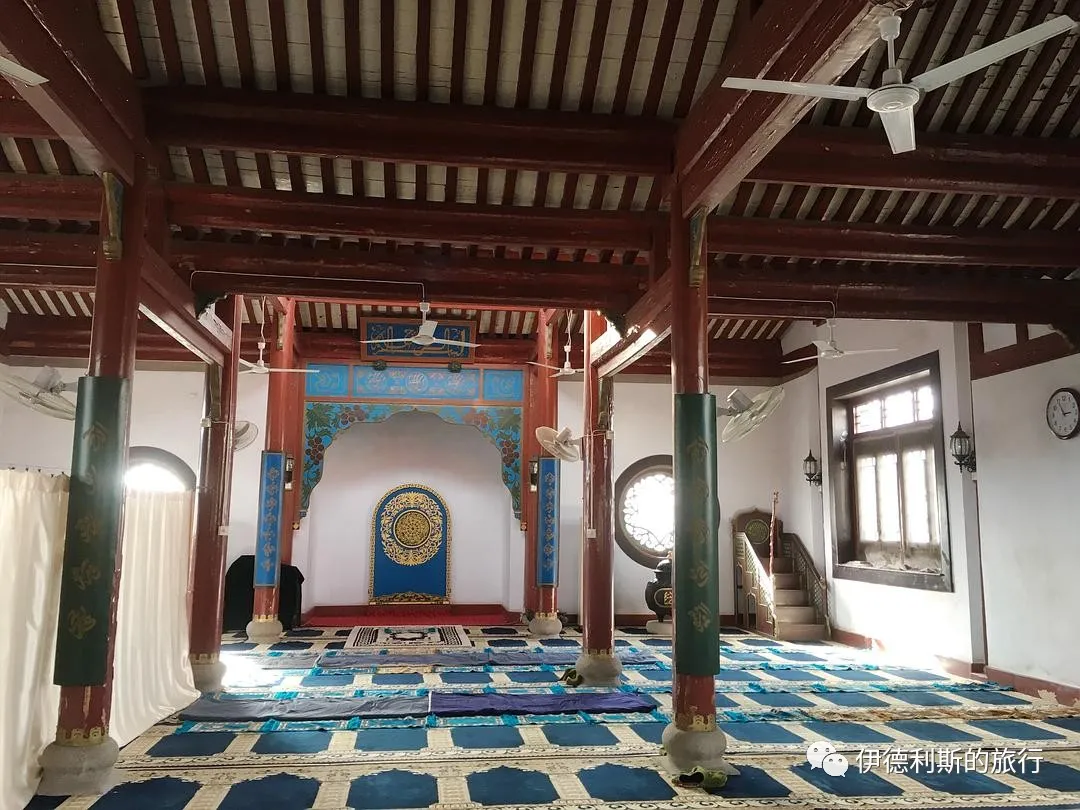
February: 24 in India.
Delhi Qutb Mosque: This is the first mosque in Delhi, started in 1193. After the Ghurid dynasty general Qutb occupied Delhi, many building components from Hindu and Jain temples were reused.
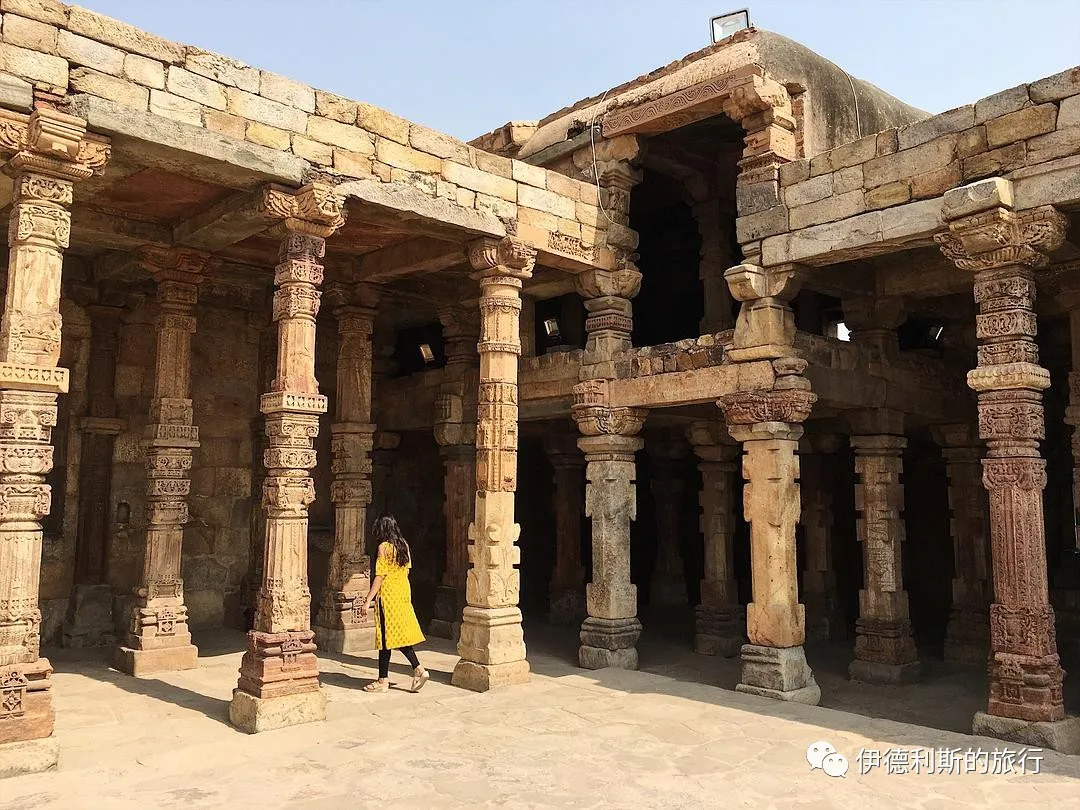
Delhi Jamaat Khana Mosque: Located at the heart of the Sufi holy site of Nizamuddin, it is likely the second mosque in Delhi after the Qutb Mosque, with an architectural style very close to the Khalji dynasty of the Delhi Sultanate.
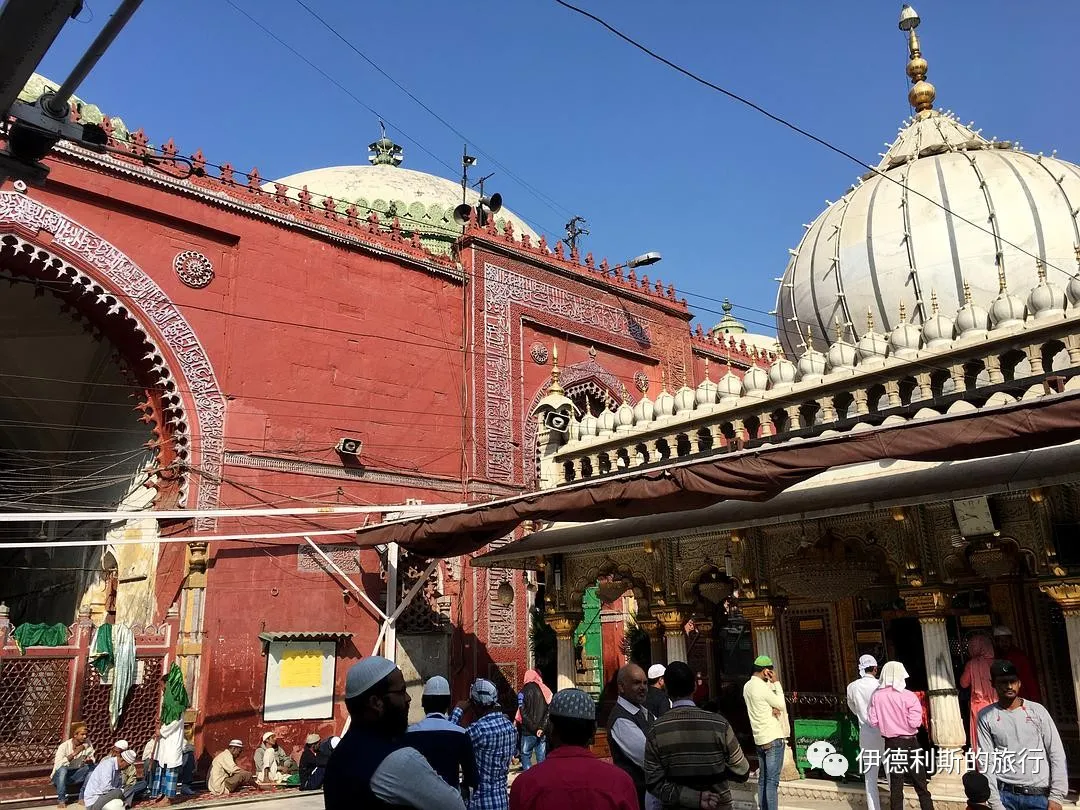
Delhi Tohfe Wala Gumbad Mosque: In 1303, the Chagatai Khanate besieged the military fortress of Siri in Delhi for two months but could not break the city and eventually retreated. After this, Sultan Alauddin Khalji of the Delhi Sultanate's Khalji dynasty began to focus on building up Siri, which included the Tohfe Wala Gumbad Mosque. This mosque is very different from other buildings constructed during the Alauddin period, but some of its wall structures have the characteristics of Khalji dynasty architecture.
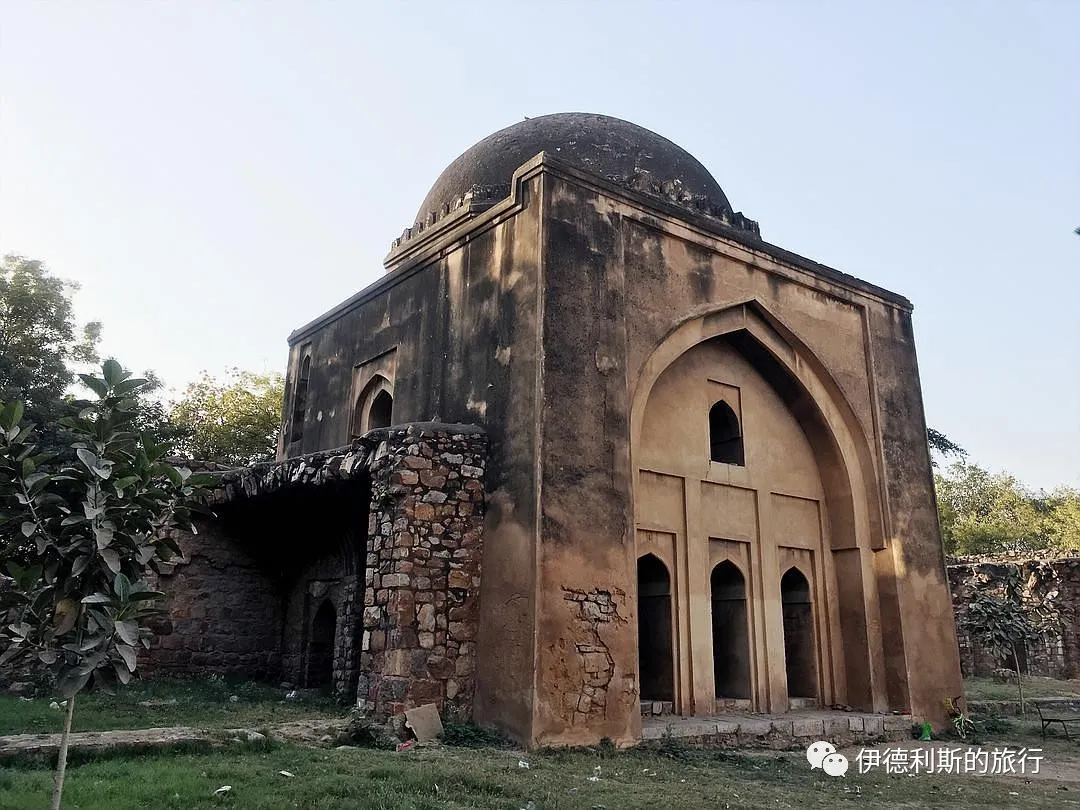
Delhi Begampur Mosque: This is the most important mosque in the city of Jahanpanah in Delhi and the most representative mosque of the Tughlaq dynasty of the Delhi Sultanate that still exists today. It is said to have been designed by the Iranian architect Zahir al-Din al-Jayush. The building is very grand but relatively simple, with only a small amount of carving inside the main hall.
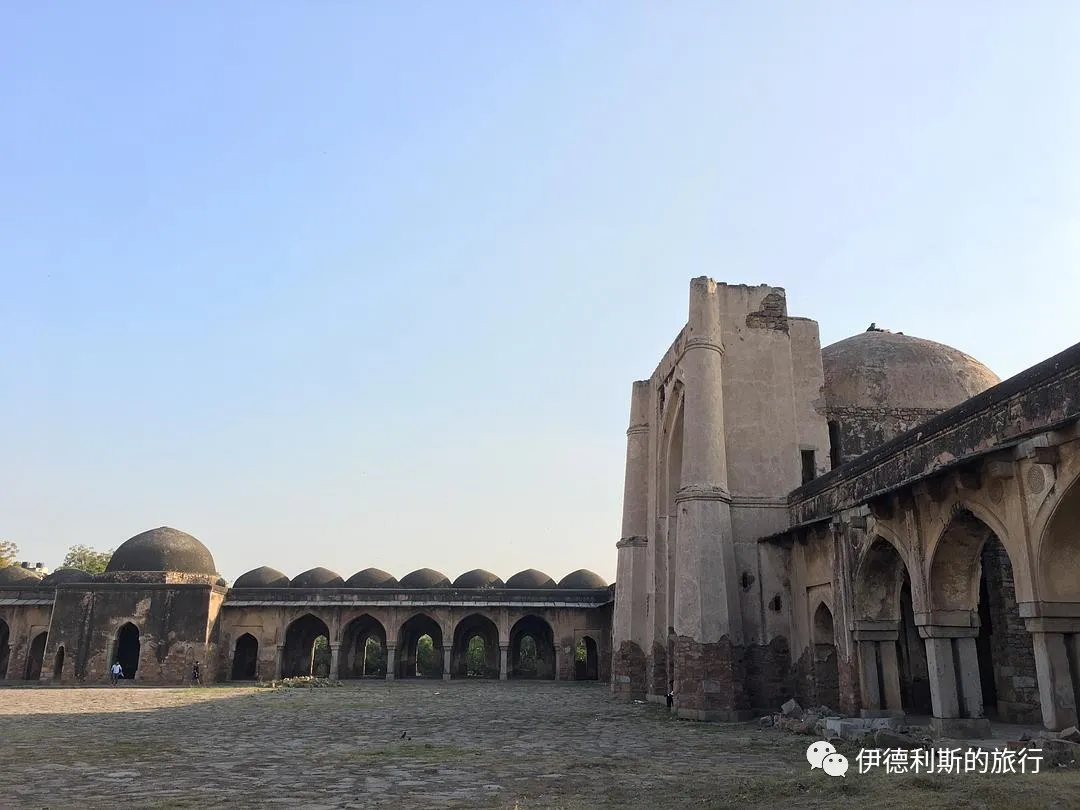
Delhi Feroz Shah Kotla Mosque: Sultan Feroz Shah Tughlaq of the Tughlaq dynasty built the fifth city of Delhi, Ferozabad, in 1354. The mosque is the main building in the fortress and has a typical Tughlaq dynasty style. Some scholars believe that the great emperor Timur prayed here in 1398 and later built a mosque of the same design in Samarkand.
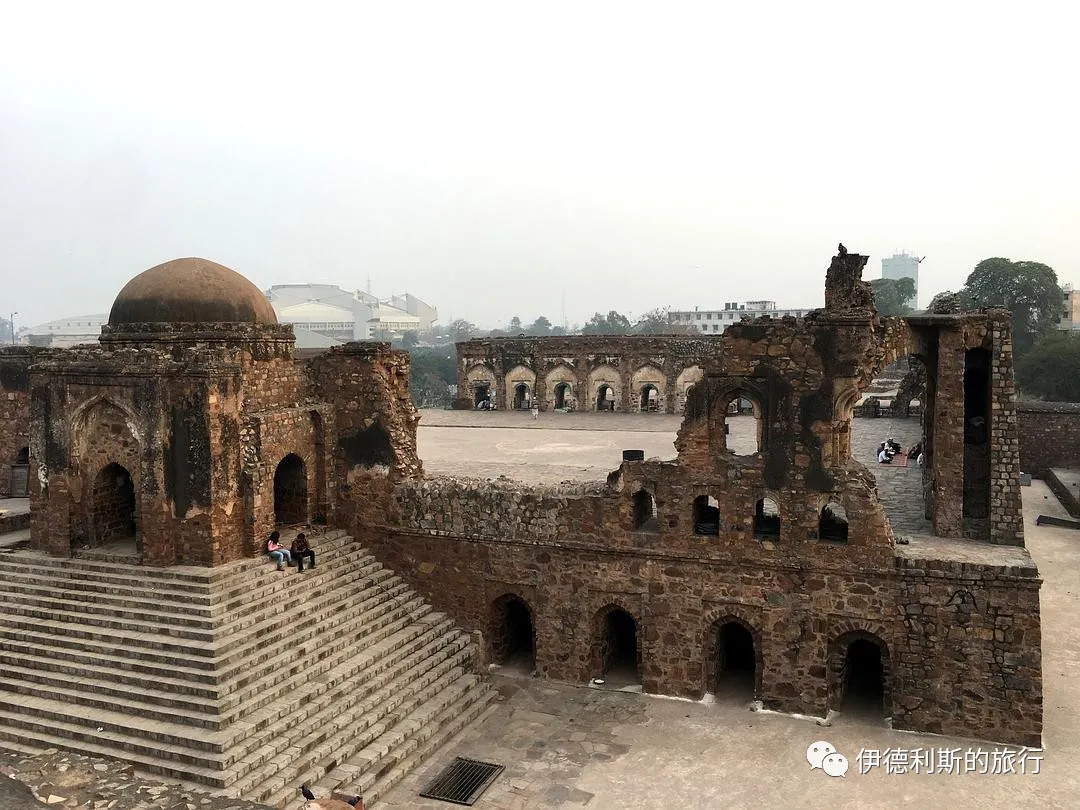
Delhi Khirki Mosque: Another important mosque in the city of Jahanpanah, besides the Begampur Mosque. This building looks very different from the Begumpur mosque, but it is almost certainly one of the seven mosques built by Khan-i-Jahan Maqbul, the prime minister to Sultan Firoz Shah Tughlaq, and was likely built in the 1370s.
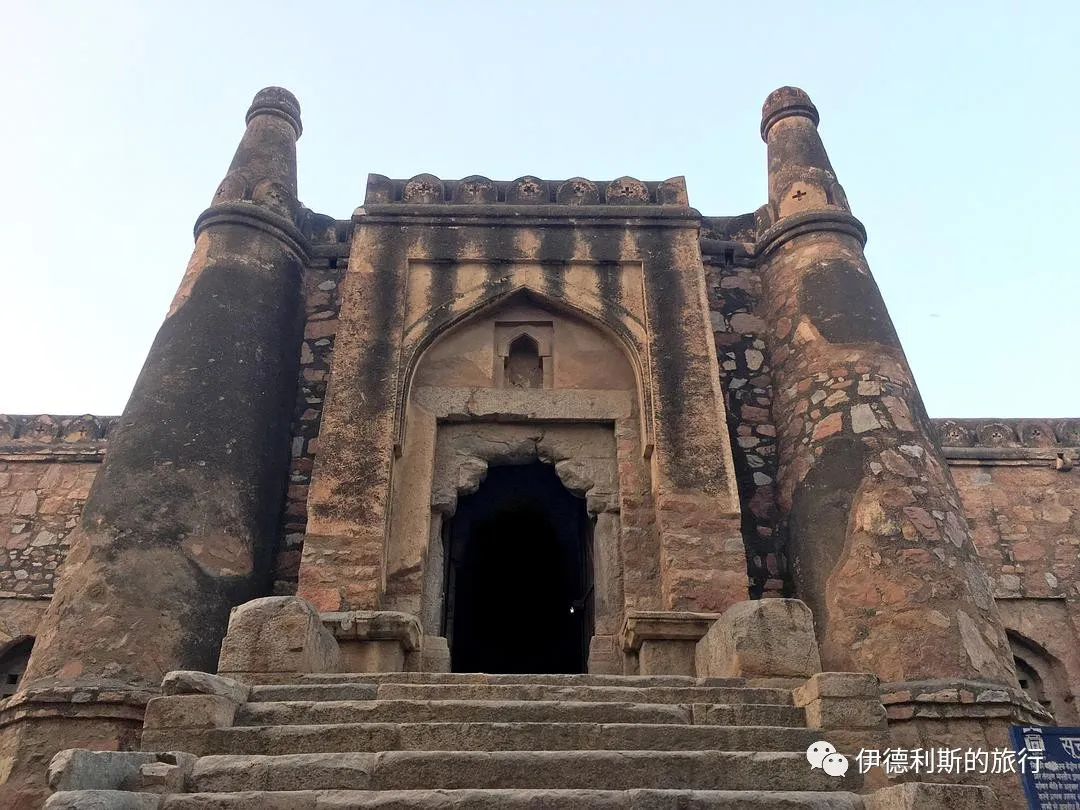
Delhi Kali Mosque: This is also one of the seven mosques built by Sultan Firoz Shah Tughlaq's prime minister, Khan-i-Jahan Maqbul, and it stands near the Sufi shrine of Nizamuddin. This mosque and the Khirki Mosque are very similar in design and construction date, and both were once abandoned. The difference is that this mosque returned to use in the early 20th century, with some changes made to its original design.
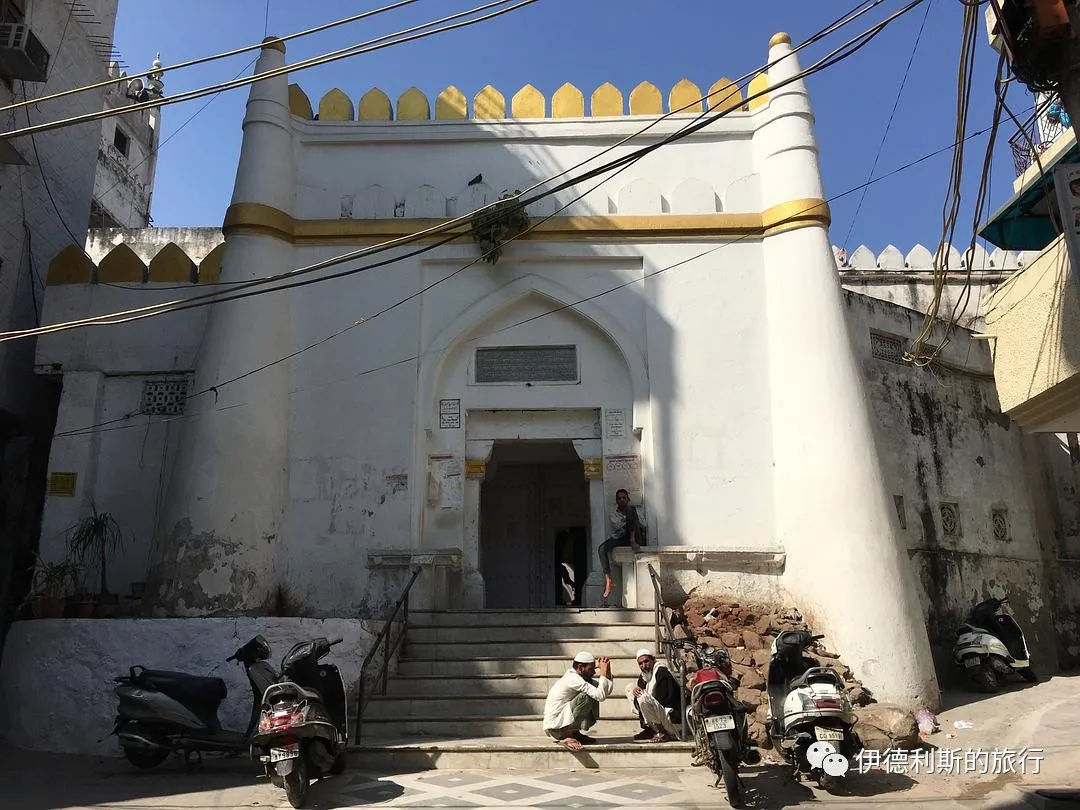
Delhi Kalan Mosque: This is the northernmost of the seven mosques built by Sultan Firoz Shah Tughlaq's prime minister, Khan-i-Jahan Maqbul. It is thought to have been built to honor a Sufi saint, and it has been in use ever since.
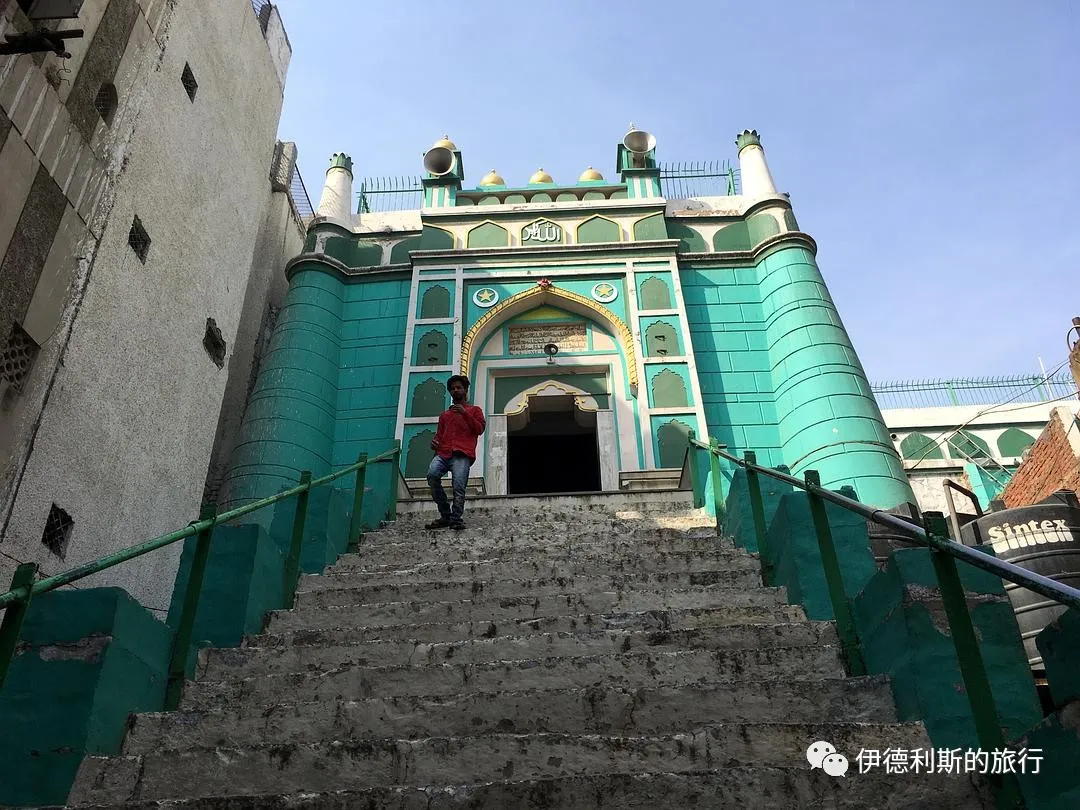
Delhi Bara Bumbad Mosque: Located inside Lodi Gardens, the inscriptions carved inside show it was built on November 30, 1494, by a man named Mughal Abdu Amjad. The mosque features very intricate carvings, which are a great example of the lime plaster and stone-cutting techniques used for decoration during the Lodi dynasty.
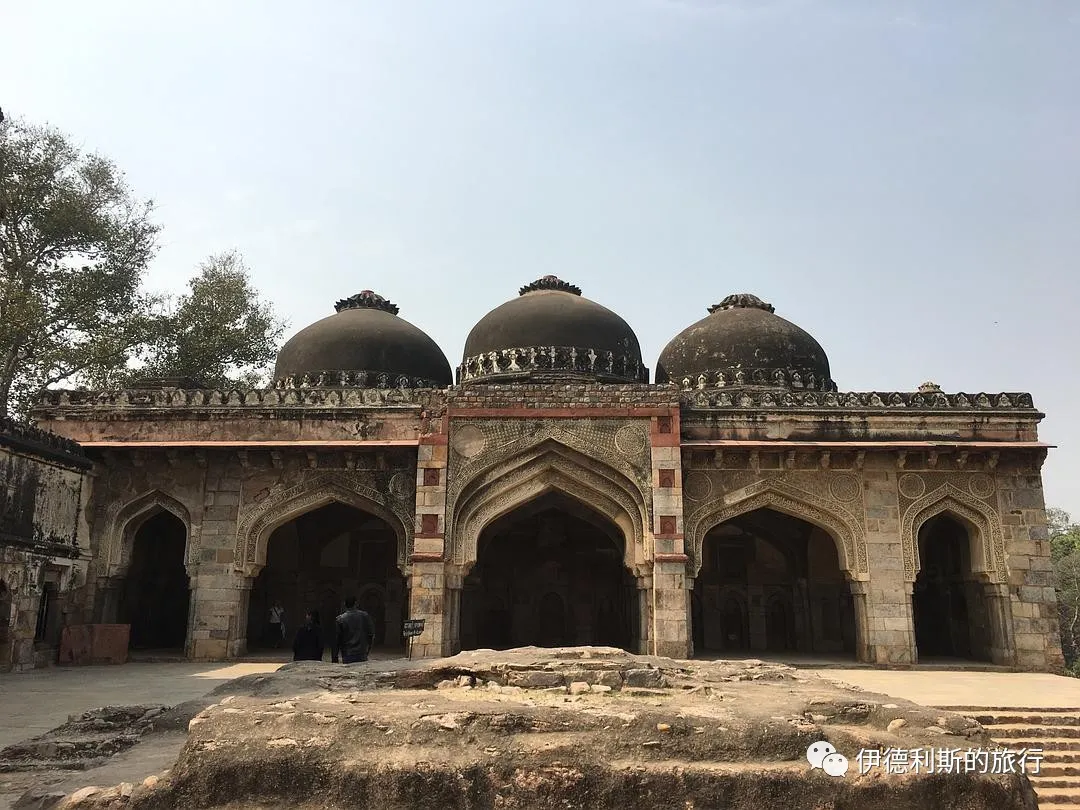
Delhi Madhi Mosque: Found in the Mehrauli Archaeological Park in Delhi, its exact construction date is unknown, but its design clearly shows the Lodi dynasty style. The main hall of this mosque is open-air and consists only of a qibla wall. There are many other mosques in Delhi made of just one wall, but this one is the largest.
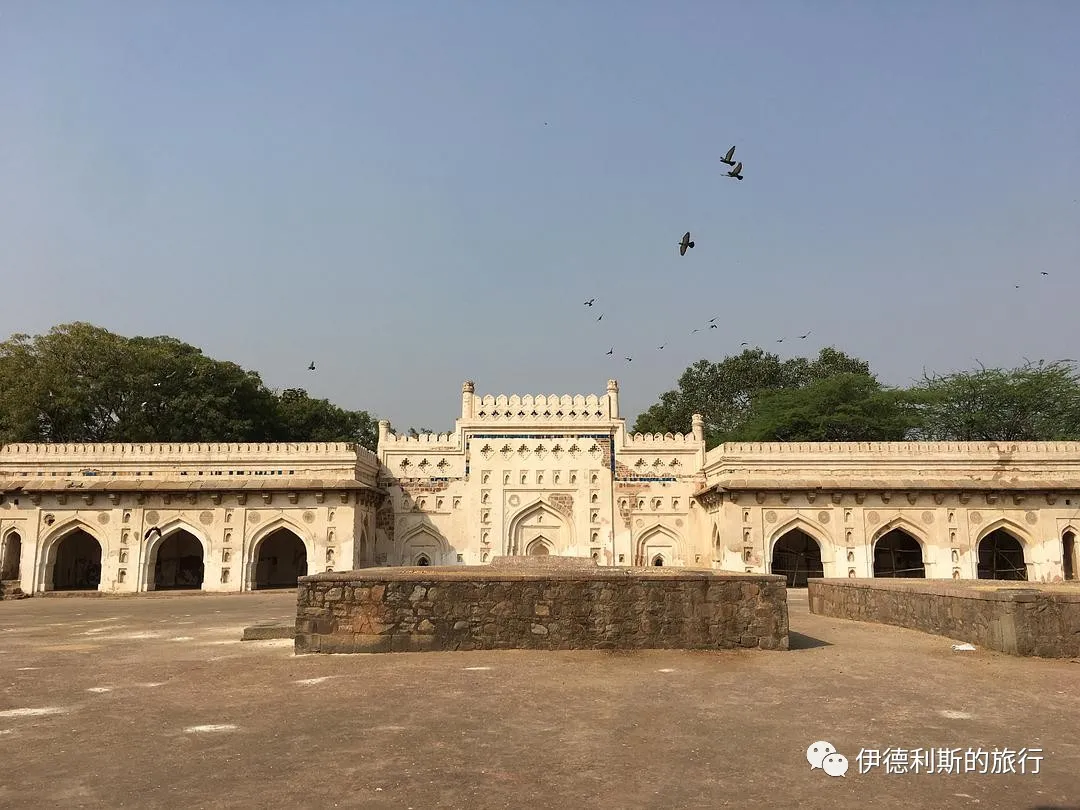
Delhi Nili Mosque: Located between the city of Siri and the Hauz Khas reservoir area, this is a Lodi-era mosque that is still in use.
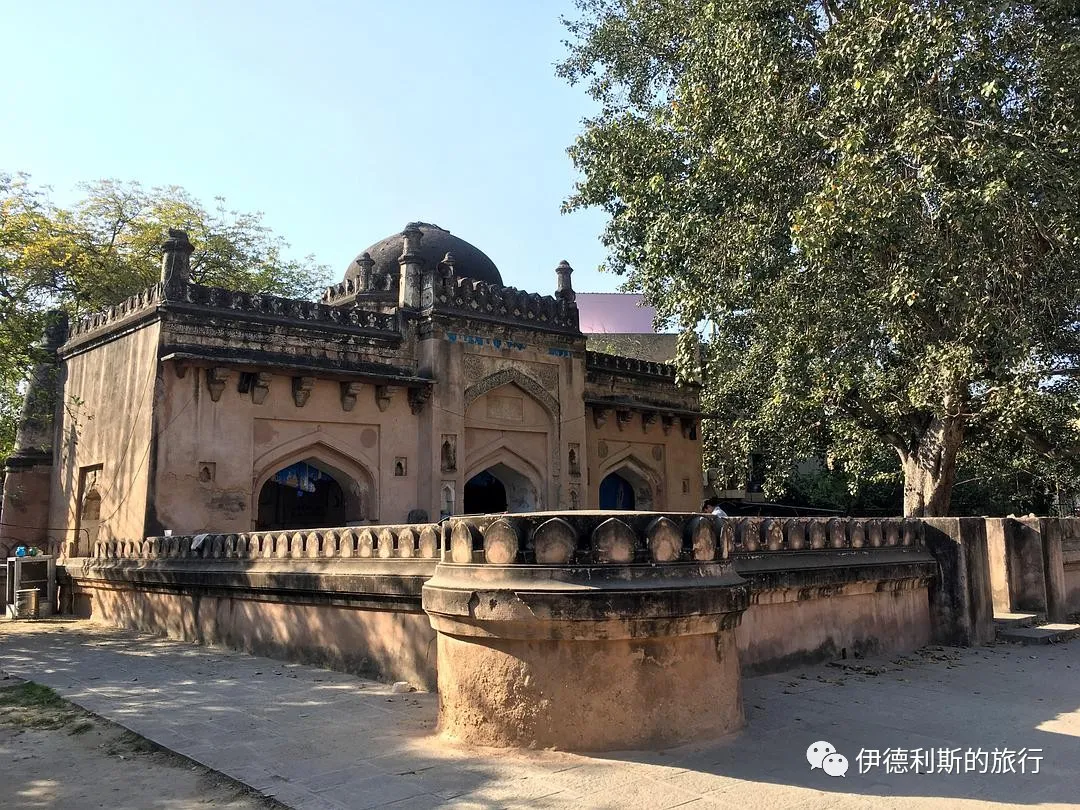
Delhi Rajon ki Baoli Mosque: Located in the Mehrauli Archaeological Park, it features what is considered the most beautiful stepwell (baoli) in Delhi, said to have been built by Daulat Khan Khwaja Muhammad in 1506 during the reign of Sultan Sikandar Lodi (1489-1517).
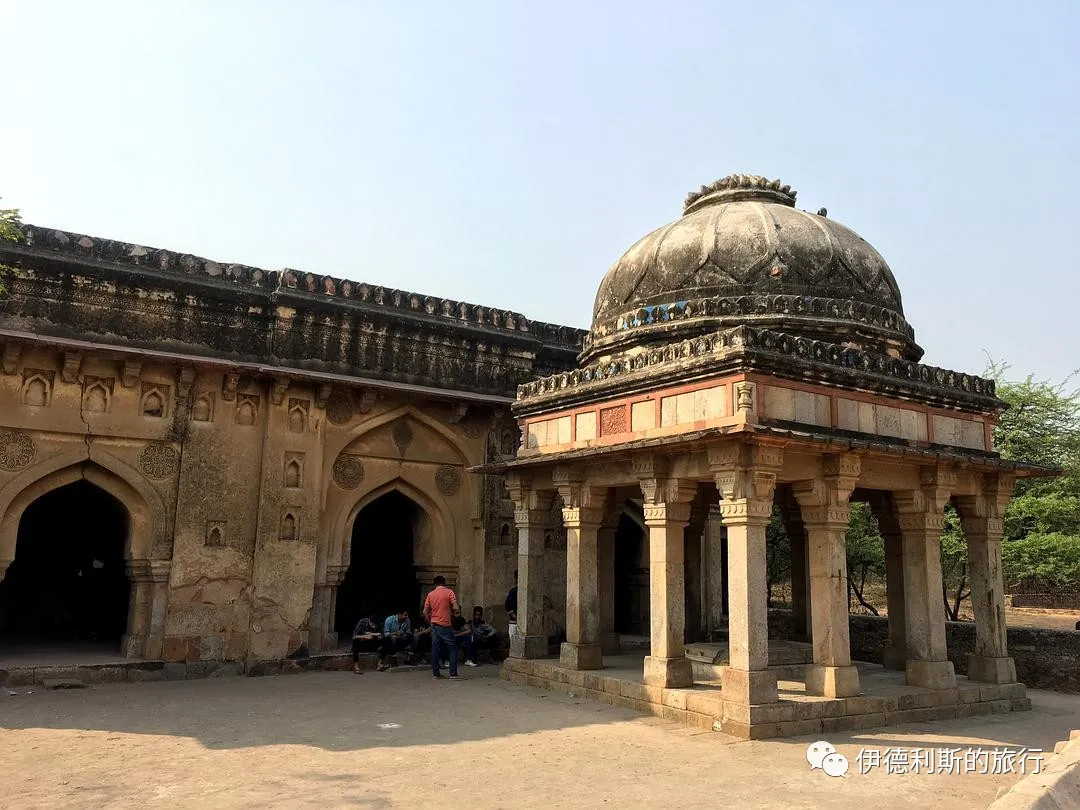
Delhi Muhammad Wali Mosque: Situated right next to the northwest wall of the city of Siri, it features a typical Lodi dynasty style.
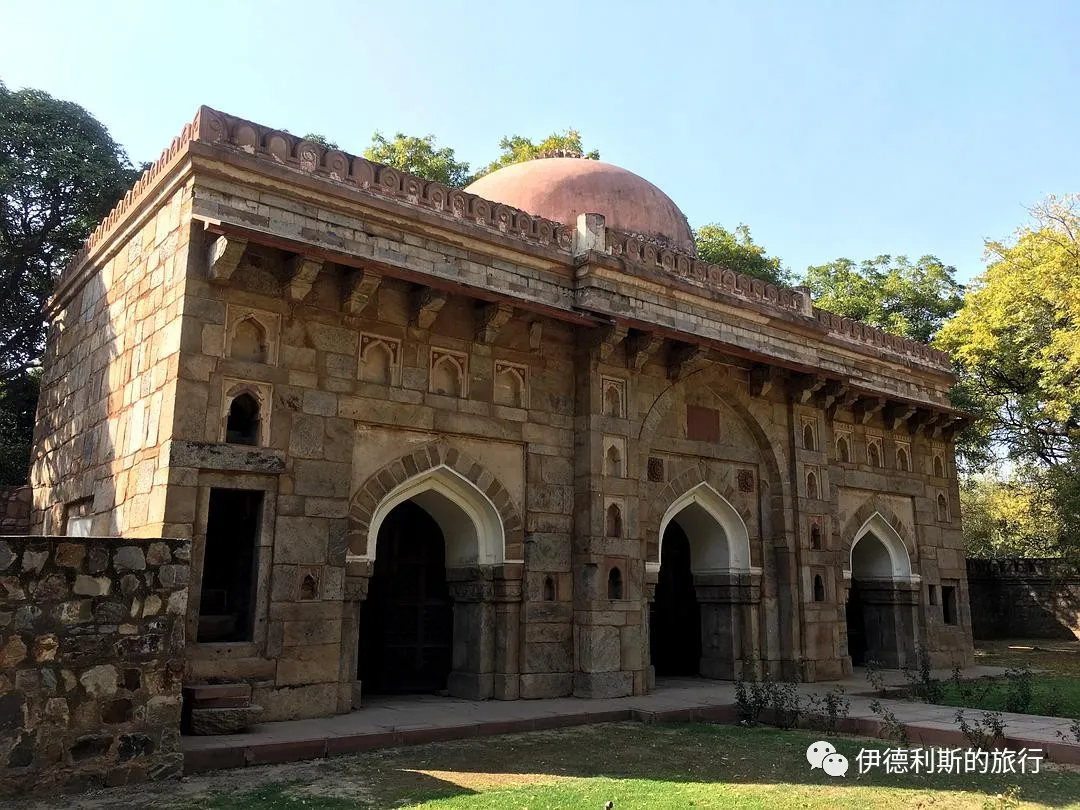
Delhi Jamali Kamali Mosque: Located in the Mehrauli Archaeological Park, this is a tomb-mosque for two men, Jamali and Kamali. Jamali, whose full name was Jamali Kamboh, was a famous 16th-century Persian poet and Sufi saint in India who was highly regarded by the Mughal emperors Babur and Humayun.
Delhi Qila-i-Kuhna Mosque: Located inside the Old Fort (Purana Qila), which was the sixth city of Delhi. After Sher Shah Suri, the ruler of the Suri dynasty, defeated the Mughal emperor Humayun and took Delhi in 1540, he used the Old Fort as his royal court and built this royal mosque in 1541.
Delhi Salimgarh Fort Mosque: Located north of the Red Fort, it was built in 1546 by Salim Shah Suri (reigned 1545-1554), the son of the Suri dynasty ruler Sher Shah Suri.
Delhi Isa Khan Mosque: Located within the Humayun's Tomb complex, this is a tomb-mosque for the Pashtun noble Isa Khan of the Suri dynasty.
Delhi Khairul Manazil Mosque: Located across from the Purana Qila fort, it was commissioned in 1561 by Maham Anga, the chief nurse to the Mughal Emperor Akbar and the actual power behind the throne from 1560 to 1562.
Delhi Afsarwala Mosque: Located southwest of Humayun's Tomb, it was built between 1566 and 1567 as a tomb-mosque for an official in the court of the Mughal Emperor Akbar.
Delhi Jama Mosque: Located in Shahjahanabad (Old Delhi), the seventh city of Delhi, it once served as the main Friday mosque for the Mughal Empire. The Jama Mosque was built between 1650 and 1656 by order of the Mughal Emperor Shah Jahan (1628-1658), who also built the Taj Mahal.
Fatehpuri Mosque in Delhi: Located in the northwest of Old Delhi (Shahjahanabad), directly facing the Red Fort, it was built in 1650 by Fatehpuri Begum, the wife of Mughal Emperor Shah Jahan.
Pearl Mosque (Moti Masjid) in Delhi: Located inside the Delhi Red Fort, it was built in 1659 by Mughal Emperor Aurangzeb (reigned 1658-1707) to serve as a private mosque for the royal family.
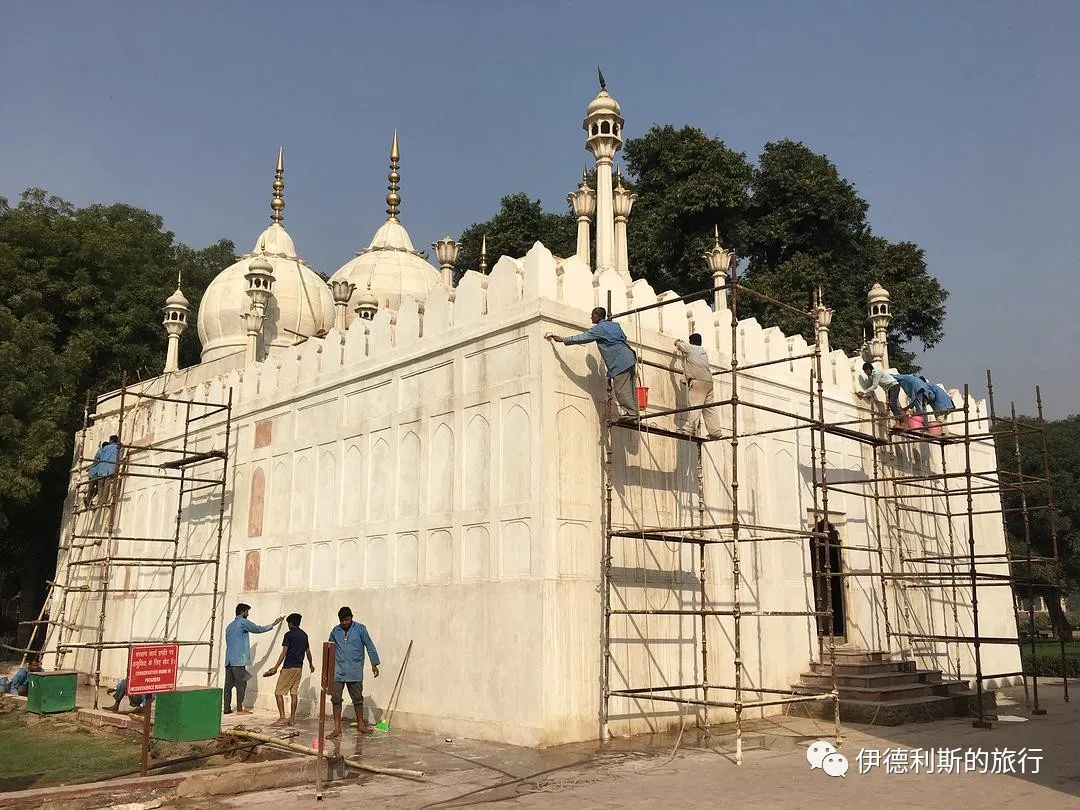
Sunehri Mosque in Delhi: Located in the eastern part of Old Delhi's Shahjahanabad, it was built in 1751 by order of Qudsia Begum.
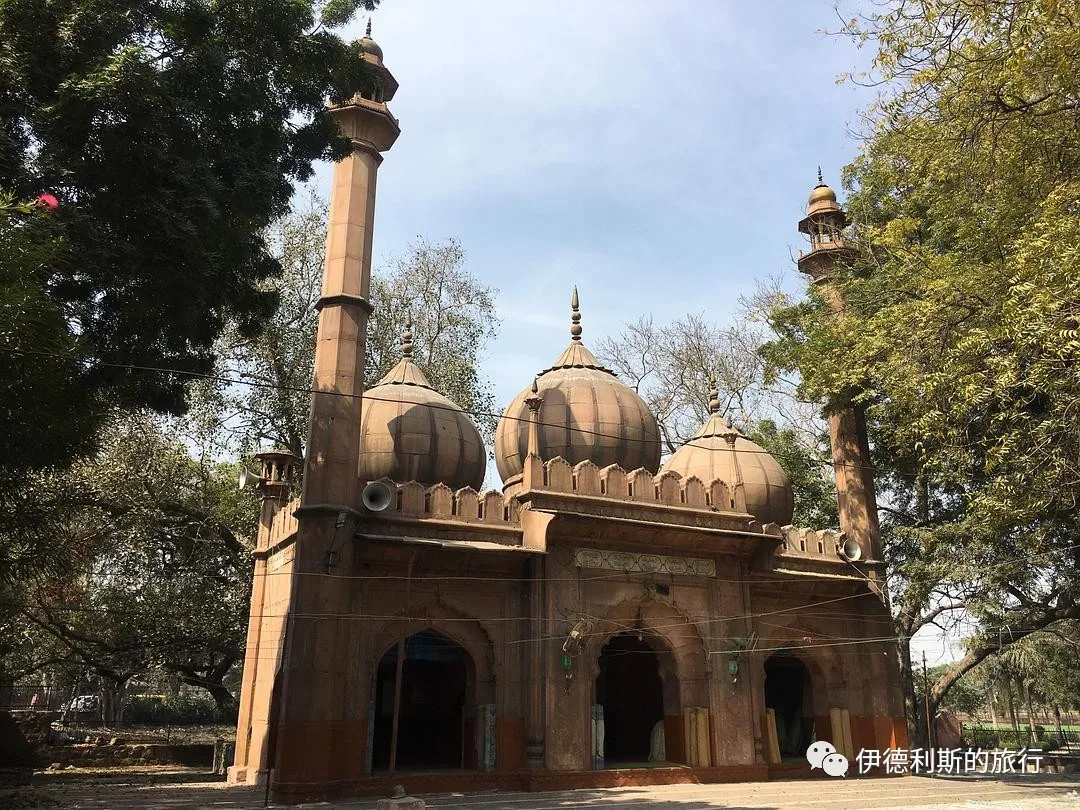
Safdarjung Mosque in Delhi: Located west of Lodi Gardens, this is the mosque attached to the tomb of Safdarjung. Safdarjung became the Prime Minister of the Mughal Empire in 1748 and was the actual ruler of the Mughal dynasty. The Safdarjung Tomb and its mosque are known as the last major architectural works of the Mughal dynasty and serve as a symbol of the dynasty's decline.
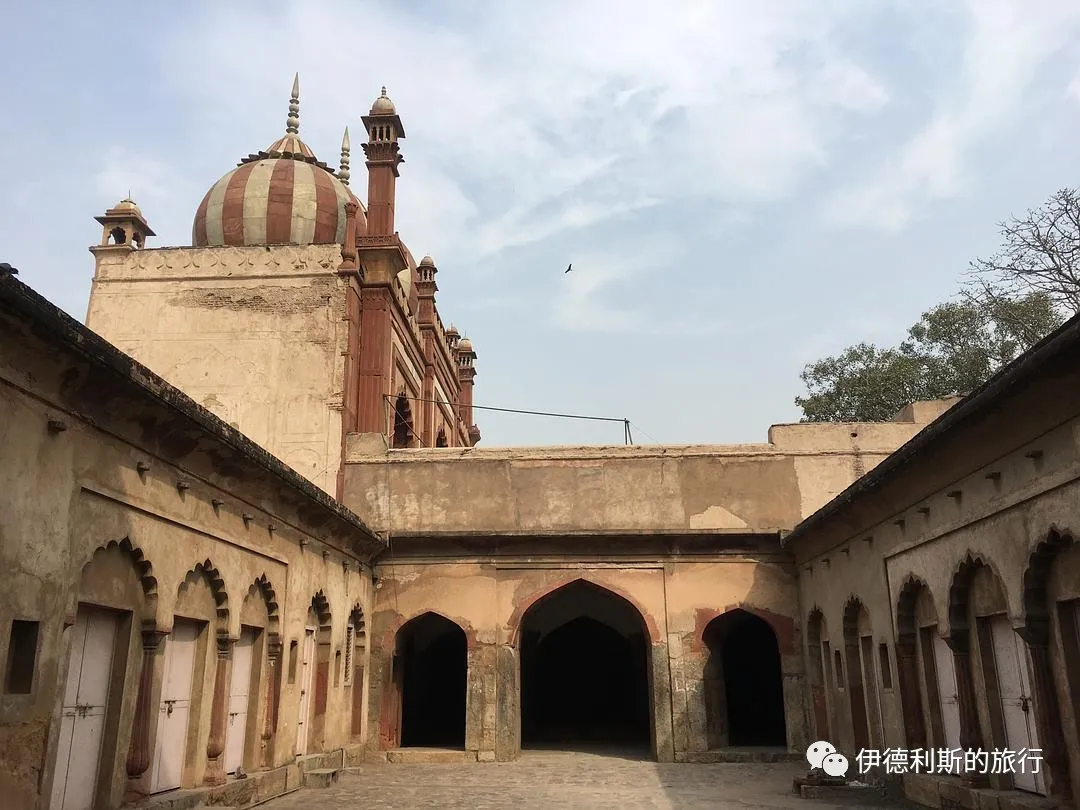
February: 1 mosque in Vietnam.
Saigon Central Mosque: Built by South Indian Tamils in 1935, it is the most important mosque in Saigon. After Vietnam was unified in 1975, the religious community in Saigon faced a huge shock, with many believers imprisoned or fleeing abroad. Religious life in Vietnam only slowly recovered after 1986. Today, besides the local Cham people, merchants and tourists from Malaysia, Indonesia, and Pakistan all come here.
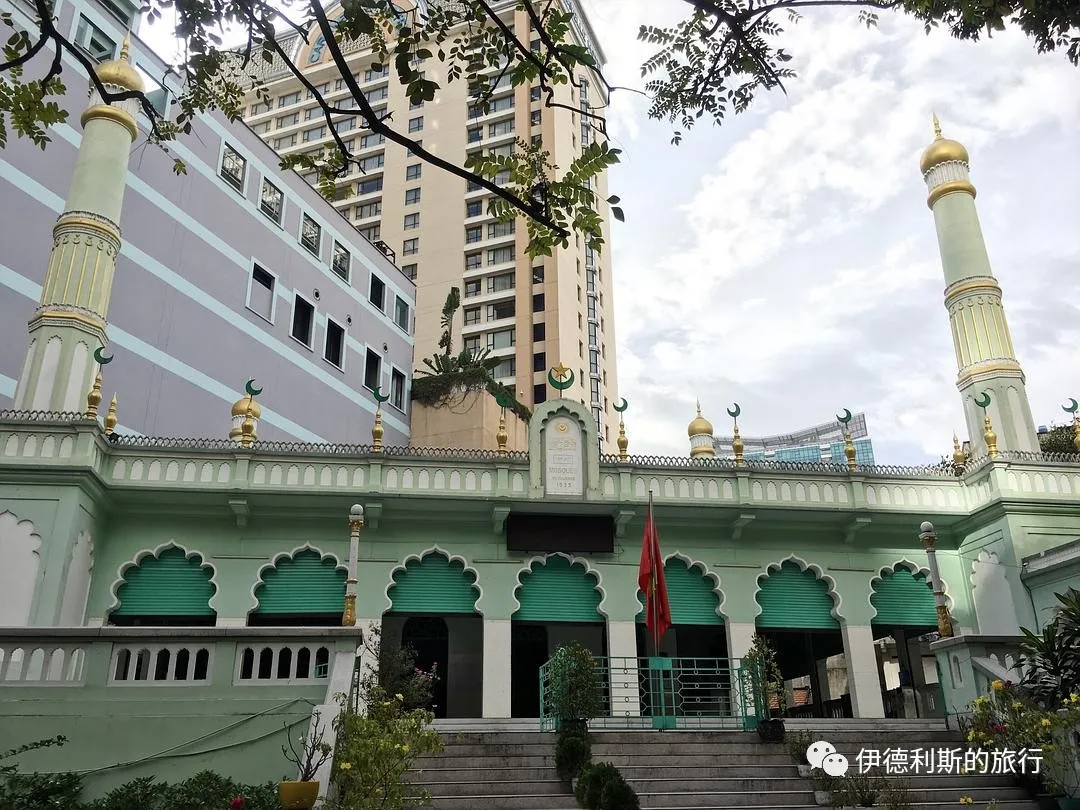
April: 3 mosques in Xinjiang.
Yarkant Azna Mosque in Shache: Built during the reign of Abu Bakr in Yarkant (1465-1514), it has not been rebuilt by later generations and still preserves its original appearance, making it very precious. Its design is very similar to the 14th and 15th-century Bibi-Khanym Mosque of the Timurid Empire and the Begampur Mosque of the Delhi Sultanate, though it is smaller in scale.
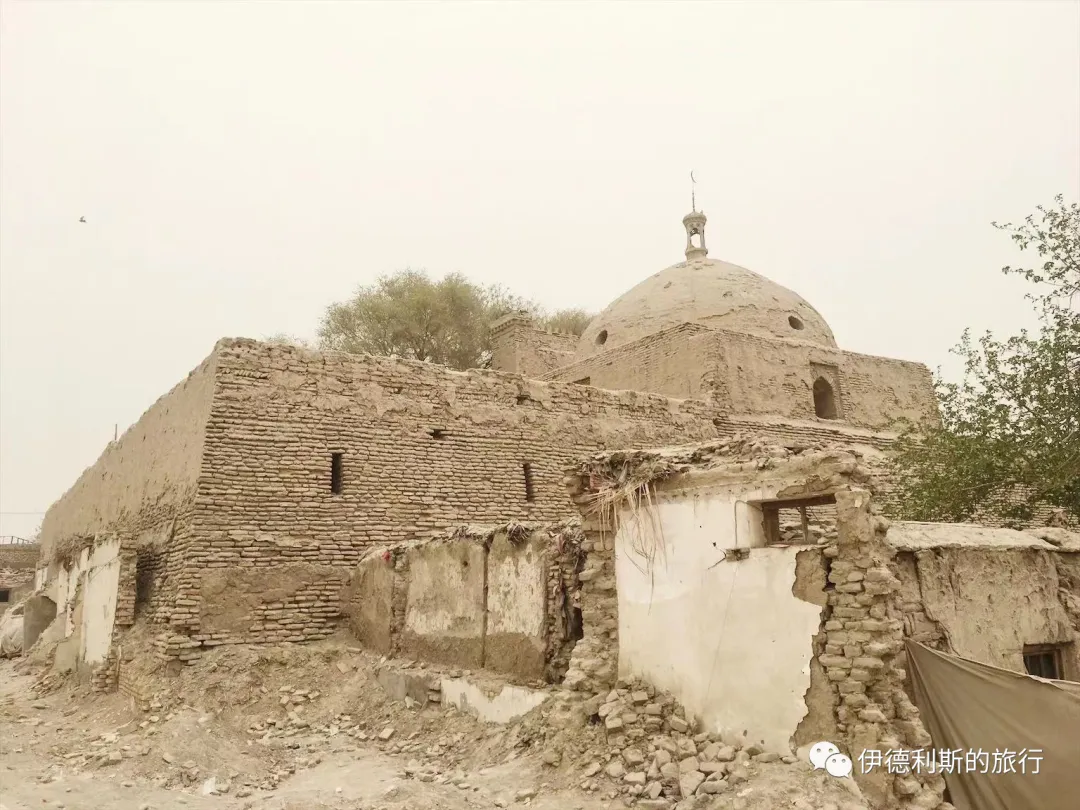
Shache Jiaman Mosque: It is said to have been started by Sultan Said Khan, the founder of the Yarkant Khanate, and later expanded during the time of Abdullah Khan (reigned 1638–1669).
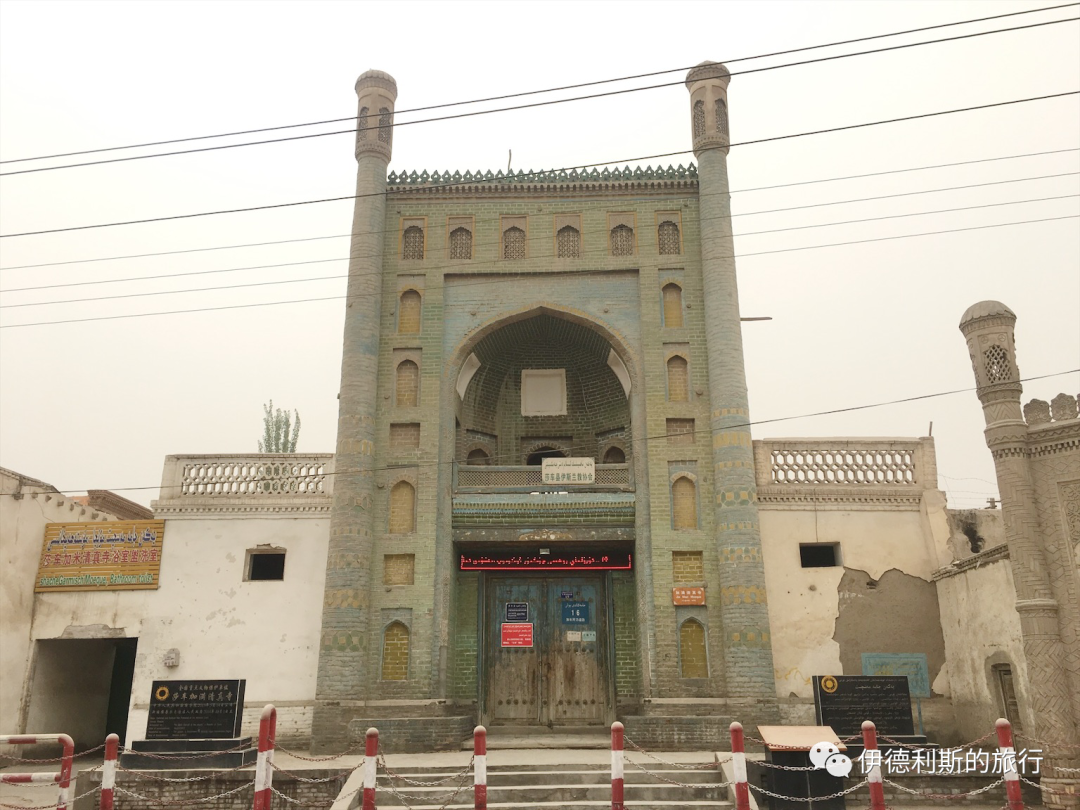
Shache Altun Mosque: Built in 1533 during the Yarkant Khanate period, its current appearance dates from renovations and expansions in 1735.
May: 2 mosques in Tibet.
Lhasa Kache Lingka Mosque: Among the two mosques currently at Kache Lingka, one is the only traditional Tibetan-style mosque in Lhasa today. A plaque on the door reads: 'This mosque was first built in 1775, has undergone four repairs over its long history, and completed its last repair in 2008.' The facade of the other mosque has been rebuilt in an Arab style, and a plaque at the entrance reads: 'This mosque was first built in 1655 AD, has undergone many repairs over its long history, and completed its last repair in 2000 AD.'
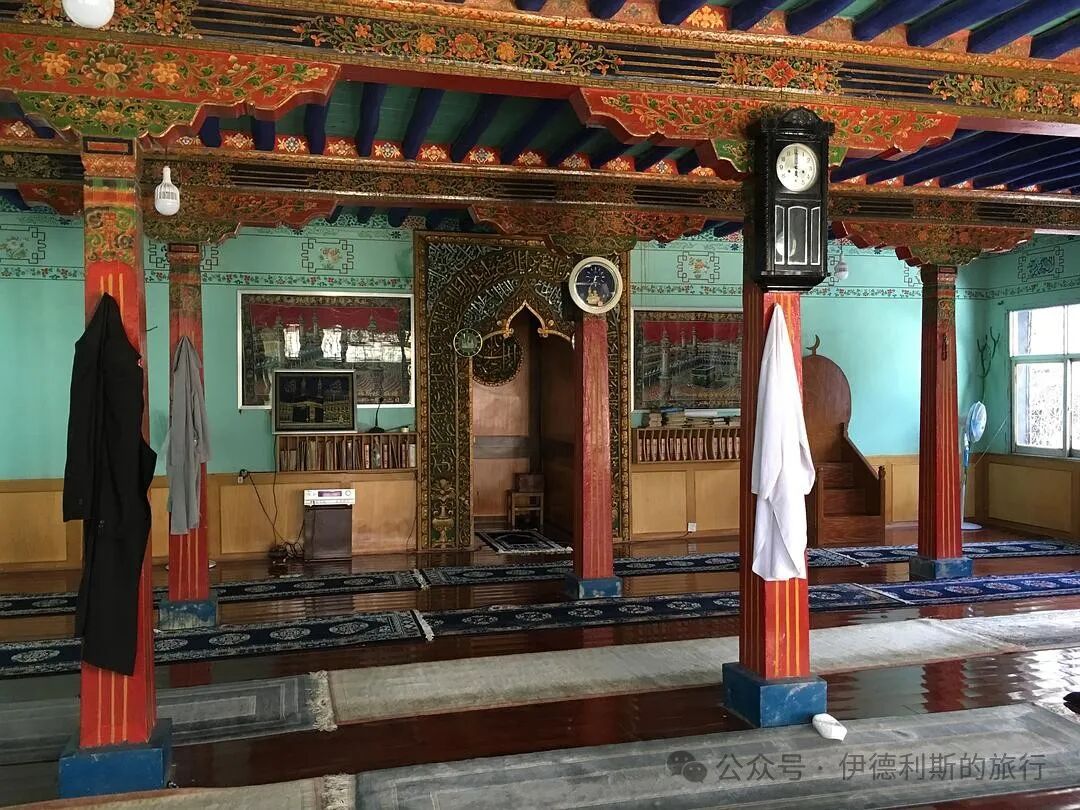
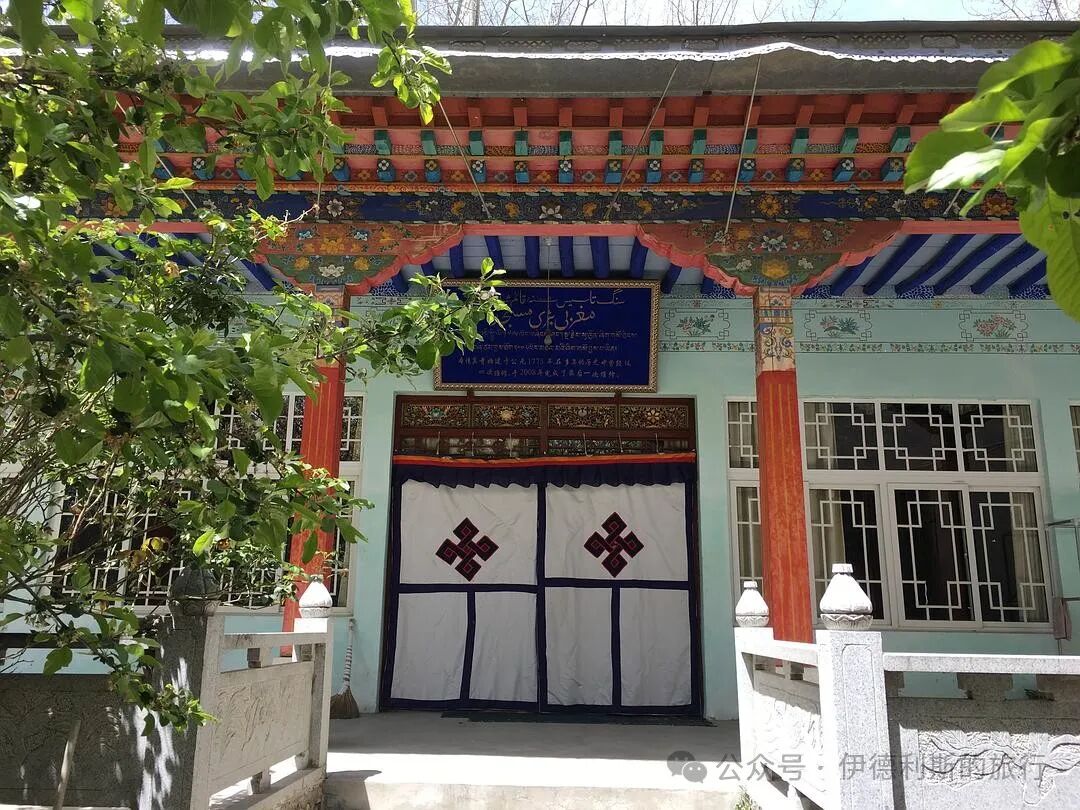
June: 1 mosque in Tianjin.
Northwest Corner South Mosque: It is one of the few remaining historical sites in the Northwest Corner and is currently the center of the local Hui Muslim community. It was built during the Guangxu reign and completed during the Xuantong reign.
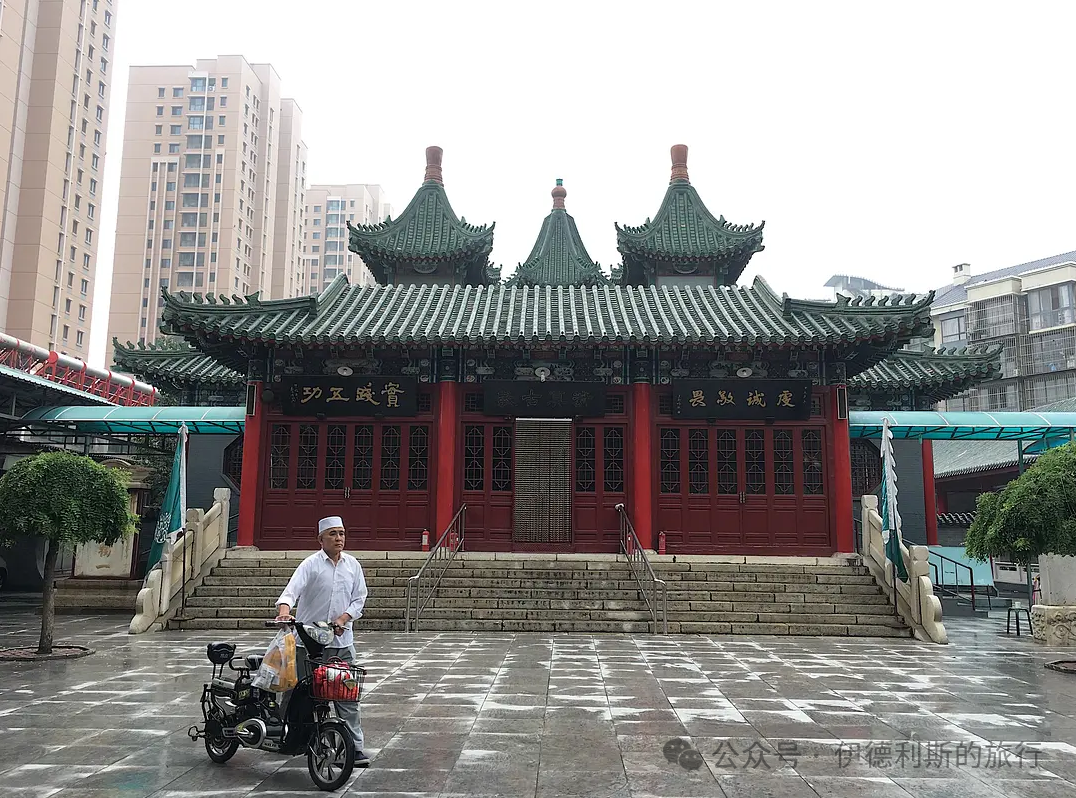
June: 5 mosques in the UAE.
Dubai Nasser bin Obaid bin Lootah Mosque: Lootah is a famous merchant family in the UAE, and this family first came to Dubai from Liwa to settle in Al Ras. At that time, Al Ras had no residents and was just a place for grazing camels. Later, other members of this family also came to settle in Al Ras, including Obaid bin Lootah. In 1910, Obaid bin Lootah's son, Nasser, built this mosque.
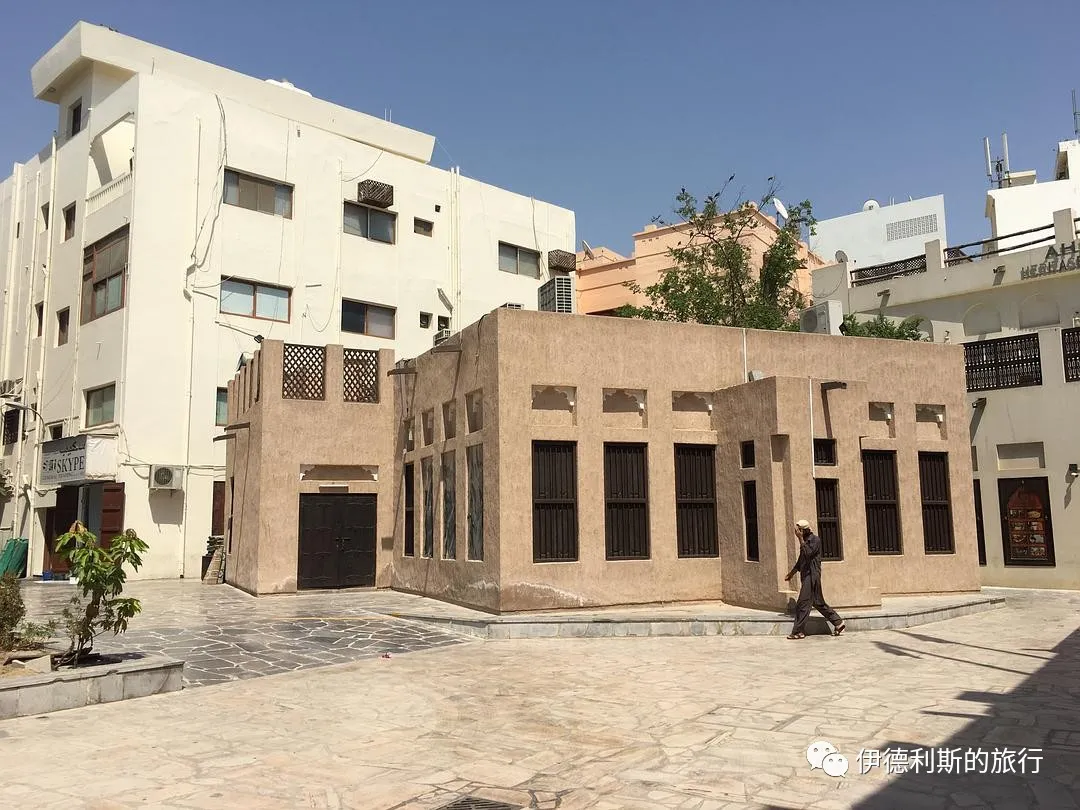
Almulla Mosque in Dubai: It follows the traditional Gulf style and has no minaret or dome.
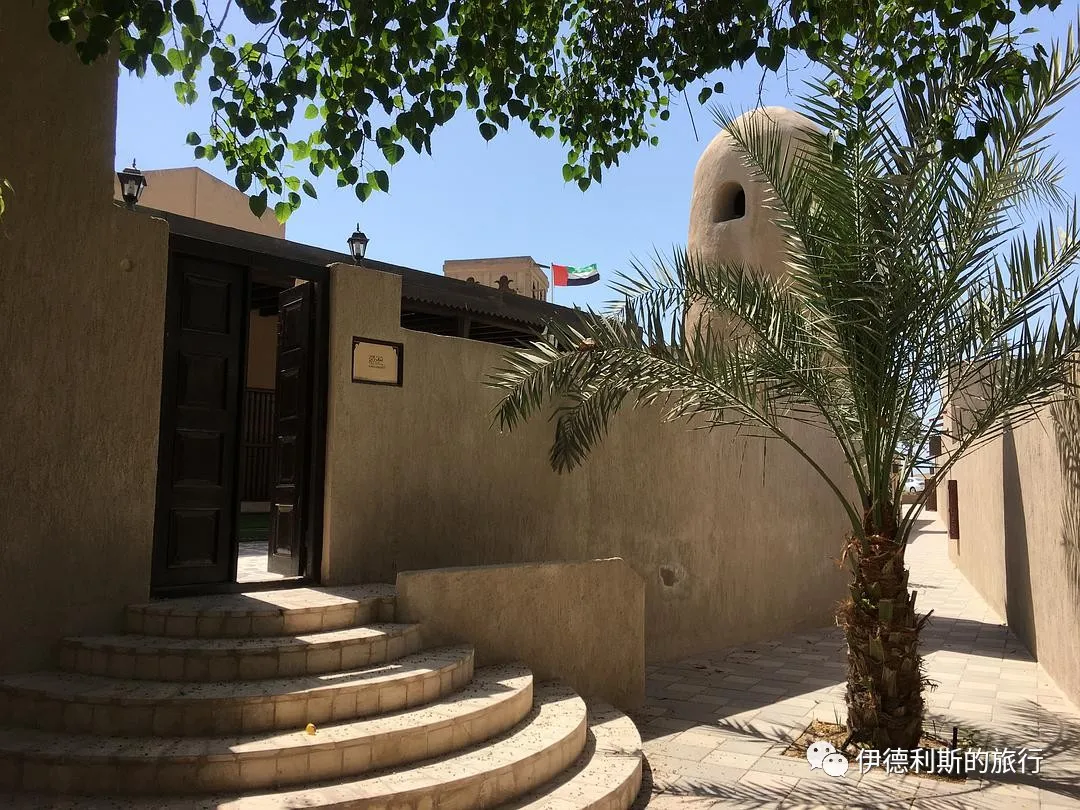
Obeid Bin Issa Mosque in Sharjah: This is the oldest mosque in Sharjah. It is a rammed-earth building from the 19th century, and there is a palm-frond shelter in front of the ablution area. The main prayer hall has wooden pillars. The mihrab is plain with no decorations, and the minbar pulpit next to it is also set inside a niche.
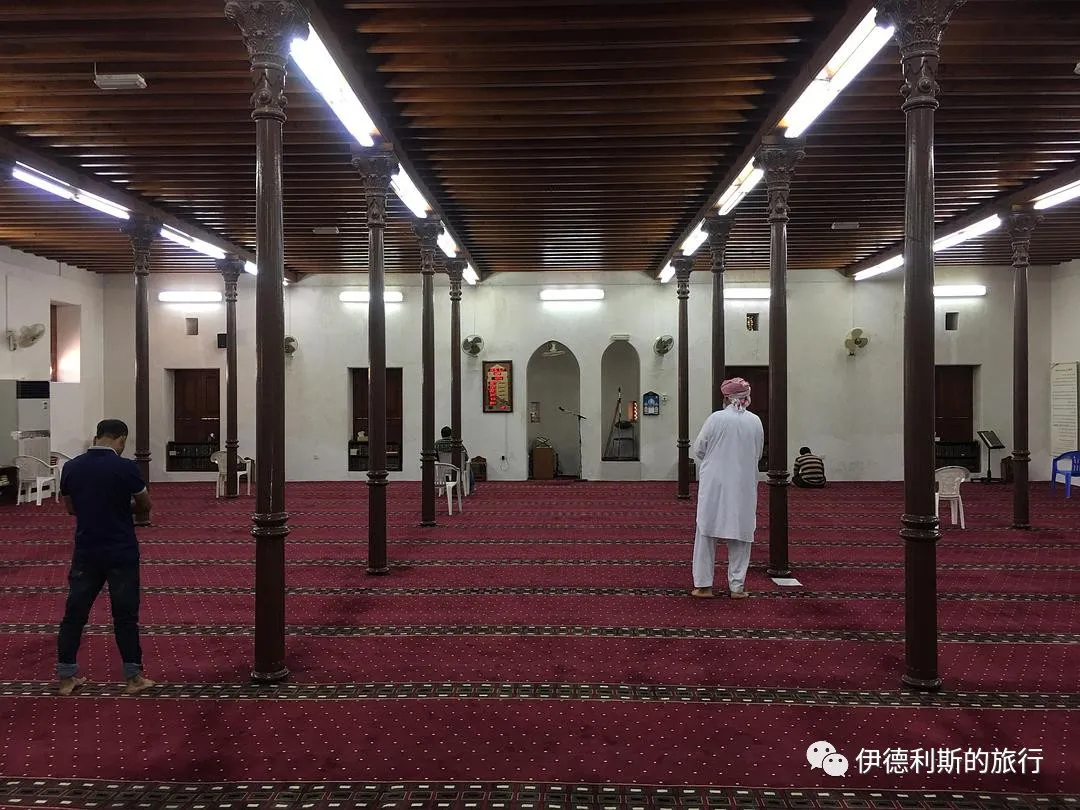
Al-Daleel Mosque in Sharjah: A historic mosque that also features a palm-frond shelter in front of the main hall. To make a traditional palm ceiling, palm fibers are first washed and dried, then twisted into twine and tied onto trimmed palm branches. Next, palm leaves are washed and dried, woven into large mats, and finally laid together to form the ceiling.
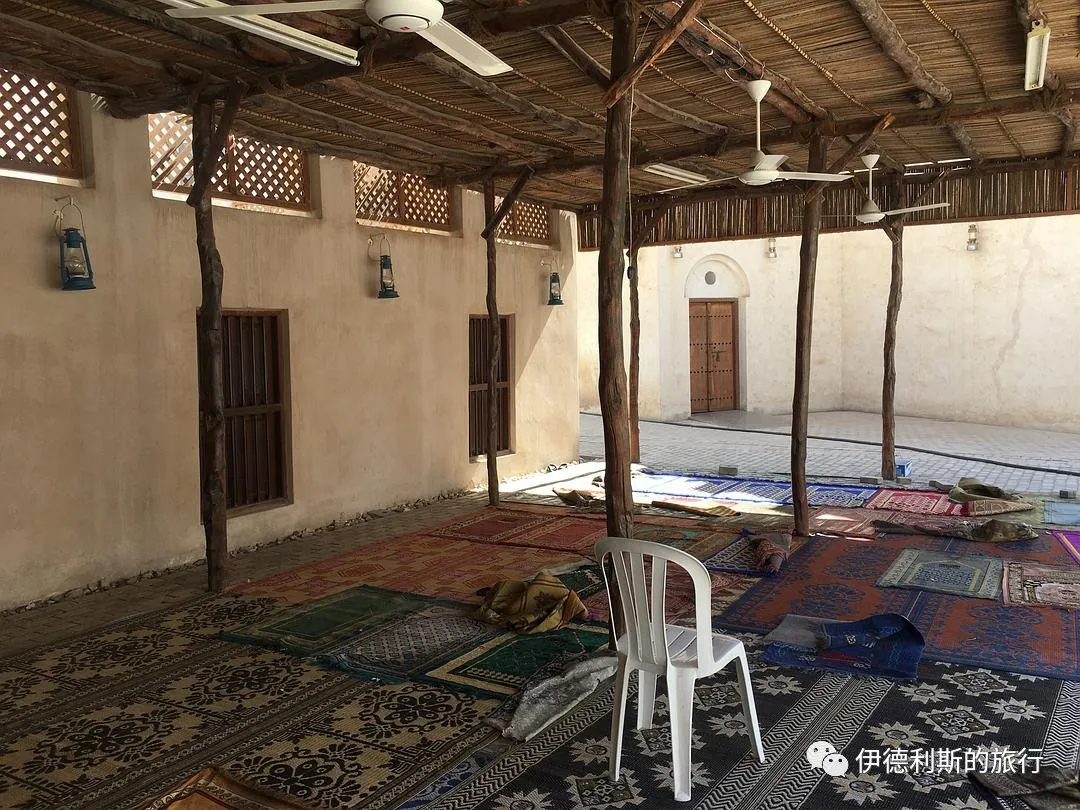
Al Jame'i Mosque in Sharjah: This is the Friday mosque of Sharjah's old town. Its low, flat-roofed style is very similar to traditional architecture in Turpan, as both were designed for hot and dry climates.
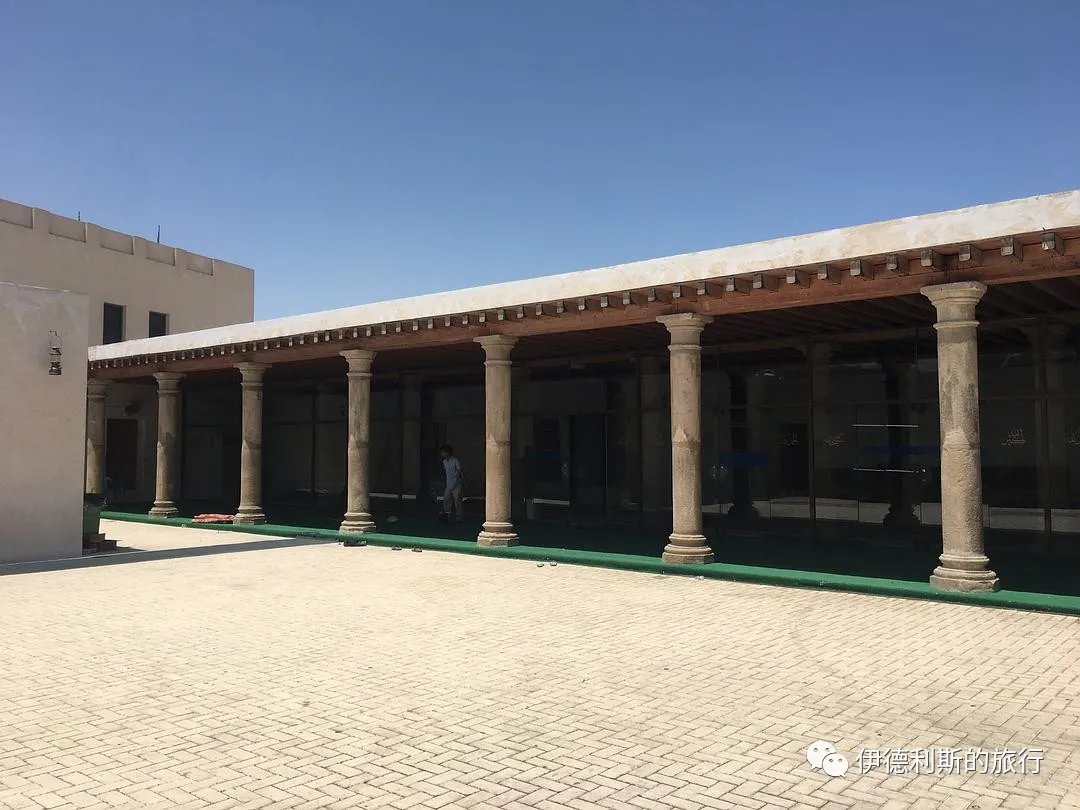
July, Jiangsu
Caoqiao Mosque in Nanjing: In 2003, Caoqiao Mosque and Taiping Road Mosque were demolished. The main hall and second hall components of Taiping Road Mosque were rebuilt at a new site, and the project was completed in 2005. Caoqiao Mosque was first built during the Qianlong reign, destroyed during the Taiping Rebellion, and rebuilt in the early years of the Tongzhi reign. Taiping Road Mosque was originally called Huapailou Mosque. Legend says it was built by Chang Yuchun in the early Ming Dynasty. It was destroyed during the Taiping Rebellion, later rebuilt, and reconstructed again in 1924 with donations from the brothers of Nanjing businessman Jiang Guobang.
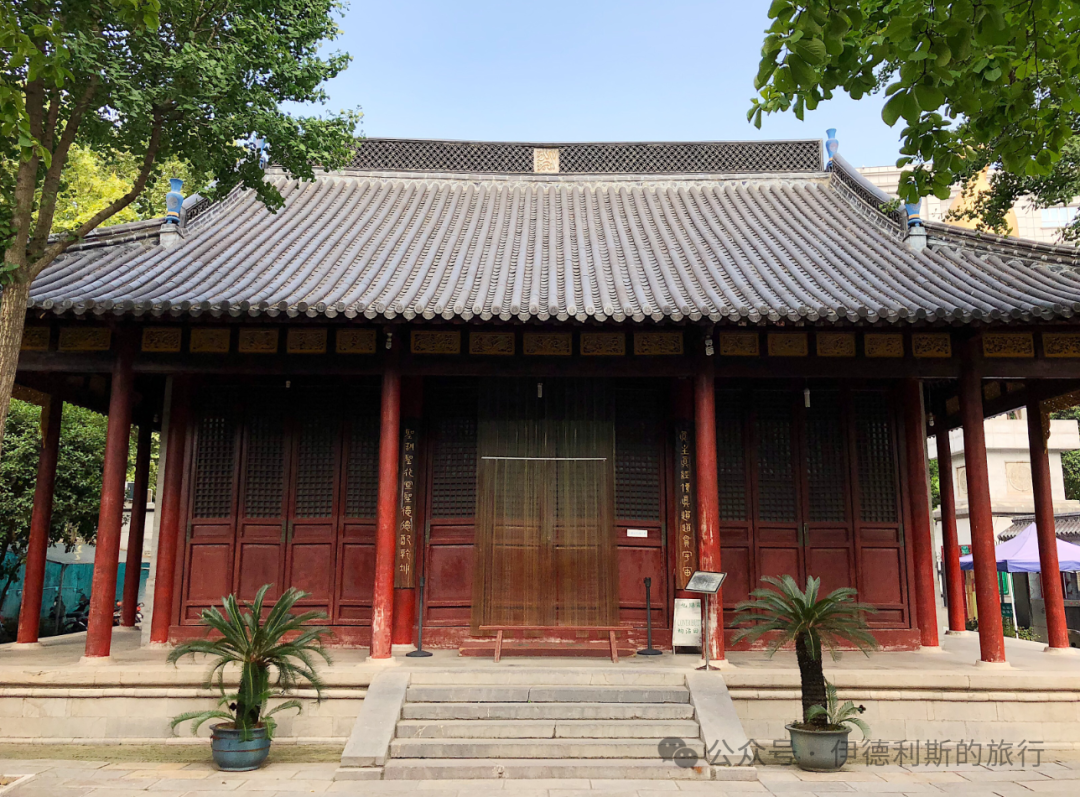
Jingjue Mosque: First built in 1388 (the 21st year of the Hongwu reign), it was burned down in 1430 (the 5th year of the Xuande reign) and rebuilt after Zheng He petitioned for its restoration. It was destroyed during the Taiping Rebellion, and its components were moved to the Prince's Mansion. It was rebuilt in 1877 (the 3rd year of the Guangxu reign) and renovated in 1879 (the 5th year of the Guangxu reign) to form its current layout.
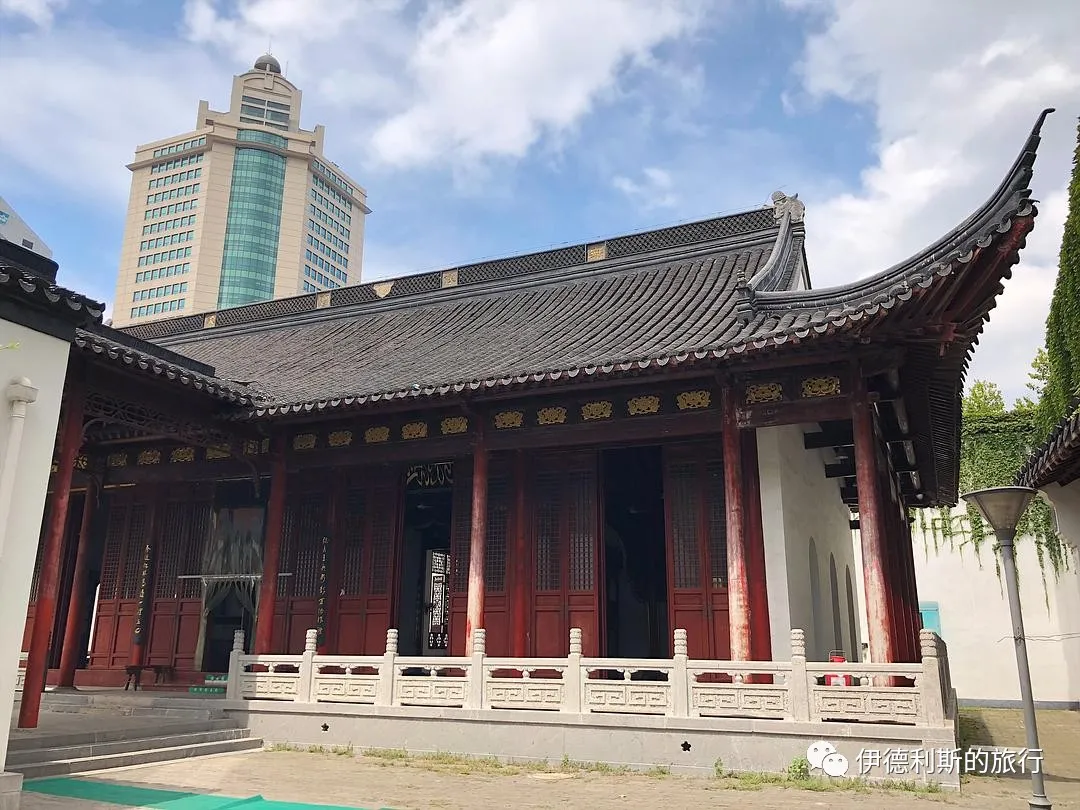
July, Liaoning, 1 mosque
Suizhong Mosque: Starting in the 18th century, more than ten families of Hui Muslims, including the Zhang, Ding, Li, and Jin families, moved to Suizhong from Hebei Province. In 1737 (the 2nd year of the Qianlong reign), the first mosque was built below the Kueixing Tower in the southeast of Suizhong city. In 1797 (the 3rd year of the Jiaqing reign), it was moved to its current location inside the West Gate.
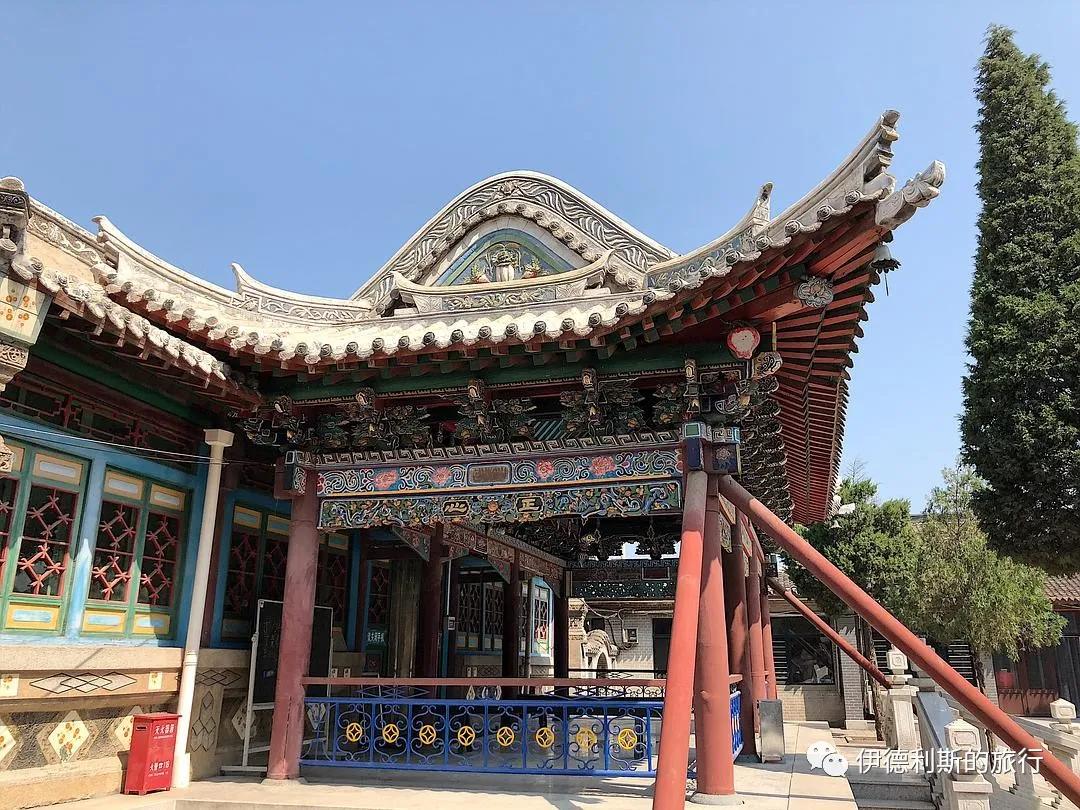
August, Beijing, 2 mosques
Dongsi Mosque: The most worth-seeing part of Dongsi Mosque is the main hall built in 1447. The rear hall looks like a Chinese-style beamless hall from the outside, but inside it actually contains three brick domes. This is another way Chinese mosques localized the dome in the 15th century, following the example of the Phoenix Mosque in Hangzhou, where the dome was converted into a wooden pavilion during the Yuan Dynasty.
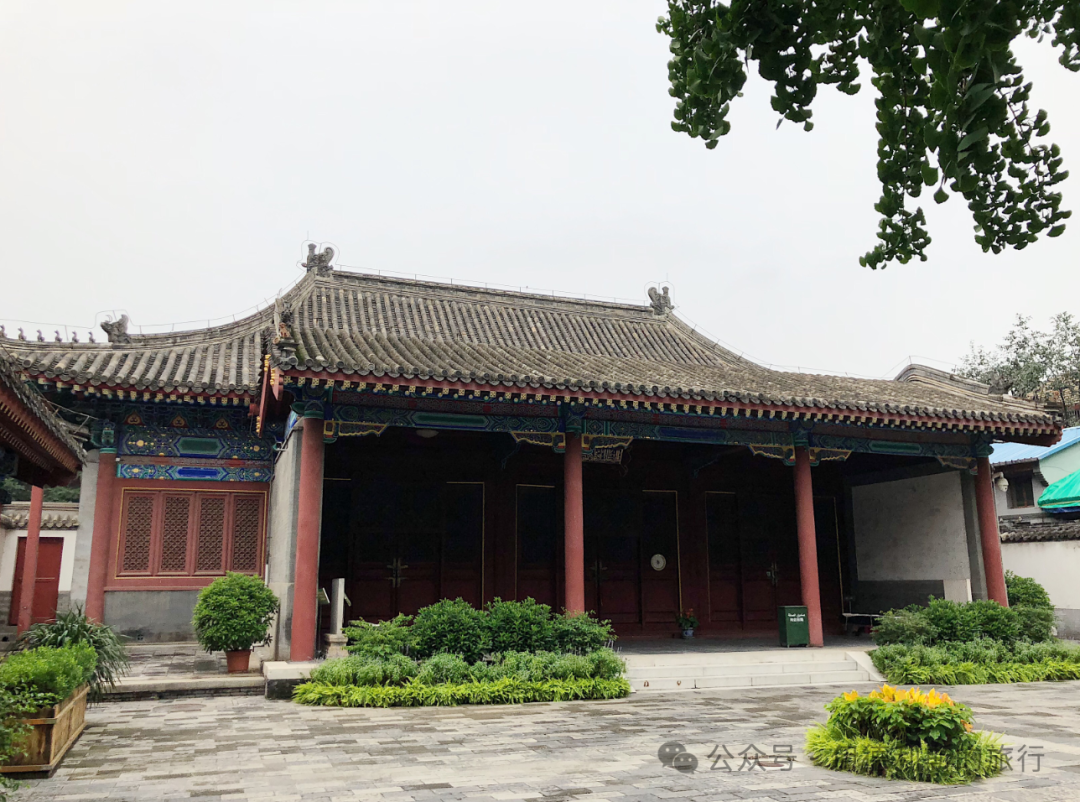
Huashi Mosque: First built in 1414 (the 12th year of the Ming Wanli reign), it is said to have been the residence of Chang Yuchun. It was renovated in the 41st year of the Kangxi reign and again during the Qianlong reign.
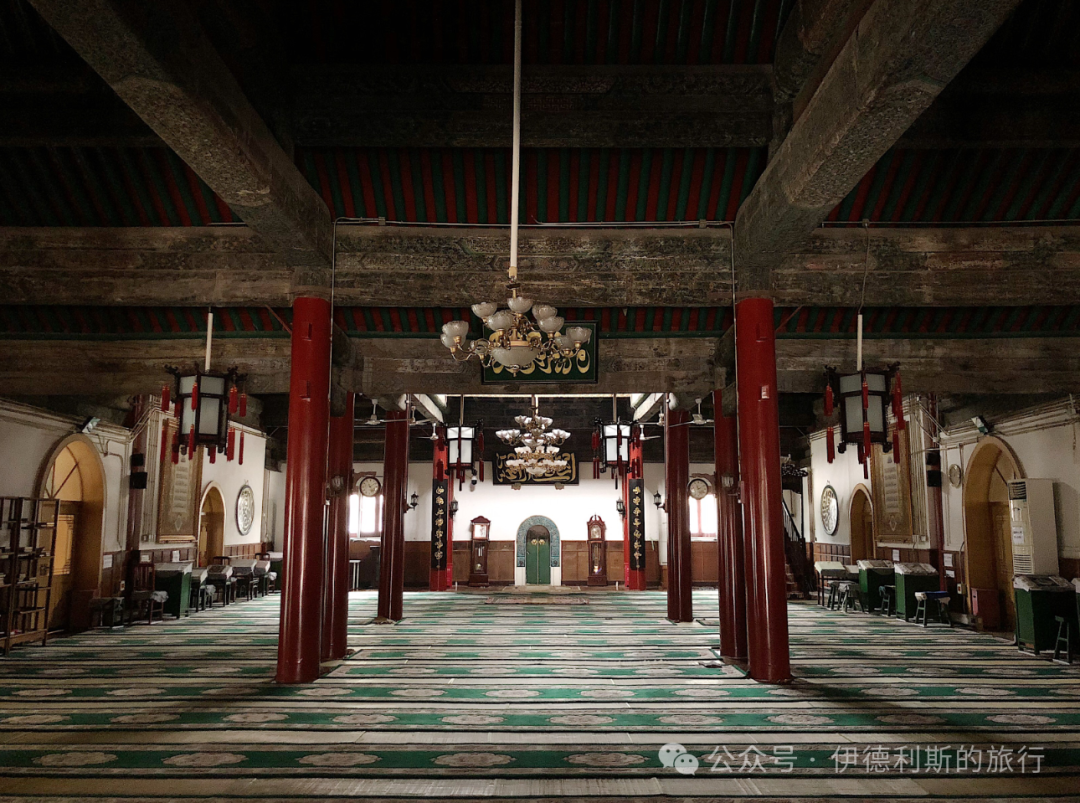
September, Shanxi, 1 mosque
Taiyuan Mosque: Located inside the South Gate on Beef Alley (Niurou Xiang). The main prayer hall and the Shengxin Tower (call to prayer tower, or bangkelou) are Ming Dynasty structures. This matches the time when Taiyuan city took its final shape and Hui Muslims officially settled in the city.
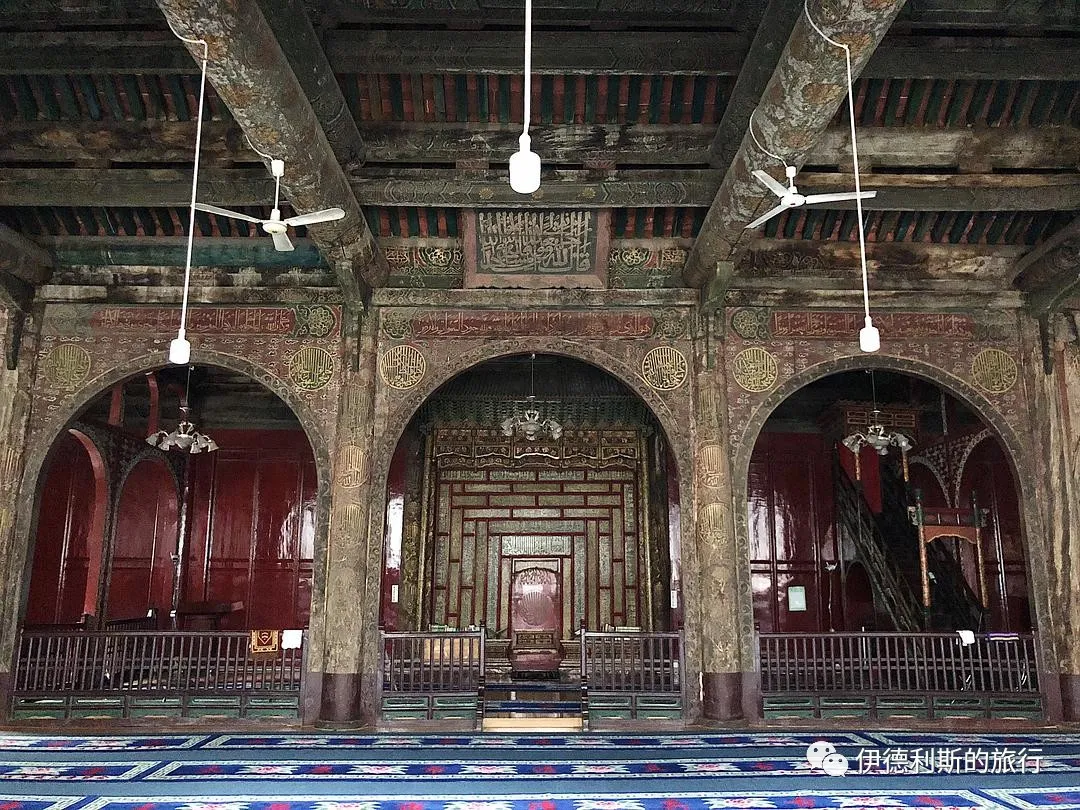
14 sites in Azerbaijan in September
Baku Palace Mosque: Built between 1441 and 1442 by order of the Shirvanshah king, Khalilullah I. In 1723, the army of Tsar Peter I shelled Baku from the Caspian Sea, damaging the northeast facade. The minaret was hit by artillery fire in 1918. The main prayer hall is very small and is generally used only by people from the palace or the immediate neighborhood.
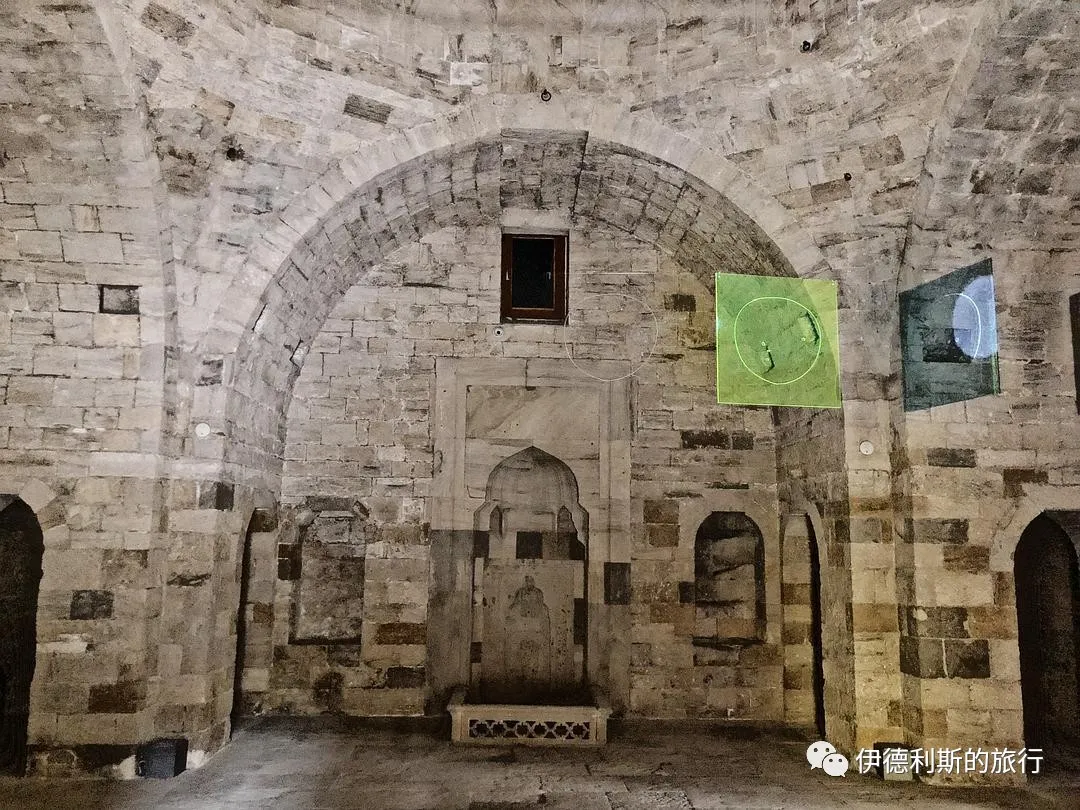
Muhammad Mosque: Built in 1078-1079, it is the oldest surviving religious building in Azerbaijan. According to the Kufic Arabic inscription on the north wall, the mosque was built by Muhammad ibn Abu Bakr. Research shows the mosque was built on the site of a Zoroastrian fire mosque, and Muhammad was the mayor of Baku at the time.
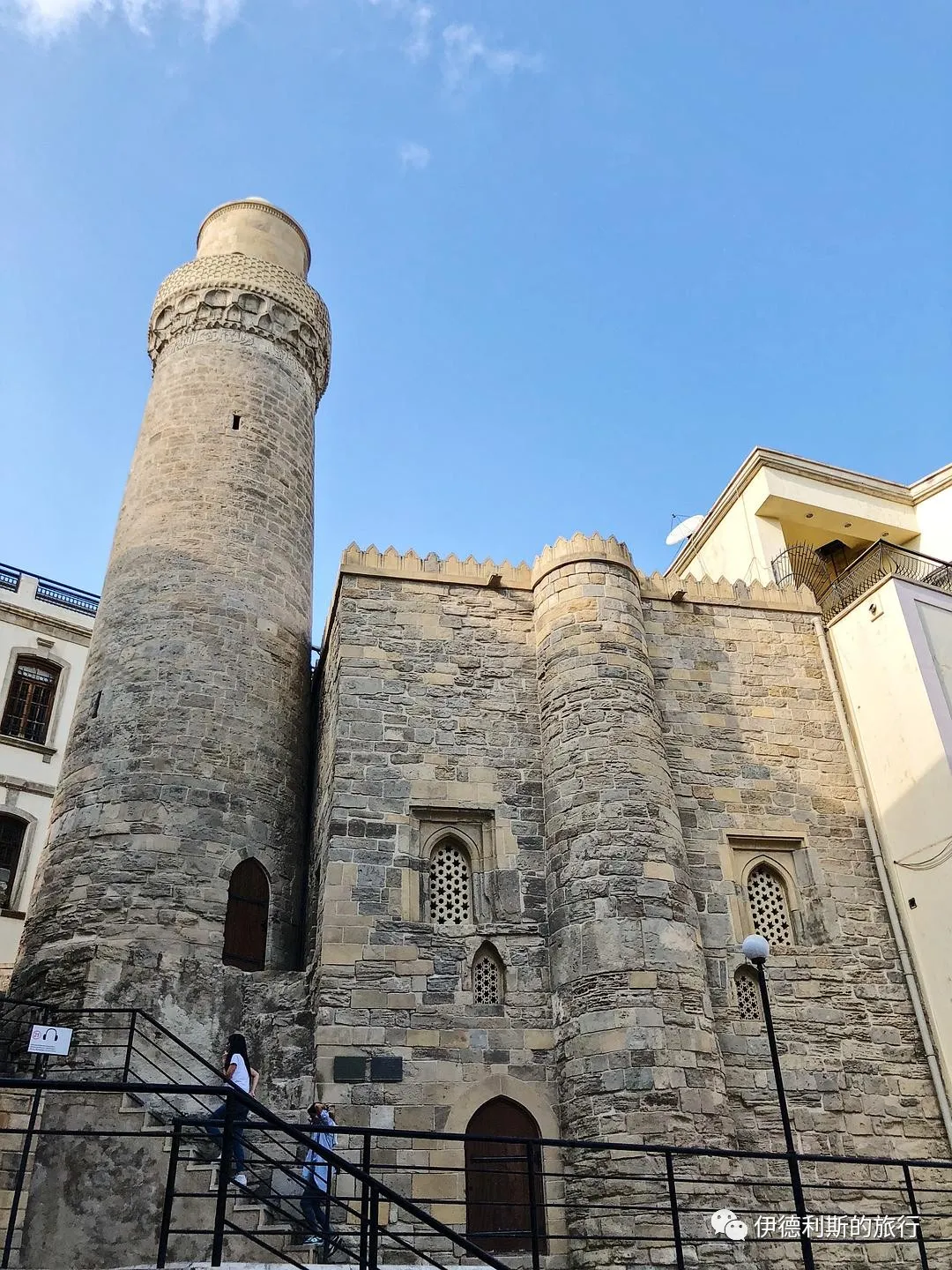
Takyeh Mosque: A 13th-century Sufi mosque that served as a place for Sufi practitioners to study and rest.
Khidir Mosque: Built in 1301. Archaeological excavations in 1988 revealed that this mosque was built on the site of a Zoroastrian mosque.
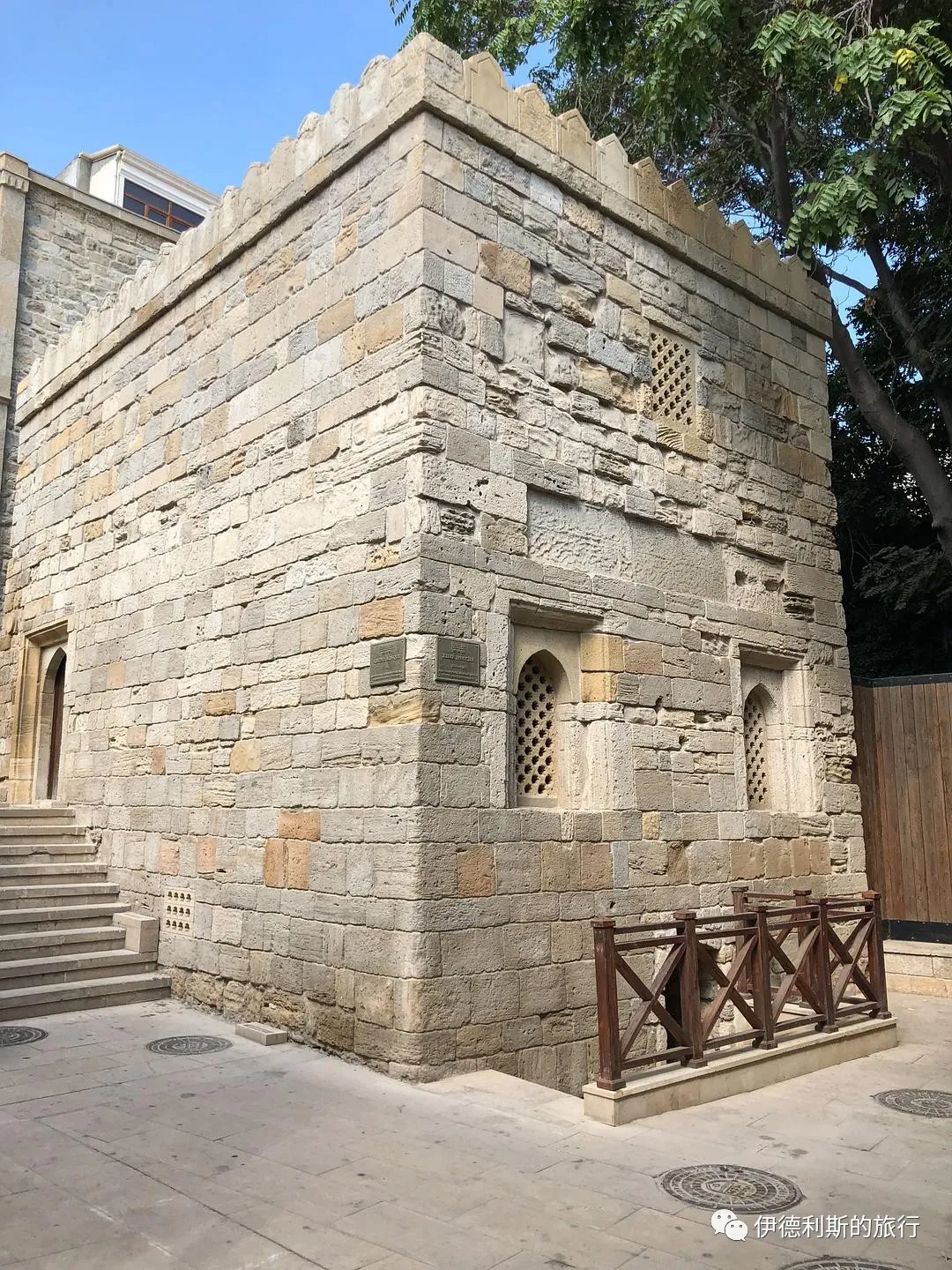
Mirza Ahmad Mosque: Built in 1345. The wall at the entrance is carved with scripture and the architect's name. It is currently closed due to its dilapidated state.
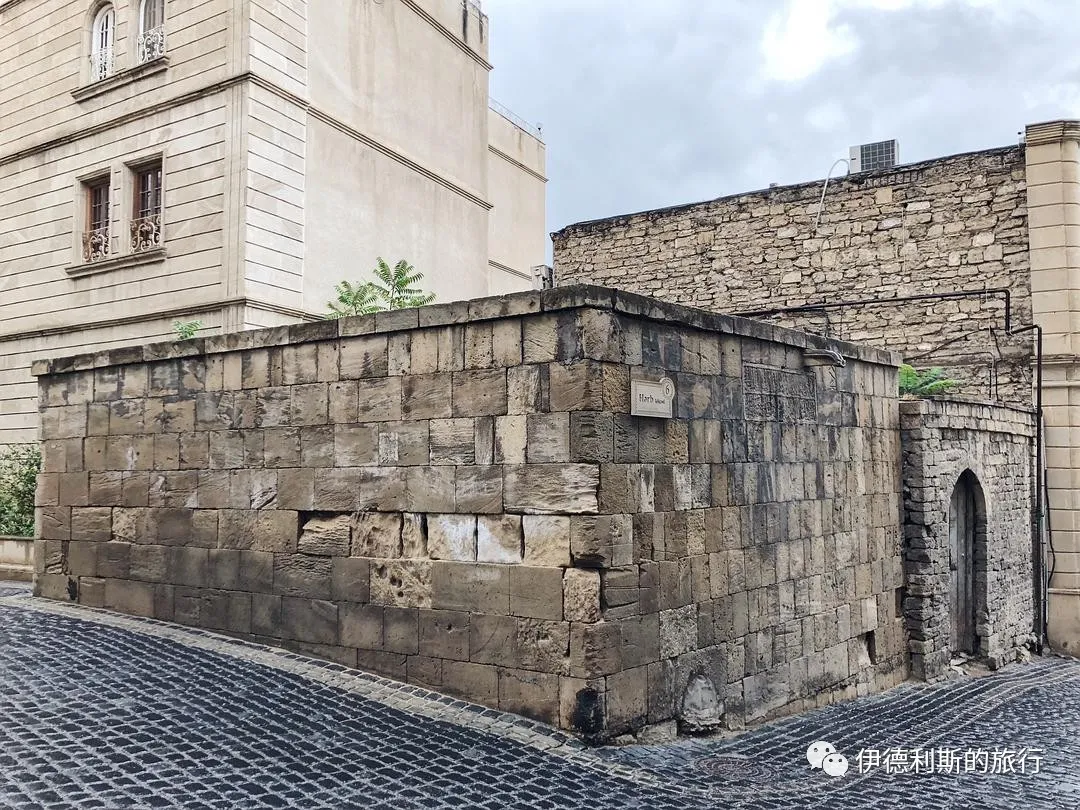
Chin Mosque: Stone carvings at the top of the entrance show it was built between 1375 and 1376, with repairs made between 1772 and 1773.
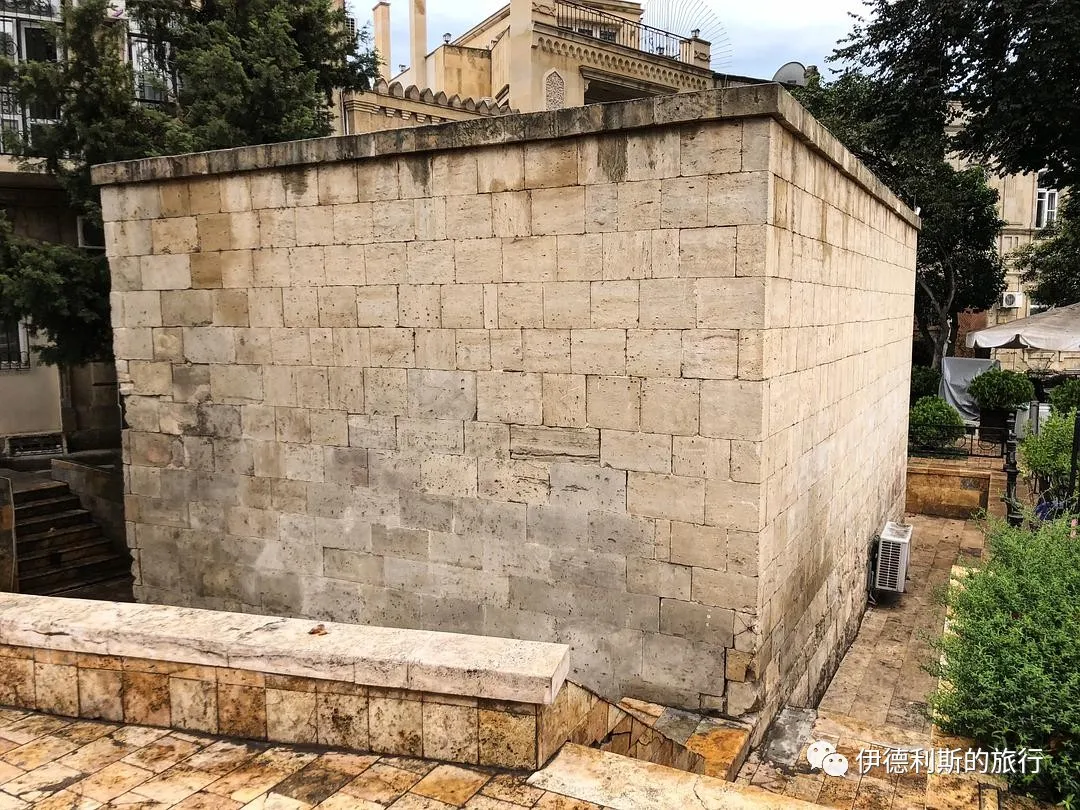
Molla Ahmad Mosque: Built in the early 14th century by the famous architect Mahmud ibn Sad of the Shirvan-Absheron school. It is a typical example of a small community mosque from the Shirvanshah dynasty.
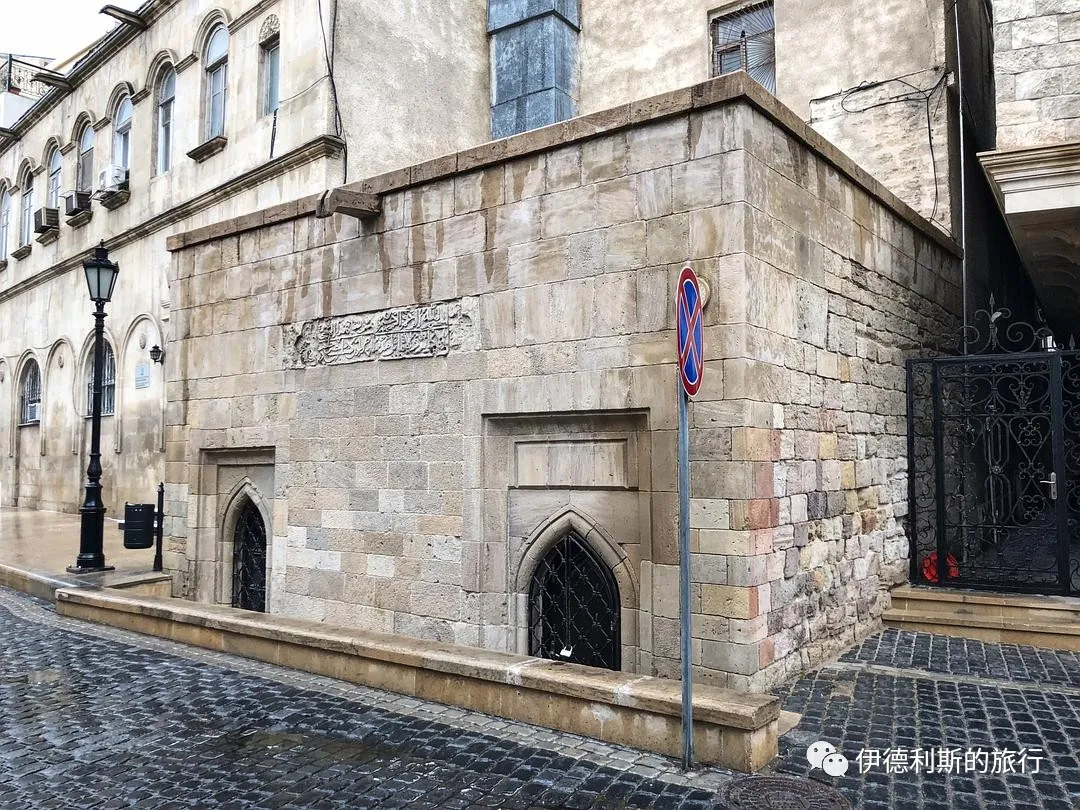
Sheikh Ibrahim Mosque: Built by Haji Amirshah ibn Yagub between 1415 and 1416. Baku was ruled at the time by the 33rd Shirvanshah king, Ibrahim I (reigned 1382-1417), which is why it is also called the Sheikh Ibrahim Mosque. In the 19th century, the mosque's facade was divided into three sections and windows were added.
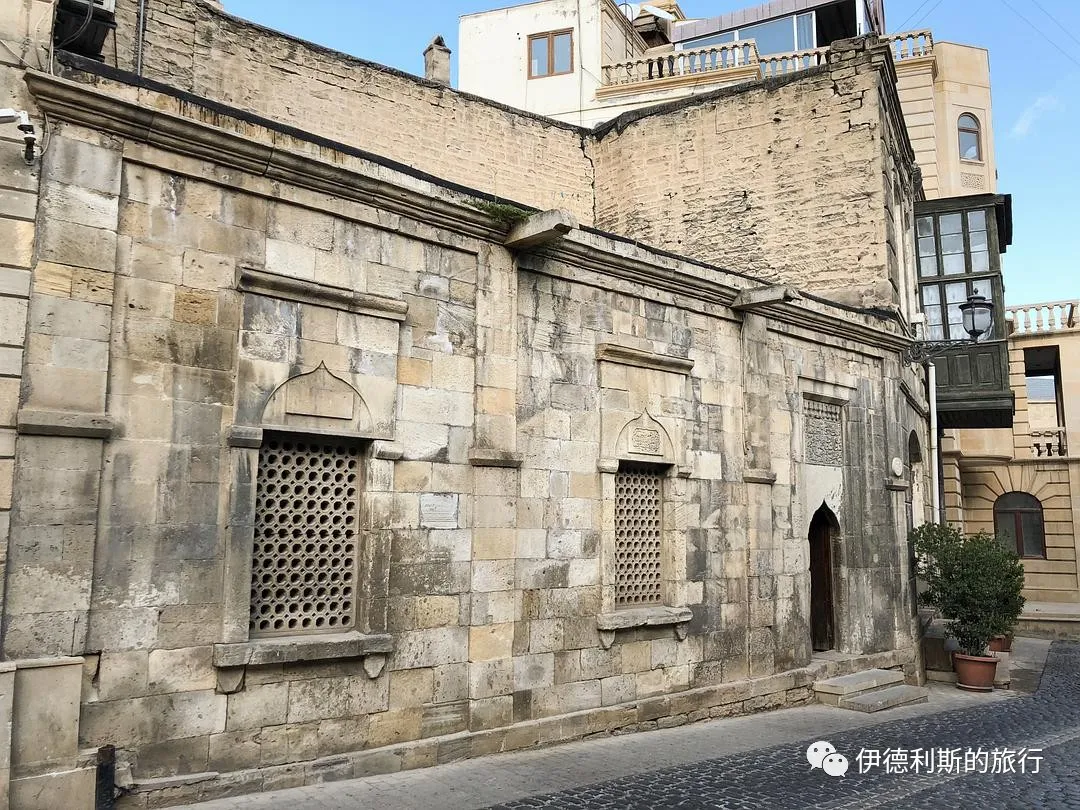
Juma Mosque: The main mosque in Baku's Old City. Inscriptions on the mosque walls show that Amir Sharaf al-Din Mahmud renovated it in 1309. The current main prayer hall was funded by Baku merchant Haji Shikhlali Dadashov in 1899, blending traditional styles with European architecture.
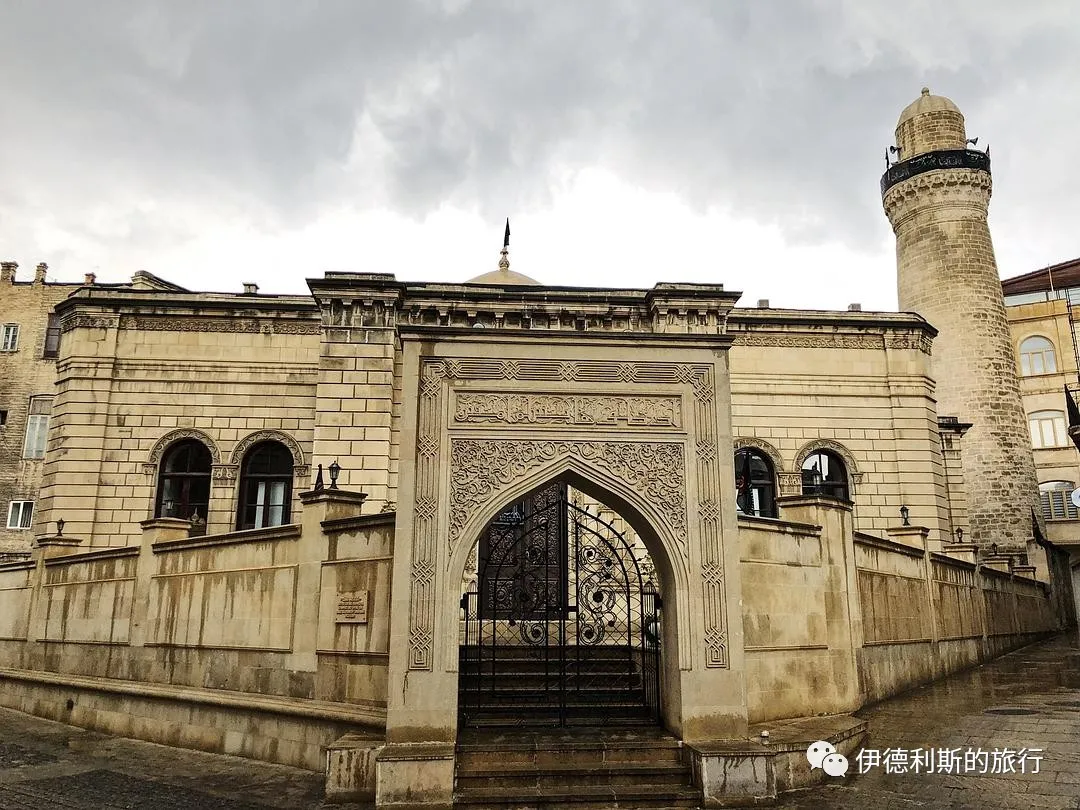
Sayyid Yahya Murtuza Mosque: Built in the early 17th century by Sayyid Yahya Murtuza himself. He was a famous local imam and was buried here after his passing. During the Soviet era, it became a carpenter's workshop. Religious activities resumed in the 1990s, and it is now affiliated with the Juma Mosque.
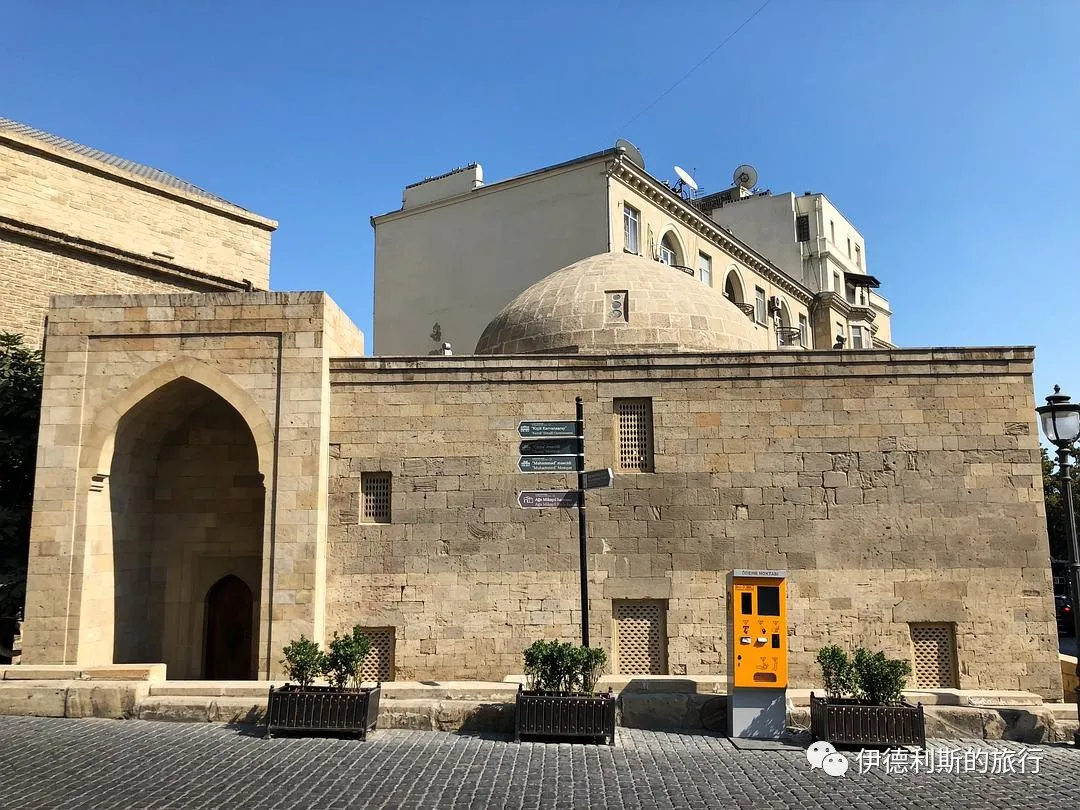
Haji Bani Mosque: Built in the 16th century by the architect Haji Bani. A women's prayer hall and windows were added during renovations in 1902-1903.
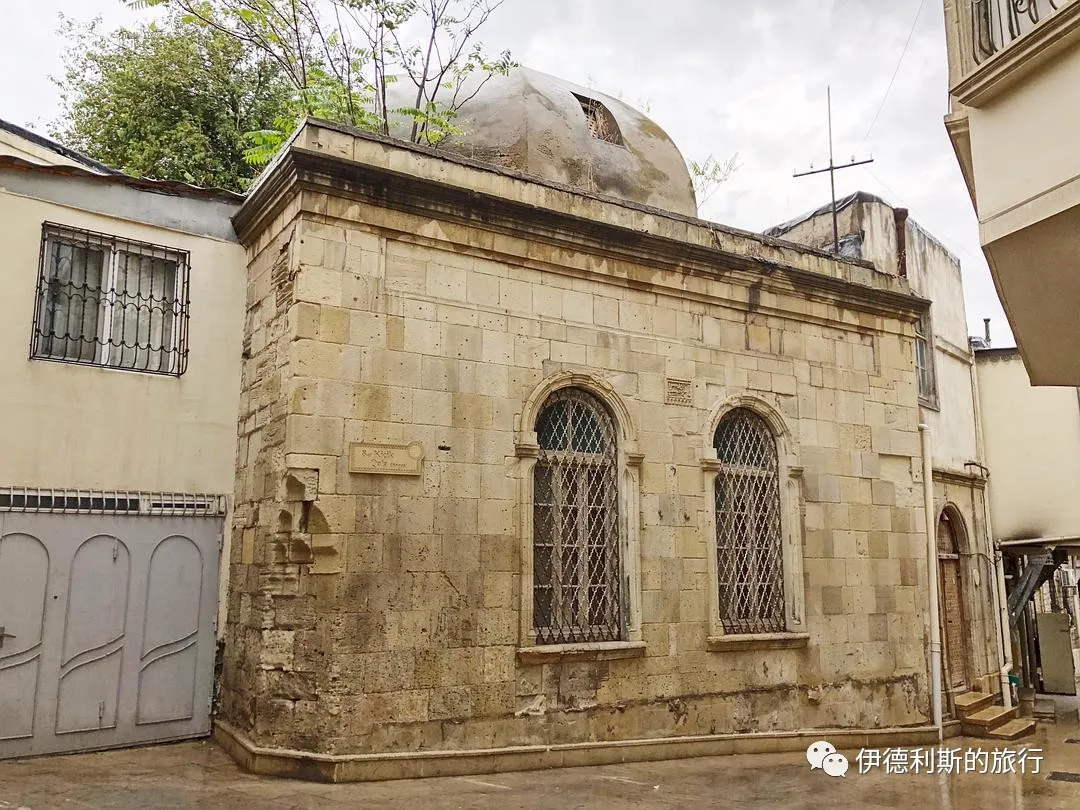
Baba Kuhi Bakuvi Mosque: Located north of the Maiden Tower and thought to date back to the 9th or 10th century. Archaeologist Farhad Ibrahimov excavated the site between 1990 and 1993, and the mihrab niche was unearthed in 1998.
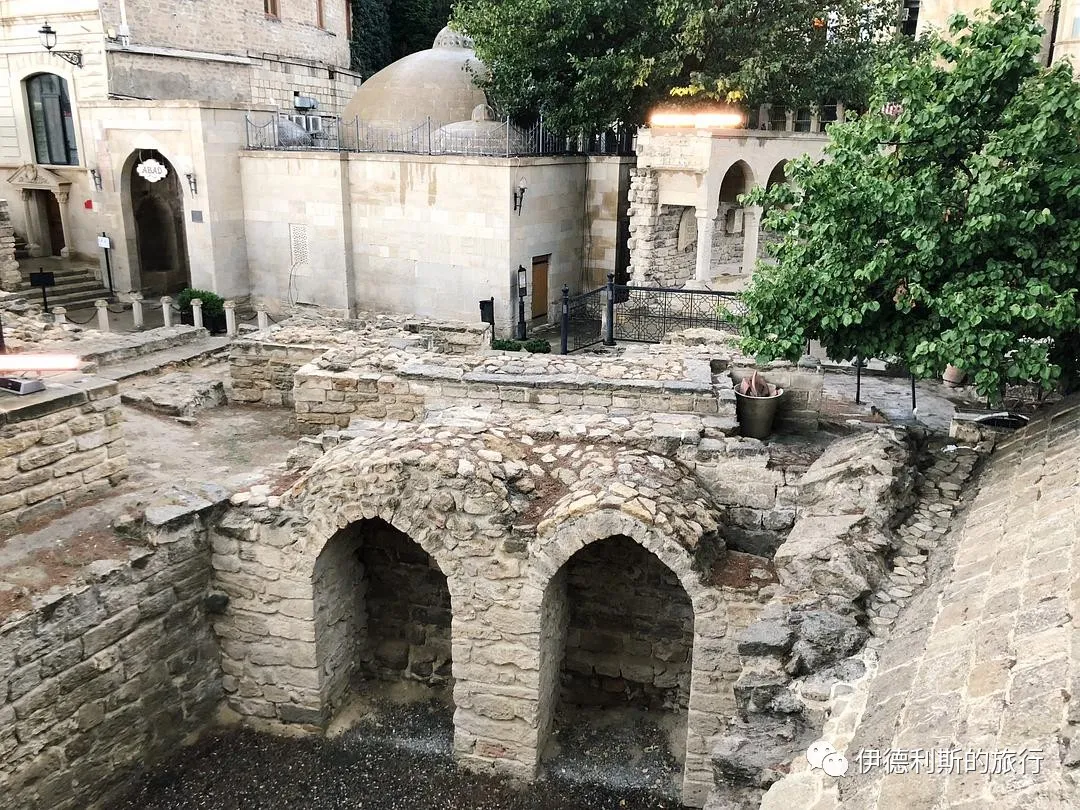
Haji Heybat Mosque: Built in 1791 by the architect Haji Heybat Amir Ali oghlu. It is a small community mosque.
Məktəb Mosque: Built between 1646 and 1647, it sits right next to the Maiden Tower.
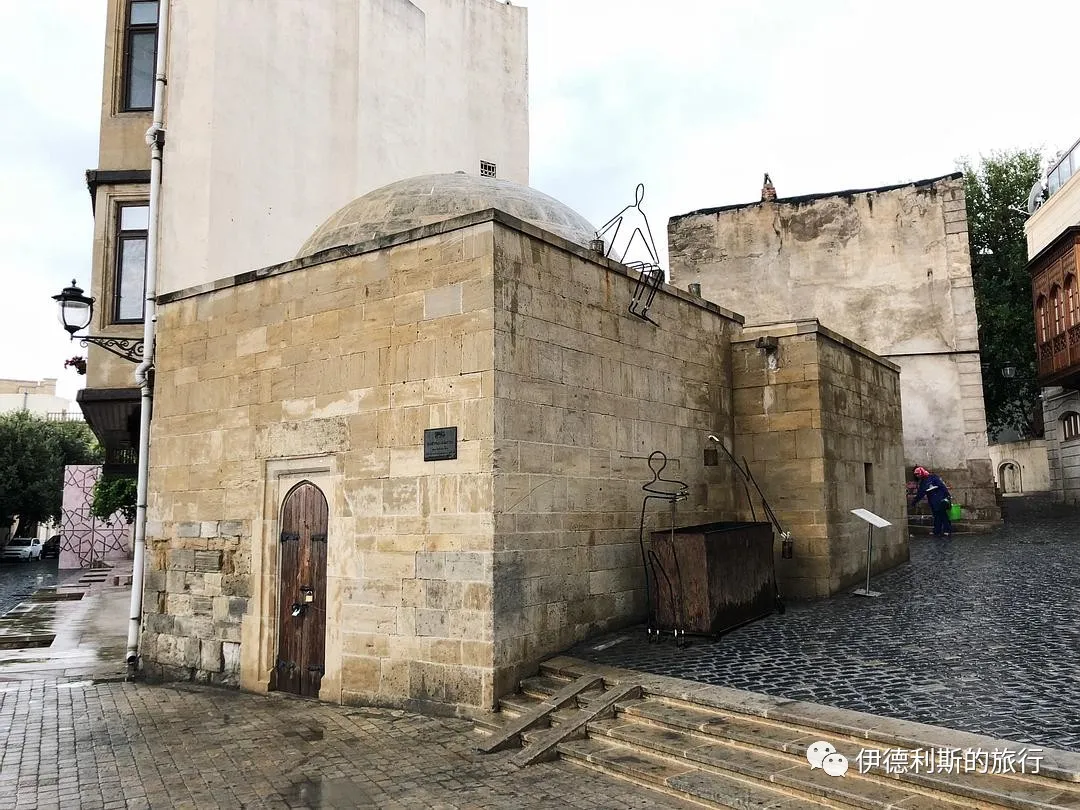
38 mosques in Turkey in October.
Konya Iplikci Mosque: Ordered in 1201 by the Seljuk vizier Shams al-Din Altun Aba, it was built by the architect Abu al-Fazi Abd al-Jabbar from Tabriz, Iran. This is key evidence of Persian craftsmen directly influencing Seljuk architecture. This building went through a series of renovations during the Karamanid dynasty, the Ottoman Empire, and modern times. Today, the original mosaic tiles on the mihrab inside the hall have been replaced by marble, but the parts at the bottom covered by carpets are still original pieces from the Seljuk period.
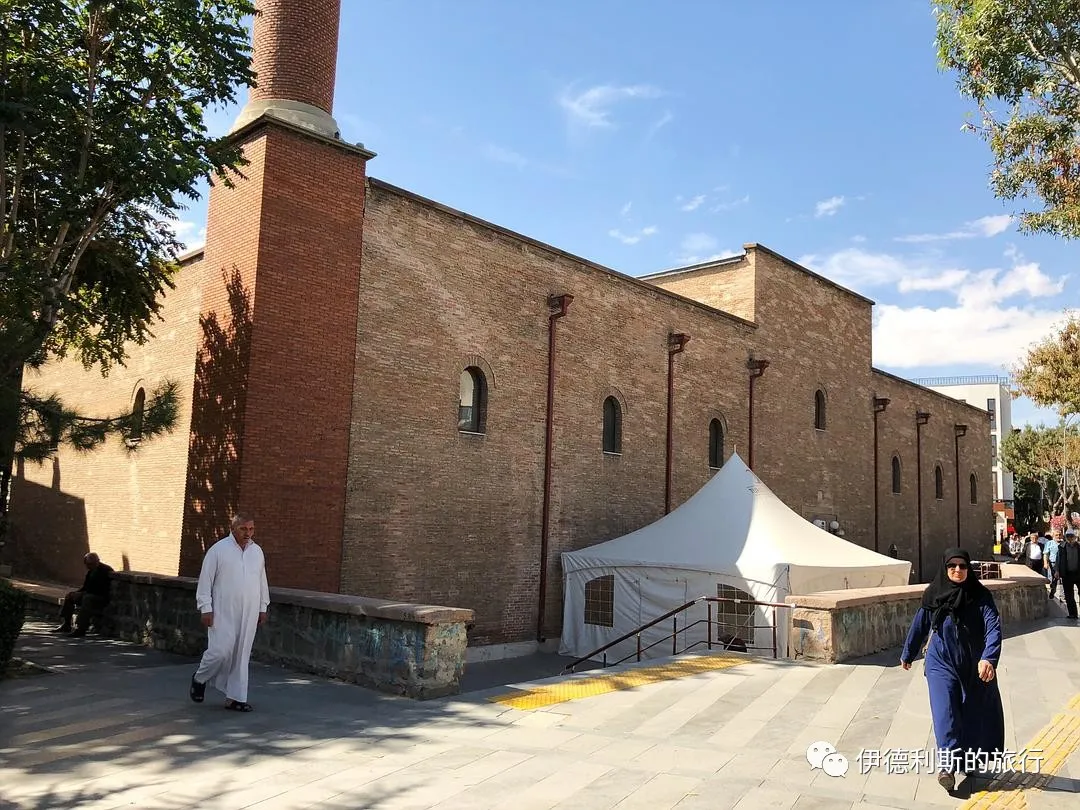
Konya Alaeddin Mosque: It was rebuilt on top of a Christian church shortly after the Seljuks occupied Konya in the late 11th century, and many of its components were taken directly from nearby Byzantine buildings. The earliest surviving inscription dates back to the reign of the Seljuk Sultan of Rum, Mesud I (reigned 1116–1156). The mosque's ebony minbar has an inscription from 1155, and the tiles on the mosque's mihrab and dome should have been built in the same period.
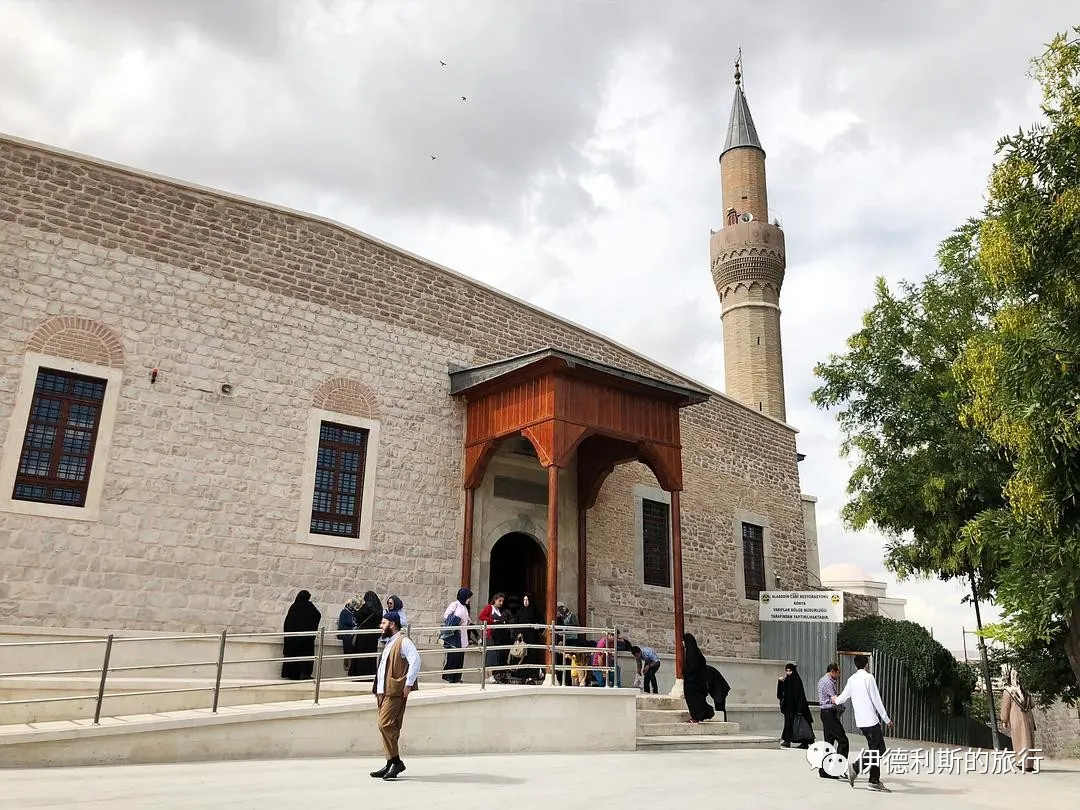
Konya Sahib Ata Mosque: Built by Sahib Ata Fahreddin Ali, the architect was Keluk bin Abdullah. Sahib Ata was a key official in the court of the Seljuk Sultanate of Rum from the 1250s until his death in 1288, and he even held great power in the sultanate after 1277.
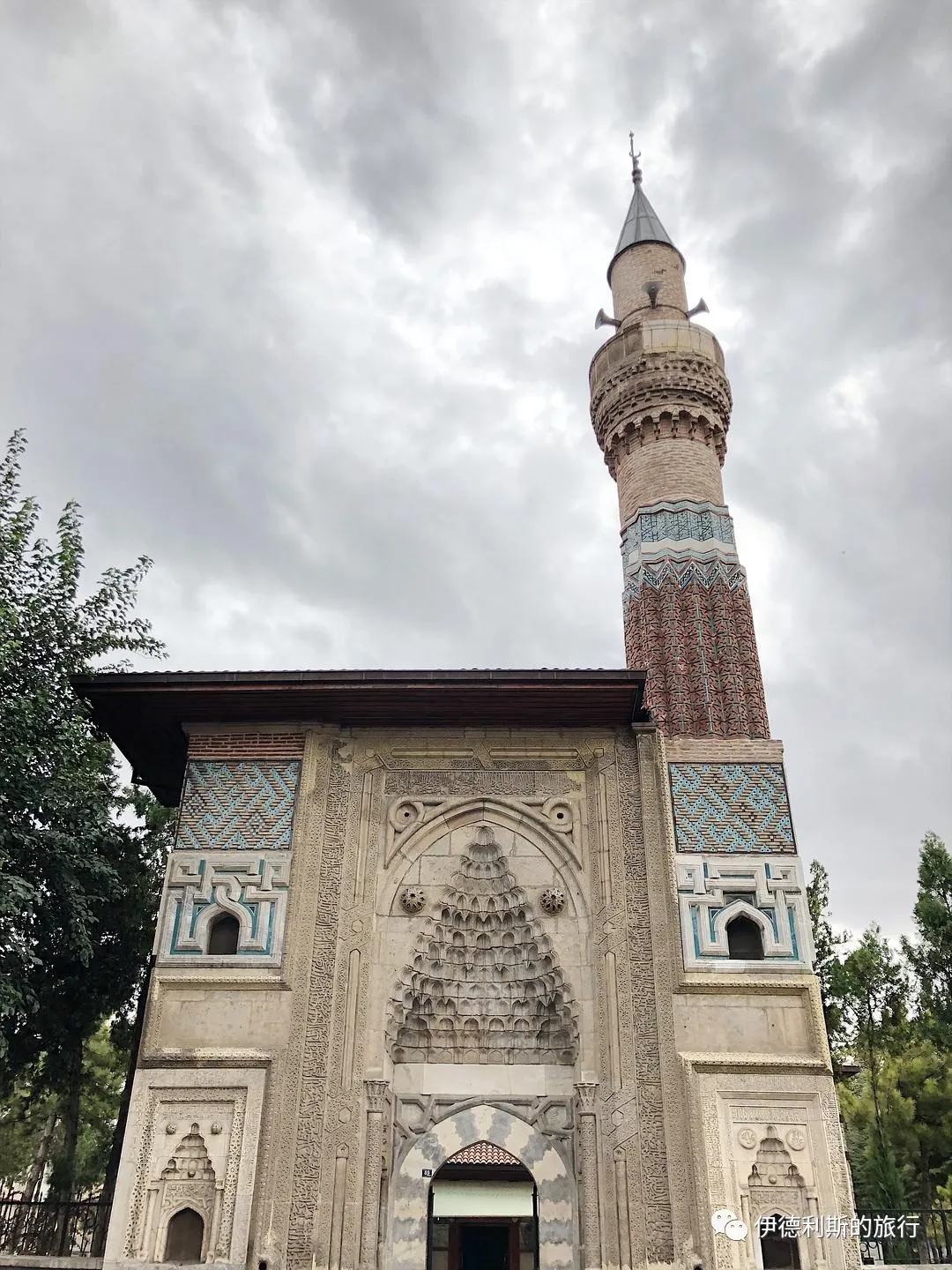
Bursa Orhan Mosque: This was the first mosque in Bursa. It was built in 1339 by the second Ottoman ruler, Orhan (reigned 1324-1362). It was burned by the Karamanid dynasty in 1413, rebuilt by Sultan Mehmed I (reigned 1379-1421) in 1417, and repaired again after being damaged by an earthquake in 1855.
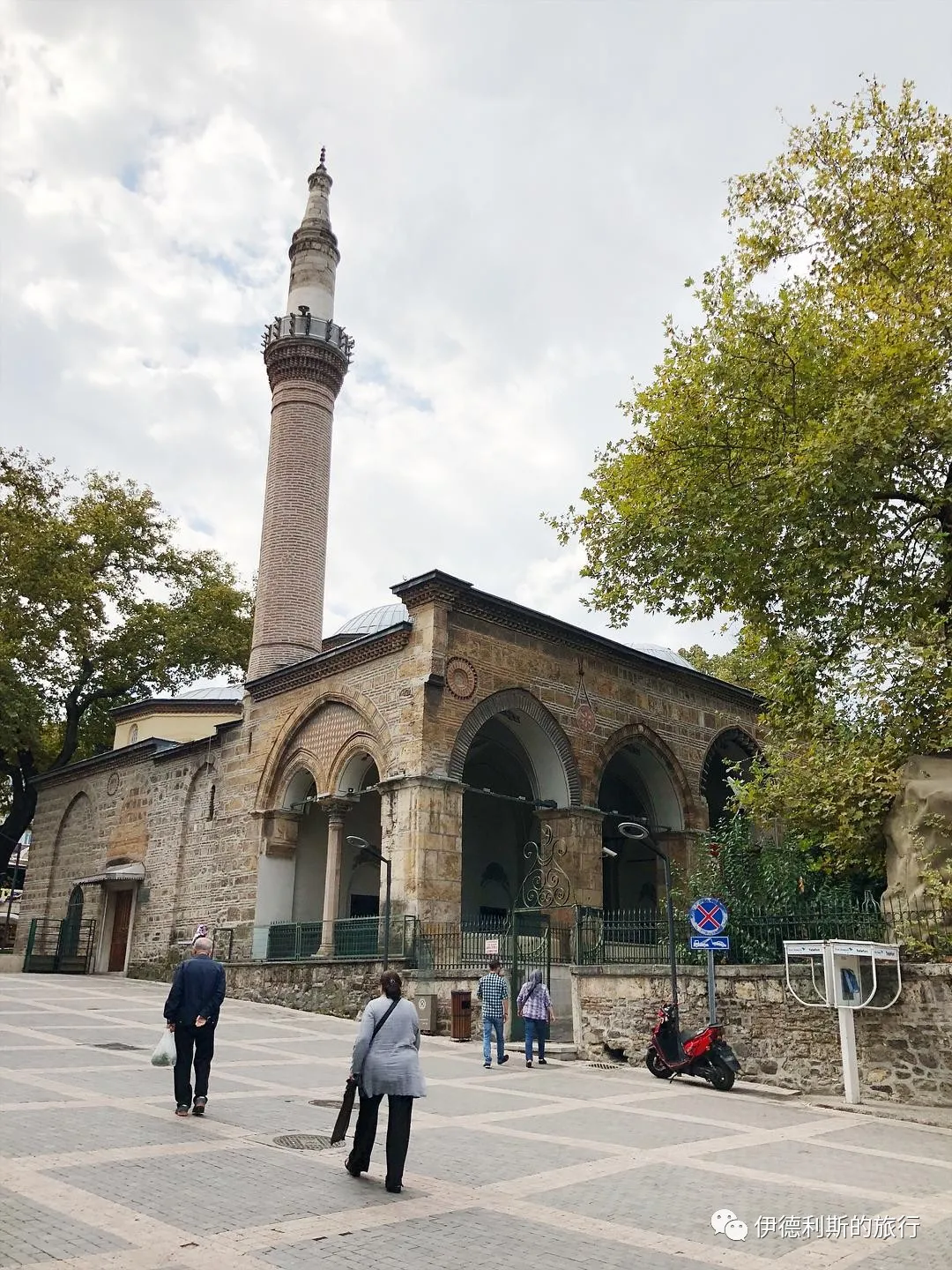
Bursa Grand Mosque (Ulu Cami): This is the largest mosque in Bursa and the largest of the multi-domed Ottoman mosques. This mosque consists of 20 domes and two minarets and is known as a masterpiece of early Ottoman architecture. It was built between 1396 and 1399 by the fourth Ottoman Sultan, Bayezid I (reigned 1389-1402), to celebrate the famous Battle of Nicopolis. The architect is said to be Ali Neccar.
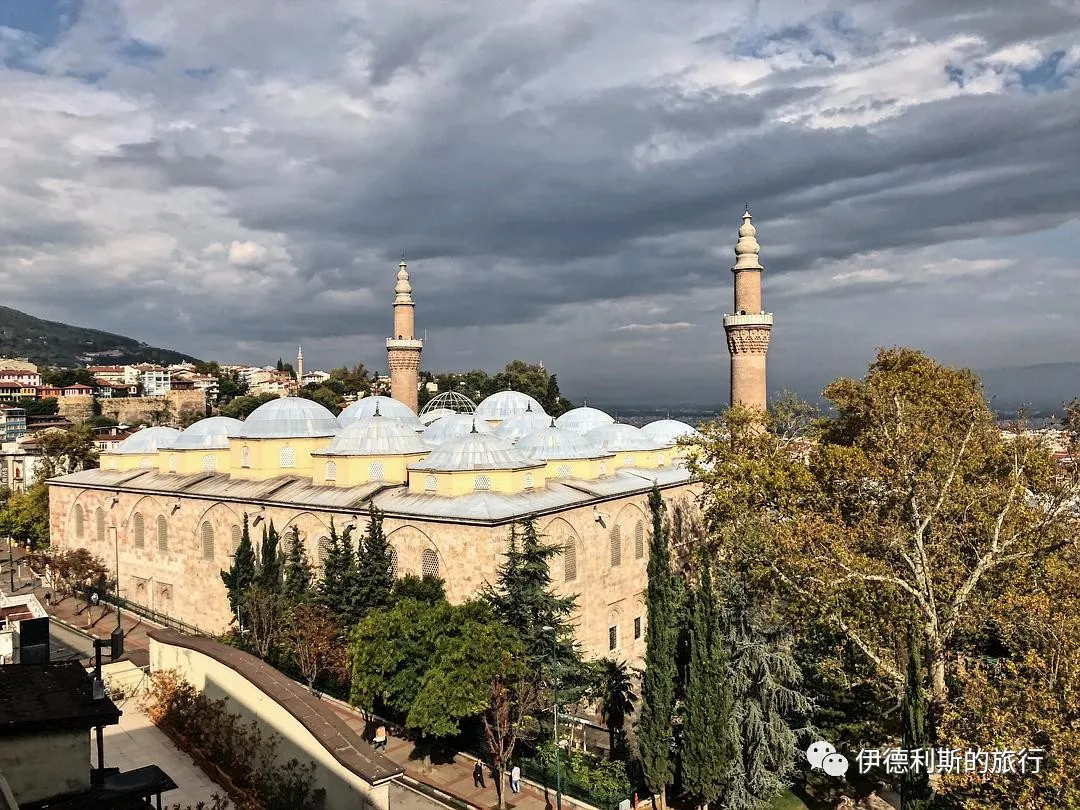
Bursa Hüdavendigar Mosque: Also called the Murad I Mosque, it was built by Sultan Murad I between 1363 and 1366. It is a classic early Ottoman T-shaped mosque. Its biggest feature is that the madrasa is located on the floor above the prayer hall. Because many Byzantine craftsmen participated in its construction, the mosque features Byzantine-style brickwork and column capitals. At the same time, this is the only Ottoman mosque with two porches.
Bursa Lightning Mosque (Yıldırım Bayezid Mosque): Also called the Lightning Bayezid Mosque, it was ordered by Sultan Bayezid I between 1390 and 1395. It underwent major repairs after the 1855 earthquake. It is the only early Ottoman mosque in Bursa built entirely of stone, without using any bricks. the Lightning Mosque is the first mosque to feature a Bursa arch structure. This flat arch is located between the main hall and the gate, supporting two large domes.
Bursa Green Mosque (Yeşil Cami): Also called the Mehmed I Mosque, it was built by Sultan Mehmed I between 1414 and 1419. It is a masterpiece by the famous early 15th-century Ottoman architect İvaz Pasha. The stone carvings on the gate are considered the pinnacle of early Ottoman architecture. Due to the death of Mehmed I, the narthex of the mosque was never finished.
Bursa Muradiye Mosque: Also called the Murad II Mosque, it was built by Sultan Murad II between 1425 and 1426. The mosque is an early Ottoman T-shaped mosque. The main hall has two domes, and each wing has a small dome. The interior of the mosque is decorated with blue-green and dark blue hexagonal tiles.
Edirne Old Mosque (Eski Cami): In 1413, Prince Mehmed was crowned Sultan Mehmed I in Edirne, and he officially completed the construction of this mosque the following year. This mosque is the oldest one still standing in Edirne, so it is called the Old Mosque (Eski Cami). The Old Mosque is one of the last multi-domed mosques to use the early Ottoman Seljuk style, featuring nine central domes in total. Compared to earlier Seljuk multi-domed mosques, the domes here have a noticeably larger diameter, showing that the Ottomans were starting to move past their early phase.
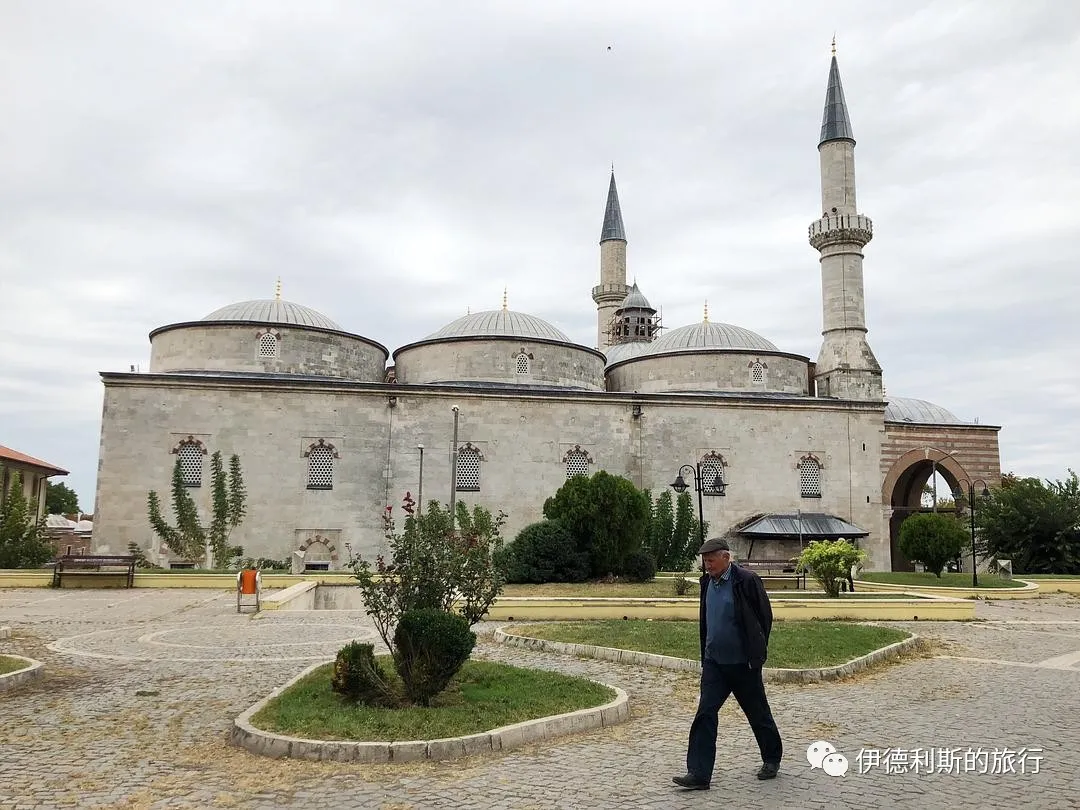
Edirne Muradiye Mosque: This is a small T-shaped mosque on a hill north of Edirne, built in 1436 by order of the sixth Ottoman Sultan, Murad II (reigned 1421-1444). This site was originally part of a Sufi Mevlevi complex before it was converted into a mosque.
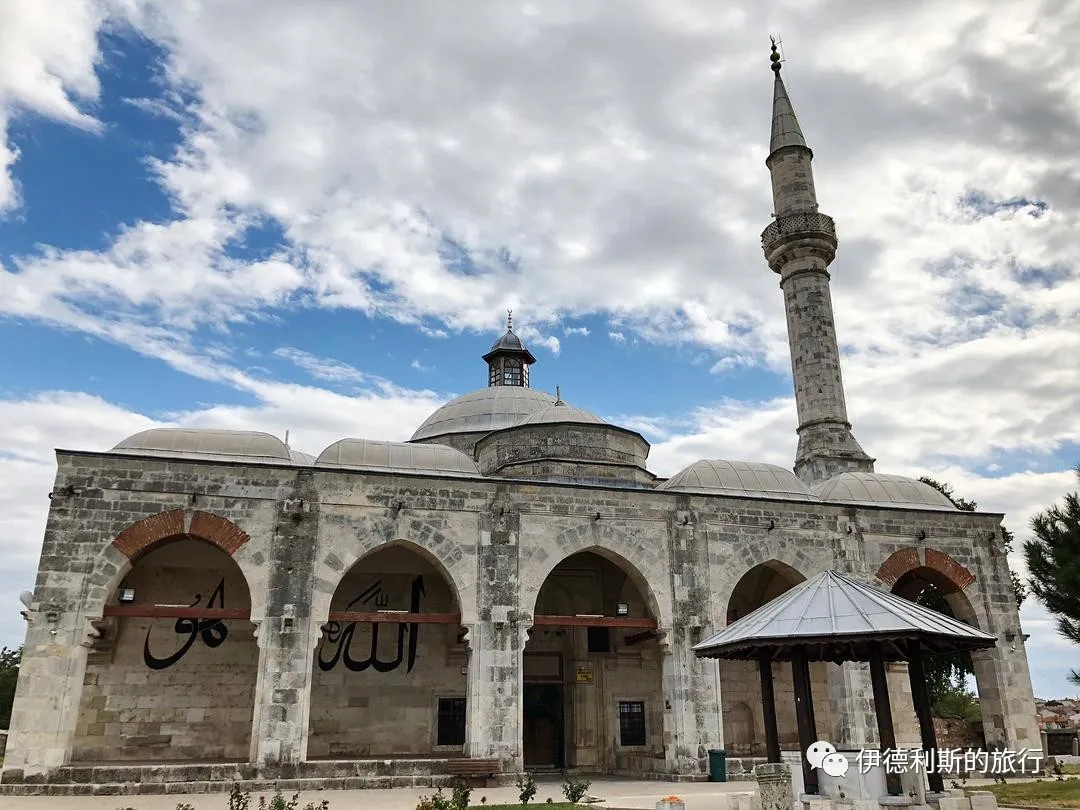
Edirne Three-Balcony Mosque (Üç Şerefeli Camii): This is known as a major landmark that started a new era in Ottoman architecture, being the first Ottoman mosque with a central dome and the first to feature a courtyard. The mosque was started in 1438 by the sixth Ottoman Sultan, Murad II (reigned 1421-1444), and finished in 1447.
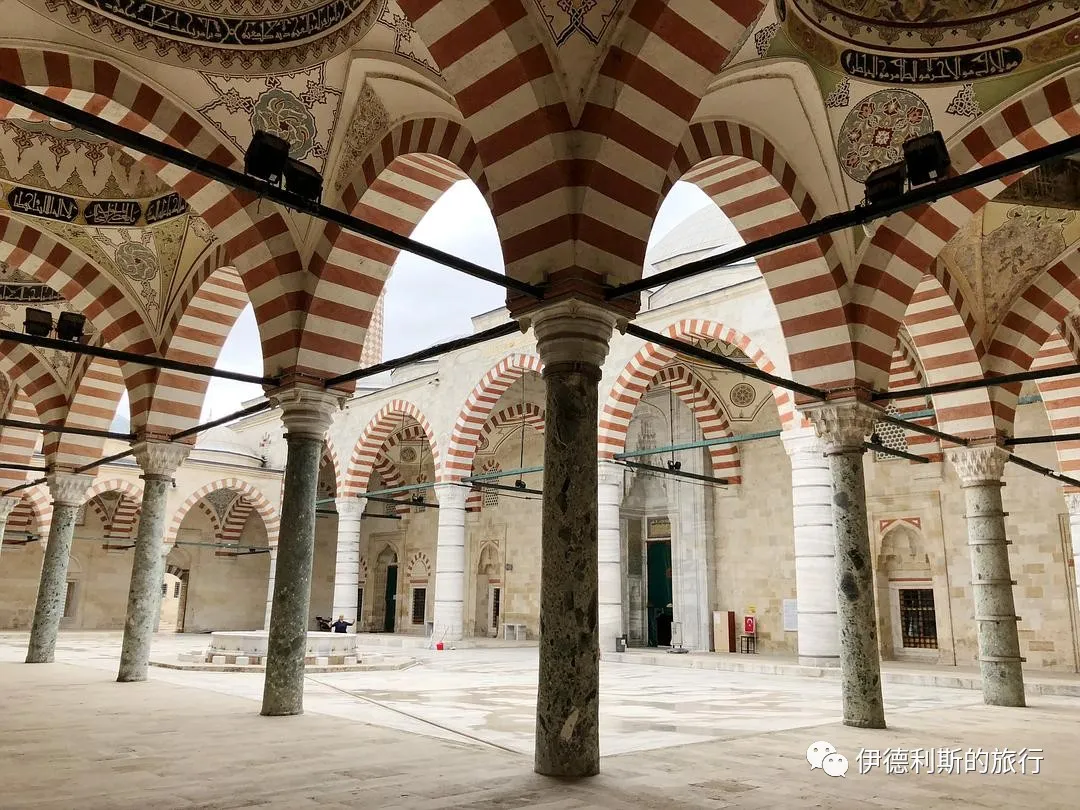
Edirne Kasım Paşa Mosque: This was built in 1479 by order of Kasım Paşa. Kasım Paşa was a famous Ottoman general who served as the commander of Rumelia, the European part of the Ottoman Empire. The mosque closed after 1950 due to the construction of a dam, and it has been damaged by floods ever since, making it the most wild and untamed early Ottoman mosque in Edirne.
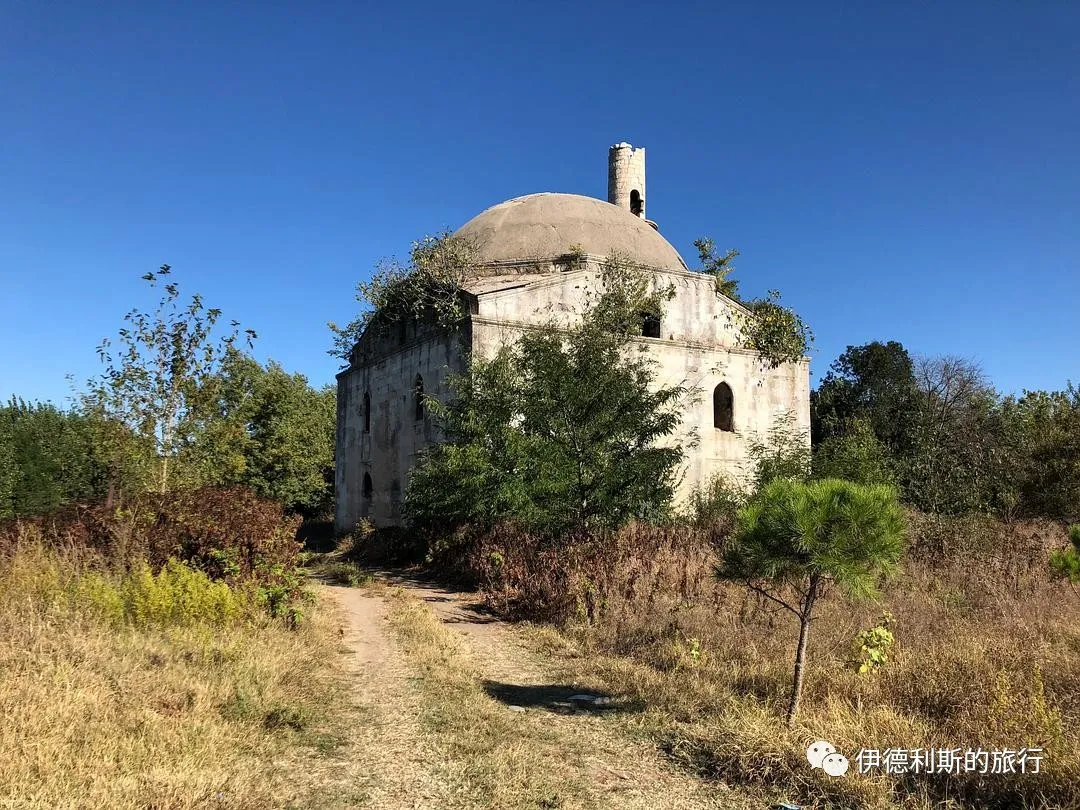
Edirne Sultan Bayezid II Mosque: Located on the north bank of the Tunca River (Sadun River) in the northwest suburbs of Edirne, it was built by order of the eighth Ottoman Sultan, Bayezid II (reigned 1481-1512).
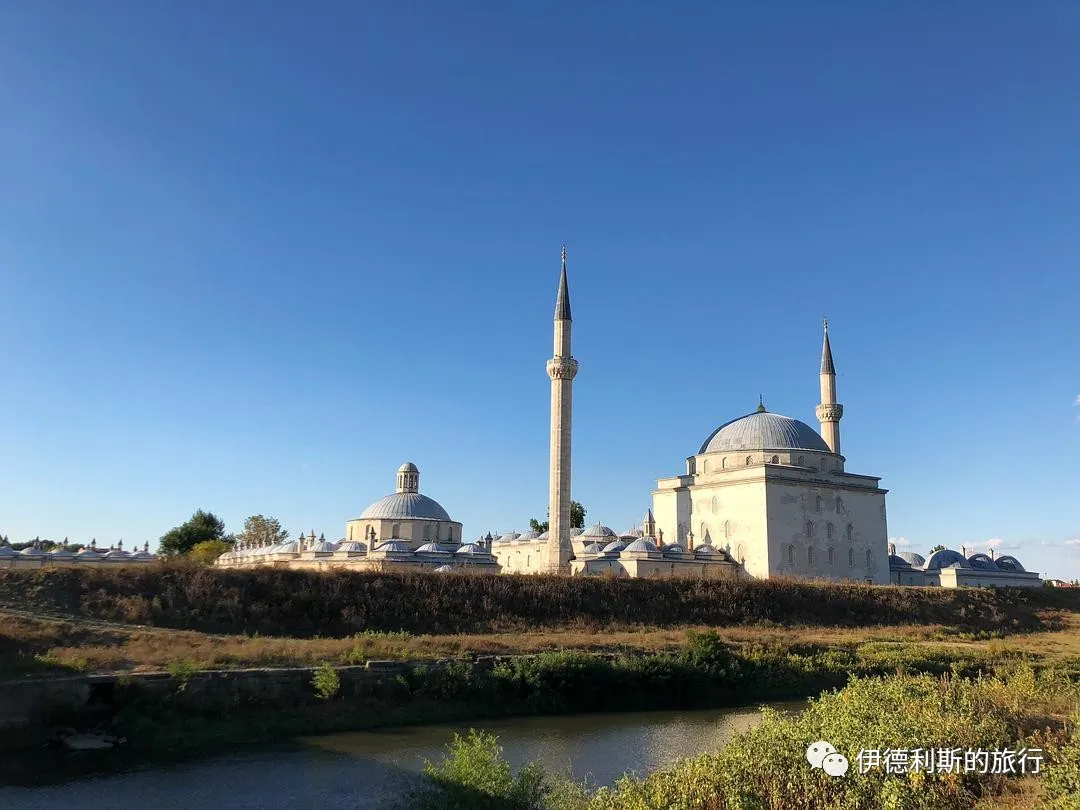
Istanbul Atik Ali Pasha Mosque: Built in 1496 by Atik Ali Pasha, the Grand Vizier to Ottoman Sultan Bayezid II, it is located south of the Grand Bazaar in Istanbul.
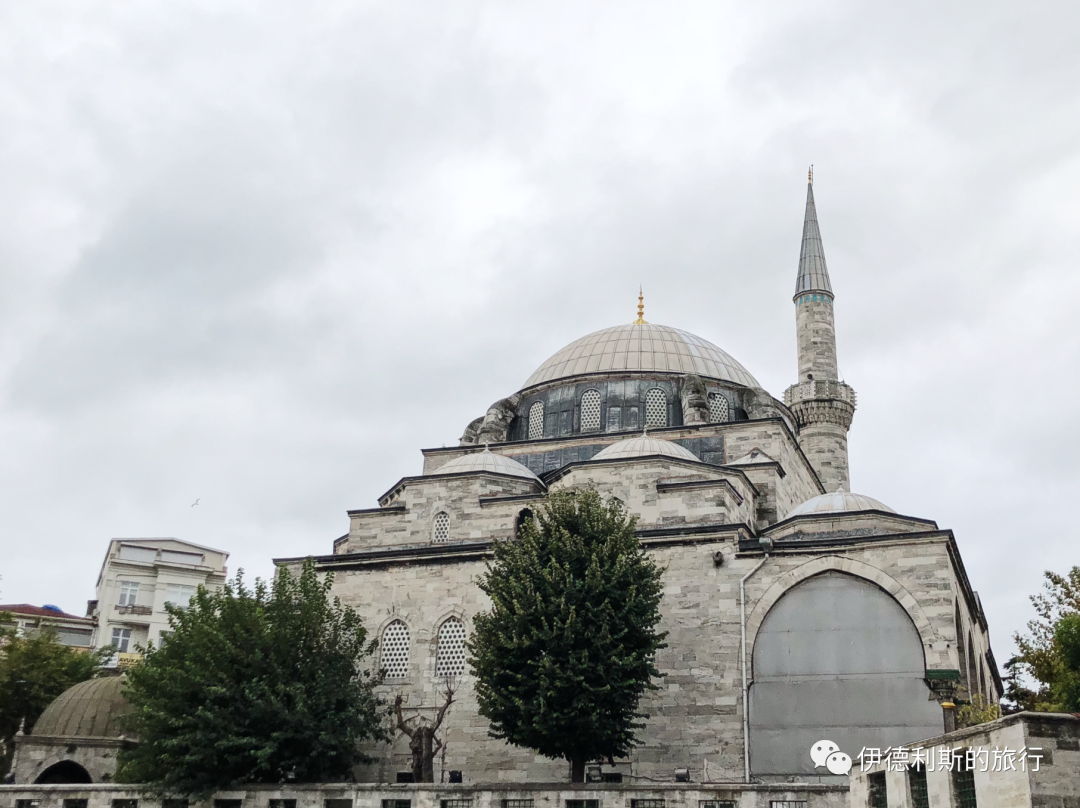
Istanbul Selim I Mosque: Built in 1520 by Ottoman Sultan Suleiman the Magnificent to honor his father, Sultan Selim I (reigned 1512-1520), and completed in 1527, it is the third imperial mosque built by the Ottoman dynasty in Istanbul.
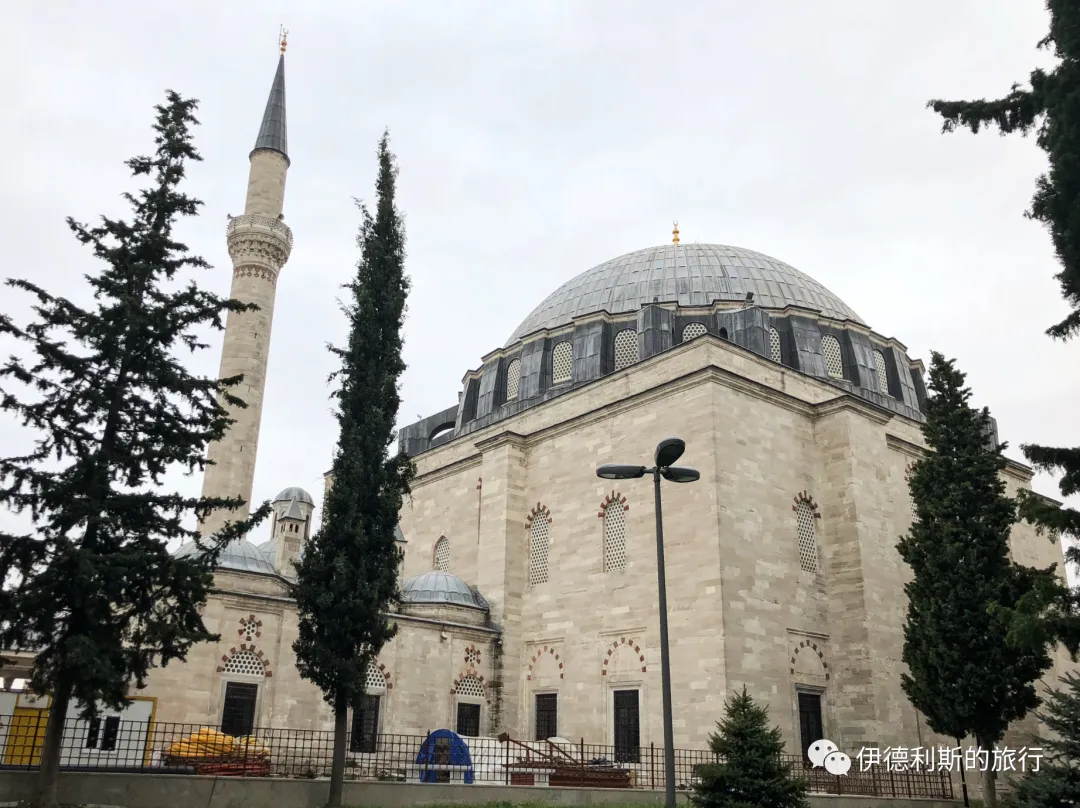
Istanbul Mihrimah Sultan Mosque: Built between 1543 and 1548, it is one of the most famous landmarks in the Üsküdar district and the second complex by Mimar Sinan still standing in Istanbul. It is the first semi-domed mosque designed by Mimar Sinan.
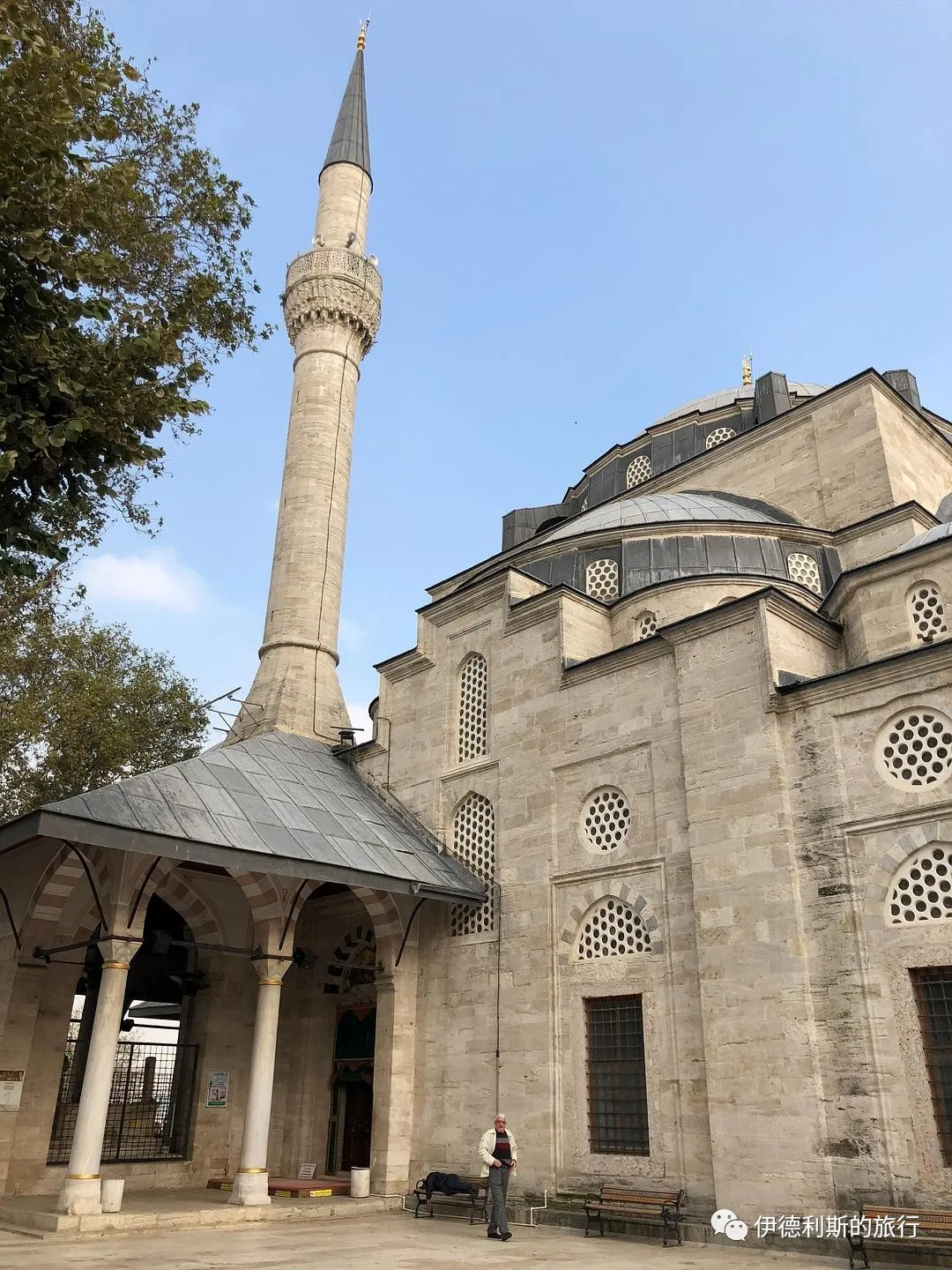
Istanbul Prince Mosque (Şehzade Mosque): Located on the third hill of Istanbul's old city and built between 1543 and 1548, it is considered Mimar Sinan's most important early work and his first masterpiece. It is the second semi-domed mosque designed by Mimar Sinan, consisting of one main dome and four semi-domes. This was both an improvement on Sinan's previous work, the Mihrimah Sultan Mosque with its three semi-domes, and a new interpretation of earlier designs like the Fatih Mosque (1471) and the Bayezid II Mosque (1506). This design separates the four pillars supporting the central dome, creating a more stunning visual effect.
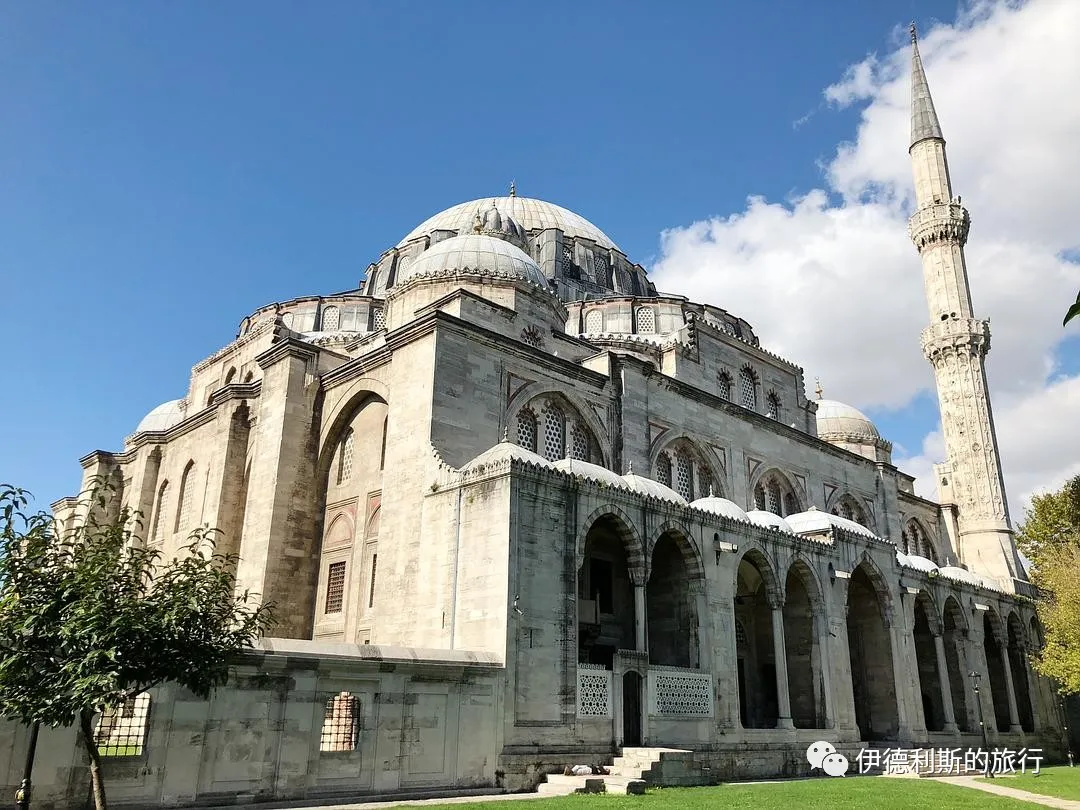
Istanbul Hadım Ibrahim Pasha Mosque: Built in 1551, it was commissioned by the Vizier Ibrahim Pasha, known as the Eunuch (Hadım), and built by Mimar Sinan. It belongs to the first phase of Mimar Sinan's single-dome mosque designs. In this phase, Sinan used eight buttresses to support the main dome, a design that also foreshadowed his next phase of octagonal dome structures.
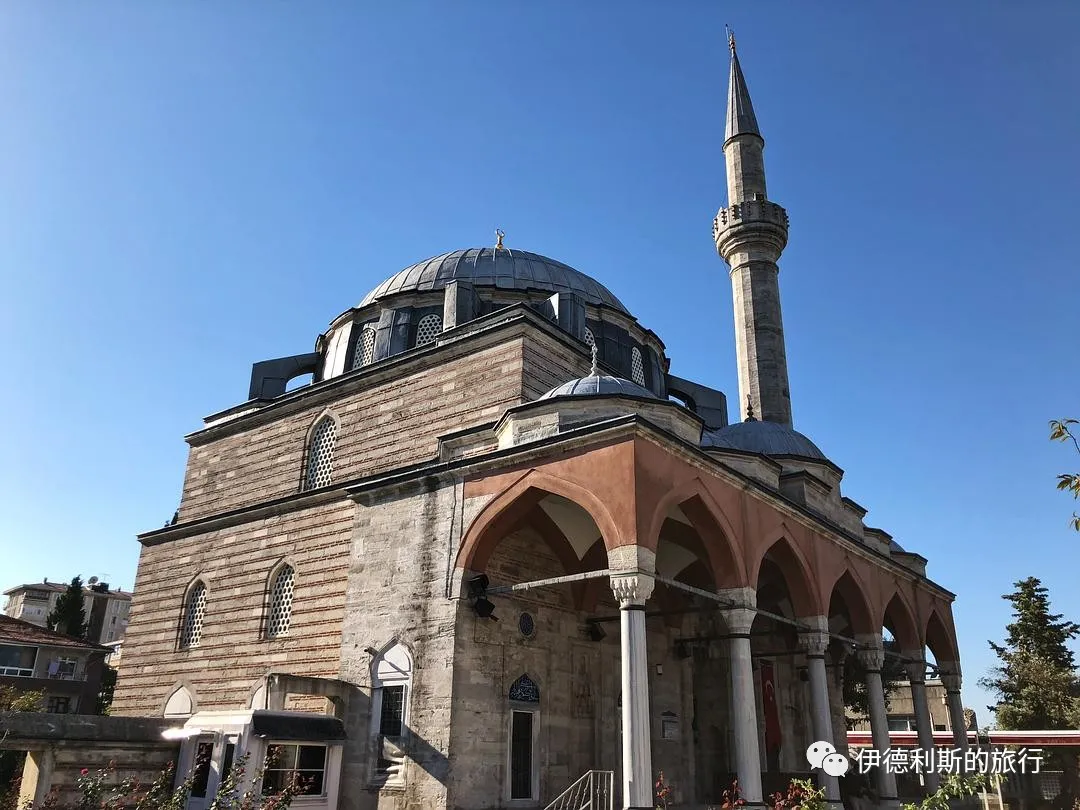
Istanbul Sinan Pasha Mosque: Completed in 1555 and commissioned by Sinan Pasha, it is Mimar Sinan's reinterpretation of the famous Three-Balcony Mosque (Üç Şerefeli Camii) in Edirne, and is therefore known as the smaller version of the Three-Balcony Mosque.
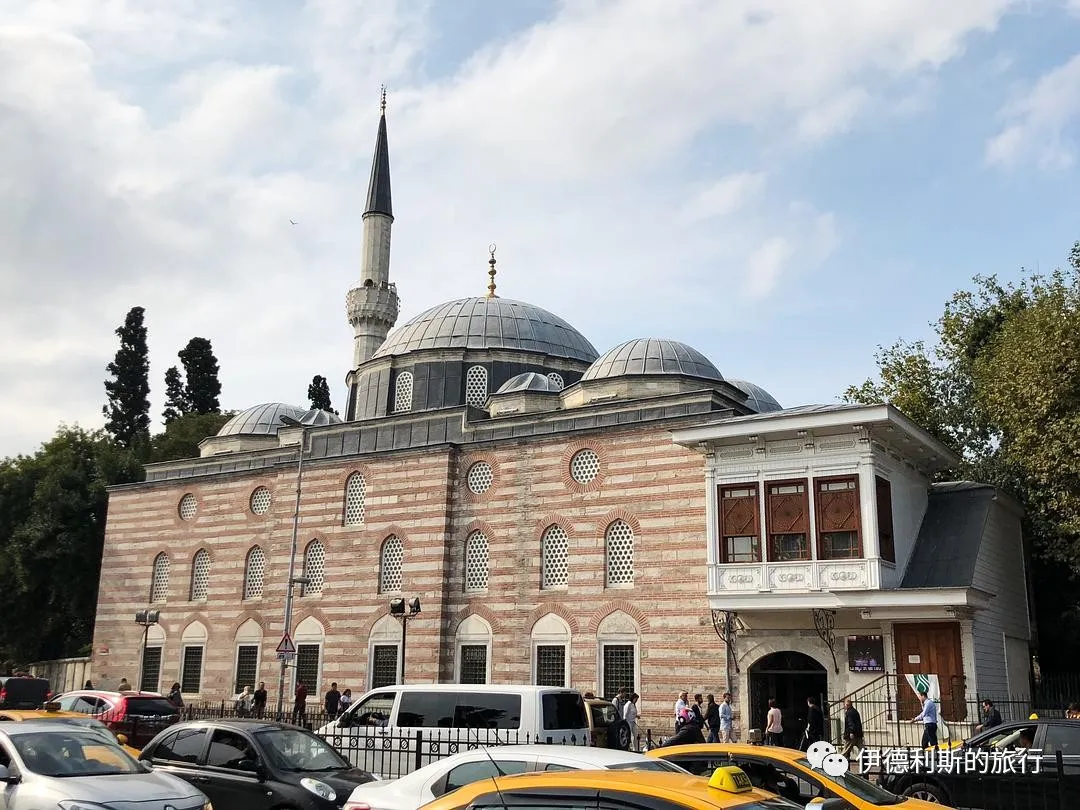
Istanbul Süleymaniye Mosque: Commissioned by Ottoman Sultan Suleiman the Magnificent and built by Mimar Sinan, it sits on the third hill of Istanbul and is a key part of the old city's skyline. Construction took seven years from 1550 to 1557, though it was not officially finished until 1558. This is the largest square-based, semi-domed mosque in the career of architect Mimar Sinan, with a main dome 53 meters high, which was the tallest in the Ottoman Empire at the time.
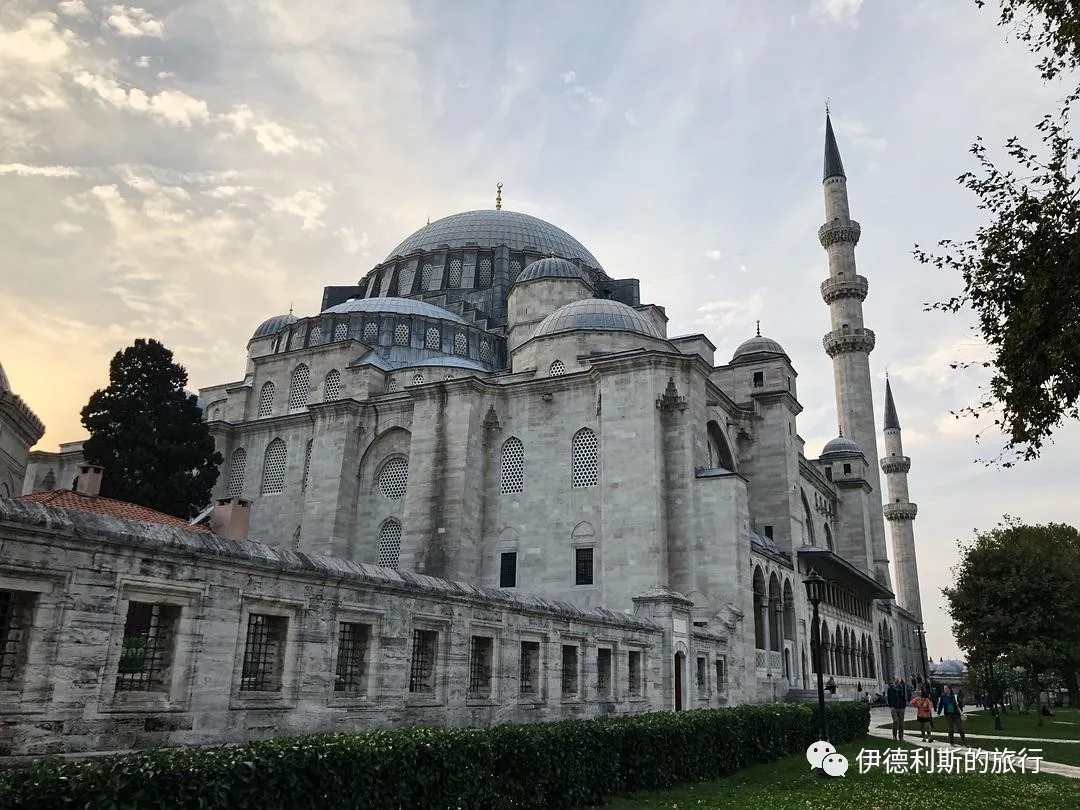
Sokollu Mehmed Pasha Mosque in Istanbul: Commissioned by Grand Vizier Sokollu Mehmed Pasha and his wife İsmihan Sultan, it was built by Mimar Sinan between 1567 and 1572 and is famous for its beautiful Iznik tiles inside.
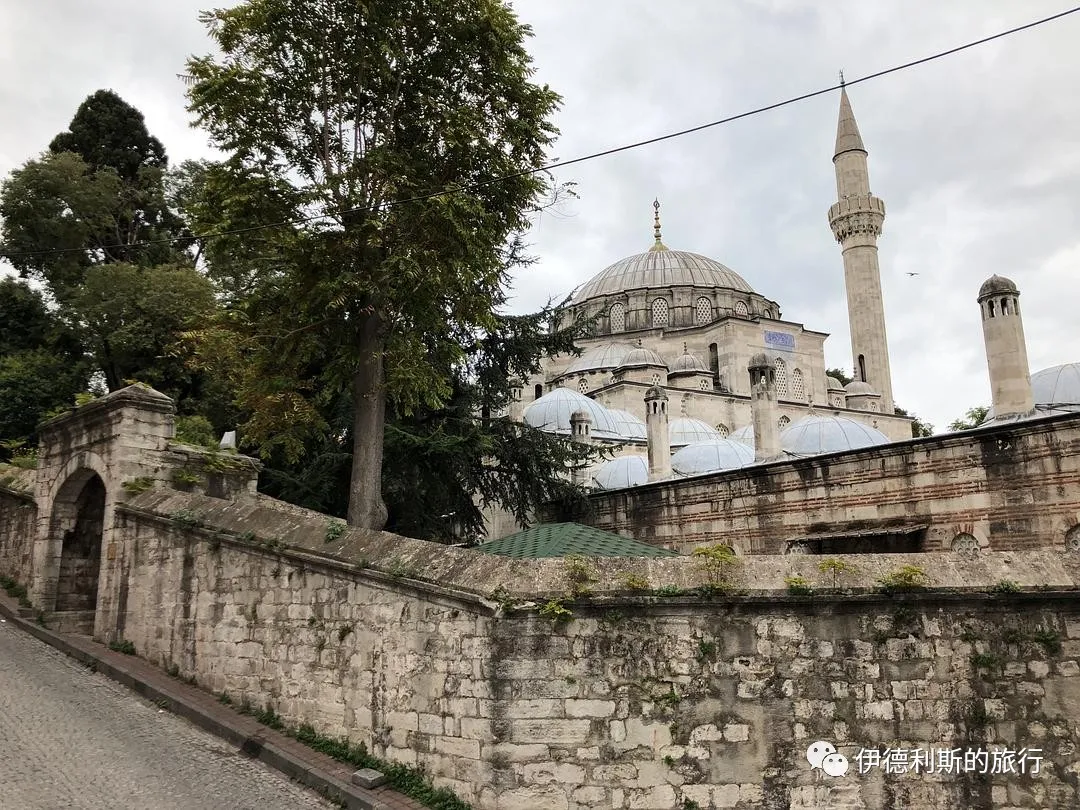
Mihrimah Sultan Mosque in Istanbul: Built by Mimar Sinan between 1563 and 1570, commissioned by Mihrimah Sultan, the daughter of Suleiman the Magnificent. The complex sits on the sixth hill inside the northwest walls of Istanbul, which is the highest point of the old city. The structure of the mosque is considered the most advanced type of single-dome mosque from that period. The 35-meter-high dome is supported by four piers, with four arches and four pendentives forming a tower-like structure. Four polygonal piers protrude on the outside but are almost invisible from the inside, creating a shape like a neatly cut crystal.
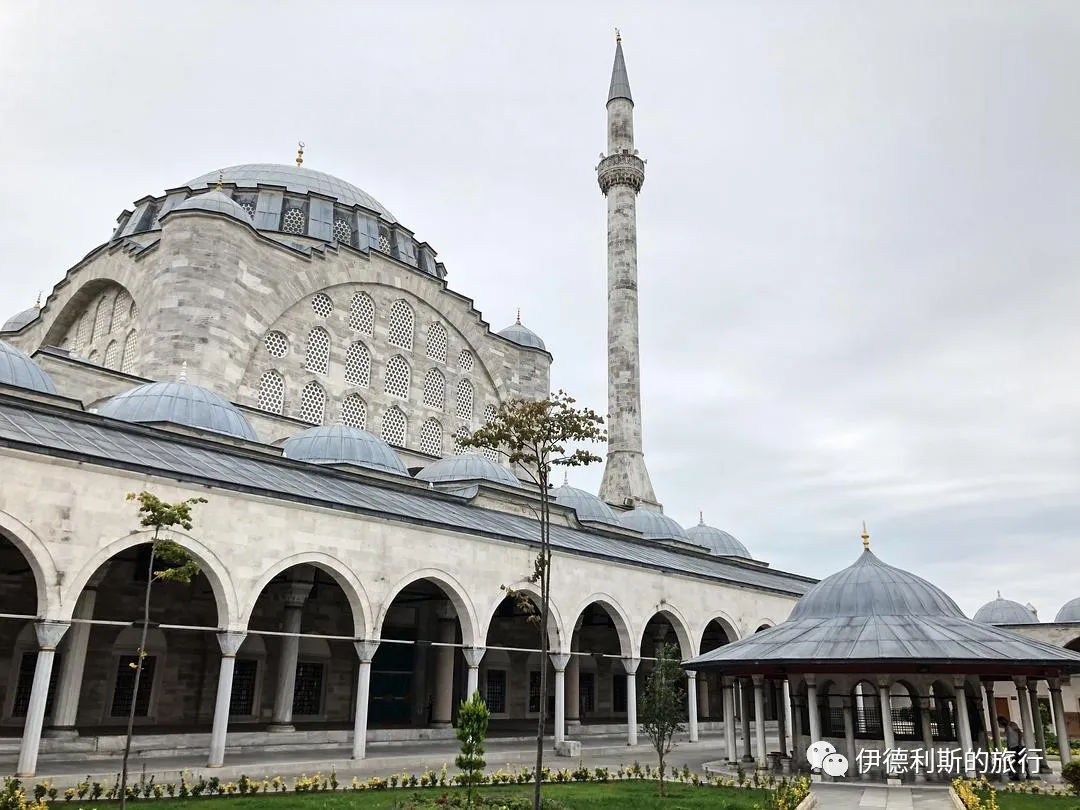
Kara Ahmed Pasha Mosque in Istanbul: Commissioned by Kara Ahmed Pasha and built by Mimar Sinan, it was finally completed in 1572. It is the last imperial building in Istanbul to use dry cord (cuerda seca) tiles for decoration.
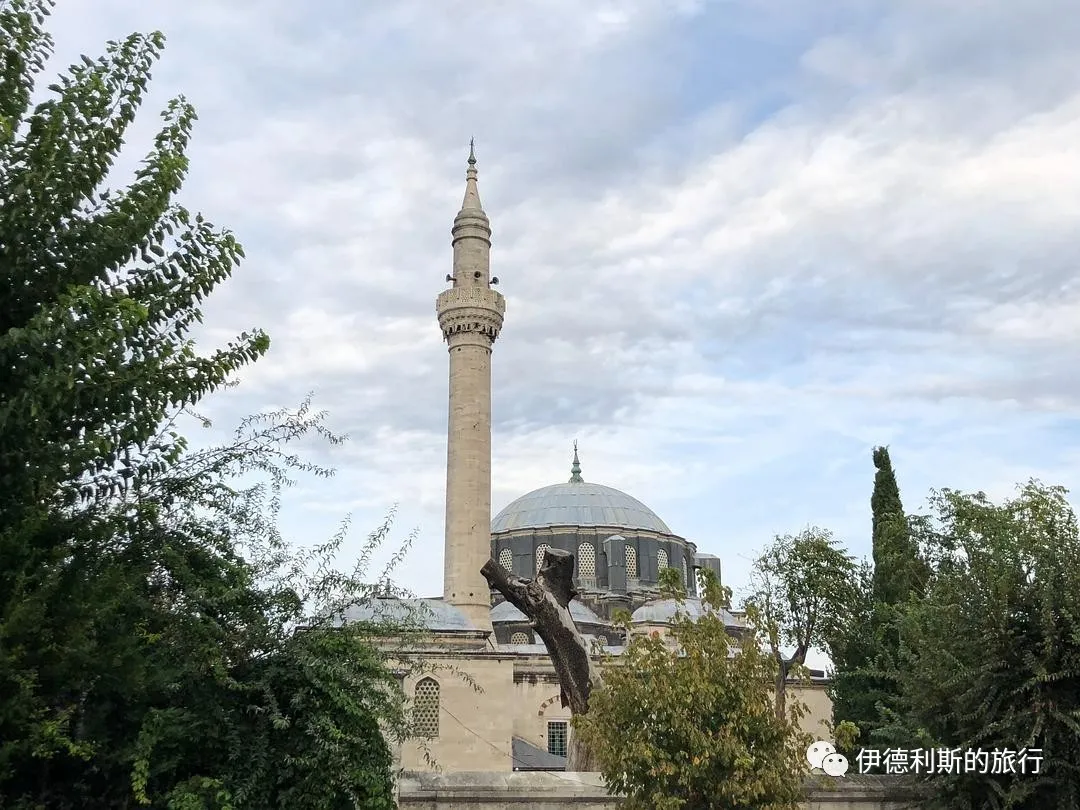
Mimar Sinan Mosque in Istanbul: Built by Mimar Sinan for himself in 1573, it was destroyed by fire in 1918, and soon after the walls collapsed, leaving only a 10-meter-high minaret.
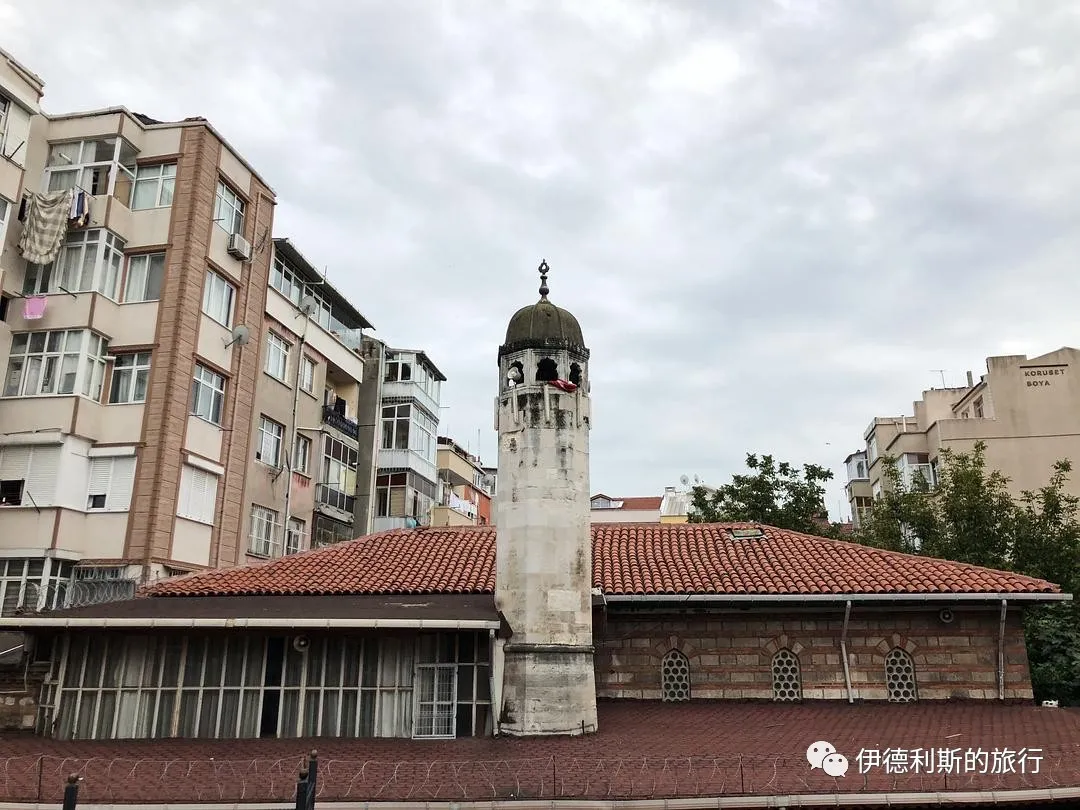
Sokollu Mehmed Pasha Mosque in Istanbul: Commissioned in 1578 by Ottoman Grand Vizier Sokollu Mehmed Pasha (in office 1565-1579) and built by Mimar Sinan, Sinan continued the octagonal support system he used in his masterpiece, the Selimiye Mosque, and added a small dome at each corner. Additionally, the front porch of the mosque is completely enclosed and connected to the main hall, which is very unique among Sinan's works.
Kılıç Ali Pasha Mosque in Istanbul: Commissioned by Ottoman Admiral Kılıç Ali Pasha and built by Mimar Sinan between 1578 and 1580. The mosque has a central area surrounded by galleries on three sides, with the center and side areas separated, which is very similar to the structure of the Hagia Sophia and different from other classic Ottoman mosque architecture of the same period.
Şemsi Pasha Mosque in Istanbul: Built in 1581 by Mimar Sinan for the Ottoman Grand Vizier (Vezir-i Azam) Şemsi Pasha, it is the smallest complex Sinan ever built and is a famous example in Istanbul of how human architecture can blend perfectly with the natural landscape.
Halal Travel Guide: 2017 Mosque Visits — 27 Historic Mosques and Muslim Heritage
Articles • ali2007fr posted the article • 0 comments • 155 views • 2026-05-20 01:18
Summary: This 2017 mosque-visit record follows 27 historic mosques and Muslim heritage sites across different places. The English version keeps the original route, mosque names, photos, and local details while making the long record easier to read.
In 2017, I continued visiting Hui Muslim communities along the Grand Canal and started visiting those along the Yangtze River. That year, I traveled to Cangzhou in Hebei, Linqing, Liaocheng, Xuzhou, Huai'an, Yangzhou, Zhenjiang in Jiangsu, and Jiaxing and Hangzhou in Zhejiang along the Grand Canal. Along the Yangtze, I visited Shanghai, Nanjing in Jiangsu, Wuhu, Hexian, and Anqing in Anhui, Jiujiang in Jiangxi, and Wuhan and Jingzhou in Hubei. I recorded the scenes of these Hui Muslim communities and visited some of their ancient mosques and historical sites. Some of these communities, like those in Wuhan and Jingzhou, have since been demolished, making these records a piece of history. In the summer, I also went to Dali to visit some ancient mosques in Weishan and Eryuan. I actually visited many ancient mosques in 2017, but some were revisited later and included in previous articles, so they were not counted here. This article includes 27 of them.
January: 3 mosques in Jiangsu.
Yangzhou Puhading Tomb Mosque: Puhading is said to be a 16th-generation descendant of the Prophet. He came to Yangzhou during the Southern Song dynasty (1265-1274) and passed away in 1275 during the Yuan dynasty. He was buried on a high ridge east of the Dongguan River in the new city, a place later called Huihui Tang (commonly known as Baba Yao). The main prayer hall of the mosque is next to the gate of the Puhading tomb complex. Stone carvings inside the gate record that in 1845, people of various surnames donated funds to build a stone embankment and renovate the hall.
Zhenjiang Xinhe Street Mosque: Built in 1930, it was originally a private residence purchased with donations from Hui Muslims in both Shanghai and Zhenjiang. It is a traditional Jiangnan-style house with three courtyards and two side wings. In 1926, Fa Jiesan, who moved from Zhenjiang to Shanghai, discussed theology with Imam Ha Cheng of the Xiaotaoyuan Mosque. After accepting the teachings of the Ikhwan sect, he returned to Zhenjiang and began practicing his faith at home according to Ikhwan rituals. Later, funds were raised in Shanghai and Zhenjiang to build an Ikhwan-style mosque on Xinhe Street. In 1958, the Xinhe Street Mosque merged with the Dashan Lane Mosque. It later became a dormitory for a forestry machinery factory and has been abandoned ever since.
Zhenjiang Gurun Mosque: First built in the Yuan dynasty, it was destroyed at the end of the Yuan and beginning of the Ming dynasty. It was rebuilt during the Hongwu reign of the Ming dynasty and moved to Jianzi Lane in the city in 1602. It was occupied after 1958, destroyed in the 1970s and 1980s, and completely demolished in 2005 before being rebuilt at its current location. The site preserves a stone tablet from the Ming dynasty renovation, an ancient well railing, three Qing dynasty renovation tablets, and the mihrab from the original mosque outside the south gate of Zhenjiang.
February: 2 mosques in Zhejiang.
Jiaxing Mosque: First built in 1602, it was renovated in 1747 when a lecture hall was added to the east side of the main hall. The gate was rebuilt in 1774. After the Taiping Rebellion, it fell into ruin until it was reused by Hui Muslims who moved there from Henan after the Republic of China was established.
Hangzhou Phoenix Mosque: Originally named Zhenjiao Mosque, it was destroyed at the end of the Southern Song dynasty and rebuilt in the early Yuan dynasty. When Zhongshan Road was widened in 1929, the gate and the Moon-Watching Tower (Wangyue Lou) were demolished. The main hall was torn down in 1953. Today, only the kiln-style hall (yaodian) remains from the Yuan and Ming dynasties.
March: 3 mosques in Jiangsu.
Huai'an Hexia Mosque: Located in the ancient town of Hexia, it was built between the late Ming and early Qing dynasties. Ten of its rooms were burned down by the Nian Army in the late Qing dynasty, but it was later repaired.
Huai'an Qingjiang Mosque: First built during the Jiajing reign of the Ming dynasty, it was renovated and expanded twice during the Yongzheng and Qianlong reigns. It was destroyed by the Nian Army in 1860 and rebuilt in 1870.
Huai'an Wangjiaying Mosque: Located on the north bank of the old Yellow River course, it was built during the Yongzheng reign. It was destroyed in the war with the Nian Army in 1860 and rebuilt in 1867. It was damaged in 1966, with the main hall used as a warehouse for a shoe and hat factory, and was rebuilt in 1979. The old imam of the Wangying Mosque, Chang Tingzhang, studied at a daotang in Lingwu County (Lingzhou), Ningxia, during the Qianlong reign. Subsequent imams also went to Ningxia to study, making it a mosque of the Jahriyya (Zhe) sect.
March: 2 mosques in Hebei.
Cangzhou North Mosque: The area near the south gate of Cangzhou was a key path to the Grand Canal. Most Hui Muslims, who were mostly craftspeople and small traders, chose to live here. In 1420 (the 18th year of the Yongle reign of the Ming Dynasty), the Cangzhou North Mosque was officially built in the south of the city, with land donated and construction led by Wu Yongzuo.
Cangzhou Botou Mosque: In 1404 (the second year of the Yongle reign), the Ming Emperor Chengzu, Zhu Di, ordered residents to move to Cangzhou. Many Hui Muslims arrived in Botou because of this. Records show that Hui Muslims with the seven surnames of Yang, Cao, Dai, Hui, Zhang, Wang, and Shi all moved to Botou in 1404 by imperial decree from Erlanggang, Shangyuan County, Yingtian Prefecture, Nanjing. Research shows that Erlanggang was a camp for Semu people who surrendered to the Ming from the Yuan Dynasty. The Botou Mosque was officially completed that year. The Botou Mosque underwent large-scale expansion during the late Ming and early Qing dynasties, reaching its current form.
April, 1 mosque in Hubei
Wuhan Qiyi Street Mosque: The first mosque in Wuchang with a recorded history is the Qingjing Mosque, built in the early Ming Dynasty. Because it was located at the east gate of the Huguang Governor's Office inside the Wangshan Gate in the south of Wuchang city, it was later called the Yuanmenkou Mosque. It was also commonly known as the Shanqian Mosque because it sat south of Snake Hill. According to the Kangxi edition of the Wuchang Prefecture Gazetteer of Huguang, the Yuanmenkou Mosque once held the famous 'Imperial Praise of the Prophet in One Hundred Words' stone tablet by the Ming Emperor Taizu. The courtyard of the current Qiyi Street Mosque holds three 'One Hundred Word Praise' tablets. Besides one carved in the Qing Dynasty, the other two broken tablets are very likely the originals from the Yuanmenkou Mosque.
May, 1 mosque in Jiangxi
Jiujiang Mosque: In 1450 (the first year of the Jingtai reign of the Ming Dynasty), Hui Muslim general Ma Hazhi was transferred to be the commander-in-chief of Jiujiang. He led three imams and over 1,500 Hui Muslim officers and soldiers, along with their families, to station in Jiujiang. They built the first Jiujiang Mosque next to the military camp at Jiwan outside the West Gate. During the late Ming and early Qing dynasties, the political situation was unstable, so many Hui Muslims left Jiujiang and the mosque was destroyed. It is said the mosque was rebuilt during the Qing Dynasty, and two imperial tablets were carved during the Qianlong reign, but they were later destroyed in war. In 1821 (the first year of the Daoguang reign), Hui Muslim generals Tao Kuichen and Zhao Zhenqing from Shouzhou, Anhui, were transferred to be the garrison commander and city defense battalion leader in Jiujiang. They brought 500 Hui Muslim Flying Tiger Battalion soldiers and their families to station in Jiujiang. After that, many Hui Muslims from Anhui and Henan came to Jiujiang to do business and settle down. In 1850 (the 30th year of the Daoguang reign), Qian Baochang, an antique dealer from Huaining, Anhui, took the lead in donating timber to build two rooms and renovate the Jiujiang Mosque. In 1898 (the 24th year of the Guangxu reign), Hui Muslim general Zhu Tianqing from Shouzhou, Anhui, who served as the Jiujiang garrison commander, and Jiujiang commander-in-chief Tao Zhan led an expansion of the Jiujiang Mosque. The boundary stone set during this renovation remains today.
June, 2 mosques in Anhui
Anqing Nanguan Mosque: In 1469 (the fifth year of the Chenghua reign), the hereditary Cavalry General Ma Yi built the Anqing Nanguan Mosque on Zhongxiao Street inside the Zhenhai Gate (South Gate) of Anqing. The main gate faced the city wall, and he also built the Ma Family Muslim Dunyue Hall as a residence next to the mosque. In 1643 (the 16th year of the Chongzhen reign), the late Ming warlord Zuo Liangyu led his troops through Anqing, and the Nanguan Mosque was damaged. It was renovated during the Kangxi reign. In 1853 (the third year of the Xianfeng reign), the Nanguan Mosque was destroyed during the Taiping Rebellion. In 1876 (the second year of the Guangxu reign), the main hall was built in the style of the Wanshou Palace and Fengzhi Guild Hall with a round ridge, and the reconstruction was finally completed in 1897 (the 23rd year of the Guangxu reign).
Anqing Xiguan Mosque: During the Qianlong reign, the number of Hui Muslims outside the West Gate of Anqing grew, but the prayer times did not match the city gate opening and closing times, making it very inconvenient to go to the Nanguan Mosque. Therefore, Ma Tianrong, a 12th-generation descendant of the Ma family of the Dunyue Hall in Huaining, donated two public houses outside the South Gate to build a new mosque at Gou'erkou outside the West Gate. In 1877 (the 13th year of the Guangxu reign), the Xiguan Mosque moved to the street behind Gou'er Mountain outside the West Gate. In 1995, Xiguan Mosque was renovated and expanded into a kindergarten for ethnic minorities, and today only the main gate remains.
Three mosques in Shanghai in June.
Shanghai Fuyou Road Mosque: It was first called Chuanxin Street Prayer Hall, later renamed Chuanxin Street Mosque, and is commonly known as the North Mosque. In 1863 (the second year of the Tongzhi reign), Hui Muslims from Nanjing living near the Old North Gate of Shanghai rented two single-story houses on Xiaopi Lane as a temporary place for namaz. In 1870 (the ninth year of the Tongzhi reign), 31 community elders including Ma Hanzhang, Ha Qingtang, and Jin Lanpo raised funds under the name Wubentang to rebuild it into a main prayer hall on Chuanxin Street. In 1897 (the 23rd year of the Guangxu reign), 22 elders including Ha Shaofu and Jiang Xingjie raised money to buy land and expand the mosque by two halls, completing the work in 1900 (the 26th year of the Guangxu reign). In 1905 (the 31st year of the Guangxu reign), 31 elders including Ha Shaofu, Jiang Xingjie, Sha Yunjun, Jin Dongxu, and Yang Zhuping raised funds again to buy land and expand the mosque to three halls. In 1935, the famous Hui Muslim merchant Ha Shaofu initiated the conversion of the street-facing stone-gate (shikumen) residence into a three-story reinforced concrete building, with a moon-viewing pavilion built on the rooftop terrace.
Shanghai Xiaotaoyuan Mosque: Formerly known as the West City Mosque, it is commonly known as the West Mosque. In 1917, the famous Hui Muslim merchant Jin Ziyun bought a garden residence on Xiaotaoyuan Street in Xicang and donated the land to build the mosque. In 1925, Jin Ziyun initiated another fundraising campaign, including donations from places like Hong Kong, to rebuild the mosque into its current form.
Shanghai Zhejiang Road Mosque: Formerly known as the Concession Mosque, it is commonly known as the Foreign Mosque. In 1855 (the fifth year of the Xianfeng reign), an Indian named Dosti, who worked as a chef at the Indian Bapali Trading Company in Shanghai, bought land to serve as a cemetery for foreign nationals and built a prayer hall. In 1870 (the ninth year of the Tongzhi reign), the Bapali Trading Company funded the construction of an official Concession Mosque and appointed an Indian named Wuliamu Ali as the first imam. At that time, many Hui Muslim fur and cotton merchants from Henan and Hubei provinces had shops around the Concession Mosque and visited it frequently. In 1880 (the sixth year of the Guangxu reign), Wuliamu Ali traveled to Henan, Hubei, and other places to raise funds to rebuild the mosque. Later, the mosque was destroyed by fire. It was rebuilt in 1900 (the 26th year of the Guangxu reign) with more than 10 buildings constructed along the street to collect rent for the mosque's upkeep.
Six mosques in Yunnan in July.
Dali Xiaoweigeng Mosque: Built at the end of the Yuan Dynasty and the beginning of the Ming Dynasty, it was destroyed in the first month of the 12th year of the Tongzhi reign (1873), rebuilt in 1908, expanded in 1976, and rebuilt again in 1990.
Dali Kelizhuang Mosque: Located in Xizhou Town, it was rebuilt in 1908, with a significant portion of the funding coming from overseas Chinese in Myanmar. Kelizhuang is a famous hometown for overseas Chinese. Historically, it had powerful horse caravans that traveled throughout Yunnan to Kunming, Simao, and Zhongdian, and connected south to cities in Myanmar like Mandalay, Mawlamyine, and Lashio. Since the end of the Qing Dynasty and the Republic of China era, hundreds of families from Kelizhuang have moved to Myanmar, and people from Kelizhuang have often served as the imam at the Chinese mosque in Yangon's Chinatown.
Dali Sanmei Mosque: The Sanmei Mosque on the Dengchuan Plain was built in 1908. The Hui Muslims here speak the Bai language and wear Bai ethnic clothing, and their architectural style is very similar to that of the Bai people, so outsiders call them the White Hui Muslims.
Dali Huihuideng Mosque: The front part of the main hall is a reinforced concrete structure built in 1993, while the back part is a wooden structure built in 1944, so it looks like a new mosque from the front and an old one from the back.
Dali Shenhe Village Mosque: The main hall was rebuilt in 1995, and the minaret was built in 1946.
Dalishi Pang Mosque: Built in 1896, with its minaret added in 1920, this is also a white-style mosque (baihuisi).
August, 1 mosque in Jiangsu.
Liuhe Changjiang Road Mosque: Originally named Chengqingfang Mosque, it is also called Liuhe North Mosque and Dashi Mosque. It was built during the Qianlong reign of the Qing Dynasty. Its architectural style mimics the Liuhe South Gate Mosque. It was destroyed during the Taiping Rebellion and rebuilt during the Guangxu reign. In 1928, Lady Da (the aunt of Da Pusheng), the widow of wealthy merchant Wang Zuochen, donated funds to build the Wuxin Pavilion on the original site of the Wangyue Tower.
August, 2 mosques in Anhui.
Wuhu Mosque: Hui Muslims began settling in Wuhu no later than the late Ming and early Qing dynasties. The earliest mosque was built in the early Qing Dynasty near Jixiang Mosque at the confluence of the Yangtze River and the Qingyi River. It was burned down during the Taiping Rebellion. In 1864, migrants purchased land outside the North Gate at Beilangpu to rebuild it, and it was expanded again in 1902.
Hexian Mosque: The Great Mosque of Hezhou was first built in 1368 (the first year of the Hongwu reign of the Ming Dynasty). According to the Records of Rebuilding the Confucian School in Hezhou, in 1525 (the fourth year of the Jiajing reign), the newly appointed Hezhou magistrate Yi Luan visited the Confucian Mosque and declared that the "licentious shrine" was indulging the Hui people too much, so he ordered the destruction of the Hezhou Mosque. It was not until 1637 (the tenth year of the Chongzhen reign) that the Hezhou Mosque was rebuilt, after the insurgent army of Ma Shouying, a Hui Muslim from Shaanxi, joined forces with other late Ming rebel groups to capture Hezhou. It was rebuilt into its current structure in 1837 (the seventeenth year of the Daoguang reign).
December, 1 mosque in Shanghai.
Songjiang Mosque: Originally named Zhenjiao Mosque, it was built during the Zhizheng years of the Yuan Dynasty, rebuilt in 1391, and later expanded and renovated many times.
In 2018, I visited 101 ancient mosques across 5 countries and 8 provinces. It was a very fulfilling year. In February, I went to Shanhaiguan. During the Spring Festival holiday, I visited the Cham community in Ho Chi Minh City, Vietnam, and then traveled to Delhi, India, to visit many historical sites from the Delhi Sultanate and Mughal Empire periods. During the Qingming holiday, I went to Xinjiang to search for the history of the Yarkent Khanate. During the May Day holiday, I went to Lhasa to visit the Tibetan Hui Muslim community. In June, I went to the UAE for Eid al-Fitr, and then I went to Tianjin to eat and explore. In July, I used my weekends to visit Nanjing and Suizhong in Liaoning to eat and explore. In September, I went to Taiyuan to do the same. At the end of September, I used my annual leave and the National Day holiday to visit Azerbaijan and Turkey, where I saw over a hundred old buildings. In November, I went to Kaifeng for sightseeing and food. See "101 Ancient Mosques Visited in 2018".
By 2019, I had mastered the skill of using holidays to visit ancient mosques abroad. I would first research a lot of information, pick the mosques worth seeing, and then use map websites to plan my route to visit as many as possible in the limited time. I visited a total of 64 ancient mosques across 7 countries and 2 provinces. See '64 Ancient Mosques Visited in 2019'.
At the start of 2020, I went to Urumqi for the Spring Festival holiday and visited the Shaanxi Old Quarter mosque. Later, I was almost locked down and unable to return to Beijing. I worked from home during the first half of the year. Once restrictions were lifted in early July, we spent a weekend visiting the Hongshuiquan Grand Mosque in Qinghai. In August, we took our honeymoon and visited 18 ancient mosques in Yunnan and Sichuan. During the National Day holiday, we traveled upstream along the Han River and visited 3 ancient mosques in southern Shaanxi. In total, I visited 23 ancient mosques across 5 provinces in 2020. See '23 Ancient Mosques Visited in 2020'.
In January 2021, mosques in Beijing were closed. In mid-March, travel restrictions were lifted, so I rushed to visit ancient mosques in Henan, Jiangsu, Hebei, Xinjiang, Liaoning, Shanxi, Tianjin, Qinghai, and Inner Mongolia. By July, travel out of Beijing was restricted again. During the National Day holiday, there were no new cases nationwide, so we went on a road trip to Yunnan to visit ancient mosques. After the holiday, I could not leave Beijing again. In 2021, with less than half a year of actual freedom, I visited 47 ancient mosques across 11 provinces and cities. See '47 Ancient Mosques Visited in 2021'.
2022 was the most difficult year, as I was unable to leave Beijing for the entire year. That year, I visited some ruins of former ancient mosques in Beijing and some mosques I had never been to before, totaling 25 ancient mosques for the year. See "Visiting 25 Ancient Mosques in Beijing in 2022."
Travel restrictions within Beijing were lifted in early 2023, and international travel restrictions were lifted in May. This year saw an explosion of travel, covering 11 provinces and cities, 6 countries, and three continents—Europe, Asia, and Africa—for a total of 124 ancient mosques. See "Visiting 124 Ancient Mosques in 2023."
Life gradually returned to normal in 2024, and the number of ancient mosques I visited dropped due to work changes and spending time with my children. This year I went to 6 provinces and 3 countries, visiting 63 ancient mosques. I visited Malaysia three times, touring 24 ancient mosques, which covers almost all the ancient mosques in Malaysia. See "Visiting 63 Ancient Mosques in 2024." view all
Summary: This 2017 mosque-visit record follows 27 historic mosques and Muslim heritage sites across different places. The English version keeps the original route, mosque names, photos, and local details while making the long record easier to read.
In 2017, I continued visiting Hui Muslim communities along the Grand Canal and started visiting those along the Yangtze River. That year, I traveled to Cangzhou in Hebei, Linqing, Liaocheng, Xuzhou, Huai'an, Yangzhou, Zhenjiang in Jiangsu, and Jiaxing and Hangzhou in Zhejiang along the Grand Canal. Along the Yangtze, I visited Shanghai, Nanjing in Jiangsu, Wuhu, Hexian, and Anqing in Anhui, Jiujiang in Jiangxi, and Wuhan and Jingzhou in Hubei. I recorded the scenes of these Hui Muslim communities and visited some of their ancient mosques and historical sites. Some of these communities, like those in Wuhan and Jingzhou, have since been demolished, making these records a piece of history. In the summer, I also went to Dali to visit some ancient mosques in Weishan and Eryuan. I actually visited many ancient mosques in 2017, but some were revisited later and included in previous articles, so they were not counted here. This article includes 27 of them.
January: 3 mosques in Jiangsu.
Yangzhou Puhading Tomb Mosque: Puhading is said to be a 16th-generation descendant of the Prophet. He came to Yangzhou during the Southern Song dynasty (1265-1274) and passed away in 1275 during the Yuan dynasty. He was buried on a high ridge east of the Dongguan River in the new city, a place later called Huihui Tang (commonly known as Baba Yao). The main prayer hall of the mosque is next to the gate of the Puhading tomb complex. Stone carvings inside the gate record that in 1845, people of various surnames donated funds to build a stone embankment and renovate the hall.
Zhenjiang Xinhe Street Mosque: Built in 1930, it was originally a private residence purchased with donations from Hui Muslims in both Shanghai and Zhenjiang. It is a traditional Jiangnan-style house with three courtyards and two side wings. In 1926, Fa Jiesan, who moved from Zhenjiang to Shanghai, discussed theology with Imam Ha Cheng of the Xiaotaoyuan Mosque. After accepting the teachings of the Ikhwan sect, he returned to Zhenjiang and began practicing his faith at home according to Ikhwan rituals. Later, funds were raised in Shanghai and Zhenjiang to build an Ikhwan-style mosque on Xinhe Street. In 1958, the Xinhe Street Mosque merged with the Dashan Lane Mosque. It later became a dormitory for a forestry machinery factory and has been abandoned ever since.
Zhenjiang Gurun Mosque: First built in the Yuan dynasty, it was destroyed at the end of the Yuan and beginning of the Ming dynasty. It was rebuilt during the Hongwu reign of the Ming dynasty and moved to Jianzi Lane in the city in 1602. It was occupied after 1958, destroyed in the 1970s and 1980s, and completely demolished in 2005 before being rebuilt at its current location. The site preserves a stone tablet from the Ming dynasty renovation, an ancient well railing, three Qing dynasty renovation tablets, and the mihrab from the original mosque outside the south gate of Zhenjiang.
February: 2 mosques in Zhejiang.
Jiaxing Mosque: First built in 1602, it was renovated in 1747 when a lecture hall was added to the east side of the main hall. The gate was rebuilt in 1774. After the Taiping Rebellion, it fell into ruin until it was reused by Hui Muslims who moved there from Henan after the Republic of China was established.
Hangzhou Phoenix Mosque: Originally named Zhenjiao Mosque, it was destroyed at the end of the Southern Song dynasty and rebuilt in the early Yuan dynasty. When Zhongshan Road was widened in 1929, the gate and the Moon-Watching Tower (Wangyue Lou) were demolished. The main hall was torn down in 1953. Today, only the kiln-style hall (yaodian) remains from the Yuan and Ming dynasties.
March: 3 mosques in Jiangsu.
Huai'an Hexia Mosque: Located in the ancient town of Hexia, it was built between the late Ming and early Qing dynasties. Ten of its rooms were burned down by the Nian Army in the late Qing dynasty, but it was later repaired.
Huai'an Qingjiang Mosque: First built during the Jiajing reign of the Ming dynasty, it was renovated and expanded twice during the Yongzheng and Qianlong reigns. It was destroyed by the Nian Army in 1860 and rebuilt in 1870.
Huai'an Wangjiaying Mosque: Located on the north bank of the old Yellow River course, it was built during the Yongzheng reign. It was destroyed in the war with the Nian Army in 1860 and rebuilt in 1867. It was damaged in 1966, with the main hall used as a warehouse for a shoe and hat factory, and was rebuilt in 1979. The old imam of the Wangying Mosque, Chang Tingzhang, studied at a daotang in Lingwu County (Lingzhou), Ningxia, during the Qianlong reign. Subsequent imams also went to Ningxia to study, making it a mosque of the Jahriyya (Zhe) sect.
March: 2 mosques in Hebei.
Cangzhou North Mosque: The area near the south gate of Cangzhou was a key path to the Grand Canal. Most Hui Muslims, who were mostly craftspeople and small traders, chose to live here. In 1420 (the 18th year of the Yongle reign of the Ming Dynasty), the Cangzhou North Mosque was officially built in the south of the city, with land donated and construction led by Wu Yongzuo.
Cangzhou Botou Mosque: In 1404 (the second year of the Yongle reign), the Ming Emperor Chengzu, Zhu Di, ordered residents to move to Cangzhou. Many Hui Muslims arrived in Botou because of this. Records show that Hui Muslims with the seven surnames of Yang, Cao, Dai, Hui, Zhang, Wang, and Shi all moved to Botou in 1404 by imperial decree from Erlanggang, Shangyuan County, Yingtian Prefecture, Nanjing. Research shows that Erlanggang was a camp for Semu people who surrendered to the Ming from the Yuan Dynasty. The Botou Mosque was officially completed that year. The Botou Mosque underwent large-scale expansion during the late Ming and early Qing dynasties, reaching its current form.
April, 1 mosque in Hubei
Wuhan Qiyi Street Mosque: The first mosque in Wuchang with a recorded history is the Qingjing Mosque, built in the early Ming Dynasty. Because it was located at the east gate of the Huguang Governor's Office inside the Wangshan Gate in the south of Wuchang city, it was later called the Yuanmenkou Mosque. It was also commonly known as the Shanqian Mosque because it sat south of Snake Hill. According to the Kangxi edition of the Wuchang Prefecture Gazetteer of Huguang, the Yuanmenkou Mosque once held the famous 'Imperial Praise of the Prophet in One Hundred Words' stone tablet by the Ming Emperor Taizu. The courtyard of the current Qiyi Street Mosque holds three 'One Hundred Word Praise' tablets. Besides one carved in the Qing Dynasty, the other two broken tablets are very likely the originals from the Yuanmenkou Mosque.
May, 1 mosque in Jiangxi
Jiujiang Mosque: In 1450 (the first year of the Jingtai reign of the Ming Dynasty), Hui Muslim general Ma Hazhi was transferred to be the commander-in-chief of Jiujiang. He led three imams and over 1,500 Hui Muslim officers and soldiers, along with their families, to station in Jiujiang. They built the first Jiujiang Mosque next to the military camp at Jiwan outside the West Gate. During the late Ming and early Qing dynasties, the political situation was unstable, so many Hui Muslims left Jiujiang and the mosque was destroyed. It is said the mosque was rebuilt during the Qing Dynasty, and two imperial tablets were carved during the Qianlong reign, but they were later destroyed in war. In 1821 (the first year of the Daoguang reign), Hui Muslim generals Tao Kuichen and Zhao Zhenqing from Shouzhou, Anhui, were transferred to be the garrison commander and city defense battalion leader in Jiujiang. They brought 500 Hui Muslim Flying Tiger Battalion soldiers and their families to station in Jiujiang. After that, many Hui Muslims from Anhui and Henan came to Jiujiang to do business and settle down. In 1850 (the 30th year of the Daoguang reign), Qian Baochang, an antique dealer from Huaining, Anhui, took the lead in donating timber to build two rooms and renovate the Jiujiang Mosque. In 1898 (the 24th year of the Guangxu reign), Hui Muslim general Zhu Tianqing from Shouzhou, Anhui, who served as the Jiujiang garrison commander, and Jiujiang commander-in-chief Tao Zhan led an expansion of the Jiujiang Mosque. The boundary stone set during this renovation remains today.
June, 2 mosques in Anhui
Anqing Nanguan Mosque: In 1469 (the fifth year of the Chenghua reign), the hereditary Cavalry General Ma Yi built the Anqing Nanguan Mosque on Zhongxiao Street inside the Zhenhai Gate (South Gate) of Anqing. The main gate faced the city wall, and he also built the Ma Family Muslim Dunyue Hall as a residence next to the mosque. In 1643 (the 16th year of the Chongzhen reign), the late Ming warlord Zuo Liangyu led his troops through Anqing, and the Nanguan Mosque was damaged. It was renovated during the Kangxi reign. In 1853 (the third year of the Xianfeng reign), the Nanguan Mosque was destroyed during the Taiping Rebellion. In 1876 (the second year of the Guangxu reign), the main hall was built in the style of the Wanshou Palace and Fengzhi Guild Hall with a round ridge, and the reconstruction was finally completed in 1897 (the 23rd year of the Guangxu reign).
Anqing Xiguan Mosque: During the Qianlong reign, the number of Hui Muslims outside the West Gate of Anqing grew, but the prayer times did not match the city gate opening and closing times, making it very inconvenient to go to the Nanguan Mosque. Therefore, Ma Tianrong, a 12th-generation descendant of the Ma family of the Dunyue Hall in Huaining, donated two public houses outside the South Gate to build a new mosque at Gou'erkou outside the West Gate. In 1877 (the 13th year of the Guangxu reign), the Xiguan Mosque moved to the street behind Gou'er Mountain outside the West Gate. In 1995, Xiguan Mosque was renovated and expanded into a kindergarten for ethnic minorities, and today only the main gate remains.
Three mosques in Shanghai in June.
Shanghai Fuyou Road Mosque: It was first called Chuanxin Street Prayer Hall, later renamed Chuanxin Street Mosque, and is commonly known as the North Mosque. In 1863 (the second year of the Tongzhi reign), Hui Muslims from Nanjing living near the Old North Gate of Shanghai rented two single-story houses on Xiaopi Lane as a temporary place for namaz. In 1870 (the ninth year of the Tongzhi reign), 31 community elders including Ma Hanzhang, Ha Qingtang, and Jin Lanpo raised funds under the name Wubentang to rebuild it into a main prayer hall on Chuanxin Street. In 1897 (the 23rd year of the Guangxu reign), 22 elders including Ha Shaofu and Jiang Xingjie raised money to buy land and expand the mosque by two halls, completing the work in 1900 (the 26th year of the Guangxu reign). In 1905 (the 31st year of the Guangxu reign), 31 elders including Ha Shaofu, Jiang Xingjie, Sha Yunjun, Jin Dongxu, and Yang Zhuping raised funds again to buy land and expand the mosque to three halls. In 1935, the famous Hui Muslim merchant Ha Shaofu initiated the conversion of the street-facing stone-gate (shikumen) residence into a three-story reinforced concrete building, with a moon-viewing pavilion built on the rooftop terrace.
Shanghai Xiaotaoyuan Mosque: Formerly known as the West City Mosque, it is commonly known as the West Mosque. In 1917, the famous Hui Muslim merchant Jin Ziyun bought a garden residence on Xiaotaoyuan Street in Xicang and donated the land to build the mosque. In 1925, Jin Ziyun initiated another fundraising campaign, including donations from places like Hong Kong, to rebuild the mosque into its current form.
Shanghai Zhejiang Road Mosque: Formerly known as the Concession Mosque, it is commonly known as the Foreign Mosque. In 1855 (the fifth year of the Xianfeng reign), an Indian named Dosti, who worked as a chef at the Indian Bapali Trading Company in Shanghai, bought land to serve as a cemetery for foreign nationals and built a prayer hall. In 1870 (the ninth year of the Tongzhi reign), the Bapali Trading Company funded the construction of an official Concession Mosque and appointed an Indian named Wuliamu Ali as the first imam. At that time, many Hui Muslim fur and cotton merchants from Henan and Hubei provinces had shops around the Concession Mosque and visited it frequently. In 1880 (the sixth year of the Guangxu reign), Wuliamu Ali traveled to Henan, Hubei, and other places to raise funds to rebuild the mosque. Later, the mosque was destroyed by fire. It was rebuilt in 1900 (the 26th year of the Guangxu reign) with more than 10 buildings constructed along the street to collect rent for the mosque's upkeep.
Six mosques in Yunnan in July.
Dali Xiaoweigeng Mosque: Built at the end of the Yuan Dynasty and the beginning of the Ming Dynasty, it was destroyed in the first month of the 12th year of the Tongzhi reign (1873), rebuilt in 1908, expanded in 1976, and rebuilt again in 1990.
Dali Kelizhuang Mosque: Located in Xizhou Town, it was rebuilt in 1908, with a significant portion of the funding coming from overseas Chinese in Myanmar. Kelizhuang is a famous hometown for overseas Chinese. Historically, it had powerful horse caravans that traveled throughout Yunnan to Kunming, Simao, and Zhongdian, and connected south to cities in Myanmar like Mandalay, Mawlamyine, and Lashio. Since the end of the Qing Dynasty and the Republic of China era, hundreds of families from Kelizhuang have moved to Myanmar, and people from Kelizhuang have often served as the imam at the Chinese mosque in Yangon's Chinatown.
Dali Sanmei Mosque: The Sanmei Mosque on the Dengchuan Plain was built in 1908. The Hui Muslims here speak the Bai language and wear Bai ethnic clothing, and their architectural style is very similar to that of the Bai people, so outsiders call them the White Hui Muslims.
Dali Huihuideng Mosque: The front part of the main hall is a reinforced concrete structure built in 1993, while the back part is a wooden structure built in 1944, so it looks like a new mosque from the front and an old one from the back.
Dali Shenhe Village Mosque: The main hall was rebuilt in 1995, and the minaret was built in 1946.
Dalishi Pang Mosque: Built in 1896, with its minaret added in 1920, this is also a white-style mosque (baihuisi).
August, 1 mosque in Jiangsu.
Liuhe Changjiang Road Mosque: Originally named Chengqingfang Mosque, it is also called Liuhe North Mosque and Dashi Mosque. It was built during the Qianlong reign of the Qing Dynasty. Its architectural style mimics the Liuhe South Gate Mosque. It was destroyed during the Taiping Rebellion and rebuilt during the Guangxu reign. In 1928, Lady Da (the aunt of Da Pusheng), the widow of wealthy merchant Wang Zuochen, donated funds to build the Wuxin Pavilion on the original site of the Wangyue Tower.
August, 2 mosques in Anhui.
Wuhu Mosque: Hui Muslims began settling in Wuhu no later than the late Ming and early Qing dynasties. The earliest mosque was built in the early Qing Dynasty near Jixiang Mosque at the confluence of the Yangtze River and the Qingyi River. It was burned down during the Taiping Rebellion. In 1864, migrants purchased land outside the North Gate at Beilangpu to rebuild it, and it was expanded again in 1902.
Hexian Mosque: The Great Mosque of Hezhou was first built in 1368 (the first year of the Hongwu reign of the Ming Dynasty). According to the Records of Rebuilding the Confucian School in Hezhou, in 1525 (the fourth year of the Jiajing reign), the newly appointed Hezhou magistrate Yi Luan visited the Confucian Mosque and declared that the "licentious shrine" was indulging the Hui people too much, so he ordered the destruction of the Hezhou Mosque. It was not until 1637 (the tenth year of the Chongzhen reign) that the Hezhou Mosque was rebuilt, after the insurgent army of Ma Shouying, a Hui Muslim from Shaanxi, joined forces with other late Ming rebel groups to capture Hezhou. It was rebuilt into its current structure in 1837 (the seventeenth year of the Daoguang reign).
December, 1 mosque in Shanghai.
Songjiang Mosque: Originally named Zhenjiao Mosque, it was built during the Zhizheng years of the Yuan Dynasty, rebuilt in 1391, and later expanded and renovated many times.
In 2018, I visited 101 ancient mosques across 5 countries and 8 provinces. It was a very fulfilling year. In February, I went to Shanhaiguan. During the Spring Festival holiday, I visited the Cham community in Ho Chi Minh City, Vietnam, and then traveled to Delhi, India, to visit many historical sites from the Delhi Sultanate and Mughal Empire periods. During the Qingming holiday, I went to Xinjiang to search for the history of the Yarkent Khanate. During the May Day holiday, I went to Lhasa to visit the Tibetan Hui Muslim community. In June, I went to the UAE for Eid al-Fitr, and then I went to Tianjin to eat and explore. In July, I used my weekends to visit Nanjing and Suizhong in Liaoning to eat and explore. In September, I went to Taiyuan to do the same. At the end of September, I used my annual leave and the National Day holiday to visit Azerbaijan and Turkey, where I saw over a hundred old buildings. In November, I went to Kaifeng for sightseeing and food. See "101 Ancient Mosques Visited in 2018".
By 2019, I had mastered the skill of using holidays to visit ancient mosques abroad. I would first research a lot of information, pick the mosques worth seeing, and then use map websites to plan my route to visit as many as possible in the limited time. I visited a total of 64 ancient mosques across 7 countries and 2 provinces. See '64 Ancient Mosques Visited in 2019'.
At the start of 2020, I went to Urumqi for the Spring Festival holiday and visited the Shaanxi Old Quarter mosque. Later, I was almost locked down and unable to return to Beijing. I worked from home during the first half of the year. Once restrictions were lifted in early July, we spent a weekend visiting the Hongshuiquan Grand Mosque in Qinghai. In August, we took our honeymoon and visited 18 ancient mosques in Yunnan and Sichuan. During the National Day holiday, we traveled upstream along the Han River and visited 3 ancient mosques in southern Shaanxi. In total, I visited 23 ancient mosques across 5 provinces in 2020. See '23 Ancient Mosques Visited in 2020'.
In January 2021, mosques in Beijing were closed. In mid-March, travel restrictions were lifted, so I rushed to visit ancient mosques in Henan, Jiangsu, Hebei, Xinjiang, Liaoning, Shanxi, Tianjin, Qinghai, and Inner Mongolia. By July, travel out of Beijing was restricted again. During the National Day holiday, there were no new cases nationwide, so we went on a road trip to Yunnan to visit ancient mosques. After the holiday, I could not leave Beijing again. In 2021, with less than half a year of actual freedom, I visited 47 ancient mosques across 11 provinces and cities. See '47 Ancient Mosques Visited in 2021'.
2022 was the most difficult year, as I was unable to leave Beijing for the entire year. That year, I visited some ruins of former ancient mosques in Beijing and some mosques I had never been to before, totaling 25 ancient mosques for the year. See "Visiting 25 Ancient Mosques in Beijing in 2022."
Travel restrictions within Beijing were lifted in early 2023, and international travel restrictions were lifted in May. This year saw an explosion of travel, covering 11 provinces and cities, 6 countries, and three continents—Europe, Asia, and Africa—for a total of 124 ancient mosques. See "Visiting 124 Ancient Mosques in 2023."
Life gradually returned to normal in 2024, and the number of ancient mosques I visited dropped due to work changes and spending time with my children. This year I went to 6 provinces and 3 countries, visiting 63 ancient mosques. I visited Malaysia three times, touring 24 ancient mosques, which covers almost all the ancient mosques in Malaysia. See "Visiting 63 Ancient Mosques in 2024."
Halal Travel Guide: 2018 Mosque Visits Part 1 — 101 Historic Mosques
Articles • ali2007fr posted the article • 0 comments • 160 views • 2026-05-20 01:18
Summary: This first part of the 2018 mosque-visit record covers a wide route through historic mosques, local Muslim communities, and Islamic heritage sites. It preserves the original mosque names, photos, dates, and travel observations in clear English.
In 2018, I visited 101 ancient mosques across 5 countries and 8 provinces. It was a very fulfilling year. In February, I went to Shanhaiguan to see the winter sea and visit the ancient mosque there. During the Spring Festival holiday, I visited the Cham community in Ho Chi Minh City, Vietnam. Then I went to Delhi, India, to see many historical sites from the Delhi Sultanate and Mughal Empire periods. During the Qingming Festival holiday, I went to Yarkant (Shache) in Xinjiang to listen to Muqam music and look for the history of the Yarkand Khanate. During the May Day holiday, I went to Lhasa to visit the Tibetan Hui Muslim community. In June, I went to the UAE for Eid al-Fitr, and then I went to Tianjin to eat and explore. In July, I used my weekends to visit Nanjing and Suizhong in Liaoning to eat and explore. In September, I went to Taiyuan to do the same. At the end of September, I used my annual leave and the National Day holiday to visit Azerbaijan and Turkey, where I saw over a hundred old buildings. In November, I went to Kaifeng to eat and explore.
By 2019, I had mastered the skill of using holidays to visit ancient mosques abroad. I would first research a lot of information, pick the mosques worth seeing, and then use map websites to plan my route to visit as many as possible in the limited time. I visited a total of 64 ancient mosques across 7 countries and 2 provinces. See '64 Ancient Mosques Visited in 2019'.
At the start of 2020, I went to Urumqi for the Spring Festival holiday and visited the Shaanxi Old Quarter mosque. Later, I was almost locked down and unable to return to Beijing. I worked from home during the first half of the year. Once restrictions were lifted in early July, we spent a weekend visiting the Hongshuiquan Grand Mosque in Qinghai. In August, we took our honeymoon and visited 18 ancient mosques in Yunnan and Sichuan. During the National Day holiday, we traveled upstream along the Han River and visited 3 ancient mosques in southern Shaanxi. In total, I visited 23 ancient mosques across 5 provinces in 2020. See '23 Ancient Mosques Visited in 2020'.
In January 2021, mosques in Beijing were closed. In mid-March, travel restrictions were lifted, so I rushed to visit ancient mosques in Henan, Jiangsu, Hebei, Xinjiang, Liaoning, Shanxi, Tianjin, Qinghai, and Inner Mongolia. By July, travel out of Beijing was restricted again. During the National Day holiday, there were no new cases nationwide, so we went on a road trip to Yunnan to visit ancient mosques. After the holiday, I could not leave Beijing again. In 2021, with less than half a year of actual freedom, I visited 47 ancient mosques across 11 provinces and cities. See '47 Ancient Mosques Visited in 2021'.
2022 was the most difficult year, as I was unable to leave Beijing for the entire year. That year, I visited some ruins of former ancient mosques in Beijing and some mosques I had never been to before, totaling 25 ancient mosques for the year. See "Visiting 25 Ancient Mosques in Beijing in 2022."
Travel restrictions within Beijing were lifted in early 2023, and international travel restrictions were lifted in May. This year saw an explosion of travel, covering 11 provinces and cities, 6 countries, and three continents—Europe, Asia, and Africa—for a total of 124 ancient mosques. See "Visiting 124 Ancient Mosques in 2023."
Life gradually returned to normal in 2024, and the number of ancient mosques I visited dropped due to work changes and spending time with my children. This year I went to 6 provinces and 3 countries, visiting 63 ancient mosques. I visited Malaysia three times, touring 24 ancient mosques, which covers almost all the ancient mosques in Malaysia. See "Visiting 63 Ancient Mosques in 2024."
February: 1 in Hebei.
Shanhaiguan Mosque: Located outside the west gate of Shanhaiguan city. According to the Kangxi-era "Shanhaiguan Gazetteer," in the first month of 1381 (the 14th year of the Hongwu reign), "General Xu Da sent 15,100 soldiers from the Yanshan Guard to build 32 passes, including Yongping and Jieling." According to the "Veritable Records of the Ming Emperor Taizu," in September of the same year, the "Beiping Shanhaiguan Guard Command" was established, marking the beginning of Shanhaiguan. People say the Shanhaiguan Mosque was built by Muslim officers and soldiers under Xu Da.
February: 24 in India.
Delhi Qutb Mosque: This is the first mosque in Delhi, started in 1193. After the Ghurid dynasty general Qutb occupied Delhi, many building components from Hindu and Jain temples were reused.
Delhi Jamaat Khana Mosque: Located at the heart of the Sufi holy site of Nizamuddin, it is likely the second mosque in Delhi after the Qutb Mosque, with an architectural style very close to the Khalji dynasty of the Delhi Sultanate.
Delhi Tohfe Wala Gumbad Mosque: In 1303, the Chagatai Khanate besieged the military fortress of Siri in Delhi for two months but could not break the city and eventually retreated. After this, Sultan Alauddin Khalji of the Delhi Sultanate's Khalji dynasty began to focus on building up Siri, which included the Tohfe Wala Gumbad Mosque. This mosque is very different from other buildings constructed during the Alauddin period, but some of its wall structures have the characteristics of Khalji dynasty architecture.
Delhi Begampur Mosque: This is the most important mosque in the city of Jahanpanah in Delhi and the most representative mosque of the Tughlaq dynasty of the Delhi Sultanate that still exists today. It is said to have been designed by the Iranian architect Zahir al-Din al-Jayush. The building is very grand but relatively simple, with only a small amount of carving inside the main hall.
Delhi Feroz Shah Kotla Mosque: Sultan Feroz Shah Tughlaq of the Tughlaq dynasty built the fifth city of Delhi, Ferozabad, in 1354. The mosque is the main building in the fortress and has a typical Tughlaq dynasty style. Some scholars believe that the great emperor Timur prayed here in 1398 and later built a mosque of the same design in Samarkand.
Delhi Khirki Mosque: Another important mosque in the city of Jahanpanah, besides the Begampur Mosque. This building looks very different from the Begumpur mosque, but it is almost certainly one of the seven mosques built by Khan-i-Jahan Maqbul, the prime minister to Sultan Firoz Shah Tughlaq, and was likely built in the 1370s.
Delhi Kali Mosque: This is also one of the seven mosques built by Sultan Firoz Shah Tughlaq's prime minister, Khan-i-Jahan Maqbul, and it stands near the Sufi shrine of Nizamuddin. This mosque and the Khirki Mosque are very similar in design and construction date, and both were once abandoned. The difference is that this mosque returned to use in the early 20th century, with some changes made to its original design.
Delhi Kalan Mosque: This is the northernmost of the seven mosques built by Sultan Firoz Shah Tughlaq's prime minister, Khan-i-Jahan Maqbul. It is thought to have been built to honor a Sufi saint, and it has been in use ever since.
Delhi Bara Bumbad Mosque: Located inside Lodi Gardens, the inscriptions carved inside show it was built on November 30, 1494, by a man named Mughal Abdu Amjad. The mosque features very intricate carvings, which are a great example of the lime plaster and stone-cutting techniques used for decoration during the Lodi dynasty.
Delhi Madhi Mosque: Found in the Mehrauli Archaeological Park in Delhi, its exact construction date is unknown, but its design clearly shows the Lodi dynasty style. The main hall of this mosque is open-air and consists only of a qibla wall. There are many other mosques in Delhi made of just one wall, but this one is the largest.
Delhi Nili Mosque: Located between the city of Siri and the Hauz Khas reservoir area, this is a Lodi-era mosque that is still in use.
Delhi Rajon ki Baoli Mosque: Located in the Mehrauli Archaeological Park, it features what is considered the most beautiful stepwell (baoli) in Delhi, said to have been built by Daulat Khan Khwaja Muhammad in 1506 during the reign of Sultan Sikandar Lodi (1489-1517).
Delhi Muhammad Wali Mosque: Situated right next to the northwest wall of the city of Siri, it features a typical Lodi dynasty style.
Delhi Jamali Kamali Mosque: Located in the Mehrauli Archaeological Park, this is a tomb-mosque for two men, Jamali and Kamali. Jamali, whose full name was Jamali Kamboh, was a famous 16th-century Persian poet and Sufi saint in India who was highly regarded by the Mughal emperors Babur and Humayun.
Delhi Qila-i-Kuhna Mosque: Located inside the Old Fort (Purana Qila), which was the sixth city of Delhi. After Sher Shah Suri, the ruler of the Suri dynasty, defeated the Mughal emperor Humayun and took Delhi in 1540, he used the Old Fort as his royal court and built this royal mosque in 1541.
Delhi Salimgarh Fort Mosque: Located north of the Red Fort, it was built in 1546 by Salim Shah Suri (reigned 1545-1554), the son of the Suri dynasty ruler Sher Shah Suri.
Delhi Isa Khan Mosque: Located within the Humayun's Tomb complex, this is a tomb-mosque for the Pashtun noble Isa Khan of the Suri dynasty.
Delhi Khairul Manazil Mosque: Located across from the Purana Qila fort, it was commissioned in 1561 by Maham Anga, the chief nurse to the Mughal Emperor Akbar and the actual power behind the throne from 1560 to 1562.
Delhi Afsarwala Mosque: Located southwest of Humayun's Tomb, it was built between 1566 and 1567 as a tomb-mosque for an official in the court of the Mughal Emperor Akbar.
Delhi Jama Mosque: Located in Shahjahanabad (Old Delhi), the seventh city of Delhi, it once served as the main Friday mosque for the Mughal Empire. The Jama Mosque was built between 1650 and 1656 by order of the Mughal Emperor Shah Jahan (1628-1658), who also built the Taj Mahal.
Fatehpuri Mosque in Delhi: Located in the northwest of Old Delhi (Shahjahanabad), directly facing the Red Fort, it was built in 1650 by Fatehpuri Begum, the wife of Mughal Emperor Shah Jahan.
Pearl Mosque (Moti Masjid) in Delhi: Located inside the Delhi Red Fort, it was built in 1659 by Mughal Emperor Aurangzeb (reigned 1658-1707) to serve as a private mosque for the royal family.
Sunehri Mosque in Delhi: Located in the eastern part of Old Delhi's Shahjahanabad, it was built in 1751 by order of Qudsia Begum.
Safdarjung Mosque in Delhi: Located west of Lodi Gardens, this is the mosque attached to the tomb of Safdarjung. Safdarjung became the Prime Minister of the Mughal Empire in 1748 and was the actual ruler of the Mughal dynasty. The Safdarjung Tomb and its mosque are known as the last major architectural works of the Mughal dynasty and serve as a symbol of the dynasty's decline.
February: 1 mosque in Vietnam.
Saigon Central Mosque: Built by South Indian Tamils in 1935, it is the most important mosque in Saigon. After Vietnam was unified in 1975, the religious community in Saigon faced a huge shock, with many believers imprisoned or fleeing abroad. Religious life in Vietnam only slowly recovered after 1986. Today, besides the local Cham people, merchants and tourists from Malaysia, Indonesia, and Pakistan all come here.
April: 3 mosques in Xinjiang.
Yarkant Azna Mosque in Shache: Built during the reign of Abu Bakr in Yarkant (1465-1514), it has not been rebuilt by later generations and still preserves its original appearance, making it very precious. Its design is very similar to the 14th and 15th-century Bibi-Khanym Mosque of the Timurid Empire and the Begampur Mosque of the Delhi Sultanate, though it is smaller in scale.
Shache Jiaman Mosque: It is said to have been started by Sultan Said Khan, the founder of the Yarkant Khanate, and later expanded during the time of Abdullah Khan (reigned 1638–1669).
Shache Altun Mosque: Built in 1533 during the Yarkant Khanate period, its current appearance dates from renovations and expansions in 1735.
May: 2 mosques in Tibet.
Lhasa Kache Lingka Mosque: Among the two mosques currently at Kache Lingka, one is the only traditional Tibetan-style mosque in Lhasa today. A plaque on the door reads: 'This mosque was first built in 1775, has undergone four repairs over its long history, and completed its last repair in 2008.' The facade of the other mosque has been rebuilt in an Arab style, and a plaque at the entrance reads: 'This mosque was first built in 1655 AD, has undergone many repairs over its long history, and completed its last repair in 2000 AD.'
June: 1 mosque in Tianjin.
Northwest Corner South Mosque: It is one of the few remaining historical sites in the Northwest Corner and is currently the center of the local Hui Muslim community. It was built during the Guangxu reign and completed during the Xuantong reign.
June: 5 mosques in the UAE.
Dubai Nasser bin Obaid bin Lootah Mosque: Lootah is a famous merchant family in the UAE, and this family first came to Dubai from Liwa to settle in Al Ras. At that time, Al Ras had no residents and was just a place for grazing camels. Later, other members of this family also came to settle in Al Ras, including Obaid bin Lootah. In 1910, Obaid bin Lootah's son, Nasser, built this mosque.
Almulla Mosque in Dubai: It follows the traditional Gulf style and has no minaret or dome.
Obeid Bin Issa Mosque in Sharjah: This is the oldest mosque in Sharjah. It is a rammed-earth building from the 19th century, and there is a palm-frond shelter in front of the ablution area. The main prayer hall has wooden pillars. The mihrab is plain with no decorations, and the minbar pulpit next to it is also set inside a niche.
Al-Daleel Mosque in Sharjah: A historic mosque that also features a palm-frond shelter in front of the main hall. To make a traditional palm ceiling, palm fibers are first washed and dried, then twisted into twine and tied onto trimmed palm branches. Next, palm leaves are washed and dried, woven into large mats, and finally laid together to form the ceiling.
Al Jame'i Mosque in Sharjah: This is the Friday mosque of Sharjah's old town. Its low, flat-roofed style is very similar to traditional architecture in Turpan, as both were designed for hot and dry climates.
July, Jiangsu
Caoqiao Mosque in Nanjing: In 2003, Caoqiao Mosque and Taiping Road Mosque were demolished. The main hall and second hall components of Taiping Road Mosque were rebuilt at a new site, and the project was completed in 2005. Caoqiao Mosque was first built during the Qianlong reign, destroyed during the Taiping Rebellion, and rebuilt in the early years of the Tongzhi reign. Taiping Road Mosque was originally called Huapailou Mosque. Legend says it was built by Chang Yuchun in the early Ming Dynasty. It was destroyed during the Taiping Rebellion, later rebuilt, and reconstructed again in 1924 with donations from the brothers of Nanjing businessman Jiang Guobang.
Jingjue Mosque: First built in 1388 (the 21st year of the Hongwu reign), it was burned down in 1430 (the 5th year of the Xuande reign) and rebuilt after Zheng He petitioned for its restoration. It was destroyed during the Taiping Rebellion, and its components were moved to the Prince's Mansion. It was rebuilt in 1877 (the 3rd year of the Guangxu reign) and renovated in 1879 (the 5th year of the Guangxu reign) to form its current layout.
July, Liaoning, 1 mosque
Suizhong Mosque: Starting in the 18th century, more than ten families of Hui Muslims, including the Zhang, Ding, Li, and Jin families, moved to Suizhong from Hebei Province. In 1737 (the 2nd year of the Qianlong reign), the first mosque was built below the Kueixing Tower in the southeast of Suizhong city. In 1797 (the 3rd year of the Jiaqing reign), it was moved to its current location inside the West Gate.
August, Beijing, 2 mosques
Dongsi Mosque: The most worth-seeing part of Dongsi Mosque is the main hall built in 1447. The rear hall looks like a Chinese-style beamless hall from the outside, but inside it actually contains three brick domes. This is another way Chinese mosques localized the dome in the 15th century, following the example of the Phoenix Mosque in Hangzhou, where the dome was converted into a wooden pavilion during the Yuan Dynasty.
Huashi Mosque: First built in 1414 (the 12th year of the Ming Wanli reign), it is said to have been the residence of Chang Yuchun. It was renovated in the 41st year of the Kangxi reign and again during the Qianlong reign.
September, Shanxi, 1 mosque
Taiyuan Mosque: Located inside the South Gate on Beef Alley (Niurou Xiang). The main prayer hall and the Shengxin Tower (call to prayer tower, or bangkelou) are Ming Dynasty structures. This matches the time when Taiyuan city took its final shape and Hui Muslims officially settled in the city.
14 sites in Azerbaijan in September
Baku Palace Mosque: Built between 1441 and 1442 by order of the Shirvanshah king, Khalilullah I. In 1723, the army of Tsar Peter I shelled Baku from the Caspian Sea, damaging the northeast facade. The minaret was hit by artillery fire in 1918. The main prayer hall is very small and is generally used only by people from the palace or the immediate neighborhood.
Muhammad Mosque: Built in 1078-1079, it is the oldest surviving religious building in Azerbaijan. According to the Kufic Arabic inscription on the north wall, the mosque was built by Muhammad ibn Abu Bakr. Research shows the mosque was built on the site of a Zoroastrian fire mosque, and Muhammad was the mayor of Baku at the time.
Takyeh Mosque: A 13th-century Sufi mosque that served as a place for Sufi practitioners to study and rest.
Khidir Mosque: Built in 1301. Archaeological excavations in 1988 revealed that this mosque was built on the site of a Zoroastrian mosque.
Mirza Ahmad Mosque: Built in 1345. The wall at the entrance is carved with scripture and the architect's name. It is currently closed due to its dilapidated state.
Chin Mosque: Stone carvings at the top of the entrance show it was built between 1375 and 1376, with repairs made between 1772 and 1773.
Molla Ahmad Mosque: Built in the early 14th century by the famous architect Mahmud ibn Sad of the Shirvan-Absheron school. It is a typical example of a small community mosque from the Shirvanshah dynasty.
Sheikh Ibrahim Mosque: Built by Haji Amirshah ibn Yagub between 1415 and 1416. Baku was ruled at the time by the 33rd Shirvanshah king, Ibrahim I (reigned 1382-1417), which is why it is also called the Sheikh Ibrahim Mosque. In the 19th century, the mosque's facade was divided into three sections and windows were added.
Juma Mosque: The main mosque in Baku's Old City. Inscriptions on the mosque walls show that Amir Sharaf al-Din Mahmud renovated it in 1309. The current main prayer hall was funded by Baku merchant Haji Shikhlali Dadashov in 1899, blending traditional styles with European architecture.
Sayyid Yahya Murtuza Mosque: Built in the early 17th century by Sayyid Yahya Murtuza himself. He was a famous local imam and was buried here after his passing. During the Soviet era, it became a carpenter's workshop. Religious activities resumed in the 1990s, and it is now affiliated with the Juma Mosque.
Haji Bani Mosque: Built in the 16th century by the architect Haji Bani. A women's prayer hall and windows were added during renovations in 1902-1903.
Baba Kuhi Bakuvi Mosque: Located north of the Maiden Tower and thought to date back to the 9th or 10th century. Archaeologist Farhad Ibrahimov excavated the site between 1990 and 1993, and the mihrab niche was unearthed in 1998.
Haji Heybat Mosque: Built in 1791 by the architect Haji Heybat Amir Ali oghlu. It is a small community mosque.
Məktəb Mosque: Built between 1646 and 1647, it sits right next to the Maiden Tower.
38 mosques in Turkey in October.
Konya Iplikci Mosque: Ordered in 1201 by the Seljuk vizier Shams al-Din Altun Aba, it was built by the architect Abu al-Fazi Abd al-Jabbar from Tabriz, Iran. This is key evidence of Persian craftsmen directly influencing Seljuk architecture. This building went through a series of renovations during the Karamanid dynasty, the Ottoman Empire, and modern times. Today, the original mosaic tiles on the mihrab inside the hall have been replaced by marble, but the parts at the bottom covered by carpets are still original pieces from the Seljuk period.
Konya Alaeddin Mosque: It was rebuilt on top of a Christian church shortly after the Seljuks occupied Konya in the late 11th century, and many of its components were taken directly from nearby Byzantine buildings. The earliest surviving inscription dates back to the reign of the Seljuk Sultan of Rum, Mesud I (reigned 1116–1156). The mosque's ebony minbar has an inscription from 1155, and the tiles on the mosque's mihrab and dome should have been built in the same period.
Konya Sahib Ata Mosque: Built by Sahib Ata Fahreddin Ali, the architect was Keluk bin Abdullah. Sahib Ata was a key official in the court of the Seljuk Sultanate of Rum from the 1250s until his death in 1288, and he even held great power in the sultanate after 1277.
Bursa Orhan Mosque: This was the first mosque in Bursa. It was built in 1339 by the second Ottoman ruler, Orhan (reigned 1324-1362). It was burned by the Karamanid dynasty in 1413, rebuilt by Sultan Mehmed I (reigned 1379-1421) in 1417, and repaired again after being damaged by an earthquake in 1855.
Bursa Grand Mosque (Ulu Cami): This is the largest mosque in Bursa and the largest of the multi-domed Ottoman mosques. This mosque consists of 20 domes and two minarets and is known as a masterpiece of early Ottoman architecture. It was built between 1396 and 1399 by the fourth Ottoman Sultan, Bayezid I (reigned 1389-1402), to celebrate the famous Battle of Nicopolis. The architect is said to be Ali Neccar.
Bursa Hüdavendigar Mosque: Also called the Murad I Mosque, it was built by Sultan Murad I between 1363 and 1366. It is a classic early Ottoman T-shaped mosque. Its biggest feature is that the madrasa is located on the floor above the prayer hall. Because many Byzantine craftsmen participated in its construction, the mosque features Byzantine-style brickwork and column capitals. At the same time, this is the only Ottoman mosque with two porches.
Bursa Lightning Mosque (Yıldırım Bayezid Mosque): Also called the Lightning Bayezid Mosque, it was ordered by Sultan Bayezid I between 1390 and 1395. It underwent major repairs after the 1855 earthquake. It is the only early Ottoman mosque in Bursa built entirely of stone, without using any bricks. the Lightning Mosque is the first mosque to feature a Bursa arch structure. This flat arch is located between the main hall and the gate, supporting two large domes.
Bursa Green Mosque (Yeşil Cami): Also called the Mehmed I Mosque, it was built by Sultan Mehmed I between 1414 and 1419. It is a masterpiece by the famous early 15th-century Ottoman architect İvaz Pasha. The stone carvings on the gate are considered the pinnacle of early Ottoman architecture. Due to the death of Mehmed I, the narthex of the mosque was never finished.
Bursa Muradiye Mosque: Also called the Murad II Mosque, it was built by Sultan Murad II between 1425 and 1426. The mosque is an early Ottoman T-shaped mosque. The main hall has two domes, and each wing has a small dome. The interior of the mosque is decorated with blue-green and dark blue hexagonal tiles.
Edirne Old Mosque (Eski Cami): In 1413, Prince Mehmed was crowned Sultan Mehmed I in Edirne, and he officially completed the construction of this mosque the following year. This mosque is the oldest one still standing in Edirne, so it is called the Old Mosque (Eski Cami). The Old Mosque is one of the last multi-domed mosques to use the early Ottoman Seljuk style, featuring nine central domes in total. Compared to earlier Seljuk multi-domed mosques, the domes here have a noticeably larger diameter, showing that the Ottomans were starting to move past their early phase.
Edirne Muradiye Mosque: This is a small T-shaped mosque on a hill north of Edirne, built in 1436 by order of the sixth Ottoman Sultan, Murad II (reigned 1421-1444). This site was originally part of a Sufi Mevlevi complex before it was converted into a mosque.
Edirne Three-Balcony Mosque (Üç Şerefeli Camii): This is known as a major landmark that started a new era in Ottoman architecture, being the first Ottoman mosque with a central dome and the first to feature a courtyard. The mosque was started in 1438 by the sixth Ottoman Sultan, Murad II (reigned 1421-1444), and finished in 1447.
Edirne Kasım Paşa Mosque: This was built in 1479 by order of Kasım Paşa. Kasım Paşa was a famous Ottoman general who served as the commander of Rumelia, the European part of the Ottoman Empire. The mosque closed after 1950 due to the construction of a dam, and it has been damaged by floods ever since, making it the most wild and untamed early Ottoman mosque in Edirne.
Edirne Sultan Bayezid II Mosque: Located on the north bank of the Tunca River (Sadun River) in the northwest suburbs of Edirne, it was built by order of the eighth Ottoman Sultan, Bayezid II (reigned 1481-1512).
Istanbul Atik Ali Pasha Mosque: Built in 1496 by Atik Ali Pasha, the Grand Vizier to Ottoman Sultan Bayezid II, it is located south of the Grand Bazaar in Istanbul.
Istanbul Selim I Mosque: Built in 1520 by Ottoman Sultan Suleiman the Magnificent to honor his father, Sultan Selim I (reigned 1512-1520), and completed in 1527, it is the third imperial mosque built by the Ottoman dynasty in Istanbul.
Istanbul Mihrimah Sultan Mosque: Built between 1543 and 1548, it is one of the most famous landmarks in the Üsküdar district and the second complex by Mimar Sinan still standing in Istanbul. It is the first semi-domed mosque designed by Mimar Sinan.
Istanbul Prince Mosque (Şehzade Mosque): Located on the third hill of Istanbul's old city and built between 1543 and 1548, it is considered Mimar Sinan's most important early work and his first masterpiece. It is the second semi-domed mosque designed by Mimar Sinan, consisting of one main dome and four semi-domes. This was both an improvement on Sinan's previous work, the Mihrimah Sultan Mosque with its three semi-domes, and a new interpretation of earlier designs like the Fatih Mosque (1471) and the Bayezid II Mosque (1506). This design separates the four pillars supporting the central dome, creating a more stunning visual effect.
Istanbul Hadım Ibrahim Pasha Mosque: Built in 1551, it was commissioned by the Vizier Ibrahim Pasha, known as the Eunuch (Hadım), and built by Mimar Sinan. It belongs to the first phase of Mimar Sinan's single-dome mosque designs. In this phase, Sinan used eight buttresses to support the main dome, a design that also foreshadowed his next phase of octagonal dome structures.
Istanbul Sinan Pasha Mosque: Completed in 1555 and commissioned by Sinan Pasha, it is Mimar Sinan's reinterpretation of the famous Three-Balcony Mosque (Üç Şerefeli Camii) in Edirne, and is therefore known as the smaller version of the Three-Balcony Mosque.
Istanbul Süleymaniye Mosque: Commissioned by Ottoman Sultan Suleiman the Magnificent and built by Mimar Sinan, it sits on the third hill of Istanbul and is a key part of the old city's skyline. Construction took seven years from 1550 to 1557, though it was not officially finished until 1558. This is the largest square-based, semi-domed mosque in the career of architect Mimar Sinan, with a main dome 53 meters high, which was the tallest in the Ottoman Empire at the time.
Sokollu Mehmed Pasha Mosque in Istanbul: Commissioned by Grand Vizier Sokollu Mehmed Pasha and his wife İsmihan Sultan, it was built by Mimar Sinan between 1567 and 1572 and is famous for its beautiful Iznik tiles inside.
Mihrimah Sultan Mosque in Istanbul: Built by Mimar Sinan between 1563 and 1570, commissioned by Mihrimah Sultan, the daughter of Suleiman the Magnificent. The complex sits on the sixth hill inside the northwest walls of Istanbul, which is the highest point of the old city. The structure of the mosque is considered the most advanced type of single-dome mosque from that period. The 35-meter-high dome is supported by four piers, with four arches and four pendentives forming a tower-like structure. Four polygonal piers protrude on the outside but are almost invisible from the inside, creating a shape like a neatly cut crystal.
Kara Ahmed Pasha Mosque in Istanbul: Commissioned by Kara Ahmed Pasha and built by Mimar Sinan, it was finally completed in 1572. It is the last imperial building in Istanbul to use dry cord (cuerda seca) tiles for decoration.
Mimar Sinan Mosque in Istanbul: Built by Mimar Sinan for himself in 1573, it was destroyed by fire in 1918, and soon after the walls collapsed, leaving only a 10-meter-high minaret.
Sokollu Mehmed Pasha Mosque in Istanbul: Commissioned in 1578 by Ottoman Grand Vizier Sokollu Mehmed Pasha (in office 1565-1579) and built by Mimar Sinan, Sinan continued the octagonal support system he used in his masterpiece, the Selimiye Mosque, and added a small dome at each corner. Additionally, the front porch of the mosque is completely enclosed and connected to the main hall, which is very unique among Sinan's works.
Kılıç Ali Pasha Mosque in Istanbul: Commissioned by Ottoman Admiral Kılıç Ali Pasha and built by Mimar Sinan between 1578 and 1580. The mosque has a central area surrounded by galleries on three sides, with the center and side areas separated, which is very similar to the structure of the Hagia Sophia and different from other classic Ottoman mosque architecture of the same period.
Şemsi Pasha Mosque in Istanbul: Built in 1581 by Mimar Sinan for the Ottoman Grand Vizier (Vezir-i Azam) Şemsi Pasha, it is the smallest complex Sinan ever built and is a famous example in Istanbul of how human architecture can blend perfectly with the natural landscape. view all
Summary: This first part of the 2018 mosque-visit record covers a wide route through historic mosques, local Muslim communities, and Islamic heritage sites. It preserves the original mosque names, photos, dates, and travel observations in clear English.
In 2018, I visited 101 ancient mosques across 5 countries and 8 provinces. It was a very fulfilling year. In February, I went to Shanhaiguan to see the winter sea and visit the ancient mosque there. During the Spring Festival holiday, I visited the Cham community in Ho Chi Minh City, Vietnam. Then I went to Delhi, India, to see many historical sites from the Delhi Sultanate and Mughal Empire periods. During the Qingming Festival holiday, I went to Yarkant (Shache) in Xinjiang to listen to Muqam music and look for the history of the Yarkand Khanate. During the May Day holiday, I went to Lhasa to visit the Tibetan Hui Muslim community. In June, I went to the UAE for Eid al-Fitr, and then I went to Tianjin to eat and explore. In July, I used my weekends to visit Nanjing and Suizhong in Liaoning to eat and explore. In September, I went to Taiyuan to do the same. At the end of September, I used my annual leave and the National Day holiday to visit Azerbaijan and Turkey, where I saw over a hundred old buildings. In November, I went to Kaifeng to eat and explore.
By 2019, I had mastered the skill of using holidays to visit ancient mosques abroad. I would first research a lot of information, pick the mosques worth seeing, and then use map websites to plan my route to visit as many as possible in the limited time. I visited a total of 64 ancient mosques across 7 countries and 2 provinces. See '64 Ancient Mosques Visited in 2019'.
At the start of 2020, I went to Urumqi for the Spring Festival holiday and visited the Shaanxi Old Quarter mosque. Later, I was almost locked down and unable to return to Beijing. I worked from home during the first half of the year. Once restrictions were lifted in early July, we spent a weekend visiting the Hongshuiquan Grand Mosque in Qinghai. In August, we took our honeymoon and visited 18 ancient mosques in Yunnan and Sichuan. During the National Day holiday, we traveled upstream along the Han River and visited 3 ancient mosques in southern Shaanxi. In total, I visited 23 ancient mosques across 5 provinces in 2020. See '23 Ancient Mosques Visited in 2020'.
In January 2021, mosques in Beijing were closed. In mid-March, travel restrictions were lifted, so I rushed to visit ancient mosques in Henan, Jiangsu, Hebei, Xinjiang, Liaoning, Shanxi, Tianjin, Qinghai, and Inner Mongolia. By July, travel out of Beijing was restricted again. During the National Day holiday, there were no new cases nationwide, so we went on a road trip to Yunnan to visit ancient mosques. After the holiday, I could not leave Beijing again. In 2021, with less than half a year of actual freedom, I visited 47 ancient mosques across 11 provinces and cities. See '47 Ancient Mosques Visited in 2021'.
2022 was the most difficult year, as I was unable to leave Beijing for the entire year. That year, I visited some ruins of former ancient mosques in Beijing and some mosques I had never been to before, totaling 25 ancient mosques for the year. See "Visiting 25 Ancient Mosques in Beijing in 2022."
Travel restrictions within Beijing were lifted in early 2023, and international travel restrictions were lifted in May. This year saw an explosion of travel, covering 11 provinces and cities, 6 countries, and three continents—Europe, Asia, and Africa—for a total of 124 ancient mosques. See "Visiting 124 Ancient Mosques in 2023."
Life gradually returned to normal in 2024, and the number of ancient mosques I visited dropped due to work changes and spending time with my children. This year I went to 6 provinces and 3 countries, visiting 63 ancient mosques. I visited Malaysia three times, touring 24 ancient mosques, which covers almost all the ancient mosques in Malaysia. See "Visiting 63 Ancient Mosques in 2024."
February: 1 in Hebei.
Shanhaiguan Mosque: Located outside the west gate of Shanhaiguan city. According to the Kangxi-era "Shanhaiguan Gazetteer," in the first month of 1381 (the 14th year of the Hongwu reign), "General Xu Da sent 15,100 soldiers from the Yanshan Guard to build 32 passes, including Yongping and Jieling." According to the "Veritable Records of the Ming Emperor Taizu," in September of the same year, the "Beiping Shanhaiguan Guard Command" was established, marking the beginning of Shanhaiguan. People say the Shanhaiguan Mosque was built by Muslim officers and soldiers under Xu Da.
February: 24 in India.
Delhi Qutb Mosque: This is the first mosque in Delhi, started in 1193. After the Ghurid dynasty general Qutb occupied Delhi, many building components from Hindu and Jain temples were reused.
Delhi Jamaat Khana Mosque: Located at the heart of the Sufi holy site of Nizamuddin, it is likely the second mosque in Delhi after the Qutb Mosque, with an architectural style very close to the Khalji dynasty of the Delhi Sultanate.
Delhi Tohfe Wala Gumbad Mosque: In 1303, the Chagatai Khanate besieged the military fortress of Siri in Delhi for two months but could not break the city and eventually retreated. After this, Sultan Alauddin Khalji of the Delhi Sultanate's Khalji dynasty began to focus on building up Siri, which included the Tohfe Wala Gumbad Mosque. This mosque is very different from other buildings constructed during the Alauddin period, but some of its wall structures have the characteristics of Khalji dynasty architecture.
Delhi Begampur Mosque: This is the most important mosque in the city of Jahanpanah in Delhi and the most representative mosque of the Tughlaq dynasty of the Delhi Sultanate that still exists today. It is said to have been designed by the Iranian architect Zahir al-Din al-Jayush. The building is very grand but relatively simple, with only a small amount of carving inside the main hall.
Delhi Feroz Shah Kotla Mosque: Sultan Feroz Shah Tughlaq of the Tughlaq dynasty built the fifth city of Delhi, Ferozabad, in 1354. The mosque is the main building in the fortress and has a typical Tughlaq dynasty style. Some scholars believe that the great emperor Timur prayed here in 1398 and later built a mosque of the same design in Samarkand.
Delhi Khirki Mosque: Another important mosque in the city of Jahanpanah, besides the Begampur Mosque. This building looks very different from the Begumpur mosque, but it is almost certainly one of the seven mosques built by Khan-i-Jahan Maqbul, the prime minister to Sultan Firoz Shah Tughlaq, and was likely built in the 1370s.
Delhi Kali Mosque: This is also one of the seven mosques built by Sultan Firoz Shah Tughlaq's prime minister, Khan-i-Jahan Maqbul, and it stands near the Sufi shrine of Nizamuddin. This mosque and the Khirki Mosque are very similar in design and construction date, and both were once abandoned. The difference is that this mosque returned to use in the early 20th century, with some changes made to its original design.
Delhi Kalan Mosque: This is the northernmost of the seven mosques built by Sultan Firoz Shah Tughlaq's prime minister, Khan-i-Jahan Maqbul. It is thought to have been built to honor a Sufi saint, and it has been in use ever since.
Delhi Bara Bumbad Mosque: Located inside Lodi Gardens, the inscriptions carved inside show it was built on November 30, 1494, by a man named Mughal Abdu Amjad. The mosque features very intricate carvings, which are a great example of the lime plaster and stone-cutting techniques used for decoration during the Lodi dynasty.
Delhi Madhi Mosque: Found in the Mehrauli Archaeological Park in Delhi, its exact construction date is unknown, but its design clearly shows the Lodi dynasty style. The main hall of this mosque is open-air and consists only of a qibla wall. There are many other mosques in Delhi made of just one wall, but this one is the largest.
Delhi Nili Mosque: Located between the city of Siri and the Hauz Khas reservoir area, this is a Lodi-era mosque that is still in use.
Delhi Rajon ki Baoli Mosque: Located in the Mehrauli Archaeological Park, it features what is considered the most beautiful stepwell (baoli) in Delhi, said to have been built by Daulat Khan Khwaja Muhammad in 1506 during the reign of Sultan Sikandar Lodi (1489-1517).
Delhi Muhammad Wali Mosque: Situated right next to the northwest wall of the city of Siri, it features a typical Lodi dynasty style.
Delhi Jamali Kamali Mosque: Located in the Mehrauli Archaeological Park, this is a tomb-mosque for two men, Jamali and Kamali. Jamali, whose full name was Jamali Kamboh, was a famous 16th-century Persian poet and Sufi saint in India who was highly regarded by the Mughal emperors Babur and Humayun.
Delhi Qila-i-Kuhna Mosque: Located inside the Old Fort (Purana Qila), which was the sixth city of Delhi. After Sher Shah Suri, the ruler of the Suri dynasty, defeated the Mughal emperor Humayun and took Delhi in 1540, he used the Old Fort as his royal court and built this royal mosque in 1541.
Delhi Salimgarh Fort Mosque: Located north of the Red Fort, it was built in 1546 by Salim Shah Suri (reigned 1545-1554), the son of the Suri dynasty ruler Sher Shah Suri.
Delhi Isa Khan Mosque: Located within the Humayun's Tomb complex, this is a tomb-mosque for the Pashtun noble Isa Khan of the Suri dynasty.
Delhi Khairul Manazil Mosque: Located across from the Purana Qila fort, it was commissioned in 1561 by Maham Anga, the chief nurse to the Mughal Emperor Akbar and the actual power behind the throne from 1560 to 1562.
Delhi Afsarwala Mosque: Located southwest of Humayun's Tomb, it was built between 1566 and 1567 as a tomb-mosque for an official in the court of the Mughal Emperor Akbar.
Delhi Jama Mosque: Located in Shahjahanabad (Old Delhi), the seventh city of Delhi, it once served as the main Friday mosque for the Mughal Empire. The Jama Mosque was built between 1650 and 1656 by order of the Mughal Emperor Shah Jahan (1628-1658), who also built the Taj Mahal.
Fatehpuri Mosque in Delhi: Located in the northwest of Old Delhi (Shahjahanabad), directly facing the Red Fort, it was built in 1650 by Fatehpuri Begum, the wife of Mughal Emperor Shah Jahan.
Pearl Mosque (Moti Masjid) in Delhi: Located inside the Delhi Red Fort, it was built in 1659 by Mughal Emperor Aurangzeb (reigned 1658-1707) to serve as a private mosque for the royal family.
Sunehri Mosque in Delhi: Located in the eastern part of Old Delhi's Shahjahanabad, it was built in 1751 by order of Qudsia Begum.
Safdarjung Mosque in Delhi: Located west of Lodi Gardens, this is the mosque attached to the tomb of Safdarjung. Safdarjung became the Prime Minister of the Mughal Empire in 1748 and was the actual ruler of the Mughal dynasty. The Safdarjung Tomb and its mosque are known as the last major architectural works of the Mughal dynasty and serve as a symbol of the dynasty's decline.
February: 1 mosque in Vietnam.
Saigon Central Mosque: Built by South Indian Tamils in 1935, it is the most important mosque in Saigon. After Vietnam was unified in 1975, the religious community in Saigon faced a huge shock, with many believers imprisoned or fleeing abroad. Religious life in Vietnam only slowly recovered after 1986. Today, besides the local Cham people, merchants and tourists from Malaysia, Indonesia, and Pakistan all come here.
April: 3 mosques in Xinjiang.
Yarkant Azna Mosque in Shache: Built during the reign of Abu Bakr in Yarkant (1465-1514), it has not been rebuilt by later generations and still preserves its original appearance, making it very precious. Its design is very similar to the 14th and 15th-century Bibi-Khanym Mosque of the Timurid Empire and the Begampur Mosque of the Delhi Sultanate, though it is smaller in scale.
Shache Jiaman Mosque: It is said to have been started by Sultan Said Khan, the founder of the Yarkant Khanate, and later expanded during the time of Abdullah Khan (reigned 1638–1669).
Shache Altun Mosque: Built in 1533 during the Yarkant Khanate period, its current appearance dates from renovations and expansions in 1735.
May: 2 mosques in Tibet.
Lhasa Kache Lingka Mosque: Among the two mosques currently at Kache Lingka, one is the only traditional Tibetan-style mosque in Lhasa today. A plaque on the door reads: 'This mosque was first built in 1775, has undergone four repairs over its long history, and completed its last repair in 2008.' The facade of the other mosque has been rebuilt in an Arab style, and a plaque at the entrance reads: 'This mosque was first built in 1655 AD, has undergone many repairs over its long history, and completed its last repair in 2000 AD.'
June: 1 mosque in Tianjin.
Northwest Corner South Mosque: It is one of the few remaining historical sites in the Northwest Corner and is currently the center of the local Hui Muslim community. It was built during the Guangxu reign and completed during the Xuantong reign.
June: 5 mosques in the UAE.
Dubai Nasser bin Obaid bin Lootah Mosque: Lootah is a famous merchant family in the UAE, and this family first came to Dubai from Liwa to settle in Al Ras. At that time, Al Ras had no residents and was just a place for grazing camels. Later, other members of this family also came to settle in Al Ras, including Obaid bin Lootah. In 1910, Obaid bin Lootah's son, Nasser, built this mosque.
Almulla Mosque in Dubai: It follows the traditional Gulf style and has no minaret or dome.
Obeid Bin Issa Mosque in Sharjah: This is the oldest mosque in Sharjah. It is a rammed-earth building from the 19th century, and there is a palm-frond shelter in front of the ablution area. The main prayer hall has wooden pillars. The mihrab is plain with no decorations, and the minbar pulpit next to it is also set inside a niche.
Al-Daleel Mosque in Sharjah: A historic mosque that also features a palm-frond shelter in front of the main hall. To make a traditional palm ceiling, palm fibers are first washed and dried, then twisted into twine and tied onto trimmed palm branches. Next, palm leaves are washed and dried, woven into large mats, and finally laid together to form the ceiling.
Al Jame'i Mosque in Sharjah: This is the Friday mosque of Sharjah's old town. Its low, flat-roofed style is very similar to traditional architecture in Turpan, as both were designed for hot and dry climates.
July, Jiangsu
Caoqiao Mosque in Nanjing: In 2003, Caoqiao Mosque and Taiping Road Mosque were demolished. The main hall and second hall components of Taiping Road Mosque were rebuilt at a new site, and the project was completed in 2005. Caoqiao Mosque was first built during the Qianlong reign, destroyed during the Taiping Rebellion, and rebuilt in the early years of the Tongzhi reign. Taiping Road Mosque was originally called Huapailou Mosque. Legend says it was built by Chang Yuchun in the early Ming Dynasty. It was destroyed during the Taiping Rebellion, later rebuilt, and reconstructed again in 1924 with donations from the brothers of Nanjing businessman Jiang Guobang.
Jingjue Mosque: First built in 1388 (the 21st year of the Hongwu reign), it was burned down in 1430 (the 5th year of the Xuande reign) and rebuilt after Zheng He petitioned for its restoration. It was destroyed during the Taiping Rebellion, and its components were moved to the Prince's Mansion. It was rebuilt in 1877 (the 3rd year of the Guangxu reign) and renovated in 1879 (the 5th year of the Guangxu reign) to form its current layout.
July, Liaoning, 1 mosque
Suizhong Mosque: Starting in the 18th century, more than ten families of Hui Muslims, including the Zhang, Ding, Li, and Jin families, moved to Suizhong from Hebei Province. In 1737 (the 2nd year of the Qianlong reign), the first mosque was built below the Kueixing Tower in the southeast of Suizhong city. In 1797 (the 3rd year of the Jiaqing reign), it was moved to its current location inside the West Gate.
August, Beijing, 2 mosques
Dongsi Mosque: The most worth-seeing part of Dongsi Mosque is the main hall built in 1447. The rear hall looks like a Chinese-style beamless hall from the outside, but inside it actually contains three brick domes. This is another way Chinese mosques localized the dome in the 15th century, following the example of the Phoenix Mosque in Hangzhou, where the dome was converted into a wooden pavilion during the Yuan Dynasty.
Huashi Mosque: First built in 1414 (the 12th year of the Ming Wanli reign), it is said to have been the residence of Chang Yuchun. It was renovated in the 41st year of the Kangxi reign and again during the Qianlong reign.
September, Shanxi, 1 mosque
Taiyuan Mosque: Located inside the South Gate on Beef Alley (Niurou Xiang). The main prayer hall and the Shengxin Tower (call to prayer tower, or bangkelou) are Ming Dynasty structures. This matches the time when Taiyuan city took its final shape and Hui Muslims officially settled in the city.
14 sites in Azerbaijan in September
Baku Palace Mosque: Built between 1441 and 1442 by order of the Shirvanshah king, Khalilullah I. In 1723, the army of Tsar Peter I shelled Baku from the Caspian Sea, damaging the northeast facade. The minaret was hit by artillery fire in 1918. The main prayer hall is very small and is generally used only by people from the palace or the immediate neighborhood.
Muhammad Mosque: Built in 1078-1079, it is the oldest surviving religious building in Azerbaijan. According to the Kufic Arabic inscription on the north wall, the mosque was built by Muhammad ibn Abu Bakr. Research shows the mosque was built on the site of a Zoroastrian fire mosque, and Muhammad was the mayor of Baku at the time.
Takyeh Mosque: A 13th-century Sufi mosque that served as a place for Sufi practitioners to study and rest.
Khidir Mosque: Built in 1301. Archaeological excavations in 1988 revealed that this mosque was built on the site of a Zoroastrian mosque.
Mirza Ahmad Mosque: Built in 1345. The wall at the entrance is carved with scripture and the architect's name. It is currently closed due to its dilapidated state.
Chin Mosque: Stone carvings at the top of the entrance show it was built between 1375 and 1376, with repairs made between 1772 and 1773.
Molla Ahmad Mosque: Built in the early 14th century by the famous architect Mahmud ibn Sad of the Shirvan-Absheron school. It is a typical example of a small community mosque from the Shirvanshah dynasty.
Sheikh Ibrahim Mosque: Built by Haji Amirshah ibn Yagub between 1415 and 1416. Baku was ruled at the time by the 33rd Shirvanshah king, Ibrahim I (reigned 1382-1417), which is why it is also called the Sheikh Ibrahim Mosque. In the 19th century, the mosque's facade was divided into three sections and windows were added.
Juma Mosque: The main mosque in Baku's Old City. Inscriptions on the mosque walls show that Amir Sharaf al-Din Mahmud renovated it in 1309. The current main prayer hall was funded by Baku merchant Haji Shikhlali Dadashov in 1899, blending traditional styles with European architecture.
Sayyid Yahya Murtuza Mosque: Built in the early 17th century by Sayyid Yahya Murtuza himself. He was a famous local imam and was buried here after his passing. During the Soviet era, it became a carpenter's workshop. Religious activities resumed in the 1990s, and it is now affiliated with the Juma Mosque.
Haji Bani Mosque: Built in the 16th century by the architect Haji Bani. A women's prayer hall and windows were added during renovations in 1902-1903.
Baba Kuhi Bakuvi Mosque: Located north of the Maiden Tower and thought to date back to the 9th or 10th century. Archaeologist Farhad Ibrahimov excavated the site between 1990 and 1993, and the mihrab niche was unearthed in 1998.
Haji Heybat Mosque: Built in 1791 by the architect Haji Heybat Amir Ali oghlu. It is a small community mosque.
Məktəb Mosque: Built between 1646 and 1647, it sits right next to the Maiden Tower.
38 mosques in Turkey in October.
Konya Iplikci Mosque: Ordered in 1201 by the Seljuk vizier Shams al-Din Altun Aba, it was built by the architect Abu al-Fazi Abd al-Jabbar from Tabriz, Iran. This is key evidence of Persian craftsmen directly influencing Seljuk architecture. This building went through a series of renovations during the Karamanid dynasty, the Ottoman Empire, and modern times. Today, the original mosaic tiles on the mihrab inside the hall have been replaced by marble, but the parts at the bottom covered by carpets are still original pieces from the Seljuk period.
Konya Alaeddin Mosque: It was rebuilt on top of a Christian church shortly after the Seljuks occupied Konya in the late 11th century, and many of its components were taken directly from nearby Byzantine buildings. The earliest surviving inscription dates back to the reign of the Seljuk Sultan of Rum, Mesud I (reigned 1116–1156). The mosque's ebony minbar has an inscription from 1155, and the tiles on the mosque's mihrab and dome should have been built in the same period.
Konya Sahib Ata Mosque: Built by Sahib Ata Fahreddin Ali, the architect was Keluk bin Abdullah. Sahib Ata was a key official in the court of the Seljuk Sultanate of Rum from the 1250s until his death in 1288, and he even held great power in the sultanate after 1277.
Bursa Orhan Mosque: This was the first mosque in Bursa. It was built in 1339 by the second Ottoman ruler, Orhan (reigned 1324-1362). It was burned by the Karamanid dynasty in 1413, rebuilt by Sultan Mehmed I (reigned 1379-1421) in 1417, and repaired again after being damaged by an earthquake in 1855.
Bursa Grand Mosque (Ulu Cami): This is the largest mosque in Bursa and the largest of the multi-domed Ottoman mosques. This mosque consists of 20 domes and two minarets and is known as a masterpiece of early Ottoman architecture. It was built between 1396 and 1399 by the fourth Ottoman Sultan, Bayezid I (reigned 1389-1402), to celebrate the famous Battle of Nicopolis. The architect is said to be Ali Neccar.
Bursa Hüdavendigar Mosque: Also called the Murad I Mosque, it was built by Sultan Murad I between 1363 and 1366. It is a classic early Ottoman T-shaped mosque. Its biggest feature is that the madrasa is located on the floor above the prayer hall. Because many Byzantine craftsmen participated in its construction, the mosque features Byzantine-style brickwork and column capitals. At the same time, this is the only Ottoman mosque with two porches.
Bursa Lightning Mosque (Yıldırım Bayezid Mosque): Also called the Lightning Bayezid Mosque, it was ordered by Sultan Bayezid I between 1390 and 1395. It underwent major repairs after the 1855 earthquake. It is the only early Ottoman mosque in Bursa built entirely of stone, without using any bricks. the Lightning Mosque is the first mosque to feature a Bursa arch structure. This flat arch is located between the main hall and the gate, supporting two large domes.
Bursa Green Mosque (Yeşil Cami): Also called the Mehmed I Mosque, it was built by Sultan Mehmed I between 1414 and 1419. It is a masterpiece by the famous early 15th-century Ottoman architect İvaz Pasha. The stone carvings on the gate are considered the pinnacle of early Ottoman architecture. Due to the death of Mehmed I, the narthex of the mosque was never finished.
Bursa Muradiye Mosque: Also called the Murad II Mosque, it was built by Sultan Murad II between 1425 and 1426. The mosque is an early Ottoman T-shaped mosque. The main hall has two domes, and each wing has a small dome. The interior of the mosque is decorated with blue-green and dark blue hexagonal tiles.
Edirne Old Mosque (Eski Cami): In 1413, Prince Mehmed was crowned Sultan Mehmed I in Edirne, and he officially completed the construction of this mosque the following year. This mosque is the oldest one still standing in Edirne, so it is called the Old Mosque (Eski Cami). The Old Mosque is one of the last multi-domed mosques to use the early Ottoman Seljuk style, featuring nine central domes in total. Compared to earlier Seljuk multi-domed mosques, the domes here have a noticeably larger diameter, showing that the Ottomans were starting to move past their early phase.
Edirne Muradiye Mosque: This is a small T-shaped mosque on a hill north of Edirne, built in 1436 by order of the sixth Ottoman Sultan, Murad II (reigned 1421-1444). This site was originally part of a Sufi Mevlevi complex before it was converted into a mosque.
Edirne Three-Balcony Mosque (Üç Şerefeli Camii): This is known as a major landmark that started a new era in Ottoman architecture, being the first Ottoman mosque with a central dome and the first to feature a courtyard. The mosque was started in 1438 by the sixth Ottoman Sultan, Murad II (reigned 1421-1444), and finished in 1447.
Edirne Kasım Paşa Mosque: This was built in 1479 by order of Kasım Paşa. Kasım Paşa was a famous Ottoman general who served as the commander of Rumelia, the European part of the Ottoman Empire. The mosque closed after 1950 due to the construction of a dam, and it has been damaged by floods ever since, making it the most wild and untamed early Ottoman mosque in Edirne.
Edirne Sultan Bayezid II Mosque: Located on the north bank of the Tunca River (Sadun River) in the northwest suburbs of Edirne, it was built by order of the eighth Ottoman Sultan, Bayezid II (reigned 1481-1512).
Istanbul Atik Ali Pasha Mosque: Built in 1496 by Atik Ali Pasha, the Grand Vizier to Ottoman Sultan Bayezid II, it is located south of the Grand Bazaar in Istanbul.
Istanbul Selim I Mosque: Built in 1520 by Ottoman Sultan Suleiman the Magnificent to honor his father, Sultan Selim I (reigned 1512-1520), and completed in 1527, it is the third imperial mosque built by the Ottoman dynasty in Istanbul.
Istanbul Mihrimah Sultan Mosque: Built between 1543 and 1548, it is one of the most famous landmarks in the Üsküdar district and the second complex by Mimar Sinan still standing in Istanbul. It is the first semi-domed mosque designed by Mimar Sinan.
Istanbul Prince Mosque (Şehzade Mosque): Located on the third hill of Istanbul's old city and built between 1543 and 1548, it is considered Mimar Sinan's most important early work and his first masterpiece. It is the second semi-domed mosque designed by Mimar Sinan, consisting of one main dome and four semi-domes. This was both an improvement on Sinan's previous work, the Mihrimah Sultan Mosque with its three semi-domes, and a new interpretation of earlier designs like the Fatih Mosque (1471) and the Bayezid II Mosque (1506). This design separates the four pillars supporting the central dome, creating a more stunning visual effect.
Istanbul Hadım Ibrahim Pasha Mosque: Built in 1551, it was commissioned by the Vizier Ibrahim Pasha, known as the Eunuch (Hadım), and built by Mimar Sinan. It belongs to the first phase of Mimar Sinan's single-dome mosque designs. In this phase, Sinan used eight buttresses to support the main dome, a design that also foreshadowed his next phase of octagonal dome structures.
Istanbul Sinan Pasha Mosque: Completed in 1555 and commissioned by Sinan Pasha, it is Mimar Sinan's reinterpretation of the famous Three-Balcony Mosque (Üç Şerefeli Camii) in Edirne, and is therefore known as the smaller version of the Three-Balcony Mosque.
Istanbul Süleymaniye Mosque: Commissioned by Ottoman Sultan Suleiman the Magnificent and built by Mimar Sinan, it sits on the third hill of Istanbul and is a key part of the old city's skyline. Construction took seven years from 1550 to 1557, though it was not officially finished until 1558. This is the largest square-based, semi-domed mosque in the career of architect Mimar Sinan, with a main dome 53 meters high, which was the tallest in the Ottoman Empire at the time.
Sokollu Mehmed Pasha Mosque in Istanbul: Commissioned by Grand Vizier Sokollu Mehmed Pasha and his wife İsmihan Sultan, it was built by Mimar Sinan between 1567 and 1572 and is famous for its beautiful Iznik tiles inside.
Mihrimah Sultan Mosque in Istanbul: Built by Mimar Sinan between 1563 and 1570, commissioned by Mihrimah Sultan, the daughter of Suleiman the Magnificent. The complex sits on the sixth hill inside the northwest walls of Istanbul, which is the highest point of the old city. The structure of the mosque is considered the most advanced type of single-dome mosque from that period. The 35-meter-high dome is supported by four piers, with four arches and four pendentives forming a tower-like structure. Four polygonal piers protrude on the outside but are almost invisible from the inside, creating a shape like a neatly cut crystal.
Kara Ahmed Pasha Mosque in Istanbul: Commissioned by Kara Ahmed Pasha and built by Mimar Sinan, it was finally completed in 1572. It is the last imperial building in Istanbul to use dry cord (cuerda seca) tiles for decoration.
Mimar Sinan Mosque in Istanbul: Built by Mimar Sinan for himself in 1573, it was destroyed by fire in 1918, and soon after the walls collapsed, leaving only a 10-meter-high minaret.
Sokollu Mehmed Pasha Mosque in Istanbul: Commissioned in 1578 by Ottoman Grand Vizier Sokollu Mehmed Pasha (in office 1565-1579) and built by Mimar Sinan, Sinan continued the octagonal support system he used in his masterpiece, the Selimiye Mosque, and added a small dome at each corner. Additionally, the front porch of the mosque is completely enclosed and connected to the main hall, which is very unique among Sinan's works.
Kılıç Ali Pasha Mosque in Istanbul: Commissioned by Ottoman Admiral Kılıç Ali Pasha and built by Mimar Sinan between 1578 and 1580. The mosque has a central area surrounded by galleries on three sides, with the center and side areas separated, which is very similar to the structure of the Hagia Sophia and different from other classic Ottoman mosque architecture of the same period.
Şemsi Pasha Mosque in Istanbul: Built in 1581 by Mimar Sinan for the Ottoman Grand Vizier (Vezir-i Azam) Şemsi Pasha, it is the smallest complex Sinan ever built and is a famous example in Istanbul of how human architecture can blend perfectly with the natural landscape.
Halal Travel Guide: My Mosque Journey Part 1 — 634 Mosques in 9 Years
Articles • ali2007fr posted the article • 0 comments • 182 views • 2026-05-20 00:58
Summary: This first part of a nine-year mosque journey records a long personal route through hundreds of mosques and Muslim heritage sites. The English version preserves the original list structure, place names, years, mosque names, and factual details while keeping it as one long article.
I graduated from college and started working in 2014. I finished my internship and began saving money in 2015. In 2016, I officially started visiting mosque communities along the Grand Canal and the Yangtze River. I could not stop after that, and now I am already in my tenth year. Over these 9 years, I have been to 21 countries and 27 provinces. I visited 634 mosques, including 480 ancient buildings.
In 2016, I officially started visiting Hui Muslim communities along the Grand Canal and the Huai River, and I also visited some ancient mosques. At the same time, I used the National Day holiday to take a loop trip around Xinjiang. See "Visiting 16 Ancient Mosques in 2016."
In 2017, I continued visiting Hui Muslim communities along the Grand Canal and started visiting those along the Yangtze River. That year, I went to Cangzhou, Linqing, Liaocheng, Xuzhou, Huai'an, Yangzhou, Zhenjiang, Jiaxing, and Hangzhou along the Grand Canal. I also went to Shanghai, Nanjing, Wuhu, Hexian, Anqing, Jiujiang, Wuhan, and Jingzhou along the Yangtze River. I recorded the scenes of the Hui Muslim communities at that time. Some of these communities have now been demolished, such as those in Wuhan and Jingzhou, and have become historical records. In the summer, I also went to Dali to visit some ancient mosques in Weishan and Eryuan. See "Visiting 27 Ancient Mosques in 2017."
In 2018, I visited 101 ancient mosques across 5 countries and 8 provinces. It was a very fulfilling year. In February, I went to Shanhaiguan. During the Spring Festival holiday, I went to Ho Chi Minh City in Vietnam to visit the Cham community, and then I went to Delhi, India. During the Qingming holiday, I went to Xinjiang to search for the history of the Yarkent Khanate. During the May Day holiday, I went to Lhasa to visit the Tibetan Hui Muslim community. In June, I went to the UAE for Eid al-Fitr, and then I went to Tianjin to eat and explore. In July, I used my weekends to visit Nanjing and Suizhong in Liaoning to eat and explore. In September, I went to Taiyuan to do the same. At the end of September, I used my annual leave and the National Day holiday to visit Azerbaijan and Turkey, where I saw over a hundred old buildings. In November, I went to Kaifeng for sightseeing and food. See "101 Ancient Mosques Visited in 2018".
By 2019, I had mastered the skill of using holidays to visit ancient mosques abroad. I would first research a lot of information, pick the mosques worth seeing, and then use map websites to plan my route to visit as many as possible in the limited time. I visited a total of 64 ancient mosques across 7 countries and 2 provinces. See '64 Ancient Mosques Visited in 2019'.
At the start of 2020, I went to Urumqi for the Spring Festival holiday and visited the Shaanxi Old Quarter mosque. Later, I was almost locked down and unable to return to Beijing. I worked from home during the first half of the year. Once restrictions were lifted in early July, we spent a weekend visiting the Hongshuiquan Grand Mosque in Qinghai. In August, we took our honeymoon and visited 18 ancient mosques in Yunnan and Sichuan. During the National Day holiday, we traveled upstream along the Han River and visited 3 ancient mosques in southern Shaanxi. In total, I visited 23 ancient mosques across 5 provinces in 2020. See '23 Ancient Mosques Visited in 2020'.
In January 2021, mosques in Beijing were closed. In mid-March, travel restrictions were lifted, so I rushed to visit ancient mosques in Henan, Jiangsu, Hebei, Xinjiang, Liaoning, Shanxi, Tianjin, Qinghai, and Inner Mongolia. By July, travel out of Beijing was restricted again. During the National Day holiday, there were no new cases nationwide, so we went on a road trip to Yunnan to visit ancient mosques. After the holiday, I could not leave Beijing again. In 2021, with less than half a year of actual freedom, I visited 47 ancient mosques across 11 provinces and cities. See '47 Ancient Mosques Visited in 2021'.
2022 was the most difficult year, as I was unable to leave Beijing for the entire year. That year, I visited some ruins of former ancient mosques in Beijing and some mosques I had never been to before, totaling 25 ancient mosques for the year. See "Visiting 25 Ancient Mosques in Beijing in 2022."
Travel restrictions within Beijing were lifted in early 2023, and international travel restrictions were lifted in May. This year saw an explosion of travel, covering 11 provinces and cities, 6 countries, and three continents—Europe, Asia, and Africa—for a total of 124 ancient mosques. See "Visiting 124 Ancient Mosques in 2023."
Life gradually returned to normal in 2024, and the number of ancient mosques I visited dropped due to work changes and spending time with my children. This year I went to 6 provinces and 3 countries, visiting 63 ancient mosques. I visited Malaysia three times, touring 24 ancient mosques, which covers almost all the ancient mosques in Malaysia. See "Visiting 63 Ancient Mosques in 2024."
Here is the list of mosques I have visited:
Province
City
Name
Date
Notes
Beijing
Dongcheng
Dongsi Mosque
The main hall was built in 1447 as an official mosque during the Ming Dynasty.
Huashi Mosque
It was first built in 1414 (the 12th year of the Wanli reign of the Ming Dynasty) as an official mosque.
Dongzhimen Outer Mosque
It was first built in the Yuan Dynasty, moved and rebuilt in 1991, and still keeps its original mihrab.
Andingmen Outer Mosque
It was first built during the Jiaqing reign of the Qing Dynasty and moved to its current site in 1991.
Nandouyacai Mosque
It was first built in 1798 and moved to its current site in 2003.
Xicheng District
Niujie Mosque
Its history goes back to the Liao and Jin dynasties, and it was expanded in 1427 (the second year of the Xuande reign of the Ming Dynasty).
Mishi Hutong Mosque
It was converted in 1940 by Hui Muslims from the northwest living near Caishikou.
No longer in use
Fayuan Mosque
It was moved and expanded during the Kangxi reign, and the main hall was expanded again during the Republic of China period.
Deshengqiao Mosque
It was first built in the Qing Dynasty and rebuilt in 1946.
Large residential courtyard (dazayuan)
Yongshou Mosque
It was first built in 1605 (the 33rd year of the Wanli reign of the Ming Dynasty).
Qianmen Mosque
First built in the early Ming Dynasty, then renovated in 1680 and 1795.
Main prayer hall of the China Islamic Institute.
Built in 1958.
Huihuiying Mosque.
Built by imperial order of the Qianlong Emperor in 1759, rebuilt in 1912, demolished in 2010, and relocated and rebuilt in 2011; it still houses Qing Dynasty stone tablets and arched doorways.
No longer in use
Pushou Mosque.
First built in 1429 (the fourth year of the Xuande reign of the Ming Dynasty), rebuilt in 2014, and currently houses stone tablets from various dynasties.
No longer in use
Zhengyuan Mosque.
Its predecessor was located at Beigouyan inside Xizhimen, first built during the Daoguang reign; it was relocated and renamed in 1997.
Houheyan Mosque.
First built in 1948 and rebuilt in 1995.
Haidian.
Fangwai Guan (View of the World from Afar) in the Old Summer Palace.
Built between 1756 and 1759 (the 21st to 24th years of the Qianlong reign) specifically for the Zhuo clan to perform namaz.
Ruins
Landianchang Mosque.
First built during the Ming Dynasty and renovated in 2007.
Shucun Mosque.
First built during the Kangxi reign.
Madian Mosque.
First built during the Kangxi reign.
Haidian Mosque.
First built during the Ming Dynasty, renovated and expanded in 1995.
Siwangfu Mosque.
First built during the Qianlong period, rebuilt in 1990.
Anheqiao Mosque.
First built during the Kangxi years, moved and rebuilt in 2005.
Chaoyang.
Xihui Mosque.
First built in 1821 (the first year of the Daoguang reign), rebuilt in 1999.
Yangzha Mosque.
First built during the Wanli years of the Ming Dynasty, rebuilt in 1994.
Wanziying Mosque.
Original construction date unknown, renovated in the late 1980s.
Balizhuang Mosque.
First built in the early years of the Qianlong reign, renovated in 2000.
Nanxiapo Mosque.
First built in the early Kangxi years.
Changying Mosque.
Built during the Zhengde years of the Ming Dynasty, expanded in 2004.
Guanzhuang Mosque.
Original construction date unknown, renovated and rebuilt from 2003 to 2004.
Fangshan.
Doudian Mosque.
First built in 1713, rebuilt in 2017.
Changping.
Shahe Mosque
It was first built during the Ming Dynasty and renovated twice during the Guangxu period of the Qing Dynasty and the Republic of China era.
Wujie Mosque
Legend says it was built by Chang Yuchun during his northern expedition, and it was rebuilt during the Wanli period using stone and wood originally intended for the Ming Tombs.
Jahriyya
Nankou Mosque
It was built in the Ming Dynasty and renovated during the Guangxu period.
No longer in use
Xiguanshi Mosque
It was first built in 1494 (the seventh year of the Hongzhi period of the Ming Dynasty), and the main prayer hall was rebuilt in 1709 (the forty-eighth year of the Kangxi period).
Heying Mosque
Located next to the tomb of Bo Haji, it was rebuilt in 1930 and renovated again in 2024.
Yanqing
Chadao Mosque
It was first built in the Qing Dynasty and rebuilt in 2008.
Miyun
Gubeikou Mosque
It was first built in the Ming Dynasty and renovated during the Chongzhen period of the Ming and the Kangxi period of the Qing.
No longer in use
Chengguan Mosque
It was first built in the Qing Dynasty and moved to a new location to be rebuilt in 2006.
Mujiayu Mosque
It was first built in the Qing Dynasty, destroyed in 1948, rebuilt in 1991, and rebuilt again in 2024.
Tongzhou
Tongzhou Grand Mosque
Built during the Yuan Dynasty Yanyou period (1314–1320), it was expanded in 1593 (the 21st year of the Wanli reign).
Zhangjiawan Mosque
Built in the early Ming Dynasty, the fourth section of the prayer hall was expanded in 1956.
Majuqiao Mosque
First built in the Ming Dynasty, it was renovated during the Qianlong reign, expanded again in 1937, and rebuilt in 1999 using wood and bricks from the Niujie Women's Mosque.
Xiguan Mosque
First built in 1766, it was rebuilt in 2014.
Tianjin
Hongqiao
Northwest Corner South Mosque
Construction began during the Guangxu reign and was completed during the Xuantong reign.
Northwest Corner Grand Mosque
First built in the Ming Dynasty, it was expanded twice in the 18th year of the Kangxi reign and the 6th year of the Jiaqing reign.
Northwest Corner West Mosque
First built in 1910 and later rebuilt.
Wuqing
Yangcun North Mosque
First built in 1620 (the 48th year of the Wanli reign), it was expanded in 1999.
Hexiwu Mosque
First built in 1403, it was rebuilt in 1988.
Beichen
Tianmu North Mosque
First built in 1404, it was rebuilt in 1992.
Heping
Xining Road Mosque
Built in 1992
Hebei
Jinjia Yao Mosque
First built in 1574, it is the oldest mosque in Tianjin and was rebuilt in 1890.
Hexi
Liulin Mosque
Built in 2005
Nankai
Dongda Mosque
First built in 1915, it moved to its current location in 2008.
Hedong
Fuxingzhuang Mosque
First built in 1927, it moved to its current location in 2004.
Hebei
Shijiazhuang
Shijiazhuang Mosque
First built in 1907, it was rebuilt in 1995.
Cangzhou
Beida Mosque
First built in 1420 (the 18th year of the Yongle reign of the Ming Dynasty).
Botou Mosque
First built in 1404 (the 2nd year of the Yongle reign), it was expanded between the late Ming and early Qing dynasties.
Qinhuangdao
Shanhaiguan Mosque
Built in 1381 (the 14th year of the Hongwu reign).
Zhangjiakou
Xinhua Street Mosque
Built in 1863 (the 2nd year of the Tongzhi reign) by camel herders from Ningxia.
Xiguan Mosque
Built during the Yongzheng period.
Xuanhua South Mosque
First built in 1403 (the 1st year of the Yongle reign), moved and rebuilt in 1820 (the 25th year of the Jiaqing reign), and completed in 1854 (the 4th year of the Xianfeng reign).
Xuanhua North Mosque
First built in 1722 (the 61st year of the Kangxi reign).
Warehouse
Xuanhua Central Mosque
First built in 1821 (the 1st year of the Daoguang reign) and renovated in 2016.
Chengde
West Mosque
Built during the Daoguang reign.
Pingquan South Street Mosque
First built in 1647 (the 4th year of the Shunzhi reign) and rebuilt in 1742 (the 7th year of the Qianlong reign).
Baoding
West Mosque
First built in 1616.
East Mosque
First built during the Tongzhi reign.
Warehouse
Women's mosque.
First built in 1916 and moved to this location in 1940.
Mosque inside Zhuozhou city.
First built during the Yongle reign of the Ming Dynasty, with the main prayer hall rebuilt in 2000.
Xingtai.
Hongguanying Mosque in Linxi County.
First built between the Xuande and Tianshun reigns of the Ming Dynasty, burned down during the Taiping Rebellion's Northern Expedition in 1854, and rebuilt into its current form in 1874.
Shandong.
Jinan.
South Great Mosque (Nandasi).
Moved to the current site in 1295 and renovated and expanded in 1874.
Beida Mosque
First built during the Hongzhi reign of the Ming Dynasty, with multiple expansions during the Qing Dynasty and the Republic of China era.
Dikou Mosque.
First built at the end of the Wanli reign of the Ming Dynasty.
Nanguan Mosque.
First built in 1500 and renovated in 1858.
Dangxi Mosque.
First built at the end of the Yuan Dynasty, later burned down by the Red Turban Army, and rebuilt in 1397 (the 30th year of the Hongwu reign).
Dangdong Mosque.
First built in 1510 (the 5th year of the Zhengde reign of the Ming Dynasty).
Ma'anshan Small Mosque.
Built no later than the Qing Dynasty, it was later abandoned and only ruins and broken stone tablets remain.
Ruins
Qingzhou
Zhenjiao Mosque
First built in 1302 (the sixth year of the Dade reign of the Yuan Dynasty).
Chengli Mosque
First built in 1546 (the twenty-fifth year of the Jiajing reign of the Ming Dynasty).
Tai'an
Taicheng Mosque
First built between the end of the Yuan Dynasty and the beginning of the Ming Dynasty, and expanded through successive dynasties.
Xiawang Mosque
Land was donated in 1626 (the sixth year of the Tianqi reign of the Ming Dynasty), and it was rebuilt many times during the Qing Dynasty.
Taicheng East Mosque
First built in 1920 and rebuilt in 1995.
Liaocheng
Dongguan West Mosque
First built in 1385.
Dongguan East Mosque
First built during the Yongle reign of the Ming Dynasty.
Linqing
Beida Mosque
First built in 1504.
East Mosque
First built in 1465 and expanded in 1734.
Women's mosque.
First built in 1924, rebuilt in 2009.
Jining
Shunhe East Mosque (Shunhe Dongdasi)
Built around 1420 during the late Yongle period of the Ming Dynasty, renovated in 1459 (the third year of the Tianshun reign).
Liuhang East Mosque (Liuhang Dongsi)
Built during the Wanli reign, expanded during the Kangxi reign.
Dezhou
Beiying Mosque (Beiyingsi)
First built during the Ming Dynasty Wanli reign, rebuilt in 1940.
Nanying Mosque (Nanyingsi)
First built between the end of the Ming Dynasty and the beginning of the Qing Dynasty, rebuilt in 2006.
Xiaoguoshi Mosque (Xiaoguoshisi)
First built in 1582, rebuilt in 2012.
Henan
Kaifeng
Kaifeng East Mosque (Kaifeng Dongdasi)
Destroyed by flooding at the end of the Ming Dynasty, rebuilt in 1655 (the twelfth year of the Kangxi reign).
Shanyitang Mosque (Shanyitangsi)
Built in 1874 (the thirteenth year of the Tongzhi reign of the Qing Dynasty) by Hui Muslims from Shaanxi who settled in Kaifeng.
Wangjia Hutong Women's School (Wangjia Hutong Nüxuetang)
First built in the 1810s (during the Jiaqing reign of the Qing Dynasty), it is the earliest women's mosque in the country.
Beida Mosque
Destroyed by Yellow River flooding in 1645, relocated and rebuilt in 1662 (the first year of the Kangxi reign of the Qing Dynasty).
Wenshu Mosque
It was first built in the Ming Dynasty, destroyed by a flood at the end of the Chongzhen era, and rebuilt in 1649 (the sixth year of the Shunzhi era of the Qing Dynasty). It still has a screen wall from the Qing Dynasty.
Zhuxian Town North Mosque
It was first built during the Taiping Xingguo years of the Northern Song Dynasty, destroyed by a flood at the end of the Ming Dynasty, and rebuilt in 1738 (the third year of the Qianlong era of the Qing Dynasty).
Zhengzhou
Beida Mosque
It is said to have been first built in the Ming Dynasty and renovated in the Qing Dynasty.
Bo'ai
Xiguan Mosque
It was first built in the Yuan Dynasty, and the main hall was expanded in 1405 (the third year of the Yongle era of the Ming Dynasty). It is known as the 'First Mosque of Northern Henan'.
Erxianmiao Mosque
It was first built in the Yuan Dynasty, renovated in 1638 (the eleventh year of the Chongzhen era of the Ming Dynasty), and renovated again in 1731 (the ninth year of the Yongzheng era of the Qing Dynasty).
Daxinzhuang East Mosque
It was first built in the Yuan Dynasty, expanded in the Ming Dynasty, and the rear hall was added during the Republic of China era.
Daxinzhuang West Mosque
It was first built during the Jiaqing era.
Qinyang
Beida Mosque
It was moved to its current location in 1561 (the fortieth year of the Jiajing era of the Ming Dynasty), destroyed by fire in 1628 (the first year of the Chongzhen era of the Ming Dynasty), and rebuilt in 1631.
Liaoning
Suizhong
Suizhong Mosque
It was first built in 1737 (the second year of the Qianlong era) and moved to its current location in 1797 (the third year of the Jiaqing era).
Lingyuan
Lingyuan Mosque
Built during the Qianlong reign.
Shenyang
South Great Mosque (Nandasi).
First built in 1636 (the first year of the Chongde reign of the Qing Dynasty) and expanded in 1662.
East Mosque
First built in 1803 (the eighth year of the Jiaqing reign). In 1935, the prayer hall was rebuilt in a Western style, while the Moon-Watching Tower (Wangyue Lou) kept its original Chinese style.
No longer in use
Xinmin Mosque
Built in 1765, burned down in 1866, and rebuilt in 1883.
Kaiyuan
Laocheng Mosque
First built in 1406 (the fourth year of the Yongle reign of the Ming Dynasty) and rebuilt in 1680 (the nineteenth year of the Kangxi reign). It is the oldest mosque in Northeast China.
Jinzhou
Luyang Mosque
First built in 1531 and rebuilt between 1922 and 1925.
Beizhen Mosque
First built in 1522 and expanded in 1617.
Xinlitun Mosque
Built in 1842, burned down in 1873, and later rebuilt.
Dandong
Fengcheng Mosque
Built in 1775.
Dandong Mosque
First built in 1876, rebuilt in 2004.
Dalian
Fuzhou Mosque (Fuzhou Si)
Built in 1656, the main hall was rebuilt in 1774, and it was expanded in 1880 and 1920.
Qingdui Mosque (Qingdui Si)
First built during the Daoguang reign of the Qing Dynasty, renovated in 1894.
Dalian Mosque (Dalian Si)
First built in 1922, rebuilt in 1990.
Jilin
Changchun
Changtong Road Mosque (Changtonglu Si)
First built in 1824, moved to its current location in 1852, and expanded in 1864.
Heilongjiang
Harbin
Daowai Mosque (Daowai Si)
First built in 1897, rebuilt in 1935.
Acheng Mosque (Acheng Si)
First built in 1777, rebuilt in 1900.
Tatar Mosque (Dada Si)
First built in 1901, rebuilt in 1937.
Museum
Qiqihar
Bukui West Mosque (Bukui Xi Si)
Built in 1852, it is the only Jahriyya (Zheherenye) mosque in Heilongjiang.
Jahriyya
Bukui East Mosque
The first mosque in Heilongjiang, built in 1676.
Shanxi
Taiyuan
Taiyuan Mosque
Rebuilt during the Ming Dynasty.
Datong
Datong Mosque
First built in 1324 (the first year of the Taiding era of the Yuan Dynasty) by imperial order, and rebuilt in 1622.
Inner Mongolia
Hohhot
Great Mosque
First built between the late Ming and early Qing dynasties, expanded in 1789 (the 54th year of the Qianlong era), and expanded again in 1923.
East Mosque
First built during the Kangxi era of the Qing Dynasty as a school, expanded into a mosque during the Guangxu era, and rebuilt in 2014.
Ulanqab
Fengzhen Longshengzhuang Mosque
First built in 1751 (the 16th year of the Qianlong era of the Qing Dynasty) and expanded in 1831 (the 11th year of the Daoguang era).
Chifeng
Chifeng North Mosque
First built in 1739 and moved to its current location in 1747.
Shaanxi
Xi'an
Huajue Lane Mosque
Rebuilt during the Hongwu period of the Ming Dynasty (1368-1398).
Daxuexi Lane Mosque
Rebuilt in 1384 (the 17th year of the Hongwu period of the Ming Dynasty).
Ikhwan
Xiaopiyuan Mosque
Renovated in 1611 (the 39th year of the Wanli period of the Ming Dynasty).
Dapiyuan Mosque
Built in 1411 (the 9th year of the Yongle period of the Ming Dynasty).
Ikhwan
Xiaoxuexi Lane Yingli Mosque
Built in 1774 (the 39th year of the Qianlong period of the Qing Dynasty).
Ikhwan
Beiguangji Street Small Mosque
First built in the late Ming Dynasty, the minaret (bangkelou) was built during the Qianlong period, and the main prayer hall was rebuilt after 1985.
Sajinqiao West Mosque
First built in 1926, the main prayer hall was rebuilt in 1987, and the north and south halls still keep their appearance from a hundred years ago.
Ikhwan
Nancheng Mosque
First built in 1683 (the 22nd year of the Kangxi period) and rebuilt in 1992.
Dongxinjie Mosque
First built in 1936 and rebuilt in 2013.
Ikhwan
Xiaoxuexi Lane Middle Mosque
Built in 1919 and rebuilt in 1987.
Sajinqiao Mosque.
First built during the Kangxi reign of the Qing Dynasty and rebuilt in 1985.
Ankang.
Shuhe Mosque.
First built during the Jiajing reign of the Ming Dynasty and expanded in 1915.
Ankang Mosque.
First built during the Yuan Dynasty, with the main prayer hall rebuilt in 2013.
Ankang North Mosque.
First built in 1502 and rebuilt in 1994.
Jingning South Mosque.
First built during the Ming Dynasty and rebuilt after the 1980s.
Hanzhong.
Xixiang South Mosque.
First built during the Ming Dynasty, with the main gate and south wing still standing today.
Xixiang North Mosque.
Built in 1614 by Hui Muslims who moved from Jingning Prefecture (modern-day Pingliang, Gansu) and rebuilt in 1816.
Gansu.
Tianshui.
Houjie Mosque.
First built during the Zhizheng years of the Yuan Dynasty and rebuilt in 1374 (the seventh year of the Hongwu reign of the Ming Dynasty).
Taizi Mosque.
First built during the Shunzhi reign of the Qing Dynasty and later expanded.
Jahriyya
Houzhai Mosque
Unknown
Beiguan Mosque
Unknown
Qinan Nanxiaguan Mosque
First built during the Hongwu era of the Ming Dynasty.
Linxia
Beisi Mosque
First built in 1741 (the sixth year of the Qianlong era of the Qing Dynasty), only the original spirit wall remains today.
Laowang Mosque
First built in 1368 (the first year of the Hongwu era of the Ming Dynasty), rebuilt in 1980.
West Mosque
First built during the Kangxi era, rebuilt in 1983.
Daqi Mosque
First built during the Kangxi era, rebuilt in 1985.
Qinghai
Ping'an
Hongshuiquan Grand Mosque
The current buildings mostly follow the style from the Qianlong era.
Xunhua
Qingshuihe East Mosque
First built in 1425.
Mengda Mosque
First built in 1408 (the sixth year of the Yongle era of the Ming Dynasty), expanded three times during the Qing Dynasty.
Tashapo Mosque
Built in 1480 (the 16th year of the Chenghua reign of the Ming Dynasty) and renovated in 1755 (the 20th year of the Qianlong reign of the Qing Dynasty).
Labian Mosque
First built during the Qianlong reign, the main hall was rebuilt in 2015, and only the minaret (xuanlilou) and the two side gate towers remain of the ancient structure.
Zhangga Mosque
First built in 1406 (the 4th year of the Yongle reign of the Ming Dynasty) and rebuilt during the Qing Dynasty.
Kewa Mosque
First built in 1403 (the 1st year of the Yongle reign of the Ming Dynasty) and expanded during the Qing Dynasty.
Suzhi Mosque
First built in 1460 (the 4th year of the Tianshun reign of the Ming Dynasty) and expanded during the Qing Dynasty.
Hualong
Ahetan Mosque
The existing structure dates to the Qing Dynasty.
Xinjiang
Urumqi
Shaanxi Laofang Mosque
First built in 1808 (the 12th year of the Jiaqing reign) and rebuilt in 2014.
Shaanxi Great Mosque
First built in 1883 (the 9th year of the Guangxu reign) and again in 1906 (the 32nd year of the Guangxu reign).
South Great Mosque (Nandasi).
The first Jahriyya mosque in Urumqi, first built in 1874 (the 13th year of the Tongzhi reign) and rebuilt in 1919.
Jahriyya
Kuanxiang Mosque
First built during the Jiaqing reign of the Qing Dynasty and rebuilt in 1934.
Closed
Qinghai Grand Mosque
Built in 1868 (the seventh year of the Tongzhi reign) with donations from Hui Muslims from Qinghai, and later rebuilt.
Salas Mosque
Built in 1865 (the fourth year of the Tongzhi reign) by the Salar people from Qinghai, and rebuilt in 2002.
Hezhou Grand Mosque
Built in 1915 by Hui Muslims from Linxia, Gansu, and rebuilt in 1988.
Beifang Mosque
First built in 1886 (the twelfth year of the Guangxu reign), and later rebuilt.
Dongfang Grand Mosque
First built in 1877 (the third year of the Guangxu reign), and later rebuilt.
Xidasi Mosque
Built in 1890 (the sixteenth year of the Guangxu reign) by Hui Muslims from Shaanxi, and later moved and rebuilt.
Balikun Mosque
Built in 1877 (the third year of the Guangxu reign) by Hui Muslims from Balikun, and later rebuilt.
Fengxiang Mosque
Built in 1884 (the tenth year of the Guangxu reign) by Hui Muslims from Fengxiang, Shaanxi, and later rebuilt.
Binzhou Mosque (Baiji Mosque)
Built during the Guangxu reign by Hui Muslims from Binzhou Prefecture, Shaanxi (now Binzhou City), and moved and rebuilt in 1990.
Yongdeng Mosque
Built in 1946 by Hui Muslims from Yongdeng, Gansu.
Lanzhou Mosque
Moved and rebuilt in 1984.
Hami
Shaanxi Great Mosque
First built in 1898, the old hanging flower gate (chuihuamen) still stands today.
Turpan
Shanshan East Mosque (Shanshan Dongdasi)
Completed in 1911.
Jahriyya
Dongda Mosque
First built in 1871 and renovated in 1911.
Xidasi Mosque
First built in 1859.
Sugong Minaret Mosque (Sugongta Si).
Built in 1778, it is the tallest historic minaret in Xinjiang.
Yining
Shaanxi Great Mosque
First built in 1751, with expansions in 1760 and 1781.
Uzbek Mosque (Uzbek Si).
Built in 1933.
Uzbek people.
Baitula Mosque (Baitula Si).
Built in 1773, the old call-to-prayer tower (bangke ta) still stands.
Uyghur people (Taranchi).
Yarkant (Shache).
Azna Mosque (Azna Si).
Built during the reign of Aba Bakr in Yarkant (1465-1514).
Jiaman Mosque
It was first built by Sultan Said Khan, the founder of the Yarkant Khanate, and later expanded during the reign of Abdullah Khan (1638–1669).
Altun Mosque
Built in 1533 during the Yarkant Khanate, its current appearance dates back to renovations and expansions in 1735.
Kashgar
Id Kah Mosque
First built in 1442.
Kuqa
Great Mosque
First built in the 16th century.
Anhui
Huainan
Shouxian Great Mosque
Moved to its current location during the Tianqi era of the Ming Dynasty.
Laishanjie Mosque
First built in 1619 (the 47th year of the Wanli era of the Ming Dynasty), and expanded in 1872 (the 11th year of the Tongzhi era) with funds donated by Yang Qizhen.
Bengbu
Linbei Old Mosque
First built in the late Ming Dynasty, and abandoned in 2015.
Linbei New Mosque
Newly built in 2015.
Chuzhou
Fengyang Prefecture City Mosque
Built shortly after the completion of Fengyang Prefecture City in 1755.
Anqing
Nanguan Mosque.
It was first built in 1469 (the fifth year of the Chenghua reign). It was destroyed by the Taiping Heavenly Kingdom in 1853 (the third year of the Xianfeng reign) and rebuilt in 1897 (the twenty-third year of the Guangxu reign).
Xiguan Mosque
It was first built during the Qianlong reign and moved to its current location in 1877 (the thirteenth year of the Guangxu reign).
Only the main gate remains today.
Wuhu
Wuhu Mosque
It was first built in the early Qing dynasty, destroyed by the Taiping Heavenly Kingdom, and rebuilt in 1864.
Ma'anshan
Hexian Mosque
It was first built in 1368 (the first year of the Hongwu reign of the Ming dynasty) and rebuilt in 1837 (the seventeenth year of the Daoguang reign).
Jiangsu
Nanjing
Hushu Mosque
It was first built in 1392 (the twenty-fifth year of the Hongwu reign). It was destroyed during the Taiping Heavenly Kingdom and the main hall was rebuilt in 1896 (the twenty-second year of the Guangxu reign).
Xiaowangfu Lane Mosque
It was first built in 1874 (the thirteenth year of the Tongzhi reign).
It is currently being vacated.
Liuhe Changjiang Road Mosque
It was first built during the Qianlong reign, destroyed by the Taiping Heavenly Kingdom, and rebuilt during the Guangxu reign.
Caoqiao Mosque
After Caoqiao Mosque and Taiping Road Mosque were demolished in 2003, the building components of the main hall and second hall of Taiping Road Mosque were used to rebuild it at a new site, which was completed in 2005. Taiping Road Mosque was destroyed by the Taiping Heavenly Kingdom, later rebuilt, and rebuilt again in 1924.
Jingjue Mosque
First built in 1388 (the 21st year of the Hongwu reign), rebuilt in 1877 (the 3rd year of the Guangxu reign).
Jizhaoying Mosque
First built in 1770 (the 35th year of the Qianlong reign of the Qing Dynasty), rebuilt in 2009.
Yangzhou
Puhading Tomb Mosque
The mosque is next to the main gate of the Puhading Tomb and was renovated in 1845.
Xianhe Mosque
Founded in 1275 (the 12th year of the Zhiyuan reign of the Yuan Dynasty), rebuilt in 1390 (the 23rd year of the Hongwu reign of the Ming Dynasty).
Gaoyou Mosque
Rebuilt in 1864 (the 3rd year of the Tongzhi reign).
Lingtang Mosque
Moved to its current location in the early Qing Dynasty, rebuilt in 1844 (the 24th year of the Daoguang reign), and expanded again in 1921.
Zhenjiang
Gurun Mosque
First built in the Yuan Dynasty, moved to its current location in 2005. It preserves Ming and Qing dynasty stone tablets from the original mosque, an ancient well railing, and the mihrab from the mosque outside the south gate of Zhenjiang.
Xinhe Street Mosque
Built in 1930, closed after 1958.
Closed, Ikhwan sect.
Shanxiang Mosque
Expanded during the Kangxi reign, destroyed by the Taiping Rebellion in 1853 (the 3rd year of the Xianfeng reign), and rebuilt in 1873 (the 12th year of the Tongzhi reign).
Huai'an
Hexia Mosque
Built between the late Ming and early Qing dynasties.
Qingjiang Mosque
It was first built during the Jiajing period of the Ming Dynasty. It was destroyed by the Nian Army in 1860 (the tenth year of the Xianfeng reign) and rebuilt in 1870 (the ninth year of the Tongzhi reign).
Wangjiaying Mosque
It was built during the Yongzheng reign and rebuilt in 1979.
Jahriyya
Shanghai
Fuyou Road Mosque
It was first built in 1863 (the second year of the Tongzhi reign). The main prayer hall was rebuilt in 1870 (the ninth year of the Tongzhi reign). It was expanded twice in 1900 (the twenty-sixth year of the Guangxu reign) and 1905 (the thirty-first year of the Guangxu reign), and the main gate was built in 1935.
Xiaotaoyuan Mosque
It was first built in 1917 and rebuilt in 1925.
Zhejiang Road Mosque
It was first built in 1855 (the fifth year of the Xianfeng reign), officially completed in 1870 (the ninth year of the Tongzhi reign), and rebuilt in 1900 (the twenty-sixth year of the Guangxu reign).
It is now a restaurant owned by the mosque.
Songjiang Mosque
It was built during the Zhizheng period of the Yuan Dynasty and rebuilt in 1391.
Zhejiang
Jiaxing
Jiaxing Mosque
It was first built in 1602 (the thirtieth year of the Wanli reign). It fell into ruin after the Taiping Rebellion and was reused by Hui Muslims who moved there from Henan after the founding of the Republic of China.
Hangzhou
Phoenix Mosque (Fenghuang Si)
It was rebuilt in the early Yuan Dynasty. The main prayer hall was demolished in 1953, and the remaining rear hall is an ancient building.
Yiwu
Yiwu Grand Mosque
First built in 2004 and rebuilt in 2012.
Lishui
Lishui Mosque
Built in 1886.
Hubei
Wuhan
Qiyijie Mosque
The courtyard holds the Hundred-Character Eulogy stele from Yuanmenkou Mosque.
Jiangan Mosque
First built in 1918 and rebuilt in 2018.
Xiangyang
Fancheng Mosque
First built during the Yongle period of the Ming Dynasty and rebuilt in 2015.
Jingzhou
Yingxijie Mosque
Built in 1925 and rebuilt in 1995.
Sichuan
Chengdu
Huangcheng Mosque
First built in 1666 (the fifth year of the Kangxi reign) and rebuilt in 1998.
Gulou Mosque
Built in the early Qing Dynasty and moved to its current location in 1996.
No longer in use
Jiusi
Built in 1763 (the 28th year of the Qianlong reign), the main hall was demolished in 2020.
Under reconstruction.
Tuqiao Upper Mosque.
First built in 1791, rebuilt in 2024.
Tuqiao Lower Mosque.
Built in 1724 (the 2nd year of the Yongzheng reign).
Nursing home.
Dujiangyan Mosque.
First built during the Jiajing reign of the Ming Dynasty.
Dujiangyan Baoping Mosque.
Built by Hui Muslims from Xiaojin County in 1925.
Closed
Pi County Taihechang Zhangjia Mosque.
First built in 1643 (the 16th year of the Chongzhen reign).
Mimou Town Tangjia Mosque.
First built in 1728 (the 6th year of the Yongzheng reign).
Mimou Town Chengyi Mosque.
Built in 1821 (the 1st year of the Daoguang reign), only the second gate remains today.
Ruins
Xindu Hujia Mosque.
First built in 1738 (the 3rd year of the Qianlong reign).
No longer in use
Langzhong.
Langzhong Mosque.
Built in 1669 (the eighth year of the Kangxi reign).
Boshu Mosque.
First built in 1741, then renovated later.
Nanchong.
Nanchong Mosque.
First built during the Jiajing reign of the Ming Dynasty, rebuilt in 1993, and renovated in 2018.
Wusheng.
Majia Mosque in Yankou Town.
Built in 1778 (the forty-third year of the Qianlong reign) and rebuilt in 1819 (the twenty-fourth year of the Jiaqing reign).
Huangjia Mosque in Yankou Town.
Built in 1893, and a school was opened there after 1946.
Ruins
Guangyuan.
Shanghe Street Mosque.
First built in 1721, it now houses nine plaques from the Qing Dynasty and the Republican era.
Ikhwan
Xichang.
City Mosque.
Built during the Taiding reign of the Yuan Dynasty, moved to its current location on Jiyang Lane in 1574, and rebuilt into its present form in 1875; it is known as the premier mosque of Xichang.
West Mosque
First built in 1801, rebuilt in 1999, and the original column bases were preserved.
East Mosque
First built in 1578 (the sixth year of the Wanli reign of the Ming Dynasty) and rebuilt in 2001.
Miyi.
Tianba Mosque
It was first built in 1702 (the 11th year of the Kangxi reign of the Qing Dynasty) and was renovated and expanded many times during the Qianlong, Jiaqing, and Daoguang periods.
Songpan
Songpan North Mosque
It was first built in 1896 (the 22nd year of the Guangxu reign) and rebuilt in 2005.
Songpan Lower Mosque
It was first built in 1379 (the 12th year of the Hongwu reign of the Ming Dynasty) and rebuilt in 1988.
Yousuotun Mosque
It was first built in 1933 and rebuilt in 2008.
Huoshaotun Mosque
It was first built in the early years of the Republic of China and is currently being rebuilt.
Fujian
Fuzhou
Fuzhou Mosque
It was renovated in the early years of the Zhizheng reign of the Yuan Dynasty, destroyed by fire in 1541 (the 20th year of the Jiajing reign), and rebuilt in 1549 (the 28th year of the Jiajing reign).
Quanzhou
Qingjing Mosque
It was first built in 1009 and renovated by Ahmed in 1310.
Chendai Mosque
It was built in 1991.
Xiamen
Xiamen Mosque
It was first built in 1823, and the mosque now houses two stone tablets from 1902 and 1924.
Jiangxi
Jiujiang
Jiujiang Mosque
A boundary marker from the 1898 (24th year of the Guangxu reign) renovation still exists today.
Yunnan
Dali
Xiaoweigeng Mosque in Weishan
Built in the late Yuan and early Ming dynasties, it was rebuilt in 1990.
Huideng Mosque in Weishan
The front part of the main hall was rebuilt with steel and concrete in 1993, while the back part was built with wood in 1944.
Shenhe Village Mosque in Weishan
The main hall was rebuilt in 1995, and the minaret (xuanlilou) was built in 1946.
Qingmenkou Mosque in Weishan
The minaret (xuanlilou) built in 1906 is still standing today.
Xincun Mosque in Weishan
It was destroyed in 1872, rebuilt during the Guangxu reign, and the main hall was rebuilt again in 1994.
Chenjia Mosque in Weishan
It was rebuilt in 1902 and expanded in 1987.
Xishulong Mosque in Weishan
It was rebuilt in 1902 and rebuilt again in 1990.
Shangxi Lianhua Mosque in Weishan
It was destroyed in 1872 and later renovated and expanded several times.
Xiaxi Lianhua Mosque in Weishan
It was destroyed in 1872, rebuilt in 1925, and later rebuilt again.
Donglianhua Mosque in Weishan
First built during the Qing Dynasty, it was expanded twice in 1921 and 1987.
Sanjia Village Mosque in Weishan
First built in the mid-Ming Dynasty, it was rebuilt in 1997.
Yangbi Ancient Mosque
Built in 1382, it was burned and damaged during the Tongzhi reign, later turned into a Confucius Temple, and returned in 1994.
Yangbi Shangxiang Mosque
First built in 1921.
Yangbi Shangjie Xinyingpan Mosque
First built in 1859, it was destroyed by fire in 1989 and rebuilt between 1991 and 1992.
Fengming Mosque
First built during the Yuan and Ming dynasties, it was burned in 1872, rebuilt in 1922, and expanded in 2001.
Binju Mosque
First built in the mid-Qing Dynasty, it was destroyed during the Tongzhi reign and rebuilt in 1923.
Kelizhuang Mosque
Rebuilt in 1908.
Hometown of overseas Chinese in Myanmar
Sanmei Mosque
Built in 1908.
Bai Hui Muslims
Shipang Mosque
Built in 1896, with the minaret built in 1920.
Bai Hui Muslims
Kunming
Shuncheng Street Mosque
First built in 1425, rebuilt in 1880.
Yongning Mosque.
Originally built under the leadership of Sayyid Ajjal Shams al-Din, it was rebuilt in 2008 and still preserves the original mihrab.
Jinniu Street Mosque.
Rebuilt in 2019, it still preserves the original mihrab.
Chenggong Huihuiying Mosque.
After renovations, it still preserves the original mihrab.
Haikou Liren Mosque.
First built in 1645 (the second year of the Shunzhi reign of the Qing Dynasty), destroyed in 1856 (the sixth year of the Xianfeng reign), rebuilt in 1872 (the second year of the Tongzhi reign), and expanded in 1896 (the twenty-second year of the Guangxu reign) with donations led by a local heroine, Mrs. Yang San.
Xundian Tangzi Mosque.
First built during the Ming Dynasty, rebuilt between 1923 and 1927.
Xundian Beiying Street Mosque.
First built during the Chenghua reign of the Ming Dynasty, rebuilt in 1902.
Xundian Luchong Mosque.
Built between 1881 and 1900.
Honghe Prefecture.
Kaiyuan Dazhuang Mosque.
Moved and rebuilt in 1812, expanded during the Daoguang reign (1821-1850), and known as the mosque that covers the world.
Qujiang Guanyi Mosque.
Xingmeng Pavilion was first built in 1687 (the twenty-sixth year of the Kangxi reign).
Jianshui Ancient City Mosque.
First built during the Huangqing reign of the Yuan Dynasty, it is the oldest mosque in southern Yunnan. The existing main hall was rebuilt in 1730 (the eighth year of the Yongzheng reign).
Shadian Grand Mosque.
First built during the Hongzhi reign of the Ming Dynasty, then rebuilt in 2005.
Yuxi
Daying Mosque (Daying Si)
The front hall was built in 1605 (the 33rd year of the Wanli reign of the Ming Dynasty), and the main gate was rebuilt in 1914.
Eshan Dabaiyi Mosque (Eshan Dabaiyi Si)
It was destroyed by an earthquake in 1913, the main hall was rebuilt in 1915, and the call-to-prayer tower (jiaobailou) was rebuilt in 1935.
Tonghai Dahui Village Mosque (Tonghai Dahui Cun Si)
First built in the Ming Dynasty, rebuilt in 1829, and expanded in 1946.
Jahriyya
Najiaying Xinzhai Mosque (Najiaying Xinzhai Si)
Built after 1781 by Ma Xuecheng, a student of Ma Mingxin.
Jahriyya
Zhaotong
Tuogu Grand Mosque (Tuogu Dasi)
The main hall was built in 1730 and expanded in 1755.
Longtoushan Mosque (Longtoushan Si)
Built in 1746.
Ludian Chachong Mosque (Ludian Chachong Si)
Built in 1734.
Ludian Tiejiawan Mosque (Ludian Tiejiawan Si)
Built in 1731.
Baxian Grand Mosque (Baxian Dasi)
First built in 1731 and rebuilt in 1779.
Songjiashan Mosque (Songjiashan Si)
Built in 1730.
Xishuangbanna.
Manluan Hui Mosque (Manluan Hui Si).
First built between 1830 and 1840, rebuilt in 1994, and later rebuilt again.
Guangdong.
Zhaoqing.
West City Mosque (Chengxi Si).
First built in the early years of the Qianlong reign, rebuilt in 1983, with the stone pillars and stone arches of the main prayer hall from the Qing Dynasty still preserved.
East City Mosque (Chengdong Si).
Moved and rebuilt during the Kangxi reign, rebuilt in 1991, and preserves a Qing Dynasty mihrab, pillar bases, and stone tablets.
Guangzhou.
Haopan Mosque (Haopan Si).
First built during the Chenghua reign of the Ming Dynasty, rebuilt in 1706.
Huaisheng Mosque (Huaisheng Si).
First built in the Tang Dynasty, the minaret (Guangta) is from the Tang Dynasty, the Moon-Sighting Tower (Kanyue Lou) is from the Ming and Qing dynasties, and the main prayer hall is from the Republic of China era.
Xiaodongying Mosque (Xiaodongying Si).
Built in 1468 by Hui Muslim military officials, and renovated twice during the Jiaqing and Tongzhi reigns of the Qing Dynasty.
Xianxian Mosque (Xianxian Si).
The original construction date is unknown, it was rebuilt during the Kangxi reign of the Qing Dynasty, and moved and rebuilt at a new site in 2010.
Hainan.
Sanya.
Ancient Mosque (Gu Si).
First built in 1940, rebuilt in 1986.
Northwest Great Mosque (Xibei Da Si).
First built in 1940, rebuilt in 1978.
Beisi Mosque
Separated from the Northwest Mosque (Xibei Dasi) in 1981, then rebuilt.
East Mosque
Separated from the Northwest Mosque (Xibei Dasi) in 1979.
South Mosque (Nansi).
First built in 1487, rebuilt in 2016.
Nankai Mosque (Nankai Si).
Built in 1990.
Tibet.
Lhasa.
Kache Lingka Mosque (Kache Lingka Si) (Part 1).
Built in 1775, renovated in 2008.
Kashmiri descent.
Kache Lingka Mosque (Kache Lingka Si) (Part 2).
Built in 1655, renovated in 2000.
Kashmiri descent.
Lhasa Small Mosque (Lhasa Xiao Si).
First built in the 1920s, demolished and rebuilt in 1999.
Kashmiri descent.
Lhasa Great Mosque (Lhasa Da Si).
Built in 1716 (the 55th year of the Kangxi reign), rebuilt in 2001.
Hong Kong.
Shelley Street Mosque (Xieli Jie Si).
First built in 1852, rebuilt in 1915.
Jiulong Mosque
First built in 1896, rebuilt in 1980.
Aiqun Mosque
Officially completed in 1981.
Macau
Moro Garden (Moluoyuan)
Original construction date unknown, rebuilt in 1973.
South Korea
Seoul
Seoul Central Mosque
Built in 1976.
Vietnam
Ho Chi Minh City
Saigon Central Mosque
Built by South Indian Tamils in 1935.
Al Rahim Mosque
The first mosque in Saigon, built by Malay and Indonesian Muslims in 1885, later rebuilt.
Niamatul Islamiyah Mosque
Built by Indian Muslims in 1952.
Jamiul Islamiyah Mosque
Built by South Indian Tamil Muslims in 1950, rebuilt in 2004.
Jamiul Anwar Mosque
Built with aid from Malaysia in 1968.
Embankment Mosque (Di'an Si)
Built by South Indian Tamil Muslims in 1935
Indonesia
Demak
Great Mosque of Demak (Demak Dasi)
Built in 1479
Sunan Kalijaga Gongbei
Built after 1550
Kudus
Al-Aqsa Mosque (Al-Aqsa Si)
Built by the people of Kudus in 1549
Langgar Bubrah Mosque
Built by the Majapahit Kingdom in 1533, it was originally a Hindu mosque before becoming a mosque.
Ruins
Banten
Great Mosque of Banten (Banten Dasi)
Built by the Banten Sultanate in 1566, with the pagoda-style tower (bangke ta) added by Chinese builders in 1632
Solo
Great Mosque of Mataram (Mataran Dasi)
Construction began in 1575, and the main hall was rebuilt after a fire in 1926
Great Mosque of Solo (Solo Dasi)
Built in 1763, it is the Royal Mosque of Solo
Yogyakarta
Great Mosque of Yogyakarta (Yogyakarta Dasi)
Founded in 1773, the Yogyakarta Royal Mosque.
Malaysia
Penang
Aceh Street Mosque
Built by Aceh pepper merchants in 1791.
Kapitan Keling Mosque
Built by people of Indian descent in 1801.
Kuala Lumpur
Jamek Mosque
Built by the Sultan of Selangor between 1908 and 1909.
National Mosque
Built in 1965.
Kota Bharu
Kampung Laut Mosque
Estimated to have been built between the 15th and 18th centuries, it was relocated in 2020 and is known as one of the oldest mosques in Malaysia.
Muhammadi Mosque
Built by the Sultan of Kelantan in 1867, it was changed from a wooden structure to a concrete one in 1922.
Klang
Alaeddin Mosque
Built in 1905 by order of the Sultan of Selangor.
Sultan Sulaiman Royal Mosque
A gift from the British to the Sultan of Selangor, built between 1932 and 1933.
Johor Bahru
Sultan Abu Bakar Mosque
Built by the Sultan of Johor in 1892 and officially completed in 1900.
Kampung Mahmoodiah Mosque.
First built in 1926.
Pasir Pelangi Royal Mosque.
First built in 1911.
Muar.
Sultan Ibrahim Mosque.
Construction started in 1887, reconstruction began in 1925, and it was officially completed in 1930.
Ipoh.
Indian Mosque.
Built between 1905 and 1908 by a wealthy Tamil merchant from South India.
Pakistan Mosque.
Built in 1930 by North Indians working as police officers in Ipoh.
Panglima Kinta Mosque.
Built in 1898 by the Malay chief who ruled Ipoh at the time.
Muhammadiah Mosque.
Started in 1973, it was rebuilt between 2011 and 2013 by the Ipoh branch of the Malaysian Chinese Muslim Association and is the first mosque in Malaysia with a purely Chinese architectural style.
Perak.
Ubudiah Mosque.
Built by the Sultan of Perak between 1913 and 1917.
Jamek Mosque.
Rebuilt into its current structure in 1900.
Malacca.
Kampung Hulu Mosque.
Built in 1728 by a Chinese Muslim leader (datuk), this is the oldest existing mosque in Malacca.
Tranquerah Mosque (Dongjiena Si).
Built by Indian merchants in 1728, abandoned in 1782, with only the watchtower (bangkelou) remaining.
Tranquerah Mosque (Dongjiena Si).
Built in 1782.
Kampung Kling Mosque (Kampung Jining Si).
Originally built by Indian merchants in 1748 and renovated in 1872.
Bukit Cina Mosque (Sanbaoshan Si).
Originally built in 1865.
Pengkalan Rama Mosque (Pengkalan Rama Si).
Originally built in the 1730s and renovated in 1917.
Duyong Mosque (Lurong Huijiaotang).
Built in 1850.
Serkam Pantai Mosque (Shiganbantai Huijiaotang).
Originally built in 1853.
Peringgit Mosque (Bailingyu Huijiaotang).
Originally built in 1726, but later destroyed and rebuilt in 1868.
Kuching.
Old Indian Mosque (Jiu Yindu Si).
Originally built by South Indian Tamil merchants in 1837 and rebuilt in 1876.
Closed
New Indian Mosque (Xin Yindu Si).
Completed in 2019.
Kuching Mosque (Kuching Si).
First built in 1847, rebuilt in 1968.
Sarawak State Mosque.
Built in 1990, renovated in 2024.
Kota Kinabalu.
Kota Kinabalu City Mosque.
Officially opened in 2000.
Singapore.
Al-Abrar Mosque.
Built in 1827 by Tamil Muslims from the Coromandel Coast of southeastern India, and renovated into its current appearance between 1986 and 1989.
Jamae Mosque.
A Friday mosque built in 1826 by Tamil Muslims from the Coromandel Coast of southeastern India, rebuilt into its current appearance between 1830 and 1835.
Abdul Gafoor Mosque.
First built in 1859, and rebuilt into its current structure in 1907 by South Indian Tamil Muslims.
Angullia Mosque.
Established in 1892 by Gujarati Muslims from western India, featuring an existing gatehouse.
Hajjah Fatimah Mosque.
Built between 1915 and 1920 by Indian Muslims.
Sultan Mosque.
Built by the Sultan of Johor between 1824 and 1826, and rebuilt between 1924 and 1928.
Hajjah Fatimah Mosque.
Built with funds donated by a Malay noblewoman in 1845-1846, and rebuilt in the 1930s.
Haji Muhammad Salleh Mosque.
Built in 1903 by merchants from Jakarta, Indonesia.
Malabar Mosque.
Established in 1929 by people from Malabar in southwestern India, and rebuilt in 1995.
Al-Burhani Mosque.
Built in 1895 by the Dawoodi Bohra sect from Gujarat, India, and rebuilt in 1997.
Shia sect.
Brunei.
Bandar Seri Begawan.
Water Mosque.
Built between 1954 and 1958.
Jumu'ah Mosque.
Officially opened in 1994.
International Airport Mosque.
Located at the airport.
Balai Ibadat Kampong Peramu.
Located in the Water Village.
Balai Ibadat Kampong Saba.
Located in the Water Village.
Thailand.
Bangkok.
Safee Mosque.
Built in 1856 by Dawoodi Bohra merchants from Gujarat, India.
Shia sect.
Goowatil Islam Mosque.
Built in the mid-19th century by Indian merchants from Gujarat and Malay goldsmiths from Pattani Province in southern Thailand.
Ton Son Mosque.
Built by the Cham army in 1688, this is the first mosque in Bangkok. It was rebuilt in 1952 and still keeps its original mihrab.
Bang Luang Mosque
Built by the Cham people in 1785, this is the only mosque in the Thai style.
Haroon Mosque
Built by an Arab-Indonesian merchant in 1828 and rebuilt in 1934, it now preserves 19th-century wood carvings.
Java Mosque
Built by Javanese gardeners in 1906, it was expanded twice in 1927 and 1975.
Kocha Itsahak Mosque
Built by a Malay royal translator in the late 19th century.
Phadungtham Islam Mosque
Built by people of Persian descent in 1938 and rebuilt in 1979.
Shia
Dilfulla Mosque
Built in the early 19th century by merchants from Lucknow, Uttar Pradesh, India.
Shia
Islamic Center Foundation Mosque
Built by a young Bengali Muslim architect in 1970.
Chiang Mai
Chiang Mai Chang Khlan Mosque
Built by people of South Asian and Malay descent.
Chiang Mai Wang He Mosque
First built by Hui Muslims from Yunnan in 1917, then rebuilt in 1966.
Chiang Mai Jingzhen Mosque
Built by Hui Muslims from Yunnan in 1970.
Nurul Mosque in Chiang Mai
Built by people of South Asian descent, many from Bangladesh
Wanyang Meide Mosque
Built after 1951 by Hui Muslims from the Yunnanese soldiers of the Thai-Burma border army
Hefei Jiqing Mosque
Built after 1951 by Hui Muslims from the Yunnanese soldiers of the Thai-Burma border army
Fang District Chengxin Mosque
Established by Hui Muslims from Yunnan in 1975
Daduan Ciai Mosque
Built by Hui Muslims from Yunnan
Chiang Rai
Mae Salong Mosque
Built in the 1960s by Hui Muslims from the Yunnanese soldiers of the Thai-Burma border army
Mae Sai Yunnan Mosque
Built by Hui Muslims from Yunnan in 1952 and rebuilt in 1975
Mae Sai South Asian Mosque
Built by people of South Asian descent
Fatima Pakuk Mosque in Chiang Rai
Built by people of South Asian descent
Nurul Islam Pakistan Mosque in Chiang Rai
Built by people of Pakistani descent
Masjid Al-Munauwara in Chiang Rai
Built by people of South Asian descent
Chiang Rai Yunnan Mosque
Built by Hui Muslims from Yunnan in 1910 and rebuilt in 2009.
Uzbekistan
Bukhara
Kalan Mosque
Originally built by the Karakhanid Khanate in 1121, it was destroyed by the Mongol army in 1220, leaving only the minaret. Rebuilt by the Khanate of Bukhara in 1515, it became the main Friday mosque for the Khanate.
Khoja Zaynuddin Mosque
Built in the first half of the 16th century.
Naqshbandi Mosque
Built during the 16th century under the Khanate of Bukhara.
Chor-Bakr Necropolis Mosque
Built in 1560 during the Khanate of Bukhara.
Khoja-Gaukushan Mosque
Built in 1598, its minaret is second in height only to the Kalan Mosque.
Fayzabad Mosque
Construction began in 1598, and it served as a Sufi lodge before the Soviet era.
Magok-i-Kurpa Mosque
Built in 1637.
Magok-i-Attari Mosque
First built in the 9th to 10th centuries, it is one of the oldest surviving mosques in Central Asia and was rebuilt during the Karakhanid dynasty in the 12th century.
Currently a museum.
Namazgahi Mosque
Built by the Eastern Karakhanid dynasty between 1119 and 1120.
Ruins
Juma Mosque at the Ark Fortress
Built by the Khanate of Bukhara in the late 17th century
Bolo Hauz Mosque
Built in 1712, it is the last major mosque of the Khanate of Bukhara
Samarkand
Bibi-Khanym Mosque
Started by Timur in 1399, it was the grandest building in Central Asia in the 15th century
Shahrisabz
Kok Gumbaz Mosque
Built by the Timurid Empire in 1435
Malik Ajdar Mosque
A typical 19th-century mosque
Kazakhstan
Almaty
Dungan Mosque
Built by Hui Muslims from Shaanxi
Azerbaijan
Baku
Palace Mosque
Started in 1442, it is the mosque of the Palace of the Shirvanshahs
Shia sect.
Muhammad Mosque
Built between 1078 and 1079, it is the oldest mosque in Azerbaijan
Shia sect.
Takyeh Mosque
Built in the 13th century
Sufi mosque
Khidir Mosque
Built in 1301
Shia sect.
Mirza Ahmad Mosque
Built in 1345
No longer in use
Chin Mosque
Built between 1375 and 1376
Shia sect.
Molla Ahmad Mosque
Early 14th century
Shia sect.
Sheikh Ibrahim Mosque
Built between 1415 and 1416
Shia sect.
Jumu'ah Mosque.
The main hall was rebuilt in 1899 and includes European styles
Shia sect.
Sayyid Yahya Murtuza Mosque
Built in the early 17th century
Shia sect.
Haji Bani Mosque
Built in the 16th century
Shia sect.
Baba Kuhi Bakuvi Mosque
Estimated to be built in the 9th to 10th century, excavated between 1990 and 1993
Ruins
Haji Heybat Mosque
Built in 1791
Shia sect.
Məktəb Mosque
Built between 1646 and 1647
Shia sect.
Turkey
Konya
Iplikci Mosque
Construction started in 1201, later renovated many times
Alaeddin Mosque
Construction started in the late 11th century, it was the official mosque of the Sultanate of Rum
Sahib Ata Mosque
Built in the late 13th century
Selimiye Mosque
Completed in 1570, a typical Ottoman mosque
Bursa
Orhan Mosque
Built in 1339, this is the first mosque in Bursa.
Grand Mosque (Ulu Cami) of Bursa.
Built between 1396 and 1399, it is a representative work of the early Ottoman period.
Hüdavendigar Mosque.
Built between 1363 and 1366.
Thunderbolt Mosque (Yıldırım Camii).
Built between 1390 and 1395, it is made entirely of stone.
Green Mosque (Yeşil Camii).
Built between 1414 and 1419.
Muradiye Mosque.
Built between 1425 and 1426.
Edirne.
Ancient Mosque (Gu Si).
Built in 1413, this is the first mosque in Edirne.
Muradiye Mosque.
Built in 1436, it was originally a Sufi lodge before becoming a mosque.
Three Balcony Mosque (Üç Şerefeli Camii).
Construction began in 1438; it is the first Ottoman mosque with a central dome and a portico.
Kasim Pasha Mosque.
Built in 1479, it was abandoned due to the construction of a dam.
Ruins
Sultan Bayezid II Mosque.
Built between the late 15th and early 16th centuries.
Selimiye Mosque
Built between 1567 and 1575, it is considered a peak achievement in Ottoman architecture.
Istanbul
Atik Ali Pasha Mosque
Built in 1496.
Yavuz Sultan Selim Mosque
Built from 1520 to 1527, it is an Ottoman imperial mosque.
Mihrimah Sultan Mosque
Built from 1543 to 1548, it is the first semi-domed mosque by Mimar Sinan.
Sehzade Mosque
Built between 1543 and 1548, it is Mimar Sinan's most important early work.
Hadim Ibrahim Pasha Mosque
Built in 1551.
Sinan Pasha Mosque
Completed in 1555, it is known as a smaller version of the Three Balcony Mosque (Uc Serefeli Cami).
Suleymaniye Mosque
Built from 1550 to 1557, it had the highest dome in the Ottoman Empire at that time.
Sokollu Mehmed Pasha Mosque
Built from 1567 to 1572.
Mihrimah Sultan Mosque
Built from 1563 to 1570.
Kara Ahmed Pasha Mosque
Finally completed in 1572.
Mimar Sinan Mosque
Built in 1573, it was destroyed by fire in 1918, but the minaret remains.
Sokollu Mehmed Pasha Mosque
Built in 1578
Kılıç Ali Pasha Mosque
Built between 1578 and 1580
Şemsi Pasha Mosque
Built in 1581, it is very small
Molla Çelebi Mosque
Built between 1570 and 1584, it features a perfect hexagonal design
Valide Sultan Mosque
Completed in 1586
Nişancı Mehmed Pasha Mosque
Built between 1584 and 1589
Zal Mahmut Pasha Mosque
Built between 1577 and 1590, it was an original experiment from Mimar Sinan's later years
Harem Mosque
Used by the concubines of the Topkapi Palace Harem
Ağalar Mosque
The main mosque of Topkapi Palace, first built in the 15th century
Sofa Mosque
Located at the back of Topkapi Palace, built in the early 19th century
Eyüp Sultan Mosque
First built in 1458 and rebuilt in 1798, it is a holy religious site in Istanbul
Rüstem Pasha Mosque
Built between 1561 and 1563, it is known as Mimar Sinan's most beautiful mosque
Elhac Timurtaş Mosque
Built in the 1460s, it is one of the oldest mosques in Istanbul and has been rebuilt many times throughout history.
Bayezid II Mosque
Built between 1501 and 1506, it is the oldest surviving imperial mosque in Istanbul.
Mahmut Pasha Mosque
Built in 1464, it is one of the earliest mosques constructed within the city of Istanbul.
Hagia Sophia Mosque
Completed in 537, two minarets (bangke ta) were added in the mid-16th century. In the late 16th century, Mimar Sinan added 24 buttresses for support and built two more minarets.
Dolmabahçe Mosque
Built between 1853 and 1855, it is a representative work of 19th-century Ottoman eclecticism.
Mardin
Great Mosque
The earliest parts date back to the 10th century, and the minaret was built in 1176.
Abdullatif Mosque
Built in 1371, it is known as the final classic work of the Artuqid dynasty.
Seyh Cabuk Mosque
It is believed to have been built during the 15th-century Kara Koyunlu period and was rebuilt in the 19th century.
Sehidiye Mosque
Originally built in 1214 during the Artuqid dynasty.
Dinari Pamuk Mosque
Originally built in the 11th century and rebuilt in 1332 during the Artuqid dynasty.
Melik Mahmut Mosque
Built in 1362.
Diyarbakir
Great Mosque
It was first built in the 7th century, and the current structure was built by the Seljuk Empire in 1092.
Nebi Mosque
It was first built during the 15th-century Aq Qoyunlu dynasty.
Hazreti Süleyman Mosque
It was first built by the Inalid dynasty in 1160, and expanded in the 16th century by order of Suleiman the Magnificent of the Ottoman Empire.
Nasuh Pasha Mosque
It was built in the early 17th century.
Kurşunlu Mosque
It was built between 1516 and 1520 and is also the first Ottoman mosque in Diyarbakir.
Kadı Mosque
It was built in 1533.
Sheikh Matar Mosque
It was built in 1500 during the late Aq Qoyunlu dynasty.
Behram Pasha Mosque
It was built between 1564 and 1572.
Iskender Pasha Mosque
It was first built in 1551 or 1554 and completed in 1557.
Ömer Şeddat Mosque
It was built in the mid-12th century during the Inalid dynasty.
Bosnia and Herzegovina
Sarajevo
Gazi Husrev Bey Mosque
T view all
Summary: This first part of a nine-year mosque journey records a long personal route through hundreds of mosques and Muslim heritage sites. The English version preserves the original list structure, place names, years, mosque names, and factual details while keeping it as one long article.
I graduated from college and started working in 2014. I finished my internship and began saving money in 2015. In 2016, I officially started visiting mosque communities along the Grand Canal and the Yangtze River. I could not stop after that, and now I am already in my tenth year. Over these 9 years, I have been to 21 countries and 27 provinces. I visited 634 mosques, including 480 ancient buildings.
In 2016, I officially started visiting Hui Muslim communities along the Grand Canal and the Huai River, and I also visited some ancient mosques. At the same time, I used the National Day holiday to take a loop trip around Xinjiang. See "Visiting 16 Ancient Mosques in 2016."
In 2017, I continued visiting Hui Muslim communities along the Grand Canal and started visiting those along the Yangtze River. That year, I went to Cangzhou, Linqing, Liaocheng, Xuzhou, Huai'an, Yangzhou, Zhenjiang, Jiaxing, and Hangzhou along the Grand Canal. I also went to Shanghai, Nanjing, Wuhu, Hexian, Anqing, Jiujiang, Wuhan, and Jingzhou along the Yangtze River. I recorded the scenes of the Hui Muslim communities at that time. Some of these communities have now been demolished, such as those in Wuhan and Jingzhou, and have become historical records. In the summer, I also went to Dali to visit some ancient mosques in Weishan and Eryuan. See "Visiting 27 Ancient Mosques in 2017."
In 2018, I visited 101 ancient mosques across 5 countries and 8 provinces. It was a very fulfilling year. In February, I went to Shanhaiguan. During the Spring Festival holiday, I went to Ho Chi Minh City in Vietnam to visit the Cham community, and then I went to Delhi, India. During the Qingming holiday, I went to Xinjiang to search for the history of the Yarkent Khanate. During the May Day holiday, I went to Lhasa to visit the Tibetan Hui Muslim community. In June, I went to the UAE for Eid al-Fitr, and then I went to Tianjin to eat and explore. In July, I used my weekends to visit Nanjing and Suizhong in Liaoning to eat and explore. In September, I went to Taiyuan to do the same. At the end of September, I used my annual leave and the National Day holiday to visit Azerbaijan and Turkey, where I saw over a hundred old buildings. In November, I went to Kaifeng for sightseeing and food. See "101 Ancient Mosques Visited in 2018".
By 2019, I had mastered the skill of using holidays to visit ancient mosques abroad. I would first research a lot of information, pick the mosques worth seeing, and then use map websites to plan my route to visit as many as possible in the limited time. I visited a total of 64 ancient mosques across 7 countries and 2 provinces. See '64 Ancient Mosques Visited in 2019'.
At the start of 2020, I went to Urumqi for the Spring Festival holiday and visited the Shaanxi Old Quarter mosque. Later, I was almost locked down and unable to return to Beijing. I worked from home during the first half of the year. Once restrictions were lifted in early July, we spent a weekend visiting the Hongshuiquan Grand Mosque in Qinghai. In August, we took our honeymoon and visited 18 ancient mosques in Yunnan and Sichuan. During the National Day holiday, we traveled upstream along the Han River and visited 3 ancient mosques in southern Shaanxi. In total, I visited 23 ancient mosques across 5 provinces in 2020. See '23 Ancient Mosques Visited in 2020'.
In January 2021, mosques in Beijing were closed. In mid-March, travel restrictions were lifted, so I rushed to visit ancient mosques in Henan, Jiangsu, Hebei, Xinjiang, Liaoning, Shanxi, Tianjin, Qinghai, and Inner Mongolia. By July, travel out of Beijing was restricted again. During the National Day holiday, there were no new cases nationwide, so we went on a road trip to Yunnan to visit ancient mosques. After the holiday, I could not leave Beijing again. In 2021, with less than half a year of actual freedom, I visited 47 ancient mosques across 11 provinces and cities. See '47 Ancient Mosques Visited in 2021'.
2022 was the most difficult year, as I was unable to leave Beijing for the entire year. That year, I visited some ruins of former ancient mosques in Beijing and some mosques I had never been to before, totaling 25 ancient mosques for the year. See "Visiting 25 Ancient Mosques in Beijing in 2022."
Travel restrictions within Beijing were lifted in early 2023, and international travel restrictions were lifted in May. This year saw an explosion of travel, covering 11 provinces and cities, 6 countries, and three continents—Europe, Asia, and Africa—for a total of 124 ancient mosques. See "Visiting 124 Ancient Mosques in 2023."
Life gradually returned to normal in 2024, and the number of ancient mosques I visited dropped due to work changes and spending time with my children. This year I went to 6 provinces and 3 countries, visiting 63 ancient mosques. I visited Malaysia three times, touring 24 ancient mosques, which covers almost all the ancient mosques in Malaysia. See "Visiting 63 Ancient Mosques in 2024."
Here is the list of mosques I have visited:
Province
City
Name
Date
Notes
Beijing
Dongcheng
Dongsi Mosque
The main hall was built in 1447 as an official mosque during the Ming Dynasty.
Huashi Mosque
It was first built in 1414 (the 12th year of the Wanli reign of the Ming Dynasty) as an official mosque.
Dongzhimen Outer Mosque
It was first built in the Yuan Dynasty, moved and rebuilt in 1991, and still keeps its original mihrab.
Andingmen Outer Mosque
It was first built during the Jiaqing reign of the Qing Dynasty and moved to its current site in 1991.
Nandouyacai Mosque
It was first built in 1798 and moved to its current site in 2003.
Xicheng District
Niujie Mosque
Its history goes back to the Liao and Jin dynasties, and it was expanded in 1427 (the second year of the Xuande reign of the Ming Dynasty).
Mishi Hutong Mosque
It was converted in 1940 by Hui Muslims from the northwest living near Caishikou.
No longer in use
Fayuan Mosque
It was moved and expanded during the Kangxi reign, and the main hall was expanded again during the Republic of China period.
Deshengqiao Mosque
It was first built in the Qing Dynasty and rebuilt in 1946.
Large residential courtyard (dazayuan)
Yongshou Mosque
It was first built in 1605 (the 33rd year of the Wanli reign of the Ming Dynasty).
Qianmen Mosque
First built in the early Ming Dynasty, then renovated in 1680 and 1795.
Main prayer hall of the China Islamic Institute.
Built in 1958.
Huihuiying Mosque.
Built by imperial order of the Qianlong Emperor in 1759, rebuilt in 1912, demolished in 2010, and relocated and rebuilt in 2011; it still houses Qing Dynasty stone tablets and arched doorways.
No longer in use
Pushou Mosque.
First built in 1429 (the fourth year of the Xuande reign of the Ming Dynasty), rebuilt in 2014, and currently houses stone tablets from various dynasties.
No longer in use
Zhengyuan Mosque.
Its predecessor was located at Beigouyan inside Xizhimen, first built during the Daoguang reign; it was relocated and renamed in 1997.
Houheyan Mosque.
First built in 1948 and rebuilt in 1995.
Haidian.
Fangwai Guan (View of the World from Afar) in the Old Summer Palace.
Built between 1756 and 1759 (the 21st to 24th years of the Qianlong reign) specifically for the Zhuo clan to perform namaz.
Ruins
Landianchang Mosque.
First built during the Ming Dynasty and renovated in 2007.
Shucun Mosque.
First built during the Kangxi reign.
Madian Mosque.
First built during the Kangxi reign.
Haidian Mosque.
First built during the Ming Dynasty, renovated and expanded in 1995.
Siwangfu Mosque.
First built during the Qianlong period, rebuilt in 1990.
Anheqiao Mosque.
First built during the Kangxi years, moved and rebuilt in 2005.
Chaoyang.
Xihui Mosque.
First built in 1821 (the first year of the Daoguang reign), rebuilt in 1999.
Yangzha Mosque.
First built during the Wanli years of the Ming Dynasty, rebuilt in 1994.
Wanziying Mosque.
Original construction date unknown, renovated in the late 1980s.
Balizhuang Mosque.
First built in the early years of the Qianlong reign, renovated in 2000.
Nanxiapo Mosque.
First built in the early Kangxi years.
Changying Mosque.
Built during the Zhengde years of the Ming Dynasty, expanded in 2004.
Guanzhuang Mosque.
Original construction date unknown, renovated and rebuilt from 2003 to 2004.
Fangshan.
Doudian Mosque.
First built in 1713, rebuilt in 2017.
Changping.
Shahe Mosque
It was first built during the Ming Dynasty and renovated twice during the Guangxu period of the Qing Dynasty and the Republic of China era.
Wujie Mosque
Legend says it was built by Chang Yuchun during his northern expedition, and it was rebuilt during the Wanli period using stone and wood originally intended for the Ming Tombs.
Jahriyya
Nankou Mosque
It was built in the Ming Dynasty and renovated during the Guangxu period.
No longer in use
Xiguanshi Mosque
It was first built in 1494 (the seventh year of the Hongzhi period of the Ming Dynasty), and the main prayer hall was rebuilt in 1709 (the forty-eighth year of the Kangxi period).
Heying Mosque
Located next to the tomb of Bo Haji, it was rebuilt in 1930 and renovated again in 2024.
Yanqing
Chadao Mosque
It was first built in the Qing Dynasty and rebuilt in 2008.
Miyun
Gubeikou Mosque
It was first built in the Ming Dynasty and renovated during the Chongzhen period of the Ming and the Kangxi period of the Qing.
No longer in use
Chengguan Mosque
It was first built in the Qing Dynasty and moved to a new location to be rebuilt in 2006.
Mujiayu Mosque
It was first built in the Qing Dynasty, destroyed in 1948, rebuilt in 1991, and rebuilt again in 2024.
Tongzhou
Tongzhou Grand Mosque
Built during the Yuan Dynasty Yanyou period (1314–1320), it was expanded in 1593 (the 21st year of the Wanli reign).
Zhangjiawan Mosque
Built in the early Ming Dynasty, the fourth section of the prayer hall was expanded in 1956.
Majuqiao Mosque
First built in the Ming Dynasty, it was renovated during the Qianlong reign, expanded again in 1937, and rebuilt in 1999 using wood and bricks from the Niujie Women's Mosque.
Xiguan Mosque
First built in 1766, it was rebuilt in 2014.
Tianjin
Hongqiao
Northwest Corner South Mosque
Construction began during the Guangxu reign and was completed during the Xuantong reign.
Northwest Corner Grand Mosque
First built in the Ming Dynasty, it was expanded twice in the 18th year of the Kangxi reign and the 6th year of the Jiaqing reign.
Northwest Corner West Mosque
First built in 1910 and later rebuilt.
Wuqing
Yangcun North Mosque
First built in 1620 (the 48th year of the Wanli reign), it was expanded in 1999.
Hexiwu Mosque
First built in 1403, it was rebuilt in 1988.
Beichen
Tianmu North Mosque
First built in 1404, it was rebuilt in 1992.
Heping
Xining Road Mosque
Built in 1992
Hebei
Jinjia Yao Mosque
First built in 1574, it is the oldest mosque in Tianjin and was rebuilt in 1890.
Hexi
Liulin Mosque
Built in 2005
Nankai
Dongda Mosque
First built in 1915, it moved to its current location in 2008.
Hedong
Fuxingzhuang Mosque
First built in 1927, it moved to its current location in 2004.
Hebei
Shijiazhuang
Shijiazhuang Mosque
First built in 1907, it was rebuilt in 1995.
Cangzhou
Beida Mosque
First built in 1420 (the 18th year of the Yongle reign of the Ming Dynasty).
Botou Mosque
First built in 1404 (the 2nd year of the Yongle reign), it was expanded between the late Ming and early Qing dynasties.
Qinhuangdao
Shanhaiguan Mosque
Built in 1381 (the 14th year of the Hongwu reign).
Zhangjiakou
Xinhua Street Mosque
Built in 1863 (the 2nd year of the Tongzhi reign) by camel herders from Ningxia.
Xiguan Mosque
Built during the Yongzheng period.
Xuanhua South Mosque
First built in 1403 (the 1st year of the Yongle reign), moved and rebuilt in 1820 (the 25th year of the Jiaqing reign), and completed in 1854 (the 4th year of the Xianfeng reign).
Xuanhua North Mosque
First built in 1722 (the 61st year of the Kangxi reign).
Warehouse
Xuanhua Central Mosque
First built in 1821 (the 1st year of the Daoguang reign) and renovated in 2016.
Chengde
West Mosque
Built during the Daoguang reign.
Pingquan South Street Mosque
First built in 1647 (the 4th year of the Shunzhi reign) and rebuilt in 1742 (the 7th year of the Qianlong reign).
Baoding
West Mosque
First built in 1616.
East Mosque
First built during the Tongzhi reign.
Warehouse
Women's mosque.
First built in 1916 and moved to this location in 1940.
Mosque inside Zhuozhou city.
First built during the Yongle reign of the Ming Dynasty, with the main prayer hall rebuilt in 2000.
Xingtai.
Hongguanying Mosque in Linxi County.
First built between the Xuande and Tianshun reigns of the Ming Dynasty, burned down during the Taiping Rebellion's Northern Expedition in 1854, and rebuilt into its current form in 1874.
Shandong.
Jinan.
South Great Mosque (Nandasi).
Moved to the current site in 1295 and renovated and expanded in 1874.
Beida Mosque
First built during the Hongzhi reign of the Ming Dynasty, with multiple expansions during the Qing Dynasty and the Republic of China era.
Dikou Mosque.
First built at the end of the Wanli reign of the Ming Dynasty.
Nanguan Mosque.
First built in 1500 and renovated in 1858.
Dangxi Mosque.
First built at the end of the Yuan Dynasty, later burned down by the Red Turban Army, and rebuilt in 1397 (the 30th year of the Hongwu reign).
Dangdong Mosque.
First built in 1510 (the 5th year of the Zhengde reign of the Ming Dynasty).
Ma'anshan Small Mosque.
Built no later than the Qing Dynasty, it was later abandoned and only ruins and broken stone tablets remain.
Ruins
Qingzhou
Zhenjiao Mosque
First built in 1302 (the sixth year of the Dade reign of the Yuan Dynasty).
Chengli Mosque
First built in 1546 (the twenty-fifth year of the Jiajing reign of the Ming Dynasty).
Tai'an
Taicheng Mosque
First built between the end of the Yuan Dynasty and the beginning of the Ming Dynasty, and expanded through successive dynasties.
Xiawang Mosque
Land was donated in 1626 (the sixth year of the Tianqi reign of the Ming Dynasty), and it was rebuilt many times during the Qing Dynasty.
Taicheng East Mosque
First built in 1920 and rebuilt in 1995.
Liaocheng
Dongguan West Mosque
First built in 1385.
Dongguan East Mosque
First built during the Yongle reign of the Ming Dynasty.
Linqing
Beida Mosque
First built in 1504.
East Mosque
First built in 1465 and expanded in 1734.
Women's mosque.
First built in 1924, rebuilt in 2009.
Jining
Shunhe East Mosque (Shunhe Dongdasi)
Built around 1420 during the late Yongle period of the Ming Dynasty, renovated in 1459 (the third year of the Tianshun reign).
Liuhang East Mosque (Liuhang Dongsi)
Built during the Wanli reign, expanded during the Kangxi reign.
Dezhou
Beiying Mosque (Beiyingsi)
First built during the Ming Dynasty Wanli reign, rebuilt in 1940.
Nanying Mosque (Nanyingsi)
First built between the end of the Ming Dynasty and the beginning of the Qing Dynasty, rebuilt in 2006.
Xiaoguoshi Mosque (Xiaoguoshisi)
First built in 1582, rebuilt in 2012.
Henan
Kaifeng
Kaifeng East Mosque (Kaifeng Dongdasi)
Destroyed by flooding at the end of the Ming Dynasty, rebuilt in 1655 (the twelfth year of the Kangxi reign).
Shanyitang Mosque (Shanyitangsi)
Built in 1874 (the thirteenth year of the Tongzhi reign of the Qing Dynasty) by Hui Muslims from Shaanxi who settled in Kaifeng.
Wangjia Hutong Women's School (Wangjia Hutong Nüxuetang)
First built in the 1810s (during the Jiaqing reign of the Qing Dynasty), it is the earliest women's mosque in the country.
Beida Mosque
Destroyed by Yellow River flooding in 1645, relocated and rebuilt in 1662 (the first year of the Kangxi reign of the Qing Dynasty).
Wenshu Mosque
It was first built in the Ming Dynasty, destroyed by a flood at the end of the Chongzhen era, and rebuilt in 1649 (the sixth year of the Shunzhi era of the Qing Dynasty). It still has a screen wall from the Qing Dynasty.
Zhuxian Town North Mosque
It was first built during the Taiping Xingguo years of the Northern Song Dynasty, destroyed by a flood at the end of the Ming Dynasty, and rebuilt in 1738 (the third year of the Qianlong era of the Qing Dynasty).
Zhengzhou
Beida Mosque
It is said to have been first built in the Ming Dynasty and renovated in the Qing Dynasty.
Bo'ai
Xiguan Mosque
It was first built in the Yuan Dynasty, and the main hall was expanded in 1405 (the third year of the Yongle era of the Ming Dynasty). It is known as the 'First Mosque of Northern Henan'.
Erxianmiao Mosque
It was first built in the Yuan Dynasty, renovated in 1638 (the eleventh year of the Chongzhen era of the Ming Dynasty), and renovated again in 1731 (the ninth year of the Yongzheng era of the Qing Dynasty).
Daxinzhuang East Mosque
It was first built in the Yuan Dynasty, expanded in the Ming Dynasty, and the rear hall was added during the Republic of China era.
Daxinzhuang West Mosque
It was first built during the Jiaqing era.
Qinyang
Beida Mosque
It was moved to its current location in 1561 (the fortieth year of the Jiajing era of the Ming Dynasty), destroyed by fire in 1628 (the first year of the Chongzhen era of the Ming Dynasty), and rebuilt in 1631.
Liaoning
Suizhong
Suizhong Mosque
It was first built in 1737 (the second year of the Qianlong era) and moved to its current location in 1797 (the third year of the Jiaqing era).
Lingyuan
Lingyuan Mosque
Built during the Qianlong reign.
Shenyang
South Great Mosque (Nandasi).
First built in 1636 (the first year of the Chongde reign of the Qing Dynasty) and expanded in 1662.
East Mosque
First built in 1803 (the eighth year of the Jiaqing reign). In 1935, the prayer hall was rebuilt in a Western style, while the Moon-Watching Tower (Wangyue Lou) kept its original Chinese style.
No longer in use
Xinmin Mosque
Built in 1765, burned down in 1866, and rebuilt in 1883.
Kaiyuan
Laocheng Mosque
First built in 1406 (the fourth year of the Yongle reign of the Ming Dynasty) and rebuilt in 1680 (the nineteenth year of the Kangxi reign). It is the oldest mosque in Northeast China.
Jinzhou
Luyang Mosque
First built in 1531 and rebuilt between 1922 and 1925.
Beizhen Mosque
First built in 1522 and expanded in 1617.
Xinlitun Mosque
Built in 1842, burned down in 1873, and later rebuilt.
Dandong
Fengcheng Mosque
Built in 1775.
Dandong Mosque
First built in 1876, rebuilt in 2004.
Dalian
Fuzhou Mosque (Fuzhou Si)
Built in 1656, the main hall was rebuilt in 1774, and it was expanded in 1880 and 1920.
Qingdui Mosque (Qingdui Si)
First built during the Daoguang reign of the Qing Dynasty, renovated in 1894.
Dalian Mosque (Dalian Si)
First built in 1922, rebuilt in 1990.
Jilin
Changchun
Changtong Road Mosque (Changtonglu Si)
First built in 1824, moved to its current location in 1852, and expanded in 1864.
Heilongjiang
Harbin
Daowai Mosque (Daowai Si)
First built in 1897, rebuilt in 1935.
Acheng Mosque (Acheng Si)
First built in 1777, rebuilt in 1900.
Tatar Mosque (Dada Si)
First built in 1901, rebuilt in 1937.
Museum
Qiqihar
Bukui West Mosque (Bukui Xi Si)
Built in 1852, it is the only Jahriyya (Zheherenye) mosque in Heilongjiang.
Jahriyya
Bukui East Mosque
The first mosque in Heilongjiang, built in 1676.
Shanxi
Taiyuan
Taiyuan Mosque
Rebuilt during the Ming Dynasty.
Datong
Datong Mosque
First built in 1324 (the first year of the Taiding era of the Yuan Dynasty) by imperial order, and rebuilt in 1622.
Inner Mongolia
Hohhot
Great Mosque
First built between the late Ming and early Qing dynasties, expanded in 1789 (the 54th year of the Qianlong era), and expanded again in 1923.
East Mosque
First built during the Kangxi era of the Qing Dynasty as a school, expanded into a mosque during the Guangxu era, and rebuilt in 2014.
Ulanqab
Fengzhen Longshengzhuang Mosque
First built in 1751 (the 16th year of the Qianlong era of the Qing Dynasty) and expanded in 1831 (the 11th year of the Daoguang era).
Chifeng
Chifeng North Mosque
First built in 1739 and moved to its current location in 1747.
Shaanxi
Xi'an
Huajue Lane Mosque
Rebuilt during the Hongwu period of the Ming Dynasty (1368-1398).
Daxuexi Lane Mosque
Rebuilt in 1384 (the 17th year of the Hongwu period of the Ming Dynasty).
Ikhwan
Xiaopiyuan Mosque
Renovated in 1611 (the 39th year of the Wanli period of the Ming Dynasty).
Dapiyuan Mosque
Built in 1411 (the 9th year of the Yongle period of the Ming Dynasty).
Ikhwan
Xiaoxuexi Lane Yingli Mosque
Built in 1774 (the 39th year of the Qianlong period of the Qing Dynasty).
Ikhwan
Beiguangji Street Small Mosque
First built in the late Ming Dynasty, the minaret (bangkelou) was built during the Qianlong period, and the main prayer hall was rebuilt after 1985.
Sajinqiao West Mosque
First built in 1926, the main prayer hall was rebuilt in 1987, and the north and south halls still keep their appearance from a hundred years ago.
Ikhwan
Nancheng Mosque
First built in 1683 (the 22nd year of the Kangxi period) and rebuilt in 1992.
Dongxinjie Mosque
First built in 1936 and rebuilt in 2013.
Ikhwan
Xiaoxuexi Lane Middle Mosque
Built in 1919 and rebuilt in 1987.
Sajinqiao Mosque.
First built during the Kangxi reign of the Qing Dynasty and rebuilt in 1985.
Ankang.
Shuhe Mosque.
First built during the Jiajing reign of the Ming Dynasty and expanded in 1915.
Ankang Mosque.
First built during the Yuan Dynasty, with the main prayer hall rebuilt in 2013.
Ankang North Mosque.
First built in 1502 and rebuilt in 1994.
Jingning South Mosque.
First built during the Ming Dynasty and rebuilt after the 1980s.
Hanzhong.
Xixiang South Mosque.
First built during the Ming Dynasty, with the main gate and south wing still standing today.
Xixiang North Mosque.
Built in 1614 by Hui Muslims who moved from Jingning Prefecture (modern-day Pingliang, Gansu) and rebuilt in 1816.
Gansu.
Tianshui.
Houjie Mosque.
First built during the Zhizheng years of the Yuan Dynasty and rebuilt in 1374 (the seventh year of the Hongwu reign of the Ming Dynasty).
Taizi Mosque.
First built during the Shunzhi reign of the Qing Dynasty and later expanded.
Jahriyya
Houzhai Mosque
Unknown
Beiguan Mosque
Unknown
Qinan Nanxiaguan Mosque
First built during the Hongwu era of the Ming Dynasty.
Linxia
Beisi Mosque
First built in 1741 (the sixth year of the Qianlong era of the Qing Dynasty), only the original spirit wall remains today.
Laowang Mosque
First built in 1368 (the first year of the Hongwu era of the Ming Dynasty), rebuilt in 1980.
West Mosque
First built during the Kangxi era, rebuilt in 1983.
Daqi Mosque
First built during the Kangxi era, rebuilt in 1985.
Qinghai
Ping'an
Hongshuiquan Grand Mosque
The current buildings mostly follow the style from the Qianlong era.
Xunhua
Qingshuihe East Mosque
First built in 1425.
Mengda Mosque
First built in 1408 (the sixth year of the Yongle era of the Ming Dynasty), expanded three times during the Qing Dynasty.
Tashapo Mosque
Built in 1480 (the 16th year of the Chenghua reign of the Ming Dynasty) and renovated in 1755 (the 20th year of the Qianlong reign of the Qing Dynasty).
Labian Mosque
First built during the Qianlong reign, the main hall was rebuilt in 2015, and only the minaret (xuanlilou) and the two side gate towers remain of the ancient structure.
Zhangga Mosque
First built in 1406 (the 4th year of the Yongle reign of the Ming Dynasty) and rebuilt during the Qing Dynasty.
Kewa Mosque
First built in 1403 (the 1st year of the Yongle reign of the Ming Dynasty) and expanded during the Qing Dynasty.
Suzhi Mosque
First built in 1460 (the 4th year of the Tianshun reign of the Ming Dynasty) and expanded during the Qing Dynasty.
Hualong
Ahetan Mosque
The existing structure dates to the Qing Dynasty.
Xinjiang
Urumqi
Shaanxi Laofang Mosque
First built in 1808 (the 12th year of the Jiaqing reign) and rebuilt in 2014.
Shaanxi Great Mosque
First built in 1883 (the 9th year of the Guangxu reign) and again in 1906 (the 32nd year of the Guangxu reign).
South Great Mosque (Nandasi).
The first Jahriyya mosque in Urumqi, first built in 1874 (the 13th year of the Tongzhi reign) and rebuilt in 1919.
Jahriyya
Kuanxiang Mosque
First built during the Jiaqing reign of the Qing Dynasty and rebuilt in 1934.
Closed
Qinghai Grand Mosque
Built in 1868 (the seventh year of the Tongzhi reign) with donations from Hui Muslims from Qinghai, and later rebuilt.
Salas Mosque
Built in 1865 (the fourth year of the Tongzhi reign) by the Salar people from Qinghai, and rebuilt in 2002.
Hezhou Grand Mosque
Built in 1915 by Hui Muslims from Linxia, Gansu, and rebuilt in 1988.
Beifang Mosque
First built in 1886 (the twelfth year of the Guangxu reign), and later rebuilt.
Dongfang Grand Mosque
First built in 1877 (the third year of the Guangxu reign), and later rebuilt.
Xidasi Mosque
Built in 1890 (the sixteenth year of the Guangxu reign) by Hui Muslims from Shaanxi, and later moved and rebuilt.
Balikun Mosque
Built in 1877 (the third year of the Guangxu reign) by Hui Muslims from Balikun, and later rebuilt.
Fengxiang Mosque
Built in 1884 (the tenth year of the Guangxu reign) by Hui Muslims from Fengxiang, Shaanxi, and later rebuilt.
Binzhou Mosque (Baiji Mosque)
Built during the Guangxu reign by Hui Muslims from Binzhou Prefecture, Shaanxi (now Binzhou City), and moved and rebuilt in 1990.
Yongdeng Mosque
Built in 1946 by Hui Muslims from Yongdeng, Gansu.
Lanzhou Mosque
Moved and rebuilt in 1984.
Hami
Shaanxi Great Mosque
First built in 1898, the old hanging flower gate (chuihuamen) still stands today.
Turpan
Shanshan East Mosque (Shanshan Dongdasi)
Completed in 1911.
Jahriyya
Dongda Mosque
First built in 1871 and renovated in 1911.
Xidasi Mosque
First built in 1859.
Sugong Minaret Mosque (Sugongta Si).
Built in 1778, it is the tallest historic minaret in Xinjiang.
Yining
Shaanxi Great Mosque
First built in 1751, with expansions in 1760 and 1781.
Uzbek Mosque (Uzbek Si).
Built in 1933.
Uzbek people.
Baitula Mosque (Baitula Si).
Built in 1773, the old call-to-prayer tower (bangke ta) still stands.
Uyghur people (Taranchi).
Yarkant (Shache).
Azna Mosque (Azna Si).
Built during the reign of Aba Bakr in Yarkant (1465-1514).
Jiaman Mosque
It was first built by Sultan Said Khan, the founder of the Yarkant Khanate, and later expanded during the reign of Abdullah Khan (1638–1669).
Altun Mosque
Built in 1533 during the Yarkant Khanate, its current appearance dates back to renovations and expansions in 1735.
Kashgar
Id Kah Mosque
First built in 1442.
Kuqa
Great Mosque
First built in the 16th century.
Anhui
Huainan
Shouxian Great Mosque
Moved to its current location during the Tianqi era of the Ming Dynasty.
Laishanjie Mosque
First built in 1619 (the 47th year of the Wanli era of the Ming Dynasty), and expanded in 1872 (the 11th year of the Tongzhi era) with funds donated by Yang Qizhen.
Bengbu
Linbei Old Mosque
First built in the late Ming Dynasty, and abandoned in 2015.
Linbei New Mosque
Newly built in 2015.
Chuzhou
Fengyang Prefecture City Mosque
Built shortly after the completion of Fengyang Prefecture City in 1755.
Anqing
Nanguan Mosque.
It was first built in 1469 (the fifth year of the Chenghua reign). It was destroyed by the Taiping Heavenly Kingdom in 1853 (the third year of the Xianfeng reign) and rebuilt in 1897 (the twenty-third year of the Guangxu reign).
Xiguan Mosque
It was first built during the Qianlong reign and moved to its current location in 1877 (the thirteenth year of the Guangxu reign).
Only the main gate remains today.
Wuhu
Wuhu Mosque
It was first built in the early Qing dynasty, destroyed by the Taiping Heavenly Kingdom, and rebuilt in 1864.
Ma'anshan
Hexian Mosque
It was first built in 1368 (the first year of the Hongwu reign of the Ming dynasty) and rebuilt in 1837 (the seventeenth year of the Daoguang reign).
Jiangsu
Nanjing
Hushu Mosque
It was first built in 1392 (the twenty-fifth year of the Hongwu reign). It was destroyed during the Taiping Heavenly Kingdom and the main hall was rebuilt in 1896 (the twenty-second year of the Guangxu reign).
Xiaowangfu Lane Mosque
It was first built in 1874 (the thirteenth year of the Tongzhi reign).
It is currently being vacated.
Liuhe Changjiang Road Mosque
It was first built during the Qianlong reign, destroyed by the Taiping Heavenly Kingdom, and rebuilt during the Guangxu reign.
Caoqiao Mosque
After Caoqiao Mosque and Taiping Road Mosque were demolished in 2003, the building components of the main hall and second hall of Taiping Road Mosque were used to rebuild it at a new site, which was completed in 2005. Taiping Road Mosque was destroyed by the Taiping Heavenly Kingdom, later rebuilt, and rebuilt again in 1924.
Jingjue Mosque
First built in 1388 (the 21st year of the Hongwu reign), rebuilt in 1877 (the 3rd year of the Guangxu reign).
Jizhaoying Mosque
First built in 1770 (the 35th year of the Qianlong reign of the Qing Dynasty), rebuilt in 2009.
Yangzhou
Puhading Tomb Mosque
The mosque is next to the main gate of the Puhading Tomb and was renovated in 1845.
Xianhe Mosque
Founded in 1275 (the 12th year of the Zhiyuan reign of the Yuan Dynasty), rebuilt in 1390 (the 23rd year of the Hongwu reign of the Ming Dynasty).
Gaoyou Mosque
Rebuilt in 1864 (the 3rd year of the Tongzhi reign).
Lingtang Mosque
Moved to its current location in the early Qing Dynasty, rebuilt in 1844 (the 24th year of the Daoguang reign), and expanded again in 1921.
Zhenjiang
Gurun Mosque
First built in the Yuan Dynasty, moved to its current location in 2005. It preserves Ming and Qing dynasty stone tablets from the original mosque, an ancient well railing, and the mihrab from the mosque outside the south gate of Zhenjiang.
Xinhe Street Mosque
Built in 1930, closed after 1958.
Closed, Ikhwan sect.
Shanxiang Mosque
Expanded during the Kangxi reign, destroyed by the Taiping Rebellion in 1853 (the 3rd year of the Xianfeng reign), and rebuilt in 1873 (the 12th year of the Tongzhi reign).
Huai'an
Hexia Mosque
Built between the late Ming and early Qing dynasties.
Qingjiang Mosque
It was first built during the Jiajing period of the Ming Dynasty. It was destroyed by the Nian Army in 1860 (the tenth year of the Xianfeng reign) and rebuilt in 1870 (the ninth year of the Tongzhi reign).
Wangjiaying Mosque
It was built during the Yongzheng reign and rebuilt in 1979.
Jahriyya
Shanghai
Fuyou Road Mosque
It was first built in 1863 (the second year of the Tongzhi reign). The main prayer hall was rebuilt in 1870 (the ninth year of the Tongzhi reign). It was expanded twice in 1900 (the twenty-sixth year of the Guangxu reign) and 1905 (the thirty-first year of the Guangxu reign), and the main gate was built in 1935.
Xiaotaoyuan Mosque
It was first built in 1917 and rebuilt in 1925.
Zhejiang Road Mosque
It was first built in 1855 (the fifth year of the Xianfeng reign), officially completed in 1870 (the ninth year of the Tongzhi reign), and rebuilt in 1900 (the twenty-sixth year of the Guangxu reign).
It is now a restaurant owned by the mosque.
Songjiang Mosque
It was built during the Zhizheng period of the Yuan Dynasty and rebuilt in 1391.
Zhejiang
Jiaxing
Jiaxing Mosque
It was first built in 1602 (the thirtieth year of the Wanli reign). It fell into ruin after the Taiping Rebellion and was reused by Hui Muslims who moved there from Henan after the founding of the Republic of China.
Hangzhou
Phoenix Mosque (Fenghuang Si)
It was rebuilt in the early Yuan Dynasty. The main prayer hall was demolished in 1953, and the remaining rear hall is an ancient building.
Yiwu
Yiwu Grand Mosque
First built in 2004 and rebuilt in 2012.
Lishui
Lishui Mosque
Built in 1886.
Hubei
Wuhan
Qiyijie Mosque
The courtyard holds the Hundred-Character Eulogy stele from Yuanmenkou Mosque.
Jiangan Mosque
First built in 1918 and rebuilt in 2018.
Xiangyang
Fancheng Mosque
First built during the Yongle period of the Ming Dynasty and rebuilt in 2015.
Jingzhou
Yingxijie Mosque
Built in 1925 and rebuilt in 1995.
Sichuan
Chengdu
Huangcheng Mosque
First built in 1666 (the fifth year of the Kangxi reign) and rebuilt in 1998.
Gulou Mosque
Built in the early Qing Dynasty and moved to its current location in 1996.
No longer in use
Jiusi
Built in 1763 (the 28th year of the Qianlong reign), the main hall was demolished in 2020.
Under reconstruction.
Tuqiao Upper Mosque.
First built in 1791, rebuilt in 2024.
Tuqiao Lower Mosque.
Built in 1724 (the 2nd year of the Yongzheng reign).
Nursing home.
Dujiangyan Mosque.
First built during the Jiajing reign of the Ming Dynasty.
Dujiangyan Baoping Mosque.
Built by Hui Muslims from Xiaojin County in 1925.
Closed
Pi County Taihechang Zhangjia Mosque.
First built in 1643 (the 16th year of the Chongzhen reign).
Mimou Town Tangjia Mosque.
First built in 1728 (the 6th year of the Yongzheng reign).
Mimou Town Chengyi Mosque.
Built in 1821 (the 1st year of the Daoguang reign), only the second gate remains today.
Ruins
Xindu Hujia Mosque.
First built in 1738 (the 3rd year of the Qianlong reign).
No longer in use
Langzhong.
Langzhong Mosque.
Built in 1669 (the eighth year of the Kangxi reign).
Boshu Mosque.
First built in 1741, then renovated later.
Nanchong.
Nanchong Mosque.
First built during the Jiajing reign of the Ming Dynasty, rebuilt in 1993, and renovated in 2018.
Wusheng.
Majia Mosque in Yankou Town.
Built in 1778 (the forty-third year of the Qianlong reign) and rebuilt in 1819 (the twenty-fourth year of the Jiaqing reign).
Huangjia Mosque in Yankou Town.
Built in 1893, and a school was opened there after 1946.
Ruins
Guangyuan.
Shanghe Street Mosque.
First built in 1721, it now houses nine plaques from the Qing Dynasty and the Republican era.
Ikhwan
Xichang.
City Mosque.
Built during the Taiding reign of the Yuan Dynasty, moved to its current location on Jiyang Lane in 1574, and rebuilt into its present form in 1875; it is known as the premier mosque of Xichang.
West Mosque
First built in 1801, rebuilt in 1999, and the original column bases were preserved.
East Mosque
First built in 1578 (the sixth year of the Wanli reign of the Ming Dynasty) and rebuilt in 2001.
Miyi.
Tianba Mosque
It was first built in 1702 (the 11th year of the Kangxi reign of the Qing Dynasty) and was renovated and expanded many times during the Qianlong, Jiaqing, and Daoguang periods.
Songpan
Songpan North Mosque
It was first built in 1896 (the 22nd year of the Guangxu reign) and rebuilt in 2005.
Songpan Lower Mosque
It was first built in 1379 (the 12th year of the Hongwu reign of the Ming Dynasty) and rebuilt in 1988.
Yousuotun Mosque
It was first built in 1933 and rebuilt in 2008.
Huoshaotun Mosque
It was first built in the early years of the Republic of China and is currently being rebuilt.
Fujian
Fuzhou
Fuzhou Mosque
It was renovated in the early years of the Zhizheng reign of the Yuan Dynasty, destroyed by fire in 1541 (the 20th year of the Jiajing reign), and rebuilt in 1549 (the 28th year of the Jiajing reign).
Quanzhou
Qingjing Mosque
It was first built in 1009 and renovated by Ahmed in 1310.
Chendai Mosque
It was built in 1991.
Xiamen
Xiamen Mosque
It was first built in 1823, and the mosque now houses two stone tablets from 1902 and 1924.
Jiangxi
Jiujiang
Jiujiang Mosque
A boundary marker from the 1898 (24th year of the Guangxu reign) renovation still exists today.
Yunnan
Dali
Xiaoweigeng Mosque in Weishan
Built in the late Yuan and early Ming dynasties, it was rebuilt in 1990.
Huideng Mosque in Weishan
The front part of the main hall was rebuilt with steel and concrete in 1993, while the back part was built with wood in 1944.
Shenhe Village Mosque in Weishan
The main hall was rebuilt in 1995, and the minaret (xuanlilou) was built in 1946.
Qingmenkou Mosque in Weishan
The minaret (xuanlilou) built in 1906 is still standing today.
Xincun Mosque in Weishan
It was destroyed in 1872, rebuilt during the Guangxu reign, and the main hall was rebuilt again in 1994.
Chenjia Mosque in Weishan
It was rebuilt in 1902 and expanded in 1987.
Xishulong Mosque in Weishan
It was rebuilt in 1902 and rebuilt again in 1990.
Shangxi Lianhua Mosque in Weishan
It was destroyed in 1872 and later renovated and expanded several times.
Xiaxi Lianhua Mosque in Weishan
It was destroyed in 1872, rebuilt in 1925, and later rebuilt again.
Donglianhua Mosque in Weishan
First built during the Qing Dynasty, it was expanded twice in 1921 and 1987.
Sanjia Village Mosque in Weishan
First built in the mid-Ming Dynasty, it was rebuilt in 1997.
Yangbi Ancient Mosque
Built in 1382, it was burned and damaged during the Tongzhi reign, later turned into a Confucius Temple, and returned in 1994.
Yangbi Shangxiang Mosque
First built in 1921.
Yangbi Shangjie Xinyingpan Mosque
First built in 1859, it was destroyed by fire in 1989 and rebuilt between 1991 and 1992.
Fengming Mosque
First built during the Yuan and Ming dynasties, it was burned in 1872, rebuilt in 1922, and expanded in 2001.
Binju Mosque
First built in the mid-Qing Dynasty, it was destroyed during the Tongzhi reign and rebuilt in 1923.
Kelizhuang Mosque
Rebuilt in 1908.
Hometown of overseas Chinese in Myanmar
Sanmei Mosque
Built in 1908.
Bai Hui Muslims
Shipang Mosque
Built in 1896, with the minaret built in 1920.
Bai Hui Muslims
Kunming
Shuncheng Street Mosque
First built in 1425, rebuilt in 1880.
Yongning Mosque.
Originally built under the leadership of Sayyid Ajjal Shams al-Din, it was rebuilt in 2008 and still preserves the original mihrab.
Jinniu Street Mosque.
Rebuilt in 2019, it still preserves the original mihrab.
Chenggong Huihuiying Mosque.
After renovations, it still preserves the original mihrab.
Haikou Liren Mosque.
First built in 1645 (the second year of the Shunzhi reign of the Qing Dynasty), destroyed in 1856 (the sixth year of the Xianfeng reign), rebuilt in 1872 (the second year of the Tongzhi reign), and expanded in 1896 (the twenty-second year of the Guangxu reign) with donations led by a local heroine, Mrs. Yang San.
Xundian Tangzi Mosque.
First built during the Ming Dynasty, rebuilt between 1923 and 1927.
Xundian Beiying Street Mosque.
First built during the Chenghua reign of the Ming Dynasty, rebuilt in 1902.
Xundian Luchong Mosque.
Built between 1881 and 1900.
Honghe Prefecture.
Kaiyuan Dazhuang Mosque.
Moved and rebuilt in 1812, expanded during the Daoguang reign (1821-1850), and known as the mosque that covers the world.
Qujiang Guanyi Mosque.
Xingmeng Pavilion was first built in 1687 (the twenty-sixth year of the Kangxi reign).
Jianshui Ancient City Mosque.
First built during the Huangqing reign of the Yuan Dynasty, it is the oldest mosque in southern Yunnan. The existing main hall was rebuilt in 1730 (the eighth year of the Yongzheng reign).
Shadian Grand Mosque.
First built during the Hongzhi reign of the Ming Dynasty, then rebuilt in 2005.
Yuxi
Daying Mosque (Daying Si)
The front hall was built in 1605 (the 33rd year of the Wanli reign of the Ming Dynasty), and the main gate was rebuilt in 1914.
Eshan Dabaiyi Mosque (Eshan Dabaiyi Si)
It was destroyed by an earthquake in 1913, the main hall was rebuilt in 1915, and the call-to-prayer tower (jiaobailou) was rebuilt in 1935.
Tonghai Dahui Village Mosque (Tonghai Dahui Cun Si)
First built in the Ming Dynasty, rebuilt in 1829, and expanded in 1946.
Jahriyya
Najiaying Xinzhai Mosque (Najiaying Xinzhai Si)
Built after 1781 by Ma Xuecheng, a student of Ma Mingxin.
Jahriyya
Zhaotong
Tuogu Grand Mosque (Tuogu Dasi)
The main hall was built in 1730 and expanded in 1755.
Longtoushan Mosque (Longtoushan Si)
Built in 1746.
Ludian Chachong Mosque (Ludian Chachong Si)
Built in 1734.
Ludian Tiejiawan Mosque (Ludian Tiejiawan Si)
Built in 1731.
Baxian Grand Mosque (Baxian Dasi)
First built in 1731 and rebuilt in 1779.
Songjiashan Mosque (Songjiashan Si)
Built in 1730.
Xishuangbanna.
Manluan Hui Mosque (Manluan Hui Si).
First built between 1830 and 1840, rebuilt in 1994, and later rebuilt again.
Guangdong.
Zhaoqing.
West City Mosque (Chengxi Si).
First built in the early years of the Qianlong reign, rebuilt in 1983, with the stone pillars and stone arches of the main prayer hall from the Qing Dynasty still preserved.
East City Mosque (Chengdong Si).
Moved and rebuilt during the Kangxi reign, rebuilt in 1991, and preserves a Qing Dynasty mihrab, pillar bases, and stone tablets.
Guangzhou.
Haopan Mosque (Haopan Si).
First built during the Chenghua reign of the Ming Dynasty, rebuilt in 1706.
Huaisheng Mosque (Huaisheng Si).
First built in the Tang Dynasty, the minaret (Guangta) is from the Tang Dynasty, the Moon-Sighting Tower (Kanyue Lou) is from the Ming and Qing dynasties, and the main prayer hall is from the Republic of China era.
Xiaodongying Mosque (Xiaodongying Si).
Built in 1468 by Hui Muslim military officials, and renovated twice during the Jiaqing and Tongzhi reigns of the Qing Dynasty.
Xianxian Mosque (Xianxian Si).
The original construction date is unknown, it was rebuilt during the Kangxi reign of the Qing Dynasty, and moved and rebuilt at a new site in 2010.
Hainan.
Sanya.
Ancient Mosque (Gu Si).
First built in 1940, rebuilt in 1986.
Northwest Great Mosque (Xibei Da Si).
First built in 1940, rebuilt in 1978.
Beisi Mosque
Separated from the Northwest Mosque (Xibei Dasi) in 1981, then rebuilt.
East Mosque
Separated from the Northwest Mosque (Xibei Dasi) in 1979.
South Mosque (Nansi).
First built in 1487, rebuilt in 2016.
Nankai Mosque (Nankai Si).
Built in 1990.
Tibet.
Lhasa.
Kache Lingka Mosque (Kache Lingka Si) (Part 1).
Built in 1775, renovated in 2008.
Kashmiri descent.
Kache Lingka Mosque (Kache Lingka Si) (Part 2).
Built in 1655, renovated in 2000.
Kashmiri descent.
Lhasa Small Mosque (Lhasa Xiao Si).
First built in the 1920s, demolished and rebuilt in 1999.
Kashmiri descent.
Lhasa Great Mosque (Lhasa Da Si).
Built in 1716 (the 55th year of the Kangxi reign), rebuilt in 2001.
Hong Kong.
Shelley Street Mosque (Xieli Jie Si).
First built in 1852, rebuilt in 1915.
Jiulong Mosque
First built in 1896, rebuilt in 1980.
Aiqun Mosque
Officially completed in 1981.
Macau
Moro Garden (Moluoyuan)
Original construction date unknown, rebuilt in 1973.
South Korea
Seoul
Seoul Central Mosque
Built in 1976.
Vietnam
Ho Chi Minh City
Saigon Central Mosque
Built by South Indian Tamils in 1935.
Al Rahim Mosque
The first mosque in Saigon, built by Malay and Indonesian Muslims in 1885, later rebuilt.
Niamatul Islamiyah Mosque
Built by Indian Muslims in 1952.
Jamiul Islamiyah Mosque
Built by South Indian Tamil Muslims in 1950, rebuilt in 2004.
Jamiul Anwar Mosque
Built with aid from Malaysia in 1968.
Embankment Mosque (Di'an Si)
Built by South Indian Tamil Muslims in 1935
Indonesia
Demak
Great Mosque of Demak (Demak Dasi)
Built in 1479
Sunan Kalijaga Gongbei
Built after 1550
Kudus
Al-Aqsa Mosque (Al-Aqsa Si)
Built by the people of Kudus in 1549
Langgar Bubrah Mosque
Built by the Majapahit Kingdom in 1533, it was originally a Hindu mosque before becoming a mosque.
Ruins
Banten
Great Mosque of Banten (Banten Dasi)
Built by the Banten Sultanate in 1566, with the pagoda-style tower (bangke ta) added by Chinese builders in 1632
Solo
Great Mosque of Mataram (Mataran Dasi)
Construction began in 1575, and the main hall was rebuilt after a fire in 1926
Great Mosque of Solo (Solo Dasi)
Built in 1763, it is the Royal Mosque of Solo
Yogyakarta
Great Mosque of Yogyakarta (Yogyakarta Dasi)
Founded in 1773, the Yogyakarta Royal Mosque.
Malaysia
Penang
Aceh Street Mosque
Built by Aceh pepper merchants in 1791.
Kapitan Keling Mosque
Built by people of Indian descent in 1801.
Kuala Lumpur
Jamek Mosque
Built by the Sultan of Selangor between 1908 and 1909.
National Mosque
Built in 1965.
Kota Bharu
Kampung Laut Mosque
Estimated to have been built between the 15th and 18th centuries, it was relocated in 2020 and is known as one of the oldest mosques in Malaysia.
Muhammadi Mosque
Built by the Sultan of Kelantan in 1867, it was changed from a wooden structure to a concrete one in 1922.
Klang
Alaeddin Mosque
Built in 1905 by order of the Sultan of Selangor.
Sultan Sulaiman Royal Mosque
A gift from the British to the Sultan of Selangor, built between 1932 and 1933.
Johor Bahru
Sultan Abu Bakar Mosque
Built by the Sultan of Johor in 1892 and officially completed in 1900.
Kampung Mahmoodiah Mosque.
First built in 1926.
Pasir Pelangi Royal Mosque.
First built in 1911.
Muar.
Sultan Ibrahim Mosque.
Construction started in 1887, reconstruction began in 1925, and it was officially completed in 1930.
Ipoh.
Indian Mosque.
Built between 1905 and 1908 by a wealthy Tamil merchant from South India.
Pakistan Mosque.
Built in 1930 by North Indians working as police officers in Ipoh.
Panglima Kinta Mosque.
Built in 1898 by the Malay chief who ruled Ipoh at the time.
Muhammadiah Mosque.
Started in 1973, it was rebuilt between 2011 and 2013 by the Ipoh branch of the Malaysian Chinese Muslim Association and is the first mosque in Malaysia with a purely Chinese architectural style.
Perak.
Ubudiah Mosque.
Built by the Sultan of Perak between 1913 and 1917.
Jamek Mosque.
Rebuilt into its current structure in 1900.
Malacca.
Kampung Hulu Mosque.
Built in 1728 by a Chinese Muslim leader (datuk), this is the oldest existing mosque in Malacca.
Tranquerah Mosque (Dongjiena Si).
Built by Indian merchants in 1728, abandoned in 1782, with only the watchtower (bangkelou) remaining.
Tranquerah Mosque (Dongjiena Si).
Built in 1782.
Kampung Kling Mosque (Kampung Jining Si).
Originally built by Indian merchants in 1748 and renovated in 1872.
Bukit Cina Mosque (Sanbaoshan Si).
Originally built in 1865.
Pengkalan Rama Mosque (Pengkalan Rama Si).
Originally built in the 1730s and renovated in 1917.
Duyong Mosque (Lurong Huijiaotang).
Built in 1850.
Serkam Pantai Mosque (Shiganbantai Huijiaotang).
Originally built in 1853.
Peringgit Mosque (Bailingyu Huijiaotang).
Originally built in 1726, but later destroyed and rebuilt in 1868.
Kuching.
Old Indian Mosque (Jiu Yindu Si).
Originally built by South Indian Tamil merchants in 1837 and rebuilt in 1876.
Closed
New Indian Mosque (Xin Yindu Si).
Completed in 2019.
Kuching Mosque (Kuching Si).
First built in 1847, rebuilt in 1968.
Sarawak State Mosque.
Built in 1990, renovated in 2024.
Kota Kinabalu.
Kota Kinabalu City Mosque.
Officially opened in 2000.
Singapore.
Al-Abrar Mosque.
Built in 1827 by Tamil Muslims from the Coromandel Coast of southeastern India, and renovated into its current appearance between 1986 and 1989.
Jamae Mosque.
A Friday mosque built in 1826 by Tamil Muslims from the Coromandel Coast of southeastern India, rebuilt into its current appearance between 1830 and 1835.
Abdul Gafoor Mosque.
First built in 1859, and rebuilt into its current structure in 1907 by South Indian Tamil Muslims.
Angullia Mosque.
Established in 1892 by Gujarati Muslims from western India, featuring an existing gatehouse.
Hajjah Fatimah Mosque.
Built between 1915 and 1920 by Indian Muslims.
Sultan Mosque.
Built by the Sultan of Johor between 1824 and 1826, and rebuilt between 1924 and 1928.
Hajjah Fatimah Mosque.
Built with funds donated by a Malay noblewoman in 1845-1846, and rebuilt in the 1930s.
Haji Muhammad Salleh Mosque.
Built in 1903 by merchants from Jakarta, Indonesia.
Malabar Mosque.
Established in 1929 by people from Malabar in southwestern India, and rebuilt in 1995.
Al-Burhani Mosque.
Built in 1895 by the Dawoodi Bohra sect from Gujarat, India, and rebuilt in 1997.
Shia sect.
Brunei.
Bandar Seri Begawan.
Water Mosque.
Built between 1954 and 1958.
Jumu'ah Mosque.
Officially opened in 1994.
International Airport Mosque.
Located at the airport.
Balai Ibadat Kampong Peramu.
Located in the Water Village.
Balai Ibadat Kampong Saba.
Located in the Water Village.
Thailand.
Bangkok.
Safee Mosque.
Built in 1856 by Dawoodi Bohra merchants from Gujarat, India.
Shia sect.
Goowatil Islam Mosque.
Built in the mid-19th century by Indian merchants from Gujarat and Malay goldsmiths from Pattani Province in southern Thailand.
Ton Son Mosque.
Built by the Cham army in 1688, this is the first mosque in Bangkok. It was rebuilt in 1952 and still keeps its original mihrab.
Bang Luang Mosque
Built by the Cham people in 1785, this is the only mosque in the Thai style.
Haroon Mosque
Built by an Arab-Indonesian merchant in 1828 and rebuilt in 1934, it now preserves 19th-century wood carvings.
Java Mosque
Built by Javanese gardeners in 1906, it was expanded twice in 1927 and 1975.
Kocha Itsahak Mosque
Built by a Malay royal translator in the late 19th century.
Phadungtham Islam Mosque
Built by people of Persian descent in 1938 and rebuilt in 1979.
Shia
Dilfulla Mosque
Built in the early 19th century by merchants from Lucknow, Uttar Pradesh, India.
Shia
Islamic Center Foundation Mosque
Built by a young Bengali Muslim architect in 1970.
Chiang Mai
Chiang Mai Chang Khlan Mosque
Built by people of South Asian and Malay descent.
Chiang Mai Wang He Mosque
First built by Hui Muslims from Yunnan in 1917, then rebuilt in 1966.
Chiang Mai Jingzhen Mosque
Built by Hui Muslims from Yunnan in 1970.
Nurul Mosque in Chiang Mai
Built by people of South Asian descent, many from Bangladesh
Wanyang Meide Mosque
Built after 1951 by Hui Muslims from the Yunnanese soldiers of the Thai-Burma border army
Hefei Jiqing Mosque
Built after 1951 by Hui Muslims from the Yunnanese soldiers of the Thai-Burma border army
Fang District Chengxin Mosque
Established by Hui Muslims from Yunnan in 1975
Daduan Ciai Mosque
Built by Hui Muslims from Yunnan
Chiang Rai
Mae Salong Mosque
Built in the 1960s by Hui Muslims from the Yunnanese soldiers of the Thai-Burma border army
Mae Sai Yunnan Mosque
Built by Hui Muslims from Yunnan in 1952 and rebuilt in 1975
Mae Sai South Asian Mosque
Built by people of South Asian descent
Fatima Pakuk Mosque in Chiang Rai
Built by people of South Asian descent
Nurul Islam Pakistan Mosque in Chiang Rai
Built by people of Pakistani descent
Masjid Al-Munauwara in Chiang Rai
Built by people of South Asian descent
Chiang Rai Yunnan Mosque
Built by Hui Muslims from Yunnan in 1910 and rebuilt in 2009.
Uzbekistan
Bukhara
Kalan Mosque
Originally built by the Karakhanid Khanate in 1121, it was destroyed by the Mongol army in 1220, leaving only the minaret. Rebuilt by the Khanate of Bukhara in 1515, it became the main Friday mosque for the Khanate.
Khoja Zaynuddin Mosque
Built in the first half of the 16th century.
Naqshbandi Mosque
Built during the 16th century under the Khanate of Bukhara.
Chor-Bakr Necropolis Mosque
Built in 1560 during the Khanate of Bukhara.
Khoja-Gaukushan Mosque
Built in 1598, its minaret is second in height only to the Kalan Mosque.
Fayzabad Mosque
Construction began in 1598, and it served as a Sufi lodge before the Soviet era.
Magok-i-Kurpa Mosque
Built in 1637.
Magok-i-Attari Mosque
First built in the 9th to 10th centuries, it is one of the oldest surviving mosques in Central Asia and was rebuilt during the Karakhanid dynasty in the 12th century.
Currently a museum.
Namazgahi Mosque
Built by the Eastern Karakhanid dynasty between 1119 and 1120.
Ruins
Juma Mosque at the Ark Fortress
Built by the Khanate of Bukhara in the late 17th century
Bolo Hauz Mosque
Built in 1712, it is the last major mosque of the Khanate of Bukhara
Samarkand
Bibi-Khanym Mosque
Started by Timur in 1399, it was the grandest building in Central Asia in the 15th century
Shahrisabz
Kok Gumbaz Mosque
Built by the Timurid Empire in 1435
Malik Ajdar Mosque
A typical 19th-century mosque
Kazakhstan
Almaty
Dungan Mosque
Built by Hui Muslims from Shaanxi
Azerbaijan
Baku
Palace Mosque
Started in 1442, it is the mosque of the Palace of the Shirvanshahs
Shia sect.
Muhammad Mosque
Built between 1078 and 1079, it is the oldest mosque in Azerbaijan
Shia sect.
Takyeh Mosque
Built in the 13th century
Sufi mosque
Khidir Mosque
Built in 1301
Shia sect.
Mirza Ahmad Mosque
Built in 1345
No longer in use
Chin Mosque
Built between 1375 and 1376
Shia sect.
Molla Ahmad Mosque
Early 14th century
Shia sect.
Sheikh Ibrahim Mosque
Built between 1415 and 1416
Shia sect.
Jumu'ah Mosque.
The main hall was rebuilt in 1899 and includes European styles
Shia sect.
Sayyid Yahya Murtuza Mosque
Built in the early 17th century
Shia sect.
Haji Bani Mosque
Built in the 16th century
Shia sect.
Baba Kuhi Bakuvi Mosque
Estimated to be built in the 9th to 10th century, excavated between 1990 and 1993
Ruins
Haji Heybat Mosque
Built in 1791
Shia sect.
Məktəb Mosque
Built between 1646 and 1647
Shia sect.
Turkey
Konya
Iplikci Mosque
Construction started in 1201, later renovated many times
Alaeddin Mosque
Construction started in the late 11th century, it was the official mosque of the Sultanate of Rum
Sahib Ata Mosque
Built in the late 13th century
Selimiye Mosque
Completed in 1570, a typical Ottoman mosque
Bursa
Orhan Mosque
Built in 1339, this is the first mosque in Bursa.
Grand Mosque (Ulu Cami) of Bursa.
Built between 1396 and 1399, it is a representative work of the early Ottoman period.
Hüdavendigar Mosque.
Built between 1363 and 1366.
Thunderbolt Mosque (Yıldırım Camii).
Built between 1390 and 1395, it is made entirely of stone.
Green Mosque (Yeşil Camii).
Built between 1414 and 1419.
Muradiye Mosque.
Built between 1425 and 1426.
Edirne.
Ancient Mosque (Gu Si).
Built in 1413, this is the first mosque in Edirne.
Muradiye Mosque.
Built in 1436, it was originally a Sufi lodge before becoming a mosque.
Three Balcony Mosque (Üç Şerefeli Camii).
Construction began in 1438; it is the first Ottoman mosque with a central dome and a portico.
Kasim Pasha Mosque.
Built in 1479, it was abandoned due to the construction of a dam.
Ruins
Sultan Bayezid II Mosque.
Built between the late 15th and early 16th centuries.
Selimiye Mosque
Built between 1567 and 1575, it is considered a peak achievement in Ottoman architecture.
Istanbul
Atik Ali Pasha Mosque
Built in 1496.
Yavuz Sultan Selim Mosque
Built from 1520 to 1527, it is an Ottoman imperial mosque.
Mihrimah Sultan Mosque
Built from 1543 to 1548, it is the first semi-domed mosque by Mimar Sinan.
Sehzade Mosque
Built between 1543 and 1548, it is Mimar Sinan's most important early work.
Hadim Ibrahim Pasha Mosque
Built in 1551.
Sinan Pasha Mosque
Completed in 1555, it is known as a smaller version of the Three Balcony Mosque (Uc Serefeli Cami).
Suleymaniye Mosque
Built from 1550 to 1557, it had the highest dome in the Ottoman Empire at that time.
Sokollu Mehmed Pasha Mosque
Built from 1567 to 1572.
Mihrimah Sultan Mosque
Built from 1563 to 1570.
Kara Ahmed Pasha Mosque
Finally completed in 1572.
Mimar Sinan Mosque
Built in 1573, it was destroyed by fire in 1918, but the minaret remains.
Sokollu Mehmed Pasha Mosque
Built in 1578
Kılıç Ali Pasha Mosque
Built between 1578 and 1580
Şemsi Pasha Mosque
Built in 1581, it is very small
Molla Çelebi Mosque
Built between 1570 and 1584, it features a perfect hexagonal design
Valide Sultan Mosque
Completed in 1586
Nişancı Mehmed Pasha Mosque
Built between 1584 and 1589
Zal Mahmut Pasha Mosque
Built between 1577 and 1590, it was an original experiment from Mimar Sinan's later years
Harem Mosque
Used by the concubines of the Topkapi Palace Harem
Ağalar Mosque
The main mosque of Topkapi Palace, first built in the 15th century
Sofa Mosque
Located at the back of Topkapi Palace, built in the early 19th century
Eyüp Sultan Mosque
First built in 1458 and rebuilt in 1798, it is a holy religious site in Istanbul
Rüstem Pasha Mosque
Built between 1561 and 1563, it is known as Mimar Sinan's most beautiful mosque
Elhac Timurtaş Mosque
Built in the 1460s, it is one of the oldest mosques in Istanbul and has been rebuilt many times throughout history.
Bayezid II Mosque
Built between 1501 and 1506, it is the oldest surviving imperial mosque in Istanbul.
Mahmut Pasha Mosque
Built in 1464, it is one of the earliest mosques constructed within the city of Istanbul.
Hagia Sophia Mosque
Completed in 537, two minarets (bangke ta) were added in the mid-16th century. In the late 16th century, Mimar Sinan added 24 buttresses for support and built two more minarets.
Dolmabahçe Mosque
Built between 1853 and 1855, it is a representative work of 19th-century Ottoman eclecticism.
Mardin
Great Mosque
The earliest parts date back to the 10th century, and the minaret was built in 1176.
Abdullatif Mosque
Built in 1371, it is known as the final classic work of the Artuqid dynasty.
Seyh Cabuk Mosque
It is believed to have been built during the 15th-century Kara Koyunlu period and was rebuilt in the 19th century.
Sehidiye Mosque
Originally built in 1214 during the Artuqid dynasty.
Dinari Pamuk Mosque
Originally built in the 11th century and rebuilt in 1332 during the Artuqid dynasty.
Melik Mahmut Mosque
Built in 1362.
Diyarbakir
Great Mosque
It was first built in the 7th century, and the current structure was built by the Seljuk Empire in 1092.
Nebi Mosque
It was first built during the 15th-century Aq Qoyunlu dynasty.
Hazreti Süleyman Mosque
It was first built by the Inalid dynasty in 1160, and expanded in the 16th century by order of Suleiman the Magnificent of the Ottoman Empire.
Nasuh Pasha Mosque
It was built in the early 17th century.
Kurşunlu Mosque
It was built between 1516 and 1520 and is also the first Ottoman mosque in Diyarbakir.
Kadı Mosque
It was built in 1533.
Sheikh Matar Mosque
It was built in 1500 during the late Aq Qoyunlu dynasty.
Behram Pasha Mosque
It was built between 1564 and 1572.
Iskender Pasha Mosque
It was first built in 1551 or 1554 and completed in 1557.
Ömer Şeddat Mosque
It was built in the mid-12th century during the Inalid dynasty.
Bosnia and Herzegovina
Sarajevo
Gazi Husrev Bey Mosque
T
Halal Travel Guide: My Mosque Journey Part 2 — 634 Mosques in 9 Years
Articles • ali2007fr posted the article • 0 comments • 184 views • 2026-05-20 00:58
Summary: This second part of a nine-year mosque journey records the later section of a personal route that reached 634 mosques. It keeps the original list-style structure, place names, dates, and mosque details while presenting the record in English as one long article.
Tripoli
Taynal Mosque
Built by the Mamluk dynasty in 1336.
Hanging Mosque (Mu'allaq)
Built by the Ottoman dynasty in 1561.
Mansouri Great Mosque
Built by the Mamluk dynasty in 1294, it is the first building the Mamluks constructed in Tripoli.
Al-Uwaysiyat Mosque
First built during the Mamluk period in 1461, then renovated by the Ottoman dynasty in 1534.
Attar Mosque
Built in the 1350s, it is known as the most beautiful ancient mosque in Tripoli.
Closed
Tawba Mosque
Estimated to have been built during the Mamluk period, it was rebuilt in 1612.
Burtasi Mosque
Built between the end of the 13th century and 1324.
Baalbek
Umayyad Great Mosque
Built in 715 by the Umayyad Caliph Al-Walid I, it is one of the oldest existing mosques in the world.
Sidon
El Kikhia Mosque
Built in 1625, it is a representative work of Lebanese architecture from the Ottoman period.
El Qtaishieh Mosque
Built in the 16th century.
Great Mosque of Omar (Al-Omari Mosque).
Dates back to the Crusader era and was built by the Mamluk Sultanate in 1291.
El-Bahr Mosque.
Built in 1373.
El Barrane Mosque.
Built between the late 16th century and early 17th century.
Saudi Arabia.
Medina.
Prophet's Mosque (Al-Masjid an-Nabawi).
It has been expanded many times throughout history, with the core area built during the Ottoman Empire.
Al-Ghamama Mosque.
Originally built during the Umayyad Caliphate and rebuilt by the Ottoman Empire in 1859.
Abu Bakr As-Siddiq Mosque.
The current structure was rebuilt by the Ottoman Empire in 1838.
As-Saqiya Mosque.
The current structure was built during the Ottoman period.
Anbariya Mosque.
Built by the Ottoman Empire in 1908.
Musabbih Mosque.
The current structure is an ancient building made of black volcanic basalt.
Al-Fath Mosque.
Built during the reign of the Umayyad Caliph Umar II (reigned 717-720) and later renovated.
Salman Al-Farsi Mosque.
Built during the reign of the Umayyad Caliph Umar II (reigned 717-720) and later renovated.
Umar bin Khattab Mosque
Built during the reign of the Umayyad Caliph Umar II (reigned 717-720) and later renovated.
Ali bin Abu Talib Mosque
Built during the reign of the Umayyad Caliph Umar II (reigned 717-720) and later renovated.
Fatimah Az-Zahra Mosque
Built during the reign of Ottoman Sultan Abdulmejid I (reigned 1839-1861)
Ruins
Quba Mosque
First built in 622, rebuilt in 1986
Jeddah
Al-Shafi'i Mosque
The oldest surviving coral stone mosque in Jeddah. It was first built by a Yemeni king in 1250, and the main hall was rebuilt by an Indian merchant in 1539.
Abu Anaba Mosque
Construction date unknown
Mecca
The Sacred Mosque (Masjid al-Haram)
First built in 638, it is still being expanded today
Egypt
Cairo
Al-Hakim Mosque
Built by the Fatimid dynasty between 990 and 1013
Al-Aqmar Mosque
Built by the Fatimid dynasty in 1125-1126
Al-Azhar Mosque
Built by the Fatimid dynasty in 972, it was expanded and renovated many times later.
Al-Hussein Mosque
Built in 1154 and rebuilt in 1874.
Abu al-Dhahab Mosque
Built in 1774, it is the last large building complex constructed by the Mamluks in Egypt.
Al-Ashraf Mosque
Built by a Mamluk Sultan in 1424.
Al-Muayyad Mosque
Built by a Mamluk Sultan between 1415 and 1421, it is the last large hypostyle mosque in Cairo.
Salih Tala'i Mosque
Built by the Fatimid dynasty in 1160, it is the last important historical building from the Fatimid era still standing.
Ahmad al-Mihmandar Mosque
Built by a Mamluk Emir between 1324 and 1325.
Qijmas al-Ishaqi Mosque
Built by a Mamluk Emir between 1480 and 1481, it is a classic example and masterpiece of late Mamluk architecture.
Mahmud al-Kurdi Mosque
Built in 1395 by a high-ranking official of the Mamluk dynasty.
Al-Rifa'i Mosque
Originally a Sufi lodge, it was rebuilt into the current large mosque by the Muhammad Ali dynasty of Egypt between 1869 and 1912.
Amir Altinbugha al-Mardani Mosque
Built by a Mamluk Emir between 1338 and 1340.
Umm al-Sultan Sha'ban Mosque
Built by a Mamluk Sultan between 1368 and 1369.
Blue Mosque
Built by a Mamluk emir in 1347, an Ottoman Janissary general decorated the qibla wall with Ottoman tiles between 1652 and 1654.
Sultan Hassan Mosque
Built by a Mamluk sultan between 1356 and 1363, it was the most expensive mosque built in medieval Cairo.
Ibn Tulun Mosque
Built by the Tulunid dynasty between 876 and 879, it is the oldest mosque building still standing in Egypt.
Taghribirdi Mosque
Built by a Mamluk emir in 1440.
Shaykhu Mosque
Built by a great Mamluk emir in 1349.
Qanibay al-Muhammadi Mosque
Built by a high-ranking official of the Mamluk Sultanate in 1413.
Tunisia
Tunis City
Zaytuna Mosque
Built by the Umayyad dynasty after they conquered Carthage in 698, its current form mostly dates to the reconstruction by the Aghlabid dynasty in 864-865. It is the second great mosque built by Arabs in the Maghreb region.
New Mosque (Jemaa el-Jedid)
Built by the Husainid dynasty of Tunis in 1726.
Ksar Mosque
Built by the Banu Khurasan dynasty in 1106, it was converted to the Hanafi school by the Ottoman dynasty in 1598, and rebuilt in its current Moorish style by Bonkhta in 1647-1648.
Hammuda Pasha Mosque
Built by the Muradids dynasty in 1655, it is the second Hanafi mosque in Tunis.
Sidi Mahrez Mosque
Built by the Muradids dynasty in 1692.
Kasbah Mosque (Gubao Si)
Built by the Hafsid dynasty between 1230 and 1233, this is the second Friday mosque in Tunis.
Closed
El Ichbili Mosque
The mosque was built in the 10th century, and the minaret (bangke ta) was added in the 14th century.
Youssef Dey Mosque
Built by the Ottoman dynasty in 1616, it is the first Ottoman-style mosque in Tunis.
Sousse
Great Mosque
Built by the Aghlabid dynasty in 851, the main prayer hall was expanded to the south in the 10th century.
Kairouan
Great Mosque
Founded in 670 by the Arab Umayyad dynasty, it was rebuilt and renovated many times before reaching its current appearance in the 9th century. It houses the world's oldest surviving minaret, concave mihrab, and minbar.
Three Doors Mosque (Sanmen Si)
Built in 866, it features the oldest decorated facade of any Islamic religious building in the world.
Barber Mosque (Lifashi Si)
The main prayer hall was newly built in 1629.
Monastir
Great Mosque
Originally built during the Aghlabid dynasty in the 9th century and renovated in the 18th century.
Hammamet
Great Mosque
Construction began in the 12th century and was officially completed in the 13th century.
India
Delhi
Qutb Mosque (Qutb Masjid)
Construction started in 1193, the first mosque in Delhi.
Jamaat Khana Mosque
Built after 1296, its style is very close to the Khalji dynasty of the Delhi Sultanate.
Tohfe Wala Gumbad Mosque
Built in 1303 when the Khalji dynasty of the Delhi Sultanate constructed Siri City.
Ruins
Begampur Mosque
Built after 1351, an official mosque of the Tughlaq dynasty of the Delhi Sultanate.
Ruins
Firoz Shah Kotla Mosque
Built in 1354, an official mosque of the Tughlaq dynasty of the Delhi Sultanate.
Khirki Mosque
Built in the 1370s, an official mosque of the Tughlaq dynasty of the Delhi Sultanate.
Ruins
Kali Mosque
Built in 1370, an official mosque of the Tughlaq dynasty of the Delhi Sultanate.
Kalan Mosque
Built in 1387, an official mosque of the Tughlaq dynasty of the Delhi Sultanate.
Bara Gumbad Mosque
Built in 1494, during the Lodi dynasty of the Delhi Sultanate.
Ruins
Madhi Mosque
15th century, Lodi Dynasty of the Delhi Sultanate
Ruins
Nili Mosque
1505, Lodi Dynasty of the Delhi Sultanate
Rajon ki Baoli Mosque
1506, Lodi Dynasty of the Delhi Sultanate
Ruins
Muhammad Wali Mosque
Late 15th to early 16th century, Lodi Dynasty of the Delhi Sultanate
Ruins
Jamali Kamali Mosque
1528, Mughal Dynasty
Ruins
Qila-i-Kuhna Mosque
1541, Royal Mosque of the Sur Dynasty
Ruins
Salimgarh Fort Mosque
1546, Sur Dynasty
Ruins
Isa Khan Mosque
1547, Sur Dynasty
Ruins
Khairul Manazil Mosque
1561, Mughal Empire
Afsarwala Mosque
1566, Mughal Empire
Ruins
Jama Mosque
1656, Mughal Empire Friday Mosque (Juma Masjid)
Fatehpuri Mosque
1650, Mughal Empire
Pearl Mosque (Moti Masjid)
1659, Mughal Empire Royal Private Mosque
Sunehri Mosque
1751, Mughal Empire
Safdarjung Mosque
1754, the last great mosque of the Mughal Empire
Hyderabad
Mecca Mosque (Mecca Masjid)
Built by the Qutb Shahi dynasty between the late 16th and early 17th centuries
Paigah Tombs Mosque
Built during the Asaf Jahi dynasty in the 18th to 19th centuries
Taramati Mosque
Built in 1518 for the Qutb Shahi Sultan's court and nobility
Zanana Mosque
Behind the walls of Golconda Fort
Ibrahim Mosque
Built in the late 16th century
United Arab Emirates
Dubai
Nasser bin Obaid bin Lootah Mosque
Built in 1910
Almulla Mosque
Traditional Gulf style
Great Mosque
Built in 1900 and rebuilt in 1998
Sharjah
Obeid Bin Issa Mosque
Built in the 19th century, the first mosque in Sharjah
Al-Daleel Mosque
Traditional Gulf style
Al Jame'i Mosque
Friday mosque in the old city of Sharjah, traditional Gulf style
Russia
Moscow
Historic mosque of the Tatar community
Dating back to 1712, rebuilt by Tatar merchants in 1823
Moscow Cathedral Mosque
Built in 1904 and rebuilt in 2015
Kazan
Marjani Mosque
Built between 1766 and 1770, this is the oldest surviving mosque in Kazan.
Apanay Mosque
Built between 1768 and 1771.
Galeevskaya Mosque
Built between 1798 and 1801.
İske Taş Mosque
Built in 1802.
White Mosque
Built between 1801 and 1805, closed in 1929.
Ruins
Pink Mosque
Built in 1808.
Kazan Higher Madrasa
Blue Mosque
Built between 1815 and 1819.
Nurulla Mosque
Built between 1845 and 1849.
Sultan Mosque
Built in 1868.
Bornay Mosque
First built in 1799, rebuilt in 1872.
Azimov Mosque
Built between 1887 and 1890, known as the most beautiful mosque in Kazan.
Zakabannaya Mosque
Built between 1924 and 1926 to mark the millennium of the Volga Bulgars' conversion to Islam.
Kul Sharif Mosque.
Built in 2005, it is the largest mosque in Kazan.
Bolghar.
Great Mosque of Bolghar.
First built during the Golden Horde period, with corner towers added in the 1440s.
Ruins
Small Minaret (Maly Minaret).
Built during the late 14th century in the Golden Horde period.
Ruins
Ukraine.
Bakhchysarai (Russian-occupied).
Great Khan Mosque.
First built by the Crimean Khanate in 1532 and restored in the 1740s.
Small Khan Mosque.
Built in the 16th century for members of the Crimean Khanate royal family and high-ranking officials.
Orta Mosque.
The Friday Mosque (Juma Mosque) of Bakhchysarai, which dates back to at least 1674.
Ismi Khan Mosque.
Built between the 17th and 18th centuries, it was used as a warehouse for a long time.
Ruins
Molla Mustafa Friday Mosque (Juma Mosque).
Dates back to the 17th century.
Tahtali Mosque.
Built in 1707.
Malik Ashtar Shrine Mosque.
Built during the Crimean Khanate era, the mosque was destroyed in 1955, with only the pulpit (minbar) surviving. Once a Sufi center on the Crimean Peninsula.
Ruins
Uzbek Khan Mosque (Zhanibiehan Si).
First built in 1346 during the Golden Horde period, rebuilt by the Crimean Khanate in 1455, and excavated in 1928.
Ruins
Iran.
Rey.
Shah Abdol-Azim Shrine Mosque.
First built in the 1090s during the Seljuk Empire, then expanded in the 16th century during the Safavid Dynasty.
Tehran.
Imamzadeh Saleh Shrine Mosque.
Dates back to the late Safavid Dynasty through the Afsharid Dynasty in the 18th century. view all
Summary: This second part of a nine-year mosque journey records the later section of a personal route that reached 634 mosques. It keeps the original list-style structure, place names, dates, and mosque details while presenting the record in English as one long article.
Tripoli
Taynal Mosque
Built by the Mamluk dynasty in 1336.
Hanging Mosque (Mu'allaq)
Built by the Ottoman dynasty in 1561.
Mansouri Great Mosque
Built by the Mamluk dynasty in 1294, it is the first building the Mamluks constructed in Tripoli.
Al-Uwaysiyat Mosque
First built during the Mamluk period in 1461, then renovated by the Ottoman dynasty in 1534.
Attar Mosque
Built in the 1350s, it is known as the most beautiful ancient mosque in Tripoli.
Closed
Tawba Mosque
Estimated to have been built during the Mamluk period, it was rebuilt in 1612.
Burtasi Mosque
Built between the end of the 13th century and 1324.
Baalbek
Umayyad Great Mosque
Built in 715 by the Umayyad Caliph Al-Walid I, it is one of the oldest existing mosques in the world.
Sidon
El Kikhia Mosque
Built in 1625, it is a representative work of Lebanese architecture from the Ottoman period.
El Qtaishieh Mosque
Built in the 16th century.
Great Mosque of Omar (Al-Omari Mosque).
Dates back to the Crusader era and was built by the Mamluk Sultanate in 1291.
El-Bahr Mosque.
Built in 1373.
El Barrane Mosque.
Built between the late 16th century and early 17th century.
Saudi Arabia.
Medina.
Prophet's Mosque (Al-Masjid an-Nabawi).
It has been expanded many times throughout history, with the core area built during the Ottoman Empire.
Al-Ghamama Mosque.
Originally built during the Umayyad Caliphate and rebuilt by the Ottoman Empire in 1859.
Abu Bakr As-Siddiq Mosque.
The current structure was rebuilt by the Ottoman Empire in 1838.
As-Saqiya Mosque.
The current structure was built during the Ottoman period.
Anbariya Mosque.
Built by the Ottoman Empire in 1908.
Musabbih Mosque.
The current structure is an ancient building made of black volcanic basalt.
Al-Fath Mosque.
Built during the reign of the Umayyad Caliph Umar II (reigned 717-720) and later renovated.
Salman Al-Farsi Mosque.
Built during the reign of the Umayyad Caliph Umar II (reigned 717-720) and later renovated.
Umar bin Khattab Mosque
Built during the reign of the Umayyad Caliph Umar II (reigned 717-720) and later renovated.
Ali bin Abu Talib Mosque
Built during the reign of the Umayyad Caliph Umar II (reigned 717-720) and later renovated.
Fatimah Az-Zahra Mosque
Built during the reign of Ottoman Sultan Abdulmejid I (reigned 1839-1861)
Ruins
Quba Mosque
First built in 622, rebuilt in 1986
Jeddah
Al-Shafi'i Mosque
The oldest surviving coral stone mosque in Jeddah. It was first built by a Yemeni king in 1250, and the main hall was rebuilt by an Indian merchant in 1539.
Abu Anaba Mosque
Construction date unknown
Mecca
The Sacred Mosque (Masjid al-Haram)
First built in 638, it is still being expanded today
Egypt
Cairo
Al-Hakim Mosque
Built by the Fatimid dynasty between 990 and 1013
Al-Aqmar Mosque
Built by the Fatimid dynasty in 1125-1126
Al-Azhar Mosque
Built by the Fatimid dynasty in 972, it was expanded and renovated many times later.
Al-Hussein Mosque
Built in 1154 and rebuilt in 1874.
Abu al-Dhahab Mosque
Built in 1774, it is the last large building complex constructed by the Mamluks in Egypt.
Al-Ashraf Mosque
Built by a Mamluk Sultan in 1424.
Al-Muayyad Mosque
Built by a Mamluk Sultan between 1415 and 1421, it is the last large hypostyle mosque in Cairo.
Salih Tala'i Mosque
Built by the Fatimid dynasty in 1160, it is the last important historical building from the Fatimid era still standing.
Ahmad al-Mihmandar Mosque
Built by a Mamluk Emir between 1324 and 1325.
Qijmas al-Ishaqi Mosque
Built by a Mamluk Emir between 1480 and 1481, it is a classic example and masterpiece of late Mamluk architecture.
Mahmud al-Kurdi Mosque
Built in 1395 by a high-ranking official of the Mamluk dynasty.
Al-Rifa'i Mosque
Originally a Sufi lodge, it was rebuilt into the current large mosque by the Muhammad Ali dynasty of Egypt between 1869 and 1912.
Amir Altinbugha al-Mardani Mosque
Built by a Mamluk Emir between 1338 and 1340.
Umm al-Sultan Sha'ban Mosque
Built by a Mamluk Sultan between 1368 and 1369.
Blue Mosque
Built by a Mamluk emir in 1347, an Ottoman Janissary general decorated the qibla wall with Ottoman tiles between 1652 and 1654.
Sultan Hassan Mosque
Built by a Mamluk sultan between 1356 and 1363, it was the most expensive mosque built in medieval Cairo.
Ibn Tulun Mosque
Built by the Tulunid dynasty between 876 and 879, it is the oldest mosque building still standing in Egypt.
Taghribirdi Mosque
Built by a Mamluk emir in 1440.
Shaykhu Mosque
Built by a great Mamluk emir in 1349.
Qanibay al-Muhammadi Mosque
Built by a high-ranking official of the Mamluk Sultanate in 1413.
Tunisia
Tunis City
Zaytuna Mosque
Built by the Umayyad dynasty after they conquered Carthage in 698, its current form mostly dates to the reconstruction by the Aghlabid dynasty in 864-865. It is the second great mosque built by Arabs in the Maghreb region.
New Mosque (Jemaa el-Jedid)
Built by the Husainid dynasty of Tunis in 1726.
Ksar Mosque
Built by the Banu Khurasan dynasty in 1106, it was converted to the Hanafi school by the Ottoman dynasty in 1598, and rebuilt in its current Moorish style by Bonkhta in 1647-1648.
Hammuda Pasha Mosque
Built by the Muradids dynasty in 1655, it is the second Hanafi mosque in Tunis.
Sidi Mahrez Mosque
Built by the Muradids dynasty in 1692.
Kasbah Mosque (Gubao Si)
Built by the Hafsid dynasty between 1230 and 1233, this is the second Friday mosque in Tunis.
Closed
El Ichbili Mosque
The mosque was built in the 10th century, and the minaret (bangke ta) was added in the 14th century.
Youssef Dey Mosque
Built by the Ottoman dynasty in 1616, it is the first Ottoman-style mosque in Tunis.
Sousse
Great Mosque
Built by the Aghlabid dynasty in 851, the main prayer hall was expanded to the south in the 10th century.
Kairouan
Great Mosque
Founded in 670 by the Arab Umayyad dynasty, it was rebuilt and renovated many times before reaching its current appearance in the 9th century. It houses the world's oldest surviving minaret, concave mihrab, and minbar.
Three Doors Mosque (Sanmen Si)
Built in 866, it features the oldest decorated facade of any Islamic religious building in the world.
Barber Mosque (Lifashi Si)
The main prayer hall was newly built in 1629.
Monastir
Great Mosque
Originally built during the Aghlabid dynasty in the 9th century and renovated in the 18th century.
Hammamet
Great Mosque
Construction began in the 12th century and was officially completed in the 13th century.
India
Delhi
Qutb Mosque (Qutb Masjid)
Construction started in 1193, the first mosque in Delhi.
Jamaat Khana Mosque
Built after 1296, its style is very close to the Khalji dynasty of the Delhi Sultanate.
Tohfe Wala Gumbad Mosque
Built in 1303 when the Khalji dynasty of the Delhi Sultanate constructed Siri City.
Ruins
Begampur Mosque
Built after 1351, an official mosque of the Tughlaq dynasty of the Delhi Sultanate.
Ruins
Firoz Shah Kotla Mosque
Built in 1354, an official mosque of the Tughlaq dynasty of the Delhi Sultanate.
Khirki Mosque
Built in the 1370s, an official mosque of the Tughlaq dynasty of the Delhi Sultanate.
Ruins
Kali Mosque
Built in 1370, an official mosque of the Tughlaq dynasty of the Delhi Sultanate.
Kalan Mosque
Built in 1387, an official mosque of the Tughlaq dynasty of the Delhi Sultanate.
Bara Gumbad Mosque
Built in 1494, during the Lodi dynasty of the Delhi Sultanate.
Ruins
Madhi Mosque
15th century, Lodi Dynasty of the Delhi Sultanate
Ruins
Nili Mosque
1505, Lodi Dynasty of the Delhi Sultanate
Rajon ki Baoli Mosque
1506, Lodi Dynasty of the Delhi Sultanate
Ruins
Muhammad Wali Mosque
Late 15th to early 16th century, Lodi Dynasty of the Delhi Sultanate
Ruins
Jamali Kamali Mosque
1528, Mughal Dynasty
Ruins
Qila-i-Kuhna Mosque
1541, Royal Mosque of the Sur Dynasty
Ruins
Salimgarh Fort Mosque
1546, Sur Dynasty
Ruins
Isa Khan Mosque
1547, Sur Dynasty
Ruins
Khairul Manazil Mosque
1561, Mughal Empire
Afsarwala Mosque
1566, Mughal Empire
Ruins
Jama Mosque
1656, Mughal Empire Friday Mosque (Juma Masjid)
Fatehpuri Mosque
1650, Mughal Empire
Pearl Mosque (Moti Masjid)
1659, Mughal Empire Royal Private Mosque
Sunehri Mosque
1751, Mughal Empire
Safdarjung Mosque
1754, the last great mosque of the Mughal Empire
Hyderabad
Mecca Mosque (Mecca Masjid)
Built by the Qutb Shahi dynasty between the late 16th and early 17th centuries
Paigah Tombs Mosque
Built during the Asaf Jahi dynasty in the 18th to 19th centuries
Taramati Mosque
Built in 1518 for the Qutb Shahi Sultan's court and nobility
Zanana Mosque
Behind the walls of Golconda Fort
Ibrahim Mosque
Built in the late 16th century
United Arab Emirates
Dubai
Nasser bin Obaid bin Lootah Mosque
Built in 1910
Almulla Mosque
Traditional Gulf style
Great Mosque
Built in 1900 and rebuilt in 1998
Sharjah
Obeid Bin Issa Mosque
Built in the 19th century, the first mosque in Sharjah
Al-Daleel Mosque
Traditional Gulf style
Al Jame'i Mosque
Friday mosque in the old city of Sharjah, traditional Gulf style
Russia
Moscow
Historic mosque of the Tatar community
Dating back to 1712, rebuilt by Tatar merchants in 1823
Moscow Cathedral Mosque
Built in 1904 and rebuilt in 2015
Kazan
Marjani Mosque
Built between 1766 and 1770, this is the oldest surviving mosque in Kazan.
Apanay Mosque
Built between 1768 and 1771.
Galeevskaya Mosque
Built between 1798 and 1801.
İske Taş Mosque
Built in 1802.
White Mosque
Built between 1801 and 1805, closed in 1929.
Ruins
Pink Mosque
Built in 1808.
Kazan Higher Madrasa
Blue Mosque
Built between 1815 and 1819.
Nurulla Mosque
Built between 1845 and 1849.
Sultan Mosque
Built in 1868.
Bornay Mosque
First built in 1799, rebuilt in 1872.
Azimov Mosque
Built between 1887 and 1890, known as the most beautiful mosque in Kazan.
Zakabannaya Mosque
Built between 1924 and 1926 to mark the millennium of the Volga Bulgars' conversion to Islam.
Kul Sharif Mosque.
Built in 2005, it is the largest mosque in Kazan.
Bolghar.
Great Mosque of Bolghar.
First built during the Golden Horde period, with corner towers added in the 1440s.
Ruins
Small Minaret (Maly Minaret).
Built during the late 14th century in the Golden Horde period.
Ruins
Ukraine.
Bakhchysarai (Russian-occupied).
Great Khan Mosque.
First built by the Crimean Khanate in 1532 and restored in the 1740s.
Small Khan Mosque.
Built in the 16th century for members of the Crimean Khanate royal family and high-ranking officials.
Orta Mosque.
The Friday Mosque (Juma Mosque) of Bakhchysarai, which dates back to at least 1674.
Ismi Khan Mosque.
Built between the 17th and 18th centuries, it was used as a warehouse for a long time.
Ruins
Molla Mustafa Friday Mosque (Juma Mosque).
Dates back to the 17th century.
Tahtali Mosque.
Built in 1707.
Malik Ashtar Shrine Mosque.
Built during the Crimean Khanate era, the mosque was destroyed in 1955, with only the pulpit (minbar) surviving. Once a Sufi center on the Crimean Peninsula.
Ruins
Uzbek Khan Mosque (Zhanibiehan Si).
First built in 1346 during the Golden Horde period, rebuilt by the Crimean Khanate in 1455, and excavated in 1928.
Ruins
Iran.
Rey.
Shah Abdol-Azim Shrine Mosque.
First built in the 1090s during the Seljuk Empire, then expanded in the 16th century during the Safavid Dynasty.
Tehran.
Imamzadeh Saleh Shrine Mosque.
Dates back to the late Safavid Dynasty through the Afsharid Dynasty in the 18th century.
Halal Travel Guide: 2018 Mosque Visits Part 2 — 101 Historic Mosques
Articles • ali2007fr posted the article • 0 comments • 159 views • 2026-05-20 00:58
Summary: This second part of the 2018 mosque-visit record continues a journey through 101 historic mosques and Muslim heritage sites. The English article keeps the original sequence, names, photos, and factual notes from the source.
Molla Çelebi Mosque in Istanbul: Commissioned by the Ottoman Chief Justice Mehmet Vusuli Efendi and built by Mimar Sinan between 1570 and 1584. Sinan perfected the hexagonal structure within the classical Ottoman mosque architectural style here. The six support pillars are embedded into the walls. The mihrab sits in a protruding apse, and ten windows make this area the brightest spot in the main hall.
Atik Valide Mosque in Istanbul: A large complex commissioned by the Ottoman Queen Mother Nurbanu Sultan and built by Mimar Sinan. Construction happened in three stages. During the first stage from 1571 to 1574, Mimar Sinan was in Edirne overseeing his masterpiece, the Selimiye Mosque, so he hired another Ottoman court architect to supervise this project. The second stage was from 1577 to 1578. Nurbanu Sultan held real power in the empire then, and the mosque added a second minaret and a double-portico courtyard. The third stage was from 1584 to 1586. Nurbanu Sultan had passed away, and the mosque was expanded horizontally with a pair of small domes added on both sides of the central dome. It is believed that because Mimar Sinan was very old, his successor Davut Ağa finished the third stage.
Nişancı Mehmet Pasha Mosque in Istanbul: Built by Mimar Sinan between 1584 and 1589. Some scholars think this mosque is not Sinan's work but should be credited to his student, the successor royal architect Davut Ağa, who served from 1588 to 1599. However, a close look at the structure shows it is clearly a further development of Sinan's octagonal mosque design.
Sait Mahmut Pasha Mosque in Istanbul: Commissioned by Şah Sultan, daughter of Ottoman Sultan Selim II (reigned 1566-1574), and her husband Sait Mahmut Pasha. Mimar Sinan started building it in 1577, and it was finished in 1590, two years after Sinan died. The mosque feels like an original experiment from Sinan's later years. It has no connection to his previous mosque designs and is visually the complete opposite. The main arch has no decoration except for the qibla wall and connects directly to the gallery. This design weakens the visual impact of the dome. The widening of the space on three sides makes the dome look low enough to touch.
Selimiye Mosque in Edirne: Commissioned by Ottoman Sultan Selim II (reigned 1566-1574) and built by imperial chief architect Mimar Sinan between 1567 and 1575. It is hailed as a supreme achievement in Ottoman architecture, the culmination of 16th-century Ottoman Islamic art, and Sinan's undisputed masterpiece. It was added to the UNESCO World Heritage list in 2011.
Selimiye Mosque in Konya: Commissioned by Sultan Selim II in 1558 and finished in 1570, it is a typical 16th-century Ottoman double-minaret mosque.
Harem Mosque in Istanbul: Located in the northeast part of Topkapı Palace, it was a place for harem concubines to pray and is decorated with beautiful tiles. It once had gorgeous carpets, but now only the plain floor remains.
Ağalar Mosque in Istanbul: The main mosque in Topkapı Palace, dating back to the reign of Mehmed the Conqueror in the 15th century. Ottoman Sultans, palace servants (ağas), and guards all came here to perform namaz. After 1928, it became the Palace Library (Sarayı Kütüphanesi), housing tens of thousands of books and manuscripts from the Ottoman Empire in Turkish, Arabic, Persian, and Greek.
Sofa Mosque in Istanbul: Located at the back of Topkapı Palace, it was built by order of Sultan Mahmud II (reigned 1808-1839) for the Sofa Ocağı corps.
Eyüp Sultan Mosque in Istanbul: People say Abu Ayyub al-Ansari, the standard-bearer and companion of the noble Prophet, is buried here. The mosque was first built in 1458 and rebuilt by Sultan Selim III in 1798.
1 mosque in Tianjin in October.
Northwest Corner Mosque: First built during the Ming Dynasty, the main hall was expanded twice in the 18th year of the Kangxi reign and the 6th year of the Jiaqing reign.
6 mosques in Henan in November.
Kaifeng East Mosque: Originally called Daliang Mosque, in 1368 (the first year of the Hongwu reign), young men from the mosque community joined Chang Yuchun’s northern expedition against the Yuan Dynasty. After the victory, Zhu Yuanzhang granted the name 'Imperial-Built Daliang Mosque.' In 1407 (the fifth year of the Yongle reign), Ming Emperor Zhu Di ordered its expansion, but it was destroyed by Yellow River flooding at the end of the Ming Dynasty. It was rebuilt in 1655 (the 12th year of the Kangxi reign), expanded in 1689 (the 28th year of the Kangxi reign), and damaged again by Yellow River flooding in 1841 (the 21st year of the Daoguang reign). In 1846 (the 26th year of the Daoguang reign), because Hui Muslims had performed meritorious service in flood prevention, the Henan governor petitioned the imperial court to rebuild it.
Kaifeng Shanyitang Mosque: Built in 1874 (the 13th year of the Tongzhi reign) by Hui Muslims from Shaanxi who settled in Kaifeng, it was originally a charitable association hall called 'Shanyitang'. In 1901, when Empress Dowager Cixi passed through Kaifeng on her way back to Beijing from Xi'an, the advance official Ma Liang, a Hui Muslim, requested that she write a plaque for the 'Mosque,' and it was then renamed Shanyitang Mosque.
Kaifeng Wangjia Hutong Women's School: This is the oldest existing women's mosque in China, first built in the 1810s (during the Jiaqing reign of the Qing Dynasty). Two stone tablets from 1878 (the fourth year of the Guangxu reign) inside the mosque record its history. The founder of the women's mosque was a female imam named Li Men Yuan. After Imam Yuan passed away, her student, a female imam named Wu Men Zhang, continued to serve as imam. During this period, a man named Zheng donated money to buy the property, and an elderly woman named Zhao Yang donated two storefront rooms. This is also where the terms 'female imam' and 'women's mosque' first appeared in history.
Kaifeng North Mosque: Destroyed by Yellow River flooding in 1645, it was relocated and rebuilt in 1662 (the first year of the Kangxi reign).
Kaifeng Wenshu Mosque Spirit Wall: The mosque was first built in the Ming Dynasty and destroyed by floods at the end of the Chongzhen reign. It was rebuilt in 1649 (the sixth year of the Shunzhi reign) and renovated in 1791 (the 56th year of the Qianlong reign). Opposite the main gate, a Qing Dynasty spirit wall (zhaobi) remains, featuring exquisite brick carvings.
Kaifeng Zhuxian Town North Mosque: First built during the Taiping Xingguo years of the Northern Song Dynasty, it was rebuilt in 1531 (the 10th year of the Jiajing reign), destroyed by Yellow River flooding in 1641 (the 14th year of the Chongzhen reign), rebuilt in 1738 (the third year of the Qianlong reign), and expanded twice in 1744 (the ninth year of the Qianlong reign) and 1839 (the 19th year of the Daoguang reign). view all
Summary: This second part of the 2018 mosque-visit record continues a journey through 101 historic mosques and Muslim heritage sites. The English article keeps the original sequence, names, photos, and factual notes from the source.
Molla Çelebi Mosque in Istanbul: Commissioned by the Ottoman Chief Justice Mehmet Vusuli Efendi and built by Mimar Sinan between 1570 and 1584. Sinan perfected the hexagonal structure within the classical Ottoman mosque architectural style here. The six support pillars are embedded into the walls. The mihrab sits in a protruding apse, and ten windows make this area the brightest spot in the main hall.
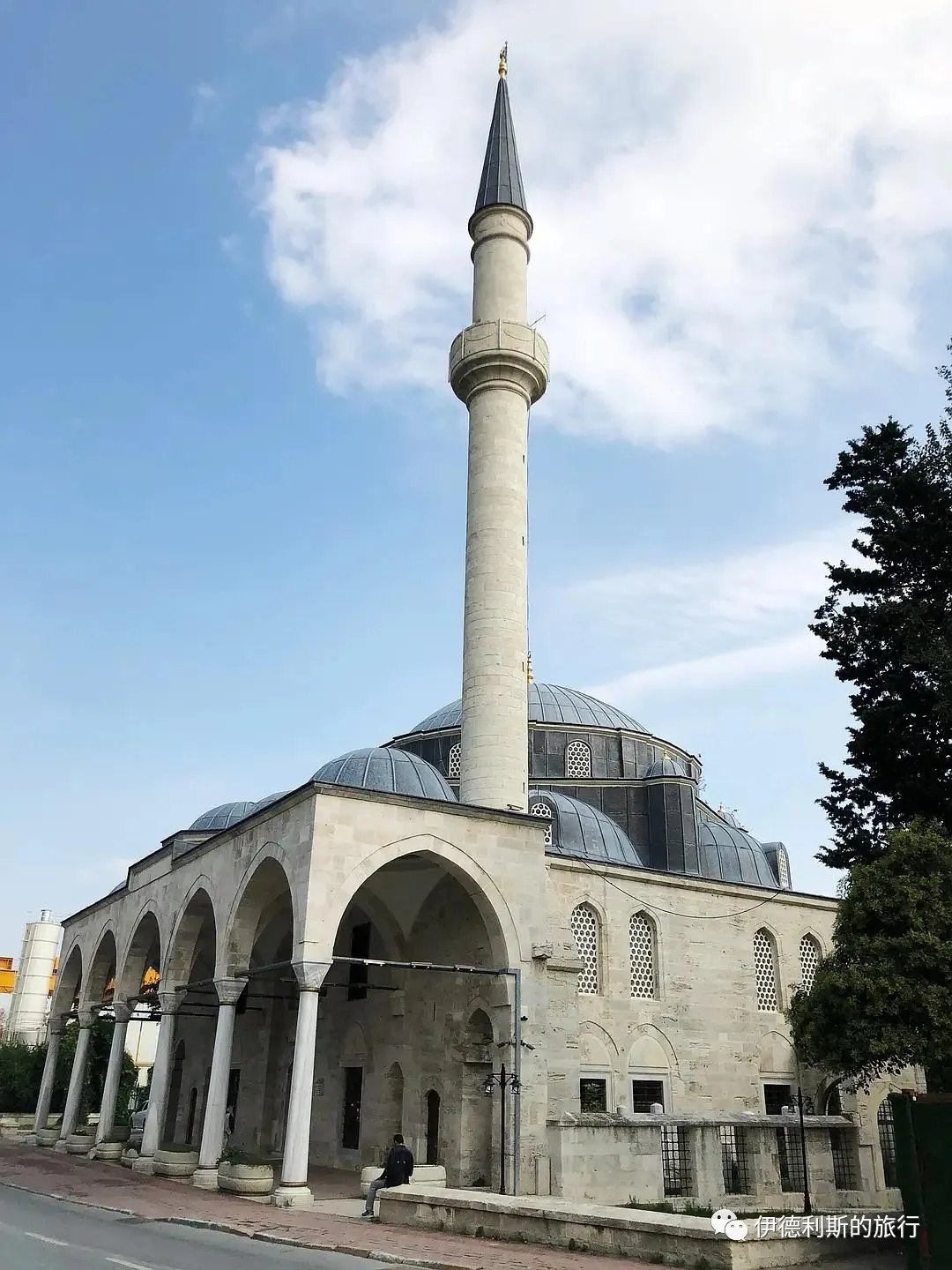
Atik Valide Mosque in Istanbul: A large complex commissioned by the Ottoman Queen Mother Nurbanu Sultan and built by Mimar Sinan. Construction happened in three stages. During the first stage from 1571 to 1574, Mimar Sinan was in Edirne overseeing his masterpiece, the Selimiye Mosque, so he hired another Ottoman court architect to supervise this project. The second stage was from 1577 to 1578. Nurbanu Sultan held real power in the empire then, and the mosque added a second minaret and a double-portico courtyard. The third stage was from 1584 to 1586. Nurbanu Sultan had passed away, and the mosque was expanded horizontally with a pair of small domes added on both sides of the central dome. It is believed that because Mimar Sinan was very old, his successor Davut Ağa finished the third stage.
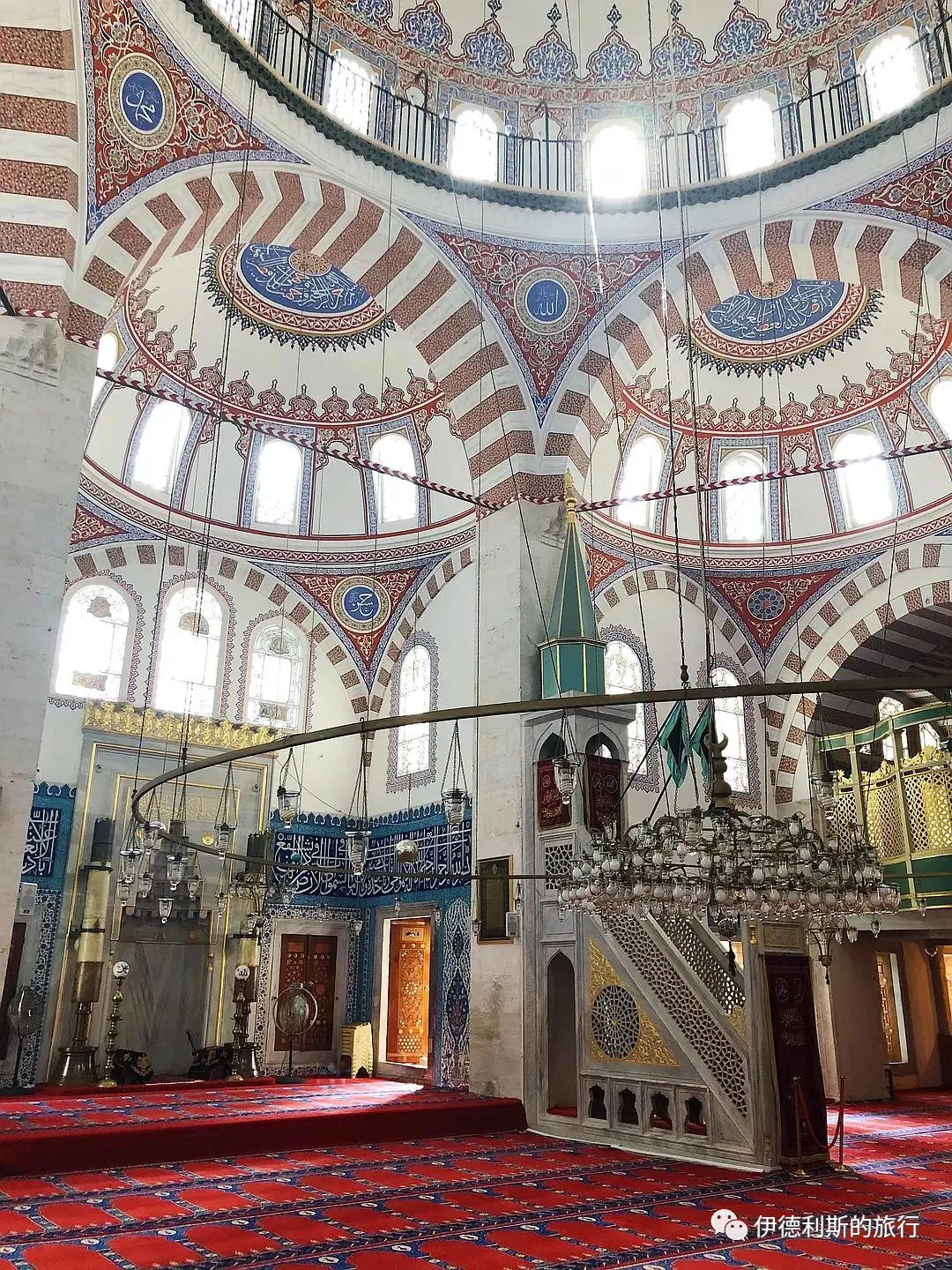
Nişancı Mehmet Pasha Mosque in Istanbul: Built by Mimar Sinan between 1584 and 1589. Some scholars think this mosque is not Sinan's work but should be credited to his student, the successor royal architect Davut Ağa, who served from 1588 to 1599. However, a close look at the structure shows it is clearly a further development of Sinan's octagonal mosque design.
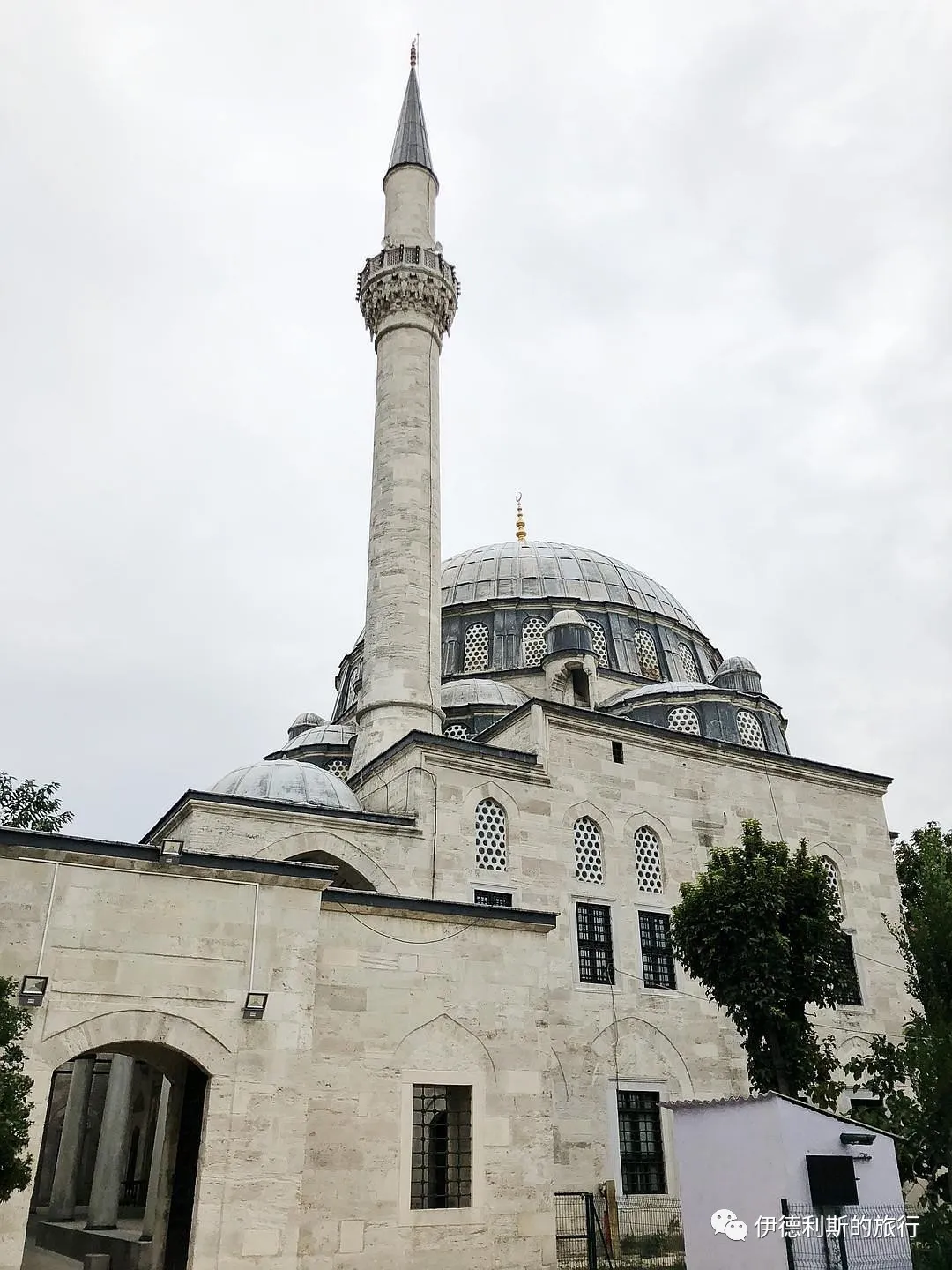
Sait Mahmut Pasha Mosque in Istanbul: Commissioned by Şah Sultan, daughter of Ottoman Sultan Selim II (reigned 1566-1574), and her husband Sait Mahmut Pasha. Mimar Sinan started building it in 1577, and it was finished in 1590, two years after Sinan died. The mosque feels like an original experiment from Sinan's later years. It has no connection to his previous mosque designs and is visually the complete opposite. The main arch has no decoration except for the qibla wall and connects directly to the gallery. This design weakens the visual impact of the dome. The widening of the space on three sides makes the dome look low enough to touch.
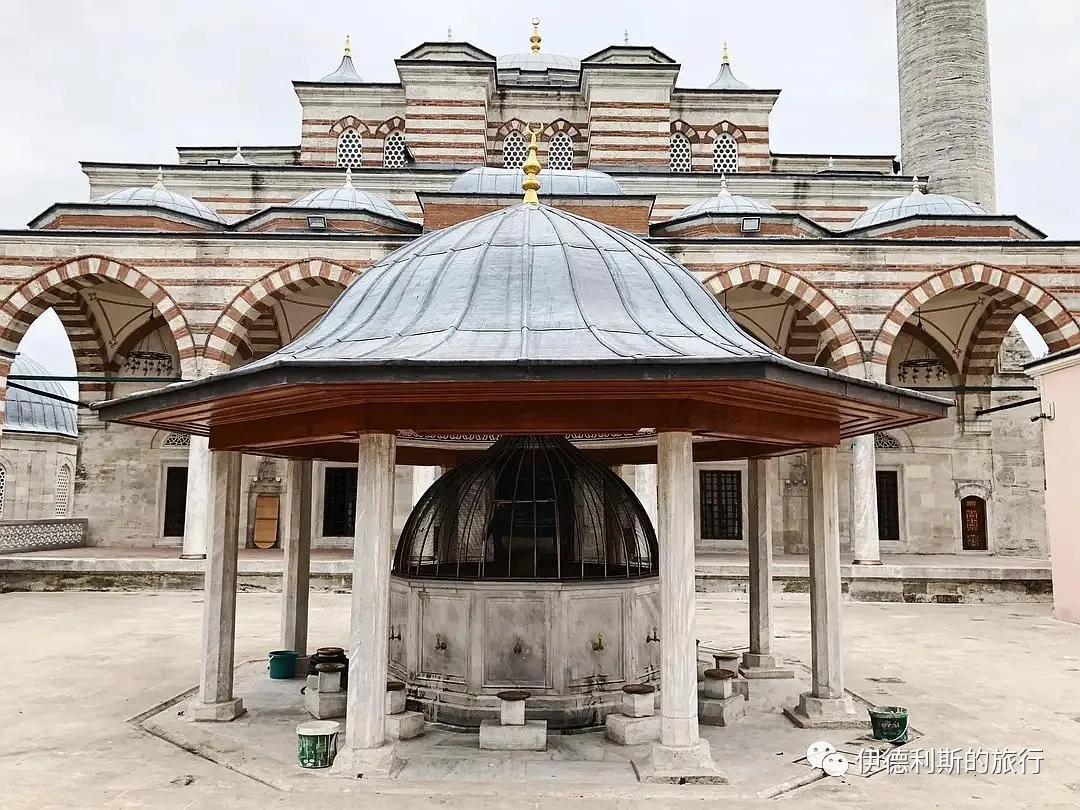
Selimiye Mosque in Edirne: Commissioned by Ottoman Sultan Selim II (reigned 1566-1574) and built by imperial chief architect Mimar Sinan between 1567 and 1575. It is hailed as a supreme achievement in Ottoman architecture, the culmination of 16th-century Ottoman Islamic art, and Sinan's undisputed masterpiece. It was added to the UNESCO World Heritage list in 2011.
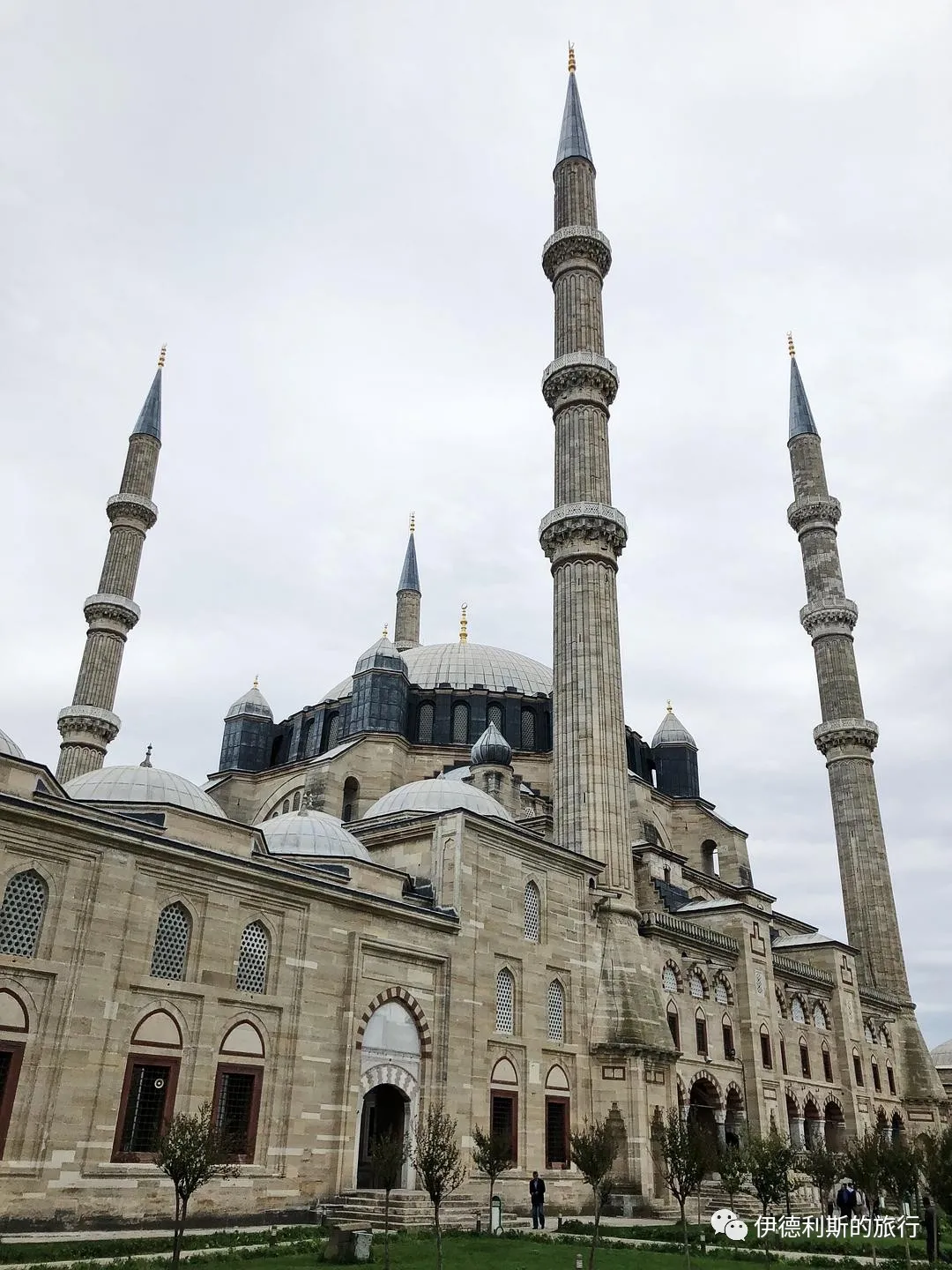
Selimiye Mosque in Konya: Commissioned by Sultan Selim II in 1558 and finished in 1570, it is a typical 16th-century Ottoman double-minaret mosque.
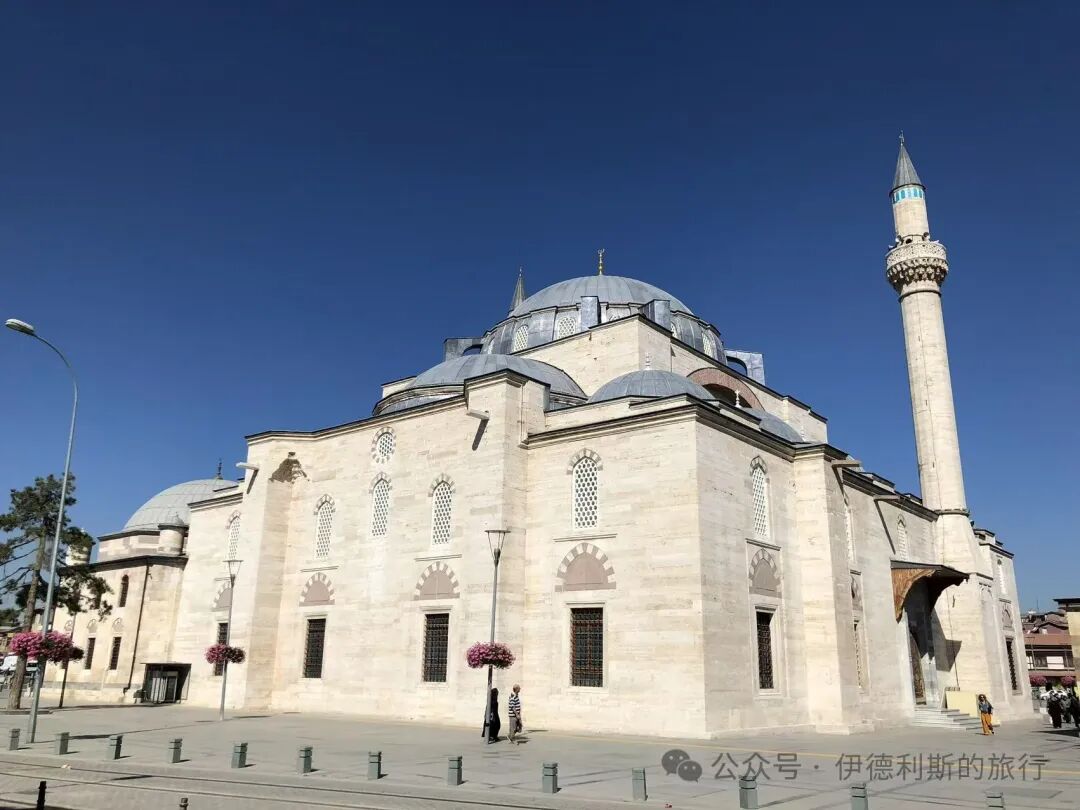
Harem Mosque in Istanbul: Located in the northeast part of Topkapı Palace, it was a place for harem concubines to pray and is decorated with beautiful tiles. It once had gorgeous carpets, but now only the plain floor remains.
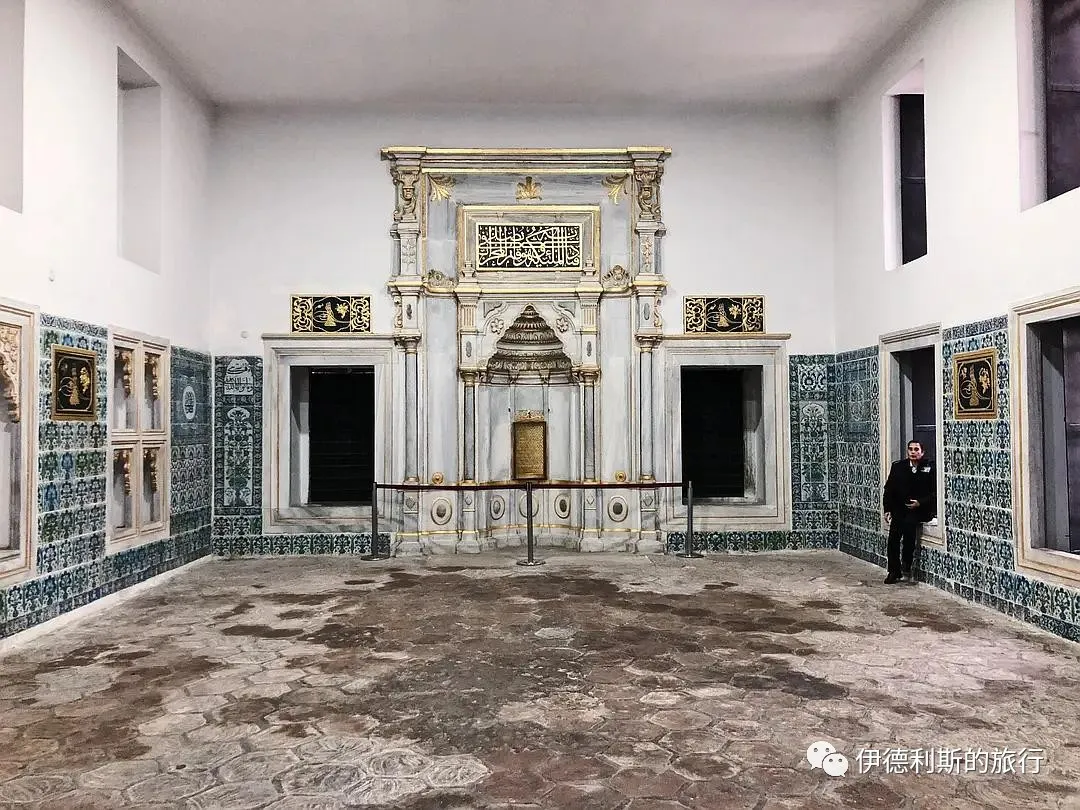
Ağalar Mosque in Istanbul: The main mosque in Topkapı Palace, dating back to the reign of Mehmed the Conqueror in the 15th century. Ottoman Sultans, palace servants (ağas), and guards all came here to perform namaz. After 1928, it became the Palace Library (Sarayı Kütüphanesi), housing tens of thousands of books and manuscripts from the Ottoman Empire in Turkish, Arabic, Persian, and Greek.
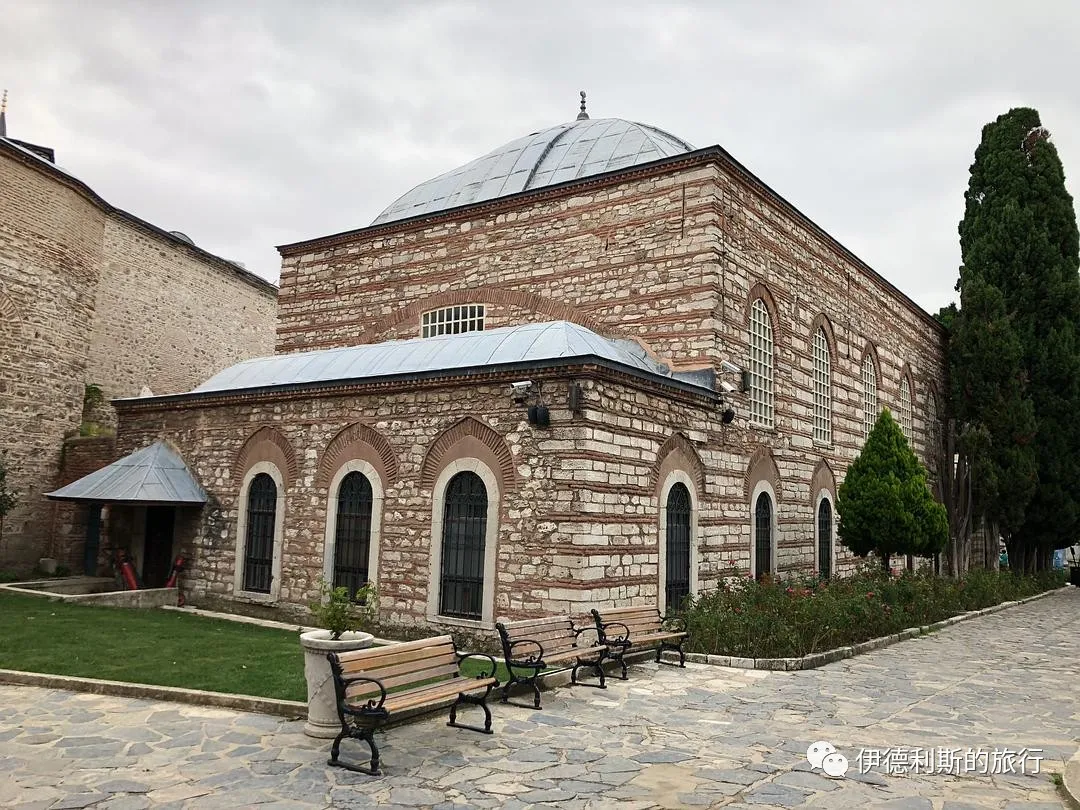
Sofa Mosque in Istanbul: Located at the back of Topkapı Palace, it was built by order of Sultan Mahmud II (reigned 1808-1839) for the Sofa Ocağı corps.
Eyüp Sultan Mosque in Istanbul: People say Abu Ayyub al-Ansari, the standard-bearer and companion of the noble Prophet, is buried here. The mosque was first built in 1458 and rebuilt by Sultan Selim III in 1798.
1 mosque in Tianjin in October.
Northwest Corner Mosque: First built during the Ming Dynasty, the main hall was expanded twice in the 18th year of the Kangxi reign and the 6th year of the Jiaqing reign.
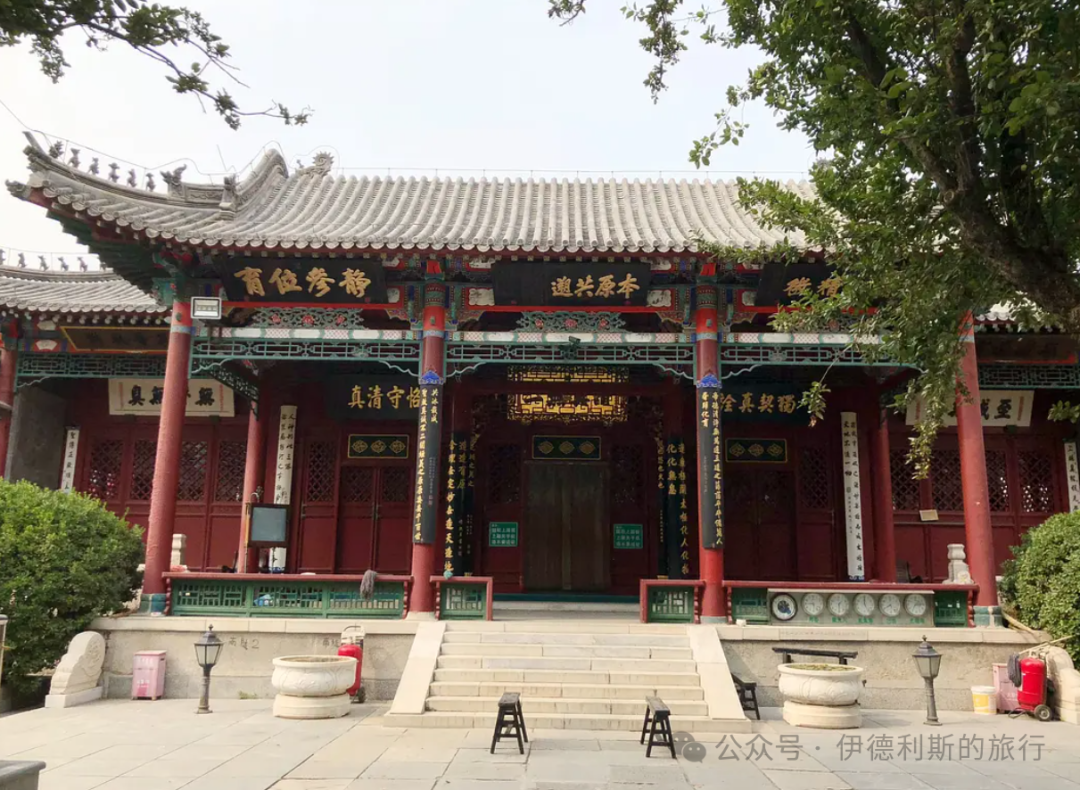
6 mosques in Henan in November.
Kaifeng East Mosque: Originally called Daliang Mosque, in 1368 (the first year of the Hongwu reign), young men from the mosque community joined Chang Yuchun’s northern expedition against the Yuan Dynasty. After the victory, Zhu Yuanzhang granted the name 'Imperial-Built Daliang Mosque.' In 1407 (the fifth year of the Yongle reign), Ming Emperor Zhu Di ordered its expansion, but it was destroyed by Yellow River flooding at the end of the Ming Dynasty. It was rebuilt in 1655 (the 12th year of the Kangxi reign), expanded in 1689 (the 28th year of the Kangxi reign), and damaged again by Yellow River flooding in 1841 (the 21st year of the Daoguang reign). In 1846 (the 26th year of the Daoguang reign), because Hui Muslims had performed meritorious service in flood prevention, the Henan governor petitioned the imperial court to rebuild it.
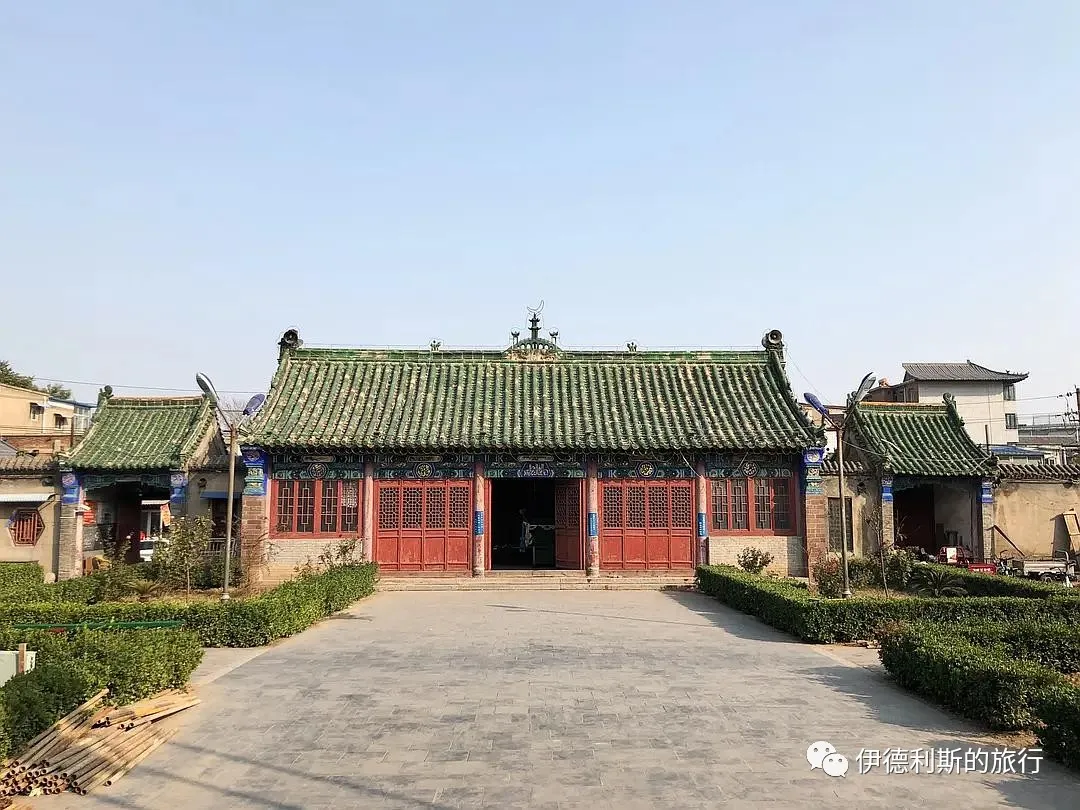
Kaifeng Shanyitang Mosque: Built in 1874 (the 13th year of the Tongzhi reign) by Hui Muslims from Shaanxi who settled in Kaifeng, it was originally a charitable association hall called 'Shanyitang'. In 1901, when Empress Dowager Cixi passed through Kaifeng on her way back to Beijing from Xi'an, the advance official Ma Liang, a Hui Muslim, requested that she write a plaque for the 'Mosque,' and it was then renamed Shanyitang Mosque.
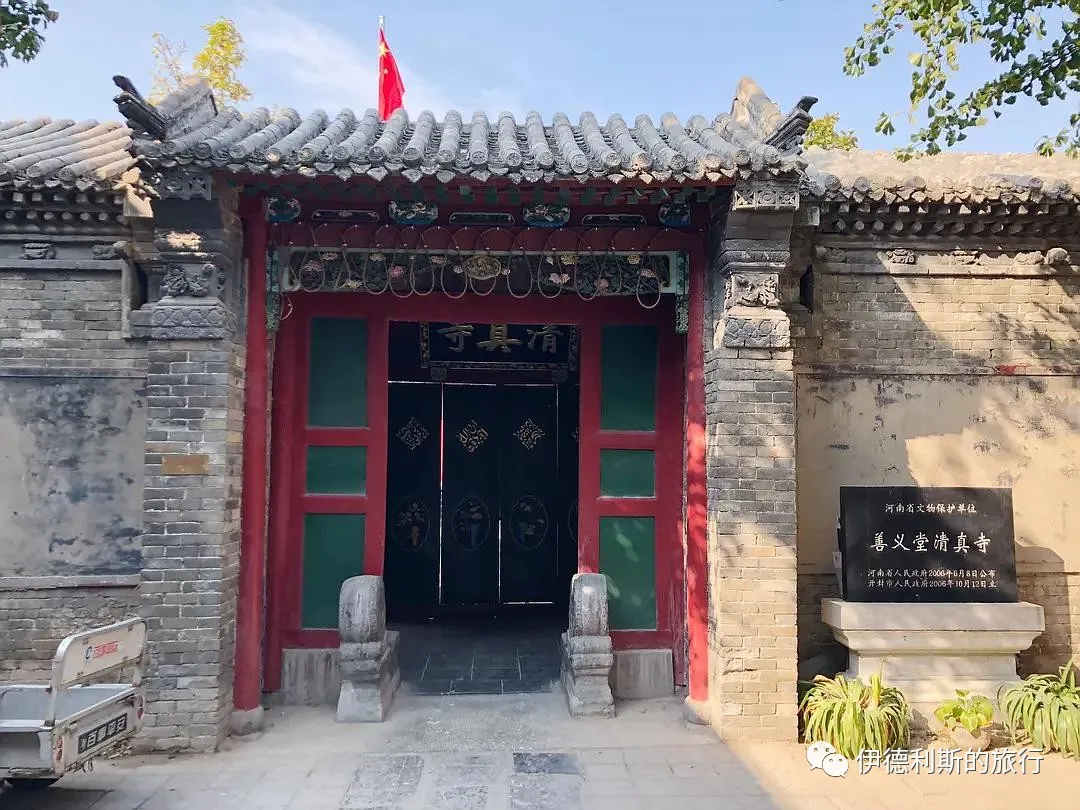
Kaifeng Wangjia Hutong Women's School: This is the oldest existing women's mosque in China, first built in the 1810s (during the Jiaqing reign of the Qing Dynasty). Two stone tablets from 1878 (the fourth year of the Guangxu reign) inside the mosque record its history. The founder of the women's mosque was a female imam named Li Men Yuan. After Imam Yuan passed away, her student, a female imam named Wu Men Zhang, continued to serve as imam. During this period, a man named Zheng donated money to buy the property, and an elderly woman named Zhao Yang donated two storefront rooms. This is also where the terms 'female imam' and 'women's mosque' first appeared in history.
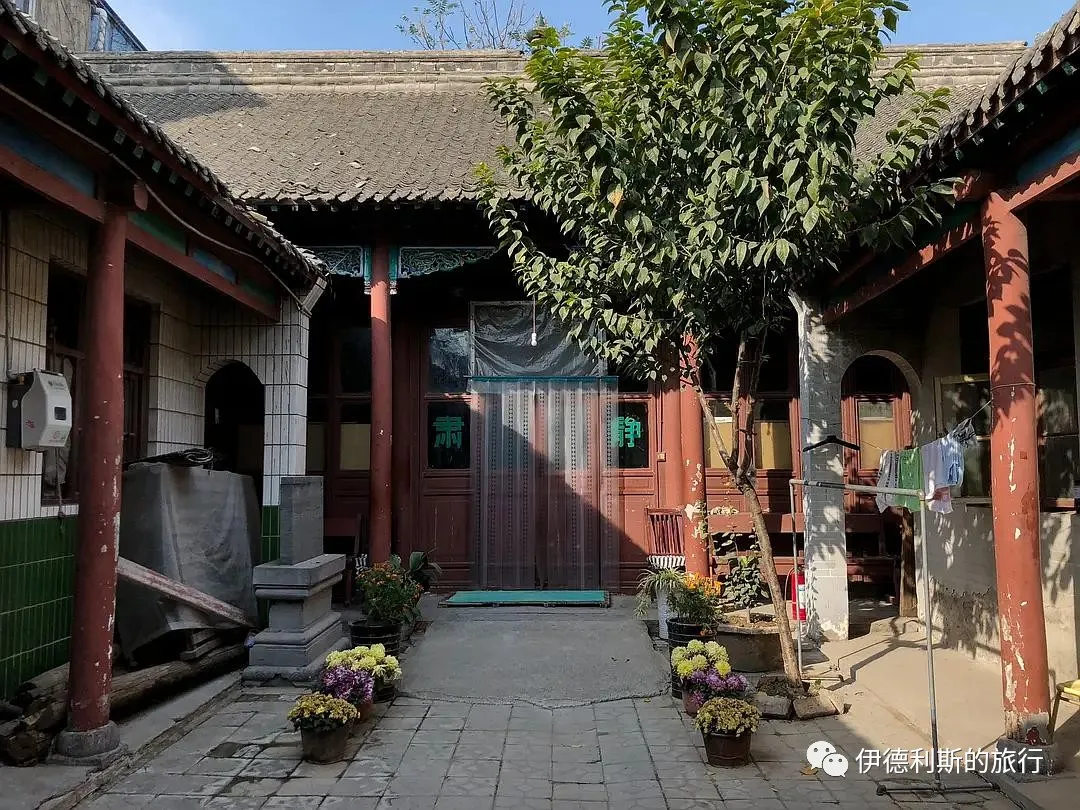
Kaifeng North Mosque: Destroyed by Yellow River flooding in 1645, it was relocated and rebuilt in 1662 (the first year of the Kangxi reign).
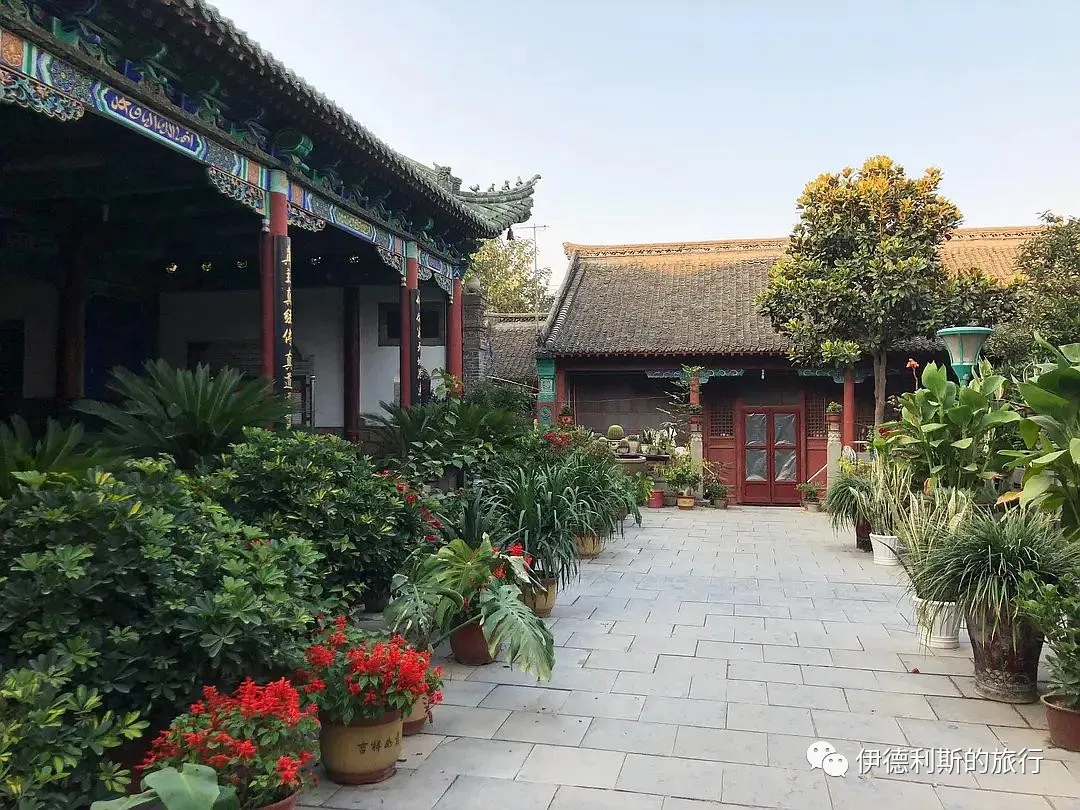
Kaifeng Wenshu Mosque Spirit Wall: The mosque was first built in the Ming Dynasty and destroyed by floods at the end of the Chongzhen reign. It was rebuilt in 1649 (the sixth year of the Shunzhi reign) and renovated in 1791 (the 56th year of the Qianlong reign). Opposite the main gate, a Qing Dynasty spirit wall (zhaobi) remains, featuring exquisite brick carvings.
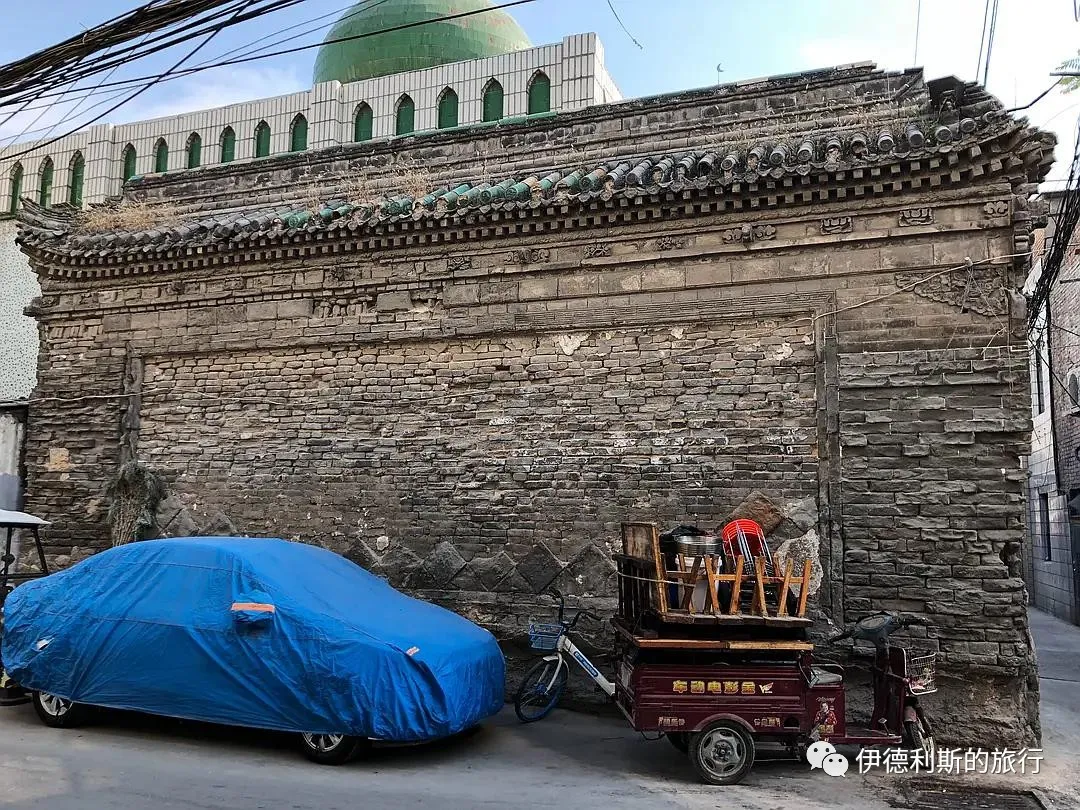
Kaifeng Zhuxian Town North Mosque: First built during the Taiping Xingguo years of the Northern Song Dynasty, it was rebuilt in 1531 (the 10th year of the Jiajing reign), destroyed by Yellow River flooding in 1641 (the 14th year of the Chongzhen reign), rebuilt in 1738 (the third year of the Qianlong reign), and expanded twice in 1744 (the ninth year of the Qianlong reign) and 1839 (the 19th year of the Daoguang reign).
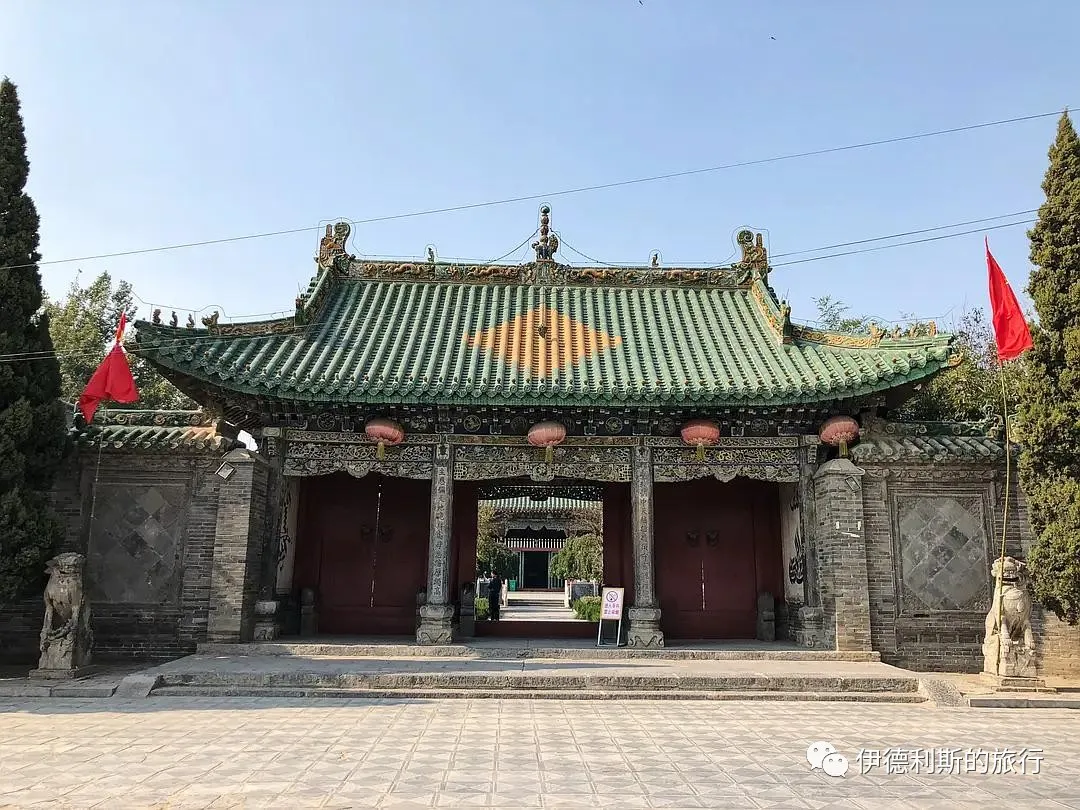
Halal Travel Guide: 2019 Mosque Visits — 64 Historic Mosques and Muslim Heritage
Articles • ali2007fr posted the article • 0 comments • 262 views • 2026-05-19 23:57
Summary: This 2019 travel record brings together visits to 64 historic mosques and Muslim cultural sites. It preserves the original route, mosque names, images, and local details while turning the account into clear English for global readers.
If my ten-year journey of visiting mosques has two stages, 2019 was the peak of the first stage. That is why I felt so lost when I could not travel in 2020.
By 2019, I had learned how to use my holidays to visit mosques abroad. I would research a lot of information, pick the mosques worth seeing, and use map websites to plan my route to visit as many as possible in the limited time I had.
During the 2019 Spring Festival, I took a long trip and visited 14 mosques in the three ancient cities of Bukhara, Samarkand, and Shahrisabz in Uzbekistan, with the most in the ancient city of Bukhara. In March, I used a weekend to travel to Chengdu and visited 6 mosques. During the Qingming Festival and May Day, I went to Java, Indonesia, twice and visited 7 mosques. In August, I used my annual leave to go to Moscow, Tatarstan, and the Crimean Peninsula, where I visited 23 mosques. During the Mid-Autumn Festival in September, I went to Tehran and happened to be there for Ashura, visiting two mosques. During the October National Day holiday, I went to Penang, Malaysia, and Hyderabad in South India, visiting 7 mosques. I did not expect that India would close its travel visas shortly after. In November, I used a weekend to visit 5 mosques in the Muslim Quarter (Huifang) of Xi'an. In total, I visited 64 mosques in 2019, which was very fulfilling.
I went to Urumqi for the Spring Festival holiday in early 2020 and visited the Shaanxi Old Quarter Mosque (Shaanxi Laofangsi). I almost got stuck there and could not return to Beijing. I worked from home during the first half of the year. Once restrictions were lifted in early July, we spent a weekend visiting the Hongshuiquan Grand Mosque in Qinghai. We took our honeymoon in August and visited 18 ancient mosques across Yunnan and Sichuan. During the National Day holiday, we traveled upstream along the Han River and visited 3 ancient mosques in southern Shaanxi. In total, I visited 23 ancient mosques across 5 provinces in 2020. See "2020 Visits to 23 Mosques."
Mosques in Beijing closed in January 2021. Travel restrictions were lifted in mid-March, so I hurried to visit ancient mosques in Henan, Jiangsu, Hebei, Xinjiang, Liaoning, Shanxi, Tianjin, Qinghai, and Inner Mongolia before travel restrictions returned in July. During the National Day holiday, there were no new cases nationwide, so we went on a road trip to Yunnan to visit ancient mosques. I could not leave Beijing after the holiday ended. Even though I only had less than half a year of freedom in 2021, I visited 47 ancient mosques across 11 provinces and cities. See "Visiting 47 Ancient Mosques in 2021."
2022 was the most difficult year, as I could not leave Beijing at all. That year, I visited some former mosque ruins in Beijing and some mosques I had never been to before, totaling 25 mosques for the year. See "Visiting Twenty-Five Mosques in Beijing in 2022."
At the beginning of 2023, travel restrictions out of Beijing were lifted, and by May, international travel restrictions were also lifted. That year, I traveled extensively, visiting 124 mosques across 11 provinces, 6 countries, and three continents: Europe, Asia, and Africa. See "Visiting 124 Mosques in 2023."
In 2024, life gradually returned to normal, but due to job changes and spending time with my children, the number of mosques I visited decreased. That year, I went to 6 provinces and 3 countries, visiting 63 mosques. I visited Malaysia three times, seeing 24 mosques, which covers almost all the historic mosques in Malaysia. See "Visiting 63 Mosques in 2024."
14 mosques in Uzbekistan in February.
Kalyan Mosque in Bukhara: Originally built in 1121 by Arslan Khan of the Karakhanid Khanate, it was destroyed by the Mongol army in 1220, leaving only the 46-meter-tall minaret. In 1515, Ubaidullah Khan, the nephew of Shaybani Khan who founded the Shaybanid dynasty of the Bukhara Khanate, rebuilt it, and it became the main Friday mosque for the Bukhara Khanate. The architecture is similar in style to the Bibi-Khanym Mosque in Samarkand, featuring as many as 288 domes.
Khoja Zaynuddin Mosque in Bukhara: Built in the first half of the 16th century, one theory is that the Khan of the Bukhara Khanate built it to thank a minister named Khoja Zaynuddin, while another theory suggests the Sufi saint Khoja Zaynuddin is buried nearby.
Baha-ud-Din Naqshband Complex in Bukhara: An important center for the faith in Central Asia, known as the "Little Mecca" of Central Asia. It holds the tomb of Naqshband, the founder of the Naqshbandi Sufi order, who was buried there in 1389, and the Bukhara Khanate added a mosque in the 16th century.
Chor-Bakr Necropolis in Bukhara: Located next to the tombs of the Djuybar Seyyids family in the western suburbs of Bukhara, the mosque was built in 1560 by Abdullah Khan II of the Bukhara Khanate.
Khoja-Gaukushan Mosque in Bukhara: Located next to the tombs of the Djuybar Seyyids family in the western suburbs of Bukhara, the mosque was built in 1560 by Abdullah Khan II of the Bukhara Khanate. It was built in 1598 by the master of that time, Djuybar Sheikh, known as "Khoja Kalon" (the Great Khoja). The height of its minaret is second only to the Kalyan Minaret.
Fayzabad Mosque in Bukhara: Built in 1598 by the famous Sufi master Mavlono Poyand-Mukhammad Ahsi (Ahsiketi) Fayzobodi, it served as both a mosque and a Sufi lodge. Behind the mihrab niche, there are three-story rooms called khudjras, which were used as living quarters for Sufi practitioners. Sufi activities continued here until the Soviet era, but now it only functions as a mosque.
Magok-i-Kurpa Mosque in Bukhara: Built in 1637, it was originally two stories, but the first floor is almost entirely underground, which is why it is called "Magok-i" (in the pit). The mosque is rectangular and has 12 domes on the roof.
Magok-i-Attari Mosque in Bukhara: It is believed to have been built in the 9th or 10th century on the foundation of a Zoroastrian mosque. It is one of the oldest surviving mosques in Central Asia and one of the few in Bukhara that survived the Mongol era. Today, after more than a thousand years of urban development, the mosque sits 4.5 meters below ground level. The mosque was rebuilt during the Karakhanid dynasty in the 12th century, adding a southern facade with a pishtaq-style gate decorated with blue tiles, though most have fallen off now. Because the surrounding streets were much higher than the mosque, the Shaybanid dynasty of the Bukhara Khanate built a huge monumental gateway (pishtaq) on the east side between 1547 and 1548, using a set of stairs to solve the access problem.
Bukhara Namazgahi Mosque: Ordered by Arslan Khan of the Eastern Karakhanid dynasty, it was built in 1119-1120. It was originally an open-air mosque with only a 38-meter prayer wall featuring a prayer niche (mihrab) in the center. Some decorations were added during the Mongol era in the mid-13th century, and arcades were added in the 16th century (some say the 17th century). It is one of the very few mosques in Bukhara that survived the Mongol era, and the tile calligraphy on the wall is the earliest example of tile art in Bukhara.
Ark Citadel Friday Mosque (Juma Mosque): Ordered by Subhan Quli, Khan of the Bukhara Khanate, who reigned from 1680 to 1702. It has wooden canopies on three sides, supported by wooden pillars in the middle. The ceiling inside the main hall features gorgeous floral and geometric patterns.
Bukhara Bolo Hauz Mosque: Ordered by Abu al-Fayz, Khan of the Bukhara Khanate, in 1712. It is the last important mosque in Bukhara's history and the place where the Khan held various ceremonies.
Samarkand Bibi-Khanym Mosque: Known as the most magnificent mosque architecture in Central Asia in the 15th century, it was the most important mosque of the Timurid dynasty and was imitated by many later mosques. Timur ordered its construction in 1399 after conquering Delhi, India, to commemorate his wife, Khanum, the daughter of the last Chagatai Khan, Qazan Sultan. When Timur returned to Samarkand in 1404, it was nearly finished, but he felt the main dome was not grand enough and ordered it to be rebuilt. However, Timur died in 1405 while the work was still in progress. After that, the mosque began to show structural problems due to its massive size, and bricks started falling from the dome. Repairs never stopped during the Timurid period. The Bukhara Khanate stopped maintenance in the late 16th century, and it gradually fell into ruins. The arch of the main gate also collapsed in the 1897 earthquake.
Shahrisabz Kok Gumbaz Mosque: Built in 1435 by Ulugh Beg, ruler of the Timurid Empire. It is said to have been built on the foundation of an ancient Karakhanid mosque, with 40 domed corridors on both sides of the main hall.
Shahrisabz Malik Ajdar Mosque: A typical 19th-century local mosque. The central main hall is used for winter namaz, where stoves are lit to keep it warm. The pergola next to it is used for summer namaz.
6 mosques in Sichuan in March.
Chengdu Gulou Mosque: Built in the early Qing Dynasty. It was occupied by the Gulou Street Office in 1958. In 1996, because of the construction of the World Trade Center building, the main hall was moved more than 50 meters east to its current location.
Chengdu Jiu Mosque: The main hall was built in 1763 (the 28th year of the Qianlong reign). It was built under the leadership of Xu Shiyeng, a hero who pacified Taiwan, and Hu Songlin, a former commander in Yichang, Hubei. The main hall was demolished in 2020, and the relocation has not been completed yet.
Chengdu Tuqiao Lower Mosque: Built in 1724 (the second year of the Yongzheng reign), it is now used as a nursing home.
Chengdu Pixian Taihechang Zhangjia Mosque: Located at an important water and land terminal entering the Western Sichuan Plain from the Aba Tibetan and Qiang areas. Goods from the Tibetan areas were shipped from Dujiangyan to this place, unloaded, and transferred to horse-drawn carriages to Chengdu, forming a busy market town. Zhangjia Mosque was first built in 1643 (the 16th year of the Chongzhen reign) and rebuilt in 1822 (the 2nd year of the Daoguang reign).
Tangjia Mosque in Mimou Town, Chengdu: First built in 1728 (the 6th year of the Yongzheng reign), it is a beautiful ancient mosque in the Shu region and the only one currently open in Mimou Town.
Chengdu Mimou Town Chengyi Mosque ruins: Built in 1821 (the 1st year of the Daoguang reign), only the ruins of the second gate remain today, standing precariously in the wind and rain.
7 mosques in Indonesia in April and May
Demak Great Mosque in Java: Legend says it was built in 1479 by Raden Patah, the first Sultan of Demak, and Sunan Kalijaga, one of the nine saints (Wali Songo) of Javanese Islam. Sunan Ampel, one of the nine saints, served as the imam of this mosque for a long time.
Sunan Kalijaga Gongbei Mosque in Demak, Java: Sunan Kalijaga was one of the nine saints of Javanese Islam and played a major role in spreading the faith across Java. Legend says Sunan Kalijaga lived to be 100 years old and did not pass away until 1550. During his life, he witnessed the fall of the Majapahit Empire and the founding of the Demak, Cirebon, and Banten Sultanates. He eventually died in Demak and was buried southeast of the city. Later generations built a gongbei over his tomb and a mosque next to it.
Kudus Al-Aqsa Mosque in Java: Built by Kudus in 1549, it is famous for its unique traditional Javanese architectural style, which directly inherited elements from the Majapahit era. Kudus Al-Aqsa Mosque shares its name with the famous Al-Aqsa Mosque in Jerusalem. People say while on his way to Hajj, Kudus helped cure a plague in a city and refused the generous gifts offered by the locals, accepting only a stone from near the Al-Aqsa Mosque in Jerusalem. After returning to Java, Kudus used the stone to build this mosque.
Banten Great Mosque in Java: Ordered by Sultan Maulana Hasanuddin of Banten and built in 1566. The women's hall was added in the 1580s, the minaret was designed and built by the Chinese man Cek-ban-cut in 1632, and the madrasa was designed and built in the 17th century by Hendrik Lucaasz Cardeel, a Dutchman who converted to Islam. The minaret is 24 meters high with a base diameter of 10 meters, blending Mughal style with the local Javanese Hindu/Buddhist temple (candi) style.
Mataram Great Mosque in Java: This is the most important architectural relic of the Mataram Sultanate. It was first built in 1575, and the original walls and gate are still preserved. The main hall was rebuilt in the 17th century by Sultan Agung and later underwent several repairs by the Sultans of Yogyakarta and Surakarta. The current building was reconstructed after a fire in 1926 and still maintains the traditional Javanese mosque layout.
Surakarta Great Mosque in Java: Built by Sunan Pakubuwana III in 1763 and completed in 1768. It serves as both a Friday mosque and a royal mosque. Many ceremonies of the Surakarta court are held here, the most important being the Mawlid (Prophet's birthday). During the Mawlid, two sets of large gamelan instruments are moved from the Surakarta palace storage to the mosque courtyard, where traditional Javanese gamelan music is performed outside of prayer times.
Yogyakarta Great Mosque in Java: Located northwest of the Yogyakarta Palace, it was first built in 1773 and is the royal mosque of the Sultan of Yogyakarta.
15 mosques in Russia in August
Historical Mosque of the Tatar Community in Moscow: In the early 17th century, many Tatars from the Volga River and steppe regions came to Moscow for business. A Tatar community gradually formed on the opposite bank of the Kremlin. The first records of the Tatar community mosque date back to 1712. It burned down in 1812 when Napoleon left Moscow. Tatar merchants rebuilt it in 1823, and it was expanded in 1882 with the addition of a minaret.
Kazan Marjani Mosque: Built between 1766 and 1770 with permission from Catherine the Great. It was the first brick mosque built in Kazan after Russia conquered the Kazan Khanate in 1552. It is the oldest surviving mosque in Kazan and the only one that stayed open during the Soviet era.
Kazan Apanay Mosque: The second mosque approved by Catherine the Great for construction in Kazan. Merchant Apanaev funded its building between 1768 and 1771. The architectural style blends traditional Tatar design with Moscow Baroque.
Kazan Galeevskaya Mosque: Built between 1798 and 1801 with funds from merchant Musa Mamyashev. It started as an early classicism style building in the late 18th century. It was expanded twice, in 1882 and 1897, using late classicism style.
Kazan İske Taş Mosque: Also called the Giant Stone Mosque. It was built in 1802 with a donation from merchant Ğabdulla Ütämişev. Legend says this mosque stands on the burial site of Tatar soldiers who died defending Kazan in 1552. An ancient giant stone marks the grave. Alexander Schmidt rebuilt the mosque in 1830 in a classicism style. Its three-story minaret looks like the old minarets found in the Bulgar and Kasimov regions.
Kazan White Mosque: Built between 1801 and 1805. It looks similar to the İske Taş Mosque built around the same time and features a classicism style exterior. The mosque closed in 1929 and became a school and fur workshop. The minaret was torn down in the 1930s, and the east and south parts of the main hall were rebuilt.
Kazan Pink Mosque: Built in 1808 with a donation from merchant Musa Apanaev. It served as the religious center for the Novaya Tatarskaya Sloboda area of Kazan. Today, it houses the Kazan Higher Madrasa.
Kazan Blue Mosque: Built between 1815 and 1819 with funds from merchant Akhmet Aitov-Zamanov. The architect was Alexander Schmidt. This was once the poorest mosque district in the old Tatar community. A wooden mosque was built here as early as 1778. In 1815, the original wooden mosque was moved to another village, and the current brick mosque in the classicism style was built in its place.
Kazan Nurulla Mosque: Built between 1845 and 1849 with donations from merchant Ğ. M. Yunısov. It features a minaret in the ancient Volga Bulgar style and a Middle Eastern style dome. At the time, the mosque was mainly used by Tatar merchants visiting the Sennoy Bazaar, which was the trade hub of Kazan's old Tatar community in the 18th and 19th centuries.
Kazan Sultan Mosque: Built in 1868 with a donation from Tatar merchant Zigansha Usmanov. After Ivan the Terrible conquered Kazan in 1552, this area remained a Tatar settlement. However, it was gradually surrounded by Russian neighborhoods, and churches began to be built right next to the mosque. In the 19th century, Tatar merchant Zigansha Usmanov decided to build a mosque here that looked better than the church next door. The mosque was finished in 1868. People named it the Zigansha Mosque or Usmanov Mosque in his honor.
Kazan Bornay Mosque: In 1799, Tatar merchant Salikh Mustafin built a wooden mosque here. It was originally for students of the Apanaev Madrasa, but local residents started using it later. Unfortunately, it was destroyed by fire. In 1872, Tatar merchant Mukhametsadyk Burnayev donated money to build the current brick mosque on the site of the burned wooden one. It is named after him. The mosque features a national romantic eclectic style, blending Russian and Tatar architectural decorations. In 1895, shortly before Burnayev passed away, architects Fyodor Malinovsky and Lev Khrshonovich designed and built a magnificent minaret.
Kazan Azimov Mosque: Built between 1887 and 1890 with donations from Tatar merchant Mortaza Äcimev. It was built in a national romantic eclectic style and is known as the most beautiful mosque in Kazan. The mosque is located in a place called Pleten (wicker fence), between the old and new Tatar neighborhoods.
Kazan Zakabannaya Mosque: Also called the "Mosque of the 1000th Anniversary of Conversion," it was built between 1924 and 1926 to mark the 1000th anniversary of the Volga Bulgars' conversion in 922 AD. Stalin personally approved its construction, and it was designed by architect A. E. Pechnikov in 1914 and funded by public donations. It was the last mosque built in Kazan before Stalin ordered all mosques closed in 1930.
Bulgar Great Mosque: This is the most important architectural ruin from the Golden Horde era remaining in the ancient city of Bulgar. It was the urban center of Bulgar in the 13th and 14th centuries and features typical Golden Horde architectural style. The Great Mosque was renovated in the early 14th century, and corner towers were added in the 1440s.
Bulgar Small Minaret (bonke): Built during the late 14th-century Golden Horde period, it is similar in shape to the Great Minaret of the Great Mosque and is the only minaret in the ancient city that has survived to this day.
8 in Crimea (Russian-occupied) in August.
Bakhchisaray Great Khan Mosque: Located inside the Bakhchisaray Khan Palace. In 1532, Crimean Khan Sahib I Giray moved the capital of the Crimean Khanate to Bakhchisaray, and the Great Khan Mosque was one of the first buildings constructed in the palace. The mosque originally consisted of multiple domes, similar to the Seljuk-style mosques popular in 15th-century Ottoman Turkey. The mosque was destroyed by fire in 1736, then restored by Khan Selamet II Giray (reigned 1740-1743) and changed to a tiled roof.
Bakhchisaray Small Khan Mosque: Located inside the main building of the Khan Palace, it was used by members of the Khan's family and noble ministers. Built in the 16th century, it was destroyed by fire by the Russian army in 1736 and restored in 1741 by Khan Selamet II Giray (reigned 1740-1743). The existing interior murals were created in the 17th and 18th centuries, with some painted by the Iranian architect Omer in the late 18th century. Early 16th-century murals were discovered during the 1991 restoration.
Bakhchisaray Orta Mosque: Once the Friday mosque (Jumu'ah mosque) of Bakhchisaray, it dates back to 1674. It was renovated by Khan Mengli Giray II and Selamet II Giray between 1737 and 1743, and renovated again in 1861 to its current appearance.
Bakhchisaray Ismi Khan Mosque: Built between the 17th and 18th centuries, its architectural decoration is strongly influenced by the European Baroque style. The upper circular openings are decorated with wooden Seal of Solomon (Suleiman) rings. The mosque was used as a warehouse for a long time. There were plans for restoration in the early 21st century, but they have not been implemented yet.
Bakhchisaray Molla Mustafa Friday Mosque: Dates back to the 17th century. An 1890 document mentions this mosque, stating that the local community added a roof to it in 1888.
Tahtali Mosque in Bakhchysarai: Built in 1707 by Khan Sultan Beck, the son-in-law of the Crimean Khan Selim I Giray. Tahtali means wooden in the Crimean Tatar language. The mosque was originally built with wooden planks, but later enclosed with brick and stone, and the roof was covered with clay tiles.
Minbar pulpit of the Malik Ashtar Shrine Mosque in Bakhchysarai: Built during the Crimean Khanate era, the mosque was destroyed in 1955, but the pulpit was saved. This was once a center for Sufi practitioners on the Crimean Peninsula, where they performed whirling dances and other spiritual practices.
Jani Beg Khan Mosque in Bakhchysarai: Located west of the Jewish fortress, it was built during the reign of Jani Beg (reigned 1342-1357), a khan of the Golden Horde, in 1346. In 1455, the founding khan of the Crimean Khanate, Hacı Giray, rebuilt it. A stone inscription marking the reconstruction was once carved above the mosque gate and was discovered during an archaeological dig in 1928. After the mid-17th century, the mosque was abandoned when all Crimean Tatar Muslims moved from the Jewish fortress to Bakhchysarai. Only ruined walls, a mihrab prayer niche, and some stone carvings remain. The existing ruins suggest it was a fairly typical example of traditional Crimean architecture.
Two mosques in Iran in September.
Shah Abdol-Azim Shrine in Rey: This shrine houses the tomb of Shah Abdol-Azim, a fifth-generation descendant of Hasan, the eldest son of Imam Ali. Shah Abdol-Azim was a companion of Muhammad al-Taqi, the ninth of the twelve Shia Imams. He came to the city of Rey for refuge in the 9th century and died there in 866. Majd al-Mulk, a vizier of the Seljuk Empire, ordered the construction of the shrine complex in the 1090s. Later, Tahmasp I (reigned 1524-1576), the second ruler of the Safavid dynasty, expanded it. During the Qajar dynasty in the 19th century, it was gilded and decorated with mirrors.
Imamzadeh Saleh Shrine in Tehran: This houses the tomb of Saleh, the son of Musa al-Kadhim, the seventh of the twelve Shia Imams. Parts of the building date back to the late Safavid dynasty through the Afsharid dynasty in the 18th century.
Two mosques in Malaysia in October.
Aceh Street Mosque in Penang: In 1791, Tengku Syed Hussain Al-Aidid, an Aceh pepper merchant and nobleman of Arab descent, immigrated to Penang from Aceh and built the first mosque in Penang near what is now Aceh Street. Merchants from the Malay Archipelago, India, and Arabia later frequented it. In 1808, Tengku Syed Hussain donated money and land to build the mosque.
Kapitan Keling Mosque in Penang: Built in 1801 by Indian Muslims in Penang, it is located in the heart of the Chulias Indian community in George Town, Penang.
Five mosques in India in October.
Mecca Mosque (Mecca Masjid) in Hyderabad: Commissioned by Muhammad Quli Qutb Shah (reigned 1580-1611), the fifth sultan of the Qutb Shahi dynasty. He had bricks made from soil brought back from the holy city of Mecca to build the arches, which is how it got its name. The three arched outer walls of the mosque were carved from a single piece of granite, and the quarrying alone took five years. More than 8,000 workers built the entire mosque, and the Sultan himself laid the foundation.
Paigah Tombs in Hyderabad: The Paigah family was the most powerful family in the Asaf Jahi dynasty after the Nizam, and they were the only family in Hyderabad besides the Nizam to own palaces. The 18th and 19th-century tombs of the Paigah family are famous for their exquisite plaster and marble carvings. At the far northwest end of the tombs is the mosque used for visiting graves.
Taramati Mosque in Hyderabad: Located next to the palace area of Golconda Fort and built in 1518, it was used by the Sultan's court and nobles. This mosque has a typical Deccan architectural style, with small lotus-supported onion domes on the balcony roofs.
Zanana Mosque in Hyderabad: Located behind the tall walls of Golconda Fort, the mosque preserves a mihrab and a courtyard.
Ibrahim Mosque in Hyderabad: Located on the north side of the Golconda Fort hilltop, it was built by Sultan Ibrahim Quli Qutb Shah (reigned 1550-1580). It is small in size, and the double-layered balconies on the two minarets and the onion domes sitting on lotus pedestals are typical of the Deccan architectural style.
Five mosques in Shaanxi in November.
Huajue Lane Great Mosque: Also known as the "East Great Mosque," it was rebuilt during the Hongwu period of the Ming Dynasty (1368-1398) and renovated multiple times during the Jiajing and Wanli periods of the Ming Dynasty and the Qianlong period of the Qing Dynasty. The mosque is divided into four courtyards. From east to west along the central axis, there is a screen wall, a wooden archway, a five-bay building, a stone archway, the Imperial Decree Hall, the Shengxin Tower, the Lian-san Gate, the Phoenix Pavilion, the moon platform, and the main prayer hall.
Daxuexi Lane Mosque: Also known as the "West Great Mosque," it was rebuilt in 1384 (the 17th year of the Hongwu period of the Ming Dynasty) by Minister of War Tie Xuan, who was granted the name of the mosque by imperial decree. It was renovated in 1413 (the 11th year of the Yongle period of the Ming Dynasty) and twice more during the Kangxi and Guangxu periods of the Qing Dynasty.
Xiaopiyuan Mosque: Also known as the "North Great Mosque," it was renovated in 1611 (the 39th year of the Wanli period of the Ming Dynasty) and is divided into four courtyards. Passing through the "Second Gate" and the "Lian-san Gate" into the second and third courtyards, you can reach the bluestone imperial path covered by a stone-carved shade canopy.
Dapiyuan Mosque: Built in 1411 (the 9th year of the Yongle period of the Ming Dynasty) and renovated in 1781 (the 46th year of the Qianlong period of the Qing Dynasty).
Xiaoxuexi Lane Yingli Mosque: Built in 1774 (the 39th year of the Qianlong period of the Qing Dynasty), it is the last one established among the "seven mosques and thirteen neighborhoods" of the Hui Muslim quarter during the Ming and Qing dynasties, and it is said to have been built by Muslim officers and soldiers. view all
Summary: This 2019 travel record brings together visits to 64 historic mosques and Muslim cultural sites. It preserves the original route, mosque names, images, and local details while turning the account into clear English for global readers.
If my ten-year journey of visiting mosques has two stages, 2019 was the peak of the first stage. That is why I felt so lost when I could not travel in 2020.
By 2019, I had learned how to use my holidays to visit mosques abroad. I would research a lot of information, pick the mosques worth seeing, and use map websites to plan my route to visit as many as possible in the limited time I had.
During the 2019 Spring Festival, I took a long trip and visited 14 mosques in the three ancient cities of Bukhara, Samarkand, and Shahrisabz in Uzbekistan, with the most in the ancient city of Bukhara. In March, I used a weekend to travel to Chengdu and visited 6 mosques. During the Qingming Festival and May Day, I went to Java, Indonesia, twice and visited 7 mosques. In August, I used my annual leave to go to Moscow, Tatarstan, and the Crimean Peninsula, where I visited 23 mosques. During the Mid-Autumn Festival in September, I went to Tehran and happened to be there for Ashura, visiting two mosques. During the October National Day holiday, I went to Penang, Malaysia, and Hyderabad in South India, visiting 7 mosques. I did not expect that India would close its travel visas shortly after. In November, I used a weekend to visit 5 mosques in the Muslim Quarter (Huifang) of Xi'an. In total, I visited 64 mosques in 2019, which was very fulfilling.
I went to Urumqi for the Spring Festival holiday in early 2020 and visited the Shaanxi Old Quarter Mosque (Shaanxi Laofangsi). I almost got stuck there and could not return to Beijing. I worked from home during the first half of the year. Once restrictions were lifted in early July, we spent a weekend visiting the Hongshuiquan Grand Mosque in Qinghai. We took our honeymoon in August and visited 18 ancient mosques across Yunnan and Sichuan. During the National Day holiday, we traveled upstream along the Han River and visited 3 ancient mosques in southern Shaanxi. In total, I visited 23 ancient mosques across 5 provinces in 2020. See "2020 Visits to 23 Mosques."
Mosques in Beijing closed in January 2021. Travel restrictions were lifted in mid-March, so I hurried to visit ancient mosques in Henan, Jiangsu, Hebei, Xinjiang, Liaoning, Shanxi, Tianjin, Qinghai, and Inner Mongolia before travel restrictions returned in July. During the National Day holiday, there were no new cases nationwide, so we went on a road trip to Yunnan to visit ancient mosques. I could not leave Beijing after the holiday ended. Even though I only had less than half a year of freedom in 2021, I visited 47 ancient mosques across 11 provinces and cities. See "Visiting 47 Ancient Mosques in 2021."
2022 was the most difficult year, as I could not leave Beijing at all. That year, I visited some former mosque ruins in Beijing and some mosques I had never been to before, totaling 25 mosques for the year. See "Visiting Twenty-Five Mosques in Beijing in 2022."
At the beginning of 2023, travel restrictions out of Beijing were lifted, and by May, international travel restrictions were also lifted. That year, I traveled extensively, visiting 124 mosques across 11 provinces, 6 countries, and three continents: Europe, Asia, and Africa. See "Visiting 124 Mosques in 2023."
In 2024, life gradually returned to normal, but due to job changes and spending time with my children, the number of mosques I visited decreased. That year, I went to 6 provinces and 3 countries, visiting 63 mosques. I visited Malaysia three times, seeing 24 mosques, which covers almost all the historic mosques in Malaysia. See "Visiting 63 Mosques in 2024."
14 mosques in Uzbekistan in February.
Kalyan Mosque in Bukhara: Originally built in 1121 by Arslan Khan of the Karakhanid Khanate, it was destroyed by the Mongol army in 1220, leaving only the 46-meter-tall minaret. In 1515, Ubaidullah Khan, the nephew of Shaybani Khan who founded the Shaybanid dynasty of the Bukhara Khanate, rebuilt it, and it became the main Friday mosque for the Bukhara Khanate. The architecture is similar in style to the Bibi-Khanym Mosque in Samarkand, featuring as many as 288 domes.
Khoja Zaynuddin Mosque in Bukhara: Built in the first half of the 16th century, one theory is that the Khan of the Bukhara Khanate built it to thank a minister named Khoja Zaynuddin, while another theory suggests the Sufi saint Khoja Zaynuddin is buried nearby.
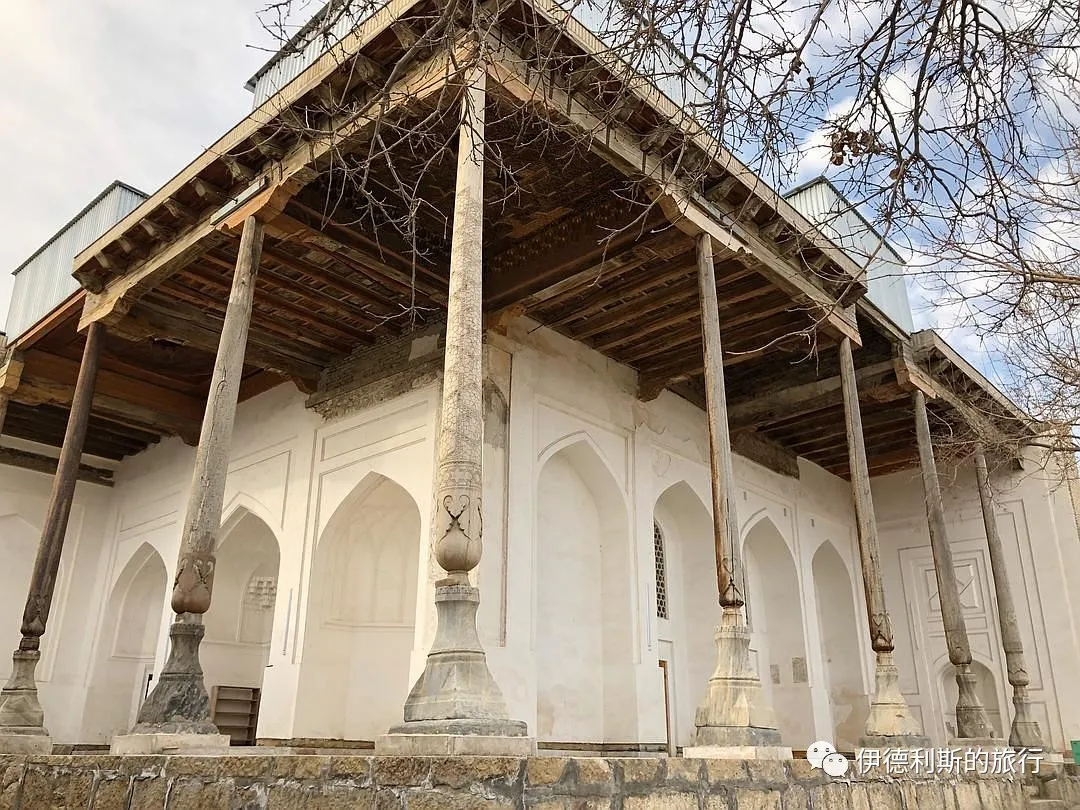
Baha-ud-Din Naqshband Complex in Bukhara: An important center for the faith in Central Asia, known as the "Little Mecca" of Central Asia. It holds the tomb of Naqshband, the founder of the Naqshbandi Sufi order, who was buried there in 1389, and the Bukhara Khanate added a mosque in the 16th century.
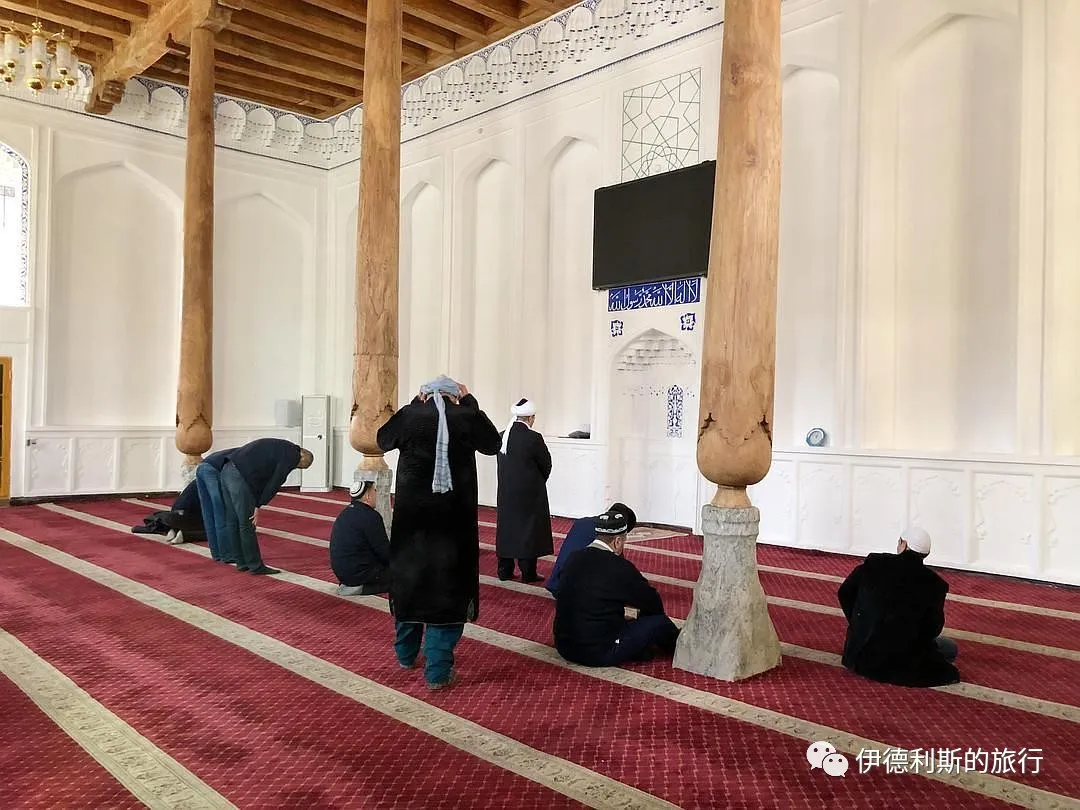
Chor-Bakr Necropolis in Bukhara: Located next to the tombs of the Djuybar Seyyids family in the western suburbs of Bukhara, the mosque was built in 1560 by Abdullah Khan II of the Bukhara Khanate.
Khoja-Gaukushan Mosque in Bukhara: Located next to the tombs of the Djuybar Seyyids family in the western suburbs of Bukhara, the mosque was built in 1560 by Abdullah Khan II of the Bukhara Khanate. It was built in 1598 by the master of that time, Djuybar Sheikh, known as "Khoja Kalon" (the Great Khoja). The height of its minaret is second only to the Kalyan Minaret.
Fayzabad Mosque in Bukhara: Built in 1598 by the famous Sufi master Mavlono Poyand-Mukhammad Ahsi (Ahsiketi) Fayzobodi, it served as both a mosque and a Sufi lodge. Behind the mihrab niche, there are three-story rooms called khudjras, which were used as living quarters for Sufi practitioners. Sufi activities continued here until the Soviet era, but now it only functions as a mosque.
Magok-i-Kurpa Mosque in Bukhara: Built in 1637, it was originally two stories, but the first floor is almost entirely underground, which is why it is called "Magok-i" (in the pit). The mosque is rectangular and has 12 domes on the roof.
Magok-i-Attari Mosque in Bukhara: It is believed to have been built in the 9th or 10th century on the foundation of a Zoroastrian mosque. It is one of the oldest surviving mosques in Central Asia and one of the few in Bukhara that survived the Mongol era. Today, after more than a thousand years of urban development, the mosque sits 4.5 meters below ground level. The mosque was rebuilt during the Karakhanid dynasty in the 12th century, adding a southern facade with a pishtaq-style gate decorated with blue tiles, though most have fallen off now. Because the surrounding streets were much higher than the mosque, the Shaybanid dynasty of the Bukhara Khanate built a huge monumental gateway (pishtaq) on the east side between 1547 and 1548, using a set of stairs to solve the access problem.
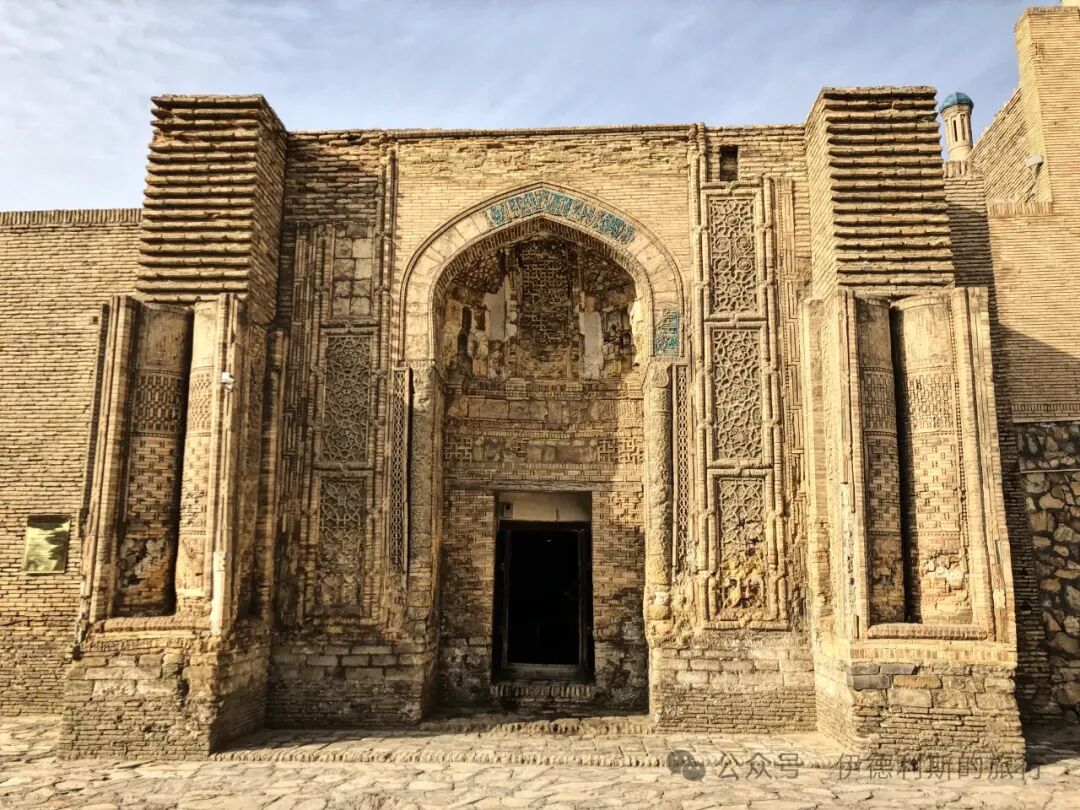
Bukhara Namazgahi Mosque: Ordered by Arslan Khan of the Eastern Karakhanid dynasty, it was built in 1119-1120. It was originally an open-air mosque with only a 38-meter prayer wall featuring a prayer niche (mihrab) in the center. Some decorations were added during the Mongol era in the mid-13th century, and arcades were added in the 16th century (some say the 17th century). It is one of the very few mosques in Bukhara that survived the Mongol era, and the tile calligraphy on the wall is the earliest example of tile art in Bukhara.
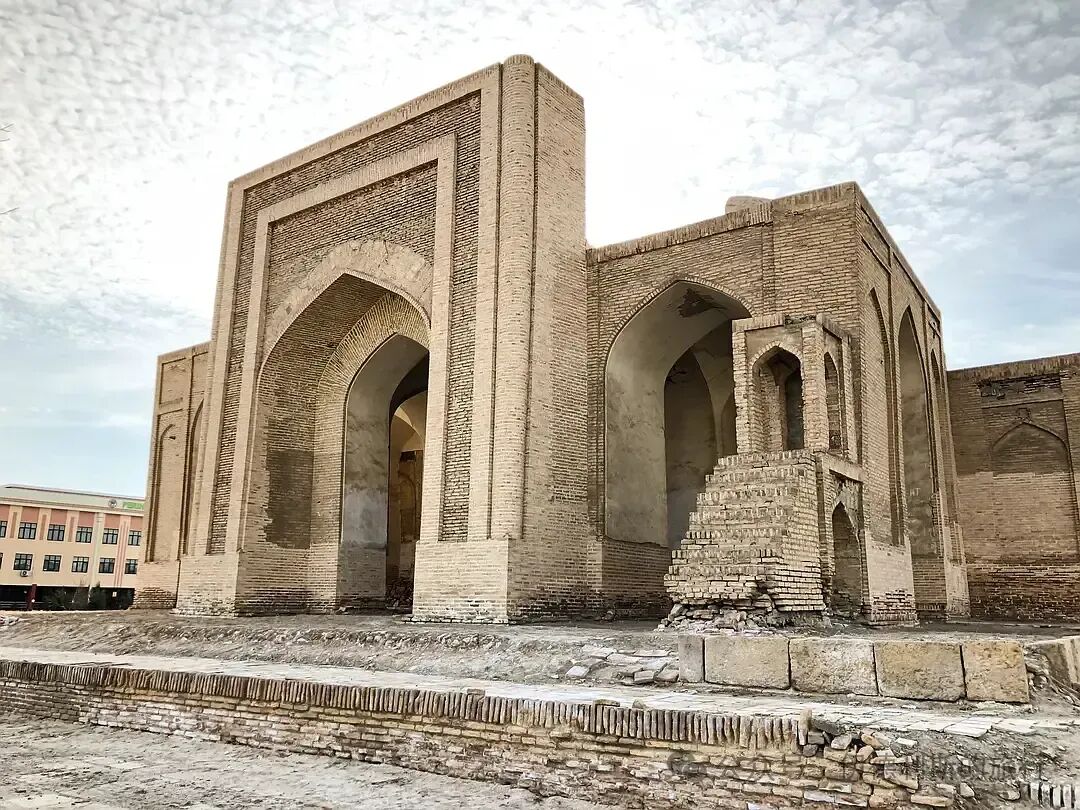
Ark Citadel Friday Mosque (Juma Mosque): Ordered by Subhan Quli, Khan of the Bukhara Khanate, who reigned from 1680 to 1702. It has wooden canopies on three sides, supported by wooden pillars in the middle. The ceiling inside the main hall features gorgeous floral and geometric patterns.
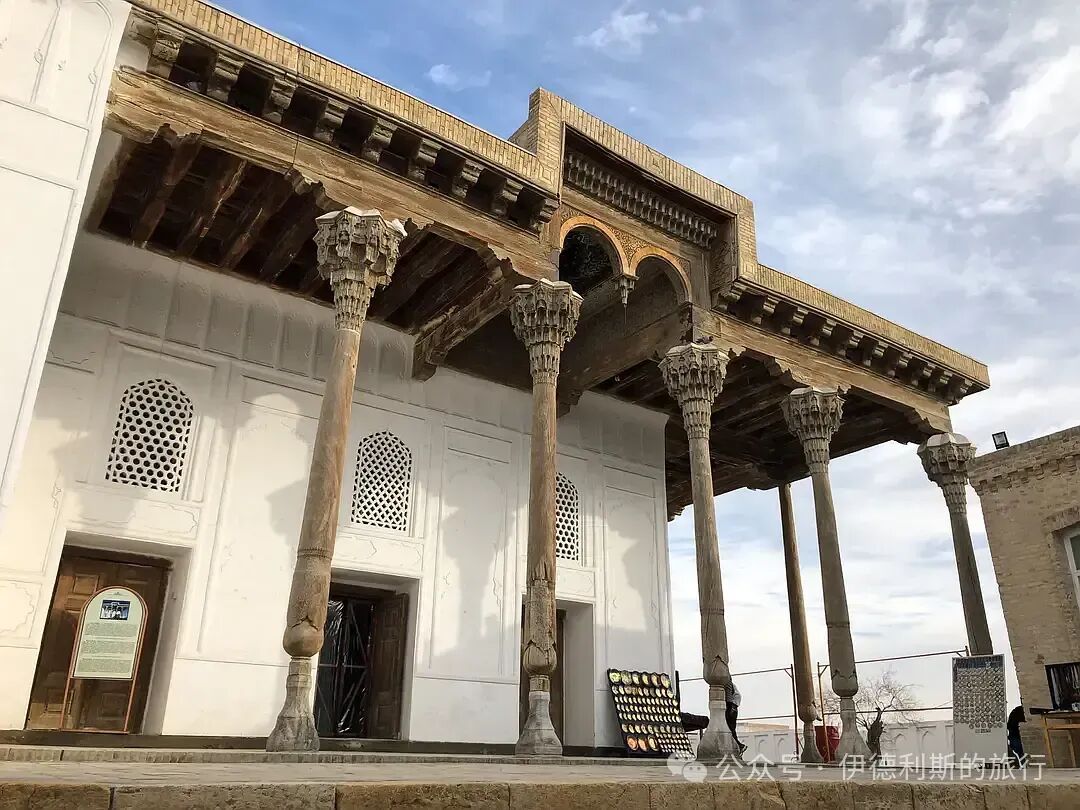
Bukhara Bolo Hauz Mosque: Ordered by Abu al-Fayz, Khan of the Bukhara Khanate, in 1712. It is the last important mosque in Bukhara's history and the place where the Khan held various ceremonies.
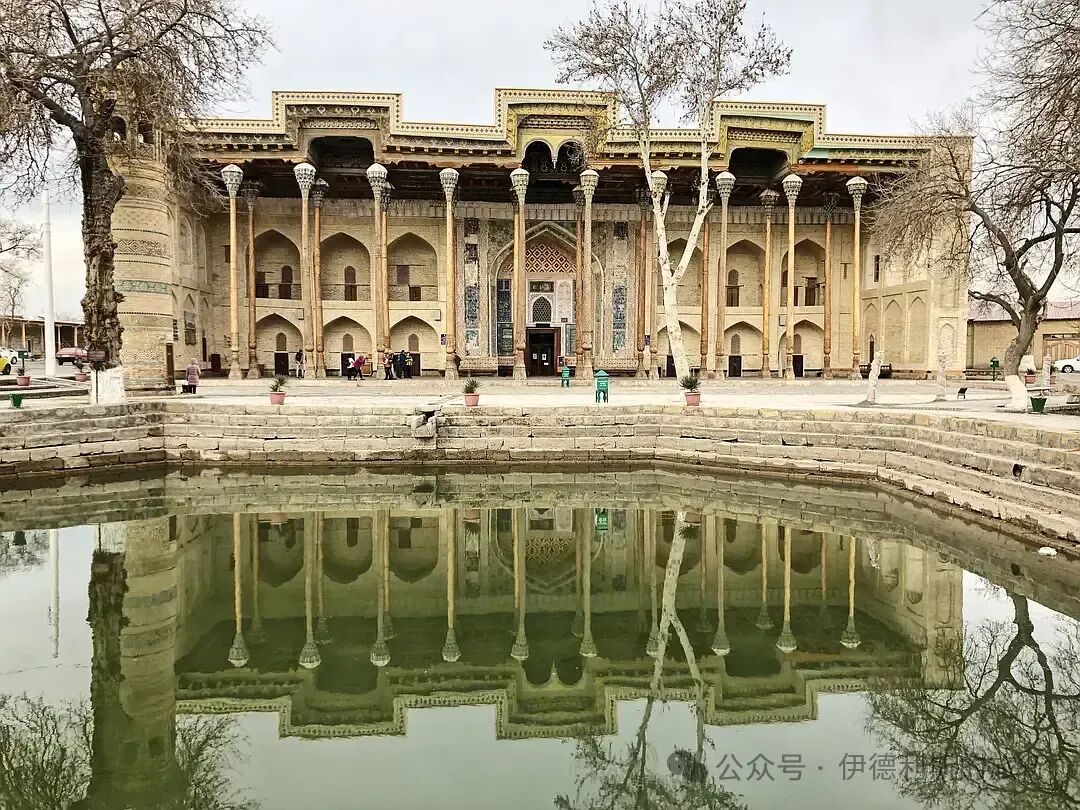
Samarkand Bibi-Khanym Mosque: Known as the most magnificent mosque architecture in Central Asia in the 15th century, it was the most important mosque of the Timurid dynasty and was imitated by many later mosques. Timur ordered its construction in 1399 after conquering Delhi, India, to commemorate his wife, Khanum, the daughter of the last Chagatai Khan, Qazan Sultan. When Timur returned to Samarkand in 1404, it was nearly finished, but he felt the main dome was not grand enough and ordered it to be rebuilt. However, Timur died in 1405 while the work was still in progress. After that, the mosque began to show structural problems due to its massive size, and bricks started falling from the dome. Repairs never stopped during the Timurid period. The Bukhara Khanate stopped maintenance in the late 16th century, and it gradually fell into ruins. The arch of the main gate also collapsed in the 1897 earthquake.
Shahrisabz Kok Gumbaz Mosque: Built in 1435 by Ulugh Beg, ruler of the Timurid Empire. It is said to have been built on the foundation of an ancient Karakhanid mosque, with 40 domed corridors on both sides of the main hall.
Shahrisabz Malik Ajdar Mosque: A typical 19th-century local mosque. The central main hall is used for winter namaz, where stoves are lit to keep it warm. The pergola next to it is used for summer namaz.
6 mosques in Sichuan in March.
Chengdu Gulou Mosque: Built in the early Qing Dynasty. It was occupied by the Gulou Street Office in 1958. In 1996, because of the construction of the World Trade Center building, the main hall was moved more than 50 meters east to its current location.
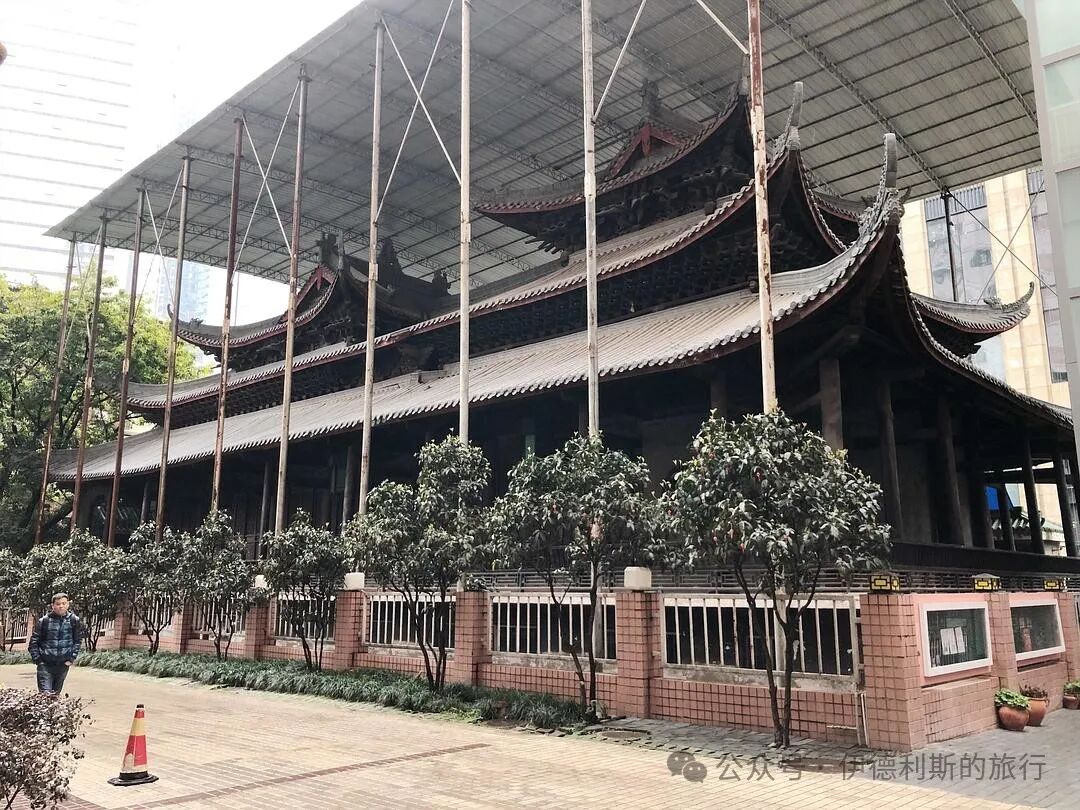
Chengdu Jiu Mosque: The main hall was built in 1763 (the 28th year of the Qianlong reign). It was built under the leadership of Xu Shiyeng, a hero who pacified Taiwan, and Hu Songlin, a former commander in Yichang, Hubei. The main hall was demolished in 2020, and the relocation has not been completed yet.
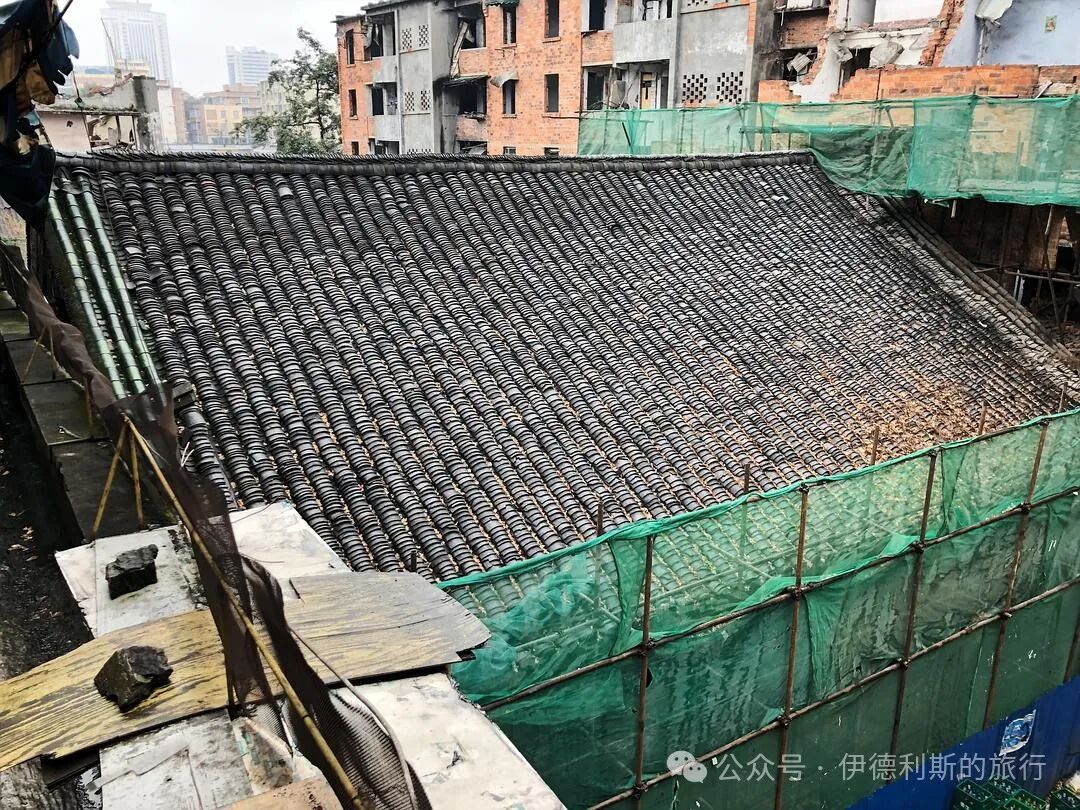
Chengdu Tuqiao Lower Mosque: Built in 1724 (the second year of the Yongzheng reign), it is now used as a nursing home.
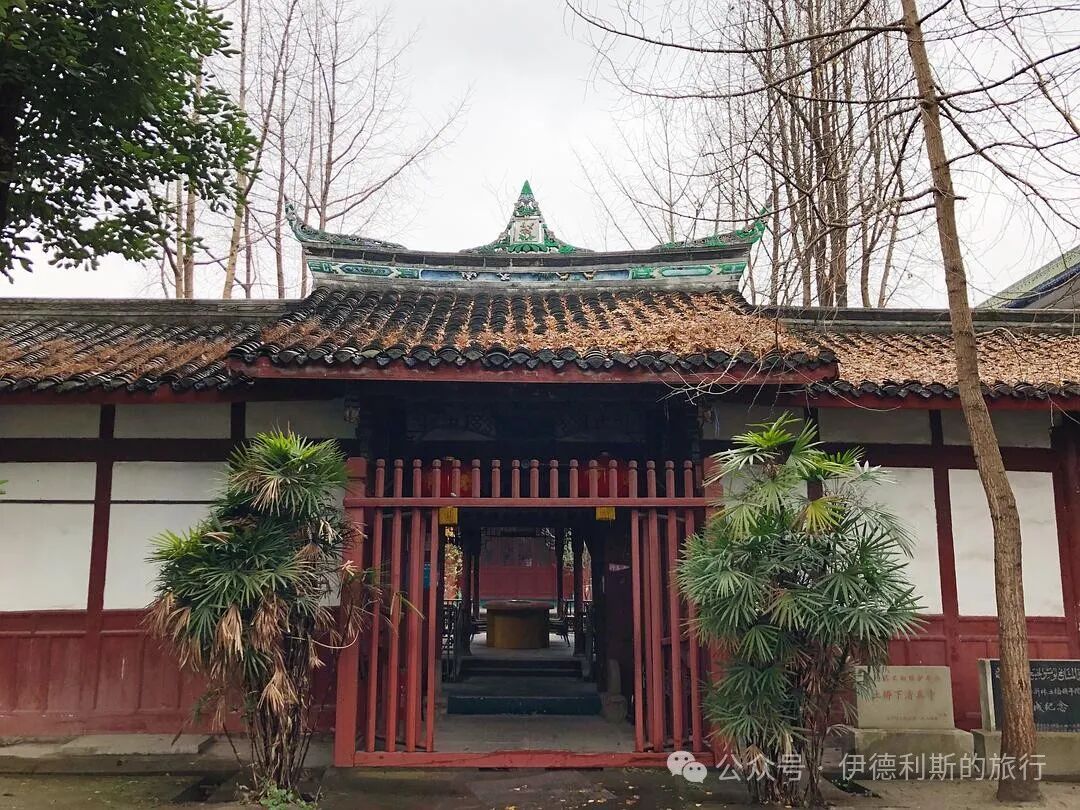
Chengdu Pixian Taihechang Zhangjia Mosque: Located at an important water and land terminal entering the Western Sichuan Plain from the Aba Tibetan and Qiang areas. Goods from the Tibetan areas were shipped from Dujiangyan to this place, unloaded, and transferred to horse-drawn carriages to Chengdu, forming a busy market town. Zhangjia Mosque was first built in 1643 (the 16th year of the Chongzhen reign) and rebuilt in 1822 (the 2nd year of the Daoguang reign).
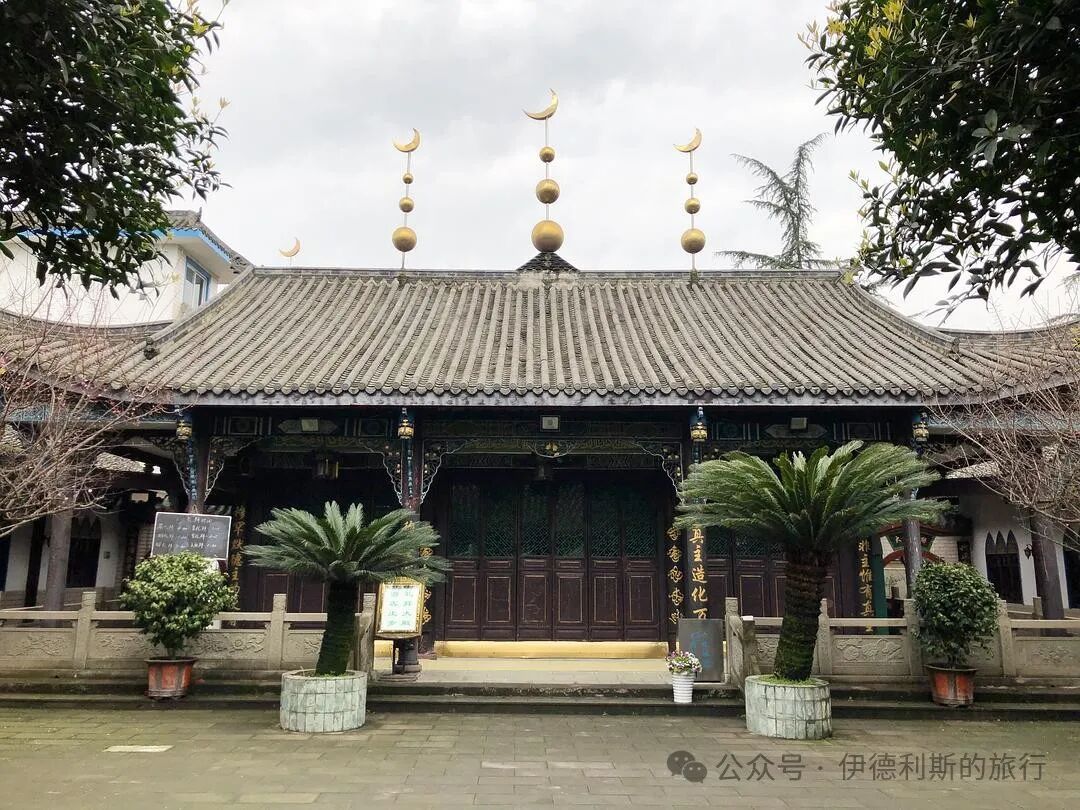
Tangjia Mosque in Mimou Town, Chengdu: First built in 1728 (the 6th year of the Yongzheng reign), it is a beautiful ancient mosque in the Shu region and the only one currently open in Mimou Town.
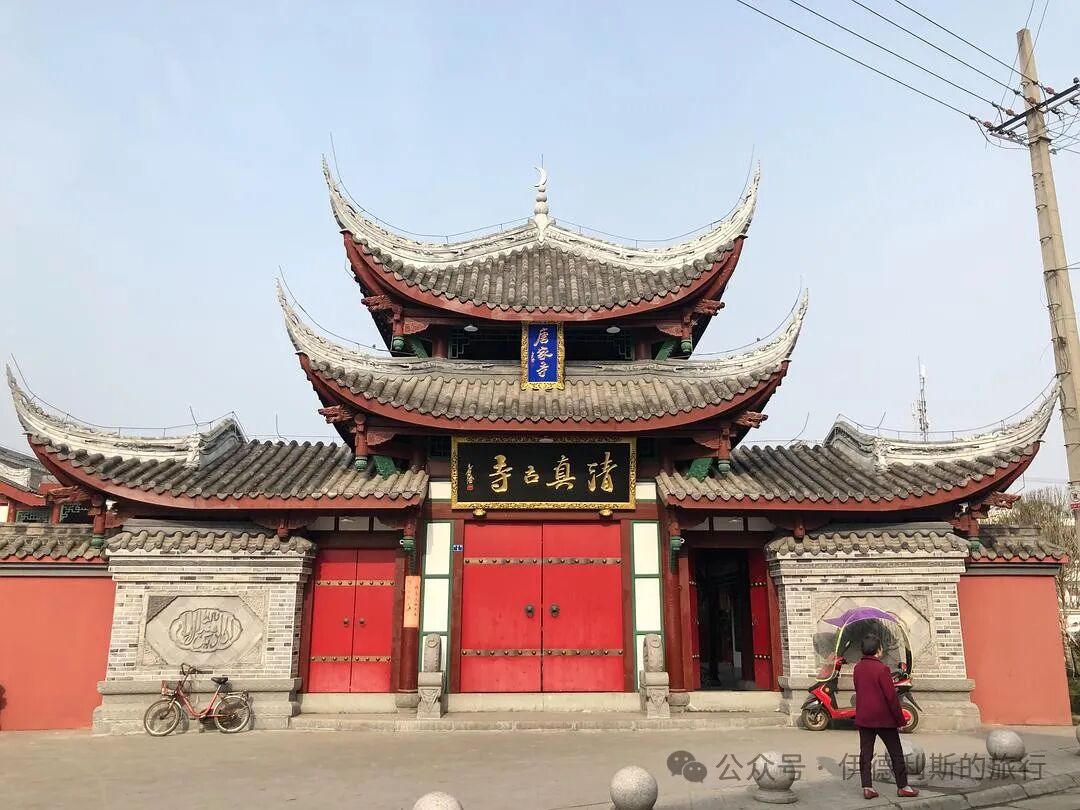
Chengdu Mimou Town Chengyi Mosque ruins: Built in 1821 (the 1st year of the Daoguang reign), only the ruins of the second gate remain today, standing precariously in the wind and rain.
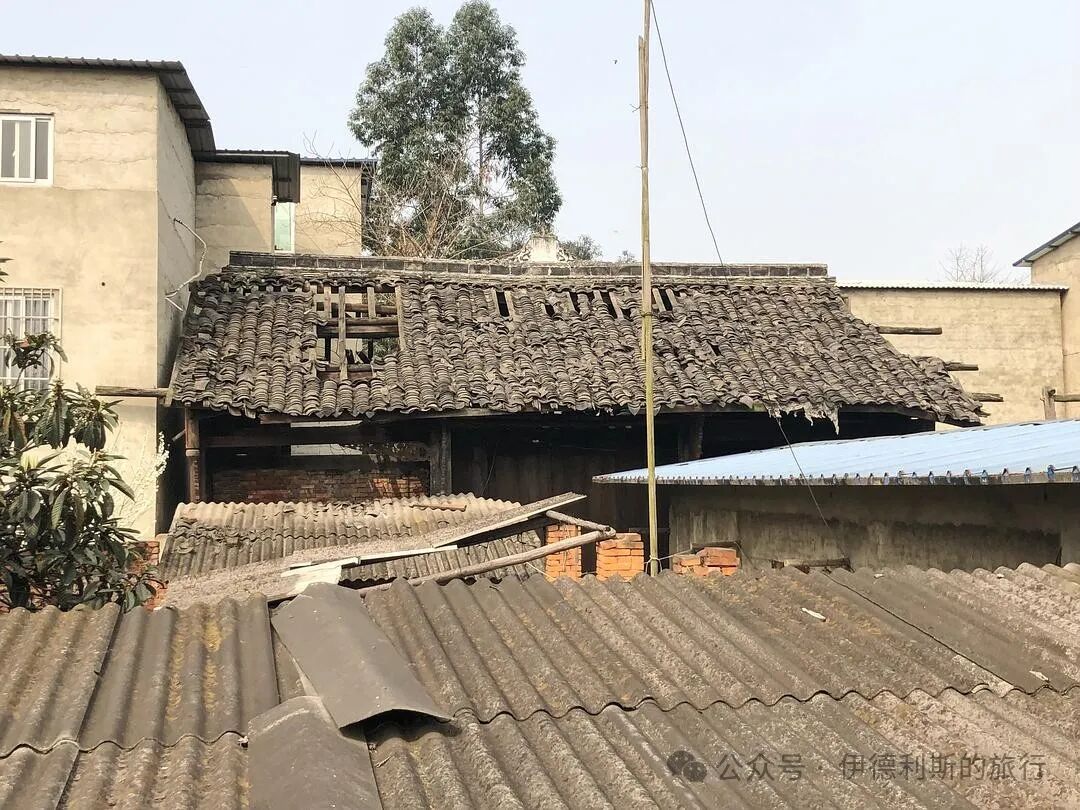
7 mosques in Indonesia in April and May
Demak Great Mosque in Java: Legend says it was built in 1479 by Raden Patah, the first Sultan of Demak, and Sunan Kalijaga, one of the nine saints (Wali Songo) of Javanese Islam. Sunan Ampel, one of the nine saints, served as the imam of this mosque for a long time.
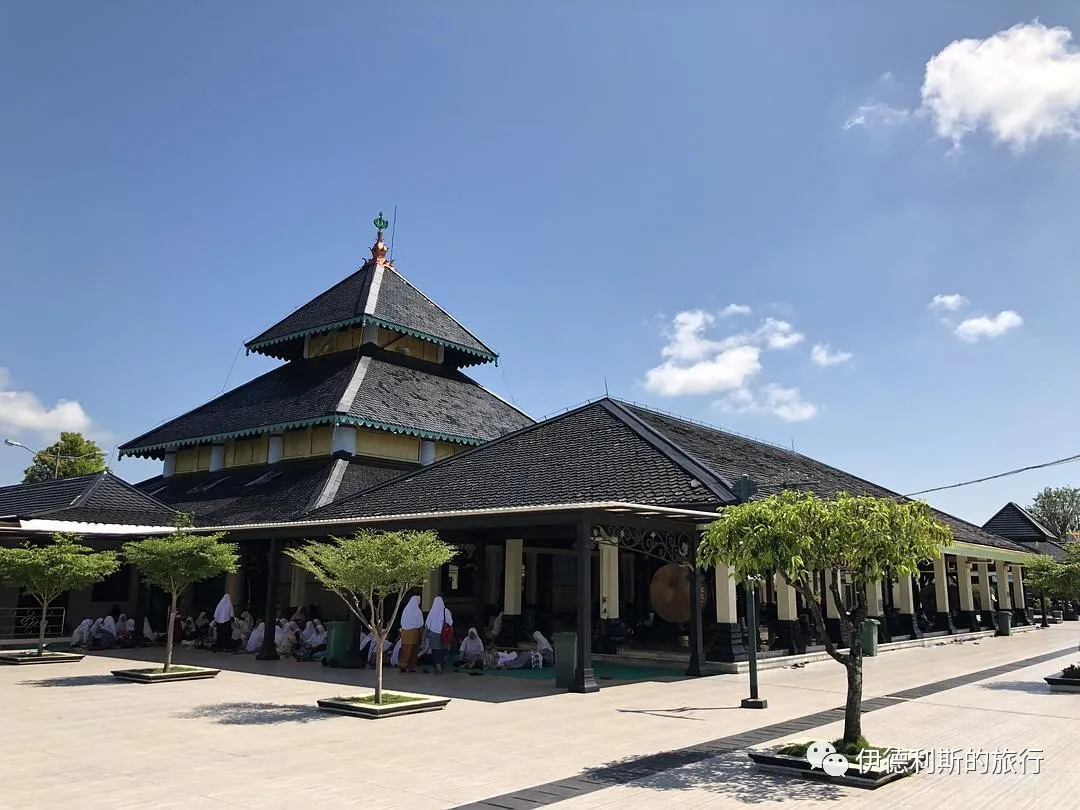
Sunan Kalijaga Gongbei Mosque in Demak, Java: Sunan Kalijaga was one of the nine saints of Javanese Islam and played a major role in spreading the faith across Java. Legend says Sunan Kalijaga lived to be 100 years old and did not pass away until 1550. During his life, he witnessed the fall of the Majapahit Empire and the founding of the Demak, Cirebon, and Banten Sultanates. He eventually died in Demak and was buried southeast of the city. Later generations built a gongbei over his tomb and a mosque next to it.
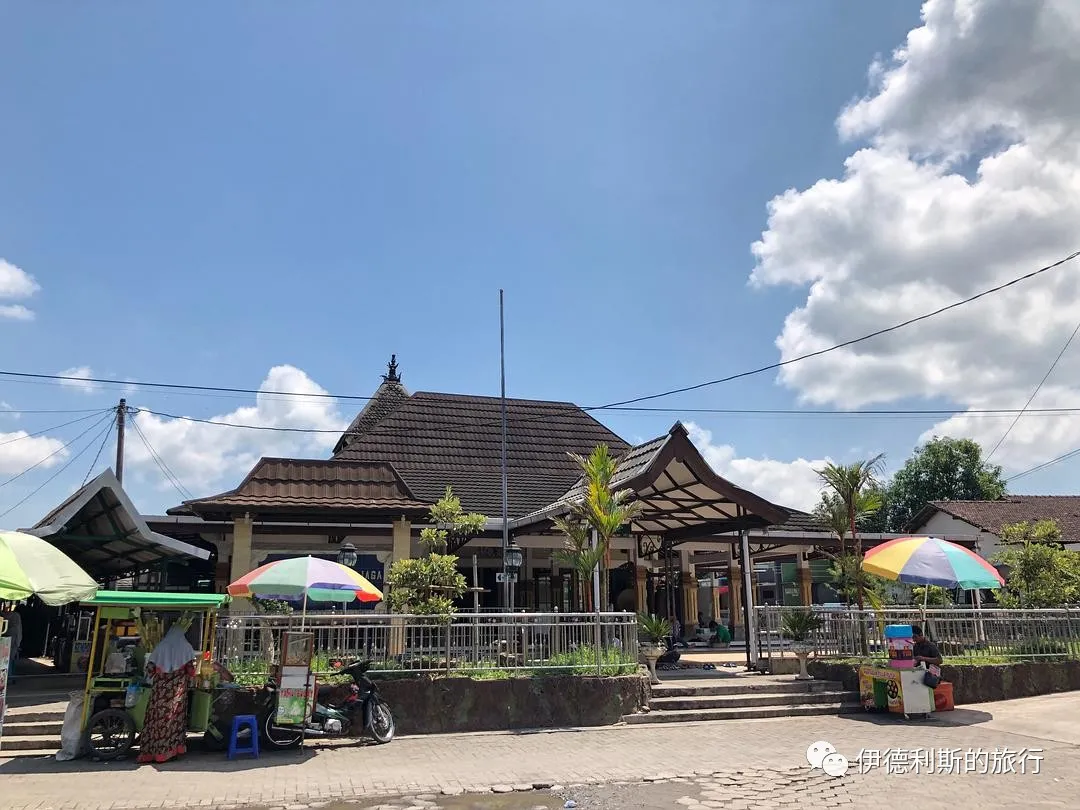
Kudus Al-Aqsa Mosque in Java: Built by Kudus in 1549, it is famous for its unique traditional Javanese architectural style, which directly inherited elements from the Majapahit era. Kudus Al-Aqsa Mosque shares its name with the famous Al-Aqsa Mosque in Jerusalem. People say while on his way to Hajj, Kudus helped cure a plague in a city and refused the generous gifts offered by the locals, accepting only a stone from near the Al-Aqsa Mosque in Jerusalem. After returning to Java, Kudus used the stone to build this mosque.
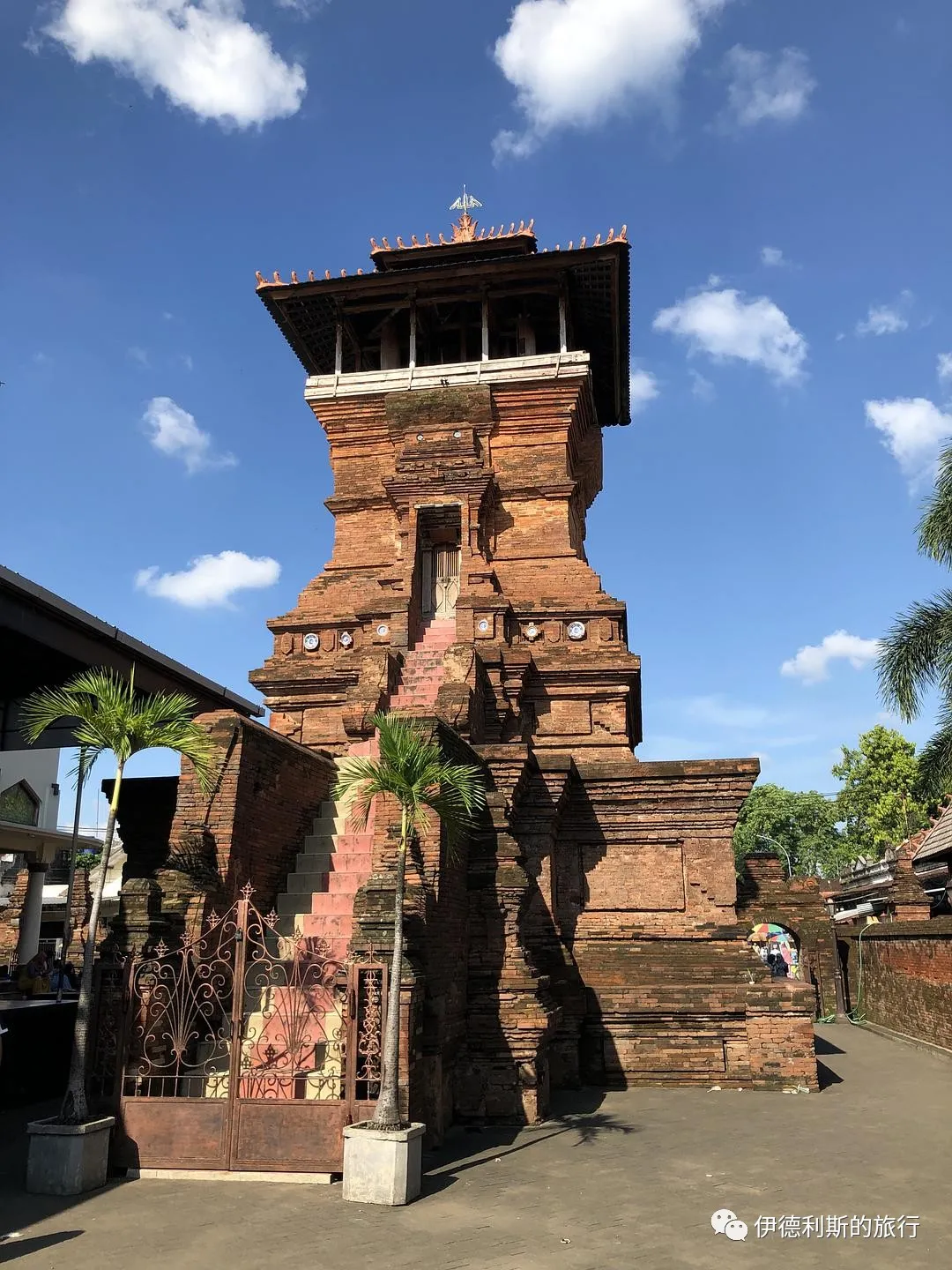
Banten Great Mosque in Java: Ordered by Sultan Maulana Hasanuddin of Banten and built in 1566. The women's hall was added in the 1580s, the minaret was designed and built by the Chinese man Cek-ban-cut in 1632, and the madrasa was designed and built in the 17th century by Hendrik Lucaasz Cardeel, a Dutchman who converted to Islam. The minaret is 24 meters high with a base diameter of 10 meters, blending Mughal style with the local Javanese Hindu/Buddhist temple (candi) style.
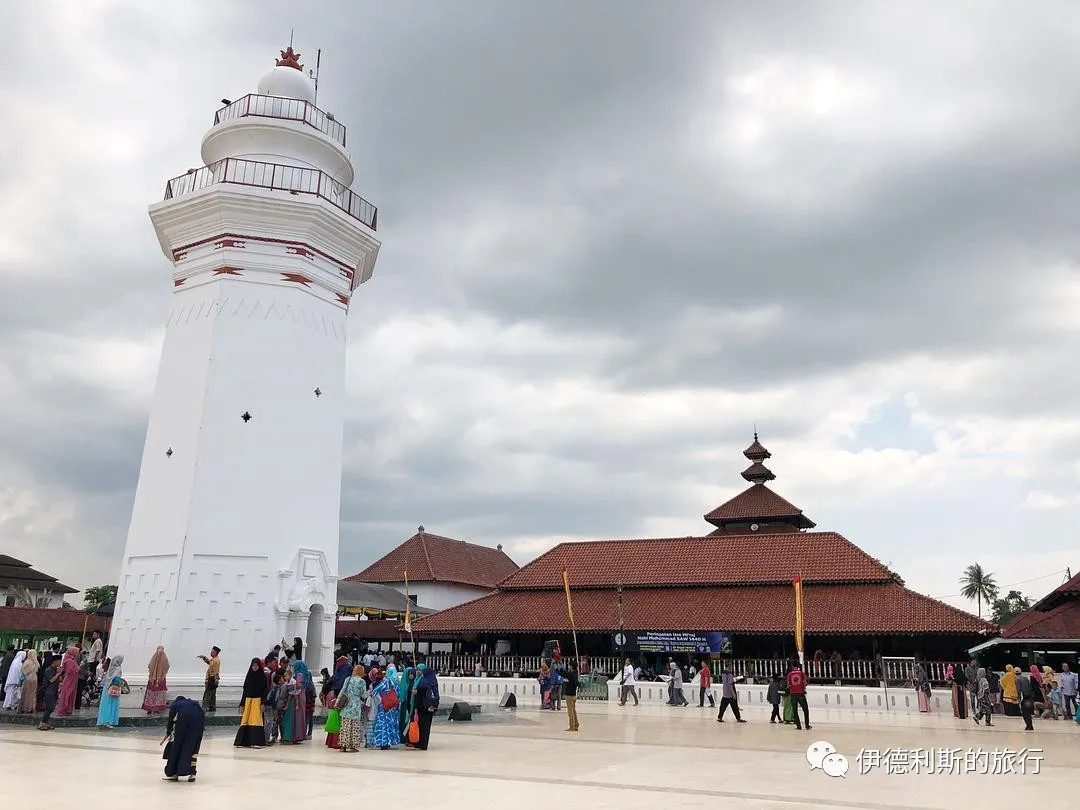
Mataram Great Mosque in Java: This is the most important architectural relic of the Mataram Sultanate. It was first built in 1575, and the original walls and gate are still preserved. The main hall was rebuilt in the 17th century by Sultan Agung and later underwent several repairs by the Sultans of Yogyakarta and Surakarta. The current building was reconstructed after a fire in 1926 and still maintains the traditional Javanese mosque layout.
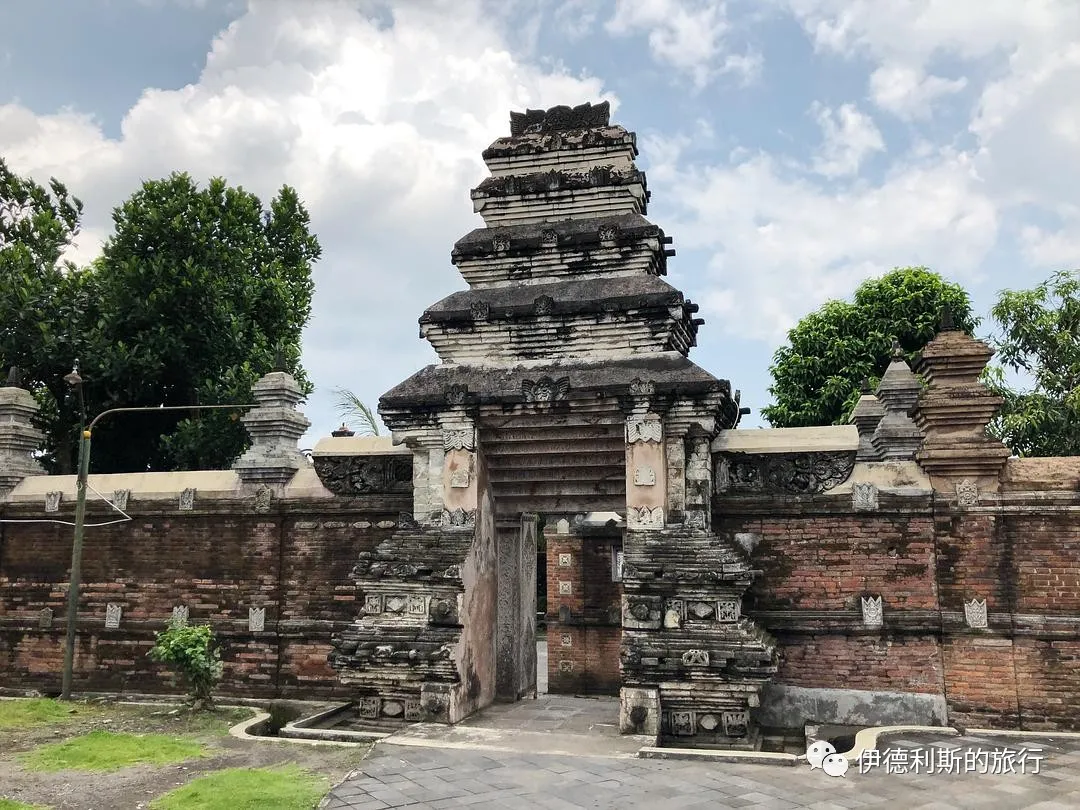
Surakarta Great Mosque in Java: Built by Sunan Pakubuwana III in 1763 and completed in 1768. It serves as both a Friday mosque and a royal mosque. Many ceremonies of the Surakarta court are held here, the most important being the Mawlid (Prophet's birthday). During the Mawlid, two sets of large gamelan instruments are moved from the Surakarta palace storage to the mosque courtyard, where traditional Javanese gamelan music is performed outside of prayer times.
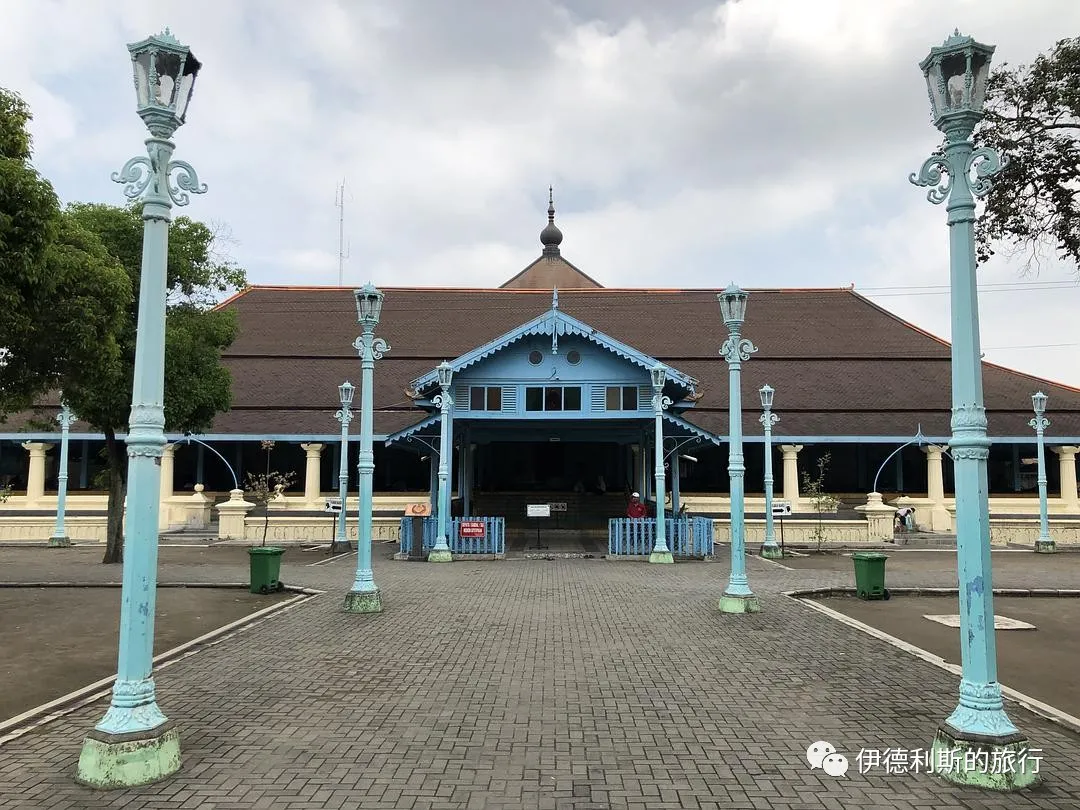
Yogyakarta Great Mosque in Java: Located northwest of the Yogyakarta Palace, it was first built in 1773 and is the royal mosque of the Sultan of Yogyakarta.
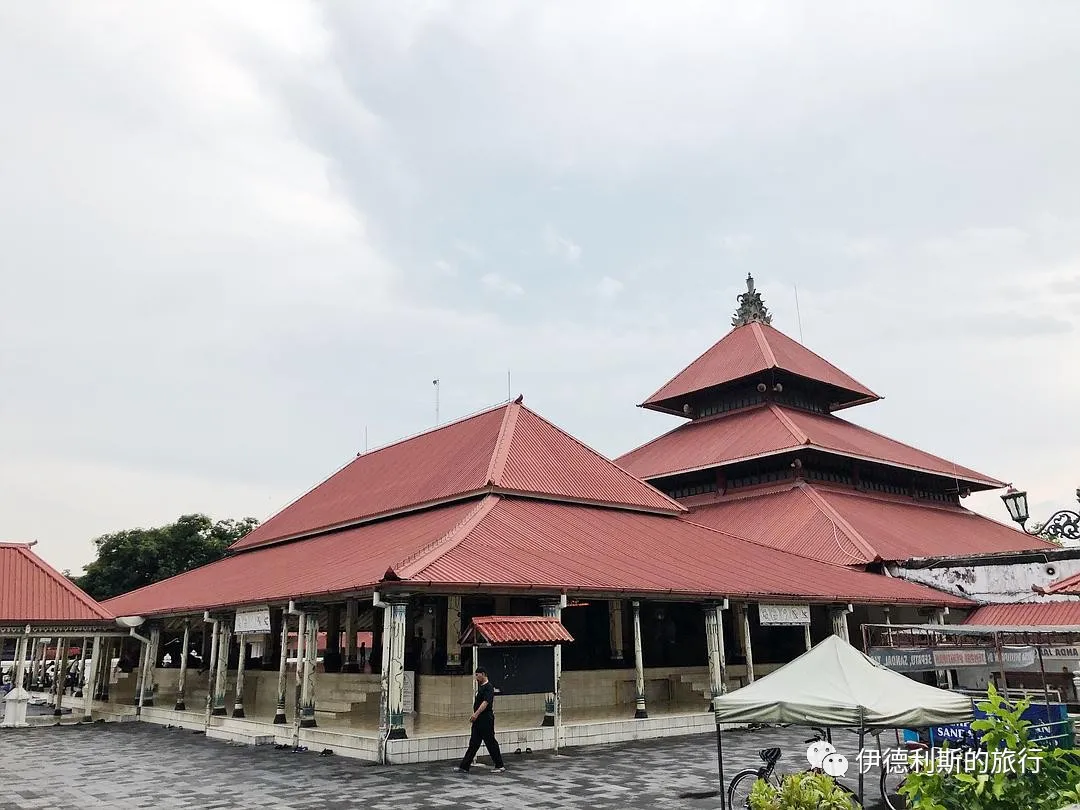
15 mosques in Russia in August
Historical Mosque of the Tatar Community in Moscow: In the early 17th century, many Tatars from the Volga River and steppe regions came to Moscow for business. A Tatar community gradually formed on the opposite bank of the Kremlin. The first records of the Tatar community mosque date back to 1712. It burned down in 1812 when Napoleon left Moscow. Tatar merchants rebuilt it in 1823, and it was expanded in 1882 with the addition of a minaret.
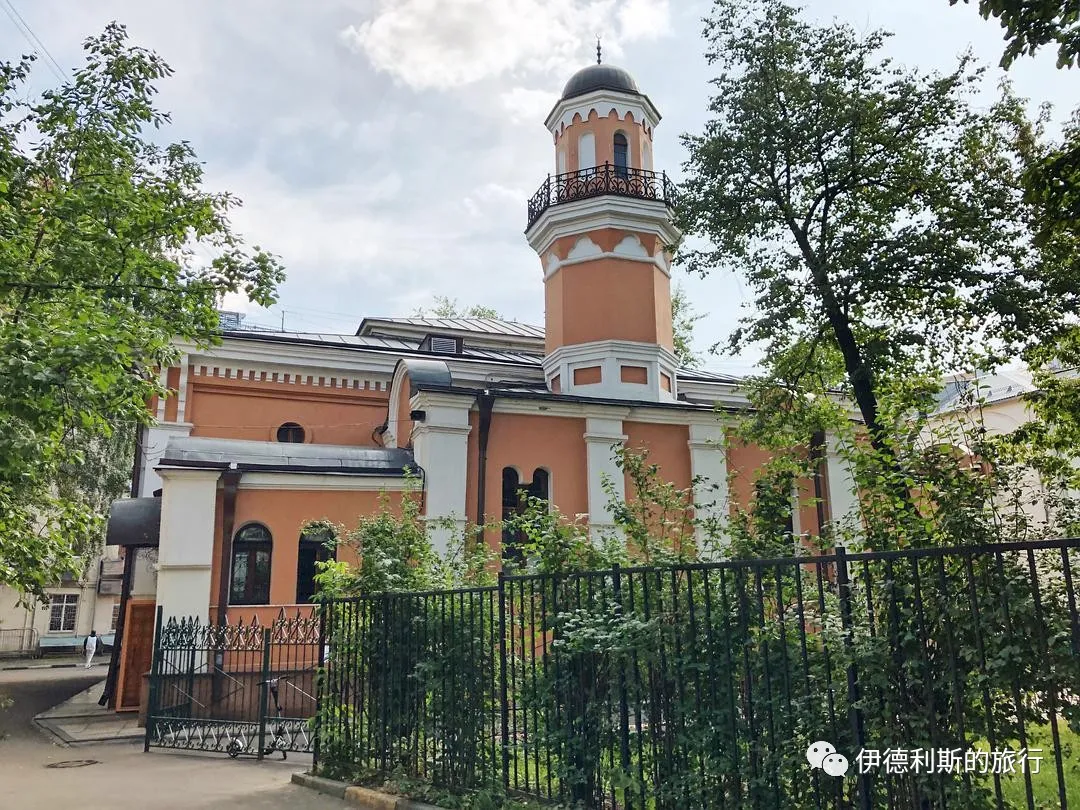
Kazan Marjani Mosque: Built between 1766 and 1770 with permission from Catherine the Great. It was the first brick mosque built in Kazan after Russia conquered the Kazan Khanate in 1552. It is the oldest surviving mosque in Kazan and the only one that stayed open during the Soviet era.
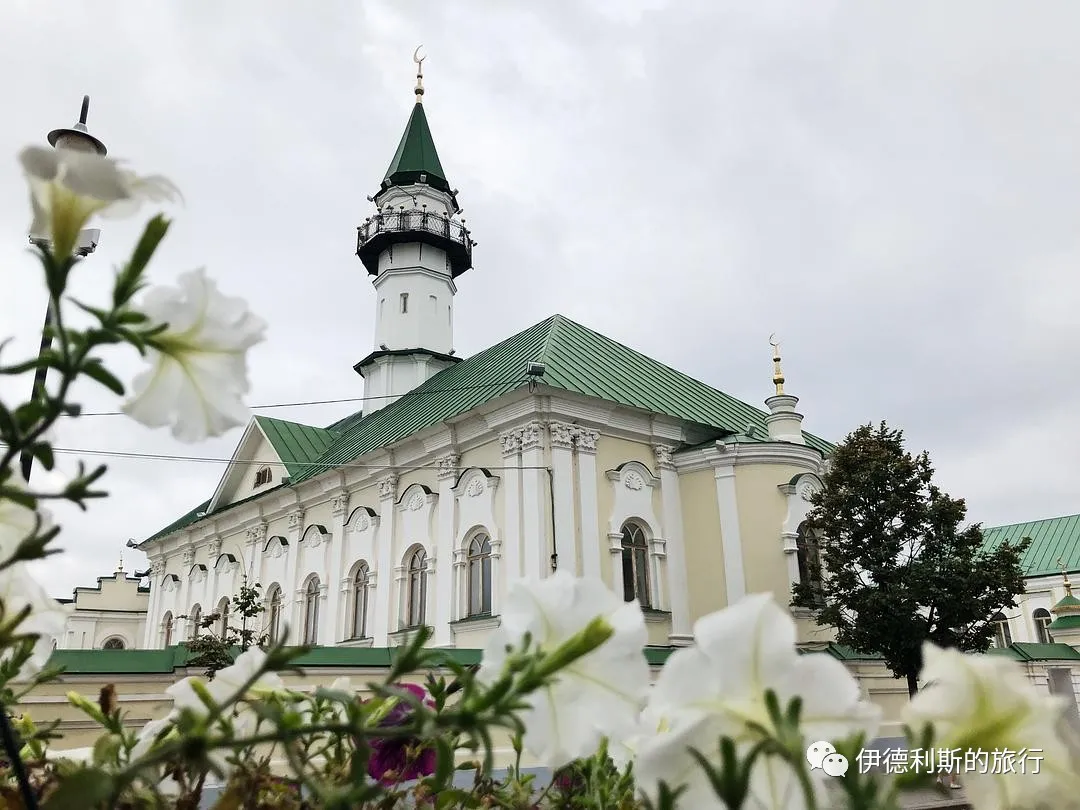
Kazan Apanay Mosque: The second mosque approved by Catherine the Great for construction in Kazan. Merchant Apanaev funded its building between 1768 and 1771. The architectural style blends traditional Tatar design with Moscow Baroque.
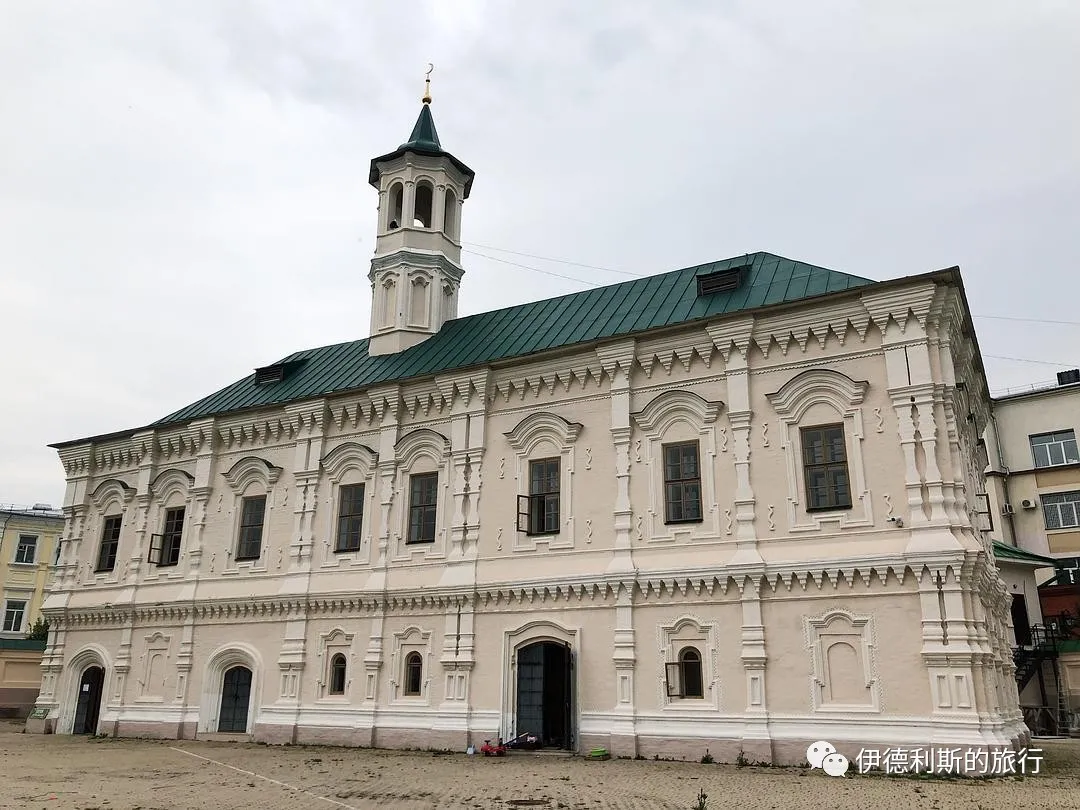
Kazan Galeevskaya Mosque: Built between 1798 and 1801 with funds from merchant Musa Mamyashev. It started as an early classicism style building in the late 18th century. It was expanded twice, in 1882 and 1897, using late classicism style.
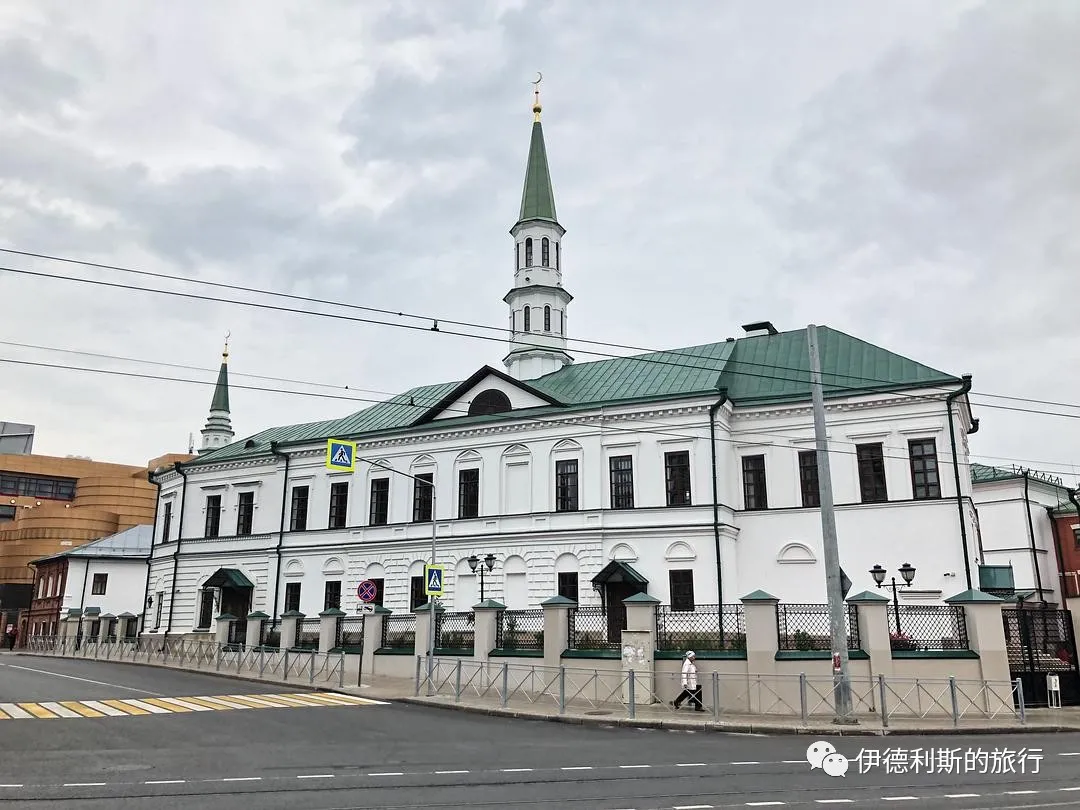
Kazan İske Taş Mosque: Also called the Giant Stone Mosque. It was built in 1802 with a donation from merchant Ğabdulla Ütämişev. Legend says this mosque stands on the burial site of Tatar soldiers who died defending Kazan in 1552. An ancient giant stone marks the grave. Alexander Schmidt rebuilt the mosque in 1830 in a classicism style. Its three-story minaret looks like the old minarets found in the Bulgar and Kasimov regions.
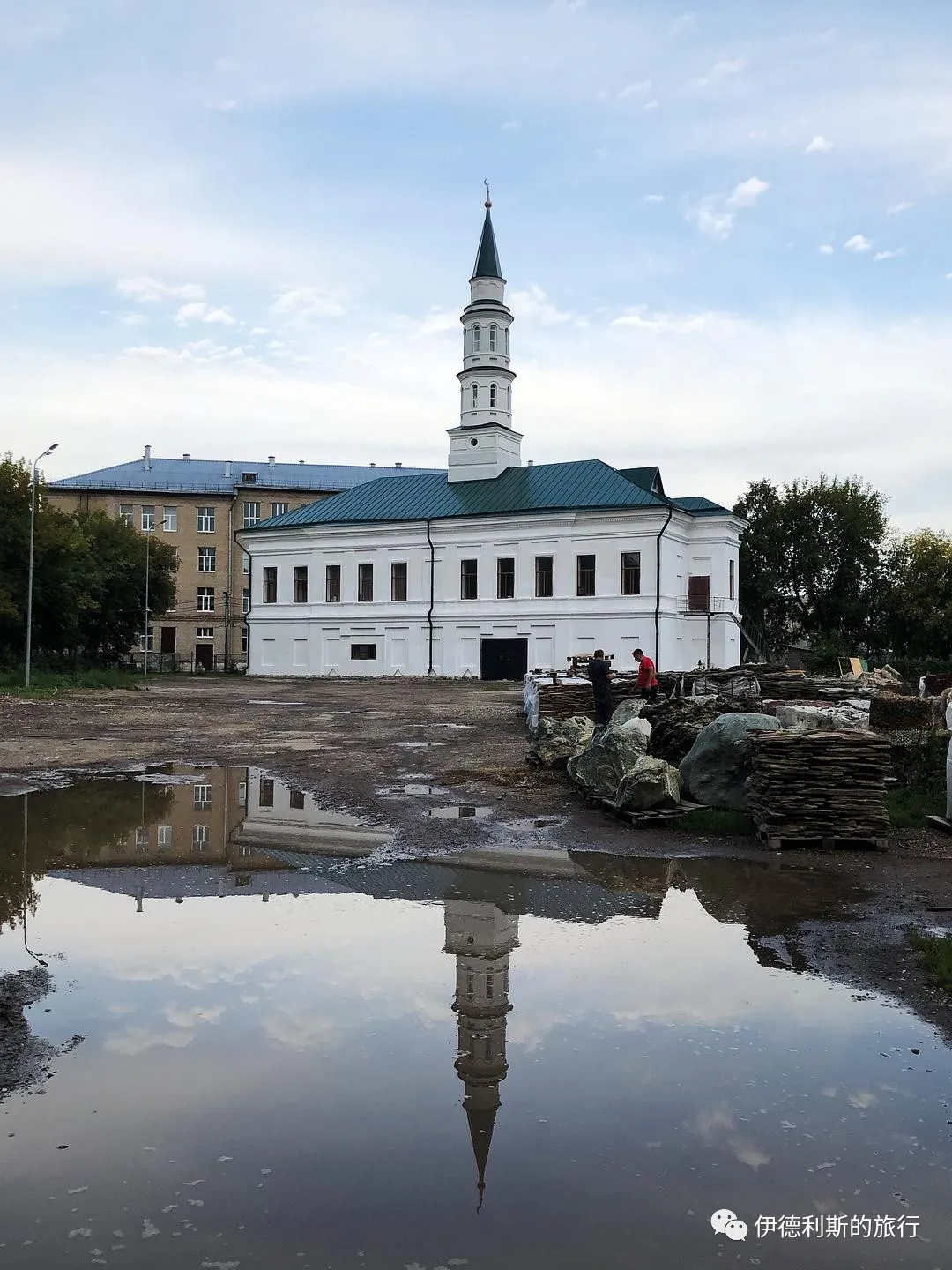
Kazan White Mosque: Built between 1801 and 1805. It looks similar to the İske Taş Mosque built around the same time and features a classicism style exterior. The mosque closed in 1929 and became a school and fur workshop. The minaret was torn down in the 1930s, and the east and south parts of the main hall were rebuilt.
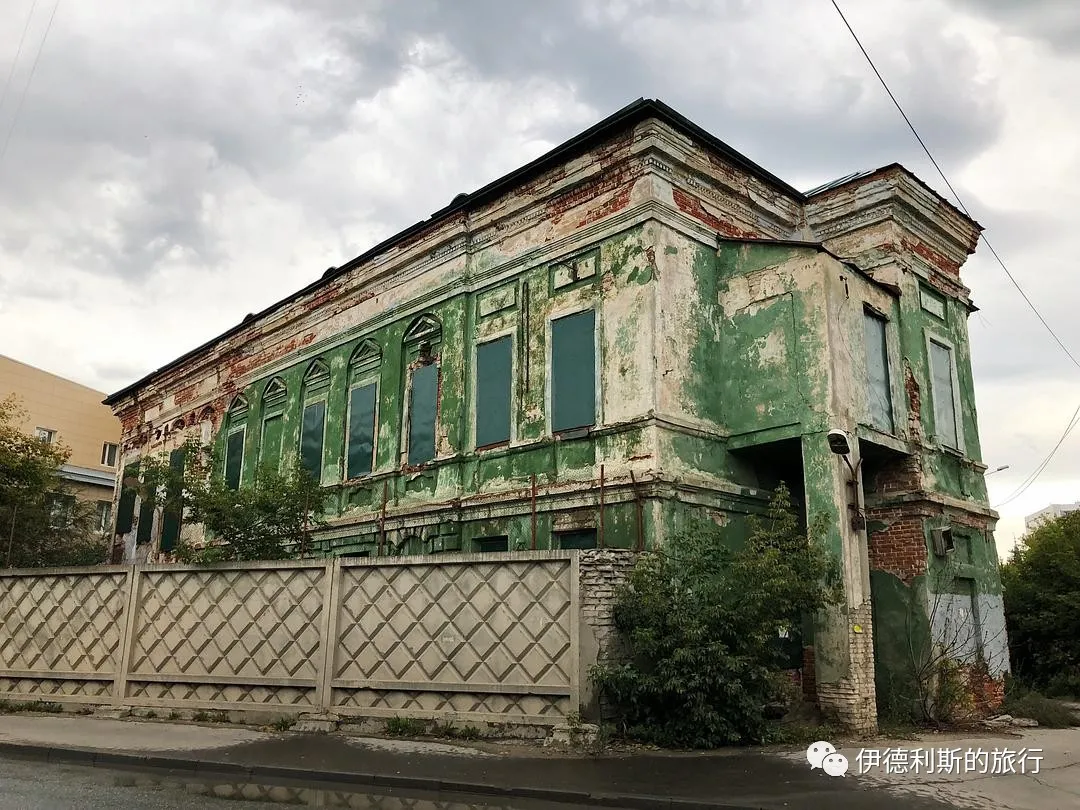
Kazan Pink Mosque: Built in 1808 with a donation from merchant Musa Apanaev. It served as the religious center for the Novaya Tatarskaya Sloboda area of Kazan. Today, it houses the Kazan Higher Madrasa.
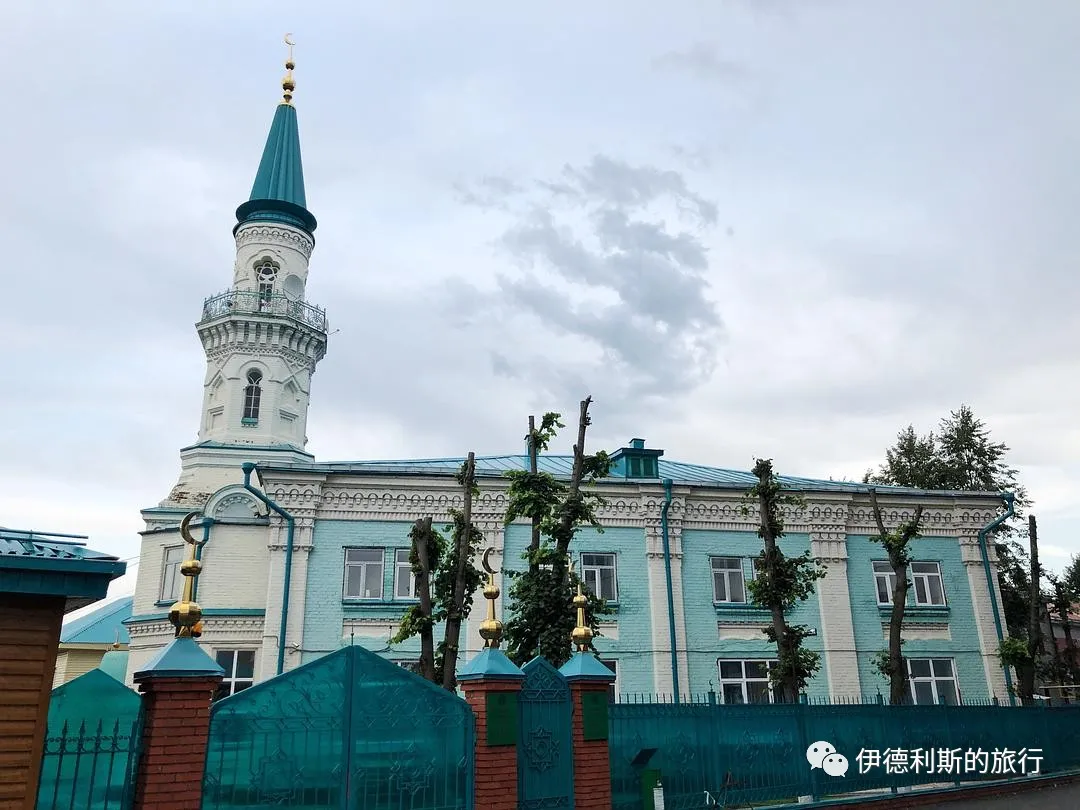
Kazan Blue Mosque: Built between 1815 and 1819 with funds from merchant Akhmet Aitov-Zamanov. The architect was Alexander Schmidt. This was once the poorest mosque district in the old Tatar community. A wooden mosque was built here as early as 1778. In 1815, the original wooden mosque was moved to another village, and the current brick mosque in the classicism style was built in its place.
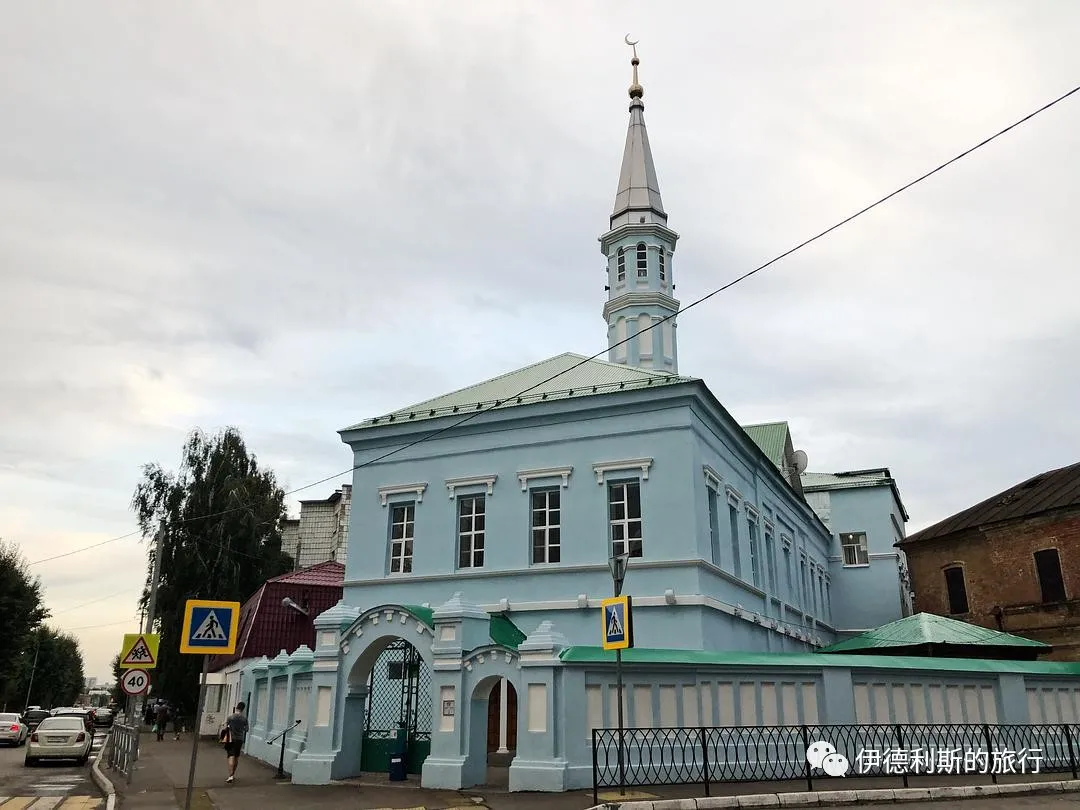
Kazan Nurulla Mosque: Built between 1845 and 1849 with donations from merchant Ğ. M. Yunısov. It features a minaret in the ancient Volga Bulgar style and a Middle Eastern style dome. At the time, the mosque was mainly used by Tatar merchants visiting the Sennoy Bazaar, which was the trade hub of Kazan's old Tatar community in the 18th and 19th centuries.
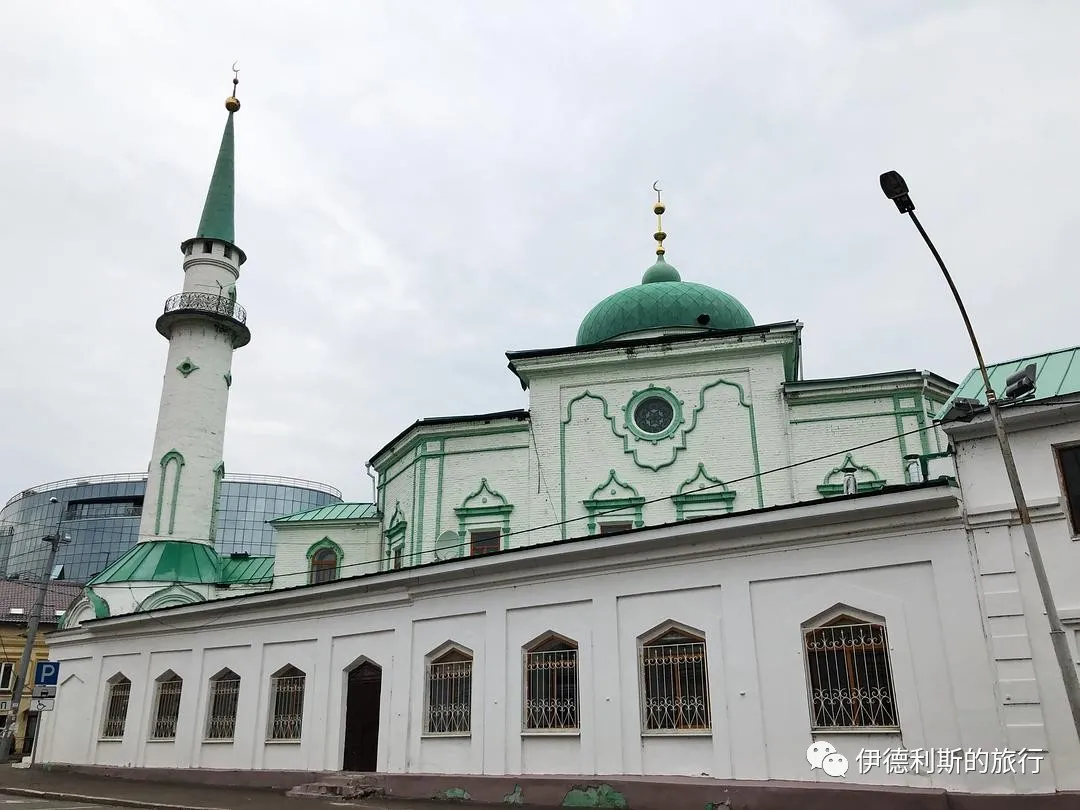
Kazan Sultan Mosque: Built in 1868 with a donation from Tatar merchant Zigansha Usmanov. After Ivan the Terrible conquered Kazan in 1552, this area remained a Tatar settlement. However, it was gradually surrounded by Russian neighborhoods, and churches began to be built right next to the mosque. In the 19th century, Tatar merchant Zigansha Usmanov decided to build a mosque here that looked better than the church next door. The mosque was finished in 1868. People named it the Zigansha Mosque or Usmanov Mosque in his honor.
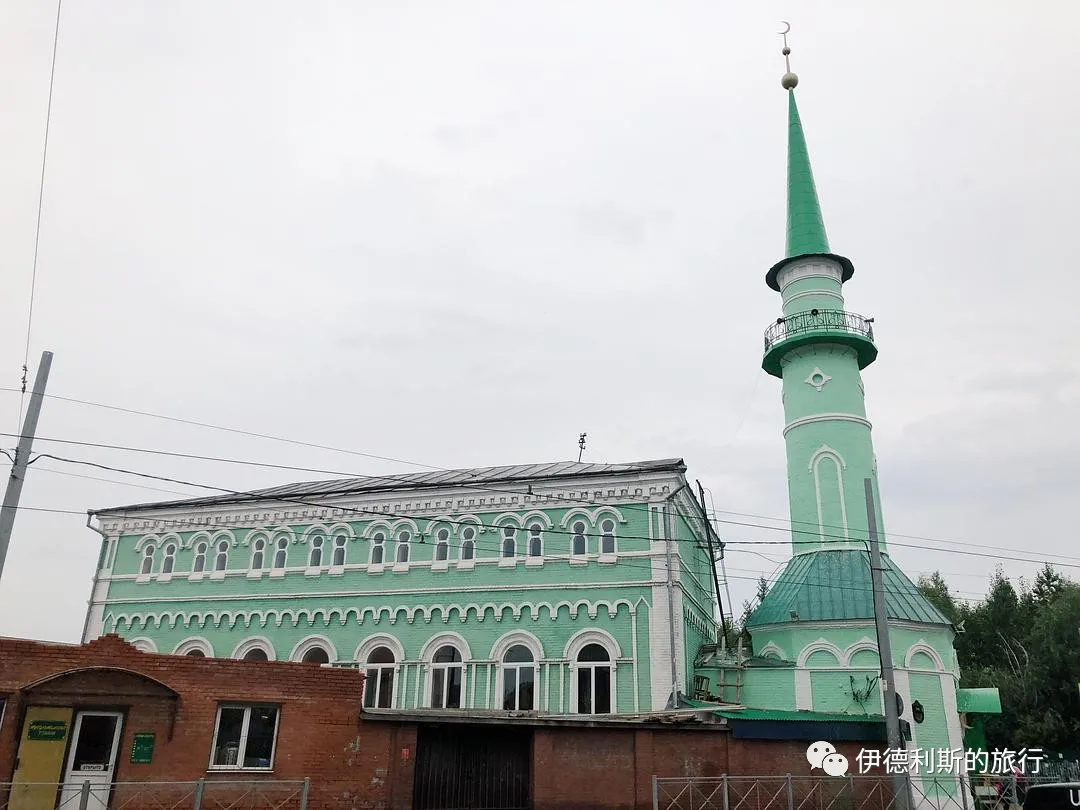
Kazan Bornay Mosque: In 1799, Tatar merchant Salikh Mustafin built a wooden mosque here. It was originally for students of the Apanaev Madrasa, but local residents started using it later. Unfortunately, it was destroyed by fire. In 1872, Tatar merchant Mukhametsadyk Burnayev donated money to build the current brick mosque on the site of the burned wooden one. It is named after him. The mosque features a national romantic eclectic style, blending Russian and Tatar architectural decorations. In 1895, shortly before Burnayev passed away, architects Fyodor Malinovsky and Lev Khrshonovich designed and built a magnificent minaret.
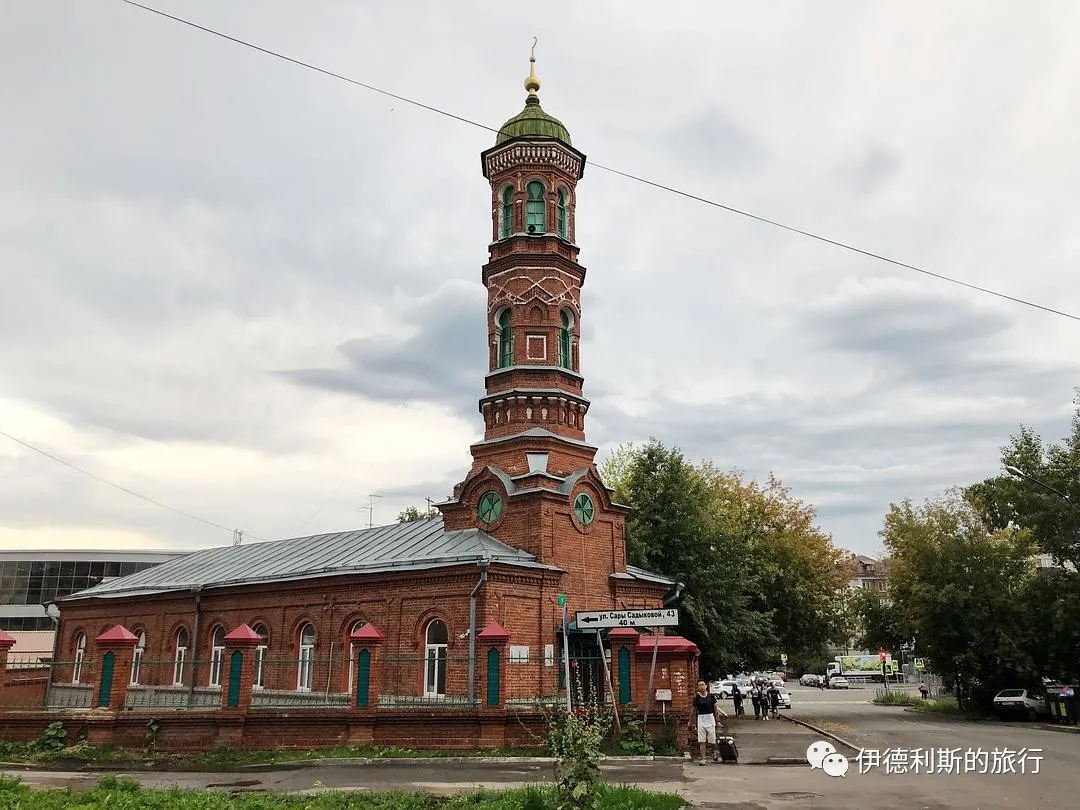
Kazan Azimov Mosque: Built between 1887 and 1890 with donations from Tatar merchant Mortaza Äcimev. It was built in a national romantic eclectic style and is known as the most beautiful mosque in Kazan. The mosque is located in a place called Pleten (wicker fence), between the old and new Tatar neighborhoods.
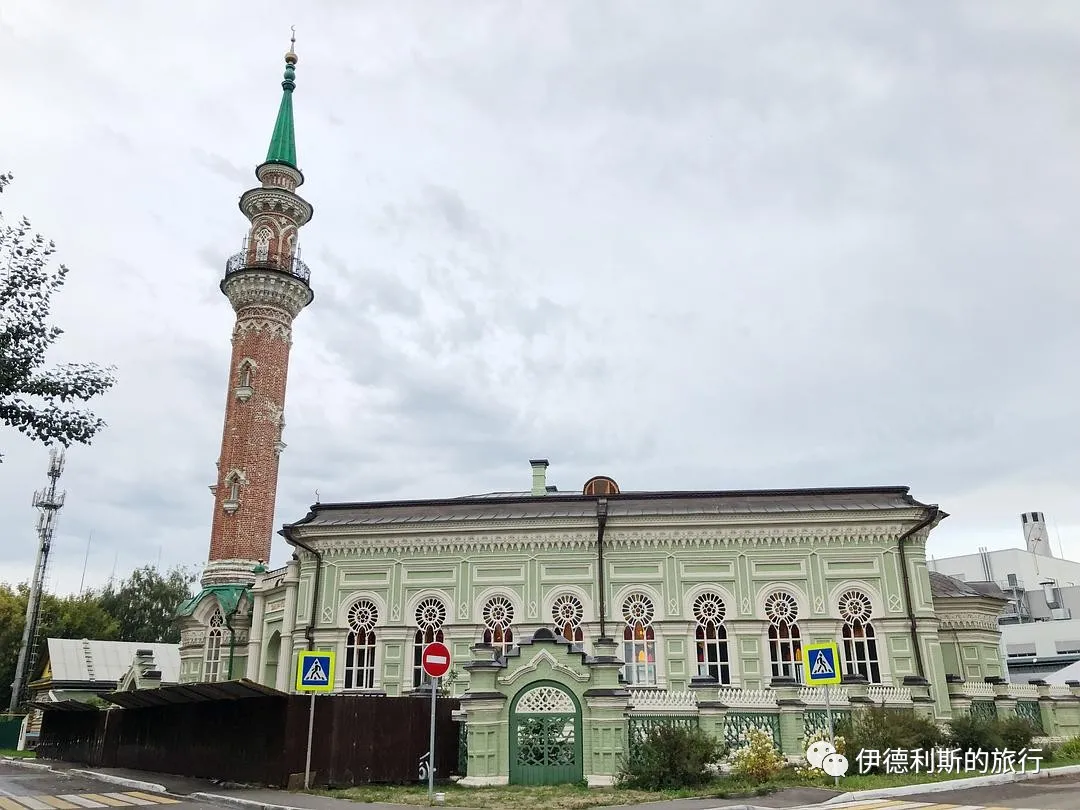
Kazan Zakabannaya Mosque: Also called the "Mosque of the 1000th Anniversary of Conversion," it was built between 1924 and 1926 to mark the 1000th anniversary of the Volga Bulgars' conversion in 922 AD. Stalin personally approved its construction, and it was designed by architect A. E. Pechnikov in 1914 and funded by public donations. It was the last mosque built in Kazan before Stalin ordered all mosques closed in 1930.
Bulgar Great Mosque: This is the most important architectural ruin from the Golden Horde era remaining in the ancient city of Bulgar. It was the urban center of Bulgar in the 13th and 14th centuries and features typical Golden Horde architectural style. The Great Mosque was renovated in the early 14th century, and corner towers were added in the 1440s.
Bulgar Small Minaret (bonke): Built during the late 14th-century Golden Horde period, it is similar in shape to the Great Minaret of the Great Mosque and is the only minaret in the ancient city that has survived to this day.
8 in Crimea (Russian-occupied) in August.
Bakhchisaray Great Khan Mosque: Located inside the Bakhchisaray Khan Palace. In 1532, Crimean Khan Sahib I Giray moved the capital of the Crimean Khanate to Bakhchisaray, and the Great Khan Mosque was one of the first buildings constructed in the palace. The mosque originally consisted of multiple domes, similar to the Seljuk-style mosques popular in 15th-century Ottoman Turkey. The mosque was destroyed by fire in 1736, then restored by Khan Selamet II Giray (reigned 1740-1743) and changed to a tiled roof.
Bakhchisaray Small Khan Mosque: Located inside the main building of the Khan Palace, it was used by members of the Khan's family and noble ministers. Built in the 16th century, it was destroyed by fire by the Russian army in 1736 and restored in 1741 by Khan Selamet II Giray (reigned 1740-1743). The existing interior murals were created in the 17th and 18th centuries, with some painted by the Iranian architect Omer in the late 18th century. Early 16th-century murals were discovered during the 1991 restoration.
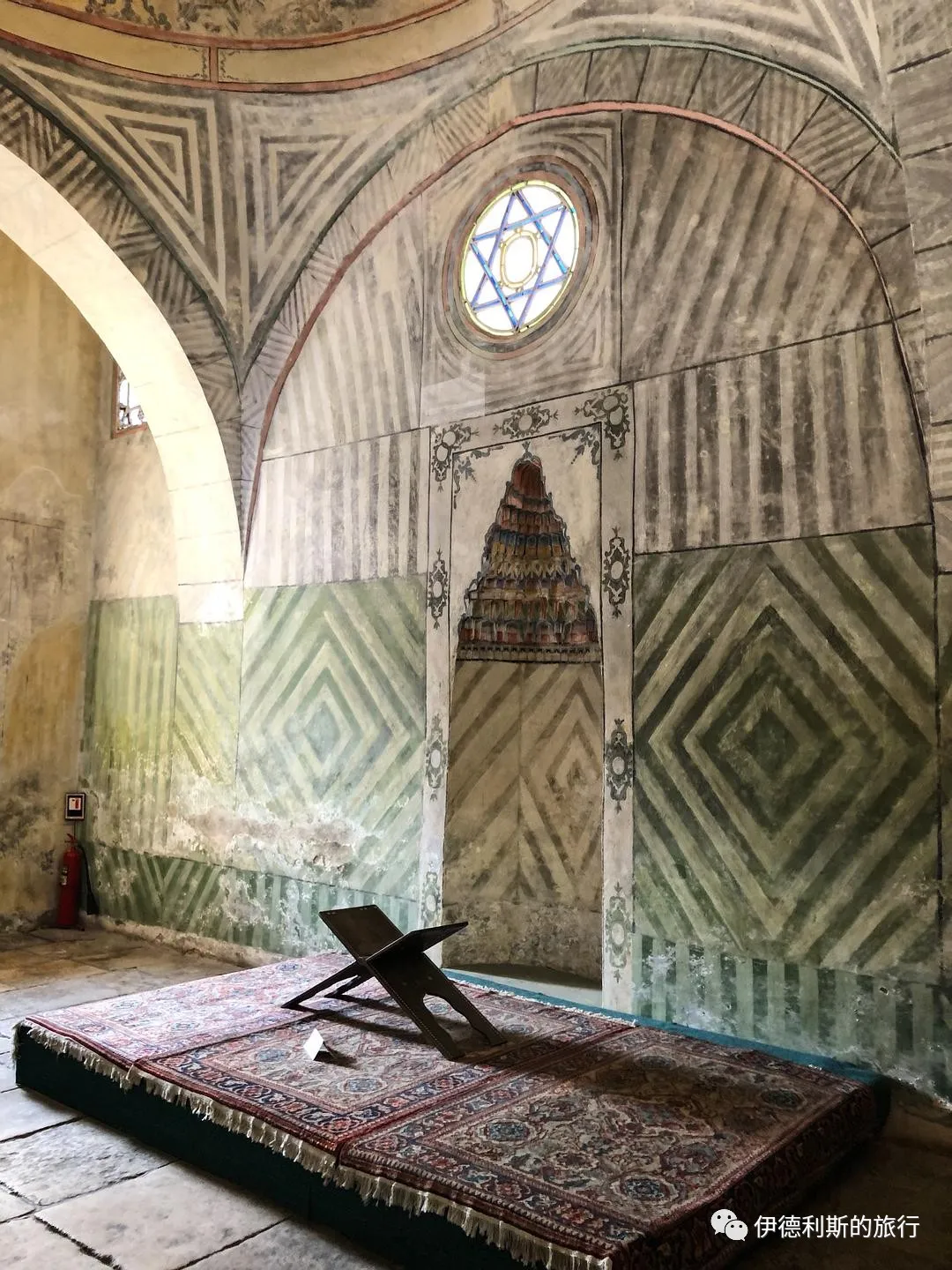
Bakhchisaray Orta Mosque: Once the Friday mosque (Jumu'ah mosque) of Bakhchisaray, it dates back to 1674. It was renovated by Khan Mengli Giray II and Selamet II Giray between 1737 and 1743, and renovated again in 1861 to its current appearance.
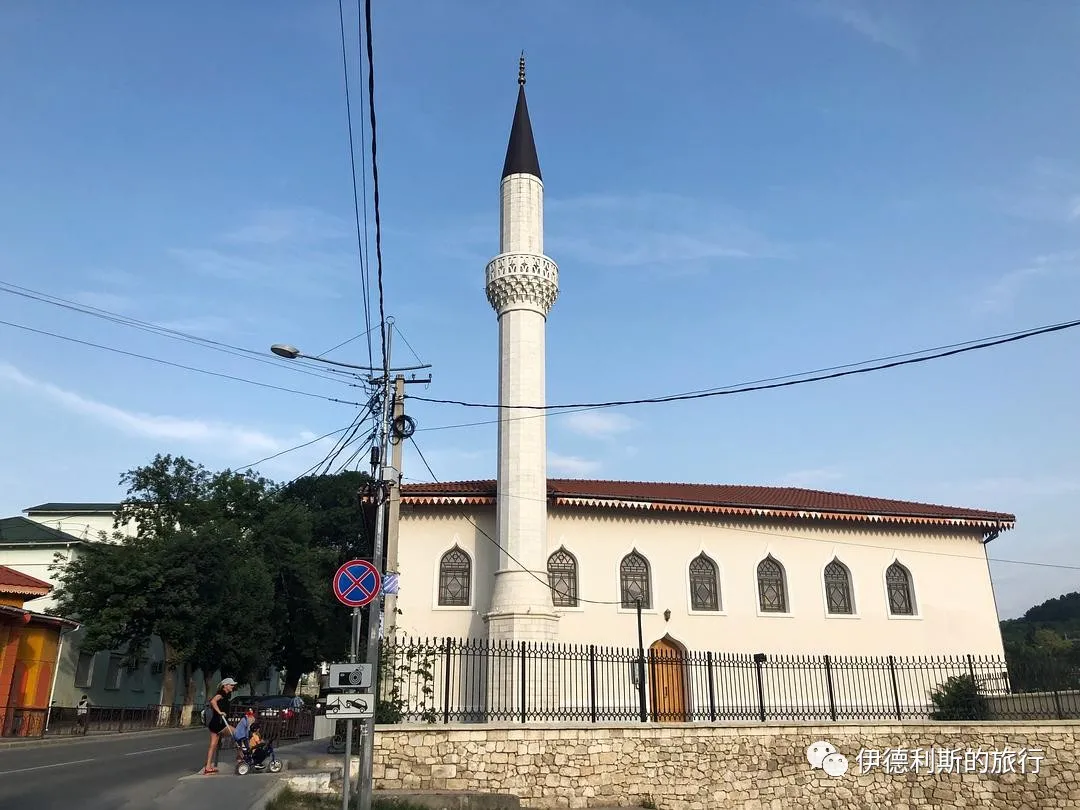
Bakhchisaray Ismi Khan Mosque: Built between the 17th and 18th centuries, its architectural decoration is strongly influenced by the European Baroque style. The upper circular openings are decorated with wooden Seal of Solomon (Suleiman) rings. The mosque was used as a warehouse for a long time. There were plans for restoration in the early 21st century, but they have not been implemented yet.
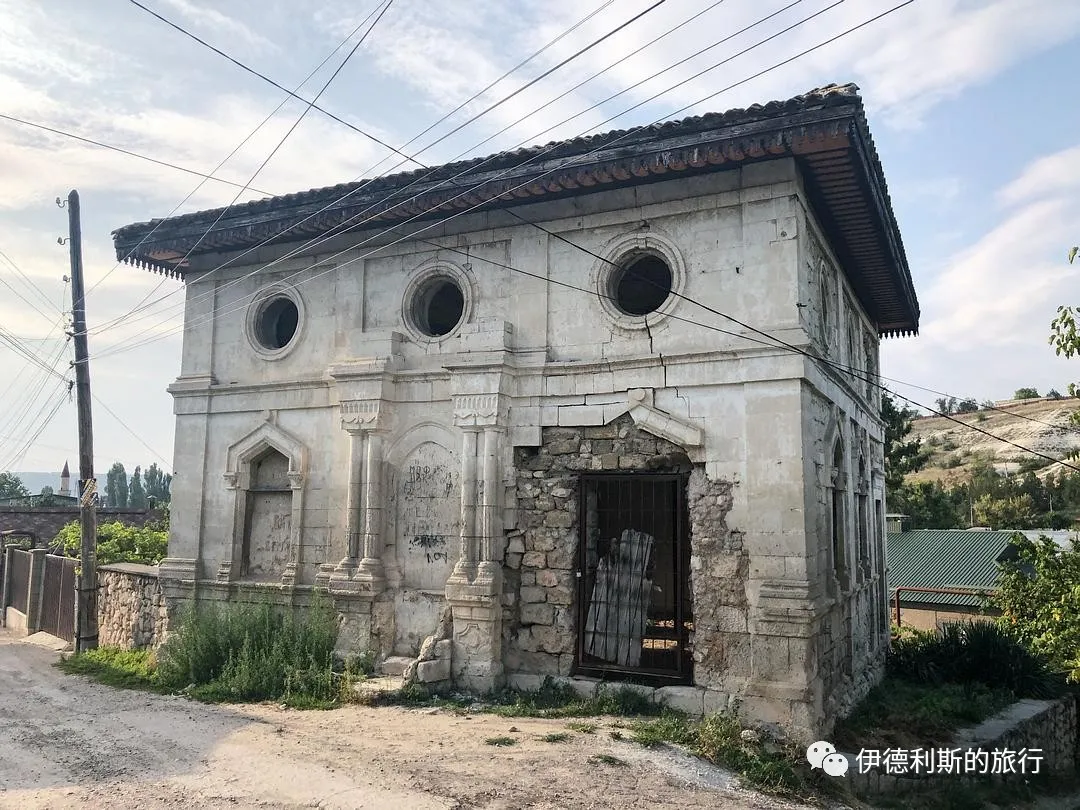
Bakhchisaray Molla Mustafa Friday Mosque: Dates back to the 17th century. An 1890 document mentions this mosque, stating that the local community added a roof to it in 1888.
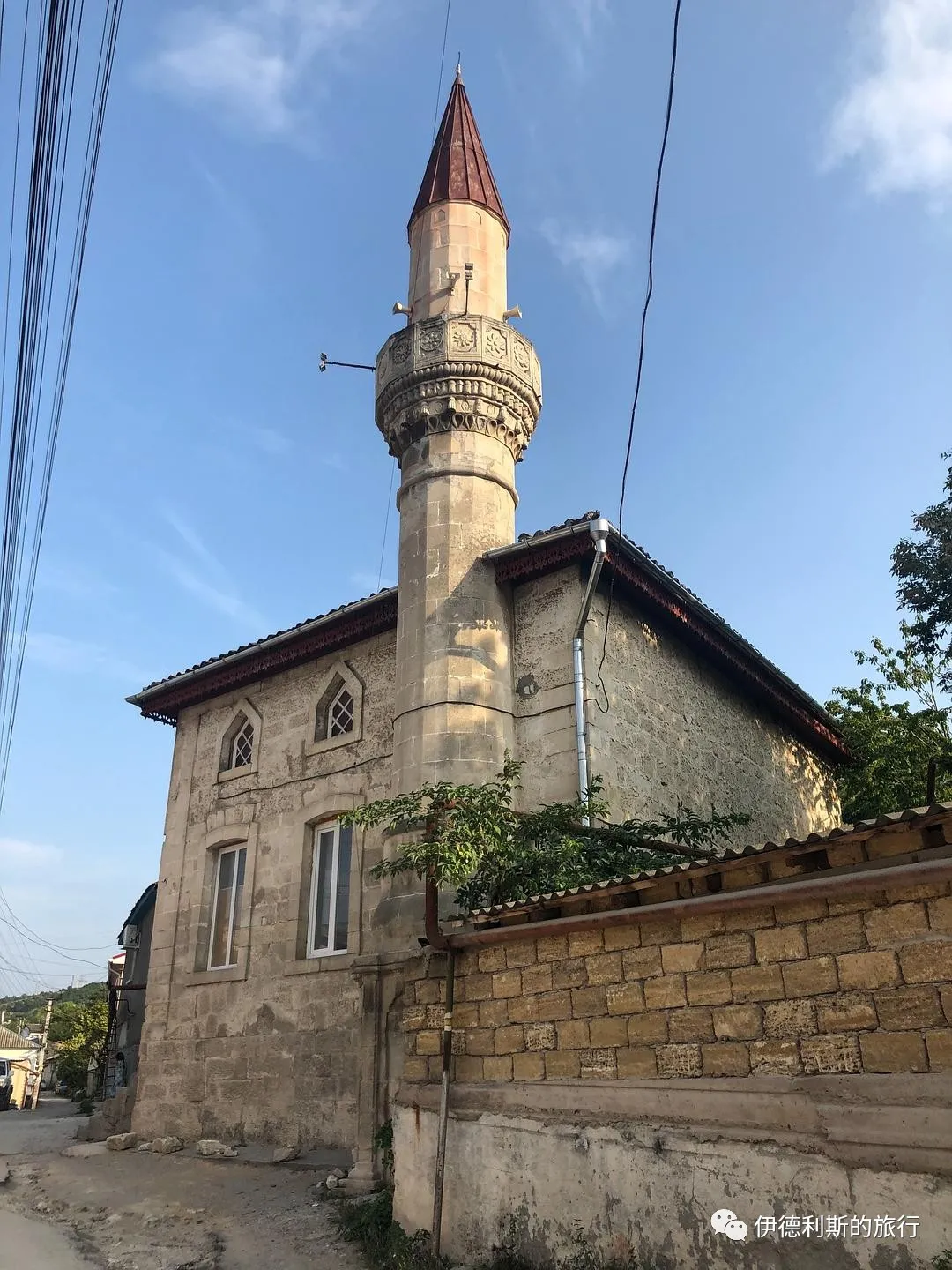
Tahtali Mosque in Bakhchysarai: Built in 1707 by Khan Sultan Beck, the son-in-law of the Crimean Khan Selim I Giray. Tahtali means wooden in the Crimean Tatar language. The mosque was originally built with wooden planks, but later enclosed with brick and stone, and the roof was covered with clay tiles.
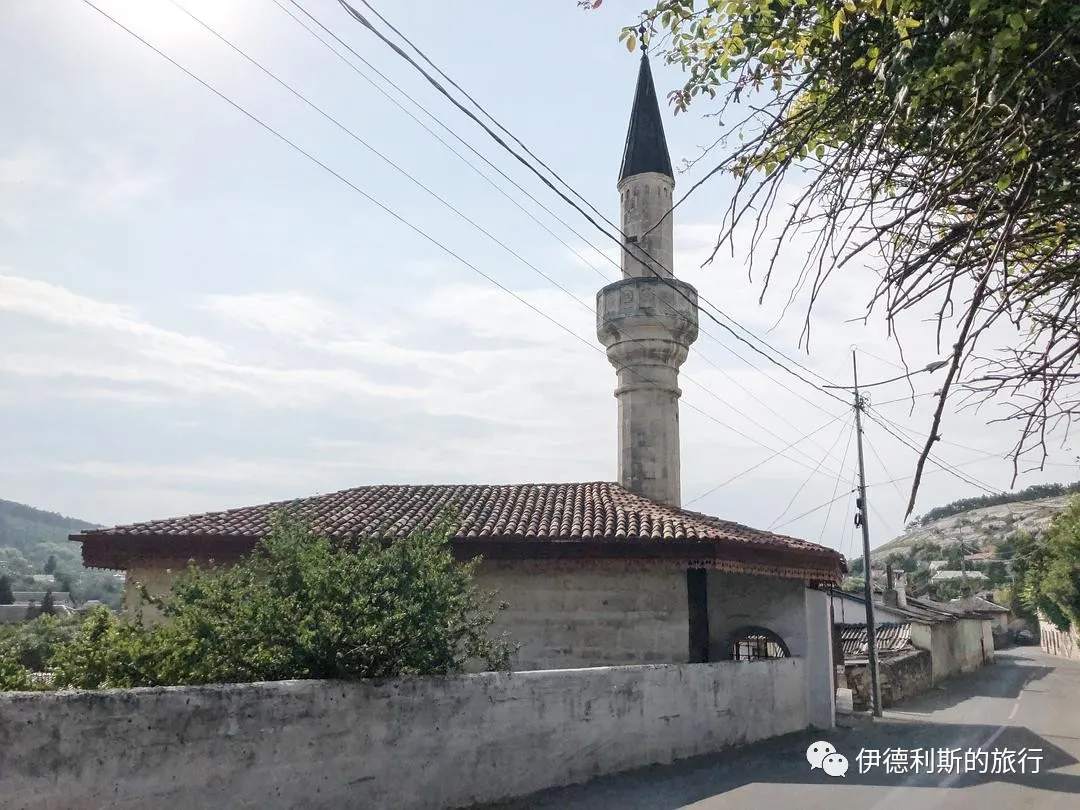
Minbar pulpit of the Malik Ashtar Shrine Mosque in Bakhchysarai: Built during the Crimean Khanate era, the mosque was destroyed in 1955, but the pulpit was saved. This was once a center for Sufi practitioners on the Crimean Peninsula, where they performed whirling dances and other spiritual practices.
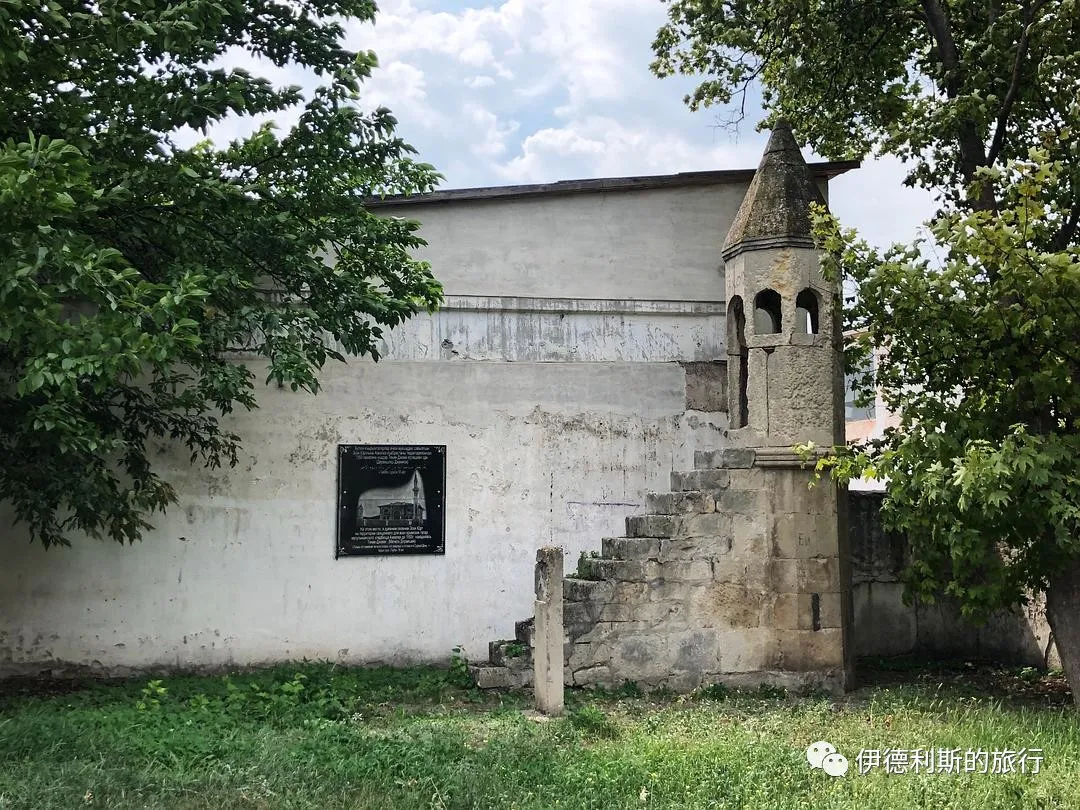
Jani Beg Khan Mosque in Bakhchysarai: Located west of the Jewish fortress, it was built during the reign of Jani Beg (reigned 1342-1357), a khan of the Golden Horde, in 1346. In 1455, the founding khan of the Crimean Khanate, Hacı Giray, rebuilt it. A stone inscription marking the reconstruction was once carved above the mosque gate and was discovered during an archaeological dig in 1928. After the mid-17th century, the mosque was abandoned when all Crimean Tatar Muslims moved from the Jewish fortress to Bakhchysarai. Only ruined walls, a mihrab prayer niche, and some stone carvings remain. The existing ruins suggest it was a fairly typical example of traditional Crimean architecture.
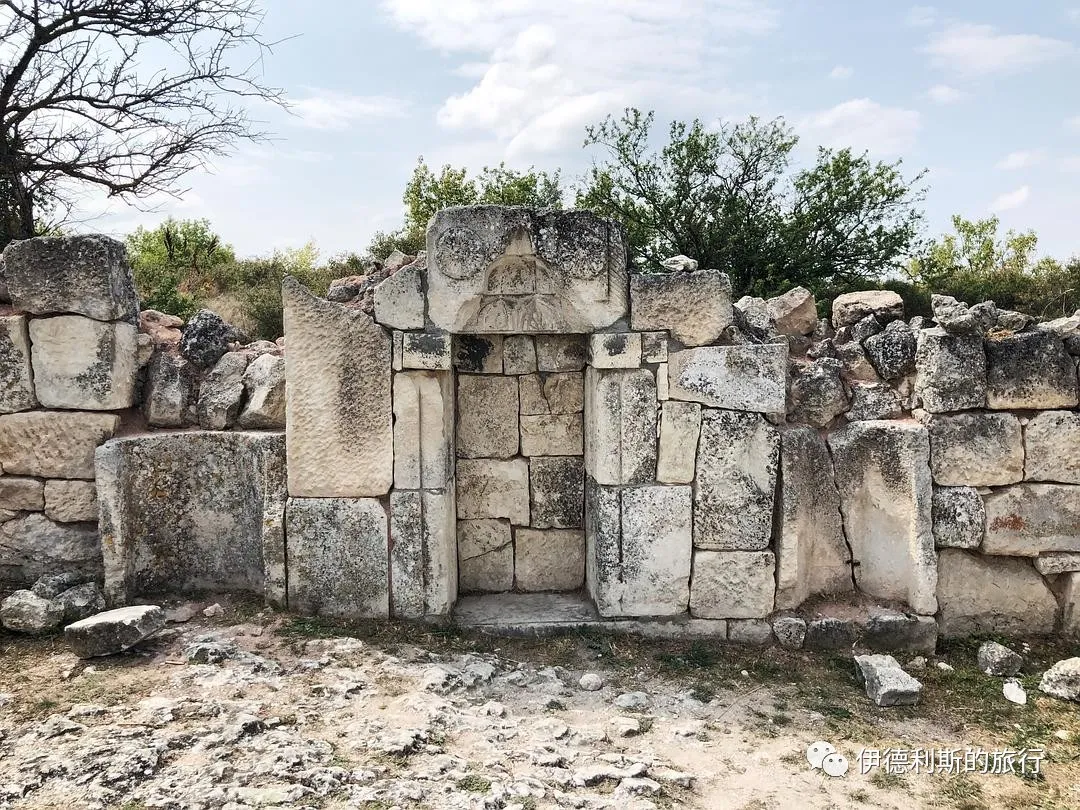
Two mosques in Iran in September.
Shah Abdol-Azim Shrine in Rey: This shrine houses the tomb of Shah Abdol-Azim, a fifth-generation descendant of Hasan, the eldest son of Imam Ali. Shah Abdol-Azim was a companion of Muhammad al-Taqi, the ninth of the twelve Shia Imams. He came to the city of Rey for refuge in the 9th century and died there in 866. Majd al-Mulk, a vizier of the Seljuk Empire, ordered the construction of the shrine complex in the 1090s. Later, Tahmasp I (reigned 1524-1576), the second ruler of the Safavid dynasty, expanded it. During the Qajar dynasty in the 19th century, it was gilded and decorated with mirrors.
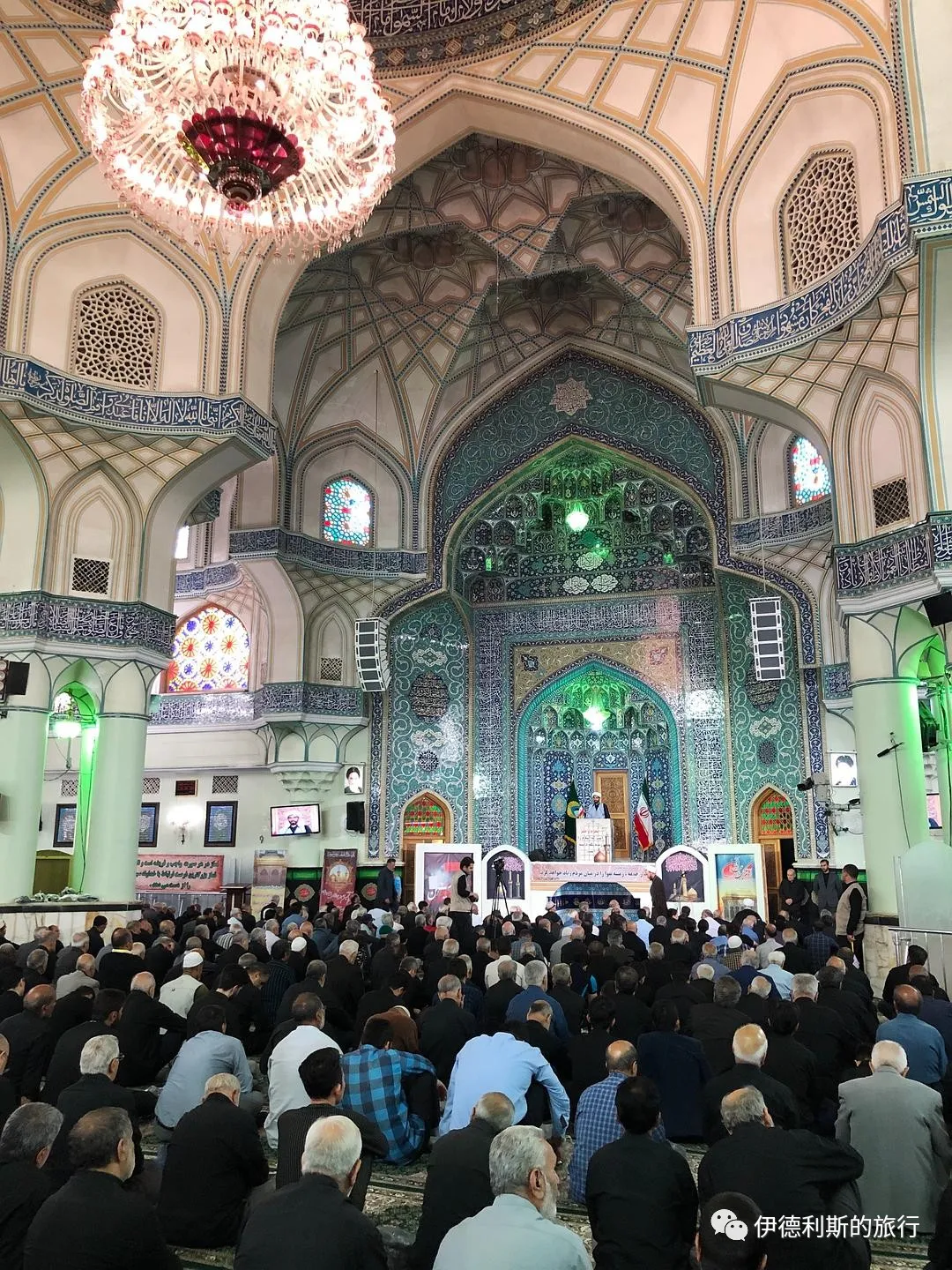
Imamzadeh Saleh Shrine in Tehran: This houses the tomb of Saleh, the son of Musa al-Kadhim, the seventh of the twelve Shia Imams. Parts of the building date back to the late Safavid dynasty through the Afsharid dynasty in the 18th century.
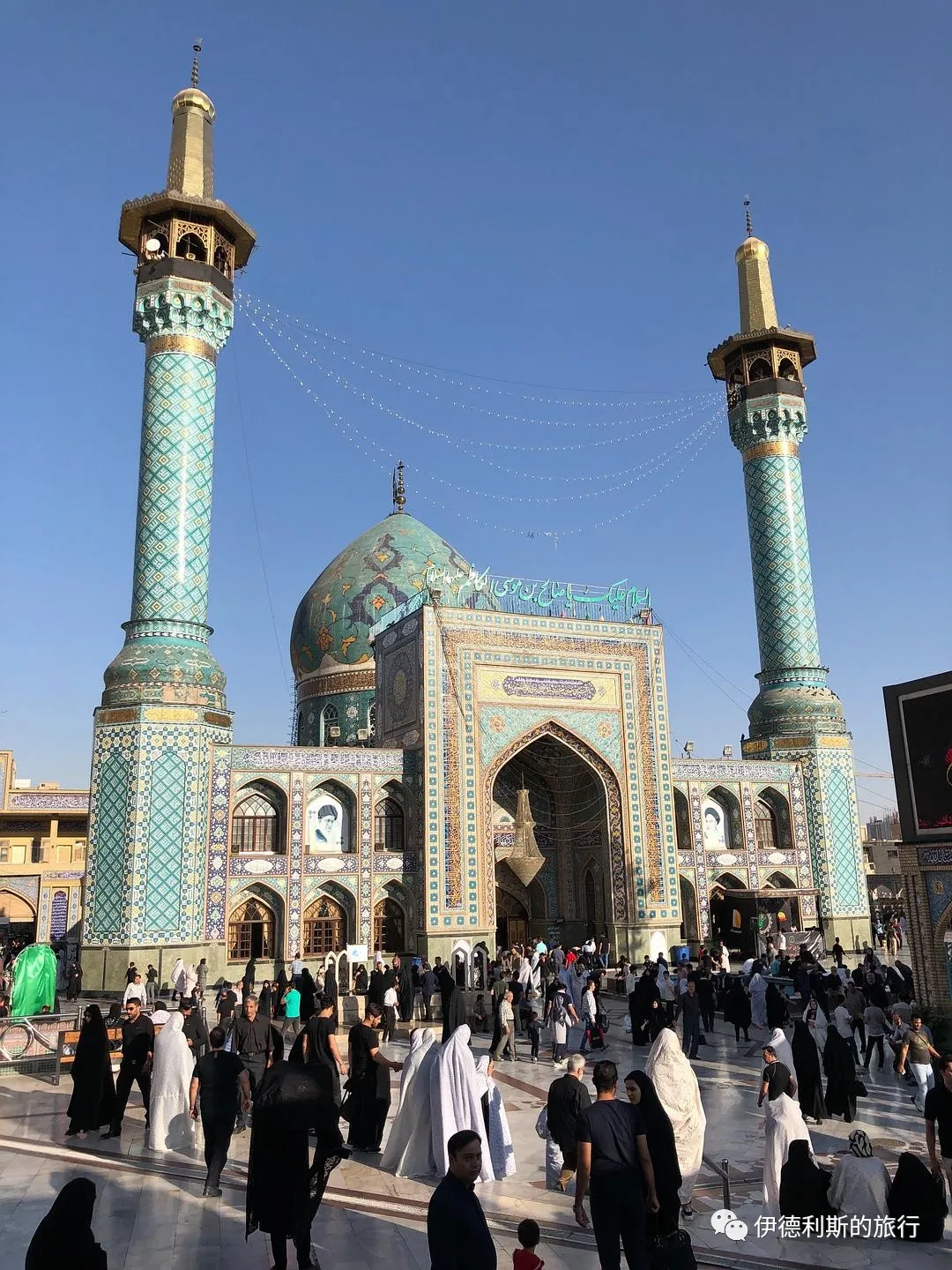
Two mosques in Malaysia in October.
Aceh Street Mosque in Penang: In 1791, Tengku Syed Hussain Al-Aidid, an Aceh pepper merchant and nobleman of Arab descent, immigrated to Penang from Aceh and built the first mosque in Penang near what is now Aceh Street. Merchants from the Malay Archipelago, India, and Arabia later frequented it. In 1808, Tengku Syed Hussain donated money and land to build the mosque.
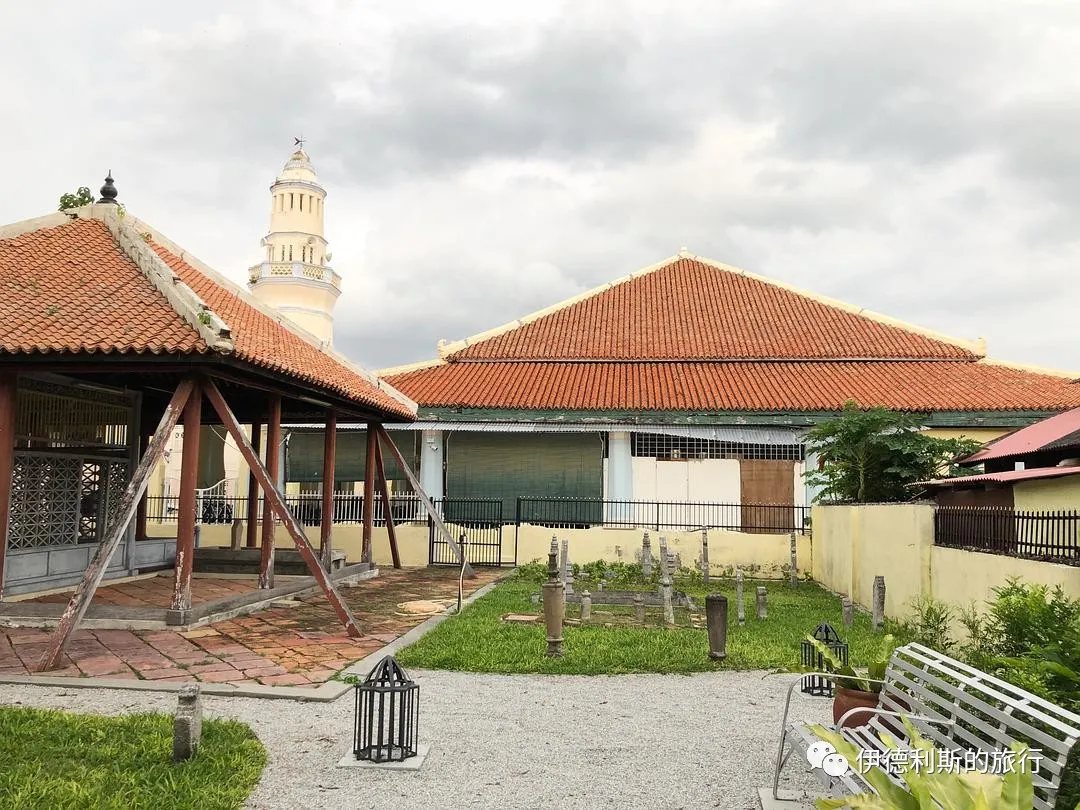
Kapitan Keling Mosque in Penang: Built in 1801 by Indian Muslims in Penang, it is located in the heart of the Chulias Indian community in George Town, Penang.
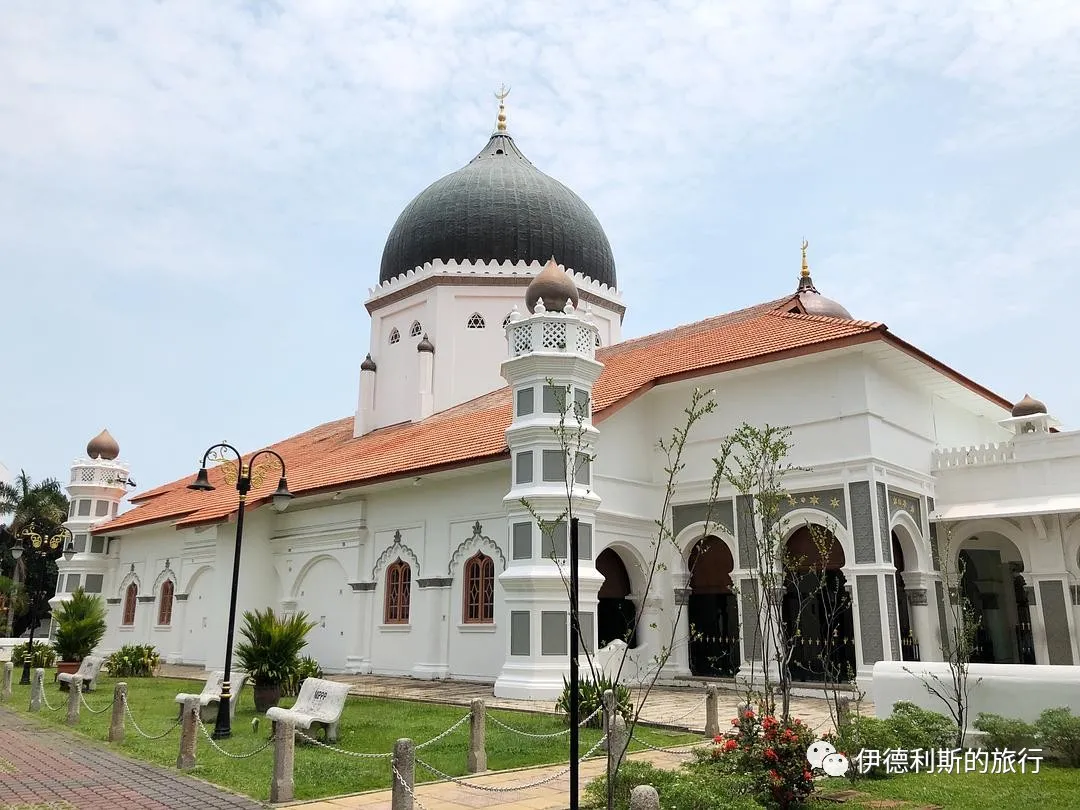
Five mosques in India in October.
Mecca Mosque (Mecca Masjid) in Hyderabad: Commissioned by Muhammad Quli Qutb Shah (reigned 1580-1611), the fifth sultan of the Qutb Shahi dynasty. He had bricks made from soil brought back from the holy city of Mecca to build the arches, which is how it got its name. The three arched outer walls of the mosque were carved from a single piece of granite, and the quarrying alone took five years. More than 8,000 workers built the entire mosque, and the Sultan himself laid the foundation.
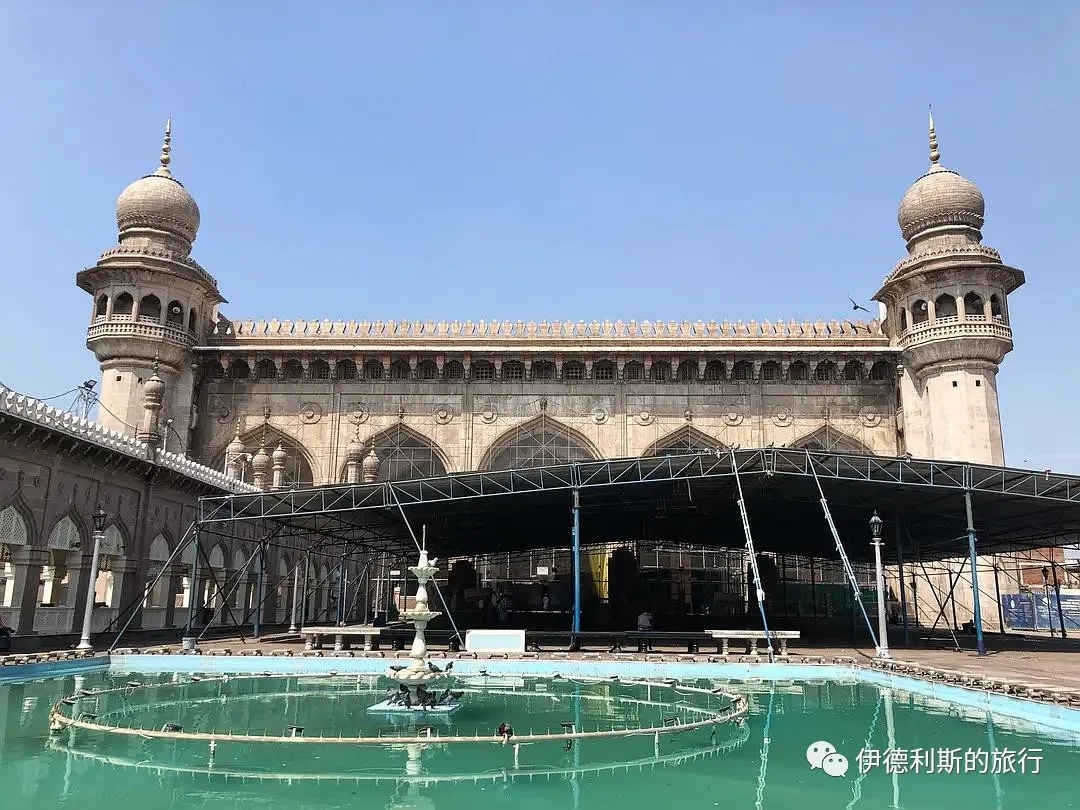
Paigah Tombs in Hyderabad: The Paigah family was the most powerful family in the Asaf Jahi dynasty after the Nizam, and they were the only family in Hyderabad besides the Nizam to own palaces. The 18th and 19th-century tombs of the Paigah family are famous for their exquisite plaster and marble carvings. At the far northwest end of the tombs is the mosque used for visiting graves.
Taramati Mosque in Hyderabad: Located next to the palace area of Golconda Fort and built in 1518, it was used by the Sultan's court and nobles. This mosque has a typical Deccan architectural style, with small lotus-supported onion domes on the balcony roofs.
Zanana Mosque in Hyderabad: Located behind the tall walls of Golconda Fort, the mosque preserves a mihrab and a courtyard.
Ibrahim Mosque in Hyderabad: Located on the north side of the Golconda Fort hilltop, it was built by Sultan Ibrahim Quli Qutb Shah (reigned 1550-1580). It is small in size, and the double-layered balconies on the two minarets and the onion domes sitting on lotus pedestals are typical of the Deccan architectural style.
Five mosques in Shaanxi in November.
Huajue Lane Great Mosque: Also known as the "East Great Mosque," it was rebuilt during the Hongwu period of the Ming Dynasty (1368-1398) and renovated multiple times during the Jiajing and Wanli periods of the Ming Dynasty and the Qianlong period of the Qing Dynasty. The mosque is divided into four courtyards. From east to west along the central axis, there is a screen wall, a wooden archway, a five-bay building, a stone archway, the Imperial Decree Hall, the Shengxin Tower, the Lian-san Gate, the Phoenix Pavilion, the moon platform, and the main prayer hall.
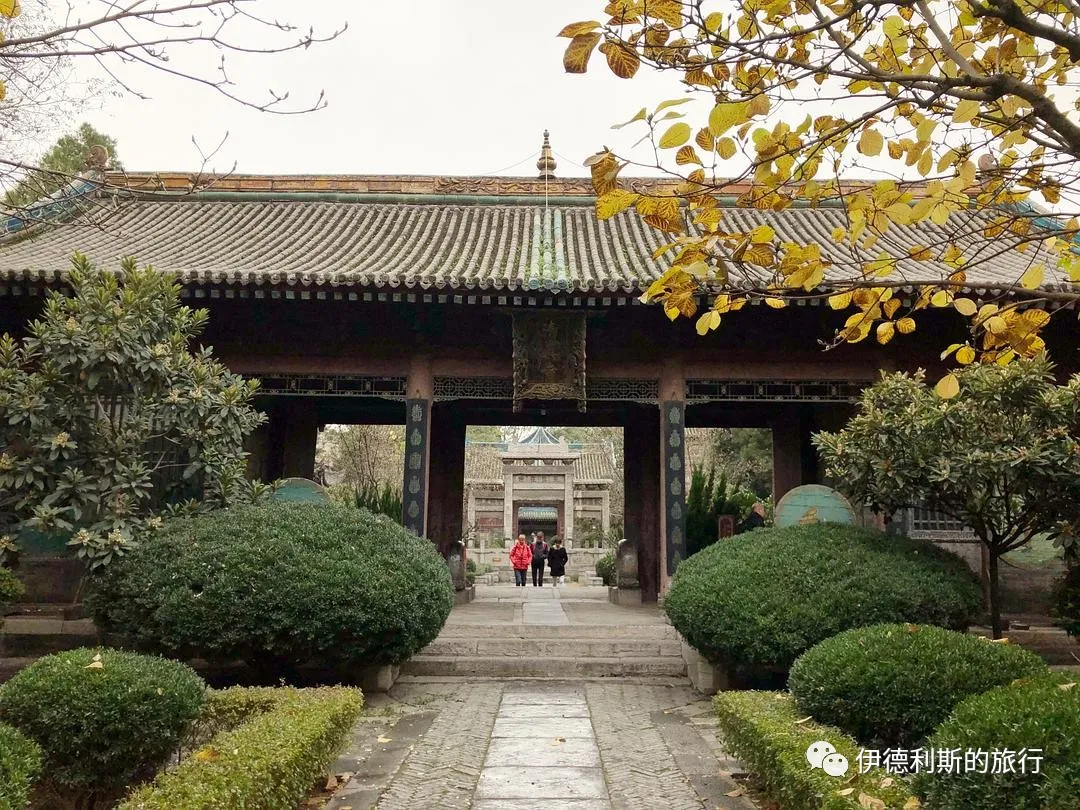
Daxuexi Lane Mosque: Also known as the "West Great Mosque," it was rebuilt in 1384 (the 17th year of the Hongwu period of the Ming Dynasty) by Minister of War Tie Xuan, who was granted the name of the mosque by imperial decree. It was renovated in 1413 (the 11th year of the Yongle period of the Ming Dynasty) and twice more during the Kangxi and Guangxu periods of the Qing Dynasty.
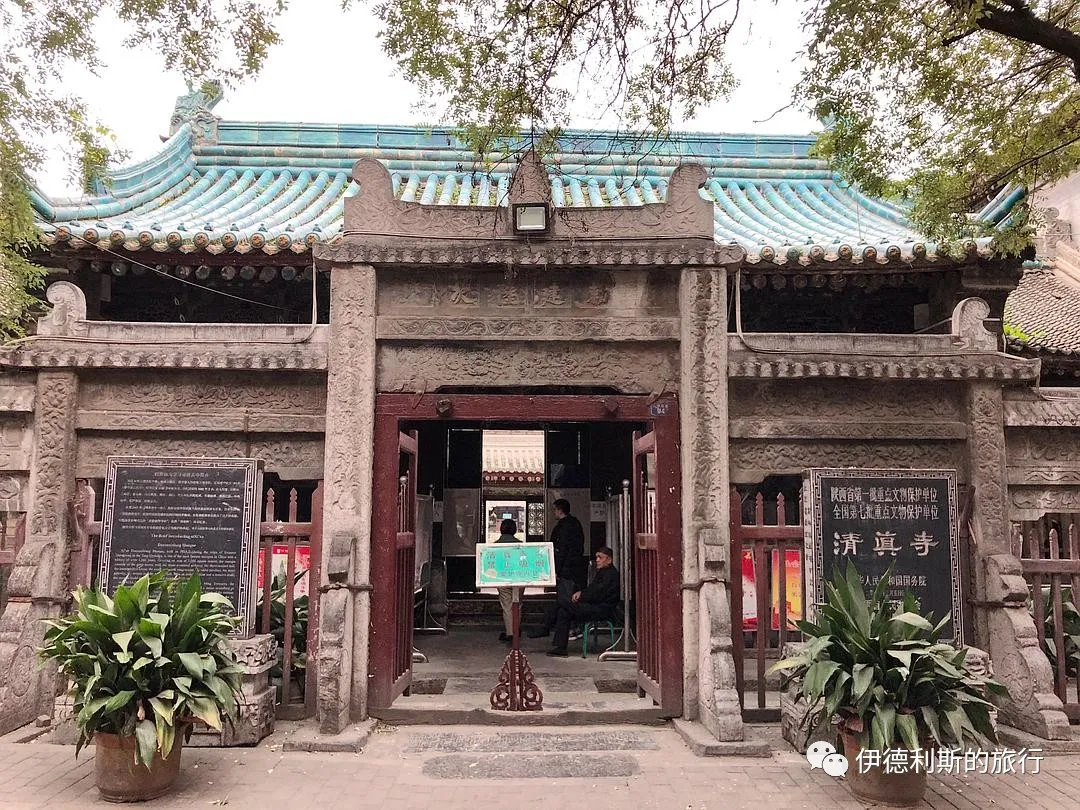
Xiaopiyuan Mosque: Also known as the "North Great Mosque," it was renovated in 1611 (the 39th year of the Wanli period of the Ming Dynasty) and is divided into four courtyards. Passing through the "Second Gate" and the "Lian-san Gate" into the second and third courtyards, you can reach the bluestone imperial path covered by a stone-carved shade canopy.
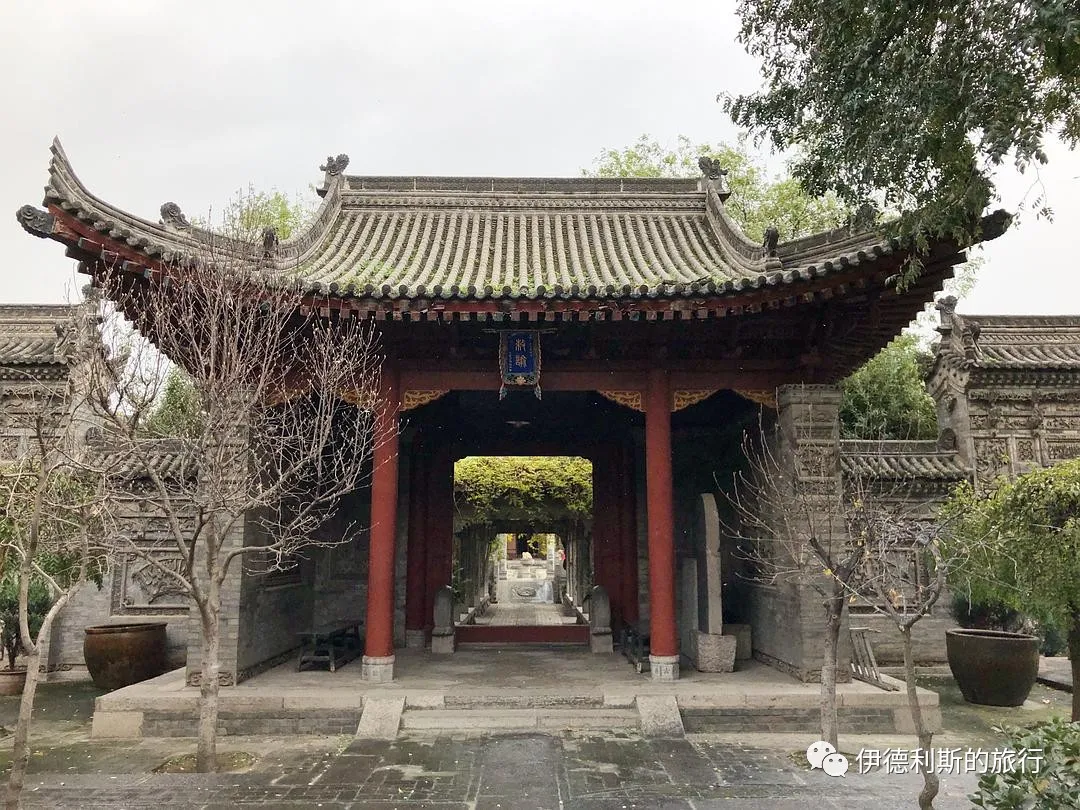
Dapiyuan Mosque: Built in 1411 (the 9th year of the Yongle period of the Ming Dynasty) and renovated in 1781 (the 46th year of the Qianlong period of the Qing Dynasty).
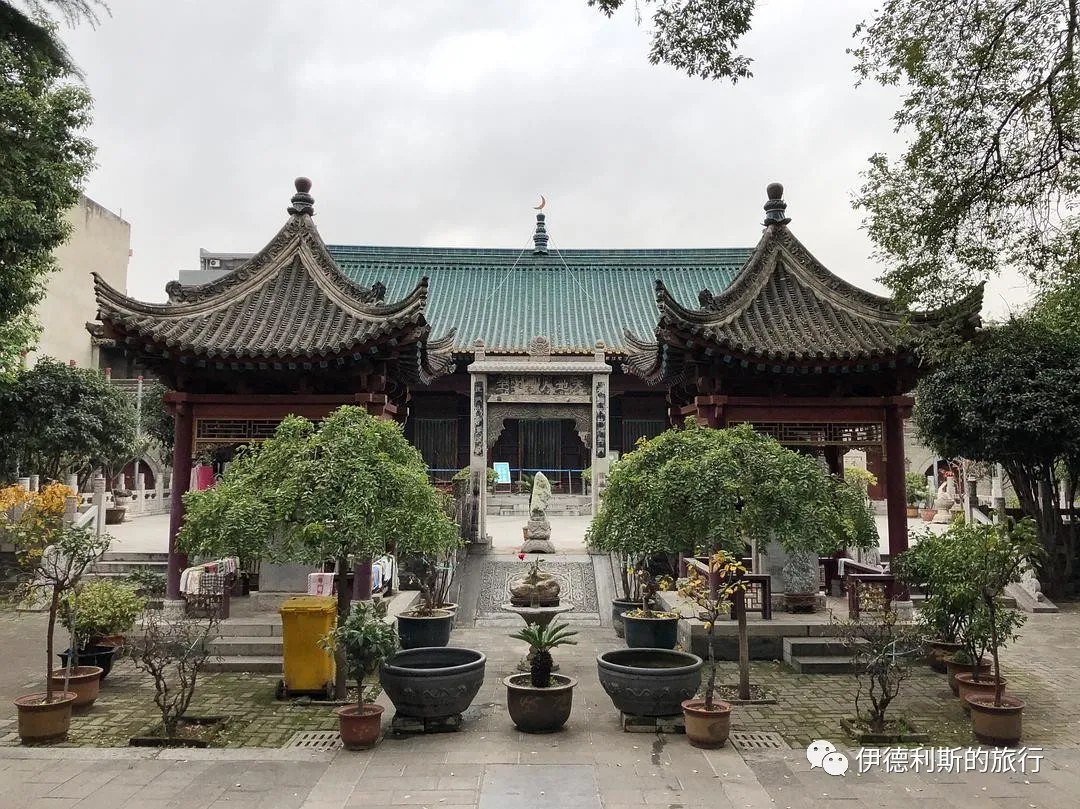
Xiaoxuexi Lane Yingli Mosque: Built in 1774 (the 39th year of the Qianlong period of the Qing Dynasty), it is the last one established among the "seven mosques and thirteen neighborhoods" of the Hui Muslim quarter during the Ming and Qing dynasties, and it is said to have been built by Muslim officers and soldiers.
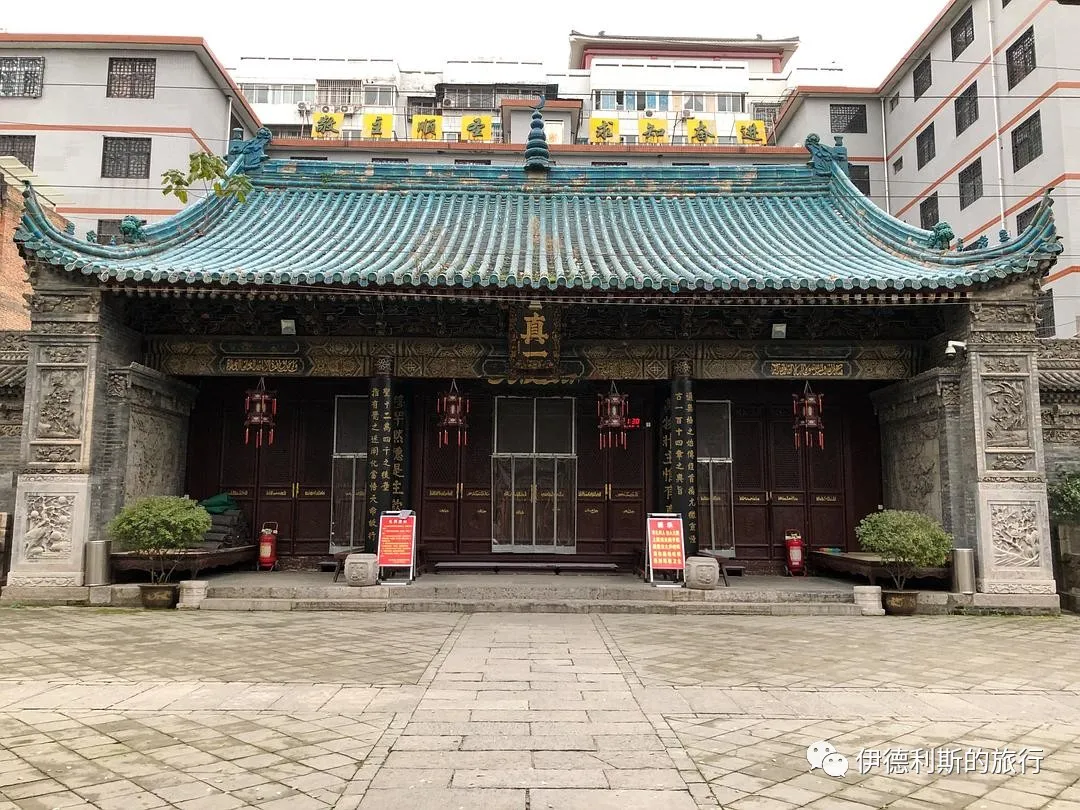
Halal Travel Guide: 2020 Mosque Visits — 23 Historic Mosques and Muslim Heritage
Articles • ali2007fr posted the article • 0 comments • 225 views • 2026-05-19 23:57
Summary: This 2020 record covers 23 visits to historic mosques and Muslim heritage sites. The English version keeps the original photos, place names, and factual notes while making the article clear for readers interested in mosque travel and Islamic history.
I went to Urumqi for the Spring Festival holiday in early 2020 and visited the Shaanxi Old Quarter Mosque (Shaanxi Laofangsi). I almost got stuck there and could not return to Beijing. I worked from home during the first half of the year. Once restrictions were lifted in early July, we spent a weekend visiting the Hongshuiquan Grand Mosque in Qinghai. We took our honeymoon in August and visited 18 ancient mosques across Yunnan and Sichuan. During the National Day holiday, we traveled upstream along the Han River and visited 3 ancient mosques in southern Shaanxi. In total, I visited 23 ancient mosques across 5 provinces in 2020.
Mosques in Beijing closed in January 2021. Travel restrictions were lifted in mid-March, so I hurried to visit ancient mosques in Henan, Jiangsu, Hebei, Xinjiang, Liaoning, Shanxi, Tianjin, Qinghai, and Inner Mongolia before travel restrictions returned in July. During the National Day holiday, there were no new cases nationwide, so we went on a road trip to Yunnan to visit ancient mosques. I could not leave Beijing after the holiday ended. Even though I only had less than half a year of freedom in 2021, I visited 47 ancient mosques across 11 provinces and cities. See "Visiting 47 Ancient Mosques in 2021."
2022 was the most difficult year, as I could not leave Beijing at all. That year, I visited some former mosque ruins in Beijing and some mosques I had never been to before, totaling 25 mosques for the year. See "Visiting Twenty-Five Mosques in Beijing in 2022."
At the beginning of 2023, travel restrictions out of Beijing were lifted, and by May, international travel restrictions were also lifted. That year, I traveled extensively, visiting 124 mosques across 11 provinces, 6 countries, and three continents: Europe, Asia, and Africa. See "Visiting 124 Mosques in 2023."
In 2024, life gradually returned to normal, but due to job changes and spending time with my children, the number of mosques I visited decreased. That year, I went to 6 provinces and 3 countries, visiting 63 mosques. I visited Malaysia three times, seeing 24 mosques, which covers almost all the historic mosques in Malaysia. See "Visiting 63 Mosques in 2024."
January: 1 mosque in Xinjiang.
Urumqi Shaanxi Old Quarter Mosque (Shaanxi Laofangsi): In 1808, Hui Muslims from Shaanxi built a mosque in the southern suburb of Dihua. It was the first mosque for Hui Muslims in the southern suburb, so it is called the Old Quarter Mosque. The current structure of the Old Quarter Mosque dates back to its reconstruction in 1877.
July: 1 mosque in Qinghai.
Hongshuiquan Mosque in Haidong: Located in Hongshuiquan Township, Ping'an District, Haidong City. The current structure mostly follows the style of the Qianlong era. I personally think it is the most beautiful ancient mosque in Qinghai.
13 mosques in Yunnan in August
Yongning Mosque in Kunming: Originally built under the leadership of Sayyid Ajjal Shams al-Din, it was first located at the 'Fish Market' on Donglai Street and destroyed by war at the end of the Yuan Dynasty. It was rebuilt during the Ming Yongli era (1647–1661) and renamed Yongning Mosque. It was destroyed by war again in 1856, rebuilt in 1898, and reconstructed into its current form in 2008. However, the main prayer hall still holds the original mihrab, which is carved with exquisite calligraphy in the Yunnan style.
Jinniu Street Mosque in Kunming: Originally the only ancient mosque in downtown Kunming, it was rebuilt in 1889 and renovated in 1943 and the 1980s. It is a district-level cultural heritage site. Sadly, it was demolished in 2016 and rebuilt in 2019. Only the beautiful Yunnan-style Arabic calligraphy mihrab and two plaques were saved.
Chenggong Huihuiying Mosque in Kunming: Although it has been renovated, it still preserves a very beautiful mihrab with traditional Yunnan-style Arabic calligraphy. The calligraphy itself is truly masterful.
Qingmenkou Mosque in Weishan, Dali: Because of its relatively remote location, the minaret (xuanlilou) built in 1906 has been preserved to this day, which is very rare.
Huideng Mosque in Weishan, Dali: The front part of the main hall is a steel-concrete structure built in 1993, while the back part is a wooden structure built in 1944. So, it looks like a new mosque from the front and an old one from the back.
Shenhe Village Mosque in Weishan, Dali: The minaret was built in 1946.
Tangzi Mosque in Xundian: First built in the Ming Dynasty, it was looted and burned by bandits in 1920. Led by Imam Yu Shaoqing and other village elders, funds were raised to start rebuilding in 1923. It was completed in 1927, and the current stone arch gate was added in 1937.
Tuogu Mosque in Ludian, Zhaotong: In 1730, Anlong Town military officer Ma Xiangqian and his brothers, the scholars Ma Lincan and Ma Linchi, donated funds to build the main hall. In 1755, Imam Sai Huanzhang proposed building the minaret and side rooms, which the local community funded.
Longtoushan Mosque in Ludian, Zhaotong: Built in 1746, it follows the traditional Yunnan mosque architectural style, with a courtyard enclosed by a minaret, north and south side rooms, and the main prayer hall.
Chachong Mosque in Ludian, Zhaotong: Built in 1734, its minaret is a three-story, hexagonal, pointed-roof pavilion style, just like the one at Tuogu Mosque, though slightly smaller in size. A plaque inscribed with 'Mysterious and Great Power' (Xuanqi Daneng), presented by Sa Depin in 1906, hangs at the entrance of the main hall.
Tiejiawan Mosque in Ludian, Zhaotong: In 1731, the Tie family settled in the northeast area of the Taoyuan Basin in Ludian. In 1738, Tie Wanxuan, Tie Wanjin, and Tie Zhongxuan agreed to build the Tiejiawan Mosque on a small hill between the villages of Tiejiawan and Tiejiamen, with Tie Wanxuan serving as the imam.
Baxian Mosque in Zhaotong: First built in 1731 and rebuilt in 1779. In 1730, after Wumeng was pacified and Zhaotong's old city was in ruins, the military camp was temporarily set up at Baxian Mosque. The following year, the Zhaoyang Academy—the first academy in Zhaotong after the local chieftain system was replaced by imperial officials—was founded there. In 1898, Baxian Mosque hired the great Imam Ma Minglun as its leader, and he was elected as the chief imam for the thirty-six mosques in the Zhaoweilu (Zhaotong, Weining, Ludian) region.
Songjiashan in Zhaotong: During the early Yongzheng reign when the chieftain system was replaced, a branch of the Ma family from Xiaba in Weining followed General Ha Shengyuan, who had led troops to pacify Wumeng, to Zhaotong. They eventually settled at Baxian Sea and built the Songjiashan Mosque in 1730. Painting the ceiling of the main hall began in 1762 and was finished in 1832. It is a very precious artistic treasure within the mosque.
Five mosques in Sichuan in August.
Langzhong Mosque: Built with funds raised by Hui Muslim Bao Tianzuo in 1669 (the eighth year of the Kangxi reign) and completed in 1672 (the eleventh year of the Kangxi reign). The mosque originally covered over ten mu of land, but after the founding of the People's Republic of China, it was reduced to its current four mu because a primary school and kindergarten were separated from it.
Langzhong Boshu Mosque: Besides the ancient city of Langzhong, there is a Boshu Hui ethnic township in the mountains outside the city. In 1741, more than 100 local Hui Muslim households, mainly with the surname Pu, raised funds to build Boshu Mosque.
Wusheng Yankou Town Majia Mosque: After Hui Muslims came to settle in Wusheng in the early Qing Dynasty, they built a mosque in their original settlement of Guba Village. After the Wusheng Hui Muslims gathered in Yankou Town in the mid-Qing Dynasty, the Ma family bought a large house built by the Zhang family in 1778 (the forty-third year of the Qianlong reign). It was converted into Majia Mosque in 1819 (the twenty-fourth year of the Jiaqing reign) and reached its current size after renovations in 1828 (the eighth year of the Daoguang reign).
Wusheng Yankou Town Huangjia Mosque: After Majia Mosque opened in 1819, the Huang family of Hui Muslims also performed namaz there. In 1893, the Huang family moved the mosque from Guba Village in the northern suburbs to Shengli Street, not far north of Majia Mosque, and it has been called Huangjia Mosque ever since. In 1946, the old imam of Nanchong Mosque, Huang Xianjian, opened the Wusheng Ethnic Primary School at Huangjia Mosque, and it was used as a school building for a long time afterward. After the ethnic primary school moved, Huangjia Mosque gradually fell into disrepair.
Guangyuan Shanghe Street Mosque: Located in a busy downtown area by the Jialing River, it was first built in 1721 and expanded in 1777. No historical buildings remain, but there are nine precious plaques from the Qing Dynasty and the Republican era. In the 1960s and 1970s, these nine plaques were covered with layers of paper and painted with red lacquer to display the "highest instructions" regarding ethnic unity, which is how they survived.
Three mosques in Shaanxi in October.
Ankang Shuhe Mosque: Built on a steep cliff behind the ancient town, it connects to the street below via a hundred-step staircase. It was first built during the Jiajing reign of the Ming Dynasty and expanded in 1915. It features a "cat-arched back" (mao gongbei) fire-blocking wall, which is very unique among traditional Chinese temples.
Hanzhong Xixiang South Mosque: First built in the Ming Dynasty, it was closed and occupied after the 1958 religious reforms, returned in 1986, and officially reopened in 2001. The main prayer hall was rebuilt in 1997, but the main gate and the south wing are still original. Outside the gate, there is a wooden archway for "Mosque Lane" (Qingzhensi Xiang) built during the Xianfeng reign.
Hanzhong Xixiang North Mosque: Originally named Jingning Mosque, it was built in 1614 by Hui Muslims who moved to Xixiang from Jingning Prefecture (modern-day Pingliang, Gansu). The North Mosque was expanded in 1723, destroyed by war, rebuilt in 1816, renovated several times later, and the north wing was rebuilt in 2009. view all
Summary: This 2020 record covers 23 visits to historic mosques and Muslim heritage sites. The English version keeps the original photos, place names, and factual notes while making the article clear for readers interested in mosque travel and Islamic history.
I went to Urumqi for the Spring Festival holiday in early 2020 and visited the Shaanxi Old Quarter Mosque (Shaanxi Laofangsi). I almost got stuck there and could not return to Beijing. I worked from home during the first half of the year. Once restrictions were lifted in early July, we spent a weekend visiting the Hongshuiquan Grand Mosque in Qinghai. We took our honeymoon in August and visited 18 ancient mosques across Yunnan and Sichuan. During the National Day holiday, we traveled upstream along the Han River and visited 3 ancient mosques in southern Shaanxi. In total, I visited 23 ancient mosques across 5 provinces in 2020.
Mosques in Beijing closed in January 2021. Travel restrictions were lifted in mid-March, so I hurried to visit ancient mosques in Henan, Jiangsu, Hebei, Xinjiang, Liaoning, Shanxi, Tianjin, Qinghai, and Inner Mongolia before travel restrictions returned in July. During the National Day holiday, there were no new cases nationwide, so we went on a road trip to Yunnan to visit ancient mosques. I could not leave Beijing after the holiday ended. Even though I only had less than half a year of freedom in 2021, I visited 47 ancient mosques across 11 provinces and cities. See "Visiting 47 Ancient Mosques in 2021."
2022 was the most difficult year, as I could not leave Beijing at all. That year, I visited some former mosque ruins in Beijing and some mosques I had never been to before, totaling 25 mosques for the year. See "Visiting Twenty-Five Mosques in Beijing in 2022."
At the beginning of 2023, travel restrictions out of Beijing were lifted, and by May, international travel restrictions were also lifted. That year, I traveled extensively, visiting 124 mosques across 11 provinces, 6 countries, and three continents: Europe, Asia, and Africa. See "Visiting 124 Mosques in 2023."
In 2024, life gradually returned to normal, but due to job changes and spending time with my children, the number of mosques I visited decreased. That year, I went to 6 provinces and 3 countries, visiting 63 mosques. I visited Malaysia three times, seeing 24 mosques, which covers almost all the historic mosques in Malaysia. See "Visiting 63 Mosques in 2024."
January: 1 mosque in Xinjiang.
Urumqi Shaanxi Old Quarter Mosque (Shaanxi Laofangsi): In 1808, Hui Muslims from Shaanxi built a mosque in the southern suburb of Dihua. It was the first mosque for Hui Muslims in the southern suburb, so it is called the Old Quarter Mosque. The current structure of the Old Quarter Mosque dates back to its reconstruction in 1877.
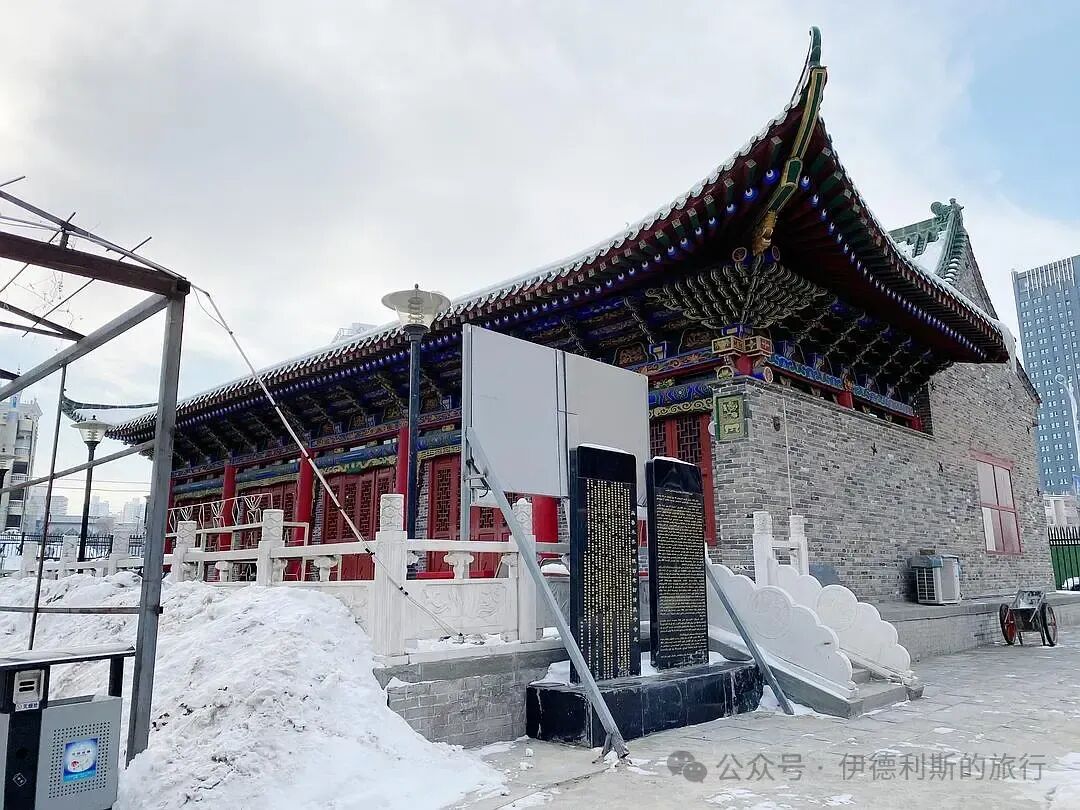
July: 1 mosque in Qinghai.
Hongshuiquan Mosque in Haidong: Located in Hongshuiquan Township, Ping'an District, Haidong City. The current structure mostly follows the style of the Qianlong era. I personally think it is the most beautiful ancient mosque in Qinghai.
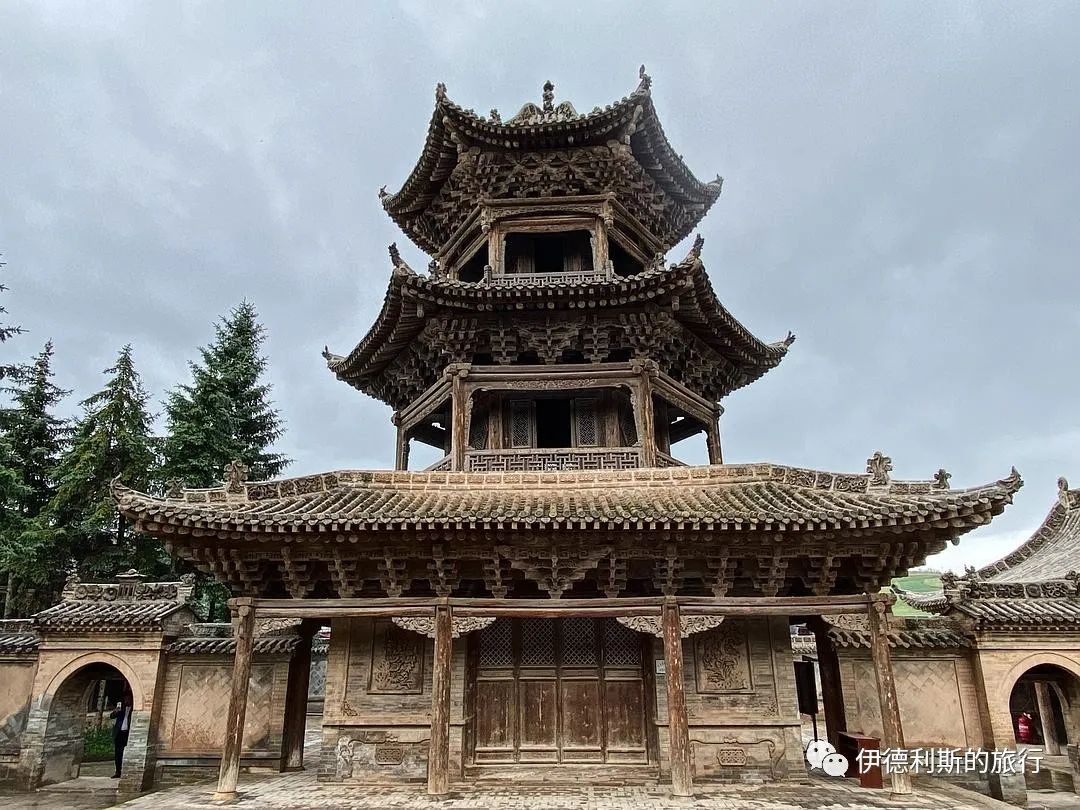
13 mosques in Yunnan in August
Yongning Mosque in Kunming: Originally built under the leadership of Sayyid Ajjal Shams al-Din, it was first located at the 'Fish Market' on Donglai Street and destroyed by war at the end of the Yuan Dynasty. It was rebuilt during the Ming Yongli era (1647–1661) and renamed Yongning Mosque. It was destroyed by war again in 1856, rebuilt in 1898, and reconstructed into its current form in 2008. However, the main prayer hall still holds the original mihrab, which is carved with exquisite calligraphy in the Yunnan style.
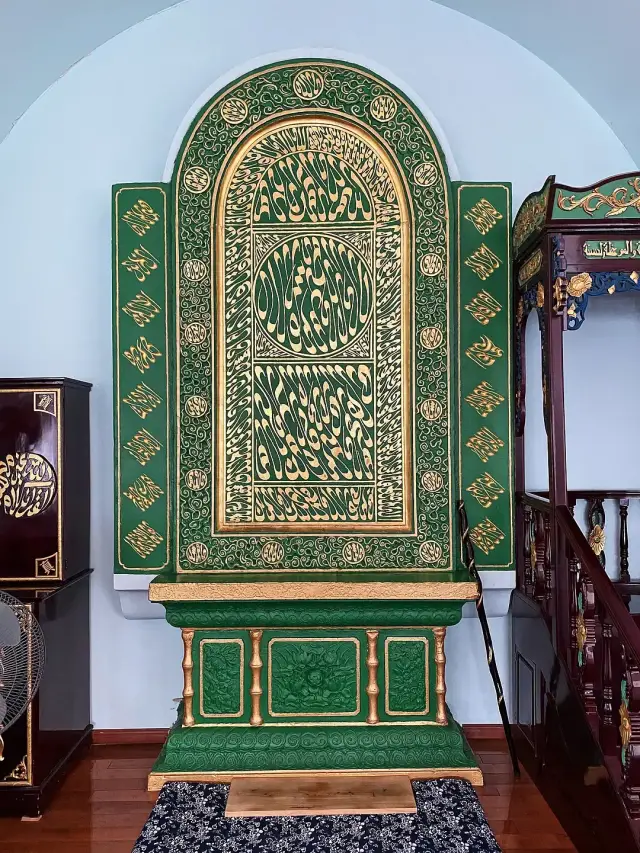
Jinniu Street Mosque in Kunming: Originally the only ancient mosque in downtown Kunming, it was rebuilt in 1889 and renovated in 1943 and the 1980s. It is a district-level cultural heritage site. Sadly, it was demolished in 2016 and rebuilt in 2019. Only the beautiful Yunnan-style Arabic calligraphy mihrab and two plaques were saved.
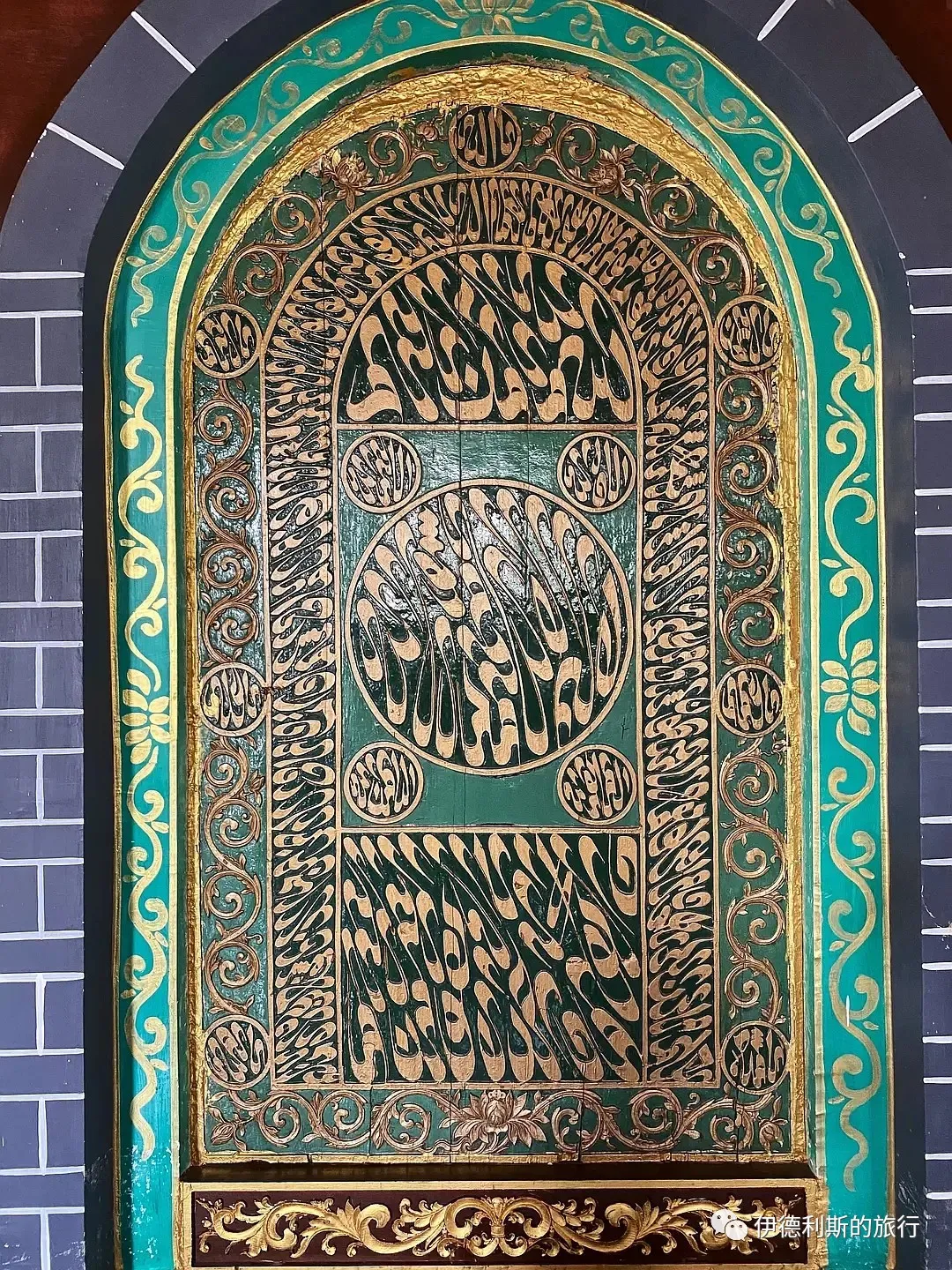
Chenggong Huihuiying Mosque in Kunming: Although it has been renovated, it still preserves a very beautiful mihrab with traditional Yunnan-style Arabic calligraphy. The calligraphy itself is truly masterful.
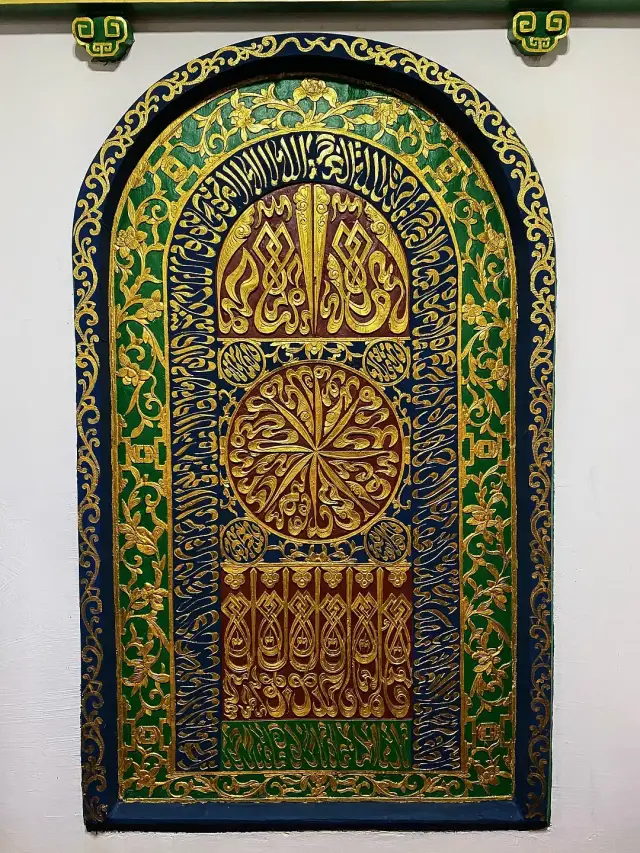
Qingmenkou Mosque in Weishan, Dali: Because of its relatively remote location, the minaret (xuanlilou) built in 1906 has been preserved to this day, which is very rare.
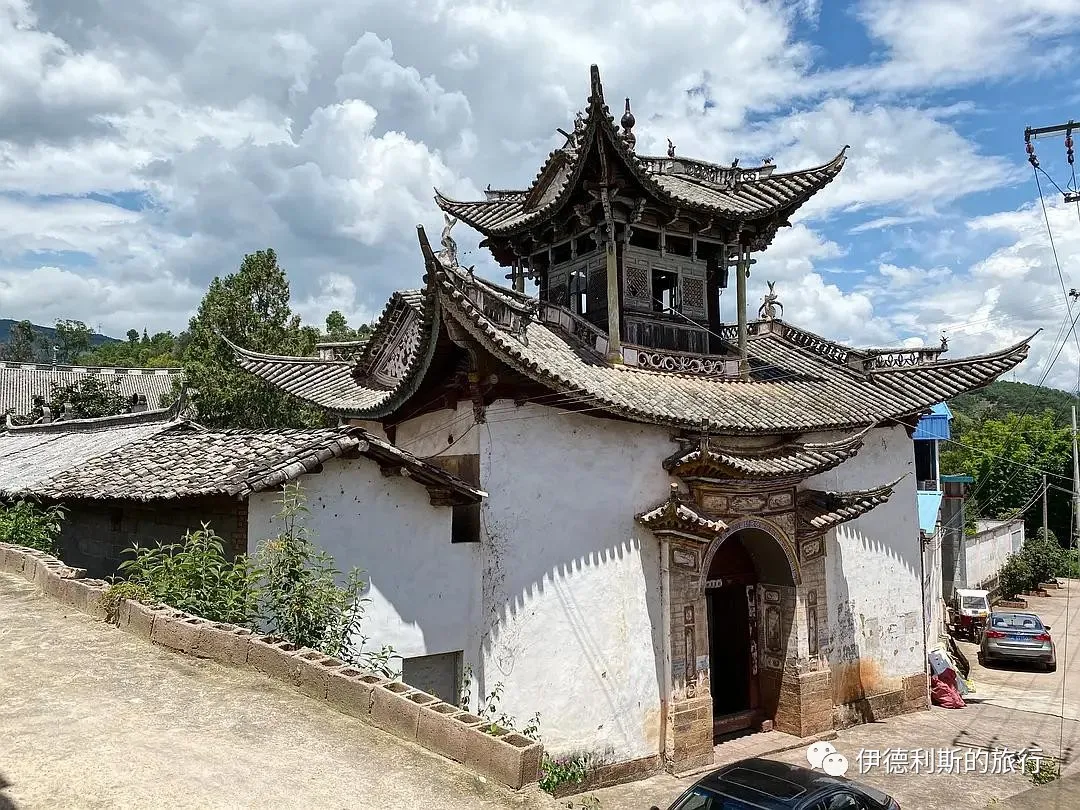
Huideng Mosque in Weishan, Dali: The front part of the main hall is a steel-concrete structure built in 1993, while the back part is a wooden structure built in 1944. So, it looks like a new mosque from the front and an old one from the back.
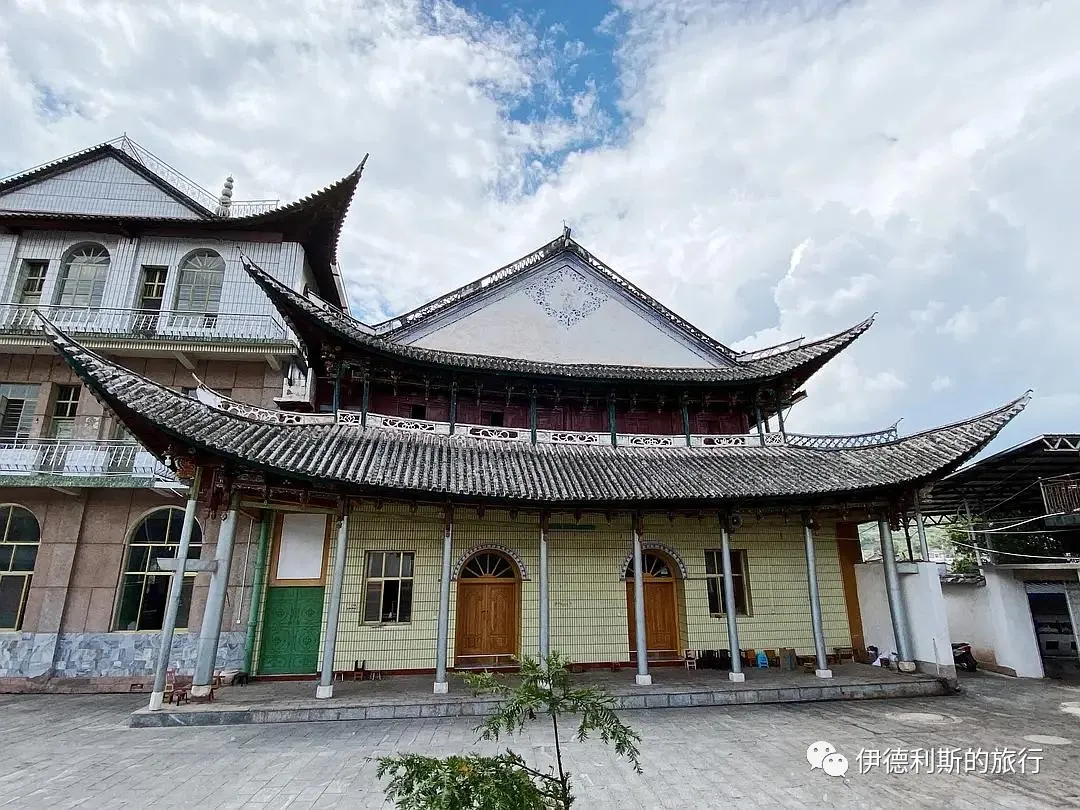
Shenhe Village Mosque in Weishan, Dali: The minaret was built in 1946.
Tangzi Mosque in Xundian: First built in the Ming Dynasty, it was looted and burned by bandits in 1920. Led by Imam Yu Shaoqing and other village elders, funds were raised to start rebuilding in 1923. It was completed in 1927, and the current stone arch gate was added in 1937.
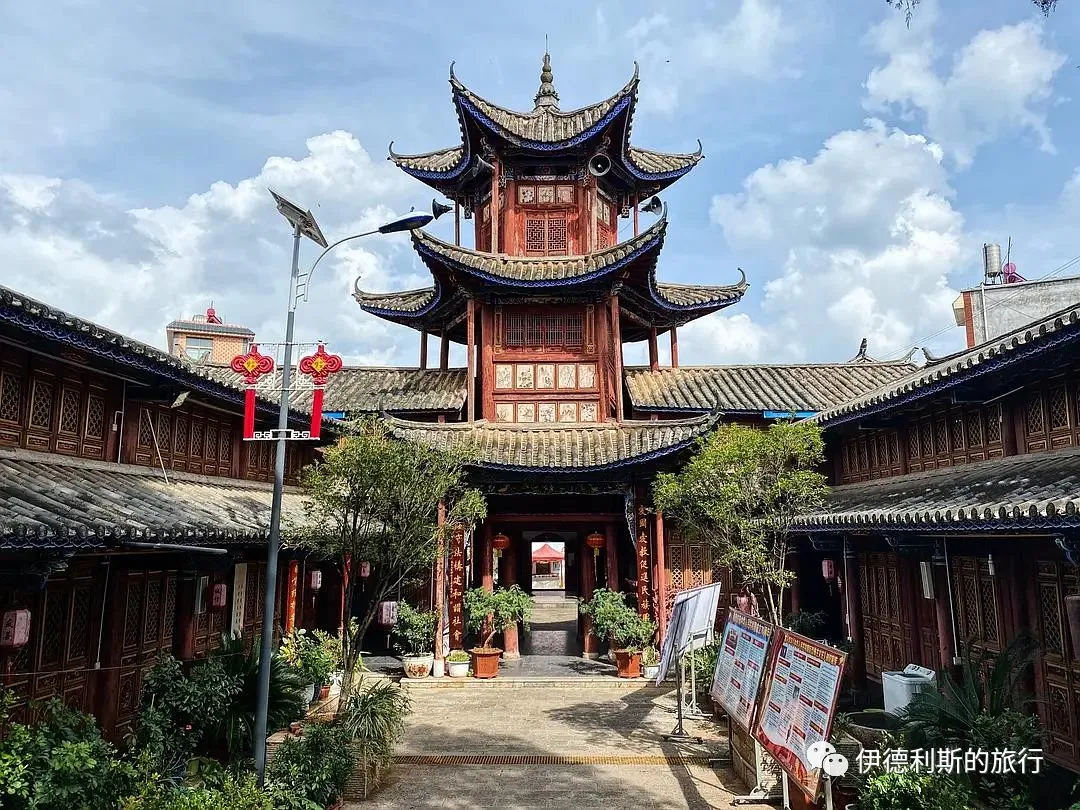
Tuogu Mosque in Ludian, Zhaotong: In 1730, Anlong Town military officer Ma Xiangqian and his brothers, the scholars Ma Lincan and Ma Linchi, donated funds to build the main hall. In 1755, Imam Sai Huanzhang proposed building the minaret and side rooms, which the local community funded.
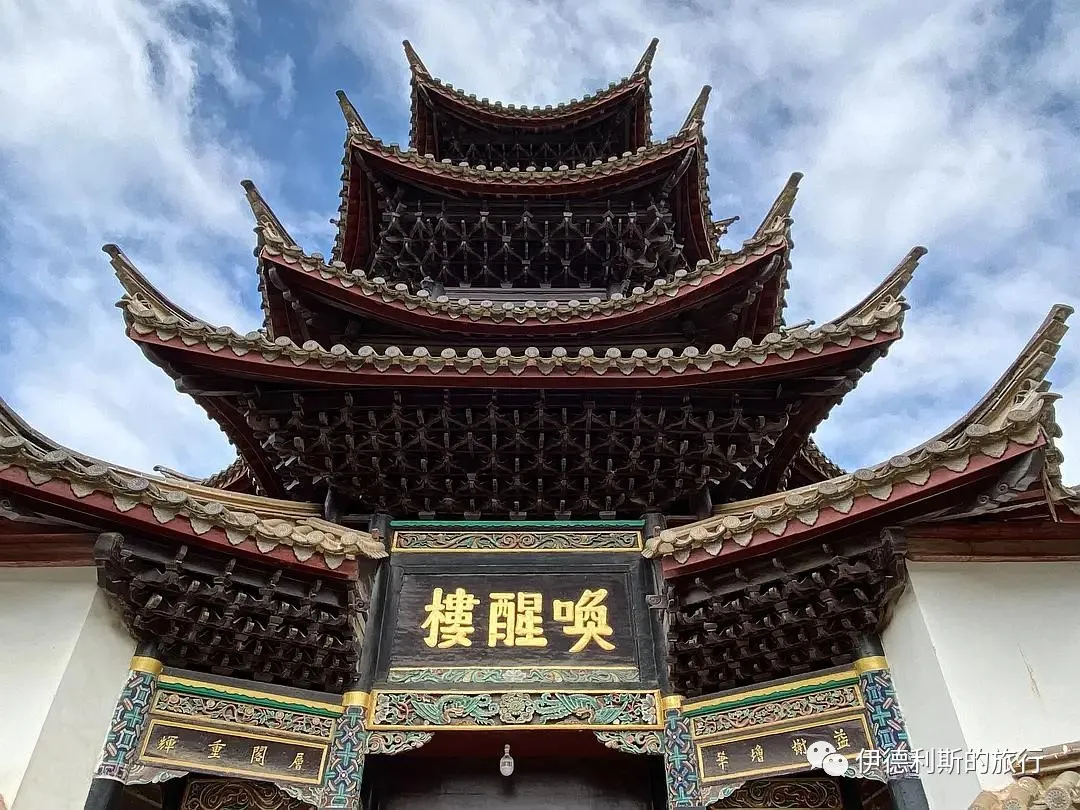
Longtoushan Mosque in Ludian, Zhaotong: Built in 1746, it follows the traditional Yunnan mosque architectural style, with a courtyard enclosed by a minaret, north and south side rooms, and the main prayer hall.
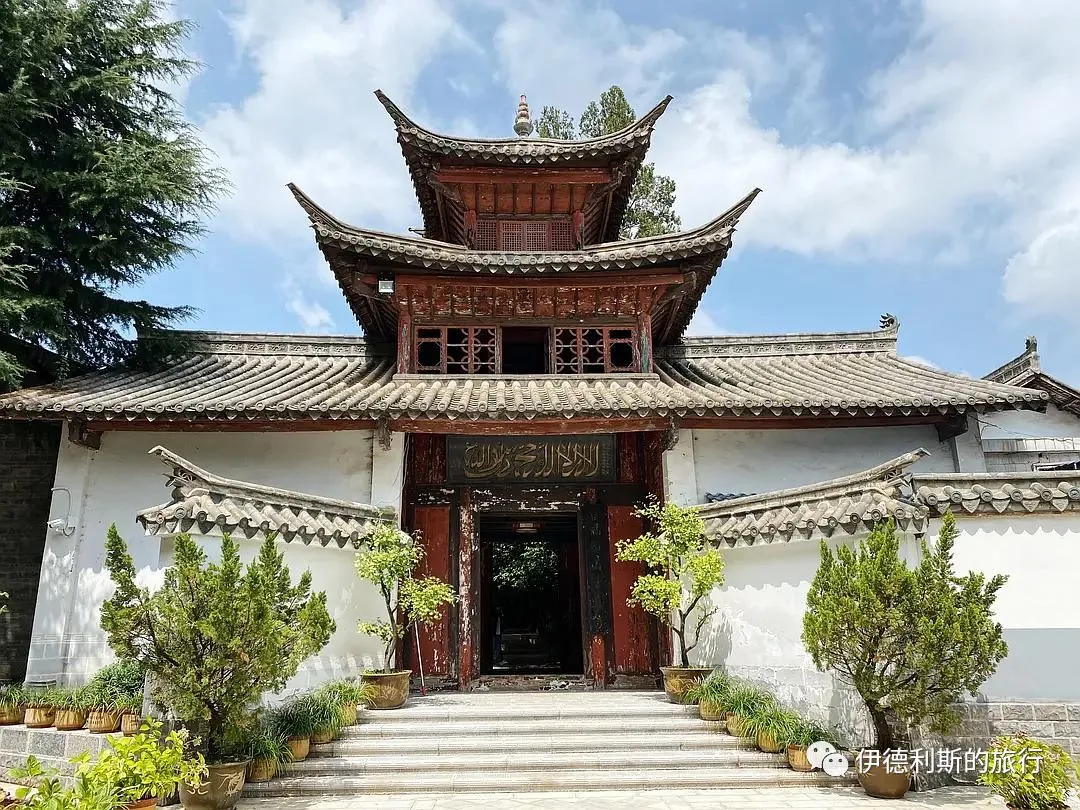
Chachong Mosque in Ludian, Zhaotong: Built in 1734, its minaret is a three-story, hexagonal, pointed-roof pavilion style, just like the one at Tuogu Mosque, though slightly smaller in size. A plaque inscribed with 'Mysterious and Great Power' (Xuanqi Daneng), presented by Sa Depin in 1906, hangs at the entrance of the main hall.
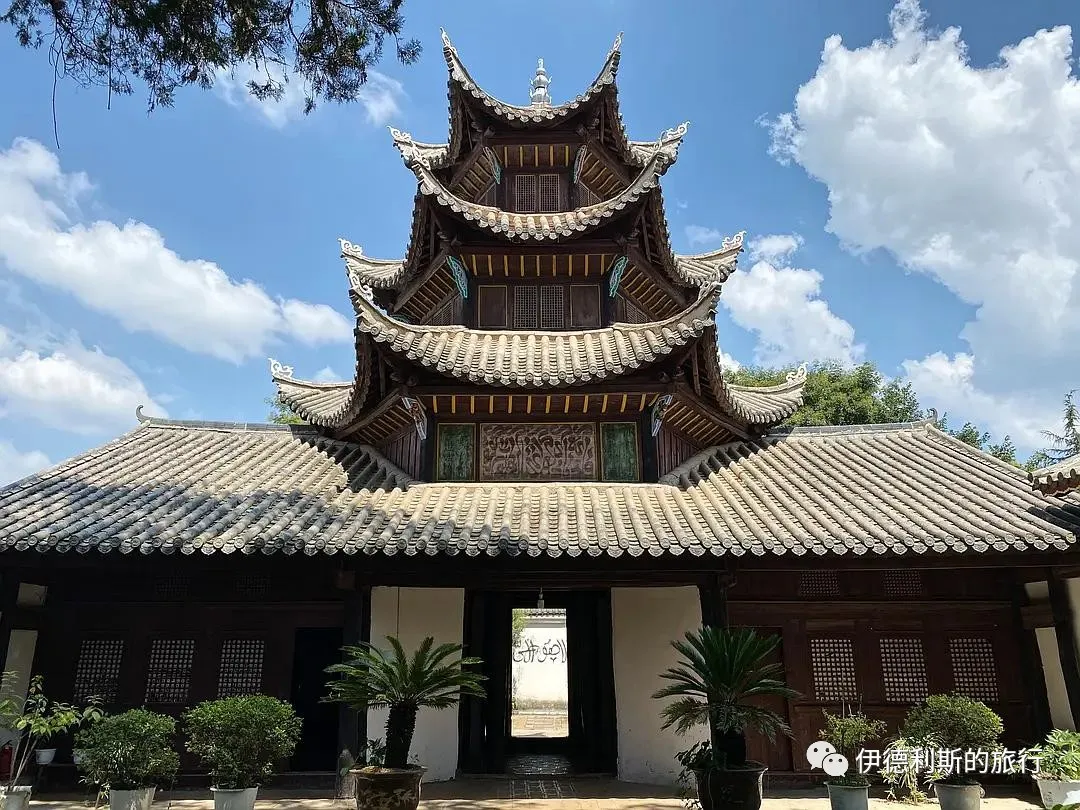
Tiejiawan Mosque in Ludian, Zhaotong: In 1731, the Tie family settled in the northeast area of the Taoyuan Basin in Ludian. In 1738, Tie Wanxuan, Tie Wanjin, and Tie Zhongxuan agreed to build the Tiejiawan Mosque on a small hill between the villages of Tiejiawan and Tiejiamen, with Tie Wanxuan serving as the imam.
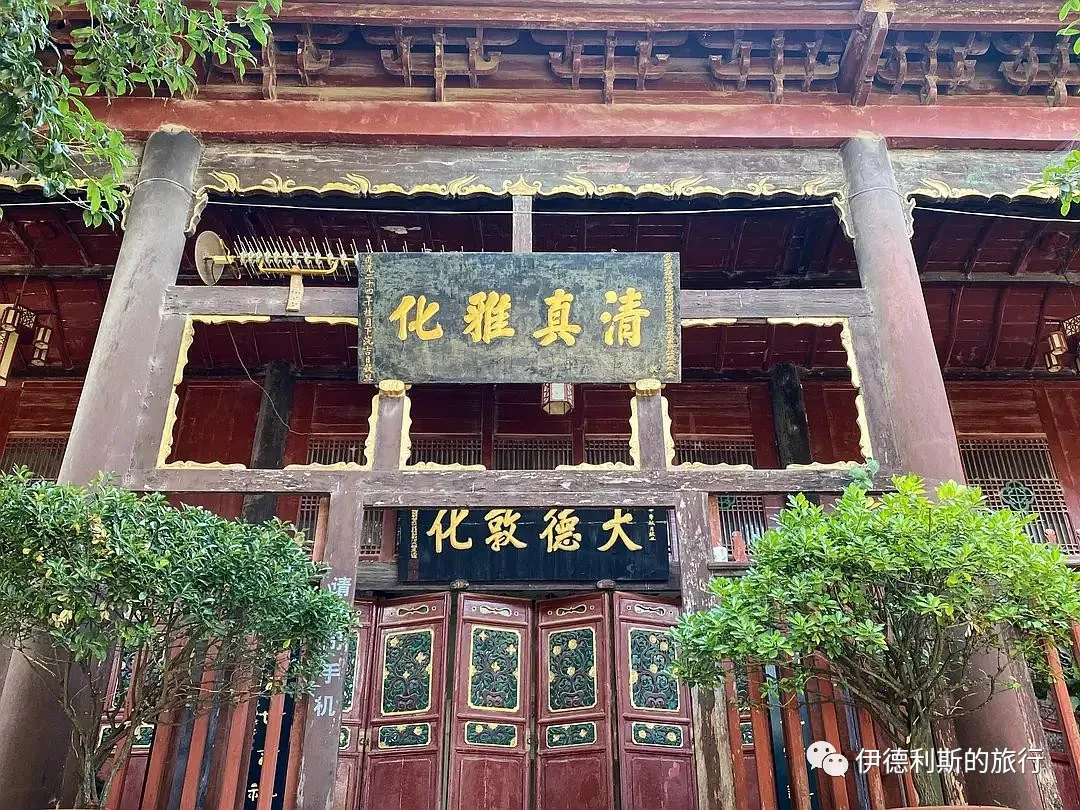
Baxian Mosque in Zhaotong: First built in 1731 and rebuilt in 1779. In 1730, after Wumeng was pacified and Zhaotong's old city was in ruins, the military camp was temporarily set up at Baxian Mosque. The following year, the Zhaoyang Academy—the first academy in Zhaotong after the local chieftain system was replaced by imperial officials—was founded there. In 1898, Baxian Mosque hired the great Imam Ma Minglun as its leader, and he was elected as the chief imam for the thirty-six mosques in the Zhaoweilu (Zhaotong, Weining, Ludian) region.
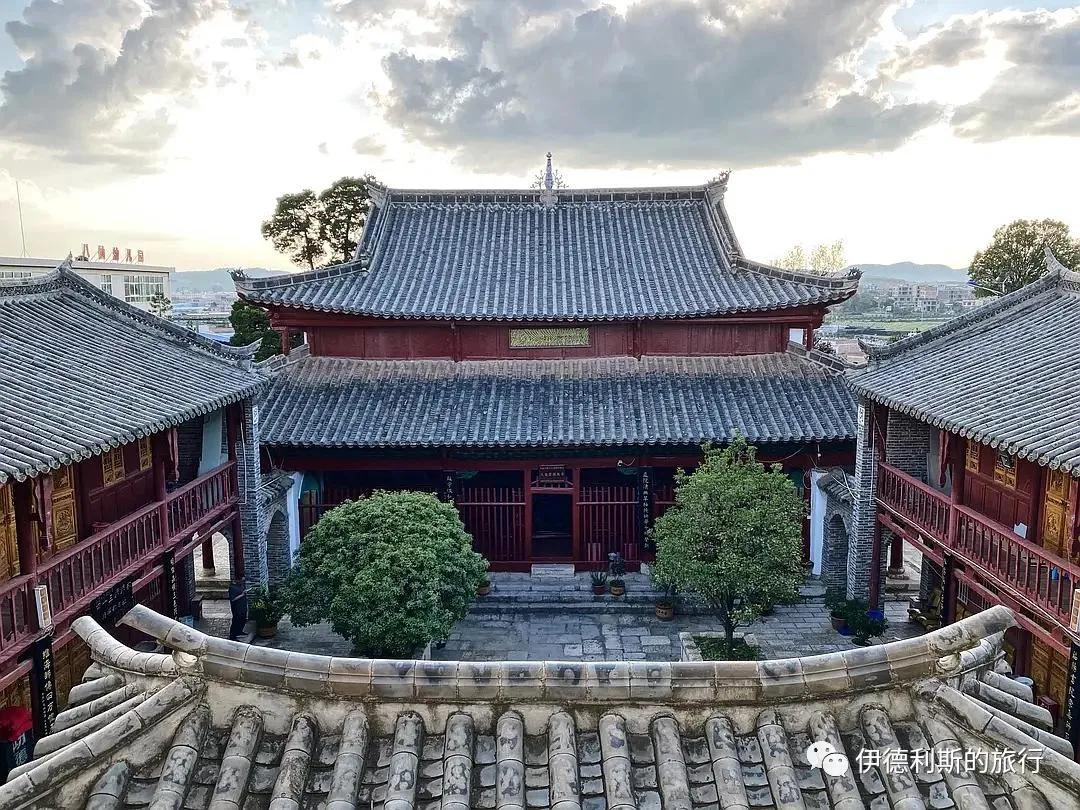
Songjiashan in Zhaotong: During the early Yongzheng reign when the chieftain system was replaced, a branch of the Ma family from Xiaba in Weining followed General Ha Shengyuan, who had led troops to pacify Wumeng, to Zhaotong. They eventually settled at Baxian Sea and built the Songjiashan Mosque in 1730. Painting the ceiling of the main hall began in 1762 and was finished in 1832. It is a very precious artistic treasure within the mosque.
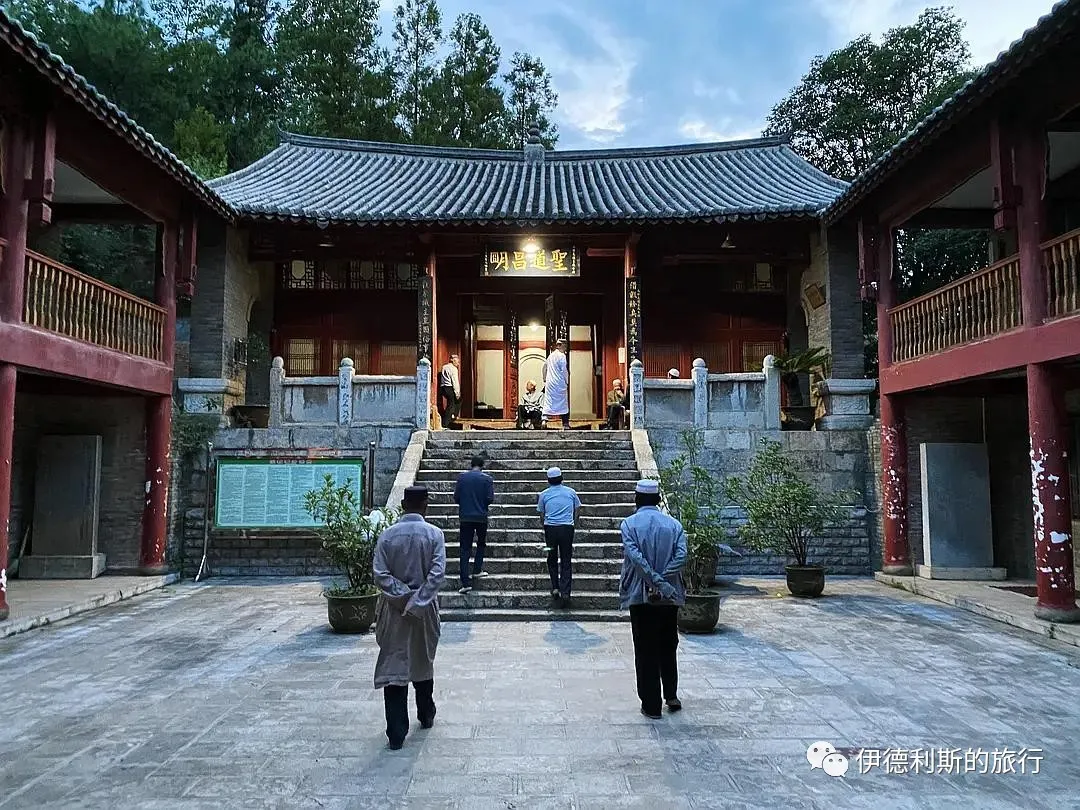
Five mosques in Sichuan in August.
Langzhong Mosque: Built with funds raised by Hui Muslim Bao Tianzuo in 1669 (the eighth year of the Kangxi reign) and completed in 1672 (the eleventh year of the Kangxi reign). The mosque originally covered over ten mu of land, but after the founding of the People's Republic of China, it was reduced to its current four mu because a primary school and kindergarten were separated from it.
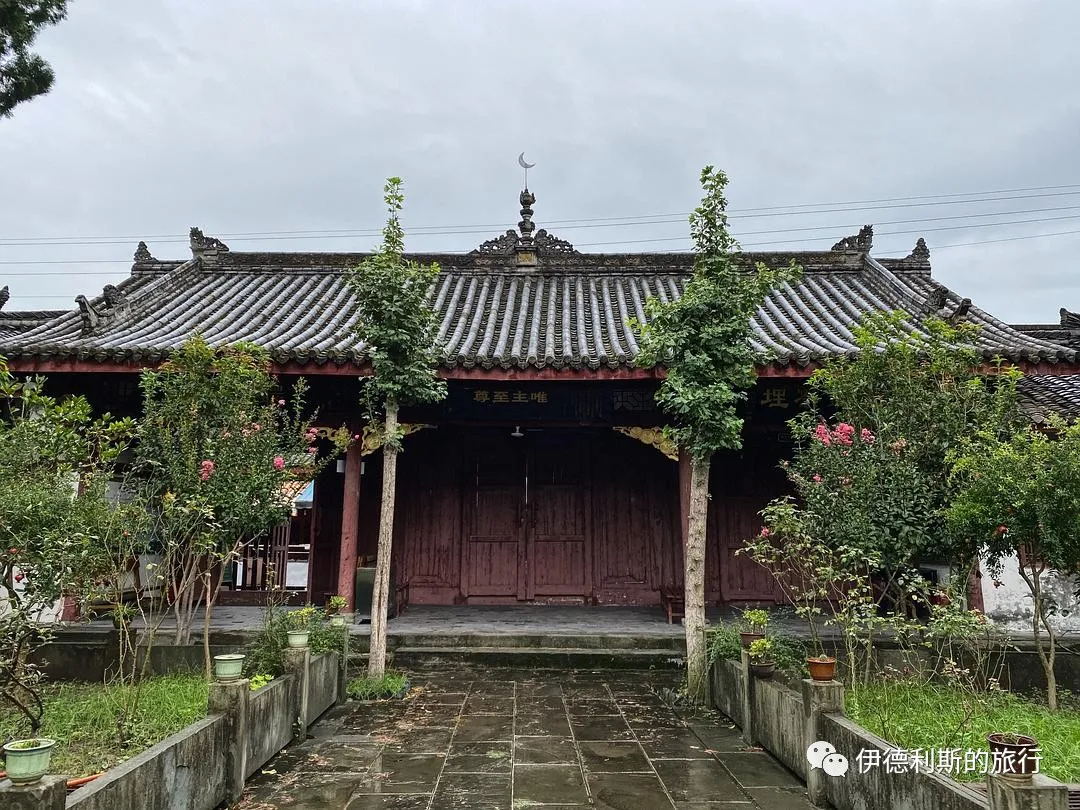
Langzhong Boshu Mosque: Besides the ancient city of Langzhong, there is a Boshu Hui ethnic township in the mountains outside the city. In 1741, more than 100 local Hui Muslim households, mainly with the surname Pu, raised funds to build Boshu Mosque.
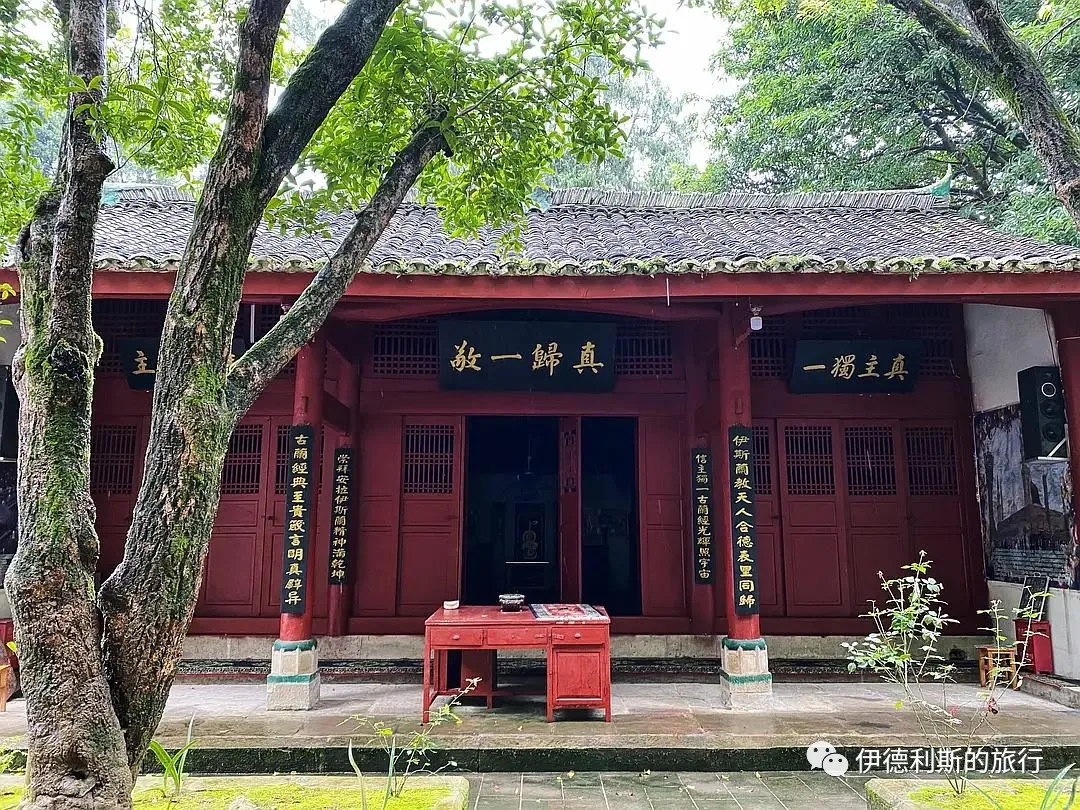
Wusheng Yankou Town Majia Mosque: After Hui Muslims came to settle in Wusheng in the early Qing Dynasty, they built a mosque in their original settlement of Guba Village. After the Wusheng Hui Muslims gathered in Yankou Town in the mid-Qing Dynasty, the Ma family bought a large house built by the Zhang family in 1778 (the forty-third year of the Qianlong reign). It was converted into Majia Mosque in 1819 (the twenty-fourth year of the Jiaqing reign) and reached its current size after renovations in 1828 (the eighth year of the Daoguang reign).
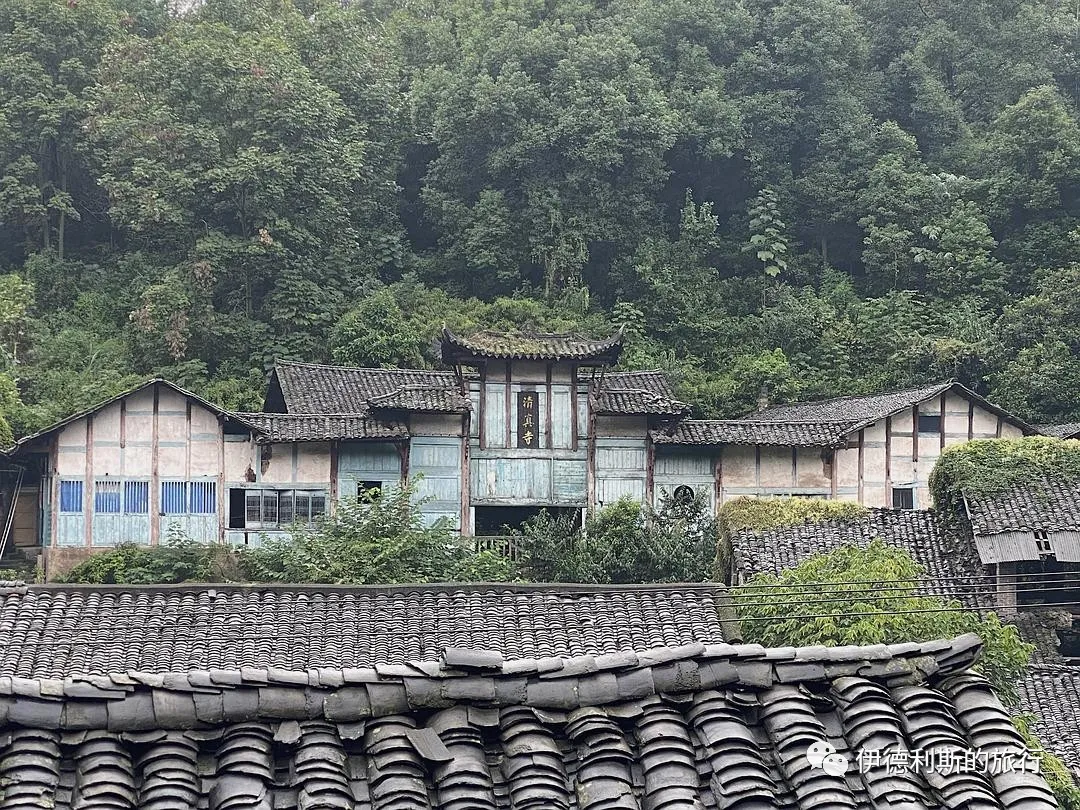
Wusheng Yankou Town Huangjia Mosque: After Majia Mosque opened in 1819, the Huang family of Hui Muslims also performed namaz there. In 1893, the Huang family moved the mosque from Guba Village in the northern suburbs to Shengli Street, not far north of Majia Mosque, and it has been called Huangjia Mosque ever since. In 1946, the old imam of Nanchong Mosque, Huang Xianjian, opened the Wusheng Ethnic Primary School at Huangjia Mosque, and it was used as a school building for a long time afterward. After the ethnic primary school moved, Huangjia Mosque gradually fell into disrepair.
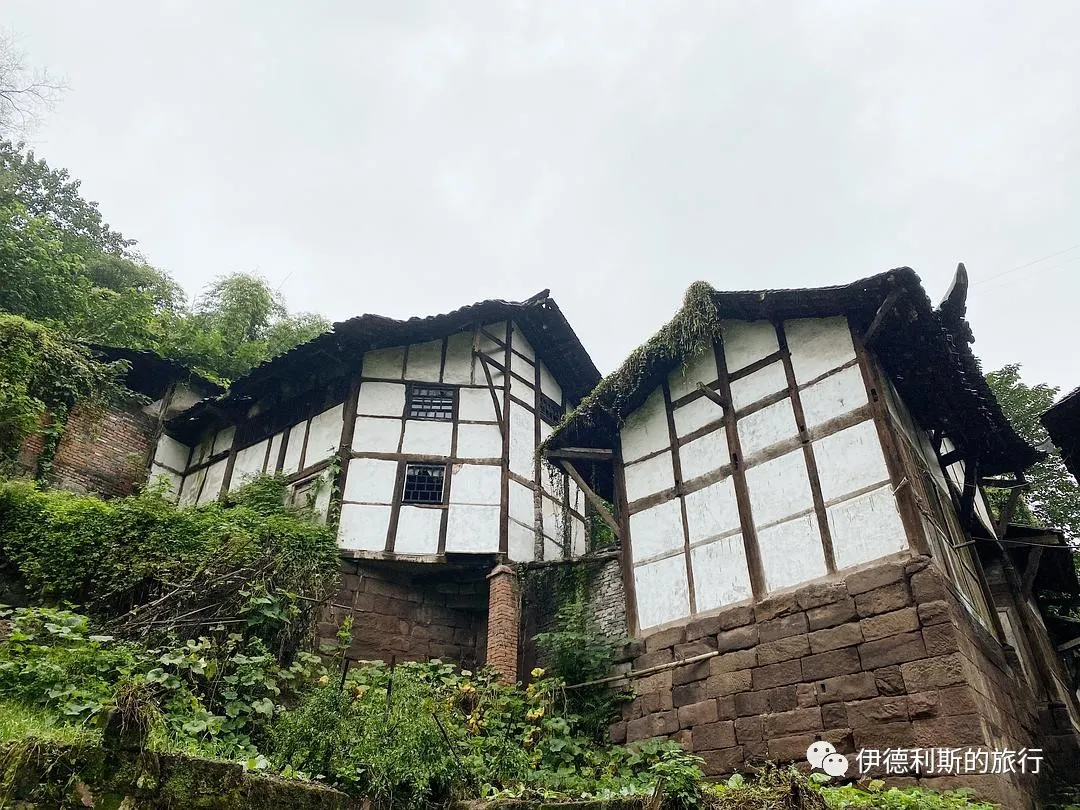
Guangyuan Shanghe Street Mosque: Located in a busy downtown area by the Jialing River, it was first built in 1721 and expanded in 1777. No historical buildings remain, but there are nine precious plaques from the Qing Dynasty and the Republican era. In the 1960s and 1970s, these nine plaques were covered with layers of paper and painted with red lacquer to display the "highest instructions" regarding ethnic unity, which is how they survived.
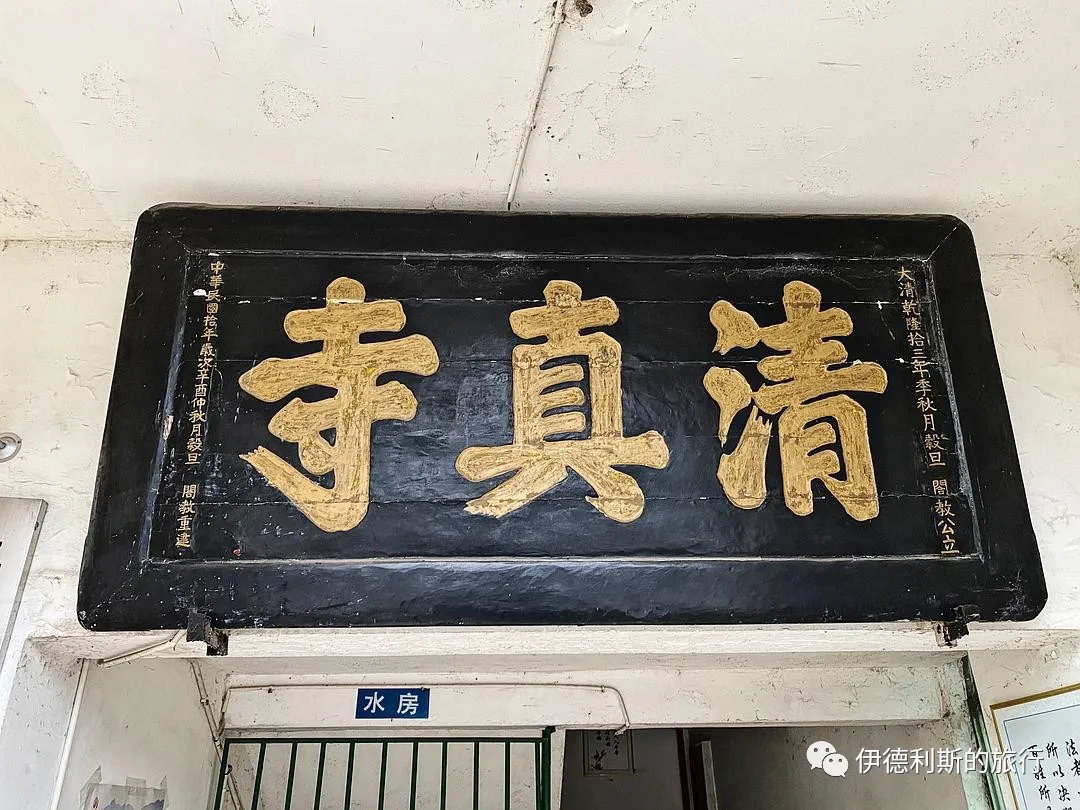
Three mosques in Shaanxi in October.
Ankang Shuhe Mosque: Built on a steep cliff behind the ancient town, it connects to the street below via a hundred-step staircase. It was first built during the Jiajing reign of the Ming Dynasty and expanded in 1915. It features a "cat-arched back" (mao gongbei) fire-blocking wall, which is very unique among traditional Chinese temples.
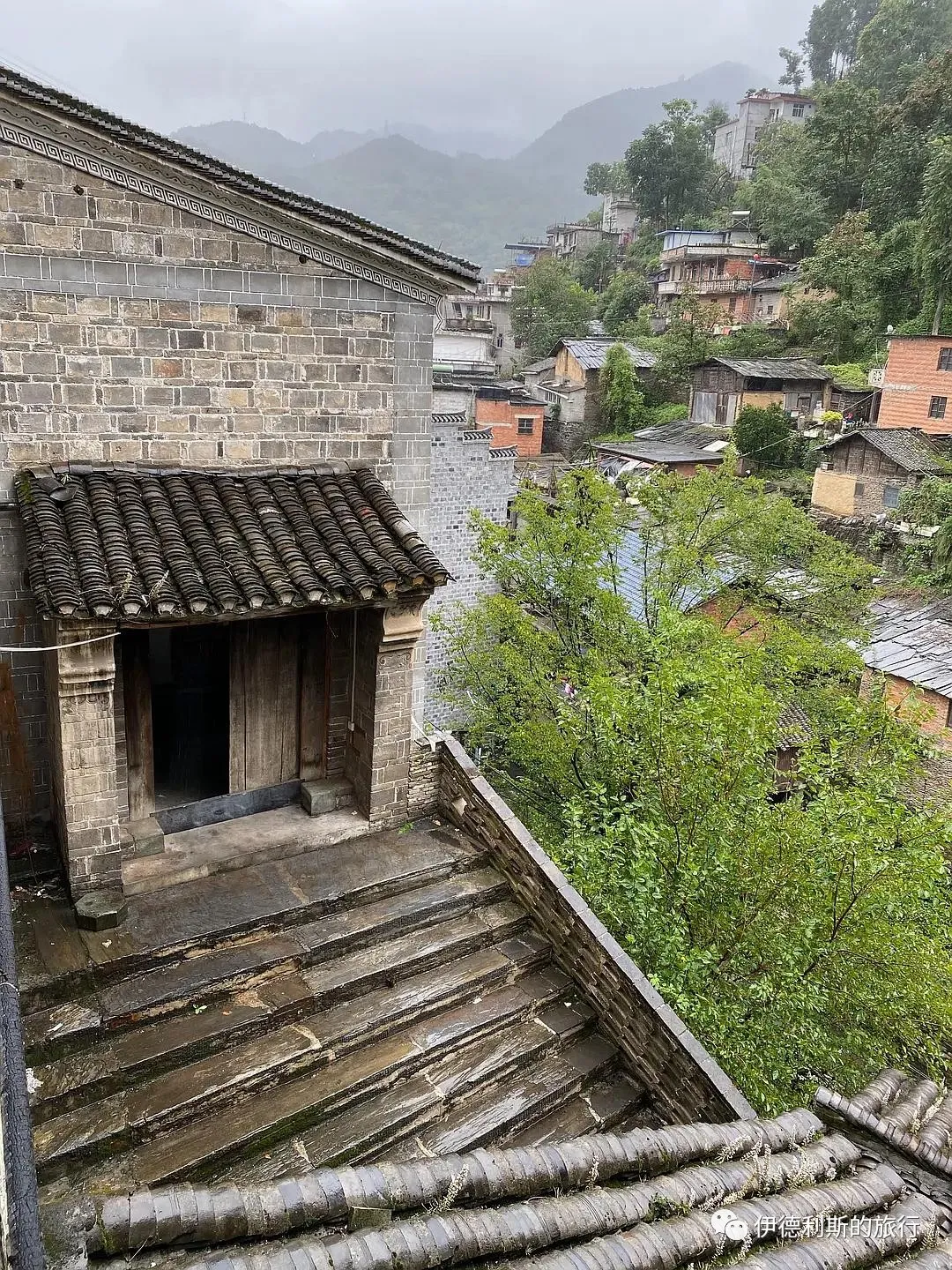
Hanzhong Xixiang South Mosque: First built in the Ming Dynasty, it was closed and occupied after the 1958 religious reforms, returned in 1986, and officially reopened in 2001. The main prayer hall was rebuilt in 1997, but the main gate and the south wing are still original. Outside the gate, there is a wooden archway for "Mosque Lane" (Qingzhensi Xiang) built during the Xianfeng reign.
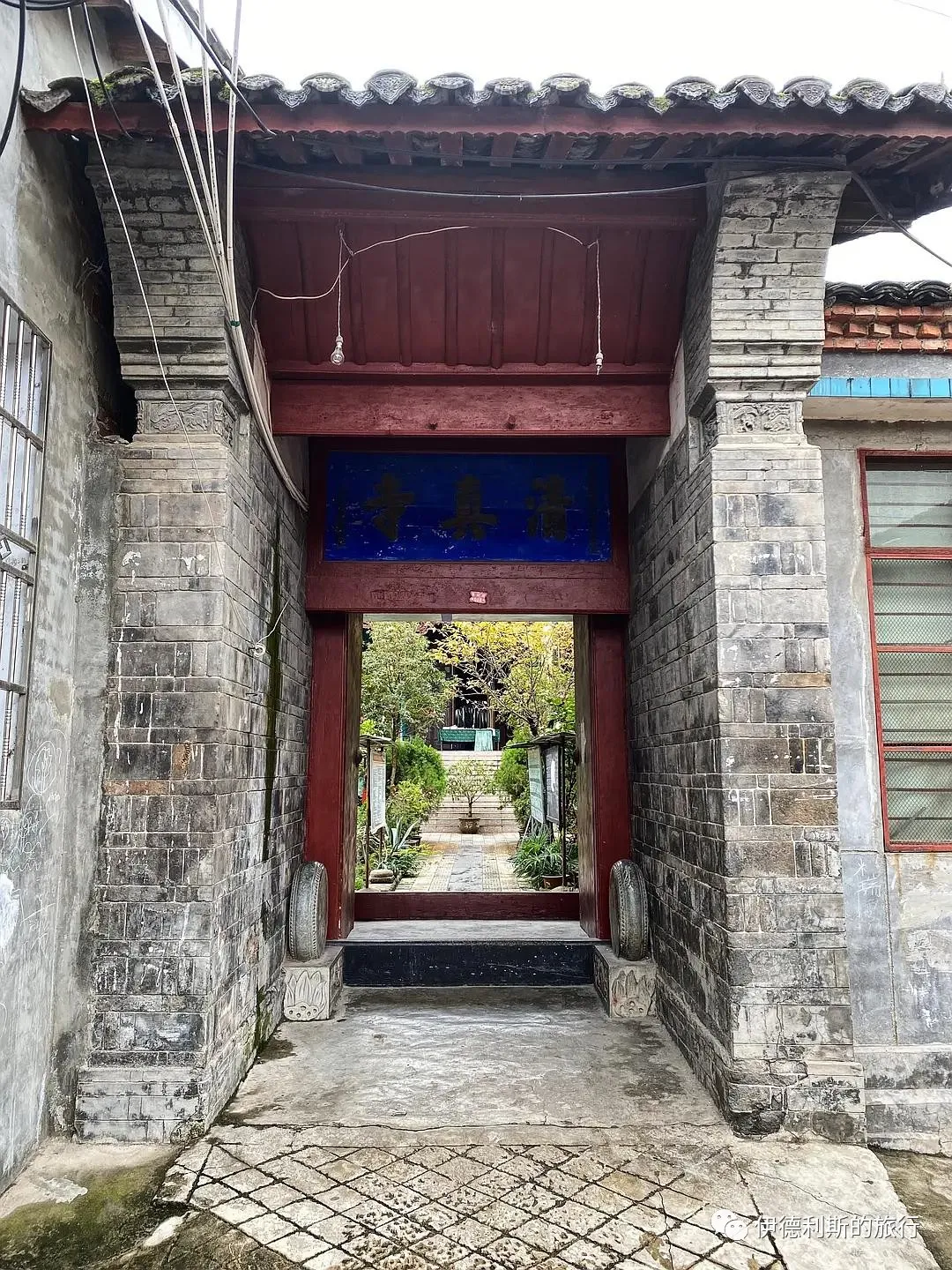
Hanzhong Xixiang North Mosque: Originally named Jingning Mosque, it was built in 1614 by Hui Muslims who moved to Xixiang from Jingning Prefecture (modern-day Pingliang, Gansu). The North Mosque was expanded in 1723, destroyed by war, rebuilt in 1816, renovated several times later, and the north wing was rebuilt in 2009.
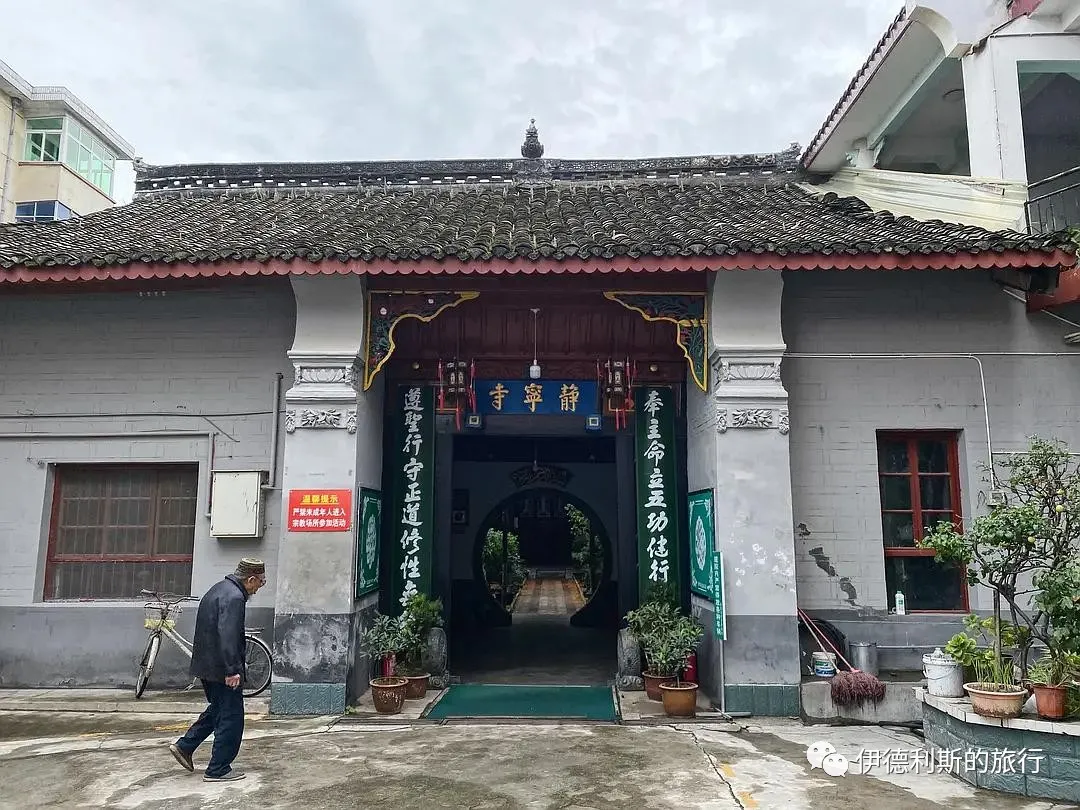
Halal Travel Guide: 2021 Mosque Visits — 47 Historic Mosques and Muslim Heritage
Articles • ali2007fr posted the article • 0 comments • 245 views • 2026-05-19 23:57
Summary: This 2021 travel record follows visits to 47 historic mosques and Muslim community sites. The English article keeps the source order, captions, images, names, and cultural details while presenting the journey as a readable long-form travel account.
2021 was a very difficult year for visiting mosques. By January, mosques in downtown Beijing were already closed. I attended Jumu'ah prayer once in Tongzhou, and then all the mosques in the city closed. In mid-March, my workplace lifted travel restrictions. I hurried to visit 6 mosques in Henan, 5 in Jiangsu, and 5 in Hebei before Ramadan began. During the May Day holiday, I visited 3 mosques in Turpan. After Eid al-Fitr, I kept moving quickly. In May, I visited 1 mosque in Hebei, 4 in Liaoning, 1 in Shanxi, and 1 in Tianjin. In June, I visited 8 in Qinghai and 2 in Inner Mongolia. In July, I visited 2 in Hebei before travel restrictions out of Beijing returned. During the National Day holiday, there were no new cases nationwide, so we went on a road trip to Yunnan and visited 8 mosques. After the holiday, new cases appeared, and I could not leave Beijing again.
So, in 2021, with less than half a year of actual freedom, I visited 47 mosques across 11 provinces and cities.
2022 was the most difficult year, as I could not leave Beijing at all. That year, I visited some former mosque ruins in Beijing and some mosques I had never been to before, totaling 25 mosques for the year. See "Visiting Twenty-Five Mosques in Beijing in 2022."
At the beginning of 2023, travel restrictions out of Beijing were lifted, and by May, international travel restrictions were also lifted. That year, I traveled extensively, visiting 124 mosques across 11 provinces, 6 countries, and three continents: Europe, Asia, and Africa. See "Visiting 124 Mosques in 2023."
In 2024, life gradually returned to normal, but due to job changes and spending time with my children, the number of mosques I visited decreased. That year, I went to 6 provinces and 3 countries, visiting 63 mosques. I visited Malaysia three times, seeing 24 mosques, which covers almost all the historic mosques in Malaysia. See "Visiting 63 Mosques in 2024."
One mosque in Beijing in January.
Tongzhou Grand Mosque: Tongzhou Mosque and Dongsi Mosque are the only two mosques in Beijing that use corbelled brickwork to build their kiln-style prayer hall domes. After the Qing Dynasty, all kiln-style domes were changed to wooden pavilion-style structures.
6 mosques in Henan in March
Zhengzhou North Mosque: Located on North Street in the old city of Zhengzhou, it is said to have been built in the Ming Dynasty. It has a typical Central Plains architectural style and is a Major Historical and Cultural Site Protected at the National Level. The main gate was built in 1725 (the third year of the Yongzheng reign). The moon-sighting tower (wangyuelou) also serves as a minaret (bangkelou). Its structure likely dates back to the Ming Dynasty, though the bracket sets (dougong) and eaves rafters were probably replaced during the Qing Dynasty. Records show it was renovated in 1887 (the 13th year of the Guangxu reign). The main prayer hall was renovated twice, in 1802 (the 7th year of the Jiaqing reign) and 1907 (the 33rd year of the Guangxu reign).
Bo'ai Xiguan Mosque: Originally built in the Yuan Dynasty, the main hall was expanded in 1405 (the 3rd year of the Ming Yongle reign). It is now a national cultural heritage site and is known as the 'First Mosque of Northern Henan'. The kiln hall (yaodian) was burned down by the Nian Army in 1863 (the 2nd year of the Tongzhi reign) and later rebuilt to its original appearance. In 1941, a rear hall was added behind the kiln hall, making the kiln hall the middle hall.
Qinyang North Mosque: It was moved to its current site in 1561 (the 40th year of the Ming Jiajing reign), destroyed by fire in 1628 (the 1st year of the Ming Chongzhen reign), and rebuilt in 1631. It is a national key cultural heritage site. The exterior of the kiln hall features a cross-ridge roof with over 70 glazed roof beasts. Under the eaves are glazed square beams (fang), brackets (gong), and hanging flower columns (chuihuazhu). The colorful design represents the highest standard for Qing Dynasty kiln hall roofs.
Bo'ai Erxian Mosque Mosque: Originally built in the Yuan Dynasty, it was renovated in 1638 (the 11th year of the Ming Chongzhen reign) and again in 1731 (the 9th year of the Qing Yongzheng reign). It is a Henan Province cultural heritage site.
Bo'ai Daxinzhuang East Mosque: Originally built in the Yuan Dynasty, it was expanded in the Ming Dynasty, and a rear hall was added during the Republic of China era. It is currently a Henan Province cultural heritage site.
Bo'ai Daxinzhuang West Mosque: Originally built during the Jiaqing reign, the main hall started with three bays. It was expanded to five bays in the late Qing Dynasty and to seven bays in the early Republic of China era. During this time, the elder Ma Anli funded the construction of a five-bay shed roof (juanpeng).
April: 5 mosques in Jiangsu.
Gaoyou Mosque: The original construction date is unknown. There is a cypress tree over 200 years old in the courtyard. In 1864 (the 3rd year of the Tongzhi reign), community elders Ma Guixing, Liu Xingtian, and Ma Hongxing rebuilt it. The current entrance has a stone carving that reads 'Rebuilt in the middle of winter, the 2nd year of the Qing Tongzhi reign'.
Gaoyou Lingtang Mosque: A mosque was built at 'Huihui Bay' by Gaoyou Lake in the late Yuan Dynasty, but it was later destroyed by floods. The mosque moved to Yangdazhuang in the mid-Ming Dynasty and to its current site in the early Qing Dynasty. It was rebuilt in 1844 (the 24th year of the Qing Daoguang reign), expanded again in 1921, and completed in 1924.
Yangzhou Xianhe Mosque: One of the four great ancient mosques in the southeast. It was founded in 1275 (the 12th year of the Yuan Zhiyuan reign) by the Western Regions sage Puhading before he passed away. It was rebuilt by Ha San in 1390 (the 23rd year of the Ming Hongwu reign), renovated by merchant Ma Zongdao and Imam Ha Ming in 1523 (the 3rd year of the Jiajing reign), and repaired again in 1791 (the 56th year of the Qianlong reign).
Yangzhou Puhading Tomb Mosque: Puhading is said to be the 16th-generation descendant of the Prophet Muhammad. He came to Yangzhou during the Song Xianchun period (1265-1274), passed away in 1275 (the 12th year of the Yuan Zhiyuan reign), and was buried on a high ridge east of the New City Dongguan River. It was later called the Huihui Hall (commonly known as Baba Kiln). The mosque is located inside the tomb garden.
Zhenjiang Shanxiang Mosque: The original construction date is unknown. It was expanded during the Kangxi reign, destroyed during the Taiping Rebellion in 1853 (the 3rd year of the Xianfeng reign), rebuilt in 1873 (the 12th year of the Tongzhi reign), and expanded in 1902 (the 28th year of the Guangxu reign).
April: 5 mosques in Hebei.
Zhangjiakou Xinhua Street Mosque: Originally named Shenggou Mosque, it was built in 1863 (the 2nd year of the Tongzhi reign). It was funded by over 80 Hui Muslim families from Ningxia who came to Zhangjiakou for camel trade, so it is also called the Camel Station Mosque (tuofangsi). They mainly used camels to transport furs, silk, tea, and other goods for merchants, traveling between Inner Mongolia, Shanxi, Gansu, Mongolia, and Russia.
Zhangjiakou Xiguan Mosque: Built during the Qing Yongzheng reign (1723-1735) with funds from Hui Muslim families named Xiao, Zheng, Song, and Wang, who had lived in the Xiabao area of Zhangjiakou since the Ming and Qing dynasties.
Zhangjiakou Xuanhua South Mosque: Originally built in 1403 (the 1st year of the Ming Yongle reign). In 1820 (the 25th year of the Qing Jiaqing reign), Muslims named Ding, Shan, and Yu decided to move it to Miaodi Street. At that time, the gate, plaques, and moon-sighting tower of the Ming Dynasty mosque were dismantled and moved to the new site. It was completed in 1854 (the 4th year of the Qing Xianfeng reign) and became the largest mosque in the Yanbei region.
Xuanhua North Mosque in Zhangjiakou: First built in 1722 (the 61st year of the Kangxi reign of the Qing Dynasty), with the side rooms and auxiliary halls rebuilt in 1860 and 1865. Its biggest feature is that the front porch (juanpeng), main hall, and rear kiln hall (yaodian) form a cross-shaped floor plan. The overall structure is shallow and wide, which is very different from the long and deep prayer halls common in the eastern regions, but is actually more common in Xinjiang. The kiln hall is also unique, as a square, multi-story tower-style roof was added on top of the front porch.
Xuanhua Central Mosque in Zhangjiakou: Located between the North Mosque and the South Mosque, it is the smallest in scale. It was first built in 1821 (the first year of the Daoguang reign of the Qing Dynasty) and was renovated in 2016.
3 mosques in Xinjiang in May
Turpan East Grand Mosque: Located inside the Hui Muslim city of Turpan, it is a mosque for Hui Muslims, first built in 1871 and renovated in 1911. Because the weather in Turpan is very hot, the mosque expanded the traditional front porch into an 'outer hall' for outdoor prayer during the summer. The outer hall has a ridged, hip-and-gable roof (xieshanding) with a beam-lifting wooden frame supported by 32 pillars. The mosque gate features authentic Shaanxi-style calligraphy brick carvings. Inside, there is a minaret similar to the Sugong Pagoda, though the top has collapsed. This type of minaret is extremely rare in Hui Muslim mosques.
Turpan West Grand Mosque: First built in 1859, it is the oldest among the Hui Muslim mosques in Turpan.
Turpan Sugong Pagoda Mosque: Also known as the 'Emin Pagoda Mosque,' it was built in 1778 by the Turpan Prince Emin Khoja and his son Suleiman. It is the tallest historical minaret building in Xinjiang. In 1772, Emin Khoja returned to his hometown of Turpan. In his later years, he spent 7,000 taels of silver and ordered his son Suleiman to build the mosque. Emin Khoja passed away in 1777 before it was finished. His son Suleiman then inherited the title of prince and completed the construction in 1778. Because a tall minaret was built inside the mosque, it is called the Sugong Pagoda Mosque.
1 mosque in Hebei in May
Chengde West Mosque: Built during the Daoguang reign, the prayer hall consists of a front porch hall, a middle hall, and a rear hall. The kiln pavilion (yaoting) is located on top of the middle hall and has a decorative finial (baoding) at the peak.
4 mosques in Liaoning in May
Lingyuan Mosque: Built during the Qianlong reign. According to the stone inscription in the mosque, a Hui Muslim doctor named Zhang Lichen and others cured the illness of a Mongol prince in the Harqin Left Banner, so the prince's mansion provided the funds for the land to build the Lingyuan Mosque.
Shenyang South Grand Mosque: First built in 1636 (the first year of the Chongde reign of the Qing Dynasty). The ancestors of the Tie family who founded it were Hui Muslim people (Huihui Semu) who came to the interior during the Mongol western expeditions. In 1662 (the first year of the Kangxi reign), Tie Kui expanded it into a grand mosque and invited the famous imam She Yuanshan from Beijing to set up a school. After Imam She's student, Tie Hongji, finished his studies, he became the leader. From then on, the imam of the South Mosque was passed down through the Tie family for 11 generations, with the last imam, Tie Zizhang, serving until 1956.
Shenyang East Mosque: First built in 1803 (the eighth year of the Jiaqing reign). In 1935, the prayer hall was rebuilt in a Western style, but the moon-watching tower (wangyuelou) retained its original Chinese style. The East Mosque was occupied in 1958, returned in 1980, and converted into the Shenyang Islamic Institute in 1988.
Kaiyuan Old City Mosque: Located inside the east gate of the old city, it was first built in 1406 (the fourth year of the Yongle reign of the Ming Dynasty) and is the oldest mosque in Northeast China. The current main hall follows the style after its 1680 (the 19th year of the Kangxi reign) reconstruction, consisting of a small front porch, a main hall, and a hexagonal pavilion-style kiln hall, similar in style to the Shenyang South Mosque.
One mosque in Shanxi in May.
Datong Mosque: First built in 1324 (the first year of the Taiding era of the Yuan Dynasty), it is one of only two recorded mosques built by imperial decree during the Yuan Dynasty. It was completely destroyed during the wars at the end of the Yuan Dynasty and was rebuilt within the Datong city walls during the Yongle era of the Ming Dynasty. The prayer hall was built in 1622 and renovated in 1692. The prayer hall consists of a porch (juanpeng), a front hall, a main hall, and a rear hall (yaodian), with exquisite Qing Dynasty paintings on the porch.
One mosque in Tianjin in May.
Wuqing Yangcun North Mosque: Yangcun is located by the Grand Canal. In the early Ming Dynasty, Hui Muslim soldiers from the south brought by the Prince of Yan, along with Hui Muslim merchants and boatmen who moved from Cangzhou, settled here. The Great Mosque was officially built in 1620 (the 48th year of the Wanli era). The rear hall was destroyed by lightning in 1935 and rebuilt in 1937. It is now a cultural relic protection unit of Wuqing District and a historical building of Tianjin.
Eight mosques in Qinghai in June.
Xunhua Qingshui Hedong Mosque: This is the main mosque (haiyisi) of the Qingshui Gong of the Salar Eight Gong. It was first built in 1425 and has been renovated many times over the generations.
Xunhua Mengda Mosque: First built in 1408 (the sixth year of the Ming Yongle era) and expanded three times during the Qing Dynasty, it is the main mosque of the Mengda Gong, one of the Salar Eight Gong.
8
Xunhua Tashapo Mosque: Built in 1480 (the 16th year of the Ming Chenghua era) and renovated in 1755 (the 20th year of the Qing Qianlong era).
Xunhua Labian Mosque: First built during the Qianlong era. The main hall was rebuilt in 2015, and only the minaret (xuanlilou) and the two side gate towers remain of the ancient structure.
Xunhua Zhangga Mosque: First built in 1406 (the fourth year of the Ming Yongle era) and rebuilt during the Qing Dynasty.
Xunhua Kewa Mosque: First built in 1403 (the first year of the Ming Yongle era) and expanded during the Qing Dynasty. It is the main mosque (Jumu Mosque) of the Naiman Gong of the Salar Eight Gong.
Xunhua Suzhi Mosque: First built in 1460 (the fourth year of the Ming Tianshun era) and expanded during the Qing Dynasty.
Hualong Ahetan Mosque: Although located in Hualong County north of the Yellow River, it is still a Salar mosque and belongs to the Suzhi Gong of the Salar Eight Gong, just like the Suzhi Mosque.
Two mosques in Inner Mongolia in June.
Hohhot Great Mosque: First built in the late Ming and early Qing dynasties, it was expanded in 1789 (the 54th year of the Qianlong era) and again in 1923.
Ulanqab Fengzhen Longshengzhuang Mosque: First built in 1751 (the 16th year of the Qing Qianlong era). Initially, it only had three main halls. Later, as more Hui Muslims came here to do business, 13 main halls, a front gate, a second gate, side rooms, and a screen wall were added in 1831 (the 11th year of the Daoguang era), forming a three-courtyard layout.
Two mosques in Hebei in July.
Chengde Pingquan Nanjie Mosque: Hui Muslims in Pingquan gathered near Bagou South Street. The Nanjie Mosque was first built in 1647 (the fourth year of the Qing Shunzhi era) and initially only had three thatched rooms. As the number of Hui Muslims in Pingquan increased during the Qianlong era, the imam of the Pingquan Mosque, Zhang Hongye, and his son Zhang Jin went to Beijing in 1742 (the seventh year of the Qianlong era). They made a model out of straw based on the mosque outside the Qihua Gate, brought it back to Pingquan, and hired craftsmen to build the mosque.
Shanhaiguan Mosque in Qinhuangdao: Located outside the west gate of Shanhaiguan, it was built in 1381 (the 14th year of the Hongwu reign) by Hui Muslim officers and soldiers brought by Xu Da. Because of this, the Hui Muslims in Shanhaiguan have a saying: 'The mosque came first, then Shanhaiguan.'
8 mosques in Yunnan in October
Liren Mosque in Haikou, Kunming: First built in 1645 (the second year of the Shunzhi reign of the Qing Dynasty), it was destroyed in 1856 (the sixth year of the Xianfeng reign) and rebuilt in 1872 (the second year of the Tongzhi reign). In 1896 (the 22nd year of the Guangxu reign), a local woman known as 'Lady Yang the Third' led a fundraising effort to expand it. It was named a Kunming cultural heritage site in 2020.
Daying Mosque in Yuxi: The main gate was rebuilt in 1914, featuring beautiful decorative bracket sets (dougong), carved beams, painted pillars, and upturned eaves. The main prayer hall was expanded many times. The front hall was built in 1605 (the 33rd year of the Wanli reign of the Ming Dynasty) and finished in 1617 (the 46th year of the Wanli reign). The middle hall was expanded during the Guangxu reign of the Qing Dynasty, and the back hall was added in 1985. It can hold 2,000 people in total.
Dabaiyi Mosque in Eshan, Yuxi: It was rebuilt several times during the Kangxi, Qianlong, and Tongzhi reigns. It was destroyed by an earthquake in 1913, the main hall was rebuilt in 1915, and the minaret (jiaobailou) was rebuilt in 1935.
Dahui Village Mosque in Tonghai, Yuxi: First built during the Ming Dynasty, it was rebuilt in 1829 and expanded in 1946 under the leadership of the Ma family from Tonghai. Dahui Village is a famous village for the Jahriyya Sufi order (menhuan) in Yunnan.
Xinzhai Mosque in Najiaying: Built by Ma Xuecheng, a student of Ma Mingxin, the founder of the Jahriyya order. In 1781, Ma Mingxin's eldest son, Ma Shunqing, was exiled to Talang, Yunnan. Ma Xuecheng did everything he could to rescue and assist Ma Shunqing, which allowed the Jahriyya order to continue growing in Yunnan.
Guanyi Mosque in Qujiang: The Awakening Dream Pavilion (Xingmenglou) was first built in 1687 (the 26th year of the Kangxi reign). It was originally called the Awakening Heart Pavilion (Xinxinlou), but after being rebuilt in 1752 (the 17th year of the Qianlong reign), it was renamed the minaret (jiaobailou).
Jianshui Ancient City Mosque: First built during the Huangqing reign of the Yuan Dynasty, it is the oldest mosque in southern Yunnan. The current main hall was rebuilt in 1730 (the eighth year of the Yongzheng reign). The beam structure of the east hall is simple and sturdy, and it is believed to be original wood from the Yuan Dynasty.
Dazhuang Mosque in Kaiyuan: It was moved to a new site and rebuilt in 1812, then expanded during the Daoguang reign (1821-1850). It is known as the 'greatest mosque under heaven'. view all
Summary: This 2021 travel record follows visits to 47 historic mosques and Muslim community sites. The English article keeps the source order, captions, images, names, and cultural details while presenting the journey as a readable long-form travel account.
2021 was a very difficult year for visiting mosques. By January, mosques in downtown Beijing were already closed. I attended Jumu'ah prayer once in Tongzhou, and then all the mosques in the city closed. In mid-March, my workplace lifted travel restrictions. I hurried to visit 6 mosques in Henan, 5 in Jiangsu, and 5 in Hebei before Ramadan began. During the May Day holiday, I visited 3 mosques in Turpan. After Eid al-Fitr, I kept moving quickly. In May, I visited 1 mosque in Hebei, 4 in Liaoning, 1 in Shanxi, and 1 in Tianjin. In June, I visited 8 in Qinghai and 2 in Inner Mongolia. In July, I visited 2 in Hebei before travel restrictions out of Beijing returned. During the National Day holiday, there were no new cases nationwide, so we went on a road trip to Yunnan and visited 8 mosques. After the holiday, new cases appeared, and I could not leave Beijing again.
So, in 2021, with less than half a year of actual freedom, I visited 47 mosques across 11 provinces and cities.
2022 was the most difficult year, as I could not leave Beijing at all. That year, I visited some former mosque ruins in Beijing and some mosques I had never been to before, totaling 25 mosques for the year. See "Visiting Twenty-Five Mosques in Beijing in 2022."
At the beginning of 2023, travel restrictions out of Beijing were lifted, and by May, international travel restrictions were also lifted. That year, I traveled extensively, visiting 124 mosques across 11 provinces, 6 countries, and three continents: Europe, Asia, and Africa. See "Visiting 124 Mosques in 2023."
In 2024, life gradually returned to normal, but due to job changes and spending time with my children, the number of mosques I visited decreased. That year, I went to 6 provinces and 3 countries, visiting 63 mosques. I visited Malaysia three times, seeing 24 mosques, which covers almost all the historic mosques in Malaysia. See "Visiting 63 Mosques in 2024."
One mosque in Beijing in January.
Tongzhou Grand Mosque: Tongzhou Mosque and Dongsi Mosque are the only two mosques in Beijing that use corbelled brickwork to build their kiln-style prayer hall domes. After the Qing Dynasty, all kiln-style domes were changed to wooden pavilion-style structures.
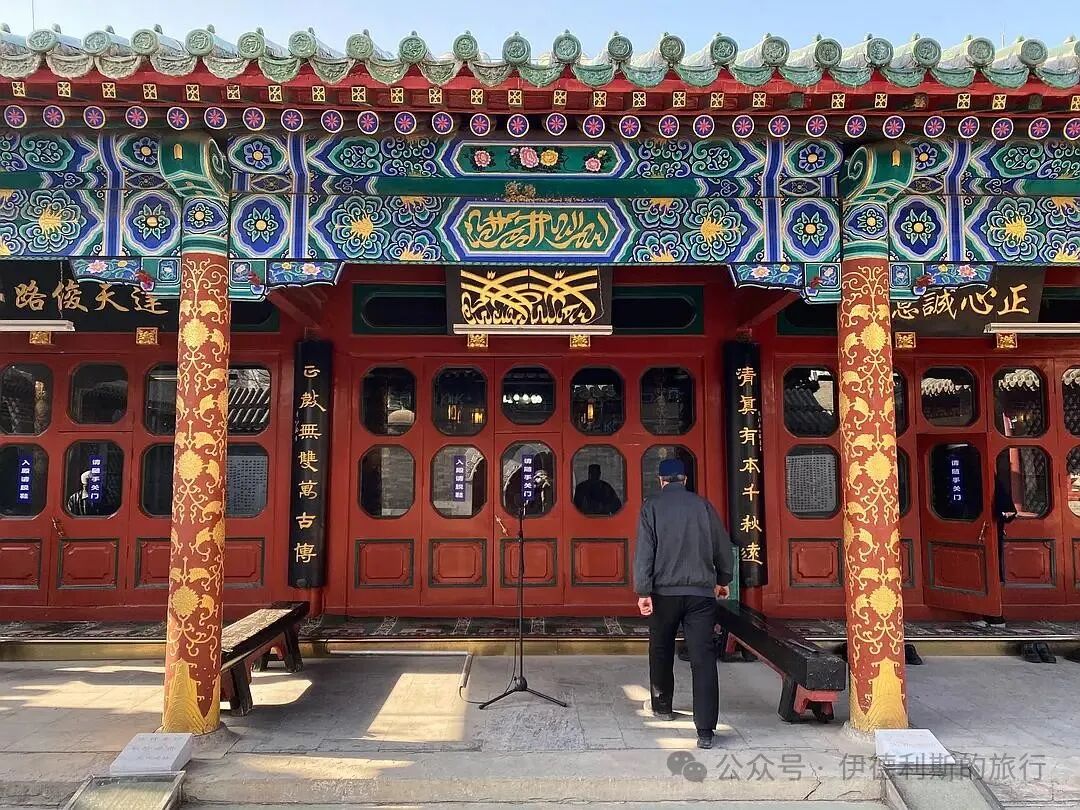
6 mosques in Henan in March
Zhengzhou North Mosque: Located on North Street in the old city of Zhengzhou, it is said to have been built in the Ming Dynasty. It has a typical Central Plains architectural style and is a Major Historical and Cultural Site Protected at the National Level. The main gate was built in 1725 (the third year of the Yongzheng reign). The moon-sighting tower (wangyuelou) also serves as a minaret (bangkelou). Its structure likely dates back to the Ming Dynasty, though the bracket sets (dougong) and eaves rafters were probably replaced during the Qing Dynasty. Records show it was renovated in 1887 (the 13th year of the Guangxu reign). The main prayer hall was renovated twice, in 1802 (the 7th year of the Jiaqing reign) and 1907 (the 33rd year of the Guangxu reign).
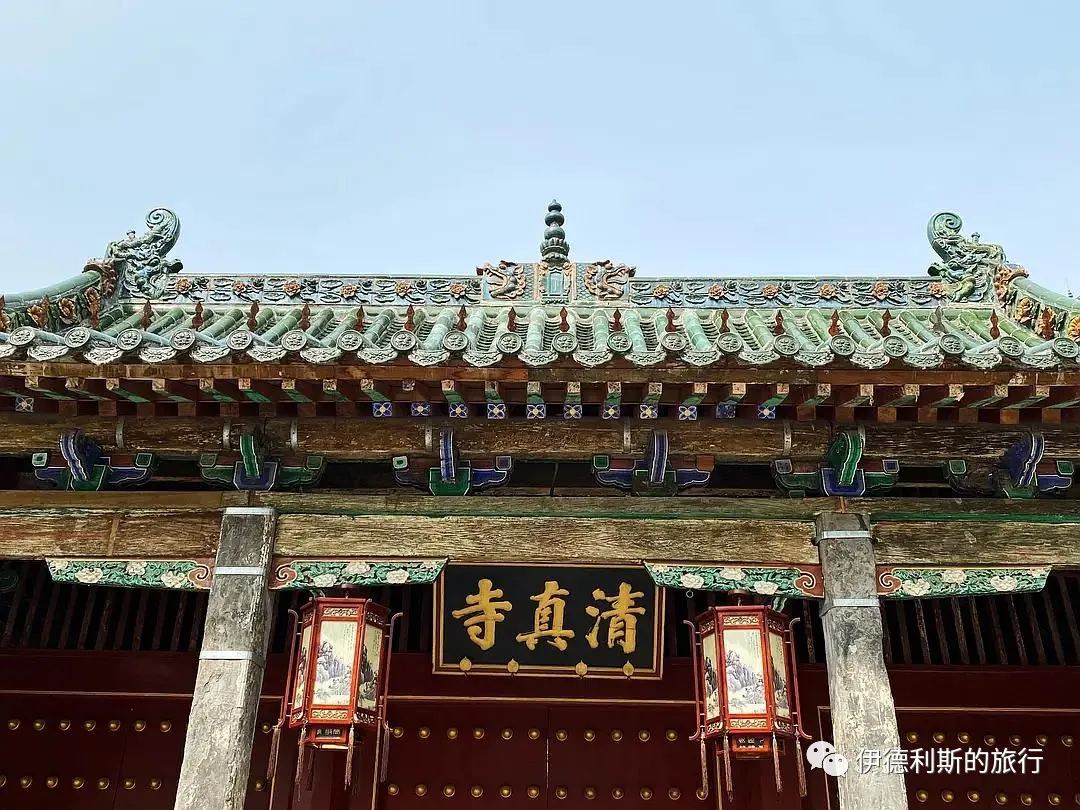
Bo'ai Xiguan Mosque: Originally built in the Yuan Dynasty, the main hall was expanded in 1405 (the 3rd year of the Ming Yongle reign). It is now a national cultural heritage site and is known as the 'First Mosque of Northern Henan'. The kiln hall (yaodian) was burned down by the Nian Army in 1863 (the 2nd year of the Tongzhi reign) and later rebuilt to its original appearance. In 1941, a rear hall was added behind the kiln hall, making the kiln hall the middle hall.
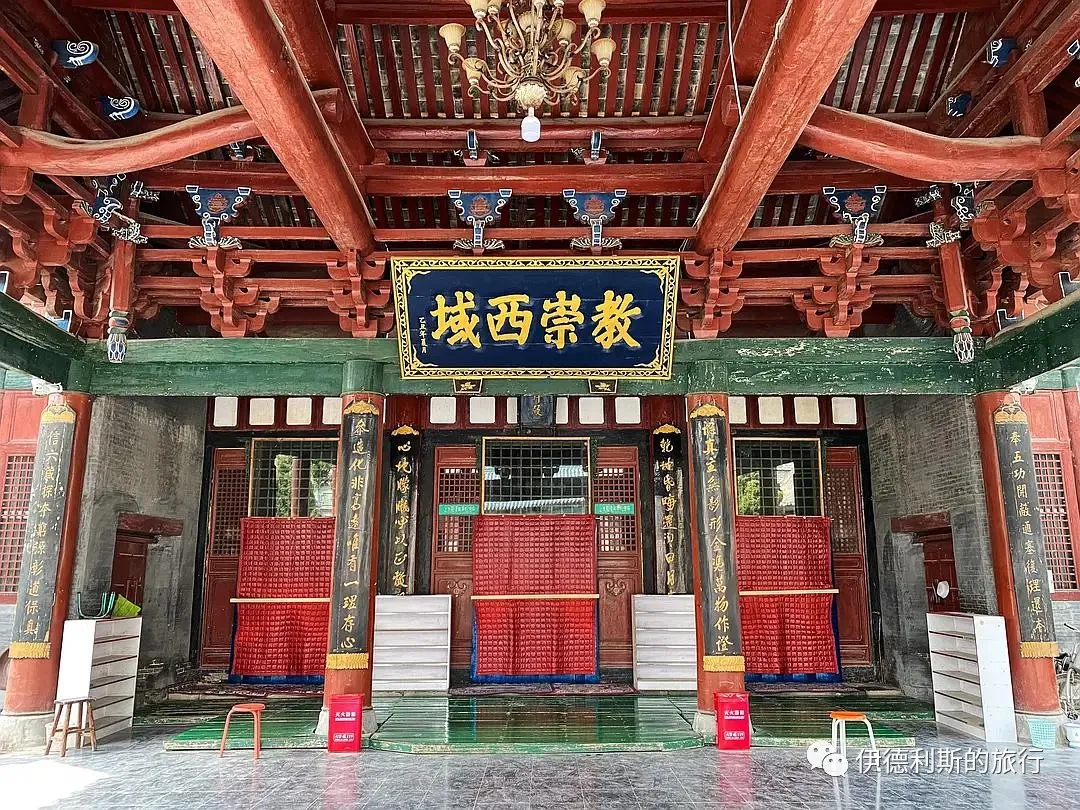
Qinyang North Mosque: It was moved to its current site in 1561 (the 40th year of the Ming Jiajing reign), destroyed by fire in 1628 (the 1st year of the Ming Chongzhen reign), and rebuilt in 1631. It is a national key cultural heritage site. The exterior of the kiln hall features a cross-ridge roof with over 70 glazed roof beasts. Under the eaves are glazed square beams (fang), brackets (gong), and hanging flower columns (chuihuazhu). The colorful design represents the highest standard for Qing Dynasty kiln hall roofs.
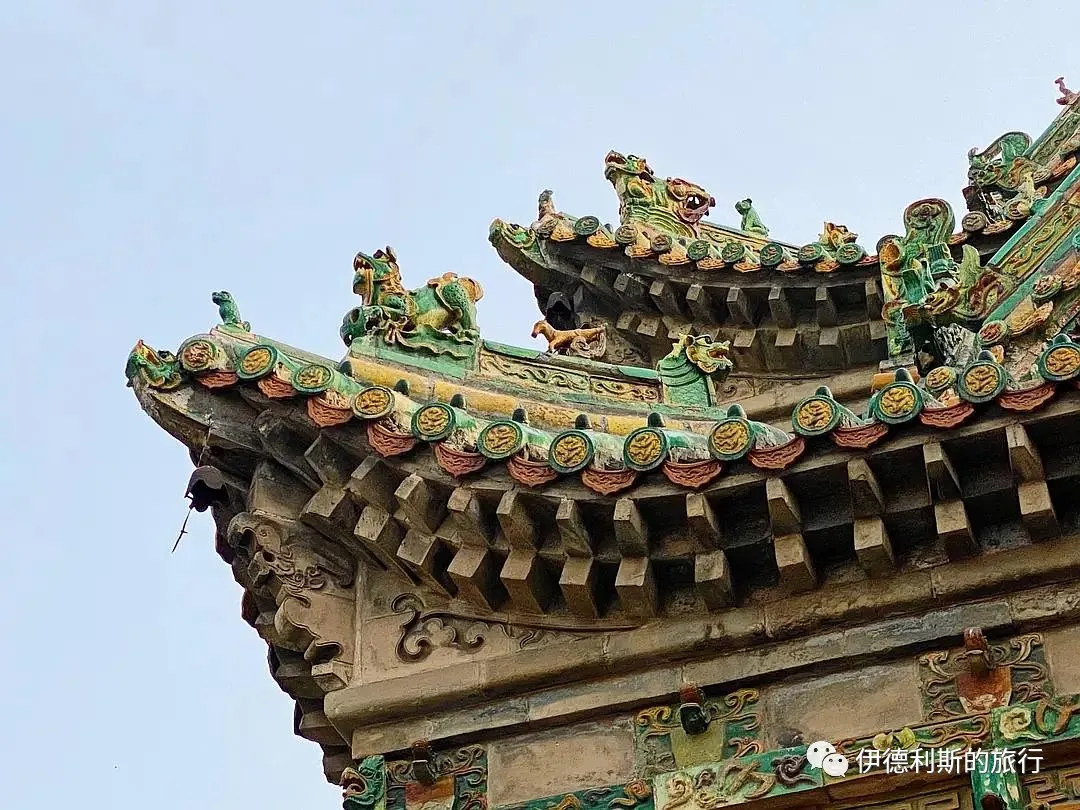
Bo'ai Erxian Mosque Mosque: Originally built in the Yuan Dynasty, it was renovated in 1638 (the 11th year of the Ming Chongzhen reign) and again in 1731 (the 9th year of the Qing Yongzheng reign). It is a Henan Province cultural heritage site.
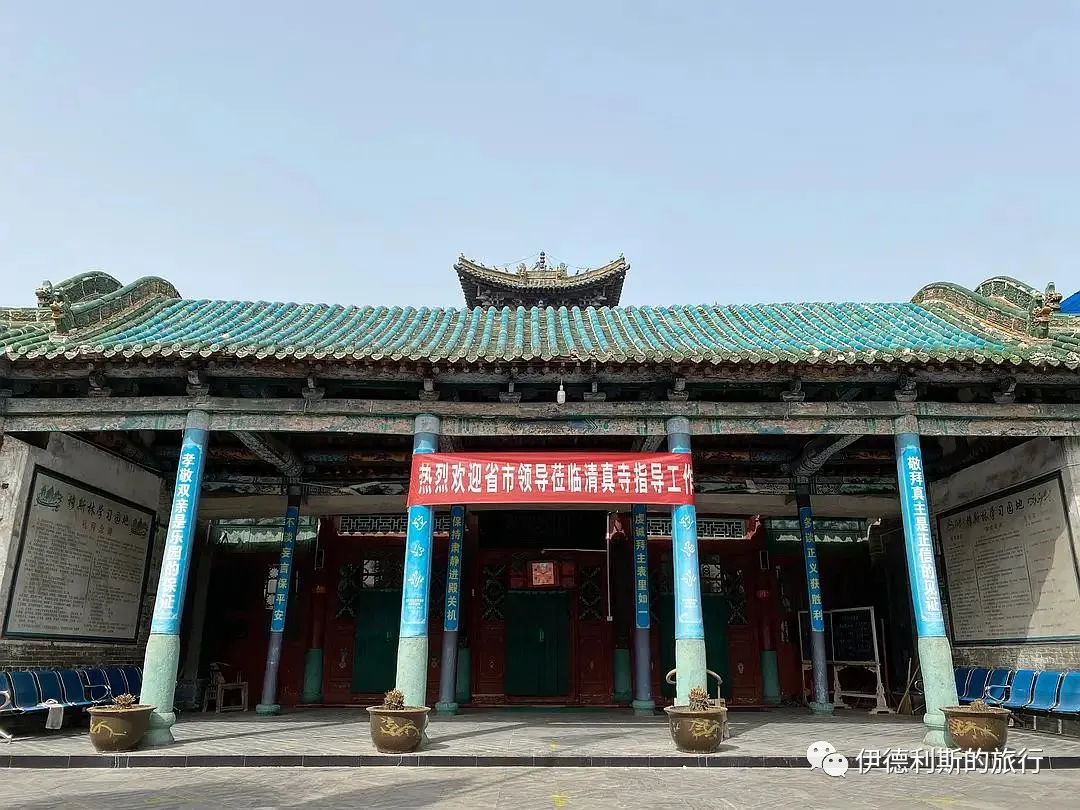
Bo'ai Daxinzhuang East Mosque: Originally built in the Yuan Dynasty, it was expanded in the Ming Dynasty, and a rear hall was added during the Republic of China era. It is currently a Henan Province cultural heritage site.
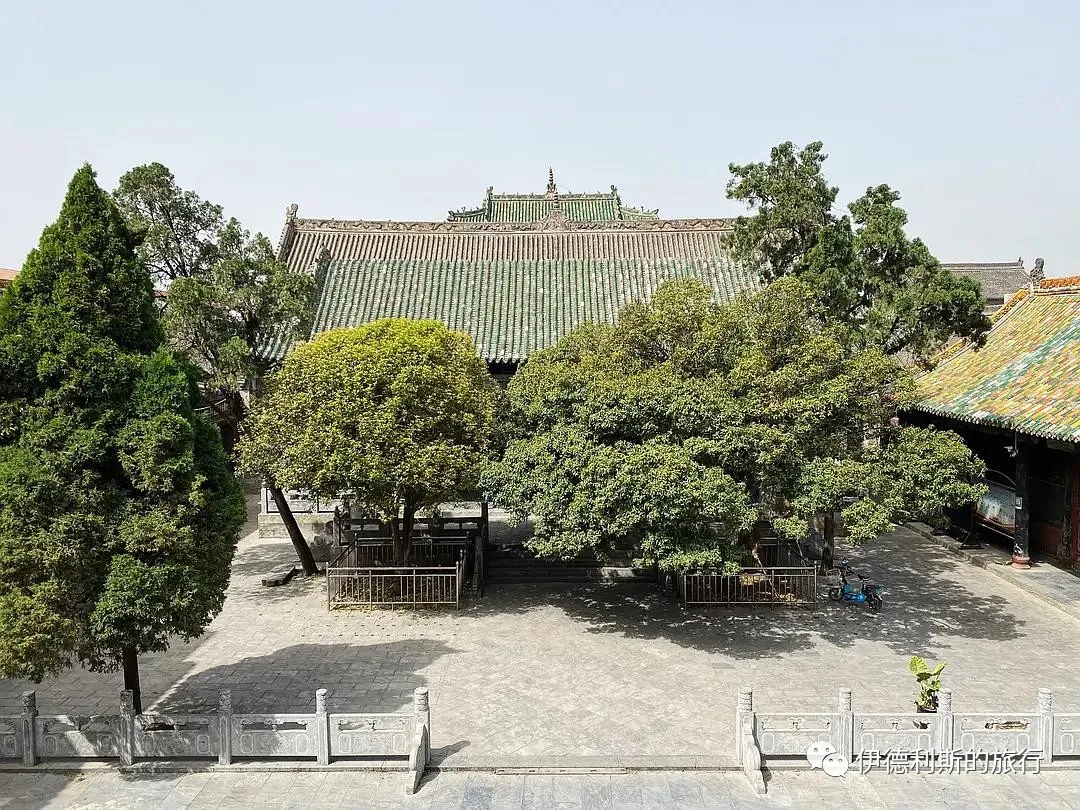
Bo'ai Daxinzhuang West Mosque: Originally built during the Jiaqing reign, the main hall started with three bays. It was expanded to five bays in the late Qing Dynasty and to seven bays in the early Republic of China era. During this time, the elder Ma Anli funded the construction of a five-bay shed roof (juanpeng).
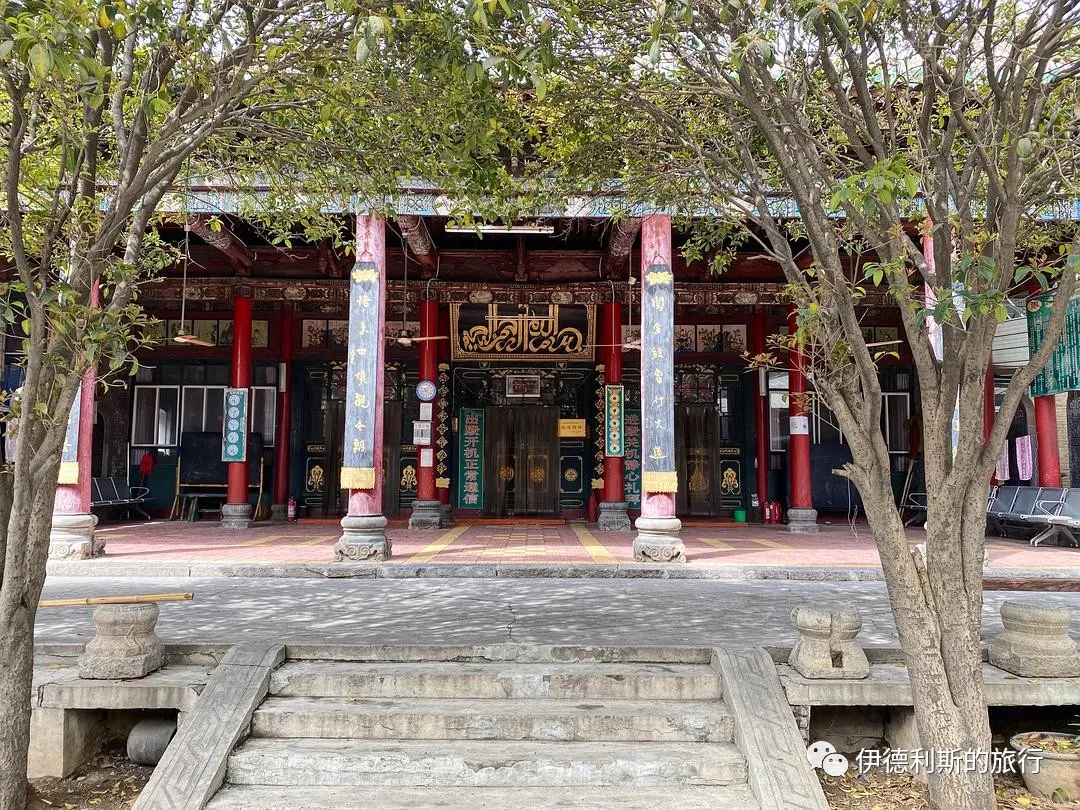
April: 5 mosques in Jiangsu.
Gaoyou Mosque: The original construction date is unknown. There is a cypress tree over 200 years old in the courtyard. In 1864 (the 3rd year of the Tongzhi reign), community elders Ma Guixing, Liu Xingtian, and Ma Hongxing rebuilt it. The current entrance has a stone carving that reads 'Rebuilt in the middle of winter, the 2nd year of the Qing Tongzhi reign'.
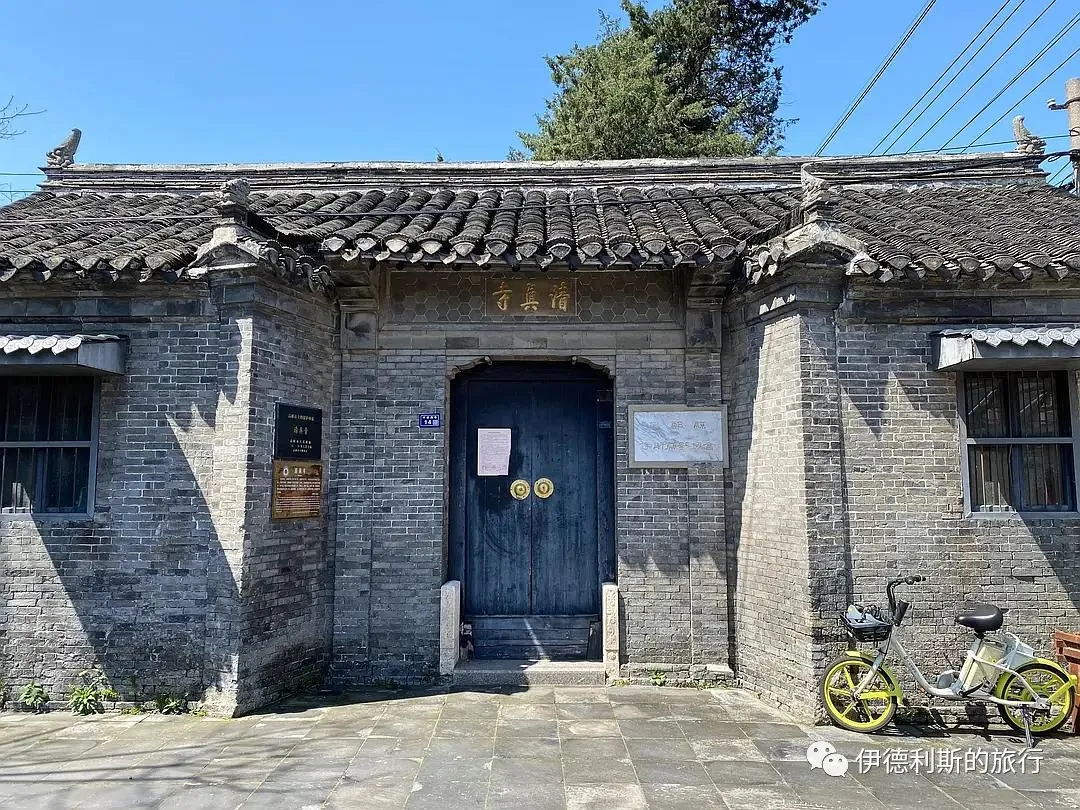
Gaoyou Lingtang Mosque: A mosque was built at 'Huihui Bay' by Gaoyou Lake in the late Yuan Dynasty, but it was later destroyed by floods. The mosque moved to Yangdazhuang in the mid-Ming Dynasty and to its current site in the early Qing Dynasty. It was rebuilt in 1844 (the 24th year of the Qing Daoguang reign), expanded again in 1921, and completed in 1924.
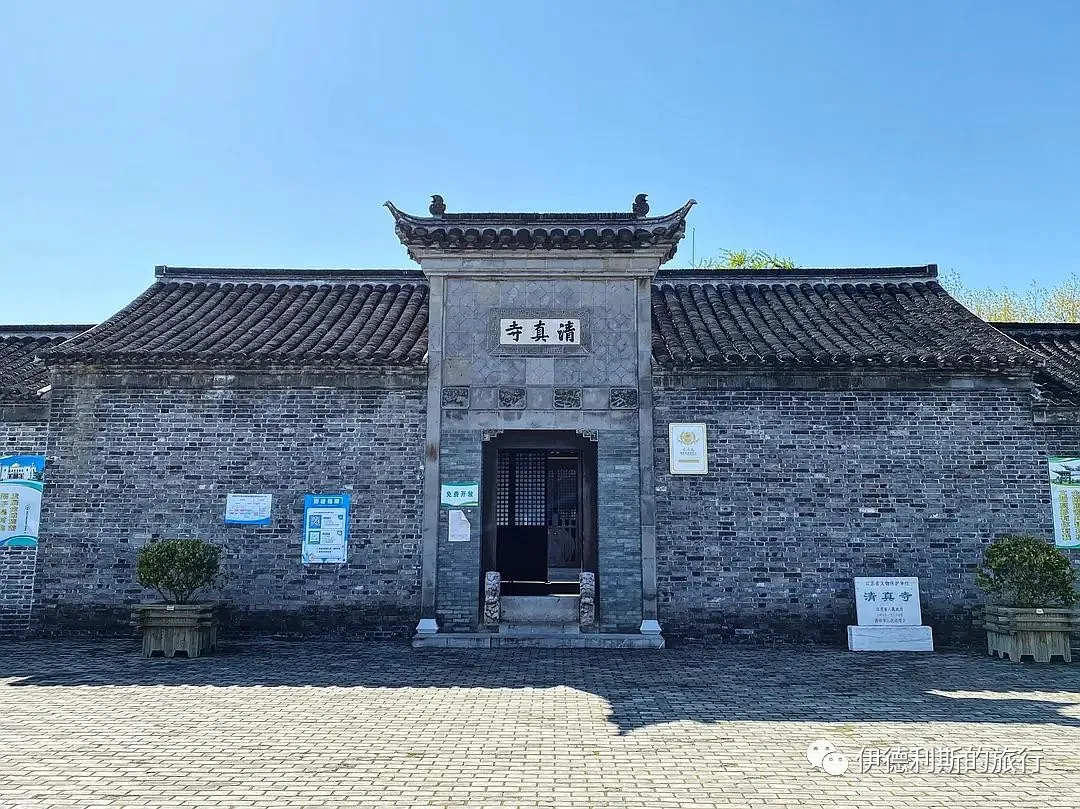
Yangzhou Xianhe Mosque: One of the four great ancient mosques in the southeast. It was founded in 1275 (the 12th year of the Yuan Zhiyuan reign) by the Western Regions sage Puhading before he passed away. It was rebuilt by Ha San in 1390 (the 23rd year of the Ming Hongwu reign), renovated by merchant Ma Zongdao and Imam Ha Ming in 1523 (the 3rd year of the Jiajing reign), and repaired again in 1791 (the 56th year of the Qianlong reign).
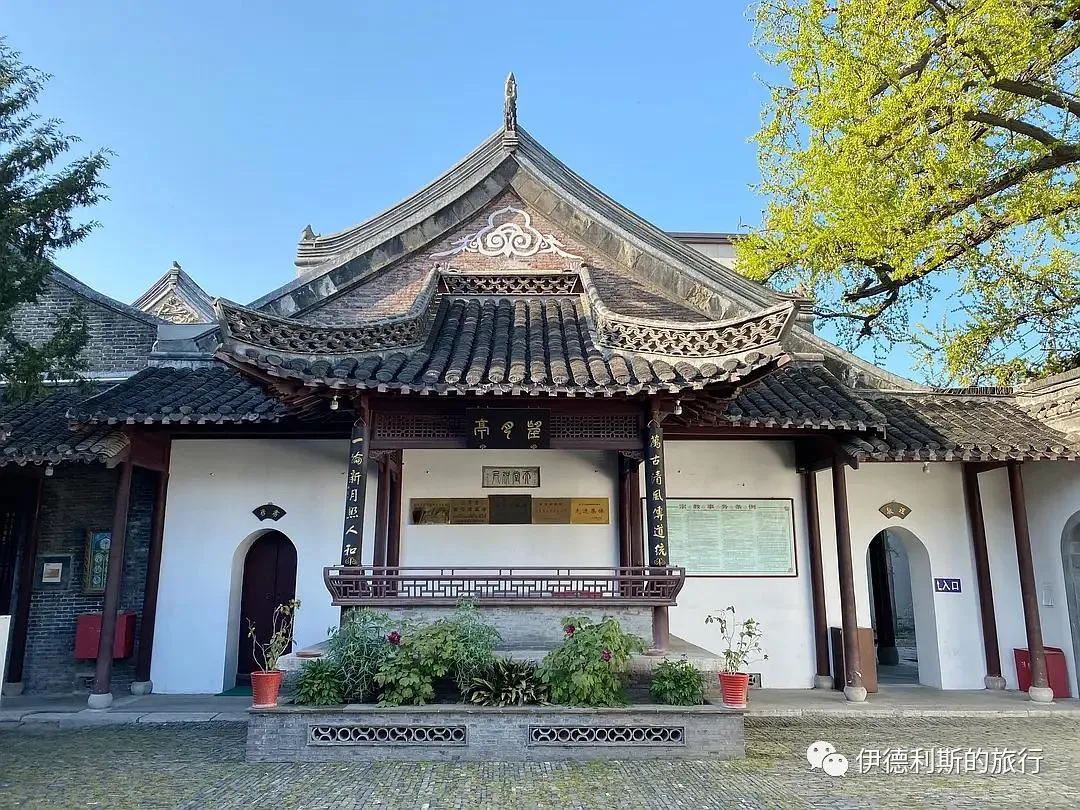
Yangzhou Puhading Tomb Mosque: Puhading is said to be the 16th-generation descendant of the Prophet Muhammad. He came to Yangzhou during the Song Xianchun period (1265-1274), passed away in 1275 (the 12th year of the Yuan Zhiyuan reign), and was buried on a high ridge east of the New City Dongguan River. It was later called the Huihui Hall (commonly known as Baba Kiln). The mosque is located inside the tomb garden.
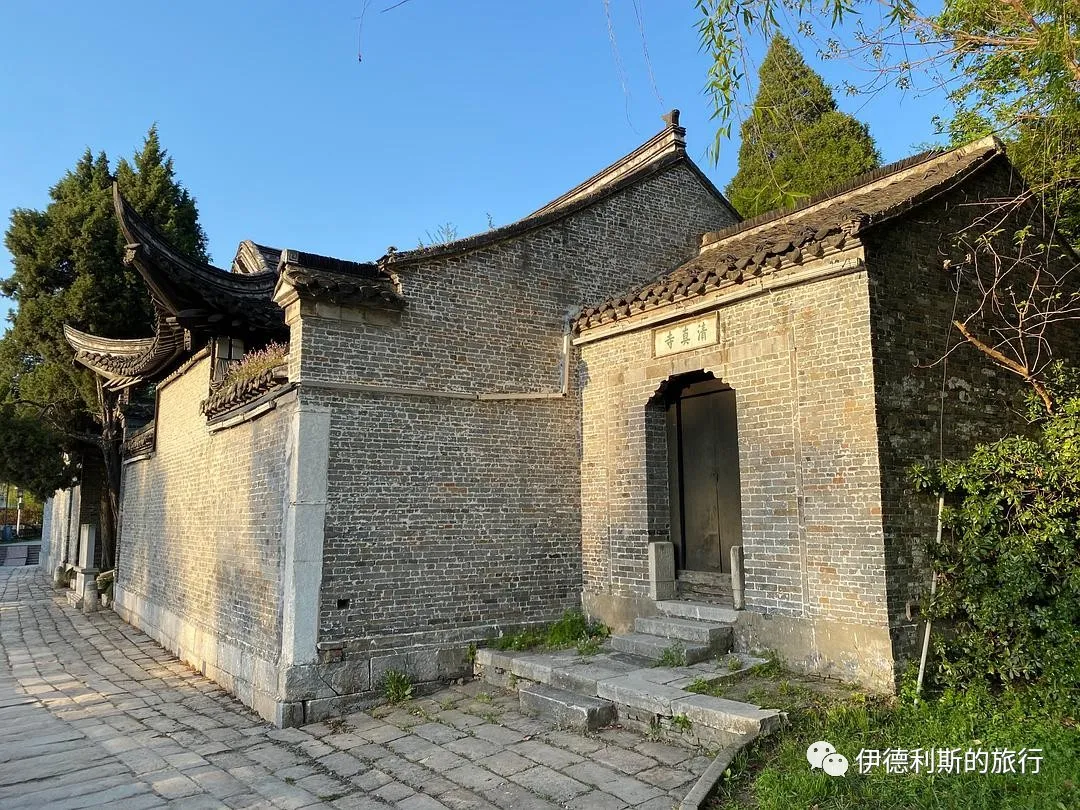
Zhenjiang Shanxiang Mosque: The original construction date is unknown. It was expanded during the Kangxi reign, destroyed during the Taiping Rebellion in 1853 (the 3rd year of the Xianfeng reign), rebuilt in 1873 (the 12th year of the Tongzhi reign), and expanded in 1902 (the 28th year of the Guangxu reign).
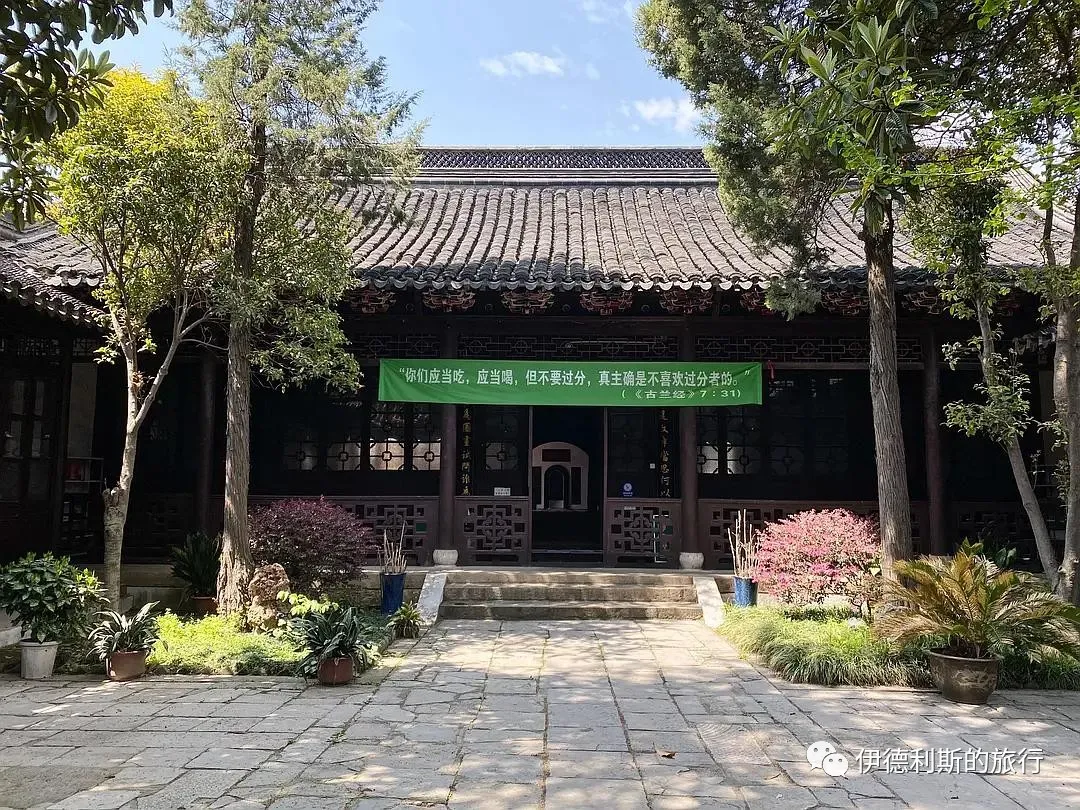
April: 5 mosques in Hebei.
Zhangjiakou Xinhua Street Mosque: Originally named Shenggou Mosque, it was built in 1863 (the 2nd year of the Tongzhi reign). It was funded by over 80 Hui Muslim families from Ningxia who came to Zhangjiakou for camel trade, so it is also called the Camel Station Mosque (tuofangsi). They mainly used camels to transport furs, silk, tea, and other goods for merchants, traveling between Inner Mongolia, Shanxi, Gansu, Mongolia, and Russia.
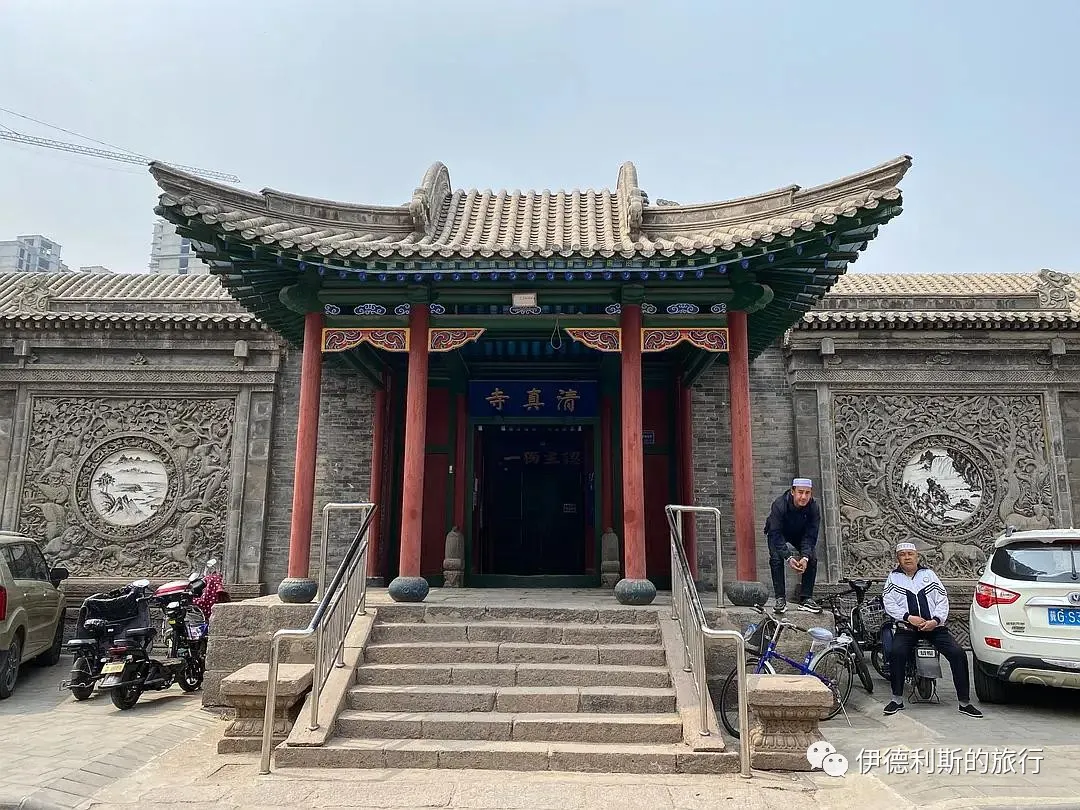
Zhangjiakou Xiguan Mosque: Built during the Qing Yongzheng reign (1723-1735) with funds from Hui Muslim families named Xiao, Zheng, Song, and Wang, who had lived in the Xiabao area of Zhangjiakou since the Ming and Qing dynasties.
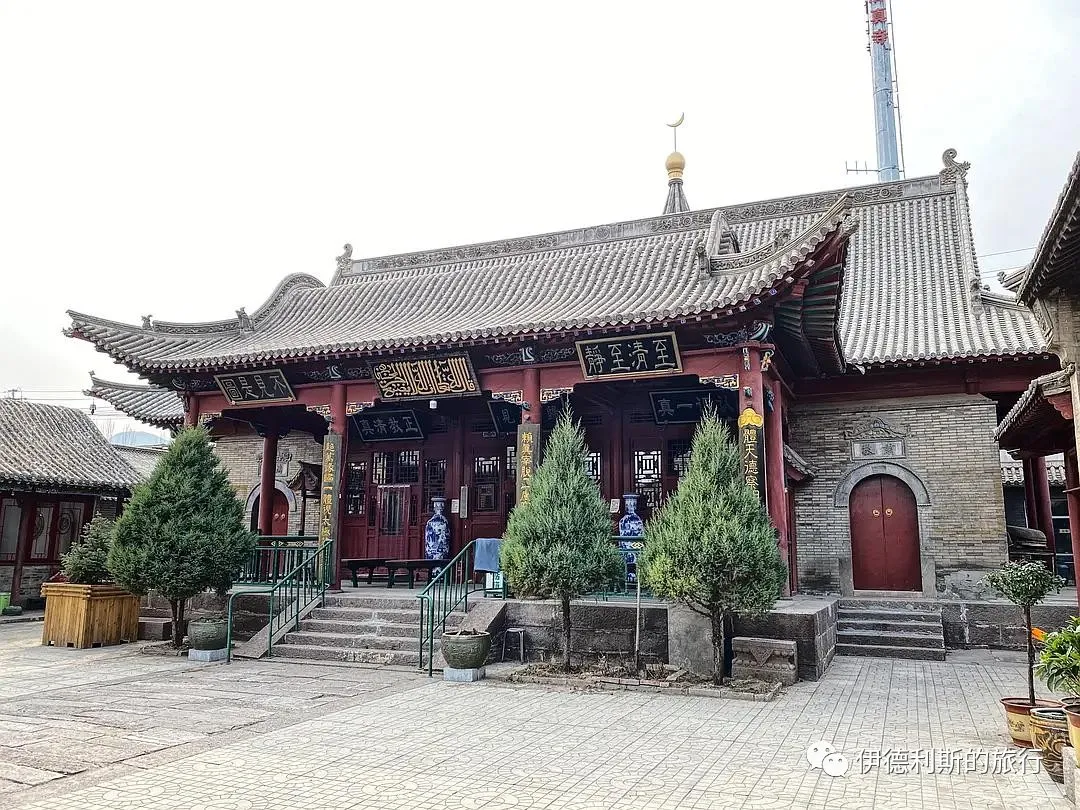
Zhangjiakou Xuanhua South Mosque: Originally built in 1403 (the 1st year of the Ming Yongle reign). In 1820 (the 25th year of the Qing Jiaqing reign), Muslims named Ding, Shan, and Yu decided to move it to Miaodi Street. At that time, the gate, plaques, and moon-sighting tower of the Ming Dynasty mosque were dismantled and moved to the new site. It was completed in 1854 (the 4th year of the Qing Xianfeng reign) and became the largest mosque in the Yanbei region.
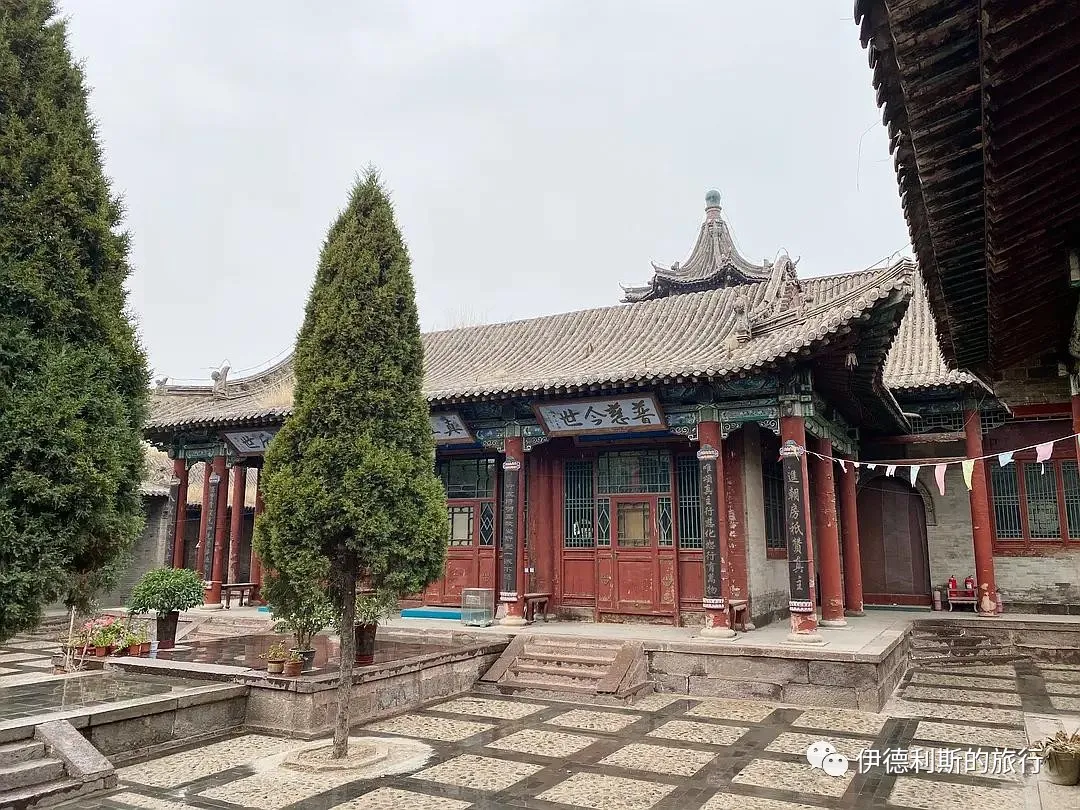
Xuanhua North Mosque in Zhangjiakou: First built in 1722 (the 61st year of the Kangxi reign of the Qing Dynasty), with the side rooms and auxiliary halls rebuilt in 1860 and 1865. Its biggest feature is that the front porch (juanpeng), main hall, and rear kiln hall (yaodian) form a cross-shaped floor plan. The overall structure is shallow and wide, which is very different from the long and deep prayer halls common in the eastern regions, but is actually more common in Xinjiang. The kiln hall is also unique, as a square, multi-story tower-style roof was added on top of the front porch.
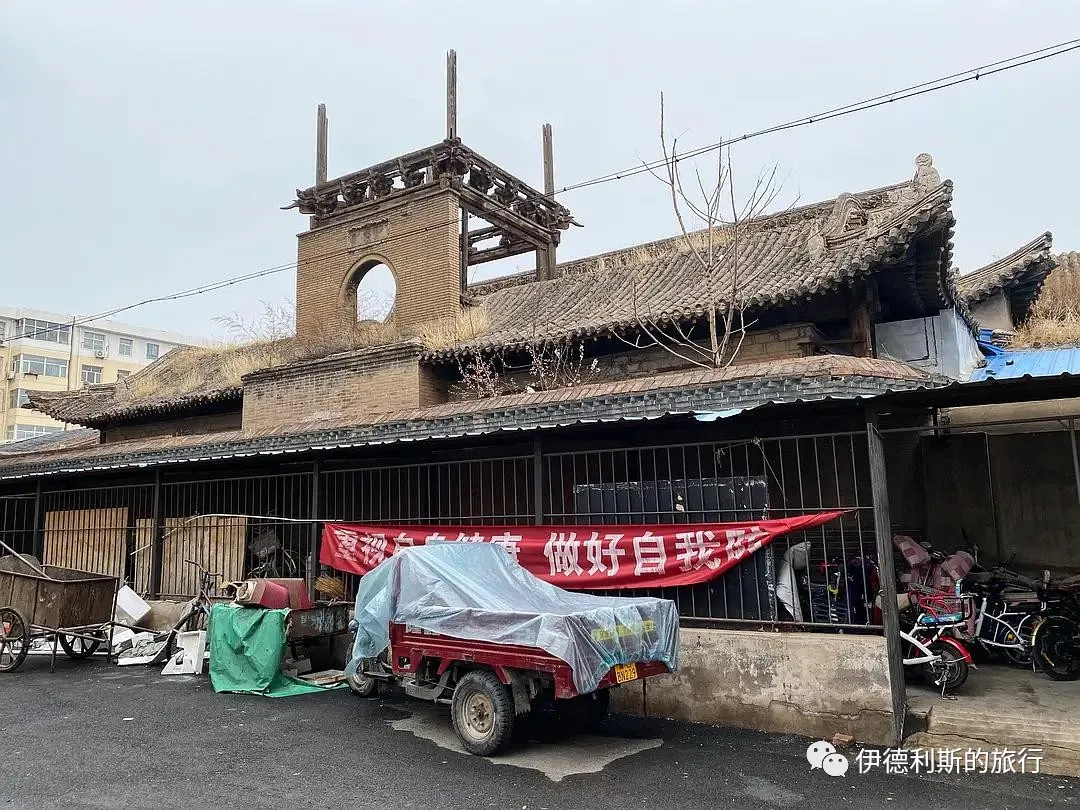
Xuanhua Central Mosque in Zhangjiakou: Located between the North Mosque and the South Mosque, it is the smallest in scale. It was first built in 1821 (the first year of the Daoguang reign of the Qing Dynasty) and was renovated in 2016.
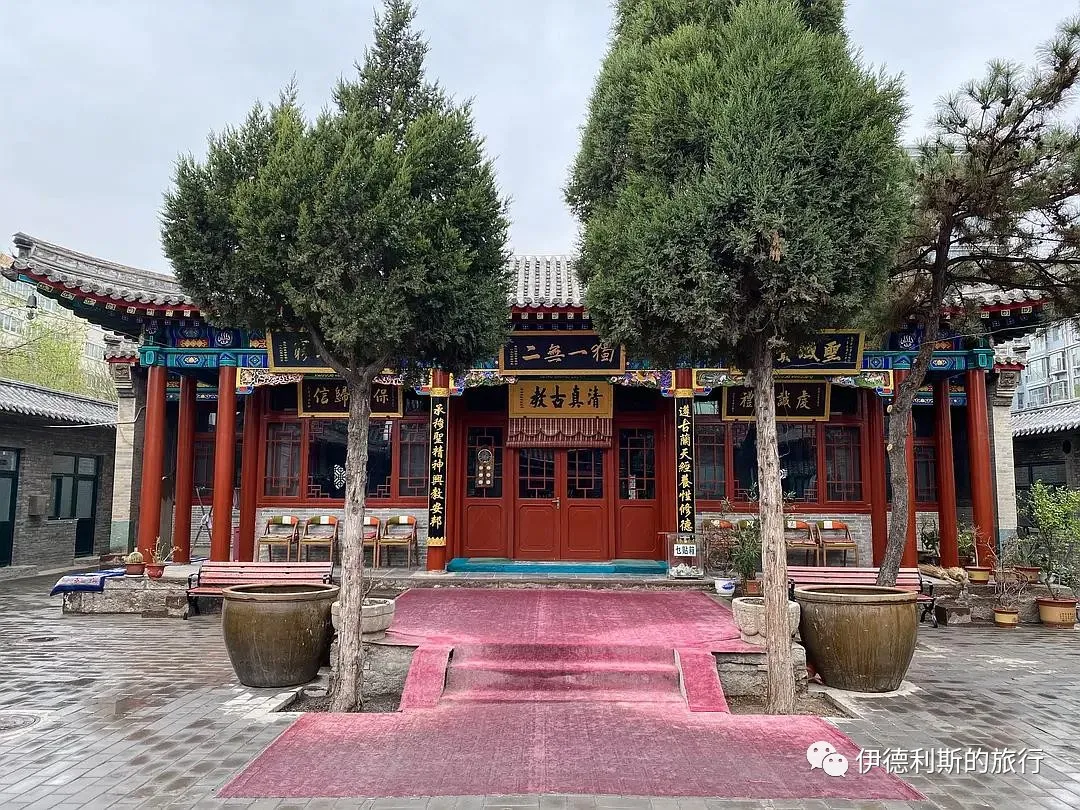
3 mosques in Xinjiang in May
Turpan East Grand Mosque: Located inside the Hui Muslim city of Turpan, it is a mosque for Hui Muslims, first built in 1871 and renovated in 1911. Because the weather in Turpan is very hot, the mosque expanded the traditional front porch into an 'outer hall' for outdoor prayer during the summer. The outer hall has a ridged, hip-and-gable roof (xieshanding) with a beam-lifting wooden frame supported by 32 pillars. The mosque gate features authentic Shaanxi-style calligraphy brick carvings. Inside, there is a minaret similar to the Sugong Pagoda, though the top has collapsed. This type of minaret is extremely rare in Hui Muslim mosques.
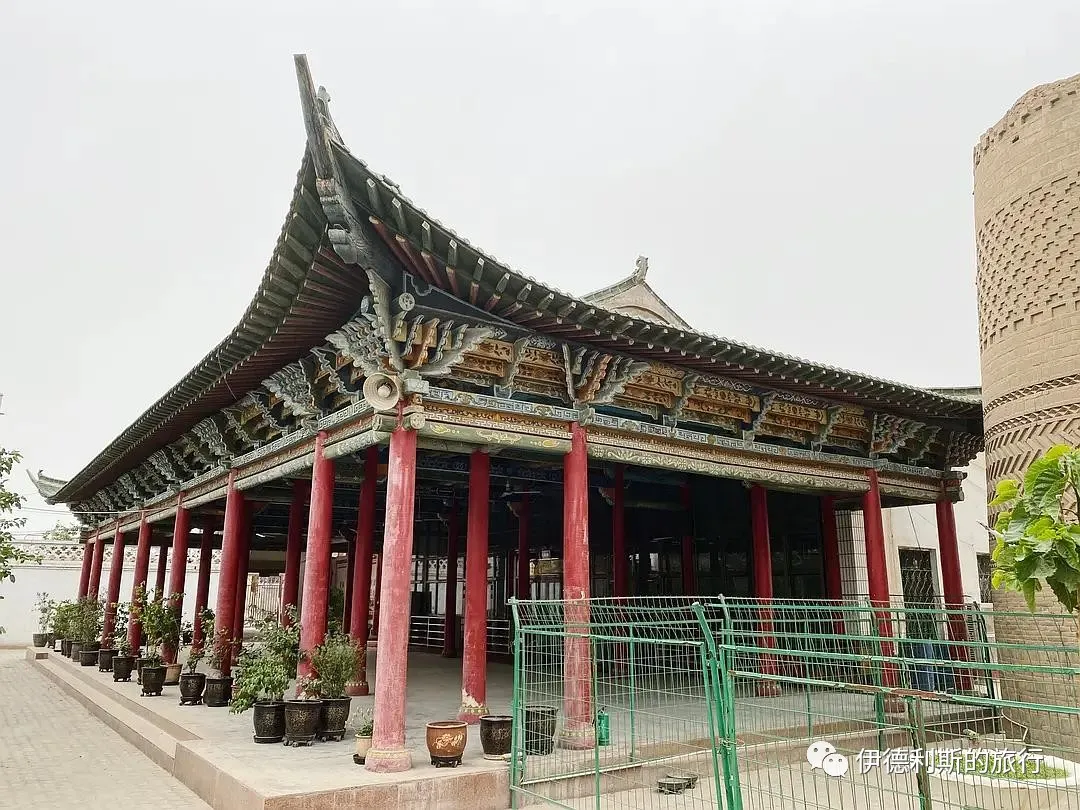
Turpan West Grand Mosque: First built in 1859, it is the oldest among the Hui Muslim mosques in Turpan.
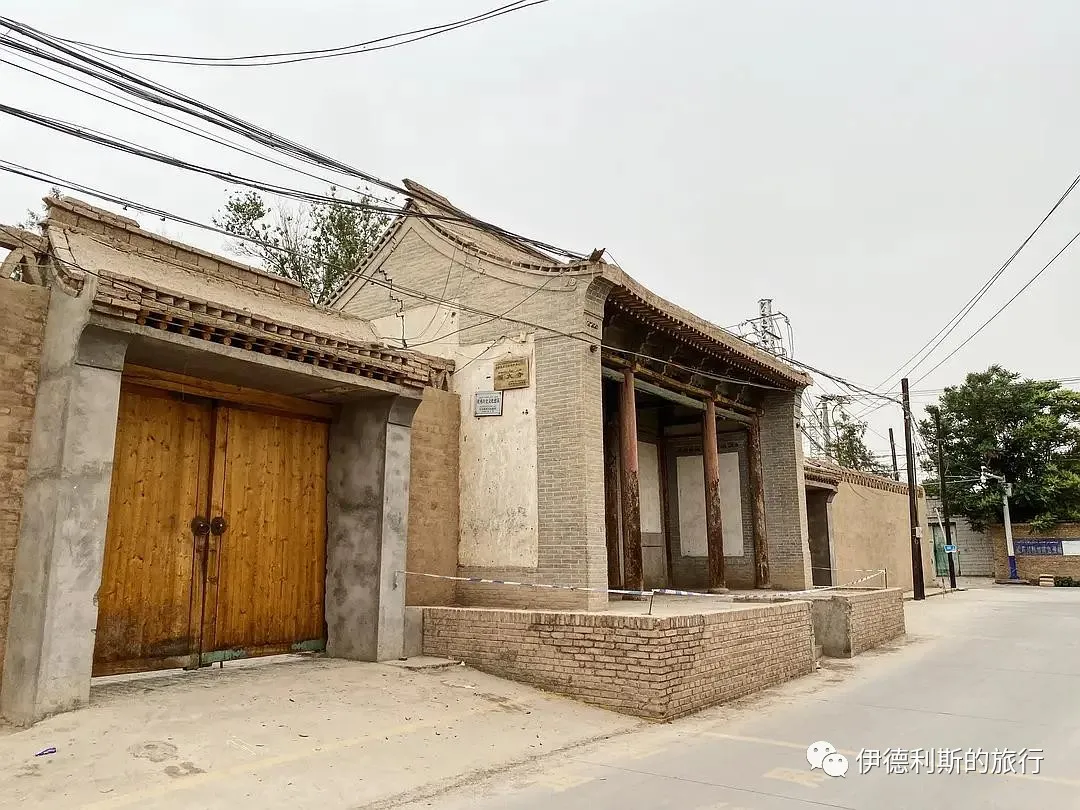
Turpan Sugong Pagoda Mosque: Also known as the 'Emin Pagoda Mosque,' it was built in 1778 by the Turpan Prince Emin Khoja and his son Suleiman. It is the tallest historical minaret building in Xinjiang. In 1772, Emin Khoja returned to his hometown of Turpan. In his later years, he spent 7,000 taels of silver and ordered his son Suleiman to build the mosque. Emin Khoja passed away in 1777 before it was finished. His son Suleiman then inherited the title of prince and completed the construction in 1778. Because a tall minaret was built inside the mosque, it is called the Sugong Pagoda Mosque.
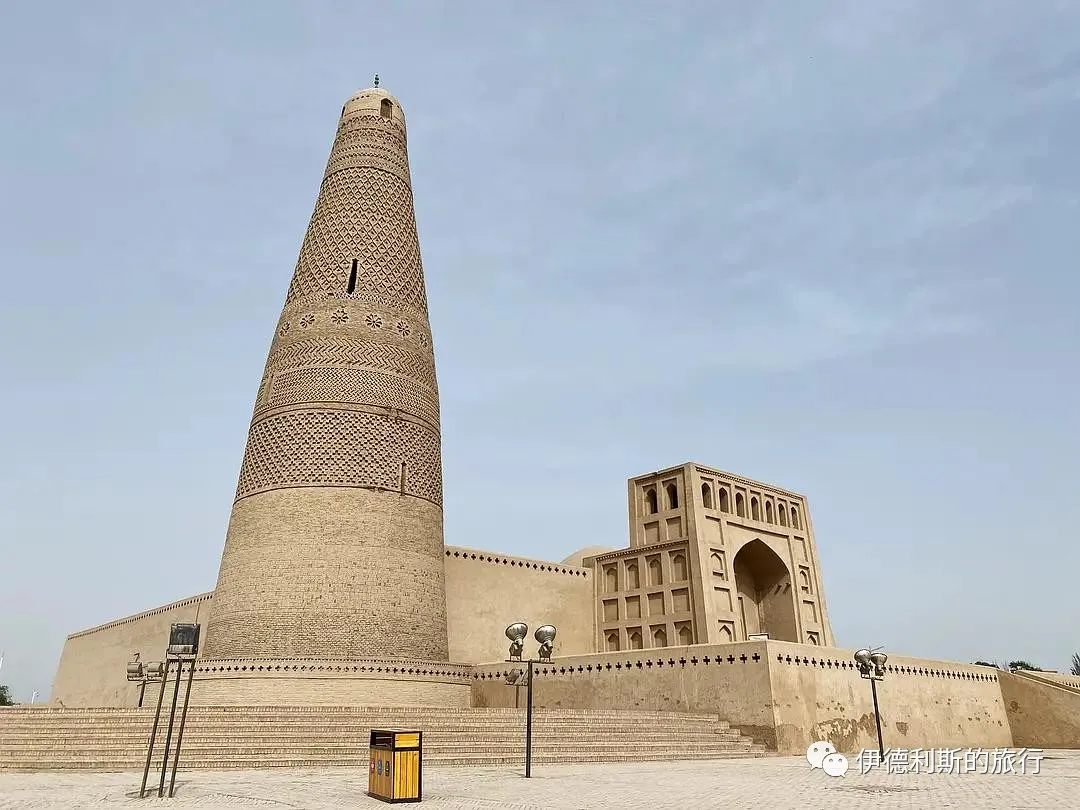
1 mosque in Hebei in May
Chengde West Mosque: Built during the Daoguang reign, the prayer hall consists of a front porch hall, a middle hall, and a rear hall. The kiln pavilion (yaoting) is located on top of the middle hall and has a decorative finial (baoding) at the peak.
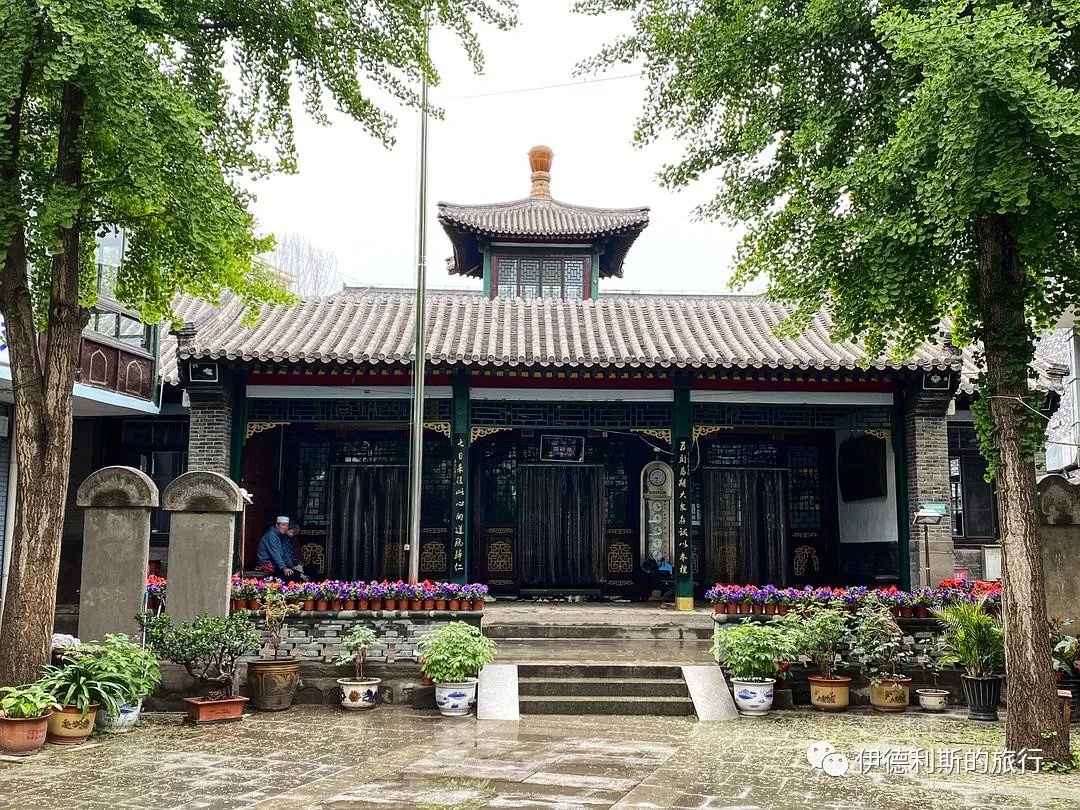
4 mosques in Liaoning in May
Lingyuan Mosque: Built during the Qianlong reign. According to the stone inscription in the mosque, a Hui Muslim doctor named Zhang Lichen and others cured the illness of a Mongol prince in the Harqin Left Banner, so the prince's mansion provided the funds for the land to build the Lingyuan Mosque.
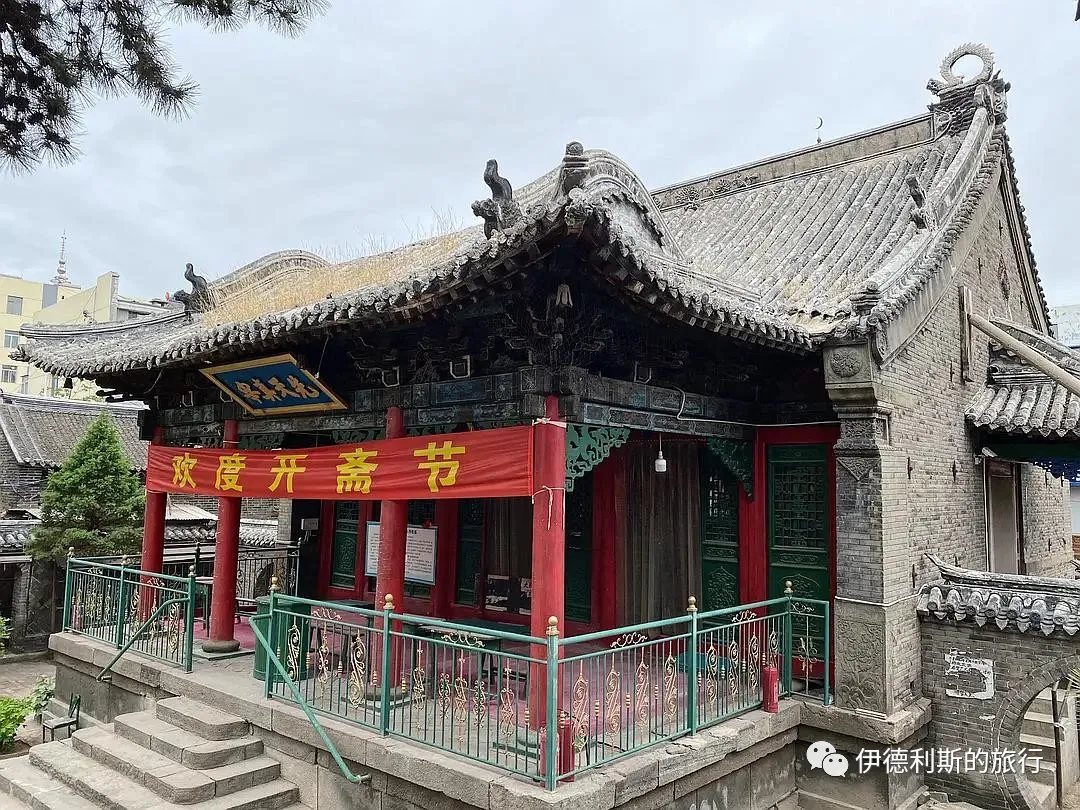
Shenyang South Grand Mosque: First built in 1636 (the first year of the Chongde reign of the Qing Dynasty). The ancestors of the Tie family who founded it were Hui Muslim people (Huihui Semu) who came to the interior during the Mongol western expeditions. In 1662 (the first year of the Kangxi reign), Tie Kui expanded it into a grand mosque and invited the famous imam She Yuanshan from Beijing to set up a school. After Imam She's student, Tie Hongji, finished his studies, he became the leader. From then on, the imam of the South Mosque was passed down through the Tie family for 11 generations, with the last imam, Tie Zizhang, serving until 1956.
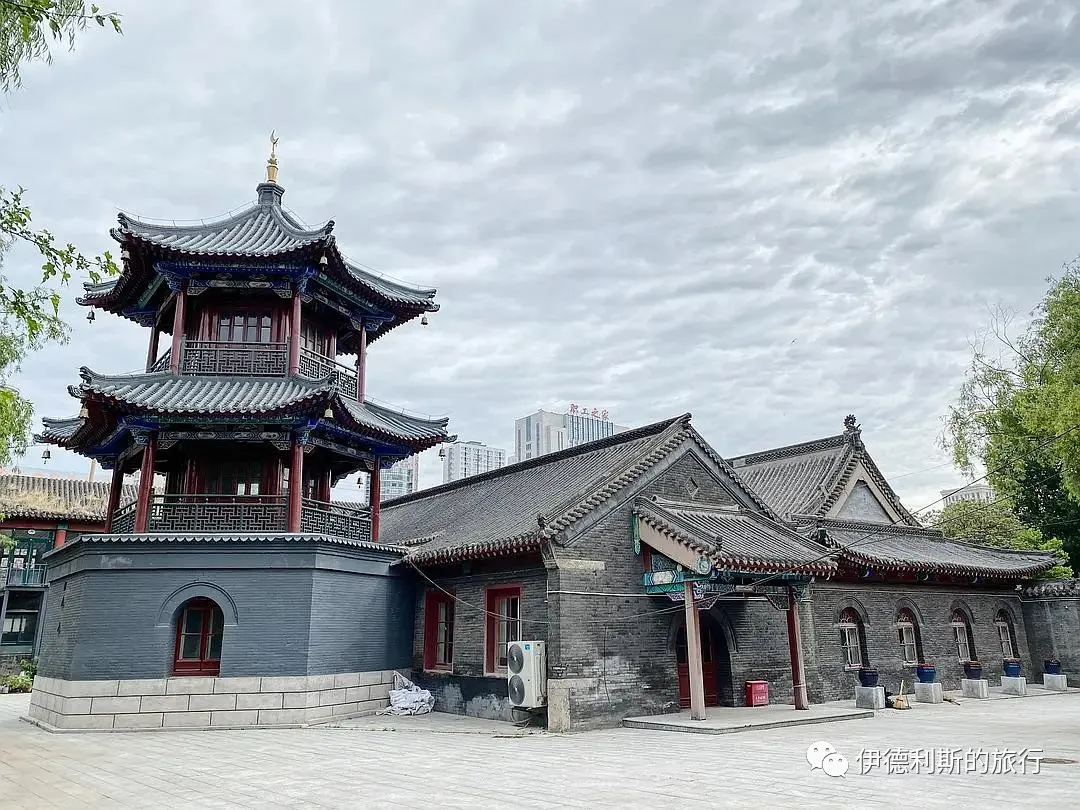
Shenyang East Mosque: First built in 1803 (the eighth year of the Jiaqing reign). In 1935, the prayer hall was rebuilt in a Western style, but the moon-watching tower (wangyuelou) retained its original Chinese style. The East Mosque was occupied in 1958, returned in 1980, and converted into the Shenyang Islamic Institute in 1988.
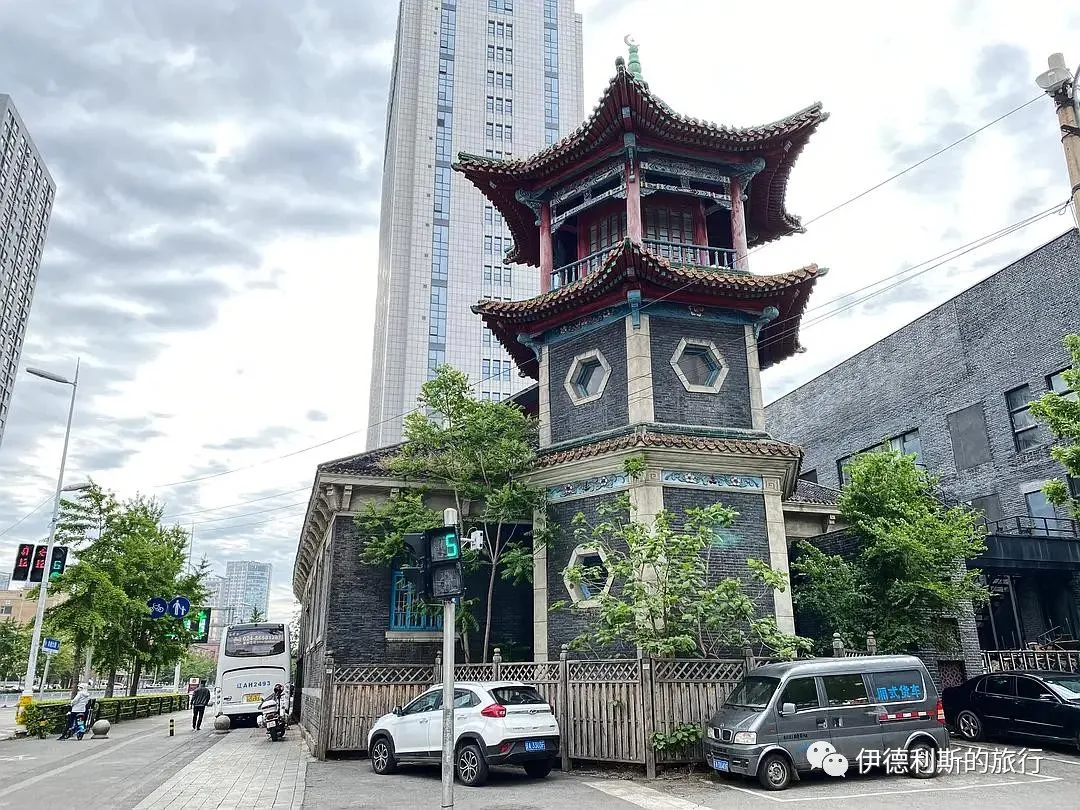
Kaiyuan Old City Mosque: Located inside the east gate of the old city, it was first built in 1406 (the fourth year of the Yongle reign of the Ming Dynasty) and is the oldest mosque in Northeast China. The current main hall follows the style after its 1680 (the 19th year of the Kangxi reign) reconstruction, consisting of a small front porch, a main hall, and a hexagonal pavilion-style kiln hall, similar in style to the Shenyang South Mosque.
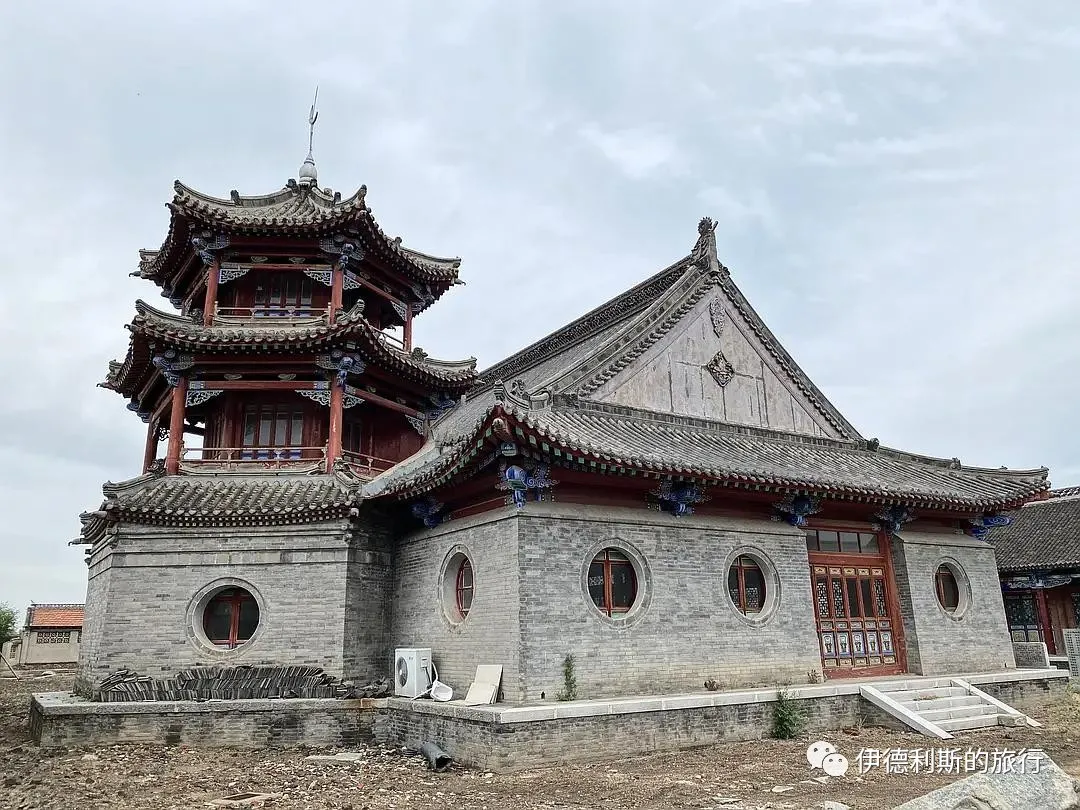
One mosque in Shanxi in May.
Datong Mosque: First built in 1324 (the first year of the Taiding era of the Yuan Dynasty), it is one of only two recorded mosques built by imperial decree during the Yuan Dynasty. It was completely destroyed during the wars at the end of the Yuan Dynasty and was rebuilt within the Datong city walls during the Yongle era of the Ming Dynasty. The prayer hall was built in 1622 and renovated in 1692. The prayer hall consists of a porch (juanpeng), a front hall, a main hall, and a rear hall (yaodian), with exquisite Qing Dynasty paintings on the porch.
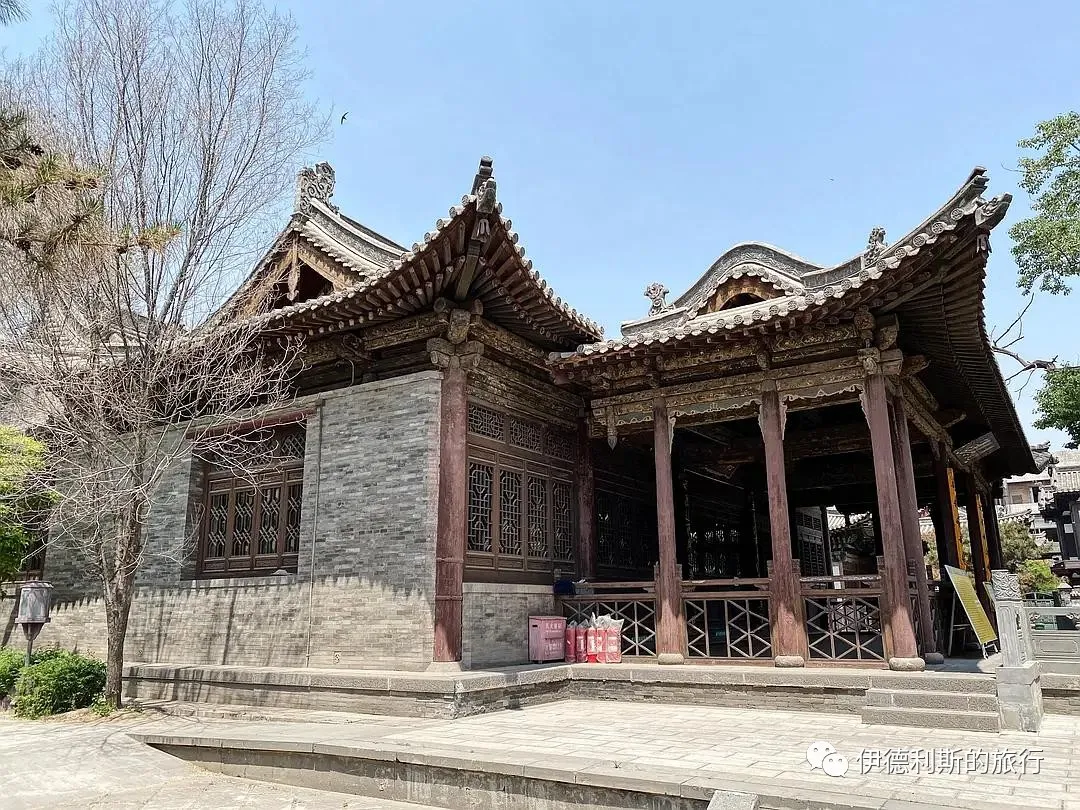
One mosque in Tianjin in May.
Wuqing Yangcun North Mosque: Yangcun is located by the Grand Canal. In the early Ming Dynasty, Hui Muslim soldiers from the south brought by the Prince of Yan, along with Hui Muslim merchants and boatmen who moved from Cangzhou, settled here. The Great Mosque was officially built in 1620 (the 48th year of the Wanli era). The rear hall was destroyed by lightning in 1935 and rebuilt in 1937. It is now a cultural relic protection unit of Wuqing District and a historical building of Tianjin.
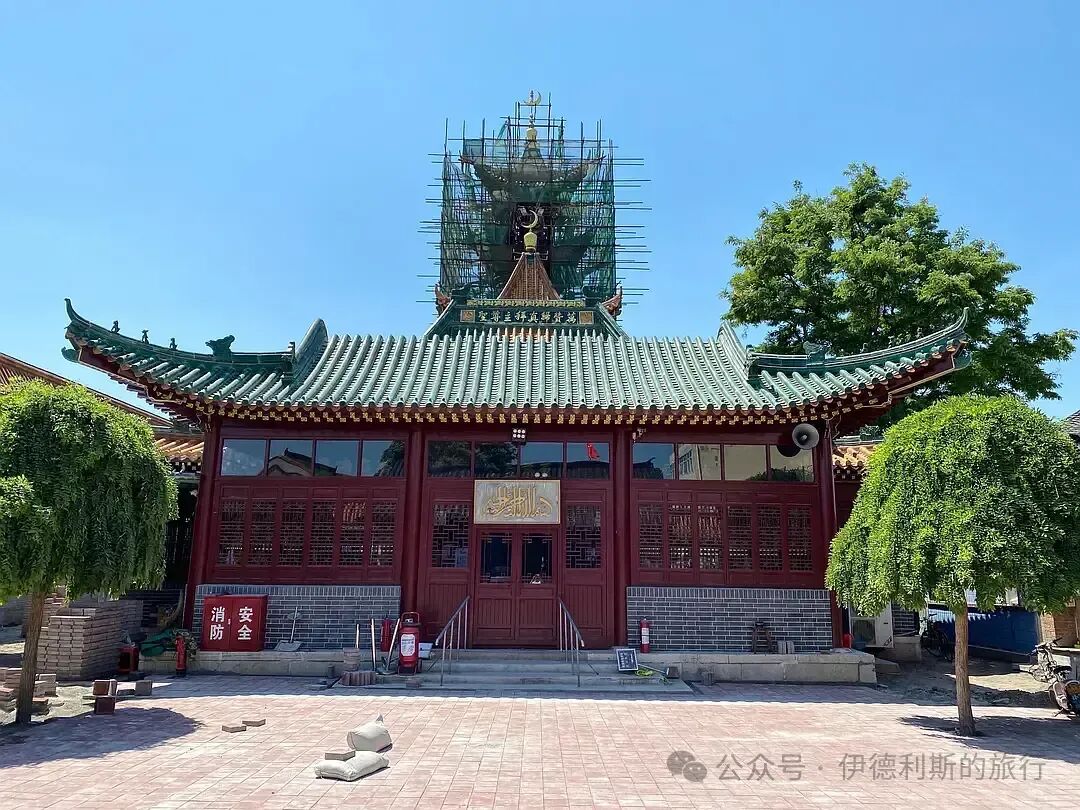
Eight mosques in Qinghai in June.
Xunhua Qingshui Hedong Mosque: This is the main mosque (haiyisi) of the Qingshui Gong of the Salar Eight Gong. It was first built in 1425 and has been renovated many times over the generations.
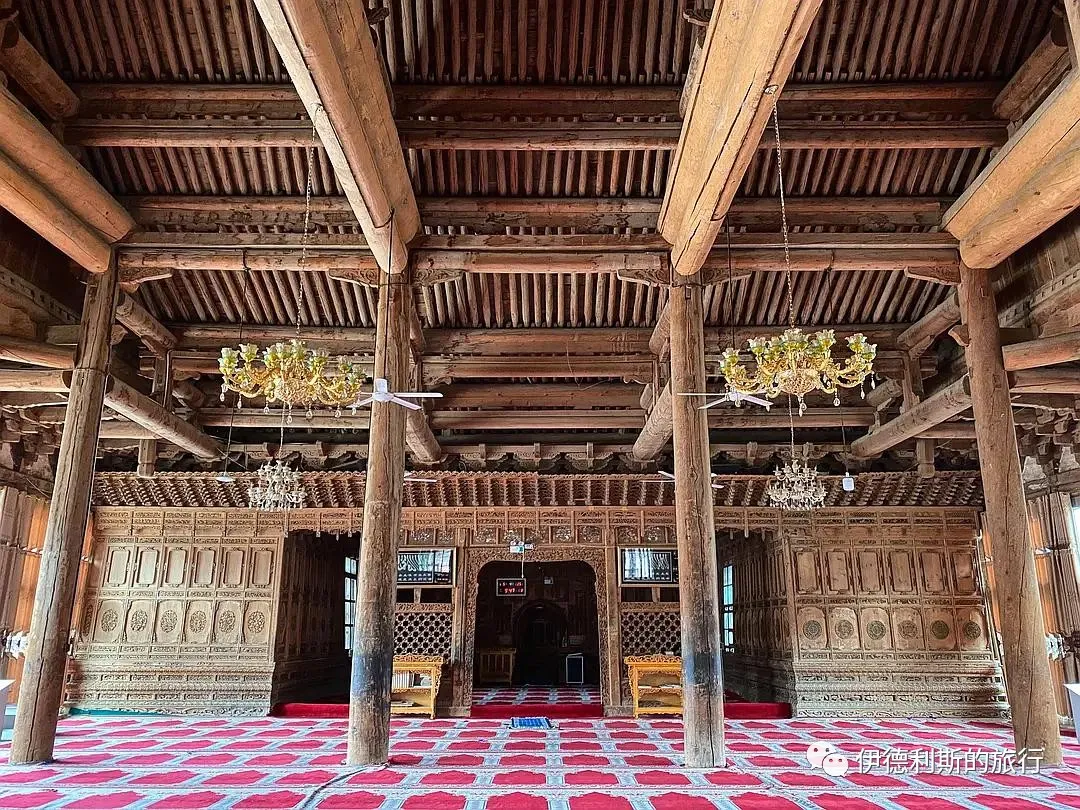
Xunhua Mengda Mosque: First built in 1408 (the sixth year of the Ming Yongle era) and expanded three times during the Qing Dynasty, it is the main mosque of the Mengda Gong, one of the Salar Eight Gong.
8
Xunhua Tashapo Mosque: Built in 1480 (the 16th year of the Ming Chenghua era) and renovated in 1755 (the 20th year of the Qing Qianlong era).
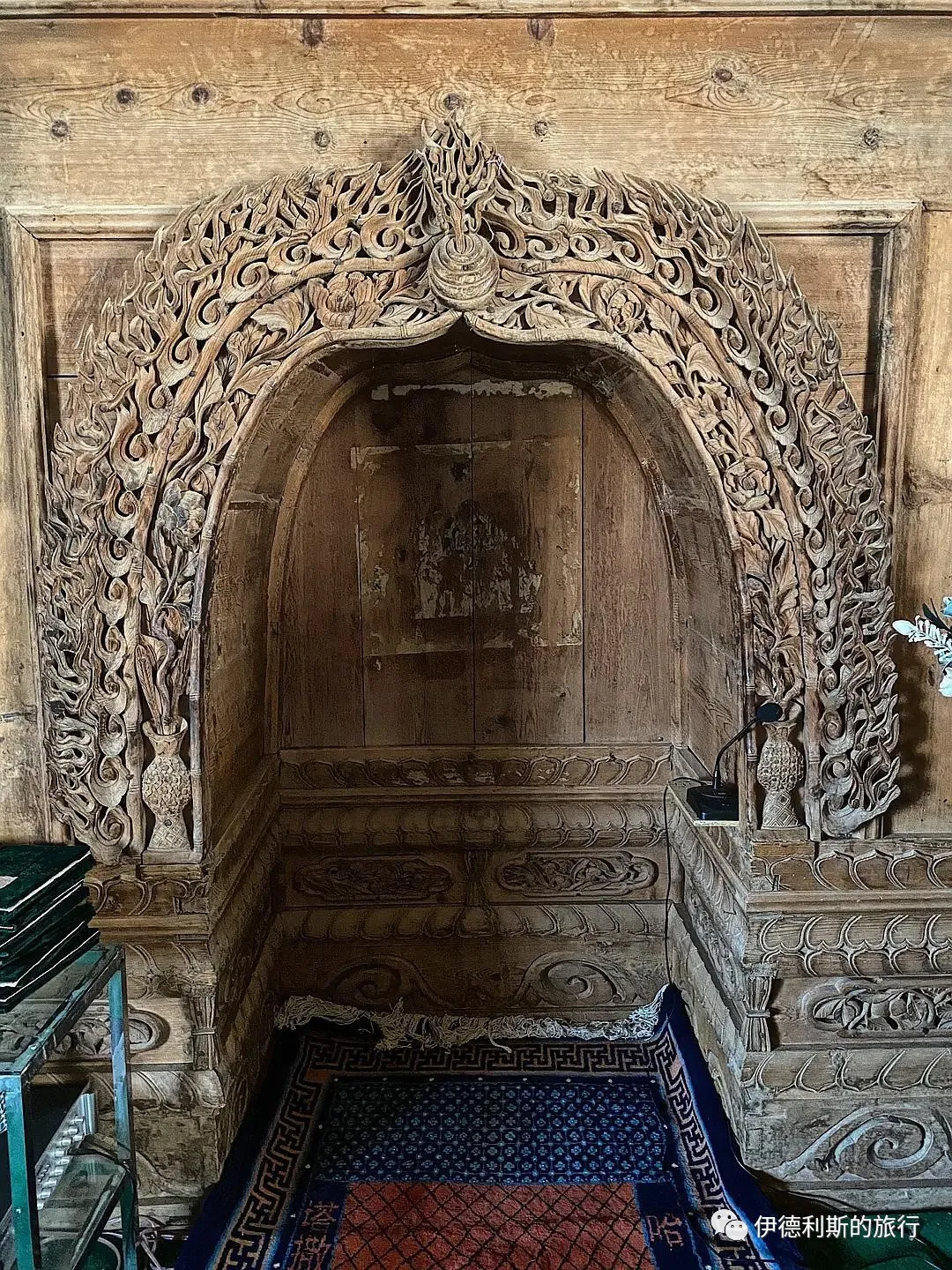
Xunhua Labian Mosque: First built during the Qianlong era. The main hall was rebuilt in 2015, and only the minaret (xuanlilou) and the two side gate towers remain of the ancient structure.
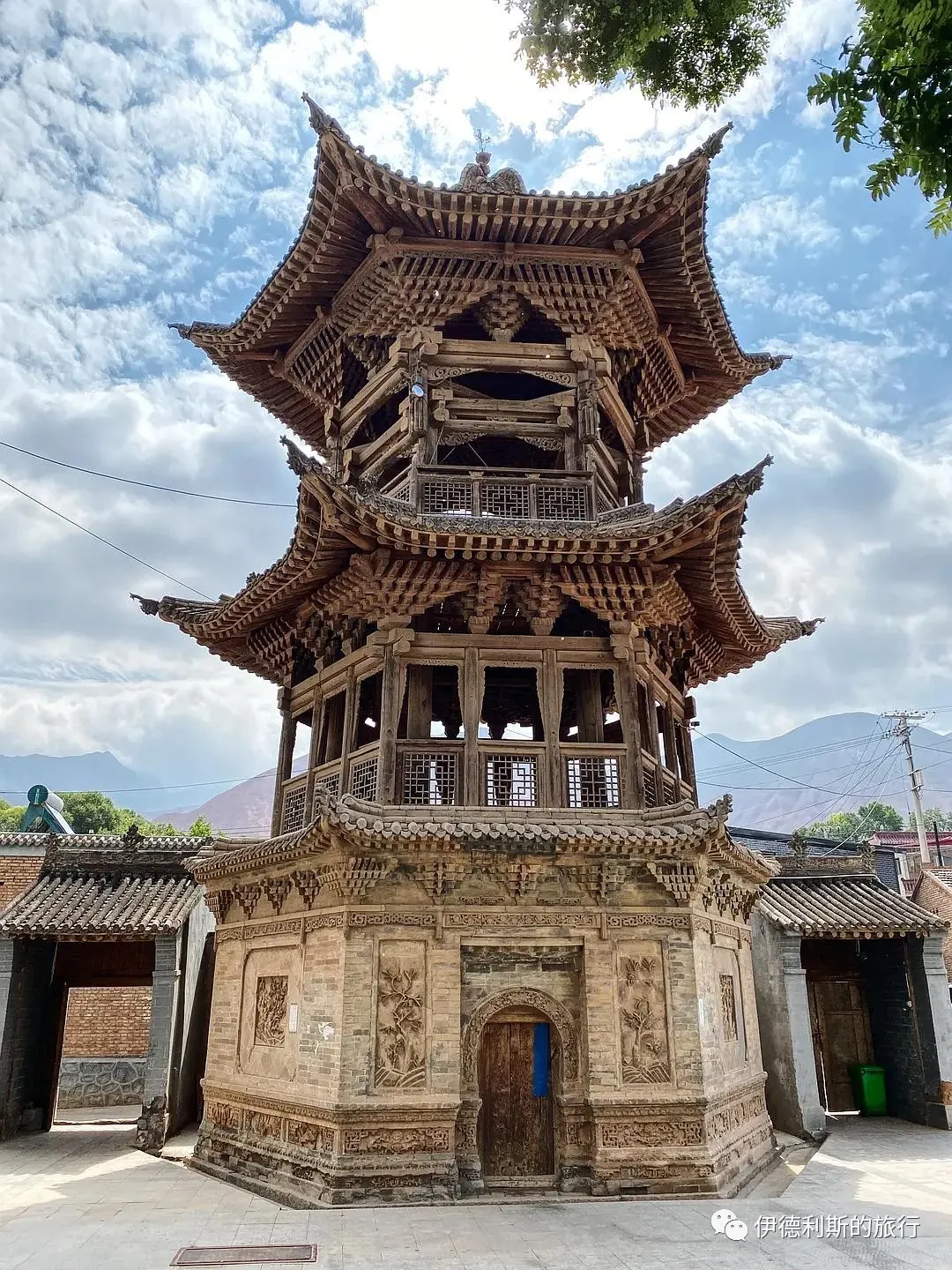
Xunhua Zhangga Mosque: First built in 1406 (the fourth year of the Ming Yongle era) and rebuilt during the Qing Dynasty.
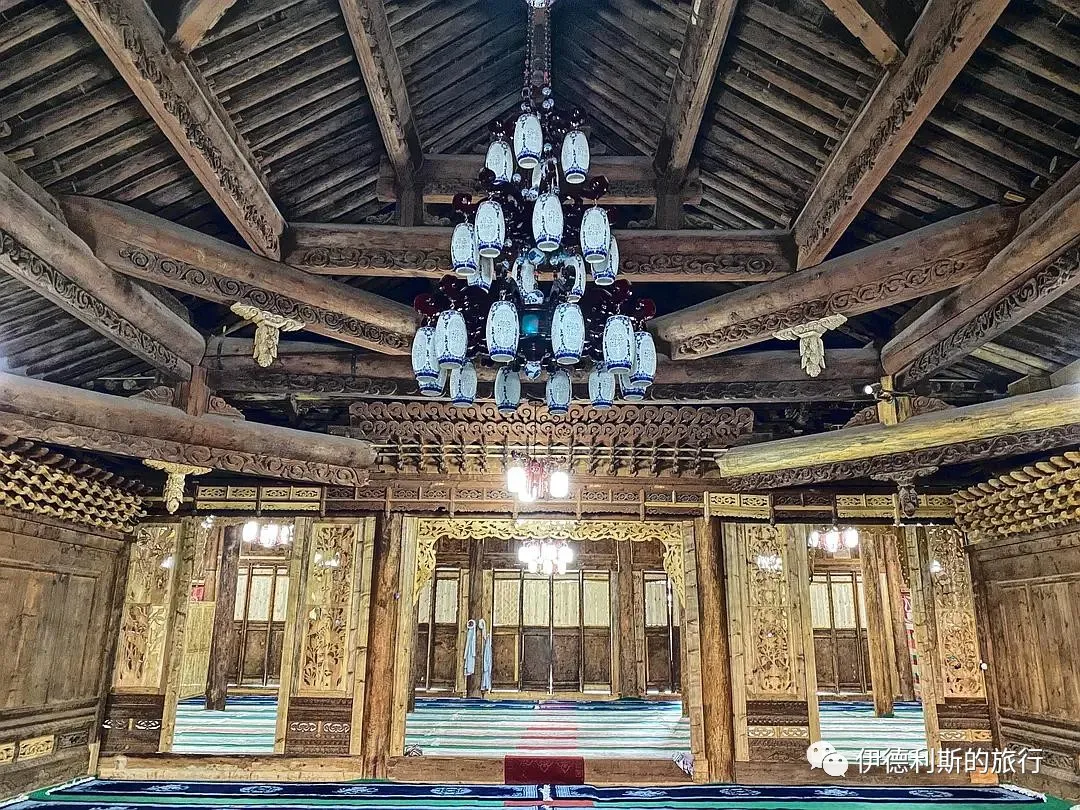
Xunhua Kewa Mosque: First built in 1403 (the first year of the Ming Yongle era) and expanded during the Qing Dynasty. It is the main mosque (Jumu Mosque) of the Naiman Gong of the Salar Eight Gong.
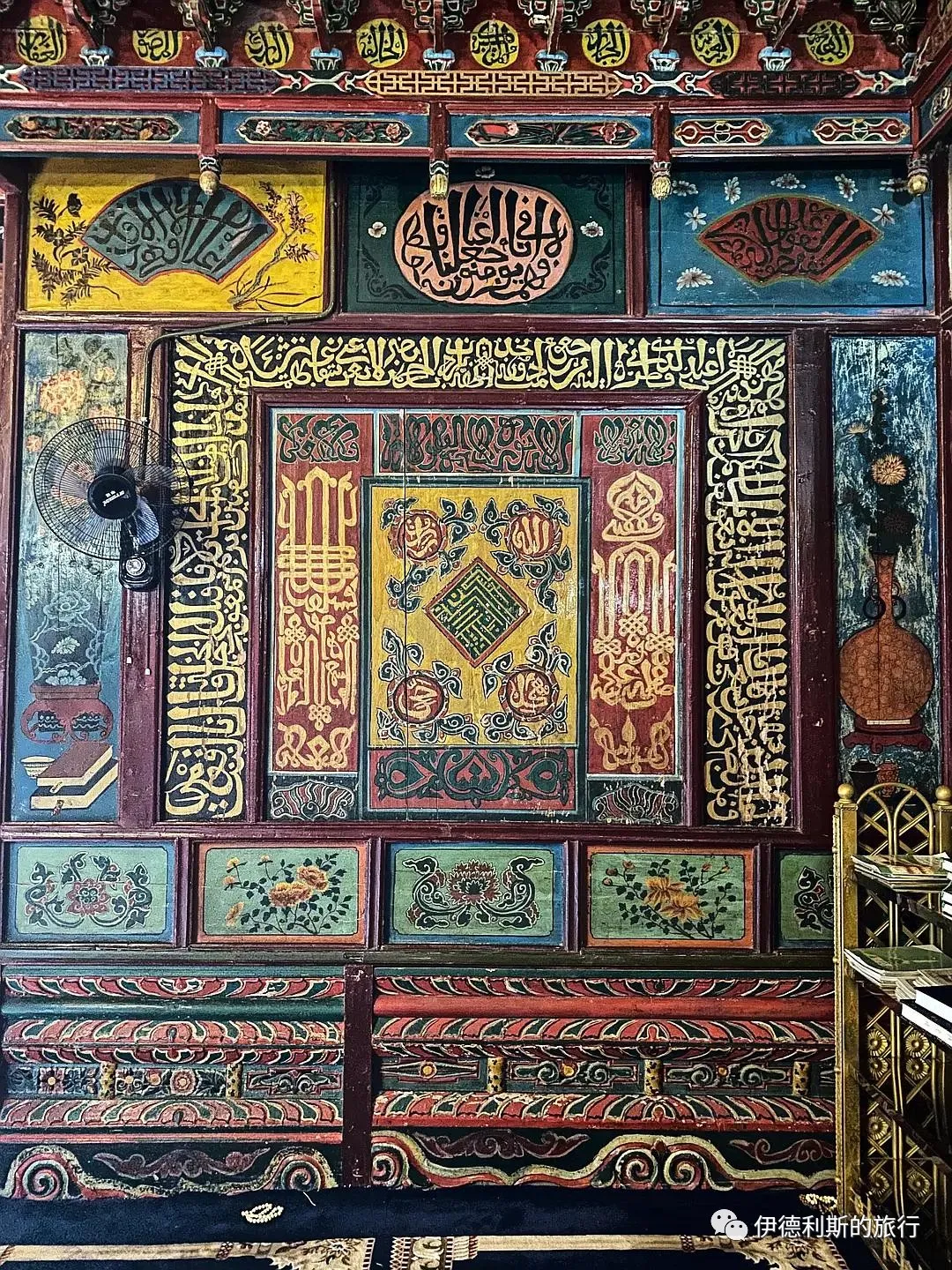
Xunhua Suzhi Mosque: First built in 1460 (the fourth year of the Ming Tianshun era) and expanded during the Qing Dynasty.
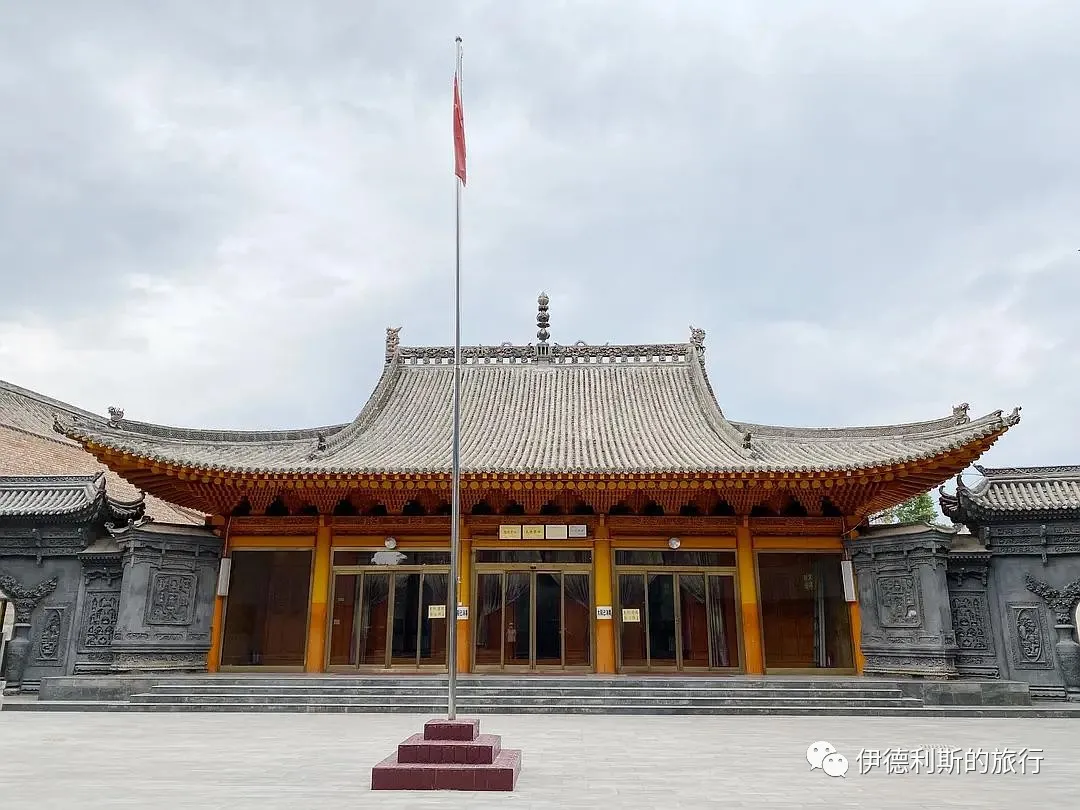
Hualong Ahetan Mosque: Although located in Hualong County north of the Yellow River, it is still a Salar mosque and belongs to the Suzhi Gong of the Salar Eight Gong, just like the Suzhi Mosque.
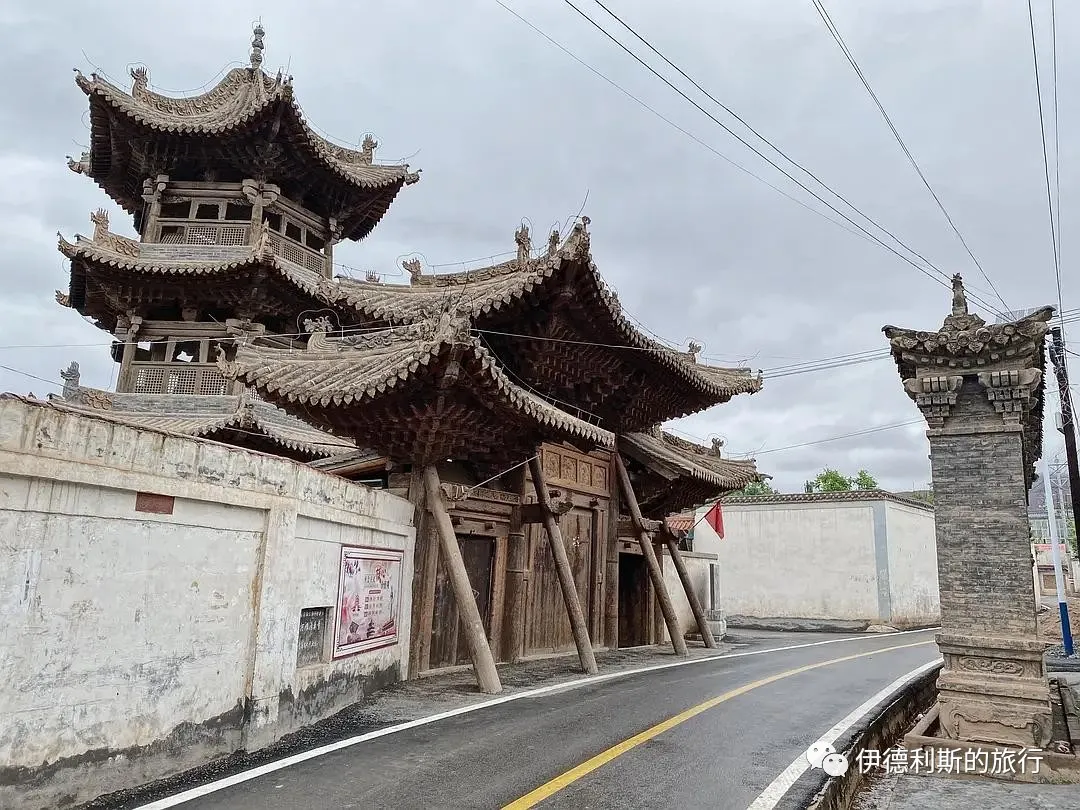
Two mosques in Inner Mongolia in June.
Hohhot Great Mosque: First built in the late Ming and early Qing dynasties, it was expanded in 1789 (the 54th year of the Qianlong era) and again in 1923.
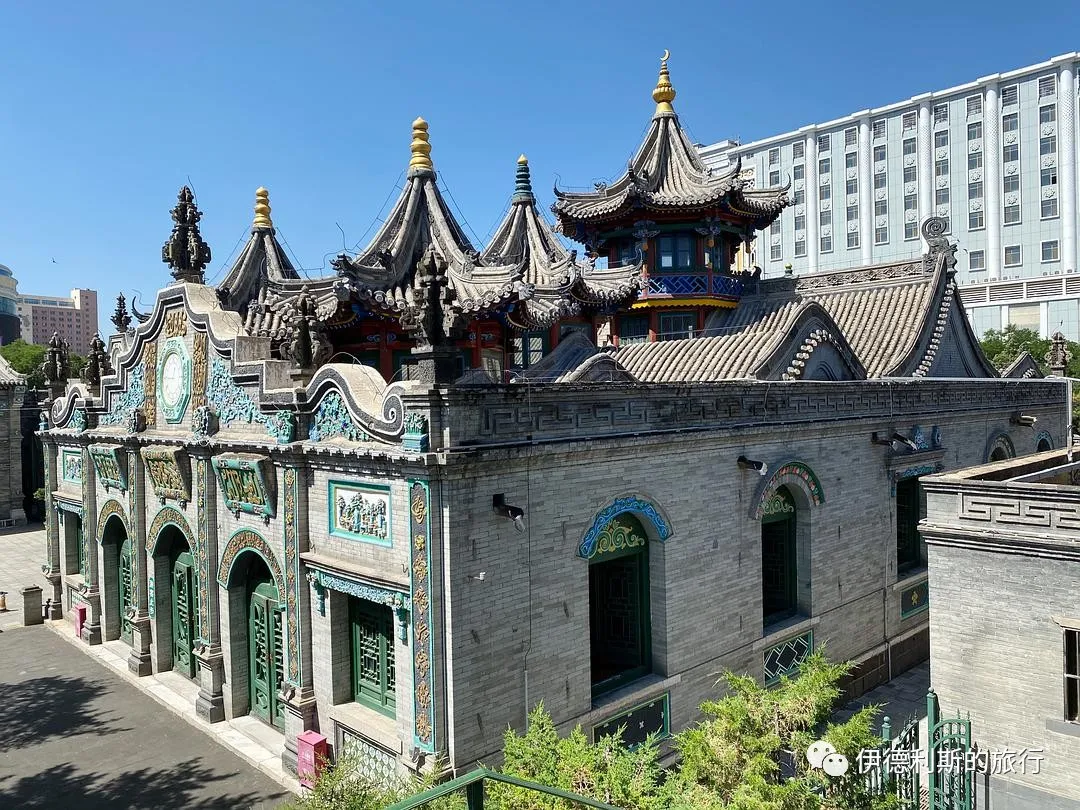
Ulanqab Fengzhen Longshengzhuang Mosque: First built in 1751 (the 16th year of the Qing Qianlong era). Initially, it only had three main halls. Later, as more Hui Muslims came here to do business, 13 main halls, a front gate, a second gate, side rooms, and a screen wall were added in 1831 (the 11th year of the Daoguang era), forming a three-courtyard layout.
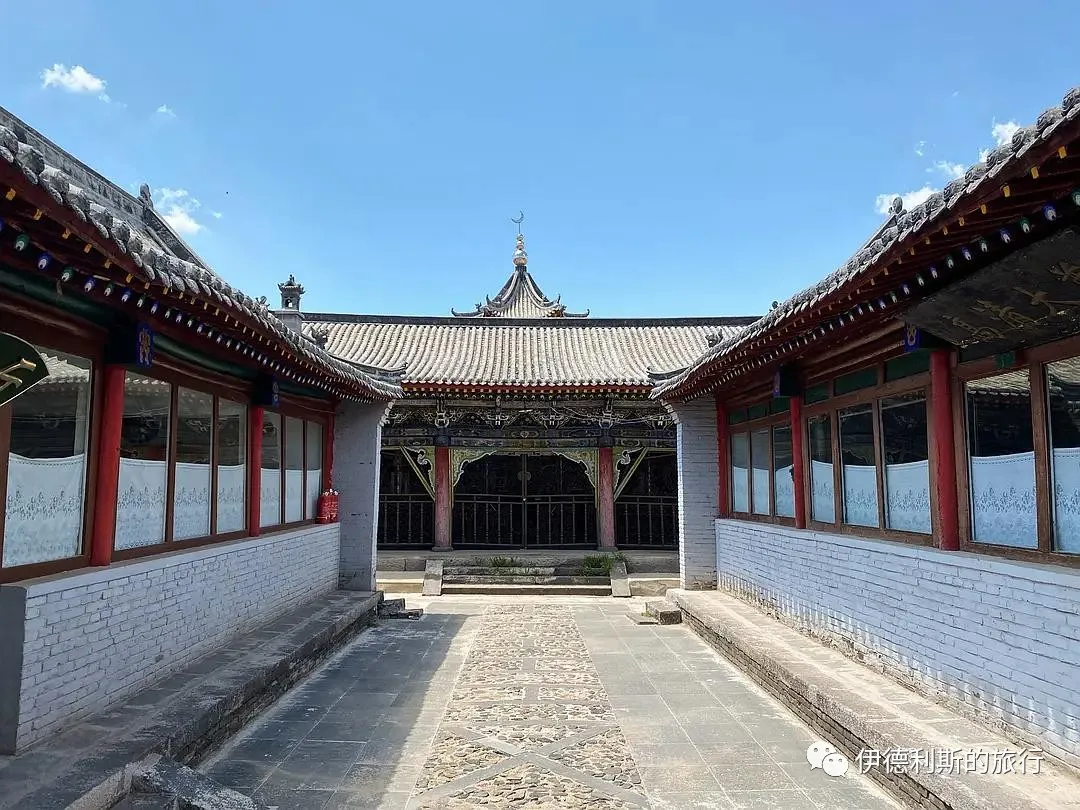
Two mosques in Hebei in July.
Chengde Pingquan Nanjie Mosque: Hui Muslims in Pingquan gathered near Bagou South Street. The Nanjie Mosque was first built in 1647 (the fourth year of the Qing Shunzhi era) and initially only had three thatched rooms. As the number of Hui Muslims in Pingquan increased during the Qianlong era, the imam of the Pingquan Mosque, Zhang Hongye, and his son Zhang Jin went to Beijing in 1742 (the seventh year of the Qianlong era). They made a model out of straw based on the mosque outside the Qihua Gate, brought it back to Pingquan, and hired craftsmen to build the mosque.
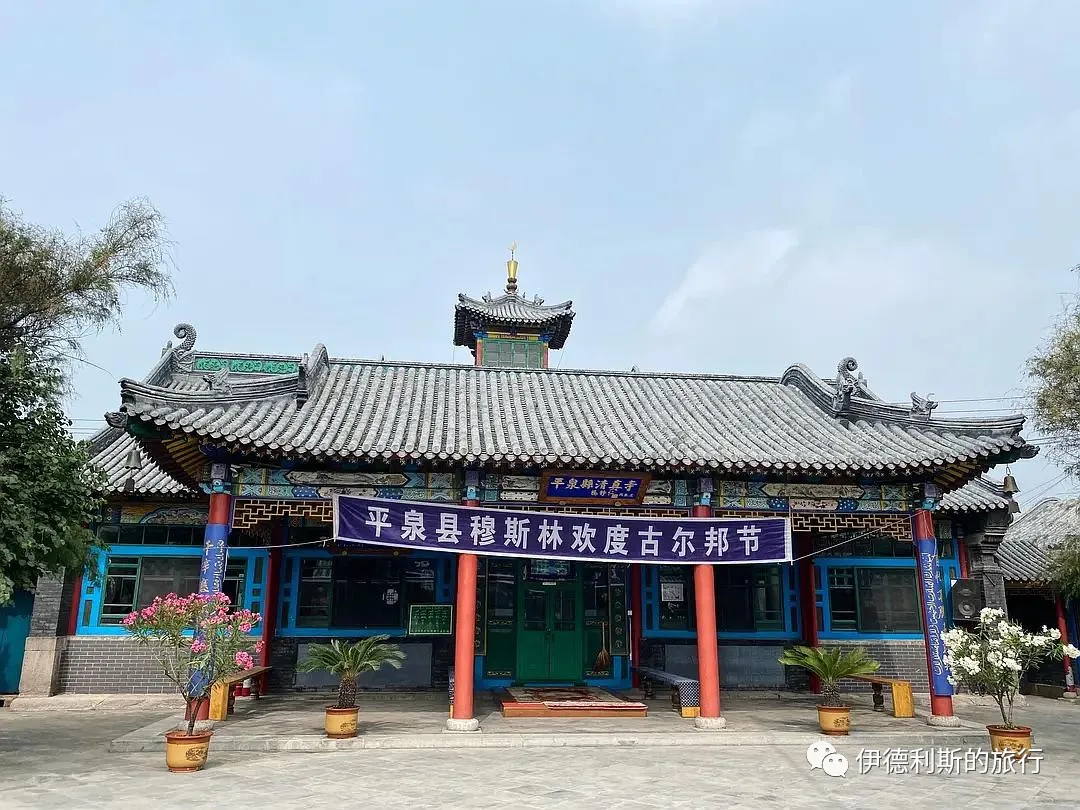
Shanhaiguan Mosque in Qinhuangdao: Located outside the west gate of Shanhaiguan, it was built in 1381 (the 14th year of the Hongwu reign) by Hui Muslim officers and soldiers brought by Xu Da. Because of this, the Hui Muslims in Shanhaiguan have a saying: 'The mosque came first, then Shanhaiguan.'
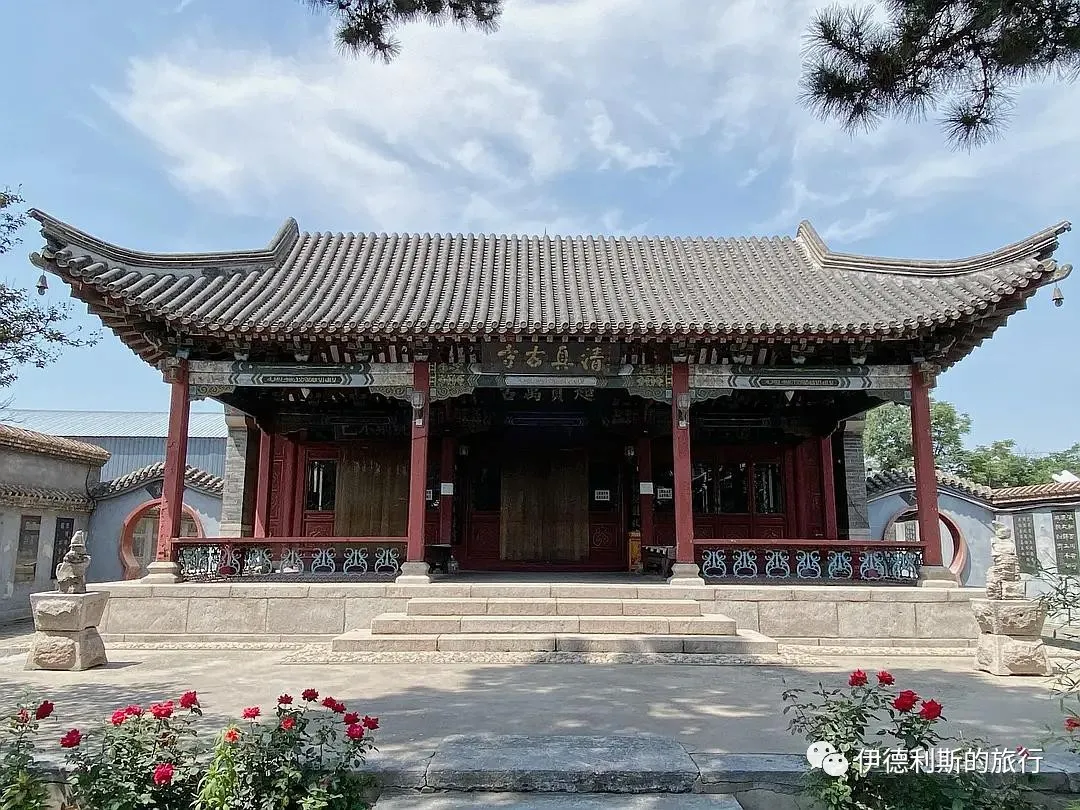
8 mosques in Yunnan in October
Liren Mosque in Haikou, Kunming: First built in 1645 (the second year of the Shunzhi reign of the Qing Dynasty), it was destroyed in 1856 (the sixth year of the Xianfeng reign) and rebuilt in 1872 (the second year of the Tongzhi reign). In 1896 (the 22nd year of the Guangxu reign), a local woman known as 'Lady Yang the Third' led a fundraising effort to expand it. It was named a Kunming cultural heritage site in 2020.
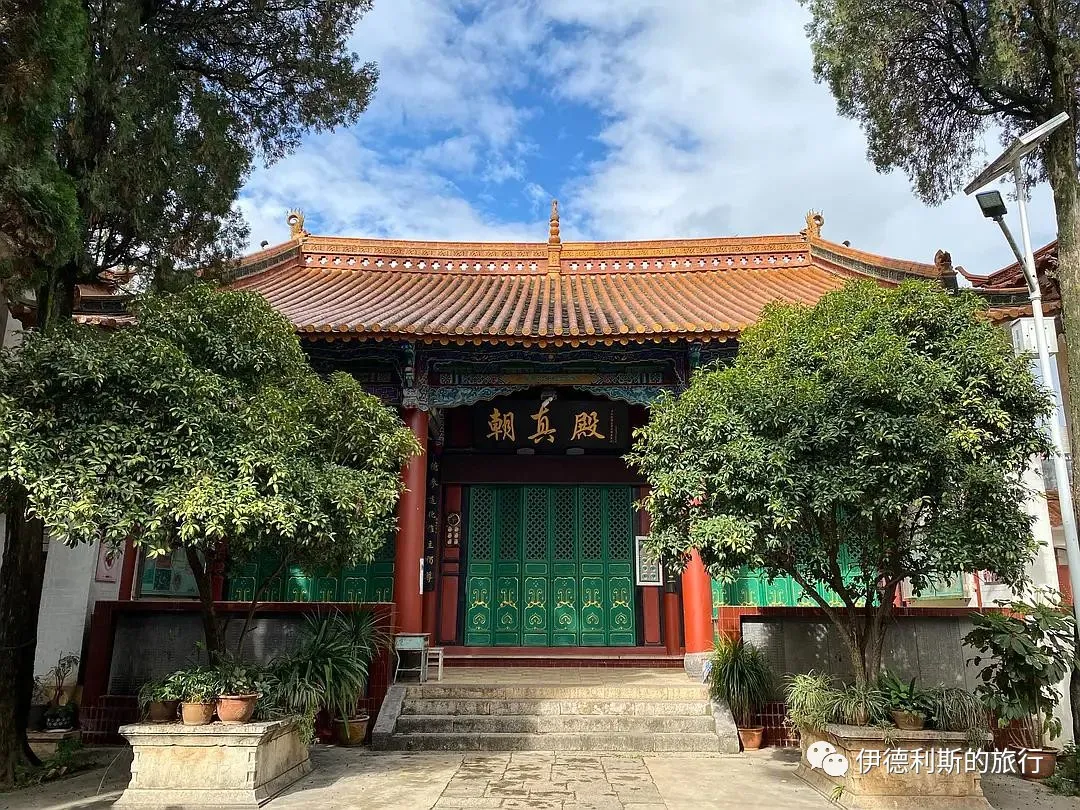
Daying Mosque in Yuxi: The main gate was rebuilt in 1914, featuring beautiful decorative bracket sets (dougong), carved beams, painted pillars, and upturned eaves. The main prayer hall was expanded many times. The front hall was built in 1605 (the 33rd year of the Wanli reign of the Ming Dynasty) and finished in 1617 (the 46th year of the Wanli reign). The middle hall was expanded during the Guangxu reign of the Qing Dynasty, and the back hall was added in 1985. It can hold 2,000 people in total.
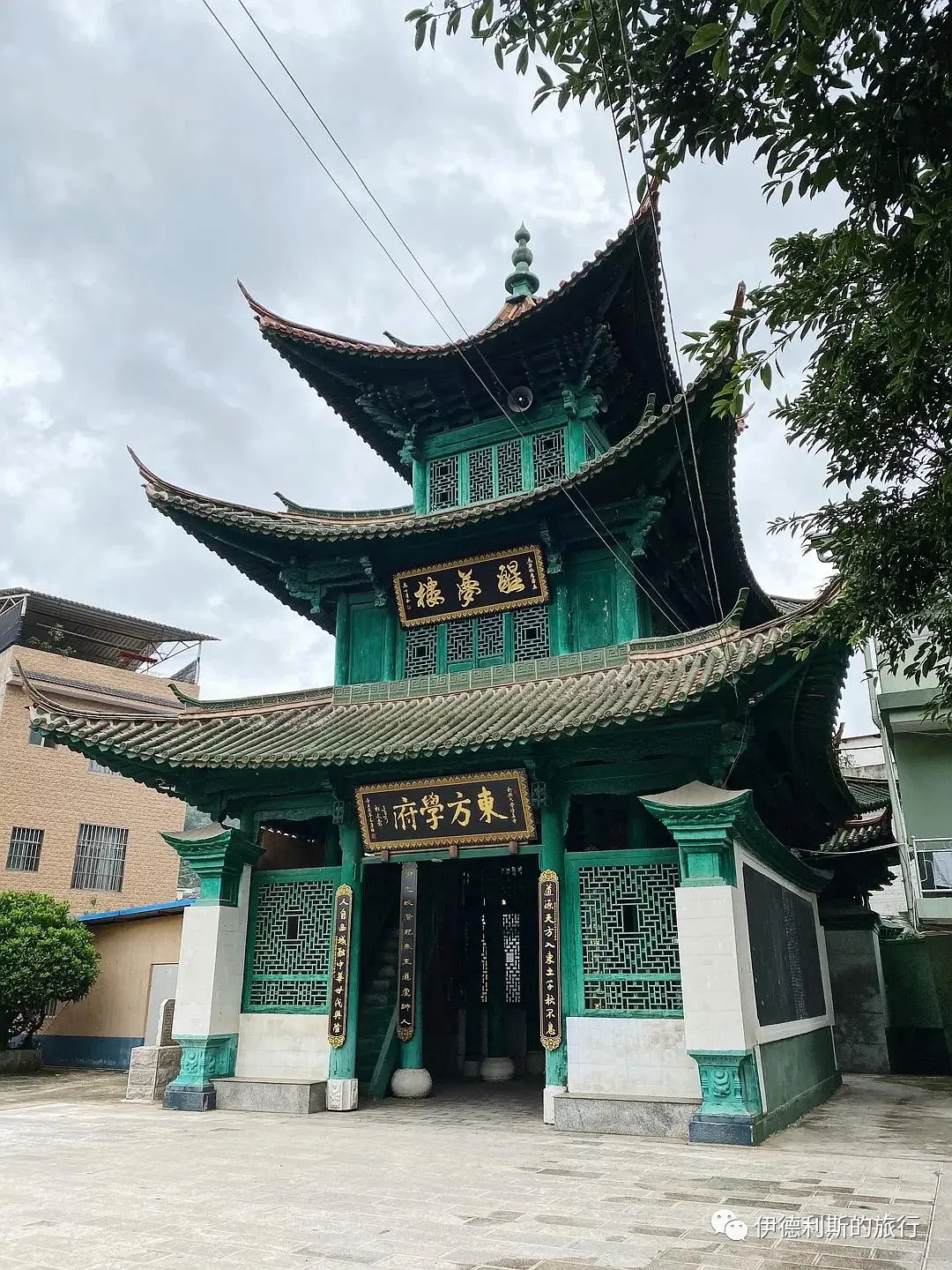
Dabaiyi Mosque in Eshan, Yuxi: It was rebuilt several times during the Kangxi, Qianlong, and Tongzhi reigns. It was destroyed by an earthquake in 1913, the main hall was rebuilt in 1915, and the minaret (jiaobailou) was rebuilt in 1935.
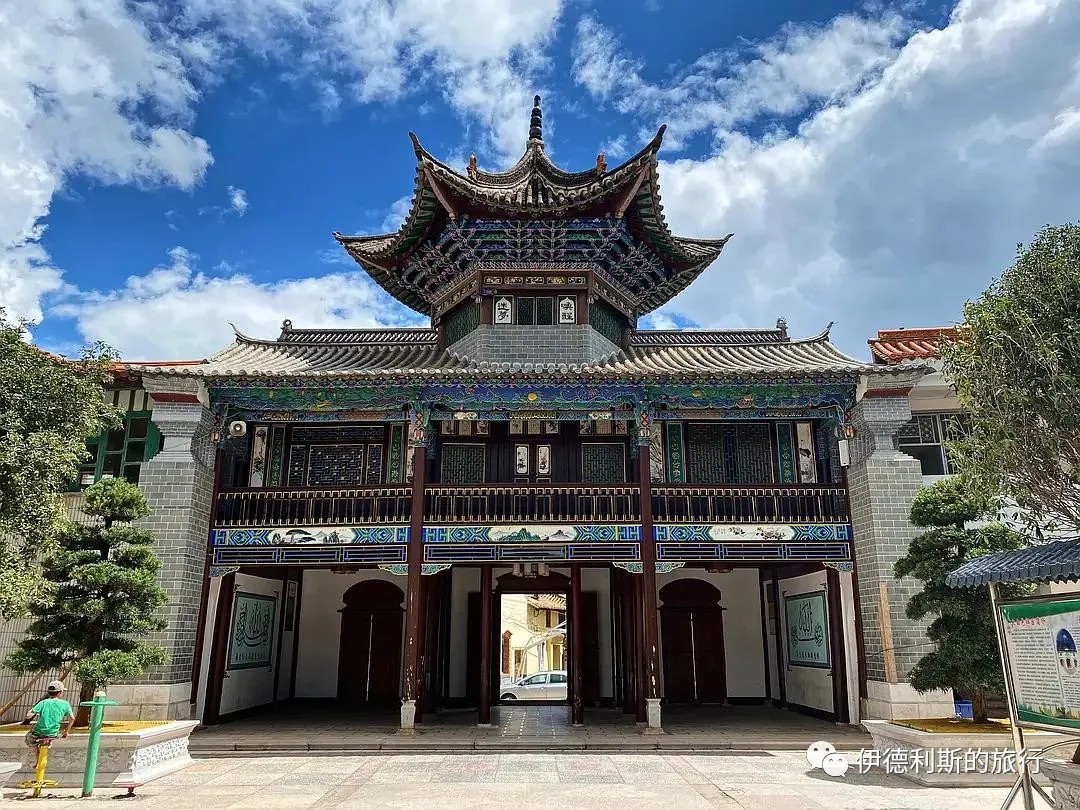
Dahui Village Mosque in Tonghai, Yuxi: First built during the Ming Dynasty, it was rebuilt in 1829 and expanded in 1946 under the leadership of the Ma family from Tonghai. Dahui Village is a famous village for the Jahriyya Sufi order (menhuan) in Yunnan.
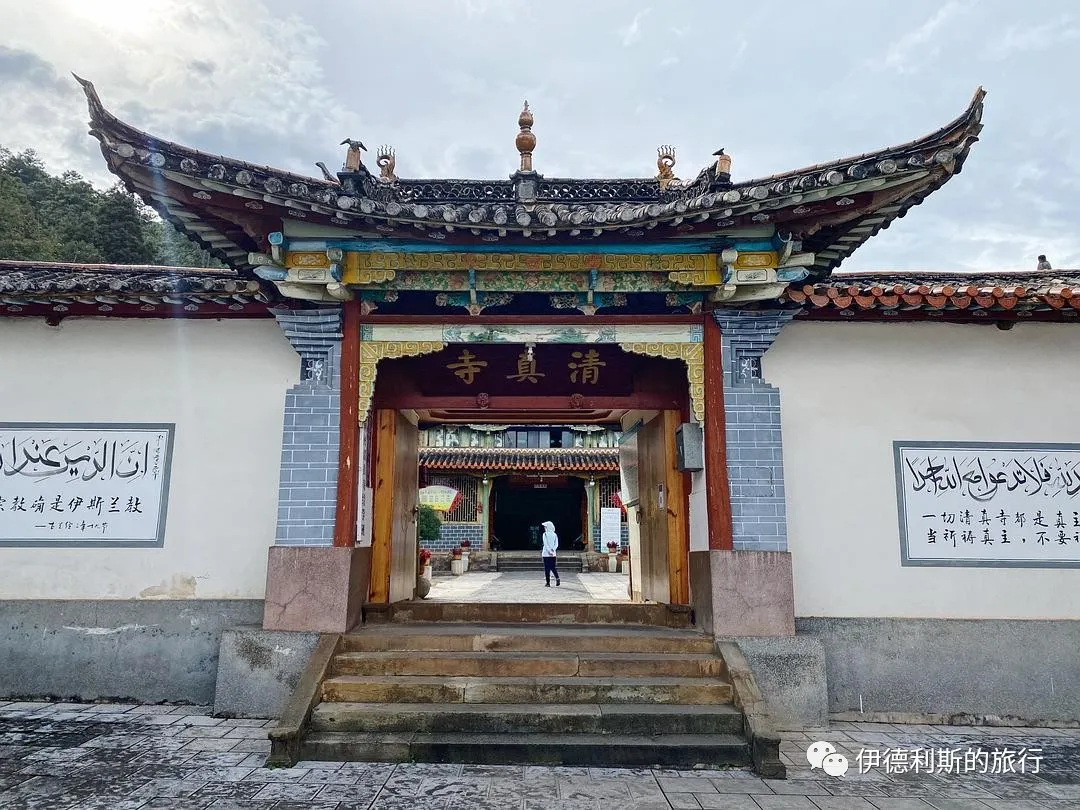
Xinzhai Mosque in Najiaying: Built by Ma Xuecheng, a student of Ma Mingxin, the founder of the Jahriyya order. In 1781, Ma Mingxin's eldest son, Ma Shunqing, was exiled to Talang, Yunnan. Ma Xuecheng did everything he could to rescue and assist Ma Shunqing, which allowed the Jahriyya order to continue growing in Yunnan.
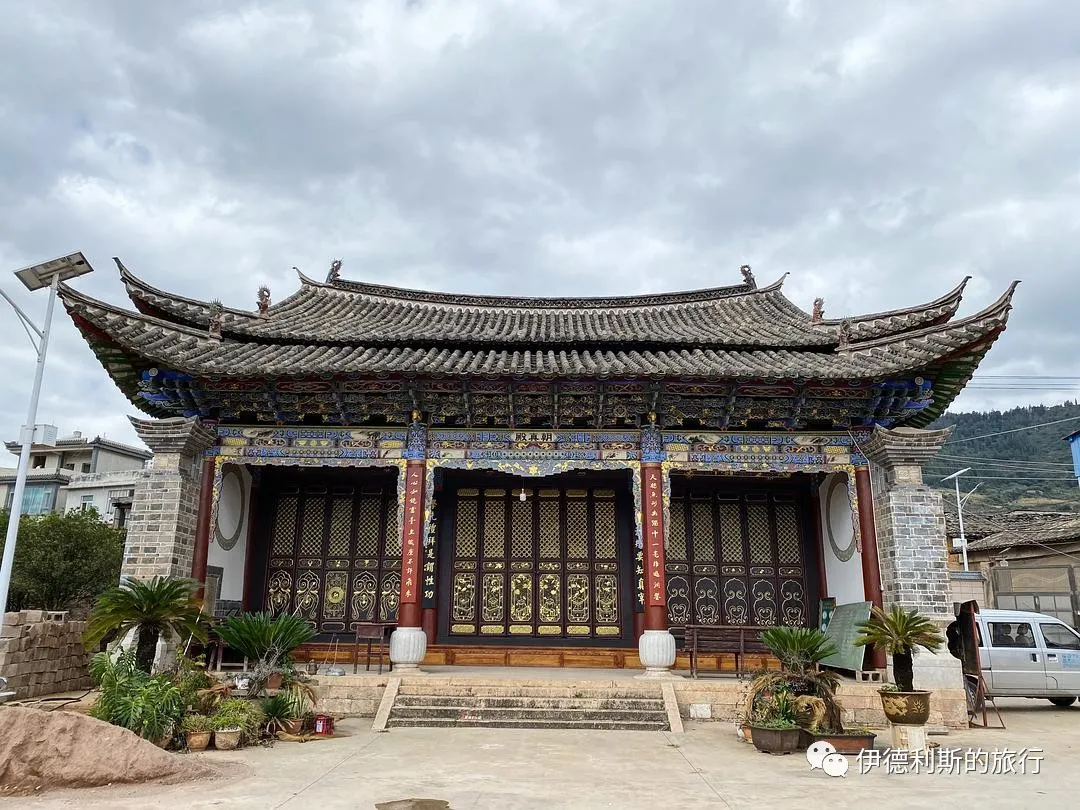
Guanyi Mosque in Qujiang: The Awakening Dream Pavilion (Xingmenglou) was first built in 1687 (the 26th year of the Kangxi reign). It was originally called the Awakening Heart Pavilion (Xinxinlou), but after being rebuilt in 1752 (the 17th year of the Qianlong reign), it was renamed the minaret (jiaobailou).
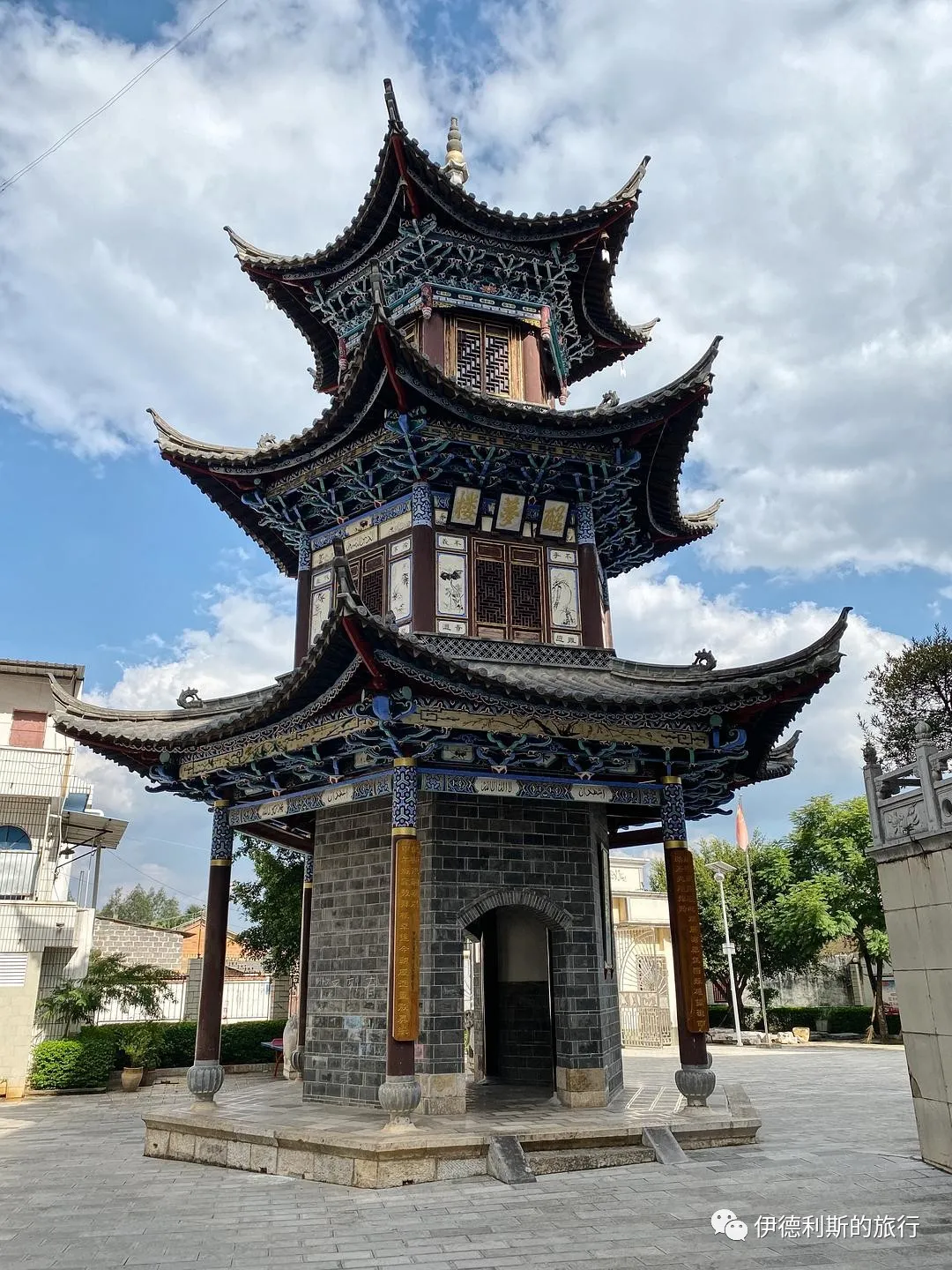
Jianshui Ancient City Mosque: First built during the Huangqing reign of the Yuan Dynasty, it is the oldest mosque in southern Yunnan. The current main hall was rebuilt in 1730 (the eighth year of the Yongzheng reign). The beam structure of the east hall is simple and sturdy, and it is believed to be original wood from the Yuan Dynasty.
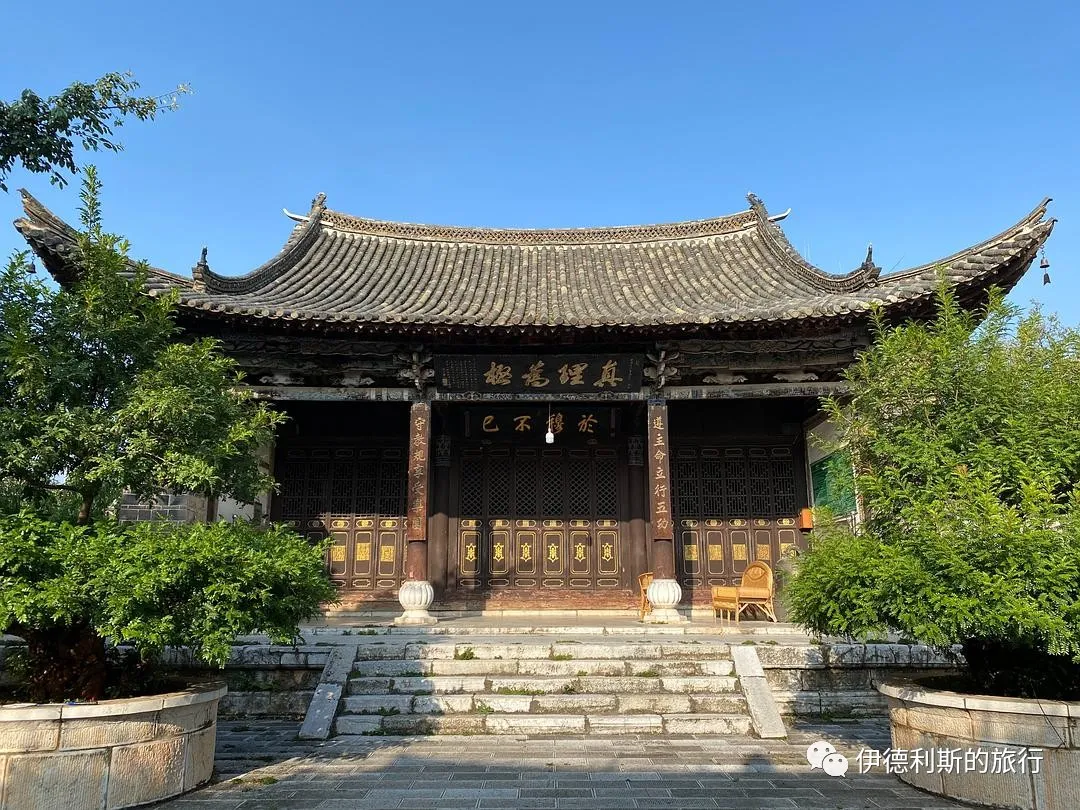
Dazhuang Mosque in Kaiyuan: It was moved to a new site and rebuilt in 1812, then expanded during the Daoguang reign (1821-1850). It is known as the 'greatest mosque under heaven'.
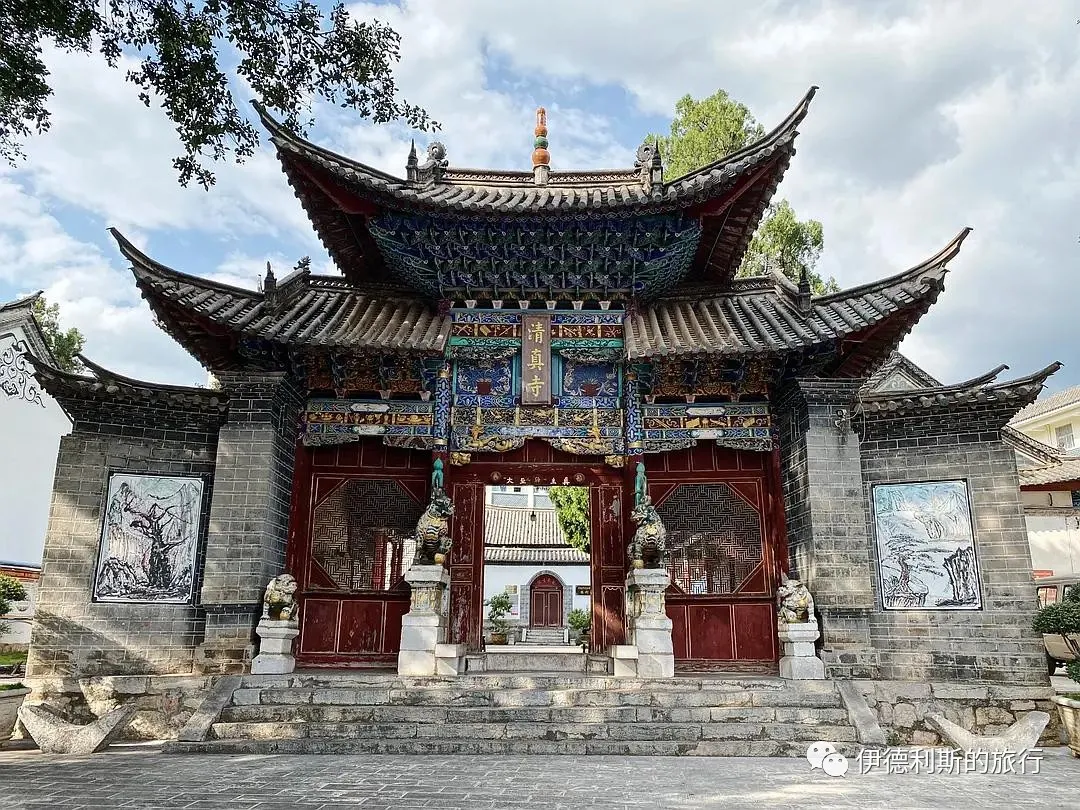
Halal Travel Guide: 2023 Mosque Visits Part 1 — 124 Historic Mosques and Hui Heritage
Articles • ali2007fr posted the article • 0 comments • 262 views • 2026-05-19 23:57
Summary: This first part of the 2023 mosque-visit record covers a wide journey through historic mosques, Hui Muslim communities, and local Islamic heritage. The translation keeps the original names, dates, images, and place-by-place observations while using simple natural English.
2023 was the first year travel restrictions were lifted. I took advantage of the holidays to travel across 11 provinces, cities, and autonomous regions in China, visiting 45 ancient mosques: 5 in Guangdong, 3 in Sichuan, 12 in Yunnan, 1 in Inner Mongolia, 3 in Shandong, 7 in Beijing, 5 in Hebei, 2 in Liaoning, 1 in Jilin, 5 in Heilongjiang, and 1 in Hong Kong.
I also visited 79 ancient mosques across 6 countries in Europe, Asia, and Africa: 23 in Turkey, 8 in Bosnia and Herzegovina, 15 in Lebanon, 12 in Saudi Arabia, 20 in Egypt, and 7 in Thailand.
I visited a total of 124 ancient mosques throughout the year. Here, ancient mosques refer to those with historic architecture. I also visited many mosques that were renovated into modern buildings, but I did not count them in this list.
In 2024, due to work changes and spending time with my children, the number of ancient mosques I visited dropped to 63. See my post '63 Ancient Mosques Visited in 2024' for details. In 2025, I hope to balance work and family while still finding time to visit some ancient mosques. The number does not need to be high, but I hope to keep this habit going.
January: 5 mosques in Guangdong
Zhaoqing West City Mosque: First built in the early Qianlong era. In 1767, a leader named Liu Shifang led 15 Muslims to buy land and build the mosque by Longdinggang outside the west city wall of Zhaoqing. It was expanded twice during the Jiaqing and Daoguang eras and rebuilt into its current form in 1983. The original stone pillars and the stone mihrab arch from the Qing dynasty main hall were preserved.
Zhaoqing East City Mosque: Originally located on Water Street. During the Kangxi era, Fu Yunfeng from Guangzhou bought land and moved it to the Shuixiang camp. It was renovated many times during the Qianlong, Daoguang, and Republican eras. It was rebuilt with reinforced concrete in 1991. The main hall still holds a Qing dynasty mihrab, and the original Qing dynasty stone pillar bases for the main hall and the prayer hall remain outside.
Guangzhou Haopan Mosque: First built during the Ming Chenghua era and rebuilt in 1706. Starting in the Qianlong era, it opened a school for Islamic studies, and during the Tongzhi era, it opened a university for Arabic studies. It hired many famous teachers from Nanjing, Gansu, and Yunnan to train a large number of imams, playing a major role in the development of Islam in Guangzhou, Hong Kong, and Macau.
Guangzhou Huaisheng Mosque: First built in the Tang dynasty. It was hit by a fire in 1343 and rebuilt in 1350. Only the Light Tower (Guangta) survived the fire. It was rebuilt twice during the Ming Chenghua and Qing Kangxi eras, and renovated three times during the Daoguang, Xianfeng, and Tongzhi eras. The stone railings around the current main hall show Yuan and Ming dynasty styles, while the Moon-Watching Tower (Kanyuelou) with its double-eave hip-and-gable roof reflects the style after Ming and Qing renovations.
Guangzhou Xiaodongying Mosque: Built in 1468 by Hui Muslim military officials. It was renovated twice during the Qing Jiaqing and Tongzhi eras. In 1901, Hui Muslims from Guangzhou and Hong Kong raised money to start the Xiaodongying Mosque Charity School inside the mosque, with imams Yang Ruisheng and Wang Mingshan as teachers. In 1925, the Xiaodongying Mosque became the activity center for the Guangzhou Muslim Youth Association. In 1931, Chen Huanwen founded the 'Muslim' (Mumin) monthly magazine there.
January: 3 mosques in Sichuan
Xichang City Mosque: Built during the Yuan Taiding era. It was moved to its current site on Jiyang Lane in 1574 and rebuilt into its current form in 1875. It is known as the premier mosque of Xichang.
Xichang West Mosque: Also called the Mosque Outside the City by Mashui River. First built in 1801. When the 1850 Xichang earthquake caused the buildings to collapse, the local leather-working guild, the Wool Association, paid for its reconstruction. It was rebuilt into its current form in 1999.
Miyi Tianba Mosque: First built in 1702 (the 11th year of the Qing Kangxi era). It was renovated and expanded many times during the Qianlong, Jiaqing, and Daoguang eras. It is similar in style to the traditional mosques in nearby Zhaotong, Yunnan, and is very elegant, simple, and beautiful.
One mosque in Beijing in January.
Beijing Balizhuang Mosque: Between the reigns of the Yongzheng and Qianlong emperors, Hui Muslims with the surnames Jing, Li, and Jin grew vegetables along the stone road outside Chaoyang Gate to supply the capital. This area gradually became known as Balizhuang outside the gate, and the mosque was first built in the early years of the Qianlong reign.
Twelve mosques in Yunnan in January.
Dali Yangbi Ancient Mosque: Legend says it was built in 1382 by Hui soldiers who stayed to garrison Yangbi in the early Ming Dynasty. It was burned and destroyed during the Tongzhi disaster. Later, it was turned into a Confucian mosque, and the main gate and minaret (jiaobailou) were dismantled to build Zhulin Mosque. Other buildings were also damaged, but the main prayer hall survived and was returned in 1994.
Dali Yangbi Shangxiang Mosque: First built in 1921. After the Tongzhi disaster, Du Fachun led his family to escape to Yangbi Lower Street. His home also served as a place for local believers to perform namaz and recite scriptures. To build a new mosque, Du Fachun and his group followed a horse caravan all the way to Yangon, Myanmar. More than 30 Yangbi overseas Chinese living there generously donated over 1,000 small silver coins (pounds sterling). In 1921, through everyone's joint efforts, they secured the Sangyuan slope land and finally completed the Shangxiang Mosque.
Dali Yangbi Shangjie Xinyingpan Mosque: First built in 1859, it was confiscated after the Tongzhi disaster and redeemed during the Guangxu reign. To raise funds for the mosque, Imam Ma Ende followed a horse caravan to Myanmar. With the help of overseas Chinese like Haji Zhao Lianhong, he raised enough donations to rebuild the Shangjie Mosque. It was destroyed by fire in 1989 and rebuilt between 1991 and 1992.
Dali Fengming Mosque: As the seat of Zhaozhou Prefecture since the Yuan Dynasty, Fengyi Town South Street has historically had an ancient mosque. The Fengyi South Street Mosque was burned down after 1872. For the next 50 years, the few remaining Hui Muslims in Fengyi could only perform their religious duties at the home of Mu Benren on West Street. Eventually, Yang Chaozhu approached the Fengyi County magistrate, purchased land, and with donations from local community leaders, the Fengming Mosque was completed in 1922. After 2001, the Chaozhen Hall was expanded, turning the original three-bay main hall into five bays, which is its current appearance.
Dali Binju Mosque: First built in the mid-Qing Dynasty, it was destroyed during the Tongzhi reign and rebuilt in 1923. The existing main hall with its hip-and-gable roof is a century old and is a typical example of Dali-style architecture.
Dali Weishan Xincun Mosque: Xincun is known as the "first Hui village at the source of the Red River." The Xincun Mosque was destroyed in 1872, rebuilt during the Guangxu reign, and the main hall was rebuilt again in 1994, maintaining the traditional architectural style of the Dali region.
Dali Weishan Chen Family Mosque: The Chen family ancestor moved here from Shaanxi and eventually settled down after several moves. The Chen Family Mosque was rebuilt in 1902 and expanded into its current form in 1987. It is set against the mountains and water with beautiful scenery.
Dali Weishan Xishulong Mosque: Rebuilt in 1902 and again in 1990 into its current structure. The main hall has a double-eave hip-and-gable roof, and there is a unique hexagonal pavilion in the center of the roof ridge.
Shangxi Lotus Mosque (Lianhua Si) in Weishan, Dali: It was destroyed in 1872 and later rebuilt and expanded many times into its current form.
Xiaxi Lotus Mosque (Lianhua Si) in Weishan, Dali: It was destroyed in 1872, rebuilt in 1925, and later rebuilt again into the current building.
Donglianhua Mosque (Lianhua Si) in Weishan, Dali: It was first built during the Qing Dynasty and expanded twice, in 1921 and 1987. The minaret (xuanlilou) was raised to four stories in 1987. The main prayer hall was expanded in 1921 into a five-bay by seven-bay structure, and in 1987 it was expanded again into a nine-bay by eleven-bay structure.
Sanjia Village Mosque in Weishan, Dali: It was originally called Saijia Village Mosque. The Sai family were descendants of Masuhu, the fifth son of Sayyid Ajjal Shams al-Din. They moved from Daweigeng and Xiaoweigeng villages in the mid-Ming Dynasty to establish Saijia Village. During the Tongzhi reign, over 3,500 villagers were killed. Later, three families returned to settle there, so the name was changed to Sanjia Village. The current main prayer hall of Sanjia Village Mosque was rebuilt in 1997. From the top, you can look out over the scenery of the Yongjian Basin.
February: 1 mosque in Inner Mongolia.
North Mosque (Beidasi) in Chifeng, Inner Mongolia: In 1739, an elder named Zhang Yueming from Chifeng led the effort to lease seven point six mu of land from Mongolian princes. They built five mud rooms and three main prayer hall rooms, which became the first Chifeng mosque. In 1742, an elder named Ma Fen, who had run the Desheng Security Bureau in Shenyang, paid for a foundation. The imam and elders traveled to various places to collect donations (nietie). Later, Ma Fen went to Shenyang to hire craftsmen. After four years of construction, it was finished in 1747, using red pine from the south mountains of Chifeng for all the wood.
February: 3 mosques in Shandong.
Dangxi Mosque in Jinan, Shandong: Located in Dangjiazhuang in the southern suburbs, it was first built at the end of the Yuan Dynasty. It was later burned down by the Red Turban Army and rebuilt in 1397 (the 30th year of the Hongwu reign). It was repaired many times during the Ming Wanli, Qing Xianfeng, and Republican periods, making it an important ancient mosque in Jinan.
Dangdong Mosque in Jinan, Shandong: Located in the east village of Dangjiazhuang in the southern suburbs, it was first built in 1510 (the fifth year of the Zhengde reign of the Ming Dynasty). It was repaired many times during the Qing Yongzheng and Qianlong reigns and the Republican period. The records say Dangdong Village was originally Zhuguanzhuang, a place set up for refugees in the early Hongwu years of the Ming Dynasty. Local Hui Muslims originally went to Dangxi Mosque for namaz. In the early Zhengde years of the Ming Dynasty, Chen Xi, the Chief Imam of Shandong, raised funds. Fa Zongxian, a Jinan Garrison Commander, and local Hui Muslims managed the purchase of land and materials. They finally built the Zhuguanzhuang Mosque, which was later renamed Dangdong Mosque.
Small Mosque at Ma'anshan, Jinan, Shandong: To make it easier to visit graves, a small mosque was built long ago next to the Baba grave at Ma'anshan in Jinan. Due to history, the small Ma'anshan mosque has collapsed, but the original foundation and building structure are still visible. Many bricks, tiles, and other building parts are scattered on the original site.
March: 2 mosques in Beijing.
Nanxiapo Mosque in Beijing: In the early Kangxi years, a Hui Muslim named Ma who sold bows and arrows inside Chaoyang Gate received a long-overdue payment from a Mongolian customer. He donated this money to build the Nanxiapo Mosque.
Changying Mosque in Beijing: It was built during the Zhengde years of the Ming Dynasty, repaired in 1796, and underwent large-scale renovation and expansion in 2004 to reach its current form.
March: 3 mosques in Hebei.
West Mosque (Xisi) in Baoding, Hebei: It was first built in 1616. A man named Fa from Hanji Village, Fangshan, served as a military official (dusi) in the Baoding garrison of Zhili during the Wanli reign. He bought twelve mu of land at the Wei family vegetable garden. Besides building the mosque, the surrounding land was opened for fellow Muslims to build houses, which officially formed the mosque neighborhood layout in Baoding. As a famous mosque in North China, the Baoding West Mosque has a long history of religious learning and has trained many scholars (alim). The mosque once housed a training ground that produced many famous wrestling masters and martial arts teachers.
Baoding East Mosque, Hebei: During the Tongzhi reign, father and son Shi Xie and Shi Jun built a scripture room east of the Baoding West Mosque. A few years later, Imam Yan Mingpu oversaw the formal completion of the Baoding East Mosque. Although the Baoding East Mosque is not large, many well-known scholars (alim) have taught there and trained many talented students.
Baoding Women's Mosque, Hebei: Founded in 1916 by Imam Yan Fengshan of the Baoding East Mosque in a lane north of the mosque. In 1940, Imam Sha Zhijun and Mrs. Shi raised funds with the help of local elders to buy a house from Bai Yunzhang, the owner of the famous halal steamed bun (baozi) shop, to build the current women's mosque.
April: 4 mosques in Beijing
Beijing Dongsi Mosque: One of the four major official mosques in Beijing during the Ming Dynasty. It was built in 1447 with funds donated by the famous Hui Muslim military officer Chen You, and in 1450, the Jingtai Emperor officially named it the Mosque. Because of his outstanding military service, Chen You was granted the title of Earl of Wuping in 1457, a title his descendants inherited. Later, Chen's descendants often served as officers in Beijing military camps and funded the renovation of several ancient mosques, including those in Dingzhou and Yizhou, Hebei.
Beijing Dongzhimen Outer Mosque: Originally called Erlizhuang Mosque, it was first built in the Yuan Dynasty and renovated during the Kangxi reign of the Qing Dynasty. In the late 1980s, Shougang Group and a Danish company formed a joint venture to build international apartments in Erlizhuang. The ancient mosque was moved one kilometer to the northwest, rebuilt, completed in 1991, and reopened in 1993.
Beijing Deshengmen Outer Fayuan Mosque: Also known as Dewai Guanxiang Mosque, it was originally located on a slope north of the training ground outside Deshengmen. It was moved and expanded during the Kangxi reign. During the Republic of China era, the main hall was expanded again, featuring four interconnected roofs and a four-cornered pavilion.
Beijing Madian Mosque: First built during the Kangxi reign, it was renovated during the Daoguang reign with funds from 14 local sheep trading firms. It was renovated again in the 1980s and remains an important ancient mosque in Beijing. Since the Qing Dynasty, sheep transported from Mongolia through Zhangjiakou were kept in the pens of various sheep firms in Madian before being sold to mutton shops in the city.
May: 1 mosque in Hong Kong
Hong Kong Shelley Street Mosque: At the request of Indian Muslims in the British service, the colonial government leased a piece of land near the barracks in Mid-Levels, Central, to four trustees in 1850. The first stone prayer hall was built there in 1852. It was formally completed between 1870 and 1890 and rebuilt in 1915, keeping only the original minaret, and has been in use ever since.
May: 7 mosques in Thailand
Bangkok Safee Mosque: In 1856, A. T. E. Maskati, an Indian Gujarati Shia merchant, opened a textile dyeing factory in the Bangkok Royal Warehouse. At its peak, it employed over 600 Indian Shia workers. He and other Indian Shia merchants built the Safee Mosque in the warehouse area. This mosque belongs to a small branch of Ismailism called Dawoodi Bohras.
Bangkok Goowatil Islam Mosque: In the mid-19th century, some Indian Gujarati Shia merchants rented a royal warehouse. At that time, some Malay Sunni Muslim goldsmiths from Pattani in southern Thailand also lived nearby, and they built the Goowatil Islam Mosque together in 1859. After the 20th century, Indian Shia merchants began moving their shops to the busier Bangkok Chinatown, and today the Goowatil Islam Mosque is a Sunni mosque.
Ton Son Mosque in Bangkok: In the 17th century, Siam set up important trade warehouses and customs stations at the mouth of the Yai Canal in Bangkok, and stationed Cham troops nearby. In 1688, Mahmud built the first mosque in Bangkok here. The main hall was originally built of teak. It was rebuilt with bricks in the early 19th century and again in 1952 into the current steel and concrete structure, with only the original mihrab preserved.
Bang Luang Mosque in Bangkok: Built in 1785 under the direction of a merchant named Toh Yi, it is the only remaining Thai-style mosque in Thailand. Its architectural decorations are adapted from the Garuda found in Hinduism and Buddhism, but shaped to fit Islamic traditions.
Haroon Mosque in Bangkok: Toh Haroon Bafaden, an Arab-Indonesian merchant, came to Bangkok from Indonesia with his father in 1828 (some say 1837) to trade. He later married, had children, and settled down. Soon after, he built Haroon Mosque and became its first imam. It moved to its current location in 1899 due to the construction of the customs building. It was rebuilt in 1934 into the current brick and white lime structure, and the mosque preserves exquisite 19th-century Javanese Jepara teak scripture carvings.
Java Mosque in Bangkok: Built in 1906 on land owned by a Javanese-descended haji named Muhammad Salih. Although it was expanded twice in 1927 and 1975, it still maintains a typical traditional Javanese style.
Kocha Itsahak Mosque in Bangkok: Built in the late 19th century by Luang Kocha Itsahak, a royal translator for Siam who was a descendant of Malay merchants. In the 19th century, many Indians and Malays worked in the warehouses and trading companies near the Khlong Khwang pier. Luang Kocha Itsahak donated a piece of his own land and had his children dismantle the bricks and stones from his old house to build this mosque.
23 mosques in Turkey in June.
Great Mosque of Mardin: Dating back to the 10th century, it is one of the earliest mosques in the Anatolia region. The minaret (bangke ta) was built in 1176 and is a classic example of Artuqid dynasty architecture.
Abdullatif Mosque in Mardin: Originally built in 1371 by the Artuqid minister Abdullatif. The minaret was built in 1845 by Muhammad Pasha, the Ottoman governor of Mosul. The main gate still looks as it did when it was built in 1371, and it is considered the final masterpiece of the Artuqid dynasty.
Seyh Cabuk Mosque in Mardin: Believed to have been built during the Black Sheep (Qara Qoyunlu) dynasty in the 15th century and renovated in the 19th century. Legend says that Abdullah bin Anas al-Juhayni, a companion of the Prophet, was sent to Constantinople to deliver a letter. He passed away in Mardin on his way back and was buried here.
Sehidiye Mosque in Mardin: Built in 1214 by order of the Artuqid Sultan Melik Nasreddin Aslan. The current minaret was rebuilt in 1914 by the Armenian architect Serkis Lole in an eclectic style.
Dinari Pamuk Mosque in Mardin: Built in the 11th century by Sheikh Mehmet Dinari on the site of a Byzantine church. The current building dates to the Artuqid period in 1332.
Melik Mahmut Mosque in Mardin: Built in 1362.
Great Mosque of Diyarbakir: Construction began in the 7th century. The current building was ordered by Malik-Shah I, the third sultan of the Seljuk Empire, in 1092, and it has a history of over 900 years. The architectural style of the Great Mosque of Diyarbakir was deeply influenced by the Umayyad Mosque in Damascus, as Sultan Malik-Shah I had overseen the restoration of the Umayyad Mosque between 1082 and 1083 and wanted to bring the prestige and glory of Damascus to Diyarbakir.
Nebi Mosque in Diyarbakir: Originally built during the White Sheep (Aq Qoyunlu) dynasty in the 15th century. The minaret tower (bangke lou) was rebuilt by Haji Hussein in 1530. It originally consisted of two main halls, belonging to the Shafi'i and Hanafi schools of thought respectively. During World War I, the Hanafi section was used as a military barracks until it collapsed in 1927. Today, only the part belonging to the Shafi'i school remains.
Hazreti Süleyman Mosque in Diyarbakir: The most important religious site in Diyarbakir. It was first built by the Inalid Beylik in 1160, expanded by order of Sultan Suleiman the Magnificent of the Ottoman Empire in the 16th century, and renovated between 1631 and 1633. On the west side of the main hall are the graves of Suleiman, son of the famous Arab general Khalid ibn al-Walid, and his 27 followers, who passed away in 639 when the Arab army occupied Diyarbakir.
Nasuh Pasha Mosque in Diyarbakir: Built in the early 17th century. Nasuh Pasha became the governor of Diyarbakir in 1606, later became the Grand Vizier of the Ottoman dynasty in 1611, and married the daughter of Sultan Ahmed I.
Kurşunlu Mosque in Diyarbakir: Built by Bıyıklı Mehmed Pasha, the first Ottoman governor of Diyarbakir, between 1516 and 1520. It is also the first Ottoman mosque in Diyarbakir.
Kadı Mosque in Diyarbakir: Built in 1533.
Sheikh Matar Mosque in Diyarbakir: Built by Haji Hussein in 1500 during the late White Sheep (Aq Qoyunlu) dynasty. It is named after the tomb of Sheikh Matar located next to the mosque.
Behram Pasha Mosque in Diyarbakir: Built by the Ottoman governor Behram Pasha between 1564 and 1572. It was supervised by Mimar Sinan, the greatest Ottoman architect, though it was likely commissioned to another royal architect to actually carry out the work.
Iskender Pasha Mosque in Diyarbakir: Construction began in 1551 or 1554 and was completed in 1557. It is a typical Ottoman single-dome mosque.
Ömer Şeddat Mosque in Diyarbakir: Built during the mid-12th century Inalid Beylik period, it has a history of over 800 years.
Rüstem Pasha Mosque in Istanbul: Known as the most beautiful mosque by Mimar Sinan, it was built by the great Ottoman architect Mimar Sinan between 1561 and 1563 for the Ottoman Grand Vizier Rüstem Pasha. This was the last building commissioned by Rüstem Pasha and was not completed until after his death.
Elhac Timurtaş Mosque in Istanbul: Built in the 1460s by Timurtaş Ağa, who was a merchant there. It is one of the oldest mosques in Istanbul. It has been renovated many times throughout history, and it is now difficult to see its original form.
Süleymaniye Mosque in Istanbul: Commissioned by Ottoman Sultan Suleiman the Magnificent and built by Mimar Sinan between 1550 and 1557. It is considered Mimar Sinan's most important work and remains a landmark of Istanbul today.
Bayezid II Mosque in Istanbul: Built by the eighth Ottoman Sultan, Bayezid II, between 1501 and 1506. It is the second imperial mosque built after the Ottoman conquest of Istanbul. Because the Fatih Mosque built by Mehmed the Conqueror was destroyed by earthquakes multiple times, the Bayezid II Mosque is the oldest surviving imperial mosque in Istanbul.
Mahmut Pasha Mosque in Istanbul: Built in 1464 by Mahmut Pasha, the Grand Vizier of Sultan Mehmed the Conqueror. It is one of the earliest mosques built within the city of Istanbul. It still follows the architectural style of the Ottoman dynasty from the old capital of Bursa, consisting of two main domes and many small domes.
Hagia Sophia in Istanbul: Completed in 537, it was the largest church in the world at that time. In the mid-16th century, Sultan Suleiman the Magnificent built two minarets. In the late 16th century, the royal architect Mimar Sinan added 24 buttresses to support the cathedral and built two new 60-meter-high minarets, giving the cathedral a four-minaret design.
Dolmabahçe Mosque in Istanbul: Built by Ottoman Sultan Abdülmecid I and his mother between 1853 and 1855. After its completion, it became the royal mosque of the Ottoman Sultans. Designed by Garabet Amira Balyan of the Ottoman Armenian Balyan architect family, it blends Rococo and Empire styles. It is one of the representative works of the eclectic style that emerged under European influence following the Ottoman modernization reforms in the mid-19th century.
8 mosques in Bosnia and Herzegovina in June
Gazi Husrev Bey Mosque in Sarajevo: This is the main landmark of the Old Bazaar in Sarajevo. Built in 1530, it has served as the city's central mosque ever since. It was designed and built by Adzem Esir Ali, an Ottoman court architect from Tabriz, Persia. Important scenes from the movie 'Walter Defends Sarajevo,' well-known to Chinese audiences, were filmed here.
Muslihudin Čekrekčija Mosque in Sarajevo: Built by Hajji Mustafa in 1526, it survived many fires in Sarajevo and also survived the 1697 looting of the city by the Holy League after they defeated the Ottoman Empire.
Bascarsija Mosque in Sarajevo: Built by Havadža Durak in the early 16th century, it sits in the heart of the Old Bazaar. It originally had a wooden dome, but it was rebuilt with a stone dome after a fire in 1697.
Imperial Mosque (Careva Džamija) in Sarajevo: Construction began in 1457. It was the first mosque built after the Ottoman Empire conquered Bosnia. It was built under the direction of Isaković-Hranušić and dedicated to the Ottoman Sultan Mehmed the Conqueror. The original mosque was a wooden structure. It was rebuilt in 1565 into the current classical Ottoman style and dedicated to the Ottoman Sultan Suleiman the Magnificent.
Magribija Mosque in Sarajevo: Built by Sheikh Magribija in the 15th century and rebuilt in 1766, it retains its 18th-century appearance and paintings.
Ali Pasha Mosque in Sarajevo: Built in 1560-1561 by the Bosnian governor Ali Pasha, this is a single-domed mosque in the classical Ottoman style with beautiful architectural proportions.
Ferhadija Mosque in Sarajevo: Built by Ferhad-beg Vuković-Desisalić in 1561-1562, it is a typical classical Ottoman building. It features a central dome over a rectangular main hall and three small domes over the front porch.
Bakrbaba Mosque archaeological site in Sarajevo: Built in 1544 by the famous Sarajevo merchant Hajji-Alija Bakrbaba, it was burned by the European Holy League in 1697. It was rebuilt in the early 18th century, demolished by the Austro-Hungarian Empire in 1895, and has been the subject of archaeological research since 2000.
June, Beijing: 1 mosque
Xiguanshi Mosque in Beijing: Construction began in 1494. The main hall was rebuilt in 1709 and the kiln hall (yaodian) in 1761. In 1900, Empress Dowager Cixi and the Guangxu Emperor fled the city to the west. They arrived at Xiguanshi at dusk. Cixi slept in the main hall of the mosque that night, while the Emperor and his consorts slept in the side halls. Two years later, Cixi returned to Beijing and donated silver to renovate the Xiguanshi Mosque. She also ordered glazed tiles, a treasure top (baoding), and roof ridge beasts to be fired at the Imperial Kiln in Liulihe.
June, Hebei: 1 mosque
Zhuozhou City Mosque in Hebei: A local ancestor from Zhuozhou followed the Prince of Yan on his northern campaign during the early Ming Dynasty. The old mosque was built during the Yongle period of the Ming Dynasty, renovated in the 60th year of the Kangxi reign of the Qing Dynasty, and the main hall was rebuilt in 2000 to reach its current appearance.
August, Liaoning: 2 mosques
Luyang Mosque in Jinzhou, Liaoning: Built in 1531, it was renovated during the Xianfeng period of the Qing Dynasty and rebuilt into its current form between 1922 and 1925. During the reconstruction, Manager Wang of the Enliyong Pastry Shop in Luyang was in charge of construction, and he invited Yang Peiran (Yuchun), who was a brigade commander in the Northeast Army at the time, to help raise funds.
Beizhen Mosque in Jinzhou, Liaoning: Built in 1522, it was expanded in 1617 and renovated again in 1798. The Beizhen Mosque was built according to the traditional northern mosque structure consisting of three parts: the front porch (juanpeng), the main hall, and the kiln hall (yaodian). However, it is very unique because the front porch and the main hall are independent and not connected.
August, Jilin: 1 mosque
Changtong Road Mosque in Changchun: Built in 1824. In 1852, elder Han Xuecheng and Gong Wanmei donated the building, and elder Shi Xuecheng donated trees to move the mosque to its current location in Tielingtun. In 1864, Imam Han Dengqing and others raised funds to expand it, building the current five-room main hall and three-story kiln hall (yaodian). In 1889, Imam Han Laixiang bought the land in front of the mosque owned by the Xu family to build a gate tower, east and west side rooms, a north lecture hall, an east reception hall, and a porch for the main hall. It was expanded several more times during the Republic of China era.
Five mosques in Heilongjiang in August.
Harbin Daowai Mosque: Also known as the East Mosque or Binjiang Mosque. It started in 1897 when Hui Muslims who came here to trade cattle bought five grass huts on the 12th South Street in Daowai. It was rebuilt in 1904. In the early 1930s, as the number of Hui Muslims in Harbin grew, Imam Ma Songting suggested building a new hall. Head teacher Bai Yusheng traveled around to collect donations (nietie), and they hired Russian designers, the Krabliov siblings, to build the current Daowai Mosque main hall in 1935.
Harbin Acheng Mosque: In 1777, 26 (some say 28) Hui Muslim households in Acheng rented eight civilian houses from Manchu bannermen to establish the first Acheng Mosque. In 1802, they bought two plots of ancestral land from Sarsei, a clerk (bithesi) of the Lingdebao cattle company in Xigangzi, and began building the formal Acheng Mosque. It took 50 years to complete, spanning the Jiaqing, Daoguang, and Xianfeng reigns. A fire in Acheng in 1873 destroyed the mosque's Moon-Watching Tower (wangyuelou) and North Lecture Hall. The current building was finally completed in 1900 (the 26th year of the Guangxu reign).
Harbin Tatar Mosque: As the center of the Chinese Eastern Railway, Tatars began settling in Harbin in 1901 and built their first wooden mosque that same year. As the Tatar population grew, they rebuilt it as a brick mosque in 1906. To commemorate the 1,000th anniversary of the Volga Tatars' ancestors, the Volga Bulgars, converting to Islam in 922 AD, the Tatars in Harbin decided to build a new mosque. Construction of the new mosque began in 1923, but it stalled for a time due to political instability. In 1936, the new imam, Münir Hasibullah, traveled to every Tatar settlement in the Far East to collect donations (nietie). The Millennium Mosque was finally completed and opened on October 8, 1937.
Qiqihar Bukui West Mosque: In 1817, Ma Datian, the third-generation leader (murshid) of the Jahriyya order, was exiled to Qiqihar, Heilongjiang. Twelve households led by 'Grandpa Niu' volunteered to follow him. Ma Datian passed away while passing through the Jilin Shipyard and was honored as the 'Shipyard Grandpa.' The 12 households continued their exile to Qiqihar. After arriving in Qiqihar, these 12 households were accepted by the local Gedimu community. They built the Bukui West Mosque in 1852, which became the only Jahriyya mosque in Heilongjiang.
Qiqihar Bukui East Mosque: The first mosque in Heilongjiang. Legend says it was built in 1676 by over 40 Hui Muslim households who moved to Bukui Village from Shandong and Hebei. It was renovated many times during the Jiaqing and Guangxu reigns to reach its current size. The copper lotus-base gourd finial on the kiln-style roof was bought by Ma Wanliang in 1893 from a Tibetan Buddhist temple near Zhangjiakou.
15 mosques in Lebanon in September.
Beirut Emir Assaf Mosque: Built in the late 16th century by the Emir rulers of the Assaf dynasty. The Emir's palace and gardens were once next to the mosque.
Beirut Omari Mosque: Originally built in 635 during the reign of Caliph Umar. In 1150, the Crusaders built a Romanesque St. John's Church here. After the Mamluk dynasty captured Tripoli in 1291, it was converted into a grand mosque. The Mamluk-style gate and minaret (bangke ta) were added in 1350.
Tripoli Taynal Mosque: Built in 1336 by order of Emir Taynal, the Mamluk governor of Tripoli.
Tripoli Mu'allaq Hanging Mosque: Built in 1561 by order of the Ottoman governor of Tripoli, Mahmud Lutfi al-Za'im. The first floor is a culvert on the street, and you must climb stairs from the side to reach the main hall on the second floor.
Tripoli Mansouri Great Mosque: Built in 1294 by order of the Mamluk Sultan Al-Ashraf Khalil. It was the first building constructed by the Mamluk dynasty in Tripoli. The minaret (bangke lou) inside the mosque is likely part of the Crusader St. Mary's Church, and the gate may also contain the original Crusader church gate. The main hall was built by the Mamluk dynasty in 1294, and the courtyard colonnade was built by Mamluk Sultan Al-Nasir Muhammad in 1314.
Al-Uwaysiyat Mosque in Tripoli: Built in 1461 during the Mamluk period, it was renovated in 1534 during the reign of the Ottoman Sultan Suleiman the Magnificent.
Attar Mosque in Tripoli: Built in the 1350s by a local Tripoli perfume merchant named Badr al-Din al-Attar on the ruins of a Crusader church, it is also the first non-Mamluk mosque in Tripoli. The Attar Mosque is known as one of the most beautiful ancient mosques in Tripoli, but it has been closed for several years for repairs.
Tawba Mosque in Tripoli: It is believed to have been built during the Mamluk period. Because it sits right next to the riverbank, the mosque's foundation inscription was likely washed away during a flood. The inscription now at the mosque entrance says it was rebuilt after a flood in 1612.
Burtasi Mosque in Tripoli: Built by Isa ibn Umar al-Burtasi between the end of the 13th century and 1324. The minaret above the main gate is considered the most beautiful minaret in Tripoli.
Umayyad Great Mosque of Baalbek: Built in 715 by the Umayyad Caliph al-Walid I, the same year as the Umayyad Great Mosque in Damascus. These two mosques are ranked as the oldest existing mosque (masjid) buildings in the world. A flood hit Baalbek in 1318, causing severe damage to the Umayyad Great Mosque. The walls and the pulpit (minbar) were washed away, but it was later restored by the Mamluk prince Najm al-Din Hassan, who ruled Baalbek at the time.
El Kikhia Mosque in Sidon: Built in 1625 by Mahmoud Ketkhuda, it is a representative work of Lebanese architecture from the Ottoman period.
El Qtaishieh Mosque in Sidon: Built in the 16th century by Sheikh Ali ibn Muhammad al-Qtaish, the mosque preserves exquisite Ottoman tiles.
Omar Great Mosque in Sidon: The most important mosque in the old city of Sidon, it dates back to the Crusader era. The Knights Hospitaller built a military fortress here in the 13th century, and in 1291, the Mamluk Sultan al-Ashraf Khalil built the Omar Great Mosque on the foundation of that fortress. In the late 19th century, the Ottoman Empire renovated the Omar Great Mosque and built the current minaret.
El-Bahr Mosque in Sidon: Built in 1373 with a donation from Hassan bin Sawa, it features Mamluk-era architectural styles, including thick walls and cross-vaults, and uses granite columns from the ancient Roman period.
El Barrane Mosque in Sidon: Built between the late 16th and early 17th centuries during the reign of the Druze Emir Fakhr al-Din II.
12 mosques in Saudi Arabia in November.
Prophet's Mosque (Masjid an-Nabawi) in Medina: Built by the Prophet Muhammad next to his home after he arrived in Medina in 622 AD. It has been expanded many times throughout history. The current central core was built during the Ottoman period, while the surrounding areas were expanded by the Saudi Kingdom after the 20th century. The pulpit (minbar) inside the Garden of Paradise (Rawdah) was rebuilt in 1590 by the Ottoman Sultan Murad III using marble. view all
Summary: This first part of the 2023 mosque-visit record covers a wide journey through historic mosques, Hui Muslim communities, and local Islamic heritage. The translation keeps the original names, dates, images, and place-by-place observations while using simple natural English.
2023 was the first year travel restrictions were lifted. I took advantage of the holidays to travel across 11 provinces, cities, and autonomous regions in China, visiting 45 ancient mosques: 5 in Guangdong, 3 in Sichuan, 12 in Yunnan, 1 in Inner Mongolia, 3 in Shandong, 7 in Beijing, 5 in Hebei, 2 in Liaoning, 1 in Jilin, 5 in Heilongjiang, and 1 in Hong Kong.
I also visited 79 ancient mosques across 6 countries in Europe, Asia, and Africa: 23 in Turkey, 8 in Bosnia and Herzegovina, 15 in Lebanon, 12 in Saudi Arabia, 20 in Egypt, and 7 in Thailand.
I visited a total of 124 ancient mosques throughout the year. Here, ancient mosques refer to those with historic architecture. I also visited many mosques that were renovated into modern buildings, but I did not count them in this list.
In 2024, due to work changes and spending time with my children, the number of ancient mosques I visited dropped to 63. See my post '63 Ancient Mosques Visited in 2024' for details. In 2025, I hope to balance work and family while still finding time to visit some ancient mosques. The number does not need to be high, but I hope to keep this habit going.
January: 5 mosques in Guangdong
Zhaoqing West City Mosque: First built in the early Qianlong era. In 1767, a leader named Liu Shifang led 15 Muslims to buy land and build the mosque by Longdinggang outside the west city wall of Zhaoqing. It was expanded twice during the Jiaqing and Daoguang eras and rebuilt into its current form in 1983. The original stone pillars and the stone mihrab arch from the Qing dynasty main hall were preserved.
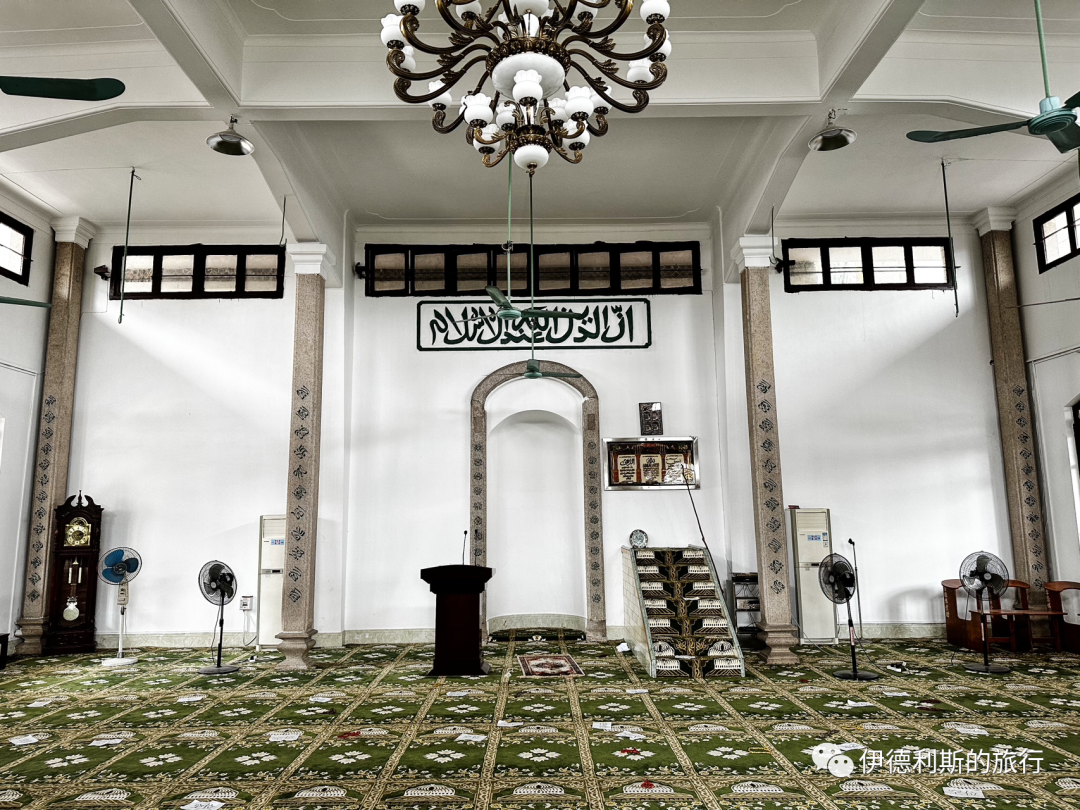
Zhaoqing East City Mosque: Originally located on Water Street. During the Kangxi era, Fu Yunfeng from Guangzhou bought land and moved it to the Shuixiang camp. It was renovated many times during the Qianlong, Daoguang, and Republican eras. It was rebuilt with reinforced concrete in 1991. The main hall still holds a Qing dynasty mihrab, and the original Qing dynasty stone pillar bases for the main hall and the prayer hall remain outside.
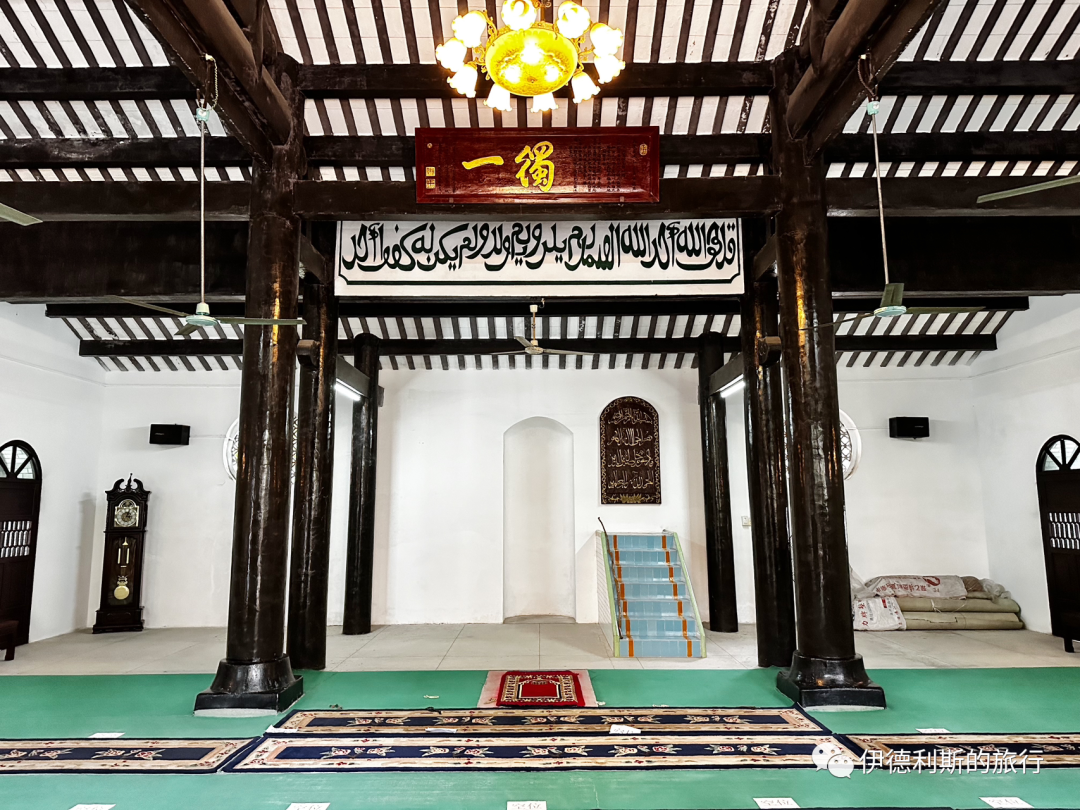
Guangzhou Haopan Mosque: First built during the Ming Chenghua era and rebuilt in 1706. Starting in the Qianlong era, it opened a school for Islamic studies, and during the Tongzhi era, it opened a university for Arabic studies. It hired many famous teachers from Nanjing, Gansu, and Yunnan to train a large number of imams, playing a major role in the development of Islam in Guangzhou, Hong Kong, and Macau.
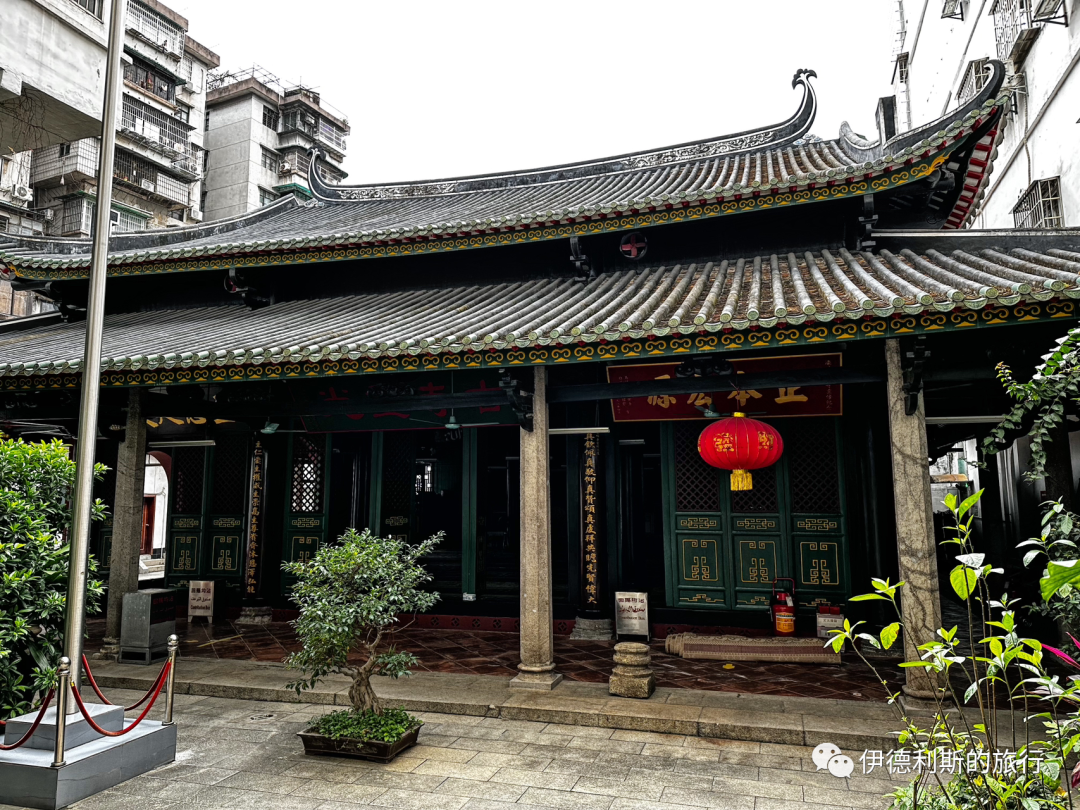
Guangzhou Huaisheng Mosque: First built in the Tang dynasty. It was hit by a fire in 1343 and rebuilt in 1350. Only the Light Tower (Guangta) survived the fire. It was rebuilt twice during the Ming Chenghua and Qing Kangxi eras, and renovated three times during the Daoguang, Xianfeng, and Tongzhi eras. The stone railings around the current main hall show Yuan and Ming dynasty styles, while the Moon-Watching Tower (Kanyuelou) with its double-eave hip-and-gable roof reflects the style after Ming and Qing renovations.
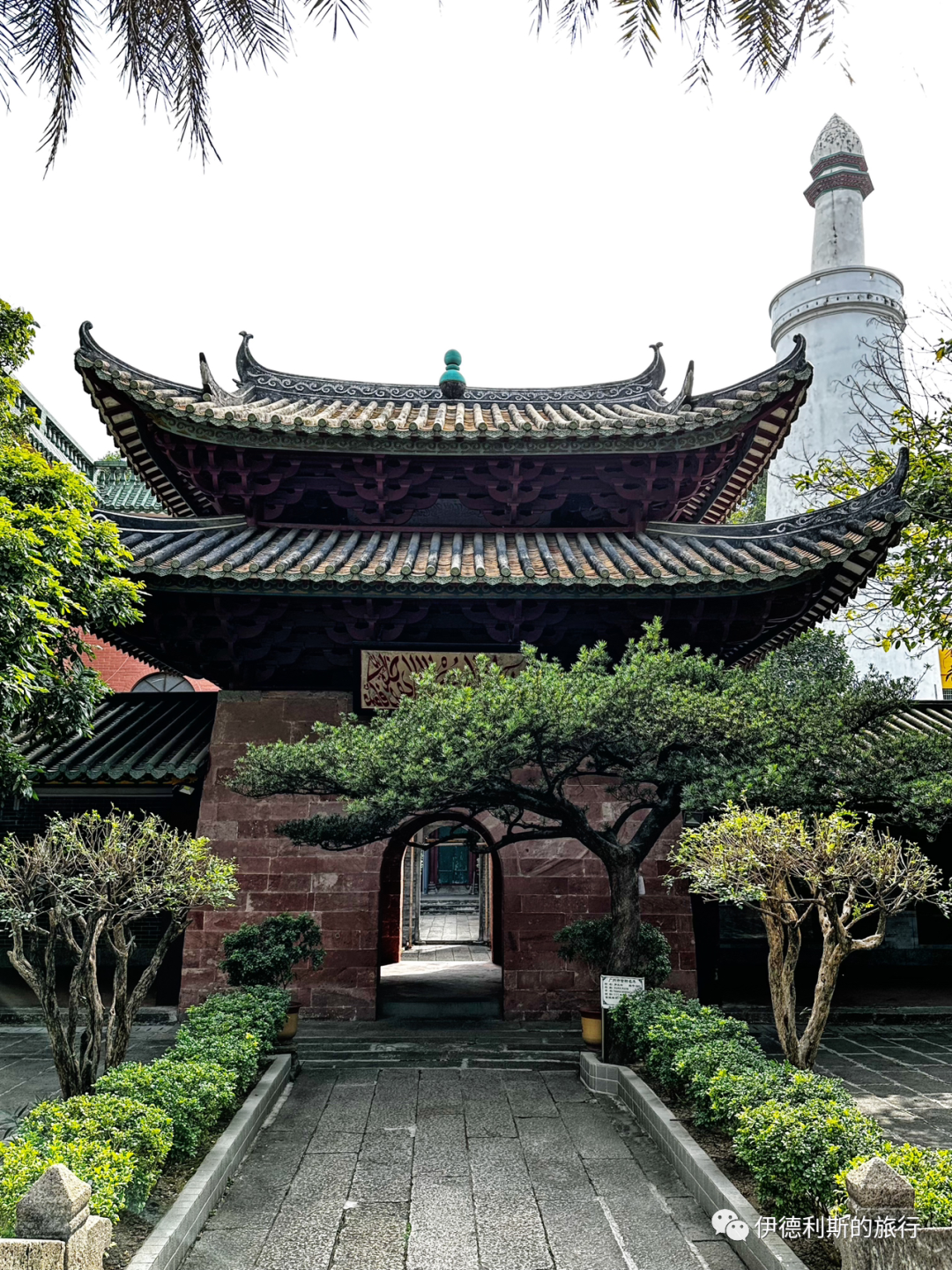
Guangzhou Xiaodongying Mosque: Built in 1468 by Hui Muslim military officials. It was renovated twice during the Qing Jiaqing and Tongzhi eras. In 1901, Hui Muslims from Guangzhou and Hong Kong raised money to start the Xiaodongying Mosque Charity School inside the mosque, with imams Yang Ruisheng and Wang Mingshan as teachers. In 1925, the Xiaodongying Mosque became the activity center for the Guangzhou Muslim Youth Association. In 1931, Chen Huanwen founded the 'Muslim' (Mumin) monthly magazine there.
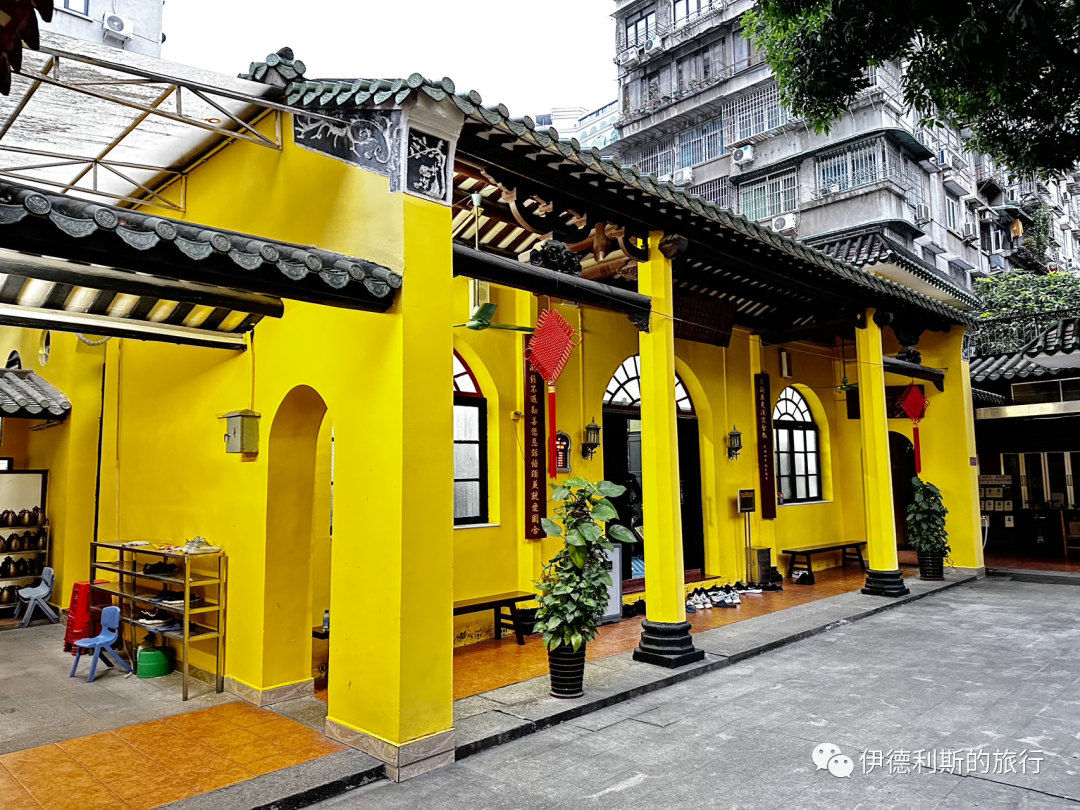
January: 3 mosques in Sichuan
Xichang City Mosque: Built during the Yuan Taiding era. It was moved to its current site on Jiyang Lane in 1574 and rebuilt into its current form in 1875. It is known as the premier mosque of Xichang.
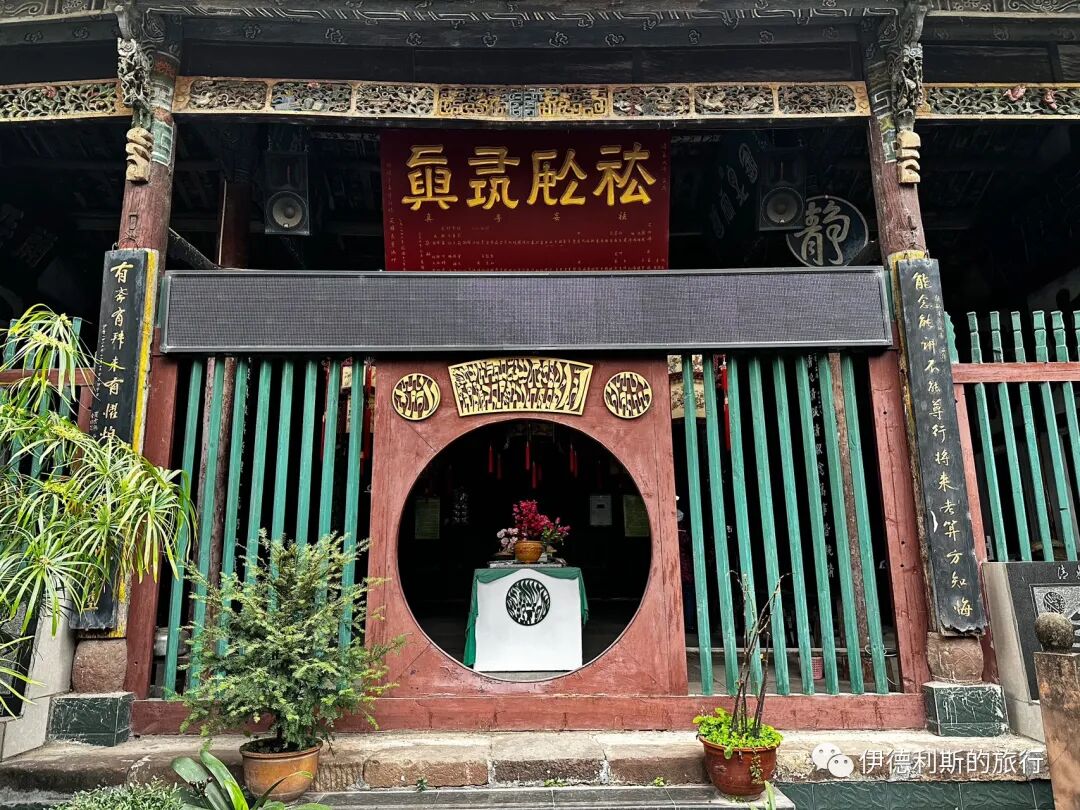
Xichang West Mosque: Also called the Mosque Outside the City by Mashui River. First built in 1801. When the 1850 Xichang earthquake caused the buildings to collapse, the local leather-working guild, the Wool Association, paid for its reconstruction. It was rebuilt into its current form in 1999.
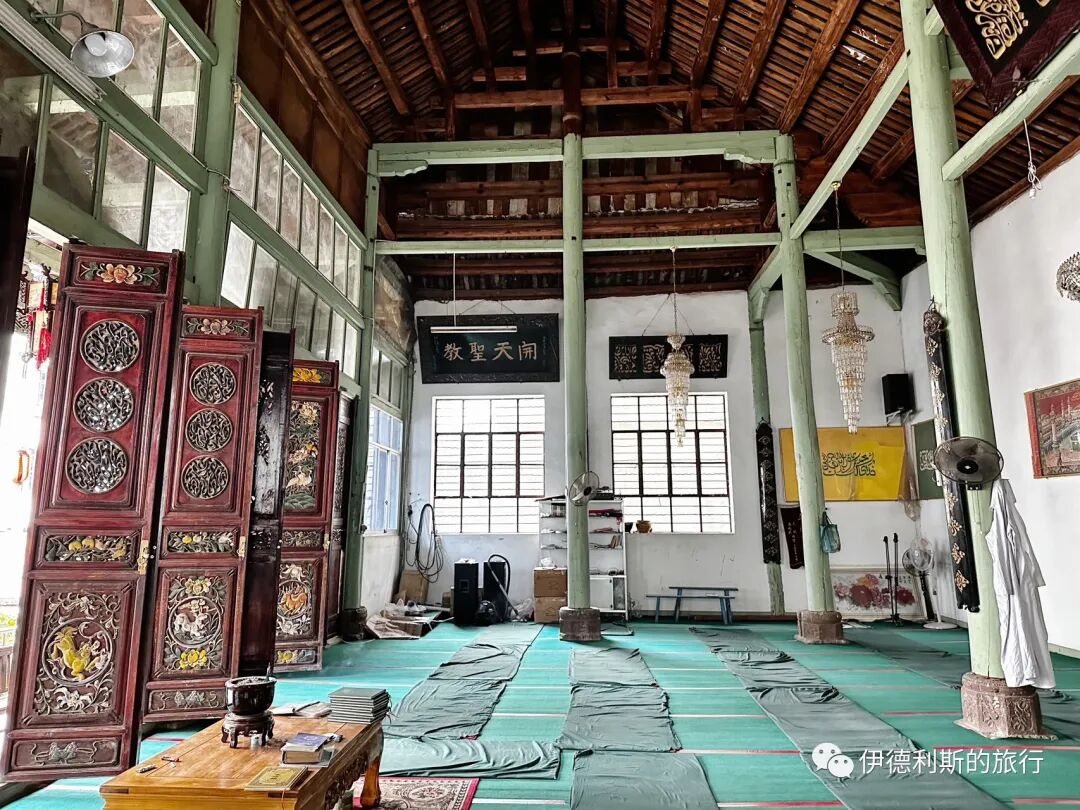
Miyi Tianba Mosque: First built in 1702 (the 11th year of the Qing Kangxi era). It was renovated and expanded many times during the Qianlong, Jiaqing, and Daoguang eras. It is similar in style to the traditional mosques in nearby Zhaotong, Yunnan, and is very elegant, simple, and beautiful.
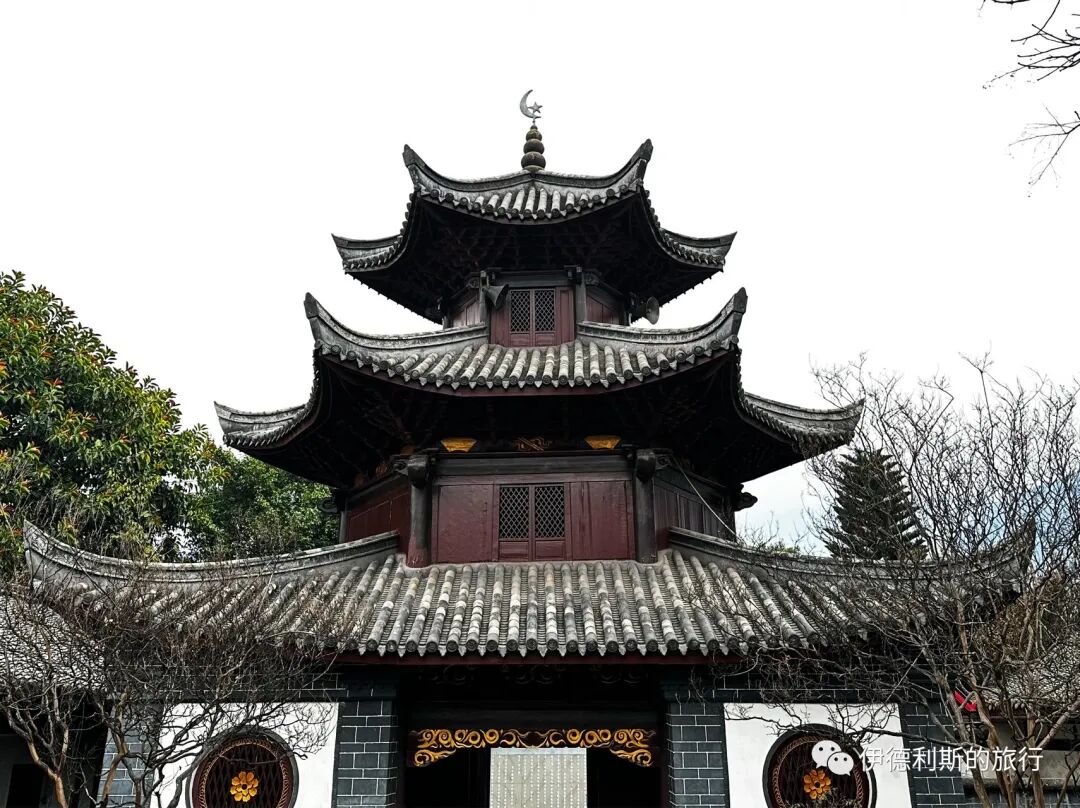
One mosque in Beijing in January.
Beijing Balizhuang Mosque: Between the reigns of the Yongzheng and Qianlong emperors, Hui Muslims with the surnames Jing, Li, and Jin grew vegetables along the stone road outside Chaoyang Gate to supply the capital. This area gradually became known as Balizhuang outside the gate, and the mosque was first built in the early years of the Qianlong reign.
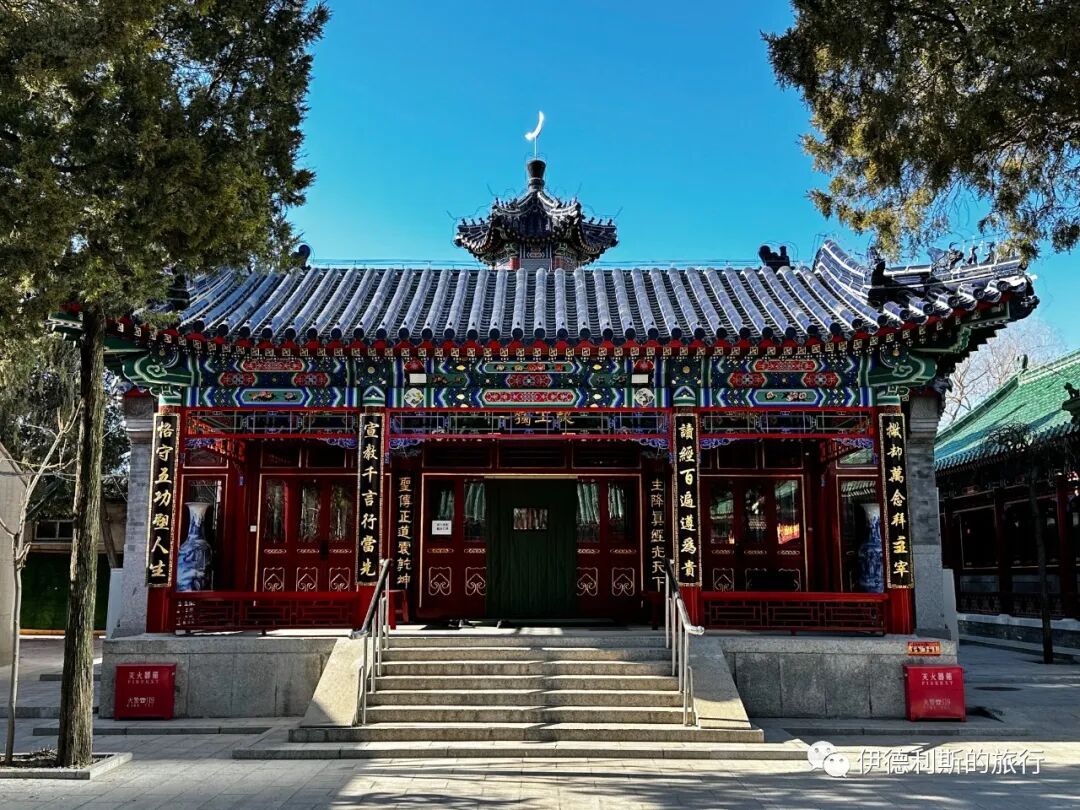
Twelve mosques in Yunnan in January.
Dali Yangbi Ancient Mosque: Legend says it was built in 1382 by Hui soldiers who stayed to garrison Yangbi in the early Ming Dynasty. It was burned and destroyed during the Tongzhi disaster. Later, it was turned into a Confucian mosque, and the main gate and minaret (jiaobailou) were dismantled to build Zhulin Mosque. Other buildings were also damaged, but the main prayer hall survived and was returned in 1994.
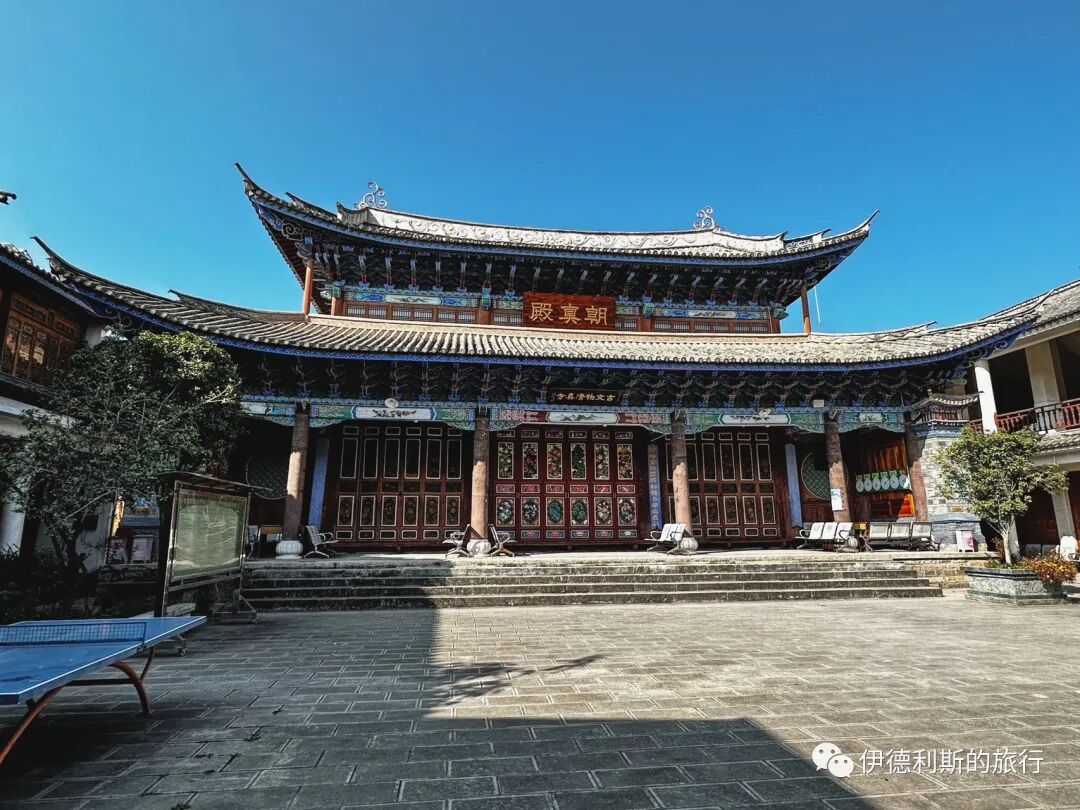
Dali Yangbi Shangxiang Mosque: First built in 1921. After the Tongzhi disaster, Du Fachun led his family to escape to Yangbi Lower Street. His home also served as a place for local believers to perform namaz and recite scriptures. To build a new mosque, Du Fachun and his group followed a horse caravan all the way to Yangon, Myanmar. More than 30 Yangbi overseas Chinese living there generously donated over 1,000 small silver coins (pounds sterling). In 1921, through everyone's joint efforts, they secured the Sangyuan slope land and finally completed the Shangxiang Mosque.
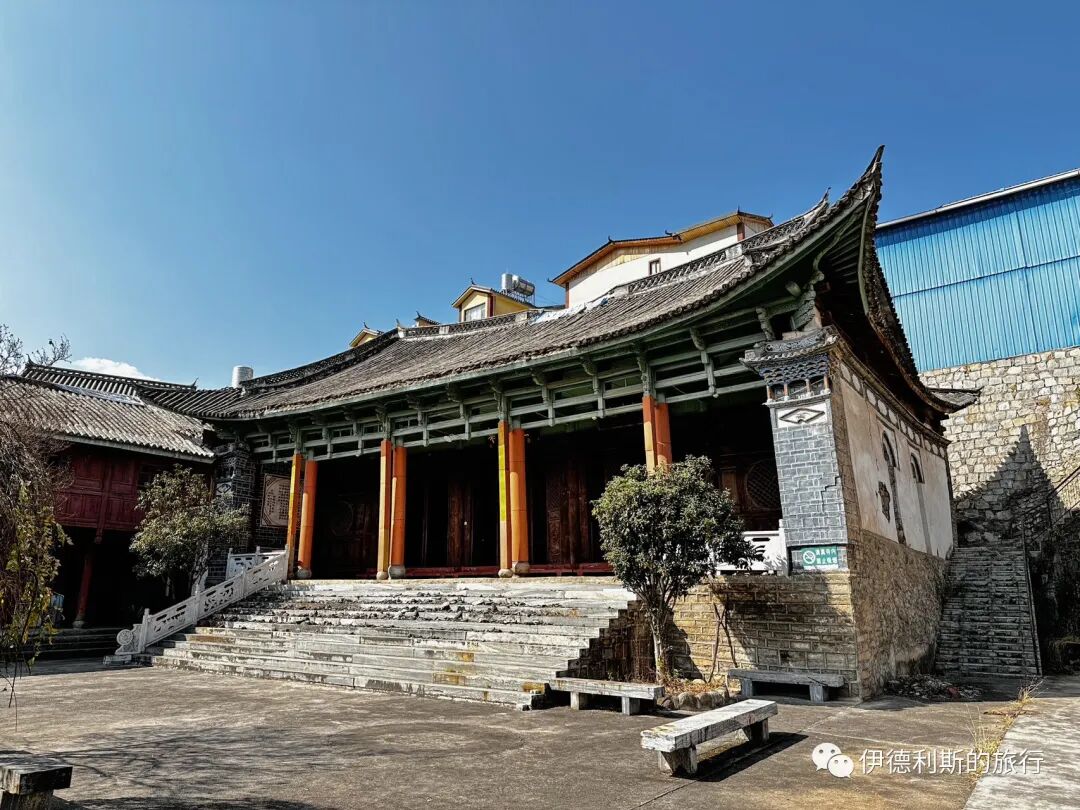
Dali Yangbi Shangjie Xinyingpan Mosque: First built in 1859, it was confiscated after the Tongzhi disaster and redeemed during the Guangxu reign. To raise funds for the mosque, Imam Ma Ende followed a horse caravan to Myanmar. With the help of overseas Chinese like Haji Zhao Lianhong, he raised enough donations to rebuild the Shangjie Mosque. It was destroyed by fire in 1989 and rebuilt between 1991 and 1992.
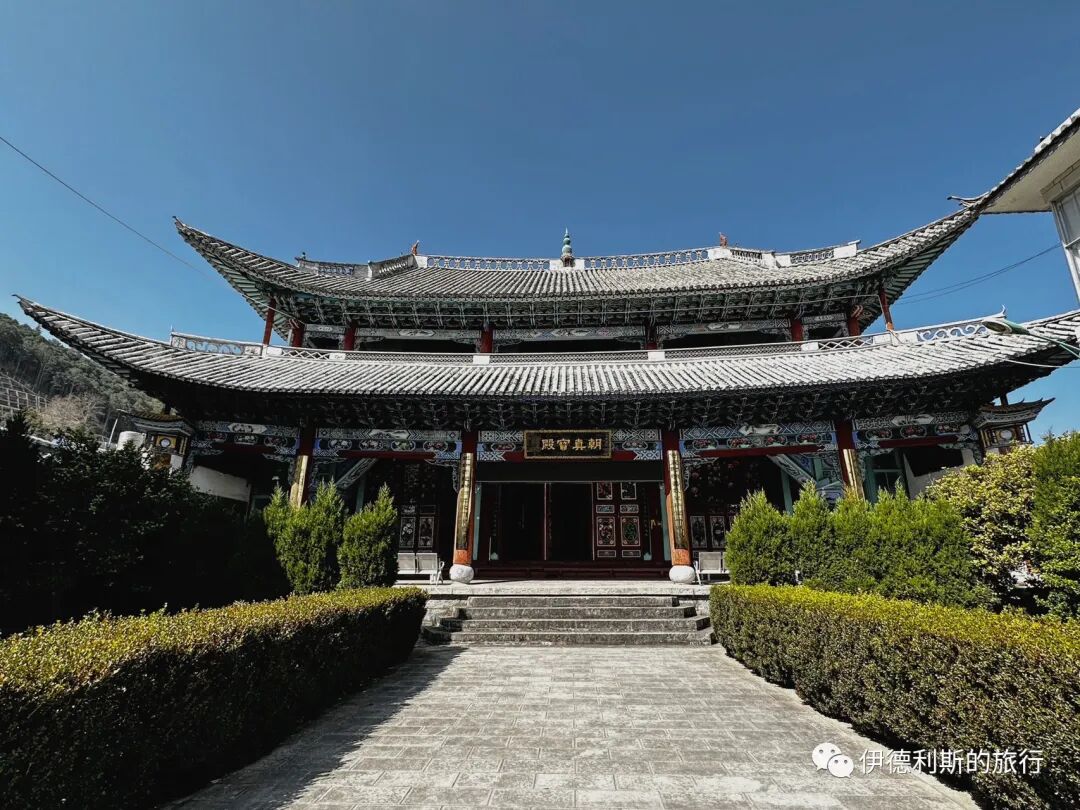
Dali Fengming Mosque: As the seat of Zhaozhou Prefecture since the Yuan Dynasty, Fengyi Town South Street has historically had an ancient mosque. The Fengyi South Street Mosque was burned down after 1872. For the next 50 years, the few remaining Hui Muslims in Fengyi could only perform their religious duties at the home of Mu Benren on West Street. Eventually, Yang Chaozhu approached the Fengyi County magistrate, purchased land, and with donations from local community leaders, the Fengming Mosque was completed in 1922. After 2001, the Chaozhen Hall was expanded, turning the original three-bay main hall into five bays, which is its current appearance.
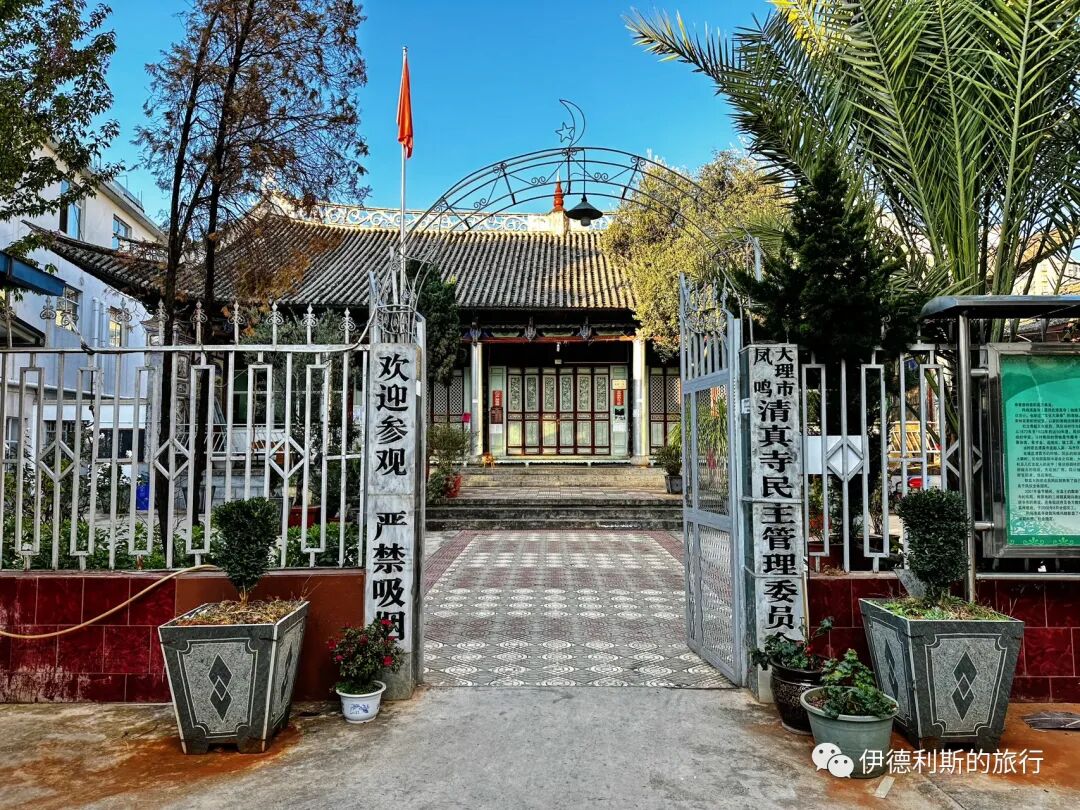
Dali Binju Mosque: First built in the mid-Qing Dynasty, it was destroyed during the Tongzhi reign and rebuilt in 1923. The existing main hall with its hip-and-gable roof is a century old and is a typical example of Dali-style architecture.
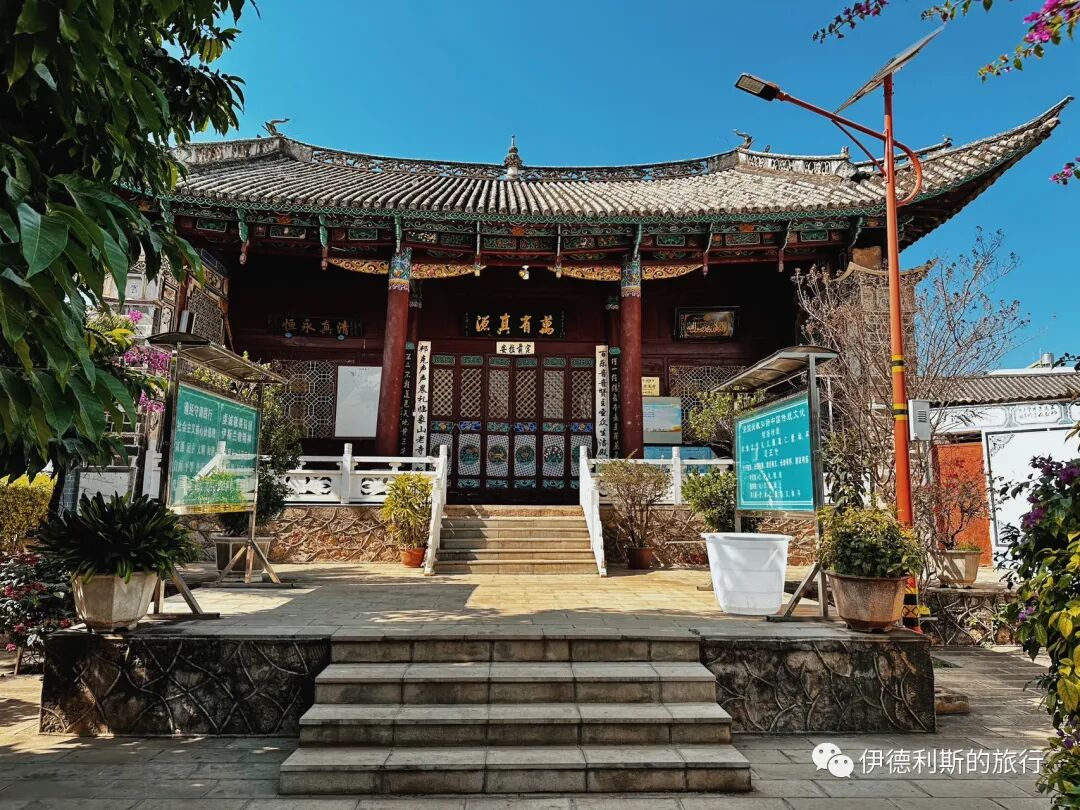
Dali Weishan Xincun Mosque: Xincun is known as the "first Hui village at the source of the Red River." The Xincun Mosque was destroyed in 1872, rebuilt during the Guangxu reign, and the main hall was rebuilt again in 1994, maintaining the traditional architectural style of the Dali region.
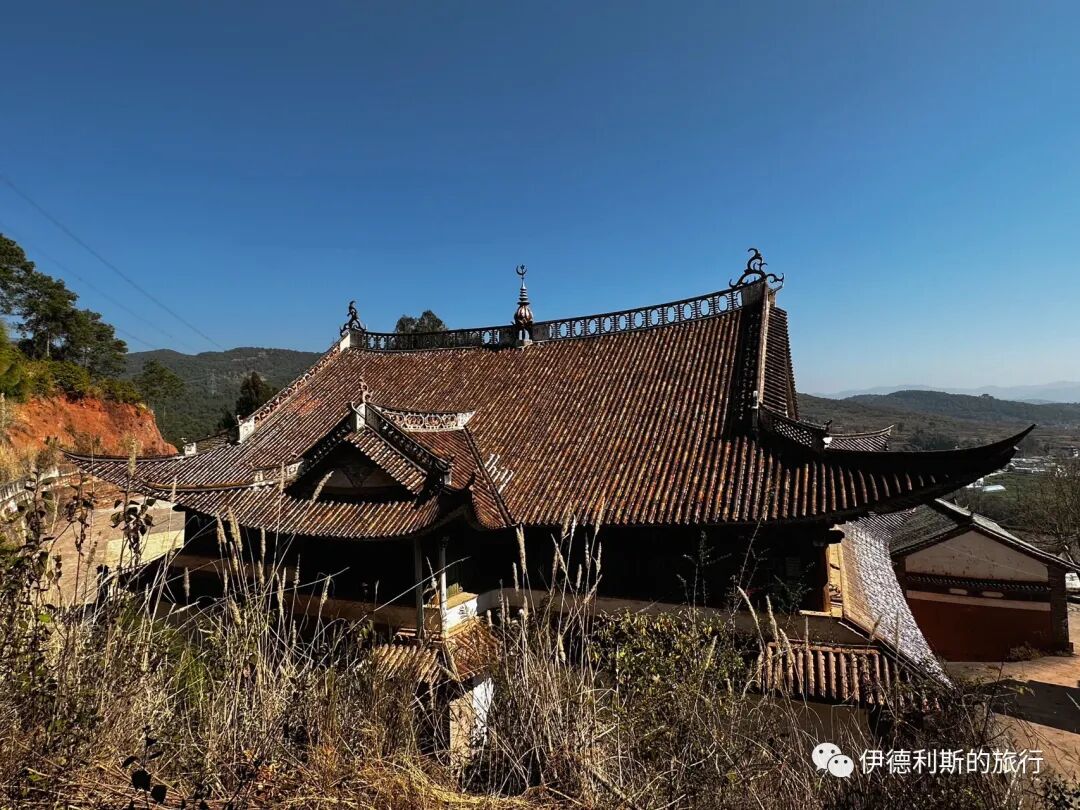
Dali Weishan Chen Family Mosque: The Chen family ancestor moved here from Shaanxi and eventually settled down after several moves. The Chen Family Mosque was rebuilt in 1902 and expanded into its current form in 1987. It is set against the mountains and water with beautiful scenery.
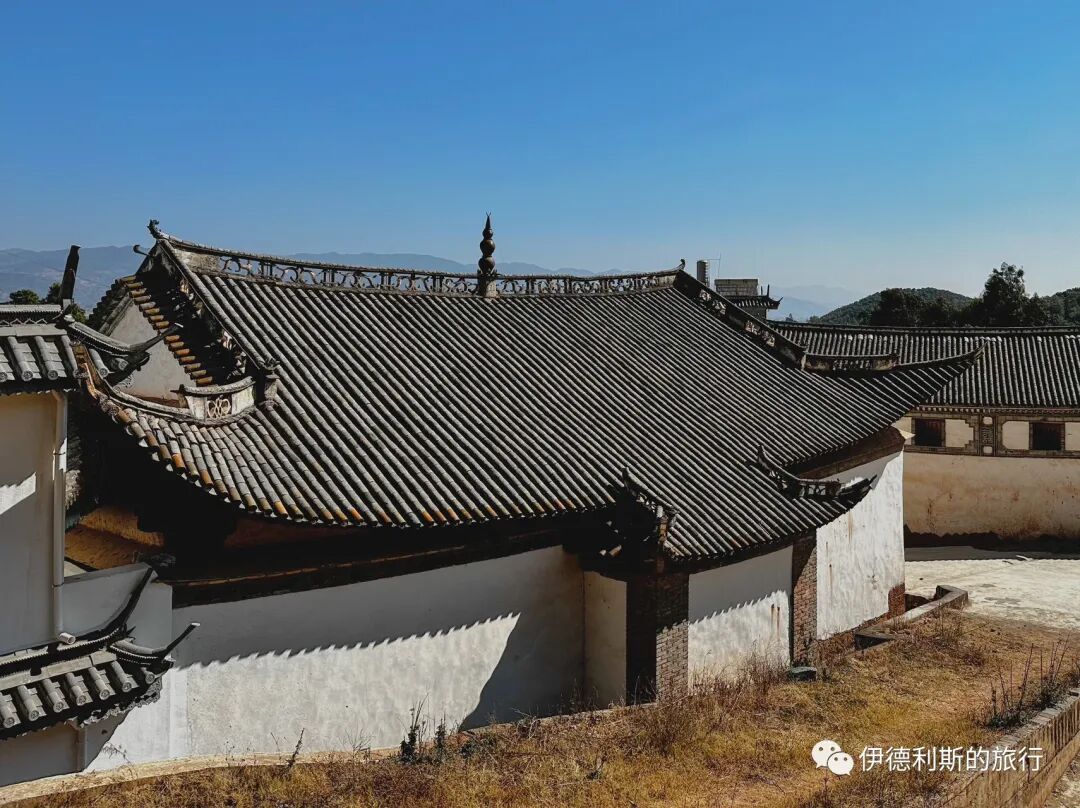
Dali Weishan Xishulong Mosque: Rebuilt in 1902 and again in 1990 into its current structure. The main hall has a double-eave hip-and-gable roof, and there is a unique hexagonal pavilion in the center of the roof ridge.
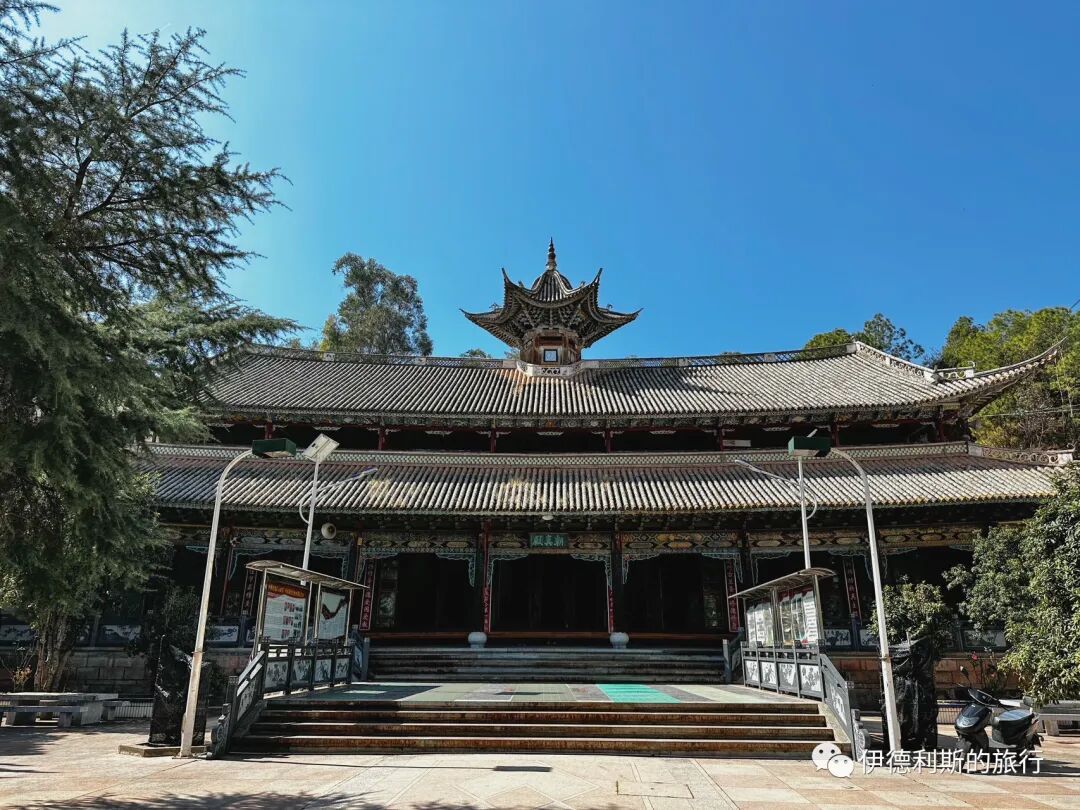
Shangxi Lotus Mosque (Lianhua Si) in Weishan, Dali: It was destroyed in 1872 and later rebuilt and expanded many times into its current form.
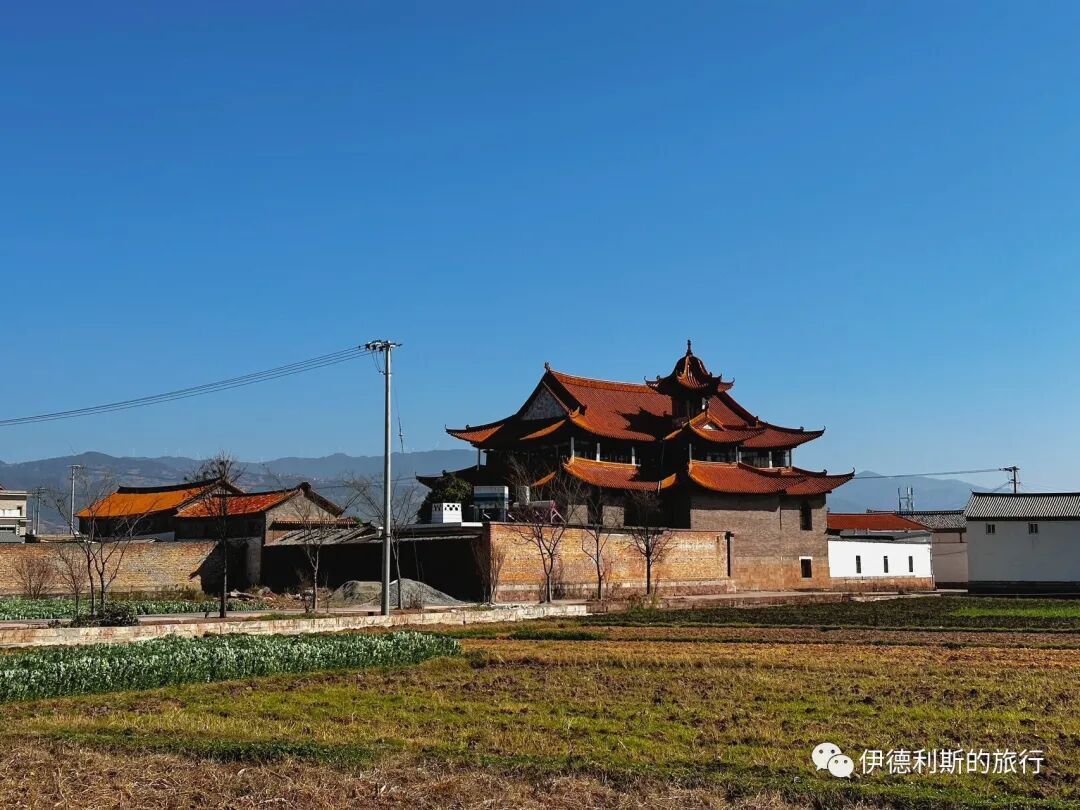
Xiaxi Lotus Mosque (Lianhua Si) in Weishan, Dali: It was destroyed in 1872, rebuilt in 1925, and later rebuilt again into the current building.
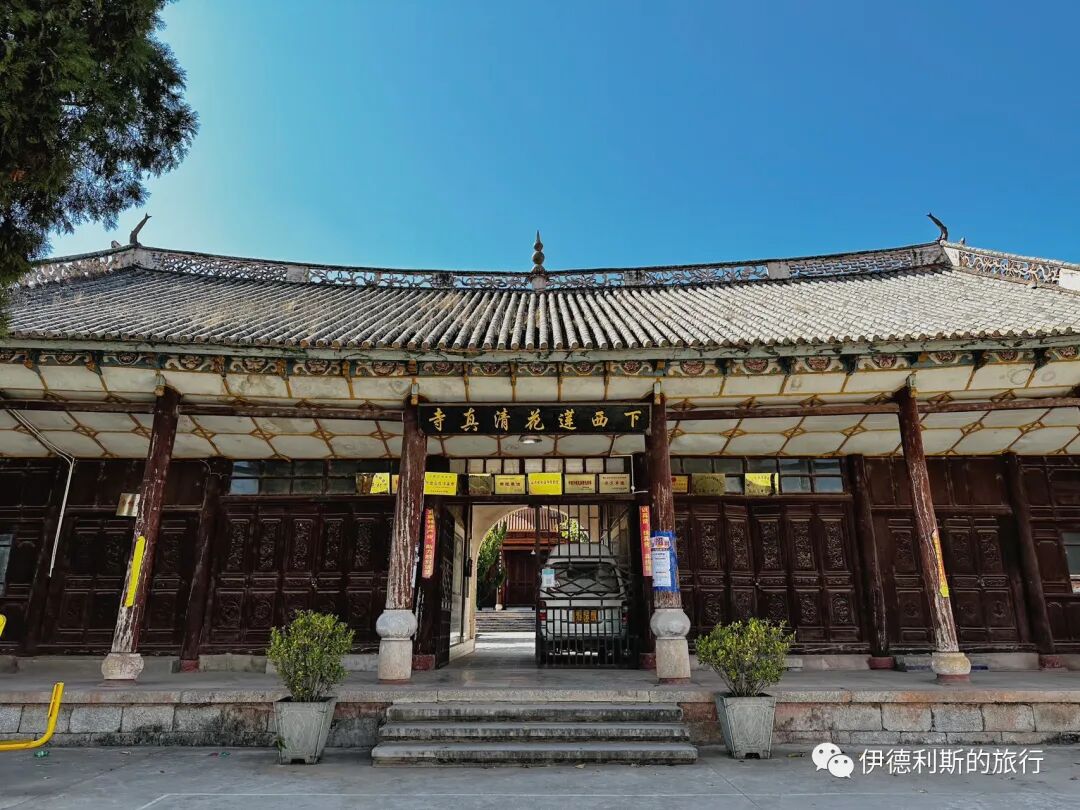
Donglianhua Mosque (Lianhua Si) in Weishan, Dali: It was first built during the Qing Dynasty and expanded twice, in 1921 and 1987. The minaret (xuanlilou) was raised to four stories in 1987. The main prayer hall was expanded in 1921 into a five-bay by seven-bay structure, and in 1987 it was expanded again into a nine-bay by eleven-bay structure.
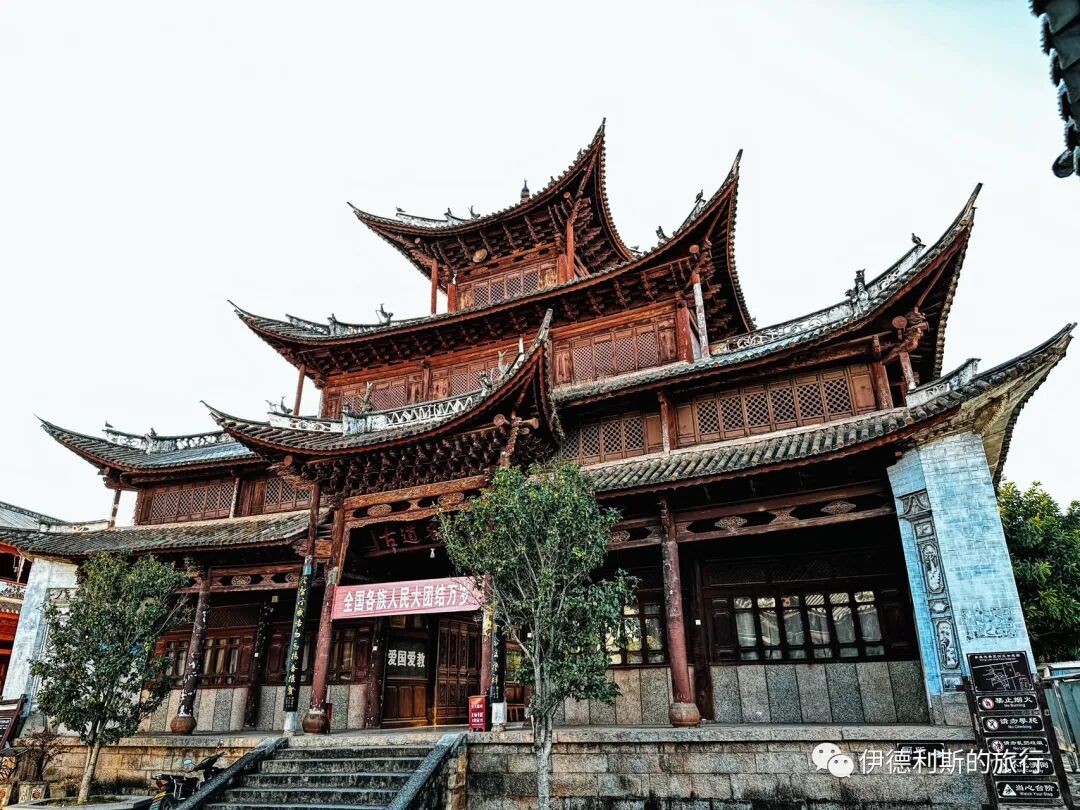
Sanjia Village Mosque in Weishan, Dali: It was originally called Saijia Village Mosque. The Sai family were descendants of Masuhu, the fifth son of Sayyid Ajjal Shams al-Din. They moved from Daweigeng and Xiaoweigeng villages in the mid-Ming Dynasty to establish Saijia Village. During the Tongzhi reign, over 3,500 villagers were killed. Later, three families returned to settle there, so the name was changed to Sanjia Village. The current main prayer hall of Sanjia Village Mosque was rebuilt in 1997. From the top, you can look out over the scenery of the Yongjian Basin.
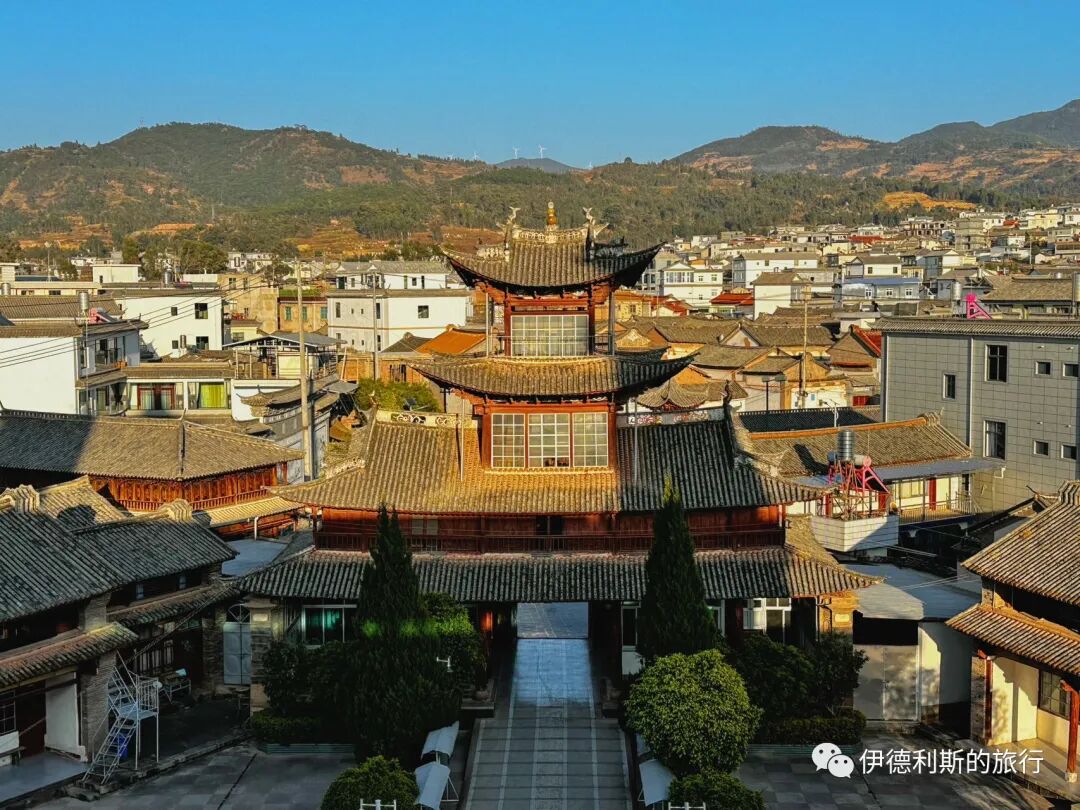
February: 1 mosque in Inner Mongolia.
North Mosque (Beidasi) in Chifeng, Inner Mongolia: In 1739, an elder named Zhang Yueming from Chifeng led the effort to lease seven point six mu of land from Mongolian princes. They built five mud rooms and three main prayer hall rooms, which became the first Chifeng mosque. In 1742, an elder named Ma Fen, who had run the Desheng Security Bureau in Shenyang, paid for a foundation. The imam and elders traveled to various places to collect donations (nietie). Later, Ma Fen went to Shenyang to hire craftsmen. After four years of construction, it was finished in 1747, using red pine from the south mountains of Chifeng for all the wood.
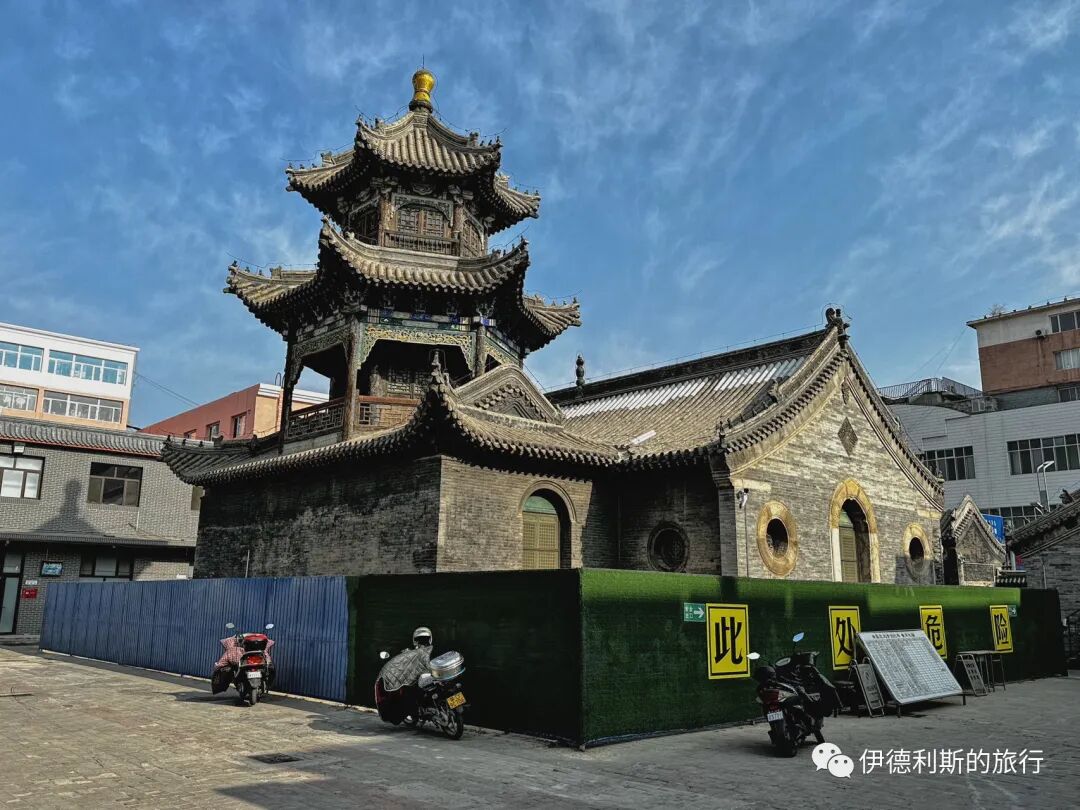
February: 3 mosques in Shandong.
Dangxi Mosque in Jinan, Shandong: Located in Dangjiazhuang in the southern suburbs, it was first built at the end of the Yuan Dynasty. It was later burned down by the Red Turban Army and rebuilt in 1397 (the 30th year of the Hongwu reign). It was repaired many times during the Ming Wanli, Qing Xianfeng, and Republican periods, making it an important ancient mosque in Jinan.
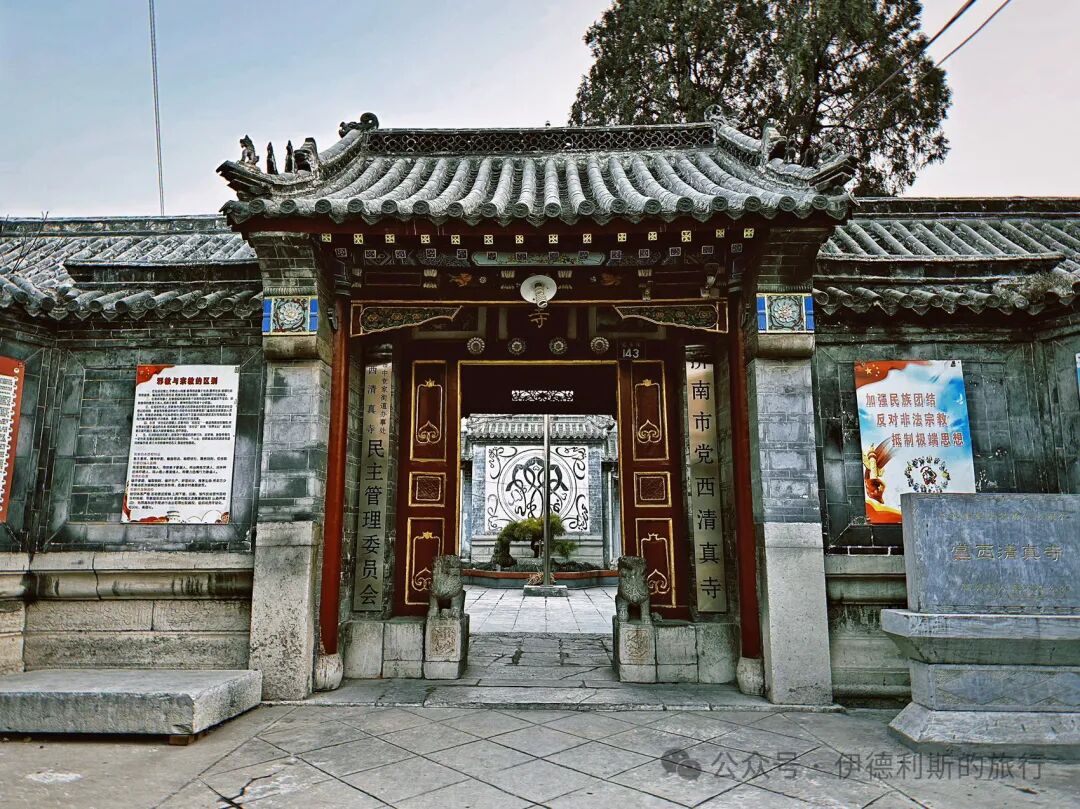
Dangdong Mosque in Jinan, Shandong: Located in the east village of Dangjiazhuang in the southern suburbs, it was first built in 1510 (the fifth year of the Zhengde reign of the Ming Dynasty). It was repaired many times during the Qing Yongzheng and Qianlong reigns and the Republican period. The records say Dangdong Village was originally Zhuguanzhuang, a place set up for refugees in the early Hongwu years of the Ming Dynasty. Local Hui Muslims originally went to Dangxi Mosque for namaz. In the early Zhengde years of the Ming Dynasty, Chen Xi, the Chief Imam of Shandong, raised funds. Fa Zongxian, a Jinan Garrison Commander, and local Hui Muslims managed the purchase of land and materials. They finally built the Zhuguanzhuang Mosque, which was later renamed Dangdong Mosque.
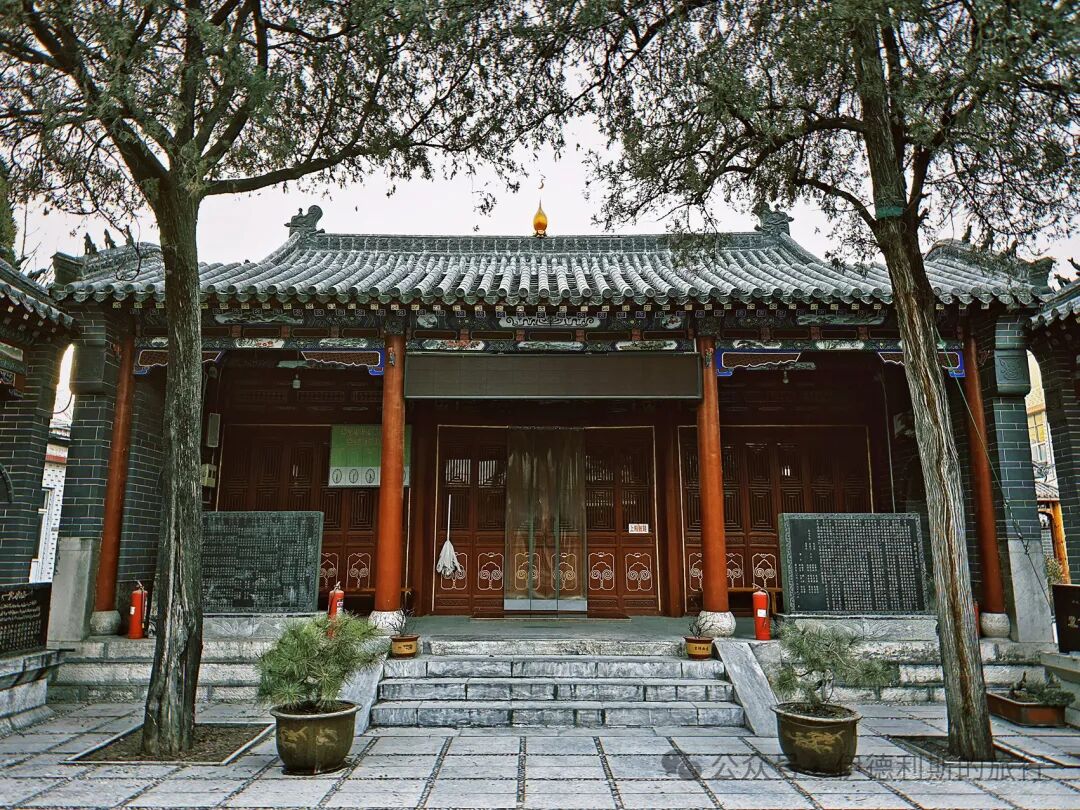
Small Mosque at Ma'anshan, Jinan, Shandong: To make it easier to visit graves, a small mosque was built long ago next to the Baba grave at Ma'anshan in Jinan. Due to history, the small Ma'anshan mosque has collapsed, but the original foundation and building structure are still visible. Many bricks, tiles, and other building parts are scattered on the original site.
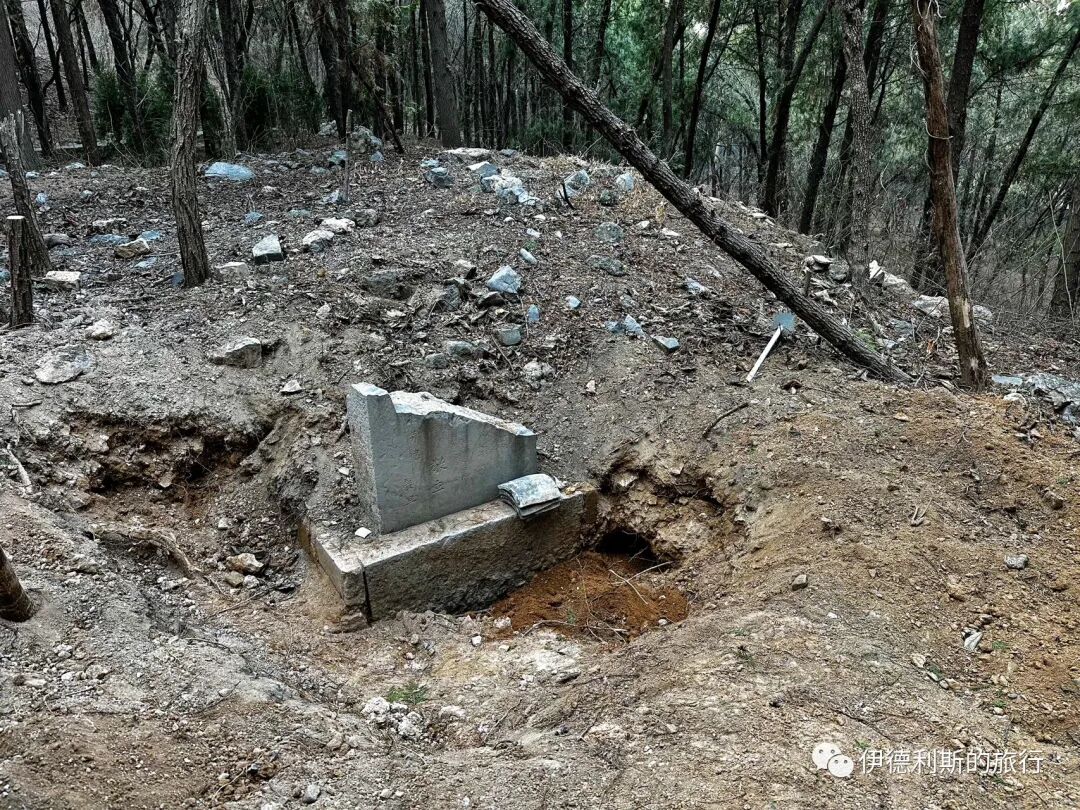
March: 2 mosques in Beijing.
Nanxiapo Mosque in Beijing: In the early Kangxi years, a Hui Muslim named Ma who sold bows and arrows inside Chaoyang Gate received a long-overdue payment from a Mongolian customer. He donated this money to build the Nanxiapo Mosque.
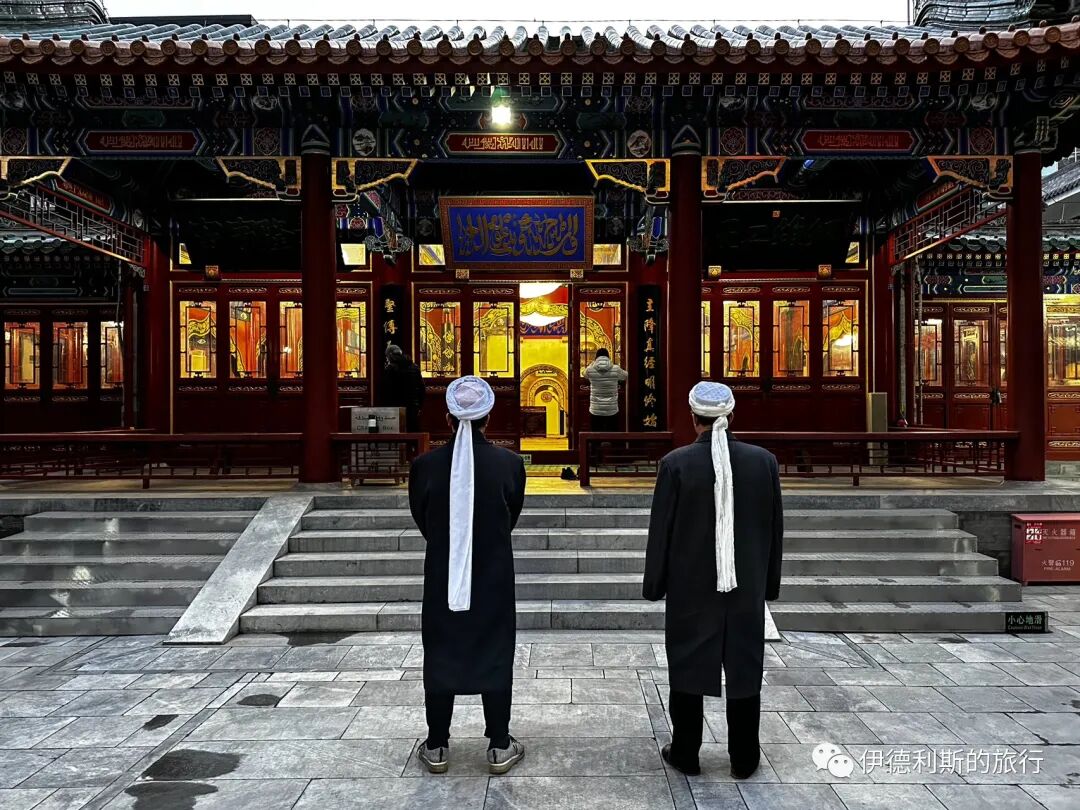
Changying Mosque in Beijing: It was built during the Zhengde years of the Ming Dynasty, repaired in 1796, and underwent large-scale renovation and expansion in 2004 to reach its current form.
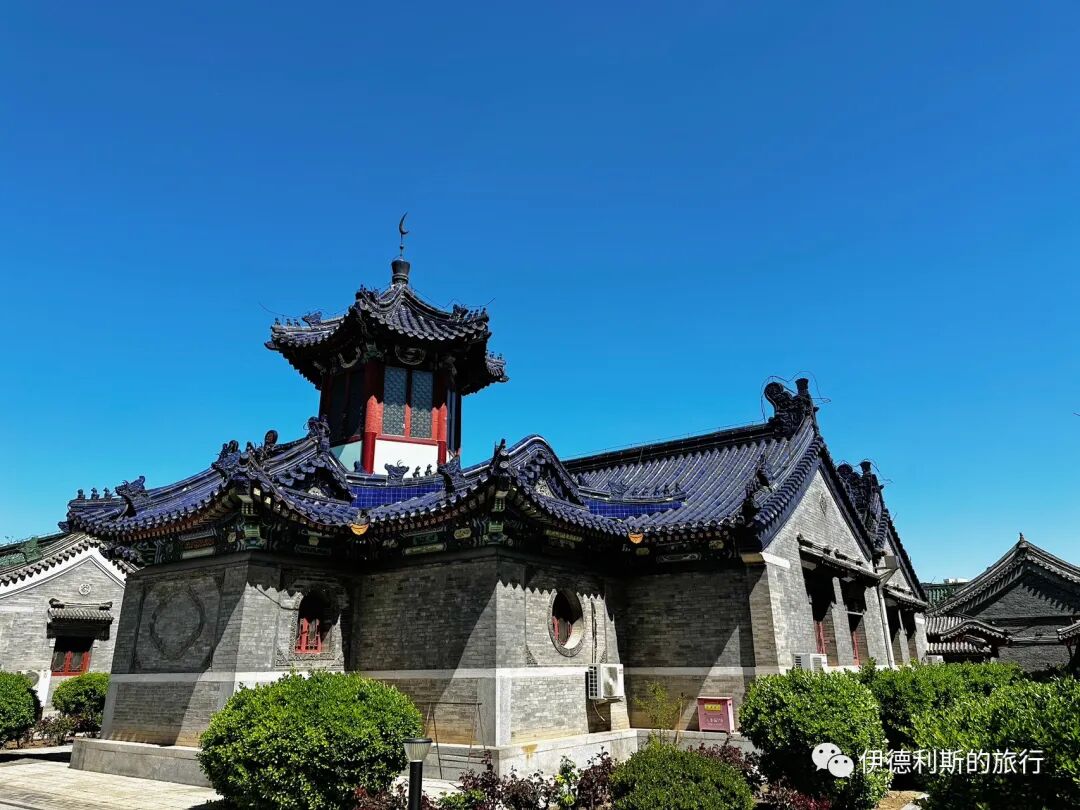
March: 3 mosques in Hebei.
West Mosque (Xisi) in Baoding, Hebei: It was first built in 1616. A man named Fa from Hanji Village, Fangshan, served as a military official (dusi) in the Baoding garrison of Zhili during the Wanli reign. He bought twelve mu of land at the Wei family vegetable garden. Besides building the mosque, the surrounding land was opened for fellow Muslims to build houses, which officially formed the mosque neighborhood layout in Baoding. As a famous mosque in North China, the Baoding West Mosque has a long history of religious learning and has trained many scholars (alim). The mosque once housed a training ground that produced many famous wrestling masters and martial arts teachers.
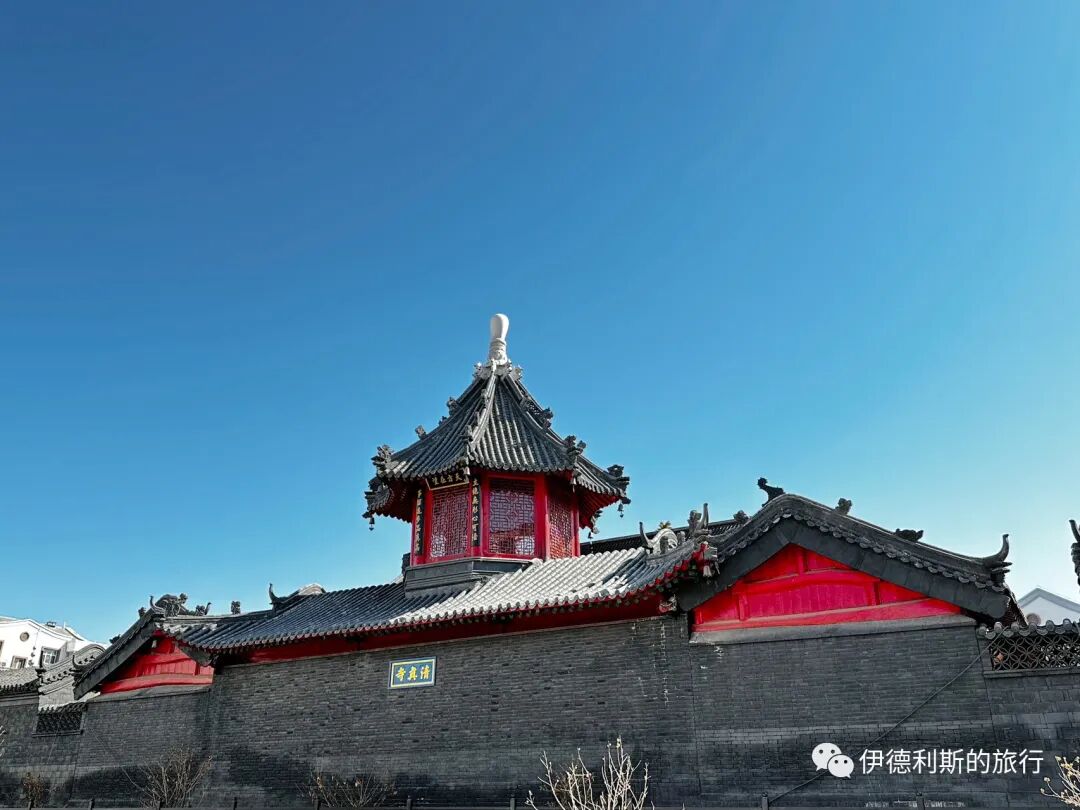
Baoding East Mosque, Hebei: During the Tongzhi reign, father and son Shi Xie and Shi Jun built a scripture room east of the Baoding West Mosque. A few years later, Imam Yan Mingpu oversaw the formal completion of the Baoding East Mosque. Although the Baoding East Mosque is not large, many well-known scholars (alim) have taught there and trained many talented students.
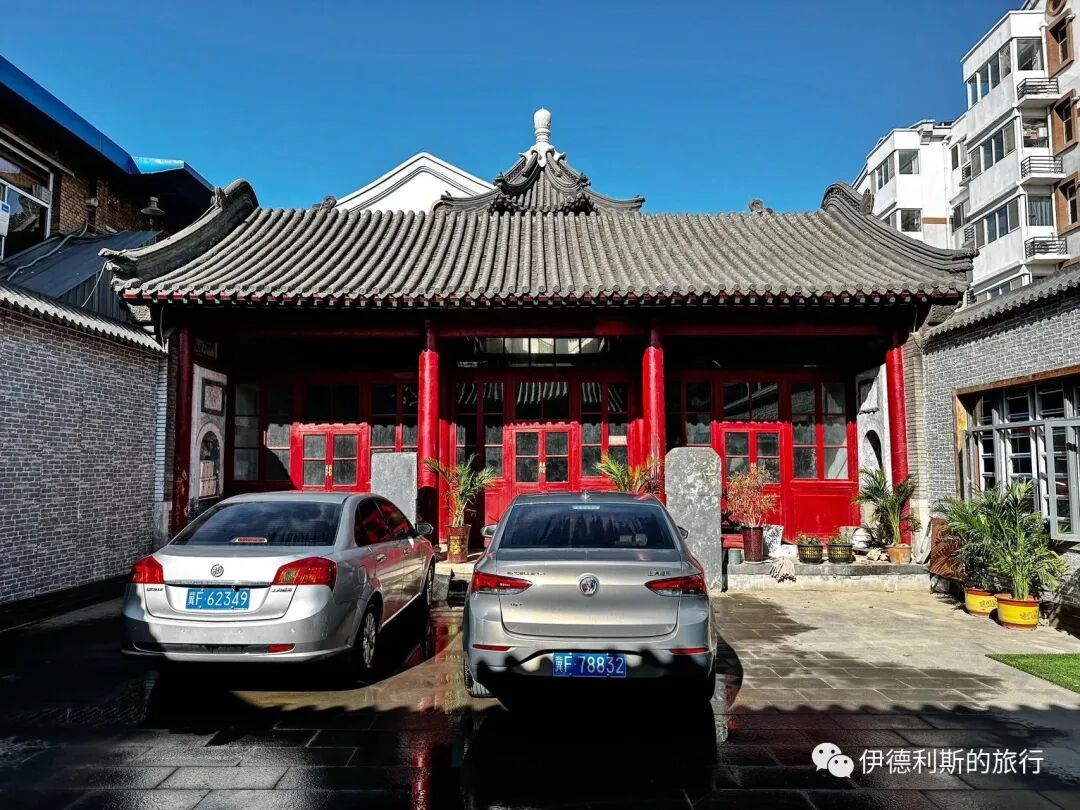
Baoding Women's Mosque, Hebei: Founded in 1916 by Imam Yan Fengshan of the Baoding East Mosque in a lane north of the mosque. In 1940, Imam Sha Zhijun and Mrs. Shi raised funds with the help of local elders to buy a house from Bai Yunzhang, the owner of the famous halal steamed bun (baozi) shop, to build the current women's mosque.
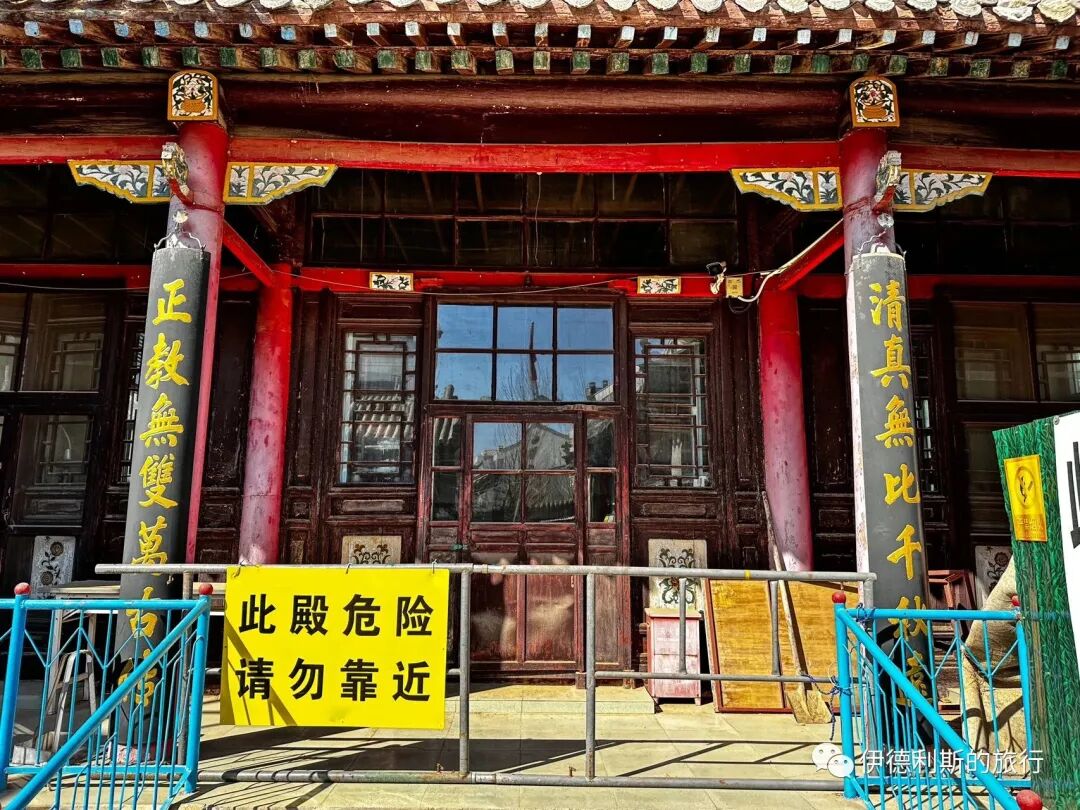
April: 4 mosques in Beijing
Beijing Dongsi Mosque: One of the four major official mosques in Beijing during the Ming Dynasty. It was built in 1447 with funds donated by the famous Hui Muslim military officer Chen You, and in 1450, the Jingtai Emperor officially named it the Mosque. Because of his outstanding military service, Chen You was granted the title of Earl of Wuping in 1457, a title his descendants inherited. Later, Chen's descendants often served as officers in Beijing military camps and funded the renovation of several ancient mosques, including those in Dingzhou and Yizhou, Hebei.
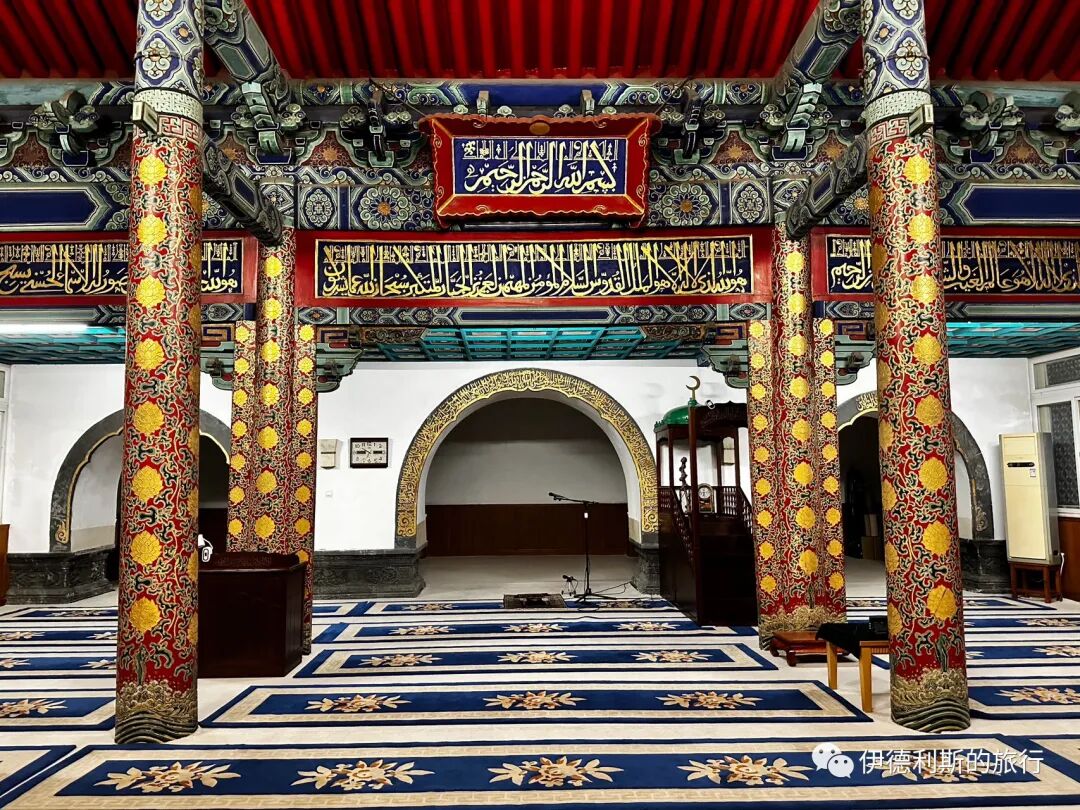
Beijing Dongzhimen Outer Mosque: Originally called Erlizhuang Mosque, it was first built in the Yuan Dynasty and renovated during the Kangxi reign of the Qing Dynasty. In the late 1980s, Shougang Group and a Danish company formed a joint venture to build international apartments in Erlizhuang. The ancient mosque was moved one kilometer to the northwest, rebuilt, completed in 1991, and reopened in 1993.
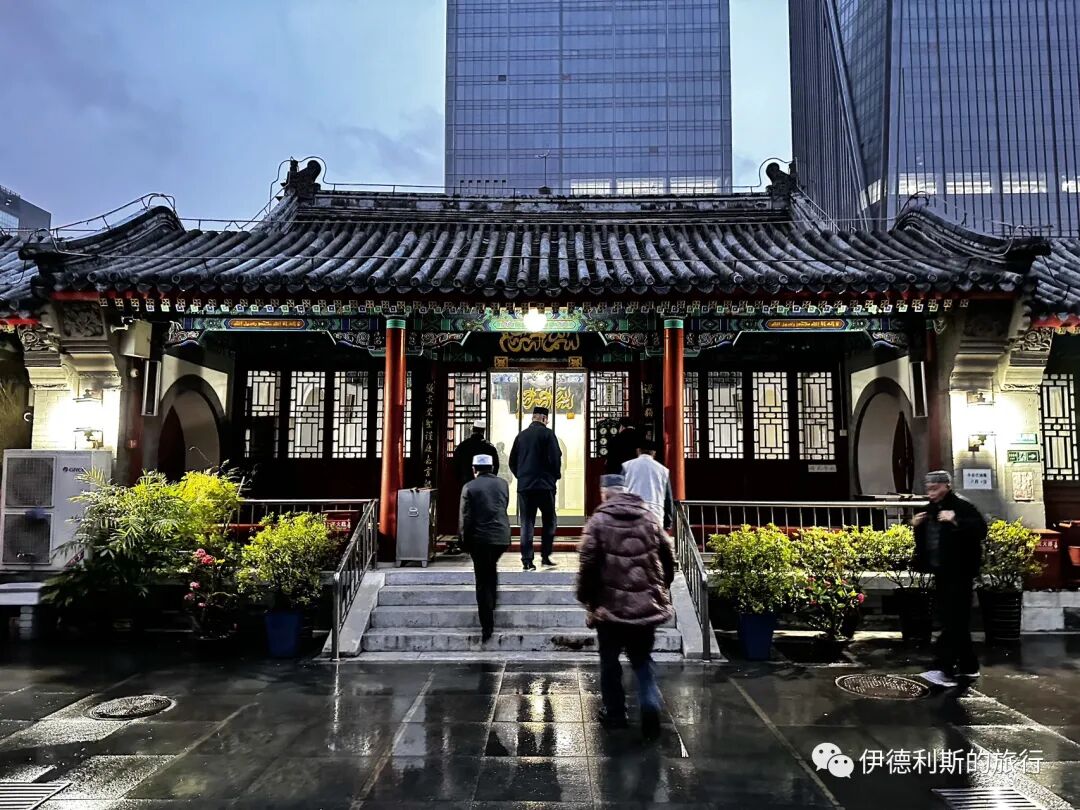
Beijing Deshengmen Outer Fayuan Mosque: Also known as Dewai Guanxiang Mosque, it was originally located on a slope north of the training ground outside Deshengmen. It was moved and expanded during the Kangxi reign. During the Republic of China era, the main hall was expanded again, featuring four interconnected roofs and a four-cornered pavilion.
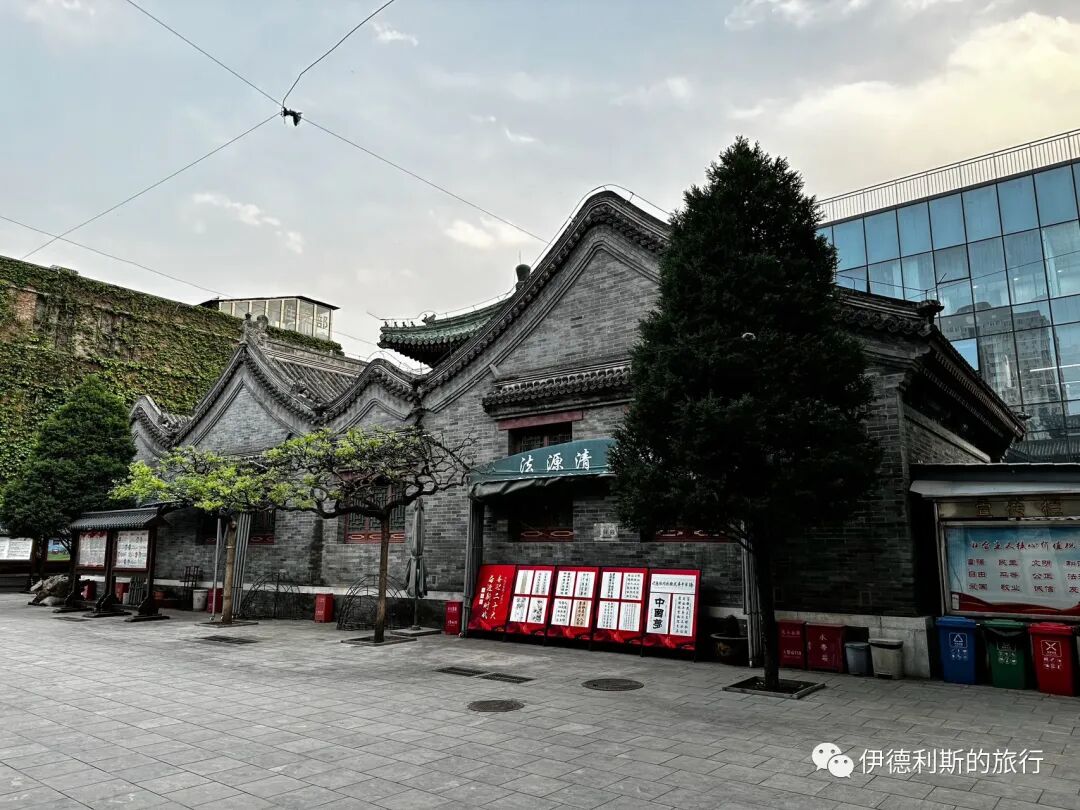
Beijing Madian Mosque: First built during the Kangxi reign, it was renovated during the Daoguang reign with funds from 14 local sheep trading firms. It was renovated again in the 1980s and remains an important ancient mosque in Beijing. Since the Qing Dynasty, sheep transported from Mongolia through Zhangjiakou were kept in the pens of various sheep firms in Madian before being sold to mutton shops in the city.
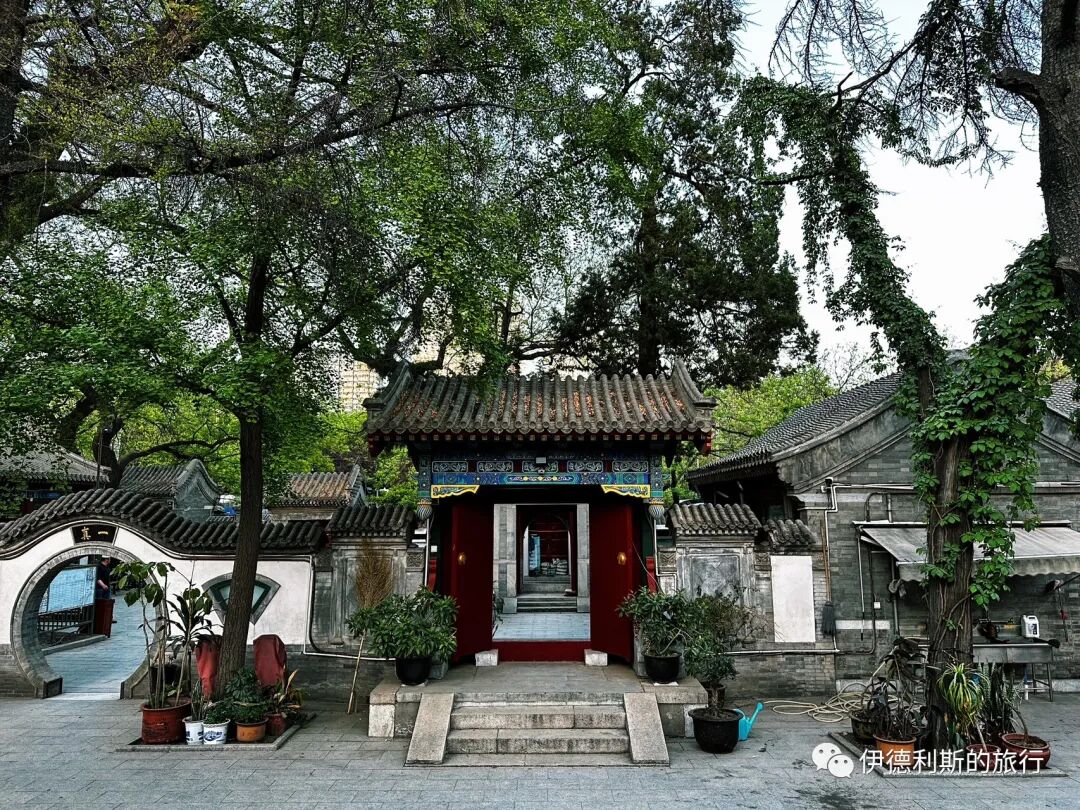
May: 1 mosque in Hong Kong
Hong Kong Shelley Street Mosque: At the request of Indian Muslims in the British service, the colonial government leased a piece of land near the barracks in Mid-Levels, Central, to four trustees in 1850. The first stone prayer hall was built there in 1852. It was formally completed between 1870 and 1890 and rebuilt in 1915, keeping only the original minaret, and has been in use ever since.
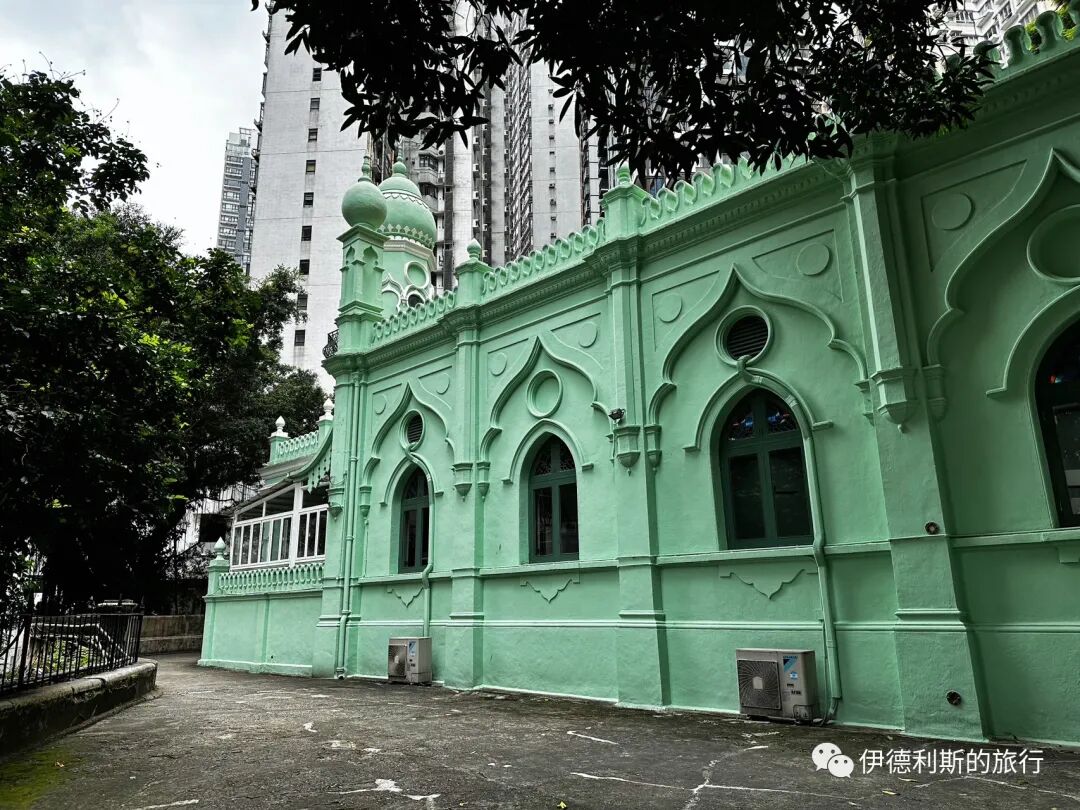
May: 7 mosques in Thailand
Bangkok Safee Mosque: In 1856, A. T. E. Maskati, an Indian Gujarati Shia merchant, opened a textile dyeing factory in the Bangkok Royal Warehouse. At its peak, it employed over 600 Indian Shia workers. He and other Indian Shia merchants built the Safee Mosque in the warehouse area. This mosque belongs to a small branch of Ismailism called Dawoodi Bohras.
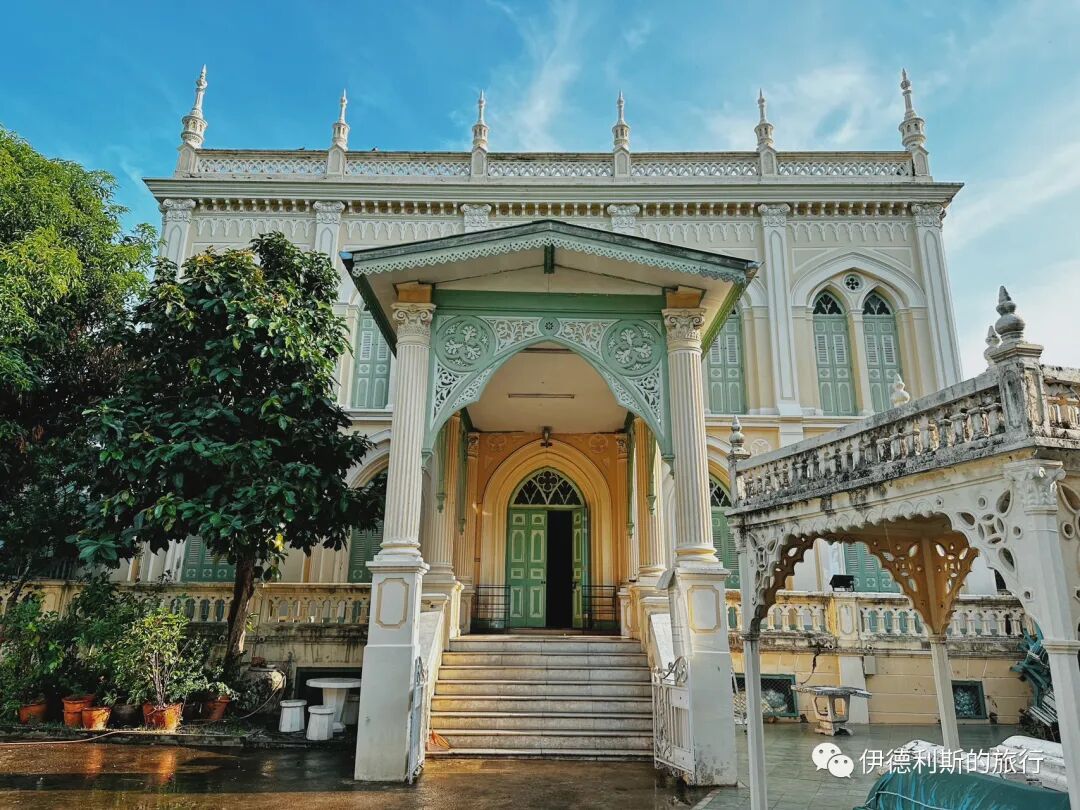
Bangkok Goowatil Islam Mosque: In the mid-19th century, some Indian Gujarati Shia merchants rented a royal warehouse. At that time, some Malay Sunni Muslim goldsmiths from Pattani in southern Thailand also lived nearby, and they built the Goowatil Islam Mosque together in 1859. After the 20th century, Indian Shia merchants began moving their shops to the busier Bangkok Chinatown, and today the Goowatil Islam Mosque is a Sunni mosque.
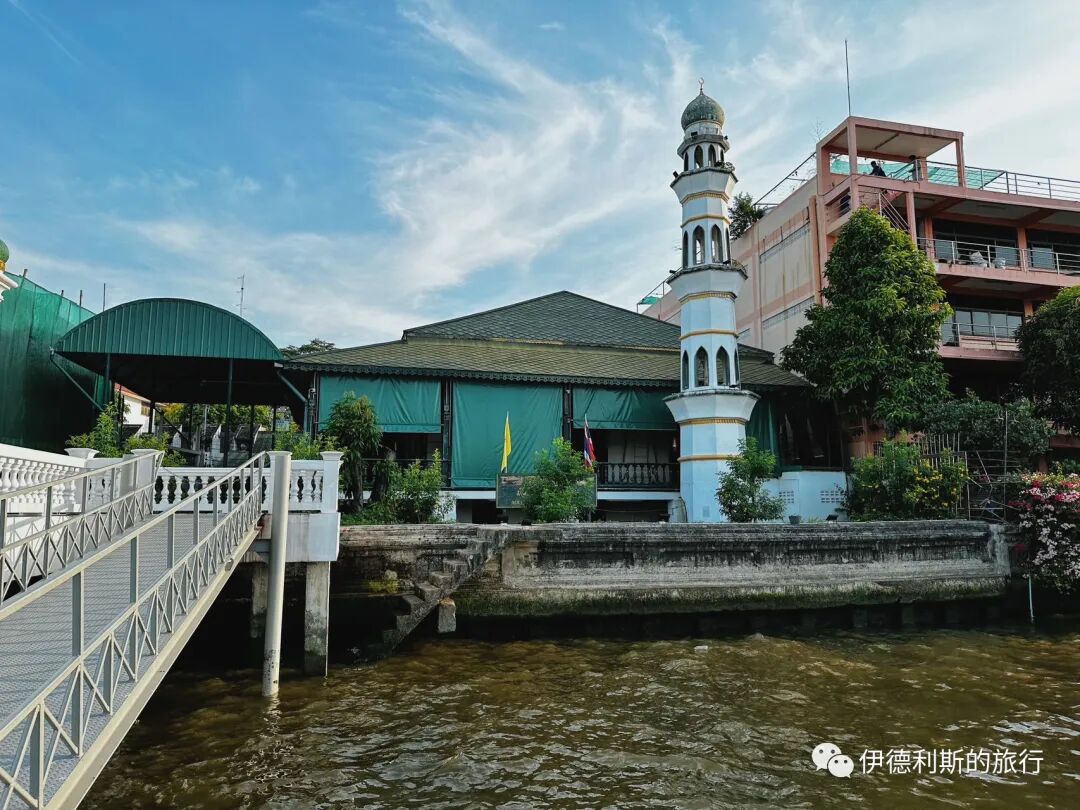
Ton Son Mosque in Bangkok: In the 17th century, Siam set up important trade warehouses and customs stations at the mouth of the Yai Canal in Bangkok, and stationed Cham troops nearby. In 1688, Mahmud built the first mosque in Bangkok here. The main hall was originally built of teak. It was rebuilt with bricks in the early 19th century and again in 1952 into the current steel and concrete structure, with only the original mihrab preserved.
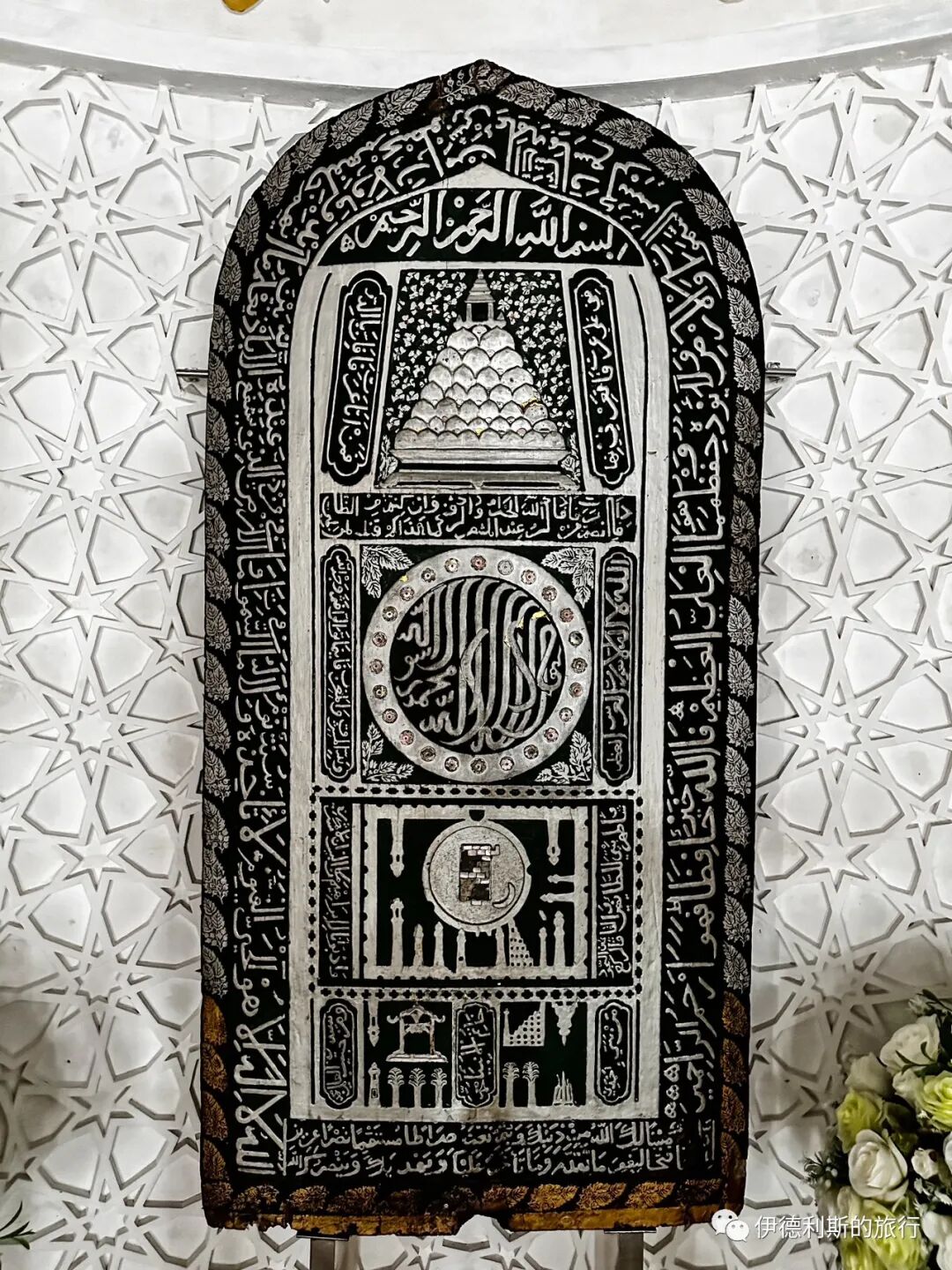
Bang Luang Mosque in Bangkok: Built in 1785 under the direction of a merchant named Toh Yi, it is the only remaining Thai-style mosque in Thailand. Its architectural decorations are adapted from the Garuda found in Hinduism and Buddhism, but shaped to fit Islamic traditions.
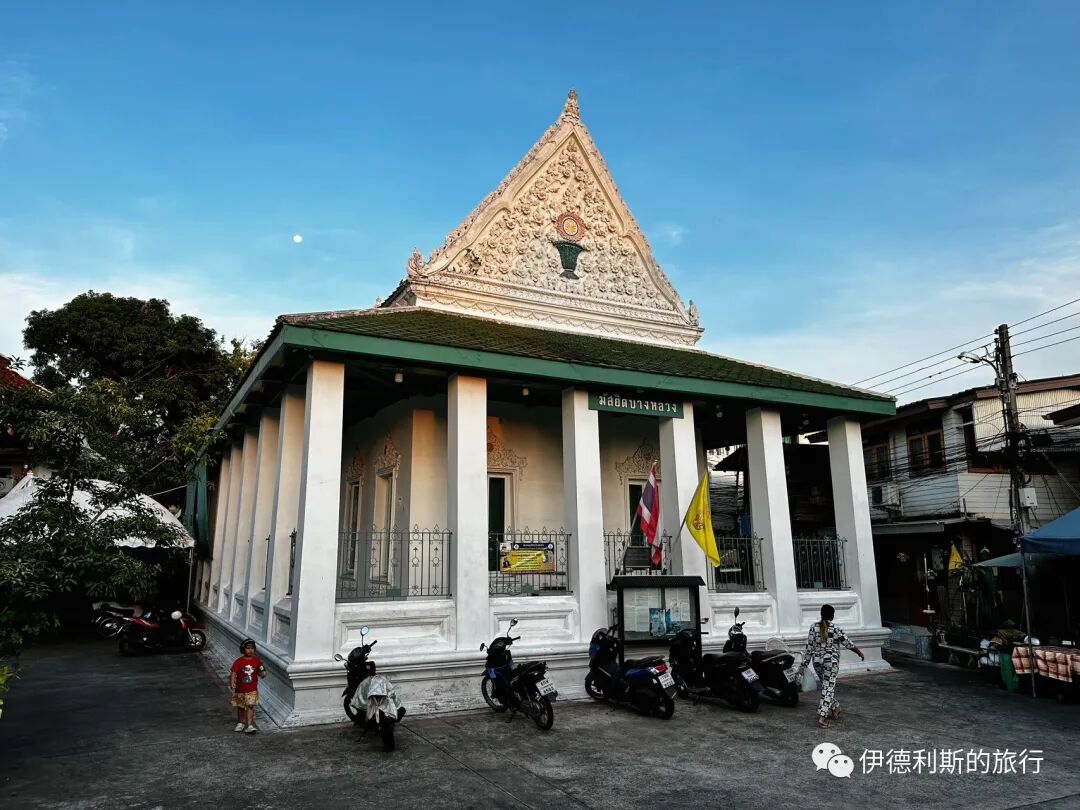
Haroon Mosque in Bangkok: Toh Haroon Bafaden, an Arab-Indonesian merchant, came to Bangkok from Indonesia with his father in 1828 (some say 1837) to trade. He later married, had children, and settled down. Soon after, he built Haroon Mosque and became its first imam. It moved to its current location in 1899 due to the construction of the customs building. It was rebuilt in 1934 into the current brick and white lime structure, and the mosque preserves exquisite 19th-century Javanese Jepara teak scripture carvings.
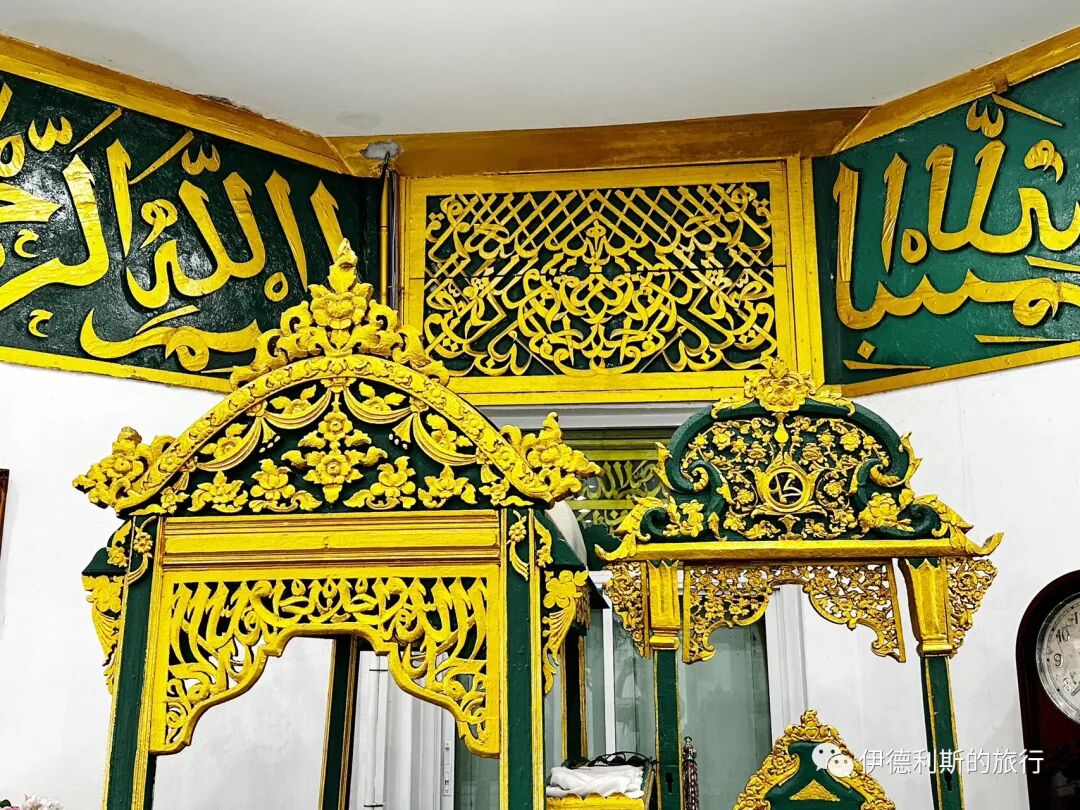
Java Mosque in Bangkok: Built in 1906 on land owned by a Javanese-descended haji named Muhammad Salih. Although it was expanded twice in 1927 and 1975, it still maintains a typical traditional Javanese style.
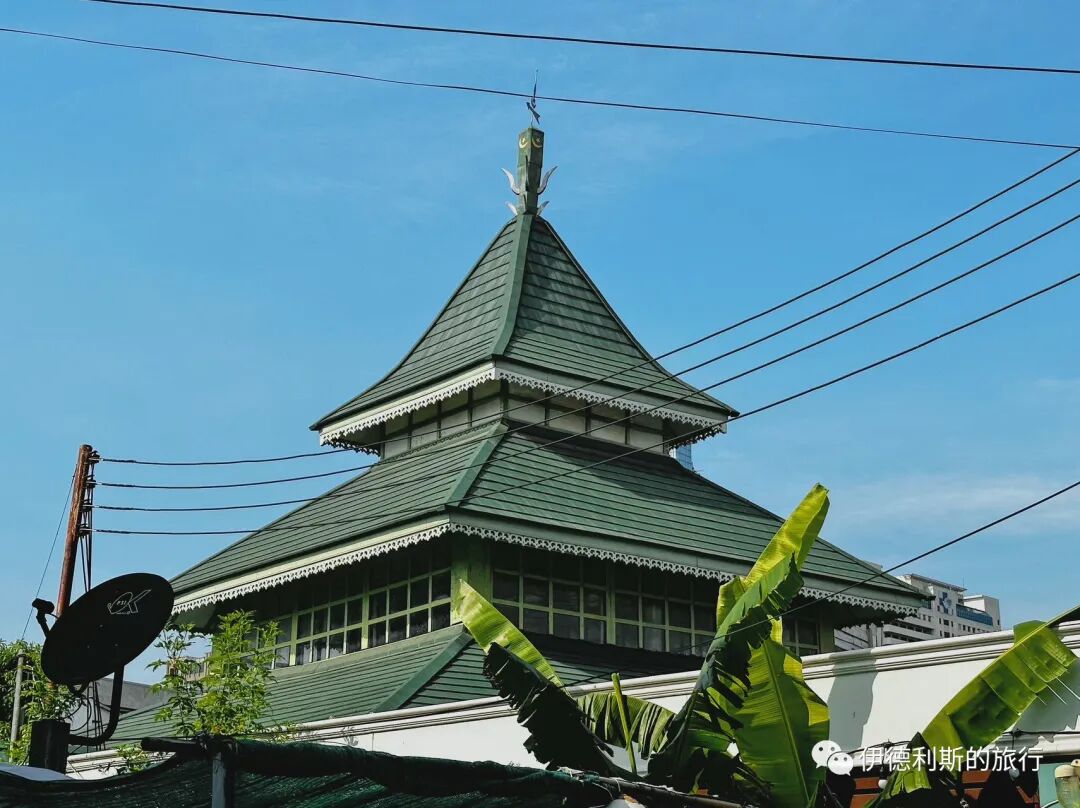
Kocha Itsahak Mosque in Bangkok: Built in the late 19th century by Luang Kocha Itsahak, a royal translator for Siam who was a descendant of Malay merchants. In the 19th century, many Indians and Malays worked in the warehouses and trading companies near the Khlong Khwang pier. Luang Kocha Itsahak donated a piece of his own land and had his children dismantle the bricks and stones from his old house to build this mosque.
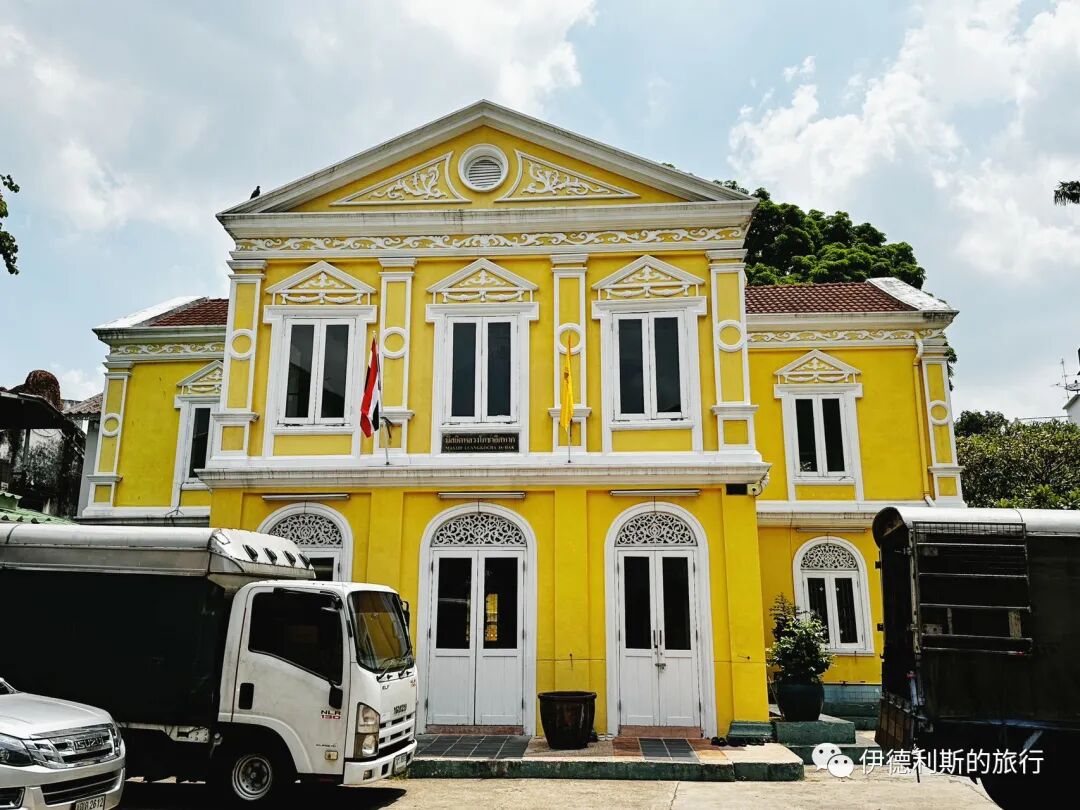
23 mosques in Turkey in June.
Great Mosque of Mardin: Dating back to the 10th century, it is one of the earliest mosques in the Anatolia region. The minaret (bangke ta) was built in 1176 and is a classic example of Artuqid dynasty architecture.
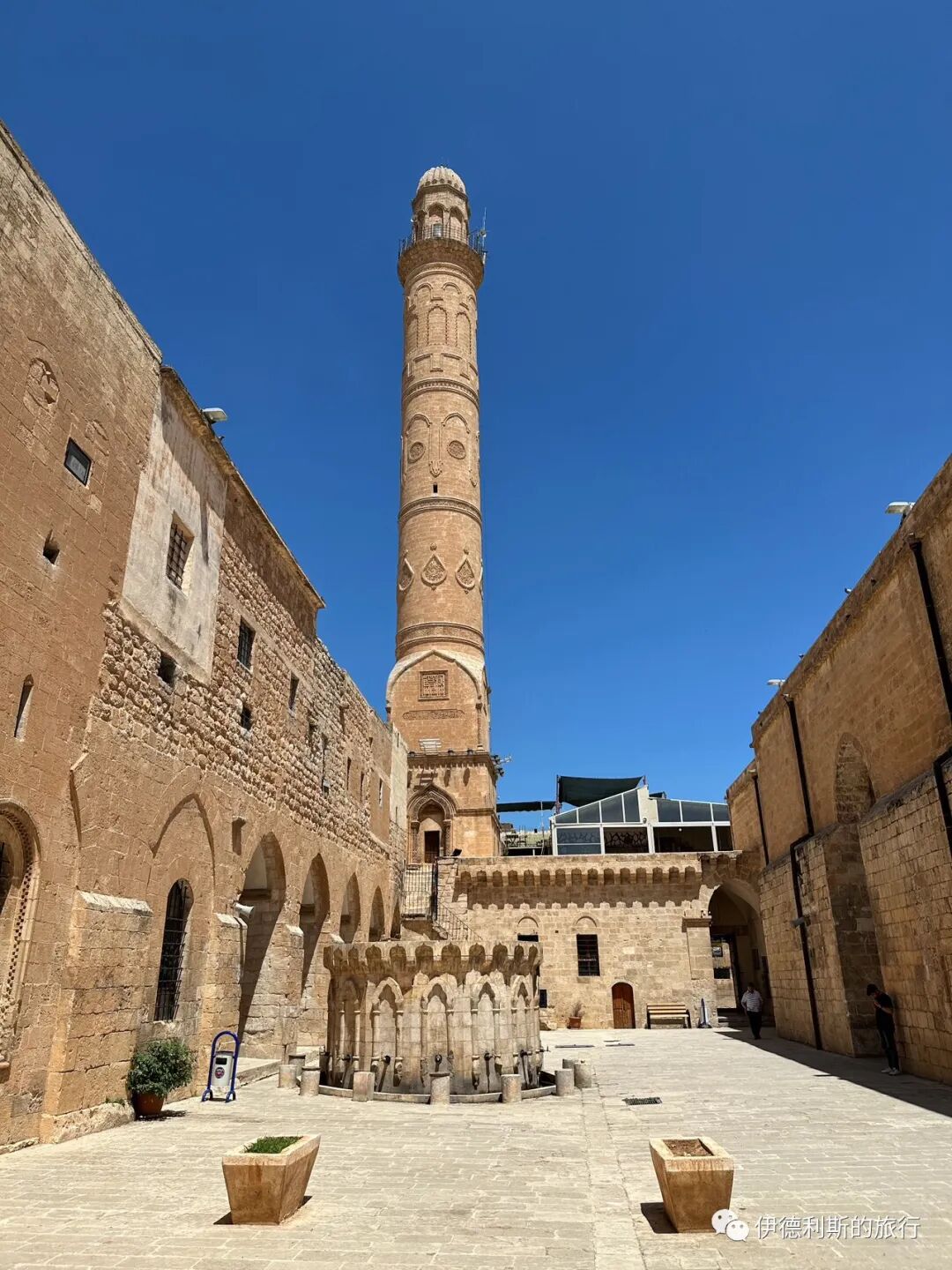
Abdullatif Mosque in Mardin: Originally built in 1371 by the Artuqid minister Abdullatif. The minaret was built in 1845 by Muhammad Pasha, the Ottoman governor of Mosul. The main gate still looks as it did when it was built in 1371, and it is considered the final masterpiece of the Artuqid dynasty.
Seyh Cabuk Mosque in Mardin: Believed to have been built during the Black Sheep (Qara Qoyunlu) dynasty in the 15th century and renovated in the 19th century. Legend says that Abdullah bin Anas al-Juhayni, a companion of the Prophet, was sent to Constantinople to deliver a letter. He passed away in Mardin on his way back and was buried here.
Sehidiye Mosque in Mardin: Built in 1214 by order of the Artuqid Sultan Melik Nasreddin Aslan. The current minaret was rebuilt in 1914 by the Armenian architect Serkis Lole in an eclectic style.
Dinari Pamuk Mosque in Mardin: Built in the 11th century by Sheikh Mehmet Dinari on the site of a Byzantine church. The current building dates to the Artuqid period in 1332.
Melik Mahmut Mosque in Mardin: Built in 1362.
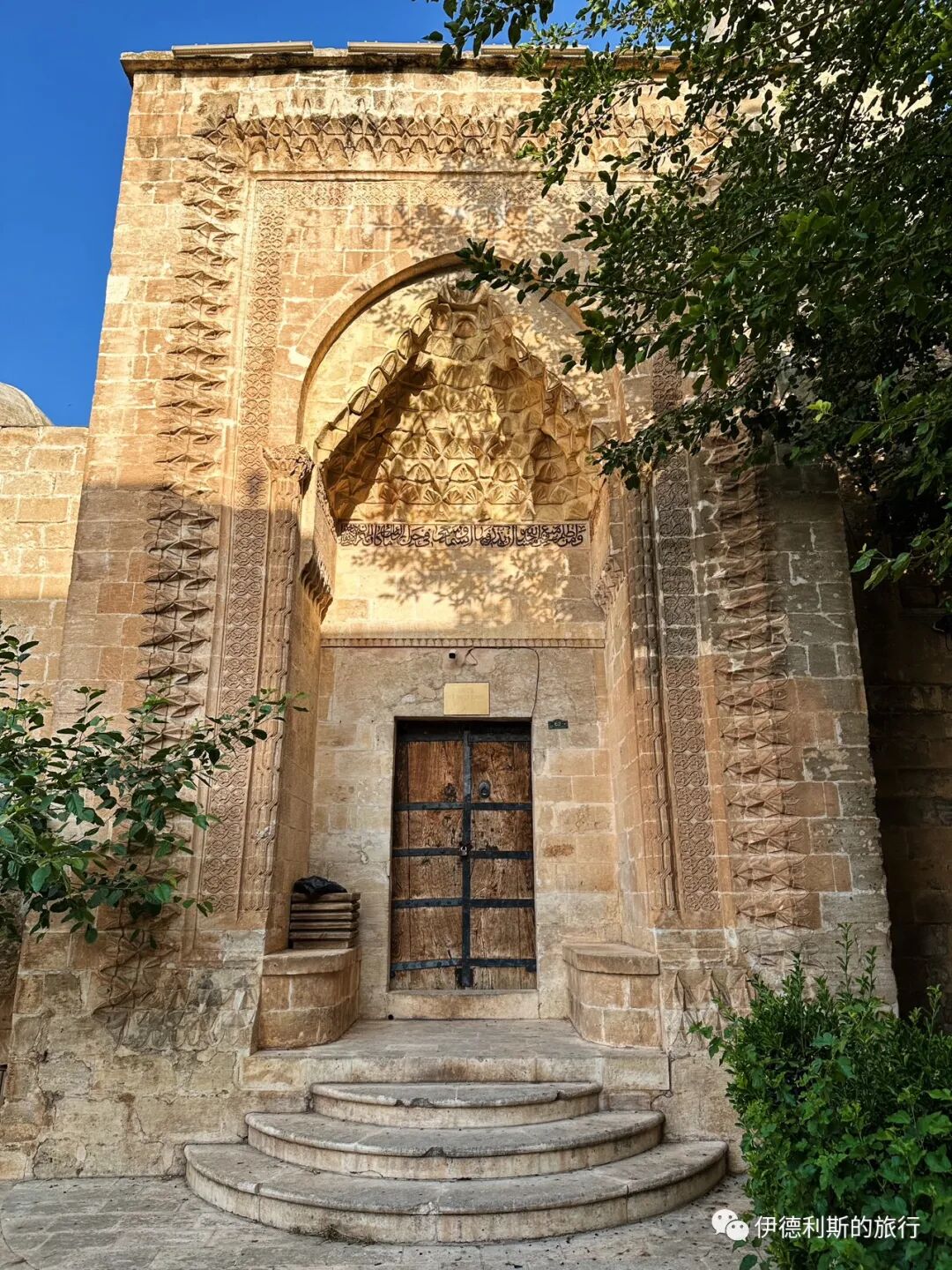
Great Mosque of Diyarbakir: Construction began in the 7th century. The current building was ordered by Malik-Shah I, the third sultan of the Seljuk Empire, in 1092, and it has a history of over 900 years. The architectural style of the Great Mosque of Diyarbakir was deeply influenced by the Umayyad Mosque in Damascus, as Sultan Malik-Shah I had overseen the restoration of the Umayyad Mosque between 1082 and 1083 and wanted to bring the prestige and glory of Damascus to Diyarbakir.
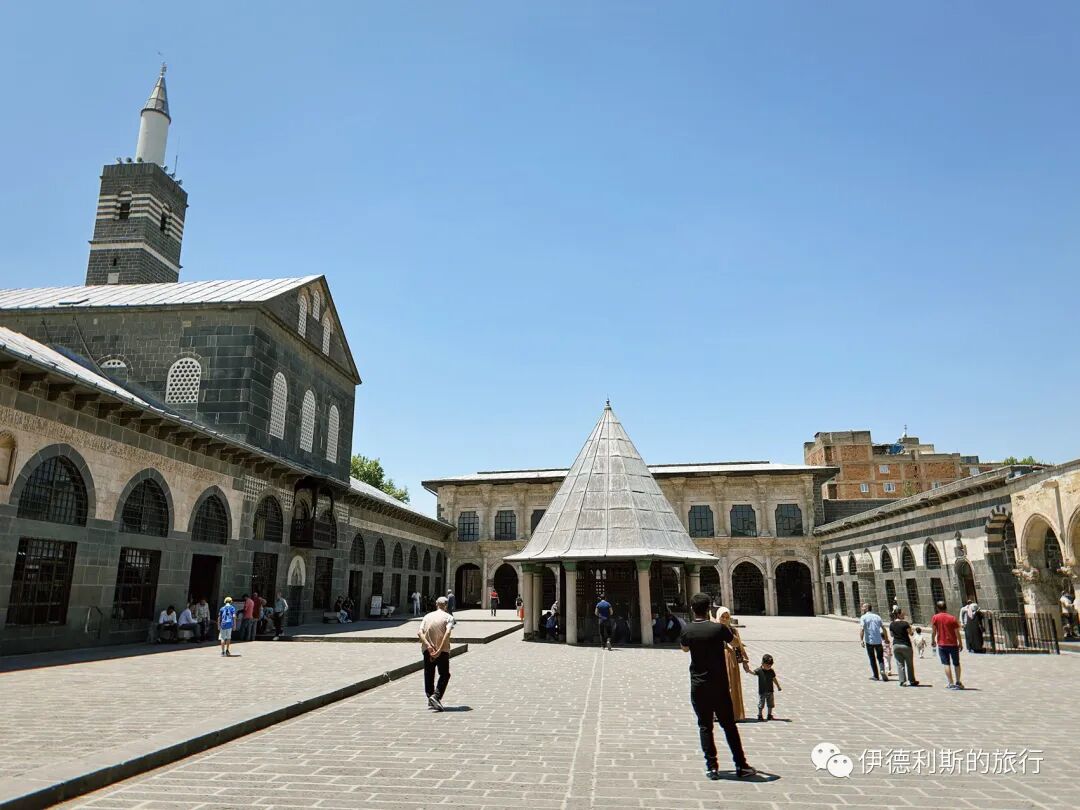
Nebi Mosque in Diyarbakir: Originally built during the White Sheep (Aq Qoyunlu) dynasty in the 15th century. The minaret tower (bangke lou) was rebuilt by Haji Hussein in 1530. It originally consisted of two main halls, belonging to the Shafi'i and Hanafi schools of thought respectively. During World War I, the Hanafi section was used as a military barracks until it collapsed in 1927. Today, only the part belonging to the Shafi'i school remains.
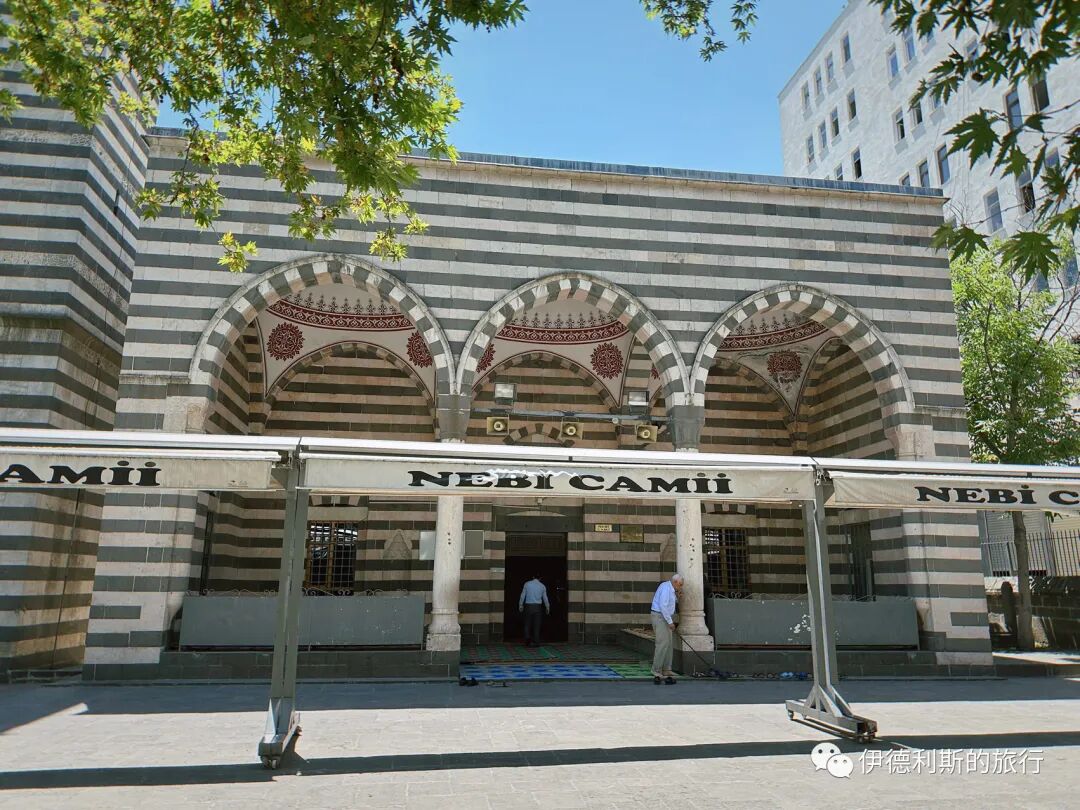
Hazreti Süleyman Mosque in Diyarbakir: The most important religious site in Diyarbakir. It was first built by the Inalid Beylik in 1160, expanded by order of Sultan Suleiman the Magnificent of the Ottoman Empire in the 16th century, and renovated between 1631 and 1633. On the west side of the main hall are the graves of Suleiman, son of the famous Arab general Khalid ibn al-Walid, and his 27 followers, who passed away in 639 when the Arab army occupied Diyarbakir.
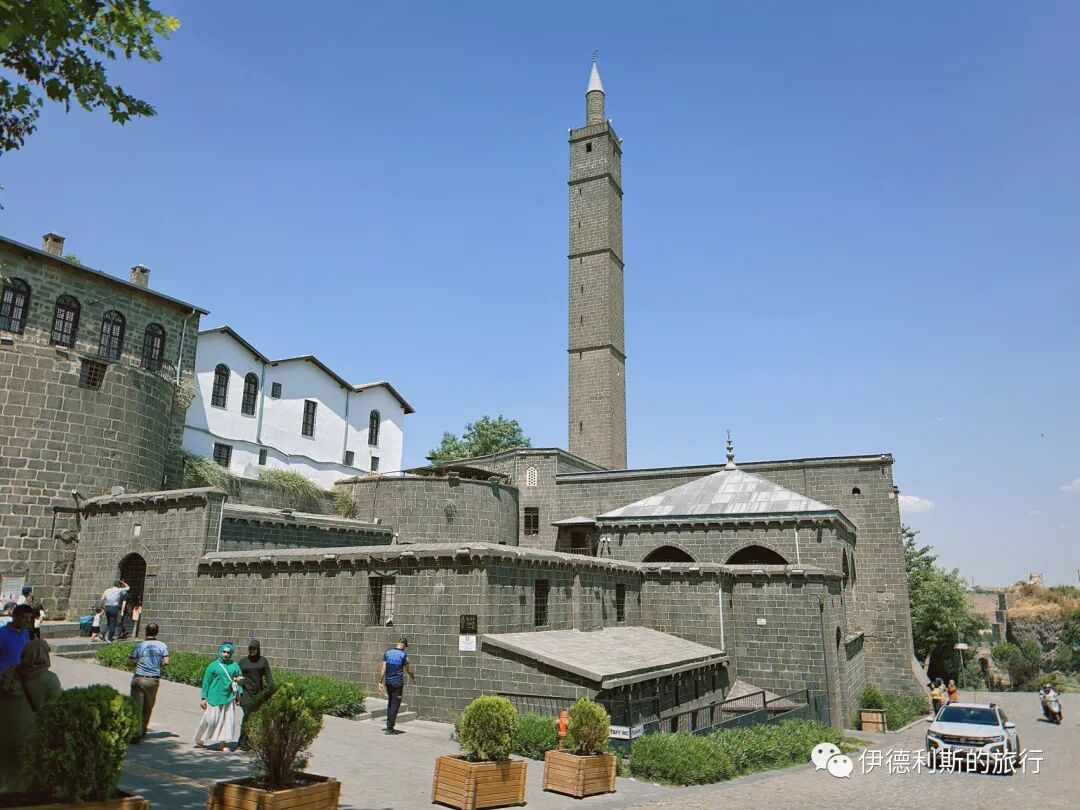
Nasuh Pasha Mosque in Diyarbakir: Built in the early 17th century. Nasuh Pasha became the governor of Diyarbakir in 1606, later became the Grand Vizier of the Ottoman dynasty in 1611, and married the daughter of Sultan Ahmed I.
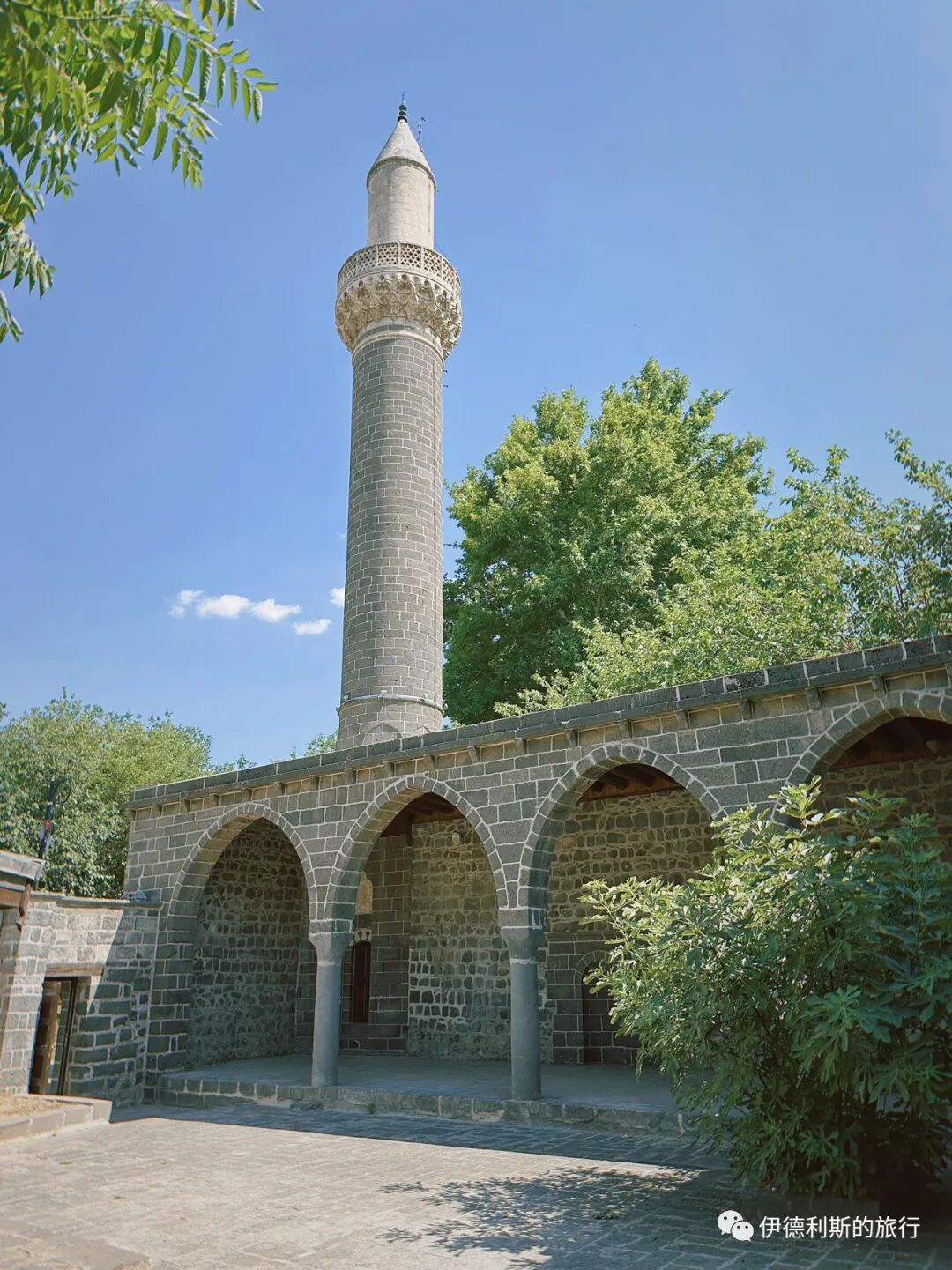
Kurşunlu Mosque in Diyarbakir: Built by Bıyıklı Mehmed Pasha, the first Ottoman governor of Diyarbakir, between 1516 and 1520. It is also the first Ottoman mosque in Diyarbakir.
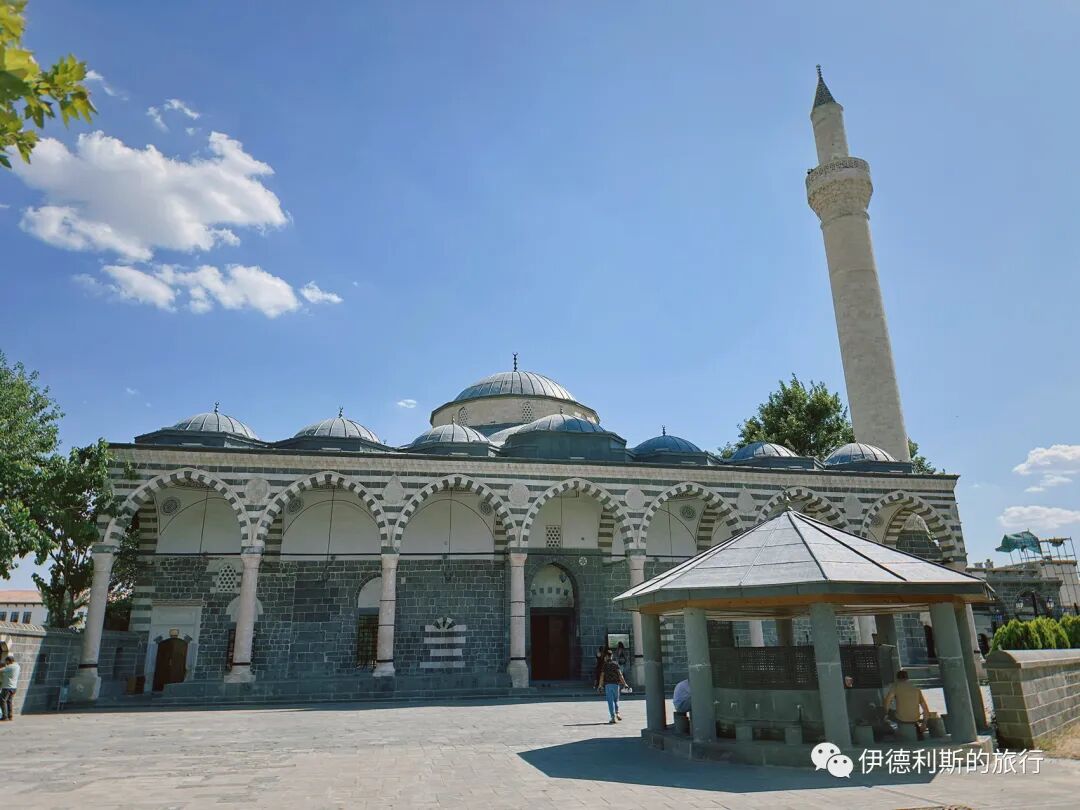
Kadı Mosque in Diyarbakir: Built in 1533.
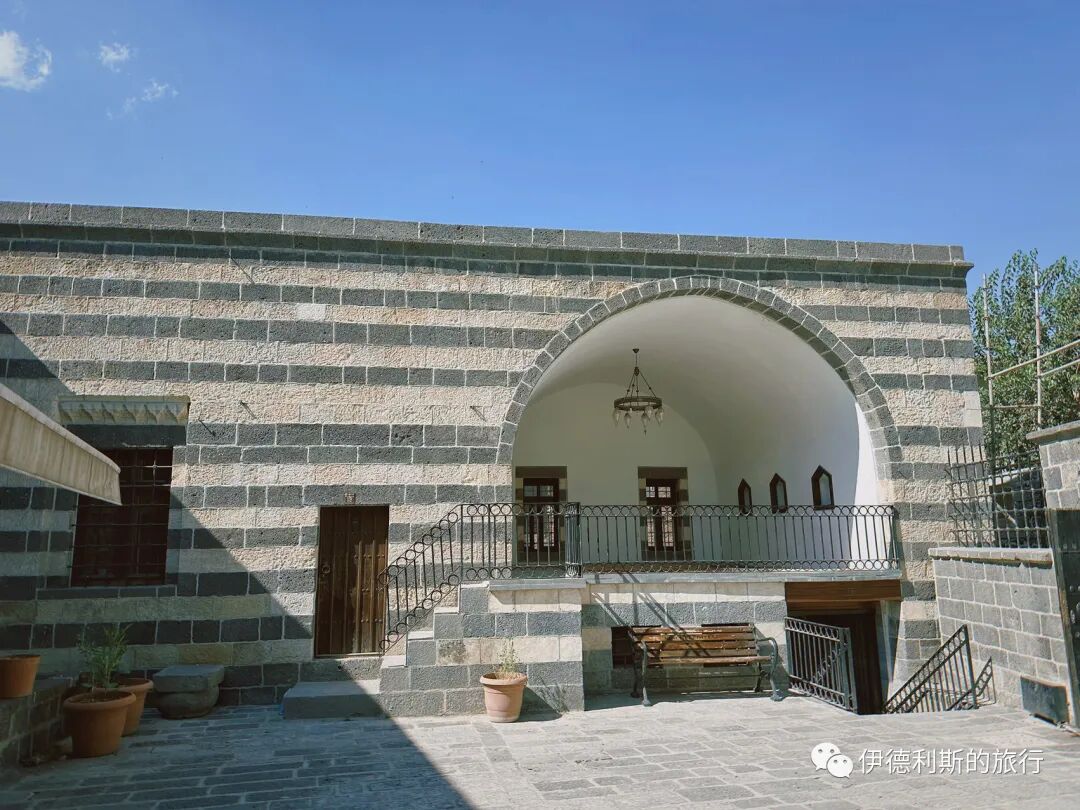
Sheikh Matar Mosque in Diyarbakir: Built by Haji Hussein in 1500 during the late White Sheep (Aq Qoyunlu) dynasty. It is named after the tomb of Sheikh Matar located next to the mosque.
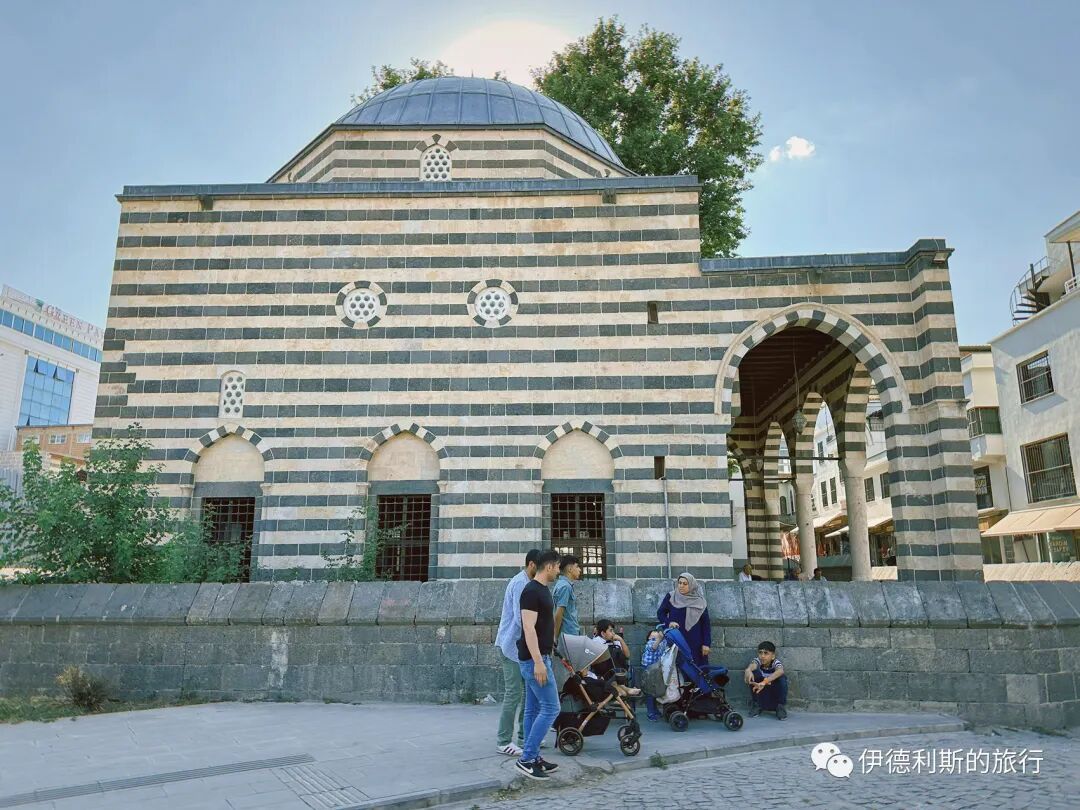
Behram Pasha Mosque in Diyarbakir: Built by the Ottoman governor Behram Pasha between 1564 and 1572. It was supervised by Mimar Sinan, the greatest Ottoman architect, though it was likely commissioned to another royal architect to actually carry out the work.
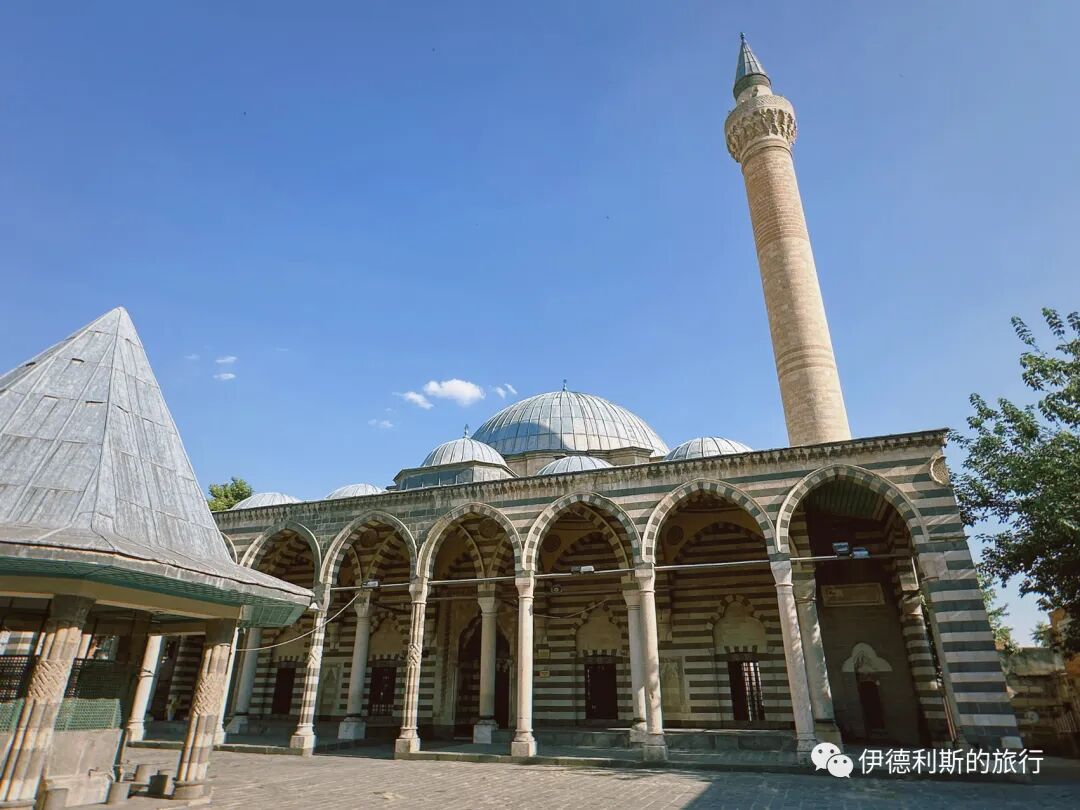
Iskender Pasha Mosque in Diyarbakir: Construction began in 1551 or 1554 and was completed in 1557. It is a typical Ottoman single-dome mosque.
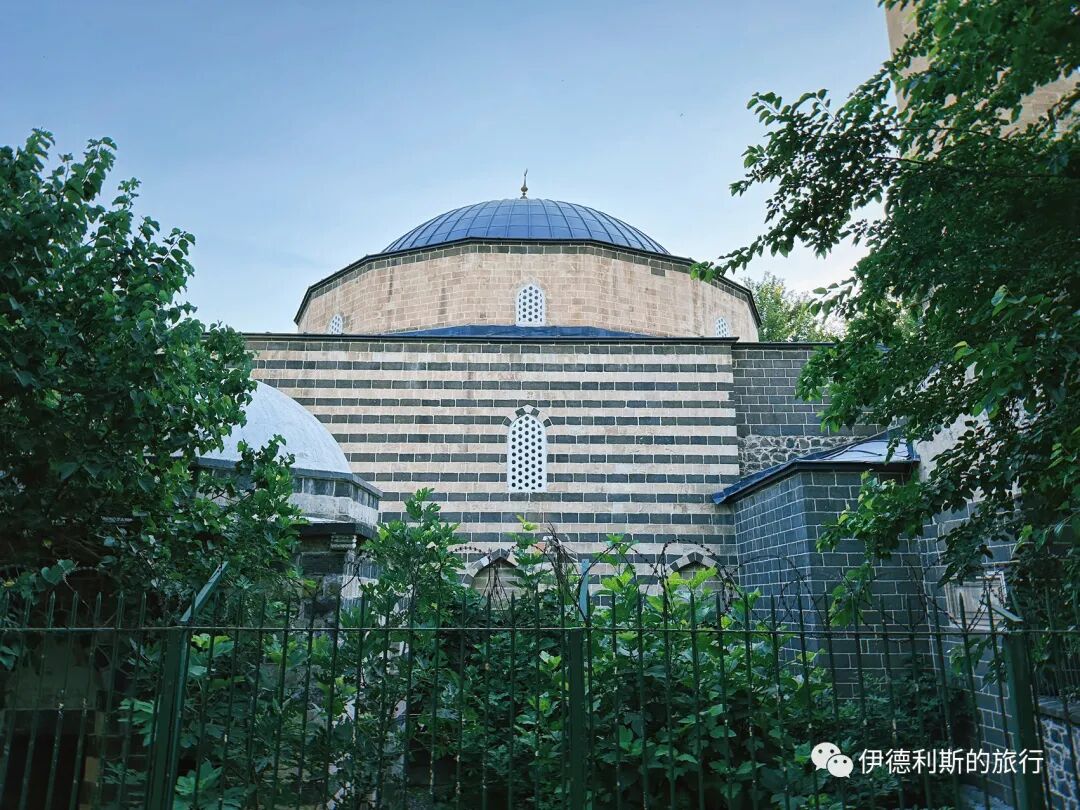
Ömer Şeddat Mosque in Diyarbakir: Built during the mid-12th century Inalid Beylik period, it has a history of over 800 years.
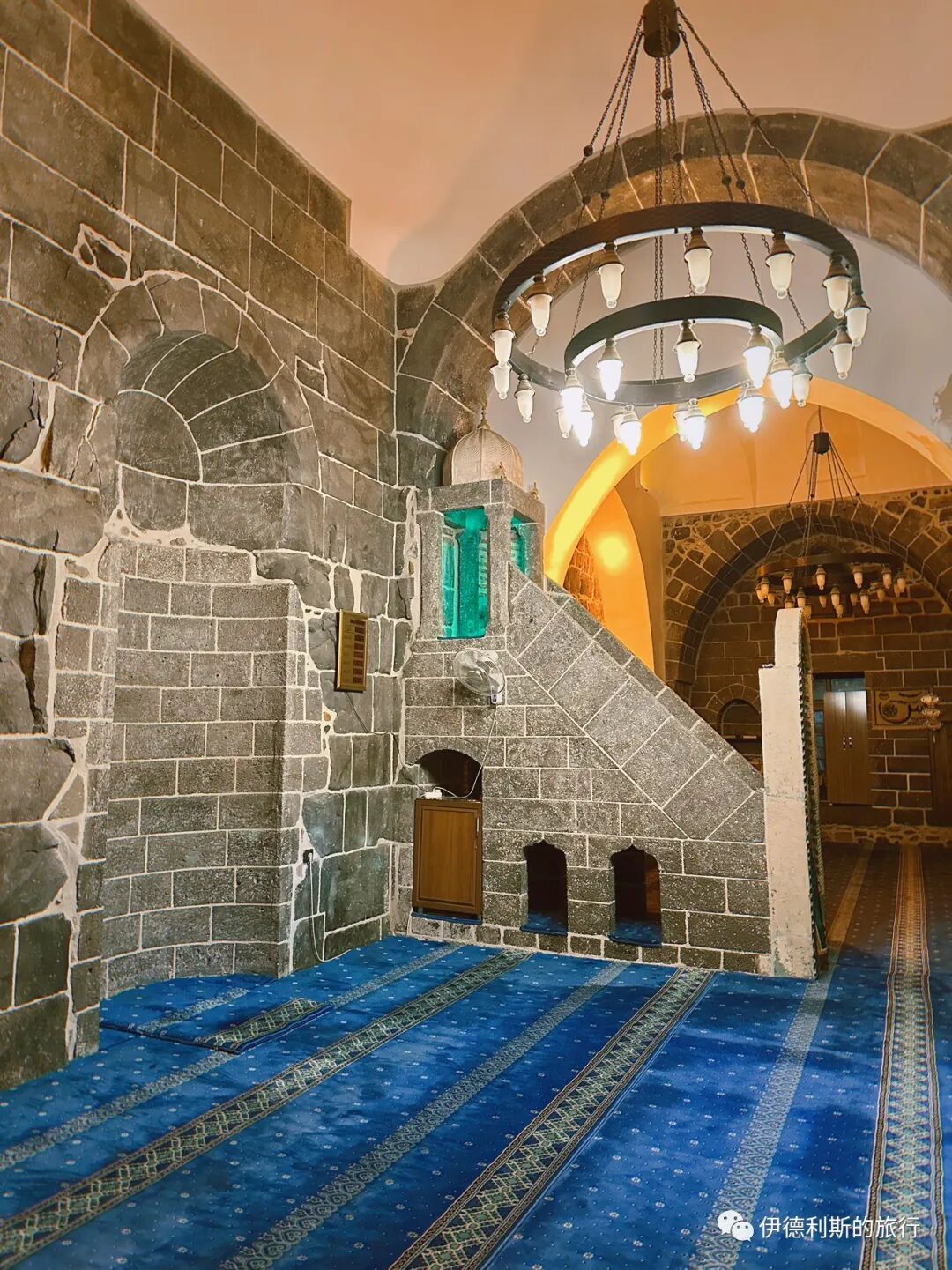
Rüstem Pasha Mosque in Istanbul: Known as the most beautiful mosque by Mimar Sinan, it was built by the great Ottoman architect Mimar Sinan between 1561 and 1563 for the Ottoman Grand Vizier Rüstem Pasha. This was the last building commissioned by Rüstem Pasha and was not completed until after his death.
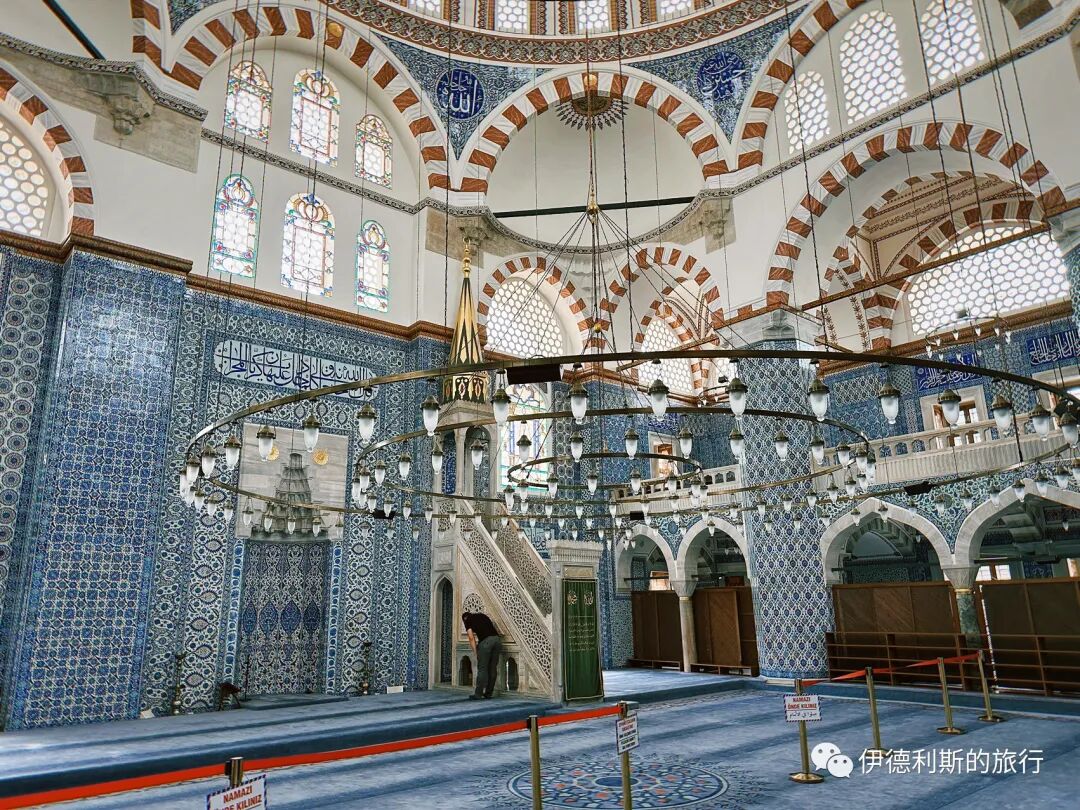
Elhac Timurtaş Mosque in Istanbul: Built in the 1460s by Timurtaş Ağa, who was a merchant there. It is one of the oldest mosques in Istanbul. It has been renovated many times throughout history, and it is now difficult to see its original form.
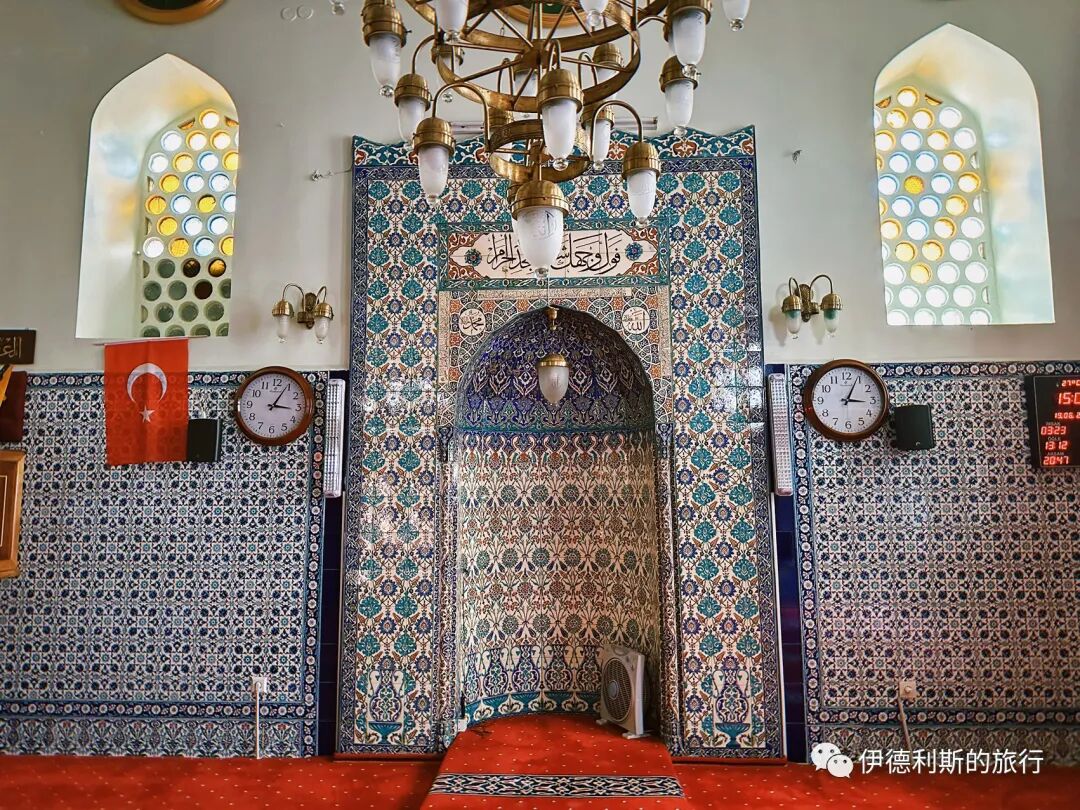
Süleymaniye Mosque in Istanbul: Commissioned by Ottoman Sultan Suleiman the Magnificent and built by Mimar Sinan between 1550 and 1557. It is considered Mimar Sinan's most important work and remains a landmark of Istanbul today.
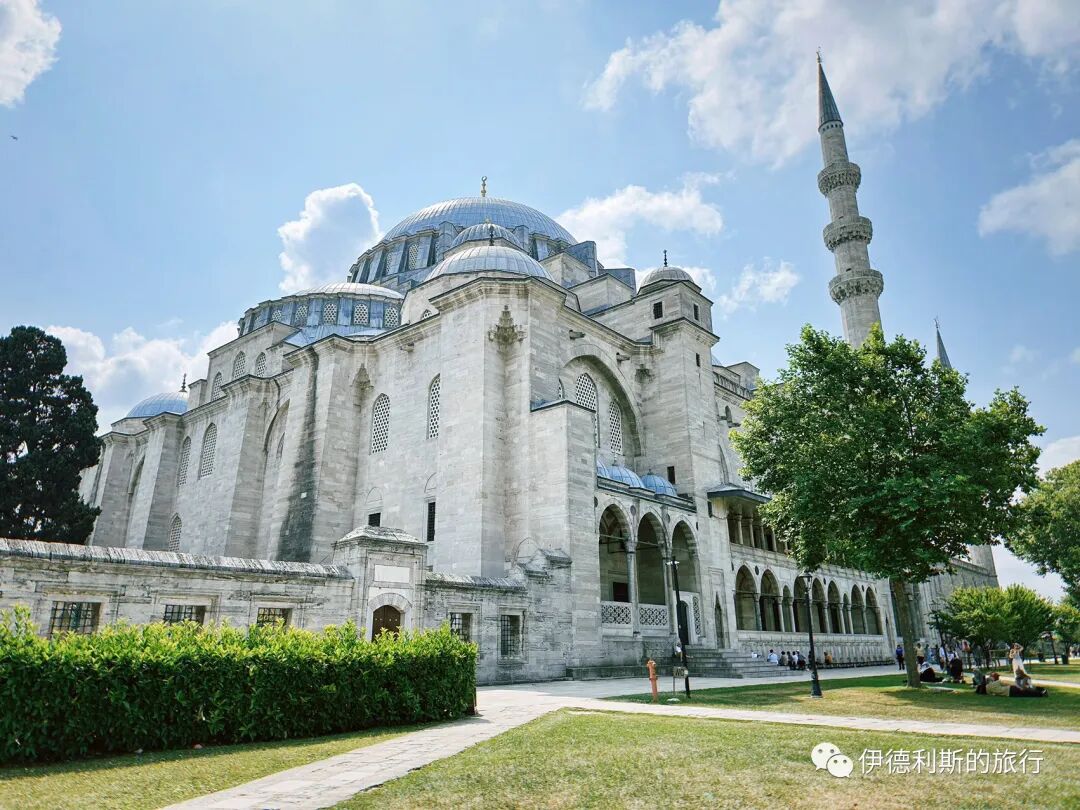
Bayezid II Mosque in Istanbul: Built by the eighth Ottoman Sultan, Bayezid II, between 1501 and 1506. It is the second imperial mosque built after the Ottoman conquest of Istanbul. Because the Fatih Mosque built by Mehmed the Conqueror was destroyed by earthquakes multiple times, the Bayezid II Mosque is the oldest surviving imperial mosque in Istanbul.
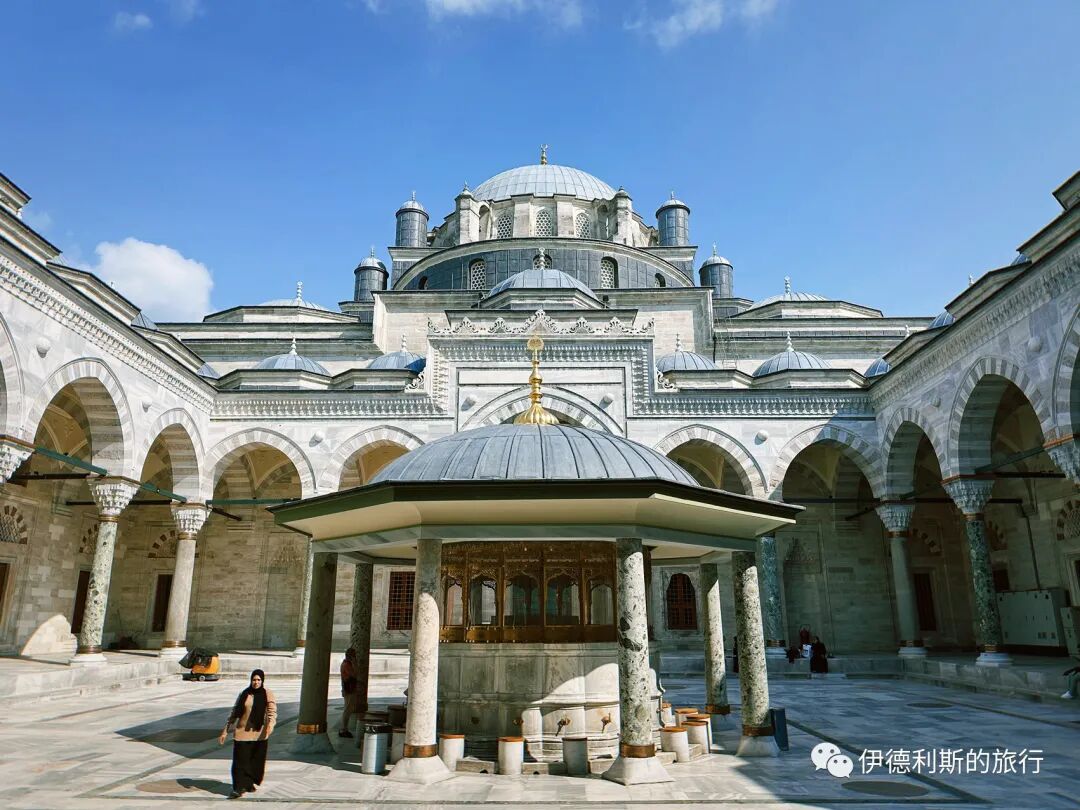
Mahmut Pasha Mosque in Istanbul: Built in 1464 by Mahmut Pasha, the Grand Vizier of Sultan Mehmed the Conqueror. It is one of the earliest mosques built within the city of Istanbul. It still follows the architectural style of the Ottoman dynasty from the old capital of Bursa, consisting of two main domes and many small domes.
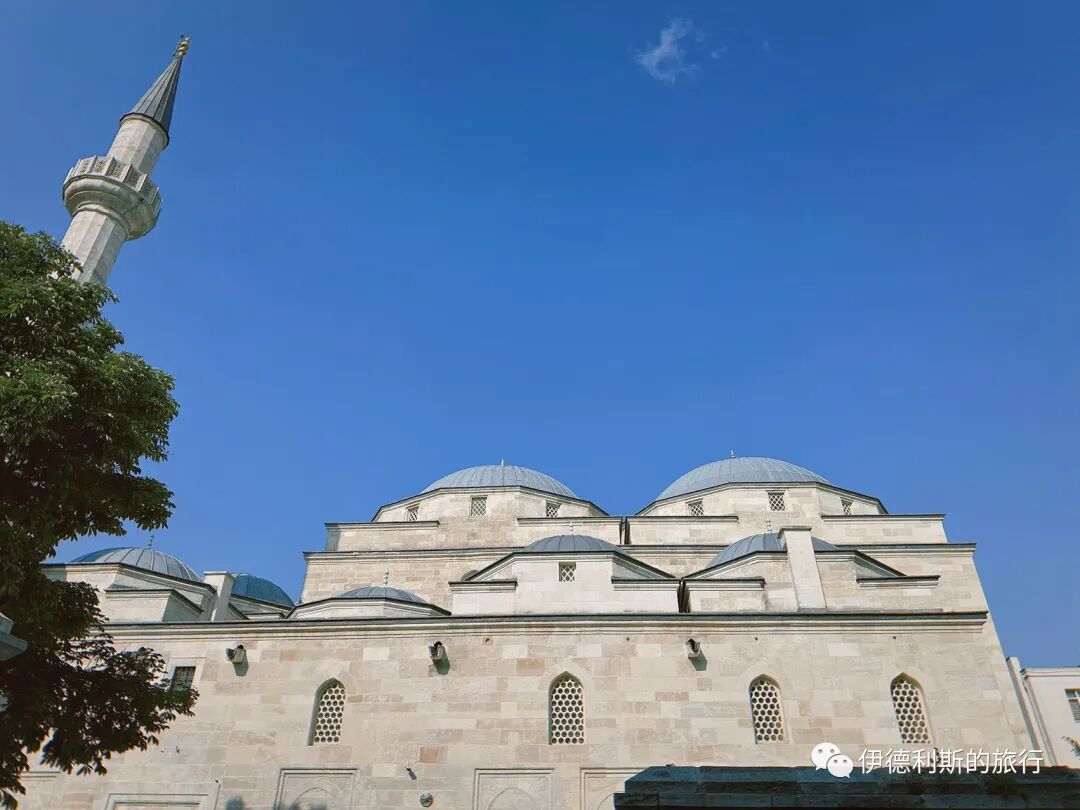
Hagia Sophia in Istanbul: Completed in 537, it was the largest church in the world at that time. In the mid-16th century, Sultan Suleiman the Magnificent built two minarets. In the late 16th century, the royal architect Mimar Sinan added 24 buttresses to support the cathedral and built two new 60-meter-high minarets, giving the cathedral a four-minaret design.
Dolmabahçe Mosque in Istanbul: Built by Ottoman Sultan Abdülmecid I and his mother between 1853 and 1855. After its completion, it became the royal mosque of the Ottoman Sultans. Designed by Garabet Amira Balyan of the Ottoman Armenian Balyan architect family, it blends Rococo and Empire styles. It is one of the representative works of the eclectic style that emerged under European influence following the Ottoman modernization reforms in the mid-19th century.
8 mosques in Bosnia and Herzegovina in June
Gazi Husrev Bey Mosque in Sarajevo: This is the main landmark of the Old Bazaar in Sarajevo. Built in 1530, it has served as the city's central mosque ever since. It was designed and built by Adzem Esir Ali, an Ottoman court architect from Tabriz, Persia. Important scenes from the movie 'Walter Defends Sarajevo,' well-known to Chinese audiences, were filmed here.
Muslihudin Čekrekčija Mosque in Sarajevo: Built by Hajji Mustafa in 1526, it survived many fires in Sarajevo and also survived the 1697 looting of the city by the Holy League after they defeated the Ottoman Empire.
Bascarsija Mosque in Sarajevo: Built by Havadža Durak in the early 16th century, it sits in the heart of the Old Bazaar. It originally had a wooden dome, but it was rebuilt with a stone dome after a fire in 1697.
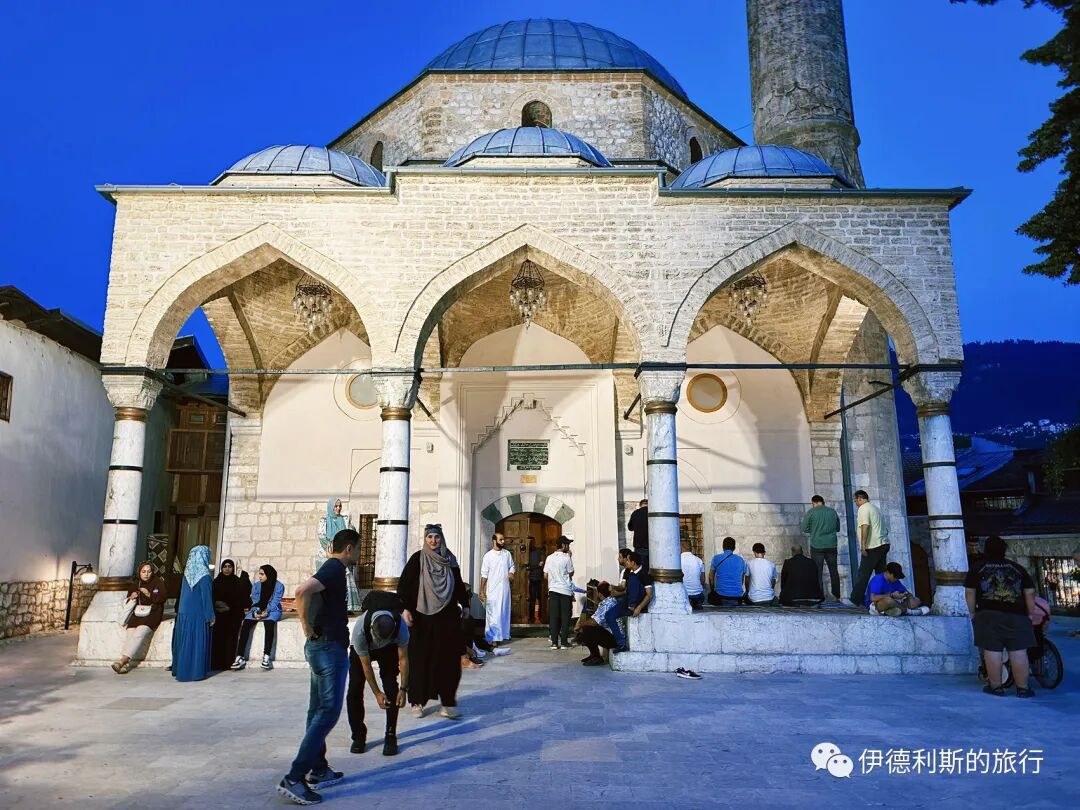
Imperial Mosque (Careva Džamija) in Sarajevo: Construction began in 1457. It was the first mosque built after the Ottoman Empire conquered Bosnia. It was built under the direction of Isaković-Hranušić and dedicated to the Ottoman Sultan Mehmed the Conqueror. The original mosque was a wooden structure. It was rebuilt in 1565 into the current classical Ottoman style and dedicated to the Ottoman Sultan Suleiman the Magnificent.
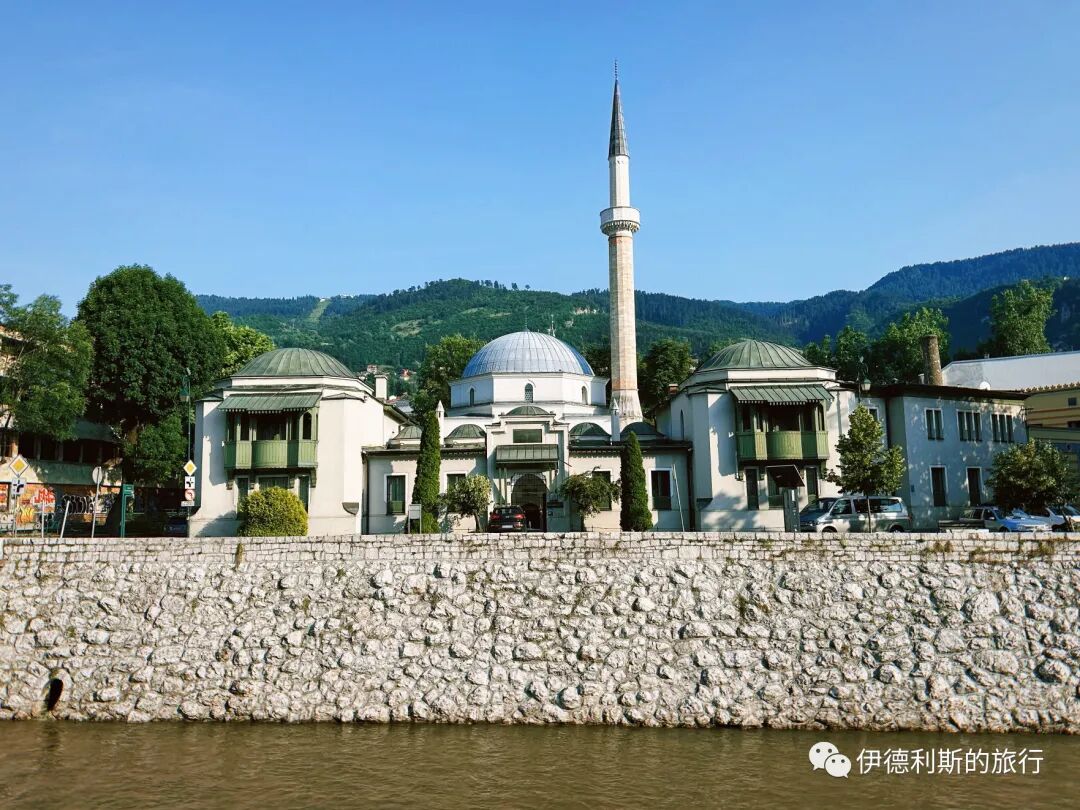
Magribija Mosque in Sarajevo: Built by Sheikh Magribija in the 15th century and rebuilt in 1766, it retains its 18th-century appearance and paintings.
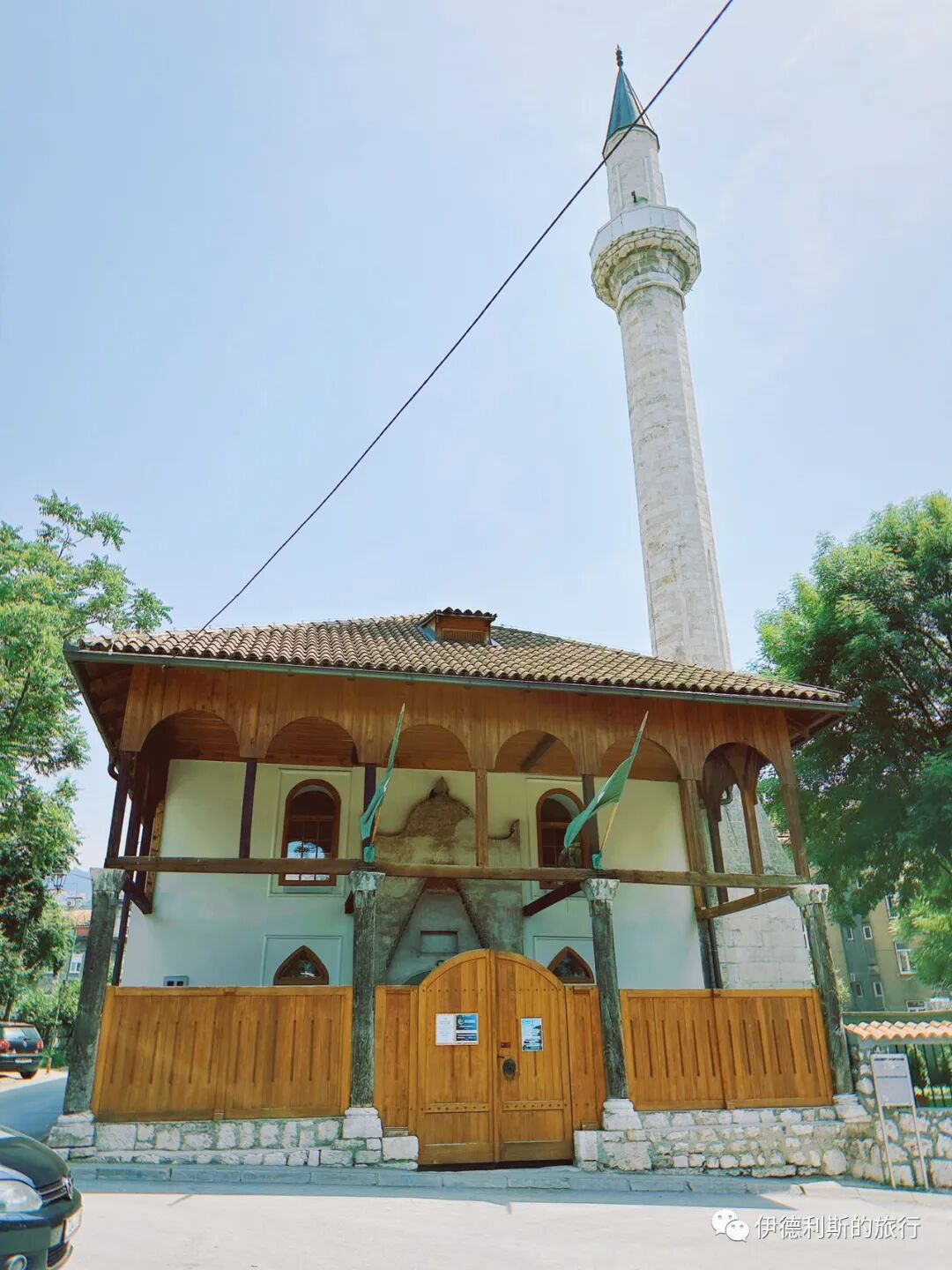
Ali Pasha Mosque in Sarajevo: Built in 1560-1561 by the Bosnian governor Ali Pasha, this is a single-domed mosque in the classical Ottoman style with beautiful architectural proportions.
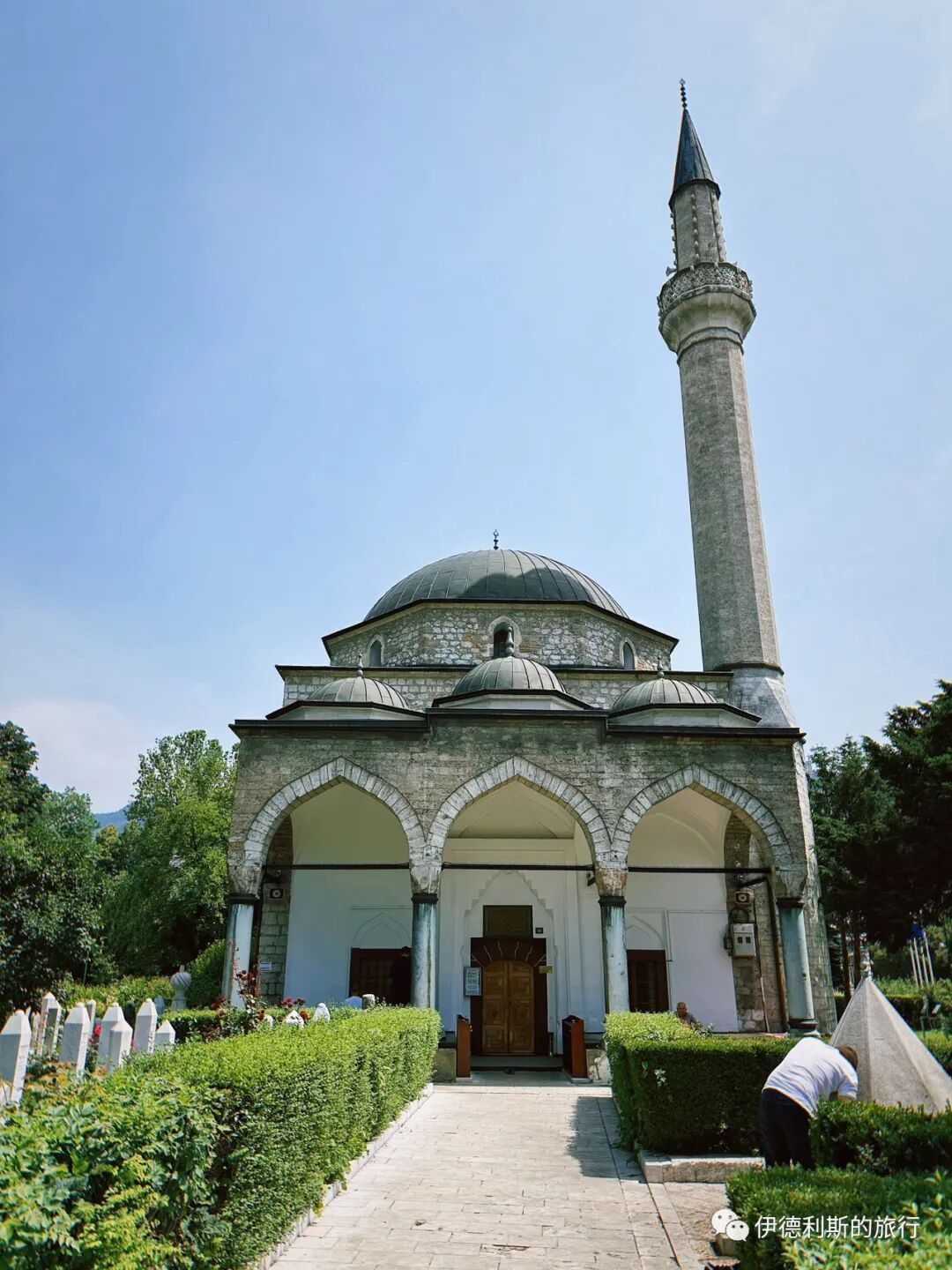
Ferhadija Mosque in Sarajevo: Built by Ferhad-beg Vuković-Desisalić in 1561-1562, it is a typical classical Ottoman building. It features a central dome over a rectangular main hall and three small domes over the front porch.
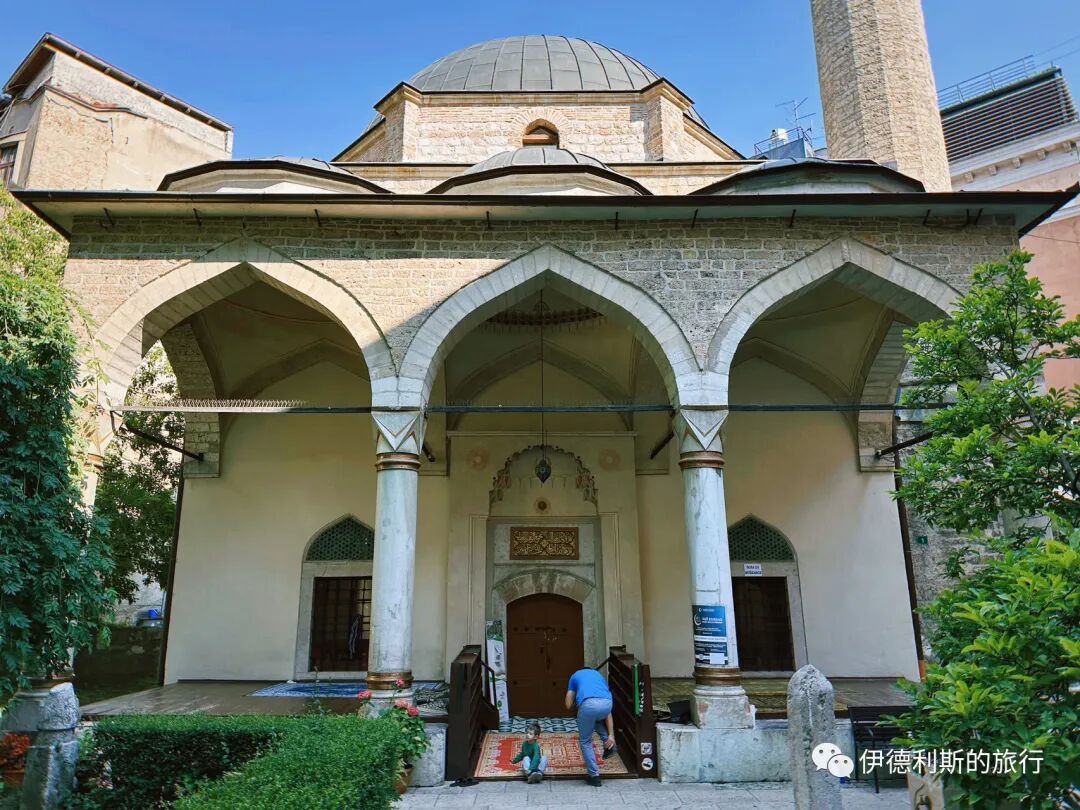
Bakrbaba Mosque archaeological site in Sarajevo: Built in 1544 by the famous Sarajevo merchant Hajji-Alija Bakrbaba, it was burned by the European Holy League in 1697. It was rebuilt in the early 18th century, demolished by the Austro-Hungarian Empire in 1895, and has been the subject of archaeological research since 2000.
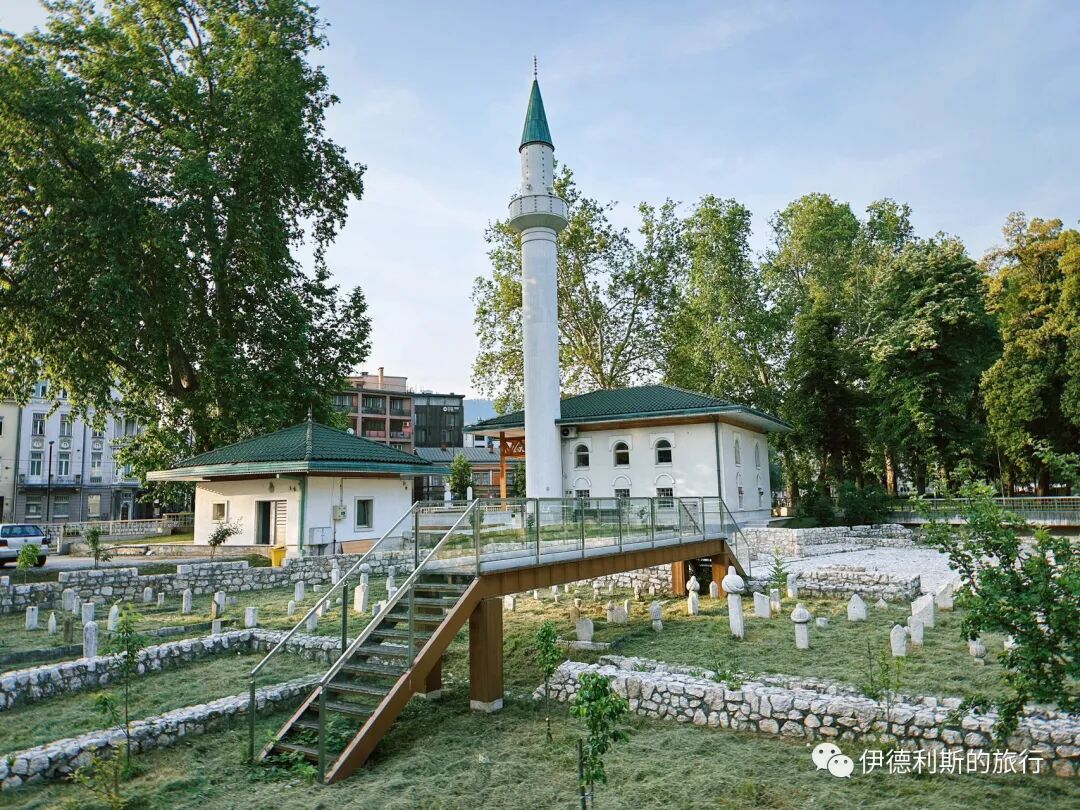
June, Beijing: 1 mosque
Xiguanshi Mosque in Beijing: Construction began in 1494. The main hall was rebuilt in 1709 and the kiln hall (yaodian) in 1761. In 1900, Empress Dowager Cixi and the Guangxu Emperor fled the city to the west. They arrived at Xiguanshi at dusk. Cixi slept in the main hall of the mosque that night, while the Emperor and his consorts slept in the side halls. Two years later, Cixi returned to Beijing and donated silver to renovate the Xiguanshi Mosque. She also ordered glazed tiles, a treasure top (baoding), and roof ridge beasts to be fired at the Imperial Kiln in Liulihe.
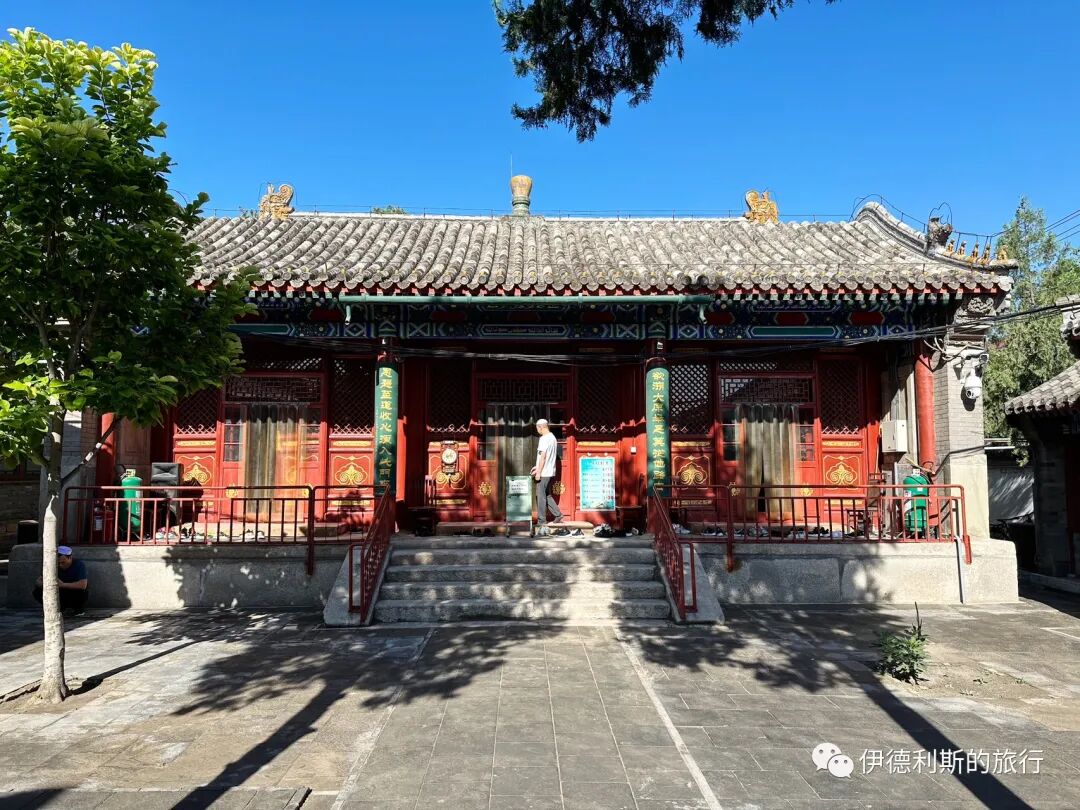
June, Hebei: 1 mosque
Zhuozhou City Mosque in Hebei: A local ancestor from Zhuozhou followed the Prince of Yan on his northern campaign during the early Ming Dynasty. The old mosque was built during the Yongle period of the Ming Dynasty, renovated in the 60th year of the Kangxi reign of the Qing Dynasty, and the main hall was rebuilt in 2000 to reach its current appearance.
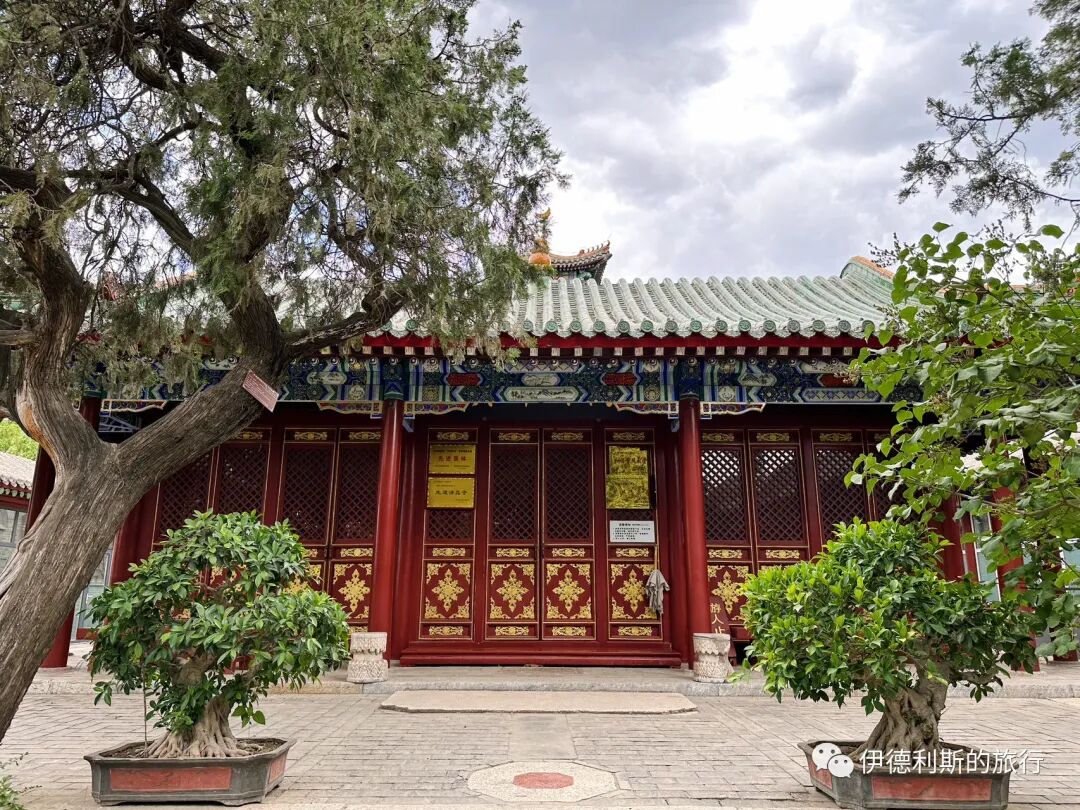
August, Liaoning: 2 mosques
Luyang Mosque in Jinzhou, Liaoning: Built in 1531, it was renovated during the Xianfeng period of the Qing Dynasty and rebuilt into its current form between 1922 and 1925. During the reconstruction, Manager Wang of the Enliyong Pastry Shop in Luyang was in charge of construction, and he invited Yang Peiran (Yuchun), who was a brigade commander in the Northeast Army at the time, to help raise funds.
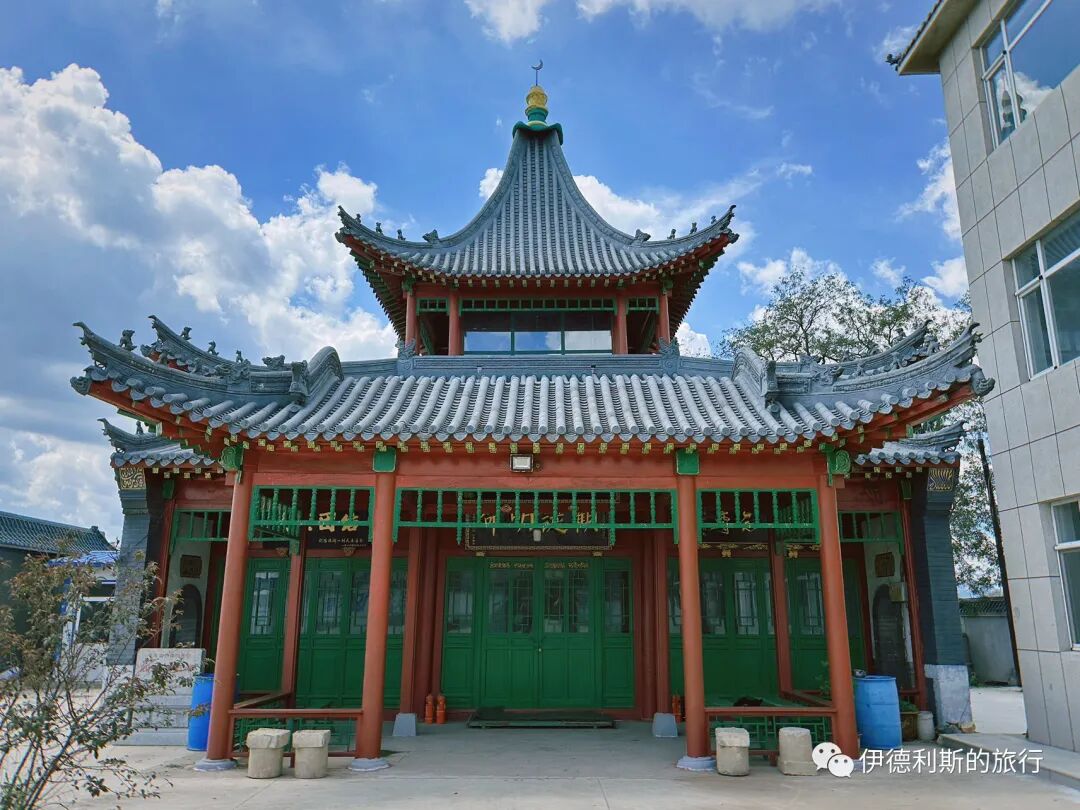
Beizhen Mosque in Jinzhou, Liaoning: Built in 1522, it was expanded in 1617 and renovated again in 1798. The Beizhen Mosque was built according to the traditional northern mosque structure consisting of three parts: the front porch (juanpeng), the main hall, and the kiln hall (yaodian). However, it is very unique because the front porch and the main hall are independent and not connected.
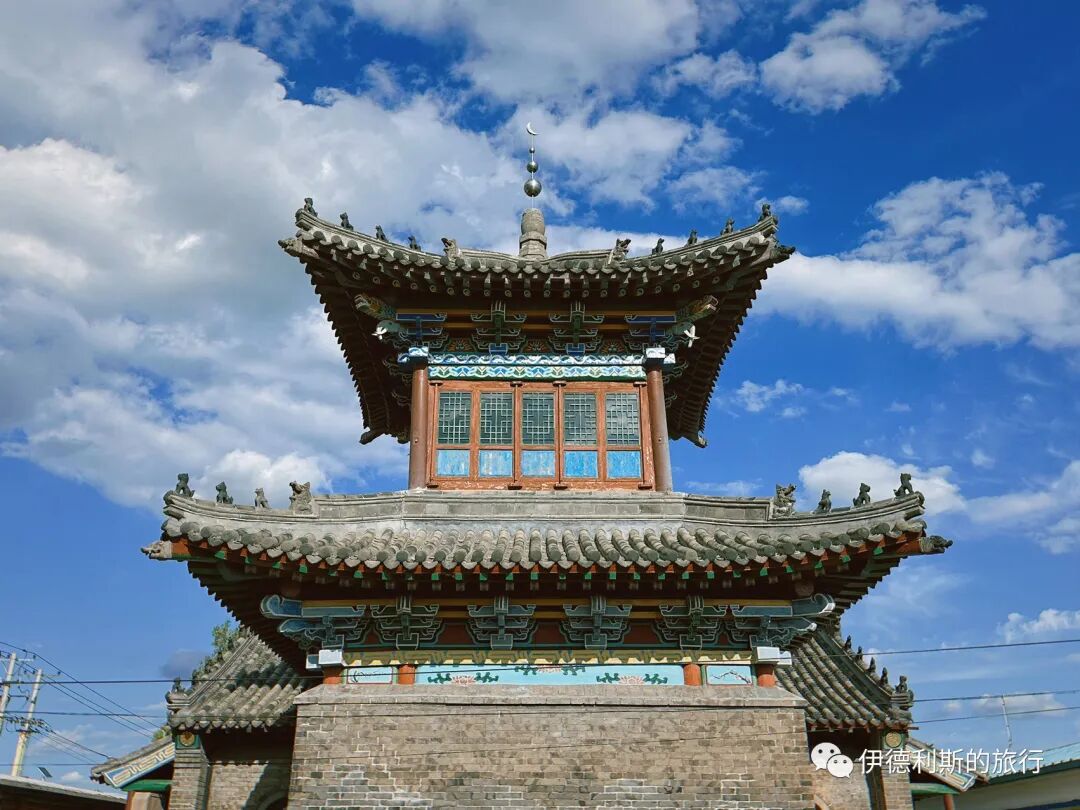
August, Jilin: 1 mosque
Changtong Road Mosque in Changchun: Built in 1824. In 1852, elder Han Xuecheng and Gong Wanmei donated the building, and elder Shi Xuecheng donated trees to move the mosque to its current location in Tielingtun. In 1864, Imam Han Dengqing and others raised funds to expand it, building the current five-room main hall and three-story kiln hall (yaodian). In 1889, Imam Han Laixiang bought the land in front of the mosque owned by the Xu family to build a gate tower, east and west side rooms, a north lecture hall, an east reception hall, and a porch for the main hall. It was expanded several more times during the Republic of China era.
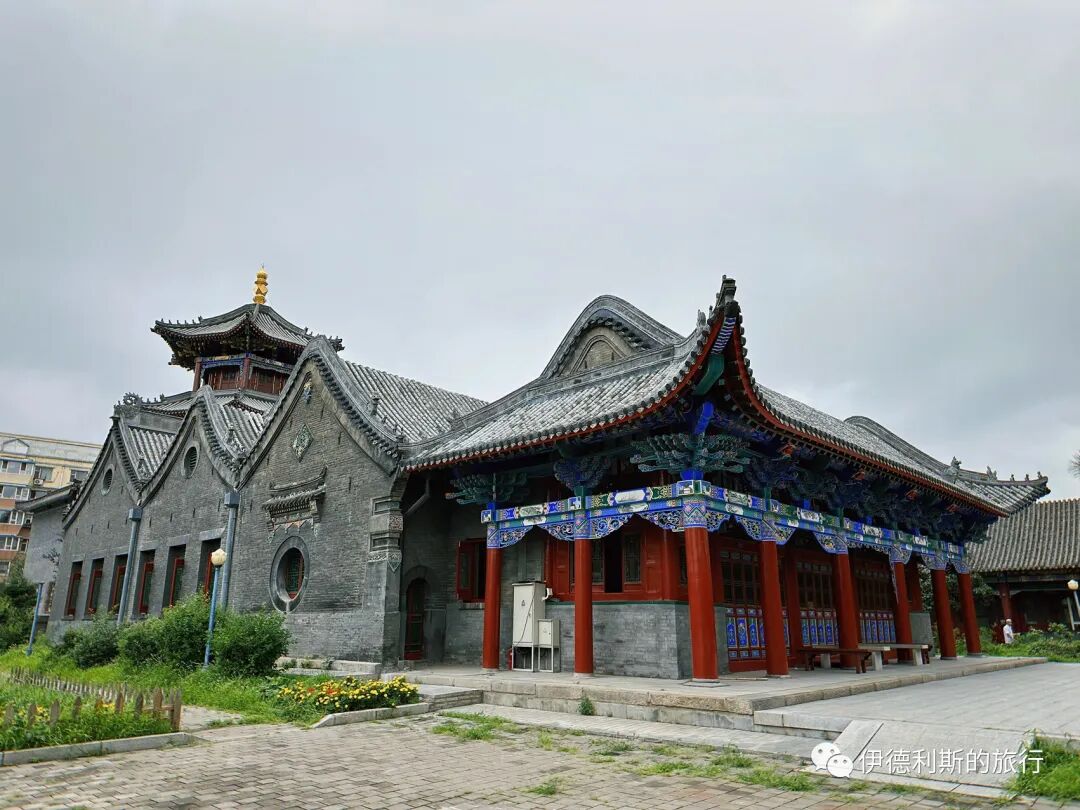
Five mosques in Heilongjiang in August.
Harbin Daowai Mosque: Also known as the East Mosque or Binjiang Mosque. It started in 1897 when Hui Muslims who came here to trade cattle bought five grass huts on the 12th South Street in Daowai. It was rebuilt in 1904. In the early 1930s, as the number of Hui Muslims in Harbin grew, Imam Ma Songting suggested building a new hall. Head teacher Bai Yusheng traveled around to collect donations (nietie), and they hired Russian designers, the Krabliov siblings, to build the current Daowai Mosque main hall in 1935.
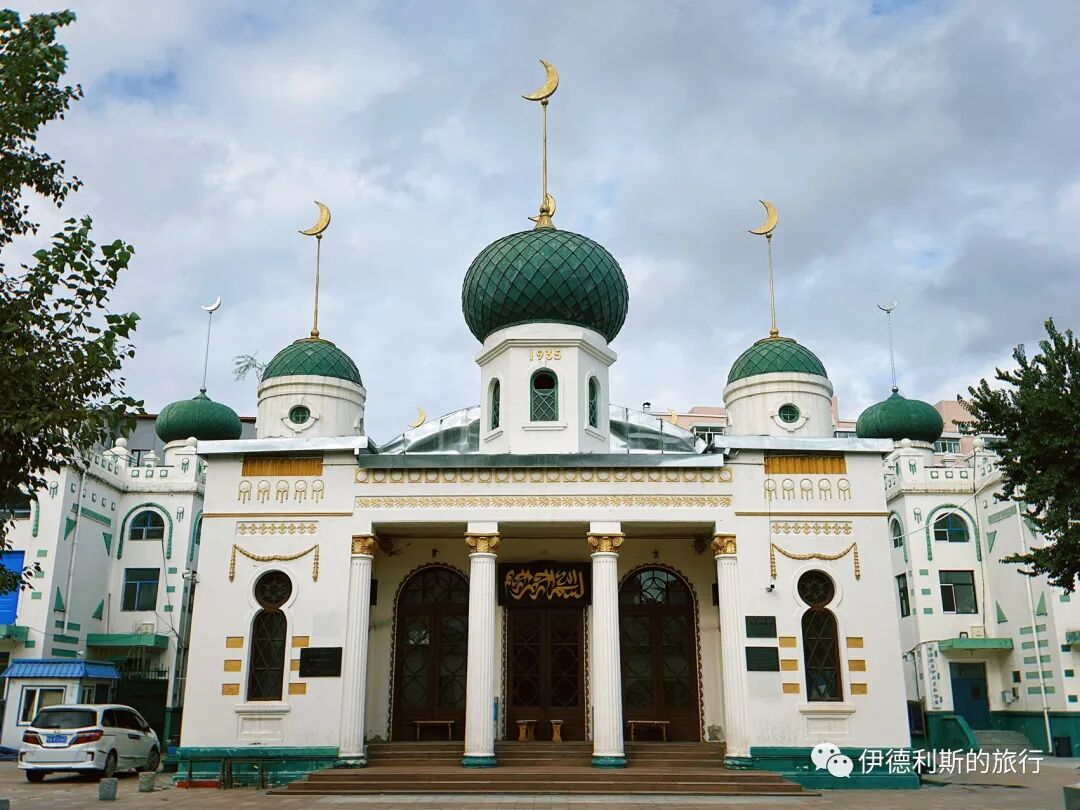
Harbin Acheng Mosque: In 1777, 26 (some say 28) Hui Muslim households in Acheng rented eight civilian houses from Manchu bannermen to establish the first Acheng Mosque. In 1802, they bought two plots of ancestral land from Sarsei, a clerk (bithesi) of the Lingdebao cattle company in Xigangzi, and began building the formal Acheng Mosque. It took 50 years to complete, spanning the Jiaqing, Daoguang, and Xianfeng reigns. A fire in Acheng in 1873 destroyed the mosque's Moon-Watching Tower (wangyuelou) and North Lecture Hall. The current building was finally completed in 1900 (the 26th year of the Guangxu reign).
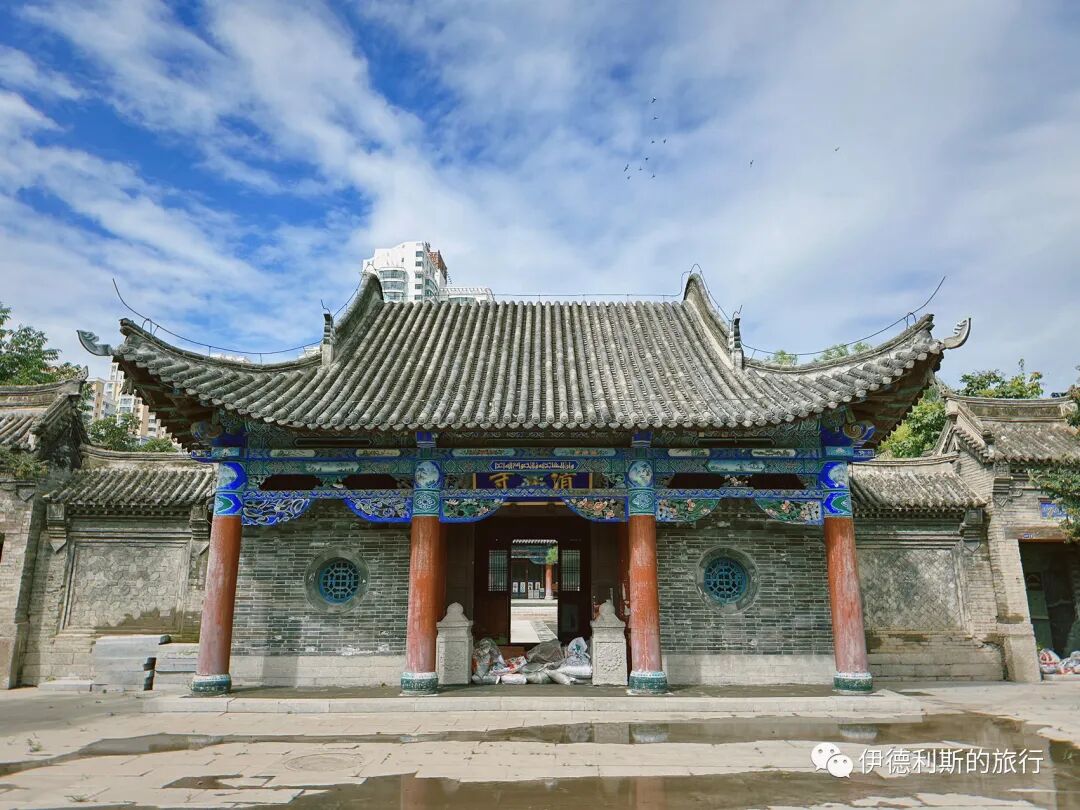
Harbin Tatar Mosque: As the center of the Chinese Eastern Railway, Tatars began settling in Harbin in 1901 and built their first wooden mosque that same year. As the Tatar population grew, they rebuilt it as a brick mosque in 1906. To commemorate the 1,000th anniversary of the Volga Tatars' ancestors, the Volga Bulgars, converting to Islam in 922 AD, the Tatars in Harbin decided to build a new mosque. Construction of the new mosque began in 1923, but it stalled for a time due to political instability. In 1936, the new imam, Münir Hasibullah, traveled to every Tatar settlement in the Far East to collect donations (nietie). The Millennium Mosque was finally completed and opened on October 8, 1937.
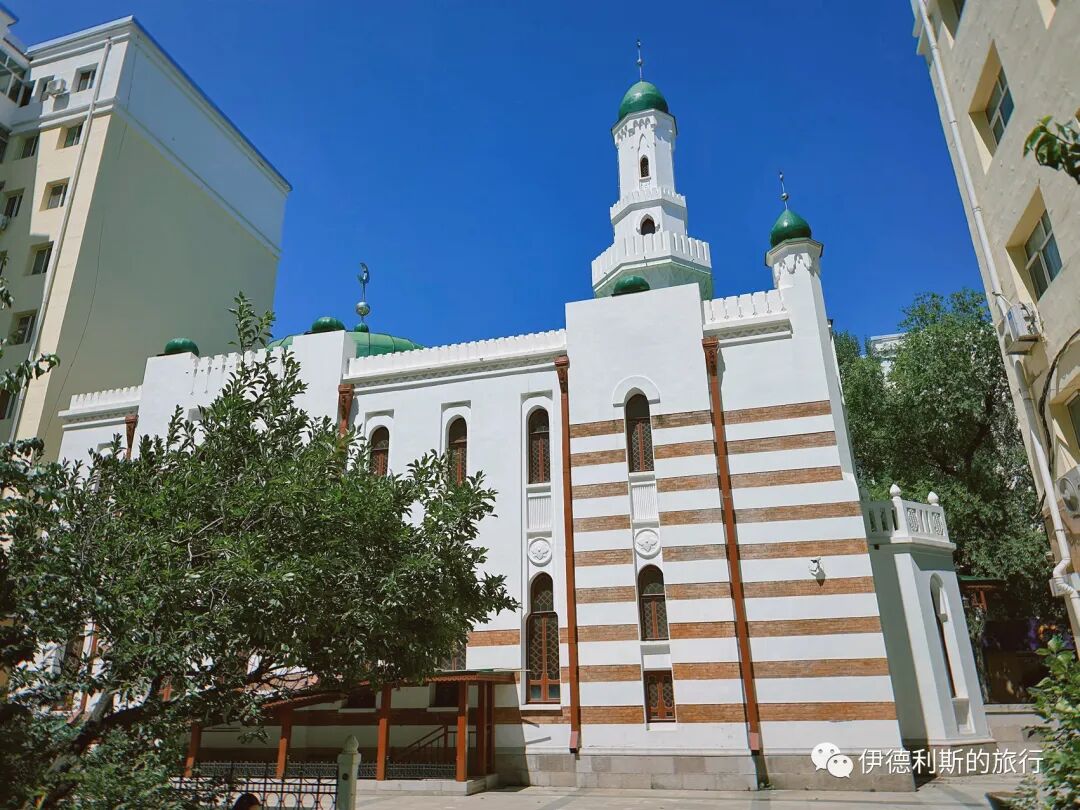
Qiqihar Bukui West Mosque: In 1817, Ma Datian, the third-generation leader (murshid) of the Jahriyya order, was exiled to Qiqihar, Heilongjiang. Twelve households led by 'Grandpa Niu' volunteered to follow him. Ma Datian passed away while passing through the Jilin Shipyard and was honored as the 'Shipyard Grandpa.' The 12 households continued their exile to Qiqihar. After arriving in Qiqihar, these 12 households were accepted by the local Gedimu community. They built the Bukui West Mosque in 1852, which became the only Jahriyya mosque in Heilongjiang.
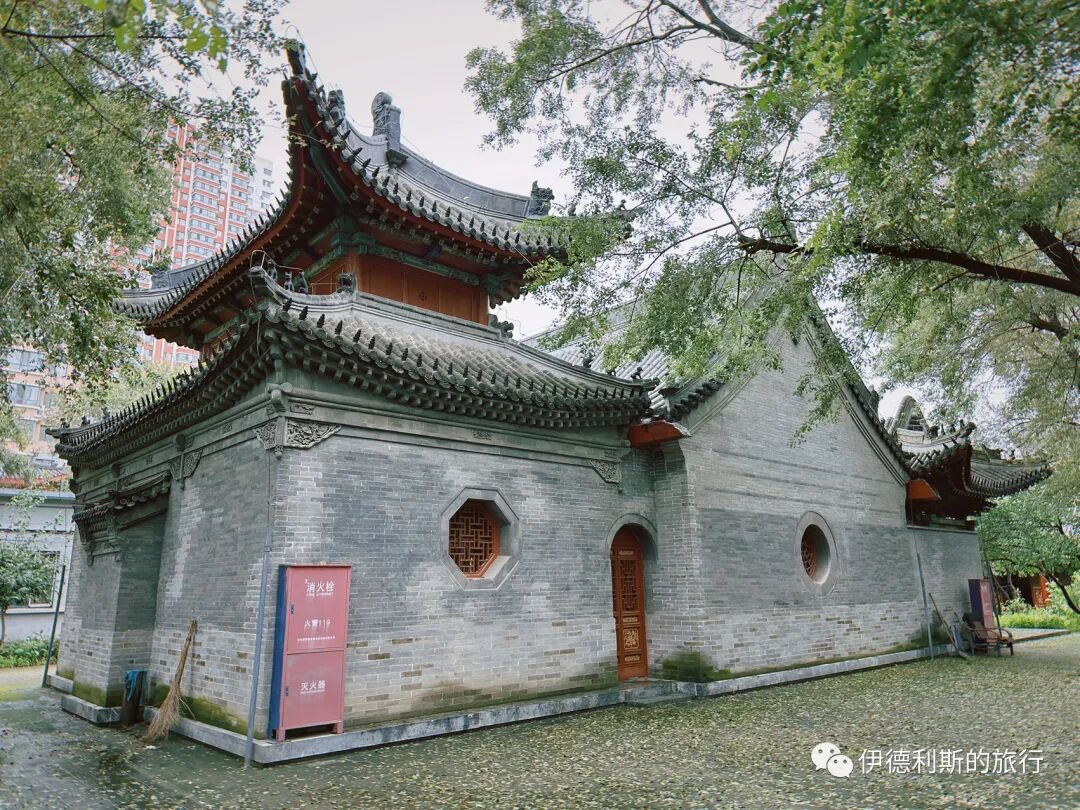
Qiqihar Bukui East Mosque: The first mosque in Heilongjiang. Legend says it was built in 1676 by over 40 Hui Muslim households who moved to Bukui Village from Shandong and Hebei. It was renovated many times during the Jiaqing and Guangxu reigns to reach its current size. The copper lotus-base gourd finial on the kiln-style roof was bought by Ma Wanliang in 1893 from a Tibetan Buddhist temple near Zhangjiakou.
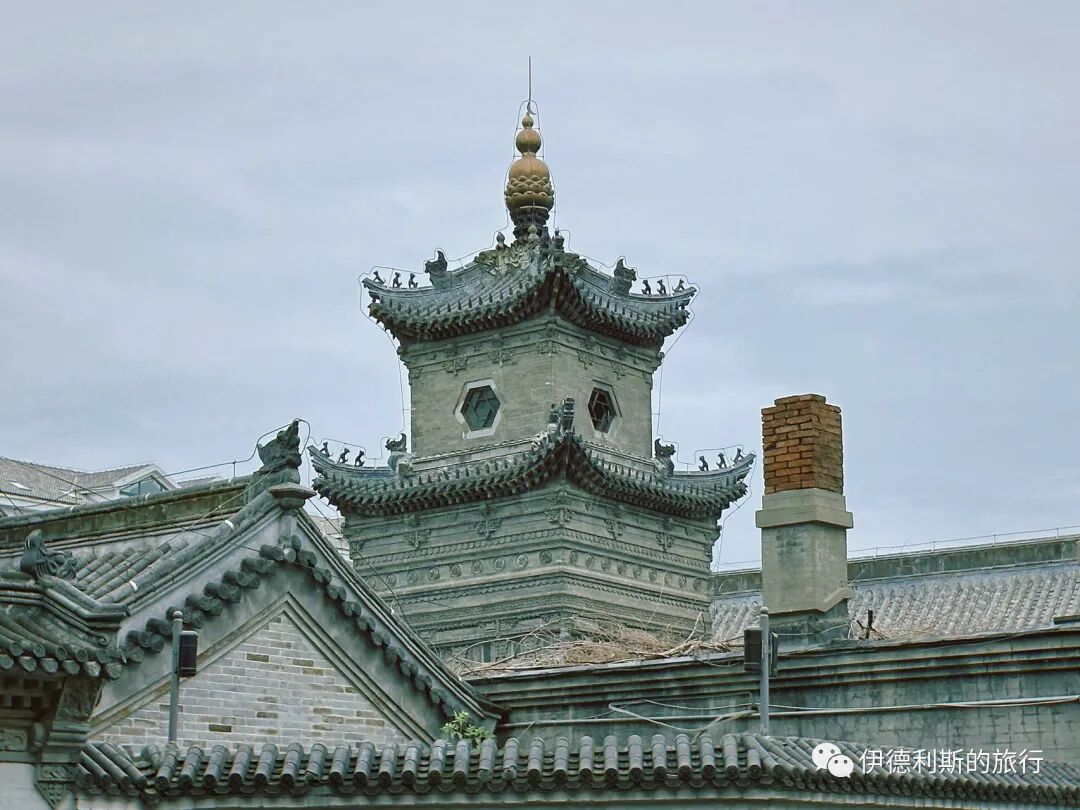
15 mosques in Lebanon in September.
Beirut Emir Assaf Mosque: Built in the late 16th century by the Emir rulers of the Assaf dynasty. The Emir's palace and gardens were once next to the mosque.
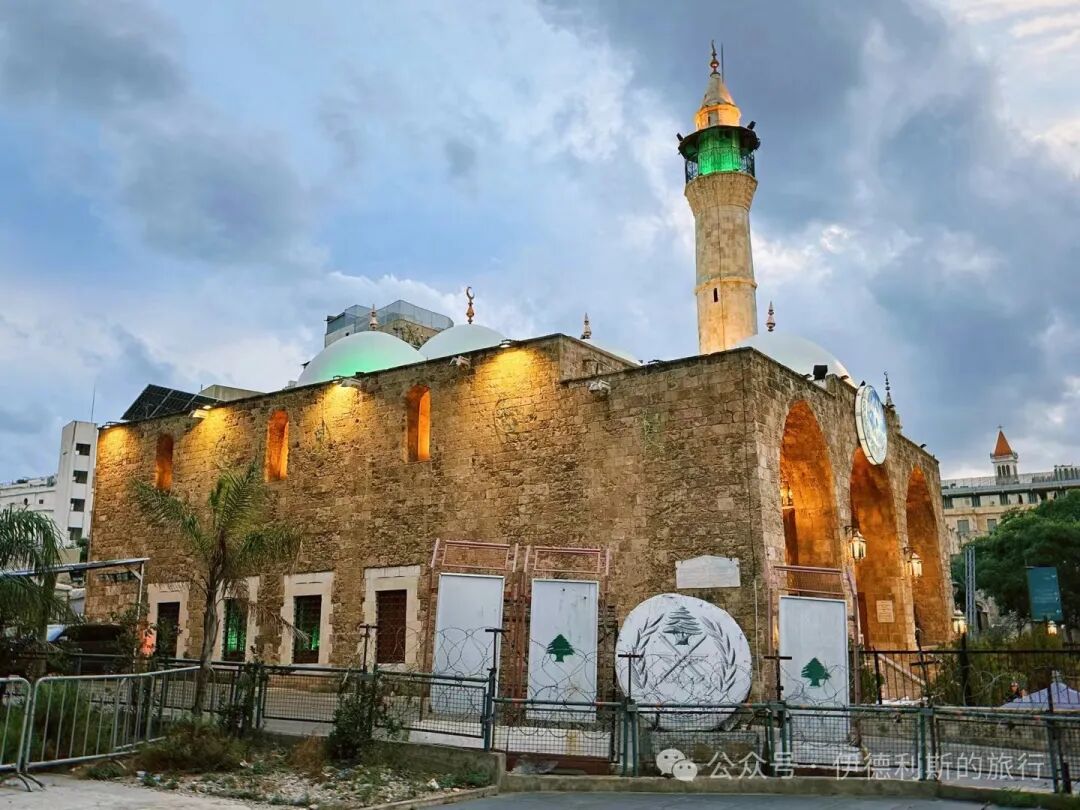
Beirut Omari Mosque: Originally built in 635 during the reign of Caliph Umar. In 1150, the Crusaders built a Romanesque St. John's Church here. After the Mamluk dynasty captured Tripoli in 1291, it was converted into a grand mosque. The Mamluk-style gate and minaret (bangke ta) were added in 1350.
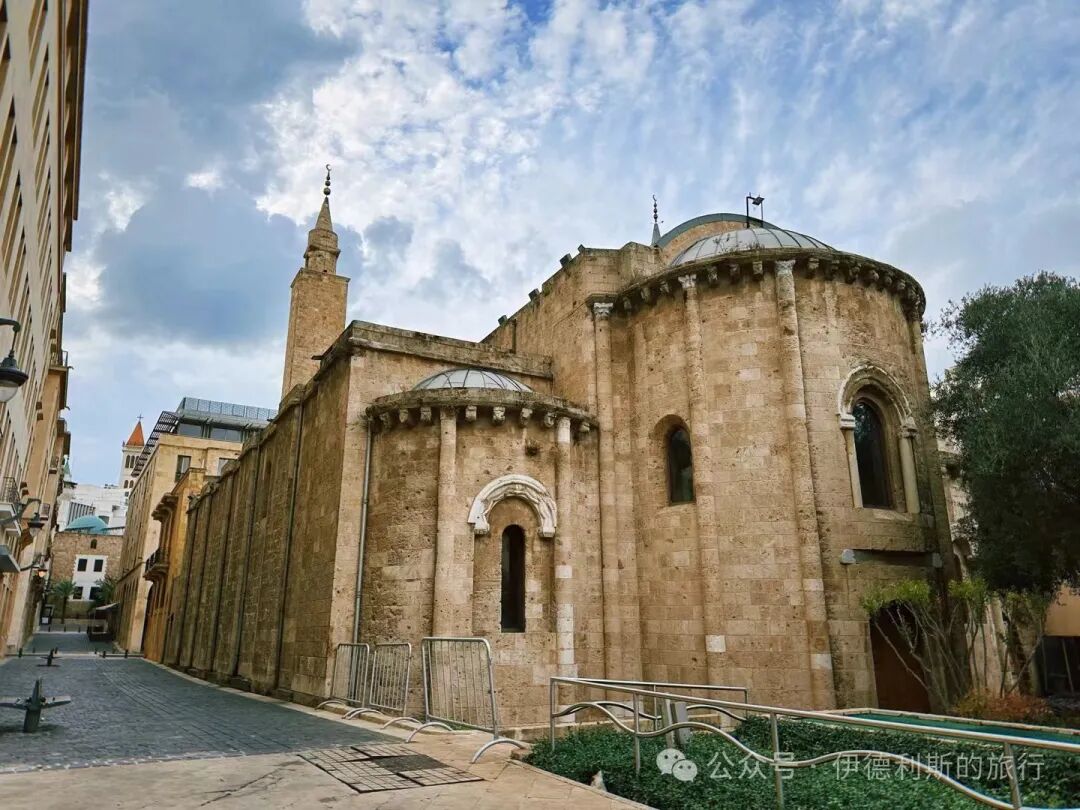
Tripoli Taynal Mosque: Built in 1336 by order of Emir Taynal, the Mamluk governor of Tripoli.
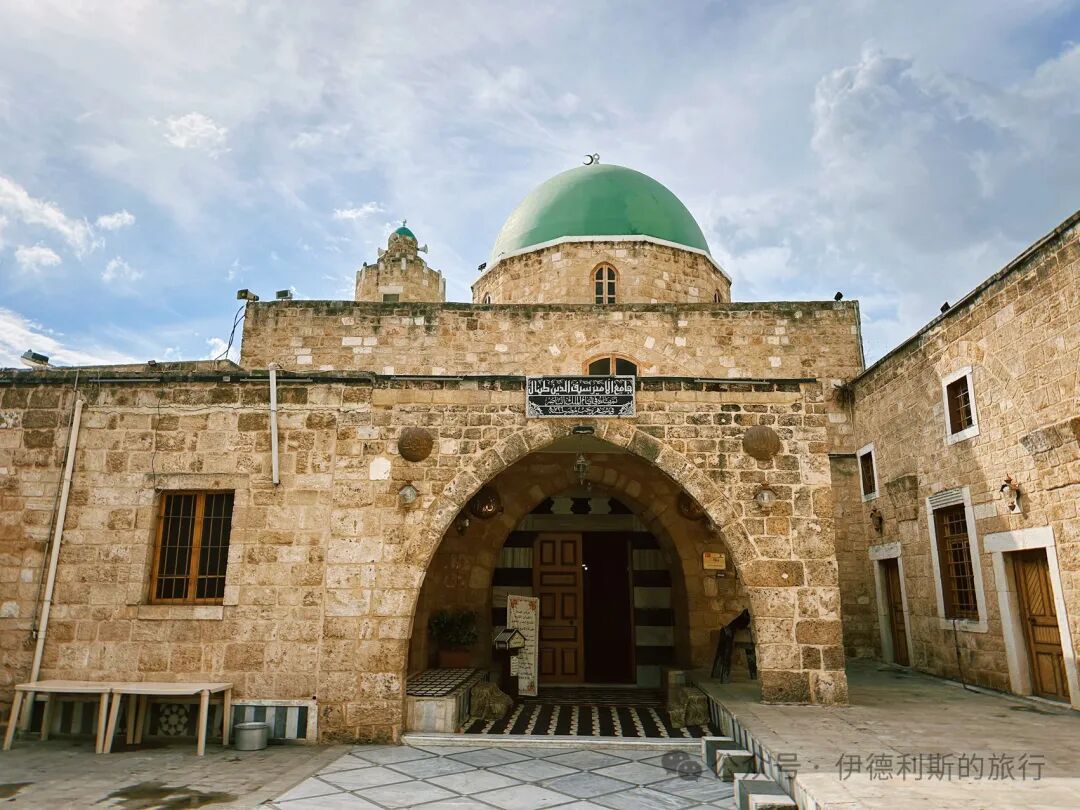
Tripoli Mu'allaq Hanging Mosque: Built in 1561 by order of the Ottoman governor of Tripoli, Mahmud Lutfi al-Za'im. The first floor is a culvert on the street, and you must climb stairs from the side to reach the main hall on the second floor.
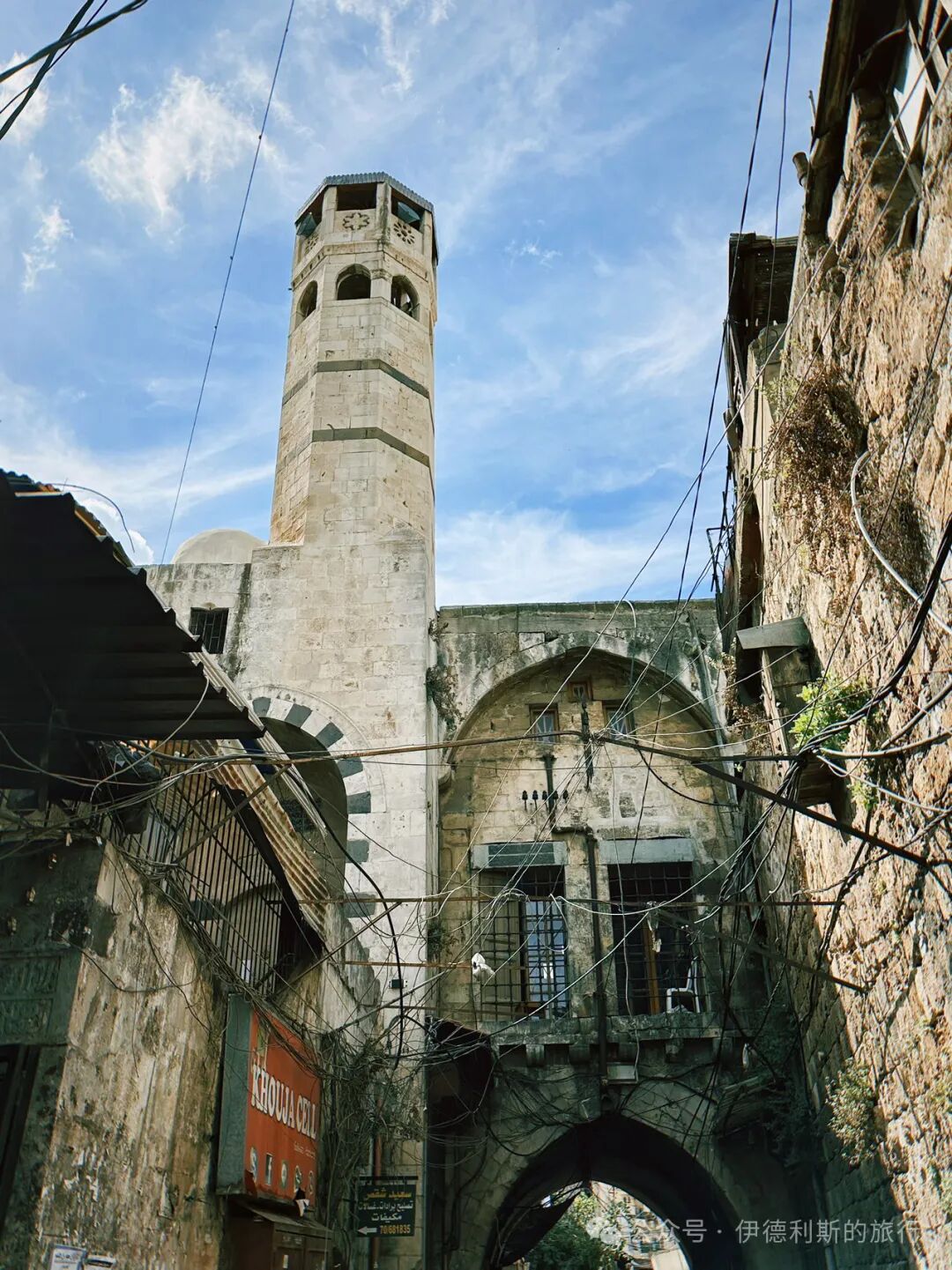
Tripoli Mansouri Great Mosque: Built in 1294 by order of the Mamluk Sultan Al-Ashraf Khalil. It was the first building constructed by the Mamluk dynasty in Tripoli. The minaret (bangke lou) inside the mosque is likely part of the Crusader St. Mary's Church, and the gate may also contain the original Crusader church gate. The main hall was built by the Mamluk dynasty in 1294, and the courtyard colonnade was built by Mamluk Sultan Al-Nasir Muhammad in 1314.
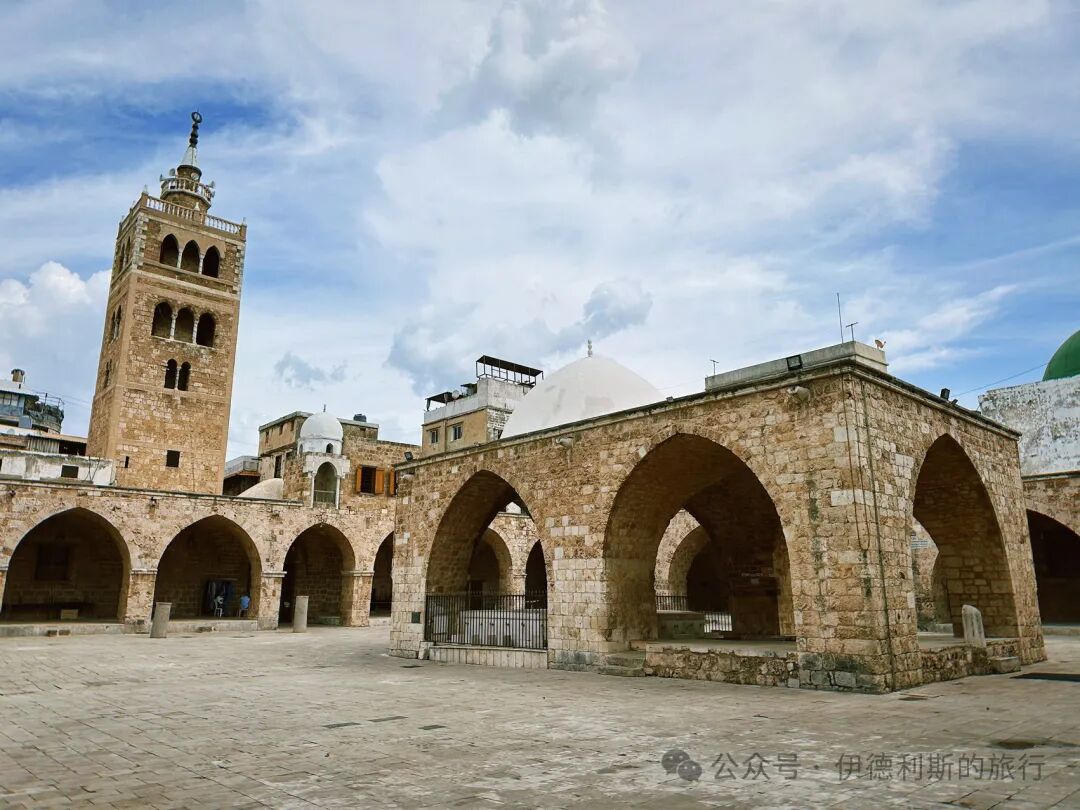
Al-Uwaysiyat Mosque in Tripoli: Built in 1461 during the Mamluk period, it was renovated in 1534 during the reign of the Ottoman Sultan Suleiman the Magnificent.
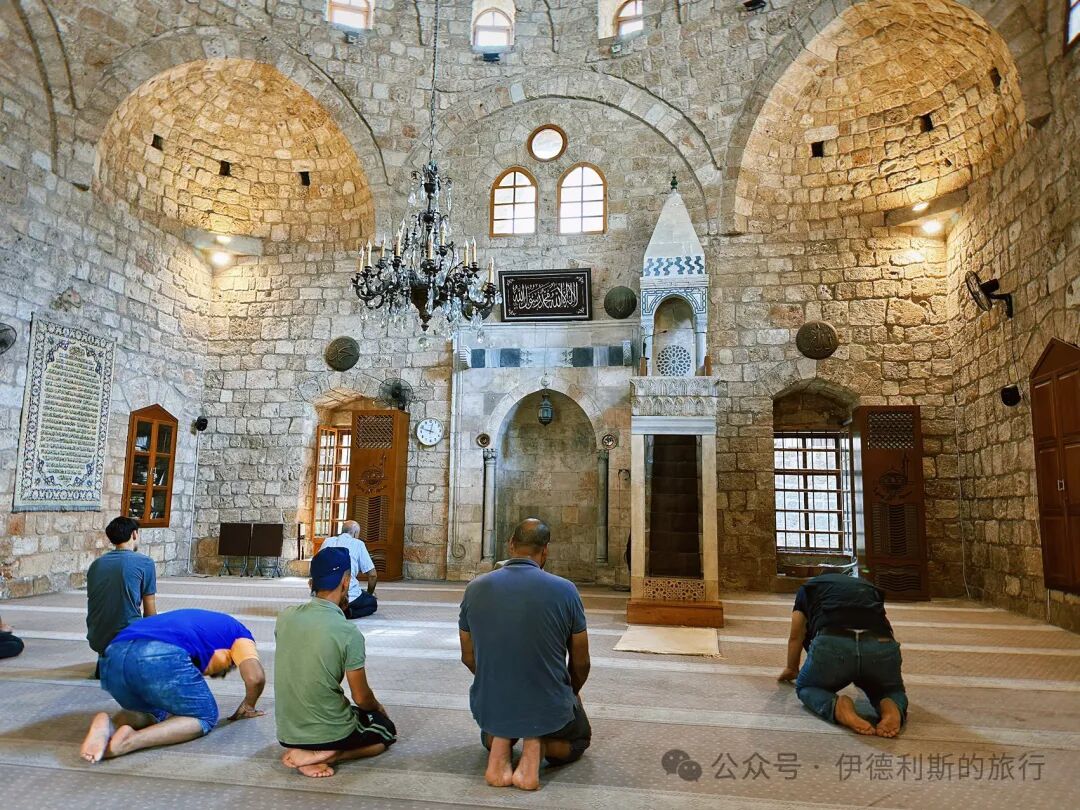
Attar Mosque in Tripoli: Built in the 1350s by a local Tripoli perfume merchant named Badr al-Din al-Attar on the ruins of a Crusader church, it is also the first non-Mamluk mosque in Tripoli. The Attar Mosque is known as one of the most beautiful ancient mosques in Tripoli, but it has been closed for several years for repairs.
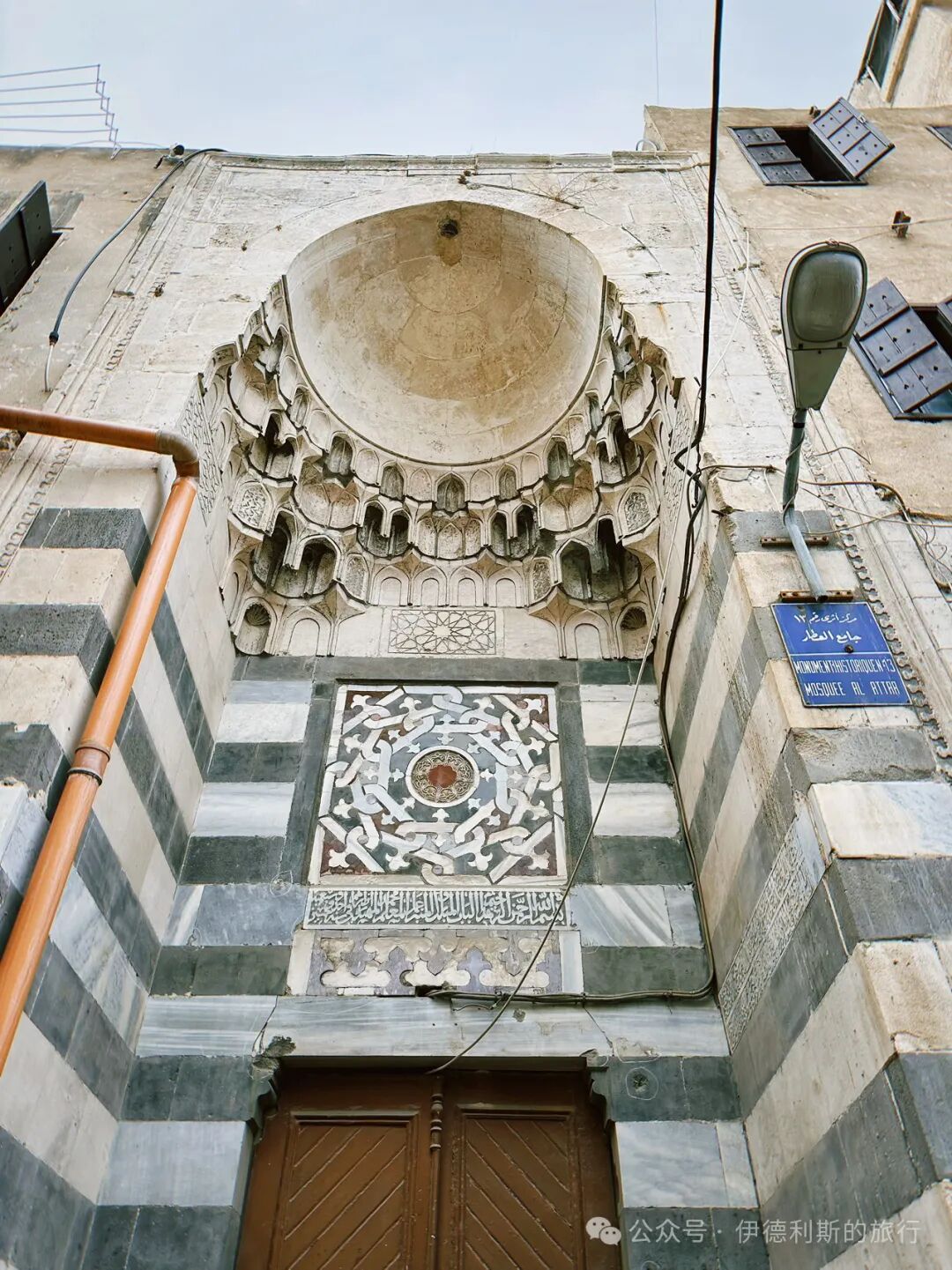
Tawba Mosque in Tripoli: It is believed to have been built during the Mamluk period. Because it sits right next to the riverbank, the mosque's foundation inscription was likely washed away during a flood. The inscription now at the mosque entrance says it was rebuilt after a flood in 1612.
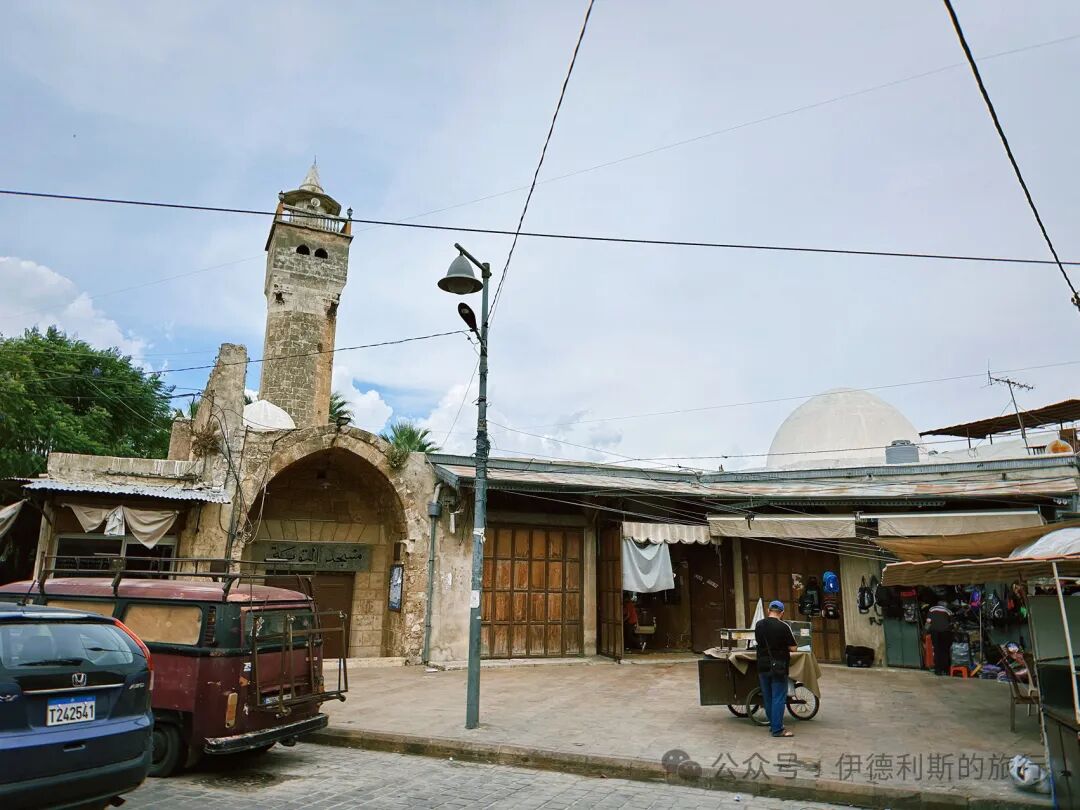
Burtasi Mosque in Tripoli: Built by Isa ibn Umar al-Burtasi between the end of the 13th century and 1324. The minaret above the main gate is considered the most beautiful minaret in Tripoli.
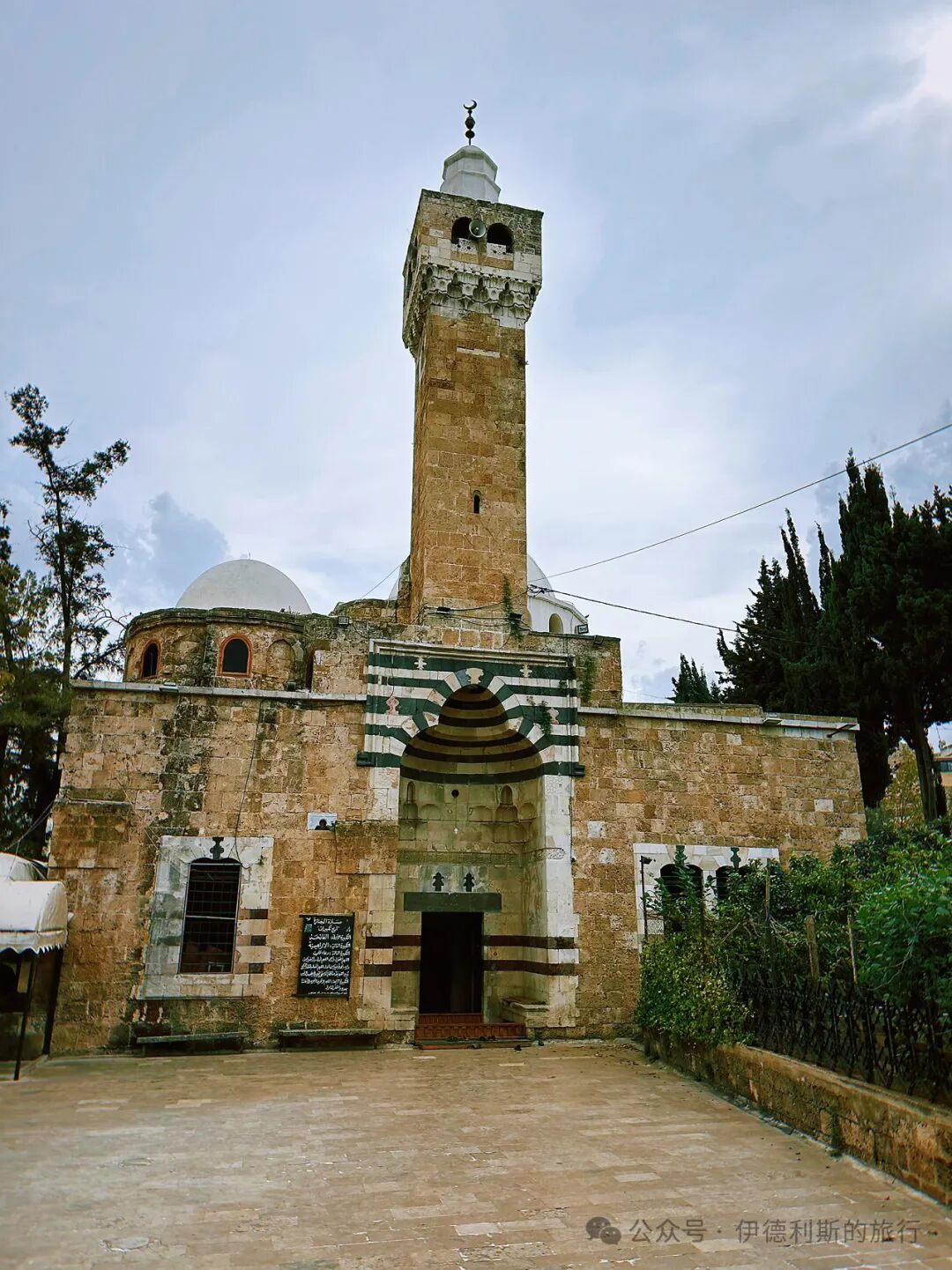
Umayyad Great Mosque of Baalbek: Built in 715 by the Umayyad Caliph al-Walid I, the same year as the Umayyad Great Mosque in Damascus. These two mosques are ranked as the oldest existing mosque (masjid) buildings in the world. A flood hit Baalbek in 1318, causing severe damage to the Umayyad Great Mosque. The walls and the pulpit (minbar) were washed away, but it was later restored by the Mamluk prince Najm al-Din Hassan, who ruled Baalbek at the time.
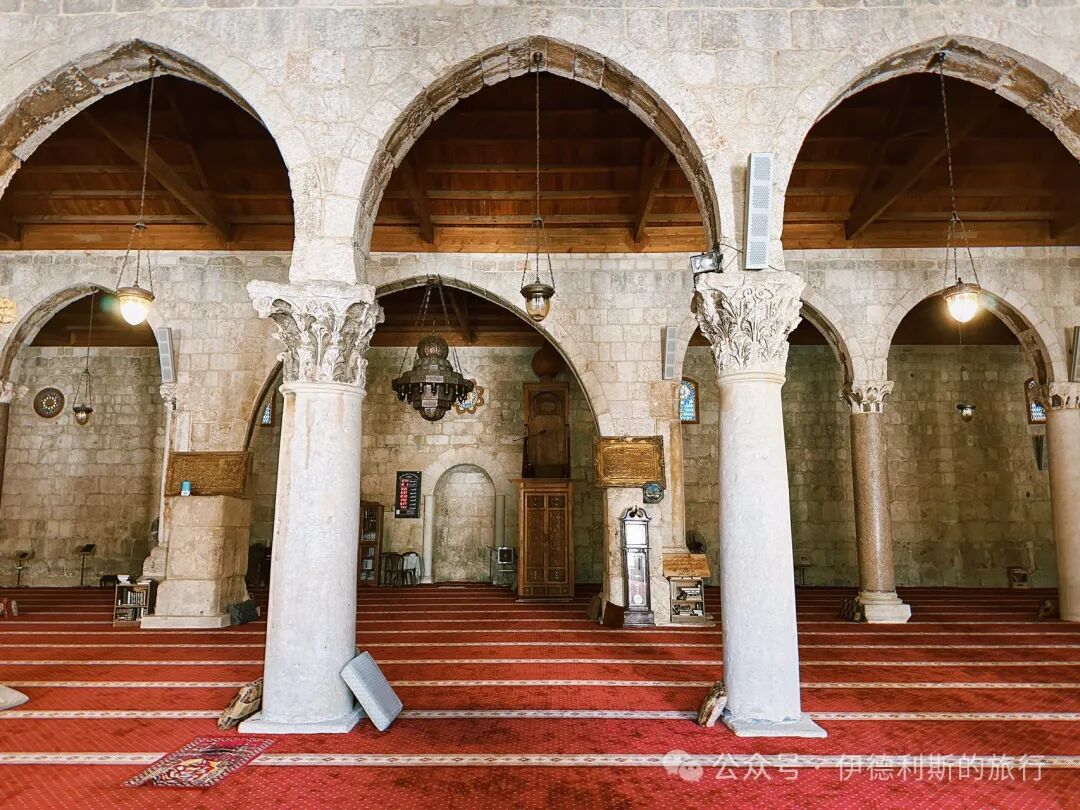
El Kikhia Mosque in Sidon: Built in 1625 by Mahmoud Ketkhuda, it is a representative work of Lebanese architecture from the Ottoman period.
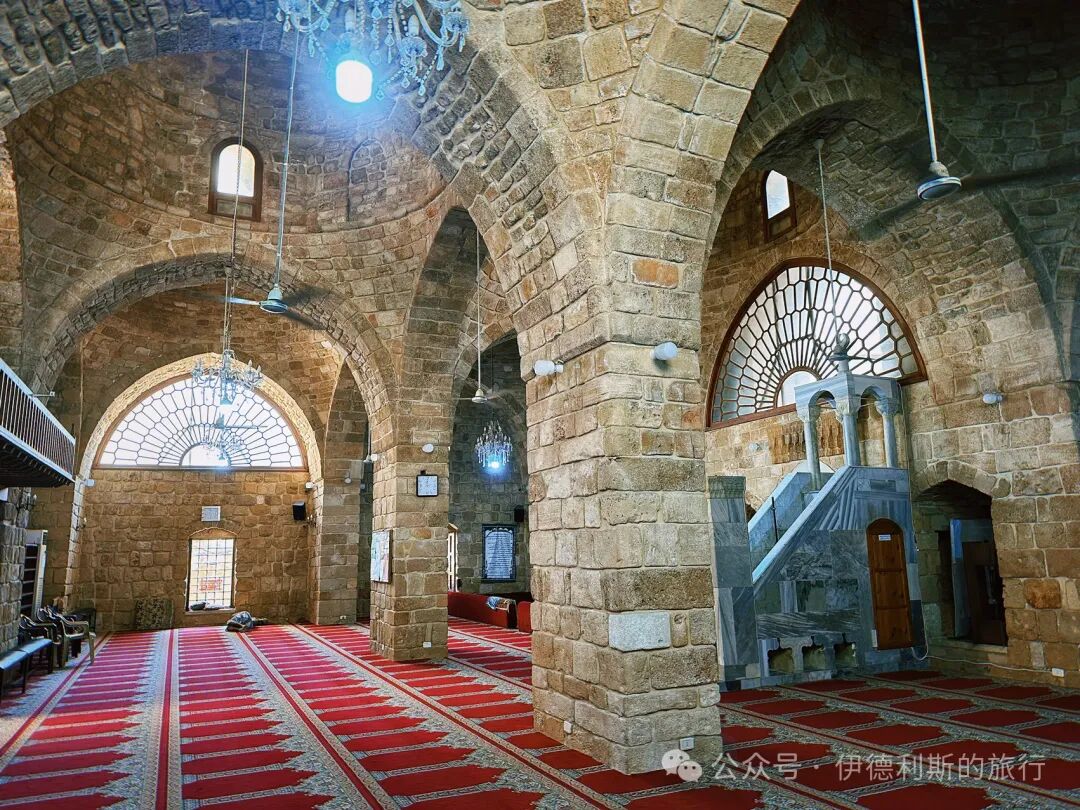
El Qtaishieh Mosque in Sidon: Built in the 16th century by Sheikh Ali ibn Muhammad al-Qtaish, the mosque preserves exquisite Ottoman tiles.
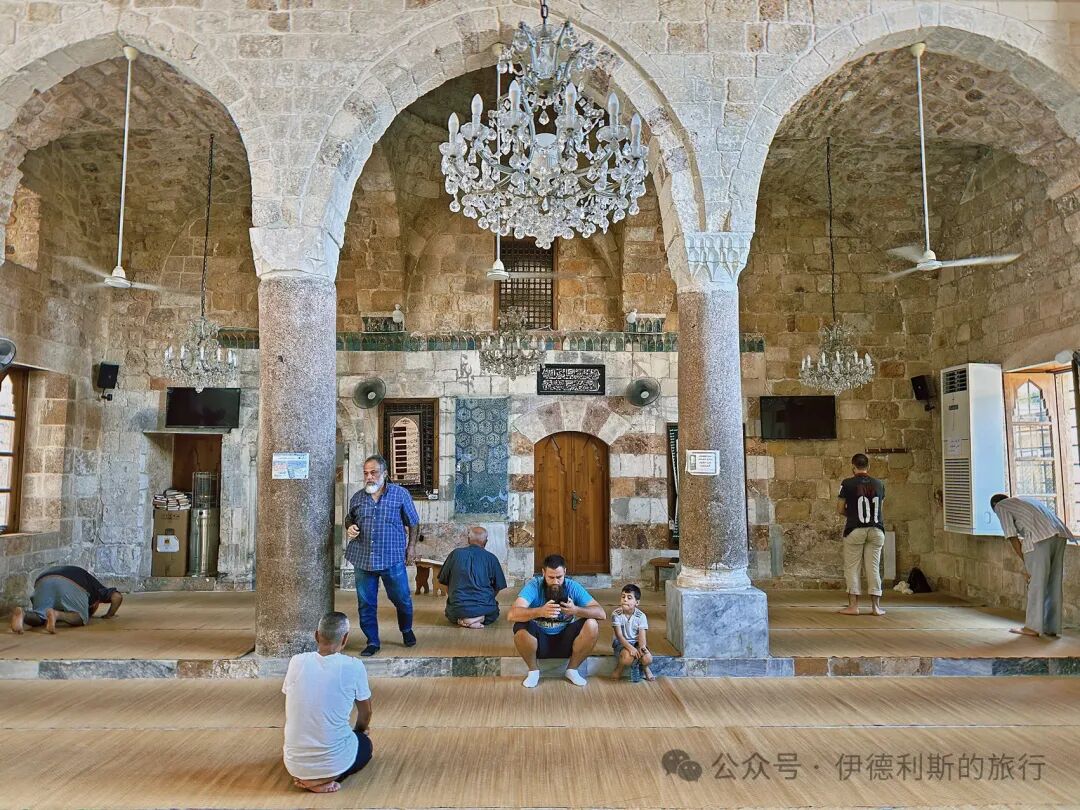
Omar Great Mosque in Sidon: The most important mosque in the old city of Sidon, it dates back to the Crusader era. The Knights Hospitaller built a military fortress here in the 13th century, and in 1291, the Mamluk Sultan al-Ashraf Khalil built the Omar Great Mosque on the foundation of that fortress. In the late 19th century, the Ottoman Empire renovated the Omar Great Mosque and built the current minaret.
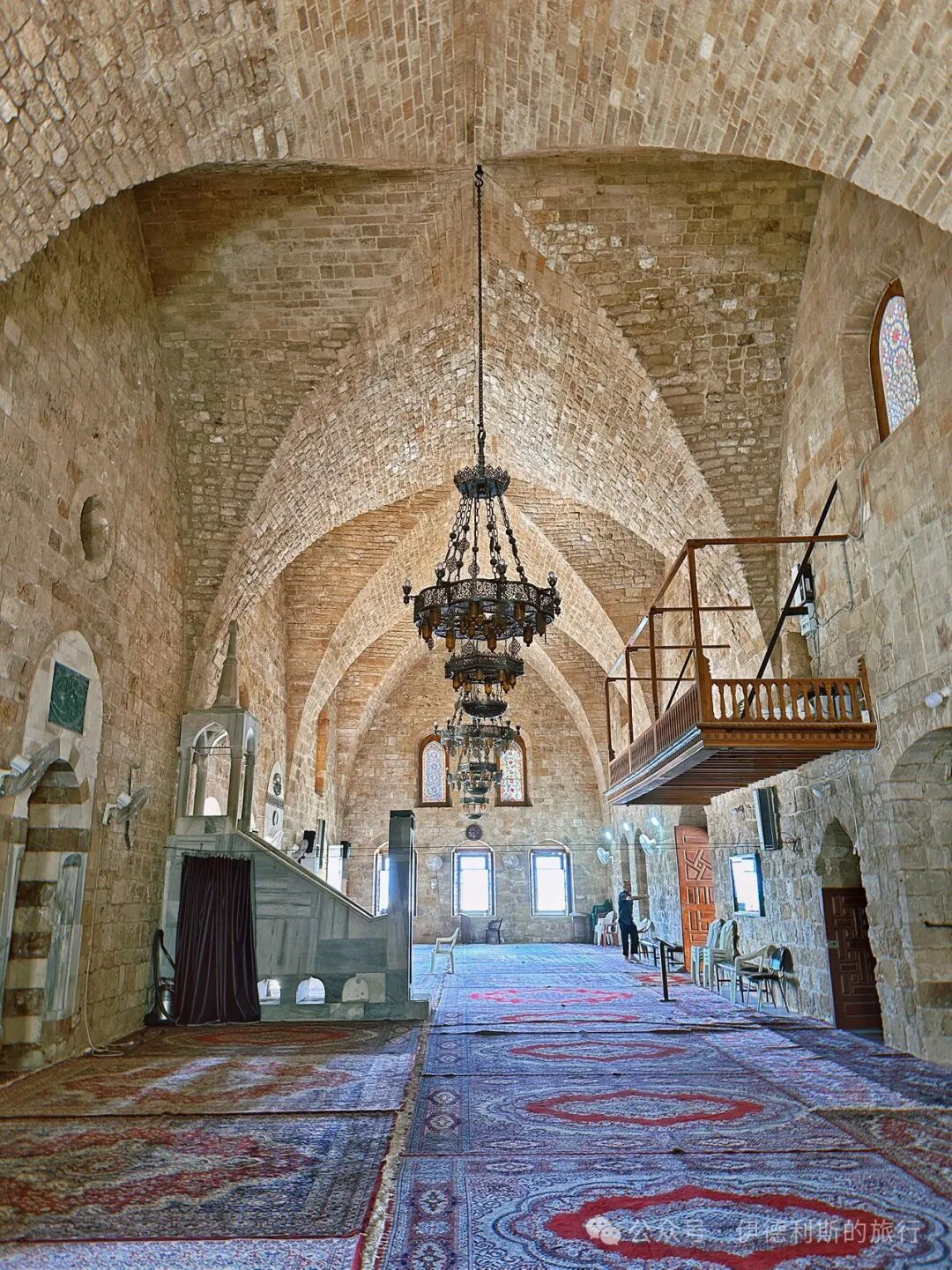
El-Bahr Mosque in Sidon: Built in 1373 with a donation from Hassan bin Sawa, it features Mamluk-era architectural styles, including thick walls and cross-vaults, and uses granite columns from the ancient Roman period.
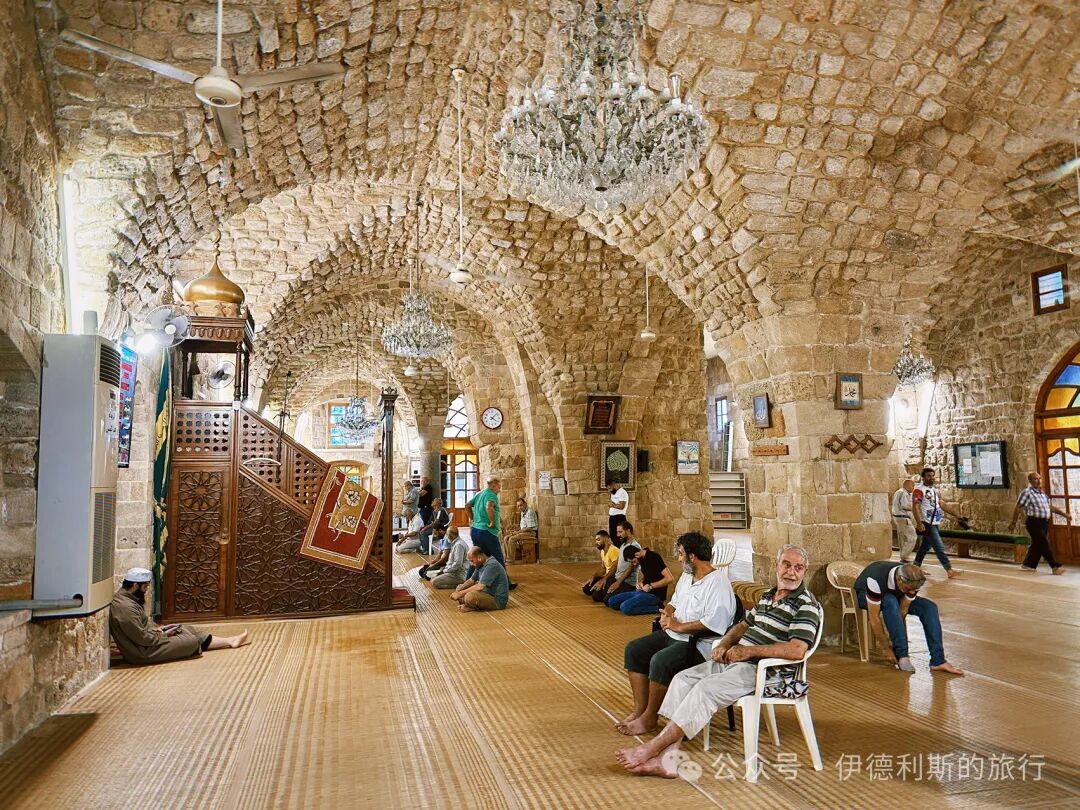
El Barrane Mosque in Sidon: Built between the late 16th and early 17th centuries during the reign of the Druze Emir Fakhr al-Din II.
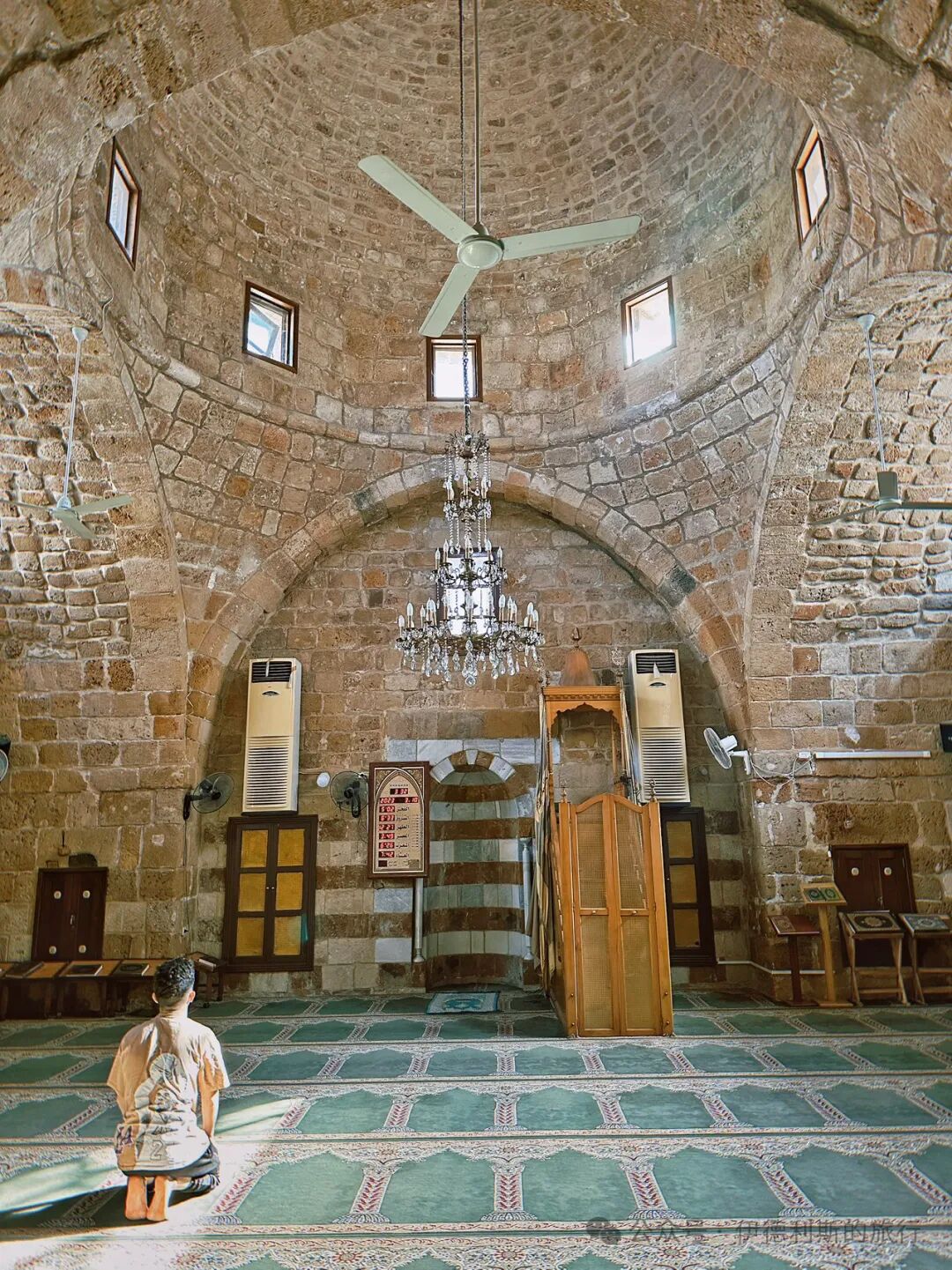
12 mosques in Saudi Arabia in November.
Prophet's Mosque (Masjid an-Nabawi) in Medina: Built by the Prophet Muhammad next to his home after he arrived in Medina in 622 AD. It has been expanded many times throughout history. The current central core was built during the Ottoman period, while the surrounding areas were expanded by the Saudi Kingdom after the 20th century. The pulpit (minbar) inside the Garden of Paradise (Rawdah) was rebuilt in 1590 by the Ottoman Sultan Murad III using marble.
Halal Travel Guide: 2023 Mosque Visits Part 2 — 124 Historic Mosques and Hui Heritage
Articles • ali2007fr posted the article • 0 comments • 265 views • 2026-05-19 23:56
Summary: This second part of the 2023 mosque-visit record continues a large journey through 124 historic mosques and Muslim heritage sites. It preserves the original mosque names, travel order, photos, and community details in a single long English article.
Al-Ghamama Mosque in Medina: This mosque stands where the Prophet led the Eid prayer in 631. It was first built during the reign of the eighth Umayyad Caliph, Umar ibn Abd al-Aziz (reigned 717-720). It was renovated in 1340 and 1622, then rebuilt in 1859 by Ottoman Sultan Abdülmecid I (reigned 1839-1861) using black volcanic basalt. It is one of the few mosques in Medina that still keeps its Ottoman-era style.
Abu Bakr As-Siddiq Mosque in Medina: This is also located where the Prophet led the Eid prayer in 631. It is named after Caliph Abu Bakr, who continued to lead the Eid prayer there. The current black volcanic basalt building was ordered by Ottoman Sultan Mahmud II in 1838, and the Sultan's tughra (calligraphic signature) is still at the entrance.
As-Saqiya Mosque in Medina: This is where the Prophet inspected his troops before the Battle of Badr in 624. It is said to be the place where the eighth chapter, seventh verse of the Quran was revealed, which is the earliest chapter revealed in Medina. The current black volcanic basalt building was built during the Ottoman period.
Anbariya Mosque in Medina: Built in 1908 by Ottoman Sultan Abdülhamid II for the Medina station of the Hejaz Railway. The architecture follows the traditional Ottoman style but uses local, hard basalt stone.
Musabbih Mosque in Medina: Legend says the Prophet performed the Fajr prayer here when he first migrated to Medina in 622. The ancient mosque still has its black volcanic basalt walls and the remains of a mihrab inside. The small courtyard is quiet, with blooming flowers and a fellow Muslim (dost) cleaning, which is a sharp contrast to the crowded Quba Mosque nearby.
Al-Fath Mosque in Medina: Located on the battlefield of the Battle of the Trench, it is said to be where the Prophet performed namaz during the battle. It was built during the reign of Umayyad Caliph Umar ibn Abd al-Aziz (reigned 717-720) and later renovated.
Salman Al-Farsi Mosque in Medina: Located on the battlefield of the Battle of the Trench, it is named after the Prophet's companion, Salman the Persian. It was built during the reign of Umayyad Caliph Umar ibn Abd al-Aziz (reigned 717-720) and later renovated.
Umar bin Khattab Mosque in Medina: Located on the battlefield of the Battle of the Trench, it is named after Caliph Umar. It was built during the reign of Umayyad Caliph Umar ibn Abd al-Aziz (reigned 717-720) and later renovated.
Ali bin Abu Talib Mosque in Medina: Located on the battlefield of the Battle of the Trench, it is named after Caliph Ali, who is said to have joined the battle here. It was built during the reign of Umayyad Caliph Umar ibn Abd al-Aziz (reigned 717-720) and later renovated.
Fatimah Az-Zahra Mosque in Medina: Located on the battlefield of the Battle of the Trench, it is named after the Prophet's daughter, Fatimah. It is a small mosque attached to others, built during the reign of Ottoman Sultan Abdülmecid I (reigned 1839-1861), and today only the wall foundations remain.
Al-Shafi'i Mosque in Jeddah: The oldest surviving coral stone mosque in Jeddah. It was first built in 1250 by the King of Yemen, Al-Muzaffar, and named after the Shafi'i school of law followed in Yemen. In 1539, an Indian merchant named Khawaja Muhammad Ali brought the best wood from Yemen to rebuild everything except the minaret. You can see a clear Kerala, India style in the carvings on the cross-capitals of the porch.
20 mosques in Egypt in November.
Al-Hakim Mosque in Cairo: Construction began in 990 by the fifth Fatimid Caliph, Al-Aziz Billah, and was finished in 1013 by Caliph Al-Hakim. The mosque was used as a prison by the Franks during the Crusades, then as a stable by Saladin. It was rebuilt during the Mamluk period in the 14th century, but later fell into ruins for a long time before being restored again in 1808. In 1980, the Dawoodi Bohra branch of the Shia sect carried out a large-scale reconstruction and renovation using white marble.
Aqmar Mosque in Cairo: Ordered by the Fatimid vizier Al-Ma'mun al-Bata'ihi and built in 1125-6, it holds a pioneering place in Egyptian architectural history. It is the first mosque where the main entrance is aligned with the street rather than the qibla wall. It is also the first mosque to feature complex stone carving decorations. In 1993, the Dawoodi Bohra branch of the Shia sect conducted a major renovation. Most of the historical elements inside the main hall were not preserved, which led to criticism.
Al-Azhar Mosque in Cairo: In 969 AD, the Shia Ismaili Fatimid dynasty conquered Egypt and immediately began building the new capital, Cairo. After two years of construction, the first congregational mosque (Jumu'ah mosque) of Cairo officially opened in 972, known as Al-Azhar Mosque. Several Fatimid caliphs expanded and renovated Al-Azhar Mosque. Caliph al-Hafiz carried out a major renovation in 1138. The four-centered arches in the courtyard and the dome at the entrance of the main hall date back to this period.
Al-Hussein Mosque in Cairo: In 1153, the Fatimid dynasty ordered the head of Hussein to be transported to Cairo to be buried alongside the Fatimid caliphs, and Al-Hussein Mosque was built in 1154. Today, the lower part of the south gate of Al-Hussein Mosque still retains its original Fatimid dynasty structure. In 1874, Ismail Pasha, the ruler of the Muhammad Ali dynasty, rebuilt Al-Hussein Mosque in a Gothic Revival style and constructed a minaret (bangke ta) that blended Gothic and Ottoman styles.
Abu al-Dhahab Mosque in Cairo: Built in 1774 by the Egyptian Mamluk ruler Abu al-Dhahab, it was the last large complex built by the Mamluks in Egypt, but only the mosque remains today.
Al-Ashraf Mosque in Cairo: Built in 1424 by the Mamluk Sultan al-Ashraf Barsbay, it features a dome with geometric carvings, which is an early example of decorative dome carving.
Sultan al-Mu'ayyad Mosque in Cairo: Built by the Mamluk Sultan al-Mu'ayyad between 1415 and 1421, it is the last large hypostyle mosque in Cairo. It originally had four facades, but only the east side and the main hall remain as original structures. The mosque's gate is known as the last grand gate of the Mamluk dynasty, decorated with exquisite marble geometric patterns, Kufic calligraphy, and complex stucco carvings.
Salih Tala'i Mosque in Cairo: Built in 1160 under the direction of the Fatimid vizier Tala'i ibn Ruzzik, it is the last important historical building of the Fatimid dynasty still standing. It is the first "hanging mosque" in Cairo, built on a platform with shops on three sides of the ground floor and the main hall on the upper level.
Ahmed al-Mihmandar Mosque in Cairo: Built by the Mamluk Emir Ahmed al-Mihmandar between 1324 and 1325, it has a very exquisite facade. It is a typical example of Mamluk decorative style, featuring script calligraphy and muqarnas cornices.
Qijmas al-Ishaqi Mosque in Cairo: Built by the Mamluk Emir Qijmas al-Ishaqi between 1480 and 1481, it is a model and masterpiece of late Mamluk architecture and is printed on the 50 Egyptian pound banknote. The exterior facade of the mosque features the typical architectural style of the Mamluk Sultan Qaitbay period. The arabesque stone carvings, the muqarnas cornices above the windows, and the combination of red, black, and white marble are all very delicate.
Mahmoud al-Kurdi Mosque in Cairo: Built in 1395 by the high-ranking Mamluk official Mahmoud al-Kurdi, it features the first dome carved with a V-shaped pattern; domes before this had spiral patterns. The dome on the minaret was also very rare at the time and was later widely used during the Ottoman Empire.
Al-Rifa'i Mosque in Cairo: Rifa'i is a Sufi order founded in Iraq in the 12th century, which is widely distributed in Egypt and Syria. Al-Rifa'i Mosque was originally a Sufi lodge (zawiya). It was rebuilt into the current grand mosque by the Muhammad Ali dynasty of Egypt between 1869 and 1912, and it houses many members of the Egyptian royal family, including several kings.
Amir Altinbugha al-Mardani Mosque in Cairo: Built between 1338 and 1340 by Emir Altinbugha al-Mardani, the son-in-law of Mamluk Sultan Nasir Muhammad. It is a classic Mamluk-style mosque with the most luxurious decorations of its time. It is also the first major Mamluk mosque to set the standard for an octagonal minaret and a large dome.
Umm al-Sultan Sha'ban Mosque in Cairo: Built by Mamluk Sultan al-Ashraf Sha'ban in 1368-69 to honor his mother, Umm al-Sultan Sha'ban, who was on the Hajj pilgrimage at the time. The mosque features a classic Mamluk architectural style, complete with ribbed and fluted domes. The outer walls stand 18 meters high, creating a grand and imposing presence.
Blue Mosque in Cairo: Originally named Aqsunqur Mosque, it was commissioned in 1347 by Emir Shams al-Din Aqsunqur, the son-in-law of a Mamluk sultan. As the former governor of Tripoli, Aqsunqur built the mosque in a Syrian style, featuring cross-vaults and a columned layout, both of which are rare in Cairo. The Blue Mosque houses the oldest marble minbar (pulpit) in Cairo, which is a rare find in the city. Between 1652 and 1654, Ottoman Janissary commander Emir Ibrahim Agha al-Mustahfizan decorated the qibla wall with Ottoman tiles, earning the building the name Blue Mosque.
Sultan Hasan Mosque in Cairo: Built by Mamluk Sultan Nasir Hasan between 1356 and 1363. This grand mosque is massive in scale, costing over 10,000 dinars, making it the most expensive mosque built in medieval Cairo. The top edge of the mosque's facade features a 1.5-meter-high stalactite cornice, an unprecedented detail in Mamluk architecture. The southern minaret stood 84 meters above the street when completed, making it the tallest minaret among all Mamluk structures. The center of the main hall is decorated with Kufic calligraphy and swirling arabesque patterns, which are unique to Mamluk architecture. The minbar features beautifully patterned bronze doors, another rare sight in Mamluk architecture.
Ibn Tulun Mosque in Cairo: The oldest surviving mosque in Egypt and the largest in Cairo by area. Built by Emir Ahmad ibn Tulun of the Tulunid dynasty between 876 and 879, it served as the main congregational mosque for the Tulunid capital. Ibn Tulun Mosque was modeled after the Great Mosque of Samarra in Iraq. It features a classic Abbasid style and contains the only spiral minaret in Egypt.
Taghribirdi Mosque in Cairo: Built in 1440 by Emir Taghribirdi, a secretary to the Mamluk sultan, it features a classic Mamluk architectural style.
Shaykhu Mosque in Cairo: Built in 1349 by the great Mamluk Emir Shaykhu al-Umari al-Nasiri, it contains the earliest open-arcaded riwaq courtyard in Egypt.
Qanibay al-Muhammadi Mosque in Cairo: Built in 1413 by Qanibay al-Muhammadi, a high-ranking official of the Mamluk Sultanate. It features a classic Mamluk style, highlighted by a V-patterned dome and a minaret with a stalactite cornice. view all
Summary: This second part of the 2023 mosque-visit record continues a large journey through 124 historic mosques and Muslim heritage sites. It preserves the original mosque names, travel order, photos, and community details in a single long English article.
Al-Ghamama Mosque in Medina: This mosque stands where the Prophet led the Eid prayer in 631. It was first built during the reign of the eighth Umayyad Caliph, Umar ibn Abd al-Aziz (reigned 717-720). It was renovated in 1340 and 1622, then rebuilt in 1859 by Ottoman Sultan Abdülmecid I (reigned 1839-1861) using black volcanic basalt. It is one of the few mosques in Medina that still keeps its Ottoman-era style.
Abu Bakr As-Siddiq Mosque in Medina: This is also located where the Prophet led the Eid prayer in 631. It is named after Caliph Abu Bakr, who continued to lead the Eid prayer there. The current black volcanic basalt building was ordered by Ottoman Sultan Mahmud II in 1838, and the Sultan's tughra (calligraphic signature) is still at the entrance.
As-Saqiya Mosque in Medina: This is where the Prophet inspected his troops before the Battle of Badr in 624. It is said to be the place where the eighth chapter, seventh verse of the Quran was revealed, which is the earliest chapter revealed in Medina. The current black volcanic basalt building was built during the Ottoman period.
Anbariya Mosque in Medina: Built in 1908 by Ottoman Sultan Abdülhamid II for the Medina station of the Hejaz Railway. The architecture follows the traditional Ottoman style but uses local, hard basalt stone.
Musabbih Mosque in Medina: Legend says the Prophet performed the Fajr prayer here when he first migrated to Medina in 622. The ancient mosque still has its black volcanic basalt walls and the remains of a mihrab inside. The small courtyard is quiet, with blooming flowers and a fellow Muslim (dost) cleaning, which is a sharp contrast to the crowded Quba Mosque nearby.
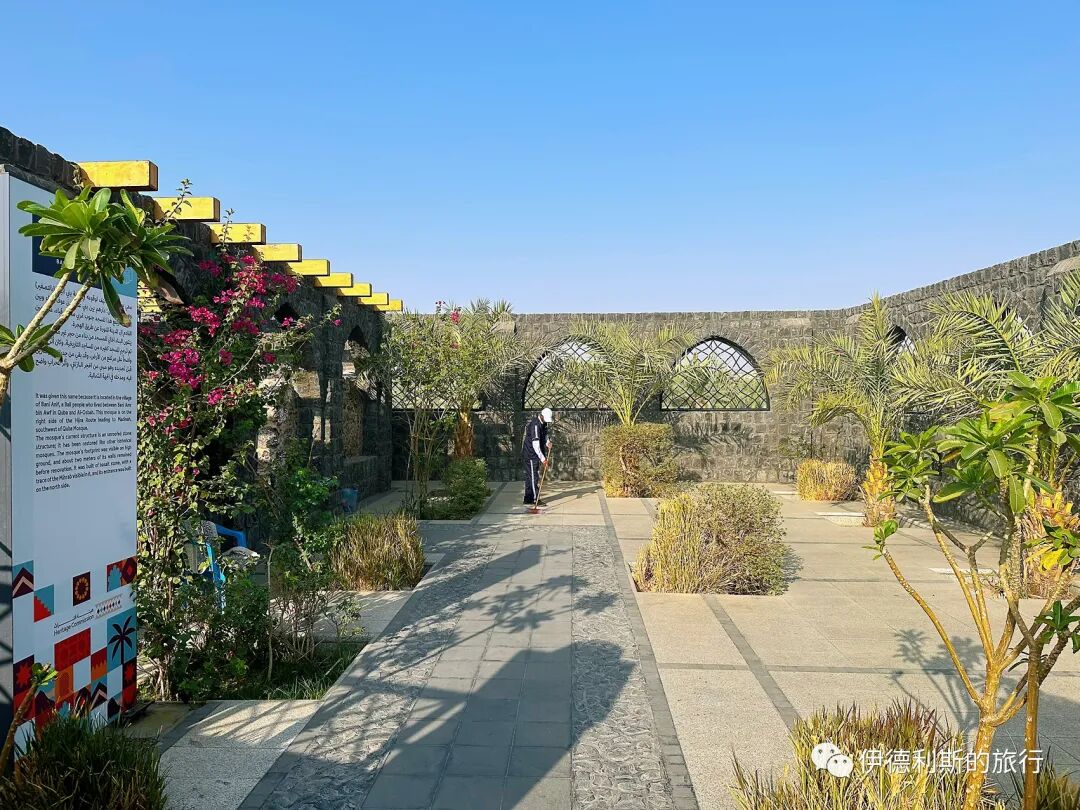
Al-Fath Mosque in Medina: Located on the battlefield of the Battle of the Trench, it is said to be where the Prophet performed namaz during the battle. It was built during the reign of Umayyad Caliph Umar ibn Abd al-Aziz (reigned 717-720) and later renovated.
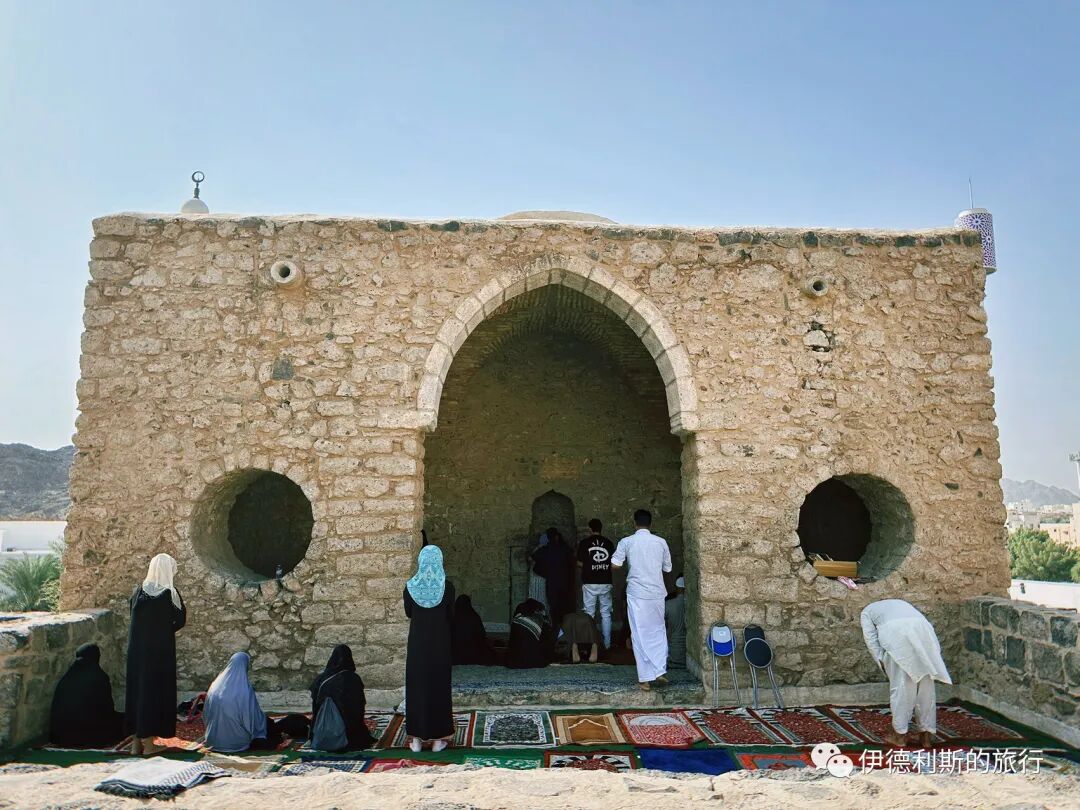
Salman Al-Farsi Mosque in Medina: Located on the battlefield of the Battle of the Trench, it is named after the Prophet's companion, Salman the Persian. It was built during the reign of Umayyad Caliph Umar ibn Abd al-Aziz (reigned 717-720) and later renovated.
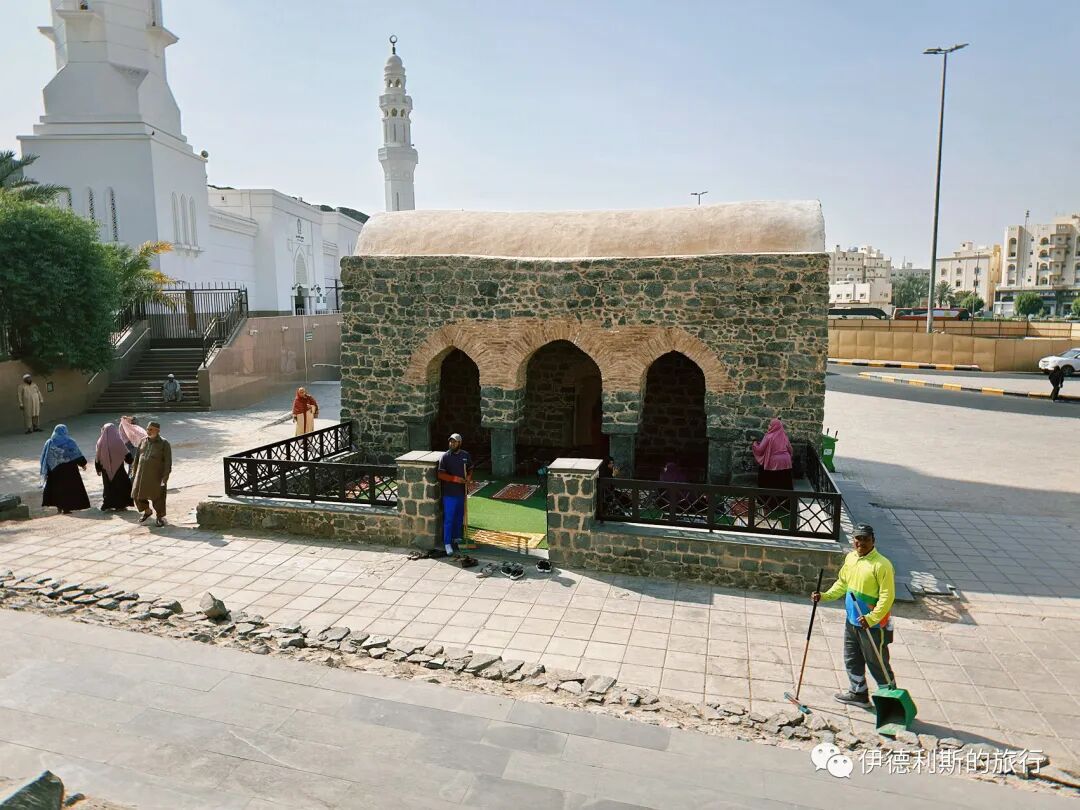
Umar bin Khattab Mosque in Medina: Located on the battlefield of the Battle of the Trench, it is named after Caliph Umar. It was built during the reign of Umayyad Caliph Umar ibn Abd al-Aziz (reigned 717-720) and later renovated.
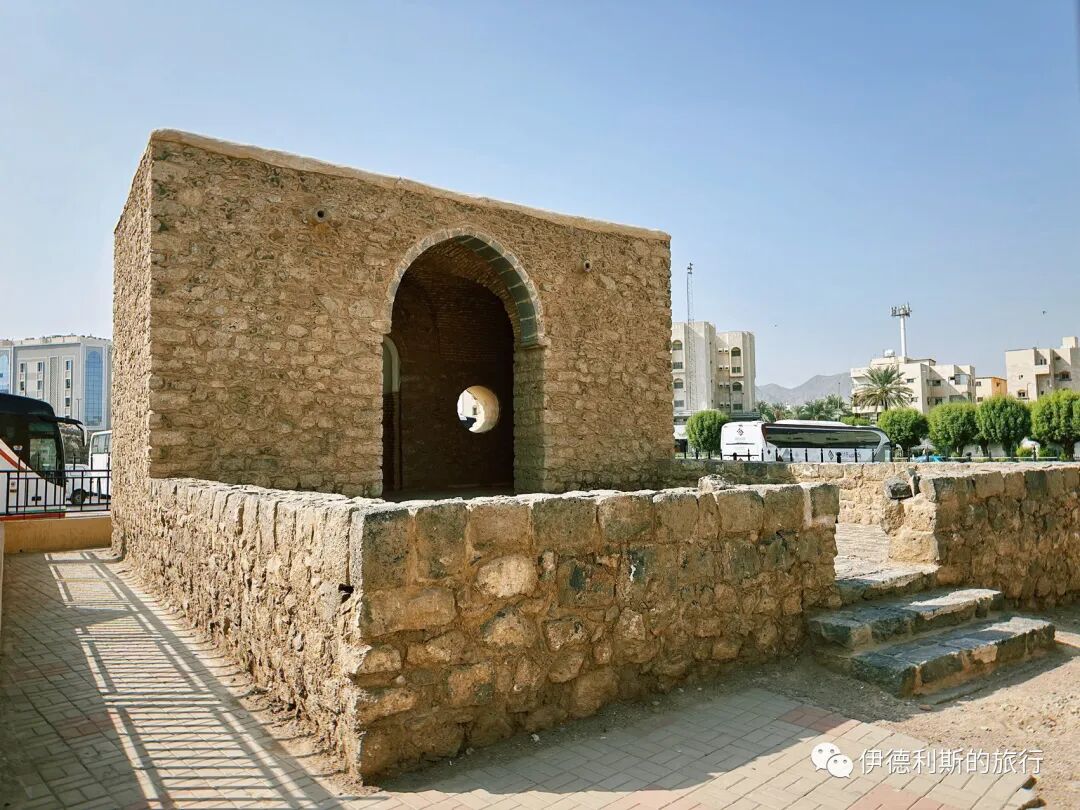
Ali bin Abu Talib Mosque in Medina: Located on the battlefield of the Battle of the Trench, it is named after Caliph Ali, who is said to have joined the battle here. It was built during the reign of Umayyad Caliph Umar ibn Abd al-Aziz (reigned 717-720) and later renovated.
Fatimah Az-Zahra Mosque in Medina: Located on the battlefield of the Battle of the Trench, it is named after the Prophet's daughter, Fatimah. It is a small mosque attached to others, built during the reign of Ottoman Sultan Abdülmecid I (reigned 1839-1861), and today only the wall foundations remain.
Al-Shafi'i Mosque in Jeddah: The oldest surviving coral stone mosque in Jeddah. It was first built in 1250 by the King of Yemen, Al-Muzaffar, and named after the Shafi'i school of law followed in Yemen. In 1539, an Indian merchant named Khawaja Muhammad Ali brought the best wood from Yemen to rebuild everything except the minaret. You can see a clear Kerala, India style in the carvings on the cross-capitals of the porch.
20 mosques in Egypt in November.
Al-Hakim Mosque in Cairo: Construction began in 990 by the fifth Fatimid Caliph, Al-Aziz Billah, and was finished in 1013 by Caliph Al-Hakim. The mosque was used as a prison by the Franks during the Crusades, then as a stable by Saladin. It was rebuilt during the Mamluk period in the 14th century, but later fell into ruins for a long time before being restored again in 1808. In 1980, the Dawoodi Bohra branch of the Shia sect carried out a large-scale reconstruction and renovation using white marble.
Aqmar Mosque in Cairo: Ordered by the Fatimid vizier Al-Ma'mun al-Bata'ihi and built in 1125-6, it holds a pioneering place in Egyptian architectural history. It is the first mosque where the main entrance is aligned with the street rather than the qibla wall. It is also the first mosque to feature complex stone carving decorations. In 1993, the Dawoodi Bohra branch of the Shia sect conducted a major renovation. Most of the historical elements inside the main hall were not preserved, which led to criticism.
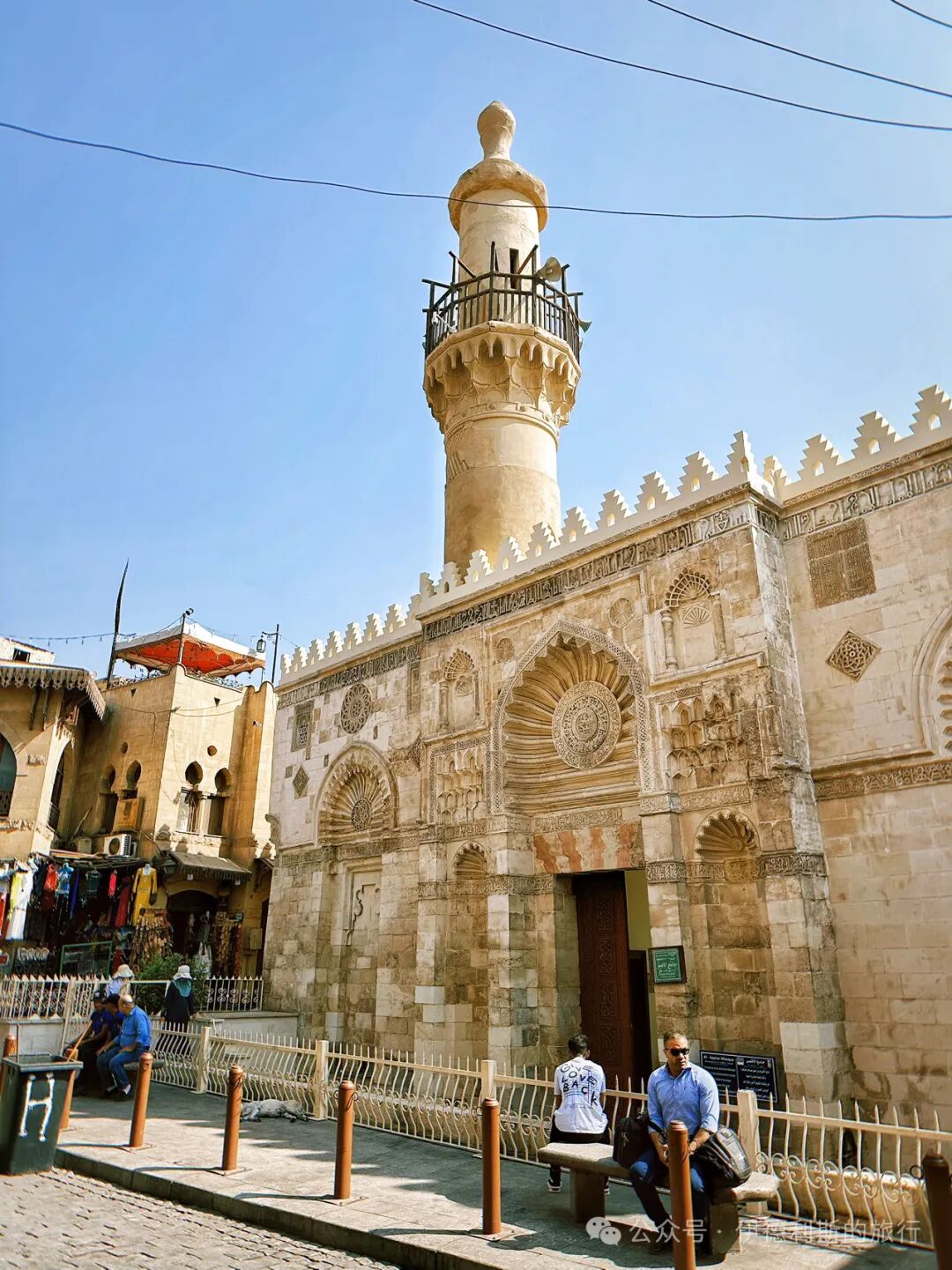
Al-Azhar Mosque in Cairo: In 969 AD, the Shia Ismaili Fatimid dynasty conquered Egypt and immediately began building the new capital, Cairo. After two years of construction, the first congregational mosque (Jumu'ah mosque) of Cairo officially opened in 972, known as Al-Azhar Mosque. Several Fatimid caliphs expanded and renovated Al-Azhar Mosque. Caliph al-Hafiz carried out a major renovation in 1138. The four-centered arches in the courtyard and the dome at the entrance of the main hall date back to this period.
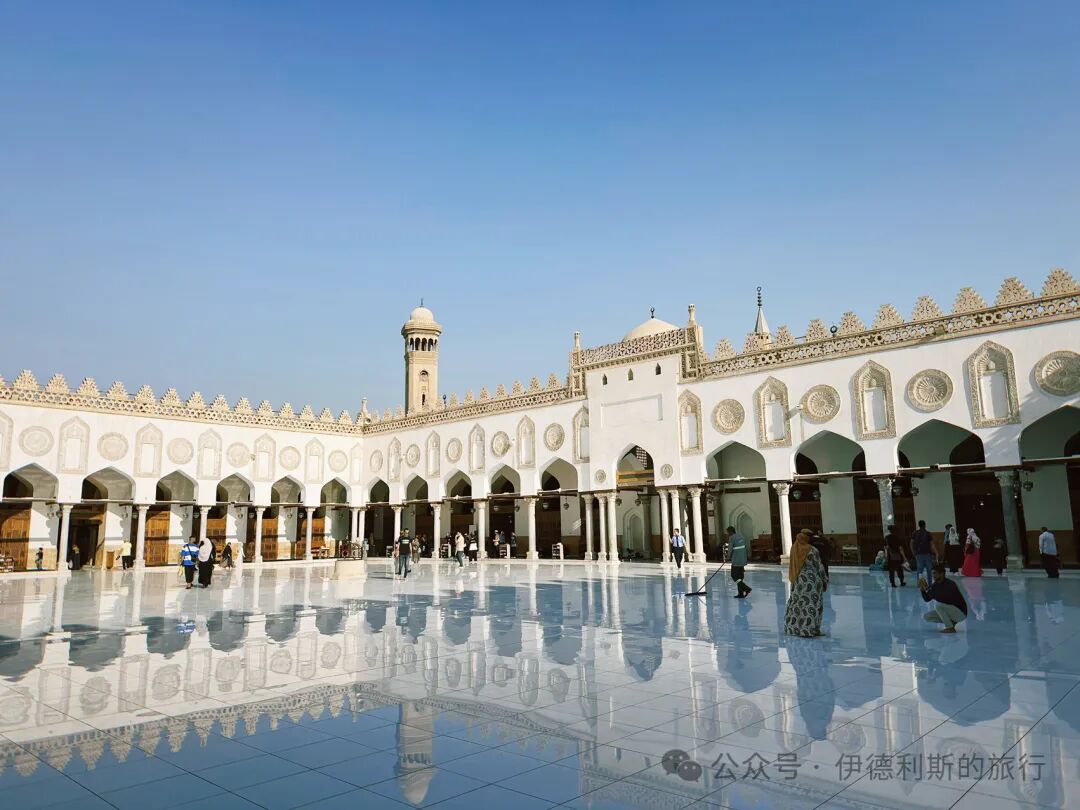
Al-Hussein Mosque in Cairo: In 1153, the Fatimid dynasty ordered the head of Hussein to be transported to Cairo to be buried alongside the Fatimid caliphs, and Al-Hussein Mosque was built in 1154. Today, the lower part of the south gate of Al-Hussein Mosque still retains its original Fatimid dynasty structure. In 1874, Ismail Pasha, the ruler of the Muhammad Ali dynasty, rebuilt Al-Hussein Mosque in a Gothic Revival style and constructed a minaret (bangke ta) that blended Gothic and Ottoman styles.
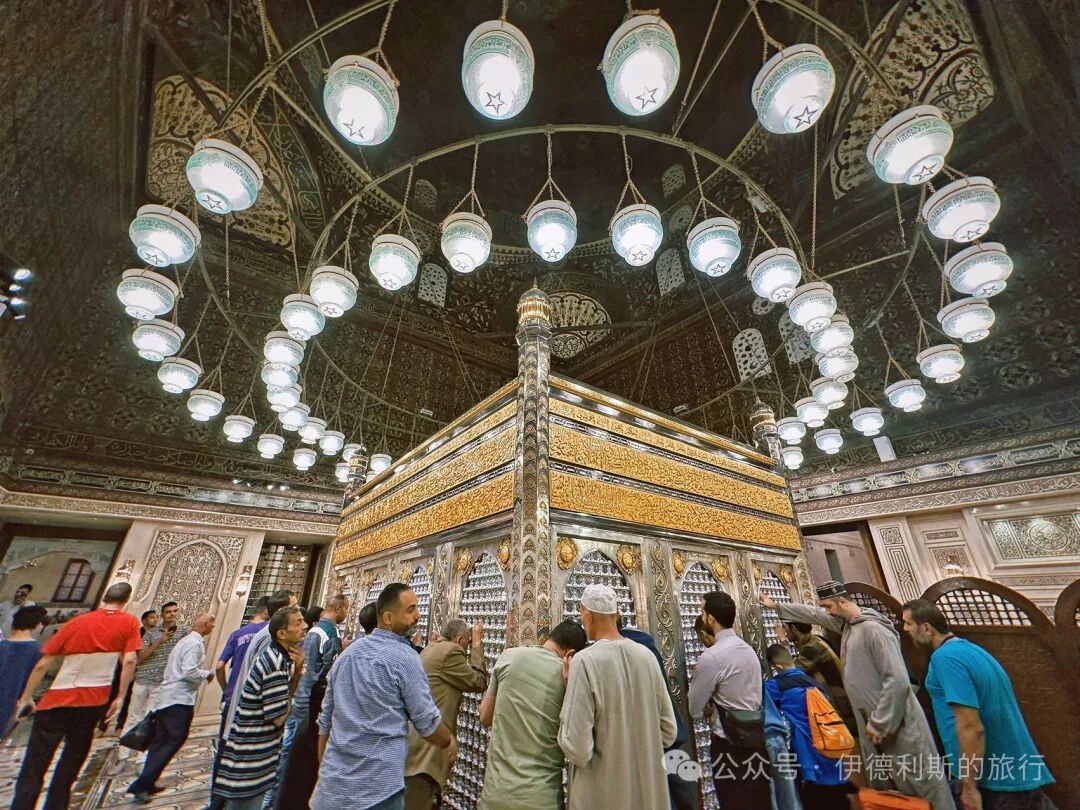
Abu al-Dhahab Mosque in Cairo: Built in 1774 by the Egyptian Mamluk ruler Abu al-Dhahab, it was the last large complex built by the Mamluks in Egypt, but only the mosque remains today.
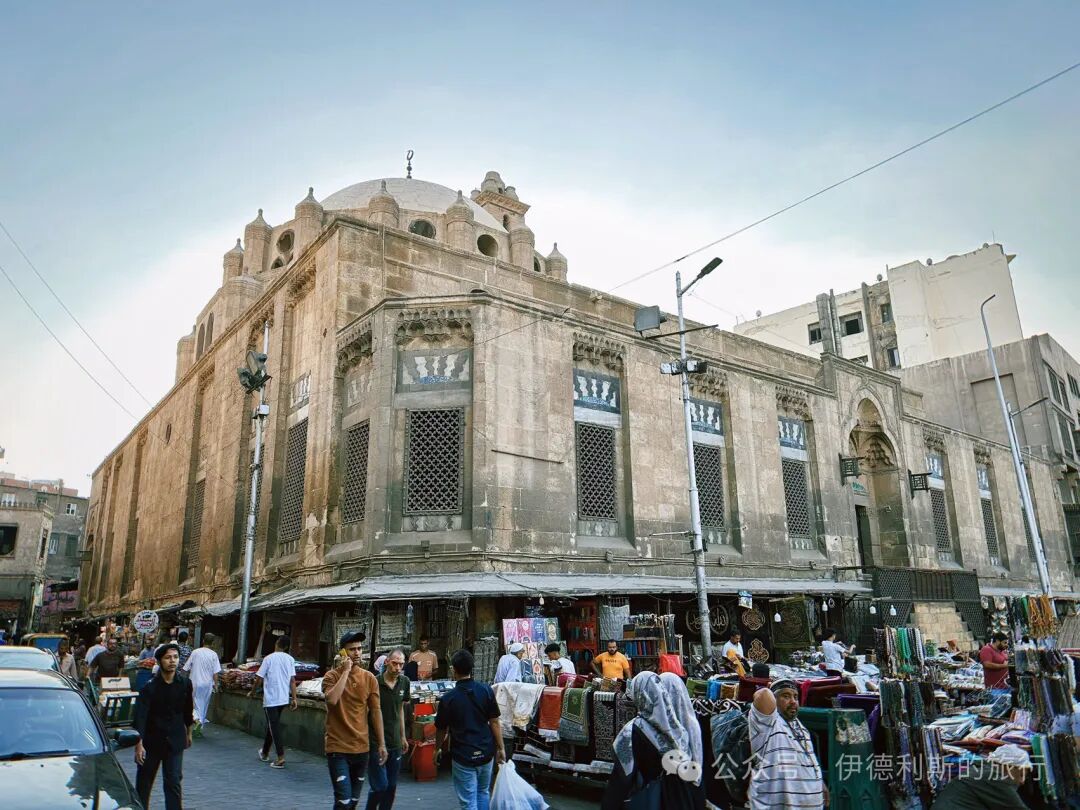
Al-Ashraf Mosque in Cairo: Built in 1424 by the Mamluk Sultan al-Ashraf Barsbay, it features a dome with geometric carvings, which is an early example of decorative dome carving.
Sultan al-Mu'ayyad Mosque in Cairo: Built by the Mamluk Sultan al-Mu'ayyad between 1415 and 1421, it is the last large hypostyle mosque in Cairo. It originally had four facades, but only the east side and the main hall remain as original structures. The mosque's gate is known as the last grand gate of the Mamluk dynasty, decorated with exquisite marble geometric patterns, Kufic calligraphy, and complex stucco carvings.
Salih Tala'i Mosque in Cairo: Built in 1160 under the direction of the Fatimid vizier Tala'i ibn Ruzzik, it is the last important historical building of the Fatimid dynasty still standing. It is the first "hanging mosque" in Cairo, built on a platform with shops on three sides of the ground floor and the main hall on the upper level.
Ahmed al-Mihmandar Mosque in Cairo: Built by the Mamluk Emir Ahmed al-Mihmandar between 1324 and 1325, it has a very exquisite facade. It is a typical example of Mamluk decorative style, featuring script calligraphy and muqarnas cornices.
Qijmas al-Ishaqi Mosque in Cairo: Built by the Mamluk Emir Qijmas al-Ishaqi between 1480 and 1481, it is a model and masterpiece of late Mamluk architecture and is printed on the 50 Egyptian pound banknote. The exterior facade of the mosque features the typical architectural style of the Mamluk Sultan Qaitbay period. The arabesque stone carvings, the muqarnas cornices above the windows, and the combination of red, black, and white marble are all very delicate.
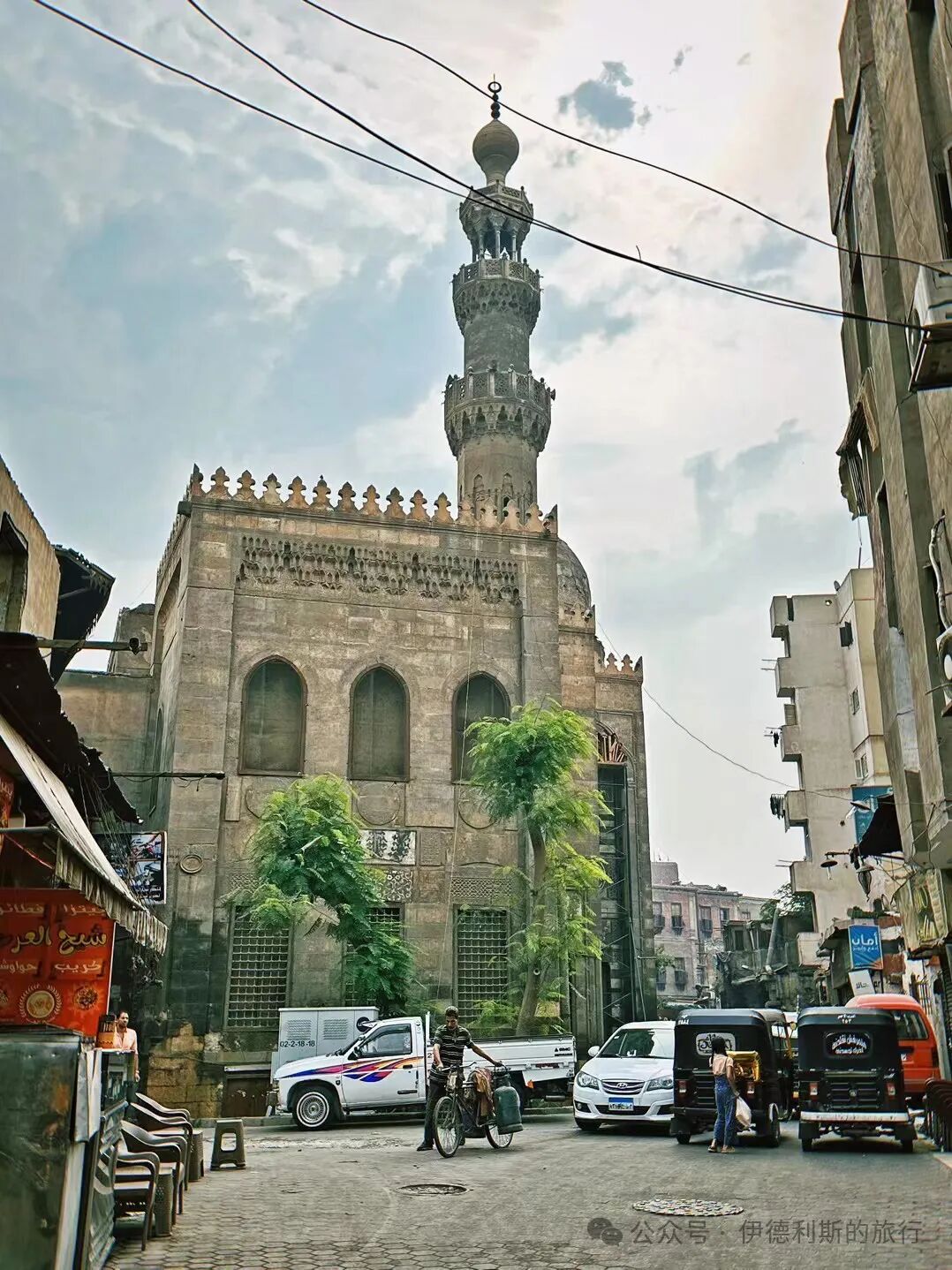
Mahmoud al-Kurdi Mosque in Cairo: Built in 1395 by the high-ranking Mamluk official Mahmoud al-Kurdi, it features the first dome carved with a V-shaped pattern; domes before this had spiral patterns. The dome on the minaret was also very rare at the time and was later widely used during the Ottoman Empire.
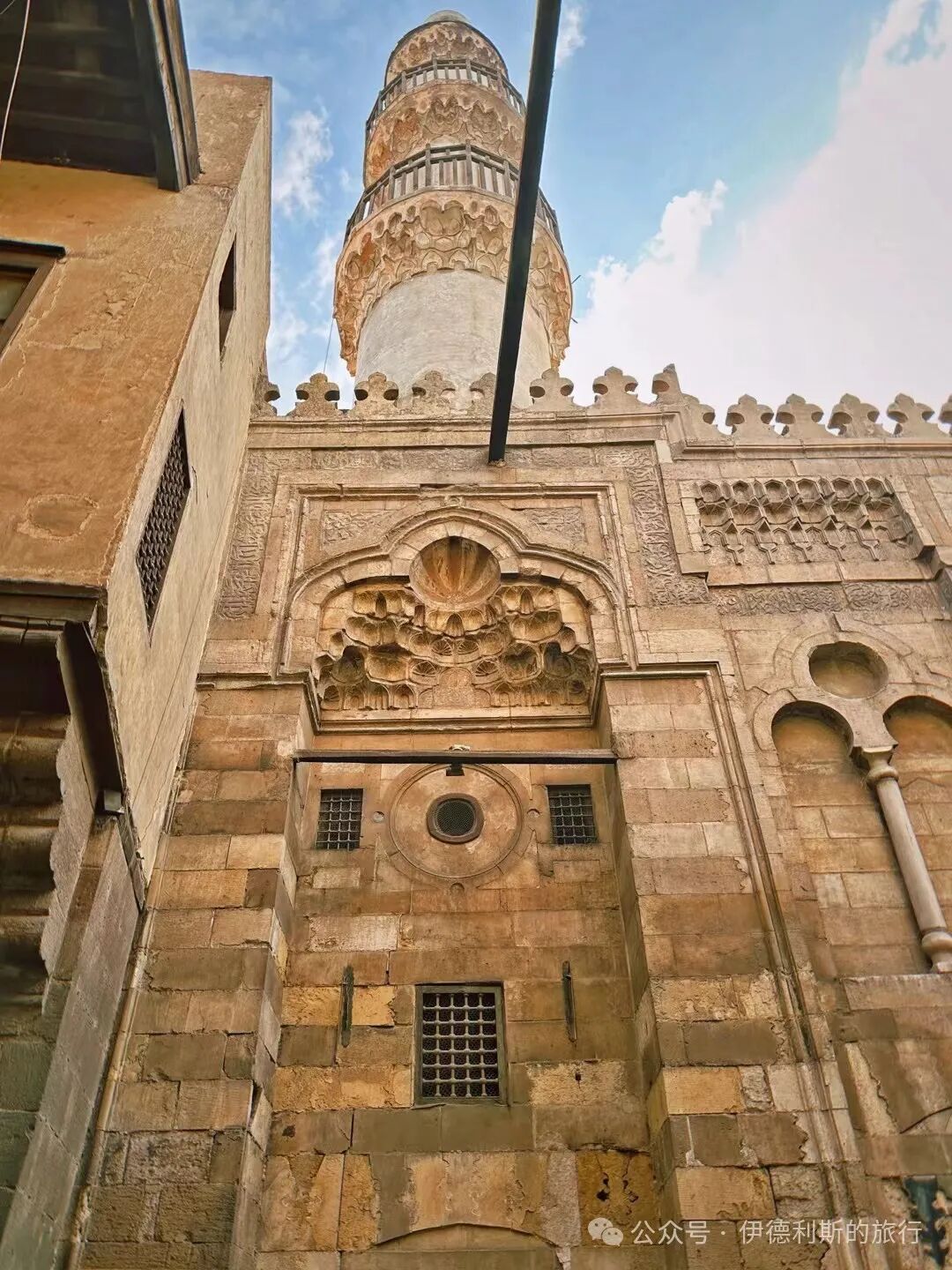
Al-Rifa'i Mosque in Cairo: Rifa'i is a Sufi order founded in Iraq in the 12th century, which is widely distributed in Egypt and Syria. Al-Rifa'i Mosque was originally a Sufi lodge (zawiya). It was rebuilt into the current grand mosque by the Muhammad Ali dynasty of Egypt between 1869 and 1912, and it houses many members of the Egyptian royal family, including several kings.
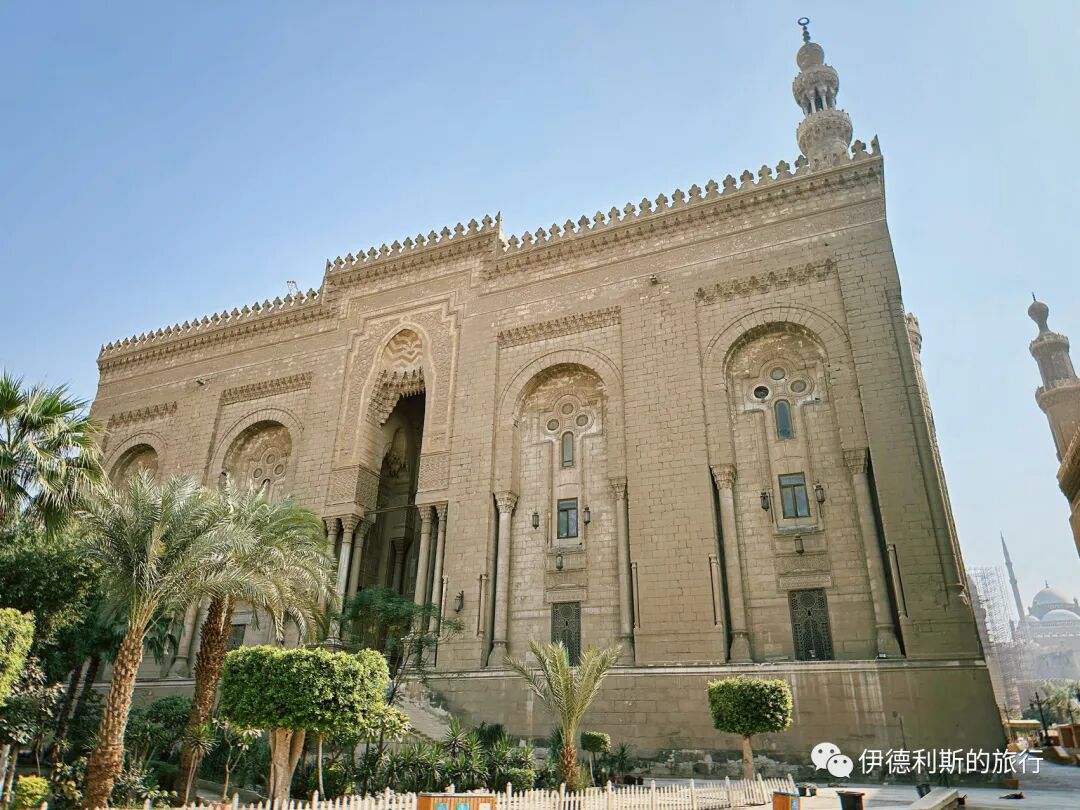
Amir Altinbugha al-Mardani Mosque in Cairo: Built between 1338 and 1340 by Emir Altinbugha al-Mardani, the son-in-law of Mamluk Sultan Nasir Muhammad. It is a classic Mamluk-style mosque with the most luxurious decorations of its time. It is also the first major Mamluk mosque to set the standard for an octagonal minaret and a large dome.
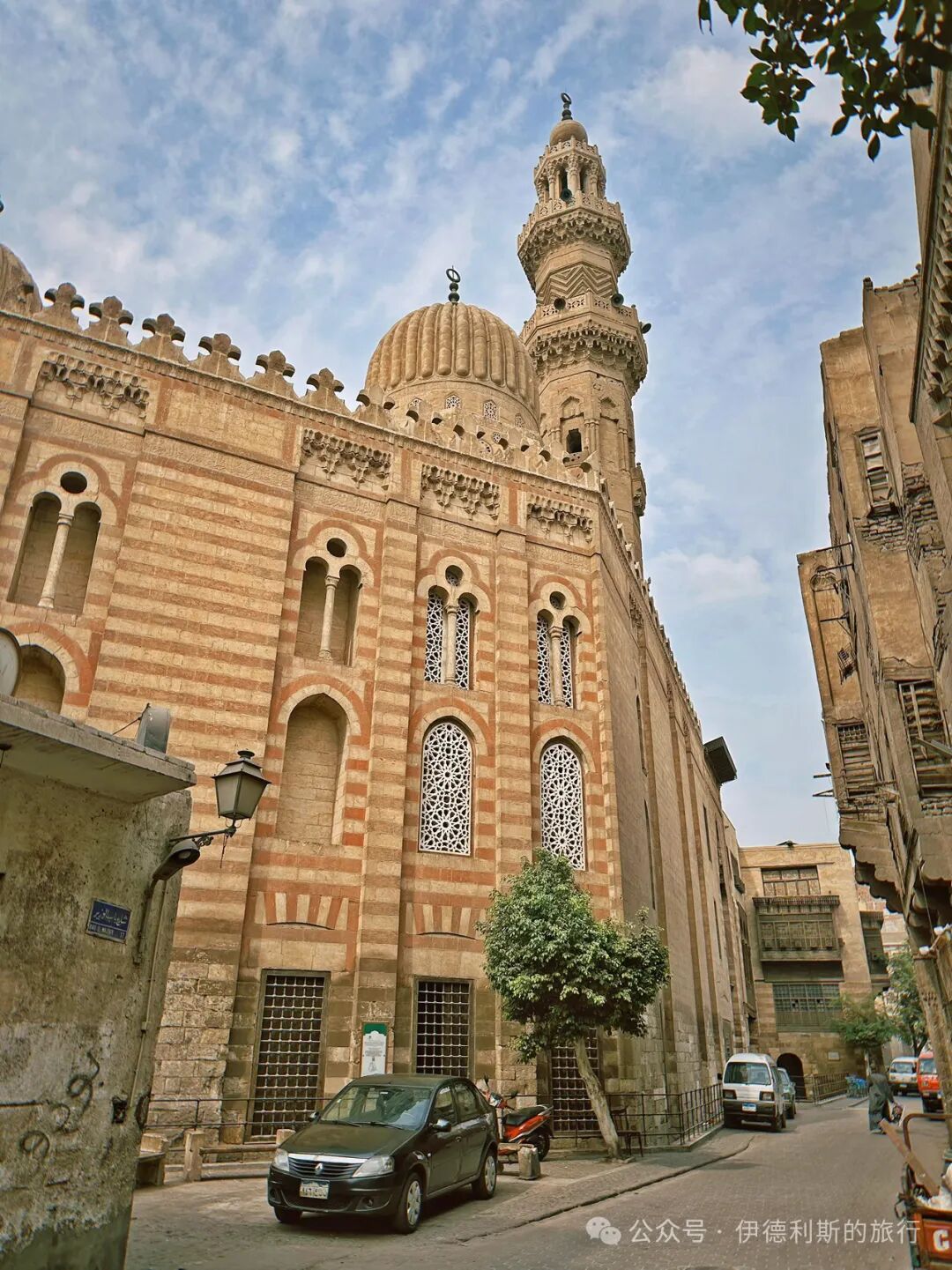
Umm al-Sultan Sha'ban Mosque in Cairo: Built by Mamluk Sultan al-Ashraf Sha'ban in 1368-69 to honor his mother, Umm al-Sultan Sha'ban, who was on the Hajj pilgrimage at the time. The mosque features a classic Mamluk architectural style, complete with ribbed and fluted domes. The outer walls stand 18 meters high, creating a grand and imposing presence.
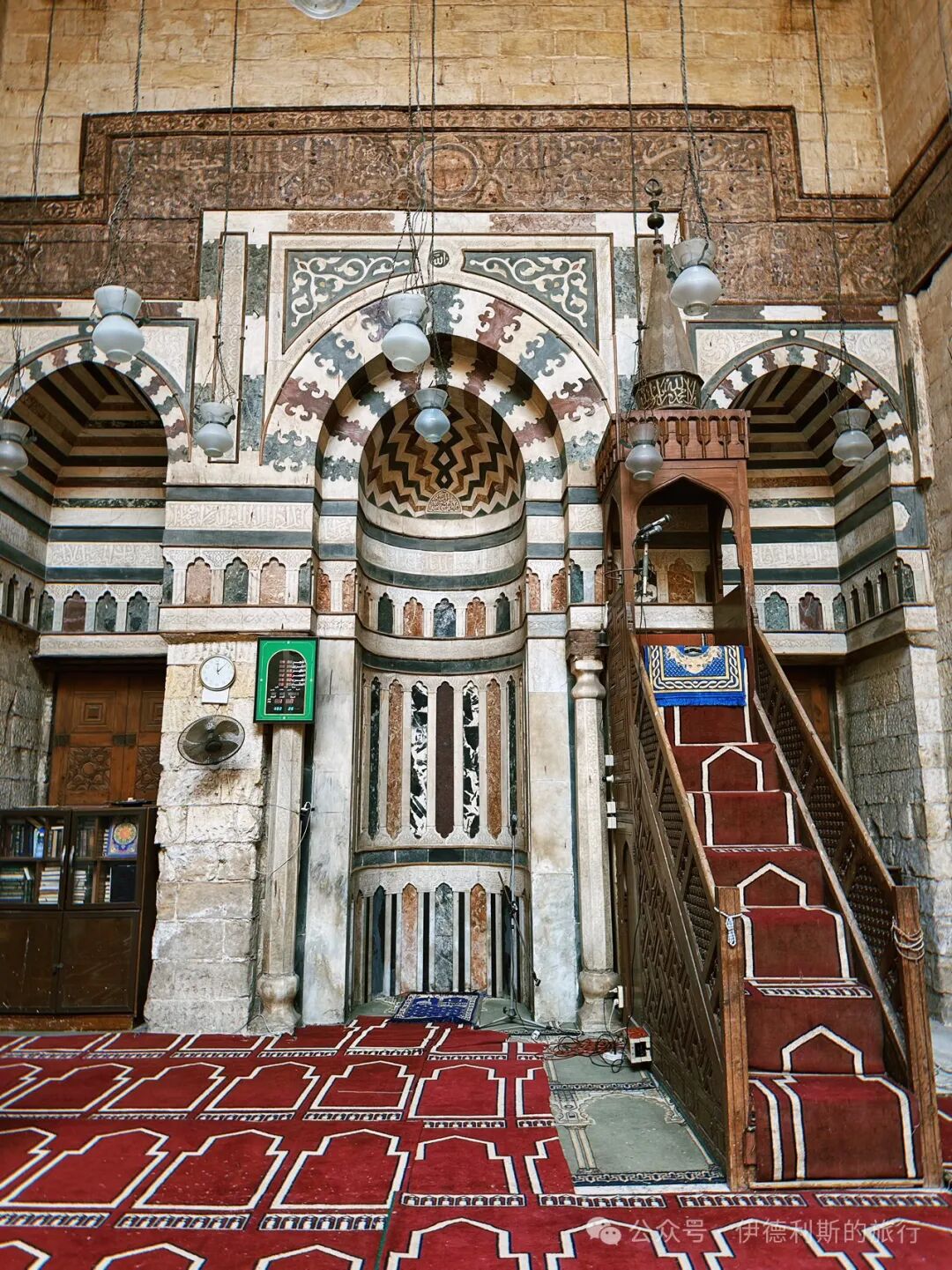
Blue Mosque in Cairo: Originally named Aqsunqur Mosque, it was commissioned in 1347 by Emir Shams al-Din Aqsunqur, the son-in-law of a Mamluk sultan. As the former governor of Tripoli, Aqsunqur built the mosque in a Syrian style, featuring cross-vaults and a columned layout, both of which are rare in Cairo. The Blue Mosque houses the oldest marble minbar (pulpit) in Cairo, which is a rare find in the city. Between 1652 and 1654, Ottoman Janissary commander Emir Ibrahim Agha al-Mustahfizan decorated the qibla wall with Ottoman tiles, earning the building the name Blue Mosque.
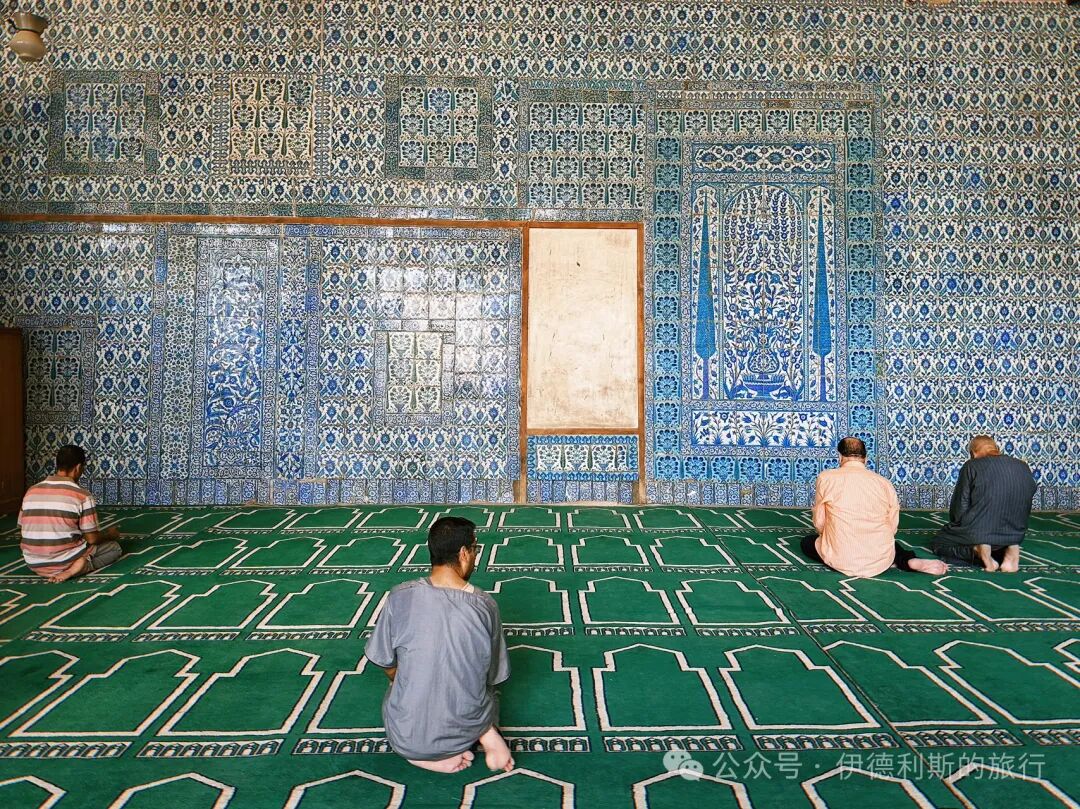
Sultan Hasan Mosque in Cairo: Built by Mamluk Sultan Nasir Hasan between 1356 and 1363. This grand mosque is massive in scale, costing over 10,000 dinars, making it the most expensive mosque built in medieval Cairo. The top edge of the mosque's facade features a 1.5-meter-high stalactite cornice, an unprecedented detail in Mamluk architecture. The southern minaret stood 84 meters above the street when completed, making it the tallest minaret among all Mamluk structures. The center of the main hall is decorated with Kufic calligraphy and swirling arabesque patterns, which are unique to Mamluk architecture. The minbar features beautifully patterned bronze doors, another rare sight in Mamluk architecture.
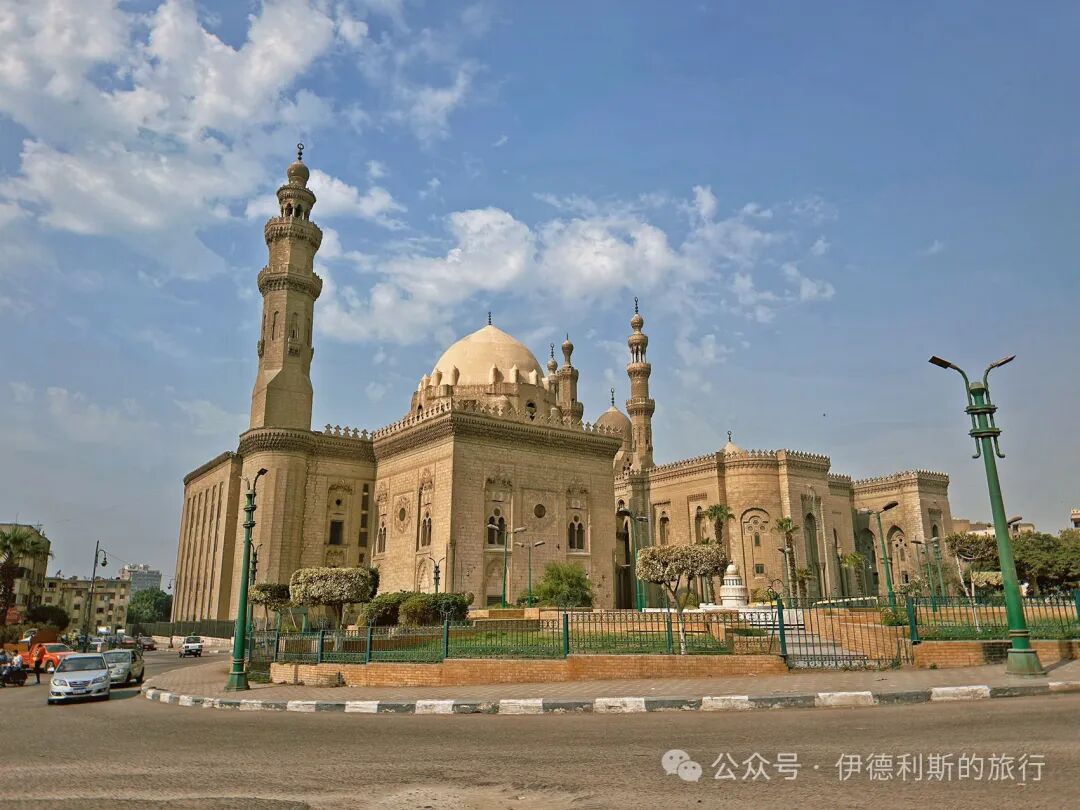
Ibn Tulun Mosque in Cairo: The oldest surviving mosque in Egypt and the largest in Cairo by area. Built by Emir Ahmad ibn Tulun of the Tulunid dynasty between 876 and 879, it served as the main congregational mosque for the Tulunid capital. Ibn Tulun Mosque was modeled after the Great Mosque of Samarra in Iraq. It features a classic Abbasid style and contains the only spiral minaret in Egypt.
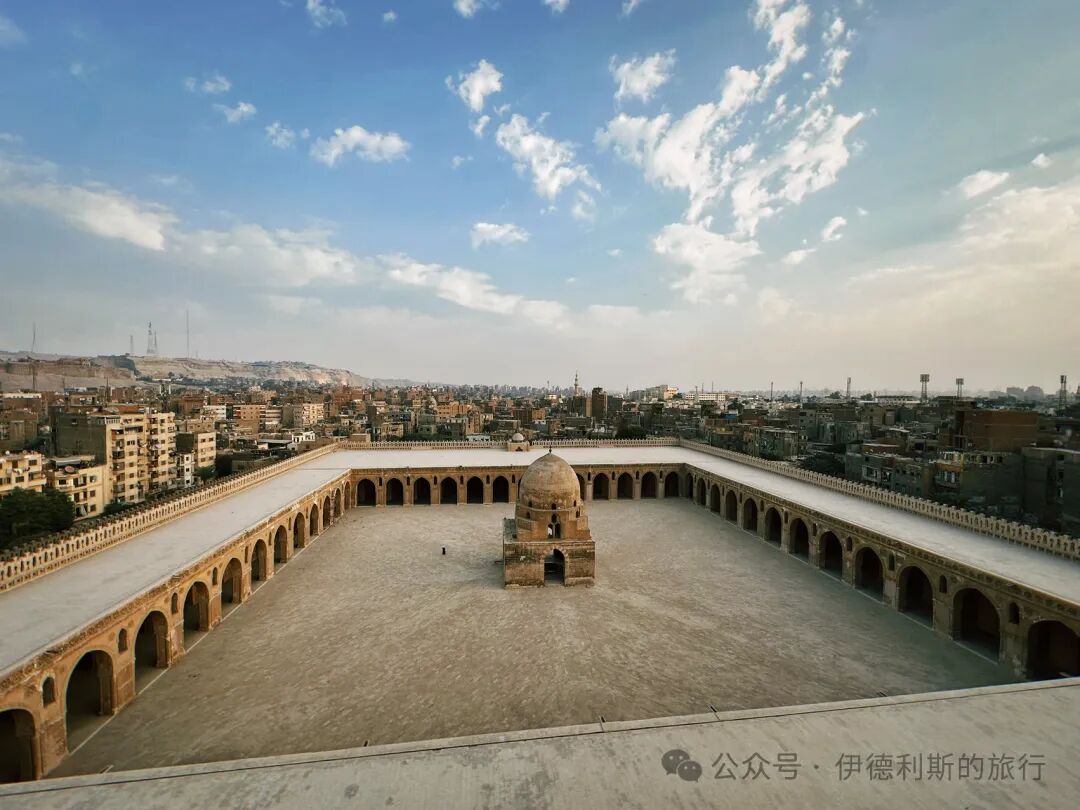
Taghribirdi Mosque in Cairo: Built in 1440 by Emir Taghribirdi, a secretary to the Mamluk sultan, it features a classic Mamluk architectural style.
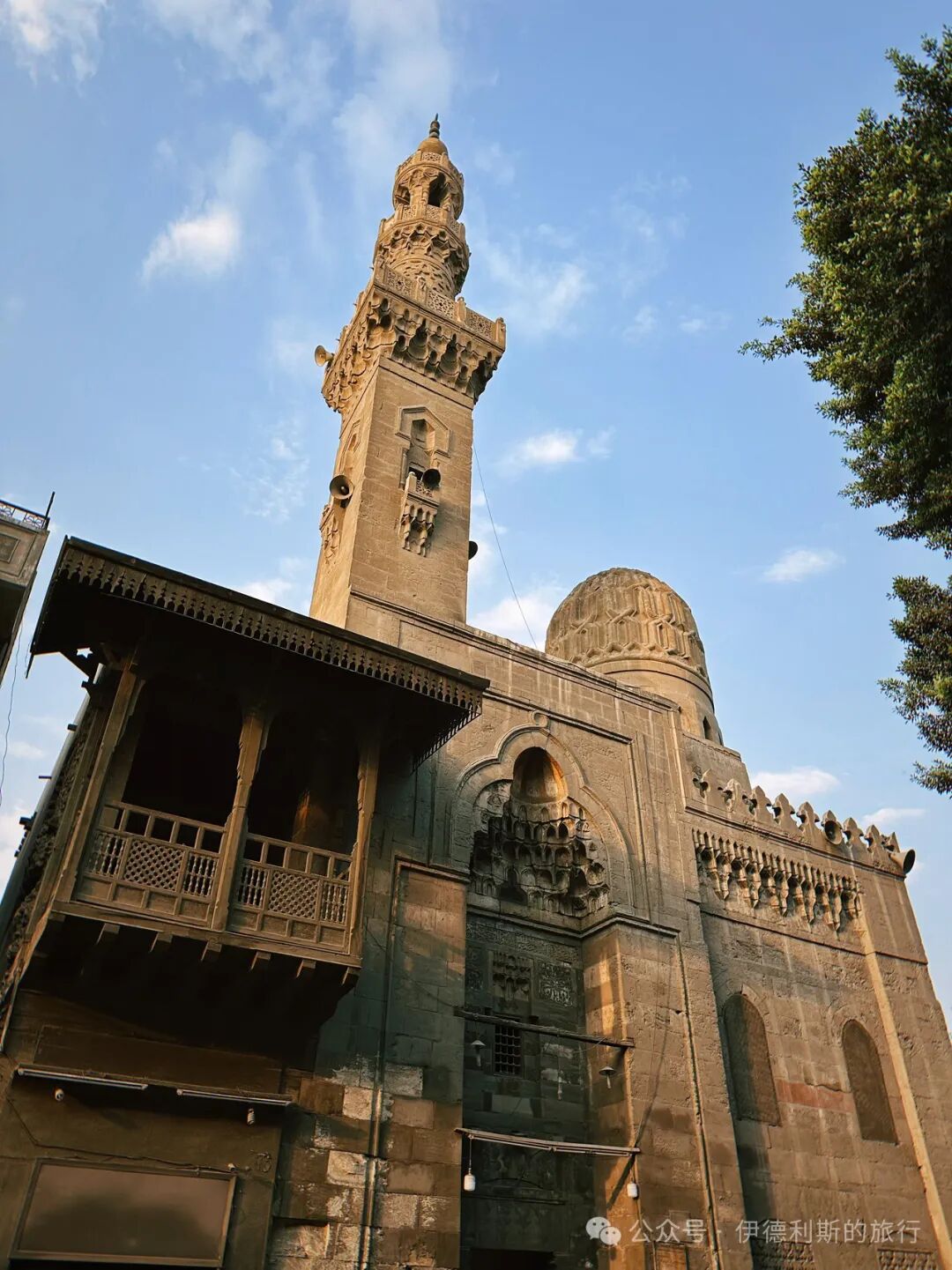
Shaykhu Mosque in Cairo: Built in 1349 by the great Mamluk Emir Shaykhu al-Umari al-Nasiri, it contains the earliest open-arcaded riwaq courtyard in Egypt.
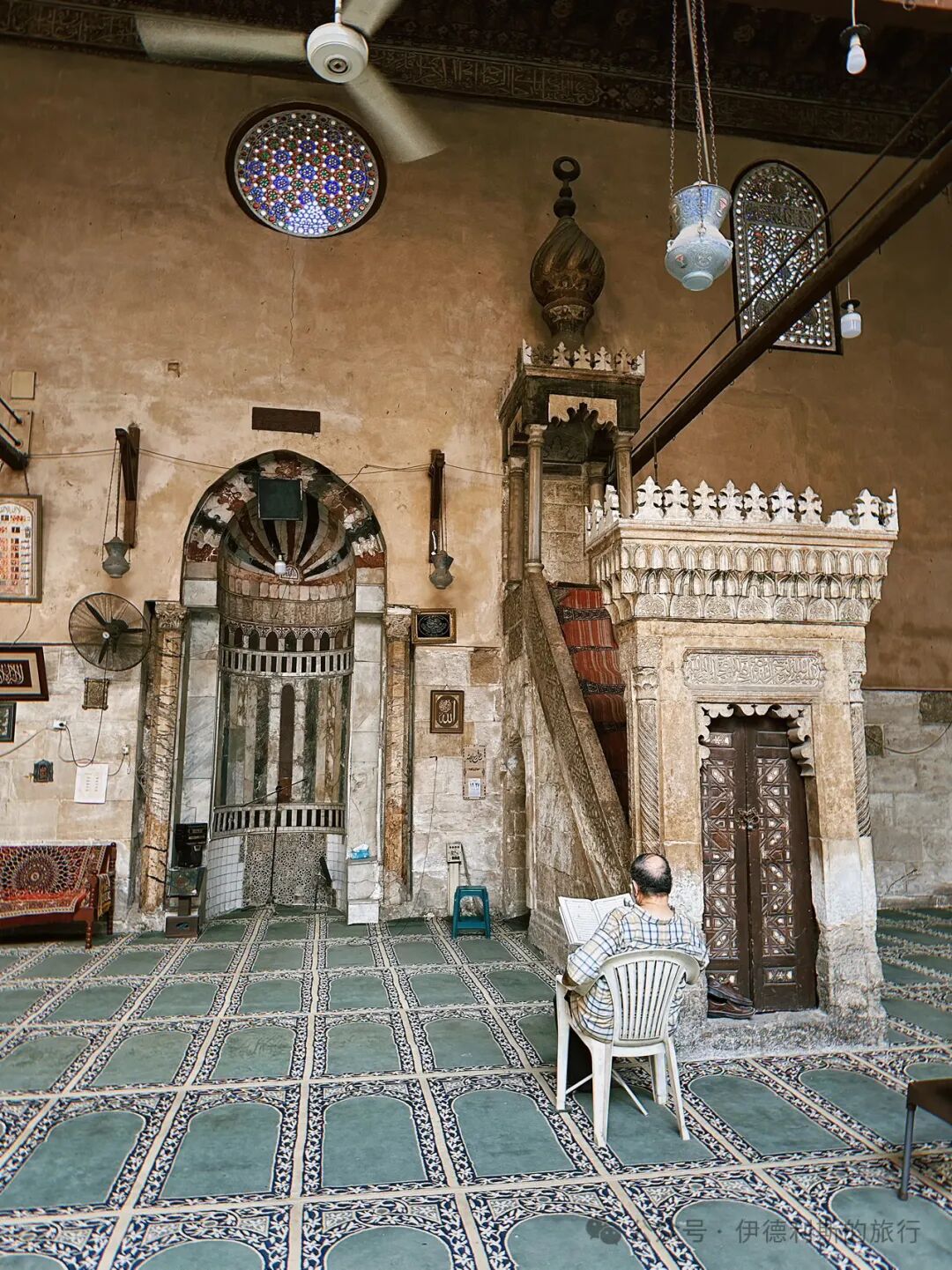
Qanibay al-Muhammadi Mosque in Cairo: Built in 1413 by Qanibay al-Muhammadi, a high-ranking official of the Mamluk Sultanate. It features a classic Mamluk style, highlighted by a V-patterned dome and a minaret with a stalactite cornice.
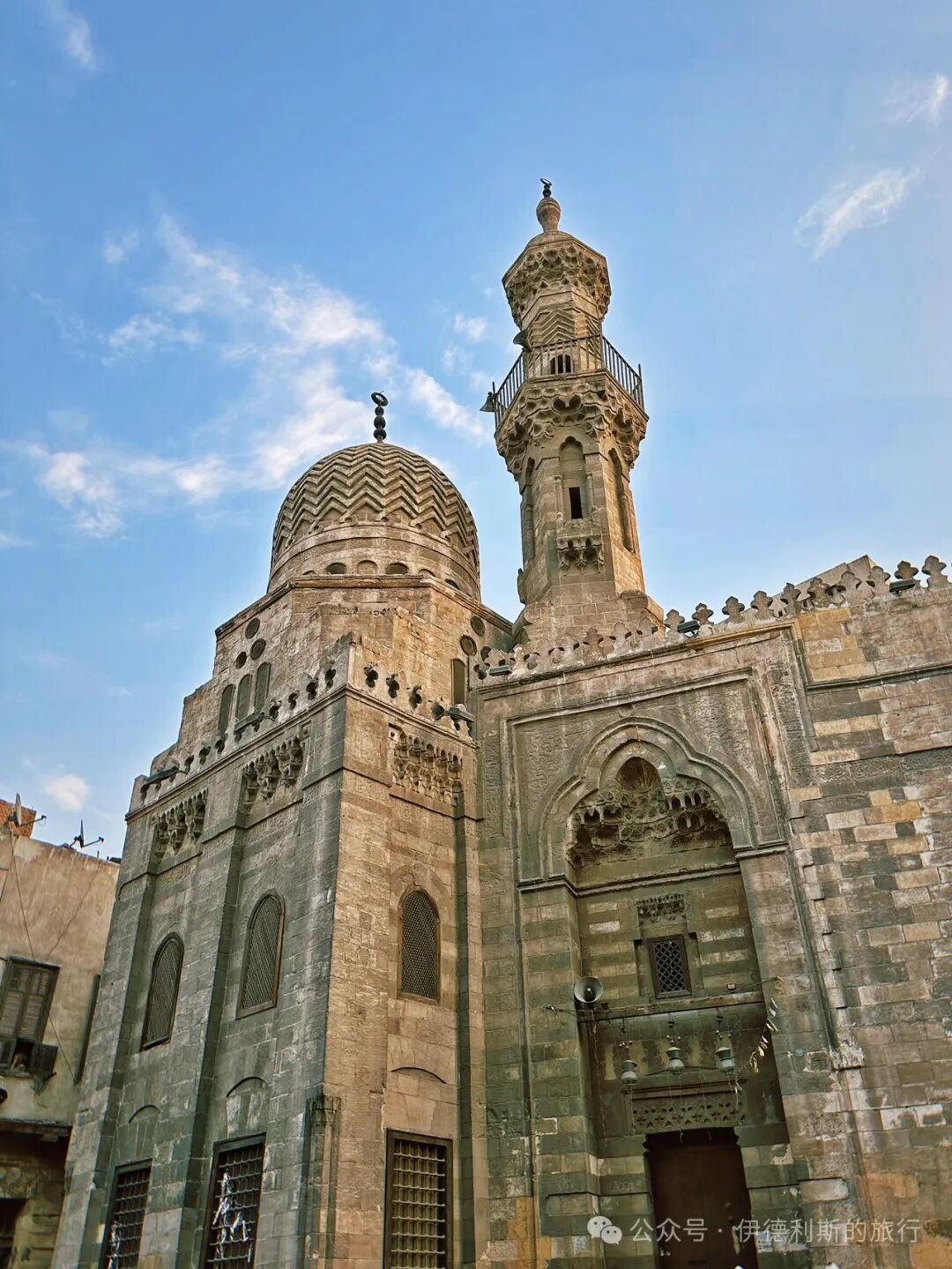
Halal Travel Guide: 2024 Mosque Visits — 63 Historic Mosques and Muslim Heritage
Articles • ali2007fr posted the article • 0 comments • 245 views • 2026-05-19 23:56
Summary: This article records 63 mosque visits made in 2024, with attention to architecture, local Muslim communities, and regional history. The English version keeps the original sequence of places, photos, names, and factual details while making the account easier to read.
January in Singapore: 8 mosques.
Al-Abrar Mosque in Singapore: Built in 1827 by Tamil Muslims from the Coromandel Coast of southeastern India, it was renovated into its current form between 1986 and 1989.
Jamae Mosque in Singapore: A congregational mosque built in 1826 by Tamil Muslims from the Coromandel Coast of southeastern India, it was rebuilt into its current form between 1830 and 1835.
Abdul Gafoor Mosque in Singapore: Construction began in 1859, and it was rebuilt into its current structure in 1907 under the leadership of the South Indian Tamil Muslim, Shaik Abdul Gafoor.
Angullia Mosque in Singapore: Established in 1892 by the Angullia family, who were Muslims from Gujarat in western India. The gatehouse built in 1890 still stands today.
Hajjah Fatimah Mosque in Singapore: Donated and built between 1915 and 1920 by Hajjah Fatimah, an Indian-descended Muslim businesswoman and philanthropist. It has always been managed jointly by Arab, Indian, and Malay Muslims.
Sultan Mosque in Singapore: Built between 1824 and 1826 by Sultan Hussein of Johor using funds from the British East India Company, it was rebuilt in the Mughal Revival style between 1924 and 1928.
Hajjah Fatimah Mosque in Singapore: Donated and built by the Malay noblewoman and philanthropist Hajjah Fatimah between 1845 and 1846, it was rebuilt in the Mughal Revival style in the 1930s.
Haji Muhammad Salleh Mosque in Singapore: Haji Muhammad Salleh was a merchant from Batavia (modern-day Jakarta). He made a dua to build a small mosque on Mount Palmer for the Sufi wali Habib Noh, which was finally rebuilt as a formal mosque in 1903.
January in Malaysia: 10 mosques.
Alaeddin Mosque in Selangor: Built in 1905 by order of Sultan Alaeddin Sulaiman Shah of Selangor.
Sultan Sulaiman Royal Mosque in Selangor: A gift from the British to Sultan Sulaiman to replace the Pengkalan Batu Mosque, which was demolished to build the Klang railway station. Built between 1932 and 1933, it has served as the royal mosque for the Sultan of Selangor ever since.
Sultan Abu Bakar Mosque in Johor Bahru: Commissioned by Sultan Abu Bakar of Johor in 1892, it was officially completed in 1900.
Kampung Mahmoodiah Mosque in Johor Bahru: Located next to the Mahmoodiah Royal Mausoleum in Johor, it was first built in 1926.
Pasir Pelangi Royal Mosque in Johor Bahru: First built in 1911, it is located next to the Johor Sultan's Pasir Pelangi Palace.
Indian Mosque in Ipoh: Built between 1905 and 1908 under the leadership of the wealthy South Indian Tamil merchant Shaik Adam Mohammad Ghaus.
Pakistan Mosque in Ipoh: Built in 1930 by Pathans (Pashtun descent) and Punjabis from North India who served as police officers in Ipoh. It is currently used by the Pakistani Punjabi community.
Panglima Kinta Mosque in Ipoh: Built in 1898 by Panglima Kinta Muhamad Yusuff, the Malay chief who ruled Ipoh at the time, in memory of his wife.
Ubudiah Mosque in Perak: Commissioned by Sultan Idris Murshidul Azzam Shah of Perak and built between 1913 and 1917, it is the royal mosque of the Sultan of Perak.
Jamek Mosque in Seremban: Rebuilt into its current structure in 1900, with a minaret added in 1924.
May in Zhejiang: 1 mosque.
Lishui Mosque in Zhejiang: Built in 1886 by the imam Ma Huanzhang on Gaojing Lane in Lishui city.
May in Fujian: 3 mosques.
Fuzhou Mosque: This mosque was rebuilt with funds donated by the surveillance commissioner Zhang Xiaosi during the early Zhizheng years of the Yuan dynasty. It was destroyed by fire in 1541 (the 20th year of the Jiajing reign). Ge Wenming, a descendant of the envoy Ge Buman from the Guli Kingdom (the Calicut kingdom on the southwest corner of the Indian peninsula), led the reconstruction, which was completed in 1549 (the 28th year of the Jiajing reign).
Quanzhou Qingjing Mosque: First built in 1009, it was renovated by Ahmed in 1310.
Xiamen Mosque stele record: Xiamen Mosque was first built in 1823. The mosque currently houses two stone steles from 1902 and 1924.
May in Sichuan: 3 mosques.
Chengdu Tuqiao Upper Mosque: Tuqiao is located northwest of Chengdu. Since the Qing dynasty, it has been a necessary stop for merchants traveling to Chengdu from Aba and Songpan via the Songmao Ancient Road. Many Hui Muslims settled here, and the Tuqiao Upper Mosque was first built in 1791.
Dujiangyan Mosque: During the Jiajing reign of the Ming dynasty, Hui Muslims in Dujiangyan pooled their money to buy the former site of the Ming Shu Kang Wang summer palace and officially built the Dujiangyan Mosque.
Dujiangyan Baoping Mosque: After the Sichuan Railway Protection Movement in 1911, Hui Muslims from Maogong (Xiaojin County) actively participated. They faced persecution from local feudal forces and fled, with most settling in Guanxian (Dujiangyan). They pooled their money to build the Baoping Mosque in 1925.
June in Shandong: 4 mosques.
Liaocheng Dongguan West Mosque: The West Mosque is commonly known as the Great Mosque (da libaisi). It was first built in 1385 and renovated twice during the Jiajing and Kangxi reigns.
Liaocheng Dongguan East Mosque: The East Mosque is also called the Small Mosque (xiao libaisi). It was built during the Yongle reign of the Ming dynasty under the leadership of the Dongchang Prefecture garrison commander Bai Lin. It was renovated multiple times during the Jiaqing, Xianfeng, and Guangxu reigns of the Qing dynasty.
Linqing North Mosque: Located at the intersection of the Huitong River and the Wei River, the Linqing North Mosque was first built in 1504. It underwent major expansions and repairs in 1564, 1779, and 1809, eventually reaching its current form.
Linqing East Mosque: First built in 1465, it was repaired twice in 1583 and 1649, and expanded again in 1734, resulting in its grand scale.
June in Hebei: 1 mosque.
Xingtai Linxi County Hongguanying Mosque: The ancestor of the Hong family Hui Muslims, Hong Badan, was a sixth-generation descendant of Sayyid Ajjal Shams al-Din Omar. He served as an official in Linqing during the Ming dynasty, and his descendants took Hong as their surname and settled in Linqing. The Hongguanying Mosque was first built between the Xuande and Tianshun years of the Ming dynasty. It was burned down during the Taiping Heavenly Kingdom's Northern Expedition in 1854 and rebuilt into its current form in 1874.
June in Liaoning: 5 mosques.
Dandong Fengcheng Mosque: Built in 1775, it was renovated in 1862. In 1876, the north lecture hall was rebuilt and side rooms were added. In 1890, the Moon-Watching Tower (wangyuelou) was added, giving it its current size.
Dalian Fuzhou Mosque: In the early Qing dynasty, Hui Muslims with the surnames Yin, Dai, Ma, and Hui from Cangzhou arrived in Fuzhou. They began preparing to build the Fuzhou Mosque southwest of Fuzhou city in 1649, and in 1656, they completed three thatched rooms to serve as the main prayer hall. The main hall was rebuilt in 1774 and expanded again in 1880, though it still had a thatched roof. In 1920, the front porch and rear kiln hall were expanded, and the roof was changed to green bricks and tiles, resulting in its current form.
Dalian Qingdui Mosque: The Qingdui Mosque was first built during the Daoguang reign of the Qing dynasty, starting with only three thatched rooms. In 1894, the famous Hui Muslim general Zuo Baogui donated funds for the mosque, and in 1895, local elders oversaw its reconstruction into the current three-room structure made of blue bricks and tiles. In 1920, the gatehouse was rebuilt and the lecture hall was expanded, giving the mosque its current size.
Shenyang Xinmin Mosque: During the Qianlong reign, many Hui Muslims moved to Xinmin, and in 1765, they built the Xinmin Mosque in Nanyingzi. It was burned down in 1866 and rebuilt in 1883 into its current form.
Jinzhou Xinlitun Mosque: During the Daoguang reign of the Qing Dynasty, Hui Muslims from Jinzhou, Yixian, Heishan, and Yingkou settled in Xinlitun and built the Xinlitun Mosque in 1842. The Xinlitun Mosque was burned down in 1873, but was later rebuilt with funds led by the anti-Japanese hero General Zuo Baogui.
September Malaysia: 10 mosques
Malacca Kampung Hulu Mosque: In 1728, the Dutch East India Company commissioned a Chinese Muslim leader, Dato' Samsuddin Bin Arom, to build a new mosque near the site of an old one destroyed by the Portuguese. This is the oldest surviving mosque in Malacca.
Malacca Kampung Kling Mosque minaret (bangke lou): In 1728, an Indian merchant named Muhammad Saleh funded the construction of a small mosque in Kampung Kling. It was abandoned after the larger Kampung Kling Mosque was built in 1782, and today only the minaret remains. The minaret of the small Kampung Kling Mosque was modeled after a Chinese pagoda, which was the first of its kind on the Malay Peninsula at the time.
Malacca Kampung Kling Mosque: In 1782, the Kampung Kling Mosque was completed just west of the small mosque.
Malacca Kampung Kling Mosque: This mosque was first built by Indian merchants in 1748, and in 1872, the original wooden structure was replaced with the current brick building.
Malacca Sanbaoshan Mosque: This mosque was first built in 1865. A new main hall was added in 1978, but the layout of the original old hall was preserved.
Malacca Pengkalan Rama Mosque: First built in the 1730s, it was renovated in 1917 with funds donated by Dato' Penghulu Abdul Ghani.
Malacca Duyong Mosque: Built in 1850 under the leadership of Wan Chilek, it was originally made of red clay and wood with a roof of Chinese and Dutch tiles. In 1908, a minaret was added that combined the styles of a Chinese pagoda and a Western lighthouse.
Malacca Serkam Pantai Mosque: First built in 1853, the beams and roof were made from timber cut in local forests and hauled by water buffalo, while the walls were built from reef stones quarried near Big Island (Pulau Besar) and transported by sampan boats.
Malacca Peringgit Mosque: First built in 1726, it was later destroyed and rebuilt in 1868.
Muar Sultan Ibrahim Mosque: This is the main Friday mosque for Muar. It was built in 1887 along with the town of Muar, and reconstruction began in 1925 and was officially completed in 1930.
October Tunisia: 14 mosques
Tunis Al-Zaytuna Mosque: Built after the Umayyad conquest of Carthage in 698, its current form is mainly from the reconstruction by the Aghlabid dynasty in 864-65. It is the second mosque built by Arabs in the Maghreb region after the Great Mosque of Kairouan, and it is the grandest mosque in Tunis.
Tunis New Mosque (Jemaa el-Jedid): Built in 1726 by Hussein I ibn Ali, the founder of the Husainid dynasty in Tunisia. The Husainid dynasty was a Beylik that was nominally subordinate to the Ottoman Empire. Hussein used the faith to unite different ethnic groups in Tunisia. He ordered the construction of many madrasas, and the New Mosque (Jemaa el-Jedid) in Tunis is also his representative work.
Ksar Mosque in Tunis: A rare Hanafi mosque in Tunisia, built by the Banu Khurasan dynasty in 1106. It was converted to the Hanafi school by the Ottoman dynasty in 1598, and the minaret (manara) was rebuilt in its current Moorish style between 1647 and 1648. The capitals inside the main prayer hall were also taken from ancient architectural ruins. Inside the mihrab, there are seven niches topped with Fatimid-style fluted semi-domes.
Hammouda Pasha Mosque in Tunis: Built in 1655 by Hammouda Pasha, the second Bey of the Muradite dynasty. It is the second Hanafi mosque in Tunisia after the Ksar Mosque. Hammouda Pasha built many markets and hospitals in Tunis, and the Ottoman-style Hammouda Pasha Mosque is his representative work. The Hammouda Pasha Mosque features an octagonal minaret and a rectangular courtyard with galleries. The marble construction inside the main prayer hall is also very Ottoman in style.
Sidi Mahrez Mosque in Tunis: Built in 1692 by Muhammad Bey, the fourth Bey of the Muradite dynasty. It is located right next to the gongbei of Sidi Mahrez, the most important wali in Tunis, who was also a famous Maliki jurist. The Sidi Mahrez Mosque is deeply influenced by the Ottoman style. It is modeled after the Blue Mosque in Istanbul, featuring a central dome and smaller domes, with the interior decorated with Iznik tiles imported from Turkey.
Kasbah Mosque in Tunis: Built between 1230 and 1233 by Abu Zakariya Yahya, the founding sultan of the Hafsid dynasty. It is the second congregational mosque (Juma mosque) in Tunis after the Great Mosque of Zitouna. It is deeply influenced by the Almohad dynasty of Morocco and looks very similar to the Kasbah Mosque in Marrakesh, Morocco.
El Ichbili Mosque in Tunis: Located deep in the old medina, right next to the El Brat market. The mosque was first built in the 10th century, while the minaret was built in the 14th century.
Youssef Dey Mosque in Tunis: Built in 1616 by the Ottoman Bey of Tunis, Youssef Dey. It is the first Ottoman-style mosque in Tunisia. At the intersection stands the first octagonal minaret in Tunis, which has a wooden sunshade at the top. Next to the minaret is the white marble tomb of Youssef Dey, with large blind arcades on the walls.
Great Mosque of Sousse: First built in 851 by the Aghlabid ruler Muhammad I ibn al-Aghlab. The prayer hall was expanded to the south in the 10th century, the current courtyard portico and the northeast minaret were built in the 11th century, and the south portico was renovated in 1785. The Great Mosque of Sousse is right next to the Sousse Fortress and also has a fortress-like appearance. The exterior features jagged walls and corner towers. The minaret in the northeast corner is not tall; instead, it looks more like a castle tower.
Great Mosque of Kairouan: The oldest and most spectacular congregational mosque in Tunisia. It was first ordered to be built in 670 by the Arab Umayyad general Uqba ibn Nafi, rebuilt by the Umayyad dynasty in 703, and after many reconstructions and repairs, it finally took its current form in the 9th century. The minaret of the Great Mosque of Kairouan was built between the 8th and 9th centuries. The existing structure is basically from 836, making it the oldest surviving minaret in the world. The mosque's mihrab and minbar were built in 863 and are the oldest concave mihrab and minbar in the world.
Three Doors Mosque (Mosquée des Trois Portes) in Kairouan: Built in 866, it has the oldest decorated facade of any religious building in the world. The builder, Muhammad ibn Khairun, was a scholar and merchant from Andalusia who came to Kairouan, Tunisia, via Iraq and Egypt.
Kairouan Barber Mosque: It sits right next to the tomb of Sidi Sahab, a companion of the noble Prophet and his barber. Legend says Sidi Sahab died in a battle in 654 and was buried here. By the 11th century, this place had already become a famous holy site for the faith. Bey Hamuda Pasha of Tunisia built the main hall in 1629. Another Bey, Muhammad, built the minaret (bangke ta) between 1690 and 1695.
Monastir Great Mosque: First built during the Aghlabid dynasty in the 9th century, it has a classic fortress style. It was expanded during the Zirid dynasty in the 11th century, when the current mihrab, typical of the Zirid style, was built. The current minaret was built during the Hafsid dynasty. The Great Mosque was finally completed in the 18th century with the addition of the current porch.
Hammamet Great Mosque: Construction began in the 12th century and was officially finished in the 13th century, with the minaret added in 1463. This was also the period when Hammamet grew from a coastal fortress into a medina residential area. The stone pillars of the Hammamet Great Mosque are different colors, as many were collected from nearby ancient Roman ruins.
December Malaysia: 4 mosques
Kuala Lumpur Jamek Mosque: Sultan Sulaiman of Selangor laid the foundation in 1908, and it was officially completed in 1909. British architect Arthur Benison Hubback led the construction, using the Mughal Revival style popular at the time.
Kota Bharu Kampung Laut Mosque: Known as one of the oldest mosques in Malaysia, it is estimated to have been built between the 15th and 18th centuries. It was only expanded in the late 18th century into a stilt wooden house high enough to tether an elephant. Between 1886 and 1889, the original sago palm leaf roof was replaced with clay tiles, and a wooden minaret was added in the 1890s. The Kampung Laut Mosque was destroyed by floods in 1967, rebuilt in Nilam Puri, and finally moved back to a raised platform in Kampung Laut in 2020.
Kota Bharu Muhammadi Mosque: The Jumu'ah mosque of Kelantan state, built by Sultan Muhammad II of Kelantan in 1867. It was changed from a wooden structure to concrete in 1922 and features a Classical Revival style. From the late 19th century to the 20th century, it was an important academic center for the faith in Malaysia, where many great scholars taught. Because many students went to Mecca for further studies after graduating, it is also known as the 'Gateway to Mecca'.
Kuching Indian Mosque: First built by South Indian Tamil merchants in 1837. Originally, the roof and walls were made of nipa palm, until it was rebuilt with Borneo ironwood in 1876 into the current structure. The mosque collects rent from 23 surrounding shops. 21 of these are run by Indian Muslims selling groceries, spices, fabrics, and books, while two are owned by Chinese bosses. These shops have been passed down through families for generations. view all
Summary: This article records 63 mosque visits made in 2024, with attention to architecture, local Muslim communities, and regional history. The English version keeps the original sequence of places, photos, names, and factual details while making the account easier to read.
January in Singapore: 8 mosques.
Al-Abrar Mosque in Singapore: Built in 1827 by Tamil Muslims from the Coromandel Coast of southeastern India, it was renovated into its current form between 1986 and 1989.
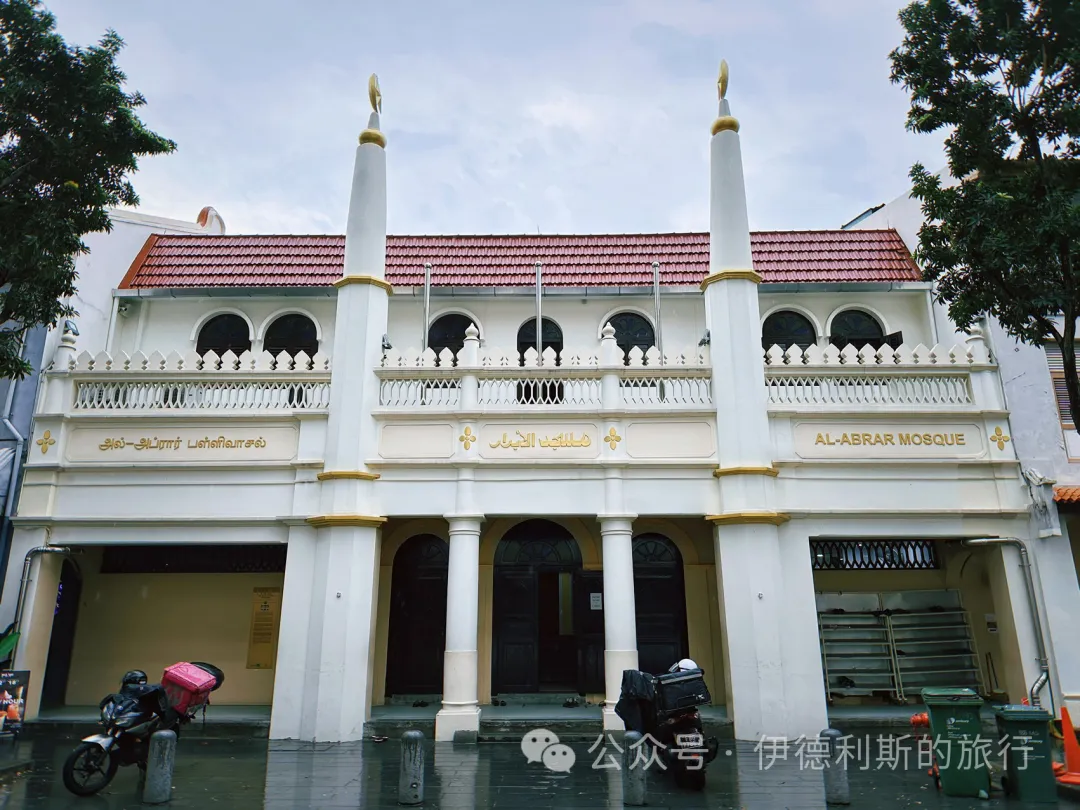
Jamae Mosque in Singapore: A congregational mosque built in 1826 by Tamil Muslims from the Coromandel Coast of southeastern India, it was rebuilt into its current form between 1830 and 1835.
Abdul Gafoor Mosque in Singapore: Construction began in 1859, and it was rebuilt into its current structure in 1907 under the leadership of the South Indian Tamil Muslim, Shaik Abdul Gafoor.
Angullia Mosque in Singapore: Established in 1892 by the Angullia family, who were Muslims from Gujarat in western India. The gatehouse built in 1890 still stands today.
Hajjah Fatimah Mosque in Singapore: Donated and built between 1915 and 1920 by Hajjah Fatimah, an Indian-descended Muslim businesswoman and philanthropist. It has always been managed jointly by Arab, Indian, and Malay Muslims.
Sultan Mosque in Singapore: Built between 1824 and 1826 by Sultan Hussein of Johor using funds from the British East India Company, it was rebuilt in the Mughal Revival style between 1924 and 1928.
Hajjah Fatimah Mosque in Singapore: Donated and built by the Malay noblewoman and philanthropist Hajjah Fatimah between 1845 and 1846, it was rebuilt in the Mughal Revival style in the 1930s.
Haji Muhammad Salleh Mosque in Singapore: Haji Muhammad Salleh was a merchant from Batavia (modern-day Jakarta). He made a dua to build a small mosque on Mount Palmer for the Sufi wali Habib Noh, which was finally rebuilt as a formal mosque in 1903.
January in Malaysia: 10 mosques.
Alaeddin Mosque in Selangor: Built in 1905 by order of Sultan Alaeddin Sulaiman Shah of Selangor.
Sultan Sulaiman Royal Mosque in Selangor: A gift from the British to Sultan Sulaiman to replace the Pengkalan Batu Mosque, which was demolished to build the Klang railway station. Built between 1932 and 1933, it has served as the royal mosque for the Sultan of Selangor ever since.
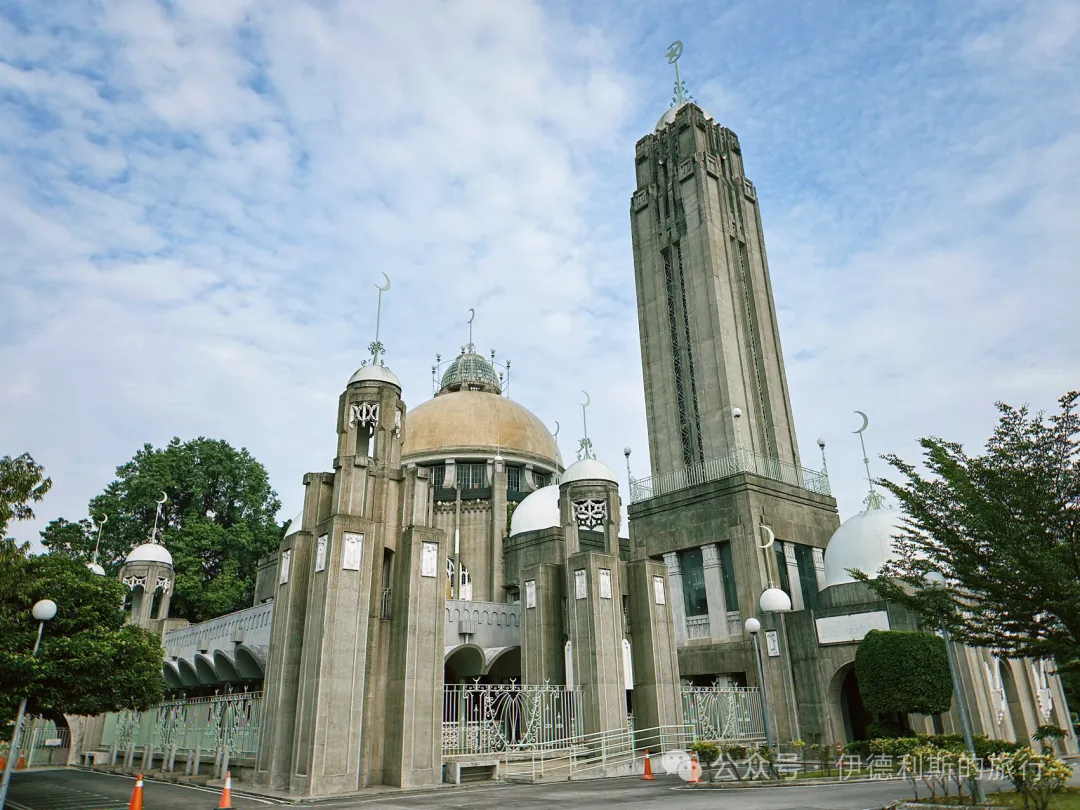
Sultan Abu Bakar Mosque in Johor Bahru: Commissioned by Sultan Abu Bakar of Johor in 1892, it was officially completed in 1900.
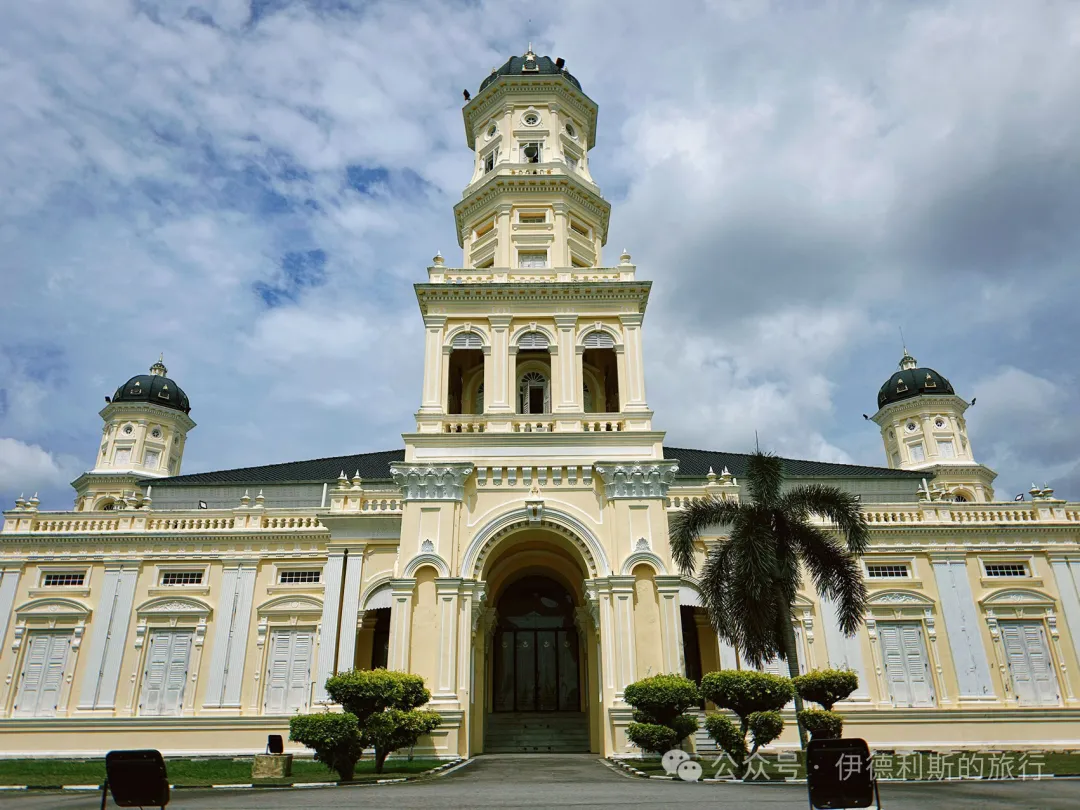
Kampung Mahmoodiah Mosque in Johor Bahru: Located next to the Mahmoodiah Royal Mausoleum in Johor, it was first built in 1926.
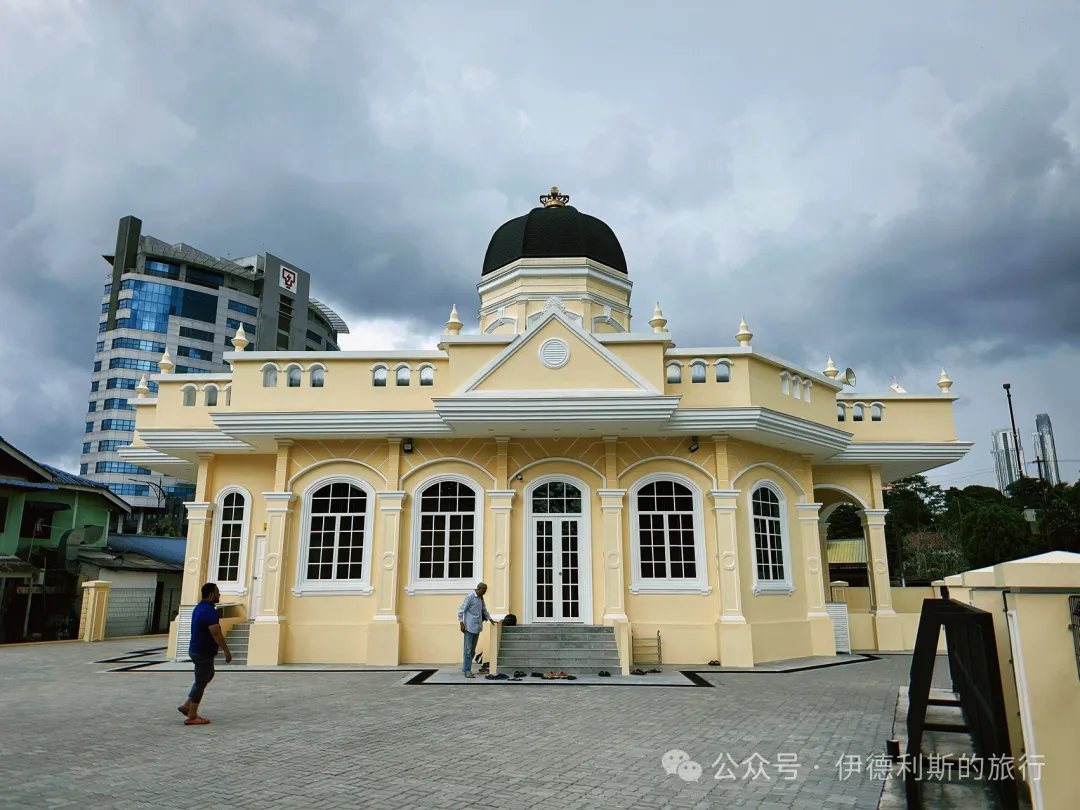
Pasir Pelangi Royal Mosque in Johor Bahru: First built in 1911, it is located next to the Johor Sultan's Pasir Pelangi Palace.
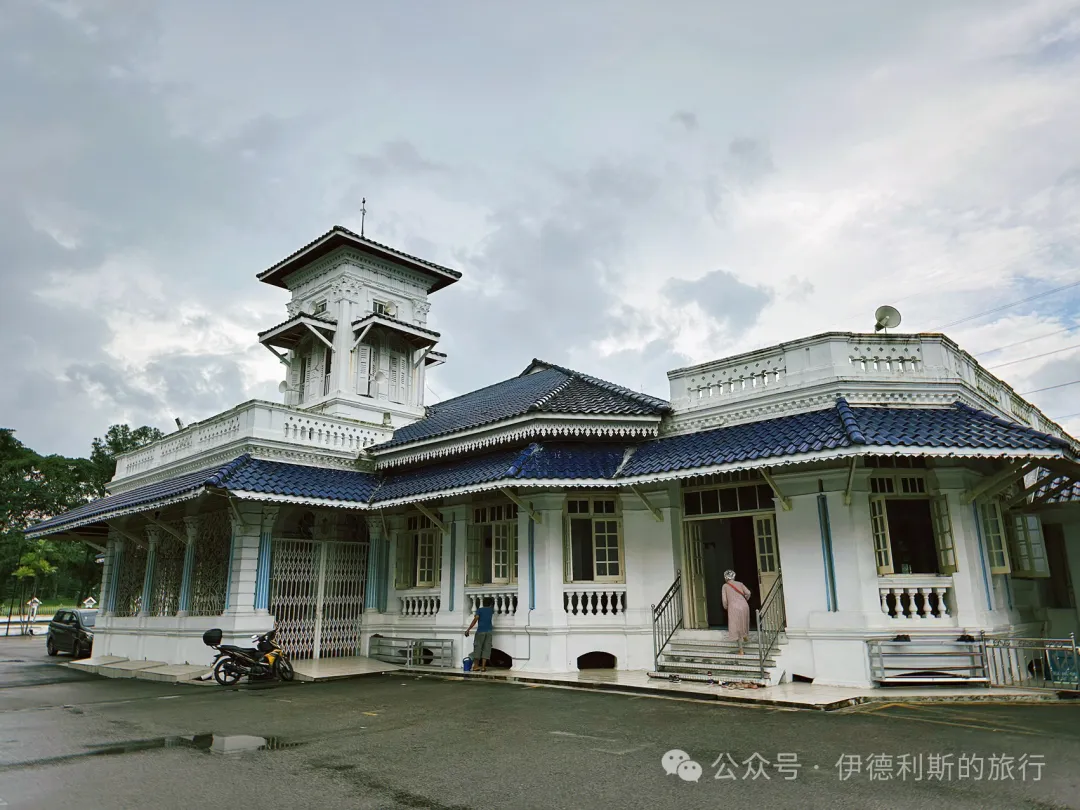
Indian Mosque in Ipoh: Built between 1905 and 1908 under the leadership of the wealthy South Indian Tamil merchant Shaik Adam Mohammad Ghaus.
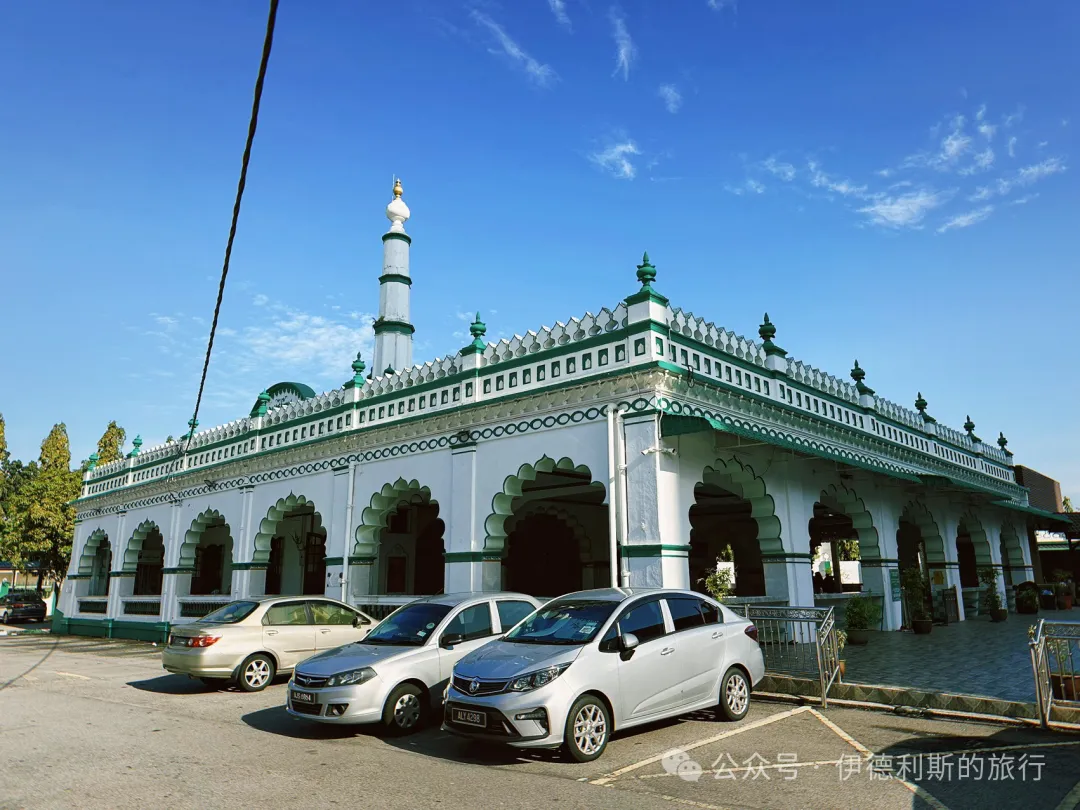
Pakistan Mosque in Ipoh: Built in 1930 by Pathans (Pashtun descent) and Punjabis from North India who served as police officers in Ipoh. It is currently used by the Pakistani Punjabi community.
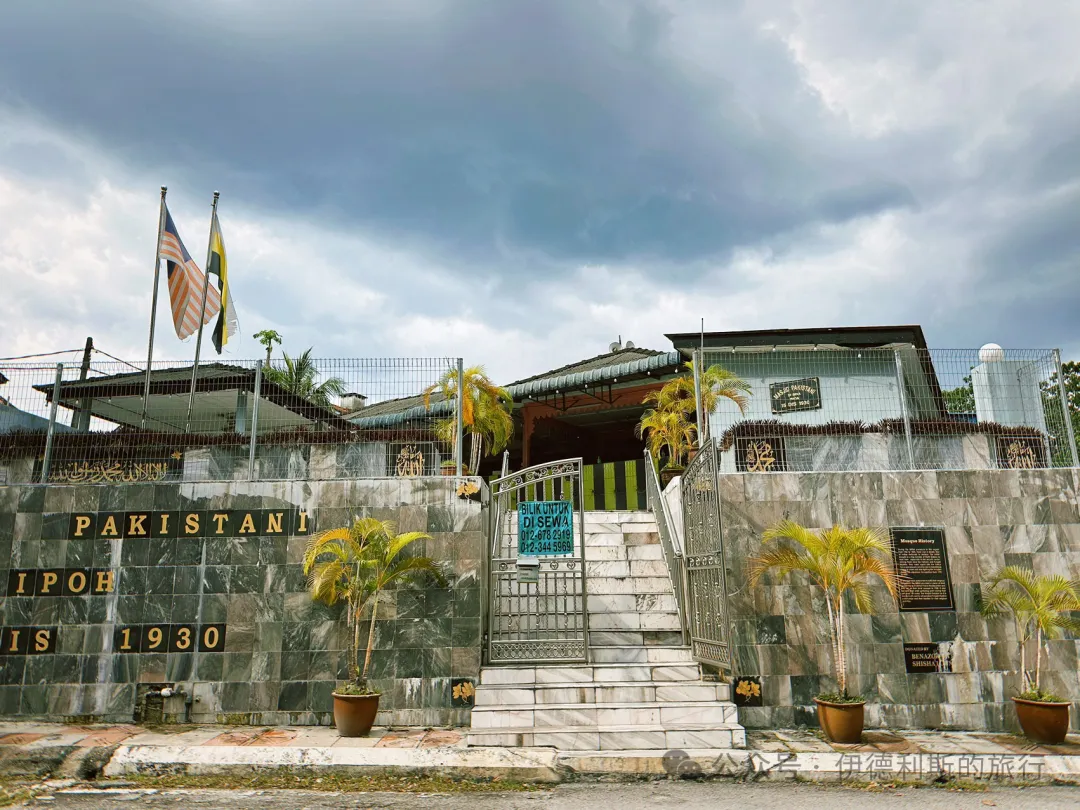
Panglima Kinta Mosque in Ipoh: Built in 1898 by Panglima Kinta Muhamad Yusuff, the Malay chief who ruled Ipoh at the time, in memory of his wife.
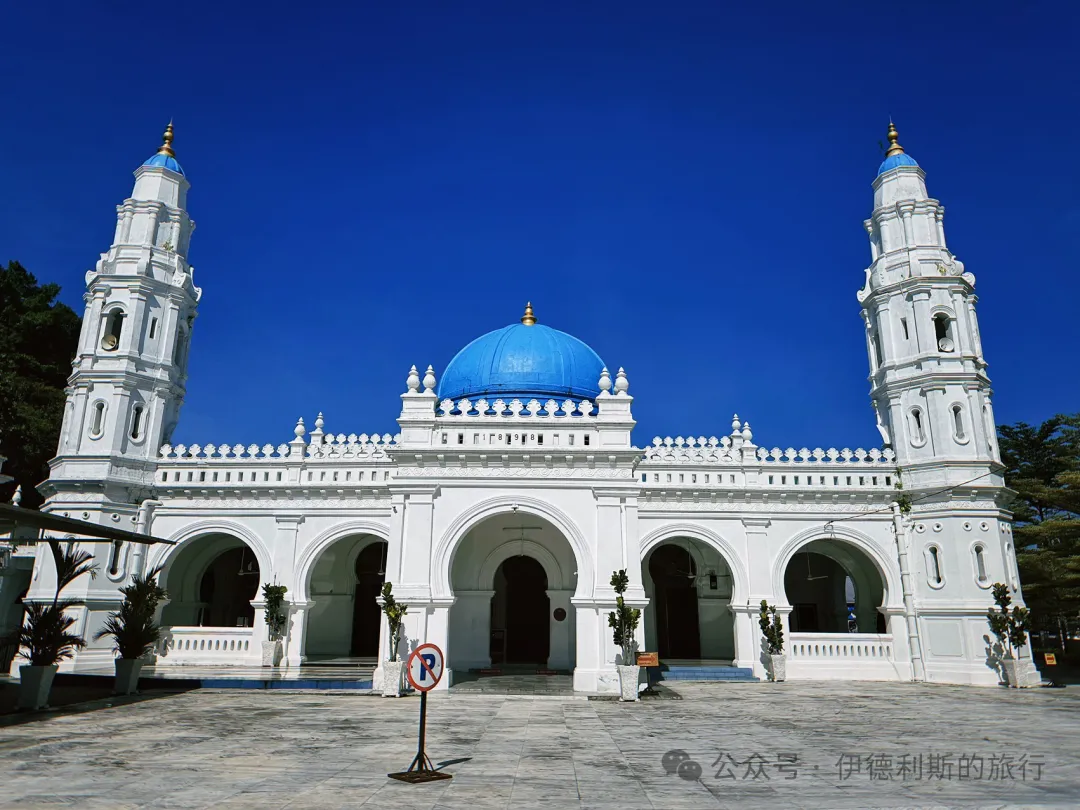
Ubudiah Mosque in Perak: Commissioned by Sultan Idris Murshidul Azzam Shah of Perak and built between 1913 and 1917, it is the royal mosque of the Sultan of Perak.
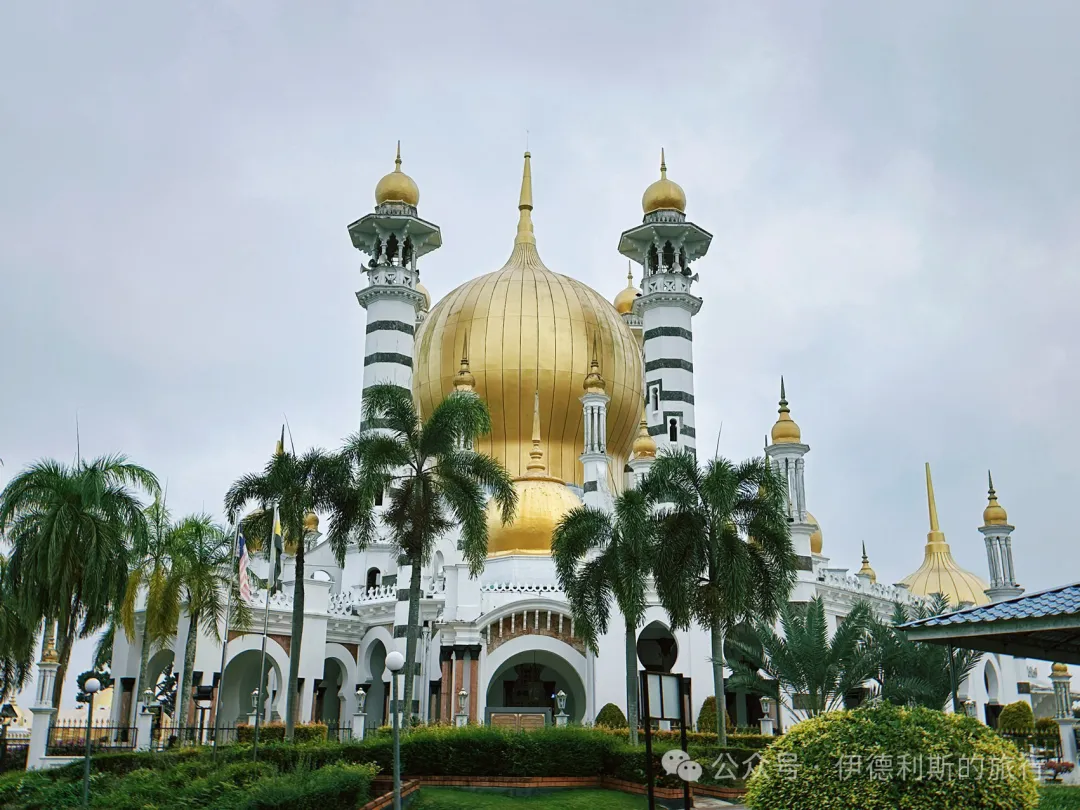
Jamek Mosque in Seremban: Rebuilt into its current structure in 1900, with a minaret added in 1924.
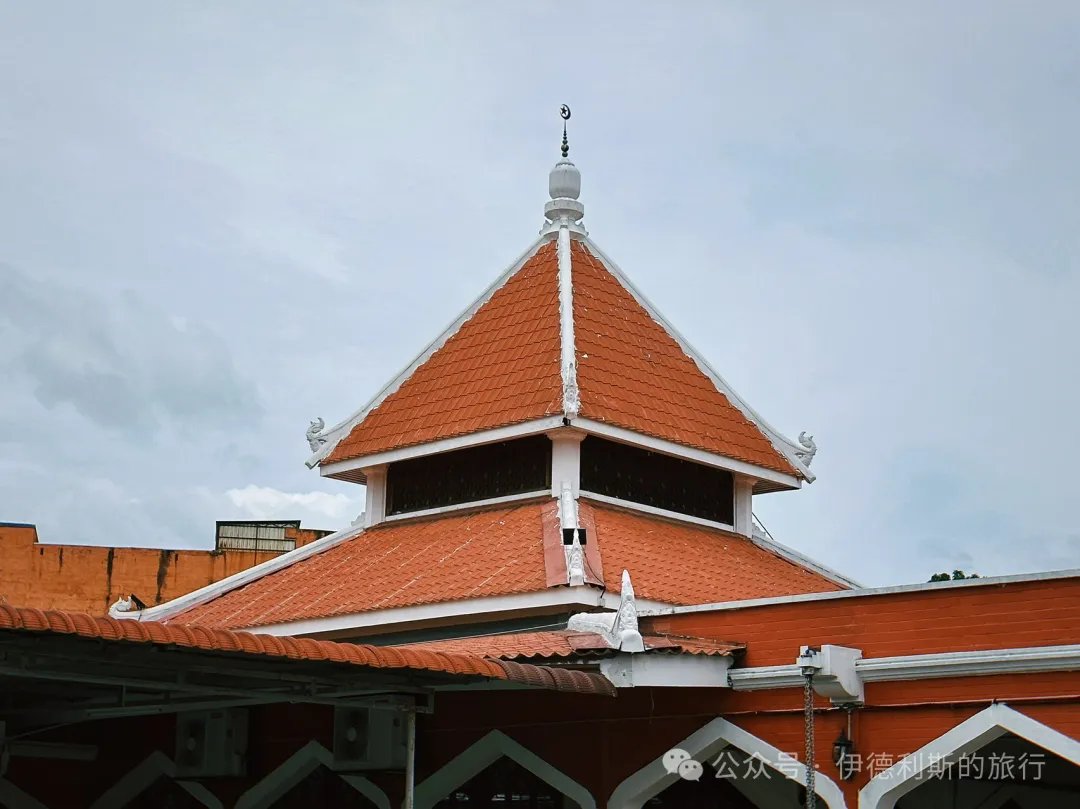
May in Zhejiang: 1 mosque.
Lishui Mosque in Zhejiang: Built in 1886 by the imam Ma Huanzhang on Gaojing Lane in Lishui city.
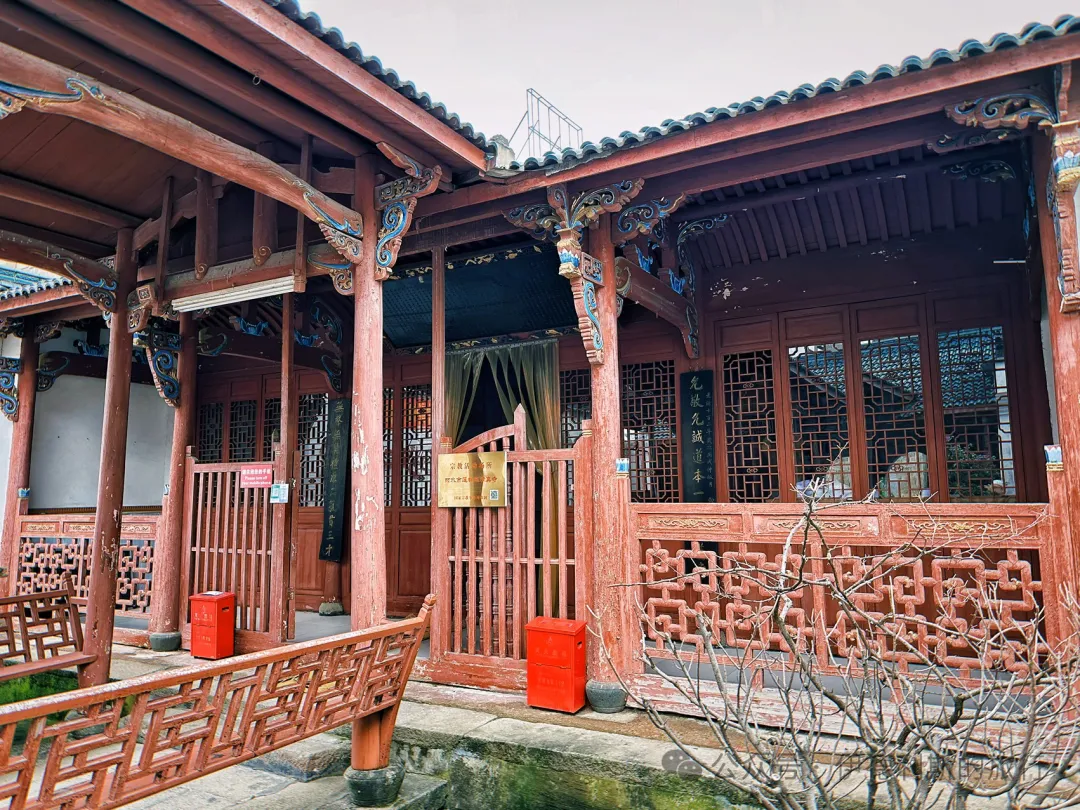
May in Fujian: 3 mosques.
Fuzhou Mosque: This mosque was rebuilt with funds donated by the surveillance commissioner Zhang Xiaosi during the early Zhizheng years of the Yuan dynasty. It was destroyed by fire in 1541 (the 20th year of the Jiajing reign). Ge Wenming, a descendant of the envoy Ge Buman from the Guli Kingdom (the Calicut kingdom on the southwest corner of the Indian peninsula), led the reconstruction, which was completed in 1549 (the 28th year of the Jiajing reign).
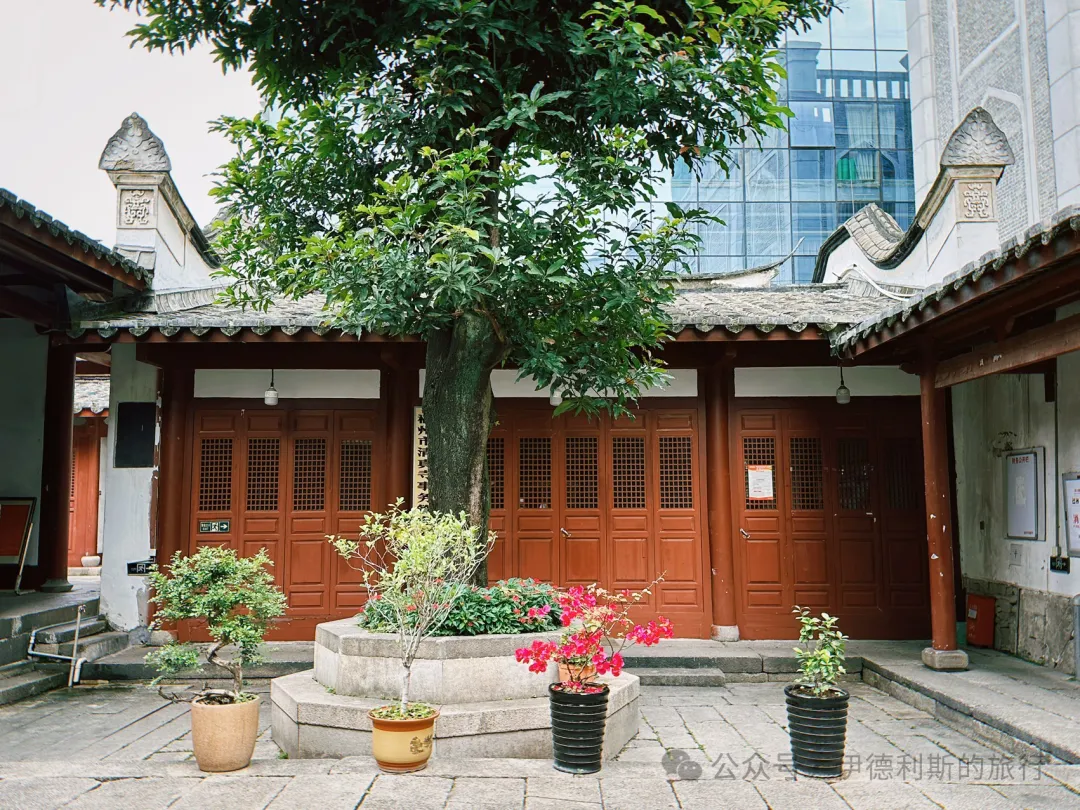
Quanzhou Qingjing Mosque: First built in 1009, it was renovated by Ahmed in 1310.
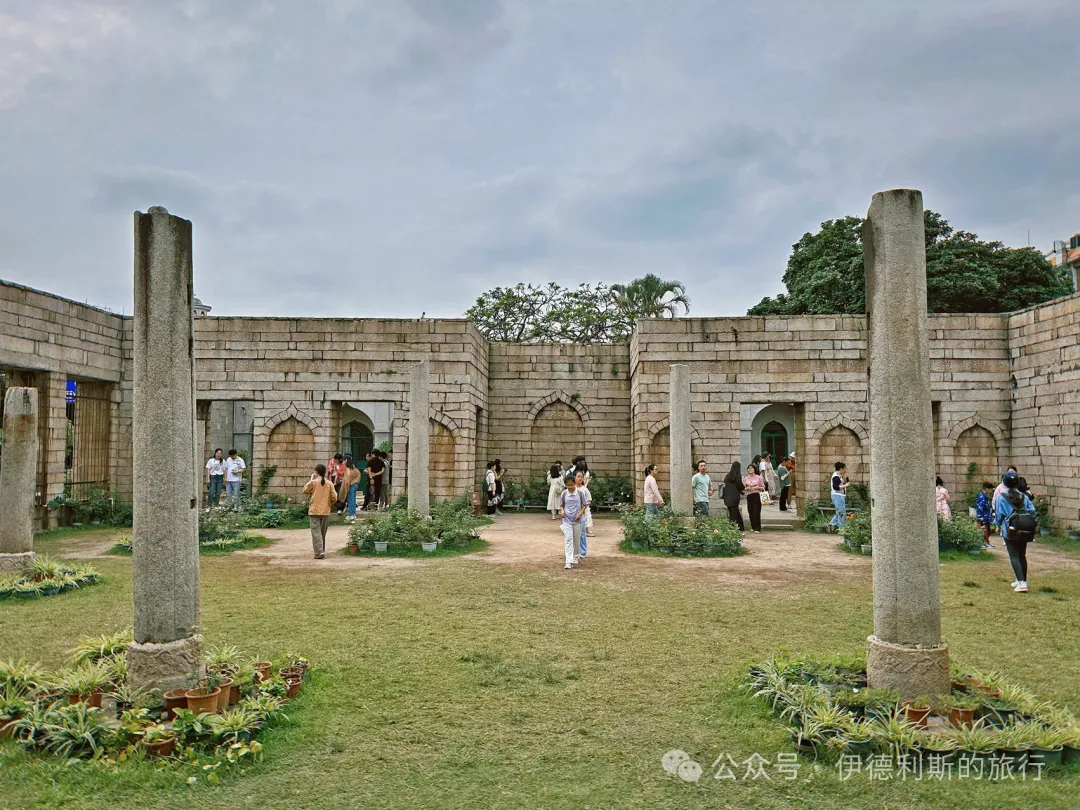
Xiamen Mosque stele record: Xiamen Mosque was first built in 1823. The mosque currently houses two stone steles from 1902 and 1924.
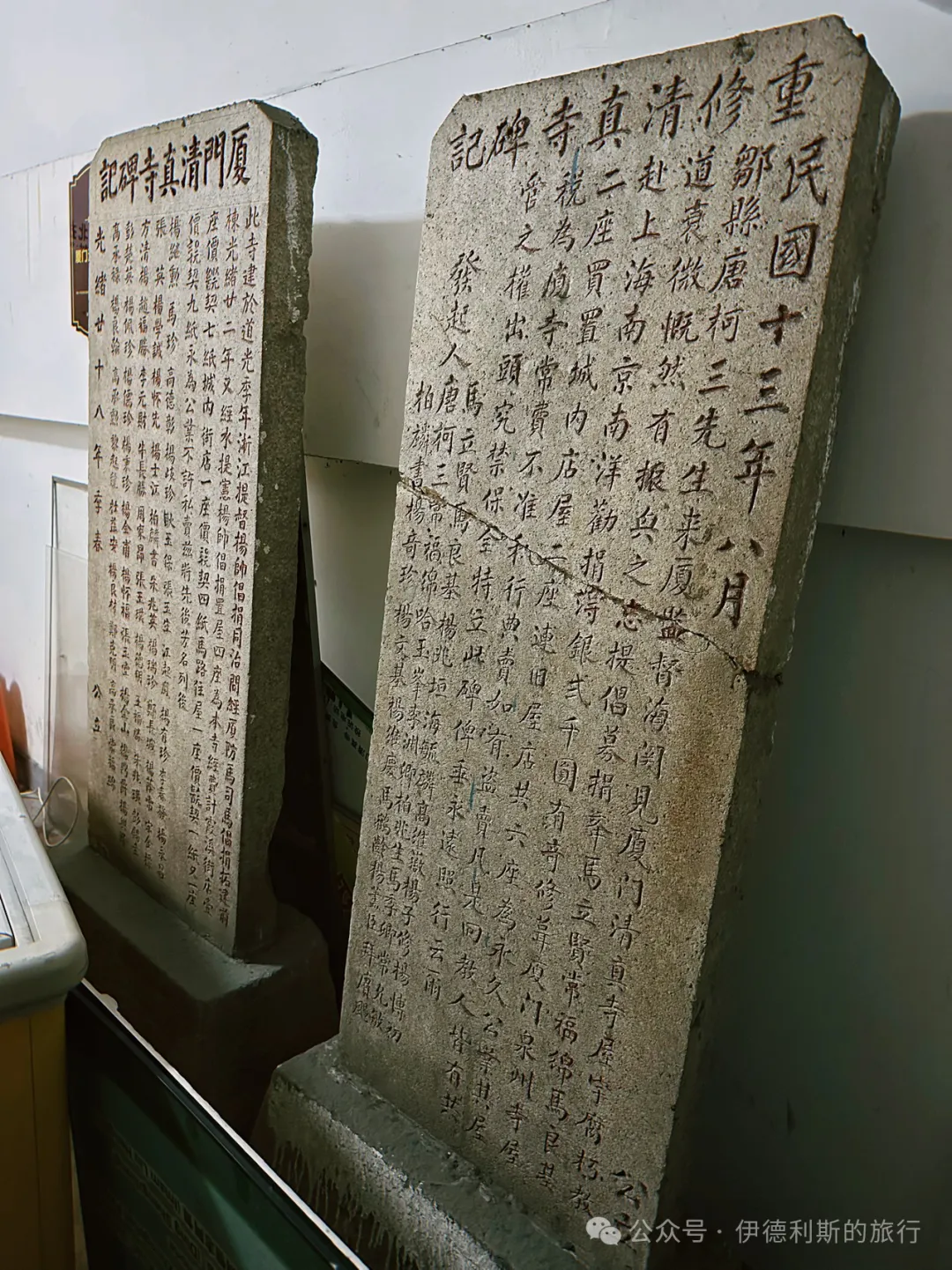
May in Sichuan: 3 mosques.
Chengdu Tuqiao Upper Mosque: Tuqiao is located northwest of Chengdu. Since the Qing dynasty, it has been a necessary stop for merchants traveling to Chengdu from Aba and Songpan via the Songmao Ancient Road. Many Hui Muslims settled here, and the Tuqiao Upper Mosque was first built in 1791.
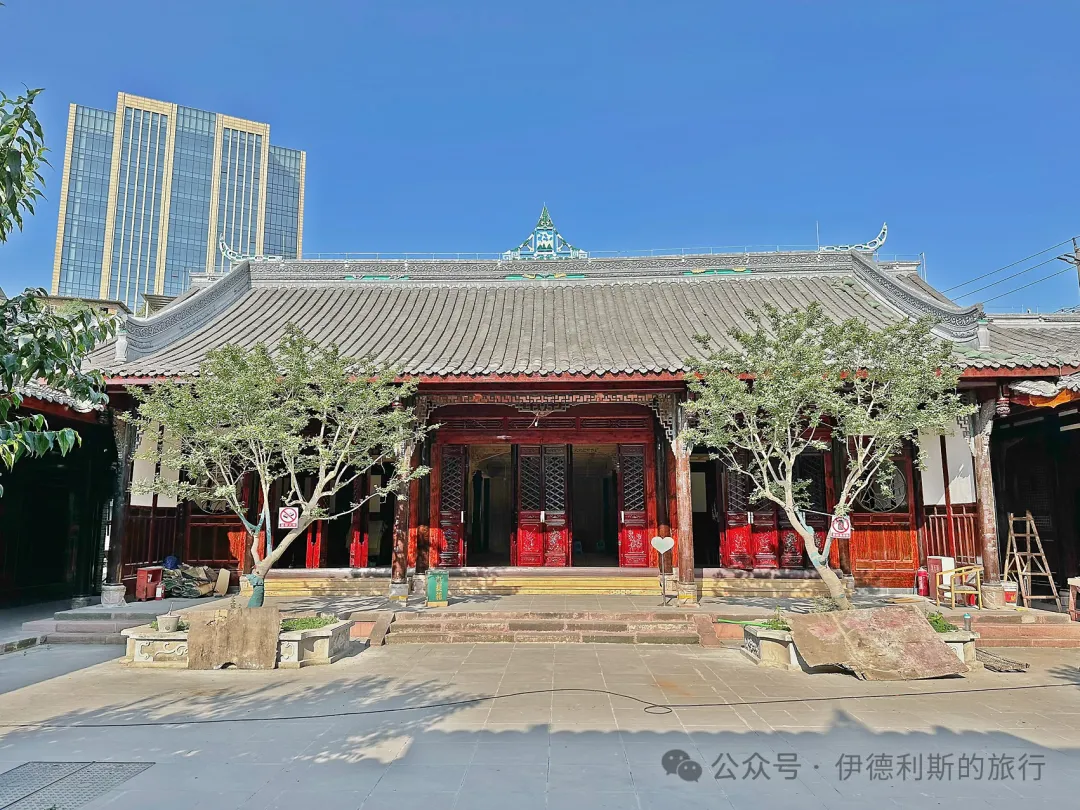
Dujiangyan Mosque: During the Jiajing reign of the Ming dynasty, Hui Muslims in Dujiangyan pooled their money to buy the former site of the Ming Shu Kang Wang summer palace and officially built the Dujiangyan Mosque.
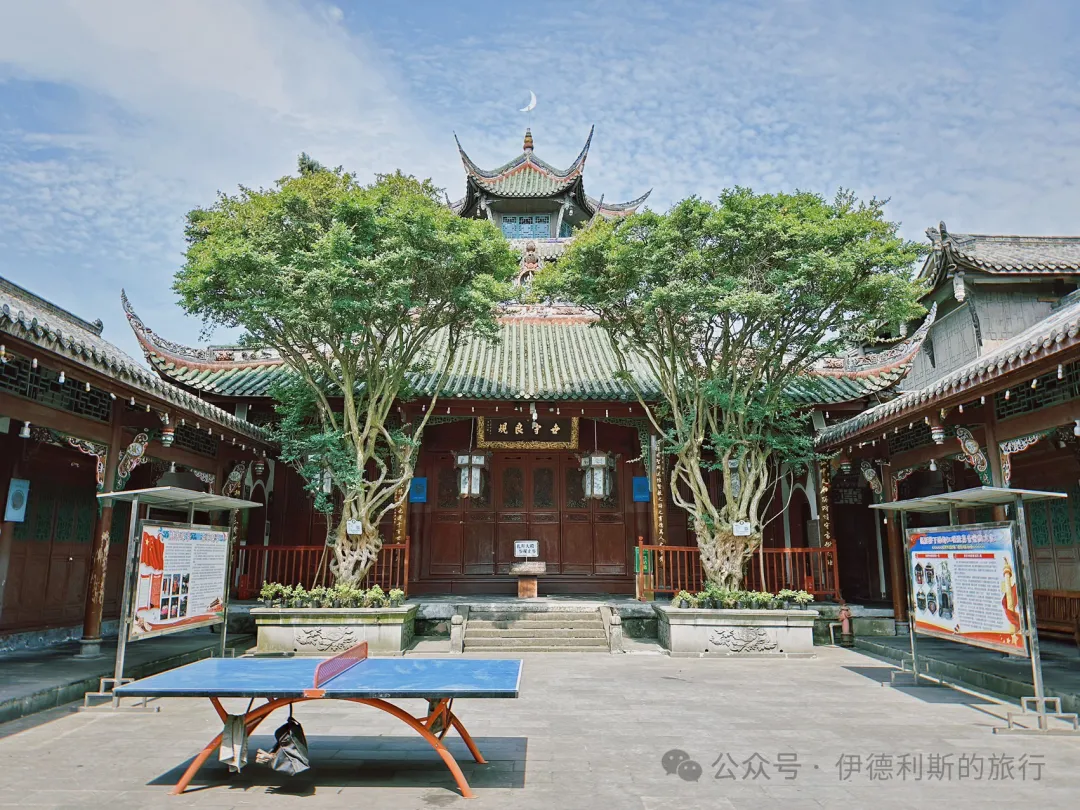
Dujiangyan Baoping Mosque: After the Sichuan Railway Protection Movement in 1911, Hui Muslims from Maogong (Xiaojin County) actively participated. They faced persecution from local feudal forces and fled, with most settling in Guanxian (Dujiangyan). They pooled their money to build the Baoping Mosque in 1925.
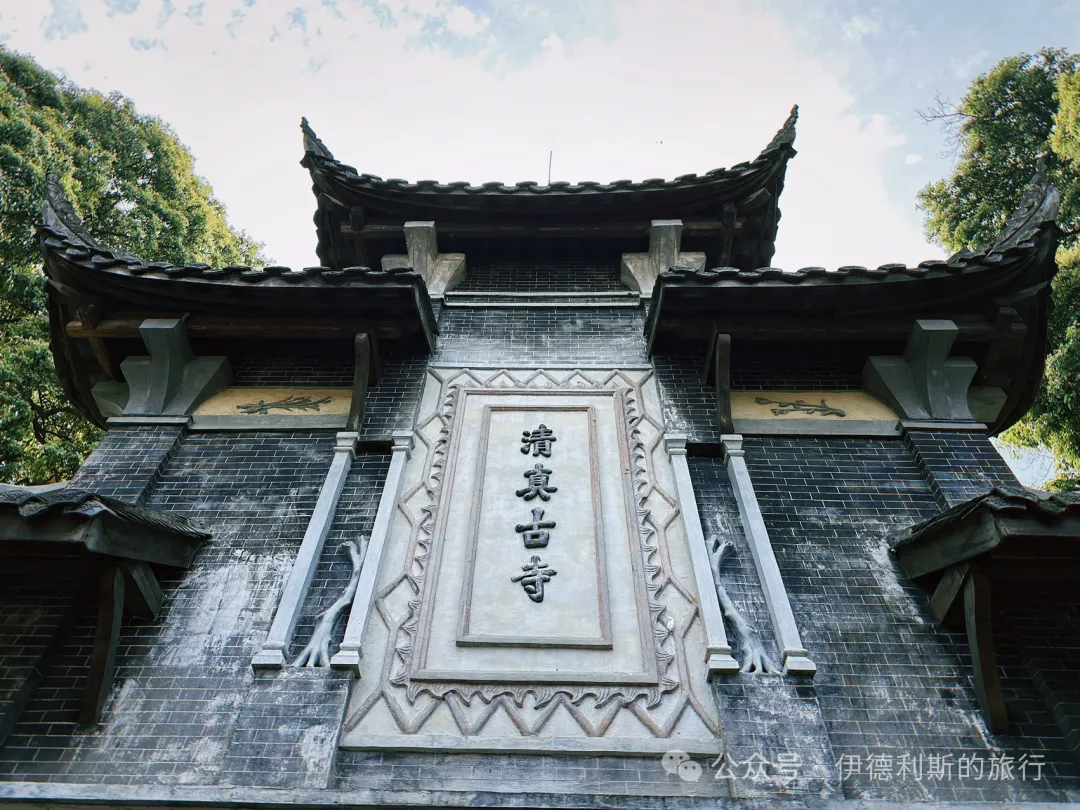
June in Shandong: 4 mosques.
Liaocheng Dongguan West Mosque: The West Mosque is commonly known as the Great Mosque (da libaisi). It was first built in 1385 and renovated twice during the Jiajing and Kangxi reigns.
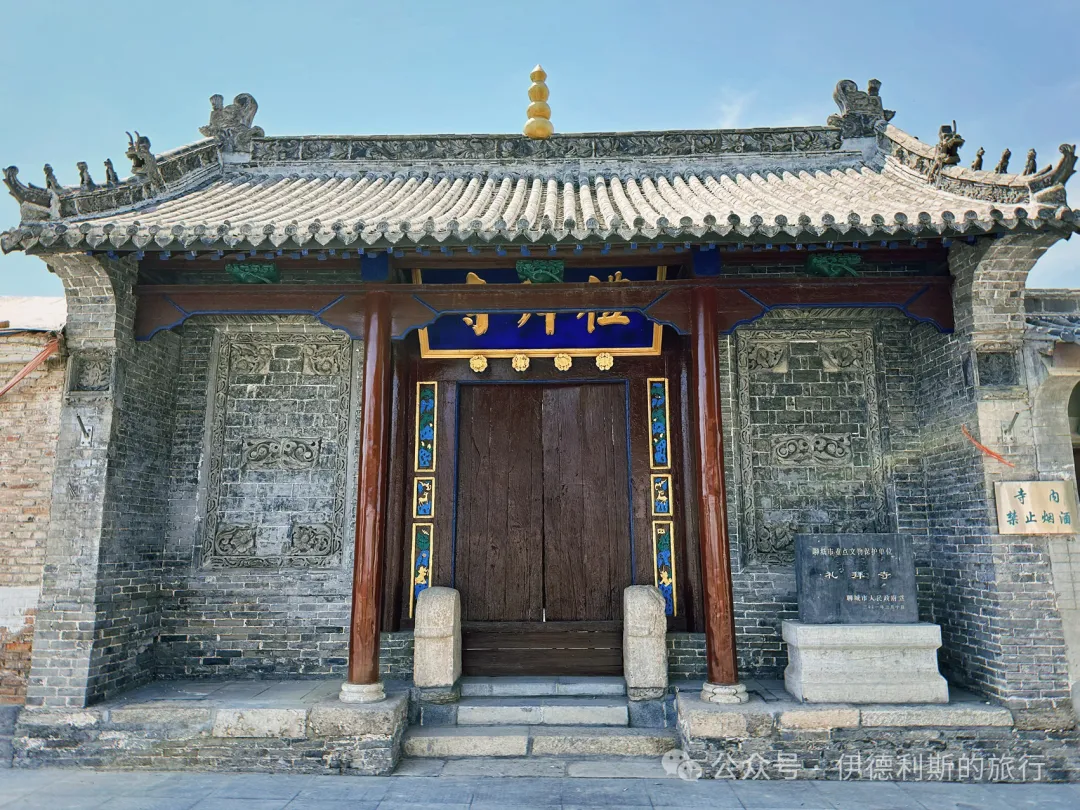
Liaocheng Dongguan East Mosque: The East Mosque is also called the Small Mosque (xiao libaisi). It was built during the Yongle reign of the Ming dynasty under the leadership of the Dongchang Prefecture garrison commander Bai Lin. It was renovated multiple times during the Jiaqing, Xianfeng, and Guangxu reigns of the Qing dynasty.
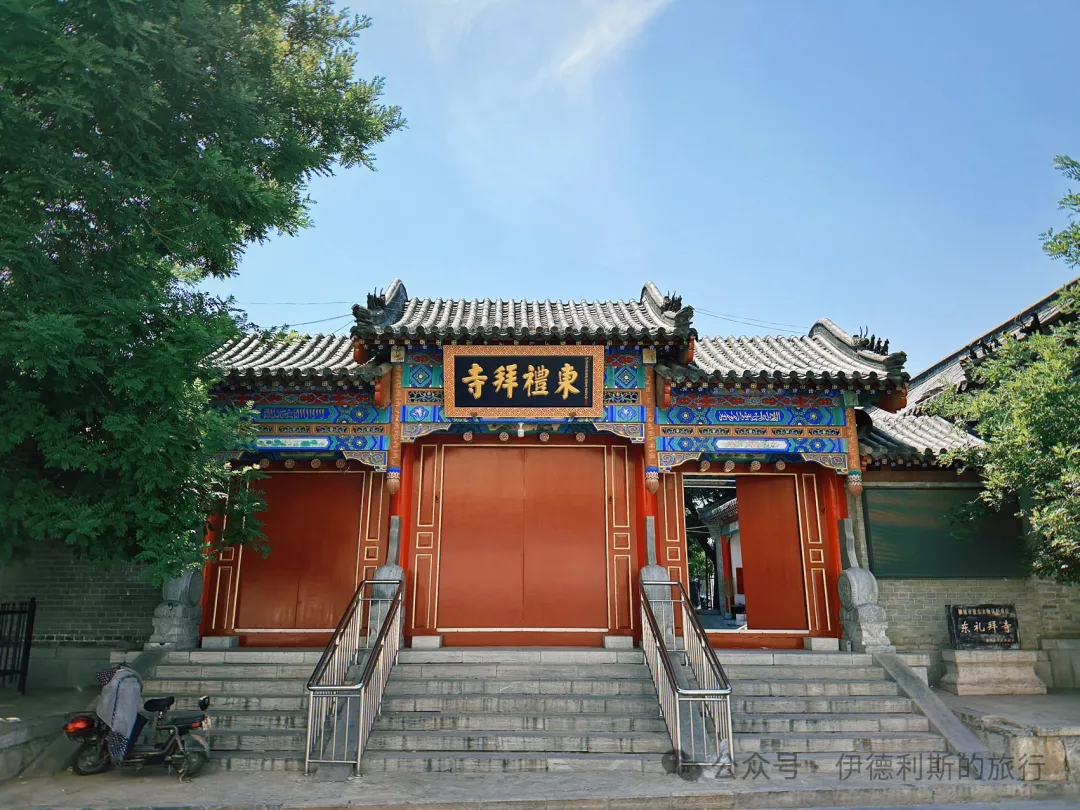
Linqing North Mosque: Located at the intersection of the Huitong River and the Wei River, the Linqing North Mosque was first built in 1504. It underwent major expansions and repairs in 1564, 1779, and 1809, eventually reaching its current form.
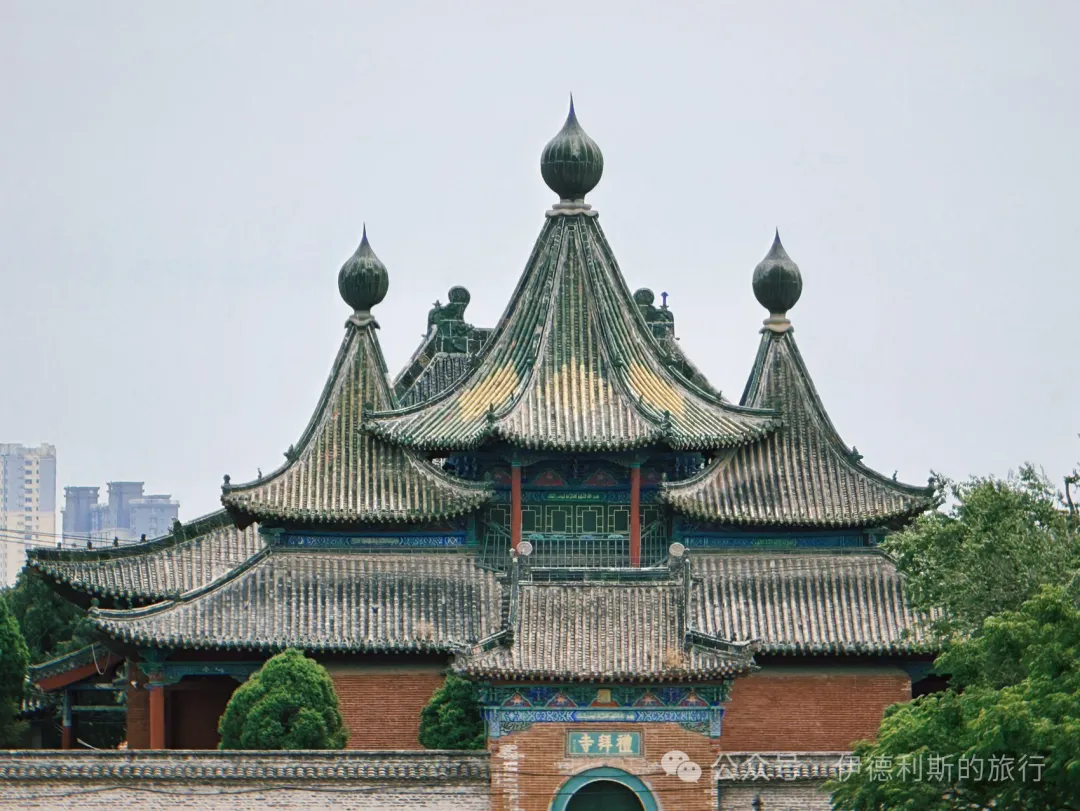
Linqing East Mosque: First built in 1465, it was repaired twice in 1583 and 1649, and expanded again in 1734, resulting in its grand scale.
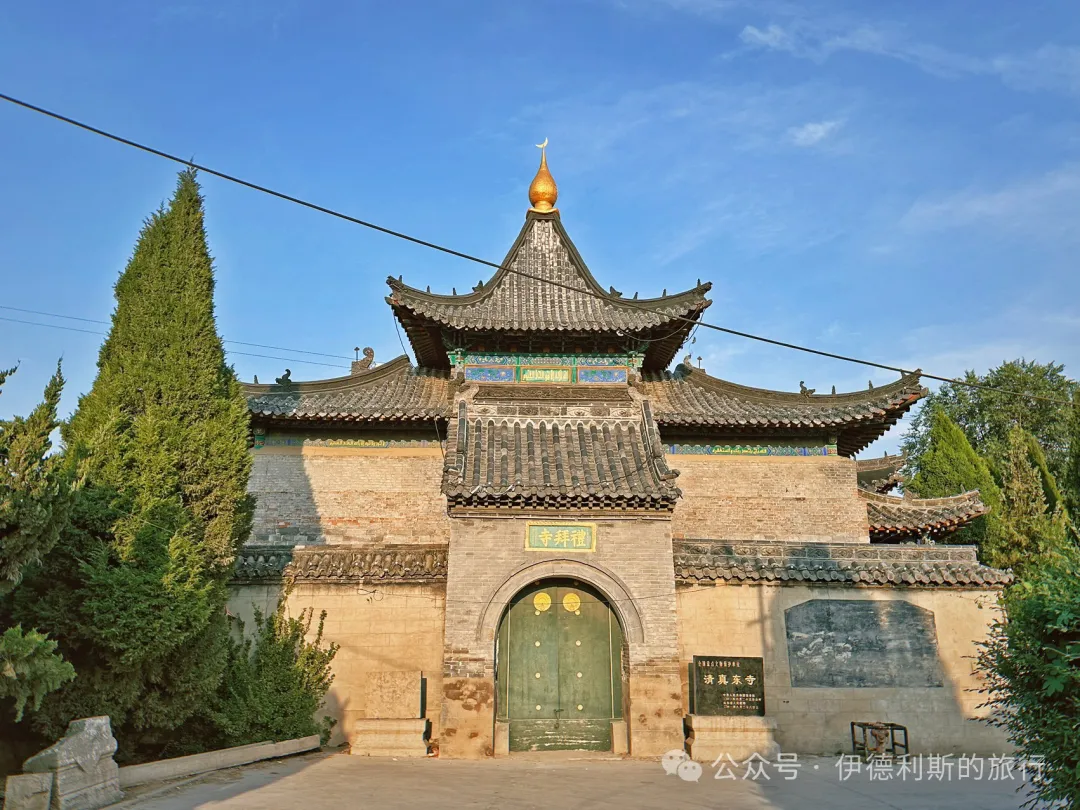
June in Hebei: 1 mosque.
Xingtai Linxi County Hongguanying Mosque: The ancestor of the Hong family Hui Muslims, Hong Badan, was a sixth-generation descendant of Sayyid Ajjal Shams al-Din Omar. He served as an official in Linqing during the Ming dynasty, and his descendants took Hong as their surname and settled in Linqing. The Hongguanying Mosque was first built between the Xuande and Tianshun years of the Ming dynasty. It was burned down during the Taiping Heavenly Kingdom's Northern Expedition in 1854 and rebuilt into its current form in 1874.
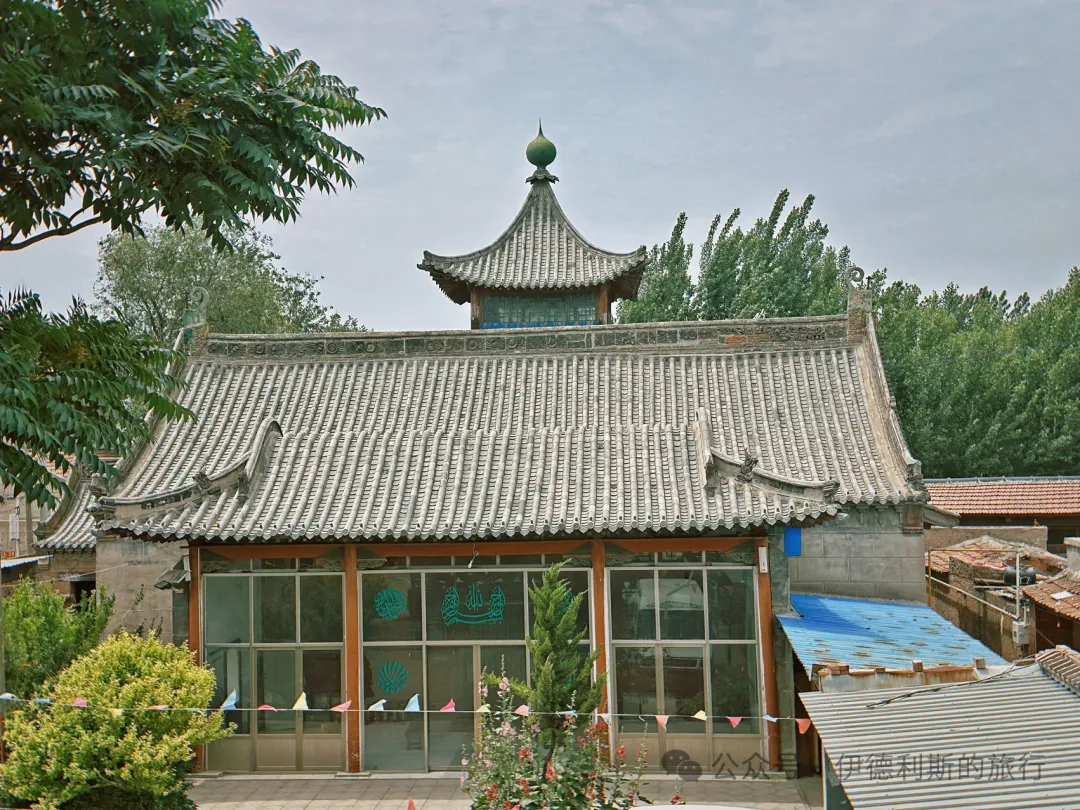
June in Liaoning: 5 mosques.
Dandong Fengcheng Mosque: Built in 1775, it was renovated in 1862. In 1876, the north lecture hall was rebuilt and side rooms were added. In 1890, the Moon-Watching Tower (wangyuelou) was added, giving it its current size.
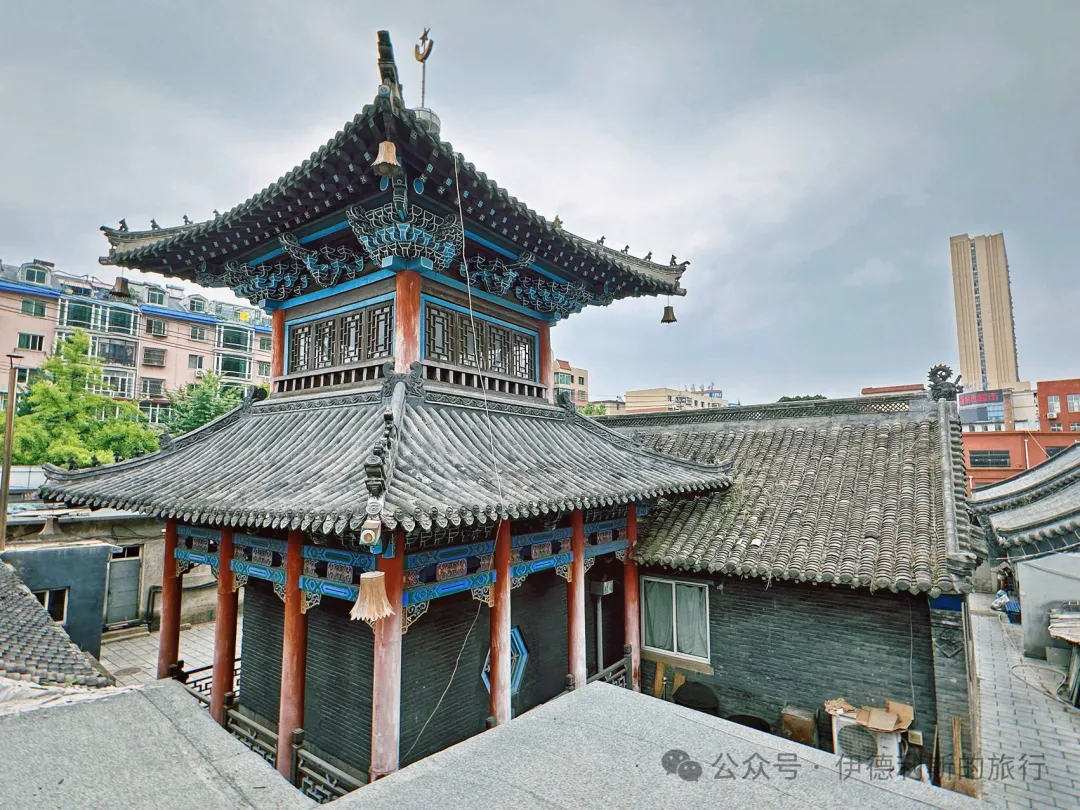
Dalian Fuzhou Mosque: In the early Qing dynasty, Hui Muslims with the surnames Yin, Dai, Ma, and Hui from Cangzhou arrived in Fuzhou. They began preparing to build the Fuzhou Mosque southwest of Fuzhou city in 1649, and in 1656, they completed three thatched rooms to serve as the main prayer hall. The main hall was rebuilt in 1774 and expanded again in 1880, though it still had a thatched roof. In 1920, the front porch and rear kiln hall were expanded, and the roof was changed to green bricks and tiles, resulting in its current form.
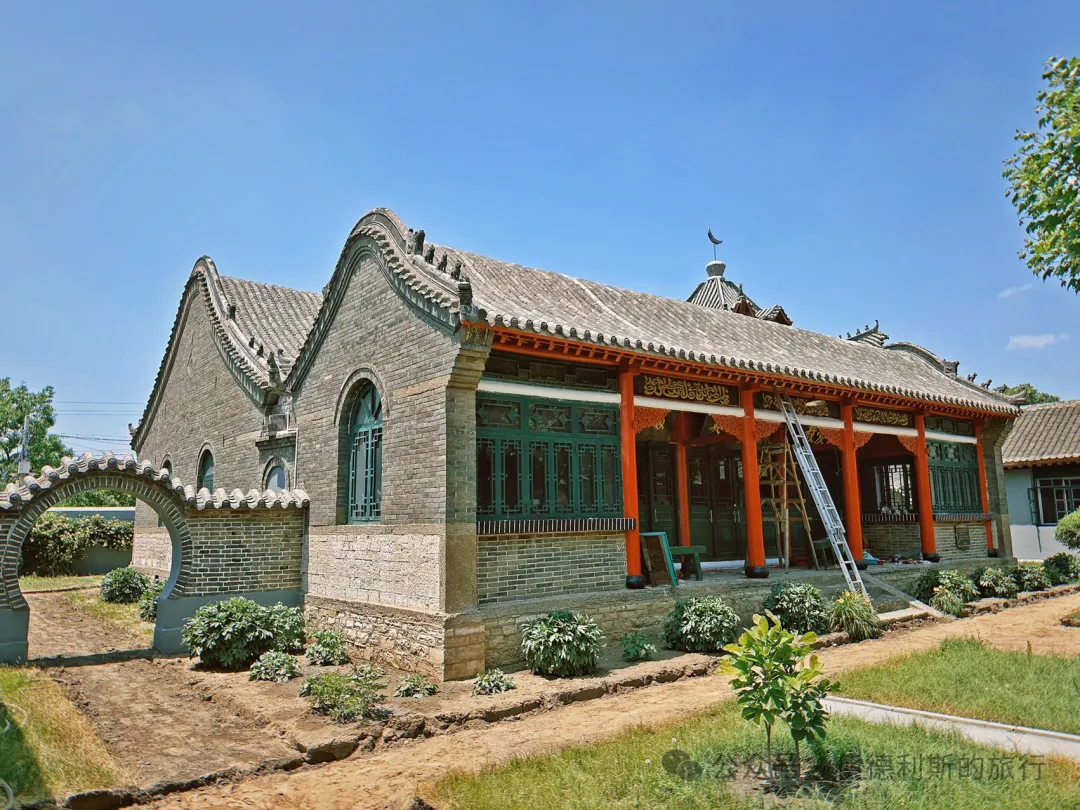
Dalian Qingdui Mosque: The Qingdui Mosque was first built during the Daoguang reign of the Qing dynasty, starting with only three thatched rooms. In 1894, the famous Hui Muslim general Zuo Baogui donated funds for the mosque, and in 1895, local elders oversaw its reconstruction into the current three-room structure made of blue bricks and tiles. In 1920, the gatehouse was rebuilt and the lecture hall was expanded, giving the mosque its current size.
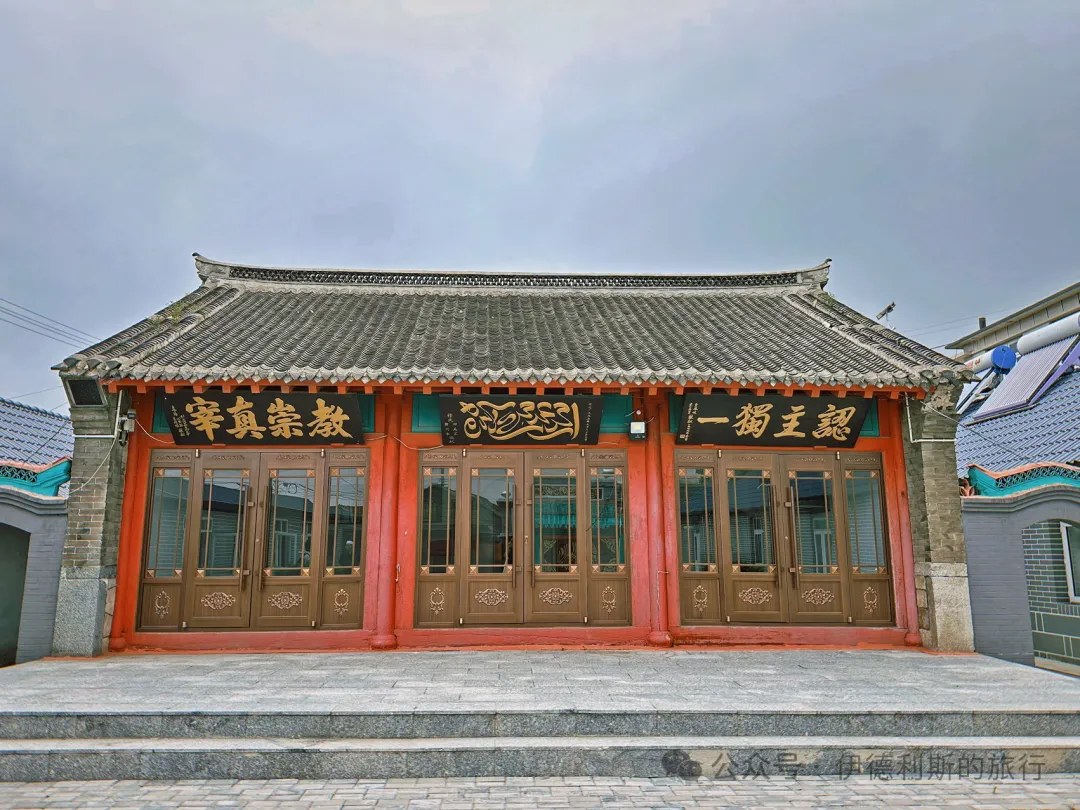
Shenyang Xinmin Mosque: During the Qianlong reign, many Hui Muslims moved to Xinmin, and in 1765, they built the Xinmin Mosque in Nanyingzi. It was burned down in 1866 and rebuilt in 1883 into its current form.
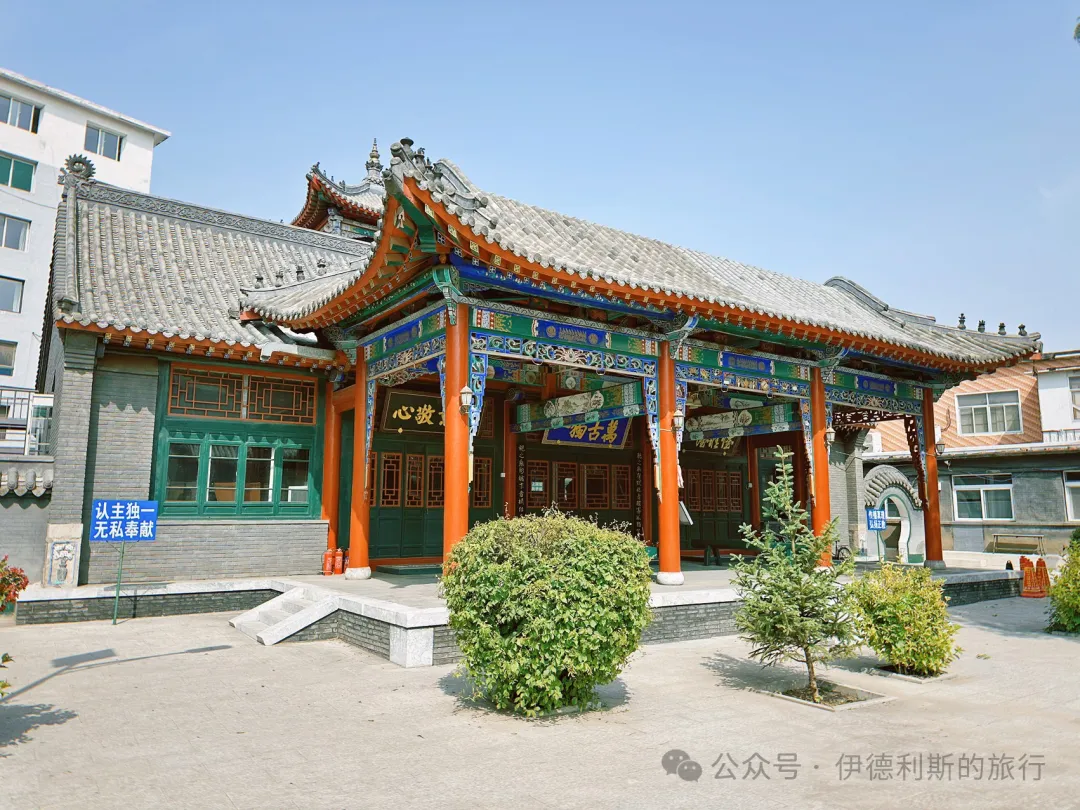
Jinzhou Xinlitun Mosque: During the Daoguang reign of the Qing Dynasty, Hui Muslims from Jinzhou, Yixian, Heishan, and Yingkou settled in Xinlitun and built the Xinlitun Mosque in 1842. The Xinlitun Mosque was burned down in 1873, but was later rebuilt with funds led by the anti-Japanese hero General Zuo Baogui.
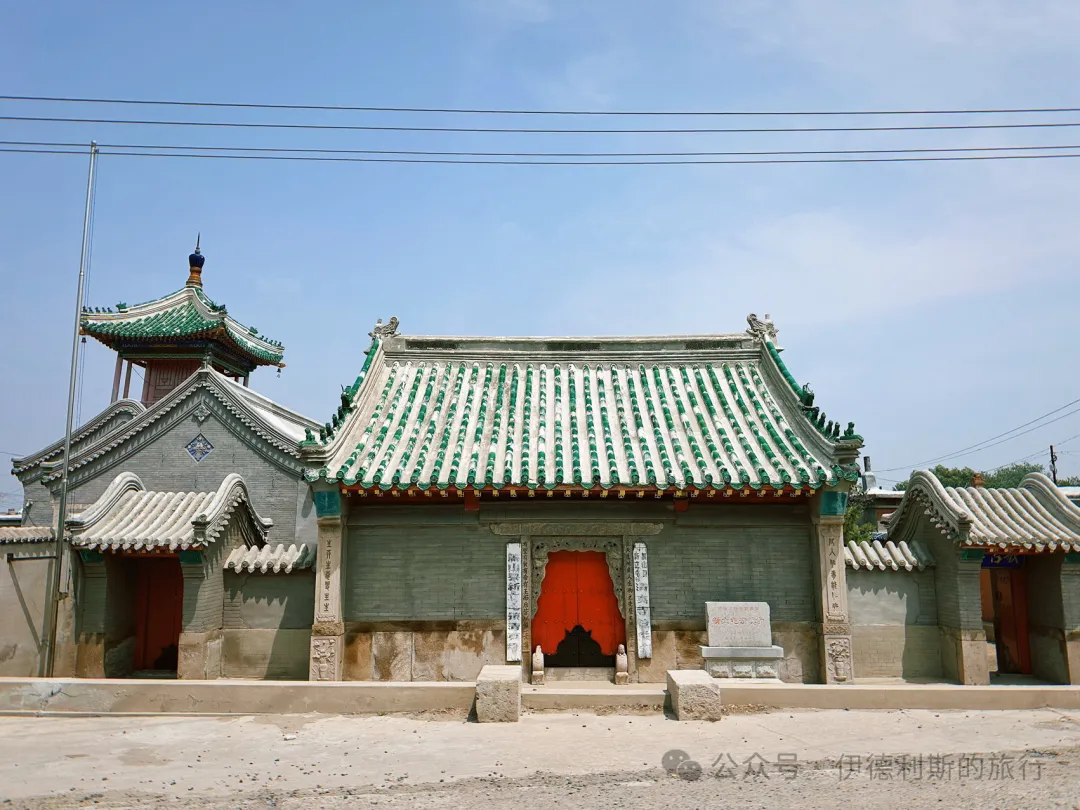
September Malaysia: 10 mosques
Malacca Kampung Hulu Mosque: In 1728, the Dutch East India Company commissioned a Chinese Muslim leader, Dato' Samsuddin Bin Arom, to build a new mosque near the site of an old one destroyed by the Portuguese. This is the oldest surviving mosque in Malacca.
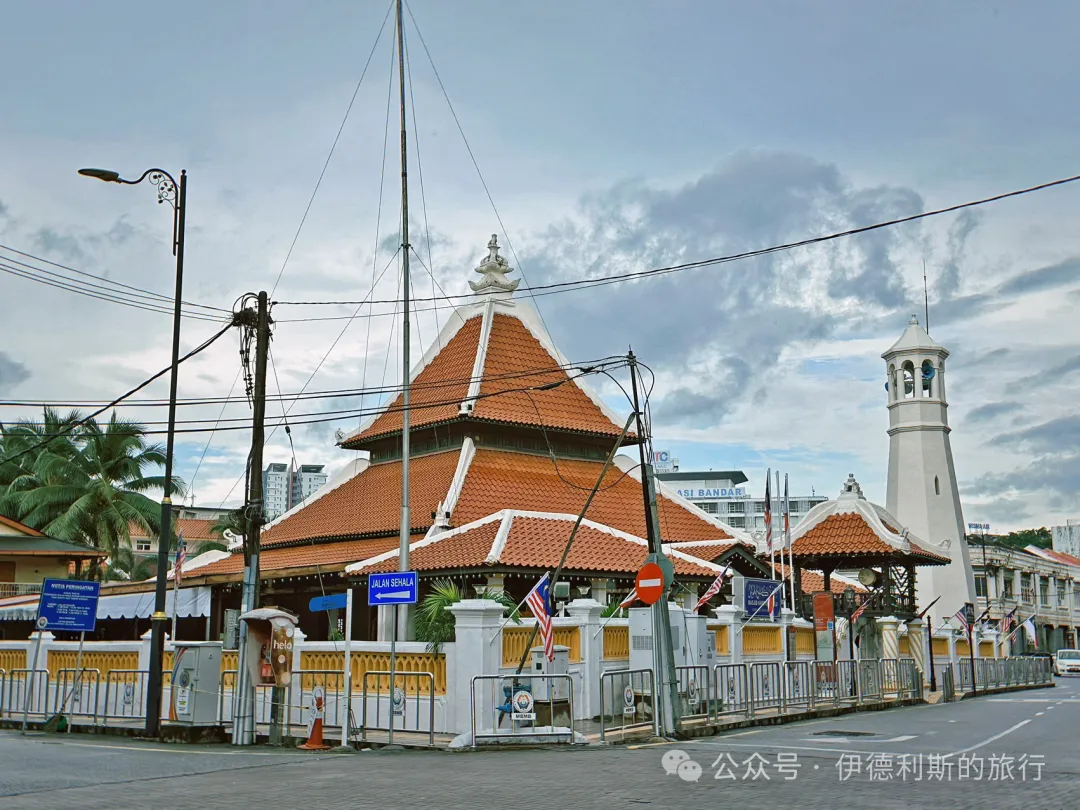
Malacca Kampung Kling Mosque minaret (bangke lou): In 1728, an Indian merchant named Muhammad Saleh funded the construction of a small mosque in Kampung Kling. It was abandoned after the larger Kampung Kling Mosque was built in 1782, and today only the minaret remains. The minaret of the small Kampung Kling Mosque was modeled after a Chinese pagoda, which was the first of its kind on the Malay Peninsula at the time.
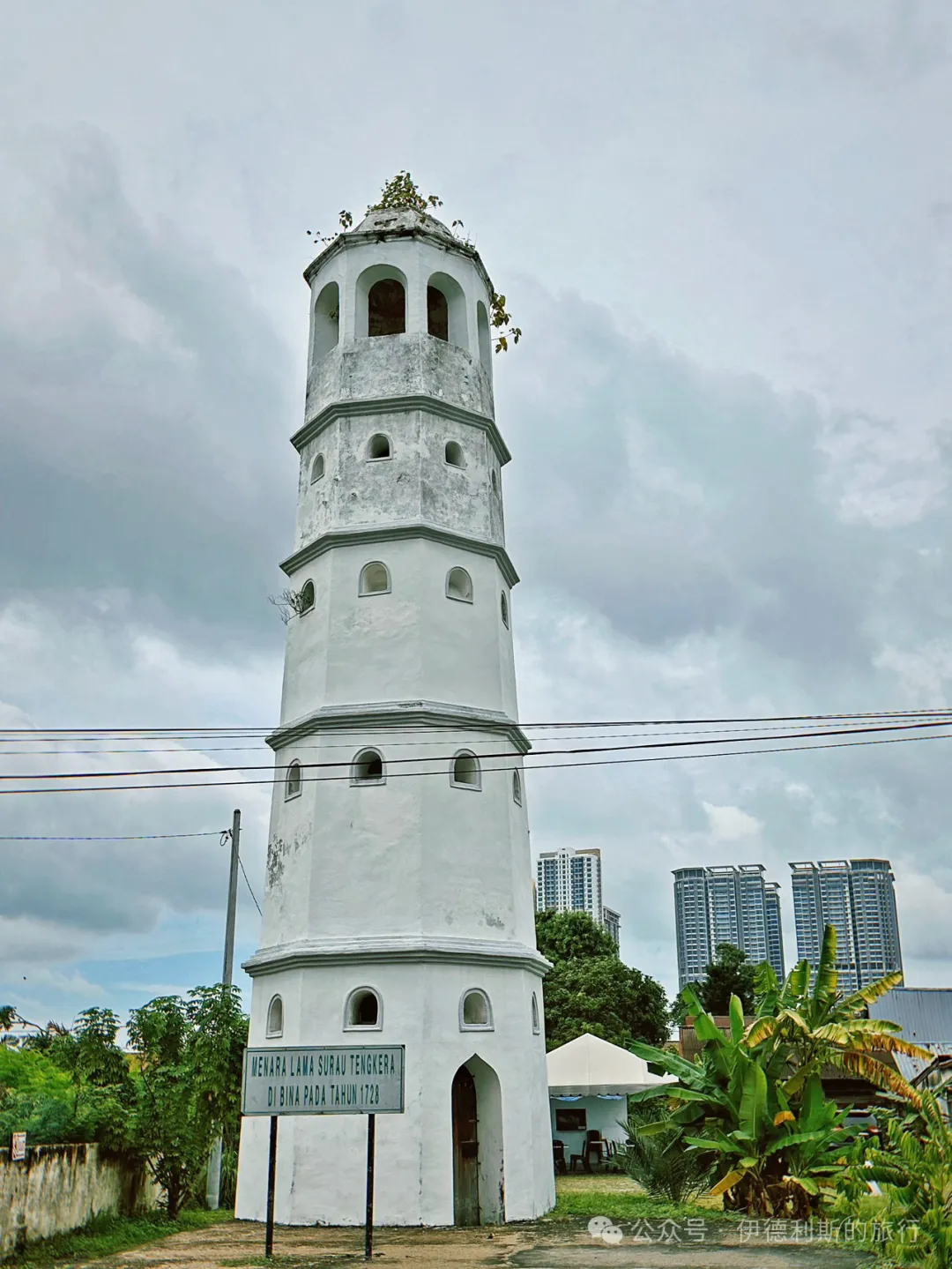
Malacca Kampung Kling Mosque: In 1782, the Kampung Kling Mosque was completed just west of the small mosque.
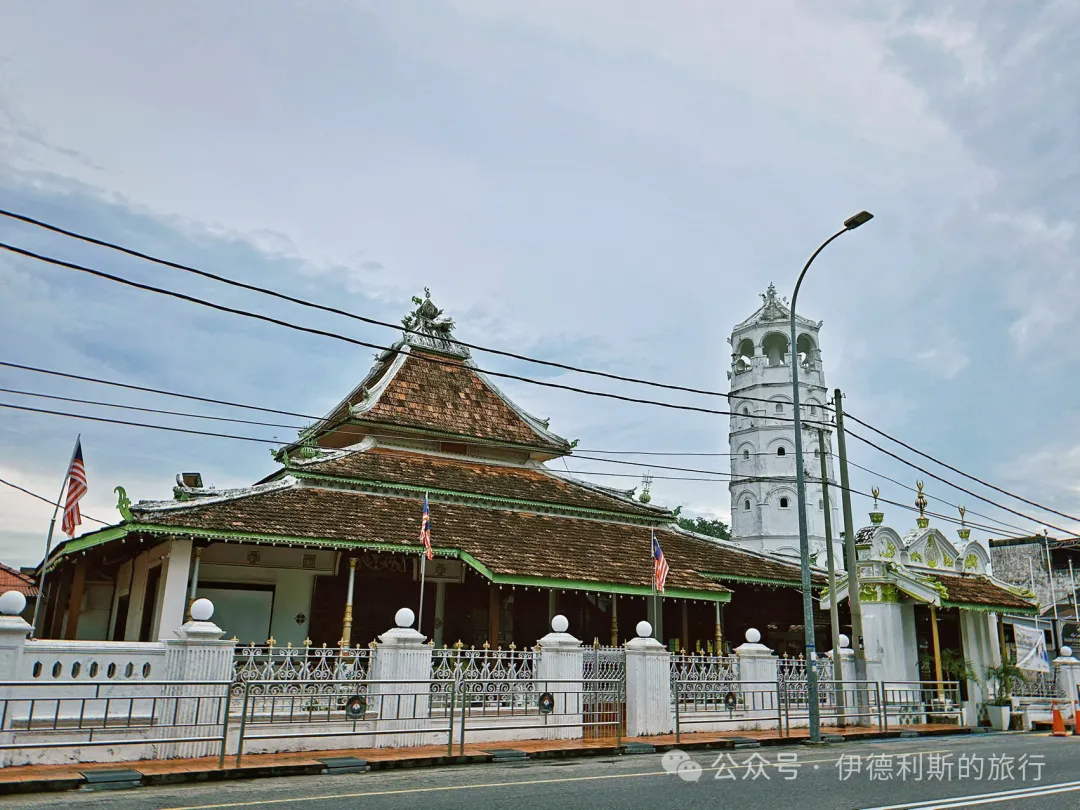
Malacca Kampung Kling Mosque: This mosque was first built by Indian merchants in 1748, and in 1872, the original wooden structure was replaced with the current brick building.
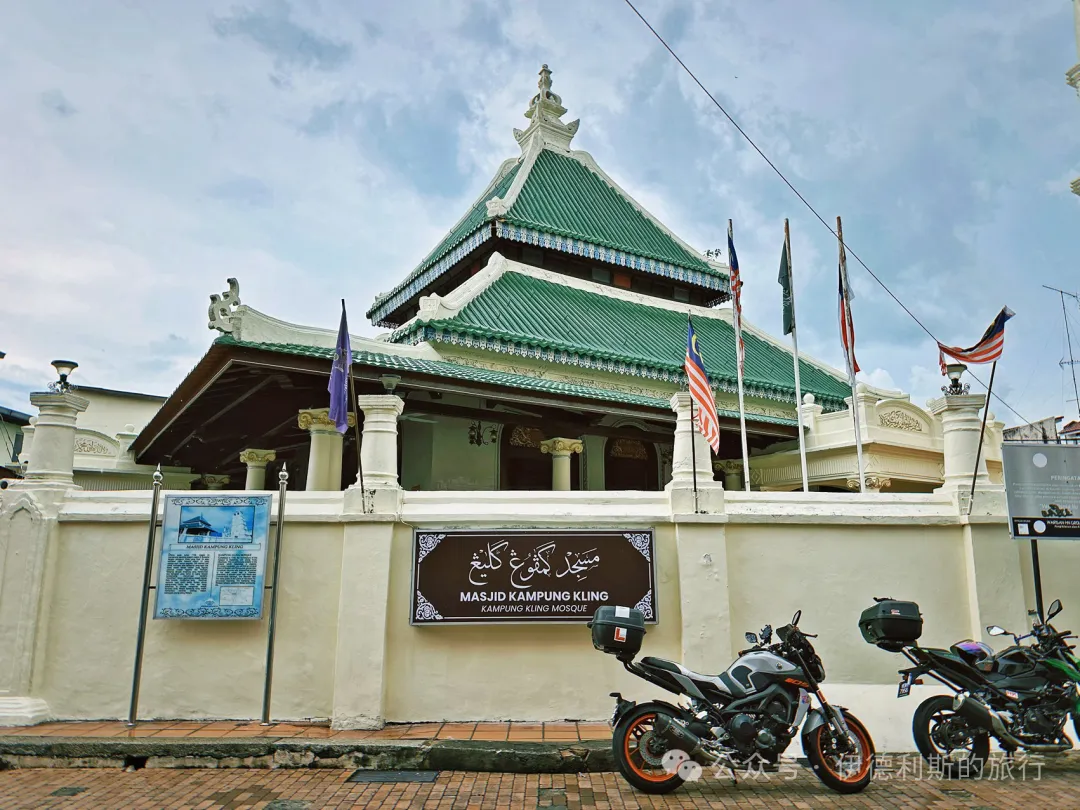
Malacca Sanbaoshan Mosque: This mosque was first built in 1865. A new main hall was added in 1978, but the layout of the original old hall was preserved.
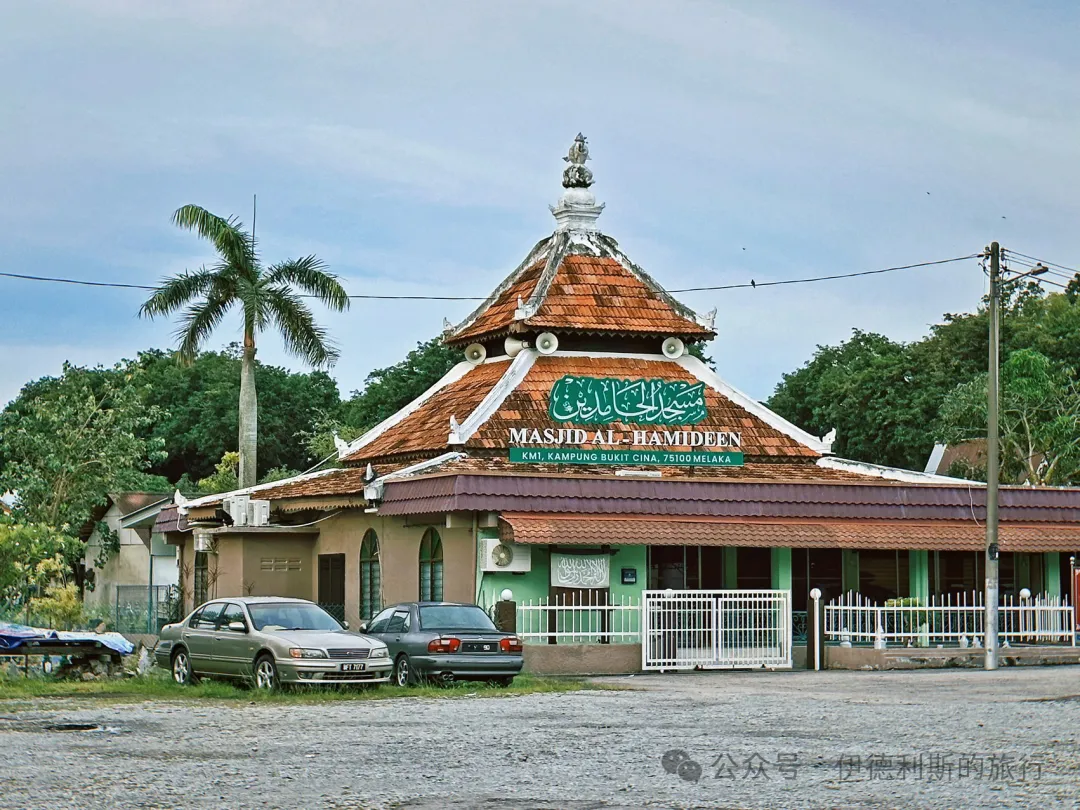
Malacca Pengkalan Rama Mosque: First built in the 1730s, it was renovated in 1917 with funds donated by Dato' Penghulu Abdul Ghani.
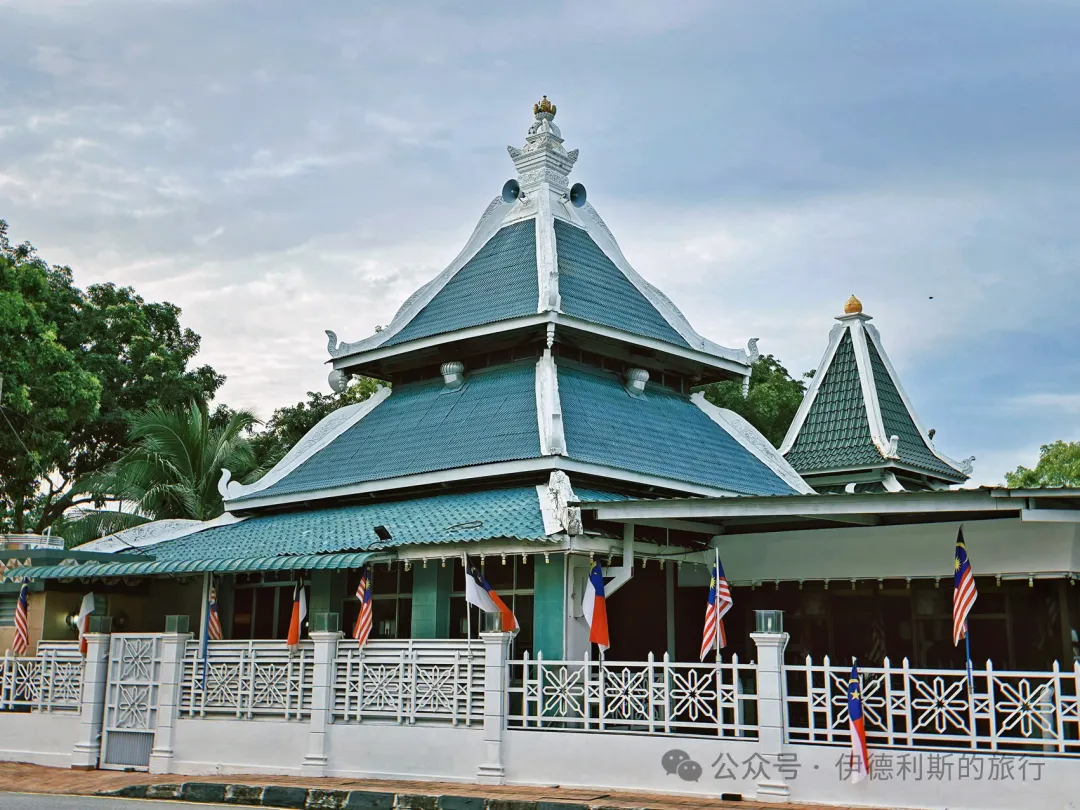
Malacca Duyong Mosque: Built in 1850 under the leadership of Wan Chilek, it was originally made of red clay and wood with a roof of Chinese and Dutch tiles. In 1908, a minaret was added that combined the styles of a Chinese pagoda and a Western lighthouse.
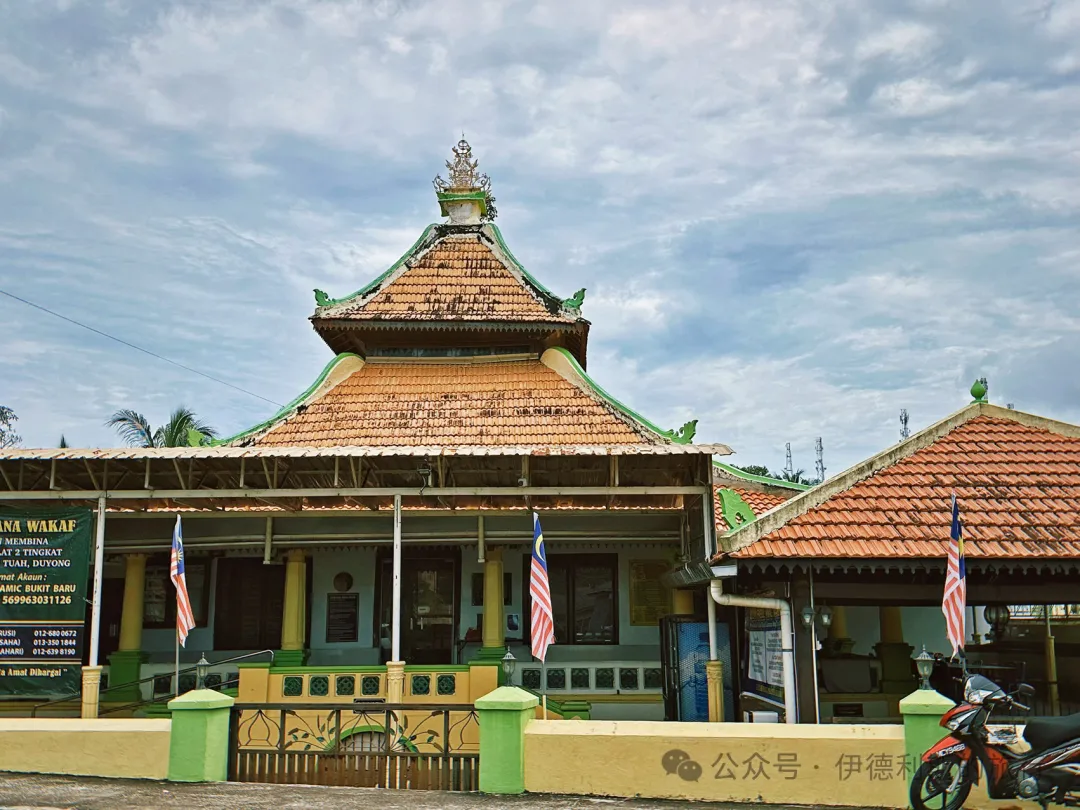
Malacca Serkam Pantai Mosque: First built in 1853, the beams and roof were made from timber cut in local forests and hauled by water buffalo, while the walls were built from reef stones quarried near Big Island (Pulau Besar) and transported by sampan boats.
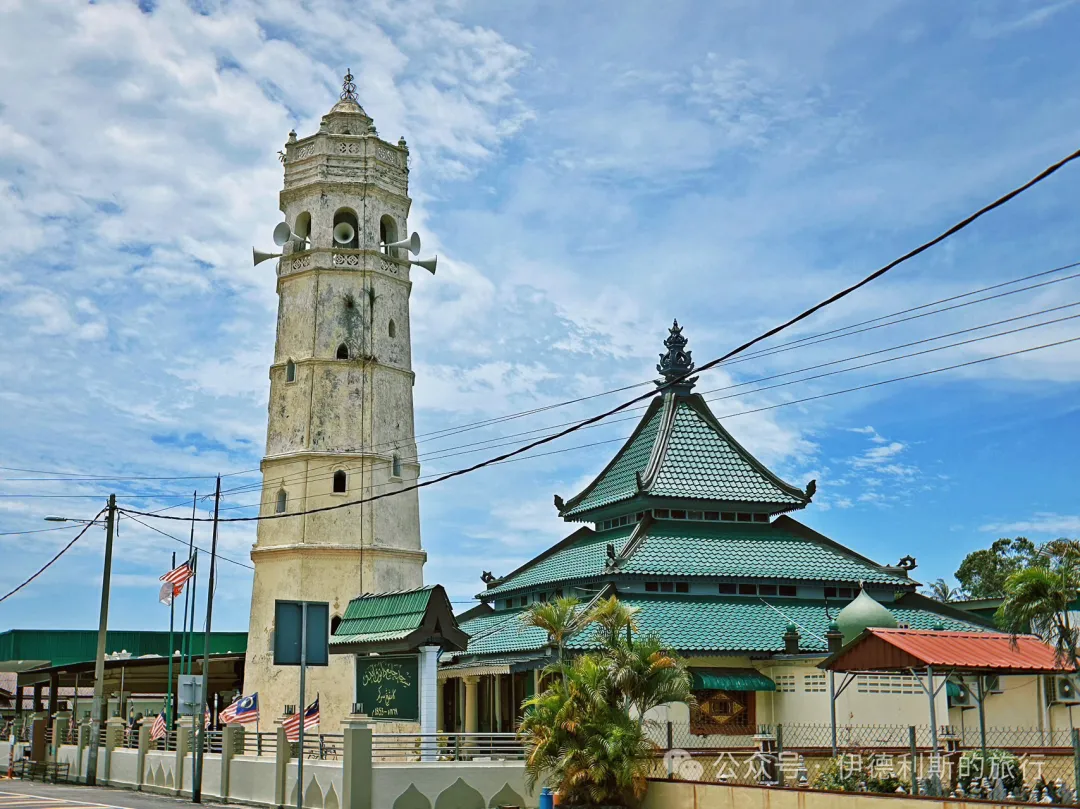
Malacca Peringgit Mosque: First built in 1726, it was later destroyed and rebuilt in 1868.
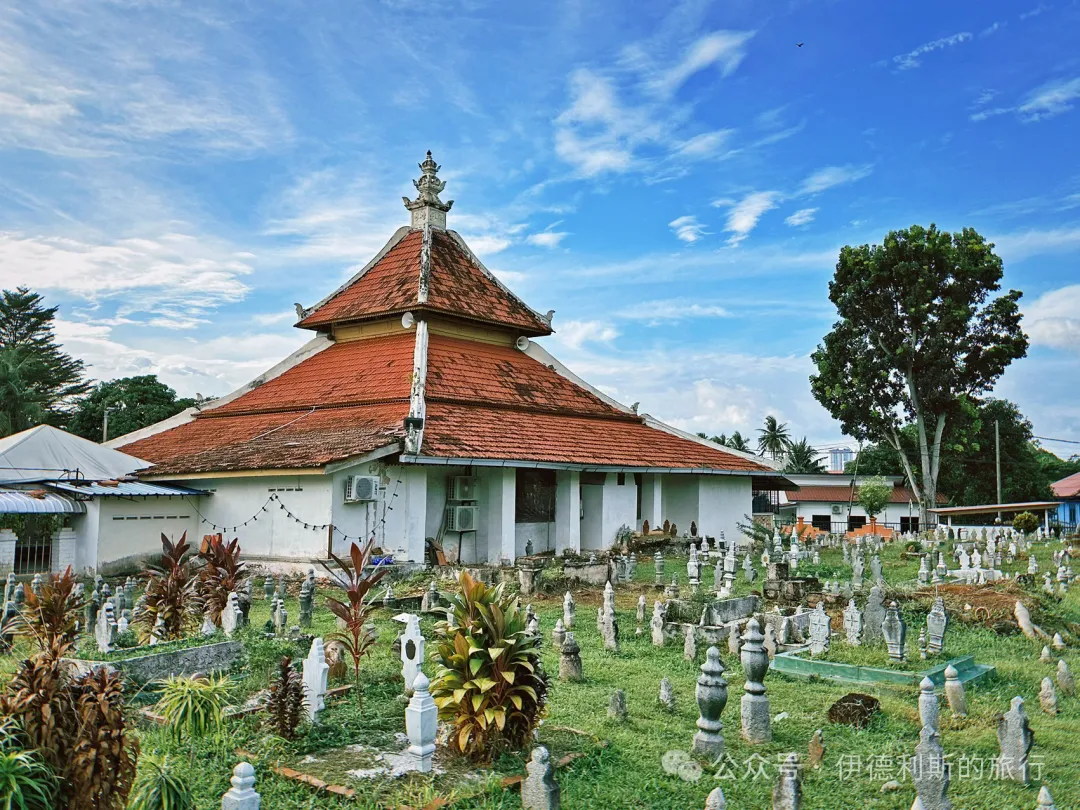
Muar Sultan Ibrahim Mosque: This is the main Friday mosque for Muar. It was built in 1887 along with the town of Muar, and reconstruction began in 1925 and was officially completed in 1930.
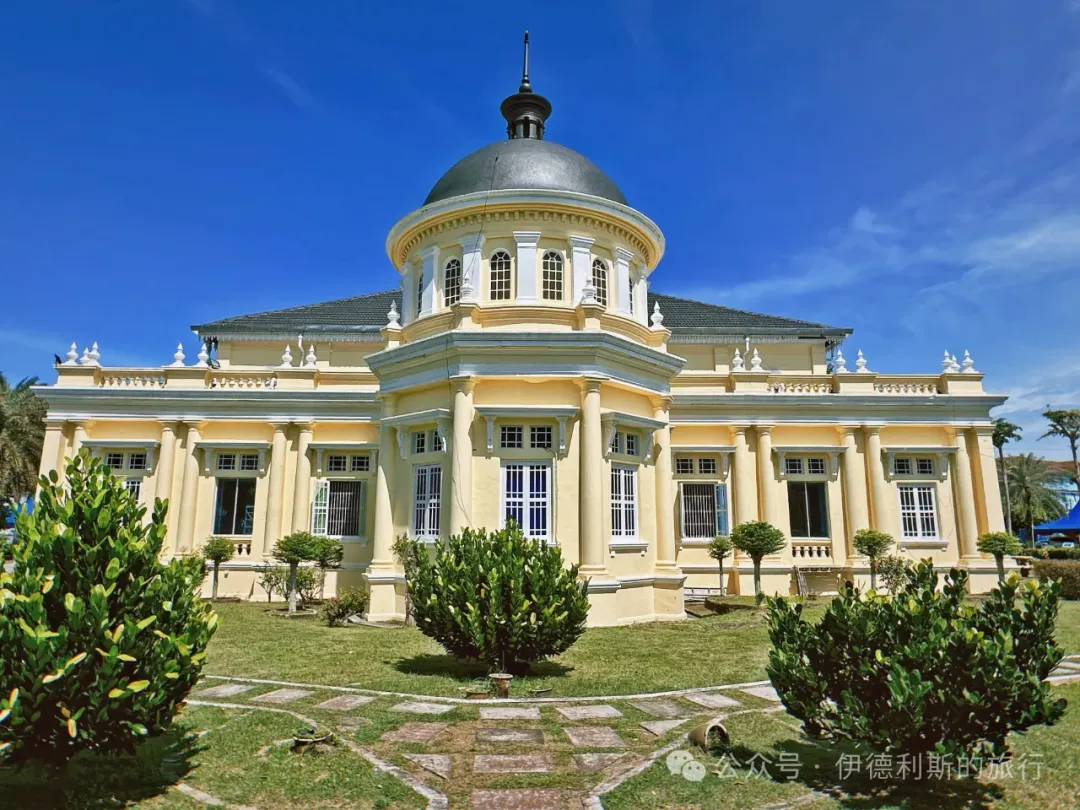
October Tunisia: 14 mosques
Tunis Al-Zaytuna Mosque: Built after the Umayyad conquest of Carthage in 698, its current form is mainly from the reconstruction by the Aghlabid dynasty in 864-65. It is the second mosque built by Arabs in the Maghreb region after the Great Mosque of Kairouan, and it is the grandest mosque in Tunis.
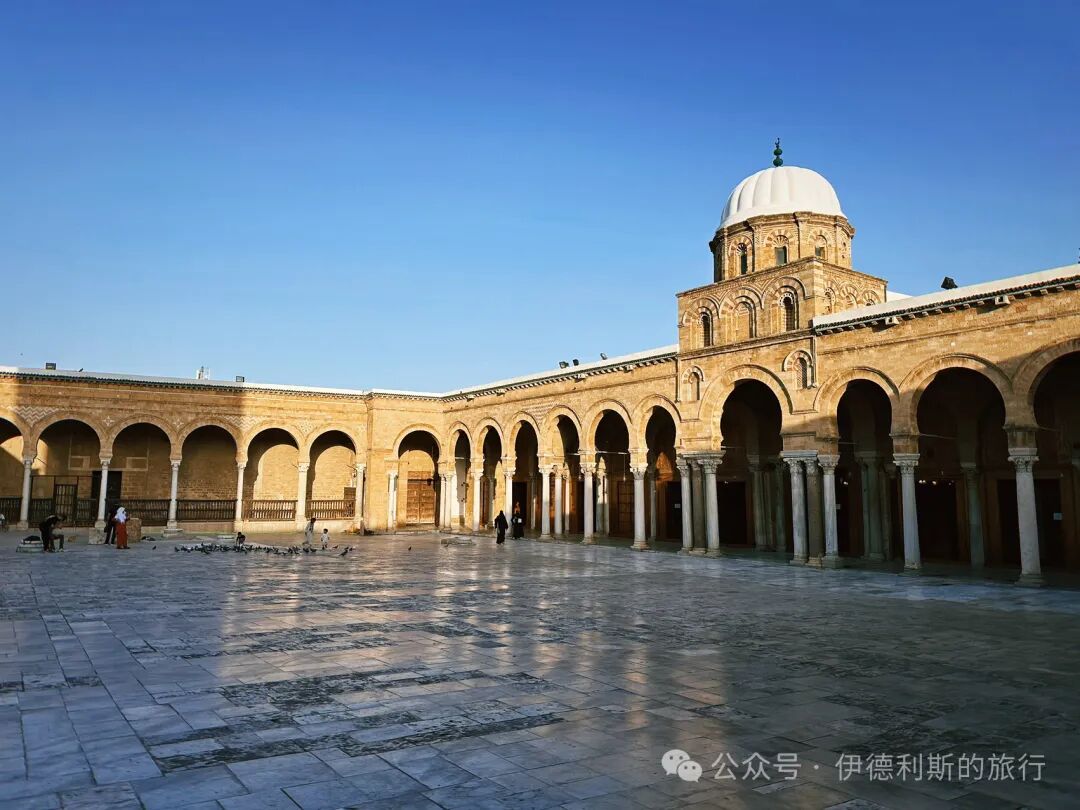
Tunis New Mosque (Jemaa el-Jedid): Built in 1726 by Hussein I ibn Ali, the founder of the Husainid dynasty in Tunisia. The Husainid dynasty was a Beylik that was nominally subordinate to the Ottoman Empire. Hussein used the faith to unite different ethnic groups in Tunisia. He ordered the construction of many madrasas, and the New Mosque (Jemaa el-Jedid) in Tunis is also his representative work.
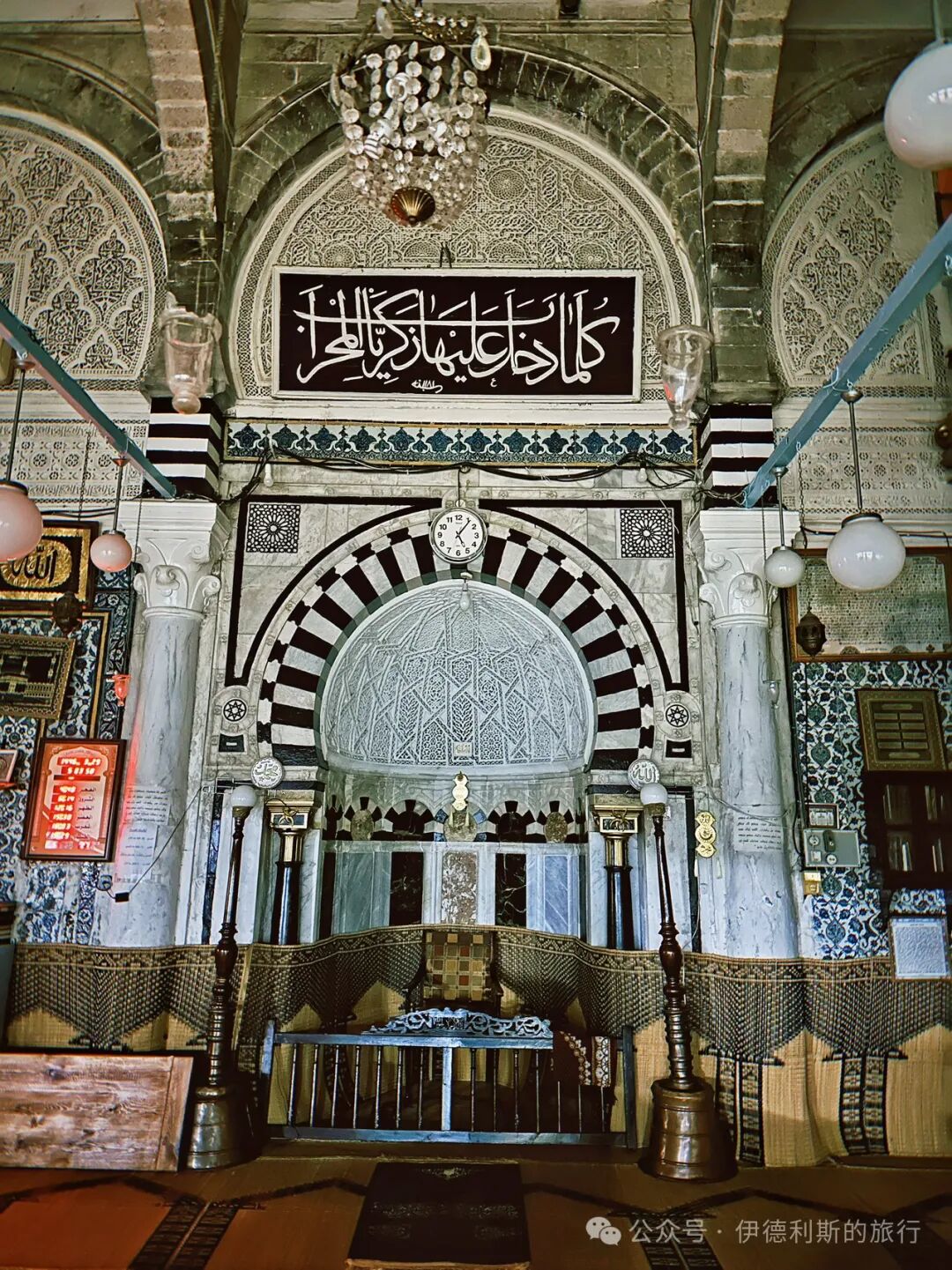
Ksar Mosque in Tunis: A rare Hanafi mosque in Tunisia, built by the Banu Khurasan dynasty in 1106. It was converted to the Hanafi school by the Ottoman dynasty in 1598, and the minaret (manara) was rebuilt in its current Moorish style between 1647 and 1648. The capitals inside the main prayer hall were also taken from ancient architectural ruins. Inside the mihrab, there are seven niches topped with Fatimid-style fluted semi-domes.
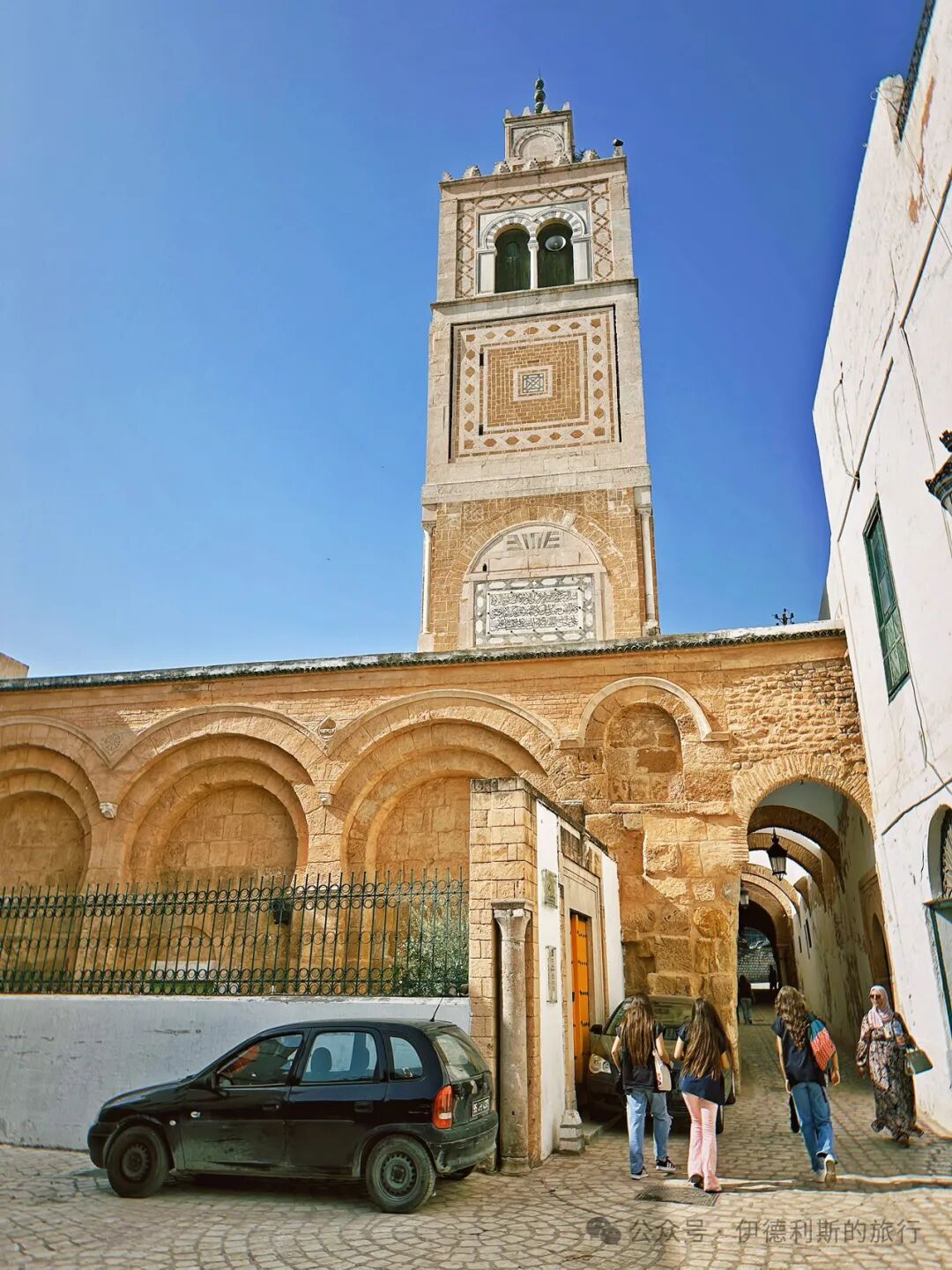
Hammouda Pasha Mosque in Tunis: Built in 1655 by Hammouda Pasha, the second Bey of the Muradite dynasty. It is the second Hanafi mosque in Tunisia after the Ksar Mosque. Hammouda Pasha built many markets and hospitals in Tunis, and the Ottoman-style Hammouda Pasha Mosque is his representative work. The Hammouda Pasha Mosque features an octagonal minaret and a rectangular courtyard with galleries. The marble construction inside the main prayer hall is also very Ottoman in style.
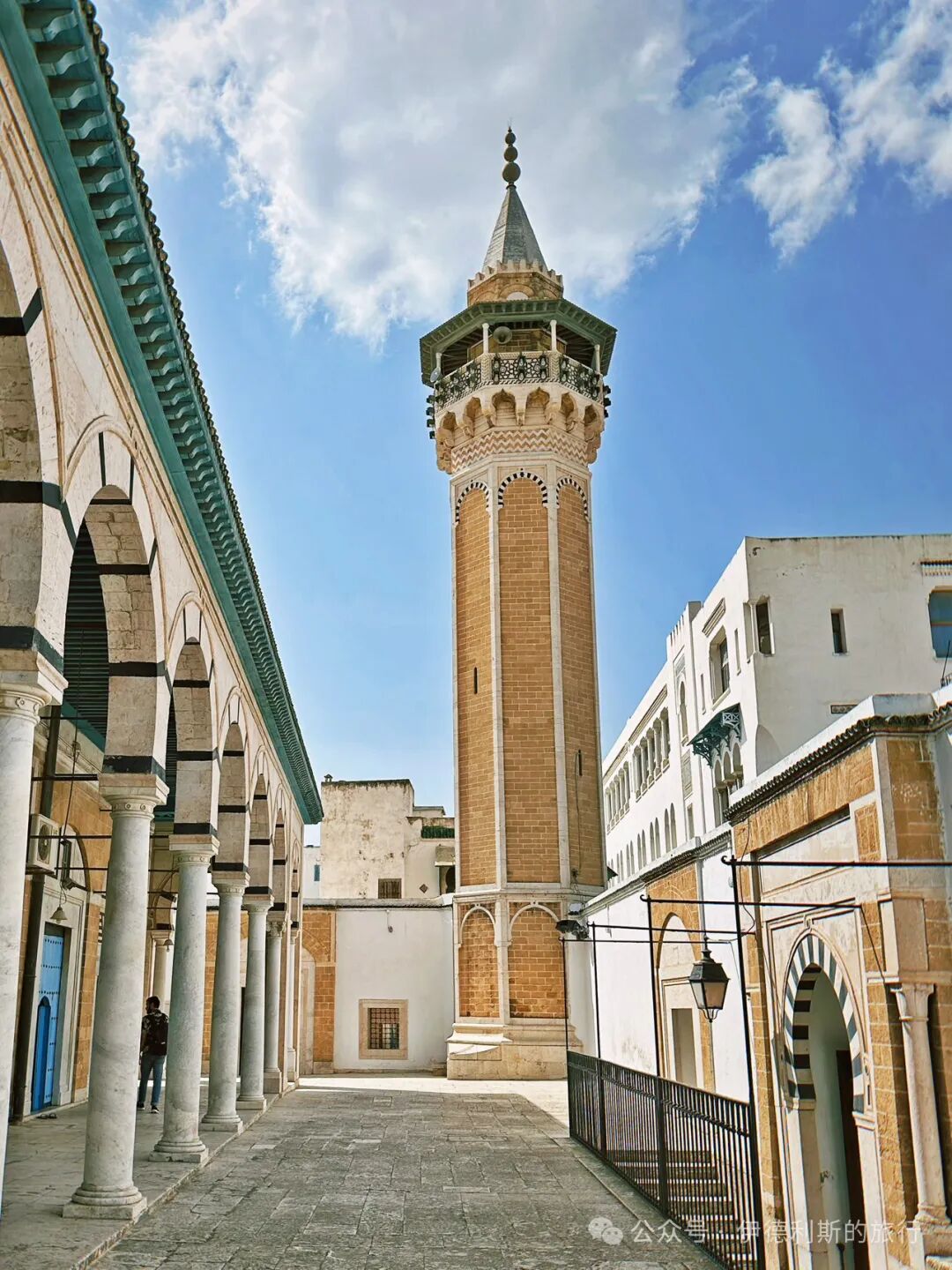
Sidi Mahrez Mosque in Tunis: Built in 1692 by Muhammad Bey, the fourth Bey of the Muradite dynasty. It is located right next to the gongbei of Sidi Mahrez, the most important wali in Tunis, who was also a famous Maliki jurist. The Sidi Mahrez Mosque is deeply influenced by the Ottoman style. It is modeled after the Blue Mosque in Istanbul, featuring a central dome and smaller domes, with the interior decorated with Iznik tiles imported from Turkey.
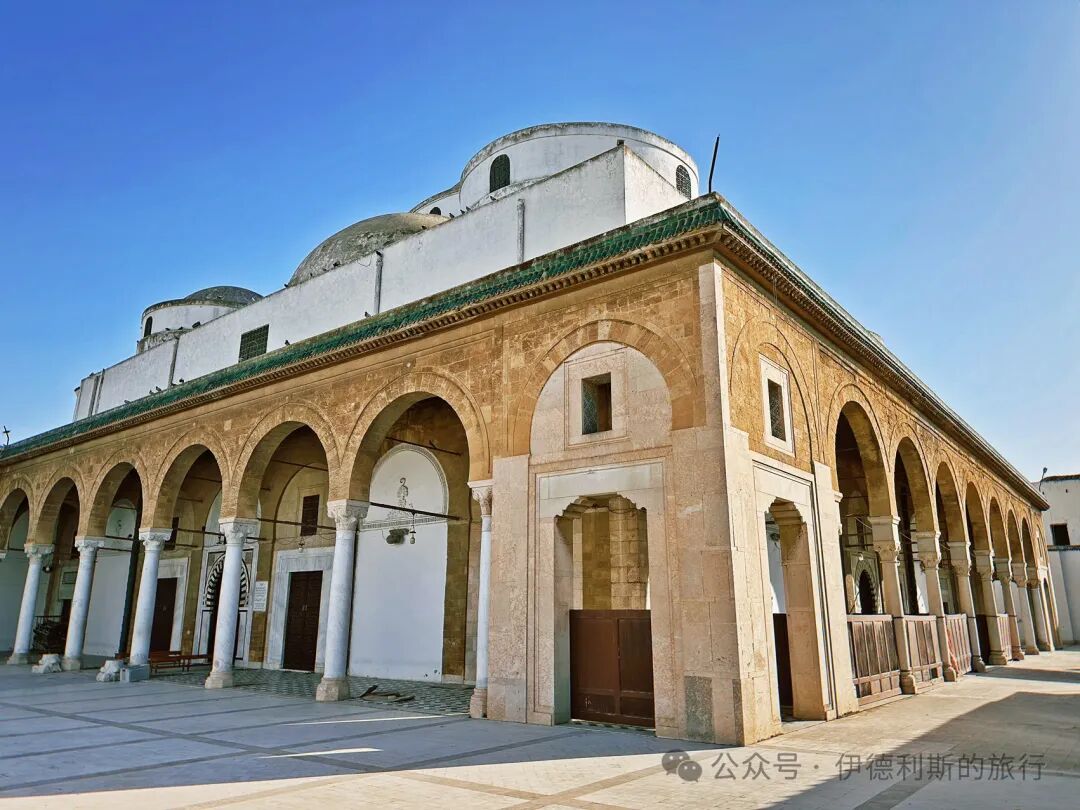
Kasbah Mosque in Tunis: Built between 1230 and 1233 by Abu Zakariya Yahya, the founding sultan of the Hafsid dynasty. It is the second congregational mosque (Juma mosque) in Tunis after the Great Mosque of Zitouna. It is deeply influenced by the Almohad dynasty of Morocco and looks very similar to the Kasbah Mosque in Marrakesh, Morocco.
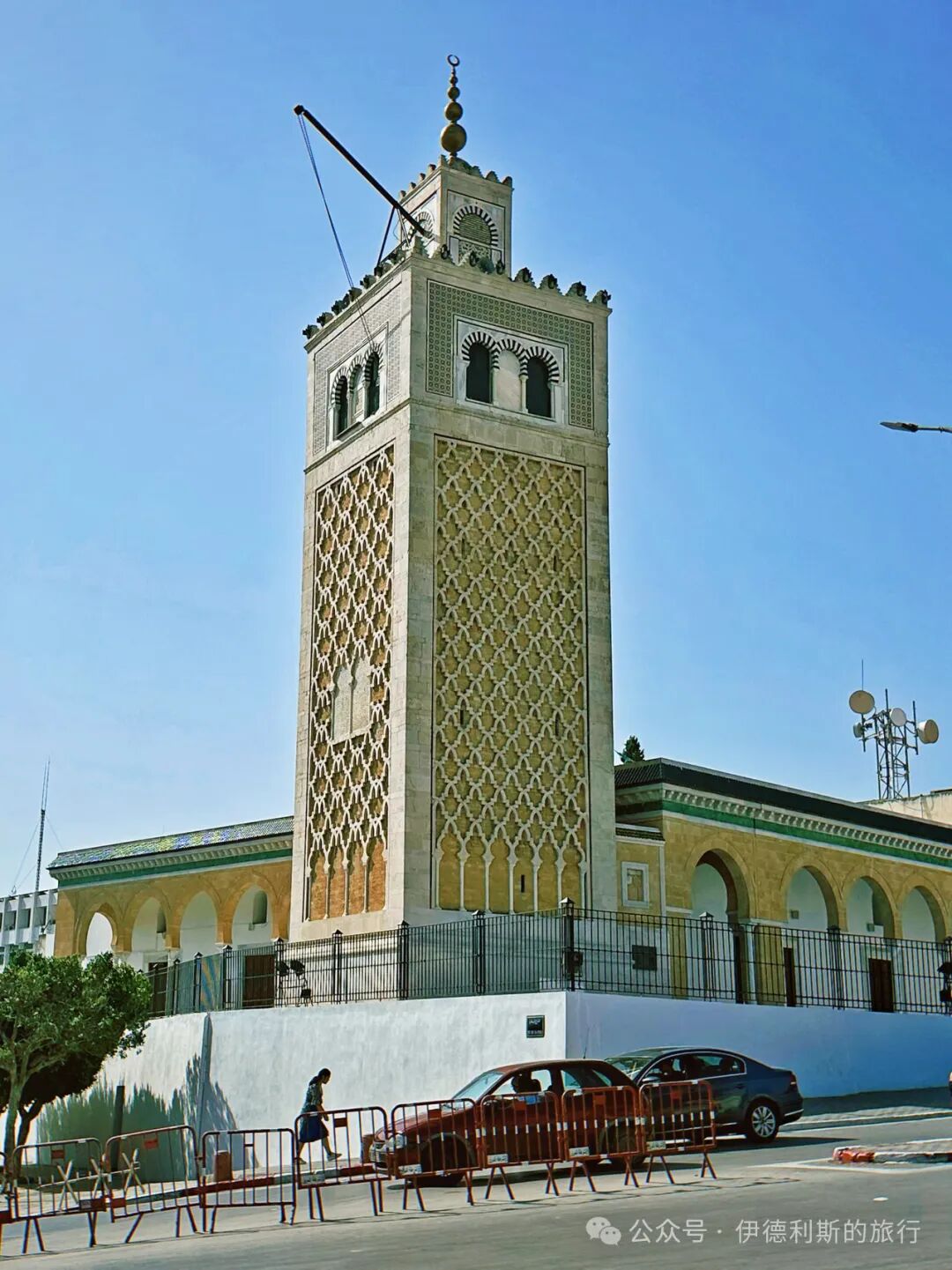
El Ichbili Mosque in Tunis: Located deep in the old medina, right next to the El Brat market. The mosque was first built in the 10th century, while the minaret was built in the 14th century.
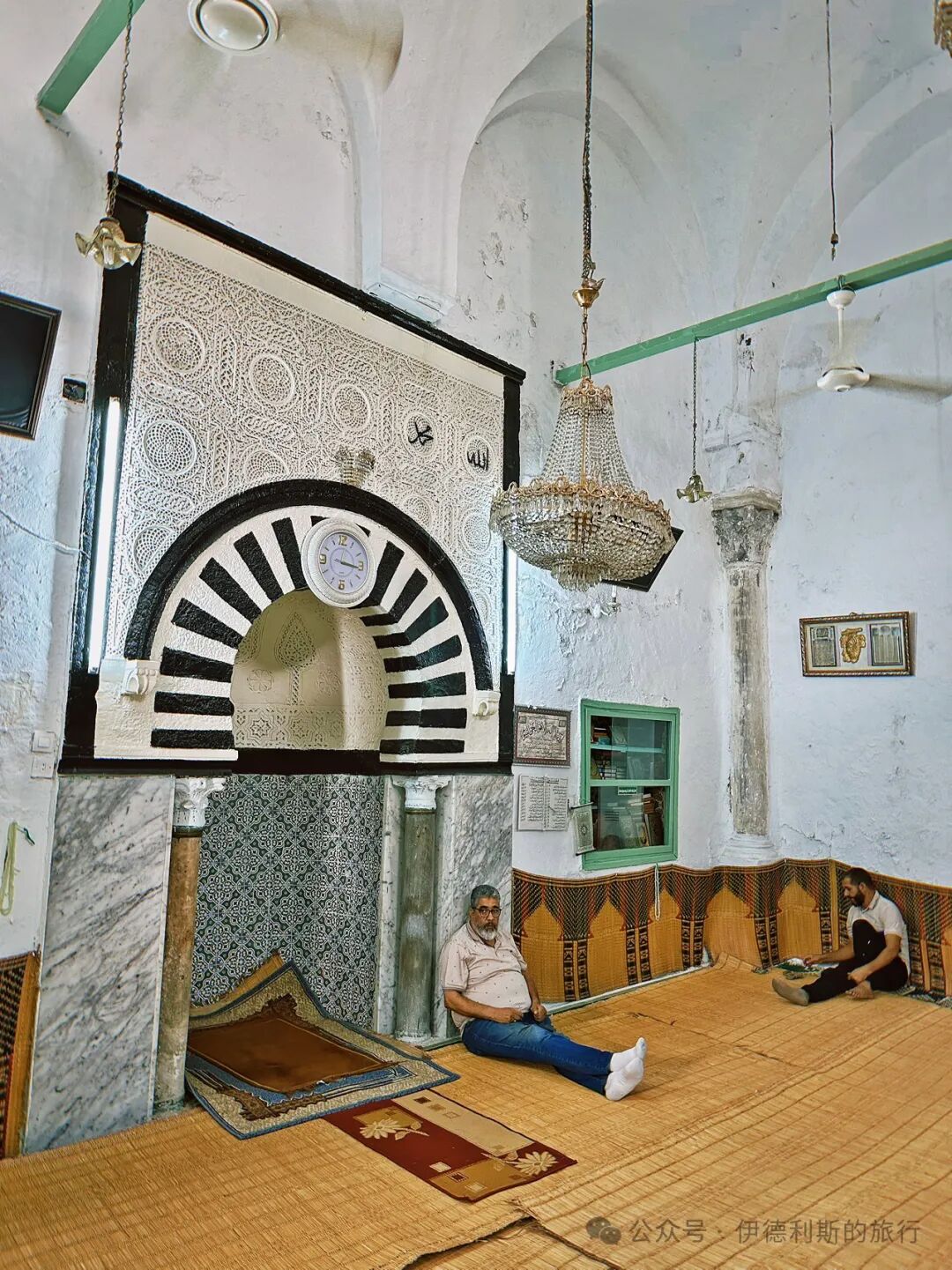
Youssef Dey Mosque in Tunis: Built in 1616 by the Ottoman Bey of Tunis, Youssef Dey. It is the first Ottoman-style mosque in Tunisia. At the intersection stands the first octagonal minaret in Tunis, which has a wooden sunshade at the top. Next to the minaret is the white marble tomb of Youssef Dey, with large blind arcades on the walls.
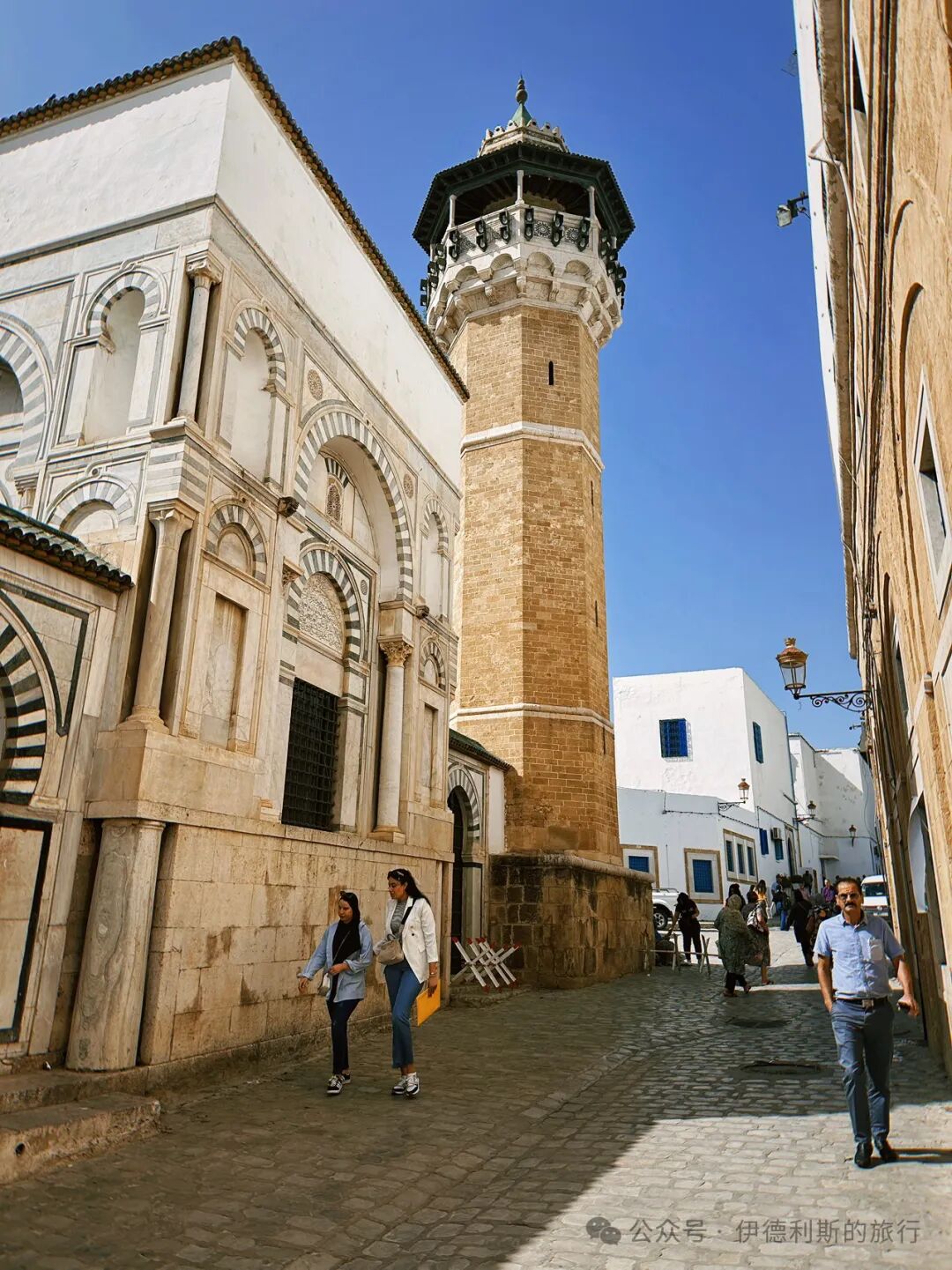
Great Mosque of Sousse: First built in 851 by the Aghlabid ruler Muhammad I ibn al-Aghlab. The prayer hall was expanded to the south in the 10th century, the current courtyard portico and the northeast minaret were built in the 11th century, and the south portico was renovated in 1785. The Great Mosque of Sousse is right next to the Sousse Fortress and also has a fortress-like appearance. The exterior features jagged walls and corner towers. The minaret in the northeast corner is not tall; instead, it looks more like a castle tower.
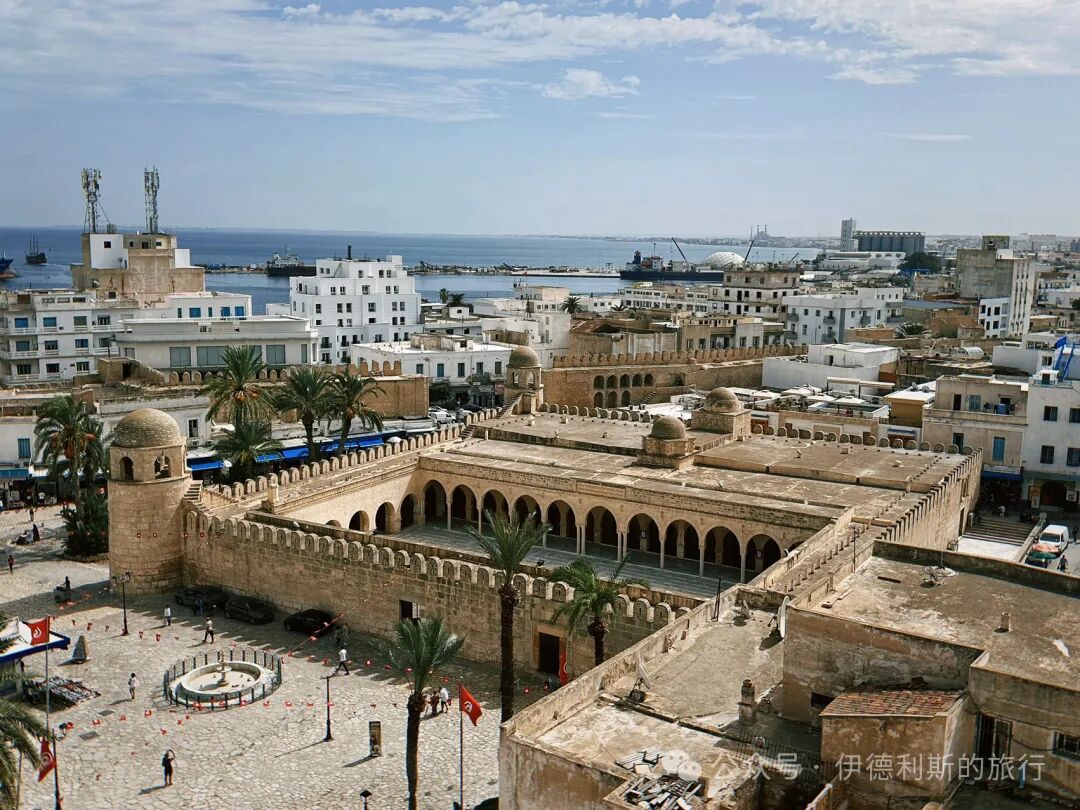
Great Mosque of Kairouan: The oldest and most spectacular congregational mosque in Tunisia. It was first ordered to be built in 670 by the Arab Umayyad general Uqba ibn Nafi, rebuilt by the Umayyad dynasty in 703, and after many reconstructions and repairs, it finally took its current form in the 9th century. The minaret of the Great Mosque of Kairouan was built between the 8th and 9th centuries. The existing structure is basically from 836, making it the oldest surviving minaret in the world. The mosque's mihrab and minbar were built in 863 and are the oldest concave mihrab and minbar in the world.
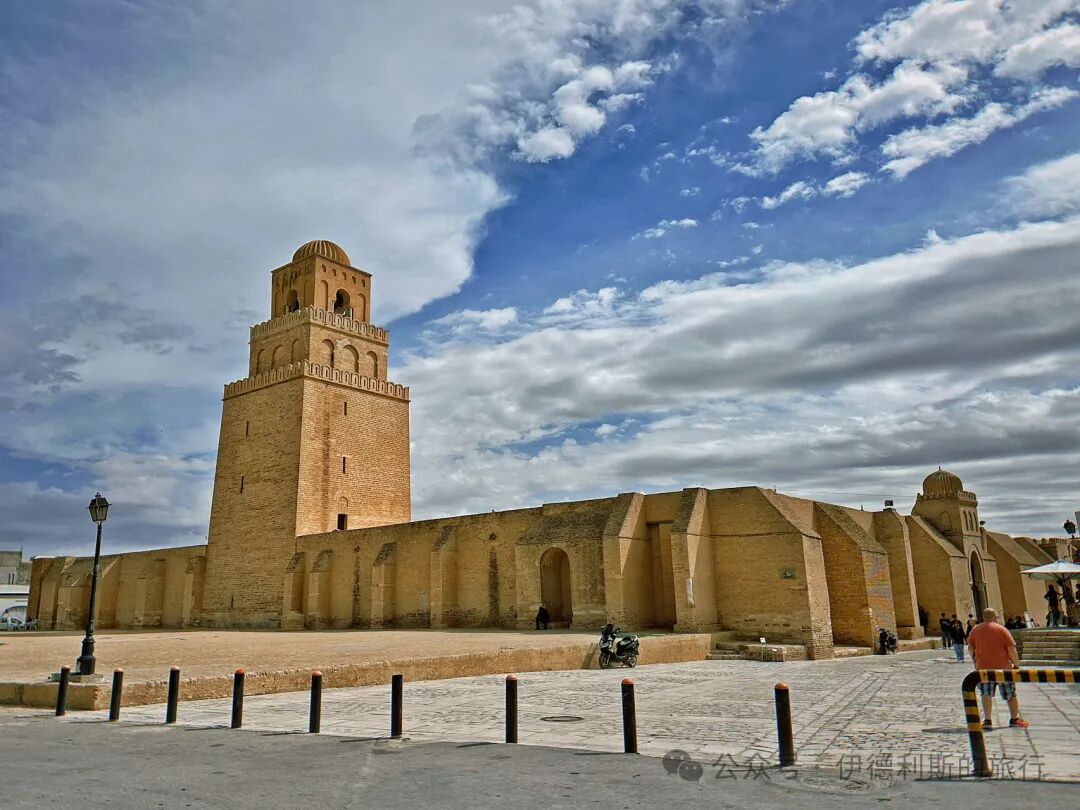
Three Doors Mosque (Mosquée des Trois Portes) in Kairouan: Built in 866, it has the oldest decorated facade of any religious building in the world. The builder, Muhammad ibn Khairun, was a scholar and merchant from Andalusia who came to Kairouan, Tunisia, via Iraq and Egypt.
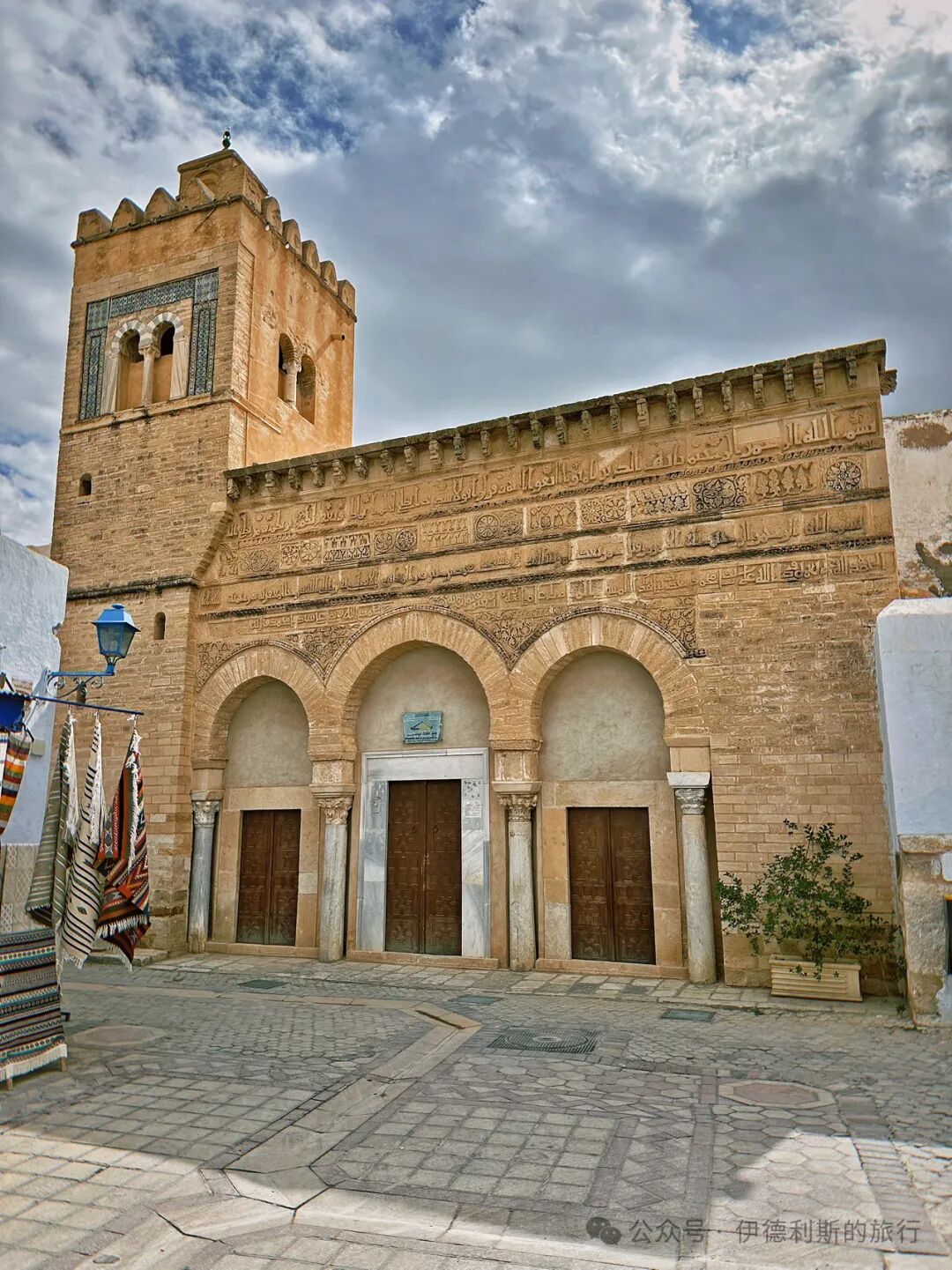
Kairouan Barber Mosque: It sits right next to the tomb of Sidi Sahab, a companion of the noble Prophet and his barber. Legend says Sidi Sahab died in a battle in 654 and was buried here. By the 11th century, this place had already become a famous holy site for the faith. Bey Hamuda Pasha of Tunisia built the main hall in 1629. Another Bey, Muhammad, built the minaret (bangke ta) between 1690 and 1695.
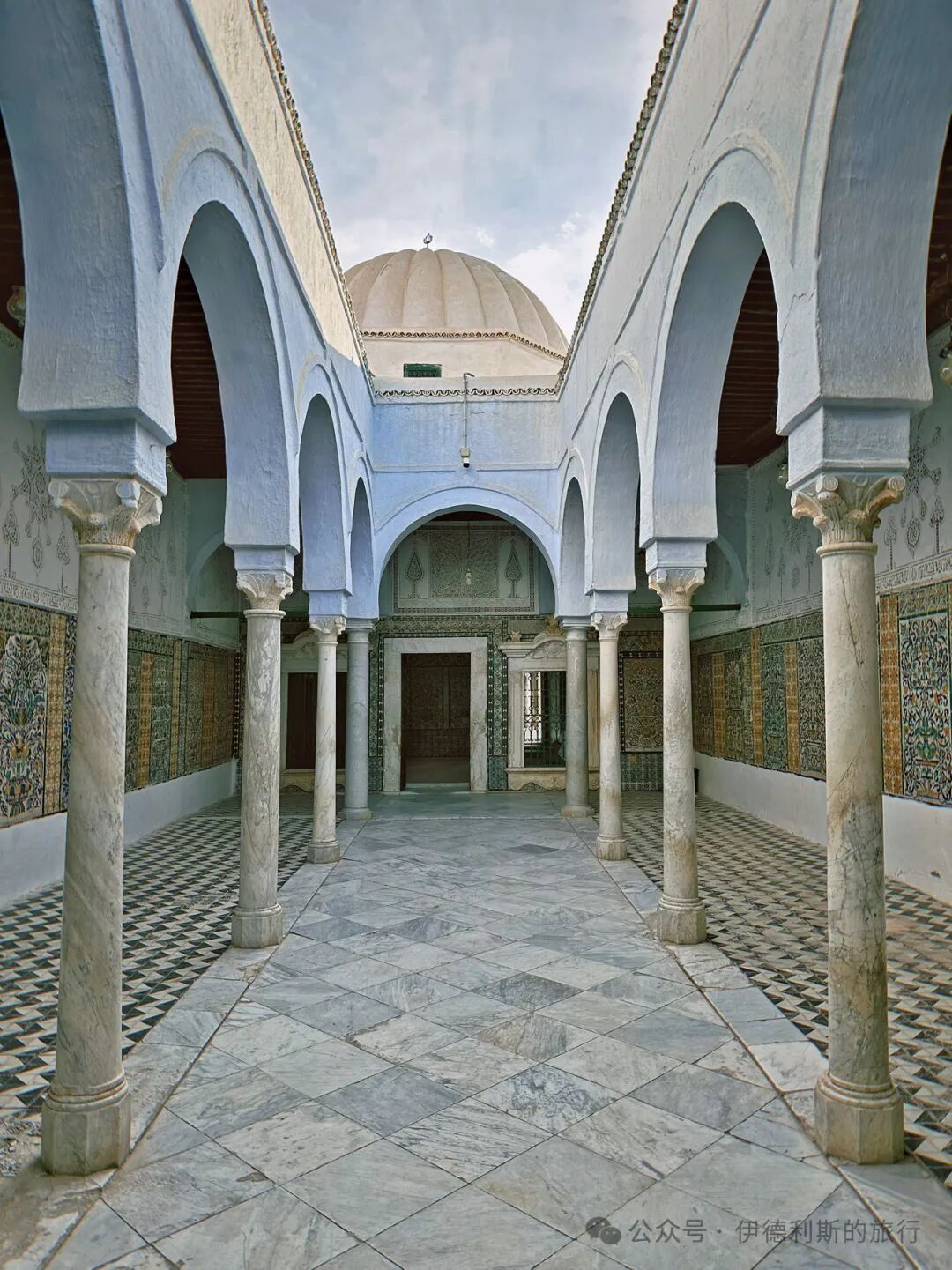
Monastir Great Mosque: First built during the Aghlabid dynasty in the 9th century, it has a classic fortress style. It was expanded during the Zirid dynasty in the 11th century, when the current mihrab, typical of the Zirid style, was built. The current minaret was built during the Hafsid dynasty. The Great Mosque was finally completed in the 18th century with the addition of the current porch.
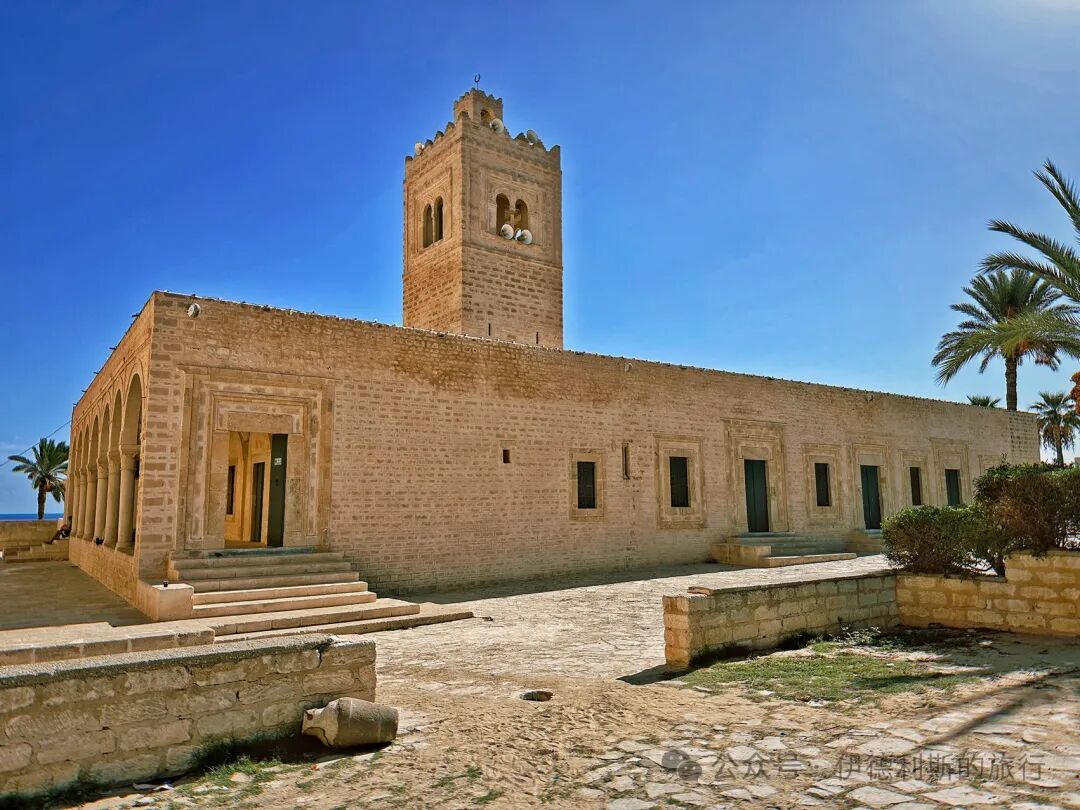
Hammamet Great Mosque: Construction began in the 12th century and was officially finished in the 13th century, with the minaret added in 1463. This was also the period when Hammamet grew from a coastal fortress into a medina residential area. The stone pillars of the Hammamet Great Mosque are different colors, as many were collected from nearby ancient Roman ruins.
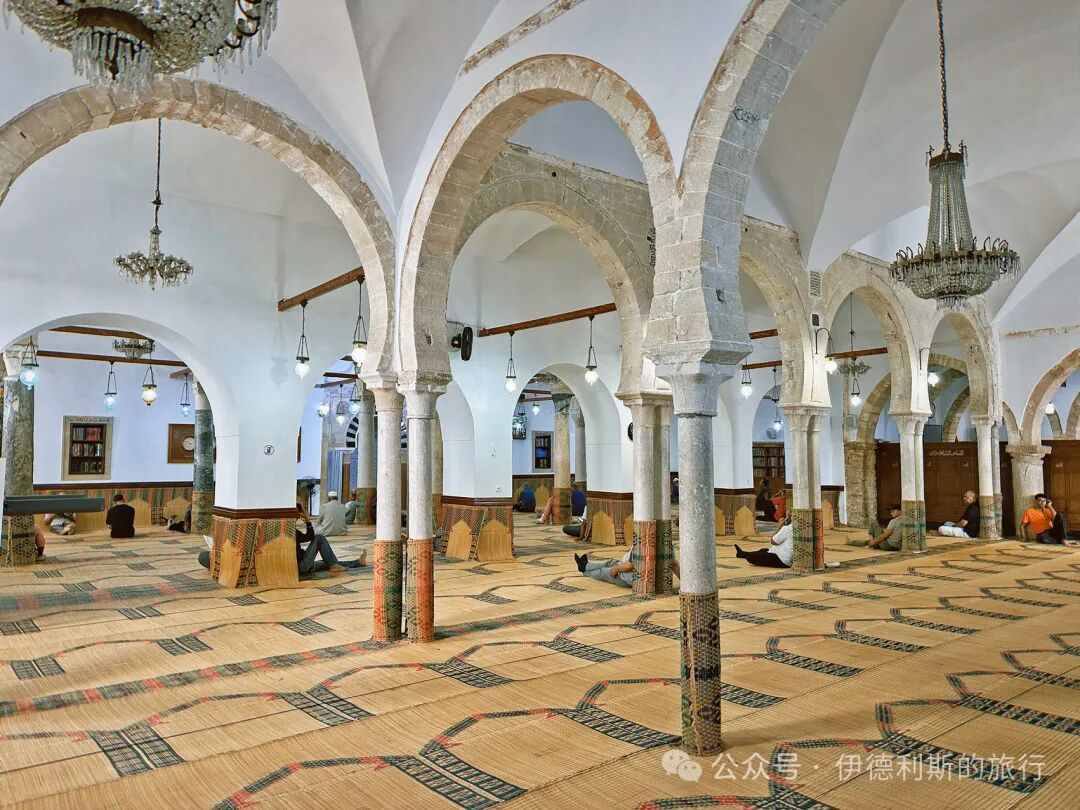
December Malaysia: 4 mosques
Kuala Lumpur Jamek Mosque: Sultan Sulaiman of Selangor laid the foundation in 1908, and it was officially completed in 1909. British architect Arthur Benison Hubback led the construction, using the Mughal Revival style popular at the time.
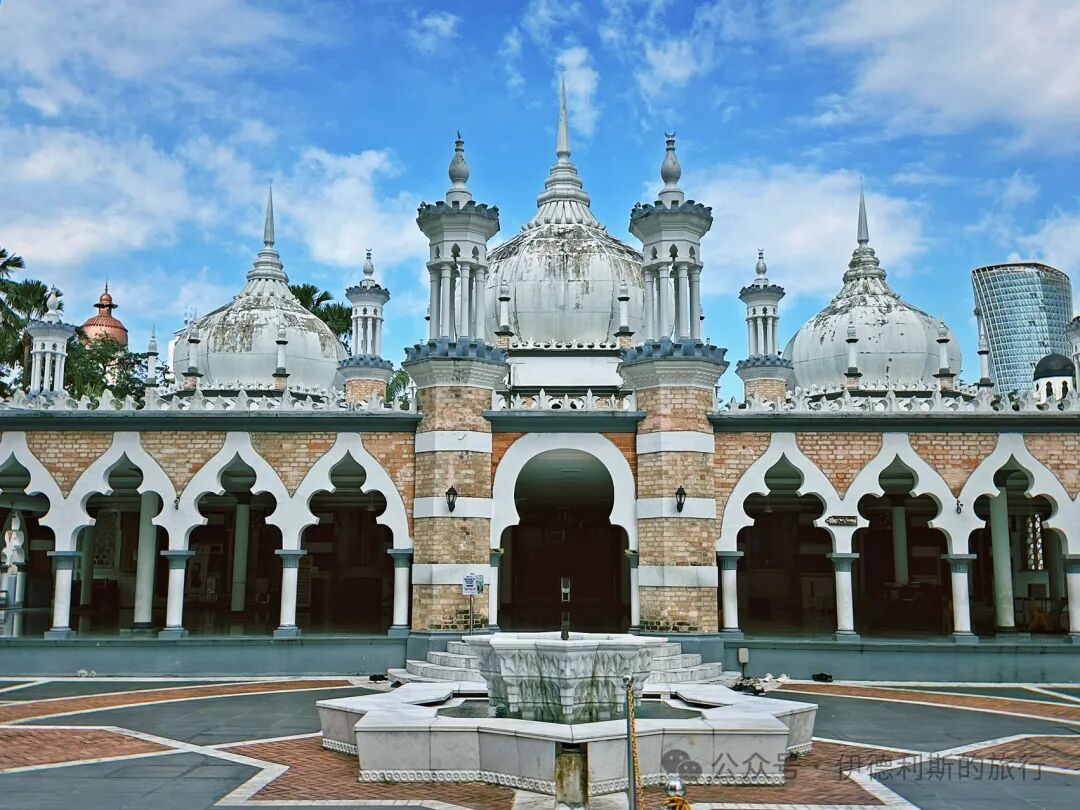
Kota Bharu Kampung Laut Mosque: Known as one of the oldest mosques in Malaysia, it is estimated to have been built between the 15th and 18th centuries. It was only expanded in the late 18th century into a stilt wooden house high enough to tether an elephant. Between 1886 and 1889, the original sago palm leaf roof was replaced with clay tiles, and a wooden minaret was added in the 1890s. The Kampung Laut Mosque was destroyed by floods in 1967, rebuilt in Nilam Puri, and finally moved back to a raised platform in Kampung Laut in 2020.
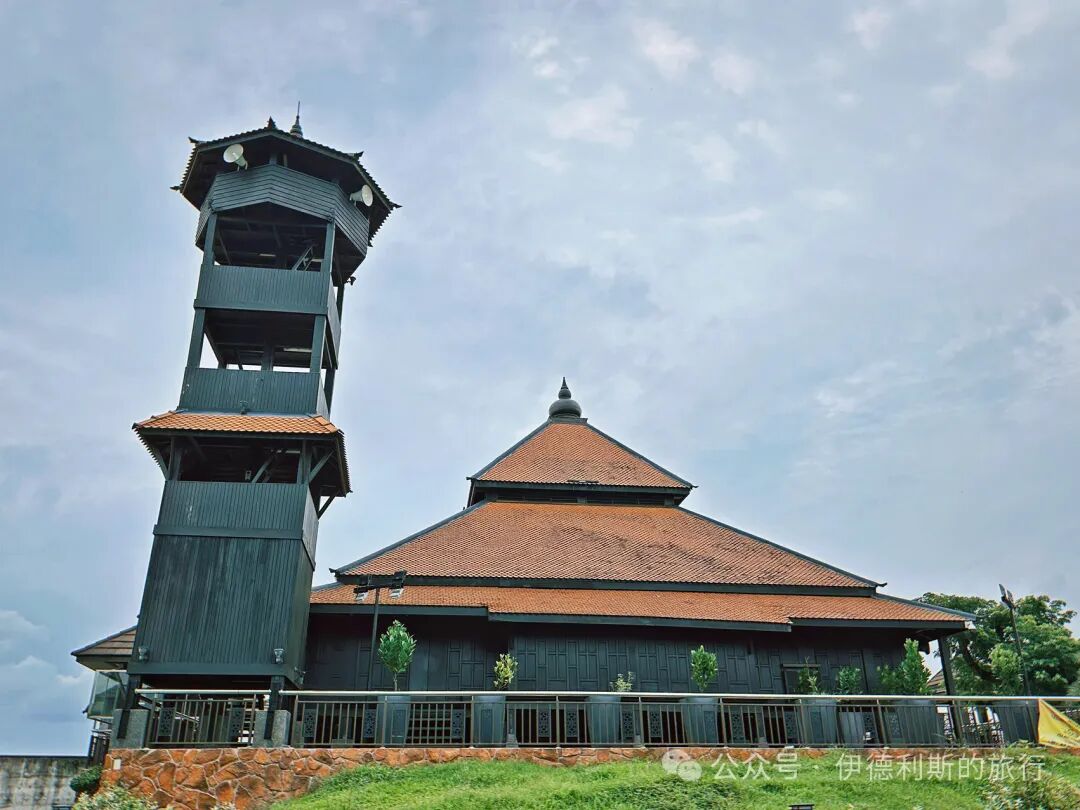
Kota Bharu Muhammadi Mosque: The Jumu'ah mosque of Kelantan state, built by Sultan Muhammad II of Kelantan in 1867. It was changed from a wooden structure to concrete in 1922 and features a Classical Revival style. From the late 19th century to the 20th century, it was an important academic center for the faith in Malaysia, where many great scholars taught. Because many students went to Mecca for further studies after graduating, it is also known as the 'Gateway to Mecca'.
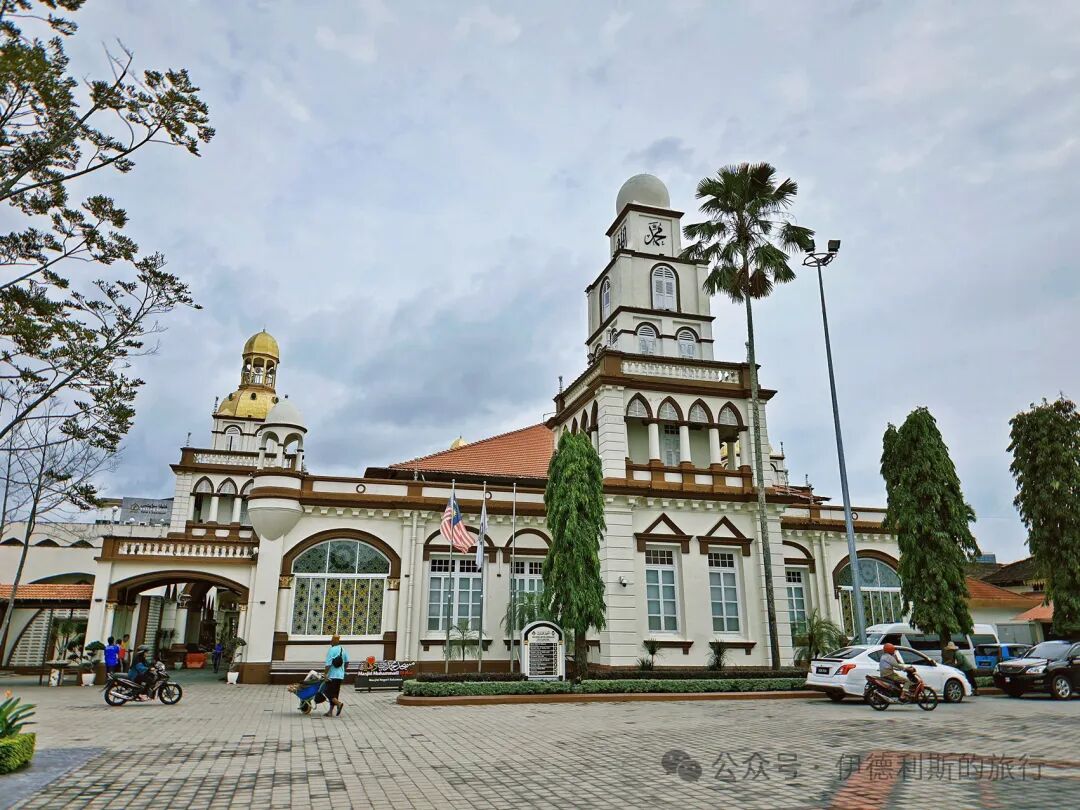
Kuching Indian Mosque: First built by South Indian Tamil merchants in 1837. Originally, the roof and walls were made of nipa palm, until it was rebuilt with Borneo ironwood in 1876 into the current structure. The mosque collects rent from 23 surrounding shops. 21 of these are run by Indian Muslims selling groceries, spices, fabrics, and books, while two are owned by Chinese bosses. These shops have been passed down through families for generations.
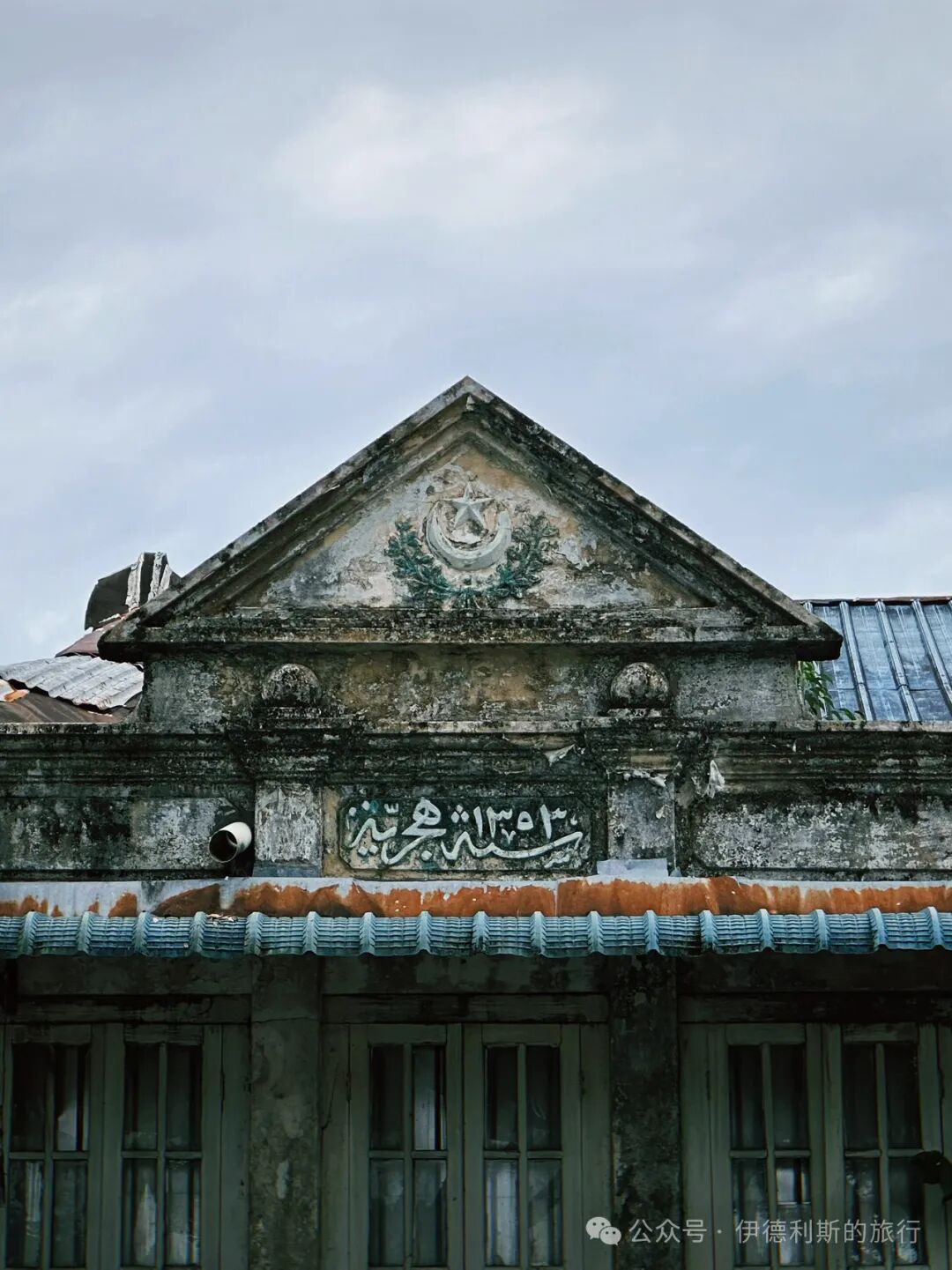
China Mosque Travel Guide Jiangsu: 25 Historic Mosques and Hui Muslim Heritage (Part 1)
Articles • yusuf908 posted the article • 0 comments • 254 views • 2026-05-23 23:30
Summary: This first part of the Jiangsu mosque series documents historic Hui Muslim mosque sites in northern Jiangsu, including Yanghe Mosque, Siyang Mosque, Siyang West Mosque, Shuyang Mosque, Hexia Mosque, Wangjiaying Mosque, Yancheng Mosque, and Baoying Mosque. The article preserves the original mosque names, founding dates, community histories, inscriptions, architectural details, and image order.
I am sharing the 25 historic mosque buildings I have visited in Jiangsu, moving from north to south.
1. Suqian
1. Yanghe Mosque (Yanghesi): First built during the Qianlong reign, rebuilt after 1945.
2. Huai'an
1. Qingjiang Mosque (Qingjiangsi): First built during the Jiajing reign of the Ming Dynasty, rebuilt in 1870.
2. Hexia Mosque (Hexiasi): First built during the Shunzhi reign of the Qing Dynasty, rebuilt in the late Qing Dynasty.
3. Wangjiaying Mosque (Wangjiayingsi): First built during the Yongzheng reign of the Qing Dynasty, rebuilt in 1985.
3. Yancheng
1. Yancheng Mosque (Yanchengsi): Built during the Yongle reign of the Ming Dynasty, renovated in 1928.
4. Yangzhou
1. Baoying Mosque (Baoyingsi): Rebuilt in 1910, rebuilt again in 2022.
2. Gaoyou Mosque (Gaoyousi): Rebuilt in 1864.
3. Lingtang Ancient Mosque (Lingtang Gusi): First built at the end of the Yuan Dynasty, moved to its current site in the early Qing Dynasty, rebuilt in 1924.
4. Shaobo Mosque (Shaobosi): First built during the Xianfeng reign of the Qing Dynasty.
5. Xianhe Mosque (Xianhesi): First built in 1275, rebuilt in 1390.
6. Majian Lane Mosque (Majianxiang Libaisi): First built in 1714.
7. Huihui Tang Mosque (Huihuitangsi): First built in 1275, rebuilt in 1776.
5. Zhenjiang
1. Shanxiang Mosque (Shanxiangsi): Expanded during the Kangxi reign, rebuilt in 1873.
2. Jianzi Lane Mosque (Jianzixiangsi) Ming and Qing Dynasty stone carvings.
3. Nanmenwai Mosque (Nanmenwaisi) Qing Dynasty mihrab.
4. Xinhe Street Mosque (Xinhejie Huijiaotang): 1930.
6. Nanjing
1. Jingjue Mosque (Jingjuesi): First built during the Hongwu reign of the Ming Dynasty, rebuilt in 1877.
2. Original Taiping Road Mosque: First built in the early Ming Dynasty, moved and rebuilt in 2005.
3. Xiaowangfu Lane Mosque.
4. Hushu Mosque: First built in 1392, rebuilt in 1896.
5. Liuhe South Gate Mosque: First built in 1403, raised and renovated in 2013.
6. Liuhe Women's School: First built in 1912, rebuilt in 1930.
7. Liuhe Changjiang Road Mosque: First built in 1424, rebuilt during the Guangxu reign of the Qing Dynasty.
8. Zhuzhen Mosque: Rebuilt in 1901, renovated in 2001.
9. Zhuzhen Women's Mosque: First built in 1921, rebuilt in 1931.
Suqian Yanghe Town Mosque.
The Suqian Yanghe Town Mosque was first built during the Qianlong reign. It was funded by Yu Qin, a local scholar from Yanghe who had served as an education official in Lishui, Pizhou, and Ningguo, and was built on Rice Market Street in Yanghe. It was destroyed during the Japanese invasion and later rebuilt. The current main hall features a hip-and-gable roof, a post-and-lintel frame, and upturned eaves with wind bells hanging from the four corners. It was listed as a Suqian cultural heritage site in 2010.
Yanghe Town Mosque belongs to the Jahriyya Banqiao Daotang. During the Jiaqing reign of the Qing Dynasty, Chang Tingzhang (1785-1870), a Hui Muslim from Siyang, Jiangsu, traveled to Lingzhou (modern-day Lingwu) in Ningxia to study. After completing his studies, he brought the Jahriyya tradition to the Huai-Si region. Chang Tingzhang was famous far and wide for his profound knowledge and had many disciples when he began teaching at the Huaiyin Wangjiaying Mosque. Since then, mosques including the Huaiyin Wangjiaying Mosque, Siyang Zhongxing Town Mosque, and Yanghe Town Mosque have all followed the Jahriyya tradition. Before 1932, the imams of Yanghe Town Mosque were all assigned from Ningxia. After 1932, Imam Ma Chengliang served until he passed away in 1979.
Huai'an Qingjiang Ancient Mosque.
Qingjiangpu in Huai'an was dredged in 1415 (the 13th year of the Yongle reign of the Ming Dynasty). It was the center of grain transport for the Grand Canal during the Ming and Qing dynasties, where grain transport ships from all provinces were built and repaired. Because navigating the Yellow River section of the canal was very dangerous, and waiting times to pass through locks in Shandong were too long, many merchants chose to leave their boats at Qingjiangpu. They would cross the Yellow River and switch to horse-drawn carriages to continue north, making Qingjiangpu a symbol of the "southern boats and northern horses" transport system.
The most important pier in Qingjiangpu was next to the Yue Lock. It was called the Imperial Pier because both Emperors Kangxi and Qianlong landed there during their southern inspection tours. This was once the busiest and most prosperous place in Qingjiangpu. Hui Muslims began doing business on Yuehe Street in front of the Imperial Pier during the Ming Dynasty, and the earliest Qingjiang Ancient Mosque was built during the Jiajing reign of the Ming Dynasty.
In 1677 (the 16th year of the Kangxi reign), the Governor of the Waterways moved to Qingjiangpu, and it became the center of grain transport. In his collection of notes and stories, Golden Pot Seven Inks (Jinhu Qimo), Qing Dynasty writer Huang Junzai recorded: 'Along the Qingjiang River for over ten miles, the markets were bustling and food was abundant. People from all directions gathered here, shoulder to shoulder and wheel to wheel, in a very prosperous scene.' In 1799 (the 57th year of the Qianlong reign), the Qingjiang Mosque (Qingjiang Gusi) underwent a large-scale expansion, marking the peak of its prosperity.
In 1860 (the 10th year of the Xianfeng reign), the Nian Army captured Qingjiangpu and the Qingjiang Mosque was destroyed. The imam, Ma Huanwen, sadly passed away from illness while preparing to raise funds for the mosque (nietie). Fortunately, an elder from Nanjing named Jiang Hengqing took over, organized the community to raise funds (nietie), and finally rebuilt the mosque in 1870 (the 9th year of the Tongzhi reign).
In 2006, the Beijing-Hangzhou Grand Canal was listed as a Major Historical and Cultural Site Protected at the National Level. Three historic mosques were included along the canal: the North Mosque in Linqing, the East Mosque in Linqing, and the Qingjiang Mosque in Huai'an. It can be said that the Hui Muslim community in Huai'an grew because of the canal and is inseparable from the canal's grain transport history.
Looking from the opposite bank of the Li Canal, you can see the gate of the Qingjiang Mosque right next to the Imperial Wharf ruins, helping you imagine what the busy grain transport days looked like.
Inside the courtyard, the main prayer hall and the north wing, known as the Butterfly Hall, are Qing Dynasty structures. Beside the main hall stands a Chinese trumpet creeper (lingxiaomu) over 320 years old.
The main hall is a Qing Dynasty building made of two connected hard-mountain roofs (yingshanding) with a kiln-style hall (yaodian) at the back, typical of traditional Jianghuai architectural style.
The north wing of the Qingjiang Mosque is called the Butterfly Hall (hudieting). This is a traditional name for garden architecture in the Jianghuai region, named because the corners of the hall curve upward like the wings of a dancing butterfly.
Two stone steles at the Qingjiang Mosque.
The first is the 'Prohibition Edict Stele' from the 57th year of the Qianlong reign. It was written and erected by the county government to explicitly ban corruption, issued by Wu Li, the magistrate of Qinghe County, Huai'an Prefecture, Jiangnan, who held a fifth-rank title and had been commended five times.
The second is the 'Stele Record of the Rebuilding of the Mosque Main Hall' from the 9th year of the Tongzhi reign, which documents the process of rebuilding the main hall during the Tongzhi period. The inscription records donors from nineteen places: Henan, Shandong, Jinling, Yunnan, Zhili, Chuanshan, Hexia, Lixiahe, Baoying, Gaoyou, Shaobo, Xiannumiao, Taizhou, Xinghua, Dongtai, Rugao, Shuyang, the Xinzi Cavalry, and Yuanpu. Donors from Henan, Shandong, Yunnan, Zhili, and Chuanshan were mostly traveling merchants, reflecting the prosperous 'southern boats and northern horses' scene of Qingjiangpu during the Qing Dynasty. The others were local mosque communities in Jiangsu. Some, like the Shaobo mosque, have since been abandoned, offering a glimpse into the rise and fall of the Hui Muslim community in Jiangsu.
Ancient well
Column base
Coffin for the deceased (tabumaiti xia)
Tombstone of Madam Yang, mother of the Ma family, from the 14th year of the Guangxu reign, and the tombstone of the Sai family of the Ma clan from Anhui.
Tombstone of the Sai family of the Ma clan from Anhui
Stone railing
Drum-shaped stone base with cypress and deer carvings (bailutu baogushi)
Hexia Mosque
Hexia Ancient Town in Huaian is the largest town on the outskirts of Huaian Prefecture. Because the salt from the coastal salt fields in Huaibei was high in both quantity and quality, many salt merchants from the northwest and Anhui came to Huaibei in the late Ming Dynasty to work in the salt industry. The Huaibei Salt Transport Branch was located in Hexia Town at the time. Salt from the fields had to be shipped to Hexia for inspection before merchants could sell it elsewhere. Hexia Town then entered its most prosperous period. Salt merchants built gardens and courtyards there. The Qing Dynasty record Huaian Hexia Annals states: Wealthy salt merchants brought their capital and made their homes in Hexia, and Hexia became extremely prosperous. The wealth brought by these salt merchants made the town's business thrive, and many Hui Muslims also came to settle in Hexia.
Hexia Mosque is located south of Luojia Bridge in Hexia Town. It was first built during the Shunzhi reign of the Qing Dynasty. In 1860, during the tenth year of the Xianfeng reign, the Nian Army captured Huaian and burned down ten rooms of the mosque, which were later rebuilt. The main hall of Hexia Mosque is a Qing Dynasty structure with blue bricks, dark tiles, and upturned eaves, showing a typical Jianghuai architectural style. It was listed as a cultural relic protection unit of Huaian City in 2006.
Above the main hall door hangs a chestnut wood plaque inscribed with the words Si Wu Xie (Thinking Without Evil), written by Tian Rui, the acting prefect of Huaian in the tenth year of the Daoguang reign. Plaques originally on both sides, inscribed by anti-Japanese hero Zuo Baogui and Yunnan Commander Ma Chang'an, were destroyed after the 1960s.
The imam (ahong) of the mosque usually stays at a nearby beef and mutton shop. If you call the number posted on the mosque gate, he will come over to open it.
An ancient well dug in the early Qing Dynasty.
Wangjiaying Mosque.
Wangjiaying in Huaian is located between the old course of the Yellow River and the Salt River. During the Ming Dynasty, the Dahe Guard was established in Huaian Prefecture, and ten military camps were built along the Yellow River. Wangjiaying was one of them. Because travel on the Yellow River section of the canal was slow and passing through locks was dangerous, often leading to broken cables and sunken boats, many merchants chose to leave their boats at Qingjiangpu. They would cross the Yellow River at Wangjiaying and switch to horse-drawn carriages to continue north. Wangjiaying and Qingjiangpu gradually grew into a busy town together.
Wangjiaying experienced many floods from the Yellow River, and the town moved east three times before reaching its current location. In 1831, the eleventh year of the Daoguang reign, Viceroy Tao Peng chose Wangjiaying as the new distribution center for Huaian salt. After that, eighteen salt warehouses and seventy-two salt bureaus were opened in Wangjiaying. Salt boats traveled back and forth every day along the three-hundred-li waterway from the Huaibei salt fields to Wangjiaying.
The prosperity of Wangjiaying attracted a steady stream of Hui Muslims to settle there. The first Hui Muslims to arrive in Wangjiaying were the Ma and Sha families, who came via Lingwu County in Ningxia, Shandong, and Zhenjiang. Later, Hui Muslims with the surnames Jin, Dai, Chang, Ge, Fan, Li, and Yang also settled here.
Wangjiaying Mosque was first built during the Yongzheng reign. It started as three thatched rooms next to the Lotus Pond at Wangjiapo. After Wangjiaying became a salt distribution center in the late Daoguang reign, the mosque moved to the south bank of the Salt River, with imams Chang Tingzhang and Dai Mingxuan in charge of religious affairs. Imam Chang Tingzhang, known as Third Master Chang, was originally from Jining, Shandong. He was born in 1785, the fiftieth year of the Qianlong reign, in Taoyuan County, Huaian Prefecture, Jiangsu (now Siyang). In his youth, he studied in Lingzhou (now Lingwu County, Ningxia) and continued his religious studies in Jining, Shandong, after completing his initial training. In 1810, the fifth year of the Jiaqing reign, the 26-year-old Imam Chang Tingzhang was invited to Wangjiaying Mosque to lead religious affairs. Imam Chang Tingzhang had deep knowledge of Arabic classics, astronomy, and medical theory. According to the Wangjiaying Annals, a man named Third Master Tao from Hangzhou died in Huaian during the Daoguang reign. Because it was the heat of midsummer, Imam Chang Tingzhang personally bought a boat and traveled south along the canal to escort the body back to Hangzhou to fulfill his duty to the family.
In 1860 (the 10th year of the Xianfeng reign), the Nian Army burned down the Wangjiaying Mosque. In 1867 (the 6th year of the Tongzhi reign), Imam Dai Jingzhai, the son of Imam Dai Mingxuan, built a few thatched huts. Later, with donations from the community, they built a main prayer hall with three rooms made of grass.
After Imam Chang Tingzhang passed away in 1870 (the 9th year of the Tongzhi reign), Imam Dai Jingzhai took charge of religious affairs. In 1884 (the 10th year of the Guangxu reign), he replaced the grass-roofed building with a tiled one. Because Imam Chang Tingzhang had studied at the Jahriyya Banqiao Daotang in Jinjibu, Lingwu County, Ningxia, when he was young, the Wangjiaying Mosque later invited five successive Jahriyya imams from Jinjibu to lead religious services and teach. Subsequent imams also went to Ningxia for further study, making Wangjiaying Mosque one of the nine branch centers of the Banqiao Daotang.
In 1912, the Wangjiaying Mosque built a new main gate, a south lecture hall, a kitchen, and a water room. In 1920, with funding from the Jinshan Tang in Gansu and money from selling dozens of willow trees from the public cemetery, they rebuilt the three-room tiled porch in front of the main hall and added three new rooms for the east lecture hall. Currently, there is a stone tablet from 1920 commemorating the Republic of China renovation on the inner north wall of the main hall, but the top part is covered.
In 1958, the Wangjiaying Mosque moved to the east side of the West Horse Road in Wangying. In 1961, it moved to its current location because the land was requisitioned for a bank building. During the destruction of the Four Olds, the main hall's plaques reading "The Way Spreads in the Central Land," "The Religion Follows the Western Regions," and "Stop at the Ultimate Good," along with the gold-lettered Arabic plaques and the couplet reading "See the formless, hear the soundless, rectify the intention and be sincere, become a sage and a worthy, the original nature;" “The Way stands here, movement brings harmony, reach others through oneself, benefit the people and the world, the land is complete” were all smashed and burned. Funeral supplies were also destroyed, and the main hall was used as a warehouse by a shoe and hat factory.
In 1979, under the leadership of Imam Ge Weili, the Wangjiaying Mosque was rebuilt in a traditional style. It was completed in 1985 and underwent two more renovations and expansions in 2003 and 2006, resulting in its current appearance.
Imam Ge Weili was born in 1924. He went to Ningxia to study in 1937. After completing his training and receiving his credentials in 1945, he became the imam of Wangjiaying Mosque and took on the role of imam in 1966. The religious work at Wangjiaying Mosque is now handled by Imam Fan Weiming, a student of Imam Ge Weili.
The Republic of China era inscription reads as follows:
The Wangying Mosque was founded during the Yongzheng reign of the Qing Dynasty. By the end of the Daoguang reign, our community was at its peak. The population was large, and businesses were thriving. With the old Imams Chang Tingzhang and Dai Mingxuan leading religious affairs one after another, the lecture hall was always full, and many students were trained. This is recorded in the local history and can be verified. In the Gengshen year of the Xianfeng reign, the Nian rebellion suddenly occurred. The mosque was burned to the ground, our people fled or died, and the population gradually dwindled.
In the sixth year of the Tongzhi reign, Imam Dai Jingzhai, the son of the old Imam Dai Mingxuan, followed his father's teachings and took over the religious duties. He first built a few thatched huts to teach the faith morning and evening. However, for prayers, it was too simple and exposed to the elements; For gatherings, it was too small to hold everyone. The Imam was deeply worried about this. He persuaded people to donate and built a main prayer hall with three rooms made of grass. Later, he discussed it with Yang Xuting, Ma Yunfeng, and Guo Daosheng. With their help, in the tenth year of the Guangxu reign, they rebuilt the tiled main hall and lecture halls, and things began to return to normal. As more of our people lived here, the original public cemetery became crowded, and after many years, there was almost no space left. The Imam was concerned that there were few cemeteries for the community, and whenever a major funeral occurred, it was difficult to manage. He planned to buy a piece of land to provide for the future. He got the agreement of Mr. Ma Yunfeng, but before the matter was finished, Mr. Ma passed away. What a pity! Fortunately, Mr. Ma's brother, Runzhi, carried out his brother's wishes. With the strong support of the village elder Mr. Li Yunpo, they set aside differences, raised funds, and bought two new cemeteries. The benefits provided by the imam (ahong) to our people are thorough and complete. This is largely due to the support of those passionate about public welfare, but it is also the result of the imam's decades of solitary, painstaking effort and his sincere devotion.
In the first year of the Republic of China (1912), we worked to continue the legacy of our predecessors by adding a main gate, a south lecture hall, and a kitchen. Mr. Ge Ziming funded the construction of the washroom (shuifang) with a donation of several hundred thousand. We also invited Imam Wang Pinqing from Gansu Province to teach scripture. Visitors from all over who came here always spoke highly of him. In recent years, wind and rain have damaged the buildings, and the main hall is at risk of collapsing. We met to discuss the situation and sold dozens of willow trees from the perimeter of the cemetery, raising over two hundred thousand. We also received a donation of many roof tiles and timber pieces from the Jinshan Hall in Gansu. We then built three tiled, curved-eave rooms in front of the main hall and fully repaired the surrounding walls, the three-room east lecture hall, and the courtyard of the inner gate. This massive project was completed through a combination of public funds and donations from afar. We feel ashamed that we lack the personal wealth to do more, but we share these details because, despite two hundred years of constant change, our mosque still stands tall. This is largely due to the efforts of our ancestors and village elders. We sincerely hope that future generations will remember the hardships of those who built this place and preserve it forever so it may last without decline. We have recorded the full story here.
July, the ninth year of the Republic of China (1920).
Jin Jiasheng, Jin Jialin, Guo Chunlin, Yang Fangtian.
Chang Bingkui, Li Shunjie, Chang Guanying, Mu Hongbin.
Jin Jiayuan, Ma Jianong, Fan Zhaofeng, Yang Guiyuan.
Ge Futang, Li Dianqing, Ma Jiarang, Mu Hong'en.
Ma Jialin, Ge Zhenqing, He Wenquan, Zhou Fengling.
Sha Faxiang, Liu Lianyuan, Zhou Riyang, Mu Hongye.
Yancheng Mosque.
Yancheng Mosque is located on Xicang Lane (historically called Xicang) in the Yancheng urban area. It was first built during the Yongle period of the Ming Dynasty as three thatched rooms by five Hui Muslim families: the Ha, Huo, Ding, Liu, and Xue families. It was expanded in 1720 (the 59th year of the Kangxi reign) and rebuilt again in 1928 into the current brick-and-wood main hall.
The Republic-era 'Continued Records of Yancheng County' states: 'The mosque is located on Xicang Street in the city. It was founded during the Ming Yongle period. In the 59th year of the Qing Kangxi reign, land was purchased to expand it, and it was renamed the Mosque (Qingzhensi). Recently, it was renamed the Hui Church (Huijiaotang). The leader of the faith is called an imam (ahong).' In the second year of the Republic of China (1913), the Yancheng branch of the Jiangsu Islamic Association was established. In the 18th year (1929), it was renamed the Yancheng branch of the Chinese Islamic Association.
During the War of Resistance Against Japan, Yancheng Mosque suffered two disasters. On March 30, 1938, it was bombed by the Japanese military. On April 26 of the same year, the Japanese military occupied Yancheng and set fire to the city. Except for the main hall, which survived, all other buildings were destroyed.
The main hall of Yancheng Mosque features traditional Jiangsu architectural style, with flying eaves in the front and a kiln-style niche (yaowo) in the back. The main hall still preserves the original wood-carved circular frame featuring a dua, which is very exquisite. According to Imam Xue Long from Zhenjiang, the inscriptions on the top and bottom of the main hall plaque use Arabic, Persian, and Xiao'erjing. They translate to: Completed on an auspicious day in the eighth lunar month of the 17th year of the Republic of China, respectfully erected by Abdullah Yang Luji. This is very precious.
The imam of Yancheng Mosque from 1936 to 1979 was Bai Hanzhang. Imam Bai was from Minquan, Henan. He graduated from the Beijing Niujie Islamic Institute in 1922. Later, he served as an imam in Jurong, Zhenjiang, and Nantong, Jiangsu. He became the imam of Yancheng Mosque in 1936 and served there until he passed away in 1979.
Baoying Mosque
Baoying Mosque was originally located in Guojia Lane inside the east gate of the county town. Its founding date is unknown. It was rebuilt in 1910 (the second year of the Xuantong reign) at the entrance of Luoxiang Lane at the foot of the south city wall. With the help of Tao, the wife of anti-Japanese hero Zuo Baogui, and led by Imam Zhao Dezhai and others, many people including the Gao Mu Ma Jin family from Shandong, Anhui, Zhejiang, Huaiyin, Yangzhou, Yancheng, and Baoying raised funds to complete it in 1914. Baoying Mosque closed after 1958. It was rebuilt on the original site in 2002 and officially opened in 2006.
Baoying Mosque still has the water well dug during the 1910 construction and the ginkgo tree planted at that time. Imam Li at the mosque is from Siyang, Jiangsu. He usually runs the nearby Li's Beef and Mutton shop. If you want to enter the mosque, just call the number on his door. Imam Li is very welcoming. He says that Baoying Mosque still has some local Gao Mu who come to the mosque for Friday Jumu'ah prayers, which is better than some mosques where almost all the attendees are friends (dost) from the Northwest. Imam Li comes from the Zhepai Banqiao Daotang, but he treats all sects equally, and the religious community in Baoying County is very united. view all
Summary: This first part of the Jiangsu mosque series documents historic Hui Muslim mosque sites in northern Jiangsu, including Yanghe Mosque, Siyang Mosque, Siyang West Mosque, Shuyang Mosque, Hexia Mosque, Wangjiaying Mosque, Yancheng Mosque, and Baoying Mosque. The article preserves the original mosque names, founding dates, community histories, inscriptions, architectural details, and image order.
I am sharing the 25 historic mosque buildings I have visited in Jiangsu, moving from north to south.
1. Suqian
1. Yanghe Mosque (Yanghesi): First built during the Qianlong reign, rebuilt after 1945.
2. Huai'an
1. Qingjiang Mosque (Qingjiangsi): First built during the Jiajing reign of the Ming Dynasty, rebuilt in 1870.
2. Hexia Mosque (Hexiasi): First built during the Shunzhi reign of the Qing Dynasty, rebuilt in the late Qing Dynasty.
3. Wangjiaying Mosque (Wangjiayingsi): First built during the Yongzheng reign of the Qing Dynasty, rebuilt in 1985.
3. Yancheng
1. Yancheng Mosque (Yanchengsi): Built during the Yongle reign of the Ming Dynasty, renovated in 1928.
4. Yangzhou
1. Baoying Mosque (Baoyingsi): Rebuilt in 1910, rebuilt again in 2022.
2. Gaoyou Mosque (Gaoyousi): Rebuilt in 1864.
3. Lingtang Ancient Mosque (Lingtang Gusi): First built at the end of the Yuan Dynasty, moved to its current site in the early Qing Dynasty, rebuilt in 1924.
4. Shaobo Mosque (Shaobosi): First built during the Xianfeng reign of the Qing Dynasty.
5. Xianhe Mosque (Xianhesi): First built in 1275, rebuilt in 1390.
6. Majian Lane Mosque (Majianxiang Libaisi): First built in 1714.
7. Huihui Tang Mosque (Huihuitangsi): First built in 1275, rebuilt in 1776.
5. Zhenjiang
1. Shanxiang Mosque (Shanxiangsi): Expanded during the Kangxi reign, rebuilt in 1873.
2. Jianzi Lane Mosque (Jianzixiangsi) Ming and Qing Dynasty stone carvings.
3. Nanmenwai Mosque (Nanmenwaisi) Qing Dynasty mihrab.
4. Xinhe Street Mosque (Xinhejie Huijiaotang): 1930.
6. Nanjing
1. Jingjue Mosque (Jingjuesi): First built during the Hongwu reign of the Ming Dynasty, rebuilt in 1877.
2. Original Taiping Road Mosque: First built in the early Ming Dynasty, moved and rebuilt in 2005.
3. Xiaowangfu Lane Mosque.
4. Hushu Mosque: First built in 1392, rebuilt in 1896.
5. Liuhe South Gate Mosque: First built in 1403, raised and renovated in 2013.
6. Liuhe Women's School: First built in 1912, rebuilt in 1930.
7. Liuhe Changjiang Road Mosque: First built in 1424, rebuilt during the Guangxu reign of the Qing Dynasty.
8. Zhuzhen Mosque: Rebuilt in 1901, renovated in 2001.
9. Zhuzhen Women's Mosque: First built in 1921, rebuilt in 1931.
Suqian Yanghe Town Mosque.
The Suqian Yanghe Town Mosque was first built during the Qianlong reign. It was funded by Yu Qin, a local scholar from Yanghe who had served as an education official in Lishui, Pizhou, and Ningguo, and was built on Rice Market Street in Yanghe. It was destroyed during the Japanese invasion and later rebuilt. The current main hall features a hip-and-gable roof, a post-and-lintel frame, and upturned eaves with wind bells hanging from the four corners. It was listed as a Suqian cultural heritage site in 2010.
Yanghe Town Mosque belongs to the Jahriyya Banqiao Daotang. During the Jiaqing reign of the Qing Dynasty, Chang Tingzhang (1785-1870), a Hui Muslim from Siyang, Jiangsu, traveled to Lingzhou (modern-day Lingwu) in Ningxia to study. After completing his studies, he brought the Jahriyya tradition to the Huai-Si region. Chang Tingzhang was famous far and wide for his profound knowledge and had many disciples when he began teaching at the Huaiyin Wangjiaying Mosque. Since then, mosques including the Huaiyin Wangjiaying Mosque, Siyang Zhongxing Town Mosque, and Yanghe Town Mosque have all followed the Jahriyya tradition. Before 1932, the imams of Yanghe Town Mosque were all assigned from Ningxia. After 1932, Imam Ma Chengliang served until he passed away in 1979.
Huai'an Qingjiang Ancient Mosque.
Qingjiangpu in Huai'an was dredged in 1415 (the 13th year of the Yongle reign of the Ming Dynasty). It was the center of grain transport for the Grand Canal during the Ming and Qing dynasties, where grain transport ships from all provinces were built and repaired. Because navigating the Yellow River section of the canal was very dangerous, and waiting times to pass through locks in Shandong were too long, many merchants chose to leave their boats at Qingjiangpu. They would cross the Yellow River and switch to horse-drawn carriages to continue north, making Qingjiangpu a symbol of the "southern boats and northern horses" transport system.
The most important pier in Qingjiangpu was next to the Yue Lock. It was called the Imperial Pier because both Emperors Kangxi and Qianlong landed there during their southern inspection tours. This was once the busiest and most prosperous place in Qingjiangpu. Hui Muslims began doing business on Yuehe Street in front of the Imperial Pier during the Ming Dynasty, and the earliest Qingjiang Ancient Mosque was built during the Jiajing reign of the Ming Dynasty.
In 1677 (the 16th year of the Kangxi reign), the Governor of the Waterways moved to Qingjiangpu, and it became the center of grain transport. In his collection of notes and stories, Golden Pot Seven Inks (Jinhu Qimo), Qing Dynasty writer Huang Junzai recorded: 'Along the Qingjiang River for over ten miles, the markets were bustling and food was abundant. People from all directions gathered here, shoulder to shoulder and wheel to wheel, in a very prosperous scene.' In 1799 (the 57th year of the Qianlong reign), the Qingjiang Mosque (Qingjiang Gusi) underwent a large-scale expansion, marking the peak of its prosperity.
In 1860 (the 10th year of the Xianfeng reign), the Nian Army captured Qingjiangpu and the Qingjiang Mosque was destroyed. The imam, Ma Huanwen, sadly passed away from illness while preparing to raise funds for the mosque (nietie). Fortunately, an elder from Nanjing named Jiang Hengqing took over, organized the community to raise funds (nietie), and finally rebuilt the mosque in 1870 (the 9th year of the Tongzhi reign).
In 2006, the Beijing-Hangzhou Grand Canal was listed as a Major Historical and Cultural Site Protected at the National Level. Three historic mosques were included along the canal: the North Mosque in Linqing, the East Mosque in Linqing, and the Qingjiang Mosque in Huai'an. It can be said that the Hui Muslim community in Huai'an grew because of the canal and is inseparable from the canal's grain transport history.
Looking from the opposite bank of the Li Canal, you can see the gate of the Qingjiang Mosque right next to the Imperial Wharf ruins, helping you imagine what the busy grain transport days looked like.
Inside the courtyard, the main prayer hall and the north wing, known as the Butterfly Hall, are Qing Dynasty structures. Beside the main hall stands a Chinese trumpet creeper (lingxiaomu) over 320 years old.
The main hall is a Qing Dynasty building made of two connected hard-mountain roofs (yingshanding) with a kiln-style hall (yaodian) at the back, typical of traditional Jianghuai architectural style.
The north wing of the Qingjiang Mosque is called the Butterfly Hall (hudieting). This is a traditional name for garden architecture in the Jianghuai region, named because the corners of the hall curve upward like the wings of a dancing butterfly.
Two stone steles at the Qingjiang Mosque.
The first is the 'Prohibition Edict Stele' from the 57th year of the Qianlong reign. It was written and erected by the county government to explicitly ban corruption, issued by Wu Li, the magistrate of Qinghe County, Huai'an Prefecture, Jiangnan, who held a fifth-rank title and had been commended five times.
The second is the 'Stele Record of the Rebuilding of the Mosque Main Hall' from the 9th year of the Tongzhi reign, which documents the process of rebuilding the main hall during the Tongzhi period. The inscription records donors from nineteen places: Henan, Shandong, Jinling, Yunnan, Zhili, Chuanshan, Hexia, Lixiahe, Baoying, Gaoyou, Shaobo, Xiannumiao, Taizhou, Xinghua, Dongtai, Rugao, Shuyang, the Xinzi Cavalry, and Yuanpu. Donors from Henan, Shandong, Yunnan, Zhili, and Chuanshan were mostly traveling merchants, reflecting the prosperous 'southern boats and northern horses' scene of Qingjiangpu during the Qing Dynasty. The others were local mosque communities in Jiangsu. Some, like the Shaobo mosque, have since been abandoned, offering a glimpse into the rise and fall of the Hui Muslim community in Jiangsu.
Ancient well
Column base
Coffin for the deceased (tabumaiti xia)
Tombstone of Madam Yang, mother of the Ma family, from the 14th year of the Guangxu reign, and the tombstone of the Sai family of the Ma clan from Anhui.
Tombstone of the Sai family of the Ma clan from Anhui
Stone railing
Drum-shaped stone base with cypress and deer carvings (bailutu baogushi)
Hexia Mosque
Hexia Ancient Town in Huaian is the largest town on the outskirts of Huaian Prefecture. Because the salt from the coastal salt fields in Huaibei was high in both quantity and quality, many salt merchants from the northwest and Anhui came to Huaibei in the late Ming Dynasty to work in the salt industry. The Huaibei Salt Transport Branch was located in Hexia Town at the time. Salt from the fields had to be shipped to Hexia for inspection before merchants could sell it elsewhere. Hexia Town then entered its most prosperous period. Salt merchants built gardens and courtyards there. The Qing Dynasty record Huaian Hexia Annals states: Wealthy salt merchants brought their capital and made their homes in Hexia, and Hexia became extremely prosperous. The wealth brought by these salt merchants made the town's business thrive, and many Hui Muslims also came to settle in Hexia.
Hexia Mosque is located south of Luojia Bridge in Hexia Town. It was first built during the Shunzhi reign of the Qing Dynasty. In 1860, during the tenth year of the Xianfeng reign, the Nian Army captured Huaian and burned down ten rooms of the mosque, which were later rebuilt. The main hall of Hexia Mosque is a Qing Dynasty structure with blue bricks, dark tiles, and upturned eaves, showing a typical Jianghuai architectural style. It was listed as a cultural relic protection unit of Huaian City in 2006.
Above the main hall door hangs a chestnut wood plaque inscribed with the words Si Wu Xie (Thinking Without Evil), written by Tian Rui, the acting prefect of Huaian in the tenth year of the Daoguang reign. Plaques originally on both sides, inscribed by anti-Japanese hero Zuo Baogui and Yunnan Commander Ma Chang'an, were destroyed after the 1960s.
The imam (ahong) of the mosque usually stays at a nearby beef and mutton shop. If you call the number posted on the mosque gate, he will come over to open it.
An ancient well dug in the early Qing Dynasty.
Wangjiaying Mosque.
Wangjiaying in Huaian is located between the old course of the Yellow River and the Salt River. During the Ming Dynasty, the Dahe Guard was established in Huaian Prefecture, and ten military camps were built along the Yellow River. Wangjiaying was one of them. Because travel on the Yellow River section of the canal was slow and passing through locks was dangerous, often leading to broken cables and sunken boats, many merchants chose to leave their boats at Qingjiangpu. They would cross the Yellow River at Wangjiaying and switch to horse-drawn carriages to continue north. Wangjiaying and Qingjiangpu gradually grew into a busy town together.
Wangjiaying experienced many floods from the Yellow River, and the town moved east three times before reaching its current location. In 1831, the eleventh year of the Daoguang reign, Viceroy Tao Peng chose Wangjiaying as the new distribution center for Huaian salt. After that, eighteen salt warehouses and seventy-two salt bureaus were opened in Wangjiaying. Salt boats traveled back and forth every day along the three-hundred-li waterway from the Huaibei salt fields to Wangjiaying.
The prosperity of Wangjiaying attracted a steady stream of Hui Muslims to settle there. The first Hui Muslims to arrive in Wangjiaying were the Ma and Sha families, who came via Lingwu County in Ningxia, Shandong, and Zhenjiang. Later, Hui Muslims with the surnames Jin, Dai, Chang, Ge, Fan, Li, and Yang also settled here.
Wangjiaying Mosque was first built during the Yongzheng reign. It started as three thatched rooms next to the Lotus Pond at Wangjiapo. After Wangjiaying became a salt distribution center in the late Daoguang reign, the mosque moved to the south bank of the Salt River, with imams Chang Tingzhang and Dai Mingxuan in charge of religious affairs. Imam Chang Tingzhang, known as Third Master Chang, was originally from Jining, Shandong. He was born in 1785, the fiftieth year of the Qianlong reign, in Taoyuan County, Huaian Prefecture, Jiangsu (now Siyang). In his youth, he studied in Lingzhou (now Lingwu County, Ningxia) and continued his religious studies in Jining, Shandong, after completing his initial training. In 1810, the fifth year of the Jiaqing reign, the 26-year-old Imam Chang Tingzhang was invited to Wangjiaying Mosque to lead religious affairs. Imam Chang Tingzhang had deep knowledge of Arabic classics, astronomy, and medical theory. According to the Wangjiaying Annals, a man named Third Master Tao from Hangzhou died in Huaian during the Daoguang reign. Because it was the heat of midsummer, Imam Chang Tingzhang personally bought a boat and traveled south along the canal to escort the body back to Hangzhou to fulfill his duty to the family.
In 1860 (the 10th year of the Xianfeng reign), the Nian Army burned down the Wangjiaying Mosque. In 1867 (the 6th year of the Tongzhi reign), Imam Dai Jingzhai, the son of Imam Dai Mingxuan, built a few thatched huts. Later, with donations from the community, they built a main prayer hall with three rooms made of grass.
After Imam Chang Tingzhang passed away in 1870 (the 9th year of the Tongzhi reign), Imam Dai Jingzhai took charge of religious affairs. In 1884 (the 10th year of the Guangxu reign), he replaced the grass-roofed building with a tiled one. Because Imam Chang Tingzhang had studied at the Jahriyya Banqiao Daotang in Jinjibu, Lingwu County, Ningxia, when he was young, the Wangjiaying Mosque later invited five successive Jahriyya imams from Jinjibu to lead religious services and teach. Subsequent imams also went to Ningxia for further study, making Wangjiaying Mosque one of the nine branch centers of the Banqiao Daotang.
In 1912, the Wangjiaying Mosque built a new main gate, a south lecture hall, a kitchen, and a water room. In 1920, with funding from the Jinshan Tang in Gansu and money from selling dozens of willow trees from the public cemetery, they rebuilt the three-room tiled porch in front of the main hall and added three new rooms for the east lecture hall. Currently, there is a stone tablet from 1920 commemorating the Republic of China renovation on the inner north wall of the main hall, but the top part is covered.
In 1958, the Wangjiaying Mosque moved to the east side of the West Horse Road in Wangying. In 1961, it moved to its current location because the land was requisitioned for a bank building. During the destruction of the Four Olds, the main hall's plaques reading "The Way Spreads in the Central Land," "The Religion Follows the Western Regions," and "Stop at the Ultimate Good," along with the gold-lettered Arabic plaques and the couplet reading "See the formless, hear the soundless, rectify the intention and be sincere, become a sage and a worthy, the original nature;" “The Way stands here, movement brings harmony, reach others through oneself, benefit the people and the world, the land is complete” were all smashed and burned. Funeral supplies were also destroyed, and the main hall was used as a warehouse by a shoe and hat factory.
In 1979, under the leadership of Imam Ge Weili, the Wangjiaying Mosque was rebuilt in a traditional style. It was completed in 1985 and underwent two more renovations and expansions in 2003 and 2006, resulting in its current appearance.
Imam Ge Weili was born in 1924. He went to Ningxia to study in 1937. After completing his training and receiving his credentials in 1945, he became the imam of Wangjiaying Mosque and took on the role of imam in 1966. The religious work at Wangjiaying Mosque is now handled by Imam Fan Weiming, a student of Imam Ge Weili.
The Republic of China era inscription reads as follows:
The Wangying Mosque was founded during the Yongzheng reign of the Qing Dynasty. By the end of the Daoguang reign, our community was at its peak. The population was large, and businesses were thriving. With the old Imams Chang Tingzhang and Dai Mingxuan leading religious affairs one after another, the lecture hall was always full, and many students were trained. This is recorded in the local history and can be verified. In the Gengshen year of the Xianfeng reign, the Nian rebellion suddenly occurred. The mosque was burned to the ground, our people fled or died, and the population gradually dwindled.
In the sixth year of the Tongzhi reign, Imam Dai Jingzhai, the son of the old Imam Dai Mingxuan, followed his father's teachings and took over the religious duties. He first built a few thatched huts to teach the faith morning and evening. However, for prayers, it was too simple and exposed to the elements; For gatherings, it was too small to hold everyone. The Imam was deeply worried about this. He persuaded people to donate and built a main prayer hall with three rooms made of grass. Later, he discussed it with Yang Xuting, Ma Yunfeng, and Guo Daosheng. With their help, in the tenth year of the Guangxu reign, they rebuilt the tiled main hall and lecture halls, and things began to return to normal. As more of our people lived here, the original public cemetery became crowded, and after many years, there was almost no space left. The Imam was concerned that there were few cemeteries for the community, and whenever a major funeral occurred, it was difficult to manage. He planned to buy a piece of land to provide for the future. He got the agreement of Mr. Ma Yunfeng, but before the matter was finished, Mr. Ma passed away. What a pity! Fortunately, Mr. Ma's brother, Runzhi, carried out his brother's wishes. With the strong support of the village elder Mr. Li Yunpo, they set aside differences, raised funds, and bought two new cemeteries. The benefits provided by the imam (ahong) to our people are thorough and complete. This is largely due to the support of those passionate about public welfare, but it is also the result of the imam's decades of solitary, painstaking effort and his sincere devotion.
In the first year of the Republic of China (1912), we worked to continue the legacy of our predecessors by adding a main gate, a south lecture hall, and a kitchen. Mr. Ge Ziming funded the construction of the washroom (shuifang) with a donation of several hundred thousand. We also invited Imam Wang Pinqing from Gansu Province to teach scripture. Visitors from all over who came here always spoke highly of him. In recent years, wind and rain have damaged the buildings, and the main hall is at risk of collapsing. We met to discuss the situation and sold dozens of willow trees from the perimeter of the cemetery, raising over two hundred thousand. We also received a donation of many roof tiles and timber pieces from the Jinshan Hall in Gansu. We then built three tiled, curved-eave rooms in front of the main hall and fully repaired the surrounding walls, the three-room east lecture hall, and the courtyard of the inner gate. This massive project was completed through a combination of public funds and donations from afar. We feel ashamed that we lack the personal wealth to do more, but we share these details because, despite two hundred years of constant change, our mosque still stands tall. This is largely due to the efforts of our ancestors and village elders. We sincerely hope that future generations will remember the hardships of those who built this place and preserve it forever so it may last without decline. We have recorded the full story here.
July, the ninth year of the Republic of China (1920).
Jin Jiasheng, Jin Jialin, Guo Chunlin, Yang Fangtian.
Chang Bingkui, Li Shunjie, Chang Guanying, Mu Hongbin.
Jin Jiayuan, Ma Jianong, Fan Zhaofeng, Yang Guiyuan.
Ge Futang, Li Dianqing, Ma Jiarang, Mu Hong'en.
Ma Jialin, Ge Zhenqing, He Wenquan, Zhou Fengling.
Sha Faxiang, Liu Lianyuan, Zhou Riyang, Mu Hongye.
Yancheng Mosque.
Yancheng Mosque is located on Xicang Lane (historically called Xicang) in the Yancheng urban area. It was first built during the Yongle period of the Ming Dynasty as three thatched rooms by five Hui Muslim families: the Ha, Huo, Ding, Liu, and Xue families. It was expanded in 1720 (the 59th year of the Kangxi reign) and rebuilt again in 1928 into the current brick-and-wood main hall.
The Republic-era 'Continued Records of Yancheng County' states: 'The mosque is located on Xicang Street in the city. It was founded during the Ming Yongle period. In the 59th year of the Qing Kangxi reign, land was purchased to expand it, and it was renamed the Mosque (Qingzhensi). Recently, it was renamed the Hui Church (Huijiaotang). The leader of the faith is called an imam (ahong).' In the second year of the Republic of China (1913), the Yancheng branch of the Jiangsu Islamic Association was established. In the 18th year (1929), it was renamed the Yancheng branch of the Chinese Islamic Association.
During the War of Resistance Against Japan, Yancheng Mosque suffered two disasters. On March 30, 1938, it was bombed by the Japanese military. On April 26 of the same year, the Japanese military occupied Yancheng and set fire to the city. Except for the main hall, which survived, all other buildings were destroyed.
The main hall of Yancheng Mosque features traditional Jiangsu architectural style, with flying eaves in the front and a kiln-style niche (yaowo) in the back. The main hall still preserves the original wood-carved circular frame featuring a dua, which is very exquisite. According to Imam Xue Long from Zhenjiang, the inscriptions on the top and bottom of the main hall plaque use Arabic, Persian, and Xiao'erjing. They translate to: Completed on an auspicious day in the eighth lunar month of the 17th year of the Republic of China, respectfully erected by Abdullah Yang Luji. This is very precious.
The imam of Yancheng Mosque from 1936 to 1979 was Bai Hanzhang. Imam Bai was from Minquan, Henan. He graduated from the Beijing Niujie Islamic Institute in 1922. Later, he served as an imam in Jurong, Zhenjiang, and Nantong, Jiangsu. He became the imam of Yancheng Mosque in 1936 and served there until he passed away in 1979.
Baoying Mosque
Baoying Mosque was originally located in Guojia Lane inside the east gate of the county town. Its founding date is unknown. It was rebuilt in 1910 (the second year of the Xuantong reign) at the entrance of Luoxiang Lane at the foot of the south city wall. With the help of Tao, the wife of anti-Japanese hero Zuo Baogui, and led by Imam Zhao Dezhai and others, many people including the Gao Mu Ma Jin family from Shandong, Anhui, Zhejiang, Huaiyin, Yangzhou, Yancheng, and Baoying raised funds to complete it in 1914. Baoying Mosque closed after 1958. It was rebuilt on the original site in 2002 and officially opened in 2006.
Baoying Mosque still has the water well dug during the 1910 construction and the ginkgo tree planted at that time. Imam Li at the mosque is from Siyang, Jiangsu. He usually runs the nearby Li's Beef and Mutton shop. If you want to enter the mosque, just call the number on his door. Imam Li is very welcoming. He says that Baoying Mosque still has some local Gao Mu who come to the mosque for Friday Jumu'ah prayers, which is better than some mosques where almost all the attendees are friends (dost) from the Northwest. Imam Li comes from the Zhepai Banqiao Daotang, but he treats all sects equally, and the religious community in Baoying County is very united.
China Mosque Travel Guide Jiangsu: 25 Historic Mosques and Hui Muslim Heritage (Part 4)
Articles • yusuf908 posted the article • 0 comments • 242 views • 2026-05-23 23:30
Summary: This fourth part of the Jiangsu mosque series records historic mosque sites in Nanjing and Liuhe, including Taiping Road Mosque, Caoqiao Mosque, Xiaowangfu Lane Mosque, Hushu Mosque, South Gate Mosque, Changjiang Road Mosque, and Zhuzhen Mosque. The article preserves founding dates, women's mosque history, Da Pusheng family records, stone tablets, ancient trees, and surviving architectural details.
The front hall of the former Taiping Road Mosque served as the office for the chairman of the Chinese Islamic Association between 1945 and 1949, where Bai Chongxi once worked.
The brick carving titled 'Purifying the Heart and Gazing at the Palace' (xixin zhanque) from the water room of the former Taiping Road Mosque.
The former Taiping Road Mosque collection includes the 'Postscript to the Filial Piety Arch for Mother' written by Jiang Guobang. It records that Jiang, a wealthy Nanjing merchant, lost his father early and was raised by his mother, Madam Ma. In 1911 (the third year of the Xuantong reign), he petitioned to build a memorial arch for his mother's filial piety. Due to the change in government, it was finally completed in 1914.
Jiang Guobang came from the wealthy Jiang merchant family of Jinling, but he was indifferent to fame and wealth, dedicating himself to the study of traditional Chinese classics. Jiang Guobang was very filial. To provide his mother with a good place for her retirement, he spent a large sum of money to buy the Small Ten Thousand Willow Hall (xiaowanliutang) by West Lake in Hangzhou, later naming it 'Jiang Manor' (Jiangzhuang), which was one of the three major manors of West Lake at the time. Jiang Guobang oversaw the reconstruction of the Taiping Road Mosque in 1924 and later built a filial piety arch for his mother inside the mosque. The arch no longer exists, leaving only the stone tablet record.
The Qing dynasty well railing and the Guangxu reign stone tablet at Caoqiao Mosque. Caoqiao Mosque was first built during the Guangxu reign of the Qing dynasty, destroyed by fire during the Taiping Rebellion, and rebuilt in the early years of the Tongzhi reign. Because it was located in Qijiawan, a neighborhood where Hui Muslims lived, Caoqiao Mosque once had the largest number of congregants in Nanjing. Historically, Caoqiao Mosque had no property of its own; its daily expenses were covered by the Beef and Bone Trade Association located within the mosque. After 1958, Caoqiao Mosque was occupied and later rented to the Nanjing Woodware Factory, suffering severe damage. The property was returned in 1985 but remained closed until it was demolished in 2003.
Xiaowangfu Lane Mosque.
Xiaowangfu Lane Mosque was first built in the late Tongzhi reign of the Qing dynasty. It is one of the few remaining old buildings among the 33 mosques in Nanjing from the Republic of China era. The mihrab (mihalabu) niche currently in Jingjue Mosque was moved here from the Xiaowangfu Lane Mosque. Xiaowangfu Lane Mosque was used as a residence for a long time. It has now been vacated and may be put to new use.
In 1917, Xiaowangfu Lane Mosque founded the private Wuben Primary School to teach cultural subjects and Islamic knowledge. It moved to the entrance of Xiaowangfu Lane on Fengfu Road in 1953 and became a municipal school in 1956.
Hushu Mosque.
Hushu Mosque was first built in 1392 (the 25th year of the Hongwu reign). It was destroyed during the Taiping Rebellion, and the main hall was rebuilt in 1896 (the 22nd year of the Guangxu reign). In 1911, five tile-roofed rooms were built on the left side in front of the main hall, with the water room on the left, dormitories on the right, and a guest hall in the middle. In 1919, three rooms of the front hall, five rooms of the main hall, and two rooms of the east wing at the main gate were rebuilt.
Around 1932, a primary school for Hui Muslim children was established inside Hushu Mosque, which moved out of the mosque in 1956. In 1964, the main hall of Hushu Mosque was demolished during the 'Four Cleanups Movement' and was occupied by the Hushu Straw Bag Factory, Hushu Hardware Factory, and Hushu Supply and Marketing Cooperative during the Cultural Revolution. The main hall was rebuilt in 1988. The roof of the main hall at Hushu Mosque was originally built in a palace style with upturned eaves, but it was changed to a flat roof after renovations.
The gate piers from the original construction in 1392.
A ginkgo tree transplanted in 1689.
Liuhe South Gate Mosque.
Liuhe once had seven mosques and three schools for women. Today, the Changjiang Road Mosque, South Gate Mosque, and Zhuzhen Mosque are open, and the historic buildings of the South Gate Women's School and Zhuzhen Women's School have been preserved.
Liuhe South Gate Mosque was first built in 1403 (the first year of the Yongle reign of the Ming Dynasty), renovated in 1553 (the 32nd year of the Jiajing reign), destroyed during the Taiping Rebellion, and later rebuilt. One of the four famous imams of the Republic of China, Imam Da Pusheng, had three generations of his family—from his great-grandfather to his father—serve as the imam at South Gate Mosque. The old Da family home is on Qingzhen Street right at the mosque entrance. Imam Da Pusheng studied the scriptures at South Gate Mosque for seven years from the age of 10 to 17, before moving on to Nanjing and Beijing for further studies.
The ancestors of the Baiyetang Da family, to which Imam Da Pusheng belonged, were from the Western Regions during the Yuan Dynasty. Research shows they belonged to the Kipchak Yuliberi tribe, and his ancestor served as a darughachi in Zhenjiang before passing away there. His sixth-generation ancestor, Da Shanyu, moved from Zhenjiang to Liuhe in the early Ming Dynasty to take up a position as a county assistant. He settled in Liuhe, making this the oldest Hui Muslim family from the Western Regions in the area.
After 1966, South Gate Mosque was occupied by a kindergarten, during which time the Shamao Hall (a secondary hall), the north wing, the red gate, and the entrance hall were demolished. The kindergarten moved out in 1975, and the site was later borrowed by Baozhen Primary School. It was finally reclaimed in 2000 when the school moved out. In 2013, the main hall was raised and rebuilt. Later, the Tongxin Tower and Tongxing Building were added, and the site was finally opened for use in 2020.
Stone carvings and ancient trees at Liuhe South Gate Mosque:
A stone tablet from the seventh year of the Daoguang reign commemorating a house donation by a Hui Muslim named Li.
A boundary marker for the mosque.
A stone tablet from the 12th year of the Guangxu reign, recording that South Gate Mosque was destroyed by the Taiping Rebellion during the Xianfeng period, many Hui Muslims from the local militia died in battle, and the government later stepped in to protect the graves.
A couplet written by Wang Jianli in the 10th year of the Republic of China: 'Keep your heart pure and clean as if in the afterlife, return to the truth and simplicity just the same.'
Qing Dynasty drum-shaped stone bases in front of the main gate.
A 460-year-old Chinese juniper in front of the main hall, classified as a first-class ancient tree.
Liuhe Women's School.
The Liuhe Muslim Women's School began in 1912, and the current building was constructed in 1930. It was later used as a funeral home for Hui Muslims and is a rare surviving example of a Muslim women's school from the Republic of China era.
Traditionally, these women's schools did not form formal classes, did not call the adhan, did not hold Jumu'ah or Eid prayers, and the female imam (shiniang) did not lead the prayer from the front, but instead stood in the middle of the first row. Women's mosques (nuxue) do not have minarets, and the main prayer hall does not have a pulpit (minbar). Female imams (shiniang) lead the local women in their religious duties and teach them about the faith.
Women's mosques emerged in the mid-to-late Qing Dynasty, starting in Henan and spreading to nearby areas in Hebei, Shandong, and Anhui. In the early Republic of China, the New Culture Movement and the women's liberation movement helped Hui Muslims understand the ideas of promoting women's education and ending foot-binding. The number of women's mosques grew quickly, with over 100 in Henan province alone, and many more built in other provinces.
During the Guangxu period of the Qing Dynasty, Nanjing had two women's mosques at Hanximen and Changle Street. During the Republic of China, four more were built at Fangjia Lane, Zhuganli, Shigu Road, and Dahuifu Lane, but all of these have since been torn down. In the early Republic of China, Liuhe had three women's mosques at Houjie, Nanmenwai, and Zhuzhen. The historical buildings at Nanmenwai and Zhuzhen still stand today.
Liuhe Changjiang Road Mosque.
The Changjiang Road Mosque was originally called Chengqingfang, and was also known as the Liuhe North Mosque, the City Mosque, or the Da Family Mosque. It was built in 1424 (the 22nd year of the Yongle reign of the Ming Dynasty) by the Da family, who had lived in Liuhe for generations. The Changjiang Road Mosque was destroyed by the Taiping Heavenly Kingdom during the Xianfeng period. It was later rebuilt through donations from the imam Liu Weiting and local elders. In 1885 (the 11th year of the Guangxu reign), Da Guangyong donated money to build a reception hall. In 1928, Wang Dashi, the widow of the wealthy merchant Wang Zuochen and aunt of the great imam Da Pusheng, donated money to build the Wuxin Pavilion on the site of the original Wangyue Tower.
In 1899, the great imam Da Pusheng returned to his hometown of Liuhe from the Niujie Mosque in Beijing to serve as the imam of the Changjiang Road Mosque. It was not until 1905, when Imam Wang Kuan of Niujie went on the Hajj, that Imam Da returned to the Niujie Mosque to serve as the acting imam and lead religious affairs. Imam Da founded the Guangyi Primary School inside the Changjiang Road Mosque to promote modern education. He offered courses in Chinese and Arabic, scripture, geography, history, and mathematics, marking the first transition from traditional scripture hall teaching to modern education. In a memoir from the early 1950s, Imam Da wrote: 'I worked hard for six years. Perhaps moved by the success of Guangyi Primary School, the local Hui Muslims supported the school with great effort. Looking back, it was not easy to struggle at that time, patiently convincing stubborn traditionalists and acting courageously without being accused of going against the faith!'
After 1966, the Changjiang Road Mosque was occupied by a theater troupe and a cultural troupe. It was returned and reopened in 1983.
Existing stone tablets at the Liuhe Changjiang Road Mosque:
The 11th-year Guangxu tablet records Da Guangyong's donation to build the reception rooms at the Liuhe City Mosque. Da Guangyong was an 18th-generation descendant of the Baiyetang Da family, held a minor official rank, and lived to be 81.
The 25th-year Guangxu tablet, titled 'Record of the Renovation of the Tangyi City Mosque and the Surrounding Market Shops,' documents the specific situation of the Changjiang Road Mosque during the Guangxu period. All those who signed it were local Hui Muslims from the Da family.
The 17th-year Republic of China tablet, regarding Wang Dashi's donation to help repair the Wangyue Pavilion and redeem market shops, records that Dashi, the wife of the Zhuzhen elder Wang Zuochen, donated money to build the Wangyue Pavilion. Wang Zuochen was a Hui Muslim from Zhuzhen, Liuhe. He ran a grain business on North Street in Zhuzhen for decades and was very devout, never missing his prayers. However, he was suddenly kidnapped by bandits in 1925 and was never heard from again. Wang Zuochen's wife, Dashi, was also very devout and had founded the Zhuzhen Women's School. After her husband went missing, Dashi spent years asking people to help find him, but there was no result. Because Wang Zuochen had no brothers or children, Dashi donated all the family's money to the Zhuzhen Mosque and to build the Wangyue Pavilion at the Changjiang Road Mosque.
Inside the mosque, there is a 350-year-old Chinese juniper (yuanbai) tree.
Zhuzhen Mosque
Zhuzhen Mosque was originally located outside the East Bridge. It was destroyed during the Taiping Rebellion and rebuilt in 1901 (the 27th year of the Guangxu reign) in Wangjia Lane in the middle of the old street. In 1968, Zhuzhen Mosque was turned into a dormitory for teachers at an agricultural middle school. It was reclaimed and reopened in 1983, and the main hall was rebuilt in 2001.
In 1939, the imam of Zhuzhen Mosque, Li Shudu, formed the Hui Muslim Anti-Japanese Independent Guerrilla Battalion and served as its commander. He worked with the New Fourth Army and made significant contributions to the anti-Japanese cause.
Additionally, in 1939, Hui Muslims from the 'Qiaobang' group in the Gaoyou and Lingtang areas built a mosque near Xinhua Garden on the west side of Zhuzhen. After 1966, it was converted into a Hui Muslim food processing factory.
Zhuzhen Mosque still has a door plaque from the Qing Dynasty's Guangxu reign, inscribed with 'Built by the Zhudun Community.' Zhudun is the old name for Zhuzhen.
Liuhe Zhuzhen Mosque houses a Qing Dynasty stone well called 'Songquan,' two pairs of drum-shaped stone bases, and a 1927 (the 16th year of the Republic of China) stele recording the will of Wang Zuochen's wife, Madam Da. Madam Da was the aunt of the great imam Da Pusheng. The inscription records that the Zhuzhen Girls' School was founded by Wang Zuochen and fellow members of the faith, who also provided all the funding. Later, Wang Zuochen was kidnapped by bandits and remained missing for several years. Because of this, his wife, Madam Da, decided to donate all their family farmland and property, except for a portion used for her own support. The funds were mainly for the daily expenses of the Zhuzhen Girls' School, with the remainder going to Zhuzhen Mosque. The inscription mentions her 'nephew Da Pusheng.'
Across from Zhuzhen Mosque, there is a shop selling small-mill sesame oil (xiaomo mayou), and there are only hand-pulled noodle (lamian) shops in town.
Zhuzhen Girls' School
Zhuzhen Girls' School features typical Jianghuai architectural style. The entrance hall and the main hall form a small courtyard, and both sides have classic Hui-style horse-head walls (matouqiang).
Zhuzhen Girls' School was founded in 1921 by Wang Zuochen, the uncle-in-law of the great imam Da Pusheng, along with fellow members of the faith in Zhuzhen. It was originally located on Zhuzhen Middle Street and was rebuilt in 1931 by Wu Tieqian and others along the south riverbank outside the East Bridge. After 1966, the Zhuzhen Girls' School was occupied by the Hui Muslim food processing factory. It was renovated in 2007 and is currently not open to the public. During the Republic of China era, the Zhuzhen Girls' School was led by two female imams, Teacher Dai and Teacher Bai, who taught scriptures and religious doctrines to local Hui Muslim women.
Wu Tieqian was a famous Hui Muslim anti-Japanese patriotic businessman. His original name was Wu Jiashan. At age 22, he inherited his father's business and ran the Wudeyuan Grain Store. After 1938, when the New Fourth Army entered Zhuzhen to lead the anti-Japanese resistance, Wu Tieqian took the lead in donating grain, money, and guns. He also served as the chairman of the Zhuzhen Merchants' Anti-Enemy Association. In 1942, Wu Tieqian became the first mayor of the Zhuzhen Anti-Japanese Democratic Government. He took risks to rescue and protect many comrades and also mobilized ambitious young people to join the revolution. After the founding of New China, Wu Tieqian was elected as the vice director of the Nanjing Islamic Association. He passed away (guizhen) in 1967. view all
Summary: This fourth part of the Jiangsu mosque series records historic mosque sites in Nanjing and Liuhe, including Taiping Road Mosque, Caoqiao Mosque, Xiaowangfu Lane Mosque, Hushu Mosque, South Gate Mosque, Changjiang Road Mosque, and Zhuzhen Mosque. The article preserves founding dates, women's mosque history, Da Pusheng family records, stone tablets, ancient trees, and surviving architectural details.
The front hall of the former Taiping Road Mosque served as the office for the chairman of the Chinese Islamic Association between 1945 and 1949, where Bai Chongxi once worked.
The brick carving titled 'Purifying the Heart and Gazing at the Palace' (xixin zhanque) from the water room of the former Taiping Road Mosque.
The former Taiping Road Mosque collection includes the 'Postscript to the Filial Piety Arch for Mother' written by Jiang Guobang. It records that Jiang, a wealthy Nanjing merchant, lost his father early and was raised by his mother, Madam Ma. In 1911 (the third year of the Xuantong reign), he petitioned to build a memorial arch for his mother's filial piety. Due to the change in government, it was finally completed in 1914.
Jiang Guobang came from the wealthy Jiang merchant family of Jinling, but he was indifferent to fame and wealth, dedicating himself to the study of traditional Chinese classics. Jiang Guobang was very filial. To provide his mother with a good place for her retirement, he spent a large sum of money to buy the Small Ten Thousand Willow Hall (xiaowanliutang) by West Lake in Hangzhou, later naming it 'Jiang Manor' (Jiangzhuang), which was one of the three major manors of West Lake at the time. Jiang Guobang oversaw the reconstruction of the Taiping Road Mosque in 1924 and later built a filial piety arch for his mother inside the mosque. The arch no longer exists, leaving only the stone tablet record.
The Qing dynasty well railing and the Guangxu reign stone tablet at Caoqiao Mosque. Caoqiao Mosque was first built during the Guangxu reign of the Qing dynasty, destroyed by fire during the Taiping Rebellion, and rebuilt in the early years of the Tongzhi reign. Because it was located in Qijiawan, a neighborhood where Hui Muslims lived, Caoqiao Mosque once had the largest number of congregants in Nanjing. Historically, Caoqiao Mosque had no property of its own; its daily expenses were covered by the Beef and Bone Trade Association located within the mosque. After 1958, Caoqiao Mosque was occupied and later rented to the Nanjing Woodware Factory, suffering severe damage. The property was returned in 1985 but remained closed until it was demolished in 2003.
Xiaowangfu Lane Mosque.
Xiaowangfu Lane Mosque was first built in the late Tongzhi reign of the Qing dynasty. It is one of the few remaining old buildings among the 33 mosques in Nanjing from the Republic of China era. The mihrab (mihalabu) niche currently in Jingjue Mosque was moved here from the Xiaowangfu Lane Mosque. Xiaowangfu Lane Mosque was used as a residence for a long time. It has now been vacated and may be put to new use.
In 1917, Xiaowangfu Lane Mosque founded the private Wuben Primary School to teach cultural subjects and Islamic knowledge. It moved to the entrance of Xiaowangfu Lane on Fengfu Road in 1953 and became a municipal school in 1956.
Hushu Mosque.
Hushu Mosque was first built in 1392 (the 25th year of the Hongwu reign). It was destroyed during the Taiping Rebellion, and the main hall was rebuilt in 1896 (the 22nd year of the Guangxu reign). In 1911, five tile-roofed rooms were built on the left side in front of the main hall, with the water room on the left, dormitories on the right, and a guest hall in the middle. In 1919, three rooms of the front hall, five rooms of the main hall, and two rooms of the east wing at the main gate were rebuilt.
Around 1932, a primary school for Hui Muslim children was established inside Hushu Mosque, which moved out of the mosque in 1956. In 1964, the main hall of Hushu Mosque was demolished during the 'Four Cleanups Movement' and was occupied by the Hushu Straw Bag Factory, Hushu Hardware Factory, and Hushu Supply and Marketing Cooperative during the Cultural Revolution. The main hall was rebuilt in 1988. The roof of the main hall at Hushu Mosque was originally built in a palace style with upturned eaves, but it was changed to a flat roof after renovations.
The gate piers from the original construction in 1392.
A ginkgo tree transplanted in 1689.
Liuhe South Gate Mosque.
Liuhe once had seven mosques and three schools for women. Today, the Changjiang Road Mosque, South Gate Mosque, and Zhuzhen Mosque are open, and the historic buildings of the South Gate Women's School and Zhuzhen Women's School have been preserved.
Liuhe South Gate Mosque was first built in 1403 (the first year of the Yongle reign of the Ming Dynasty), renovated in 1553 (the 32nd year of the Jiajing reign), destroyed during the Taiping Rebellion, and later rebuilt. One of the four famous imams of the Republic of China, Imam Da Pusheng, had three generations of his family—from his great-grandfather to his father—serve as the imam at South Gate Mosque. The old Da family home is on Qingzhen Street right at the mosque entrance. Imam Da Pusheng studied the scriptures at South Gate Mosque for seven years from the age of 10 to 17, before moving on to Nanjing and Beijing for further studies.
The ancestors of the Baiyetang Da family, to which Imam Da Pusheng belonged, were from the Western Regions during the Yuan Dynasty. Research shows they belonged to the Kipchak Yuliberi tribe, and his ancestor served as a darughachi in Zhenjiang before passing away there. His sixth-generation ancestor, Da Shanyu, moved from Zhenjiang to Liuhe in the early Ming Dynasty to take up a position as a county assistant. He settled in Liuhe, making this the oldest Hui Muslim family from the Western Regions in the area.
After 1966, South Gate Mosque was occupied by a kindergarten, during which time the Shamao Hall (a secondary hall), the north wing, the red gate, and the entrance hall were demolished. The kindergarten moved out in 1975, and the site was later borrowed by Baozhen Primary School. It was finally reclaimed in 2000 when the school moved out. In 2013, the main hall was raised and rebuilt. Later, the Tongxin Tower and Tongxing Building were added, and the site was finally opened for use in 2020.
Stone carvings and ancient trees at Liuhe South Gate Mosque:
A stone tablet from the seventh year of the Daoguang reign commemorating a house donation by a Hui Muslim named Li.
A boundary marker for the mosque.
A stone tablet from the 12th year of the Guangxu reign, recording that South Gate Mosque was destroyed by the Taiping Rebellion during the Xianfeng period, many Hui Muslims from the local militia died in battle, and the government later stepped in to protect the graves.
A couplet written by Wang Jianli in the 10th year of the Republic of China: 'Keep your heart pure and clean as if in the afterlife, return to the truth and simplicity just the same.'
Qing Dynasty drum-shaped stone bases in front of the main gate.
A 460-year-old Chinese juniper in front of the main hall, classified as a first-class ancient tree.
Liuhe Women's School.
The Liuhe Muslim Women's School began in 1912, and the current building was constructed in 1930. It was later used as a funeral home for Hui Muslims and is a rare surviving example of a Muslim women's school from the Republic of China era.
Traditionally, these women's schools did not form formal classes, did not call the adhan, did not hold Jumu'ah or Eid prayers, and the female imam (shiniang) did not lead the prayer from the front, but instead stood in the middle of the first row. Women's mosques (nuxue) do not have minarets, and the main prayer hall does not have a pulpit (minbar). Female imams (shiniang) lead the local women in their religious duties and teach them about the faith.
Women's mosques emerged in the mid-to-late Qing Dynasty, starting in Henan and spreading to nearby areas in Hebei, Shandong, and Anhui. In the early Republic of China, the New Culture Movement and the women's liberation movement helped Hui Muslims understand the ideas of promoting women's education and ending foot-binding. The number of women's mosques grew quickly, with over 100 in Henan province alone, and many more built in other provinces.
During the Guangxu period of the Qing Dynasty, Nanjing had two women's mosques at Hanximen and Changle Street. During the Republic of China, four more were built at Fangjia Lane, Zhuganli, Shigu Road, and Dahuifu Lane, but all of these have since been torn down. In the early Republic of China, Liuhe had three women's mosques at Houjie, Nanmenwai, and Zhuzhen. The historical buildings at Nanmenwai and Zhuzhen still stand today.
Liuhe Changjiang Road Mosque.
The Changjiang Road Mosque was originally called Chengqingfang, and was also known as the Liuhe North Mosque, the City Mosque, or the Da Family Mosque. It was built in 1424 (the 22nd year of the Yongle reign of the Ming Dynasty) by the Da family, who had lived in Liuhe for generations. The Changjiang Road Mosque was destroyed by the Taiping Heavenly Kingdom during the Xianfeng period. It was later rebuilt through donations from the imam Liu Weiting and local elders. In 1885 (the 11th year of the Guangxu reign), Da Guangyong donated money to build a reception hall. In 1928, Wang Dashi, the widow of the wealthy merchant Wang Zuochen and aunt of the great imam Da Pusheng, donated money to build the Wuxin Pavilion on the site of the original Wangyue Tower.
In 1899, the great imam Da Pusheng returned to his hometown of Liuhe from the Niujie Mosque in Beijing to serve as the imam of the Changjiang Road Mosque. It was not until 1905, when Imam Wang Kuan of Niujie went on the Hajj, that Imam Da returned to the Niujie Mosque to serve as the acting imam and lead religious affairs. Imam Da founded the Guangyi Primary School inside the Changjiang Road Mosque to promote modern education. He offered courses in Chinese and Arabic, scripture, geography, history, and mathematics, marking the first transition from traditional scripture hall teaching to modern education. In a memoir from the early 1950s, Imam Da wrote: 'I worked hard for six years. Perhaps moved by the success of Guangyi Primary School, the local Hui Muslims supported the school with great effort. Looking back, it was not easy to struggle at that time, patiently convincing stubborn traditionalists and acting courageously without being accused of going against the faith!'
After 1966, the Changjiang Road Mosque was occupied by a theater troupe and a cultural troupe. It was returned and reopened in 1983.
Existing stone tablets at the Liuhe Changjiang Road Mosque:
The 11th-year Guangxu tablet records Da Guangyong's donation to build the reception rooms at the Liuhe City Mosque. Da Guangyong was an 18th-generation descendant of the Baiyetang Da family, held a minor official rank, and lived to be 81.
The 25th-year Guangxu tablet, titled 'Record of the Renovation of the Tangyi City Mosque and the Surrounding Market Shops,' documents the specific situation of the Changjiang Road Mosque during the Guangxu period. All those who signed it were local Hui Muslims from the Da family.
The 17th-year Republic of China tablet, regarding Wang Dashi's donation to help repair the Wangyue Pavilion and redeem market shops, records that Dashi, the wife of the Zhuzhen elder Wang Zuochen, donated money to build the Wangyue Pavilion. Wang Zuochen was a Hui Muslim from Zhuzhen, Liuhe. He ran a grain business on North Street in Zhuzhen for decades and was very devout, never missing his prayers. However, he was suddenly kidnapped by bandits in 1925 and was never heard from again. Wang Zuochen's wife, Dashi, was also very devout and had founded the Zhuzhen Women's School. After her husband went missing, Dashi spent years asking people to help find him, but there was no result. Because Wang Zuochen had no brothers or children, Dashi donated all the family's money to the Zhuzhen Mosque and to build the Wangyue Pavilion at the Changjiang Road Mosque.
Inside the mosque, there is a 350-year-old Chinese juniper (yuanbai) tree.
Zhuzhen Mosque
Zhuzhen Mosque was originally located outside the East Bridge. It was destroyed during the Taiping Rebellion and rebuilt in 1901 (the 27th year of the Guangxu reign) in Wangjia Lane in the middle of the old street. In 1968, Zhuzhen Mosque was turned into a dormitory for teachers at an agricultural middle school. It was reclaimed and reopened in 1983, and the main hall was rebuilt in 2001.
In 1939, the imam of Zhuzhen Mosque, Li Shudu, formed the Hui Muslim Anti-Japanese Independent Guerrilla Battalion and served as its commander. He worked with the New Fourth Army and made significant contributions to the anti-Japanese cause.
Additionally, in 1939, Hui Muslims from the 'Qiaobang' group in the Gaoyou and Lingtang areas built a mosque near Xinhua Garden on the west side of Zhuzhen. After 1966, it was converted into a Hui Muslim food processing factory.
Zhuzhen Mosque still has a door plaque from the Qing Dynasty's Guangxu reign, inscribed with 'Built by the Zhudun Community.' Zhudun is the old name for Zhuzhen.
Liuhe Zhuzhen Mosque houses a Qing Dynasty stone well called 'Songquan,' two pairs of drum-shaped stone bases, and a 1927 (the 16th year of the Republic of China) stele recording the will of Wang Zuochen's wife, Madam Da. Madam Da was the aunt of the great imam Da Pusheng. The inscription records that the Zhuzhen Girls' School was founded by Wang Zuochen and fellow members of the faith, who also provided all the funding. Later, Wang Zuochen was kidnapped by bandits and remained missing for several years. Because of this, his wife, Madam Da, decided to donate all their family farmland and property, except for a portion used for her own support. The funds were mainly for the daily expenses of the Zhuzhen Girls' School, with the remainder going to Zhuzhen Mosque. The inscription mentions her 'nephew Da Pusheng.'
Across from Zhuzhen Mosque, there is a shop selling small-mill sesame oil (xiaomo mayou), and there are only hand-pulled noodle (lamian) shops in town.
Zhuzhen Girls' School
Zhuzhen Girls' School features typical Jianghuai architectural style. The entrance hall and the main hall form a small courtyard, and both sides have classic Hui-style horse-head walls (matouqiang).
Zhuzhen Girls' School was founded in 1921 by Wang Zuochen, the uncle-in-law of the great imam Da Pusheng, along with fellow members of the faith in Zhuzhen. It was originally located on Zhuzhen Middle Street and was rebuilt in 1931 by Wu Tieqian and others along the south riverbank outside the East Bridge. After 1966, the Zhuzhen Girls' School was occupied by the Hui Muslim food processing factory. It was renovated in 2007 and is currently not open to the public. During the Republic of China era, the Zhuzhen Girls' School was led by two female imams, Teacher Dai and Teacher Bai, who taught scriptures and religious doctrines to local Hui Muslim women.
Wu Tieqian was a famous Hui Muslim anti-Japanese patriotic businessman. His original name was Wu Jiashan. At age 22, he inherited his father's business and ran the Wudeyuan Grain Store. After 1938, when the New Fourth Army entered Zhuzhen to lead the anti-Japanese resistance, Wu Tieqian took the lead in donating grain, money, and guns. He also served as the chairman of the Zhuzhen Merchants' Anti-Enemy Association. In 1942, Wu Tieqian became the first mayor of the Zhuzhen Anti-Japanese Democratic Government. He took risks to rescue and protect many comrades and also mobilized ambitious young people to join the revolution. After the founding of New China, Wu Tieqian was elected as the vice director of the Nanjing Islamic Association. He passed away (guizhen) in 1967.
China Mosque Travel Guide 2017: 27 Historic Mosques and Muslim Heritage
Articles • yusuf908 posted the article • 0 comments • 239 views • 2026-05-23 23:23
Summary: This 2017 mosque-visit record follows 27 historic mosques and Muslim heritage sites across different places. The English version keeps the original route, mosque names, photos, and local details while making the long record easier to read.
In 2017, I continued visiting Hui Muslim communities along the Grand Canal and started visiting those along the Yangtze River. That year, I traveled to Cangzhou in Hebei, Linqing, Liaocheng, Xuzhou, Huai'an, Yangzhou, Zhenjiang in Jiangsu, and Jiaxing and Hangzhou in Zhejiang along the Grand Canal. Along the Yangtze, I visited Shanghai, Nanjing in Jiangsu, Wuhu, Hexian, and Anqing in Anhui, Jiujiang in Jiangxi, and Wuhan and Jingzhou in Hubei. I recorded the scenes of these Hui Muslim communities and visited some of their ancient mosques and historical sites. Some of these communities, like those in Wuhan and Jingzhou, have since been demolished, making these records a piece of history. In the summer, I also went to Dali to visit some ancient mosques in Weishan and Eryuan. I actually visited many ancient mosques in 2017, but some were revisited later and included in previous articles, so they were not counted here. This article includes 27 of them.
January: 3 mosques in Jiangsu.
Yangzhou Puhading Tomb Mosque: Puhading is said to be a 16th-generation descendant of the Prophet. He came to Yangzhou during the Southern Song dynasty (1265-1274) and passed away in 1275 during the Yuan dynasty. He was buried on a high ridge east of the Dongguan River in the new city, a place later called Huihui Tang (commonly known as Baba Yao). The main prayer hall of the mosque is next to the gate of the Puhading tomb complex. Stone carvings inside the gate record that in 1845, people of various surnames donated funds to build a stone embankment and renovate the hall.
Zhenjiang Xinhe Street Mosque: Built in 1930, it was originally a private residence purchased with donations from Hui Muslims in both Shanghai and Zhenjiang. It is a traditional Jiangnan-style house with three courtyards and two side wings. In 1926, Fa Jiesan, who moved from Zhenjiang to Shanghai, discussed theology with Imam Ha Cheng of the Xiaotaoyuan Mosque. After accepting the teachings of the Ikhwan sect, he returned to Zhenjiang and began practicing his faith at home according to Ikhwan rituals. Later, funds were raised in Shanghai and Zhenjiang to build an Ikhwan-style mosque on Xinhe Street. In 1958, the Xinhe Street Mosque merged with the Dashan Lane Mosque. It later became a dormitory for a forestry machinery factory and has been abandoned ever since.
Zhenjiang Gurun Mosque: First built in the Yuan dynasty, it was destroyed at the end of the Yuan and beginning of the Ming dynasty. It was rebuilt during the Hongwu reign of the Ming dynasty and moved to Jianzi Lane in the city in 1602. It was occupied after 1958, destroyed in the 1970s and 1980s, and completely demolished in 2005 before being rebuilt at its current location. The site preserves a stone tablet from the Ming dynasty renovation, an ancient well railing, three Qing dynasty renovation tablets, and the mihrab from the original mosque outside the south gate of Zhenjiang.
February: 2 mosques in Zhejiang.
Jiaxing Mosque: First built in 1602, it was renovated in 1747 when a lecture hall was added to the east side of the main hall. The gate was rebuilt in 1774. After the Taiping Rebellion, it fell into ruin until it was reused by Hui Muslims who moved there from Henan after the Republic of China was established.
Hangzhou Phoenix Mosque: Originally named Zhenjiao Mosque, it was destroyed at the end of the Southern Song dynasty and rebuilt in the early Yuan dynasty. When Zhongshan Road was widened in 1929, the gate and the Moon-Watching Tower (Wangyue Lou) were demolished. The main hall was torn down in 1953. Today, only the kiln-style hall (yaodian) remains from the Yuan and Ming dynasties.
March: 3 mosques in Jiangsu.
Huai'an Hexia Mosque: Located in the ancient town of Hexia, it was built between the late Ming and early Qing dynasties. Ten of its rooms were burned down by the Nian Army in the late Qing dynasty, but it was later repaired.
Huai'an Qingjiang Mosque: First built during the Jiajing reign of the Ming dynasty, it was renovated and expanded twice during the Yongzheng and Qianlong reigns. It was destroyed by the Nian Army in 1860 and rebuilt in 1870.
Huai'an Wangjiaying Mosque: Located on the north bank of the old Yellow River course, it was built during the Yongzheng reign. It was destroyed in the war with the Nian Army in 1860 and rebuilt in 1867. It was damaged in 1966, with the main hall used as a warehouse for a shoe and hat factory, and was rebuilt in 1979. The old imam of the Wangying Mosque, Chang Tingzhang, studied at a daotang in Lingwu County (Lingzhou), Ningxia, during the Qianlong reign. Subsequent imams also went to Ningxia to study, making it a mosque of the Jahriyya (Zhe) sect.
March: 2 mosques in Hebei.
Cangzhou North Mosque: The area near the south gate of Cangzhou was a key path to the Grand Canal. Most Hui Muslims, who were mostly craftspeople and small traders, chose to live here. In 1420 (the 18th year of the Yongle reign of the Ming Dynasty), the Cangzhou North Mosque was officially built in the south of the city, with land donated and construction led by Wu Yongzuo.
Cangzhou Botou Mosque: In 1404 (the second year of the Yongle reign), the Ming Emperor Chengzu, Zhu Di, ordered residents to move to Cangzhou. Many Hui Muslims arrived in Botou because of this. Records show that Hui Muslims with the seven surnames of Yang, Cao, Dai, Hui, Zhang, Wang, and Shi all moved to Botou in 1404 by imperial decree from Erlanggang, Shangyuan County, Yingtian Prefecture, Nanjing. Research shows that Erlanggang was a camp for Semu people who surrendered to the Ming from the Yuan Dynasty. The Botou Mosque was officially completed that year. The Botou Mosque underwent large-scale expansion during the late Ming and early Qing dynasties, reaching its current form.
April, 1 mosque in Hubei
Wuhan Qiyi Street Mosque: The first mosque in Wuchang with a recorded history is the Qingjing Mosque, built in the early Ming Dynasty. Because it was located at the east gate of the Huguang Governor's Office inside the Wangshan Gate in the south of Wuchang city, it was later called the Yuanmenkou Mosque. It was also commonly known as the Shanqian Mosque because it sat south of Snake Hill. According to the Kangxi edition of the Wuchang Prefecture Gazetteer of Huguang, the Yuanmenkou Mosque once held the famous 'Imperial Praise of the Prophet in One Hundred Words' stone tablet by the Ming Emperor Taizu. The courtyard of the current Qiyi Street Mosque holds three 'One Hundred Word Praise' tablets. Besides one carved in the Qing Dynasty, the other two broken tablets are very likely the originals from the Yuanmenkou Mosque.
May, 1 mosque in Jiangxi
Jiujiang Mosque: In 1450 (the first year of the Jingtai reign of the Ming Dynasty), Hui Muslim general Ma Hazhi was transferred to be the commander-in-chief of Jiujiang. He led three imams and over 1,500 Hui Muslim officers and soldiers, along with their families, to station in Jiujiang. They built the first Jiujiang Mosque next to the military camp at Jiwan outside the West Gate. During the late Ming and early Qing dynasties, the political situation was unstable, so many Hui Muslims left Jiujiang and the mosque was destroyed. It is said the mosque was rebuilt during the Qing Dynasty, and two imperial tablets were carved during the Qianlong reign, but they were later destroyed in war. In 1821 (the first year of the Daoguang reign), Hui Muslim generals Tao Kuichen and Zhao Zhenqing from Shouzhou, Anhui, were transferred to be the garrison commander and city defense battalion leader in Jiujiang. They brought 500 Hui Muslim Flying Tiger Battalion soldiers and their families to station in Jiujiang. After that, many Hui Muslims from Anhui and Henan came to Jiujiang to do business and settle down. In 1850 (the 30th year of the Daoguang reign), Qian Baochang, an antique dealer from Huaining, Anhui, took the lead in donating timber to build two rooms and renovate the Jiujiang Mosque. In 1898 (the 24th year of the Guangxu reign), Hui Muslim general Zhu Tianqing from Shouzhou, Anhui, who served as the Jiujiang garrison commander, and Jiujiang commander-in-chief Tao Zhan led an expansion of the Jiujiang Mosque. The boundary stone set during this renovation remains today.
June, 2 mosques in Anhui
Anqing Nanguan Mosque: In 1469 (the fifth year of the Chenghua reign), the hereditary Cavalry General Ma Yi built the Anqing Nanguan Mosque on Zhongxiao Street inside the Zhenhai Gate (South Gate) of Anqing. The main gate faced the city wall, and he also built the Ma Family Muslim Dunyue Hall as a residence next to the mosque. In 1643 (the 16th year of the Chongzhen reign), the late Ming warlord Zuo Liangyu led his troops through Anqing, and the Nanguan Mosque was damaged. It was renovated during the Kangxi reign. In 1853 (the third year of the Xianfeng reign), the Nanguan Mosque was destroyed during the Taiping Rebellion. In 1876 (the second year of the Guangxu reign), the main hall was built in the style of the Wanshou Palace and Fengzhi Guild Hall with a round ridge, and the reconstruction was finally completed in 1897 (the 23rd year of the Guangxu reign).
Anqing Xiguan Mosque: During the Qianlong reign, the number of Hui Muslims outside the West Gate of Anqing grew, but the prayer times did not match the city gate opening and closing times, making it very inconvenient to go to the Nanguan Mosque. Therefore, Ma Tianrong, a 12th-generation descendant of the Ma family of the Dunyue Hall in Huaining, donated two public houses outside the South Gate to build a new mosque at Gou'erkou outside the West Gate. In 1877 (the 13th year of the Guangxu reign), the Xiguan Mosque moved to the street behind Gou'er Mountain outside the West Gate. In 1995, Xiguan Mosque was renovated and expanded into a kindergarten for ethnic minorities, and today only the main gate remains.
Three mosques in Shanghai in June.
Shanghai Fuyou Road Mosque: It was first called Chuanxin Street Prayer Hall, later renamed Chuanxin Street Mosque, and is commonly known as the North Mosque. In 1863 (the second year of the Tongzhi reign), Hui Muslims from Nanjing living near the Old North Gate of Shanghai rented two single-story houses on Xiaopi Lane as a temporary place for namaz. In 1870 (the ninth year of the Tongzhi reign), 31 community elders including Ma Hanzhang, Ha Qingtang, and Jin Lanpo raised funds under the name Wubentang to rebuild it into a main prayer hall on Chuanxin Street. In 1897 (the 23rd year of the Guangxu reign), 22 elders including Ha Shaofu and Jiang Xingjie raised money to buy land and expand the mosque by two halls, completing the work in 1900 (the 26th year of the Guangxu reign). In 1905 (the 31st year of the Guangxu reign), 31 elders including Ha Shaofu, Jiang Xingjie, Sha Yunjun, Jin Dongxu, and Yang Zhuping raised funds again to buy land and expand the mosque to three halls. In 1935, the famous Hui Muslim merchant Ha Shaofu initiated the conversion of the street-facing stone-gate (shikumen) residence into a three-story reinforced concrete building, with a moon-viewing pavilion built on the rooftop terrace.
Shanghai Xiaotaoyuan Mosque: Formerly known as the West City Mosque, it is commonly known as the West Mosque. In 1917, the famous Hui Muslim merchant Jin Ziyun bought a garden residence on Xiaotaoyuan Street in Xicang and donated the land to build the mosque. In 1925, Jin Ziyun initiated another fundraising campaign, including donations from places like Hong Kong, to rebuild the mosque into its current form.
Shanghai Zhejiang Road Mosque: Formerly known as the Concession Mosque, it is commonly known as the Foreign Mosque. In 1855 (the fifth year of the Xianfeng reign), an Indian named Dosti, who worked as a chef at the Indian Bapali Trading Company in Shanghai, bought land to serve as a cemetery for foreign nationals and built a prayer hall. In 1870 (the ninth year of the Tongzhi reign), the Bapali Trading Company funded the construction of an official Concession Mosque and appointed an Indian named Wuliamu Ali as the first imam. At that time, many Hui Muslim fur and cotton merchants from Henan and Hubei provinces had shops around the Concession Mosque and visited it frequently. In 1880 (the sixth year of the Guangxu reign), Wuliamu Ali traveled to Henan, Hubei, and other places to raise funds to rebuild the mosque. Later, the mosque was destroyed by fire. It was rebuilt in 1900 (the 26th year of the Guangxu reign) with more than 10 buildings constructed along the street to collect rent for the mosque's upkeep.
Six mosques in Yunnan in July.
Dali Xiaoweigeng Mosque: Built at the end of the Yuan Dynasty and the beginning of the Ming Dynasty, it was destroyed in the first month of the 12th year of the Tongzhi reign (1873), rebuilt in 1908, expanded in 1976, and rebuilt again in 1990.
Dali Kelizhuang Mosque: Located in Xizhou Town, it was rebuilt in 1908, with a significant portion of the funding coming from overseas Chinese in Myanmar. Kelizhuang is a famous hometown for overseas Chinese. Historically, it had powerful horse caravans that traveled throughout Yunnan to Kunming, Simao, and Zhongdian, and connected south to cities in Myanmar like Mandalay, Mawlamyine, and Lashio. Since the end of the Qing Dynasty and the Republic of China era, hundreds of families from Kelizhuang have moved to Myanmar, and people from Kelizhuang have often served as the imam at the Chinese mosque in Yangon's Chinatown.
Dali Sanmei Mosque: The Sanmei Mosque on the Dengchuan Plain was built in 1908. The Hui Muslims here speak the Bai language and wear Bai ethnic clothing, and their architectural style is very similar to that of the Bai people, so outsiders call them the White Hui Muslims.
Dali Huihuideng Mosque: The front part of the main hall is a reinforced concrete structure built in 1993, while the back part is a wooden structure built in 1944, so it looks like a new mosque from the front and an old one from the back.
Dali Shenhe Village Mosque: The main hall was rebuilt in 1995, and the minaret was built in 1946.
Dalishi Pang Mosque: Built in 1896, with its minaret added in 1920, this is also a white-style mosque (baihuisi).
August, 1 mosque in Jiangsu.
Liuhe Changjiang Road Mosque: Originally named Chengqingfang Mosque, it is also called Liuhe North Mosque and Dashi Mosque. It was built during the Qianlong reign of the Qing Dynasty. Its architectural style mimics the Liuhe South Gate Mosque. It was destroyed during the Taiping Rebellion and rebuilt during the Guangxu reign. In 1928, Lady Da (the aunt of Da Pusheng), the widow of wealthy merchant Wang Zuochen, donated funds to build the Wuxin Pavilion on the original site of the Wangyue Tower.
August, 2 mosques in Anhui.
Wuhu Mosque: Hui Muslims began settling in Wuhu no later than the late Ming and early Qing dynasties. The earliest mosque was built in the early Qing Dynasty near Jixiang Mosque at the confluence of the Yangtze River and the Qingyi River. It was burned down during the Taiping Rebellion. In 1864, migrants purchased land outside the North Gate at Beilangpu to rebuild it, and it was expanded again in 1902.
Hexian Mosque: The Great Mosque of Hezhou was first built in 1368 (the first year of the Hongwu reign of the Ming Dynasty). According to the Records of Rebuilding the Confucian School in Hezhou, in 1525 (the fourth year of the Jiajing reign), the newly appointed Hezhou magistrate Yi Luan visited the Confucian Mosque and declared that the "licentious shrine" was indulging the Hui people too much, so he ordered the destruction of the Hezhou Mosque. It was not until 1637 (the tenth year of the Chongzhen reign) that the Hezhou Mosque was rebuilt, after the insurgent army of Ma Shouying, a Hui Muslim from Shaanxi, joined forces with other late Ming rebel groups to capture Hezhou. It was rebuilt into its current structure in 1837 (the seventeenth year of the Daoguang reign).
December, 1 mosque in Shanghai.
Songjiang Mosque: Originally named Zhenjiao Mosque, it was built during the Zhizheng years of the Yuan Dynasty, rebuilt in 1391, and later expanded and renovated many times.
In 2018, I visited 101 ancient mosques across 5 countries and 8 provinces. It was a very fulfilling year. In February, I went to Shanhaiguan. During the Spring Festival holiday, I visited the Cham community in Ho Chi Minh City, Vietnam, and then traveled to Delhi, India, to visit many historical sites from the Delhi Sultanate and Mughal Empire periods. During the Qingming holiday, I went to Xinjiang to search for the history of the Yarkent Khanate. During the May Day holiday, I went to Lhasa to visit the Tibetan Hui Muslim community. In June, I went to the UAE for Eid al-Fitr, and then I went to Tianjin to eat and explore. In July, I used my weekends to visit Nanjing and Suizhong in Liaoning to eat and explore. In September, I went to Taiyuan to do the same. At the end of September, I used my annual leave and the National Day holiday to visit Azerbaijan and Turkey, where I saw over a hundred old buildings. In November, I went to Kaifeng for sightseeing and food. See "101 Ancient Mosques Visited in 2018".
By 2019, I had mastered the skill of using holidays to visit ancient mosques abroad. I would first research a lot of information, pick the mosques worth seeing, and then use map websites to plan my route to visit as many as possible in the limited time. I visited a total of 64 ancient mosques across 7 countries and 2 provinces. See '64 Ancient Mosques Visited in 2019'.
At the start of 2020, I went to Urumqi for the Spring Festival holiday and visited the Shaanxi Old Quarter mosque. Later, I was almost locked down and unable to return to Beijing. I worked from home during the first half of the year. Once restrictions were lifted in early July, we spent a weekend visiting the Hongshuiquan Grand Mosque in Qinghai. In August, we took our honeymoon and visited 18 ancient mosques in Yunnan and Sichuan. During the National Day holiday, we traveled upstream along the Han River and visited 3 ancient mosques in southern Shaanxi. In total, I visited 23 ancient mosques across 5 provinces in 2020. See '23 Ancient Mosques Visited in 2020'.
In January 2021, mosques in Beijing were closed. In mid-March, travel restrictions were lifted, so I rushed to visit ancient mosques in Henan, Jiangsu, Hebei, Xinjiang, Liaoning, Shanxi, Tianjin, Qinghai, and Inner Mongolia. By July, travel out of Beijing was restricted again. During the National Day holiday, there were no new cases nationwide, so we went on a road trip to Yunnan to visit ancient mosques. After the holiday, I could not leave Beijing again. In 2021, with less than half a year of actual freedom, I visited 47 ancient mosques across 11 provinces and cities. See '47 Ancient Mosques Visited in 2021'.
2022 was the most difficult year, as I was unable to leave Beijing for the entire year. That year, I visited some ruins of former ancient mosques in Beijing and some mosques I had never been to before, totaling 25 ancient mosques for the year. See "Visiting 25 Ancient Mosques in Beijing in 2022."
Travel restrictions within Beijing were lifted in early 2023, and international travel restrictions were lifted in May. This year saw an explosion of travel, covering 11 provinces and cities, 6 countries, and three continents—Europe, Asia, and Africa—for a total of 124 ancient mosques. See "Visiting 124 Ancient Mosques in 2023."
Life gradually returned to normal in 2024, and the number of ancient mosques I visited dropped due to work changes and spending time with my children. This year I went to 6 provinces and 3 countries, visiting 63 ancient mosques. I visited Malaysia three times, touring 24 ancient mosques, which covers almost all the ancient mosques in Malaysia. See "Visiting 63 Ancient Mosques in 2024." view all
Summary: This 2017 mosque-visit record follows 27 historic mosques and Muslim heritage sites across different places. The English version keeps the original route, mosque names, photos, and local details while making the long record easier to read.
In 2017, I continued visiting Hui Muslim communities along the Grand Canal and started visiting those along the Yangtze River. That year, I traveled to Cangzhou in Hebei, Linqing, Liaocheng, Xuzhou, Huai'an, Yangzhou, Zhenjiang in Jiangsu, and Jiaxing and Hangzhou in Zhejiang along the Grand Canal. Along the Yangtze, I visited Shanghai, Nanjing in Jiangsu, Wuhu, Hexian, and Anqing in Anhui, Jiujiang in Jiangxi, and Wuhan and Jingzhou in Hubei. I recorded the scenes of these Hui Muslim communities and visited some of their ancient mosques and historical sites. Some of these communities, like those in Wuhan and Jingzhou, have since been demolished, making these records a piece of history. In the summer, I also went to Dali to visit some ancient mosques in Weishan and Eryuan. I actually visited many ancient mosques in 2017, but some were revisited later and included in previous articles, so they were not counted here. This article includes 27 of them.
January: 3 mosques in Jiangsu.
Yangzhou Puhading Tomb Mosque: Puhading is said to be a 16th-generation descendant of the Prophet. He came to Yangzhou during the Southern Song dynasty (1265-1274) and passed away in 1275 during the Yuan dynasty. He was buried on a high ridge east of the Dongguan River in the new city, a place later called Huihui Tang (commonly known as Baba Yao). The main prayer hall of the mosque is next to the gate of the Puhading tomb complex. Stone carvings inside the gate record that in 1845, people of various surnames donated funds to build a stone embankment and renovate the hall.
Zhenjiang Xinhe Street Mosque: Built in 1930, it was originally a private residence purchased with donations from Hui Muslims in both Shanghai and Zhenjiang. It is a traditional Jiangnan-style house with three courtyards and two side wings. In 1926, Fa Jiesan, who moved from Zhenjiang to Shanghai, discussed theology with Imam Ha Cheng of the Xiaotaoyuan Mosque. After accepting the teachings of the Ikhwan sect, he returned to Zhenjiang and began practicing his faith at home according to Ikhwan rituals. Later, funds were raised in Shanghai and Zhenjiang to build an Ikhwan-style mosque on Xinhe Street. In 1958, the Xinhe Street Mosque merged with the Dashan Lane Mosque. It later became a dormitory for a forestry machinery factory and has been abandoned ever since.
Zhenjiang Gurun Mosque: First built in the Yuan dynasty, it was destroyed at the end of the Yuan and beginning of the Ming dynasty. It was rebuilt during the Hongwu reign of the Ming dynasty and moved to Jianzi Lane in the city in 1602. It was occupied after 1958, destroyed in the 1970s and 1980s, and completely demolished in 2005 before being rebuilt at its current location. The site preserves a stone tablet from the Ming dynasty renovation, an ancient well railing, three Qing dynasty renovation tablets, and the mihrab from the original mosque outside the south gate of Zhenjiang.
February: 2 mosques in Zhejiang.
Jiaxing Mosque: First built in 1602, it was renovated in 1747 when a lecture hall was added to the east side of the main hall. The gate was rebuilt in 1774. After the Taiping Rebellion, it fell into ruin until it was reused by Hui Muslims who moved there from Henan after the Republic of China was established.
Hangzhou Phoenix Mosque: Originally named Zhenjiao Mosque, it was destroyed at the end of the Southern Song dynasty and rebuilt in the early Yuan dynasty. When Zhongshan Road was widened in 1929, the gate and the Moon-Watching Tower (Wangyue Lou) were demolished. The main hall was torn down in 1953. Today, only the kiln-style hall (yaodian) remains from the Yuan and Ming dynasties.
March: 3 mosques in Jiangsu.
Huai'an Hexia Mosque: Located in the ancient town of Hexia, it was built between the late Ming and early Qing dynasties. Ten of its rooms were burned down by the Nian Army in the late Qing dynasty, but it was later repaired.
Huai'an Qingjiang Mosque: First built during the Jiajing reign of the Ming dynasty, it was renovated and expanded twice during the Yongzheng and Qianlong reigns. It was destroyed by the Nian Army in 1860 and rebuilt in 1870.
Huai'an Wangjiaying Mosque: Located on the north bank of the old Yellow River course, it was built during the Yongzheng reign. It was destroyed in the war with the Nian Army in 1860 and rebuilt in 1867. It was damaged in 1966, with the main hall used as a warehouse for a shoe and hat factory, and was rebuilt in 1979. The old imam of the Wangying Mosque, Chang Tingzhang, studied at a daotang in Lingwu County (Lingzhou), Ningxia, during the Qianlong reign. Subsequent imams also went to Ningxia to study, making it a mosque of the Jahriyya (Zhe) sect.
March: 2 mosques in Hebei.
Cangzhou North Mosque: The area near the south gate of Cangzhou was a key path to the Grand Canal. Most Hui Muslims, who were mostly craftspeople and small traders, chose to live here. In 1420 (the 18th year of the Yongle reign of the Ming Dynasty), the Cangzhou North Mosque was officially built in the south of the city, with land donated and construction led by Wu Yongzuo.
Cangzhou Botou Mosque: In 1404 (the second year of the Yongle reign), the Ming Emperor Chengzu, Zhu Di, ordered residents to move to Cangzhou. Many Hui Muslims arrived in Botou because of this. Records show that Hui Muslims with the seven surnames of Yang, Cao, Dai, Hui, Zhang, Wang, and Shi all moved to Botou in 1404 by imperial decree from Erlanggang, Shangyuan County, Yingtian Prefecture, Nanjing. Research shows that Erlanggang was a camp for Semu people who surrendered to the Ming from the Yuan Dynasty. The Botou Mosque was officially completed that year. The Botou Mosque underwent large-scale expansion during the late Ming and early Qing dynasties, reaching its current form.
April, 1 mosque in Hubei
Wuhan Qiyi Street Mosque: The first mosque in Wuchang with a recorded history is the Qingjing Mosque, built in the early Ming Dynasty. Because it was located at the east gate of the Huguang Governor's Office inside the Wangshan Gate in the south of Wuchang city, it was later called the Yuanmenkou Mosque. It was also commonly known as the Shanqian Mosque because it sat south of Snake Hill. According to the Kangxi edition of the Wuchang Prefecture Gazetteer of Huguang, the Yuanmenkou Mosque once held the famous 'Imperial Praise of the Prophet in One Hundred Words' stone tablet by the Ming Emperor Taizu. The courtyard of the current Qiyi Street Mosque holds three 'One Hundred Word Praise' tablets. Besides one carved in the Qing Dynasty, the other two broken tablets are very likely the originals from the Yuanmenkou Mosque.
May, 1 mosque in Jiangxi
Jiujiang Mosque: In 1450 (the first year of the Jingtai reign of the Ming Dynasty), Hui Muslim general Ma Hazhi was transferred to be the commander-in-chief of Jiujiang. He led three imams and over 1,500 Hui Muslim officers and soldiers, along with their families, to station in Jiujiang. They built the first Jiujiang Mosque next to the military camp at Jiwan outside the West Gate. During the late Ming and early Qing dynasties, the political situation was unstable, so many Hui Muslims left Jiujiang and the mosque was destroyed. It is said the mosque was rebuilt during the Qing Dynasty, and two imperial tablets were carved during the Qianlong reign, but they were later destroyed in war. In 1821 (the first year of the Daoguang reign), Hui Muslim generals Tao Kuichen and Zhao Zhenqing from Shouzhou, Anhui, were transferred to be the garrison commander and city defense battalion leader in Jiujiang. They brought 500 Hui Muslim Flying Tiger Battalion soldiers and their families to station in Jiujiang. After that, many Hui Muslims from Anhui and Henan came to Jiujiang to do business and settle down. In 1850 (the 30th year of the Daoguang reign), Qian Baochang, an antique dealer from Huaining, Anhui, took the lead in donating timber to build two rooms and renovate the Jiujiang Mosque. In 1898 (the 24th year of the Guangxu reign), Hui Muslim general Zhu Tianqing from Shouzhou, Anhui, who served as the Jiujiang garrison commander, and Jiujiang commander-in-chief Tao Zhan led an expansion of the Jiujiang Mosque. The boundary stone set during this renovation remains today.
June, 2 mosques in Anhui
Anqing Nanguan Mosque: In 1469 (the fifth year of the Chenghua reign), the hereditary Cavalry General Ma Yi built the Anqing Nanguan Mosque on Zhongxiao Street inside the Zhenhai Gate (South Gate) of Anqing. The main gate faced the city wall, and he also built the Ma Family Muslim Dunyue Hall as a residence next to the mosque. In 1643 (the 16th year of the Chongzhen reign), the late Ming warlord Zuo Liangyu led his troops through Anqing, and the Nanguan Mosque was damaged. It was renovated during the Kangxi reign. In 1853 (the third year of the Xianfeng reign), the Nanguan Mosque was destroyed during the Taiping Rebellion. In 1876 (the second year of the Guangxu reign), the main hall was built in the style of the Wanshou Palace and Fengzhi Guild Hall with a round ridge, and the reconstruction was finally completed in 1897 (the 23rd year of the Guangxu reign).
Anqing Xiguan Mosque: During the Qianlong reign, the number of Hui Muslims outside the West Gate of Anqing grew, but the prayer times did not match the city gate opening and closing times, making it very inconvenient to go to the Nanguan Mosque. Therefore, Ma Tianrong, a 12th-generation descendant of the Ma family of the Dunyue Hall in Huaining, donated two public houses outside the South Gate to build a new mosque at Gou'erkou outside the West Gate. In 1877 (the 13th year of the Guangxu reign), the Xiguan Mosque moved to the street behind Gou'er Mountain outside the West Gate. In 1995, Xiguan Mosque was renovated and expanded into a kindergarten for ethnic minorities, and today only the main gate remains.
Three mosques in Shanghai in June.
Shanghai Fuyou Road Mosque: It was first called Chuanxin Street Prayer Hall, later renamed Chuanxin Street Mosque, and is commonly known as the North Mosque. In 1863 (the second year of the Tongzhi reign), Hui Muslims from Nanjing living near the Old North Gate of Shanghai rented two single-story houses on Xiaopi Lane as a temporary place for namaz. In 1870 (the ninth year of the Tongzhi reign), 31 community elders including Ma Hanzhang, Ha Qingtang, and Jin Lanpo raised funds under the name Wubentang to rebuild it into a main prayer hall on Chuanxin Street. In 1897 (the 23rd year of the Guangxu reign), 22 elders including Ha Shaofu and Jiang Xingjie raised money to buy land and expand the mosque by two halls, completing the work in 1900 (the 26th year of the Guangxu reign). In 1905 (the 31st year of the Guangxu reign), 31 elders including Ha Shaofu, Jiang Xingjie, Sha Yunjun, Jin Dongxu, and Yang Zhuping raised funds again to buy land and expand the mosque to three halls. In 1935, the famous Hui Muslim merchant Ha Shaofu initiated the conversion of the street-facing stone-gate (shikumen) residence into a three-story reinforced concrete building, with a moon-viewing pavilion built on the rooftop terrace.
Shanghai Xiaotaoyuan Mosque: Formerly known as the West City Mosque, it is commonly known as the West Mosque. In 1917, the famous Hui Muslim merchant Jin Ziyun bought a garden residence on Xiaotaoyuan Street in Xicang and donated the land to build the mosque. In 1925, Jin Ziyun initiated another fundraising campaign, including donations from places like Hong Kong, to rebuild the mosque into its current form.
Shanghai Zhejiang Road Mosque: Formerly known as the Concession Mosque, it is commonly known as the Foreign Mosque. In 1855 (the fifth year of the Xianfeng reign), an Indian named Dosti, who worked as a chef at the Indian Bapali Trading Company in Shanghai, bought land to serve as a cemetery for foreign nationals and built a prayer hall. In 1870 (the ninth year of the Tongzhi reign), the Bapali Trading Company funded the construction of an official Concession Mosque and appointed an Indian named Wuliamu Ali as the first imam. At that time, many Hui Muslim fur and cotton merchants from Henan and Hubei provinces had shops around the Concession Mosque and visited it frequently. In 1880 (the sixth year of the Guangxu reign), Wuliamu Ali traveled to Henan, Hubei, and other places to raise funds to rebuild the mosque. Later, the mosque was destroyed by fire. It was rebuilt in 1900 (the 26th year of the Guangxu reign) with more than 10 buildings constructed along the street to collect rent for the mosque's upkeep.
Six mosques in Yunnan in July.
Dali Xiaoweigeng Mosque: Built at the end of the Yuan Dynasty and the beginning of the Ming Dynasty, it was destroyed in the first month of the 12th year of the Tongzhi reign (1873), rebuilt in 1908, expanded in 1976, and rebuilt again in 1990.
Dali Kelizhuang Mosque: Located in Xizhou Town, it was rebuilt in 1908, with a significant portion of the funding coming from overseas Chinese in Myanmar. Kelizhuang is a famous hometown for overseas Chinese. Historically, it had powerful horse caravans that traveled throughout Yunnan to Kunming, Simao, and Zhongdian, and connected south to cities in Myanmar like Mandalay, Mawlamyine, and Lashio. Since the end of the Qing Dynasty and the Republic of China era, hundreds of families from Kelizhuang have moved to Myanmar, and people from Kelizhuang have often served as the imam at the Chinese mosque in Yangon's Chinatown.
Dali Sanmei Mosque: The Sanmei Mosque on the Dengchuan Plain was built in 1908. The Hui Muslims here speak the Bai language and wear Bai ethnic clothing, and their architectural style is very similar to that of the Bai people, so outsiders call them the White Hui Muslims.
Dali Huihuideng Mosque: The front part of the main hall is a reinforced concrete structure built in 1993, while the back part is a wooden structure built in 1944, so it looks like a new mosque from the front and an old one from the back.
Dali Shenhe Village Mosque: The main hall was rebuilt in 1995, and the minaret was built in 1946.
Dalishi Pang Mosque: Built in 1896, with its minaret added in 1920, this is also a white-style mosque (baihuisi).
August, 1 mosque in Jiangsu.
Liuhe Changjiang Road Mosque: Originally named Chengqingfang Mosque, it is also called Liuhe North Mosque and Dashi Mosque. It was built during the Qianlong reign of the Qing Dynasty. Its architectural style mimics the Liuhe South Gate Mosque. It was destroyed during the Taiping Rebellion and rebuilt during the Guangxu reign. In 1928, Lady Da (the aunt of Da Pusheng), the widow of wealthy merchant Wang Zuochen, donated funds to build the Wuxin Pavilion on the original site of the Wangyue Tower.
August, 2 mosques in Anhui.
Wuhu Mosque: Hui Muslims began settling in Wuhu no later than the late Ming and early Qing dynasties. The earliest mosque was built in the early Qing Dynasty near Jixiang Mosque at the confluence of the Yangtze River and the Qingyi River. It was burned down during the Taiping Rebellion. In 1864, migrants purchased land outside the North Gate at Beilangpu to rebuild it, and it was expanded again in 1902.
Hexian Mosque: The Great Mosque of Hezhou was first built in 1368 (the first year of the Hongwu reign of the Ming Dynasty). According to the Records of Rebuilding the Confucian School in Hezhou, in 1525 (the fourth year of the Jiajing reign), the newly appointed Hezhou magistrate Yi Luan visited the Confucian Mosque and declared that the "licentious shrine" was indulging the Hui people too much, so he ordered the destruction of the Hezhou Mosque. It was not until 1637 (the tenth year of the Chongzhen reign) that the Hezhou Mosque was rebuilt, after the insurgent army of Ma Shouying, a Hui Muslim from Shaanxi, joined forces with other late Ming rebel groups to capture Hezhou. It was rebuilt into its current structure in 1837 (the seventeenth year of the Daoguang reign).
December, 1 mosque in Shanghai.
Songjiang Mosque: Originally named Zhenjiao Mosque, it was built during the Zhizheng years of the Yuan Dynasty, rebuilt in 1391, and later expanded and renovated many times.
In 2018, I visited 101 ancient mosques across 5 countries and 8 provinces. It was a very fulfilling year. In February, I went to Shanhaiguan. During the Spring Festival holiday, I visited the Cham community in Ho Chi Minh City, Vietnam, and then traveled to Delhi, India, to visit many historical sites from the Delhi Sultanate and Mughal Empire periods. During the Qingming holiday, I went to Xinjiang to search for the history of the Yarkent Khanate. During the May Day holiday, I went to Lhasa to visit the Tibetan Hui Muslim community. In June, I went to the UAE for Eid al-Fitr, and then I went to Tianjin to eat and explore. In July, I used my weekends to visit Nanjing and Suizhong in Liaoning to eat and explore. In September, I went to Taiyuan to do the same. At the end of September, I used my annual leave and the National Day holiday to visit Azerbaijan and Turkey, where I saw over a hundred old buildings. In November, I went to Kaifeng for sightseeing and food. See "101 Ancient Mosques Visited in 2018".
By 2019, I had mastered the skill of using holidays to visit ancient mosques abroad. I would first research a lot of information, pick the mosques worth seeing, and then use map websites to plan my route to visit as many as possible in the limited time. I visited a total of 64 ancient mosques across 7 countries and 2 provinces. See '64 Ancient Mosques Visited in 2019'.
At the start of 2020, I went to Urumqi for the Spring Festival holiday and visited the Shaanxi Old Quarter mosque. Later, I was almost locked down and unable to return to Beijing. I worked from home during the first half of the year. Once restrictions were lifted in early July, we spent a weekend visiting the Hongshuiquan Grand Mosque in Qinghai. In August, we took our honeymoon and visited 18 ancient mosques in Yunnan and Sichuan. During the National Day holiday, we traveled upstream along the Han River and visited 3 ancient mosques in southern Shaanxi. In total, I visited 23 ancient mosques across 5 provinces in 2020. See '23 Ancient Mosques Visited in 2020'.
In January 2021, mosques in Beijing were closed. In mid-March, travel restrictions were lifted, so I rushed to visit ancient mosques in Henan, Jiangsu, Hebei, Xinjiang, Liaoning, Shanxi, Tianjin, Qinghai, and Inner Mongolia. By July, travel out of Beijing was restricted again. During the National Day holiday, there were no new cases nationwide, so we went on a road trip to Yunnan to visit ancient mosques. After the holiday, I could not leave Beijing again. In 2021, with less than half a year of actual freedom, I visited 47 ancient mosques across 11 provinces and cities. See '47 Ancient Mosques Visited in 2021'.
2022 was the most difficult year, as I was unable to leave Beijing for the entire year. That year, I visited some ruins of former ancient mosques in Beijing and some mosques I had never been to before, totaling 25 ancient mosques for the year. See "Visiting 25 Ancient Mosques in Beijing in 2022."
Travel restrictions within Beijing were lifted in early 2023, and international travel restrictions were lifted in May. This year saw an explosion of travel, covering 11 provinces and cities, 6 countries, and three continents—Europe, Asia, and Africa—for a total of 124 ancient mosques. See "Visiting 124 Ancient Mosques in 2023."
Life gradually returned to normal in 2024, and the number of ancient mosques I visited dropped due to work changes and spending time with my children. This year I went to 6 provinces and 3 countries, visiting 63 ancient mosques. I visited Malaysia three times, touring 24 ancient mosques, which covers almost all the ancient mosques in Malaysia. See "Visiting 63 Ancient Mosques in 2024."
China Mosque Travel Guide 2018: 101 Historic Mosques and Muslim Heritage (Part 1)
Articles • yusuf908 posted the article • 0 comments • 223 views • 2026-05-23 23:23
Summary: This first part of the 2018 mosque-visit record covers a wide route through historic mosques, local Muslim communities, and Islamic heritage sites. It preserves the original mosque names, photos, dates, and travel observations in clear English.
In 2018, I visited 101 ancient mosques across 5 countries and 8 provinces. It was a very fulfilling year. In February, I went to Shanhaiguan to see the winter sea and visit the ancient mosque there. During the Spring Festival holiday, I visited the Cham community in Ho Chi Minh City, Vietnam. Then I went to Delhi, India, to see many historical sites from the Delhi Sultanate and Mughal Empire periods. During the Qingming Festival holiday, I went to Yarkant (Shache) in Xinjiang to listen to Muqam music and look for the history of the Yarkand Khanate. During the May Day holiday, I went to Lhasa to visit the Tibetan Hui Muslim community. In June, I went to the UAE for Eid al-Fitr, and then I went to Tianjin to eat and explore. In July, I used my weekends to visit Nanjing and Suizhong in Liaoning to eat and explore. In September, I went to Taiyuan to do the same. At the end of September, I used my annual leave and the National Day holiday to visit Azerbaijan and Turkey, where I saw over a hundred old buildings. In November, I went to Kaifeng to eat and explore.
By 2019, I had mastered the skill of using holidays to visit ancient mosques abroad. I would first research a lot of information, pick the mosques worth seeing, and then use map websites to plan my route to visit as many as possible in the limited time. I visited a total of 64 ancient mosques across 7 countries and 2 provinces. See '64 Ancient Mosques Visited in 2019'.
At the start of 2020, I went to Urumqi for the Spring Festival holiday and visited the Shaanxi Old Quarter mosque. Later, I was almost locked down and unable to return to Beijing. I worked from home during the first half of the year. Once restrictions were lifted in early July, we spent a weekend visiting the Hongshuiquan Grand Mosque in Qinghai. In August, we took our honeymoon and visited 18 ancient mosques in Yunnan and Sichuan. During the National Day holiday, we traveled upstream along the Han River and visited 3 ancient mosques in southern Shaanxi. In total, I visited 23 ancient mosques across 5 provinces in 2020. See '23 Ancient Mosques Visited in 2020'.
In January 2021, mosques in Beijing were closed. In mid-March, travel restrictions were lifted, so I rushed to visit ancient mosques in Henan, Jiangsu, Hebei, Xinjiang, Liaoning, Shanxi, Tianjin, Qinghai, and Inner Mongolia. By July, travel out of Beijing was restricted again. During the National Day holiday, there were no new cases nationwide, so we went on a road trip to Yunnan to visit ancient mosques. After the holiday, I could not leave Beijing again. In 2021, with less than half a year of actual freedom, I visited 47 ancient mosques across 11 provinces and cities. See '47 Ancient Mosques Visited in 2021'.
2022 was the most difficult year, as I was unable to leave Beijing for the entire year. That year, I visited some ruins of former ancient mosques in Beijing and some mosques I had never been to before, totaling 25 ancient mosques for the year. See "Visiting 25 Ancient Mosques in Beijing in 2022."
Travel restrictions within Beijing were lifted in early 2023, and international travel restrictions were lifted in May. This year saw an explosion of travel, covering 11 provinces and cities, 6 countries, and three continents—Europe, Asia, and Africa—for a total of 124 ancient mosques. See "Visiting 124 Ancient Mosques in 2023."
Life gradually returned to normal in 2024, and the number of ancient mosques I visited dropped due to work changes and spending time with my children. This year I went to 6 provinces and 3 countries, visiting 63 ancient mosques. I visited Malaysia three times, touring 24 ancient mosques, which covers almost all the ancient mosques in Malaysia. See "Visiting 63 Ancient Mosques in 2024."
February: 1 in Hebei.
Shanhaiguan Mosque: Located outside the west gate of Shanhaiguan city. According to the Kangxi-era "Shanhaiguan Gazetteer," in the first month of 1381 (the 14th year of the Hongwu reign), "General Xu Da sent 15,100 soldiers from the Yanshan Guard to build 32 passes, including Yongping and Jieling." According to the "Veritable Records of the Ming Emperor Taizu," in September of the same year, the "Beiping Shanhaiguan Guard Command" was established, marking the beginning of Shanhaiguan. People say the Shanhaiguan Mosque was built by Muslim officers and soldiers under Xu Da.
February: 24 in India.
Delhi Qutb Mosque: This is the first mosque in Delhi, started in 1193. After the Ghurid dynasty general Qutb occupied Delhi, many building components from Hindu and Jain temples were reused.
Delhi Jamaat Khana Mosque: Located at the heart of the Sufi holy site of Nizamuddin, it is likely the second mosque in Delhi after the Qutb Mosque, with an architectural style very close to the Khalji dynasty of the Delhi Sultanate.
Delhi Tohfe Wala Gumbad Mosque: In 1303, the Chagatai Khanate besieged the military fortress of Siri in Delhi for two months but could not break the city and eventually retreated. After this, Sultan Alauddin Khalji of the Delhi Sultanate's Khalji dynasty began to focus on building up Siri, which included the Tohfe Wala Gumbad Mosque. This mosque is very different from other buildings constructed during the Alauddin period, but some of its wall structures have the characteristics of Khalji dynasty architecture.
Delhi Begampur Mosque: This is the most important mosque in the city of Jahanpanah in Delhi and the most representative mosque of the Tughlaq dynasty of the Delhi Sultanate that still exists today. It is said to have been designed by the Iranian architect Zahir al-Din al-Jayush. The building is very grand but relatively simple, with only a small amount of carving inside the main hall.
Delhi Feroz Shah Kotla Mosque: Sultan Feroz Shah Tughlaq of the Tughlaq dynasty built the fifth city of Delhi, Ferozabad, in 1354. The mosque is the main building in the fortress and has a typical Tughlaq dynasty style. Some scholars believe that the great emperor Timur prayed here in 1398 and later built a mosque of the same design in Samarkand.
Delhi Khirki Mosque: Another important mosque in the city of Jahanpanah, besides the Begampur Mosque. This building looks very different from the Begumpur mosque, but it is almost certainly one of the seven mosques built by Khan-i-Jahan Maqbul, the prime minister to Sultan Firoz Shah Tughlaq, and was likely built in the 1370s.
Delhi Kali Mosque: This is also one of the seven mosques built by Sultan Firoz Shah Tughlaq's prime minister, Khan-i-Jahan Maqbul, and it stands near the Sufi shrine of Nizamuddin. This mosque and the Khirki Mosque are very similar in design and construction date, and both were once abandoned. The difference is that this mosque returned to use in the early 20th century, with some changes made to its original design.
Delhi Kalan Mosque: This is the northernmost of the seven mosques built by Sultan Firoz Shah Tughlaq's prime minister, Khan-i-Jahan Maqbul. It is thought to have been built to honor a Sufi saint, and it has been in use ever since.
Delhi Bara Bumbad Mosque: Located inside Lodi Gardens, the inscriptions carved inside show it was built on November 30, 1494, by a man named Mughal Abdu Amjad. The mosque features very intricate carvings, which are a great example of the lime plaster and stone-cutting techniques used for decoration during the Lodi dynasty.
Delhi Madhi Mosque: Found in the Mehrauli Archaeological Park in Delhi, its exact construction date is unknown, but its design clearly shows the Lodi dynasty style. The main hall of this mosque is open-air and consists only of a qibla wall. There are many other mosques in Delhi made of just one wall, but this one is the largest.
Delhi Nili Mosque: Located between the city of Siri and the Hauz Khas reservoir area, this is a Lodi-era mosque that is still in use.
Delhi Rajon ki Baoli Mosque: Located in the Mehrauli Archaeological Park, it features what is considered the most beautiful stepwell (baoli) in Delhi, said to have been built by Daulat Khan Khwaja Muhammad in 1506 during the reign of Sultan Sikandar Lodi (1489-1517).
Delhi Muhammad Wali Mosque: Situated right next to the northwest wall of the city of Siri, it features a typical Lodi dynasty style.
Delhi Jamali Kamali Mosque: Located in the Mehrauli Archaeological Park, this is a tomb-mosque for two men, Jamali and Kamali. Jamali, whose full name was Jamali Kamboh, was a famous 16th-century Persian poet and Sufi saint in India who was highly regarded by the Mughal emperors Babur and Humayun.
Delhi Qila-i-Kuhna Mosque: Located inside the Old Fort (Purana Qila), which was the sixth city of Delhi. After Sher Shah Suri, the ruler of the Suri dynasty, defeated the Mughal emperor Humayun and took Delhi in 1540, he used the Old Fort as his royal court and built this royal mosque in 1541.
Delhi Salimgarh Fort Mosque: Located north of the Red Fort, it was built in 1546 by Salim Shah Suri (reigned 1545-1554), the son of the Suri dynasty ruler Sher Shah Suri.
Delhi Isa Khan Mosque: Located within the Humayun's Tomb complex, this is a tomb-mosque for the Pashtun noble Isa Khan of the Suri dynasty.
Delhi Khairul Manazil Mosque: Located across from the Purana Qila fort, it was commissioned in 1561 by Maham Anga, the chief nurse to the Mughal Emperor Akbar and the actual power behind the throne from 1560 to 1562.
Delhi Afsarwala Mosque: Located southwest of Humayun's Tomb, it was built between 1566 and 1567 as a tomb-mosque for an official in the court of the Mughal Emperor Akbar.
Delhi Jama Mosque: Located in Shahjahanabad (Old Delhi), the seventh city of Delhi, it once served as the main Friday mosque for the Mughal Empire. The Jama Mosque was built between 1650 and 1656 by order of the Mughal Emperor Shah Jahan (1628-1658), who also built the Taj Mahal.
Fatehpuri Mosque in Delhi: Located in the northwest of Old Delhi (Shahjahanabad), directly facing the Red Fort, it was built in 1650 by Fatehpuri Begum, the wife of Mughal Emperor Shah Jahan.
Pearl Mosque (Moti Masjid) in Delhi: Located inside the Delhi Red Fort, it was built in 1659 by Mughal Emperor Aurangzeb (reigned 1658-1707) to serve as a private mosque for the royal family.
Sunehri Mosque in Delhi: Located in the eastern part of Old Delhi's Shahjahanabad, it was built in 1751 by order of Qudsia Begum.
Safdarjung Mosque in Delhi: Located west of Lodi Gardens, this is the mosque attached to the tomb of Safdarjung. Safdarjung became the Prime Minister of the Mughal Empire in 1748 and was the actual ruler of the Mughal dynasty. The Safdarjung Tomb and its mosque are known as the last major architectural works of the Mughal dynasty and serve as a symbol of the dynasty's decline.
February: 1 mosque in Vietnam.
Saigon Central Mosque: Built by South Indian Tamils in 1935, it is the most important mosque in Saigon. After Vietnam was unified in 1975, the religious community in Saigon faced a huge shock, with many believers imprisoned or fleeing abroad. Religious life in Vietnam only slowly recovered after 1986. Today, besides the local Cham people, merchants and tourists from Malaysia, Indonesia, and Pakistan all come here.
April: 3 mosques in Xinjiang.
Yarkant Azna Mosque in Shache: Built during the reign of Abu Bakr in Yarkant (1465-1514), it has not been rebuilt by later generations and still preserves its original appearance, making it very precious. Its design is very similar to the 14th and 15th-century Bibi-Khanym Mosque of the Timurid Empire and the Begampur Mosque of the Delhi Sultanate, though it is smaller in scale.
Shache Jiaman Mosque: It is said to have been started by Sultan Said Khan, the founder of the Yarkant Khanate, and later expanded during the time of Abdullah Khan (reigned 1638–1669).
Shache Altun Mosque: Built in 1533 during the Yarkant Khanate period, its current appearance dates from renovations and expansions in 1735.
May: 2 mosques in Tibet.
Lhasa Kache Lingka Mosque: Among the two mosques currently at Kache Lingka, one is the only traditional Tibetan-style mosque in Lhasa today. A plaque on the door reads: 'This mosque was first built in 1775, has undergone four repairs over its long history, and completed its last repair in 2008.' The facade of the other mosque has been rebuilt in an Arab style, and a plaque at the entrance reads: 'This mosque was first built in 1655 AD, has undergone many repairs over its long history, and completed its last repair in 2000 AD.'
June: 1 mosque in Tianjin.
Northwest Corner South Mosque: It is one of the few remaining historical sites in the Northwest Corner and is currently the center of the local Hui Muslim community. It was built during the Guangxu reign and completed during the Xuantong reign.
June: 5 mosques in the UAE.
Dubai Nasser bin Obaid bin Lootah Mosque: Lootah is a famous merchant family in the UAE, and this family first came to Dubai from Liwa to settle in Al Ras. At that time, Al Ras had no residents and was just a place for grazing camels. Later, other members of this family also came to settle in Al Ras, including Obaid bin Lootah. In 1910, Obaid bin Lootah's son, Nasser, built this mosque.
Almulla Mosque in Dubai: It follows the traditional Gulf style and has no minaret or dome.
Obeid Bin Issa Mosque in Sharjah: This is the oldest mosque in Sharjah. It is a rammed-earth building from the 19th century, and there is a palm-frond shelter in front of the ablution area. The main prayer hall has wooden pillars. The mihrab is plain with no decorations, and the minbar pulpit next to it is also set inside a niche.
Al-Daleel Mosque in Sharjah: A historic mosque that also features a palm-frond shelter in front of the main hall. To make a traditional palm ceiling, palm fibers are first washed and dried, then twisted into twine and tied onto trimmed palm branches. Next, palm leaves are washed and dried, woven into large mats, and finally laid together to form the ceiling.
Al Jame'i Mosque in Sharjah: This is the Friday mosque of Sharjah's old town. Its low, flat-roofed style is very similar to traditional architecture in Turpan, as both were designed for hot and dry climates.
July, Jiangsu
Caoqiao Mosque in Nanjing: In 2003, Caoqiao Mosque and Taiping Road Mosque were demolished. The main hall and second hall components of Taiping Road Mosque were rebuilt at a new site, and the project was completed in 2005. Caoqiao Mosque was first built during the Qianlong reign, destroyed during the Taiping Rebellion, and rebuilt in the early years of the Tongzhi reign. Taiping Road Mosque was originally called Huapailou Mosque. Legend says it was built by Chang Yuchun in the early Ming Dynasty. It was destroyed during the Taiping Rebellion, later rebuilt, and reconstructed again in 1924 with donations from the brothers of Nanjing businessman Jiang Guobang.
Jingjue Mosque: First built in 1388 (the 21st year of the Hongwu reign), it was burned down in 1430 (the 5th year of the Xuande reign) and rebuilt after Zheng He petitioned for its restoration. It was destroyed during the Taiping Rebellion, and its components were moved to the Prince's Mansion. It was rebuilt in 1877 (the 3rd year of the Guangxu reign) and renovated in 1879 (the 5th year of the Guangxu reign) to form its current layout.
July, Liaoning, 1 mosque
Suizhong Mosque: Starting in the 18th century, more than ten families of Hui Muslims, including the Zhang, Ding, Li, and Jin families, moved to Suizhong from Hebei Province. In 1737 (the 2nd year of the Qianlong reign), the first mosque was built below the Kueixing Tower in the southeast of Suizhong city. In 1797 (the 3rd year of the Jiaqing reign), it was moved to its current location inside the West Gate.
August, Beijing, 2 mosques
Dongsi Mosque: The most worth-seeing part of Dongsi Mosque is the main hall built in 1447. The rear hall looks like a Chinese-style beamless hall from the outside, but inside it actually contains three brick domes. This is another way Chinese mosques localized the dome in the 15th century, following the example of the Phoenix Mosque in Hangzhou, where the dome was converted into a wooden pavilion during the Yuan Dynasty.
Huashi Mosque: First built in 1414 (the 12th year of the Ming Wanli reign), it is said to have been the residence of Chang Yuchun. It was renovated in the 41st year of the Kangxi reign and again during the Qianlong reign.
September, Shanxi, 1 mosque
Taiyuan Mosque: Located inside the South Gate on Beef Alley (Niurou Xiang). The main prayer hall and the Shengxin Tower (call to prayer tower, or bangkelou) are Ming Dynasty structures. This matches the time when Taiyuan city took its final shape and Hui Muslims officially settled in the city.
14 sites in Azerbaijan in September
Baku Palace Mosque: Built between 1441 and 1442 by order of the Shirvanshah king, Khalilullah I. In 1723, the army of Tsar Peter I shelled Baku from the Caspian Sea, damaging the northeast facade. The minaret was hit by artillery fire in 1918. The main prayer hall is very small and is generally used only by people from the palace or the immediate neighborhood.
Muhammad Mosque: Built in 1078-1079, it is the oldest surviving religious building in Azerbaijan. According to the Kufic Arabic inscription on the north wall, the mosque was built by Muhammad ibn Abu Bakr. Research shows the mosque was built on the site of a Zoroastrian fire mosque, and Muhammad was the mayor of Baku at the time.
Takyeh Mosque: A 13th-century Sufi mosque that served as a place for Sufi practitioners to study and rest.
Khidir Mosque: Built in 1301. Archaeological excavations in 1988 revealed that this mosque was built on the site of a Zoroastrian mosque.
Mirza Ahmad Mosque: Built in 1345. The wall at the entrance is carved with scripture and the architect's name. It is currently closed due to its dilapidated state.
Chin Mosque: Stone carvings at the top of the entrance show it was built between 1375 and 1376, with repairs made between 1772 and 1773.
Molla Ahmad Mosque: Built in the early 14th century by the famous architect Mahmud ibn Sad of the Shirvan-Absheron school. It is a typical example of a small community mosque from the Shirvanshah dynasty.
Sheikh Ibrahim Mosque: Built by Haji Amirshah ibn Yagub between 1415 and 1416. Baku was ruled at the time by the 33rd Shirvanshah king, Ibrahim I (reigned 1382-1417), which is why it is also called the Sheikh Ibrahim Mosque. In the 19th century, the mosque's facade was divided into three sections and windows were added.
Juma Mosque: The main mosque in Baku's Old City. Inscriptions on the mosque walls show that Amir Sharaf al-Din Mahmud renovated it in 1309. The current main prayer hall was funded by Baku merchant Haji Shikhlali Dadashov in 1899, blending traditional styles with European architecture.
Sayyid Yahya Murtuza Mosque: Built in the early 17th century by Sayyid Yahya Murtuza himself. He was a famous local imam and was buried here after his passing. During the Soviet era, it became a carpenter's workshop. Religious activities resumed in the 1990s, and it is now affiliated with the Juma Mosque.
Haji Bani Mosque: Built in the 16th century by the architect Haji Bani. A women's prayer hall and windows were added during renovations in 1902-1903.
Baba Kuhi Bakuvi Mosque: Located north of the Maiden Tower and thought to date back to the 9th or 10th century. Archaeologist Farhad Ibrahimov excavated the site between 1990 and 1993, and the mihrab niche was unearthed in 1998.
Haji Heybat Mosque: Built in 1791 by the architect Haji Heybat Amir Ali oghlu. It is a small community mosque.
Məktəb Mosque: Built between 1646 and 1647, it sits right next to the Maiden Tower.
38 mosques in Turkey in October.
Konya Iplikci Mosque: Ordered in 1201 by the Seljuk vizier Shams al-Din Altun Aba, it was built by the architect Abu al-Fazi Abd al-Jabbar from Tabriz, Iran. This is key evidence of Persian craftsmen directly influencing Seljuk architecture. This building went through a series of renovations during the Karamanid dynasty, the Ottoman Empire, and modern times. Today, the original mosaic tiles on the mihrab inside the hall have been replaced by marble, but the parts at the bottom covered by carpets are still original pieces from the Seljuk period.
Konya Alaeddin Mosque: It was rebuilt on top of a Christian church shortly after the Seljuks occupied Konya in the late 11th century, and many of its components were taken directly from nearby Byzantine buildings. The earliest surviving inscription dates back to the reign of the Seljuk Sultan of Rum, Mesud I (reigned 1116–1156). The mosque's ebony minbar has an inscription from 1155, and the tiles on the mosque's mihrab and dome should have been built in the same period.
Konya Sahib Ata Mosque: Built by Sahib Ata Fahreddin Ali, the architect was Keluk bin Abdullah. Sahib Ata was a key official in the court of the Seljuk Sultanate of Rum from the 1250s until his death in 1288, and he even held great power in the sultanate after 1277.
Bursa Orhan Mosque: This was the first mosque in Bursa. It was built in 1339 by the second Ottoman ruler, Orhan (reigned 1324-1362). It was burned by the Karamanid dynasty in 1413, rebuilt by Sultan Mehmed I (reigned 1379-1421) in 1417, and repaired again after being damaged by an earthquake in 1855.
Bursa Grand Mosque (Ulu Cami): This is the largest mosque in Bursa and the largest of the multi-domed Ottoman mosques. This mosque consists of 20 domes and two minarets and is known as a masterpiece of early Ottoman architecture. It was built between 1396 and 1399 by the fourth Ottoman Sultan, Bayezid I (reigned 1389-1402), to celebrate the famous Battle of Nicopolis. The architect is said to be Ali Neccar.
Bursa Hüdavendigar Mosque: Also called the Murad I Mosque, it was built by Sultan Murad I between 1363 and 1366. It is a classic early Ottoman T-shaped mosque. Its biggest feature is that the madrasa is located on the floor above the prayer hall. Because many Byzantine craftsmen participated in its construction, the mosque features Byzantine-style brickwork and column capitals. At the same time, this is the only Ottoman mosque with two porches.
Bursa Lightning Mosque (Yıldırım Bayezid Mosque): Also called the Lightning Bayezid Mosque, it was ordered by Sultan Bayezid I between 1390 and 1395. It underwent major repairs after the 1855 earthquake. It is the only early Ottoman mosque in Bursa built entirely of stone, without using any bricks. the Lightning Mosque is the first mosque to feature a Bursa arch structure. This flat arch is located between the main hall and the gate, supporting two large domes.
Bursa Green Mosque (Yeşil Cami): Also called the Mehmed I Mosque, it was built by Sultan Mehmed I between 1414 and 1419. It is a masterpiece by the famous early 15th-century Ottoman architect İvaz Pasha. The stone carvings on the gate are considered the pinnacle of early Ottoman architecture. Due to the death of Mehmed I, the narthex of the mosque was never finished.
Bursa Muradiye Mosque: Also called the Murad II Mosque, it was built by Sultan Murad II between 1425 and 1426. The mosque is an early Ottoman T-shaped mosque. The main hall has two domes, and each wing has a small dome. The interior of the mosque is decorated with blue-green and dark blue hexagonal tiles.
Edirne Old Mosque (Eski Cami): In 1413, Prince Mehmed was crowned Sultan Mehmed I in Edirne, and he officially completed the construction of this mosque the following year. This mosque is the oldest one still standing in Edirne, so it is called the Old Mosque (Eski Cami). The Old Mosque is one of the last multi-domed mosques to use the early Ottoman Seljuk style, featuring nine central domes in total. Compared to earlier Seljuk multi-domed mosques, the domes here have a noticeably larger diameter, showing that the Ottomans were starting to move past their early phase.
Edirne Muradiye Mosque: This is a small T-shaped mosque on a hill north of Edirne, built in 1436 by order of the sixth Ottoman Sultan, Murad II (reigned 1421-1444). This site was originally part of a Sufi Mevlevi complex before it was converted into a mosque.
Edirne Three-Balcony Mosque (Üç Şerefeli Camii): This is known as a major landmark that started a new era in Ottoman architecture, being the first Ottoman mosque with a central dome and the first to feature a courtyard. The mosque was started in 1438 by the sixth Ottoman Sultan, Murad II (reigned 1421-1444), and finished in 1447.
Edirne Kasım Paşa Mosque: This was built in 1479 by order of Kasım Paşa. Kasım Paşa was a famous Ottoman general who served as the commander of Rumelia, the European part of the Ottoman Empire. The mosque closed after 1950 due to the construction of a dam, and it has been damaged by floods ever since, making it the most wild and untamed early Ottoman mosque in Edirne.
Edirne Sultan Bayezid II Mosque: Located on the north bank of the Tunca River (Sadun River) in the northwest suburbs of Edirne, it was built by order of the eighth Ottoman Sultan, Bayezid II (reigned 1481-1512).
Istanbul Atik Ali Pasha Mosque: Built in 1496 by Atik Ali Pasha, the Grand Vizier to Ottoman Sultan Bayezid II, it is located south of the Grand Bazaar in Istanbul.
Istanbul Selim I Mosque: Built in 1520 by Ottoman Sultan Suleiman the Magnificent to honor his father, Sultan Selim I (reigned 1512-1520), and completed in 1527, it is the third imperial mosque built by the Ottoman dynasty in Istanbul.
Istanbul Mihrimah Sultan Mosque: Built between 1543 and 1548, it is one of the most famous landmarks in the Üsküdar district and the second complex by Mimar Sinan still standing in Istanbul. It is the first semi-domed mosque designed by Mimar Sinan.
Istanbul Prince Mosque (Şehzade Mosque): Located on the third hill of Istanbul's old city and built between 1543 and 1548, it is considered Mimar Sinan's most important early work and his first masterpiece. It is the second semi-domed mosque designed by Mimar Sinan, consisting of one main dome and four semi-domes. This was both an improvement on Sinan's previous work, the Mihrimah Sultan Mosque with its three semi-domes, and a new interpretation of earlier designs like the Fatih Mosque (1471) and the Bayezid II Mosque (1506). This design separates the four pillars supporting the central dome, creating a more stunning visual effect.
Istanbul Hadım Ibrahim Pasha Mosque: Built in 1551, it was commissioned by the Vizier Ibrahim Pasha, known as the Eunuch (Hadım), and built by Mimar Sinan. It belongs to the first phase of Mimar Sinan's single-dome mosque designs. In this phase, Sinan used eight buttresses to support the main dome, a design that also foreshadowed his next phase of octagonal dome structures.
Istanbul Sinan Pasha Mosque: Completed in 1555 and commissioned by Sinan Pasha, it is Mimar Sinan's reinterpretation of the famous Three-Balcony Mosque (Üç Şerefeli Camii) in Edirne, and is therefore known as the smaller version of the Three-Balcony Mosque.
Istanbul Süleymaniye Mosque: Commissioned by Ottoman Sultan Suleiman the Magnificent and built by Mimar Sinan, it sits on the third hill of Istanbul and is a key part of the old city's skyline. Construction took seven years from 1550 to 1557, though it was not officially finished until 1558. This is the largest square-based, semi-domed mosque in the career of architect Mimar Sinan, with a main dome 53 meters high, which was the tallest in the Ottoman Empire at the time.
Sokollu Mehmed Pasha Mosque in Istanbul: Commissioned by Grand Vizier Sokollu Mehmed Pasha and his wife İsmihan Sultan, it was built by Mimar Sinan between 1567 and 1572 and is famous for its beautiful Iznik tiles inside.
Mihrimah Sultan Mosque in Istanbul: Built by Mimar Sinan between 1563 and 1570, commissioned by Mihrimah Sultan, the daughter of Suleiman the Magnificent. The complex sits on the sixth hill inside the northwest walls of Istanbul, which is the highest point of the old city. The structure of the mosque is considered the most advanced type of single-dome mosque from that period. The 35-meter-high dome is supported by four piers, with four arches and four pendentives forming a tower-like structure. Four polygonal piers protrude on the outside but are almost invisible from the inside, creating a shape like a neatly cut crystal.
Kara Ahmed Pasha Mosque in Istanbul: Commissioned by Kara Ahmed Pasha and built by Mimar Sinan, it was finally completed in 1572. It is the last imperial building in Istanbul to use dry cord (cuerda seca) tiles for decoration.
Mimar Sinan Mosque in Istanbul: Built by Mimar Sinan for himself in 1573, it was destroyed by fire in 1918, and soon after the walls collapsed, leaving only a 10-meter-high minaret.
Sokollu Mehmed Pasha Mosque in Istanbul: Commissioned in 1578 by Ottoman Grand Vizier Sokollu Mehmed Pasha (in office 1565-1579) and built by Mimar Sinan, Sinan continued the octagonal support system he used in his masterpiece, the Selimiye Mosque, and added a small dome at each corner. Additionally, the front porch of the mosque is completely enclosed and connected to the main hall, which is very unique among Sinan's works.
Kılıç Ali Pasha Mosque in Istanbul: Commissioned by Ottoman Admiral Kılıç Ali Pasha and built by Mimar Sinan between 1578 and 1580. The mosque has a central area surrounded by galleries on three sides, with the center and side areas separated, which is very similar to the structure of the Hagia Sophia and different from other classic Ottoman mosque architecture of the same period.
Şemsi Pasha Mosque in Istanbul: Built in 1581 by Mimar Sinan for the Ottoman Grand Vizier (Vezir-i Azam) Şemsi Pasha, it is the smallest complex Sinan ever built and is a famous example in Istanbul of how human architecture can blend perfectly with the natural landscape. view all
Summary: This first part of the 2018 mosque-visit record covers a wide route through historic mosques, local Muslim communities, and Islamic heritage sites. It preserves the original mosque names, photos, dates, and travel observations in clear English.
In 2018, I visited 101 ancient mosques across 5 countries and 8 provinces. It was a very fulfilling year. In February, I went to Shanhaiguan to see the winter sea and visit the ancient mosque there. During the Spring Festival holiday, I visited the Cham community in Ho Chi Minh City, Vietnam. Then I went to Delhi, India, to see many historical sites from the Delhi Sultanate and Mughal Empire periods. During the Qingming Festival holiday, I went to Yarkant (Shache) in Xinjiang to listen to Muqam music and look for the history of the Yarkand Khanate. During the May Day holiday, I went to Lhasa to visit the Tibetan Hui Muslim community. In June, I went to the UAE for Eid al-Fitr, and then I went to Tianjin to eat and explore. In July, I used my weekends to visit Nanjing and Suizhong in Liaoning to eat and explore. In September, I went to Taiyuan to do the same. At the end of September, I used my annual leave and the National Day holiday to visit Azerbaijan and Turkey, where I saw over a hundred old buildings. In November, I went to Kaifeng to eat and explore.
By 2019, I had mastered the skill of using holidays to visit ancient mosques abroad. I would first research a lot of information, pick the mosques worth seeing, and then use map websites to plan my route to visit as many as possible in the limited time. I visited a total of 64 ancient mosques across 7 countries and 2 provinces. See '64 Ancient Mosques Visited in 2019'.
At the start of 2020, I went to Urumqi for the Spring Festival holiday and visited the Shaanxi Old Quarter mosque. Later, I was almost locked down and unable to return to Beijing. I worked from home during the first half of the year. Once restrictions were lifted in early July, we spent a weekend visiting the Hongshuiquan Grand Mosque in Qinghai. In August, we took our honeymoon and visited 18 ancient mosques in Yunnan and Sichuan. During the National Day holiday, we traveled upstream along the Han River and visited 3 ancient mosques in southern Shaanxi. In total, I visited 23 ancient mosques across 5 provinces in 2020. See '23 Ancient Mosques Visited in 2020'.
In January 2021, mosques in Beijing were closed. In mid-March, travel restrictions were lifted, so I rushed to visit ancient mosques in Henan, Jiangsu, Hebei, Xinjiang, Liaoning, Shanxi, Tianjin, Qinghai, and Inner Mongolia. By July, travel out of Beijing was restricted again. During the National Day holiday, there were no new cases nationwide, so we went on a road trip to Yunnan to visit ancient mosques. After the holiday, I could not leave Beijing again. In 2021, with less than half a year of actual freedom, I visited 47 ancient mosques across 11 provinces and cities. See '47 Ancient Mosques Visited in 2021'.
2022 was the most difficult year, as I was unable to leave Beijing for the entire year. That year, I visited some ruins of former ancient mosques in Beijing and some mosques I had never been to before, totaling 25 ancient mosques for the year. See "Visiting 25 Ancient Mosques in Beijing in 2022."
Travel restrictions within Beijing were lifted in early 2023, and international travel restrictions were lifted in May. This year saw an explosion of travel, covering 11 provinces and cities, 6 countries, and three continents—Europe, Asia, and Africa—for a total of 124 ancient mosques. See "Visiting 124 Ancient Mosques in 2023."
Life gradually returned to normal in 2024, and the number of ancient mosques I visited dropped due to work changes and spending time with my children. This year I went to 6 provinces and 3 countries, visiting 63 ancient mosques. I visited Malaysia three times, touring 24 ancient mosques, which covers almost all the ancient mosques in Malaysia. See "Visiting 63 Ancient Mosques in 2024."
February: 1 in Hebei.
Shanhaiguan Mosque: Located outside the west gate of Shanhaiguan city. According to the Kangxi-era "Shanhaiguan Gazetteer," in the first month of 1381 (the 14th year of the Hongwu reign), "General Xu Da sent 15,100 soldiers from the Yanshan Guard to build 32 passes, including Yongping and Jieling." According to the "Veritable Records of the Ming Emperor Taizu," in September of the same year, the "Beiping Shanhaiguan Guard Command" was established, marking the beginning of Shanhaiguan. People say the Shanhaiguan Mosque was built by Muslim officers and soldiers under Xu Da.
February: 24 in India.
Delhi Qutb Mosque: This is the first mosque in Delhi, started in 1193. After the Ghurid dynasty general Qutb occupied Delhi, many building components from Hindu and Jain temples were reused.
Delhi Jamaat Khana Mosque: Located at the heart of the Sufi holy site of Nizamuddin, it is likely the second mosque in Delhi after the Qutb Mosque, with an architectural style very close to the Khalji dynasty of the Delhi Sultanate.
Delhi Tohfe Wala Gumbad Mosque: In 1303, the Chagatai Khanate besieged the military fortress of Siri in Delhi for two months but could not break the city and eventually retreated. After this, Sultan Alauddin Khalji of the Delhi Sultanate's Khalji dynasty began to focus on building up Siri, which included the Tohfe Wala Gumbad Mosque. This mosque is very different from other buildings constructed during the Alauddin period, but some of its wall structures have the characteristics of Khalji dynasty architecture.
Delhi Begampur Mosque: This is the most important mosque in the city of Jahanpanah in Delhi and the most representative mosque of the Tughlaq dynasty of the Delhi Sultanate that still exists today. It is said to have been designed by the Iranian architect Zahir al-Din al-Jayush. The building is very grand but relatively simple, with only a small amount of carving inside the main hall.
Delhi Feroz Shah Kotla Mosque: Sultan Feroz Shah Tughlaq of the Tughlaq dynasty built the fifth city of Delhi, Ferozabad, in 1354. The mosque is the main building in the fortress and has a typical Tughlaq dynasty style. Some scholars believe that the great emperor Timur prayed here in 1398 and later built a mosque of the same design in Samarkand.
Delhi Khirki Mosque: Another important mosque in the city of Jahanpanah, besides the Begampur Mosque. This building looks very different from the Begumpur mosque, but it is almost certainly one of the seven mosques built by Khan-i-Jahan Maqbul, the prime minister to Sultan Firoz Shah Tughlaq, and was likely built in the 1370s.
Delhi Kali Mosque: This is also one of the seven mosques built by Sultan Firoz Shah Tughlaq's prime minister, Khan-i-Jahan Maqbul, and it stands near the Sufi shrine of Nizamuddin. This mosque and the Khirki Mosque are very similar in design and construction date, and both were once abandoned. The difference is that this mosque returned to use in the early 20th century, with some changes made to its original design.
Delhi Kalan Mosque: This is the northernmost of the seven mosques built by Sultan Firoz Shah Tughlaq's prime minister, Khan-i-Jahan Maqbul. It is thought to have been built to honor a Sufi saint, and it has been in use ever since.
Delhi Bara Bumbad Mosque: Located inside Lodi Gardens, the inscriptions carved inside show it was built on November 30, 1494, by a man named Mughal Abdu Amjad. The mosque features very intricate carvings, which are a great example of the lime plaster and stone-cutting techniques used for decoration during the Lodi dynasty.
Delhi Madhi Mosque: Found in the Mehrauli Archaeological Park in Delhi, its exact construction date is unknown, but its design clearly shows the Lodi dynasty style. The main hall of this mosque is open-air and consists only of a qibla wall. There are many other mosques in Delhi made of just one wall, but this one is the largest.
Delhi Nili Mosque: Located between the city of Siri and the Hauz Khas reservoir area, this is a Lodi-era mosque that is still in use.
Delhi Rajon ki Baoli Mosque: Located in the Mehrauli Archaeological Park, it features what is considered the most beautiful stepwell (baoli) in Delhi, said to have been built by Daulat Khan Khwaja Muhammad in 1506 during the reign of Sultan Sikandar Lodi (1489-1517).
Delhi Muhammad Wali Mosque: Situated right next to the northwest wall of the city of Siri, it features a typical Lodi dynasty style.
Delhi Jamali Kamali Mosque: Located in the Mehrauli Archaeological Park, this is a tomb-mosque for two men, Jamali and Kamali. Jamali, whose full name was Jamali Kamboh, was a famous 16th-century Persian poet and Sufi saint in India who was highly regarded by the Mughal emperors Babur and Humayun.
Delhi Qila-i-Kuhna Mosque: Located inside the Old Fort (Purana Qila), which was the sixth city of Delhi. After Sher Shah Suri, the ruler of the Suri dynasty, defeated the Mughal emperor Humayun and took Delhi in 1540, he used the Old Fort as his royal court and built this royal mosque in 1541.
Delhi Salimgarh Fort Mosque: Located north of the Red Fort, it was built in 1546 by Salim Shah Suri (reigned 1545-1554), the son of the Suri dynasty ruler Sher Shah Suri.
Delhi Isa Khan Mosque: Located within the Humayun's Tomb complex, this is a tomb-mosque for the Pashtun noble Isa Khan of the Suri dynasty.
Delhi Khairul Manazil Mosque: Located across from the Purana Qila fort, it was commissioned in 1561 by Maham Anga, the chief nurse to the Mughal Emperor Akbar and the actual power behind the throne from 1560 to 1562.
Delhi Afsarwala Mosque: Located southwest of Humayun's Tomb, it was built between 1566 and 1567 as a tomb-mosque for an official in the court of the Mughal Emperor Akbar.
Delhi Jama Mosque: Located in Shahjahanabad (Old Delhi), the seventh city of Delhi, it once served as the main Friday mosque for the Mughal Empire. The Jama Mosque was built between 1650 and 1656 by order of the Mughal Emperor Shah Jahan (1628-1658), who also built the Taj Mahal.
Fatehpuri Mosque in Delhi: Located in the northwest of Old Delhi (Shahjahanabad), directly facing the Red Fort, it was built in 1650 by Fatehpuri Begum, the wife of Mughal Emperor Shah Jahan.
Pearl Mosque (Moti Masjid) in Delhi: Located inside the Delhi Red Fort, it was built in 1659 by Mughal Emperor Aurangzeb (reigned 1658-1707) to serve as a private mosque for the royal family.
Sunehri Mosque in Delhi: Located in the eastern part of Old Delhi's Shahjahanabad, it was built in 1751 by order of Qudsia Begum.
Safdarjung Mosque in Delhi: Located west of Lodi Gardens, this is the mosque attached to the tomb of Safdarjung. Safdarjung became the Prime Minister of the Mughal Empire in 1748 and was the actual ruler of the Mughal dynasty. The Safdarjung Tomb and its mosque are known as the last major architectural works of the Mughal dynasty and serve as a symbol of the dynasty's decline.
February: 1 mosque in Vietnam.
Saigon Central Mosque: Built by South Indian Tamils in 1935, it is the most important mosque in Saigon. After Vietnam was unified in 1975, the religious community in Saigon faced a huge shock, with many believers imprisoned or fleeing abroad. Religious life in Vietnam only slowly recovered after 1986. Today, besides the local Cham people, merchants and tourists from Malaysia, Indonesia, and Pakistan all come here.
April: 3 mosques in Xinjiang.
Yarkant Azna Mosque in Shache: Built during the reign of Abu Bakr in Yarkant (1465-1514), it has not been rebuilt by later generations and still preserves its original appearance, making it very precious. Its design is very similar to the 14th and 15th-century Bibi-Khanym Mosque of the Timurid Empire and the Begampur Mosque of the Delhi Sultanate, though it is smaller in scale.
Shache Jiaman Mosque: It is said to have been started by Sultan Said Khan, the founder of the Yarkant Khanate, and later expanded during the time of Abdullah Khan (reigned 1638–1669).
Shache Altun Mosque: Built in 1533 during the Yarkant Khanate period, its current appearance dates from renovations and expansions in 1735.
May: 2 mosques in Tibet.
Lhasa Kache Lingka Mosque: Among the two mosques currently at Kache Lingka, one is the only traditional Tibetan-style mosque in Lhasa today. A plaque on the door reads: 'This mosque was first built in 1775, has undergone four repairs over its long history, and completed its last repair in 2008.' The facade of the other mosque has been rebuilt in an Arab style, and a plaque at the entrance reads: 'This mosque was first built in 1655 AD, has undergone many repairs over its long history, and completed its last repair in 2000 AD.'
June: 1 mosque in Tianjin.
Northwest Corner South Mosque: It is one of the few remaining historical sites in the Northwest Corner and is currently the center of the local Hui Muslim community. It was built during the Guangxu reign and completed during the Xuantong reign.
June: 5 mosques in the UAE.
Dubai Nasser bin Obaid bin Lootah Mosque: Lootah is a famous merchant family in the UAE, and this family first came to Dubai from Liwa to settle in Al Ras. At that time, Al Ras had no residents and was just a place for grazing camels. Later, other members of this family also came to settle in Al Ras, including Obaid bin Lootah. In 1910, Obaid bin Lootah's son, Nasser, built this mosque.
Almulla Mosque in Dubai: It follows the traditional Gulf style and has no minaret or dome.
Obeid Bin Issa Mosque in Sharjah: This is the oldest mosque in Sharjah. It is a rammed-earth building from the 19th century, and there is a palm-frond shelter in front of the ablution area. The main prayer hall has wooden pillars. The mihrab is plain with no decorations, and the minbar pulpit next to it is also set inside a niche.
Al-Daleel Mosque in Sharjah: A historic mosque that also features a palm-frond shelter in front of the main hall. To make a traditional palm ceiling, palm fibers are first washed and dried, then twisted into twine and tied onto trimmed palm branches. Next, palm leaves are washed and dried, woven into large mats, and finally laid together to form the ceiling.
Al Jame'i Mosque in Sharjah: This is the Friday mosque of Sharjah's old town. Its low, flat-roofed style is very similar to traditional architecture in Turpan, as both were designed for hot and dry climates.
July, Jiangsu
Caoqiao Mosque in Nanjing: In 2003, Caoqiao Mosque and Taiping Road Mosque were demolished. The main hall and second hall components of Taiping Road Mosque were rebuilt at a new site, and the project was completed in 2005. Caoqiao Mosque was first built during the Qianlong reign, destroyed during the Taiping Rebellion, and rebuilt in the early years of the Tongzhi reign. Taiping Road Mosque was originally called Huapailou Mosque. Legend says it was built by Chang Yuchun in the early Ming Dynasty. It was destroyed during the Taiping Rebellion, later rebuilt, and reconstructed again in 1924 with donations from the brothers of Nanjing businessman Jiang Guobang.
Jingjue Mosque: First built in 1388 (the 21st year of the Hongwu reign), it was burned down in 1430 (the 5th year of the Xuande reign) and rebuilt after Zheng He petitioned for its restoration. It was destroyed during the Taiping Rebellion, and its components were moved to the Prince's Mansion. It was rebuilt in 1877 (the 3rd year of the Guangxu reign) and renovated in 1879 (the 5th year of the Guangxu reign) to form its current layout.
July, Liaoning, 1 mosque
Suizhong Mosque: Starting in the 18th century, more than ten families of Hui Muslims, including the Zhang, Ding, Li, and Jin families, moved to Suizhong from Hebei Province. In 1737 (the 2nd year of the Qianlong reign), the first mosque was built below the Kueixing Tower in the southeast of Suizhong city. In 1797 (the 3rd year of the Jiaqing reign), it was moved to its current location inside the West Gate.
August, Beijing, 2 mosques
Dongsi Mosque: The most worth-seeing part of Dongsi Mosque is the main hall built in 1447. The rear hall looks like a Chinese-style beamless hall from the outside, but inside it actually contains three brick domes. This is another way Chinese mosques localized the dome in the 15th century, following the example of the Phoenix Mosque in Hangzhou, where the dome was converted into a wooden pavilion during the Yuan Dynasty.
Huashi Mosque: First built in 1414 (the 12th year of the Ming Wanli reign), it is said to have been the residence of Chang Yuchun. It was renovated in the 41st year of the Kangxi reign and again during the Qianlong reign.
September, Shanxi, 1 mosque
Taiyuan Mosque: Located inside the South Gate on Beef Alley (Niurou Xiang). The main prayer hall and the Shengxin Tower (call to prayer tower, or bangkelou) are Ming Dynasty structures. This matches the time when Taiyuan city took its final shape and Hui Muslims officially settled in the city.
14 sites in Azerbaijan in September
Baku Palace Mosque: Built between 1441 and 1442 by order of the Shirvanshah king, Khalilullah I. In 1723, the army of Tsar Peter I shelled Baku from the Caspian Sea, damaging the northeast facade. The minaret was hit by artillery fire in 1918. The main prayer hall is very small and is generally used only by people from the palace or the immediate neighborhood.
Muhammad Mosque: Built in 1078-1079, it is the oldest surviving religious building in Azerbaijan. According to the Kufic Arabic inscription on the north wall, the mosque was built by Muhammad ibn Abu Bakr. Research shows the mosque was built on the site of a Zoroastrian fire mosque, and Muhammad was the mayor of Baku at the time.
Takyeh Mosque: A 13th-century Sufi mosque that served as a place for Sufi practitioners to study and rest.
Khidir Mosque: Built in 1301. Archaeological excavations in 1988 revealed that this mosque was built on the site of a Zoroastrian mosque.
Mirza Ahmad Mosque: Built in 1345. The wall at the entrance is carved with scripture and the architect's name. It is currently closed due to its dilapidated state.
Chin Mosque: Stone carvings at the top of the entrance show it was built between 1375 and 1376, with repairs made between 1772 and 1773.
Molla Ahmad Mosque: Built in the early 14th century by the famous architect Mahmud ibn Sad of the Shirvan-Absheron school. It is a typical example of a small community mosque from the Shirvanshah dynasty.
Sheikh Ibrahim Mosque: Built by Haji Amirshah ibn Yagub between 1415 and 1416. Baku was ruled at the time by the 33rd Shirvanshah king, Ibrahim I (reigned 1382-1417), which is why it is also called the Sheikh Ibrahim Mosque. In the 19th century, the mosque's facade was divided into three sections and windows were added.
Juma Mosque: The main mosque in Baku's Old City. Inscriptions on the mosque walls show that Amir Sharaf al-Din Mahmud renovated it in 1309. The current main prayer hall was funded by Baku merchant Haji Shikhlali Dadashov in 1899, blending traditional styles with European architecture.
Sayyid Yahya Murtuza Mosque: Built in the early 17th century by Sayyid Yahya Murtuza himself. He was a famous local imam and was buried here after his passing. During the Soviet era, it became a carpenter's workshop. Religious activities resumed in the 1990s, and it is now affiliated with the Juma Mosque.
Haji Bani Mosque: Built in the 16th century by the architect Haji Bani. A women's prayer hall and windows were added during renovations in 1902-1903.
Baba Kuhi Bakuvi Mosque: Located north of the Maiden Tower and thought to date back to the 9th or 10th century. Archaeologist Farhad Ibrahimov excavated the site between 1990 and 1993, and the mihrab niche was unearthed in 1998.
Haji Heybat Mosque: Built in 1791 by the architect Haji Heybat Amir Ali oghlu. It is a small community mosque.
Məktəb Mosque: Built between 1646 and 1647, it sits right next to the Maiden Tower.
38 mosques in Turkey in October.
Konya Iplikci Mosque: Ordered in 1201 by the Seljuk vizier Shams al-Din Altun Aba, it was built by the architect Abu al-Fazi Abd al-Jabbar from Tabriz, Iran. This is key evidence of Persian craftsmen directly influencing Seljuk architecture. This building went through a series of renovations during the Karamanid dynasty, the Ottoman Empire, and modern times. Today, the original mosaic tiles on the mihrab inside the hall have been replaced by marble, but the parts at the bottom covered by carpets are still original pieces from the Seljuk period.
Konya Alaeddin Mosque: It was rebuilt on top of a Christian church shortly after the Seljuks occupied Konya in the late 11th century, and many of its components were taken directly from nearby Byzantine buildings. The earliest surviving inscription dates back to the reign of the Seljuk Sultan of Rum, Mesud I (reigned 1116–1156). The mosque's ebony minbar has an inscription from 1155, and the tiles on the mosque's mihrab and dome should have been built in the same period.
Konya Sahib Ata Mosque: Built by Sahib Ata Fahreddin Ali, the architect was Keluk bin Abdullah. Sahib Ata was a key official in the court of the Seljuk Sultanate of Rum from the 1250s until his death in 1288, and he even held great power in the sultanate after 1277.
Bursa Orhan Mosque: This was the first mosque in Bursa. It was built in 1339 by the second Ottoman ruler, Orhan (reigned 1324-1362). It was burned by the Karamanid dynasty in 1413, rebuilt by Sultan Mehmed I (reigned 1379-1421) in 1417, and repaired again after being damaged by an earthquake in 1855.
Bursa Grand Mosque (Ulu Cami): This is the largest mosque in Bursa and the largest of the multi-domed Ottoman mosques. This mosque consists of 20 domes and two minarets and is known as a masterpiece of early Ottoman architecture. It was built between 1396 and 1399 by the fourth Ottoman Sultan, Bayezid I (reigned 1389-1402), to celebrate the famous Battle of Nicopolis. The architect is said to be Ali Neccar.
Bursa Hüdavendigar Mosque: Also called the Murad I Mosque, it was built by Sultan Murad I between 1363 and 1366. It is a classic early Ottoman T-shaped mosque. Its biggest feature is that the madrasa is located on the floor above the prayer hall. Because many Byzantine craftsmen participated in its construction, the mosque features Byzantine-style brickwork and column capitals. At the same time, this is the only Ottoman mosque with two porches.
Bursa Lightning Mosque (Yıldırım Bayezid Mosque): Also called the Lightning Bayezid Mosque, it was ordered by Sultan Bayezid I between 1390 and 1395. It underwent major repairs after the 1855 earthquake. It is the only early Ottoman mosque in Bursa built entirely of stone, without using any bricks. the Lightning Mosque is the first mosque to feature a Bursa arch structure. This flat arch is located between the main hall and the gate, supporting two large domes.
Bursa Green Mosque (Yeşil Cami): Also called the Mehmed I Mosque, it was built by Sultan Mehmed I between 1414 and 1419. It is a masterpiece by the famous early 15th-century Ottoman architect İvaz Pasha. The stone carvings on the gate are considered the pinnacle of early Ottoman architecture. Due to the death of Mehmed I, the narthex of the mosque was never finished.
Bursa Muradiye Mosque: Also called the Murad II Mosque, it was built by Sultan Murad II between 1425 and 1426. The mosque is an early Ottoman T-shaped mosque. The main hall has two domes, and each wing has a small dome. The interior of the mosque is decorated with blue-green and dark blue hexagonal tiles.
Edirne Old Mosque (Eski Cami): In 1413, Prince Mehmed was crowned Sultan Mehmed I in Edirne, and he officially completed the construction of this mosque the following year. This mosque is the oldest one still standing in Edirne, so it is called the Old Mosque (Eski Cami). The Old Mosque is one of the last multi-domed mosques to use the early Ottoman Seljuk style, featuring nine central domes in total. Compared to earlier Seljuk multi-domed mosques, the domes here have a noticeably larger diameter, showing that the Ottomans were starting to move past their early phase.
Edirne Muradiye Mosque: This is a small T-shaped mosque on a hill north of Edirne, built in 1436 by order of the sixth Ottoman Sultan, Murad II (reigned 1421-1444). This site was originally part of a Sufi Mevlevi complex before it was converted into a mosque.
Edirne Three-Balcony Mosque (Üç Şerefeli Camii): This is known as a major landmark that started a new era in Ottoman architecture, being the first Ottoman mosque with a central dome and the first to feature a courtyard. The mosque was started in 1438 by the sixth Ottoman Sultan, Murad II (reigned 1421-1444), and finished in 1447.
Edirne Kasım Paşa Mosque: This was built in 1479 by order of Kasım Paşa. Kasım Paşa was a famous Ottoman general who served as the commander of Rumelia, the European part of the Ottoman Empire. The mosque closed after 1950 due to the construction of a dam, and it has been damaged by floods ever since, making it the most wild and untamed early Ottoman mosque in Edirne.
Edirne Sultan Bayezid II Mosque: Located on the north bank of the Tunca River (Sadun River) in the northwest suburbs of Edirne, it was built by order of the eighth Ottoman Sultan, Bayezid II (reigned 1481-1512).
Istanbul Atik Ali Pasha Mosque: Built in 1496 by Atik Ali Pasha, the Grand Vizier to Ottoman Sultan Bayezid II, it is located south of the Grand Bazaar in Istanbul.
Istanbul Selim I Mosque: Built in 1520 by Ottoman Sultan Suleiman the Magnificent to honor his father, Sultan Selim I (reigned 1512-1520), and completed in 1527, it is the third imperial mosque built by the Ottoman dynasty in Istanbul.
Istanbul Mihrimah Sultan Mosque: Built between 1543 and 1548, it is one of the most famous landmarks in the Üsküdar district and the second complex by Mimar Sinan still standing in Istanbul. It is the first semi-domed mosque designed by Mimar Sinan.
Istanbul Prince Mosque (Şehzade Mosque): Located on the third hill of Istanbul's old city and built between 1543 and 1548, it is considered Mimar Sinan's most important early work and his first masterpiece. It is the second semi-domed mosque designed by Mimar Sinan, consisting of one main dome and four semi-domes. This was both an improvement on Sinan's previous work, the Mihrimah Sultan Mosque with its three semi-domes, and a new interpretation of earlier designs like the Fatih Mosque (1471) and the Bayezid II Mosque (1506). This design separates the four pillars supporting the central dome, creating a more stunning visual effect.
Istanbul Hadım Ibrahim Pasha Mosque: Built in 1551, it was commissioned by the Vizier Ibrahim Pasha, known as the Eunuch (Hadım), and built by Mimar Sinan. It belongs to the first phase of Mimar Sinan's single-dome mosque designs. In this phase, Sinan used eight buttresses to support the main dome, a design that also foreshadowed his next phase of octagonal dome structures.
Istanbul Sinan Pasha Mosque: Completed in 1555 and commissioned by Sinan Pasha, it is Mimar Sinan's reinterpretation of the famous Three-Balcony Mosque (Üç Şerefeli Camii) in Edirne, and is therefore known as the smaller version of the Three-Balcony Mosque.
Istanbul Süleymaniye Mosque: Commissioned by Ottoman Sultan Suleiman the Magnificent and built by Mimar Sinan, it sits on the third hill of Istanbul and is a key part of the old city's skyline. Construction took seven years from 1550 to 1557, though it was not officially finished until 1558. This is the largest square-based, semi-domed mosque in the career of architect Mimar Sinan, with a main dome 53 meters high, which was the tallest in the Ottoman Empire at the time.
Sokollu Mehmed Pasha Mosque in Istanbul: Commissioned by Grand Vizier Sokollu Mehmed Pasha and his wife İsmihan Sultan, it was built by Mimar Sinan between 1567 and 1572 and is famous for its beautiful Iznik tiles inside.
Mihrimah Sultan Mosque in Istanbul: Built by Mimar Sinan between 1563 and 1570, commissioned by Mihrimah Sultan, the daughter of Suleiman the Magnificent. The complex sits on the sixth hill inside the northwest walls of Istanbul, which is the highest point of the old city. The structure of the mosque is considered the most advanced type of single-dome mosque from that period. The 35-meter-high dome is supported by four piers, with four arches and four pendentives forming a tower-like structure. Four polygonal piers protrude on the outside but are almost invisible from the inside, creating a shape like a neatly cut crystal.
Kara Ahmed Pasha Mosque in Istanbul: Commissioned by Kara Ahmed Pasha and built by Mimar Sinan, it was finally completed in 1572. It is the last imperial building in Istanbul to use dry cord (cuerda seca) tiles for decoration.
Mimar Sinan Mosque in Istanbul: Built by Mimar Sinan for himself in 1573, it was destroyed by fire in 1918, and soon after the walls collapsed, leaving only a 10-meter-high minaret.
Sokollu Mehmed Pasha Mosque in Istanbul: Commissioned in 1578 by Ottoman Grand Vizier Sokollu Mehmed Pasha (in office 1565-1579) and built by Mimar Sinan, Sinan continued the octagonal support system he used in his masterpiece, the Selimiye Mosque, and added a small dome at each corner. Additionally, the front porch of the mosque is completely enclosed and connected to the main hall, which is very unique among Sinan's works.
Kılıç Ali Pasha Mosque in Istanbul: Commissioned by Ottoman Admiral Kılıç Ali Pasha and built by Mimar Sinan between 1578 and 1580. The mosque has a central area surrounded by galleries on three sides, with the center and side areas separated, which is very similar to the structure of the Hagia Sophia and different from other classic Ottoman mosque architecture of the same period.
Şemsi Pasha Mosque in Istanbul: Built in 1581 by Mimar Sinan for the Ottoman Grand Vizier (Vezir-i Azam) Şemsi Pasha, it is the smallest complex Sinan ever built and is a famous example in Istanbul of how human architecture can blend perfectly with the natural landscape.
Halal Travel Guide: 2017 Mosque Visits — 27 Historic Mosques and Muslim Heritage
Articles • ali2007fr posted the article • 0 comments • 155 views • 2026-05-20 01:18
Summary: This 2017 mosque-visit record follows 27 historic mosques and Muslim heritage sites across different places. The English version keeps the original route, mosque names, photos, and local details while making the long record easier to read.
In 2017, I continued visiting Hui Muslim communities along the Grand Canal and started visiting those along the Yangtze River. That year, I traveled to Cangzhou in Hebei, Linqing, Liaocheng, Xuzhou, Huai'an, Yangzhou, Zhenjiang in Jiangsu, and Jiaxing and Hangzhou in Zhejiang along the Grand Canal. Along the Yangtze, I visited Shanghai, Nanjing in Jiangsu, Wuhu, Hexian, and Anqing in Anhui, Jiujiang in Jiangxi, and Wuhan and Jingzhou in Hubei. I recorded the scenes of these Hui Muslim communities and visited some of their ancient mosques and historical sites. Some of these communities, like those in Wuhan and Jingzhou, have since been demolished, making these records a piece of history. In the summer, I also went to Dali to visit some ancient mosques in Weishan and Eryuan. I actually visited many ancient mosques in 2017, but some were revisited later and included in previous articles, so they were not counted here. This article includes 27 of them.
January: 3 mosques in Jiangsu.
Yangzhou Puhading Tomb Mosque: Puhading is said to be a 16th-generation descendant of the Prophet. He came to Yangzhou during the Southern Song dynasty (1265-1274) and passed away in 1275 during the Yuan dynasty. He was buried on a high ridge east of the Dongguan River in the new city, a place later called Huihui Tang (commonly known as Baba Yao). The main prayer hall of the mosque is next to the gate of the Puhading tomb complex. Stone carvings inside the gate record that in 1845, people of various surnames donated funds to build a stone embankment and renovate the hall.
Zhenjiang Xinhe Street Mosque: Built in 1930, it was originally a private residence purchased with donations from Hui Muslims in both Shanghai and Zhenjiang. It is a traditional Jiangnan-style house with three courtyards and two side wings. In 1926, Fa Jiesan, who moved from Zhenjiang to Shanghai, discussed theology with Imam Ha Cheng of the Xiaotaoyuan Mosque. After accepting the teachings of the Ikhwan sect, he returned to Zhenjiang and began practicing his faith at home according to Ikhwan rituals. Later, funds were raised in Shanghai and Zhenjiang to build an Ikhwan-style mosque on Xinhe Street. In 1958, the Xinhe Street Mosque merged with the Dashan Lane Mosque. It later became a dormitory for a forestry machinery factory and has been abandoned ever since.
Zhenjiang Gurun Mosque: First built in the Yuan dynasty, it was destroyed at the end of the Yuan and beginning of the Ming dynasty. It was rebuilt during the Hongwu reign of the Ming dynasty and moved to Jianzi Lane in the city in 1602. It was occupied after 1958, destroyed in the 1970s and 1980s, and completely demolished in 2005 before being rebuilt at its current location. The site preserves a stone tablet from the Ming dynasty renovation, an ancient well railing, three Qing dynasty renovation tablets, and the mihrab from the original mosque outside the south gate of Zhenjiang.
February: 2 mosques in Zhejiang.
Jiaxing Mosque: First built in 1602, it was renovated in 1747 when a lecture hall was added to the east side of the main hall. The gate was rebuilt in 1774. After the Taiping Rebellion, it fell into ruin until it was reused by Hui Muslims who moved there from Henan after the Republic of China was established.
Hangzhou Phoenix Mosque: Originally named Zhenjiao Mosque, it was destroyed at the end of the Southern Song dynasty and rebuilt in the early Yuan dynasty. When Zhongshan Road was widened in 1929, the gate and the Moon-Watching Tower (Wangyue Lou) were demolished. The main hall was torn down in 1953. Today, only the kiln-style hall (yaodian) remains from the Yuan and Ming dynasties.
March: 3 mosques in Jiangsu.
Huai'an Hexia Mosque: Located in the ancient town of Hexia, it was built between the late Ming and early Qing dynasties. Ten of its rooms were burned down by the Nian Army in the late Qing dynasty, but it was later repaired.
Huai'an Qingjiang Mosque: First built during the Jiajing reign of the Ming dynasty, it was renovated and expanded twice during the Yongzheng and Qianlong reigns. It was destroyed by the Nian Army in 1860 and rebuilt in 1870.
Huai'an Wangjiaying Mosque: Located on the north bank of the old Yellow River course, it was built during the Yongzheng reign. It was destroyed in the war with the Nian Army in 1860 and rebuilt in 1867. It was damaged in 1966, with the main hall used as a warehouse for a shoe and hat factory, and was rebuilt in 1979. The old imam of the Wangying Mosque, Chang Tingzhang, studied at a daotang in Lingwu County (Lingzhou), Ningxia, during the Qianlong reign. Subsequent imams also went to Ningxia to study, making it a mosque of the Jahriyya (Zhe) sect.
March: 2 mosques in Hebei.
Cangzhou North Mosque: The area near the south gate of Cangzhou was a key path to the Grand Canal. Most Hui Muslims, who were mostly craftspeople and small traders, chose to live here. In 1420 (the 18th year of the Yongle reign of the Ming Dynasty), the Cangzhou North Mosque was officially built in the south of the city, with land donated and construction led by Wu Yongzuo.
Cangzhou Botou Mosque: In 1404 (the second year of the Yongle reign), the Ming Emperor Chengzu, Zhu Di, ordered residents to move to Cangzhou. Many Hui Muslims arrived in Botou because of this. Records show that Hui Muslims with the seven surnames of Yang, Cao, Dai, Hui, Zhang, Wang, and Shi all moved to Botou in 1404 by imperial decree from Erlanggang, Shangyuan County, Yingtian Prefecture, Nanjing. Research shows that Erlanggang was a camp for Semu people who surrendered to the Ming from the Yuan Dynasty. The Botou Mosque was officially completed that year. The Botou Mosque underwent large-scale expansion during the late Ming and early Qing dynasties, reaching its current form.
April, 1 mosque in Hubei
Wuhan Qiyi Street Mosque: The first mosque in Wuchang with a recorded history is the Qingjing Mosque, built in the early Ming Dynasty. Because it was located at the east gate of the Huguang Governor's Office inside the Wangshan Gate in the south of Wuchang city, it was later called the Yuanmenkou Mosque. It was also commonly known as the Shanqian Mosque because it sat south of Snake Hill. According to the Kangxi edition of the Wuchang Prefecture Gazetteer of Huguang, the Yuanmenkou Mosque once held the famous 'Imperial Praise of the Prophet in One Hundred Words' stone tablet by the Ming Emperor Taizu. The courtyard of the current Qiyi Street Mosque holds three 'One Hundred Word Praise' tablets. Besides one carved in the Qing Dynasty, the other two broken tablets are very likely the originals from the Yuanmenkou Mosque.
May, 1 mosque in Jiangxi
Jiujiang Mosque: In 1450 (the first year of the Jingtai reign of the Ming Dynasty), Hui Muslim general Ma Hazhi was transferred to be the commander-in-chief of Jiujiang. He led three imams and over 1,500 Hui Muslim officers and soldiers, along with their families, to station in Jiujiang. They built the first Jiujiang Mosque next to the military camp at Jiwan outside the West Gate. During the late Ming and early Qing dynasties, the political situation was unstable, so many Hui Muslims left Jiujiang and the mosque was destroyed. It is said the mosque was rebuilt during the Qing Dynasty, and two imperial tablets were carved during the Qianlong reign, but they were later destroyed in war. In 1821 (the first year of the Daoguang reign), Hui Muslim generals Tao Kuichen and Zhao Zhenqing from Shouzhou, Anhui, were transferred to be the garrison commander and city defense battalion leader in Jiujiang. They brought 500 Hui Muslim Flying Tiger Battalion soldiers and their families to station in Jiujiang. After that, many Hui Muslims from Anhui and Henan came to Jiujiang to do business and settle down. In 1850 (the 30th year of the Daoguang reign), Qian Baochang, an antique dealer from Huaining, Anhui, took the lead in donating timber to build two rooms and renovate the Jiujiang Mosque. In 1898 (the 24th year of the Guangxu reign), Hui Muslim general Zhu Tianqing from Shouzhou, Anhui, who served as the Jiujiang garrison commander, and Jiujiang commander-in-chief Tao Zhan led an expansion of the Jiujiang Mosque. The boundary stone set during this renovation remains today.
June, 2 mosques in Anhui
Anqing Nanguan Mosque: In 1469 (the fifth year of the Chenghua reign), the hereditary Cavalry General Ma Yi built the Anqing Nanguan Mosque on Zhongxiao Street inside the Zhenhai Gate (South Gate) of Anqing. The main gate faced the city wall, and he also built the Ma Family Muslim Dunyue Hall as a residence next to the mosque. In 1643 (the 16th year of the Chongzhen reign), the late Ming warlord Zuo Liangyu led his troops through Anqing, and the Nanguan Mosque was damaged. It was renovated during the Kangxi reign. In 1853 (the third year of the Xianfeng reign), the Nanguan Mosque was destroyed during the Taiping Rebellion. In 1876 (the second year of the Guangxu reign), the main hall was built in the style of the Wanshou Palace and Fengzhi Guild Hall with a round ridge, and the reconstruction was finally completed in 1897 (the 23rd year of the Guangxu reign).
Anqing Xiguan Mosque: During the Qianlong reign, the number of Hui Muslims outside the West Gate of Anqing grew, but the prayer times did not match the city gate opening and closing times, making it very inconvenient to go to the Nanguan Mosque. Therefore, Ma Tianrong, a 12th-generation descendant of the Ma family of the Dunyue Hall in Huaining, donated two public houses outside the South Gate to build a new mosque at Gou'erkou outside the West Gate. In 1877 (the 13th year of the Guangxu reign), the Xiguan Mosque moved to the street behind Gou'er Mountain outside the West Gate. In 1995, Xiguan Mosque was renovated and expanded into a kindergarten for ethnic minorities, and today only the main gate remains.
Three mosques in Shanghai in June.
Shanghai Fuyou Road Mosque: It was first called Chuanxin Street Prayer Hall, later renamed Chuanxin Street Mosque, and is commonly known as the North Mosque. In 1863 (the second year of the Tongzhi reign), Hui Muslims from Nanjing living near the Old North Gate of Shanghai rented two single-story houses on Xiaopi Lane as a temporary place for namaz. In 1870 (the ninth year of the Tongzhi reign), 31 community elders including Ma Hanzhang, Ha Qingtang, and Jin Lanpo raised funds under the name Wubentang to rebuild it into a main prayer hall on Chuanxin Street. In 1897 (the 23rd year of the Guangxu reign), 22 elders including Ha Shaofu and Jiang Xingjie raised money to buy land and expand the mosque by two halls, completing the work in 1900 (the 26th year of the Guangxu reign). In 1905 (the 31st year of the Guangxu reign), 31 elders including Ha Shaofu, Jiang Xingjie, Sha Yunjun, Jin Dongxu, and Yang Zhuping raised funds again to buy land and expand the mosque to three halls. In 1935, the famous Hui Muslim merchant Ha Shaofu initiated the conversion of the street-facing stone-gate (shikumen) residence into a three-story reinforced concrete building, with a moon-viewing pavilion built on the rooftop terrace.
Shanghai Xiaotaoyuan Mosque: Formerly known as the West City Mosque, it is commonly known as the West Mosque. In 1917, the famous Hui Muslim merchant Jin Ziyun bought a garden residence on Xiaotaoyuan Street in Xicang and donated the land to build the mosque. In 1925, Jin Ziyun initiated another fundraising campaign, including donations from places like Hong Kong, to rebuild the mosque into its current form.
Shanghai Zhejiang Road Mosque: Formerly known as the Concession Mosque, it is commonly known as the Foreign Mosque. In 1855 (the fifth year of the Xianfeng reign), an Indian named Dosti, who worked as a chef at the Indian Bapali Trading Company in Shanghai, bought land to serve as a cemetery for foreign nationals and built a prayer hall. In 1870 (the ninth year of the Tongzhi reign), the Bapali Trading Company funded the construction of an official Concession Mosque and appointed an Indian named Wuliamu Ali as the first imam. At that time, many Hui Muslim fur and cotton merchants from Henan and Hubei provinces had shops around the Concession Mosque and visited it frequently. In 1880 (the sixth year of the Guangxu reign), Wuliamu Ali traveled to Henan, Hubei, and other places to raise funds to rebuild the mosque. Later, the mosque was destroyed by fire. It was rebuilt in 1900 (the 26th year of the Guangxu reign) with more than 10 buildings constructed along the street to collect rent for the mosque's upkeep.
Six mosques in Yunnan in July.
Dali Xiaoweigeng Mosque: Built at the end of the Yuan Dynasty and the beginning of the Ming Dynasty, it was destroyed in the first month of the 12th year of the Tongzhi reign (1873), rebuilt in 1908, expanded in 1976, and rebuilt again in 1990.
Dali Kelizhuang Mosque: Located in Xizhou Town, it was rebuilt in 1908, with a significant portion of the funding coming from overseas Chinese in Myanmar. Kelizhuang is a famous hometown for overseas Chinese. Historically, it had powerful horse caravans that traveled throughout Yunnan to Kunming, Simao, and Zhongdian, and connected south to cities in Myanmar like Mandalay, Mawlamyine, and Lashio. Since the end of the Qing Dynasty and the Republic of China era, hundreds of families from Kelizhuang have moved to Myanmar, and people from Kelizhuang have often served as the imam at the Chinese mosque in Yangon's Chinatown.
Dali Sanmei Mosque: The Sanmei Mosque on the Dengchuan Plain was built in 1908. The Hui Muslims here speak the Bai language and wear Bai ethnic clothing, and their architectural style is very similar to that of the Bai people, so outsiders call them the White Hui Muslims.
Dali Huihuideng Mosque: The front part of the main hall is a reinforced concrete structure built in 1993, while the back part is a wooden structure built in 1944, so it looks like a new mosque from the front and an old one from the back.
Dali Shenhe Village Mosque: The main hall was rebuilt in 1995, and the minaret was built in 1946.
Dalishi Pang Mosque: Built in 1896, with its minaret added in 1920, this is also a white-style mosque (baihuisi).
August, 1 mosque in Jiangsu.
Liuhe Changjiang Road Mosque: Originally named Chengqingfang Mosque, it is also called Liuhe North Mosque and Dashi Mosque. It was built during the Qianlong reign of the Qing Dynasty. Its architectural style mimics the Liuhe South Gate Mosque. It was destroyed during the Taiping Rebellion and rebuilt during the Guangxu reign. In 1928, Lady Da (the aunt of Da Pusheng), the widow of wealthy merchant Wang Zuochen, donated funds to build the Wuxin Pavilion on the original site of the Wangyue Tower.
August, 2 mosques in Anhui.
Wuhu Mosque: Hui Muslims began settling in Wuhu no later than the late Ming and early Qing dynasties. The earliest mosque was built in the early Qing Dynasty near Jixiang Mosque at the confluence of the Yangtze River and the Qingyi River. It was burned down during the Taiping Rebellion. In 1864, migrants purchased land outside the North Gate at Beilangpu to rebuild it, and it was expanded again in 1902.
Hexian Mosque: The Great Mosque of Hezhou was first built in 1368 (the first year of the Hongwu reign of the Ming Dynasty). According to the Records of Rebuilding the Confucian School in Hezhou, in 1525 (the fourth year of the Jiajing reign), the newly appointed Hezhou magistrate Yi Luan visited the Confucian Mosque and declared that the "licentious shrine" was indulging the Hui people too much, so he ordered the destruction of the Hezhou Mosque. It was not until 1637 (the tenth year of the Chongzhen reign) that the Hezhou Mosque was rebuilt, after the insurgent army of Ma Shouying, a Hui Muslim from Shaanxi, joined forces with other late Ming rebel groups to capture Hezhou. It was rebuilt into its current structure in 1837 (the seventeenth year of the Daoguang reign).
December, 1 mosque in Shanghai.
Songjiang Mosque: Originally named Zhenjiao Mosque, it was built during the Zhizheng years of the Yuan Dynasty, rebuilt in 1391, and later expanded and renovated many times.
In 2018, I visited 101 ancient mosques across 5 countries and 8 provinces. It was a very fulfilling year. In February, I went to Shanhaiguan. During the Spring Festival holiday, I visited the Cham community in Ho Chi Minh City, Vietnam, and then traveled to Delhi, India, to visit many historical sites from the Delhi Sultanate and Mughal Empire periods. During the Qingming holiday, I went to Xinjiang to search for the history of the Yarkent Khanate. During the May Day holiday, I went to Lhasa to visit the Tibetan Hui Muslim community. In June, I went to the UAE for Eid al-Fitr, and then I went to Tianjin to eat and explore. In July, I used my weekends to visit Nanjing and Suizhong in Liaoning to eat and explore. In September, I went to Taiyuan to do the same. At the end of September, I used my annual leave and the National Day holiday to visit Azerbaijan and Turkey, where I saw over a hundred old buildings. In November, I went to Kaifeng for sightseeing and food. See "101 Ancient Mosques Visited in 2018".
By 2019, I had mastered the skill of using holidays to visit ancient mosques abroad. I would first research a lot of information, pick the mosques worth seeing, and then use map websites to plan my route to visit as many as possible in the limited time. I visited a total of 64 ancient mosques across 7 countries and 2 provinces. See '64 Ancient Mosques Visited in 2019'.
At the start of 2020, I went to Urumqi for the Spring Festival holiday and visited the Shaanxi Old Quarter mosque. Later, I was almost locked down and unable to return to Beijing. I worked from home during the first half of the year. Once restrictions were lifted in early July, we spent a weekend visiting the Hongshuiquan Grand Mosque in Qinghai. In August, we took our honeymoon and visited 18 ancient mosques in Yunnan and Sichuan. During the National Day holiday, we traveled upstream along the Han River and visited 3 ancient mosques in southern Shaanxi. In total, I visited 23 ancient mosques across 5 provinces in 2020. See '23 Ancient Mosques Visited in 2020'.
In January 2021, mosques in Beijing were closed. In mid-March, travel restrictions were lifted, so I rushed to visit ancient mosques in Henan, Jiangsu, Hebei, Xinjiang, Liaoning, Shanxi, Tianjin, Qinghai, and Inner Mongolia. By July, travel out of Beijing was restricted again. During the National Day holiday, there were no new cases nationwide, so we went on a road trip to Yunnan to visit ancient mosques. After the holiday, I could not leave Beijing again. In 2021, with less than half a year of actual freedom, I visited 47 ancient mosques across 11 provinces and cities. See '47 Ancient Mosques Visited in 2021'.
2022 was the most difficult year, as I was unable to leave Beijing for the entire year. That year, I visited some ruins of former ancient mosques in Beijing and some mosques I had never been to before, totaling 25 ancient mosques for the year. See "Visiting 25 Ancient Mosques in Beijing in 2022."
Travel restrictions within Beijing were lifted in early 2023, and international travel restrictions were lifted in May. This year saw an explosion of travel, covering 11 provinces and cities, 6 countries, and three continents—Europe, Asia, and Africa—for a total of 124 ancient mosques. See "Visiting 124 Ancient Mosques in 2023."
Life gradually returned to normal in 2024, and the number of ancient mosques I visited dropped due to work changes and spending time with my children. This year I went to 6 provinces and 3 countries, visiting 63 ancient mosques. I visited Malaysia three times, touring 24 ancient mosques, which covers almost all the ancient mosques in Malaysia. See "Visiting 63 Ancient Mosques in 2024." view all
Summary: This 2017 mosque-visit record follows 27 historic mosques and Muslim heritage sites across different places. The English version keeps the original route, mosque names, photos, and local details while making the long record easier to read.
In 2017, I continued visiting Hui Muslim communities along the Grand Canal and started visiting those along the Yangtze River. That year, I traveled to Cangzhou in Hebei, Linqing, Liaocheng, Xuzhou, Huai'an, Yangzhou, Zhenjiang in Jiangsu, and Jiaxing and Hangzhou in Zhejiang along the Grand Canal. Along the Yangtze, I visited Shanghai, Nanjing in Jiangsu, Wuhu, Hexian, and Anqing in Anhui, Jiujiang in Jiangxi, and Wuhan and Jingzhou in Hubei. I recorded the scenes of these Hui Muslim communities and visited some of their ancient mosques and historical sites. Some of these communities, like those in Wuhan and Jingzhou, have since been demolished, making these records a piece of history. In the summer, I also went to Dali to visit some ancient mosques in Weishan and Eryuan. I actually visited many ancient mosques in 2017, but some were revisited later and included in previous articles, so they were not counted here. This article includes 27 of them.
January: 3 mosques in Jiangsu.
Yangzhou Puhading Tomb Mosque: Puhading is said to be a 16th-generation descendant of the Prophet. He came to Yangzhou during the Southern Song dynasty (1265-1274) and passed away in 1275 during the Yuan dynasty. He was buried on a high ridge east of the Dongguan River in the new city, a place later called Huihui Tang (commonly known as Baba Yao). The main prayer hall of the mosque is next to the gate of the Puhading tomb complex. Stone carvings inside the gate record that in 1845, people of various surnames donated funds to build a stone embankment and renovate the hall.
Zhenjiang Xinhe Street Mosque: Built in 1930, it was originally a private residence purchased with donations from Hui Muslims in both Shanghai and Zhenjiang. It is a traditional Jiangnan-style house with three courtyards and two side wings. In 1926, Fa Jiesan, who moved from Zhenjiang to Shanghai, discussed theology with Imam Ha Cheng of the Xiaotaoyuan Mosque. After accepting the teachings of the Ikhwan sect, he returned to Zhenjiang and began practicing his faith at home according to Ikhwan rituals. Later, funds were raised in Shanghai and Zhenjiang to build an Ikhwan-style mosque on Xinhe Street. In 1958, the Xinhe Street Mosque merged with the Dashan Lane Mosque. It later became a dormitory for a forestry machinery factory and has been abandoned ever since.
Zhenjiang Gurun Mosque: First built in the Yuan dynasty, it was destroyed at the end of the Yuan and beginning of the Ming dynasty. It was rebuilt during the Hongwu reign of the Ming dynasty and moved to Jianzi Lane in the city in 1602. It was occupied after 1958, destroyed in the 1970s and 1980s, and completely demolished in 2005 before being rebuilt at its current location. The site preserves a stone tablet from the Ming dynasty renovation, an ancient well railing, three Qing dynasty renovation tablets, and the mihrab from the original mosque outside the south gate of Zhenjiang.
February: 2 mosques in Zhejiang.
Jiaxing Mosque: First built in 1602, it was renovated in 1747 when a lecture hall was added to the east side of the main hall. The gate was rebuilt in 1774. After the Taiping Rebellion, it fell into ruin until it was reused by Hui Muslims who moved there from Henan after the Republic of China was established.
Hangzhou Phoenix Mosque: Originally named Zhenjiao Mosque, it was destroyed at the end of the Southern Song dynasty and rebuilt in the early Yuan dynasty. When Zhongshan Road was widened in 1929, the gate and the Moon-Watching Tower (Wangyue Lou) were demolished. The main hall was torn down in 1953. Today, only the kiln-style hall (yaodian) remains from the Yuan and Ming dynasties.
March: 3 mosques in Jiangsu.
Huai'an Hexia Mosque: Located in the ancient town of Hexia, it was built between the late Ming and early Qing dynasties. Ten of its rooms were burned down by the Nian Army in the late Qing dynasty, but it was later repaired.
Huai'an Qingjiang Mosque: First built during the Jiajing reign of the Ming dynasty, it was renovated and expanded twice during the Yongzheng and Qianlong reigns. It was destroyed by the Nian Army in 1860 and rebuilt in 1870.
Huai'an Wangjiaying Mosque: Located on the north bank of the old Yellow River course, it was built during the Yongzheng reign. It was destroyed in the war with the Nian Army in 1860 and rebuilt in 1867. It was damaged in 1966, with the main hall used as a warehouse for a shoe and hat factory, and was rebuilt in 1979. The old imam of the Wangying Mosque, Chang Tingzhang, studied at a daotang in Lingwu County (Lingzhou), Ningxia, during the Qianlong reign. Subsequent imams also went to Ningxia to study, making it a mosque of the Jahriyya (Zhe) sect.
March: 2 mosques in Hebei.
Cangzhou North Mosque: The area near the south gate of Cangzhou was a key path to the Grand Canal. Most Hui Muslims, who were mostly craftspeople and small traders, chose to live here. In 1420 (the 18th year of the Yongle reign of the Ming Dynasty), the Cangzhou North Mosque was officially built in the south of the city, with land donated and construction led by Wu Yongzuo.
Cangzhou Botou Mosque: In 1404 (the second year of the Yongle reign), the Ming Emperor Chengzu, Zhu Di, ordered residents to move to Cangzhou. Many Hui Muslims arrived in Botou because of this. Records show that Hui Muslims with the seven surnames of Yang, Cao, Dai, Hui, Zhang, Wang, and Shi all moved to Botou in 1404 by imperial decree from Erlanggang, Shangyuan County, Yingtian Prefecture, Nanjing. Research shows that Erlanggang was a camp for Semu people who surrendered to the Ming from the Yuan Dynasty. The Botou Mosque was officially completed that year. The Botou Mosque underwent large-scale expansion during the late Ming and early Qing dynasties, reaching its current form.
April, 1 mosque in Hubei
Wuhan Qiyi Street Mosque: The first mosque in Wuchang with a recorded history is the Qingjing Mosque, built in the early Ming Dynasty. Because it was located at the east gate of the Huguang Governor's Office inside the Wangshan Gate in the south of Wuchang city, it was later called the Yuanmenkou Mosque. It was also commonly known as the Shanqian Mosque because it sat south of Snake Hill. According to the Kangxi edition of the Wuchang Prefecture Gazetteer of Huguang, the Yuanmenkou Mosque once held the famous 'Imperial Praise of the Prophet in One Hundred Words' stone tablet by the Ming Emperor Taizu. The courtyard of the current Qiyi Street Mosque holds three 'One Hundred Word Praise' tablets. Besides one carved in the Qing Dynasty, the other two broken tablets are very likely the originals from the Yuanmenkou Mosque.
May, 1 mosque in Jiangxi
Jiujiang Mosque: In 1450 (the first year of the Jingtai reign of the Ming Dynasty), Hui Muslim general Ma Hazhi was transferred to be the commander-in-chief of Jiujiang. He led three imams and over 1,500 Hui Muslim officers and soldiers, along with their families, to station in Jiujiang. They built the first Jiujiang Mosque next to the military camp at Jiwan outside the West Gate. During the late Ming and early Qing dynasties, the political situation was unstable, so many Hui Muslims left Jiujiang and the mosque was destroyed. It is said the mosque was rebuilt during the Qing Dynasty, and two imperial tablets were carved during the Qianlong reign, but they were later destroyed in war. In 1821 (the first year of the Daoguang reign), Hui Muslim generals Tao Kuichen and Zhao Zhenqing from Shouzhou, Anhui, were transferred to be the garrison commander and city defense battalion leader in Jiujiang. They brought 500 Hui Muslim Flying Tiger Battalion soldiers and their families to station in Jiujiang. After that, many Hui Muslims from Anhui and Henan came to Jiujiang to do business and settle down. In 1850 (the 30th year of the Daoguang reign), Qian Baochang, an antique dealer from Huaining, Anhui, took the lead in donating timber to build two rooms and renovate the Jiujiang Mosque. In 1898 (the 24th year of the Guangxu reign), Hui Muslim general Zhu Tianqing from Shouzhou, Anhui, who served as the Jiujiang garrison commander, and Jiujiang commander-in-chief Tao Zhan led an expansion of the Jiujiang Mosque. The boundary stone set during this renovation remains today.
June, 2 mosques in Anhui
Anqing Nanguan Mosque: In 1469 (the fifth year of the Chenghua reign), the hereditary Cavalry General Ma Yi built the Anqing Nanguan Mosque on Zhongxiao Street inside the Zhenhai Gate (South Gate) of Anqing. The main gate faced the city wall, and he also built the Ma Family Muslim Dunyue Hall as a residence next to the mosque. In 1643 (the 16th year of the Chongzhen reign), the late Ming warlord Zuo Liangyu led his troops through Anqing, and the Nanguan Mosque was damaged. It was renovated during the Kangxi reign. In 1853 (the third year of the Xianfeng reign), the Nanguan Mosque was destroyed during the Taiping Rebellion. In 1876 (the second year of the Guangxu reign), the main hall was built in the style of the Wanshou Palace and Fengzhi Guild Hall with a round ridge, and the reconstruction was finally completed in 1897 (the 23rd year of the Guangxu reign).
Anqing Xiguan Mosque: During the Qianlong reign, the number of Hui Muslims outside the West Gate of Anqing grew, but the prayer times did not match the city gate opening and closing times, making it very inconvenient to go to the Nanguan Mosque. Therefore, Ma Tianrong, a 12th-generation descendant of the Ma family of the Dunyue Hall in Huaining, donated two public houses outside the South Gate to build a new mosque at Gou'erkou outside the West Gate. In 1877 (the 13th year of the Guangxu reign), the Xiguan Mosque moved to the street behind Gou'er Mountain outside the West Gate. In 1995, Xiguan Mosque was renovated and expanded into a kindergarten for ethnic minorities, and today only the main gate remains.
Three mosques in Shanghai in June.
Shanghai Fuyou Road Mosque: It was first called Chuanxin Street Prayer Hall, later renamed Chuanxin Street Mosque, and is commonly known as the North Mosque. In 1863 (the second year of the Tongzhi reign), Hui Muslims from Nanjing living near the Old North Gate of Shanghai rented two single-story houses on Xiaopi Lane as a temporary place for namaz. In 1870 (the ninth year of the Tongzhi reign), 31 community elders including Ma Hanzhang, Ha Qingtang, and Jin Lanpo raised funds under the name Wubentang to rebuild it into a main prayer hall on Chuanxin Street. In 1897 (the 23rd year of the Guangxu reign), 22 elders including Ha Shaofu and Jiang Xingjie raised money to buy land and expand the mosque by two halls, completing the work in 1900 (the 26th year of the Guangxu reign). In 1905 (the 31st year of the Guangxu reign), 31 elders including Ha Shaofu, Jiang Xingjie, Sha Yunjun, Jin Dongxu, and Yang Zhuping raised funds again to buy land and expand the mosque to three halls. In 1935, the famous Hui Muslim merchant Ha Shaofu initiated the conversion of the street-facing stone-gate (shikumen) residence into a three-story reinforced concrete building, with a moon-viewing pavilion built on the rooftop terrace.
Shanghai Xiaotaoyuan Mosque: Formerly known as the West City Mosque, it is commonly known as the West Mosque. In 1917, the famous Hui Muslim merchant Jin Ziyun bought a garden residence on Xiaotaoyuan Street in Xicang and donated the land to build the mosque. In 1925, Jin Ziyun initiated another fundraising campaign, including donations from places like Hong Kong, to rebuild the mosque into its current form.
Shanghai Zhejiang Road Mosque: Formerly known as the Concession Mosque, it is commonly known as the Foreign Mosque. In 1855 (the fifth year of the Xianfeng reign), an Indian named Dosti, who worked as a chef at the Indian Bapali Trading Company in Shanghai, bought land to serve as a cemetery for foreign nationals and built a prayer hall. In 1870 (the ninth year of the Tongzhi reign), the Bapali Trading Company funded the construction of an official Concession Mosque and appointed an Indian named Wuliamu Ali as the first imam. At that time, many Hui Muslim fur and cotton merchants from Henan and Hubei provinces had shops around the Concession Mosque and visited it frequently. In 1880 (the sixth year of the Guangxu reign), Wuliamu Ali traveled to Henan, Hubei, and other places to raise funds to rebuild the mosque. Later, the mosque was destroyed by fire. It was rebuilt in 1900 (the 26th year of the Guangxu reign) with more than 10 buildings constructed along the street to collect rent for the mosque's upkeep.
Six mosques in Yunnan in July.
Dali Xiaoweigeng Mosque: Built at the end of the Yuan Dynasty and the beginning of the Ming Dynasty, it was destroyed in the first month of the 12th year of the Tongzhi reign (1873), rebuilt in 1908, expanded in 1976, and rebuilt again in 1990.
Dali Kelizhuang Mosque: Located in Xizhou Town, it was rebuilt in 1908, with a significant portion of the funding coming from overseas Chinese in Myanmar. Kelizhuang is a famous hometown for overseas Chinese. Historically, it had powerful horse caravans that traveled throughout Yunnan to Kunming, Simao, and Zhongdian, and connected south to cities in Myanmar like Mandalay, Mawlamyine, and Lashio. Since the end of the Qing Dynasty and the Republic of China era, hundreds of families from Kelizhuang have moved to Myanmar, and people from Kelizhuang have often served as the imam at the Chinese mosque in Yangon's Chinatown.
Dali Sanmei Mosque: The Sanmei Mosque on the Dengchuan Plain was built in 1908. The Hui Muslims here speak the Bai language and wear Bai ethnic clothing, and their architectural style is very similar to that of the Bai people, so outsiders call them the White Hui Muslims.
Dali Huihuideng Mosque: The front part of the main hall is a reinforced concrete structure built in 1993, while the back part is a wooden structure built in 1944, so it looks like a new mosque from the front and an old one from the back.
Dali Shenhe Village Mosque: The main hall was rebuilt in 1995, and the minaret was built in 1946.
Dalishi Pang Mosque: Built in 1896, with its minaret added in 1920, this is also a white-style mosque (baihuisi).
August, 1 mosque in Jiangsu.
Liuhe Changjiang Road Mosque: Originally named Chengqingfang Mosque, it is also called Liuhe North Mosque and Dashi Mosque. It was built during the Qianlong reign of the Qing Dynasty. Its architectural style mimics the Liuhe South Gate Mosque. It was destroyed during the Taiping Rebellion and rebuilt during the Guangxu reign. In 1928, Lady Da (the aunt of Da Pusheng), the widow of wealthy merchant Wang Zuochen, donated funds to build the Wuxin Pavilion on the original site of the Wangyue Tower.
August, 2 mosques in Anhui.
Wuhu Mosque: Hui Muslims began settling in Wuhu no later than the late Ming and early Qing dynasties. The earliest mosque was built in the early Qing Dynasty near Jixiang Mosque at the confluence of the Yangtze River and the Qingyi River. It was burned down during the Taiping Rebellion. In 1864, migrants purchased land outside the North Gate at Beilangpu to rebuild it, and it was expanded again in 1902.
Hexian Mosque: The Great Mosque of Hezhou was first built in 1368 (the first year of the Hongwu reign of the Ming Dynasty). According to the Records of Rebuilding the Confucian School in Hezhou, in 1525 (the fourth year of the Jiajing reign), the newly appointed Hezhou magistrate Yi Luan visited the Confucian Mosque and declared that the "licentious shrine" was indulging the Hui people too much, so he ordered the destruction of the Hezhou Mosque. It was not until 1637 (the tenth year of the Chongzhen reign) that the Hezhou Mosque was rebuilt, after the insurgent army of Ma Shouying, a Hui Muslim from Shaanxi, joined forces with other late Ming rebel groups to capture Hezhou. It was rebuilt into its current structure in 1837 (the seventeenth year of the Daoguang reign).
December, 1 mosque in Shanghai.
Songjiang Mosque: Originally named Zhenjiao Mosque, it was built during the Zhizheng years of the Yuan Dynasty, rebuilt in 1391, and later expanded and renovated many times.
In 2018, I visited 101 ancient mosques across 5 countries and 8 provinces. It was a very fulfilling year. In February, I went to Shanhaiguan. During the Spring Festival holiday, I visited the Cham community in Ho Chi Minh City, Vietnam, and then traveled to Delhi, India, to visit many historical sites from the Delhi Sultanate and Mughal Empire periods. During the Qingming holiday, I went to Xinjiang to search for the history of the Yarkent Khanate. During the May Day holiday, I went to Lhasa to visit the Tibetan Hui Muslim community. In June, I went to the UAE for Eid al-Fitr, and then I went to Tianjin to eat and explore. In July, I used my weekends to visit Nanjing and Suizhong in Liaoning to eat and explore. In September, I went to Taiyuan to do the same. At the end of September, I used my annual leave and the National Day holiday to visit Azerbaijan and Turkey, where I saw over a hundred old buildings. In November, I went to Kaifeng for sightseeing and food. See "101 Ancient Mosques Visited in 2018".
By 2019, I had mastered the skill of using holidays to visit ancient mosques abroad. I would first research a lot of information, pick the mosques worth seeing, and then use map websites to plan my route to visit as many as possible in the limited time. I visited a total of 64 ancient mosques across 7 countries and 2 provinces. See '64 Ancient Mosques Visited in 2019'.
At the start of 2020, I went to Urumqi for the Spring Festival holiday and visited the Shaanxi Old Quarter mosque. Later, I was almost locked down and unable to return to Beijing. I worked from home during the first half of the year. Once restrictions were lifted in early July, we spent a weekend visiting the Hongshuiquan Grand Mosque in Qinghai. In August, we took our honeymoon and visited 18 ancient mosques in Yunnan and Sichuan. During the National Day holiday, we traveled upstream along the Han River and visited 3 ancient mosques in southern Shaanxi. In total, I visited 23 ancient mosques across 5 provinces in 2020. See '23 Ancient Mosques Visited in 2020'.
In January 2021, mosques in Beijing were closed. In mid-March, travel restrictions were lifted, so I rushed to visit ancient mosques in Henan, Jiangsu, Hebei, Xinjiang, Liaoning, Shanxi, Tianjin, Qinghai, and Inner Mongolia. By July, travel out of Beijing was restricted again. During the National Day holiday, there were no new cases nationwide, so we went on a road trip to Yunnan to visit ancient mosques. After the holiday, I could not leave Beijing again. In 2021, with less than half a year of actual freedom, I visited 47 ancient mosques across 11 provinces and cities. See '47 Ancient Mosques Visited in 2021'.
2022 was the most difficult year, as I was unable to leave Beijing for the entire year. That year, I visited some ruins of former ancient mosques in Beijing and some mosques I had never been to before, totaling 25 ancient mosques for the year. See "Visiting 25 Ancient Mosques in Beijing in 2022."
Travel restrictions within Beijing were lifted in early 2023, and international travel restrictions were lifted in May. This year saw an explosion of travel, covering 11 provinces and cities, 6 countries, and three continents—Europe, Asia, and Africa—for a total of 124 ancient mosques. See "Visiting 124 Ancient Mosques in 2023."
Life gradually returned to normal in 2024, and the number of ancient mosques I visited dropped due to work changes and spending time with my children. This year I went to 6 provinces and 3 countries, visiting 63 ancient mosques. I visited Malaysia three times, touring 24 ancient mosques, which covers almost all the ancient mosques in Malaysia. See "Visiting 63 Ancient Mosques in 2024."
Halal Travel Guide: 2018 Mosque Visits Part 1 — 101 Historic Mosques
Articles • ali2007fr posted the article • 0 comments • 160 views • 2026-05-20 01:18
Summary: This first part of the 2018 mosque-visit record covers a wide route through historic mosques, local Muslim communities, and Islamic heritage sites. It preserves the original mosque names, photos, dates, and travel observations in clear English.
In 2018, I visited 101 ancient mosques across 5 countries and 8 provinces. It was a very fulfilling year. In February, I went to Shanhaiguan to see the winter sea and visit the ancient mosque there. During the Spring Festival holiday, I visited the Cham community in Ho Chi Minh City, Vietnam. Then I went to Delhi, India, to see many historical sites from the Delhi Sultanate and Mughal Empire periods. During the Qingming Festival holiday, I went to Yarkant (Shache) in Xinjiang to listen to Muqam music and look for the history of the Yarkand Khanate. During the May Day holiday, I went to Lhasa to visit the Tibetan Hui Muslim community. In June, I went to the UAE for Eid al-Fitr, and then I went to Tianjin to eat and explore. In July, I used my weekends to visit Nanjing and Suizhong in Liaoning to eat and explore. In September, I went to Taiyuan to do the same. At the end of September, I used my annual leave and the National Day holiday to visit Azerbaijan and Turkey, where I saw over a hundred old buildings. In November, I went to Kaifeng to eat and explore.
By 2019, I had mastered the skill of using holidays to visit ancient mosques abroad. I would first research a lot of information, pick the mosques worth seeing, and then use map websites to plan my route to visit as many as possible in the limited time. I visited a total of 64 ancient mosques across 7 countries and 2 provinces. See '64 Ancient Mosques Visited in 2019'.
At the start of 2020, I went to Urumqi for the Spring Festival holiday and visited the Shaanxi Old Quarter mosque. Later, I was almost locked down and unable to return to Beijing. I worked from home during the first half of the year. Once restrictions were lifted in early July, we spent a weekend visiting the Hongshuiquan Grand Mosque in Qinghai. In August, we took our honeymoon and visited 18 ancient mosques in Yunnan and Sichuan. During the National Day holiday, we traveled upstream along the Han River and visited 3 ancient mosques in southern Shaanxi. In total, I visited 23 ancient mosques across 5 provinces in 2020. See '23 Ancient Mosques Visited in 2020'.
In January 2021, mosques in Beijing were closed. In mid-March, travel restrictions were lifted, so I rushed to visit ancient mosques in Henan, Jiangsu, Hebei, Xinjiang, Liaoning, Shanxi, Tianjin, Qinghai, and Inner Mongolia. By July, travel out of Beijing was restricted again. During the National Day holiday, there were no new cases nationwide, so we went on a road trip to Yunnan to visit ancient mosques. After the holiday, I could not leave Beijing again. In 2021, with less than half a year of actual freedom, I visited 47 ancient mosques across 11 provinces and cities. See '47 Ancient Mosques Visited in 2021'.
2022 was the most difficult year, as I was unable to leave Beijing for the entire year. That year, I visited some ruins of former ancient mosques in Beijing and some mosques I had never been to before, totaling 25 ancient mosques for the year. See "Visiting 25 Ancient Mosques in Beijing in 2022."
Travel restrictions within Beijing were lifted in early 2023, and international travel restrictions were lifted in May. This year saw an explosion of travel, covering 11 provinces and cities, 6 countries, and three continents—Europe, Asia, and Africa—for a total of 124 ancient mosques. See "Visiting 124 Ancient Mosques in 2023."
Life gradually returned to normal in 2024, and the number of ancient mosques I visited dropped due to work changes and spending time with my children. This year I went to 6 provinces and 3 countries, visiting 63 ancient mosques. I visited Malaysia three times, touring 24 ancient mosques, which covers almost all the ancient mosques in Malaysia. See "Visiting 63 Ancient Mosques in 2024."
February: 1 in Hebei.
Shanhaiguan Mosque: Located outside the west gate of Shanhaiguan city. According to the Kangxi-era "Shanhaiguan Gazetteer," in the first month of 1381 (the 14th year of the Hongwu reign), "General Xu Da sent 15,100 soldiers from the Yanshan Guard to build 32 passes, including Yongping and Jieling." According to the "Veritable Records of the Ming Emperor Taizu," in September of the same year, the "Beiping Shanhaiguan Guard Command" was established, marking the beginning of Shanhaiguan. People say the Shanhaiguan Mosque was built by Muslim officers and soldiers under Xu Da.
February: 24 in India.
Delhi Qutb Mosque: This is the first mosque in Delhi, started in 1193. After the Ghurid dynasty general Qutb occupied Delhi, many building components from Hindu and Jain temples were reused.
Delhi Jamaat Khana Mosque: Located at the heart of the Sufi holy site of Nizamuddin, it is likely the second mosque in Delhi after the Qutb Mosque, with an architectural style very close to the Khalji dynasty of the Delhi Sultanate.
Delhi Tohfe Wala Gumbad Mosque: In 1303, the Chagatai Khanate besieged the military fortress of Siri in Delhi for two months but could not break the city and eventually retreated. After this, Sultan Alauddin Khalji of the Delhi Sultanate's Khalji dynasty began to focus on building up Siri, which included the Tohfe Wala Gumbad Mosque. This mosque is very different from other buildings constructed during the Alauddin period, but some of its wall structures have the characteristics of Khalji dynasty architecture.
Delhi Begampur Mosque: This is the most important mosque in the city of Jahanpanah in Delhi and the most representative mosque of the Tughlaq dynasty of the Delhi Sultanate that still exists today. It is said to have been designed by the Iranian architect Zahir al-Din al-Jayush. The building is very grand but relatively simple, with only a small amount of carving inside the main hall.
Delhi Feroz Shah Kotla Mosque: Sultan Feroz Shah Tughlaq of the Tughlaq dynasty built the fifth city of Delhi, Ferozabad, in 1354. The mosque is the main building in the fortress and has a typical Tughlaq dynasty style. Some scholars believe that the great emperor Timur prayed here in 1398 and later built a mosque of the same design in Samarkand.
Delhi Khirki Mosque: Another important mosque in the city of Jahanpanah, besides the Begampur Mosque. This building looks very different from the Begumpur mosque, but it is almost certainly one of the seven mosques built by Khan-i-Jahan Maqbul, the prime minister to Sultan Firoz Shah Tughlaq, and was likely built in the 1370s.
Delhi Kali Mosque: This is also one of the seven mosques built by Sultan Firoz Shah Tughlaq's prime minister, Khan-i-Jahan Maqbul, and it stands near the Sufi shrine of Nizamuddin. This mosque and the Khirki Mosque are very similar in design and construction date, and both were once abandoned. The difference is that this mosque returned to use in the early 20th century, with some changes made to its original design.
Delhi Kalan Mosque: This is the northernmost of the seven mosques built by Sultan Firoz Shah Tughlaq's prime minister, Khan-i-Jahan Maqbul. It is thought to have been built to honor a Sufi saint, and it has been in use ever since.
Delhi Bara Bumbad Mosque: Located inside Lodi Gardens, the inscriptions carved inside show it was built on November 30, 1494, by a man named Mughal Abdu Amjad. The mosque features very intricate carvings, which are a great example of the lime plaster and stone-cutting techniques used for decoration during the Lodi dynasty.
Delhi Madhi Mosque: Found in the Mehrauli Archaeological Park in Delhi, its exact construction date is unknown, but its design clearly shows the Lodi dynasty style. The main hall of this mosque is open-air and consists only of a qibla wall. There are many other mosques in Delhi made of just one wall, but this one is the largest.
Delhi Nili Mosque: Located between the city of Siri and the Hauz Khas reservoir area, this is a Lodi-era mosque that is still in use.
Delhi Rajon ki Baoli Mosque: Located in the Mehrauli Archaeological Park, it features what is considered the most beautiful stepwell (baoli) in Delhi, said to have been built by Daulat Khan Khwaja Muhammad in 1506 during the reign of Sultan Sikandar Lodi (1489-1517).
Delhi Muhammad Wali Mosque: Situated right next to the northwest wall of the city of Siri, it features a typical Lodi dynasty style.
Delhi Jamali Kamali Mosque: Located in the Mehrauli Archaeological Park, this is a tomb-mosque for two men, Jamali and Kamali. Jamali, whose full name was Jamali Kamboh, was a famous 16th-century Persian poet and Sufi saint in India who was highly regarded by the Mughal emperors Babur and Humayun.
Delhi Qila-i-Kuhna Mosque: Located inside the Old Fort (Purana Qila), which was the sixth city of Delhi. After Sher Shah Suri, the ruler of the Suri dynasty, defeated the Mughal emperor Humayun and took Delhi in 1540, he used the Old Fort as his royal court and built this royal mosque in 1541.
Delhi Salimgarh Fort Mosque: Located north of the Red Fort, it was built in 1546 by Salim Shah Suri (reigned 1545-1554), the son of the Suri dynasty ruler Sher Shah Suri.
Delhi Isa Khan Mosque: Located within the Humayun's Tomb complex, this is a tomb-mosque for the Pashtun noble Isa Khan of the Suri dynasty.
Delhi Khairul Manazil Mosque: Located across from the Purana Qila fort, it was commissioned in 1561 by Maham Anga, the chief nurse to the Mughal Emperor Akbar and the actual power behind the throne from 1560 to 1562.
Delhi Afsarwala Mosque: Located southwest of Humayun's Tomb, it was built between 1566 and 1567 as a tomb-mosque for an official in the court of the Mughal Emperor Akbar.
Delhi Jama Mosque: Located in Shahjahanabad (Old Delhi), the seventh city of Delhi, it once served as the main Friday mosque for the Mughal Empire. The Jama Mosque was built between 1650 and 1656 by order of the Mughal Emperor Shah Jahan (1628-1658), who also built the Taj Mahal.
Fatehpuri Mosque in Delhi: Located in the northwest of Old Delhi (Shahjahanabad), directly facing the Red Fort, it was built in 1650 by Fatehpuri Begum, the wife of Mughal Emperor Shah Jahan.
Pearl Mosque (Moti Masjid) in Delhi: Located inside the Delhi Red Fort, it was built in 1659 by Mughal Emperor Aurangzeb (reigned 1658-1707) to serve as a private mosque for the royal family.
Sunehri Mosque in Delhi: Located in the eastern part of Old Delhi's Shahjahanabad, it was built in 1751 by order of Qudsia Begum.
Safdarjung Mosque in Delhi: Located west of Lodi Gardens, this is the mosque attached to the tomb of Safdarjung. Safdarjung became the Prime Minister of the Mughal Empire in 1748 and was the actual ruler of the Mughal dynasty. The Safdarjung Tomb and its mosque are known as the last major architectural works of the Mughal dynasty and serve as a symbol of the dynasty's decline.
February: 1 mosque in Vietnam.
Saigon Central Mosque: Built by South Indian Tamils in 1935, it is the most important mosque in Saigon. After Vietnam was unified in 1975, the religious community in Saigon faced a huge shock, with many believers imprisoned or fleeing abroad. Religious life in Vietnam only slowly recovered after 1986. Today, besides the local Cham people, merchants and tourists from Malaysia, Indonesia, and Pakistan all come here.
April: 3 mosques in Xinjiang.
Yarkant Azna Mosque in Shache: Built during the reign of Abu Bakr in Yarkant (1465-1514), it has not been rebuilt by later generations and still preserves its original appearance, making it very precious. Its design is very similar to the 14th and 15th-century Bibi-Khanym Mosque of the Timurid Empire and the Begampur Mosque of the Delhi Sultanate, though it is smaller in scale.
Shache Jiaman Mosque: It is said to have been started by Sultan Said Khan, the founder of the Yarkant Khanate, and later expanded during the time of Abdullah Khan (reigned 1638–1669).
Shache Altun Mosque: Built in 1533 during the Yarkant Khanate period, its current appearance dates from renovations and expansions in 1735.
May: 2 mosques in Tibet.
Lhasa Kache Lingka Mosque: Among the two mosques currently at Kache Lingka, one is the only traditional Tibetan-style mosque in Lhasa today. A plaque on the door reads: 'This mosque was first built in 1775, has undergone four repairs over its long history, and completed its last repair in 2008.' The facade of the other mosque has been rebuilt in an Arab style, and a plaque at the entrance reads: 'This mosque was first built in 1655 AD, has undergone many repairs over its long history, and completed its last repair in 2000 AD.'
June: 1 mosque in Tianjin.
Northwest Corner South Mosque: It is one of the few remaining historical sites in the Northwest Corner and is currently the center of the local Hui Muslim community. It was built during the Guangxu reign and completed during the Xuantong reign.
June: 5 mosques in the UAE.
Dubai Nasser bin Obaid bin Lootah Mosque: Lootah is a famous merchant family in the UAE, and this family first came to Dubai from Liwa to settle in Al Ras. At that time, Al Ras had no residents and was just a place for grazing camels. Later, other members of this family also came to settle in Al Ras, including Obaid bin Lootah. In 1910, Obaid bin Lootah's son, Nasser, built this mosque.
Almulla Mosque in Dubai: It follows the traditional Gulf style and has no minaret or dome.
Obeid Bin Issa Mosque in Sharjah: This is the oldest mosque in Sharjah. It is a rammed-earth building from the 19th century, and there is a palm-frond shelter in front of the ablution area. The main prayer hall has wooden pillars. The mihrab is plain with no decorations, and the minbar pulpit next to it is also set inside a niche.
Al-Daleel Mosque in Sharjah: A historic mosque that also features a palm-frond shelter in front of the main hall. To make a traditional palm ceiling, palm fibers are first washed and dried, then twisted into twine and tied onto trimmed palm branches. Next, palm leaves are washed and dried, woven into large mats, and finally laid together to form the ceiling.
Al Jame'i Mosque in Sharjah: This is the Friday mosque of Sharjah's old town. Its low, flat-roofed style is very similar to traditional architecture in Turpan, as both were designed for hot and dry climates.
July, Jiangsu
Caoqiao Mosque in Nanjing: In 2003, Caoqiao Mosque and Taiping Road Mosque were demolished. The main hall and second hall components of Taiping Road Mosque were rebuilt at a new site, and the project was completed in 2005. Caoqiao Mosque was first built during the Qianlong reign, destroyed during the Taiping Rebellion, and rebuilt in the early years of the Tongzhi reign. Taiping Road Mosque was originally called Huapailou Mosque. Legend says it was built by Chang Yuchun in the early Ming Dynasty. It was destroyed during the Taiping Rebellion, later rebuilt, and reconstructed again in 1924 with donations from the brothers of Nanjing businessman Jiang Guobang.
Jingjue Mosque: First built in 1388 (the 21st year of the Hongwu reign), it was burned down in 1430 (the 5th year of the Xuande reign) and rebuilt after Zheng He petitioned for its restoration. It was destroyed during the Taiping Rebellion, and its components were moved to the Prince's Mansion. It was rebuilt in 1877 (the 3rd year of the Guangxu reign) and renovated in 1879 (the 5th year of the Guangxu reign) to form its current layout.
July, Liaoning, 1 mosque
Suizhong Mosque: Starting in the 18th century, more than ten families of Hui Muslims, including the Zhang, Ding, Li, and Jin families, moved to Suizhong from Hebei Province. In 1737 (the 2nd year of the Qianlong reign), the first mosque was built below the Kueixing Tower in the southeast of Suizhong city. In 1797 (the 3rd year of the Jiaqing reign), it was moved to its current location inside the West Gate.
August, Beijing, 2 mosques
Dongsi Mosque: The most worth-seeing part of Dongsi Mosque is the main hall built in 1447. The rear hall looks like a Chinese-style beamless hall from the outside, but inside it actually contains three brick domes. This is another way Chinese mosques localized the dome in the 15th century, following the example of the Phoenix Mosque in Hangzhou, where the dome was converted into a wooden pavilion during the Yuan Dynasty.
Huashi Mosque: First built in 1414 (the 12th year of the Ming Wanli reign), it is said to have been the residence of Chang Yuchun. It was renovated in the 41st year of the Kangxi reign and again during the Qianlong reign.
September, Shanxi, 1 mosque
Taiyuan Mosque: Located inside the South Gate on Beef Alley (Niurou Xiang). The main prayer hall and the Shengxin Tower (call to prayer tower, or bangkelou) are Ming Dynasty structures. This matches the time when Taiyuan city took its final shape and Hui Muslims officially settled in the city.
14 sites in Azerbaijan in September
Baku Palace Mosque: Built between 1441 and 1442 by order of the Shirvanshah king, Khalilullah I. In 1723, the army of Tsar Peter I shelled Baku from the Caspian Sea, damaging the northeast facade. The minaret was hit by artillery fire in 1918. The main prayer hall is very small and is generally used only by people from the palace or the immediate neighborhood.
Muhammad Mosque: Built in 1078-1079, it is the oldest surviving religious building in Azerbaijan. According to the Kufic Arabic inscription on the north wall, the mosque was built by Muhammad ibn Abu Bakr. Research shows the mosque was built on the site of a Zoroastrian fire mosque, and Muhammad was the mayor of Baku at the time.
Takyeh Mosque: A 13th-century Sufi mosque that served as a place for Sufi practitioners to study and rest.
Khidir Mosque: Built in 1301. Archaeological excavations in 1988 revealed that this mosque was built on the site of a Zoroastrian mosque.
Mirza Ahmad Mosque: Built in 1345. The wall at the entrance is carved with scripture and the architect's name. It is currently closed due to its dilapidated state.
Chin Mosque: Stone carvings at the top of the entrance show it was built between 1375 and 1376, with repairs made between 1772 and 1773.
Molla Ahmad Mosque: Built in the early 14th century by the famous architect Mahmud ibn Sad of the Shirvan-Absheron school. It is a typical example of a small community mosque from the Shirvanshah dynasty.
Sheikh Ibrahim Mosque: Built by Haji Amirshah ibn Yagub between 1415 and 1416. Baku was ruled at the time by the 33rd Shirvanshah king, Ibrahim I (reigned 1382-1417), which is why it is also called the Sheikh Ibrahim Mosque. In the 19th century, the mosque's facade was divided into three sections and windows were added.
Juma Mosque: The main mosque in Baku's Old City. Inscriptions on the mosque walls show that Amir Sharaf al-Din Mahmud renovated it in 1309. The current main prayer hall was funded by Baku merchant Haji Shikhlali Dadashov in 1899, blending traditional styles with European architecture.
Sayyid Yahya Murtuza Mosque: Built in the early 17th century by Sayyid Yahya Murtuza himself. He was a famous local imam and was buried here after his passing. During the Soviet era, it became a carpenter's workshop. Religious activities resumed in the 1990s, and it is now affiliated with the Juma Mosque.
Haji Bani Mosque: Built in the 16th century by the architect Haji Bani. A women's prayer hall and windows were added during renovations in 1902-1903.
Baba Kuhi Bakuvi Mosque: Located north of the Maiden Tower and thought to date back to the 9th or 10th century. Archaeologist Farhad Ibrahimov excavated the site between 1990 and 1993, and the mihrab niche was unearthed in 1998.
Haji Heybat Mosque: Built in 1791 by the architect Haji Heybat Amir Ali oghlu. It is a small community mosque.
Məktəb Mosque: Built between 1646 and 1647, it sits right next to the Maiden Tower.
38 mosques in Turkey in October.
Konya Iplikci Mosque: Ordered in 1201 by the Seljuk vizier Shams al-Din Altun Aba, it was built by the architect Abu al-Fazi Abd al-Jabbar from Tabriz, Iran. This is key evidence of Persian craftsmen directly influencing Seljuk architecture. This building went through a series of renovations during the Karamanid dynasty, the Ottoman Empire, and modern times. Today, the original mosaic tiles on the mihrab inside the hall have been replaced by marble, but the parts at the bottom covered by carpets are still original pieces from the Seljuk period.
Konya Alaeddin Mosque: It was rebuilt on top of a Christian church shortly after the Seljuks occupied Konya in the late 11th century, and many of its components were taken directly from nearby Byzantine buildings. The earliest surviving inscription dates back to the reign of the Seljuk Sultan of Rum, Mesud I (reigned 1116–1156). The mosque's ebony minbar has an inscription from 1155, and the tiles on the mosque's mihrab and dome should have been built in the same period.
Konya Sahib Ata Mosque: Built by Sahib Ata Fahreddin Ali, the architect was Keluk bin Abdullah. Sahib Ata was a key official in the court of the Seljuk Sultanate of Rum from the 1250s until his death in 1288, and he even held great power in the sultanate after 1277.
Bursa Orhan Mosque: This was the first mosque in Bursa. It was built in 1339 by the second Ottoman ruler, Orhan (reigned 1324-1362). It was burned by the Karamanid dynasty in 1413, rebuilt by Sultan Mehmed I (reigned 1379-1421) in 1417, and repaired again after being damaged by an earthquake in 1855.
Bursa Grand Mosque (Ulu Cami): This is the largest mosque in Bursa and the largest of the multi-domed Ottoman mosques. This mosque consists of 20 domes and two minarets and is known as a masterpiece of early Ottoman architecture. It was built between 1396 and 1399 by the fourth Ottoman Sultan, Bayezid I (reigned 1389-1402), to celebrate the famous Battle of Nicopolis. The architect is said to be Ali Neccar.
Bursa Hüdavendigar Mosque: Also called the Murad I Mosque, it was built by Sultan Murad I between 1363 and 1366. It is a classic early Ottoman T-shaped mosque. Its biggest feature is that the madrasa is located on the floor above the prayer hall. Because many Byzantine craftsmen participated in its construction, the mosque features Byzantine-style brickwork and column capitals. At the same time, this is the only Ottoman mosque with two porches.
Bursa Lightning Mosque (Yıldırım Bayezid Mosque): Also called the Lightning Bayezid Mosque, it was ordered by Sultan Bayezid I between 1390 and 1395. It underwent major repairs after the 1855 earthquake. It is the only early Ottoman mosque in Bursa built entirely of stone, without using any bricks. the Lightning Mosque is the first mosque to feature a Bursa arch structure. This flat arch is located between the main hall and the gate, supporting two large domes.
Bursa Green Mosque (Yeşil Cami): Also called the Mehmed I Mosque, it was built by Sultan Mehmed I between 1414 and 1419. It is a masterpiece by the famous early 15th-century Ottoman architect İvaz Pasha. The stone carvings on the gate are considered the pinnacle of early Ottoman architecture. Due to the death of Mehmed I, the narthex of the mosque was never finished.
Bursa Muradiye Mosque: Also called the Murad II Mosque, it was built by Sultan Murad II between 1425 and 1426. The mosque is an early Ottoman T-shaped mosque. The main hall has two domes, and each wing has a small dome. The interior of the mosque is decorated with blue-green and dark blue hexagonal tiles.
Edirne Old Mosque (Eski Cami): In 1413, Prince Mehmed was crowned Sultan Mehmed I in Edirne, and he officially completed the construction of this mosque the following year. This mosque is the oldest one still standing in Edirne, so it is called the Old Mosque (Eski Cami). The Old Mosque is one of the last multi-domed mosques to use the early Ottoman Seljuk style, featuring nine central domes in total. Compared to earlier Seljuk multi-domed mosques, the domes here have a noticeably larger diameter, showing that the Ottomans were starting to move past their early phase.
Edirne Muradiye Mosque: This is a small T-shaped mosque on a hill north of Edirne, built in 1436 by order of the sixth Ottoman Sultan, Murad II (reigned 1421-1444). This site was originally part of a Sufi Mevlevi complex before it was converted into a mosque.
Edirne Three-Balcony Mosque (Üç Şerefeli Camii): This is known as a major landmark that started a new era in Ottoman architecture, being the first Ottoman mosque with a central dome and the first to feature a courtyard. The mosque was started in 1438 by the sixth Ottoman Sultan, Murad II (reigned 1421-1444), and finished in 1447.
Edirne Kasım Paşa Mosque: This was built in 1479 by order of Kasım Paşa. Kasım Paşa was a famous Ottoman general who served as the commander of Rumelia, the European part of the Ottoman Empire. The mosque closed after 1950 due to the construction of a dam, and it has been damaged by floods ever since, making it the most wild and untamed early Ottoman mosque in Edirne.
Edirne Sultan Bayezid II Mosque: Located on the north bank of the Tunca River (Sadun River) in the northwest suburbs of Edirne, it was built by order of the eighth Ottoman Sultan, Bayezid II (reigned 1481-1512).
Istanbul Atik Ali Pasha Mosque: Built in 1496 by Atik Ali Pasha, the Grand Vizier to Ottoman Sultan Bayezid II, it is located south of the Grand Bazaar in Istanbul.
Istanbul Selim I Mosque: Built in 1520 by Ottoman Sultan Suleiman the Magnificent to honor his father, Sultan Selim I (reigned 1512-1520), and completed in 1527, it is the third imperial mosque built by the Ottoman dynasty in Istanbul.
Istanbul Mihrimah Sultan Mosque: Built between 1543 and 1548, it is one of the most famous landmarks in the Üsküdar district and the second complex by Mimar Sinan still standing in Istanbul. It is the first semi-domed mosque designed by Mimar Sinan.
Istanbul Prince Mosque (Şehzade Mosque): Located on the third hill of Istanbul's old city and built between 1543 and 1548, it is considered Mimar Sinan's most important early work and his first masterpiece. It is the second semi-domed mosque designed by Mimar Sinan, consisting of one main dome and four semi-domes. This was both an improvement on Sinan's previous work, the Mihrimah Sultan Mosque with its three semi-domes, and a new interpretation of earlier designs like the Fatih Mosque (1471) and the Bayezid II Mosque (1506). This design separates the four pillars supporting the central dome, creating a more stunning visual effect.
Istanbul Hadım Ibrahim Pasha Mosque: Built in 1551, it was commissioned by the Vizier Ibrahim Pasha, known as the Eunuch (Hadım), and built by Mimar Sinan. It belongs to the first phase of Mimar Sinan's single-dome mosque designs. In this phase, Sinan used eight buttresses to support the main dome, a design that also foreshadowed his next phase of octagonal dome structures.
Istanbul Sinan Pasha Mosque: Completed in 1555 and commissioned by Sinan Pasha, it is Mimar Sinan's reinterpretation of the famous Three-Balcony Mosque (Üç Şerefeli Camii) in Edirne, and is therefore known as the smaller version of the Three-Balcony Mosque.
Istanbul Süleymaniye Mosque: Commissioned by Ottoman Sultan Suleiman the Magnificent and built by Mimar Sinan, it sits on the third hill of Istanbul and is a key part of the old city's skyline. Construction took seven years from 1550 to 1557, though it was not officially finished until 1558. This is the largest square-based, semi-domed mosque in the career of architect Mimar Sinan, with a main dome 53 meters high, which was the tallest in the Ottoman Empire at the time.
Sokollu Mehmed Pasha Mosque in Istanbul: Commissioned by Grand Vizier Sokollu Mehmed Pasha and his wife İsmihan Sultan, it was built by Mimar Sinan between 1567 and 1572 and is famous for its beautiful Iznik tiles inside.
Mihrimah Sultan Mosque in Istanbul: Built by Mimar Sinan between 1563 and 1570, commissioned by Mihrimah Sultan, the daughter of Suleiman the Magnificent. The complex sits on the sixth hill inside the northwest walls of Istanbul, which is the highest point of the old city. The structure of the mosque is considered the most advanced type of single-dome mosque from that period. The 35-meter-high dome is supported by four piers, with four arches and four pendentives forming a tower-like structure. Four polygonal piers protrude on the outside but are almost invisible from the inside, creating a shape like a neatly cut crystal.
Kara Ahmed Pasha Mosque in Istanbul: Commissioned by Kara Ahmed Pasha and built by Mimar Sinan, it was finally completed in 1572. It is the last imperial building in Istanbul to use dry cord (cuerda seca) tiles for decoration.
Mimar Sinan Mosque in Istanbul: Built by Mimar Sinan for himself in 1573, it was destroyed by fire in 1918, and soon after the walls collapsed, leaving only a 10-meter-high minaret.
Sokollu Mehmed Pasha Mosque in Istanbul: Commissioned in 1578 by Ottoman Grand Vizier Sokollu Mehmed Pasha (in office 1565-1579) and built by Mimar Sinan, Sinan continued the octagonal support system he used in his masterpiece, the Selimiye Mosque, and added a small dome at each corner. Additionally, the front porch of the mosque is completely enclosed and connected to the main hall, which is very unique among Sinan's works.
Kılıç Ali Pasha Mosque in Istanbul: Commissioned by Ottoman Admiral Kılıç Ali Pasha and built by Mimar Sinan between 1578 and 1580. The mosque has a central area surrounded by galleries on three sides, with the center and side areas separated, which is very similar to the structure of the Hagia Sophia and different from other classic Ottoman mosque architecture of the same period.
Şemsi Pasha Mosque in Istanbul: Built in 1581 by Mimar Sinan for the Ottoman Grand Vizier (Vezir-i Azam) Şemsi Pasha, it is the smallest complex Sinan ever built and is a famous example in Istanbul of how human architecture can blend perfectly with the natural landscape. view all
Summary: This first part of the 2018 mosque-visit record covers a wide route through historic mosques, local Muslim communities, and Islamic heritage sites. It preserves the original mosque names, photos, dates, and travel observations in clear English.
In 2018, I visited 101 ancient mosques across 5 countries and 8 provinces. It was a very fulfilling year. In February, I went to Shanhaiguan to see the winter sea and visit the ancient mosque there. During the Spring Festival holiday, I visited the Cham community in Ho Chi Minh City, Vietnam. Then I went to Delhi, India, to see many historical sites from the Delhi Sultanate and Mughal Empire periods. During the Qingming Festival holiday, I went to Yarkant (Shache) in Xinjiang to listen to Muqam music and look for the history of the Yarkand Khanate. During the May Day holiday, I went to Lhasa to visit the Tibetan Hui Muslim community. In June, I went to the UAE for Eid al-Fitr, and then I went to Tianjin to eat and explore. In July, I used my weekends to visit Nanjing and Suizhong in Liaoning to eat and explore. In September, I went to Taiyuan to do the same. At the end of September, I used my annual leave and the National Day holiday to visit Azerbaijan and Turkey, where I saw over a hundred old buildings. In November, I went to Kaifeng to eat and explore.
By 2019, I had mastered the skill of using holidays to visit ancient mosques abroad. I would first research a lot of information, pick the mosques worth seeing, and then use map websites to plan my route to visit as many as possible in the limited time. I visited a total of 64 ancient mosques across 7 countries and 2 provinces. See '64 Ancient Mosques Visited in 2019'.
At the start of 2020, I went to Urumqi for the Spring Festival holiday and visited the Shaanxi Old Quarter mosque. Later, I was almost locked down and unable to return to Beijing. I worked from home during the first half of the year. Once restrictions were lifted in early July, we spent a weekend visiting the Hongshuiquan Grand Mosque in Qinghai. In August, we took our honeymoon and visited 18 ancient mosques in Yunnan and Sichuan. During the National Day holiday, we traveled upstream along the Han River and visited 3 ancient mosques in southern Shaanxi. In total, I visited 23 ancient mosques across 5 provinces in 2020. See '23 Ancient Mosques Visited in 2020'.
In January 2021, mosques in Beijing were closed. In mid-March, travel restrictions were lifted, so I rushed to visit ancient mosques in Henan, Jiangsu, Hebei, Xinjiang, Liaoning, Shanxi, Tianjin, Qinghai, and Inner Mongolia. By July, travel out of Beijing was restricted again. During the National Day holiday, there were no new cases nationwide, so we went on a road trip to Yunnan to visit ancient mosques. After the holiday, I could not leave Beijing again. In 2021, with less than half a year of actual freedom, I visited 47 ancient mosques across 11 provinces and cities. See '47 Ancient Mosques Visited in 2021'.
2022 was the most difficult year, as I was unable to leave Beijing for the entire year. That year, I visited some ruins of former ancient mosques in Beijing and some mosques I had never been to before, totaling 25 ancient mosques for the year. See "Visiting 25 Ancient Mosques in Beijing in 2022."
Travel restrictions within Beijing were lifted in early 2023, and international travel restrictions were lifted in May. This year saw an explosion of travel, covering 11 provinces and cities, 6 countries, and three continents—Europe, Asia, and Africa—for a total of 124 ancient mosques. See "Visiting 124 Ancient Mosques in 2023."
Life gradually returned to normal in 2024, and the number of ancient mosques I visited dropped due to work changes and spending time with my children. This year I went to 6 provinces and 3 countries, visiting 63 ancient mosques. I visited Malaysia three times, touring 24 ancient mosques, which covers almost all the ancient mosques in Malaysia. See "Visiting 63 Ancient Mosques in 2024."
February: 1 in Hebei.
Shanhaiguan Mosque: Located outside the west gate of Shanhaiguan city. According to the Kangxi-era "Shanhaiguan Gazetteer," in the first month of 1381 (the 14th year of the Hongwu reign), "General Xu Da sent 15,100 soldiers from the Yanshan Guard to build 32 passes, including Yongping and Jieling." According to the "Veritable Records of the Ming Emperor Taizu," in September of the same year, the "Beiping Shanhaiguan Guard Command" was established, marking the beginning of Shanhaiguan. People say the Shanhaiguan Mosque was built by Muslim officers and soldiers under Xu Da.
February: 24 in India.
Delhi Qutb Mosque: This is the first mosque in Delhi, started in 1193. After the Ghurid dynasty general Qutb occupied Delhi, many building components from Hindu and Jain temples were reused.
Delhi Jamaat Khana Mosque: Located at the heart of the Sufi holy site of Nizamuddin, it is likely the second mosque in Delhi after the Qutb Mosque, with an architectural style very close to the Khalji dynasty of the Delhi Sultanate.
Delhi Tohfe Wala Gumbad Mosque: In 1303, the Chagatai Khanate besieged the military fortress of Siri in Delhi for two months but could not break the city and eventually retreated. After this, Sultan Alauddin Khalji of the Delhi Sultanate's Khalji dynasty began to focus on building up Siri, which included the Tohfe Wala Gumbad Mosque. This mosque is very different from other buildings constructed during the Alauddin period, but some of its wall structures have the characteristics of Khalji dynasty architecture.
Delhi Begampur Mosque: This is the most important mosque in the city of Jahanpanah in Delhi and the most representative mosque of the Tughlaq dynasty of the Delhi Sultanate that still exists today. It is said to have been designed by the Iranian architect Zahir al-Din al-Jayush. The building is very grand but relatively simple, with only a small amount of carving inside the main hall.
Delhi Feroz Shah Kotla Mosque: Sultan Feroz Shah Tughlaq of the Tughlaq dynasty built the fifth city of Delhi, Ferozabad, in 1354. The mosque is the main building in the fortress and has a typical Tughlaq dynasty style. Some scholars believe that the great emperor Timur prayed here in 1398 and later built a mosque of the same design in Samarkand.
Delhi Khirki Mosque: Another important mosque in the city of Jahanpanah, besides the Begampur Mosque. This building looks very different from the Begumpur mosque, but it is almost certainly one of the seven mosques built by Khan-i-Jahan Maqbul, the prime minister to Sultan Firoz Shah Tughlaq, and was likely built in the 1370s.
Delhi Kali Mosque: This is also one of the seven mosques built by Sultan Firoz Shah Tughlaq's prime minister, Khan-i-Jahan Maqbul, and it stands near the Sufi shrine of Nizamuddin. This mosque and the Khirki Mosque are very similar in design and construction date, and both were once abandoned. The difference is that this mosque returned to use in the early 20th century, with some changes made to its original design.
Delhi Kalan Mosque: This is the northernmost of the seven mosques built by Sultan Firoz Shah Tughlaq's prime minister, Khan-i-Jahan Maqbul. It is thought to have been built to honor a Sufi saint, and it has been in use ever since.
Delhi Bara Bumbad Mosque: Located inside Lodi Gardens, the inscriptions carved inside show it was built on November 30, 1494, by a man named Mughal Abdu Amjad. The mosque features very intricate carvings, which are a great example of the lime plaster and stone-cutting techniques used for decoration during the Lodi dynasty.
Delhi Madhi Mosque: Found in the Mehrauli Archaeological Park in Delhi, its exact construction date is unknown, but its design clearly shows the Lodi dynasty style. The main hall of this mosque is open-air and consists only of a qibla wall. There are many other mosques in Delhi made of just one wall, but this one is the largest.
Delhi Nili Mosque: Located between the city of Siri and the Hauz Khas reservoir area, this is a Lodi-era mosque that is still in use.
Delhi Rajon ki Baoli Mosque: Located in the Mehrauli Archaeological Park, it features what is considered the most beautiful stepwell (baoli) in Delhi, said to have been built by Daulat Khan Khwaja Muhammad in 1506 during the reign of Sultan Sikandar Lodi (1489-1517).
Delhi Muhammad Wali Mosque: Situated right next to the northwest wall of the city of Siri, it features a typical Lodi dynasty style.
Delhi Jamali Kamali Mosque: Located in the Mehrauli Archaeological Park, this is a tomb-mosque for two men, Jamali and Kamali. Jamali, whose full name was Jamali Kamboh, was a famous 16th-century Persian poet and Sufi saint in India who was highly regarded by the Mughal emperors Babur and Humayun.
Delhi Qila-i-Kuhna Mosque: Located inside the Old Fort (Purana Qila), which was the sixth city of Delhi. After Sher Shah Suri, the ruler of the Suri dynasty, defeated the Mughal emperor Humayun and took Delhi in 1540, he used the Old Fort as his royal court and built this royal mosque in 1541.
Delhi Salimgarh Fort Mosque: Located north of the Red Fort, it was built in 1546 by Salim Shah Suri (reigned 1545-1554), the son of the Suri dynasty ruler Sher Shah Suri.
Delhi Isa Khan Mosque: Located within the Humayun's Tomb complex, this is a tomb-mosque for the Pashtun noble Isa Khan of the Suri dynasty.
Delhi Khairul Manazil Mosque: Located across from the Purana Qila fort, it was commissioned in 1561 by Maham Anga, the chief nurse to the Mughal Emperor Akbar and the actual power behind the throne from 1560 to 1562.
Delhi Afsarwala Mosque: Located southwest of Humayun's Tomb, it was built between 1566 and 1567 as a tomb-mosque for an official in the court of the Mughal Emperor Akbar.
Delhi Jama Mosque: Located in Shahjahanabad (Old Delhi), the seventh city of Delhi, it once served as the main Friday mosque for the Mughal Empire. The Jama Mosque was built between 1650 and 1656 by order of the Mughal Emperor Shah Jahan (1628-1658), who also built the Taj Mahal.
Fatehpuri Mosque in Delhi: Located in the northwest of Old Delhi (Shahjahanabad), directly facing the Red Fort, it was built in 1650 by Fatehpuri Begum, the wife of Mughal Emperor Shah Jahan.
Pearl Mosque (Moti Masjid) in Delhi: Located inside the Delhi Red Fort, it was built in 1659 by Mughal Emperor Aurangzeb (reigned 1658-1707) to serve as a private mosque for the royal family.
Sunehri Mosque in Delhi: Located in the eastern part of Old Delhi's Shahjahanabad, it was built in 1751 by order of Qudsia Begum.
Safdarjung Mosque in Delhi: Located west of Lodi Gardens, this is the mosque attached to the tomb of Safdarjung. Safdarjung became the Prime Minister of the Mughal Empire in 1748 and was the actual ruler of the Mughal dynasty. The Safdarjung Tomb and its mosque are known as the last major architectural works of the Mughal dynasty and serve as a symbol of the dynasty's decline.
February: 1 mosque in Vietnam.
Saigon Central Mosque: Built by South Indian Tamils in 1935, it is the most important mosque in Saigon. After Vietnam was unified in 1975, the religious community in Saigon faced a huge shock, with many believers imprisoned or fleeing abroad. Religious life in Vietnam only slowly recovered after 1986. Today, besides the local Cham people, merchants and tourists from Malaysia, Indonesia, and Pakistan all come here.
April: 3 mosques in Xinjiang.
Yarkant Azna Mosque in Shache: Built during the reign of Abu Bakr in Yarkant (1465-1514), it has not been rebuilt by later generations and still preserves its original appearance, making it very precious. Its design is very similar to the 14th and 15th-century Bibi-Khanym Mosque of the Timurid Empire and the Begampur Mosque of the Delhi Sultanate, though it is smaller in scale.
Shache Jiaman Mosque: It is said to have been started by Sultan Said Khan, the founder of the Yarkant Khanate, and later expanded during the time of Abdullah Khan (reigned 1638–1669).
Shache Altun Mosque: Built in 1533 during the Yarkant Khanate period, its current appearance dates from renovations and expansions in 1735.
May: 2 mosques in Tibet.
Lhasa Kache Lingka Mosque: Among the two mosques currently at Kache Lingka, one is the only traditional Tibetan-style mosque in Lhasa today. A plaque on the door reads: 'This mosque was first built in 1775, has undergone four repairs over its long history, and completed its last repair in 2008.' The facade of the other mosque has been rebuilt in an Arab style, and a plaque at the entrance reads: 'This mosque was first built in 1655 AD, has undergone many repairs over its long history, and completed its last repair in 2000 AD.'
June: 1 mosque in Tianjin.
Northwest Corner South Mosque: It is one of the few remaining historical sites in the Northwest Corner and is currently the center of the local Hui Muslim community. It was built during the Guangxu reign and completed during the Xuantong reign.
June: 5 mosques in the UAE.
Dubai Nasser bin Obaid bin Lootah Mosque: Lootah is a famous merchant family in the UAE, and this family first came to Dubai from Liwa to settle in Al Ras. At that time, Al Ras had no residents and was just a place for grazing camels. Later, other members of this family also came to settle in Al Ras, including Obaid bin Lootah. In 1910, Obaid bin Lootah's son, Nasser, built this mosque.
Almulla Mosque in Dubai: It follows the traditional Gulf style and has no minaret or dome.
Obeid Bin Issa Mosque in Sharjah: This is the oldest mosque in Sharjah. It is a rammed-earth building from the 19th century, and there is a palm-frond shelter in front of the ablution area. The main prayer hall has wooden pillars. The mihrab is plain with no decorations, and the minbar pulpit next to it is also set inside a niche.
Al-Daleel Mosque in Sharjah: A historic mosque that also features a palm-frond shelter in front of the main hall. To make a traditional palm ceiling, palm fibers are first washed and dried, then twisted into twine and tied onto trimmed palm branches. Next, palm leaves are washed and dried, woven into large mats, and finally laid together to form the ceiling.
Al Jame'i Mosque in Sharjah: This is the Friday mosque of Sharjah's old town. Its low, flat-roofed style is very similar to traditional architecture in Turpan, as both were designed for hot and dry climates.
July, Jiangsu
Caoqiao Mosque in Nanjing: In 2003, Caoqiao Mosque and Taiping Road Mosque were demolished. The main hall and second hall components of Taiping Road Mosque were rebuilt at a new site, and the project was completed in 2005. Caoqiao Mosque was first built during the Qianlong reign, destroyed during the Taiping Rebellion, and rebuilt in the early years of the Tongzhi reign. Taiping Road Mosque was originally called Huapailou Mosque. Legend says it was built by Chang Yuchun in the early Ming Dynasty. It was destroyed during the Taiping Rebellion, later rebuilt, and reconstructed again in 1924 with donations from the brothers of Nanjing businessman Jiang Guobang.
Jingjue Mosque: First built in 1388 (the 21st year of the Hongwu reign), it was burned down in 1430 (the 5th year of the Xuande reign) and rebuilt after Zheng He petitioned for its restoration. It was destroyed during the Taiping Rebellion, and its components were moved to the Prince's Mansion. It was rebuilt in 1877 (the 3rd year of the Guangxu reign) and renovated in 1879 (the 5th year of the Guangxu reign) to form its current layout.
July, Liaoning, 1 mosque
Suizhong Mosque: Starting in the 18th century, more than ten families of Hui Muslims, including the Zhang, Ding, Li, and Jin families, moved to Suizhong from Hebei Province. In 1737 (the 2nd year of the Qianlong reign), the first mosque was built below the Kueixing Tower in the southeast of Suizhong city. In 1797 (the 3rd year of the Jiaqing reign), it was moved to its current location inside the West Gate.
August, Beijing, 2 mosques
Dongsi Mosque: The most worth-seeing part of Dongsi Mosque is the main hall built in 1447. The rear hall looks like a Chinese-style beamless hall from the outside, but inside it actually contains three brick domes. This is another way Chinese mosques localized the dome in the 15th century, following the example of the Phoenix Mosque in Hangzhou, where the dome was converted into a wooden pavilion during the Yuan Dynasty.
Huashi Mosque: First built in 1414 (the 12th year of the Ming Wanli reign), it is said to have been the residence of Chang Yuchun. It was renovated in the 41st year of the Kangxi reign and again during the Qianlong reign.
September, Shanxi, 1 mosque
Taiyuan Mosque: Located inside the South Gate on Beef Alley (Niurou Xiang). The main prayer hall and the Shengxin Tower (call to prayer tower, or bangkelou) are Ming Dynasty structures. This matches the time when Taiyuan city took its final shape and Hui Muslims officially settled in the city.
14 sites in Azerbaijan in September
Baku Palace Mosque: Built between 1441 and 1442 by order of the Shirvanshah king, Khalilullah I. In 1723, the army of Tsar Peter I shelled Baku from the Caspian Sea, damaging the northeast facade. The minaret was hit by artillery fire in 1918. The main prayer hall is very small and is generally used only by people from the palace or the immediate neighborhood.
Muhammad Mosque: Built in 1078-1079, it is the oldest surviving religious building in Azerbaijan. According to the Kufic Arabic inscription on the north wall, the mosque was built by Muhammad ibn Abu Bakr. Research shows the mosque was built on the site of a Zoroastrian fire mosque, and Muhammad was the mayor of Baku at the time.
Takyeh Mosque: A 13th-century Sufi mosque that served as a place for Sufi practitioners to study and rest.
Khidir Mosque: Built in 1301. Archaeological excavations in 1988 revealed that this mosque was built on the site of a Zoroastrian mosque.
Mirza Ahmad Mosque: Built in 1345. The wall at the entrance is carved with scripture and the architect's name. It is currently closed due to its dilapidated state.
Chin Mosque: Stone carvings at the top of the entrance show it was built between 1375 and 1376, with repairs made between 1772 and 1773.
Molla Ahmad Mosque: Built in the early 14th century by the famous architect Mahmud ibn Sad of the Shirvan-Absheron school. It is a typical example of a small community mosque from the Shirvanshah dynasty.
Sheikh Ibrahim Mosque: Built by Haji Amirshah ibn Yagub between 1415 and 1416. Baku was ruled at the time by the 33rd Shirvanshah king, Ibrahim I (reigned 1382-1417), which is why it is also called the Sheikh Ibrahim Mosque. In the 19th century, the mosque's facade was divided into three sections and windows were added.
Juma Mosque: The main mosque in Baku's Old City. Inscriptions on the mosque walls show that Amir Sharaf al-Din Mahmud renovated it in 1309. The current main prayer hall was funded by Baku merchant Haji Shikhlali Dadashov in 1899, blending traditional styles with European architecture.
Sayyid Yahya Murtuza Mosque: Built in the early 17th century by Sayyid Yahya Murtuza himself. He was a famous local imam and was buried here after his passing. During the Soviet era, it became a carpenter's workshop. Religious activities resumed in the 1990s, and it is now affiliated with the Juma Mosque.
Haji Bani Mosque: Built in the 16th century by the architect Haji Bani. A women's prayer hall and windows were added during renovations in 1902-1903.
Baba Kuhi Bakuvi Mosque: Located north of the Maiden Tower and thought to date back to the 9th or 10th century. Archaeologist Farhad Ibrahimov excavated the site between 1990 and 1993, and the mihrab niche was unearthed in 1998.
Haji Heybat Mosque: Built in 1791 by the architect Haji Heybat Amir Ali oghlu. It is a small community mosque.
Məktəb Mosque: Built between 1646 and 1647, it sits right next to the Maiden Tower.
38 mosques in Turkey in October.
Konya Iplikci Mosque: Ordered in 1201 by the Seljuk vizier Shams al-Din Altun Aba, it was built by the architect Abu al-Fazi Abd al-Jabbar from Tabriz, Iran. This is key evidence of Persian craftsmen directly influencing Seljuk architecture. This building went through a series of renovations during the Karamanid dynasty, the Ottoman Empire, and modern times. Today, the original mosaic tiles on the mihrab inside the hall have been replaced by marble, but the parts at the bottom covered by carpets are still original pieces from the Seljuk period.
Konya Alaeddin Mosque: It was rebuilt on top of a Christian church shortly after the Seljuks occupied Konya in the late 11th century, and many of its components were taken directly from nearby Byzantine buildings. The earliest surviving inscription dates back to the reign of the Seljuk Sultan of Rum, Mesud I (reigned 1116–1156). The mosque's ebony minbar has an inscription from 1155, and the tiles on the mosque's mihrab and dome should have been built in the same period.
Konya Sahib Ata Mosque: Built by Sahib Ata Fahreddin Ali, the architect was Keluk bin Abdullah. Sahib Ata was a key official in the court of the Seljuk Sultanate of Rum from the 1250s until his death in 1288, and he even held great power in the sultanate after 1277.
Bursa Orhan Mosque: This was the first mosque in Bursa. It was built in 1339 by the second Ottoman ruler, Orhan (reigned 1324-1362). It was burned by the Karamanid dynasty in 1413, rebuilt by Sultan Mehmed I (reigned 1379-1421) in 1417, and repaired again after being damaged by an earthquake in 1855.
Bursa Grand Mosque (Ulu Cami): This is the largest mosque in Bursa and the largest of the multi-domed Ottoman mosques. This mosque consists of 20 domes and two minarets and is known as a masterpiece of early Ottoman architecture. It was built between 1396 and 1399 by the fourth Ottoman Sultan, Bayezid I (reigned 1389-1402), to celebrate the famous Battle of Nicopolis. The architect is said to be Ali Neccar.
Bursa Hüdavendigar Mosque: Also called the Murad I Mosque, it was built by Sultan Murad I between 1363 and 1366. It is a classic early Ottoman T-shaped mosque. Its biggest feature is that the madrasa is located on the floor above the prayer hall. Because many Byzantine craftsmen participated in its construction, the mosque features Byzantine-style brickwork and column capitals. At the same time, this is the only Ottoman mosque with two porches.
Bursa Lightning Mosque (Yıldırım Bayezid Mosque): Also called the Lightning Bayezid Mosque, it was ordered by Sultan Bayezid I between 1390 and 1395. It underwent major repairs after the 1855 earthquake. It is the only early Ottoman mosque in Bursa built entirely of stone, without using any bricks. the Lightning Mosque is the first mosque to feature a Bursa arch structure. This flat arch is located between the main hall and the gate, supporting two large domes.
Bursa Green Mosque (Yeşil Cami): Also called the Mehmed I Mosque, it was built by Sultan Mehmed I between 1414 and 1419. It is a masterpiece by the famous early 15th-century Ottoman architect İvaz Pasha. The stone carvings on the gate are considered the pinnacle of early Ottoman architecture. Due to the death of Mehmed I, the narthex of the mosque was never finished.
Bursa Muradiye Mosque: Also called the Murad II Mosque, it was built by Sultan Murad II between 1425 and 1426. The mosque is an early Ottoman T-shaped mosque. The main hall has two domes, and each wing has a small dome. The interior of the mosque is decorated with blue-green and dark blue hexagonal tiles.
Edirne Old Mosque (Eski Cami): In 1413, Prince Mehmed was crowned Sultan Mehmed I in Edirne, and he officially completed the construction of this mosque the following year. This mosque is the oldest one still standing in Edirne, so it is called the Old Mosque (Eski Cami). The Old Mosque is one of the last multi-domed mosques to use the early Ottoman Seljuk style, featuring nine central domes in total. Compared to earlier Seljuk multi-domed mosques, the domes here have a noticeably larger diameter, showing that the Ottomans were starting to move past their early phase.
Edirne Muradiye Mosque: This is a small T-shaped mosque on a hill north of Edirne, built in 1436 by order of the sixth Ottoman Sultan, Murad II (reigned 1421-1444). This site was originally part of a Sufi Mevlevi complex before it was converted into a mosque.
Edirne Three-Balcony Mosque (Üç Şerefeli Camii): This is known as a major landmark that started a new era in Ottoman architecture, being the first Ottoman mosque with a central dome and the first to feature a courtyard. The mosque was started in 1438 by the sixth Ottoman Sultan, Murad II (reigned 1421-1444), and finished in 1447.
Edirne Kasım Paşa Mosque: This was built in 1479 by order of Kasım Paşa. Kasım Paşa was a famous Ottoman general who served as the commander of Rumelia, the European part of the Ottoman Empire. The mosque closed after 1950 due to the construction of a dam, and it has been damaged by floods ever since, making it the most wild and untamed early Ottoman mosque in Edirne.
Edirne Sultan Bayezid II Mosque: Located on the north bank of the Tunca River (Sadun River) in the northwest suburbs of Edirne, it was built by order of the eighth Ottoman Sultan, Bayezid II (reigned 1481-1512).
Istanbul Atik Ali Pasha Mosque: Built in 1496 by Atik Ali Pasha, the Grand Vizier to Ottoman Sultan Bayezid II, it is located south of the Grand Bazaar in Istanbul.
Istanbul Selim I Mosque: Built in 1520 by Ottoman Sultan Suleiman the Magnificent to honor his father, Sultan Selim I (reigned 1512-1520), and completed in 1527, it is the third imperial mosque built by the Ottoman dynasty in Istanbul.
Istanbul Mihrimah Sultan Mosque: Built between 1543 and 1548, it is one of the most famous landmarks in the Üsküdar district and the second complex by Mimar Sinan still standing in Istanbul. It is the first semi-domed mosque designed by Mimar Sinan.
Istanbul Prince Mosque (Şehzade Mosque): Located on the third hill of Istanbul's old city and built between 1543 and 1548, it is considered Mimar Sinan's most important early work and his first masterpiece. It is the second semi-domed mosque designed by Mimar Sinan, consisting of one main dome and four semi-domes. This was both an improvement on Sinan's previous work, the Mihrimah Sultan Mosque with its three semi-domes, and a new interpretation of earlier designs like the Fatih Mosque (1471) and the Bayezid II Mosque (1506). This design separates the four pillars supporting the central dome, creating a more stunning visual effect.
Istanbul Hadım Ibrahim Pasha Mosque: Built in 1551, it was commissioned by the Vizier Ibrahim Pasha, known as the Eunuch (Hadım), and built by Mimar Sinan. It belongs to the first phase of Mimar Sinan's single-dome mosque designs. In this phase, Sinan used eight buttresses to support the main dome, a design that also foreshadowed his next phase of octagonal dome structures.
Istanbul Sinan Pasha Mosque: Completed in 1555 and commissioned by Sinan Pasha, it is Mimar Sinan's reinterpretation of the famous Three-Balcony Mosque (Üç Şerefeli Camii) in Edirne, and is therefore known as the smaller version of the Three-Balcony Mosque.
Istanbul Süleymaniye Mosque: Commissioned by Ottoman Sultan Suleiman the Magnificent and built by Mimar Sinan, it sits on the third hill of Istanbul and is a key part of the old city's skyline. Construction took seven years from 1550 to 1557, though it was not officially finished until 1558. This is the largest square-based, semi-domed mosque in the career of architect Mimar Sinan, with a main dome 53 meters high, which was the tallest in the Ottoman Empire at the time.
Sokollu Mehmed Pasha Mosque in Istanbul: Commissioned by Grand Vizier Sokollu Mehmed Pasha and his wife İsmihan Sultan, it was built by Mimar Sinan between 1567 and 1572 and is famous for its beautiful Iznik tiles inside.
Mihrimah Sultan Mosque in Istanbul: Built by Mimar Sinan between 1563 and 1570, commissioned by Mihrimah Sultan, the daughter of Suleiman the Magnificent. The complex sits on the sixth hill inside the northwest walls of Istanbul, which is the highest point of the old city. The structure of the mosque is considered the most advanced type of single-dome mosque from that period. The 35-meter-high dome is supported by four piers, with four arches and four pendentives forming a tower-like structure. Four polygonal piers protrude on the outside but are almost invisible from the inside, creating a shape like a neatly cut crystal.
Kara Ahmed Pasha Mosque in Istanbul: Commissioned by Kara Ahmed Pasha and built by Mimar Sinan, it was finally completed in 1572. It is the last imperial building in Istanbul to use dry cord (cuerda seca) tiles for decoration.
Mimar Sinan Mosque in Istanbul: Built by Mimar Sinan for himself in 1573, it was destroyed by fire in 1918, and soon after the walls collapsed, leaving only a 10-meter-high minaret.
Sokollu Mehmed Pasha Mosque in Istanbul: Commissioned in 1578 by Ottoman Grand Vizier Sokollu Mehmed Pasha (in office 1565-1579) and built by Mimar Sinan, Sinan continued the octagonal support system he used in his masterpiece, the Selimiye Mosque, and added a small dome at each corner. Additionally, the front porch of the mosque is completely enclosed and connected to the main hall, which is very unique among Sinan's works.
Kılıç Ali Pasha Mosque in Istanbul: Commissioned by Ottoman Admiral Kılıç Ali Pasha and built by Mimar Sinan between 1578 and 1580. The mosque has a central area surrounded by galleries on three sides, with the center and side areas separated, which is very similar to the structure of the Hagia Sophia and different from other classic Ottoman mosque architecture of the same period.
Şemsi Pasha Mosque in Istanbul: Built in 1581 by Mimar Sinan for the Ottoman Grand Vizier (Vezir-i Azam) Şemsi Pasha, it is the smallest complex Sinan ever built and is a famous example in Istanbul of how human architecture can blend perfectly with the natural landscape.
Halal Travel Guide: My Mosque Journey Part 1 — 634 Mosques in 9 Years
Articles • ali2007fr posted the article • 0 comments • 182 views • 2026-05-20 00:58
Summary: This first part of a nine-year mosque journey records a long personal route through hundreds of mosques and Muslim heritage sites. The English version preserves the original list structure, place names, years, mosque names, and factual details while keeping it as one long article.
I graduated from college and started working in 2014. I finished my internship and began saving money in 2015. In 2016, I officially started visiting mosque communities along the Grand Canal and the Yangtze River. I could not stop after that, and now I am already in my tenth year. Over these 9 years, I have been to 21 countries and 27 provinces. I visited 634 mosques, including 480 ancient buildings.
In 2016, I officially started visiting Hui Muslim communities along the Grand Canal and the Huai River, and I also visited some ancient mosques. At the same time, I used the National Day holiday to take a loop trip around Xinjiang. See "Visiting 16 Ancient Mosques in 2016."
In 2017, I continued visiting Hui Muslim communities along the Grand Canal and started visiting those along the Yangtze River. That year, I went to Cangzhou, Linqing, Liaocheng, Xuzhou, Huai'an, Yangzhou, Zhenjiang, Jiaxing, and Hangzhou along the Grand Canal. I also went to Shanghai, Nanjing, Wuhu, Hexian, Anqing, Jiujiang, Wuhan, and Jingzhou along the Yangtze River. I recorded the scenes of the Hui Muslim communities at that time. Some of these communities have now been demolished, such as those in Wuhan and Jingzhou, and have become historical records. In the summer, I also went to Dali to visit some ancient mosques in Weishan and Eryuan. See "Visiting 27 Ancient Mosques in 2017."
In 2018, I visited 101 ancient mosques across 5 countries and 8 provinces. It was a very fulfilling year. In February, I went to Shanhaiguan. During the Spring Festival holiday, I went to Ho Chi Minh City in Vietnam to visit the Cham community, and then I went to Delhi, India. During the Qingming holiday, I went to Xinjiang to search for the history of the Yarkent Khanate. During the May Day holiday, I went to Lhasa to visit the Tibetan Hui Muslim community. In June, I went to the UAE for Eid al-Fitr, and then I went to Tianjin to eat and explore. In July, I used my weekends to visit Nanjing and Suizhong in Liaoning to eat and explore. In September, I went to Taiyuan to do the same. At the end of September, I used my annual leave and the National Day holiday to visit Azerbaijan and Turkey, where I saw over a hundred old buildings. In November, I went to Kaifeng for sightseeing and food. See "101 Ancient Mosques Visited in 2018".
By 2019, I had mastered the skill of using holidays to visit ancient mosques abroad. I would first research a lot of information, pick the mosques worth seeing, and then use map websites to plan my route to visit as many as possible in the limited time. I visited a total of 64 ancient mosques across 7 countries and 2 provinces. See '64 Ancient Mosques Visited in 2019'.
At the start of 2020, I went to Urumqi for the Spring Festival holiday and visited the Shaanxi Old Quarter mosque. Later, I was almost locked down and unable to return to Beijing. I worked from home during the first half of the year. Once restrictions were lifted in early July, we spent a weekend visiting the Hongshuiquan Grand Mosque in Qinghai. In August, we took our honeymoon and visited 18 ancient mosques in Yunnan and Sichuan. During the National Day holiday, we traveled upstream along the Han River and visited 3 ancient mosques in southern Shaanxi. In total, I visited 23 ancient mosques across 5 provinces in 2020. See '23 Ancient Mosques Visited in 2020'.
In January 2021, mosques in Beijing were closed. In mid-March, travel restrictions were lifted, so I rushed to visit ancient mosques in Henan, Jiangsu, Hebei, Xinjiang, Liaoning, Shanxi, Tianjin, Qinghai, and Inner Mongolia. By July, travel out of Beijing was restricted again. During the National Day holiday, there were no new cases nationwide, so we went on a road trip to Yunnan to visit ancient mosques. After the holiday, I could not leave Beijing again. In 2021, with less than half a year of actual freedom, I visited 47 ancient mosques across 11 provinces and cities. See '47 Ancient Mosques Visited in 2021'.
2022 was the most difficult year, as I was unable to leave Beijing for the entire year. That year, I visited some ruins of former ancient mosques in Beijing and some mosques I had never been to before, totaling 25 ancient mosques for the year. See "Visiting 25 Ancient Mosques in Beijing in 2022."
Travel restrictions within Beijing were lifted in early 2023, and international travel restrictions were lifted in May. This year saw an explosion of travel, covering 11 provinces and cities, 6 countries, and three continents—Europe, Asia, and Africa—for a total of 124 ancient mosques. See "Visiting 124 Ancient Mosques in 2023."
Life gradually returned to normal in 2024, and the number of ancient mosques I visited dropped due to work changes and spending time with my children. This year I went to 6 provinces and 3 countries, visiting 63 ancient mosques. I visited Malaysia three times, touring 24 ancient mosques, which covers almost all the ancient mosques in Malaysia. See "Visiting 63 Ancient Mosques in 2024."
Here is the list of mosques I have visited:
Province
City
Name
Date
Notes
Beijing
Dongcheng
Dongsi Mosque
The main hall was built in 1447 as an official mosque during the Ming Dynasty.
Huashi Mosque
It was first built in 1414 (the 12th year of the Wanli reign of the Ming Dynasty) as an official mosque.
Dongzhimen Outer Mosque
It was first built in the Yuan Dynasty, moved and rebuilt in 1991, and still keeps its original mihrab.
Andingmen Outer Mosque
It was first built during the Jiaqing reign of the Qing Dynasty and moved to its current site in 1991.
Nandouyacai Mosque
It was first built in 1798 and moved to its current site in 2003.
Xicheng District
Niujie Mosque
Its history goes back to the Liao and Jin dynasties, and it was expanded in 1427 (the second year of the Xuande reign of the Ming Dynasty).
Mishi Hutong Mosque
It was converted in 1940 by Hui Muslims from the northwest living near Caishikou.
No longer in use
Fayuan Mosque
It was moved and expanded during the Kangxi reign, and the main hall was expanded again during the Republic of China period.
Deshengqiao Mosque
It was first built in the Qing Dynasty and rebuilt in 1946.
Large residential courtyard (dazayuan)
Yongshou Mosque
It was first built in 1605 (the 33rd year of the Wanli reign of the Ming Dynasty).
Qianmen Mosque
First built in the early Ming Dynasty, then renovated in 1680 and 1795.
Main prayer hall of the China Islamic Institute.
Built in 1958.
Huihuiying Mosque.
Built by imperial order of the Qianlong Emperor in 1759, rebuilt in 1912, demolished in 2010, and relocated and rebuilt in 2011; it still houses Qing Dynasty stone tablets and arched doorways.
No longer in use
Pushou Mosque.
First built in 1429 (the fourth year of the Xuande reign of the Ming Dynasty), rebuilt in 2014, and currently houses stone tablets from various dynasties.
No longer in use
Zhengyuan Mosque.
Its predecessor was located at Beigouyan inside Xizhimen, first built during the Daoguang reign; it was relocated and renamed in 1997.
Houheyan Mosque.
First built in 1948 and rebuilt in 1995.
Haidian.
Fangwai Guan (View of the World from Afar) in the Old Summer Palace.
Built between 1756 and 1759 (the 21st to 24th years of the Qianlong reign) specifically for the Zhuo clan to perform namaz.
Ruins
Landianchang Mosque.
First built during the Ming Dynasty and renovated in 2007.
Shucun Mosque.
First built during the Kangxi reign.
Madian Mosque.
First built during the Kangxi reign.
Haidian Mosque.
First built during the Ming Dynasty, renovated and expanded in 1995.
Siwangfu Mosque.
First built during the Qianlong period, rebuilt in 1990.
Anheqiao Mosque.
First built during the Kangxi years, moved and rebuilt in 2005.
Chaoyang.
Xihui Mosque.
First built in 1821 (the first year of the Daoguang reign), rebuilt in 1999.
Yangzha Mosque.
First built during the Wanli years of the Ming Dynasty, rebuilt in 1994.
Wanziying Mosque.
Original construction date unknown, renovated in the late 1980s.
Balizhuang Mosque.
First built in the early years of the Qianlong reign, renovated in 2000.
Nanxiapo Mosque.
First built in the early Kangxi years.
Changying Mosque.
Built during the Zhengde years of the Ming Dynasty, expanded in 2004.
Guanzhuang Mosque.
Original construction date unknown, renovated and rebuilt from 2003 to 2004.
Fangshan.
Doudian Mosque.
First built in 1713, rebuilt in 2017.
Changping.
Shahe Mosque
It was first built during the Ming Dynasty and renovated twice during the Guangxu period of the Qing Dynasty and the Republic of China era.
Wujie Mosque
Legend says it was built by Chang Yuchun during his northern expedition, and it was rebuilt during the Wanli period using stone and wood originally intended for the Ming Tombs.
Jahriyya
Nankou Mosque
It was built in the Ming Dynasty and renovated during the Guangxu period.
No longer in use
Xiguanshi Mosque
It was first built in 1494 (the seventh year of the Hongzhi period of the Ming Dynasty), and the main prayer hall was rebuilt in 1709 (the forty-eighth year of the Kangxi period).
Heying Mosque
Located next to the tomb of Bo Haji, it was rebuilt in 1930 and renovated again in 2024.
Yanqing
Chadao Mosque
It was first built in the Qing Dynasty and rebuilt in 2008.
Miyun
Gubeikou Mosque
It was first built in the Ming Dynasty and renovated during the Chongzhen period of the Ming and the Kangxi period of the Qing.
No longer in use
Chengguan Mosque
It was first built in the Qing Dynasty and moved to a new location to be rebuilt in 2006.
Mujiayu Mosque
It was first built in the Qing Dynasty, destroyed in 1948, rebuilt in 1991, and rebuilt again in 2024.
Tongzhou
Tongzhou Grand Mosque
Built during the Yuan Dynasty Yanyou period (1314–1320), it was expanded in 1593 (the 21st year of the Wanli reign).
Zhangjiawan Mosque
Built in the early Ming Dynasty, the fourth section of the prayer hall was expanded in 1956.
Majuqiao Mosque
First built in the Ming Dynasty, it was renovated during the Qianlong reign, expanded again in 1937, and rebuilt in 1999 using wood and bricks from the Niujie Women's Mosque.
Xiguan Mosque
First built in 1766, it was rebuilt in 2014.
Tianjin
Hongqiao
Northwest Corner South Mosque
Construction began during the Guangxu reign and was completed during the Xuantong reign.
Northwest Corner Grand Mosque
First built in the Ming Dynasty, it was expanded twice in the 18th year of the Kangxi reign and the 6th year of the Jiaqing reign.
Northwest Corner West Mosque
First built in 1910 and later rebuilt.
Wuqing
Yangcun North Mosque
First built in 1620 (the 48th year of the Wanli reign), it was expanded in 1999.
Hexiwu Mosque
First built in 1403, it was rebuilt in 1988.
Beichen
Tianmu North Mosque
First built in 1404, it was rebuilt in 1992.
Heping
Xining Road Mosque
Built in 1992
Hebei
Jinjia Yao Mosque
First built in 1574, it is the oldest mosque in Tianjin and was rebuilt in 1890.
Hexi
Liulin Mosque
Built in 2005
Nankai
Dongda Mosque
First built in 1915, it moved to its current location in 2008.
Hedong
Fuxingzhuang Mosque
First built in 1927, it moved to its current location in 2004.
Hebei
Shijiazhuang
Shijiazhuang Mosque
First built in 1907, it was rebuilt in 1995.
Cangzhou
Beida Mosque
First built in 1420 (the 18th year of the Yongle reign of the Ming Dynasty).
Botou Mosque
First built in 1404 (the 2nd year of the Yongle reign), it was expanded between the late Ming and early Qing dynasties.
Qinhuangdao
Shanhaiguan Mosque
Built in 1381 (the 14th year of the Hongwu reign).
Zhangjiakou
Xinhua Street Mosque
Built in 1863 (the 2nd year of the Tongzhi reign) by camel herders from Ningxia.
Xiguan Mosque
Built during the Yongzheng period.
Xuanhua South Mosque
First built in 1403 (the 1st year of the Yongle reign), moved and rebuilt in 1820 (the 25th year of the Jiaqing reign), and completed in 1854 (the 4th year of the Xianfeng reign).
Xuanhua North Mosque
First built in 1722 (the 61st year of the Kangxi reign).
Warehouse
Xuanhua Central Mosque
First built in 1821 (the 1st year of the Daoguang reign) and renovated in 2016.
Chengde
West Mosque
Built during the Daoguang reign.
Pingquan South Street Mosque
First built in 1647 (the 4th year of the Shunzhi reign) and rebuilt in 1742 (the 7th year of the Qianlong reign).
Baoding
West Mosque
First built in 1616.
East Mosque
First built during the Tongzhi reign.
Warehouse
Women's mosque.
First built in 1916 and moved to this location in 1940.
Mosque inside Zhuozhou city.
First built during the Yongle reign of the Ming Dynasty, with the main prayer hall rebuilt in 2000.
Xingtai.
Hongguanying Mosque in Linxi County.
First built between the Xuande and Tianshun reigns of the Ming Dynasty, burned down during the Taiping Rebellion's Northern Expedition in 1854, and rebuilt into its current form in 1874.
Shandong.
Jinan.
South Great Mosque (Nandasi).
Moved to the current site in 1295 and renovated and expanded in 1874.
Beida Mosque
First built during the Hongzhi reign of the Ming Dynasty, with multiple expansions during the Qing Dynasty and the Republic of China era.
Dikou Mosque.
First built at the end of the Wanli reign of the Ming Dynasty.
Nanguan Mosque.
First built in 1500 and renovated in 1858.
Dangxi Mosque.
First built at the end of the Yuan Dynasty, later burned down by the Red Turban Army, and rebuilt in 1397 (the 30th year of the Hongwu reign).
Dangdong Mosque.
First built in 1510 (the 5th year of the Zhengde reign of the Ming Dynasty).
Ma'anshan Small Mosque.
Built no later than the Qing Dynasty, it was later abandoned and only ruins and broken stone tablets remain.
Ruins
Qingzhou
Zhenjiao Mosque
First built in 1302 (the sixth year of the Dade reign of the Yuan Dynasty).
Chengli Mosque
First built in 1546 (the twenty-fifth year of the Jiajing reign of the Ming Dynasty).
Tai'an
Taicheng Mosque
First built between the end of the Yuan Dynasty and the beginning of the Ming Dynasty, and expanded through successive dynasties.
Xiawang Mosque
Land was donated in 1626 (the sixth year of the Tianqi reign of the Ming Dynasty), and it was rebuilt many times during the Qing Dynasty.
Taicheng East Mosque
First built in 1920 and rebuilt in 1995.
Liaocheng
Dongguan West Mosque
First built in 1385.
Dongguan East Mosque
First built during the Yongle reign of the Ming Dynasty.
Linqing
Beida Mosque
First built in 1504.
East Mosque
First built in 1465 and expanded in 1734.
Women's mosque.
First built in 1924, rebuilt in 2009.
Jining
Shunhe East Mosque (Shunhe Dongdasi)
Built around 1420 during the late Yongle period of the Ming Dynasty, renovated in 1459 (the third year of the Tianshun reign).
Liuhang East Mosque (Liuhang Dongsi)
Built during the Wanli reign, expanded during the Kangxi reign.
Dezhou
Beiying Mosque (Beiyingsi)
First built during the Ming Dynasty Wanli reign, rebuilt in 1940.
Nanying Mosque (Nanyingsi)
First built between the end of the Ming Dynasty and the beginning of the Qing Dynasty, rebuilt in 2006.
Xiaoguoshi Mosque (Xiaoguoshisi)
First built in 1582, rebuilt in 2012.
Henan
Kaifeng
Kaifeng East Mosque (Kaifeng Dongdasi)
Destroyed by flooding at the end of the Ming Dynasty, rebuilt in 1655 (the twelfth year of the Kangxi reign).
Shanyitang Mosque (Shanyitangsi)
Built in 1874 (the thirteenth year of the Tongzhi reign of the Qing Dynasty) by Hui Muslims from Shaanxi who settled in Kaifeng.
Wangjia Hutong Women's School (Wangjia Hutong Nüxuetang)
First built in the 1810s (during the Jiaqing reign of the Qing Dynasty), it is the earliest women's mosque in the country.
Beida Mosque
Destroyed by Yellow River flooding in 1645, relocated and rebuilt in 1662 (the first year of the Kangxi reign of the Qing Dynasty).
Wenshu Mosque
It was first built in the Ming Dynasty, destroyed by a flood at the end of the Chongzhen era, and rebuilt in 1649 (the sixth year of the Shunzhi era of the Qing Dynasty). It still has a screen wall from the Qing Dynasty.
Zhuxian Town North Mosque
It was first built during the Taiping Xingguo years of the Northern Song Dynasty, destroyed by a flood at the end of the Ming Dynasty, and rebuilt in 1738 (the third year of the Qianlong era of the Qing Dynasty).
Zhengzhou
Beida Mosque
It is said to have been first built in the Ming Dynasty and renovated in the Qing Dynasty.
Bo'ai
Xiguan Mosque
It was first built in the Yuan Dynasty, and the main hall was expanded in 1405 (the third year of the Yongle era of the Ming Dynasty). It is known as the 'First Mosque of Northern Henan'.
Erxianmiao Mosque
It was first built in the Yuan Dynasty, renovated in 1638 (the eleventh year of the Chongzhen era of the Ming Dynasty), and renovated again in 1731 (the ninth year of the Yongzheng era of the Qing Dynasty).
Daxinzhuang East Mosque
It was first built in the Yuan Dynasty, expanded in the Ming Dynasty, and the rear hall was added during the Republic of China era.
Daxinzhuang West Mosque
It was first built during the Jiaqing era.
Qinyang
Beida Mosque
It was moved to its current location in 1561 (the fortieth year of the Jiajing era of the Ming Dynasty), destroyed by fire in 1628 (the first year of the Chongzhen era of the Ming Dynasty), and rebuilt in 1631.
Liaoning
Suizhong
Suizhong Mosque
It was first built in 1737 (the second year of the Qianlong era) and moved to its current location in 1797 (the third year of the Jiaqing era).
Lingyuan
Lingyuan Mosque
Built during the Qianlong reign.
Shenyang
South Great Mosque (Nandasi).
First built in 1636 (the first year of the Chongde reign of the Qing Dynasty) and expanded in 1662.
East Mosque
First built in 1803 (the eighth year of the Jiaqing reign). In 1935, the prayer hall was rebuilt in a Western style, while the Moon-Watching Tower (Wangyue Lou) kept its original Chinese style.
No longer in use
Xinmin Mosque
Built in 1765, burned down in 1866, and rebuilt in 1883.
Kaiyuan
Laocheng Mosque
First built in 1406 (the fourth year of the Yongle reign of the Ming Dynasty) and rebuilt in 1680 (the nineteenth year of the Kangxi reign). It is the oldest mosque in Northeast China.
Jinzhou
Luyang Mosque
First built in 1531 and rebuilt between 1922 and 1925.
Beizhen Mosque
First built in 1522 and expanded in 1617.
Xinlitun Mosque
Built in 1842, burned down in 1873, and later rebuilt.
Dandong
Fengcheng Mosque
Built in 1775.
Dandong Mosque
First built in 1876, rebuilt in 2004.
Dalian
Fuzhou Mosque (Fuzhou Si)
Built in 1656, the main hall was rebuilt in 1774, and it was expanded in 1880 and 1920.
Qingdui Mosque (Qingdui Si)
First built during the Daoguang reign of the Qing Dynasty, renovated in 1894.
Dalian Mosque (Dalian Si)
First built in 1922, rebuilt in 1990.
Jilin
Changchun
Changtong Road Mosque (Changtonglu Si)
First built in 1824, moved to its current location in 1852, and expanded in 1864.
Heilongjiang
Harbin
Daowai Mosque (Daowai Si)
First built in 1897, rebuilt in 1935.
Acheng Mosque (Acheng Si)
First built in 1777, rebuilt in 1900.
Tatar Mosque (Dada Si)
First built in 1901, rebuilt in 1937.
Museum
Qiqihar
Bukui West Mosque (Bukui Xi Si)
Built in 1852, it is the only Jahriyya (Zheherenye) mosque in Heilongjiang.
Jahriyya
Bukui East Mosque
The first mosque in Heilongjiang, built in 1676.
Shanxi
Taiyuan
Taiyuan Mosque
Rebuilt during the Ming Dynasty.
Datong
Datong Mosque
First built in 1324 (the first year of the Taiding era of the Yuan Dynasty) by imperial order, and rebuilt in 1622.
Inner Mongolia
Hohhot
Great Mosque
First built between the late Ming and early Qing dynasties, expanded in 1789 (the 54th year of the Qianlong era), and expanded again in 1923.
East Mosque
First built during the Kangxi era of the Qing Dynasty as a school, expanded into a mosque during the Guangxu era, and rebuilt in 2014.
Ulanqab
Fengzhen Longshengzhuang Mosque
First built in 1751 (the 16th year of the Qianlong era of the Qing Dynasty) and expanded in 1831 (the 11th year of the Daoguang era).
Chifeng
Chifeng North Mosque
First built in 1739 and moved to its current location in 1747.
Shaanxi
Xi'an
Huajue Lane Mosque
Rebuilt during the Hongwu period of the Ming Dynasty (1368-1398).
Daxuexi Lane Mosque
Rebuilt in 1384 (the 17th year of the Hongwu period of the Ming Dynasty).
Ikhwan
Xiaopiyuan Mosque
Renovated in 1611 (the 39th year of the Wanli period of the Ming Dynasty).
Dapiyuan Mosque
Built in 1411 (the 9th year of the Yongle period of the Ming Dynasty).
Ikhwan
Xiaoxuexi Lane Yingli Mosque
Built in 1774 (the 39th year of the Qianlong period of the Qing Dynasty).
Ikhwan
Beiguangji Street Small Mosque
First built in the late Ming Dynasty, the minaret (bangkelou) was built during the Qianlong period, and the main prayer hall was rebuilt after 1985.
Sajinqiao West Mosque
First built in 1926, the main prayer hall was rebuilt in 1987, and the north and south halls still keep their appearance from a hundred years ago.
Ikhwan
Nancheng Mosque
First built in 1683 (the 22nd year of the Kangxi period) and rebuilt in 1992.
Dongxinjie Mosque
First built in 1936 and rebuilt in 2013.
Ikhwan
Xiaoxuexi Lane Middle Mosque
Built in 1919 and rebuilt in 1987.
Sajinqiao Mosque.
First built during the Kangxi reign of the Qing Dynasty and rebuilt in 1985.
Ankang.
Shuhe Mosque.
First built during the Jiajing reign of the Ming Dynasty and expanded in 1915.
Ankang Mosque.
First built during the Yuan Dynasty, with the main prayer hall rebuilt in 2013.
Ankang North Mosque.
First built in 1502 and rebuilt in 1994.
Jingning South Mosque.
First built during the Ming Dynasty and rebuilt after the 1980s.
Hanzhong.
Xixiang South Mosque.
First built during the Ming Dynasty, with the main gate and south wing still standing today.
Xixiang North Mosque.
Built in 1614 by Hui Muslims who moved from Jingning Prefecture (modern-day Pingliang, Gansu) and rebuilt in 1816.
Gansu.
Tianshui.
Houjie Mosque.
First built during the Zhizheng years of the Yuan Dynasty and rebuilt in 1374 (the seventh year of the Hongwu reign of the Ming Dynasty).
Taizi Mosque.
First built during the Shunzhi reign of the Qing Dynasty and later expanded.
Jahriyya
Houzhai Mosque
Unknown
Beiguan Mosque
Unknown
Qinan Nanxiaguan Mosque
First built during the Hongwu era of the Ming Dynasty.
Linxia
Beisi Mosque
First built in 1741 (the sixth year of the Qianlong era of the Qing Dynasty), only the original spirit wall remains today.
Laowang Mosque
First built in 1368 (the first year of the Hongwu era of the Ming Dynasty), rebuilt in 1980.
West Mosque
First built during the Kangxi era, rebuilt in 1983.
Daqi Mosque
First built during the Kangxi era, rebuilt in 1985.
Qinghai
Ping'an
Hongshuiquan Grand Mosque
The current buildings mostly follow the style from the Qianlong era.
Xunhua
Qingshuihe East Mosque
First built in 1425.
Mengda Mosque
First built in 1408 (the sixth year of the Yongle era of the Ming Dynasty), expanded three times during the Qing Dynasty.
Tashapo Mosque
Built in 1480 (the 16th year of the Chenghua reign of the Ming Dynasty) and renovated in 1755 (the 20th year of the Qianlong reign of the Qing Dynasty).
Labian Mosque
First built during the Qianlong reign, the main hall was rebuilt in 2015, and only the minaret (xuanlilou) and the two side gate towers remain of the ancient structure.
Zhangga Mosque
First built in 1406 (the 4th year of the Yongle reign of the Ming Dynasty) and rebuilt during the Qing Dynasty.
Kewa Mosque
First built in 1403 (the 1st year of the Yongle reign of the Ming Dynasty) and expanded during the Qing Dynasty.
Suzhi Mosque
First built in 1460 (the 4th year of the Tianshun reign of the Ming Dynasty) and expanded during the Qing Dynasty.
Hualong
Ahetan Mosque
The existing structure dates to the Qing Dynasty.
Xinjiang
Urumqi
Shaanxi Laofang Mosque
First built in 1808 (the 12th year of the Jiaqing reign) and rebuilt in 2014.
Shaanxi Great Mosque
First built in 1883 (the 9th year of the Guangxu reign) and again in 1906 (the 32nd year of the Guangxu reign).
South Great Mosque (Nandasi).
The first Jahriyya mosque in Urumqi, first built in 1874 (the 13th year of the Tongzhi reign) and rebuilt in 1919.
Jahriyya
Kuanxiang Mosque
First built during the Jiaqing reign of the Qing Dynasty and rebuilt in 1934.
Closed
Qinghai Grand Mosque
Built in 1868 (the seventh year of the Tongzhi reign) with donations from Hui Muslims from Qinghai, and later rebuilt.
Salas Mosque
Built in 1865 (the fourth year of the Tongzhi reign) by the Salar people from Qinghai, and rebuilt in 2002.
Hezhou Grand Mosque
Built in 1915 by Hui Muslims from Linxia, Gansu, and rebuilt in 1988.
Beifang Mosque
First built in 1886 (the twelfth year of the Guangxu reign), and later rebuilt.
Dongfang Grand Mosque
First built in 1877 (the third year of the Guangxu reign), and later rebuilt.
Xidasi Mosque
Built in 1890 (the sixteenth year of the Guangxu reign) by Hui Muslims from Shaanxi, and later moved and rebuilt.
Balikun Mosque
Built in 1877 (the third year of the Guangxu reign) by Hui Muslims from Balikun, and later rebuilt.
Fengxiang Mosque
Built in 1884 (the tenth year of the Guangxu reign) by Hui Muslims from Fengxiang, Shaanxi, and later rebuilt.
Binzhou Mosque (Baiji Mosque)
Built during the Guangxu reign by Hui Muslims from Binzhou Prefecture, Shaanxi (now Binzhou City), and moved and rebuilt in 1990.
Yongdeng Mosque
Built in 1946 by Hui Muslims from Yongdeng, Gansu.
Lanzhou Mosque
Moved and rebuilt in 1984.
Hami
Shaanxi Great Mosque
First built in 1898, the old hanging flower gate (chuihuamen) still stands today.
Turpan
Shanshan East Mosque (Shanshan Dongdasi)
Completed in 1911.
Jahriyya
Dongda Mosque
First built in 1871 and renovated in 1911.
Xidasi Mosque
First built in 1859.
Sugong Minaret Mosque (Sugongta Si).
Built in 1778, it is the tallest historic minaret in Xinjiang.
Yining
Shaanxi Great Mosque
First built in 1751, with expansions in 1760 and 1781.
Uzbek Mosque (Uzbek Si).
Built in 1933.
Uzbek people.
Baitula Mosque (Baitula Si).
Built in 1773, the old call-to-prayer tower (bangke ta) still stands.
Uyghur people (Taranchi).
Yarkant (Shache).
Azna Mosque (Azna Si).
Built during the reign of Aba Bakr in Yarkant (1465-1514).
Jiaman Mosque
It was first built by Sultan Said Khan, the founder of the Yarkant Khanate, and later expanded during the reign of Abdullah Khan (1638–1669).
Altun Mosque
Built in 1533 during the Yarkant Khanate, its current appearance dates back to renovations and expansions in 1735.
Kashgar
Id Kah Mosque
First built in 1442.
Kuqa
Great Mosque
First built in the 16th century.
Anhui
Huainan
Shouxian Great Mosque
Moved to its current location during the Tianqi era of the Ming Dynasty.
Laishanjie Mosque
First built in 1619 (the 47th year of the Wanli era of the Ming Dynasty), and expanded in 1872 (the 11th year of the Tongzhi era) with funds donated by Yang Qizhen.
Bengbu
Linbei Old Mosque
First built in the late Ming Dynasty, and abandoned in 2015.
Linbei New Mosque
Newly built in 2015.
Chuzhou
Fengyang Prefecture City Mosque
Built shortly after the completion of Fengyang Prefecture City in 1755.
Anqing
Nanguan Mosque.
It was first built in 1469 (the fifth year of the Chenghua reign). It was destroyed by the Taiping Heavenly Kingdom in 1853 (the third year of the Xianfeng reign) and rebuilt in 1897 (the twenty-third year of the Guangxu reign).
Xiguan Mosque
It was first built during the Qianlong reign and moved to its current location in 1877 (the thirteenth year of the Guangxu reign).
Only the main gate remains today.
Wuhu
Wuhu Mosque
It was first built in the early Qing dynasty, destroyed by the Taiping Heavenly Kingdom, and rebuilt in 1864.
Ma'anshan
Hexian Mosque
It was first built in 1368 (the first year of the Hongwu reign of the Ming dynasty) and rebuilt in 1837 (the seventeenth year of the Daoguang reign).
Jiangsu
Nanjing
Hushu Mosque
It was first built in 1392 (the twenty-fifth year of the Hongwu reign). It was destroyed during the Taiping Heavenly Kingdom and the main hall was rebuilt in 1896 (the twenty-second year of the Guangxu reign).
Xiaowangfu Lane Mosque
It was first built in 1874 (the thirteenth year of the Tongzhi reign).
It is currently being vacated.
Liuhe Changjiang Road Mosque
It was first built during the Qianlong reign, destroyed by the Taiping Heavenly Kingdom, and rebuilt during the Guangxu reign.
Caoqiao Mosque
After Caoqiao Mosque and Taiping Road Mosque were demolished in 2003, the building components of the main hall and second hall of Taiping Road Mosque were used to rebuild it at a new site, which was completed in 2005. Taiping Road Mosque was destroyed by the Taiping Heavenly Kingdom, later rebuilt, and rebuilt again in 1924.
Jingjue Mosque
First built in 1388 (the 21st year of the Hongwu reign), rebuilt in 1877 (the 3rd year of the Guangxu reign).
Jizhaoying Mosque
First built in 1770 (the 35th year of the Qianlong reign of the Qing Dynasty), rebuilt in 2009.
Yangzhou
Puhading Tomb Mosque
The mosque is next to the main gate of the Puhading Tomb and was renovated in 1845.
Xianhe Mosque
Founded in 1275 (the 12th year of the Zhiyuan reign of the Yuan Dynasty), rebuilt in 1390 (the 23rd year of the Hongwu reign of the Ming Dynasty).
Gaoyou Mosque
Rebuilt in 1864 (the 3rd year of the Tongzhi reign).
Lingtang Mosque
Moved to its current location in the early Qing Dynasty, rebuilt in 1844 (the 24th year of the Daoguang reign), and expanded again in 1921.
Zhenjiang
Gurun Mosque
First built in the Yuan Dynasty, moved to its current location in 2005. It preserves Ming and Qing dynasty stone tablets from the original mosque, an ancient well railing, and the mihrab from the mosque outside the south gate of Zhenjiang.
Xinhe Street Mosque
Built in 1930, closed after 1958.
Closed, Ikhwan sect.
Shanxiang Mosque
Expanded during the Kangxi reign, destroyed by the Taiping Rebellion in 1853 (the 3rd year of the Xianfeng reign), and rebuilt in 1873 (the 12th year of the Tongzhi reign).
Huai'an
Hexia Mosque
Built between the late Ming and early Qing dynasties.
Qingjiang Mosque
It was first built during the Jiajing period of the Ming Dynasty. It was destroyed by the Nian Army in 1860 (the tenth year of the Xianfeng reign) and rebuilt in 1870 (the ninth year of the Tongzhi reign).
Wangjiaying Mosque
It was built during the Yongzheng reign and rebuilt in 1979.
Jahriyya
Shanghai
Fuyou Road Mosque
It was first built in 1863 (the second year of the Tongzhi reign). The main prayer hall was rebuilt in 1870 (the ninth year of the Tongzhi reign). It was expanded twice in 1900 (the twenty-sixth year of the Guangxu reign) and 1905 (the thirty-first year of the Guangxu reign), and the main gate was built in 1935.
Xiaotaoyuan Mosque
It was first built in 1917 and rebuilt in 1925.
Zhejiang Road Mosque
It was first built in 1855 (the fifth year of the Xianfeng reign), officially completed in 1870 (the ninth year of the Tongzhi reign), and rebuilt in 1900 (the twenty-sixth year of the Guangxu reign).
It is now a restaurant owned by the mosque.
Songjiang Mosque
It was built during the Zhizheng period of the Yuan Dynasty and rebuilt in 1391.
Zhejiang
Jiaxing
Jiaxing Mosque
It was first built in 1602 (the thirtieth year of the Wanli reign). It fell into ruin after the Taiping Rebellion and was reused by Hui Muslims who moved there from Henan after the founding of the Republic of China.
Hangzhou
Phoenix Mosque (Fenghuang Si)
It was rebuilt in the early Yuan Dynasty. The main prayer hall was demolished in 1953, and the remaining rear hall is an ancient building.
Yiwu
Yiwu Grand Mosque
First built in 2004 and rebuilt in 2012.
Lishui
Lishui Mosque
Built in 1886.
Hubei
Wuhan
Qiyijie Mosque
The courtyard holds the Hundred-Character Eulogy stele from Yuanmenkou Mosque.
Jiangan Mosque
First built in 1918 and rebuilt in 2018.
Xiangyang
Fancheng Mosque
First built during the Yongle period of the Ming Dynasty and rebuilt in 2015.
Jingzhou
Yingxijie Mosque
Built in 1925 and rebuilt in 1995.
Sichuan
Chengdu
Huangcheng Mosque
First built in 1666 (the fifth year of the Kangxi reign) and rebuilt in 1998.
Gulou Mosque
Built in the early Qing Dynasty and moved to its current location in 1996.
No longer in use
Jiusi
Built in 1763 (the 28th year of the Qianlong reign), the main hall was demolished in 2020.
Under reconstruction.
Tuqiao Upper Mosque.
First built in 1791, rebuilt in 2024.
Tuqiao Lower Mosque.
Built in 1724 (the 2nd year of the Yongzheng reign).
Nursing home.
Dujiangyan Mosque.
First built during the Jiajing reign of the Ming Dynasty.
Dujiangyan Baoping Mosque.
Built by Hui Muslims from Xiaojin County in 1925.
Closed
Pi County Taihechang Zhangjia Mosque.
First built in 1643 (the 16th year of the Chongzhen reign).
Mimou Town Tangjia Mosque.
First built in 1728 (the 6th year of the Yongzheng reign).
Mimou Town Chengyi Mosque.
Built in 1821 (the 1st year of the Daoguang reign), only the second gate remains today.
Ruins
Xindu Hujia Mosque.
First built in 1738 (the 3rd year of the Qianlong reign).
No longer in use
Langzhong.
Langzhong Mosque.
Built in 1669 (the eighth year of the Kangxi reign).
Boshu Mosque.
First built in 1741, then renovated later.
Nanchong.
Nanchong Mosque.
First built during the Jiajing reign of the Ming Dynasty, rebuilt in 1993, and renovated in 2018.
Wusheng.
Majia Mosque in Yankou Town.
Built in 1778 (the forty-third year of the Qianlong reign) and rebuilt in 1819 (the twenty-fourth year of the Jiaqing reign).
Huangjia Mosque in Yankou Town.
Built in 1893, and a school was opened there after 1946.
Ruins
Guangyuan.
Shanghe Street Mosque.
First built in 1721, it now houses nine plaques from the Qing Dynasty and the Republican era.
Ikhwan
Xichang.
City Mosque.
Built during the Taiding reign of the Yuan Dynasty, moved to its current location on Jiyang Lane in 1574, and rebuilt into its present form in 1875; it is known as the premier mosque of Xichang.
West Mosque
First built in 1801, rebuilt in 1999, and the original column bases were preserved.
East Mosque
First built in 1578 (the sixth year of the Wanli reign of the Ming Dynasty) and rebuilt in 2001.
Miyi.
Tianba Mosque
It was first built in 1702 (the 11th year of the Kangxi reign of the Qing Dynasty) and was renovated and expanded many times during the Qianlong, Jiaqing, and Daoguang periods.
Songpan
Songpan North Mosque
It was first built in 1896 (the 22nd year of the Guangxu reign) and rebuilt in 2005.
Songpan Lower Mosque
It was first built in 1379 (the 12th year of the Hongwu reign of the Ming Dynasty) and rebuilt in 1988.
Yousuotun Mosque
It was first built in 1933 and rebuilt in 2008.
Huoshaotun Mosque
It was first built in the early years of the Republic of China and is currently being rebuilt.
Fujian
Fuzhou
Fuzhou Mosque
It was renovated in the early years of the Zhizheng reign of the Yuan Dynasty, destroyed by fire in 1541 (the 20th year of the Jiajing reign), and rebuilt in 1549 (the 28th year of the Jiajing reign).
Quanzhou
Qingjing Mosque
It was first built in 1009 and renovated by Ahmed in 1310.
Chendai Mosque
It was built in 1991.
Xiamen
Xiamen Mosque
It was first built in 1823, and the mosque now houses two stone tablets from 1902 and 1924.
Jiangxi
Jiujiang
Jiujiang Mosque
A boundary marker from the 1898 (24th year of the Guangxu reign) renovation still exists today.
Yunnan
Dali
Xiaoweigeng Mosque in Weishan
Built in the late Yuan and early Ming dynasties, it was rebuilt in 1990.
Huideng Mosque in Weishan
The front part of the main hall was rebuilt with steel and concrete in 1993, while the back part was built with wood in 1944.
Shenhe Village Mosque in Weishan
The main hall was rebuilt in 1995, and the minaret (xuanlilou) was built in 1946.
Qingmenkou Mosque in Weishan
The minaret (xuanlilou) built in 1906 is still standing today.
Xincun Mosque in Weishan
It was destroyed in 1872, rebuilt during the Guangxu reign, and the main hall was rebuilt again in 1994.
Chenjia Mosque in Weishan
It was rebuilt in 1902 and expanded in 1987.
Xishulong Mosque in Weishan
It was rebuilt in 1902 and rebuilt again in 1990.
Shangxi Lianhua Mosque in Weishan
It was destroyed in 1872 and later renovated and expanded several times.
Xiaxi Lianhua Mosque in Weishan
It was destroyed in 1872, rebuilt in 1925, and later rebuilt again.
Donglianhua Mosque in Weishan
First built during the Qing Dynasty, it was expanded twice in 1921 and 1987.
Sanjia Village Mosque in Weishan
First built in the mid-Ming Dynasty, it was rebuilt in 1997.
Yangbi Ancient Mosque
Built in 1382, it was burned and damaged during the Tongzhi reign, later turned into a Confucius Temple, and returned in 1994.
Yangbi Shangxiang Mosque
First built in 1921.
Yangbi Shangjie Xinyingpan Mosque
First built in 1859, it was destroyed by fire in 1989 and rebuilt between 1991 and 1992.
Fengming Mosque
First built during the Yuan and Ming dynasties, it was burned in 1872, rebuilt in 1922, and expanded in 2001.
Binju Mosque
First built in the mid-Qing Dynasty, it was destroyed during the Tongzhi reign and rebuilt in 1923.
Kelizhuang Mosque
Rebuilt in 1908.
Hometown of overseas Chinese in Myanmar
Sanmei Mosque
Built in 1908.
Bai Hui Muslims
Shipang Mosque
Built in 1896, with the minaret built in 1920.
Bai Hui Muslims
Kunming
Shuncheng Street Mosque
First built in 1425, rebuilt in 1880.
Yongning Mosque.
Originally built under the leadership of Sayyid Ajjal Shams al-Din, it was rebuilt in 2008 and still preserves the original mihrab.
Jinniu Street Mosque.
Rebuilt in 2019, it still preserves the original mihrab.
Chenggong Huihuiying Mosque.
After renovations, it still preserves the original mihrab.
Haikou Liren Mosque.
First built in 1645 (the second year of the Shunzhi reign of the Qing Dynasty), destroyed in 1856 (the sixth year of the Xianfeng reign), rebuilt in 1872 (the second year of the Tongzhi reign), and expanded in 1896 (the twenty-second year of the Guangxu reign) with donations led by a local heroine, Mrs. Yang San.
Xundian Tangzi Mosque.
First built during the Ming Dynasty, rebuilt between 1923 and 1927.
Xundian Beiying Street Mosque.
First built during the Chenghua reign of the Ming Dynasty, rebuilt in 1902.
Xundian Luchong Mosque.
Built between 1881 and 1900.
Honghe Prefecture.
Kaiyuan Dazhuang Mosque.
Moved and rebuilt in 1812, expanded during the Daoguang reign (1821-1850), and known as the mosque that covers the world.
Qujiang Guanyi Mosque.
Xingmeng Pavilion was first built in 1687 (the twenty-sixth year of the Kangxi reign).
Jianshui Ancient City Mosque.
First built during the Huangqing reign of the Yuan Dynasty, it is the oldest mosque in southern Yunnan. The existing main hall was rebuilt in 1730 (the eighth year of the Yongzheng reign).
Shadian Grand Mosque.
First built during the Hongzhi reign of the Ming Dynasty, then rebuilt in 2005.
Yuxi
Daying Mosque (Daying Si)
The front hall was built in 1605 (the 33rd year of the Wanli reign of the Ming Dynasty), and the main gate was rebuilt in 1914.
Eshan Dabaiyi Mosque (Eshan Dabaiyi Si)
It was destroyed by an earthquake in 1913, the main hall was rebuilt in 1915, and the call-to-prayer tower (jiaobailou) was rebuilt in 1935.
Tonghai Dahui Village Mosque (Tonghai Dahui Cun Si)
First built in the Ming Dynasty, rebuilt in 1829, and expanded in 1946.
Jahriyya
Najiaying Xinzhai Mosque (Najiaying Xinzhai Si)
Built after 1781 by Ma Xuecheng, a student of Ma Mingxin.
Jahriyya
Zhaotong
Tuogu Grand Mosque (Tuogu Dasi)
The main hall was built in 1730 and expanded in 1755.
Longtoushan Mosque (Longtoushan Si)
Built in 1746.
Ludian Chachong Mosque (Ludian Chachong Si)
Built in 1734.
Ludian Tiejiawan Mosque (Ludian Tiejiawan Si)
Built in 1731.
Baxian Grand Mosque (Baxian Dasi)
First built in 1731 and rebuilt in 1779.
Songjiashan Mosque (Songjiashan Si)
Built in 1730.
Xishuangbanna.
Manluan Hui Mosque (Manluan Hui Si).
First built between 1830 and 1840, rebuilt in 1994, and later rebuilt again.
Guangdong.
Zhaoqing.
West City Mosque (Chengxi Si).
First built in the early years of the Qianlong reign, rebuilt in 1983, with the stone pillars and stone arches of the main prayer hall from the Qing Dynasty still preserved.
East City Mosque (Chengdong Si).
Moved and rebuilt during the Kangxi reign, rebuilt in 1991, and preserves a Qing Dynasty mihrab, pillar bases, and stone tablets.
Guangzhou.
Haopan Mosque (Haopan Si).
First built during the Chenghua reign of the Ming Dynasty, rebuilt in 1706.
Huaisheng Mosque (Huaisheng Si).
First built in the Tang Dynasty, the minaret (Guangta) is from the Tang Dynasty, the Moon-Sighting Tower (Kanyue Lou) is from the Ming and Qing dynasties, and the main prayer hall is from the Republic of China era.
Xiaodongying Mosque (Xiaodongying Si).
Built in 1468 by Hui Muslim military officials, and renovated twice during the Jiaqing and Tongzhi reigns of the Qing Dynasty.
Xianxian Mosque (Xianxian Si).
The original construction date is unknown, it was rebuilt during the Kangxi reign of the Qing Dynasty, and moved and rebuilt at a new site in 2010.
Hainan.
Sanya.
Ancient Mosque (Gu Si).
First built in 1940, rebuilt in 1986.
Northwest Great Mosque (Xibei Da Si).
First built in 1940, rebuilt in 1978.
Beisi Mosque
Separated from the Northwest Mosque (Xibei Dasi) in 1981, then rebuilt.
East Mosque
Separated from the Northwest Mosque (Xibei Dasi) in 1979.
South Mosque (Nansi).
First built in 1487, rebuilt in 2016.
Nankai Mosque (Nankai Si).
Built in 1990.
Tibet.
Lhasa.
Kache Lingka Mosque (Kache Lingka Si) (Part 1).
Built in 1775, renovated in 2008.
Kashmiri descent.
Kache Lingka Mosque (Kache Lingka Si) (Part 2).
Built in 1655, renovated in 2000.
Kashmiri descent.
Lhasa Small Mosque (Lhasa Xiao Si).
First built in the 1920s, demolished and rebuilt in 1999.
Kashmiri descent.
Lhasa Great Mosque (Lhasa Da Si).
Built in 1716 (the 55th year of the Kangxi reign), rebuilt in 2001.
Hong Kong.
Shelley Street Mosque (Xieli Jie Si).
First built in 1852, rebuilt in 1915.
Jiulong Mosque
First built in 1896, rebuilt in 1980.
Aiqun Mosque
Officially completed in 1981.
Macau
Moro Garden (Moluoyuan)
Original construction date unknown, rebuilt in 1973.
South Korea
Seoul
Seoul Central Mosque
Built in 1976.
Vietnam
Ho Chi Minh City
Saigon Central Mosque
Built by South Indian Tamils in 1935.
Al Rahim Mosque
The first mosque in Saigon, built by Malay and Indonesian Muslims in 1885, later rebuilt.
Niamatul Islamiyah Mosque
Built by Indian Muslims in 1952.
Jamiul Islamiyah Mosque
Built by South Indian Tamil Muslims in 1950, rebuilt in 2004.
Jamiul Anwar Mosque
Built with aid from Malaysia in 1968.
Embankment Mosque (Di'an Si)
Built by South Indian Tamil Muslims in 1935
Indonesia
Demak
Great Mosque of Demak (Demak Dasi)
Built in 1479
Sunan Kalijaga Gongbei
Built after 1550
Kudus
Al-Aqsa Mosque (Al-Aqsa Si)
Built by the people of Kudus in 1549
Langgar Bubrah Mosque
Built by the Majapahit Kingdom in 1533, it was originally a Hindu mosque before becoming a mosque.
Ruins
Banten
Great Mosque of Banten (Banten Dasi)
Built by the Banten Sultanate in 1566, with the pagoda-style tower (bangke ta) added by Chinese builders in 1632
Solo
Great Mosque of Mataram (Mataran Dasi)
Construction began in 1575, and the main hall was rebuilt after a fire in 1926
Great Mosque of Solo (Solo Dasi)
Built in 1763, it is the Royal Mosque of Solo
Yogyakarta
Great Mosque of Yogyakarta (Yogyakarta Dasi)
Founded in 1773, the Yogyakarta Royal Mosque.
Malaysia
Penang
Aceh Street Mosque
Built by Aceh pepper merchants in 1791.
Kapitan Keling Mosque
Built by people of Indian descent in 1801.
Kuala Lumpur
Jamek Mosque
Built by the Sultan of Selangor between 1908 and 1909.
National Mosque
Built in 1965.
Kota Bharu
Kampung Laut Mosque
Estimated to have been built between the 15th and 18th centuries, it was relocated in 2020 and is known as one of the oldest mosques in Malaysia.
Muhammadi Mosque
Built by the Sultan of Kelantan in 1867, it was changed from a wooden structure to a concrete one in 1922.
Klang
Alaeddin Mosque
Built in 1905 by order of the Sultan of Selangor.
Sultan Sulaiman Royal Mosque
A gift from the British to the Sultan of Selangor, built between 1932 and 1933.
Johor Bahru
Sultan Abu Bakar Mosque
Built by the Sultan of Johor in 1892 and officially completed in 1900.
Kampung Mahmoodiah Mosque.
First built in 1926.
Pasir Pelangi Royal Mosque.
First built in 1911.
Muar.
Sultan Ibrahim Mosque.
Construction started in 1887, reconstruction began in 1925, and it was officially completed in 1930.
Ipoh.
Indian Mosque.
Built between 1905 and 1908 by a wealthy Tamil merchant from South India.
Pakistan Mosque.
Built in 1930 by North Indians working as police officers in Ipoh.
Panglima Kinta Mosque.
Built in 1898 by the Malay chief who ruled Ipoh at the time.
Muhammadiah Mosque.
Started in 1973, it was rebuilt between 2011 and 2013 by the Ipoh branch of the Malaysian Chinese Muslim Association and is the first mosque in Malaysia with a purely Chinese architectural style.
Perak.
Ubudiah Mosque.
Built by the Sultan of Perak between 1913 and 1917.
Jamek Mosque.
Rebuilt into its current structure in 1900.
Malacca.
Kampung Hulu Mosque.
Built in 1728 by a Chinese Muslim leader (datuk), this is the oldest existing mosque in Malacca.
Tranquerah Mosque (Dongjiena Si).
Built by Indian merchants in 1728, abandoned in 1782, with only the watchtower (bangkelou) remaining.
Tranquerah Mosque (Dongjiena Si).
Built in 1782.
Kampung Kling Mosque (Kampung Jining Si).
Originally built by Indian merchants in 1748 and renovated in 1872.
Bukit Cina Mosque (Sanbaoshan Si).
Originally built in 1865.
Pengkalan Rama Mosque (Pengkalan Rama Si).
Originally built in the 1730s and renovated in 1917.
Duyong Mosque (Lurong Huijiaotang).
Built in 1850.
Serkam Pantai Mosque (Shiganbantai Huijiaotang).
Originally built in 1853.
Peringgit Mosque (Bailingyu Huijiaotang).
Originally built in 1726, but later destroyed and rebuilt in 1868.
Kuching.
Old Indian Mosque (Jiu Yindu Si).
Originally built by South Indian Tamil merchants in 1837 and rebuilt in 1876.
Closed
New Indian Mosque (Xin Yindu Si).
Completed in 2019.
Kuching Mosque (Kuching Si).
First built in 1847, rebuilt in 1968.
Sarawak State Mosque.
Built in 1990, renovated in 2024.
Kota Kinabalu.
Kota Kinabalu City Mosque.
Officially opened in 2000.
Singapore.
Al-Abrar Mosque.
Built in 1827 by Tamil Muslims from the Coromandel Coast of southeastern India, and renovated into its current appearance between 1986 and 1989.
Jamae Mosque.
A Friday mosque built in 1826 by Tamil Muslims from the Coromandel Coast of southeastern India, rebuilt into its current appearance between 1830 and 1835.
Abdul Gafoor Mosque.
First built in 1859, and rebuilt into its current structure in 1907 by South Indian Tamil Muslims.
Angullia Mosque.
Established in 1892 by Gujarati Muslims from western India, featuring an existing gatehouse.
Hajjah Fatimah Mosque.
Built between 1915 and 1920 by Indian Muslims.
Sultan Mosque.
Built by the Sultan of Johor between 1824 and 1826, and rebuilt between 1924 and 1928.
Hajjah Fatimah Mosque.
Built with funds donated by a Malay noblewoman in 1845-1846, and rebuilt in the 1930s.
Haji Muhammad Salleh Mosque.
Built in 1903 by merchants from Jakarta, Indonesia.
Malabar Mosque.
Established in 1929 by people from Malabar in southwestern India, and rebuilt in 1995.
Al-Burhani Mosque.
Built in 1895 by the Dawoodi Bohra sect from Gujarat, India, and rebuilt in 1997.
Shia sect.
Brunei.
Bandar Seri Begawan.
Water Mosque.
Built between 1954 and 1958.
Jumu'ah Mosque.
Officially opened in 1994.
International Airport Mosque.
Located at the airport.
Balai Ibadat Kampong Peramu.
Located in the Water Village.
Balai Ibadat Kampong Saba.
Located in the Water Village.
Thailand.
Bangkok.
Safee Mosque.
Built in 1856 by Dawoodi Bohra merchants from Gujarat, India.
Shia sect.
Goowatil Islam Mosque.
Built in the mid-19th century by Indian merchants from Gujarat and Malay goldsmiths from Pattani Province in southern Thailand.
Ton Son Mosque.
Built by the Cham army in 1688, this is the first mosque in Bangkok. It was rebuilt in 1952 and still keeps its original mihrab.
Bang Luang Mosque
Built by the Cham people in 1785, this is the only mosque in the Thai style.
Haroon Mosque
Built by an Arab-Indonesian merchant in 1828 and rebuilt in 1934, it now preserves 19th-century wood carvings.
Java Mosque
Built by Javanese gardeners in 1906, it was expanded twice in 1927 and 1975.
Kocha Itsahak Mosque
Built by a Malay royal translator in the late 19th century.
Phadungtham Islam Mosque
Built by people of Persian descent in 1938 and rebuilt in 1979.
Shia
Dilfulla Mosque
Built in the early 19th century by merchants from Lucknow, Uttar Pradesh, India.
Shia
Islamic Center Foundation Mosque
Built by a young Bengali Muslim architect in 1970.
Chiang Mai
Chiang Mai Chang Khlan Mosque
Built by people of South Asian and Malay descent.
Chiang Mai Wang He Mosque
First built by Hui Muslims from Yunnan in 1917, then rebuilt in 1966.
Chiang Mai Jingzhen Mosque
Built by Hui Muslims from Yunnan in 1970.
Nurul Mosque in Chiang Mai
Built by people of South Asian descent, many from Bangladesh
Wanyang Meide Mosque
Built after 1951 by Hui Muslims from the Yunnanese soldiers of the Thai-Burma border army
Hefei Jiqing Mosque
Built after 1951 by Hui Muslims from the Yunnanese soldiers of the Thai-Burma border army
Fang District Chengxin Mosque
Established by Hui Muslims from Yunnan in 1975
Daduan Ciai Mosque
Built by Hui Muslims from Yunnan
Chiang Rai
Mae Salong Mosque
Built in the 1960s by Hui Muslims from the Yunnanese soldiers of the Thai-Burma border army
Mae Sai Yunnan Mosque
Built by Hui Muslims from Yunnan in 1952 and rebuilt in 1975
Mae Sai South Asian Mosque
Built by people of South Asian descent
Fatima Pakuk Mosque in Chiang Rai
Built by people of South Asian descent
Nurul Islam Pakistan Mosque in Chiang Rai
Built by people of Pakistani descent
Masjid Al-Munauwara in Chiang Rai
Built by people of South Asian descent
Chiang Rai Yunnan Mosque
Built by Hui Muslims from Yunnan in 1910 and rebuilt in 2009.
Uzbekistan
Bukhara
Kalan Mosque
Originally built by the Karakhanid Khanate in 1121, it was destroyed by the Mongol army in 1220, leaving only the minaret. Rebuilt by the Khanate of Bukhara in 1515, it became the main Friday mosque for the Khanate.
Khoja Zaynuddin Mosque
Built in the first half of the 16th century.
Naqshbandi Mosque
Built during the 16th century under the Khanate of Bukhara.
Chor-Bakr Necropolis Mosque
Built in 1560 during the Khanate of Bukhara.
Khoja-Gaukushan Mosque
Built in 1598, its minaret is second in height only to the Kalan Mosque.
Fayzabad Mosque
Construction began in 1598, and it served as a Sufi lodge before the Soviet era.
Magok-i-Kurpa Mosque
Built in 1637.
Magok-i-Attari Mosque
First built in the 9th to 10th centuries, it is one of the oldest surviving mosques in Central Asia and was rebuilt during the Karakhanid dynasty in the 12th century.
Currently a museum.
Namazgahi Mosque
Built by the Eastern Karakhanid dynasty between 1119 and 1120.
Ruins
Juma Mosque at the Ark Fortress
Built by the Khanate of Bukhara in the late 17th century
Bolo Hauz Mosque
Built in 1712, it is the last major mosque of the Khanate of Bukhara
Samarkand
Bibi-Khanym Mosque
Started by Timur in 1399, it was the grandest building in Central Asia in the 15th century
Shahrisabz
Kok Gumbaz Mosque
Built by the Timurid Empire in 1435
Malik Ajdar Mosque
A typical 19th-century mosque
Kazakhstan
Almaty
Dungan Mosque
Built by Hui Muslims from Shaanxi
Azerbaijan
Baku
Palace Mosque
Started in 1442, it is the mosque of the Palace of the Shirvanshahs
Shia sect.
Muhammad Mosque
Built between 1078 and 1079, it is the oldest mosque in Azerbaijan
Shia sect.
Takyeh Mosque
Built in the 13th century
Sufi mosque
Khidir Mosque
Built in 1301
Shia sect.
Mirza Ahmad Mosque
Built in 1345
No longer in use
Chin Mosque
Built between 1375 and 1376
Shia sect.
Molla Ahmad Mosque
Early 14th century
Shia sect.
Sheikh Ibrahim Mosque
Built between 1415 and 1416
Shia sect.
Jumu'ah Mosque.
The main hall was rebuilt in 1899 and includes European styles
Shia sect.
Sayyid Yahya Murtuza Mosque
Built in the early 17th century
Shia sect.
Haji Bani Mosque
Built in the 16th century
Shia sect.
Baba Kuhi Bakuvi Mosque
Estimated to be built in the 9th to 10th century, excavated between 1990 and 1993
Ruins
Haji Heybat Mosque
Built in 1791
Shia sect.
Məktəb Mosque
Built between 1646 and 1647
Shia sect.
Turkey
Konya
Iplikci Mosque
Construction started in 1201, later renovated many times
Alaeddin Mosque
Construction started in the late 11th century, it was the official mosque of the Sultanate of Rum
Sahib Ata Mosque
Built in the late 13th century
Selimiye Mosque
Completed in 1570, a typical Ottoman mosque
Bursa
Orhan Mosque
Built in 1339, this is the first mosque in Bursa.
Grand Mosque (Ulu Cami) of Bursa.
Built between 1396 and 1399, it is a representative work of the early Ottoman period.
Hüdavendigar Mosque.
Built between 1363 and 1366.
Thunderbolt Mosque (Yıldırım Camii).
Built between 1390 and 1395, it is made entirely of stone.
Green Mosque (Yeşil Camii).
Built between 1414 and 1419.
Muradiye Mosque.
Built between 1425 and 1426.
Edirne.
Ancient Mosque (Gu Si).
Built in 1413, this is the first mosque in Edirne.
Muradiye Mosque.
Built in 1436, it was originally a Sufi lodge before becoming a mosque.
Three Balcony Mosque (Üç Şerefeli Camii).
Construction began in 1438; it is the first Ottoman mosque with a central dome and a portico.
Kasim Pasha Mosque.
Built in 1479, it was abandoned due to the construction of a dam.
Ruins
Sultan Bayezid II Mosque.
Built between the late 15th and early 16th centuries.
Selimiye Mosque
Built between 1567 and 1575, it is considered a peak achievement in Ottoman architecture.
Istanbul
Atik Ali Pasha Mosque
Built in 1496.
Yavuz Sultan Selim Mosque
Built from 1520 to 1527, it is an Ottoman imperial mosque.
Mihrimah Sultan Mosque
Built from 1543 to 1548, it is the first semi-domed mosque by Mimar Sinan.
Sehzade Mosque
Built between 1543 and 1548, it is Mimar Sinan's most important early work.
Hadim Ibrahim Pasha Mosque
Built in 1551.
Sinan Pasha Mosque
Completed in 1555, it is known as a smaller version of the Three Balcony Mosque (Uc Serefeli Cami).
Suleymaniye Mosque
Built from 1550 to 1557, it had the highest dome in the Ottoman Empire at that time.
Sokollu Mehmed Pasha Mosque
Built from 1567 to 1572.
Mihrimah Sultan Mosque
Built from 1563 to 1570.
Kara Ahmed Pasha Mosque
Finally completed in 1572.
Mimar Sinan Mosque
Built in 1573, it was destroyed by fire in 1918, but the minaret remains.
Sokollu Mehmed Pasha Mosque
Built in 1578
Kılıç Ali Pasha Mosque
Built between 1578 and 1580
Şemsi Pasha Mosque
Built in 1581, it is very small
Molla Çelebi Mosque
Built between 1570 and 1584, it features a perfect hexagonal design
Valide Sultan Mosque
Completed in 1586
Nişancı Mehmed Pasha Mosque
Built between 1584 and 1589
Zal Mahmut Pasha Mosque
Built between 1577 and 1590, it was an original experiment from Mimar Sinan's later years
Harem Mosque
Used by the concubines of the Topkapi Palace Harem
Ağalar Mosque
The main mosque of Topkapi Palace, first built in the 15th century
Sofa Mosque
Located at the back of Topkapi Palace, built in the early 19th century
Eyüp Sultan Mosque
First built in 1458 and rebuilt in 1798, it is a holy religious site in Istanbul
Rüstem Pasha Mosque
Built between 1561 and 1563, it is known as Mimar Sinan's most beautiful mosque
Elhac Timurtaş Mosque
Built in the 1460s, it is one of the oldest mosques in Istanbul and has been rebuilt many times throughout history.
Bayezid II Mosque
Built between 1501 and 1506, it is the oldest surviving imperial mosque in Istanbul.
Mahmut Pasha Mosque
Built in 1464, it is one of the earliest mosques constructed within the city of Istanbul.
Hagia Sophia Mosque
Completed in 537, two minarets (bangke ta) were added in the mid-16th century. In the late 16th century, Mimar Sinan added 24 buttresses for support and built two more minarets.
Dolmabahçe Mosque
Built between 1853 and 1855, it is a representative work of 19th-century Ottoman eclecticism.
Mardin
Great Mosque
The earliest parts date back to the 10th century, and the minaret was built in 1176.
Abdullatif Mosque
Built in 1371, it is known as the final classic work of the Artuqid dynasty.
Seyh Cabuk Mosque
It is believed to have been built during the 15th-century Kara Koyunlu period and was rebuilt in the 19th century.
Sehidiye Mosque
Originally built in 1214 during the Artuqid dynasty.
Dinari Pamuk Mosque
Originally built in the 11th century and rebuilt in 1332 during the Artuqid dynasty.
Melik Mahmut Mosque
Built in 1362.
Diyarbakir
Great Mosque
It was first built in the 7th century, and the current structure was built by the Seljuk Empire in 1092.
Nebi Mosque
It was first built during the 15th-century Aq Qoyunlu dynasty.
Hazreti Süleyman Mosque
It was first built by the Inalid dynasty in 1160, and expanded in the 16th century by order of Suleiman the Magnificent of the Ottoman Empire.
Nasuh Pasha Mosque
It was built in the early 17th century.
Kurşunlu Mosque
It was built between 1516 and 1520 and is also the first Ottoman mosque in Diyarbakir.
Kadı Mosque
It was built in 1533.
Sheikh Matar Mosque
It was built in 1500 during the late Aq Qoyunlu dynasty.
Behram Pasha Mosque
It was built between 1564 and 1572.
Iskender Pasha Mosque
It was first built in 1551 or 1554 and completed in 1557.
Ömer Şeddat Mosque
It was built in the mid-12th century during the Inalid dynasty.
Bosnia and Herzegovina
Sarajevo
Gazi Husrev Bey Mosque
T view all
Summary: This first part of a nine-year mosque journey records a long personal route through hundreds of mosques and Muslim heritage sites. The English version preserves the original list structure, place names, years, mosque names, and factual details while keeping it as one long article.
I graduated from college and started working in 2014. I finished my internship and began saving money in 2015. In 2016, I officially started visiting mosque communities along the Grand Canal and the Yangtze River. I could not stop after that, and now I am already in my tenth year. Over these 9 years, I have been to 21 countries and 27 provinces. I visited 634 mosques, including 480 ancient buildings.
In 2016, I officially started visiting Hui Muslim communities along the Grand Canal and the Huai River, and I also visited some ancient mosques. At the same time, I used the National Day holiday to take a loop trip around Xinjiang. See "Visiting 16 Ancient Mosques in 2016."
In 2017, I continued visiting Hui Muslim communities along the Grand Canal and started visiting those along the Yangtze River. That year, I went to Cangzhou, Linqing, Liaocheng, Xuzhou, Huai'an, Yangzhou, Zhenjiang, Jiaxing, and Hangzhou along the Grand Canal. I also went to Shanghai, Nanjing, Wuhu, Hexian, Anqing, Jiujiang, Wuhan, and Jingzhou along the Yangtze River. I recorded the scenes of the Hui Muslim communities at that time. Some of these communities have now been demolished, such as those in Wuhan and Jingzhou, and have become historical records. In the summer, I also went to Dali to visit some ancient mosques in Weishan and Eryuan. See "Visiting 27 Ancient Mosques in 2017."
In 2018, I visited 101 ancient mosques across 5 countries and 8 provinces. It was a very fulfilling year. In February, I went to Shanhaiguan. During the Spring Festival holiday, I went to Ho Chi Minh City in Vietnam to visit the Cham community, and then I went to Delhi, India. During the Qingming holiday, I went to Xinjiang to search for the history of the Yarkent Khanate. During the May Day holiday, I went to Lhasa to visit the Tibetan Hui Muslim community. In June, I went to the UAE for Eid al-Fitr, and then I went to Tianjin to eat and explore. In July, I used my weekends to visit Nanjing and Suizhong in Liaoning to eat and explore. In September, I went to Taiyuan to do the same. At the end of September, I used my annual leave and the National Day holiday to visit Azerbaijan and Turkey, where I saw over a hundred old buildings. In November, I went to Kaifeng for sightseeing and food. See "101 Ancient Mosques Visited in 2018".
By 2019, I had mastered the skill of using holidays to visit ancient mosques abroad. I would first research a lot of information, pick the mosques worth seeing, and then use map websites to plan my route to visit as many as possible in the limited time. I visited a total of 64 ancient mosques across 7 countries and 2 provinces. See '64 Ancient Mosques Visited in 2019'.
At the start of 2020, I went to Urumqi for the Spring Festival holiday and visited the Shaanxi Old Quarter mosque. Later, I was almost locked down and unable to return to Beijing. I worked from home during the first half of the year. Once restrictions were lifted in early July, we spent a weekend visiting the Hongshuiquan Grand Mosque in Qinghai. In August, we took our honeymoon and visited 18 ancient mosques in Yunnan and Sichuan. During the National Day holiday, we traveled upstream along the Han River and visited 3 ancient mosques in southern Shaanxi. In total, I visited 23 ancient mosques across 5 provinces in 2020. See '23 Ancient Mosques Visited in 2020'.
In January 2021, mosques in Beijing were closed. In mid-March, travel restrictions were lifted, so I rushed to visit ancient mosques in Henan, Jiangsu, Hebei, Xinjiang, Liaoning, Shanxi, Tianjin, Qinghai, and Inner Mongolia. By July, travel out of Beijing was restricted again. During the National Day holiday, there were no new cases nationwide, so we went on a road trip to Yunnan to visit ancient mosques. After the holiday, I could not leave Beijing again. In 2021, with less than half a year of actual freedom, I visited 47 ancient mosques across 11 provinces and cities. See '47 Ancient Mosques Visited in 2021'.
2022 was the most difficult year, as I was unable to leave Beijing for the entire year. That year, I visited some ruins of former ancient mosques in Beijing and some mosques I had never been to before, totaling 25 ancient mosques for the year. See "Visiting 25 Ancient Mosques in Beijing in 2022."
Travel restrictions within Beijing were lifted in early 2023, and international travel restrictions were lifted in May. This year saw an explosion of travel, covering 11 provinces and cities, 6 countries, and three continents—Europe, Asia, and Africa—for a total of 124 ancient mosques. See "Visiting 124 Ancient Mosques in 2023."
Life gradually returned to normal in 2024, and the number of ancient mosques I visited dropped due to work changes and spending time with my children. This year I went to 6 provinces and 3 countries, visiting 63 ancient mosques. I visited Malaysia three times, touring 24 ancient mosques, which covers almost all the ancient mosques in Malaysia. See "Visiting 63 Ancient Mosques in 2024."
Here is the list of mosques I have visited:
Province
City
Name
Date
Notes
Beijing
Dongcheng
Dongsi Mosque
The main hall was built in 1447 as an official mosque during the Ming Dynasty.
Huashi Mosque
It was first built in 1414 (the 12th year of the Wanli reign of the Ming Dynasty) as an official mosque.
Dongzhimen Outer Mosque
It was first built in the Yuan Dynasty, moved and rebuilt in 1991, and still keeps its original mihrab.
Andingmen Outer Mosque
It was first built during the Jiaqing reign of the Qing Dynasty and moved to its current site in 1991.
Nandouyacai Mosque
It was first built in 1798 and moved to its current site in 2003.
Xicheng District
Niujie Mosque
Its history goes back to the Liao and Jin dynasties, and it was expanded in 1427 (the second year of the Xuande reign of the Ming Dynasty).
Mishi Hutong Mosque
It was converted in 1940 by Hui Muslims from the northwest living near Caishikou.
No longer in use
Fayuan Mosque
It was moved and expanded during the Kangxi reign, and the main hall was expanded again during the Republic of China period.
Deshengqiao Mosque
It was first built in the Qing Dynasty and rebuilt in 1946.
Large residential courtyard (dazayuan)
Yongshou Mosque
It was first built in 1605 (the 33rd year of the Wanli reign of the Ming Dynasty).
Qianmen Mosque
First built in the early Ming Dynasty, then renovated in 1680 and 1795.
Main prayer hall of the China Islamic Institute.
Built in 1958.
Huihuiying Mosque.
Built by imperial order of the Qianlong Emperor in 1759, rebuilt in 1912, demolished in 2010, and relocated and rebuilt in 2011; it still houses Qing Dynasty stone tablets and arched doorways.
No longer in use
Pushou Mosque.
First built in 1429 (the fourth year of the Xuande reign of the Ming Dynasty), rebuilt in 2014, and currently houses stone tablets from various dynasties.
No longer in use
Zhengyuan Mosque.
Its predecessor was located at Beigouyan inside Xizhimen, first built during the Daoguang reign; it was relocated and renamed in 1997.
Houheyan Mosque.
First built in 1948 and rebuilt in 1995.
Haidian.
Fangwai Guan (View of the World from Afar) in the Old Summer Palace.
Built between 1756 and 1759 (the 21st to 24th years of the Qianlong reign) specifically for the Zhuo clan to perform namaz.
Ruins
Landianchang Mosque.
First built during the Ming Dynasty and renovated in 2007.
Shucun Mosque.
First built during the Kangxi reign.
Madian Mosque.
First built during the Kangxi reign.
Haidian Mosque.
First built during the Ming Dynasty, renovated and expanded in 1995.
Siwangfu Mosque.
First built during the Qianlong period, rebuilt in 1990.
Anheqiao Mosque.
First built during the Kangxi years, moved and rebuilt in 2005.
Chaoyang.
Xihui Mosque.
First built in 1821 (the first year of the Daoguang reign), rebuilt in 1999.
Yangzha Mosque.
First built during the Wanli years of the Ming Dynasty, rebuilt in 1994.
Wanziying Mosque.
Original construction date unknown, renovated in the late 1980s.
Balizhuang Mosque.
First built in the early years of the Qianlong reign, renovated in 2000.
Nanxiapo Mosque.
First built in the early Kangxi years.
Changying Mosque.
Built during the Zhengde years of the Ming Dynasty, expanded in 2004.
Guanzhuang Mosque.
Original construction date unknown, renovated and rebuilt from 2003 to 2004.
Fangshan.
Doudian Mosque.
First built in 1713, rebuilt in 2017.
Changping.
Shahe Mosque
It was first built during the Ming Dynasty and renovated twice during the Guangxu period of the Qing Dynasty and the Republic of China era.
Wujie Mosque
Legend says it was built by Chang Yuchun during his northern expedition, and it was rebuilt during the Wanli period using stone and wood originally intended for the Ming Tombs.
Jahriyya
Nankou Mosque
It was built in the Ming Dynasty and renovated during the Guangxu period.
No longer in use
Xiguanshi Mosque
It was first built in 1494 (the seventh year of the Hongzhi period of the Ming Dynasty), and the main prayer hall was rebuilt in 1709 (the forty-eighth year of the Kangxi period).
Heying Mosque
Located next to the tomb of Bo Haji, it was rebuilt in 1930 and renovated again in 2024.
Yanqing
Chadao Mosque
It was first built in the Qing Dynasty and rebuilt in 2008.
Miyun
Gubeikou Mosque
It was first built in the Ming Dynasty and renovated during the Chongzhen period of the Ming and the Kangxi period of the Qing.
No longer in use
Chengguan Mosque
It was first built in the Qing Dynasty and moved to a new location to be rebuilt in 2006.
Mujiayu Mosque
It was first built in the Qing Dynasty, destroyed in 1948, rebuilt in 1991, and rebuilt again in 2024.
Tongzhou
Tongzhou Grand Mosque
Built during the Yuan Dynasty Yanyou period (1314–1320), it was expanded in 1593 (the 21st year of the Wanli reign).
Zhangjiawan Mosque
Built in the early Ming Dynasty, the fourth section of the prayer hall was expanded in 1956.
Majuqiao Mosque
First built in the Ming Dynasty, it was renovated during the Qianlong reign, expanded again in 1937, and rebuilt in 1999 using wood and bricks from the Niujie Women's Mosque.
Xiguan Mosque
First built in 1766, it was rebuilt in 2014.
Tianjin
Hongqiao
Northwest Corner South Mosque
Construction began during the Guangxu reign and was completed during the Xuantong reign.
Northwest Corner Grand Mosque
First built in the Ming Dynasty, it was expanded twice in the 18th year of the Kangxi reign and the 6th year of the Jiaqing reign.
Northwest Corner West Mosque
First built in 1910 and later rebuilt.
Wuqing
Yangcun North Mosque
First built in 1620 (the 48th year of the Wanli reign), it was expanded in 1999.
Hexiwu Mosque
First built in 1403, it was rebuilt in 1988.
Beichen
Tianmu North Mosque
First built in 1404, it was rebuilt in 1992.
Heping
Xining Road Mosque
Built in 1992
Hebei
Jinjia Yao Mosque
First built in 1574, it is the oldest mosque in Tianjin and was rebuilt in 1890.
Hexi
Liulin Mosque
Built in 2005
Nankai
Dongda Mosque
First built in 1915, it moved to its current location in 2008.
Hedong
Fuxingzhuang Mosque
First built in 1927, it moved to its current location in 2004.
Hebei
Shijiazhuang
Shijiazhuang Mosque
First built in 1907, it was rebuilt in 1995.
Cangzhou
Beida Mosque
First built in 1420 (the 18th year of the Yongle reign of the Ming Dynasty).
Botou Mosque
First built in 1404 (the 2nd year of the Yongle reign), it was expanded between the late Ming and early Qing dynasties.
Qinhuangdao
Shanhaiguan Mosque
Built in 1381 (the 14th year of the Hongwu reign).
Zhangjiakou
Xinhua Street Mosque
Built in 1863 (the 2nd year of the Tongzhi reign) by camel herders from Ningxia.
Xiguan Mosque
Built during the Yongzheng period.
Xuanhua South Mosque
First built in 1403 (the 1st year of the Yongle reign), moved and rebuilt in 1820 (the 25th year of the Jiaqing reign), and completed in 1854 (the 4th year of the Xianfeng reign).
Xuanhua North Mosque
First built in 1722 (the 61st year of the Kangxi reign).
Warehouse
Xuanhua Central Mosque
First built in 1821 (the 1st year of the Daoguang reign) and renovated in 2016.
Chengde
West Mosque
Built during the Daoguang reign.
Pingquan South Street Mosque
First built in 1647 (the 4th year of the Shunzhi reign) and rebuilt in 1742 (the 7th year of the Qianlong reign).
Baoding
West Mosque
First built in 1616.
East Mosque
First built during the Tongzhi reign.
Warehouse
Women's mosque.
First built in 1916 and moved to this location in 1940.
Mosque inside Zhuozhou city.
First built during the Yongle reign of the Ming Dynasty, with the main prayer hall rebuilt in 2000.
Xingtai.
Hongguanying Mosque in Linxi County.
First built between the Xuande and Tianshun reigns of the Ming Dynasty, burned down during the Taiping Rebellion's Northern Expedition in 1854, and rebuilt into its current form in 1874.
Shandong.
Jinan.
South Great Mosque (Nandasi).
Moved to the current site in 1295 and renovated and expanded in 1874.
Beida Mosque
First built during the Hongzhi reign of the Ming Dynasty, with multiple expansions during the Qing Dynasty and the Republic of China era.
Dikou Mosque.
First built at the end of the Wanli reign of the Ming Dynasty.
Nanguan Mosque.
First built in 1500 and renovated in 1858.
Dangxi Mosque.
First built at the end of the Yuan Dynasty, later burned down by the Red Turban Army, and rebuilt in 1397 (the 30th year of the Hongwu reign).
Dangdong Mosque.
First built in 1510 (the 5th year of the Zhengde reign of the Ming Dynasty).
Ma'anshan Small Mosque.
Built no later than the Qing Dynasty, it was later abandoned and only ruins and broken stone tablets remain.
Ruins
Qingzhou
Zhenjiao Mosque
First built in 1302 (the sixth year of the Dade reign of the Yuan Dynasty).
Chengli Mosque
First built in 1546 (the twenty-fifth year of the Jiajing reign of the Ming Dynasty).
Tai'an
Taicheng Mosque
First built between the end of the Yuan Dynasty and the beginning of the Ming Dynasty, and expanded through successive dynasties.
Xiawang Mosque
Land was donated in 1626 (the sixth year of the Tianqi reign of the Ming Dynasty), and it was rebuilt many times during the Qing Dynasty.
Taicheng East Mosque
First built in 1920 and rebuilt in 1995.
Liaocheng
Dongguan West Mosque
First built in 1385.
Dongguan East Mosque
First built during the Yongle reign of the Ming Dynasty.
Linqing
Beida Mosque
First built in 1504.
East Mosque
First built in 1465 and expanded in 1734.
Women's mosque.
First built in 1924, rebuilt in 2009.
Jining
Shunhe East Mosque (Shunhe Dongdasi)
Built around 1420 during the late Yongle period of the Ming Dynasty, renovated in 1459 (the third year of the Tianshun reign).
Liuhang East Mosque (Liuhang Dongsi)
Built during the Wanli reign, expanded during the Kangxi reign.
Dezhou
Beiying Mosque (Beiyingsi)
First built during the Ming Dynasty Wanli reign, rebuilt in 1940.
Nanying Mosque (Nanyingsi)
First built between the end of the Ming Dynasty and the beginning of the Qing Dynasty, rebuilt in 2006.
Xiaoguoshi Mosque (Xiaoguoshisi)
First built in 1582, rebuilt in 2012.
Henan
Kaifeng
Kaifeng East Mosque (Kaifeng Dongdasi)
Destroyed by flooding at the end of the Ming Dynasty, rebuilt in 1655 (the twelfth year of the Kangxi reign).
Shanyitang Mosque (Shanyitangsi)
Built in 1874 (the thirteenth year of the Tongzhi reign of the Qing Dynasty) by Hui Muslims from Shaanxi who settled in Kaifeng.
Wangjia Hutong Women's School (Wangjia Hutong Nüxuetang)
First built in the 1810s (during the Jiaqing reign of the Qing Dynasty), it is the earliest women's mosque in the country.
Beida Mosque
Destroyed by Yellow River flooding in 1645, relocated and rebuilt in 1662 (the first year of the Kangxi reign of the Qing Dynasty).
Wenshu Mosque
It was first built in the Ming Dynasty, destroyed by a flood at the end of the Chongzhen era, and rebuilt in 1649 (the sixth year of the Shunzhi era of the Qing Dynasty). It still has a screen wall from the Qing Dynasty.
Zhuxian Town North Mosque
It was first built during the Taiping Xingguo years of the Northern Song Dynasty, destroyed by a flood at the end of the Ming Dynasty, and rebuilt in 1738 (the third year of the Qianlong era of the Qing Dynasty).
Zhengzhou
Beida Mosque
It is said to have been first built in the Ming Dynasty and renovated in the Qing Dynasty.
Bo'ai
Xiguan Mosque
It was first built in the Yuan Dynasty, and the main hall was expanded in 1405 (the third year of the Yongle era of the Ming Dynasty). It is known as the 'First Mosque of Northern Henan'.
Erxianmiao Mosque
It was first built in the Yuan Dynasty, renovated in 1638 (the eleventh year of the Chongzhen era of the Ming Dynasty), and renovated again in 1731 (the ninth year of the Yongzheng era of the Qing Dynasty).
Daxinzhuang East Mosque
It was first built in the Yuan Dynasty, expanded in the Ming Dynasty, and the rear hall was added during the Republic of China era.
Daxinzhuang West Mosque
It was first built during the Jiaqing era.
Qinyang
Beida Mosque
It was moved to its current location in 1561 (the fortieth year of the Jiajing era of the Ming Dynasty), destroyed by fire in 1628 (the first year of the Chongzhen era of the Ming Dynasty), and rebuilt in 1631.
Liaoning
Suizhong
Suizhong Mosque
It was first built in 1737 (the second year of the Qianlong era) and moved to its current location in 1797 (the third year of the Jiaqing era).
Lingyuan
Lingyuan Mosque
Built during the Qianlong reign.
Shenyang
South Great Mosque (Nandasi).
First built in 1636 (the first year of the Chongde reign of the Qing Dynasty) and expanded in 1662.
East Mosque
First built in 1803 (the eighth year of the Jiaqing reign). In 1935, the prayer hall was rebuilt in a Western style, while the Moon-Watching Tower (Wangyue Lou) kept its original Chinese style.
No longer in use
Xinmin Mosque
Built in 1765, burned down in 1866, and rebuilt in 1883.
Kaiyuan
Laocheng Mosque
First built in 1406 (the fourth year of the Yongle reign of the Ming Dynasty) and rebuilt in 1680 (the nineteenth year of the Kangxi reign). It is the oldest mosque in Northeast China.
Jinzhou
Luyang Mosque
First built in 1531 and rebuilt between 1922 and 1925.
Beizhen Mosque
First built in 1522 and expanded in 1617.
Xinlitun Mosque
Built in 1842, burned down in 1873, and later rebuilt.
Dandong
Fengcheng Mosque
Built in 1775.
Dandong Mosque
First built in 1876, rebuilt in 2004.
Dalian
Fuzhou Mosque (Fuzhou Si)
Built in 1656, the main hall was rebuilt in 1774, and it was expanded in 1880 and 1920.
Qingdui Mosque (Qingdui Si)
First built during the Daoguang reign of the Qing Dynasty, renovated in 1894.
Dalian Mosque (Dalian Si)
First built in 1922, rebuilt in 1990.
Jilin
Changchun
Changtong Road Mosque (Changtonglu Si)
First built in 1824, moved to its current location in 1852, and expanded in 1864.
Heilongjiang
Harbin
Daowai Mosque (Daowai Si)
First built in 1897, rebuilt in 1935.
Acheng Mosque (Acheng Si)
First built in 1777, rebuilt in 1900.
Tatar Mosque (Dada Si)
First built in 1901, rebuilt in 1937.
Museum
Qiqihar
Bukui West Mosque (Bukui Xi Si)
Built in 1852, it is the only Jahriyya (Zheherenye) mosque in Heilongjiang.
Jahriyya
Bukui East Mosque
The first mosque in Heilongjiang, built in 1676.
Shanxi
Taiyuan
Taiyuan Mosque
Rebuilt during the Ming Dynasty.
Datong
Datong Mosque
First built in 1324 (the first year of the Taiding era of the Yuan Dynasty) by imperial order, and rebuilt in 1622.
Inner Mongolia
Hohhot
Great Mosque
First built between the late Ming and early Qing dynasties, expanded in 1789 (the 54th year of the Qianlong era), and expanded again in 1923.
East Mosque
First built during the Kangxi era of the Qing Dynasty as a school, expanded into a mosque during the Guangxu era, and rebuilt in 2014.
Ulanqab
Fengzhen Longshengzhuang Mosque
First built in 1751 (the 16th year of the Qianlong era of the Qing Dynasty) and expanded in 1831 (the 11th year of the Daoguang era).
Chifeng
Chifeng North Mosque
First built in 1739 and moved to its current location in 1747.
Shaanxi
Xi'an
Huajue Lane Mosque
Rebuilt during the Hongwu period of the Ming Dynasty (1368-1398).
Daxuexi Lane Mosque
Rebuilt in 1384 (the 17th year of the Hongwu period of the Ming Dynasty).
Ikhwan
Xiaopiyuan Mosque
Renovated in 1611 (the 39th year of the Wanli period of the Ming Dynasty).
Dapiyuan Mosque
Built in 1411 (the 9th year of the Yongle period of the Ming Dynasty).
Ikhwan
Xiaoxuexi Lane Yingli Mosque
Built in 1774 (the 39th year of the Qianlong period of the Qing Dynasty).
Ikhwan
Beiguangji Street Small Mosque
First built in the late Ming Dynasty, the minaret (bangkelou) was built during the Qianlong period, and the main prayer hall was rebuilt after 1985.
Sajinqiao West Mosque
First built in 1926, the main prayer hall was rebuilt in 1987, and the north and south halls still keep their appearance from a hundred years ago.
Ikhwan
Nancheng Mosque
First built in 1683 (the 22nd year of the Kangxi period) and rebuilt in 1992.
Dongxinjie Mosque
First built in 1936 and rebuilt in 2013.
Ikhwan
Xiaoxuexi Lane Middle Mosque
Built in 1919 and rebuilt in 1987.
Sajinqiao Mosque.
First built during the Kangxi reign of the Qing Dynasty and rebuilt in 1985.
Ankang.
Shuhe Mosque.
First built during the Jiajing reign of the Ming Dynasty and expanded in 1915.
Ankang Mosque.
First built during the Yuan Dynasty, with the main prayer hall rebuilt in 2013.
Ankang North Mosque.
First built in 1502 and rebuilt in 1994.
Jingning South Mosque.
First built during the Ming Dynasty and rebuilt after the 1980s.
Hanzhong.
Xixiang South Mosque.
First built during the Ming Dynasty, with the main gate and south wing still standing today.
Xixiang North Mosque.
Built in 1614 by Hui Muslims who moved from Jingning Prefecture (modern-day Pingliang, Gansu) and rebuilt in 1816.
Gansu.
Tianshui.
Houjie Mosque.
First built during the Zhizheng years of the Yuan Dynasty and rebuilt in 1374 (the seventh year of the Hongwu reign of the Ming Dynasty).
Taizi Mosque.
First built during the Shunzhi reign of the Qing Dynasty and later expanded.
Jahriyya
Houzhai Mosque
Unknown
Beiguan Mosque
Unknown
Qinan Nanxiaguan Mosque
First built during the Hongwu era of the Ming Dynasty.
Linxia
Beisi Mosque
First built in 1741 (the sixth year of the Qianlong era of the Qing Dynasty), only the original spirit wall remains today.
Laowang Mosque
First built in 1368 (the first year of the Hongwu era of the Ming Dynasty), rebuilt in 1980.
West Mosque
First built during the Kangxi era, rebuilt in 1983.
Daqi Mosque
First built during the Kangxi era, rebuilt in 1985.
Qinghai
Ping'an
Hongshuiquan Grand Mosque
The current buildings mostly follow the style from the Qianlong era.
Xunhua
Qingshuihe East Mosque
First built in 1425.
Mengda Mosque
First built in 1408 (the sixth year of the Yongle era of the Ming Dynasty), expanded three times during the Qing Dynasty.
Tashapo Mosque
Built in 1480 (the 16th year of the Chenghua reign of the Ming Dynasty) and renovated in 1755 (the 20th year of the Qianlong reign of the Qing Dynasty).
Labian Mosque
First built during the Qianlong reign, the main hall was rebuilt in 2015, and only the minaret (xuanlilou) and the two side gate towers remain of the ancient structure.
Zhangga Mosque
First built in 1406 (the 4th year of the Yongle reign of the Ming Dynasty) and rebuilt during the Qing Dynasty.
Kewa Mosque
First built in 1403 (the 1st year of the Yongle reign of the Ming Dynasty) and expanded during the Qing Dynasty.
Suzhi Mosque
First built in 1460 (the 4th year of the Tianshun reign of the Ming Dynasty) and expanded during the Qing Dynasty.
Hualong
Ahetan Mosque
The existing structure dates to the Qing Dynasty.
Xinjiang
Urumqi
Shaanxi Laofang Mosque
First built in 1808 (the 12th year of the Jiaqing reign) and rebuilt in 2014.
Shaanxi Great Mosque
First built in 1883 (the 9th year of the Guangxu reign) and again in 1906 (the 32nd year of the Guangxu reign).
South Great Mosque (Nandasi).
The first Jahriyya mosque in Urumqi, first built in 1874 (the 13th year of the Tongzhi reign) and rebuilt in 1919.
Jahriyya
Kuanxiang Mosque
First built during the Jiaqing reign of the Qing Dynasty and rebuilt in 1934.
Closed
Qinghai Grand Mosque
Built in 1868 (the seventh year of the Tongzhi reign) with donations from Hui Muslims from Qinghai, and later rebuilt.
Salas Mosque
Built in 1865 (the fourth year of the Tongzhi reign) by the Salar people from Qinghai, and rebuilt in 2002.
Hezhou Grand Mosque
Built in 1915 by Hui Muslims from Linxia, Gansu, and rebuilt in 1988.
Beifang Mosque
First built in 1886 (the twelfth year of the Guangxu reign), and later rebuilt.
Dongfang Grand Mosque
First built in 1877 (the third year of the Guangxu reign), and later rebuilt.
Xidasi Mosque
Built in 1890 (the sixteenth year of the Guangxu reign) by Hui Muslims from Shaanxi, and later moved and rebuilt.
Balikun Mosque
Built in 1877 (the third year of the Guangxu reign) by Hui Muslims from Balikun, and later rebuilt.
Fengxiang Mosque
Built in 1884 (the tenth year of the Guangxu reign) by Hui Muslims from Fengxiang, Shaanxi, and later rebuilt.
Binzhou Mosque (Baiji Mosque)
Built during the Guangxu reign by Hui Muslims from Binzhou Prefecture, Shaanxi (now Binzhou City), and moved and rebuilt in 1990.
Yongdeng Mosque
Built in 1946 by Hui Muslims from Yongdeng, Gansu.
Lanzhou Mosque
Moved and rebuilt in 1984.
Hami
Shaanxi Great Mosque
First built in 1898, the old hanging flower gate (chuihuamen) still stands today.
Turpan
Shanshan East Mosque (Shanshan Dongdasi)
Completed in 1911.
Jahriyya
Dongda Mosque
First built in 1871 and renovated in 1911.
Xidasi Mosque
First built in 1859.
Sugong Minaret Mosque (Sugongta Si).
Built in 1778, it is the tallest historic minaret in Xinjiang.
Yining
Shaanxi Great Mosque
First built in 1751, with expansions in 1760 and 1781.
Uzbek Mosque (Uzbek Si).
Built in 1933.
Uzbek people.
Baitula Mosque (Baitula Si).
Built in 1773, the old call-to-prayer tower (bangke ta) still stands.
Uyghur people (Taranchi).
Yarkant (Shache).
Azna Mosque (Azna Si).
Built during the reign of Aba Bakr in Yarkant (1465-1514).
Jiaman Mosque
It was first built by Sultan Said Khan, the founder of the Yarkant Khanate, and later expanded during the reign of Abdullah Khan (1638–1669).
Altun Mosque
Built in 1533 during the Yarkant Khanate, its current appearance dates back to renovations and expansions in 1735.
Kashgar
Id Kah Mosque
First built in 1442.
Kuqa
Great Mosque
First built in the 16th century.
Anhui
Huainan
Shouxian Great Mosque
Moved to its current location during the Tianqi era of the Ming Dynasty.
Laishanjie Mosque
First built in 1619 (the 47th year of the Wanli era of the Ming Dynasty), and expanded in 1872 (the 11th year of the Tongzhi era) with funds donated by Yang Qizhen.
Bengbu
Linbei Old Mosque
First built in the late Ming Dynasty, and abandoned in 2015.
Linbei New Mosque
Newly built in 2015.
Chuzhou
Fengyang Prefecture City Mosque
Built shortly after the completion of Fengyang Prefecture City in 1755.
Anqing
Nanguan Mosque.
It was first built in 1469 (the fifth year of the Chenghua reign). It was destroyed by the Taiping Heavenly Kingdom in 1853 (the third year of the Xianfeng reign) and rebuilt in 1897 (the twenty-third year of the Guangxu reign).
Xiguan Mosque
It was first built during the Qianlong reign and moved to its current location in 1877 (the thirteenth year of the Guangxu reign).
Only the main gate remains today.
Wuhu
Wuhu Mosque
It was first built in the early Qing dynasty, destroyed by the Taiping Heavenly Kingdom, and rebuilt in 1864.
Ma'anshan
Hexian Mosque
It was first built in 1368 (the first year of the Hongwu reign of the Ming dynasty) and rebuilt in 1837 (the seventeenth year of the Daoguang reign).
Jiangsu
Nanjing
Hushu Mosque
It was first built in 1392 (the twenty-fifth year of the Hongwu reign). It was destroyed during the Taiping Heavenly Kingdom and the main hall was rebuilt in 1896 (the twenty-second year of the Guangxu reign).
Xiaowangfu Lane Mosque
It was first built in 1874 (the thirteenth year of the Tongzhi reign).
It is currently being vacated.
Liuhe Changjiang Road Mosque
It was first built during the Qianlong reign, destroyed by the Taiping Heavenly Kingdom, and rebuilt during the Guangxu reign.
Caoqiao Mosque
After Caoqiao Mosque and Taiping Road Mosque were demolished in 2003, the building components of the main hall and second hall of Taiping Road Mosque were used to rebuild it at a new site, which was completed in 2005. Taiping Road Mosque was destroyed by the Taiping Heavenly Kingdom, later rebuilt, and rebuilt again in 1924.
Jingjue Mosque
First built in 1388 (the 21st year of the Hongwu reign), rebuilt in 1877 (the 3rd year of the Guangxu reign).
Jizhaoying Mosque
First built in 1770 (the 35th year of the Qianlong reign of the Qing Dynasty), rebuilt in 2009.
Yangzhou
Puhading Tomb Mosque
The mosque is next to the main gate of the Puhading Tomb and was renovated in 1845.
Xianhe Mosque
Founded in 1275 (the 12th year of the Zhiyuan reign of the Yuan Dynasty), rebuilt in 1390 (the 23rd year of the Hongwu reign of the Ming Dynasty).
Gaoyou Mosque
Rebuilt in 1864 (the 3rd year of the Tongzhi reign).
Lingtang Mosque
Moved to its current location in the early Qing Dynasty, rebuilt in 1844 (the 24th year of the Daoguang reign), and expanded again in 1921.
Zhenjiang
Gurun Mosque
First built in the Yuan Dynasty, moved to its current location in 2005. It preserves Ming and Qing dynasty stone tablets from the original mosque, an ancient well railing, and the mihrab from the mosque outside the south gate of Zhenjiang.
Xinhe Street Mosque
Built in 1930, closed after 1958.
Closed, Ikhwan sect.
Shanxiang Mosque
Expanded during the Kangxi reign, destroyed by the Taiping Rebellion in 1853 (the 3rd year of the Xianfeng reign), and rebuilt in 1873 (the 12th year of the Tongzhi reign).
Huai'an
Hexia Mosque
Built between the late Ming and early Qing dynasties.
Qingjiang Mosque
It was first built during the Jiajing period of the Ming Dynasty. It was destroyed by the Nian Army in 1860 (the tenth year of the Xianfeng reign) and rebuilt in 1870 (the ninth year of the Tongzhi reign).
Wangjiaying Mosque
It was built during the Yongzheng reign and rebuilt in 1979.
Jahriyya
Shanghai
Fuyou Road Mosque
It was first built in 1863 (the second year of the Tongzhi reign). The main prayer hall was rebuilt in 1870 (the ninth year of the Tongzhi reign). It was expanded twice in 1900 (the twenty-sixth year of the Guangxu reign) and 1905 (the thirty-first year of the Guangxu reign), and the main gate was built in 1935.
Xiaotaoyuan Mosque
It was first built in 1917 and rebuilt in 1925.
Zhejiang Road Mosque
It was first built in 1855 (the fifth year of the Xianfeng reign), officially completed in 1870 (the ninth year of the Tongzhi reign), and rebuilt in 1900 (the twenty-sixth year of the Guangxu reign).
It is now a restaurant owned by the mosque.
Songjiang Mosque
It was built during the Zhizheng period of the Yuan Dynasty and rebuilt in 1391.
Zhejiang
Jiaxing
Jiaxing Mosque
It was first built in 1602 (the thirtieth year of the Wanli reign). It fell into ruin after the Taiping Rebellion and was reused by Hui Muslims who moved there from Henan after the founding of the Republic of China.
Hangzhou
Phoenix Mosque (Fenghuang Si)
It was rebuilt in the early Yuan Dynasty. The main prayer hall was demolished in 1953, and the remaining rear hall is an ancient building.
Yiwu
Yiwu Grand Mosque
First built in 2004 and rebuilt in 2012.
Lishui
Lishui Mosque
Built in 1886.
Hubei
Wuhan
Qiyijie Mosque
The courtyard holds the Hundred-Character Eulogy stele from Yuanmenkou Mosque.
Jiangan Mosque
First built in 1918 and rebuilt in 2018.
Xiangyang
Fancheng Mosque
First built during the Yongle period of the Ming Dynasty and rebuilt in 2015.
Jingzhou
Yingxijie Mosque
Built in 1925 and rebuilt in 1995.
Sichuan
Chengdu
Huangcheng Mosque
First built in 1666 (the fifth year of the Kangxi reign) and rebuilt in 1998.
Gulou Mosque
Built in the early Qing Dynasty and moved to its current location in 1996.
No longer in use
Jiusi
Built in 1763 (the 28th year of the Qianlong reign), the main hall was demolished in 2020.
Under reconstruction.
Tuqiao Upper Mosque.
First built in 1791, rebuilt in 2024.
Tuqiao Lower Mosque.
Built in 1724 (the 2nd year of the Yongzheng reign).
Nursing home.
Dujiangyan Mosque.
First built during the Jiajing reign of the Ming Dynasty.
Dujiangyan Baoping Mosque.
Built by Hui Muslims from Xiaojin County in 1925.
Closed
Pi County Taihechang Zhangjia Mosque.
First built in 1643 (the 16th year of the Chongzhen reign).
Mimou Town Tangjia Mosque.
First built in 1728 (the 6th year of the Yongzheng reign).
Mimou Town Chengyi Mosque.
Built in 1821 (the 1st year of the Daoguang reign), only the second gate remains today.
Ruins
Xindu Hujia Mosque.
First built in 1738 (the 3rd year of the Qianlong reign).
No longer in use
Langzhong.
Langzhong Mosque.
Built in 1669 (the eighth year of the Kangxi reign).
Boshu Mosque.
First built in 1741, then renovated later.
Nanchong.
Nanchong Mosque.
First built during the Jiajing reign of the Ming Dynasty, rebuilt in 1993, and renovated in 2018.
Wusheng.
Majia Mosque in Yankou Town.
Built in 1778 (the forty-third year of the Qianlong reign) and rebuilt in 1819 (the twenty-fourth year of the Jiaqing reign).
Huangjia Mosque in Yankou Town.
Built in 1893, and a school was opened there after 1946.
Ruins
Guangyuan.
Shanghe Street Mosque.
First built in 1721, it now houses nine plaques from the Qing Dynasty and the Republican era.
Ikhwan
Xichang.
City Mosque.
Built during the Taiding reign of the Yuan Dynasty, moved to its current location on Jiyang Lane in 1574, and rebuilt into its present form in 1875; it is known as the premier mosque of Xichang.
West Mosque
First built in 1801, rebuilt in 1999, and the original column bases were preserved.
East Mosque
First built in 1578 (the sixth year of the Wanli reign of the Ming Dynasty) and rebuilt in 2001.
Miyi.
Tianba Mosque
It was first built in 1702 (the 11th year of the Kangxi reign of the Qing Dynasty) and was renovated and expanded many times during the Qianlong, Jiaqing, and Daoguang periods.
Songpan
Songpan North Mosque
It was first built in 1896 (the 22nd year of the Guangxu reign) and rebuilt in 2005.
Songpan Lower Mosque
It was first built in 1379 (the 12th year of the Hongwu reign of the Ming Dynasty) and rebuilt in 1988.
Yousuotun Mosque
It was first built in 1933 and rebuilt in 2008.
Huoshaotun Mosque
It was first built in the early years of the Republic of China and is currently being rebuilt.
Fujian
Fuzhou
Fuzhou Mosque
It was renovated in the early years of the Zhizheng reign of the Yuan Dynasty, destroyed by fire in 1541 (the 20th year of the Jiajing reign), and rebuilt in 1549 (the 28th year of the Jiajing reign).
Quanzhou
Qingjing Mosque
It was first built in 1009 and renovated by Ahmed in 1310.
Chendai Mosque
It was built in 1991.
Xiamen
Xiamen Mosque
It was first built in 1823, and the mosque now houses two stone tablets from 1902 and 1924.
Jiangxi
Jiujiang
Jiujiang Mosque
A boundary marker from the 1898 (24th year of the Guangxu reign) renovation still exists today.
Yunnan
Dali
Xiaoweigeng Mosque in Weishan
Built in the late Yuan and early Ming dynasties, it was rebuilt in 1990.
Huideng Mosque in Weishan
The front part of the main hall was rebuilt with steel and concrete in 1993, while the back part was built with wood in 1944.
Shenhe Village Mosque in Weishan
The main hall was rebuilt in 1995, and the minaret (xuanlilou) was built in 1946.
Qingmenkou Mosque in Weishan
The minaret (xuanlilou) built in 1906 is still standing today.
Xincun Mosque in Weishan
It was destroyed in 1872, rebuilt during the Guangxu reign, and the main hall was rebuilt again in 1994.
Chenjia Mosque in Weishan
It was rebuilt in 1902 and expanded in 1987.
Xishulong Mosque in Weishan
It was rebuilt in 1902 and rebuilt again in 1990.
Shangxi Lianhua Mosque in Weishan
It was destroyed in 1872 and later renovated and expanded several times.
Xiaxi Lianhua Mosque in Weishan
It was destroyed in 1872, rebuilt in 1925, and later rebuilt again.
Donglianhua Mosque in Weishan
First built during the Qing Dynasty, it was expanded twice in 1921 and 1987.
Sanjia Village Mosque in Weishan
First built in the mid-Ming Dynasty, it was rebuilt in 1997.
Yangbi Ancient Mosque
Built in 1382, it was burned and damaged during the Tongzhi reign, later turned into a Confucius Temple, and returned in 1994.
Yangbi Shangxiang Mosque
First built in 1921.
Yangbi Shangjie Xinyingpan Mosque
First built in 1859, it was destroyed by fire in 1989 and rebuilt between 1991 and 1992.
Fengming Mosque
First built during the Yuan and Ming dynasties, it was burned in 1872, rebuilt in 1922, and expanded in 2001.
Binju Mosque
First built in the mid-Qing Dynasty, it was destroyed during the Tongzhi reign and rebuilt in 1923.
Kelizhuang Mosque
Rebuilt in 1908.
Hometown of overseas Chinese in Myanmar
Sanmei Mosque
Built in 1908.
Bai Hui Muslims
Shipang Mosque
Built in 1896, with the minaret built in 1920.
Bai Hui Muslims
Kunming
Shuncheng Street Mosque
First built in 1425, rebuilt in 1880.
Yongning Mosque.
Originally built under the leadership of Sayyid Ajjal Shams al-Din, it was rebuilt in 2008 and still preserves the original mihrab.
Jinniu Street Mosque.
Rebuilt in 2019, it still preserves the original mihrab.
Chenggong Huihuiying Mosque.
After renovations, it still preserves the original mihrab.
Haikou Liren Mosque.
First built in 1645 (the second year of the Shunzhi reign of the Qing Dynasty), destroyed in 1856 (the sixth year of the Xianfeng reign), rebuilt in 1872 (the second year of the Tongzhi reign), and expanded in 1896 (the twenty-second year of the Guangxu reign) with donations led by a local heroine, Mrs. Yang San.
Xundian Tangzi Mosque.
First built during the Ming Dynasty, rebuilt between 1923 and 1927.
Xundian Beiying Street Mosque.
First built during the Chenghua reign of the Ming Dynasty, rebuilt in 1902.
Xundian Luchong Mosque.
Built between 1881 and 1900.
Honghe Prefecture.
Kaiyuan Dazhuang Mosque.
Moved and rebuilt in 1812, expanded during the Daoguang reign (1821-1850), and known as the mosque that covers the world.
Qujiang Guanyi Mosque.
Xingmeng Pavilion was first built in 1687 (the twenty-sixth year of the Kangxi reign).
Jianshui Ancient City Mosque.
First built during the Huangqing reign of the Yuan Dynasty, it is the oldest mosque in southern Yunnan. The existing main hall was rebuilt in 1730 (the eighth year of the Yongzheng reign).
Shadian Grand Mosque.
First built during the Hongzhi reign of the Ming Dynasty, then rebuilt in 2005.
Yuxi
Daying Mosque (Daying Si)
The front hall was built in 1605 (the 33rd year of the Wanli reign of the Ming Dynasty), and the main gate was rebuilt in 1914.
Eshan Dabaiyi Mosque (Eshan Dabaiyi Si)
It was destroyed by an earthquake in 1913, the main hall was rebuilt in 1915, and the call-to-prayer tower (jiaobailou) was rebuilt in 1935.
Tonghai Dahui Village Mosque (Tonghai Dahui Cun Si)
First built in the Ming Dynasty, rebuilt in 1829, and expanded in 1946.
Jahriyya
Najiaying Xinzhai Mosque (Najiaying Xinzhai Si)
Built after 1781 by Ma Xuecheng, a student of Ma Mingxin.
Jahriyya
Zhaotong
Tuogu Grand Mosque (Tuogu Dasi)
The main hall was built in 1730 and expanded in 1755.
Longtoushan Mosque (Longtoushan Si)
Built in 1746.
Ludian Chachong Mosque (Ludian Chachong Si)
Built in 1734.
Ludian Tiejiawan Mosque (Ludian Tiejiawan Si)
Built in 1731.
Baxian Grand Mosque (Baxian Dasi)
First built in 1731 and rebuilt in 1779.
Songjiashan Mosque (Songjiashan Si)
Built in 1730.
Xishuangbanna.
Manluan Hui Mosque (Manluan Hui Si).
First built between 1830 and 1840, rebuilt in 1994, and later rebuilt again.
Guangdong.
Zhaoqing.
West City Mosque (Chengxi Si).
First built in the early years of the Qianlong reign, rebuilt in 1983, with the stone pillars and stone arches of the main prayer hall from the Qing Dynasty still preserved.
East City Mosque (Chengdong Si).
Moved and rebuilt during the Kangxi reign, rebuilt in 1991, and preserves a Qing Dynasty mihrab, pillar bases, and stone tablets.
Guangzhou.
Haopan Mosque (Haopan Si).
First built during the Chenghua reign of the Ming Dynasty, rebuilt in 1706.
Huaisheng Mosque (Huaisheng Si).
First built in the Tang Dynasty, the minaret (Guangta) is from the Tang Dynasty, the Moon-Sighting Tower (Kanyue Lou) is from the Ming and Qing dynasties, and the main prayer hall is from the Republic of China era.
Xiaodongying Mosque (Xiaodongying Si).
Built in 1468 by Hui Muslim military officials, and renovated twice during the Jiaqing and Tongzhi reigns of the Qing Dynasty.
Xianxian Mosque (Xianxian Si).
The original construction date is unknown, it was rebuilt during the Kangxi reign of the Qing Dynasty, and moved and rebuilt at a new site in 2010.
Hainan.
Sanya.
Ancient Mosque (Gu Si).
First built in 1940, rebuilt in 1986.
Northwest Great Mosque (Xibei Da Si).
First built in 1940, rebuilt in 1978.
Beisi Mosque
Separated from the Northwest Mosque (Xibei Dasi) in 1981, then rebuilt.
East Mosque
Separated from the Northwest Mosque (Xibei Dasi) in 1979.
South Mosque (Nansi).
First built in 1487, rebuilt in 2016.
Nankai Mosque (Nankai Si).
Built in 1990.
Tibet.
Lhasa.
Kache Lingka Mosque (Kache Lingka Si) (Part 1).
Built in 1775, renovated in 2008.
Kashmiri descent.
Kache Lingka Mosque (Kache Lingka Si) (Part 2).
Built in 1655, renovated in 2000.
Kashmiri descent.
Lhasa Small Mosque (Lhasa Xiao Si).
First built in the 1920s, demolished and rebuilt in 1999.
Kashmiri descent.
Lhasa Great Mosque (Lhasa Da Si).
Built in 1716 (the 55th year of the Kangxi reign), rebuilt in 2001.
Hong Kong.
Shelley Street Mosque (Xieli Jie Si).
First built in 1852, rebuilt in 1915.
Jiulong Mosque
First built in 1896, rebuilt in 1980.
Aiqun Mosque
Officially completed in 1981.
Macau
Moro Garden (Moluoyuan)
Original construction date unknown, rebuilt in 1973.
South Korea
Seoul
Seoul Central Mosque
Built in 1976.
Vietnam
Ho Chi Minh City
Saigon Central Mosque
Built by South Indian Tamils in 1935.
Al Rahim Mosque
The first mosque in Saigon, built by Malay and Indonesian Muslims in 1885, later rebuilt.
Niamatul Islamiyah Mosque
Built by Indian Muslims in 1952.
Jamiul Islamiyah Mosque
Built by South Indian Tamil Muslims in 1950, rebuilt in 2004.
Jamiul Anwar Mosque
Built with aid from Malaysia in 1968.
Embankment Mosque (Di'an Si)
Built by South Indian Tamil Muslims in 1935
Indonesia
Demak
Great Mosque of Demak (Demak Dasi)
Built in 1479
Sunan Kalijaga Gongbei
Built after 1550
Kudus
Al-Aqsa Mosque (Al-Aqsa Si)
Built by the people of Kudus in 1549
Langgar Bubrah Mosque
Built by the Majapahit Kingdom in 1533, it was originally a Hindu mosque before becoming a mosque.
Ruins
Banten
Great Mosque of Banten (Banten Dasi)
Built by the Banten Sultanate in 1566, with the pagoda-style tower (bangke ta) added by Chinese builders in 1632
Solo
Great Mosque of Mataram (Mataran Dasi)
Construction began in 1575, and the main hall was rebuilt after a fire in 1926
Great Mosque of Solo (Solo Dasi)
Built in 1763, it is the Royal Mosque of Solo
Yogyakarta
Great Mosque of Yogyakarta (Yogyakarta Dasi)
Founded in 1773, the Yogyakarta Royal Mosque.
Malaysia
Penang
Aceh Street Mosque
Built by Aceh pepper merchants in 1791.
Kapitan Keling Mosque
Built by people of Indian descent in 1801.
Kuala Lumpur
Jamek Mosque
Built by the Sultan of Selangor between 1908 and 1909.
National Mosque
Built in 1965.
Kota Bharu
Kampung Laut Mosque
Estimated to have been built between the 15th and 18th centuries, it was relocated in 2020 and is known as one of the oldest mosques in Malaysia.
Muhammadi Mosque
Built by the Sultan of Kelantan in 1867, it was changed from a wooden structure to a concrete one in 1922.
Klang
Alaeddin Mosque
Built in 1905 by order of the Sultan of Selangor.
Sultan Sulaiman Royal Mosque
A gift from the British to the Sultan of Selangor, built between 1932 and 1933.
Johor Bahru
Sultan Abu Bakar Mosque
Built by the Sultan of Johor in 1892 and officially completed in 1900.
Kampung Mahmoodiah Mosque.
First built in 1926.
Pasir Pelangi Royal Mosque.
First built in 1911.
Muar.
Sultan Ibrahim Mosque.
Construction started in 1887, reconstruction began in 1925, and it was officially completed in 1930.
Ipoh.
Indian Mosque.
Built between 1905 and 1908 by a wealthy Tamil merchant from South India.
Pakistan Mosque.
Built in 1930 by North Indians working as police officers in Ipoh.
Panglima Kinta Mosque.
Built in 1898 by the Malay chief who ruled Ipoh at the time.
Muhammadiah Mosque.
Started in 1973, it was rebuilt between 2011 and 2013 by the Ipoh branch of the Malaysian Chinese Muslim Association and is the first mosque in Malaysia with a purely Chinese architectural style.
Perak.
Ubudiah Mosque.
Built by the Sultan of Perak between 1913 and 1917.
Jamek Mosque.
Rebuilt into its current structure in 1900.
Malacca.
Kampung Hulu Mosque.
Built in 1728 by a Chinese Muslim leader (datuk), this is the oldest existing mosque in Malacca.
Tranquerah Mosque (Dongjiena Si).
Built by Indian merchants in 1728, abandoned in 1782, with only the watchtower (bangkelou) remaining.
Tranquerah Mosque (Dongjiena Si).
Built in 1782.
Kampung Kling Mosque (Kampung Jining Si).
Originally built by Indian merchants in 1748 and renovated in 1872.
Bukit Cina Mosque (Sanbaoshan Si).
Originally built in 1865.
Pengkalan Rama Mosque (Pengkalan Rama Si).
Originally built in the 1730s and renovated in 1917.
Duyong Mosque (Lurong Huijiaotang).
Built in 1850.
Serkam Pantai Mosque (Shiganbantai Huijiaotang).
Originally built in 1853.
Peringgit Mosque (Bailingyu Huijiaotang).
Originally built in 1726, but later destroyed and rebuilt in 1868.
Kuching.
Old Indian Mosque (Jiu Yindu Si).
Originally built by South Indian Tamil merchants in 1837 and rebuilt in 1876.
Closed
New Indian Mosque (Xin Yindu Si).
Completed in 2019.
Kuching Mosque (Kuching Si).
First built in 1847, rebuilt in 1968.
Sarawak State Mosque.
Built in 1990, renovated in 2024.
Kota Kinabalu.
Kota Kinabalu City Mosque.
Officially opened in 2000.
Singapore.
Al-Abrar Mosque.
Built in 1827 by Tamil Muslims from the Coromandel Coast of southeastern India, and renovated into its current appearance between 1986 and 1989.
Jamae Mosque.
A Friday mosque built in 1826 by Tamil Muslims from the Coromandel Coast of southeastern India, rebuilt into its current appearance between 1830 and 1835.
Abdul Gafoor Mosque.
First built in 1859, and rebuilt into its current structure in 1907 by South Indian Tamil Muslims.
Angullia Mosque.
Established in 1892 by Gujarati Muslims from western India, featuring an existing gatehouse.
Hajjah Fatimah Mosque.
Built between 1915 and 1920 by Indian Muslims.
Sultan Mosque.
Built by the Sultan of Johor between 1824 and 1826, and rebuilt between 1924 and 1928.
Hajjah Fatimah Mosque.
Built with funds donated by a Malay noblewoman in 1845-1846, and rebuilt in the 1930s.
Haji Muhammad Salleh Mosque.
Built in 1903 by merchants from Jakarta, Indonesia.
Malabar Mosque.
Established in 1929 by people from Malabar in southwestern India, and rebuilt in 1995.
Al-Burhani Mosque.
Built in 1895 by the Dawoodi Bohra sect from Gujarat, India, and rebuilt in 1997.
Shia sect.
Brunei.
Bandar Seri Begawan.
Water Mosque.
Built between 1954 and 1958.
Jumu'ah Mosque.
Officially opened in 1994.
International Airport Mosque.
Located at the airport.
Balai Ibadat Kampong Peramu.
Located in the Water Village.
Balai Ibadat Kampong Saba.
Located in the Water Village.
Thailand.
Bangkok.
Safee Mosque.
Built in 1856 by Dawoodi Bohra merchants from Gujarat, India.
Shia sect.
Goowatil Islam Mosque.
Built in the mid-19th century by Indian merchants from Gujarat and Malay goldsmiths from Pattani Province in southern Thailand.
Ton Son Mosque.
Built by the Cham army in 1688, this is the first mosque in Bangkok. It was rebuilt in 1952 and still keeps its original mihrab.
Bang Luang Mosque
Built by the Cham people in 1785, this is the only mosque in the Thai style.
Haroon Mosque
Built by an Arab-Indonesian merchant in 1828 and rebuilt in 1934, it now preserves 19th-century wood carvings.
Java Mosque
Built by Javanese gardeners in 1906, it was expanded twice in 1927 and 1975.
Kocha Itsahak Mosque
Built by a Malay royal translator in the late 19th century.
Phadungtham Islam Mosque
Built by people of Persian descent in 1938 and rebuilt in 1979.
Shia
Dilfulla Mosque
Built in the early 19th century by merchants from Lucknow, Uttar Pradesh, India.
Shia
Islamic Center Foundation Mosque
Built by a young Bengali Muslim architect in 1970.
Chiang Mai
Chiang Mai Chang Khlan Mosque
Built by people of South Asian and Malay descent.
Chiang Mai Wang He Mosque
First built by Hui Muslims from Yunnan in 1917, then rebuilt in 1966.
Chiang Mai Jingzhen Mosque
Built by Hui Muslims from Yunnan in 1970.
Nurul Mosque in Chiang Mai
Built by people of South Asian descent, many from Bangladesh
Wanyang Meide Mosque
Built after 1951 by Hui Muslims from the Yunnanese soldiers of the Thai-Burma border army
Hefei Jiqing Mosque
Built after 1951 by Hui Muslims from the Yunnanese soldiers of the Thai-Burma border army
Fang District Chengxin Mosque
Established by Hui Muslims from Yunnan in 1975
Daduan Ciai Mosque
Built by Hui Muslims from Yunnan
Chiang Rai
Mae Salong Mosque
Built in the 1960s by Hui Muslims from the Yunnanese soldiers of the Thai-Burma border army
Mae Sai Yunnan Mosque
Built by Hui Muslims from Yunnan in 1952 and rebuilt in 1975
Mae Sai South Asian Mosque
Built by people of South Asian descent
Fatima Pakuk Mosque in Chiang Rai
Built by people of South Asian descent
Nurul Islam Pakistan Mosque in Chiang Rai
Built by people of Pakistani descent
Masjid Al-Munauwara in Chiang Rai
Built by people of South Asian descent
Chiang Rai Yunnan Mosque
Built by Hui Muslims from Yunnan in 1910 and rebuilt in 2009.
Uzbekistan
Bukhara
Kalan Mosque
Originally built by the Karakhanid Khanate in 1121, it was destroyed by the Mongol army in 1220, leaving only the minaret. Rebuilt by the Khanate of Bukhara in 1515, it became the main Friday mosque for the Khanate.
Khoja Zaynuddin Mosque
Built in the first half of the 16th century.
Naqshbandi Mosque
Built during the 16th century under the Khanate of Bukhara.
Chor-Bakr Necropolis Mosque
Built in 1560 during the Khanate of Bukhara.
Khoja-Gaukushan Mosque
Built in 1598, its minaret is second in height only to the Kalan Mosque.
Fayzabad Mosque
Construction began in 1598, and it served as a Sufi lodge before the Soviet era.
Magok-i-Kurpa Mosque
Built in 1637.
Magok-i-Attari Mosque
First built in the 9th to 10th centuries, it is one of the oldest surviving mosques in Central Asia and was rebuilt during the Karakhanid dynasty in the 12th century.
Currently a museum.
Namazgahi Mosque
Built by the Eastern Karakhanid dynasty between 1119 and 1120.
Ruins
Juma Mosque at the Ark Fortress
Built by the Khanate of Bukhara in the late 17th century
Bolo Hauz Mosque
Built in 1712, it is the last major mosque of the Khanate of Bukhara
Samarkand
Bibi-Khanym Mosque
Started by Timur in 1399, it was the grandest building in Central Asia in the 15th century
Shahrisabz
Kok Gumbaz Mosque
Built by the Timurid Empire in 1435
Malik Ajdar Mosque
A typical 19th-century mosque
Kazakhstan
Almaty
Dungan Mosque
Built by Hui Muslims from Shaanxi
Azerbaijan
Baku
Palace Mosque
Started in 1442, it is the mosque of the Palace of the Shirvanshahs
Shia sect.
Muhammad Mosque
Built between 1078 and 1079, it is the oldest mosque in Azerbaijan
Shia sect.
Takyeh Mosque
Built in the 13th century
Sufi mosque
Khidir Mosque
Built in 1301
Shia sect.
Mirza Ahmad Mosque
Built in 1345
No longer in use
Chin Mosque
Built between 1375 and 1376
Shia sect.
Molla Ahmad Mosque
Early 14th century
Shia sect.
Sheikh Ibrahim Mosque
Built between 1415 and 1416
Shia sect.
Jumu'ah Mosque.
The main hall was rebuilt in 1899 and includes European styles
Shia sect.
Sayyid Yahya Murtuza Mosque
Built in the early 17th century
Shia sect.
Haji Bani Mosque
Built in the 16th century
Shia sect.
Baba Kuhi Bakuvi Mosque
Estimated to be built in the 9th to 10th century, excavated between 1990 and 1993
Ruins
Haji Heybat Mosque
Built in 1791
Shia sect.
Məktəb Mosque
Built between 1646 and 1647
Shia sect.
Turkey
Konya
Iplikci Mosque
Construction started in 1201, later renovated many times
Alaeddin Mosque
Construction started in the late 11th century, it was the official mosque of the Sultanate of Rum
Sahib Ata Mosque
Built in the late 13th century
Selimiye Mosque
Completed in 1570, a typical Ottoman mosque
Bursa
Orhan Mosque
Built in 1339, this is the first mosque in Bursa.
Grand Mosque (Ulu Cami) of Bursa.
Built between 1396 and 1399, it is a representative work of the early Ottoman period.
Hüdavendigar Mosque.
Built between 1363 and 1366.
Thunderbolt Mosque (Yıldırım Camii).
Built between 1390 and 1395, it is made entirely of stone.
Green Mosque (Yeşil Camii).
Built between 1414 and 1419.
Muradiye Mosque.
Built between 1425 and 1426.
Edirne.
Ancient Mosque (Gu Si).
Built in 1413, this is the first mosque in Edirne.
Muradiye Mosque.
Built in 1436, it was originally a Sufi lodge before becoming a mosque.
Three Balcony Mosque (Üç Şerefeli Camii).
Construction began in 1438; it is the first Ottoman mosque with a central dome and a portico.
Kasim Pasha Mosque.
Built in 1479, it was abandoned due to the construction of a dam.
Ruins
Sultan Bayezid II Mosque.
Built between the late 15th and early 16th centuries.
Selimiye Mosque
Built between 1567 and 1575, it is considered a peak achievement in Ottoman architecture.
Istanbul
Atik Ali Pasha Mosque
Built in 1496.
Yavuz Sultan Selim Mosque
Built from 1520 to 1527, it is an Ottoman imperial mosque.
Mihrimah Sultan Mosque
Built from 1543 to 1548, it is the first semi-domed mosque by Mimar Sinan.
Sehzade Mosque
Built between 1543 and 1548, it is Mimar Sinan's most important early work.
Hadim Ibrahim Pasha Mosque
Built in 1551.
Sinan Pasha Mosque
Completed in 1555, it is known as a smaller version of the Three Balcony Mosque (Uc Serefeli Cami).
Suleymaniye Mosque
Built from 1550 to 1557, it had the highest dome in the Ottoman Empire at that time.
Sokollu Mehmed Pasha Mosque
Built from 1567 to 1572.
Mihrimah Sultan Mosque
Built from 1563 to 1570.
Kara Ahmed Pasha Mosque
Finally completed in 1572.
Mimar Sinan Mosque
Built in 1573, it was destroyed by fire in 1918, but the minaret remains.
Sokollu Mehmed Pasha Mosque
Built in 1578
Kılıç Ali Pasha Mosque
Built between 1578 and 1580
Şemsi Pasha Mosque
Built in 1581, it is very small
Molla Çelebi Mosque
Built between 1570 and 1584, it features a perfect hexagonal design
Valide Sultan Mosque
Completed in 1586
Nişancı Mehmed Pasha Mosque
Built between 1584 and 1589
Zal Mahmut Pasha Mosque
Built between 1577 and 1590, it was an original experiment from Mimar Sinan's later years
Harem Mosque
Used by the concubines of the Topkapi Palace Harem
Ağalar Mosque
The main mosque of Topkapi Palace, first built in the 15th century
Sofa Mosque
Located at the back of Topkapi Palace, built in the early 19th century
Eyüp Sultan Mosque
First built in 1458 and rebuilt in 1798, it is a holy religious site in Istanbul
Rüstem Pasha Mosque
Built between 1561 and 1563, it is known as Mimar Sinan's most beautiful mosque
Elhac Timurtaş Mosque
Built in the 1460s, it is one of the oldest mosques in Istanbul and has been rebuilt many times throughout history.
Bayezid II Mosque
Built between 1501 and 1506, it is the oldest surviving imperial mosque in Istanbul.
Mahmut Pasha Mosque
Built in 1464, it is one of the earliest mosques constructed within the city of Istanbul.
Hagia Sophia Mosque
Completed in 537, two minarets (bangke ta) were added in the mid-16th century. In the late 16th century, Mimar Sinan added 24 buttresses for support and built two more minarets.
Dolmabahçe Mosque
Built between 1853 and 1855, it is a representative work of 19th-century Ottoman eclecticism.
Mardin
Great Mosque
The earliest parts date back to the 10th century, and the minaret was built in 1176.
Abdullatif Mosque
Built in 1371, it is known as the final classic work of the Artuqid dynasty.
Seyh Cabuk Mosque
It is believed to have been built during the 15th-century Kara Koyunlu period and was rebuilt in the 19th century.
Sehidiye Mosque
Originally built in 1214 during the Artuqid dynasty.
Dinari Pamuk Mosque
Originally built in the 11th century and rebuilt in 1332 during the Artuqid dynasty.
Melik Mahmut Mosque
Built in 1362.
Diyarbakir
Great Mosque
It was first built in the 7th century, and the current structure was built by the Seljuk Empire in 1092.
Nebi Mosque
It was first built during the 15th-century Aq Qoyunlu dynasty.
Hazreti Süleyman Mosque
It was first built by the Inalid dynasty in 1160, and expanded in the 16th century by order of Suleiman the Magnificent of the Ottoman Empire.
Nasuh Pasha Mosque
It was built in the early 17th century.
Kurşunlu Mosque
It was built between 1516 and 1520 and is also the first Ottoman mosque in Diyarbakir.
Kadı Mosque
It was built in 1533.
Sheikh Matar Mosque
It was built in 1500 during the late Aq Qoyunlu dynasty.
Behram Pasha Mosque
It was built between 1564 and 1572.
Iskender Pasha Mosque
It was first built in 1551 or 1554 and completed in 1557.
Ömer Şeddat Mosque
It was built in the mid-12th century during the Inalid dynasty.
Bosnia and Herzegovina
Sarajevo
Gazi Husrev Bey Mosque
T
Halal Travel Guide: My Mosque Journey Part 2 — 634 Mosques in 9 Years
Articles • ali2007fr posted the article • 0 comments • 184 views • 2026-05-20 00:58
Summary: This second part of a nine-year mosque journey records the later section of a personal route that reached 634 mosques. It keeps the original list-style structure, place names, dates, and mosque details while presenting the record in English as one long article.
Tripoli
Taynal Mosque
Built by the Mamluk dynasty in 1336.
Hanging Mosque (Mu'allaq)
Built by the Ottoman dynasty in 1561.
Mansouri Great Mosque
Built by the Mamluk dynasty in 1294, it is the first building the Mamluks constructed in Tripoli.
Al-Uwaysiyat Mosque
First built during the Mamluk period in 1461, then renovated by the Ottoman dynasty in 1534.
Attar Mosque
Built in the 1350s, it is known as the most beautiful ancient mosque in Tripoli.
Closed
Tawba Mosque
Estimated to have been built during the Mamluk period, it was rebuilt in 1612.
Burtasi Mosque
Built between the end of the 13th century and 1324.
Baalbek
Umayyad Great Mosque
Built in 715 by the Umayyad Caliph Al-Walid I, it is one of the oldest existing mosques in the world.
Sidon
El Kikhia Mosque
Built in 1625, it is a representative work of Lebanese architecture from the Ottoman period.
El Qtaishieh Mosque
Built in the 16th century.
Great Mosque of Omar (Al-Omari Mosque).
Dates back to the Crusader era and was built by the Mamluk Sultanate in 1291.
El-Bahr Mosque.
Built in 1373.
El Barrane Mosque.
Built between the late 16th century and early 17th century.
Saudi Arabia.
Medina.
Prophet's Mosque (Al-Masjid an-Nabawi).
It has been expanded many times throughout history, with the core area built during the Ottoman Empire.
Al-Ghamama Mosque.
Originally built during the Umayyad Caliphate and rebuilt by the Ottoman Empire in 1859.
Abu Bakr As-Siddiq Mosque.
The current structure was rebuilt by the Ottoman Empire in 1838.
As-Saqiya Mosque.
The current structure was built during the Ottoman period.
Anbariya Mosque.
Built by the Ottoman Empire in 1908.
Musabbih Mosque.
The current structure is an ancient building made of black volcanic basalt.
Al-Fath Mosque.
Built during the reign of the Umayyad Caliph Umar II (reigned 717-720) and later renovated.
Salman Al-Farsi Mosque.
Built during the reign of the Umayyad Caliph Umar II (reigned 717-720) and later renovated.
Umar bin Khattab Mosque
Built during the reign of the Umayyad Caliph Umar II (reigned 717-720) and later renovated.
Ali bin Abu Talib Mosque
Built during the reign of the Umayyad Caliph Umar II (reigned 717-720) and later renovated.
Fatimah Az-Zahra Mosque
Built during the reign of Ottoman Sultan Abdulmejid I (reigned 1839-1861)
Ruins
Quba Mosque
First built in 622, rebuilt in 1986
Jeddah
Al-Shafi'i Mosque
The oldest surviving coral stone mosque in Jeddah. It was first built by a Yemeni king in 1250, and the main hall was rebuilt by an Indian merchant in 1539.
Abu Anaba Mosque
Construction date unknown
Mecca
The Sacred Mosque (Masjid al-Haram)
First built in 638, it is still being expanded today
Egypt
Cairo
Al-Hakim Mosque
Built by the Fatimid dynasty between 990 and 1013
Al-Aqmar Mosque
Built by the Fatimid dynasty in 1125-1126
Al-Azhar Mosque
Built by the Fatimid dynasty in 972, it was expanded and renovated many times later.
Al-Hussein Mosque
Built in 1154 and rebuilt in 1874.
Abu al-Dhahab Mosque
Built in 1774, it is the last large building complex constructed by the Mamluks in Egypt.
Al-Ashraf Mosque
Built by a Mamluk Sultan in 1424.
Al-Muayyad Mosque
Built by a Mamluk Sultan between 1415 and 1421, it is the last large hypostyle mosque in Cairo.
Salih Tala'i Mosque
Built by the Fatimid dynasty in 1160, it is the last important historical building from the Fatimid era still standing.
Ahmad al-Mihmandar Mosque
Built by a Mamluk Emir between 1324 and 1325.
Qijmas al-Ishaqi Mosque
Built by a Mamluk Emir between 1480 and 1481, it is a classic example and masterpiece of late Mamluk architecture.
Mahmud al-Kurdi Mosque
Built in 1395 by a high-ranking official of the Mamluk dynasty.
Al-Rifa'i Mosque
Originally a Sufi lodge, it was rebuilt into the current large mosque by the Muhammad Ali dynasty of Egypt between 1869 and 1912.
Amir Altinbugha al-Mardani Mosque
Built by a Mamluk Emir between 1338 and 1340.
Umm al-Sultan Sha'ban Mosque
Built by a Mamluk Sultan between 1368 and 1369.
Blue Mosque
Built by a Mamluk emir in 1347, an Ottoman Janissary general decorated the qibla wall with Ottoman tiles between 1652 and 1654.
Sultan Hassan Mosque
Built by a Mamluk sultan between 1356 and 1363, it was the most expensive mosque built in medieval Cairo.
Ibn Tulun Mosque
Built by the Tulunid dynasty between 876 and 879, it is the oldest mosque building still standing in Egypt.
Taghribirdi Mosque
Built by a Mamluk emir in 1440.
Shaykhu Mosque
Built by a great Mamluk emir in 1349.
Qanibay al-Muhammadi Mosque
Built by a high-ranking official of the Mamluk Sultanate in 1413.
Tunisia
Tunis City
Zaytuna Mosque
Built by the Umayyad dynasty after they conquered Carthage in 698, its current form mostly dates to the reconstruction by the Aghlabid dynasty in 864-865. It is the second great mosque built by Arabs in the Maghreb region.
New Mosque (Jemaa el-Jedid)
Built by the Husainid dynasty of Tunis in 1726.
Ksar Mosque
Built by the Banu Khurasan dynasty in 1106, it was converted to the Hanafi school by the Ottoman dynasty in 1598, and rebuilt in its current Moorish style by Bonkhta in 1647-1648.
Hammuda Pasha Mosque
Built by the Muradids dynasty in 1655, it is the second Hanafi mosque in Tunis.
Sidi Mahrez Mosque
Built by the Muradids dynasty in 1692.
Kasbah Mosque (Gubao Si)
Built by the Hafsid dynasty between 1230 and 1233, this is the second Friday mosque in Tunis.
Closed
El Ichbili Mosque
The mosque was built in the 10th century, and the minaret (bangke ta) was added in the 14th century.
Youssef Dey Mosque
Built by the Ottoman dynasty in 1616, it is the first Ottoman-style mosque in Tunis.
Sousse
Great Mosque
Built by the Aghlabid dynasty in 851, the main prayer hall was expanded to the south in the 10th century.
Kairouan
Great Mosque
Founded in 670 by the Arab Umayyad dynasty, it was rebuilt and renovated many times before reaching its current appearance in the 9th century. It houses the world's oldest surviving minaret, concave mihrab, and minbar.
Three Doors Mosque (Sanmen Si)
Built in 866, it features the oldest decorated facade of any Islamic religious building in the world.
Barber Mosque (Lifashi Si)
The main prayer hall was newly built in 1629.
Monastir
Great Mosque
Originally built during the Aghlabid dynasty in the 9th century and renovated in the 18th century.
Hammamet
Great Mosque
Construction began in the 12th century and was officially completed in the 13th century.
India
Delhi
Qutb Mosque (Qutb Masjid)
Construction started in 1193, the first mosque in Delhi.
Jamaat Khana Mosque
Built after 1296, its style is very close to the Khalji dynasty of the Delhi Sultanate.
Tohfe Wala Gumbad Mosque
Built in 1303 when the Khalji dynasty of the Delhi Sultanate constructed Siri City.
Ruins
Begampur Mosque
Built after 1351, an official mosque of the Tughlaq dynasty of the Delhi Sultanate.
Ruins
Firoz Shah Kotla Mosque
Built in 1354, an official mosque of the Tughlaq dynasty of the Delhi Sultanate.
Khirki Mosque
Built in the 1370s, an official mosque of the Tughlaq dynasty of the Delhi Sultanate.
Ruins
Kali Mosque
Built in 1370, an official mosque of the Tughlaq dynasty of the Delhi Sultanate.
Kalan Mosque
Built in 1387, an official mosque of the Tughlaq dynasty of the Delhi Sultanate.
Bara Gumbad Mosque
Built in 1494, during the Lodi dynasty of the Delhi Sultanate.
Ruins
Madhi Mosque
15th century, Lodi Dynasty of the Delhi Sultanate
Ruins
Nili Mosque
1505, Lodi Dynasty of the Delhi Sultanate
Rajon ki Baoli Mosque
1506, Lodi Dynasty of the Delhi Sultanate
Ruins
Muhammad Wali Mosque
Late 15th to early 16th century, Lodi Dynasty of the Delhi Sultanate
Ruins
Jamali Kamali Mosque
1528, Mughal Dynasty
Ruins
Qila-i-Kuhna Mosque
1541, Royal Mosque of the Sur Dynasty
Ruins
Salimgarh Fort Mosque
1546, Sur Dynasty
Ruins
Isa Khan Mosque
1547, Sur Dynasty
Ruins
Khairul Manazil Mosque
1561, Mughal Empire
Afsarwala Mosque
1566, Mughal Empire
Ruins
Jama Mosque
1656, Mughal Empire Friday Mosque (Juma Masjid)
Fatehpuri Mosque
1650, Mughal Empire
Pearl Mosque (Moti Masjid)
1659, Mughal Empire Royal Private Mosque
Sunehri Mosque
1751, Mughal Empire
Safdarjung Mosque
1754, the last great mosque of the Mughal Empire
Hyderabad
Mecca Mosque (Mecca Masjid)
Built by the Qutb Shahi dynasty between the late 16th and early 17th centuries
Paigah Tombs Mosque
Built during the Asaf Jahi dynasty in the 18th to 19th centuries
Taramati Mosque
Built in 1518 for the Qutb Shahi Sultan's court and nobility
Zanana Mosque
Behind the walls of Golconda Fort
Ibrahim Mosque
Built in the late 16th century
United Arab Emirates
Dubai
Nasser bin Obaid bin Lootah Mosque
Built in 1910
Almulla Mosque
Traditional Gulf style
Great Mosque
Built in 1900 and rebuilt in 1998
Sharjah
Obeid Bin Issa Mosque
Built in the 19th century, the first mosque in Sharjah
Al-Daleel Mosque
Traditional Gulf style
Al Jame'i Mosque
Friday mosque in the old city of Sharjah, traditional Gulf style
Russia
Moscow
Historic mosque of the Tatar community
Dating back to 1712, rebuilt by Tatar merchants in 1823
Moscow Cathedral Mosque
Built in 1904 and rebuilt in 2015
Kazan
Marjani Mosque
Built between 1766 and 1770, this is the oldest surviving mosque in Kazan.
Apanay Mosque
Built between 1768 and 1771.
Galeevskaya Mosque
Built between 1798 and 1801.
İske Taş Mosque
Built in 1802.
White Mosque
Built between 1801 and 1805, closed in 1929.
Ruins
Pink Mosque
Built in 1808.
Kazan Higher Madrasa
Blue Mosque
Built between 1815 and 1819.
Nurulla Mosque
Built between 1845 and 1849.
Sultan Mosque
Built in 1868.
Bornay Mosque
First built in 1799, rebuilt in 1872.
Azimov Mosque
Built between 1887 and 1890, known as the most beautiful mosque in Kazan.
Zakabannaya Mosque
Built between 1924 and 1926 to mark the millennium of the Volga Bulgars' conversion to Islam.
Kul Sharif Mosque.
Built in 2005, it is the largest mosque in Kazan.
Bolghar.
Great Mosque of Bolghar.
First built during the Golden Horde period, with corner towers added in the 1440s.
Ruins
Small Minaret (Maly Minaret).
Built during the late 14th century in the Golden Horde period.
Ruins
Ukraine.
Bakhchysarai (Russian-occupied).
Great Khan Mosque.
First built by the Crimean Khanate in 1532 and restored in the 1740s.
Small Khan Mosque.
Built in the 16th century for members of the Crimean Khanate royal family and high-ranking officials.
Orta Mosque.
The Friday Mosque (Juma Mosque) of Bakhchysarai, which dates back to at least 1674.
Ismi Khan Mosque.
Built between the 17th and 18th centuries, it was used as a warehouse for a long time.
Ruins
Molla Mustafa Friday Mosque (Juma Mosque).
Dates back to the 17th century.
Tahtali Mosque.
Built in 1707.
Malik Ashtar Shrine Mosque.
Built during the Crimean Khanate era, the mosque was destroyed in 1955, with only the pulpit (minbar) surviving. Once a Sufi center on the Crimean Peninsula.
Ruins
Uzbek Khan Mosque (Zhanibiehan Si).
First built in 1346 during the Golden Horde period, rebuilt by the Crimean Khanate in 1455, and excavated in 1928.
Ruins
Iran.
Rey.
Shah Abdol-Azim Shrine Mosque.
First built in the 1090s during the Seljuk Empire, then expanded in the 16th century during the Safavid Dynasty.
Tehran.
Imamzadeh Saleh Shrine Mosque.
Dates back to the late Safavid Dynasty through the Afsharid Dynasty in the 18th century. view all
Summary: This second part of a nine-year mosque journey records the later section of a personal route that reached 634 mosques. It keeps the original list-style structure, place names, dates, and mosque details while presenting the record in English as one long article.
Tripoli
Taynal Mosque
Built by the Mamluk dynasty in 1336.
Hanging Mosque (Mu'allaq)
Built by the Ottoman dynasty in 1561.
Mansouri Great Mosque
Built by the Mamluk dynasty in 1294, it is the first building the Mamluks constructed in Tripoli.
Al-Uwaysiyat Mosque
First built during the Mamluk period in 1461, then renovated by the Ottoman dynasty in 1534.
Attar Mosque
Built in the 1350s, it is known as the most beautiful ancient mosque in Tripoli.
Closed
Tawba Mosque
Estimated to have been built during the Mamluk period, it was rebuilt in 1612.
Burtasi Mosque
Built between the end of the 13th century and 1324.
Baalbek
Umayyad Great Mosque
Built in 715 by the Umayyad Caliph Al-Walid I, it is one of the oldest existing mosques in the world.
Sidon
El Kikhia Mosque
Built in 1625, it is a representative work of Lebanese architecture from the Ottoman period.
El Qtaishieh Mosque
Built in the 16th century.
Great Mosque of Omar (Al-Omari Mosque).
Dates back to the Crusader era and was built by the Mamluk Sultanate in 1291.
El-Bahr Mosque.
Built in 1373.
El Barrane Mosque.
Built between the late 16th century and early 17th century.
Saudi Arabia.
Medina.
Prophet's Mosque (Al-Masjid an-Nabawi).
It has been expanded many times throughout history, with the core area built during the Ottoman Empire.
Al-Ghamama Mosque.
Originally built during the Umayyad Caliphate and rebuilt by the Ottoman Empire in 1859.
Abu Bakr As-Siddiq Mosque.
The current structure was rebuilt by the Ottoman Empire in 1838.
As-Saqiya Mosque.
The current structure was built during the Ottoman period.
Anbariya Mosque.
Built by the Ottoman Empire in 1908.
Musabbih Mosque.
The current structure is an ancient building made of black volcanic basalt.
Al-Fath Mosque.
Built during the reign of the Umayyad Caliph Umar II (reigned 717-720) and later renovated.
Salman Al-Farsi Mosque.
Built during the reign of the Umayyad Caliph Umar II (reigned 717-720) and later renovated.
Umar bin Khattab Mosque
Built during the reign of the Umayyad Caliph Umar II (reigned 717-720) and later renovated.
Ali bin Abu Talib Mosque
Built during the reign of the Umayyad Caliph Umar II (reigned 717-720) and later renovated.
Fatimah Az-Zahra Mosque
Built during the reign of Ottoman Sultan Abdulmejid I (reigned 1839-1861)
Ruins
Quba Mosque
First built in 622, rebuilt in 1986
Jeddah
Al-Shafi'i Mosque
The oldest surviving coral stone mosque in Jeddah. It was first built by a Yemeni king in 1250, and the main hall was rebuilt by an Indian merchant in 1539.
Abu Anaba Mosque
Construction date unknown
Mecca
The Sacred Mosque (Masjid al-Haram)
First built in 638, it is still being expanded today
Egypt
Cairo
Al-Hakim Mosque
Built by the Fatimid dynasty between 990 and 1013
Al-Aqmar Mosque
Built by the Fatimid dynasty in 1125-1126
Al-Azhar Mosque
Built by the Fatimid dynasty in 972, it was expanded and renovated many times later.
Al-Hussein Mosque
Built in 1154 and rebuilt in 1874.
Abu al-Dhahab Mosque
Built in 1774, it is the last large building complex constructed by the Mamluks in Egypt.
Al-Ashraf Mosque
Built by a Mamluk Sultan in 1424.
Al-Muayyad Mosque
Built by a Mamluk Sultan between 1415 and 1421, it is the last large hypostyle mosque in Cairo.
Salih Tala'i Mosque
Built by the Fatimid dynasty in 1160, it is the last important historical building from the Fatimid era still standing.
Ahmad al-Mihmandar Mosque
Built by a Mamluk Emir between 1324 and 1325.
Qijmas al-Ishaqi Mosque
Built by a Mamluk Emir between 1480 and 1481, it is a classic example and masterpiece of late Mamluk architecture.
Mahmud al-Kurdi Mosque
Built in 1395 by a high-ranking official of the Mamluk dynasty.
Al-Rifa'i Mosque
Originally a Sufi lodge, it was rebuilt into the current large mosque by the Muhammad Ali dynasty of Egypt between 1869 and 1912.
Amir Altinbugha al-Mardani Mosque
Built by a Mamluk Emir between 1338 and 1340.
Umm al-Sultan Sha'ban Mosque
Built by a Mamluk Sultan between 1368 and 1369.
Blue Mosque
Built by a Mamluk emir in 1347, an Ottoman Janissary general decorated the qibla wall with Ottoman tiles between 1652 and 1654.
Sultan Hassan Mosque
Built by a Mamluk sultan between 1356 and 1363, it was the most expensive mosque built in medieval Cairo.
Ibn Tulun Mosque
Built by the Tulunid dynasty between 876 and 879, it is the oldest mosque building still standing in Egypt.
Taghribirdi Mosque
Built by a Mamluk emir in 1440.
Shaykhu Mosque
Built by a great Mamluk emir in 1349.
Qanibay al-Muhammadi Mosque
Built by a high-ranking official of the Mamluk Sultanate in 1413.
Tunisia
Tunis City
Zaytuna Mosque
Built by the Umayyad dynasty after they conquered Carthage in 698, its current form mostly dates to the reconstruction by the Aghlabid dynasty in 864-865. It is the second great mosque built by Arabs in the Maghreb region.
New Mosque (Jemaa el-Jedid)
Built by the Husainid dynasty of Tunis in 1726.
Ksar Mosque
Built by the Banu Khurasan dynasty in 1106, it was converted to the Hanafi school by the Ottoman dynasty in 1598, and rebuilt in its current Moorish style by Bonkhta in 1647-1648.
Hammuda Pasha Mosque
Built by the Muradids dynasty in 1655, it is the second Hanafi mosque in Tunis.
Sidi Mahrez Mosque
Built by the Muradids dynasty in 1692.
Kasbah Mosque (Gubao Si)
Built by the Hafsid dynasty between 1230 and 1233, this is the second Friday mosque in Tunis.
Closed
El Ichbili Mosque
The mosque was built in the 10th century, and the minaret (bangke ta) was added in the 14th century.
Youssef Dey Mosque
Built by the Ottoman dynasty in 1616, it is the first Ottoman-style mosque in Tunis.
Sousse
Great Mosque
Built by the Aghlabid dynasty in 851, the main prayer hall was expanded to the south in the 10th century.
Kairouan
Great Mosque
Founded in 670 by the Arab Umayyad dynasty, it was rebuilt and renovated many times before reaching its current appearance in the 9th century. It houses the world's oldest surviving minaret, concave mihrab, and minbar.
Three Doors Mosque (Sanmen Si)
Built in 866, it features the oldest decorated facade of any Islamic religious building in the world.
Barber Mosque (Lifashi Si)
The main prayer hall was newly built in 1629.
Monastir
Great Mosque
Originally built during the Aghlabid dynasty in the 9th century and renovated in the 18th century.
Hammamet
Great Mosque
Construction began in the 12th century and was officially completed in the 13th century.
India
Delhi
Qutb Mosque (Qutb Masjid)
Construction started in 1193, the first mosque in Delhi.
Jamaat Khana Mosque
Built after 1296, its style is very close to the Khalji dynasty of the Delhi Sultanate.
Tohfe Wala Gumbad Mosque
Built in 1303 when the Khalji dynasty of the Delhi Sultanate constructed Siri City.
Ruins
Begampur Mosque
Built after 1351, an official mosque of the Tughlaq dynasty of the Delhi Sultanate.
Ruins
Firoz Shah Kotla Mosque
Built in 1354, an official mosque of the Tughlaq dynasty of the Delhi Sultanate.
Khirki Mosque
Built in the 1370s, an official mosque of the Tughlaq dynasty of the Delhi Sultanate.
Ruins
Kali Mosque
Built in 1370, an official mosque of the Tughlaq dynasty of the Delhi Sultanate.
Kalan Mosque
Built in 1387, an official mosque of the Tughlaq dynasty of the Delhi Sultanate.
Bara Gumbad Mosque
Built in 1494, during the Lodi dynasty of the Delhi Sultanate.
Ruins
Madhi Mosque
15th century, Lodi Dynasty of the Delhi Sultanate
Ruins
Nili Mosque
1505, Lodi Dynasty of the Delhi Sultanate
Rajon ki Baoli Mosque
1506, Lodi Dynasty of the Delhi Sultanate
Ruins
Muhammad Wali Mosque
Late 15th to early 16th century, Lodi Dynasty of the Delhi Sultanate
Ruins
Jamali Kamali Mosque
1528, Mughal Dynasty
Ruins
Qila-i-Kuhna Mosque
1541, Royal Mosque of the Sur Dynasty
Ruins
Salimgarh Fort Mosque
1546, Sur Dynasty
Ruins
Isa Khan Mosque
1547, Sur Dynasty
Ruins
Khairul Manazil Mosque
1561, Mughal Empire
Afsarwala Mosque
1566, Mughal Empire
Ruins
Jama Mosque
1656, Mughal Empire Friday Mosque (Juma Masjid)
Fatehpuri Mosque
1650, Mughal Empire
Pearl Mosque (Moti Masjid)
1659, Mughal Empire Royal Private Mosque
Sunehri Mosque
1751, Mughal Empire
Safdarjung Mosque
1754, the last great mosque of the Mughal Empire
Hyderabad
Mecca Mosque (Mecca Masjid)
Built by the Qutb Shahi dynasty between the late 16th and early 17th centuries
Paigah Tombs Mosque
Built during the Asaf Jahi dynasty in the 18th to 19th centuries
Taramati Mosque
Built in 1518 for the Qutb Shahi Sultan's court and nobility
Zanana Mosque
Behind the walls of Golconda Fort
Ibrahim Mosque
Built in the late 16th century
United Arab Emirates
Dubai
Nasser bin Obaid bin Lootah Mosque
Built in 1910
Almulla Mosque
Traditional Gulf style
Great Mosque
Built in 1900 and rebuilt in 1998
Sharjah
Obeid Bin Issa Mosque
Built in the 19th century, the first mosque in Sharjah
Al-Daleel Mosque
Traditional Gulf style
Al Jame'i Mosque
Friday mosque in the old city of Sharjah, traditional Gulf style
Russia
Moscow
Historic mosque of the Tatar community
Dating back to 1712, rebuilt by Tatar merchants in 1823
Moscow Cathedral Mosque
Built in 1904 and rebuilt in 2015
Kazan
Marjani Mosque
Built between 1766 and 1770, this is the oldest surviving mosque in Kazan.
Apanay Mosque
Built between 1768 and 1771.
Galeevskaya Mosque
Built between 1798 and 1801.
İske Taş Mosque
Built in 1802.
White Mosque
Built between 1801 and 1805, closed in 1929.
Ruins
Pink Mosque
Built in 1808.
Kazan Higher Madrasa
Blue Mosque
Built between 1815 and 1819.
Nurulla Mosque
Built between 1845 and 1849.
Sultan Mosque
Built in 1868.
Bornay Mosque
First built in 1799, rebuilt in 1872.
Azimov Mosque
Built between 1887 and 1890, known as the most beautiful mosque in Kazan.
Zakabannaya Mosque
Built between 1924 and 1926 to mark the millennium of the Volga Bulgars' conversion to Islam.
Kul Sharif Mosque.
Built in 2005, it is the largest mosque in Kazan.
Bolghar.
Great Mosque of Bolghar.
First built during the Golden Horde period, with corner towers added in the 1440s.
Ruins
Small Minaret (Maly Minaret).
Built during the late 14th century in the Golden Horde period.
Ruins
Ukraine.
Bakhchysarai (Russian-occupied).
Great Khan Mosque.
First built by the Crimean Khanate in 1532 and restored in the 1740s.
Small Khan Mosque.
Built in the 16th century for members of the Crimean Khanate royal family and high-ranking officials.
Orta Mosque.
The Friday Mosque (Juma Mosque) of Bakhchysarai, which dates back to at least 1674.
Ismi Khan Mosque.
Built between the 17th and 18th centuries, it was used as a warehouse for a long time.
Ruins
Molla Mustafa Friday Mosque (Juma Mosque).
Dates back to the 17th century.
Tahtali Mosque.
Built in 1707.
Malik Ashtar Shrine Mosque.
Built during the Crimean Khanate era, the mosque was destroyed in 1955, with only the pulpit (minbar) surviving. Once a Sufi center on the Crimean Peninsula.
Ruins
Uzbek Khan Mosque (Zhanibiehan Si).
First built in 1346 during the Golden Horde period, rebuilt by the Crimean Khanate in 1455, and excavated in 1928.
Ruins
Iran.
Rey.
Shah Abdol-Azim Shrine Mosque.
First built in the 1090s during the Seljuk Empire, then expanded in the 16th century during the Safavid Dynasty.
Tehran.
Imamzadeh Saleh Shrine Mosque.
Dates back to the late Safavid Dynasty through the Afsharid Dynasty in the 18th century.
Halal Travel Guide: 2018 Mosque Visits Part 2 — 101 Historic Mosques
Articles • ali2007fr posted the article • 0 comments • 159 views • 2026-05-20 00:58
Summary: This second part of the 2018 mosque-visit record continues a journey through 101 historic mosques and Muslim heritage sites. The English article keeps the original sequence, names, photos, and factual notes from the source.
Molla Çelebi Mosque in Istanbul: Commissioned by the Ottoman Chief Justice Mehmet Vusuli Efendi and built by Mimar Sinan between 1570 and 1584. Sinan perfected the hexagonal structure within the classical Ottoman mosque architectural style here. The six support pillars are embedded into the walls. The mihrab sits in a protruding apse, and ten windows make this area the brightest spot in the main hall.
Atik Valide Mosque in Istanbul: A large complex commissioned by the Ottoman Queen Mother Nurbanu Sultan and built by Mimar Sinan. Construction happened in three stages. During the first stage from 1571 to 1574, Mimar Sinan was in Edirne overseeing his masterpiece, the Selimiye Mosque, so he hired another Ottoman court architect to supervise this project. The second stage was from 1577 to 1578. Nurbanu Sultan held real power in the empire then, and the mosque added a second minaret and a double-portico courtyard. The third stage was from 1584 to 1586. Nurbanu Sultan had passed away, and the mosque was expanded horizontally with a pair of small domes added on both sides of the central dome. It is believed that because Mimar Sinan was very old, his successor Davut Ağa finished the third stage.
Nişancı Mehmet Pasha Mosque in Istanbul: Built by Mimar Sinan between 1584 and 1589. Some scholars think this mosque is not Sinan's work but should be credited to his student, the successor royal architect Davut Ağa, who served from 1588 to 1599. However, a close look at the structure shows it is clearly a further development of Sinan's octagonal mosque design.
Sait Mahmut Pasha Mosque in Istanbul: Commissioned by Şah Sultan, daughter of Ottoman Sultan Selim II (reigned 1566-1574), and her husband Sait Mahmut Pasha. Mimar Sinan started building it in 1577, and it was finished in 1590, two years after Sinan died. The mosque feels like an original experiment from Sinan's later years. It has no connection to his previous mosque designs and is visually the complete opposite. The main arch has no decoration except for the qibla wall and connects directly to the gallery. This design weakens the visual impact of the dome. The widening of the space on three sides makes the dome look low enough to touch.
Selimiye Mosque in Edirne: Commissioned by Ottoman Sultan Selim II (reigned 1566-1574) and built by imperial chief architect Mimar Sinan between 1567 and 1575. It is hailed as a supreme achievement in Ottoman architecture, the culmination of 16th-century Ottoman Islamic art, and Sinan's undisputed masterpiece. It was added to the UNESCO World Heritage list in 2011.
Selimiye Mosque in Konya: Commissioned by Sultan Selim II in 1558 and finished in 1570, it is a typical 16th-century Ottoman double-minaret mosque.
Harem Mosque in Istanbul: Located in the northeast part of Topkapı Palace, it was a place for harem concubines to pray and is decorated with beautiful tiles. It once had gorgeous carpets, but now only the plain floor remains.
Ağalar Mosque in Istanbul: The main mosque in Topkapı Palace, dating back to the reign of Mehmed the Conqueror in the 15th century. Ottoman Sultans, palace servants (ağas), and guards all came here to perform namaz. After 1928, it became the Palace Library (Sarayı Kütüphanesi), housing tens of thousands of books and manuscripts from the Ottoman Empire in Turkish, Arabic, Persian, and Greek.
Sofa Mosque in Istanbul: Located at the back of Topkapı Palace, it was built by order of Sultan Mahmud II (reigned 1808-1839) for the Sofa Ocağı corps.
Eyüp Sultan Mosque in Istanbul: People say Abu Ayyub al-Ansari, the standard-bearer and companion of the noble Prophet, is buried here. The mosque was first built in 1458 and rebuilt by Sultan Selim III in 1798.
1 mosque in Tianjin in October.
Northwest Corner Mosque: First built during the Ming Dynasty, the main hall was expanded twice in the 18th year of the Kangxi reign and the 6th year of the Jiaqing reign.
6 mosques in Henan in November.
Kaifeng East Mosque: Originally called Daliang Mosque, in 1368 (the first year of the Hongwu reign), young men from the mosque community joined Chang Yuchun’s northern expedition against the Yuan Dynasty. After the victory, Zhu Yuanzhang granted the name 'Imperial-Built Daliang Mosque.' In 1407 (the fifth year of the Yongle reign), Ming Emperor Zhu Di ordered its expansion, but it was destroyed by Yellow River flooding at the end of the Ming Dynasty. It was rebuilt in 1655 (the 12th year of the Kangxi reign), expanded in 1689 (the 28th year of the Kangxi reign), and damaged again by Yellow River flooding in 1841 (the 21st year of the Daoguang reign). In 1846 (the 26th year of the Daoguang reign), because Hui Muslims had performed meritorious service in flood prevention, the Henan governor petitioned the imperial court to rebuild it.
Kaifeng Shanyitang Mosque: Built in 1874 (the 13th year of the Tongzhi reign) by Hui Muslims from Shaanxi who settled in Kaifeng, it was originally a charitable association hall called 'Shanyitang'. In 1901, when Empress Dowager Cixi passed through Kaifeng on her way back to Beijing from Xi'an, the advance official Ma Liang, a Hui Muslim, requested that she write a plaque for the 'Mosque,' and it was then renamed Shanyitang Mosque.
Kaifeng Wangjia Hutong Women's School: This is the oldest existing women's mosque in China, first built in the 1810s (during the Jiaqing reign of the Qing Dynasty). Two stone tablets from 1878 (the fourth year of the Guangxu reign) inside the mosque record its history. The founder of the women's mosque was a female imam named Li Men Yuan. After Imam Yuan passed away, her student, a female imam named Wu Men Zhang, continued to serve as imam. During this period, a man named Zheng donated money to buy the property, and an elderly woman named Zhao Yang donated two storefront rooms. This is also where the terms 'female imam' and 'women's mosque' first appeared in history.
Kaifeng North Mosque: Destroyed by Yellow River flooding in 1645, it was relocated and rebuilt in 1662 (the first year of the Kangxi reign).
Kaifeng Wenshu Mosque Spirit Wall: The mosque was first built in the Ming Dynasty and destroyed by floods at the end of the Chongzhen reign. It was rebuilt in 1649 (the sixth year of the Shunzhi reign) and renovated in 1791 (the 56th year of the Qianlong reign). Opposite the main gate, a Qing Dynasty spirit wall (zhaobi) remains, featuring exquisite brick carvings.
Kaifeng Zhuxian Town North Mosque: First built during the Taiping Xingguo years of the Northern Song Dynasty, it was rebuilt in 1531 (the 10th year of the Jiajing reign), destroyed by Yellow River flooding in 1641 (the 14th year of the Chongzhen reign), rebuilt in 1738 (the third year of the Qianlong reign), and expanded twice in 1744 (the ninth year of the Qianlong reign) and 1839 (the 19th year of the Daoguang reign). view all
Summary: This second part of the 2018 mosque-visit record continues a journey through 101 historic mosques and Muslim heritage sites. The English article keeps the original sequence, names, photos, and factual notes from the source.
Molla Çelebi Mosque in Istanbul: Commissioned by the Ottoman Chief Justice Mehmet Vusuli Efendi and built by Mimar Sinan between 1570 and 1584. Sinan perfected the hexagonal structure within the classical Ottoman mosque architectural style here. The six support pillars are embedded into the walls. The mihrab sits in a protruding apse, and ten windows make this area the brightest spot in the main hall.
Atik Valide Mosque in Istanbul: A large complex commissioned by the Ottoman Queen Mother Nurbanu Sultan and built by Mimar Sinan. Construction happened in three stages. During the first stage from 1571 to 1574, Mimar Sinan was in Edirne overseeing his masterpiece, the Selimiye Mosque, so he hired another Ottoman court architect to supervise this project. The second stage was from 1577 to 1578. Nurbanu Sultan held real power in the empire then, and the mosque added a second minaret and a double-portico courtyard. The third stage was from 1584 to 1586. Nurbanu Sultan had passed away, and the mosque was expanded horizontally with a pair of small domes added on both sides of the central dome. It is believed that because Mimar Sinan was very old, his successor Davut Ağa finished the third stage.
Nişancı Mehmet Pasha Mosque in Istanbul: Built by Mimar Sinan between 1584 and 1589. Some scholars think this mosque is not Sinan's work but should be credited to his student, the successor royal architect Davut Ağa, who served from 1588 to 1599. However, a close look at the structure shows it is clearly a further development of Sinan's octagonal mosque design.
Sait Mahmut Pasha Mosque in Istanbul: Commissioned by Şah Sultan, daughter of Ottoman Sultan Selim II (reigned 1566-1574), and her husband Sait Mahmut Pasha. Mimar Sinan started building it in 1577, and it was finished in 1590, two years after Sinan died. The mosque feels like an original experiment from Sinan's later years. It has no connection to his previous mosque designs and is visually the complete opposite. The main arch has no decoration except for the qibla wall and connects directly to the gallery. This design weakens the visual impact of the dome. The widening of the space on three sides makes the dome look low enough to touch.
Selimiye Mosque in Edirne: Commissioned by Ottoman Sultan Selim II (reigned 1566-1574) and built by imperial chief architect Mimar Sinan between 1567 and 1575. It is hailed as a supreme achievement in Ottoman architecture, the culmination of 16th-century Ottoman Islamic art, and Sinan's undisputed masterpiece. It was added to the UNESCO World Heritage list in 2011.
Selimiye Mosque in Konya: Commissioned by Sultan Selim II in 1558 and finished in 1570, it is a typical 16th-century Ottoman double-minaret mosque.
Harem Mosque in Istanbul: Located in the northeast part of Topkapı Palace, it was a place for harem concubines to pray and is decorated with beautiful tiles. It once had gorgeous carpets, but now only the plain floor remains.
Ağalar Mosque in Istanbul: The main mosque in Topkapı Palace, dating back to the reign of Mehmed the Conqueror in the 15th century. Ottoman Sultans, palace servants (ağas), and guards all came here to perform namaz. After 1928, it became the Palace Library (Sarayı Kütüphanesi), housing tens of thousands of books and manuscripts from the Ottoman Empire in Turkish, Arabic, Persian, and Greek.
Sofa Mosque in Istanbul: Located at the back of Topkapı Palace, it was built by order of Sultan Mahmud II (reigned 1808-1839) for the Sofa Ocağı corps.
Eyüp Sultan Mosque in Istanbul: People say Abu Ayyub al-Ansari, the standard-bearer and companion of the noble Prophet, is buried here. The mosque was first built in 1458 and rebuilt by Sultan Selim III in 1798.
1 mosque in Tianjin in October.
Northwest Corner Mosque: First built during the Ming Dynasty, the main hall was expanded twice in the 18th year of the Kangxi reign and the 6th year of the Jiaqing reign.
6 mosques in Henan in November.
Kaifeng East Mosque: Originally called Daliang Mosque, in 1368 (the first year of the Hongwu reign), young men from the mosque community joined Chang Yuchun’s northern expedition against the Yuan Dynasty. After the victory, Zhu Yuanzhang granted the name 'Imperial-Built Daliang Mosque.' In 1407 (the fifth year of the Yongle reign), Ming Emperor Zhu Di ordered its expansion, but it was destroyed by Yellow River flooding at the end of the Ming Dynasty. It was rebuilt in 1655 (the 12th year of the Kangxi reign), expanded in 1689 (the 28th year of the Kangxi reign), and damaged again by Yellow River flooding in 1841 (the 21st year of the Daoguang reign). In 1846 (the 26th year of the Daoguang reign), because Hui Muslims had performed meritorious service in flood prevention, the Henan governor petitioned the imperial court to rebuild it.
Kaifeng Shanyitang Mosque: Built in 1874 (the 13th year of the Tongzhi reign) by Hui Muslims from Shaanxi who settled in Kaifeng, it was originally a charitable association hall called 'Shanyitang'. In 1901, when Empress Dowager Cixi passed through Kaifeng on her way back to Beijing from Xi'an, the advance official Ma Liang, a Hui Muslim, requested that she write a plaque for the 'Mosque,' and it was then renamed Shanyitang Mosque.
Kaifeng Wangjia Hutong Women's School: This is the oldest existing women's mosque in China, first built in the 1810s (during the Jiaqing reign of the Qing Dynasty). Two stone tablets from 1878 (the fourth year of the Guangxu reign) inside the mosque record its history. The founder of the women's mosque was a female imam named Li Men Yuan. After Imam Yuan passed away, her student, a female imam named Wu Men Zhang, continued to serve as imam. During this period, a man named Zheng donated money to buy the property, and an elderly woman named Zhao Yang donated two storefront rooms. This is also where the terms 'female imam' and 'women's mosque' first appeared in history.
Kaifeng North Mosque: Destroyed by Yellow River flooding in 1645, it was relocated and rebuilt in 1662 (the first year of the Kangxi reign).
Kaifeng Wenshu Mosque Spirit Wall: The mosque was first built in the Ming Dynasty and destroyed by floods at the end of the Chongzhen reign. It was rebuilt in 1649 (the sixth year of the Shunzhi reign) and renovated in 1791 (the 56th year of the Qianlong reign). Opposite the main gate, a Qing Dynasty spirit wall (zhaobi) remains, featuring exquisite brick carvings.
Kaifeng Zhuxian Town North Mosque: First built during the Taiping Xingguo years of the Northern Song Dynasty, it was rebuilt in 1531 (the 10th year of the Jiajing reign), destroyed by Yellow River flooding in 1641 (the 14th year of the Chongzhen reign), rebuilt in 1738 (the third year of the Qianlong reign), and expanded twice in 1744 (the ninth year of the Qianlong reign) and 1839 (the 19th year of the Daoguang reign).
Halal Travel Guide: 2019 Mosque Visits — 64 Historic Mosques and Muslim Heritage
Articles • ali2007fr posted the article • 0 comments • 262 views • 2026-05-19 23:57
Summary: This 2019 travel record brings together visits to 64 historic mosques and Muslim cultural sites. It preserves the original route, mosque names, images, and local details while turning the account into clear English for global readers.
If my ten-year journey of visiting mosques has two stages, 2019 was the peak of the first stage. That is why I felt so lost when I could not travel in 2020.
By 2019, I had learned how to use my holidays to visit mosques abroad. I would research a lot of information, pick the mosques worth seeing, and use map websites to plan my route to visit as many as possible in the limited time I had.
During the 2019 Spring Festival, I took a long trip and visited 14 mosques in the three ancient cities of Bukhara, Samarkand, and Shahrisabz in Uzbekistan, with the most in the ancient city of Bukhara. In March, I used a weekend to travel to Chengdu and visited 6 mosques. During the Qingming Festival and May Day, I went to Java, Indonesia, twice and visited 7 mosques. In August, I used my annual leave to go to Moscow, Tatarstan, and the Crimean Peninsula, where I visited 23 mosques. During the Mid-Autumn Festival in September, I went to Tehran and happened to be there for Ashura, visiting two mosques. During the October National Day holiday, I went to Penang, Malaysia, and Hyderabad in South India, visiting 7 mosques. I did not expect that India would close its travel visas shortly after. In November, I used a weekend to visit 5 mosques in the Muslim Quarter (Huifang) of Xi'an. In total, I visited 64 mosques in 2019, which was very fulfilling.
I went to Urumqi for the Spring Festival holiday in early 2020 and visited the Shaanxi Old Quarter Mosque (Shaanxi Laofangsi). I almost got stuck there and could not return to Beijing. I worked from home during the first half of the year. Once restrictions were lifted in early July, we spent a weekend visiting the Hongshuiquan Grand Mosque in Qinghai. We took our honeymoon in August and visited 18 ancient mosques across Yunnan and Sichuan. During the National Day holiday, we traveled upstream along the Han River and visited 3 ancient mosques in southern Shaanxi. In total, I visited 23 ancient mosques across 5 provinces in 2020. See "2020 Visits to 23 Mosques."
Mosques in Beijing closed in January 2021. Travel restrictions were lifted in mid-March, so I hurried to visit ancient mosques in Henan, Jiangsu, Hebei, Xinjiang, Liaoning, Shanxi, Tianjin, Qinghai, and Inner Mongolia before travel restrictions returned in July. During the National Day holiday, there were no new cases nationwide, so we went on a road trip to Yunnan to visit ancient mosques. I could not leave Beijing after the holiday ended. Even though I only had less than half a year of freedom in 2021, I visited 47 ancient mosques across 11 provinces and cities. See "Visiting 47 Ancient Mosques in 2021."
2022 was the most difficult year, as I could not leave Beijing at all. That year, I visited some former mosque ruins in Beijing and some mosques I had never been to before, totaling 25 mosques for the year. See "Visiting Twenty-Five Mosques in Beijing in 2022."
At the beginning of 2023, travel restrictions out of Beijing were lifted, and by May, international travel restrictions were also lifted. That year, I traveled extensively, visiting 124 mosques across 11 provinces, 6 countries, and three continents: Europe, Asia, and Africa. See "Visiting 124 Mosques in 2023."
In 2024, life gradually returned to normal, but due to job changes and spending time with my children, the number of mosques I visited decreased. That year, I went to 6 provinces and 3 countries, visiting 63 mosques. I visited Malaysia three times, seeing 24 mosques, which covers almost all the historic mosques in Malaysia. See "Visiting 63 Mosques in 2024."
14 mosques in Uzbekistan in February.
Kalyan Mosque in Bukhara: Originally built in 1121 by Arslan Khan of the Karakhanid Khanate, it was destroyed by the Mongol army in 1220, leaving only the 46-meter-tall minaret. In 1515, Ubaidullah Khan, the nephew of Shaybani Khan who founded the Shaybanid dynasty of the Bukhara Khanate, rebuilt it, and it became the main Friday mosque for the Bukhara Khanate. The architecture is similar in style to the Bibi-Khanym Mosque in Samarkand, featuring as many as 288 domes.
Khoja Zaynuddin Mosque in Bukhara: Built in the first half of the 16th century, one theory is that the Khan of the Bukhara Khanate built it to thank a minister named Khoja Zaynuddin, while another theory suggests the Sufi saint Khoja Zaynuddin is buried nearby.
Baha-ud-Din Naqshband Complex in Bukhara: An important center for the faith in Central Asia, known as the "Little Mecca" of Central Asia. It holds the tomb of Naqshband, the founder of the Naqshbandi Sufi order, who was buried there in 1389, and the Bukhara Khanate added a mosque in the 16th century.
Chor-Bakr Necropolis in Bukhara: Located next to the tombs of the Djuybar Seyyids family in the western suburbs of Bukhara, the mosque was built in 1560 by Abdullah Khan II of the Bukhara Khanate.
Khoja-Gaukushan Mosque in Bukhara: Located next to the tombs of the Djuybar Seyyids family in the western suburbs of Bukhara, the mosque was built in 1560 by Abdullah Khan II of the Bukhara Khanate. It was built in 1598 by the master of that time, Djuybar Sheikh, known as "Khoja Kalon" (the Great Khoja). The height of its minaret is second only to the Kalyan Minaret.
Fayzabad Mosque in Bukhara: Built in 1598 by the famous Sufi master Mavlono Poyand-Mukhammad Ahsi (Ahsiketi) Fayzobodi, it served as both a mosque and a Sufi lodge. Behind the mihrab niche, there are three-story rooms called khudjras, which were used as living quarters for Sufi practitioners. Sufi activities continued here until the Soviet era, but now it only functions as a mosque.
Magok-i-Kurpa Mosque in Bukhara: Built in 1637, it was originally two stories, but the first floor is almost entirely underground, which is why it is called "Magok-i" (in the pit). The mosque is rectangular and has 12 domes on the roof.
Magok-i-Attari Mosque in Bukhara: It is believed to have been built in the 9th or 10th century on the foundation of a Zoroastrian mosque. It is one of the oldest surviving mosques in Central Asia and one of the few in Bukhara that survived the Mongol era. Today, after more than a thousand years of urban development, the mosque sits 4.5 meters below ground level. The mosque was rebuilt during the Karakhanid dynasty in the 12th century, adding a southern facade with a pishtaq-style gate decorated with blue tiles, though most have fallen off now. Because the surrounding streets were much higher than the mosque, the Shaybanid dynasty of the Bukhara Khanate built a huge monumental gateway (pishtaq) on the east side between 1547 and 1548, using a set of stairs to solve the access problem.
Bukhara Namazgahi Mosque: Ordered by Arslan Khan of the Eastern Karakhanid dynasty, it was built in 1119-1120. It was originally an open-air mosque with only a 38-meter prayer wall featuring a prayer niche (mihrab) in the center. Some decorations were added during the Mongol era in the mid-13th century, and arcades were added in the 16th century (some say the 17th century). It is one of the very few mosques in Bukhara that survived the Mongol era, and the tile calligraphy on the wall is the earliest example of tile art in Bukhara.
Ark Citadel Friday Mosque (Juma Mosque): Ordered by Subhan Quli, Khan of the Bukhara Khanate, who reigned from 1680 to 1702. It has wooden canopies on three sides, supported by wooden pillars in the middle. The ceiling inside the main hall features gorgeous floral and geometric patterns.
Bukhara Bolo Hauz Mosque: Ordered by Abu al-Fayz, Khan of the Bukhara Khanate, in 1712. It is the last important mosque in Bukhara's history and the place where the Khan held various ceremonies.
Samarkand Bibi-Khanym Mosque: Known as the most magnificent mosque architecture in Central Asia in the 15th century, it was the most important mosque of the Timurid dynasty and was imitated by many later mosques. Timur ordered its construction in 1399 after conquering Delhi, India, to commemorate his wife, Khanum, the daughter of the last Chagatai Khan, Qazan Sultan. When Timur returned to Samarkand in 1404, it was nearly finished, but he felt the main dome was not grand enough and ordered it to be rebuilt. However, Timur died in 1405 while the work was still in progress. After that, the mosque began to show structural problems due to its massive size, and bricks started falling from the dome. Repairs never stopped during the Timurid period. The Bukhara Khanate stopped maintenance in the late 16th century, and it gradually fell into ruins. The arch of the main gate also collapsed in the 1897 earthquake.
Shahrisabz Kok Gumbaz Mosque: Built in 1435 by Ulugh Beg, ruler of the Timurid Empire. It is said to have been built on the foundation of an ancient Karakhanid mosque, with 40 domed corridors on both sides of the main hall.
Shahrisabz Malik Ajdar Mosque: A typical 19th-century local mosque. The central main hall is used for winter namaz, where stoves are lit to keep it warm. The pergola next to it is used for summer namaz.
6 mosques in Sichuan in March.
Chengdu Gulou Mosque: Built in the early Qing Dynasty. It was occupied by the Gulou Street Office in 1958. In 1996, because of the construction of the World Trade Center building, the main hall was moved more than 50 meters east to its current location.
Chengdu Jiu Mosque: The main hall was built in 1763 (the 28th year of the Qianlong reign). It was built under the leadership of Xu Shiyeng, a hero who pacified Taiwan, and Hu Songlin, a former commander in Yichang, Hubei. The main hall was demolished in 2020, and the relocation has not been completed yet.
Chengdu Tuqiao Lower Mosque: Built in 1724 (the second year of the Yongzheng reign), it is now used as a nursing home.
Chengdu Pixian Taihechang Zhangjia Mosque: Located at an important water and land terminal entering the Western Sichuan Plain from the Aba Tibetan and Qiang areas. Goods from the Tibetan areas were shipped from Dujiangyan to this place, unloaded, and transferred to horse-drawn carriages to Chengdu, forming a busy market town. Zhangjia Mosque was first built in 1643 (the 16th year of the Chongzhen reign) and rebuilt in 1822 (the 2nd year of the Daoguang reign).
Tangjia Mosque in Mimou Town, Chengdu: First built in 1728 (the 6th year of the Yongzheng reign), it is a beautiful ancient mosque in the Shu region and the only one currently open in Mimou Town.
Chengdu Mimou Town Chengyi Mosque ruins: Built in 1821 (the 1st year of the Daoguang reign), only the ruins of the second gate remain today, standing precariously in the wind and rain.
7 mosques in Indonesia in April and May
Demak Great Mosque in Java: Legend says it was built in 1479 by Raden Patah, the first Sultan of Demak, and Sunan Kalijaga, one of the nine saints (Wali Songo) of Javanese Islam. Sunan Ampel, one of the nine saints, served as the imam of this mosque for a long time.
Sunan Kalijaga Gongbei Mosque in Demak, Java: Sunan Kalijaga was one of the nine saints of Javanese Islam and played a major role in spreading the faith across Java. Legend says Sunan Kalijaga lived to be 100 years old and did not pass away until 1550. During his life, he witnessed the fall of the Majapahit Empire and the founding of the Demak, Cirebon, and Banten Sultanates. He eventually died in Demak and was buried southeast of the city. Later generations built a gongbei over his tomb and a mosque next to it.
Kudus Al-Aqsa Mosque in Java: Built by Kudus in 1549, it is famous for its unique traditional Javanese architectural style, which directly inherited elements from the Majapahit era. Kudus Al-Aqsa Mosque shares its name with the famous Al-Aqsa Mosque in Jerusalem. People say while on his way to Hajj, Kudus helped cure a plague in a city and refused the generous gifts offered by the locals, accepting only a stone from near the Al-Aqsa Mosque in Jerusalem. After returning to Java, Kudus used the stone to build this mosque.
Banten Great Mosque in Java: Ordered by Sultan Maulana Hasanuddin of Banten and built in 1566. The women's hall was added in the 1580s, the minaret was designed and built by the Chinese man Cek-ban-cut in 1632, and the madrasa was designed and built in the 17th century by Hendrik Lucaasz Cardeel, a Dutchman who converted to Islam. The minaret is 24 meters high with a base diameter of 10 meters, blending Mughal style with the local Javanese Hindu/Buddhist temple (candi) style.
Mataram Great Mosque in Java: This is the most important architectural relic of the Mataram Sultanate. It was first built in 1575, and the original walls and gate are still preserved. The main hall was rebuilt in the 17th century by Sultan Agung and later underwent several repairs by the Sultans of Yogyakarta and Surakarta. The current building was reconstructed after a fire in 1926 and still maintains the traditional Javanese mosque layout.
Surakarta Great Mosque in Java: Built by Sunan Pakubuwana III in 1763 and completed in 1768. It serves as both a Friday mosque and a royal mosque. Many ceremonies of the Surakarta court are held here, the most important being the Mawlid (Prophet's birthday). During the Mawlid, two sets of large gamelan instruments are moved from the Surakarta palace storage to the mosque courtyard, where traditional Javanese gamelan music is performed outside of prayer times.
Yogyakarta Great Mosque in Java: Located northwest of the Yogyakarta Palace, it was first built in 1773 and is the royal mosque of the Sultan of Yogyakarta.
15 mosques in Russia in August
Historical Mosque of the Tatar Community in Moscow: In the early 17th century, many Tatars from the Volga River and steppe regions came to Moscow for business. A Tatar community gradually formed on the opposite bank of the Kremlin. The first records of the Tatar community mosque date back to 1712. It burned down in 1812 when Napoleon left Moscow. Tatar merchants rebuilt it in 1823, and it was expanded in 1882 with the addition of a minaret.
Kazan Marjani Mosque: Built between 1766 and 1770 with permission from Catherine the Great. It was the first brick mosque built in Kazan after Russia conquered the Kazan Khanate in 1552. It is the oldest surviving mosque in Kazan and the only one that stayed open during the Soviet era.
Kazan Apanay Mosque: The second mosque approved by Catherine the Great for construction in Kazan. Merchant Apanaev funded its building between 1768 and 1771. The architectural style blends traditional Tatar design with Moscow Baroque.
Kazan Galeevskaya Mosque: Built between 1798 and 1801 with funds from merchant Musa Mamyashev. It started as an early classicism style building in the late 18th century. It was expanded twice, in 1882 and 1897, using late classicism style.
Kazan İske Taş Mosque: Also called the Giant Stone Mosque. It was built in 1802 with a donation from merchant Ğabdulla Ütämişev. Legend says this mosque stands on the burial site of Tatar soldiers who died defending Kazan in 1552. An ancient giant stone marks the grave. Alexander Schmidt rebuilt the mosque in 1830 in a classicism style. Its three-story minaret looks like the old minarets found in the Bulgar and Kasimov regions.
Kazan White Mosque: Built between 1801 and 1805. It looks similar to the İske Taş Mosque built around the same time and features a classicism style exterior. The mosque closed in 1929 and became a school and fur workshop. The minaret was torn down in the 1930s, and the east and south parts of the main hall were rebuilt.
Kazan Pink Mosque: Built in 1808 with a donation from merchant Musa Apanaev. It served as the religious center for the Novaya Tatarskaya Sloboda area of Kazan. Today, it houses the Kazan Higher Madrasa.
Kazan Blue Mosque: Built between 1815 and 1819 with funds from merchant Akhmet Aitov-Zamanov. The architect was Alexander Schmidt. This was once the poorest mosque district in the old Tatar community. A wooden mosque was built here as early as 1778. In 1815, the original wooden mosque was moved to another village, and the current brick mosque in the classicism style was built in its place.
Kazan Nurulla Mosque: Built between 1845 and 1849 with donations from merchant Ğ. M. Yunısov. It features a minaret in the ancient Volga Bulgar style and a Middle Eastern style dome. At the time, the mosque was mainly used by Tatar merchants visiting the Sennoy Bazaar, which was the trade hub of Kazan's old Tatar community in the 18th and 19th centuries.
Kazan Sultan Mosque: Built in 1868 with a donation from Tatar merchant Zigansha Usmanov. After Ivan the Terrible conquered Kazan in 1552, this area remained a Tatar settlement. However, it was gradually surrounded by Russian neighborhoods, and churches began to be built right next to the mosque. In the 19th century, Tatar merchant Zigansha Usmanov decided to build a mosque here that looked better than the church next door. The mosque was finished in 1868. People named it the Zigansha Mosque or Usmanov Mosque in his honor.
Kazan Bornay Mosque: In 1799, Tatar merchant Salikh Mustafin built a wooden mosque here. It was originally for students of the Apanaev Madrasa, but local residents started using it later. Unfortunately, it was destroyed by fire. In 1872, Tatar merchant Mukhametsadyk Burnayev donated money to build the current brick mosque on the site of the burned wooden one. It is named after him. The mosque features a national romantic eclectic style, blending Russian and Tatar architectural decorations. In 1895, shortly before Burnayev passed away, architects Fyodor Malinovsky and Lev Khrshonovich designed and built a magnificent minaret.
Kazan Azimov Mosque: Built between 1887 and 1890 with donations from Tatar merchant Mortaza Äcimev. It was built in a national romantic eclectic style and is known as the most beautiful mosque in Kazan. The mosque is located in a place called Pleten (wicker fence), between the old and new Tatar neighborhoods.
Kazan Zakabannaya Mosque: Also called the "Mosque of the 1000th Anniversary of Conversion," it was built between 1924 and 1926 to mark the 1000th anniversary of the Volga Bulgars' conversion in 922 AD. Stalin personally approved its construction, and it was designed by architect A. E. Pechnikov in 1914 and funded by public donations. It was the last mosque built in Kazan before Stalin ordered all mosques closed in 1930.
Bulgar Great Mosque: This is the most important architectural ruin from the Golden Horde era remaining in the ancient city of Bulgar. It was the urban center of Bulgar in the 13th and 14th centuries and features typical Golden Horde architectural style. The Great Mosque was renovated in the early 14th century, and corner towers were added in the 1440s.
Bulgar Small Minaret (bonke): Built during the late 14th-century Golden Horde period, it is similar in shape to the Great Minaret of the Great Mosque and is the only minaret in the ancient city that has survived to this day.
8 in Crimea (Russian-occupied) in August.
Bakhchisaray Great Khan Mosque: Located inside the Bakhchisaray Khan Palace. In 1532, Crimean Khan Sahib I Giray moved the capital of the Crimean Khanate to Bakhchisaray, and the Great Khan Mosque was one of the first buildings constructed in the palace. The mosque originally consisted of multiple domes, similar to the Seljuk-style mosques popular in 15th-century Ottoman Turkey. The mosque was destroyed by fire in 1736, then restored by Khan Selamet II Giray (reigned 1740-1743) and changed to a tiled roof.
Bakhchisaray Small Khan Mosque: Located inside the main building of the Khan Palace, it was used by members of the Khan's family and noble ministers. Built in the 16th century, it was destroyed by fire by the Russian army in 1736 and restored in 1741 by Khan Selamet II Giray (reigned 1740-1743). The existing interior murals were created in the 17th and 18th centuries, with some painted by the Iranian architect Omer in the late 18th century. Early 16th-century murals were discovered during the 1991 restoration.
Bakhchisaray Orta Mosque: Once the Friday mosque (Jumu'ah mosque) of Bakhchisaray, it dates back to 1674. It was renovated by Khan Mengli Giray II and Selamet II Giray between 1737 and 1743, and renovated again in 1861 to its current appearance.
Bakhchisaray Ismi Khan Mosque: Built between the 17th and 18th centuries, its architectural decoration is strongly influenced by the European Baroque style. The upper circular openings are decorated with wooden Seal of Solomon (Suleiman) rings. The mosque was used as a warehouse for a long time. There were plans for restoration in the early 21st century, but they have not been implemented yet.
Bakhchisaray Molla Mustafa Friday Mosque: Dates back to the 17th century. An 1890 document mentions this mosque, stating that the local community added a roof to it in 1888.
Tahtali Mosque in Bakhchysarai: Built in 1707 by Khan Sultan Beck, the son-in-law of the Crimean Khan Selim I Giray. Tahtali means wooden in the Crimean Tatar language. The mosque was originally built with wooden planks, but later enclosed with brick and stone, and the roof was covered with clay tiles.
Minbar pulpit of the Malik Ashtar Shrine Mosque in Bakhchysarai: Built during the Crimean Khanate era, the mosque was destroyed in 1955, but the pulpit was saved. This was once a center for Sufi practitioners on the Crimean Peninsula, where they performed whirling dances and other spiritual practices.
Jani Beg Khan Mosque in Bakhchysarai: Located west of the Jewish fortress, it was built during the reign of Jani Beg (reigned 1342-1357), a khan of the Golden Horde, in 1346. In 1455, the founding khan of the Crimean Khanate, Hacı Giray, rebuilt it. A stone inscription marking the reconstruction was once carved above the mosque gate and was discovered during an archaeological dig in 1928. After the mid-17th century, the mosque was abandoned when all Crimean Tatar Muslims moved from the Jewish fortress to Bakhchysarai. Only ruined walls, a mihrab prayer niche, and some stone carvings remain. The existing ruins suggest it was a fairly typical example of traditional Crimean architecture.
Two mosques in Iran in September.
Shah Abdol-Azim Shrine in Rey: This shrine houses the tomb of Shah Abdol-Azim, a fifth-generation descendant of Hasan, the eldest son of Imam Ali. Shah Abdol-Azim was a companion of Muhammad al-Taqi, the ninth of the twelve Shia Imams. He came to the city of Rey for refuge in the 9th century and died there in 866. Majd al-Mulk, a vizier of the Seljuk Empire, ordered the construction of the shrine complex in the 1090s. Later, Tahmasp I (reigned 1524-1576), the second ruler of the Safavid dynasty, expanded it. During the Qajar dynasty in the 19th century, it was gilded and decorated with mirrors.
Imamzadeh Saleh Shrine in Tehran: This houses the tomb of Saleh, the son of Musa al-Kadhim, the seventh of the twelve Shia Imams. Parts of the building date back to the late Safavid dynasty through the Afsharid dynasty in the 18th century.
Two mosques in Malaysia in October.
Aceh Street Mosque in Penang: In 1791, Tengku Syed Hussain Al-Aidid, an Aceh pepper merchant and nobleman of Arab descent, immigrated to Penang from Aceh and built the first mosque in Penang near what is now Aceh Street. Merchants from the Malay Archipelago, India, and Arabia later frequented it. In 1808, Tengku Syed Hussain donated money and land to build the mosque.
Kapitan Keling Mosque in Penang: Built in 1801 by Indian Muslims in Penang, it is located in the heart of the Chulias Indian community in George Town, Penang.
Five mosques in India in October.
Mecca Mosque (Mecca Masjid) in Hyderabad: Commissioned by Muhammad Quli Qutb Shah (reigned 1580-1611), the fifth sultan of the Qutb Shahi dynasty. He had bricks made from soil brought back from the holy city of Mecca to build the arches, which is how it got its name. The three arched outer walls of the mosque were carved from a single piece of granite, and the quarrying alone took five years. More than 8,000 workers built the entire mosque, and the Sultan himself laid the foundation.
Paigah Tombs in Hyderabad: The Paigah family was the most powerful family in the Asaf Jahi dynasty after the Nizam, and they were the only family in Hyderabad besides the Nizam to own palaces. The 18th and 19th-century tombs of the Paigah family are famous for their exquisite plaster and marble carvings. At the far northwest end of the tombs is the mosque used for visiting graves.
Taramati Mosque in Hyderabad: Located next to the palace area of Golconda Fort and built in 1518, it was used by the Sultan's court and nobles. This mosque has a typical Deccan architectural style, with small lotus-supported onion domes on the balcony roofs.
Zanana Mosque in Hyderabad: Located behind the tall walls of Golconda Fort, the mosque preserves a mihrab and a courtyard.
Ibrahim Mosque in Hyderabad: Located on the north side of the Golconda Fort hilltop, it was built by Sultan Ibrahim Quli Qutb Shah (reigned 1550-1580). It is small in size, and the double-layered balconies on the two minarets and the onion domes sitting on lotus pedestals are typical of the Deccan architectural style.
Five mosques in Shaanxi in November.
Huajue Lane Great Mosque: Also known as the "East Great Mosque," it was rebuilt during the Hongwu period of the Ming Dynasty (1368-1398) and renovated multiple times during the Jiajing and Wanli periods of the Ming Dynasty and the Qianlong period of the Qing Dynasty. The mosque is divided into four courtyards. From east to west along the central axis, there is a screen wall, a wooden archway, a five-bay building, a stone archway, the Imperial Decree Hall, the Shengxin Tower, the Lian-san Gate, the Phoenix Pavilion, the moon platform, and the main prayer hall.
Daxuexi Lane Mosque: Also known as the "West Great Mosque," it was rebuilt in 1384 (the 17th year of the Hongwu period of the Ming Dynasty) by Minister of War Tie Xuan, who was granted the name of the mosque by imperial decree. It was renovated in 1413 (the 11th year of the Yongle period of the Ming Dynasty) and twice more during the Kangxi and Guangxu periods of the Qing Dynasty.
Xiaopiyuan Mosque: Also known as the "North Great Mosque," it was renovated in 1611 (the 39th year of the Wanli period of the Ming Dynasty) and is divided into four courtyards. Passing through the "Second Gate" and the "Lian-san Gate" into the second and third courtyards, you can reach the bluestone imperial path covered by a stone-carved shade canopy.
Dapiyuan Mosque: Built in 1411 (the 9th year of the Yongle period of the Ming Dynasty) and renovated in 1781 (the 46th year of the Qianlong period of the Qing Dynasty).
Xiaoxuexi Lane Yingli Mosque: Built in 1774 (the 39th year of the Qianlong period of the Qing Dynasty), it is the last one established among the "seven mosques and thirteen neighborhoods" of the Hui Muslim quarter during the Ming and Qing dynasties, and it is said to have been built by Muslim officers and soldiers. view all
Summary: This 2019 travel record brings together visits to 64 historic mosques and Muslim cultural sites. It preserves the original route, mosque names, images, and local details while turning the account into clear English for global readers.
If my ten-year journey of visiting mosques has two stages, 2019 was the peak of the first stage. That is why I felt so lost when I could not travel in 2020.
By 2019, I had learned how to use my holidays to visit mosques abroad. I would research a lot of information, pick the mosques worth seeing, and use map websites to plan my route to visit as many as possible in the limited time I had.
During the 2019 Spring Festival, I took a long trip and visited 14 mosques in the three ancient cities of Bukhara, Samarkand, and Shahrisabz in Uzbekistan, with the most in the ancient city of Bukhara. In March, I used a weekend to travel to Chengdu and visited 6 mosques. During the Qingming Festival and May Day, I went to Java, Indonesia, twice and visited 7 mosques. In August, I used my annual leave to go to Moscow, Tatarstan, and the Crimean Peninsula, where I visited 23 mosques. During the Mid-Autumn Festival in September, I went to Tehran and happened to be there for Ashura, visiting two mosques. During the October National Day holiday, I went to Penang, Malaysia, and Hyderabad in South India, visiting 7 mosques. I did not expect that India would close its travel visas shortly after. In November, I used a weekend to visit 5 mosques in the Muslim Quarter (Huifang) of Xi'an. In total, I visited 64 mosques in 2019, which was very fulfilling.
I went to Urumqi for the Spring Festival holiday in early 2020 and visited the Shaanxi Old Quarter Mosque (Shaanxi Laofangsi). I almost got stuck there and could not return to Beijing. I worked from home during the first half of the year. Once restrictions were lifted in early July, we spent a weekend visiting the Hongshuiquan Grand Mosque in Qinghai. We took our honeymoon in August and visited 18 ancient mosques across Yunnan and Sichuan. During the National Day holiday, we traveled upstream along the Han River and visited 3 ancient mosques in southern Shaanxi. In total, I visited 23 ancient mosques across 5 provinces in 2020. See "2020 Visits to 23 Mosques."
Mosques in Beijing closed in January 2021. Travel restrictions were lifted in mid-March, so I hurried to visit ancient mosques in Henan, Jiangsu, Hebei, Xinjiang, Liaoning, Shanxi, Tianjin, Qinghai, and Inner Mongolia before travel restrictions returned in July. During the National Day holiday, there were no new cases nationwide, so we went on a road trip to Yunnan to visit ancient mosques. I could not leave Beijing after the holiday ended. Even though I only had less than half a year of freedom in 2021, I visited 47 ancient mosques across 11 provinces and cities. See "Visiting 47 Ancient Mosques in 2021."
2022 was the most difficult year, as I could not leave Beijing at all. That year, I visited some former mosque ruins in Beijing and some mosques I had never been to before, totaling 25 mosques for the year. See "Visiting Twenty-Five Mosques in Beijing in 2022."
At the beginning of 2023, travel restrictions out of Beijing were lifted, and by May, international travel restrictions were also lifted. That year, I traveled extensively, visiting 124 mosques across 11 provinces, 6 countries, and three continents: Europe, Asia, and Africa. See "Visiting 124 Mosques in 2023."
In 2024, life gradually returned to normal, but due to job changes and spending time with my children, the number of mosques I visited decreased. That year, I went to 6 provinces and 3 countries, visiting 63 mosques. I visited Malaysia three times, seeing 24 mosques, which covers almost all the historic mosques in Malaysia. See "Visiting 63 Mosques in 2024."
14 mosques in Uzbekistan in February.
Kalyan Mosque in Bukhara: Originally built in 1121 by Arslan Khan of the Karakhanid Khanate, it was destroyed by the Mongol army in 1220, leaving only the 46-meter-tall minaret. In 1515, Ubaidullah Khan, the nephew of Shaybani Khan who founded the Shaybanid dynasty of the Bukhara Khanate, rebuilt it, and it became the main Friday mosque for the Bukhara Khanate. The architecture is similar in style to the Bibi-Khanym Mosque in Samarkand, featuring as many as 288 domes.
Khoja Zaynuddin Mosque in Bukhara: Built in the first half of the 16th century, one theory is that the Khan of the Bukhara Khanate built it to thank a minister named Khoja Zaynuddin, while another theory suggests the Sufi saint Khoja Zaynuddin is buried nearby.
Baha-ud-Din Naqshband Complex in Bukhara: An important center for the faith in Central Asia, known as the "Little Mecca" of Central Asia. It holds the tomb of Naqshband, the founder of the Naqshbandi Sufi order, who was buried there in 1389, and the Bukhara Khanate added a mosque in the 16th century.
Chor-Bakr Necropolis in Bukhara: Located next to the tombs of the Djuybar Seyyids family in the western suburbs of Bukhara, the mosque was built in 1560 by Abdullah Khan II of the Bukhara Khanate.
Khoja-Gaukushan Mosque in Bukhara: Located next to the tombs of the Djuybar Seyyids family in the western suburbs of Bukhara, the mosque was built in 1560 by Abdullah Khan II of the Bukhara Khanate. It was built in 1598 by the master of that time, Djuybar Sheikh, known as "Khoja Kalon" (the Great Khoja). The height of its minaret is second only to the Kalyan Minaret.
Fayzabad Mosque in Bukhara: Built in 1598 by the famous Sufi master Mavlono Poyand-Mukhammad Ahsi (Ahsiketi) Fayzobodi, it served as both a mosque and a Sufi lodge. Behind the mihrab niche, there are three-story rooms called khudjras, which were used as living quarters for Sufi practitioners. Sufi activities continued here until the Soviet era, but now it only functions as a mosque.
Magok-i-Kurpa Mosque in Bukhara: Built in 1637, it was originally two stories, but the first floor is almost entirely underground, which is why it is called "Magok-i" (in the pit). The mosque is rectangular and has 12 domes on the roof.
Magok-i-Attari Mosque in Bukhara: It is believed to have been built in the 9th or 10th century on the foundation of a Zoroastrian mosque. It is one of the oldest surviving mosques in Central Asia and one of the few in Bukhara that survived the Mongol era. Today, after more than a thousand years of urban development, the mosque sits 4.5 meters below ground level. The mosque was rebuilt during the Karakhanid dynasty in the 12th century, adding a southern facade with a pishtaq-style gate decorated with blue tiles, though most have fallen off now. Because the surrounding streets were much higher than the mosque, the Shaybanid dynasty of the Bukhara Khanate built a huge monumental gateway (pishtaq) on the east side between 1547 and 1548, using a set of stairs to solve the access problem.
Bukhara Namazgahi Mosque: Ordered by Arslan Khan of the Eastern Karakhanid dynasty, it was built in 1119-1120. It was originally an open-air mosque with only a 38-meter prayer wall featuring a prayer niche (mihrab) in the center. Some decorations were added during the Mongol era in the mid-13th century, and arcades were added in the 16th century (some say the 17th century). It is one of the very few mosques in Bukhara that survived the Mongol era, and the tile calligraphy on the wall is the earliest example of tile art in Bukhara.
Ark Citadel Friday Mosque (Juma Mosque): Ordered by Subhan Quli, Khan of the Bukhara Khanate, who reigned from 1680 to 1702. It has wooden canopies on three sides, supported by wooden pillars in the middle. The ceiling inside the main hall features gorgeous floral and geometric patterns.
Bukhara Bolo Hauz Mosque: Ordered by Abu al-Fayz, Khan of the Bukhara Khanate, in 1712. It is the last important mosque in Bukhara's history and the place where the Khan held various ceremonies.
Samarkand Bibi-Khanym Mosque: Known as the most magnificent mosque architecture in Central Asia in the 15th century, it was the most important mosque of the Timurid dynasty and was imitated by many later mosques. Timur ordered its construction in 1399 after conquering Delhi, India, to commemorate his wife, Khanum, the daughter of the last Chagatai Khan, Qazan Sultan. When Timur returned to Samarkand in 1404, it was nearly finished, but he felt the main dome was not grand enough and ordered it to be rebuilt. However, Timur died in 1405 while the work was still in progress. After that, the mosque began to show structural problems due to its massive size, and bricks started falling from the dome. Repairs never stopped during the Timurid period. The Bukhara Khanate stopped maintenance in the late 16th century, and it gradually fell into ruins. The arch of the main gate also collapsed in the 1897 earthquake.
Shahrisabz Kok Gumbaz Mosque: Built in 1435 by Ulugh Beg, ruler of the Timurid Empire. It is said to have been built on the foundation of an ancient Karakhanid mosque, with 40 domed corridors on both sides of the main hall.
Shahrisabz Malik Ajdar Mosque: A typical 19th-century local mosque. The central main hall is used for winter namaz, where stoves are lit to keep it warm. The pergola next to it is used for summer namaz.
6 mosques in Sichuan in March.
Chengdu Gulou Mosque: Built in the early Qing Dynasty. It was occupied by the Gulou Street Office in 1958. In 1996, because of the construction of the World Trade Center building, the main hall was moved more than 50 meters east to its current location.
Chengdu Jiu Mosque: The main hall was built in 1763 (the 28th year of the Qianlong reign). It was built under the leadership of Xu Shiyeng, a hero who pacified Taiwan, and Hu Songlin, a former commander in Yichang, Hubei. The main hall was demolished in 2020, and the relocation has not been completed yet.
Chengdu Tuqiao Lower Mosque: Built in 1724 (the second year of the Yongzheng reign), it is now used as a nursing home.
Chengdu Pixian Taihechang Zhangjia Mosque: Located at an important water and land terminal entering the Western Sichuan Plain from the Aba Tibetan and Qiang areas. Goods from the Tibetan areas were shipped from Dujiangyan to this place, unloaded, and transferred to horse-drawn carriages to Chengdu, forming a busy market town. Zhangjia Mosque was first built in 1643 (the 16th year of the Chongzhen reign) and rebuilt in 1822 (the 2nd year of the Daoguang reign).
Tangjia Mosque in Mimou Town, Chengdu: First built in 1728 (the 6th year of the Yongzheng reign), it is a beautiful ancient mosque in the Shu region and the only one currently open in Mimou Town.
Chengdu Mimou Town Chengyi Mosque ruins: Built in 1821 (the 1st year of the Daoguang reign), only the ruins of the second gate remain today, standing precariously in the wind and rain.
7 mosques in Indonesia in April and May
Demak Great Mosque in Java: Legend says it was built in 1479 by Raden Patah, the first Sultan of Demak, and Sunan Kalijaga, one of the nine saints (Wali Songo) of Javanese Islam. Sunan Ampel, one of the nine saints, served as the imam of this mosque for a long time.
Sunan Kalijaga Gongbei Mosque in Demak, Java: Sunan Kalijaga was one of the nine saints of Javanese Islam and played a major role in spreading the faith across Java. Legend says Sunan Kalijaga lived to be 100 years old and did not pass away until 1550. During his life, he witnessed the fall of the Majapahit Empire and the founding of the Demak, Cirebon, and Banten Sultanates. He eventually died in Demak and was buried southeast of the city. Later generations built a gongbei over his tomb and a mosque next to it.
Kudus Al-Aqsa Mosque in Java: Built by Kudus in 1549, it is famous for its unique traditional Javanese architectural style, which directly inherited elements from the Majapahit era. Kudus Al-Aqsa Mosque shares its name with the famous Al-Aqsa Mosque in Jerusalem. People say while on his way to Hajj, Kudus helped cure a plague in a city and refused the generous gifts offered by the locals, accepting only a stone from near the Al-Aqsa Mosque in Jerusalem. After returning to Java, Kudus used the stone to build this mosque.
Banten Great Mosque in Java: Ordered by Sultan Maulana Hasanuddin of Banten and built in 1566. The women's hall was added in the 1580s, the minaret was designed and built by the Chinese man Cek-ban-cut in 1632, and the madrasa was designed and built in the 17th century by Hendrik Lucaasz Cardeel, a Dutchman who converted to Islam. The minaret is 24 meters high with a base diameter of 10 meters, blending Mughal style with the local Javanese Hindu/Buddhist temple (candi) style.
Mataram Great Mosque in Java: This is the most important architectural relic of the Mataram Sultanate. It was first built in 1575, and the original walls and gate are still preserved. The main hall was rebuilt in the 17th century by Sultan Agung and later underwent several repairs by the Sultans of Yogyakarta and Surakarta. The current building was reconstructed after a fire in 1926 and still maintains the traditional Javanese mosque layout.
Surakarta Great Mosque in Java: Built by Sunan Pakubuwana III in 1763 and completed in 1768. It serves as both a Friday mosque and a royal mosque. Many ceremonies of the Surakarta court are held here, the most important being the Mawlid (Prophet's birthday). During the Mawlid, two sets of large gamelan instruments are moved from the Surakarta palace storage to the mosque courtyard, where traditional Javanese gamelan music is performed outside of prayer times.
Yogyakarta Great Mosque in Java: Located northwest of the Yogyakarta Palace, it was first built in 1773 and is the royal mosque of the Sultan of Yogyakarta.
15 mosques in Russia in August
Historical Mosque of the Tatar Community in Moscow: In the early 17th century, many Tatars from the Volga River and steppe regions came to Moscow for business. A Tatar community gradually formed on the opposite bank of the Kremlin. The first records of the Tatar community mosque date back to 1712. It burned down in 1812 when Napoleon left Moscow. Tatar merchants rebuilt it in 1823, and it was expanded in 1882 with the addition of a minaret.
Kazan Marjani Mosque: Built between 1766 and 1770 with permission from Catherine the Great. It was the first brick mosque built in Kazan after Russia conquered the Kazan Khanate in 1552. It is the oldest surviving mosque in Kazan and the only one that stayed open during the Soviet era.
Kazan Apanay Mosque: The second mosque approved by Catherine the Great for construction in Kazan. Merchant Apanaev funded its building between 1768 and 1771. The architectural style blends traditional Tatar design with Moscow Baroque.
Kazan Galeevskaya Mosque: Built between 1798 and 1801 with funds from merchant Musa Mamyashev. It started as an early classicism style building in the late 18th century. It was expanded twice, in 1882 and 1897, using late classicism style.
Kazan İske Taş Mosque: Also called the Giant Stone Mosque. It was built in 1802 with a donation from merchant Ğabdulla Ütämişev. Legend says this mosque stands on the burial site of Tatar soldiers who died defending Kazan in 1552. An ancient giant stone marks the grave. Alexander Schmidt rebuilt the mosque in 1830 in a classicism style. Its three-story minaret looks like the old minarets found in the Bulgar and Kasimov regions.
Kazan White Mosque: Built between 1801 and 1805. It looks similar to the İske Taş Mosque built around the same time and features a classicism style exterior. The mosque closed in 1929 and became a school and fur workshop. The minaret was torn down in the 1930s, and the east and south parts of the main hall were rebuilt.
Kazan Pink Mosque: Built in 1808 with a donation from merchant Musa Apanaev. It served as the religious center for the Novaya Tatarskaya Sloboda area of Kazan. Today, it houses the Kazan Higher Madrasa.
Kazan Blue Mosque: Built between 1815 and 1819 with funds from merchant Akhmet Aitov-Zamanov. The architect was Alexander Schmidt. This was once the poorest mosque district in the old Tatar community. A wooden mosque was built here as early as 1778. In 1815, the original wooden mosque was moved to another village, and the current brick mosque in the classicism style was built in its place.
Kazan Nurulla Mosque: Built between 1845 and 1849 with donations from merchant Ğ. M. Yunısov. It features a minaret in the ancient Volga Bulgar style and a Middle Eastern style dome. At the time, the mosque was mainly used by Tatar merchants visiting the Sennoy Bazaar, which was the trade hub of Kazan's old Tatar community in the 18th and 19th centuries.
Kazan Sultan Mosque: Built in 1868 with a donation from Tatar merchant Zigansha Usmanov. After Ivan the Terrible conquered Kazan in 1552, this area remained a Tatar settlement. However, it was gradually surrounded by Russian neighborhoods, and churches began to be built right next to the mosque. In the 19th century, Tatar merchant Zigansha Usmanov decided to build a mosque here that looked better than the church next door. The mosque was finished in 1868. People named it the Zigansha Mosque or Usmanov Mosque in his honor.
Kazan Bornay Mosque: In 1799, Tatar merchant Salikh Mustafin built a wooden mosque here. It was originally for students of the Apanaev Madrasa, but local residents started using it later. Unfortunately, it was destroyed by fire. In 1872, Tatar merchant Mukhametsadyk Burnayev donated money to build the current brick mosque on the site of the burned wooden one. It is named after him. The mosque features a national romantic eclectic style, blending Russian and Tatar architectural decorations. In 1895, shortly before Burnayev passed away, architects Fyodor Malinovsky and Lev Khrshonovich designed and built a magnificent minaret.
Kazan Azimov Mosque: Built between 1887 and 1890 with donations from Tatar merchant Mortaza Äcimev. It was built in a national romantic eclectic style and is known as the most beautiful mosque in Kazan. The mosque is located in a place called Pleten (wicker fence), between the old and new Tatar neighborhoods.
Kazan Zakabannaya Mosque: Also called the "Mosque of the 1000th Anniversary of Conversion," it was built between 1924 and 1926 to mark the 1000th anniversary of the Volga Bulgars' conversion in 922 AD. Stalin personally approved its construction, and it was designed by architect A. E. Pechnikov in 1914 and funded by public donations. It was the last mosque built in Kazan before Stalin ordered all mosques closed in 1930.
Bulgar Great Mosque: This is the most important architectural ruin from the Golden Horde era remaining in the ancient city of Bulgar. It was the urban center of Bulgar in the 13th and 14th centuries and features typical Golden Horde architectural style. The Great Mosque was renovated in the early 14th century, and corner towers were added in the 1440s.
Bulgar Small Minaret (bonke): Built during the late 14th-century Golden Horde period, it is similar in shape to the Great Minaret of the Great Mosque and is the only minaret in the ancient city that has survived to this day.
8 in Crimea (Russian-occupied) in August.
Bakhchisaray Great Khan Mosque: Located inside the Bakhchisaray Khan Palace. In 1532, Crimean Khan Sahib I Giray moved the capital of the Crimean Khanate to Bakhchisaray, and the Great Khan Mosque was one of the first buildings constructed in the palace. The mosque originally consisted of multiple domes, similar to the Seljuk-style mosques popular in 15th-century Ottoman Turkey. The mosque was destroyed by fire in 1736, then restored by Khan Selamet II Giray (reigned 1740-1743) and changed to a tiled roof.
Bakhchisaray Small Khan Mosque: Located inside the main building of the Khan Palace, it was used by members of the Khan's family and noble ministers. Built in the 16th century, it was destroyed by fire by the Russian army in 1736 and restored in 1741 by Khan Selamet II Giray (reigned 1740-1743). The existing interior murals were created in the 17th and 18th centuries, with some painted by the Iranian architect Omer in the late 18th century. Early 16th-century murals were discovered during the 1991 restoration.
Bakhchisaray Orta Mosque: Once the Friday mosque (Jumu'ah mosque) of Bakhchisaray, it dates back to 1674. It was renovated by Khan Mengli Giray II and Selamet II Giray between 1737 and 1743, and renovated again in 1861 to its current appearance.
Bakhchisaray Ismi Khan Mosque: Built between the 17th and 18th centuries, its architectural decoration is strongly influenced by the European Baroque style. The upper circular openings are decorated with wooden Seal of Solomon (Suleiman) rings. The mosque was used as a warehouse for a long time. There were plans for restoration in the early 21st century, but they have not been implemented yet.
Bakhchisaray Molla Mustafa Friday Mosque: Dates back to the 17th century. An 1890 document mentions this mosque, stating that the local community added a roof to it in 1888.
Tahtali Mosque in Bakhchysarai: Built in 1707 by Khan Sultan Beck, the son-in-law of the Crimean Khan Selim I Giray. Tahtali means wooden in the Crimean Tatar language. The mosque was originally built with wooden planks, but later enclosed with brick and stone, and the roof was covered with clay tiles.
Minbar pulpit of the Malik Ashtar Shrine Mosque in Bakhchysarai: Built during the Crimean Khanate era, the mosque was destroyed in 1955, but the pulpit was saved. This was once a center for Sufi practitioners on the Crimean Peninsula, where they performed whirling dances and other spiritual practices.
Jani Beg Khan Mosque in Bakhchysarai: Located west of the Jewish fortress, it was built during the reign of Jani Beg (reigned 1342-1357), a khan of the Golden Horde, in 1346. In 1455, the founding khan of the Crimean Khanate, Hacı Giray, rebuilt it. A stone inscription marking the reconstruction was once carved above the mosque gate and was discovered during an archaeological dig in 1928. After the mid-17th century, the mosque was abandoned when all Crimean Tatar Muslims moved from the Jewish fortress to Bakhchysarai. Only ruined walls, a mihrab prayer niche, and some stone carvings remain. The existing ruins suggest it was a fairly typical example of traditional Crimean architecture.
Two mosques in Iran in September.
Shah Abdol-Azim Shrine in Rey: This shrine houses the tomb of Shah Abdol-Azim, a fifth-generation descendant of Hasan, the eldest son of Imam Ali. Shah Abdol-Azim was a companion of Muhammad al-Taqi, the ninth of the twelve Shia Imams. He came to the city of Rey for refuge in the 9th century and died there in 866. Majd al-Mulk, a vizier of the Seljuk Empire, ordered the construction of the shrine complex in the 1090s. Later, Tahmasp I (reigned 1524-1576), the second ruler of the Safavid dynasty, expanded it. During the Qajar dynasty in the 19th century, it was gilded and decorated with mirrors.
Imamzadeh Saleh Shrine in Tehran: This houses the tomb of Saleh, the son of Musa al-Kadhim, the seventh of the twelve Shia Imams. Parts of the building date back to the late Safavid dynasty through the Afsharid dynasty in the 18th century.
Two mosques in Malaysia in October.
Aceh Street Mosque in Penang: In 1791, Tengku Syed Hussain Al-Aidid, an Aceh pepper merchant and nobleman of Arab descent, immigrated to Penang from Aceh and built the first mosque in Penang near what is now Aceh Street. Merchants from the Malay Archipelago, India, and Arabia later frequented it. In 1808, Tengku Syed Hussain donated money and land to build the mosque.
Kapitan Keling Mosque in Penang: Built in 1801 by Indian Muslims in Penang, it is located in the heart of the Chulias Indian community in George Town, Penang.
Five mosques in India in October.
Mecca Mosque (Mecca Masjid) in Hyderabad: Commissioned by Muhammad Quli Qutb Shah (reigned 1580-1611), the fifth sultan of the Qutb Shahi dynasty. He had bricks made from soil brought back from the holy city of Mecca to build the arches, which is how it got its name. The three arched outer walls of the mosque were carved from a single piece of granite, and the quarrying alone took five years. More than 8,000 workers built the entire mosque, and the Sultan himself laid the foundation.
Paigah Tombs in Hyderabad: The Paigah family was the most powerful family in the Asaf Jahi dynasty after the Nizam, and they were the only family in Hyderabad besides the Nizam to own palaces. The 18th and 19th-century tombs of the Paigah family are famous for their exquisite plaster and marble carvings. At the far northwest end of the tombs is the mosque used for visiting graves.
Taramati Mosque in Hyderabad: Located next to the palace area of Golconda Fort and built in 1518, it was used by the Sultan's court and nobles. This mosque has a typical Deccan architectural style, with small lotus-supported onion domes on the balcony roofs.
Zanana Mosque in Hyderabad: Located behind the tall walls of Golconda Fort, the mosque preserves a mihrab and a courtyard.
Ibrahim Mosque in Hyderabad: Located on the north side of the Golconda Fort hilltop, it was built by Sultan Ibrahim Quli Qutb Shah (reigned 1550-1580). It is small in size, and the double-layered balconies on the two minarets and the onion domes sitting on lotus pedestals are typical of the Deccan architectural style.
Five mosques in Shaanxi in November.
Huajue Lane Great Mosque: Also known as the "East Great Mosque," it was rebuilt during the Hongwu period of the Ming Dynasty (1368-1398) and renovated multiple times during the Jiajing and Wanli periods of the Ming Dynasty and the Qianlong period of the Qing Dynasty. The mosque is divided into four courtyards. From east to west along the central axis, there is a screen wall, a wooden archway, a five-bay building, a stone archway, the Imperial Decree Hall, the Shengxin Tower, the Lian-san Gate, the Phoenix Pavilion, the moon platform, and the main prayer hall.
Daxuexi Lane Mosque: Also known as the "West Great Mosque," it was rebuilt in 1384 (the 17th year of the Hongwu period of the Ming Dynasty) by Minister of War Tie Xuan, who was granted the name of the mosque by imperial decree. It was renovated in 1413 (the 11th year of the Yongle period of the Ming Dynasty) and twice more during the Kangxi and Guangxu periods of the Qing Dynasty.
Xiaopiyuan Mosque: Also known as the "North Great Mosque," it was renovated in 1611 (the 39th year of the Wanli period of the Ming Dynasty) and is divided into four courtyards. Passing through the "Second Gate" and the "Lian-san Gate" into the second and third courtyards, you can reach the bluestone imperial path covered by a stone-carved shade canopy.
Dapiyuan Mosque: Built in 1411 (the 9th year of the Yongle period of the Ming Dynasty) and renovated in 1781 (the 46th year of the Qianlong period of the Qing Dynasty).
Xiaoxuexi Lane Yingli Mosque: Built in 1774 (the 39th year of the Qianlong period of the Qing Dynasty), it is the last one established among the "seven mosques and thirteen neighborhoods" of the Hui Muslim quarter during the Ming and Qing dynasties, and it is said to have been built by Muslim officers and soldiers.
Halal Travel Guide: 2020 Mosque Visits — 23 Historic Mosques and Muslim Heritage
Articles • ali2007fr posted the article • 0 comments • 225 views • 2026-05-19 23:57
Summary: This 2020 record covers 23 visits to historic mosques and Muslim heritage sites. The English version keeps the original photos, place names, and factual notes while making the article clear for readers interested in mosque travel and Islamic history.
I went to Urumqi for the Spring Festival holiday in early 2020 and visited the Shaanxi Old Quarter Mosque (Shaanxi Laofangsi). I almost got stuck there and could not return to Beijing. I worked from home during the first half of the year. Once restrictions were lifted in early July, we spent a weekend visiting the Hongshuiquan Grand Mosque in Qinghai. We took our honeymoon in August and visited 18 ancient mosques across Yunnan and Sichuan. During the National Day holiday, we traveled upstream along the Han River and visited 3 ancient mosques in southern Shaanxi. In total, I visited 23 ancient mosques across 5 provinces in 2020.
Mosques in Beijing closed in January 2021. Travel restrictions were lifted in mid-March, so I hurried to visit ancient mosques in Henan, Jiangsu, Hebei, Xinjiang, Liaoning, Shanxi, Tianjin, Qinghai, and Inner Mongolia before travel restrictions returned in July. During the National Day holiday, there were no new cases nationwide, so we went on a road trip to Yunnan to visit ancient mosques. I could not leave Beijing after the holiday ended. Even though I only had less than half a year of freedom in 2021, I visited 47 ancient mosques across 11 provinces and cities. See "Visiting 47 Ancient Mosques in 2021."
2022 was the most difficult year, as I could not leave Beijing at all. That year, I visited some former mosque ruins in Beijing and some mosques I had never been to before, totaling 25 mosques for the year. See "Visiting Twenty-Five Mosques in Beijing in 2022."
At the beginning of 2023, travel restrictions out of Beijing were lifted, and by May, international travel restrictions were also lifted. That year, I traveled extensively, visiting 124 mosques across 11 provinces, 6 countries, and three continents: Europe, Asia, and Africa. See "Visiting 124 Mosques in 2023."
In 2024, life gradually returned to normal, but due to job changes and spending time with my children, the number of mosques I visited decreased. That year, I went to 6 provinces and 3 countries, visiting 63 mosques. I visited Malaysia three times, seeing 24 mosques, which covers almost all the historic mosques in Malaysia. See "Visiting 63 Mosques in 2024."
January: 1 mosque in Xinjiang.
Urumqi Shaanxi Old Quarter Mosque (Shaanxi Laofangsi): In 1808, Hui Muslims from Shaanxi built a mosque in the southern suburb of Dihua. It was the first mosque for Hui Muslims in the southern suburb, so it is called the Old Quarter Mosque. The current structure of the Old Quarter Mosque dates back to its reconstruction in 1877.
July: 1 mosque in Qinghai.
Hongshuiquan Mosque in Haidong: Located in Hongshuiquan Township, Ping'an District, Haidong City. The current structure mostly follows the style of the Qianlong era. I personally think it is the most beautiful ancient mosque in Qinghai.
13 mosques in Yunnan in August
Yongning Mosque in Kunming: Originally built under the leadership of Sayyid Ajjal Shams al-Din, it was first located at the 'Fish Market' on Donglai Street and destroyed by war at the end of the Yuan Dynasty. It was rebuilt during the Ming Yongli era (1647–1661) and renamed Yongning Mosque. It was destroyed by war again in 1856, rebuilt in 1898, and reconstructed into its current form in 2008. However, the main prayer hall still holds the original mihrab, which is carved with exquisite calligraphy in the Yunnan style.
Jinniu Street Mosque in Kunming: Originally the only ancient mosque in downtown Kunming, it was rebuilt in 1889 and renovated in 1943 and the 1980s. It is a district-level cultural heritage site. Sadly, it was demolished in 2016 and rebuilt in 2019. Only the beautiful Yunnan-style Arabic calligraphy mihrab and two plaques were saved.
Chenggong Huihuiying Mosque in Kunming: Although it has been renovated, it still preserves a very beautiful mihrab with traditional Yunnan-style Arabic calligraphy. The calligraphy itself is truly masterful.
Qingmenkou Mosque in Weishan, Dali: Because of its relatively remote location, the minaret (xuanlilou) built in 1906 has been preserved to this day, which is very rare.
Huideng Mosque in Weishan, Dali: The front part of the main hall is a steel-concrete structure built in 1993, while the back part is a wooden structure built in 1944. So, it looks like a new mosque from the front and an old one from the back.
Shenhe Village Mosque in Weishan, Dali: The minaret was built in 1946.
Tangzi Mosque in Xundian: First built in the Ming Dynasty, it was looted and burned by bandits in 1920. Led by Imam Yu Shaoqing and other village elders, funds were raised to start rebuilding in 1923. It was completed in 1927, and the current stone arch gate was added in 1937.
Tuogu Mosque in Ludian, Zhaotong: In 1730, Anlong Town military officer Ma Xiangqian and his brothers, the scholars Ma Lincan and Ma Linchi, donated funds to build the main hall. In 1755, Imam Sai Huanzhang proposed building the minaret and side rooms, which the local community funded.
Longtoushan Mosque in Ludian, Zhaotong: Built in 1746, it follows the traditional Yunnan mosque architectural style, with a courtyard enclosed by a minaret, north and south side rooms, and the main prayer hall.
Chachong Mosque in Ludian, Zhaotong: Built in 1734, its minaret is a three-story, hexagonal, pointed-roof pavilion style, just like the one at Tuogu Mosque, though slightly smaller in size. A plaque inscribed with 'Mysterious and Great Power' (Xuanqi Daneng), presented by Sa Depin in 1906, hangs at the entrance of the main hall.
Tiejiawan Mosque in Ludian, Zhaotong: In 1731, the Tie family settled in the northeast area of the Taoyuan Basin in Ludian. In 1738, Tie Wanxuan, Tie Wanjin, and Tie Zhongxuan agreed to build the Tiejiawan Mosque on a small hill between the villages of Tiejiawan and Tiejiamen, with Tie Wanxuan serving as the imam.
Baxian Mosque in Zhaotong: First built in 1731 and rebuilt in 1779. In 1730, after Wumeng was pacified and Zhaotong's old city was in ruins, the military camp was temporarily set up at Baxian Mosque. The following year, the Zhaoyang Academy—the first academy in Zhaotong after the local chieftain system was replaced by imperial officials—was founded there. In 1898, Baxian Mosque hired the great Imam Ma Minglun as its leader, and he was elected as the chief imam for the thirty-six mosques in the Zhaoweilu (Zhaotong, Weining, Ludian) region.
Songjiashan in Zhaotong: During the early Yongzheng reign when the chieftain system was replaced, a branch of the Ma family from Xiaba in Weining followed General Ha Shengyuan, who had led troops to pacify Wumeng, to Zhaotong. They eventually settled at Baxian Sea and built the Songjiashan Mosque in 1730. Painting the ceiling of the main hall began in 1762 and was finished in 1832. It is a very precious artistic treasure within the mosque.
Five mosques in Sichuan in August.
Langzhong Mosque: Built with funds raised by Hui Muslim Bao Tianzuo in 1669 (the eighth year of the Kangxi reign) and completed in 1672 (the eleventh year of the Kangxi reign). The mosque originally covered over ten mu of land, but after the founding of the People's Republic of China, it was reduced to its current four mu because a primary school and kindergarten were separated from it.
Langzhong Boshu Mosque: Besides the ancient city of Langzhong, there is a Boshu Hui ethnic township in the mountains outside the city. In 1741, more than 100 local Hui Muslim households, mainly with the surname Pu, raised funds to build Boshu Mosque.
Wusheng Yankou Town Majia Mosque: After Hui Muslims came to settle in Wusheng in the early Qing Dynasty, they built a mosque in their original settlement of Guba Village. After the Wusheng Hui Muslims gathered in Yankou Town in the mid-Qing Dynasty, the Ma family bought a large house built by the Zhang family in 1778 (the forty-third year of the Qianlong reign). It was converted into Majia Mosque in 1819 (the twenty-fourth year of the Jiaqing reign) and reached its current size after renovations in 1828 (the eighth year of the Daoguang reign).
Wusheng Yankou Town Huangjia Mosque: After Majia Mosque opened in 1819, the Huang family of Hui Muslims also performed namaz there. In 1893, the Huang family moved the mosque from Guba Village in the northern suburbs to Shengli Street, not far north of Majia Mosque, and it has been called Huangjia Mosque ever since. In 1946, the old imam of Nanchong Mosque, Huang Xianjian, opened the Wusheng Ethnic Primary School at Huangjia Mosque, and it was used as a school building for a long time afterward. After the ethnic primary school moved, Huangjia Mosque gradually fell into disrepair.
Guangyuan Shanghe Street Mosque: Located in a busy downtown area by the Jialing River, it was first built in 1721 and expanded in 1777. No historical buildings remain, but there are nine precious plaques from the Qing Dynasty and the Republican era. In the 1960s and 1970s, these nine plaques were covered with layers of paper and painted with red lacquer to display the "highest instructions" regarding ethnic unity, which is how they survived.
Three mosques in Shaanxi in October.
Ankang Shuhe Mosque: Built on a steep cliff behind the ancient town, it connects to the street below via a hundred-step staircase. It was first built during the Jiajing reign of the Ming Dynasty and expanded in 1915. It features a "cat-arched back" (mao gongbei) fire-blocking wall, which is very unique among traditional Chinese temples.
Hanzhong Xixiang South Mosque: First built in the Ming Dynasty, it was closed and occupied after the 1958 religious reforms, returned in 1986, and officially reopened in 2001. The main prayer hall was rebuilt in 1997, but the main gate and the south wing are still original. Outside the gate, there is a wooden archway for "Mosque Lane" (Qingzhensi Xiang) built during the Xianfeng reign.
Hanzhong Xixiang North Mosque: Originally named Jingning Mosque, it was built in 1614 by Hui Muslims who moved to Xixiang from Jingning Prefecture (modern-day Pingliang, Gansu). The North Mosque was expanded in 1723, destroyed by war, rebuilt in 1816, renovated several times later, and the north wing was rebuilt in 2009. view all
Summary: This 2020 record covers 23 visits to historic mosques and Muslim heritage sites. The English version keeps the original photos, place names, and factual notes while making the article clear for readers interested in mosque travel and Islamic history.
I went to Urumqi for the Spring Festival holiday in early 2020 and visited the Shaanxi Old Quarter Mosque (Shaanxi Laofangsi). I almost got stuck there and could not return to Beijing. I worked from home during the first half of the year. Once restrictions were lifted in early July, we spent a weekend visiting the Hongshuiquan Grand Mosque in Qinghai. We took our honeymoon in August and visited 18 ancient mosques across Yunnan and Sichuan. During the National Day holiday, we traveled upstream along the Han River and visited 3 ancient mosques in southern Shaanxi. In total, I visited 23 ancient mosques across 5 provinces in 2020.
Mosques in Beijing closed in January 2021. Travel restrictions were lifted in mid-March, so I hurried to visit ancient mosques in Henan, Jiangsu, Hebei, Xinjiang, Liaoning, Shanxi, Tianjin, Qinghai, and Inner Mongolia before travel restrictions returned in July. During the National Day holiday, there were no new cases nationwide, so we went on a road trip to Yunnan to visit ancient mosques. I could not leave Beijing after the holiday ended. Even though I only had less than half a year of freedom in 2021, I visited 47 ancient mosques across 11 provinces and cities. See "Visiting 47 Ancient Mosques in 2021."
2022 was the most difficult year, as I could not leave Beijing at all. That year, I visited some former mosque ruins in Beijing and some mosques I had never been to before, totaling 25 mosques for the year. See "Visiting Twenty-Five Mosques in Beijing in 2022."
At the beginning of 2023, travel restrictions out of Beijing were lifted, and by May, international travel restrictions were also lifted. That year, I traveled extensively, visiting 124 mosques across 11 provinces, 6 countries, and three continents: Europe, Asia, and Africa. See "Visiting 124 Mosques in 2023."
In 2024, life gradually returned to normal, but due to job changes and spending time with my children, the number of mosques I visited decreased. That year, I went to 6 provinces and 3 countries, visiting 63 mosques. I visited Malaysia three times, seeing 24 mosques, which covers almost all the historic mosques in Malaysia. See "Visiting 63 Mosques in 2024."
January: 1 mosque in Xinjiang.
Urumqi Shaanxi Old Quarter Mosque (Shaanxi Laofangsi): In 1808, Hui Muslims from Shaanxi built a mosque in the southern suburb of Dihua. It was the first mosque for Hui Muslims in the southern suburb, so it is called the Old Quarter Mosque. The current structure of the Old Quarter Mosque dates back to its reconstruction in 1877.
July: 1 mosque in Qinghai.
Hongshuiquan Mosque in Haidong: Located in Hongshuiquan Township, Ping'an District, Haidong City. The current structure mostly follows the style of the Qianlong era. I personally think it is the most beautiful ancient mosque in Qinghai.
13 mosques in Yunnan in August
Yongning Mosque in Kunming: Originally built under the leadership of Sayyid Ajjal Shams al-Din, it was first located at the 'Fish Market' on Donglai Street and destroyed by war at the end of the Yuan Dynasty. It was rebuilt during the Ming Yongli era (1647–1661) and renamed Yongning Mosque. It was destroyed by war again in 1856, rebuilt in 1898, and reconstructed into its current form in 2008. However, the main prayer hall still holds the original mihrab, which is carved with exquisite calligraphy in the Yunnan style.
Jinniu Street Mosque in Kunming: Originally the only ancient mosque in downtown Kunming, it was rebuilt in 1889 and renovated in 1943 and the 1980s. It is a district-level cultural heritage site. Sadly, it was demolished in 2016 and rebuilt in 2019. Only the beautiful Yunnan-style Arabic calligraphy mihrab and two plaques were saved.
Chenggong Huihuiying Mosque in Kunming: Although it has been renovated, it still preserves a very beautiful mihrab with traditional Yunnan-style Arabic calligraphy. The calligraphy itself is truly masterful.
Qingmenkou Mosque in Weishan, Dali: Because of its relatively remote location, the minaret (xuanlilou) built in 1906 has been preserved to this day, which is very rare.
Huideng Mosque in Weishan, Dali: The front part of the main hall is a steel-concrete structure built in 1993, while the back part is a wooden structure built in 1944. So, it looks like a new mosque from the front and an old one from the back.
Shenhe Village Mosque in Weishan, Dali: The minaret was built in 1946.
Tangzi Mosque in Xundian: First built in the Ming Dynasty, it was looted and burned by bandits in 1920. Led by Imam Yu Shaoqing and other village elders, funds were raised to start rebuilding in 1923. It was completed in 1927, and the current stone arch gate was added in 1937.
Tuogu Mosque in Ludian, Zhaotong: In 1730, Anlong Town military officer Ma Xiangqian and his brothers, the scholars Ma Lincan and Ma Linchi, donated funds to build the main hall. In 1755, Imam Sai Huanzhang proposed building the minaret and side rooms, which the local community funded.
Longtoushan Mosque in Ludian, Zhaotong: Built in 1746, it follows the traditional Yunnan mosque architectural style, with a courtyard enclosed by a minaret, north and south side rooms, and the main prayer hall.
Chachong Mosque in Ludian, Zhaotong: Built in 1734, its minaret is a three-story, hexagonal, pointed-roof pavilion style, just like the one at Tuogu Mosque, though slightly smaller in size. A plaque inscribed with 'Mysterious and Great Power' (Xuanqi Daneng), presented by Sa Depin in 1906, hangs at the entrance of the main hall.
Tiejiawan Mosque in Ludian, Zhaotong: In 1731, the Tie family settled in the northeast area of the Taoyuan Basin in Ludian. In 1738, Tie Wanxuan, Tie Wanjin, and Tie Zhongxuan agreed to build the Tiejiawan Mosque on a small hill between the villages of Tiejiawan and Tiejiamen, with Tie Wanxuan serving as the imam.
Baxian Mosque in Zhaotong: First built in 1731 and rebuilt in 1779. In 1730, after Wumeng was pacified and Zhaotong's old city was in ruins, the military camp was temporarily set up at Baxian Mosque. The following year, the Zhaoyang Academy—the first academy in Zhaotong after the local chieftain system was replaced by imperial officials—was founded there. In 1898, Baxian Mosque hired the great Imam Ma Minglun as its leader, and he was elected as the chief imam for the thirty-six mosques in the Zhaoweilu (Zhaotong, Weining, Ludian) region.
Songjiashan in Zhaotong: During the early Yongzheng reign when the chieftain system was replaced, a branch of the Ma family from Xiaba in Weining followed General Ha Shengyuan, who had led troops to pacify Wumeng, to Zhaotong. They eventually settled at Baxian Sea and built the Songjiashan Mosque in 1730. Painting the ceiling of the main hall began in 1762 and was finished in 1832. It is a very precious artistic treasure within the mosque.
Five mosques in Sichuan in August.
Langzhong Mosque: Built with funds raised by Hui Muslim Bao Tianzuo in 1669 (the eighth year of the Kangxi reign) and completed in 1672 (the eleventh year of the Kangxi reign). The mosque originally covered over ten mu of land, but after the founding of the People's Republic of China, it was reduced to its current four mu because a primary school and kindergarten were separated from it.
Langzhong Boshu Mosque: Besides the ancient city of Langzhong, there is a Boshu Hui ethnic township in the mountains outside the city. In 1741, more than 100 local Hui Muslim households, mainly with the surname Pu, raised funds to build Boshu Mosque.
Wusheng Yankou Town Majia Mosque: After Hui Muslims came to settle in Wusheng in the early Qing Dynasty, they built a mosque in their original settlement of Guba Village. After the Wusheng Hui Muslims gathered in Yankou Town in the mid-Qing Dynasty, the Ma family bought a large house built by the Zhang family in 1778 (the forty-third year of the Qianlong reign). It was converted into Majia Mosque in 1819 (the twenty-fourth year of the Jiaqing reign) and reached its current size after renovations in 1828 (the eighth year of the Daoguang reign).
Wusheng Yankou Town Huangjia Mosque: After Majia Mosque opened in 1819, the Huang family of Hui Muslims also performed namaz there. In 1893, the Huang family moved the mosque from Guba Village in the northern suburbs to Shengli Street, not far north of Majia Mosque, and it has been called Huangjia Mosque ever since. In 1946, the old imam of Nanchong Mosque, Huang Xianjian, opened the Wusheng Ethnic Primary School at Huangjia Mosque, and it was used as a school building for a long time afterward. After the ethnic primary school moved, Huangjia Mosque gradually fell into disrepair.
Guangyuan Shanghe Street Mosque: Located in a busy downtown area by the Jialing River, it was first built in 1721 and expanded in 1777. No historical buildings remain, but there are nine precious plaques from the Qing Dynasty and the Republican era. In the 1960s and 1970s, these nine plaques were covered with layers of paper and painted with red lacquer to display the "highest instructions" regarding ethnic unity, which is how they survived.
Three mosques in Shaanxi in October.
Ankang Shuhe Mosque: Built on a steep cliff behind the ancient town, it connects to the street below via a hundred-step staircase. It was first built during the Jiajing reign of the Ming Dynasty and expanded in 1915. It features a "cat-arched back" (mao gongbei) fire-blocking wall, which is very unique among traditional Chinese temples.
Hanzhong Xixiang South Mosque: First built in the Ming Dynasty, it was closed and occupied after the 1958 religious reforms, returned in 1986, and officially reopened in 2001. The main prayer hall was rebuilt in 1997, but the main gate and the south wing are still original. Outside the gate, there is a wooden archway for "Mosque Lane" (Qingzhensi Xiang) built during the Xianfeng reign.
Hanzhong Xixiang North Mosque: Originally named Jingning Mosque, it was built in 1614 by Hui Muslims who moved to Xixiang from Jingning Prefecture (modern-day Pingliang, Gansu). The North Mosque was expanded in 1723, destroyed by war, rebuilt in 1816, renovated several times later, and the north wing was rebuilt in 2009.
Halal Travel Guide: 2021 Mosque Visits — 47 Historic Mosques and Muslim Heritage
Articles • ali2007fr posted the article • 0 comments • 245 views • 2026-05-19 23:57
Summary: This 2021 travel record follows visits to 47 historic mosques and Muslim community sites. The English article keeps the source order, captions, images, names, and cultural details while presenting the journey as a readable long-form travel account.
2021 was a very difficult year for visiting mosques. By January, mosques in downtown Beijing were already closed. I attended Jumu'ah prayer once in Tongzhou, and then all the mosques in the city closed. In mid-March, my workplace lifted travel restrictions. I hurried to visit 6 mosques in Henan, 5 in Jiangsu, and 5 in Hebei before Ramadan began. During the May Day holiday, I visited 3 mosques in Turpan. After Eid al-Fitr, I kept moving quickly. In May, I visited 1 mosque in Hebei, 4 in Liaoning, 1 in Shanxi, and 1 in Tianjin. In June, I visited 8 in Qinghai and 2 in Inner Mongolia. In July, I visited 2 in Hebei before travel restrictions out of Beijing returned. During the National Day holiday, there were no new cases nationwide, so we went on a road trip to Yunnan and visited 8 mosques. After the holiday, new cases appeared, and I could not leave Beijing again.
So, in 2021, with less than half a year of actual freedom, I visited 47 mosques across 11 provinces and cities.
2022 was the most difficult year, as I could not leave Beijing at all. That year, I visited some former mosque ruins in Beijing and some mosques I had never been to before, totaling 25 mosques for the year. See "Visiting Twenty-Five Mosques in Beijing in 2022."
At the beginning of 2023, travel restrictions out of Beijing were lifted, and by May, international travel restrictions were also lifted. That year, I traveled extensively, visiting 124 mosques across 11 provinces, 6 countries, and three continents: Europe, Asia, and Africa. See "Visiting 124 Mosques in 2023."
In 2024, life gradually returned to normal, but due to job changes and spending time with my children, the number of mosques I visited decreased. That year, I went to 6 provinces and 3 countries, visiting 63 mosques. I visited Malaysia three times, seeing 24 mosques, which covers almost all the historic mosques in Malaysia. See "Visiting 63 Mosques in 2024."
One mosque in Beijing in January.
Tongzhou Grand Mosque: Tongzhou Mosque and Dongsi Mosque are the only two mosques in Beijing that use corbelled brickwork to build their kiln-style prayer hall domes. After the Qing Dynasty, all kiln-style domes were changed to wooden pavilion-style structures.
6 mosques in Henan in March
Zhengzhou North Mosque: Located on North Street in the old city of Zhengzhou, it is said to have been built in the Ming Dynasty. It has a typical Central Plains architectural style and is a Major Historical and Cultural Site Protected at the National Level. The main gate was built in 1725 (the third year of the Yongzheng reign). The moon-sighting tower (wangyuelou) also serves as a minaret (bangkelou). Its structure likely dates back to the Ming Dynasty, though the bracket sets (dougong) and eaves rafters were probably replaced during the Qing Dynasty. Records show it was renovated in 1887 (the 13th year of the Guangxu reign). The main prayer hall was renovated twice, in 1802 (the 7th year of the Jiaqing reign) and 1907 (the 33rd year of the Guangxu reign).
Bo'ai Xiguan Mosque: Originally built in the Yuan Dynasty, the main hall was expanded in 1405 (the 3rd year of the Ming Yongle reign). It is now a national cultural heritage site and is known as the 'First Mosque of Northern Henan'. The kiln hall (yaodian) was burned down by the Nian Army in 1863 (the 2nd year of the Tongzhi reign) and later rebuilt to its original appearance. In 1941, a rear hall was added behind the kiln hall, making the kiln hall the middle hall.
Qinyang North Mosque: It was moved to its current site in 1561 (the 40th year of the Ming Jiajing reign), destroyed by fire in 1628 (the 1st year of the Ming Chongzhen reign), and rebuilt in 1631. It is a national key cultural heritage site. The exterior of the kiln hall features a cross-ridge roof with over 70 glazed roof beasts. Under the eaves are glazed square beams (fang), brackets (gong), and hanging flower columns (chuihuazhu). The colorful design represents the highest standard for Qing Dynasty kiln hall roofs.
Bo'ai Erxian Mosque Mosque: Originally built in the Yuan Dynasty, it was renovated in 1638 (the 11th year of the Ming Chongzhen reign) and again in 1731 (the 9th year of the Qing Yongzheng reign). It is a Henan Province cultural heritage site.
Bo'ai Daxinzhuang East Mosque: Originally built in the Yuan Dynasty, it was expanded in the Ming Dynasty, and a rear hall was added during the Republic of China era. It is currently a Henan Province cultural heritage site.
Bo'ai Daxinzhuang West Mosque: Originally built during the Jiaqing reign, the main hall started with three bays. It was expanded to five bays in the late Qing Dynasty and to seven bays in the early Republic of China era. During this time, the elder Ma Anli funded the construction of a five-bay shed roof (juanpeng).
April: 5 mosques in Jiangsu.
Gaoyou Mosque: The original construction date is unknown. There is a cypress tree over 200 years old in the courtyard. In 1864 (the 3rd year of the Tongzhi reign), community elders Ma Guixing, Liu Xingtian, and Ma Hongxing rebuilt it. The current entrance has a stone carving that reads 'Rebuilt in the middle of winter, the 2nd year of the Qing Tongzhi reign'.
Gaoyou Lingtang Mosque: A mosque was built at 'Huihui Bay' by Gaoyou Lake in the late Yuan Dynasty, but it was later destroyed by floods. The mosque moved to Yangdazhuang in the mid-Ming Dynasty and to its current site in the early Qing Dynasty. It was rebuilt in 1844 (the 24th year of the Qing Daoguang reign), expanded again in 1921, and completed in 1924.
Yangzhou Xianhe Mosque: One of the four great ancient mosques in the southeast. It was founded in 1275 (the 12th year of the Yuan Zhiyuan reign) by the Western Regions sage Puhading before he passed away. It was rebuilt by Ha San in 1390 (the 23rd year of the Ming Hongwu reign), renovated by merchant Ma Zongdao and Imam Ha Ming in 1523 (the 3rd year of the Jiajing reign), and repaired again in 1791 (the 56th year of the Qianlong reign).
Yangzhou Puhading Tomb Mosque: Puhading is said to be the 16th-generation descendant of the Prophet Muhammad. He came to Yangzhou during the Song Xianchun period (1265-1274), passed away in 1275 (the 12th year of the Yuan Zhiyuan reign), and was buried on a high ridge east of the New City Dongguan River. It was later called the Huihui Hall (commonly known as Baba Kiln). The mosque is located inside the tomb garden.
Zhenjiang Shanxiang Mosque: The original construction date is unknown. It was expanded during the Kangxi reign, destroyed during the Taiping Rebellion in 1853 (the 3rd year of the Xianfeng reign), rebuilt in 1873 (the 12th year of the Tongzhi reign), and expanded in 1902 (the 28th year of the Guangxu reign).
April: 5 mosques in Hebei.
Zhangjiakou Xinhua Street Mosque: Originally named Shenggou Mosque, it was built in 1863 (the 2nd year of the Tongzhi reign). It was funded by over 80 Hui Muslim families from Ningxia who came to Zhangjiakou for camel trade, so it is also called the Camel Station Mosque (tuofangsi). They mainly used camels to transport furs, silk, tea, and other goods for merchants, traveling between Inner Mongolia, Shanxi, Gansu, Mongolia, and Russia.
Zhangjiakou Xiguan Mosque: Built during the Qing Yongzheng reign (1723-1735) with funds from Hui Muslim families named Xiao, Zheng, Song, and Wang, who had lived in the Xiabao area of Zhangjiakou since the Ming and Qing dynasties.
Zhangjiakou Xuanhua South Mosque: Originally built in 1403 (the 1st year of the Ming Yongle reign). In 1820 (the 25th year of the Qing Jiaqing reign), Muslims named Ding, Shan, and Yu decided to move it to Miaodi Street. At that time, the gate, plaques, and moon-sighting tower of the Ming Dynasty mosque were dismantled and moved to the new site. It was completed in 1854 (the 4th year of the Qing Xianfeng reign) and became the largest mosque in the Yanbei region.
Xuanhua North Mosque in Zhangjiakou: First built in 1722 (the 61st year of the Kangxi reign of the Qing Dynasty), with the side rooms and auxiliary halls rebuilt in 1860 and 1865. Its biggest feature is that the front porch (juanpeng), main hall, and rear kiln hall (yaodian) form a cross-shaped floor plan. The overall structure is shallow and wide, which is very different from the long and deep prayer halls common in the eastern regions, but is actually more common in Xinjiang. The kiln hall is also unique, as a square, multi-story tower-style roof was added on top of the front porch.
Xuanhua Central Mosque in Zhangjiakou: Located between the North Mosque and the South Mosque, it is the smallest in scale. It was first built in 1821 (the first year of the Daoguang reign of the Qing Dynasty) and was renovated in 2016.
3 mosques in Xinjiang in May
Turpan East Grand Mosque: Located inside the Hui Muslim city of Turpan, it is a mosque for Hui Muslims, first built in 1871 and renovated in 1911. Because the weather in Turpan is very hot, the mosque expanded the traditional front porch into an 'outer hall' for outdoor prayer during the summer. The outer hall has a ridged, hip-and-gable roof (xieshanding) with a beam-lifting wooden frame supported by 32 pillars. The mosque gate features authentic Shaanxi-style calligraphy brick carvings. Inside, there is a minaret similar to the Sugong Pagoda, though the top has collapsed. This type of minaret is extremely rare in Hui Muslim mosques.
Turpan West Grand Mosque: First built in 1859, it is the oldest among the Hui Muslim mosques in Turpan.
Turpan Sugong Pagoda Mosque: Also known as the 'Emin Pagoda Mosque,' it was built in 1778 by the Turpan Prince Emin Khoja and his son Suleiman. It is the tallest historical minaret building in Xinjiang. In 1772, Emin Khoja returned to his hometown of Turpan. In his later years, he spent 7,000 taels of silver and ordered his son Suleiman to build the mosque. Emin Khoja passed away in 1777 before it was finished. His son Suleiman then inherited the title of prince and completed the construction in 1778. Because a tall minaret was built inside the mosque, it is called the Sugong Pagoda Mosque.
1 mosque in Hebei in May
Chengde West Mosque: Built during the Daoguang reign, the prayer hall consists of a front porch hall, a middle hall, and a rear hall. The kiln pavilion (yaoting) is located on top of the middle hall and has a decorative finial (baoding) at the peak.
4 mosques in Liaoning in May
Lingyuan Mosque: Built during the Qianlong reign. According to the stone inscription in the mosque, a Hui Muslim doctor named Zhang Lichen and others cured the illness of a Mongol prince in the Harqin Left Banner, so the prince's mansion provided the funds for the land to build the Lingyuan Mosque.
Shenyang South Grand Mosque: First built in 1636 (the first year of the Chongde reign of the Qing Dynasty). The ancestors of the Tie family who founded it were Hui Muslim people (Huihui Semu) who came to the interior during the Mongol western expeditions. In 1662 (the first year of the Kangxi reign), Tie Kui expanded it into a grand mosque and invited the famous imam She Yuanshan from Beijing to set up a school. After Imam She's student, Tie Hongji, finished his studies, he became the leader. From then on, the imam of the South Mosque was passed down through the Tie family for 11 generations, with the last imam, Tie Zizhang, serving until 1956.
Shenyang East Mosque: First built in 1803 (the eighth year of the Jiaqing reign). In 1935, the prayer hall was rebuilt in a Western style, but the moon-watching tower (wangyuelou) retained its original Chinese style. The East Mosque was occupied in 1958, returned in 1980, and converted into the Shenyang Islamic Institute in 1988.
Kaiyuan Old City Mosque: Located inside the east gate of the old city, it was first built in 1406 (the fourth year of the Yongle reign of the Ming Dynasty) and is the oldest mosque in Northeast China. The current main hall follows the style after its 1680 (the 19th year of the Kangxi reign) reconstruction, consisting of a small front porch, a main hall, and a hexagonal pavilion-style kiln hall, similar in style to the Shenyang South Mosque.
One mosque in Shanxi in May.
Datong Mosque: First built in 1324 (the first year of the Taiding era of the Yuan Dynasty), it is one of only two recorded mosques built by imperial decree during the Yuan Dynasty. It was completely destroyed during the wars at the end of the Yuan Dynasty and was rebuilt within the Datong city walls during the Yongle era of the Ming Dynasty. The prayer hall was built in 1622 and renovated in 1692. The prayer hall consists of a porch (juanpeng), a front hall, a main hall, and a rear hall (yaodian), with exquisite Qing Dynasty paintings on the porch.
One mosque in Tianjin in May.
Wuqing Yangcun North Mosque: Yangcun is located by the Grand Canal. In the early Ming Dynasty, Hui Muslim soldiers from the south brought by the Prince of Yan, along with Hui Muslim merchants and boatmen who moved from Cangzhou, settled here. The Great Mosque was officially built in 1620 (the 48th year of the Wanli era). The rear hall was destroyed by lightning in 1935 and rebuilt in 1937. It is now a cultural relic protection unit of Wuqing District and a historical building of Tianjin.
Eight mosques in Qinghai in June.
Xunhua Qingshui Hedong Mosque: This is the main mosque (haiyisi) of the Qingshui Gong of the Salar Eight Gong. It was first built in 1425 and has been renovated many times over the generations.
Xunhua Mengda Mosque: First built in 1408 (the sixth year of the Ming Yongle era) and expanded three times during the Qing Dynasty, it is the main mosque of the Mengda Gong, one of the Salar Eight Gong.
8
Xunhua Tashapo Mosque: Built in 1480 (the 16th year of the Ming Chenghua era) and renovated in 1755 (the 20th year of the Qing Qianlong era).
Xunhua Labian Mosque: First built during the Qianlong era. The main hall was rebuilt in 2015, and only the minaret (xuanlilou) and the two side gate towers remain of the ancient structure.
Xunhua Zhangga Mosque: First built in 1406 (the fourth year of the Ming Yongle era) and rebuilt during the Qing Dynasty.
Xunhua Kewa Mosque: First built in 1403 (the first year of the Ming Yongle era) and expanded during the Qing Dynasty. It is the main mosque (Jumu Mosque) of the Naiman Gong of the Salar Eight Gong.
Xunhua Suzhi Mosque: First built in 1460 (the fourth year of the Ming Tianshun era) and expanded during the Qing Dynasty.
Hualong Ahetan Mosque: Although located in Hualong County north of the Yellow River, it is still a Salar mosque and belongs to the Suzhi Gong of the Salar Eight Gong, just like the Suzhi Mosque.
Two mosques in Inner Mongolia in June.
Hohhot Great Mosque: First built in the late Ming and early Qing dynasties, it was expanded in 1789 (the 54th year of the Qianlong era) and again in 1923.
Ulanqab Fengzhen Longshengzhuang Mosque: First built in 1751 (the 16th year of the Qing Qianlong era). Initially, it only had three main halls. Later, as more Hui Muslims came here to do business, 13 main halls, a front gate, a second gate, side rooms, and a screen wall were added in 1831 (the 11th year of the Daoguang era), forming a three-courtyard layout.
Two mosques in Hebei in July.
Chengde Pingquan Nanjie Mosque: Hui Muslims in Pingquan gathered near Bagou South Street. The Nanjie Mosque was first built in 1647 (the fourth year of the Qing Shunzhi era) and initially only had three thatched rooms. As the number of Hui Muslims in Pingquan increased during the Qianlong era, the imam of the Pingquan Mosque, Zhang Hongye, and his son Zhang Jin went to Beijing in 1742 (the seventh year of the Qianlong era). They made a model out of straw based on the mosque outside the Qihua Gate, brought it back to Pingquan, and hired craftsmen to build the mosque.
Shanhaiguan Mosque in Qinhuangdao: Located outside the west gate of Shanhaiguan, it was built in 1381 (the 14th year of the Hongwu reign) by Hui Muslim officers and soldiers brought by Xu Da. Because of this, the Hui Muslims in Shanhaiguan have a saying: 'The mosque came first, then Shanhaiguan.'
8 mosques in Yunnan in October
Liren Mosque in Haikou, Kunming: First built in 1645 (the second year of the Shunzhi reign of the Qing Dynasty), it was destroyed in 1856 (the sixth year of the Xianfeng reign) and rebuilt in 1872 (the second year of the Tongzhi reign). In 1896 (the 22nd year of the Guangxu reign), a local woman known as 'Lady Yang the Third' led a fundraising effort to expand it. It was named a Kunming cultural heritage site in 2020.
Daying Mosque in Yuxi: The main gate was rebuilt in 1914, featuring beautiful decorative bracket sets (dougong), carved beams, painted pillars, and upturned eaves. The main prayer hall was expanded many times. The front hall was built in 1605 (the 33rd year of the Wanli reign of the Ming Dynasty) and finished in 1617 (the 46th year of the Wanli reign). The middle hall was expanded during the Guangxu reign of the Qing Dynasty, and the back hall was added in 1985. It can hold 2,000 people in total.
Dabaiyi Mosque in Eshan, Yuxi: It was rebuilt several times during the Kangxi, Qianlong, and Tongzhi reigns. It was destroyed by an earthquake in 1913, the main hall was rebuilt in 1915, and the minaret (jiaobailou) was rebuilt in 1935.
Dahui Village Mosque in Tonghai, Yuxi: First built during the Ming Dynasty, it was rebuilt in 1829 and expanded in 1946 under the leadership of the Ma family from Tonghai. Dahui Village is a famous village for the Jahriyya Sufi order (menhuan) in Yunnan.
Xinzhai Mosque in Najiaying: Built by Ma Xuecheng, a student of Ma Mingxin, the founder of the Jahriyya order. In 1781, Ma Mingxin's eldest son, Ma Shunqing, was exiled to Talang, Yunnan. Ma Xuecheng did everything he could to rescue and assist Ma Shunqing, which allowed the Jahriyya order to continue growing in Yunnan.
Guanyi Mosque in Qujiang: The Awakening Dream Pavilion (Xingmenglou) was first built in 1687 (the 26th year of the Kangxi reign). It was originally called the Awakening Heart Pavilion (Xinxinlou), but after being rebuilt in 1752 (the 17th year of the Qianlong reign), it was renamed the minaret (jiaobailou).
Jianshui Ancient City Mosque: First built during the Huangqing reign of the Yuan Dynasty, it is the oldest mosque in southern Yunnan. The current main hall was rebuilt in 1730 (the eighth year of the Yongzheng reign). The beam structure of the east hall is simple and sturdy, and it is believed to be original wood from the Yuan Dynasty.
Dazhuang Mosque in Kaiyuan: It was moved to a new site and rebuilt in 1812, then expanded during the Daoguang reign (1821-1850). It is known as the 'greatest mosque under heaven'. view all
Summary: This 2021 travel record follows visits to 47 historic mosques and Muslim community sites. The English article keeps the source order, captions, images, names, and cultural details while presenting the journey as a readable long-form travel account.
2021 was a very difficult year for visiting mosques. By January, mosques in downtown Beijing were already closed. I attended Jumu'ah prayer once in Tongzhou, and then all the mosques in the city closed. In mid-March, my workplace lifted travel restrictions. I hurried to visit 6 mosques in Henan, 5 in Jiangsu, and 5 in Hebei before Ramadan began. During the May Day holiday, I visited 3 mosques in Turpan. After Eid al-Fitr, I kept moving quickly. In May, I visited 1 mosque in Hebei, 4 in Liaoning, 1 in Shanxi, and 1 in Tianjin. In June, I visited 8 in Qinghai and 2 in Inner Mongolia. In July, I visited 2 in Hebei before travel restrictions out of Beijing returned. During the National Day holiday, there were no new cases nationwide, so we went on a road trip to Yunnan and visited 8 mosques. After the holiday, new cases appeared, and I could not leave Beijing again.
So, in 2021, with less than half a year of actual freedom, I visited 47 mosques across 11 provinces and cities.
2022 was the most difficult year, as I could not leave Beijing at all. That year, I visited some former mosque ruins in Beijing and some mosques I had never been to before, totaling 25 mosques for the year. See "Visiting Twenty-Five Mosques in Beijing in 2022."
At the beginning of 2023, travel restrictions out of Beijing were lifted, and by May, international travel restrictions were also lifted. That year, I traveled extensively, visiting 124 mosques across 11 provinces, 6 countries, and three continents: Europe, Asia, and Africa. See "Visiting 124 Mosques in 2023."
In 2024, life gradually returned to normal, but due to job changes and spending time with my children, the number of mosques I visited decreased. That year, I went to 6 provinces and 3 countries, visiting 63 mosques. I visited Malaysia three times, seeing 24 mosques, which covers almost all the historic mosques in Malaysia. See "Visiting 63 Mosques in 2024."
One mosque in Beijing in January.
Tongzhou Grand Mosque: Tongzhou Mosque and Dongsi Mosque are the only two mosques in Beijing that use corbelled brickwork to build their kiln-style prayer hall domes. After the Qing Dynasty, all kiln-style domes were changed to wooden pavilion-style structures.
6 mosques in Henan in March
Zhengzhou North Mosque: Located on North Street in the old city of Zhengzhou, it is said to have been built in the Ming Dynasty. It has a typical Central Plains architectural style and is a Major Historical and Cultural Site Protected at the National Level. The main gate was built in 1725 (the third year of the Yongzheng reign). The moon-sighting tower (wangyuelou) also serves as a minaret (bangkelou). Its structure likely dates back to the Ming Dynasty, though the bracket sets (dougong) and eaves rafters were probably replaced during the Qing Dynasty. Records show it was renovated in 1887 (the 13th year of the Guangxu reign). The main prayer hall was renovated twice, in 1802 (the 7th year of the Jiaqing reign) and 1907 (the 33rd year of the Guangxu reign).
Bo'ai Xiguan Mosque: Originally built in the Yuan Dynasty, the main hall was expanded in 1405 (the 3rd year of the Ming Yongle reign). It is now a national cultural heritage site and is known as the 'First Mosque of Northern Henan'. The kiln hall (yaodian) was burned down by the Nian Army in 1863 (the 2nd year of the Tongzhi reign) and later rebuilt to its original appearance. In 1941, a rear hall was added behind the kiln hall, making the kiln hall the middle hall.
Qinyang North Mosque: It was moved to its current site in 1561 (the 40th year of the Ming Jiajing reign), destroyed by fire in 1628 (the 1st year of the Ming Chongzhen reign), and rebuilt in 1631. It is a national key cultural heritage site. The exterior of the kiln hall features a cross-ridge roof with over 70 glazed roof beasts. Under the eaves are glazed square beams (fang), brackets (gong), and hanging flower columns (chuihuazhu). The colorful design represents the highest standard for Qing Dynasty kiln hall roofs.
Bo'ai Erxian Mosque Mosque: Originally built in the Yuan Dynasty, it was renovated in 1638 (the 11th year of the Ming Chongzhen reign) and again in 1731 (the 9th year of the Qing Yongzheng reign). It is a Henan Province cultural heritage site.
Bo'ai Daxinzhuang East Mosque: Originally built in the Yuan Dynasty, it was expanded in the Ming Dynasty, and a rear hall was added during the Republic of China era. It is currently a Henan Province cultural heritage site.
Bo'ai Daxinzhuang West Mosque: Originally built during the Jiaqing reign, the main hall started with three bays. It was expanded to five bays in the late Qing Dynasty and to seven bays in the early Republic of China era. During this time, the elder Ma Anli funded the construction of a five-bay shed roof (juanpeng).
April: 5 mosques in Jiangsu.
Gaoyou Mosque: The original construction date is unknown. There is a cypress tree over 200 years old in the courtyard. In 1864 (the 3rd year of the Tongzhi reign), community elders Ma Guixing, Liu Xingtian, and Ma Hongxing rebuilt it. The current entrance has a stone carving that reads 'Rebuilt in the middle of winter, the 2nd year of the Qing Tongzhi reign'.
Gaoyou Lingtang Mosque: A mosque was built at 'Huihui Bay' by Gaoyou Lake in the late Yuan Dynasty, but it was later destroyed by floods. The mosque moved to Yangdazhuang in the mid-Ming Dynasty and to its current site in the early Qing Dynasty. It was rebuilt in 1844 (the 24th year of the Qing Daoguang reign), expanded again in 1921, and completed in 1924.
Yangzhou Xianhe Mosque: One of the four great ancient mosques in the southeast. It was founded in 1275 (the 12th year of the Yuan Zhiyuan reign) by the Western Regions sage Puhading before he passed away. It was rebuilt by Ha San in 1390 (the 23rd year of the Ming Hongwu reign), renovated by merchant Ma Zongdao and Imam Ha Ming in 1523 (the 3rd year of the Jiajing reign), and repaired again in 1791 (the 56th year of the Qianlong reign).
Yangzhou Puhading Tomb Mosque: Puhading is said to be the 16th-generation descendant of the Prophet Muhammad. He came to Yangzhou during the Song Xianchun period (1265-1274), passed away in 1275 (the 12th year of the Yuan Zhiyuan reign), and was buried on a high ridge east of the New City Dongguan River. It was later called the Huihui Hall (commonly known as Baba Kiln). The mosque is located inside the tomb garden.
Zhenjiang Shanxiang Mosque: The original construction date is unknown. It was expanded during the Kangxi reign, destroyed during the Taiping Rebellion in 1853 (the 3rd year of the Xianfeng reign), rebuilt in 1873 (the 12th year of the Tongzhi reign), and expanded in 1902 (the 28th year of the Guangxu reign).
April: 5 mosques in Hebei.
Zhangjiakou Xinhua Street Mosque: Originally named Shenggou Mosque, it was built in 1863 (the 2nd year of the Tongzhi reign). It was funded by over 80 Hui Muslim families from Ningxia who came to Zhangjiakou for camel trade, so it is also called the Camel Station Mosque (tuofangsi). They mainly used camels to transport furs, silk, tea, and other goods for merchants, traveling between Inner Mongolia, Shanxi, Gansu, Mongolia, and Russia.
Zhangjiakou Xiguan Mosque: Built during the Qing Yongzheng reign (1723-1735) with funds from Hui Muslim families named Xiao, Zheng, Song, and Wang, who had lived in the Xiabao area of Zhangjiakou since the Ming and Qing dynasties.
Zhangjiakou Xuanhua South Mosque: Originally built in 1403 (the 1st year of the Ming Yongle reign). In 1820 (the 25th year of the Qing Jiaqing reign), Muslims named Ding, Shan, and Yu decided to move it to Miaodi Street. At that time, the gate, plaques, and moon-sighting tower of the Ming Dynasty mosque were dismantled and moved to the new site. It was completed in 1854 (the 4th year of the Qing Xianfeng reign) and became the largest mosque in the Yanbei region.
Xuanhua North Mosque in Zhangjiakou: First built in 1722 (the 61st year of the Kangxi reign of the Qing Dynasty), with the side rooms and auxiliary halls rebuilt in 1860 and 1865. Its biggest feature is that the front porch (juanpeng), main hall, and rear kiln hall (yaodian) form a cross-shaped floor plan. The overall structure is shallow and wide, which is very different from the long and deep prayer halls common in the eastern regions, but is actually more common in Xinjiang. The kiln hall is also unique, as a square, multi-story tower-style roof was added on top of the front porch.
Xuanhua Central Mosque in Zhangjiakou: Located between the North Mosque and the South Mosque, it is the smallest in scale. It was first built in 1821 (the first year of the Daoguang reign of the Qing Dynasty) and was renovated in 2016.
3 mosques in Xinjiang in May
Turpan East Grand Mosque: Located inside the Hui Muslim city of Turpan, it is a mosque for Hui Muslims, first built in 1871 and renovated in 1911. Because the weather in Turpan is very hot, the mosque expanded the traditional front porch into an 'outer hall' for outdoor prayer during the summer. The outer hall has a ridged, hip-and-gable roof (xieshanding) with a beam-lifting wooden frame supported by 32 pillars. The mosque gate features authentic Shaanxi-style calligraphy brick carvings. Inside, there is a minaret similar to the Sugong Pagoda, though the top has collapsed. This type of minaret is extremely rare in Hui Muslim mosques.
Turpan West Grand Mosque: First built in 1859, it is the oldest among the Hui Muslim mosques in Turpan.
Turpan Sugong Pagoda Mosque: Also known as the 'Emin Pagoda Mosque,' it was built in 1778 by the Turpan Prince Emin Khoja and his son Suleiman. It is the tallest historical minaret building in Xinjiang. In 1772, Emin Khoja returned to his hometown of Turpan. In his later years, he spent 7,000 taels of silver and ordered his son Suleiman to build the mosque. Emin Khoja passed away in 1777 before it was finished. His son Suleiman then inherited the title of prince and completed the construction in 1778. Because a tall minaret was built inside the mosque, it is called the Sugong Pagoda Mosque.
1 mosque in Hebei in May
Chengde West Mosque: Built during the Daoguang reign, the prayer hall consists of a front porch hall, a middle hall, and a rear hall. The kiln pavilion (yaoting) is located on top of the middle hall and has a decorative finial (baoding) at the peak.
4 mosques in Liaoning in May
Lingyuan Mosque: Built during the Qianlong reign. According to the stone inscription in the mosque, a Hui Muslim doctor named Zhang Lichen and others cured the illness of a Mongol prince in the Harqin Left Banner, so the prince's mansion provided the funds for the land to build the Lingyuan Mosque.
Shenyang South Grand Mosque: First built in 1636 (the first year of the Chongde reign of the Qing Dynasty). The ancestors of the Tie family who founded it were Hui Muslim people (Huihui Semu) who came to the interior during the Mongol western expeditions. In 1662 (the first year of the Kangxi reign), Tie Kui expanded it into a grand mosque and invited the famous imam She Yuanshan from Beijing to set up a school. After Imam She's student, Tie Hongji, finished his studies, he became the leader. From then on, the imam of the South Mosque was passed down through the Tie family for 11 generations, with the last imam, Tie Zizhang, serving until 1956.
Shenyang East Mosque: First built in 1803 (the eighth year of the Jiaqing reign). In 1935, the prayer hall was rebuilt in a Western style, but the moon-watching tower (wangyuelou) retained its original Chinese style. The East Mosque was occupied in 1958, returned in 1980, and converted into the Shenyang Islamic Institute in 1988.
Kaiyuan Old City Mosque: Located inside the east gate of the old city, it was first built in 1406 (the fourth year of the Yongle reign of the Ming Dynasty) and is the oldest mosque in Northeast China. The current main hall follows the style after its 1680 (the 19th year of the Kangxi reign) reconstruction, consisting of a small front porch, a main hall, and a hexagonal pavilion-style kiln hall, similar in style to the Shenyang South Mosque.
One mosque in Shanxi in May.
Datong Mosque: First built in 1324 (the first year of the Taiding era of the Yuan Dynasty), it is one of only two recorded mosques built by imperial decree during the Yuan Dynasty. It was completely destroyed during the wars at the end of the Yuan Dynasty and was rebuilt within the Datong city walls during the Yongle era of the Ming Dynasty. The prayer hall was built in 1622 and renovated in 1692. The prayer hall consists of a porch (juanpeng), a front hall, a main hall, and a rear hall (yaodian), with exquisite Qing Dynasty paintings on the porch.
One mosque in Tianjin in May.
Wuqing Yangcun North Mosque: Yangcun is located by the Grand Canal. In the early Ming Dynasty, Hui Muslim soldiers from the south brought by the Prince of Yan, along with Hui Muslim merchants and boatmen who moved from Cangzhou, settled here. The Great Mosque was officially built in 1620 (the 48th year of the Wanli era). The rear hall was destroyed by lightning in 1935 and rebuilt in 1937. It is now a cultural relic protection unit of Wuqing District and a historical building of Tianjin.
Eight mosques in Qinghai in June.
Xunhua Qingshui Hedong Mosque: This is the main mosque (haiyisi) of the Qingshui Gong of the Salar Eight Gong. It was first built in 1425 and has been renovated many times over the generations.
Xunhua Mengda Mosque: First built in 1408 (the sixth year of the Ming Yongle era) and expanded three times during the Qing Dynasty, it is the main mosque of the Mengda Gong, one of the Salar Eight Gong.
8
Xunhua Tashapo Mosque: Built in 1480 (the 16th year of the Ming Chenghua era) and renovated in 1755 (the 20th year of the Qing Qianlong era).
Xunhua Labian Mosque: First built during the Qianlong era. The main hall was rebuilt in 2015, and only the minaret (xuanlilou) and the two side gate towers remain of the ancient structure.
Xunhua Zhangga Mosque: First built in 1406 (the fourth year of the Ming Yongle era) and rebuilt during the Qing Dynasty.
Xunhua Kewa Mosque: First built in 1403 (the first year of the Ming Yongle era) and expanded during the Qing Dynasty. It is the main mosque (Jumu Mosque) of the Naiman Gong of the Salar Eight Gong.
Xunhua Suzhi Mosque: First built in 1460 (the fourth year of the Ming Tianshun era) and expanded during the Qing Dynasty.
Hualong Ahetan Mosque: Although located in Hualong County north of the Yellow River, it is still a Salar mosque and belongs to the Suzhi Gong of the Salar Eight Gong, just like the Suzhi Mosque.
Two mosques in Inner Mongolia in June.
Hohhot Great Mosque: First built in the late Ming and early Qing dynasties, it was expanded in 1789 (the 54th year of the Qianlong era) and again in 1923.
Ulanqab Fengzhen Longshengzhuang Mosque: First built in 1751 (the 16th year of the Qing Qianlong era). Initially, it only had three main halls. Later, as more Hui Muslims came here to do business, 13 main halls, a front gate, a second gate, side rooms, and a screen wall were added in 1831 (the 11th year of the Daoguang era), forming a three-courtyard layout.
Two mosques in Hebei in July.
Chengde Pingquan Nanjie Mosque: Hui Muslims in Pingquan gathered near Bagou South Street. The Nanjie Mosque was first built in 1647 (the fourth year of the Qing Shunzhi era) and initially only had three thatched rooms. As the number of Hui Muslims in Pingquan increased during the Qianlong era, the imam of the Pingquan Mosque, Zhang Hongye, and his son Zhang Jin went to Beijing in 1742 (the seventh year of the Qianlong era). They made a model out of straw based on the mosque outside the Qihua Gate, brought it back to Pingquan, and hired craftsmen to build the mosque.
Shanhaiguan Mosque in Qinhuangdao: Located outside the west gate of Shanhaiguan, it was built in 1381 (the 14th year of the Hongwu reign) by Hui Muslim officers and soldiers brought by Xu Da. Because of this, the Hui Muslims in Shanhaiguan have a saying: 'The mosque came first, then Shanhaiguan.'
8 mosques in Yunnan in October
Liren Mosque in Haikou, Kunming: First built in 1645 (the second year of the Shunzhi reign of the Qing Dynasty), it was destroyed in 1856 (the sixth year of the Xianfeng reign) and rebuilt in 1872 (the second year of the Tongzhi reign). In 1896 (the 22nd year of the Guangxu reign), a local woman known as 'Lady Yang the Third' led a fundraising effort to expand it. It was named a Kunming cultural heritage site in 2020.
Daying Mosque in Yuxi: The main gate was rebuilt in 1914, featuring beautiful decorative bracket sets (dougong), carved beams, painted pillars, and upturned eaves. The main prayer hall was expanded many times. The front hall was built in 1605 (the 33rd year of the Wanli reign of the Ming Dynasty) and finished in 1617 (the 46th year of the Wanli reign). The middle hall was expanded during the Guangxu reign of the Qing Dynasty, and the back hall was added in 1985. It can hold 2,000 people in total.
Dabaiyi Mosque in Eshan, Yuxi: It was rebuilt several times during the Kangxi, Qianlong, and Tongzhi reigns. It was destroyed by an earthquake in 1913, the main hall was rebuilt in 1915, and the minaret (jiaobailou) was rebuilt in 1935.
Dahui Village Mosque in Tonghai, Yuxi: First built during the Ming Dynasty, it was rebuilt in 1829 and expanded in 1946 under the leadership of the Ma family from Tonghai. Dahui Village is a famous village for the Jahriyya Sufi order (menhuan) in Yunnan.
Xinzhai Mosque in Najiaying: Built by Ma Xuecheng, a student of Ma Mingxin, the founder of the Jahriyya order. In 1781, Ma Mingxin's eldest son, Ma Shunqing, was exiled to Talang, Yunnan. Ma Xuecheng did everything he could to rescue and assist Ma Shunqing, which allowed the Jahriyya order to continue growing in Yunnan.
Guanyi Mosque in Qujiang: The Awakening Dream Pavilion (Xingmenglou) was first built in 1687 (the 26th year of the Kangxi reign). It was originally called the Awakening Heart Pavilion (Xinxinlou), but after being rebuilt in 1752 (the 17th year of the Qianlong reign), it was renamed the minaret (jiaobailou).
Jianshui Ancient City Mosque: First built during the Huangqing reign of the Yuan Dynasty, it is the oldest mosque in southern Yunnan. The current main hall was rebuilt in 1730 (the eighth year of the Yongzheng reign). The beam structure of the east hall is simple and sturdy, and it is believed to be original wood from the Yuan Dynasty.
Dazhuang Mosque in Kaiyuan: It was moved to a new site and rebuilt in 1812, then expanded during the Daoguang reign (1821-1850). It is known as the 'greatest mosque under heaven'.
Halal Travel Guide: 2023 Mosque Visits Part 1 — 124 Historic Mosques and Hui Heritage
Articles • ali2007fr posted the article • 0 comments • 262 views • 2026-05-19 23:57
Summary: This first part of the 2023 mosque-visit record covers a wide journey through historic mosques, Hui Muslim communities, and local Islamic heritage. The translation keeps the original names, dates, images, and place-by-place observations while using simple natural English.
2023 was the first year travel restrictions were lifted. I took advantage of the holidays to travel across 11 provinces, cities, and autonomous regions in China, visiting 45 ancient mosques: 5 in Guangdong, 3 in Sichuan, 12 in Yunnan, 1 in Inner Mongolia, 3 in Shandong, 7 in Beijing, 5 in Hebei, 2 in Liaoning, 1 in Jilin, 5 in Heilongjiang, and 1 in Hong Kong.
I also visited 79 ancient mosques across 6 countries in Europe, Asia, and Africa: 23 in Turkey, 8 in Bosnia and Herzegovina, 15 in Lebanon, 12 in Saudi Arabia, 20 in Egypt, and 7 in Thailand.
I visited a total of 124 ancient mosques throughout the year. Here, ancient mosques refer to those with historic architecture. I also visited many mosques that were renovated into modern buildings, but I did not count them in this list.
In 2024, due to work changes and spending time with my children, the number of ancient mosques I visited dropped to 63. See my post '63 Ancient Mosques Visited in 2024' for details. In 2025, I hope to balance work and family while still finding time to visit some ancient mosques. The number does not need to be high, but I hope to keep this habit going.
January: 5 mosques in Guangdong
Zhaoqing West City Mosque: First built in the early Qianlong era. In 1767, a leader named Liu Shifang led 15 Muslims to buy land and build the mosque by Longdinggang outside the west city wall of Zhaoqing. It was expanded twice during the Jiaqing and Daoguang eras and rebuilt into its current form in 1983. The original stone pillars and the stone mihrab arch from the Qing dynasty main hall were preserved.
Zhaoqing East City Mosque: Originally located on Water Street. During the Kangxi era, Fu Yunfeng from Guangzhou bought land and moved it to the Shuixiang camp. It was renovated many times during the Qianlong, Daoguang, and Republican eras. It was rebuilt with reinforced concrete in 1991. The main hall still holds a Qing dynasty mihrab, and the original Qing dynasty stone pillar bases for the main hall and the prayer hall remain outside.
Guangzhou Haopan Mosque: First built during the Ming Chenghua era and rebuilt in 1706. Starting in the Qianlong era, it opened a school for Islamic studies, and during the Tongzhi era, it opened a university for Arabic studies. It hired many famous teachers from Nanjing, Gansu, and Yunnan to train a large number of imams, playing a major role in the development of Islam in Guangzhou, Hong Kong, and Macau.
Guangzhou Huaisheng Mosque: First built in the Tang dynasty. It was hit by a fire in 1343 and rebuilt in 1350. Only the Light Tower (Guangta) survived the fire. It was rebuilt twice during the Ming Chenghua and Qing Kangxi eras, and renovated three times during the Daoguang, Xianfeng, and Tongzhi eras. The stone railings around the current main hall show Yuan and Ming dynasty styles, while the Moon-Watching Tower (Kanyuelou) with its double-eave hip-and-gable roof reflects the style after Ming and Qing renovations.
Guangzhou Xiaodongying Mosque: Built in 1468 by Hui Muslim military officials. It was renovated twice during the Qing Jiaqing and Tongzhi eras. In 1901, Hui Muslims from Guangzhou and Hong Kong raised money to start the Xiaodongying Mosque Charity School inside the mosque, with imams Yang Ruisheng and Wang Mingshan as teachers. In 1925, the Xiaodongying Mosque became the activity center for the Guangzhou Muslim Youth Association. In 1931, Chen Huanwen founded the 'Muslim' (Mumin) monthly magazine there.
January: 3 mosques in Sichuan
Xichang City Mosque: Built during the Yuan Taiding era. It was moved to its current site on Jiyang Lane in 1574 and rebuilt into its current form in 1875. It is known as the premier mosque of Xichang.
Xichang West Mosque: Also called the Mosque Outside the City by Mashui River. First built in 1801. When the 1850 Xichang earthquake caused the buildings to collapse, the local leather-working guild, the Wool Association, paid for its reconstruction. It was rebuilt into its current form in 1999.
Miyi Tianba Mosque: First built in 1702 (the 11th year of the Qing Kangxi era). It was renovated and expanded many times during the Qianlong, Jiaqing, and Daoguang eras. It is similar in style to the traditional mosques in nearby Zhaotong, Yunnan, and is very elegant, simple, and beautiful.
One mosque in Beijing in January.
Beijing Balizhuang Mosque: Between the reigns of the Yongzheng and Qianlong emperors, Hui Muslims with the surnames Jing, Li, and Jin grew vegetables along the stone road outside Chaoyang Gate to supply the capital. This area gradually became known as Balizhuang outside the gate, and the mosque was first built in the early years of the Qianlong reign.
Twelve mosques in Yunnan in January.
Dali Yangbi Ancient Mosque: Legend says it was built in 1382 by Hui soldiers who stayed to garrison Yangbi in the early Ming Dynasty. It was burned and destroyed during the Tongzhi disaster. Later, it was turned into a Confucian mosque, and the main gate and minaret (jiaobailou) were dismantled to build Zhulin Mosque. Other buildings were also damaged, but the main prayer hall survived and was returned in 1994.
Dali Yangbi Shangxiang Mosque: First built in 1921. After the Tongzhi disaster, Du Fachun led his family to escape to Yangbi Lower Street. His home also served as a place for local believers to perform namaz and recite scriptures. To build a new mosque, Du Fachun and his group followed a horse caravan all the way to Yangon, Myanmar. More than 30 Yangbi overseas Chinese living there generously donated over 1,000 small silver coins (pounds sterling). In 1921, through everyone's joint efforts, they secured the Sangyuan slope land and finally completed the Shangxiang Mosque.
Dali Yangbi Shangjie Xinyingpan Mosque: First built in 1859, it was confiscated after the Tongzhi disaster and redeemed during the Guangxu reign. To raise funds for the mosque, Imam Ma Ende followed a horse caravan to Myanmar. With the help of overseas Chinese like Haji Zhao Lianhong, he raised enough donations to rebuild the Shangjie Mosque. It was destroyed by fire in 1989 and rebuilt between 1991 and 1992.
Dali Fengming Mosque: As the seat of Zhaozhou Prefecture since the Yuan Dynasty, Fengyi Town South Street has historically had an ancient mosque. The Fengyi South Street Mosque was burned down after 1872. For the next 50 years, the few remaining Hui Muslims in Fengyi could only perform their religious duties at the home of Mu Benren on West Street. Eventually, Yang Chaozhu approached the Fengyi County magistrate, purchased land, and with donations from local community leaders, the Fengming Mosque was completed in 1922. After 2001, the Chaozhen Hall was expanded, turning the original three-bay main hall into five bays, which is its current appearance.
Dali Binju Mosque: First built in the mid-Qing Dynasty, it was destroyed during the Tongzhi reign and rebuilt in 1923. The existing main hall with its hip-and-gable roof is a century old and is a typical example of Dali-style architecture.
Dali Weishan Xincun Mosque: Xincun is known as the "first Hui village at the source of the Red River." The Xincun Mosque was destroyed in 1872, rebuilt during the Guangxu reign, and the main hall was rebuilt again in 1994, maintaining the traditional architectural style of the Dali region.
Dali Weishan Chen Family Mosque: The Chen family ancestor moved here from Shaanxi and eventually settled down after several moves. The Chen Family Mosque was rebuilt in 1902 and expanded into its current form in 1987. It is set against the mountains and water with beautiful scenery.
Dali Weishan Xishulong Mosque: Rebuilt in 1902 and again in 1990 into its current structure. The main hall has a double-eave hip-and-gable roof, and there is a unique hexagonal pavilion in the center of the roof ridge.
Shangxi Lotus Mosque (Lianhua Si) in Weishan, Dali: It was destroyed in 1872 and later rebuilt and expanded many times into its current form.
Xiaxi Lotus Mosque (Lianhua Si) in Weishan, Dali: It was destroyed in 1872, rebuilt in 1925, and later rebuilt again into the current building.
Donglianhua Mosque (Lianhua Si) in Weishan, Dali: It was first built during the Qing Dynasty and expanded twice, in 1921 and 1987. The minaret (xuanlilou) was raised to four stories in 1987. The main prayer hall was expanded in 1921 into a five-bay by seven-bay structure, and in 1987 it was expanded again into a nine-bay by eleven-bay structure.
Sanjia Village Mosque in Weishan, Dali: It was originally called Saijia Village Mosque. The Sai family were descendants of Masuhu, the fifth son of Sayyid Ajjal Shams al-Din. They moved from Daweigeng and Xiaoweigeng villages in the mid-Ming Dynasty to establish Saijia Village. During the Tongzhi reign, over 3,500 villagers were killed. Later, three families returned to settle there, so the name was changed to Sanjia Village. The current main prayer hall of Sanjia Village Mosque was rebuilt in 1997. From the top, you can look out over the scenery of the Yongjian Basin.
February: 1 mosque in Inner Mongolia.
North Mosque (Beidasi) in Chifeng, Inner Mongolia: In 1739, an elder named Zhang Yueming from Chifeng led the effort to lease seven point six mu of land from Mongolian princes. They built five mud rooms and three main prayer hall rooms, which became the first Chifeng mosque. In 1742, an elder named Ma Fen, who had run the Desheng Security Bureau in Shenyang, paid for a foundation. The imam and elders traveled to various places to collect donations (nietie). Later, Ma Fen went to Shenyang to hire craftsmen. After four years of construction, it was finished in 1747, using red pine from the south mountains of Chifeng for all the wood.
February: 3 mosques in Shandong.
Dangxi Mosque in Jinan, Shandong: Located in Dangjiazhuang in the southern suburbs, it was first built at the end of the Yuan Dynasty. It was later burned down by the Red Turban Army and rebuilt in 1397 (the 30th year of the Hongwu reign). It was repaired many times during the Ming Wanli, Qing Xianfeng, and Republican periods, making it an important ancient mosque in Jinan.
Dangdong Mosque in Jinan, Shandong: Located in the east village of Dangjiazhuang in the southern suburbs, it was first built in 1510 (the fifth year of the Zhengde reign of the Ming Dynasty). It was repaired many times during the Qing Yongzheng and Qianlong reigns and the Republican period. The records say Dangdong Village was originally Zhuguanzhuang, a place set up for refugees in the early Hongwu years of the Ming Dynasty. Local Hui Muslims originally went to Dangxi Mosque for namaz. In the early Zhengde years of the Ming Dynasty, Chen Xi, the Chief Imam of Shandong, raised funds. Fa Zongxian, a Jinan Garrison Commander, and local Hui Muslims managed the purchase of land and materials. They finally built the Zhuguanzhuang Mosque, which was later renamed Dangdong Mosque.
Small Mosque at Ma'anshan, Jinan, Shandong: To make it easier to visit graves, a small mosque was built long ago next to the Baba grave at Ma'anshan in Jinan. Due to history, the small Ma'anshan mosque has collapsed, but the original foundation and building structure are still visible. Many bricks, tiles, and other building parts are scattered on the original site.
March: 2 mosques in Beijing.
Nanxiapo Mosque in Beijing: In the early Kangxi years, a Hui Muslim named Ma who sold bows and arrows inside Chaoyang Gate received a long-overdue payment from a Mongolian customer. He donated this money to build the Nanxiapo Mosque.
Changying Mosque in Beijing: It was built during the Zhengde years of the Ming Dynasty, repaired in 1796, and underwent large-scale renovation and expansion in 2004 to reach its current form.
March: 3 mosques in Hebei.
West Mosque (Xisi) in Baoding, Hebei: It was first built in 1616. A man named Fa from Hanji Village, Fangshan, served as a military official (dusi) in the Baoding garrison of Zhili during the Wanli reign. He bought twelve mu of land at the Wei family vegetable garden. Besides building the mosque, the surrounding land was opened for fellow Muslims to build houses, which officially formed the mosque neighborhood layout in Baoding. As a famous mosque in North China, the Baoding West Mosque has a long history of religious learning and has trained many scholars (alim). The mosque once housed a training ground that produced many famous wrestling masters and martial arts teachers.
Baoding East Mosque, Hebei: During the Tongzhi reign, father and son Shi Xie and Shi Jun built a scripture room east of the Baoding West Mosque. A few years later, Imam Yan Mingpu oversaw the formal completion of the Baoding East Mosque. Although the Baoding East Mosque is not large, many well-known scholars (alim) have taught there and trained many talented students.
Baoding Women's Mosque, Hebei: Founded in 1916 by Imam Yan Fengshan of the Baoding East Mosque in a lane north of the mosque. In 1940, Imam Sha Zhijun and Mrs. Shi raised funds with the help of local elders to buy a house from Bai Yunzhang, the owner of the famous halal steamed bun (baozi) shop, to build the current women's mosque.
April: 4 mosques in Beijing
Beijing Dongsi Mosque: One of the four major official mosques in Beijing during the Ming Dynasty. It was built in 1447 with funds donated by the famous Hui Muslim military officer Chen You, and in 1450, the Jingtai Emperor officially named it the Mosque. Because of his outstanding military service, Chen You was granted the title of Earl of Wuping in 1457, a title his descendants inherited. Later, Chen's descendants often served as officers in Beijing military camps and funded the renovation of several ancient mosques, including those in Dingzhou and Yizhou, Hebei.
Beijing Dongzhimen Outer Mosque: Originally called Erlizhuang Mosque, it was first built in the Yuan Dynasty and renovated during the Kangxi reign of the Qing Dynasty. In the late 1980s, Shougang Group and a Danish company formed a joint venture to build international apartments in Erlizhuang. The ancient mosque was moved one kilometer to the northwest, rebuilt, completed in 1991, and reopened in 1993.
Beijing Deshengmen Outer Fayuan Mosque: Also known as Dewai Guanxiang Mosque, it was originally located on a slope north of the training ground outside Deshengmen. It was moved and expanded during the Kangxi reign. During the Republic of China era, the main hall was expanded again, featuring four interconnected roofs and a four-cornered pavilion.
Beijing Madian Mosque: First built during the Kangxi reign, it was renovated during the Daoguang reign with funds from 14 local sheep trading firms. It was renovated again in the 1980s and remains an important ancient mosque in Beijing. Since the Qing Dynasty, sheep transported from Mongolia through Zhangjiakou were kept in the pens of various sheep firms in Madian before being sold to mutton shops in the city.
May: 1 mosque in Hong Kong
Hong Kong Shelley Street Mosque: At the request of Indian Muslims in the British service, the colonial government leased a piece of land near the barracks in Mid-Levels, Central, to four trustees in 1850. The first stone prayer hall was built there in 1852. It was formally completed between 1870 and 1890 and rebuilt in 1915, keeping only the original minaret, and has been in use ever since.
May: 7 mosques in Thailand
Bangkok Safee Mosque: In 1856, A. T. E. Maskati, an Indian Gujarati Shia merchant, opened a textile dyeing factory in the Bangkok Royal Warehouse. At its peak, it employed over 600 Indian Shia workers. He and other Indian Shia merchants built the Safee Mosque in the warehouse area. This mosque belongs to a small branch of Ismailism called Dawoodi Bohras.
Bangkok Goowatil Islam Mosque: In the mid-19th century, some Indian Gujarati Shia merchants rented a royal warehouse. At that time, some Malay Sunni Muslim goldsmiths from Pattani in southern Thailand also lived nearby, and they built the Goowatil Islam Mosque together in 1859. After the 20th century, Indian Shia merchants began moving their shops to the busier Bangkok Chinatown, and today the Goowatil Islam Mosque is a Sunni mosque.
Ton Son Mosque in Bangkok: In the 17th century, Siam set up important trade warehouses and customs stations at the mouth of the Yai Canal in Bangkok, and stationed Cham troops nearby. In 1688, Mahmud built the first mosque in Bangkok here. The main hall was originally built of teak. It was rebuilt with bricks in the early 19th century and again in 1952 into the current steel and concrete structure, with only the original mihrab preserved.
Bang Luang Mosque in Bangkok: Built in 1785 under the direction of a merchant named Toh Yi, it is the only remaining Thai-style mosque in Thailand. Its architectural decorations are adapted from the Garuda found in Hinduism and Buddhism, but shaped to fit Islamic traditions.
Haroon Mosque in Bangkok: Toh Haroon Bafaden, an Arab-Indonesian merchant, came to Bangkok from Indonesia with his father in 1828 (some say 1837) to trade. He later married, had children, and settled down. Soon after, he built Haroon Mosque and became its first imam. It moved to its current location in 1899 due to the construction of the customs building. It was rebuilt in 1934 into the current brick and white lime structure, and the mosque preserves exquisite 19th-century Javanese Jepara teak scripture carvings.
Java Mosque in Bangkok: Built in 1906 on land owned by a Javanese-descended haji named Muhammad Salih. Although it was expanded twice in 1927 and 1975, it still maintains a typical traditional Javanese style.
Kocha Itsahak Mosque in Bangkok: Built in the late 19th century by Luang Kocha Itsahak, a royal translator for Siam who was a descendant of Malay merchants. In the 19th century, many Indians and Malays worked in the warehouses and trading companies near the Khlong Khwang pier. Luang Kocha Itsahak donated a piece of his own land and had his children dismantle the bricks and stones from his old house to build this mosque.
23 mosques in Turkey in June.
Great Mosque of Mardin: Dating back to the 10th century, it is one of the earliest mosques in the Anatolia region. The minaret (bangke ta) was built in 1176 and is a classic example of Artuqid dynasty architecture.
Abdullatif Mosque in Mardin: Originally built in 1371 by the Artuqid minister Abdullatif. The minaret was built in 1845 by Muhammad Pasha, the Ottoman governor of Mosul. The main gate still looks as it did when it was built in 1371, and it is considered the final masterpiece of the Artuqid dynasty.
Seyh Cabuk Mosque in Mardin: Believed to have been built during the Black Sheep (Qara Qoyunlu) dynasty in the 15th century and renovated in the 19th century. Legend says that Abdullah bin Anas al-Juhayni, a companion of the Prophet, was sent to Constantinople to deliver a letter. He passed away in Mardin on his way back and was buried here.
Sehidiye Mosque in Mardin: Built in 1214 by order of the Artuqid Sultan Melik Nasreddin Aslan. The current minaret was rebuilt in 1914 by the Armenian architect Serkis Lole in an eclectic style.
Dinari Pamuk Mosque in Mardin: Built in the 11th century by Sheikh Mehmet Dinari on the site of a Byzantine church. The current building dates to the Artuqid period in 1332.
Melik Mahmut Mosque in Mardin: Built in 1362.
Great Mosque of Diyarbakir: Construction began in the 7th century. The current building was ordered by Malik-Shah I, the third sultan of the Seljuk Empire, in 1092, and it has a history of over 900 years. The architectural style of the Great Mosque of Diyarbakir was deeply influenced by the Umayyad Mosque in Damascus, as Sultan Malik-Shah I had overseen the restoration of the Umayyad Mosque between 1082 and 1083 and wanted to bring the prestige and glory of Damascus to Diyarbakir.
Nebi Mosque in Diyarbakir: Originally built during the White Sheep (Aq Qoyunlu) dynasty in the 15th century. The minaret tower (bangke lou) was rebuilt by Haji Hussein in 1530. It originally consisted of two main halls, belonging to the Shafi'i and Hanafi schools of thought respectively. During World War I, the Hanafi section was used as a military barracks until it collapsed in 1927. Today, only the part belonging to the Shafi'i school remains.
Hazreti Süleyman Mosque in Diyarbakir: The most important religious site in Diyarbakir. It was first built by the Inalid Beylik in 1160, expanded by order of Sultan Suleiman the Magnificent of the Ottoman Empire in the 16th century, and renovated between 1631 and 1633. On the west side of the main hall are the graves of Suleiman, son of the famous Arab general Khalid ibn al-Walid, and his 27 followers, who passed away in 639 when the Arab army occupied Diyarbakir.
Nasuh Pasha Mosque in Diyarbakir: Built in the early 17th century. Nasuh Pasha became the governor of Diyarbakir in 1606, later became the Grand Vizier of the Ottoman dynasty in 1611, and married the daughter of Sultan Ahmed I.
Kurşunlu Mosque in Diyarbakir: Built by Bıyıklı Mehmed Pasha, the first Ottoman governor of Diyarbakir, between 1516 and 1520. It is also the first Ottoman mosque in Diyarbakir.
Kadı Mosque in Diyarbakir: Built in 1533.
Sheikh Matar Mosque in Diyarbakir: Built by Haji Hussein in 1500 during the late White Sheep (Aq Qoyunlu) dynasty. It is named after the tomb of Sheikh Matar located next to the mosque.
Behram Pasha Mosque in Diyarbakir: Built by the Ottoman governor Behram Pasha between 1564 and 1572. It was supervised by Mimar Sinan, the greatest Ottoman architect, though it was likely commissioned to another royal architect to actually carry out the work.
Iskender Pasha Mosque in Diyarbakir: Construction began in 1551 or 1554 and was completed in 1557. It is a typical Ottoman single-dome mosque.
Ömer Şeddat Mosque in Diyarbakir: Built during the mid-12th century Inalid Beylik period, it has a history of over 800 years.
Rüstem Pasha Mosque in Istanbul: Known as the most beautiful mosque by Mimar Sinan, it was built by the great Ottoman architect Mimar Sinan between 1561 and 1563 for the Ottoman Grand Vizier Rüstem Pasha. This was the last building commissioned by Rüstem Pasha and was not completed until after his death.
Elhac Timurtaş Mosque in Istanbul: Built in the 1460s by Timurtaş Ağa, who was a merchant there. It is one of the oldest mosques in Istanbul. It has been renovated many times throughout history, and it is now difficult to see its original form.
Süleymaniye Mosque in Istanbul: Commissioned by Ottoman Sultan Suleiman the Magnificent and built by Mimar Sinan between 1550 and 1557. It is considered Mimar Sinan's most important work and remains a landmark of Istanbul today.
Bayezid II Mosque in Istanbul: Built by the eighth Ottoman Sultan, Bayezid II, between 1501 and 1506. It is the second imperial mosque built after the Ottoman conquest of Istanbul. Because the Fatih Mosque built by Mehmed the Conqueror was destroyed by earthquakes multiple times, the Bayezid II Mosque is the oldest surviving imperial mosque in Istanbul.
Mahmut Pasha Mosque in Istanbul: Built in 1464 by Mahmut Pasha, the Grand Vizier of Sultan Mehmed the Conqueror. It is one of the earliest mosques built within the city of Istanbul. It still follows the architectural style of the Ottoman dynasty from the old capital of Bursa, consisting of two main domes and many small domes.
Hagia Sophia in Istanbul: Completed in 537, it was the largest church in the world at that time. In the mid-16th century, Sultan Suleiman the Magnificent built two minarets. In the late 16th century, the royal architect Mimar Sinan added 24 buttresses to support the cathedral and built two new 60-meter-high minarets, giving the cathedral a four-minaret design.
Dolmabahçe Mosque in Istanbul: Built by Ottoman Sultan Abdülmecid I and his mother between 1853 and 1855. After its completion, it became the royal mosque of the Ottoman Sultans. Designed by Garabet Amira Balyan of the Ottoman Armenian Balyan architect family, it blends Rococo and Empire styles. It is one of the representative works of the eclectic style that emerged under European influence following the Ottoman modernization reforms in the mid-19th century.
8 mosques in Bosnia and Herzegovina in June
Gazi Husrev Bey Mosque in Sarajevo: This is the main landmark of the Old Bazaar in Sarajevo. Built in 1530, it has served as the city's central mosque ever since. It was designed and built by Adzem Esir Ali, an Ottoman court architect from Tabriz, Persia. Important scenes from the movie 'Walter Defends Sarajevo,' well-known to Chinese audiences, were filmed here.
Muslihudin Čekrekčija Mosque in Sarajevo: Built by Hajji Mustafa in 1526, it survived many fires in Sarajevo and also survived the 1697 looting of the city by the Holy League after they defeated the Ottoman Empire.
Bascarsija Mosque in Sarajevo: Built by Havadža Durak in the early 16th century, it sits in the heart of the Old Bazaar. It originally had a wooden dome, but it was rebuilt with a stone dome after a fire in 1697.
Imperial Mosque (Careva Džamija) in Sarajevo: Construction began in 1457. It was the first mosque built after the Ottoman Empire conquered Bosnia. It was built under the direction of Isaković-Hranušić and dedicated to the Ottoman Sultan Mehmed the Conqueror. The original mosque was a wooden structure. It was rebuilt in 1565 into the current classical Ottoman style and dedicated to the Ottoman Sultan Suleiman the Magnificent.
Magribija Mosque in Sarajevo: Built by Sheikh Magribija in the 15th century and rebuilt in 1766, it retains its 18th-century appearance and paintings.
Ali Pasha Mosque in Sarajevo: Built in 1560-1561 by the Bosnian governor Ali Pasha, this is a single-domed mosque in the classical Ottoman style with beautiful architectural proportions.
Ferhadija Mosque in Sarajevo: Built by Ferhad-beg Vuković-Desisalić in 1561-1562, it is a typical classical Ottoman building. It features a central dome over a rectangular main hall and three small domes over the front porch.
Bakrbaba Mosque archaeological site in Sarajevo: Built in 1544 by the famous Sarajevo merchant Hajji-Alija Bakrbaba, it was burned by the European Holy League in 1697. It was rebuilt in the early 18th century, demolished by the Austro-Hungarian Empire in 1895, and has been the subject of archaeological research since 2000.
June, Beijing: 1 mosque
Xiguanshi Mosque in Beijing: Construction began in 1494. The main hall was rebuilt in 1709 and the kiln hall (yaodian) in 1761. In 1900, Empress Dowager Cixi and the Guangxu Emperor fled the city to the west. They arrived at Xiguanshi at dusk. Cixi slept in the main hall of the mosque that night, while the Emperor and his consorts slept in the side halls. Two years later, Cixi returned to Beijing and donated silver to renovate the Xiguanshi Mosque. She also ordered glazed tiles, a treasure top (baoding), and roof ridge beasts to be fired at the Imperial Kiln in Liulihe.
June, Hebei: 1 mosque
Zhuozhou City Mosque in Hebei: A local ancestor from Zhuozhou followed the Prince of Yan on his northern campaign during the early Ming Dynasty. The old mosque was built during the Yongle period of the Ming Dynasty, renovated in the 60th year of the Kangxi reign of the Qing Dynasty, and the main hall was rebuilt in 2000 to reach its current appearance.
August, Liaoning: 2 mosques
Luyang Mosque in Jinzhou, Liaoning: Built in 1531, it was renovated during the Xianfeng period of the Qing Dynasty and rebuilt into its current form between 1922 and 1925. During the reconstruction, Manager Wang of the Enliyong Pastry Shop in Luyang was in charge of construction, and he invited Yang Peiran (Yuchun), who was a brigade commander in the Northeast Army at the time, to help raise funds.
Beizhen Mosque in Jinzhou, Liaoning: Built in 1522, it was expanded in 1617 and renovated again in 1798. The Beizhen Mosque was built according to the traditional northern mosque structure consisting of three parts: the front porch (juanpeng), the main hall, and the kiln hall (yaodian). However, it is very unique because the front porch and the main hall are independent and not connected.
August, Jilin: 1 mosque
Changtong Road Mosque in Changchun: Built in 1824. In 1852, elder Han Xuecheng and Gong Wanmei donated the building, and elder Shi Xuecheng donated trees to move the mosque to its current location in Tielingtun. In 1864, Imam Han Dengqing and others raised funds to expand it, building the current five-room main hall and three-story kiln hall (yaodian). In 1889, Imam Han Laixiang bought the land in front of the mosque owned by the Xu family to build a gate tower, east and west side rooms, a north lecture hall, an east reception hall, and a porch for the main hall. It was expanded several more times during the Republic of China era.
Five mosques in Heilongjiang in August.
Harbin Daowai Mosque: Also known as the East Mosque or Binjiang Mosque. It started in 1897 when Hui Muslims who came here to trade cattle bought five grass huts on the 12th South Street in Daowai. It was rebuilt in 1904. In the early 1930s, as the number of Hui Muslims in Harbin grew, Imam Ma Songting suggested building a new hall. Head teacher Bai Yusheng traveled around to collect donations (nietie), and they hired Russian designers, the Krabliov siblings, to build the current Daowai Mosque main hall in 1935.
Harbin Acheng Mosque: In 1777, 26 (some say 28) Hui Muslim households in Acheng rented eight civilian houses from Manchu bannermen to establish the first Acheng Mosque. In 1802, they bought two plots of ancestral land from Sarsei, a clerk (bithesi) of the Lingdebao cattle company in Xigangzi, and began building the formal Acheng Mosque. It took 50 years to complete, spanning the Jiaqing, Daoguang, and Xianfeng reigns. A fire in Acheng in 1873 destroyed the mosque's Moon-Watching Tower (wangyuelou) and North Lecture Hall. The current building was finally completed in 1900 (the 26th year of the Guangxu reign).
Harbin Tatar Mosque: As the center of the Chinese Eastern Railway, Tatars began settling in Harbin in 1901 and built their first wooden mosque that same year. As the Tatar population grew, they rebuilt it as a brick mosque in 1906. To commemorate the 1,000th anniversary of the Volga Tatars' ancestors, the Volga Bulgars, converting to Islam in 922 AD, the Tatars in Harbin decided to build a new mosque. Construction of the new mosque began in 1923, but it stalled for a time due to political instability. In 1936, the new imam, Münir Hasibullah, traveled to every Tatar settlement in the Far East to collect donations (nietie). The Millennium Mosque was finally completed and opened on October 8, 1937.
Qiqihar Bukui West Mosque: In 1817, Ma Datian, the third-generation leader (murshid) of the Jahriyya order, was exiled to Qiqihar, Heilongjiang. Twelve households led by 'Grandpa Niu' volunteered to follow him. Ma Datian passed away while passing through the Jilin Shipyard and was honored as the 'Shipyard Grandpa.' The 12 households continued their exile to Qiqihar. After arriving in Qiqihar, these 12 households were accepted by the local Gedimu community. They built the Bukui West Mosque in 1852, which became the only Jahriyya mosque in Heilongjiang.
Qiqihar Bukui East Mosque: The first mosque in Heilongjiang. Legend says it was built in 1676 by over 40 Hui Muslim households who moved to Bukui Village from Shandong and Hebei. It was renovated many times during the Jiaqing and Guangxu reigns to reach its current size. The copper lotus-base gourd finial on the kiln-style roof was bought by Ma Wanliang in 1893 from a Tibetan Buddhist temple near Zhangjiakou.
15 mosques in Lebanon in September.
Beirut Emir Assaf Mosque: Built in the late 16th century by the Emir rulers of the Assaf dynasty. The Emir's palace and gardens were once next to the mosque.
Beirut Omari Mosque: Originally built in 635 during the reign of Caliph Umar. In 1150, the Crusaders built a Romanesque St. John's Church here. After the Mamluk dynasty captured Tripoli in 1291, it was converted into a grand mosque. The Mamluk-style gate and minaret (bangke ta) were added in 1350.
Tripoli Taynal Mosque: Built in 1336 by order of Emir Taynal, the Mamluk governor of Tripoli.
Tripoli Mu'allaq Hanging Mosque: Built in 1561 by order of the Ottoman governor of Tripoli, Mahmud Lutfi al-Za'im. The first floor is a culvert on the street, and you must climb stairs from the side to reach the main hall on the second floor.
Tripoli Mansouri Great Mosque: Built in 1294 by order of the Mamluk Sultan Al-Ashraf Khalil. It was the first building constructed by the Mamluk dynasty in Tripoli. The minaret (bangke lou) inside the mosque is likely part of the Crusader St. Mary's Church, and the gate may also contain the original Crusader church gate. The main hall was built by the Mamluk dynasty in 1294, and the courtyard colonnade was built by Mamluk Sultan Al-Nasir Muhammad in 1314.
Al-Uwaysiyat Mosque in Tripoli: Built in 1461 during the Mamluk period, it was renovated in 1534 during the reign of the Ottoman Sultan Suleiman the Magnificent.
Attar Mosque in Tripoli: Built in the 1350s by a local Tripoli perfume merchant named Badr al-Din al-Attar on the ruins of a Crusader church, it is also the first non-Mamluk mosque in Tripoli. The Attar Mosque is known as one of the most beautiful ancient mosques in Tripoli, but it has been closed for several years for repairs.
Tawba Mosque in Tripoli: It is believed to have been built during the Mamluk period. Because it sits right next to the riverbank, the mosque's foundation inscription was likely washed away during a flood. The inscription now at the mosque entrance says it was rebuilt after a flood in 1612.
Burtasi Mosque in Tripoli: Built by Isa ibn Umar al-Burtasi between the end of the 13th century and 1324. The minaret above the main gate is considered the most beautiful minaret in Tripoli.
Umayyad Great Mosque of Baalbek: Built in 715 by the Umayyad Caliph al-Walid I, the same year as the Umayyad Great Mosque in Damascus. These two mosques are ranked as the oldest existing mosque (masjid) buildings in the world. A flood hit Baalbek in 1318, causing severe damage to the Umayyad Great Mosque. The walls and the pulpit (minbar) were washed away, but it was later restored by the Mamluk prince Najm al-Din Hassan, who ruled Baalbek at the time.
El Kikhia Mosque in Sidon: Built in 1625 by Mahmoud Ketkhuda, it is a representative work of Lebanese architecture from the Ottoman period.
El Qtaishieh Mosque in Sidon: Built in the 16th century by Sheikh Ali ibn Muhammad al-Qtaish, the mosque preserves exquisite Ottoman tiles.
Omar Great Mosque in Sidon: The most important mosque in the old city of Sidon, it dates back to the Crusader era. The Knights Hospitaller built a military fortress here in the 13th century, and in 1291, the Mamluk Sultan al-Ashraf Khalil built the Omar Great Mosque on the foundation of that fortress. In the late 19th century, the Ottoman Empire renovated the Omar Great Mosque and built the current minaret.
El-Bahr Mosque in Sidon: Built in 1373 with a donation from Hassan bin Sawa, it features Mamluk-era architectural styles, including thick walls and cross-vaults, and uses granite columns from the ancient Roman period.
El Barrane Mosque in Sidon: Built between the late 16th and early 17th centuries during the reign of the Druze Emir Fakhr al-Din II.
12 mosques in Saudi Arabia in November.
Prophet's Mosque (Masjid an-Nabawi) in Medina: Built by the Prophet Muhammad next to his home after he arrived in Medina in 622 AD. It has been expanded many times throughout history. The current central core was built during the Ottoman period, while the surrounding areas were expanded by the Saudi Kingdom after the 20th century. The pulpit (minbar) inside the Garden of Paradise (Rawdah) was rebuilt in 1590 by the Ottoman Sultan Murad III using marble. view all
Summary: This first part of the 2023 mosque-visit record covers a wide journey through historic mosques, Hui Muslim communities, and local Islamic heritage. The translation keeps the original names, dates, images, and place-by-place observations while using simple natural English.
2023 was the first year travel restrictions were lifted. I took advantage of the holidays to travel across 11 provinces, cities, and autonomous regions in China, visiting 45 ancient mosques: 5 in Guangdong, 3 in Sichuan, 12 in Yunnan, 1 in Inner Mongolia, 3 in Shandong, 7 in Beijing, 5 in Hebei, 2 in Liaoning, 1 in Jilin, 5 in Heilongjiang, and 1 in Hong Kong.
I also visited 79 ancient mosques across 6 countries in Europe, Asia, and Africa: 23 in Turkey, 8 in Bosnia and Herzegovina, 15 in Lebanon, 12 in Saudi Arabia, 20 in Egypt, and 7 in Thailand.
I visited a total of 124 ancient mosques throughout the year. Here, ancient mosques refer to those with historic architecture. I also visited many mosques that were renovated into modern buildings, but I did not count them in this list.
In 2024, due to work changes and spending time with my children, the number of ancient mosques I visited dropped to 63. See my post '63 Ancient Mosques Visited in 2024' for details. In 2025, I hope to balance work and family while still finding time to visit some ancient mosques. The number does not need to be high, but I hope to keep this habit going.
January: 5 mosques in Guangdong
Zhaoqing West City Mosque: First built in the early Qianlong era. In 1767, a leader named Liu Shifang led 15 Muslims to buy land and build the mosque by Longdinggang outside the west city wall of Zhaoqing. It was expanded twice during the Jiaqing and Daoguang eras and rebuilt into its current form in 1983. The original stone pillars and the stone mihrab arch from the Qing dynasty main hall were preserved.
Zhaoqing East City Mosque: Originally located on Water Street. During the Kangxi era, Fu Yunfeng from Guangzhou bought land and moved it to the Shuixiang camp. It was renovated many times during the Qianlong, Daoguang, and Republican eras. It was rebuilt with reinforced concrete in 1991. The main hall still holds a Qing dynasty mihrab, and the original Qing dynasty stone pillar bases for the main hall and the prayer hall remain outside.
Guangzhou Haopan Mosque: First built during the Ming Chenghua era and rebuilt in 1706. Starting in the Qianlong era, it opened a school for Islamic studies, and during the Tongzhi era, it opened a university for Arabic studies. It hired many famous teachers from Nanjing, Gansu, and Yunnan to train a large number of imams, playing a major role in the development of Islam in Guangzhou, Hong Kong, and Macau.
Guangzhou Huaisheng Mosque: First built in the Tang dynasty. It was hit by a fire in 1343 and rebuilt in 1350. Only the Light Tower (Guangta) survived the fire. It was rebuilt twice during the Ming Chenghua and Qing Kangxi eras, and renovated three times during the Daoguang, Xianfeng, and Tongzhi eras. The stone railings around the current main hall show Yuan and Ming dynasty styles, while the Moon-Watching Tower (Kanyuelou) with its double-eave hip-and-gable roof reflects the style after Ming and Qing renovations.
Guangzhou Xiaodongying Mosque: Built in 1468 by Hui Muslim military officials. It was renovated twice during the Qing Jiaqing and Tongzhi eras. In 1901, Hui Muslims from Guangzhou and Hong Kong raised money to start the Xiaodongying Mosque Charity School inside the mosque, with imams Yang Ruisheng and Wang Mingshan as teachers. In 1925, the Xiaodongying Mosque became the activity center for the Guangzhou Muslim Youth Association. In 1931, Chen Huanwen founded the 'Muslim' (Mumin) monthly magazine there.
January: 3 mosques in Sichuan
Xichang City Mosque: Built during the Yuan Taiding era. It was moved to its current site on Jiyang Lane in 1574 and rebuilt into its current form in 1875. It is known as the premier mosque of Xichang.
Xichang West Mosque: Also called the Mosque Outside the City by Mashui River. First built in 1801. When the 1850 Xichang earthquake caused the buildings to collapse, the local leather-working guild, the Wool Association, paid for its reconstruction. It was rebuilt into its current form in 1999.
Miyi Tianba Mosque: First built in 1702 (the 11th year of the Qing Kangxi era). It was renovated and expanded many times during the Qianlong, Jiaqing, and Daoguang eras. It is similar in style to the traditional mosques in nearby Zhaotong, Yunnan, and is very elegant, simple, and beautiful.
One mosque in Beijing in January.
Beijing Balizhuang Mosque: Between the reigns of the Yongzheng and Qianlong emperors, Hui Muslims with the surnames Jing, Li, and Jin grew vegetables along the stone road outside Chaoyang Gate to supply the capital. This area gradually became known as Balizhuang outside the gate, and the mosque was first built in the early years of the Qianlong reign.
Twelve mosques in Yunnan in January.
Dali Yangbi Ancient Mosque: Legend says it was built in 1382 by Hui soldiers who stayed to garrison Yangbi in the early Ming Dynasty. It was burned and destroyed during the Tongzhi disaster. Later, it was turned into a Confucian mosque, and the main gate and minaret (jiaobailou) were dismantled to build Zhulin Mosque. Other buildings were also damaged, but the main prayer hall survived and was returned in 1994.
Dali Yangbi Shangxiang Mosque: First built in 1921. After the Tongzhi disaster, Du Fachun led his family to escape to Yangbi Lower Street. His home also served as a place for local believers to perform namaz and recite scriptures. To build a new mosque, Du Fachun and his group followed a horse caravan all the way to Yangon, Myanmar. More than 30 Yangbi overseas Chinese living there generously donated over 1,000 small silver coins (pounds sterling). In 1921, through everyone's joint efforts, they secured the Sangyuan slope land and finally completed the Shangxiang Mosque.
Dali Yangbi Shangjie Xinyingpan Mosque: First built in 1859, it was confiscated after the Tongzhi disaster and redeemed during the Guangxu reign. To raise funds for the mosque, Imam Ma Ende followed a horse caravan to Myanmar. With the help of overseas Chinese like Haji Zhao Lianhong, he raised enough donations to rebuild the Shangjie Mosque. It was destroyed by fire in 1989 and rebuilt between 1991 and 1992.
Dali Fengming Mosque: As the seat of Zhaozhou Prefecture since the Yuan Dynasty, Fengyi Town South Street has historically had an ancient mosque. The Fengyi South Street Mosque was burned down after 1872. For the next 50 years, the few remaining Hui Muslims in Fengyi could only perform their religious duties at the home of Mu Benren on West Street. Eventually, Yang Chaozhu approached the Fengyi County magistrate, purchased land, and with donations from local community leaders, the Fengming Mosque was completed in 1922. After 2001, the Chaozhen Hall was expanded, turning the original three-bay main hall into five bays, which is its current appearance.
Dali Binju Mosque: First built in the mid-Qing Dynasty, it was destroyed during the Tongzhi reign and rebuilt in 1923. The existing main hall with its hip-and-gable roof is a century old and is a typical example of Dali-style architecture.
Dali Weishan Xincun Mosque: Xincun is known as the "first Hui village at the source of the Red River." The Xincun Mosque was destroyed in 1872, rebuilt during the Guangxu reign, and the main hall was rebuilt again in 1994, maintaining the traditional architectural style of the Dali region.
Dali Weishan Chen Family Mosque: The Chen family ancestor moved here from Shaanxi and eventually settled down after several moves. The Chen Family Mosque was rebuilt in 1902 and expanded into its current form in 1987. It is set against the mountains and water with beautiful scenery.
Dali Weishan Xishulong Mosque: Rebuilt in 1902 and again in 1990 into its current structure. The main hall has a double-eave hip-and-gable roof, and there is a unique hexagonal pavilion in the center of the roof ridge.
Shangxi Lotus Mosque (Lianhua Si) in Weishan, Dali: It was destroyed in 1872 and later rebuilt and expanded many times into its current form.
Xiaxi Lotus Mosque (Lianhua Si) in Weishan, Dali: It was destroyed in 1872, rebuilt in 1925, and later rebuilt again into the current building.
Donglianhua Mosque (Lianhua Si) in Weishan, Dali: It was first built during the Qing Dynasty and expanded twice, in 1921 and 1987. The minaret (xuanlilou) was raised to four stories in 1987. The main prayer hall was expanded in 1921 into a five-bay by seven-bay structure, and in 1987 it was expanded again into a nine-bay by eleven-bay structure.
Sanjia Village Mosque in Weishan, Dali: It was originally called Saijia Village Mosque. The Sai family were descendants of Masuhu, the fifth son of Sayyid Ajjal Shams al-Din. They moved from Daweigeng and Xiaoweigeng villages in the mid-Ming Dynasty to establish Saijia Village. During the Tongzhi reign, over 3,500 villagers were killed. Later, three families returned to settle there, so the name was changed to Sanjia Village. The current main prayer hall of Sanjia Village Mosque was rebuilt in 1997. From the top, you can look out over the scenery of the Yongjian Basin.
February: 1 mosque in Inner Mongolia.
North Mosque (Beidasi) in Chifeng, Inner Mongolia: In 1739, an elder named Zhang Yueming from Chifeng led the effort to lease seven point six mu of land from Mongolian princes. They built five mud rooms and three main prayer hall rooms, which became the first Chifeng mosque. In 1742, an elder named Ma Fen, who had run the Desheng Security Bureau in Shenyang, paid for a foundation. The imam and elders traveled to various places to collect donations (nietie). Later, Ma Fen went to Shenyang to hire craftsmen. After four years of construction, it was finished in 1747, using red pine from the south mountains of Chifeng for all the wood.
February: 3 mosques in Shandong.
Dangxi Mosque in Jinan, Shandong: Located in Dangjiazhuang in the southern suburbs, it was first built at the end of the Yuan Dynasty. It was later burned down by the Red Turban Army and rebuilt in 1397 (the 30th year of the Hongwu reign). It was repaired many times during the Ming Wanli, Qing Xianfeng, and Republican periods, making it an important ancient mosque in Jinan.
Dangdong Mosque in Jinan, Shandong: Located in the east village of Dangjiazhuang in the southern suburbs, it was first built in 1510 (the fifth year of the Zhengde reign of the Ming Dynasty). It was repaired many times during the Qing Yongzheng and Qianlong reigns and the Republican period. The records say Dangdong Village was originally Zhuguanzhuang, a place set up for refugees in the early Hongwu years of the Ming Dynasty. Local Hui Muslims originally went to Dangxi Mosque for namaz. In the early Zhengde years of the Ming Dynasty, Chen Xi, the Chief Imam of Shandong, raised funds. Fa Zongxian, a Jinan Garrison Commander, and local Hui Muslims managed the purchase of land and materials. They finally built the Zhuguanzhuang Mosque, which was later renamed Dangdong Mosque.
Small Mosque at Ma'anshan, Jinan, Shandong: To make it easier to visit graves, a small mosque was built long ago next to the Baba grave at Ma'anshan in Jinan. Due to history, the small Ma'anshan mosque has collapsed, but the original foundation and building structure are still visible. Many bricks, tiles, and other building parts are scattered on the original site.
March: 2 mosques in Beijing.
Nanxiapo Mosque in Beijing: In the early Kangxi years, a Hui Muslim named Ma who sold bows and arrows inside Chaoyang Gate received a long-overdue payment from a Mongolian customer. He donated this money to build the Nanxiapo Mosque.
Changying Mosque in Beijing: It was built during the Zhengde years of the Ming Dynasty, repaired in 1796, and underwent large-scale renovation and expansion in 2004 to reach its current form.
March: 3 mosques in Hebei.
West Mosque (Xisi) in Baoding, Hebei: It was first built in 1616. A man named Fa from Hanji Village, Fangshan, served as a military official (dusi) in the Baoding garrison of Zhili during the Wanli reign. He bought twelve mu of land at the Wei family vegetable garden. Besides building the mosque, the surrounding land was opened for fellow Muslims to build houses, which officially formed the mosque neighborhood layout in Baoding. As a famous mosque in North China, the Baoding West Mosque has a long history of religious learning and has trained many scholars (alim). The mosque once housed a training ground that produced many famous wrestling masters and martial arts teachers.
Baoding East Mosque, Hebei: During the Tongzhi reign, father and son Shi Xie and Shi Jun built a scripture room east of the Baoding West Mosque. A few years later, Imam Yan Mingpu oversaw the formal completion of the Baoding East Mosque. Although the Baoding East Mosque is not large, many well-known scholars (alim) have taught there and trained many talented students.
Baoding Women's Mosque, Hebei: Founded in 1916 by Imam Yan Fengshan of the Baoding East Mosque in a lane north of the mosque. In 1940, Imam Sha Zhijun and Mrs. Shi raised funds with the help of local elders to buy a house from Bai Yunzhang, the owner of the famous halal steamed bun (baozi) shop, to build the current women's mosque.
April: 4 mosques in Beijing
Beijing Dongsi Mosque: One of the four major official mosques in Beijing during the Ming Dynasty. It was built in 1447 with funds donated by the famous Hui Muslim military officer Chen You, and in 1450, the Jingtai Emperor officially named it the Mosque. Because of his outstanding military service, Chen You was granted the title of Earl of Wuping in 1457, a title his descendants inherited. Later, Chen's descendants often served as officers in Beijing military camps and funded the renovation of several ancient mosques, including those in Dingzhou and Yizhou, Hebei.
Beijing Dongzhimen Outer Mosque: Originally called Erlizhuang Mosque, it was first built in the Yuan Dynasty and renovated during the Kangxi reign of the Qing Dynasty. In the late 1980s, Shougang Group and a Danish company formed a joint venture to build international apartments in Erlizhuang. The ancient mosque was moved one kilometer to the northwest, rebuilt, completed in 1991, and reopened in 1993.
Beijing Deshengmen Outer Fayuan Mosque: Also known as Dewai Guanxiang Mosque, it was originally located on a slope north of the training ground outside Deshengmen. It was moved and expanded during the Kangxi reign. During the Republic of China era, the main hall was expanded again, featuring four interconnected roofs and a four-cornered pavilion.
Beijing Madian Mosque: First built during the Kangxi reign, it was renovated during the Daoguang reign with funds from 14 local sheep trading firms. It was renovated again in the 1980s and remains an important ancient mosque in Beijing. Since the Qing Dynasty, sheep transported from Mongolia through Zhangjiakou were kept in the pens of various sheep firms in Madian before being sold to mutton shops in the city.
May: 1 mosque in Hong Kong
Hong Kong Shelley Street Mosque: At the request of Indian Muslims in the British service, the colonial government leased a piece of land near the barracks in Mid-Levels, Central, to four trustees in 1850. The first stone prayer hall was built there in 1852. It was formally completed between 1870 and 1890 and rebuilt in 1915, keeping only the original minaret, and has been in use ever since.
May: 7 mosques in Thailand
Bangkok Safee Mosque: In 1856, A. T. E. Maskati, an Indian Gujarati Shia merchant, opened a textile dyeing factory in the Bangkok Royal Warehouse. At its peak, it employed over 600 Indian Shia workers. He and other Indian Shia merchants built the Safee Mosque in the warehouse area. This mosque belongs to a small branch of Ismailism called Dawoodi Bohras.
Bangkok Goowatil Islam Mosque: In the mid-19th century, some Indian Gujarati Shia merchants rented a royal warehouse. At that time, some Malay Sunni Muslim goldsmiths from Pattani in southern Thailand also lived nearby, and they built the Goowatil Islam Mosque together in 1859. After the 20th century, Indian Shia merchants began moving their shops to the busier Bangkok Chinatown, and today the Goowatil Islam Mosque is a Sunni mosque.
Ton Son Mosque in Bangkok: In the 17th century, Siam set up important trade warehouses and customs stations at the mouth of the Yai Canal in Bangkok, and stationed Cham troops nearby. In 1688, Mahmud built the first mosque in Bangkok here. The main hall was originally built of teak. It was rebuilt with bricks in the early 19th century and again in 1952 into the current steel and concrete structure, with only the original mihrab preserved.
Bang Luang Mosque in Bangkok: Built in 1785 under the direction of a merchant named Toh Yi, it is the only remaining Thai-style mosque in Thailand. Its architectural decorations are adapted from the Garuda found in Hinduism and Buddhism, but shaped to fit Islamic traditions.
Haroon Mosque in Bangkok: Toh Haroon Bafaden, an Arab-Indonesian merchant, came to Bangkok from Indonesia with his father in 1828 (some say 1837) to trade. He later married, had children, and settled down. Soon after, he built Haroon Mosque and became its first imam. It moved to its current location in 1899 due to the construction of the customs building. It was rebuilt in 1934 into the current brick and white lime structure, and the mosque preserves exquisite 19th-century Javanese Jepara teak scripture carvings.
Java Mosque in Bangkok: Built in 1906 on land owned by a Javanese-descended haji named Muhammad Salih. Although it was expanded twice in 1927 and 1975, it still maintains a typical traditional Javanese style.
Kocha Itsahak Mosque in Bangkok: Built in the late 19th century by Luang Kocha Itsahak, a royal translator for Siam who was a descendant of Malay merchants. In the 19th century, many Indians and Malays worked in the warehouses and trading companies near the Khlong Khwang pier. Luang Kocha Itsahak donated a piece of his own land and had his children dismantle the bricks and stones from his old house to build this mosque.
23 mosques in Turkey in June.
Great Mosque of Mardin: Dating back to the 10th century, it is one of the earliest mosques in the Anatolia region. The minaret (bangke ta) was built in 1176 and is a classic example of Artuqid dynasty architecture.
Abdullatif Mosque in Mardin: Originally built in 1371 by the Artuqid minister Abdullatif. The minaret was built in 1845 by Muhammad Pasha, the Ottoman governor of Mosul. The main gate still looks as it did when it was built in 1371, and it is considered the final masterpiece of the Artuqid dynasty.
Seyh Cabuk Mosque in Mardin: Believed to have been built during the Black Sheep (Qara Qoyunlu) dynasty in the 15th century and renovated in the 19th century. Legend says that Abdullah bin Anas al-Juhayni, a companion of the Prophet, was sent to Constantinople to deliver a letter. He passed away in Mardin on his way back and was buried here.
Sehidiye Mosque in Mardin: Built in 1214 by order of the Artuqid Sultan Melik Nasreddin Aslan. The current minaret was rebuilt in 1914 by the Armenian architect Serkis Lole in an eclectic style.
Dinari Pamuk Mosque in Mardin: Built in the 11th century by Sheikh Mehmet Dinari on the site of a Byzantine church. The current building dates to the Artuqid period in 1332.
Melik Mahmut Mosque in Mardin: Built in 1362.
Great Mosque of Diyarbakir: Construction began in the 7th century. The current building was ordered by Malik-Shah I, the third sultan of the Seljuk Empire, in 1092, and it has a history of over 900 years. The architectural style of the Great Mosque of Diyarbakir was deeply influenced by the Umayyad Mosque in Damascus, as Sultan Malik-Shah I had overseen the restoration of the Umayyad Mosque between 1082 and 1083 and wanted to bring the prestige and glory of Damascus to Diyarbakir.
Nebi Mosque in Diyarbakir: Originally built during the White Sheep (Aq Qoyunlu) dynasty in the 15th century. The minaret tower (bangke lou) was rebuilt by Haji Hussein in 1530. It originally consisted of two main halls, belonging to the Shafi'i and Hanafi schools of thought respectively. During World War I, the Hanafi section was used as a military barracks until it collapsed in 1927. Today, only the part belonging to the Shafi'i school remains.
Hazreti Süleyman Mosque in Diyarbakir: The most important religious site in Diyarbakir. It was first built by the Inalid Beylik in 1160, expanded by order of Sultan Suleiman the Magnificent of the Ottoman Empire in the 16th century, and renovated between 1631 and 1633. On the west side of the main hall are the graves of Suleiman, son of the famous Arab general Khalid ibn al-Walid, and his 27 followers, who passed away in 639 when the Arab army occupied Diyarbakir.
Nasuh Pasha Mosque in Diyarbakir: Built in the early 17th century. Nasuh Pasha became the governor of Diyarbakir in 1606, later became the Grand Vizier of the Ottoman dynasty in 1611, and married the daughter of Sultan Ahmed I.
Kurşunlu Mosque in Diyarbakir: Built by Bıyıklı Mehmed Pasha, the first Ottoman governor of Diyarbakir, between 1516 and 1520. It is also the first Ottoman mosque in Diyarbakir.
Kadı Mosque in Diyarbakir: Built in 1533.
Sheikh Matar Mosque in Diyarbakir: Built by Haji Hussein in 1500 during the late White Sheep (Aq Qoyunlu) dynasty. It is named after the tomb of Sheikh Matar located next to the mosque.
Behram Pasha Mosque in Diyarbakir: Built by the Ottoman governor Behram Pasha between 1564 and 1572. It was supervised by Mimar Sinan, the greatest Ottoman architect, though it was likely commissioned to another royal architect to actually carry out the work.
Iskender Pasha Mosque in Diyarbakir: Construction began in 1551 or 1554 and was completed in 1557. It is a typical Ottoman single-dome mosque.
Ömer Şeddat Mosque in Diyarbakir: Built during the mid-12th century Inalid Beylik period, it has a history of over 800 years.
Rüstem Pasha Mosque in Istanbul: Known as the most beautiful mosque by Mimar Sinan, it was built by the great Ottoman architect Mimar Sinan between 1561 and 1563 for the Ottoman Grand Vizier Rüstem Pasha. This was the last building commissioned by Rüstem Pasha and was not completed until after his death.
Elhac Timurtaş Mosque in Istanbul: Built in the 1460s by Timurtaş Ağa, who was a merchant there. It is one of the oldest mosques in Istanbul. It has been renovated many times throughout history, and it is now difficult to see its original form.
Süleymaniye Mosque in Istanbul: Commissioned by Ottoman Sultan Suleiman the Magnificent and built by Mimar Sinan between 1550 and 1557. It is considered Mimar Sinan's most important work and remains a landmark of Istanbul today.
Bayezid II Mosque in Istanbul: Built by the eighth Ottoman Sultan, Bayezid II, between 1501 and 1506. It is the second imperial mosque built after the Ottoman conquest of Istanbul. Because the Fatih Mosque built by Mehmed the Conqueror was destroyed by earthquakes multiple times, the Bayezid II Mosque is the oldest surviving imperial mosque in Istanbul.
Mahmut Pasha Mosque in Istanbul: Built in 1464 by Mahmut Pasha, the Grand Vizier of Sultan Mehmed the Conqueror. It is one of the earliest mosques built within the city of Istanbul. It still follows the architectural style of the Ottoman dynasty from the old capital of Bursa, consisting of two main domes and many small domes.
Hagia Sophia in Istanbul: Completed in 537, it was the largest church in the world at that time. In the mid-16th century, Sultan Suleiman the Magnificent built two minarets. In the late 16th century, the royal architect Mimar Sinan added 24 buttresses to support the cathedral and built two new 60-meter-high minarets, giving the cathedral a four-minaret design.
Dolmabahçe Mosque in Istanbul: Built by Ottoman Sultan Abdülmecid I and his mother between 1853 and 1855. After its completion, it became the royal mosque of the Ottoman Sultans. Designed by Garabet Amira Balyan of the Ottoman Armenian Balyan architect family, it blends Rococo and Empire styles. It is one of the representative works of the eclectic style that emerged under European influence following the Ottoman modernization reforms in the mid-19th century.
8 mosques in Bosnia and Herzegovina in June
Gazi Husrev Bey Mosque in Sarajevo: This is the main landmark of the Old Bazaar in Sarajevo. Built in 1530, it has served as the city's central mosque ever since. It was designed and built by Adzem Esir Ali, an Ottoman court architect from Tabriz, Persia. Important scenes from the movie 'Walter Defends Sarajevo,' well-known to Chinese audiences, were filmed here.
Muslihudin Čekrekčija Mosque in Sarajevo: Built by Hajji Mustafa in 1526, it survived many fires in Sarajevo and also survived the 1697 looting of the city by the Holy League after they defeated the Ottoman Empire.
Bascarsija Mosque in Sarajevo: Built by Havadža Durak in the early 16th century, it sits in the heart of the Old Bazaar. It originally had a wooden dome, but it was rebuilt with a stone dome after a fire in 1697.
Imperial Mosque (Careva Džamija) in Sarajevo: Construction began in 1457. It was the first mosque built after the Ottoman Empire conquered Bosnia. It was built under the direction of Isaković-Hranušić and dedicated to the Ottoman Sultan Mehmed the Conqueror. The original mosque was a wooden structure. It was rebuilt in 1565 into the current classical Ottoman style and dedicated to the Ottoman Sultan Suleiman the Magnificent.
Magribija Mosque in Sarajevo: Built by Sheikh Magribija in the 15th century and rebuilt in 1766, it retains its 18th-century appearance and paintings.
Ali Pasha Mosque in Sarajevo: Built in 1560-1561 by the Bosnian governor Ali Pasha, this is a single-domed mosque in the classical Ottoman style with beautiful architectural proportions.
Ferhadija Mosque in Sarajevo: Built by Ferhad-beg Vuković-Desisalić in 1561-1562, it is a typical classical Ottoman building. It features a central dome over a rectangular main hall and three small domes over the front porch.
Bakrbaba Mosque archaeological site in Sarajevo: Built in 1544 by the famous Sarajevo merchant Hajji-Alija Bakrbaba, it was burned by the European Holy League in 1697. It was rebuilt in the early 18th century, demolished by the Austro-Hungarian Empire in 1895, and has been the subject of archaeological research since 2000.
June, Beijing: 1 mosque
Xiguanshi Mosque in Beijing: Construction began in 1494. The main hall was rebuilt in 1709 and the kiln hall (yaodian) in 1761. In 1900, Empress Dowager Cixi and the Guangxu Emperor fled the city to the west. They arrived at Xiguanshi at dusk. Cixi slept in the main hall of the mosque that night, while the Emperor and his consorts slept in the side halls. Two years later, Cixi returned to Beijing and donated silver to renovate the Xiguanshi Mosque. She also ordered glazed tiles, a treasure top (baoding), and roof ridge beasts to be fired at the Imperial Kiln in Liulihe.
June, Hebei: 1 mosque
Zhuozhou City Mosque in Hebei: A local ancestor from Zhuozhou followed the Prince of Yan on his northern campaign during the early Ming Dynasty. The old mosque was built during the Yongle period of the Ming Dynasty, renovated in the 60th year of the Kangxi reign of the Qing Dynasty, and the main hall was rebuilt in 2000 to reach its current appearance.
August, Liaoning: 2 mosques
Luyang Mosque in Jinzhou, Liaoning: Built in 1531, it was renovated during the Xianfeng period of the Qing Dynasty and rebuilt into its current form between 1922 and 1925. During the reconstruction, Manager Wang of the Enliyong Pastry Shop in Luyang was in charge of construction, and he invited Yang Peiran (Yuchun), who was a brigade commander in the Northeast Army at the time, to help raise funds.
Beizhen Mosque in Jinzhou, Liaoning: Built in 1522, it was expanded in 1617 and renovated again in 1798. The Beizhen Mosque was built according to the traditional northern mosque structure consisting of three parts: the front porch (juanpeng), the main hall, and the kiln hall (yaodian). However, it is very unique because the front porch and the main hall are independent and not connected.
August, Jilin: 1 mosque
Changtong Road Mosque in Changchun: Built in 1824. In 1852, elder Han Xuecheng and Gong Wanmei donated the building, and elder Shi Xuecheng donated trees to move the mosque to its current location in Tielingtun. In 1864, Imam Han Dengqing and others raised funds to expand it, building the current five-room main hall and three-story kiln hall (yaodian). In 1889, Imam Han Laixiang bought the land in front of the mosque owned by the Xu family to build a gate tower, east and west side rooms, a north lecture hall, an east reception hall, and a porch for the main hall. It was expanded several more times during the Republic of China era.
Five mosques in Heilongjiang in August.
Harbin Daowai Mosque: Also known as the East Mosque or Binjiang Mosque. It started in 1897 when Hui Muslims who came here to trade cattle bought five grass huts on the 12th South Street in Daowai. It was rebuilt in 1904. In the early 1930s, as the number of Hui Muslims in Harbin grew, Imam Ma Songting suggested building a new hall. Head teacher Bai Yusheng traveled around to collect donations (nietie), and they hired Russian designers, the Krabliov siblings, to build the current Daowai Mosque main hall in 1935.
Harbin Acheng Mosque: In 1777, 26 (some say 28) Hui Muslim households in Acheng rented eight civilian houses from Manchu bannermen to establish the first Acheng Mosque. In 1802, they bought two plots of ancestral land from Sarsei, a clerk (bithesi) of the Lingdebao cattle company in Xigangzi, and began building the formal Acheng Mosque. It took 50 years to complete, spanning the Jiaqing, Daoguang, and Xianfeng reigns. A fire in Acheng in 1873 destroyed the mosque's Moon-Watching Tower (wangyuelou) and North Lecture Hall. The current building was finally completed in 1900 (the 26th year of the Guangxu reign).
Harbin Tatar Mosque: As the center of the Chinese Eastern Railway, Tatars began settling in Harbin in 1901 and built their first wooden mosque that same year. As the Tatar population grew, they rebuilt it as a brick mosque in 1906. To commemorate the 1,000th anniversary of the Volga Tatars' ancestors, the Volga Bulgars, converting to Islam in 922 AD, the Tatars in Harbin decided to build a new mosque. Construction of the new mosque began in 1923, but it stalled for a time due to political instability. In 1936, the new imam, Münir Hasibullah, traveled to every Tatar settlement in the Far East to collect donations (nietie). The Millennium Mosque was finally completed and opened on October 8, 1937.
Qiqihar Bukui West Mosque: In 1817, Ma Datian, the third-generation leader (murshid) of the Jahriyya order, was exiled to Qiqihar, Heilongjiang. Twelve households led by 'Grandpa Niu' volunteered to follow him. Ma Datian passed away while passing through the Jilin Shipyard and was honored as the 'Shipyard Grandpa.' The 12 households continued their exile to Qiqihar. After arriving in Qiqihar, these 12 households were accepted by the local Gedimu community. They built the Bukui West Mosque in 1852, which became the only Jahriyya mosque in Heilongjiang.
Qiqihar Bukui East Mosque: The first mosque in Heilongjiang. Legend says it was built in 1676 by over 40 Hui Muslim households who moved to Bukui Village from Shandong and Hebei. It was renovated many times during the Jiaqing and Guangxu reigns to reach its current size. The copper lotus-base gourd finial on the kiln-style roof was bought by Ma Wanliang in 1893 from a Tibetan Buddhist temple near Zhangjiakou.
15 mosques in Lebanon in September.
Beirut Emir Assaf Mosque: Built in the late 16th century by the Emir rulers of the Assaf dynasty. The Emir's palace and gardens were once next to the mosque.
Beirut Omari Mosque: Originally built in 635 during the reign of Caliph Umar. In 1150, the Crusaders built a Romanesque St. John's Church here. After the Mamluk dynasty captured Tripoli in 1291, it was converted into a grand mosque. The Mamluk-style gate and minaret (bangke ta) were added in 1350.
Tripoli Taynal Mosque: Built in 1336 by order of Emir Taynal, the Mamluk governor of Tripoli.
Tripoli Mu'allaq Hanging Mosque: Built in 1561 by order of the Ottoman governor of Tripoli, Mahmud Lutfi al-Za'im. The first floor is a culvert on the street, and you must climb stairs from the side to reach the main hall on the second floor.
Tripoli Mansouri Great Mosque: Built in 1294 by order of the Mamluk Sultan Al-Ashraf Khalil. It was the first building constructed by the Mamluk dynasty in Tripoli. The minaret (bangke lou) inside the mosque is likely part of the Crusader St. Mary's Church, and the gate may also contain the original Crusader church gate. The main hall was built by the Mamluk dynasty in 1294, and the courtyard colonnade was built by Mamluk Sultan Al-Nasir Muhammad in 1314.
Al-Uwaysiyat Mosque in Tripoli: Built in 1461 during the Mamluk period, it was renovated in 1534 during the reign of the Ottoman Sultan Suleiman the Magnificent.
Attar Mosque in Tripoli: Built in the 1350s by a local Tripoli perfume merchant named Badr al-Din al-Attar on the ruins of a Crusader church, it is also the first non-Mamluk mosque in Tripoli. The Attar Mosque is known as one of the most beautiful ancient mosques in Tripoli, but it has been closed for several years for repairs.
Tawba Mosque in Tripoli: It is believed to have been built during the Mamluk period. Because it sits right next to the riverbank, the mosque's foundation inscription was likely washed away during a flood. The inscription now at the mosque entrance says it was rebuilt after a flood in 1612.
Burtasi Mosque in Tripoli: Built by Isa ibn Umar al-Burtasi between the end of the 13th century and 1324. The minaret above the main gate is considered the most beautiful minaret in Tripoli.
Umayyad Great Mosque of Baalbek: Built in 715 by the Umayyad Caliph al-Walid I, the same year as the Umayyad Great Mosque in Damascus. These two mosques are ranked as the oldest existing mosque (masjid) buildings in the world. A flood hit Baalbek in 1318, causing severe damage to the Umayyad Great Mosque. The walls and the pulpit (minbar) were washed away, but it was later restored by the Mamluk prince Najm al-Din Hassan, who ruled Baalbek at the time.
El Kikhia Mosque in Sidon: Built in 1625 by Mahmoud Ketkhuda, it is a representative work of Lebanese architecture from the Ottoman period.
El Qtaishieh Mosque in Sidon: Built in the 16th century by Sheikh Ali ibn Muhammad al-Qtaish, the mosque preserves exquisite Ottoman tiles.
Omar Great Mosque in Sidon: The most important mosque in the old city of Sidon, it dates back to the Crusader era. The Knights Hospitaller built a military fortress here in the 13th century, and in 1291, the Mamluk Sultan al-Ashraf Khalil built the Omar Great Mosque on the foundation of that fortress. In the late 19th century, the Ottoman Empire renovated the Omar Great Mosque and built the current minaret.
El-Bahr Mosque in Sidon: Built in 1373 with a donation from Hassan bin Sawa, it features Mamluk-era architectural styles, including thick walls and cross-vaults, and uses granite columns from the ancient Roman period.
El Barrane Mosque in Sidon: Built between the late 16th and early 17th centuries during the reign of the Druze Emir Fakhr al-Din II.
12 mosques in Saudi Arabia in November.
Prophet's Mosque (Masjid an-Nabawi) in Medina: Built by the Prophet Muhammad next to his home after he arrived in Medina in 622 AD. It has been expanded many times throughout history. The current central core was built during the Ottoman period, while the surrounding areas were expanded by the Saudi Kingdom after the 20th century. The pulpit (minbar) inside the Garden of Paradise (Rawdah) was rebuilt in 1590 by the Ottoman Sultan Murad III using marble.
Halal Travel Guide: 2023 Mosque Visits Part 2 — 124 Historic Mosques and Hui Heritage
Articles • ali2007fr posted the article • 0 comments • 265 views • 2026-05-19 23:56
Summary: This second part of the 2023 mosque-visit record continues a large journey through 124 historic mosques and Muslim heritage sites. It preserves the original mosque names, travel order, photos, and community details in a single long English article.
Al-Ghamama Mosque in Medina: This mosque stands where the Prophet led the Eid prayer in 631. It was first built during the reign of the eighth Umayyad Caliph, Umar ibn Abd al-Aziz (reigned 717-720). It was renovated in 1340 and 1622, then rebuilt in 1859 by Ottoman Sultan Abdülmecid I (reigned 1839-1861) using black volcanic basalt. It is one of the few mosques in Medina that still keeps its Ottoman-era style.
Abu Bakr As-Siddiq Mosque in Medina: This is also located where the Prophet led the Eid prayer in 631. It is named after Caliph Abu Bakr, who continued to lead the Eid prayer there. The current black volcanic basalt building was ordered by Ottoman Sultan Mahmud II in 1838, and the Sultan's tughra (calligraphic signature) is still at the entrance.
As-Saqiya Mosque in Medina: This is where the Prophet inspected his troops before the Battle of Badr in 624. It is said to be the place where the eighth chapter, seventh verse of the Quran was revealed, which is the earliest chapter revealed in Medina. The current black volcanic basalt building was built during the Ottoman period.
Anbariya Mosque in Medina: Built in 1908 by Ottoman Sultan Abdülhamid II for the Medina station of the Hejaz Railway. The architecture follows the traditional Ottoman style but uses local, hard basalt stone.
Musabbih Mosque in Medina: Legend says the Prophet performed the Fajr prayer here when he first migrated to Medina in 622. The ancient mosque still has its black volcanic basalt walls and the remains of a mihrab inside. The small courtyard is quiet, with blooming flowers and a fellow Muslim (dost) cleaning, which is a sharp contrast to the crowded Quba Mosque nearby.
Al-Fath Mosque in Medina: Located on the battlefield of the Battle of the Trench, it is said to be where the Prophet performed namaz during the battle. It was built during the reign of Umayyad Caliph Umar ibn Abd al-Aziz (reigned 717-720) and later renovated.
Salman Al-Farsi Mosque in Medina: Located on the battlefield of the Battle of the Trench, it is named after the Prophet's companion, Salman the Persian. It was built during the reign of Umayyad Caliph Umar ibn Abd al-Aziz (reigned 717-720) and later renovated.
Umar bin Khattab Mosque in Medina: Located on the battlefield of the Battle of the Trench, it is named after Caliph Umar. It was built during the reign of Umayyad Caliph Umar ibn Abd al-Aziz (reigned 717-720) and later renovated.
Ali bin Abu Talib Mosque in Medina: Located on the battlefield of the Battle of the Trench, it is named after Caliph Ali, who is said to have joined the battle here. It was built during the reign of Umayyad Caliph Umar ibn Abd al-Aziz (reigned 717-720) and later renovated.
Fatimah Az-Zahra Mosque in Medina: Located on the battlefield of the Battle of the Trench, it is named after the Prophet's daughter, Fatimah. It is a small mosque attached to others, built during the reign of Ottoman Sultan Abdülmecid I (reigned 1839-1861), and today only the wall foundations remain.
Al-Shafi'i Mosque in Jeddah: The oldest surviving coral stone mosque in Jeddah. It was first built in 1250 by the King of Yemen, Al-Muzaffar, and named after the Shafi'i school of law followed in Yemen. In 1539, an Indian merchant named Khawaja Muhammad Ali brought the best wood from Yemen to rebuild everything except the minaret. You can see a clear Kerala, India style in the carvings on the cross-capitals of the porch.
20 mosques in Egypt in November.
Al-Hakim Mosque in Cairo: Construction began in 990 by the fifth Fatimid Caliph, Al-Aziz Billah, and was finished in 1013 by Caliph Al-Hakim. The mosque was used as a prison by the Franks during the Crusades, then as a stable by Saladin. It was rebuilt during the Mamluk period in the 14th century, but later fell into ruins for a long time before being restored again in 1808. In 1980, the Dawoodi Bohra branch of the Shia sect carried out a large-scale reconstruction and renovation using white marble.
Aqmar Mosque in Cairo: Ordered by the Fatimid vizier Al-Ma'mun al-Bata'ihi and built in 1125-6, it holds a pioneering place in Egyptian architectural history. It is the first mosque where the main entrance is aligned with the street rather than the qibla wall. It is also the first mosque to feature complex stone carving decorations. In 1993, the Dawoodi Bohra branch of the Shia sect conducted a major renovation. Most of the historical elements inside the main hall were not preserved, which led to criticism.
Al-Azhar Mosque in Cairo: In 969 AD, the Shia Ismaili Fatimid dynasty conquered Egypt and immediately began building the new capital, Cairo. After two years of construction, the first congregational mosque (Jumu'ah mosque) of Cairo officially opened in 972, known as Al-Azhar Mosque. Several Fatimid caliphs expanded and renovated Al-Azhar Mosque. Caliph al-Hafiz carried out a major renovation in 1138. The four-centered arches in the courtyard and the dome at the entrance of the main hall date back to this period.
Al-Hussein Mosque in Cairo: In 1153, the Fatimid dynasty ordered the head of Hussein to be transported to Cairo to be buried alongside the Fatimid caliphs, and Al-Hussein Mosque was built in 1154. Today, the lower part of the south gate of Al-Hussein Mosque still retains its original Fatimid dynasty structure. In 1874, Ismail Pasha, the ruler of the Muhammad Ali dynasty, rebuilt Al-Hussein Mosque in a Gothic Revival style and constructed a minaret (bangke ta) that blended Gothic and Ottoman styles.
Abu al-Dhahab Mosque in Cairo: Built in 1774 by the Egyptian Mamluk ruler Abu al-Dhahab, it was the last large complex built by the Mamluks in Egypt, but only the mosque remains today.
Al-Ashraf Mosque in Cairo: Built in 1424 by the Mamluk Sultan al-Ashraf Barsbay, it features a dome with geometric carvings, which is an early example of decorative dome carving.
Sultan al-Mu'ayyad Mosque in Cairo: Built by the Mamluk Sultan al-Mu'ayyad between 1415 and 1421, it is the last large hypostyle mosque in Cairo. It originally had four facades, but only the east side and the main hall remain as original structures. The mosque's gate is known as the last grand gate of the Mamluk dynasty, decorated with exquisite marble geometric patterns, Kufic calligraphy, and complex stucco carvings.
Salih Tala'i Mosque in Cairo: Built in 1160 under the direction of the Fatimid vizier Tala'i ibn Ruzzik, it is the last important historical building of the Fatimid dynasty still standing. It is the first "hanging mosque" in Cairo, built on a platform with shops on three sides of the ground floor and the main hall on the upper level.
Ahmed al-Mihmandar Mosque in Cairo: Built by the Mamluk Emir Ahmed al-Mihmandar between 1324 and 1325, it has a very exquisite facade. It is a typical example of Mamluk decorative style, featuring script calligraphy and muqarnas cornices.
Qijmas al-Ishaqi Mosque in Cairo: Built by the Mamluk Emir Qijmas al-Ishaqi between 1480 and 1481, it is a model and masterpiece of late Mamluk architecture and is printed on the 50 Egyptian pound banknote. The exterior facade of the mosque features the typical architectural style of the Mamluk Sultan Qaitbay period. The arabesque stone carvings, the muqarnas cornices above the windows, and the combination of red, black, and white marble are all very delicate.
Mahmoud al-Kurdi Mosque in Cairo: Built in 1395 by the high-ranking Mamluk official Mahmoud al-Kurdi, it features the first dome carved with a V-shaped pattern; domes before this had spiral patterns. The dome on the minaret was also very rare at the time and was later widely used during the Ottoman Empire.
Al-Rifa'i Mosque in Cairo: Rifa'i is a Sufi order founded in Iraq in the 12th century, which is widely distributed in Egypt and Syria. Al-Rifa'i Mosque was originally a Sufi lodge (zawiya). It was rebuilt into the current grand mosque by the Muhammad Ali dynasty of Egypt between 1869 and 1912, and it houses many members of the Egyptian royal family, including several kings.
Amir Altinbugha al-Mardani Mosque in Cairo: Built between 1338 and 1340 by Emir Altinbugha al-Mardani, the son-in-law of Mamluk Sultan Nasir Muhammad. It is a classic Mamluk-style mosque with the most luxurious decorations of its time. It is also the first major Mamluk mosque to set the standard for an octagonal minaret and a large dome.
Umm al-Sultan Sha'ban Mosque in Cairo: Built by Mamluk Sultan al-Ashraf Sha'ban in 1368-69 to honor his mother, Umm al-Sultan Sha'ban, who was on the Hajj pilgrimage at the time. The mosque features a classic Mamluk architectural style, complete with ribbed and fluted domes. The outer walls stand 18 meters high, creating a grand and imposing presence.
Blue Mosque in Cairo: Originally named Aqsunqur Mosque, it was commissioned in 1347 by Emir Shams al-Din Aqsunqur, the son-in-law of a Mamluk sultan. As the former governor of Tripoli, Aqsunqur built the mosque in a Syrian style, featuring cross-vaults and a columned layout, both of which are rare in Cairo. The Blue Mosque houses the oldest marble minbar (pulpit) in Cairo, which is a rare find in the city. Between 1652 and 1654, Ottoman Janissary commander Emir Ibrahim Agha al-Mustahfizan decorated the qibla wall with Ottoman tiles, earning the building the name Blue Mosque.
Sultan Hasan Mosque in Cairo: Built by Mamluk Sultan Nasir Hasan between 1356 and 1363. This grand mosque is massive in scale, costing over 10,000 dinars, making it the most expensive mosque built in medieval Cairo. The top edge of the mosque's facade features a 1.5-meter-high stalactite cornice, an unprecedented detail in Mamluk architecture. The southern minaret stood 84 meters above the street when completed, making it the tallest minaret among all Mamluk structures. The center of the main hall is decorated with Kufic calligraphy and swirling arabesque patterns, which are unique to Mamluk architecture. The minbar features beautifully patterned bronze doors, another rare sight in Mamluk architecture.
Ibn Tulun Mosque in Cairo: The oldest surviving mosque in Egypt and the largest in Cairo by area. Built by Emir Ahmad ibn Tulun of the Tulunid dynasty between 876 and 879, it served as the main congregational mosque for the Tulunid capital. Ibn Tulun Mosque was modeled after the Great Mosque of Samarra in Iraq. It features a classic Abbasid style and contains the only spiral minaret in Egypt.
Taghribirdi Mosque in Cairo: Built in 1440 by Emir Taghribirdi, a secretary to the Mamluk sultan, it features a classic Mamluk architectural style.
Shaykhu Mosque in Cairo: Built in 1349 by the great Mamluk Emir Shaykhu al-Umari al-Nasiri, it contains the earliest open-arcaded riwaq courtyard in Egypt.
Qanibay al-Muhammadi Mosque in Cairo: Built in 1413 by Qanibay al-Muhammadi, a high-ranking official of the Mamluk Sultanate. It features a classic Mamluk style, highlighted by a V-patterned dome and a minaret with a stalactite cornice. view all
Summary: This second part of the 2023 mosque-visit record continues a large journey through 124 historic mosques and Muslim heritage sites. It preserves the original mosque names, travel order, photos, and community details in a single long English article.
Al-Ghamama Mosque in Medina: This mosque stands where the Prophet led the Eid prayer in 631. It was first built during the reign of the eighth Umayyad Caliph, Umar ibn Abd al-Aziz (reigned 717-720). It was renovated in 1340 and 1622, then rebuilt in 1859 by Ottoman Sultan Abdülmecid I (reigned 1839-1861) using black volcanic basalt. It is one of the few mosques in Medina that still keeps its Ottoman-era style.
Abu Bakr As-Siddiq Mosque in Medina: This is also located where the Prophet led the Eid prayer in 631. It is named after Caliph Abu Bakr, who continued to lead the Eid prayer there. The current black volcanic basalt building was ordered by Ottoman Sultan Mahmud II in 1838, and the Sultan's tughra (calligraphic signature) is still at the entrance.
As-Saqiya Mosque in Medina: This is where the Prophet inspected his troops before the Battle of Badr in 624. It is said to be the place where the eighth chapter, seventh verse of the Quran was revealed, which is the earliest chapter revealed in Medina. The current black volcanic basalt building was built during the Ottoman period.
Anbariya Mosque in Medina: Built in 1908 by Ottoman Sultan Abdülhamid II for the Medina station of the Hejaz Railway. The architecture follows the traditional Ottoman style but uses local, hard basalt stone.
Musabbih Mosque in Medina: Legend says the Prophet performed the Fajr prayer here when he first migrated to Medina in 622. The ancient mosque still has its black volcanic basalt walls and the remains of a mihrab inside. The small courtyard is quiet, with blooming flowers and a fellow Muslim (dost) cleaning, which is a sharp contrast to the crowded Quba Mosque nearby.
Al-Fath Mosque in Medina: Located on the battlefield of the Battle of the Trench, it is said to be where the Prophet performed namaz during the battle. It was built during the reign of Umayyad Caliph Umar ibn Abd al-Aziz (reigned 717-720) and later renovated.
Salman Al-Farsi Mosque in Medina: Located on the battlefield of the Battle of the Trench, it is named after the Prophet's companion, Salman the Persian. It was built during the reign of Umayyad Caliph Umar ibn Abd al-Aziz (reigned 717-720) and later renovated.
Umar bin Khattab Mosque in Medina: Located on the battlefield of the Battle of the Trench, it is named after Caliph Umar. It was built during the reign of Umayyad Caliph Umar ibn Abd al-Aziz (reigned 717-720) and later renovated.
Ali bin Abu Talib Mosque in Medina: Located on the battlefield of the Battle of the Trench, it is named after Caliph Ali, who is said to have joined the battle here. It was built during the reign of Umayyad Caliph Umar ibn Abd al-Aziz (reigned 717-720) and later renovated.
Fatimah Az-Zahra Mosque in Medina: Located on the battlefield of the Battle of the Trench, it is named after the Prophet's daughter, Fatimah. It is a small mosque attached to others, built during the reign of Ottoman Sultan Abdülmecid I (reigned 1839-1861), and today only the wall foundations remain.
Al-Shafi'i Mosque in Jeddah: The oldest surviving coral stone mosque in Jeddah. It was first built in 1250 by the King of Yemen, Al-Muzaffar, and named after the Shafi'i school of law followed in Yemen. In 1539, an Indian merchant named Khawaja Muhammad Ali brought the best wood from Yemen to rebuild everything except the minaret. You can see a clear Kerala, India style in the carvings on the cross-capitals of the porch.
20 mosques in Egypt in November.
Al-Hakim Mosque in Cairo: Construction began in 990 by the fifth Fatimid Caliph, Al-Aziz Billah, and was finished in 1013 by Caliph Al-Hakim. The mosque was used as a prison by the Franks during the Crusades, then as a stable by Saladin. It was rebuilt during the Mamluk period in the 14th century, but later fell into ruins for a long time before being restored again in 1808. In 1980, the Dawoodi Bohra branch of the Shia sect carried out a large-scale reconstruction and renovation using white marble.
Aqmar Mosque in Cairo: Ordered by the Fatimid vizier Al-Ma'mun al-Bata'ihi and built in 1125-6, it holds a pioneering place in Egyptian architectural history. It is the first mosque where the main entrance is aligned with the street rather than the qibla wall. It is also the first mosque to feature complex stone carving decorations. In 1993, the Dawoodi Bohra branch of the Shia sect conducted a major renovation. Most of the historical elements inside the main hall were not preserved, which led to criticism.
Al-Azhar Mosque in Cairo: In 969 AD, the Shia Ismaili Fatimid dynasty conquered Egypt and immediately began building the new capital, Cairo. After two years of construction, the first congregational mosque (Jumu'ah mosque) of Cairo officially opened in 972, known as Al-Azhar Mosque. Several Fatimid caliphs expanded and renovated Al-Azhar Mosque. Caliph al-Hafiz carried out a major renovation in 1138. The four-centered arches in the courtyard and the dome at the entrance of the main hall date back to this period.
Al-Hussein Mosque in Cairo: In 1153, the Fatimid dynasty ordered the head of Hussein to be transported to Cairo to be buried alongside the Fatimid caliphs, and Al-Hussein Mosque was built in 1154. Today, the lower part of the south gate of Al-Hussein Mosque still retains its original Fatimid dynasty structure. In 1874, Ismail Pasha, the ruler of the Muhammad Ali dynasty, rebuilt Al-Hussein Mosque in a Gothic Revival style and constructed a minaret (bangke ta) that blended Gothic and Ottoman styles.
Abu al-Dhahab Mosque in Cairo: Built in 1774 by the Egyptian Mamluk ruler Abu al-Dhahab, it was the last large complex built by the Mamluks in Egypt, but only the mosque remains today.
Al-Ashraf Mosque in Cairo: Built in 1424 by the Mamluk Sultan al-Ashraf Barsbay, it features a dome with geometric carvings, which is an early example of decorative dome carving.
Sultan al-Mu'ayyad Mosque in Cairo: Built by the Mamluk Sultan al-Mu'ayyad between 1415 and 1421, it is the last large hypostyle mosque in Cairo. It originally had four facades, but only the east side and the main hall remain as original structures. The mosque's gate is known as the last grand gate of the Mamluk dynasty, decorated with exquisite marble geometric patterns, Kufic calligraphy, and complex stucco carvings.
Salih Tala'i Mosque in Cairo: Built in 1160 under the direction of the Fatimid vizier Tala'i ibn Ruzzik, it is the last important historical building of the Fatimid dynasty still standing. It is the first "hanging mosque" in Cairo, built on a platform with shops on three sides of the ground floor and the main hall on the upper level.
Ahmed al-Mihmandar Mosque in Cairo: Built by the Mamluk Emir Ahmed al-Mihmandar between 1324 and 1325, it has a very exquisite facade. It is a typical example of Mamluk decorative style, featuring script calligraphy and muqarnas cornices.
Qijmas al-Ishaqi Mosque in Cairo: Built by the Mamluk Emir Qijmas al-Ishaqi between 1480 and 1481, it is a model and masterpiece of late Mamluk architecture and is printed on the 50 Egyptian pound banknote. The exterior facade of the mosque features the typical architectural style of the Mamluk Sultan Qaitbay period. The arabesque stone carvings, the muqarnas cornices above the windows, and the combination of red, black, and white marble are all very delicate.
Mahmoud al-Kurdi Mosque in Cairo: Built in 1395 by the high-ranking Mamluk official Mahmoud al-Kurdi, it features the first dome carved with a V-shaped pattern; domes before this had spiral patterns. The dome on the minaret was also very rare at the time and was later widely used during the Ottoman Empire.
Al-Rifa'i Mosque in Cairo: Rifa'i is a Sufi order founded in Iraq in the 12th century, which is widely distributed in Egypt and Syria. Al-Rifa'i Mosque was originally a Sufi lodge (zawiya). It was rebuilt into the current grand mosque by the Muhammad Ali dynasty of Egypt between 1869 and 1912, and it houses many members of the Egyptian royal family, including several kings.
Amir Altinbugha al-Mardani Mosque in Cairo: Built between 1338 and 1340 by Emir Altinbugha al-Mardani, the son-in-law of Mamluk Sultan Nasir Muhammad. It is a classic Mamluk-style mosque with the most luxurious decorations of its time. It is also the first major Mamluk mosque to set the standard for an octagonal minaret and a large dome.
Umm al-Sultan Sha'ban Mosque in Cairo: Built by Mamluk Sultan al-Ashraf Sha'ban in 1368-69 to honor his mother, Umm al-Sultan Sha'ban, who was on the Hajj pilgrimage at the time. The mosque features a classic Mamluk architectural style, complete with ribbed and fluted domes. The outer walls stand 18 meters high, creating a grand and imposing presence.
Blue Mosque in Cairo: Originally named Aqsunqur Mosque, it was commissioned in 1347 by Emir Shams al-Din Aqsunqur, the son-in-law of a Mamluk sultan. As the former governor of Tripoli, Aqsunqur built the mosque in a Syrian style, featuring cross-vaults and a columned layout, both of which are rare in Cairo. The Blue Mosque houses the oldest marble minbar (pulpit) in Cairo, which is a rare find in the city. Between 1652 and 1654, Ottoman Janissary commander Emir Ibrahim Agha al-Mustahfizan decorated the qibla wall with Ottoman tiles, earning the building the name Blue Mosque.
Sultan Hasan Mosque in Cairo: Built by Mamluk Sultan Nasir Hasan between 1356 and 1363. This grand mosque is massive in scale, costing over 10,000 dinars, making it the most expensive mosque built in medieval Cairo. The top edge of the mosque's facade features a 1.5-meter-high stalactite cornice, an unprecedented detail in Mamluk architecture. The southern minaret stood 84 meters above the street when completed, making it the tallest minaret among all Mamluk structures. The center of the main hall is decorated with Kufic calligraphy and swirling arabesque patterns, which are unique to Mamluk architecture. The minbar features beautifully patterned bronze doors, another rare sight in Mamluk architecture.
Ibn Tulun Mosque in Cairo: The oldest surviving mosque in Egypt and the largest in Cairo by area. Built by Emir Ahmad ibn Tulun of the Tulunid dynasty between 876 and 879, it served as the main congregational mosque for the Tulunid capital. Ibn Tulun Mosque was modeled after the Great Mosque of Samarra in Iraq. It features a classic Abbasid style and contains the only spiral minaret in Egypt.
Taghribirdi Mosque in Cairo: Built in 1440 by Emir Taghribirdi, a secretary to the Mamluk sultan, it features a classic Mamluk architectural style.
Shaykhu Mosque in Cairo: Built in 1349 by the great Mamluk Emir Shaykhu al-Umari al-Nasiri, it contains the earliest open-arcaded riwaq courtyard in Egypt.
Qanibay al-Muhammadi Mosque in Cairo: Built in 1413 by Qanibay al-Muhammadi, a high-ranking official of the Mamluk Sultanate. It features a classic Mamluk style, highlighted by a V-patterned dome and a minaret with a stalactite cornice.
Halal Travel Guide: 2024 Mosque Visits — 63 Historic Mosques and Muslim Heritage
Articles • ali2007fr posted the article • 0 comments • 245 views • 2026-05-19 23:56
Summary: This article records 63 mosque visits made in 2024, with attention to architecture, local Muslim communities, and regional history. The English version keeps the original sequence of places, photos, names, and factual details while making the account easier to read.
January in Singapore: 8 mosques.
Al-Abrar Mosque in Singapore: Built in 1827 by Tamil Muslims from the Coromandel Coast of southeastern India, it was renovated into its current form between 1986 and 1989.
Jamae Mosque in Singapore: A congregational mosque built in 1826 by Tamil Muslims from the Coromandel Coast of southeastern India, it was rebuilt into its current form between 1830 and 1835.
Abdul Gafoor Mosque in Singapore: Construction began in 1859, and it was rebuilt into its current structure in 1907 under the leadership of the South Indian Tamil Muslim, Shaik Abdul Gafoor.
Angullia Mosque in Singapore: Established in 1892 by the Angullia family, who were Muslims from Gujarat in western India. The gatehouse built in 1890 still stands today.
Hajjah Fatimah Mosque in Singapore: Donated and built between 1915 and 1920 by Hajjah Fatimah, an Indian-descended Muslim businesswoman and philanthropist. It has always been managed jointly by Arab, Indian, and Malay Muslims.
Sultan Mosque in Singapore: Built between 1824 and 1826 by Sultan Hussein of Johor using funds from the British East India Company, it was rebuilt in the Mughal Revival style between 1924 and 1928.
Hajjah Fatimah Mosque in Singapore: Donated and built by the Malay noblewoman and philanthropist Hajjah Fatimah between 1845 and 1846, it was rebuilt in the Mughal Revival style in the 1930s.
Haji Muhammad Salleh Mosque in Singapore: Haji Muhammad Salleh was a merchant from Batavia (modern-day Jakarta). He made a dua to build a small mosque on Mount Palmer for the Sufi wali Habib Noh, which was finally rebuilt as a formal mosque in 1903.
January in Malaysia: 10 mosques.
Alaeddin Mosque in Selangor: Built in 1905 by order of Sultan Alaeddin Sulaiman Shah of Selangor.
Sultan Sulaiman Royal Mosque in Selangor: A gift from the British to Sultan Sulaiman to replace the Pengkalan Batu Mosque, which was demolished to build the Klang railway station. Built between 1932 and 1933, it has served as the royal mosque for the Sultan of Selangor ever since.
Sultan Abu Bakar Mosque in Johor Bahru: Commissioned by Sultan Abu Bakar of Johor in 1892, it was officially completed in 1900.
Kampung Mahmoodiah Mosque in Johor Bahru: Located next to the Mahmoodiah Royal Mausoleum in Johor, it was first built in 1926.
Pasir Pelangi Royal Mosque in Johor Bahru: First built in 1911, it is located next to the Johor Sultan's Pasir Pelangi Palace.
Indian Mosque in Ipoh: Built between 1905 and 1908 under the leadership of the wealthy South Indian Tamil merchant Shaik Adam Mohammad Ghaus.
Pakistan Mosque in Ipoh: Built in 1930 by Pathans (Pashtun descent) and Punjabis from North India who served as police officers in Ipoh. It is currently used by the Pakistani Punjabi community.
Panglima Kinta Mosque in Ipoh: Built in 1898 by Panglima Kinta Muhamad Yusuff, the Malay chief who ruled Ipoh at the time, in memory of his wife.
Ubudiah Mosque in Perak: Commissioned by Sultan Idris Murshidul Azzam Shah of Perak and built between 1913 and 1917, it is the royal mosque of the Sultan of Perak.
Jamek Mosque in Seremban: Rebuilt into its current structure in 1900, with a minaret added in 1924.
May in Zhejiang: 1 mosque.
Lishui Mosque in Zhejiang: Built in 1886 by the imam Ma Huanzhang on Gaojing Lane in Lishui city.
May in Fujian: 3 mosques.
Fuzhou Mosque: This mosque was rebuilt with funds donated by the surveillance commissioner Zhang Xiaosi during the early Zhizheng years of the Yuan dynasty. It was destroyed by fire in 1541 (the 20th year of the Jiajing reign). Ge Wenming, a descendant of the envoy Ge Buman from the Guli Kingdom (the Calicut kingdom on the southwest corner of the Indian peninsula), led the reconstruction, which was completed in 1549 (the 28th year of the Jiajing reign).
Quanzhou Qingjing Mosque: First built in 1009, it was renovated by Ahmed in 1310.
Xiamen Mosque stele record: Xiamen Mosque was first built in 1823. The mosque currently houses two stone steles from 1902 and 1924.
May in Sichuan: 3 mosques.
Chengdu Tuqiao Upper Mosque: Tuqiao is located northwest of Chengdu. Since the Qing dynasty, it has been a necessary stop for merchants traveling to Chengdu from Aba and Songpan via the Songmao Ancient Road. Many Hui Muslims settled here, and the Tuqiao Upper Mosque was first built in 1791.
Dujiangyan Mosque: During the Jiajing reign of the Ming dynasty, Hui Muslims in Dujiangyan pooled their money to buy the former site of the Ming Shu Kang Wang summer palace and officially built the Dujiangyan Mosque.
Dujiangyan Baoping Mosque: After the Sichuan Railway Protection Movement in 1911, Hui Muslims from Maogong (Xiaojin County) actively participated. They faced persecution from local feudal forces and fled, with most settling in Guanxian (Dujiangyan). They pooled their money to build the Baoping Mosque in 1925.
June in Shandong: 4 mosques.
Liaocheng Dongguan West Mosque: The West Mosque is commonly known as the Great Mosque (da libaisi). It was first built in 1385 and renovated twice during the Jiajing and Kangxi reigns.
Liaocheng Dongguan East Mosque: The East Mosque is also called the Small Mosque (xiao libaisi). It was built during the Yongle reign of the Ming dynasty under the leadership of the Dongchang Prefecture garrison commander Bai Lin. It was renovated multiple times during the Jiaqing, Xianfeng, and Guangxu reigns of the Qing dynasty.
Linqing North Mosque: Located at the intersection of the Huitong River and the Wei River, the Linqing North Mosque was first built in 1504. It underwent major expansions and repairs in 1564, 1779, and 1809, eventually reaching its current form.
Linqing East Mosque: First built in 1465, it was repaired twice in 1583 and 1649, and expanded again in 1734, resulting in its grand scale.
June in Hebei: 1 mosque.
Xingtai Linxi County Hongguanying Mosque: The ancestor of the Hong family Hui Muslims, Hong Badan, was a sixth-generation descendant of Sayyid Ajjal Shams al-Din Omar. He served as an official in Linqing during the Ming dynasty, and his descendants took Hong as their surname and settled in Linqing. The Hongguanying Mosque was first built between the Xuande and Tianshun years of the Ming dynasty. It was burned down during the Taiping Heavenly Kingdom's Northern Expedition in 1854 and rebuilt into its current form in 1874.
June in Liaoning: 5 mosques.
Dandong Fengcheng Mosque: Built in 1775, it was renovated in 1862. In 1876, the north lecture hall was rebuilt and side rooms were added. In 1890, the Moon-Watching Tower (wangyuelou) was added, giving it its current size.
Dalian Fuzhou Mosque: In the early Qing dynasty, Hui Muslims with the surnames Yin, Dai, Ma, and Hui from Cangzhou arrived in Fuzhou. They began preparing to build the Fuzhou Mosque southwest of Fuzhou city in 1649, and in 1656, they completed three thatched rooms to serve as the main prayer hall. The main hall was rebuilt in 1774 and expanded again in 1880, though it still had a thatched roof. In 1920, the front porch and rear kiln hall were expanded, and the roof was changed to green bricks and tiles, resulting in its current form.
Dalian Qingdui Mosque: The Qingdui Mosque was first built during the Daoguang reign of the Qing dynasty, starting with only three thatched rooms. In 1894, the famous Hui Muslim general Zuo Baogui donated funds for the mosque, and in 1895, local elders oversaw its reconstruction into the current three-room structure made of blue bricks and tiles. In 1920, the gatehouse was rebuilt and the lecture hall was expanded, giving the mosque its current size.
Shenyang Xinmin Mosque: During the Qianlong reign, many Hui Muslims moved to Xinmin, and in 1765, they built the Xinmin Mosque in Nanyingzi. It was burned down in 1866 and rebuilt in 1883 into its current form.
Jinzhou Xinlitun Mosque: During the Daoguang reign of the Qing Dynasty, Hui Muslims from Jinzhou, Yixian, Heishan, and Yingkou settled in Xinlitun and built the Xinlitun Mosque in 1842. The Xinlitun Mosque was burned down in 1873, but was later rebuilt with funds led by the anti-Japanese hero General Zuo Baogui.
September Malaysia: 10 mosques
Malacca Kampung Hulu Mosque: In 1728, the Dutch East India Company commissioned a Chinese Muslim leader, Dato' Samsuddin Bin Arom, to build a new mosque near the site of an old one destroyed by the Portuguese. This is the oldest surviving mosque in Malacca.
Malacca Kampung Kling Mosque minaret (bangke lou): In 1728, an Indian merchant named Muhammad Saleh funded the construction of a small mosque in Kampung Kling. It was abandoned after the larger Kampung Kling Mosque was built in 1782, and today only the minaret remains. The minaret of the small Kampung Kling Mosque was modeled after a Chinese pagoda, which was the first of its kind on the Malay Peninsula at the time.
Malacca Kampung Kling Mosque: In 1782, the Kampung Kling Mosque was completed just west of the small mosque.
Malacca Kampung Kling Mosque: This mosque was first built by Indian merchants in 1748, and in 1872, the original wooden structure was replaced with the current brick building.
Malacca Sanbaoshan Mosque: This mosque was first built in 1865. A new main hall was added in 1978, but the layout of the original old hall was preserved.
Malacca Pengkalan Rama Mosque: First built in the 1730s, it was renovated in 1917 with funds donated by Dato' Penghulu Abdul Ghani.
Malacca Duyong Mosque: Built in 1850 under the leadership of Wan Chilek, it was originally made of red clay and wood with a roof of Chinese and Dutch tiles. In 1908, a minaret was added that combined the styles of a Chinese pagoda and a Western lighthouse.
Malacca Serkam Pantai Mosque: First built in 1853, the beams and roof were made from timber cut in local forests and hauled by water buffalo, while the walls were built from reef stones quarried near Big Island (Pulau Besar) and transported by sampan boats.
Malacca Peringgit Mosque: First built in 1726, it was later destroyed and rebuilt in 1868.
Muar Sultan Ibrahim Mosque: This is the main Friday mosque for Muar. It was built in 1887 along with the town of Muar, and reconstruction began in 1925 and was officially completed in 1930.
October Tunisia: 14 mosques
Tunis Al-Zaytuna Mosque: Built after the Umayyad conquest of Carthage in 698, its current form is mainly from the reconstruction by the Aghlabid dynasty in 864-65. It is the second mosque built by Arabs in the Maghreb region after the Great Mosque of Kairouan, and it is the grandest mosque in Tunis.
Tunis New Mosque (Jemaa el-Jedid): Built in 1726 by Hussein I ibn Ali, the founder of the Husainid dynasty in Tunisia. The Husainid dynasty was a Beylik that was nominally subordinate to the Ottoman Empire. Hussein used the faith to unite different ethnic groups in Tunisia. He ordered the construction of many madrasas, and the New Mosque (Jemaa el-Jedid) in Tunis is also his representative work.
Ksar Mosque in Tunis: A rare Hanafi mosque in Tunisia, built by the Banu Khurasan dynasty in 1106. It was converted to the Hanafi school by the Ottoman dynasty in 1598, and the minaret (manara) was rebuilt in its current Moorish style between 1647 and 1648. The capitals inside the main prayer hall were also taken from ancient architectural ruins. Inside the mihrab, there are seven niches topped with Fatimid-style fluted semi-domes.
Hammouda Pasha Mosque in Tunis: Built in 1655 by Hammouda Pasha, the second Bey of the Muradite dynasty. It is the second Hanafi mosque in Tunisia after the Ksar Mosque. Hammouda Pasha built many markets and hospitals in Tunis, and the Ottoman-style Hammouda Pasha Mosque is his representative work. The Hammouda Pasha Mosque features an octagonal minaret and a rectangular courtyard with galleries. The marble construction inside the main prayer hall is also very Ottoman in style.
Sidi Mahrez Mosque in Tunis: Built in 1692 by Muhammad Bey, the fourth Bey of the Muradite dynasty. It is located right next to the gongbei of Sidi Mahrez, the most important wali in Tunis, who was also a famous Maliki jurist. The Sidi Mahrez Mosque is deeply influenced by the Ottoman style. It is modeled after the Blue Mosque in Istanbul, featuring a central dome and smaller domes, with the interior decorated with Iznik tiles imported from Turkey.
Kasbah Mosque in Tunis: Built between 1230 and 1233 by Abu Zakariya Yahya, the founding sultan of the Hafsid dynasty. It is the second congregational mosque (Juma mosque) in Tunis after the Great Mosque of Zitouna. It is deeply influenced by the Almohad dynasty of Morocco and looks very similar to the Kasbah Mosque in Marrakesh, Morocco.
El Ichbili Mosque in Tunis: Located deep in the old medina, right next to the El Brat market. The mosque was first built in the 10th century, while the minaret was built in the 14th century.
Youssef Dey Mosque in Tunis: Built in 1616 by the Ottoman Bey of Tunis, Youssef Dey. It is the first Ottoman-style mosque in Tunisia. At the intersection stands the first octagonal minaret in Tunis, which has a wooden sunshade at the top. Next to the minaret is the white marble tomb of Youssef Dey, with large blind arcades on the walls.
Great Mosque of Sousse: First built in 851 by the Aghlabid ruler Muhammad I ibn al-Aghlab. The prayer hall was expanded to the south in the 10th century, the current courtyard portico and the northeast minaret were built in the 11th century, and the south portico was renovated in 1785. The Great Mosque of Sousse is right next to the Sousse Fortress and also has a fortress-like appearance. The exterior features jagged walls and corner towers. The minaret in the northeast corner is not tall; instead, it looks more like a castle tower.
Great Mosque of Kairouan: The oldest and most spectacular congregational mosque in Tunisia. It was first ordered to be built in 670 by the Arab Umayyad general Uqba ibn Nafi, rebuilt by the Umayyad dynasty in 703, and after many reconstructions and repairs, it finally took its current form in the 9th century. The minaret of the Great Mosque of Kairouan was built between the 8th and 9th centuries. The existing structure is basically from 836, making it the oldest surviving minaret in the world. The mosque's mihrab and minbar were built in 863 and are the oldest concave mihrab and minbar in the world.
Three Doors Mosque (Mosquée des Trois Portes) in Kairouan: Built in 866, it has the oldest decorated facade of any religious building in the world. The builder, Muhammad ibn Khairun, was a scholar and merchant from Andalusia who came to Kairouan, Tunisia, via Iraq and Egypt.
Kairouan Barber Mosque: It sits right next to the tomb of Sidi Sahab, a companion of the noble Prophet and his barber. Legend says Sidi Sahab died in a battle in 654 and was buried here. By the 11th century, this place had already become a famous holy site for the faith. Bey Hamuda Pasha of Tunisia built the main hall in 1629. Another Bey, Muhammad, built the minaret (bangke ta) between 1690 and 1695.
Monastir Great Mosque: First built during the Aghlabid dynasty in the 9th century, it has a classic fortress style. It was expanded during the Zirid dynasty in the 11th century, when the current mihrab, typical of the Zirid style, was built. The current minaret was built during the Hafsid dynasty. The Great Mosque was finally completed in the 18th century with the addition of the current porch.
Hammamet Great Mosque: Construction began in the 12th century and was officially finished in the 13th century, with the minaret added in 1463. This was also the period when Hammamet grew from a coastal fortress into a medina residential area. The stone pillars of the Hammamet Great Mosque are different colors, as many were collected from nearby ancient Roman ruins.
December Malaysia: 4 mosques
Kuala Lumpur Jamek Mosque: Sultan Sulaiman of Selangor laid the foundation in 1908, and it was officially completed in 1909. British architect Arthur Benison Hubback led the construction, using the Mughal Revival style popular at the time.
Kota Bharu Kampung Laut Mosque: Known as one of the oldest mosques in Malaysia, it is estimated to have been built between the 15th and 18th centuries. It was only expanded in the late 18th century into a stilt wooden house high enough to tether an elephant. Between 1886 and 1889, the original sago palm leaf roof was replaced with clay tiles, and a wooden minaret was added in the 1890s. The Kampung Laut Mosque was destroyed by floods in 1967, rebuilt in Nilam Puri, and finally moved back to a raised platform in Kampung Laut in 2020.
Kota Bharu Muhammadi Mosque: The Jumu'ah mosque of Kelantan state, built by Sultan Muhammad II of Kelantan in 1867. It was changed from a wooden structure to concrete in 1922 and features a Classical Revival style. From the late 19th century to the 20th century, it was an important academic center for the faith in Malaysia, where many great scholars taught. Because many students went to Mecca for further studies after graduating, it is also known as the 'Gateway to Mecca'.
Kuching Indian Mosque: First built by South Indian Tamil merchants in 1837. Originally, the roof and walls were made of nipa palm, until it was rebuilt with Borneo ironwood in 1876 into the current structure. The mosque collects rent from 23 surrounding shops. 21 of these are run by Indian Muslims selling groceries, spices, fabrics, and books, while two are owned by Chinese bosses. These shops have been passed down through families for generations. view all
Summary: This article records 63 mosque visits made in 2024, with attention to architecture, local Muslim communities, and regional history. The English version keeps the original sequence of places, photos, names, and factual details while making the account easier to read.
January in Singapore: 8 mosques.
Al-Abrar Mosque in Singapore: Built in 1827 by Tamil Muslims from the Coromandel Coast of southeastern India, it was renovated into its current form between 1986 and 1989.
Jamae Mosque in Singapore: A congregational mosque built in 1826 by Tamil Muslims from the Coromandel Coast of southeastern India, it was rebuilt into its current form between 1830 and 1835.
Abdul Gafoor Mosque in Singapore: Construction began in 1859, and it was rebuilt into its current structure in 1907 under the leadership of the South Indian Tamil Muslim, Shaik Abdul Gafoor.
Angullia Mosque in Singapore: Established in 1892 by the Angullia family, who were Muslims from Gujarat in western India. The gatehouse built in 1890 still stands today.
Hajjah Fatimah Mosque in Singapore: Donated and built between 1915 and 1920 by Hajjah Fatimah, an Indian-descended Muslim businesswoman and philanthropist. It has always been managed jointly by Arab, Indian, and Malay Muslims.
Sultan Mosque in Singapore: Built between 1824 and 1826 by Sultan Hussein of Johor using funds from the British East India Company, it was rebuilt in the Mughal Revival style between 1924 and 1928.
Hajjah Fatimah Mosque in Singapore: Donated and built by the Malay noblewoman and philanthropist Hajjah Fatimah between 1845 and 1846, it was rebuilt in the Mughal Revival style in the 1930s.
Haji Muhammad Salleh Mosque in Singapore: Haji Muhammad Salleh was a merchant from Batavia (modern-day Jakarta). He made a dua to build a small mosque on Mount Palmer for the Sufi wali Habib Noh, which was finally rebuilt as a formal mosque in 1903.
January in Malaysia: 10 mosques.
Alaeddin Mosque in Selangor: Built in 1905 by order of Sultan Alaeddin Sulaiman Shah of Selangor.
Sultan Sulaiman Royal Mosque in Selangor: A gift from the British to Sultan Sulaiman to replace the Pengkalan Batu Mosque, which was demolished to build the Klang railway station. Built between 1932 and 1933, it has served as the royal mosque for the Sultan of Selangor ever since.
Sultan Abu Bakar Mosque in Johor Bahru: Commissioned by Sultan Abu Bakar of Johor in 1892, it was officially completed in 1900.
Kampung Mahmoodiah Mosque in Johor Bahru: Located next to the Mahmoodiah Royal Mausoleum in Johor, it was first built in 1926.
Pasir Pelangi Royal Mosque in Johor Bahru: First built in 1911, it is located next to the Johor Sultan's Pasir Pelangi Palace.
Indian Mosque in Ipoh: Built between 1905 and 1908 under the leadership of the wealthy South Indian Tamil merchant Shaik Adam Mohammad Ghaus.
Pakistan Mosque in Ipoh: Built in 1930 by Pathans (Pashtun descent) and Punjabis from North India who served as police officers in Ipoh. It is currently used by the Pakistani Punjabi community.
Panglima Kinta Mosque in Ipoh: Built in 1898 by Panglima Kinta Muhamad Yusuff, the Malay chief who ruled Ipoh at the time, in memory of his wife.
Ubudiah Mosque in Perak: Commissioned by Sultan Idris Murshidul Azzam Shah of Perak and built between 1913 and 1917, it is the royal mosque of the Sultan of Perak.
Jamek Mosque in Seremban: Rebuilt into its current structure in 1900, with a minaret added in 1924.
May in Zhejiang: 1 mosque.
Lishui Mosque in Zhejiang: Built in 1886 by the imam Ma Huanzhang on Gaojing Lane in Lishui city.
May in Fujian: 3 mosques.
Fuzhou Mosque: This mosque was rebuilt with funds donated by the surveillance commissioner Zhang Xiaosi during the early Zhizheng years of the Yuan dynasty. It was destroyed by fire in 1541 (the 20th year of the Jiajing reign). Ge Wenming, a descendant of the envoy Ge Buman from the Guli Kingdom (the Calicut kingdom on the southwest corner of the Indian peninsula), led the reconstruction, which was completed in 1549 (the 28th year of the Jiajing reign).
Quanzhou Qingjing Mosque: First built in 1009, it was renovated by Ahmed in 1310.
Xiamen Mosque stele record: Xiamen Mosque was first built in 1823. The mosque currently houses two stone steles from 1902 and 1924.
May in Sichuan: 3 mosques.
Chengdu Tuqiao Upper Mosque: Tuqiao is located northwest of Chengdu. Since the Qing dynasty, it has been a necessary stop for merchants traveling to Chengdu from Aba and Songpan via the Songmao Ancient Road. Many Hui Muslims settled here, and the Tuqiao Upper Mosque was first built in 1791.
Dujiangyan Mosque: During the Jiajing reign of the Ming dynasty, Hui Muslims in Dujiangyan pooled their money to buy the former site of the Ming Shu Kang Wang summer palace and officially built the Dujiangyan Mosque.
Dujiangyan Baoping Mosque: After the Sichuan Railway Protection Movement in 1911, Hui Muslims from Maogong (Xiaojin County) actively participated. They faced persecution from local feudal forces and fled, with most settling in Guanxian (Dujiangyan). They pooled their money to build the Baoping Mosque in 1925.
June in Shandong: 4 mosques.
Liaocheng Dongguan West Mosque: The West Mosque is commonly known as the Great Mosque (da libaisi). It was first built in 1385 and renovated twice during the Jiajing and Kangxi reigns.
Liaocheng Dongguan East Mosque: The East Mosque is also called the Small Mosque (xiao libaisi). It was built during the Yongle reign of the Ming dynasty under the leadership of the Dongchang Prefecture garrison commander Bai Lin. It was renovated multiple times during the Jiaqing, Xianfeng, and Guangxu reigns of the Qing dynasty.
Linqing North Mosque: Located at the intersection of the Huitong River and the Wei River, the Linqing North Mosque was first built in 1504. It underwent major expansions and repairs in 1564, 1779, and 1809, eventually reaching its current form.
Linqing East Mosque: First built in 1465, it was repaired twice in 1583 and 1649, and expanded again in 1734, resulting in its grand scale.
June in Hebei: 1 mosque.
Xingtai Linxi County Hongguanying Mosque: The ancestor of the Hong family Hui Muslims, Hong Badan, was a sixth-generation descendant of Sayyid Ajjal Shams al-Din Omar. He served as an official in Linqing during the Ming dynasty, and his descendants took Hong as their surname and settled in Linqing. The Hongguanying Mosque was first built between the Xuande and Tianshun years of the Ming dynasty. It was burned down during the Taiping Heavenly Kingdom's Northern Expedition in 1854 and rebuilt into its current form in 1874.
June in Liaoning: 5 mosques.
Dandong Fengcheng Mosque: Built in 1775, it was renovated in 1862. In 1876, the north lecture hall was rebuilt and side rooms were added. In 1890, the Moon-Watching Tower (wangyuelou) was added, giving it its current size.
Dalian Fuzhou Mosque: In the early Qing dynasty, Hui Muslims with the surnames Yin, Dai, Ma, and Hui from Cangzhou arrived in Fuzhou. They began preparing to build the Fuzhou Mosque southwest of Fuzhou city in 1649, and in 1656, they completed three thatched rooms to serve as the main prayer hall. The main hall was rebuilt in 1774 and expanded again in 1880, though it still had a thatched roof. In 1920, the front porch and rear kiln hall were expanded, and the roof was changed to green bricks and tiles, resulting in its current form.
Dalian Qingdui Mosque: The Qingdui Mosque was first built during the Daoguang reign of the Qing dynasty, starting with only three thatched rooms. In 1894, the famous Hui Muslim general Zuo Baogui donated funds for the mosque, and in 1895, local elders oversaw its reconstruction into the current three-room structure made of blue bricks and tiles. In 1920, the gatehouse was rebuilt and the lecture hall was expanded, giving the mosque its current size.
Shenyang Xinmin Mosque: During the Qianlong reign, many Hui Muslims moved to Xinmin, and in 1765, they built the Xinmin Mosque in Nanyingzi. It was burned down in 1866 and rebuilt in 1883 into its current form.
Jinzhou Xinlitun Mosque: During the Daoguang reign of the Qing Dynasty, Hui Muslims from Jinzhou, Yixian, Heishan, and Yingkou settled in Xinlitun and built the Xinlitun Mosque in 1842. The Xinlitun Mosque was burned down in 1873, but was later rebuilt with funds led by the anti-Japanese hero General Zuo Baogui.
September Malaysia: 10 mosques
Malacca Kampung Hulu Mosque: In 1728, the Dutch East India Company commissioned a Chinese Muslim leader, Dato' Samsuddin Bin Arom, to build a new mosque near the site of an old one destroyed by the Portuguese. This is the oldest surviving mosque in Malacca.
Malacca Kampung Kling Mosque minaret (bangke lou): In 1728, an Indian merchant named Muhammad Saleh funded the construction of a small mosque in Kampung Kling. It was abandoned after the larger Kampung Kling Mosque was built in 1782, and today only the minaret remains. The minaret of the small Kampung Kling Mosque was modeled after a Chinese pagoda, which was the first of its kind on the Malay Peninsula at the time.
Malacca Kampung Kling Mosque: In 1782, the Kampung Kling Mosque was completed just west of the small mosque.
Malacca Kampung Kling Mosque: This mosque was first built by Indian merchants in 1748, and in 1872, the original wooden structure was replaced with the current brick building.
Malacca Sanbaoshan Mosque: This mosque was first built in 1865. A new main hall was added in 1978, but the layout of the original old hall was preserved.
Malacca Pengkalan Rama Mosque: First built in the 1730s, it was renovated in 1917 with funds donated by Dato' Penghulu Abdul Ghani.
Malacca Duyong Mosque: Built in 1850 under the leadership of Wan Chilek, it was originally made of red clay and wood with a roof of Chinese and Dutch tiles. In 1908, a minaret was added that combined the styles of a Chinese pagoda and a Western lighthouse.
Malacca Serkam Pantai Mosque: First built in 1853, the beams and roof were made from timber cut in local forests and hauled by water buffalo, while the walls were built from reef stones quarried near Big Island (Pulau Besar) and transported by sampan boats.
Malacca Peringgit Mosque: First built in 1726, it was later destroyed and rebuilt in 1868.
Muar Sultan Ibrahim Mosque: This is the main Friday mosque for Muar. It was built in 1887 along with the town of Muar, and reconstruction began in 1925 and was officially completed in 1930.
October Tunisia: 14 mosques
Tunis Al-Zaytuna Mosque: Built after the Umayyad conquest of Carthage in 698, its current form is mainly from the reconstruction by the Aghlabid dynasty in 864-65. It is the second mosque built by Arabs in the Maghreb region after the Great Mosque of Kairouan, and it is the grandest mosque in Tunis.
Tunis New Mosque (Jemaa el-Jedid): Built in 1726 by Hussein I ibn Ali, the founder of the Husainid dynasty in Tunisia. The Husainid dynasty was a Beylik that was nominally subordinate to the Ottoman Empire. Hussein used the faith to unite different ethnic groups in Tunisia. He ordered the construction of many madrasas, and the New Mosque (Jemaa el-Jedid) in Tunis is also his representative work.
Ksar Mosque in Tunis: A rare Hanafi mosque in Tunisia, built by the Banu Khurasan dynasty in 1106. It was converted to the Hanafi school by the Ottoman dynasty in 1598, and the minaret (manara) was rebuilt in its current Moorish style between 1647 and 1648. The capitals inside the main prayer hall were also taken from ancient architectural ruins. Inside the mihrab, there are seven niches topped with Fatimid-style fluted semi-domes.
Hammouda Pasha Mosque in Tunis: Built in 1655 by Hammouda Pasha, the second Bey of the Muradite dynasty. It is the second Hanafi mosque in Tunisia after the Ksar Mosque. Hammouda Pasha built many markets and hospitals in Tunis, and the Ottoman-style Hammouda Pasha Mosque is his representative work. The Hammouda Pasha Mosque features an octagonal minaret and a rectangular courtyard with galleries. The marble construction inside the main prayer hall is also very Ottoman in style.
Sidi Mahrez Mosque in Tunis: Built in 1692 by Muhammad Bey, the fourth Bey of the Muradite dynasty. It is located right next to the gongbei of Sidi Mahrez, the most important wali in Tunis, who was also a famous Maliki jurist. The Sidi Mahrez Mosque is deeply influenced by the Ottoman style. It is modeled after the Blue Mosque in Istanbul, featuring a central dome and smaller domes, with the interior decorated with Iznik tiles imported from Turkey.
Kasbah Mosque in Tunis: Built between 1230 and 1233 by Abu Zakariya Yahya, the founding sultan of the Hafsid dynasty. It is the second congregational mosque (Juma mosque) in Tunis after the Great Mosque of Zitouna. It is deeply influenced by the Almohad dynasty of Morocco and looks very similar to the Kasbah Mosque in Marrakesh, Morocco.
El Ichbili Mosque in Tunis: Located deep in the old medina, right next to the El Brat market. The mosque was first built in the 10th century, while the minaret was built in the 14th century.
Youssef Dey Mosque in Tunis: Built in 1616 by the Ottoman Bey of Tunis, Youssef Dey. It is the first Ottoman-style mosque in Tunisia. At the intersection stands the first octagonal minaret in Tunis, which has a wooden sunshade at the top. Next to the minaret is the white marble tomb of Youssef Dey, with large blind arcades on the walls.
Great Mosque of Sousse: First built in 851 by the Aghlabid ruler Muhammad I ibn al-Aghlab. The prayer hall was expanded to the south in the 10th century, the current courtyard portico and the northeast minaret were built in the 11th century, and the south portico was renovated in 1785. The Great Mosque of Sousse is right next to the Sousse Fortress and also has a fortress-like appearance. The exterior features jagged walls and corner towers. The minaret in the northeast corner is not tall; instead, it looks more like a castle tower.
Great Mosque of Kairouan: The oldest and most spectacular congregational mosque in Tunisia. It was first ordered to be built in 670 by the Arab Umayyad general Uqba ibn Nafi, rebuilt by the Umayyad dynasty in 703, and after many reconstructions and repairs, it finally took its current form in the 9th century. The minaret of the Great Mosque of Kairouan was built between the 8th and 9th centuries. The existing structure is basically from 836, making it the oldest surviving minaret in the world. The mosque's mihrab and minbar were built in 863 and are the oldest concave mihrab and minbar in the world.
Three Doors Mosque (Mosquée des Trois Portes) in Kairouan: Built in 866, it has the oldest decorated facade of any religious building in the world. The builder, Muhammad ibn Khairun, was a scholar and merchant from Andalusia who came to Kairouan, Tunisia, via Iraq and Egypt.
Kairouan Barber Mosque: It sits right next to the tomb of Sidi Sahab, a companion of the noble Prophet and his barber. Legend says Sidi Sahab died in a battle in 654 and was buried here. By the 11th century, this place had already become a famous holy site for the faith. Bey Hamuda Pasha of Tunisia built the main hall in 1629. Another Bey, Muhammad, built the minaret (bangke ta) between 1690 and 1695.
Monastir Great Mosque: First built during the Aghlabid dynasty in the 9th century, it has a classic fortress style. It was expanded during the Zirid dynasty in the 11th century, when the current mihrab, typical of the Zirid style, was built. The current minaret was built during the Hafsid dynasty. The Great Mosque was finally completed in the 18th century with the addition of the current porch.
Hammamet Great Mosque: Construction began in the 12th century and was officially finished in the 13th century, with the minaret added in 1463. This was also the period when Hammamet grew from a coastal fortress into a medina residential area. The stone pillars of the Hammamet Great Mosque are different colors, as many were collected from nearby ancient Roman ruins.
December Malaysia: 4 mosques
Kuala Lumpur Jamek Mosque: Sultan Sulaiman of Selangor laid the foundation in 1908, and it was officially completed in 1909. British architect Arthur Benison Hubback led the construction, using the Mughal Revival style popular at the time.
Kota Bharu Kampung Laut Mosque: Known as one of the oldest mosques in Malaysia, it is estimated to have been built between the 15th and 18th centuries. It was only expanded in the late 18th century into a stilt wooden house high enough to tether an elephant. Between 1886 and 1889, the original sago palm leaf roof was replaced with clay tiles, and a wooden minaret was added in the 1890s. The Kampung Laut Mosque was destroyed by floods in 1967, rebuilt in Nilam Puri, and finally moved back to a raised platform in Kampung Laut in 2020.
Kota Bharu Muhammadi Mosque: The Jumu'ah mosque of Kelantan state, built by Sultan Muhammad II of Kelantan in 1867. It was changed from a wooden structure to concrete in 1922 and features a Classical Revival style. From the late 19th century to the 20th century, it was an important academic center for the faith in Malaysia, where many great scholars taught. Because many students went to Mecca for further studies after graduating, it is also known as the 'Gateway to Mecca'.
Kuching Indian Mosque: First built by South Indian Tamil merchants in 1837. Originally, the roof and walls were made of nipa palm, until it was rebuilt with Borneo ironwood in 1876 into the current structure. The mosque collects rent from 23 surrounding shops. 21 of these are run by Indian Muslims selling groceries, spices, fabrics, and books, while two are owned by Chinese bosses. These shops have been passed down through families for generations.