
Halal Travel Guide: 2018 Mosque Visits Part 2 — 101 Historic Mosques
Reposted from the web
Summary: This second part of the 2018 mosque-visit record continues a journey through 101 historic mosques and Muslim heritage sites. The English article keeps the original sequence, names, photos, and factual notes from the source.
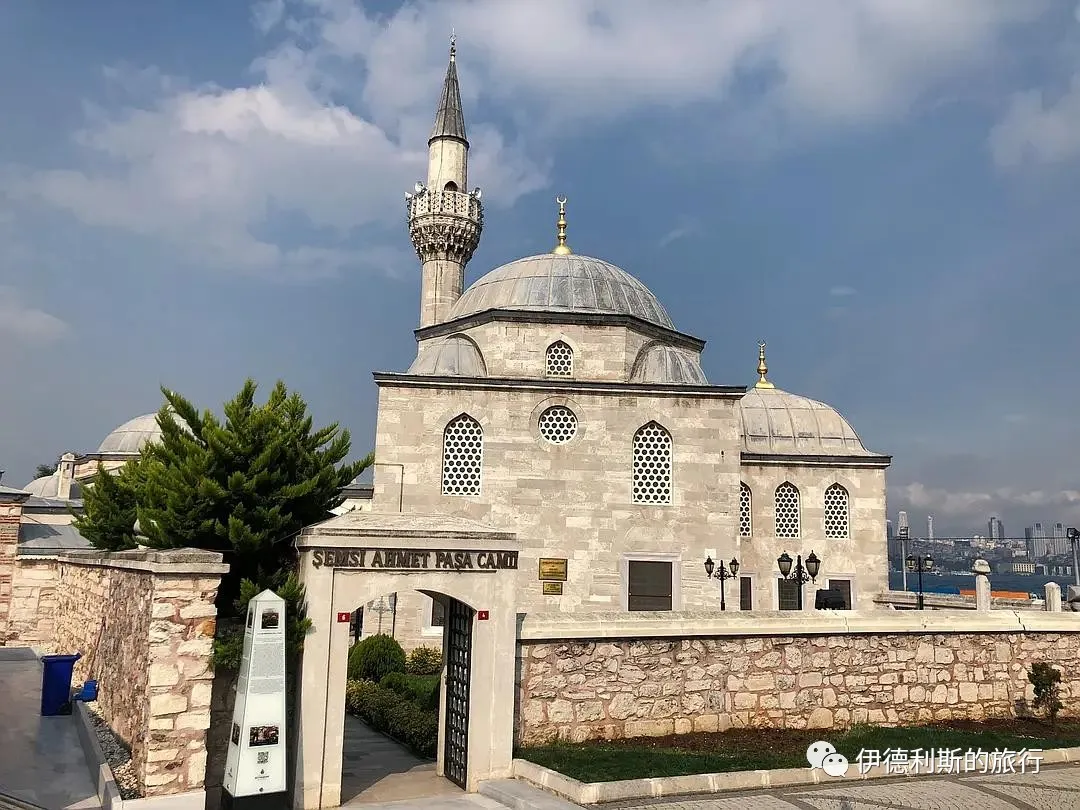
Molla Çelebi Mosque in Istanbul: Commissioned by the Ottoman Chief Justice Mehmet Vusuli Efendi and built by Mimar Sinan between 1570 and 1584. Sinan perfected the hexagonal structure within the classical Ottoman mosque architectural style here. The six support pillars are embedded into the walls. The mihrab sits in a protruding apse, and ten windows make this area the brightest spot in the main hall.
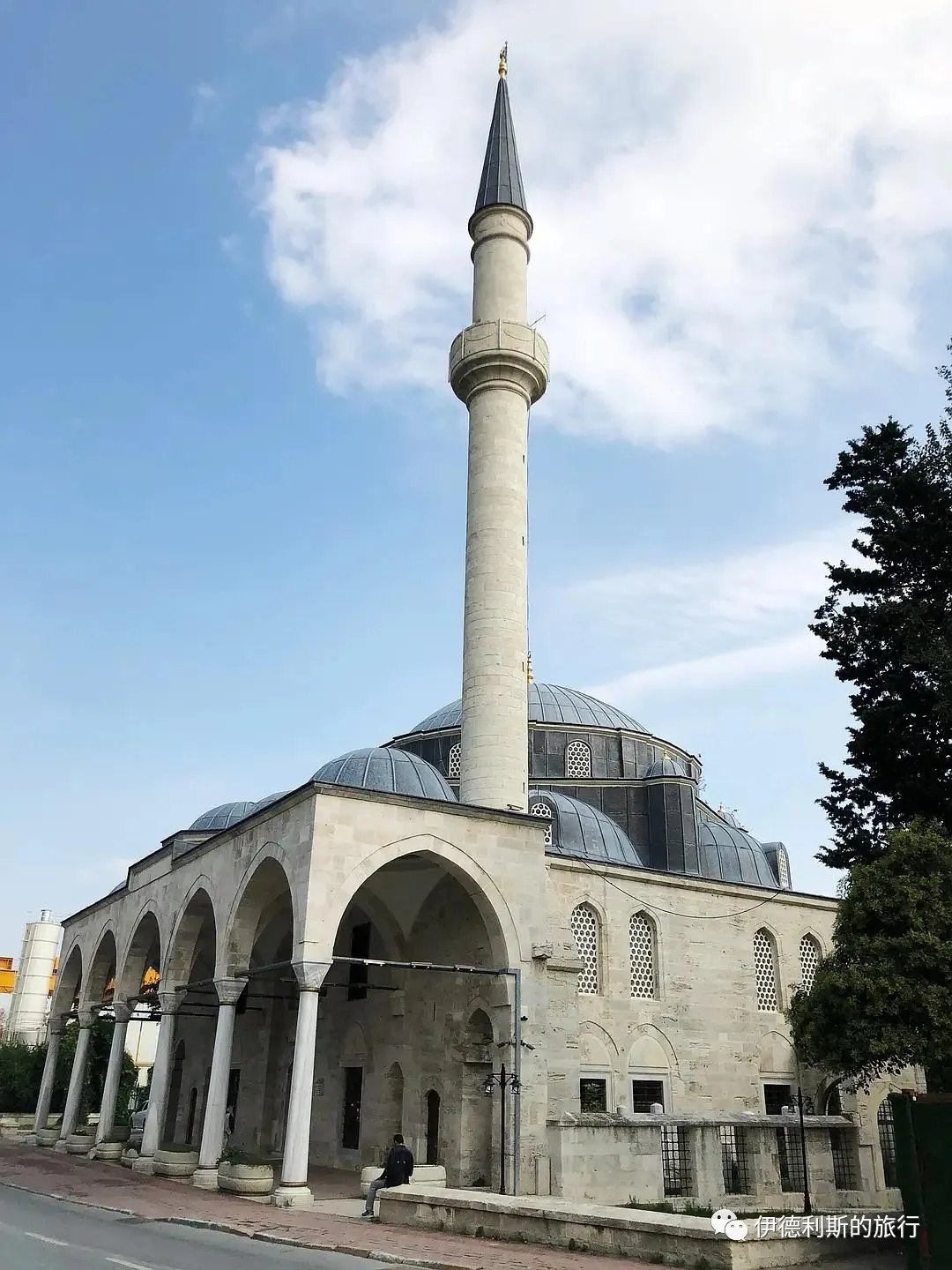
Atik Valide Mosque in Istanbul: A large complex commissioned by the Ottoman Queen Mother Nurbanu Sultan and built by Mimar Sinan. Construction happened in three stages. During the first stage from 1571 to 1574, Mimar Sinan was in Edirne overseeing his masterpiece, the Selimiye Mosque, so he hired another Ottoman court architect to supervise this project. The second stage was from 1577 to 1578. Nurbanu Sultan held real power in the empire then, and the mosque added a second minaret and a double-portico courtyard. The third stage was from 1584 to 1586. Nurbanu Sultan had passed away, and the mosque was expanded horizontally with a pair of small domes added on both sides of the central dome. It is believed that because Mimar Sinan was very old, his successor Davut Ağa finished the third stage.
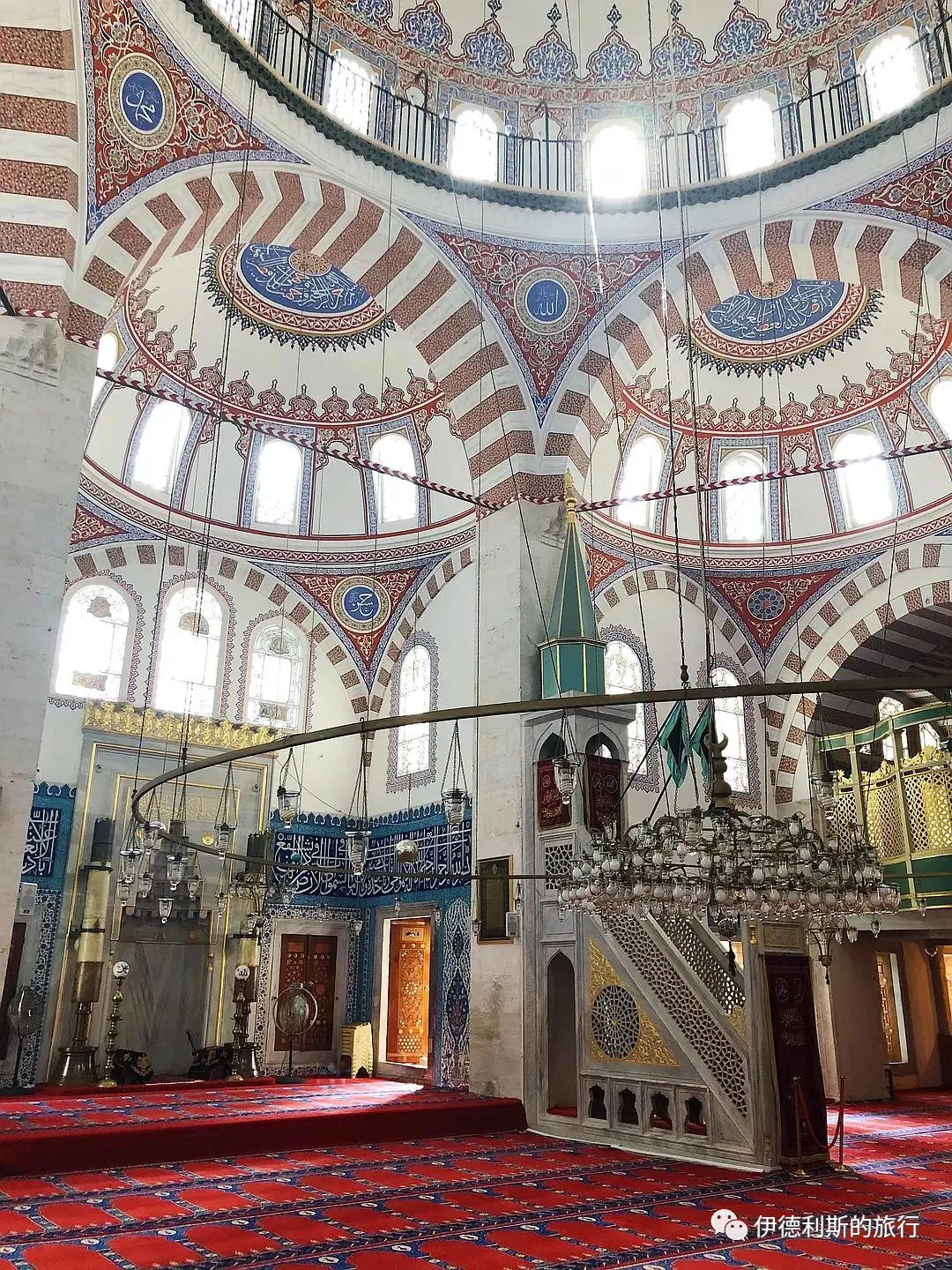
Nişancı Mehmet Pasha Mosque in Istanbul: Built by Mimar Sinan between 1584 and 1589. Some scholars think this mosque is not Sinan's work but should be credited to his student, the successor royal architect Davut Ağa, who served from 1588 to 1599. However, a close look at the structure shows it is clearly a further development of Sinan's octagonal mosque design.
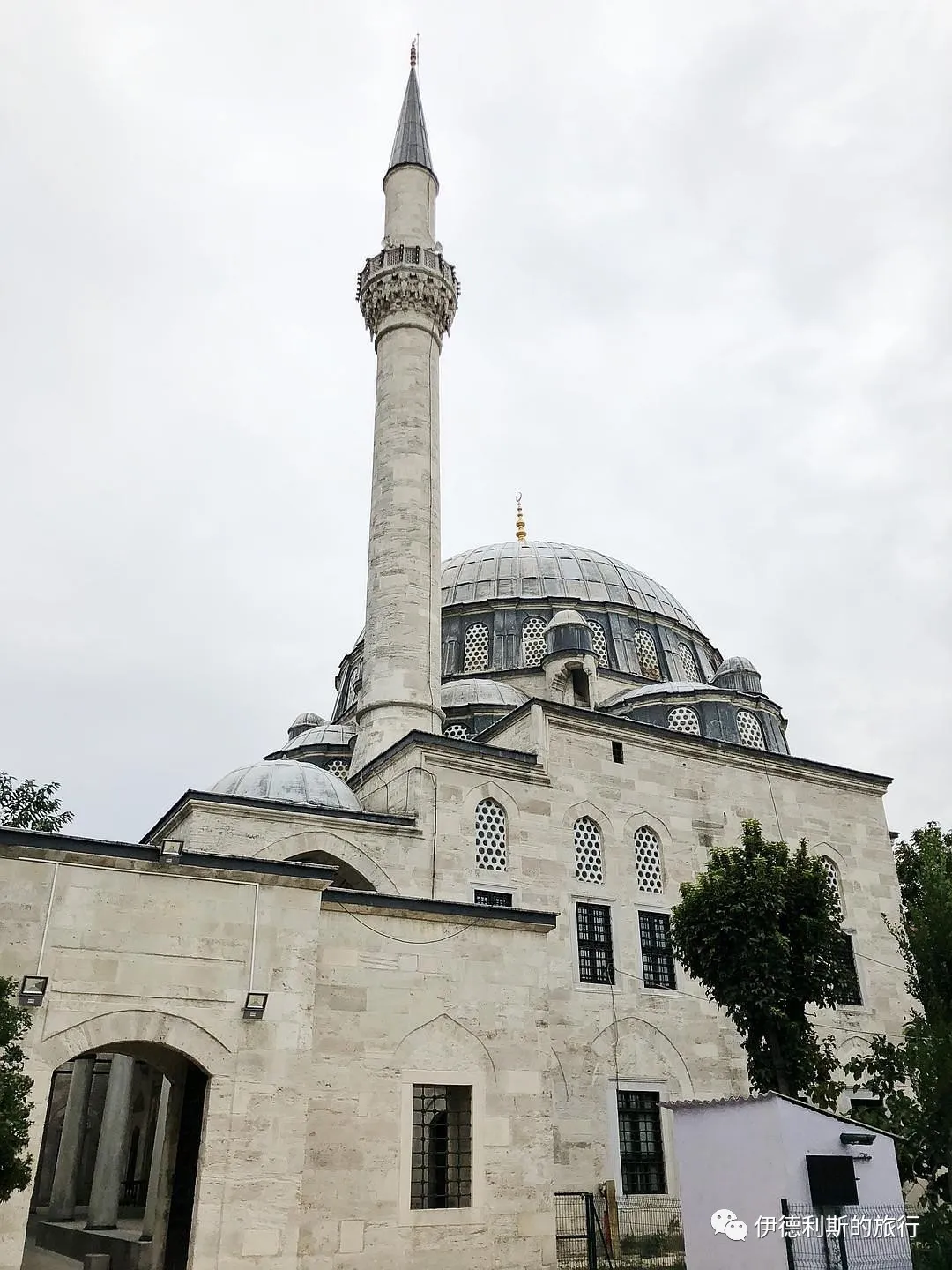
Sait Mahmut Pasha Mosque in Istanbul: Commissioned by Şah Sultan, daughter of Ottoman Sultan Selim II (reigned 1566-1574), and her husband Sait Mahmut Pasha. Mimar Sinan started building it in 1577, and it was finished in 1590, two years after Sinan died. The mosque feels like an original experiment from Sinan's later years. It has no connection to his previous mosque designs and is visually the complete opposite. The main arch has no decoration except for the qibla wall and connects directly to the gallery. This design weakens the visual impact of the dome. The widening of the space on three sides makes the dome look low enough to touch.
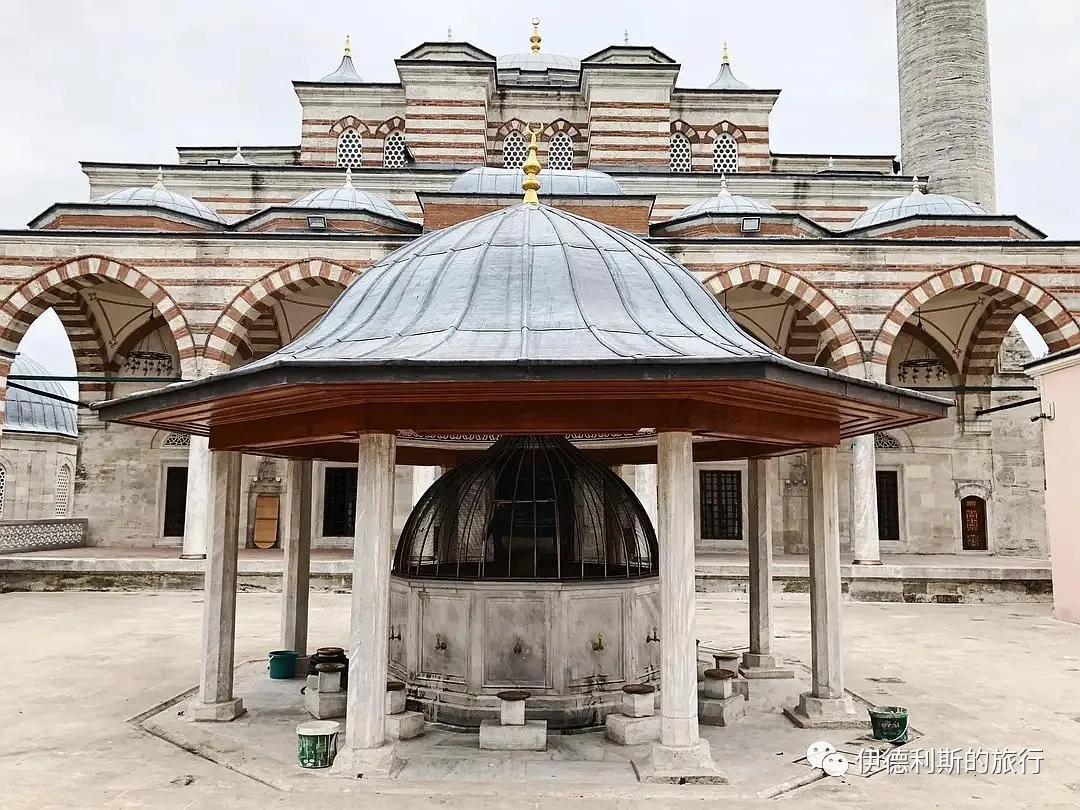
Selimiye Mosque in Edirne: Commissioned by Ottoman Sultan Selim II (reigned 1566-1574) and built by imperial chief architect Mimar Sinan between 1567 and 1575. It is hailed as a supreme achievement in Ottoman architecture, the culmination of 16th-century Ottoman Islamic art, and Sinan's undisputed masterpiece. It was added to the UNESCO World Heritage list in 2011.
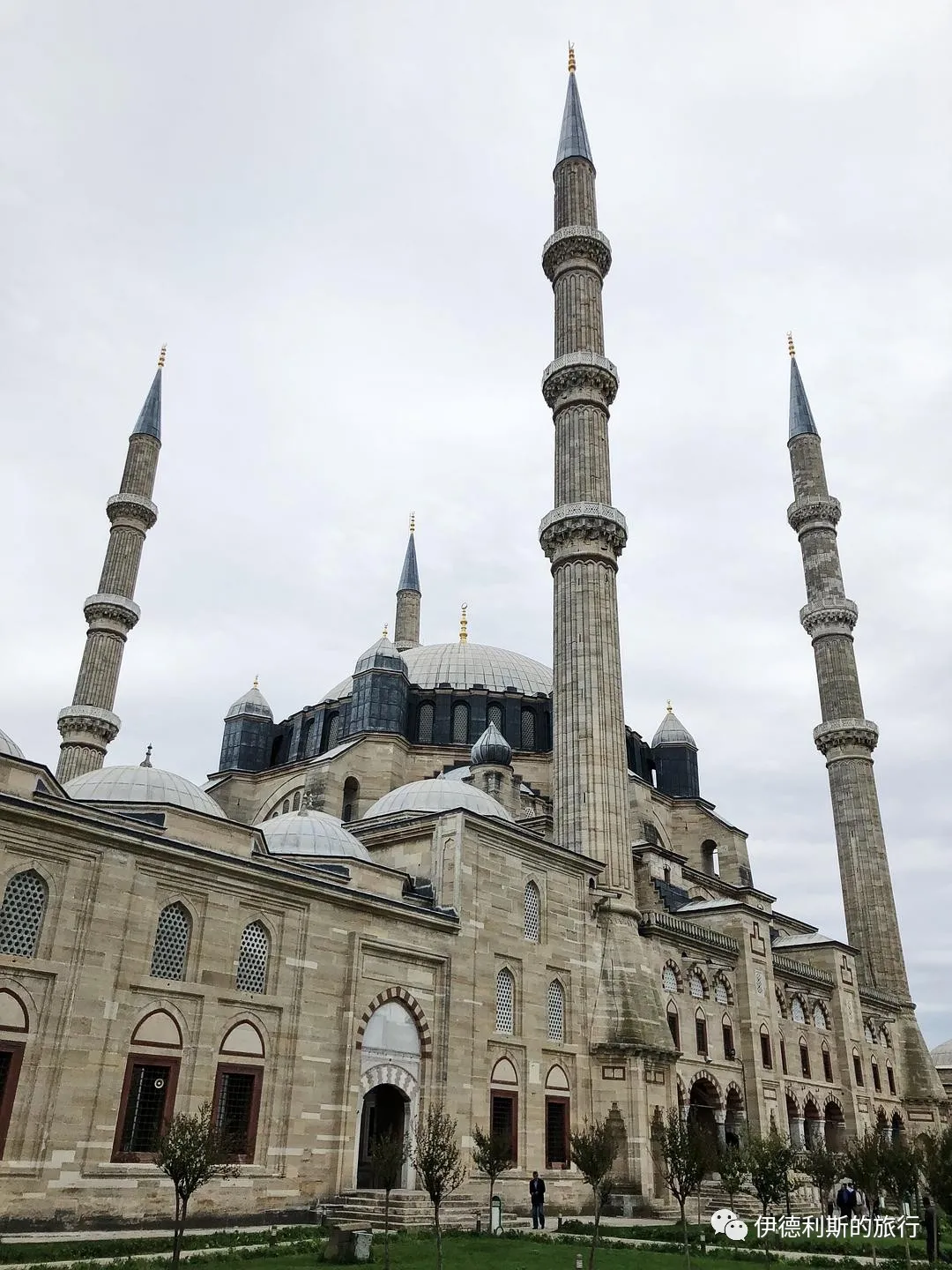
Selimiye Mosque in Konya: Commissioned by Sultan Selim II in 1558 and finished in 1570, it is a typical 16th-century Ottoman double-minaret mosque.
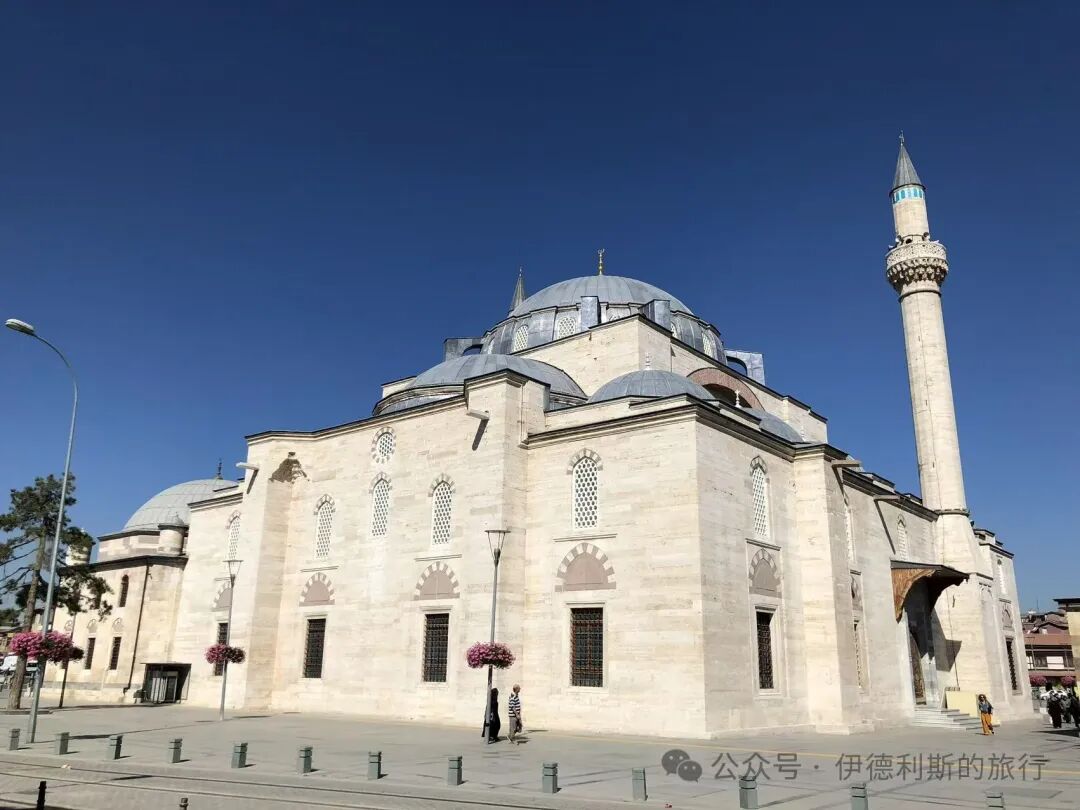
Harem Mosque in Istanbul: Located in the northeast part of Topkapı Palace, it was a place for harem concubines to pray and is decorated with beautiful tiles. It once had gorgeous carpets, but now only the plain floor remains.
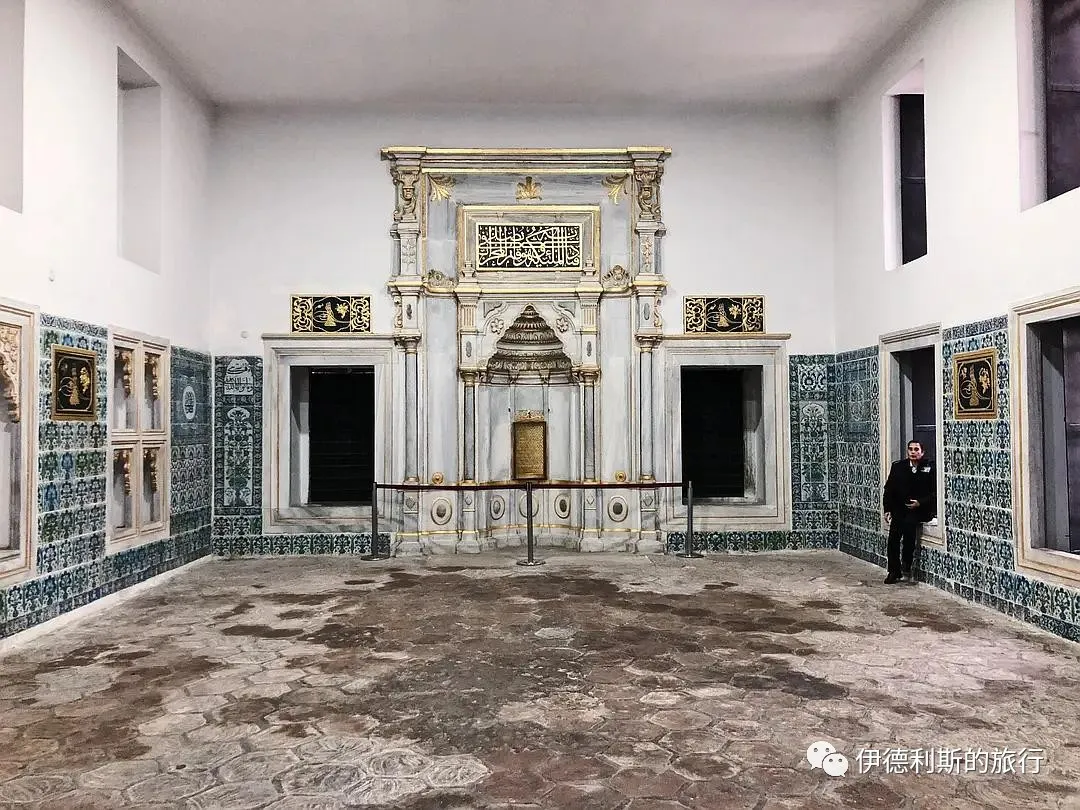
Ağalar Mosque in Istanbul: The main mosque in Topkapı Palace, dating back to the reign of Mehmed the Conqueror in the 15th century. Ottoman Sultans, palace servants (ağas), and guards all came here to perform namaz. After 1928, it became the Palace Library (Sarayı Kütüphanesi), housing tens of thousands of books and manuscripts from the Ottoman Empire in Turkish, Arabic, Persian, and Greek.
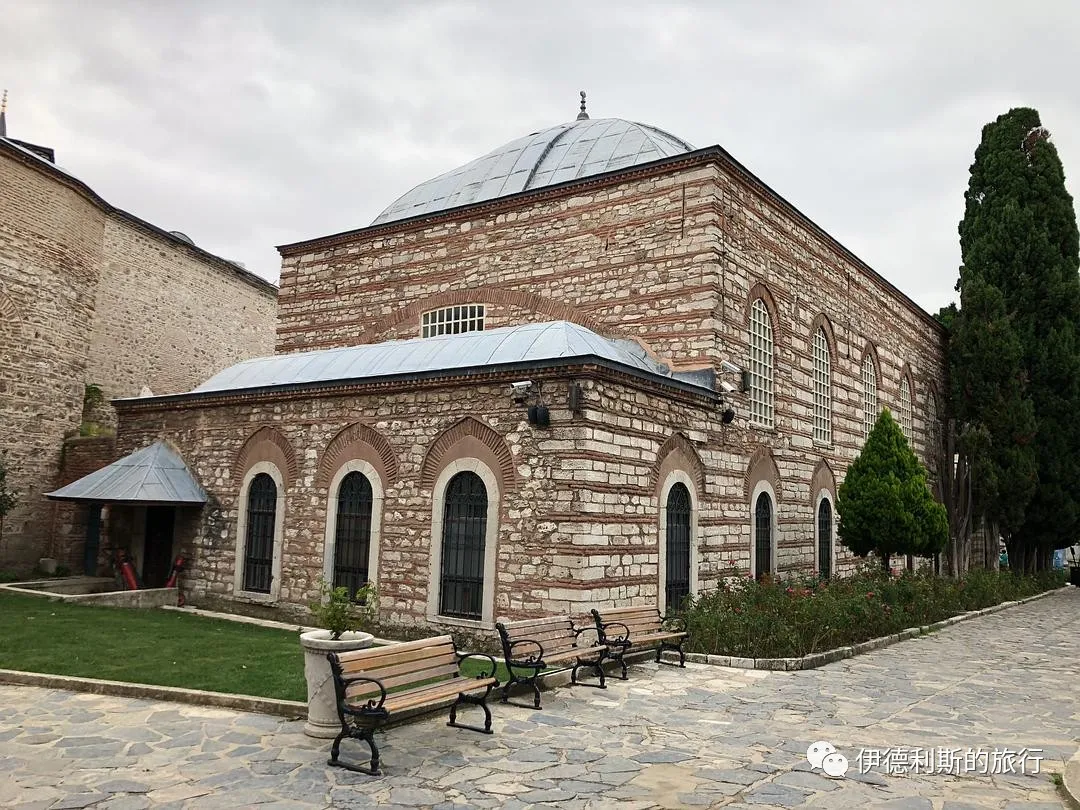
Sofa Mosque in Istanbul: Located at the back of Topkapı Palace, it was built by order of Sultan Mahmud II (reigned 1808-1839) for the Sofa Ocağı corps.
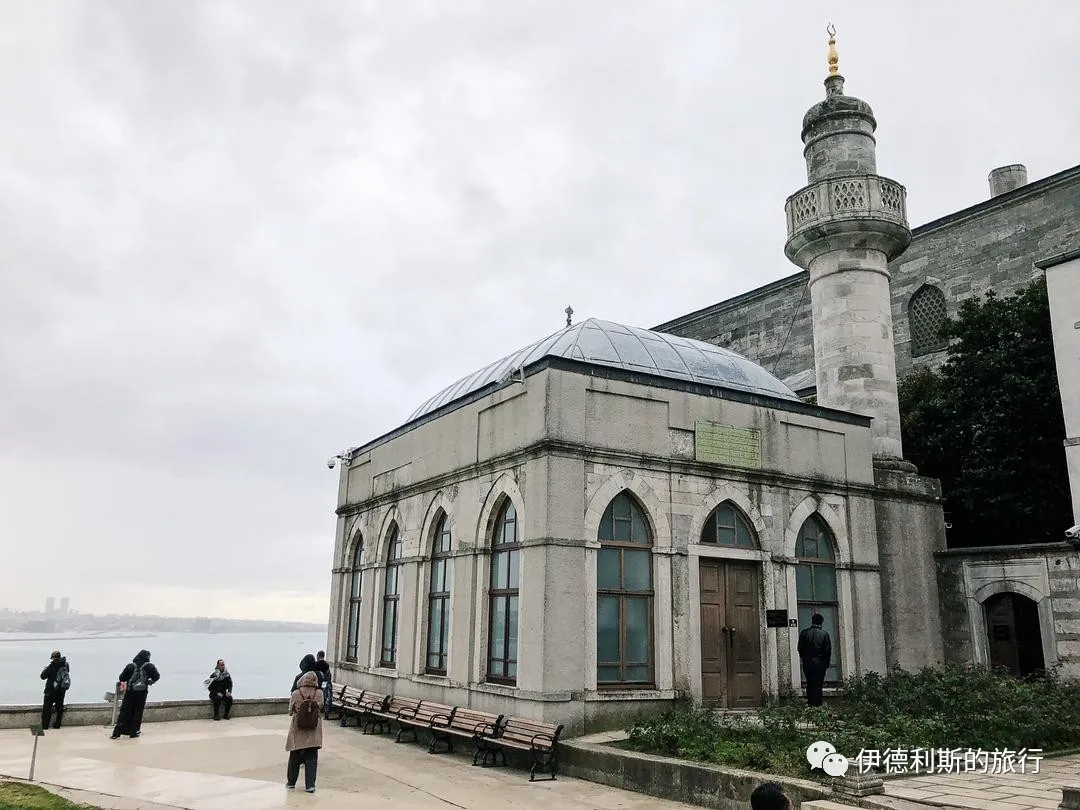
Eyüp Sultan Mosque in Istanbul: People say Abu Ayyub al-Ansari, the standard-bearer and companion of the noble Prophet, is buried here. The mosque was first built in 1458 and rebuilt by Sultan Selim III in 1798.
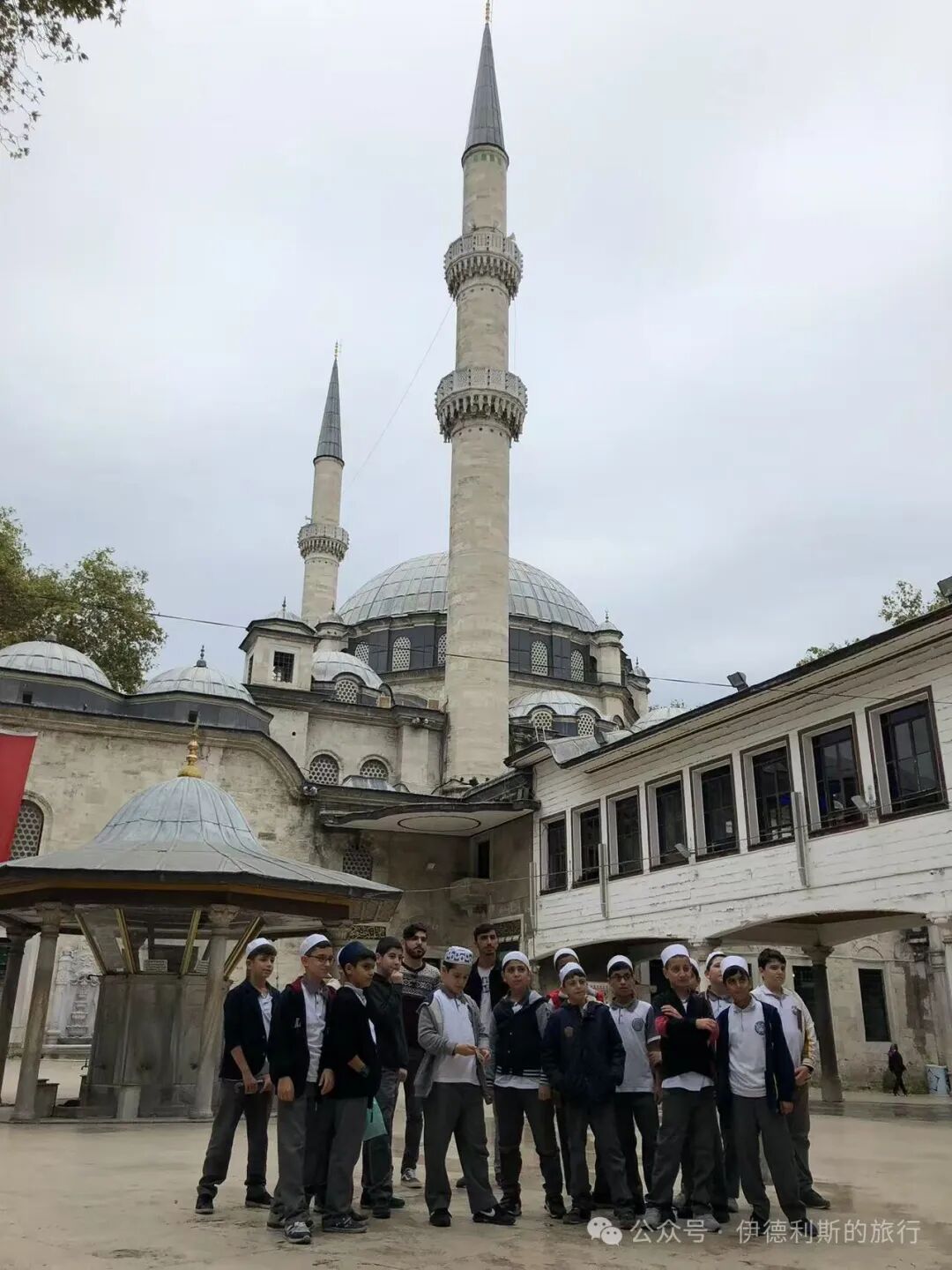
1 mosque in Tianjin in October.
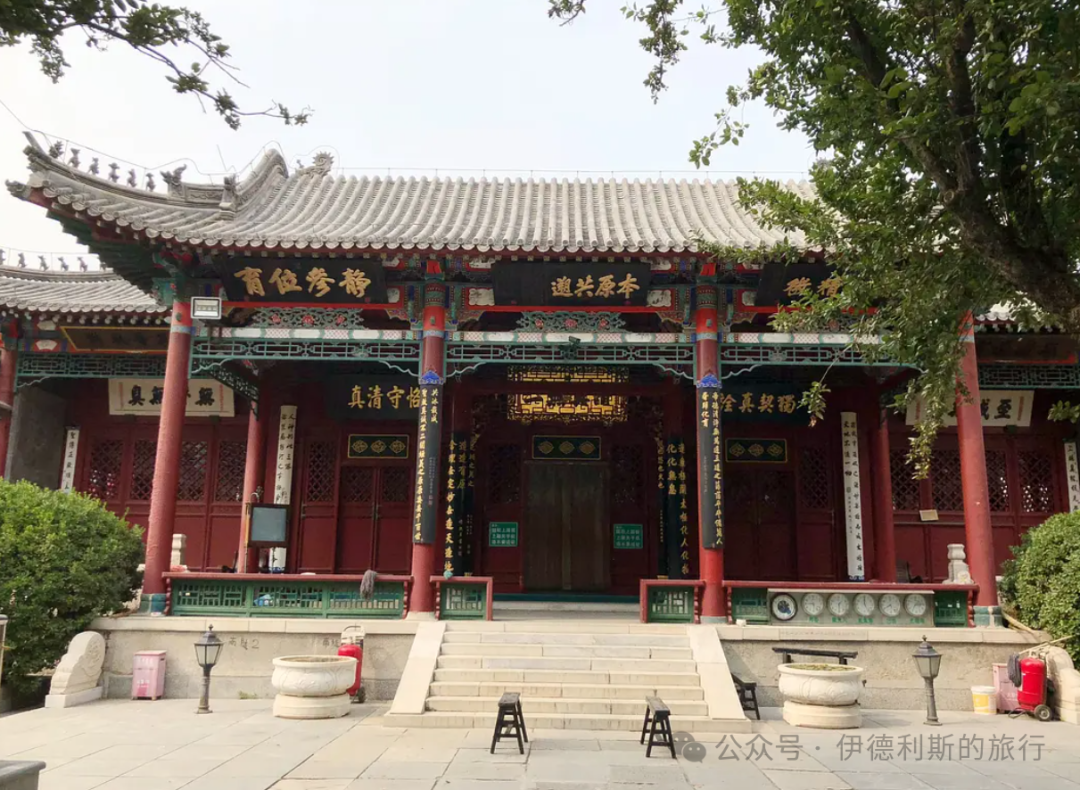
Northwest Corner Mosque: First built during the Ming Dynasty, the main hall was expanded twice in the 18th year of the Kangxi reign and the 6th year of the Jiaqing reign.
6 mosques in Henan in November.
Kaifeng East Mosque: Originally called Daliang Mosque, in 1368 (the first year of the Hongwu reign), young men from the mosque community joined Chang Yuchun’s northern expedition against the Yuan Dynasty. After the victory, Zhu Yuanzhang granted the name 'Imperial-Built Daliang Mosque.' In 1407 (the fifth year of the Yongle reign), Ming Emperor Zhu Di ordered its expansion, but it was destroyed by Yellow River flooding at the end of the Ming Dynasty. It was rebuilt in 1655 (the 12th year of the Kangxi reign), expanded in 1689 (the 28th year of the Kangxi reign), and damaged again by Yellow River flooding in 1841 (the 21st year of the Daoguang reign). In 1846 (the 26th year of the Daoguang reign), because Hui Muslims had performed meritorious service in flood prevention, the Henan governor petitioned the imperial court to rebuild it.
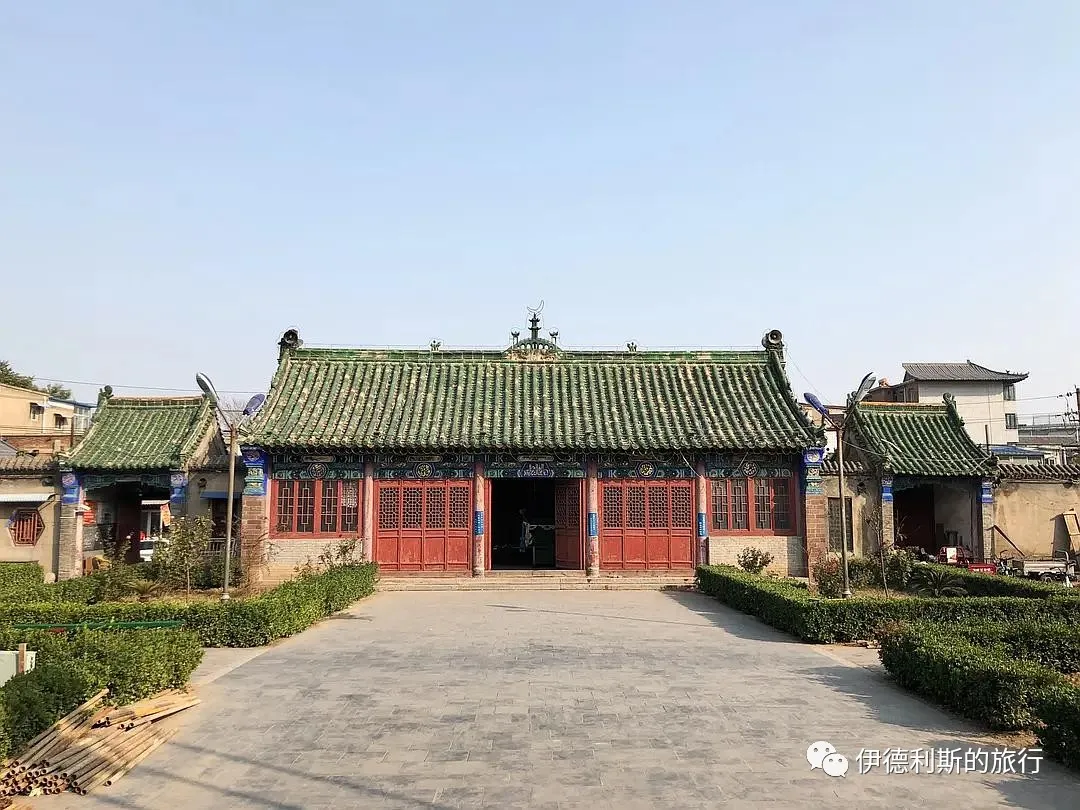
Kaifeng Shanyitang Mosque: Built in 1874 (the 13th year of the Tongzhi reign) by Hui Muslims from Shaanxi who settled in Kaifeng, it was originally a charitable association hall called 'Shanyitang'. In 1901, when Empress Dowager Cixi passed through Kaifeng on her way back to Beijing from Xi'an, the advance official Ma Liang, a Hui Muslim, requested that she write a plaque for the 'Mosque,' and it was then renamed Shanyitang Mosque.
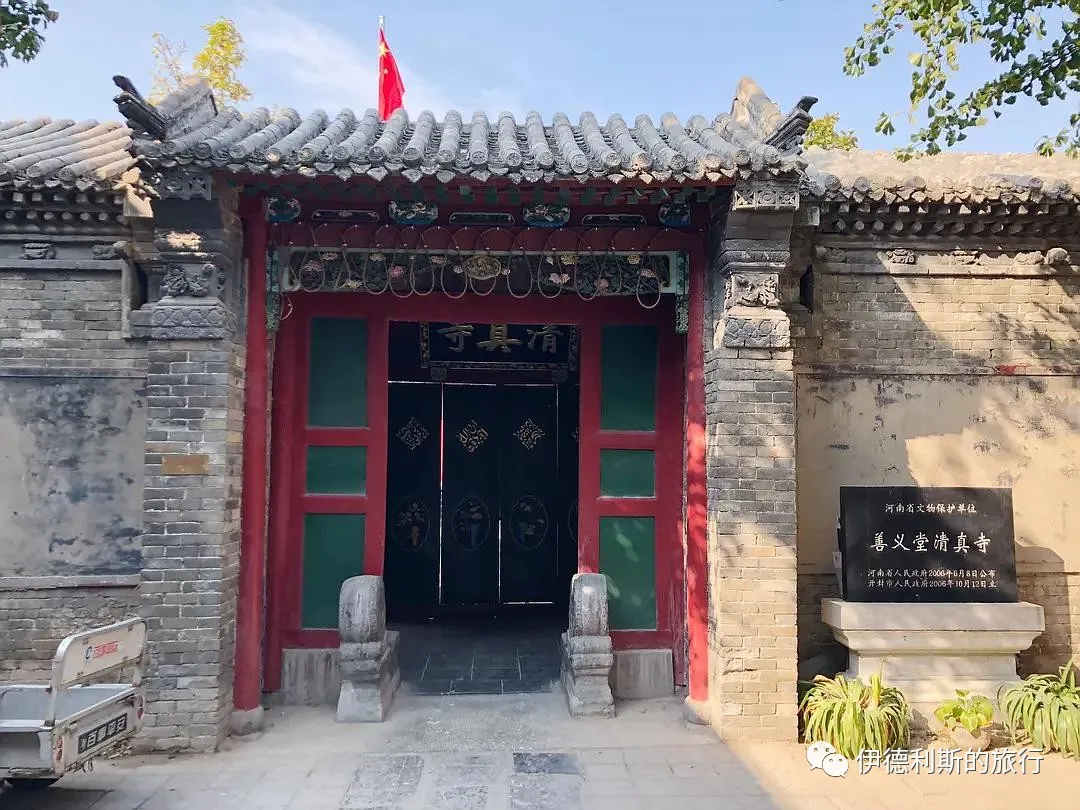
Kaifeng Wangjia Hutong Women's School: This is the oldest existing women's mosque in China, first built in the 1810s (during the Jiaqing reign of the Qing Dynasty). Two stone tablets from 1878 (the fourth year of the Guangxu reign) inside the mosque record its history. The founder of the women's mosque was a female imam named Li Men Yuan. After Imam Yuan passed away, her student, a female imam named Wu Men Zhang, continued to serve as imam. During this period, a man named Zheng donated money to buy the property, and an elderly woman named Zhao Yang donated two storefront rooms. This is also where the terms 'female imam' and 'women's mosque' first appeared in history.
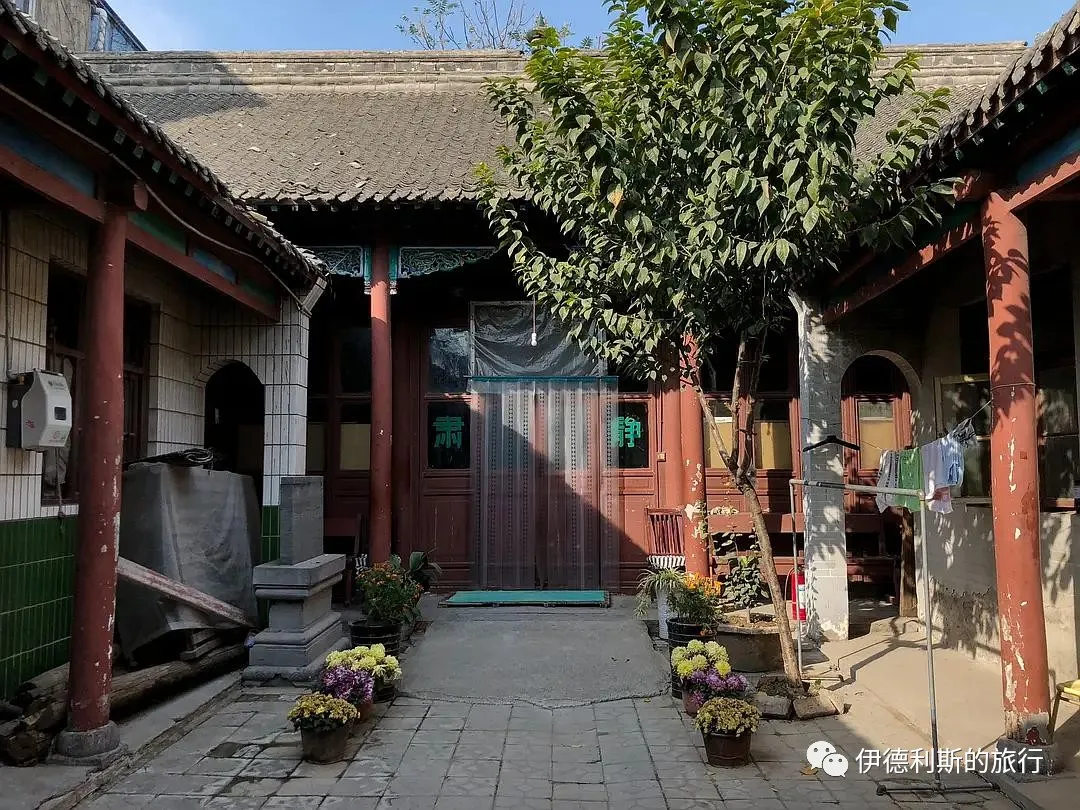
Kaifeng North Mosque: Destroyed by Yellow River flooding in 1645, it was relocated and rebuilt in 1662 (the first year of the Kangxi reign).
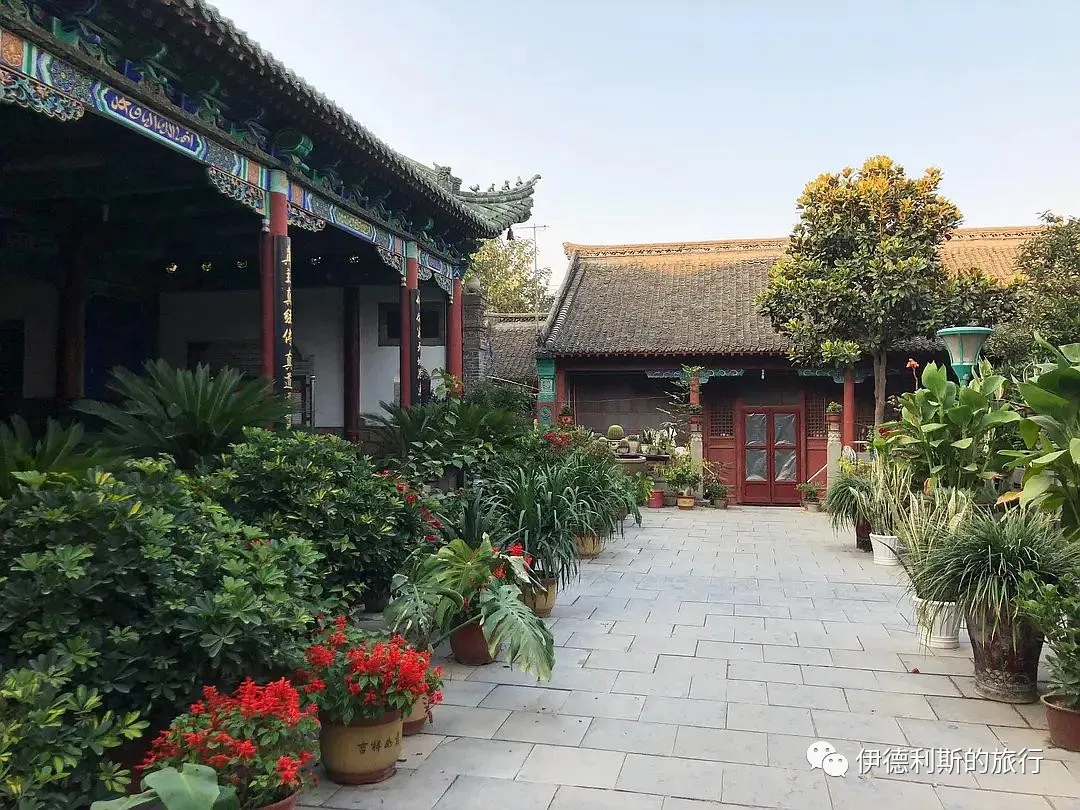
Kaifeng Wenshu Mosque Spirit Wall: The mosque was first built in the Ming Dynasty and destroyed by floods at the end of the Chongzhen reign. It was rebuilt in 1649 (the sixth year of the Shunzhi reign) and renovated in 1791 (the 56th year of the Qianlong reign). Opposite the main gate, a Qing Dynasty spirit wall (zhaobi) remains, featuring exquisite brick carvings.
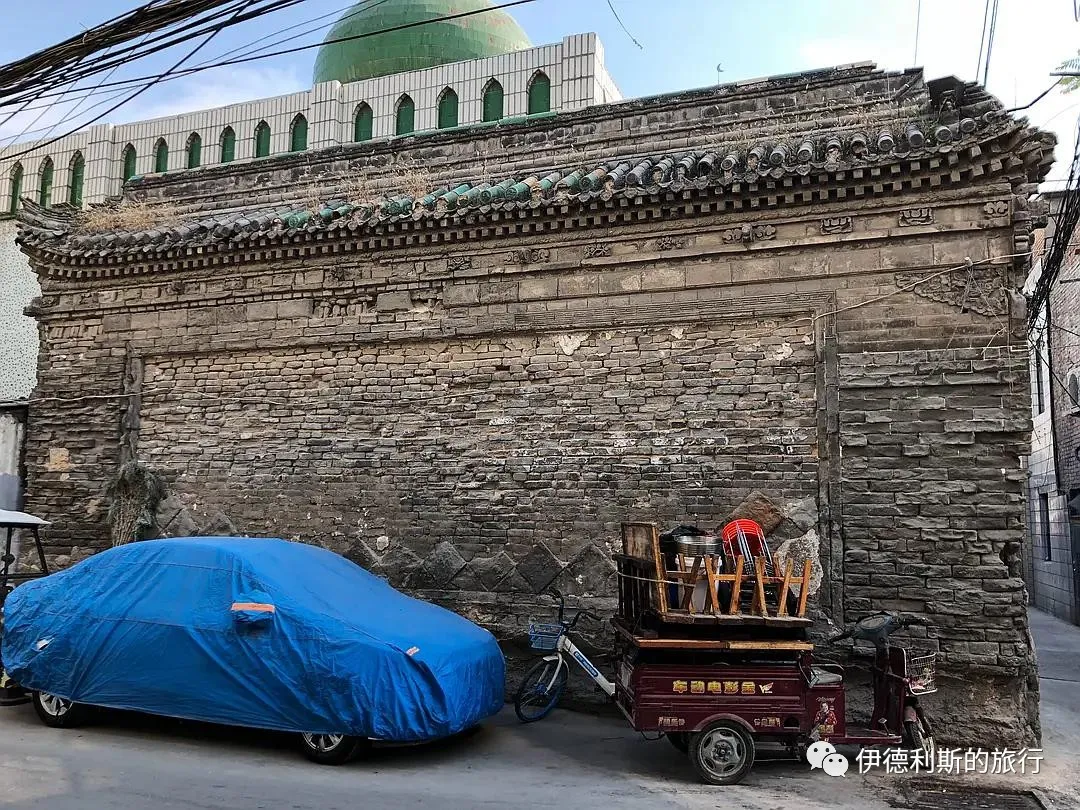
Kaifeng Zhuxian Town North Mosque: First built during the Taiping Xingguo years of the Northern Song Dynasty, it was rebuilt in 1531 (the 10th year of the Jiajing reign), destroyed by Yellow River flooding in 1641 (the 14th year of the Chongzhen reign), rebuilt in 1738 (the third year of the Qianlong reign), and expanded twice in 1744 (the ninth year of the Qianlong reign) and 1839 (the 19th year of the Daoguang reign).
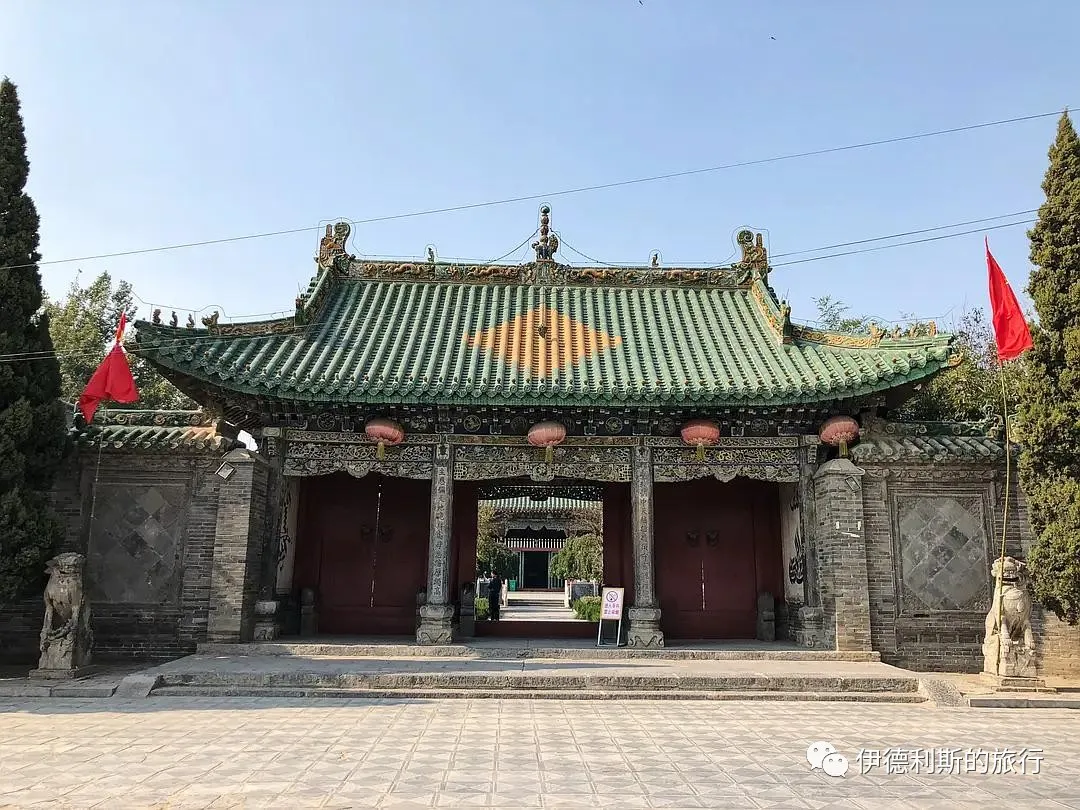
Summary: This second part of the 2018 mosque-visit record continues a journey through 101 historic mosques and Muslim heritage sites. The English article keeps the original sequence, names, photos, and factual notes from the source.
Molla Çelebi Mosque in Istanbul: Commissioned by the Ottoman Chief Justice Mehmet Vusuli Efendi and built by Mimar Sinan between 1570 and 1584. Sinan perfected the hexagonal structure within the classical Ottoman mosque architectural style here. The six support pillars are embedded into the walls. The mihrab sits in a protruding apse, and ten windows make this area the brightest spot in the main hall.
Atik Valide Mosque in Istanbul: A large complex commissioned by the Ottoman Queen Mother Nurbanu Sultan and built by Mimar Sinan. Construction happened in three stages. During the first stage from 1571 to 1574, Mimar Sinan was in Edirne overseeing his masterpiece, the Selimiye Mosque, so he hired another Ottoman court architect to supervise this project. The second stage was from 1577 to 1578. Nurbanu Sultan held real power in the empire then, and the mosque added a second minaret and a double-portico courtyard. The third stage was from 1584 to 1586. Nurbanu Sultan had passed away, and the mosque was expanded horizontally with a pair of small domes added on both sides of the central dome. It is believed that because Mimar Sinan was very old, his successor Davut Ağa finished the third stage.
Nişancı Mehmet Pasha Mosque in Istanbul: Built by Mimar Sinan between 1584 and 1589. Some scholars think this mosque is not Sinan's work but should be credited to his student, the successor royal architect Davut Ağa, who served from 1588 to 1599. However, a close look at the structure shows it is clearly a further development of Sinan's octagonal mosque design.
Sait Mahmut Pasha Mosque in Istanbul: Commissioned by Şah Sultan, daughter of Ottoman Sultan Selim II (reigned 1566-1574), and her husband Sait Mahmut Pasha. Mimar Sinan started building it in 1577, and it was finished in 1590, two years after Sinan died. The mosque feels like an original experiment from Sinan's later years. It has no connection to his previous mosque designs and is visually the complete opposite. The main arch has no decoration except for the qibla wall and connects directly to the gallery. This design weakens the visual impact of the dome. The widening of the space on three sides makes the dome look low enough to touch.
Selimiye Mosque in Edirne: Commissioned by Ottoman Sultan Selim II (reigned 1566-1574) and built by imperial chief architect Mimar Sinan between 1567 and 1575. It is hailed as a supreme achievement in Ottoman architecture, the culmination of 16th-century Ottoman Islamic art, and Sinan's undisputed masterpiece. It was added to the UNESCO World Heritage list in 2011.
Selimiye Mosque in Konya: Commissioned by Sultan Selim II in 1558 and finished in 1570, it is a typical 16th-century Ottoman double-minaret mosque.
Harem Mosque in Istanbul: Located in the northeast part of Topkapı Palace, it was a place for harem concubines to pray and is decorated with beautiful tiles. It once had gorgeous carpets, but now only the plain floor remains.
Ağalar Mosque in Istanbul: The main mosque in Topkapı Palace, dating back to the reign of Mehmed the Conqueror in the 15th century. Ottoman Sultans, palace servants (ağas), and guards all came here to perform namaz. After 1928, it became the Palace Library (Sarayı Kütüphanesi), housing tens of thousands of books and manuscripts from the Ottoman Empire in Turkish, Arabic, Persian, and Greek.
Sofa Mosque in Istanbul: Located at the back of Topkapı Palace, it was built by order of Sultan Mahmud II (reigned 1808-1839) for the Sofa Ocağı corps.
Eyüp Sultan Mosque in Istanbul: People say Abu Ayyub al-Ansari, the standard-bearer and companion of the noble Prophet, is buried here. The mosque was first built in 1458 and rebuilt by Sultan Selim III in 1798.
1 mosque in Tianjin in October.
Northwest Corner Mosque: First built during the Ming Dynasty, the main hall was expanded twice in the 18th year of the Kangxi reign and the 6th year of the Jiaqing reign.
6 mosques in Henan in November.
Kaifeng East Mosque: Originally called Daliang Mosque, in 1368 (the first year of the Hongwu reign), young men from the mosque community joined Chang Yuchun’s northern expedition against the Yuan Dynasty. After the victory, Zhu Yuanzhang granted the name 'Imperial-Built Daliang Mosque.' In 1407 (the fifth year of the Yongle reign), Ming Emperor Zhu Di ordered its expansion, but it was destroyed by Yellow River flooding at the end of the Ming Dynasty. It was rebuilt in 1655 (the 12th year of the Kangxi reign), expanded in 1689 (the 28th year of the Kangxi reign), and damaged again by Yellow River flooding in 1841 (the 21st year of the Daoguang reign). In 1846 (the 26th year of the Daoguang reign), because Hui Muslims had performed meritorious service in flood prevention, the Henan governor petitioned the imperial court to rebuild it.
Kaifeng Shanyitang Mosque: Built in 1874 (the 13th year of the Tongzhi reign) by Hui Muslims from Shaanxi who settled in Kaifeng, it was originally a charitable association hall called 'Shanyitang'. In 1901, when Empress Dowager Cixi passed through Kaifeng on her way back to Beijing from Xi'an, the advance official Ma Liang, a Hui Muslim, requested that she write a plaque for the 'Mosque,' and it was then renamed Shanyitang Mosque.
Kaifeng Wangjia Hutong Women's School: This is the oldest existing women's mosque in China, first built in the 1810s (during the Jiaqing reign of the Qing Dynasty). Two stone tablets from 1878 (the fourth year of the Guangxu reign) inside the mosque record its history. The founder of the women's mosque was a female imam named Li Men Yuan. After Imam Yuan passed away, her student, a female imam named Wu Men Zhang, continued to serve as imam. During this period, a man named Zheng donated money to buy the property, and an elderly woman named Zhao Yang donated two storefront rooms. This is also where the terms 'female imam' and 'women's mosque' first appeared in history.
Kaifeng North Mosque: Destroyed by Yellow River flooding in 1645, it was relocated and rebuilt in 1662 (the first year of the Kangxi reign).
Kaifeng Wenshu Mosque Spirit Wall: The mosque was first built in the Ming Dynasty and destroyed by floods at the end of the Chongzhen reign. It was rebuilt in 1649 (the sixth year of the Shunzhi reign) and renovated in 1791 (the 56th year of the Qianlong reign). Opposite the main gate, a Qing Dynasty spirit wall (zhaobi) remains, featuring exquisite brick carvings.
Kaifeng Zhuxian Town North Mosque: First built during the Taiping Xingguo years of the Northern Song Dynasty, it was rebuilt in 1531 (the 10th year of the Jiajing reign), destroyed by Yellow River flooding in 1641 (the 14th year of the Chongzhen reign), rebuilt in 1738 (the third year of the Qianlong reign), and expanded twice in 1744 (the ninth year of the Qianlong reign) and 1839 (the 19th year of the Daoguang reign).
