
Halal Travel Guide: 2021 Mosque Visits — 47 Historic Mosques and Muslim Heritage
Reposted from the web
Summary: This 2021 travel record follows visits to 47 historic mosques and Muslim community sites. The English article keeps the source order, captions, images, names, and cultural details while presenting the journey as a readable long-form travel account.
2021 was a very difficult year for visiting mosques. By January, mosques in downtown Beijing were already closed. I attended Jumu'ah prayer once in Tongzhou, and then all the mosques in the city closed. In mid-March, my workplace lifted travel restrictions. I hurried to visit 6 mosques in Henan, 5 in Jiangsu, and 5 in Hebei before Ramadan began. During the May Day holiday, I visited 3 mosques in Turpan. After Eid al-Fitr, I kept moving quickly. In May, I visited 1 mosque in Hebei, 4 in Liaoning, 1 in Shanxi, and 1 in Tianjin. In June, I visited 8 in Qinghai and 2 in Inner Mongolia. In July, I visited 2 in Hebei before travel restrictions out of Beijing returned. During the National Day holiday, there were no new cases nationwide, so we went on a road trip to Yunnan and visited 8 mosques. After the holiday, new cases appeared, and I could not leave Beijing again.
So, in 2021, with less than half a year of actual freedom, I visited 47 mosques across 11 provinces and cities.
2022 was the most difficult year, as I could not leave Beijing at all. That year, I visited some former mosque ruins in Beijing and some mosques I had never been to before, totaling 25 mosques for the year. See "Visiting Twenty-Five Mosques in Beijing in 2022."
At the beginning of 2023, travel restrictions out of Beijing were lifted, and by May, international travel restrictions were also lifted. That year, I traveled extensively, visiting 124 mosques across 11 provinces, 6 countries, and three continents: Europe, Asia, and Africa. See "Visiting 124 Mosques in 2023."
In 2024, life gradually returned to normal, but due to job changes and spending time with my children, the number of mosques I visited decreased. That year, I went to 6 provinces and 3 countries, visiting 63 mosques. I visited Malaysia three times, seeing 24 mosques, which covers almost all the historic mosques in Malaysia. See "Visiting 63 Mosques in 2024."
One mosque in Beijing in January.
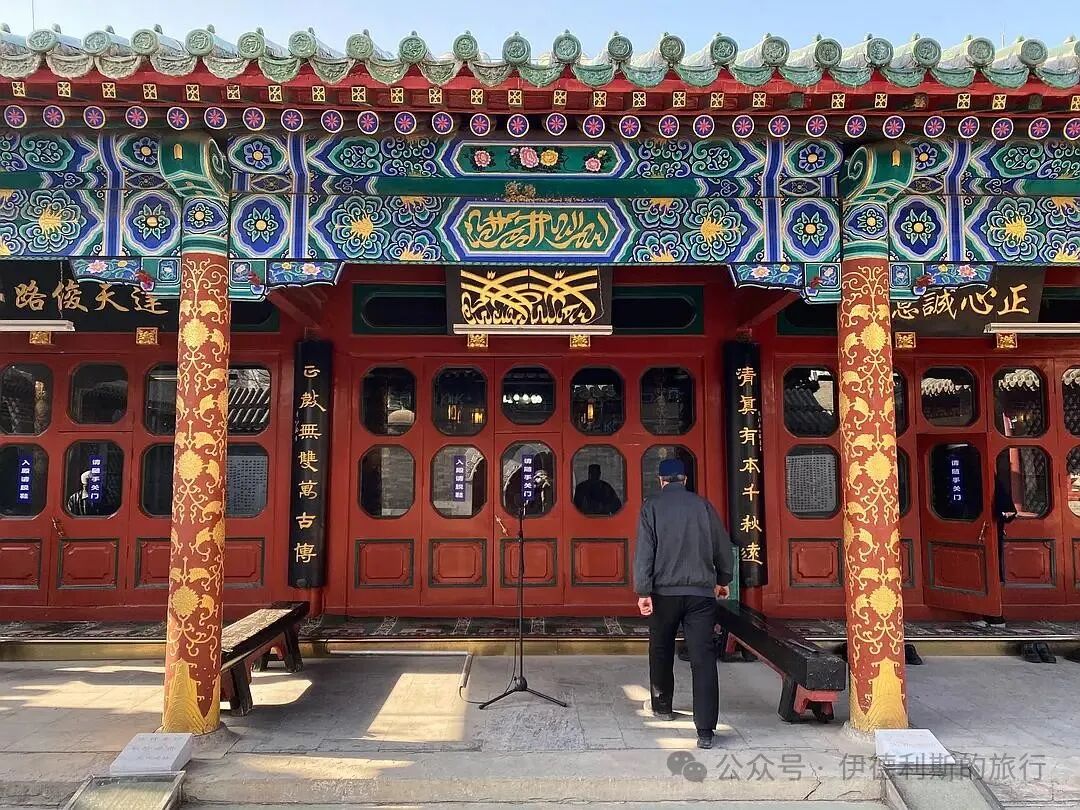
Tongzhou Grand Mosque: Tongzhou Mosque and Dongsi Mosque are the only two mosques in Beijing that use corbelled brickwork to build their kiln-style prayer hall domes. After the Qing Dynasty, all kiln-style domes were changed to wooden pavilion-style structures.
6 mosques in Henan in March
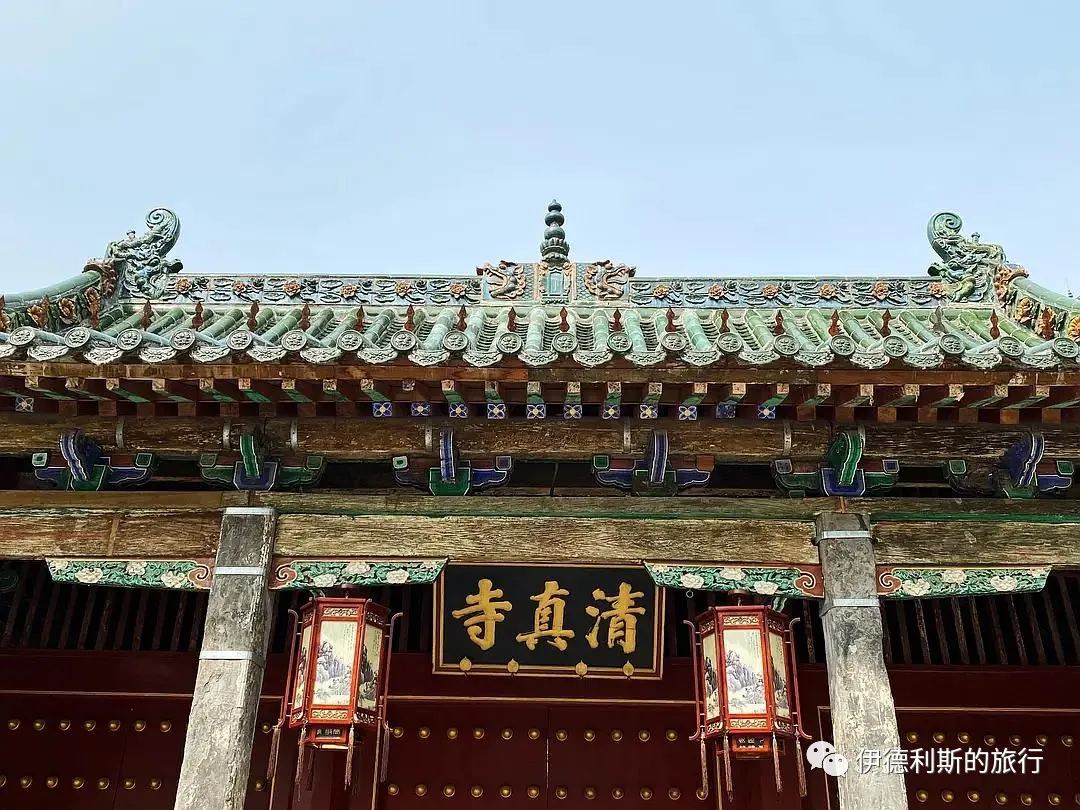
Zhengzhou North Mosque: Located on North Street in the old city of Zhengzhou, it is said to have been built in the Ming Dynasty. It has a typical Central Plains architectural style and is a Major Historical and Cultural Site Protected at the National Level. The main gate was built in 1725 (the third year of the Yongzheng reign). The moon-sighting tower (wangyuelou) also serves as a minaret (bangkelou). Its structure likely dates back to the Ming Dynasty, though the bracket sets (dougong) and eaves rafters were probably replaced during the Qing Dynasty. Records show it was renovated in 1887 (the 13th year of the Guangxu reign). The main prayer hall was renovated twice, in 1802 (the 7th year of the Jiaqing reign) and 1907 (the 33rd year of the Guangxu reign).
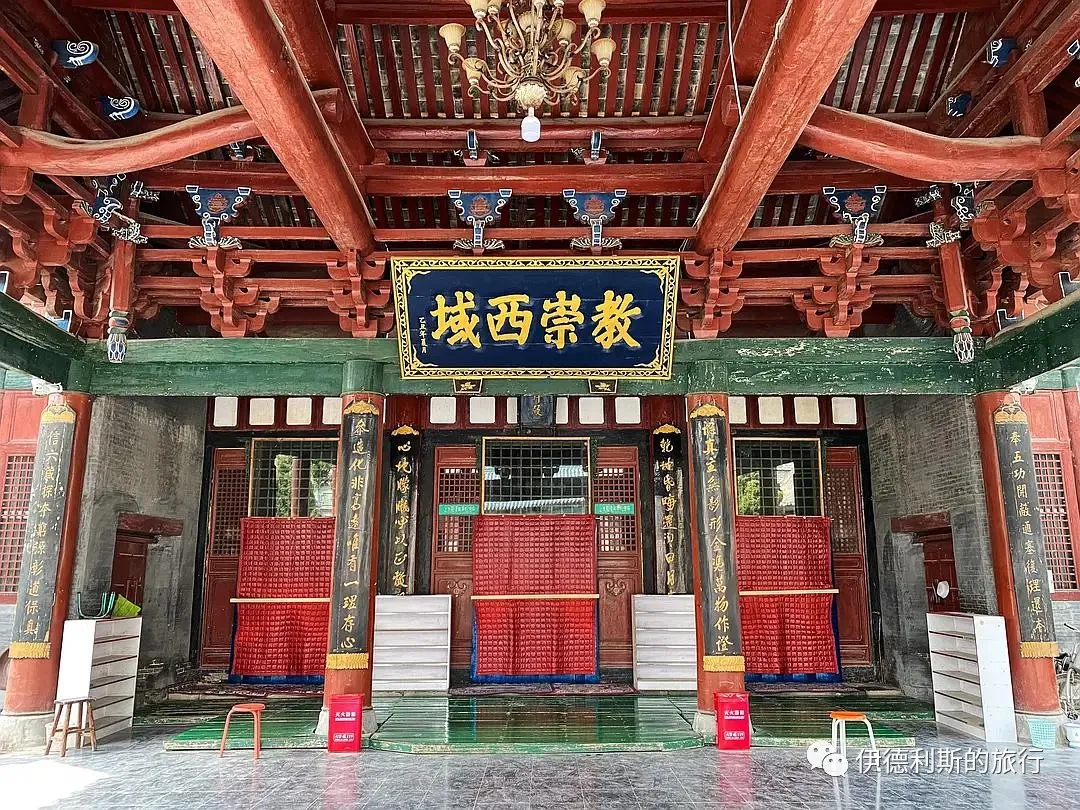
Bo'ai Xiguan Mosque: Originally built in the Yuan Dynasty, the main hall was expanded in 1405 (the 3rd year of the Ming Yongle reign). It is now a national cultural heritage site and is known as the 'First Mosque of Northern Henan'. The kiln hall (yaodian) was burned down by the Nian Army in 1863 (the 2nd year of the Tongzhi reign) and later rebuilt to its original appearance. In 1941, a rear hall was added behind the kiln hall, making the kiln hall the middle hall.
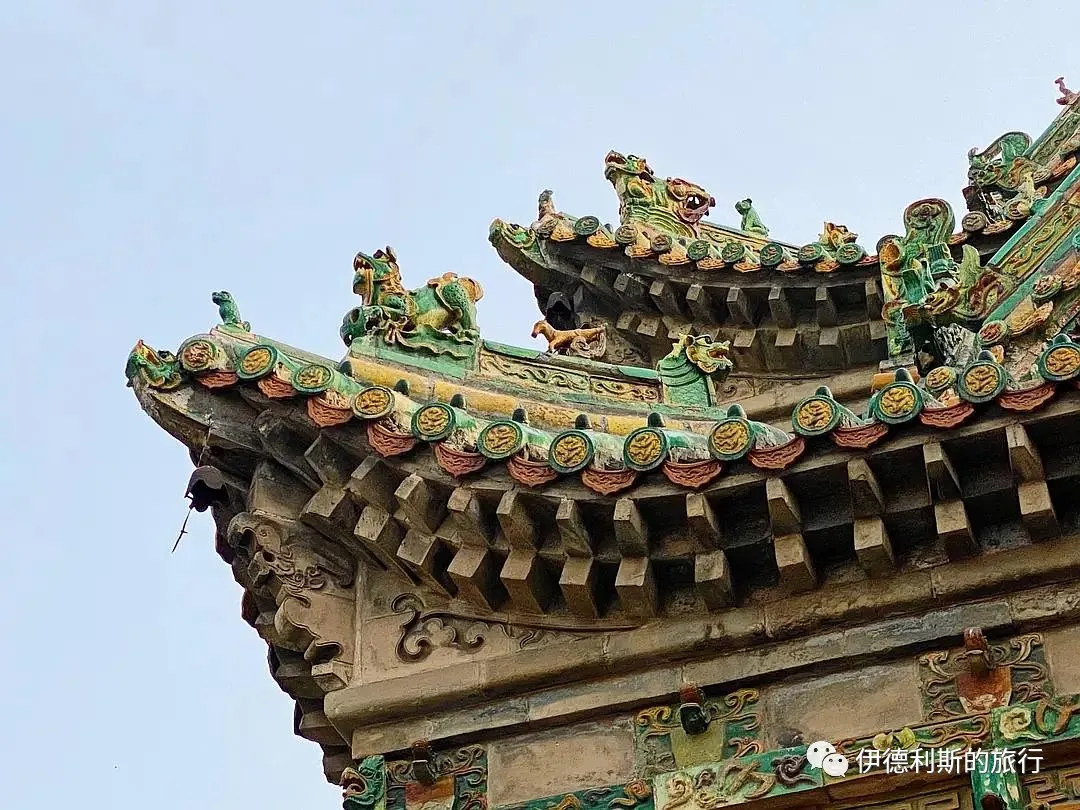
Qinyang North Mosque: It was moved to its current site in 1561 (the 40th year of the Ming Jiajing reign), destroyed by fire in 1628 (the 1st year of the Ming Chongzhen reign), and rebuilt in 1631. It is a national key cultural heritage site. The exterior of the kiln hall features a cross-ridge roof with over 70 glazed roof beasts. Under the eaves are glazed square beams (fang), brackets (gong), and hanging flower columns (chuihuazhu). The colorful design represents the highest standard for Qing Dynasty kiln hall roofs.
Bo'ai Erxian Mosque Mosque: Originally built in the Yuan Dynasty, it was renovated in 1638 (the 11th year of the Ming Chongzhen reign) and again in 1731 (the 9th year of the Qing Yongzheng reign). It is a Henan Province cultural heritage site.
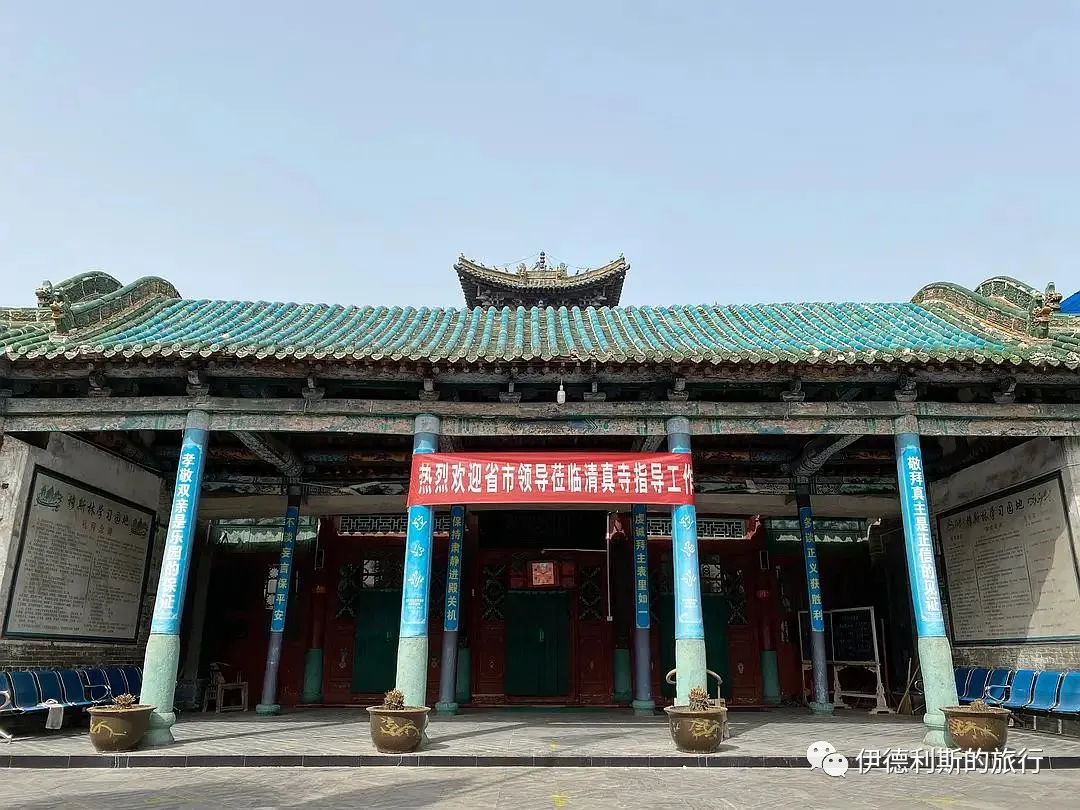
Bo'ai Daxinzhuang East Mosque: Originally built in the Yuan Dynasty, it was expanded in the Ming Dynasty, and a rear hall was added during the Republic of China era. It is currently a Henan Province cultural heritage site.
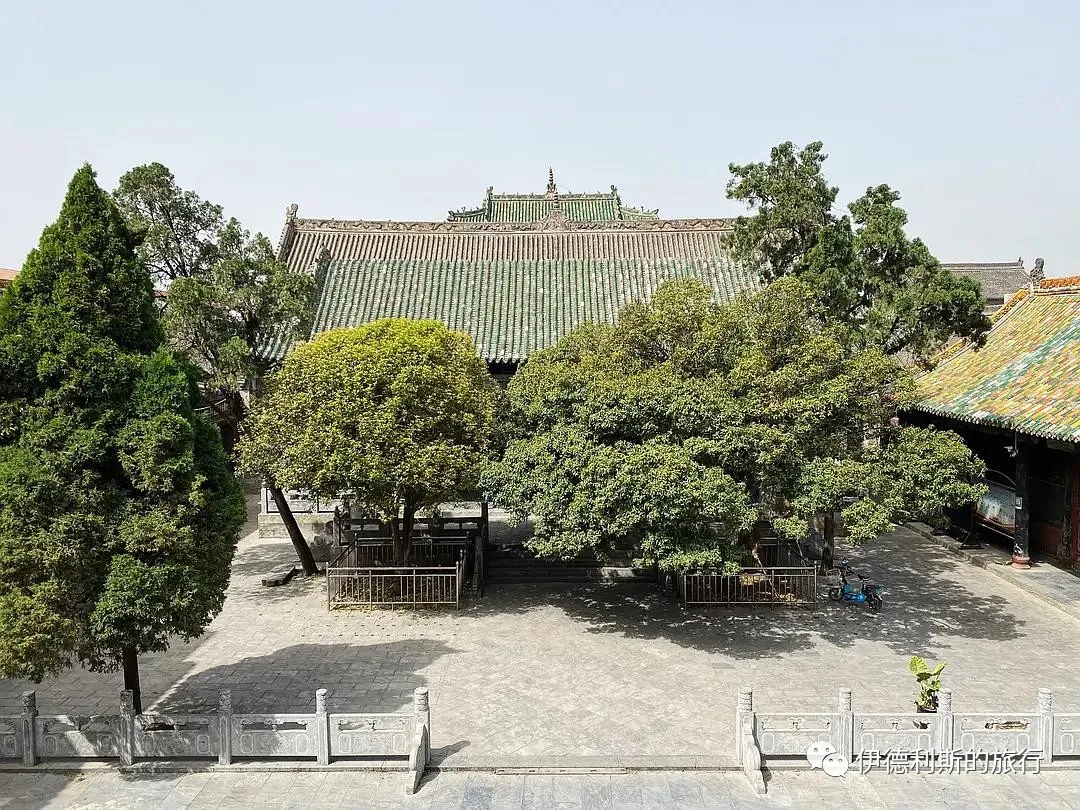
Bo'ai Daxinzhuang West Mosque: Originally built during the Jiaqing reign, the main hall started with three bays. It was expanded to five bays in the late Qing Dynasty and to seven bays in the early Republic of China era. During this time, the elder Ma Anli funded the construction of a five-bay shed roof (juanpeng).
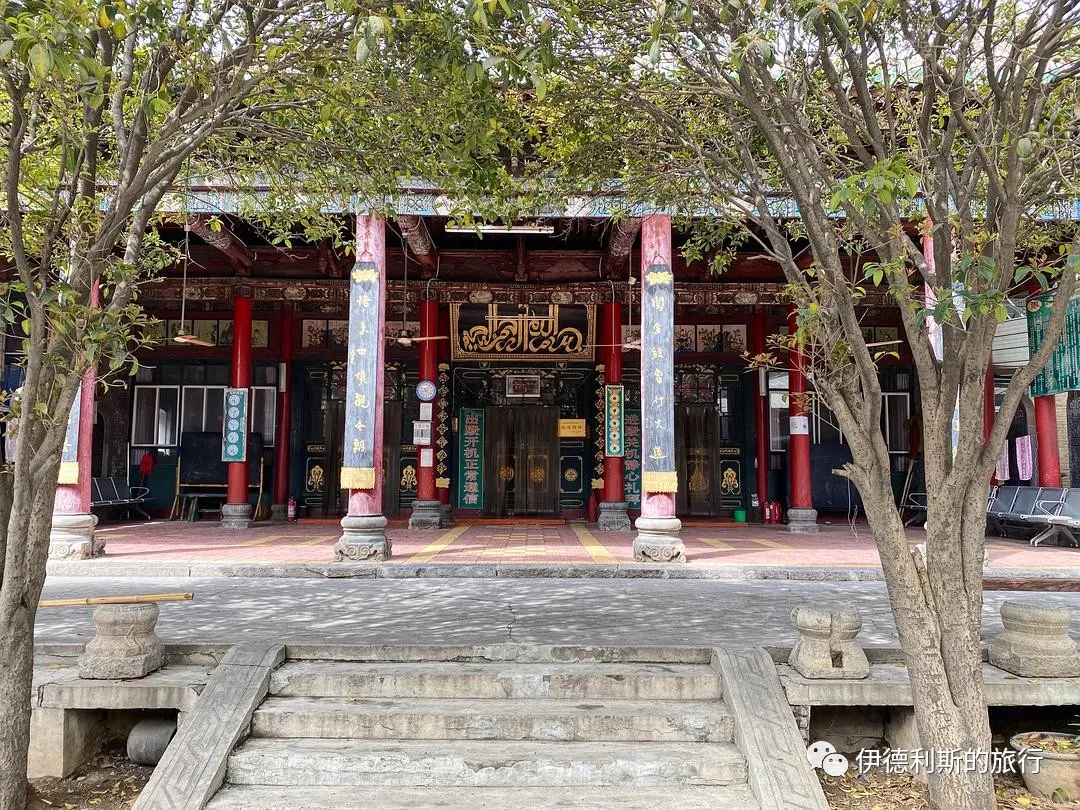
April: 5 mosques in Jiangsu.
Gaoyou Mosque: The original construction date is unknown. There is a cypress tree over 200 years old in the courtyard. In 1864 (the 3rd year of the Tongzhi reign), community elders Ma Guixing, Liu Xingtian, and Ma Hongxing rebuilt it. The current entrance has a stone carving that reads 'Rebuilt in the middle of winter, the 2nd year of the Qing Tongzhi reign'.
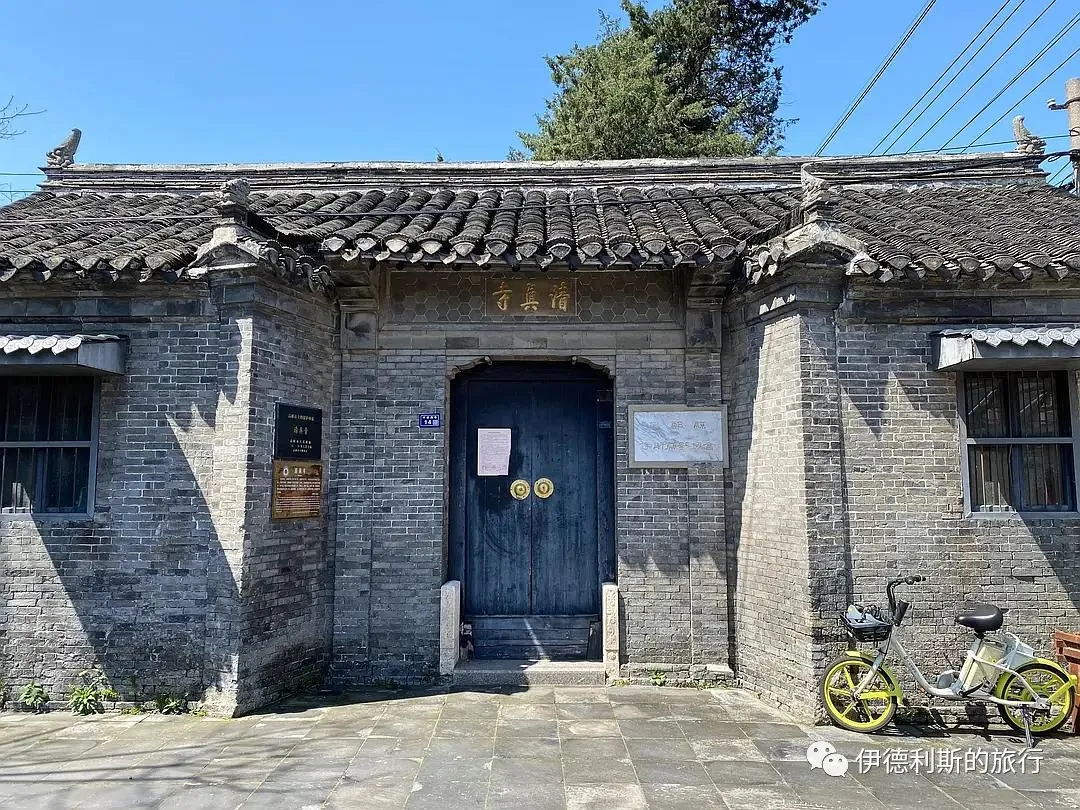
Gaoyou Lingtang Mosque: A mosque was built at 'Huihui Bay' by Gaoyou Lake in the late Yuan Dynasty, but it was later destroyed by floods. The mosque moved to Yangdazhuang in the mid-Ming Dynasty and to its current site in the early Qing Dynasty. It was rebuilt in 1844 (the 24th year of the Qing Daoguang reign), expanded again in 1921, and completed in 1924.
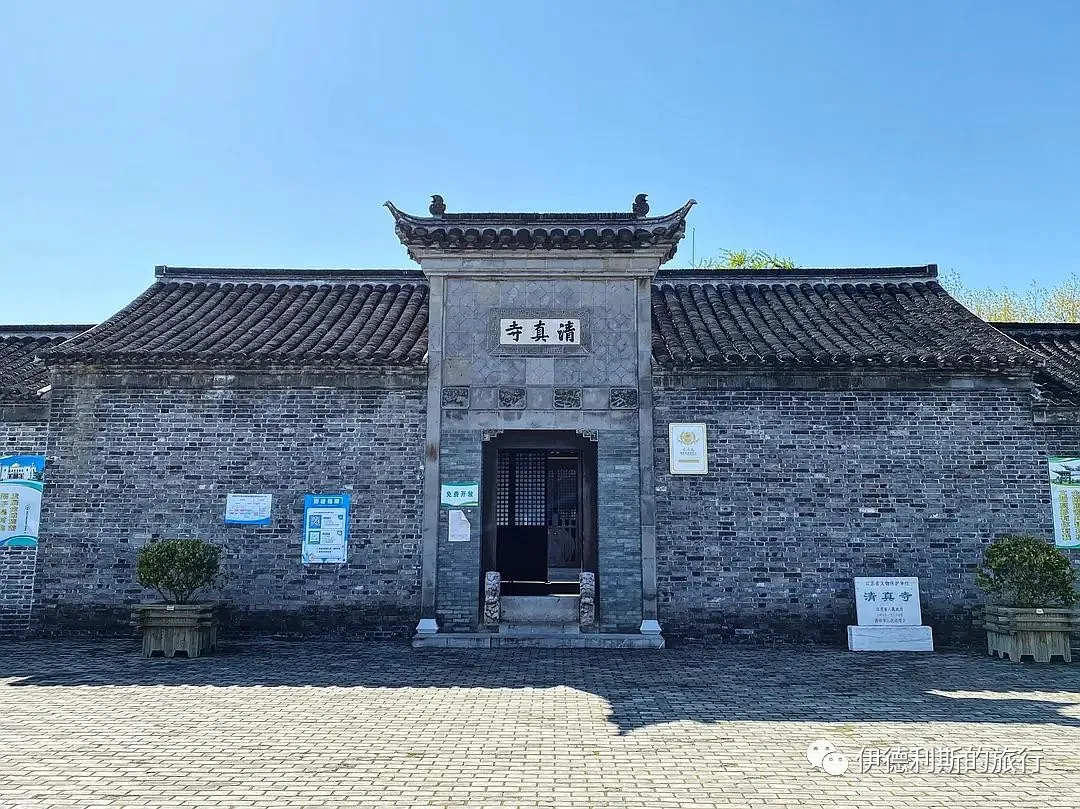
Yangzhou Xianhe Mosque: One of the four great ancient mosques in the southeast. It was founded in 1275 (the 12th year of the Yuan Zhiyuan reign) by the Western Regions sage Puhading before he passed away. It was rebuilt by Ha San in 1390 (the 23rd year of the Ming Hongwu reign), renovated by merchant Ma Zongdao and Imam Ha Ming in 1523 (the 3rd year of the Jiajing reign), and repaired again in 1791 (the 56th year of the Qianlong reign).
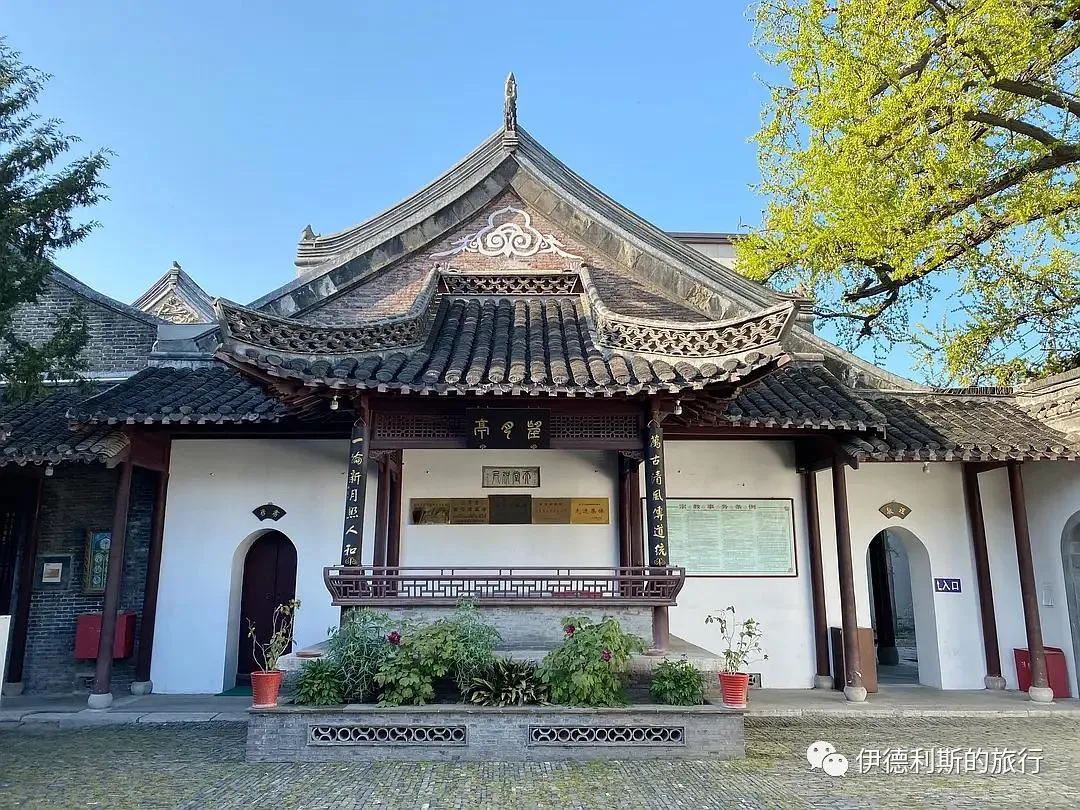
Yangzhou Puhading Tomb Mosque: Puhading is said to be the 16th-generation descendant of the Prophet Muhammad. He came to Yangzhou during the Song Xianchun period (1265-1274), passed away in 1275 (the 12th year of the Yuan Zhiyuan reign), and was buried on a high ridge east of the New City Dongguan River. It was later called the Huihui Hall (commonly known as Baba Kiln). The mosque is located inside the tomb garden.
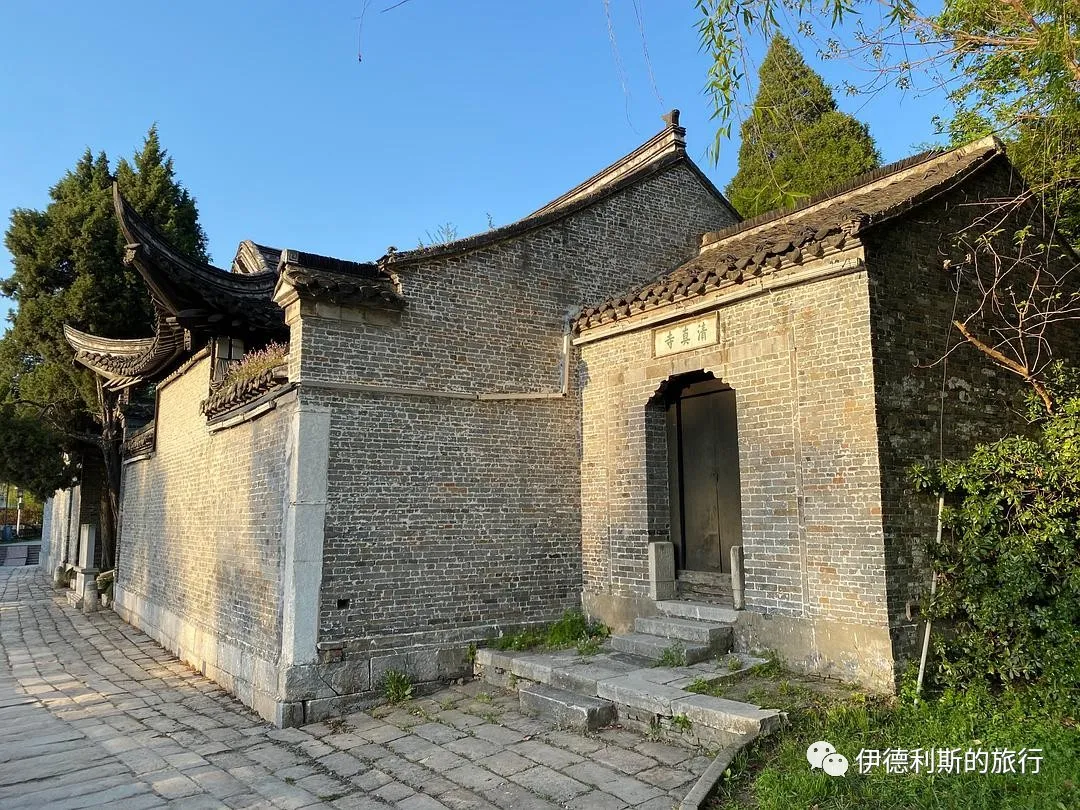
Zhenjiang Shanxiang Mosque: The original construction date is unknown. It was expanded during the Kangxi reign, destroyed during the Taiping Rebellion in 1853 (the 3rd year of the Xianfeng reign), rebuilt in 1873 (the 12th year of the Tongzhi reign), and expanded in 1902 (the 28th year of the Guangxu reign).
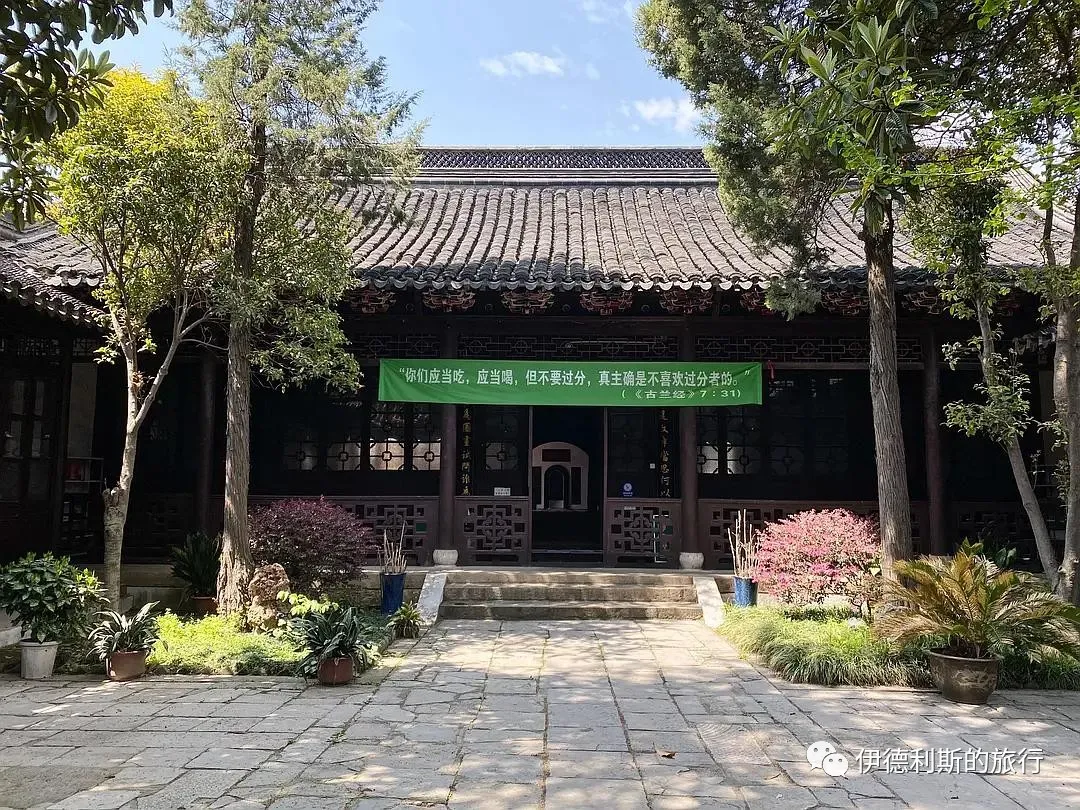
April: 5 mosques in Hebei.
Zhangjiakou Xinhua Street Mosque: Originally named Shenggou Mosque, it was built in 1863 (the 2nd year of the Tongzhi reign). It was funded by over 80 Hui Muslim families from Ningxia who came to Zhangjiakou for camel trade, so it is also called the Camel Station Mosque (tuofangsi). They mainly used camels to transport furs, silk, tea, and other goods for merchants, traveling between Inner Mongolia, Shanxi, Gansu, Mongolia, and Russia.
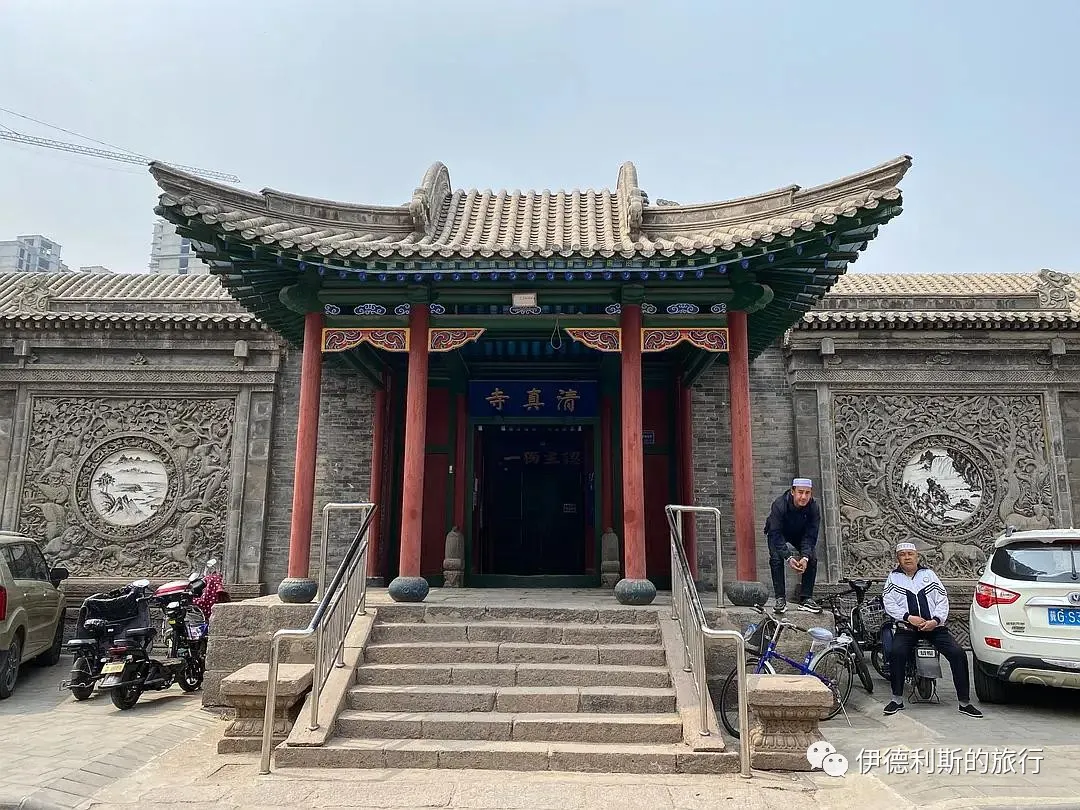
Zhangjiakou Xiguan Mosque: Built during the Qing Yongzheng reign (1723-1735) with funds from Hui Muslim families named Xiao, Zheng, Song, and Wang, who had lived in the Xiabao area of Zhangjiakou since the Ming and Qing dynasties.
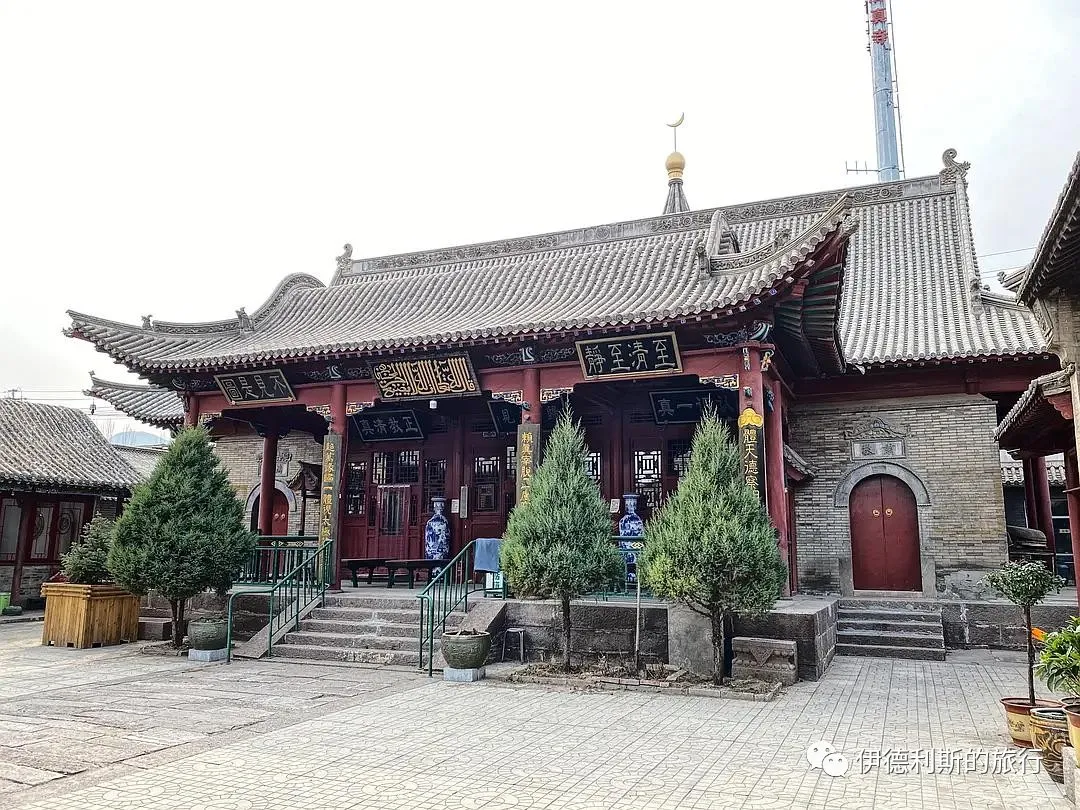
Zhangjiakou Xuanhua South Mosque: Originally built in 1403 (the 1st year of the Ming Yongle reign). In 1820 (the 25th year of the Qing Jiaqing reign), Muslims named Ding, Shan, and Yu decided to move it to Miaodi Street. At that time, the gate, plaques, and moon-sighting tower of the Ming Dynasty mosque were dismantled and moved to the new site. It was completed in 1854 (the 4th year of the Qing Xianfeng reign) and became the largest mosque in the Yanbei region.
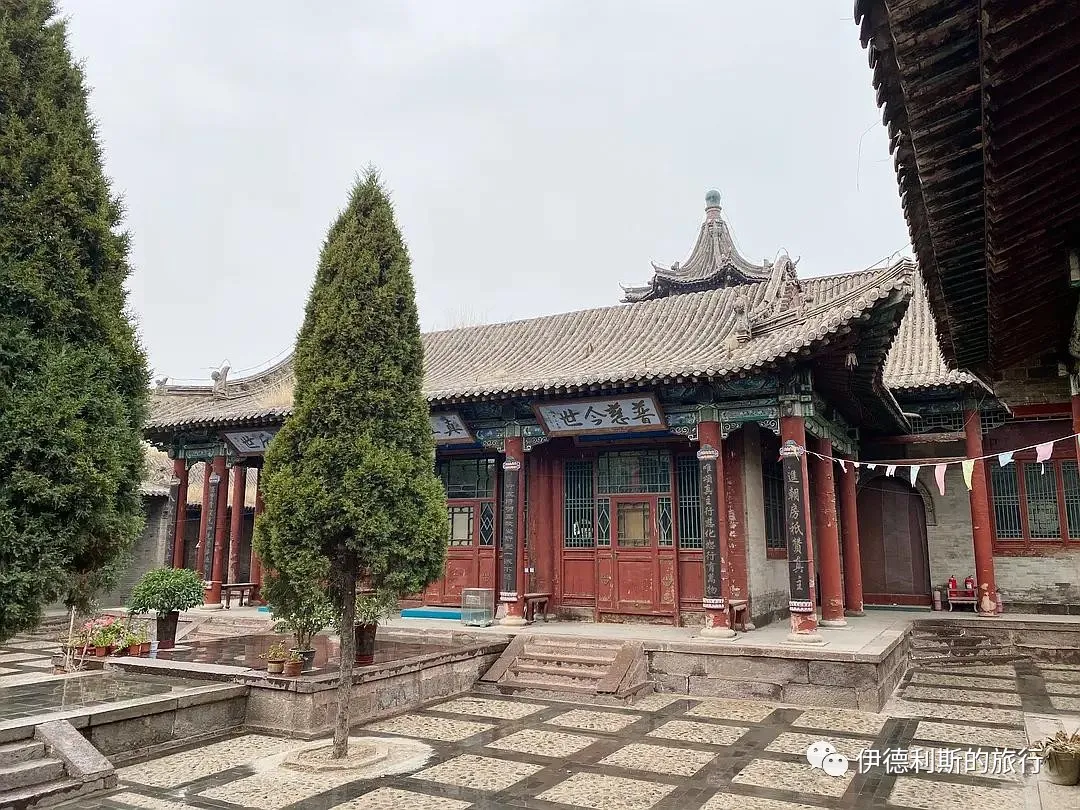
Xuanhua North Mosque in Zhangjiakou: First built in 1722 (the 61st year of the Kangxi reign of the Qing Dynasty), with the side rooms and auxiliary halls rebuilt in 1860 and 1865. Its biggest feature is that the front porch (juanpeng), main hall, and rear kiln hall (yaodian) form a cross-shaped floor plan. The overall structure is shallow and wide, which is very different from the long and deep prayer halls common in the eastern regions, but is actually more common in Xinjiang. The kiln hall is also unique, as a square, multi-story tower-style roof was added on top of the front porch.
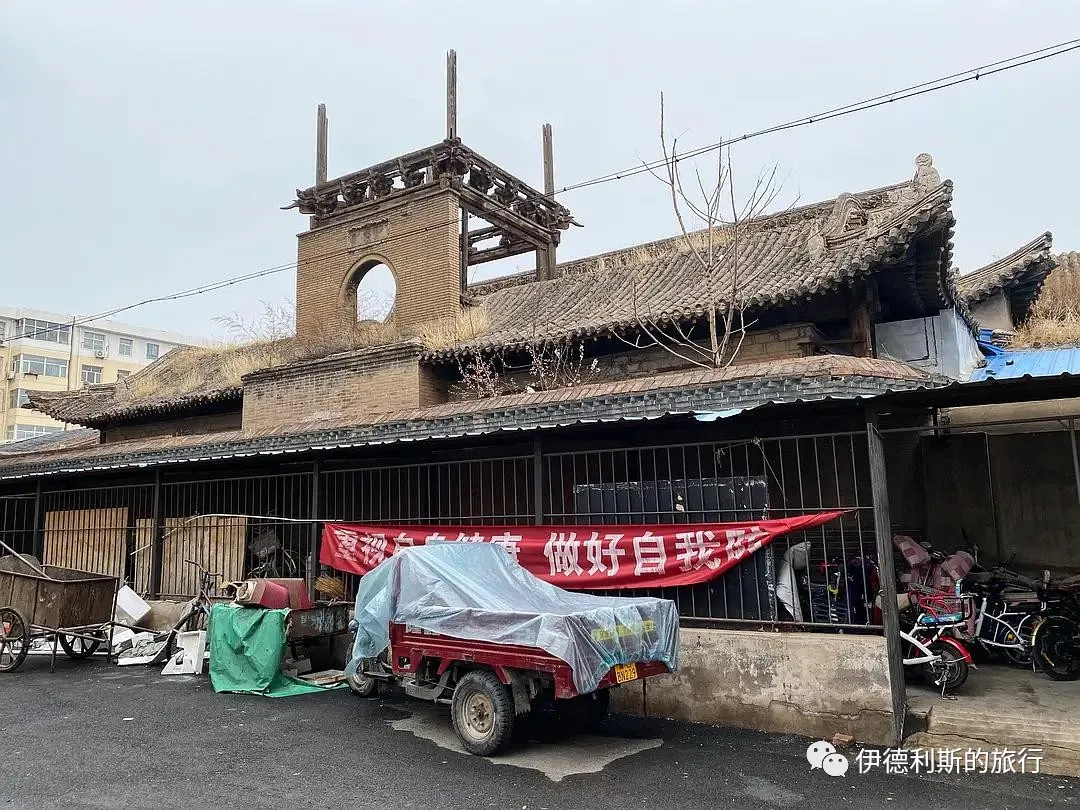
Xuanhua Central Mosque in Zhangjiakou: Located between the North Mosque and the South Mosque, it is the smallest in scale. It was first built in 1821 (the first year of the Daoguang reign of the Qing Dynasty) and was renovated in 2016.
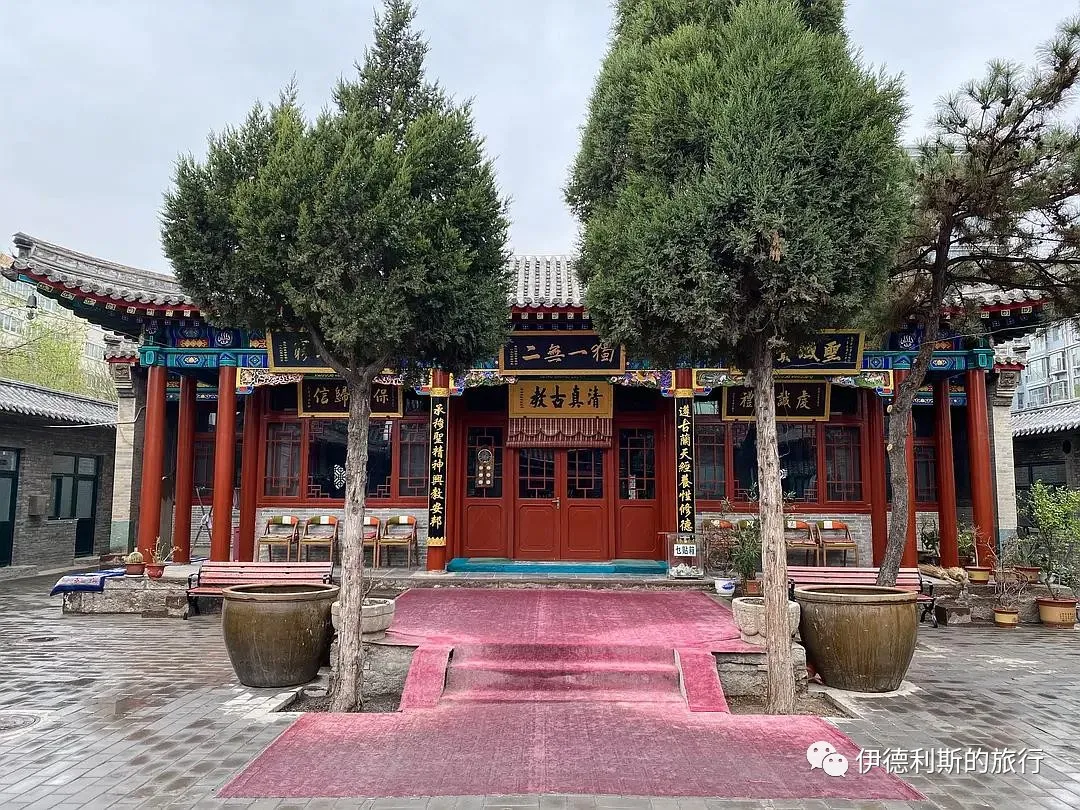
3 mosques in Xinjiang in May
Turpan East Grand Mosque: Located inside the Hui Muslim city of Turpan, it is a mosque for Hui Muslims, first built in 1871 and renovated in 1911. Because the weather in Turpan is very hot, the mosque expanded the traditional front porch into an 'outer hall' for outdoor prayer during the summer. The outer hall has a ridged, hip-and-gable roof (xieshanding) with a beam-lifting wooden frame supported by 32 pillars. The mosque gate features authentic Shaanxi-style calligraphy brick carvings. Inside, there is a minaret similar to the Sugong Pagoda, though the top has collapsed. This type of minaret is extremely rare in Hui Muslim mosques.
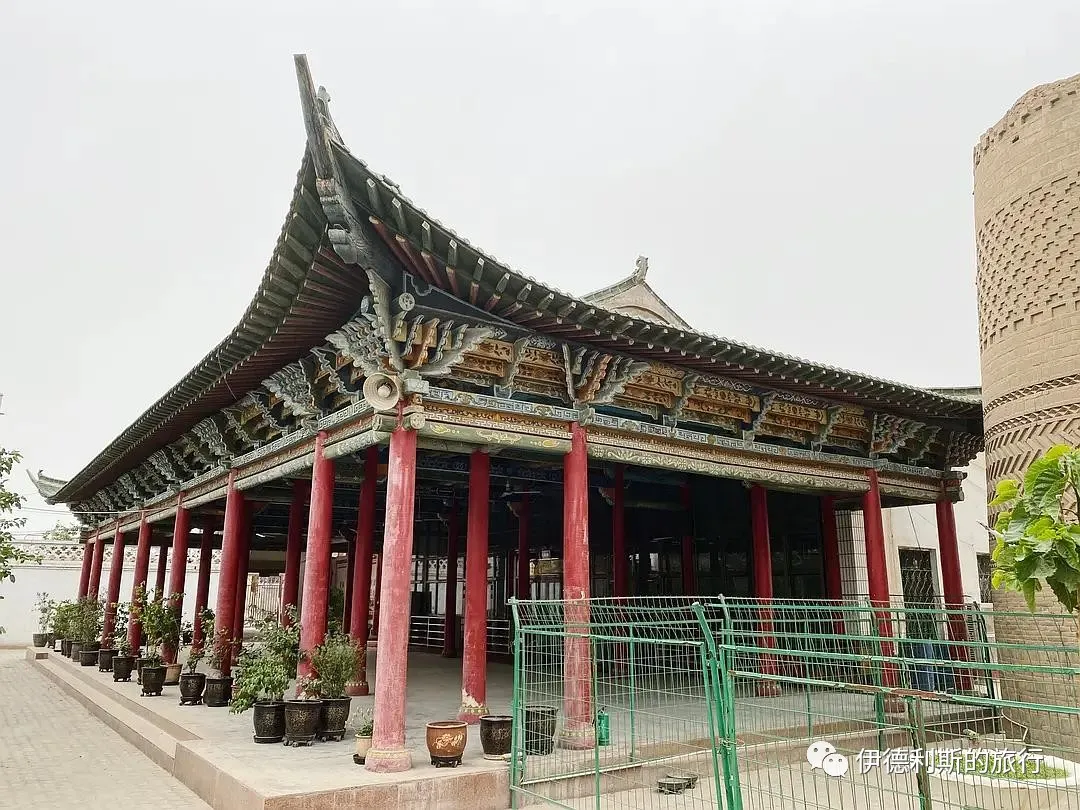
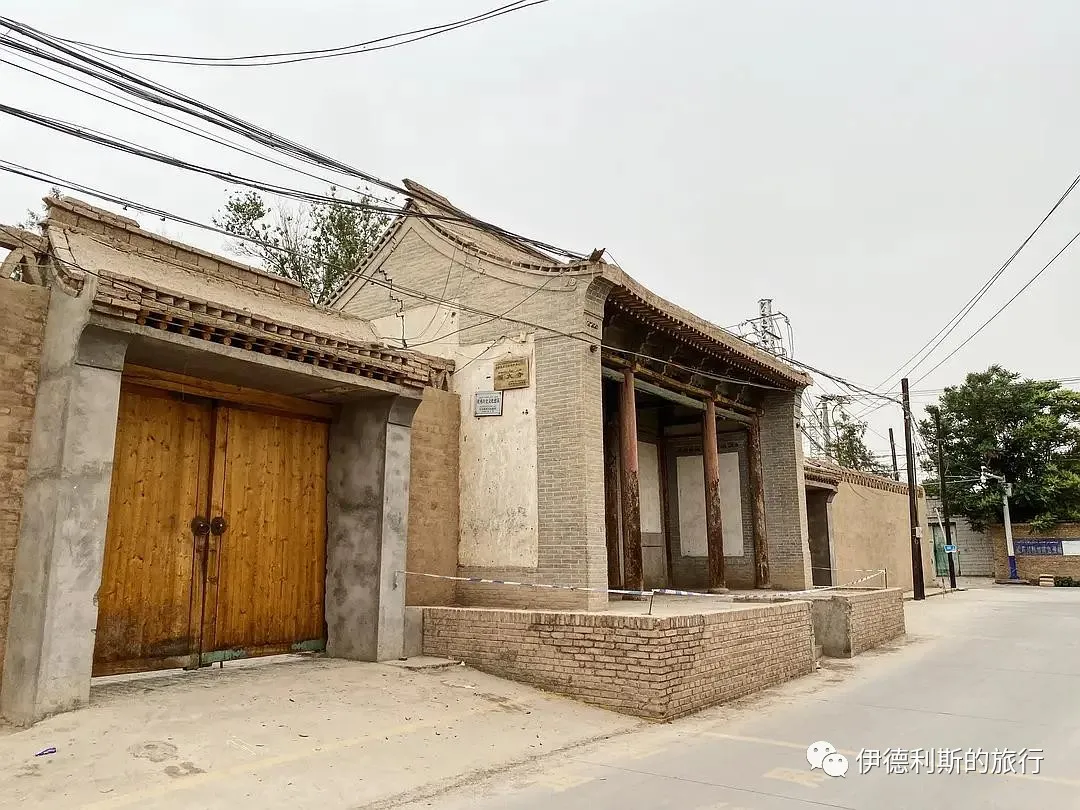
Turpan West Grand Mosque: First built in 1859, it is the oldest among the Hui Muslim mosques in Turpan.
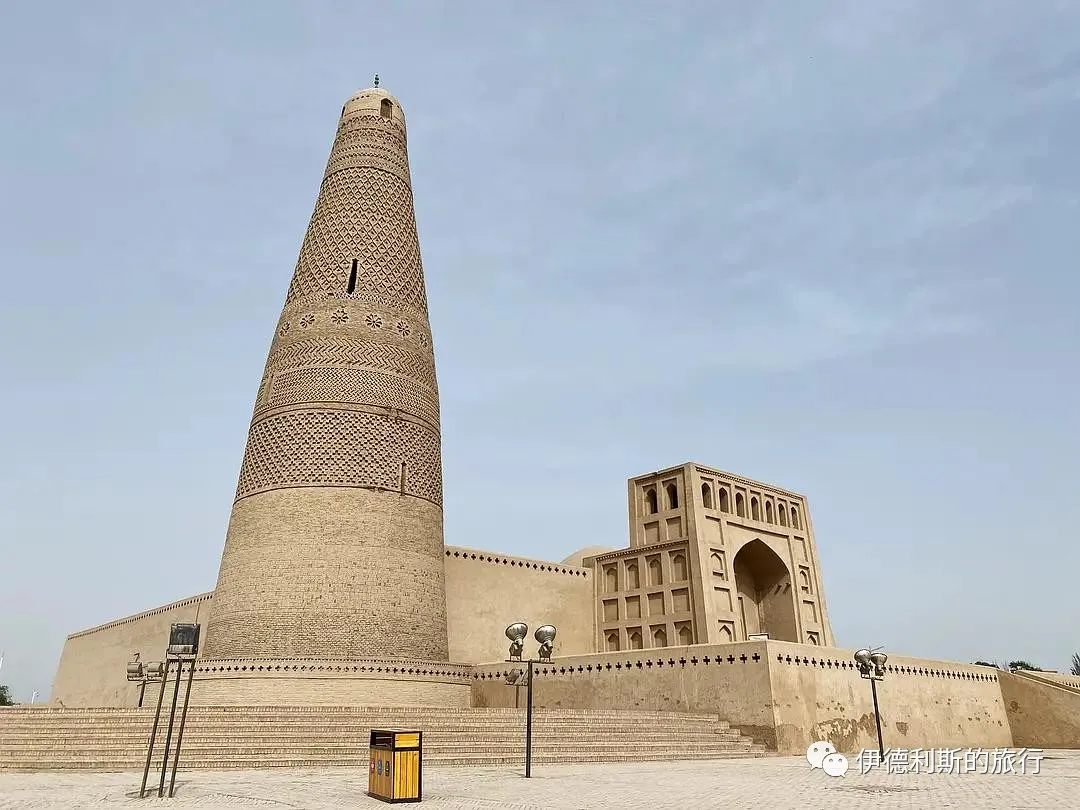
Turpan Sugong Pagoda Mosque: Also known as the 'Emin Pagoda Mosque,' it was built in 1778 by the Turpan Prince Emin Khoja and his son Suleiman. It is the tallest historical minaret building in Xinjiang. In 1772, Emin Khoja returned to his hometown of Turpan. In his later years, he spent 7,000 taels of silver and ordered his son Suleiman to build the mosque. Emin Khoja passed away in 1777 before it was finished. His son Suleiman then inherited the title of prince and completed the construction in 1778. Because a tall minaret was built inside the mosque, it is called the Sugong Pagoda Mosque.
1 mosque in Hebei in May
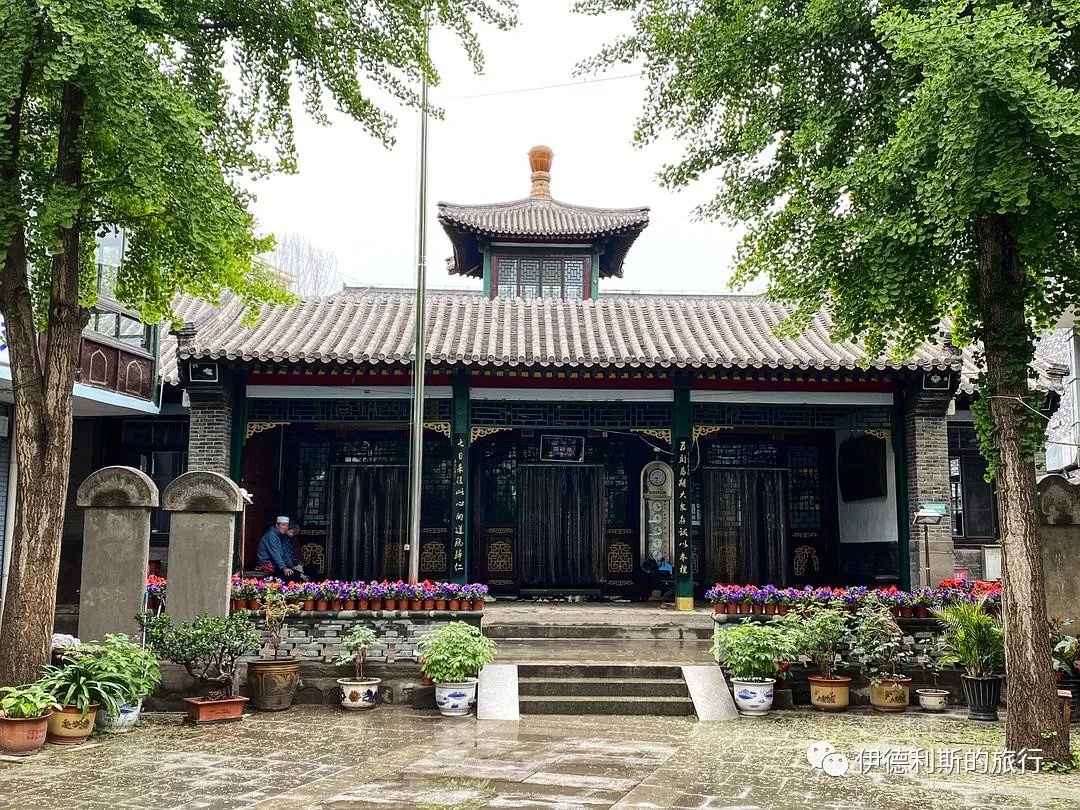
Chengde West Mosque: Built during the Daoguang reign, the prayer hall consists of a front porch hall, a middle hall, and a rear hall. The kiln pavilion (yaoting) is located on top of the middle hall and has a decorative finial (baoding) at the peak.
4 mosques in Liaoning in May
Lingyuan Mosque: Built during the Qianlong reign. According to the stone inscription in the mosque, a Hui Muslim doctor named Zhang Lichen and others cured the illness of a Mongol prince in the Harqin Left Banner, so the prince's mansion provided the funds for the land to build the Lingyuan Mosque.
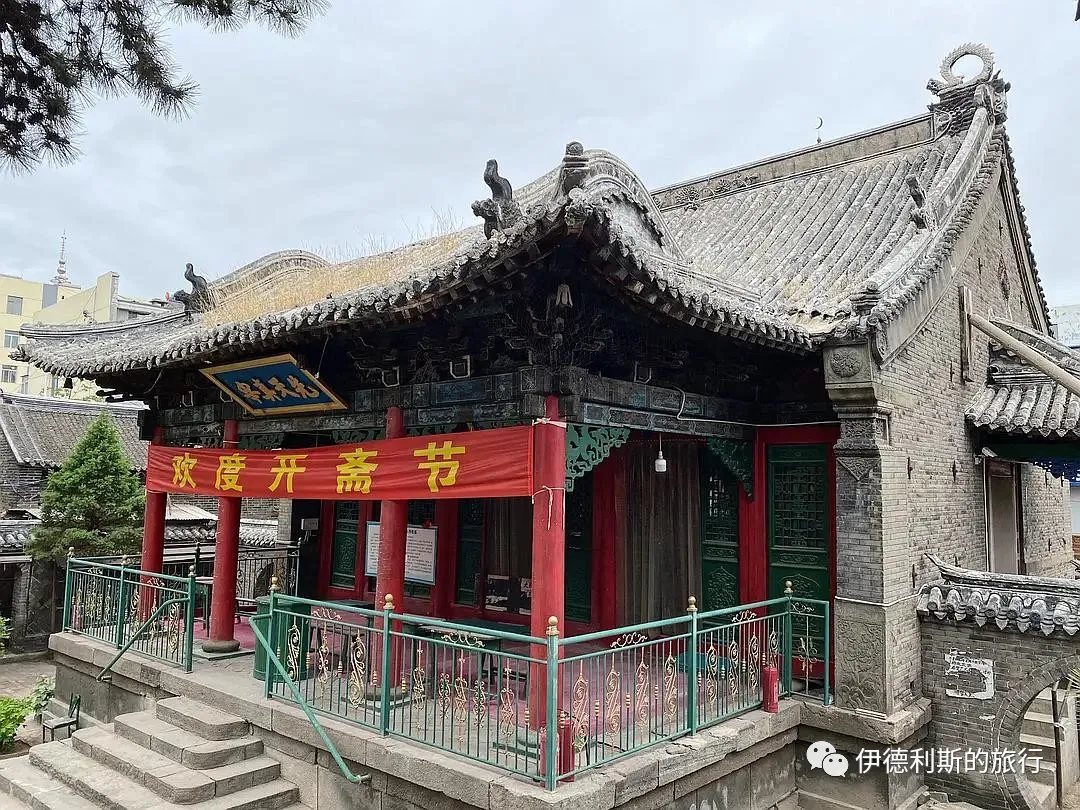
Shenyang South Grand Mosque: First built in 1636 (the first year of the Chongde reign of the Qing Dynasty). The ancestors of the Tie family who founded it were Hui Muslim people (Huihui Semu) who came to the interior during the Mongol western expeditions. In 1662 (the first year of the Kangxi reign), Tie Kui expanded it into a grand mosque and invited the famous imam She Yuanshan from Beijing to set up a school. After Imam She's student, Tie Hongji, finished his studies, he became the leader. From then on, the imam of the South Mosque was passed down through the Tie family for 11 generations, with the last imam, Tie Zizhang, serving until 1956.
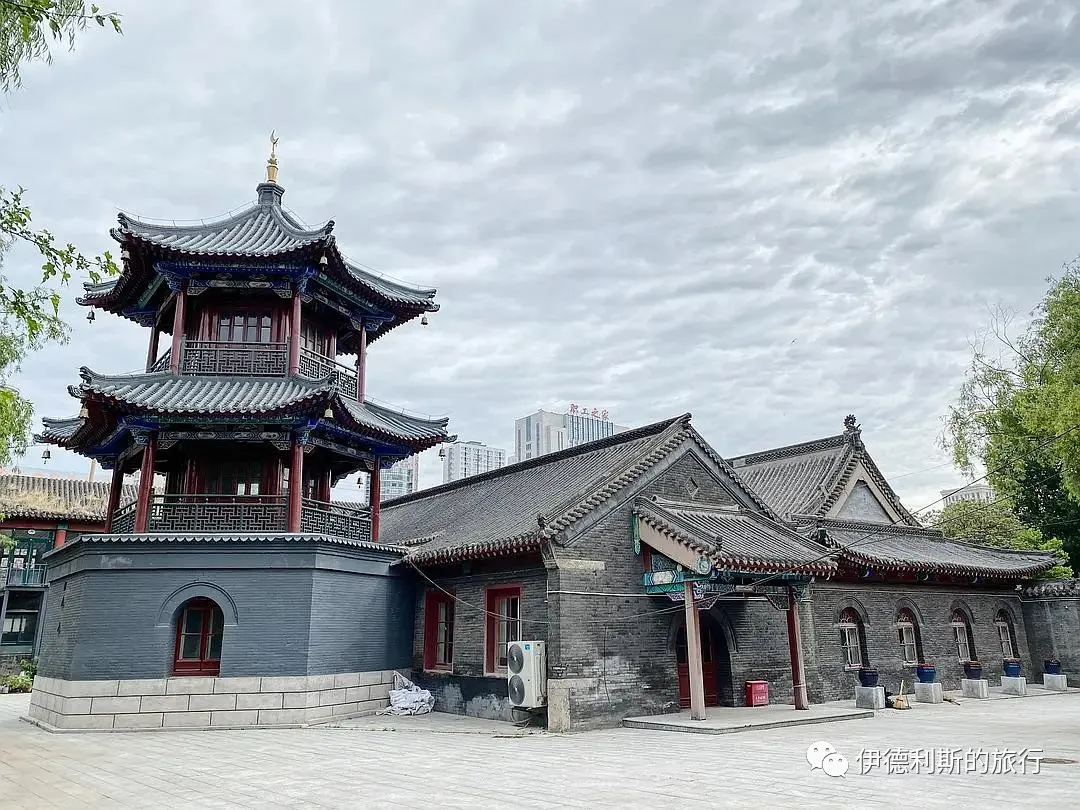
Shenyang East Mosque: First built in 1803 (the eighth year of the Jiaqing reign). In 1935, the prayer hall was rebuilt in a Western style, but the moon-watching tower (wangyuelou) retained its original Chinese style. The East Mosque was occupied in 1958, returned in 1980, and converted into the Shenyang Islamic Institute in 1988.
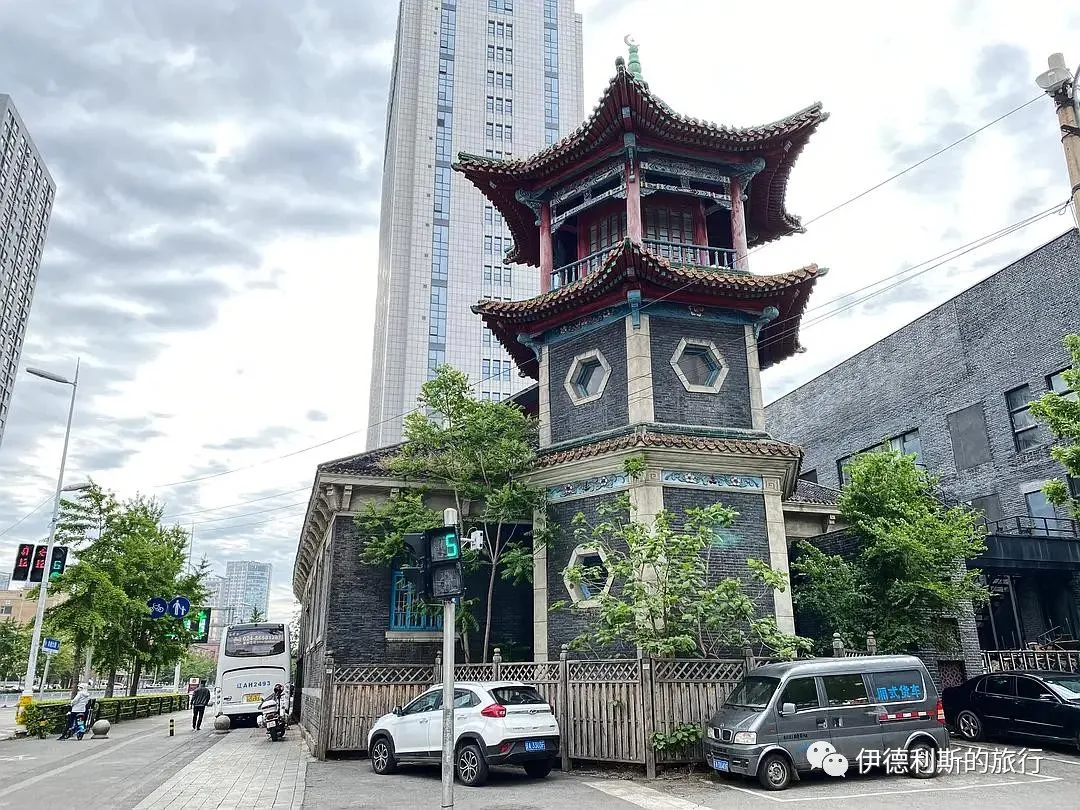
Kaiyuan Old City Mosque: Located inside the east gate of the old city, it was first built in 1406 (the fourth year of the Yongle reign of the Ming Dynasty) and is the oldest mosque in Northeast China. The current main hall follows the style after its 1680 (the 19th year of the Kangxi reign) reconstruction, consisting of a small front porch, a main hall, and a hexagonal pavilion-style kiln hall, similar in style to the Shenyang South Mosque.
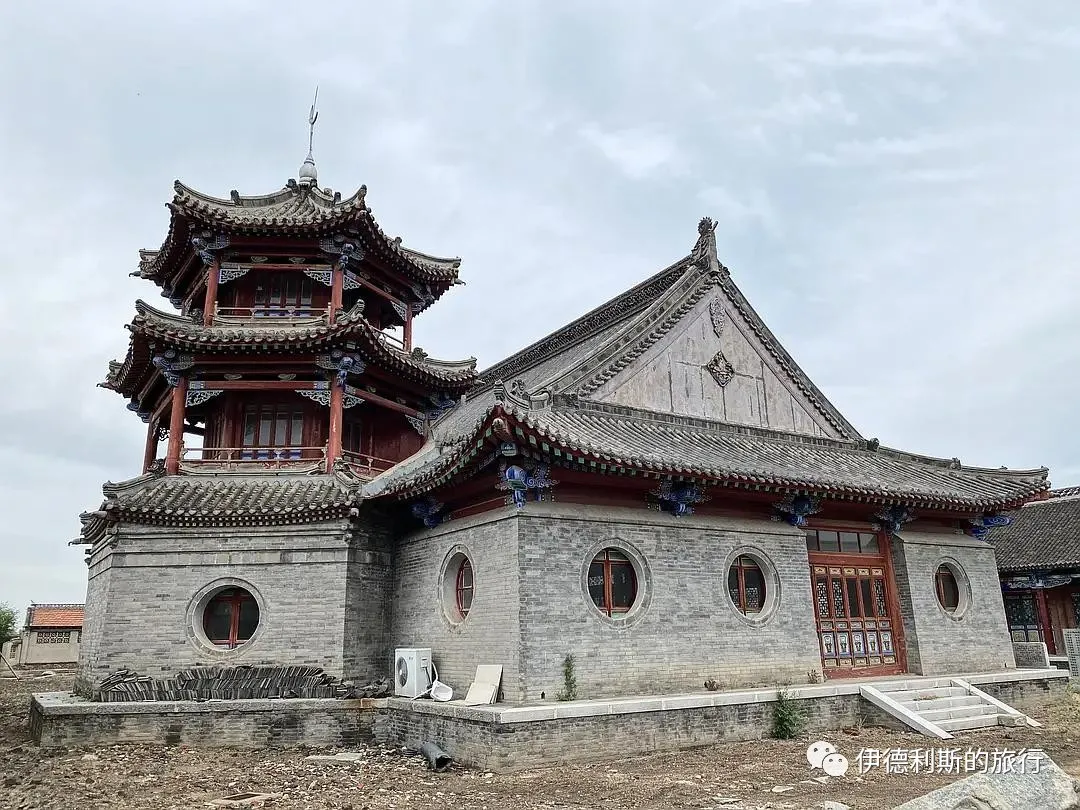
One mosque in Shanxi in May.
Datong Mosque: First built in 1324 (the first year of the Taiding era of the Yuan Dynasty), it is one of only two recorded mosques built by imperial decree during the Yuan Dynasty. It was completely destroyed during the wars at the end of the Yuan Dynasty and was rebuilt within the Datong city walls during the Yongle era of the Ming Dynasty. The prayer hall was built in 1622 and renovated in 1692. The prayer hall consists of a porch (juanpeng), a front hall, a main hall, and a rear hall (yaodian), with exquisite Qing Dynasty paintings on the porch.
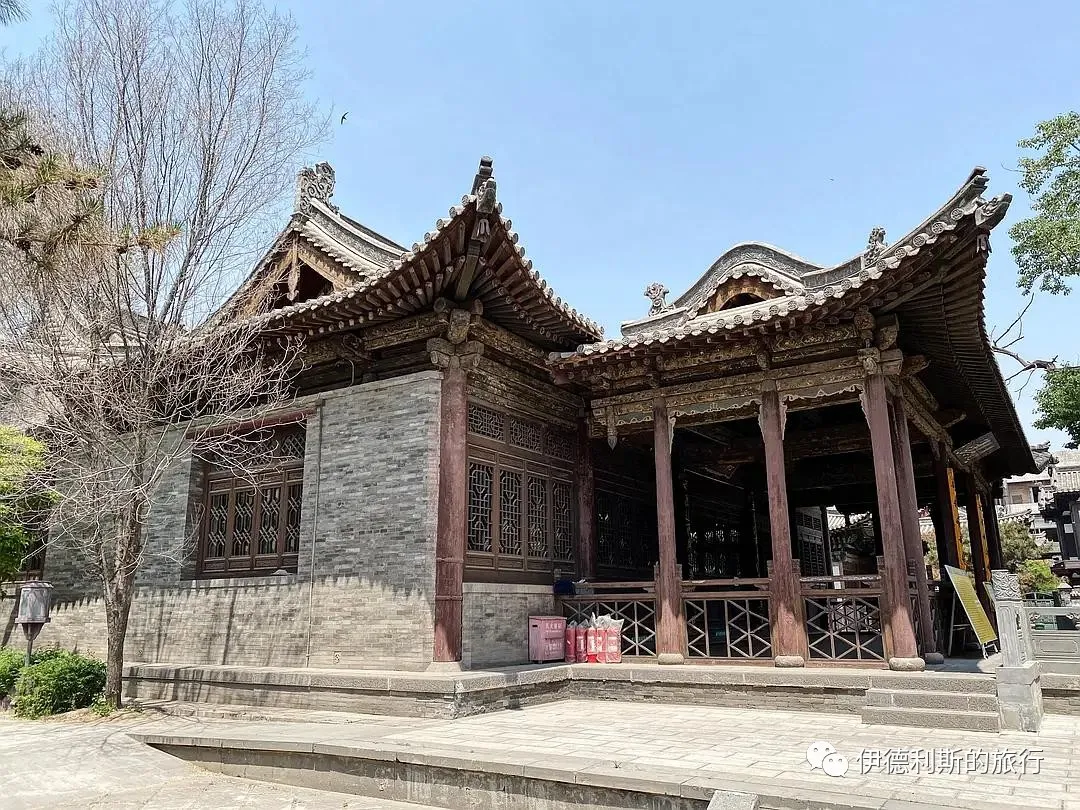
One mosque in Tianjin in May.
Wuqing Yangcun North Mosque: Yangcun is located by the Grand Canal. In the early Ming Dynasty, Hui Muslim soldiers from the south brought by the Prince of Yan, along with Hui Muslim merchants and boatmen who moved from Cangzhou, settled here. The Great Mosque was officially built in 1620 (the 48th year of the Wanli era). The rear hall was destroyed by lightning in 1935 and rebuilt in 1937. It is now a cultural relic protection unit of Wuqing District and a historical building of Tianjin.
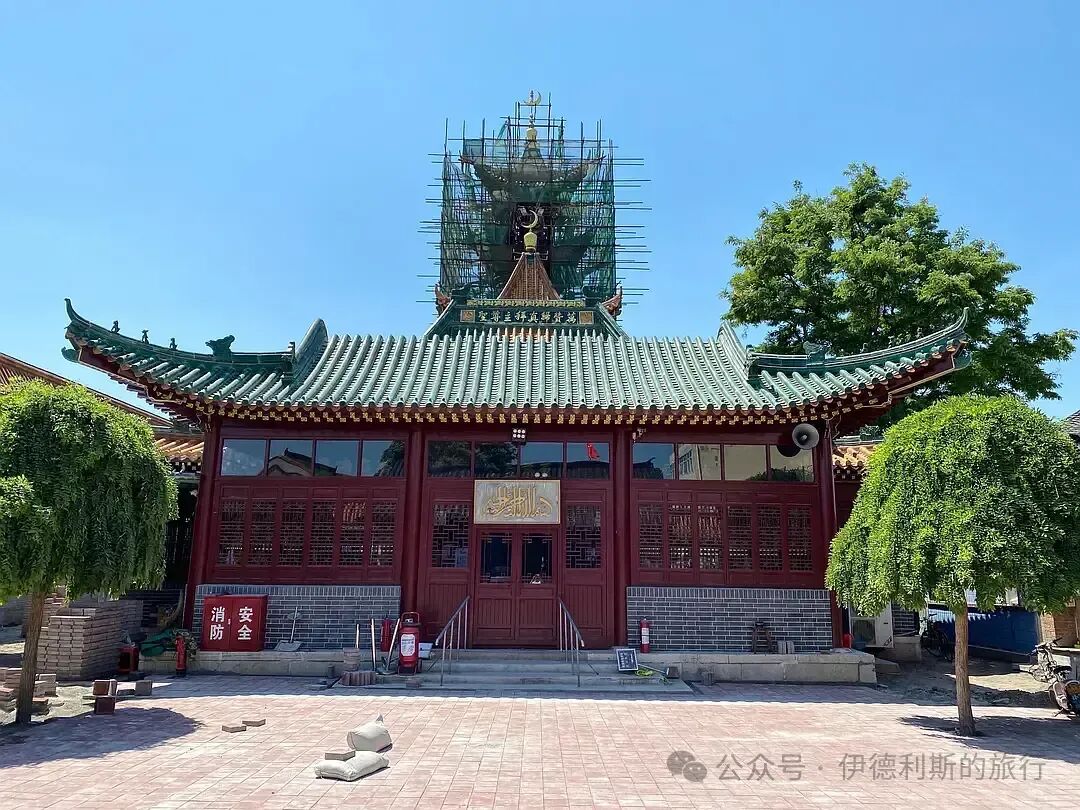
Eight mosques in Qinghai in June.
Xunhua Qingshui Hedong Mosque: This is the main mosque (haiyisi) of the Qingshui Gong of the Salar Eight Gong. It was first built in 1425 and has been renovated many times over the generations.
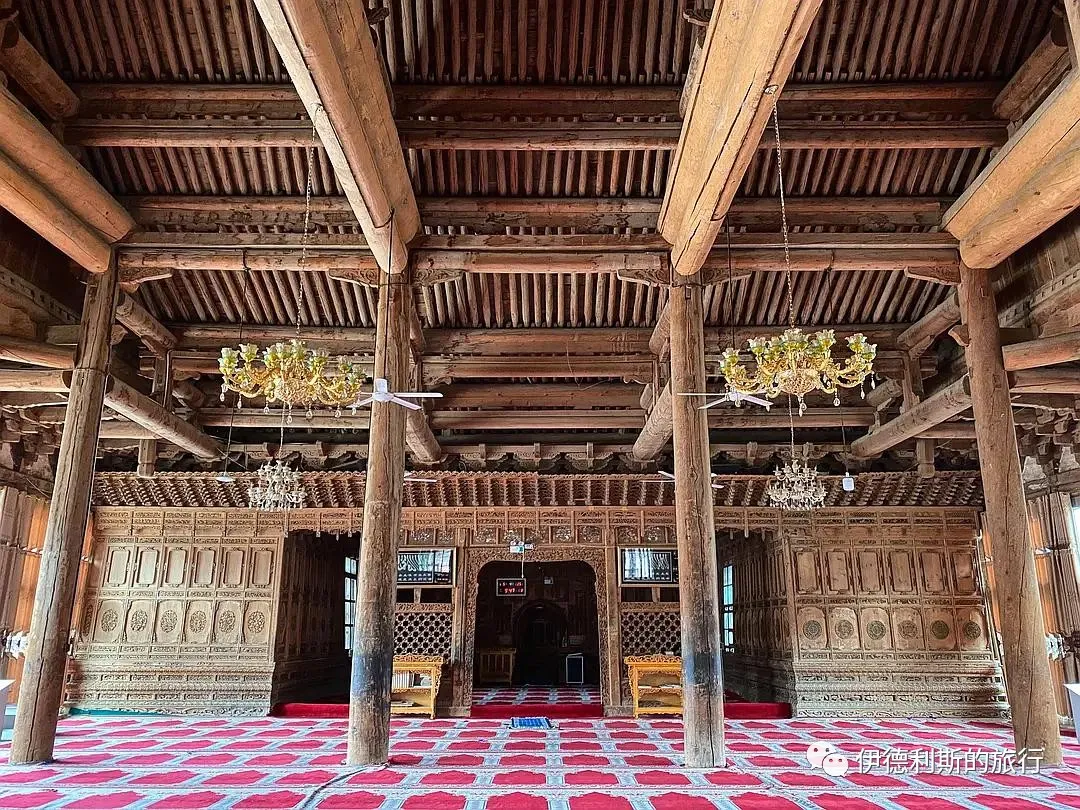
Xunhua Mengda Mosque: First built in 1408 (the sixth year of the Ming Yongle era) and expanded three times during the Qing Dynasty, it is the main mosque of the Mengda Gong, one of the Salar Eight Gong.
8
Xunhua Tashapo Mosque: Built in 1480 (the 16th year of the Ming Chenghua era) and renovated in 1755 (the 20th year of the Qing Qianlong era).
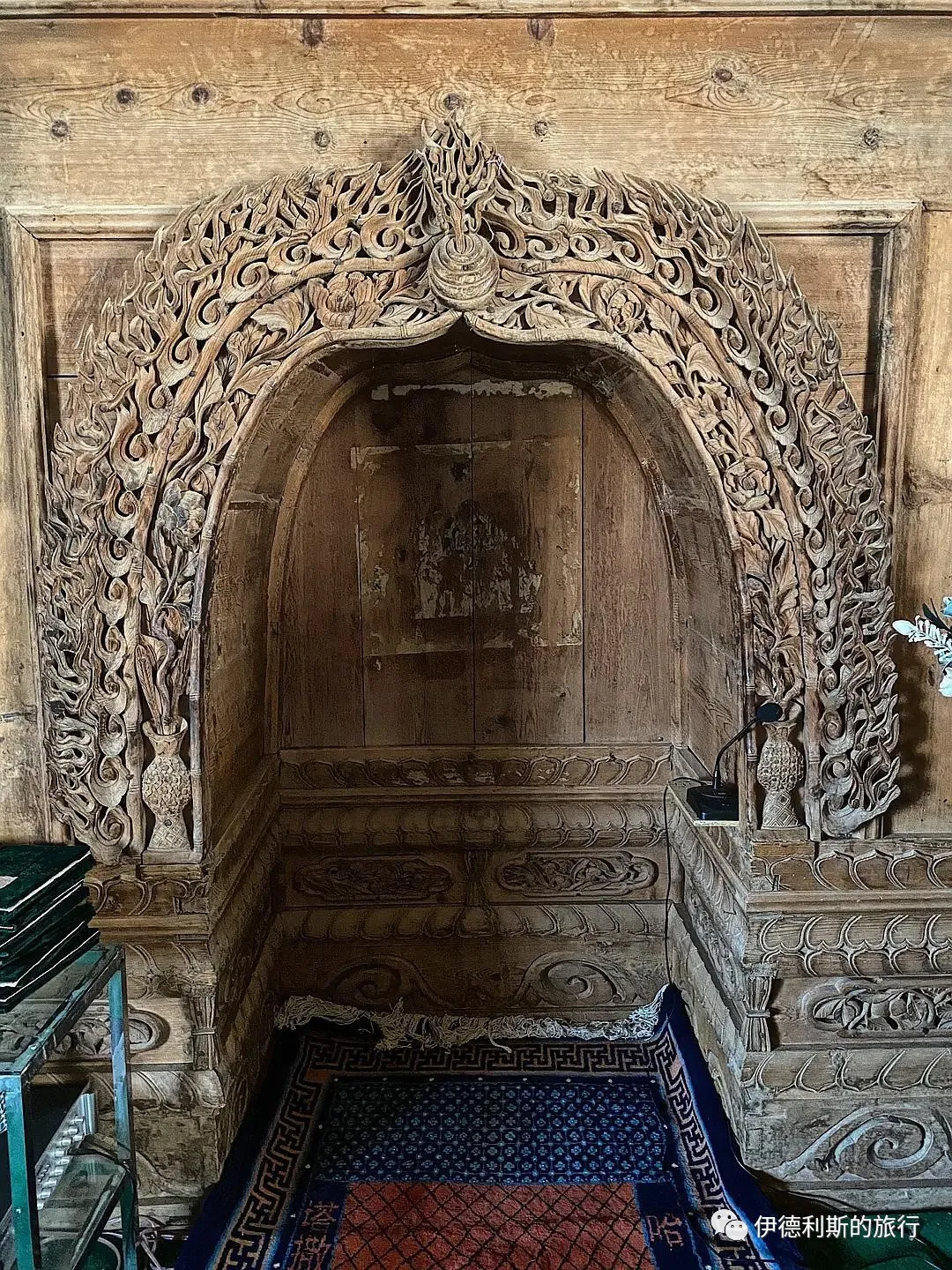
Xunhua Labian Mosque: First built during the Qianlong era. The main hall was rebuilt in 2015, and only the minaret (xuanlilou) and the two side gate towers remain of the ancient structure.
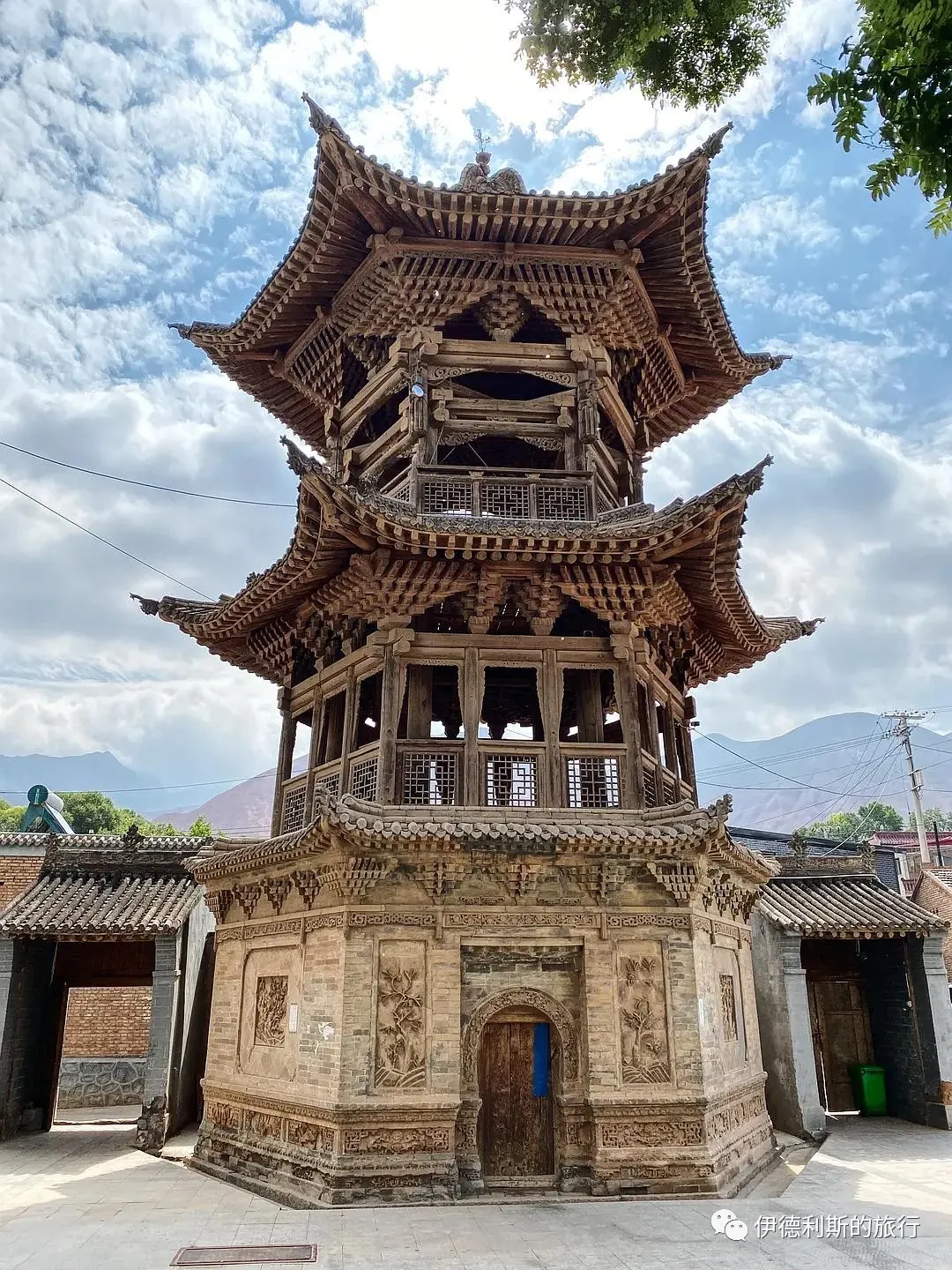
Xunhua Zhangga Mosque: First built in 1406 (the fourth year of the Ming Yongle era) and rebuilt during the Qing Dynasty.
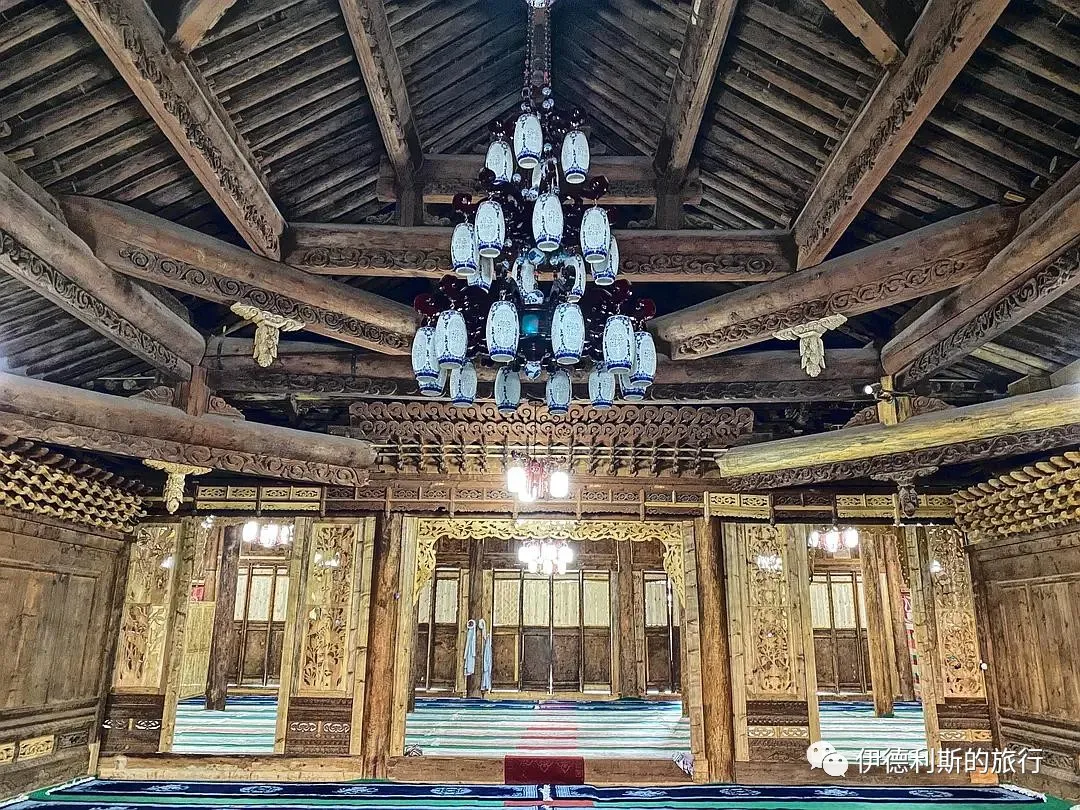
Xunhua Kewa Mosque: First built in 1403 (the first year of the Ming Yongle era) and expanded during the Qing Dynasty. It is the main mosque (Jumu Mosque) of the Naiman Gong of the Salar Eight Gong.
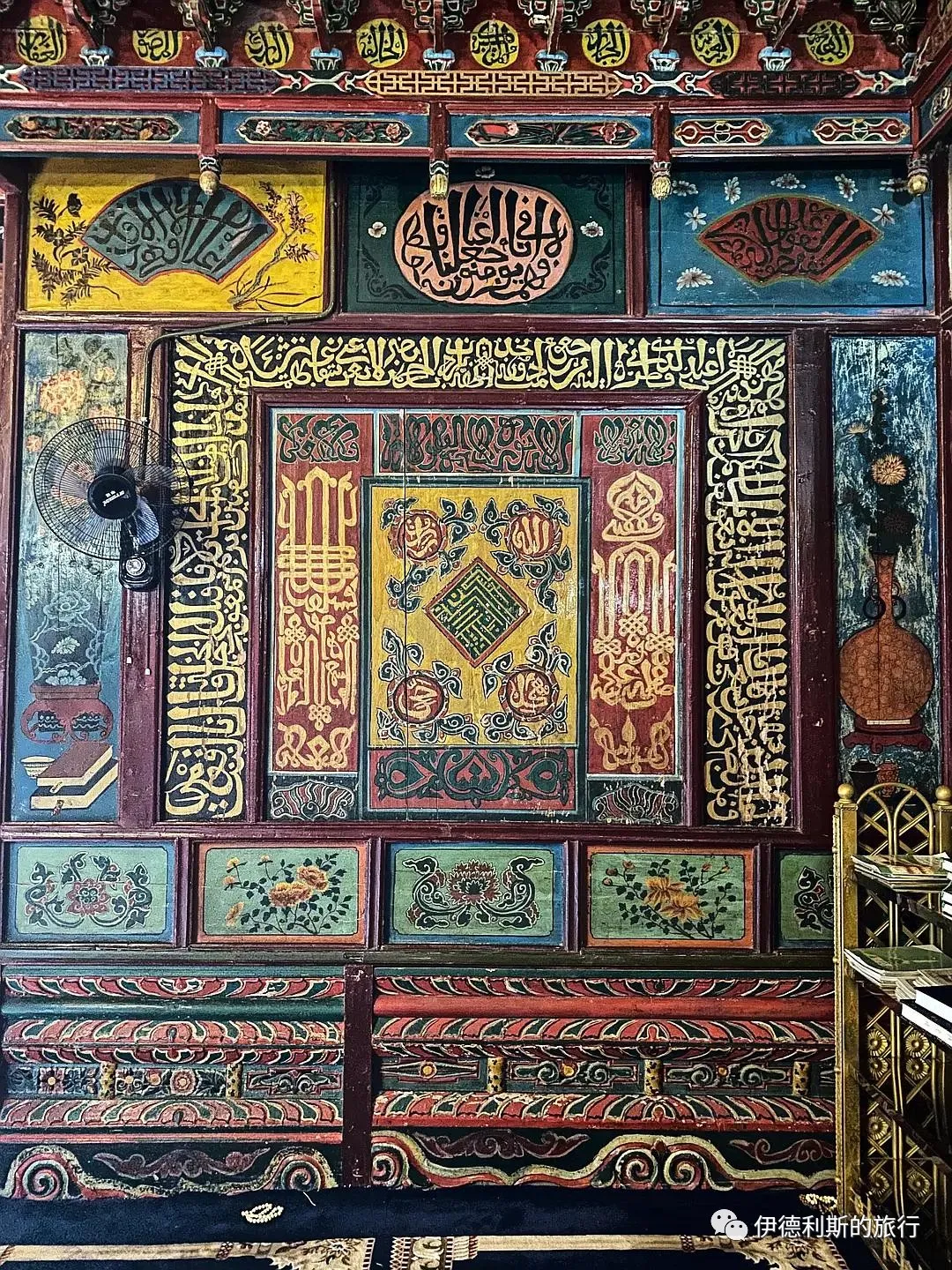
Xunhua Suzhi Mosque: First built in 1460 (the fourth year of the Ming Tianshun era) and expanded during the Qing Dynasty.
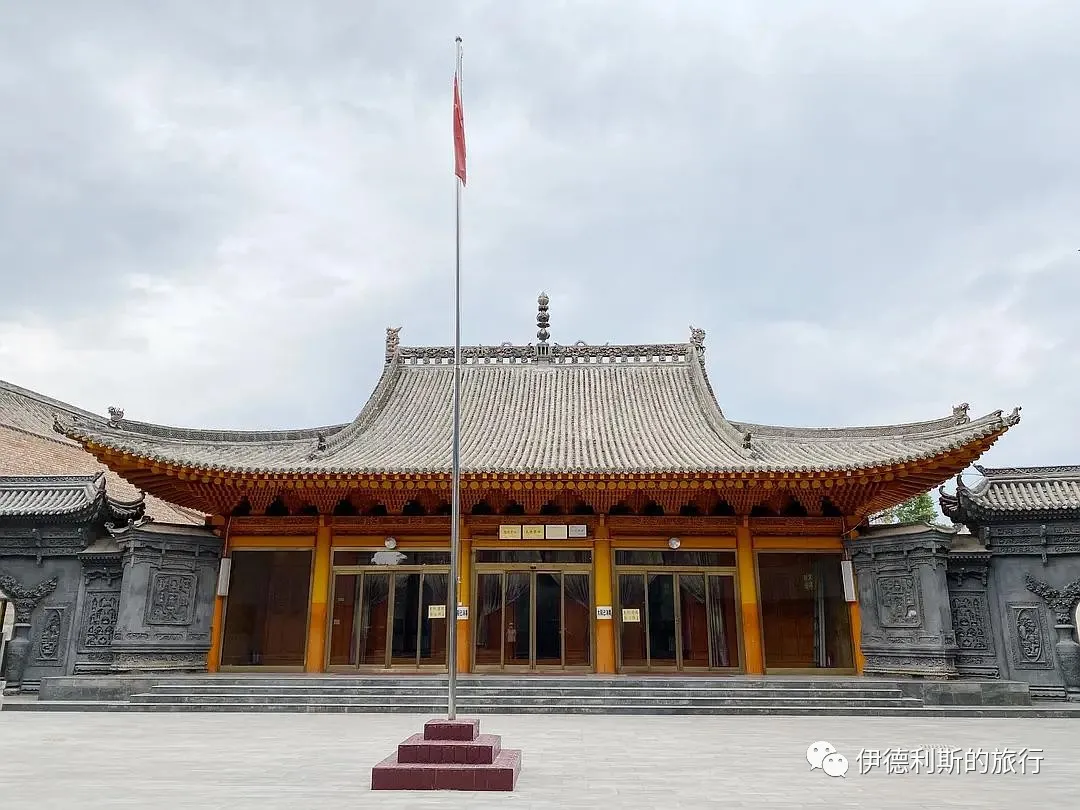
Hualong Ahetan Mosque: Although located in Hualong County north of the Yellow River, it is still a Salar mosque and belongs to the Suzhi Gong of the Salar Eight Gong, just like the Suzhi Mosque.
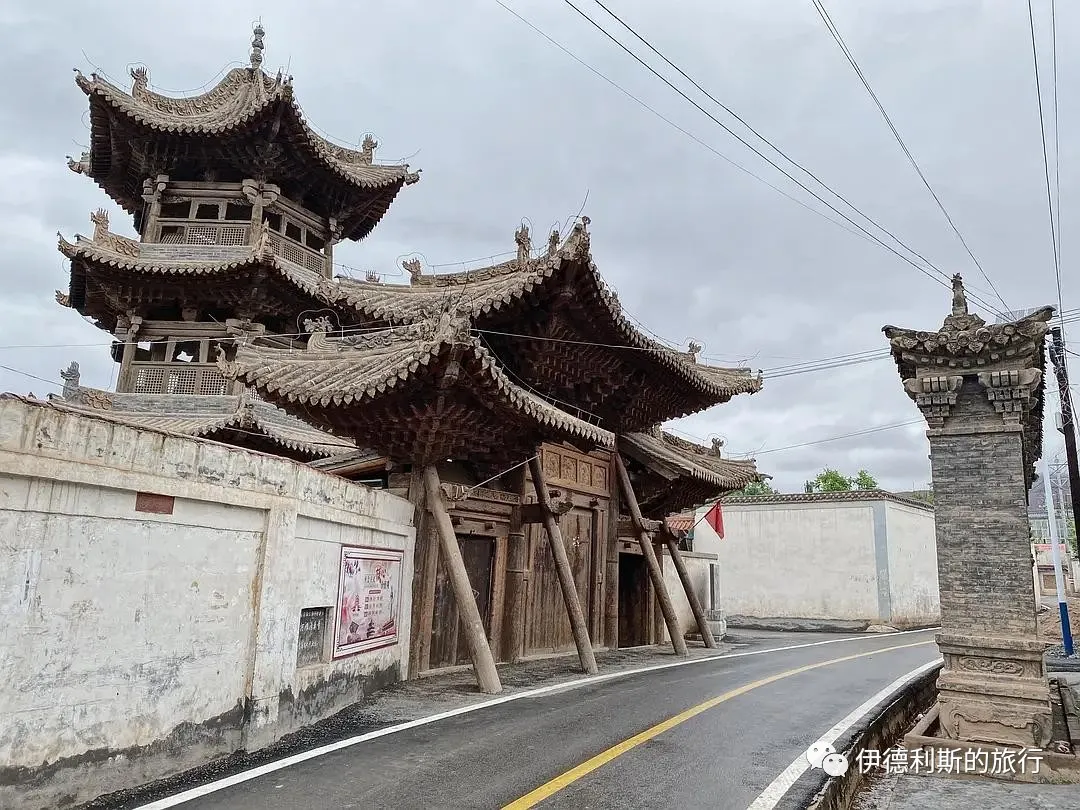
Two mosques in Inner Mongolia in June.
Hohhot Great Mosque: First built in the late Ming and early Qing dynasties, it was expanded in 1789 (the 54th year of the Qianlong era) and again in 1923.
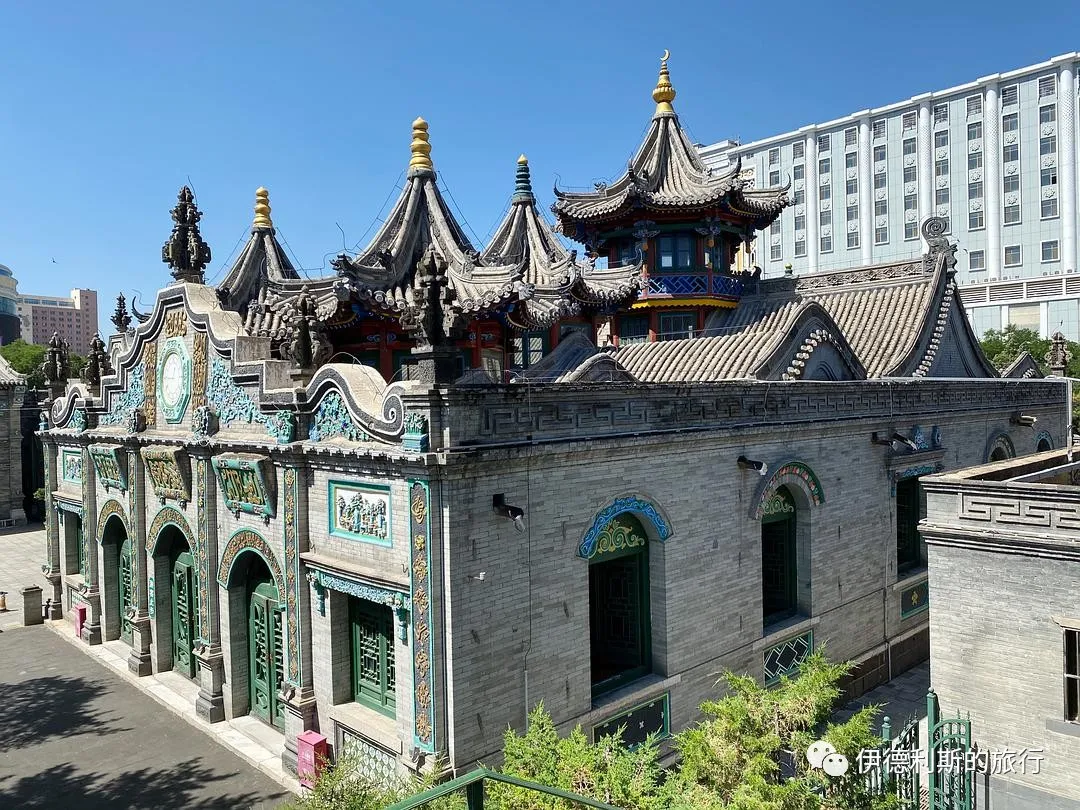
Ulanqab Fengzhen Longshengzhuang Mosque: First built in 1751 (the 16th year of the Qing Qianlong era). Initially, it only had three main halls. Later, as more Hui Muslims came here to do business, 13 main halls, a front gate, a second gate, side rooms, and a screen wall were added in 1831 (the 11th year of the Daoguang era), forming a three-courtyard layout.
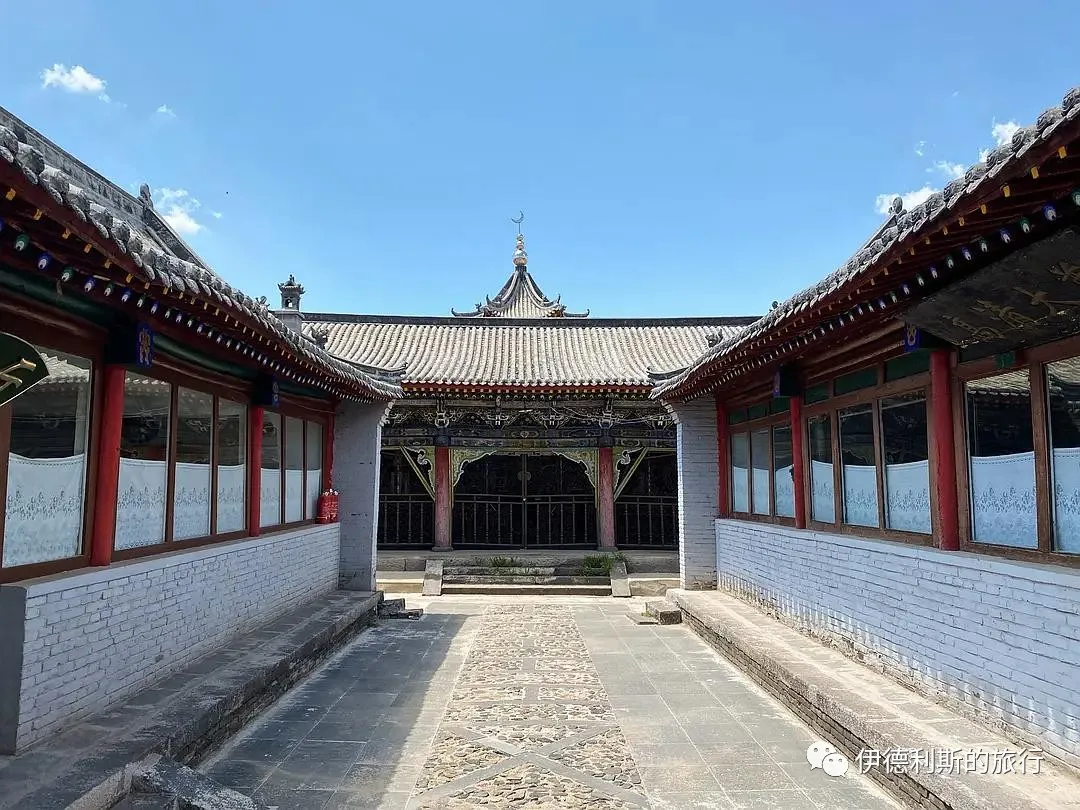
Two mosques in Hebei in July.
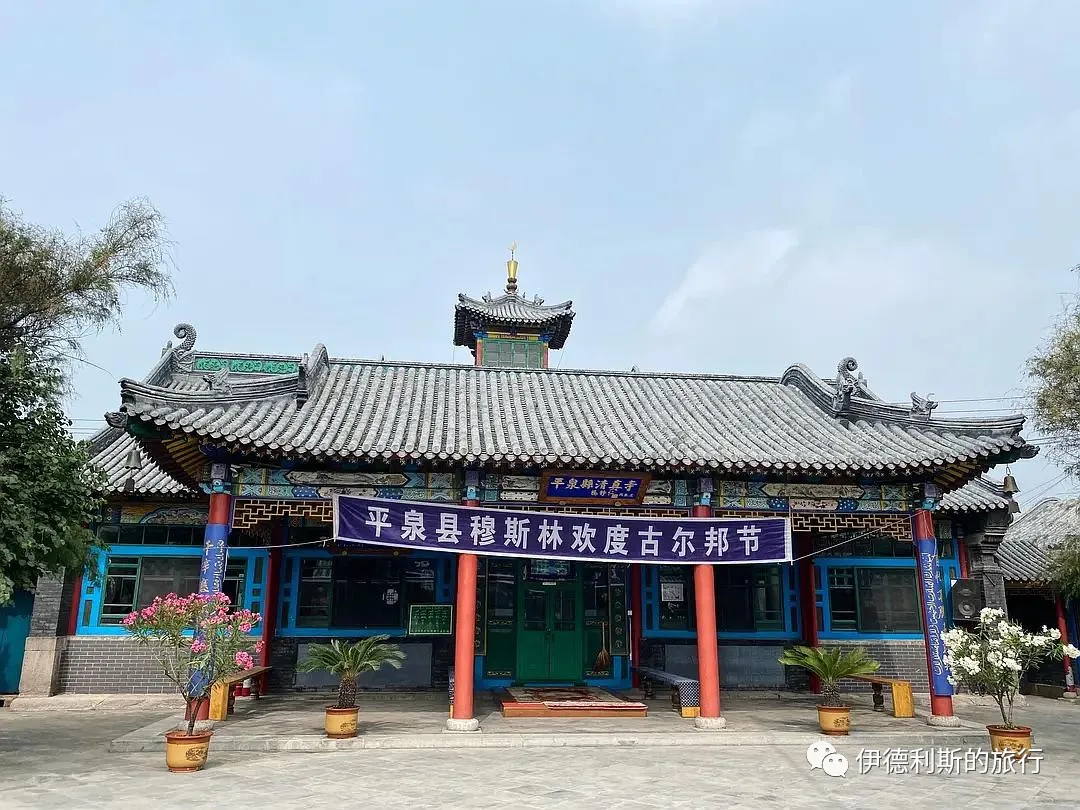
Chengde Pingquan Nanjie Mosque: Hui Muslims in Pingquan gathered near Bagou South Street. The Nanjie Mosque was first built in 1647 (the fourth year of the Qing Shunzhi era) and initially only had three thatched rooms. As the number of Hui Muslims in Pingquan increased during the Qianlong era, the imam of the Pingquan Mosque, Zhang Hongye, and his son Zhang Jin went to Beijing in 1742 (the seventh year of the Qianlong era). They made a model out of straw based on the mosque outside the Qihua Gate, brought it back to Pingquan, and hired craftsmen to build the mosque.
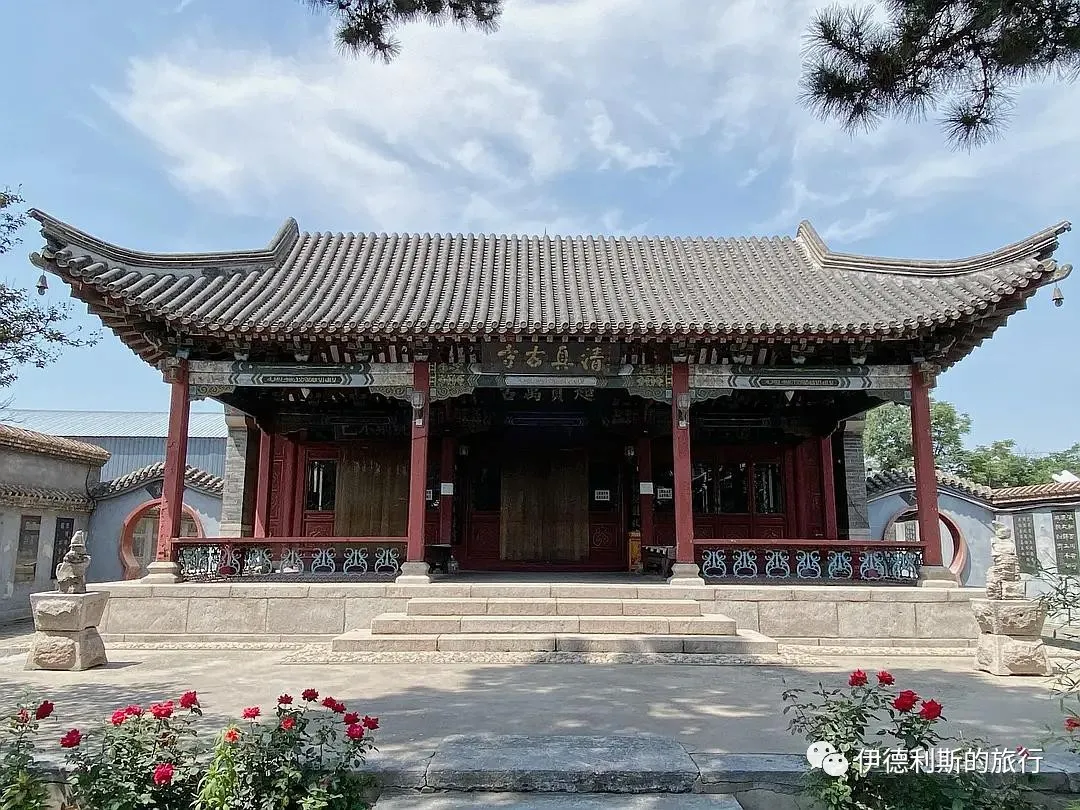
Shanhaiguan Mosque in Qinhuangdao: Located outside the west gate of Shanhaiguan, it was built in 1381 (the 14th year of the Hongwu reign) by Hui Muslim officers and soldiers brought by Xu Da. Because of this, the Hui Muslims in Shanhaiguan have a saying: 'The mosque came first, then Shanhaiguan.'
8 mosques in Yunnan in October
Liren Mosque in Haikou, Kunming: First built in 1645 (the second year of the Shunzhi reign of the Qing Dynasty), it was destroyed in 1856 (the sixth year of the Xianfeng reign) and rebuilt in 1872 (the second year of the Tongzhi reign). In 1896 (the 22nd year of the Guangxu reign), a local woman known as 'Lady Yang the Third' led a fundraising effort to expand it. It was named a Kunming cultural heritage site in 2020.
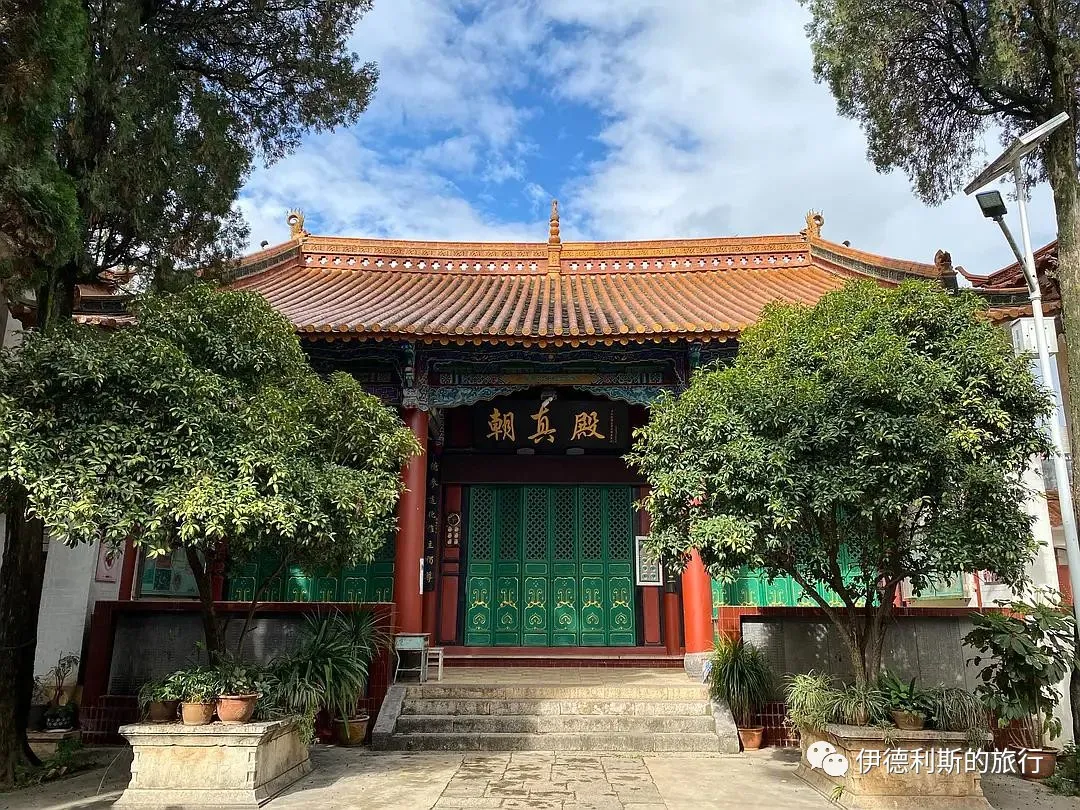
Daying Mosque in Yuxi: The main gate was rebuilt in 1914, featuring beautiful decorative bracket sets (dougong), carved beams, painted pillars, and upturned eaves. The main prayer hall was expanded many times. The front hall was built in 1605 (the 33rd year of the Wanli reign of the Ming Dynasty) and finished in 1617 (the 46th year of the Wanli reign). The middle hall was expanded during the Guangxu reign of the Qing Dynasty, and the back hall was added in 1985. It can hold 2,000 people in total.
Dabaiyi Mosque in Eshan, Yuxi: It was rebuilt several times during the Kangxi, Qianlong, and Tongzhi reigns. It was destroyed by an earthquake in 1913, the main hall was rebuilt in 1915, and the minaret (jiaobailou) was rebuilt in 1935.
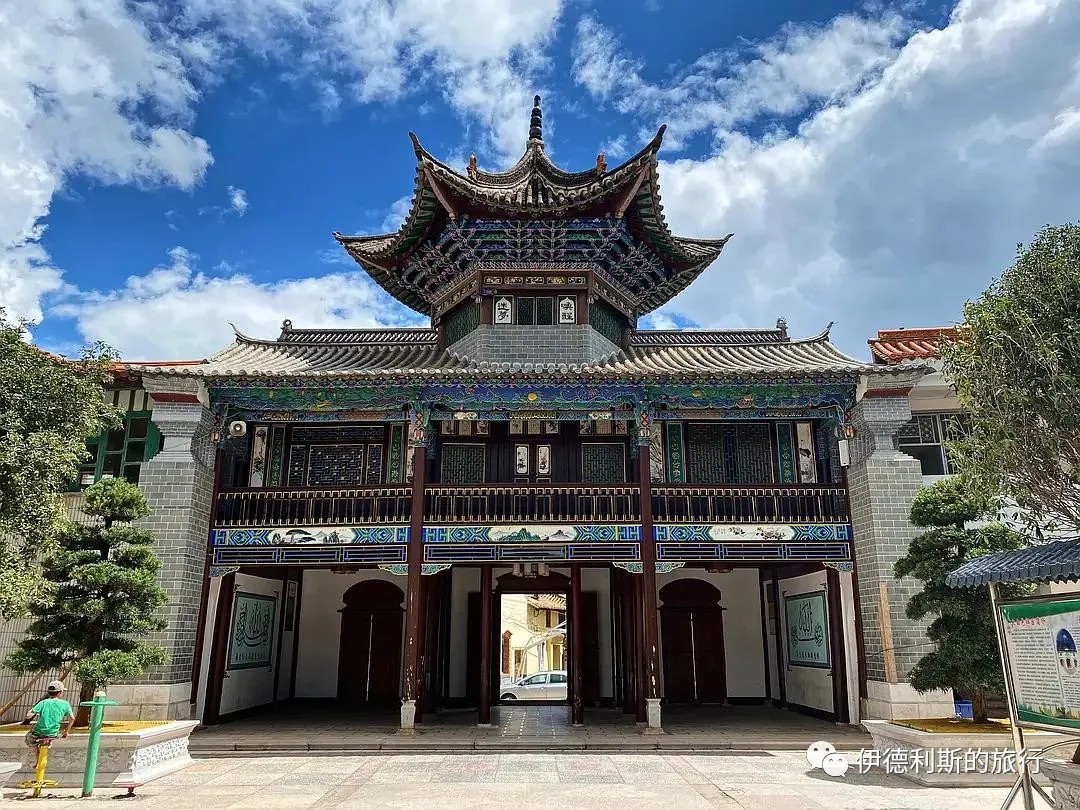
Dahui Village Mosque in Tonghai, Yuxi: First built during the Ming Dynasty, it was rebuilt in 1829 and expanded in 1946 under the leadership of the Ma family from Tonghai. Dahui Village is a famous village for the Jahriyya Sufi order (menhuan) in Yunnan.
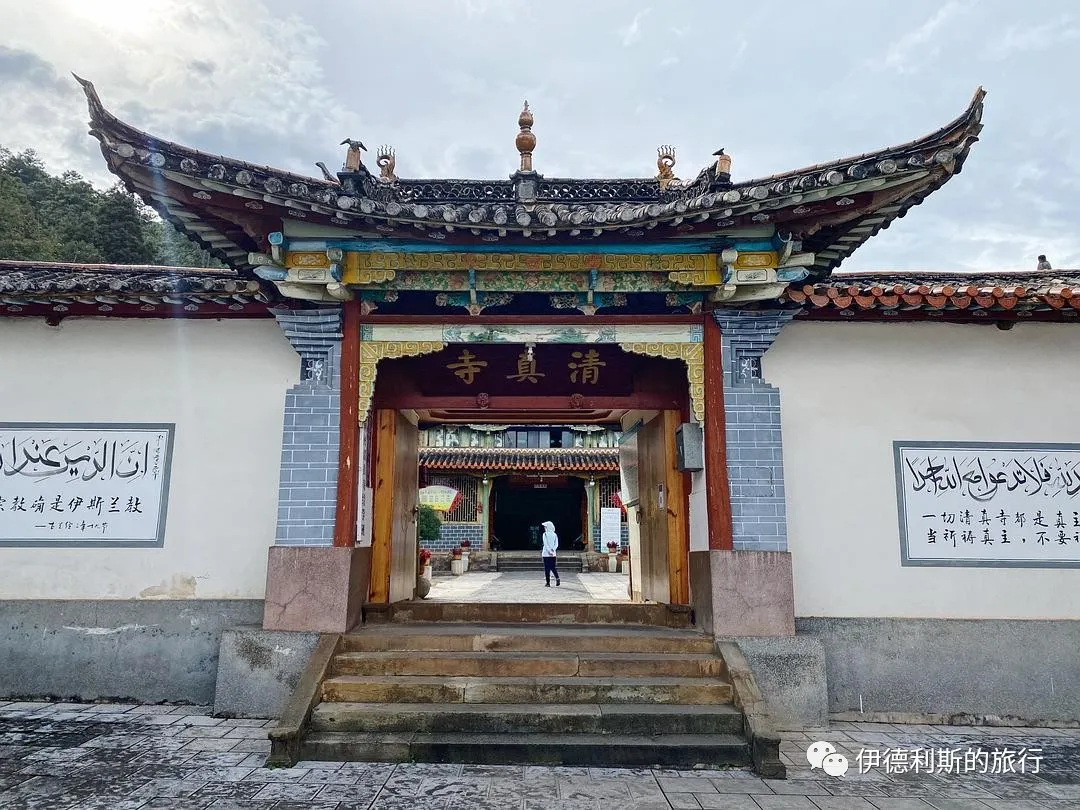
Xinzhai Mosque in Najiaying: Built by Ma Xuecheng, a student of Ma Mingxin, the founder of the Jahriyya order. In 1781, Ma Mingxin's eldest son, Ma Shunqing, was exiled to Talang, Yunnan. Ma Xuecheng did everything he could to rescue and assist Ma Shunqing, which allowed the Jahriyya order to continue growing in Yunnan.
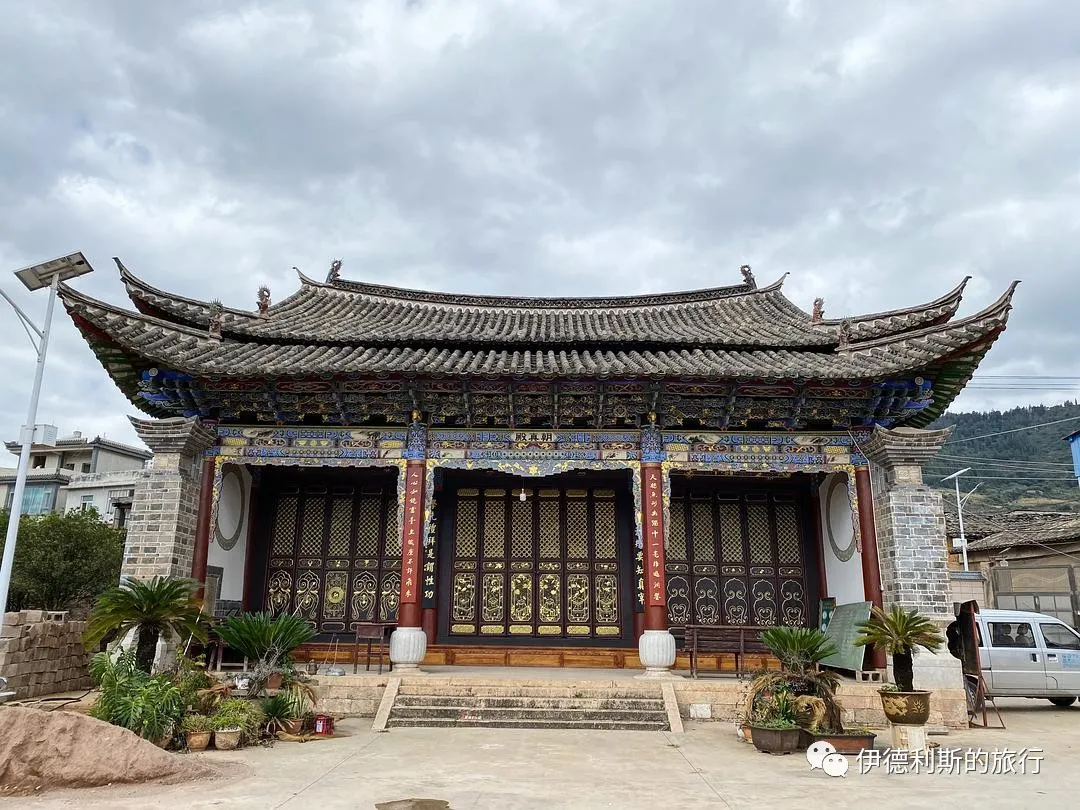
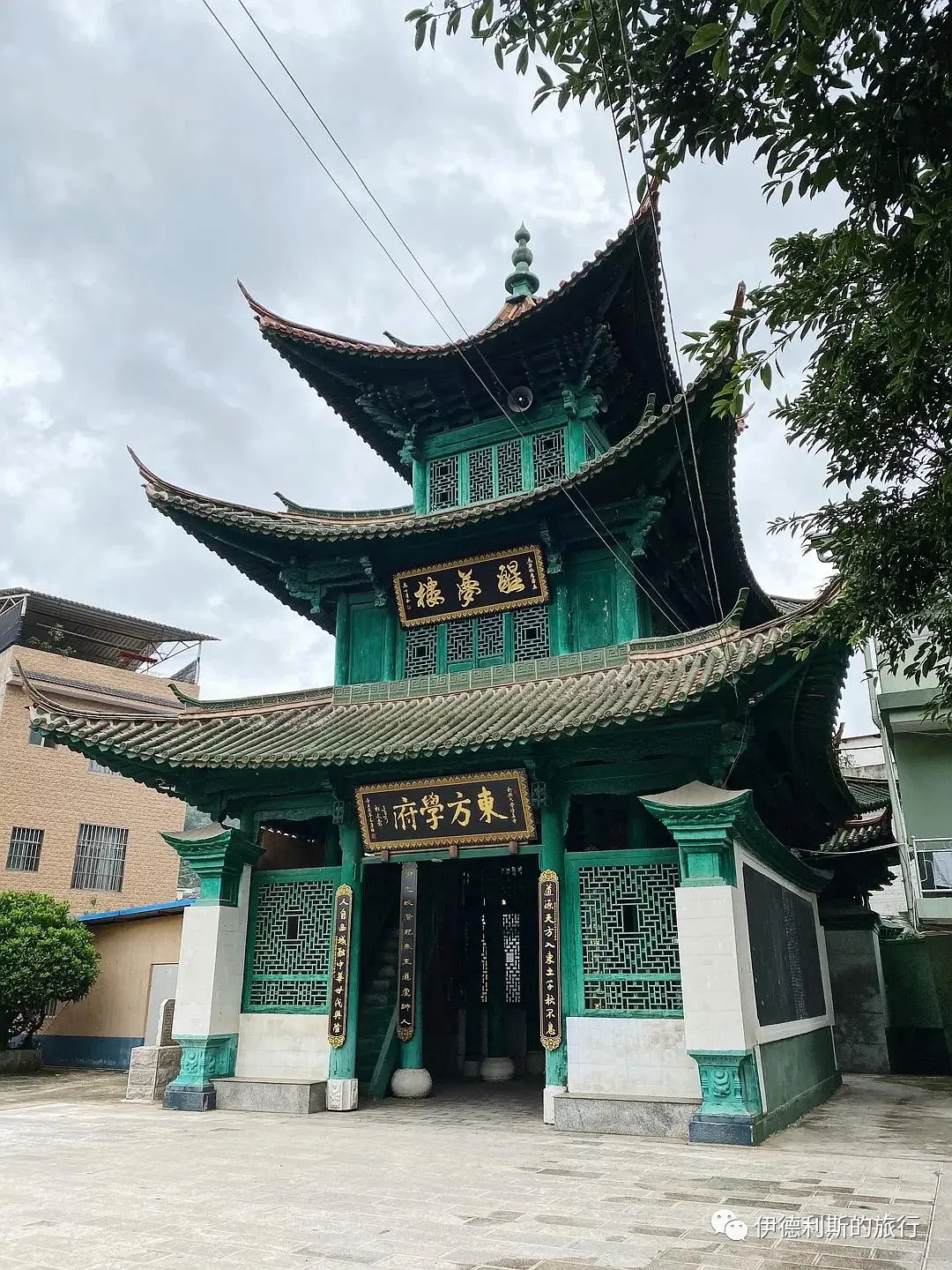
Guanyi Mosque in Qujiang: The Awakening Dream Pavilion (Xingmenglou) was first built in 1687 (the 26th year of the Kangxi reign). It was originally called the Awakening Heart Pavilion (Xinxinlou), but after being rebuilt in 1752 (the 17th year of the Qianlong reign), it was renamed the minaret (jiaobailou).
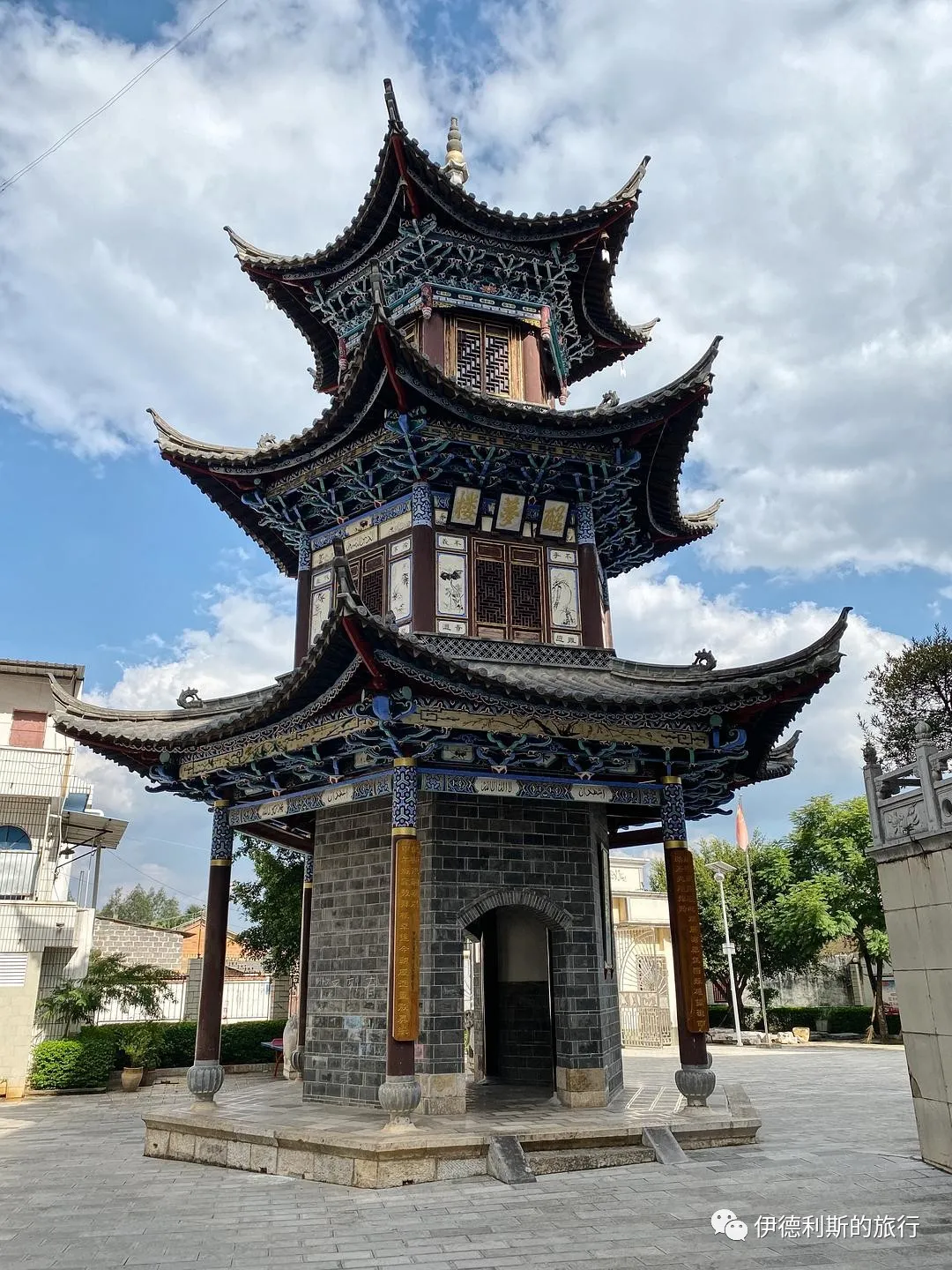
Jianshui Ancient City Mosque: First built during the Huangqing reign of the Yuan Dynasty, it is the oldest mosque in southern Yunnan. The current main hall was rebuilt in 1730 (the eighth year of the Yongzheng reign). The beam structure of the east hall is simple and sturdy, and it is believed to be original wood from the Yuan Dynasty.
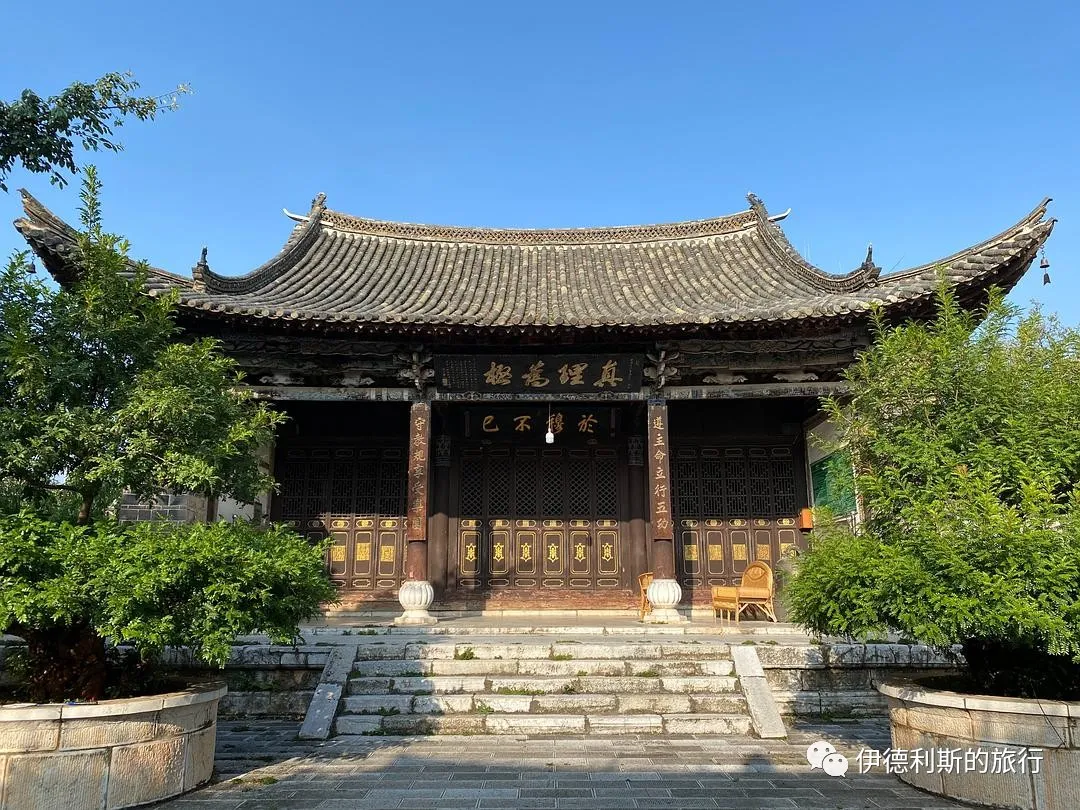
Dazhuang Mosque in Kaiyuan: It was moved to a new site and rebuilt in 1812, then expanded during the Daoguang reign (1821-1850). It is known as the 'greatest mosque under heaven'.
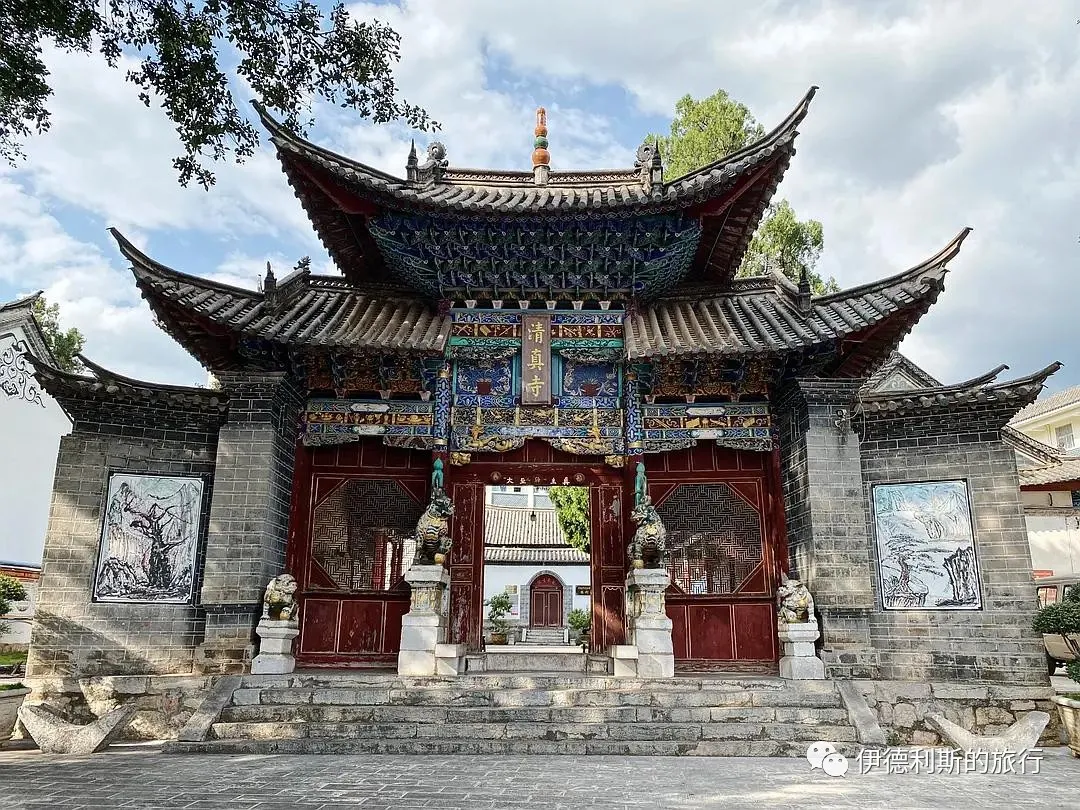
Summary: This 2021 travel record follows visits to 47 historic mosques and Muslim community sites. The English article keeps the source order, captions, images, names, and cultural details while presenting the journey as a readable long-form travel account.
2021 was a very difficult year for visiting mosques. By January, mosques in downtown Beijing were already closed. I attended Jumu'ah prayer once in Tongzhou, and then all the mosques in the city closed. In mid-March, my workplace lifted travel restrictions. I hurried to visit 6 mosques in Henan, 5 in Jiangsu, and 5 in Hebei before Ramadan began. During the May Day holiday, I visited 3 mosques in Turpan. After Eid al-Fitr, I kept moving quickly. In May, I visited 1 mosque in Hebei, 4 in Liaoning, 1 in Shanxi, and 1 in Tianjin. In June, I visited 8 in Qinghai and 2 in Inner Mongolia. In July, I visited 2 in Hebei before travel restrictions out of Beijing returned. During the National Day holiday, there were no new cases nationwide, so we went on a road trip to Yunnan and visited 8 mosques. After the holiday, new cases appeared, and I could not leave Beijing again.
So, in 2021, with less than half a year of actual freedom, I visited 47 mosques across 11 provinces and cities.
2022 was the most difficult year, as I could not leave Beijing at all. That year, I visited some former mosque ruins in Beijing and some mosques I had never been to before, totaling 25 mosques for the year. See "Visiting Twenty-Five Mosques in Beijing in 2022."
At the beginning of 2023, travel restrictions out of Beijing were lifted, and by May, international travel restrictions were also lifted. That year, I traveled extensively, visiting 124 mosques across 11 provinces, 6 countries, and three continents: Europe, Asia, and Africa. See "Visiting 124 Mosques in 2023."
In 2024, life gradually returned to normal, but due to job changes and spending time with my children, the number of mosques I visited decreased. That year, I went to 6 provinces and 3 countries, visiting 63 mosques. I visited Malaysia three times, seeing 24 mosques, which covers almost all the historic mosques in Malaysia. See "Visiting 63 Mosques in 2024."
One mosque in Beijing in January.
Tongzhou Grand Mosque: Tongzhou Mosque and Dongsi Mosque are the only two mosques in Beijing that use corbelled brickwork to build their kiln-style prayer hall domes. After the Qing Dynasty, all kiln-style domes were changed to wooden pavilion-style structures.
6 mosques in Henan in March
Zhengzhou North Mosque: Located on North Street in the old city of Zhengzhou, it is said to have been built in the Ming Dynasty. It has a typical Central Plains architectural style and is a Major Historical and Cultural Site Protected at the National Level. The main gate was built in 1725 (the third year of the Yongzheng reign). The moon-sighting tower (wangyuelou) also serves as a minaret (bangkelou). Its structure likely dates back to the Ming Dynasty, though the bracket sets (dougong) and eaves rafters were probably replaced during the Qing Dynasty. Records show it was renovated in 1887 (the 13th year of the Guangxu reign). The main prayer hall was renovated twice, in 1802 (the 7th year of the Jiaqing reign) and 1907 (the 33rd year of the Guangxu reign).
Bo'ai Xiguan Mosque: Originally built in the Yuan Dynasty, the main hall was expanded in 1405 (the 3rd year of the Ming Yongle reign). It is now a national cultural heritage site and is known as the 'First Mosque of Northern Henan'. The kiln hall (yaodian) was burned down by the Nian Army in 1863 (the 2nd year of the Tongzhi reign) and later rebuilt to its original appearance. In 1941, a rear hall was added behind the kiln hall, making the kiln hall the middle hall.
Qinyang North Mosque: It was moved to its current site in 1561 (the 40th year of the Ming Jiajing reign), destroyed by fire in 1628 (the 1st year of the Ming Chongzhen reign), and rebuilt in 1631. It is a national key cultural heritage site. The exterior of the kiln hall features a cross-ridge roof with over 70 glazed roof beasts. Under the eaves are glazed square beams (fang), brackets (gong), and hanging flower columns (chuihuazhu). The colorful design represents the highest standard for Qing Dynasty kiln hall roofs.
Bo'ai Erxian Mosque Mosque: Originally built in the Yuan Dynasty, it was renovated in 1638 (the 11th year of the Ming Chongzhen reign) and again in 1731 (the 9th year of the Qing Yongzheng reign). It is a Henan Province cultural heritage site.
Bo'ai Daxinzhuang East Mosque: Originally built in the Yuan Dynasty, it was expanded in the Ming Dynasty, and a rear hall was added during the Republic of China era. It is currently a Henan Province cultural heritage site.
Bo'ai Daxinzhuang West Mosque: Originally built during the Jiaqing reign, the main hall started with three bays. It was expanded to five bays in the late Qing Dynasty and to seven bays in the early Republic of China era. During this time, the elder Ma Anli funded the construction of a five-bay shed roof (juanpeng).
April: 5 mosques in Jiangsu.
Gaoyou Mosque: The original construction date is unknown. There is a cypress tree over 200 years old in the courtyard. In 1864 (the 3rd year of the Tongzhi reign), community elders Ma Guixing, Liu Xingtian, and Ma Hongxing rebuilt it. The current entrance has a stone carving that reads 'Rebuilt in the middle of winter, the 2nd year of the Qing Tongzhi reign'.
Gaoyou Lingtang Mosque: A mosque was built at 'Huihui Bay' by Gaoyou Lake in the late Yuan Dynasty, but it was later destroyed by floods. The mosque moved to Yangdazhuang in the mid-Ming Dynasty and to its current site in the early Qing Dynasty. It was rebuilt in 1844 (the 24th year of the Qing Daoguang reign), expanded again in 1921, and completed in 1924.
Yangzhou Xianhe Mosque: One of the four great ancient mosques in the southeast. It was founded in 1275 (the 12th year of the Yuan Zhiyuan reign) by the Western Regions sage Puhading before he passed away. It was rebuilt by Ha San in 1390 (the 23rd year of the Ming Hongwu reign), renovated by merchant Ma Zongdao and Imam Ha Ming in 1523 (the 3rd year of the Jiajing reign), and repaired again in 1791 (the 56th year of the Qianlong reign).
Yangzhou Puhading Tomb Mosque: Puhading is said to be the 16th-generation descendant of the Prophet Muhammad. He came to Yangzhou during the Song Xianchun period (1265-1274), passed away in 1275 (the 12th year of the Yuan Zhiyuan reign), and was buried on a high ridge east of the New City Dongguan River. It was later called the Huihui Hall (commonly known as Baba Kiln). The mosque is located inside the tomb garden.
Zhenjiang Shanxiang Mosque: The original construction date is unknown. It was expanded during the Kangxi reign, destroyed during the Taiping Rebellion in 1853 (the 3rd year of the Xianfeng reign), rebuilt in 1873 (the 12th year of the Tongzhi reign), and expanded in 1902 (the 28th year of the Guangxu reign).
April: 5 mosques in Hebei.
Zhangjiakou Xinhua Street Mosque: Originally named Shenggou Mosque, it was built in 1863 (the 2nd year of the Tongzhi reign). It was funded by over 80 Hui Muslim families from Ningxia who came to Zhangjiakou for camel trade, so it is also called the Camel Station Mosque (tuofangsi). They mainly used camels to transport furs, silk, tea, and other goods for merchants, traveling between Inner Mongolia, Shanxi, Gansu, Mongolia, and Russia.
Zhangjiakou Xiguan Mosque: Built during the Qing Yongzheng reign (1723-1735) with funds from Hui Muslim families named Xiao, Zheng, Song, and Wang, who had lived in the Xiabao area of Zhangjiakou since the Ming and Qing dynasties.
Zhangjiakou Xuanhua South Mosque: Originally built in 1403 (the 1st year of the Ming Yongle reign). In 1820 (the 25th year of the Qing Jiaqing reign), Muslims named Ding, Shan, and Yu decided to move it to Miaodi Street. At that time, the gate, plaques, and moon-sighting tower of the Ming Dynasty mosque were dismantled and moved to the new site. It was completed in 1854 (the 4th year of the Qing Xianfeng reign) and became the largest mosque in the Yanbei region.
Xuanhua North Mosque in Zhangjiakou: First built in 1722 (the 61st year of the Kangxi reign of the Qing Dynasty), with the side rooms and auxiliary halls rebuilt in 1860 and 1865. Its biggest feature is that the front porch (juanpeng), main hall, and rear kiln hall (yaodian) form a cross-shaped floor plan. The overall structure is shallow and wide, which is very different from the long and deep prayer halls common in the eastern regions, but is actually more common in Xinjiang. The kiln hall is also unique, as a square, multi-story tower-style roof was added on top of the front porch.
Xuanhua Central Mosque in Zhangjiakou: Located between the North Mosque and the South Mosque, it is the smallest in scale. It was first built in 1821 (the first year of the Daoguang reign of the Qing Dynasty) and was renovated in 2016.
3 mosques in Xinjiang in May
Turpan East Grand Mosque: Located inside the Hui Muslim city of Turpan, it is a mosque for Hui Muslims, first built in 1871 and renovated in 1911. Because the weather in Turpan is very hot, the mosque expanded the traditional front porch into an 'outer hall' for outdoor prayer during the summer. The outer hall has a ridged, hip-and-gable roof (xieshanding) with a beam-lifting wooden frame supported by 32 pillars. The mosque gate features authentic Shaanxi-style calligraphy brick carvings. Inside, there is a minaret similar to the Sugong Pagoda, though the top has collapsed. This type of minaret is extremely rare in Hui Muslim mosques.
Turpan West Grand Mosque: First built in 1859, it is the oldest among the Hui Muslim mosques in Turpan.
Turpan Sugong Pagoda Mosque: Also known as the 'Emin Pagoda Mosque,' it was built in 1778 by the Turpan Prince Emin Khoja and his son Suleiman. It is the tallest historical minaret building in Xinjiang. In 1772, Emin Khoja returned to his hometown of Turpan. In his later years, he spent 7,000 taels of silver and ordered his son Suleiman to build the mosque. Emin Khoja passed away in 1777 before it was finished. His son Suleiman then inherited the title of prince and completed the construction in 1778. Because a tall minaret was built inside the mosque, it is called the Sugong Pagoda Mosque.
1 mosque in Hebei in May
Chengde West Mosque: Built during the Daoguang reign, the prayer hall consists of a front porch hall, a middle hall, and a rear hall. The kiln pavilion (yaoting) is located on top of the middle hall and has a decorative finial (baoding) at the peak.
4 mosques in Liaoning in May
Lingyuan Mosque: Built during the Qianlong reign. According to the stone inscription in the mosque, a Hui Muslim doctor named Zhang Lichen and others cured the illness of a Mongol prince in the Harqin Left Banner, so the prince's mansion provided the funds for the land to build the Lingyuan Mosque.
Shenyang South Grand Mosque: First built in 1636 (the first year of the Chongde reign of the Qing Dynasty). The ancestors of the Tie family who founded it were Hui Muslim people (Huihui Semu) who came to the interior during the Mongol western expeditions. In 1662 (the first year of the Kangxi reign), Tie Kui expanded it into a grand mosque and invited the famous imam She Yuanshan from Beijing to set up a school. After Imam She's student, Tie Hongji, finished his studies, he became the leader. From then on, the imam of the South Mosque was passed down through the Tie family for 11 generations, with the last imam, Tie Zizhang, serving until 1956.
Shenyang East Mosque: First built in 1803 (the eighth year of the Jiaqing reign). In 1935, the prayer hall was rebuilt in a Western style, but the moon-watching tower (wangyuelou) retained its original Chinese style. The East Mosque was occupied in 1958, returned in 1980, and converted into the Shenyang Islamic Institute in 1988.
Kaiyuan Old City Mosque: Located inside the east gate of the old city, it was first built in 1406 (the fourth year of the Yongle reign of the Ming Dynasty) and is the oldest mosque in Northeast China. The current main hall follows the style after its 1680 (the 19th year of the Kangxi reign) reconstruction, consisting of a small front porch, a main hall, and a hexagonal pavilion-style kiln hall, similar in style to the Shenyang South Mosque.
One mosque in Shanxi in May.
Datong Mosque: First built in 1324 (the first year of the Taiding era of the Yuan Dynasty), it is one of only two recorded mosques built by imperial decree during the Yuan Dynasty. It was completely destroyed during the wars at the end of the Yuan Dynasty and was rebuilt within the Datong city walls during the Yongle era of the Ming Dynasty. The prayer hall was built in 1622 and renovated in 1692. The prayer hall consists of a porch (juanpeng), a front hall, a main hall, and a rear hall (yaodian), with exquisite Qing Dynasty paintings on the porch.
One mosque in Tianjin in May.
Wuqing Yangcun North Mosque: Yangcun is located by the Grand Canal. In the early Ming Dynasty, Hui Muslim soldiers from the south brought by the Prince of Yan, along with Hui Muslim merchants and boatmen who moved from Cangzhou, settled here. The Great Mosque was officially built in 1620 (the 48th year of the Wanli era). The rear hall was destroyed by lightning in 1935 and rebuilt in 1937. It is now a cultural relic protection unit of Wuqing District and a historical building of Tianjin.
Eight mosques in Qinghai in June.
Xunhua Qingshui Hedong Mosque: This is the main mosque (haiyisi) of the Qingshui Gong of the Salar Eight Gong. It was first built in 1425 and has been renovated many times over the generations.
Xunhua Mengda Mosque: First built in 1408 (the sixth year of the Ming Yongle era) and expanded three times during the Qing Dynasty, it is the main mosque of the Mengda Gong, one of the Salar Eight Gong.
8
Xunhua Tashapo Mosque: Built in 1480 (the 16th year of the Ming Chenghua era) and renovated in 1755 (the 20th year of the Qing Qianlong era).
Xunhua Labian Mosque: First built during the Qianlong era. The main hall was rebuilt in 2015, and only the minaret (xuanlilou) and the two side gate towers remain of the ancient structure.
Xunhua Zhangga Mosque: First built in 1406 (the fourth year of the Ming Yongle era) and rebuilt during the Qing Dynasty.
Xunhua Kewa Mosque: First built in 1403 (the first year of the Ming Yongle era) and expanded during the Qing Dynasty. It is the main mosque (Jumu Mosque) of the Naiman Gong of the Salar Eight Gong.
Xunhua Suzhi Mosque: First built in 1460 (the fourth year of the Ming Tianshun era) and expanded during the Qing Dynasty.
Hualong Ahetan Mosque: Although located in Hualong County north of the Yellow River, it is still a Salar mosque and belongs to the Suzhi Gong of the Salar Eight Gong, just like the Suzhi Mosque.
Two mosques in Inner Mongolia in June.
Hohhot Great Mosque: First built in the late Ming and early Qing dynasties, it was expanded in 1789 (the 54th year of the Qianlong era) and again in 1923.
Ulanqab Fengzhen Longshengzhuang Mosque: First built in 1751 (the 16th year of the Qing Qianlong era). Initially, it only had three main halls. Later, as more Hui Muslims came here to do business, 13 main halls, a front gate, a second gate, side rooms, and a screen wall were added in 1831 (the 11th year of the Daoguang era), forming a three-courtyard layout.
Two mosques in Hebei in July.
Chengde Pingquan Nanjie Mosque: Hui Muslims in Pingquan gathered near Bagou South Street. The Nanjie Mosque was first built in 1647 (the fourth year of the Qing Shunzhi era) and initially only had three thatched rooms. As the number of Hui Muslims in Pingquan increased during the Qianlong era, the imam of the Pingquan Mosque, Zhang Hongye, and his son Zhang Jin went to Beijing in 1742 (the seventh year of the Qianlong era). They made a model out of straw based on the mosque outside the Qihua Gate, brought it back to Pingquan, and hired craftsmen to build the mosque.
Shanhaiguan Mosque in Qinhuangdao: Located outside the west gate of Shanhaiguan, it was built in 1381 (the 14th year of the Hongwu reign) by Hui Muslim officers and soldiers brought by Xu Da. Because of this, the Hui Muslims in Shanhaiguan have a saying: 'The mosque came first, then Shanhaiguan.'
8 mosques in Yunnan in October
Liren Mosque in Haikou, Kunming: First built in 1645 (the second year of the Shunzhi reign of the Qing Dynasty), it was destroyed in 1856 (the sixth year of the Xianfeng reign) and rebuilt in 1872 (the second year of the Tongzhi reign). In 1896 (the 22nd year of the Guangxu reign), a local woman known as 'Lady Yang the Third' led a fundraising effort to expand it. It was named a Kunming cultural heritage site in 2020.
Daying Mosque in Yuxi: The main gate was rebuilt in 1914, featuring beautiful decorative bracket sets (dougong), carved beams, painted pillars, and upturned eaves. The main prayer hall was expanded many times. The front hall was built in 1605 (the 33rd year of the Wanli reign of the Ming Dynasty) and finished in 1617 (the 46th year of the Wanli reign). The middle hall was expanded during the Guangxu reign of the Qing Dynasty, and the back hall was added in 1985. It can hold 2,000 people in total.
Dabaiyi Mosque in Eshan, Yuxi: It was rebuilt several times during the Kangxi, Qianlong, and Tongzhi reigns. It was destroyed by an earthquake in 1913, the main hall was rebuilt in 1915, and the minaret (jiaobailou) was rebuilt in 1935.
Dahui Village Mosque in Tonghai, Yuxi: First built during the Ming Dynasty, it was rebuilt in 1829 and expanded in 1946 under the leadership of the Ma family from Tonghai. Dahui Village is a famous village for the Jahriyya Sufi order (menhuan) in Yunnan.
Xinzhai Mosque in Najiaying: Built by Ma Xuecheng, a student of Ma Mingxin, the founder of the Jahriyya order. In 1781, Ma Mingxin's eldest son, Ma Shunqing, was exiled to Talang, Yunnan. Ma Xuecheng did everything he could to rescue and assist Ma Shunqing, which allowed the Jahriyya order to continue growing in Yunnan.
Guanyi Mosque in Qujiang: The Awakening Dream Pavilion (Xingmenglou) was first built in 1687 (the 26th year of the Kangxi reign). It was originally called the Awakening Heart Pavilion (Xinxinlou), but after being rebuilt in 1752 (the 17th year of the Qianlong reign), it was renamed the minaret (jiaobailou).
Jianshui Ancient City Mosque: First built during the Huangqing reign of the Yuan Dynasty, it is the oldest mosque in southern Yunnan. The current main hall was rebuilt in 1730 (the eighth year of the Yongzheng reign). The beam structure of the east hall is simple and sturdy, and it is believed to be original wood from the Yuan Dynasty.
Dazhuang Mosque in Kaiyuan: It was moved to a new site and rebuilt in 1812, then expanded during the Daoguang reign (1821-1850). It is known as the 'greatest mosque under heaven'.
