
Halal Travel Guide: 2018 Mosque Visits Part 1 — 101 Historic Mosques
Reposted from the web
Summary: This first part of the 2018 mosque-visit record covers a wide route through historic mosques, local Muslim communities, and Islamic heritage sites. It preserves the original mosque names, photos, dates, and travel observations in clear English.
In 2018, I visited 101 ancient mosques across 5 countries and 8 provinces. It was a very fulfilling year. In February, I went to Shanhaiguan to see the winter sea and visit the ancient mosque there. During the Spring Festival holiday, I visited the Cham community in Ho Chi Minh City, Vietnam. Then I went to Delhi, India, to see many historical sites from the Delhi Sultanate and Mughal Empire periods. During the Qingming Festival holiday, I went to Yarkant (Shache) in Xinjiang to listen to Muqam music and look for the history of the Yarkand Khanate. During the May Day holiday, I went to Lhasa to visit the Tibetan Hui Muslim community. In June, I went to the UAE for Eid al-Fitr, and then I went to Tianjin to eat and explore. In July, I used my weekends to visit Nanjing and Suizhong in Liaoning to eat and explore. In September, I went to Taiyuan to do the same. At the end of September, I used my annual leave and the National Day holiday to visit Azerbaijan and Turkey, where I saw over a hundred old buildings. In November, I went to Kaifeng to eat and explore.
By 2019, I had mastered the skill of using holidays to visit ancient mosques abroad. I would first research a lot of information, pick the mosques worth seeing, and then use map websites to plan my route to visit as many as possible in the limited time. I visited a total of 64 ancient mosques across 7 countries and 2 provinces. See '64 Ancient Mosques Visited in 2019'.
At the start of 2020, I went to Urumqi for the Spring Festival holiday and visited the Shaanxi Old Quarter mosque. Later, I was almost locked down and unable to return to Beijing. I worked from home during the first half of the year. Once restrictions were lifted in early July, we spent a weekend visiting the Hongshuiquan Grand Mosque in Qinghai. In August, we took our honeymoon and visited 18 ancient mosques in Yunnan and Sichuan. During the National Day holiday, we traveled upstream along the Han River and visited 3 ancient mosques in southern Shaanxi. In total, I visited 23 ancient mosques across 5 provinces in 2020. See '23 Ancient Mosques Visited in 2020'.
In January 2021, mosques in Beijing were closed. In mid-March, travel restrictions were lifted, so I rushed to visit ancient mosques in Henan, Jiangsu, Hebei, Xinjiang, Liaoning, Shanxi, Tianjin, Qinghai, and Inner Mongolia. By July, travel out of Beijing was restricted again. During the National Day holiday, there were no new cases nationwide, so we went on a road trip to Yunnan to visit ancient mosques. After the holiday, I could not leave Beijing again. In 2021, with less than half a year of actual freedom, I visited 47 ancient mosques across 11 provinces and cities. See '47 Ancient Mosques Visited in 2021'.
2022 was the most difficult year, as I was unable to leave Beijing for the entire year. That year, I visited some ruins of former ancient mosques in Beijing and some mosques I had never been to before, totaling 25 ancient mosques for the year. See "Visiting 25 Ancient Mosques in Beijing in 2022."
Travel restrictions within Beijing were lifted in early 2023, and international travel restrictions were lifted in May. This year saw an explosion of travel, covering 11 provinces and cities, 6 countries, and three continents—Europe, Asia, and Africa—for a total of 124 ancient mosques. See "Visiting 124 Ancient Mosques in 2023."
Life gradually returned to normal in 2024, and the number of ancient mosques I visited dropped due to work changes and spending time with my children. This year I went to 6 provinces and 3 countries, visiting 63 ancient mosques. I visited Malaysia three times, touring 24 ancient mosques, which covers almost all the ancient mosques in Malaysia. See "Visiting 63 Ancient Mosques in 2024."
February: 1 in Hebei.
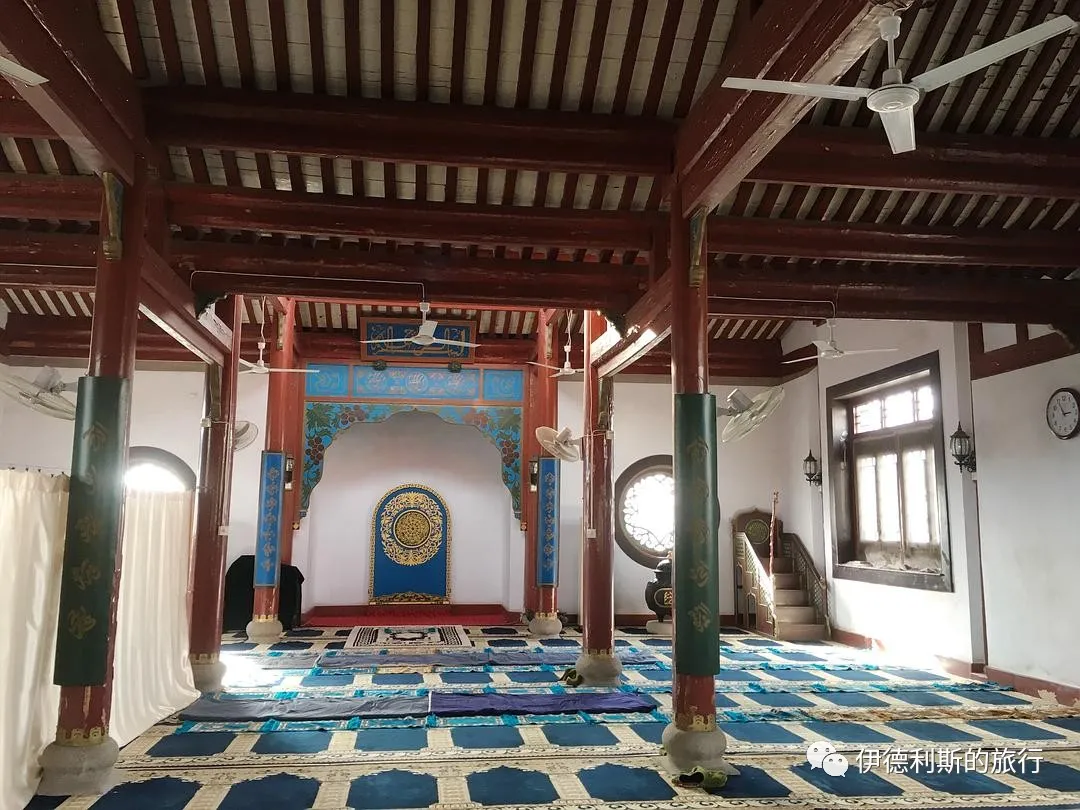
Shanhaiguan Mosque: Located outside the west gate of Shanhaiguan city. According to the Kangxi-era "Shanhaiguan Gazetteer," in the first month of 1381 (the 14th year of the Hongwu reign), "General Xu Da sent 15,100 soldiers from the Yanshan Guard to build 32 passes, including Yongping and Jieling." According to the "Veritable Records of the Ming Emperor Taizu," in September of the same year, the "Beiping Shanhaiguan Guard Command" was established, marking the beginning of Shanhaiguan. People say the Shanhaiguan Mosque was built by Muslim officers and soldiers under Xu Da.
February: 24 in India.
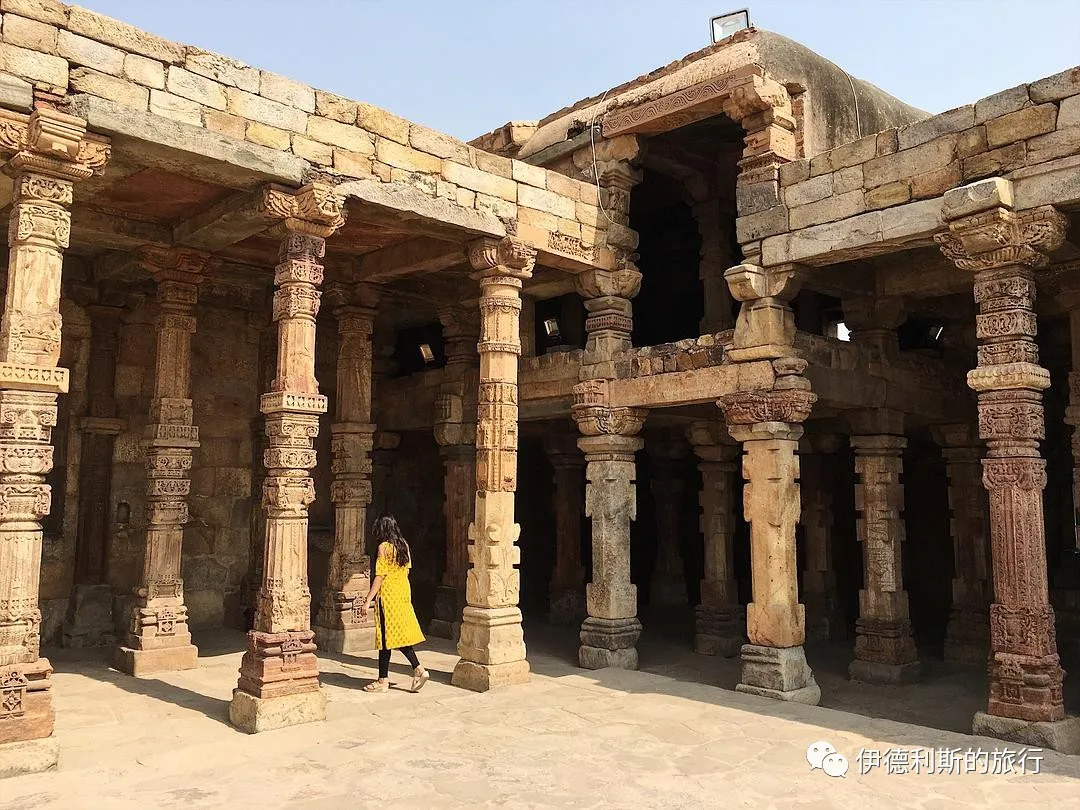
Delhi Qutb Mosque: This is the first mosque in Delhi, started in 1193. After the Ghurid dynasty general Qutb occupied Delhi, many building components from Hindu and Jain temples were reused.
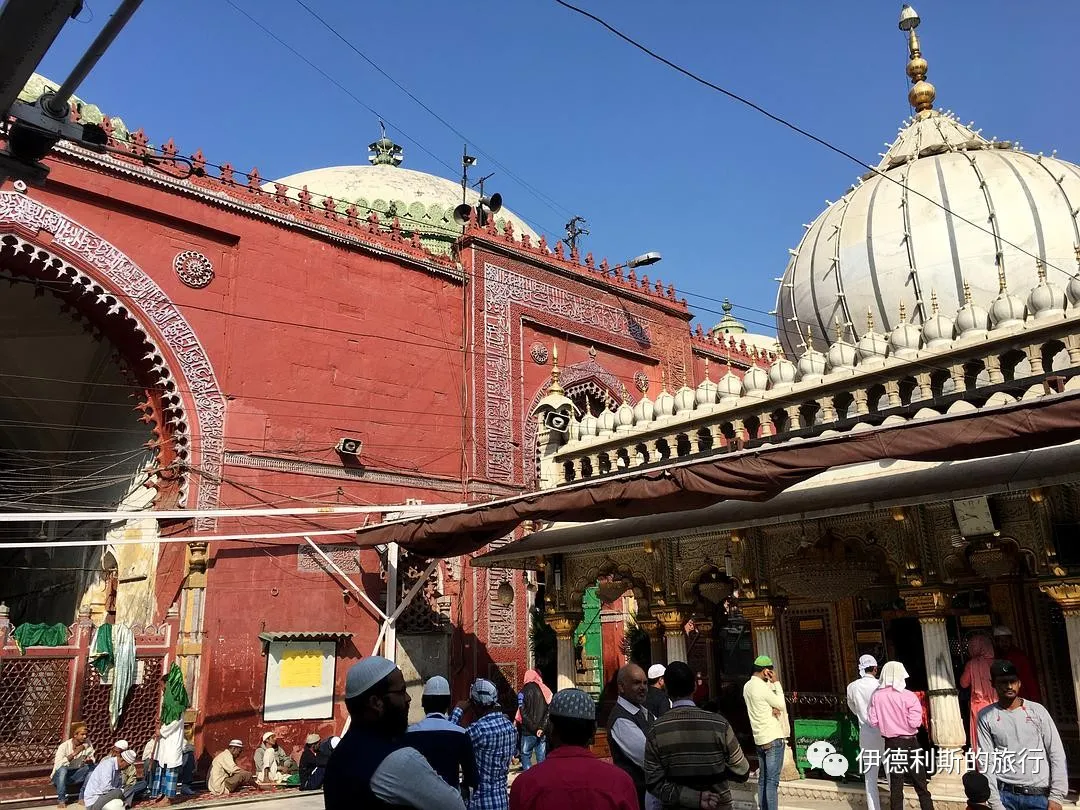
Delhi Jamaat Khana Mosque: Located at the heart of the Sufi holy site of Nizamuddin, it is likely the second mosque in Delhi after the Qutb Mosque, with an architectural style very close to the Khalji dynasty of the Delhi Sultanate.
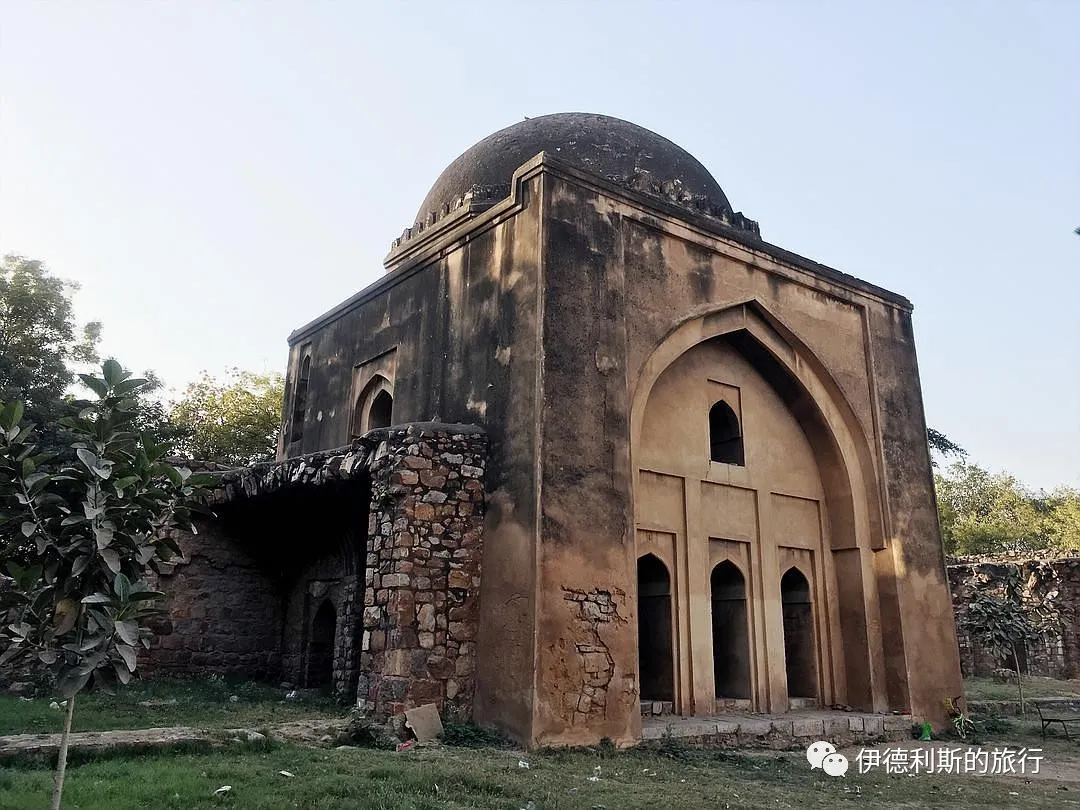
Delhi Tohfe Wala Gumbad Mosque: In 1303, the Chagatai Khanate besieged the military fortress of Siri in Delhi for two months but could not break the city and eventually retreated. After this, Sultan Alauddin Khalji of the Delhi Sultanate's Khalji dynasty began to focus on building up Siri, which included the Tohfe Wala Gumbad Mosque. This mosque is very different from other buildings constructed during the Alauddin period, but some of its wall structures have the characteristics of Khalji dynasty architecture.
Delhi Begampur Mosque: This is the most important mosque in the city of Jahanpanah in Delhi and the most representative mosque of the Tughlaq dynasty of the Delhi Sultanate that still exists today. It is said to have been designed by the Iranian architect Zahir al-Din al-Jayush. The building is very grand but relatively simple, with only a small amount of carving inside the main hall.
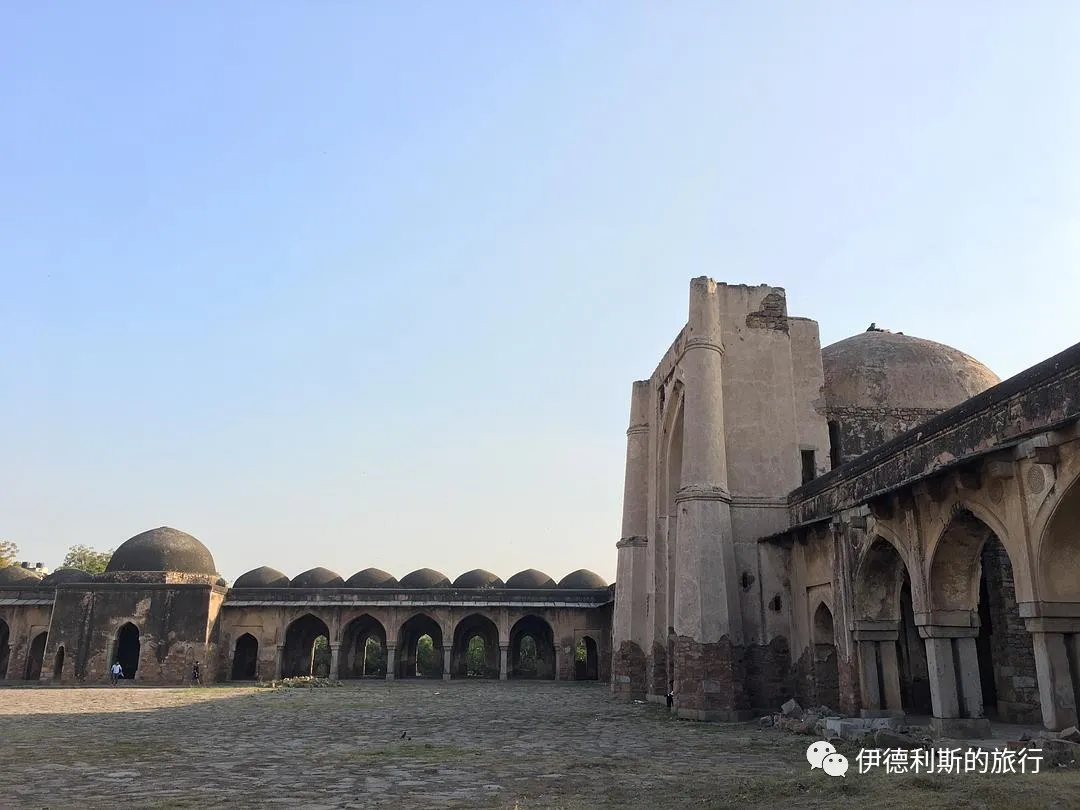
Delhi Feroz Shah Kotla Mosque: Sultan Feroz Shah Tughlaq of the Tughlaq dynasty built the fifth city of Delhi, Ferozabad, in 1354. The mosque is the main building in the fortress and has a typical Tughlaq dynasty style. Some scholars believe that the great emperor Timur prayed here in 1398 and later built a mosque of the same design in Samarkand.
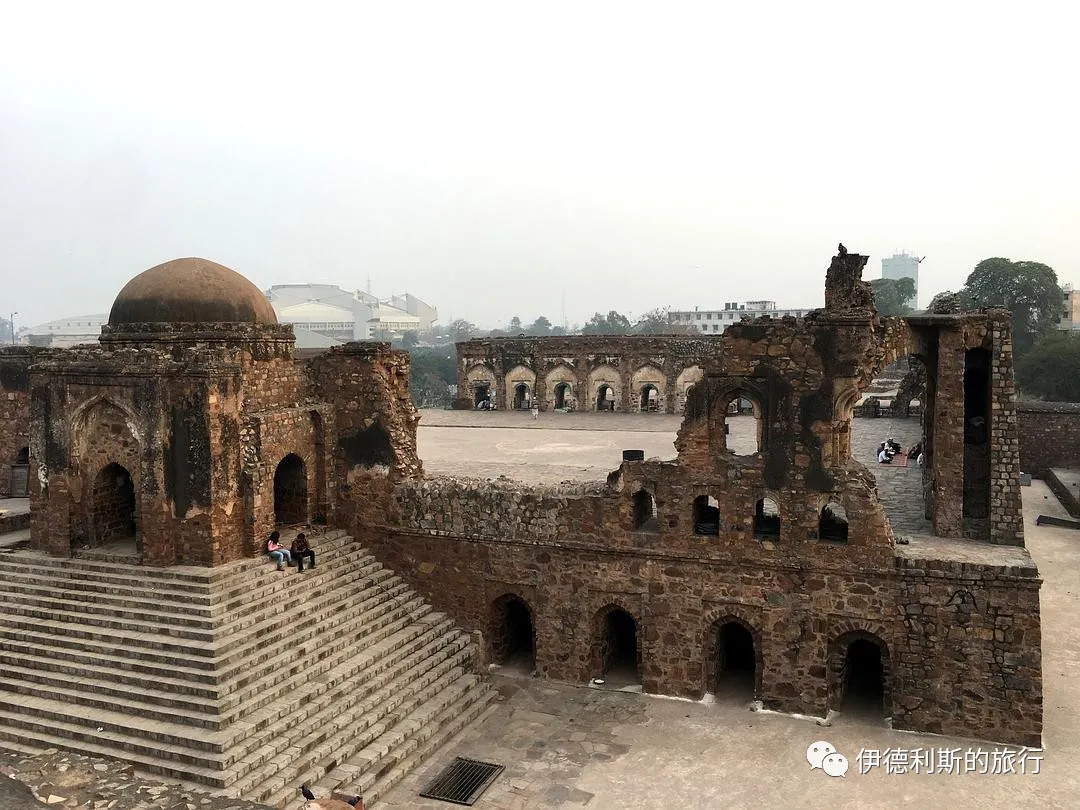
Delhi Khirki Mosque: Another important mosque in the city of Jahanpanah, besides the Begampur Mosque. This building looks very different from the Begumpur mosque, but it is almost certainly one of the seven mosques built by Khan-i-Jahan Maqbul, the prime minister to Sultan Firoz Shah Tughlaq, and was likely built in the 1370s.
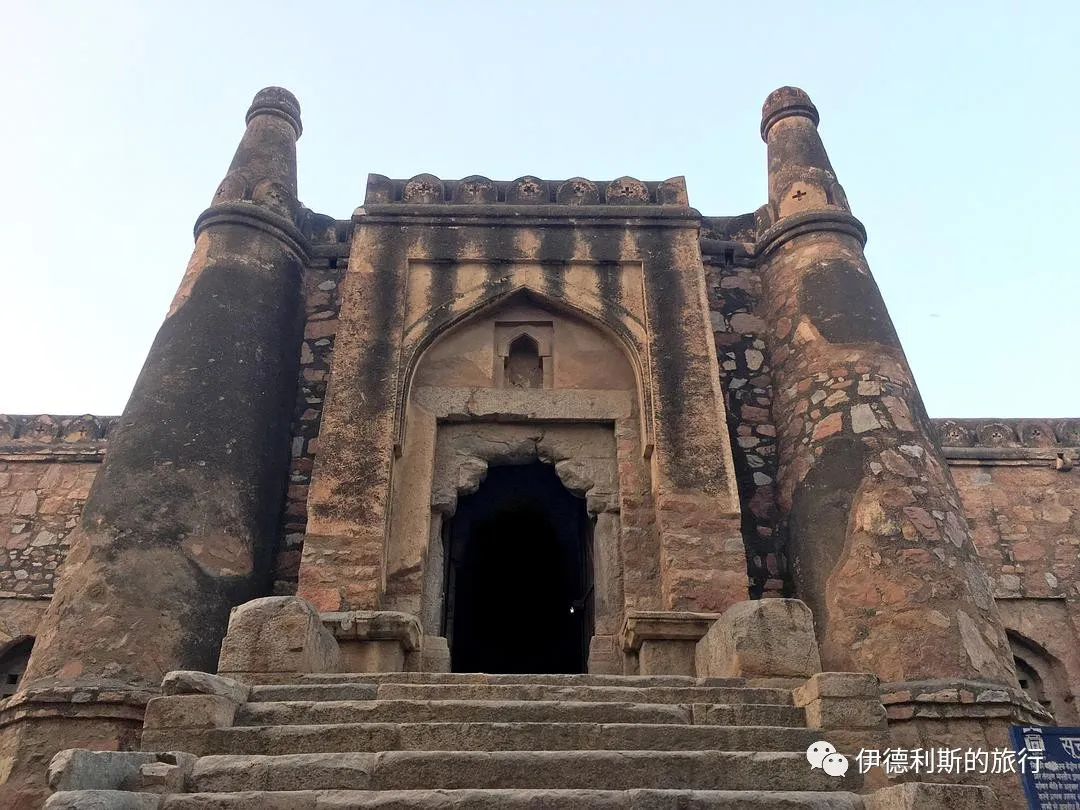
Delhi Kali Mosque: This is also one of the seven mosques built by Sultan Firoz Shah Tughlaq's prime minister, Khan-i-Jahan Maqbul, and it stands near the Sufi shrine of Nizamuddin. This mosque and the Khirki Mosque are very similar in design and construction date, and both were once abandoned. The difference is that this mosque returned to use in the early 20th century, with some changes made to its original design.
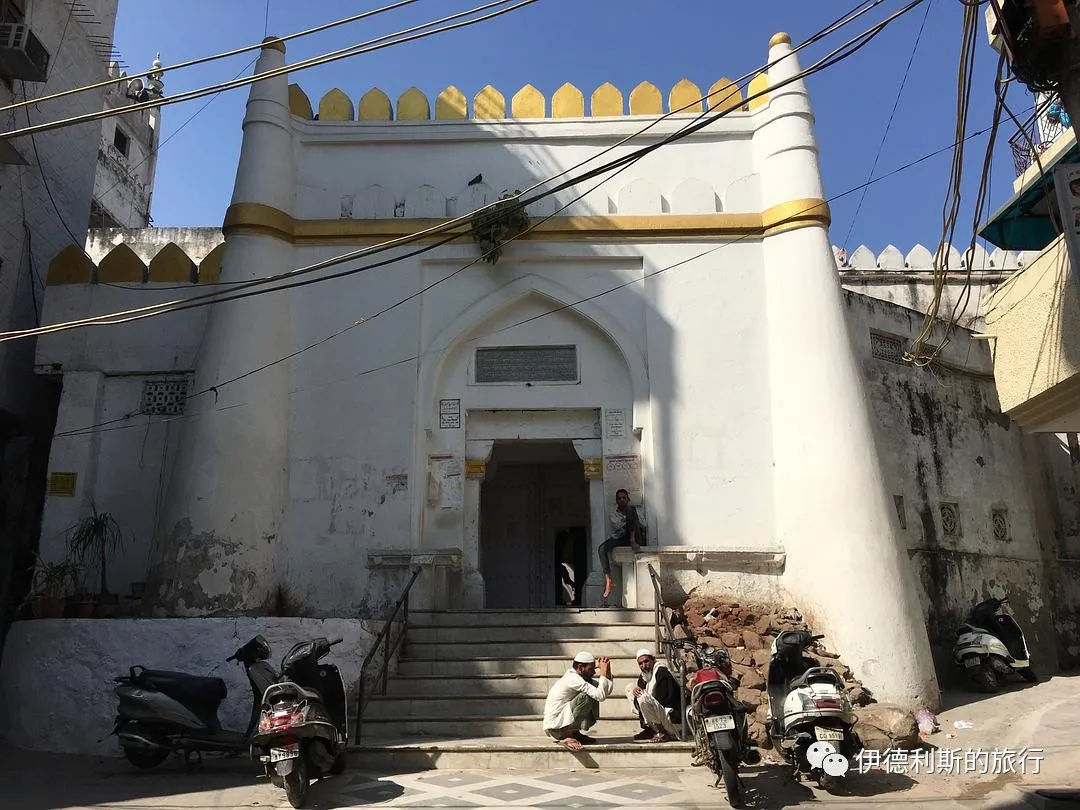
Delhi Kalan Mosque: This is the northernmost of the seven mosques built by Sultan Firoz Shah Tughlaq's prime minister, Khan-i-Jahan Maqbul. It is thought to have been built to honor a Sufi saint, and it has been in use ever since.
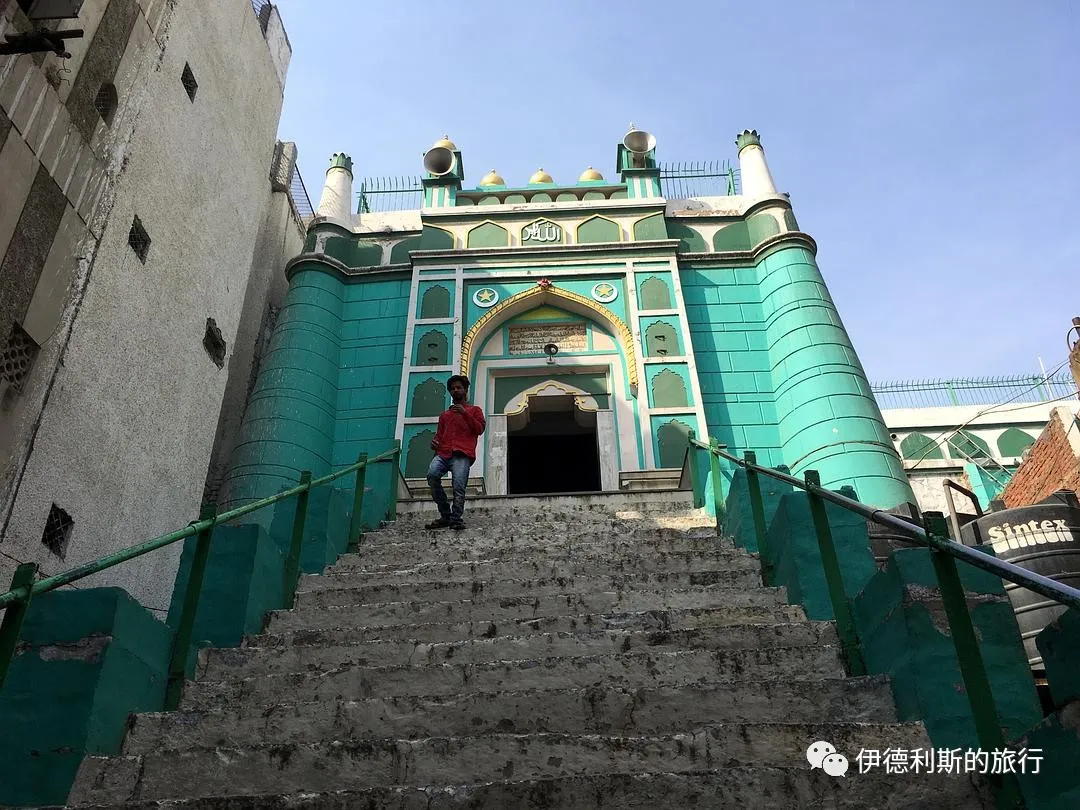
Delhi Bara Bumbad Mosque: Located inside Lodi Gardens, the inscriptions carved inside show it was built on November 30, 1494, by a man named Mughal Abdu Amjad. The mosque features very intricate carvings, which are a great example of the lime plaster and stone-cutting techniques used for decoration during the Lodi dynasty.
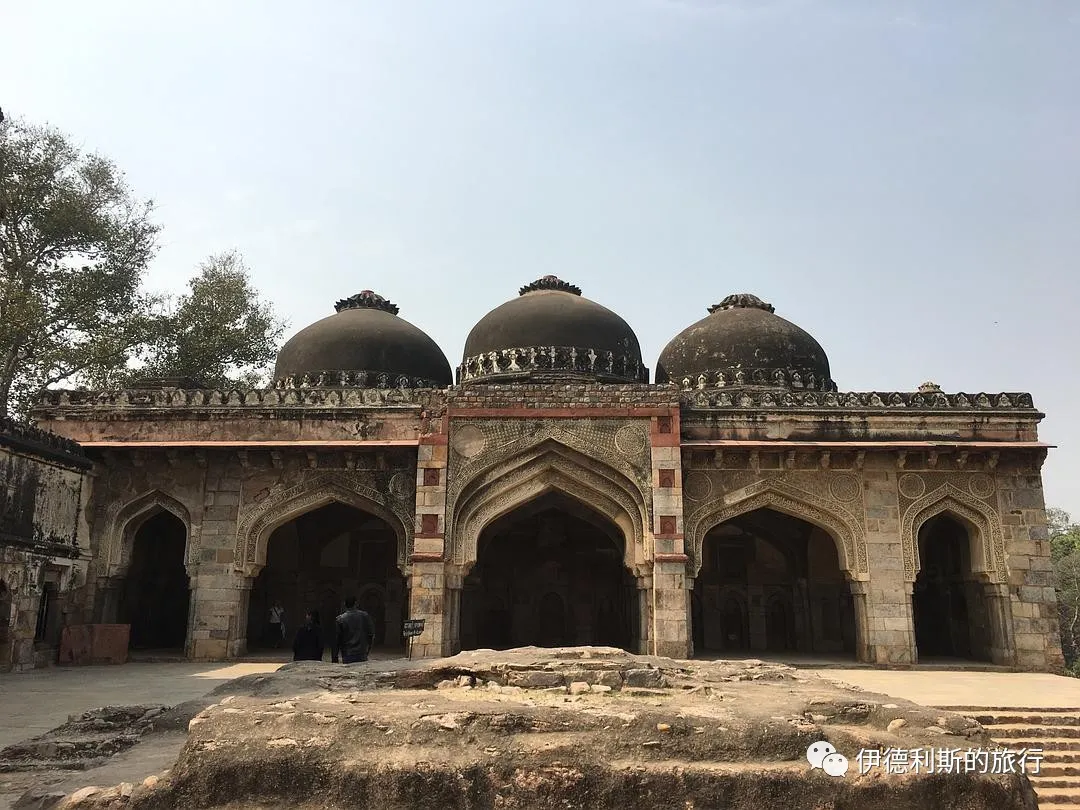
Delhi Madhi Mosque: Found in the Mehrauli Archaeological Park in Delhi, its exact construction date is unknown, but its design clearly shows the Lodi dynasty style. The main hall of this mosque is open-air and consists only of a qibla wall. There are many other mosques in Delhi made of just one wall, but this one is the largest.
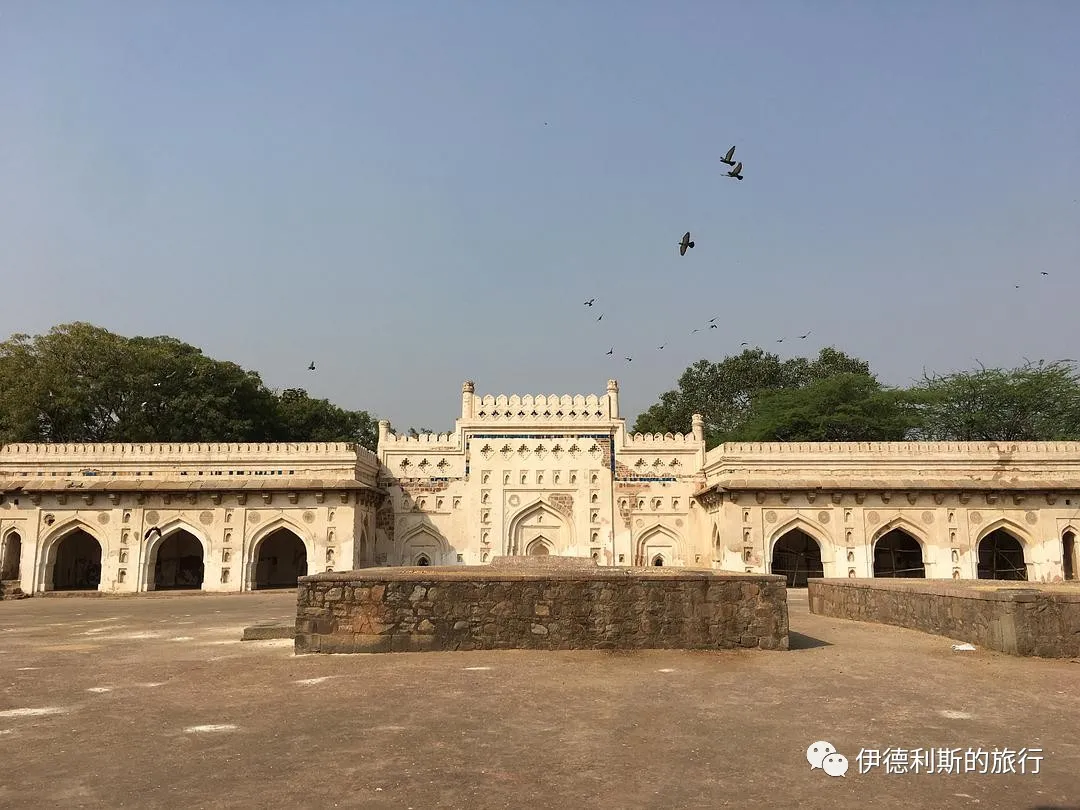
Delhi Nili Mosque: Located between the city of Siri and the Hauz Khas reservoir area, this is a Lodi-era mosque that is still in use.
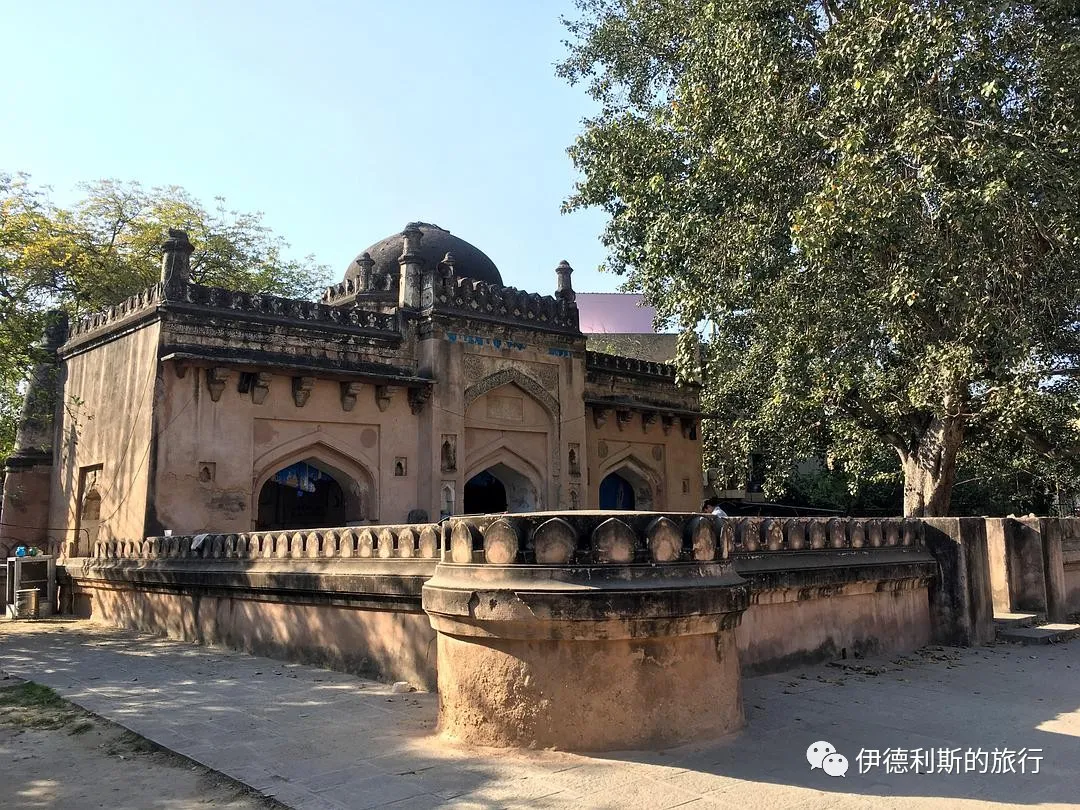
Delhi Rajon ki Baoli Mosque: Located in the Mehrauli Archaeological Park, it features what is considered the most beautiful stepwell (baoli) in Delhi, said to have been built by Daulat Khan Khwaja Muhammad in 1506 during the reign of Sultan Sikandar Lodi (1489-1517).
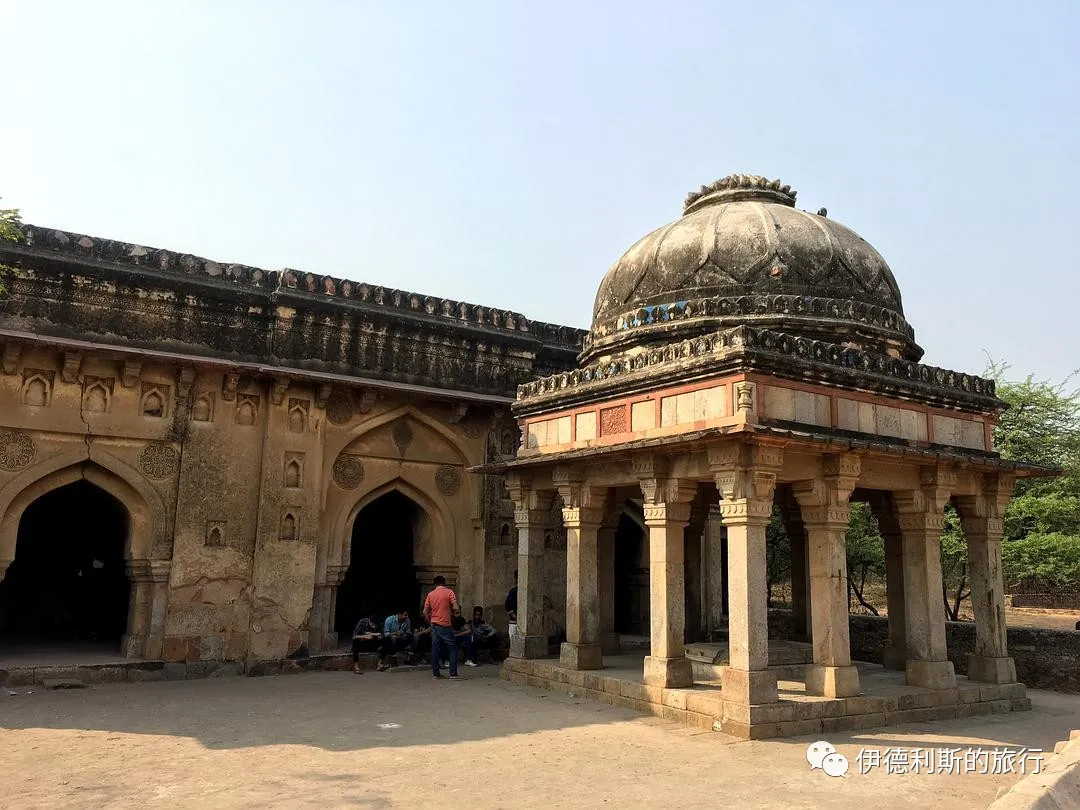
Delhi Muhammad Wali Mosque: Situated right next to the northwest wall of the city of Siri, it features a typical Lodi dynasty style.
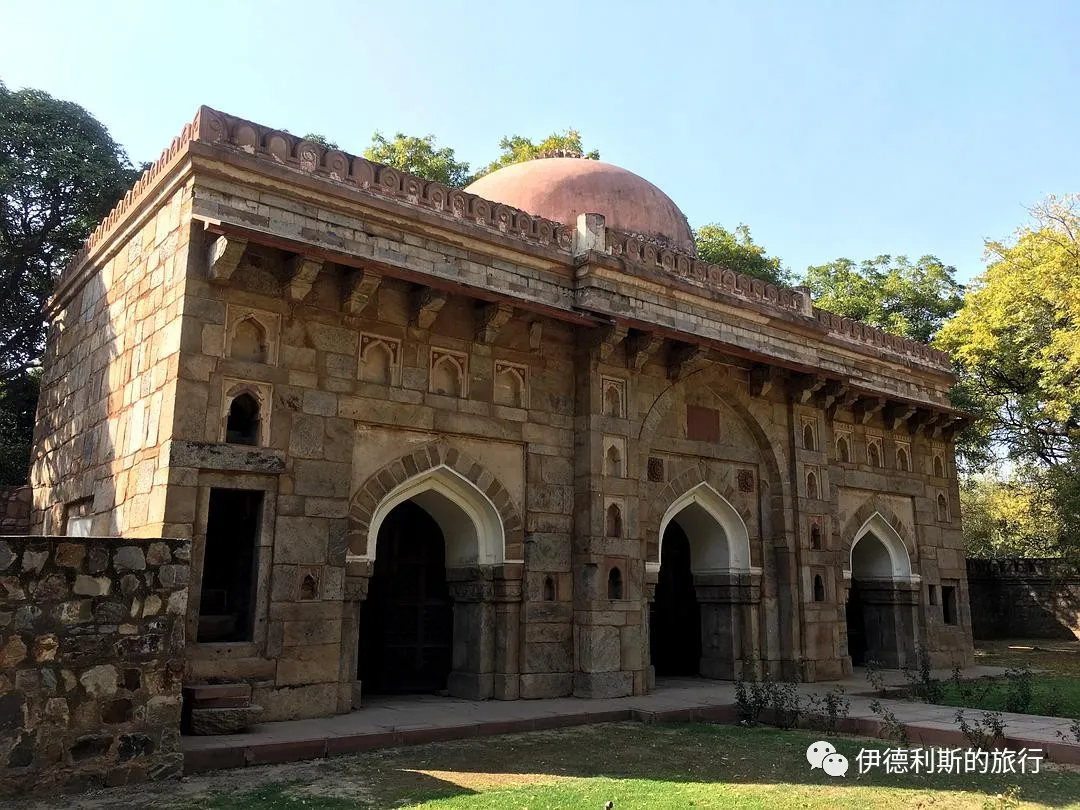
Delhi Jamali Kamali Mosque: Located in the Mehrauli Archaeological Park, this is a tomb-mosque for two men, Jamali and Kamali. Jamali, whose full name was Jamali Kamboh, was a famous 16th-century Persian poet and Sufi saint in India who was highly regarded by the Mughal emperors Babur and Humayun.
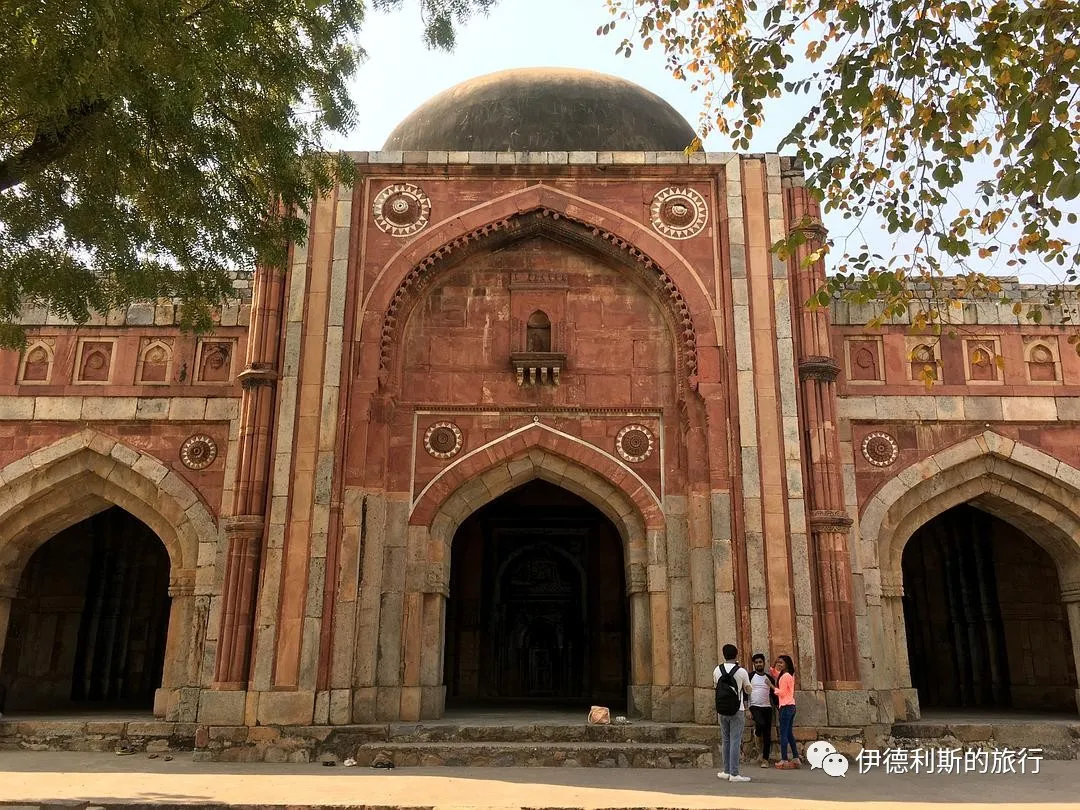
Delhi Qila-i-Kuhna Mosque: Located inside the Old Fort (Purana Qila), which was the sixth city of Delhi. After Sher Shah Suri, the ruler of the Suri dynasty, defeated the Mughal emperor Humayun and took Delhi in 1540, he used the Old Fort as his royal court and built this royal mosque in 1541.
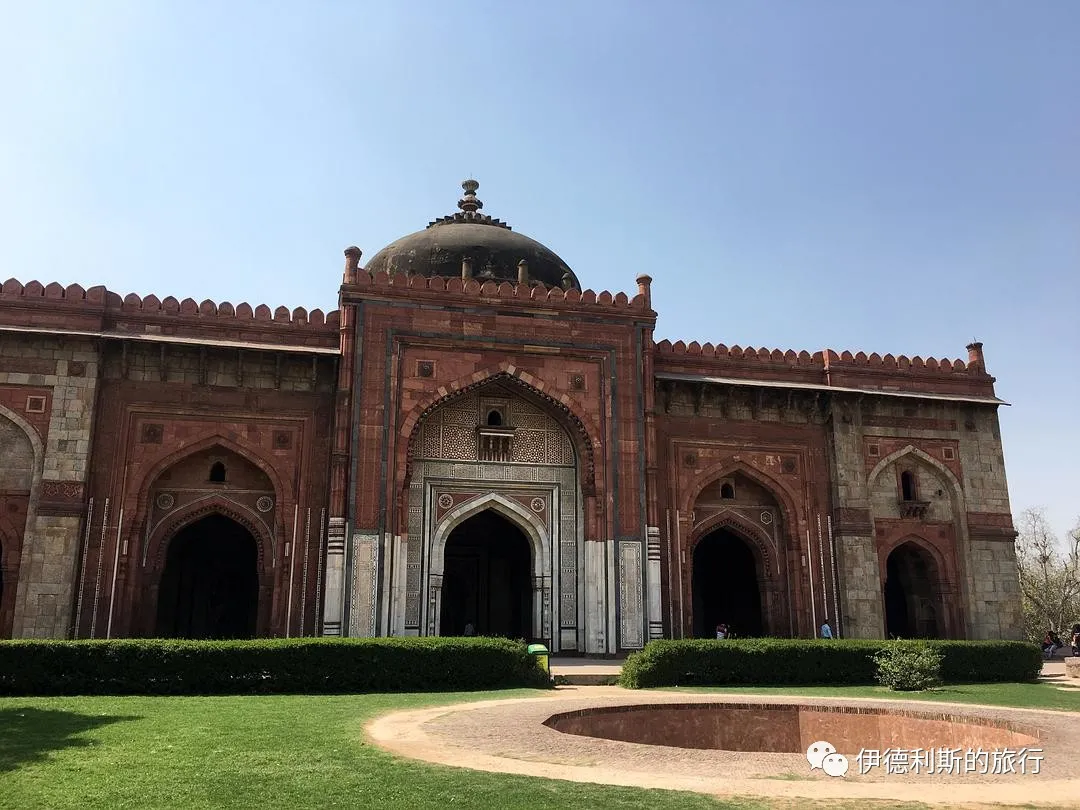
Delhi Salimgarh Fort Mosque: Located north of the Red Fort, it was built in 1546 by Salim Shah Suri (reigned 1545-1554), the son of the Suri dynasty ruler Sher Shah Suri.
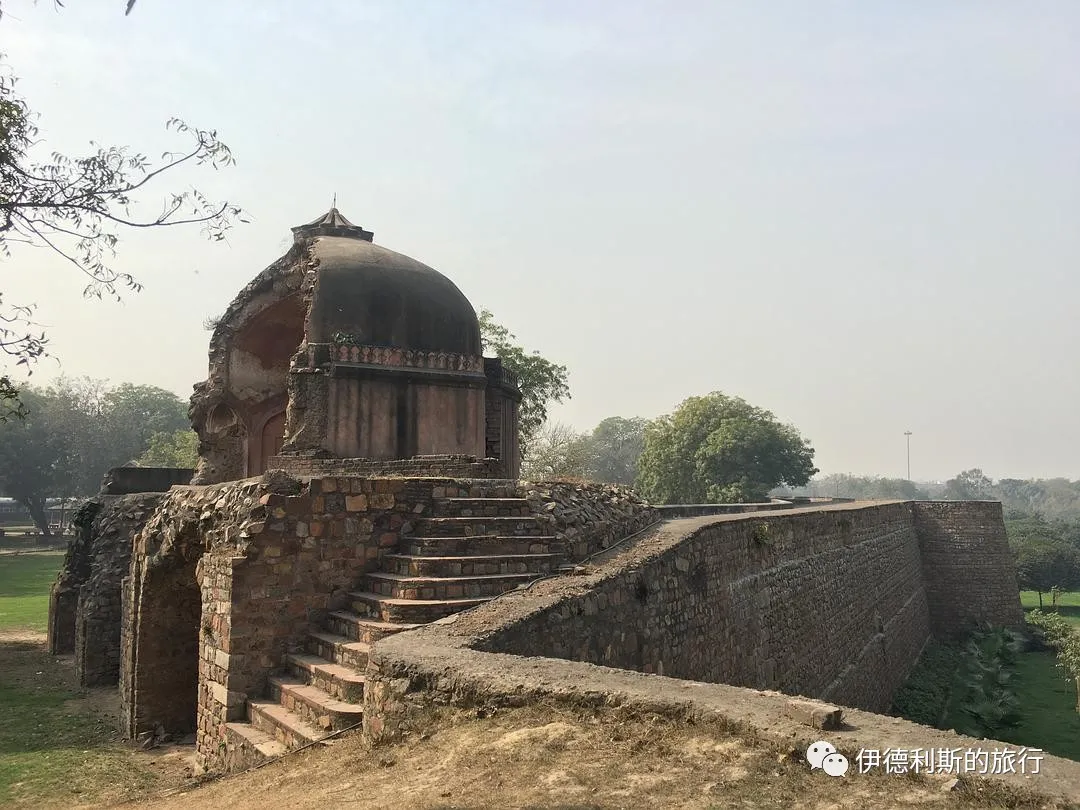
Delhi Isa Khan Mosque: Located within the Humayun's Tomb complex, this is a tomb-mosque for the Pashtun noble Isa Khan of the Suri dynasty.
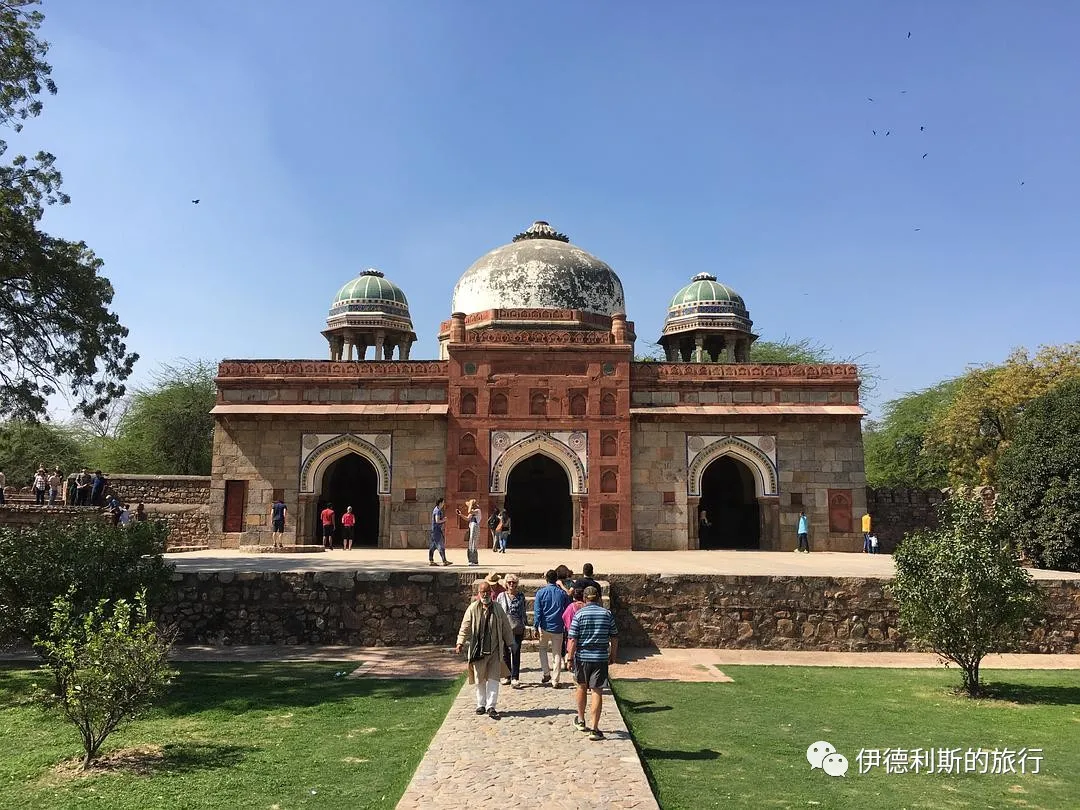
Delhi Khairul Manazil Mosque: Located across from the Purana Qila fort, it was commissioned in 1561 by Maham Anga, the chief nurse to the Mughal Emperor Akbar and the actual power behind the throne from 1560 to 1562.
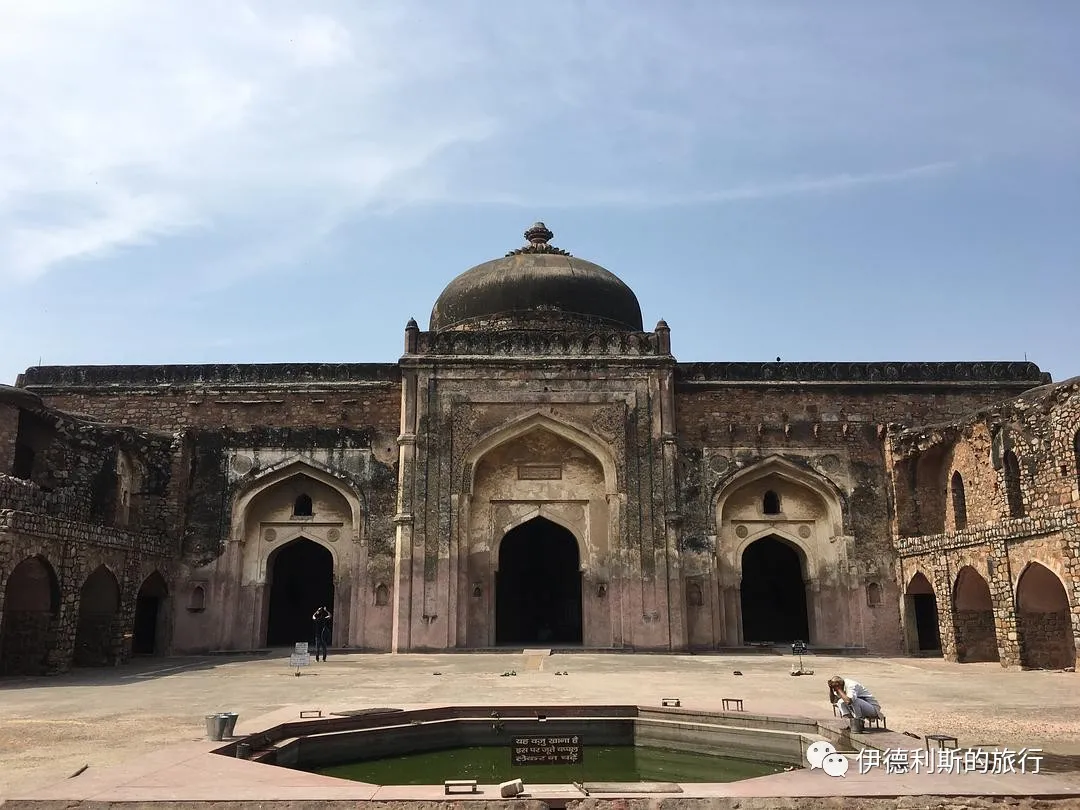
Delhi Afsarwala Mosque: Located southwest of Humayun's Tomb, it was built between 1566 and 1567 as a tomb-mosque for an official in the court of the Mughal Emperor Akbar.
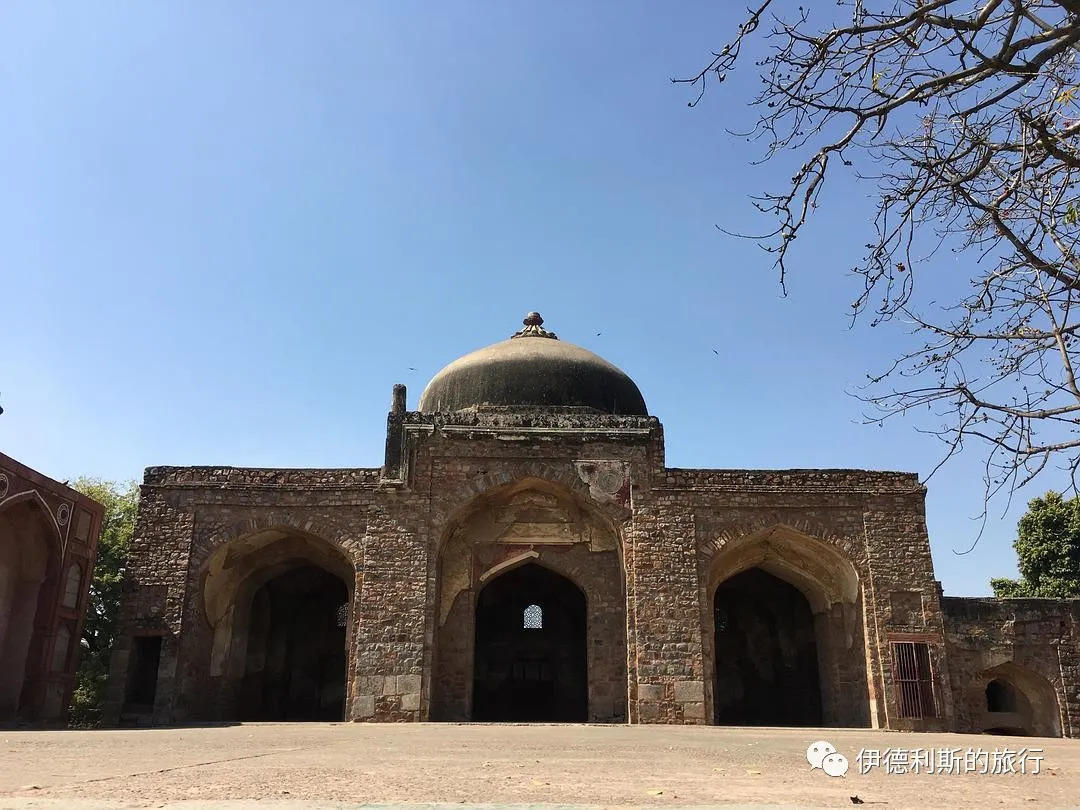
Delhi Jama Mosque: Located in Shahjahanabad (Old Delhi), the seventh city of Delhi, it once served as the main Friday mosque for the Mughal Empire. The Jama Mosque was built between 1650 and 1656 by order of the Mughal Emperor Shah Jahan (1628-1658), who also built the Taj Mahal.
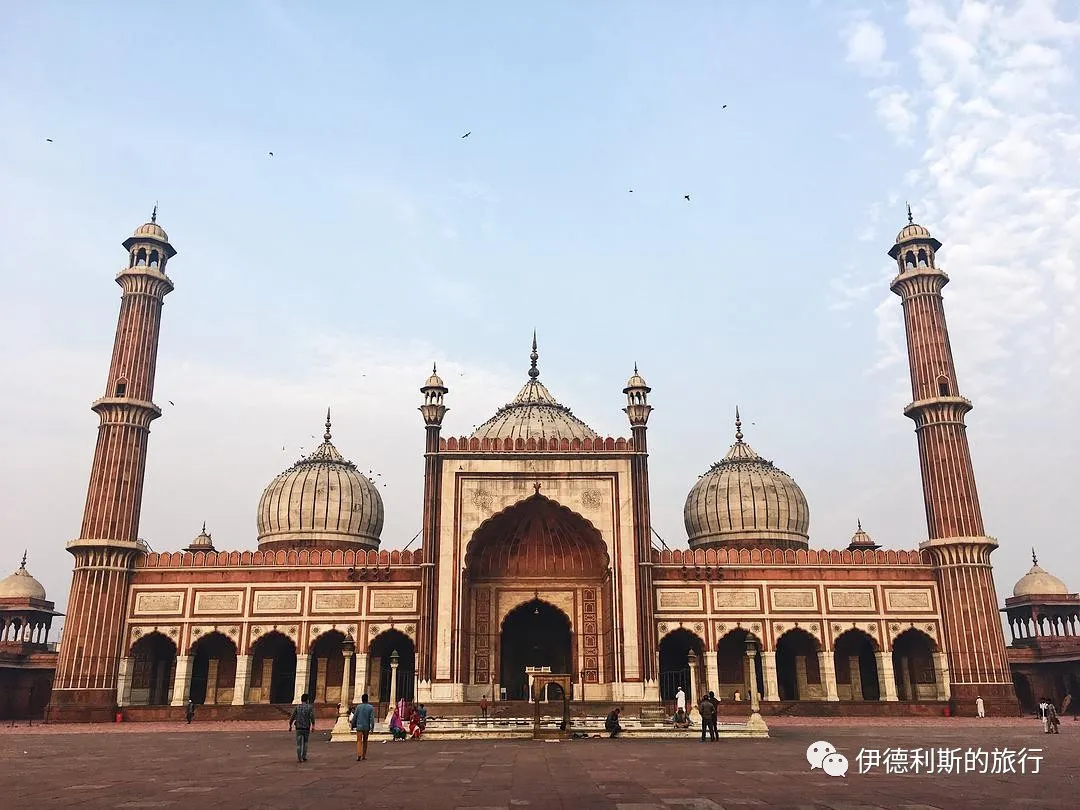
Fatehpuri Mosque in Delhi: Located in the northwest of Old Delhi (Shahjahanabad), directly facing the Red Fort, it was built in 1650 by Fatehpuri Begum, the wife of Mughal Emperor Shah Jahan.
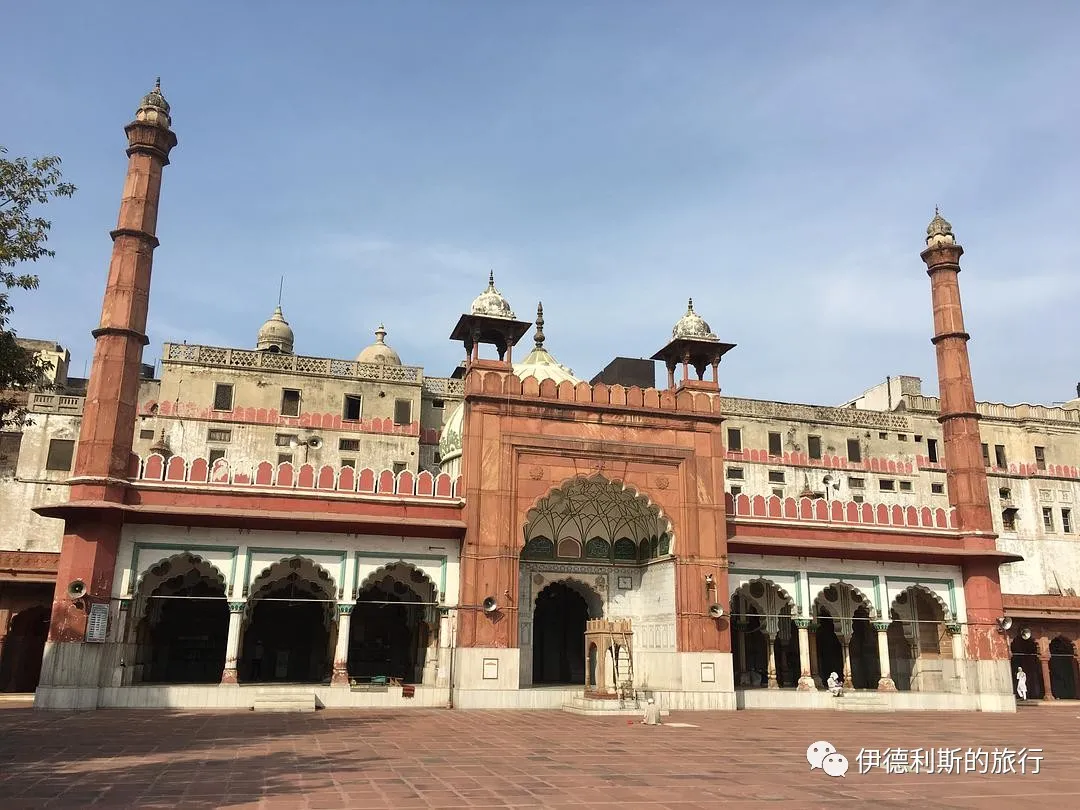
Pearl Mosque (Moti Masjid) in Delhi: Located inside the Delhi Red Fort, it was built in 1659 by Mughal Emperor Aurangzeb (reigned 1658-1707) to serve as a private mosque for the royal family.
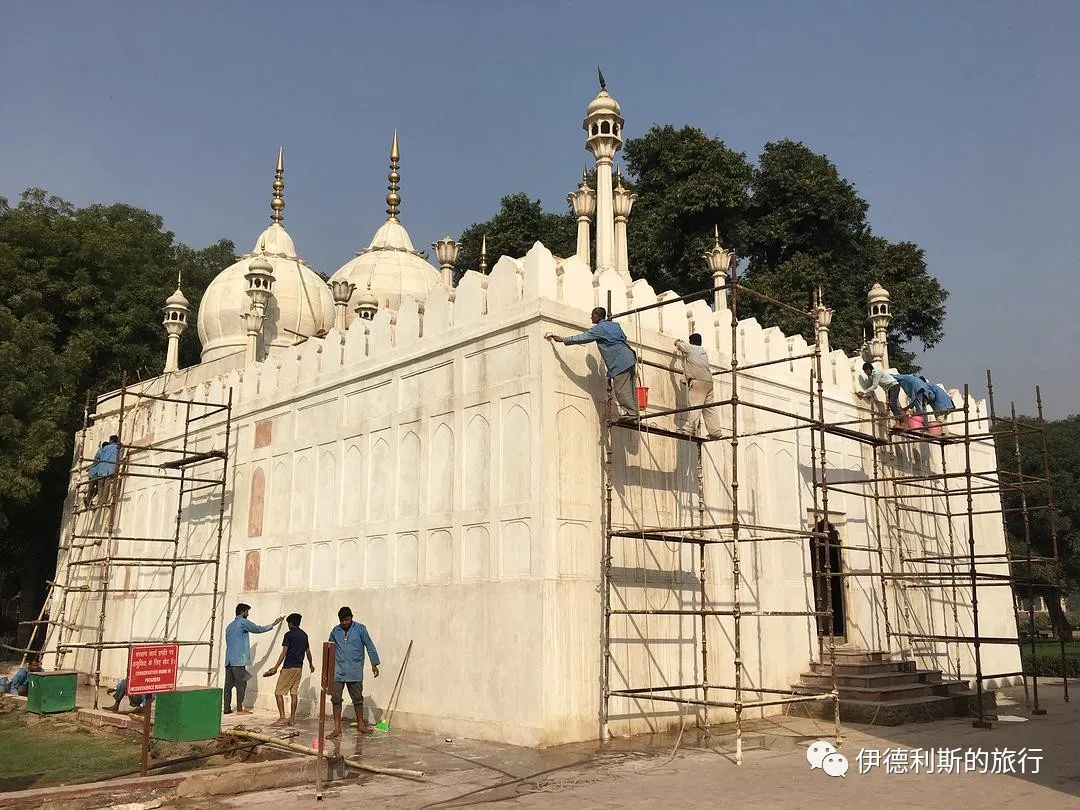
Sunehri Mosque in Delhi: Located in the eastern part of Old Delhi's Shahjahanabad, it was built in 1751 by order of Qudsia Begum.
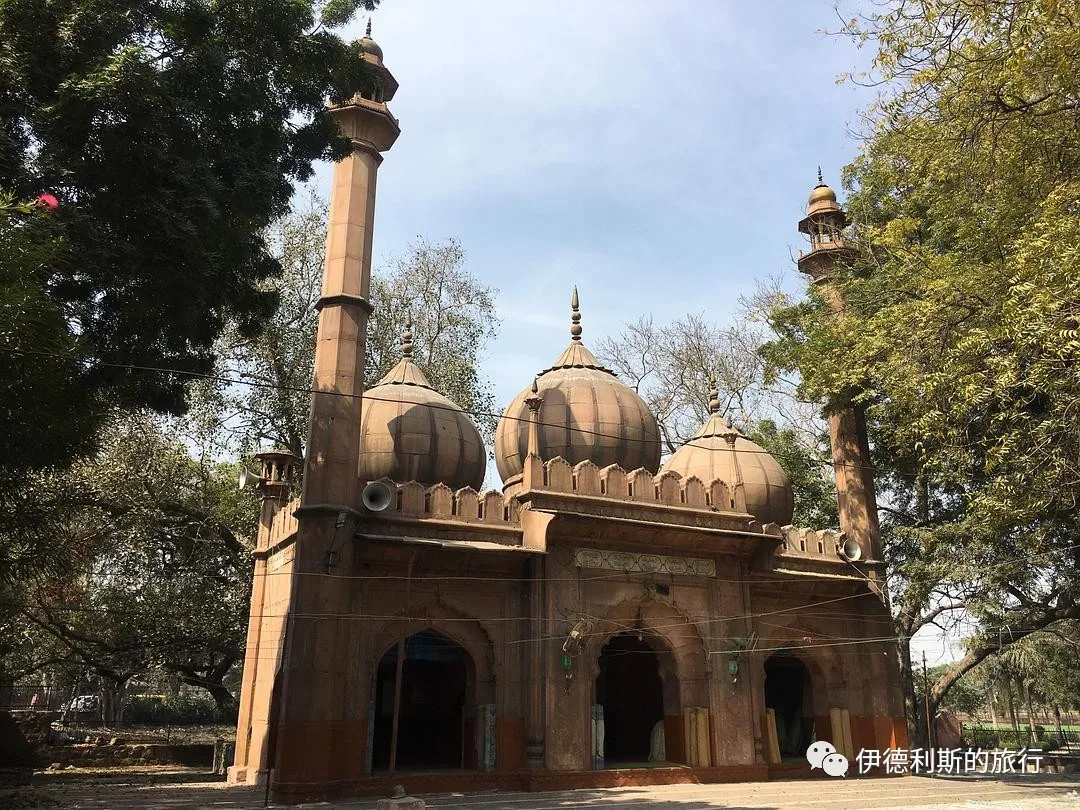
Safdarjung Mosque in Delhi: Located west of Lodi Gardens, this is the mosque attached to the tomb of Safdarjung. Safdarjung became the Prime Minister of the Mughal Empire in 1748 and was the actual ruler of the Mughal dynasty. The Safdarjung Tomb and its mosque are known as the last major architectural works of the Mughal dynasty and serve as a symbol of the dynasty's decline.
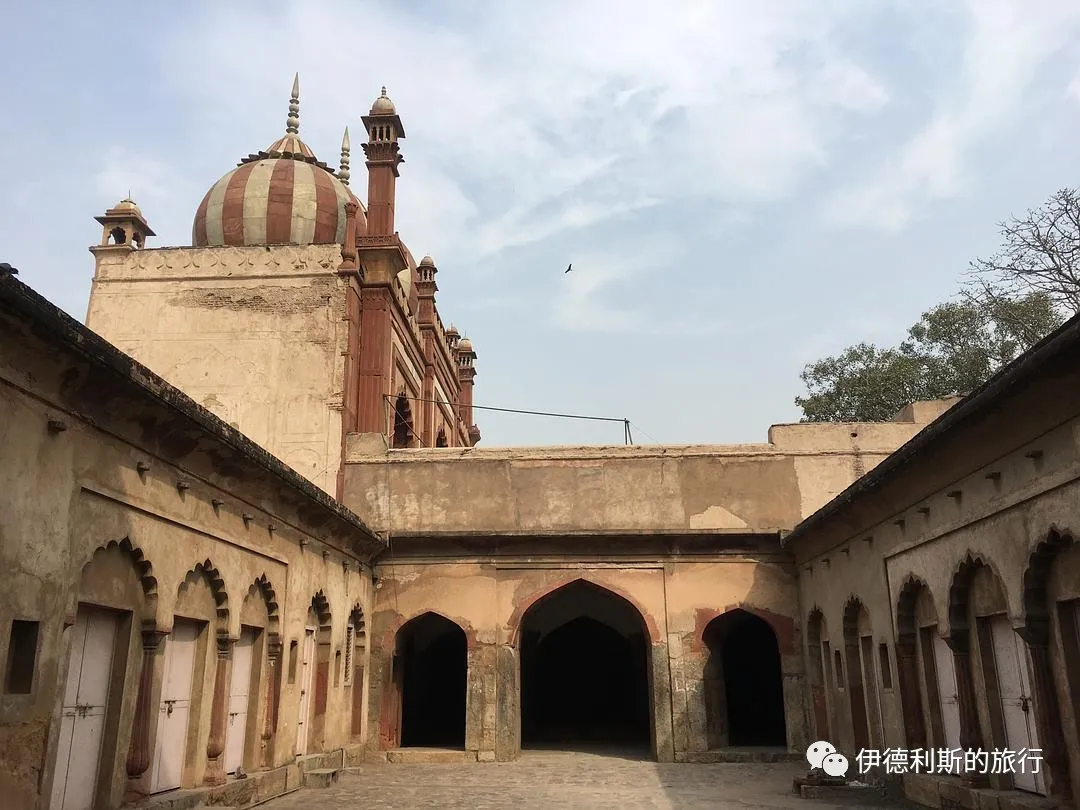
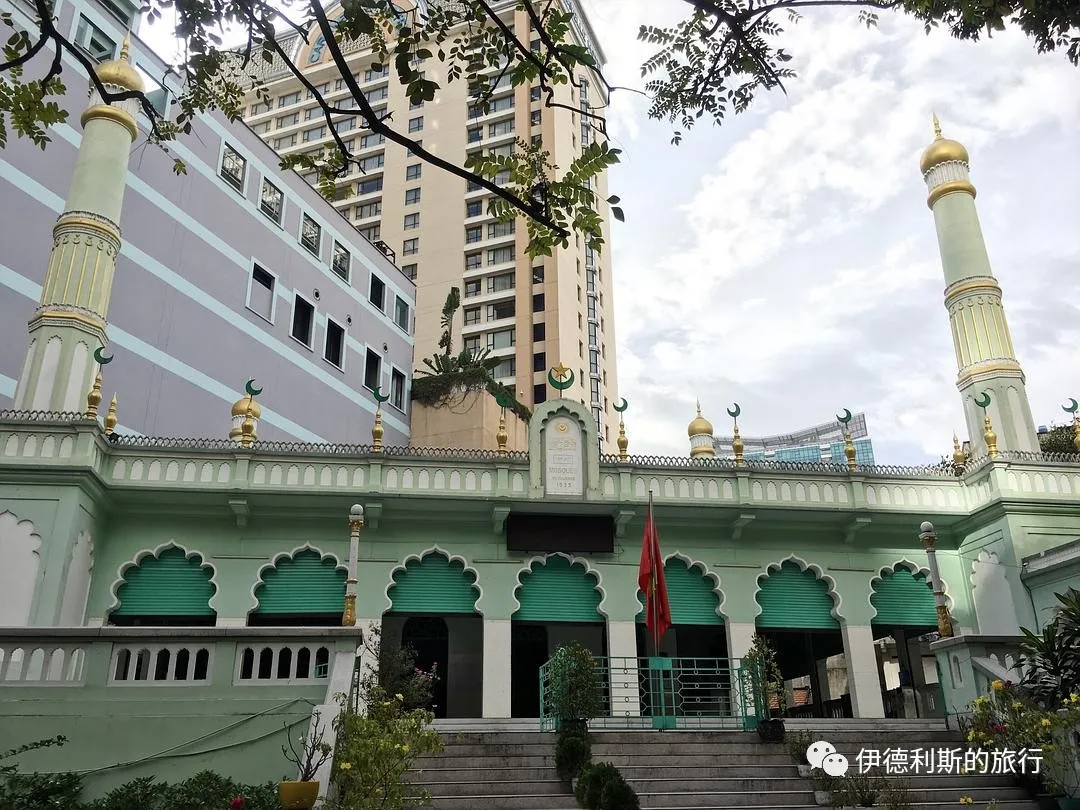
February: 1 mosque in Vietnam.
Saigon Central Mosque: Built by South Indian Tamils in 1935, it is the most important mosque in Saigon. After Vietnam was unified in 1975, the religious community in Saigon faced a huge shock, with many believers imprisoned or fleeing abroad. Religious life in Vietnam only slowly recovered after 1986. Today, besides the local Cham people, merchants and tourists from Malaysia, Indonesia, and Pakistan all come here.
April: 3 mosques in Xinjiang.
Yarkant Azna Mosque in Shache: Built during the reign of Abu Bakr in Yarkant (1465-1514), it has not been rebuilt by later generations and still preserves its original appearance, making it very precious. Its design is very similar to the 14th and 15th-century Bibi-Khanym Mosque of the Timurid Empire and the Begampur Mosque of the Delhi Sultanate, though it is smaller in scale.
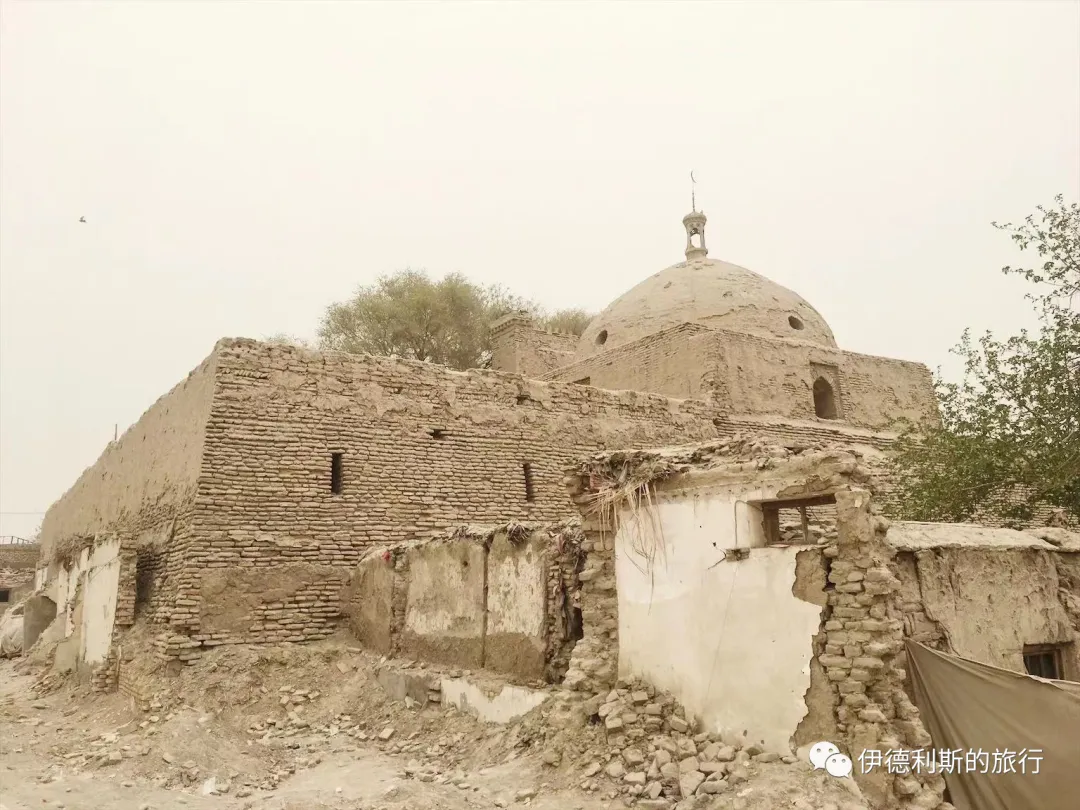
Shache Jiaman Mosque: It is said to have been started by Sultan Said Khan, the founder of the Yarkant Khanate, and later expanded during the time of Abdullah Khan (reigned 1638–1669).
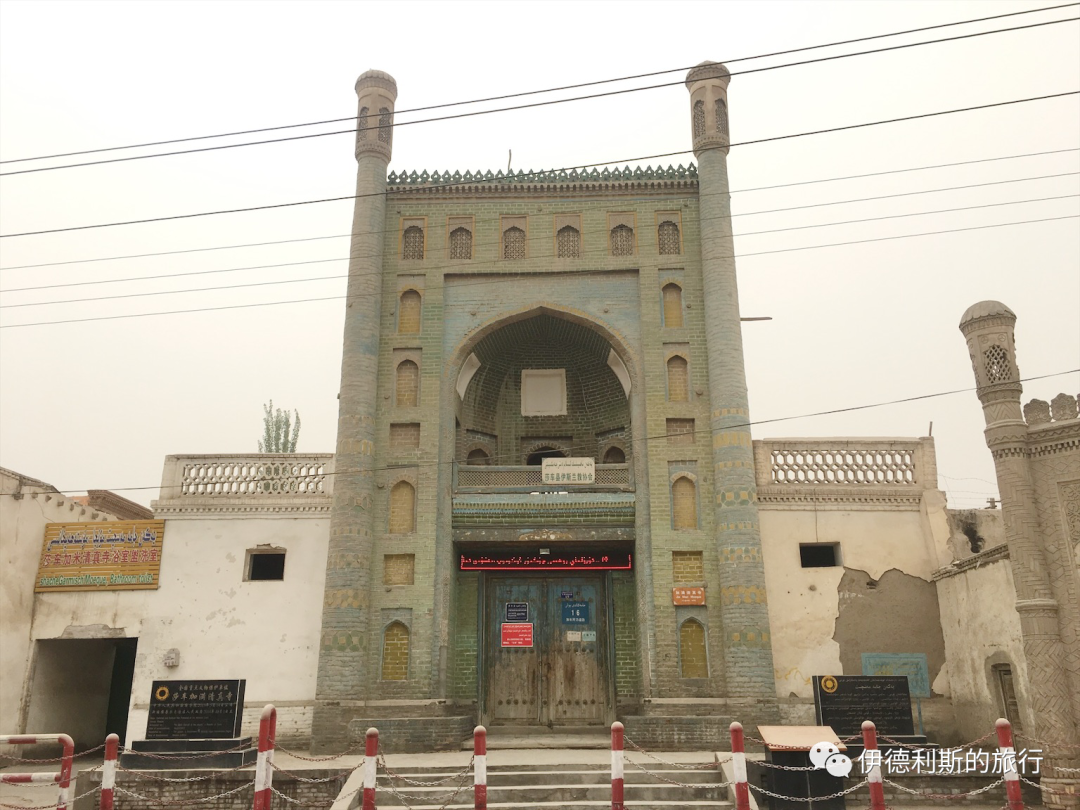
Shache Altun Mosque: Built in 1533 during the Yarkant Khanate period, its current appearance dates from renovations and expansions in 1735.
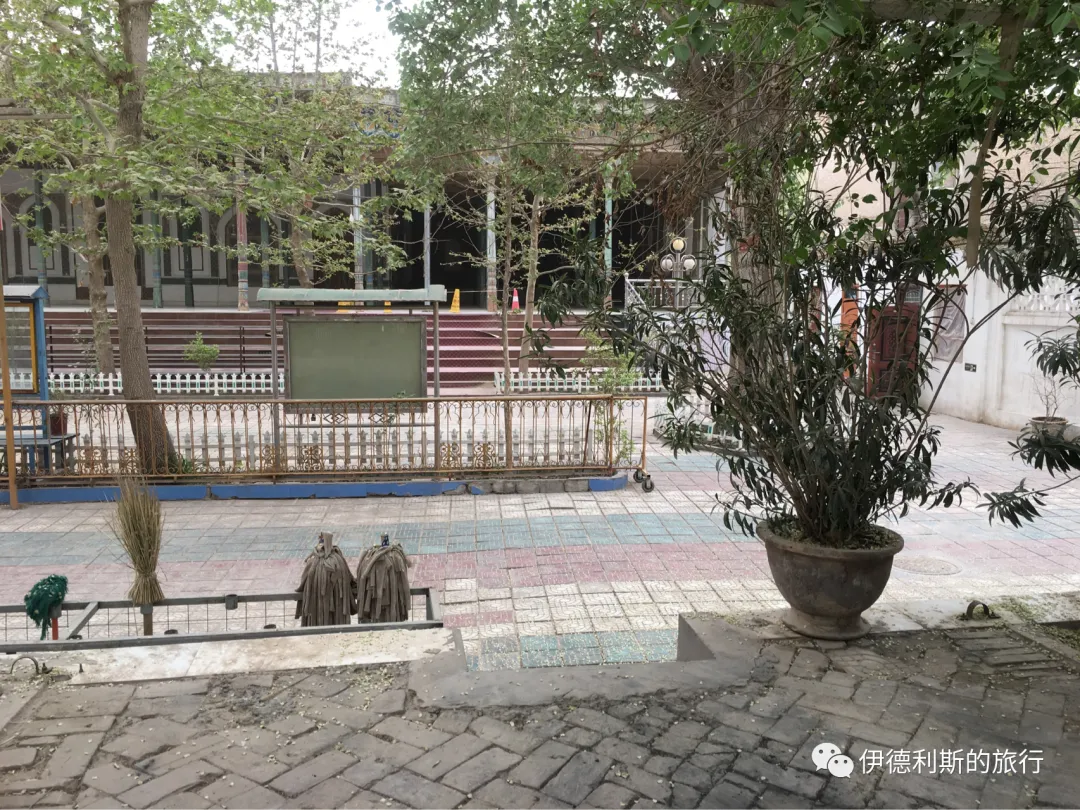
May: 2 mosques in Tibet.
Lhasa Kache Lingka Mosque: Among the two mosques currently at Kache Lingka, one is the only traditional Tibetan-style mosque in Lhasa today. A plaque on the door reads: 'This mosque was first built in 1775, has undergone four repairs over its long history, and completed its last repair in 2008.' The facade of the other mosque has been rebuilt in an Arab style, and a plaque at the entrance reads: 'This mosque was first built in 1655 AD, has undergone many repairs over its long history, and completed its last repair in 2000 AD.'
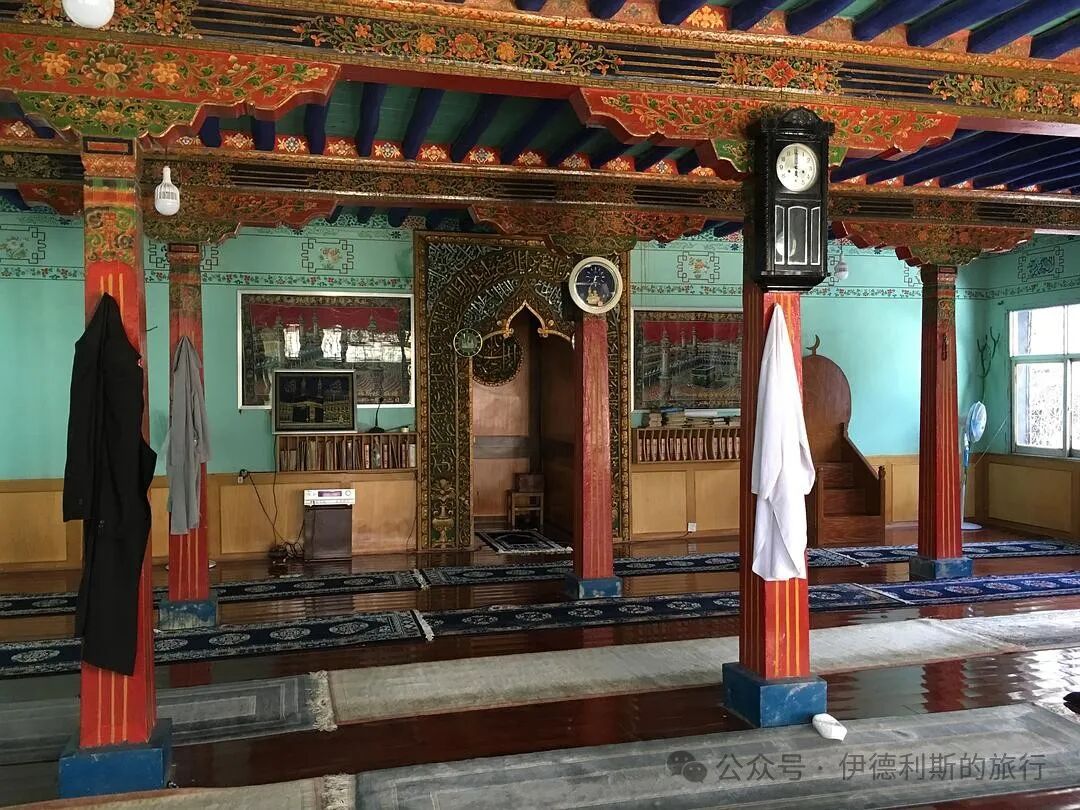
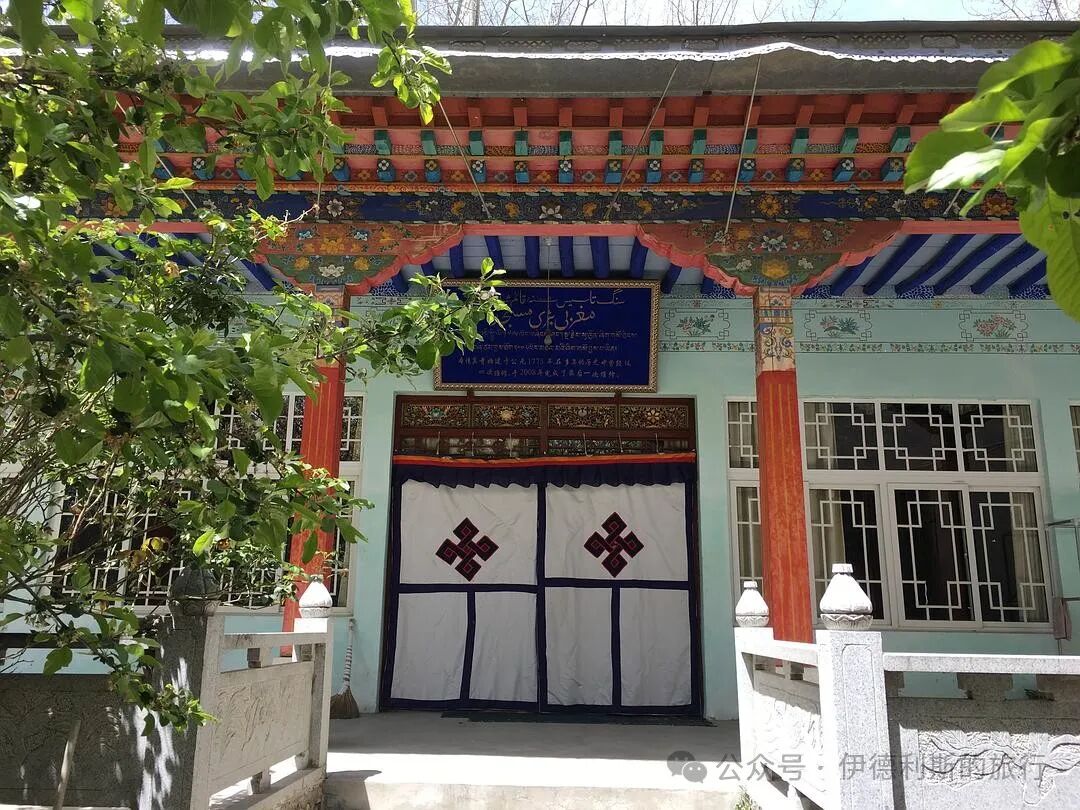
June: 1 mosque in Tianjin.
Northwest Corner South Mosque: It is one of the few remaining historical sites in the Northwest Corner and is currently the center of the local Hui Muslim community. It was built during the Guangxu reign and completed during the Xuantong reign.
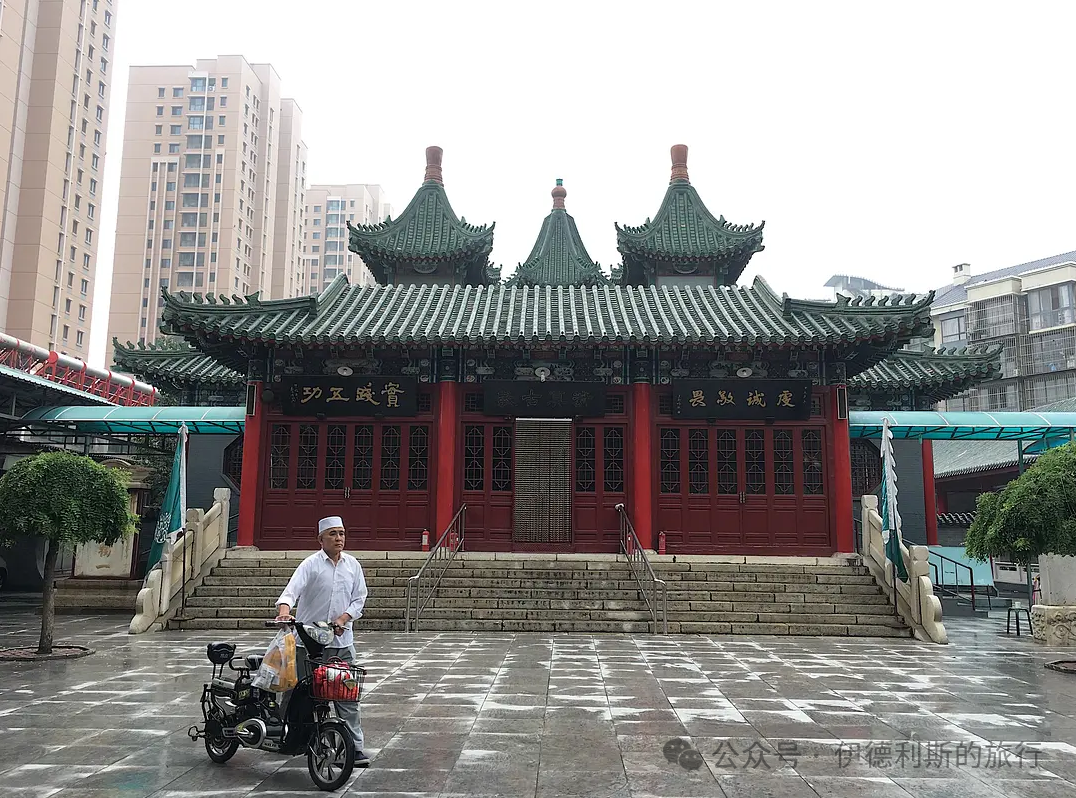
June: 5 mosques in the UAE.
Dubai Nasser bin Obaid bin Lootah Mosque: Lootah is a famous merchant family in the UAE, and this family first came to Dubai from Liwa to settle in Al Ras. At that time, Al Ras had no residents and was just a place for grazing camels. Later, other members of this family also came to settle in Al Ras, including Obaid bin Lootah. In 1910, Obaid bin Lootah's son, Nasser, built this mosque.
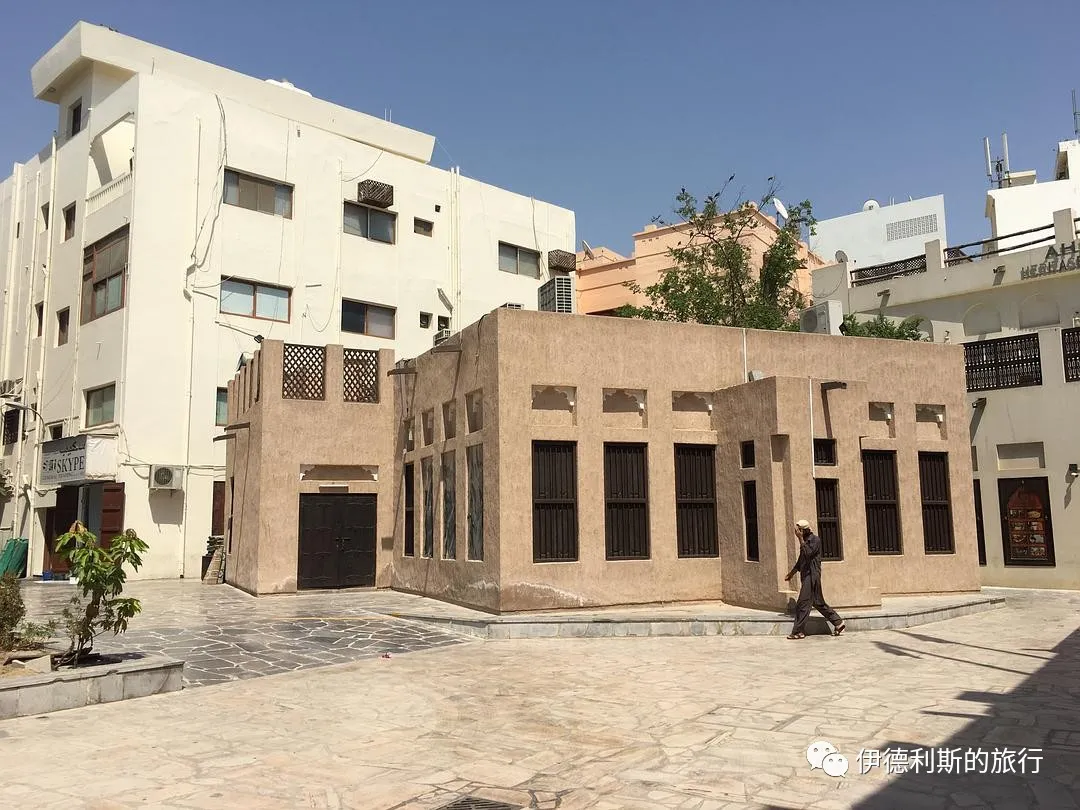
Almulla Mosque in Dubai: It follows the traditional Gulf style and has no minaret or dome.
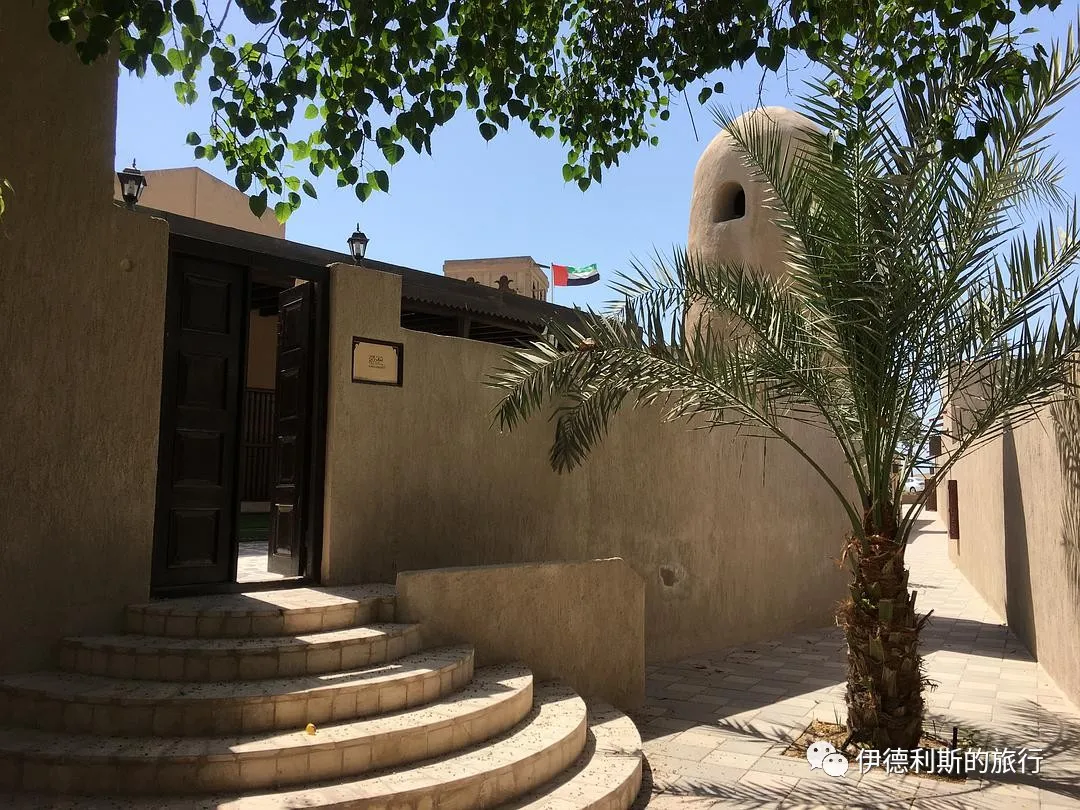
Obeid Bin Issa Mosque in Sharjah: This is the oldest mosque in Sharjah. It is a rammed-earth building from the 19th century, and there is a palm-frond shelter in front of the ablution area. The main prayer hall has wooden pillars. The mihrab is plain with no decorations, and the minbar pulpit next to it is also set inside a niche.
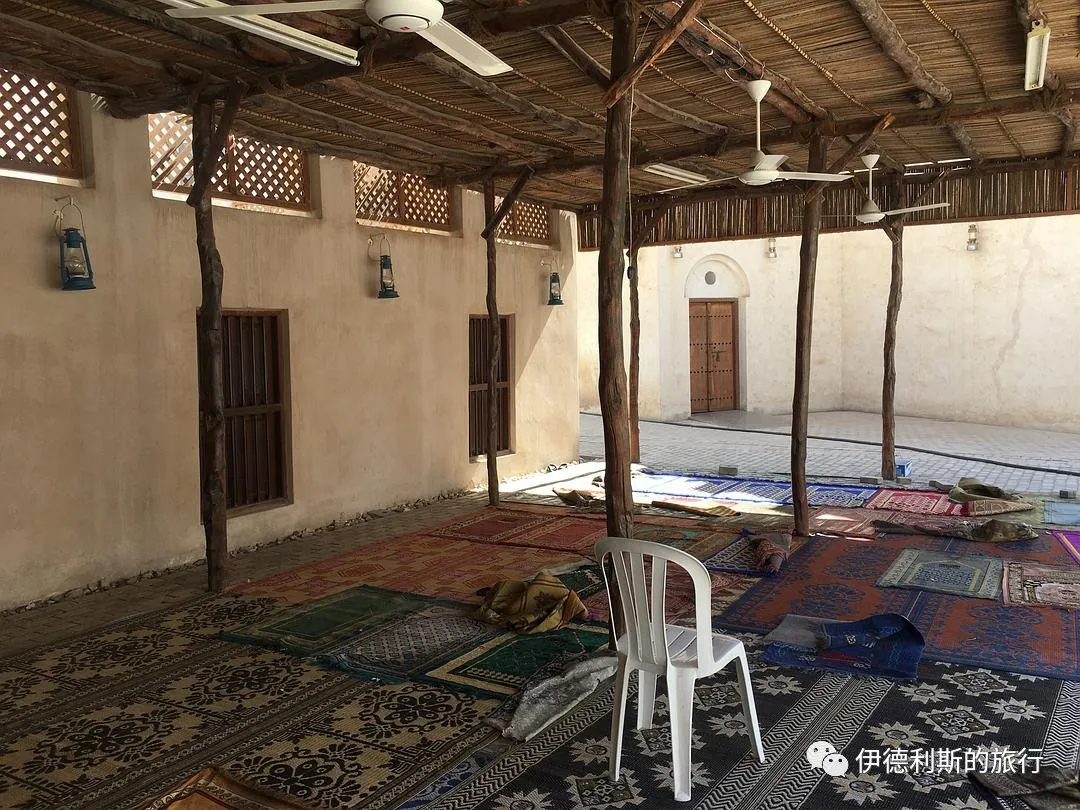
Al-Daleel Mosque in Sharjah: A historic mosque that also features a palm-frond shelter in front of the main hall. To make a traditional palm ceiling, palm fibers are first washed and dried, then twisted into twine and tied onto trimmed palm branches. Next, palm leaves are washed and dried, woven into large mats, and finally laid together to form the ceiling.
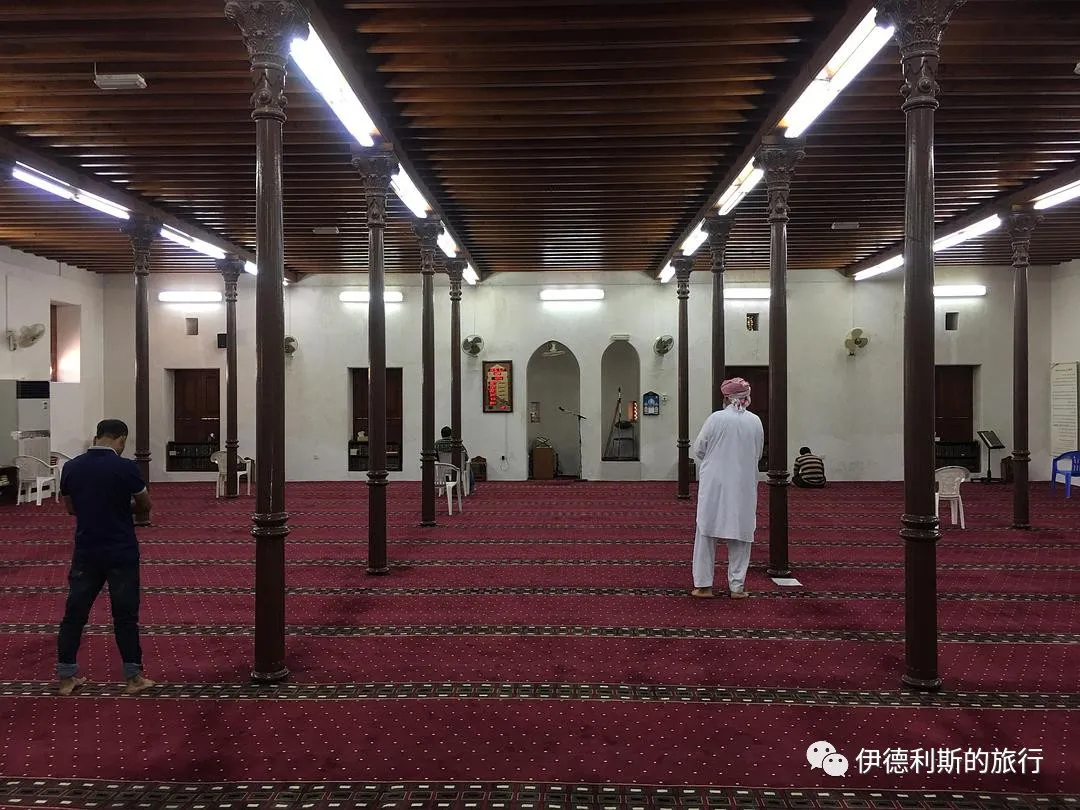
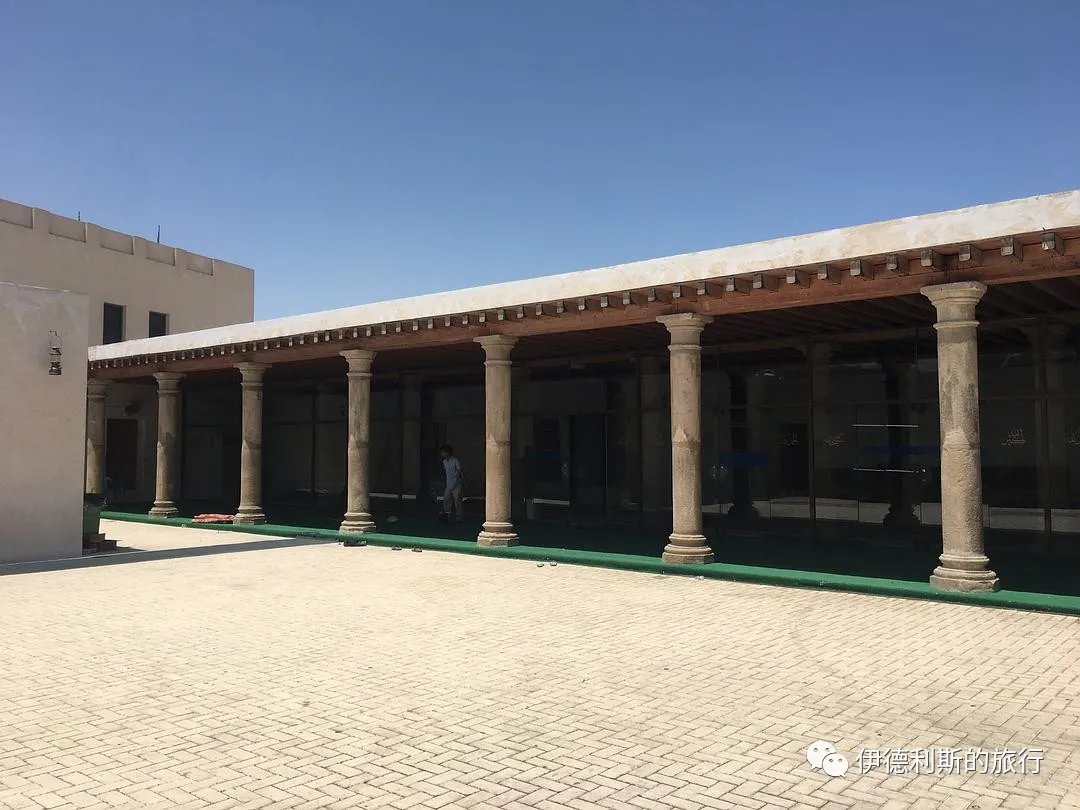
Al Jame'i Mosque in Sharjah: This is the Friday mosque of Sharjah's old town. Its low, flat-roofed style is very similar to traditional architecture in Turpan, as both were designed for hot and dry climates.
July, Jiangsu
Caoqiao Mosque in Nanjing: In 2003, Caoqiao Mosque and Taiping Road Mosque were demolished. The main hall and second hall components of Taiping Road Mosque were rebuilt at a new site, and the project was completed in 2005. Caoqiao Mosque was first built during the Qianlong reign, destroyed during the Taiping Rebellion, and rebuilt in the early years of the Tongzhi reign. Taiping Road Mosque was originally called Huapailou Mosque. Legend says it was built by Chang Yuchun in the early Ming Dynasty. It was destroyed during the Taiping Rebellion, later rebuilt, and reconstructed again in 1924 with donations from the brothers of Nanjing businessman Jiang Guobang.
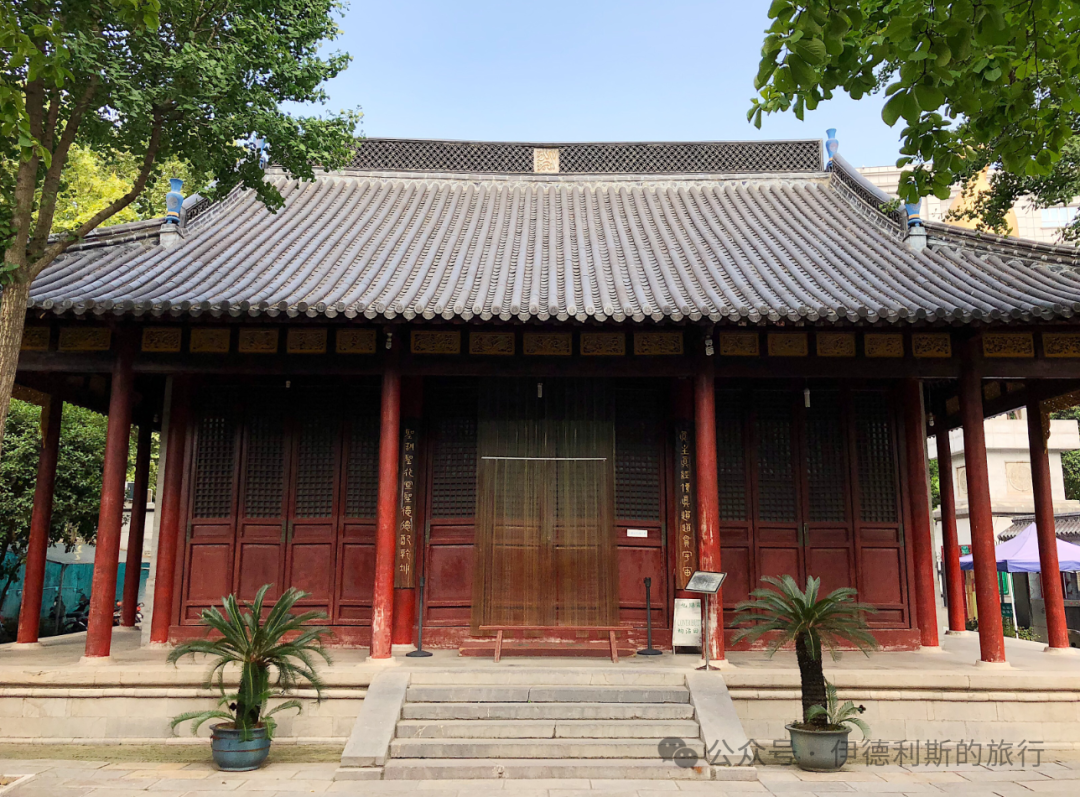
Jingjue Mosque: First built in 1388 (the 21st year of the Hongwu reign), it was burned down in 1430 (the 5th year of the Xuande reign) and rebuilt after Zheng He petitioned for its restoration. It was destroyed during the Taiping Rebellion, and its components were moved to the Prince's Mansion. It was rebuilt in 1877 (the 3rd year of the Guangxu reign) and renovated in 1879 (the 5th year of the Guangxu reign) to form its current layout.
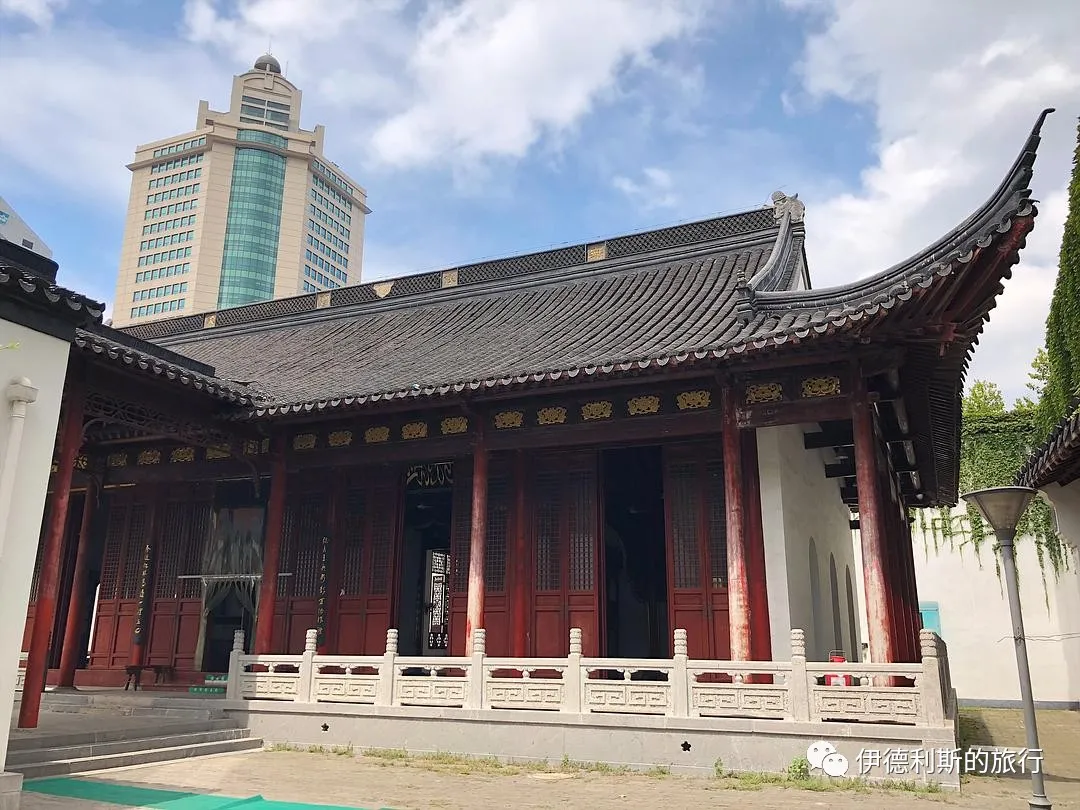
July, Liaoning, 1 mosque
Suizhong Mosque: Starting in the 18th century, more than ten families of Hui Muslims, including the Zhang, Ding, Li, and Jin families, moved to Suizhong from Hebei Province. In 1737 (the 2nd year of the Qianlong reign), the first mosque was built below the Kueixing Tower in the southeast of Suizhong city. In 1797 (the 3rd year of the Jiaqing reign), it was moved to its current location inside the West Gate.
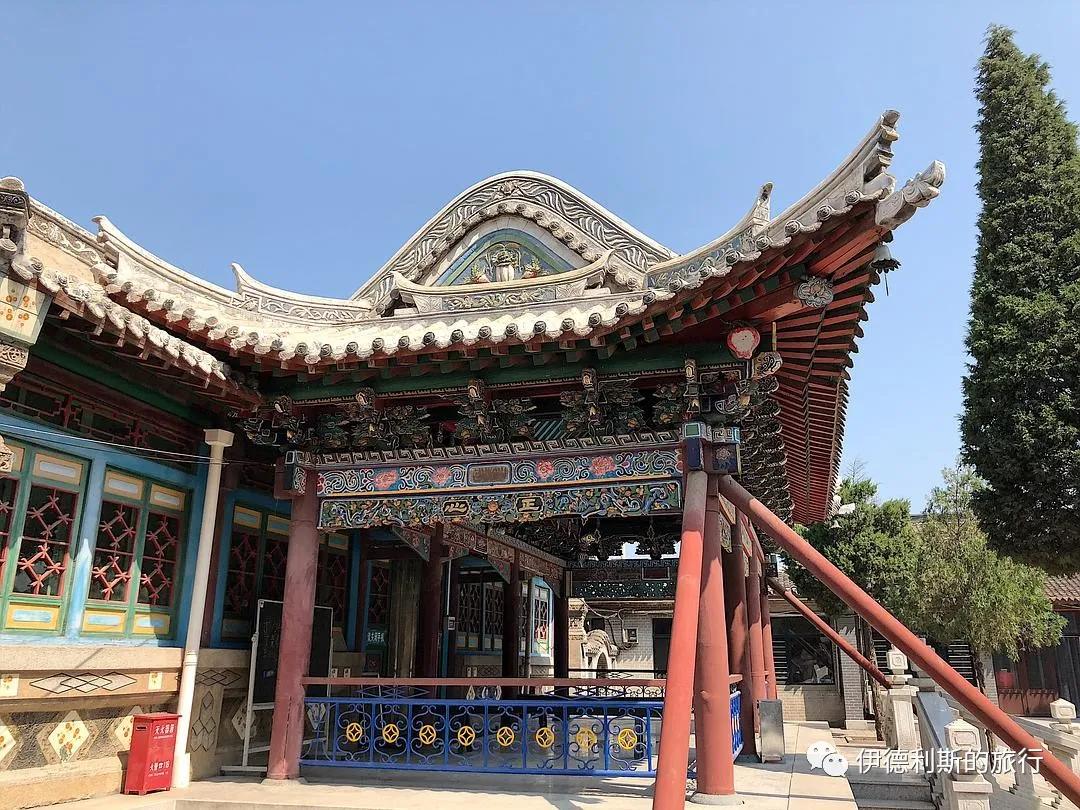
August, Beijing, 2 mosques
Dongsi Mosque: The most worth-seeing part of Dongsi Mosque is the main hall built in 1447. The rear hall looks like a Chinese-style beamless hall from the outside, but inside it actually contains three brick domes. This is another way Chinese mosques localized the dome in the 15th century, following the example of the Phoenix Mosque in Hangzhou, where the dome was converted into a wooden pavilion during the Yuan Dynasty.
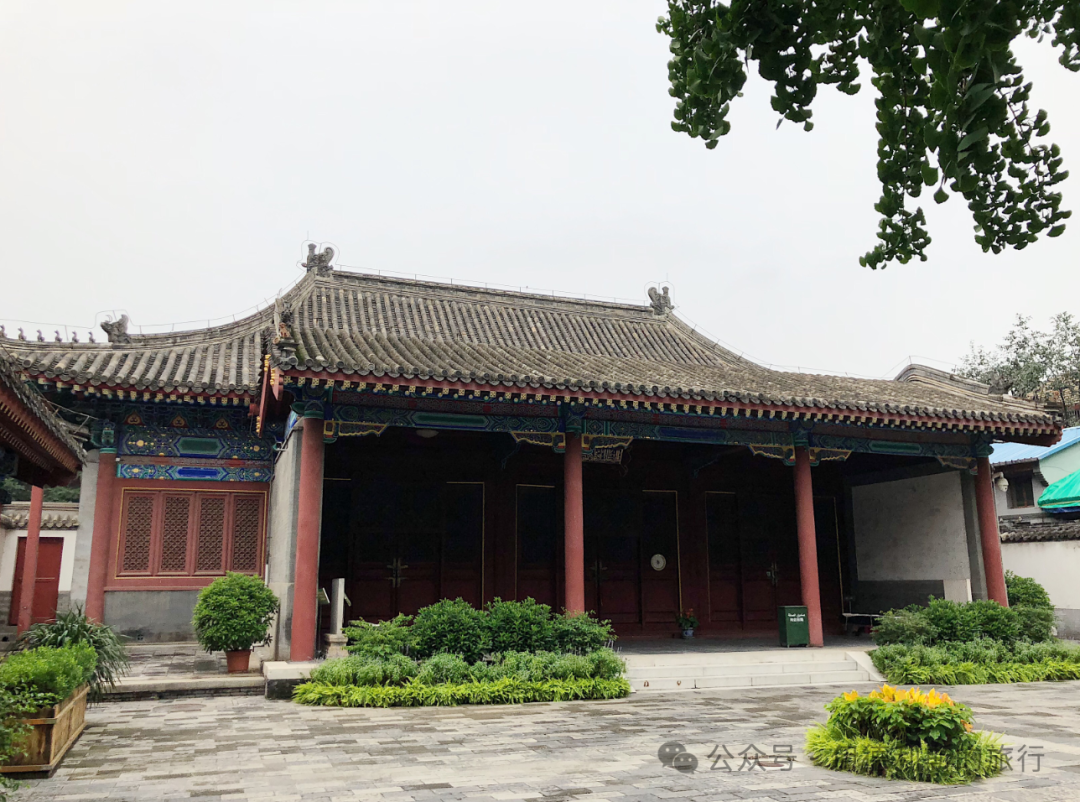
Huashi Mosque: First built in 1414 (the 12th year of the Ming Wanli reign), it is said to have been the residence of Chang Yuchun. It was renovated in the 41st year of the Kangxi reign and again during the Qianlong reign.
September, Shanxi, 1 mosque
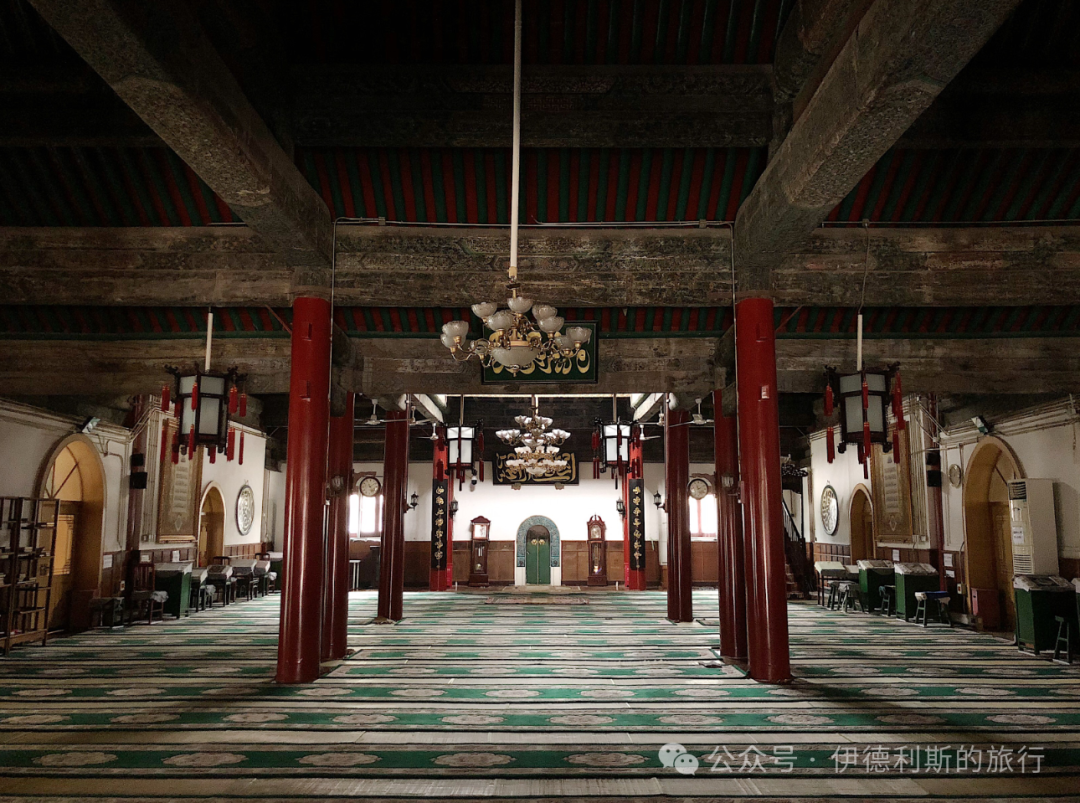
Taiyuan Mosque: Located inside the South Gate on Beef Alley (Niurou Xiang). The main prayer hall and the Shengxin Tower (call to prayer tower, or bangkelou) are Ming Dynasty structures. This matches the time when Taiyuan city took its final shape and Hui Muslims officially settled in the city.
14 sites in Azerbaijan in September
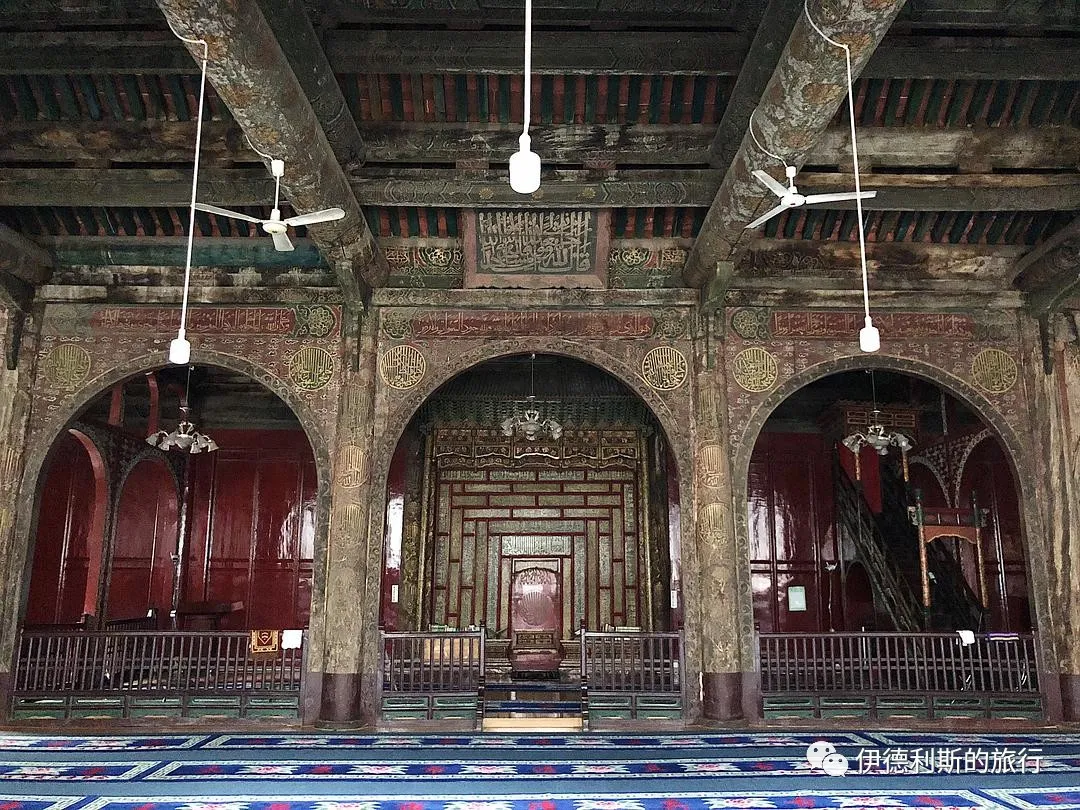
Baku Palace Mosque: Built between 1441 and 1442 by order of the Shirvanshah king, Khalilullah I. In 1723, the army of Tsar Peter I shelled Baku from the Caspian Sea, damaging the northeast facade. The minaret was hit by artillery fire in 1918. The main prayer hall is very small and is generally used only by people from the palace or the immediate neighborhood.
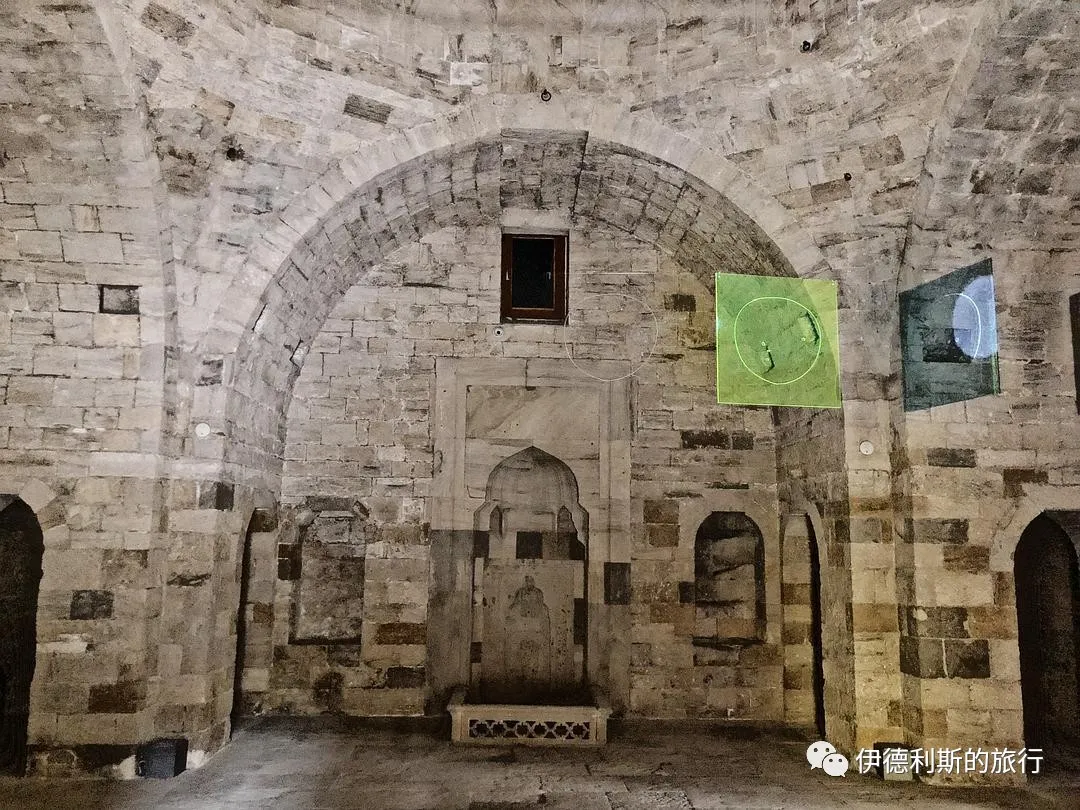
Muhammad Mosque: Built in 1078-1079, it is the oldest surviving religious building in Azerbaijan. According to the Kufic Arabic inscription on the north wall, the mosque was built by Muhammad ibn Abu Bakr. Research shows the mosque was built on the site of a Zoroastrian fire mosque, and Muhammad was the mayor of Baku at the time.
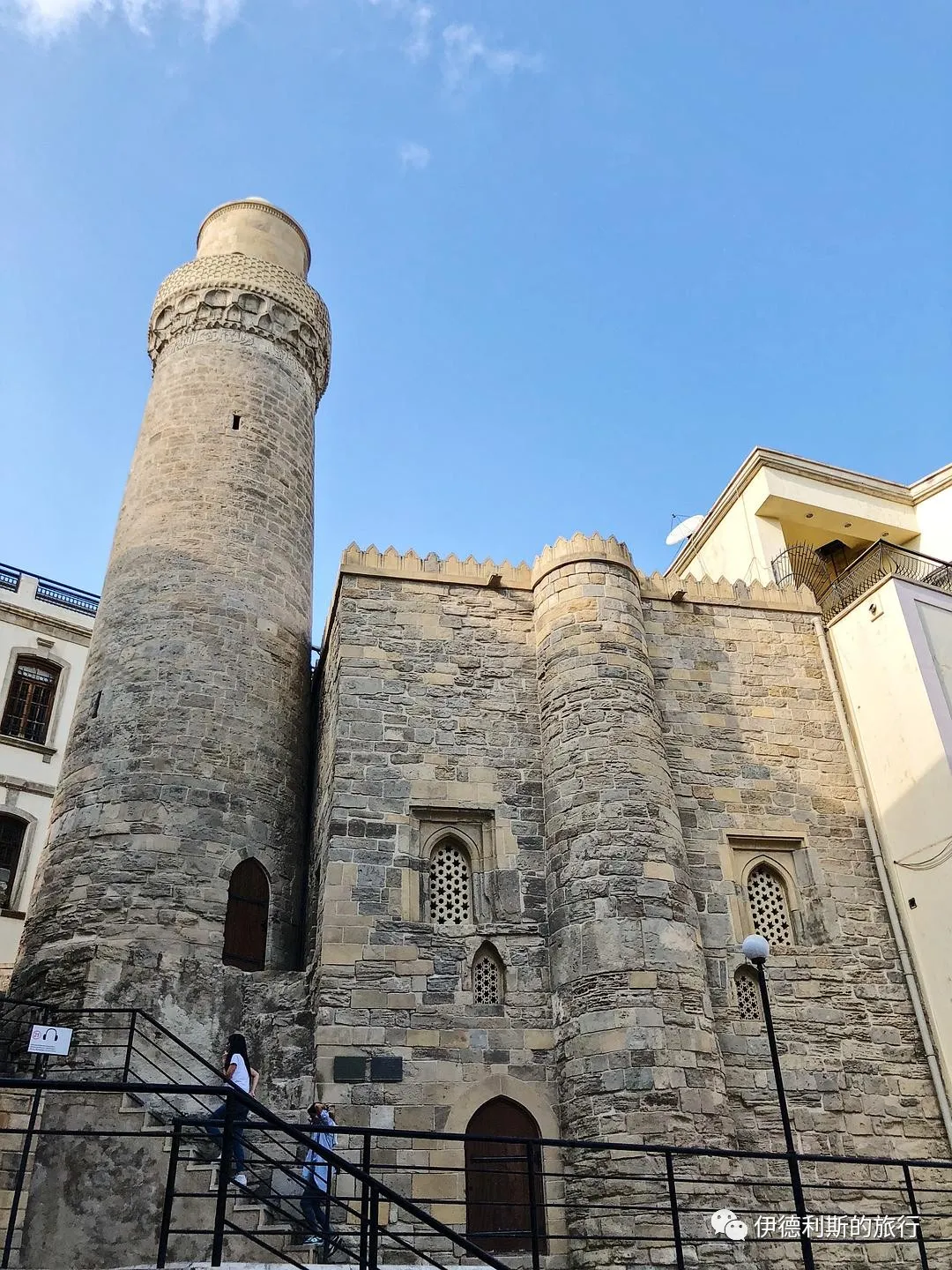
Takyeh Mosque: A 13th-century Sufi mosque that served as a place for Sufi practitioners to study and rest.
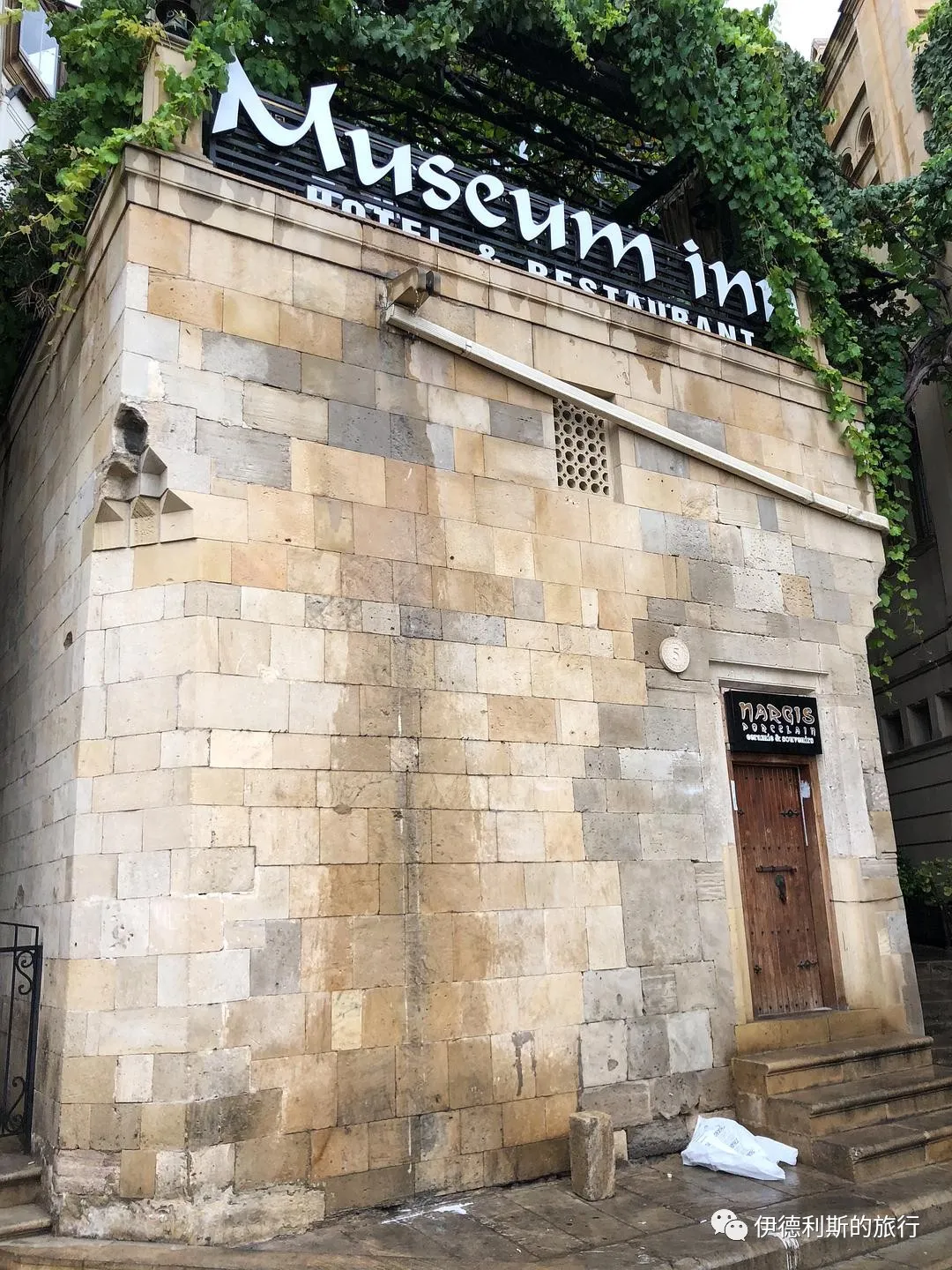
Khidir Mosque: Built in 1301. Archaeological excavations in 1988 revealed that this mosque was built on the site of a Zoroastrian mosque.
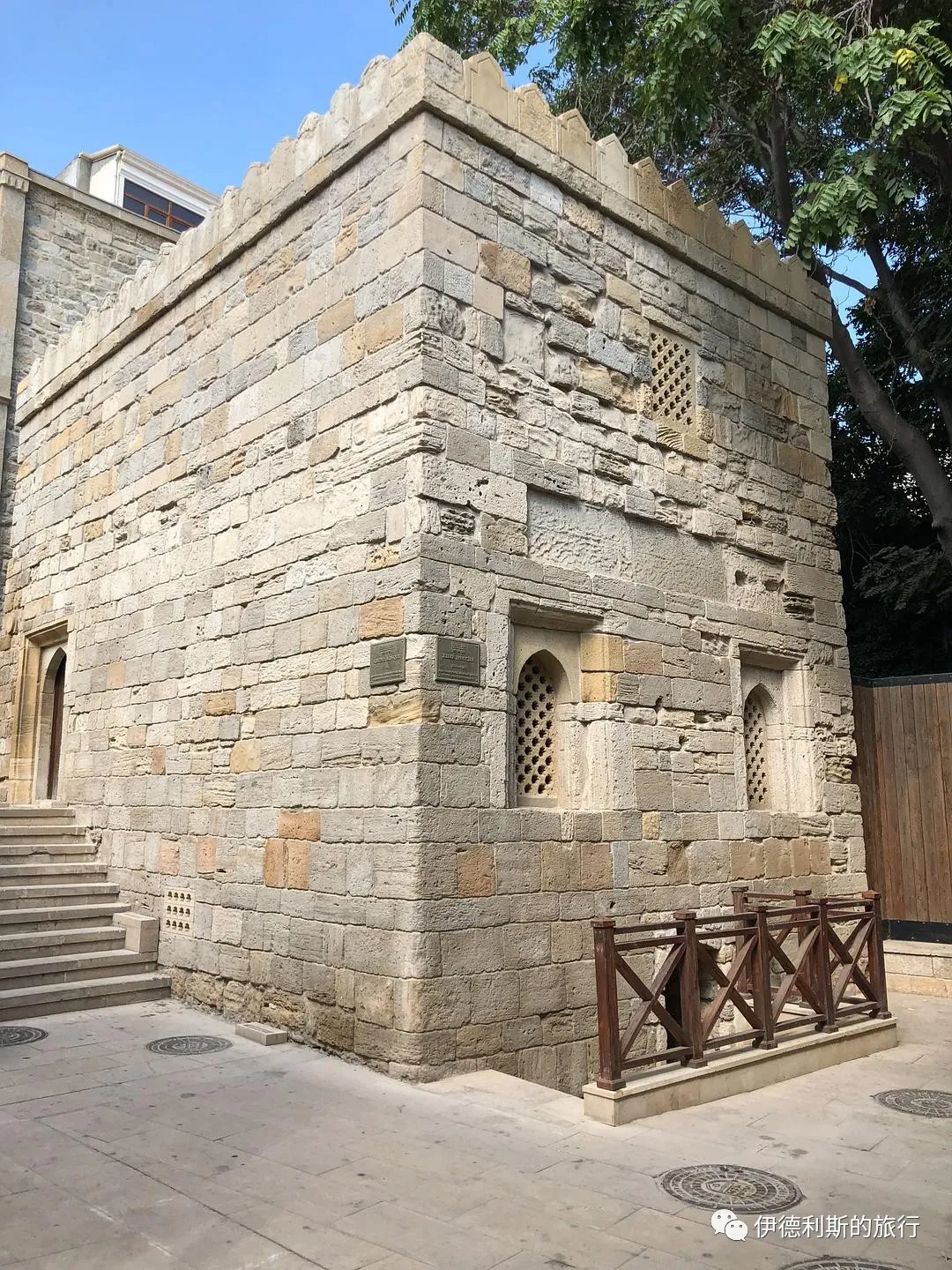
Mirza Ahmad Mosque: Built in 1345. The wall at the entrance is carved with scripture and the architect's name. It is currently closed due to its dilapidated state.
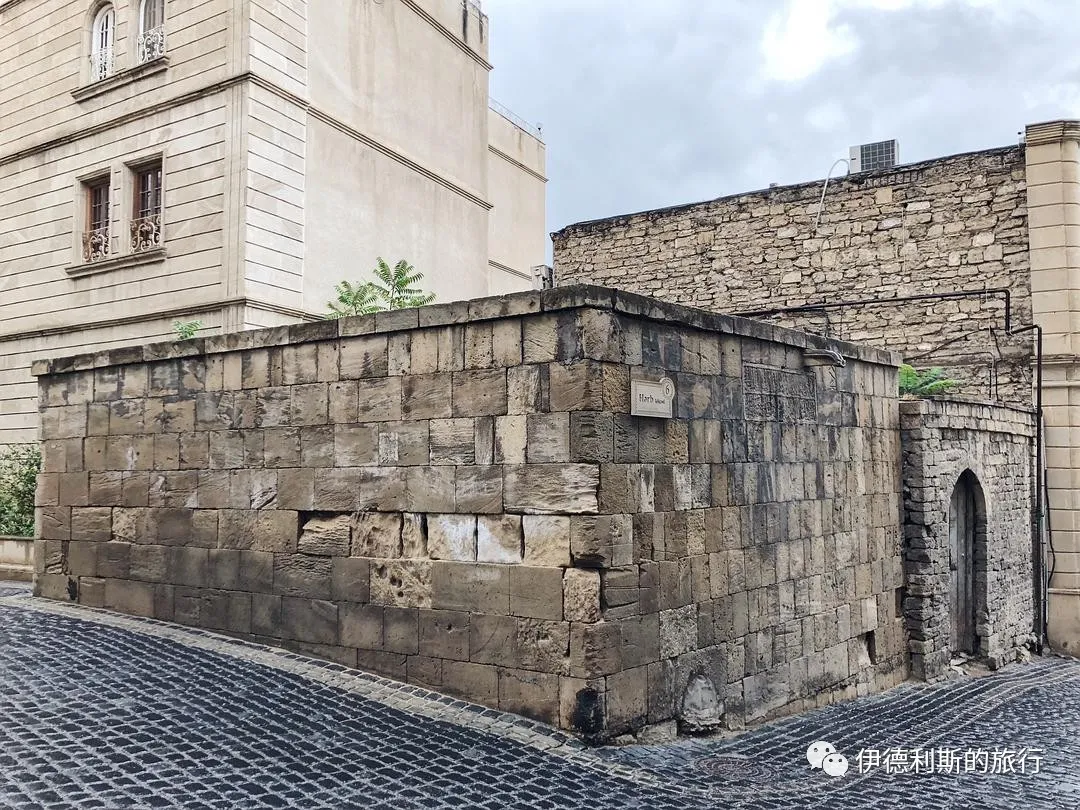
Chin Mosque: Stone carvings at the top of the entrance show it was built between 1375 and 1376, with repairs made between 1772 and 1773.
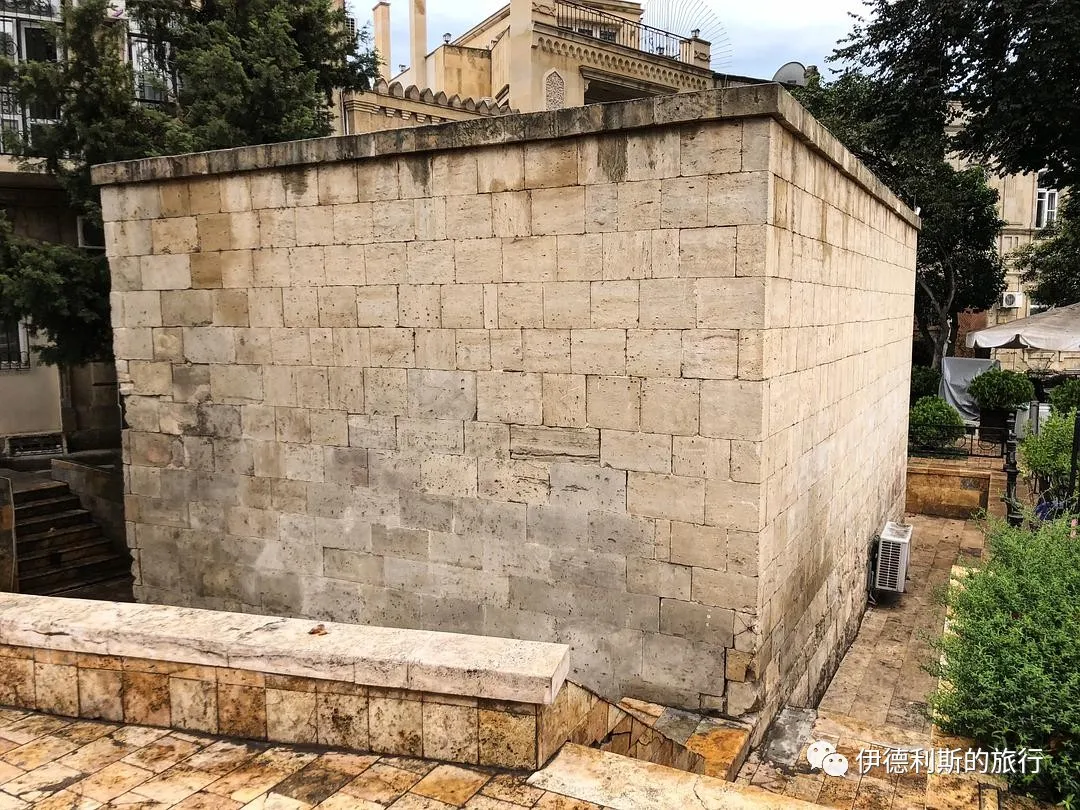
Molla Ahmad Mosque: Built in the early 14th century by the famous architect Mahmud ibn Sad of the Shirvan-Absheron school. It is a typical example of a small community mosque from the Shirvanshah dynasty.
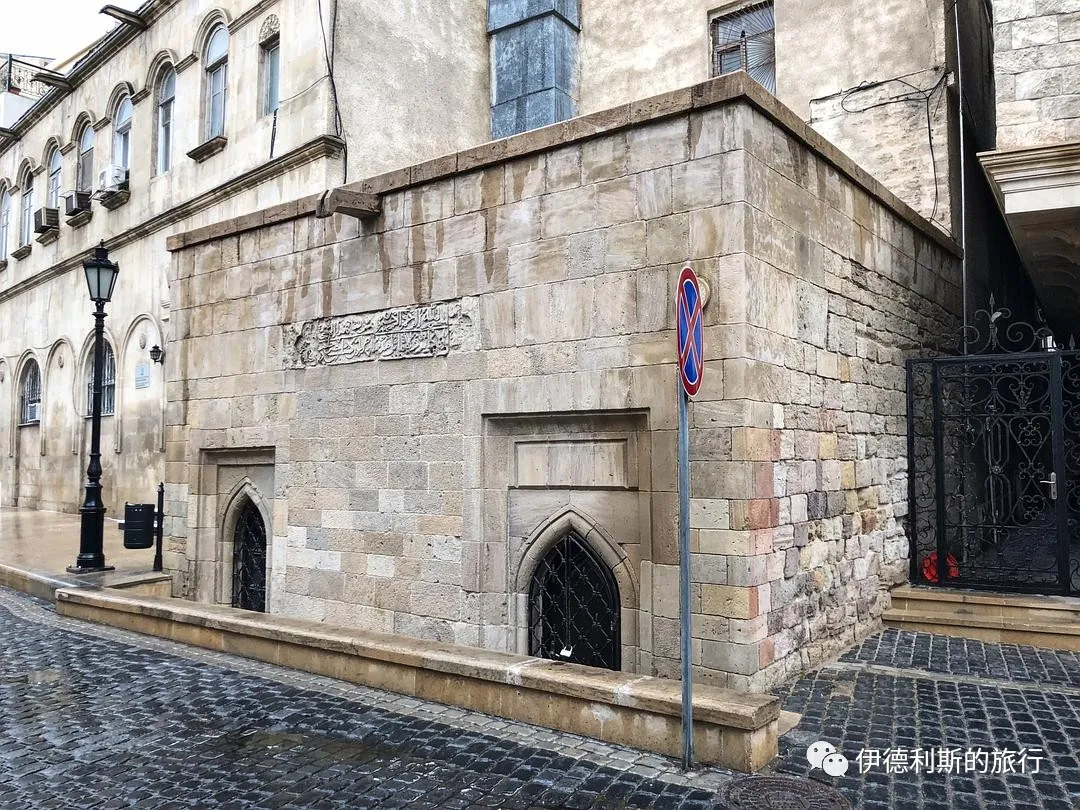
Sheikh Ibrahim Mosque: Built by Haji Amirshah ibn Yagub between 1415 and 1416. Baku was ruled at the time by the 33rd Shirvanshah king, Ibrahim I (reigned 1382-1417), which is why it is also called the Sheikh Ibrahim Mosque. In the 19th century, the mosque's facade was divided into three sections and windows were added.
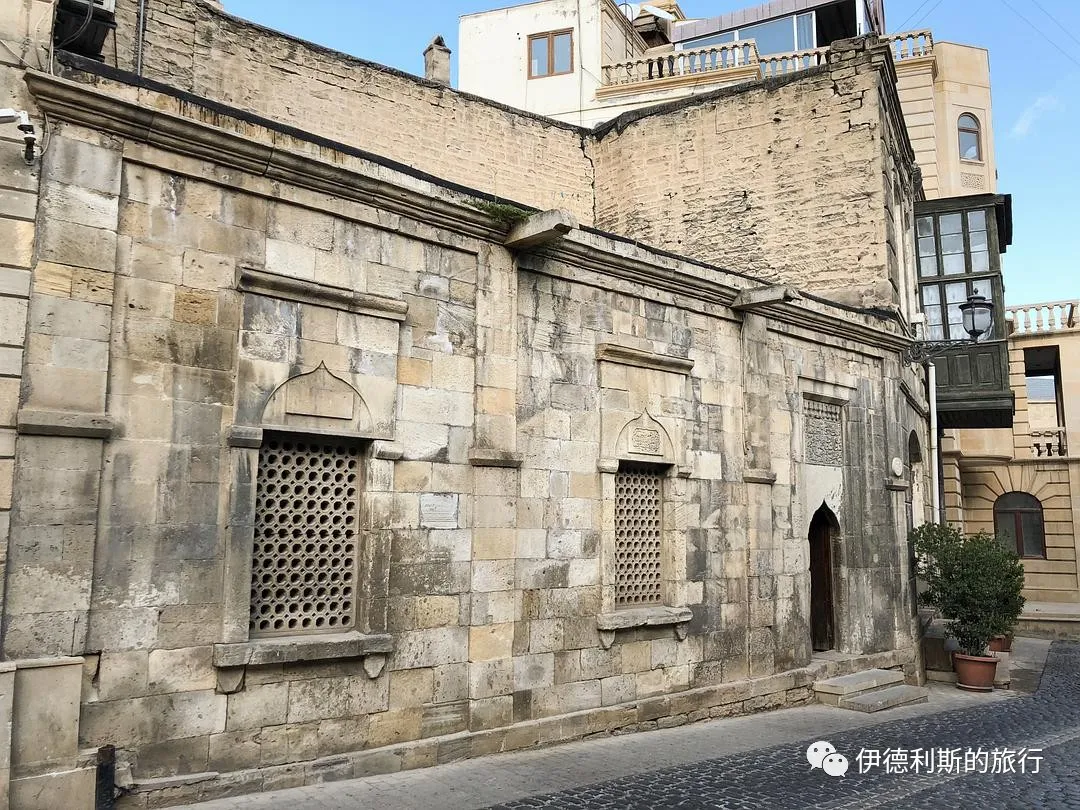
Juma Mosque: The main mosque in Baku's Old City. Inscriptions on the mosque walls show that Amir Sharaf al-Din Mahmud renovated it in 1309. The current main prayer hall was funded by Baku merchant Haji Shikhlali Dadashov in 1899, blending traditional styles with European architecture.
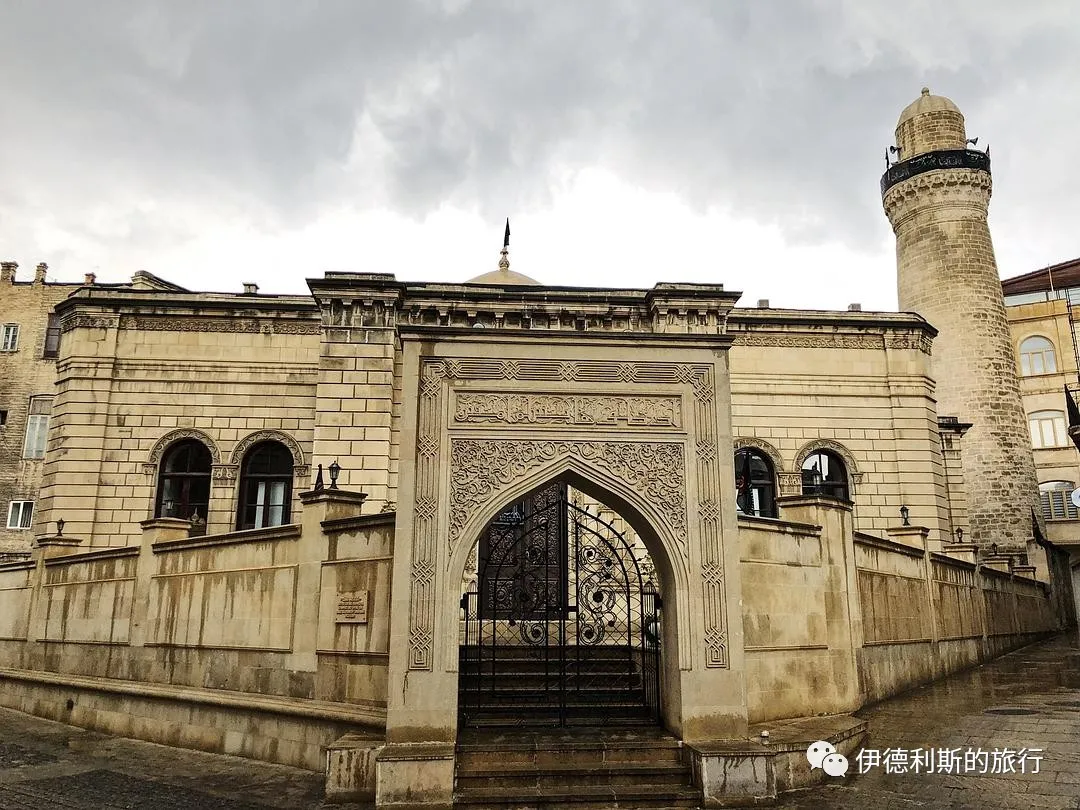
Sayyid Yahya Murtuza Mosque: Built in the early 17th century by Sayyid Yahya Murtuza himself. He was a famous local imam and was buried here after his passing. During the Soviet era, it became a carpenter's workshop. Religious activities resumed in the 1990s, and it is now affiliated with the Juma Mosque.
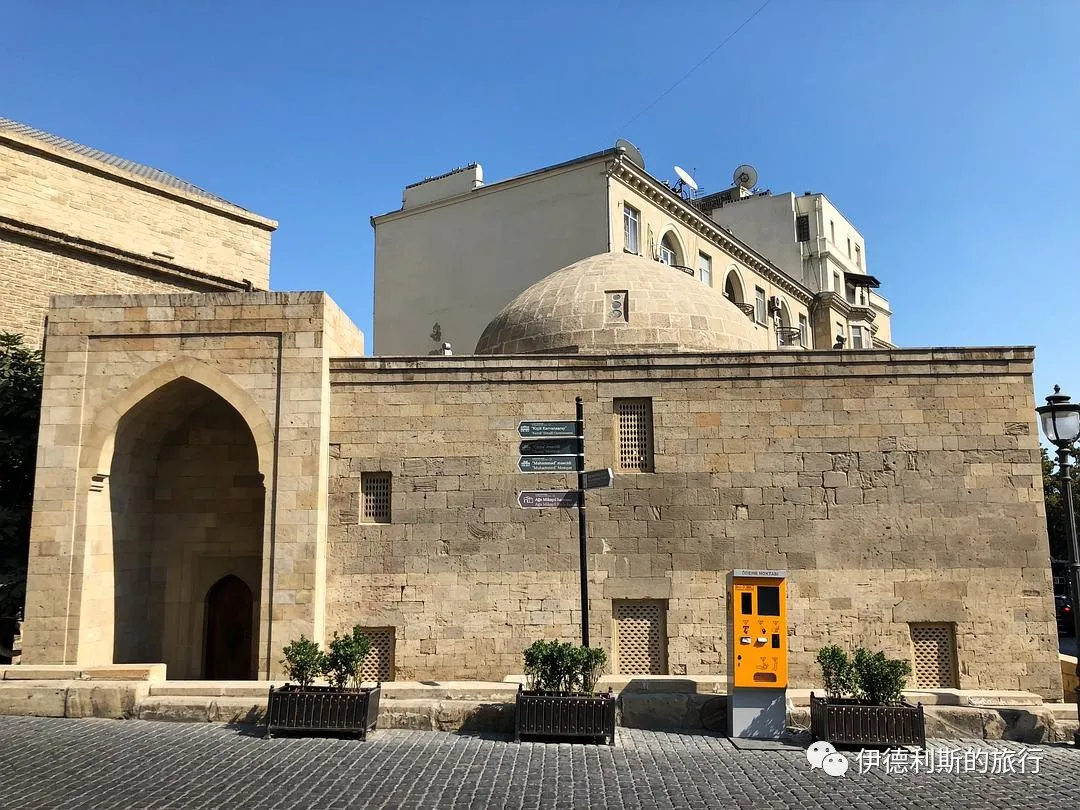
Haji Bani Mosque: Built in the 16th century by the architect Haji Bani. A women's prayer hall and windows were added during renovations in 1902-1903.
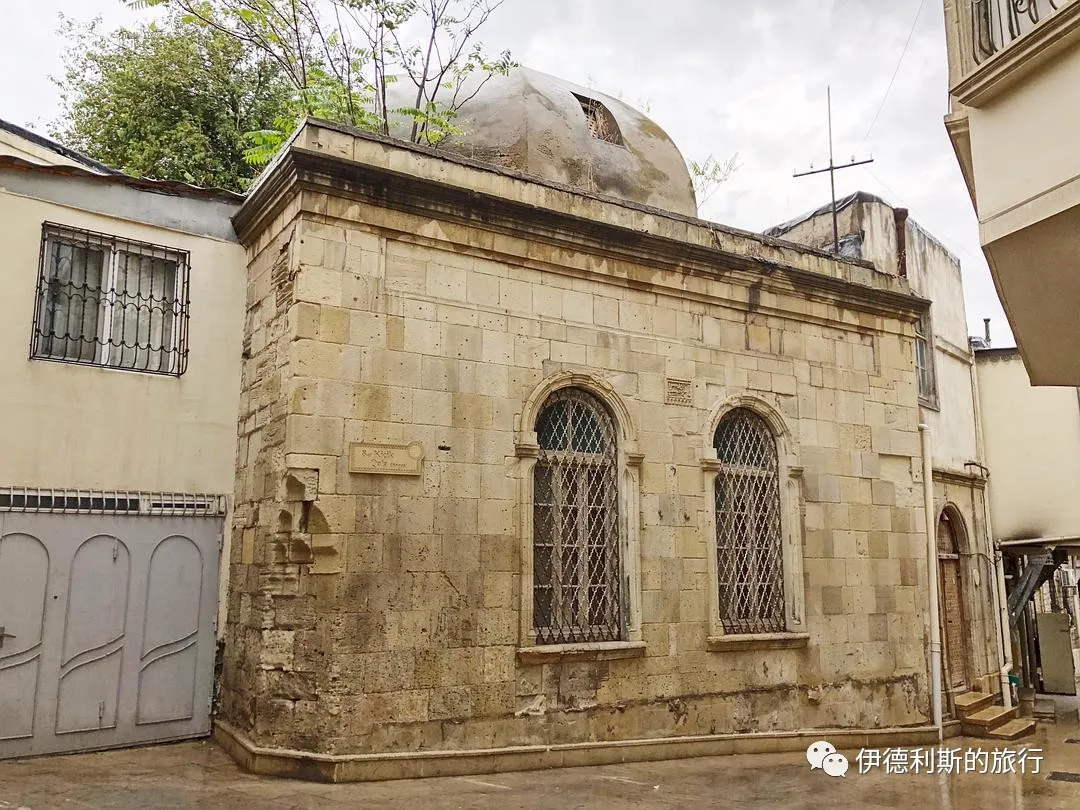
Baba Kuhi Bakuvi Mosque: Located north of the Maiden Tower and thought to date back to the 9th or 10th century. Archaeologist Farhad Ibrahimov excavated the site between 1990 and 1993, and the mihrab niche was unearthed in 1998.
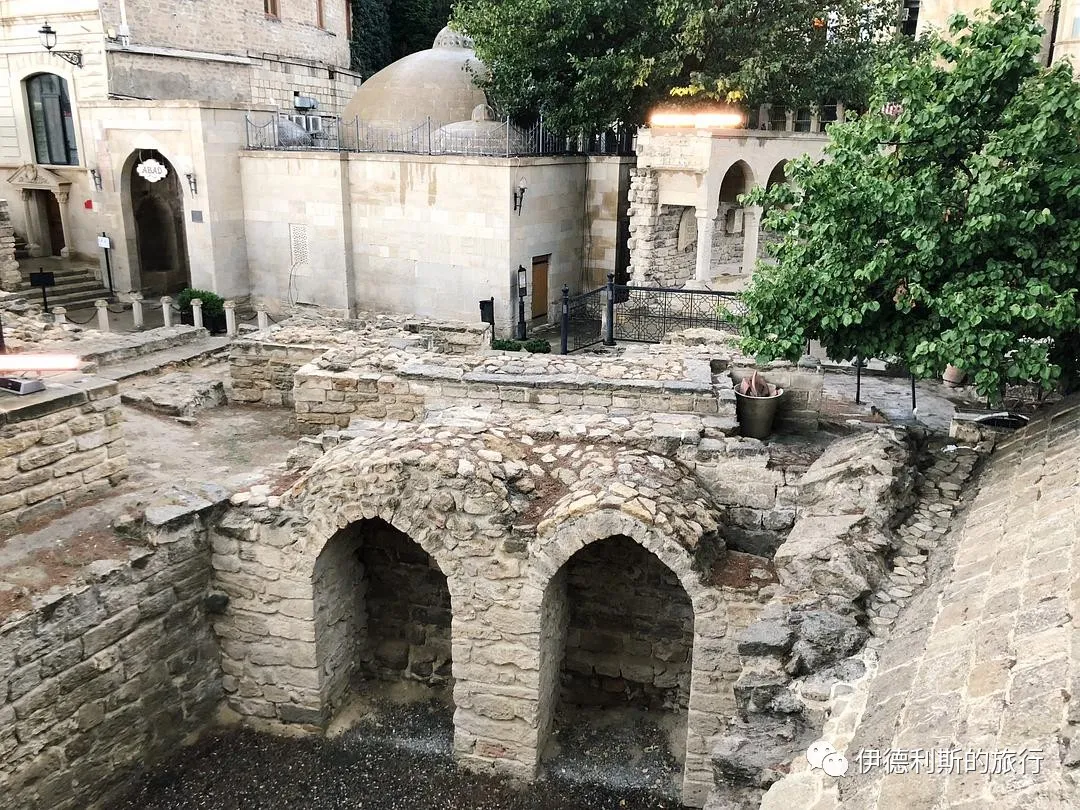
Haji Heybat Mosque: Built in 1791 by the architect Haji Heybat Amir Ali oghlu. It is a small community mosque.
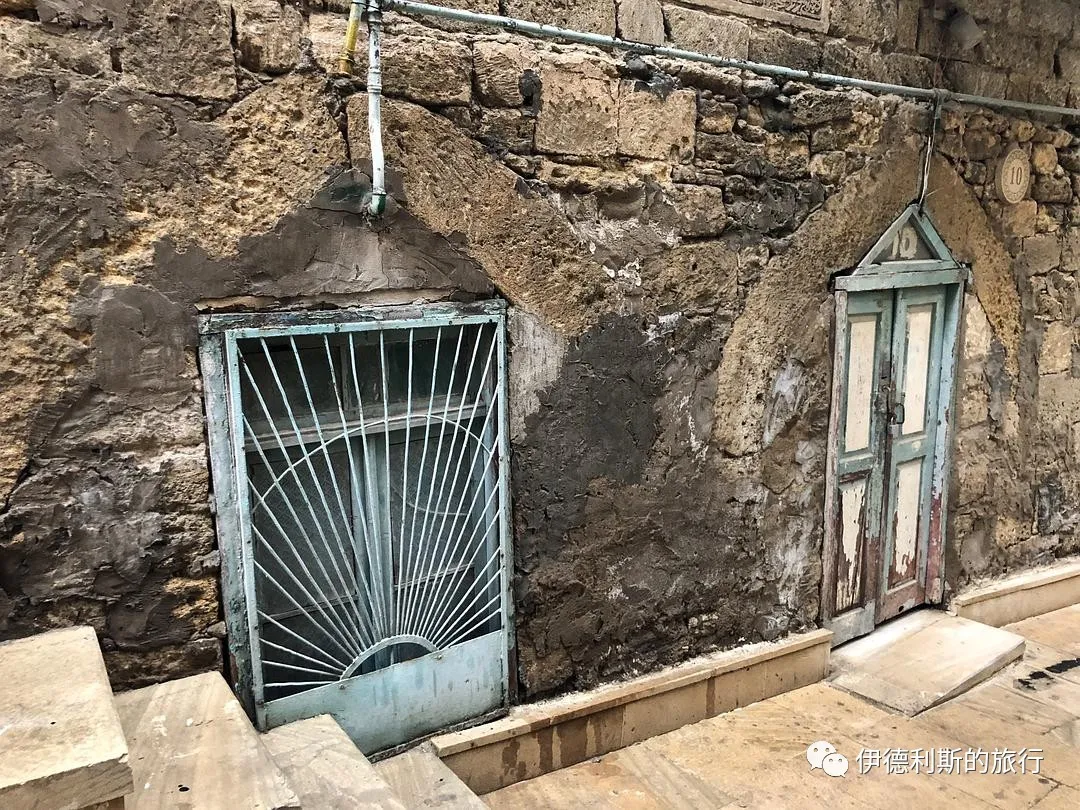
Məktəb Mosque: Built between 1646 and 1647, it sits right next to the Maiden Tower.
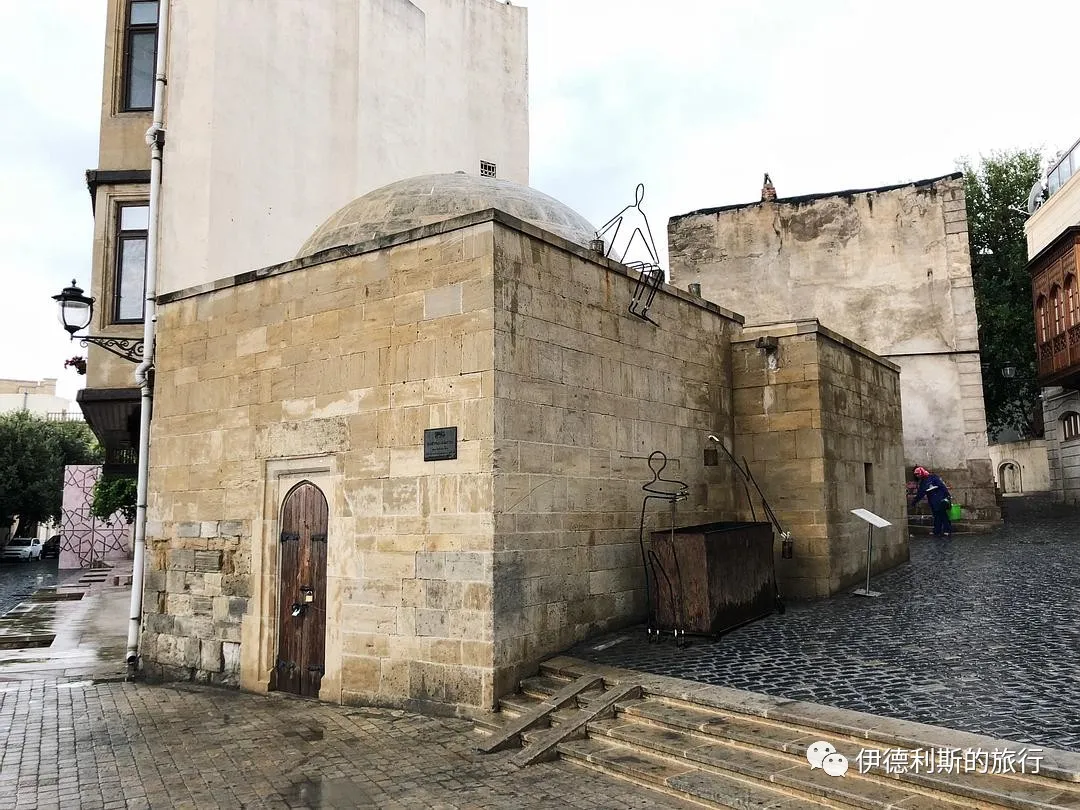
38 mosques in Turkey in October.
Konya Iplikci Mosque: Ordered in 1201 by the Seljuk vizier Shams al-Din Altun Aba, it was built by the architect Abu al-Fazi Abd al-Jabbar from Tabriz, Iran. This is key evidence of Persian craftsmen directly influencing Seljuk architecture. This building went through a series of renovations during the Karamanid dynasty, the Ottoman Empire, and modern times. Today, the original mosaic tiles on the mihrab inside the hall have been replaced by marble, but the parts at the bottom covered by carpets are still original pieces from the Seljuk period.
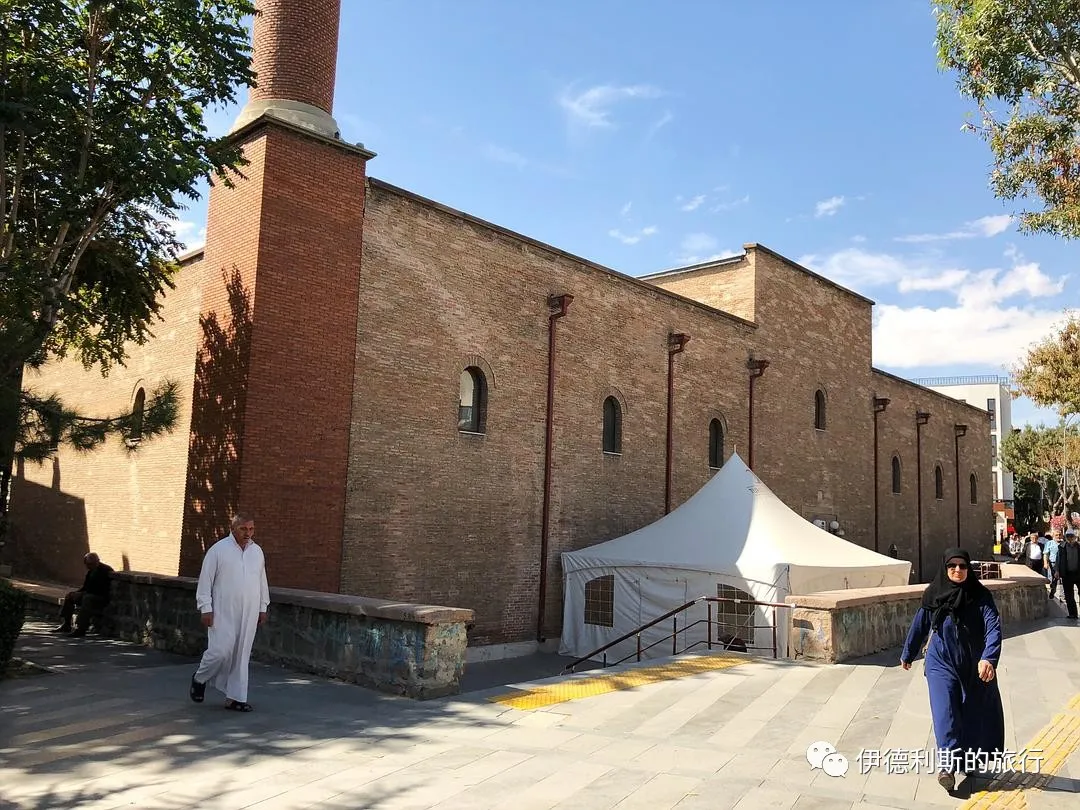
Konya Alaeddin Mosque: It was rebuilt on top of a Christian church shortly after the Seljuks occupied Konya in the late 11th century, and many of its components were taken directly from nearby Byzantine buildings. The earliest surviving inscription dates back to the reign of the Seljuk Sultan of Rum, Mesud I (reigned 1116–1156). The mosque's ebony minbar has an inscription from 1155, and the tiles on the mosque's mihrab and dome should have been built in the same period.
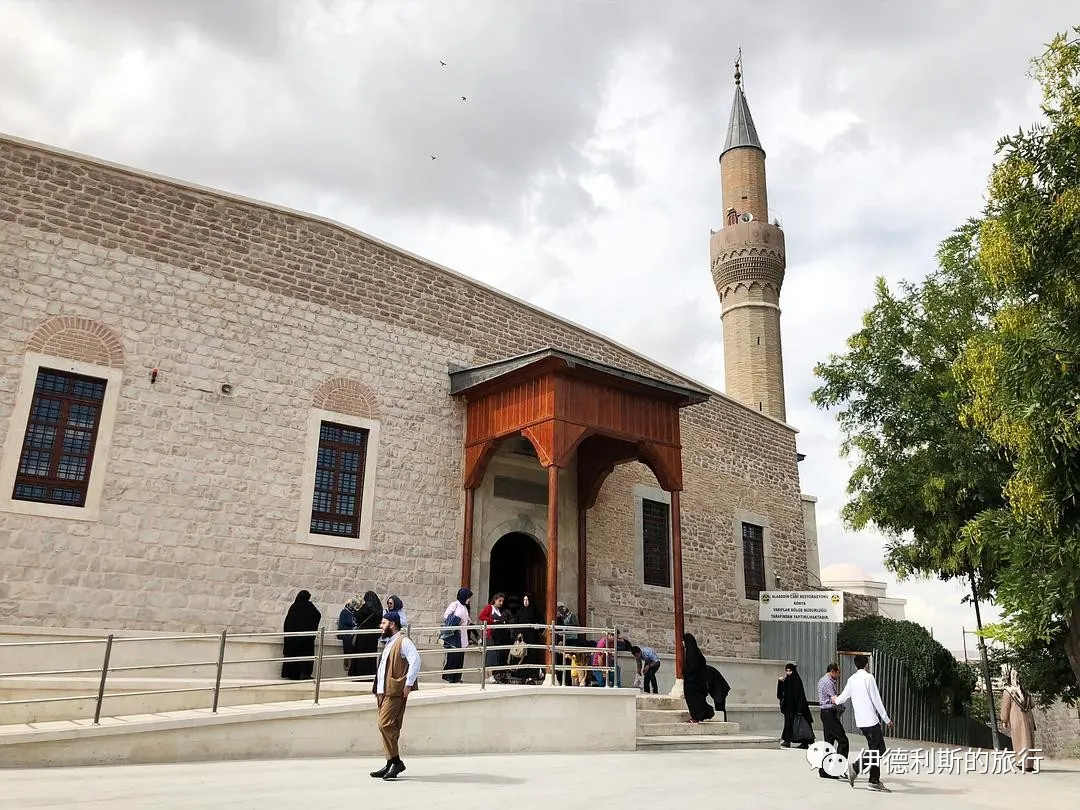
Konya Sahib Ata Mosque: Built by Sahib Ata Fahreddin Ali, the architect was Keluk bin Abdullah. Sahib Ata was a key official in the court of the Seljuk Sultanate of Rum from the 1250s until his death in 1288, and he even held great power in the sultanate after 1277.
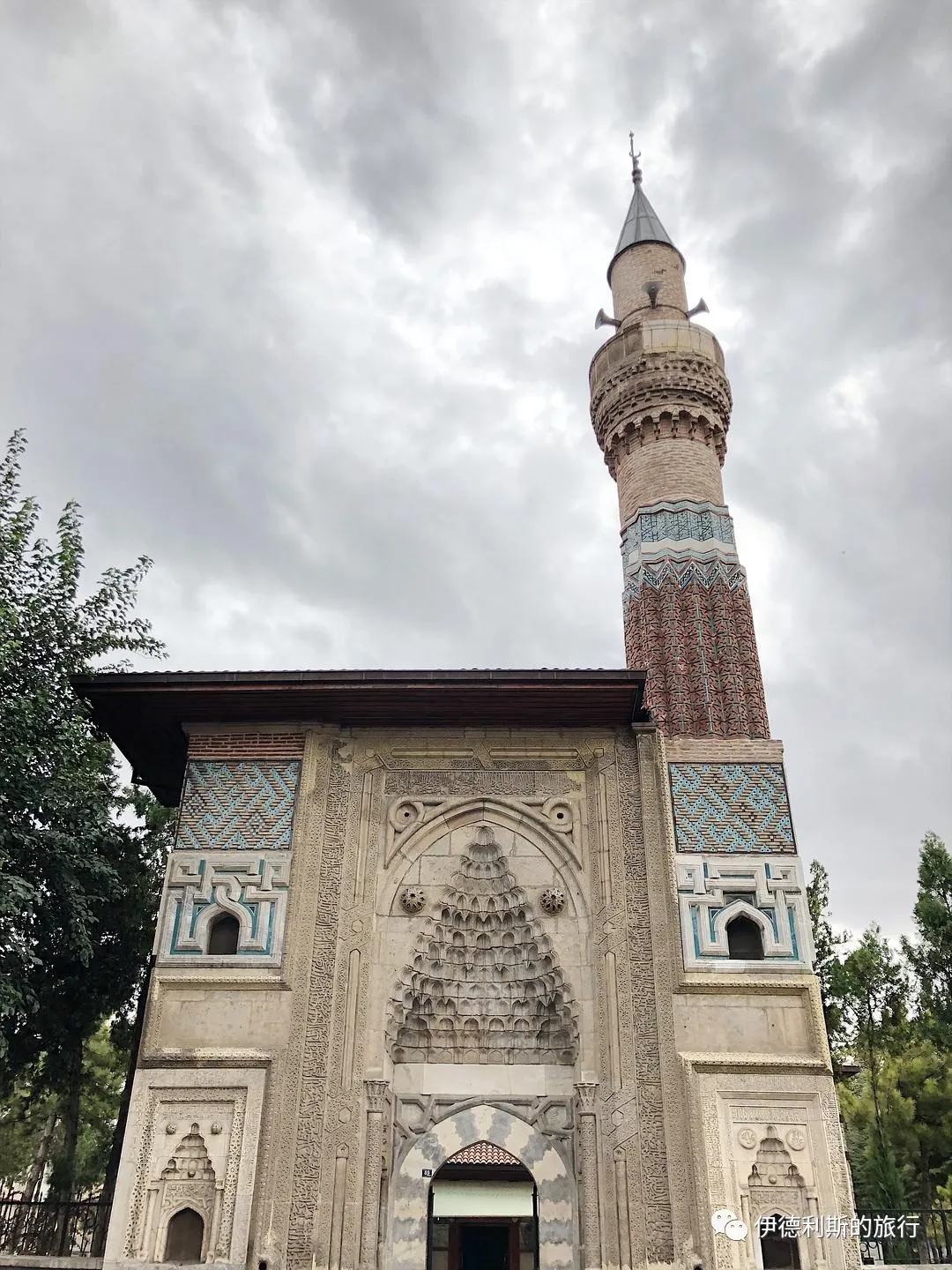
Bursa Orhan Mosque: This was the first mosque in Bursa. It was built in 1339 by the second Ottoman ruler, Orhan (reigned 1324-1362). It was burned by the Karamanid dynasty in 1413, rebuilt by Sultan Mehmed I (reigned 1379-1421) in 1417, and repaired again after being damaged by an earthquake in 1855.
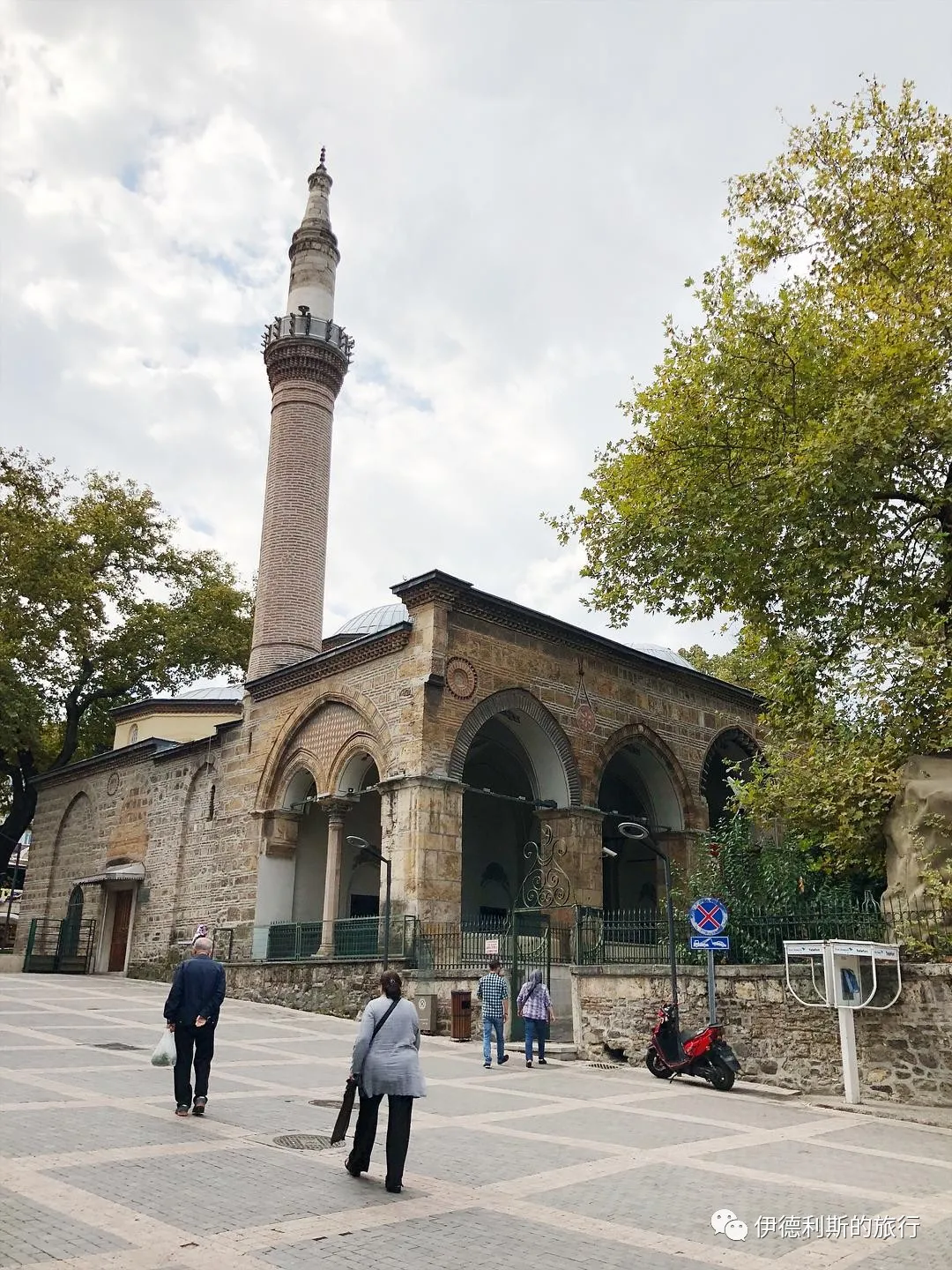
Bursa Grand Mosque (Ulu Cami): This is the largest mosque in Bursa and the largest of the multi-domed Ottoman mosques. This mosque consists of 20 domes and two minarets and is known as a masterpiece of early Ottoman architecture. It was built between 1396 and 1399 by the fourth Ottoman Sultan, Bayezid I (reigned 1389-1402), to celebrate the famous Battle of Nicopolis. The architect is said to be Ali Neccar.
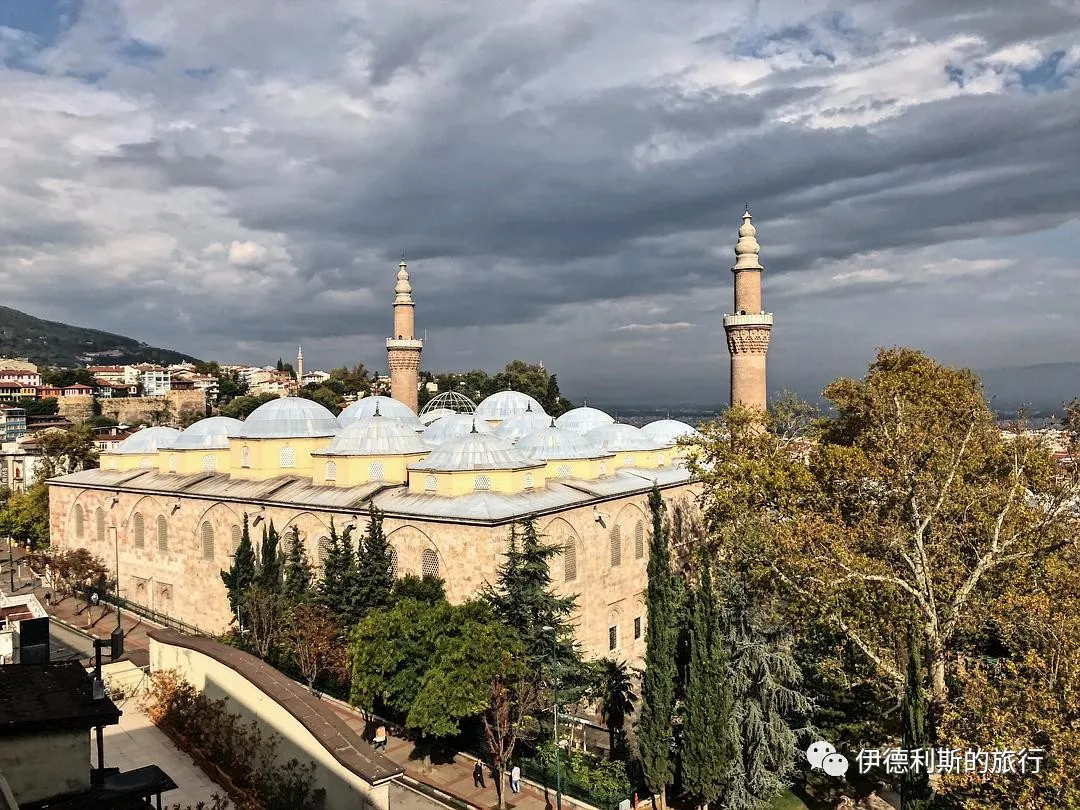
Bursa Hüdavendigar Mosque: Also called the Murad I Mosque, it was built by Sultan Murad I between 1363 and 1366. It is a classic early Ottoman T-shaped mosque. Its biggest feature is that the madrasa is located on the floor above the prayer hall. Because many Byzantine craftsmen participated in its construction, the mosque features Byzantine-style brickwork and column capitals. At the same time, this is the only Ottoman mosque with two porches.
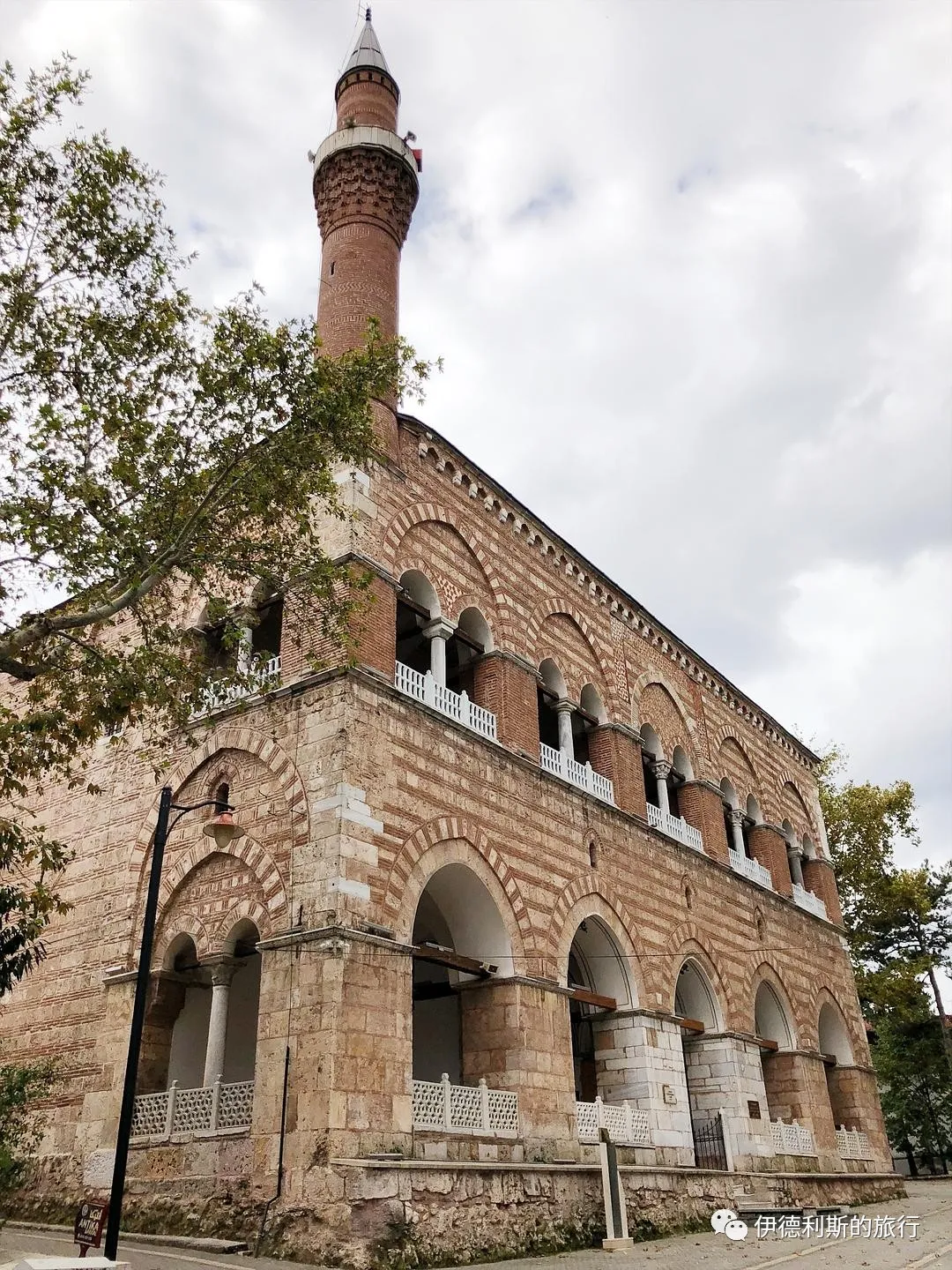
Bursa Lightning Mosque (Yıldırım Bayezid Mosque): Also called the Lightning Bayezid Mosque, it was ordered by Sultan Bayezid I between 1390 and 1395. It underwent major repairs after the 1855 earthquake. It is the only early Ottoman mosque in Bursa built entirely of stone, without using any bricks. the Lightning Mosque is the first mosque to feature a Bursa arch structure. This flat arch is located between the main hall and the gate, supporting two large domes.
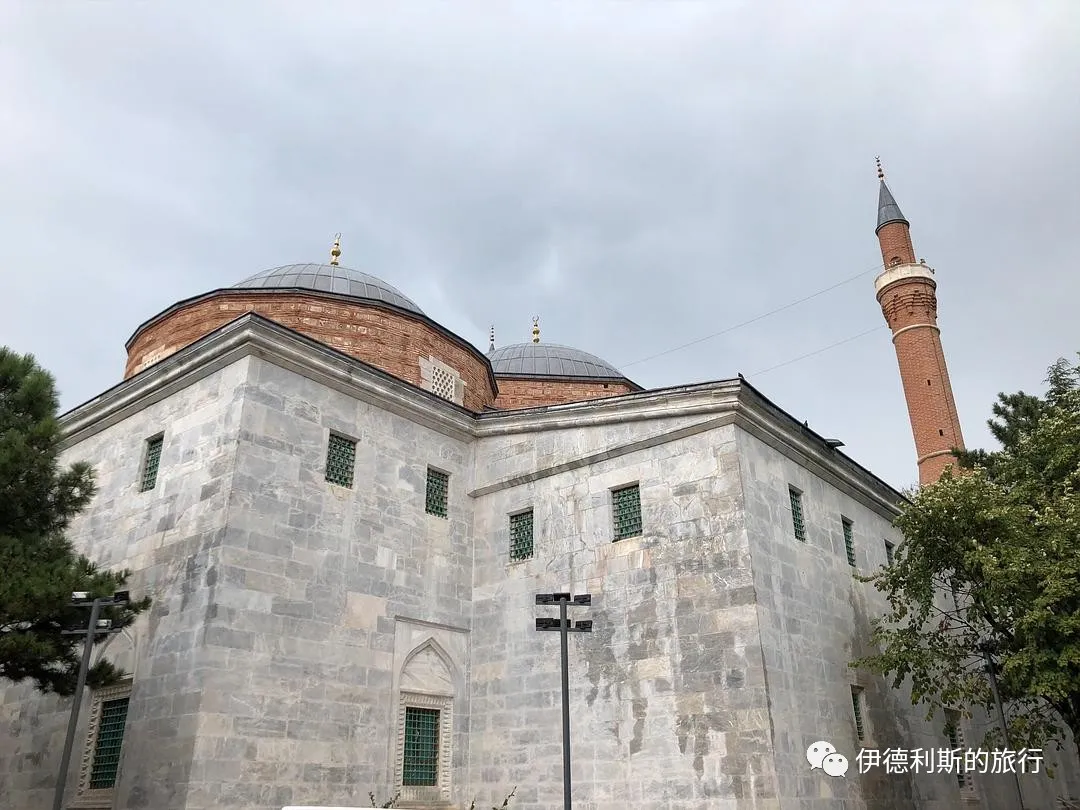
Bursa Green Mosque (Yeşil Cami): Also called the Mehmed I Mosque, it was built by Sultan Mehmed I between 1414 and 1419. It is a masterpiece by the famous early 15th-century Ottoman architect İvaz Pasha. The stone carvings on the gate are considered the pinnacle of early Ottoman architecture. Due to the death of Mehmed I, the narthex of the mosque was never finished.
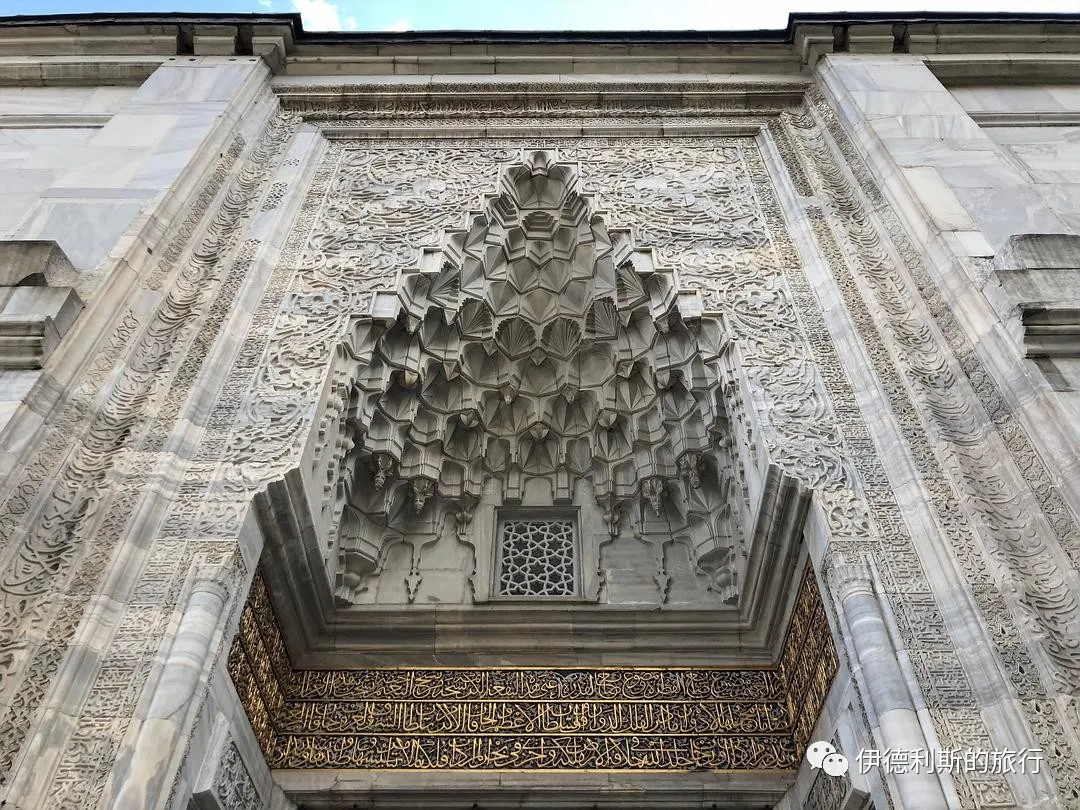
Bursa Muradiye Mosque: Also called the Murad II Mosque, it was built by Sultan Murad II between 1425 and 1426. The mosque is an early Ottoman T-shaped mosque. The main hall has two domes, and each wing has a small dome. The interior of the mosque is decorated with blue-green and dark blue hexagonal tiles.
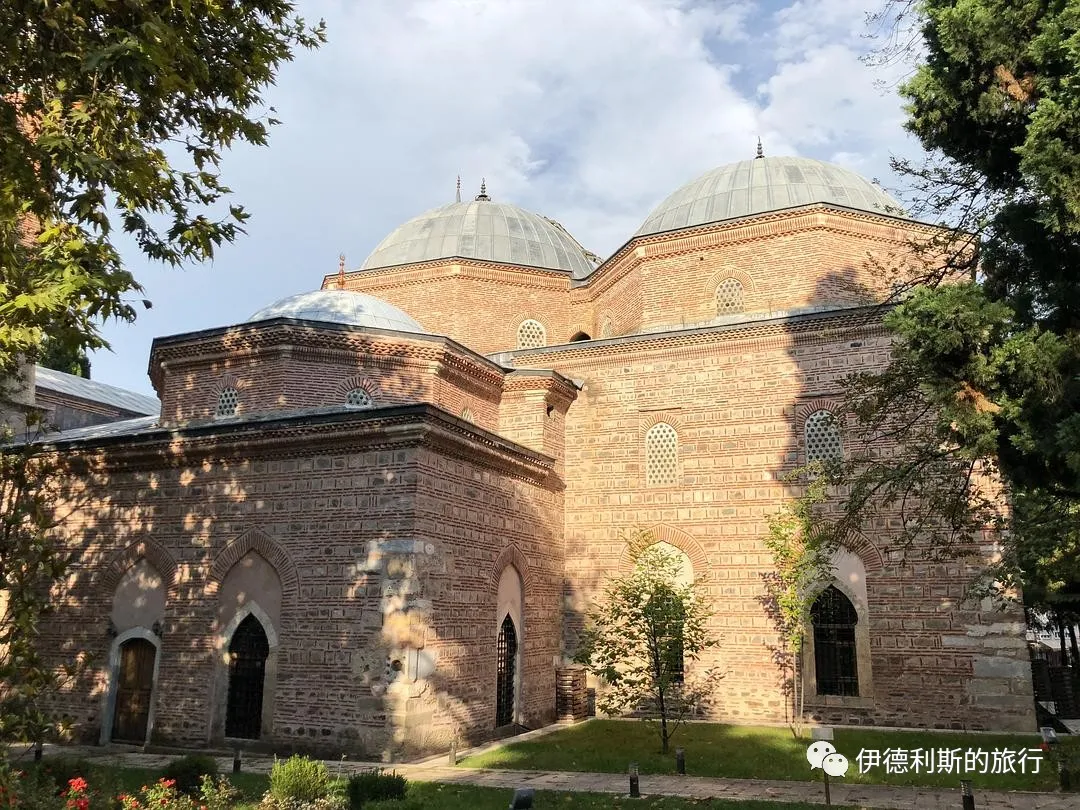
Edirne Old Mosque (Eski Cami): In 1413, Prince Mehmed was crowned Sultan Mehmed I in Edirne, and he officially completed the construction of this mosque the following year. This mosque is the oldest one still standing in Edirne, so it is called the Old Mosque (Eski Cami). The Old Mosque is one of the last multi-domed mosques to use the early Ottoman Seljuk style, featuring nine central domes in total. Compared to earlier Seljuk multi-domed mosques, the domes here have a noticeably larger diameter, showing that the Ottomans were starting to move past their early phase.
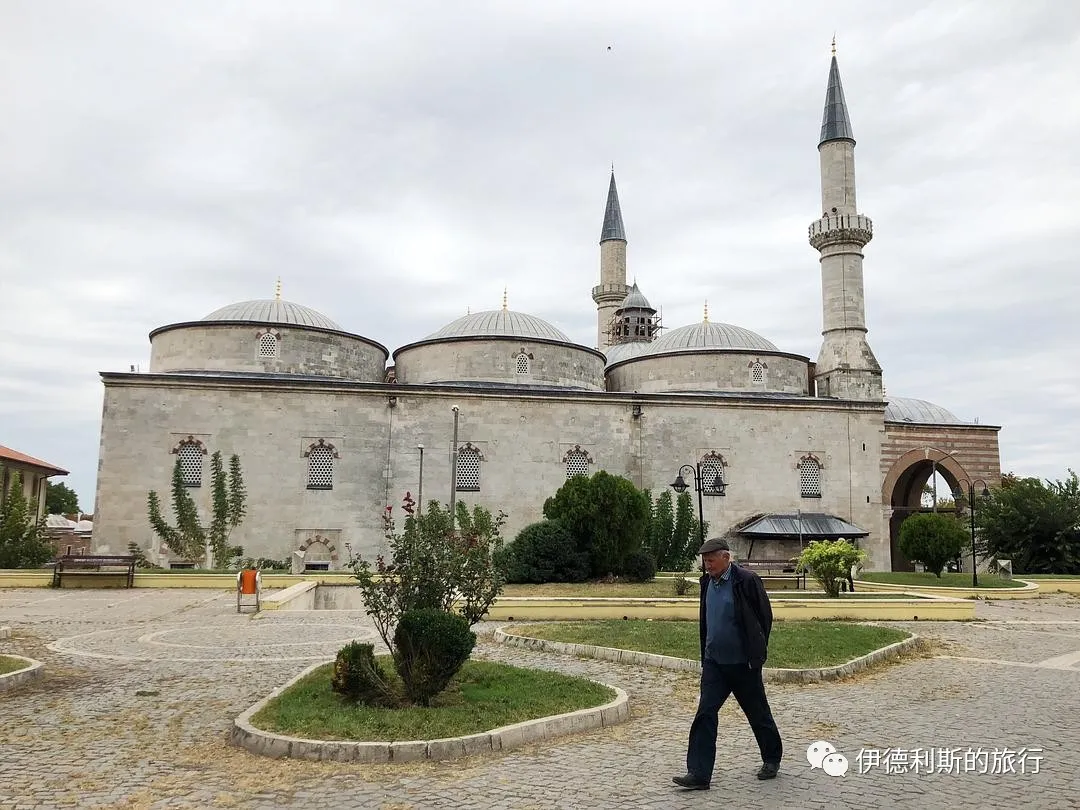
Edirne Muradiye Mosque: This is a small T-shaped mosque on a hill north of Edirne, built in 1436 by order of the sixth Ottoman Sultan, Murad II (reigned 1421-1444). This site was originally part of a Sufi Mevlevi complex before it was converted into a mosque.
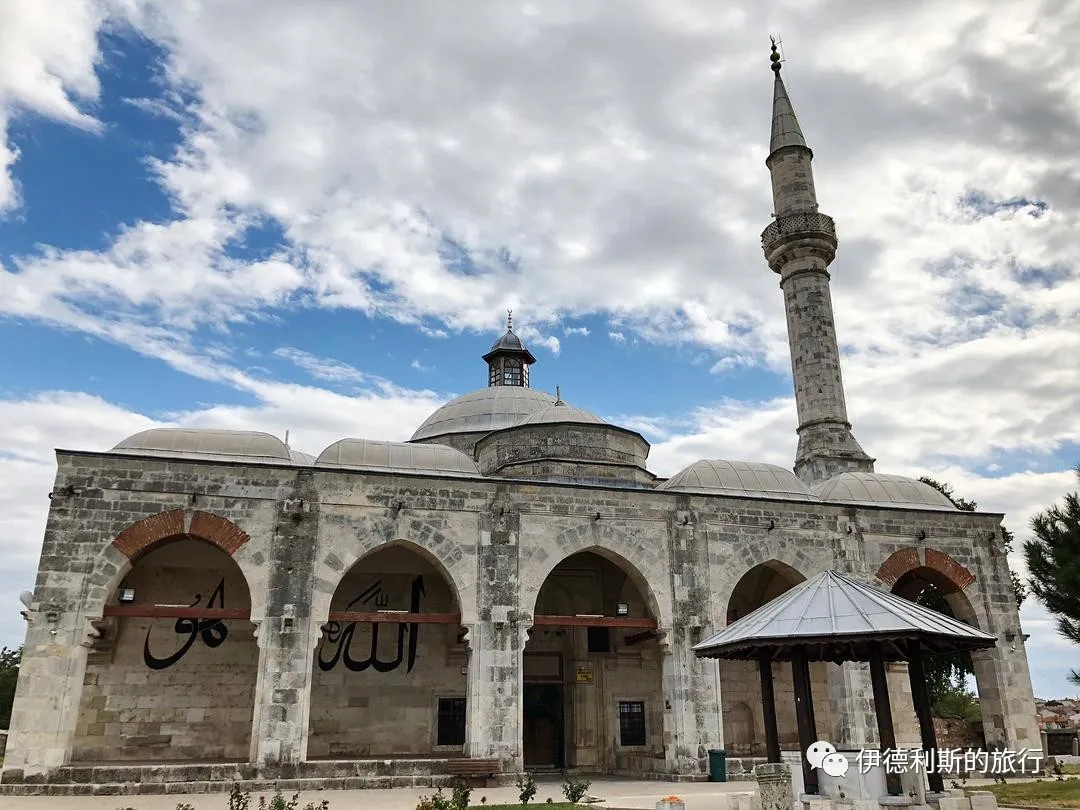
Edirne Three-Balcony Mosque (Üç Şerefeli Camii): This is known as a major landmark that started a new era in Ottoman architecture, being the first Ottoman mosque with a central dome and the first to feature a courtyard. The mosque was started in 1438 by the sixth Ottoman Sultan, Murad II (reigned 1421-1444), and finished in 1447.
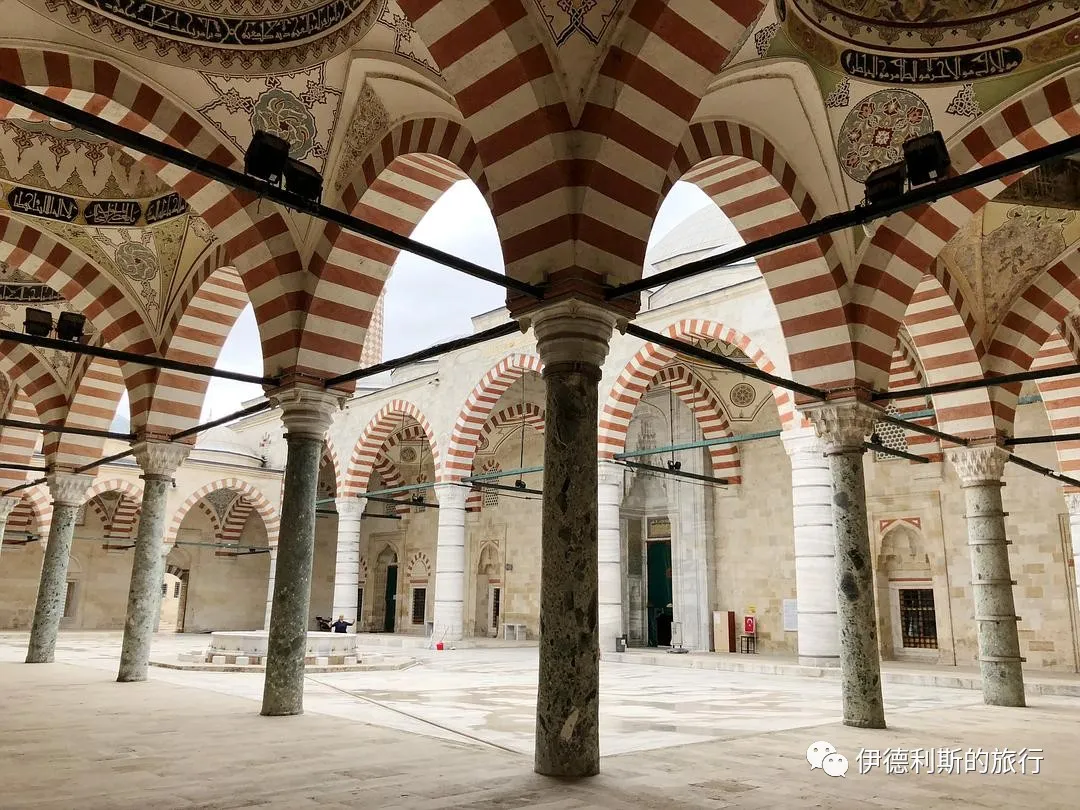
Edirne Kasım Paşa Mosque: This was built in 1479 by order of Kasım Paşa. Kasım Paşa was a famous Ottoman general who served as the commander of Rumelia, the European part of the Ottoman Empire. The mosque closed after 1950 due to the construction of a dam, and it has been damaged by floods ever since, making it the most wild and untamed early Ottoman mosque in Edirne.
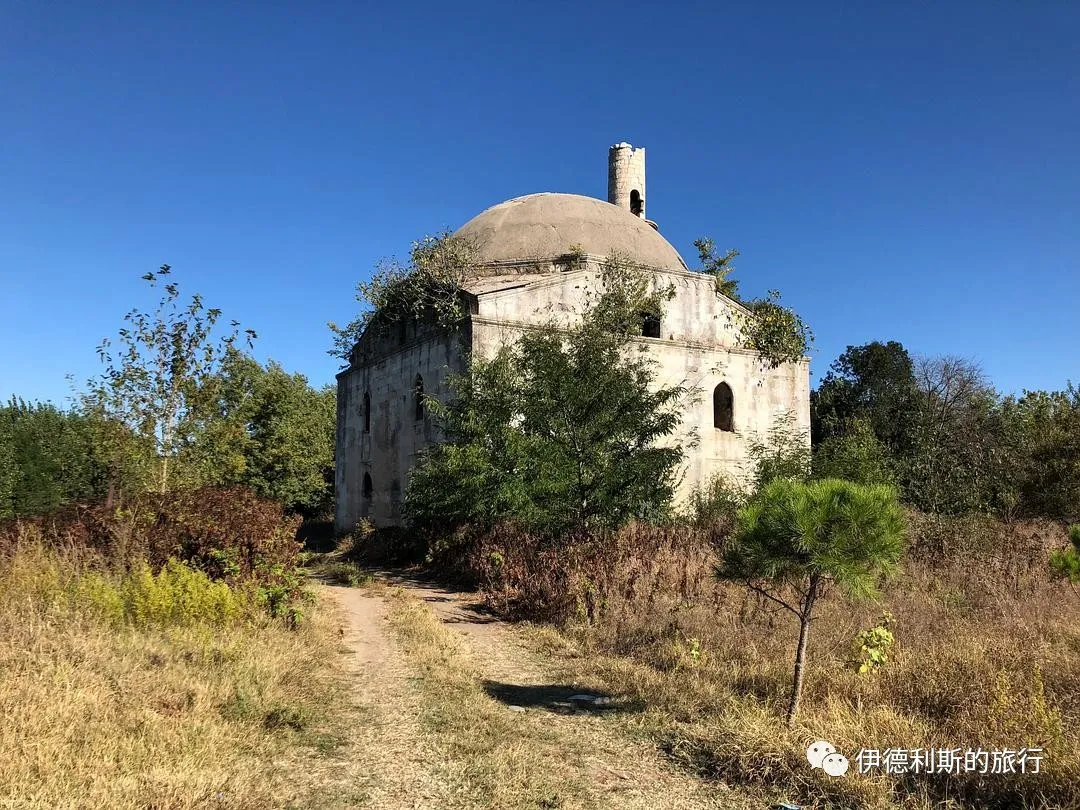
Edirne Sultan Bayezid II Mosque: Located on the north bank of the Tunca River (Sadun River) in the northwest suburbs of Edirne, it was built by order of the eighth Ottoman Sultan, Bayezid II (reigned 1481-1512).
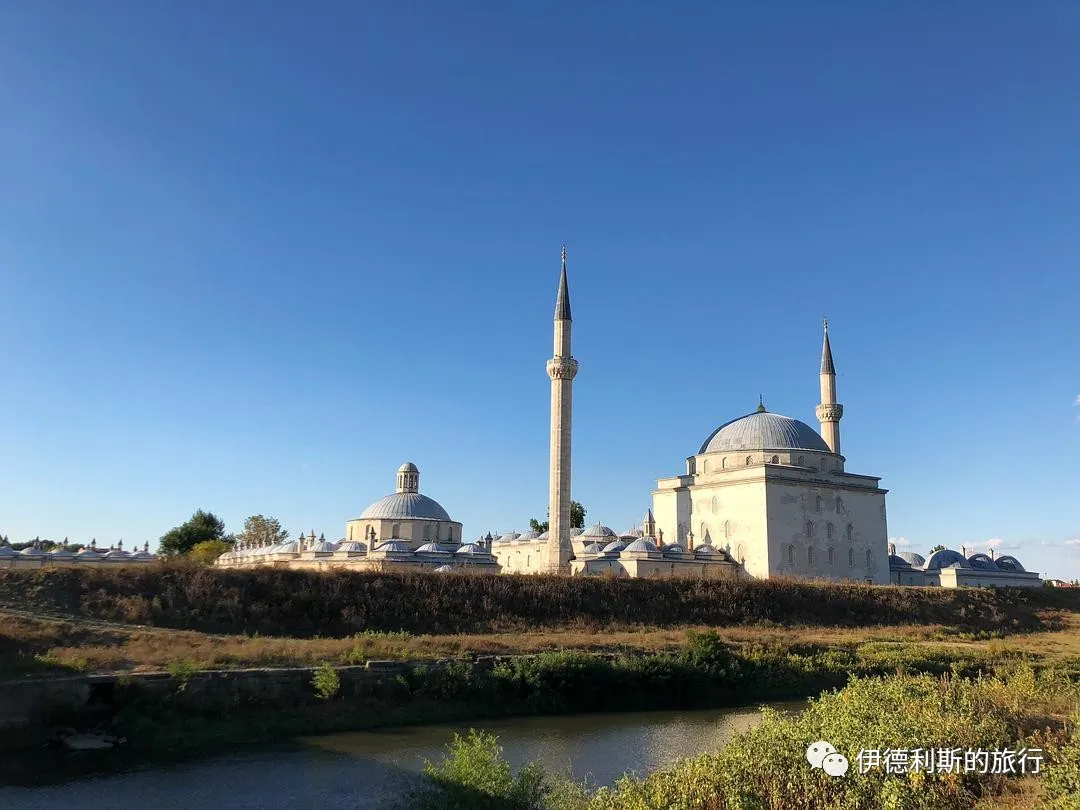
Istanbul Atik Ali Pasha Mosque: Built in 1496 by Atik Ali Pasha, the Grand Vizier to Ottoman Sultan Bayezid II, it is located south of the Grand Bazaar in Istanbul.
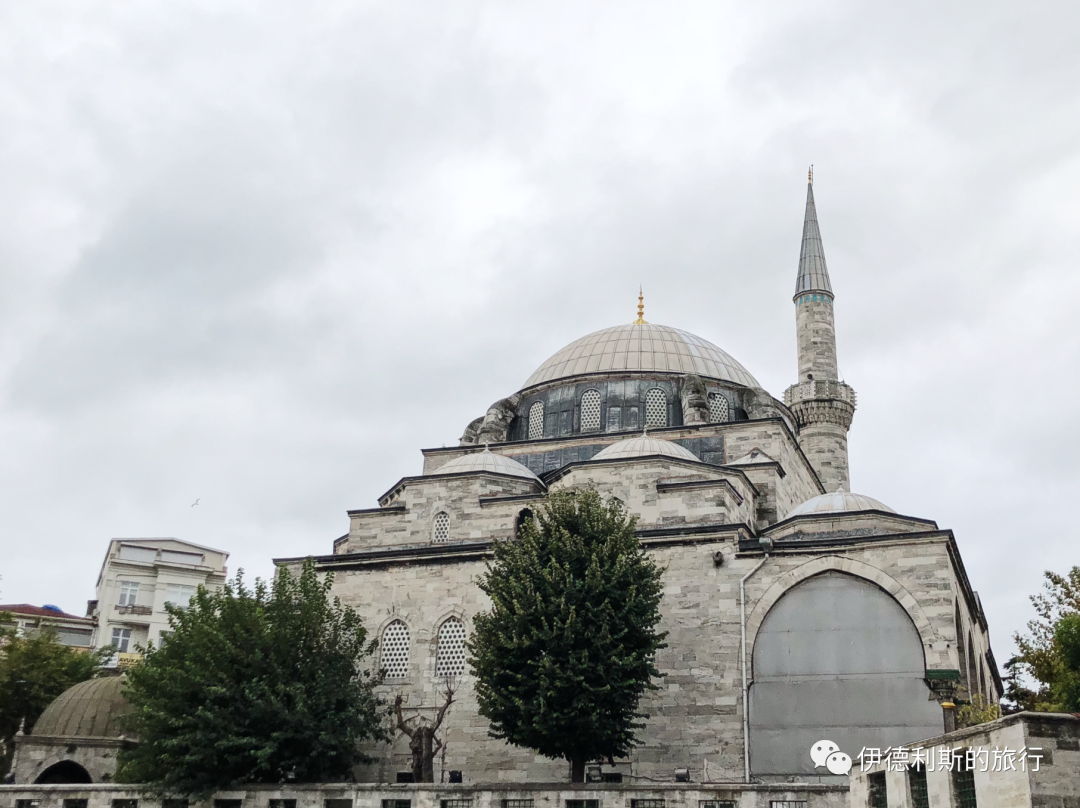
Istanbul Selim I Mosque: Built in 1520 by Ottoman Sultan Suleiman the Magnificent to honor his father, Sultan Selim I (reigned 1512-1520), and completed in 1527, it is the third imperial mosque built by the Ottoman dynasty in Istanbul.
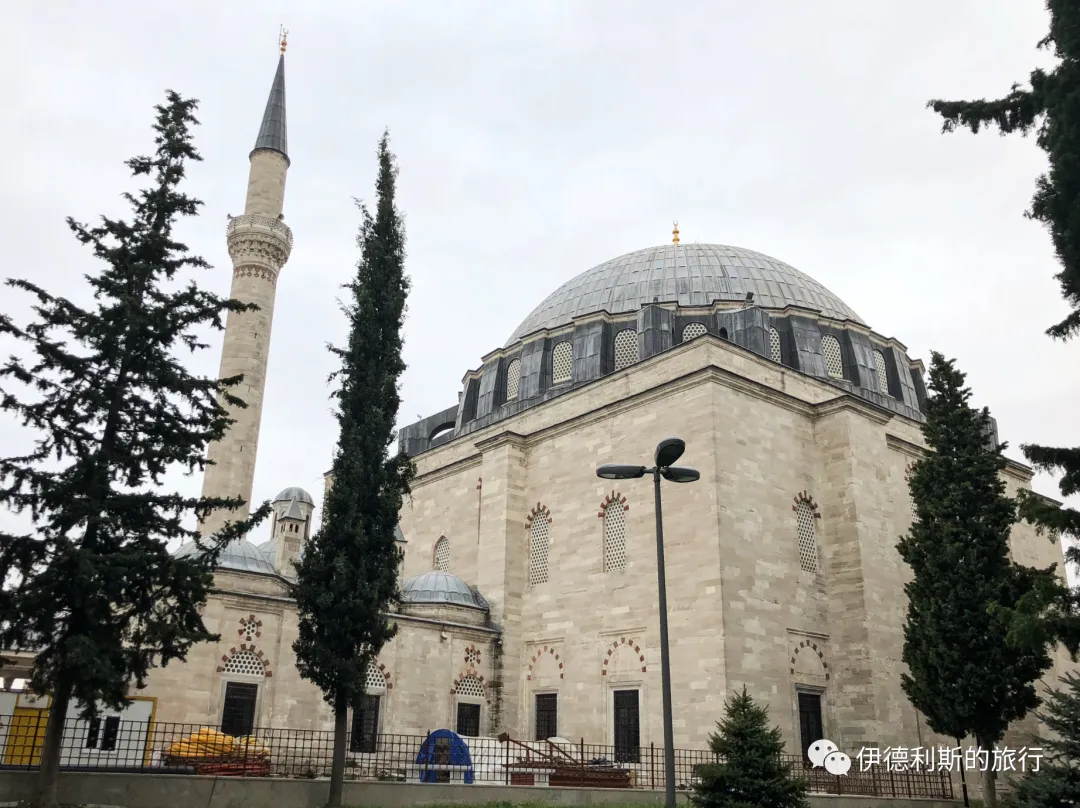
Istanbul Mihrimah Sultan Mosque: Built between 1543 and 1548, it is one of the most famous landmarks in the Üsküdar district and the second complex by Mimar Sinan still standing in Istanbul. It is the first semi-domed mosque designed by Mimar Sinan.
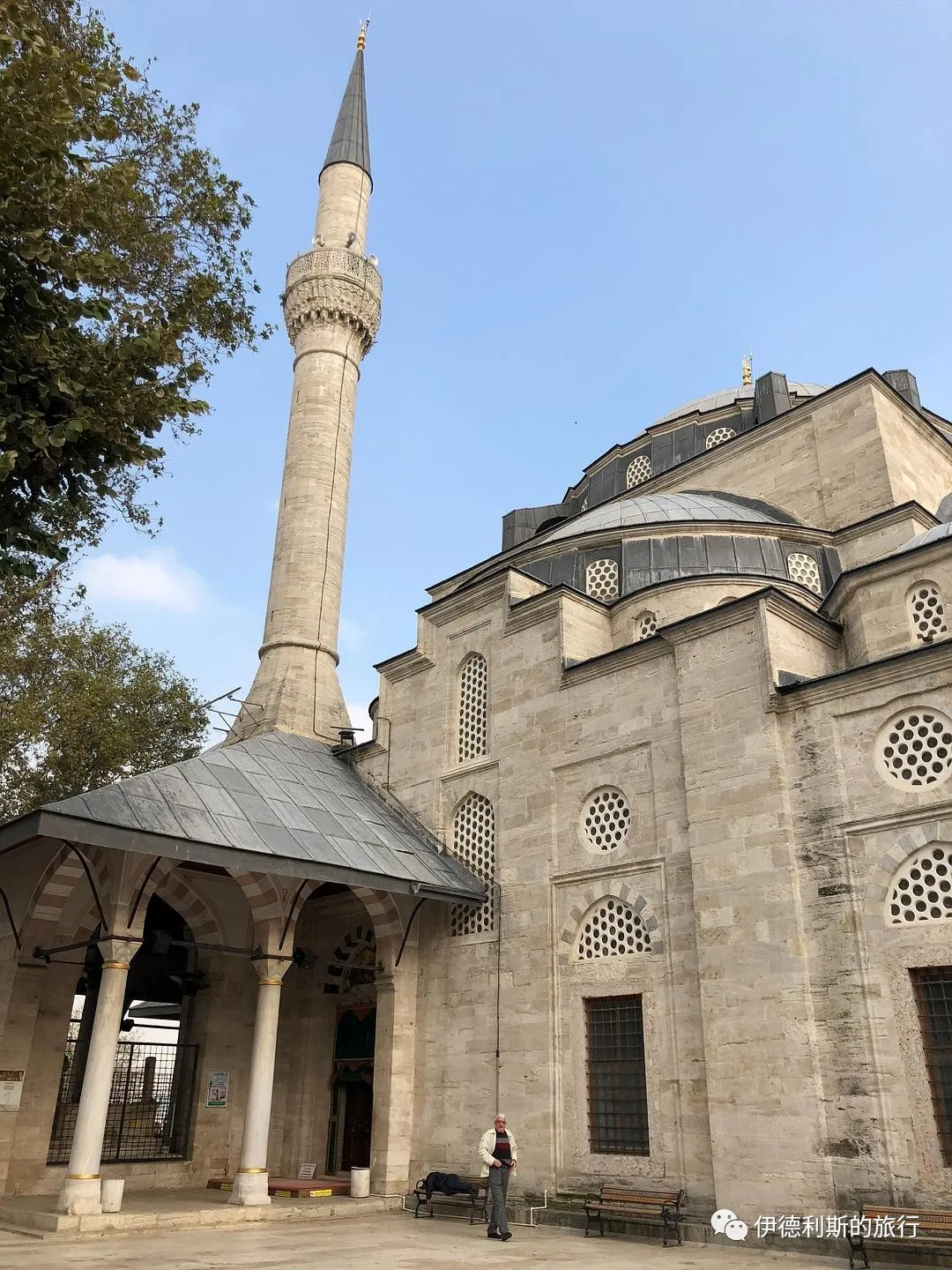
Istanbul Prince Mosque (Şehzade Mosque): Located on the third hill of Istanbul's old city and built between 1543 and 1548, it is considered Mimar Sinan's most important early work and his first masterpiece. It is the second semi-domed mosque designed by Mimar Sinan, consisting of one main dome and four semi-domes. This was both an improvement on Sinan's previous work, the Mihrimah Sultan Mosque with its three semi-domes, and a new interpretation of earlier designs like the Fatih Mosque (1471) and the Bayezid II Mosque (1506). This design separates the four pillars supporting the central dome, creating a more stunning visual effect.
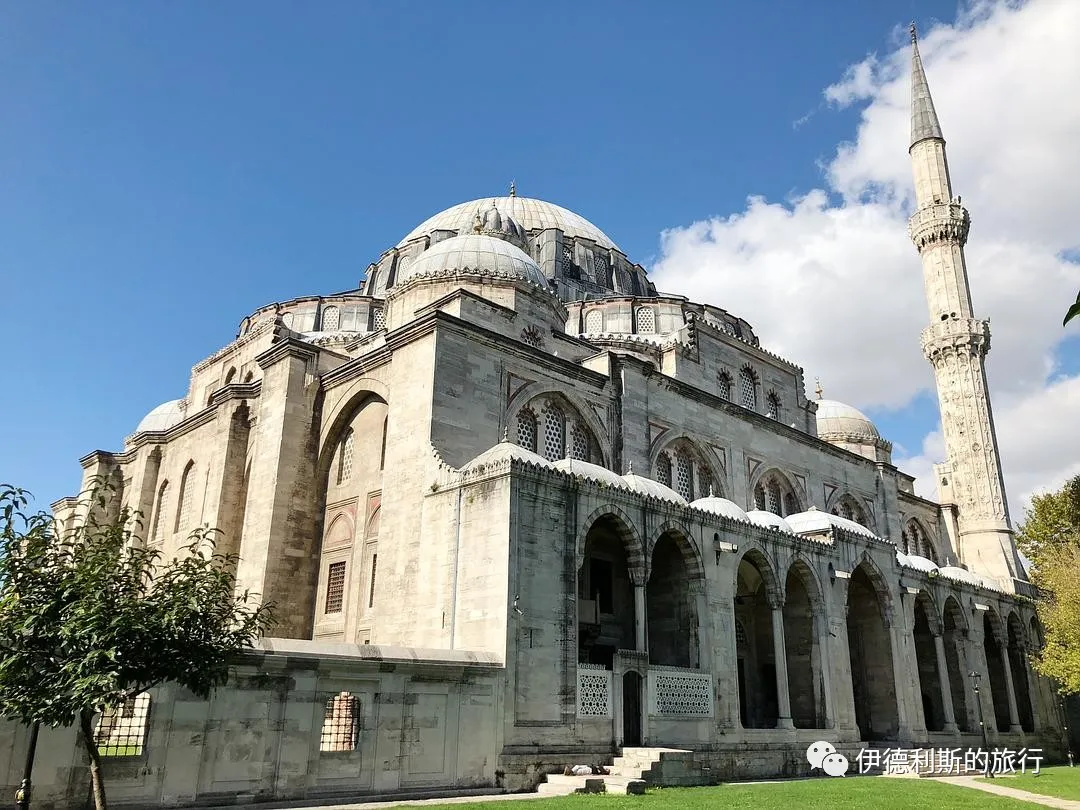
Istanbul Hadım Ibrahim Pasha Mosque: Built in 1551, it was commissioned by the Vizier Ibrahim Pasha, known as the Eunuch (Hadım), and built by Mimar Sinan. It belongs to the first phase of Mimar Sinan's single-dome mosque designs. In this phase, Sinan used eight buttresses to support the main dome, a design that also foreshadowed his next phase of octagonal dome structures.
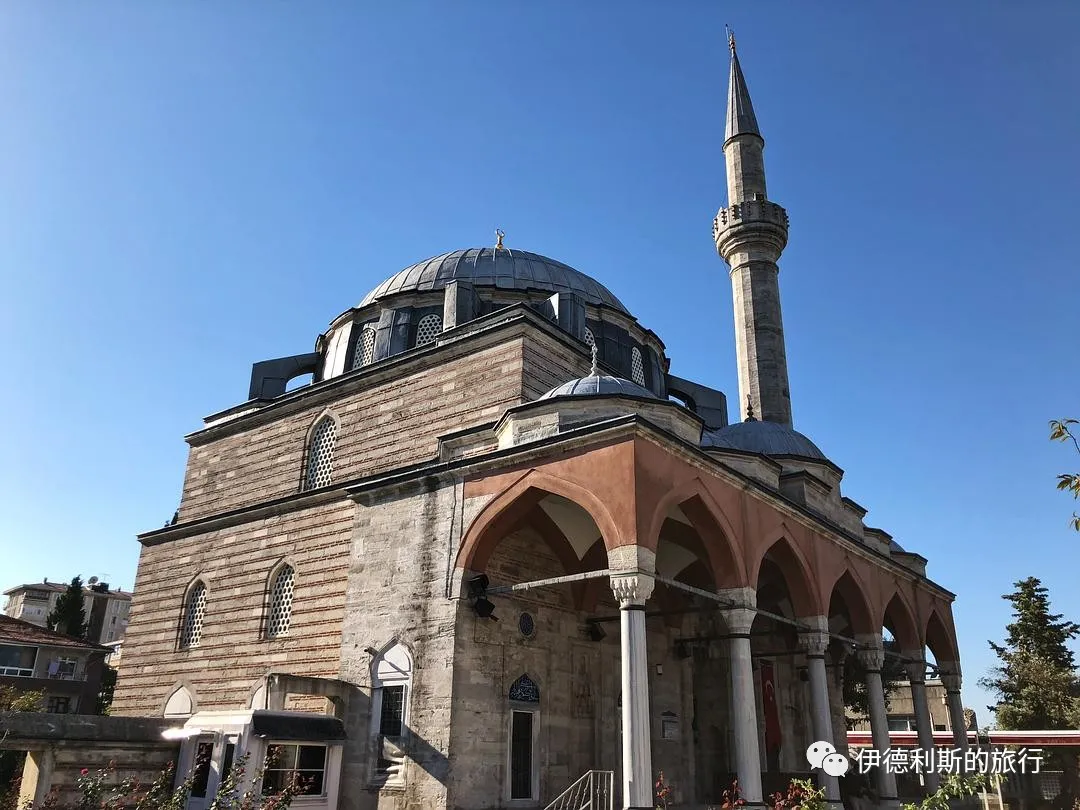
Istanbul Sinan Pasha Mosque: Completed in 1555 and commissioned by Sinan Pasha, it is Mimar Sinan's reinterpretation of the famous Three-Balcony Mosque (Üç Şerefeli Camii) in Edirne, and is therefore known as the smaller version of the Three-Balcony Mosque.
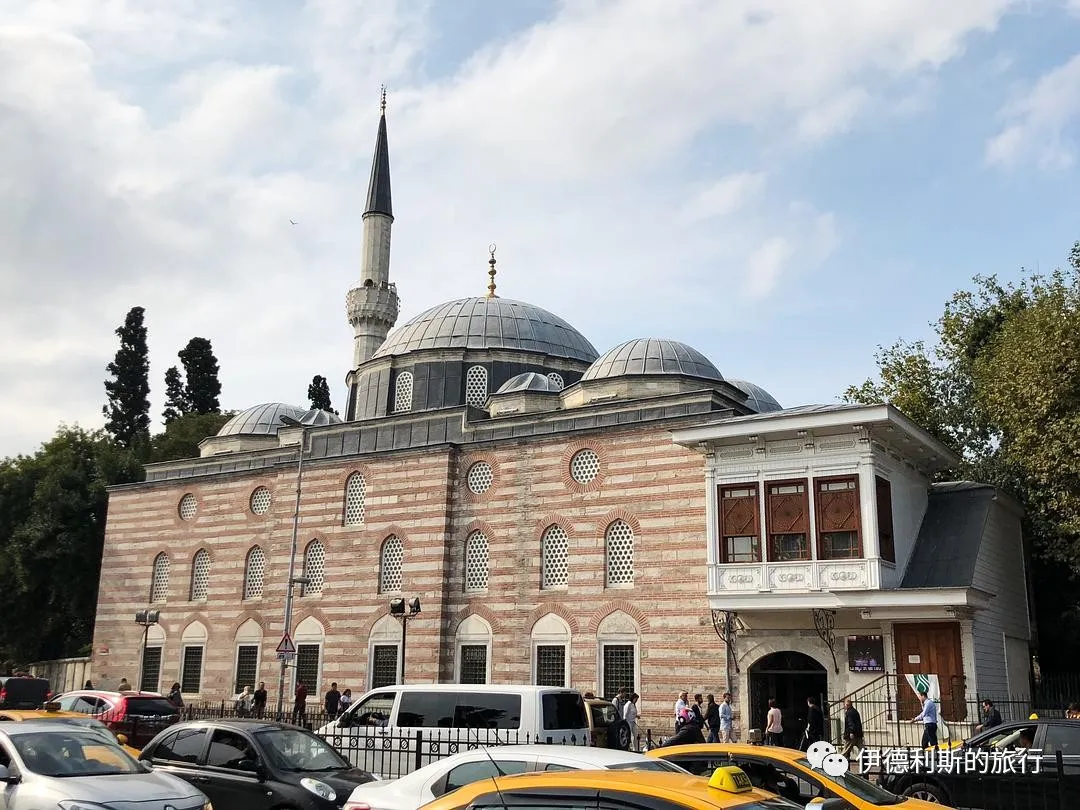
Istanbul Süleymaniye Mosque: Commissioned by Ottoman Sultan Suleiman the Magnificent and built by Mimar Sinan, it sits on the third hill of Istanbul and is a key part of the old city's skyline. Construction took seven years from 1550 to 1557, though it was not officially finished until 1558. This is the largest square-based, semi-domed mosque in the career of architect Mimar Sinan, with a main dome 53 meters high, which was the tallest in the Ottoman Empire at the time.
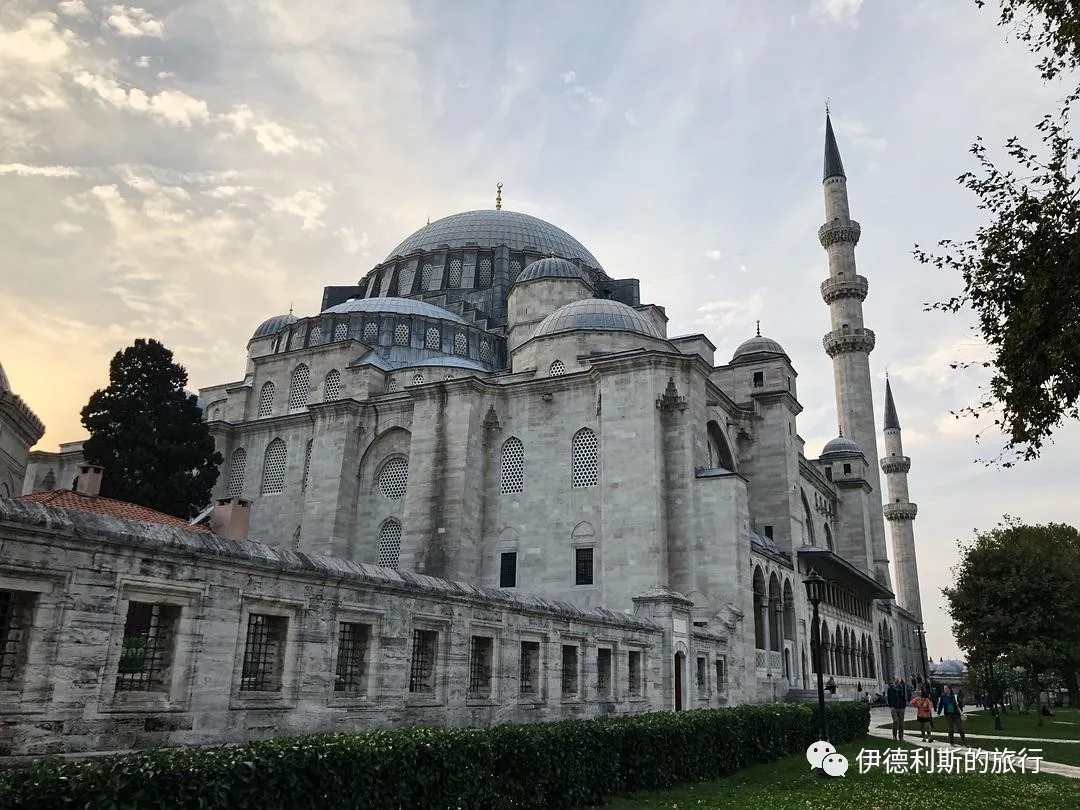
Sokollu Mehmed Pasha Mosque in Istanbul: Commissioned by Grand Vizier Sokollu Mehmed Pasha and his wife İsmihan Sultan, it was built by Mimar Sinan between 1567 and 1572 and is famous for its beautiful Iznik tiles inside.
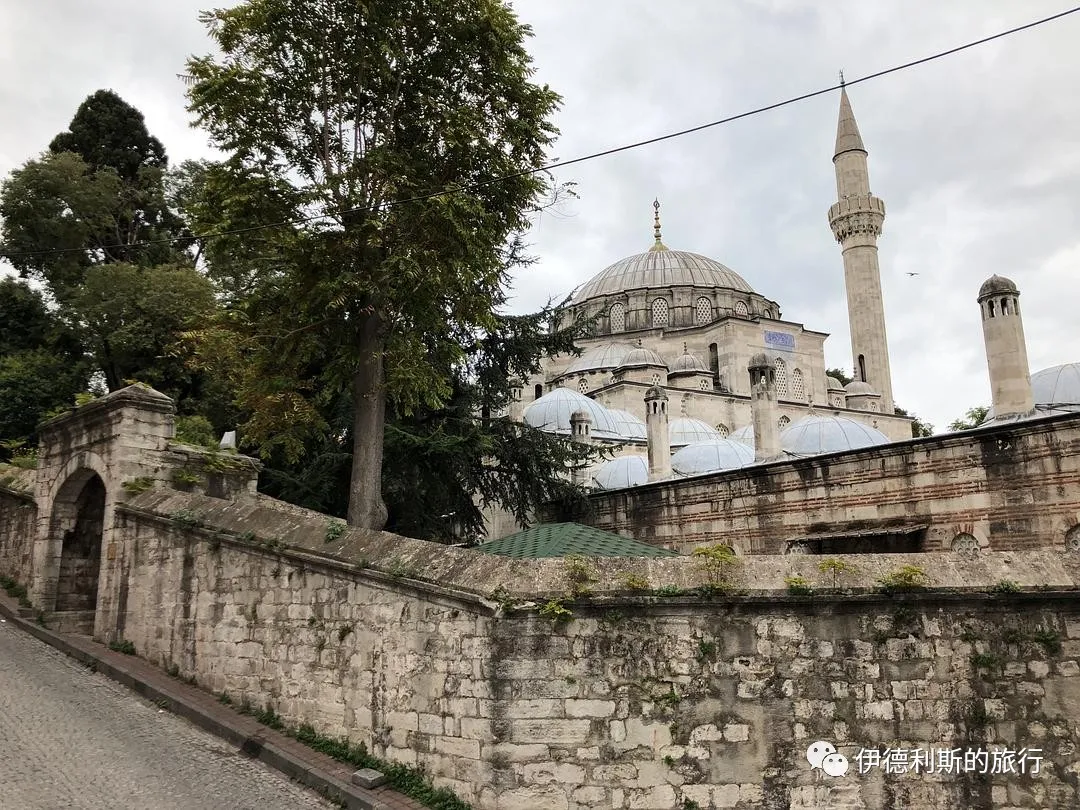
Mihrimah Sultan Mosque in Istanbul: Built by Mimar Sinan between 1563 and 1570, commissioned by Mihrimah Sultan, the daughter of Suleiman the Magnificent. The complex sits on the sixth hill inside the northwest walls of Istanbul, which is the highest point of the old city. The structure of the mosque is considered the most advanced type of single-dome mosque from that period. The 35-meter-high dome is supported by four piers, with four arches and four pendentives forming a tower-like structure. Four polygonal piers protrude on the outside but are almost invisible from the inside, creating a shape like a neatly cut crystal.
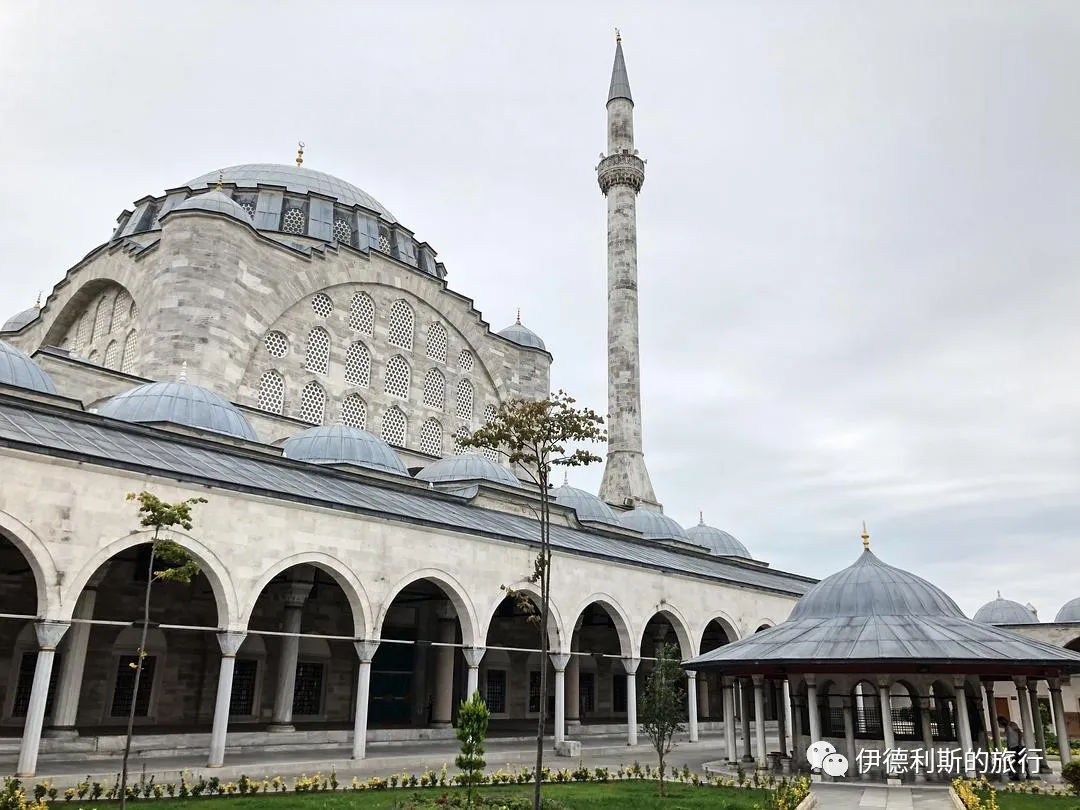
Kara Ahmed Pasha Mosque in Istanbul: Commissioned by Kara Ahmed Pasha and built by Mimar Sinan, it was finally completed in 1572. It is the last imperial building in Istanbul to use dry cord (cuerda seca) tiles for decoration.
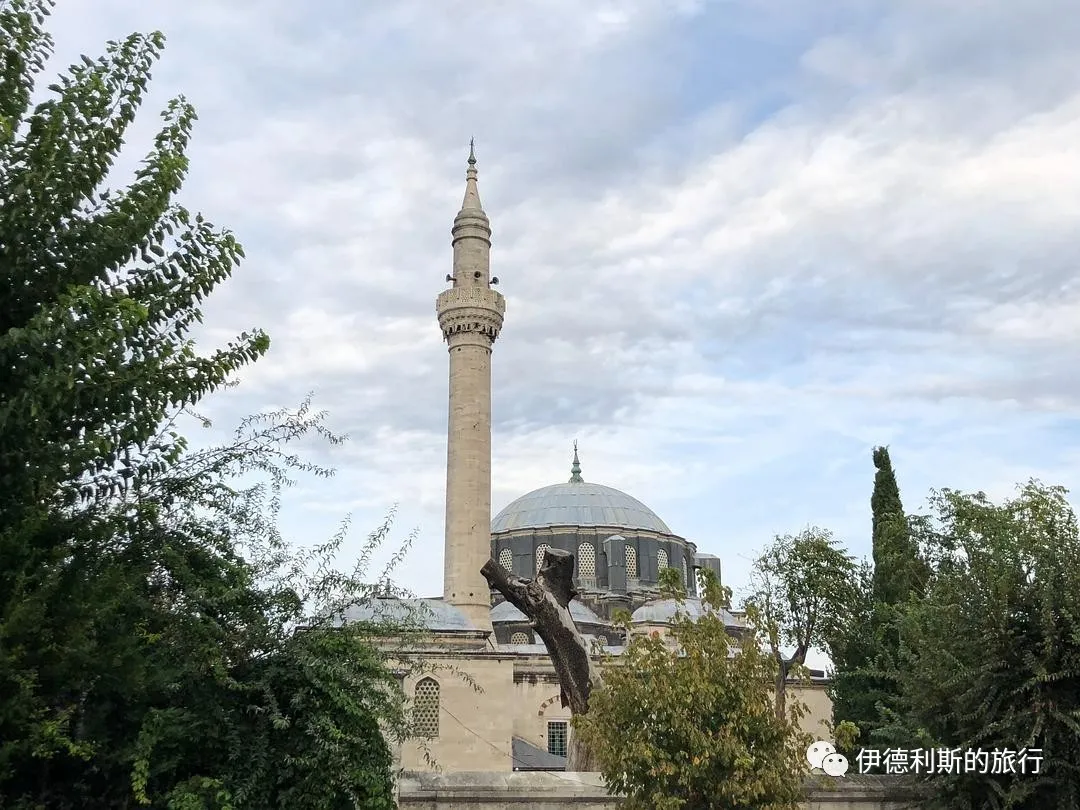
Mimar Sinan Mosque in Istanbul: Built by Mimar Sinan for himself in 1573, it was destroyed by fire in 1918, and soon after the walls collapsed, leaving only a 10-meter-high minaret.
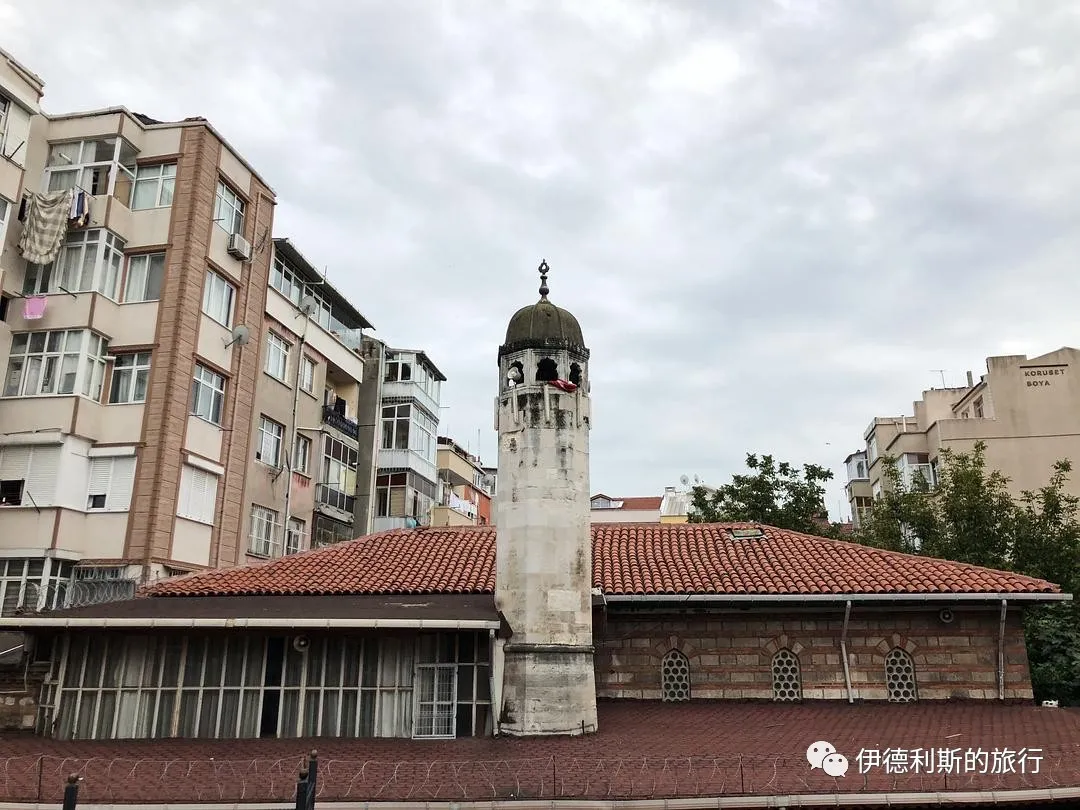
Sokollu Mehmed Pasha Mosque in Istanbul: Commissioned in 1578 by Ottoman Grand Vizier Sokollu Mehmed Pasha (in office 1565-1579) and built by Mimar Sinan, Sinan continued the octagonal support system he used in his masterpiece, the Selimiye Mosque, and added a small dome at each corner. Additionally, the front porch of the mosque is completely enclosed and connected to the main hall, which is very unique among Sinan's works.
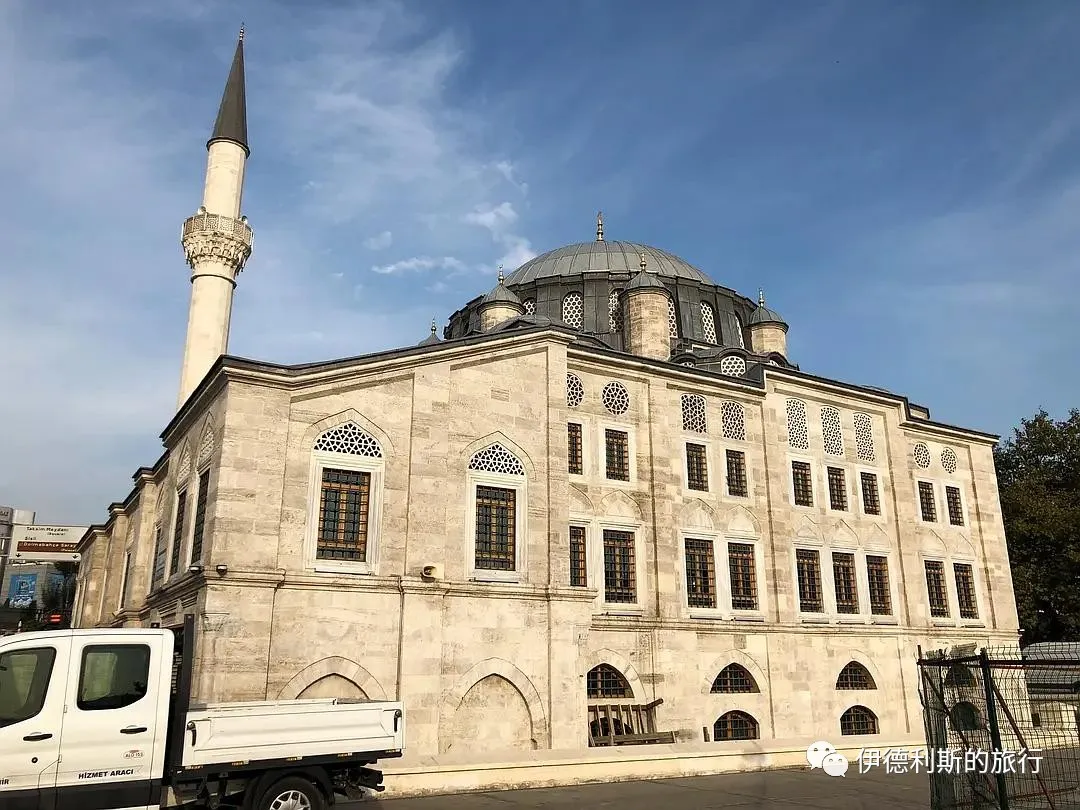
Kılıç Ali Pasha Mosque in Istanbul: Commissioned by Ottoman Admiral Kılıç Ali Pasha and built by Mimar Sinan between 1578 and 1580. The mosque has a central area surrounded by galleries on three sides, with the center and side areas separated, which is very similar to the structure of the Hagia Sophia and different from other classic Ottoman mosque architecture of the same period.
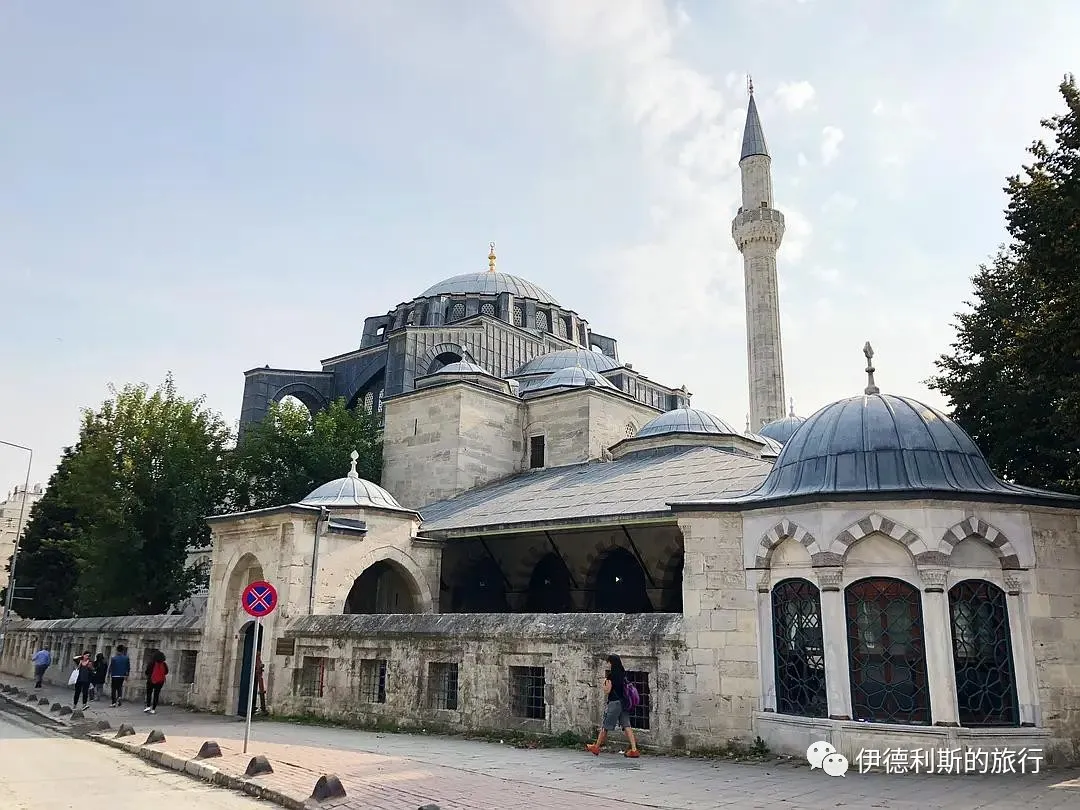
Şemsi Pasha Mosque in Istanbul: Built in 1581 by Mimar Sinan for the Ottoman Grand Vizier (Vezir-i Azam) Şemsi Pasha, it is the smallest complex Sinan ever built and is a famous example in Istanbul of how human architecture can blend perfectly with the natural landscape.
Summary: This first part of the 2018 mosque-visit record covers a wide route through historic mosques, local Muslim communities, and Islamic heritage sites. It preserves the original mosque names, photos, dates, and travel observations in clear English.
In 2018, I visited 101 ancient mosques across 5 countries and 8 provinces. It was a very fulfilling year. In February, I went to Shanhaiguan to see the winter sea and visit the ancient mosque there. During the Spring Festival holiday, I visited the Cham community in Ho Chi Minh City, Vietnam. Then I went to Delhi, India, to see many historical sites from the Delhi Sultanate and Mughal Empire periods. During the Qingming Festival holiday, I went to Yarkant (Shache) in Xinjiang to listen to Muqam music and look for the history of the Yarkand Khanate. During the May Day holiday, I went to Lhasa to visit the Tibetan Hui Muslim community. In June, I went to the UAE for Eid al-Fitr, and then I went to Tianjin to eat and explore. In July, I used my weekends to visit Nanjing and Suizhong in Liaoning to eat and explore. In September, I went to Taiyuan to do the same. At the end of September, I used my annual leave and the National Day holiday to visit Azerbaijan and Turkey, where I saw over a hundred old buildings. In November, I went to Kaifeng to eat and explore.
By 2019, I had mastered the skill of using holidays to visit ancient mosques abroad. I would first research a lot of information, pick the mosques worth seeing, and then use map websites to plan my route to visit as many as possible in the limited time. I visited a total of 64 ancient mosques across 7 countries and 2 provinces. See '64 Ancient Mosques Visited in 2019'.
At the start of 2020, I went to Urumqi for the Spring Festival holiday and visited the Shaanxi Old Quarter mosque. Later, I was almost locked down and unable to return to Beijing. I worked from home during the first half of the year. Once restrictions were lifted in early July, we spent a weekend visiting the Hongshuiquan Grand Mosque in Qinghai. In August, we took our honeymoon and visited 18 ancient mosques in Yunnan and Sichuan. During the National Day holiday, we traveled upstream along the Han River and visited 3 ancient mosques in southern Shaanxi. In total, I visited 23 ancient mosques across 5 provinces in 2020. See '23 Ancient Mosques Visited in 2020'.
In January 2021, mosques in Beijing were closed. In mid-March, travel restrictions were lifted, so I rushed to visit ancient mosques in Henan, Jiangsu, Hebei, Xinjiang, Liaoning, Shanxi, Tianjin, Qinghai, and Inner Mongolia. By July, travel out of Beijing was restricted again. During the National Day holiday, there were no new cases nationwide, so we went on a road trip to Yunnan to visit ancient mosques. After the holiday, I could not leave Beijing again. In 2021, with less than half a year of actual freedom, I visited 47 ancient mosques across 11 provinces and cities. See '47 Ancient Mosques Visited in 2021'.
2022 was the most difficult year, as I was unable to leave Beijing for the entire year. That year, I visited some ruins of former ancient mosques in Beijing and some mosques I had never been to before, totaling 25 ancient mosques for the year. See "Visiting 25 Ancient Mosques in Beijing in 2022."
Travel restrictions within Beijing were lifted in early 2023, and international travel restrictions were lifted in May. This year saw an explosion of travel, covering 11 provinces and cities, 6 countries, and three continents—Europe, Asia, and Africa—for a total of 124 ancient mosques. See "Visiting 124 Ancient Mosques in 2023."
Life gradually returned to normal in 2024, and the number of ancient mosques I visited dropped due to work changes and spending time with my children. This year I went to 6 provinces and 3 countries, visiting 63 ancient mosques. I visited Malaysia three times, touring 24 ancient mosques, which covers almost all the ancient mosques in Malaysia. See "Visiting 63 Ancient Mosques in 2024."
February: 1 in Hebei.
Shanhaiguan Mosque: Located outside the west gate of Shanhaiguan city. According to the Kangxi-era "Shanhaiguan Gazetteer," in the first month of 1381 (the 14th year of the Hongwu reign), "General Xu Da sent 15,100 soldiers from the Yanshan Guard to build 32 passes, including Yongping and Jieling." According to the "Veritable Records of the Ming Emperor Taizu," in September of the same year, the "Beiping Shanhaiguan Guard Command" was established, marking the beginning of Shanhaiguan. People say the Shanhaiguan Mosque was built by Muslim officers and soldiers under Xu Da.
February: 24 in India.
Delhi Qutb Mosque: This is the first mosque in Delhi, started in 1193. After the Ghurid dynasty general Qutb occupied Delhi, many building components from Hindu and Jain temples were reused.
Delhi Jamaat Khana Mosque: Located at the heart of the Sufi holy site of Nizamuddin, it is likely the second mosque in Delhi after the Qutb Mosque, with an architectural style very close to the Khalji dynasty of the Delhi Sultanate.
Delhi Tohfe Wala Gumbad Mosque: In 1303, the Chagatai Khanate besieged the military fortress of Siri in Delhi for two months but could not break the city and eventually retreated. After this, Sultan Alauddin Khalji of the Delhi Sultanate's Khalji dynasty began to focus on building up Siri, which included the Tohfe Wala Gumbad Mosque. This mosque is very different from other buildings constructed during the Alauddin period, but some of its wall structures have the characteristics of Khalji dynasty architecture.
Delhi Begampur Mosque: This is the most important mosque in the city of Jahanpanah in Delhi and the most representative mosque of the Tughlaq dynasty of the Delhi Sultanate that still exists today. It is said to have been designed by the Iranian architect Zahir al-Din al-Jayush. The building is very grand but relatively simple, with only a small amount of carving inside the main hall.
Delhi Feroz Shah Kotla Mosque: Sultan Feroz Shah Tughlaq of the Tughlaq dynasty built the fifth city of Delhi, Ferozabad, in 1354. The mosque is the main building in the fortress and has a typical Tughlaq dynasty style. Some scholars believe that the great emperor Timur prayed here in 1398 and later built a mosque of the same design in Samarkand.
Delhi Khirki Mosque: Another important mosque in the city of Jahanpanah, besides the Begampur Mosque. This building looks very different from the Begumpur mosque, but it is almost certainly one of the seven mosques built by Khan-i-Jahan Maqbul, the prime minister to Sultan Firoz Shah Tughlaq, and was likely built in the 1370s.
Delhi Kali Mosque: This is also one of the seven mosques built by Sultan Firoz Shah Tughlaq's prime minister, Khan-i-Jahan Maqbul, and it stands near the Sufi shrine of Nizamuddin. This mosque and the Khirki Mosque are very similar in design and construction date, and both were once abandoned. The difference is that this mosque returned to use in the early 20th century, with some changes made to its original design.
Delhi Kalan Mosque: This is the northernmost of the seven mosques built by Sultan Firoz Shah Tughlaq's prime minister, Khan-i-Jahan Maqbul. It is thought to have been built to honor a Sufi saint, and it has been in use ever since.
Delhi Bara Bumbad Mosque: Located inside Lodi Gardens, the inscriptions carved inside show it was built on November 30, 1494, by a man named Mughal Abdu Amjad. The mosque features very intricate carvings, which are a great example of the lime plaster and stone-cutting techniques used for decoration during the Lodi dynasty.
Delhi Madhi Mosque: Found in the Mehrauli Archaeological Park in Delhi, its exact construction date is unknown, but its design clearly shows the Lodi dynasty style. The main hall of this mosque is open-air and consists only of a qibla wall. There are many other mosques in Delhi made of just one wall, but this one is the largest.
Delhi Nili Mosque: Located between the city of Siri and the Hauz Khas reservoir area, this is a Lodi-era mosque that is still in use.
Delhi Rajon ki Baoli Mosque: Located in the Mehrauli Archaeological Park, it features what is considered the most beautiful stepwell (baoli) in Delhi, said to have been built by Daulat Khan Khwaja Muhammad in 1506 during the reign of Sultan Sikandar Lodi (1489-1517).
Delhi Muhammad Wali Mosque: Situated right next to the northwest wall of the city of Siri, it features a typical Lodi dynasty style.
Delhi Jamali Kamali Mosque: Located in the Mehrauli Archaeological Park, this is a tomb-mosque for two men, Jamali and Kamali. Jamali, whose full name was Jamali Kamboh, was a famous 16th-century Persian poet and Sufi saint in India who was highly regarded by the Mughal emperors Babur and Humayun.
Delhi Qila-i-Kuhna Mosque: Located inside the Old Fort (Purana Qila), which was the sixth city of Delhi. After Sher Shah Suri, the ruler of the Suri dynasty, defeated the Mughal emperor Humayun and took Delhi in 1540, he used the Old Fort as his royal court and built this royal mosque in 1541.
Delhi Salimgarh Fort Mosque: Located north of the Red Fort, it was built in 1546 by Salim Shah Suri (reigned 1545-1554), the son of the Suri dynasty ruler Sher Shah Suri.
Delhi Isa Khan Mosque: Located within the Humayun's Tomb complex, this is a tomb-mosque for the Pashtun noble Isa Khan of the Suri dynasty.
Delhi Khairul Manazil Mosque: Located across from the Purana Qila fort, it was commissioned in 1561 by Maham Anga, the chief nurse to the Mughal Emperor Akbar and the actual power behind the throne from 1560 to 1562.
Delhi Afsarwala Mosque: Located southwest of Humayun's Tomb, it was built between 1566 and 1567 as a tomb-mosque for an official in the court of the Mughal Emperor Akbar.
Delhi Jama Mosque: Located in Shahjahanabad (Old Delhi), the seventh city of Delhi, it once served as the main Friday mosque for the Mughal Empire. The Jama Mosque was built between 1650 and 1656 by order of the Mughal Emperor Shah Jahan (1628-1658), who also built the Taj Mahal.
Fatehpuri Mosque in Delhi: Located in the northwest of Old Delhi (Shahjahanabad), directly facing the Red Fort, it was built in 1650 by Fatehpuri Begum, the wife of Mughal Emperor Shah Jahan.
Pearl Mosque (Moti Masjid) in Delhi: Located inside the Delhi Red Fort, it was built in 1659 by Mughal Emperor Aurangzeb (reigned 1658-1707) to serve as a private mosque for the royal family.
Sunehri Mosque in Delhi: Located in the eastern part of Old Delhi's Shahjahanabad, it was built in 1751 by order of Qudsia Begum.
Safdarjung Mosque in Delhi: Located west of Lodi Gardens, this is the mosque attached to the tomb of Safdarjung. Safdarjung became the Prime Minister of the Mughal Empire in 1748 and was the actual ruler of the Mughal dynasty. The Safdarjung Tomb and its mosque are known as the last major architectural works of the Mughal dynasty and serve as a symbol of the dynasty's decline.
February: 1 mosque in Vietnam.
Saigon Central Mosque: Built by South Indian Tamils in 1935, it is the most important mosque in Saigon. After Vietnam was unified in 1975, the religious community in Saigon faced a huge shock, with many believers imprisoned or fleeing abroad. Religious life in Vietnam only slowly recovered after 1986. Today, besides the local Cham people, merchants and tourists from Malaysia, Indonesia, and Pakistan all come here.
April: 3 mosques in Xinjiang.
Yarkant Azna Mosque in Shache: Built during the reign of Abu Bakr in Yarkant (1465-1514), it has not been rebuilt by later generations and still preserves its original appearance, making it very precious. Its design is very similar to the 14th and 15th-century Bibi-Khanym Mosque of the Timurid Empire and the Begampur Mosque of the Delhi Sultanate, though it is smaller in scale.
Shache Jiaman Mosque: It is said to have been started by Sultan Said Khan, the founder of the Yarkant Khanate, and later expanded during the time of Abdullah Khan (reigned 1638–1669).
Shache Altun Mosque: Built in 1533 during the Yarkant Khanate period, its current appearance dates from renovations and expansions in 1735.
May: 2 mosques in Tibet.
Lhasa Kache Lingka Mosque: Among the two mosques currently at Kache Lingka, one is the only traditional Tibetan-style mosque in Lhasa today. A plaque on the door reads: 'This mosque was first built in 1775, has undergone four repairs over its long history, and completed its last repair in 2008.' The facade of the other mosque has been rebuilt in an Arab style, and a plaque at the entrance reads: 'This mosque was first built in 1655 AD, has undergone many repairs over its long history, and completed its last repair in 2000 AD.'
June: 1 mosque in Tianjin.
Northwest Corner South Mosque: It is one of the few remaining historical sites in the Northwest Corner and is currently the center of the local Hui Muslim community. It was built during the Guangxu reign and completed during the Xuantong reign.
June: 5 mosques in the UAE.
Dubai Nasser bin Obaid bin Lootah Mosque: Lootah is a famous merchant family in the UAE, and this family first came to Dubai from Liwa to settle in Al Ras. At that time, Al Ras had no residents and was just a place for grazing camels. Later, other members of this family also came to settle in Al Ras, including Obaid bin Lootah. In 1910, Obaid bin Lootah's son, Nasser, built this mosque.
Almulla Mosque in Dubai: It follows the traditional Gulf style and has no minaret or dome.
Obeid Bin Issa Mosque in Sharjah: This is the oldest mosque in Sharjah. It is a rammed-earth building from the 19th century, and there is a palm-frond shelter in front of the ablution area. The main prayer hall has wooden pillars. The mihrab is plain with no decorations, and the minbar pulpit next to it is also set inside a niche.
Al-Daleel Mosque in Sharjah: A historic mosque that also features a palm-frond shelter in front of the main hall. To make a traditional palm ceiling, palm fibers are first washed and dried, then twisted into twine and tied onto trimmed palm branches. Next, palm leaves are washed and dried, woven into large mats, and finally laid together to form the ceiling.
Al Jame'i Mosque in Sharjah: This is the Friday mosque of Sharjah's old town. Its low, flat-roofed style is very similar to traditional architecture in Turpan, as both were designed for hot and dry climates.
July, Jiangsu
Caoqiao Mosque in Nanjing: In 2003, Caoqiao Mosque and Taiping Road Mosque were demolished. The main hall and second hall components of Taiping Road Mosque were rebuilt at a new site, and the project was completed in 2005. Caoqiao Mosque was first built during the Qianlong reign, destroyed during the Taiping Rebellion, and rebuilt in the early years of the Tongzhi reign. Taiping Road Mosque was originally called Huapailou Mosque. Legend says it was built by Chang Yuchun in the early Ming Dynasty. It was destroyed during the Taiping Rebellion, later rebuilt, and reconstructed again in 1924 with donations from the brothers of Nanjing businessman Jiang Guobang.
Jingjue Mosque: First built in 1388 (the 21st year of the Hongwu reign), it was burned down in 1430 (the 5th year of the Xuande reign) and rebuilt after Zheng He petitioned for its restoration. It was destroyed during the Taiping Rebellion, and its components were moved to the Prince's Mansion. It was rebuilt in 1877 (the 3rd year of the Guangxu reign) and renovated in 1879 (the 5th year of the Guangxu reign) to form its current layout.
July, Liaoning, 1 mosque
Suizhong Mosque: Starting in the 18th century, more than ten families of Hui Muslims, including the Zhang, Ding, Li, and Jin families, moved to Suizhong from Hebei Province. In 1737 (the 2nd year of the Qianlong reign), the first mosque was built below the Kueixing Tower in the southeast of Suizhong city. In 1797 (the 3rd year of the Jiaqing reign), it was moved to its current location inside the West Gate.
August, Beijing, 2 mosques
Dongsi Mosque: The most worth-seeing part of Dongsi Mosque is the main hall built in 1447. The rear hall looks like a Chinese-style beamless hall from the outside, but inside it actually contains three brick domes. This is another way Chinese mosques localized the dome in the 15th century, following the example of the Phoenix Mosque in Hangzhou, where the dome was converted into a wooden pavilion during the Yuan Dynasty.
Huashi Mosque: First built in 1414 (the 12th year of the Ming Wanli reign), it is said to have been the residence of Chang Yuchun. It was renovated in the 41st year of the Kangxi reign and again during the Qianlong reign.
September, Shanxi, 1 mosque
Taiyuan Mosque: Located inside the South Gate on Beef Alley (Niurou Xiang). The main prayer hall and the Shengxin Tower (call to prayer tower, or bangkelou) are Ming Dynasty structures. This matches the time when Taiyuan city took its final shape and Hui Muslims officially settled in the city.
14 sites in Azerbaijan in September
Baku Palace Mosque: Built between 1441 and 1442 by order of the Shirvanshah king, Khalilullah I. In 1723, the army of Tsar Peter I shelled Baku from the Caspian Sea, damaging the northeast facade. The minaret was hit by artillery fire in 1918. The main prayer hall is very small and is generally used only by people from the palace or the immediate neighborhood.
Muhammad Mosque: Built in 1078-1079, it is the oldest surviving religious building in Azerbaijan. According to the Kufic Arabic inscription on the north wall, the mosque was built by Muhammad ibn Abu Bakr. Research shows the mosque was built on the site of a Zoroastrian fire mosque, and Muhammad was the mayor of Baku at the time.
Takyeh Mosque: A 13th-century Sufi mosque that served as a place for Sufi practitioners to study and rest.
Khidir Mosque: Built in 1301. Archaeological excavations in 1988 revealed that this mosque was built on the site of a Zoroastrian mosque.
Mirza Ahmad Mosque: Built in 1345. The wall at the entrance is carved with scripture and the architect's name. It is currently closed due to its dilapidated state.
Chin Mosque: Stone carvings at the top of the entrance show it was built between 1375 and 1376, with repairs made between 1772 and 1773.
Molla Ahmad Mosque: Built in the early 14th century by the famous architect Mahmud ibn Sad of the Shirvan-Absheron school. It is a typical example of a small community mosque from the Shirvanshah dynasty.
Sheikh Ibrahim Mosque: Built by Haji Amirshah ibn Yagub between 1415 and 1416. Baku was ruled at the time by the 33rd Shirvanshah king, Ibrahim I (reigned 1382-1417), which is why it is also called the Sheikh Ibrahim Mosque. In the 19th century, the mosque's facade was divided into three sections and windows were added.
Juma Mosque: The main mosque in Baku's Old City. Inscriptions on the mosque walls show that Amir Sharaf al-Din Mahmud renovated it in 1309. The current main prayer hall was funded by Baku merchant Haji Shikhlali Dadashov in 1899, blending traditional styles with European architecture.
Sayyid Yahya Murtuza Mosque: Built in the early 17th century by Sayyid Yahya Murtuza himself. He was a famous local imam and was buried here after his passing. During the Soviet era, it became a carpenter's workshop. Religious activities resumed in the 1990s, and it is now affiliated with the Juma Mosque.
Haji Bani Mosque: Built in the 16th century by the architect Haji Bani. A women's prayer hall and windows were added during renovations in 1902-1903.
Baba Kuhi Bakuvi Mosque: Located north of the Maiden Tower and thought to date back to the 9th or 10th century. Archaeologist Farhad Ibrahimov excavated the site between 1990 and 1993, and the mihrab niche was unearthed in 1998.
Haji Heybat Mosque: Built in 1791 by the architect Haji Heybat Amir Ali oghlu. It is a small community mosque.
Məktəb Mosque: Built between 1646 and 1647, it sits right next to the Maiden Tower.
38 mosques in Turkey in October.
Konya Iplikci Mosque: Ordered in 1201 by the Seljuk vizier Shams al-Din Altun Aba, it was built by the architect Abu al-Fazi Abd al-Jabbar from Tabriz, Iran. This is key evidence of Persian craftsmen directly influencing Seljuk architecture. This building went through a series of renovations during the Karamanid dynasty, the Ottoman Empire, and modern times. Today, the original mosaic tiles on the mihrab inside the hall have been replaced by marble, but the parts at the bottom covered by carpets are still original pieces from the Seljuk period.
Konya Alaeddin Mosque: It was rebuilt on top of a Christian church shortly after the Seljuks occupied Konya in the late 11th century, and many of its components were taken directly from nearby Byzantine buildings. The earliest surviving inscription dates back to the reign of the Seljuk Sultan of Rum, Mesud I (reigned 1116–1156). The mosque's ebony minbar has an inscription from 1155, and the tiles on the mosque's mihrab and dome should have been built in the same period.
Konya Sahib Ata Mosque: Built by Sahib Ata Fahreddin Ali, the architect was Keluk bin Abdullah. Sahib Ata was a key official in the court of the Seljuk Sultanate of Rum from the 1250s until his death in 1288, and he even held great power in the sultanate after 1277.
Bursa Orhan Mosque: This was the first mosque in Bursa. It was built in 1339 by the second Ottoman ruler, Orhan (reigned 1324-1362). It was burned by the Karamanid dynasty in 1413, rebuilt by Sultan Mehmed I (reigned 1379-1421) in 1417, and repaired again after being damaged by an earthquake in 1855.
Bursa Grand Mosque (Ulu Cami): This is the largest mosque in Bursa and the largest of the multi-domed Ottoman mosques. This mosque consists of 20 domes and two minarets and is known as a masterpiece of early Ottoman architecture. It was built between 1396 and 1399 by the fourth Ottoman Sultan, Bayezid I (reigned 1389-1402), to celebrate the famous Battle of Nicopolis. The architect is said to be Ali Neccar.
Bursa Hüdavendigar Mosque: Also called the Murad I Mosque, it was built by Sultan Murad I between 1363 and 1366. It is a classic early Ottoman T-shaped mosque. Its biggest feature is that the madrasa is located on the floor above the prayer hall. Because many Byzantine craftsmen participated in its construction, the mosque features Byzantine-style brickwork and column capitals. At the same time, this is the only Ottoman mosque with two porches.
Bursa Lightning Mosque (Yıldırım Bayezid Mosque): Also called the Lightning Bayezid Mosque, it was ordered by Sultan Bayezid I between 1390 and 1395. It underwent major repairs after the 1855 earthquake. It is the only early Ottoman mosque in Bursa built entirely of stone, without using any bricks. the Lightning Mosque is the first mosque to feature a Bursa arch structure. This flat arch is located between the main hall and the gate, supporting two large domes.
Bursa Green Mosque (Yeşil Cami): Also called the Mehmed I Mosque, it was built by Sultan Mehmed I between 1414 and 1419. It is a masterpiece by the famous early 15th-century Ottoman architect İvaz Pasha. The stone carvings on the gate are considered the pinnacle of early Ottoman architecture. Due to the death of Mehmed I, the narthex of the mosque was never finished.
Bursa Muradiye Mosque: Also called the Murad II Mosque, it was built by Sultan Murad II between 1425 and 1426. The mosque is an early Ottoman T-shaped mosque. The main hall has two domes, and each wing has a small dome. The interior of the mosque is decorated with blue-green and dark blue hexagonal tiles.
Edirne Old Mosque (Eski Cami): In 1413, Prince Mehmed was crowned Sultan Mehmed I in Edirne, and he officially completed the construction of this mosque the following year. This mosque is the oldest one still standing in Edirne, so it is called the Old Mosque (Eski Cami). The Old Mosque is one of the last multi-domed mosques to use the early Ottoman Seljuk style, featuring nine central domes in total. Compared to earlier Seljuk multi-domed mosques, the domes here have a noticeably larger diameter, showing that the Ottomans were starting to move past their early phase.
Edirne Muradiye Mosque: This is a small T-shaped mosque on a hill north of Edirne, built in 1436 by order of the sixth Ottoman Sultan, Murad II (reigned 1421-1444). This site was originally part of a Sufi Mevlevi complex before it was converted into a mosque.
Edirne Three-Balcony Mosque (Üç Şerefeli Camii): This is known as a major landmark that started a new era in Ottoman architecture, being the first Ottoman mosque with a central dome and the first to feature a courtyard. The mosque was started in 1438 by the sixth Ottoman Sultan, Murad II (reigned 1421-1444), and finished in 1447.
Edirne Kasım Paşa Mosque: This was built in 1479 by order of Kasım Paşa. Kasım Paşa was a famous Ottoman general who served as the commander of Rumelia, the European part of the Ottoman Empire. The mosque closed after 1950 due to the construction of a dam, and it has been damaged by floods ever since, making it the most wild and untamed early Ottoman mosque in Edirne.
Edirne Sultan Bayezid II Mosque: Located on the north bank of the Tunca River (Sadun River) in the northwest suburbs of Edirne, it was built by order of the eighth Ottoman Sultan, Bayezid II (reigned 1481-1512).
Istanbul Atik Ali Pasha Mosque: Built in 1496 by Atik Ali Pasha, the Grand Vizier to Ottoman Sultan Bayezid II, it is located south of the Grand Bazaar in Istanbul.
Istanbul Selim I Mosque: Built in 1520 by Ottoman Sultan Suleiman the Magnificent to honor his father, Sultan Selim I (reigned 1512-1520), and completed in 1527, it is the third imperial mosque built by the Ottoman dynasty in Istanbul.
Istanbul Mihrimah Sultan Mosque: Built between 1543 and 1548, it is one of the most famous landmarks in the Üsküdar district and the second complex by Mimar Sinan still standing in Istanbul. It is the first semi-domed mosque designed by Mimar Sinan.
Istanbul Prince Mosque (Şehzade Mosque): Located on the third hill of Istanbul's old city and built between 1543 and 1548, it is considered Mimar Sinan's most important early work and his first masterpiece. It is the second semi-domed mosque designed by Mimar Sinan, consisting of one main dome and four semi-domes. This was both an improvement on Sinan's previous work, the Mihrimah Sultan Mosque with its three semi-domes, and a new interpretation of earlier designs like the Fatih Mosque (1471) and the Bayezid II Mosque (1506). This design separates the four pillars supporting the central dome, creating a more stunning visual effect.
Istanbul Hadım Ibrahim Pasha Mosque: Built in 1551, it was commissioned by the Vizier Ibrahim Pasha, known as the Eunuch (Hadım), and built by Mimar Sinan. It belongs to the first phase of Mimar Sinan's single-dome mosque designs. In this phase, Sinan used eight buttresses to support the main dome, a design that also foreshadowed his next phase of octagonal dome structures.
Istanbul Sinan Pasha Mosque: Completed in 1555 and commissioned by Sinan Pasha, it is Mimar Sinan's reinterpretation of the famous Three-Balcony Mosque (Üç Şerefeli Camii) in Edirne, and is therefore known as the smaller version of the Three-Balcony Mosque.
Istanbul Süleymaniye Mosque: Commissioned by Ottoman Sultan Suleiman the Magnificent and built by Mimar Sinan, it sits on the third hill of Istanbul and is a key part of the old city's skyline. Construction took seven years from 1550 to 1557, though it was not officially finished until 1558. This is the largest square-based, semi-domed mosque in the career of architect Mimar Sinan, with a main dome 53 meters high, which was the tallest in the Ottoman Empire at the time.
Sokollu Mehmed Pasha Mosque in Istanbul: Commissioned by Grand Vizier Sokollu Mehmed Pasha and his wife İsmihan Sultan, it was built by Mimar Sinan between 1567 and 1572 and is famous for its beautiful Iznik tiles inside.
Mihrimah Sultan Mosque in Istanbul: Built by Mimar Sinan between 1563 and 1570, commissioned by Mihrimah Sultan, the daughter of Suleiman the Magnificent. The complex sits on the sixth hill inside the northwest walls of Istanbul, which is the highest point of the old city. The structure of the mosque is considered the most advanced type of single-dome mosque from that period. The 35-meter-high dome is supported by four piers, with four arches and four pendentives forming a tower-like structure. Four polygonal piers protrude on the outside but are almost invisible from the inside, creating a shape like a neatly cut crystal.
Kara Ahmed Pasha Mosque in Istanbul: Commissioned by Kara Ahmed Pasha and built by Mimar Sinan, it was finally completed in 1572. It is the last imperial building in Istanbul to use dry cord (cuerda seca) tiles for decoration.
Mimar Sinan Mosque in Istanbul: Built by Mimar Sinan for himself in 1573, it was destroyed by fire in 1918, and soon after the walls collapsed, leaving only a 10-meter-high minaret.
Sokollu Mehmed Pasha Mosque in Istanbul: Commissioned in 1578 by Ottoman Grand Vizier Sokollu Mehmed Pasha (in office 1565-1579) and built by Mimar Sinan, Sinan continued the octagonal support system he used in his masterpiece, the Selimiye Mosque, and added a small dome at each corner. Additionally, the front porch of the mosque is completely enclosed and connected to the main hall, which is very unique among Sinan's works.
Kılıç Ali Pasha Mosque in Istanbul: Commissioned by Ottoman Admiral Kılıç Ali Pasha and built by Mimar Sinan between 1578 and 1580. The mosque has a central area surrounded by galleries on three sides, with the center and side areas separated, which is very similar to the structure of the Hagia Sophia and different from other classic Ottoman mosque architecture of the same period.
Şemsi Pasha Mosque in Istanbul: Built in 1581 by Mimar Sinan for the Ottoman Grand Vizier (Vezir-i Azam) Şemsi Pasha, it is the smallest complex Sinan ever built and is a famous example in Istanbul of how human architecture can blend perfectly with the natural landscape.
