
Halal Travel Guide: 2020 Mosque Visits — 23 Historic Mosques and Muslim Heritage
Reposted from the web
Summary: This 2020 record covers 23 visits to historic mosques and Muslim heritage sites. The English version keeps the original photos, place names, and factual notes while making the article clear for readers interested in mosque travel and Islamic history.
I went to Urumqi for the Spring Festival holiday in early 2020 and visited the Shaanxi Old Quarter Mosque (Shaanxi Laofangsi). I almost got stuck there and could not return to Beijing. I worked from home during the first half of the year. Once restrictions were lifted in early July, we spent a weekend visiting the Hongshuiquan Grand Mosque in Qinghai. We took our honeymoon in August and visited 18 ancient mosques across Yunnan and Sichuan. During the National Day holiday, we traveled upstream along the Han River and visited 3 ancient mosques in southern Shaanxi. In total, I visited 23 ancient mosques across 5 provinces in 2020.
Mosques in Beijing closed in January 2021. Travel restrictions were lifted in mid-March, so I hurried to visit ancient mosques in Henan, Jiangsu, Hebei, Xinjiang, Liaoning, Shanxi, Tianjin, Qinghai, and Inner Mongolia before travel restrictions returned in July. During the National Day holiday, there were no new cases nationwide, so we went on a road trip to Yunnan to visit ancient mosques. I could not leave Beijing after the holiday ended. Even though I only had less than half a year of freedom in 2021, I visited 47 ancient mosques across 11 provinces and cities. See "Visiting 47 Ancient Mosques in 2021."
2022 was the most difficult year, as I could not leave Beijing at all. That year, I visited some former mosque ruins in Beijing and some mosques I had never been to before, totaling 25 mosques for the year. See "Visiting Twenty-Five Mosques in Beijing in 2022."
At the beginning of 2023, travel restrictions out of Beijing were lifted, and by May, international travel restrictions were also lifted. That year, I traveled extensively, visiting 124 mosques across 11 provinces, 6 countries, and three continents: Europe, Asia, and Africa. See "Visiting 124 Mosques in 2023."
In 2024, life gradually returned to normal, but due to job changes and spending time with my children, the number of mosques I visited decreased. That year, I went to 6 provinces and 3 countries, visiting 63 mosques. I visited Malaysia three times, seeing 24 mosques, which covers almost all the historic mosques in Malaysia. See "Visiting 63 Mosques in 2024."
January: 1 mosque in Xinjiang.
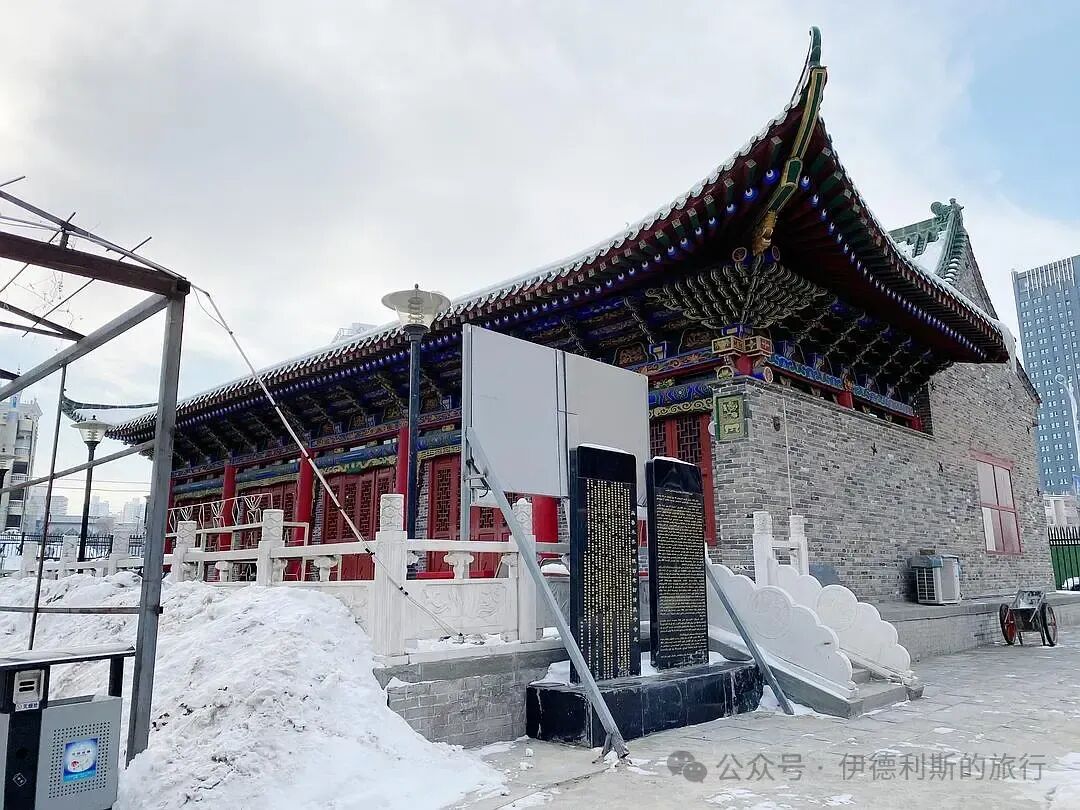
Urumqi Shaanxi Old Quarter Mosque (Shaanxi Laofangsi): In 1808, Hui Muslims from Shaanxi built a mosque in the southern suburb of Dihua. It was the first mosque for Hui Muslims in the southern suburb, so it is called the Old Quarter Mosque. The current structure of the Old Quarter Mosque dates back to its reconstruction in 1877.
July: 1 mosque in Qinghai.
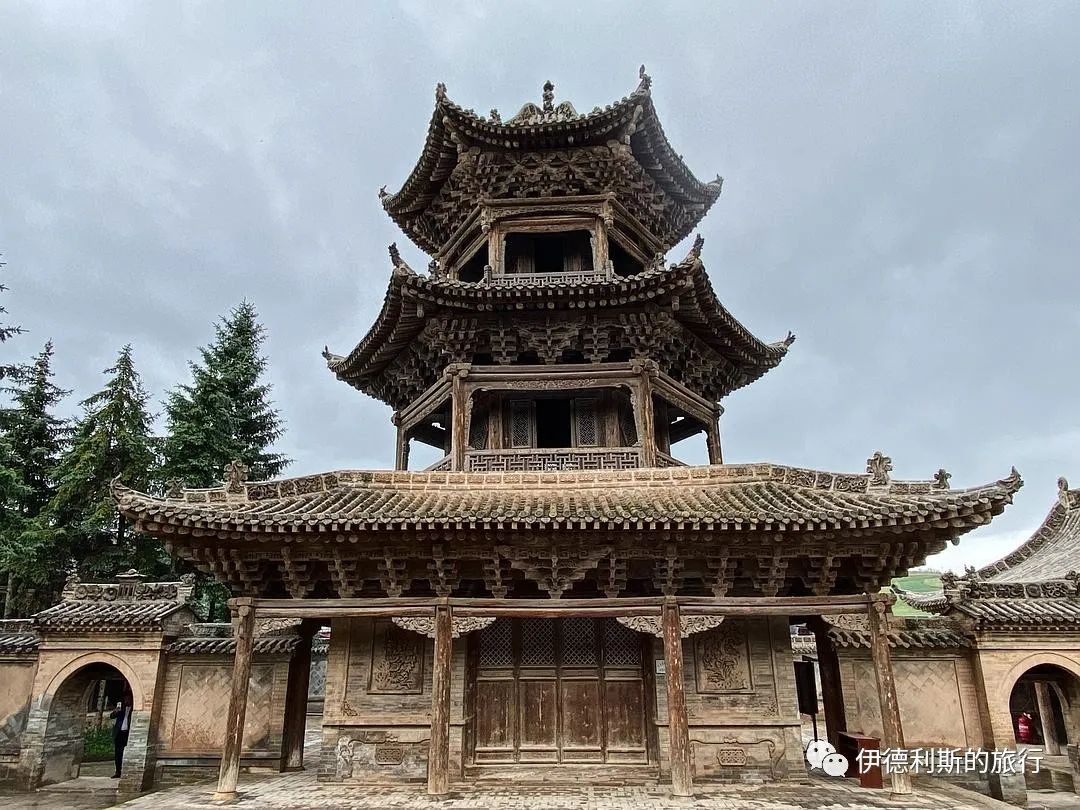
Hongshuiquan Mosque in Haidong: Located in Hongshuiquan Township, Ping'an District, Haidong City. The current structure mostly follows the style of the Qianlong era. I personally think it is the most beautiful ancient mosque in Qinghai.
13 mosques in Yunnan in August
Yongning Mosque in Kunming: Originally built under the leadership of Sayyid Ajjal Shams al-Din, it was first located at the 'Fish Market' on Donglai Street and destroyed by war at the end of the Yuan Dynasty. It was rebuilt during the Ming Yongli era (1647–1661) and renamed Yongning Mosque. It was destroyed by war again in 1856, rebuilt in 1898, and reconstructed into its current form in 2008. However, the main prayer hall still holds the original mihrab, which is carved with exquisite calligraphy in the Yunnan style.
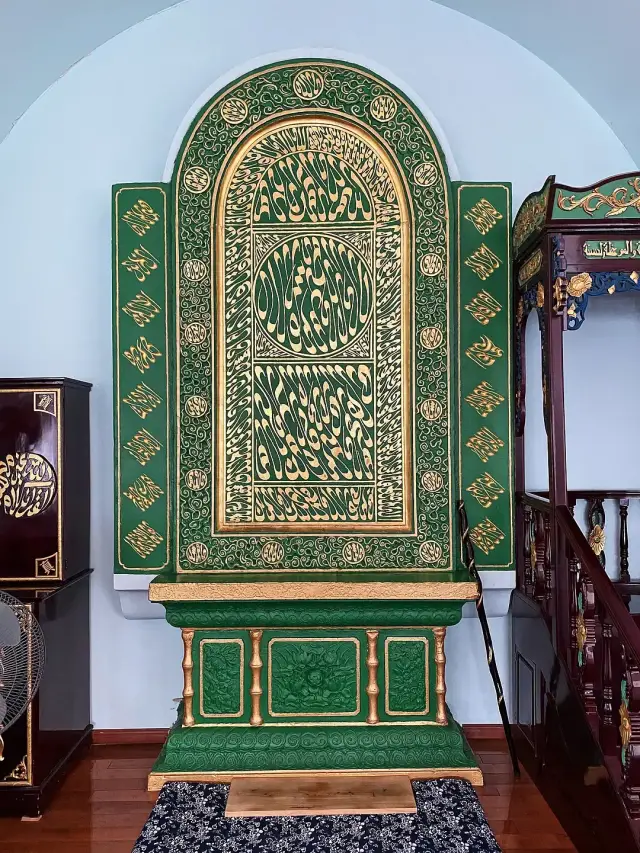
Jinniu Street Mosque in Kunming: Originally the only ancient mosque in downtown Kunming, it was rebuilt in 1889 and renovated in 1943 and the 1980s. It is a district-level cultural heritage site. Sadly, it was demolished in 2016 and rebuilt in 2019. Only the beautiful Yunnan-style Arabic calligraphy mihrab and two plaques were saved.
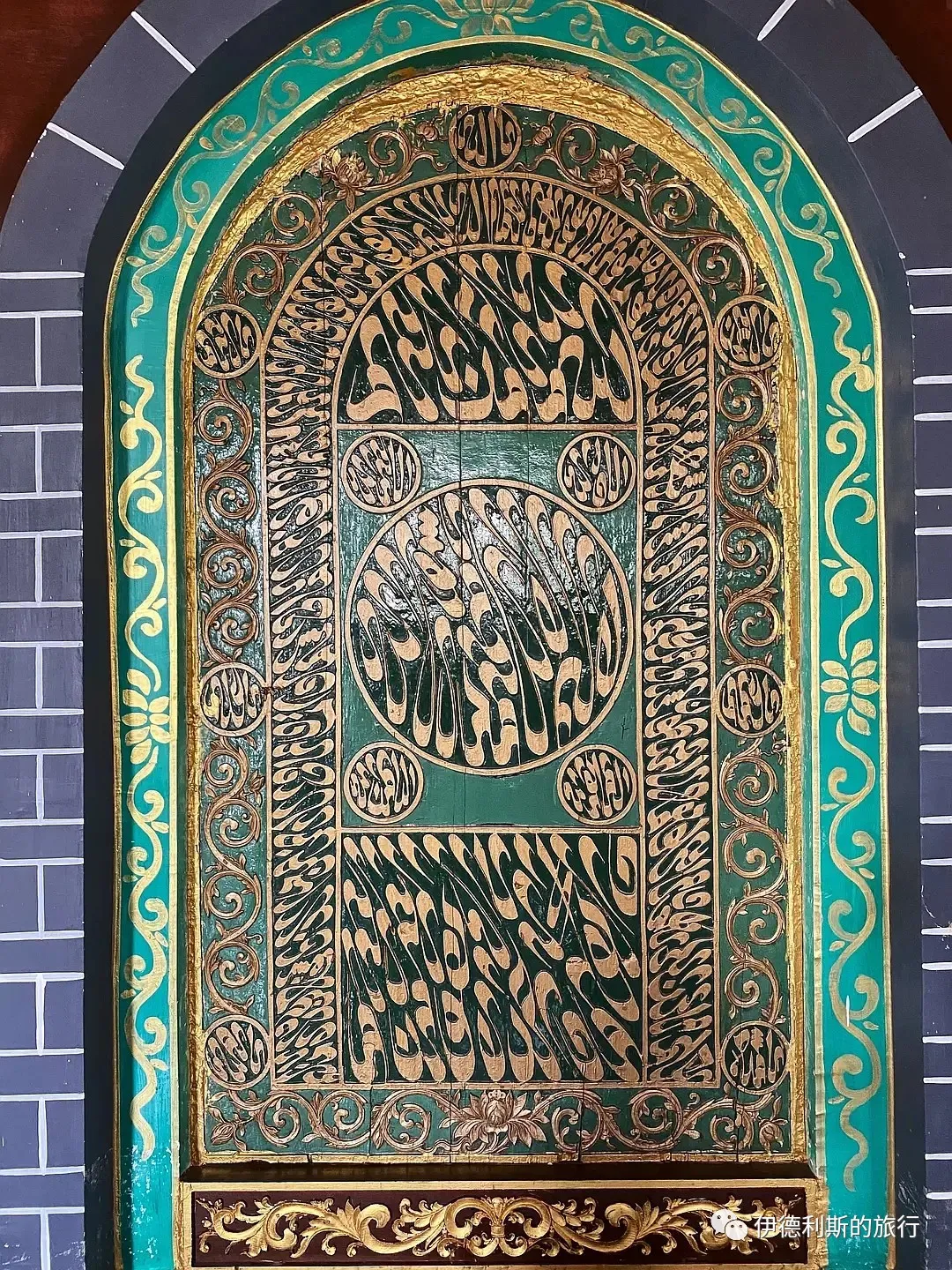
Chenggong Huihuiying Mosque in Kunming: Although it has been renovated, it still preserves a very beautiful mihrab with traditional Yunnan-style Arabic calligraphy. The calligraphy itself is truly masterful.
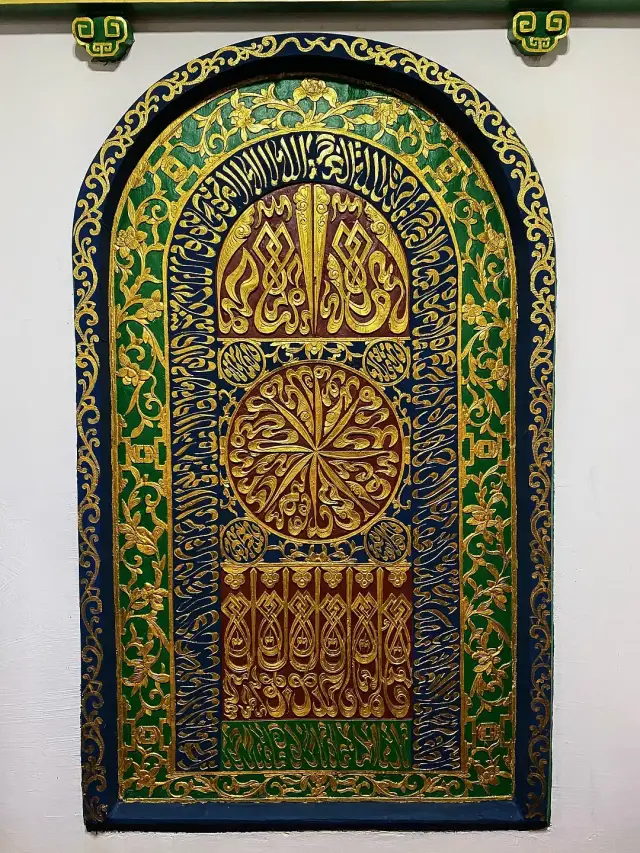
Qingmenkou Mosque in Weishan, Dali: Because of its relatively remote location, the minaret (xuanlilou) built in 1906 has been preserved to this day, which is very rare.
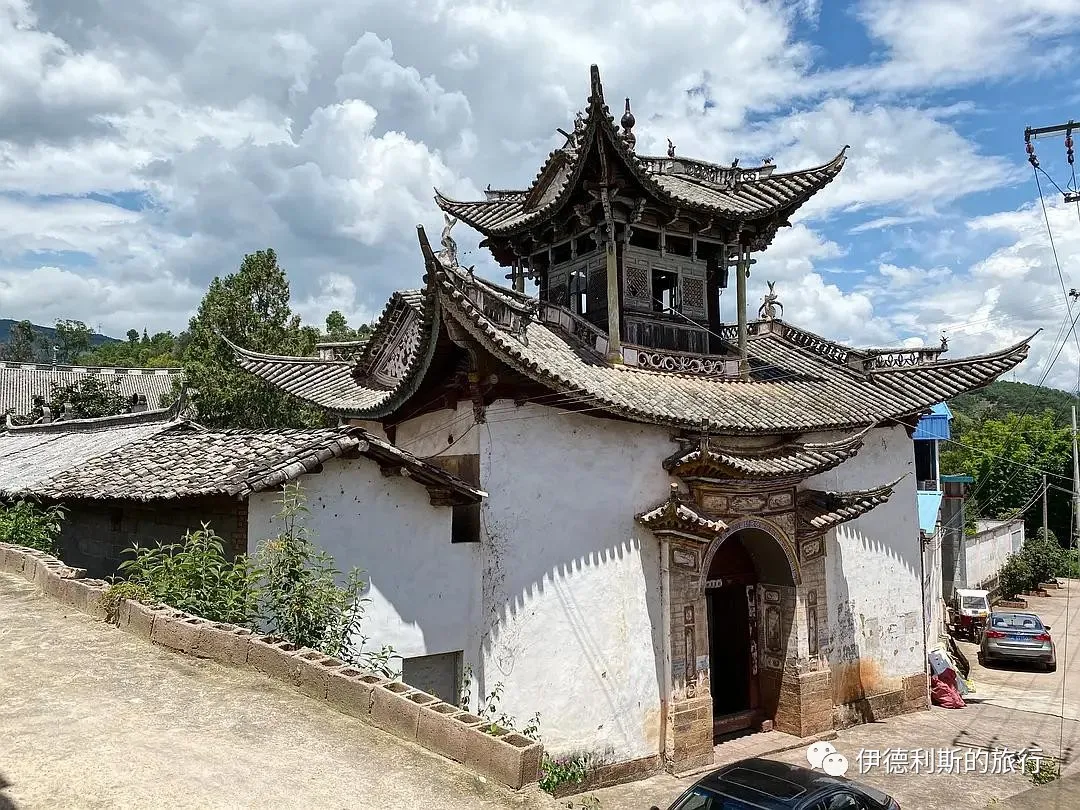
Huideng Mosque in Weishan, Dali: The front part of the main hall is a steel-concrete structure built in 1993, while the back part is a wooden structure built in 1944. So, it looks like a new mosque from the front and an old one from the back.
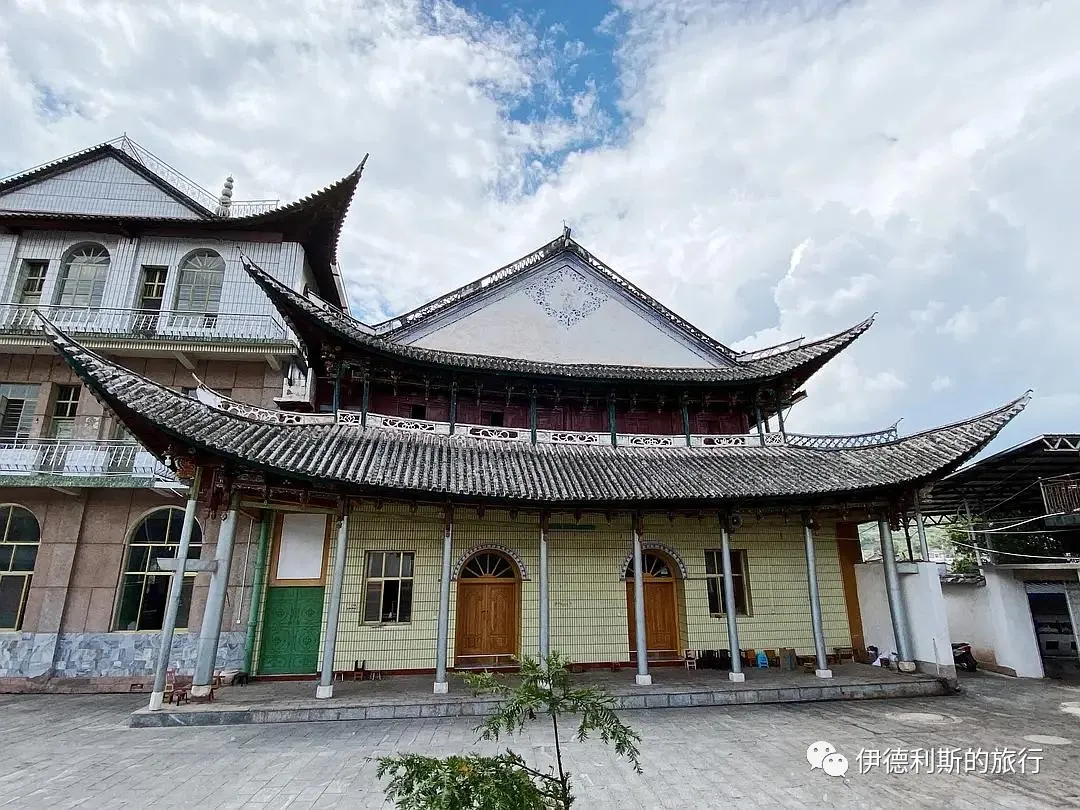
Shenhe Village Mosque in Weishan, Dali: The minaret was built in 1946.
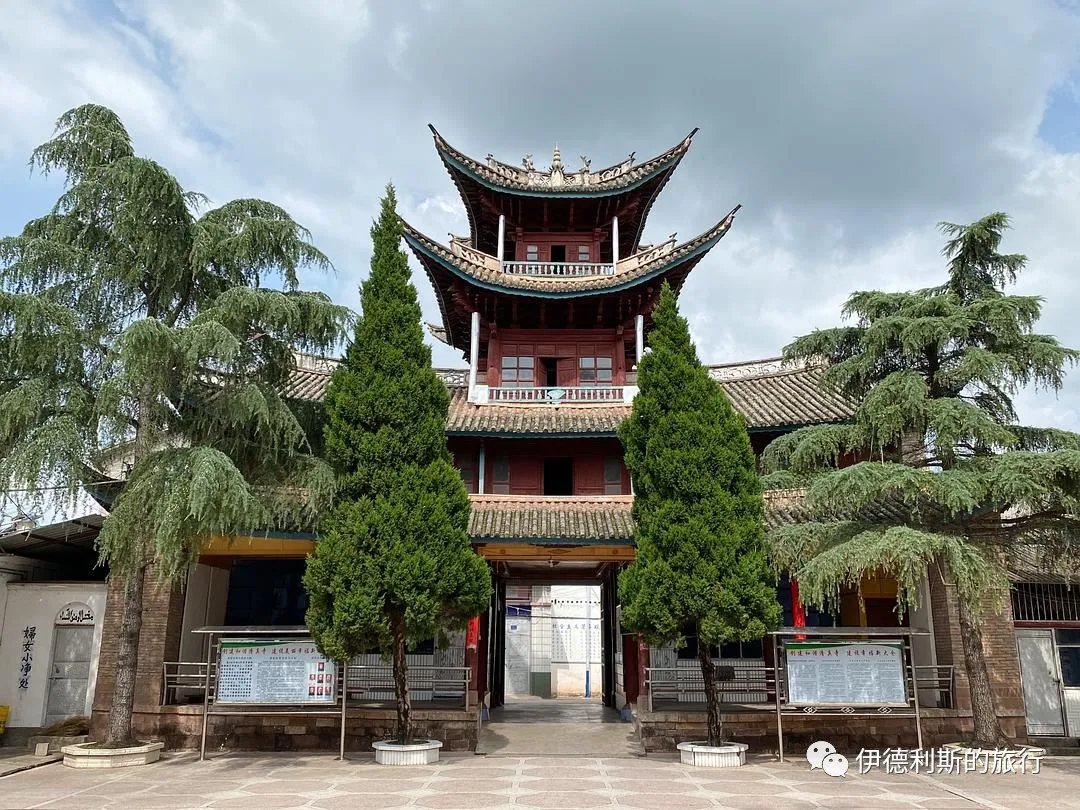
Tangzi Mosque in Xundian: First built in the Ming Dynasty, it was looted and burned by bandits in 1920. Led by Imam Yu Shaoqing and other village elders, funds were raised to start rebuilding in 1923. It was completed in 1927, and the current stone arch gate was added in 1937.
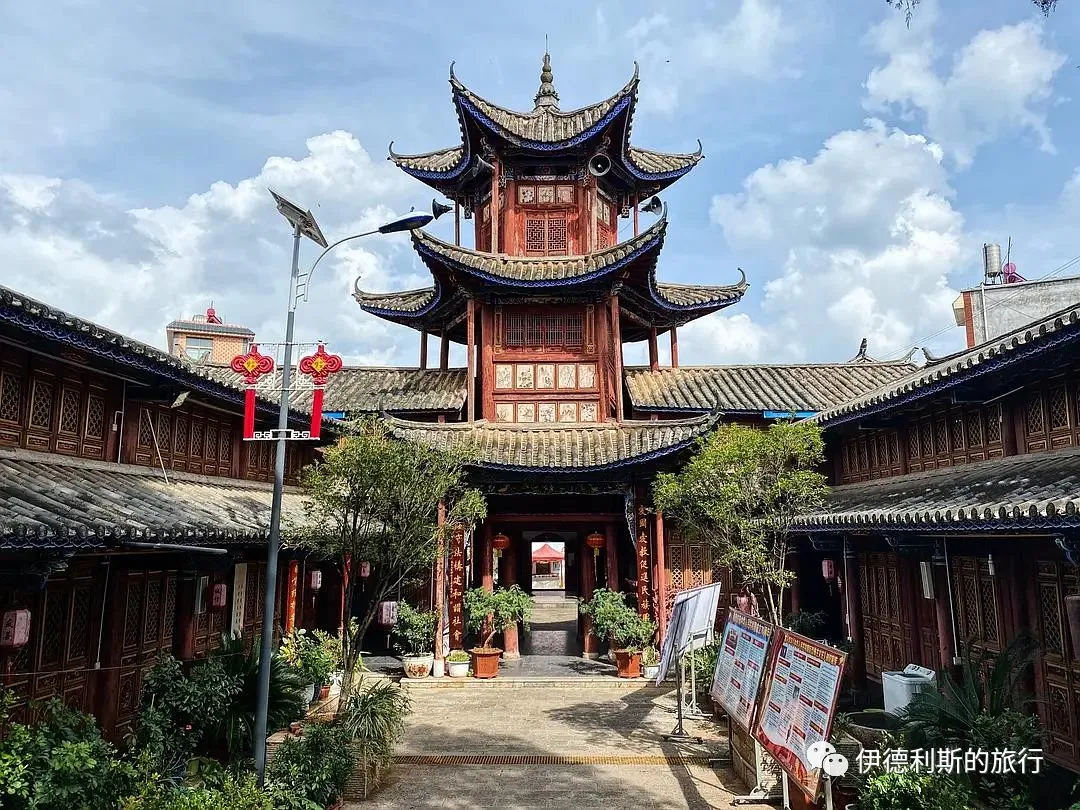
Tuogu Mosque in Ludian, Zhaotong: In 1730, Anlong Town military officer Ma Xiangqian and his brothers, the scholars Ma Lincan and Ma Linchi, donated funds to build the main hall. In 1755, Imam Sai Huanzhang proposed building the minaret and side rooms, which the local community funded.
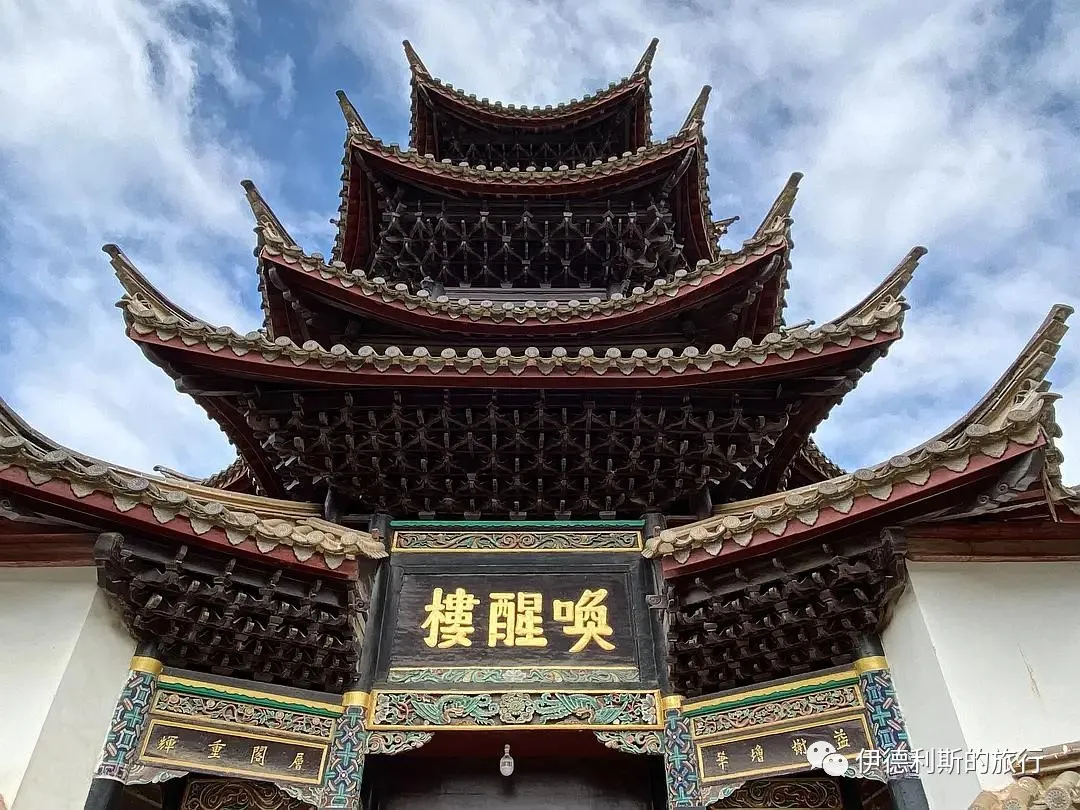
Longtoushan Mosque in Ludian, Zhaotong: Built in 1746, it follows the traditional Yunnan mosque architectural style, with a courtyard enclosed by a minaret, north and south side rooms, and the main prayer hall.
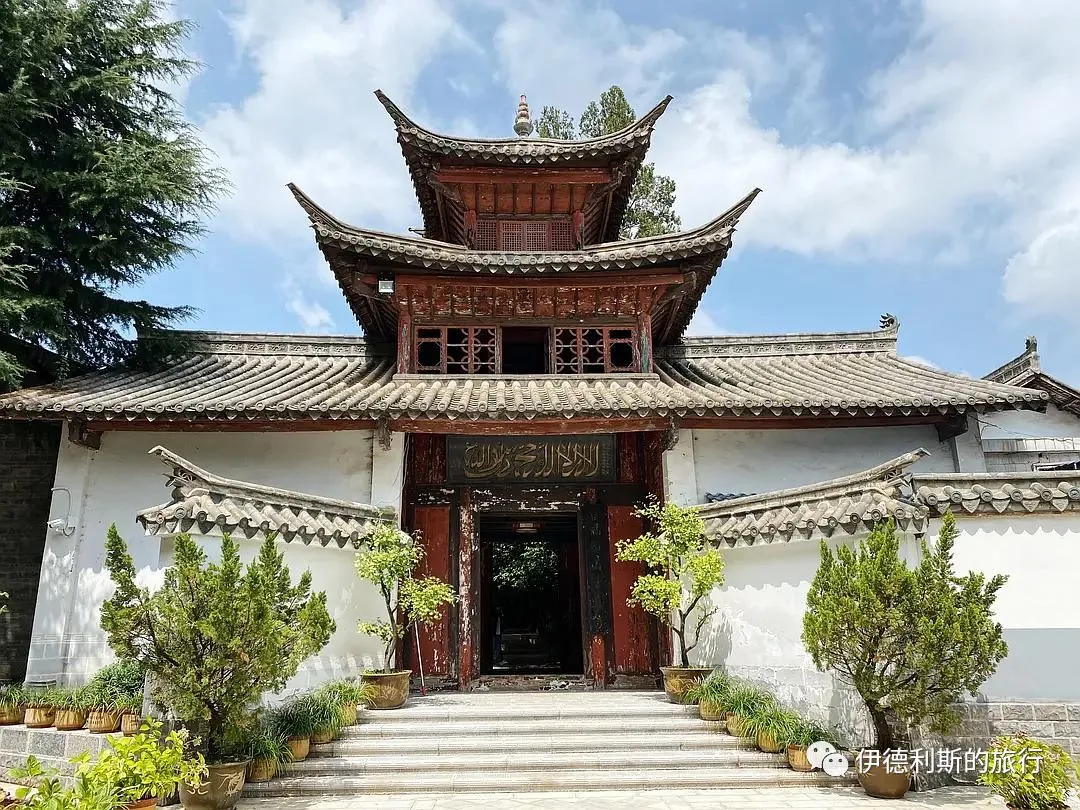
Chachong Mosque in Ludian, Zhaotong: Built in 1734, its minaret is a three-story, hexagonal, pointed-roof pavilion style, just like the one at Tuogu Mosque, though slightly smaller in size. A plaque inscribed with 'Mysterious and Great Power' (Xuanqi Daneng), presented by Sa Depin in 1906, hangs at the entrance of the main hall.
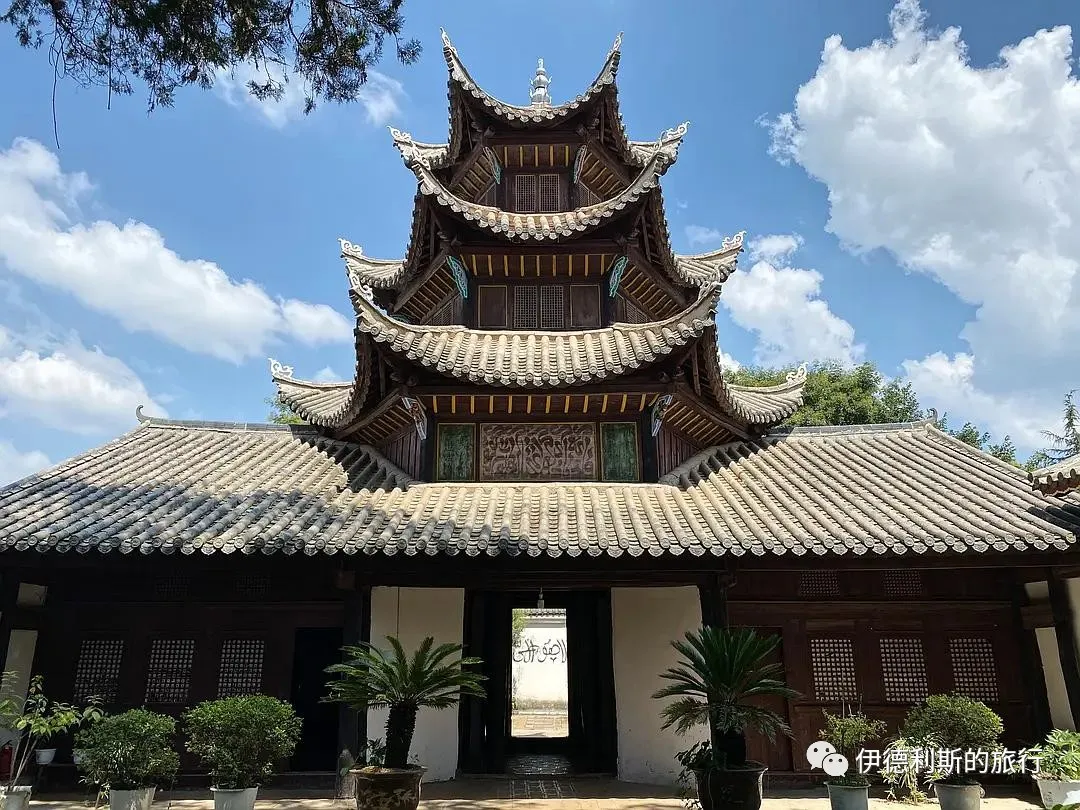
Tiejiawan Mosque in Ludian, Zhaotong: In 1731, the Tie family settled in the northeast area of the Taoyuan Basin in Ludian. In 1738, Tie Wanxuan, Tie Wanjin, and Tie Zhongxuan agreed to build the Tiejiawan Mosque on a small hill between the villages of Tiejiawan and Tiejiamen, with Tie Wanxuan serving as the imam.
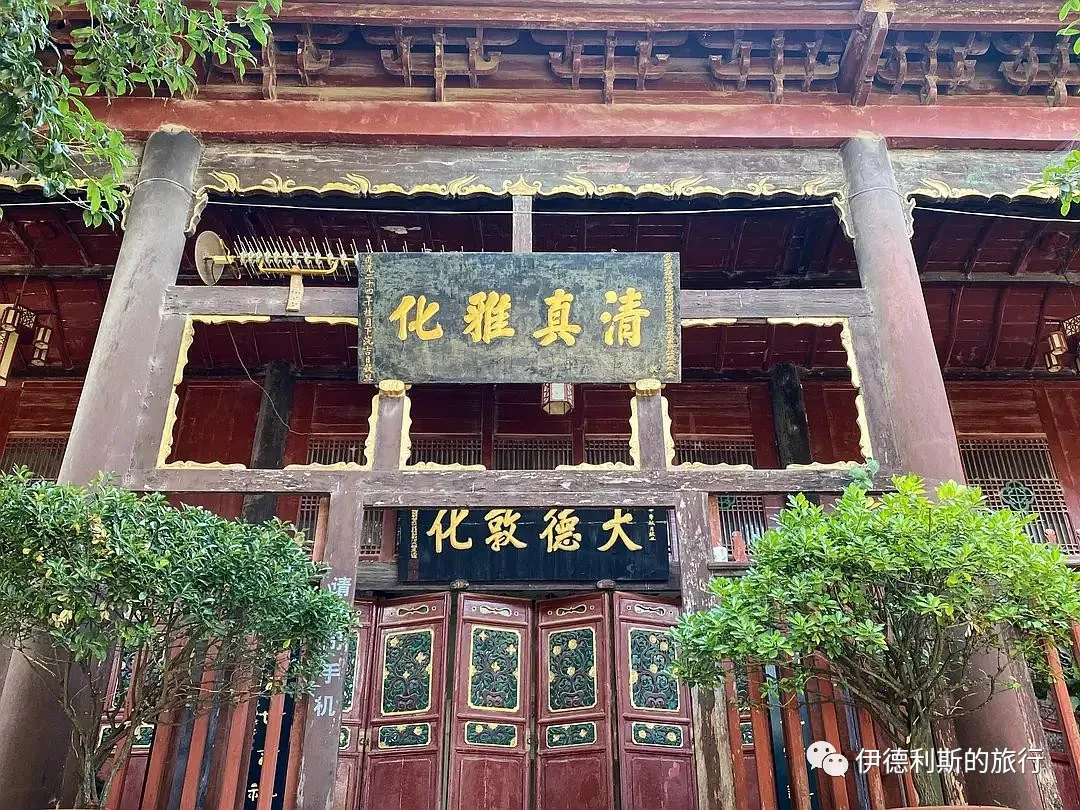
Baxian Mosque in Zhaotong: First built in 1731 and rebuilt in 1779. In 1730, after Wumeng was pacified and Zhaotong's old city was in ruins, the military camp was temporarily set up at Baxian Mosque. The following year, the Zhaoyang Academy—the first academy in Zhaotong after the local chieftain system was replaced by imperial officials—was founded there. In 1898, Baxian Mosque hired the great Imam Ma Minglun as its leader, and he was elected as the chief imam for the thirty-six mosques in the Zhaoweilu (Zhaotong, Weining, Ludian) region.
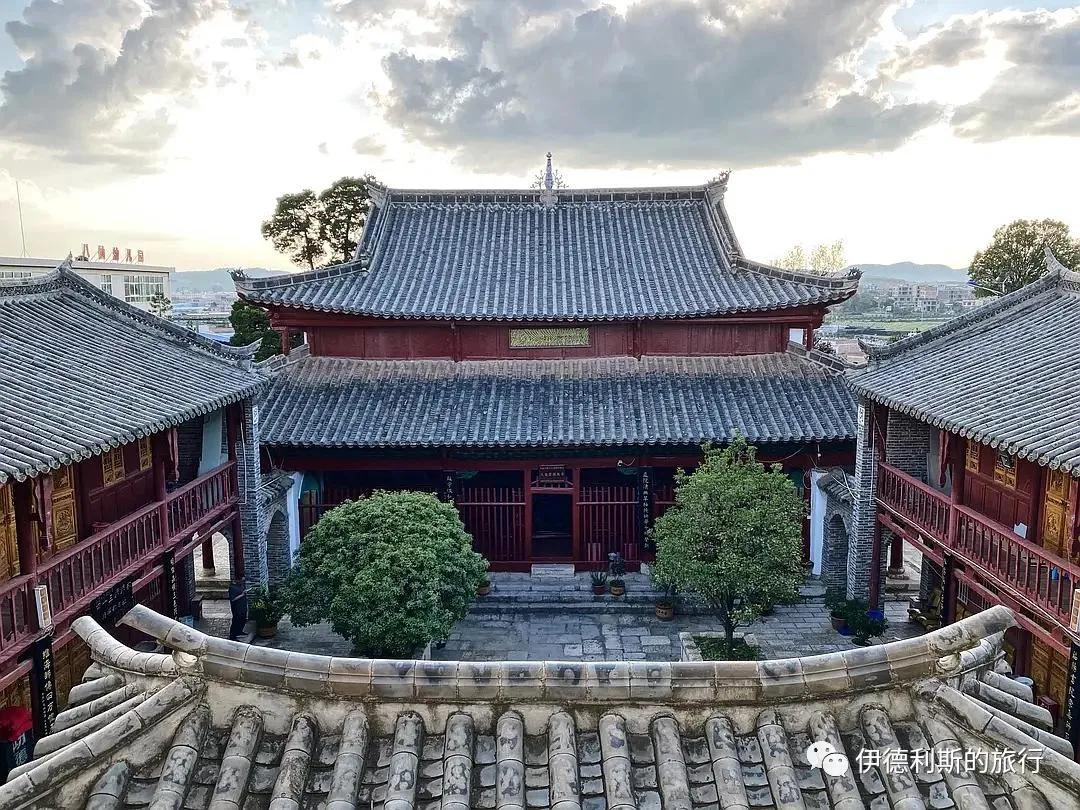
Songjiashan in Zhaotong: During the early Yongzheng reign when the chieftain system was replaced, a branch of the Ma family from Xiaba in Weining followed General Ha Shengyuan, who had led troops to pacify Wumeng, to Zhaotong. They eventually settled at Baxian Sea and built the Songjiashan Mosque in 1730. Painting the ceiling of the main hall began in 1762 and was finished in 1832. It is a very precious artistic treasure within the mosque.
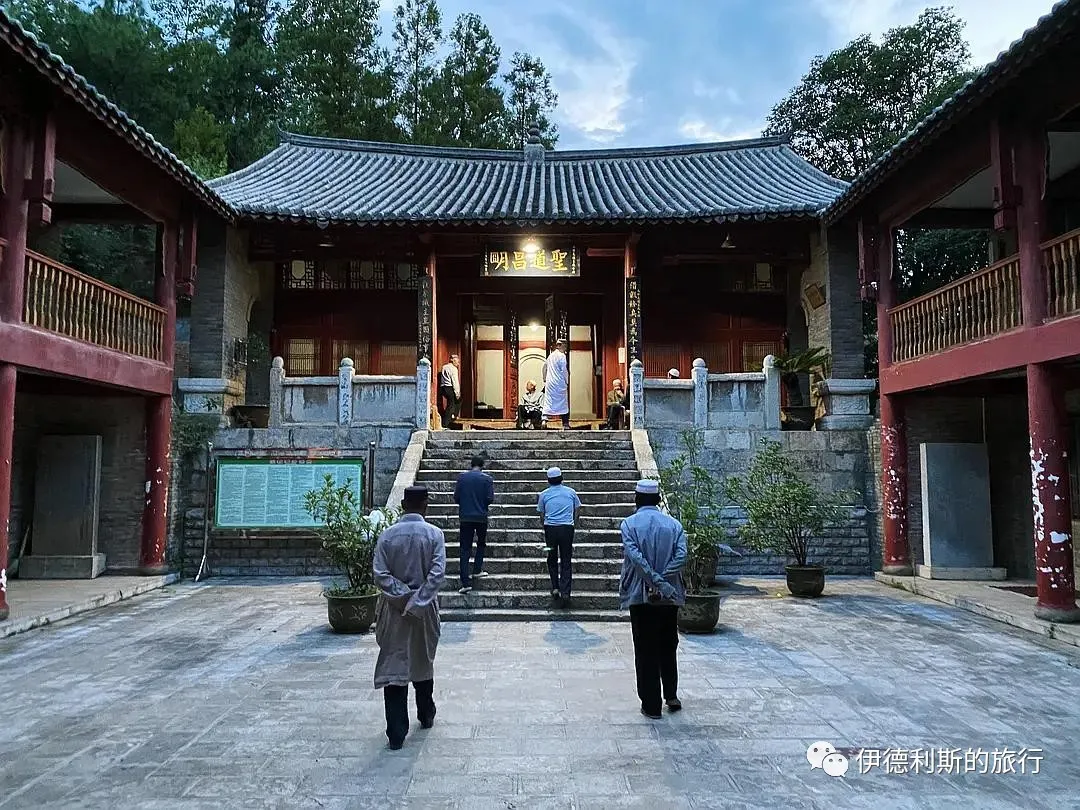
Five mosques in Sichuan in August.
Langzhong Mosque: Built with funds raised by Hui Muslim Bao Tianzuo in 1669 (the eighth year of the Kangxi reign) and completed in 1672 (the eleventh year of the Kangxi reign). The mosque originally covered over ten mu of land, but after the founding of the People's Republic of China, it was reduced to its current four mu because a primary school and kindergarten were separated from it.
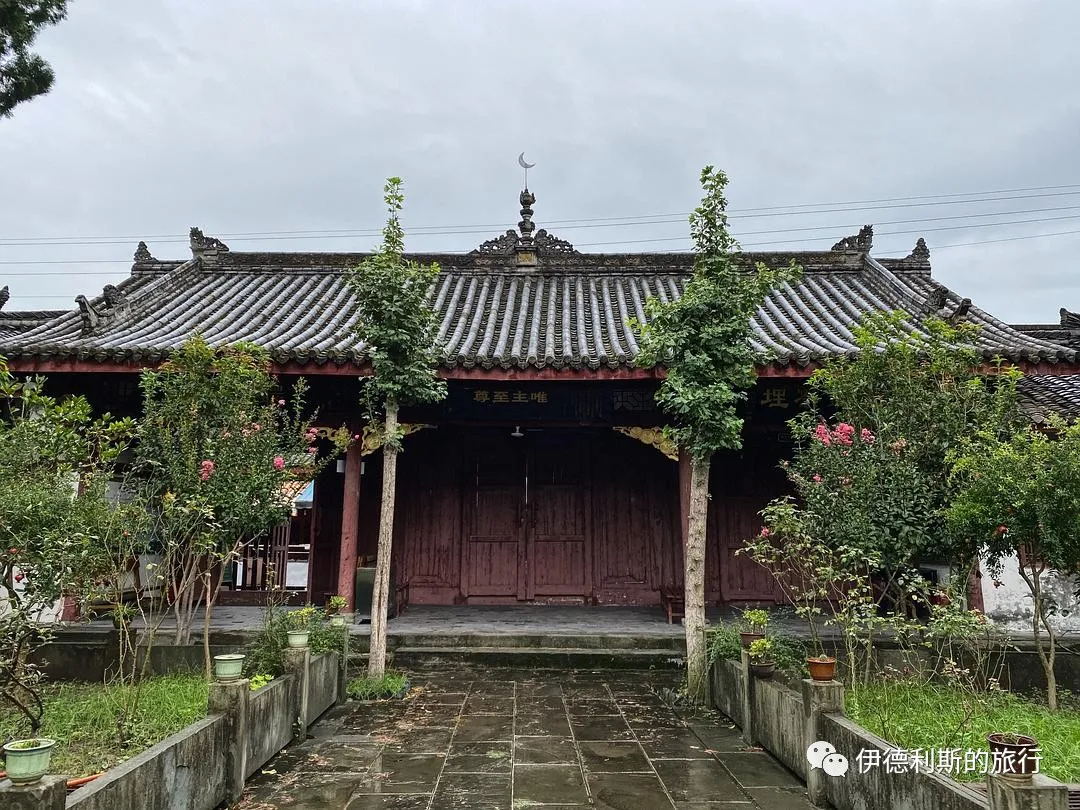
Langzhong Boshu Mosque: Besides the ancient city of Langzhong, there is a Boshu Hui ethnic township in the mountains outside the city. In 1741, more than 100 local Hui Muslim households, mainly with the surname Pu, raised funds to build Boshu Mosque.
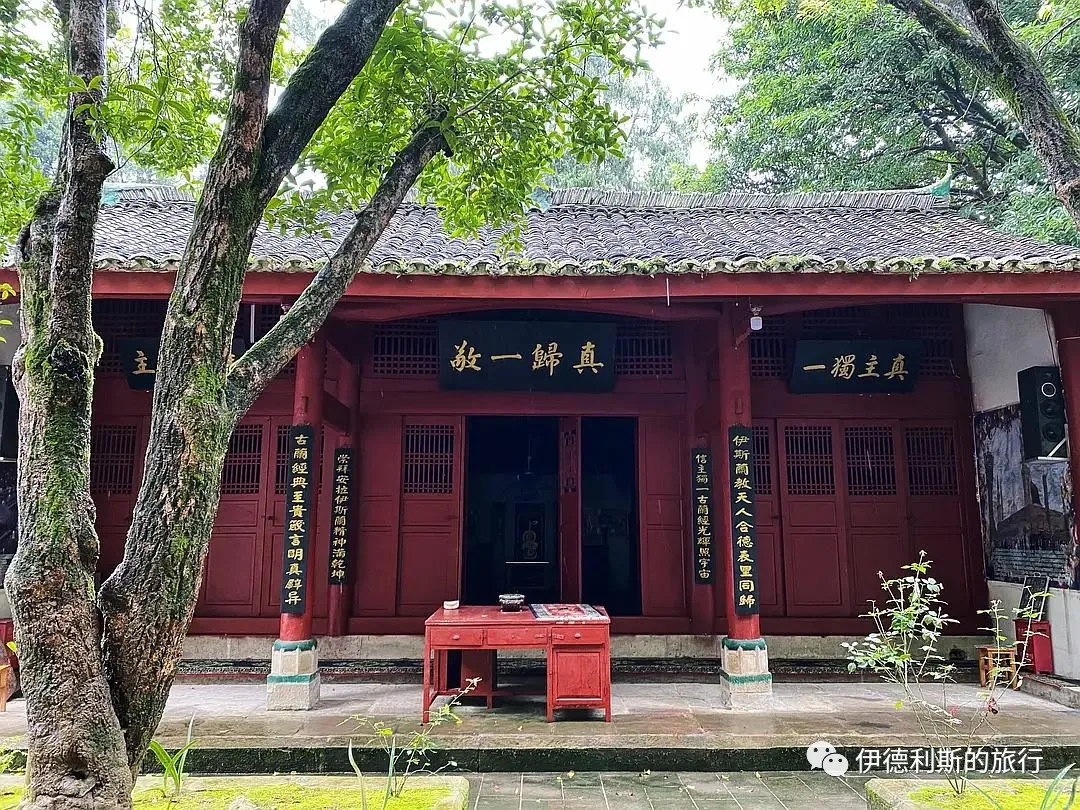
Wusheng Yankou Town Majia Mosque: After Hui Muslims came to settle in Wusheng in the early Qing Dynasty, they built a mosque in their original settlement of Guba Village. After the Wusheng Hui Muslims gathered in Yankou Town in the mid-Qing Dynasty, the Ma family bought a large house built by the Zhang family in 1778 (the forty-third year of the Qianlong reign). It was converted into Majia Mosque in 1819 (the twenty-fourth year of the Jiaqing reign) and reached its current size after renovations in 1828 (the eighth year of the Daoguang reign).
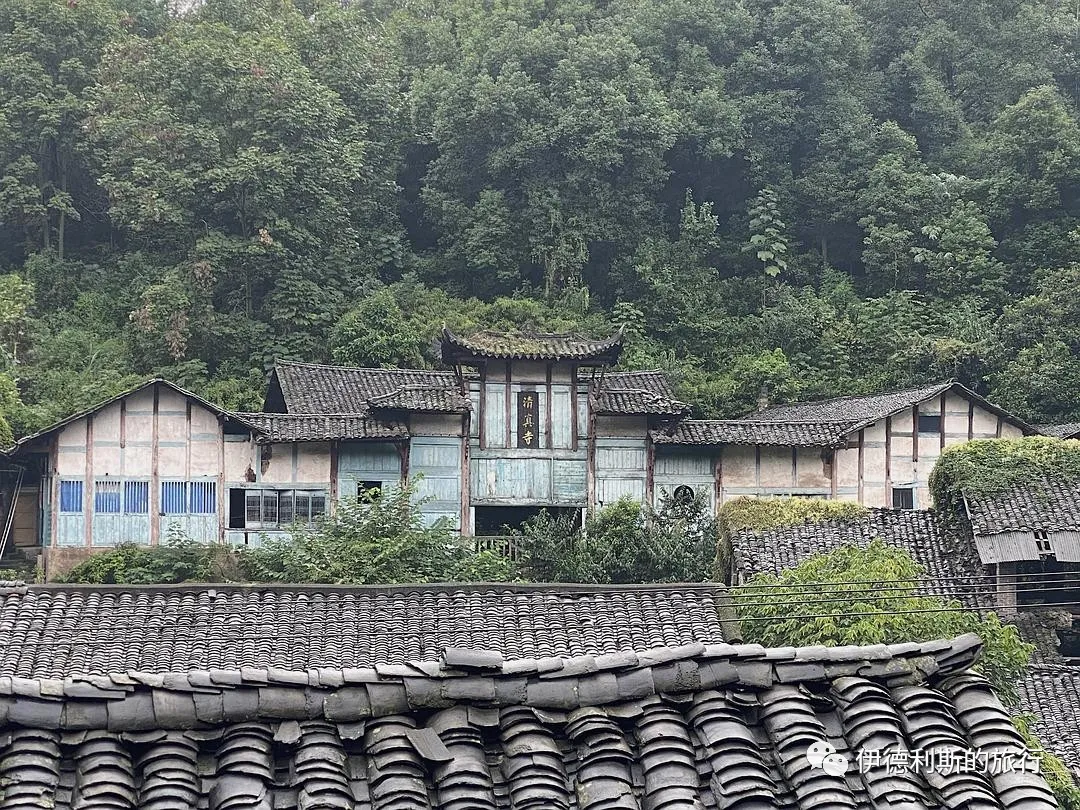
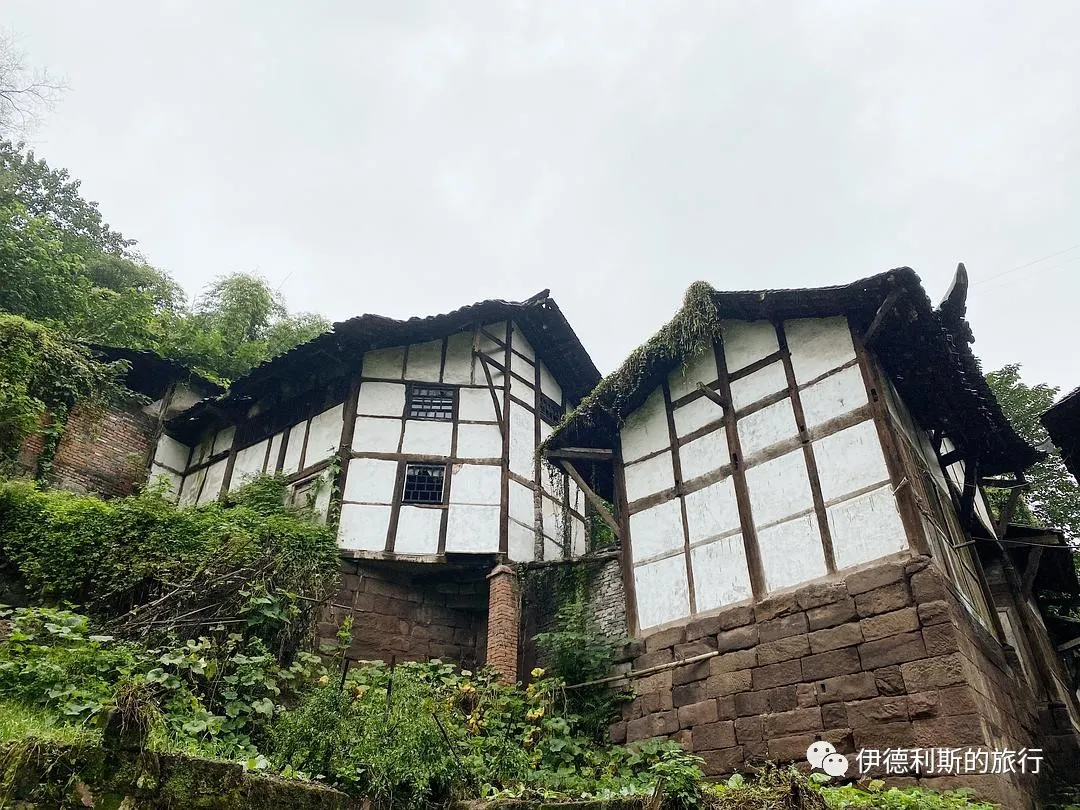
Wusheng Yankou Town Huangjia Mosque: After Majia Mosque opened in 1819, the Huang family of Hui Muslims also performed namaz there. In 1893, the Huang family moved the mosque from Guba Village in the northern suburbs to Shengli Street, not far north of Majia Mosque, and it has been called Huangjia Mosque ever since. In 1946, the old imam of Nanchong Mosque, Huang Xianjian, opened the Wusheng Ethnic Primary School at Huangjia Mosque, and it was used as a school building for a long time afterward. After the ethnic primary school moved, Huangjia Mosque gradually fell into disrepair.
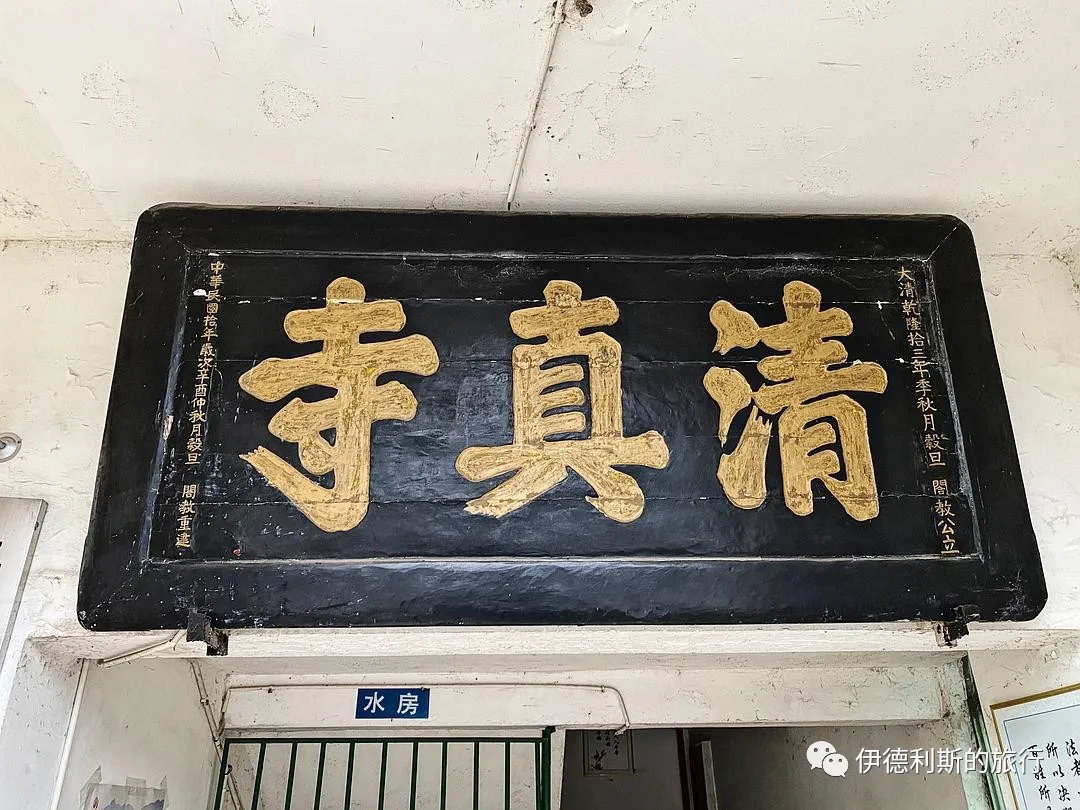
Guangyuan Shanghe Street Mosque: Located in a busy downtown area by the Jialing River, it was first built in 1721 and expanded in 1777. No historical buildings remain, but there are nine precious plaques from the Qing Dynasty and the Republican era. In the 1960s and 1970s, these nine plaques were covered with layers of paper and painted with red lacquer to display the "highest instructions" regarding ethnic unity, which is how they survived.
Three mosques in Shaanxi in October.
Ankang Shuhe Mosque: Built on a steep cliff behind the ancient town, it connects to the street below via a hundred-step staircase. It was first built during the Jiajing reign of the Ming Dynasty and expanded in 1915. It features a "cat-arched back" (mao gongbei) fire-blocking wall, which is very unique among traditional Chinese temples.
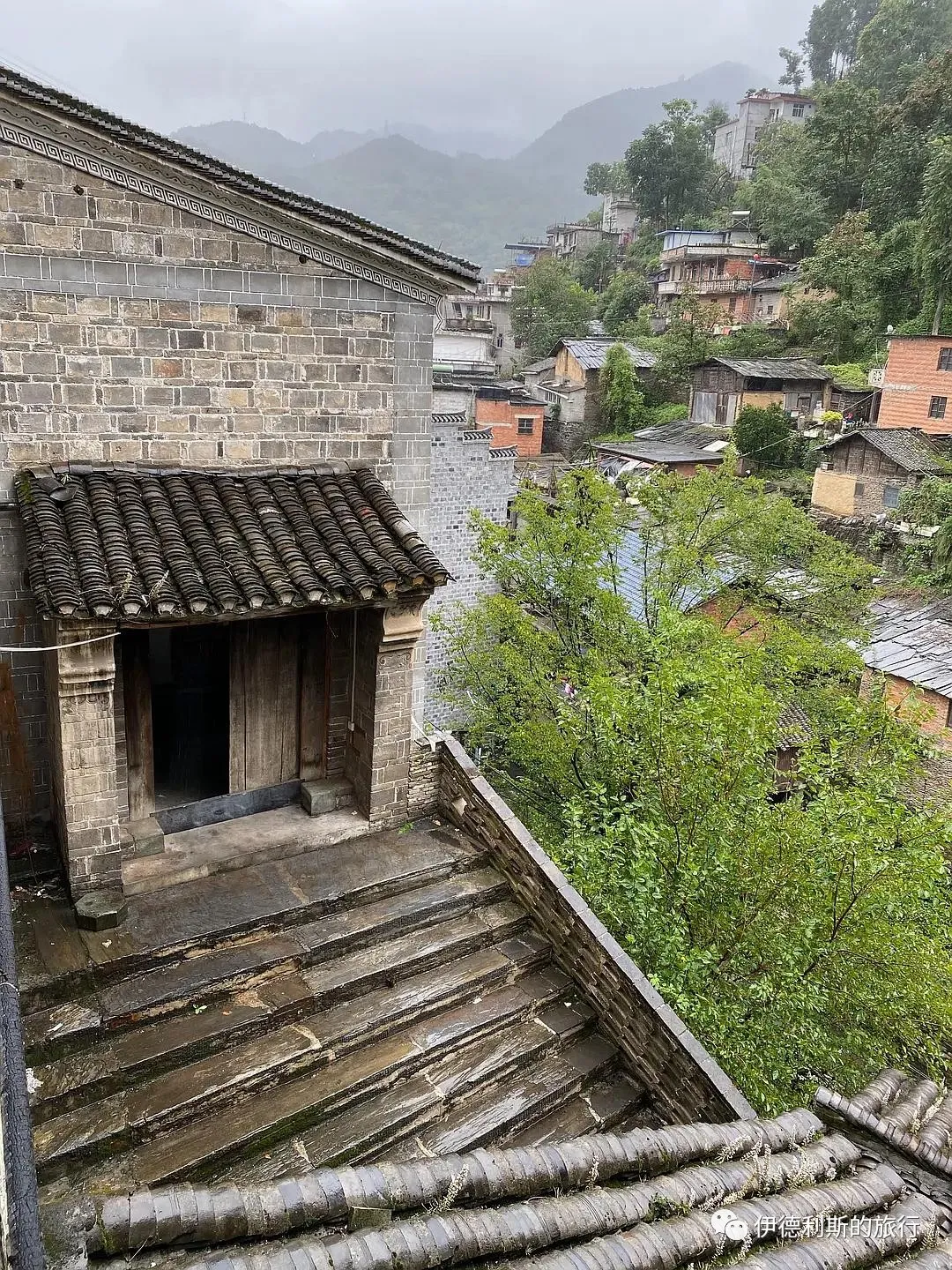
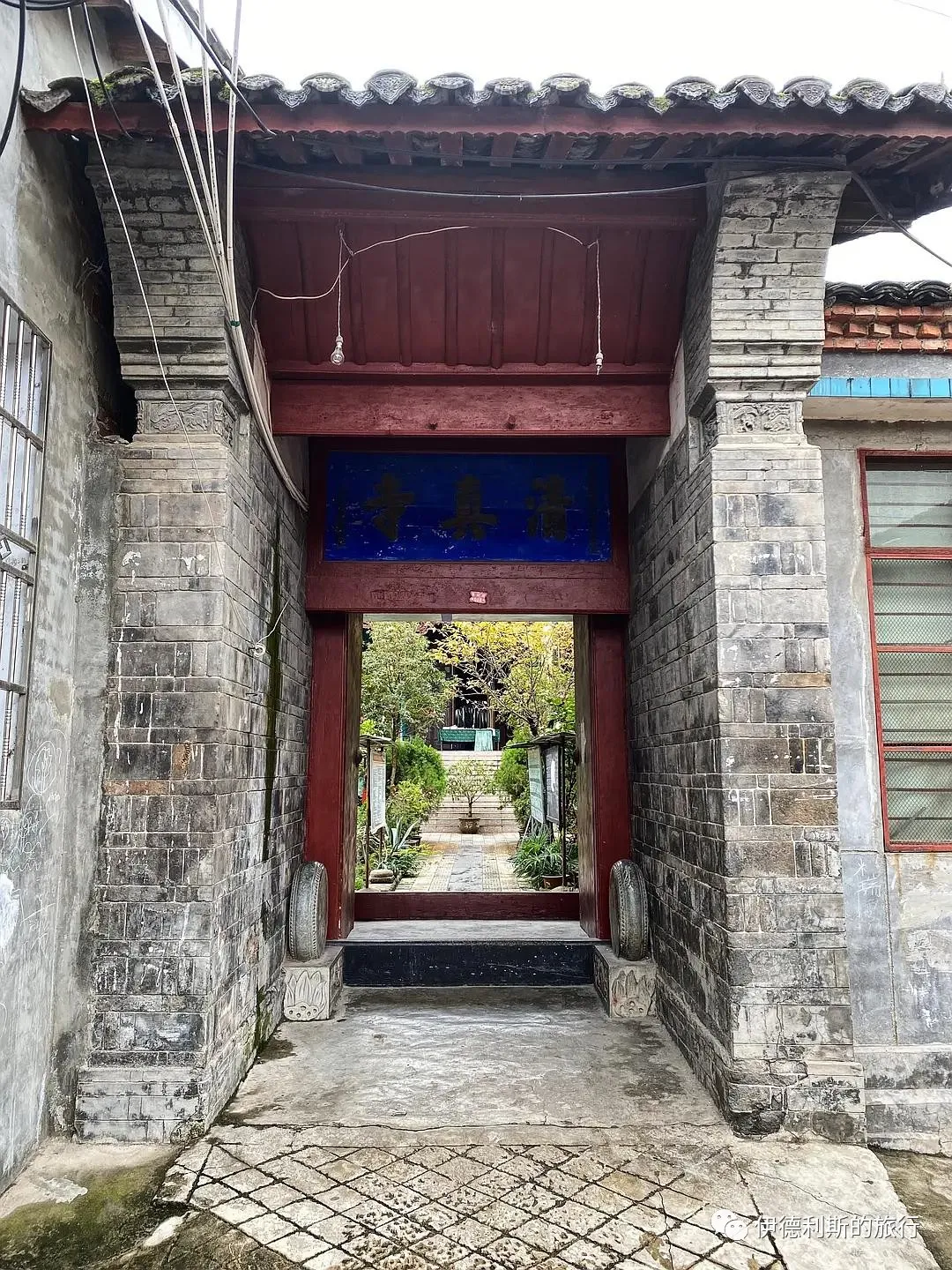
Hanzhong Xixiang South Mosque: First built in the Ming Dynasty, it was closed and occupied after the 1958 religious reforms, returned in 1986, and officially reopened in 2001. The main prayer hall was rebuilt in 1997, but the main gate and the south wing are still original. Outside the gate, there is a wooden archway for "Mosque Lane" (Qingzhensi Xiang) built during the Xianfeng reign.
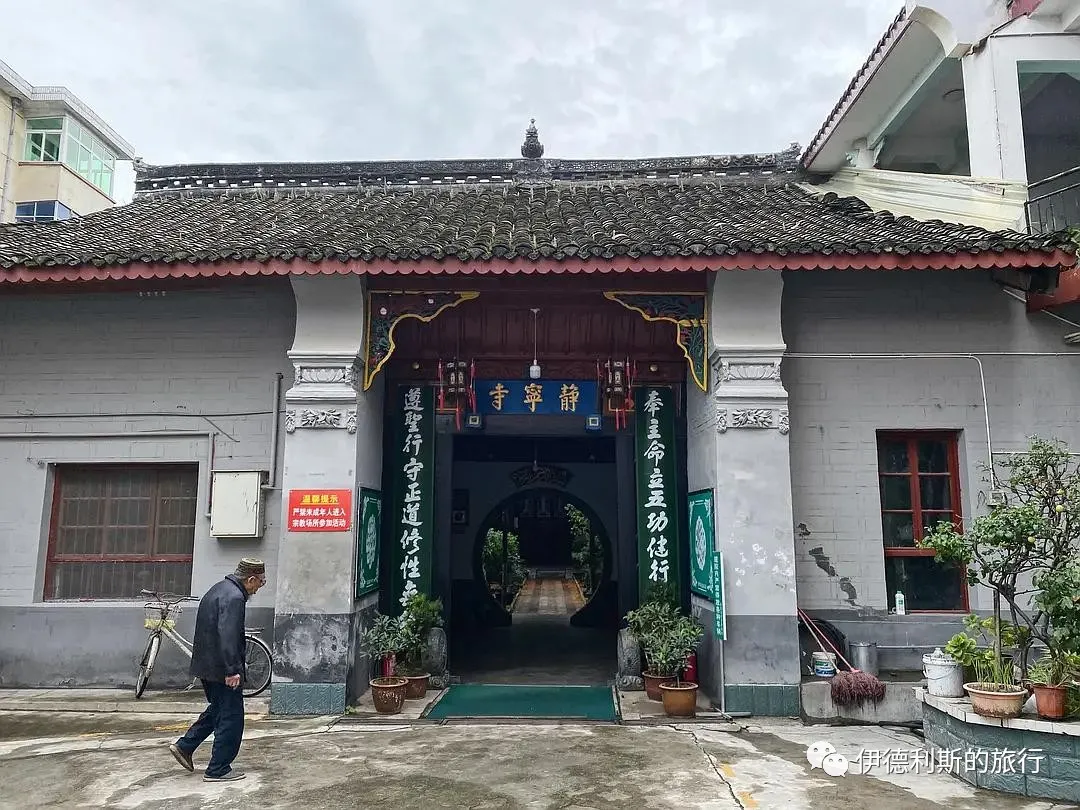
Hanzhong Xixiang North Mosque: Originally named Jingning Mosque, it was built in 1614 by Hui Muslims who moved to Xixiang from Jingning Prefecture (modern-day Pingliang, Gansu). The North Mosque was expanded in 1723, destroyed by war, rebuilt in 1816, renovated several times later, and the north wing was rebuilt in 2009.
Summary: This 2020 record covers 23 visits to historic mosques and Muslim heritage sites. The English version keeps the original photos, place names, and factual notes while making the article clear for readers interested in mosque travel and Islamic history.
I went to Urumqi for the Spring Festival holiday in early 2020 and visited the Shaanxi Old Quarter Mosque (Shaanxi Laofangsi). I almost got stuck there and could not return to Beijing. I worked from home during the first half of the year. Once restrictions were lifted in early July, we spent a weekend visiting the Hongshuiquan Grand Mosque in Qinghai. We took our honeymoon in August and visited 18 ancient mosques across Yunnan and Sichuan. During the National Day holiday, we traveled upstream along the Han River and visited 3 ancient mosques in southern Shaanxi. In total, I visited 23 ancient mosques across 5 provinces in 2020.
Mosques in Beijing closed in January 2021. Travel restrictions were lifted in mid-March, so I hurried to visit ancient mosques in Henan, Jiangsu, Hebei, Xinjiang, Liaoning, Shanxi, Tianjin, Qinghai, and Inner Mongolia before travel restrictions returned in July. During the National Day holiday, there were no new cases nationwide, so we went on a road trip to Yunnan to visit ancient mosques. I could not leave Beijing after the holiday ended. Even though I only had less than half a year of freedom in 2021, I visited 47 ancient mosques across 11 provinces and cities. See "Visiting 47 Ancient Mosques in 2021."
2022 was the most difficult year, as I could not leave Beijing at all. That year, I visited some former mosque ruins in Beijing and some mosques I had never been to before, totaling 25 mosques for the year. See "Visiting Twenty-Five Mosques in Beijing in 2022."
At the beginning of 2023, travel restrictions out of Beijing were lifted, and by May, international travel restrictions were also lifted. That year, I traveled extensively, visiting 124 mosques across 11 provinces, 6 countries, and three continents: Europe, Asia, and Africa. See "Visiting 124 Mosques in 2023."
In 2024, life gradually returned to normal, but due to job changes and spending time with my children, the number of mosques I visited decreased. That year, I went to 6 provinces and 3 countries, visiting 63 mosques. I visited Malaysia three times, seeing 24 mosques, which covers almost all the historic mosques in Malaysia. See "Visiting 63 Mosques in 2024."
January: 1 mosque in Xinjiang.
Urumqi Shaanxi Old Quarter Mosque (Shaanxi Laofangsi): In 1808, Hui Muslims from Shaanxi built a mosque in the southern suburb of Dihua. It was the first mosque for Hui Muslims in the southern suburb, so it is called the Old Quarter Mosque. The current structure of the Old Quarter Mosque dates back to its reconstruction in 1877.
July: 1 mosque in Qinghai.
Hongshuiquan Mosque in Haidong: Located in Hongshuiquan Township, Ping'an District, Haidong City. The current structure mostly follows the style of the Qianlong era. I personally think it is the most beautiful ancient mosque in Qinghai.
13 mosques in Yunnan in August
Yongning Mosque in Kunming: Originally built under the leadership of Sayyid Ajjal Shams al-Din, it was first located at the 'Fish Market' on Donglai Street and destroyed by war at the end of the Yuan Dynasty. It was rebuilt during the Ming Yongli era (1647–1661) and renamed Yongning Mosque. It was destroyed by war again in 1856, rebuilt in 1898, and reconstructed into its current form in 2008. However, the main prayer hall still holds the original mihrab, which is carved with exquisite calligraphy in the Yunnan style.
Jinniu Street Mosque in Kunming: Originally the only ancient mosque in downtown Kunming, it was rebuilt in 1889 and renovated in 1943 and the 1980s. It is a district-level cultural heritage site. Sadly, it was demolished in 2016 and rebuilt in 2019. Only the beautiful Yunnan-style Arabic calligraphy mihrab and two plaques were saved.
Chenggong Huihuiying Mosque in Kunming: Although it has been renovated, it still preserves a very beautiful mihrab with traditional Yunnan-style Arabic calligraphy. The calligraphy itself is truly masterful.
Qingmenkou Mosque in Weishan, Dali: Because of its relatively remote location, the minaret (xuanlilou) built in 1906 has been preserved to this day, which is very rare.
Huideng Mosque in Weishan, Dali: The front part of the main hall is a steel-concrete structure built in 1993, while the back part is a wooden structure built in 1944. So, it looks like a new mosque from the front and an old one from the back.
Shenhe Village Mosque in Weishan, Dali: The minaret was built in 1946.
Tangzi Mosque in Xundian: First built in the Ming Dynasty, it was looted and burned by bandits in 1920. Led by Imam Yu Shaoqing and other village elders, funds were raised to start rebuilding in 1923. It was completed in 1927, and the current stone arch gate was added in 1937.
Tuogu Mosque in Ludian, Zhaotong: In 1730, Anlong Town military officer Ma Xiangqian and his brothers, the scholars Ma Lincan and Ma Linchi, donated funds to build the main hall. In 1755, Imam Sai Huanzhang proposed building the minaret and side rooms, which the local community funded.
Longtoushan Mosque in Ludian, Zhaotong: Built in 1746, it follows the traditional Yunnan mosque architectural style, with a courtyard enclosed by a minaret, north and south side rooms, and the main prayer hall.
Chachong Mosque in Ludian, Zhaotong: Built in 1734, its minaret is a three-story, hexagonal, pointed-roof pavilion style, just like the one at Tuogu Mosque, though slightly smaller in size. A plaque inscribed with 'Mysterious and Great Power' (Xuanqi Daneng), presented by Sa Depin in 1906, hangs at the entrance of the main hall.
Tiejiawan Mosque in Ludian, Zhaotong: In 1731, the Tie family settled in the northeast area of the Taoyuan Basin in Ludian. In 1738, Tie Wanxuan, Tie Wanjin, and Tie Zhongxuan agreed to build the Tiejiawan Mosque on a small hill between the villages of Tiejiawan and Tiejiamen, with Tie Wanxuan serving as the imam.
Baxian Mosque in Zhaotong: First built in 1731 and rebuilt in 1779. In 1730, after Wumeng was pacified and Zhaotong's old city was in ruins, the military camp was temporarily set up at Baxian Mosque. The following year, the Zhaoyang Academy—the first academy in Zhaotong after the local chieftain system was replaced by imperial officials—was founded there. In 1898, Baxian Mosque hired the great Imam Ma Minglun as its leader, and he was elected as the chief imam for the thirty-six mosques in the Zhaoweilu (Zhaotong, Weining, Ludian) region.
Songjiashan in Zhaotong: During the early Yongzheng reign when the chieftain system was replaced, a branch of the Ma family from Xiaba in Weining followed General Ha Shengyuan, who had led troops to pacify Wumeng, to Zhaotong. They eventually settled at Baxian Sea and built the Songjiashan Mosque in 1730. Painting the ceiling of the main hall began in 1762 and was finished in 1832. It is a very precious artistic treasure within the mosque.
Five mosques in Sichuan in August.
Langzhong Mosque: Built with funds raised by Hui Muslim Bao Tianzuo in 1669 (the eighth year of the Kangxi reign) and completed in 1672 (the eleventh year of the Kangxi reign). The mosque originally covered over ten mu of land, but after the founding of the People's Republic of China, it was reduced to its current four mu because a primary school and kindergarten were separated from it.
Langzhong Boshu Mosque: Besides the ancient city of Langzhong, there is a Boshu Hui ethnic township in the mountains outside the city. In 1741, more than 100 local Hui Muslim households, mainly with the surname Pu, raised funds to build Boshu Mosque.
Wusheng Yankou Town Majia Mosque: After Hui Muslims came to settle in Wusheng in the early Qing Dynasty, they built a mosque in their original settlement of Guba Village. After the Wusheng Hui Muslims gathered in Yankou Town in the mid-Qing Dynasty, the Ma family bought a large house built by the Zhang family in 1778 (the forty-third year of the Qianlong reign). It was converted into Majia Mosque in 1819 (the twenty-fourth year of the Jiaqing reign) and reached its current size after renovations in 1828 (the eighth year of the Daoguang reign).
Wusheng Yankou Town Huangjia Mosque: After Majia Mosque opened in 1819, the Huang family of Hui Muslims also performed namaz there. In 1893, the Huang family moved the mosque from Guba Village in the northern suburbs to Shengli Street, not far north of Majia Mosque, and it has been called Huangjia Mosque ever since. In 1946, the old imam of Nanchong Mosque, Huang Xianjian, opened the Wusheng Ethnic Primary School at Huangjia Mosque, and it was used as a school building for a long time afterward. After the ethnic primary school moved, Huangjia Mosque gradually fell into disrepair.
Guangyuan Shanghe Street Mosque: Located in a busy downtown area by the Jialing River, it was first built in 1721 and expanded in 1777. No historical buildings remain, but there are nine precious plaques from the Qing Dynasty and the Republican era. In the 1960s and 1970s, these nine plaques were covered with layers of paper and painted with red lacquer to display the "highest instructions" regarding ethnic unity, which is how they survived.
Three mosques in Shaanxi in October.
Ankang Shuhe Mosque: Built on a steep cliff behind the ancient town, it connects to the street below via a hundred-step staircase. It was first built during the Jiajing reign of the Ming Dynasty and expanded in 1915. It features a "cat-arched back" (mao gongbei) fire-blocking wall, which is very unique among traditional Chinese temples.
Hanzhong Xixiang South Mosque: First built in the Ming Dynasty, it was closed and occupied after the 1958 religious reforms, returned in 1986, and officially reopened in 2001. The main prayer hall was rebuilt in 1997, but the main gate and the south wing are still original. Outside the gate, there is a wooden archway for "Mosque Lane" (Qingzhensi Xiang) built during the Xianfeng reign.
Hanzhong Xixiang North Mosque: Originally named Jingning Mosque, it was built in 1614 by Hui Muslims who moved to Xixiang from Jingning Prefecture (modern-day Pingliang, Gansu). The North Mosque was expanded in 1723, destroyed by war, rebuilt in 1816, renovated several times later, and the north wing was rebuilt in 2009.
