
Halal Travel Guide: 2019 Mosque Visits — 64 Historic Mosques and Muslim Heritage
Reposted from the web
Summary: This 2019 travel record brings together visits to 64 historic mosques and Muslim cultural sites. It preserves the original route, mosque names, images, and local details while turning the account into clear English for global readers.
If my ten-year journey of visiting mosques has two stages, 2019 was the peak of the first stage. That is why I felt so lost when I could not travel in 2020.
By 2019, I had learned how to use my holidays to visit mosques abroad. I would research a lot of information, pick the mosques worth seeing, and use map websites to plan my route to visit as many as possible in the limited time I had.
During the 2019 Spring Festival, I took a long trip and visited 14 mosques in the three ancient cities of Bukhara, Samarkand, and Shahrisabz in Uzbekistan, with the most in the ancient city of Bukhara. In March, I used a weekend to travel to Chengdu and visited 6 mosques. During the Qingming Festival and May Day, I went to Java, Indonesia, twice and visited 7 mosques. In August, I used my annual leave to go to Moscow, Tatarstan, and the Crimean Peninsula, where I visited 23 mosques. During the Mid-Autumn Festival in September, I went to Tehran and happened to be there for Ashura, visiting two mosques. During the October National Day holiday, I went to Penang, Malaysia, and Hyderabad in South India, visiting 7 mosques. I did not expect that India would close its travel visas shortly after. In November, I used a weekend to visit 5 mosques in the Muslim Quarter (Huifang) of Xi'an. In total, I visited 64 mosques in 2019, which was very fulfilling.
I went to Urumqi for the Spring Festival holiday in early 2020 and visited the Shaanxi Old Quarter Mosque (Shaanxi Laofangsi). I almost got stuck there and could not return to Beijing. I worked from home during the first half of the year. Once restrictions were lifted in early July, we spent a weekend visiting the Hongshuiquan Grand Mosque in Qinghai. We took our honeymoon in August and visited 18 ancient mosques across Yunnan and Sichuan. During the National Day holiday, we traveled upstream along the Han River and visited 3 ancient mosques in southern Shaanxi. In total, I visited 23 ancient mosques across 5 provinces in 2020. See "2020 Visits to 23 Mosques."
Mosques in Beijing closed in January 2021. Travel restrictions were lifted in mid-March, so I hurried to visit ancient mosques in Henan, Jiangsu, Hebei, Xinjiang, Liaoning, Shanxi, Tianjin, Qinghai, and Inner Mongolia before travel restrictions returned in July. During the National Day holiday, there were no new cases nationwide, so we went on a road trip to Yunnan to visit ancient mosques. I could not leave Beijing after the holiday ended. Even though I only had less than half a year of freedom in 2021, I visited 47 ancient mosques across 11 provinces and cities. See "Visiting 47 Ancient Mosques in 2021."
2022 was the most difficult year, as I could not leave Beijing at all. That year, I visited some former mosque ruins in Beijing and some mosques I had never been to before, totaling 25 mosques for the year. See "Visiting Twenty-Five Mosques in Beijing in 2022."
At the beginning of 2023, travel restrictions out of Beijing were lifted, and by May, international travel restrictions were also lifted. That year, I traveled extensively, visiting 124 mosques across 11 provinces, 6 countries, and three continents: Europe, Asia, and Africa. See "Visiting 124 Mosques in 2023."
In 2024, life gradually returned to normal, but due to job changes and spending time with my children, the number of mosques I visited decreased. That year, I went to 6 provinces and 3 countries, visiting 63 mosques. I visited Malaysia three times, seeing 24 mosques, which covers almost all the historic mosques in Malaysia. See "Visiting 63 Mosques in 2024."
14 mosques in Uzbekistan in February.
Kalyan Mosque in Bukhara: Originally built in 1121 by Arslan Khan of the Karakhanid Khanate, it was destroyed by the Mongol army in 1220, leaving only the 46-meter-tall minaret. In 1515, Ubaidullah Khan, the nephew of Shaybani Khan who founded the Shaybanid dynasty of the Bukhara Khanate, rebuilt it, and it became the main Friday mosque for the Bukhara Khanate. The architecture is similar in style to the Bibi-Khanym Mosque in Samarkand, featuring as many as 288 domes.
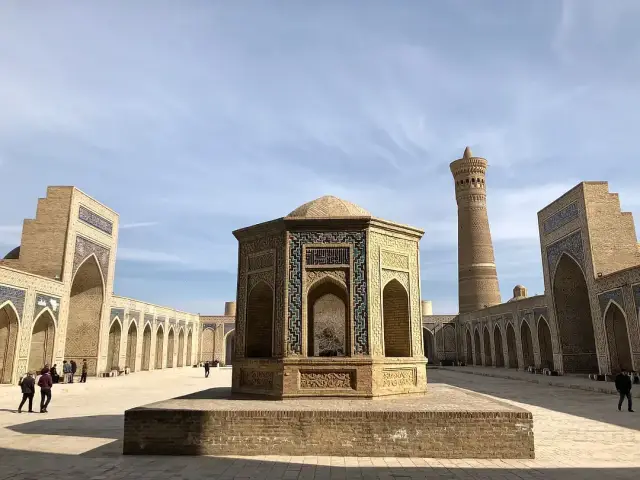
Khoja Zaynuddin Mosque in Bukhara: Built in the first half of the 16th century, one theory is that the Khan of the Bukhara Khanate built it to thank a minister named Khoja Zaynuddin, while another theory suggests the Sufi saint Khoja Zaynuddin is buried nearby.
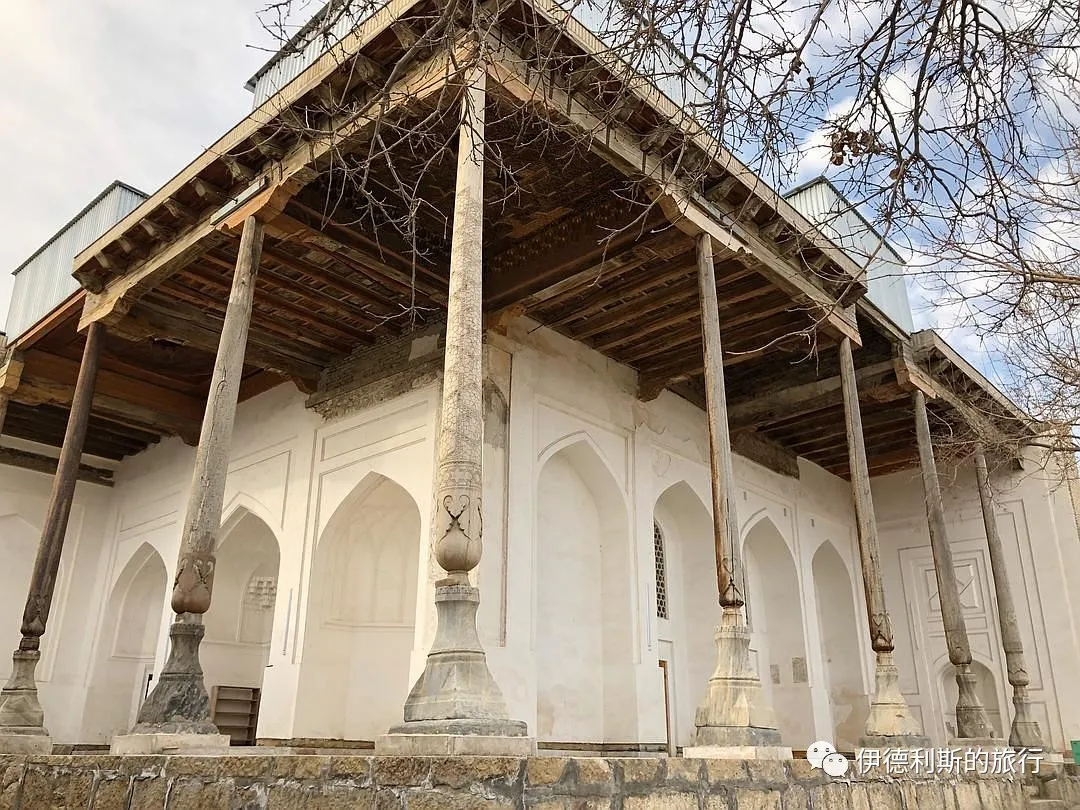
Baha-ud-Din Naqshband Complex in Bukhara: An important center for the faith in Central Asia, known as the "Little Mecca" of Central Asia. It holds the tomb of Naqshband, the founder of the Naqshbandi Sufi order, who was buried there in 1389, and the Bukhara Khanate added a mosque in the 16th century.
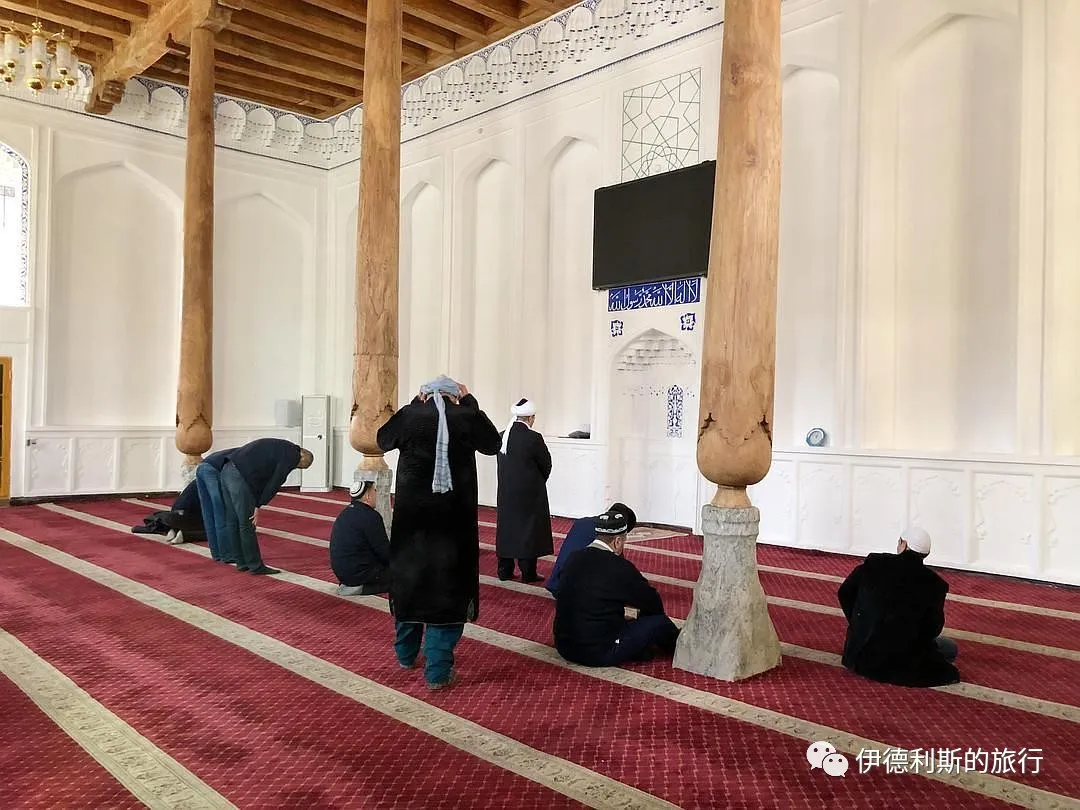
Chor-Bakr Necropolis in Bukhara: Located next to the tombs of the Djuybar Seyyids family in the western suburbs of Bukhara, the mosque was built in 1560 by Abdullah Khan II of the Bukhara Khanate.
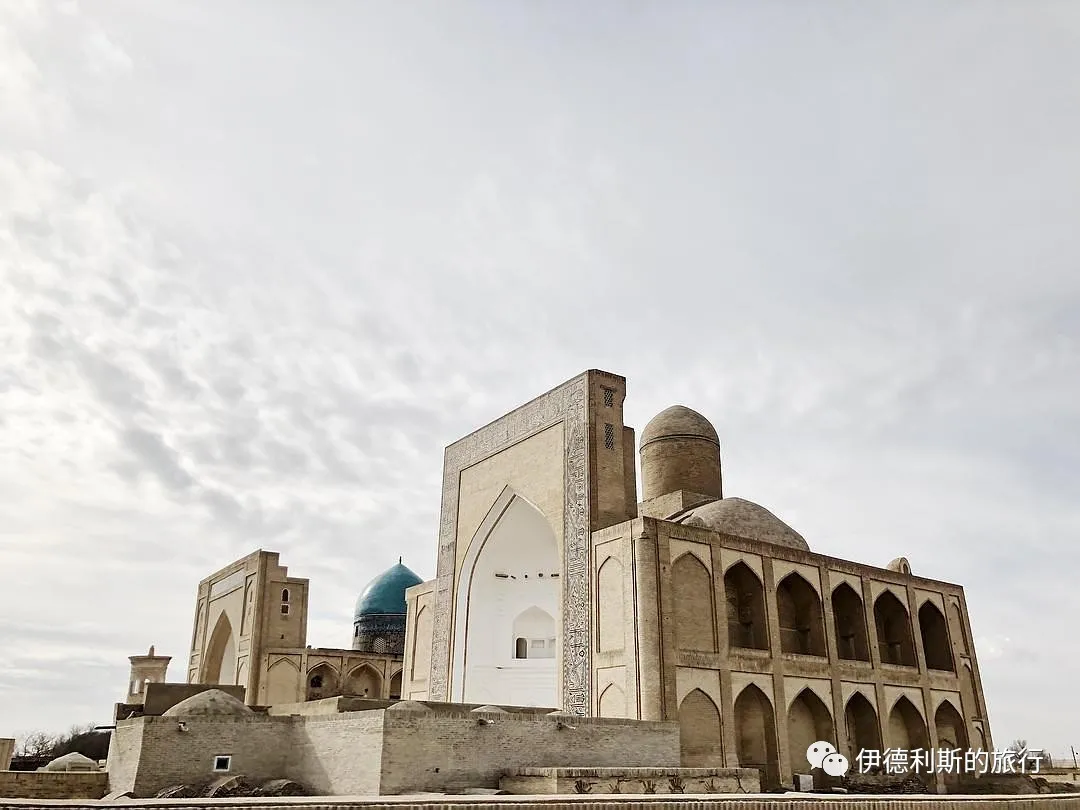
Khoja-Gaukushan Mosque in Bukhara: Located next to the tombs of the Djuybar Seyyids family in the western suburbs of Bukhara, the mosque was built in 1560 by Abdullah Khan II of the Bukhara Khanate. It was built in 1598 by the master of that time, Djuybar Sheikh, known as "Khoja Kalon" (the Great Khoja). The height of its minaret is second only to the Kalyan Minaret.
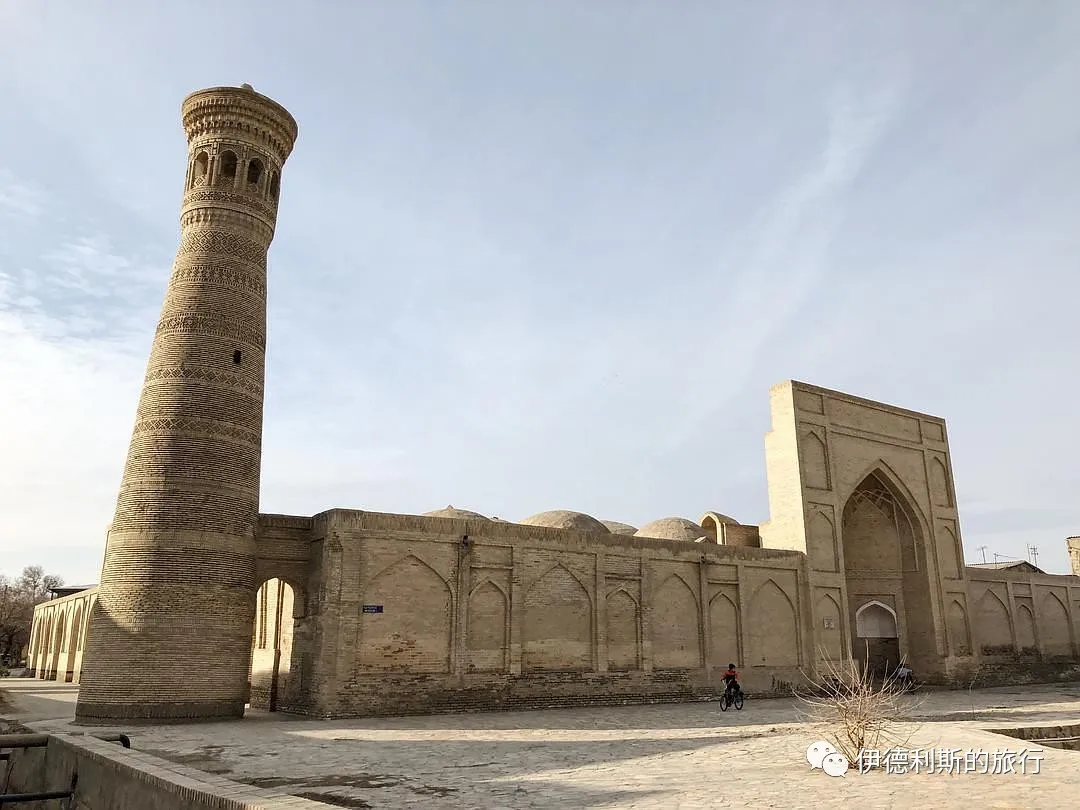
Fayzabad Mosque in Bukhara: Built in 1598 by the famous Sufi master Mavlono Poyand-Mukhammad Ahsi (Ahsiketi) Fayzobodi, it served as both a mosque and a Sufi lodge. Behind the mihrab niche, there are three-story rooms called khudjras, which were used as living quarters for Sufi practitioners. Sufi activities continued here until the Soviet era, but now it only functions as a mosque.
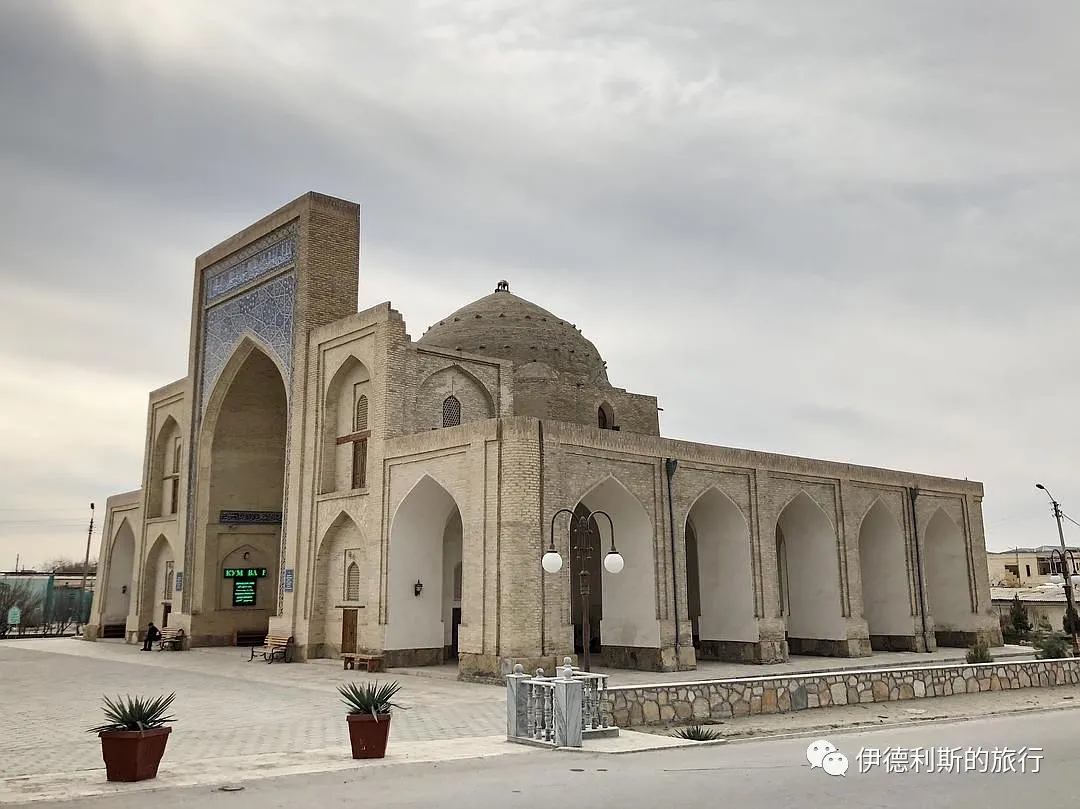
Magok-i-Kurpa Mosque in Bukhara: Built in 1637, it was originally two stories, but the first floor is almost entirely underground, which is why it is called "Magok-i" (in the pit). The mosque is rectangular and has 12 domes on the roof.
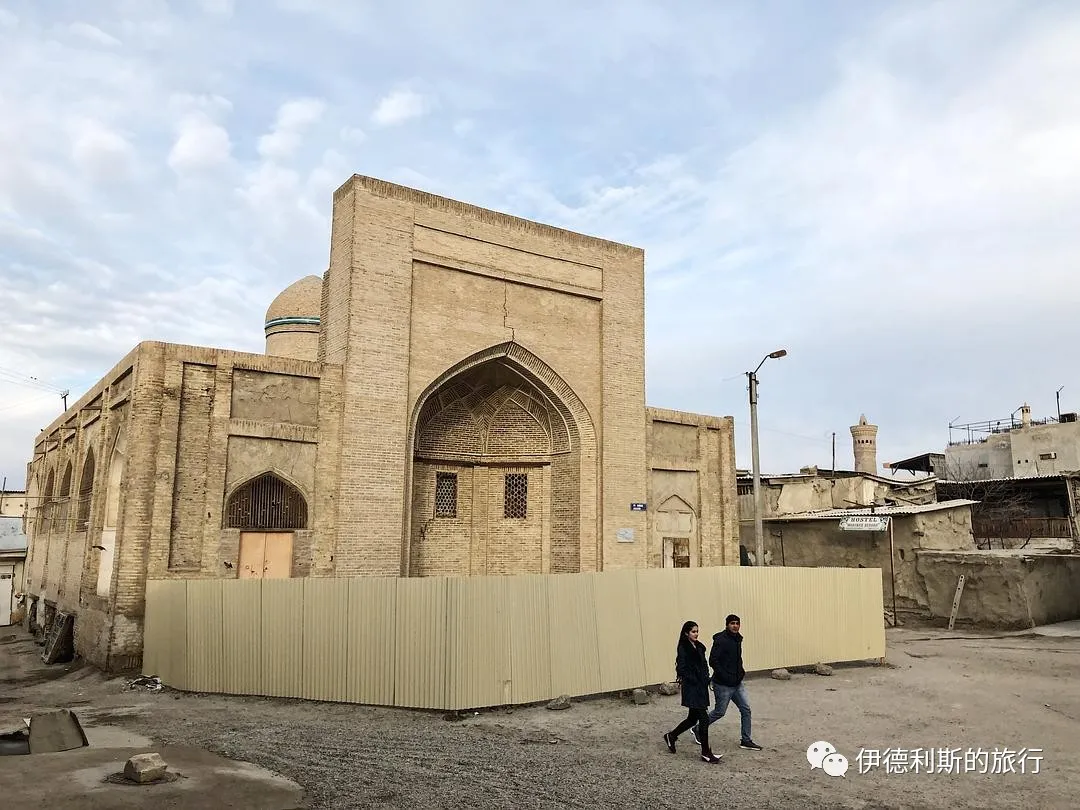
Magok-i-Attari Mosque in Bukhara: It is believed to have been built in the 9th or 10th century on the foundation of a Zoroastrian mosque. It is one of the oldest surviving mosques in Central Asia and one of the few in Bukhara that survived the Mongol era. Today, after more than a thousand years of urban development, the mosque sits 4.5 meters below ground level. The mosque was rebuilt during the Karakhanid dynasty in the 12th century, adding a southern facade with a pishtaq-style gate decorated with blue tiles, though most have fallen off now. Because the surrounding streets were much higher than the mosque, the Shaybanid dynasty of the Bukhara Khanate built a huge monumental gateway (pishtaq) on the east side between 1547 and 1548, using a set of stairs to solve the access problem.
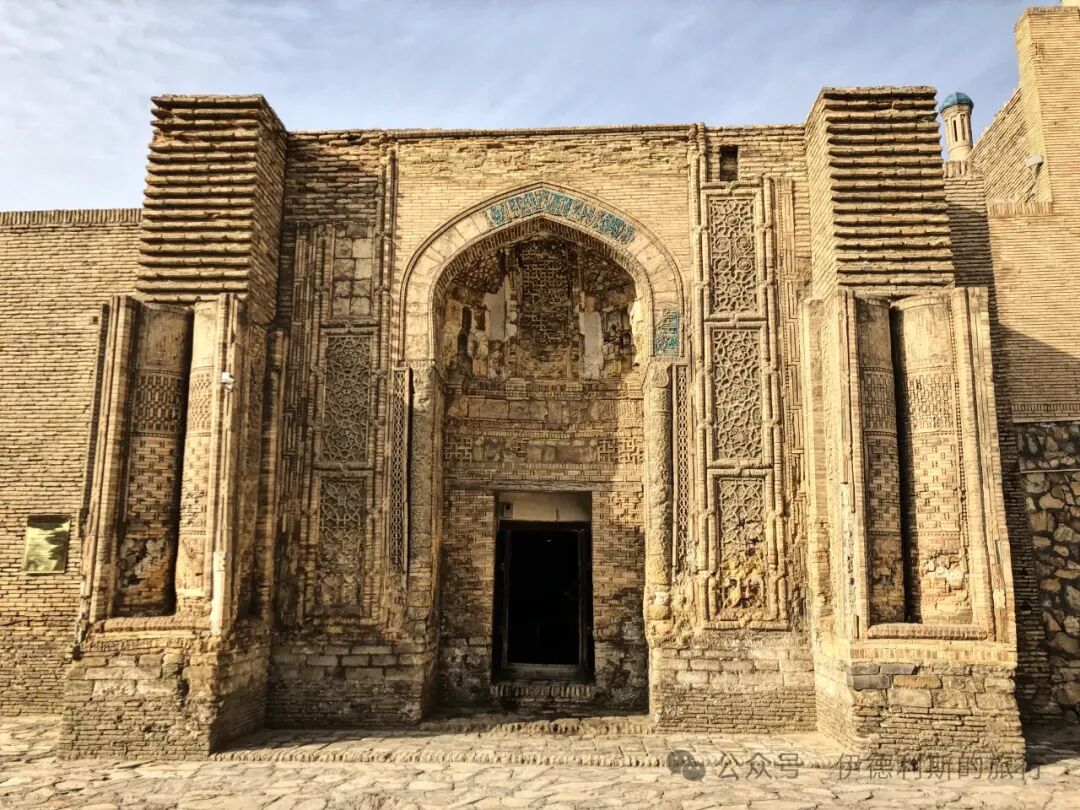
Bukhara Namazgahi Mosque: Ordered by Arslan Khan of the Eastern Karakhanid dynasty, it was built in 1119-1120. It was originally an open-air mosque with only a 38-meter prayer wall featuring a prayer niche (mihrab) in the center. Some decorations were added during the Mongol era in the mid-13th century, and arcades were added in the 16th century (some say the 17th century). It is one of the very few mosques in Bukhara that survived the Mongol era, and the tile calligraphy on the wall is the earliest example of tile art in Bukhara.
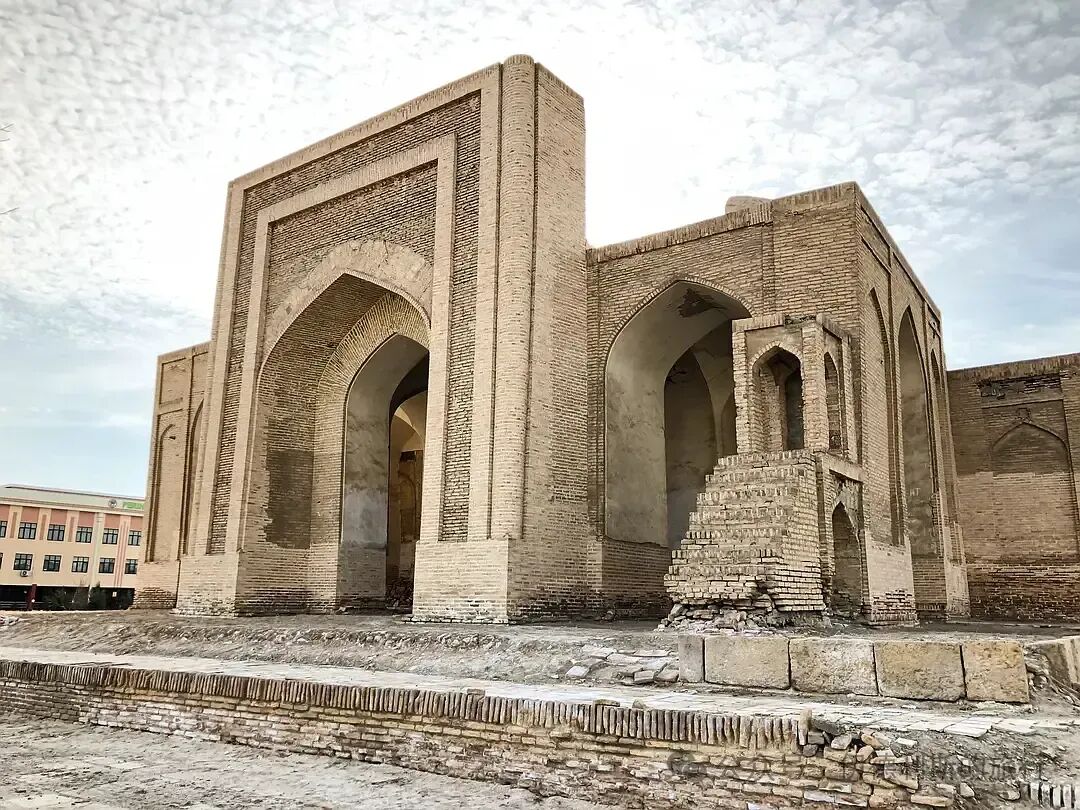
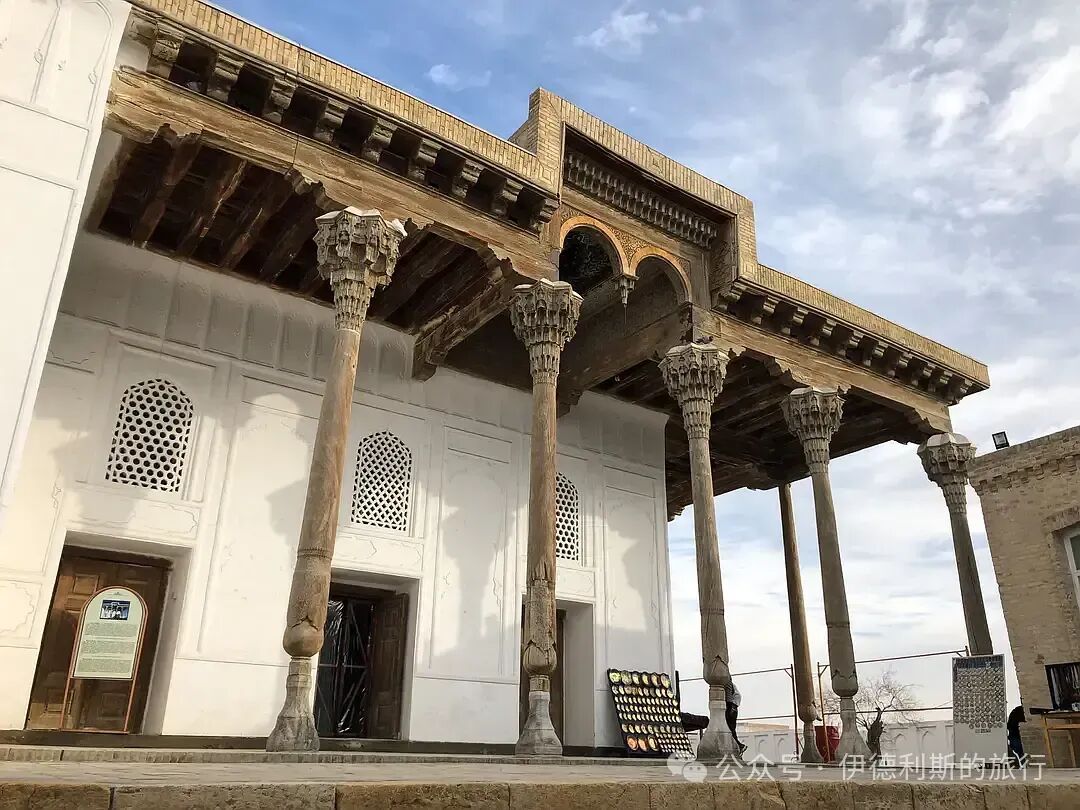
Ark Citadel Friday Mosque (Juma Mosque): Ordered by Subhan Quli, Khan of the Bukhara Khanate, who reigned from 1680 to 1702. It has wooden canopies on three sides, supported by wooden pillars in the middle. The ceiling inside the main hall features gorgeous floral and geometric patterns.
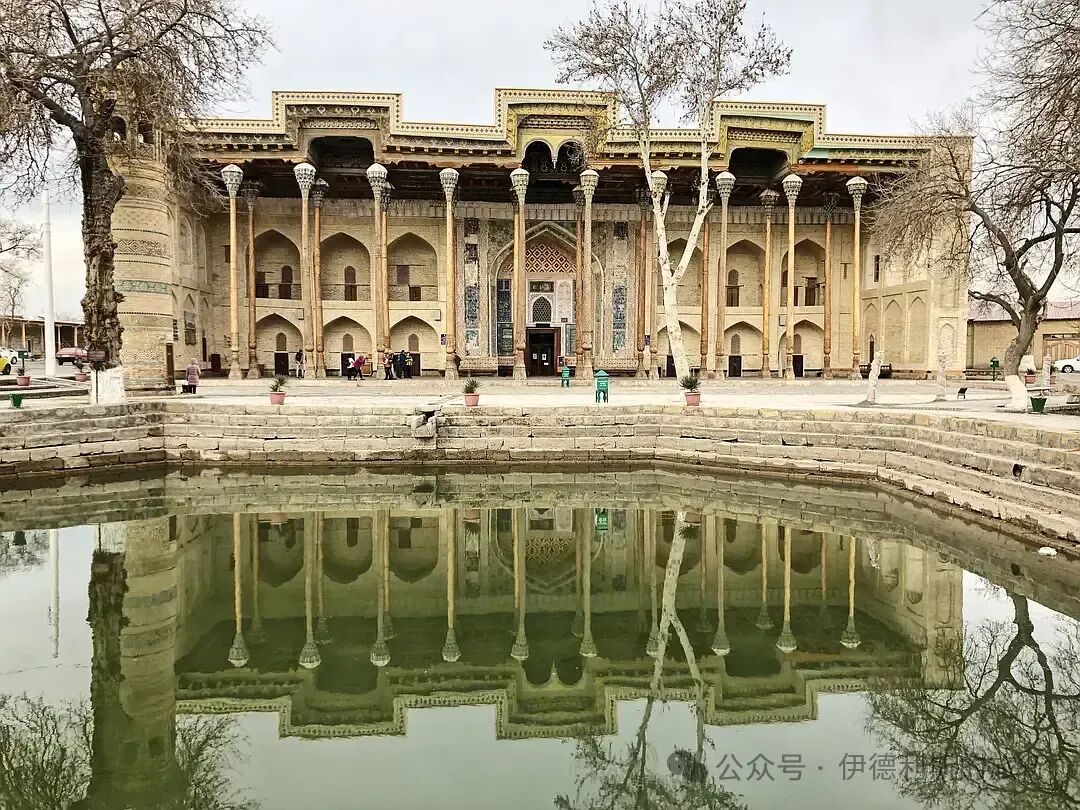
Bukhara Bolo Hauz Mosque: Ordered by Abu al-Fayz, Khan of the Bukhara Khanate, in 1712. It is the last important mosque in Bukhara's history and the place where the Khan held various ceremonies.
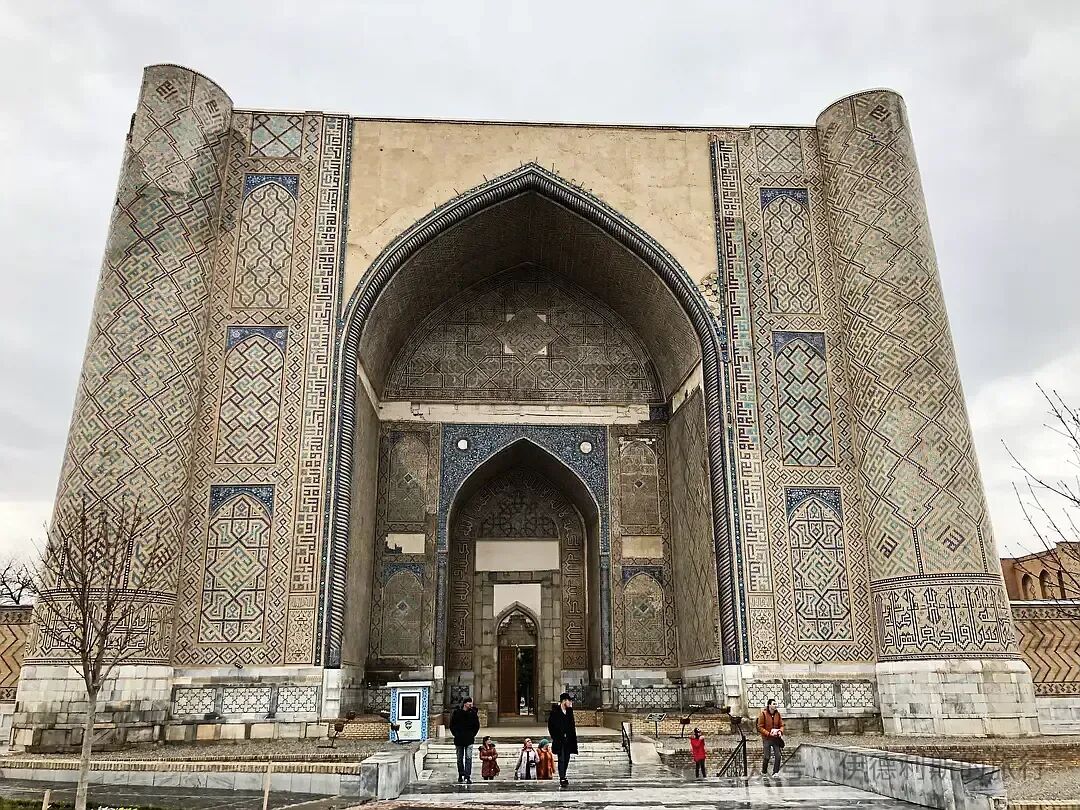
Samarkand Bibi-Khanym Mosque: Known as the most magnificent mosque architecture in Central Asia in the 15th century, it was the most important mosque of the Timurid dynasty and was imitated by many later mosques. Timur ordered its construction in 1399 after conquering Delhi, India, to commemorate his wife, Khanum, the daughter of the last Chagatai Khan, Qazan Sultan. When Timur returned to Samarkand in 1404, it was nearly finished, but he felt the main dome was not grand enough and ordered it to be rebuilt. However, Timur died in 1405 while the work was still in progress. After that, the mosque began to show structural problems due to its massive size, and bricks started falling from the dome. Repairs never stopped during the Timurid period. The Bukhara Khanate stopped maintenance in the late 16th century, and it gradually fell into ruins. The arch of the main gate also collapsed in the 1897 earthquake.
Shahrisabz Kok Gumbaz Mosque: Built in 1435 by Ulugh Beg, ruler of the Timurid Empire. It is said to have been built on the foundation of an ancient Karakhanid mosque, with 40 domed corridors on both sides of the main hall.
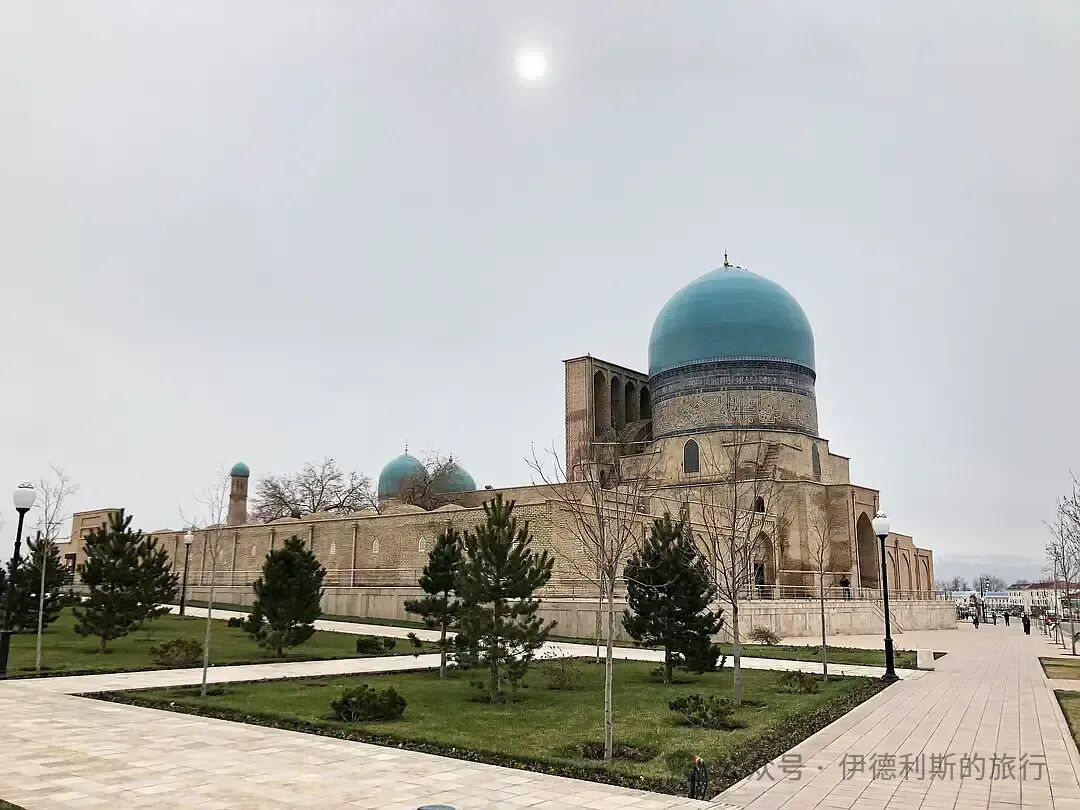
Shahrisabz Malik Ajdar Mosque: A typical 19th-century local mosque. The central main hall is used for winter namaz, where stoves are lit to keep it warm. The pergola next to it is used for summer namaz.
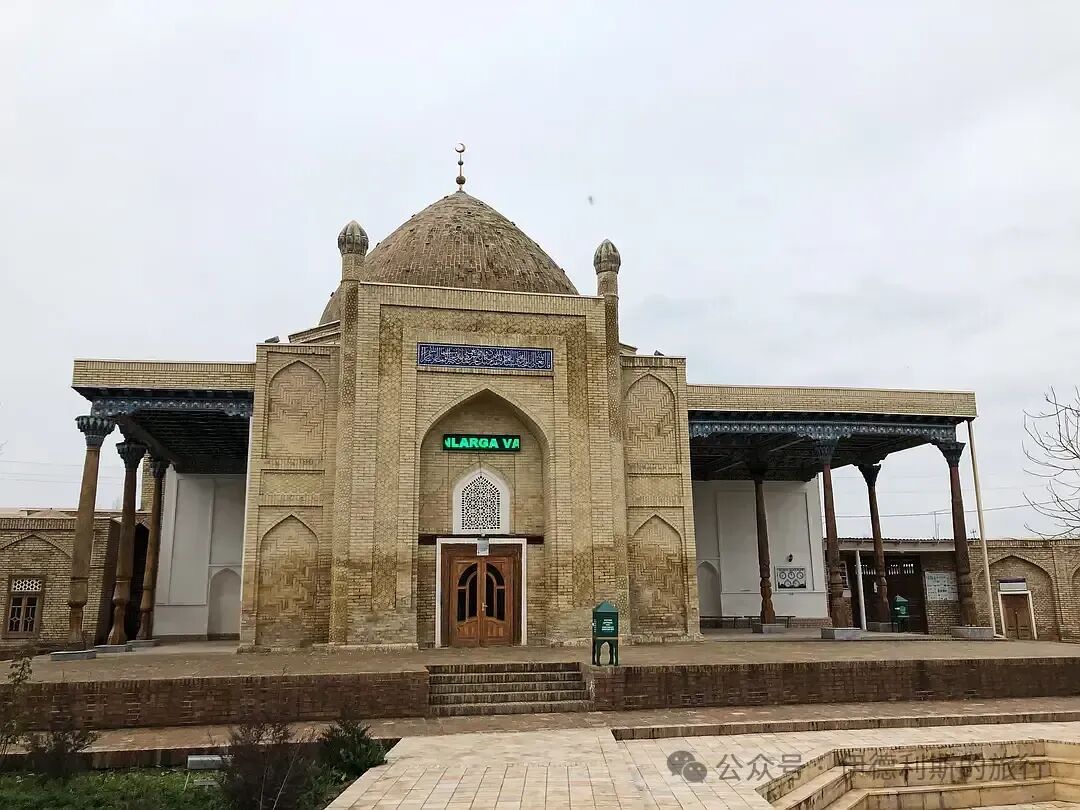
6 mosques in Sichuan in March.
Chengdu Gulou Mosque: Built in the early Qing Dynasty. It was occupied by the Gulou Street Office in 1958. In 1996, because of the construction of the World Trade Center building, the main hall was moved more than 50 meters east to its current location.
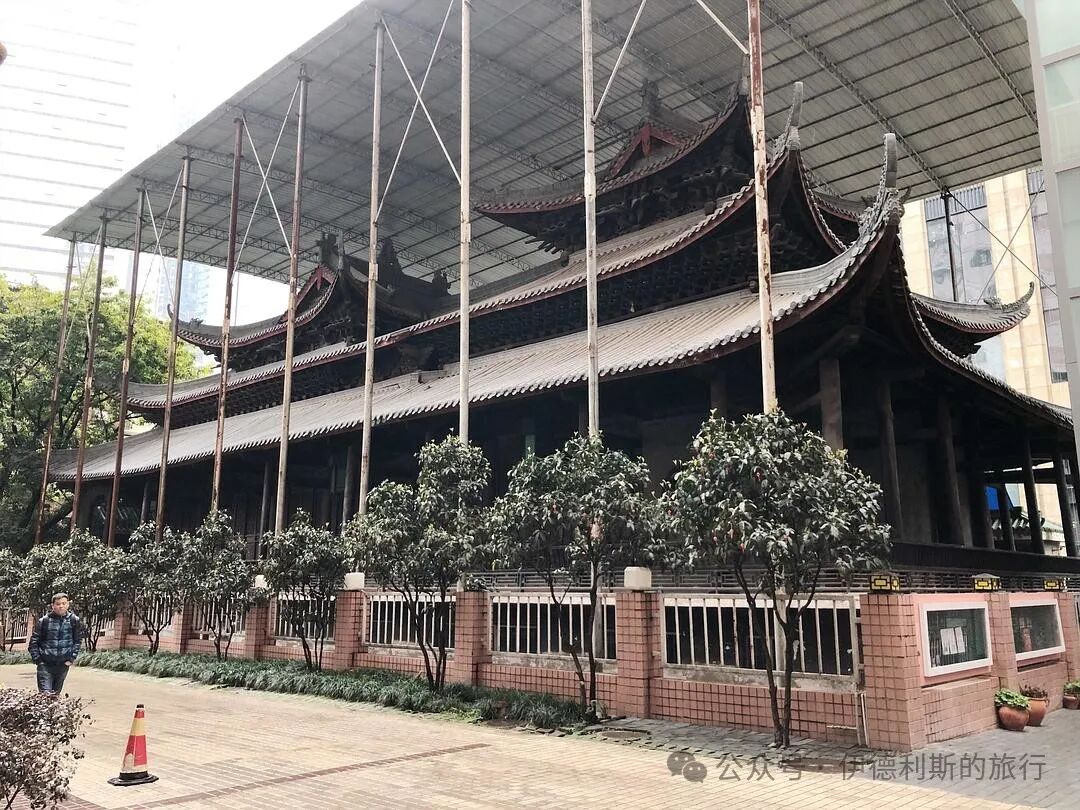
Chengdu Jiu Mosque: The main hall was built in 1763 (the 28th year of the Qianlong reign). It was built under the leadership of Xu Shiyeng, a hero who pacified Taiwan, and Hu Songlin, a former commander in Yichang, Hubei. The main hall was demolished in 2020, and the relocation has not been completed yet.
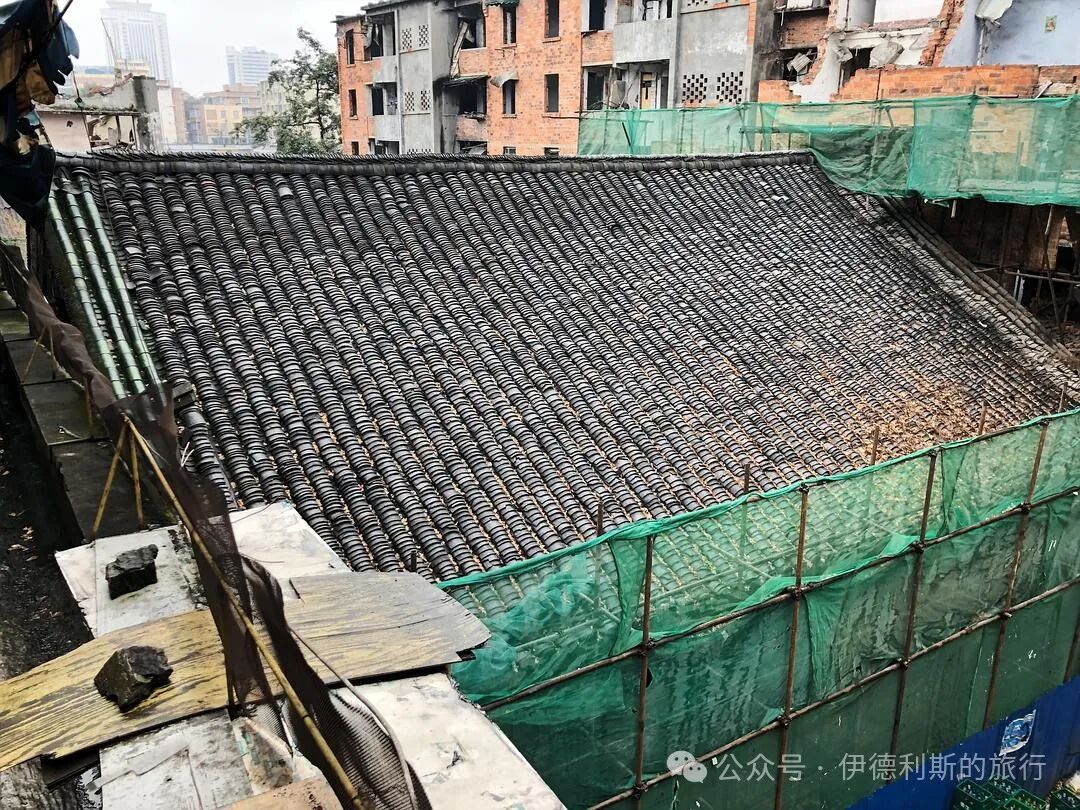
Chengdu Tuqiao Lower Mosque: Built in 1724 (the second year of the Yongzheng reign), it is now used as a nursing home.
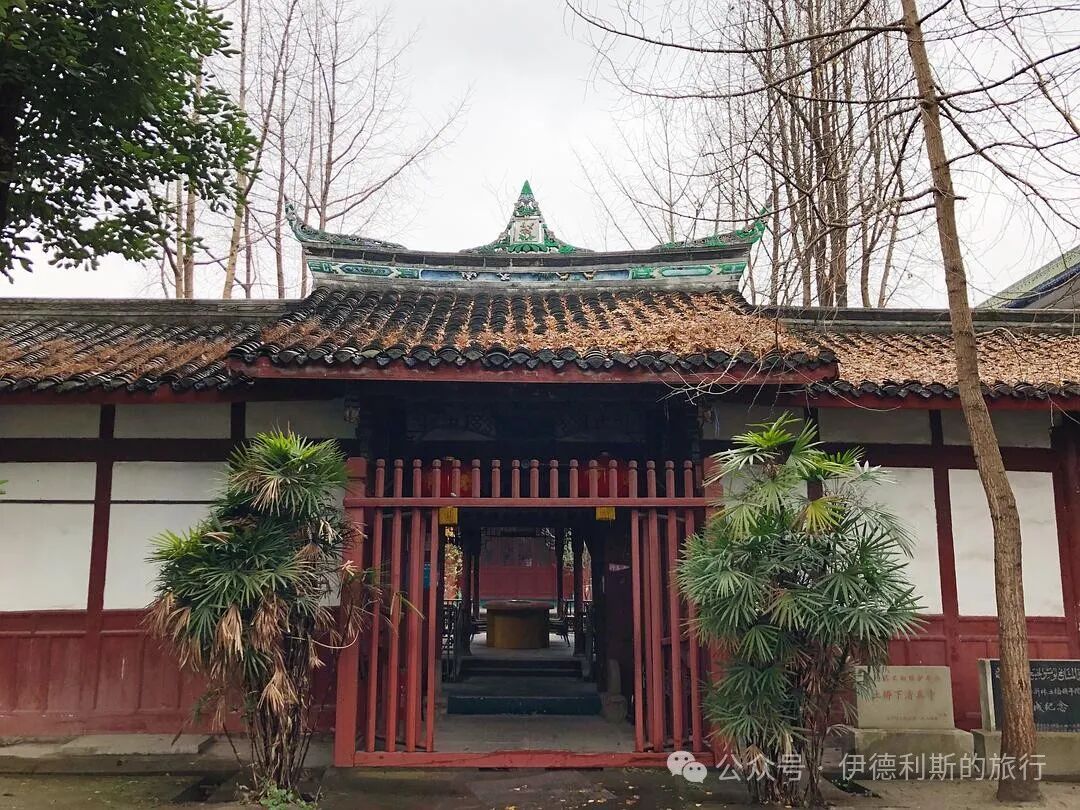
Chengdu Pixian Taihechang Zhangjia Mosque: Located at an important water and land terminal entering the Western Sichuan Plain from the Aba Tibetan and Qiang areas. Goods from the Tibetan areas were shipped from Dujiangyan to this place, unloaded, and transferred to horse-drawn carriages to Chengdu, forming a busy market town. Zhangjia Mosque was first built in 1643 (the 16th year of the Chongzhen reign) and rebuilt in 1822 (the 2nd year of the Daoguang reign).
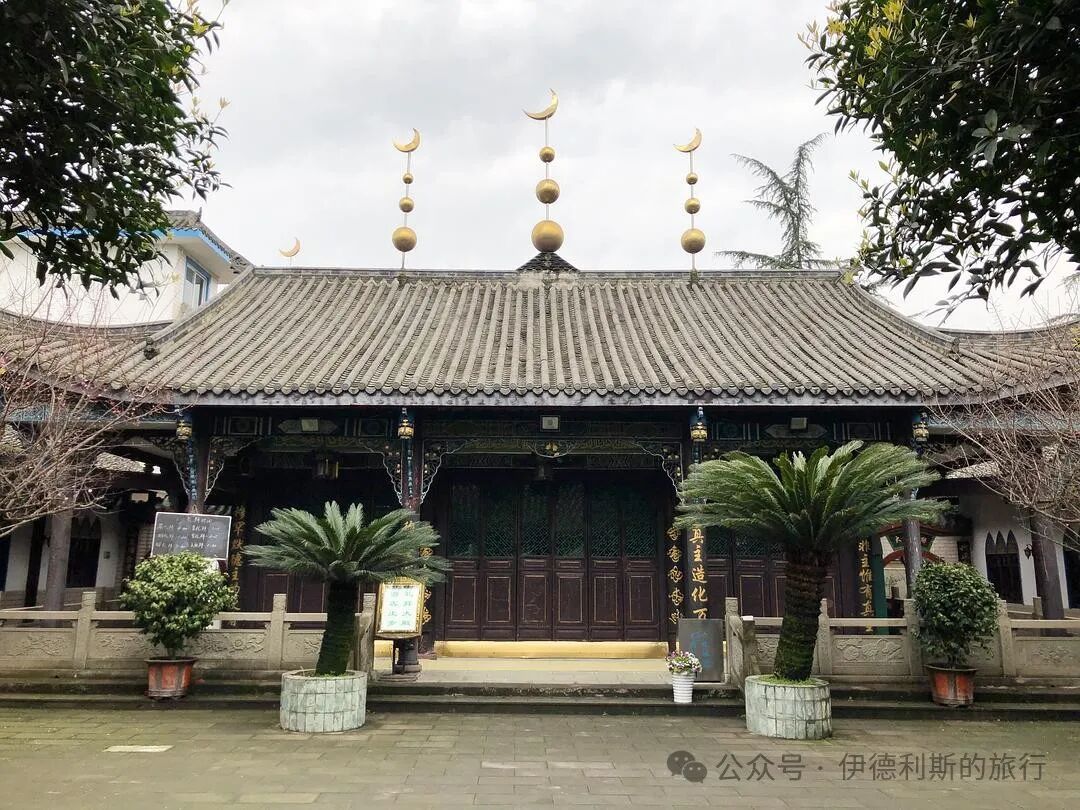
Tangjia Mosque in Mimou Town, Chengdu: First built in 1728 (the 6th year of the Yongzheng reign), it is a beautiful ancient mosque in the Shu region and the only one currently open in Mimou Town.
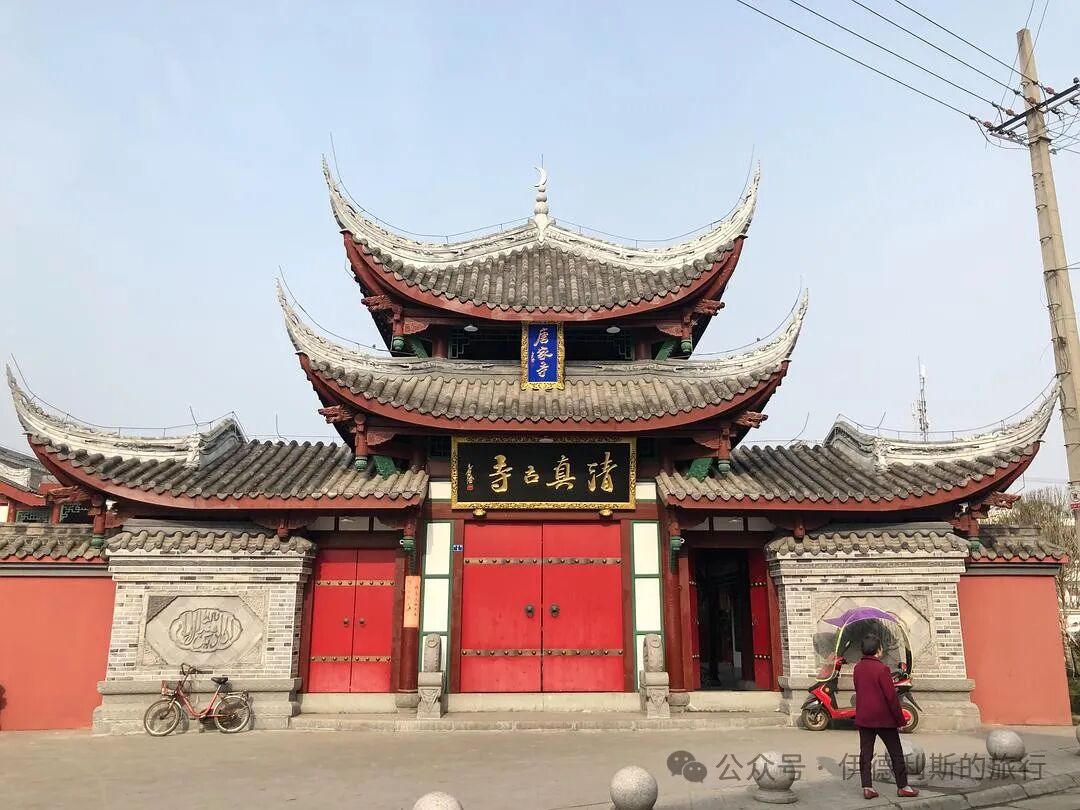
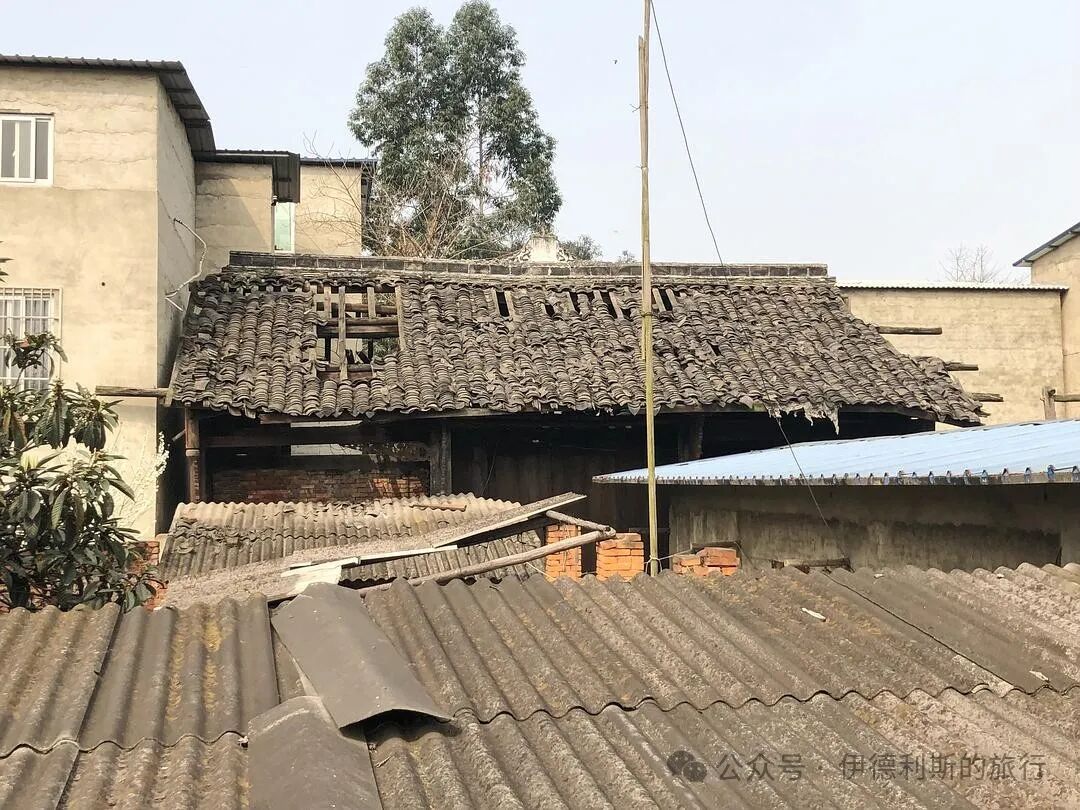
Chengdu Mimou Town Chengyi Mosque ruins: Built in 1821 (the 1st year of the Daoguang reign), only the ruins of the second gate remain today, standing precariously in the wind and rain.
7 mosques in Indonesia in April and May
Demak Great Mosque in Java: Legend says it was built in 1479 by Raden Patah, the first Sultan of Demak, and Sunan Kalijaga, one of the nine saints (Wali Songo) of Javanese Islam. Sunan Ampel, one of the nine saints, served as the imam of this mosque for a long time.
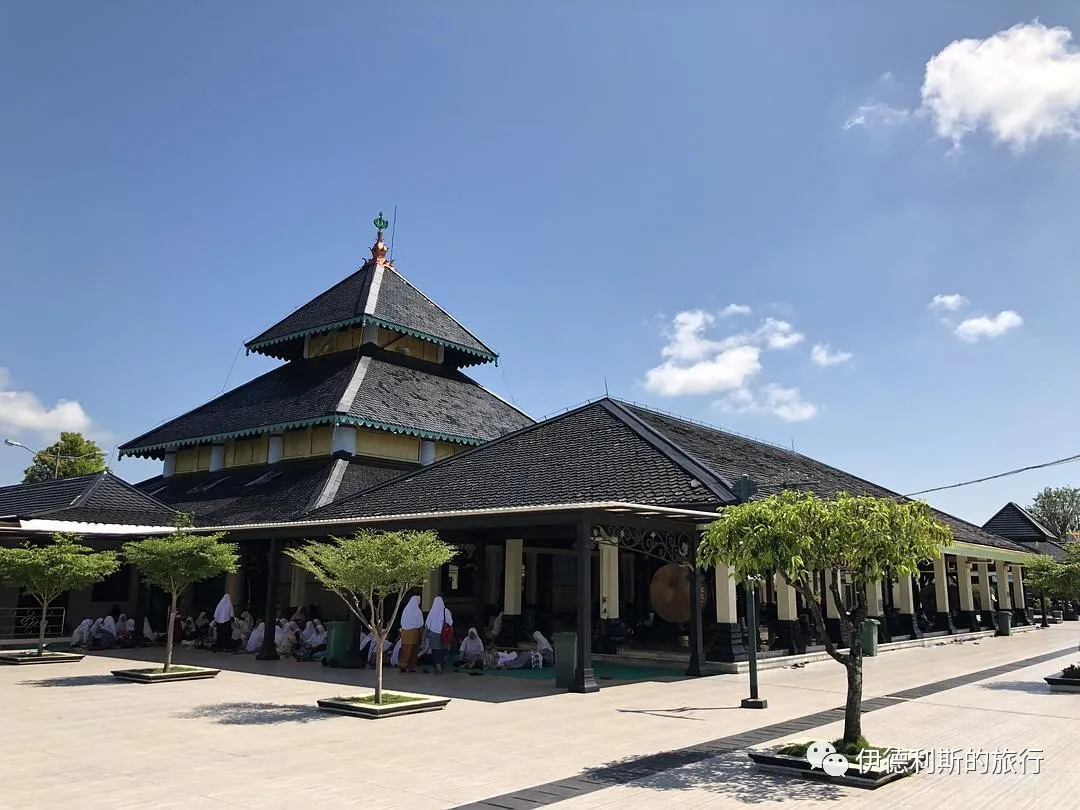
Sunan Kalijaga Gongbei Mosque in Demak, Java: Sunan Kalijaga was one of the nine saints of Javanese Islam and played a major role in spreading the faith across Java. Legend says Sunan Kalijaga lived to be 100 years old and did not pass away until 1550. During his life, he witnessed the fall of the Majapahit Empire and the founding of the Demak, Cirebon, and Banten Sultanates. He eventually died in Demak and was buried southeast of the city. Later generations built a gongbei over his tomb and a mosque next to it.
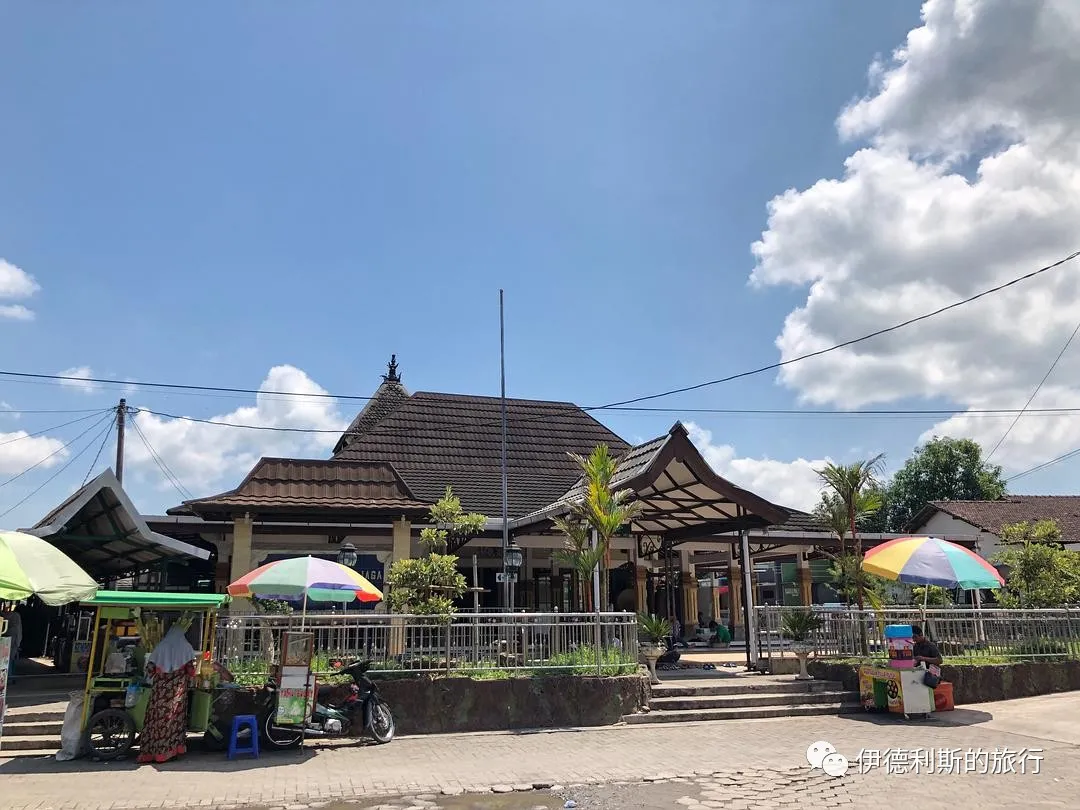
Kudus Al-Aqsa Mosque in Java: Built by Kudus in 1549, it is famous for its unique traditional Javanese architectural style, which directly inherited elements from the Majapahit era. Kudus Al-Aqsa Mosque shares its name with the famous Al-Aqsa Mosque in Jerusalem. People say while on his way to Hajj, Kudus helped cure a plague in a city and refused the generous gifts offered by the locals, accepting only a stone from near the Al-Aqsa Mosque in Jerusalem. After returning to Java, Kudus used the stone to build this mosque.
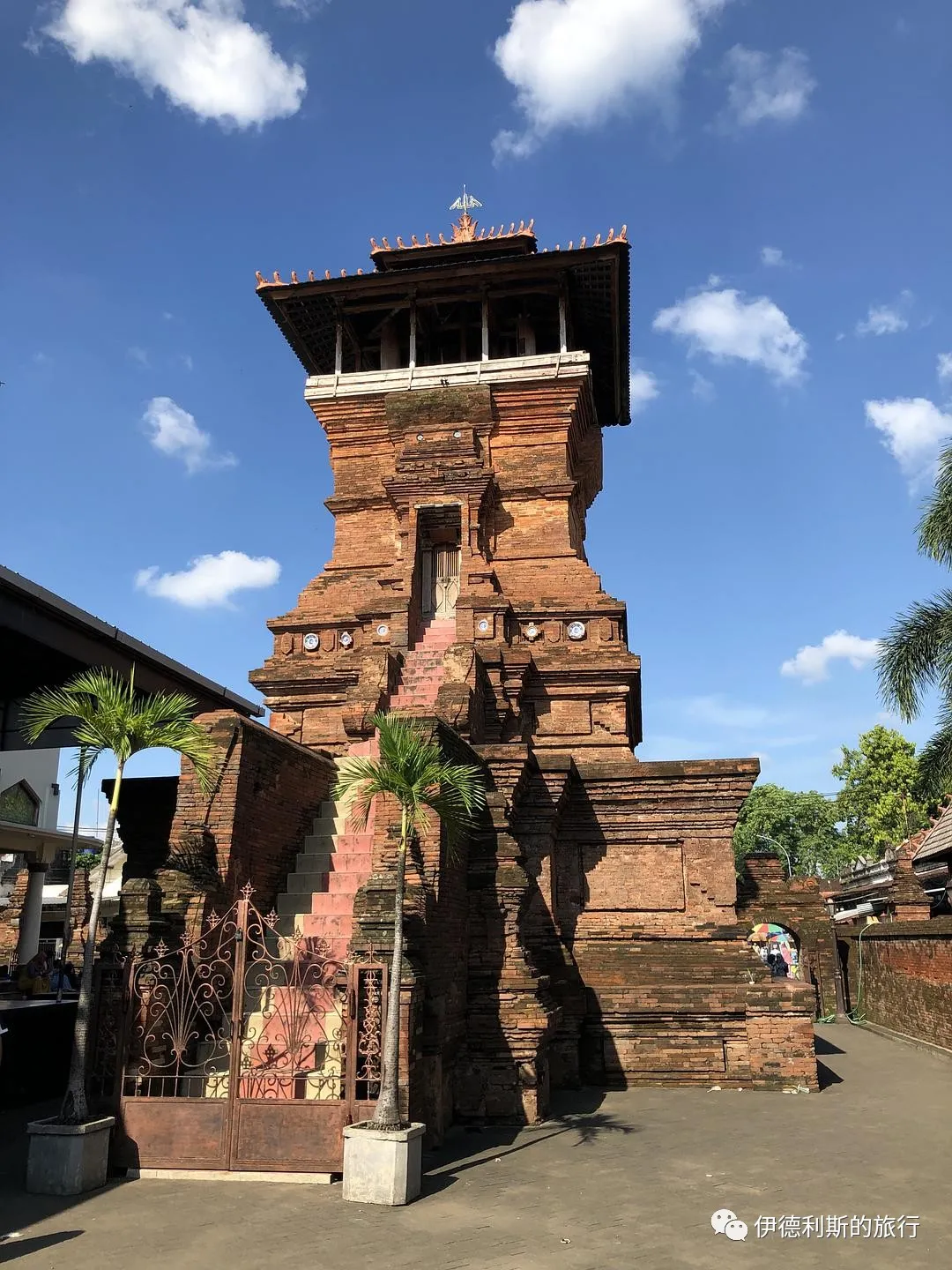
Banten Great Mosque in Java: Ordered by Sultan Maulana Hasanuddin of Banten and built in 1566. The women's hall was added in the 1580s, the minaret was designed and built by the Chinese man Cek-ban-cut in 1632, and the madrasa was designed and built in the 17th century by Hendrik Lucaasz Cardeel, a Dutchman who converted to Islam. The minaret is 24 meters high with a base diameter of 10 meters, blending Mughal style with the local Javanese Hindu/Buddhist temple (candi) style.
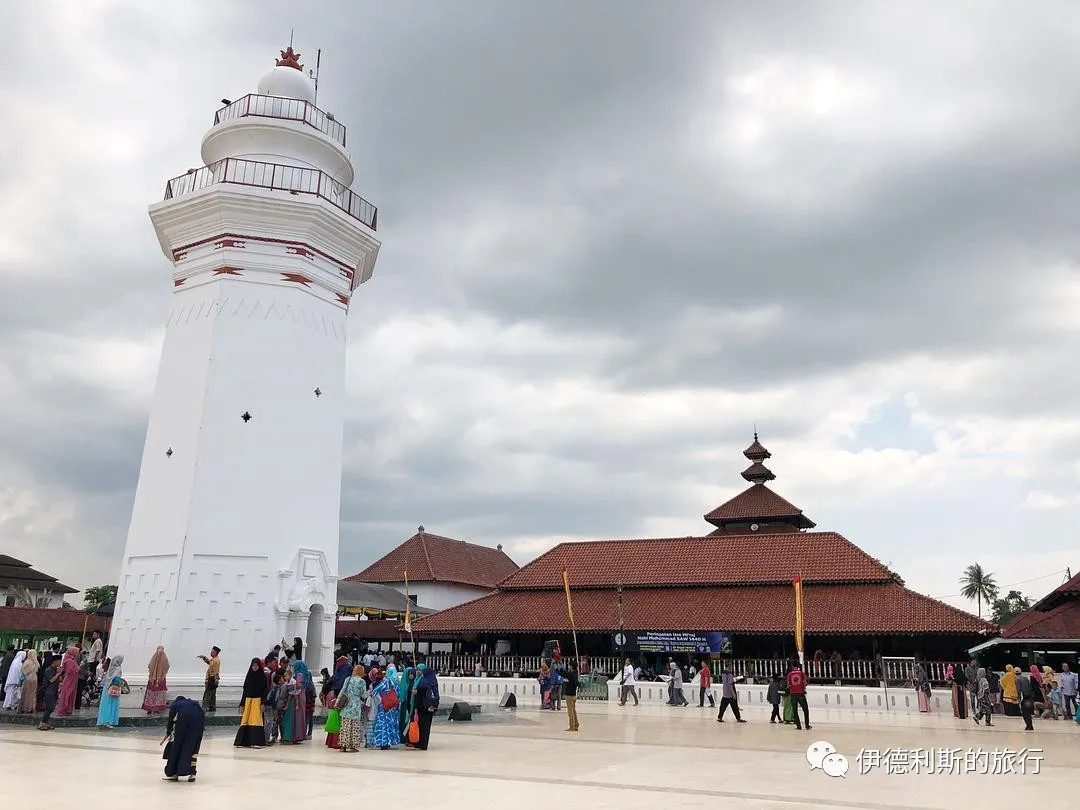
Mataram Great Mosque in Java: This is the most important architectural relic of the Mataram Sultanate. It was first built in 1575, and the original walls and gate are still preserved. The main hall was rebuilt in the 17th century by Sultan Agung and later underwent several repairs by the Sultans of Yogyakarta and Surakarta. The current building was reconstructed after a fire in 1926 and still maintains the traditional Javanese mosque layout.
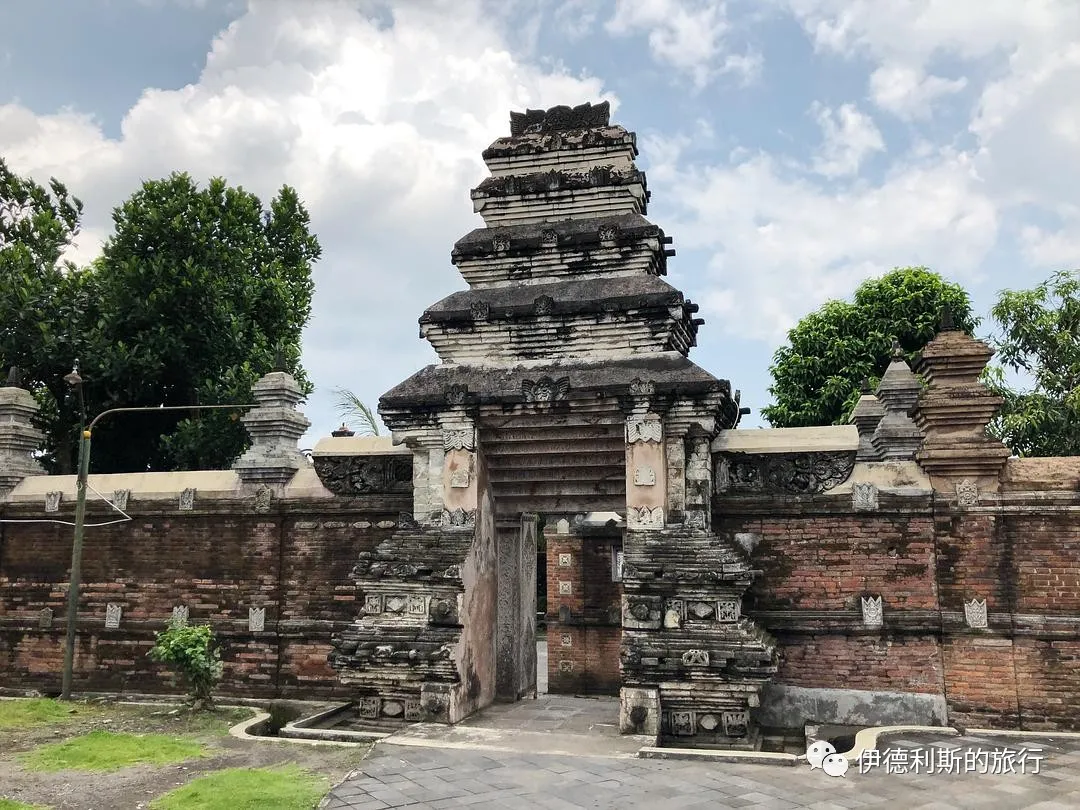
Surakarta Great Mosque in Java: Built by Sunan Pakubuwana III in 1763 and completed in 1768. It serves as both a Friday mosque and a royal mosque. Many ceremonies of the Surakarta court are held here, the most important being the Mawlid (Prophet's birthday). During the Mawlid, two sets of large gamelan instruments are moved from the Surakarta palace storage to the mosque courtyard, where traditional Javanese gamelan music is performed outside of prayer times.
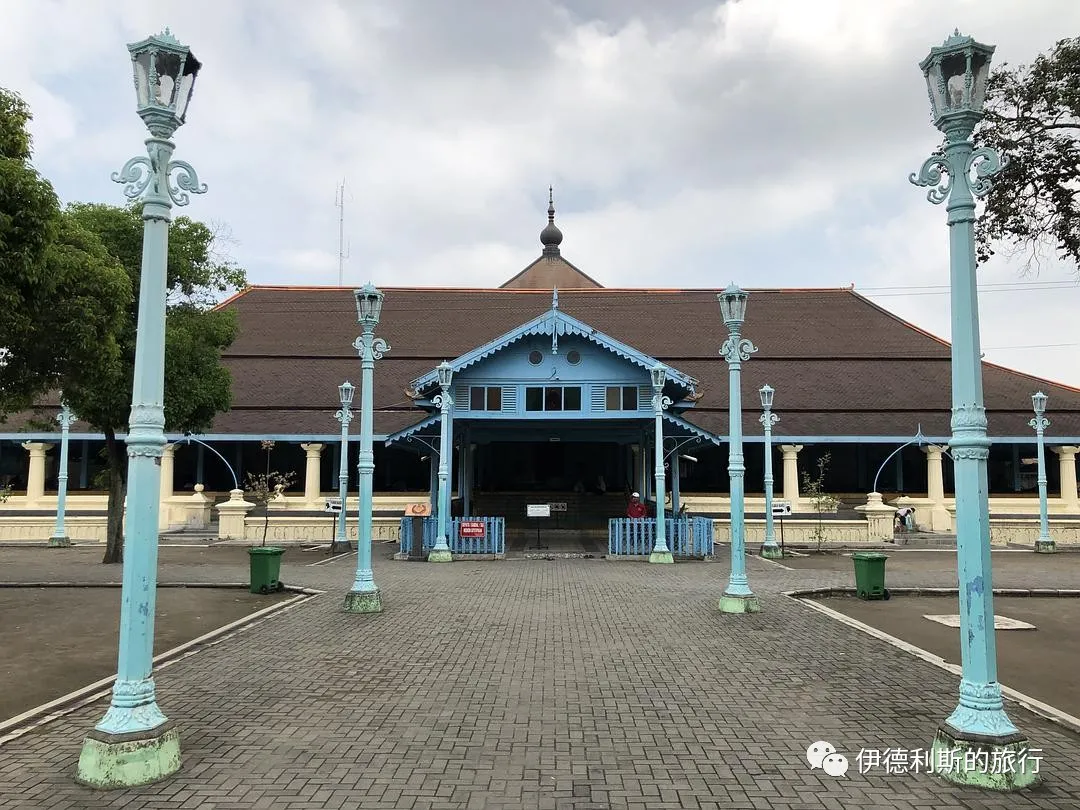
Yogyakarta Great Mosque in Java: Located northwest of the Yogyakarta Palace, it was first built in 1773 and is the royal mosque of the Sultan of Yogyakarta.
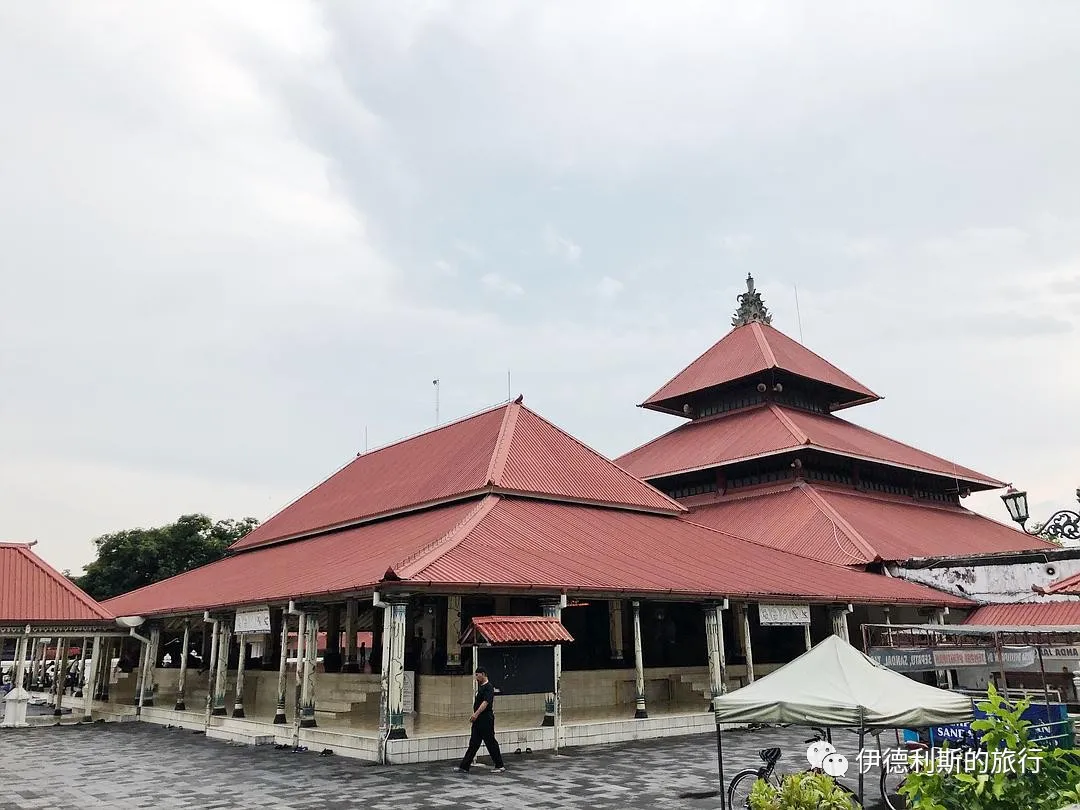
15 mosques in Russia in August
Historical Mosque of the Tatar Community in Moscow: In the early 17th century, many Tatars from the Volga River and steppe regions came to Moscow for business. A Tatar community gradually formed on the opposite bank of the Kremlin. The first records of the Tatar community mosque date back to 1712. It burned down in 1812 when Napoleon left Moscow. Tatar merchants rebuilt it in 1823, and it was expanded in 1882 with the addition of a minaret.
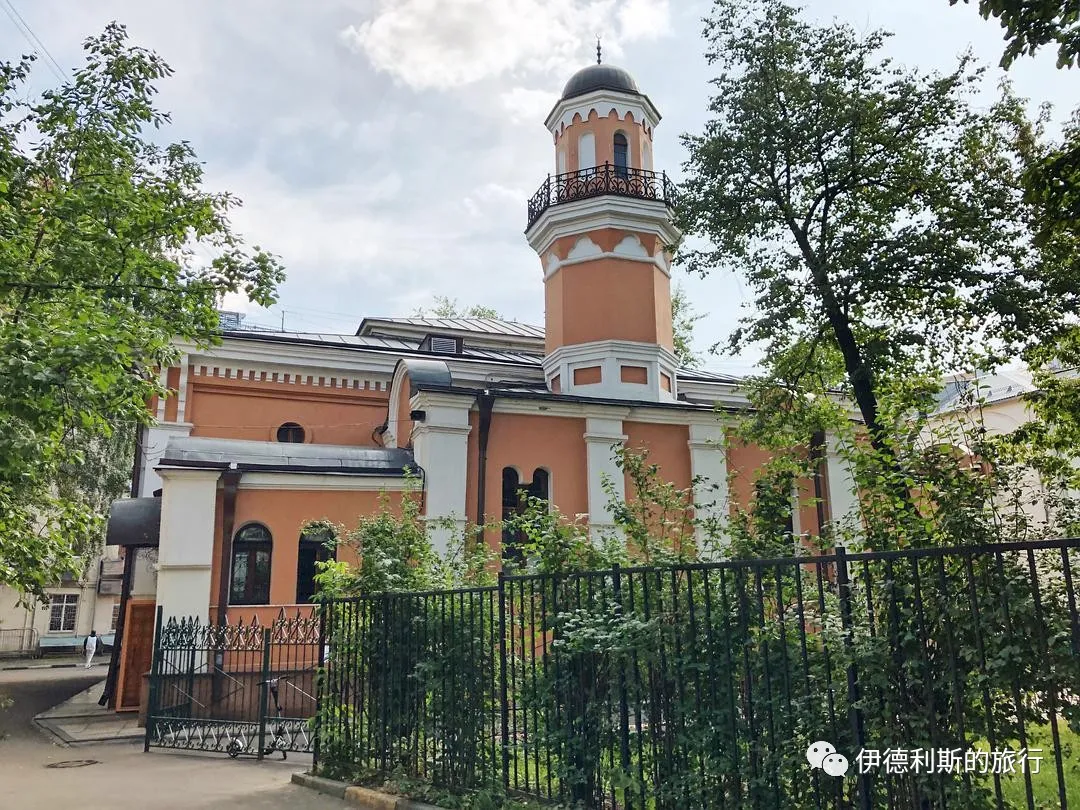
Kazan Marjani Mosque: Built between 1766 and 1770 with permission from Catherine the Great. It was the first brick mosque built in Kazan after Russia conquered the Kazan Khanate in 1552. It is the oldest surviving mosque in Kazan and the only one that stayed open during the Soviet era.
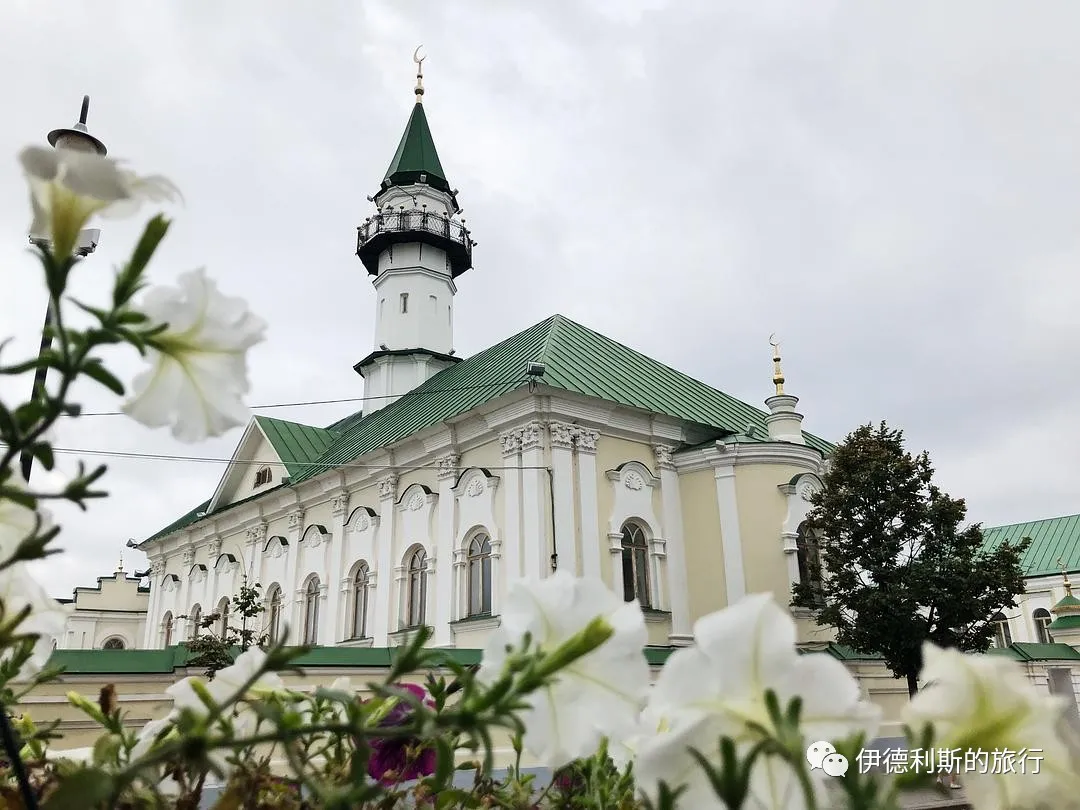
Kazan Apanay Mosque: The second mosque approved by Catherine the Great for construction in Kazan. Merchant Apanaev funded its building between 1768 and 1771. The architectural style blends traditional Tatar design with Moscow Baroque.
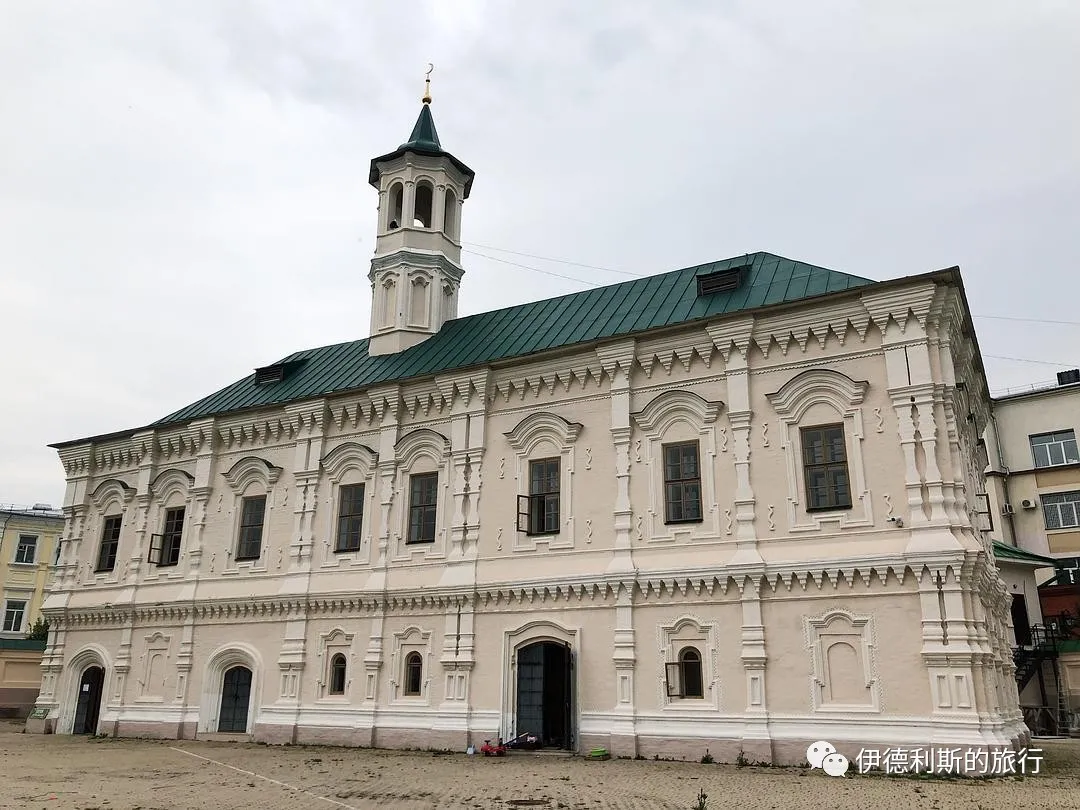
Kazan Galeevskaya Mosque: Built between 1798 and 1801 with funds from merchant Musa Mamyashev. It started as an early classicism style building in the late 18th century. It was expanded twice, in 1882 and 1897, using late classicism style.
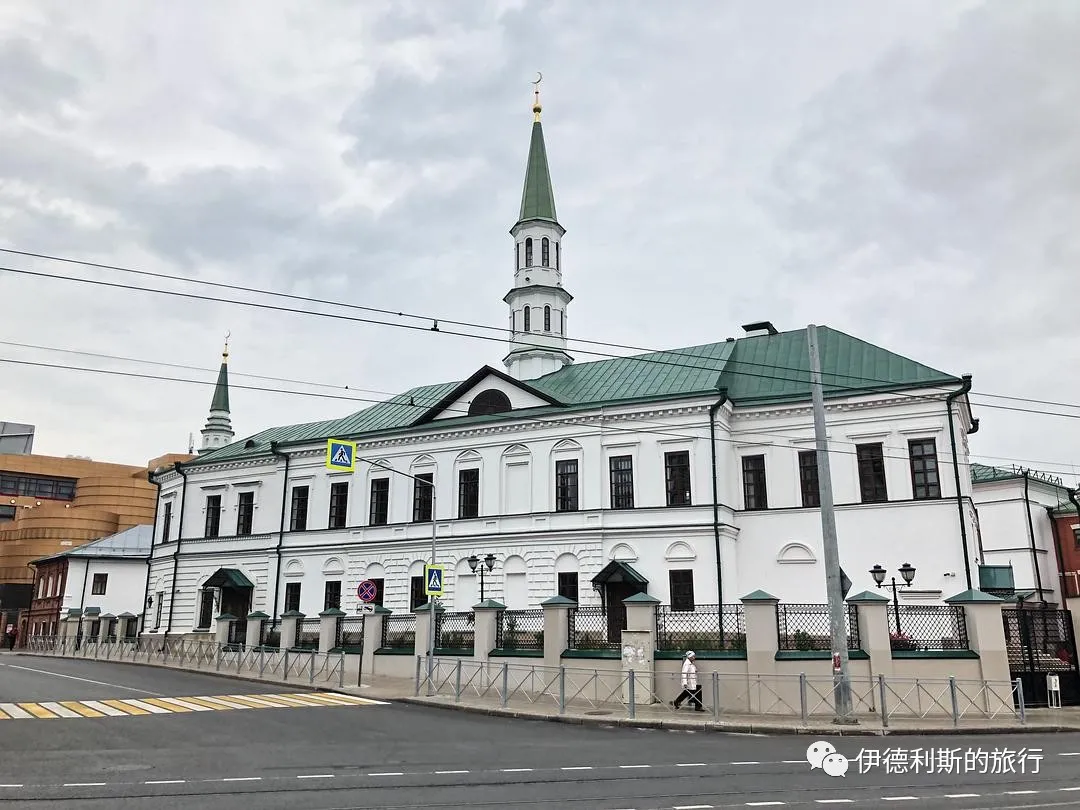
Kazan İske Taş Mosque: Also called the Giant Stone Mosque. It was built in 1802 with a donation from merchant Ğabdulla Ütämişev. Legend says this mosque stands on the burial site of Tatar soldiers who died defending Kazan in 1552. An ancient giant stone marks the grave. Alexander Schmidt rebuilt the mosque in 1830 in a classicism style. Its three-story minaret looks like the old minarets found in the Bulgar and Kasimov regions.
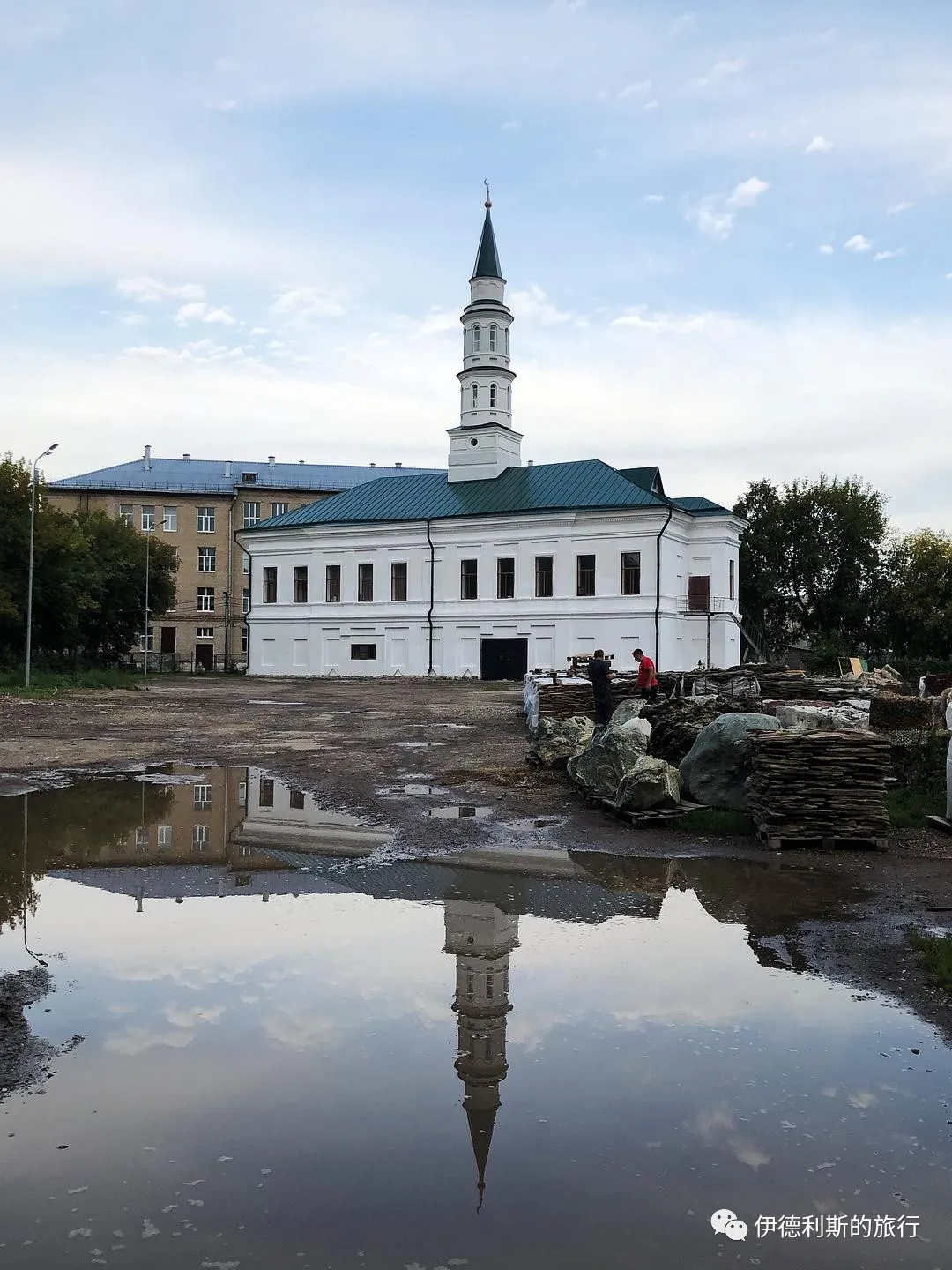
Kazan White Mosque: Built between 1801 and 1805. It looks similar to the İske Taş Mosque built around the same time and features a classicism style exterior. The mosque closed in 1929 and became a school and fur workshop. The minaret was torn down in the 1930s, and the east and south parts of the main hall were rebuilt.
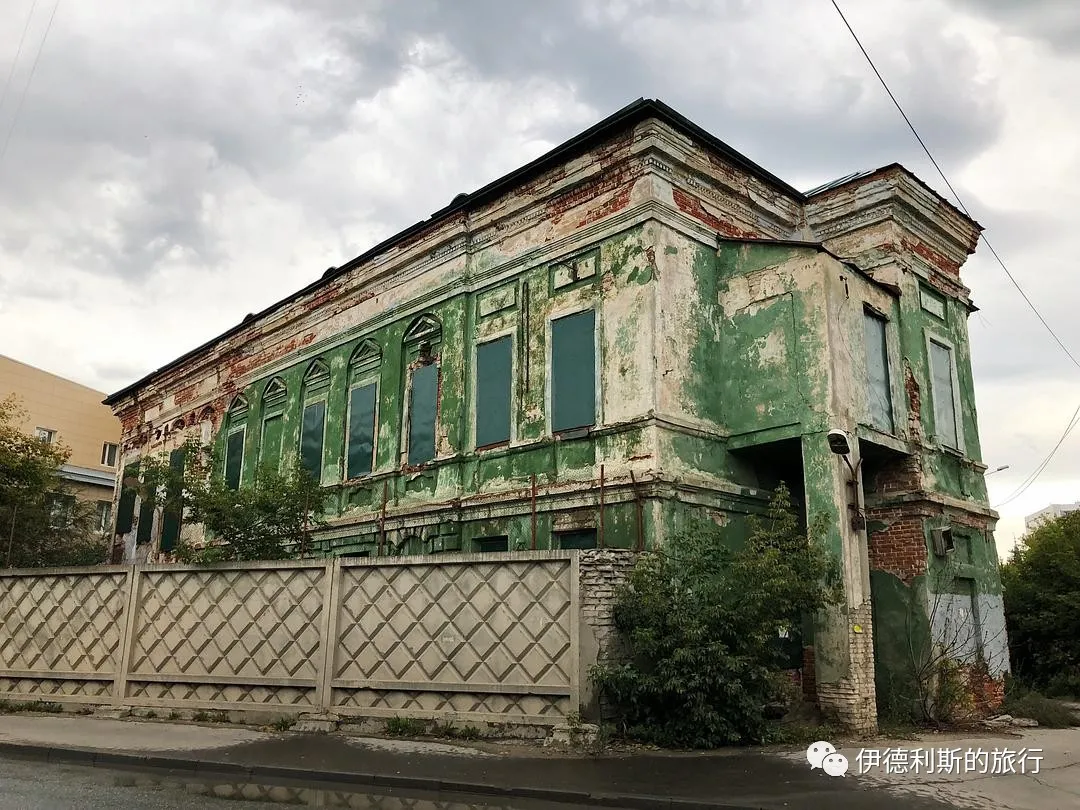
Kazan Pink Mosque: Built in 1808 with a donation from merchant Musa Apanaev. It served as the religious center for the Novaya Tatarskaya Sloboda area of Kazan. Today, it houses the Kazan Higher Madrasa.
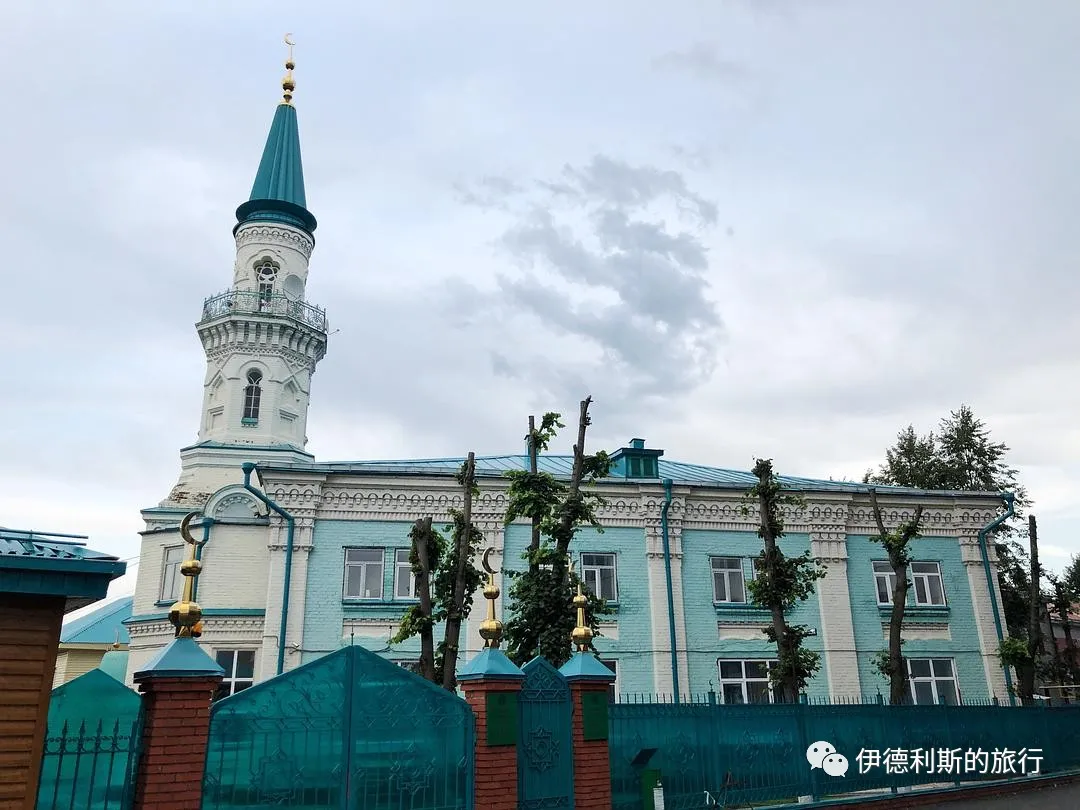
Kazan Blue Mosque: Built between 1815 and 1819 with funds from merchant Akhmet Aitov-Zamanov. The architect was Alexander Schmidt. This was once the poorest mosque district in the old Tatar community. A wooden mosque was built here as early as 1778. In 1815, the original wooden mosque was moved to another village, and the current brick mosque in the classicism style was built in its place.
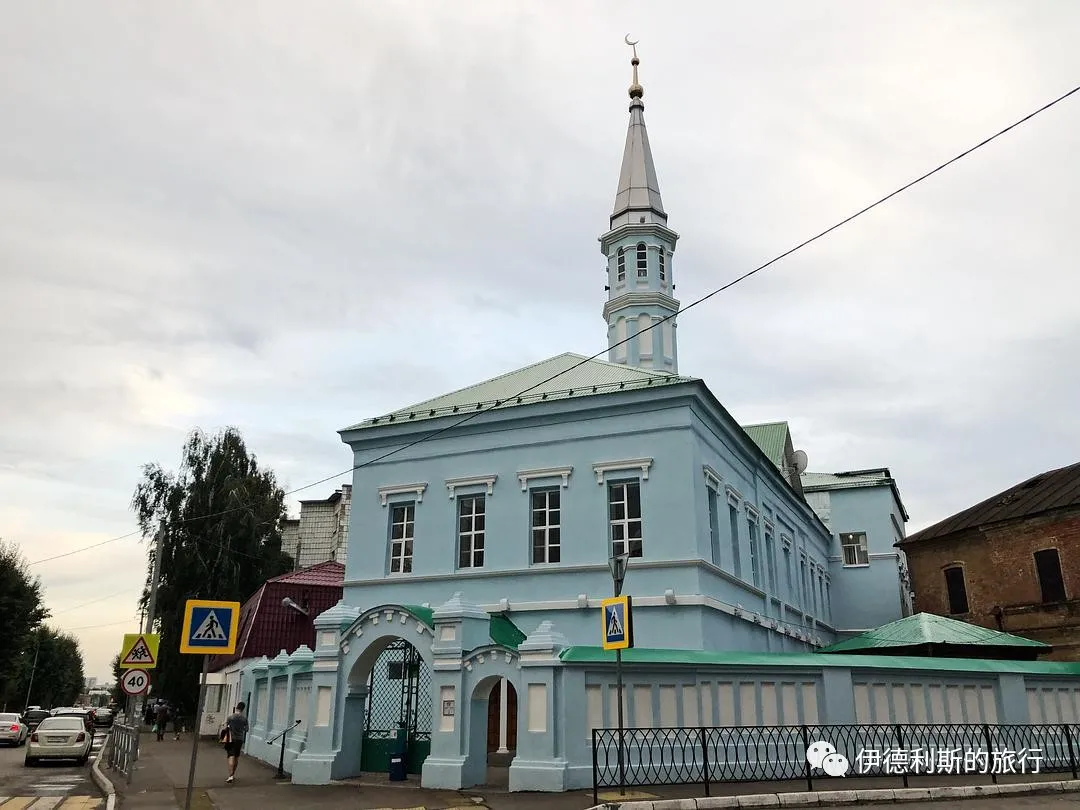
Kazan Nurulla Mosque: Built between 1845 and 1849 with donations from merchant Ğ. M. Yunısov. It features a minaret in the ancient Volga Bulgar style and a Middle Eastern style dome. At the time, the mosque was mainly used by Tatar merchants visiting the Sennoy Bazaar, which was the trade hub of Kazan's old Tatar community in the 18th and 19th centuries.
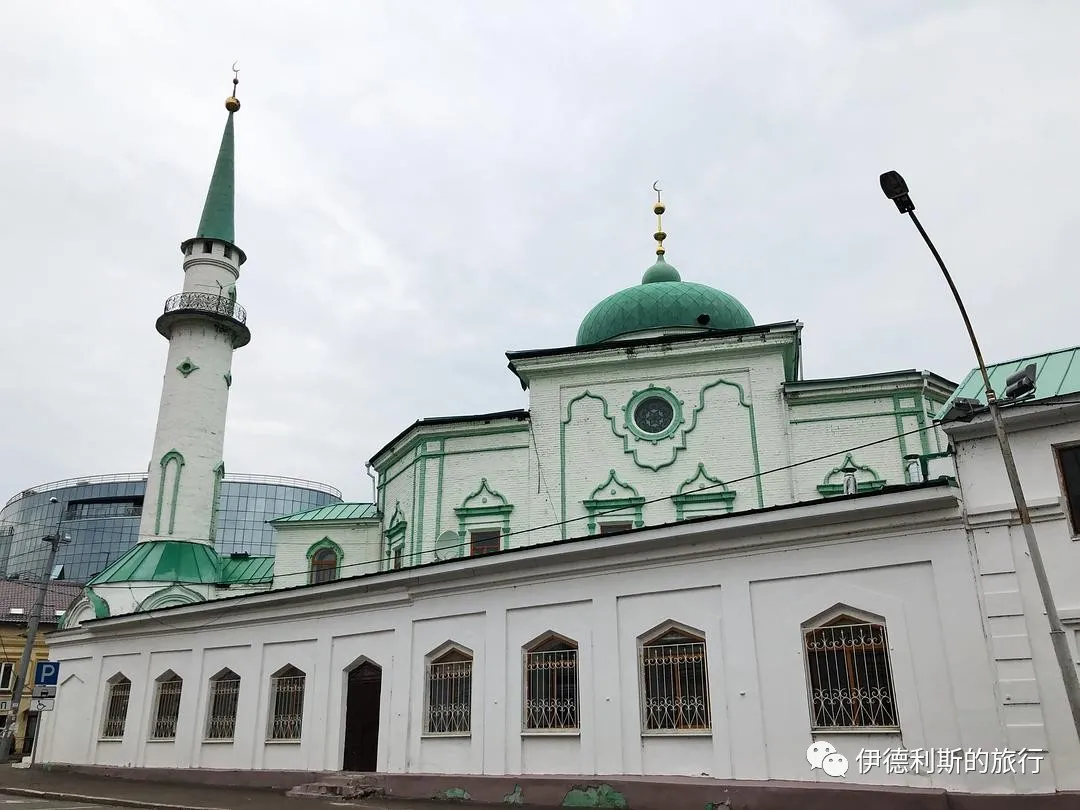
Kazan Sultan Mosque: Built in 1868 with a donation from Tatar merchant Zigansha Usmanov. After Ivan the Terrible conquered Kazan in 1552, this area remained a Tatar settlement. However, it was gradually surrounded by Russian neighborhoods, and churches began to be built right next to the mosque. In the 19th century, Tatar merchant Zigansha Usmanov decided to build a mosque here that looked better than the church next door. The mosque was finished in 1868. People named it the Zigansha Mosque or Usmanov Mosque in his honor.
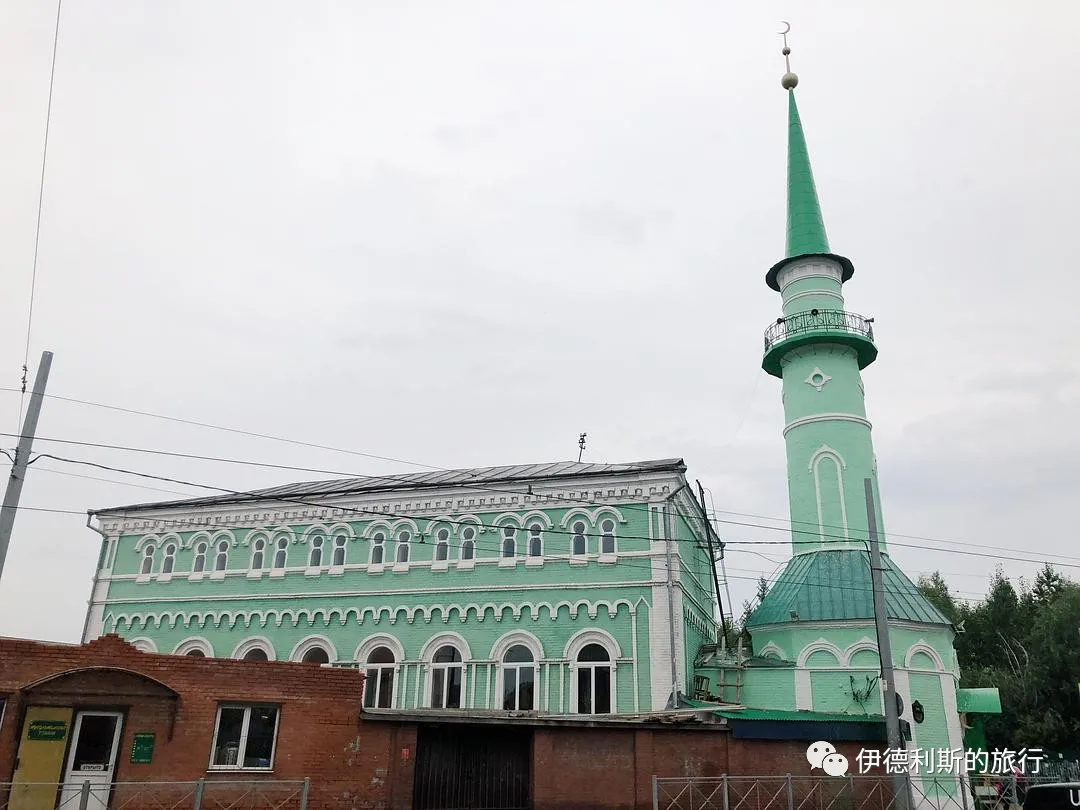
Kazan Bornay Mosque: In 1799, Tatar merchant Salikh Mustafin built a wooden mosque here. It was originally for students of the Apanaev Madrasa, but local residents started using it later. Unfortunately, it was destroyed by fire. In 1872, Tatar merchant Mukhametsadyk Burnayev donated money to build the current brick mosque on the site of the burned wooden one. It is named after him. The mosque features a national romantic eclectic style, blending Russian and Tatar architectural decorations. In 1895, shortly before Burnayev passed away, architects Fyodor Malinovsky and Lev Khrshonovich designed and built a magnificent minaret.
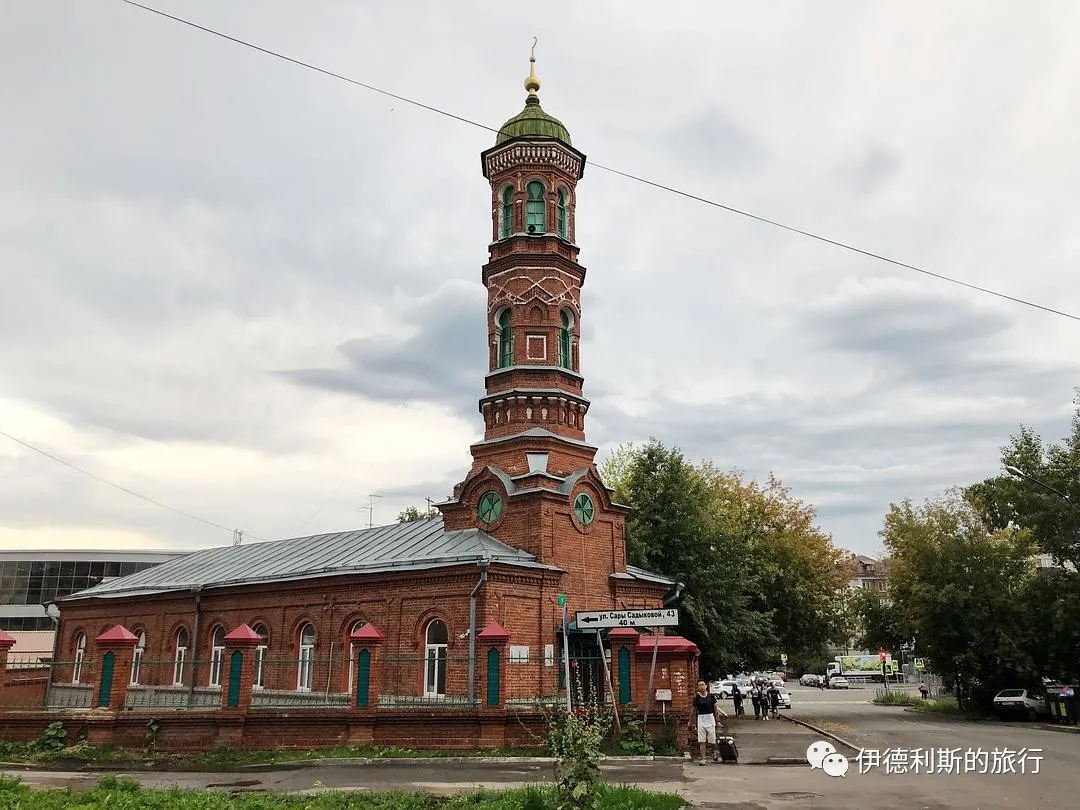
Kazan Azimov Mosque: Built between 1887 and 1890 with donations from Tatar merchant Mortaza Äcimev. It was built in a national romantic eclectic style and is known as the most beautiful mosque in Kazan. The mosque is located in a place called Pleten (wicker fence), between the old and new Tatar neighborhoods.
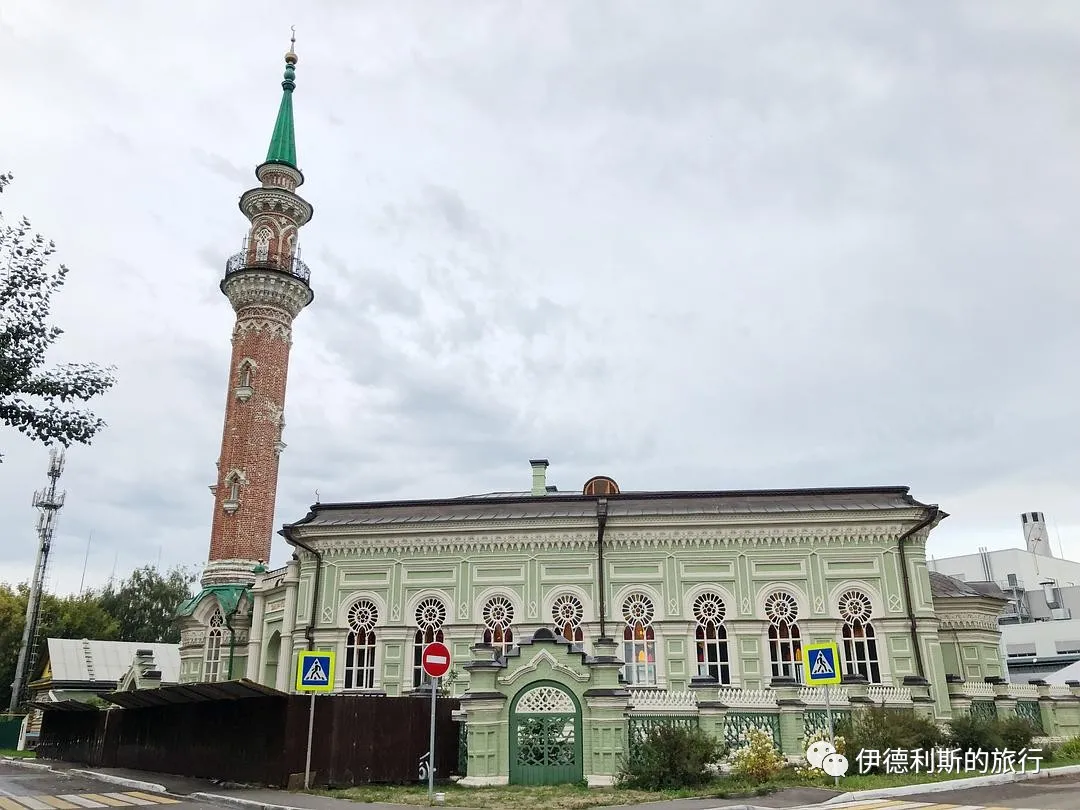
Kazan Zakabannaya Mosque: Also called the "Mosque of the 1000th Anniversary of Conversion," it was built between 1924 and 1926 to mark the 1000th anniversary of the Volga Bulgars' conversion in 922 AD. Stalin personally approved its construction, and it was designed by architect A. E. Pechnikov in 1914 and funded by public donations. It was the last mosque built in Kazan before Stalin ordered all mosques closed in 1930.
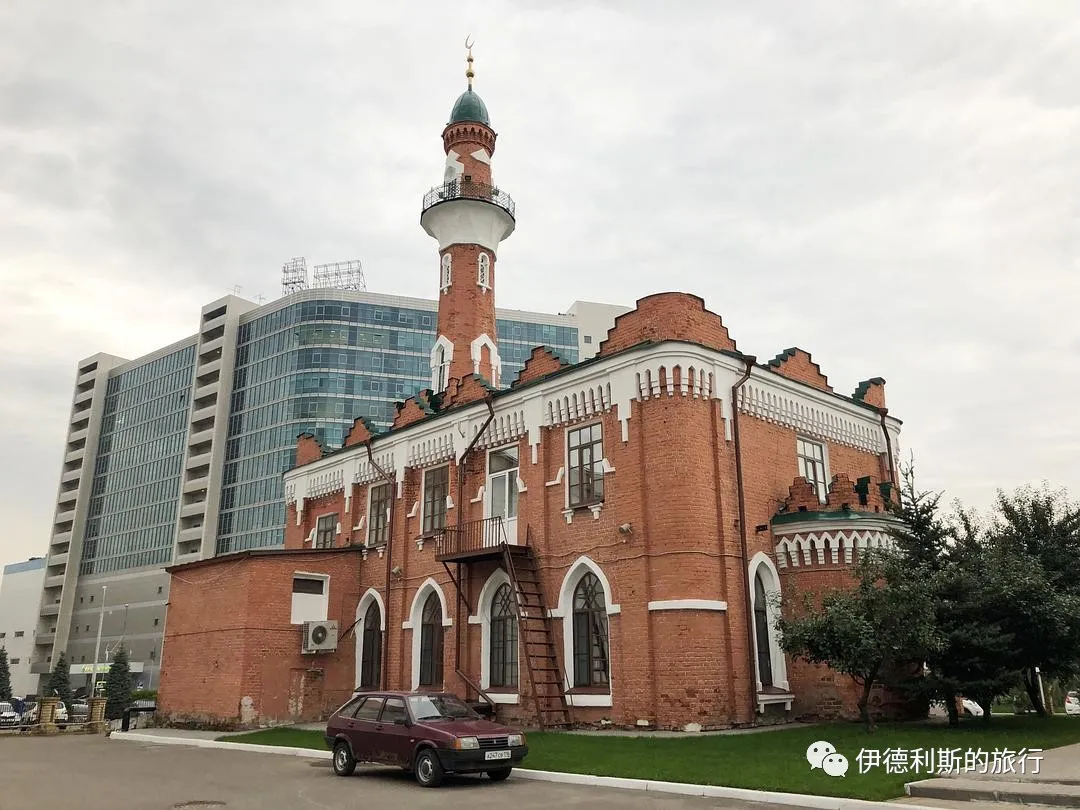
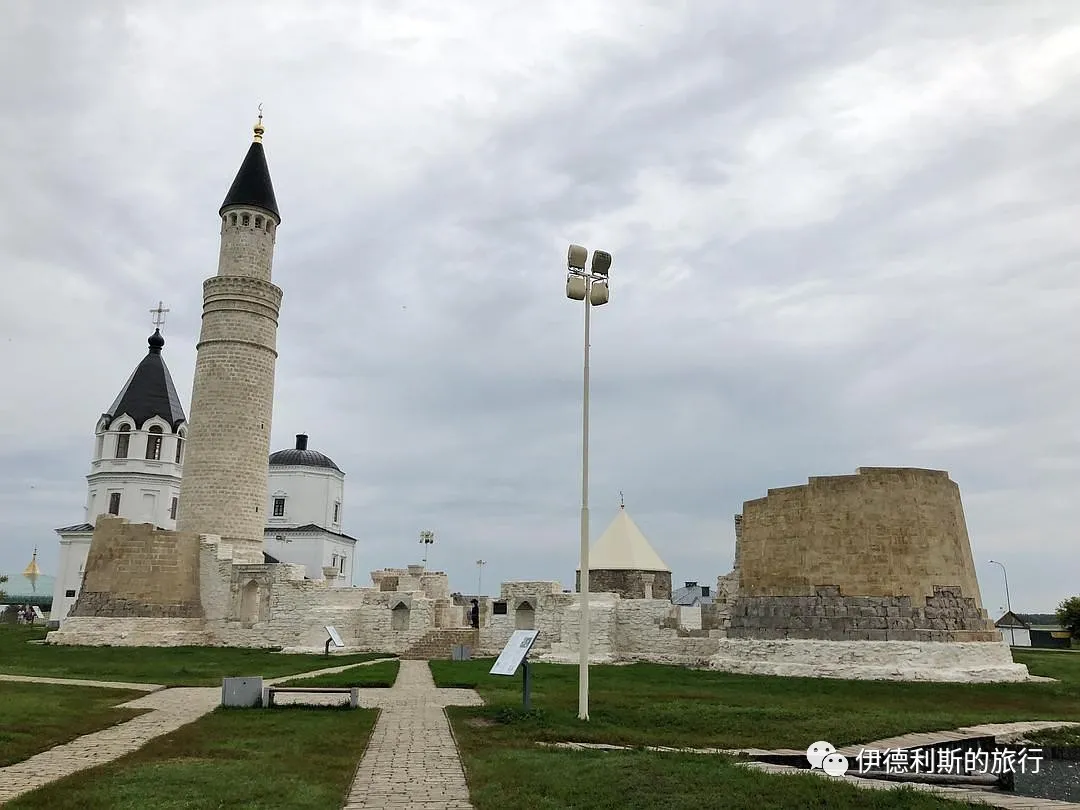
Bulgar Great Mosque: This is the most important architectural ruin from the Golden Horde era remaining in the ancient city of Bulgar. It was the urban center of Bulgar in the 13th and 14th centuries and features typical Golden Horde architectural style. The Great Mosque was renovated in the early 14th century, and corner towers were added in the 1440s.
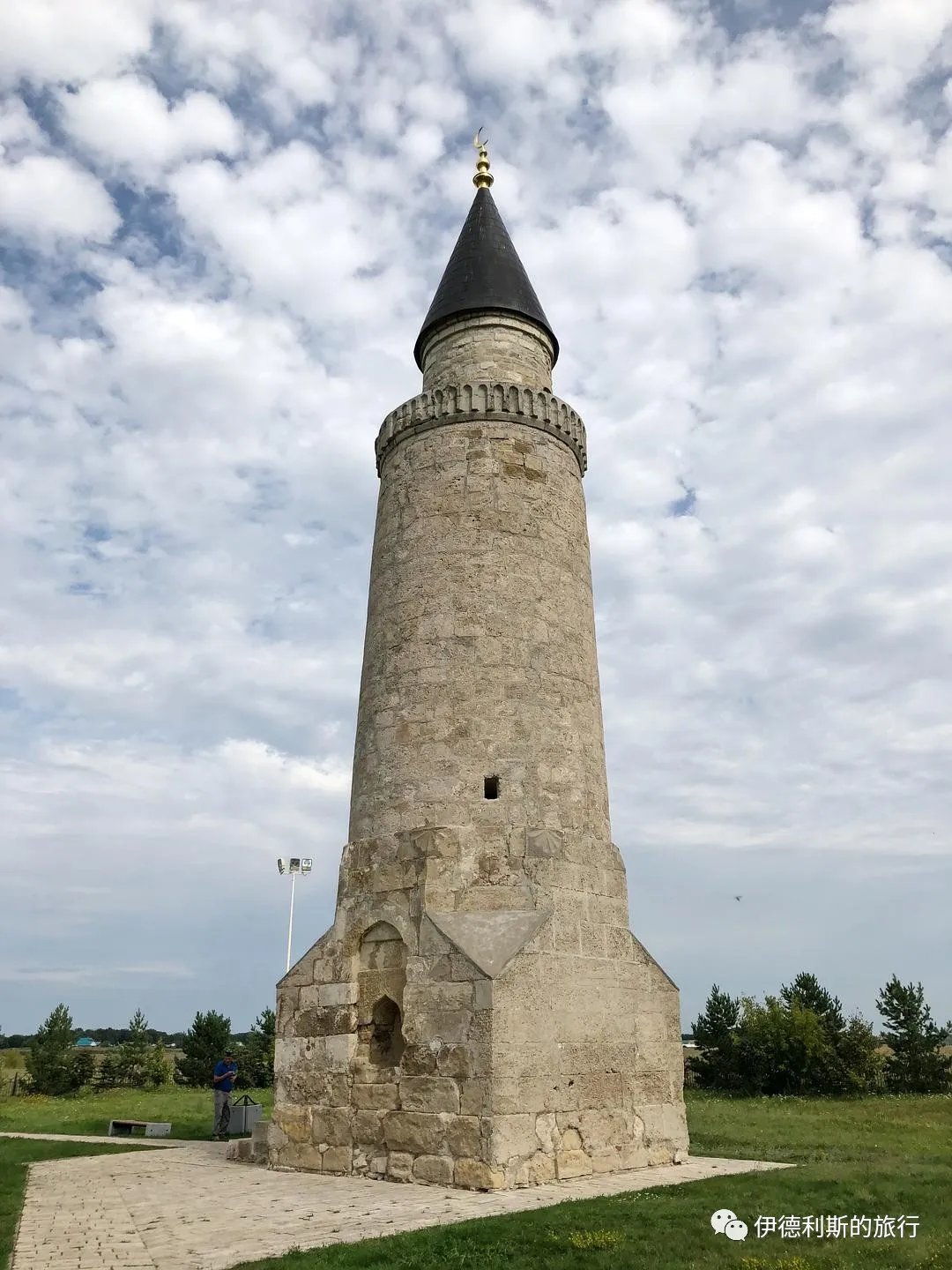
Bulgar Small Minaret (bonke): Built during the late 14th-century Golden Horde period, it is similar in shape to the Great Minaret of the Great Mosque and is the only minaret in the ancient city that has survived to this day.
8 in Crimea (Russian-occupied) in August.
Bakhchisaray Great Khan Mosque: Located inside the Bakhchisaray Khan Palace. In 1532, Crimean Khan Sahib I Giray moved the capital of the Crimean Khanate to Bakhchisaray, and the Great Khan Mosque was one of the first buildings constructed in the palace. The mosque originally consisted of multiple domes, similar to the Seljuk-style mosques popular in 15th-century Ottoman Turkey. The mosque was destroyed by fire in 1736, then restored by Khan Selamet II Giray (reigned 1740-1743) and changed to a tiled roof.
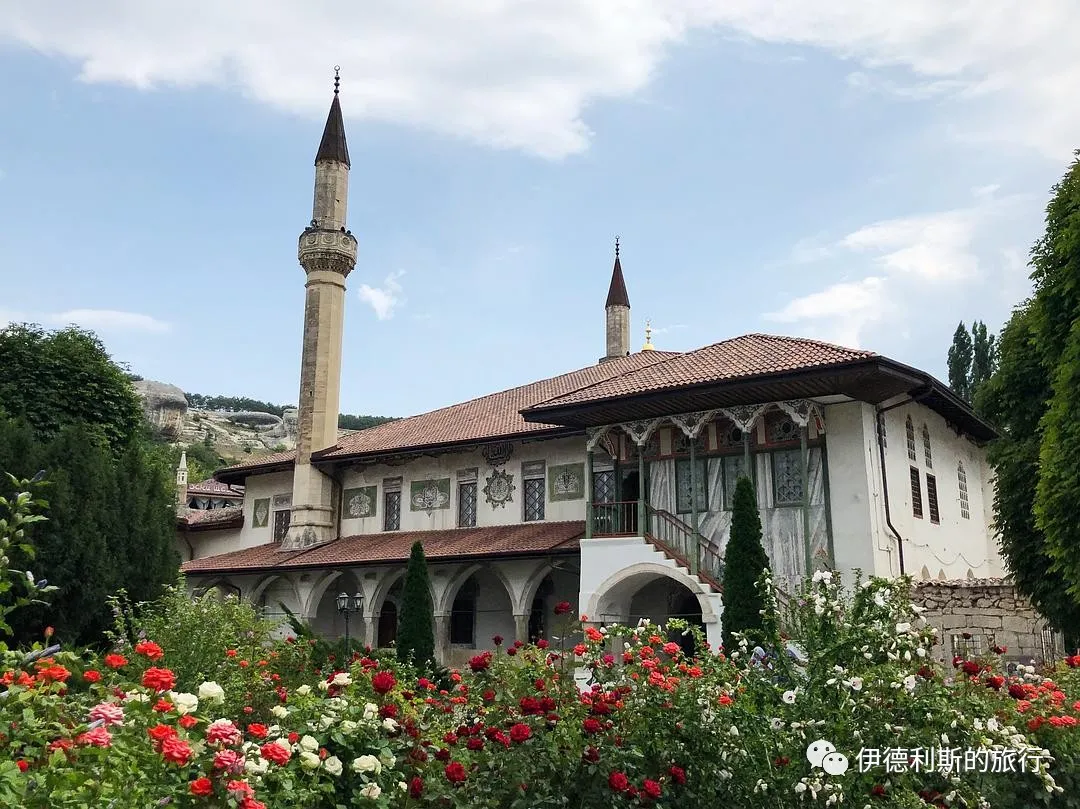
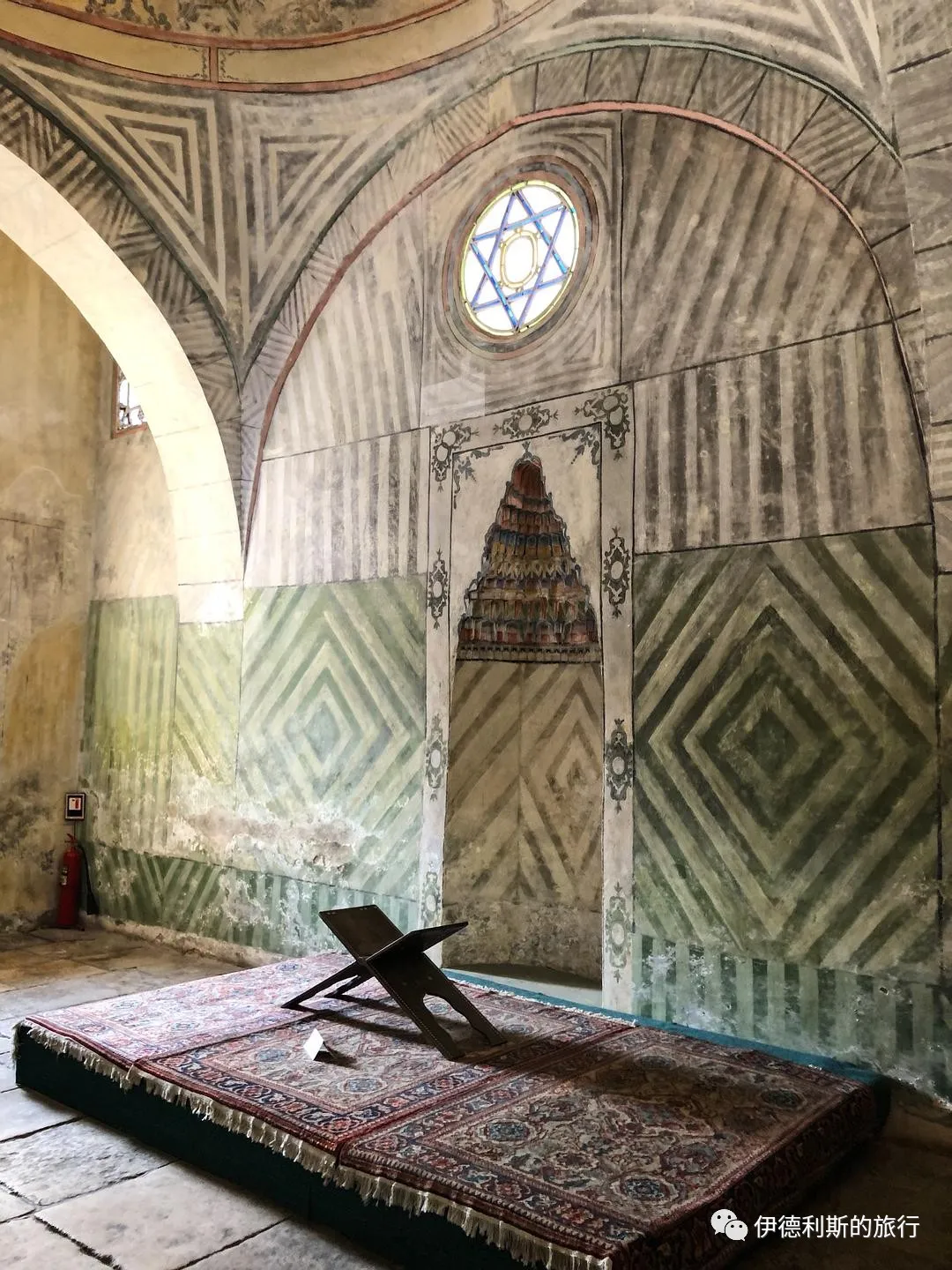
Bakhchisaray Small Khan Mosque: Located inside the main building of the Khan Palace, it was used by members of the Khan's family and noble ministers. Built in the 16th century, it was destroyed by fire by the Russian army in 1736 and restored in 1741 by Khan Selamet II Giray (reigned 1740-1743). The existing interior murals were created in the 17th and 18th centuries, with some painted by the Iranian architect Omer in the late 18th century. Early 16th-century murals were discovered during the 1991 restoration.
Bakhchisaray Orta Mosque: Once the Friday mosque (Jumu'ah mosque) of Bakhchisaray, it dates back to 1674. It was renovated by Khan Mengli Giray II and Selamet II Giray between 1737 and 1743, and renovated again in 1861 to its current appearance.
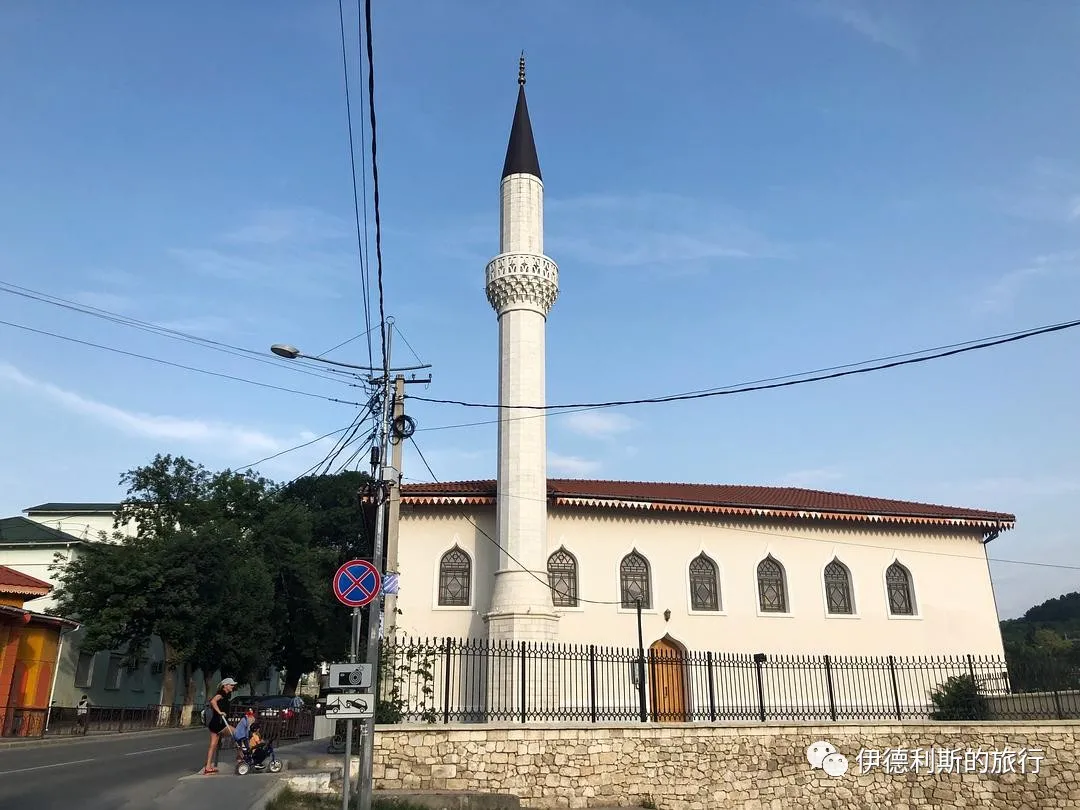
Bakhchisaray Ismi Khan Mosque: Built between the 17th and 18th centuries, its architectural decoration is strongly influenced by the European Baroque style. The upper circular openings are decorated with wooden Seal of Solomon (Suleiman) rings. The mosque was used as a warehouse for a long time. There were plans for restoration in the early 21st century, but they have not been implemented yet.
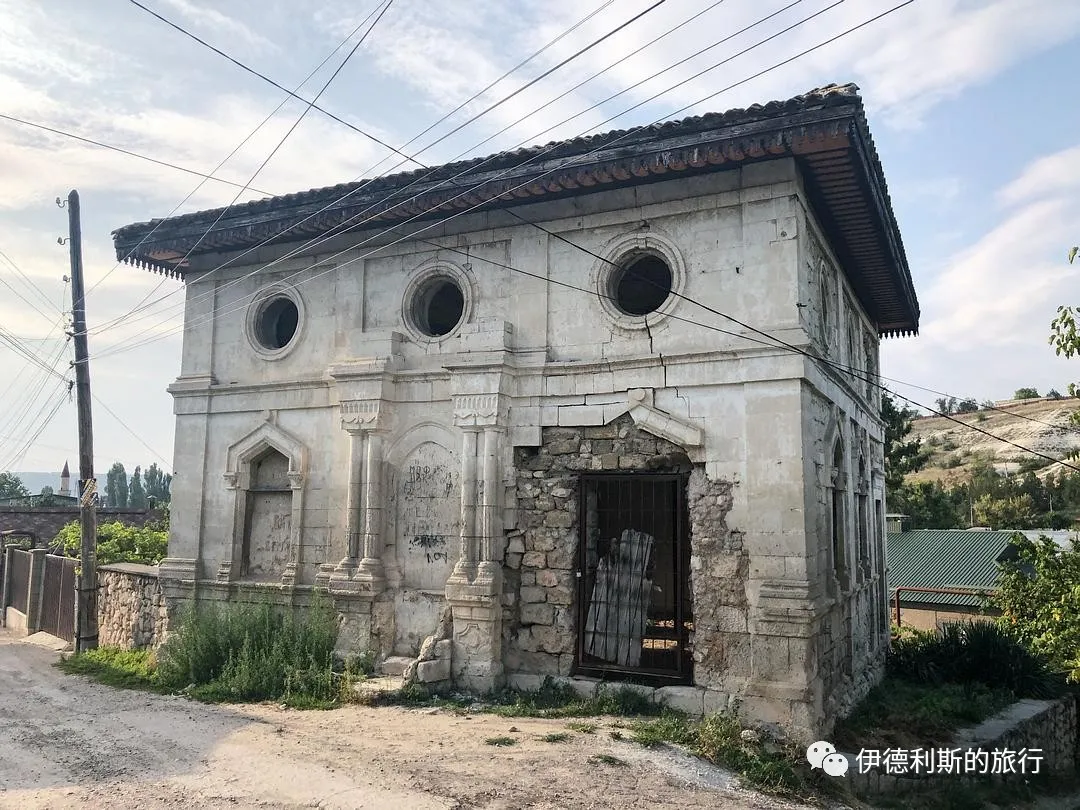
Bakhchisaray Molla Mustafa Friday Mosque: Dates back to the 17th century. An 1890 document mentions this mosque, stating that the local community added a roof to it in 1888.
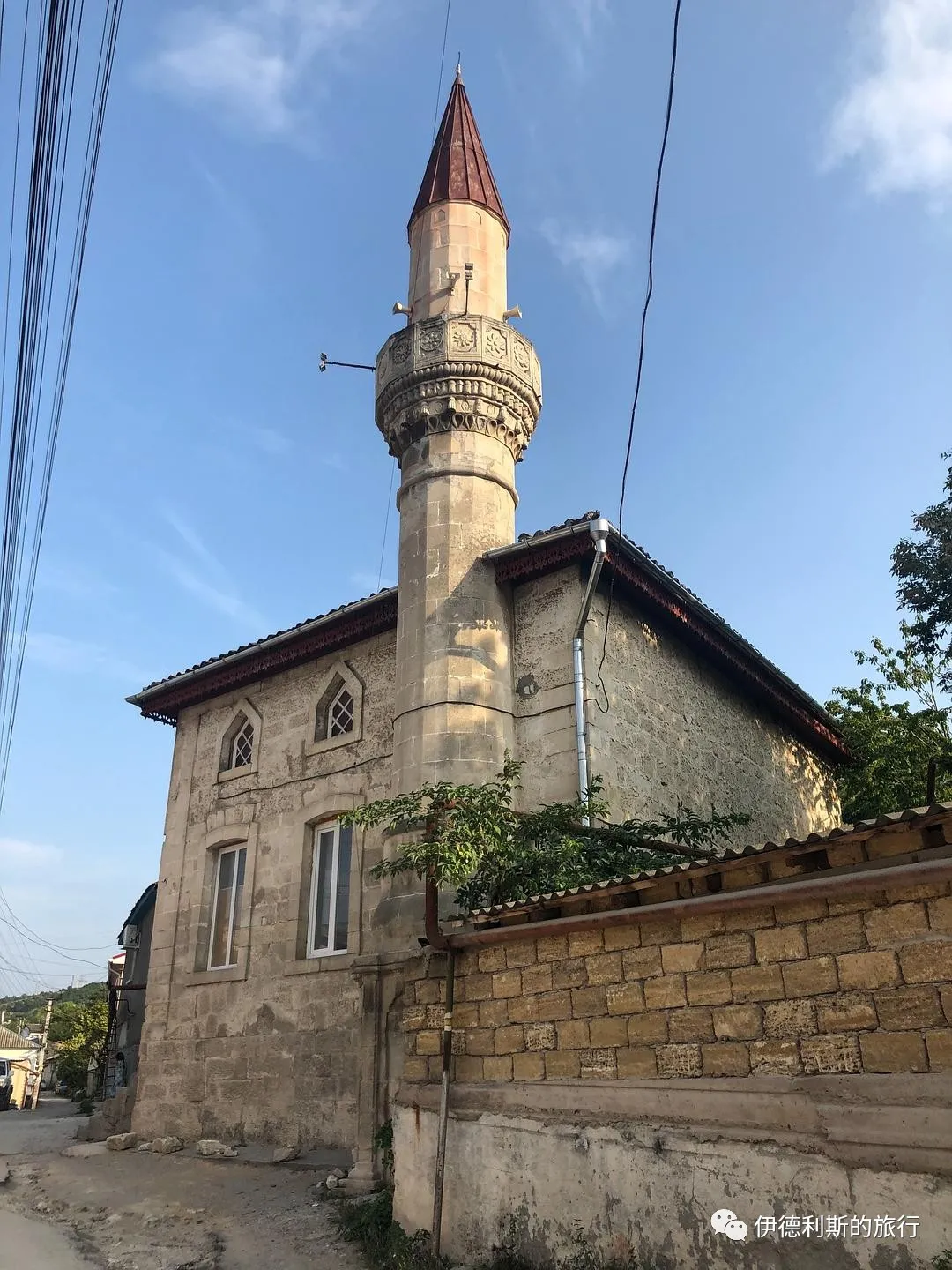
Tahtali Mosque in Bakhchysarai: Built in 1707 by Khan Sultan Beck, the son-in-law of the Crimean Khan Selim I Giray. Tahtali means wooden in the Crimean Tatar language. The mosque was originally built with wooden planks, but later enclosed with brick and stone, and the roof was covered with clay tiles.
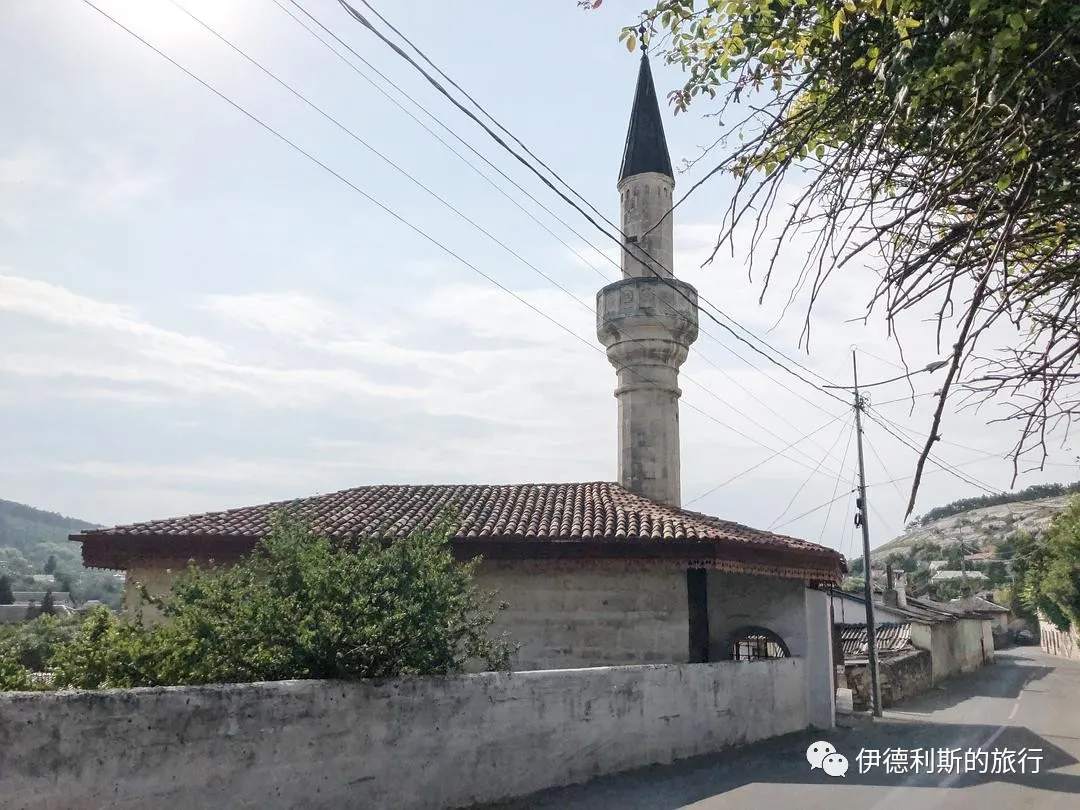
Minbar pulpit of the Malik Ashtar Shrine Mosque in Bakhchysarai: Built during the Crimean Khanate era, the mosque was destroyed in 1955, but the pulpit was saved. This was once a center for Sufi practitioners on the Crimean Peninsula, where they performed whirling dances and other spiritual practices.
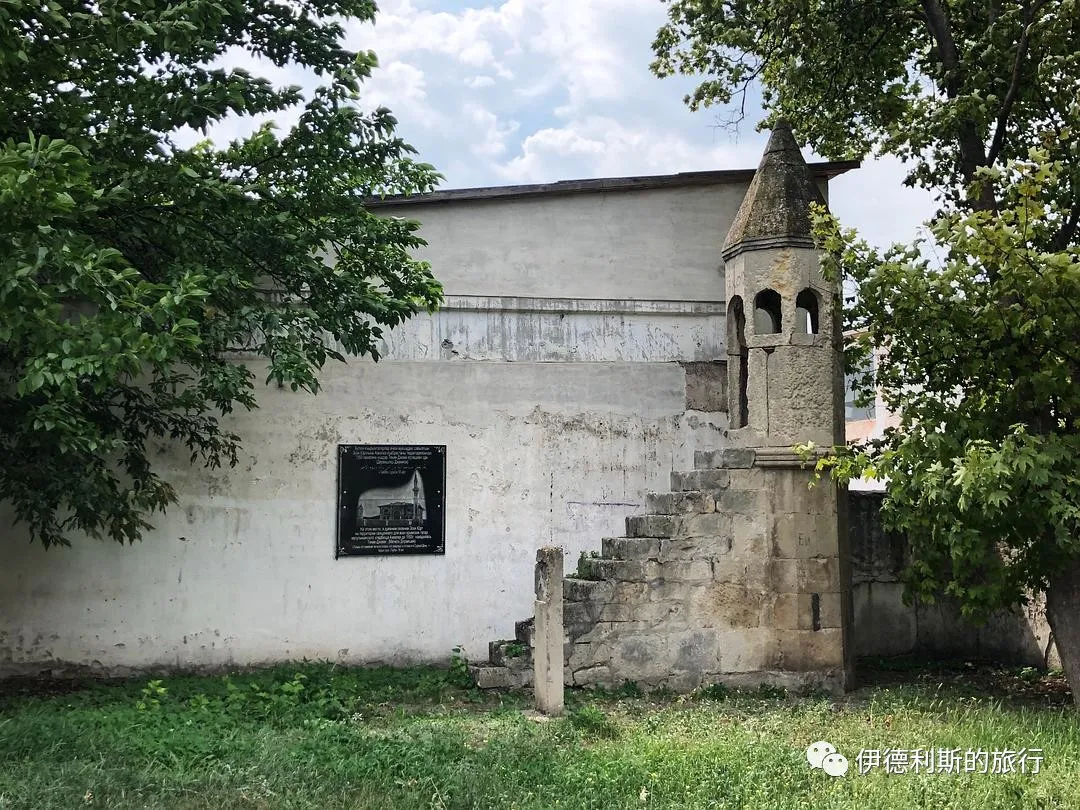
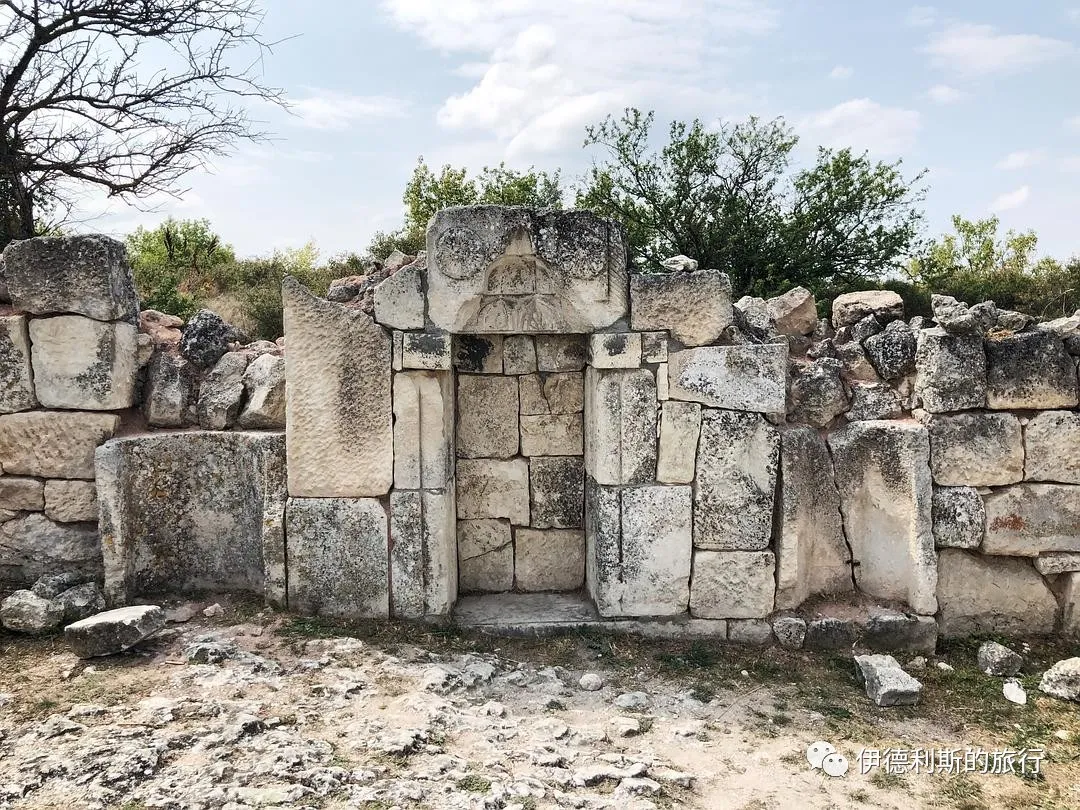
Jani Beg Khan Mosque in Bakhchysarai: Located west of the Jewish fortress, it was built during the reign of Jani Beg (reigned 1342-1357), a khan of the Golden Horde, in 1346. In 1455, the founding khan of the Crimean Khanate, Hacı Giray, rebuilt it. A stone inscription marking the reconstruction was once carved above the mosque gate and was discovered during an archaeological dig in 1928. After the mid-17th century, the mosque was abandoned when all Crimean Tatar Muslims moved from the Jewish fortress to Bakhchysarai. Only ruined walls, a mihrab prayer niche, and some stone carvings remain. The existing ruins suggest it was a fairly typical example of traditional Crimean architecture.
Two mosques in Iran in September.
Shah Abdol-Azim Shrine in Rey: This shrine houses the tomb of Shah Abdol-Azim, a fifth-generation descendant of Hasan, the eldest son of Imam Ali. Shah Abdol-Azim was a companion of Muhammad al-Taqi, the ninth of the twelve Shia Imams. He came to the city of Rey for refuge in the 9th century and died there in 866. Majd al-Mulk, a vizier of the Seljuk Empire, ordered the construction of the shrine complex in the 1090s. Later, Tahmasp I (reigned 1524-1576), the second ruler of the Safavid dynasty, expanded it. During the Qajar dynasty in the 19th century, it was gilded and decorated with mirrors.
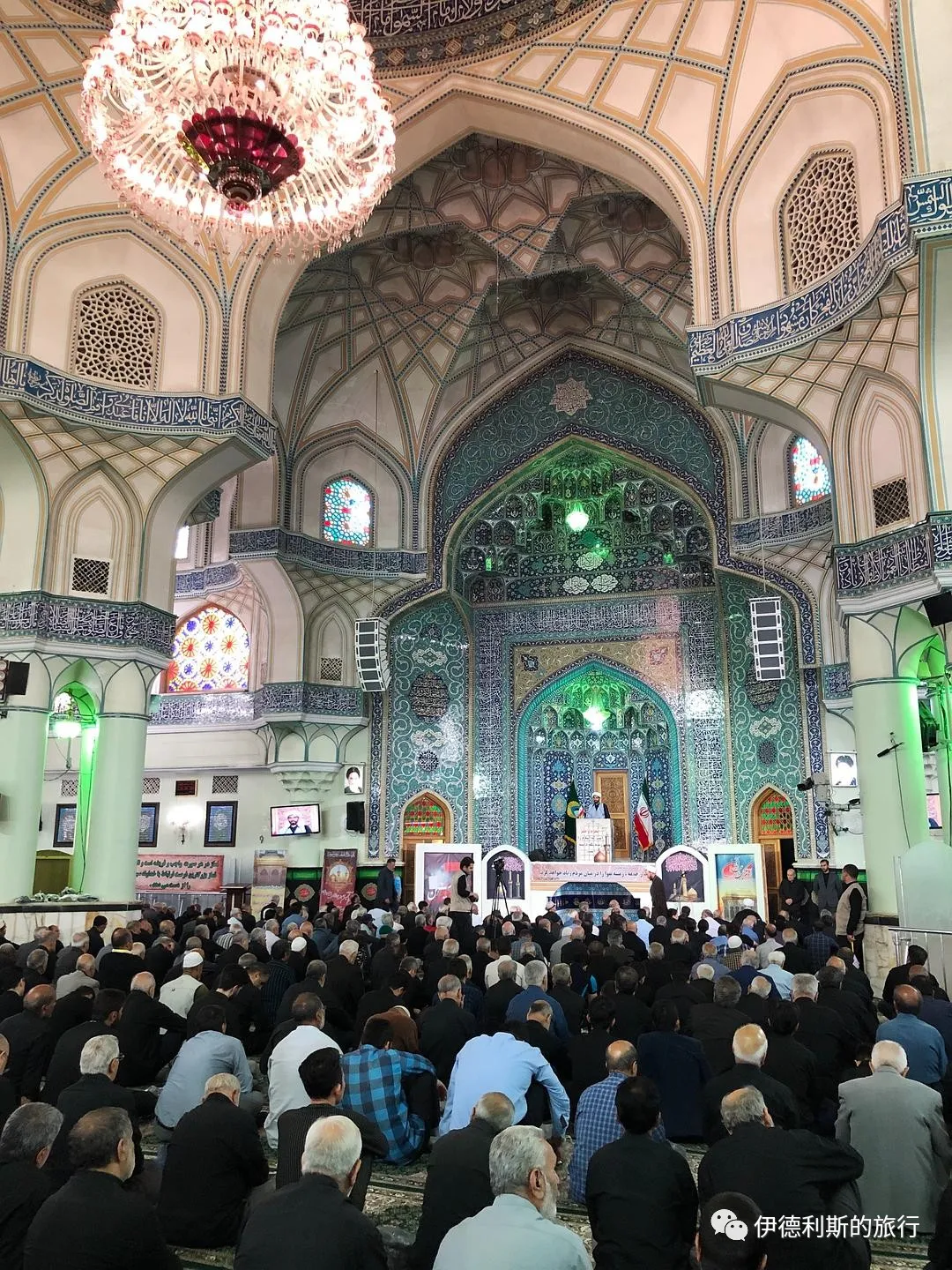
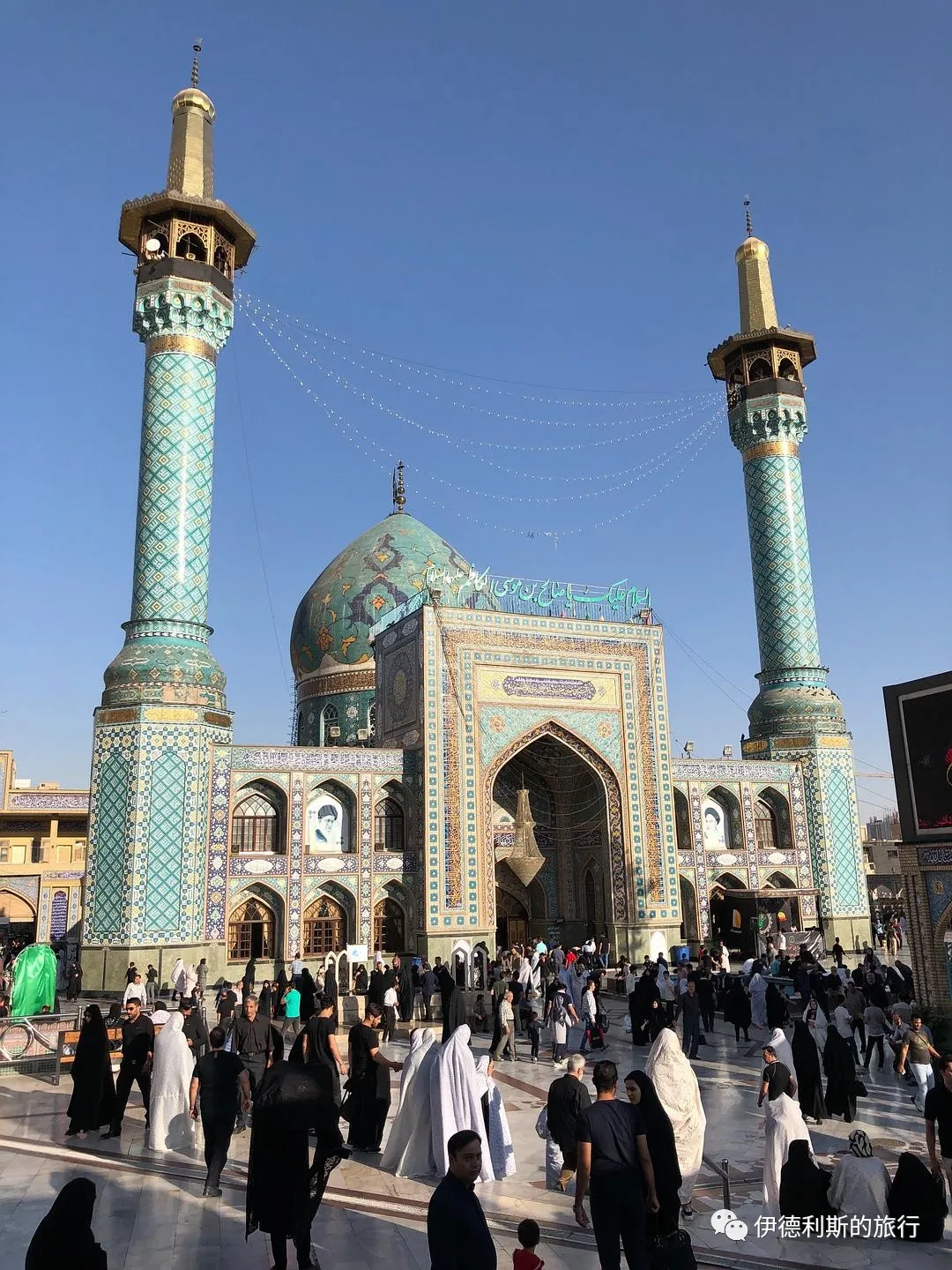
Imamzadeh Saleh Shrine in Tehran: This houses the tomb of Saleh, the son of Musa al-Kadhim, the seventh of the twelve Shia Imams. Parts of the building date back to the late Safavid dynasty through the Afsharid dynasty in the 18th century.
Two mosques in Malaysia in October.
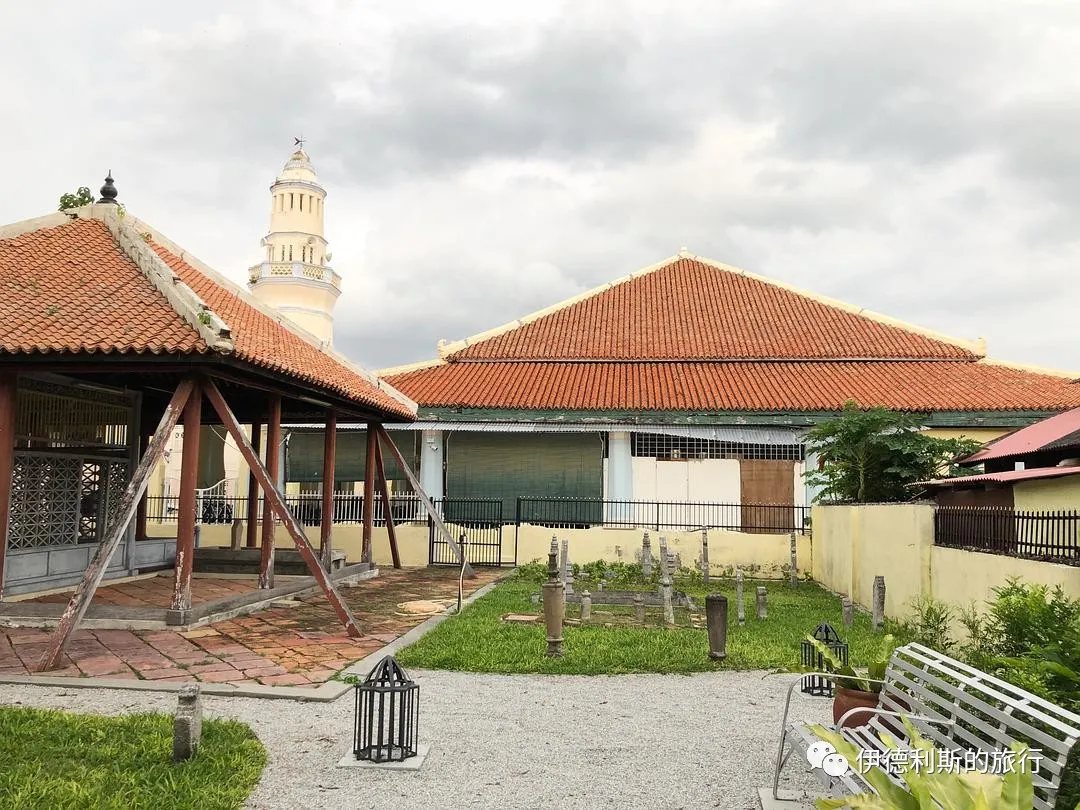
Aceh Street Mosque in Penang: In 1791, Tengku Syed Hussain Al-Aidid, an Aceh pepper merchant and nobleman of Arab descent, immigrated to Penang from Aceh and built the first mosque in Penang near what is now Aceh Street. Merchants from the Malay Archipelago, India, and Arabia later frequented it. In 1808, Tengku Syed Hussain donated money and land to build the mosque.
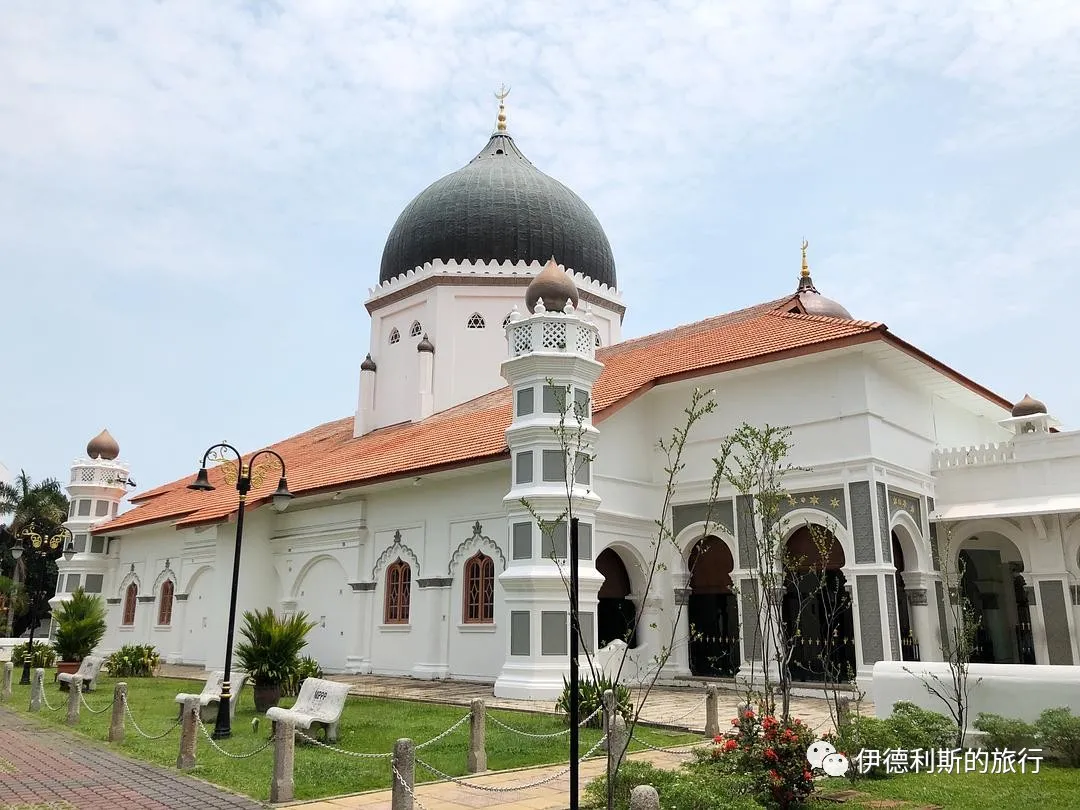
Kapitan Keling Mosque in Penang: Built in 1801 by Indian Muslims in Penang, it is located in the heart of the Chulias Indian community in George Town, Penang.
Five mosques in India in October.
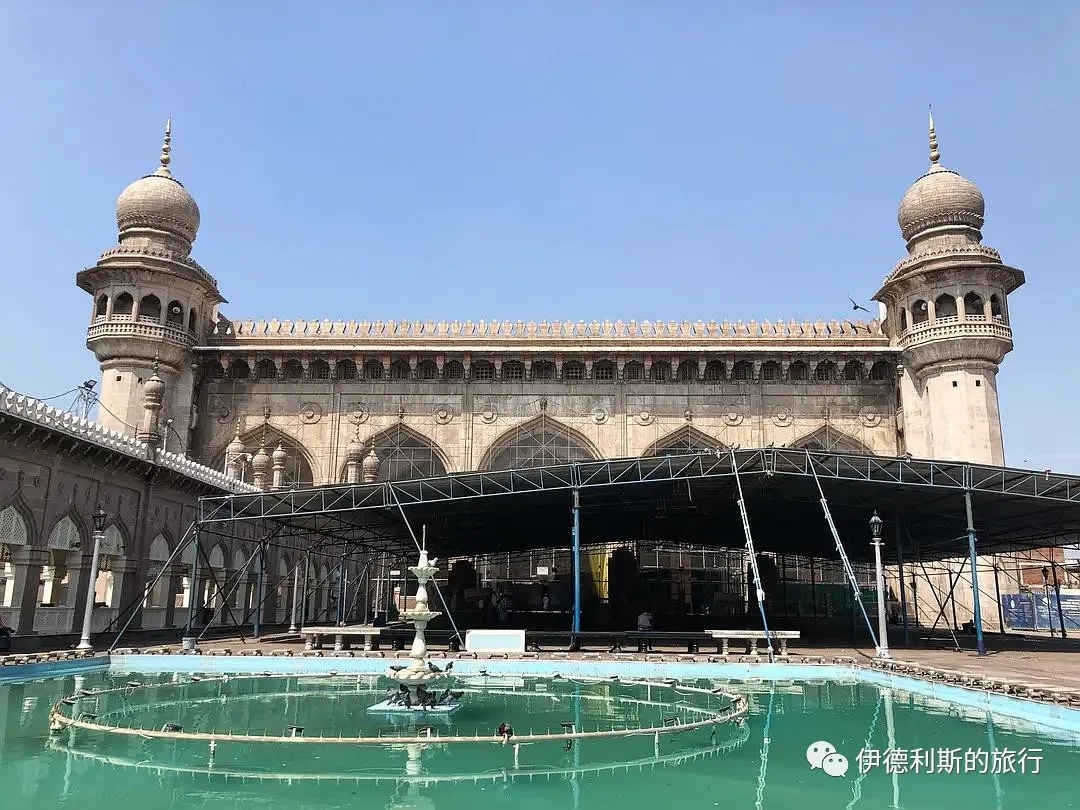
Mecca Mosque (Mecca Masjid) in Hyderabad: Commissioned by Muhammad Quli Qutb Shah (reigned 1580-1611), the fifth sultan of the Qutb Shahi dynasty. He had bricks made from soil brought back from the holy city of Mecca to build the arches, which is how it got its name. The three arched outer walls of the mosque were carved from a single piece of granite, and the quarrying alone took five years. More than 8,000 workers built the entire mosque, and the Sultan himself laid the foundation.
Paigah Tombs in Hyderabad: The Paigah family was the most powerful family in the Asaf Jahi dynasty after the Nizam, and they were the only family in Hyderabad besides the Nizam to own palaces. The 18th and 19th-century tombs of the Paigah family are famous for their exquisite plaster and marble carvings. At the far northwest end of the tombs is the mosque used for visiting graves.
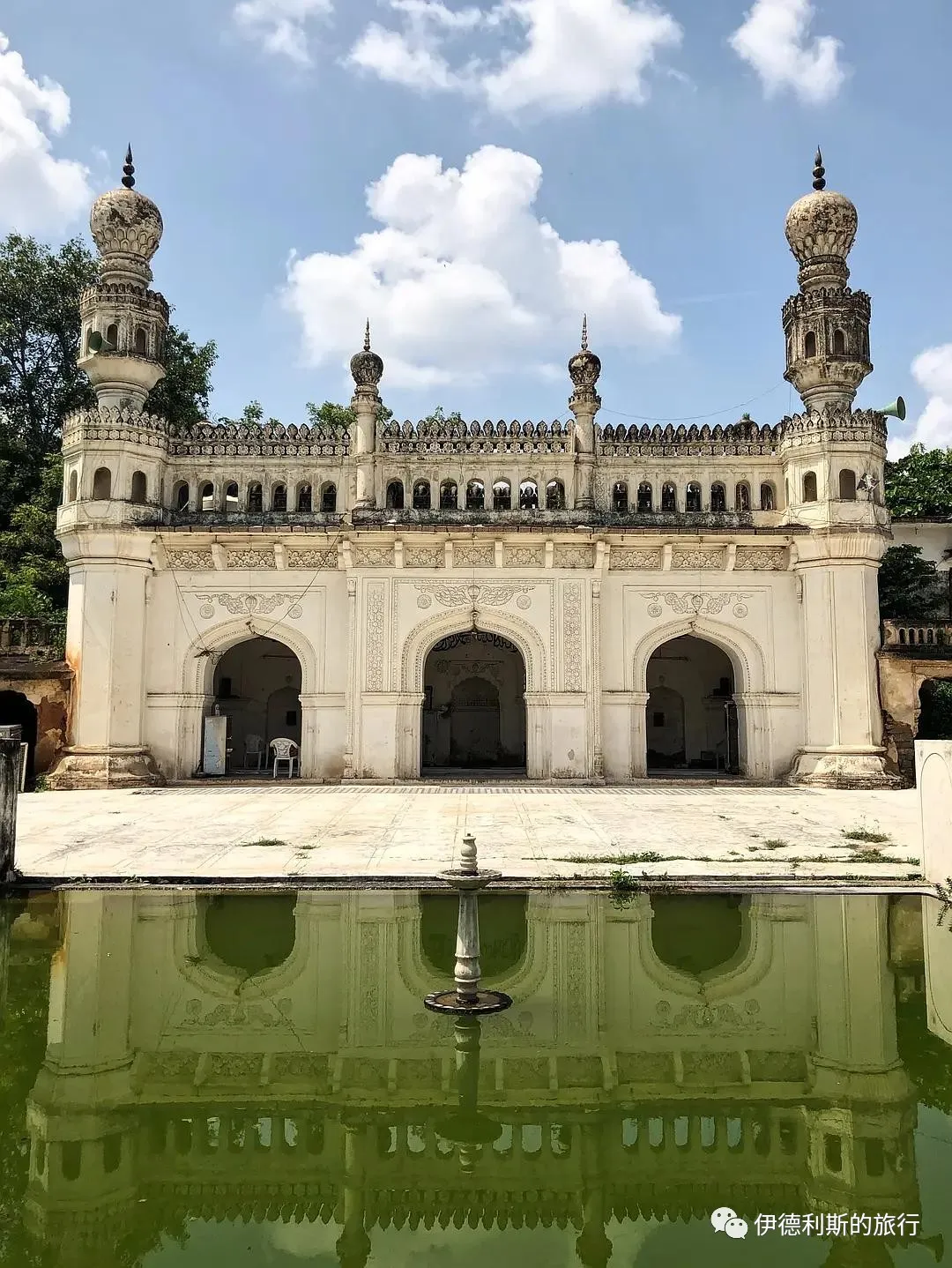
Taramati Mosque in Hyderabad: Located next to the palace area of Golconda Fort and built in 1518, it was used by the Sultan's court and nobles. This mosque has a typical Deccan architectural style, with small lotus-supported onion domes on the balcony roofs.
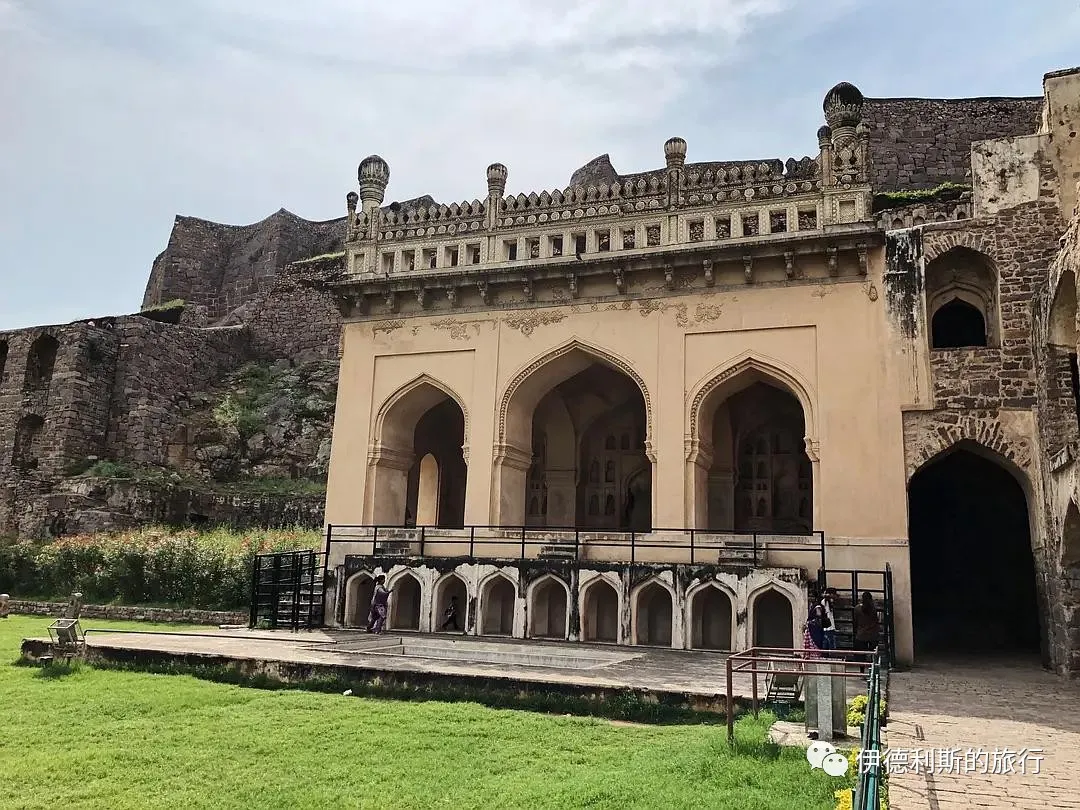
Zanana Mosque in Hyderabad: Located behind the tall walls of Golconda Fort, the mosque preserves a mihrab and a courtyard.
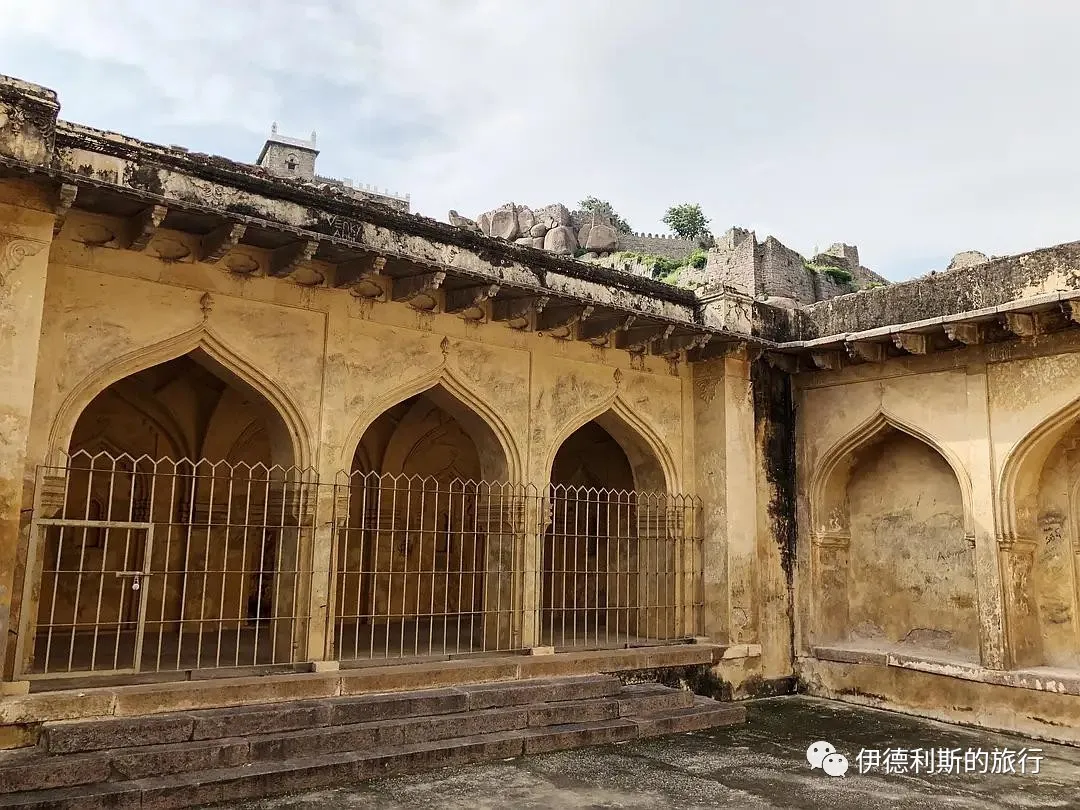
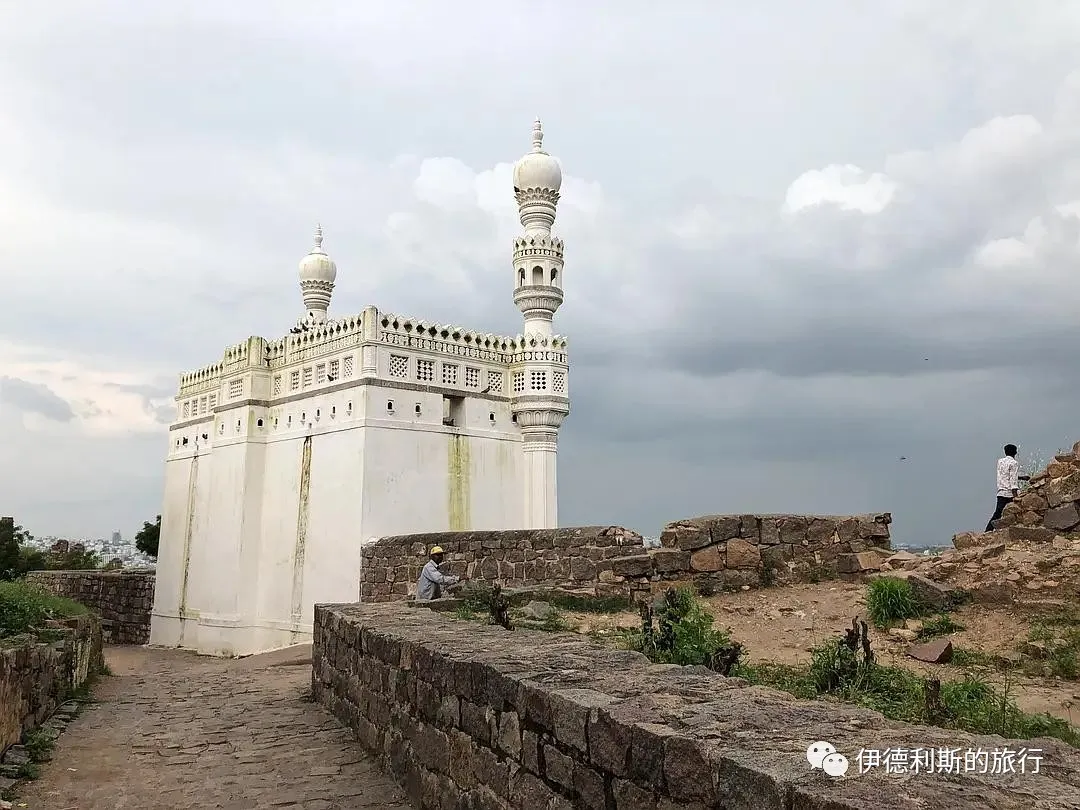
Ibrahim Mosque in Hyderabad: Located on the north side of the Golconda Fort hilltop, it was built by Sultan Ibrahim Quli Qutb Shah (reigned 1550-1580). It is small in size, and the double-layered balconies on the two minarets and the onion domes sitting on lotus pedestals are typical of the Deccan architectural style.
Five mosques in Shaanxi in November.
Huajue Lane Great Mosque: Also known as the "East Great Mosque," it was rebuilt during the Hongwu period of the Ming Dynasty (1368-1398) and renovated multiple times during the Jiajing and Wanli periods of the Ming Dynasty and the Qianlong period of the Qing Dynasty. The mosque is divided into four courtyards. From east to west along the central axis, there is a screen wall, a wooden archway, a five-bay building, a stone archway, the Imperial Decree Hall, the Shengxin Tower, the Lian-san Gate, the Phoenix Pavilion, the moon platform, and the main prayer hall.
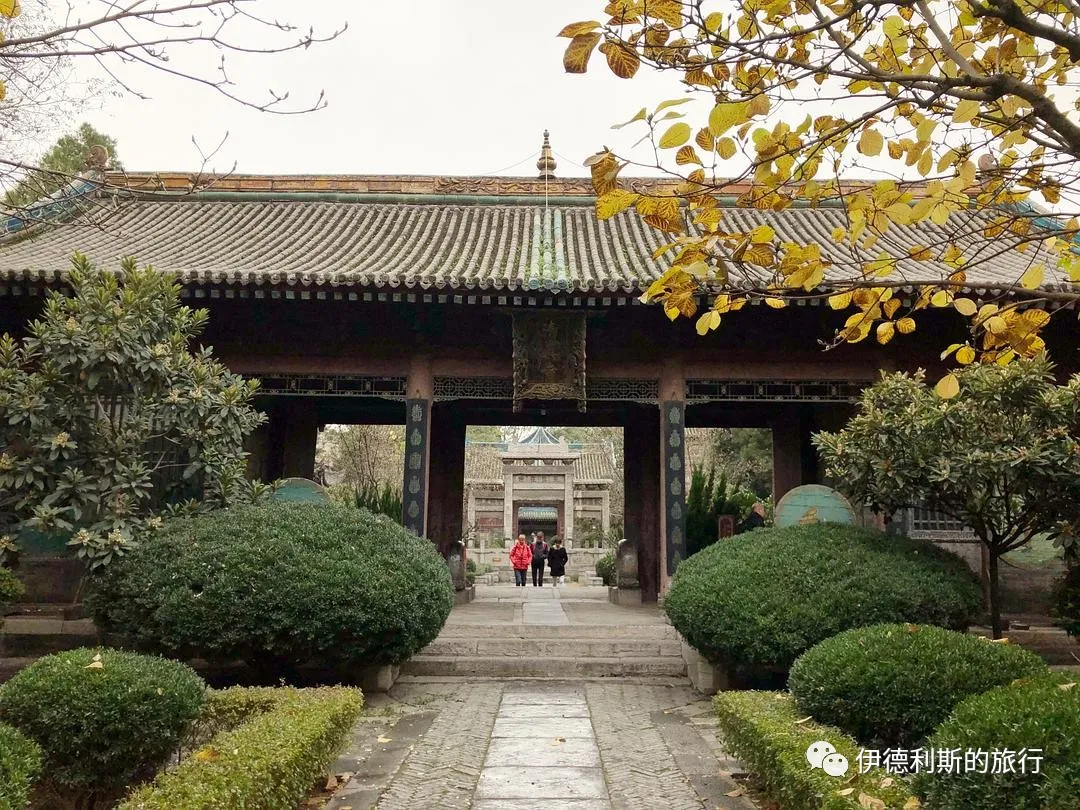
Daxuexi Lane Mosque: Also known as the "West Great Mosque," it was rebuilt in 1384 (the 17th year of the Hongwu period of the Ming Dynasty) by Minister of War Tie Xuan, who was granted the name of the mosque by imperial decree. It was renovated in 1413 (the 11th year of the Yongle period of the Ming Dynasty) and twice more during the Kangxi and Guangxu periods of the Qing Dynasty.
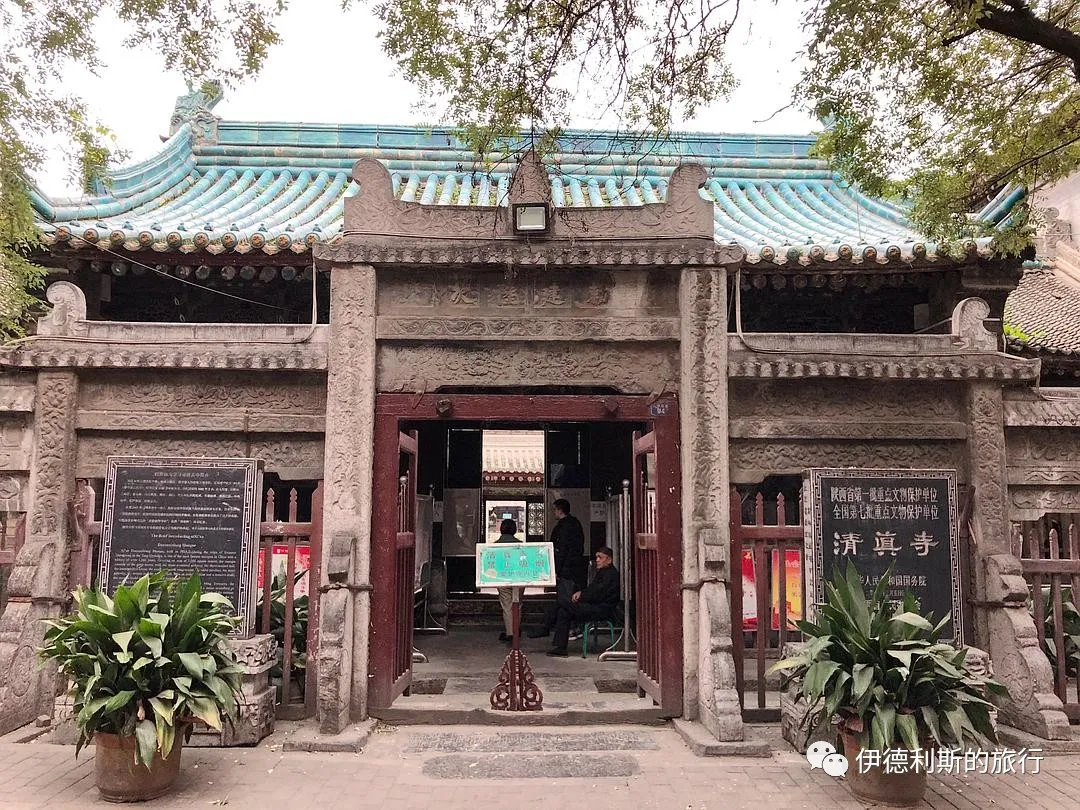
Xiaopiyuan Mosque: Also known as the "North Great Mosque," it was renovated in 1611 (the 39th year of the Wanli period of the Ming Dynasty) and is divided into four courtyards. Passing through the "Second Gate" and the "Lian-san Gate" into the second and third courtyards, you can reach the bluestone imperial path covered by a stone-carved shade canopy.
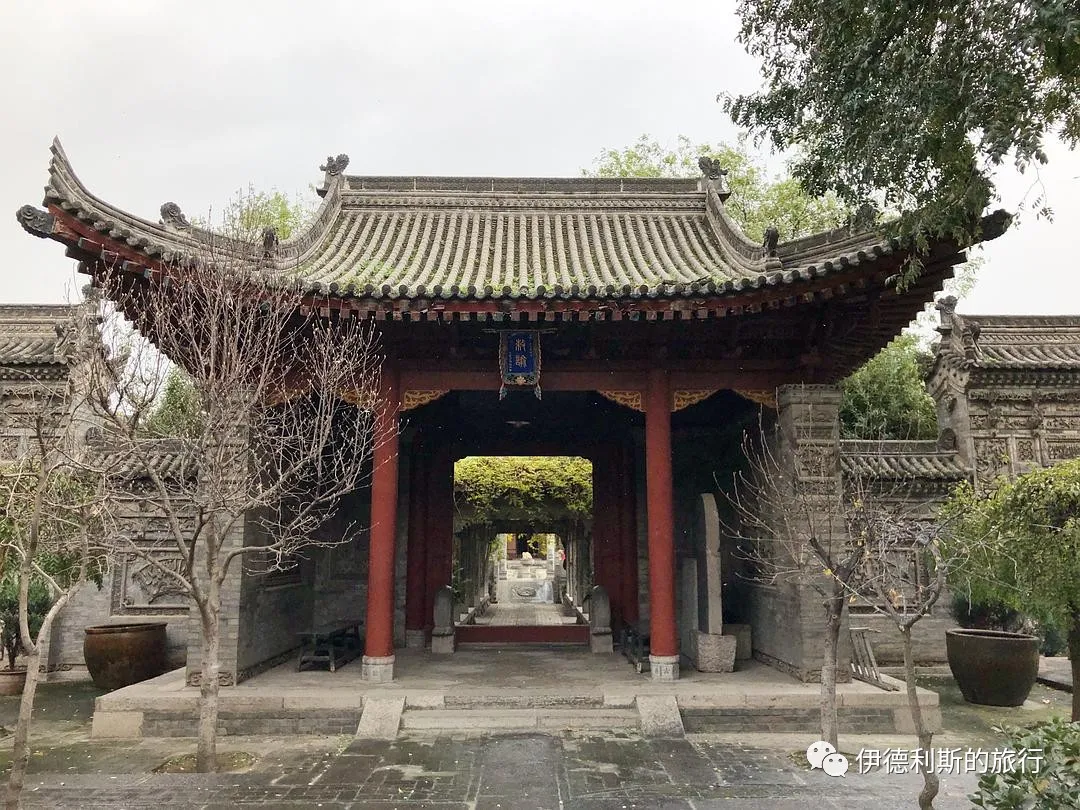
Dapiyuan Mosque: Built in 1411 (the 9th year of the Yongle period of the Ming Dynasty) and renovated in 1781 (the 46th year of the Qianlong period of the Qing Dynasty).
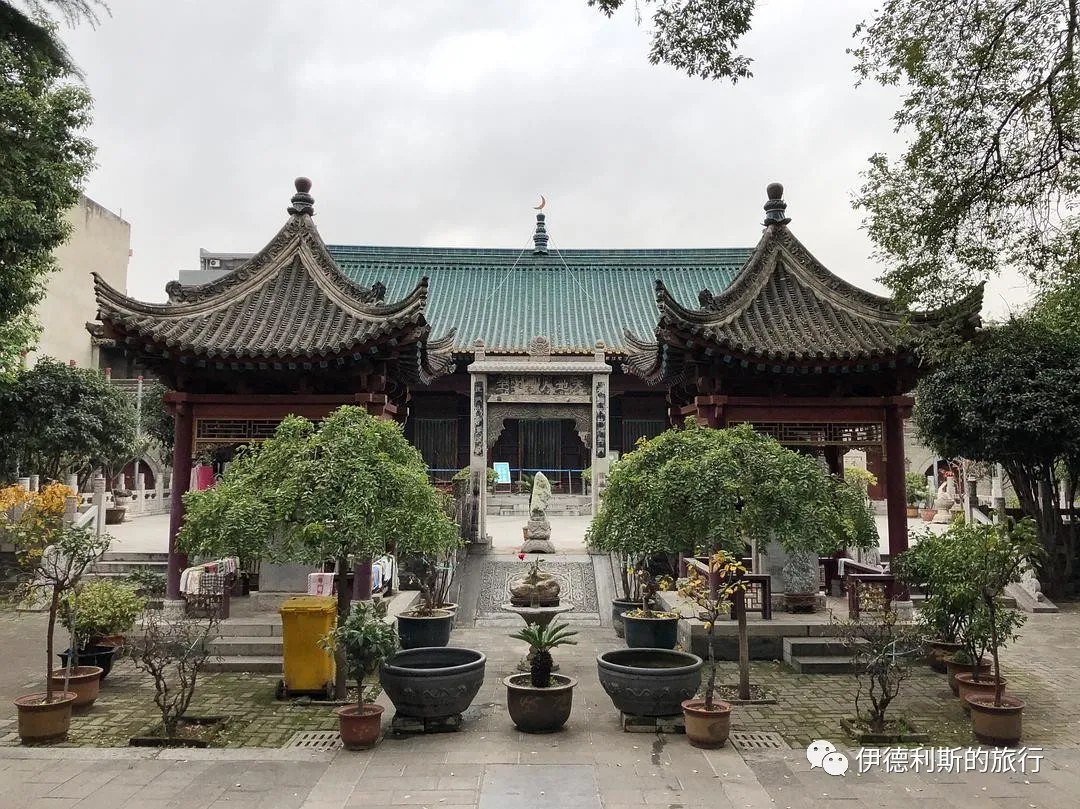
Xiaoxuexi Lane Yingli Mosque: Built in 1774 (the 39th year of the Qianlong period of the Qing Dynasty), it is the last one established among the "seven mosques and thirteen neighborhoods" of the Hui Muslim quarter during the Ming and Qing dynasties, and it is said to have been built by Muslim officers and soldiers.
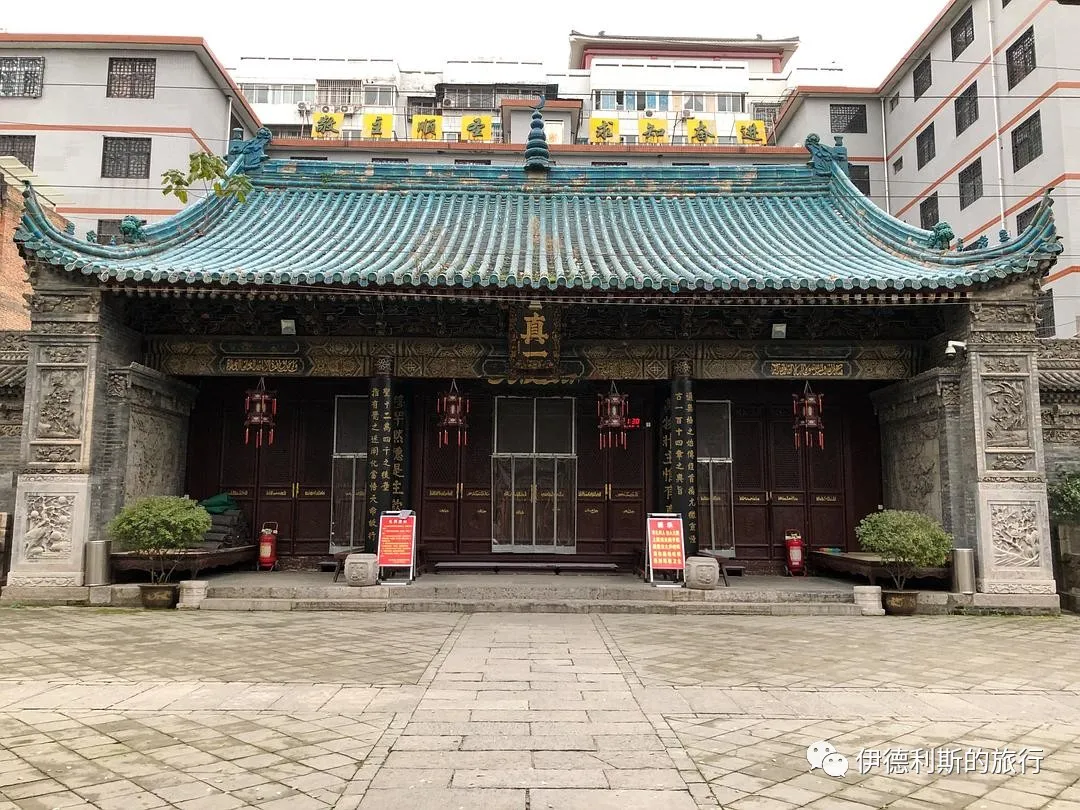
Summary: This 2019 travel record brings together visits to 64 historic mosques and Muslim cultural sites. It preserves the original route, mosque names, images, and local details while turning the account into clear English for global readers.
If my ten-year journey of visiting mosques has two stages, 2019 was the peak of the first stage. That is why I felt so lost when I could not travel in 2020.
By 2019, I had learned how to use my holidays to visit mosques abroad. I would research a lot of information, pick the mosques worth seeing, and use map websites to plan my route to visit as many as possible in the limited time I had.
During the 2019 Spring Festival, I took a long trip and visited 14 mosques in the three ancient cities of Bukhara, Samarkand, and Shahrisabz in Uzbekistan, with the most in the ancient city of Bukhara. In March, I used a weekend to travel to Chengdu and visited 6 mosques. During the Qingming Festival and May Day, I went to Java, Indonesia, twice and visited 7 mosques. In August, I used my annual leave to go to Moscow, Tatarstan, and the Crimean Peninsula, where I visited 23 mosques. During the Mid-Autumn Festival in September, I went to Tehran and happened to be there for Ashura, visiting two mosques. During the October National Day holiday, I went to Penang, Malaysia, and Hyderabad in South India, visiting 7 mosques. I did not expect that India would close its travel visas shortly after. In November, I used a weekend to visit 5 mosques in the Muslim Quarter (Huifang) of Xi'an. In total, I visited 64 mosques in 2019, which was very fulfilling.
I went to Urumqi for the Spring Festival holiday in early 2020 and visited the Shaanxi Old Quarter Mosque (Shaanxi Laofangsi). I almost got stuck there and could not return to Beijing. I worked from home during the first half of the year. Once restrictions were lifted in early July, we spent a weekend visiting the Hongshuiquan Grand Mosque in Qinghai. We took our honeymoon in August and visited 18 ancient mosques across Yunnan and Sichuan. During the National Day holiday, we traveled upstream along the Han River and visited 3 ancient mosques in southern Shaanxi. In total, I visited 23 ancient mosques across 5 provinces in 2020. See "2020 Visits to 23 Mosques."
Mosques in Beijing closed in January 2021. Travel restrictions were lifted in mid-March, so I hurried to visit ancient mosques in Henan, Jiangsu, Hebei, Xinjiang, Liaoning, Shanxi, Tianjin, Qinghai, and Inner Mongolia before travel restrictions returned in July. During the National Day holiday, there were no new cases nationwide, so we went on a road trip to Yunnan to visit ancient mosques. I could not leave Beijing after the holiday ended. Even though I only had less than half a year of freedom in 2021, I visited 47 ancient mosques across 11 provinces and cities. See "Visiting 47 Ancient Mosques in 2021."
2022 was the most difficult year, as I could not leave Beijing at all. That year, I visited some former mosque ruins in Beijing and some mosques I had never been to before, totaling 25 mosques for the year. See "Visiting Twenty-Five Mosques in Beijing in 2022."
At the beginning of 2023, travel restrictions out of Beijing were lifted, and by May, international travel restrictions were also lifted. That year, I traveled extensively, visiting 124 mosques across 11 provinces, 6 countries, and three continents: Europe, Asia, and Africa. See "Visiting 124 Mosques in 2023."
In 2024, life gradually returned to normal, but due to job changes and spending time with my children, the number of mosques I visited decreased. That year, I went to 6 provinces and 3 countries, visiting 63 mosques. I visited Malaysia three times, seeing 24 mosques, which covers almost all the historic mosques in Malaysia. See "Visiting 63 Mosques in 2024."
14 mosques in Uzbekistan in February.
Kalyan Mosque in Bukhara: Originally built in 1121 by Arslan Khan of the Karakhanid Khanate, it was destroyed by the Mongol army in 1220, leaving only the 46-meter-tall minaret. In 1515, Ubaidullah Khan, the nephew of Shaybani Khan who founded the Shaybanid dynasty of the Bukhara Khanate, rebuilt it, and it became the main Friday mosque for the Bukhara Khanate. The architecture is similar in style to the Bibi-Khanym Mosque in Samarkand, featuring as many as 288 domes.
Khoja Zaynuddin Mosque in Bukhara: Built in the first half of the 16th century, one theory is that the Khan of the Bukhara Khanate built it to thank a minister named Khoja Zaynuddin, while another theory suggests the Sufi saint Khoja Zaynuddin is buried nearby.
Baha-ud-Din Naqshband Complex in Bukhara: An important center for the faith in Central Asia, known as the "Little Mecca" of Central Asia. It holds the tomb of Naqshband, the founder of the Naqshbandi Sufi order, who was buried there in 1389, and the Bukhara Khanate added a mosque in the 16th century.
Chor-Bakr Necropolis in Bukhara: Located next to the tombs of the Djuybar Seyyids family in the western suburbs of Bukhara, the mosque was built in 1560 by Abdullah Khan II of the Bukhara Khanate.
Khoja-Gaukushan Mosque in Bukhara: Located next to the tombs of the Djuybar Seyyids family in the western suburbs of Bukhara, the mosque was built in 1560 by Abdullah Khan II of the Bukhara Khanate. It was built in 1598 by the master of that time, Djuybar Sheikh, known as "Khoja Kalon" (the Great Khoja). The height of its minaret is second only to the Kalyan Minaret.
Fayzabad Mosque in Bukhara: Built in 1598 by the famous Sufi master Mavlono Poyand-Mukhammad Ahsi (Ahsiketi) Fayzobodi, it served as both a mosque and a Sufi lodge. Behind the mihrab niche, there are three-story rooms called khudjras, which were used as living quarters for Sufi practitioners. Sufi activities continued here until the Soviet era, but now it only functions as a mosque.
Magok-i-Kurpa Mosque in Bukhara: Built in 1637, it was originally two stories, but the first floor is almost entirely underground, which is why it is called "Magok-i" (in the pit). The mosque is rectangular and has 12 domes on the roof.
Magok-i-Attari Mosque in Bukhara: It is believed to have been built in the 9th or 10th century on the foundation of a Zoroastrian mosque. It is one of the oldest surviving mosques in Central Asia and one of the few in Bukhara that survived the Mongol era. Today, after more than a thousand years of urban development, the mosque sits 4.5 meters below ground level. The mosque was rebuilt during the Karakhanid dynasty in the 12th century, adding a southern facade with a pishtaq-style gate decorated with blue tiles, though most have fallen off now. Because the surrounding streets were much higher than the mosque, the Shaybanid dynasty of the Bukhara Khanate built a huge monumental gateway (pishtaq) on the east side between 1547 and 1548, using a set of stairs to solve the access problem.
Bukhara Namazgahi Mosque: Ordered by Arslan Khan of the Eastern Karakhanid dynasty, it was built in 1119-1120. It was originally an open-air mosque with only a 38-meter prayer wall featuring a prayer niche (mihrab) in the center. Some decorations were added during the Mongol era in the mid-13th century, and arcades were added in the 16th century (some say the 17th century). It is one of the very few mosques in Bukhara that survived the Mongol era, and the tile calligraphy on the wall is the earliest example of tile art in Bukhara.
Ark Citadel Friday Mosque (Juma Mosque): Ordered by Subhan Quli, Khan of the Bukhara Khanate, who reigned from 1680 to 1702. It has wooden canopies on three sides, supported by wooden pillars in the middle. The ceiling inside the main hall features gorgeous floral and geometric patterns.
Bukhara Bolo Hauz Mosque: Ordered by Abu al-Fayz, Khan of the Bukhara Khanate, in 1712. It is the last important mosque in Bukhara's history and the place where the Khan held various ceremonies.
Samarkand Bibi-Khanym Mosque: Known as the most magnificent mosque architecture in Central Asia in the 15th century, it was the most important mosque of the Timurid dynasty and was imitated by many later mosques. Timur ordered its construction in 1399 after conquering Delhi, India, to commemorate his wife, Khanum, the daughter of the last Chagatai Khan, Qazan Sultan. When Timur returned to Samarkand in 1404, it was nearly finished, but he felt the main dome was not grand enough and ordered it to be rebuilt. However, Timur died in 1405 while the work was still in progress. After that, the mosque began to show structural problems due to its massive size, and bricks started falling from the dome. Repairs never stopped during the Timurid period. The Bukhara Khanate stopped maintenance in the late 16th century, and it gradually fell into ruins. The arch of the main gate also collapsed in the 1897 earthquake.
Shahrisabz Kok Gumbaz Mosque: Built in 1435 by Ulugh Beg, ruler of the Timurid Empire. It is said to have been built on the foundation of an ancient Karakhanid mosque, with 40 domed corridors on both sides of the main hall.
Shahrisabz Malik Ajdar Mosque: A typical 19th-century local mosque. The central main hall is used for winter namaz, where stoves are lit to keep it warm. The pergola next to it is used for summer namaz.
6 mosques in Sichuan in March.
Chengdu Gulou Mosque: Built in the early Qing Dynasty. It was occupied by the Gulou Street Office in 1958. In 1996, because of the construction of the World Trade Center building, the main hall was moved more than 50 meters east to its current location.
Chengdu Jiu Mosque: The main hall was built in 1763 (the 28th year of the Qianlong reign). It was built under the leadership of Xu Shiyeng, a hero who pacified Taiwan, and Hu Songlin, a former commander in Yichang, Hubei. The main hall was demolished in 2020, and the relocation has not been completed yet.
Chengdu Tuqiao Lower Mosque: Built in 1724 (the second year of the Yongzheng reign), it is now used as a nursing home.
Chengdu Pixian Taihechang Zhangjia Mosque: Located at an important water and land terminal entering the Western Sichuan Plain from the Aba Tibetan and Qiang areas. Goods from the Tibetan areas were shipped from Dujiangyan to this place, unloaded, and transferred to horse-drawn carriages to Chengdu, forming a busy market town. Zhangjia Mosque was first built in 1643 (the 16th year of the Chongzhen reign) and rebuilt in 1822 (the 2nd year of the Daoguang reign).
Tangjia Mosque in Mimou Town, Chengdu: First built in 1728 (the 6th year of the Yongzheng reign), it is a beautiful ancient mosque in the Shu region and the only one currently open in Mimou Town.
Chengdu Mimou Town Chengyi Mosque ruins: Built in 1821 (the 1st year of the Daoguang reign), only the ruins of the second gate remain today, standing precariously in the wind and rain.
7 mosques in Indonesia in April and May
Demak Great Mosque in Java: Legend says it was built in 1479 by Raden Patah, the first Sultan of Demak, and Sunan Kalijaga, one of the nine saints (Wali Songo) of Javanese Islam. Sunan Ampel, one of the nine saints, served as the imam of this mosque for a long time.
Sunan Kalijaga Gongbei Mosque in Demak, Java: Sunan Kalijaga was one of the nine saints of Javanese Islam and played a major role in spreading the faith across Java. Legend says Sunan Kalijaga lived to be 100 years old and did not pass away until 1550. During his life, he witnessed the fall of the Majapahit Empire and the founding of the Demak, Cirebon, and Banten Sultanates. He eventually died in Demak and was buried southeast of the city. Later generations built a gongbei over his tomb and a mosque next to it.
Kudus Al-Aqsa Mosque in Java: Built by Kudus in 1549, it is famous for its unique traditional Javanese architectural style, which directly inherited elements from the Majapahit era. Kudus Al-Aqsa Mosque shares its name with the famous Al-Aqsa Mosque in Jerusalem. People say while on his way to Hajj, Kudus helped cure a plague in a city and refused the generous gifts offered by the locals, accepting only a stone from near the Al-Aqsa Mosque in Jerusalem. After returning to Java, Kudus used the stone to build this mosque.
Banten Great Mosque in Java: Ordered by Sultan Maulana Hasanuddin of Banten and built in 1566. The women's hall was added in the 1580s, the minaret was designed and built by the Chinese man Cek-ban-cut in 1632, and the madrasa was designed and built in the 17th century by Hendrik Lucaasz Cardeel, a Dutchman who converted to Islam. The minaret is 24 meters high with a base diameter of 10 meters, blending Mughal style with the local Javanese Hindu/Buddhist temple (candi) style.
Mataram Great Mosque in Java: This is the most important architectural relic of the Mataram Sultanate. It was first built in 1575, and the original walls and gate are still preserved. The main hall was rebuilt in the 17th century by Sultan Agung and later underwent several repairs by the Sultans of Yogyakarta and Surakarta. The current building was reconstructed after a fire in 1926 and still maintains the traditional Javanese mosque layout.
Surakarta Great Mosque in Java: Built by Sunan Pakubuwana III in 1763 and completed in 1768. It serves as both a Friday mosque and a royal mosque. Many ceremonies of the Surakarta court are held here, the most important being the Mawlid (Prophet's birthday). During the Mawlid, two sets of large gamelan instruments are moved from the Surakarta palace storage to the mosque courtyard, where traditional Javanese gamelan music is performed outside of prayer times.
Yogyakarta Great Mosque in Java: Located northwest of the Yogyakarta Palace, it was first built in 1773 and is the royal mosque of the Sultan of Yogyakarta.
15 mosques in Russia in August
Historical Mosque of the Tatar Community in Moscow: In the early 17th century, many Tatars from the Volga River and steppe regions came to Moscow for business. A Tatar community gradually formed on the opposite bank of the Kremlin. The first records of the Tatar community mosque date back to 1712. It burned down in 1812 when Napoleon left Moscow. Tatar merchants rebuilt it in 1823, and it was expanded in 1882 with the addition of a minaret.
Kazan Marjani Mosque: Built between 1766 and 1770 with permission from Catherine the Great. It was the first brick mosque built in Kazan after Russia conquered the Kazan Khanate in 1552. It is the oldest surviving mosque in Kazan and the only one that stayed open during the Soviet era.
Kazan Apanay Mosque: The second mosque approved by Catherine the Great for construction in Kazan. Merchant Apanaev funded its building between 1768 and 1771. The architectural style blends traditional Tatar design with Moscow Baroque.
Kazan Galeevskaya Mosque: Built between 1798 and 1801 with funds from merchant Musa Mamyashev. It started as an early classicism style building in the late 18th century. It was expanded twice, in 1882 and 1897, using late classicism style.
Kazan İske Taş Mosque: Also called the Giant Stone Mosque. It was built in 1802 with a donation from merchant Ğabdulla Ütämişev. Legend says this mosque stands on the burial site of Tatar soldiers who died defending Kazan in 1552. An ancient giant stone marks the grave. Alexander Schmidt rebuilt the mosque in 1830 in a classicism style. Its three-story minaret looks like the old minarets found in the Bulgar and Kasimov regions.
Kazan White Mosque: Built between 1801 and 1805. It looks similar to the İske Taş Mosque built around the same time and features a classicism style exterior. The mosque closed in 1929 and became a school and fur workshop. The minaret was torn down in the 1930s, and the east and south parts of the main hall were rebuilt.
Kazan Pink Mosque: Built in 1808 with a donation from merchant Musa Apanaev. It served as the religious center for the Novaya Tatarskaya Sloboda area of Kazan. Today, it houses the Kazan Higher Madrasa.
Kazan Blue Mosque: Built between 1815 and 1819 with funds from merchant Akhmet Aitov-Zamanov. The architect was Alexander Schmidt. This was once the poorest mosque district in the old Tatar community. A wooden mosque was built here as early as 1778. In 1815, the original wooden mosque was moved to another village, and the current brick mosque in the classicism style was built in its place.
Kazan Nurulla Mosque: Built between 1845 and 1849 with donations from merchant Ğ. M. Yunısov. It features a minaret in the ancient Volga Bulgar style and a Middle Eastern style dome. At the time, the mosque was mainly used by Tatar merchants visiting the Sennoy Bazaar, which was the trade hub of Kazan's old Tatar community in the 18th and 19th centuries.
Kazan Sultan Mosque: Built in 1868 with a donation from Tatar merchant Zigansha Usmanov. After Ivan the Terrible conquered Kazan in 1552, this area remained a Tatar settlement. However, it was gradually surrounded by Russian neighborhoods, and churches began to be built right next to the mosque. In the 19th century, Tatar merchant Zigansha Usmanov decided to build a mosque here that looked better than the church next door. The mosque was finished in 1868. People named it the Zigansha Mosque or Usmanov Mosque in his honor.
Kazan Bornay Mosque: In 1799, Tatar merchant Salikh Mustafin built a wooden mosque here. It was originally for students of the Apanaev Madrasa, but local residents started using it later. Unfortunately, it was destroyed by fire. In 1872, Tatar merchant Mukhametsadyk Burnayev donated money to build the current brick mosque on the site of the burned wooden one. It is named after him. The mosque features a national romantic eclectic style, blending Russian and Tatar architectural decorations. In 1895, shortly before Burnayev passed away, architects Fyodor Malinovsky and Lev Khrshonovich designed and built a magnificent minaret.
Kazan Azimov Mosque: Built between 1887 and 1890 with donations from Tatar merchant Mortaza Äcimev. It was built in a national romantic eclectic style and is known as the most beautiful mosque in Kazan. The mosque is located in a place called Pleten (wicker fence), between the old and new Tatar neighborhoods.
Kazan Zakabannaya Mosque: Also called the "Mosque of the 1000th Anniversary of Conversion," it was built between 1924 and 1926 to mark the 1000th anniversary of the Volga Bulgars' conversion in 922 AD. Stalin personally approved its construction, and it was designed by architect A. E. Pechnikov in 1914 and funded by public donations. It was the last mosque built in Kazan before Stalin ordered all mosques closed in 1930.
Bulgar Great Mosque: This is the most important architectural ruin from the Golden Horde era remaining in the ancient city of Bulgar. It was the urban center of Bulgar in the 13th and 14th centuries and features typical Golden Horde architectural style. The Great Mosque was renovated in the early 14th century, and corner towers were added in the 1440s.
Bulgar Small Minaret (bonke): Built during the late 14th-century Golden Horde period, it is similar in shape to the Great Minaret of the Great Mosque and is the only minaret in the ancient city that has survived to this day.
8 in Crimea (Russian-occupied) in August.
Bakhchisaray Great Khan Mosque: Located inside the Bakhchisaray Khan Palace. In 1532, Crimean Khan Sahib I Giray moved the capital of the Crimean Khanate to Bakhchisaray, and the Great Khan Mosque was one of the first buildings constructed in the palace. The mosque originally consisted of multiple domes, similar to the Seljuk-style mosques popular in 15th-century Ottoman Turkey. The mosque was destroyed by fire in 1736, then restored by Khan Selamet II Giray (reigned 1740-1743) and changed to a tiled roof.
Bakhchisaray Small Khan Mosque: Located inside the main building of the Khan Palace, it was used by members of the Khan's family and noble ministers. Built in the 16th century, it was destroyed by fire by the Russian army in 1736 and restored in 1741 by Khan Selamet II Giray (reigned 1740-1743). The existing interior murals were created in the 17th and 18th centuries, with some painted by the Iranian architect Omer in the late 18th century. Early 16th-century murals were discovered during the 1991 restoration.
Bakhchisaray Orta Mosque: Once the Friday mosque (Jumu'ah mosque) of Bakhchisaray, it dates back to 1674. It was renovated by Khan Mengli Giray II and Selamet II Giray between 1737 and 1743, and renovated again in 1861 to its current appearance.
Bakhchisaray Ismi Khan Mosque: Built between the 17th and 18th centuries, its architectural decoration is strongly influenced by the European Baroque style. The upper circular openings are decorated with wooden Seal of Solomon (Suleiman) rings. The mosque was used as a warehouse for a long time. There were plans for restoration in the early 21st century, but they have not been implemented yet.
Bakhchisaray Molla Mustafa Friday Mosque: Dates back to the 17th century. An 1890 document mentions this mosque, stating that the local community added a roof to it in 1888.
Tahtali Mosque in Bakhchysarai: Built in 1707 by Khan Sultan Beck, the son-in-law of the Crimean Khan Selim I Giray. Tahtali means wooden in the Crimean Tatar language. The mosque was originally built with wooden planks, but later enclosed with brick and stone, and the roof was covered with clay tiles.
Minbar pulpit of the Malik Ashtar Shrine Mosque in Bakhchysarai: Built during the Crimean Khanate era, the mosque was destroyed in 1955, but the pulpit was saved. This was once a center for Sufi practitioners on the Crimean Peninsula, where they performed whirling dances and other spiritual practices.
Jani Beg Khan Mosque in Bakhchysarai: Located west of the Jewish fortress, it was built during the reign of Jani Beg (reigned 1342-1357), a khan of the Golden Horde, in 1346. In 1455, the founding khan of the Crimean Khanate, Hacı Giray, rebuilt it. A stone inscription marking the reconstruction was once carved above the mosque gate and was discovered during an archaeological dig in 1928. After the mid-17th century, the mosque was abandoned when all Crimean Tatar Muslims moved from the Jewish fortress to Bakhchysarai. Only ruined walls, a mihrab prayer niche, and some stone carvings remain. The existing ruins suggest it was a fairly typical example of traditional Crimean architecture.
Two mosques in Iran in September.
Shah Abdol-Azim Shrine in Rey: This shrine houses the tomb of Shah Abdol-Azim, a fifth-generation descendant of Hasan, the eldest son of Imam Ali. Shah Abdol-Azim was a companion of Muhammad al-Taqi, the ninth of the twelve Shia Imams. He came to the city of Rey for refuge in the 9th century and died there in 866. Majd al-Mulk, a vizier of the Seljuk Empire, ordered the construction of the shrine complex in the 1090s. Later, Tahmasp I (reigned 1524-1576), the second ruler of the Safavid dynasty, expanded it. During the Qajar dynasty in the 19th century, it was gilded and decorated with mirrors.
Imamzadeh Saleh Shrine in Tehran: This houses the tomb of Saleh, the son of Musa al-Kadhim, the seventh of the twelve Shia Imams. Parts of the building date back to the late Safavid dynasty through the Afsharid dynasty in the 18th century.
Two mosques in Malaysia in October.
Aceh Street Mosque in Penang: In 1791, Tengku Syed Hussain Al-Aidid, an Aceh pepper merchant and nobleman of Arab descent, immigrated to Penang from Aceh and built the first mosque in Penang near what is now Aceh Street. Merchants from the Malay Archipelago, India, and Arabia later frequented it. In 1808, Tengku Syed Hussain donated money and land to build the mosque.
Kapitan Keling Mosque in Penang: Built in 1801 by Indian Muslims in Penang, it is located in the heart of the Chulias Indian community in George Town, Penang.
Five mosques in India in October.
Mecca Mosque (Mecca Masjid) in Hyderabad: Commissioned by Muhammad Quli Qutb Shah (reigned 1580-1611), the fifth sultan of the Qutb Shahi dynasty. He had bricks made from soil brought back from the holy city of Mecca to build the arches, which is how it got its name. The three arched outer walls of the mosque were carved from a single piece of granite, and the quarrying alone took five years. More than 8,000 workers built the entire mosque, and the Sultan himself laid the foundation.
Paigah Tombs in Hyderabad: The Paigah family was the most powerful family in the Asaf Jahi dynasty after the Nizam, and they were the only family in Hyderabad besides the Nizam to own palaces. The 18th and 19th-century tombs of the Paigah family are famous for their exquisite plaster and marble carvings. At the far northwest end of the tombs is the mosque used for visiting graves.
Taramati Mosque in Hyderabad: Located next to the palace area of Golconda Fort and built in 1518, it was used by the Sultan's court and nobles. This mosque has a typical Deccan architectural style, with small lotus-supported onion domes on the balcony roofs.
Zanana Mosque in Hyderabad: Located behind the tall walls of Golconda Fort, the mosque preserves a mihrab and a courtyard.
Ibrahim Mosque in Hyderabad: Located on the north side of the Golconda Fort hilltop, it was built by Sultan Ibrahim Quli Qutb Shah (reigned 1550-1580). It is small in size, and the double-layered balconies on the two minarets and the onion domes sitting on lotus pedestals are typical of the Deccan architectural style.
Five mosques in Shaanxi in November.
Huajue Lane Great Mosque: Also known as the "East Great Mosque," it was rebuilt during the Hongwu period of the Ming Dynasty (1368-1398) and renovated multiple times during the Jiajing and Wanli periods of the Ming Dynasty and the Qianlong period of the Qing Dynasty. The mosque is divided into four courtyards. From east to west along the central axis, there is a screen wall, a wooden archway, a five-bay building, a stone archway, the Imperial Decree Hall, the Shengxin Tower, the Lian-san Gate, the Phoenix Pavilion, the moon platform, and the main prayer hall.
Daxuexi Lane Mosque: Also known as the "West Great Mosque," it was rebuilt in 1384 (the 17th year of the Hongwu period of the Ming Dynasty) by Minister of War Tie Xuan, who was granted the name of the mosque by imperial decree. It was renovated in 1413 (the 11th year of the Yongle period of the Ming Dynasty) and twice more during the Kangxi and Guangxu periods of the Qing Dynasty.
Xiaopiyuan Mosque: Also known as the "North Great Mosque," it was renovated in 1611 (the 39th year of the Wanli period of the Ming Dynasty) and is divided into four courtyards. Passing through the "Second Gate" and the "Lian-san Gate" into the second and third courtyards, you can reach the bluestone imperial path covered by a stone-carved shade canopy.
Dapiyuan Mosque: Built in 1411 (the 9th year of the Yongle period of the Ming Dynasty) and renovated in 1781 (the 46th year of the Qianlong period of the Qing Dynasty).
Xiaoxuexi Lane Yingli Mosque: Built in 1774 (the 39th year of the Qianlong period of the Qing Dynasty), it is the last one established among the "seven mosques and thirteen neighborhoods" of the Hui Muslim quarter during the Ming and Qing dynasties, and it is said to have been built by Muslim officers and soldiers.
