
Halal Travel Guide: 2017 Mosque Visits — 27 Historic Mosques and Muslim Heritage
Reposted from the web
Summary: This 2017 mosque-visit record follows 27 historic mosques and Muslim heritage sites across different places. The English version keeps the original route, mosque names, photos, and local details while making the long record easier to read.
In 2017, I continued visiting Hui Muslim communities along the Grand Canal and started visiting those along the Yangtze River. That year, I traveled to Cangzhou in Hebei, Linqing, Liaocheng, Xuzhou, Huai'an, Yangzhou, Zhenjiang in Jiangsu, and Jiaxing and Hangzhou in Zhejiang along the Grand Canal. Along the Yangtze, I visited Shanghai, Nanjing in Jiangsu, Wuhu, Hexian, and Anqing in Anhui, Jiujiang in Jiangxi, and Wuhan and Jingzhou in Hubei. I recorded the scenes of these Hui Muslim communities and visited some of their ancient mosques and historical sites. Some of these communities, like those in Wuhan and Jingzhou, have since been demolished, making these records a piece of history. In the summer, I also went to Dali to visit some ancient mosques in Weishan and Eryuan. I actually visited many ancient mosques in 2017, but some were revisited later and included in previous articles, so they were not counted here. This article includes 27 of them.
January: 3 mosques in Jiangsu.
Yangzhou Puhading Tomb Mosque: Puhading is said to be a 16th-generation descendant of the Prophet. He came to Yangzhou during the Southern Song dynasty (1265-1274) and passed away in 1275 during the Yuan dynasty. He was buried on a high ridge east of the Dongguan River in the new city, a place later called Huihui Tang (commonly known as Baba Yao). The main prayer hall of the mosque is next to the gate of the Puhading tomb complex. Stone carvings inside the gate record that in 1845, people of various surnames donated funds to build a stone embankment and renovate the hall.
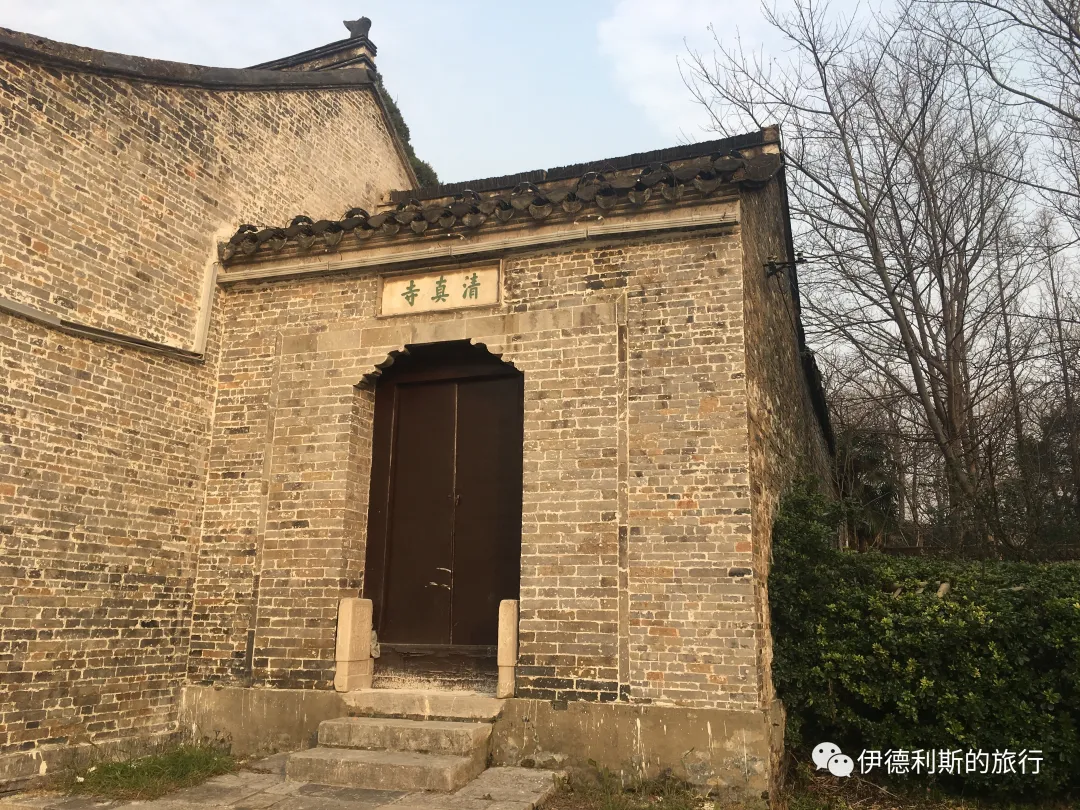
Zhenjiang Xinhe Street Mosque: Built in 1930, it was originally a private residence purchased with donations from Hui Muslims in both Shanghai and Zhenjiang. It is a traditional Jiangnan-style house with three courtyards and two side wings. In 1926, Fa Jiesan, who moved from Zhenjiang to Shanghai, discussed theology with Imam Ha Cheng of the Xiaotaoyuan Mosque. After accepting the teachings of the Ikhwan sect, he returned to Zhenjiang and began practicing his faith at home according to Ikhwan rituals. Later, funds were raised in Shanghai and Zhenjiang to build an Ikhwan-style mosque on Xinhe Street. In 1958, the Xinhe Street Mosque merged with the Dashan Lane Mosque. It later became a dormitory for a forestry machinery factory and has been abandoned ever since.
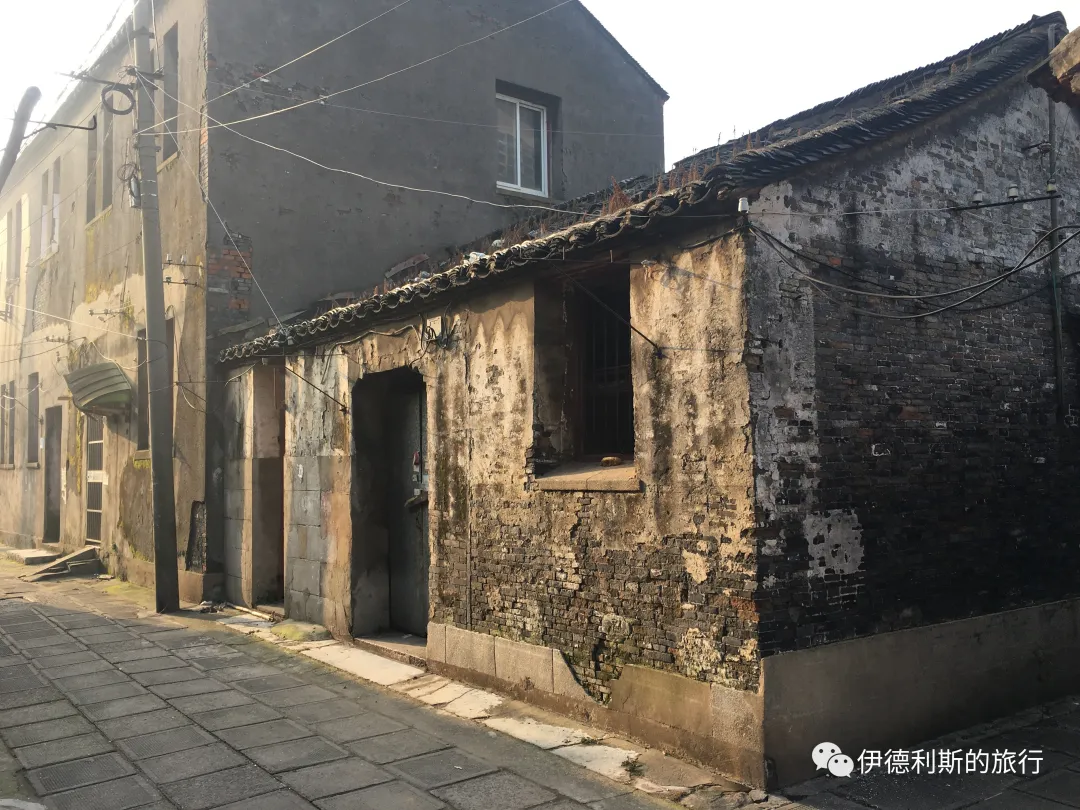
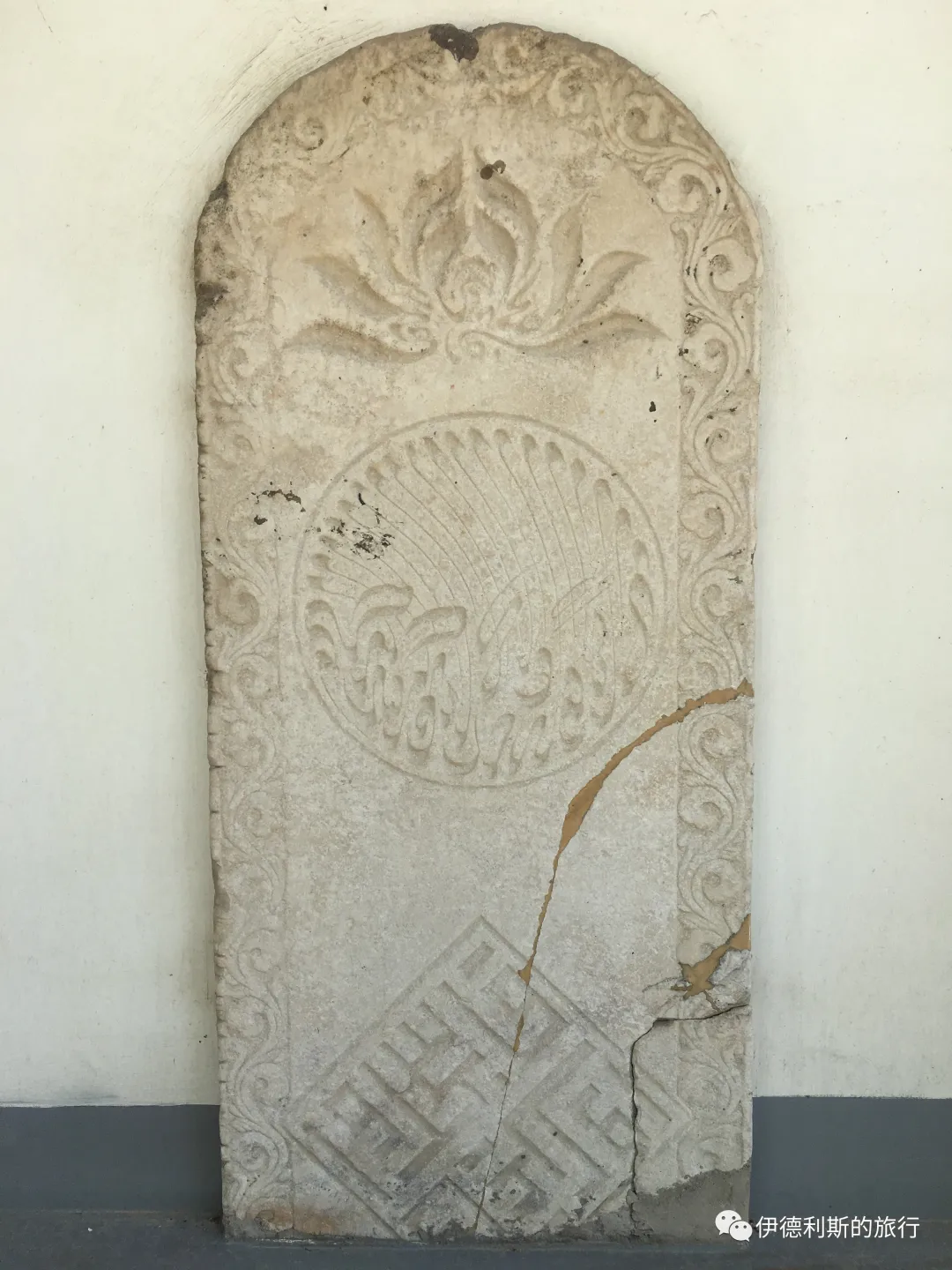
Zhenjiang Gurun Mosque: First built in the Yuan dynasty, it was destroyed at the end of the Yuan and beginning of the Ming dynasty. It was rebuilt during the Hongwu reign of the Ming dynasty and moved to Jianzi Lane in the city in 1602. It was occupied after 1958, destroyed in the 1970s and 1980s, and completely demolished in 2005 before being rebuilt at its current location. The site preserves a stone tablet from the Ming dynasty renovation, an ancient well railing, three Qing dynasty renovation tablets, and the mihrab from the original mosque outside the south gate of Zhenjiang.
February: 2 mosques in Zhejiang.
Jiaxing Mosque: First built in 1602, it was renovated in 1747 when a lecture hall was added to the east side of the main hall. The gate was rebuilt in 1774. After the Taiping Rebellion, it fell into ruin until it was reused by Hui Muslims who moved there from Henan after the Republic of China was established.
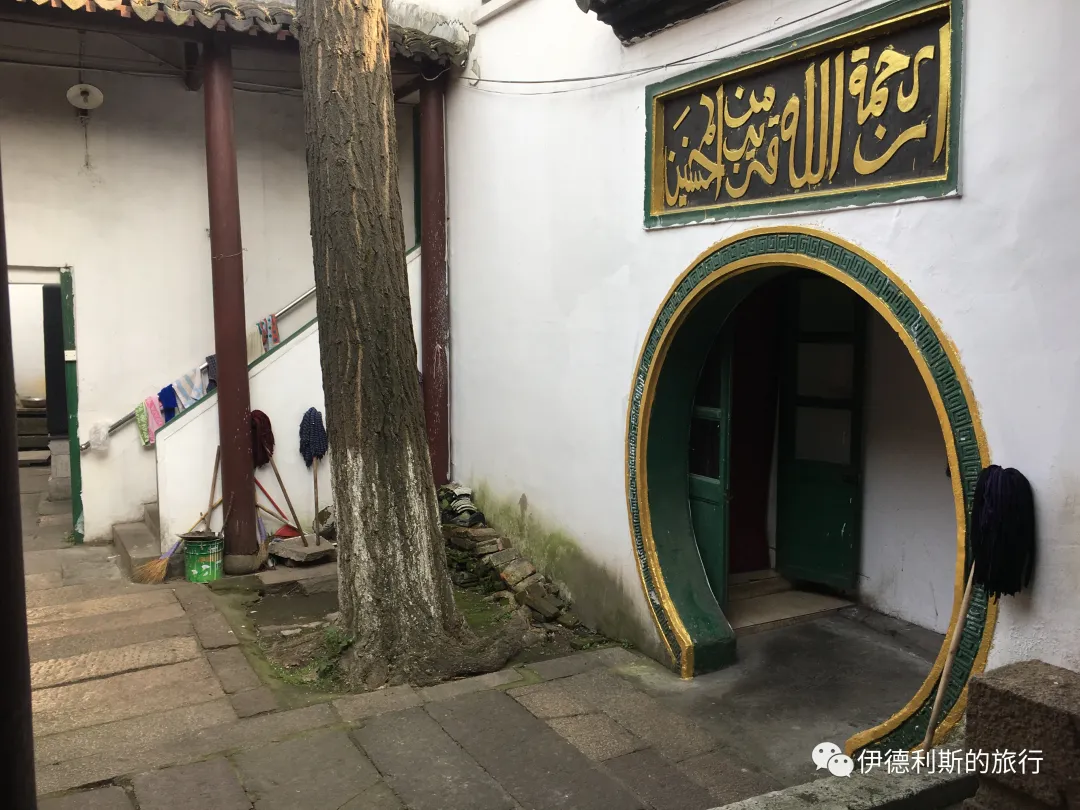
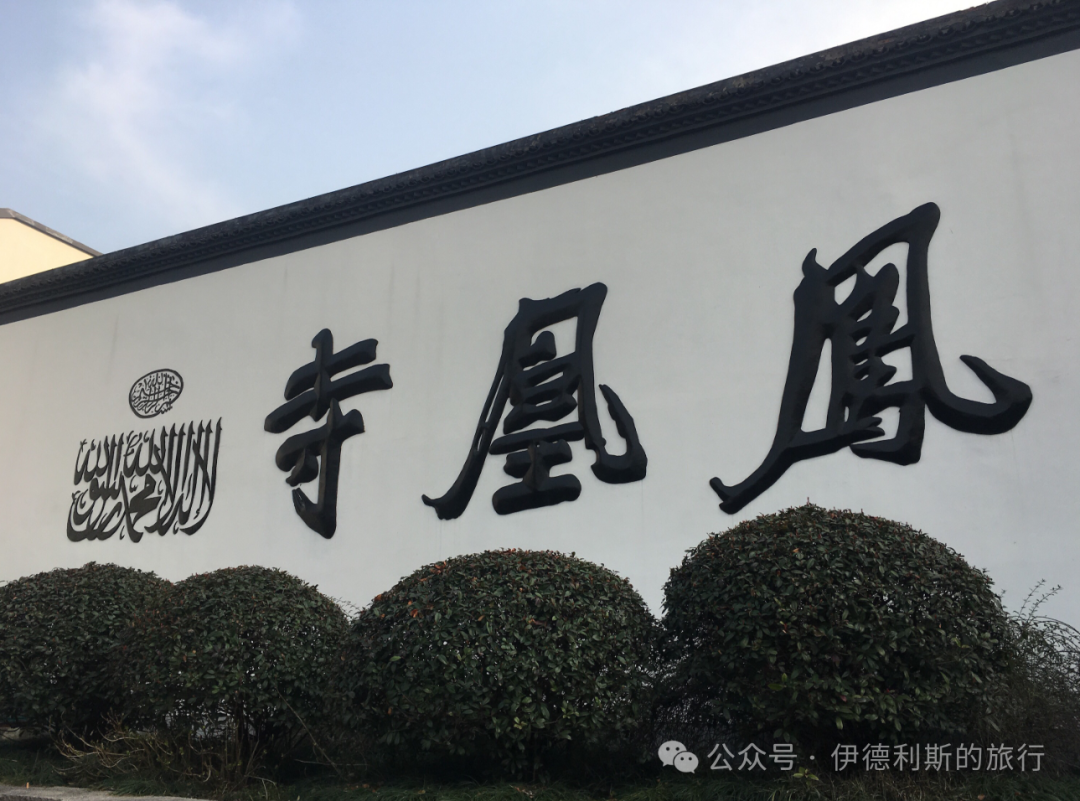
Hangzhou Phoenix Mosque: Originally named Zhenjiao Mosque, it was destroyed at the end of the Southern Song dynasty and rebuilt in the early Yuan dynasty. When Zhongshan Road was widened in 1929, the gate and the Moon-Watching Tower (Wangyue Lou) were demolished. The main hall was torn down in 1953. Today, only the kiln-style hall (yaodian) remains from the Yuan and Ming dynasties.
March: 3 mosques in Jiangsu.
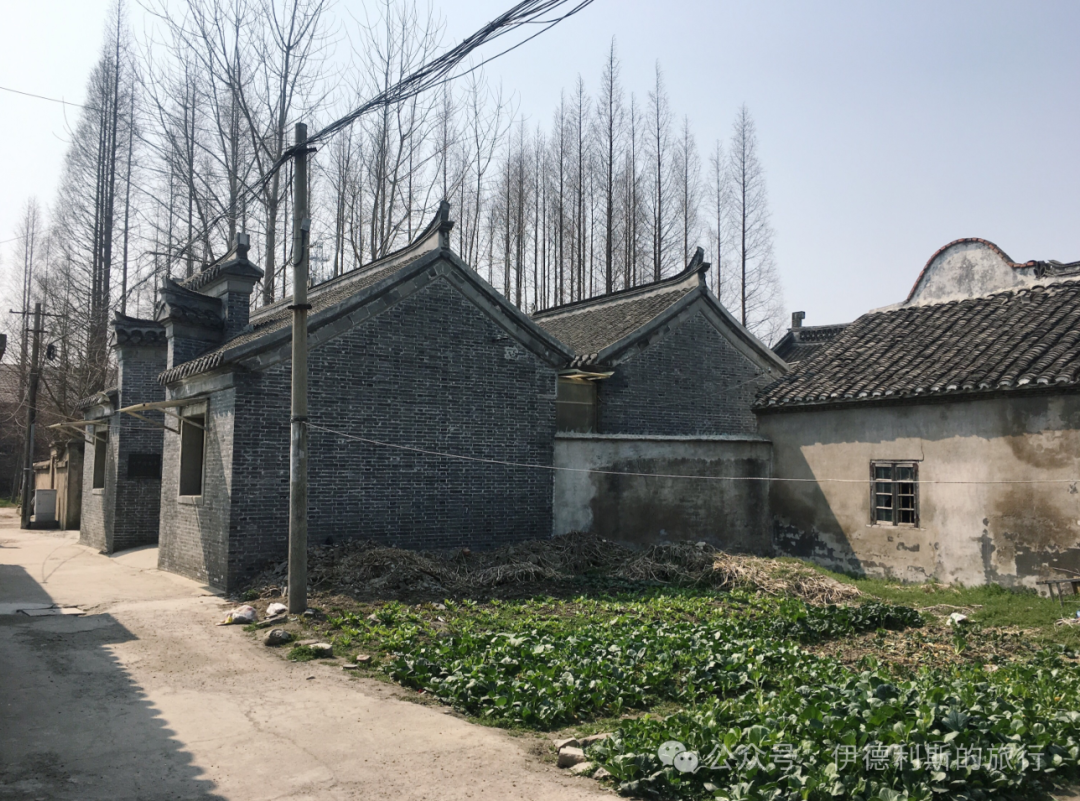
Huai'an Hexia Mosque: Located in the ancient town of Hexia, it was built between the late Ming and early Qing dynasties. Ten of its rooms were burned down by the Nian Army in the late Qing dynasty, but it was later repaired.
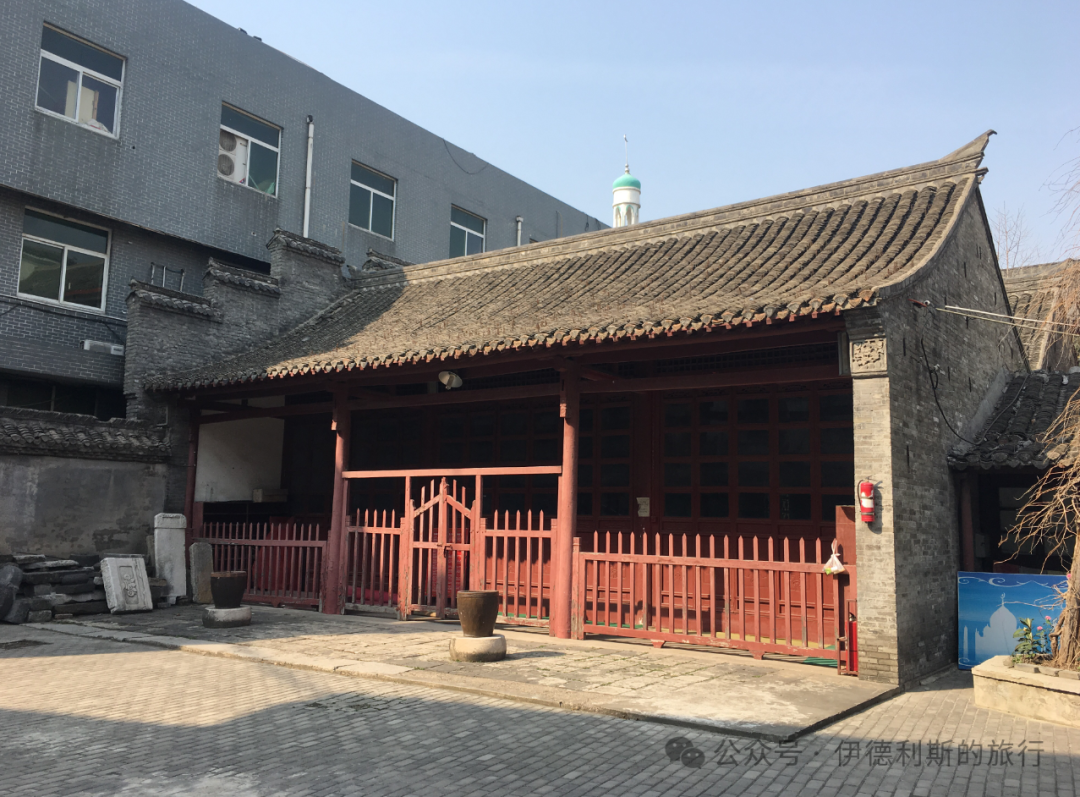
Huai'an Qingjiang Mosque: First built during the Jiajing reign of the Ming dynasty, it was renovated and expanded twice during the Yongzheng and Qianlong reigns. It was destroyed by the Nian Army in 1860 and rebuilt in 1870.
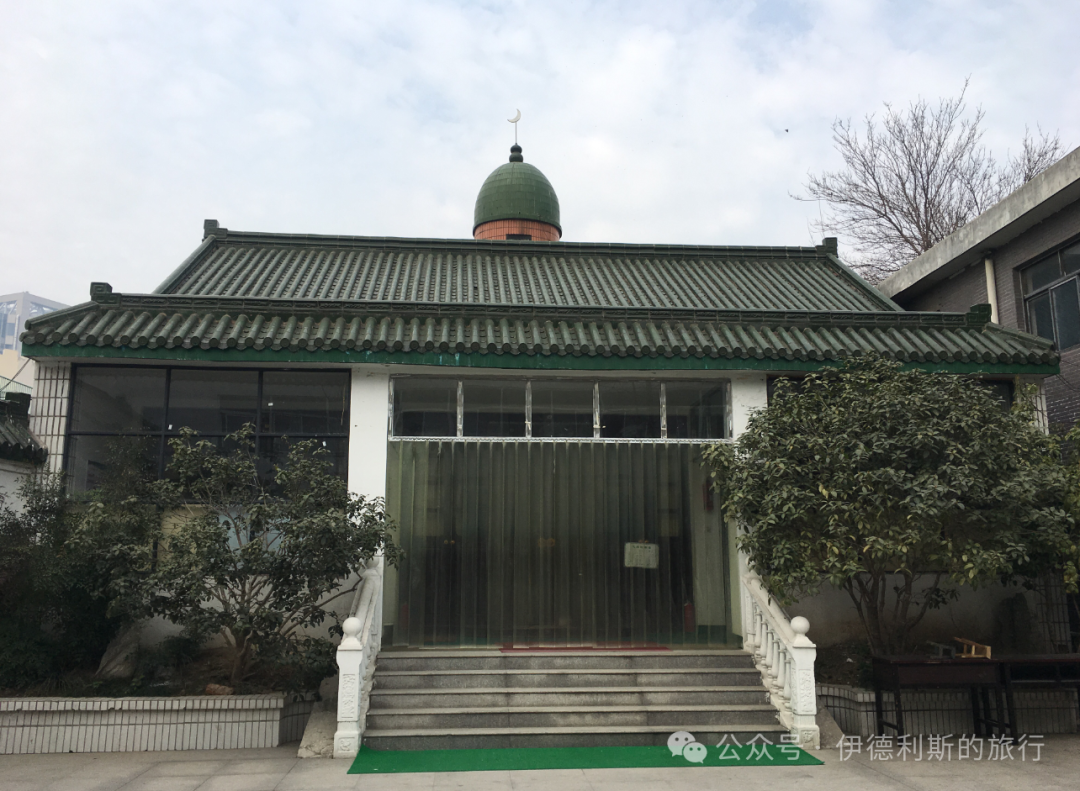
Huai'an Wangjiaying Mosque: Located on the north bank of the old Yellow River course, it was built during the Yongzheng reign. It was destroyed in the war with the Nian Army in 1860 and rebuilt in 1867. It was damaged in 1966, with the main hall used as a warehouse for a shoe and hat factory, and was rebuilt in 1979. The old imam of the Wangying Mosque, Chang Tingzhang, studied at a daotang in Lingwu County (Lingzhou), Ningxia, during the Qianlong reign. Subsequent imams also went to Ningxia to study, making it a mosque of the Jahriyya (Zhe) sect.
March: 2 mosques in Hebei.
Cangzhou North Mosque: The area near the south gate of Cangzhou was a key path to the Grand Canal. Most Hui Muslims, who were mostly craftspeople and small traders, chose to live here. In 1420 (the 18th year of the Yongle reign of the Ming Dynasty), the Cangzhou North Mosque was officially built in the south of the city, with land donated and construction led by Wu Yongzuo.
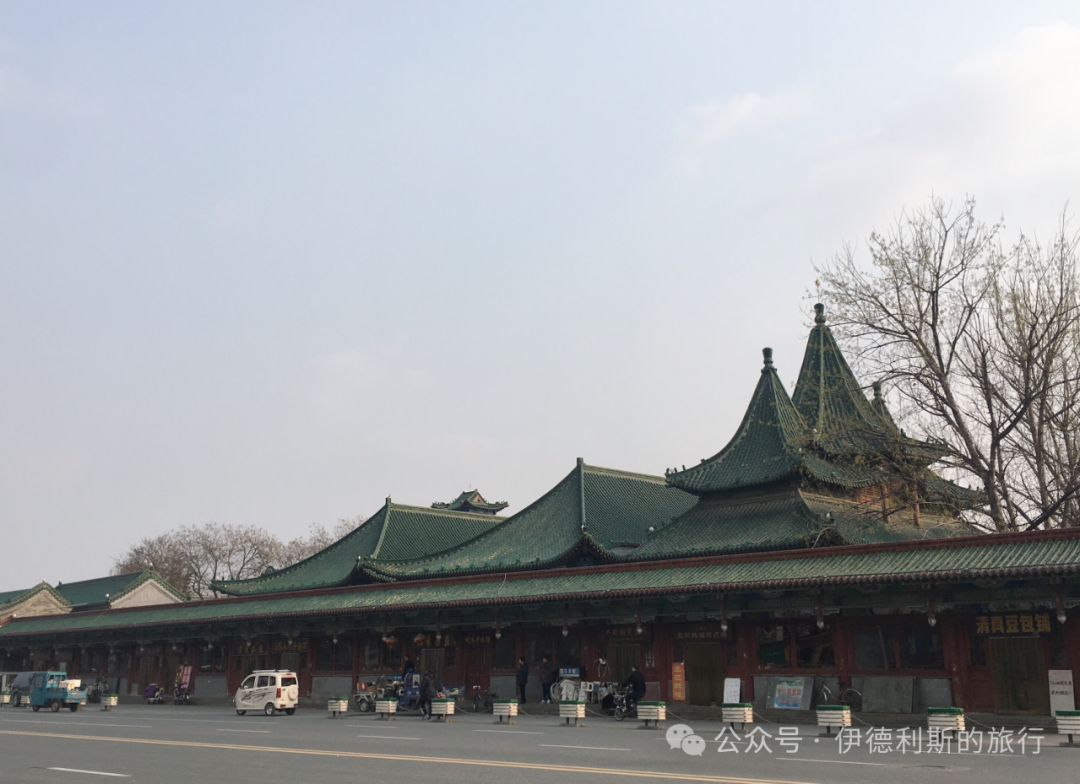
Cangzhou Botou Mosque: In 1404 (the second year of the Yongle reign), the Ming Emperor Chengzu, Zhu Di, ordered residents to move to Cangzhou. Many Hui Muslims arrived in Botou because of this. Records show that Hui Muslims with the seven surnames of Yang, Cao, Dai, Hui, Zhang, Wang, and Shi all moved to Botou in 1404 by imperial decree from Erlanggang, Shangyuan County, Yingtian Prefecture, Nanjing. Research shows that Erlanggang was a camp for Semu people who surrendered to the Ming from the Yuan Dynasty. The Botou Mosque was officially completed that year. The Botou Mosque underwent large-scale expansion during the late Ming and early Qing dynasties, reaching its current form.
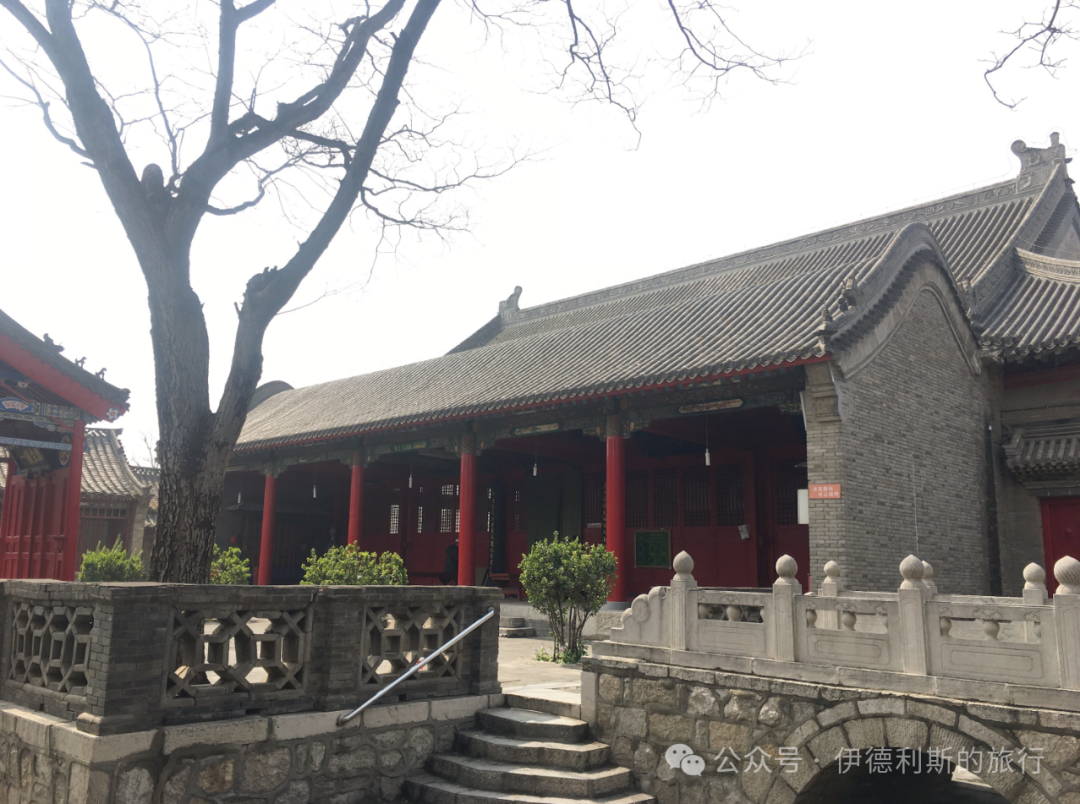
April, 1 mosque in Hubei
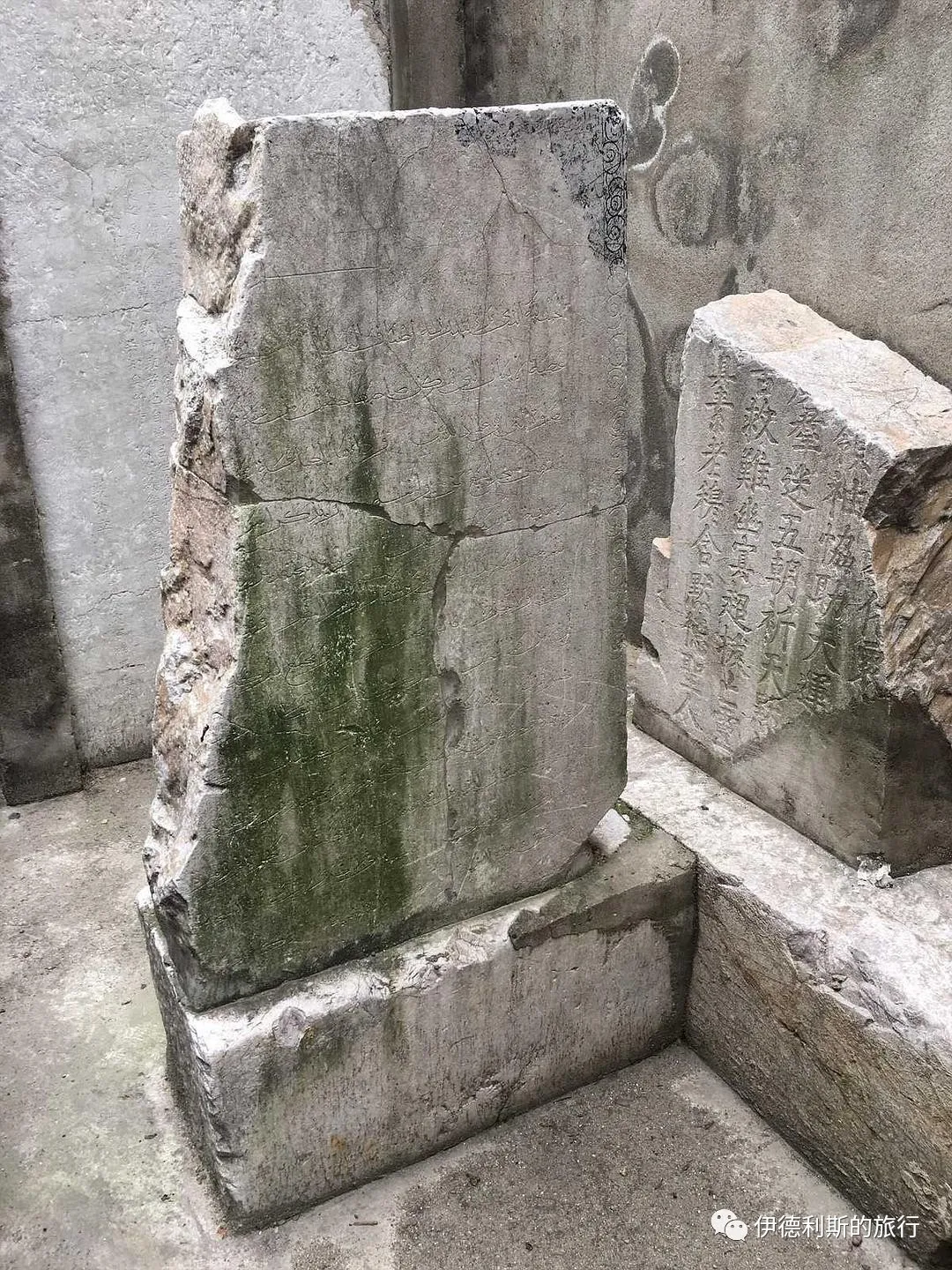
Wuhan Qiyi Street Mosque: The first mosque in Wuchang with a recorded history is the Qingjing Mosque, built in the early Ming Dynasty. Because it was located at the east gate of the Huguang Governor's Office inside the Wangshan Gate in the south of Wuchang city, it was later called the Yuanmenkou Mosque. It was also commonly known as the Shanqian Mosque because it sat south of Snake Hill. According to the Kangxi edition of the Wuchang Prefecture Gazetteer of Huguang, the Yuanmenkou Mosque once held the famous 'Imperial Praise of the Prophet in One Hundred Words' stone tablet by the Ming Emperor Taizu. The courtyard of the current Qiyi Street Mosque holds three 'One Hundred Word Praise' tablets. Besides one carved in the Qing Dynasty, the other two broken tablets are very likely the originals from the Yuanmenkou Mosque.
May, 1 mosque in Jiangxi
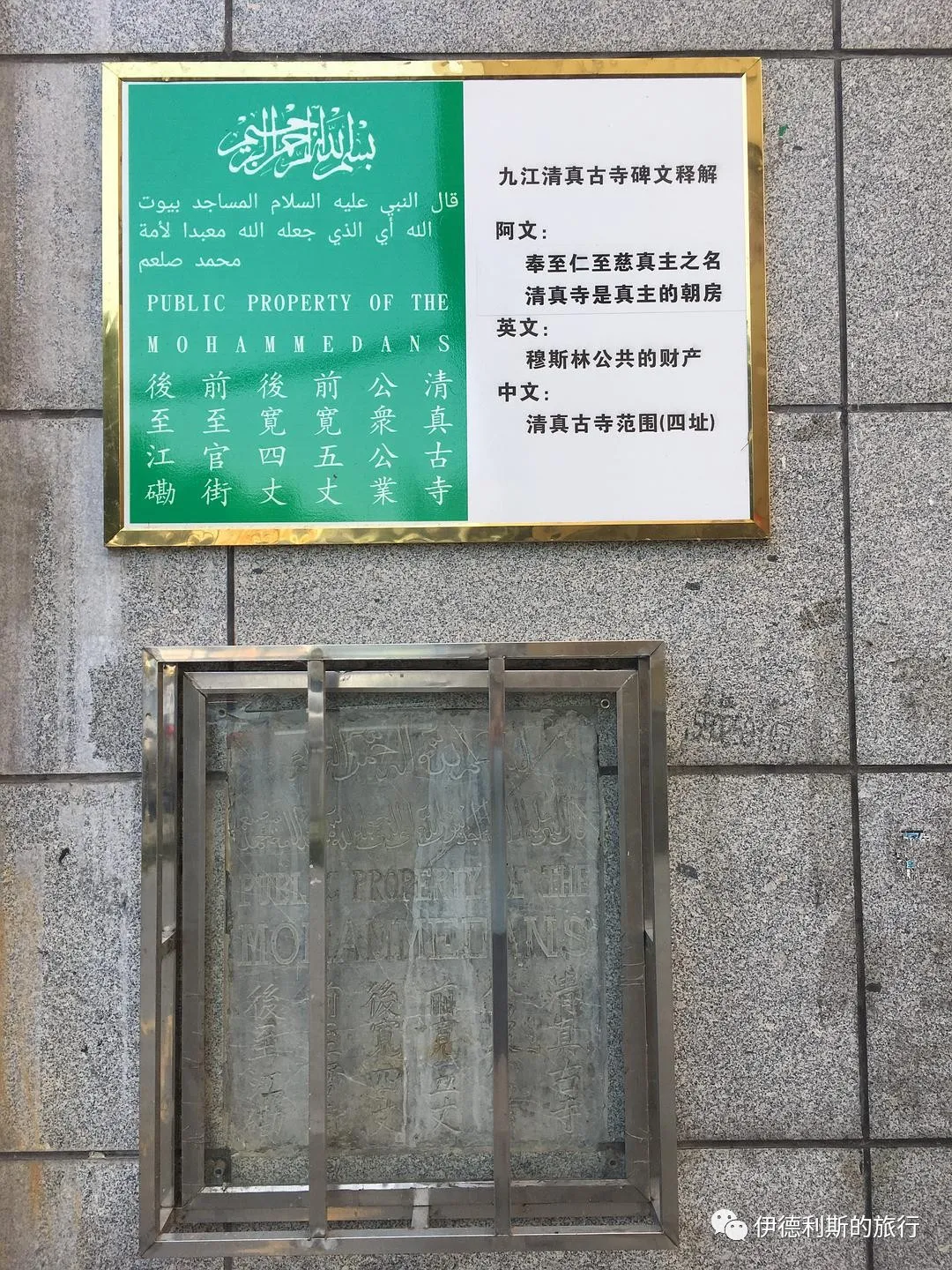
Jiujiang Mosque: In 1450 (the first year of the Jingtai reign of the Ming Dynasty), Hui Muslim general Ma Hazhi was transferred to be the commander-in-chief of Jiujiang. He led three imams and over 1,500 Hui Muslim officers and soldiers, along with their families, to station in Jiujiang. They built the first Jiujiang Mosque next to the military camp at Jiwan outside the West Gate. During the late Ming and early Qing dynasties, the political situation was unstable, so many Hui Muslims left Jiujiang and the mosque was destroyed. It is said the mosque was rebuilt during the Qing Dynasty, and two imperial tablets were carved during the Qianlong reign, but they were later destroyed in war. In 1821 (the first year of the Daoguang reign), Hui Muslim generals Tao Kuichen and Zhao Zhenqing from Shouzhou, Anhui, were transferred to be the garrison commander and city defense battalion leader in Jiujiang. They brought 500 Hui Muslim Flying Tiger Battalion soldiers and their families to station in Jiujiang. After that, many Hui Muslims from Anhui and Henan came to Jiujiang to do business and settle down. In 1850 (the 30th year of the Daoguang reign), Qian Baochang, an antique dealer from Huaining, Anhui, took the lead in donating timber to build two rooms and renovate the Jiujiang Mosque. In 1898 (the 24th year of the Guangxu reign), Hui Muslim general Zhu Tianqing from Shouzhou, Anhui, who served as the Jiujiang garrison commander, and Jiujiang commander-in-chief Tao Zhan led an expansion of the Jiujiang Mosque. The boundary stone set during this renovation remains today.
June, 2 mosques in Anhui
Anqing Nanguan Mosque: In 1469 (the fifth year of the Chenghua reign), the hereditary Cavalry General Ma Yi built the Anqing Nanguan Mosque on Zhongxiao Street inside the Zhenhai Gate (South Gate) of Anqing. The main gate faced the city wall, and he also built the Ma Family Muslim Dunyue Hall as a residence next to the mosque. In 1643 (the 16th year of the Chongzhen reign), the late Ming warlord Zuo Liangyu led his troops through Anqing, and the Nanguan Mosque was damaged. It was renovated during the Kangxi reign. In 1853 (the third year of the Xianfeng reign), the Nanguan Mosque was destroyed during the Taiping Rebellion. In 1876 (the second year of the Guangxu reign), the main hall was built in the style of the Wanshou Palace and Fengzhi Guild Hall with a round ridge, and the reconstruction was finally completed in 1897 (the 23rd year of the Guangxu reign).
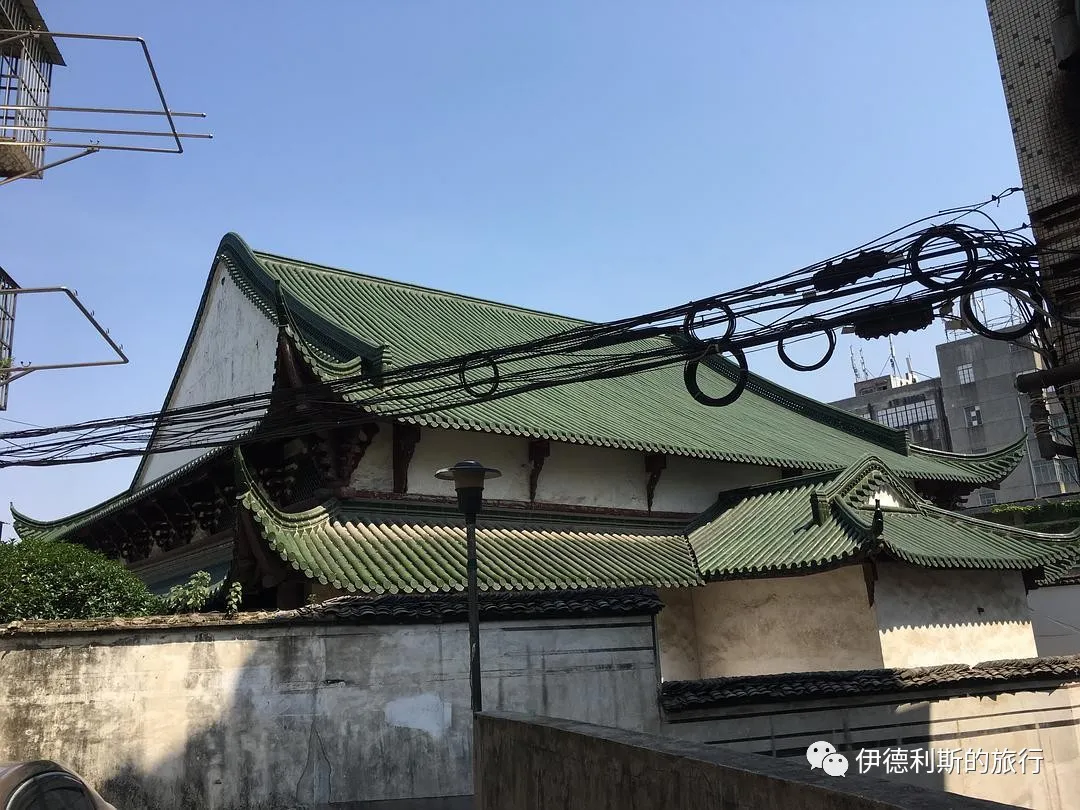
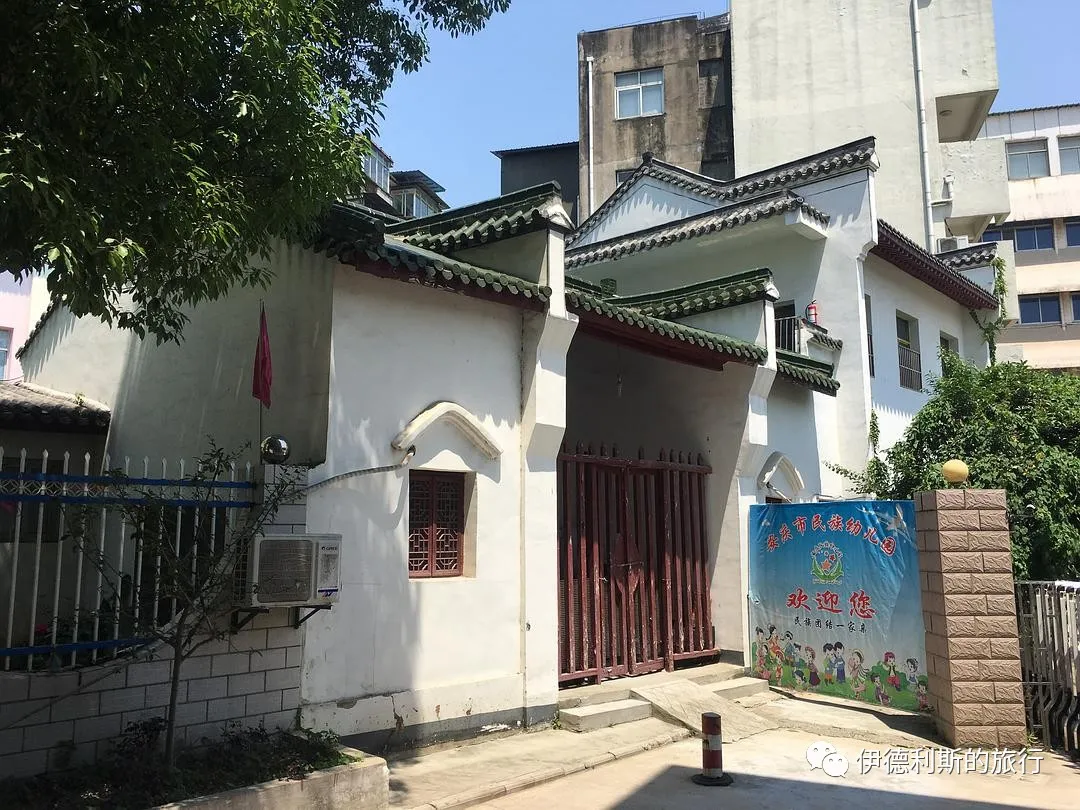
Anqing Xiguan Mosque: During the Qianlong reign, the number of Hui Muslims outside the West Gate of Anqing grew, but the prayer times did not match the city gate opening and closing times, making it very inconvenient to go to the Nanguan Mosque. Therefore, Ma Tianrong, a 12th-generation descendant of the Ma family of the Dunyue Hall in Huaining, donated two public houses outside the South Gate to build a new mosque at Gou'erkou outside the West Gate. In 1877 (the 13th year of the Guangxu reign), the Xiguan Mosque moved to the street behind Gou'er Mountain outside the West Gate. In 1995, Xiguan Mosque was renovated and expanded into a kindergarten for ethnic minorities, and today only the main gate remains.
Three mosques in Shanghai in June.
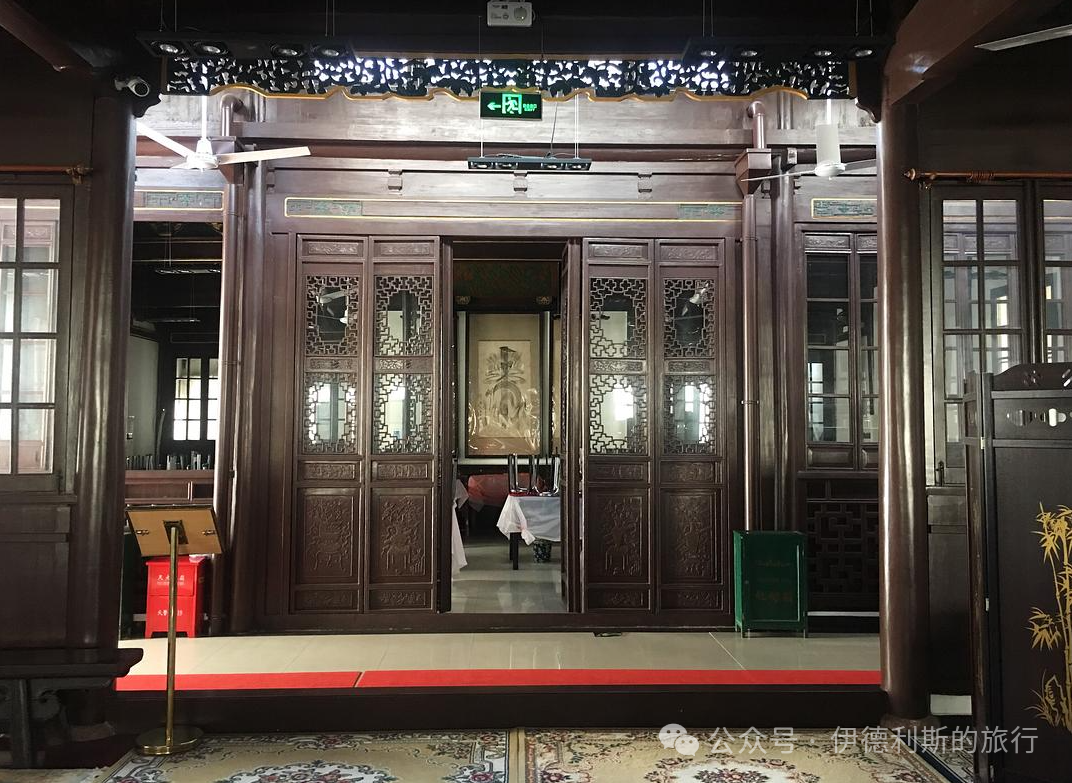
Shanghai Fuyou Road Mosque: It was first called Chuanxin Street Prayer Hall, later renamed Chuanxin Street Mosque, and is commonly known as the North Mosque. In 1863 (the second year of the Tongzhi reign), Hui Muslims from Nanjing living near the Old North Gate of Shanghai rented two single-story houses on Xiaopi Lane as a temporary place for namaz. In 1870 (the ninth year of the Tongzhi reign), 31 community elders including Ma Hanzhang, Ha Qingtang, and Jin Lanpo raised funds under the name Wubentang to rebuild it into a main prayer hall on Chuanxin Street. In 1897 (the 23rd year of the Guangxu reign), 22 elders including Ha Shaofu and Jiang Xingjie raised money to buy land and expand the mosque by two halls, completing the work in 1900 (the 26th year of the Guangxu reign). In 1905 (the 31st year of the Guangxu reign), 31 elders including Ha Shaofu, Jiang Xingjie, Sha Yunjun, Jin Dongxu, and Yang Zhuping raised funds again to buy land and expand the mosque to three halls. In 1935, the famous Hui Muslim merchant Ha Shaofu initiated the conversion of the street-facing stone-gate (shikumen) residence into a three-story reinforced concrete building, with a moon-viewing pavilion built on the rooftop terrace.
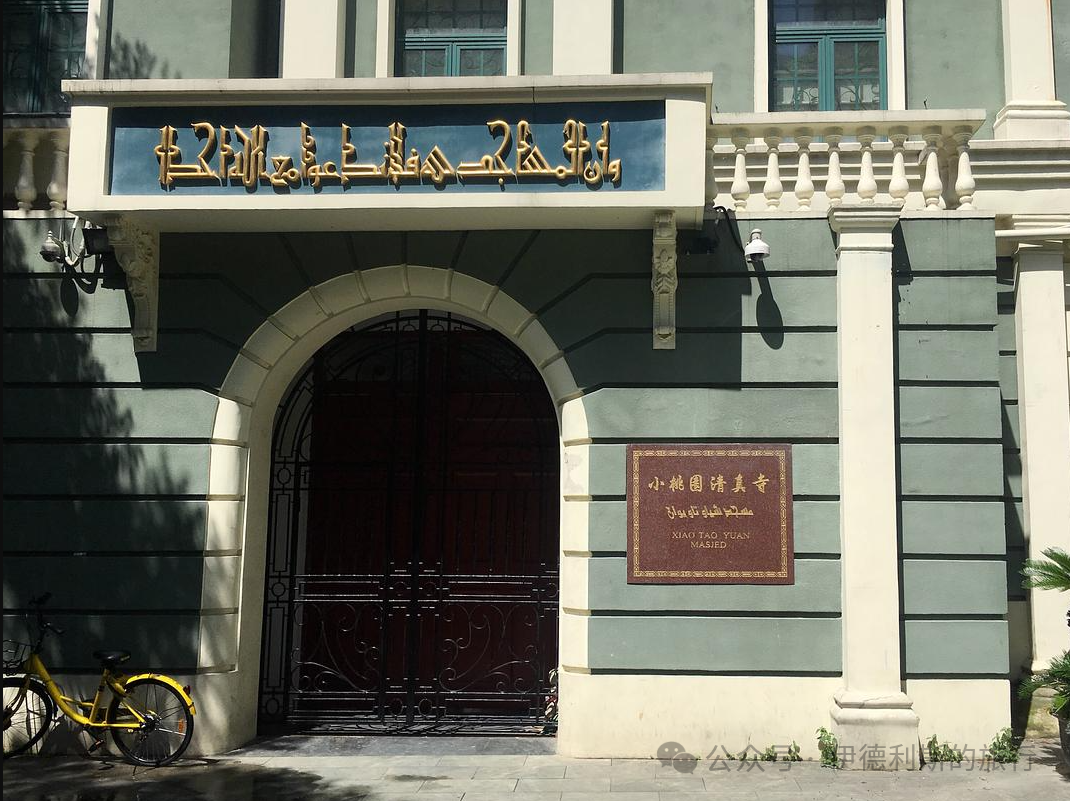
Shanghai Xiaotaoyuan Mosque: Formerly known as the West City Mosque, it is commonly known as the West Mosque. In 1917, the famous Hui Muslim merchant Jin Ziyun bought a garden residence on Xiaotaoyuan Street in Xicang and donated the land to build the mosque. In 1925, Jin Ziyun initiated another fundraising campaign, including donations from places like Hong Kong, to rebuild the mosque into its current form.
Shanghai Zhejiang Road Mosque: Formerly known as the Concession Mosque, it is commonly known as the Foreign Mosque. In 1855 (the fifth year of the Xianfeng reign), an Indian named Dosti, who worked as a chef at the Indian Bapali Trading Company in Shanghai, bought land to serve as a cemetery for foreign nationals and built a prayer hall. In 1870 (the ninth year of the Tongzhi reign), the Bapali Trading Company funded the construction of an official Concession Mosque and appointed an Indian named Wuliamu Ali as the first imam. At that time, many Hui Muslim fur and cotton merchants from Henan and Hubei provinces had shops around the Concession Mosque and visited it frequently. In 1880 (the sixth year of the Guangxu reign), Wuliamu Ali traveled to Henan, Hubei, and other places to raise funds to rebuild the mosque. Later, the mosque was destroyed by fire. It was rebuilt in 1900 (the 26th year of the Guangxu reign) with more than 10 buildings constructed along the street to collect rent for the mosque's upkeep.
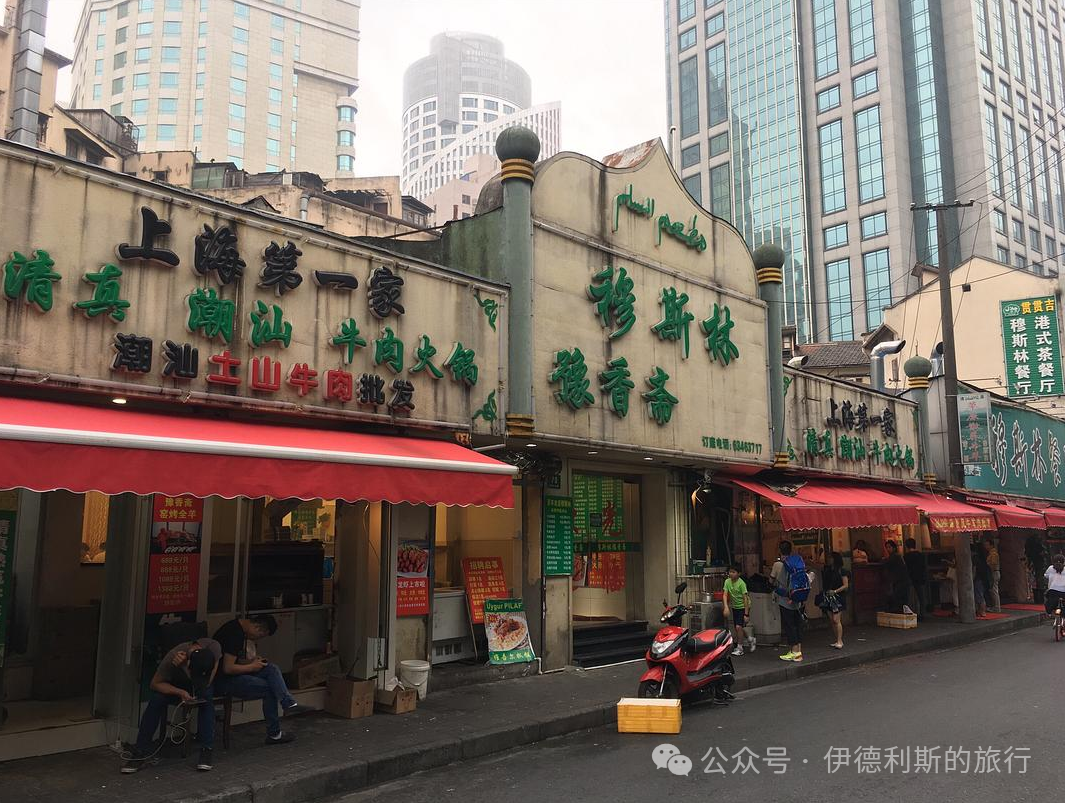
Six mosques in Yunnan in July.
Dali Xiaoweigeng Mosque: Built at the end of the Yuan Dynasty and the beginning of the Ming Dynasty, it was destroyed in the first month of the 12th year of the Tongzhi reign (1873), rebuilt in 1908, expanded in 1976, and rebuilt again in 1990.
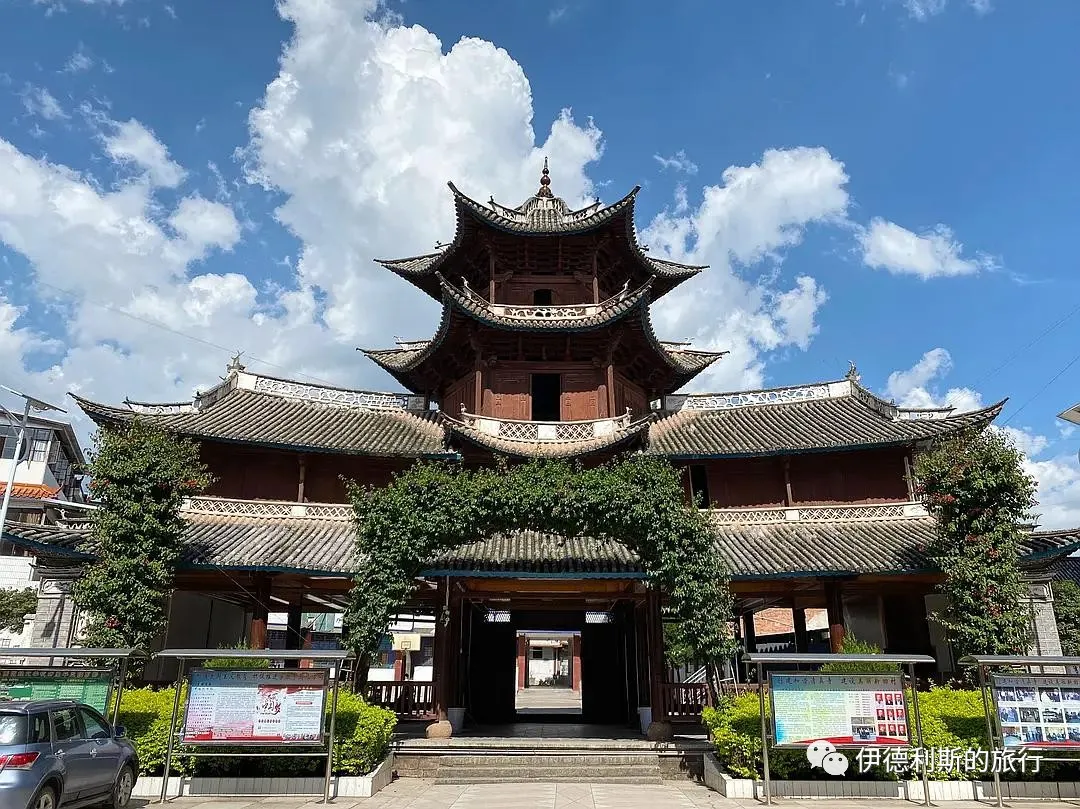
Dali Kelizhuang Mosque: Located in Xizhou Town, it was rebuilt in 1908, with a significant portion of the funding coming from overseas Chinese in Myanmar. Kelizhuang is a famous hometown for overseas Chinese. Historically, it had powerful horse caravans that traveled throughout Yunnan to Kunming, Simao, and Zhongdian, and connected south to cities in Myanmar like Mandalay, Mawlamyine, and Lashio. Since the end of the Qing Dynasty and the Republic of China era, hundreds of families from Kelizhuang have moved to Myanmar, and people from Kelizhuang have often served as the imam at the Chinese mosque in Yangon's Chinatown.
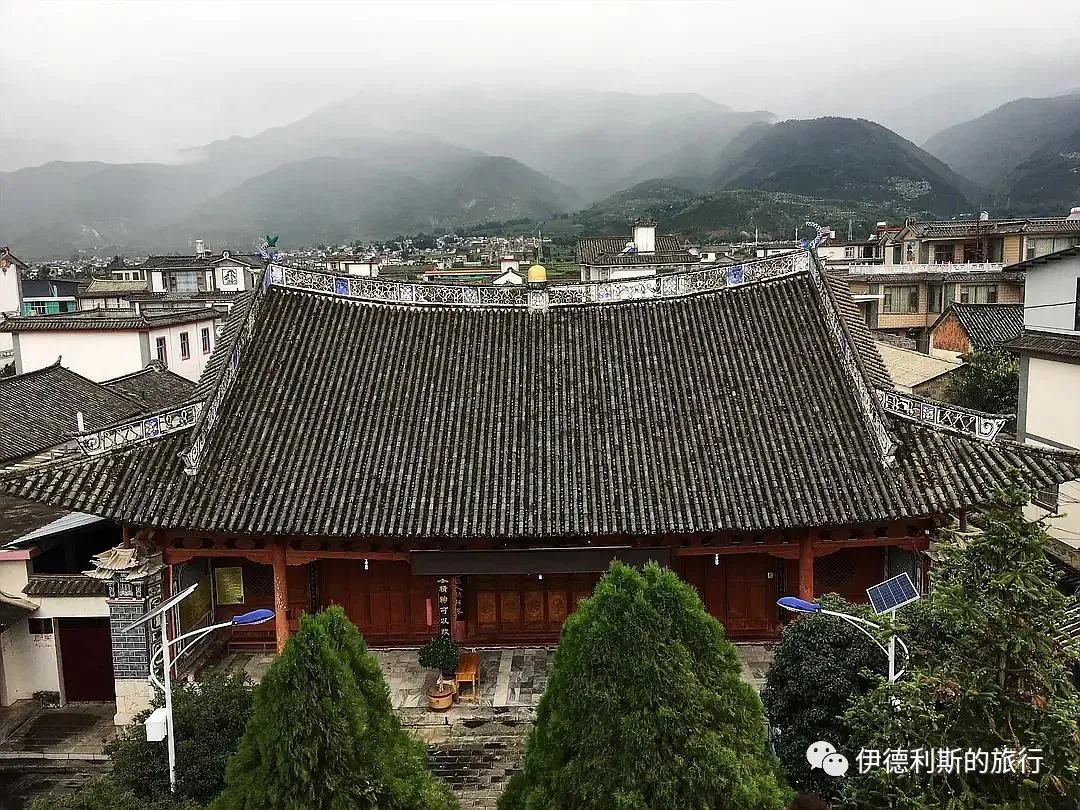
Dali Sanmei Mosque: The Sanmei Mosque on the Dengchuan Plain was built in 1908. The Hui Muslims here speak the Bai language and wear Bai ethnic clothing, and their architectural style is very similar to that of the Bai people, so outsiders call them the White Hui Muslims.
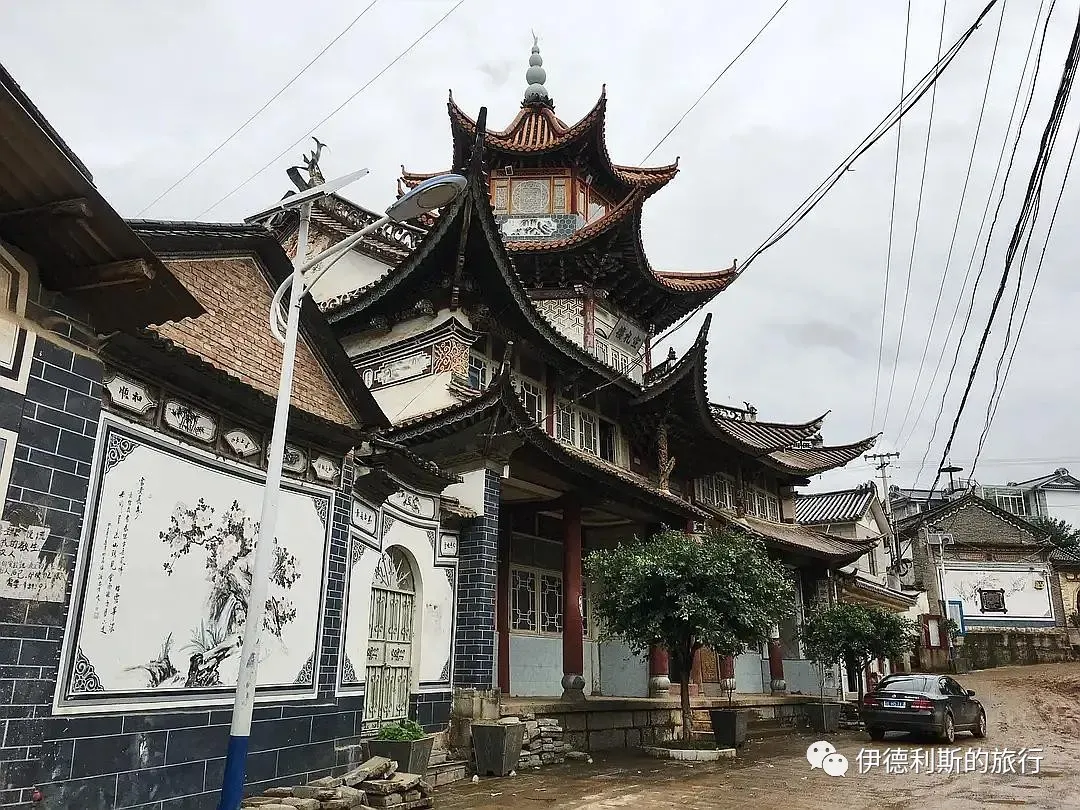
Dali Huihuideng Mosque: The front part of the main hall is a reinforced concrete structure built in 1993, while the back part is a wooden structure built in 1944, so it looks like a new mosque from the front and an old one from the back.
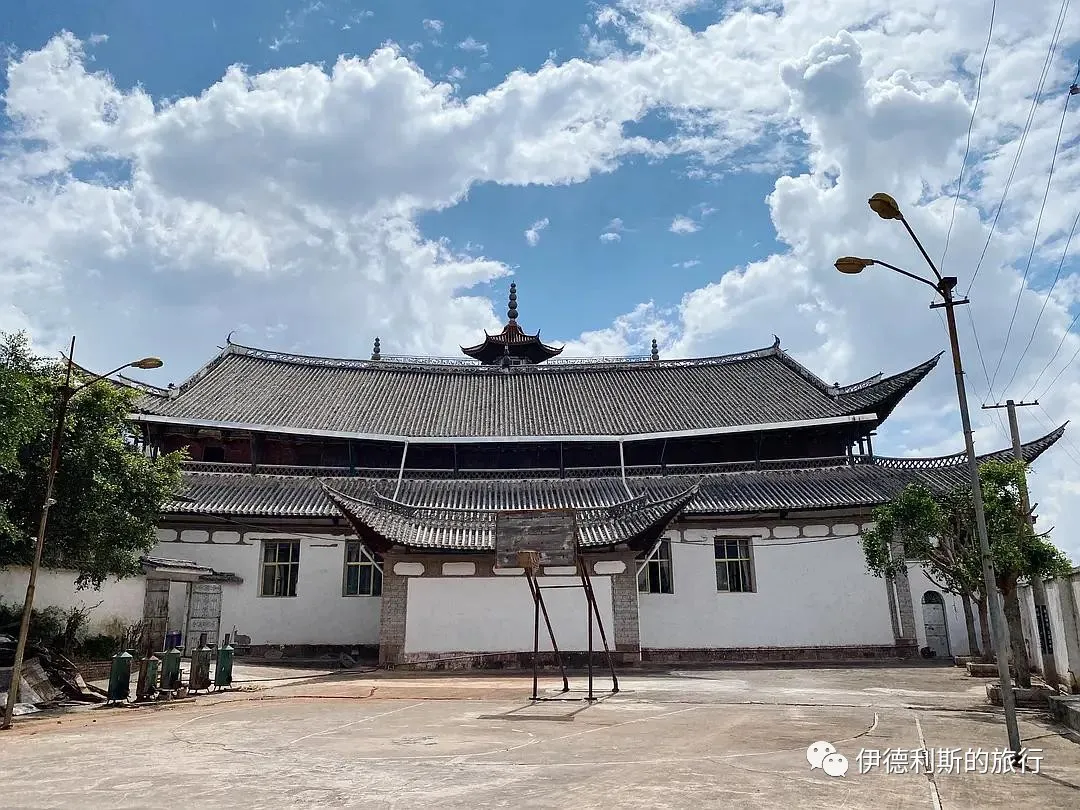
Dali Shenhe Village Mosque: The main hall was rebuilt in 1995, and the minaret was built in 1946.
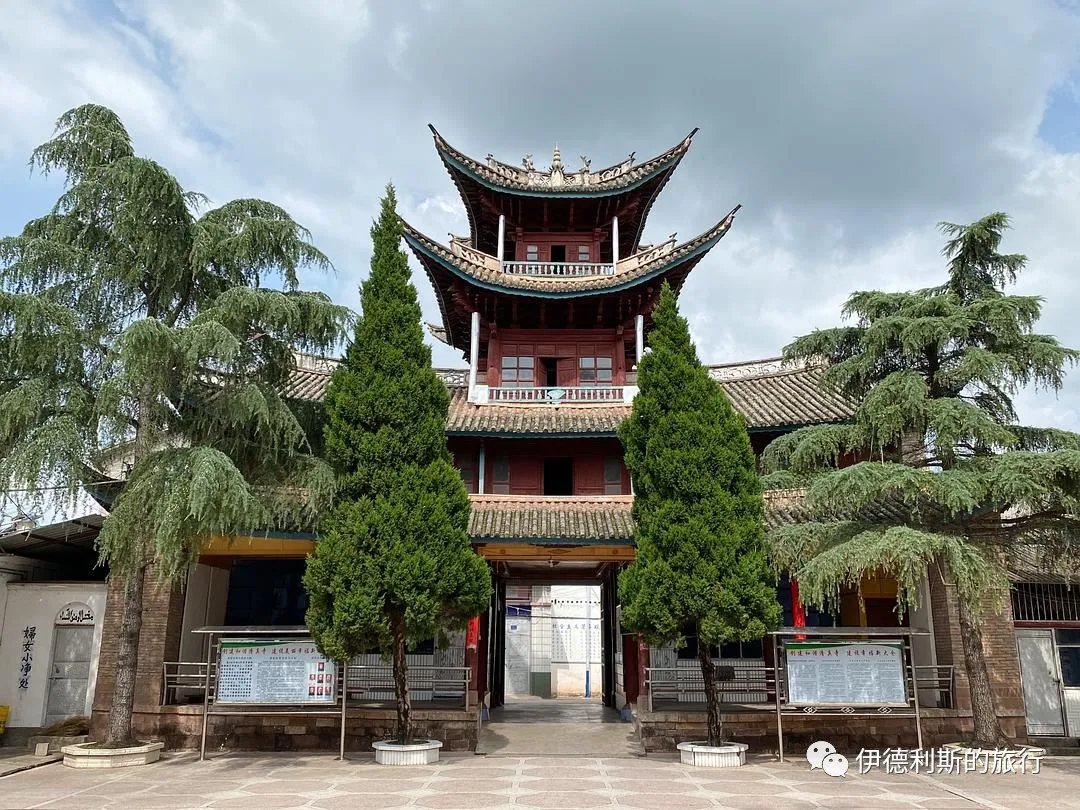
Dalishi Pang Mosque: Built in 1896, with its minaret added in 1920, this is also a white-style mosque (baihuisi).
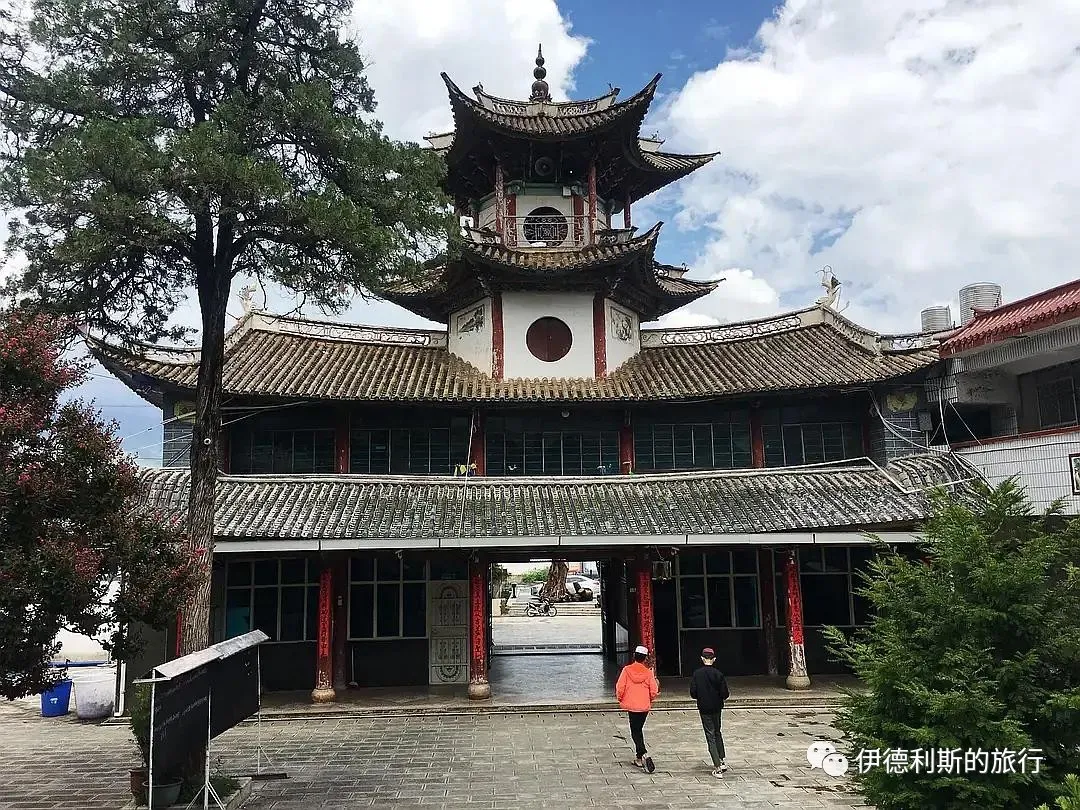
August, 1 mosque in Jiangsu.
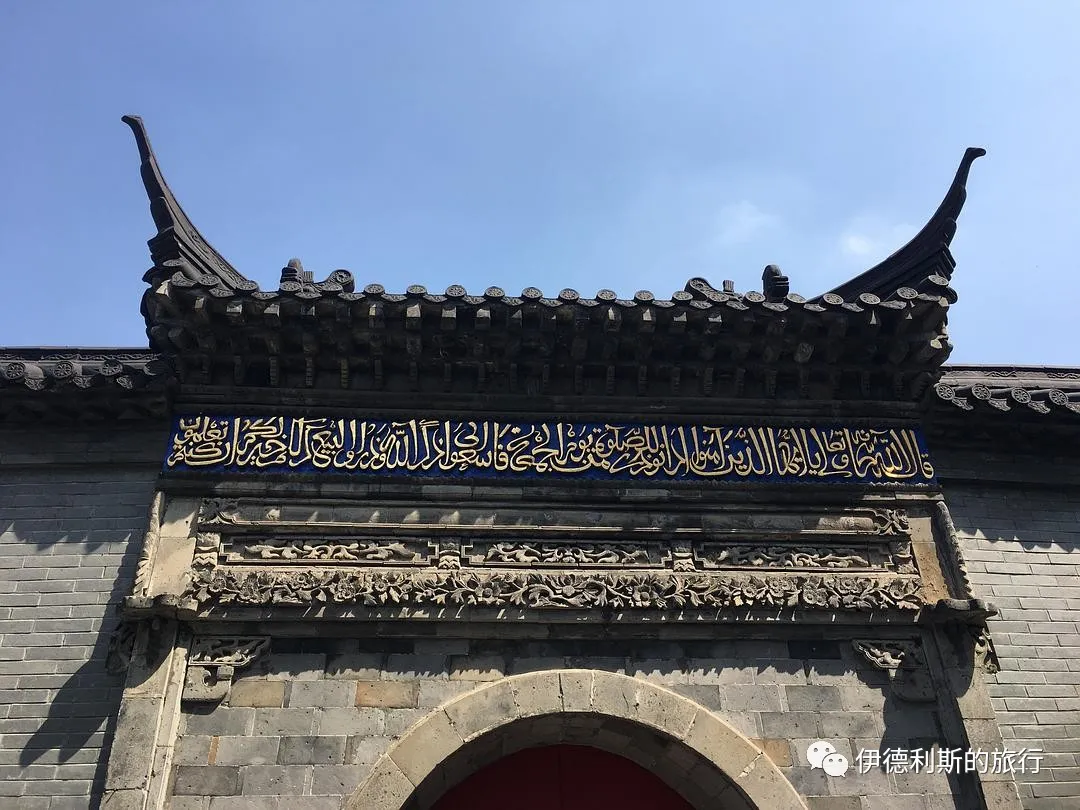
Liuhe Changjiang Road Mosque: Originally named Chengqingfang Mosque, it is also called Liuhe North Mosque and Dashi Mosque. It was built during the Qianlong reign of the Qing Dynasty. Its architectural style mimics the Liuhe South Gate Mosque. It was destroyed during the Taiping Rebellion and rebuilt during the Guangxu reign. In 1928, Lady Da (the aunt of Da Pusheng), the widow of wealthy merchant Wang Zuochen, donated funds to build the Wuxin Pavilion on the original site of the Wangyue Tower.
August, 2 mosques in Anhui.
Wuhu Mosque: Hui Muslims began settling in Wuhu no later than the late Ming and early Qing dynasties. The earliest mosque was built in the early Qing Dynasty near Jixiang Mosque at the confluence of the Yangtze River and the Qingyi River. It was burned down during the Taiping Rebellion. In 1864, migrants purchased land outside the North Gate at Beilangpu to rebuild it, and it was expanded again in 1902.
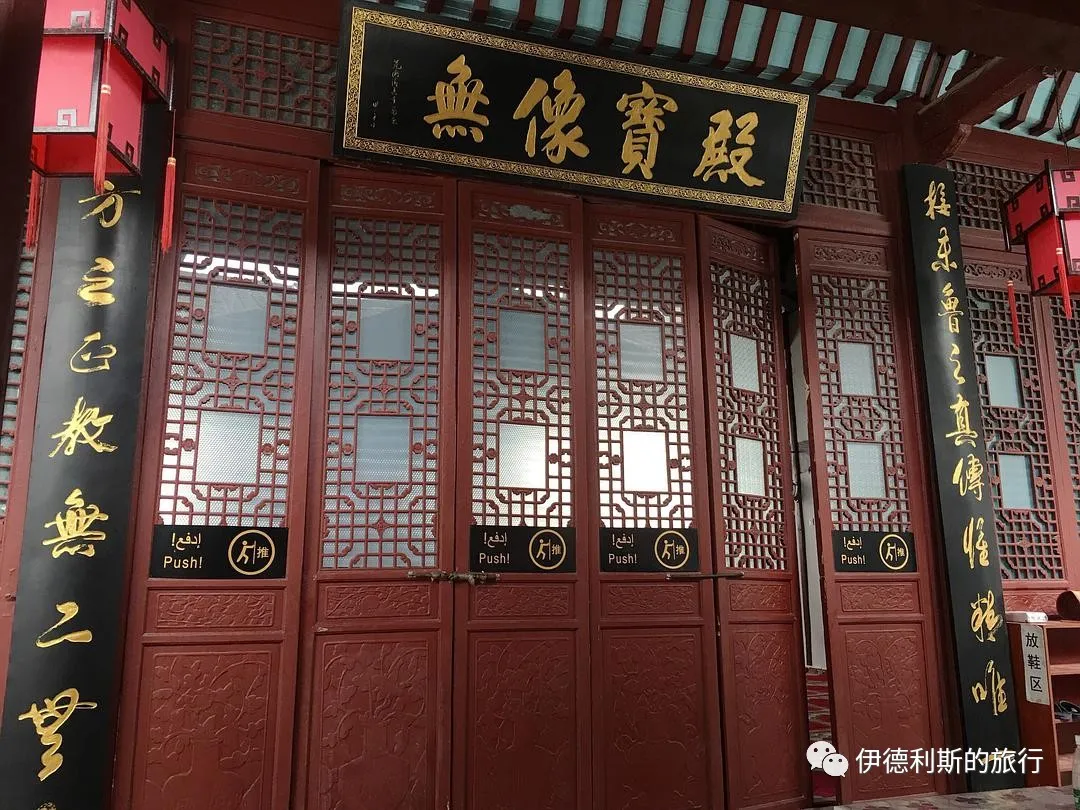
Hexian Mosque: The Great Mosque of Hezhou was first built in 1368 (the first year of the Hongwu reign of the Ming Dynasty). According to the Records of Rebuilding the Confucian School in Hezhou, in 1525 (the fourth year of the Jiajing reign), the newly appointed Hezhou magistrate Yi Luan visited the Confucian Mosque and declared that the "licentious shrine" was indulging the Hui people too much, so he ordered the destruction of the Hezhou Mosque. It was not until 1637 (the tenth year of the Chongzhen reign) that the Hezhou Mosque was rebuilt, after the insurgent army of Ma Shouying, a Hui Muslim from Shaanxi, joined forces with other late Ming rebel groups to capture Hezhou. It was rebuilt into its current structure in 1837 (the seventeenth year of the Daoguang reign).
December, 1 mosque in Shanghai.
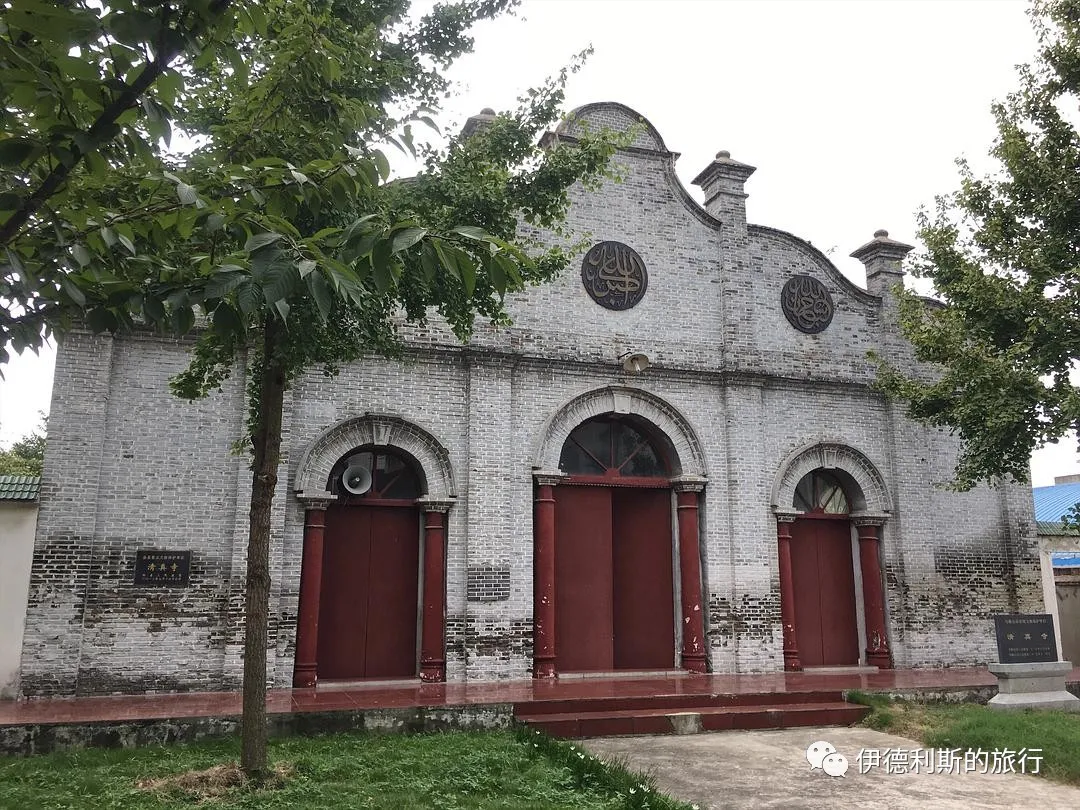
Songjiang Mosque: Originally named Zhenjiao Mosque, it was built during the Zhizheng years of the Yuan Dynasty, rebuilt in 1391, and later expanded and renovated many times.
In 2018, I visited 101 ancient mosques across 5 countries and 8 provinces. It was a very fulfilling year. In February, I went to Shanhaiguan. During the Spring Festival holiday, I visited the Cham community in Ho Chi Minh City, Vietnam, and then traveled to Delhi, India, to visit many historical sites from the Delhi Sultanate and Mughal Empire periods. During the Qingming holiday, I went to Xinjiang to search for the history of the Yarkent Khanate. During the May Day holiday, I went to Lhasa to visit the Tibetan Hui Muslim community. In June, I went to the UAE for Eid al-Fitr, and then I went to Tianjin to eat and explore. In July, I used my weekends to visit Nanjing and Suizhong in Liaoning to eat and explore. In September, I went to Taiyuan to do the same. At the end of September, I used my annual leave and the National Day holiday to visit Azerbaijan and Turkey, where I saw over a hundred old buildings. In November, I went to Kaifeng for sightseeing and food. See "101 Ancient Mosques Visited in 2018".
By 2019, I had mastered the skill of using holidays to visit ancient mosques abroad. I would first research a lot of information, pick the mosques worth seeing, and then use map websites to plan my route to visit as many as possible in the limited time. I visited a total of 64 ancient mosques across 7 countries and 2 provinces. See '64 Ancient Mosques Visited in 2019'.
At the start of 2020, I went to Urumqi for the Spring Festival holiday and visited the Shaanxi Old Quarter mosque. Later, I was almost locked down and unable to return to Beijing. I worked from home during the first half of the year. Once restrictions were lifted in early July, we spent a weekend visiting the Hongshuiquan Grand Mosque in Qinghai. In August, we took our honeymoon and visited 18 ancient mosques in Yunnan and Sichuan. During the National Day holiday, we traveled upstream along the Han River and visited 3 ancient mosques in southern Shaanxi. In total, I visited 23 ancient mosques across 5 provinces in 2020. See '23 Ancient Mosques Visited in 2020'.
In January 2021, mosques in Beijing were closed. In mid-March, travel restrictions were lifted, so I rushed to visit ancient mosques in Henan, Jiangsu, Hebei, Xinjiang, Liaoning, Shanxi, Tianjin, Qinghai, and Inner Mongolia. By July, travel out of Beijing was restricted again. During the National Day holiday, there were no new cases nationwide, so we went on a road trip to Yunnan to visit ancient mosques. After the holiday, I could not leave Beijing again. In 2021, with less than half a year of actual freedom, I visited 47 ancient mosques across 11 provinces and cities. See '47 Ancient Mosques Visited in 2021'.
2022 was the most difficult year, as I was unable to leave Beijing for the entire year. That year, I visited some ruins of former ancient mosques in Beijing and some mosques I had never been to before, totaling 25 ancient mosques for the year. See "Visiting 25 Ancient Mosques in Beijing in 2022."
Travel restrictions within Beijing were lifted in early 2023, and international travel restrictions were lifted in May. This year saw an explosion of travel, covering 11 provinces and cities, 6 countries, and three continents—Europe, Asia, and Africa—for a total of 124 ancient mosques. See "Visiting 124 Ancient Mosques in 2023."
Life gradually returned to normal in 2024, and the number of ancient mosques I visited dropped due to work changes and spending time with my children. This year I went to 6 provinces and 3 countries, visiting 63 ancient mosques. I visited Malaysia three times, touring 24 ancient mosques, which covers almost all the ancient mosques in Malaysia. See "Visiting 63 Ancient Mosques in 2024."
Summary: This 2017 mosque-visit record follows 27 historic mosques and Muslim heritage sites across different places. The English version keeps the original route, mosque names, photos, and local details while making the long record easier to read.
In 2017, I continued visiting Hui Muslim communities along the Grand Canal and started visiting those along the Yangtze River. That year, I traveled to Cangzhou in Hebei, Linqing, Liaocheng, Xuzhou, Huai'an, Yangzhou, Zhenjiang in Jiangsu, and Jiaxing and Hangzhou in Zhejiang along the Grand Canal. Along the Yangtze, I visited Shanghai, Nanjing in Jiangsu, Wuhu, Hexian, and Anqing in Anhui, Jiujiang in Jiangxi, and Wuhan and Jingzhou in Hubei. I recorded the scenes of these Hui Muslim communities and visited some of their ancient mosques and historical sites. Some of these communities, like those in Wuhan and Jingzhou, have since been demolished, making these records a piece of history. In the summer, I also went to Dali to visit some ancient mosques in Weishan and Eryuan. I actually visited many ancient mosques in 2017, but some were revisited later and included in previous articles, so they were not counted here. This article includes 27 of them.
January: 3 mosques in Jiangsu.
Yangzhou Puhading Tomb Mosque: Puhading is said to be a 16th-generation descendant of the Prophet. He came to Yangzhou during the Southern Song dynasty (1265-1274) and passed away in 1275 during the Yuan dynasty. He was buried on a high ridge east of the Dongguan River in the new city, a place later called Huihui Tang (commonly known as Baba Yao). The main prayer hall of the mosque is next to the gate of the Puhading tomb complex. Stone carvings inside the gate record that in 1845, people of various surnames donated funds to build a stone embankment and renovate the hall.
Zhenjiang Xinhe Street Mosque: Built in 1930, it was originally a private residence purchased with donations from Hui Muslims in both Shanghai and Zhenjiang. It is a traditional Jiangnan-style house with three courtyards and two side wings. In 1926, Fa Jiesan, who moved from Zhenjiang to Shanghai, discussed theology with Imam Ha Cheng of the Xiaotaoyuan Mosque. After accepting the teachings of the Ikhwan sect, he returned to Zhenjiang and began practicing his faith at home according to Ikhwan rituals. Later, funds were raised in Shanghai and Zhenjiang to build an Ikhwan-style mosque on Xinhe Street. In 1958, the Xinhe Street Mosque merged with the Dashan Lane Mosque. It later became a dormitory for a forestry machinery factory and has been abandoned ever since.
Zhenjiang Gurun Mosque: First built in the Yuan dynasty, it was destroyed at the end of the Yuan and beginning of the Ming dynasty. It was rebuilt during the Hongwu reign of the Ming dynasty and moved to Jianzi Lane in the city in 1602. It was occupied after 1958, destroyed in the 1970s and 1980s, and completely demolished in 2005 before being rebuilt at its current location. The site preserves a stone tablet from the Ming dynasty renovation, an ancient well railing, three Qing dynasty renovation tablets, and the mihrab from the original mosque outside the south gate of Zhenjiang.
February: 2 mosques in Zhejiang.
Jiaxing Mosque: First built in 1602, it was renovated in 1747 when a lecture hall was added to the east side of the main hall. The gate was rebuilt in 1774. After the Taiping Rebellion, it fell into ruin until it was reused by Hui Muslims who moved there from Henan after the Republic of China was established.
Hangzhou Phoenix Mosque: Originally named Zhenjiao Mosque, it was destroyed at the end of the Southern Song dynasty and rebuilt in the early Yuan dynasty. When Zhongshan Road was widened in 1929, the gate and the Moon-Watching Tower (Wangyue Lou) were demolished. The main hall was torn down in 1953. Today, only the kiln-style hall (yaodian) remains from the Yuan and Ming dynasties.
March: 3 mosques in Jiangsu.
Huai'an Hexia Mosque: Located in the ancient town of Hexia, it was built between the late Ming and early Qing dynasties. Ten of its rooms were burned down by the Nian Army in the late Qing dynasty, but it was later repaired.
Huai'an Qingjiang Mosque: First built during the Jiajing reign of the Ming dynasty, it was renovated and expanded twice during the Yongzheng and Qianlong reigns. It was destroyed by the Nian Army in 1860 and rebuilt in 1870.
Huai'an Wangjiaying Mosque: Located on the north bank of the old Yellow River course, it was built during the Yongzheng reign. It was destroyed in the war with the Nian Army in 1860 and rebuilt in 1867. It was damaged in 1966, with the main hall used as a warehouse for a shoe and hat factory, and was rebuilt in 1979. The old imam of the Wangying Mosque, Chang Tingzhang, studied at a daotang in Lingwu County (Lingzhou), Ningxia, during the Qianlong reign. Subsequent imams also went to Ningxia to study, making it a mosque of the Jahriyya (Zhe) sect.
March: 2 mosques in Hebei.
Cangzhou North Mosque: The area near the south gate of Cangzhou was a key path to the Grand Canal. Most Hui Muslims, who were mostly craftspeople and small traders, chose to live here. In 1420 (the 18th year of the Yongle reign of the Ming Dynasty), the Cangzhou North Mosque was officially built in the south of the city, with land donated and construction led by Wu Yongzuo.
Cangzhou Botou Mosque: In 1404 (the second year of the Yongle reign), the Ming Emperor Chengzu, Zhu Di, ordered residents to move to Cangzhou. Many Hui Muslims arrived in Botou because of this. Records show that Hui Muslims with the seven surnames of Yang, Cao, Dai, Hui, Zhang, Wang, and Shi all moved to Botou in 1404 by imperial decree from Erlanggang, Shangyuan County, Yingtian Prefecture, Nanjing. Research shows that Erlanggang was a camp for Semu people who surrendered to the Ming from the Yuan Dynasty. The Botou Mosque was officially completed that year. The Botou Mosque underwent large-scale expansion during the late Ming and early Qing dynasties, reaching its current form.
April, 1 mosque in Hubei
Wuhan Qiyi Street Mosque: The first mosque in Wuchang with a recorded history is the Qingjing Mosque, built in the early Ming Dynasty. Because it was located at the east gate of the Huguang Governor's Office inside the Wangshan Gate in the south of Wuchang city, it was later called the Yuanmenkou Mosque. It was also commonly known as the Shanqian Mosque because it sat south of Snake Hill. According to the Kangxi edition of the Wuchang Prefecture Gazetteer of Huguang, the Yuanmenkou Mosque once held the famous 'Imperial Praise of the Prophet in One Hundred Words' stone tablet by the Ming Emperor Taizu. The courtyard of the current Qiyi Street Mosque holds three 'One Hundred Word Praise' tablets. Besides one carved in the Qing Dynasty, the other two broken tablets are very likely the originals from the Yuanmenkou Mosque.
May, 1 mosque in Jiangxi
Jiujiang Mosque: In 1450 (the first year of the Jingtai reign of the Ming Dynasty), Hui Muslim general Ma Hazhi was transferred to be the commander-in-chief of Jiujiang. He led three imams and over 1,500 Hui Muslim officers and soldiers, along with their families, to station in Jiujiang. They built the first Jiujiang Mosque next to the military camp at Jiwan outside the West Gate. During the late Ming and early Qing dynasties, the political situation was unstable, so many Hui Muslims left Jiujiang and the mosque was destroyed. It is said the mosque was rebuilt during the Qing Dynasty, and two imperial tablets were carved during the Qianlong reign, but they were later destroyed in war. In 1821 (the first year of the Daoguang reign), Hui Muslim generals Tao Kuichen and Zhao Zhenqing from Shouzhou, Anhui, were transferred to be the garrison commander and city defense battalion leader in Jiujiang. They brought 500 Hui Muslim Flying Tiger Battalion soldiers and their families to station in Jiujiang. After that, many Hui Muslims from Anhui and Henan came to Jiujiang to do business and settle down. In 1850 (the 30th year of the Daoguang reign), Qian Baochang, an antique dealer from Huaining, Anhui, took the lead in donating timber to build two rooms and renovate the Jiujiang Mosque. In 1898 (the 24th year of the Guangxu reign), Hui Muslim general Zhu Tianqing from Shouzhou, Anhui, who served as the Jiujiang garrison commander, and Jiujiang commander-in-chief Tao Zhan led an expansion of the Jiujiang Mosque. The boundary stone set during this renovation remains today.
June, 2 mosques in Anhui
Anqing Nanguan Mosque: In 1469 (the fifth year of the Chenghua reign), the hereditary Cavalry General Ma Yi built the Anqing Nanguan Mosque on Zhongxiao Street inside the Zhenhai Gate (South Gate) of Anqing. The main gate faced the city wall, and he also built the Ma Family Muslim Dunyue Hall as a residence next to the mosque. In 1643 (the 16th year of the Chongzhen reign), the late Ming warlord Zuo Liangyu led his troops through Anqing, and the Nanguan Mosque was damaged. It was renovated during the Kangxi reign. In 1853 (the third year of the Xianfeng reign), the Nanguan Mosque was destroyed during the Taiping Rebellion. In 1876 (the second year of the Guangxu reign), the main hall was built in the style of the Wanshou Palace and Fengzhi Guild Hall with a round ridge, and the reconstruction was finally completed in 1897 (the 23rd year of the Guangxu reign).
Anqing Xiguan Mosque: During the Qianlong reign, the number of Hui Muslims outside the West Gate of Anqing grew, but the prayer times did not match the city gate opening and closing times, making it very inconvenient to go to the Nanguan Mosque. Therefore, Ma Tianrong, a 12th-generation descendant of the Ma family of the Dunyue Hall in Huaining, donated two public houses outside the South Gate to build a new mosque at Gou'erkou outside the West Gate. In 1877 (the 13th year of the Guangxu reign), the Xiguan Mosque moved to the street behind Gou'er Mountain outside the West Gate. In 1995, Xiguan Mosque was renovated and expanded into a kindergarten for ethnic minorities, and today only the main gate remains.
Three mosques in Shanghai in June.
Shanghai Fuyou Road Mosque: It was first called Chuanxin Street Prayer Hall, later renamed Chuanxin Street Mosque, and is commonly known as the North Mosque. In 1863 (the second year of the Tongzhi reign), Hui Muslims from Nanjing living near the Old North Gate of Shanghai rented two single-story houses on Xiaopi Lane as a temporary place for namaz. In 1870 (the ninth year of the Tongzhi reign), 31 community elders including Ma Hanzhang, Ha Qingtang, and Jin Lanpo raised funds under the name Wubentang to rebuild it into a main prayer hall on Chuanxin Street. In 1897 (the 23rd year of the Guangxu reign), 22 elders including Ha Shaofu and Jiang Xingjie raised money to buy land and expand the mosque by two halls, completing the work in 1900 (the 26th year of the Guangxu reign). In 1905 (the 31st year of the Guangxu reign), 31 elders including Ha Shaofu, Jiang Xingjie, Sha Yunjun, Jin Dongxu, and Yang Zhuping raised funds again to buy land and expand the mosque to three halls. In 1935, the famous Hui Muslim merchant Ha Shaofu initiated the conversion of the street-facing stone-gate (shikumen) residence into a three-story reinforced concrete building, with a moon-viewing pavilion built on the rooftop terrace.
Shanghai Xiaotaoyuan Mosque: Formerly known as the West City Mosque, it is commonly known as the West Mosque. In 1917, the famous Hui Muslim merchant Jin Ziyun bought a garden residence on Xiaotaoyuan Street in Xicang and donated the land to build the mosque. In 1925, Jin Ziyun initiated another fundraising campaign, including donations from places like Hong Kong, to rebuild the mosque into its current form.
Shanghai Zhejiang Road Mosque: Formerly known as the Concession Mosque, it is commonly known as the Foreign Mosque. In 1855 (the fifth year of the Xianfeng reign), an Indian named Dosti, who worked as a chef at the Indian Bapali Trading Company in Shanghai, bought land to serve as a cemetery for foreign nationals and built a prayer hall. In 1870 (the ninth year of the Tongzhi reign), the Bapali Trading Company funded the construction of an official Concession Mosque and appointed an Indian named Wuliamu Ali as the first imam. At that time, many Hui Muslim fur and cotton merchants from Henan and Hubei provinces had shops around the Concession Mosque and visited it frequently. In 1880 (the sixth year of the Guangxu reign), Wuliamu Ali traveled to Henan, Hubei, and other places to raise funds to rebuild the mosque. Later, the mosque was destroyed by fire. It was rebuilt in 1900 (the 26th year of the Guangxu reign) with more than 10 buildings constructed along the street to collect rent for the mosque's upkeep.
Six mosques in Yunnan in July.
Dali Xiaoweigeng Mosque: Built at the end of the Yuan Dynasty and the beginning of the Ming Dynasty, it was destroyed in the first month of the 12th year of the Tongzhi reign (1873), rebuilt in 1908, expanded in 1976, and rebuilt again in 1990.
Dali Kelizhuang Mosque: Located in Xizhou Town, it was rebuilt in 1908, with a significant portion of the funding coming from overseas Chinese in Myanmar. Kelizhuang is a famous hometown for overseas Chinese. Historically, it had powerful horse caravans that traveled throughout Yunnan to Kunming, Simao, and Zhongdian, and connected south to cities in Myanmar like Mandalay, Mawlamyine, and Lashio. Since the end of the Qing Dynasty and the Republic of China era, hundreds of families from Kelizhuang have moved to Myanmar, and people from Kelizhuang have often served as the imam at the Chinese mosque in Yangon's Chinatown.
Dali Sanmei Mosque: The Sanmei Mosque on the Dengchuan Plain was built in 1908. The Hui Muslims here speak the Bai language and wear Bai ethnic clothing, and their architectural style is very similar to that of the Bai people, so outsiders call them the White Hui Muslims.
Dali Huihuideng Mosque: The front part of the main hall is a reinforced concrete structure built in 1993, while the back part is a wooden structure built in 1944, so it looks like a new mosque from the front and an old one from the back.
Dali Shenhe Village Mosque: The main hall was rebuilt in 1995, and the minaret was built in 1946.
Dalishi Pang Mosque: Built in 1896, with its minaret added in 1920, this is also a white-style mosque (baihuisi).
August, 1 mosque in Jiangsu.
Liuhe Changjiang Road Mosque: Originally named Chengqingfang Mosque, it is also called Liuhe North Mosque and Dashi Mosque. It was built during the Qianlong reign of the Qing Dynasty. Its architectural style mimics the Liuhe South Gate Mosque. It was destroyed during the Taiping Rebellion and rebuilt during the Guangxu reign. In 1928, Lady Da (the aunt of Da Pusheng), the widow of wealthy merchant Wang Zuochen, donated funds to build the Wuxin Pavilion on the original site of the Wangyue Tower.
August, 2 mosques in Anhui.
Wuhu Mosque: Hui Muslims began settling in Wuhu no later than the late Ming and early Qing dynasties. The earliest mosque was built in the early Qing Dynasty near Jixiang Mosque at the confluence of the Yangtze River and the Qingyi River. It was burned down during the Taiping Rebellion. In 1864, migrants purchased land outside the North Gate at Beilangpu to rebuild it, and it was expanded again in 1902.
Hexian Mosque: The Great Mosque of Hezhou was first built in 1368 (the first year of the Hongwu reign of the Ming Dynasty). According to the Records of Rebuilding the Confucian School in Hezhou, in 1525 (the fourth year of the Jiajing reign), the newly appointed Hezhou magistrate Yi Luan visited the Confucian Mosque and declared that the "licentious shrine" was indulging the Hui people too much, so he ordered the destruction of the Hezhou Mosque. It was not until 1637 (the tenth year of the Chongzhen reign) that the Hezhou Mosque was rebuilt, after the insurgent army of Ma Shouying, a Hui Muslim from Shaanxi, joined forces with other late Ming rebel groups to capture Hezhou. It was rebuilt into its current structure in 1837 (the seventeenth year of the Daoguang reign).
December, 1 mosque in Shanghai.
Songjiang Mosque: Originally named Zhenjiao Mosque, it was built during the Zhizheng years of the Yuan Dynasty, rebuilt in 1391, and later expanded and renovated many times.
In 2018, I visited 101 ancient mosques across 5 countries and 8 provinces. It was a very fulfilling year. In February, I went to Shanhaiguan. During the Spring Festival holiday, I visited the Cham community in Ho Chi Minh City, Vietnam, and then traveled to Delhi, India, to visit many historical sites from the Delhi Sultanate and Mughal Empire periods. During the Qingming holiday, I went to Xinjiang to search for the history of the Yarkent Khanate. During the May Day holiday, I went to Lhasa to visit the Tibetan Hui Muslim community. In June, I went to the UAE for Eid al-Fitr, and then I went to Tianjin to eat and explore. In July, I used my weekends to visit Nanjing and Suizhong in Liaoning to eat and explore. In September, I went to Taiyuan to do the same. At the end of September, I used my annual leave and the National Day holiday to visit Azerbaijan and Turkey, where I saw over a hundred old buildings. In November, I went to Kaifeng for sightseeing and food. See "101 Ancient Mosques Visited in 2018".
By 2019, I had mastered the skill of using holidays to visit ancient mosques abroad. I would first research a lot of information, pick the mosques worth seeing, and then use map websites to plan my route to visit as many as possible in the limited time. I visited a total of 64 ancient mosques across 7 countries and 2 provinces. See '64 Ancient Mosques Visited in 2019'.
At the start of 2020, I went to Urumqi for the Spring Festival holiday and visited the Shaanxi Old Quarter mosque. Later, I was almost locked down and unable to return to Beijing. I worked from home during the first half of the year. Once restrictions were lifted in early July, we spent a weekend visiting the Hongshuiquan Grand Mosque in Qinghai. In August, we took our honeymoon and visited 18 ancient mosques in Yunnan and Sichuan. During the National Day holiday, we traveled upstream along the Han River and visited 3 ancient mosques in southern Shaanxi. In total, I visited 23 ancient mosques across 5 provinces in 2020. See '23 Ancient Mosques Visited in 2020'.
In January 2021, mosques in Beijing were closed. In mid-March, travel restrictions were lifted, so I rushed to visit ancient mosques in Henan, Jiangsu, Hebei, Xinjiang, Liaoning, Shanxi, Tianjin, Qinghai, and Inner Mongolia. By July, travel out of Beijing was restricted again. During the National Day holiday, there were no new cases nationwide, so we went on a road trip to Yunnan to visit ancient mosques. After the holiday, I could not leave Beijing again. In 2021, with less than half a year of actual freedom, I visited 47 ancient mosques across 11 provinces and cities. See '47 Ancient Mosques Visited in 2021'.
2022 was the most difficult year, as I was unable to leave Beijing for the entire year. That year, I visited some ruins of former ancient mosques in Beijing and some mosques I had never been to before, totaling 25 ancient mosques for the year. See "Visiting 25 Ancient Mosques in Beijing in 2022."
Travel restrictions within Beijing were lifted in early 2023, and international travel restrictions were lifted in May. This year saw an explosion of travel, covering 11 provinces and cities, 6 countries, and three continents—Europe, Asia, and Africa—for a total of 124 ancient mosques. See "Visiting 124 Ancient Mosques in 2023."
Life gradually returned to normal in 2024, and the number of ancient mosques I visited dropped due to work changes and spending time with my children. This year I went to 6 provinces and 3 countries, visiting 63 ancient mosques. I visited Malaysia three times, touring 24 ancient mosques, which covers almost all the ancient mosques in Malaysia. See "Visiting 63 Ancient Mosques in 2024."
