
Halal Travel Guide: 2023 Mosque Visits Part 1 — 124 Historic Mosques and Hui Heritage
Reposted from the web
Summary: This first part of the 2023 mosque-visit record covers a wide journey through historic mosques, Hui Muslim communities, and local Islamic heritage. The translation keeps the original names, dates, images, and place-by-place observations while using simple natural English.
2023 was the first year travel restrictions were lifted. I took advantage of the holidays to travel across 11 provinces, cities, and autonomous regions in China, visiting 45 ancient mosques: 5 in Guangdong, 3 in Sichuan, 12 in Yunnan, 1 in Inner Mongolia, 3 in Shandong, 7 in Beijing, 5 in Hebei, 2 in Liaoning, 1 in Jilin, 5 in Heilongjiang, and 1 in Hong Kong.
I also visited 79 ancient mosques across 6 countries in Europe, Asia, and Africa: 23 in Turkey, 8 in Bosnia and Herzegovina, 15 in Lebanon, 12 in Saudi Arabia, 20 in Egypt, and 7 in Thailand.
I visited a total of 124 ancient mosques throughout the year. Here, ancient mosques refer to those with historic architecture. I also visited many mosques that were renovated into modern buildings, but I did not count them in this list.
In 2024, due to work changes and spending time with my children, the number of ancient mosques I visited dropped to 63. See my post '63 Ancient Mosques Visited in 2024' for details. In 2025, I hope to balance work and family while still finding time to visit some ancient mosques. The number does not need to be high, but I hope to keep this habit going.
January: 5 mosques in Guangdong
Zhaoqing West City Mosque: First built in the early Qianlong era. In 1767, a leader named Liu Shifang led 15 Muslims to buy land and build the mosque by Longdinggang outside the west city wall of Zhaoqing. It was expanded twice during the Jiaqing and Daoguang eras and rebuilt into its current form in 1983. The original stone pillars and the stone mihrab arch from the Qing dynasty main hall were preserved.
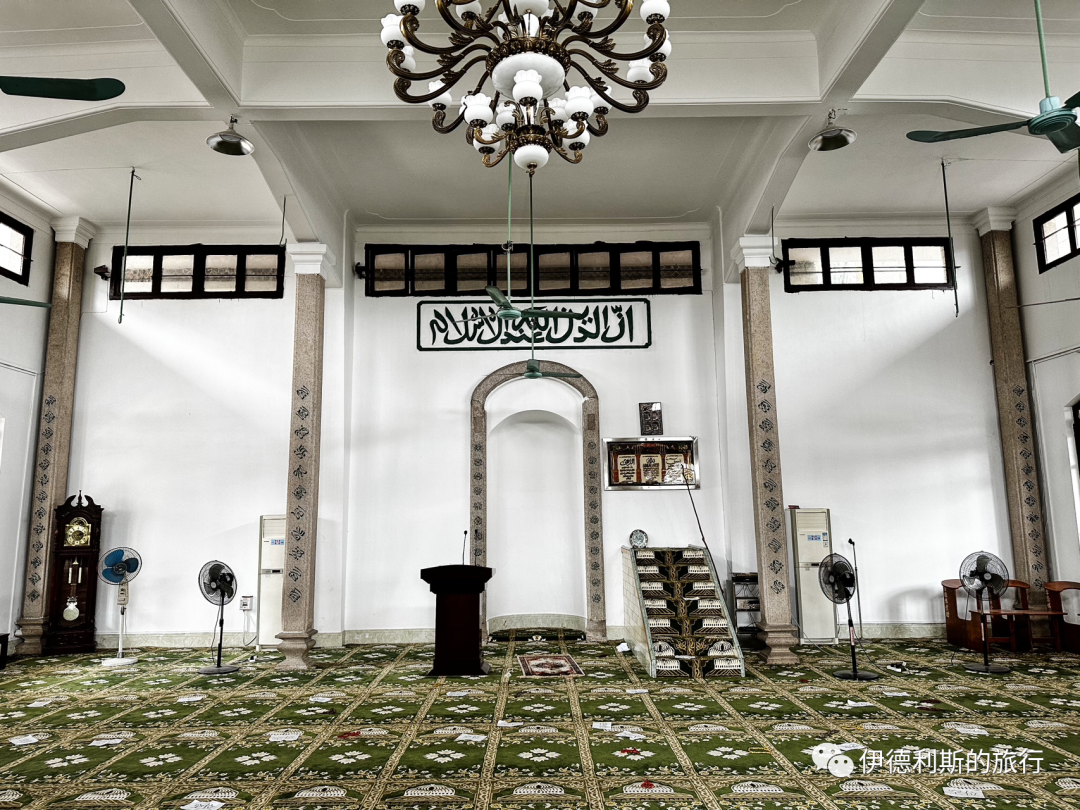
Zhaoqing East City Mosque: Originally located on Water Street. During the Kangxi era, Fu Yunfeng from Guangzhou bought land and moved it to the Shuixiang camp. It was renovated many times during the Qianlong, Daoguang, and Republican eras. It was rebuilt with reinforced concrete in 1991. The main hall still holds a Qing dynasty mihrab, and the original Qing dynasty stone pillar bases for the main hall and the prayer hall remain outside.
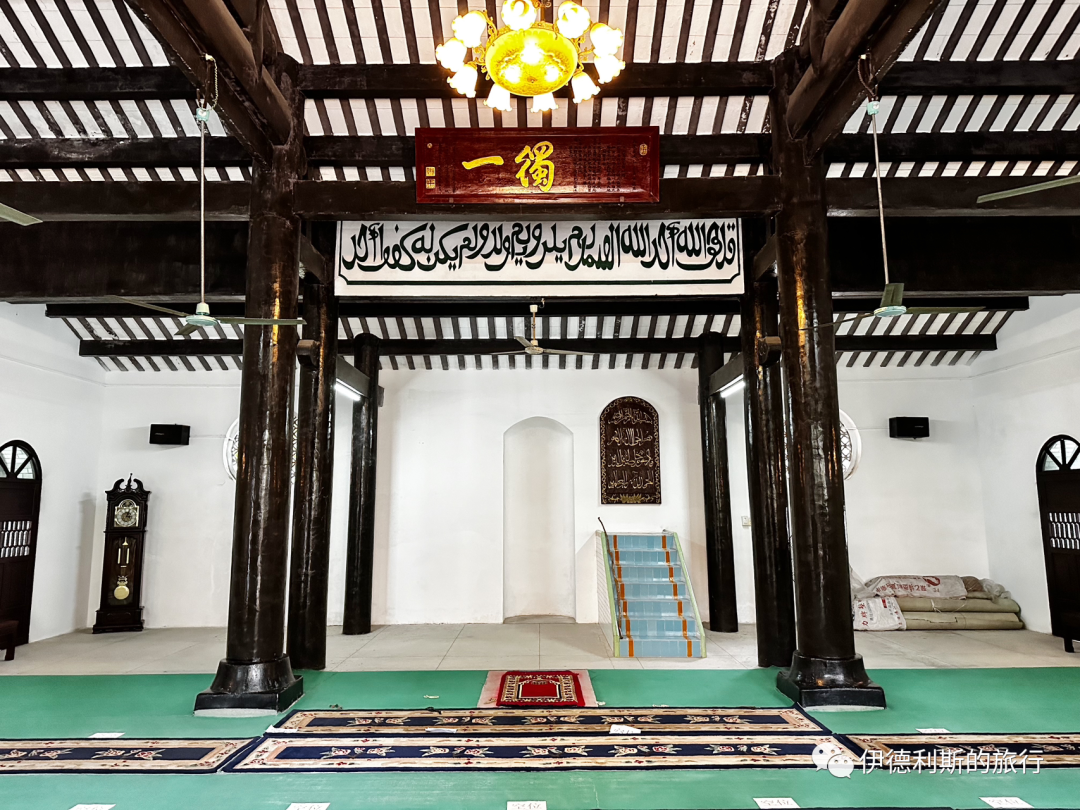
Guangzhou Haopan Mosque: First built during the Ming Chenghua era and rebuilt in 1706. Starting in the Qianlong era, it opened a school for Islamic studies, and during the Tongzhi era, it opened a university for Arabic studies. It hired many famous teachers from Nanjing, Gansu, and Yunnan to train a large number of imams, playing a major role in the development of Islam in Guangzhou, Hong Kong, and Macau.
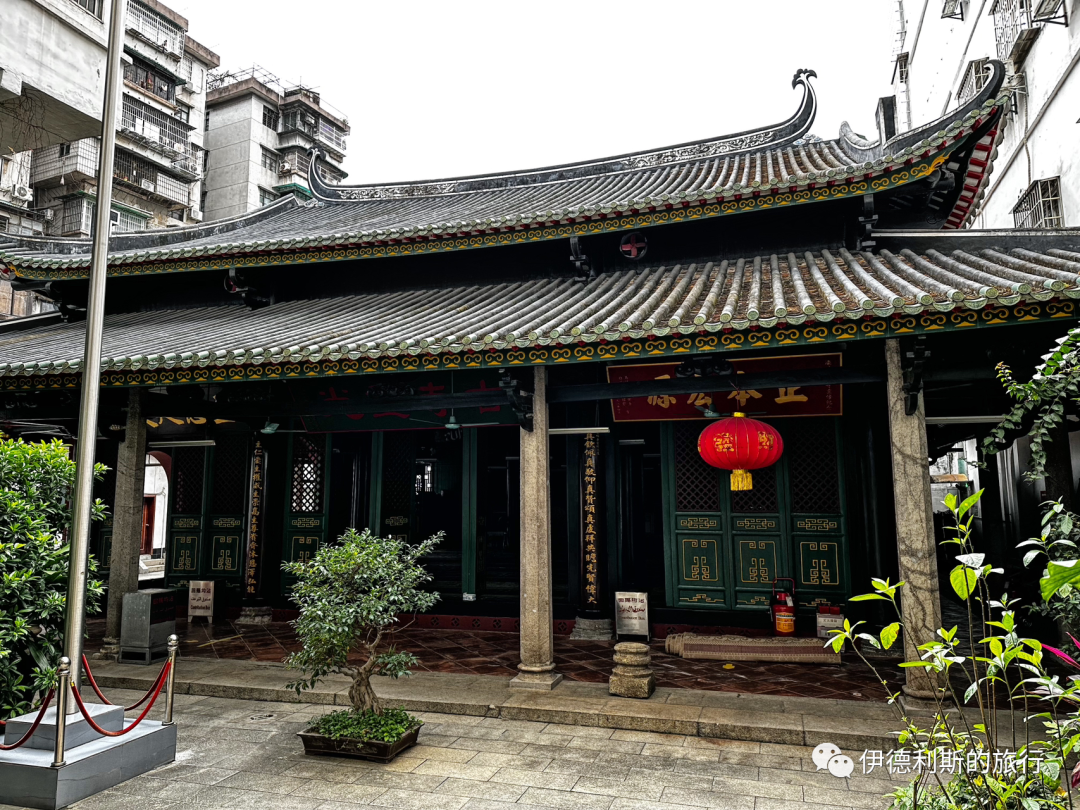
Guangzhou Huaisheng Mosque: First built in the Tang dynasty. It was hit by a fire in 1343 and rebuilt in 1350. Only the Light Tower (Guangta) survived the fire. It was rebuilt twice during the Ming Chenghua and Qing Kangxi eras, and renovated three times during the Daoguang, Xianfeng, and Tongzhi eras. The stone railings around the current main hall show Yuan and Ming dynasty styles, while the Moon-Watching Tower (Kanyuelou) with its double-eave hip-and-gable roof reflects the style after Ming and Qing renovations.
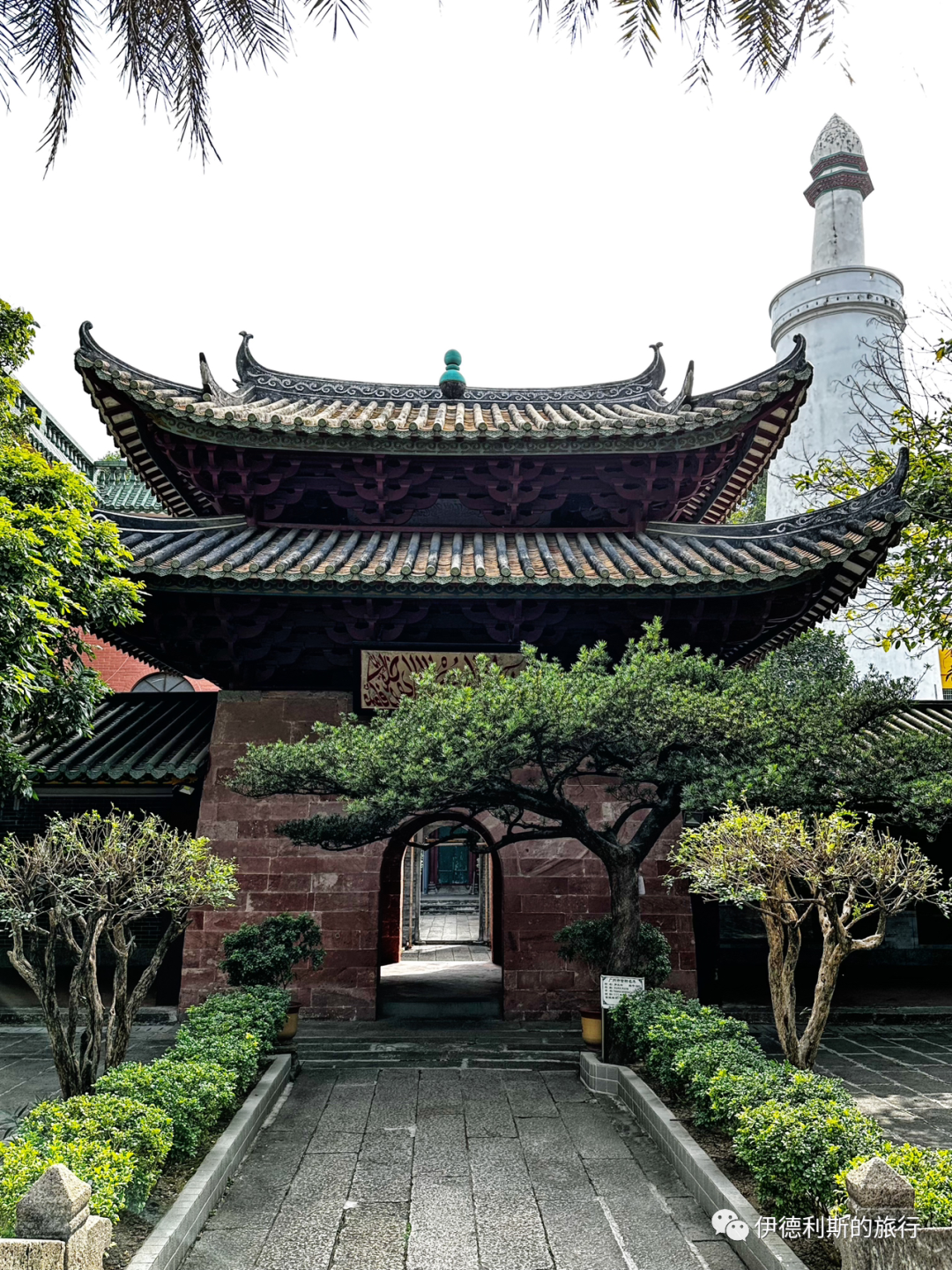
Guangzhou Xiaodongying Mosque: Built in 1468 by Hui Muslim military officials. It was renovated twice during the Qing Jiaqing and Tongzhi eras. In 1901, Hui Muslims from Guangzhou and Hong Kong raised money to start the Xiaodongying Mosque Charity School inside the mosque, with imams Yang Ruisheng and Wang Mingshan as teachers. In 1925, the Xiaodongying Mosque became the activity center for the Guangzhou Muslim Youth Association. In 1931, Chen Huanwen founded the 'Muslim' (Mumin) monthly magazine there.
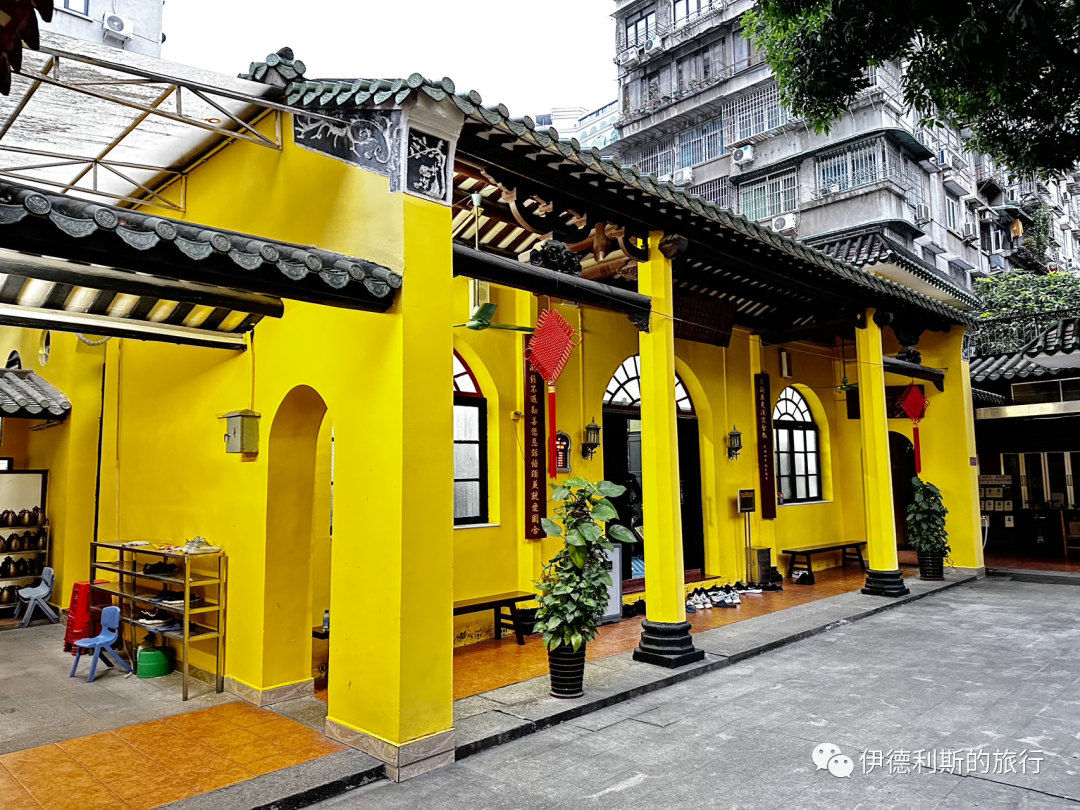
January: 3 mosques in Sichuan
Xichang City Mosque: Built during the Yuan Taiding era. It was moved to its current site on Jiyang Lane in 1574 and rebuilt into its current form in 1875. It is known as the premier mosque of Xichang.
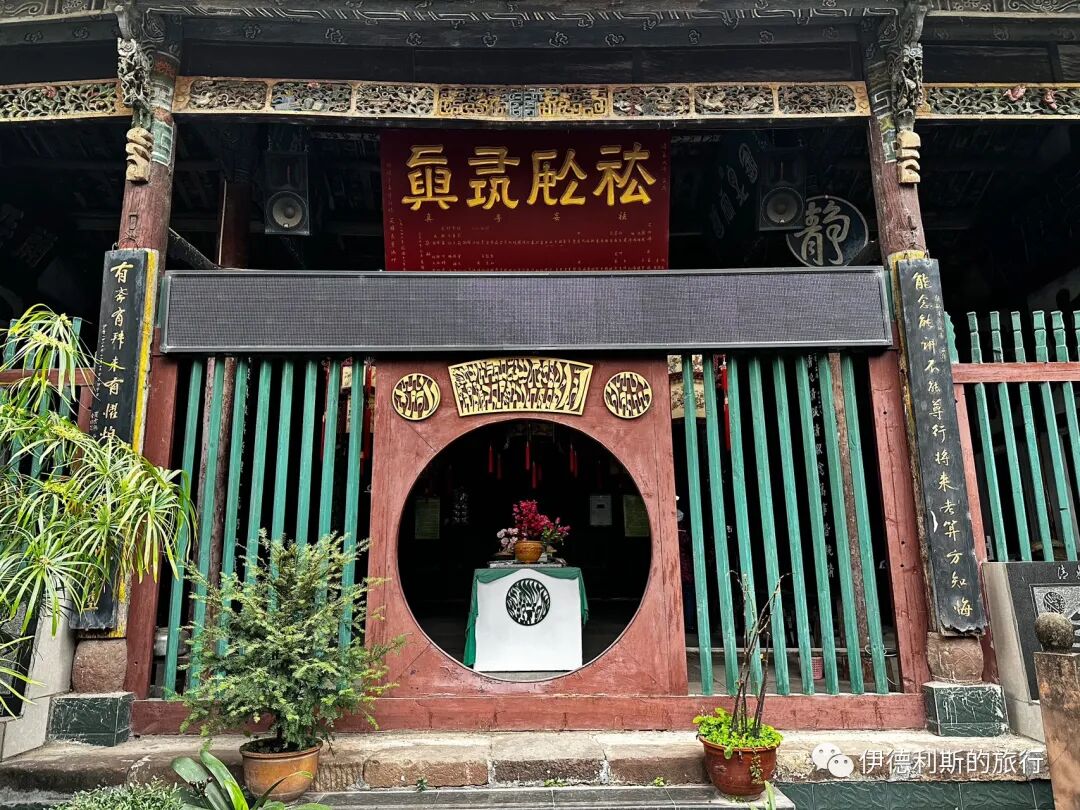
Xichang West Mosque: Also called the Mosque Outside the City by Mashui River. First built in 1801. When the 1850 Xichang earthquake caused the buildings to collapse, the local leather-working guild, the Wool Association, paid for its reconstruction. It was rebuilt into its current form in 1999.
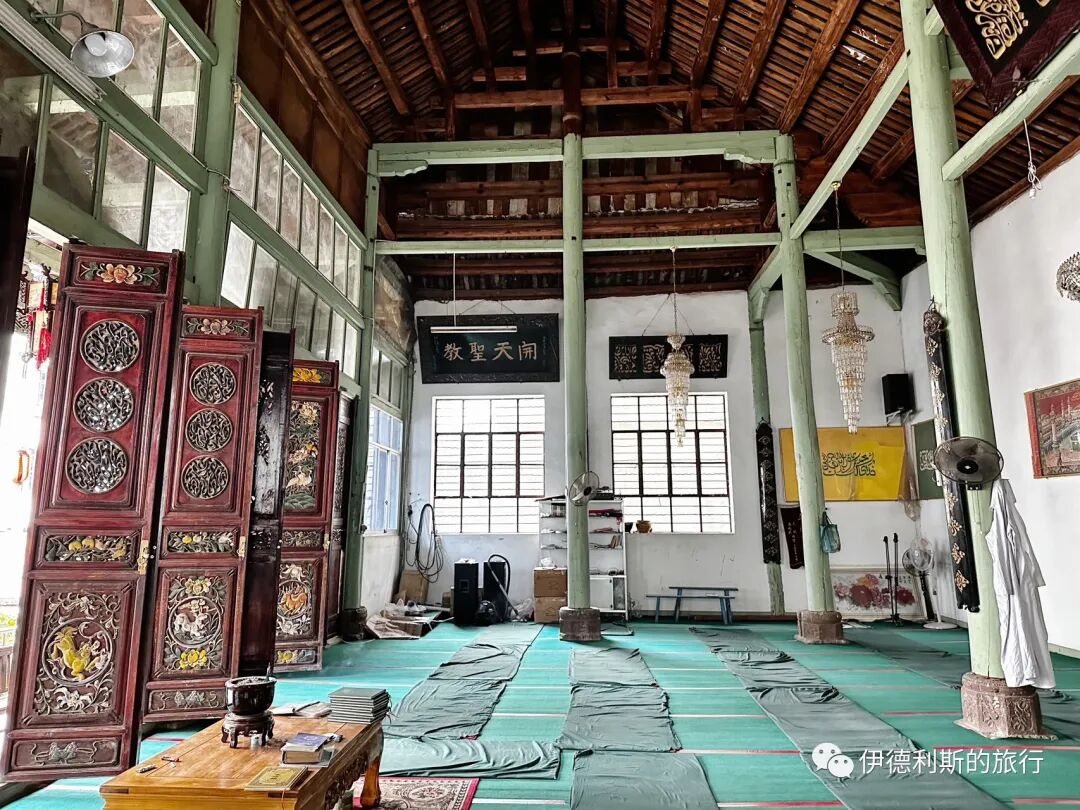
Miyi Tianba Mosque: First built in 1702 (the 11th year of the Qing Kangxi era). It was renovated and expanded many times during the Qianlong, Jiaqing, and Daoguang eras. It is similar in style to the traditional mosques in nearby Zhaotong, Yunnan, and is very elegant, simple, and beautiful.
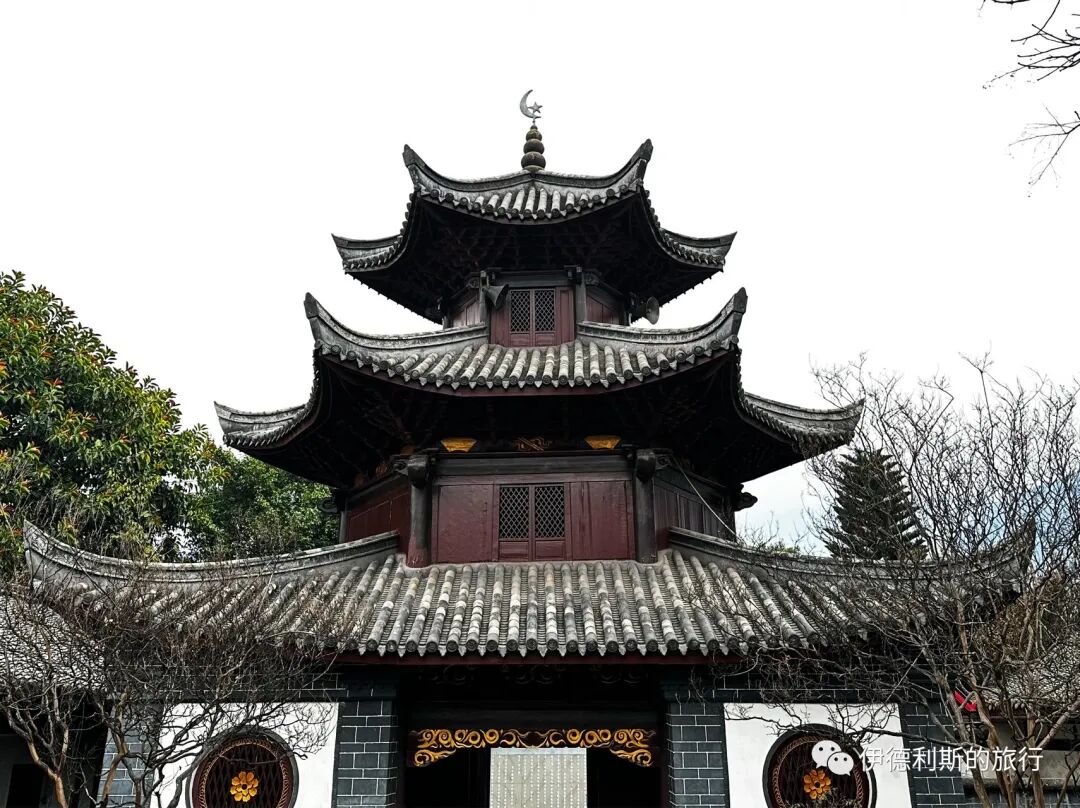
One mosque in Beijing in January.
Beijing Balizhuang Mosque: Between the reigns of the Yongzheng and Qianlong emperors, Hui Muslims with the surnames Jing, Li, and Jin grew vegetables along the stone road outside Chaoyang Gate to supply the capital. This area gradually became known as Balizhuang outside the gate, and the mosque was first built in the early years of the Qianlong reign.
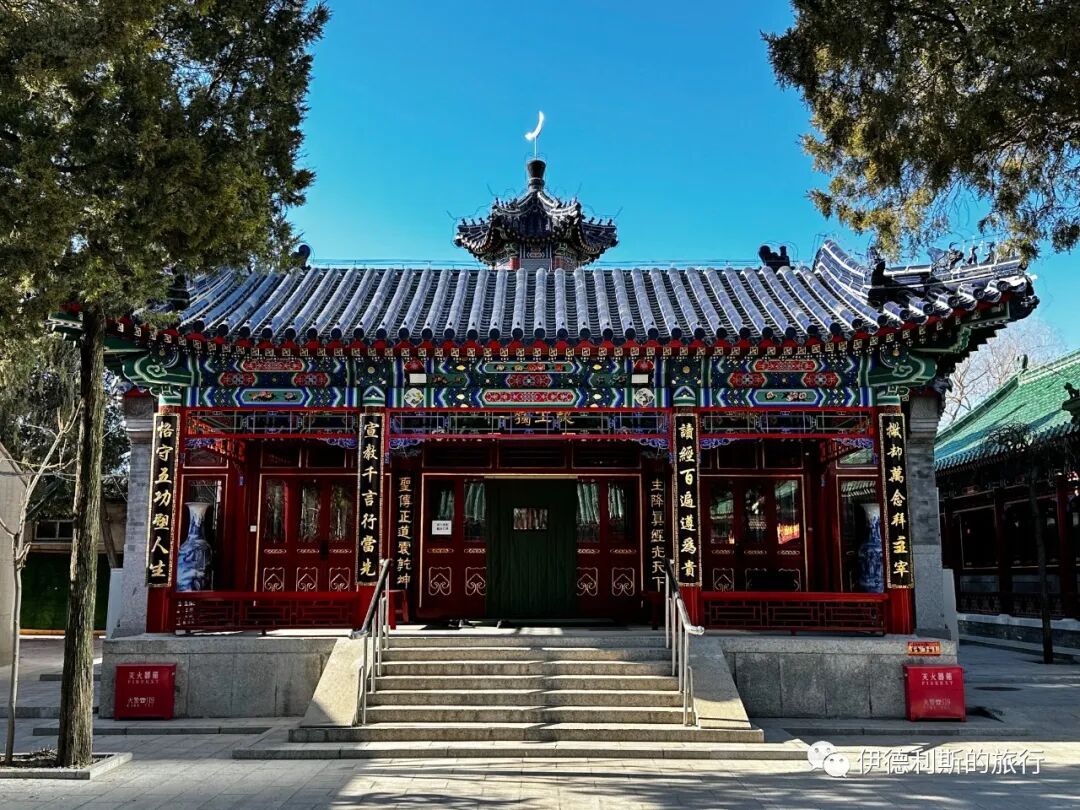
Twelve mosques in Yunnan in January.
Dali Yangbi Ancient Mosque: Legend says it was built in 1382 by Hui soldiers who stayed to garrison Yangbi in the early Ming Dynasty. It was burned and destroyed during the Tongzhi disaster. Later, it was turned into a Confucian mosque, and the main gate and minaret (jiaobailou) were dismantled to build Zhulin Mosque. Other buildings were also damaged, but the main prayer hall survived and was returned in 1994.
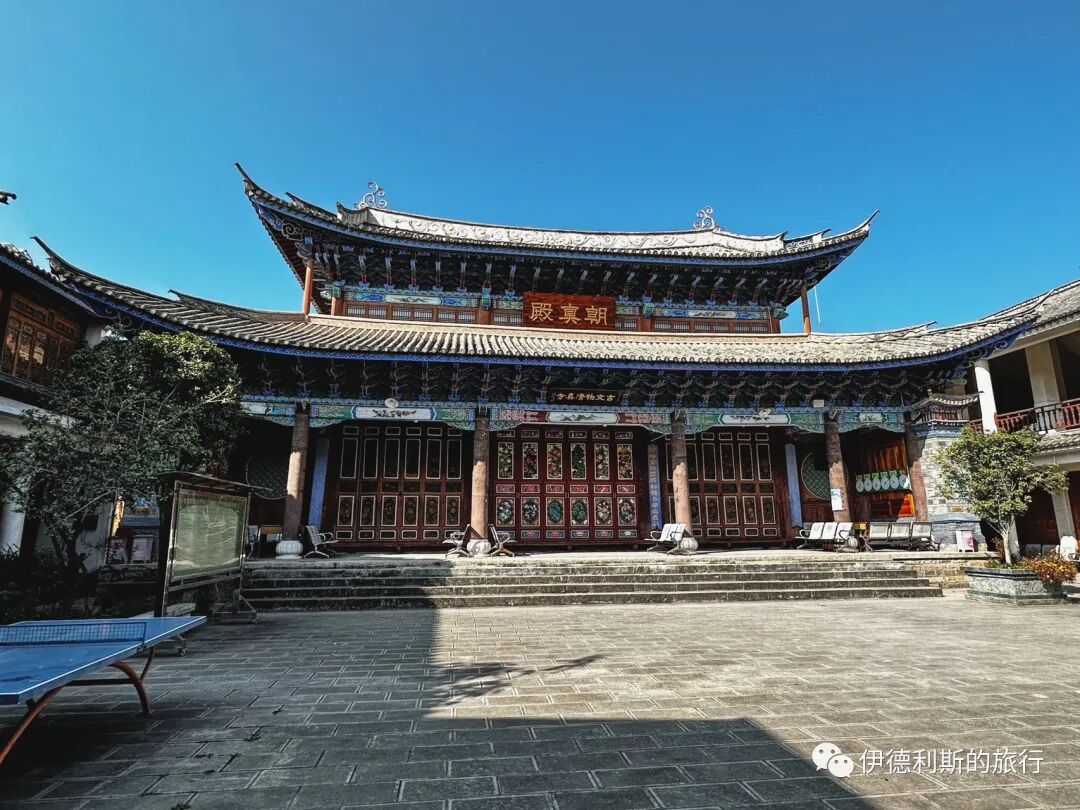
Dali Yangbi Shangxiang Mosque: First built in 1921. After the Tongzhi disaster, Du Fachun led his family to escape to Yangbi Lower Street. His home also served as a place for local believers to perform namaz and recite scriptures. To build a new mosque, Du Fachun and his group followed a horse caravan all the way to Yangon, Myanmar. More than 30 Yangbi overseas Chinese living there generously donated over 1,000 small silver coins (pounds sterling). In 1921, through everyone's joint efforts, they secured the Sangyuan slope land and finally completed the Shangxiang Mosque.
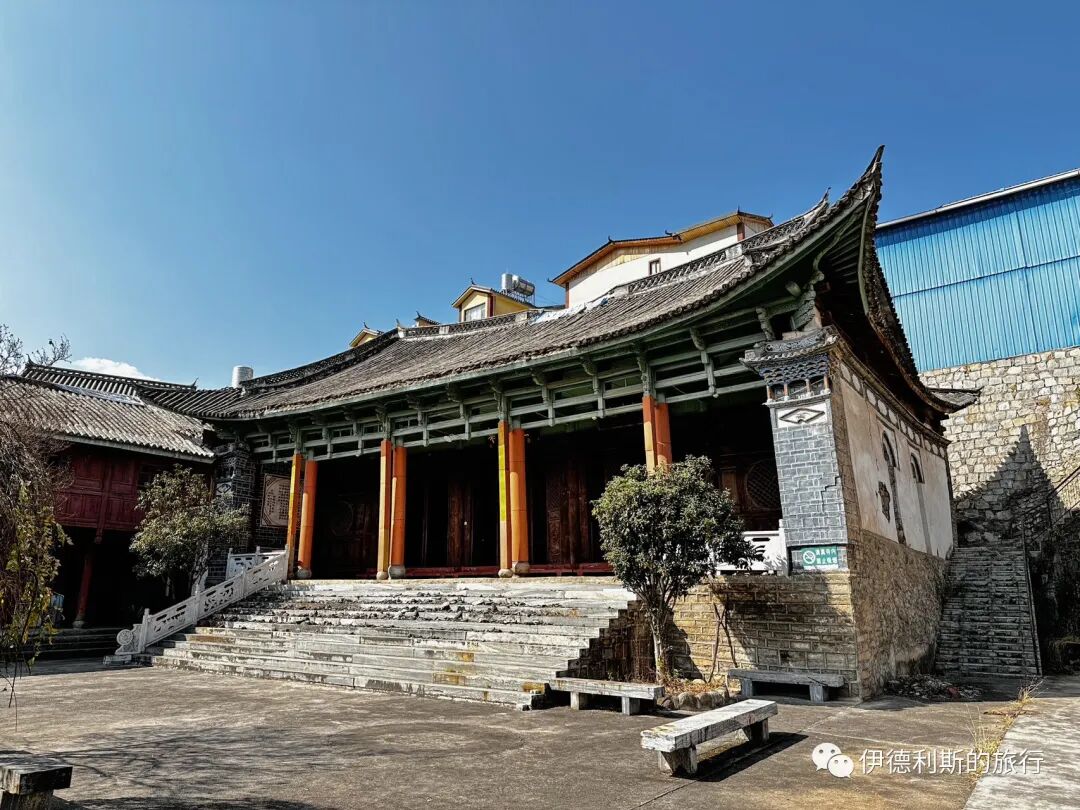
Dali Yangbi Shangjie Xinyingpan Mosque: First built in 1859, it was confiscated after the Tongzhi disaster and redeemed during the Guangxu reign. To raise funds for the mosque, Imam Ma Ende followed a horse caravan to Myanmar. With the help of overseas Chinese like Haji Zhao Lianhong, he raised enough donations to rebuild the Shangjie Mosque. It was destroyed by fire in 1989 and rebuilt between 1991 and 1992.
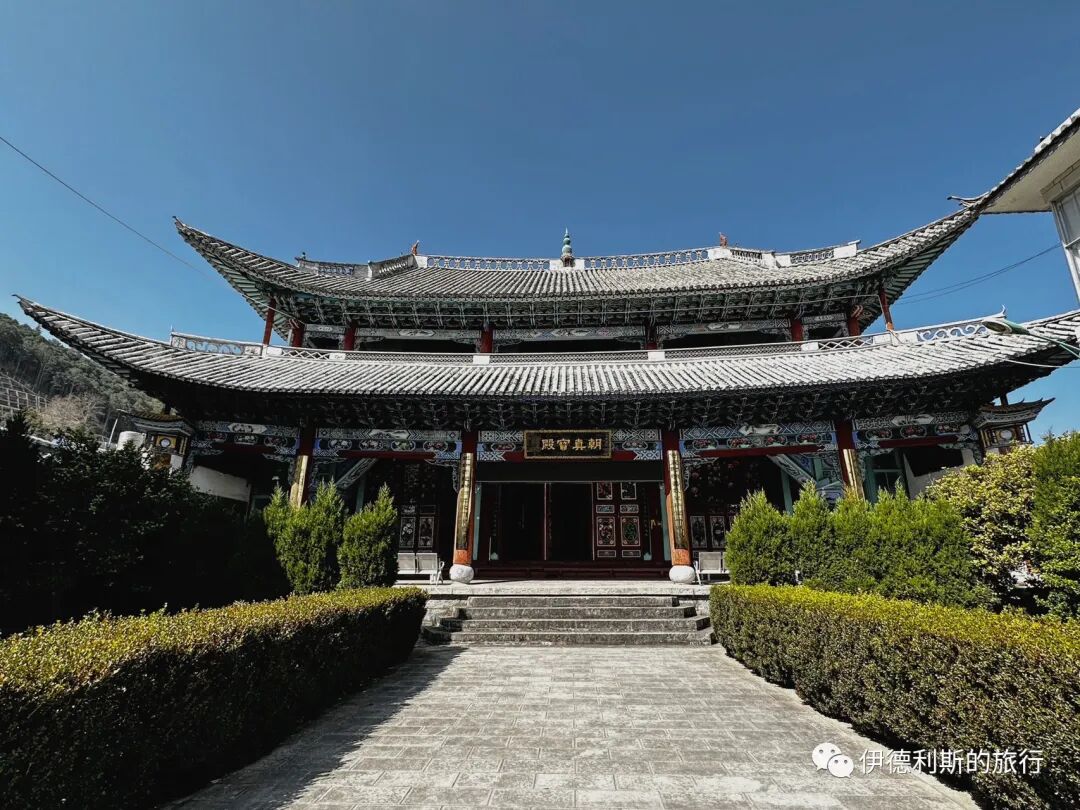
Dali Fengming Mosque: As the seat of Zhaozhou Prefecture since the Yuan Dynasty, Fengyi Town South Street has historically had an ancient mosque. The Fengyi South Street Mosque was burned down after 1872. For the next 50 years, the few remaining Hui Muslims in Fengyi could only perform their religious duties at the home of Mu Benren on West Street. Eventually, Yang Chaozhu approached the Fengyi County magistrate, purchased land, and with donations from local community leaders, the Fengming Mosque was completed in 1922. After 2001, the Chaozhen Hall was expanded, turning the original three-bay main hall into five bays, which is its current appearance.
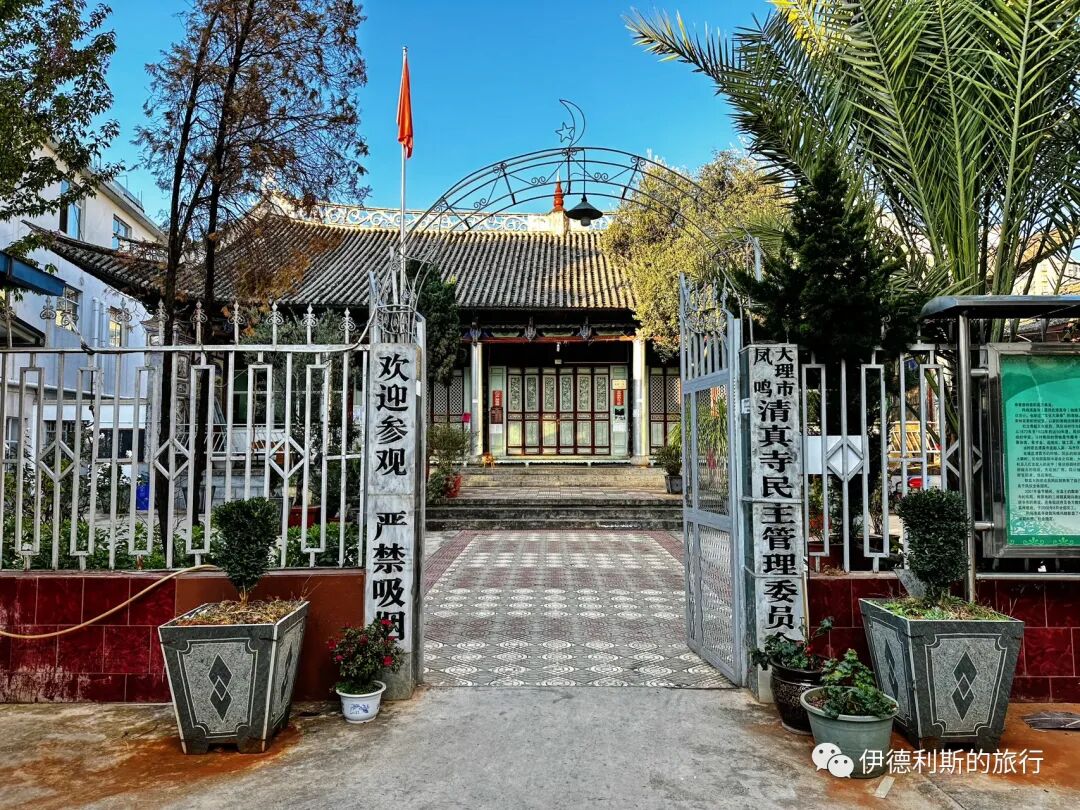
Dali Binju Mosque: First built in the mid-Qing Dynasty, it was destroyed during the Tongzhi reign and rebuilt in 1923. The existing main hall with its hip-and-gable roof is a century old and is a typical example of Dali-style architecture.
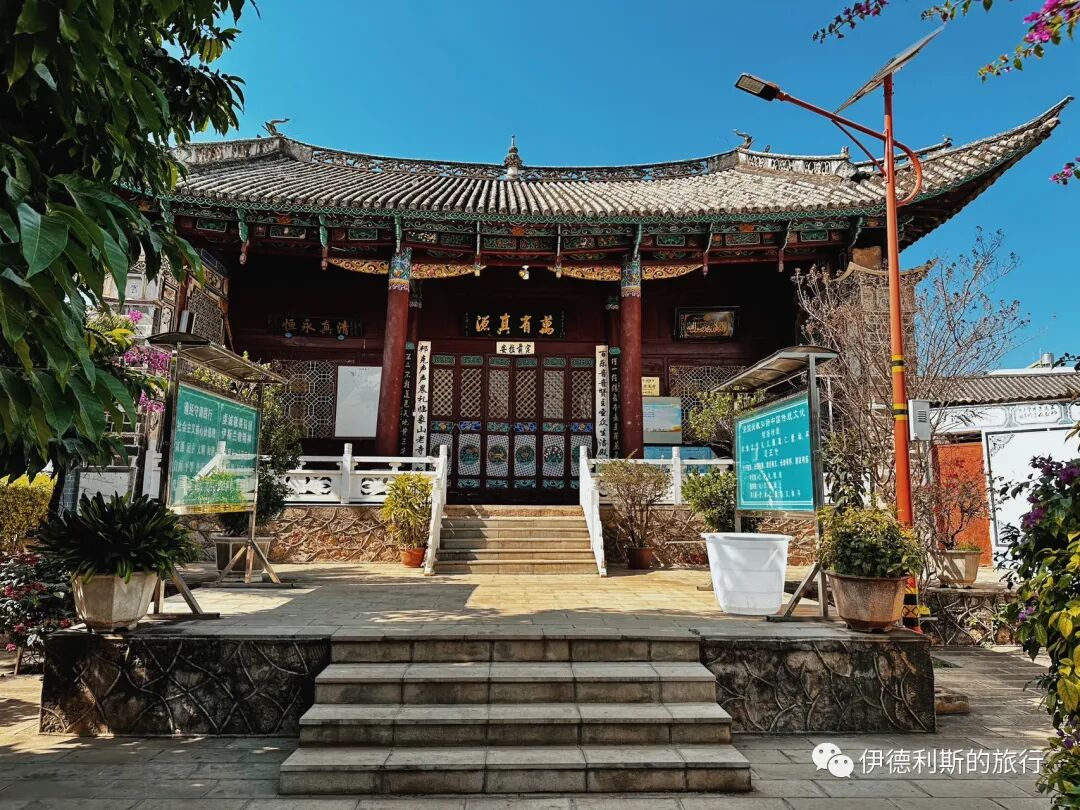
Dali Weishan Xincun Mosque: Xincun is known as the "first Hui village at the source of the Red River." The Xincun Mosque was destroyed in 1872, rebuilt during the Guangxu reign, and the main hall was rebuilt again in 1994, maintaining the traditional architectural style of the Dali region.
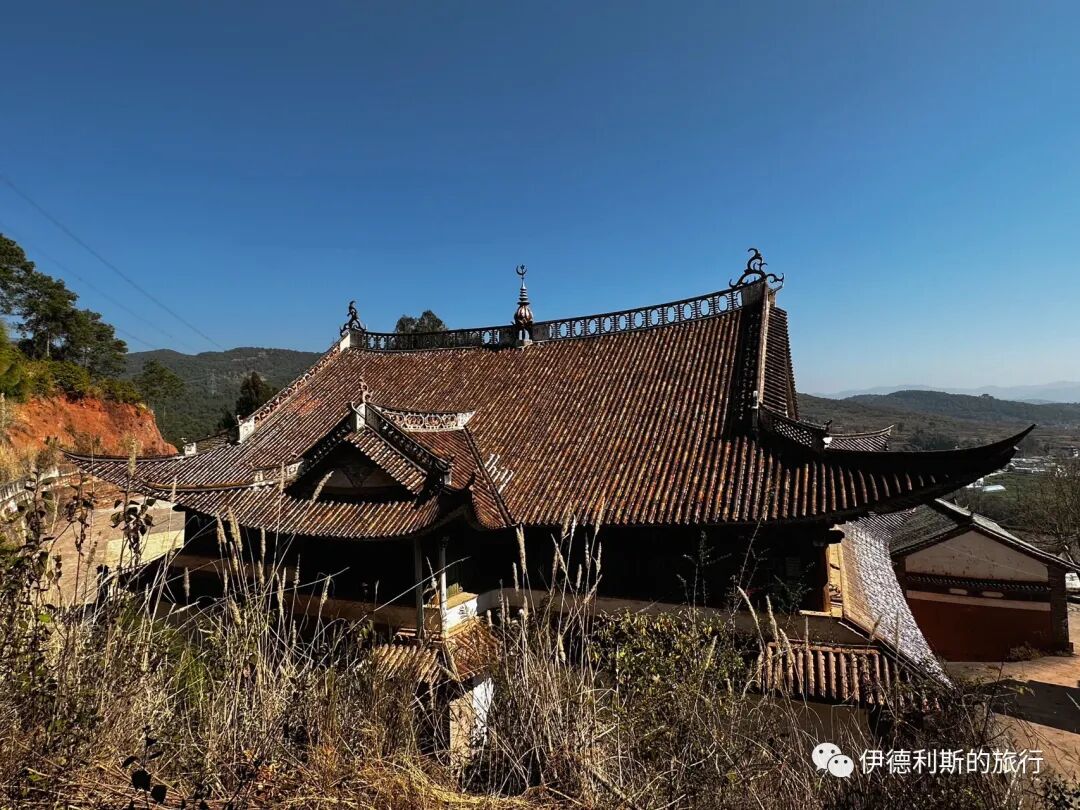
Dali Weishan Chen Family Mosque: The Chen family ancestor moved here from Shaanxi and eventually settled down after several moves. The Chen Family Mosque was rebuilt in 1902 and expanded into its current form in 1987. It is set against the mountains and water with beautiful scenery.
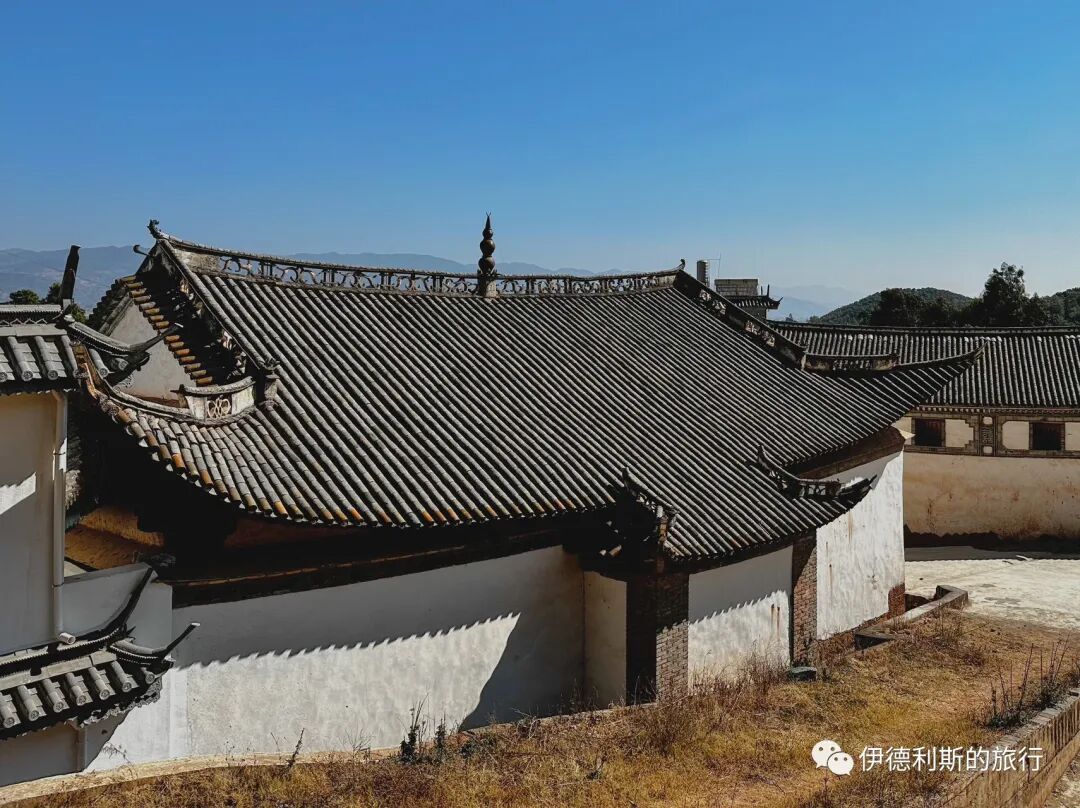
Dali Weishan Xishulong Mosque: Rebuilt in 1902 and again in 1990 into its current structure. The main hall has a double-eave hip-and-gable roof, and there is a unique hexagonal pavilion in the center of the roof ridge.
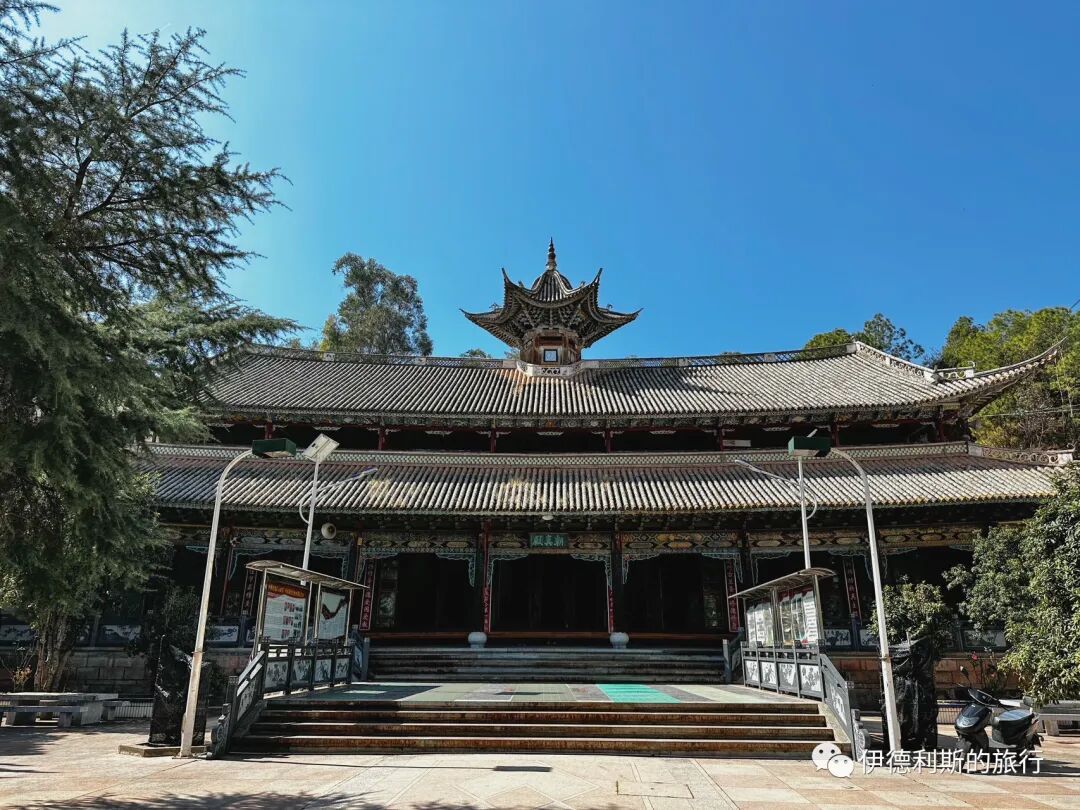
Shangxi Lotus Mosque (Lianhua Si) in Weishan, Dali: It was destroyed in 1872 and later rebuilt and expanded many times into its current form.
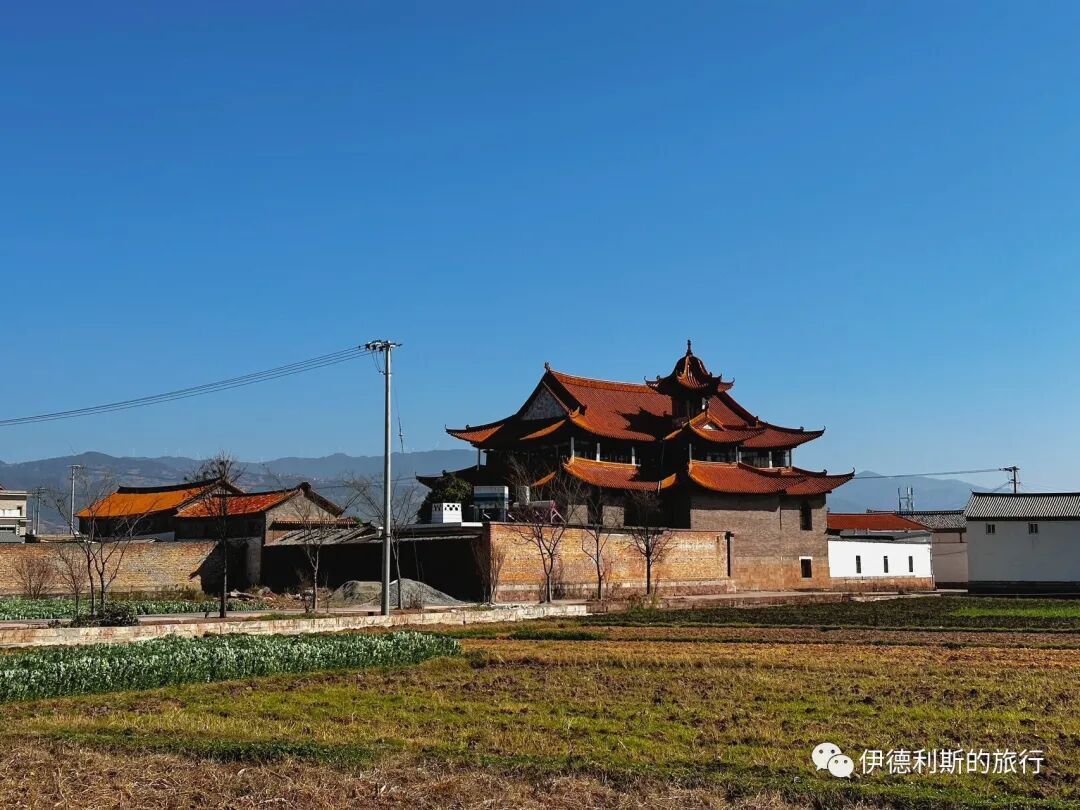
Xiaxi Lotus Mosque (Lianhua Si) in Weishan, Dali: It was destroyed in 1872, rebuilt in 1925, and later rebuilt again into the current building.
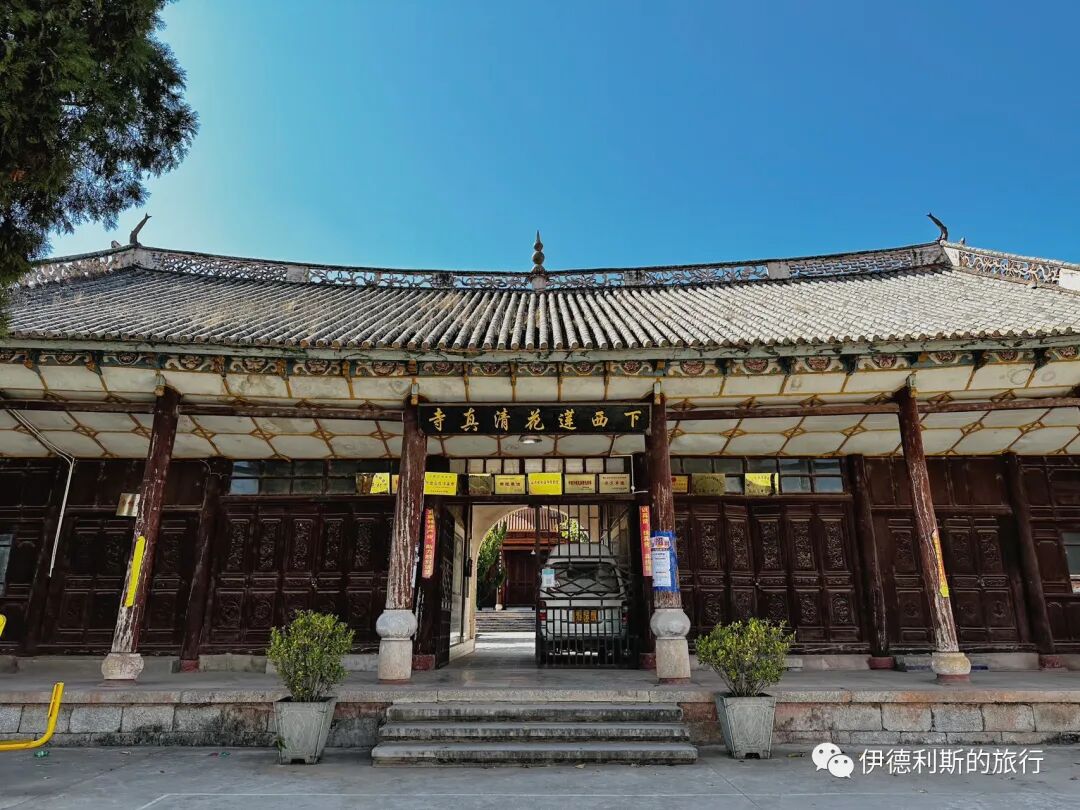
Donglianhua Mosque (Lianhua Si) in Weishan, Dali: It was first built during the Qing Dynasty and expanded twice, in 1921 and 1987. The minaret (xuanlilou) was raised to four stories in 1987. The main prayer hall was expanded in 1921 into a five-bay by seven-bay structure, and in 1987 it was expanded again into a nine-bay by eleven-bay structure.
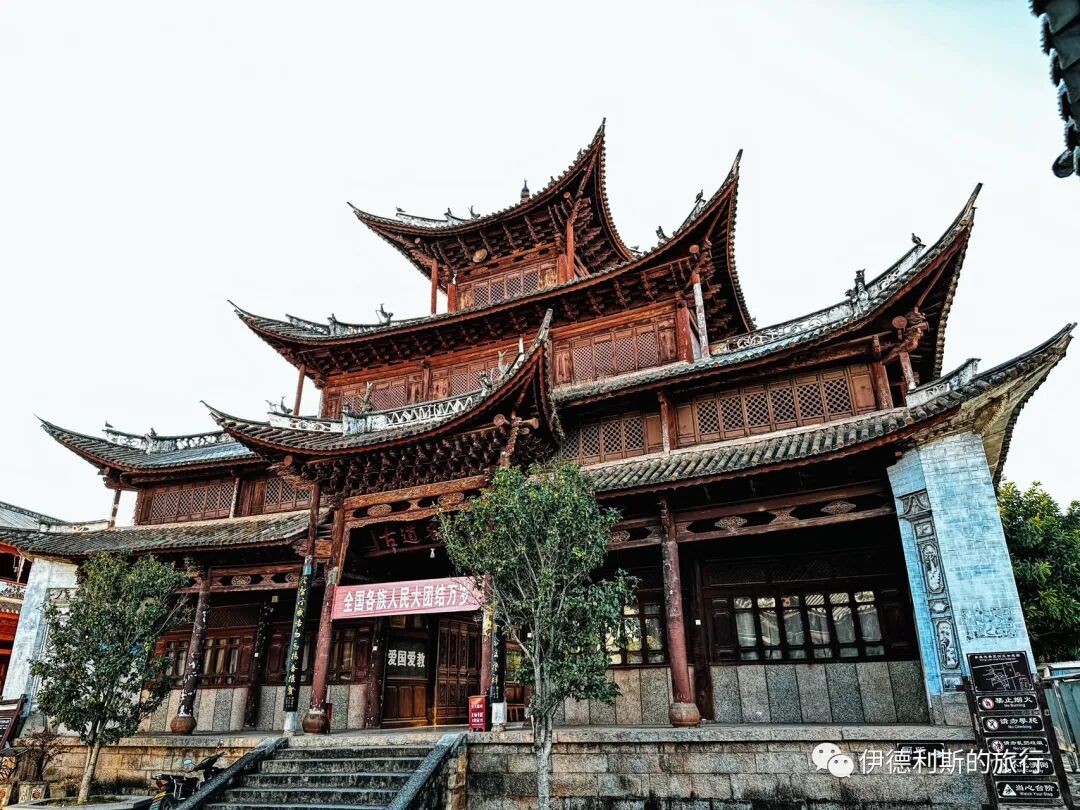
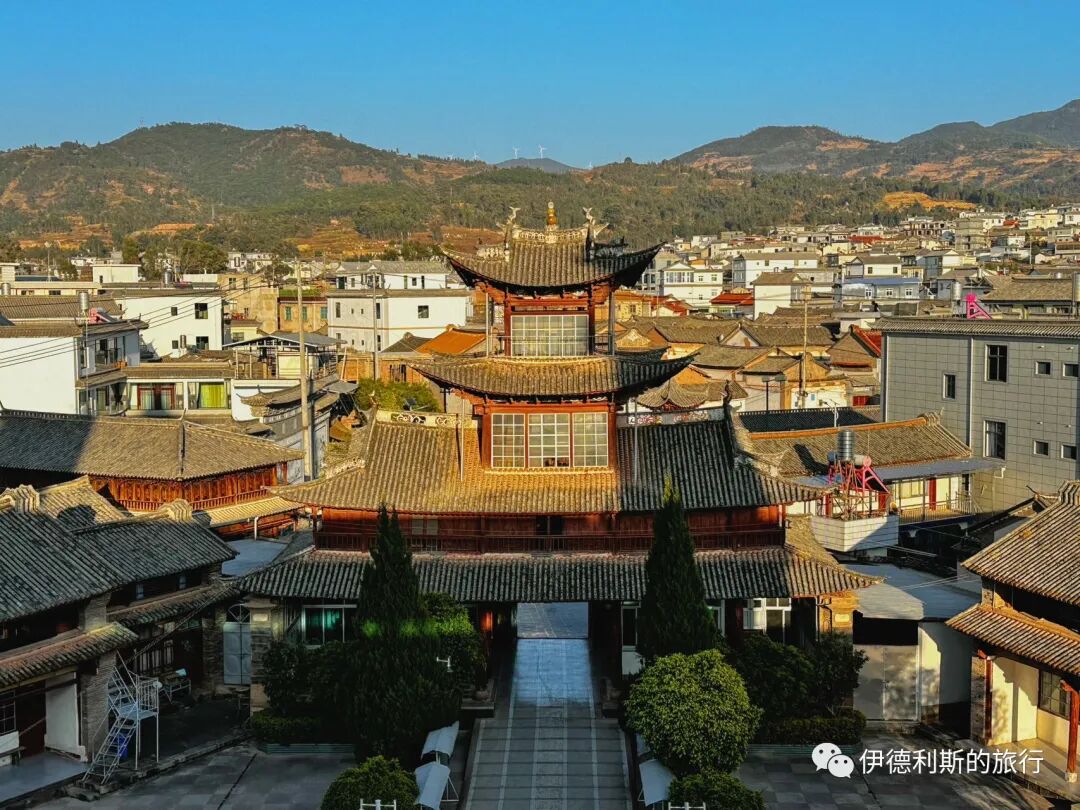
Sanjia Village Mosque in Weishan, Dali: It was originally called Saijia Village Mosque. The Sai family were descendants of Masuhu, the fifth son of Sayyid Ajjal Shams al-Din. They moved from Daweigeng and Xiaoweigeng villages in the mid-Ming Dynasty to establish Saijia Village. During the Tongzhi reign, over 3,500 villagers were killed. Later, three families returned to settle there, so the name was changed to Sanjia Village. The current main prayer hall of Sanjia Village Mosque was rebuilt in 1997. From the top, you can look out over the scenery of the Yongjian Basin.
February: 1 mosque in Inner Mongolia.
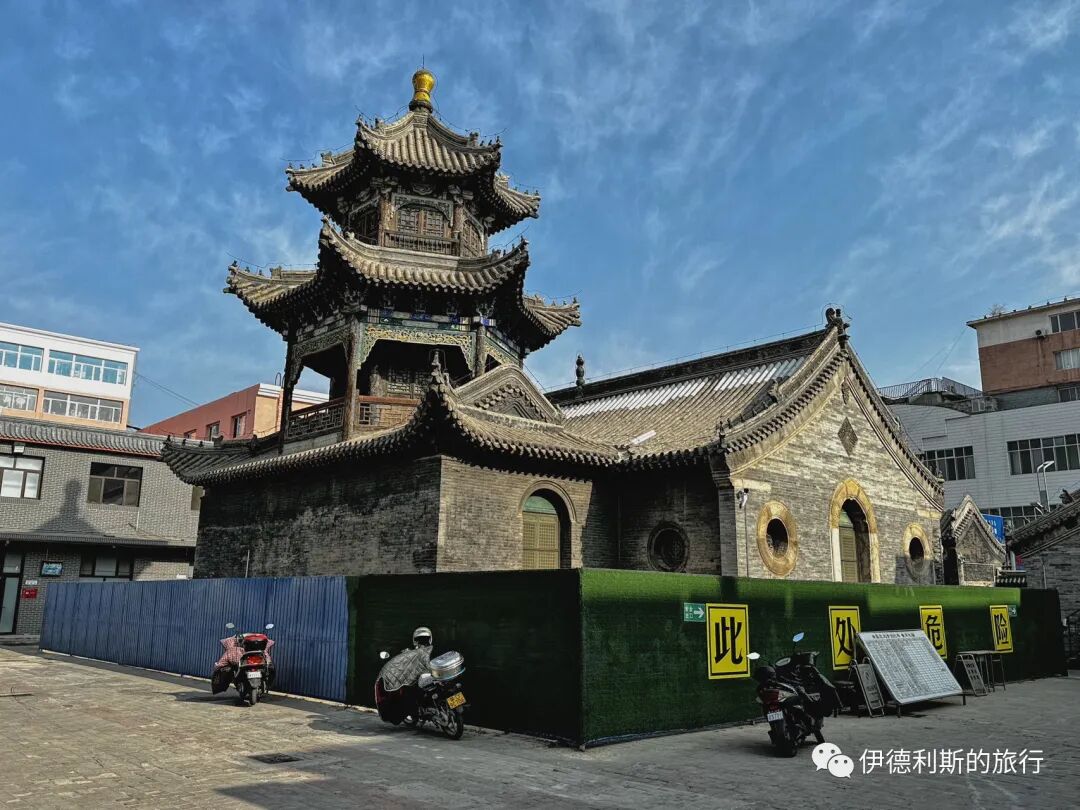
North Mosque (Beidasi) in Chifeng, Inner Mongolia: In 1739, an elder named Zhang Yueming from Chifeng led the effort to lease seven point six mu of land from Mongolian princes. They built five mud rooms and three main prayer hall rooms, which became the first Chifeng mosque. In 1742, an elder named Ma Fen, who had run the Desheng Security Bureau in Shenyang, paid for a foundation. The imam and elders traveled to various places to collect donations (nietie). Later, Ma Fen went to Shenyang to hire craftsmen. After four years of construction, it was finished in 1747, using red pine from the south mountains of Chifeng for all the wood.
February: 3 mosques in Shandong.
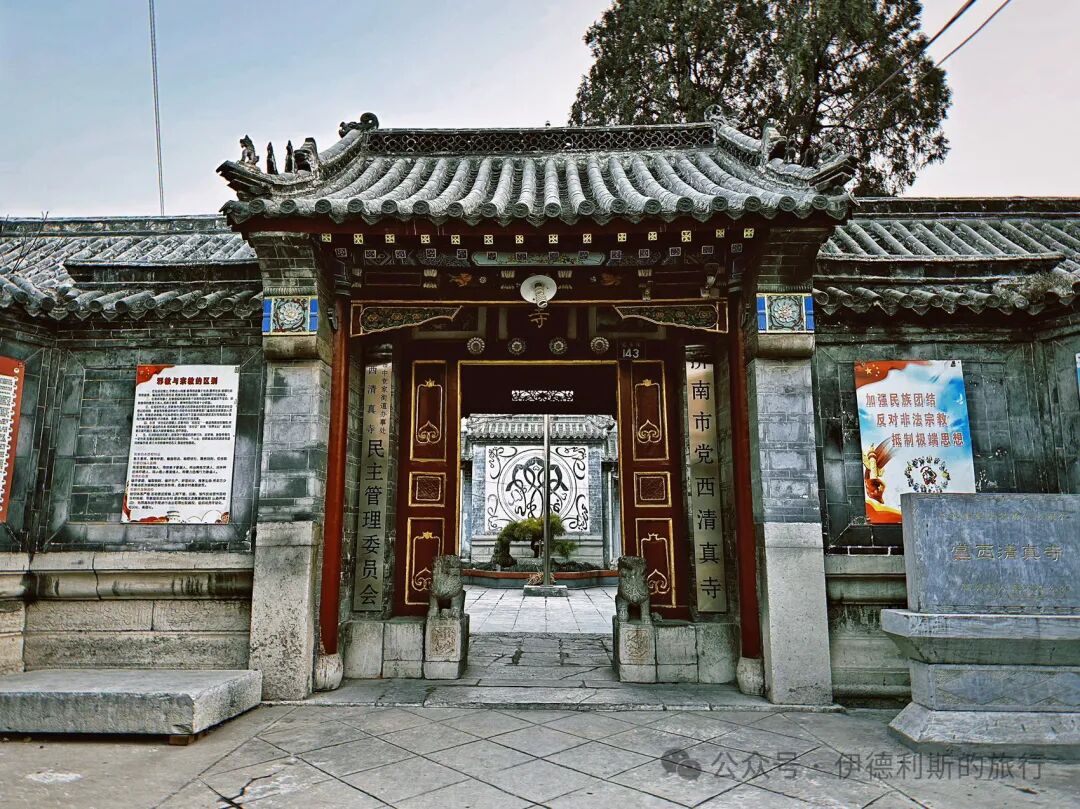
Dangxi Mosque in Jinan, Shandong: Located in Dangjiazhuang in the southern suburbs, it was first built at the end of the Yuan Dynasty. It was later burned down by the Red Turban Army and rebuilt in 1397 (the 30th year of the Hongwu reign). It was repaired many times during the Ming Wanli, Qing Xianfeng, and Republican periods, making it an important ancient mosque in Jinan.
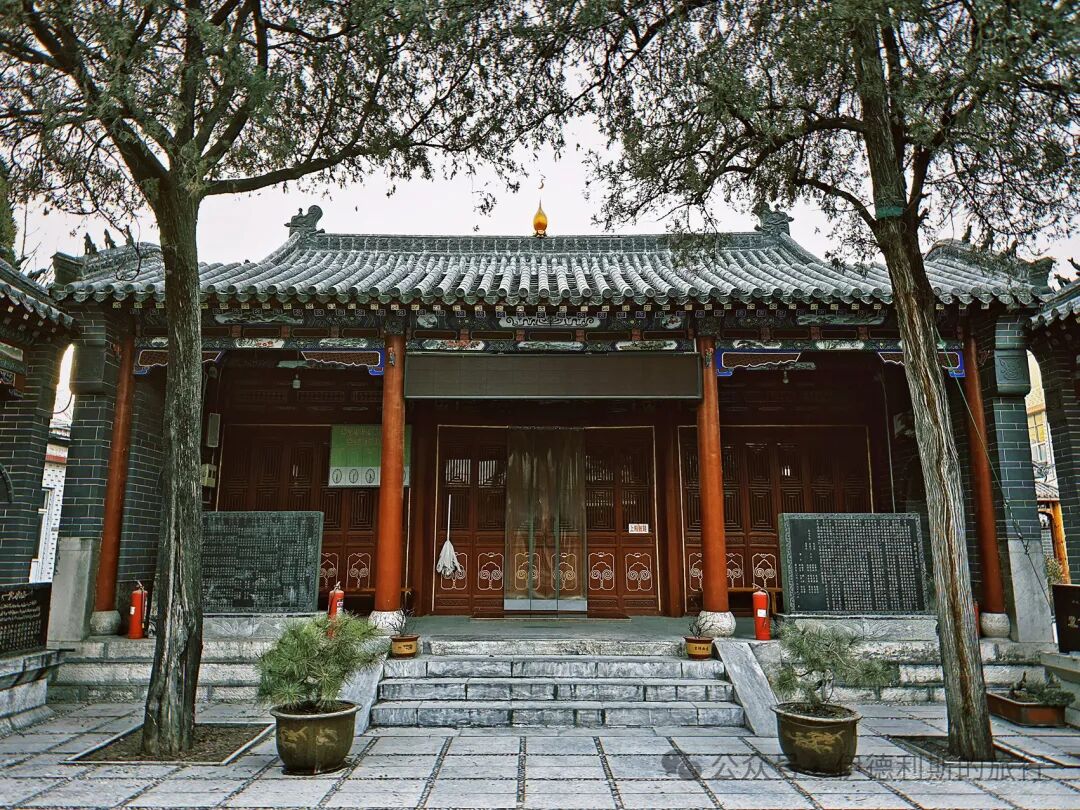
Dangdong Mosque in Jinan, Shandong: Located in the east village of Dangjiazhuang in the southern suburbs, it was first built in 1510 (the fifth year of the Zhengde reign of the Ming Dynasty). It was repaired many times during the Qing Yongzheng and Qianlong reigns and the Republican period. The records say Dangdong Village was originally Zhuguanzhuang, a place set up for refugees in the early Hongwu years of the Ming Dynasty. Local Hui Muslims originally went to Dangxi Mosque for namaz. In the early Zhengde years of the Ming Dynasty, Chen Xi, the Chief Imam of Shandong, raised funds. Fa Zongxian, a Jinan Garrison Commander, and local Hui Muslims managed the purchase of land and materials. They finally built the Zhuguanzhuang Mosque, which was later renamed Dangdong Mosque.
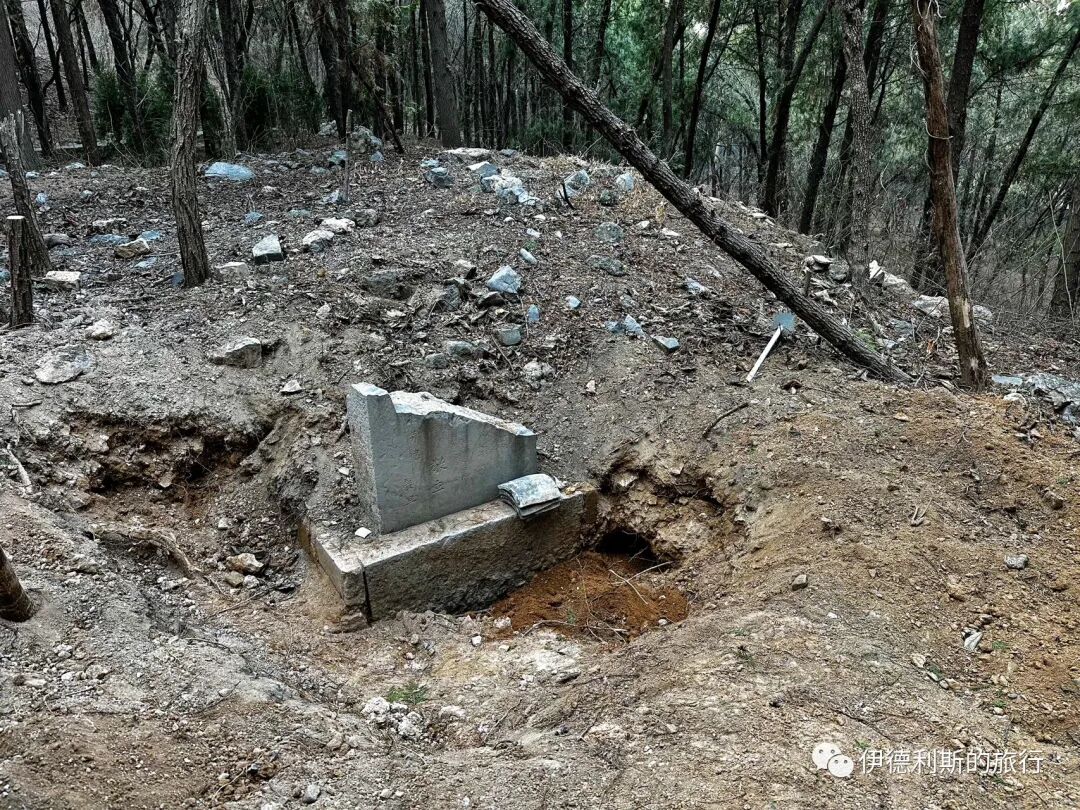
Small Mosque at Ma'anshan, Jinan, Shandong: To make it easier to visit graves, a small mosque was built long ago next to the Baba grave at Ma'anshan in Jinan. Due to history, the small Ma'anshan mosque has collapsed, but the original foundation and building structure are still visible. Many bricks, tiles, and other building parts are scattered on the original site.
March: 2 mosques in Beijing.
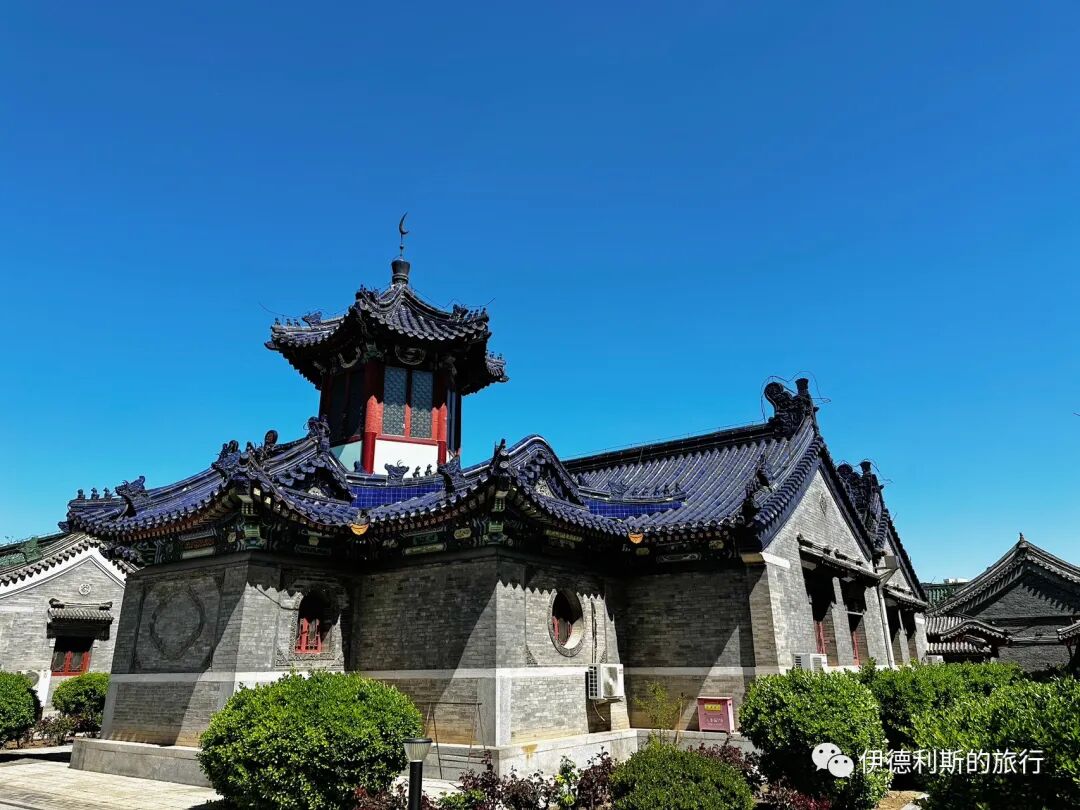
Nanxiapo Mosque in Beijing: In the early Kangxi years, a Hui Muslim named Ma who sold bows and arrows inside Chaoyang Gate received a long-overdue payment from a Mongolian customer. He donated this money to build the Nanxiapo Mosque.
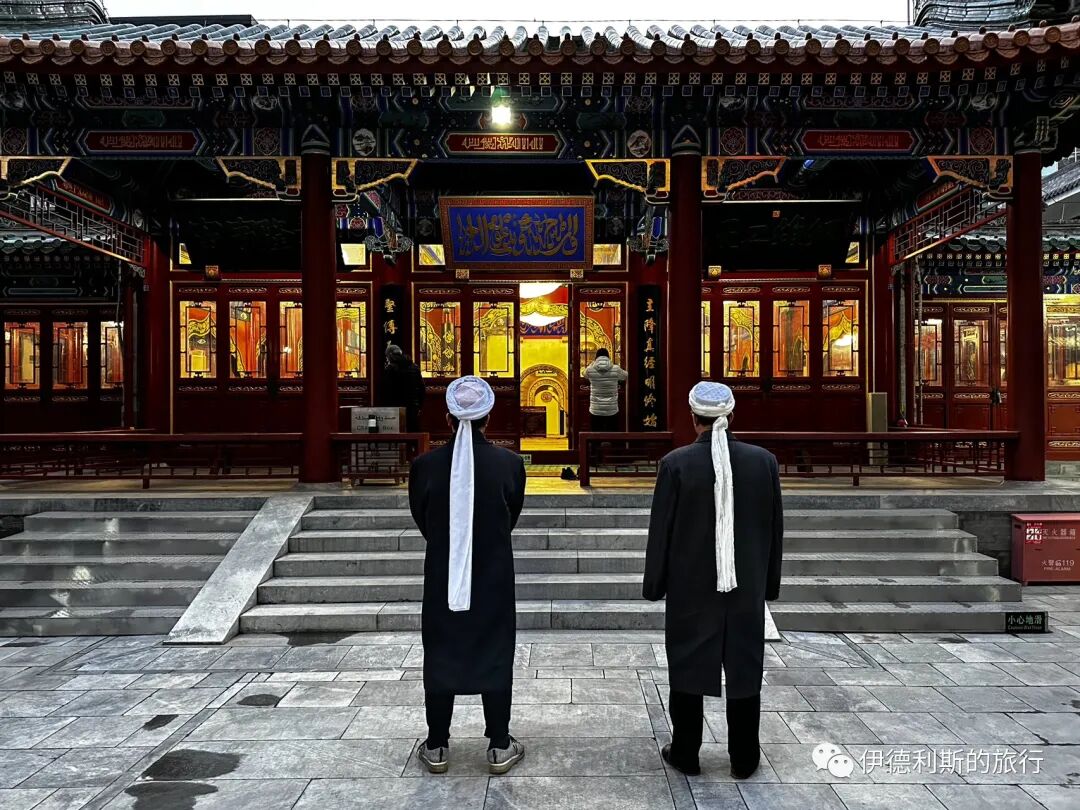
Changying Mosque in Beijing: It was built during the Zhengde years of the Ming Dynasty, repaired in 1796, and underwent large-scale renovation and expansion in 2004 to reach its current form.
March: 3 mosques in Hebei.
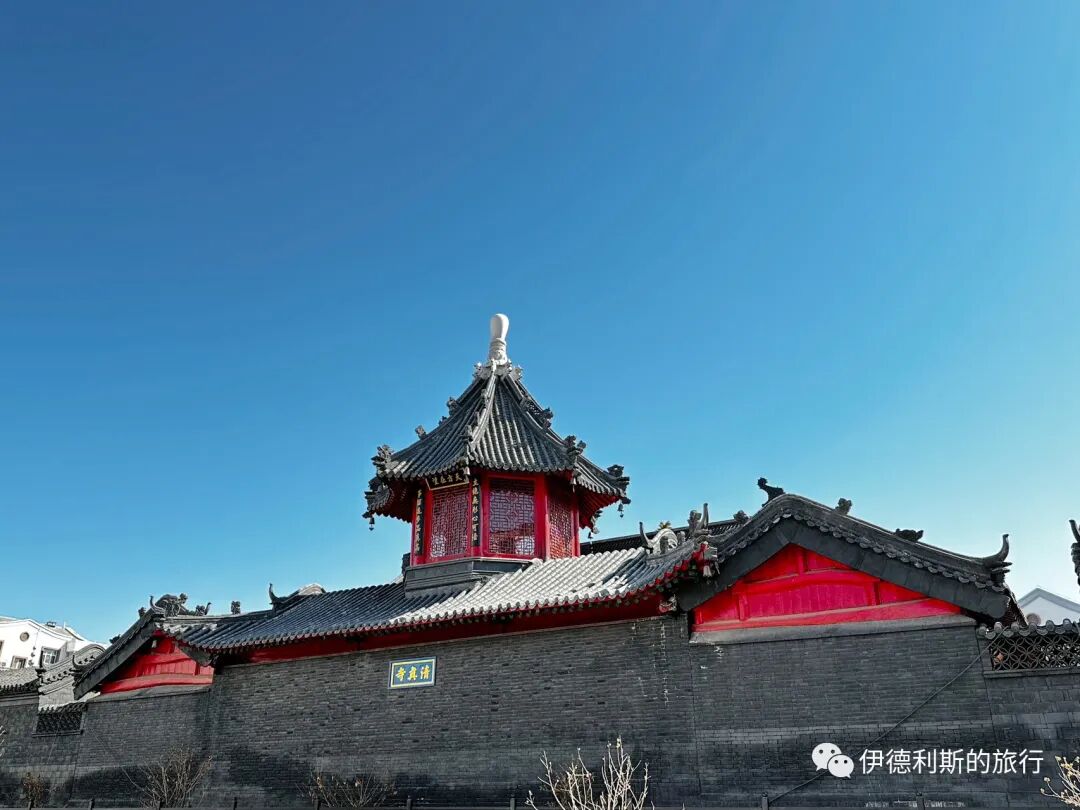
West Mosque (Xisi) in Baoding, Hebei: It was first built in 1616. A man named Fa from Hanji Village, Fangshan, served as a military official (dusi) in the Baoding garrison of Zhili during the Wanli reign. He bought twelve mu of land at the Wei family vegetable garden. Besides building the mosque, the surrounding land was opened for fellow Muslims to build houses, which officially formed the mosque neighborhood layout in Baoding. As a famous mosque in North China, the Baoding West Mosque has a long history of religious learning and has trained many scholars (alim). The mosque once housed a training ground that produced many famous wrestling masters and martial arts teachers.
Baoding East Mosque, Hebei: During the Tongzhi reign, father and son Shi Xie and Shi Jun built a scripture room east of the Baoding West Mosque. A few years later, Imam Yan Mingpu oversaw the formal completion of the Baoding East Mosque. Although the Baoding East Mosque is not large, many well-known scholars (alim) have taught there and trained many talented students.
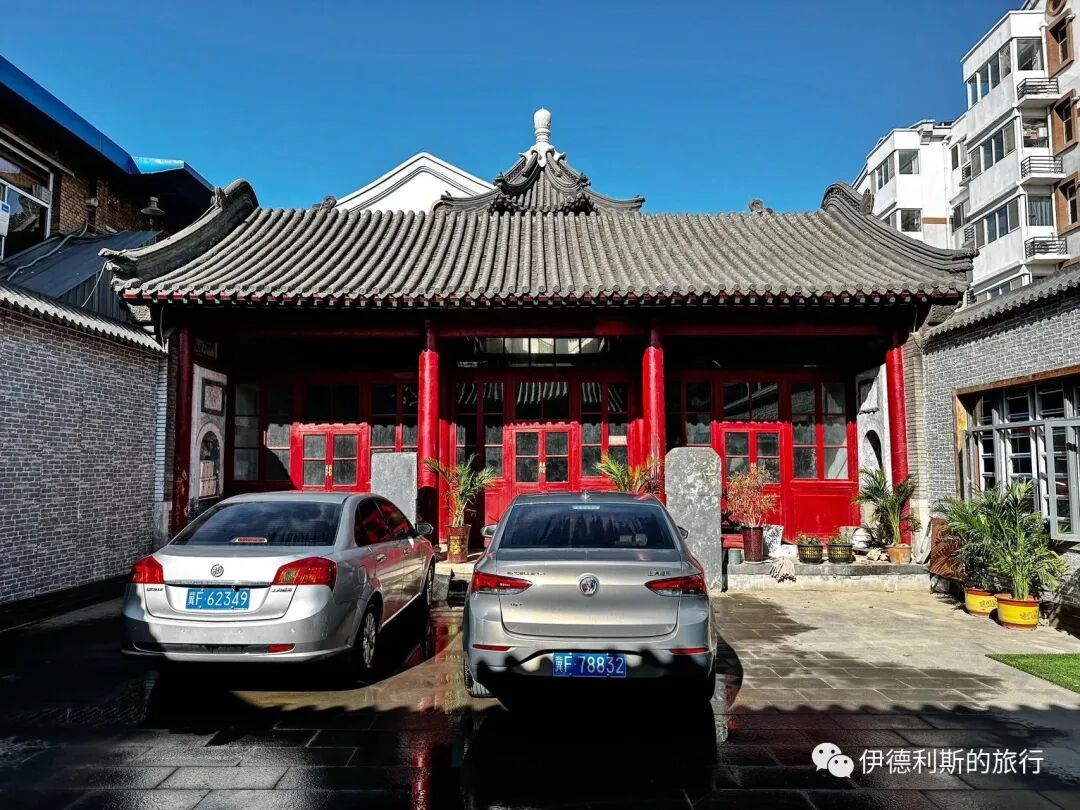
Baoding Women's Mosque, Hebei: Founded in 1916 by Imam Yan Fengshan of the Baoding East Mosque in a lane north of the mosque. In 1940, Imam Sha Zhijun and Mrs. Shi raised funds with the help of local elders to buy a house from Bai Yunzhang, the owner of the famous halal steamed bun (baozi) shop, to build the current women's mosque.
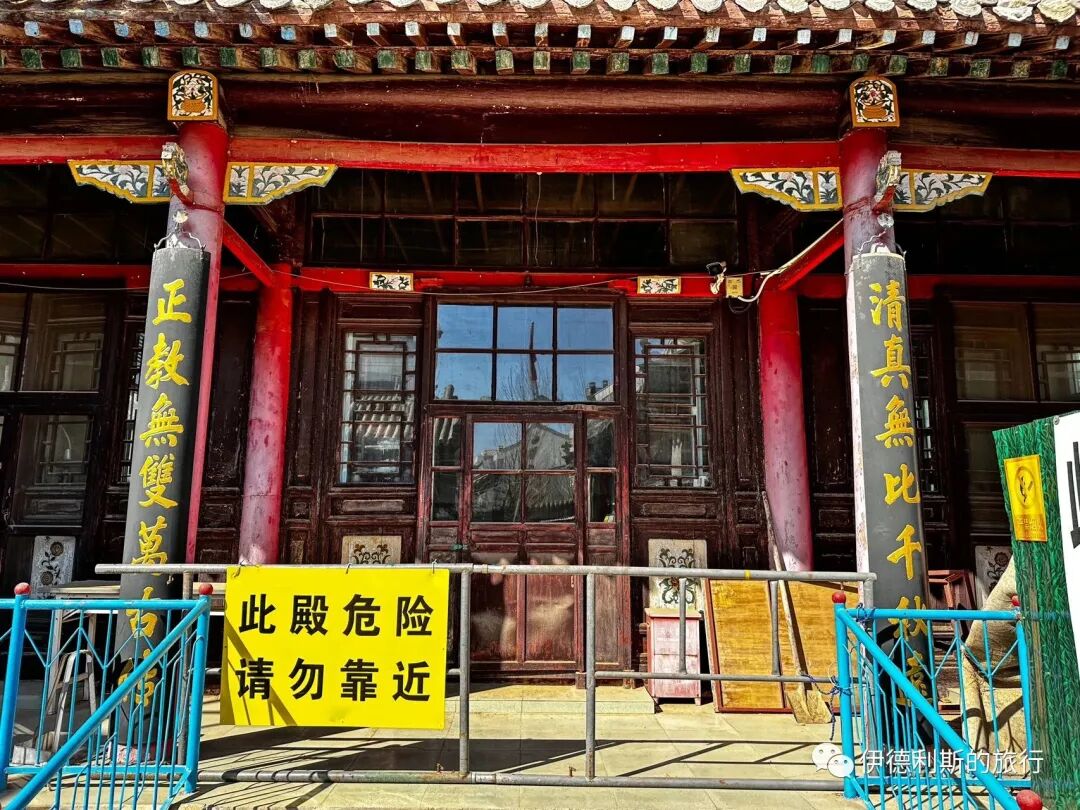
April: 4 mosques in Beijing
Beijing Dongsi Mosque: One of the four major official mosques in Beijing during the Ming Dynasty. It was built in 1447 with funds donated by the famous Hui Muslim military officer Chen You, and in 1450, the Jingtai Emperor officially named it the Mosque. Because of his outstanding military service, Chen You was granted the title of Earl of Wuping in 1457, a title his descendants inherited. Later, Chen's descendants often served as officers in Beijing military camps and funded the renovation of several ancient mosques, including those in Dingzhou and Yizhou, Hebei.
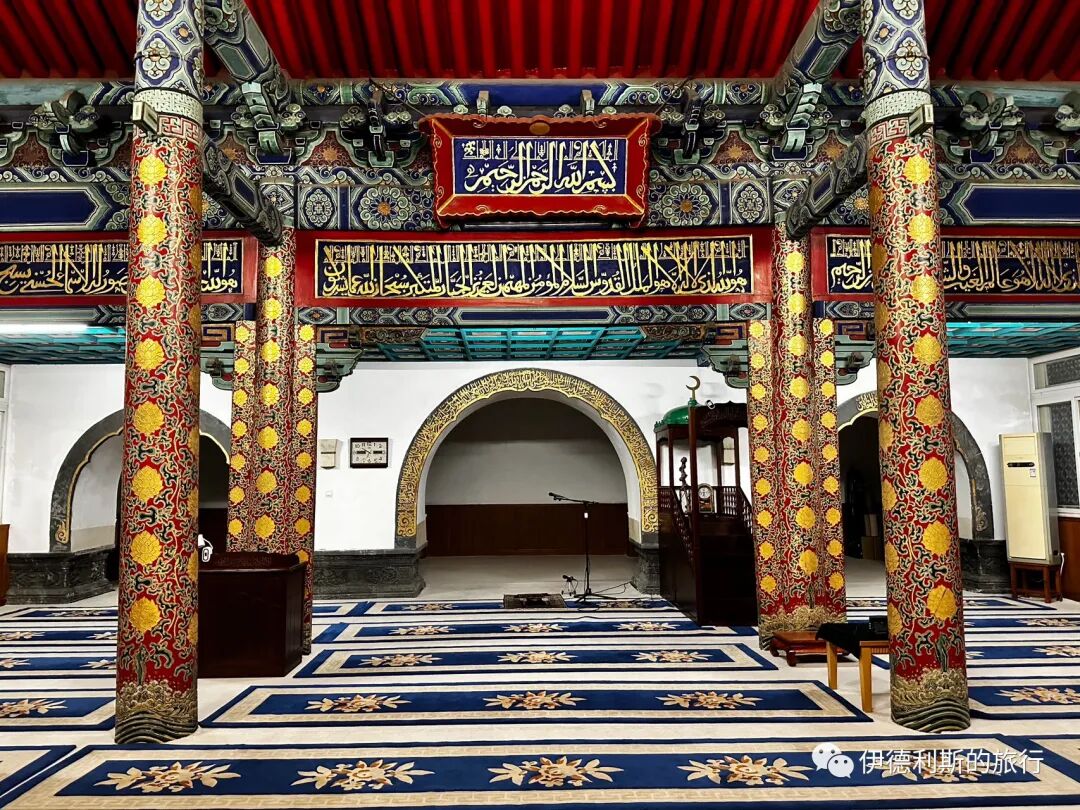
Beijing Dongzhimen Outer Mosque: Originally called Erlizhuang Mosque, it was first built in the Yuan Dynasty and renovated during the Kangxi reign of the Qing Dynasty. In the late 1980s, Shougang Group and a Danish company formed a joint venture to build international apartments in Erlizhuang. The ancient mosque was moved one kilometer to the northwest, rebuilt, completed in 1991, and reopened in 1993.
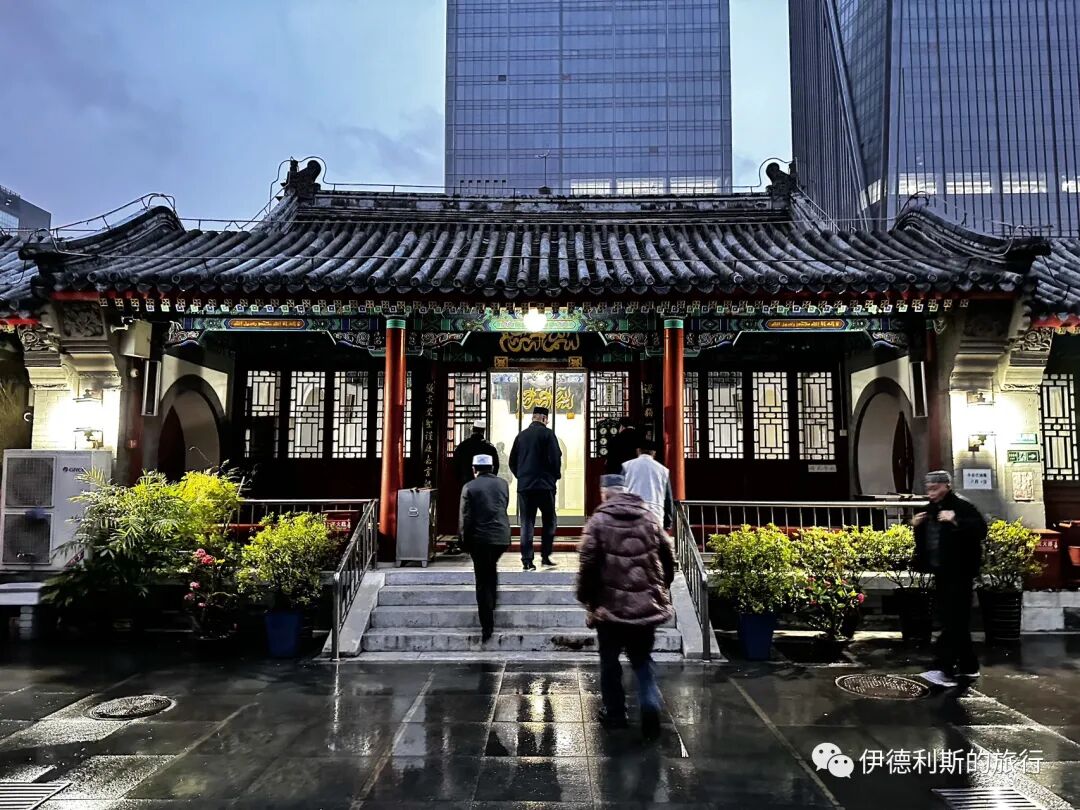
Beijing Deshengmen Outer Fayuan Mosque: Also known as Dewai Guanxiang Mosque, it was originally located on a slope north of the training ground outside Deshengmen. It was moved and expanded during the Kangxi reign. During the Republic of China era, the main hall was expanded again, featuring four interconnected roofs and a four-cornered pavilion.
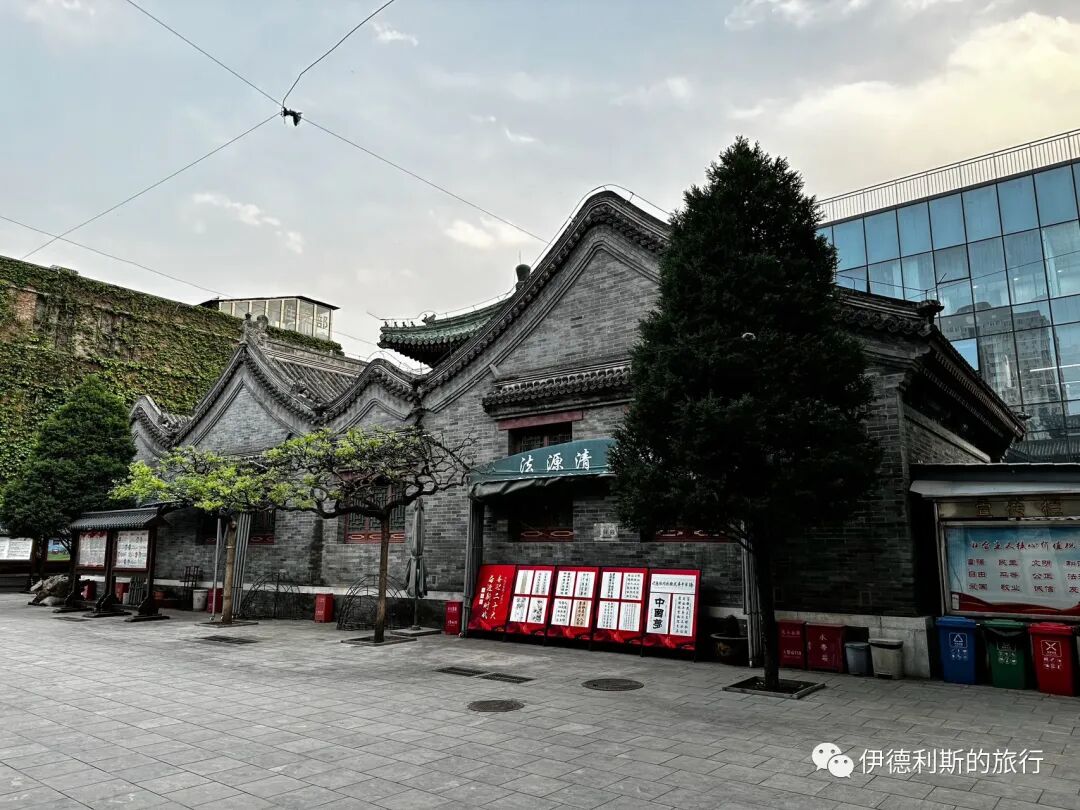
Beijing Madian Mosque: First built during the Kangxi reign, it was renovated during the Daoguang reign with funds from 14 local sheep trading firms. It was renovated again in the 1980s and remains an important ancient mosque in Beijing. Since the Qing Dynasty, sheep transported from Mongolia through Zhangjiakou were kept in the pens of various sheep firms in Madian before being sold to mutton shops in the city.
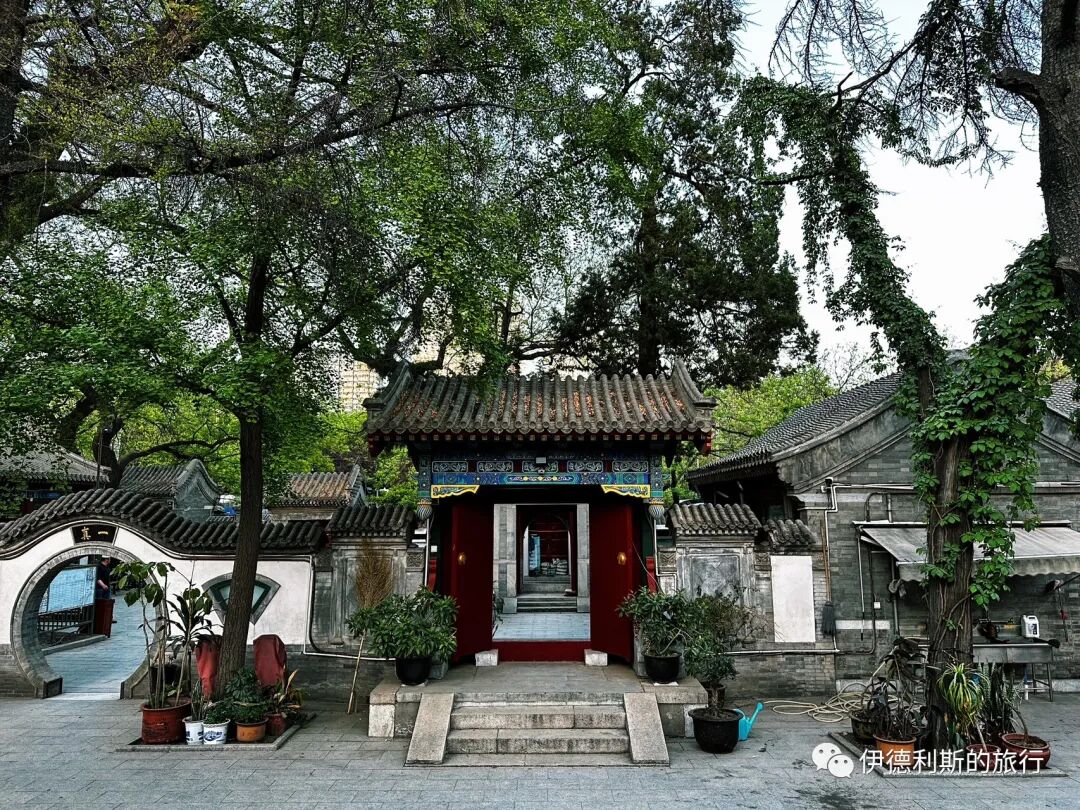
May: 1 mosque in Hong Kong
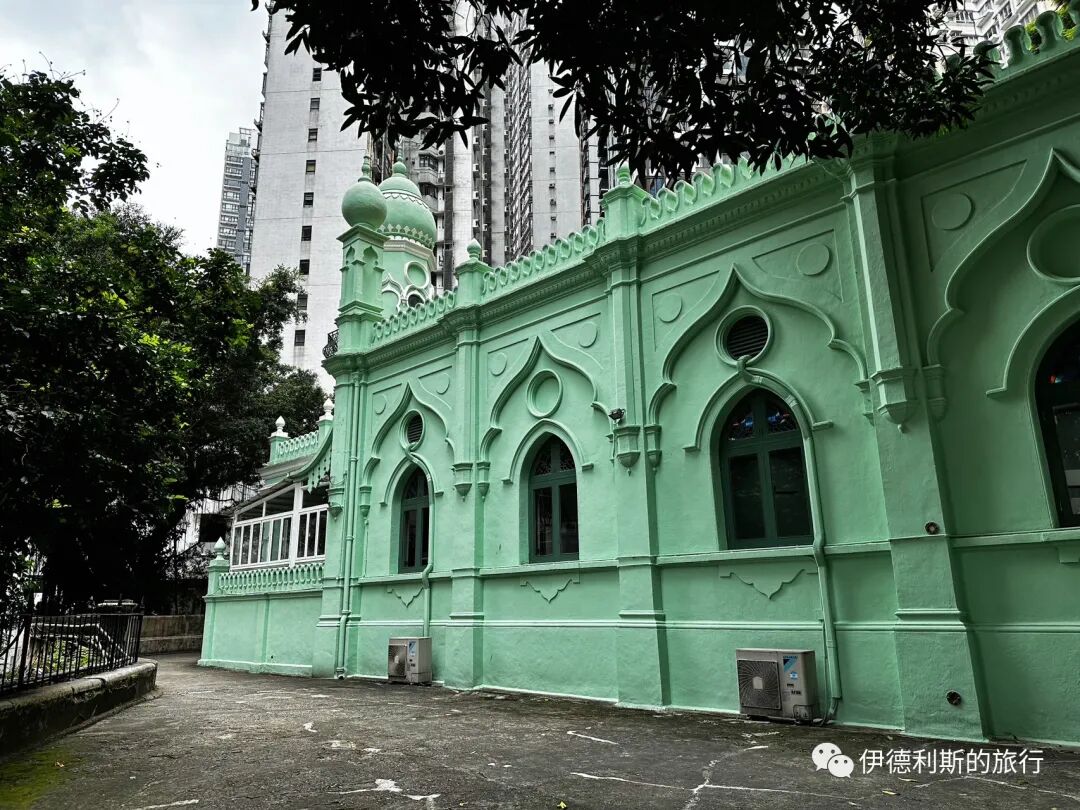
Hong Kong Shelley Street Mosque: At the request of Indian Muslims in the British service, the colonial government leased a piece of land near the barracks in Mid-Levels, Central, to four trustees in 1850. The first stone prayer hall was built there in 1852. It was formally completed between 1870 and 1890 and rebuilt in 1915, keeping only the original minaret, and has been in use ever since.
May: 7 mosques in Thailand
Bangkok Safee Mosque: In 1856, A. T. E. Maskati, an Indian Gujarati Shia merchant, opened a textile dyeing factory in the Bangkok Royal Warehouse. At its peak, it employed over 600 Indian Shia workers. He and other Indian Shia merchants built the Safee Mosque in the warehouse area. This mosque belongs to a small branch of Ismailism called Dawoodi Bohras.
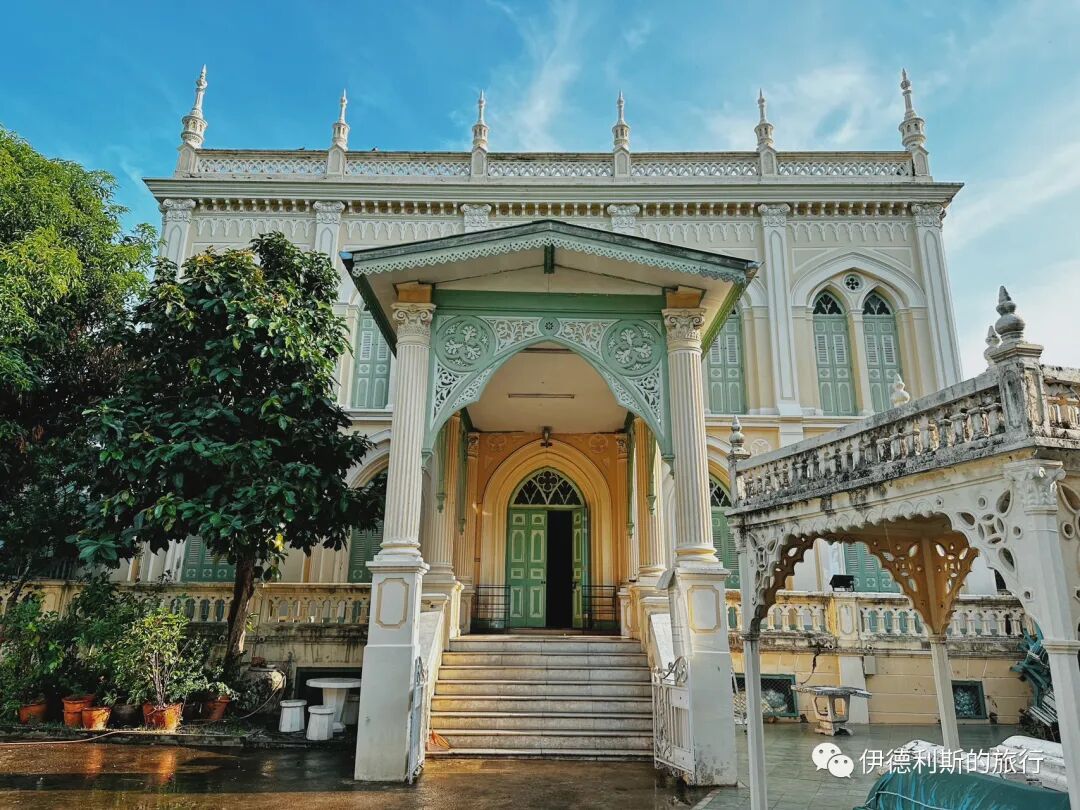
Bangkok Goowatil Islam Mosque: In the mid-19th century, some Indian Gujarati Shia merchants rented a royal warehouse. At that time, some Malay Sunni Muslim goldsmiths from Pattani in southern Thailand also lived nearby, and they built the Goowatil Islam Mosque together in 1859. After the 20th century, Indian Shia merchants began moving their shops to the busier Bangkok Chinatown, and today the Goowatil Islam Mosque is a Sunni mosque.
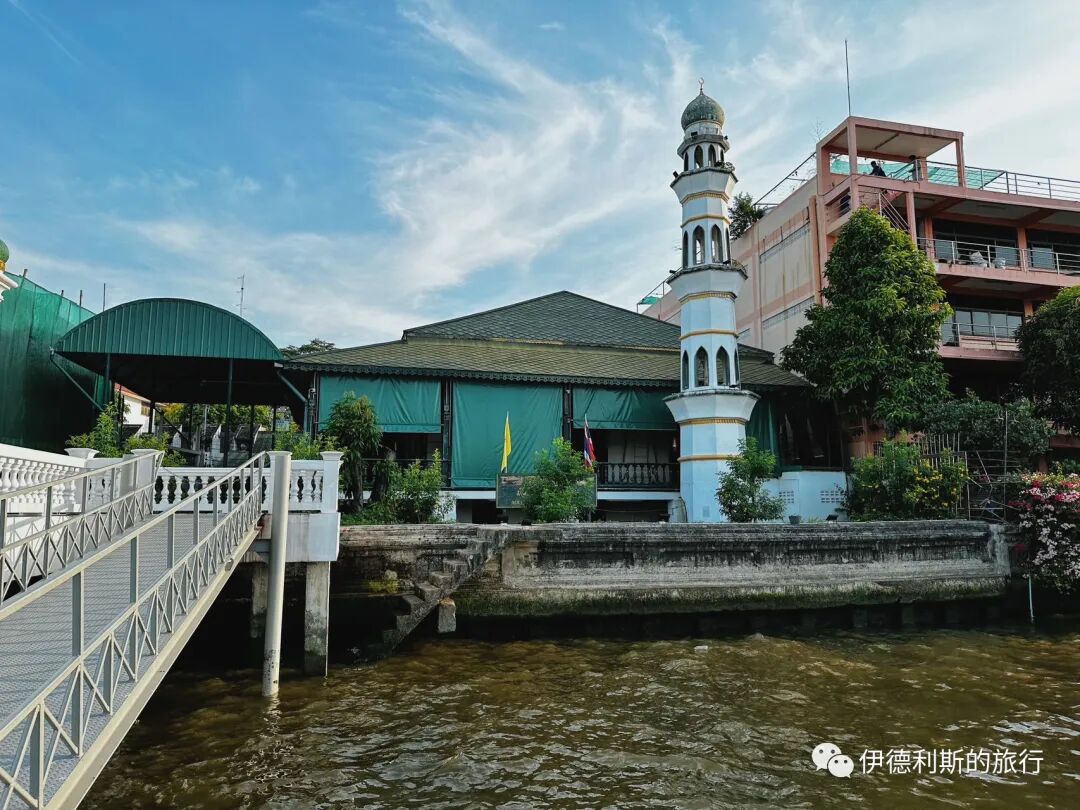
Ton Son Mosque in Bangkok: In the 17th century, Siam set up important trade warehouses and customs stations at the mouth of the Yai Canal in Bangkok, and stationed Cham troops nearby. In 1688, Mahmud built the first mosque in Bangkok here. The main hall was originally built of teak. It was rebuilt with bricks in the early 19th century and again in 1952 into the current steel and concrete structure, with only the original mihrab preserved.
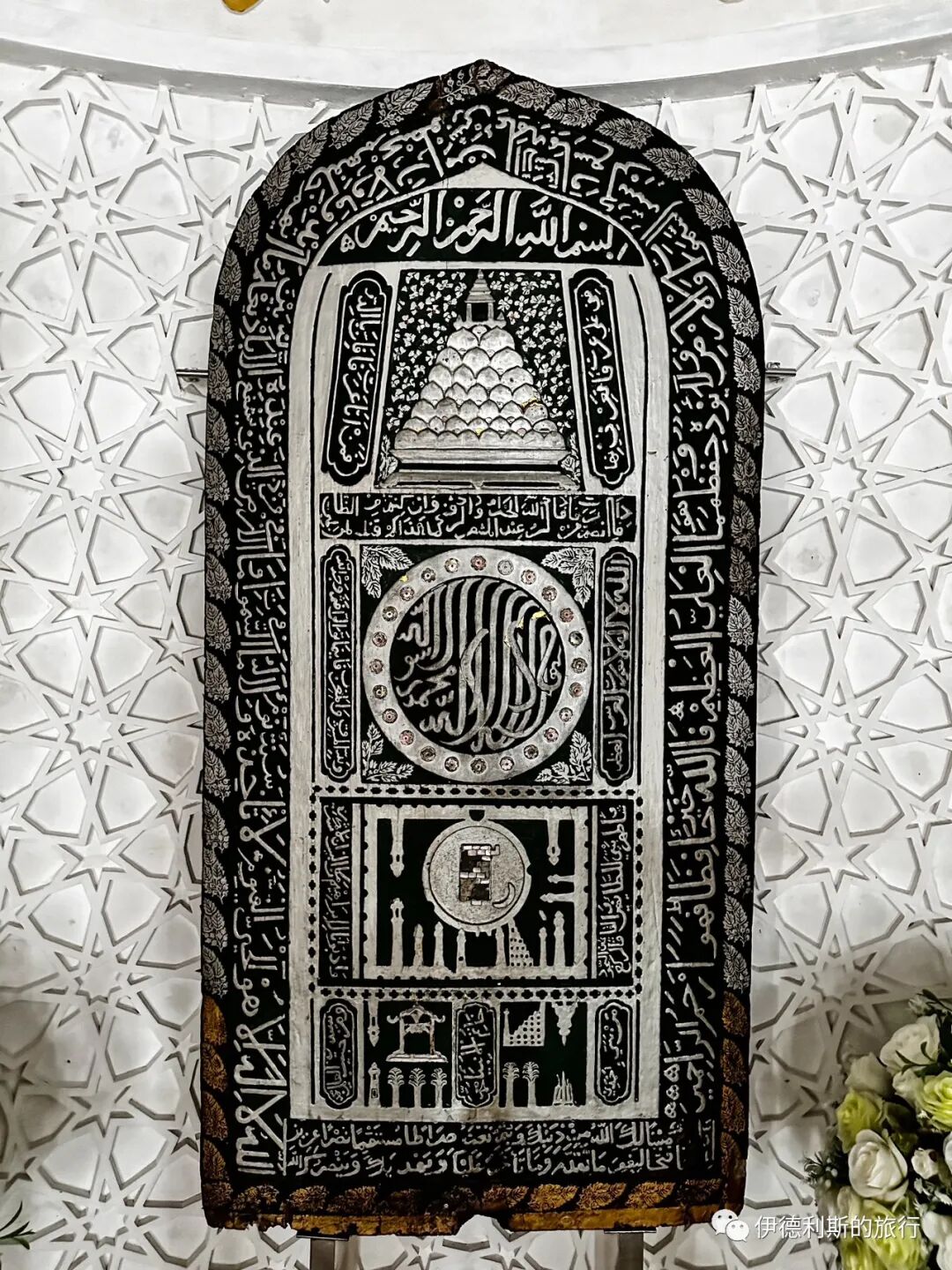
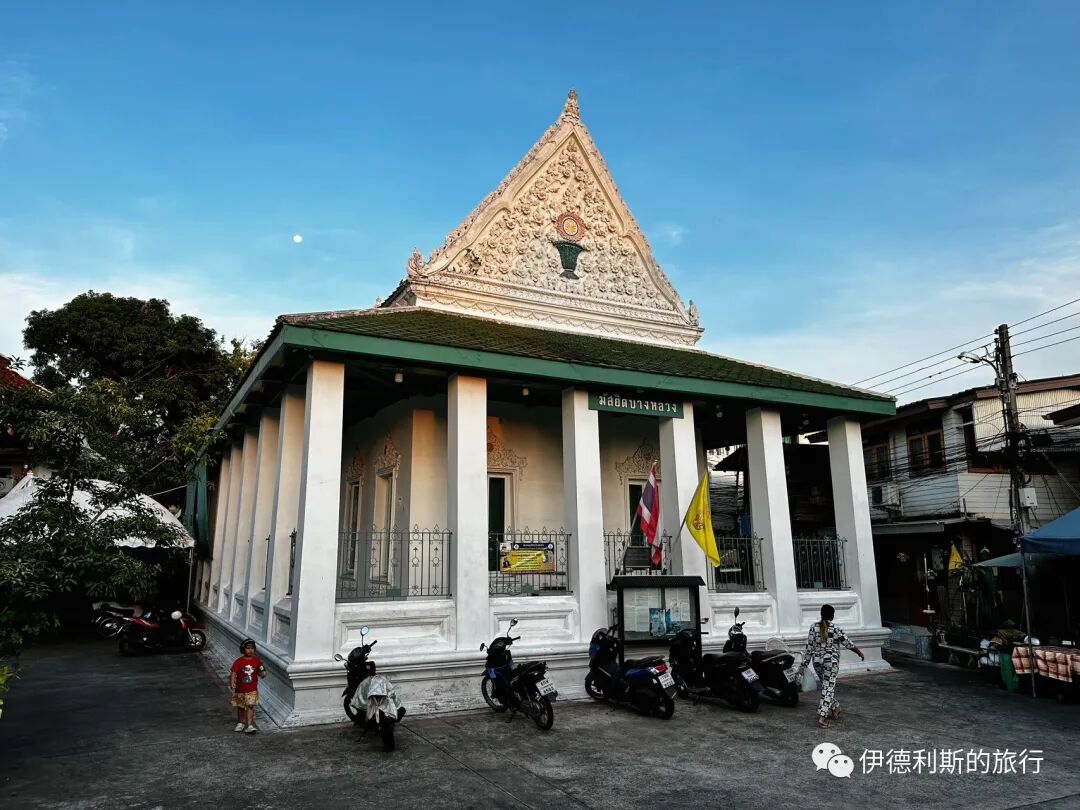
Bang Luang Mosque in Bangkok: Built in 1785 under the direction of a merchant named Toh Yi, it is the only remaining Thai-style mosque in Thailand. Its architectural decorations are adapted from the Garuda found in Hinduism and Buddhism, but shaped to fit Islamic traditions.
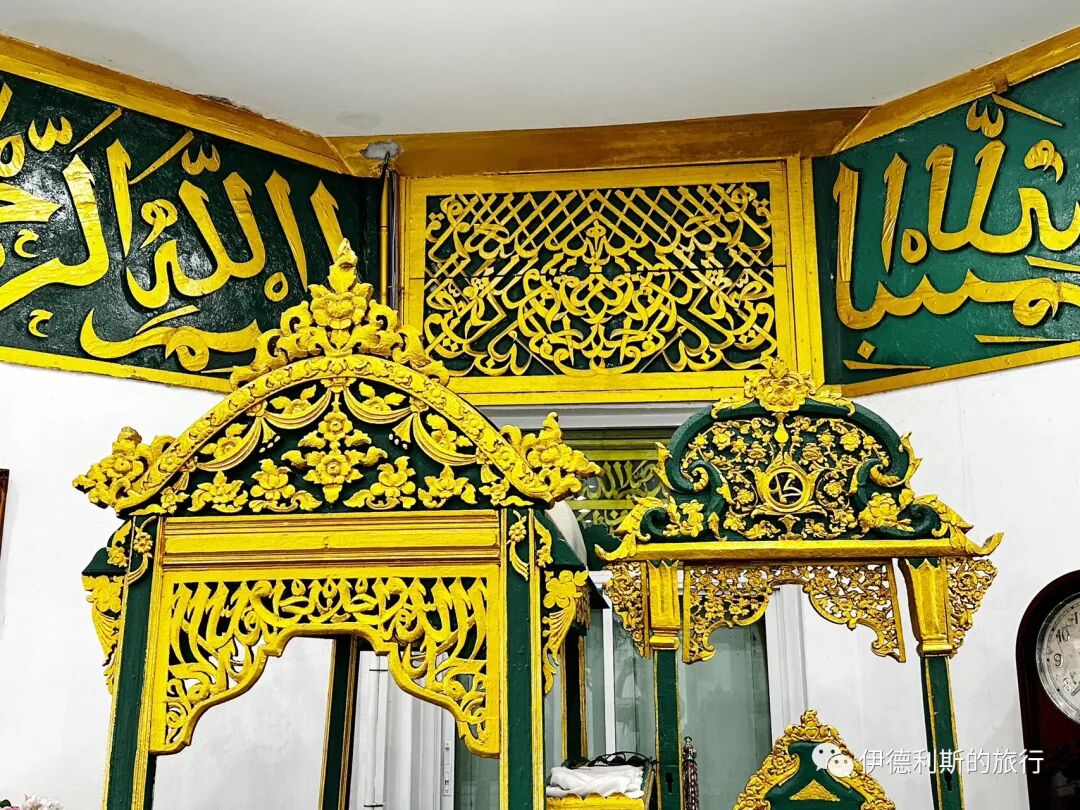
Haroon Mosque in Bangkok: Toh Haroon Bafaden, an Arab-Indonesian merchant, came to Bangkok from Indonesia with his father in 1828 (some say 1837) to trade. He later married, had children, and settled down. Soon after, he built Haroon Mosque and became its first imam. It moved to its current location in 1899 due to the construction of the customs building. It was rebuilt in 1934 into the current brick and white lime structure, and the mosque preserves exquisite 19th-century Javanese Jepara teak scripture carvings.
Java Mosque in Bangkok: Built in 1906 on land owned by a Javanese-descended haji named Muhammad Salih. Although it was expanded twice in 1927 and 1975, it still maintains a typical traditional Javanese style.
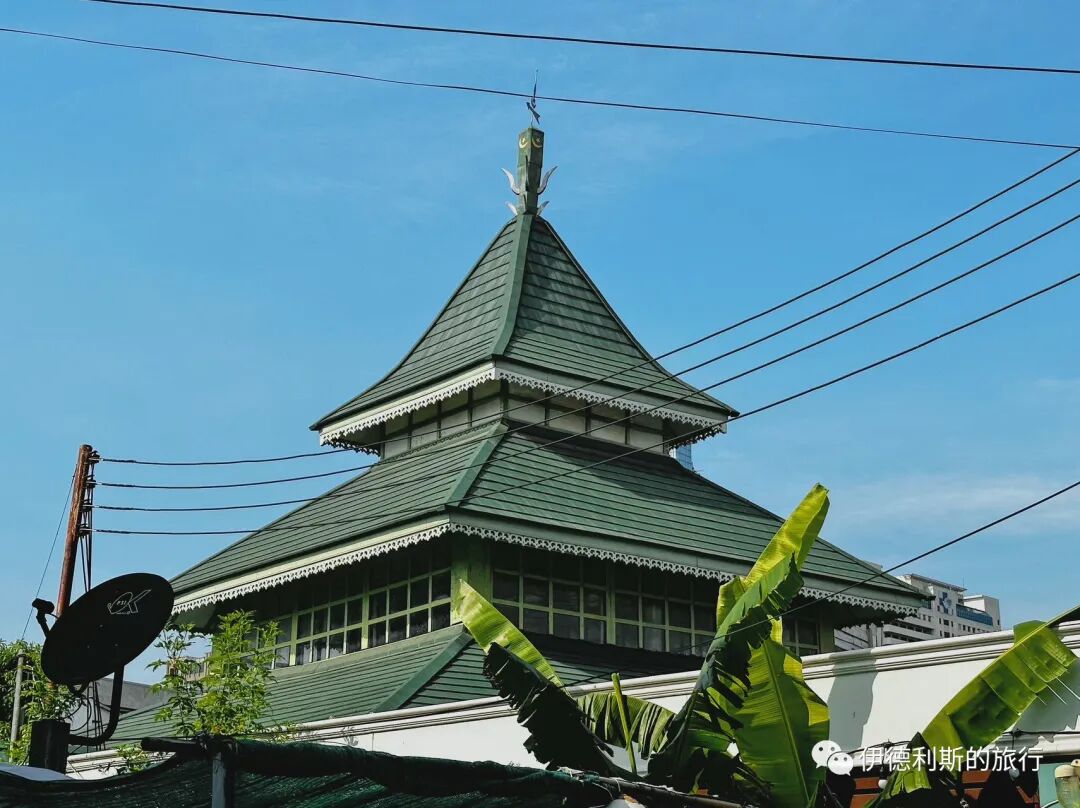
Kocha Itsahak Mosque in Bangkok: Built in the late 19th century by Luang Kocha Itsahak, a royal translator for Siam who was a descendant of Malay merchants. In the 19th century, many Indians and Malays worked in the warehouses and trading companies near the Khlong Khwang pier. Luang Kocha Itsahak donated a piece of his own land and had his children dismantle the bricks and stones from his old house to build this mosque.
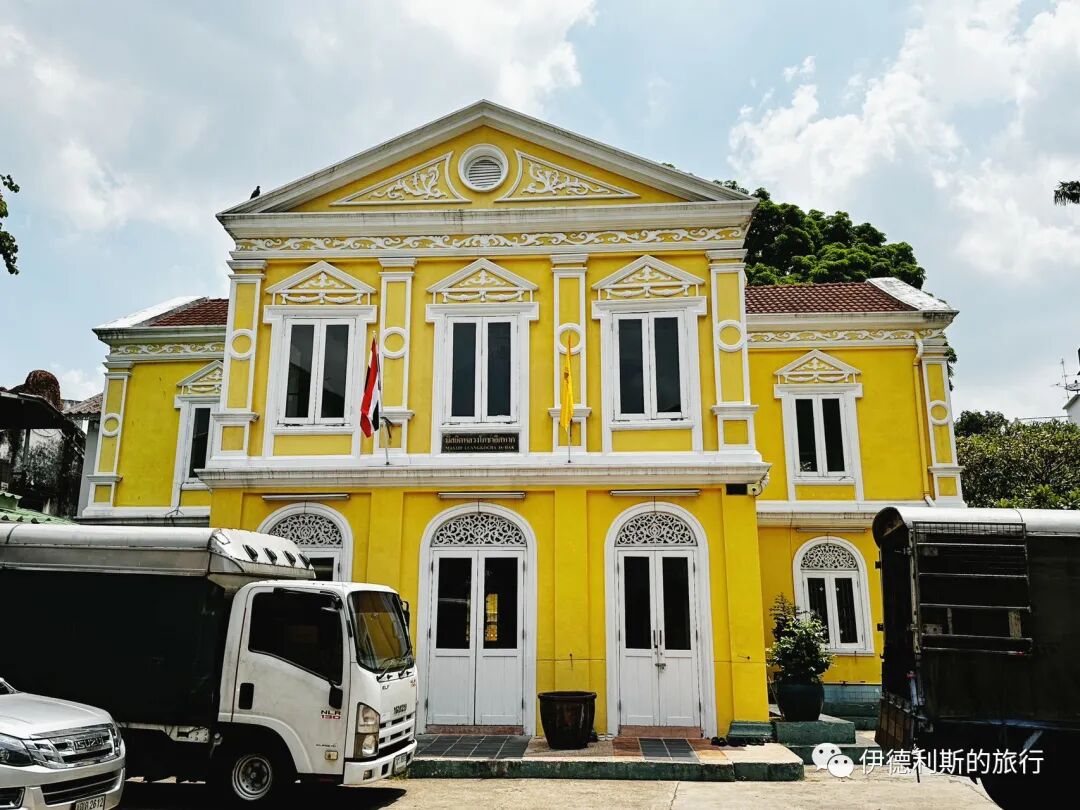
23 mosques in Turkey in June.
Great Mosque of Mardin: Dating back to the 10th century, it is one of the earliest mosques in the Anatolia region. The minaret (bangke ta) was built in 1176 and is a classic example of Artuqid dynasty architecture.
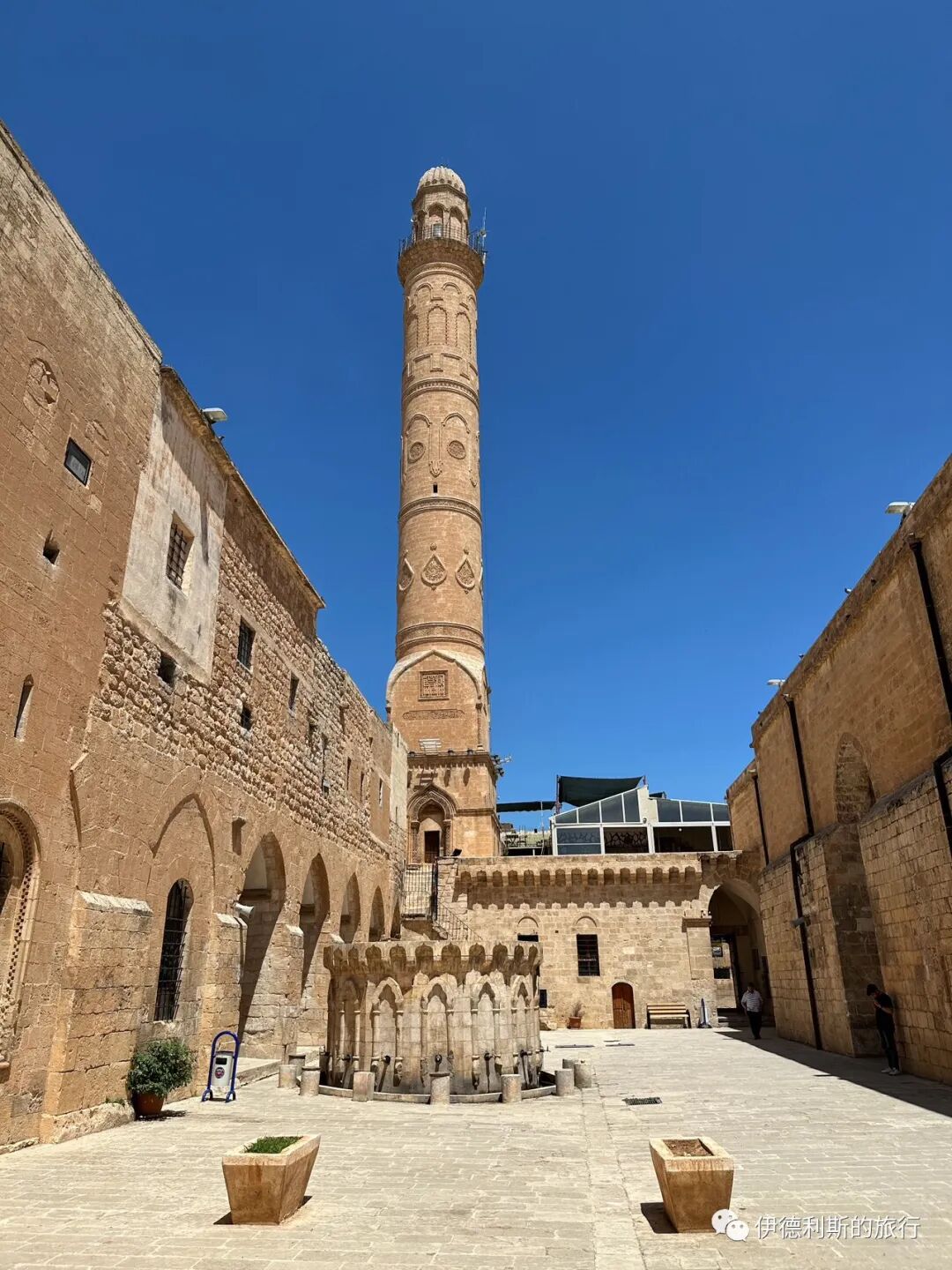
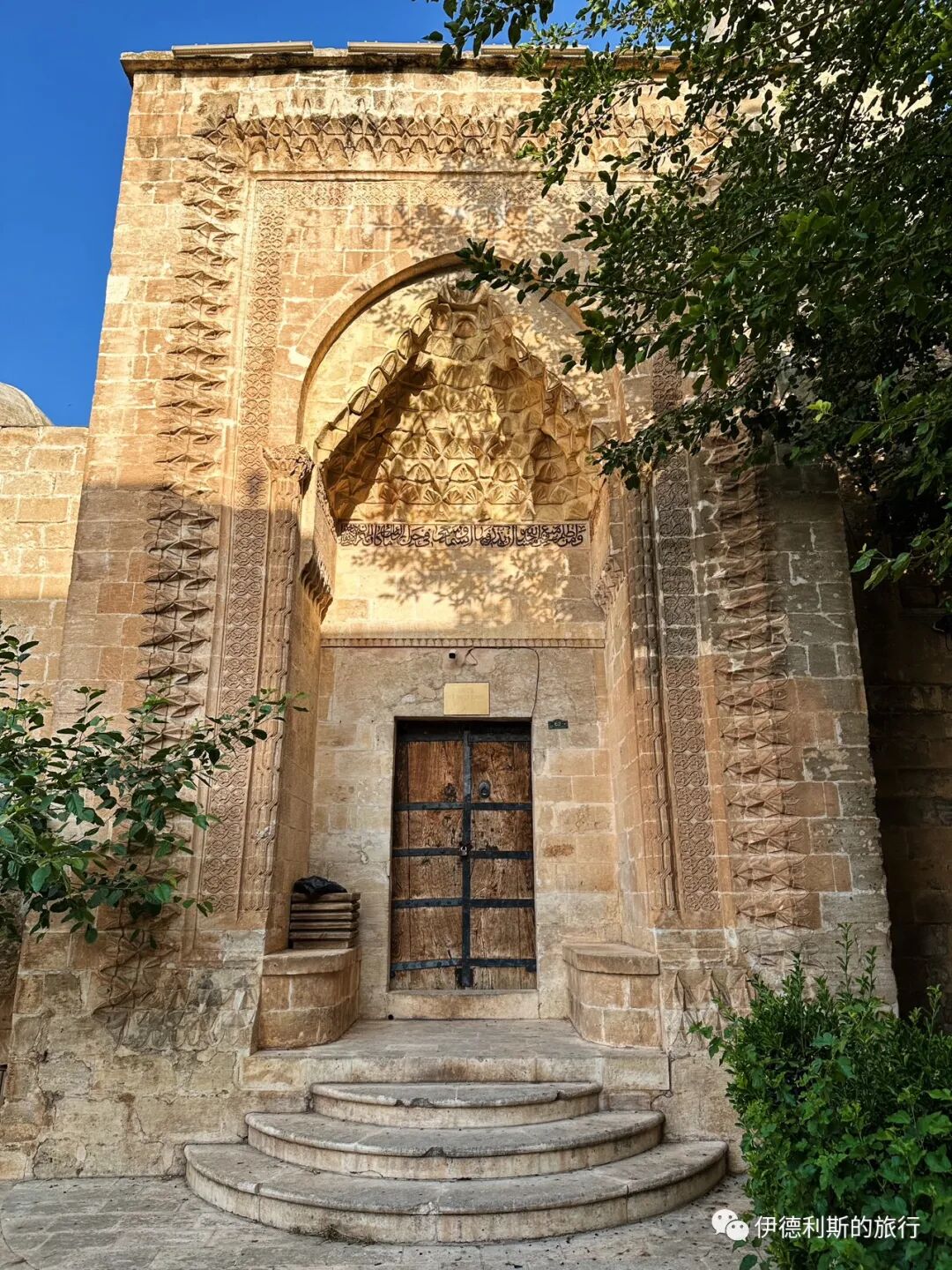
Abdullatif Mosque in Mardin: Originally built in 1371 by the Artuqid minister Abdullatif. The minaret was built in 1845 by Muhammad Pasha, the Ottoman governor of Mosul. The main gate still looks as it did when it was built in 1371, and it is considered the final masterpiece of the Artuqid dynasty.
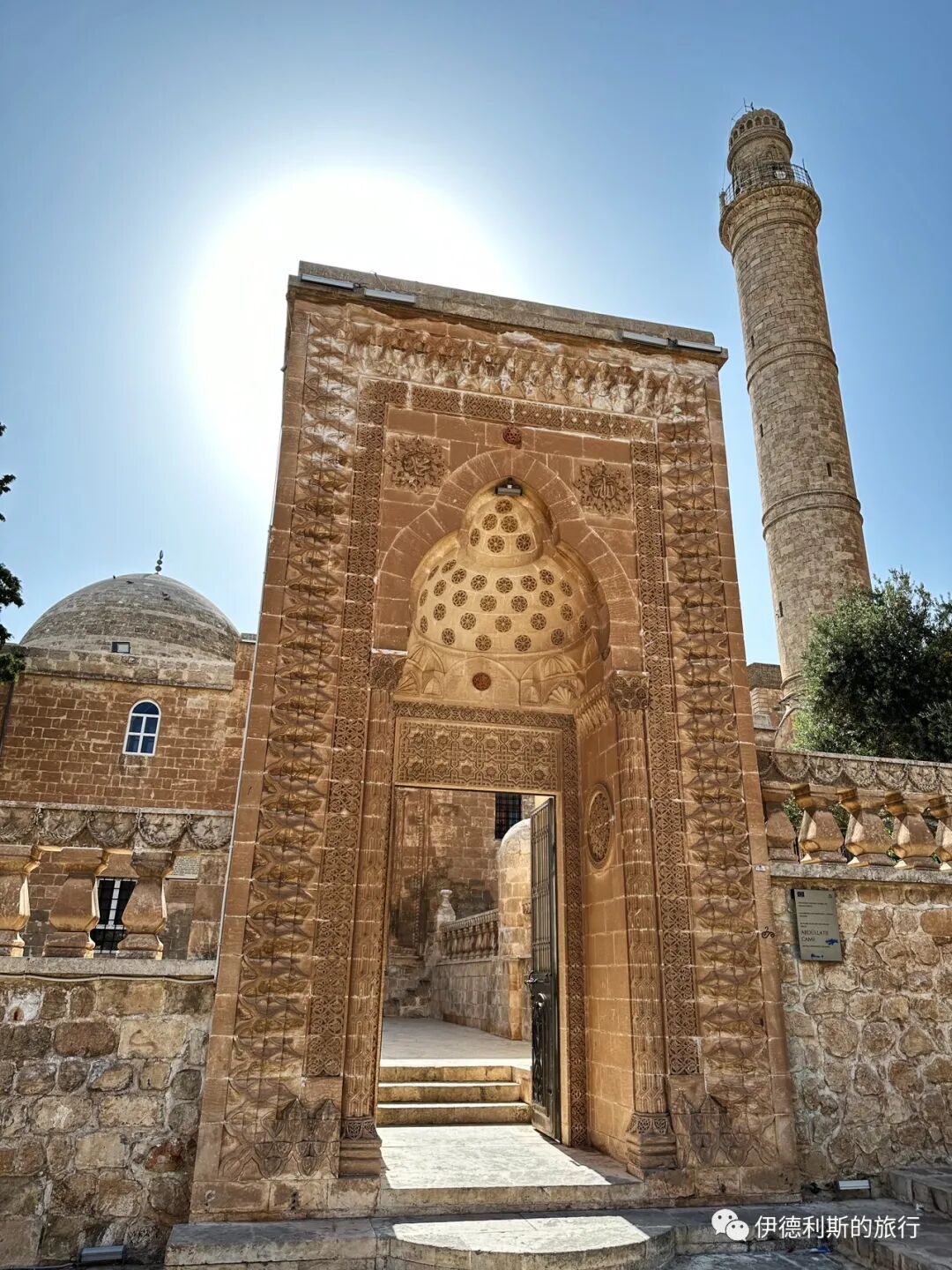
Seyh Cabuk Mosque in Mardin: Believed to have been built during the Black Sheep (Qara Qoyunlu) dynasty in the 15th century and renovated in the 19th century. Legend says that Abdullah bin Anas al-Juhayni, a companion of the Prophet, was sent to Constantinople to deliver a letter. He passed away in Mardin on his way back and was buried here.
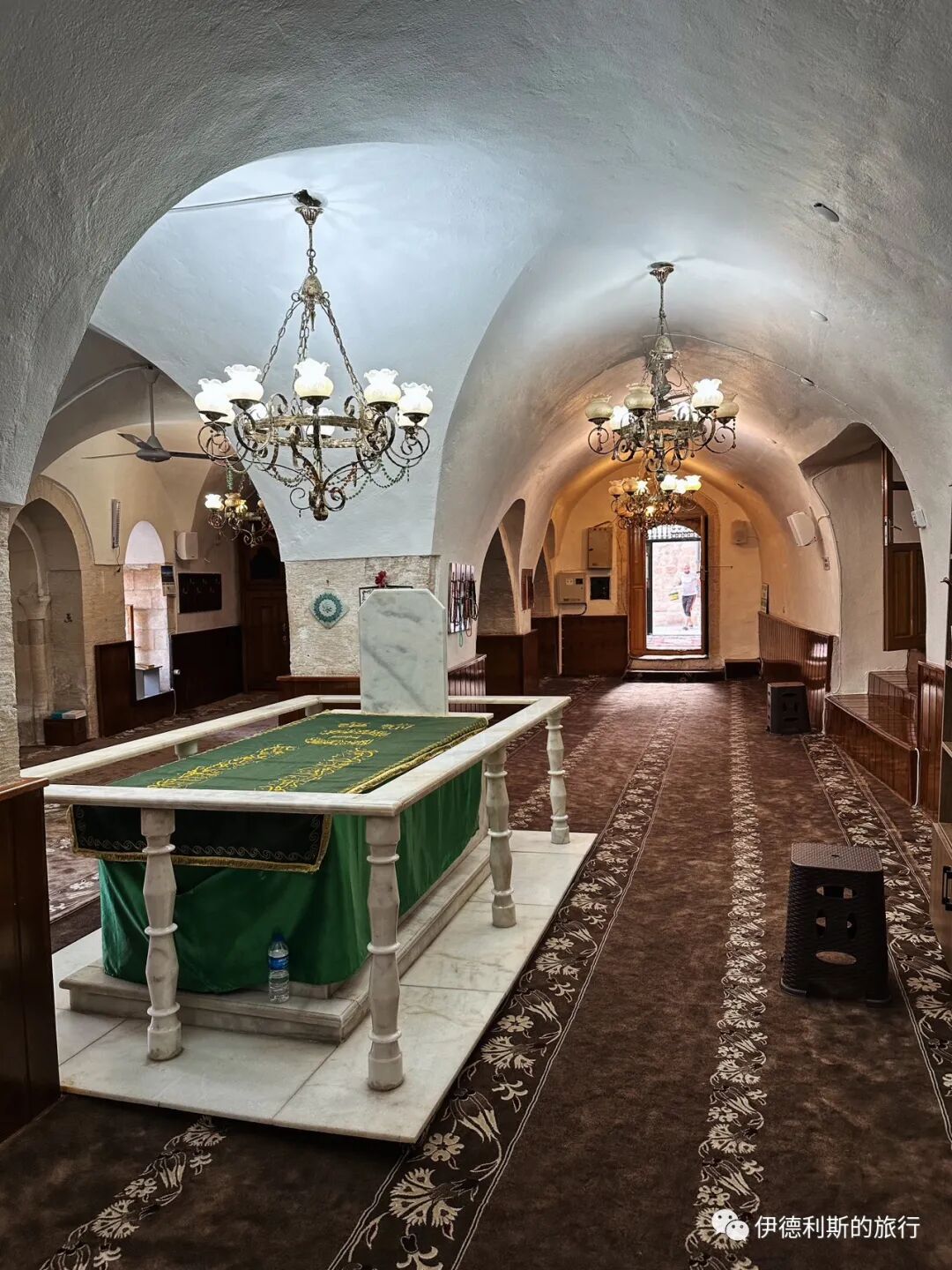
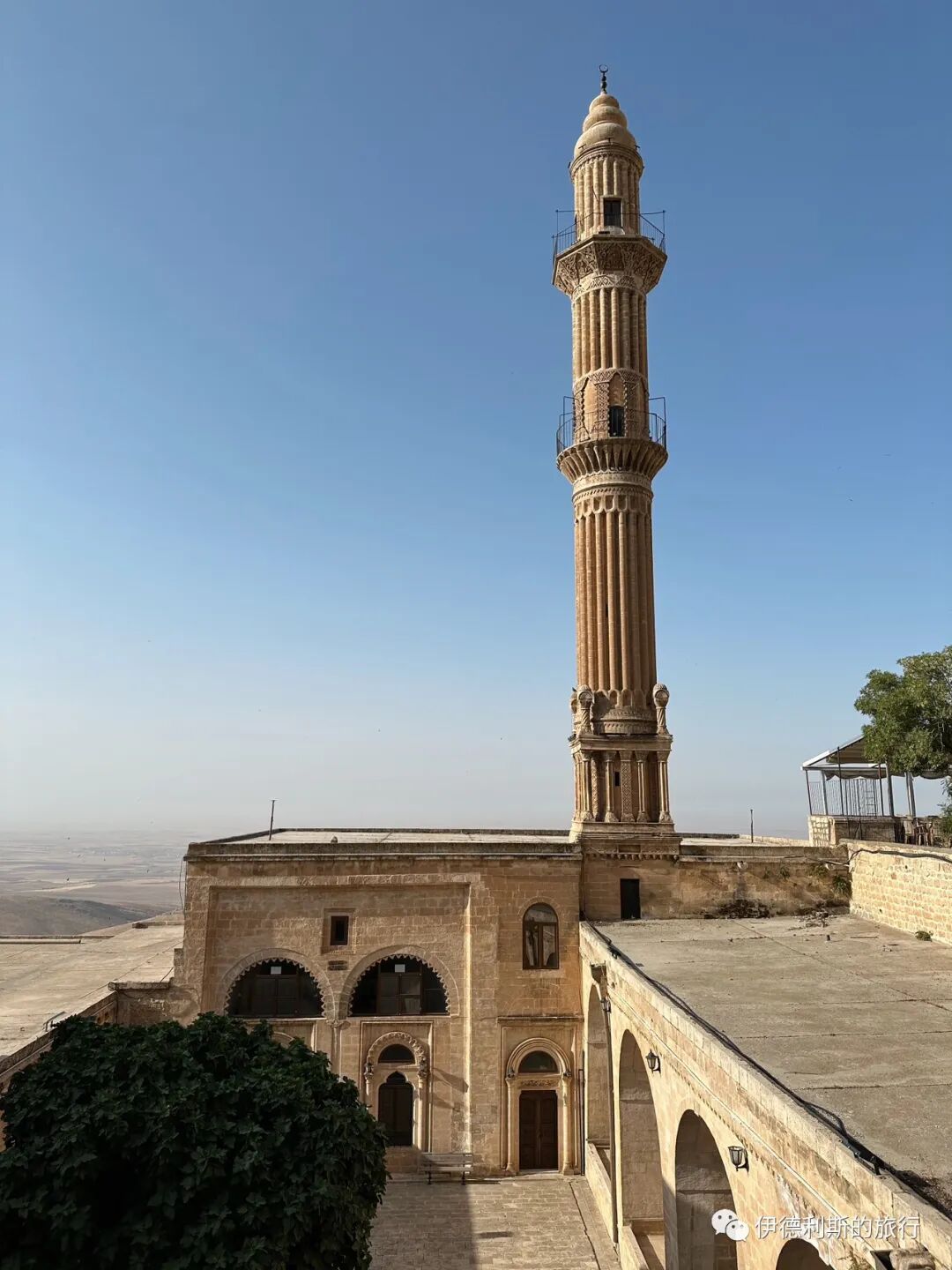
Sehidiye Mosque in Mardin: Built in 1214 by order of the Artuqid Sultan Melik Nasreddin Aslan. The current minaret was rebuilt in 1914 by the Armenian architect Serkis Lole in an eclectic style.
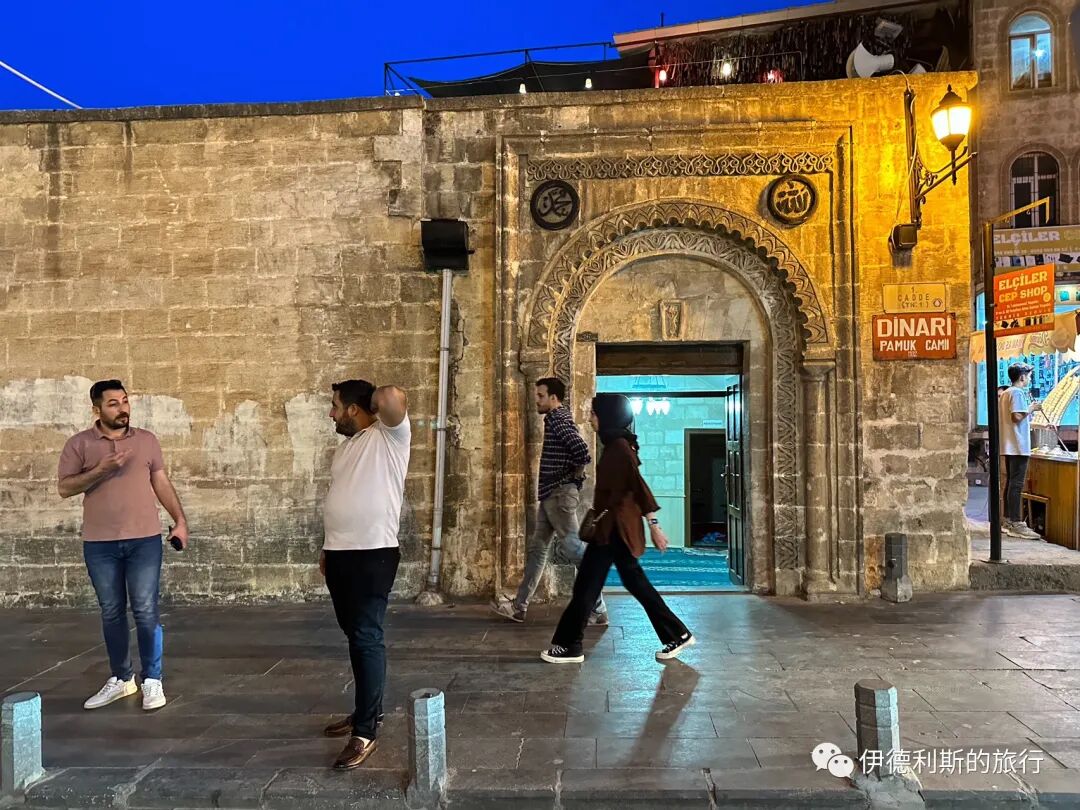
Dinari Pamuk Mosque in Mardin: Built in the 11th century by Sheikh Mehmet Dinari on the site of a Byzantine church. The current building dates to the Artuqid period in 1332.
Melik Mahmut Mosque in Mardin: Built in 1362.
Great Mosque of Diyarbakir: Construction began in the 7th century. The current building was ordered by Malik-Shah I, the third sultan of the Seljuk Empire, in 1092, and it has a history of over 900 years. The architectural style of the Great Mosque of Diyarbakir was deeply influenced by the Umayyad Mosque in Damascus, as Sultan Malik-Shah I had overseen the restoration of the Umayyad Mosque between 1082 and 1083 and wanted to bring the prestige and glory of Damascus to Diyarbakir.
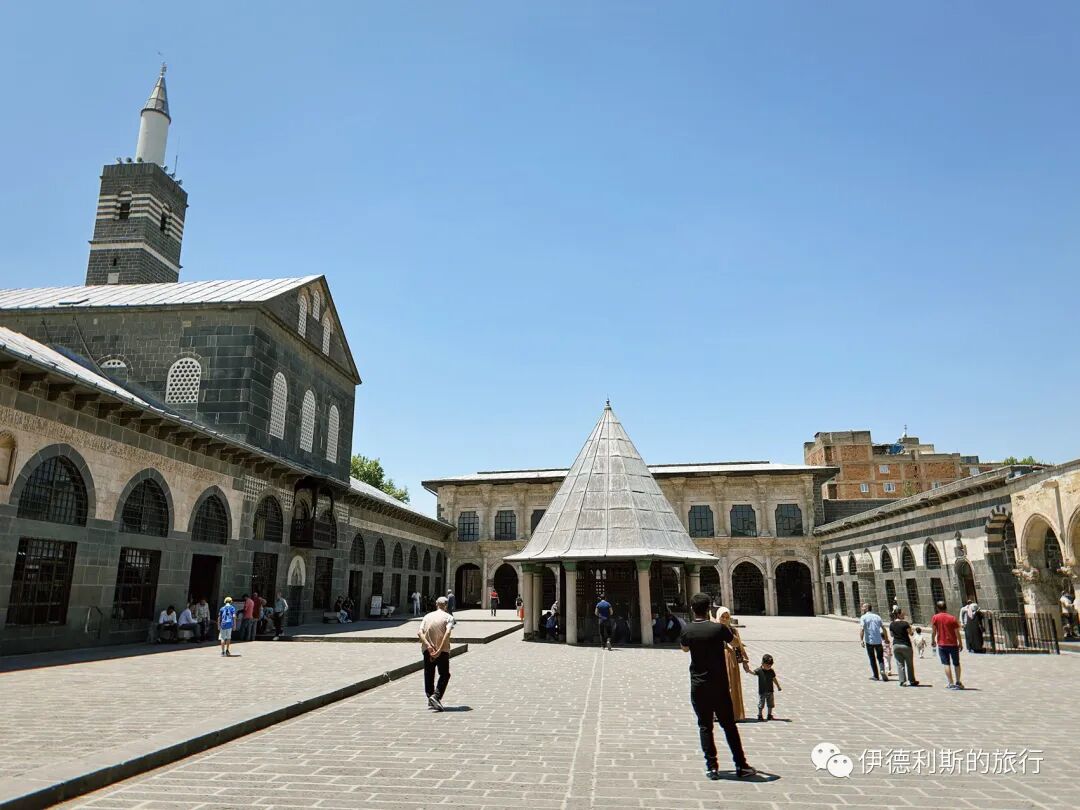
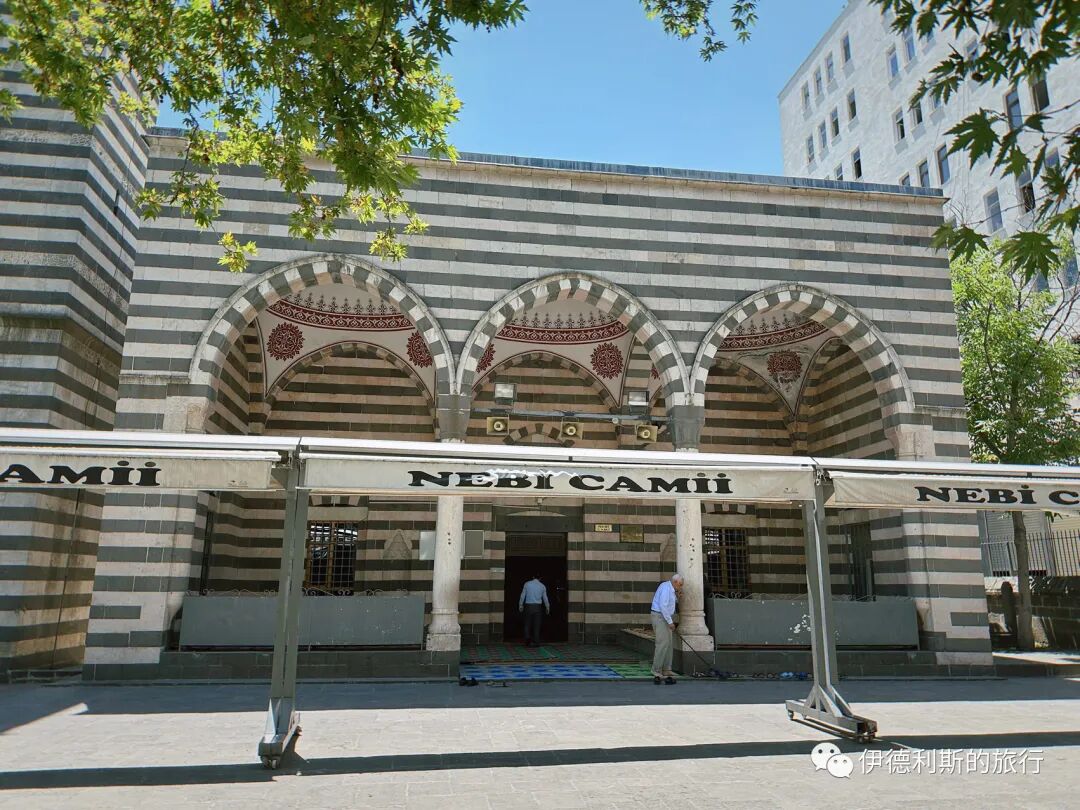
Nebi Mosque in Diyarbakir: Originally built during the White Sheep (Aq Qoyunlu) dynasty in the 15th century. The minaret tower (bangke lou) was rebuilt by Haji Hussein in 1530. It originally consisted of two main halls, belonging to the Shafi'i and Hanafi schools of thought respectively. During World War I, the Hanafi section was used as a military barracks until it collapsed in 1927. Today, only the part belonging to the Shafi'i school remains.
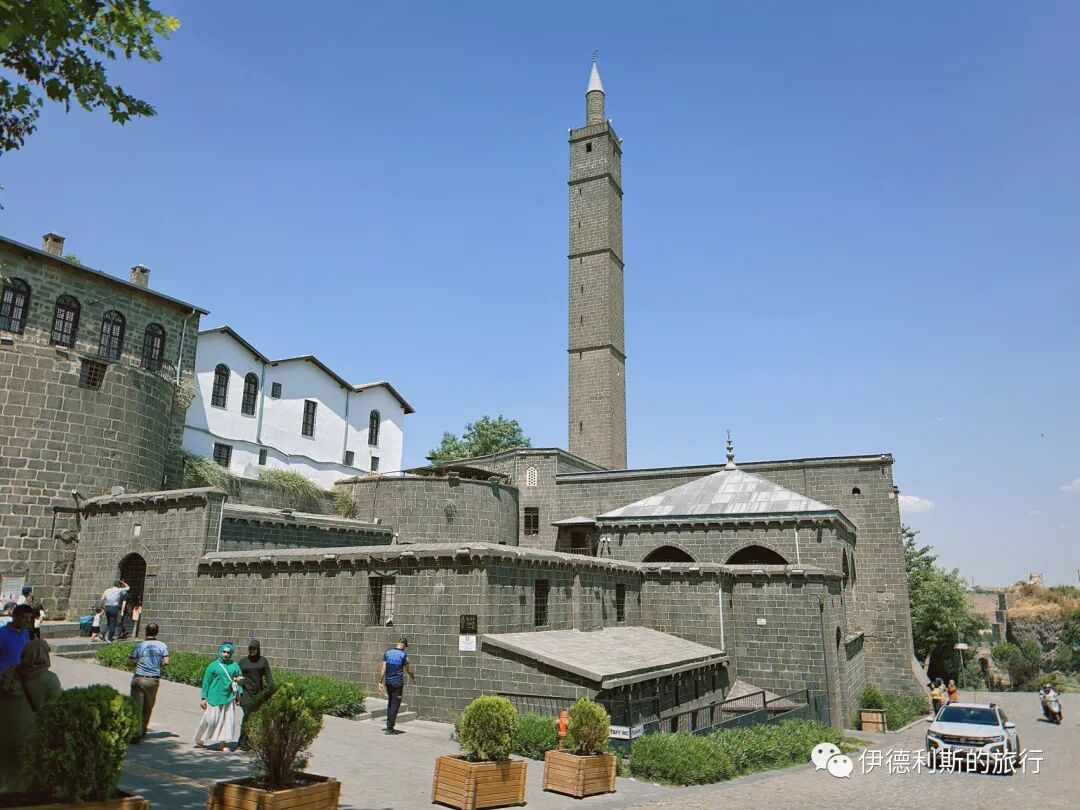
Hazreti Süleyman Mosque in Diyarbakir: The most important religious site in Diyarbakir. It was first built by the Inalid Beylik in 1160, expanded by order of Sultan Suleiman the Magnificent of the Ottoman Empire in the 16th century, and renovated between 1631 and 1633. On the west side of the main hall are the graves of Suleiman, son of the famous Arab general Khalid ibn al-Walid, and his 27 followers, who passed away in 639 when the Arab army occupied Diyarbakir.
Nasuh Pasha Mosque in Diyarbakir: Built in the early 17th century. Nasuh Pasha became the governor of Diyarbakir in 1606, later became the Grand Vizier of the Ottoman dynasty in 1611, and married the daughter of Sultan Ahmed I.
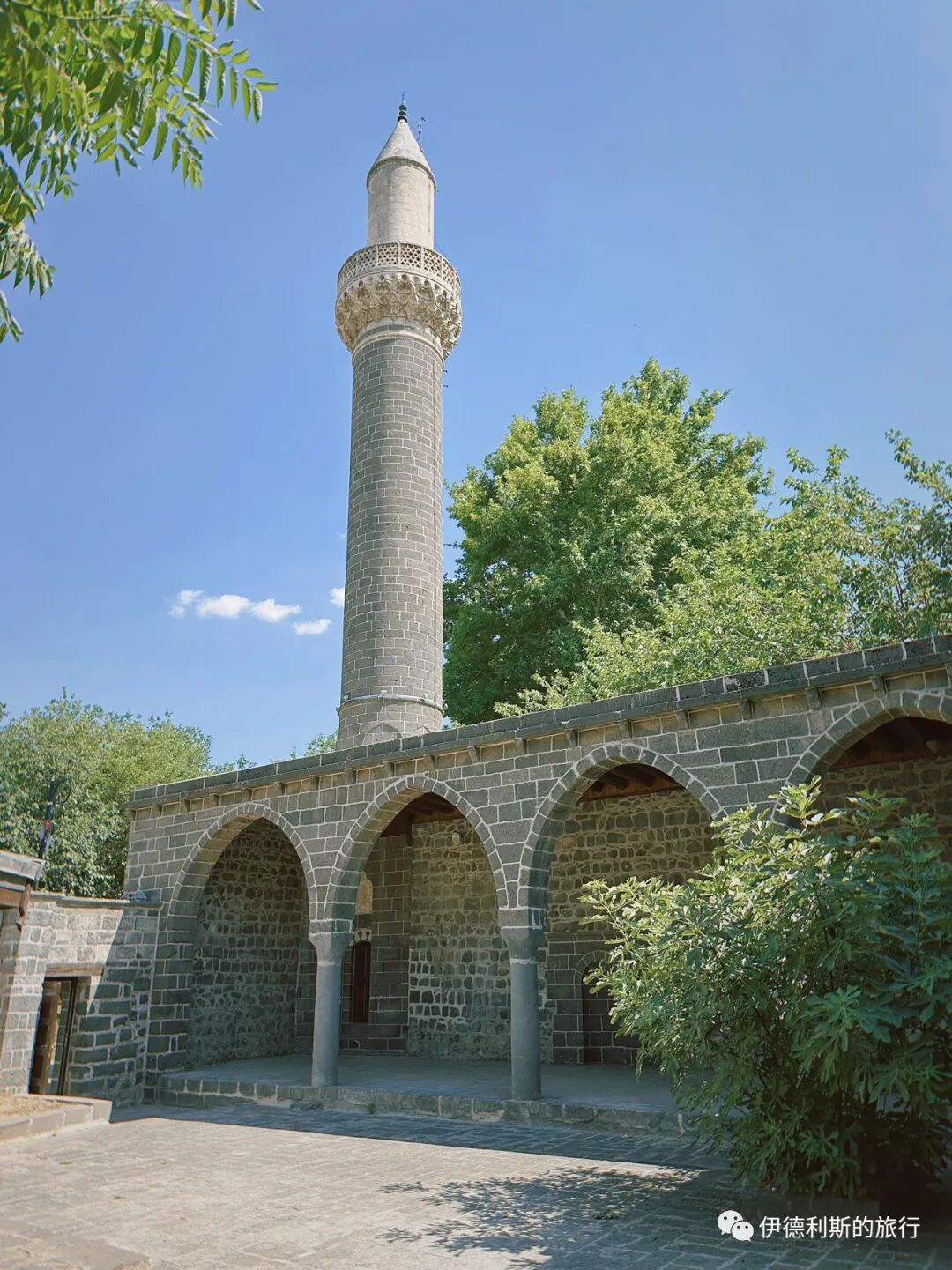
Kurşunlu Mosque in Diyarbakir: Built by Bıyıklı Mehmed Pasha, the first Ottoman governor of Diyarbakir, between 1516 and 1520. It is also the first Ottoman mosque in Diyarbakir.
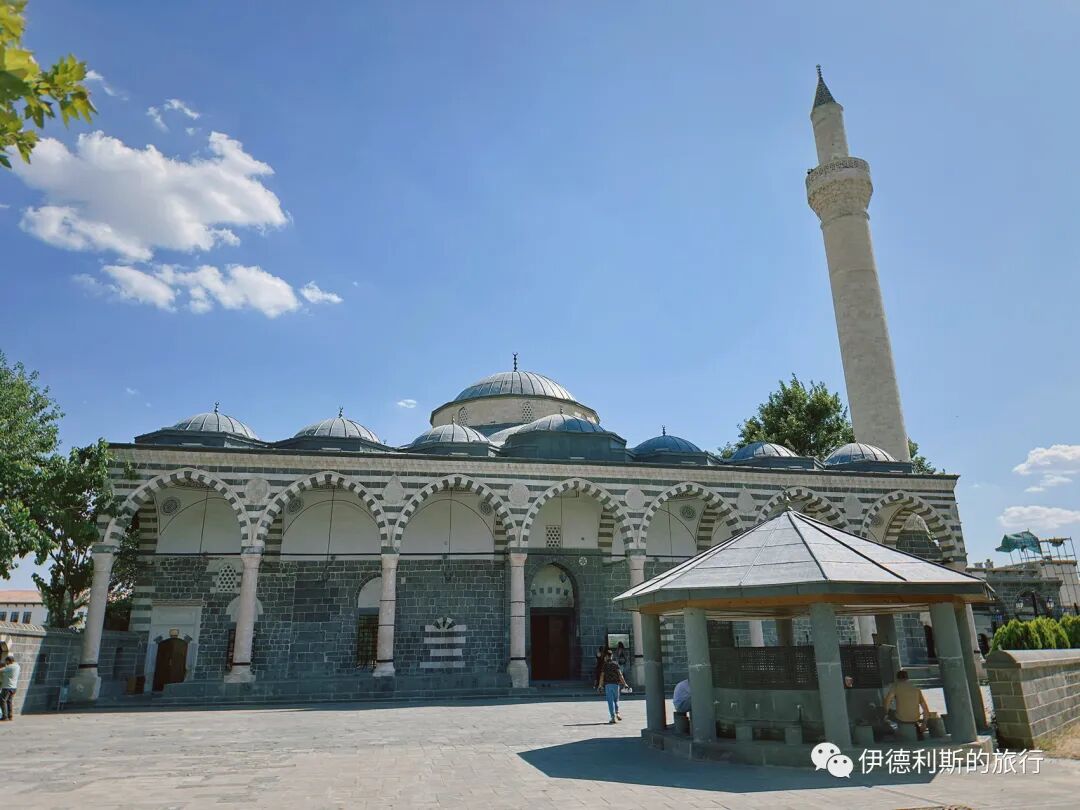
Kadı Mosque in Diyarbakir: Built in 1533.
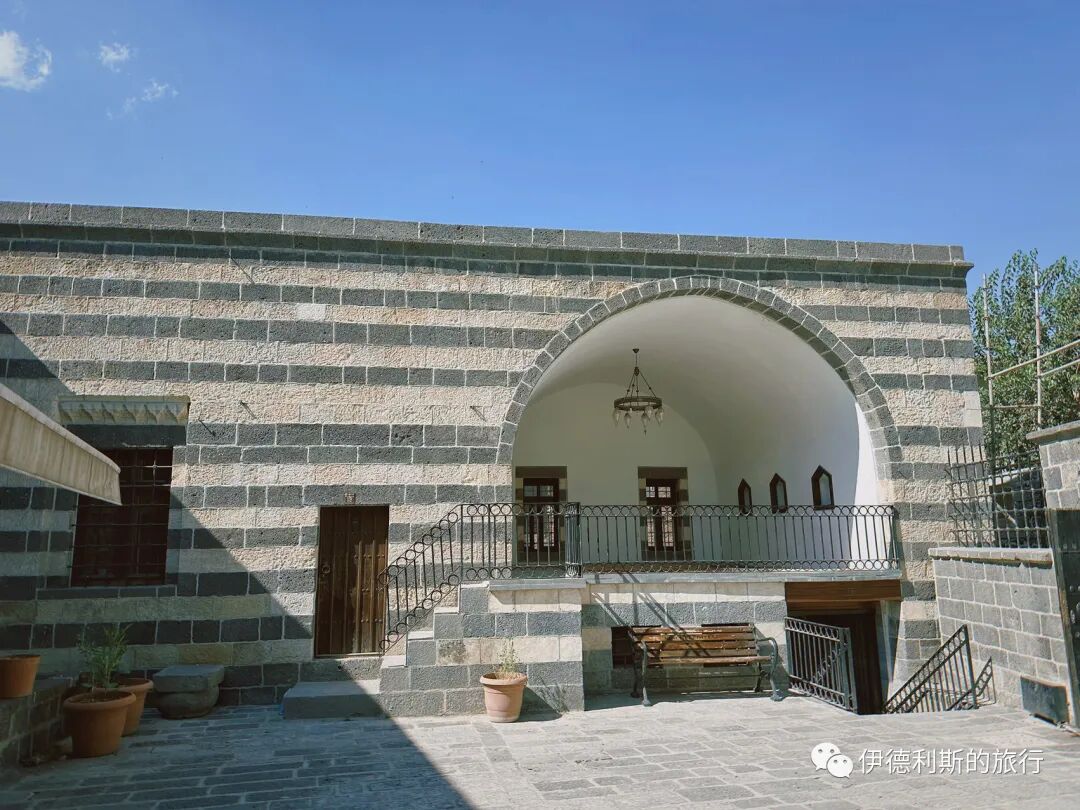
Sheikh Matar Mosque in Diyarbakir: Built by Haji Hussein in 1500 during the late White Sheep (Aq Qoyunlu) dynasty. It is named after the tomb of Sheikh Matar located next to the mosque.
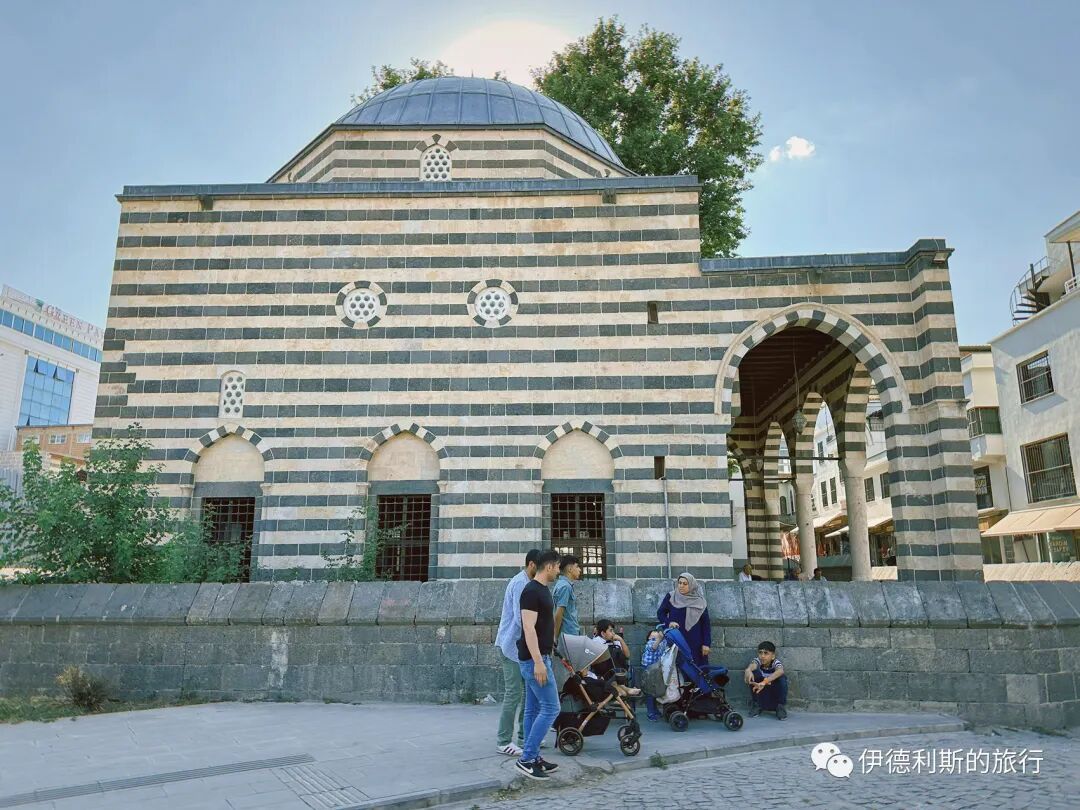
Behram Pasha Mosque in Diyarbakir: Built by the Ottoman governor Behram Pasha between 1564 and 1572. It was supervised by Mimar Sinan, the greatest Ottoman architect, though it was likely commissioned to another royal architect to actually carry out the work.
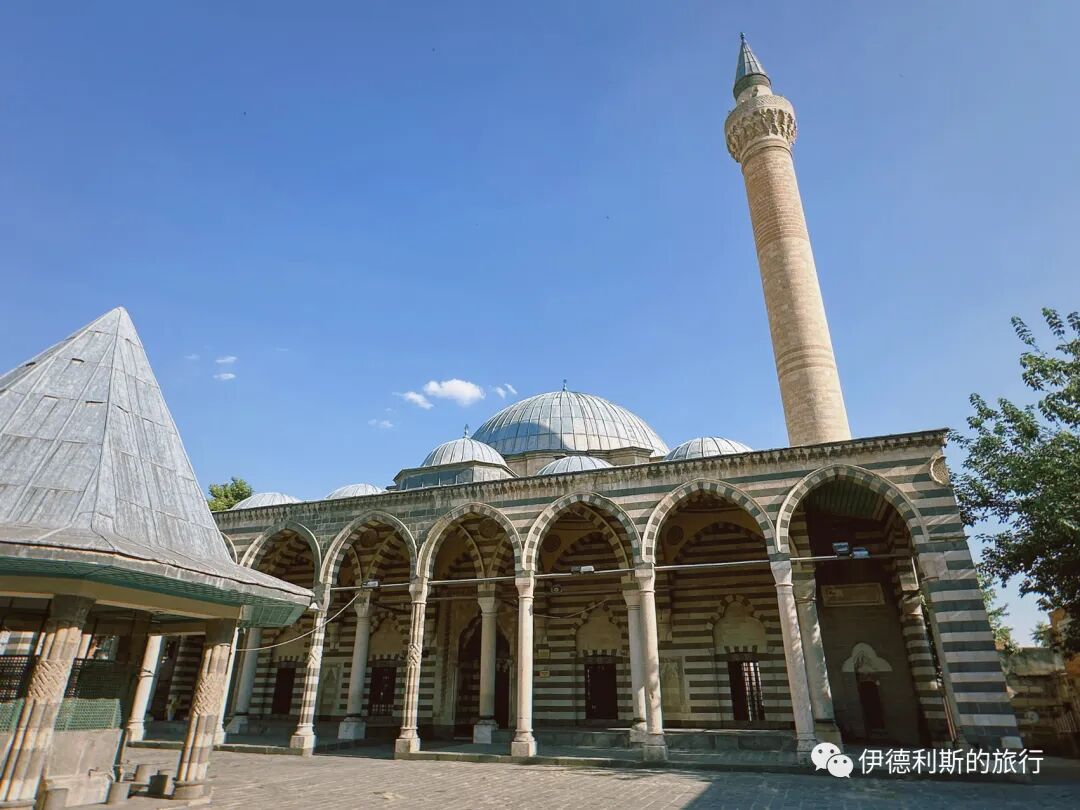
Iskender Pasha Mosque in Diyarbakir: Construction began in 1551 or 1554 and was completed in 1557. It is a typical Ottoman single-dome mosque.
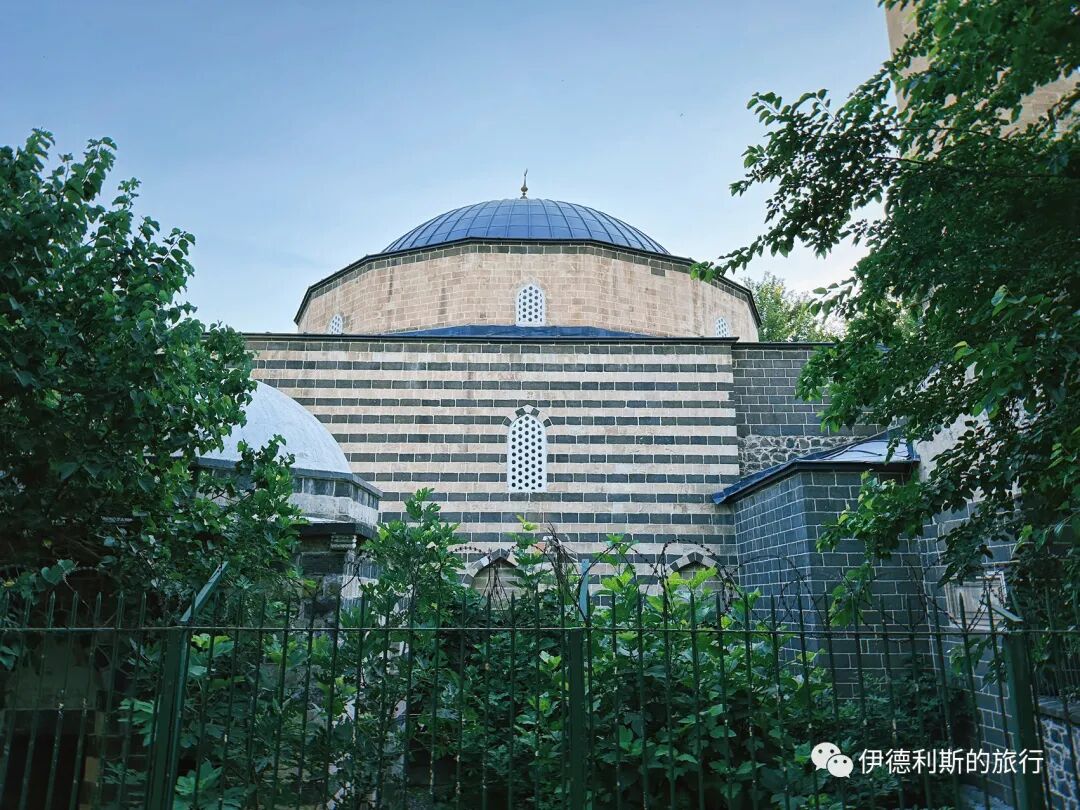
Ömer Şeddat Mosque in Diyarbakir: Built during the mid-12th century Inalid Beylik period, it has a history of over 800 years.
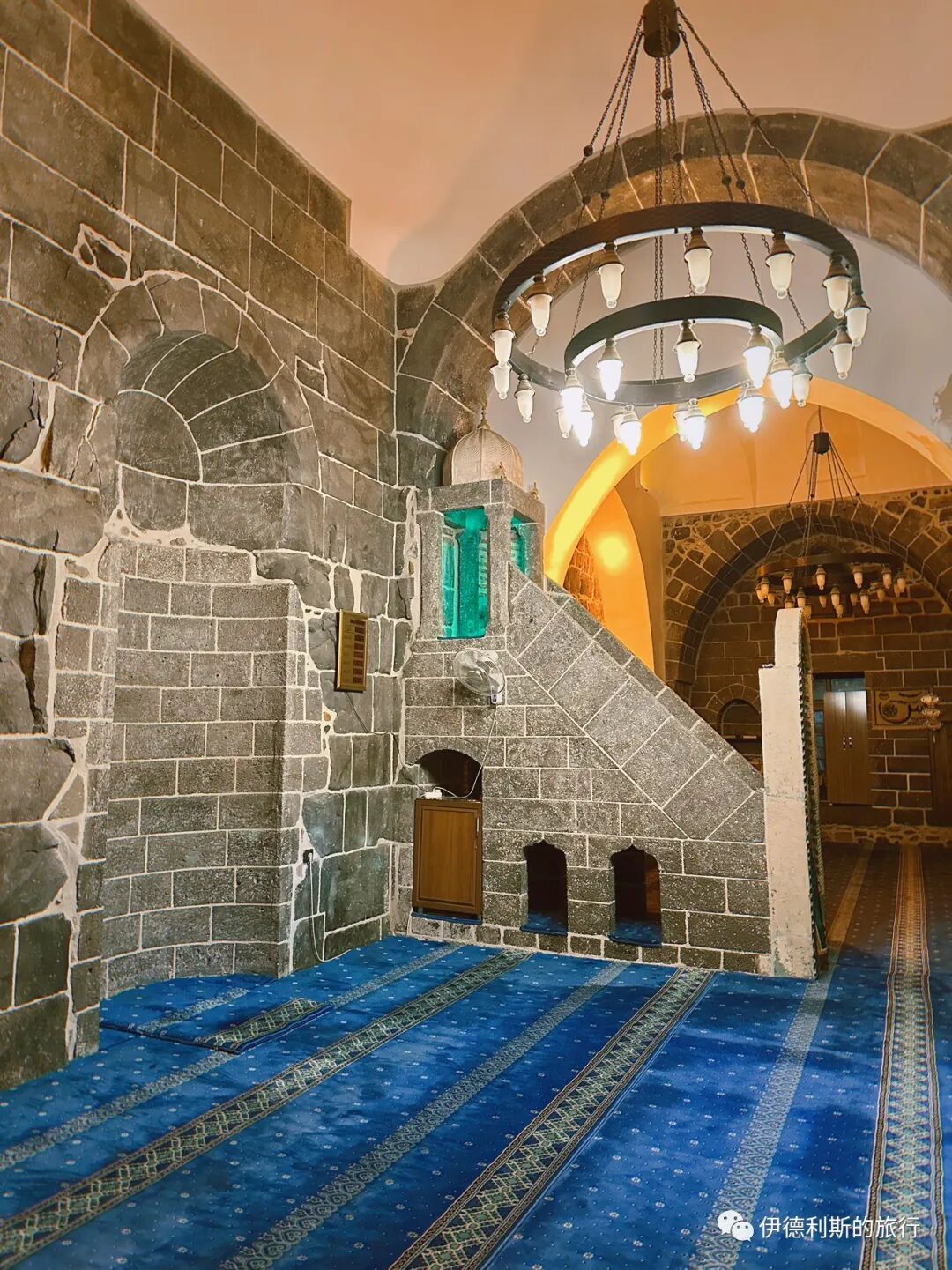
Rüstem Pasha Mosque in Istanbul: Known as the most beautiful mosque by Mimar Sinan, it was built by the great Ottoman architect Mimar Sinan between 1561 and 1563 for the Ottoman Grand Vizier Rüstem Pasha. This was the last building commissioned by Rüstem Pasha and was not completed until after his death.
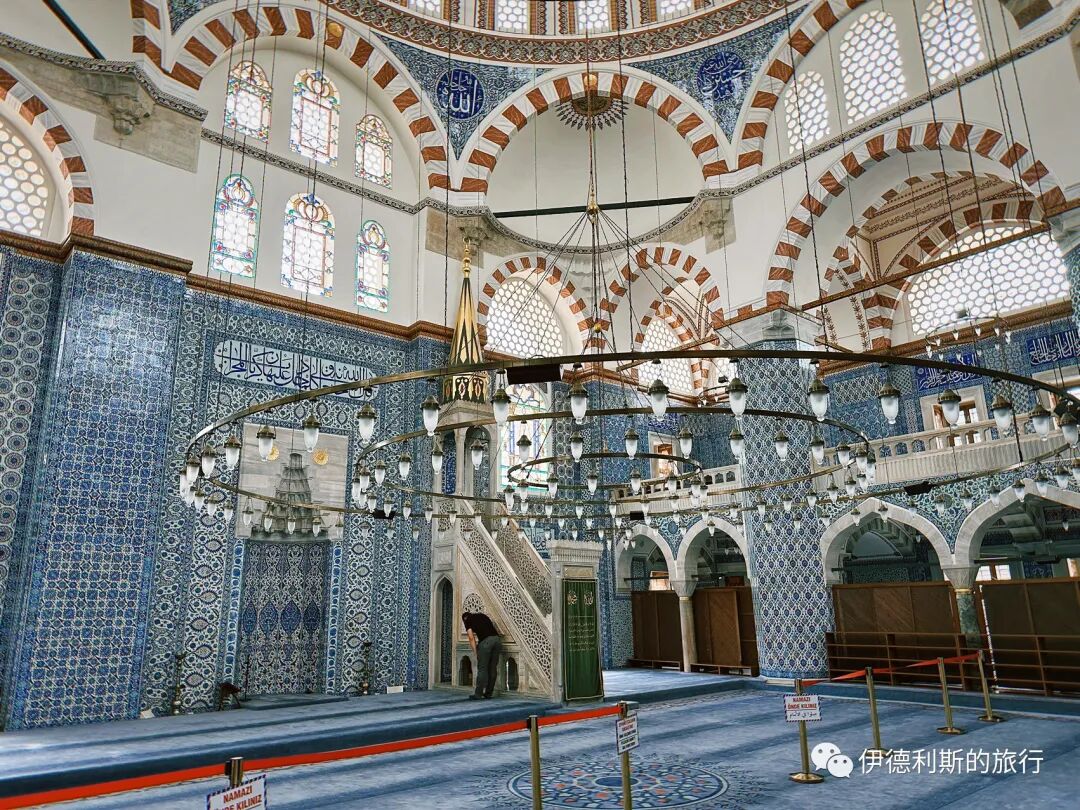
Elhac Timurtaş Mosque in Istanbul: Built in the 1460s by Timurtaş Ağa, who was a merchant there. It is one of the oldest mosques in Istanbul. It has been renovated many times throughout history, and it is now difficult to see its original form.
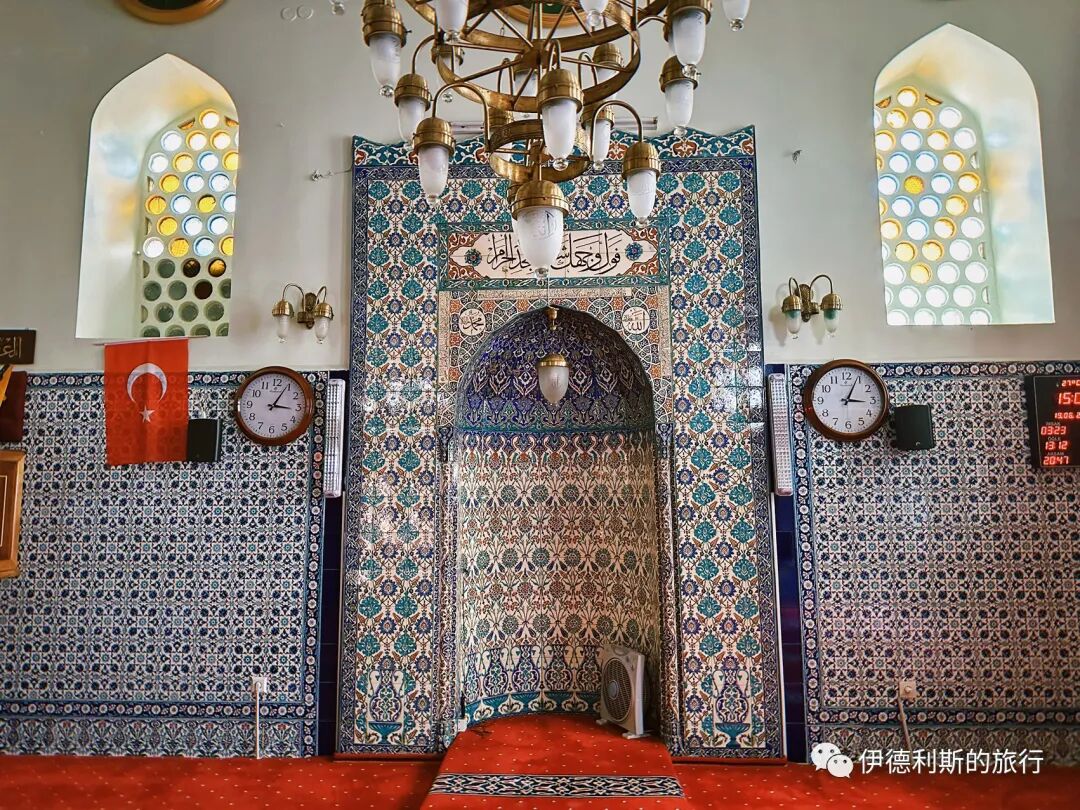
Süleymaniye Mosque in Istanbul: Commissioned by Ottoman Sultan Suleiman the Magnificent and built by Mimar Sinan between 1550 and 1557. It is considered Mimar Sinan's most important work and remains a landmark of Istanbul today.
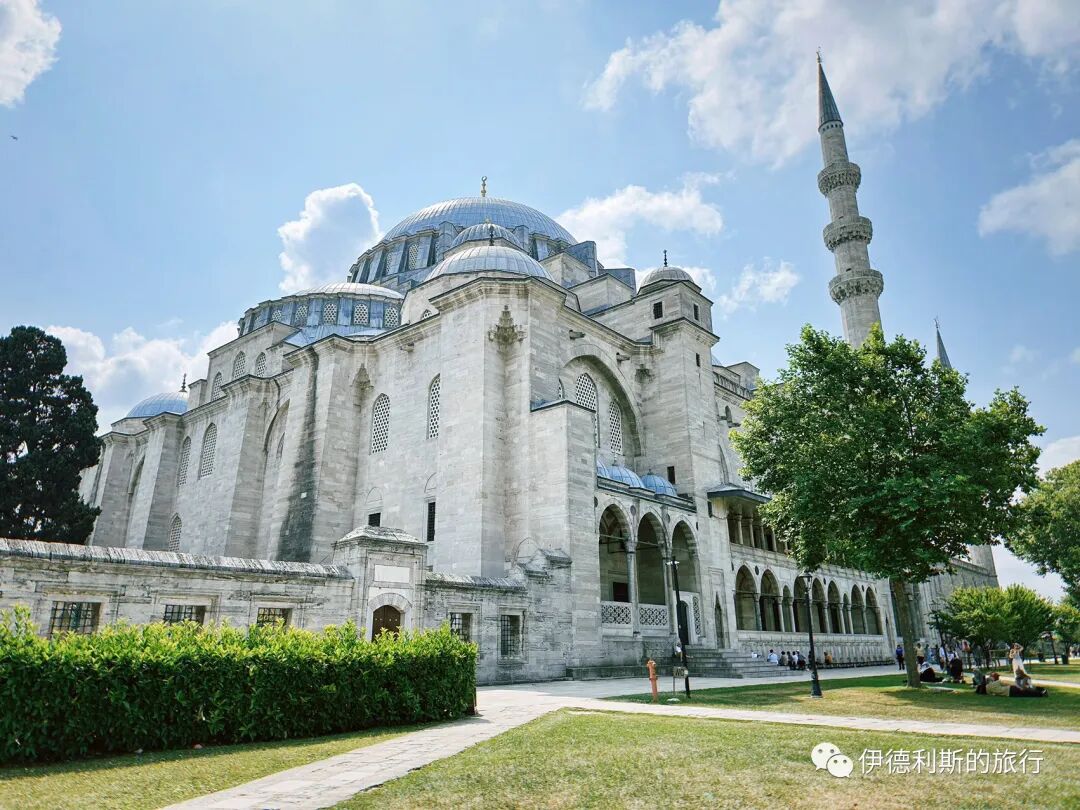
Bayezid II Mosque in Istanbul: Built by the eighth Ottoman Sultan, Bayezid II, between 1501 and 1506. It is the second imperial mosque built after the Ottoman conquest of Istanbul. Because the Fatih Mosque built by Mehmed the Conqueror was destroyed by earthquakes multiple times, the Bayezid II Mosque is the oldest surviving imperial mosque in Istanbul.
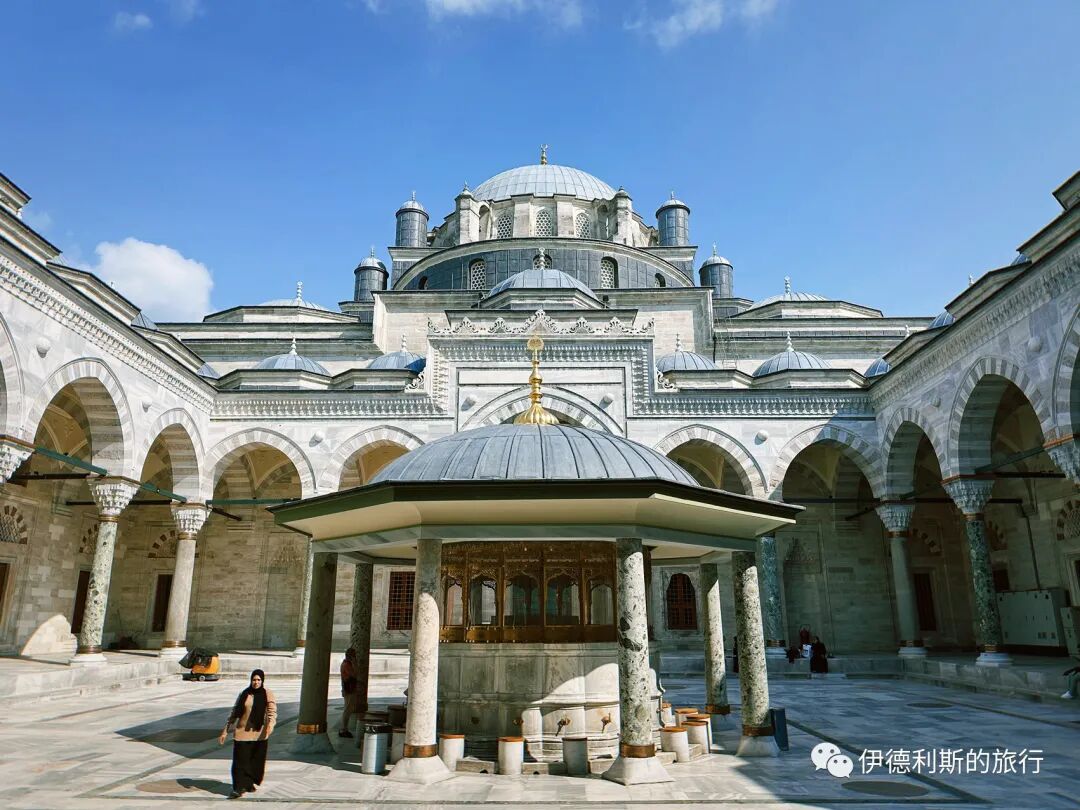
Mahmut Pasha Mosque in Istanbul: Built in 1464 by Mahmut Pasha, the Grand Vizier of Sultan Mehmed the Conqueror. It is one of the earliest mosques built within the city of Istanbul. It still follows the architectural style of the Ottoman dynasty from the old capital of Bursa, consisting of two main domes and many small domes.
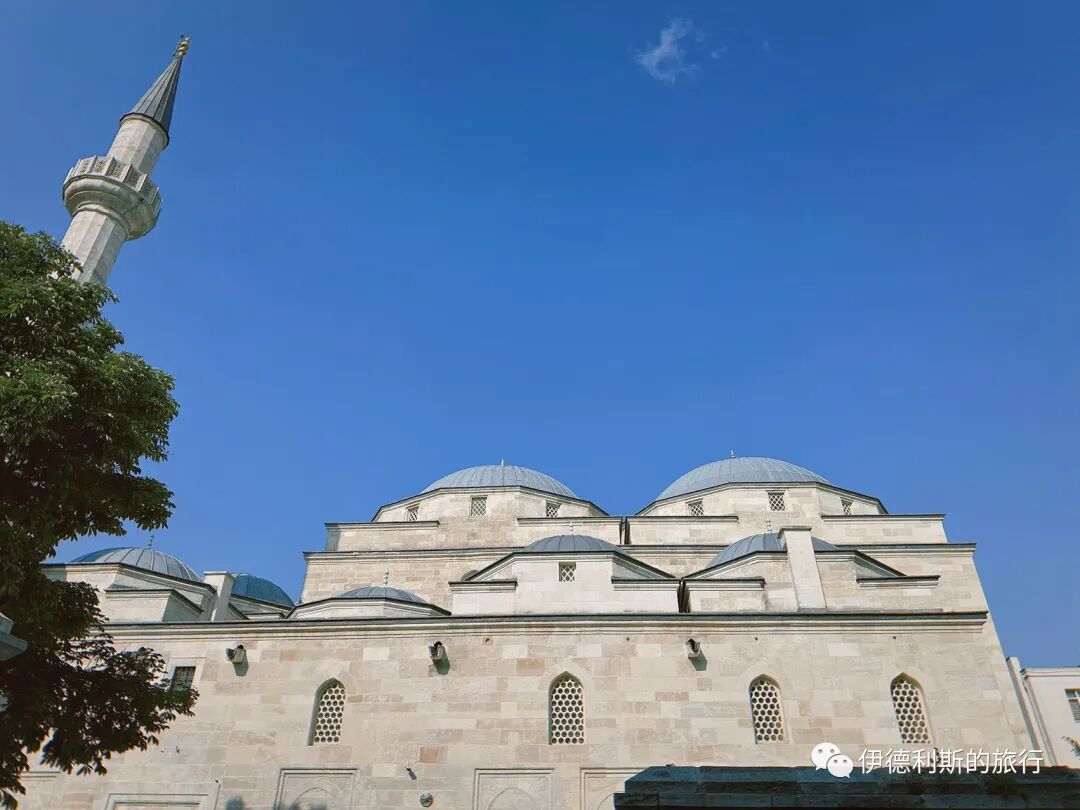
Hagia Sophia in Istanbul: Completed in 537, it was the largest church in the world at that time. In the mid-16th century, Sultan Suleiman the Magnificent built two minarets. In the late 16th century, the royal architect Mimar Sinan added 24 buttresses to support the cathedral and built two new 60-meter-high minarets, giving the cathedral a four-minaret design.
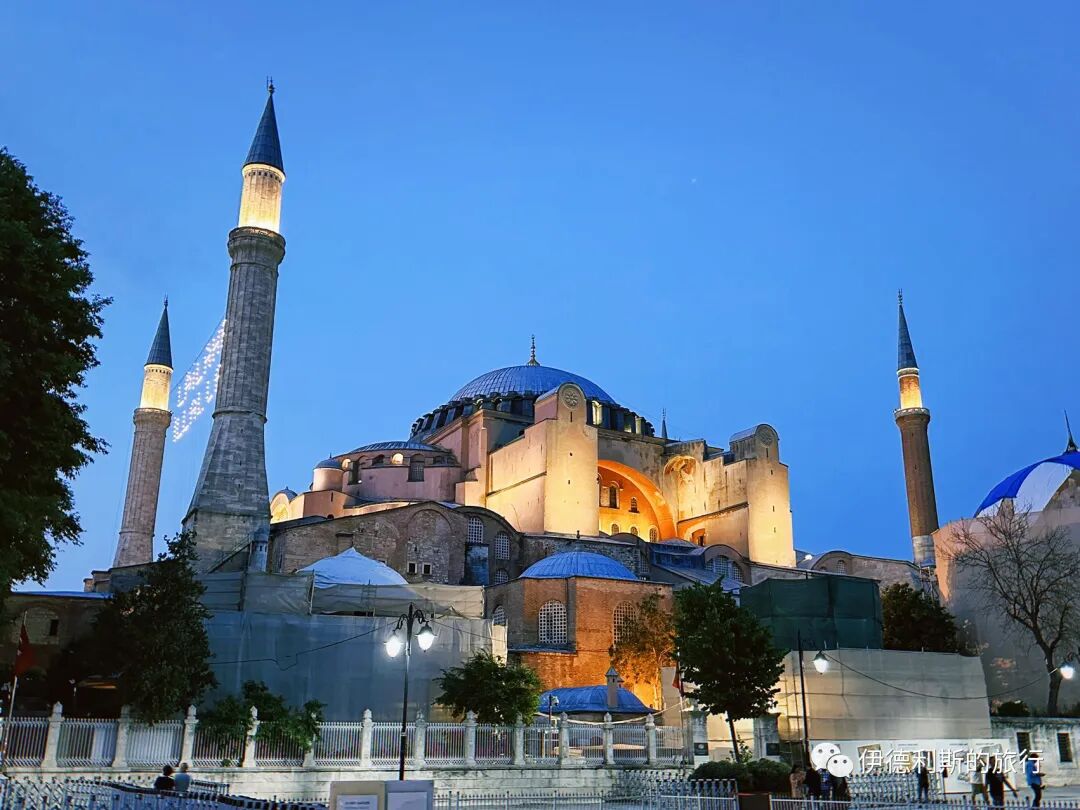
Dolmabahçe Mosque in Istanbul: Built by Ottoman Sultan Abdülmecid I and his mother between 1853 and 1855. After its completion, it became the royal mosque of the Ottoman Sultans. Designed by Garabet Amira Balyan of the Ottoman Armenian Balyan architect family, it blends Rococo and Empire styles. It is one of the representative works of the eclectic style that emerged under European influence following the Ottoman modernization reforms in the mid-19th century.
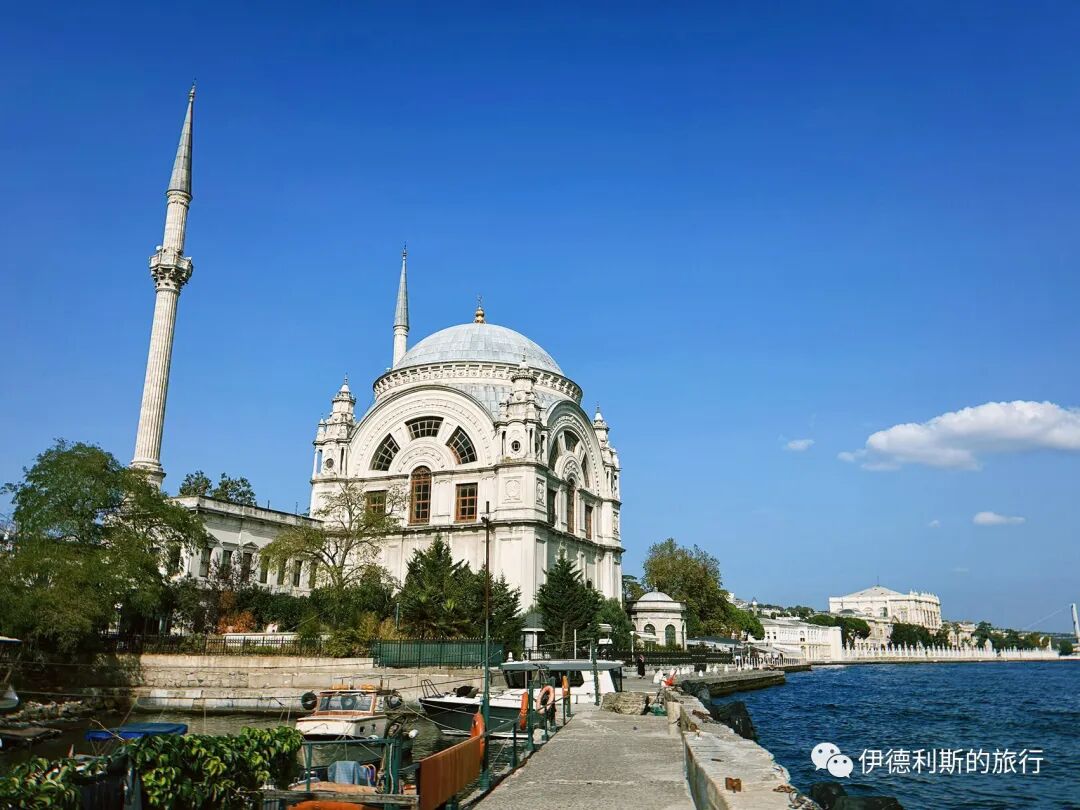
8 mosques in Bosnia and Herzegovina in June
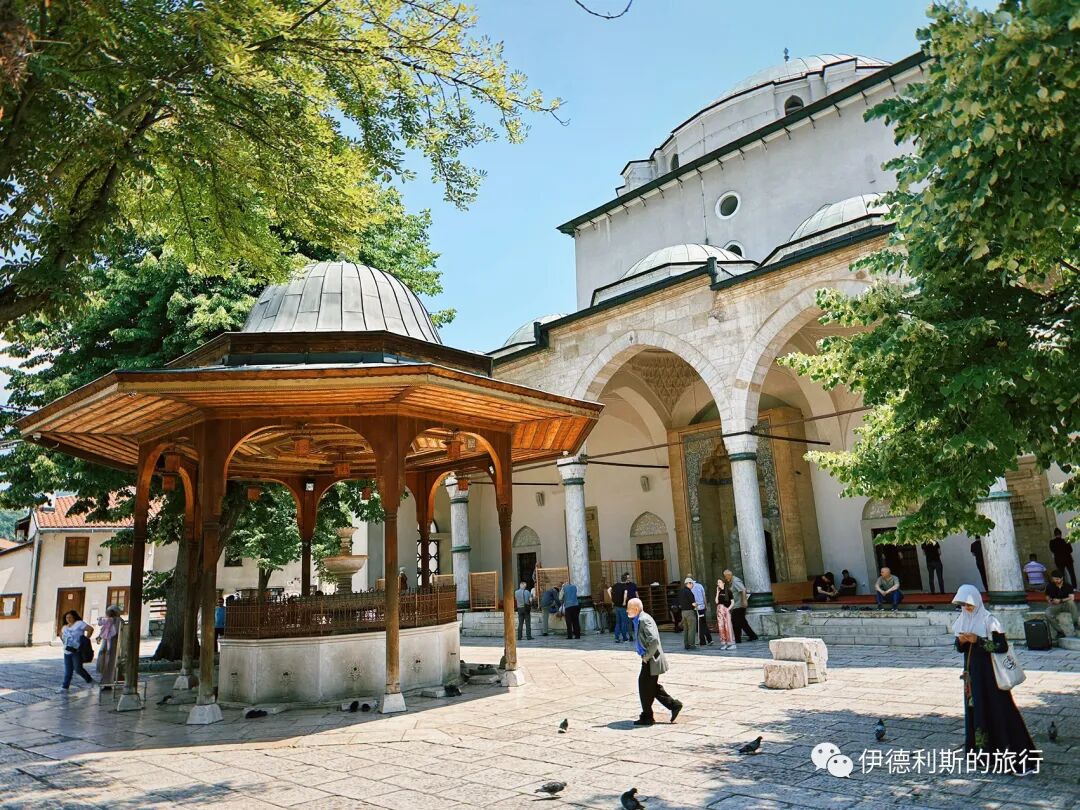
Gazi Husrev Bey Mosque in Sarajevo: This is the main landmark of the Old Bazaar in Sarajevo. Built in 1530, it has served as the city's central mosque ever since. It was designed and built by Adzem Esir Ali, an Ottoman court architect from Tabriz, Persia. Important scenes from the movie 'Walter Defends Sarajevo,' well-known to Chinese audiences, were filmed here.
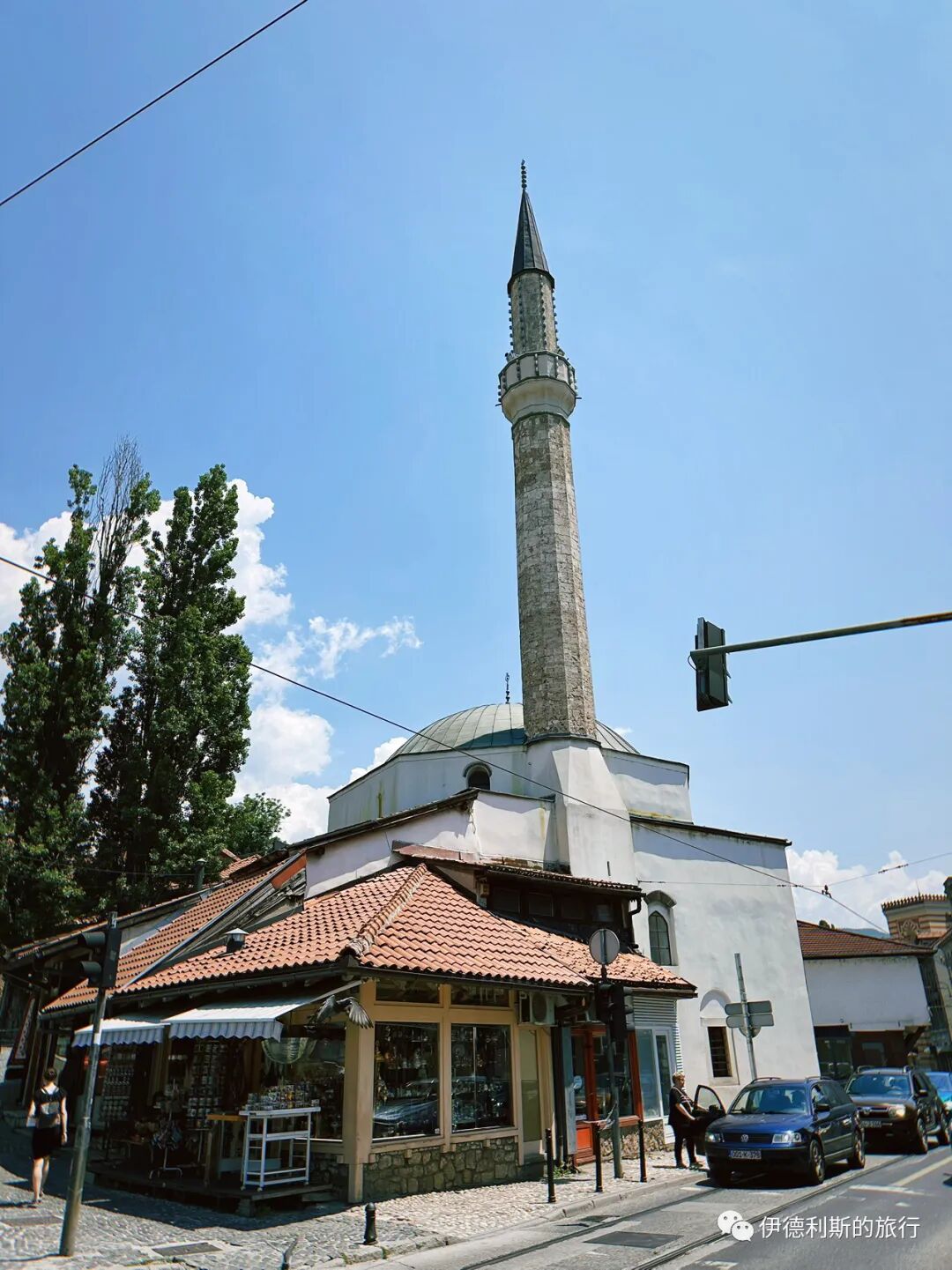
Muslihudin Čekrekčija Mosque in Sarajevo: Built by Hajji Mustafa in 1526, it survived many fires in Sarajevo and also survived the 1697 looting of the city by the Holy League after they defeated the Ottoman Empire.
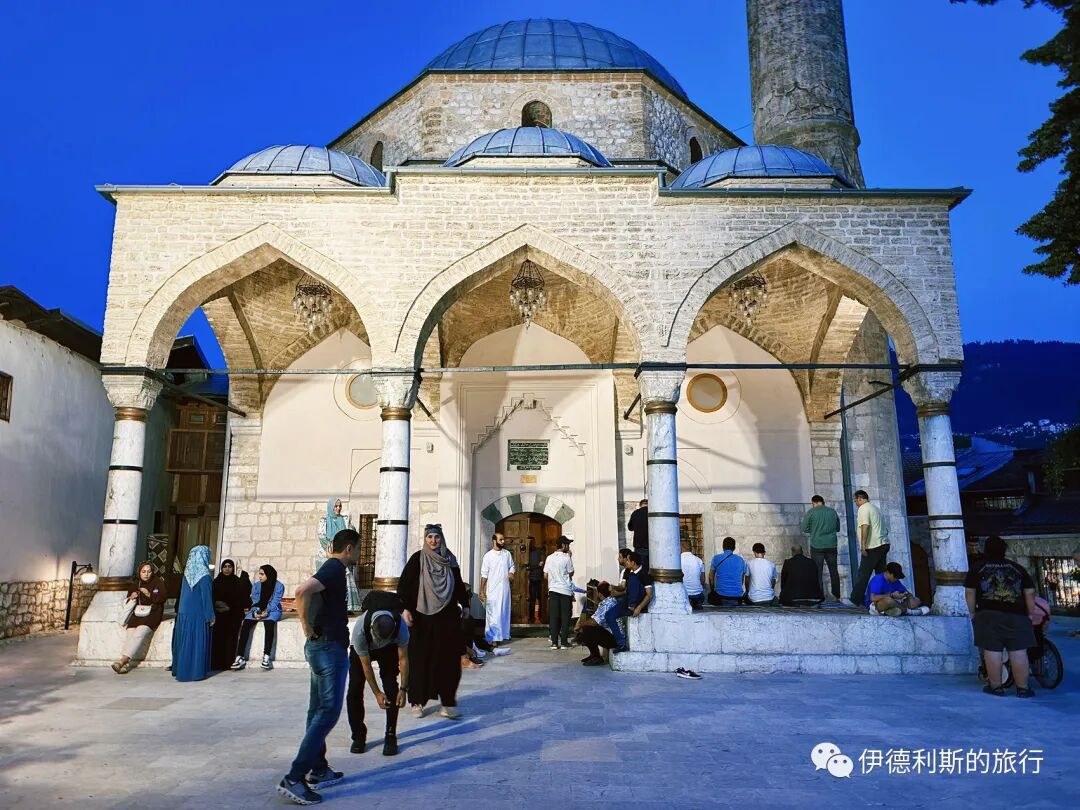
Bascarsija Mosque in Sarajevo: Built by Havadža Durak in the early 16th century, it sits in the heart of the Old Bazaar. It originally had a wooden dome, but it was rebuilt with a stone dome after a fire in 1697.
Imperial Mosque (Careva Džamija) in Sarajevo: Construction began in 1457. It was the first mosque built after the Ottoman Empire conquered Bosnia. It was built under the direction of Isaković-Hranušić and dedicated to the Ottoman Sultan Mehmed the Conqueror. The original mosque was a wooden structure. It was rebuilt in 1565 into the current classical Ottoman style and dedicated to the Ottoman Sultan Suleiman the Magnificent.
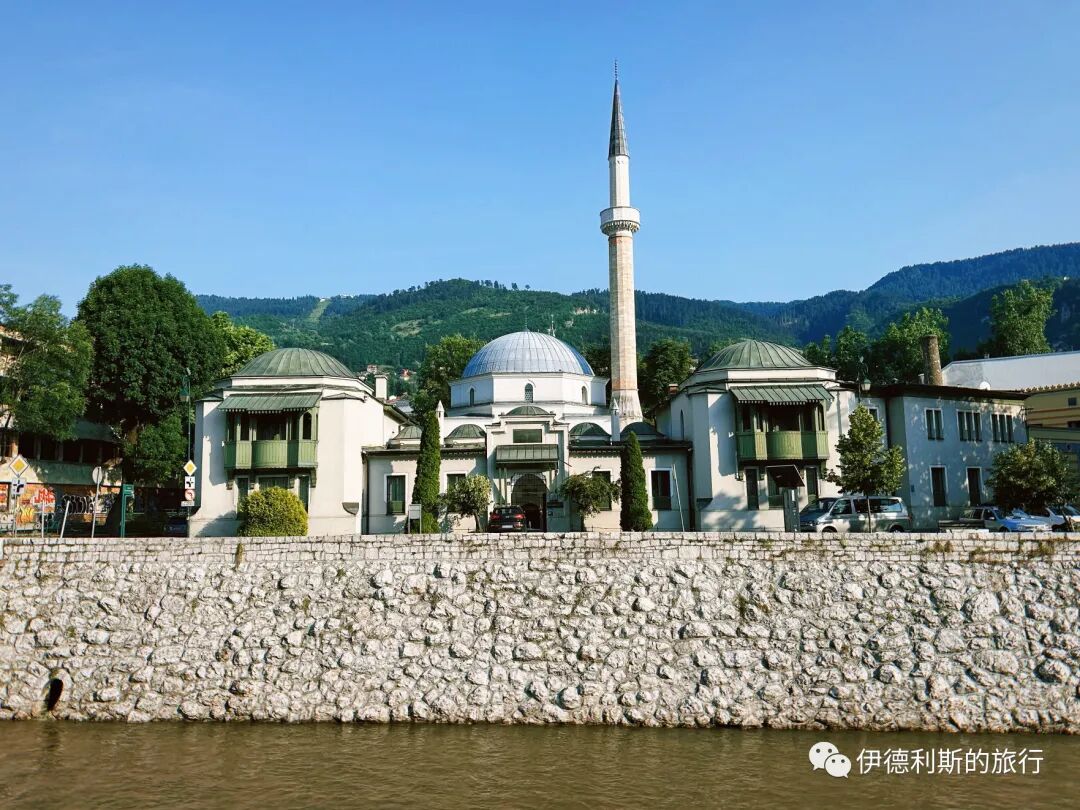
Magribija Mosque in Sarajevo: Built by Sheikh Magribija in the 15th century and rebuilt in 1766, it retains its 18th-century appearance and paintings.
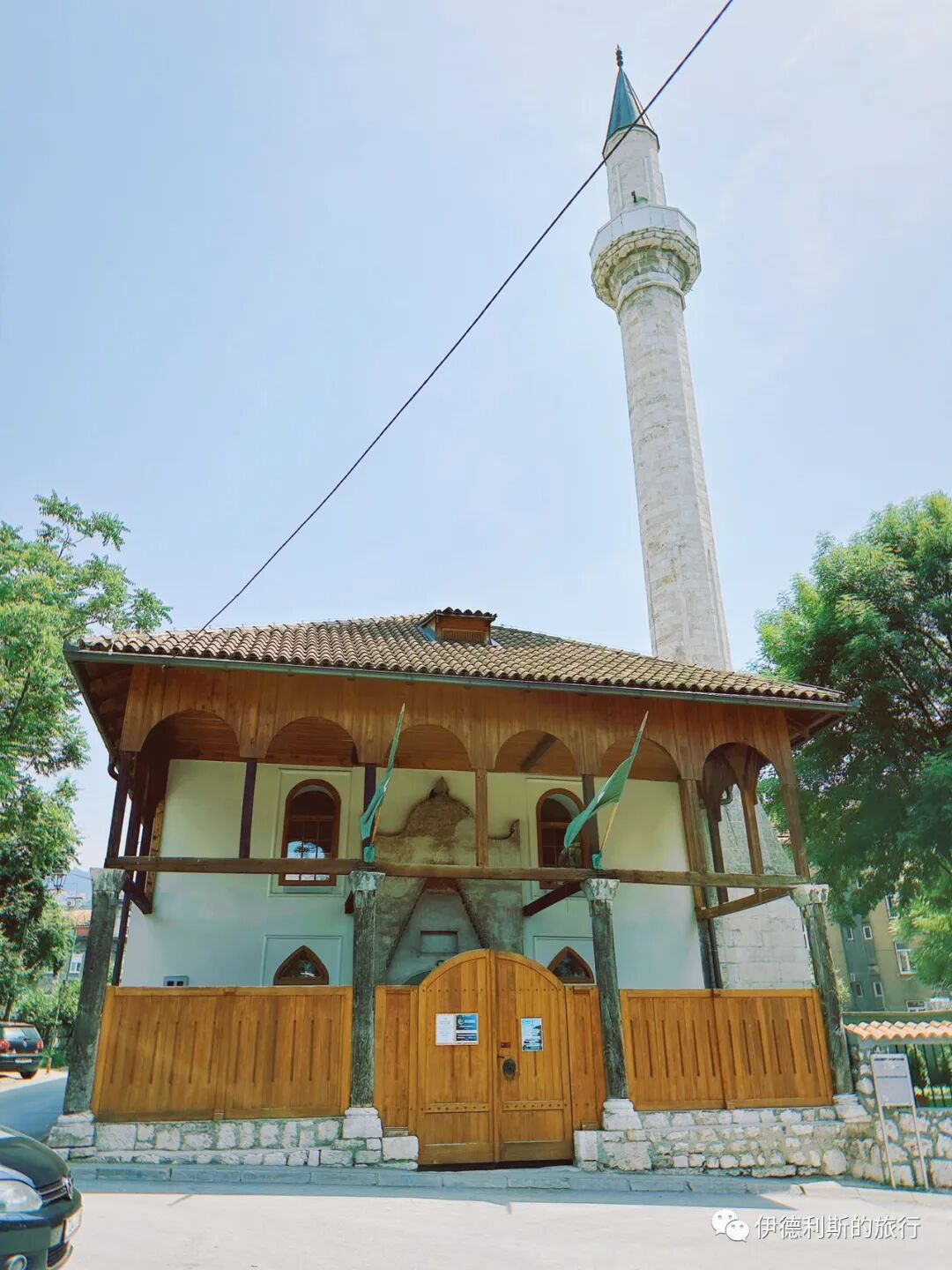
Ali Pasha Mosque in Sarajevo: Built in 1560-1561 by the Bosnian governor Ali Pasha, this is a single-domed mosque in the classical Ottoman style with beautiful architectural proportions.
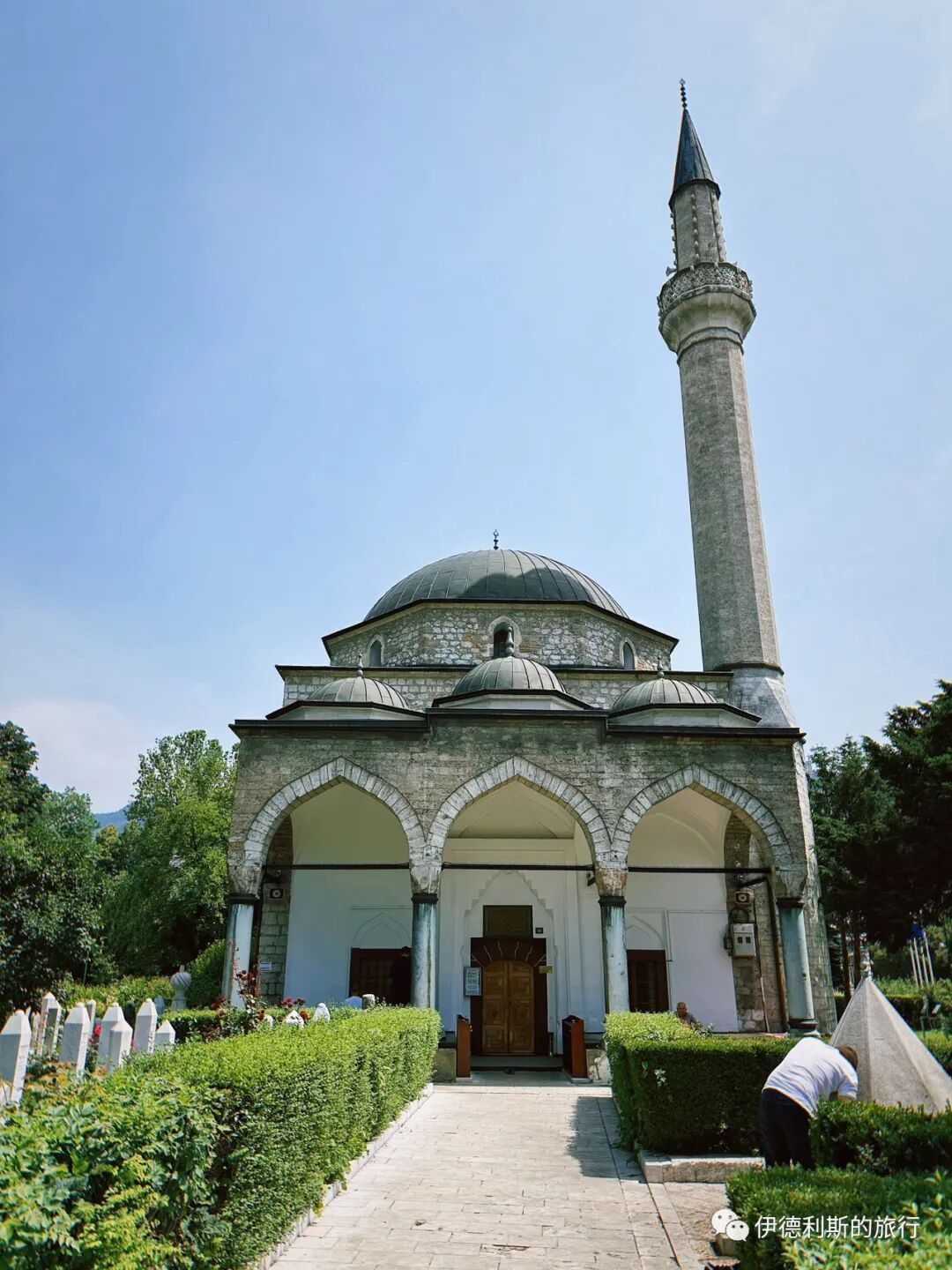
Ferhadija Mosque in Sarajevo: Built by Ferhad-beg Vuković-Desisalić in 1561-1562, it is a typical classical Ottoman building. It features a central dome over a rectangular main hall and three small domes over the front porch.
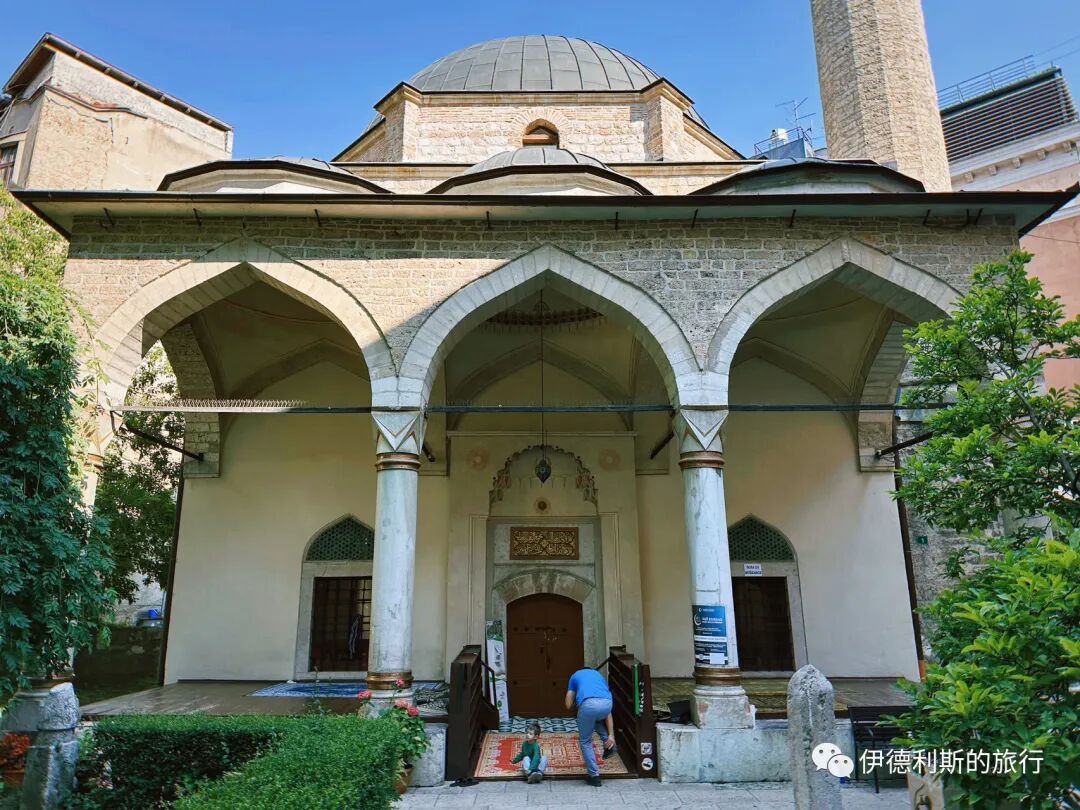
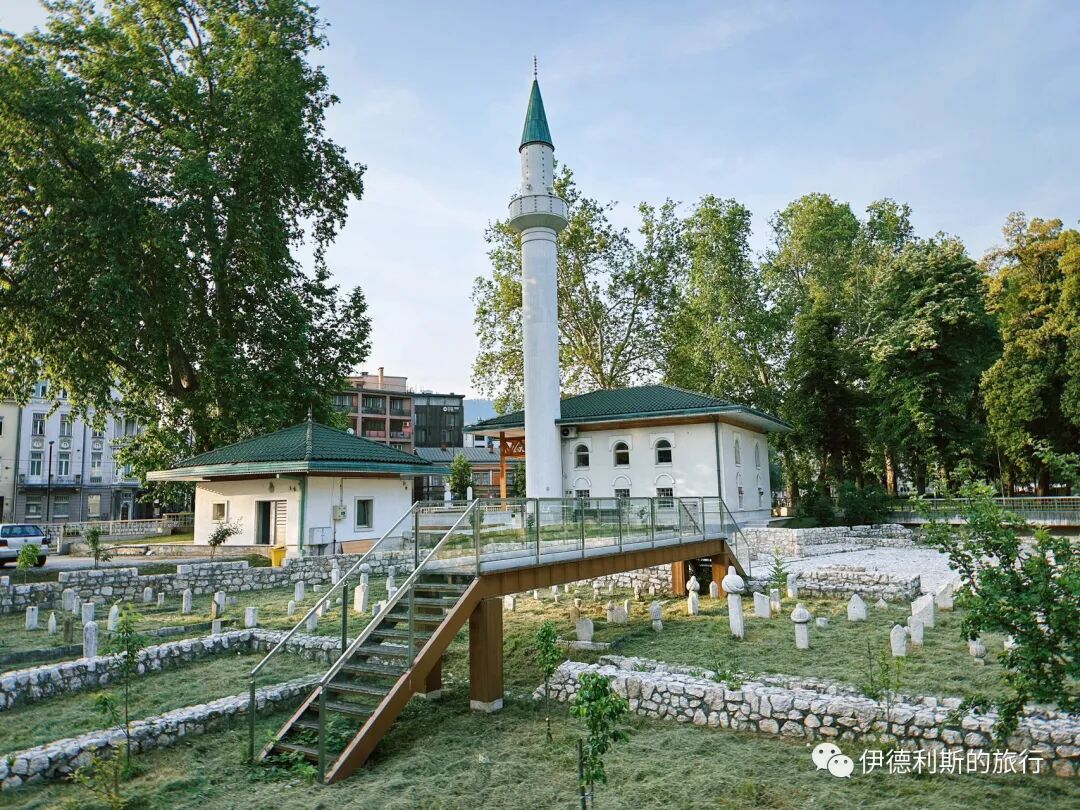
Bakrbaba Mosque archaeological site in Sarajevo: Built in 1544 by the famous Sarajevo merchant Hajji-Alija Bakrbaba, it was burned by the European Holy League in 1697. It was rebuilt in the early 18th century, demolished by the Austro-Hungarian Empire in 1895, and has been the subject of archaeological research since 2000.
June, Beijing: 1 mosque
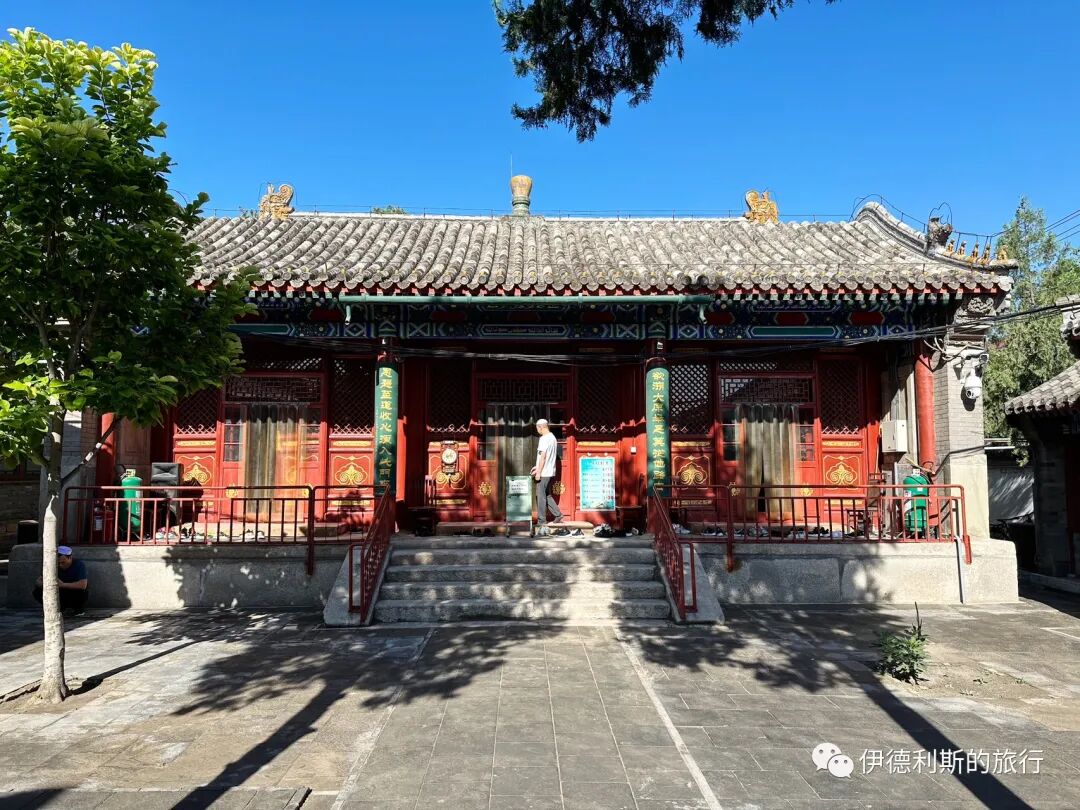
Xiguanshi Mosque in Beijing: Construction began in 1494. The main hall was rebuilt in 1709 and the kiln hall (yaodian) in 1761. In 1900, Empress Dowager Cixi and the Guangxu Emperor fled the city to the west. They arrived at Xiguanshi at dusk. Cixi slept in the main hall of the mosque that night, while the Emperor and his consorts slept in the side halls. Two years later, Cixi returned to Beijing and donated silver to renovate the Xiguanshi Mosque. She also ordered glazed tiles, a treasure top (baoding), and roof ridge beasts to be fired at the Imperial Kiln in Liulihe.
June, Hebei: 1 mosque
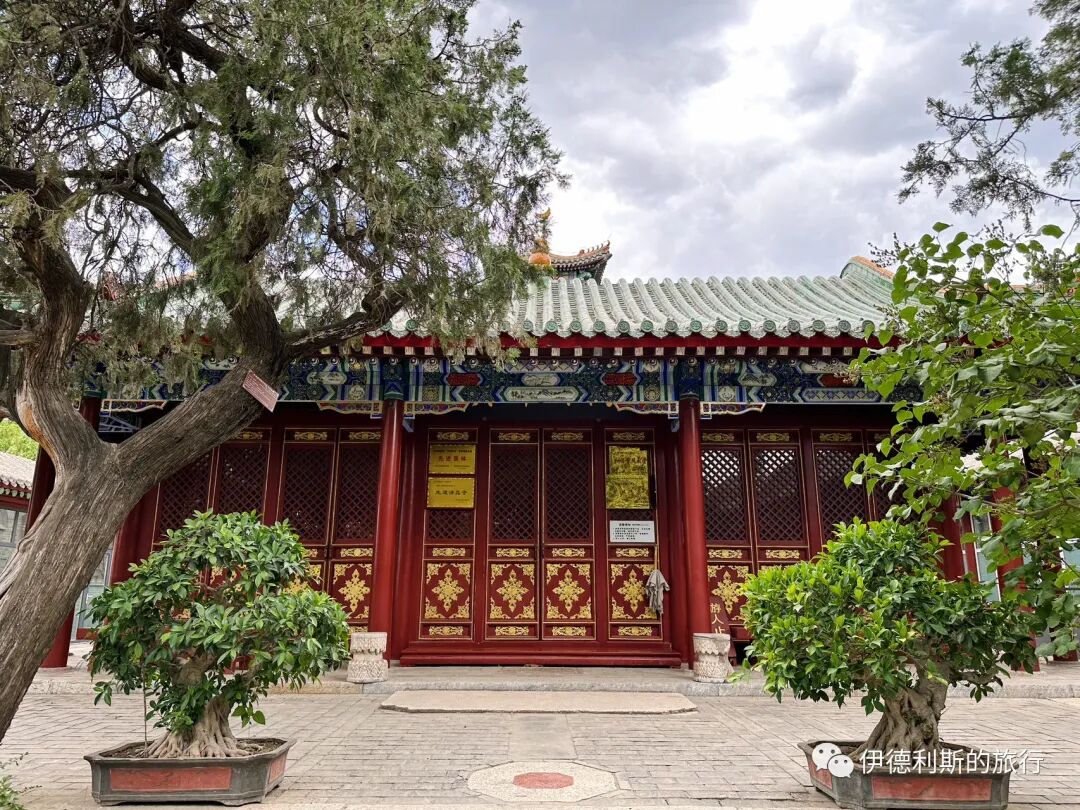
Zhuozhou City Mosque in Hebei: A local ancestor from Zhuozhou followed the Prince of Yan on his northern campaign during the early Ming Dynasty. The old mosque was built during the Yongle period of the Ming Dynasty, renovated in the 60th year of the Kangxi reign of the Qing Dynasty, and the main hall was rebuilt in 2000 to reach its current appearance.
August, Liaoning: 2 mosques
Luyang Mosque in Jinzhou, Liaoning: Built in 1531, it was renovated during the Xianfeng period of the Qing Dynasty and rebuilt into its current form between 1922 and 1925. During the reconstruction, Manager Wang of the Enliyong Pastry Shop in Luyang was in charge of construction, and he invited Yang Peiran (Yuchun), who was a brigade commander in the Northeast Army at the time, to help raise funds.
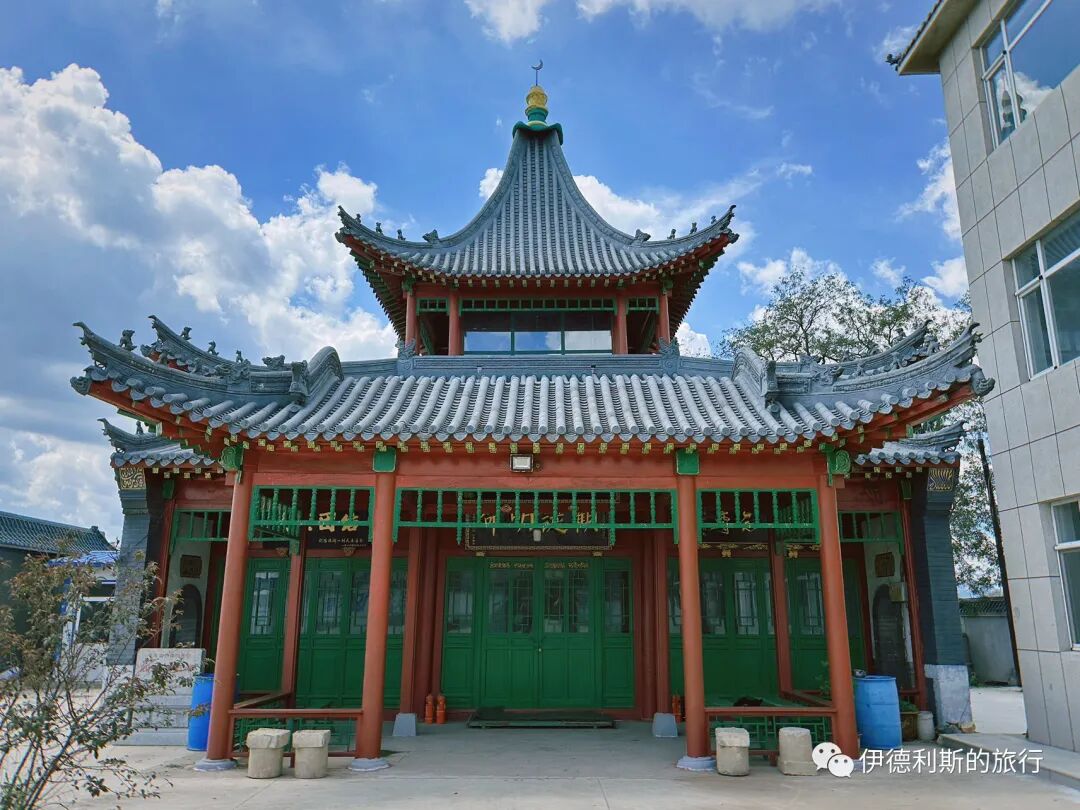
Beizhen Mosque in Jinzhou, Liaoning: Built in 1522, it was expanded in 1617 and renovated again in 1798. The Beizhen Mosque was built according to the traditional northern mosque structure consisting of three parts: the front porch (juanpeng), the main hall, and the kiln hall (yaodian). However, it is very unique because the front porch and the main hall are independent and not connected.
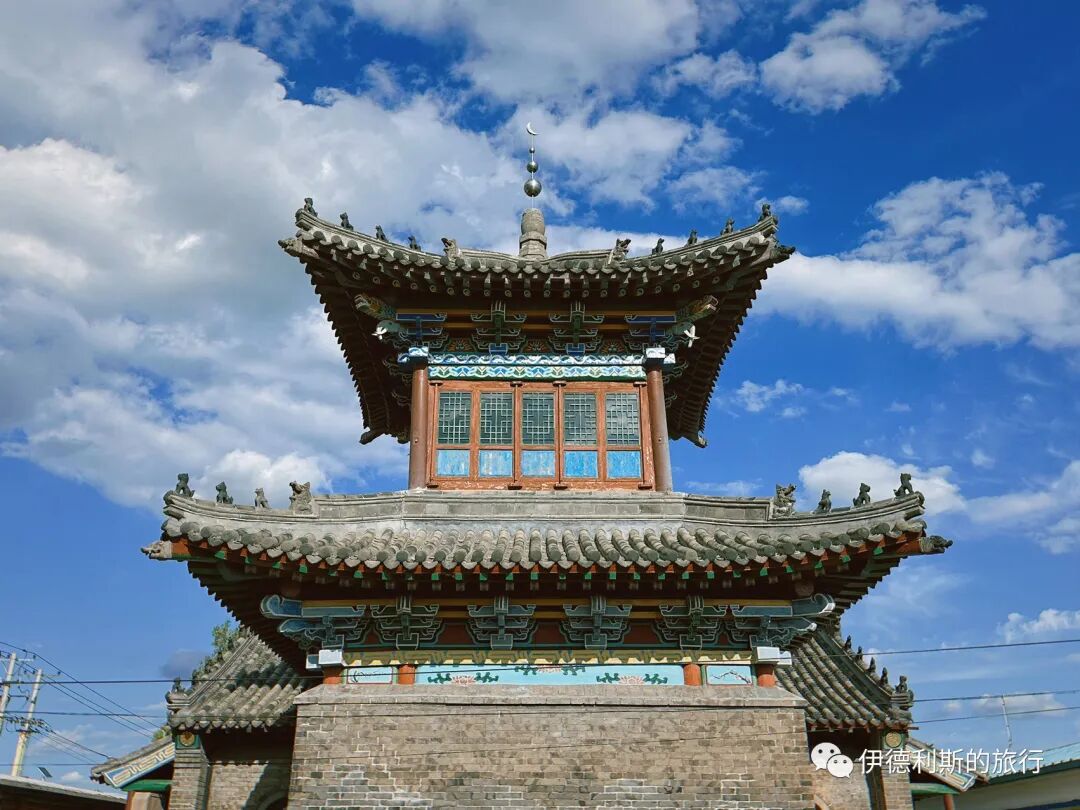
August, Jilin: 1 mosque
Changtong Road Mosque in Changchun: Built in 1824. In 1852, elder Han Xuecheng and Gong Wanmei donated the building, and elder Shi Xuecheng donated trees to move the mosque to its current location in Tielingtun. In 1864, Imam Han Dengqing and others raised funds to expand it, building the current five-room main hall and three-story kiln hall (yaodian). In 1889, Imam Han Laixiang bought the land in front of the mosque owned by the Xu family to build a gate tower, east and west side rooms, a north lecture hall, an east reception hall, and a porch for the main hall. It was expanded several more times during the Republic of China era.
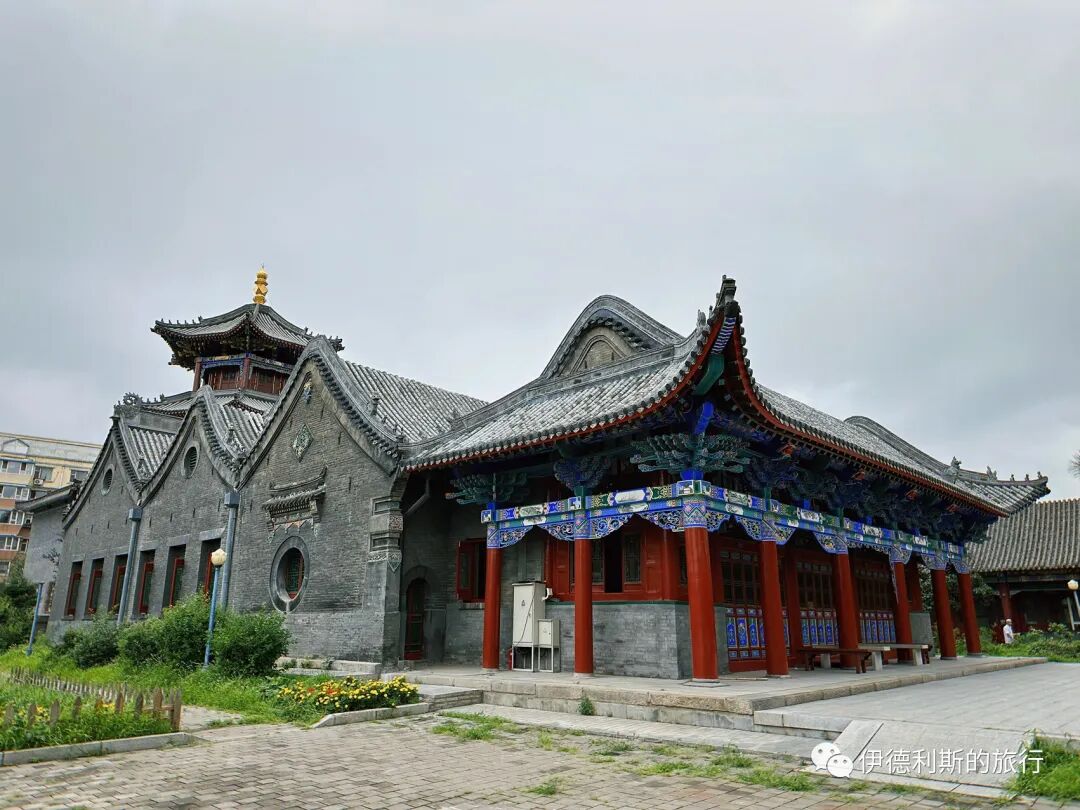
Five mosques in Heilongjiang in August.
Harbin Daowai Mosque: Also known as the East Mosque or Binjiang Mosque. It started in 1897 when Hui Muslims who came here to trade cattle bought five grass huts on the 12th South Street in Daowai. It was rebuilt in 1904. In the early 1930s, as the number of Hui Muslims in Harbin grew, Imam Ma Songting suggested building a new hall. Head teacher Bai Yusheng traveled around to collect donations (nietie), and they hired Russian designers, the Krabliov siblings, to build the current Daowai Mosque main hall in 1935.
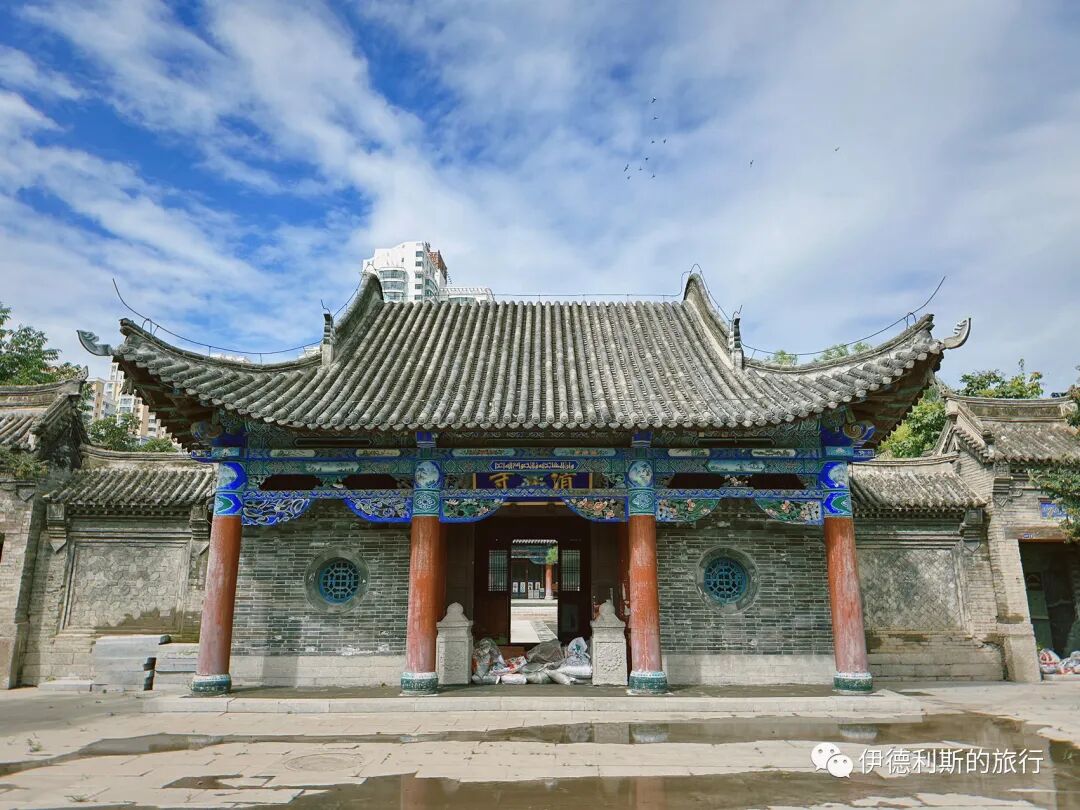
Harbin Acheng Mosque: In 1777, 26 (some say 28) Hui Muslim households in Acheng rented eight civilian houses from Manchu bannermen to establish the first Acheng Mosque. In 1802, they bought two plots of ancestral land from Sarsei, a clerk (bithesi) of the Lingdebao cattle company in Xigangzi, and began building the formal Acheng Mosque. It took 50 years to complete, spanning the Jiaqing, Daoguang, and Xianfeng reigns. A fire in Acheng in 1873 destroyed the mosque's Moon-Watching Tower (wangyuelou) and North Lecture Hall. The current building was finally completed in 1900 (the 26th year of the Guangxu reign).
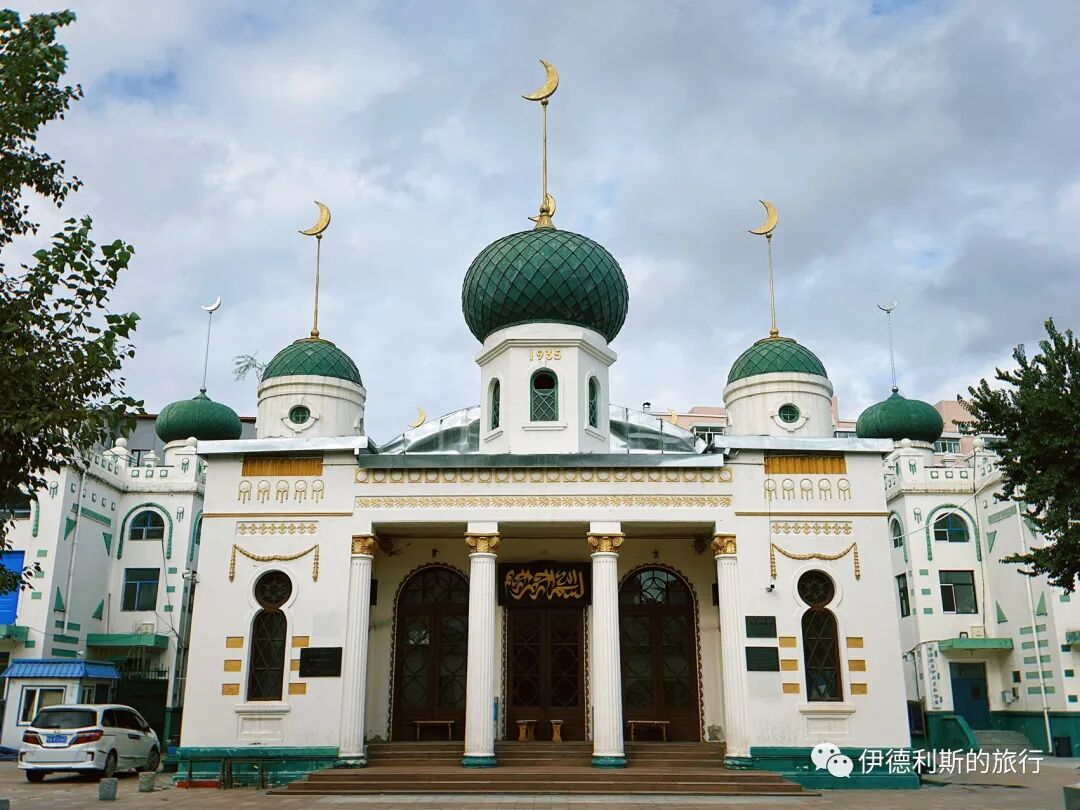
Harbin Tatar Mosque: As the center of the Chinese Eastern Railway, Tatars began settling in Harbin in 1901 and built their first wooden mosque that same year. As the Tatar population grew, they rebuilt it as a brick mosque in 1906. To commemorate the 1,000th anniversary of the Volga Tatars' ancestors, the Volga Bulgars, converting to Islam in 922 AD, the Tatars in Harbin decided to build a new mosque. Construction of the new mosque began in 1923, but it stalled for a time due to political instability. In 1936, the new imam, Münir Hasibullah, traveled to every Tatar settlement in the Far East to collect donations (nietie). The Millennium Mosque was finally completed and opened on October 8, 1937.
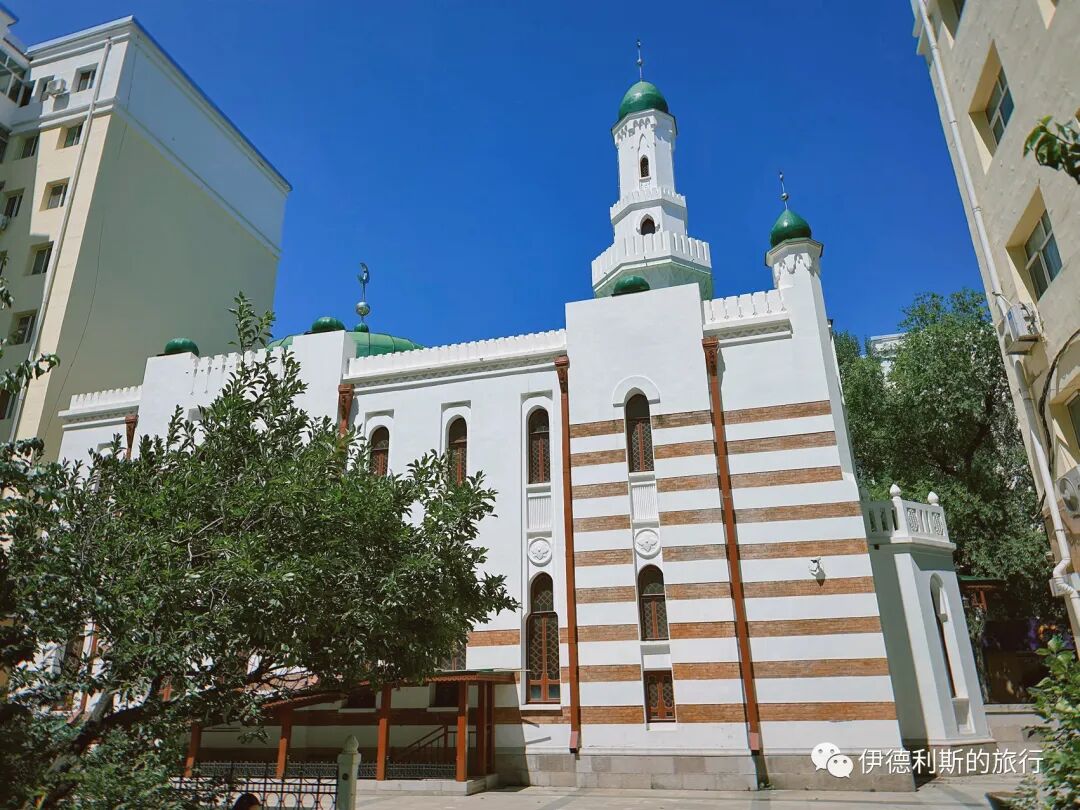
Qiqihar Bukui West Mosque: In 1817, Ma Datian, the third-generation leader (murshid) of the Jahriyya order, was exiled to Qiqihar, Heilongjiang. Twelve households led by 'Grandpa Niu' volunteered to follow him. Ma Datian passed away while passing through the Jilin Shipyard and was honored as the 'Shipyard Grandpa.' The 12 households continued their exile to Qiqihar. After arriving in Qiqihar, these 12 households were accepted by the local Gedimu community. They built the Bukui West Mosque in 1852, which became the only Jahriyya mosque in Heilongjiang.
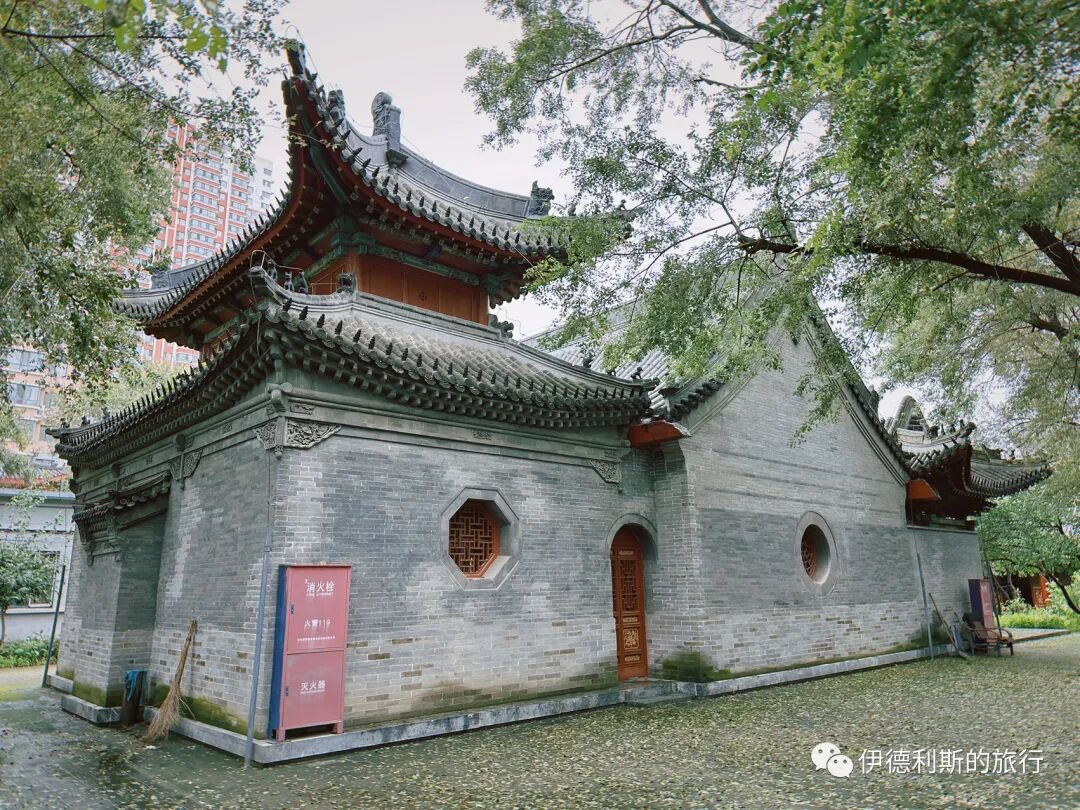
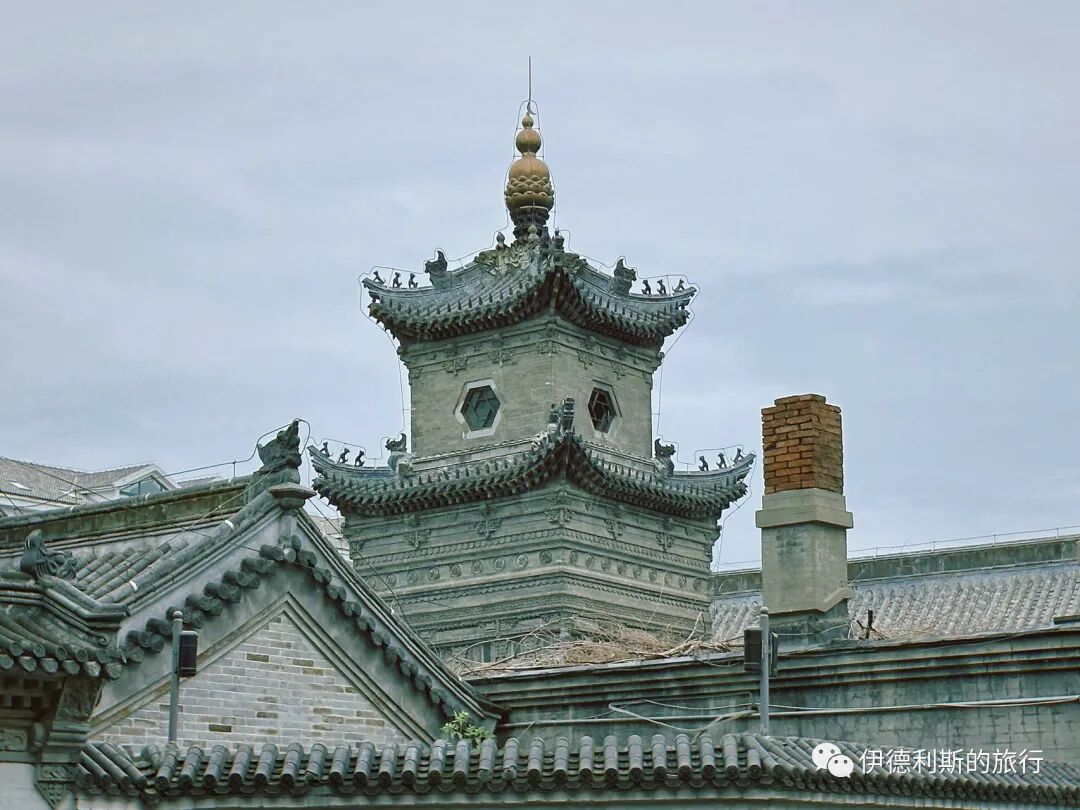
Qiqihar Bukui East Mosque: The first mosque in Heilongjiang. Legend says it was built in 1676 by over 40 Hui Muslim households who moved to Bukui Village from Shandong and Hebei. It was renovated many times during the Jiaqing and Guangxu reigns to reach its current size. The copper lotus-base gourd finial on the kiln-style roof was bought by Ma Wanliang in 1893 from a Tibetan Buddhist temple near Zhangjiakou.
15 mosques in Lebanon in September.
Beirut Emir Assaf Mosque: Built in the late 16th century by the Emir rulers of the Assaf dynasty. The Emir's palace and gardens were once next to the mosque.
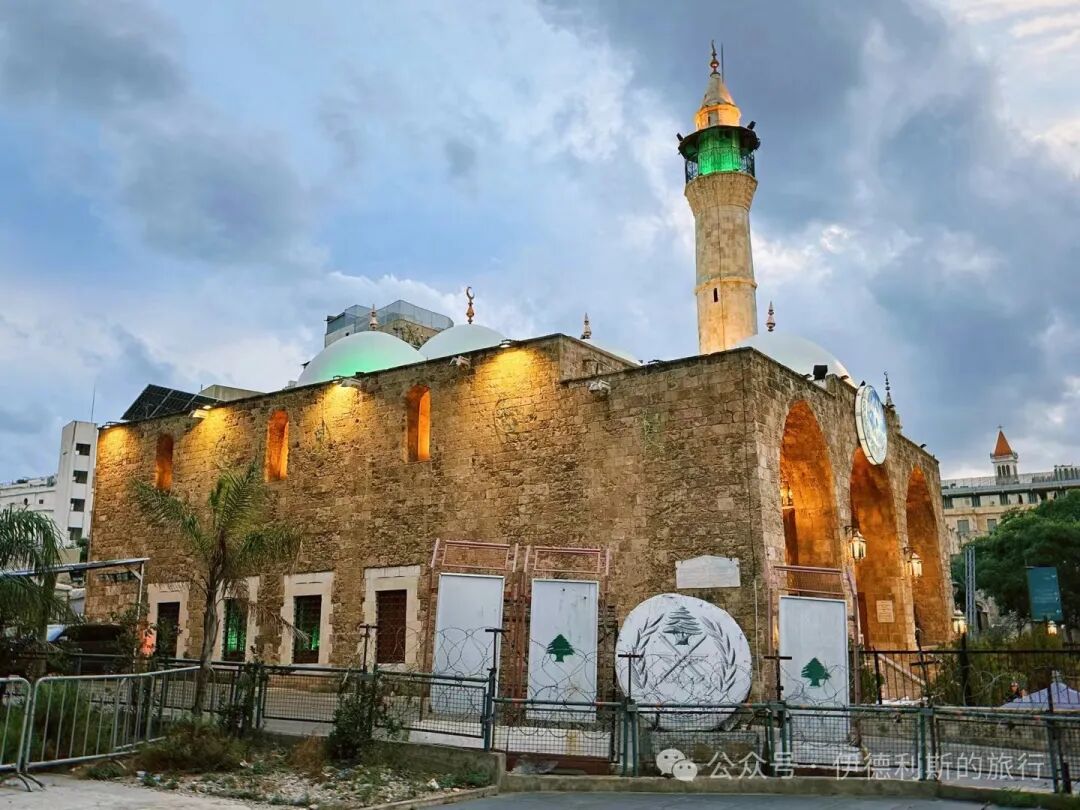
Beirut Omari Mosque: Originally built in 635 during the reign of Caliph Umar. In 1150, the Crusaders built a Romanesque St. John's Church here. After the Mamluk dynasty captured Tripoli in 1291, it was converted into a grand mosque. The Mamluk-style gate and minaret (bangke ta) were added in 1350.
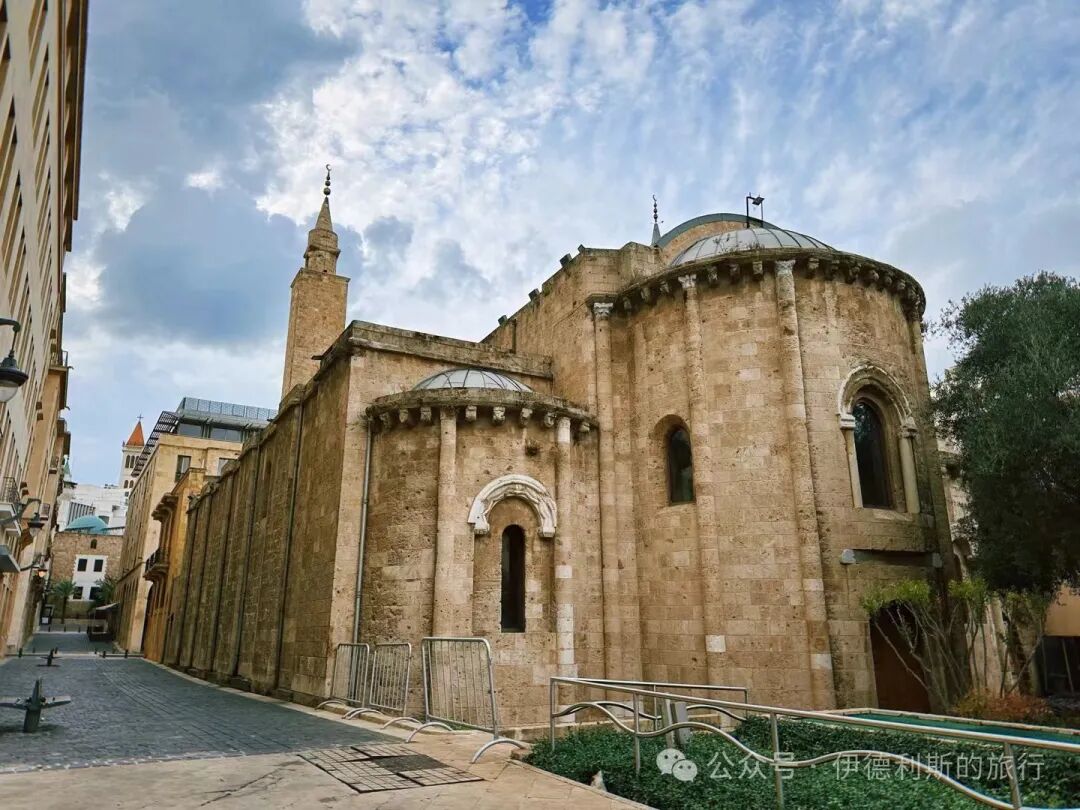
Tripoli Taynal Mosque: Built in 1336 by order of Emir Taynal, the Mamluk governor of Tripoli.
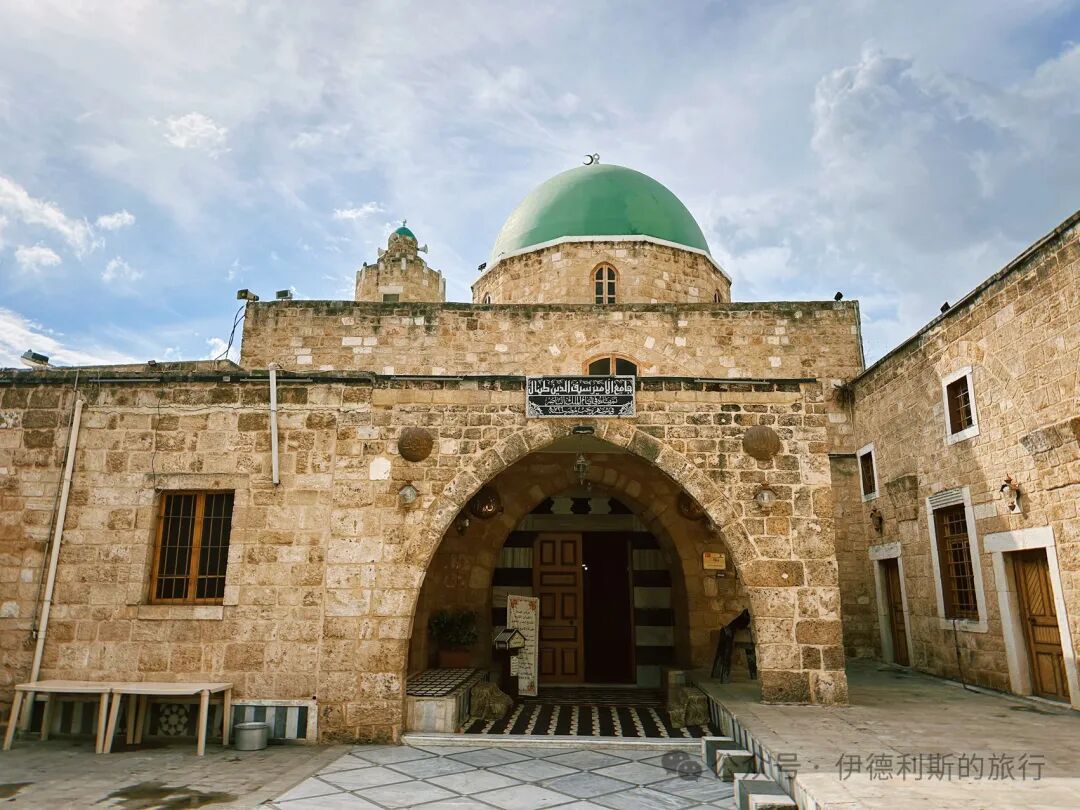
Tripoli Mu'allaq Hanging Mosque: Built in 1561 by order of the Ottoman governor of Tripoli, Mahmud Lutfi al-Za'im. The first floor is a culvert on the street, and you must climb stairs from the side to reach the main hall on the second floor.
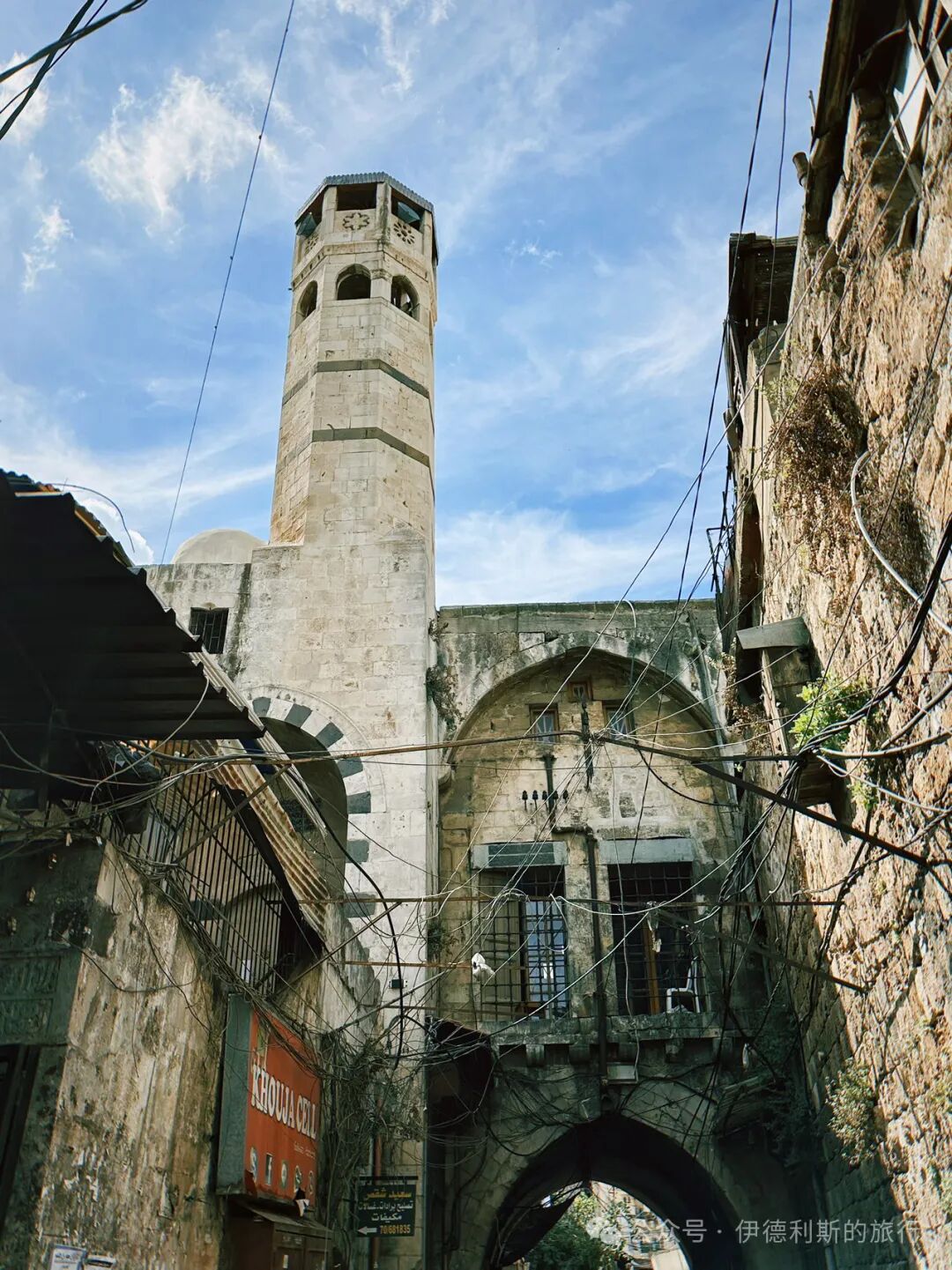
Tripoli Mansouri Great Mosque: Built in 1294 by order of the Mamluk Sultan Al-Ashraf Khalil. It was the first building constructed by the Mamluk dynasty in Tripoli. The minaret (bangke lou) inside the mosque is likely part of the Crusader St. Mary's Church, and the gate may also contain the original Crusader church gate. The main hall was built by the Mamluk dynasty in 1294, and the courtyard colonnade was built by Mamluk Sultan Al-Nasir Muhammad in 1314.
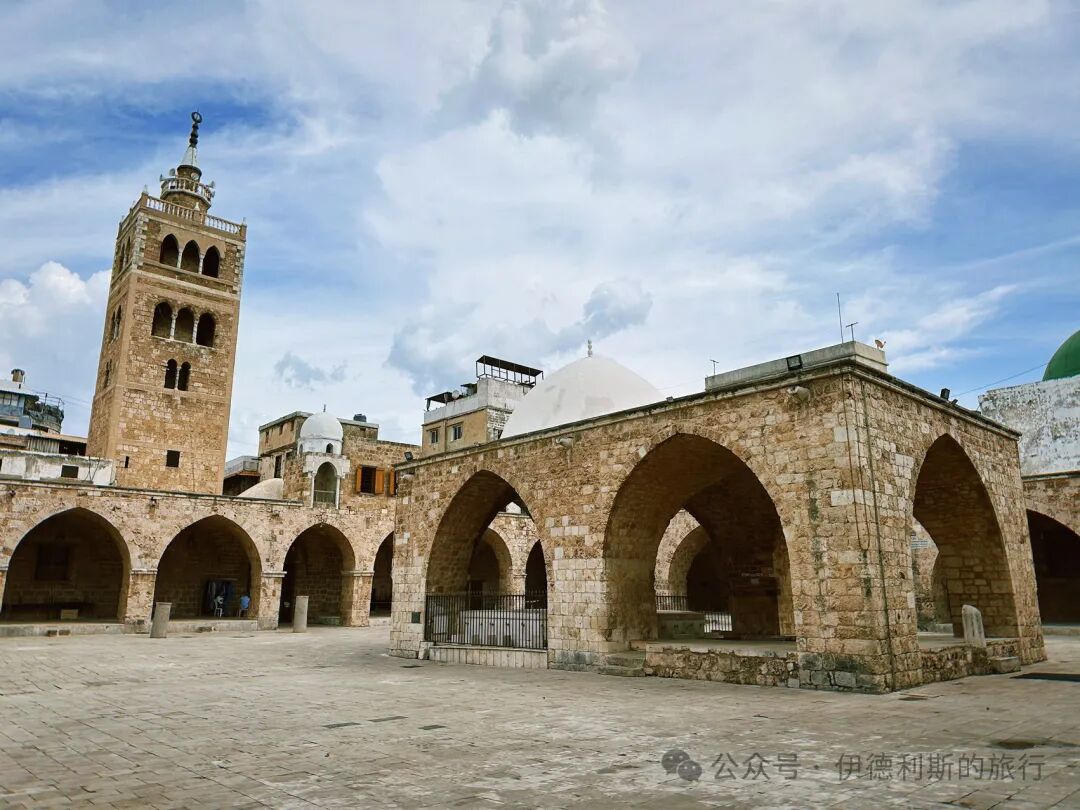
Al-Uwaysiyat Mosque in Tripoli: Built in 1461 during the Mamluk period, it was renovated in 1534 during the reign of the Ottoman Sultan Suleiman the Magnificent.
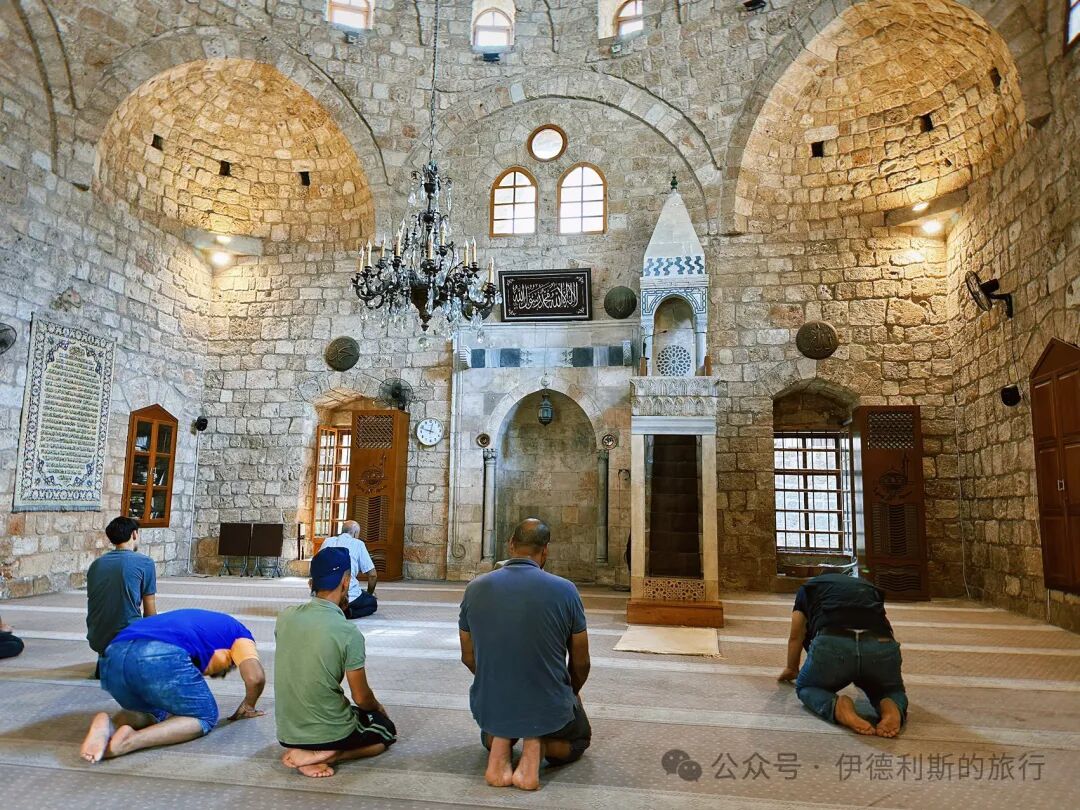
Attar Mosque in Tripoli: Built in the 1350s by a local Tripoli perfume merchant named Badr al-Din al-Attar on the ruins of a Crusader church, it is also the first non-Mamluk mosque in Tripoli. The Attar Mosque is known as one of the most beautiful ancient mosques in Tripoli, but it has been closed for several years for repairs.
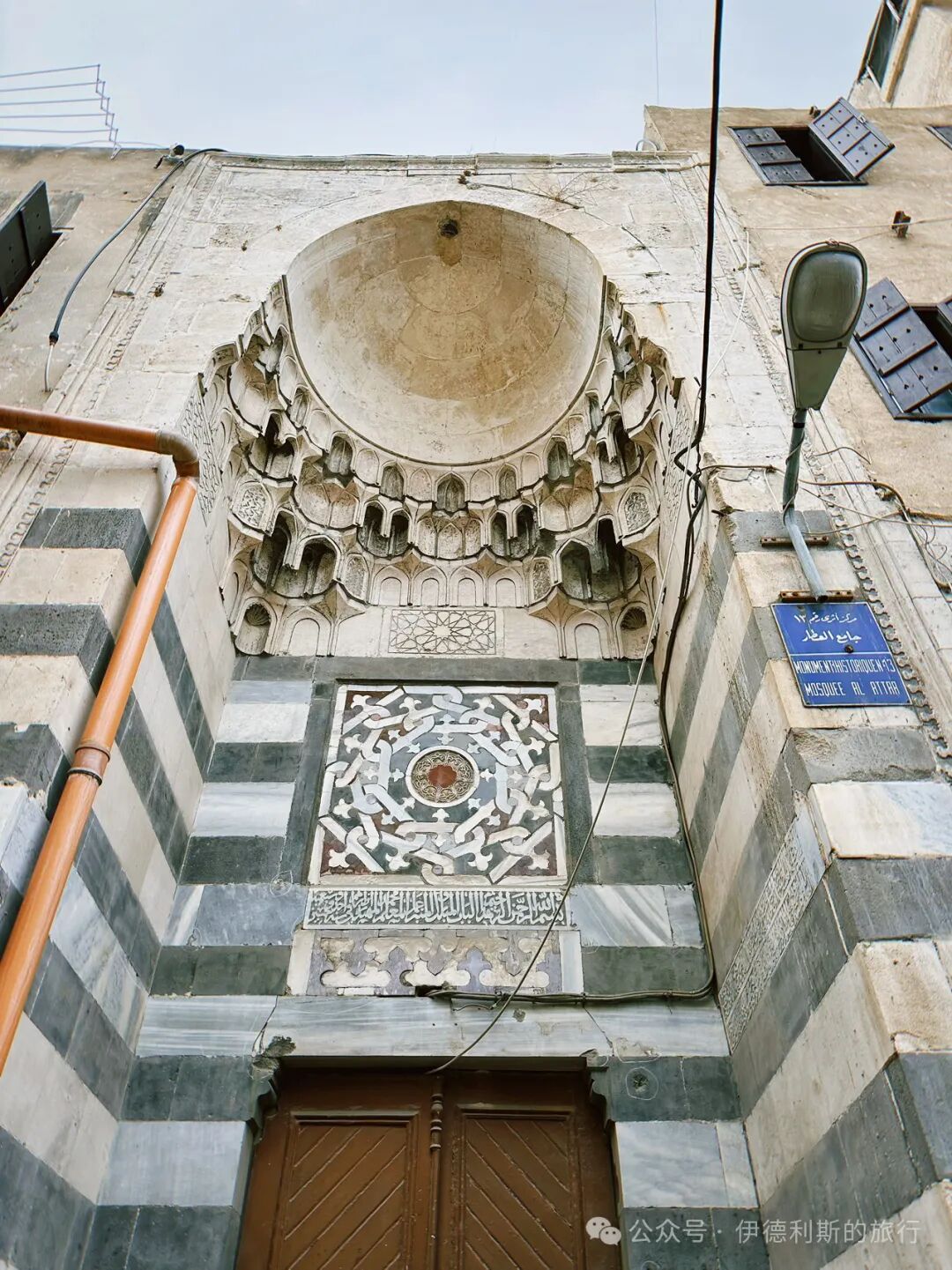
Tawba Mosque in Tripoli: It is believed to have been built during the Mamluk period. Because it sits right next to the riverbank, the mosque's foundation inscription was likely washed away during a flood. The inscription now at the mosque entrance says it was rebuilt after a flood in 1612.
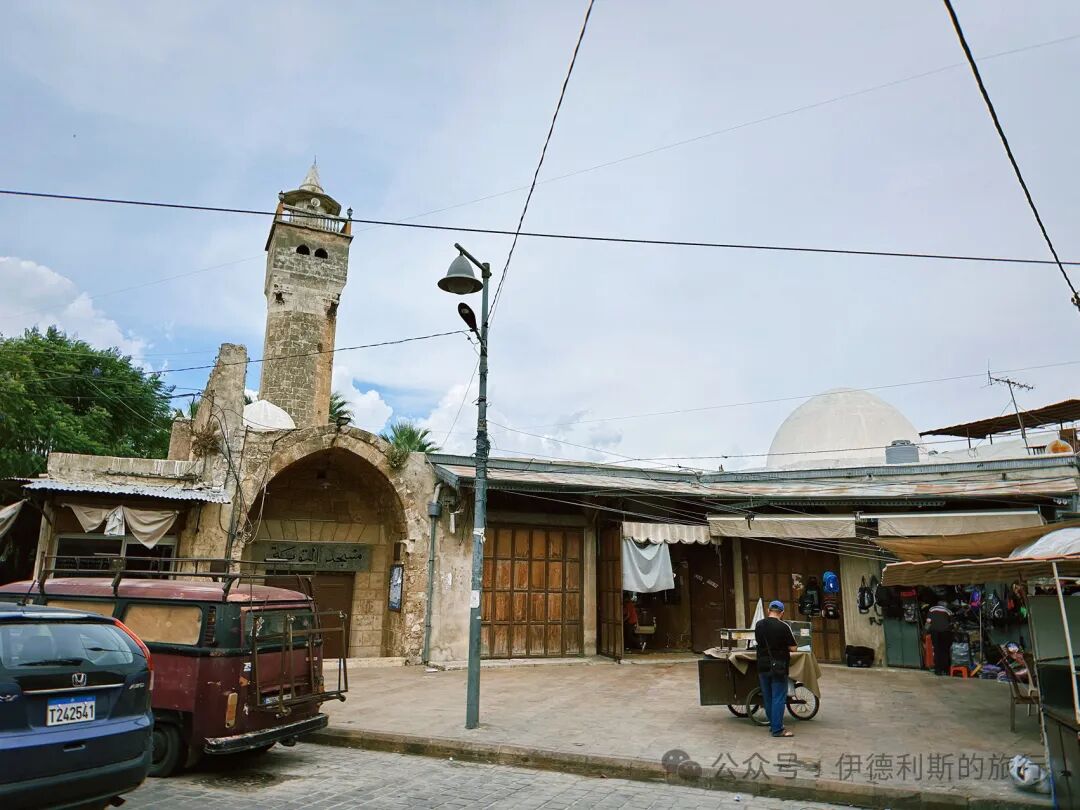
Burtasi Mosque in Tripoli: Built by Isa ibn Umar al-Burtasi between the end of the 13th century and 1324. The minaret above the main gate is considered the most beautiful minaret in Tripoli.
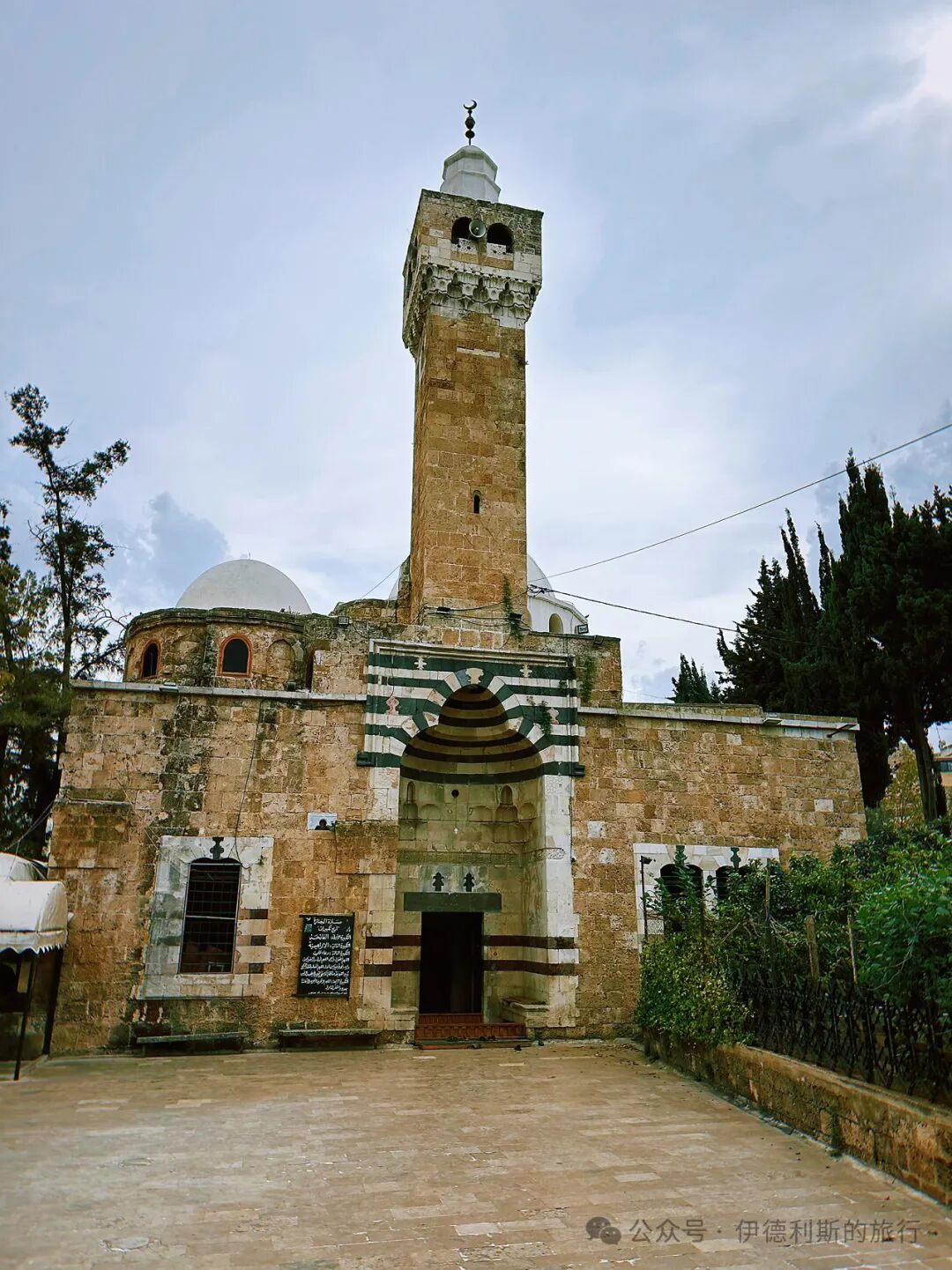
Umayyad Great Mosque of Baalbek: Built in 715 by the Umayyad Caliph al-Walid I, the same year as the Umayyad Great Mosque in Damascus. These two mosques are ranked as the oldest existing mosque (masjid) buildings in the world. A flood hit Baalbek in 1318, causing severe damage to the Umayyad Great Mosque. The walls and the pulpit (minbar) were washed away, but it was later restored by the Mamluk prince Najm al-Din Hassan, who ruled Baalbek at the time.
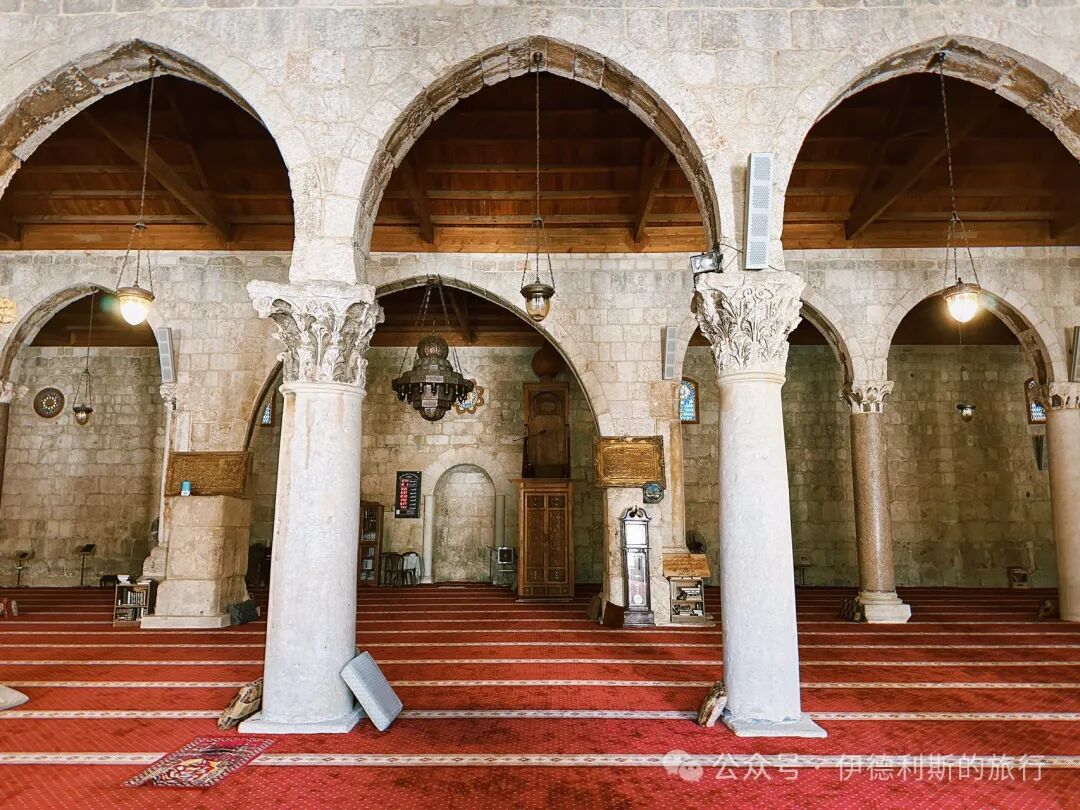
El Kikhia Mosque in Sidon: Built in 1625 by Mahmoud Ketkhuda, it is a representative work of Lebanese architecture from the Ottoman period.
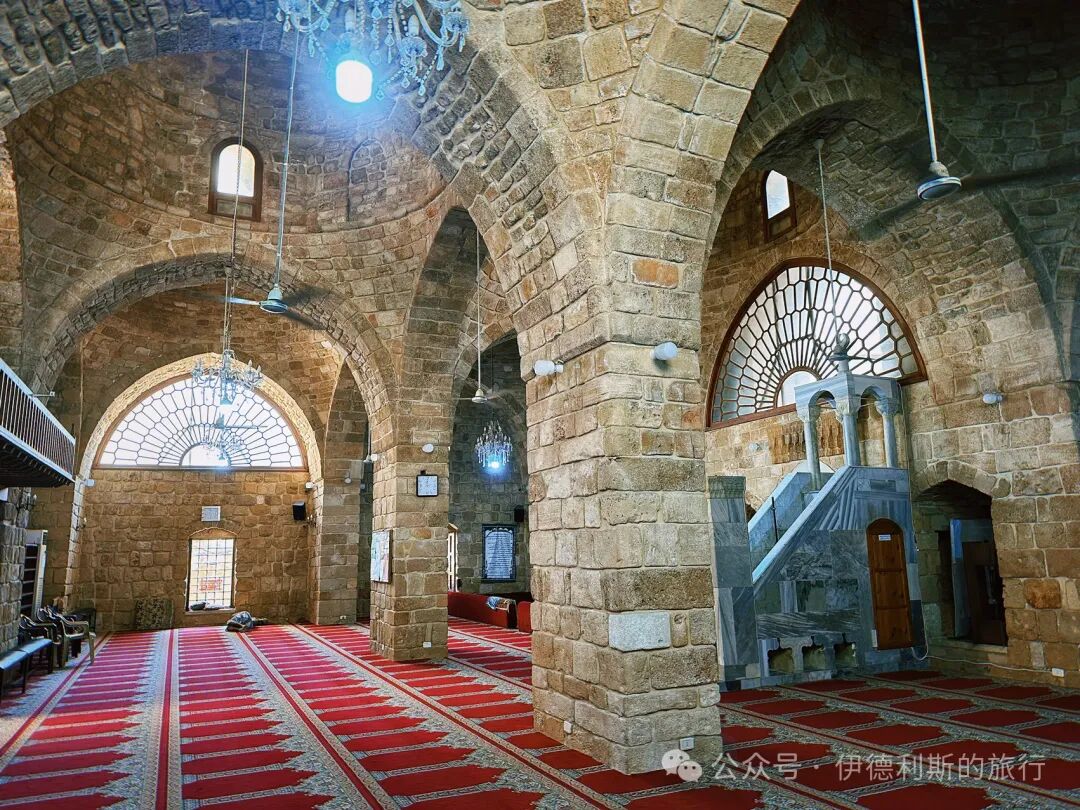
El Qtaishieh Mosque in Sidon: Built in the 16th century by Sheikh Ali ibn Muhammad al-Qtaish, the mosque preserves exquisite Ottoman tiles.
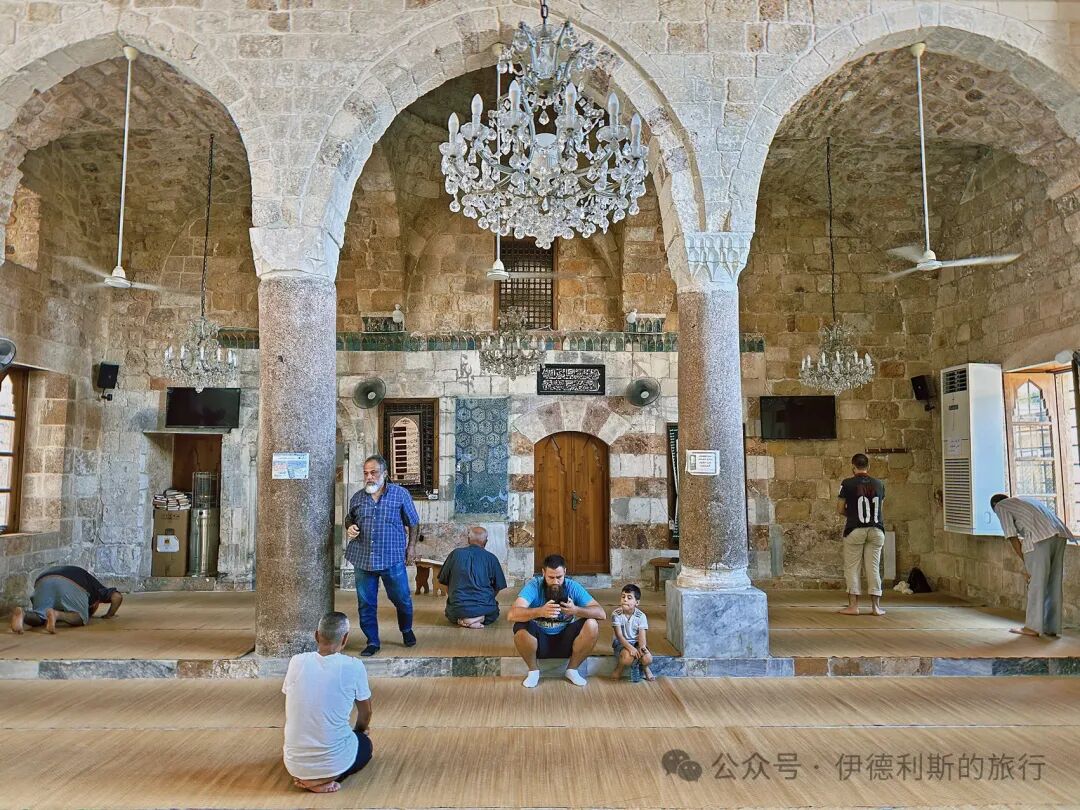
Omar Great Mosque in Sidon: The most important mosque in the old city of Sidon, it dates back to the Crusader era. The Knights Hospitaller built a military fortress here in the 13th century, and in 1291, the Mamluk Sultan al-Ashraf Khalil built the Omar Great Mosque on the foundation of that fortress. In the late 19th century, the Ottoman Empire renovated the Omar Great Mosque and built the current minaret.
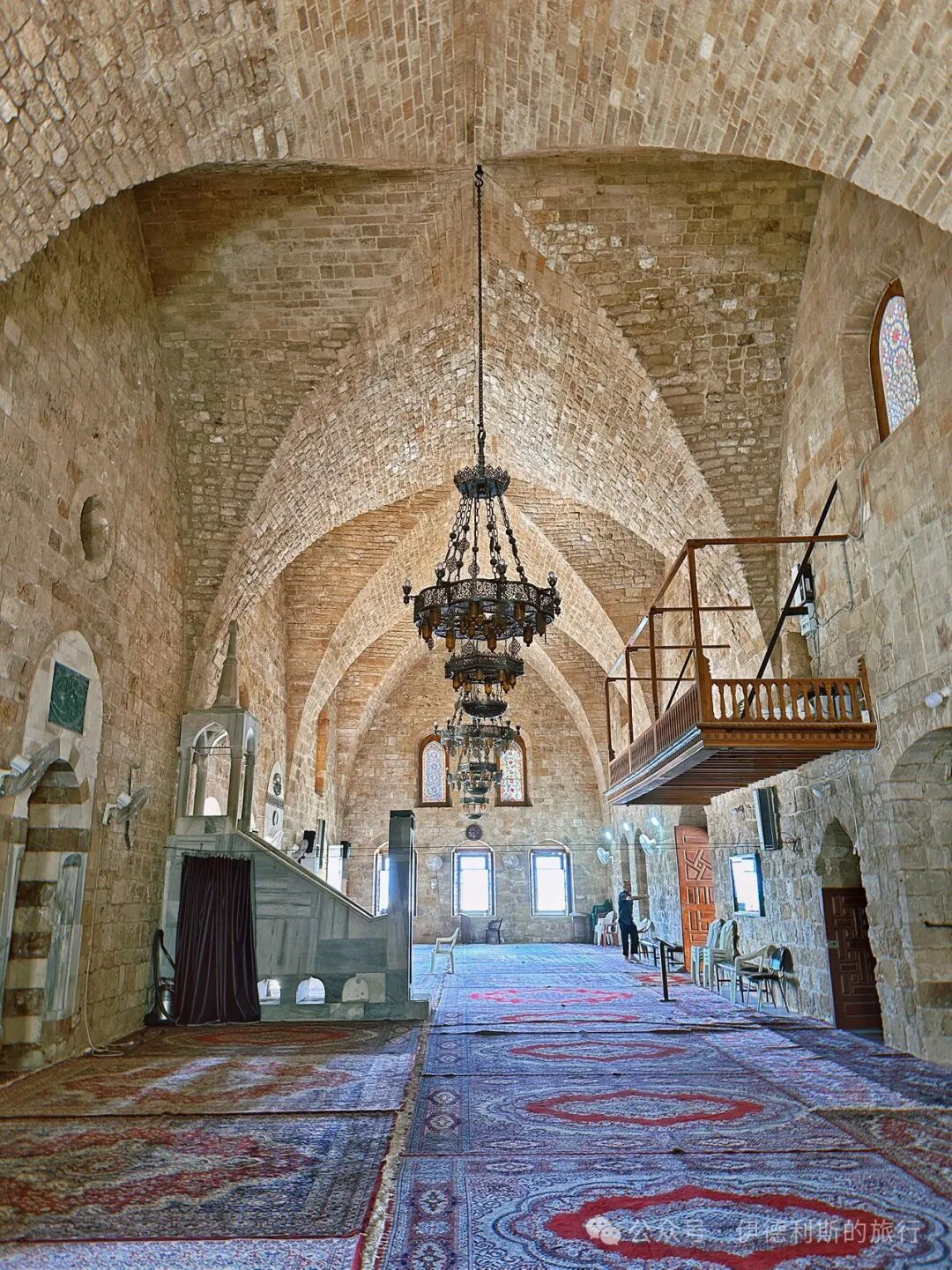
El-Bahr Mosque in Sidon: Built in 1373 with a donation from Hassan bin Sawa, it features Mamluk-era architectural styles, including thick walls and cross-vaults, and uses granite columns from the ancient Roman period.
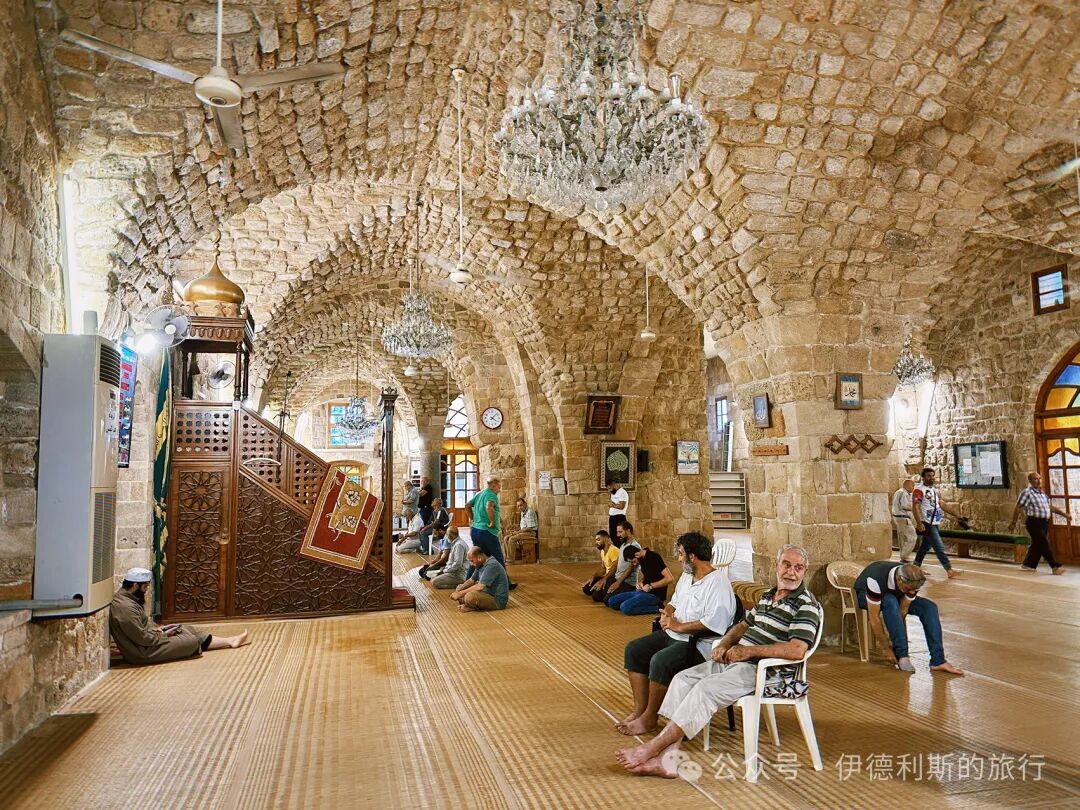
El Barrane Mosque in Sidon: Built between the late 16th and early 17th centuries during the reign of the Druze Emir Fakhr al-Din II.
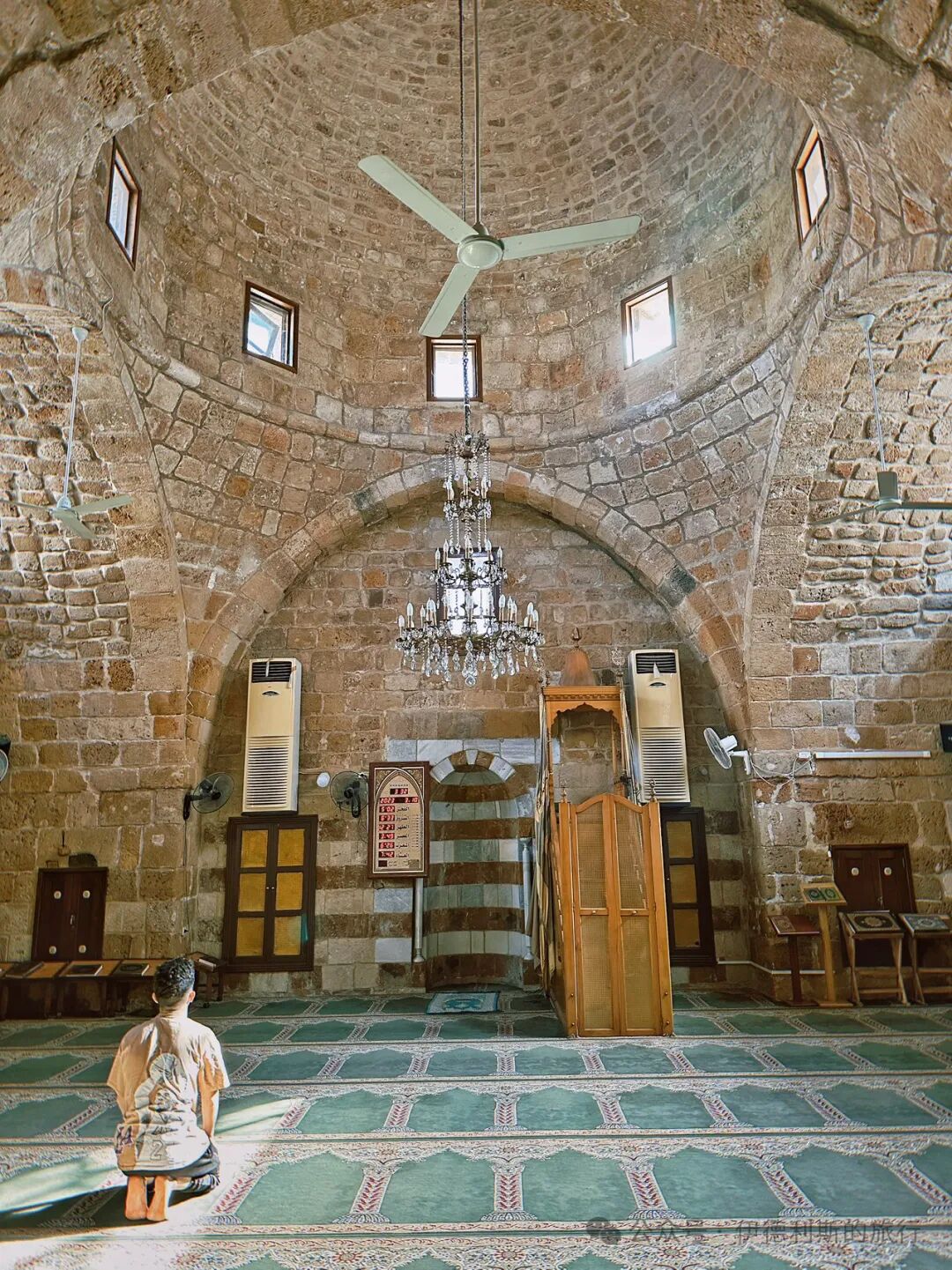
12 mosques in Saudi Arabia in November.
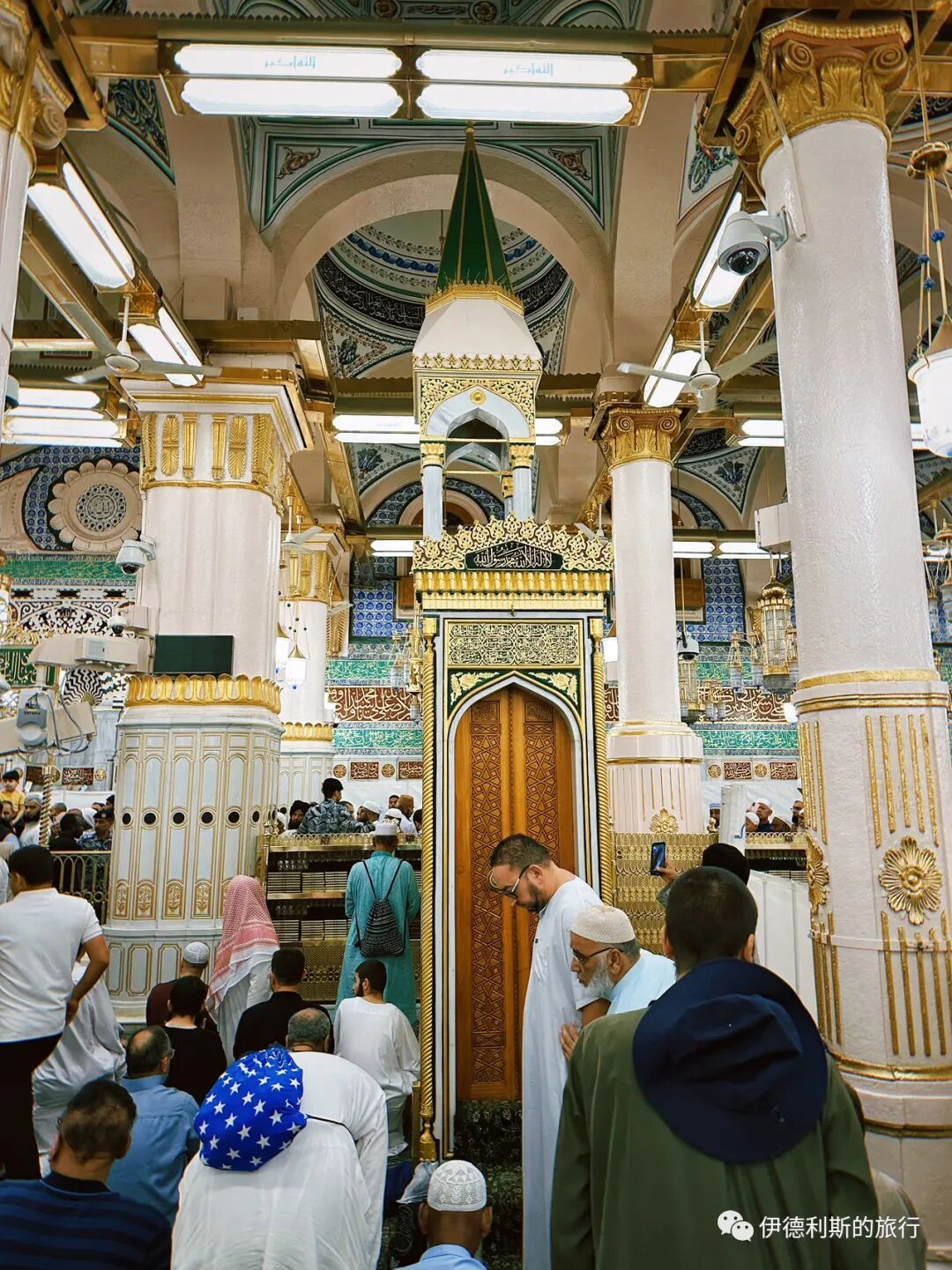
Prophet's Mosque (Masjid an-Nabawi) in Medina: Built by the Prophet Muhammad next to his home after he arrived in Medina in 622 AD. It has been expanded many times throughout history. The current central core was built during the Ottoman period, while the surrounding areas were expanded by the Saudi Kingdom after the 20th century. The pulpit (minbar) inside the Garden of Paradise (Rawdah) was rebuilt in 1590 by the Ottoman Sultan Murad III using marble.
Summary: This first part of the 2023 mosque-visit record covers a wide journey through historic mosques, Hui Muslim communities, and local Islamic heritage. The translation keeps the original names, dates, images, and place-by-place observations while using simple natural English.
2023 was the first year travel restrictions were lifted. I took advantage of the holidays to travel across 11 provinces, cities, and autonomous regions in China, visiting 45 ancient mosques: 5 in Guangdong, 3 in Sichuan, 12 in Yunnan, 1 in Inner Mongolia, 3 in Shandong, 7 in Beijing, 5 in Hebei, 2 in Liaoning, 1 in Jilin, 5 in Heilongjiang, and 1 in Hong Kong.
I also visited 79 ancient mosques across 6 countries in Europe, Asia, and Africa: 23 in Turkey, 8 in Bosnia and Herzegovina, 15 in Lebanon, 12 in Saudi Arabia, 20 in Egypt, and 7 in Thailand.
I visited a total of 124 ancient mosques throughout the year. Here, ancient mosques refer to those with historic architecture. I also visited many mosques that were renovated into modern buildings, but I did not count them in this list.
In 2024, due to work changes and spending time with my children, the number of ancient mosques I visited dropped to 63. See my post '63 Ancient Mosques Visited in 2024' for details. In 2025, I hope to balance work and family while still finding time to visit some ancient mosques. The number does not need to be high, but I hope to keep this habit going.
January: 5 mosques in Guangdong
Zhaoqing West City Mosque: First built in the early Qianlong era. In 1767, a leader named Liu Shifang led 15 Muslims to buy land and build the mosque by Longdinggang outside the west city wall of Zhaoqing. It was expanded twice during the Jiaqing and Daoguang eras and rebuilt into its current form in 1983. The original stone pillars and the stone mihrab arch from the Qing dynasty main hall were preserved.
Zhaoqing East City Mosque: Originally located on Water Street. During the Kangxi era, Fu Yunfeng from Guangzhou bought land and moved it to the Shuixiang camp. It was renovated many times during the Qianlong, Daoguang, and Republican eras. It was rebuilt with reinforced concrete in 1991. The main hall still holds a Qing dynasty mihrab, and the original Qing dynasty stone pillar bases for the main hall and the prayer hall remain outside.
Guangzhou Haopan Mosque: First built during the Ming Chenghua era and rebuilt in 1706. Starting in the Qianlong era, it opened a school for Islamic studies, and during the Tongzhi era, it opened a university for Arabic studies. It hired many famous teachers from Nanjing, Gansu, and Yunnan to train a large number of imams, playing a major role in the development of Islam in Guangzhou, Hong Kong, and Macau.
Guangzhou Huaisheng Mosque: First built in the Tang dynasty. It was hit by a fire in 1343 and rebuilt in 1350. Only the Light Tower (Guangta) survived the fire. It was rebuilt twice during the Ming Chenghua and Qing Kangxi eras, and renovated three times during the Daoguang, Xianfeng, and Tongzhi eras. The stone railings around the current main hall show Yuan and Ming dynasty styles, while the Moon-Watching Tower (Kanyuelou) with its double-eave hip-and-gable roof reflects the style after Ming and Qing renovations.
Guangzhou Xiaodongying Mosque: Built in 1468 by Hui Muslim military officials. It was renovated twice during the Qing Jiaqing and Tongzhi eras. In 1901, Hui Muslims from Guangzhou and Hong Kong raised money to start the Xiaodongying Mosque Charity School inside the mosque, with imams Yang Ruisheng and Wang Mingshan as teachers. In 1925, the Xiaodongying Mosque became the activity center for the Guangzhou Muslim Youth Association. In 1931, Chen Huanwen founded the 'Muslim' (Mumin) monthly magazine there.
January: 3 mosques in Sichuan
Xichang City Mosque: Built during the Yuan Taiding era. It was moved to its current site on Jiyang Lane in 1574 and rebuilt into its current form in 1875. It is known as the premier mosque of Xichang.
Xichang West Mosque: Also called the Mosque Outside the City by Mashui River. First built in 1801. When the 1850 Xichang earthquake caused the buildings to collapse, the local leather-working guild, the Wool Association, paid for its reconstruction. It was rebuilt into its current form in 1999.
Miyi Tianba Mosque: First built in 1702 (the 11th year of the Qing Kangxi era). It was renovated and expanded many times during the Qianlong, Jiaqing, and Daoguang eras. It is similar in style to the traditional mosques in nearby Zhaotong, Yunnan, and is very elegant, simple, and beautiful.
One mosque in Beijing in January.
Beijing Balizhuang Mosque: Between the reigns of the Yongzheng and Qianlong emperors, Hui Muslims with the surnames Jing, Li, and Jin grew vegetables along the stone road outside Chaoyang Gate to supply the capital. This area gradually became known as Balizhuang outside the gate, and the mosque was first built in the early years of the Qianlong reign.
Twelve mosques in Yunnan in January.
Dali Yangbi Ancient Mosque: Legend says it was built in 1382 by Hui soldiers who stayed to garrison Yangbi in the early Ming Dynasty. It was burned and destroyed during the Tongzhi disaster. Later, it was turned into a Confucian mosque, and the main gate and minaret (jiaobailou) were dismantled to build Zhulin Mosque. Other buildings were also damaged, but the main prayer hall survived and was returned in 1994.
Dali Yangbi Shangxiang Mosque: First built in 1921. After the Tongzhi disaster, Du Fachun led his family to escape to Yangbi Lower Street. His home also served as a place for local believers to perform namaz and recite scriptures. To build a new mosque, Du Fachun and his group followed a horse caravan all the way to Yangon, Myanmar. More than 30 Yangbi overseas Chinese living there generously donated over 1,000 small silver coins (pounds sterling). In 1921, through everyone's joint efforts, they secured the Sangyuan slope land and finally completed the Shangxiang Mosque.
Dali Yangbi Shangjie Xinyingpan Mosque: First built in 1859, it was confiscated after the Tongzhi disaster and redeemed during the Guangxu reign. To raise funds for the mosque, Imam Ma Ende followed a horse caravan to Myanmar. With the help of overseas Chinese like Haji Zhao Lianhong, he raised enough donations to rebuild the Shangjie Mosque. It was destroyed by fire in 1989 and rebuilt between 1991 and 1992.
Dali Fengming Mosque: As the seat of Zhaozhou Prefecture since the Yuan Dynasty, Fengyi Town South Street has historically had an ancient mosque. The Fengyi South Street Mosque was burned down after 1872. For the next 50 years, the few remaining Hui Muslims in Fengyi could only perform their religious duties at the home of Mu Benren on West Street. Eventually, Yang Chaozhu approached the Fengyi County magistrate, purchased land, and with donations from local community leaders, the Fengming Mosque was completed in 1922. After 2001, the Chaozhen Hall was expanded, turning the original three-bay main hall into five bays, which is its current appearance.
Dali Binju Mosque: First built in the mid-Qing Dynasty, it was destroyed during the Tongzhi reign and rebuilt in 1923. The existing main hall with its hip-and-gable roof is a century old and is a typical example of Dali-style architecture.
Dali Weishan Xincun Mosque: Xincun is known as the "first Hui village at the source of the Red River." The Xincun Mosque was destroyed in 1872, rebuilt during the Guangxu reign, and the main hall was rebuilt again in 1994, maintaining the traditional architectural style of the Dali region.
Dali Weishan Chen Family Mosque: The Chen family ancestor moved here from Shaanxi and eventually settled down after several moves. The Chen Family Mosque was rebuilt in 1902 and expanded into its current form in 1987. It is set against the mountains and water with beautiful scenery.
Dali Weishan Xishulong Mosque: Rebuilt in 1902 and again in 1990 into its current structure. The main hall has a double-eave hip-and-gable roof, and there is a unique hexagonal pavilion in the center of the roof ridge.
Shangxi Lotus Mosque (Lianhua Si) in Weishan, Dali: It was destroyed in 1872 and later rebuilt and expanded many times into its current form.
Xiaxi Lotus Mosque (Lianhua Si) in Weishan, Dali: It was destroyed in 1872, rebuilt in 1925, and later rebuilt again into the current building.
Donglianhua Mosque (Lianhua Si) in Weishan, Dali: It was first built during the Qing Dynasty and expanded twice, in 1921 and 1987. The minaret (xuanlilou) was raised to four stories in 1987. The main prayer hall was expanded in 1921 into a five-bay by seven-bay structure, and in 1987 it was expanded again into a nine-bay by eleven-bay structure.
Sanjia Village Mosque in Weishan, Dali: It was originally called Saijia Village Mosque. The Sai family were descendants of Masuhu, the fifth son of Sayyid Ajjal Shams al-Din. They moved from Daweigeng and Xiaoweigeng villages in the mid-Ming Dynasty to establish Saijia Village. During the Tongzhi reign, over 3,500 villagers were killed. Later, three families returned to settle there, so the name was changed to Sanjia Village. The current main prayer hall of Sanjia Village Mosque was rebuilt in 1997. From the top, you can look out over the scenery of the Yongjian Basin.
February: 1 mosque in Inner Mongolia.
North Mosque (Beidasi) in Chifeng, Inner Mongolia: In 1739, an elder named Zhang Yueming from Chifeng led the effort to lease seven point six mu of land from Mongolian princes. They built five mud rooms and three main prayer hall rooms, which became the first Chifeng mosque. In 1742, an elder named Ma Fen, who had run the Desheng Security Bureau in Shenyang, paid for a foundation. The imam and elders traveled to various places to collect donations (nietie). Later, Ma Fen went to Shenyang to hire craftsmen. After four years of construction, it was finished in 1747, using red pine from the south mountains of Chifeng for all the wood.
February: 3 mosques in Shandong.
Dangxi Mosque in Jinan, Shandong: Located in Dangjiazhuang in the southern suburbs, it was first built at the end of the Yuan Dynasty. It was later burned down by the Red Turban Army and rebuilt in 1397 (the 30th year of the Hongwu reign). It was repaired many times during the Ming Wanli, Qing Xianfeng, and Republican periods, making it an important ancient mosque in Jinan.
Dangdong Mosque in Jinan, Shandong: Located in the east village of Dangjiazhuang in the southern suburbs, it was first built in 1510 (the fifth year of the Zhengde reign of the Ming Dynasty). It was repaired many times during the Qing Yongzheng and Qianlong reigns and the Republican period. The records say Dangdong Village was originally Zhuguanzhuang, a place set up for refugees in the early Hongwu years of the Ming Dynasty. Local Hui Muslims originally went to Dangxi Mosque for namaz. In the early Zhengde years of the Ming Dynasty, Chen Xi, the Chief Imam of Shandong, raised funds. Fa Zongxian, a Jinan Garrison Commander, and local Hui Muslims managed the purchase of land and materials. They finally built the Zhuguanzhuang Mosque, which was later renamed Dangdong Mosque.
Small Mosque at Ma'anshan, Jinan, Shandong: To make it easier to visit graves, a small mosque was built long ago next to the Baba grave at Ma'anshan in Jinan. Due to history, the small Ma'anshan mosque has collapsed, but the original foundation and building structure are still visible. Many bricks, tiles, and other building parts are scattered on the original site.
March: 2 mosques in Beijing.
Nanxiapo Mosque in Beijing: In the early Kangxi years, a Hui Muslim named Ma who sold bows and arrows inside Chaoyang Gate received a long-overdue payment from a Mongolian customer. He donated this money to build the Nanxiapo Mosque.
Changying Mosque in Beijing: It was built during the Zhengde years of the Ming Dynasty, repaired in 1796, and underwent large-scale renovation and expansion in 2004 to reach its current form.
March: 3 mosques in Hebei.
West Mosque (Xisi) in Baoding, Hebei: It was first built in 1616. A man named Fa from Hanji Village, Fangshan, served as a military official (dusi) in the Baoding garrison of Zhili during the Wanli reign. He bought twelve mu of land at the Wei family vegetable garden. Besides building the mosque, the surrounding land was opened for fellow Muslims to build houses, which officially formed the mosque neighborhood layout in Baoding. As a famous mosque in North China, the Baoding West Mosque has a long history of religious learning and has trained many scholars (alim). The mosque once housed a training ground that produced many famous wrestling masters and martial arts teachers.
Baoding East Mosque, Hebei: During the Tongzhi reign, father and son Shi Xie and Shi Jun built a scripture room east of the Baoding West Mosque. A few years later, Imam Yan Mingpu oversaw the formal completion of the Baoding East Mosque. Although the Baoding East Mosque is not large, many well-known scholars (alim) have taught there and trained many talented students.
Baoding Women's Mosque, Hebei: Founded in 1916 by Imam Yan Fengshan of the Baoding East Mosque in a lane north of the mosque. In 1940, Imam Sha Zhijun and Mrs. Shi raised funds with the help of local elders to buy a house from Bai Yunzhang, the owner of the famous halal steamed bun (baozi) shop, to build the current women's mosque.
April: 4 mosques in Beijing
Beijing Dongsi Mosque: One of the four major official mosques in Beijing during the Ming Dynasty. It was built in 1447 with funds donated by the famous Hui Muslim military officer Chen You, and in 1450, the Jingtai Emperor officially named it the Mosque. Because of his outstanding military service, Chen You was granted the title of Earl of Wuping in 1457, a title his descendants inherited. Later, Chen's descendants often served as officers in Beijing military camps and funded the renovation of several ancient mosques, including those in Dingzhou and Yizhou, Hebei.
Beijing Dongzhimen Outer Mosque: Originally called Erlizhuang Mosque, it was first built in the Yuan Dynasty and renovated during the Kangxi reign of the Qing Dynasty. In the late 1980s, Shougang Group and a Danish company formed a joint venture to build international apartments in Erlizhuang. The ancient mosque was moved one kilometer to the northwest, rebuilt, completed in 1991, and reopened in 1993.
Beijing Deshengmen Outer Fayuan Mosque: Also known as Dewai Guanxiang Mosque, it was originally located on a slope north of the training ground outside Deshengmen. It was moved and expanded during the Kangxi reign. During the Republic of China era, the main hall was expanded again, featuring four interconnected roofs and a four-cornered pavilion.
Beijing Madian Mosque: First built during the Kangxi reign, it was renovated during the Daoguang reign with funds from 14 local sheep trading firms. It was renovated again in the 1980s and remains an important ancient mosque in Beijing. Since the Qing Dynasty, sheep transported from Mongolia through Zhangjiakou were kept in the pens of various sheep firms in Madian before being sold to mutton shops in the city.
May: 1 mosque in Hong Kong
Hong Kong Shelley Street Mosque: At the request of Indian Muslims in the British service, the colonial government leased a piece of land near the barracks in Mid-Levels, Central, to four trustees in 1850. The first stone prayer hall was built there in 1852. It was formally completed between 1870 and 1890 and rebuilt in 1915, keeping only the original minaret, and has been in use ever since.
May: 7 mosques in Thailand
Bangkok Safee Mosque: In 1856, A. T. E. Maskati, an Indian Gujarati Shia merchant, opened a textile dyeing factory in the Bangkok Royal Warehouse. At its peak, it employed over 600 Indian Shia workers. He and other Indian Shia merchants built the Safee Mosque in the warehouse area. This mosque belongs to a small branch of Ismailism called Dawoodi Bohras.
Bangkok Goowatil Islam Mosque: In the mid-19th century, some Indian Gujarati Shia merchants rented a royal warehouse. At that time, some Malay Sunni Muslim goldsmiths from Pattani in southern Thailand also lived nearby, and they built the Goowatil Islam Mosque together in 1859. After the 20th century, Indian Shia merchants began moving their shops to the busier Bangkok Chinatown, and today the Goowatil Islam Mosque is a Sunni mosque.
Ton Son Mosque in Bangkok: In the 17th century, Siam set up important trade warehouses and customs stations at the mouth of the Yai Canal in Bangkok, and stationed Cham troops nearby. In 1688, Mahmud built the first mosque in Bangkok here. The main hall was originally built of teak. It was rebuilt with bricks in the early 19th century and again in 1952 into the current steel and concrete structure, with only the original mihrab preserved.
Bang Luang Mosque in Bangkok: Built in 1785 under the direction of a merchant named Toh Yi, it is the only remaining Thai-style mosque in Thailand. Its architectural decorations are adapted from the Garuda found in Hinduism and Buddhism, but shaped to fit Islamic traditions.
Haroon Mosque in Bangkok: Toh Haroon Bafaden, an Arab-Indonesian merchant, came to Bangkok from Indonesia with his father in 1828 (some say 1837) to trade. He later married, had children, and settled down. Soon after, he built Haroon Mosque and became its first imam. It moved to its current location in 1899 due to the construction of the customs building. It was rebuilt in 1934 into the current brick and white lime structure, and the mosque preserves exquisite 19th-century Javanese Jepara teak scripture carvings.
Java Mosque in Bangkok: Built in 1906 on land owned by a Javanese-descended haji named Muhammad Salih. Although it was expanded twice in 1927 and 1975, it still maintains a typical traditional Javanese style.
Kocha Itsahak Mosque in Bangkok: Built in the late 19th century by Luang Kocha Itsahak, a royal translator for Siam who was a descendant of Malay merchants. In the 19th century, many Indians and Malays worked in the warehouses and trading companies near the Khlong Khwang pier. Luang Kocha Itsahak donated a piece of his own land and had his children dismantle the bricks and stones from his old house to build this mosque.
23 mosques in Turkey in June.
Great Mosque of Mardin: Dating back to the 10th century, it is one of the earliest mosques in the Anatolia region. The minaret (bangke ta) was built in 1176 and is a classic example of Artuqid dynasty architecture.
Abdullatif Mosque in Mardin: Originally built in 1371 by the Artuqid minister Abdullatif. The minaret was built in 1845 by Muhammad Pasha, the Ottoman governor of Mosul. The main gate still looks as it did when it was built in 1371, and it is considered the final masterpiece of the Artuqid dynasty.
Seyh Cabuk Mosque in Mardin: Believed to have been built during the Black Sheep (Qara Qoyunlu) dynasty in the 15th century and renovated in the 19th century. Legend says that Abdullah bin Anas al-Juhayni, a companion of the Prophet, was sent to Constantinople to deliver a letter. He passed away in Mardin on his way back and was buried here.
Sehidiye Mosque in Mardin: Built in 1214 by order of the Artuqid Sultan Melik Nasreddin Aslan. The current minaret was rebuilt in 1914 by the Armenian architect Serkis Lole in an eclectic style.
Dinari Pamuk Mosque in Mardin: Built in the 11th century by Sheikh Mehmet Dinari on the site of a Byzantine church. The current building dates to the Artuqid period in 1332.
Melik Mahmut Mosque in Mardin: Built in 1362.
Great Mosque of Diyarbakir: Construction began in the 7th century. The current building was ordered by Malik-Shah I, the third sultan of the Seljuk Empire, in 1092, and it has a history of over 900 years. The architectural style of the Great Mosque of Diyarbakir was deeply influenced by the Umayyad Mosque in Damascus, as Sultan Malik-Shah I had overseen the restoration of the Umayyad Mosque between 1082 and 1083 and wanted to bring the prestige and glory of Damascus to Diyarbakir.
Nebi Mosque in Diyarbakir: Originally built during the White Sheep (Aq Qoyunlu) dynasty in the 15th century. The minaret tower (bangke lou) was rebuilt by Haji Hussein in 1530. It originally consisted of two main halls, belonging to the Shafi'i and Hanafi schools of thought respectively. During World War I, the Hanafi section was used as a military barracks until it collapsed in 1927. Today, only the part belonging to the Shafi'i school remains.
Hazreti Süleyman Mosque in Diyarbakir: The most important religious site in Diyarbakir. It was first built by the Inalid Beylik in 1160, expanded by order of Sultan Suleiman the Magnificent of the Ottoman Empire in the 16th century, and renovated between 1631 and 1633. On the west side of the main hall are the graves of Suleiman, son of the famous Arab general Khalid ibn al-Walid, and his 27 followers, who passed away in 639 when the Arab army occupied Diyarbakir.
Nasuh Pasha Mosque in Diyarbakir: Built in the early 17th century. Nasuh Pasha became the governor of Diyarbakir in 1606, later became the Grand Vizier of the Ottoman dynasty in 1611, and married the daughter of Sultan Ahmed I.
Kurşunlu Mosque in Diyarbakir: Built by Bıyıklı Mehmed Pasha, the first Ottoman governor of Diyarbakir, between 1516 and 1520. It is also the first Ottoman mosque in Diyarbakir.
Kadı Mosque in Diyarbakir: Built in 1533.
Sheikh Matar Mosque in Diyarbakir: Built by Haji Hussein in 1500 during the late White Sheep (Aq Qoyunlu) dynasty. It is named after the tomb of Sheikh Matar located next to the mosque.
Behram Pasha Mosque in Diyarbakir: Built by the Ottoman governor Behram Pasha between 1564 and 1572. It was supervised by Mimar Sinan, the greatest Ottoman architect, though it was likely commissioned to another royal architect to actually carry out the work.
Iskender Pasha Mosque in Diyarbakir: Construction began in 1551 or 1554 and was completed in 1557. It is a typical Ottoman single-dome mosque.
Ömer Şeddat Mosque in Diyarbakir: Built during the mid-12th century Inalid Beylik period, it has a history of over 800 years.
Rüstem Pasha Mosque in Istanbul: Known as the most beautiful mosque by Mimar Sinan, it was built by the great Ottoman architect Mimar Sinan between 1561 and 1563 for the Ottoman Grand Vizier Rüstem Pasha. This was the last building commissioned by Rüstem Pasha and was not completed until after his death.
Elhac Timurtaş Mosque in Istanbul: Built in the 1460s by Timurtaş Ağa, who was a merchant there. It is one of the oldest mosques in Istanbul. It has been renovated many times throughout history, and it is now difficult to see its original form.
Süleymaniye Mosque in Istanbul: Commissioned by Ottoman Sultan Suleiman the Magnificent and built by Mimar Sinan between 1550 and 1557. It is considered Mimar Sinan's most important work and remains a landmark of Istanbul today.
Bayezid II Mosque in Istanbul: Built by the eighth Ottoman Sultan, Bayezid II, between 1501 and 1506. It is the second imperial mosque built after the Ottoman conquest of Istanbul. Because the Fatih Mosque built by Mehmed the Conqueror was destroyed by earthquakes multiple times, the Bayezid II Mosque is the oldest surviving imperial mosque in Istanbul.
Mahmut Pasha Mosque in Istanbul: Built in 1464 by Mahmut Pasha, the Grand Vizier of Sultan Mehmed the Conqueror. It is one of the earliest mosques built within the city of Istanbul. It still follows the architectural style of the Ottoman dynasty from the old capital of Bursa, consisting of two main domes and many small domes.
Hagia Sophia in Istanbul: Completed in 537, it was the largest church in the world at that time. In the mid-16th century, Sultan Suleiman the Magnificent built two minarets. In the late 16th century, the royal architect Mimar Sinan added 24 buttresses to support the cathedral and built two new 60-meter-high minarets, giving the cathedral a four-minaret design.
Dolmabahçe Mosque in Istanbul: Built by Ottoman Sultan Abdülmecid I and his mother between 1853 and 1855. After its completion, it became the royal mosque of the Ottoman Sultans. Designed by Garabet Amira Balyan of the Ottoman Armenian Balyan architect family, it blends Rococo and Empire styles. It is one of the representative works of the eclectic style that emerged under European influence following the Ottoman modernization reforms in the mid-19th century.
8 mosques in Bosnia and Herzegovina in June
Gazi Husrev Bey Mosque in Sarajevo: This is the main landmark of the Old Bazaar in Sarajevo. Built in 1530, it has served as the city's central mosque ever since. It was designed and built by Adzem Esir Ali, an Ottoman court architect from Tabriz, Persia. Important scenes from the movie 'Walter Defends Sarajevo,' well-known to Chinese audiences, were filmed here.
Muslihudin Čekrekčija Mosque in Sarajevo: Built by Hajji Mustafa in 1526, it survived many fires in Sarajevo and also survived the 1697 looting of the city by the Holy League after they defeated the Ottoman Empire.
Bascarsija Mosque in Sarajevo: Built by Havadža Durak in the early 16th century, it sits in the heart of the Old Bazaar. It originally had a wooden dome, but it was rebuilt with a stone dome after a fire in 1697.
Imperial Mosque (Careva Džamija) in Sarajevo: Construction began in 1457. It was the first mosque built after the Ottoman Empire conquered Bosnia. It was built under the direction of Isaković-Hranušić and dedicated to the Ottoman Sultan Mehmed the Conqueror. The original mosque was a wooden structure. It was rebuilt in 1565 into the current classical Ottoman style and dedicated to the Ottoman Sultan Suleiman the Magnificent.
Magribija Mosque in Sarajevo: Built by Sheikh Magribija in the 15th century and rebuilt in 1766, it retains its 18th-century appearance and paintings.
Ali Pasha Mosque in Sarajevo: Built in 1560-1561 by the Bosnian governor Ali Pasha, this is a single-domed mosque in the classical Ottoman style with beautiful architectural proportions.
Ferhadija Mosque in Sarajevo: Built by Ferhad-beg Vuković-Desisalić in 1561-1562, it is a typical classical Ottoman building. It features a central dome over a rectangular main hall and three small domes over the front porch.
Bakrbaba Mosque archaeological site in Sarajevo: Built in 1544 by the famous Sarajevo merchant Hajji-Alija Bakrbaba, it was burned by the European Holy League in 1697. It was rebuilt in the early 18th century, demolished by the Austro-Hungarian Empire in 1895, and has been the subject of archaeological research since 2000.
June, Beijing: 1 mosque
Xiguanshi Mosque in Beijing: Construction began in 1494. The main hall was rebuilt in 1709 and the kiln hall (yaodian) in 1761. In 1900, Empress Dowager Cixi and the Guangxu Emperor fled the city to the west. They arrived at Xiguanshi at dusk. Cixi slept in the main hall of the mosque that night, while the Emperor and his consorts slept in the side halls. Two years later, Cixi returned to Beijing and donated silver to renovate the Xiguanshi Mosque. She also ordered glazed tiles, a treasure top (baoding), and roof ridge beasts to be fired at the Imperial Kiln in Liulihe.
June, Hebei: 1 mosque
Zhuozhou City Mosque in Hebei: A local ancestor from Zhuozhou followed the Prince of Yan on his northern campaign during the early Ming Dynasty. The old mosque was built during the Yongle period of the Ming Dynasty, renovated in the 60th year of the Kangxi reign of the Qing Dynasty, and the main hall was rebuilt in 2000 to reach its current appearance.
August, Liaoning: 2 mosques
Luyang Mosque in Jinzhou, Liaoning: Built in 1531, it was renovated during the Xianfeng period of the Qing Dynasty and rebuilt into its current form between 1922 and 1925. During the reconstruction, Manager Wang of the Enliyong Pastry Shop in Luyang was in charge of construction, and he invited Yang Peiran (Yuchun), who was a brigade commander in the Northeast Army at the time, to help raise funds.
Beizhen Mosque in Jinzhou, Liaoning: Built in 1522, it was expanded in 1617 and renovated again in 1798. The Beizhen Mosque was built according to the traditional northern mosque structure consisting of three parts: the front porch (juanpeng), the main hall, and the kiln hall (yaodian). However, it is very unique because the front porch and the main hall are independent and not connected.
August, Jilin: 1 mosque
Changtong Road Mosque in Changchun: Built in 1824. In 1852, elder Han Xuecheng and Gong Wanmei donated the building, and elder Shi Xuecheng donated trees to move the mosque to its current location in Tielingtun. In 1864, Imam Han Dengqing and others raised funds to expand it, building the current five-room main hall and three-story kiln hall (yaodian). In 1889, Imam Han Laixiang bought the land in front of the mosque owned by the Xu family to build a gate tower, east and west side rooms, a north lecture hall, an east reception hall, and a porch for the main hall. It was expanded several more times during the Republic of China era.
Five mosques in Heilongjiang in August.
Harbin Daowai Mosque: Also known as the East Mosque or Binjiang Mosque. It started in 1897 when Hui Muslims who came here to trade cattle bought five grass huts on the 12th South Street in Daowai. It was rebuilt in 1904. In the early 1930s, as the number of Hui Muslims in Harbin grew, Imam Ma Songting suggested building a new hall. Head teacher Bai Yusheng traveled around to collect donations (nietie), and they hired Russian designers, the Krabliov siblings, to build the current Daowai Mosque main hall in 1935.
Harbin Acheng Mosque: In 1777, 26 (some say 28) Hui Muslim households in Acheng rented eight civilian houses from Manchu bannermen to establish the first Acheng Mosque. In 1802, they bought two plots of ancestral land from Sarsei, a clerk (bithesi) of the Lingdebao cattle company in Xigangzi, and began building the formal Acheng Mosque. It took 50 years to complete, spanning the Jiaqing, Daoguang, and Xianfeng reigns. A fire in Acheng in 1873 destroyed the mosque's Moon-Watching Tower (wangyuelou) and North Lecture Hall. The current building was finally completed in 1900 (the 26th year of the Guangxu reign).
Harbin Tatar Mosque: As the center of the Chinese Eastern Railway, Tatars began settling in Harbin in 1901 and built their first wooden mosque that same year. As the Tatar population grew, they rebuilt it as a brick mosque in 1906. To commemorate the 1,000th anniversary of the Volga Tatars' ancestors, the Volga Bulgars, converting to Islam in 922 AD, the Tatars in Harbin decided to build a new mosque. Construction of the new mosque began in 1923, but it stalled for a time due to political instability. In 1936, the new imam, Münir Hasibullah, traveled to every Tatar settlement in the Far East to collect donations (nietie). The Millennium Mosque was finally completed and opened on October 8, 1937.
Qiqihar Bukui West Mosque: In 1817, Ma Datian, the third-generation leader (murshid) of the Jahriyya order, was exiled to Qiqihar, Heilongjiang. Twelve households led by 'Grandpa Niu' volunteered to follow him. Ma Datian passed away while passing through the Jilin Shipyard and was honored as the 'Shipyard Grandpa.' The 12 households continued their exile to Qiqihar. After arriving in Qiqihar, these 12 households were accepted by the local Gedimu community. They built the Bukui West Mosque in 1852, which became the only Jahriyya mosque in Heilongjiang.
Qiqihar Bukui East Mosque: The first mosque in Heilongjiang. Legend says it was built in 1676 by over 40 Hui Muslim households who moved to Bukui Village from Shandong and Hebei. It was renovated many times during the Jiaqing and Guangxu reigns to reach its current size. The copper lotus-base gourd finial on the kiln-style roof was bought by Ma Wanliang in 1893 from a Tibetan Buddhist temple near Zhangjiakou.
15 mosques in Lebanon in September.
Beirut Emir Assaf Mosque: Built in the late 16th century by the Emir rulers of the Assaf dynasty. The Emir's palace and gardens were once next to the mosque.
Beirut Omari Mosque: Originally built in 635 during the reign of Caliph Umar. In 1150, the Crusaders built a Romanesque St. John's Church here. After the Mamluk dynasty captured Tripoli in 1291, it was converted into a grand mosque. The Mamluk-style gate and minaret (bangke ta) were added in 1350.
Tripoli Taynal Mosque: Built in 1336 by order of Emir Taynal, the Mamluk governor of Tripoli.
Tripoli Mu'allaq Hanging Mosque: Built in 1561 by order of the Ottoman governor of Tripoli, Mahmud Lutfi al-Za'im. The first floor is a culvert on the street, and you must climb stairs from the side to reach the main hall on the second floor.
Tripoli Mansouri Great Mosque: Built in 1294 by order of the Mamluk Sultan Al-Ashraf Khalil. It was the first building constructed by the Mamluk dynasty in Tripoli. The minaret (bangke lou) inside the mosque is likely part of the Crusader St. Mary's Church, and the gate may also contain the original Crusader church gate. The main hall was built by the Mamluk dynasty in 1294, and the courtyard colonnade was built by Mamluk Sultan Al-Nasir Muhammad in 1314.
Al-Uwaysiyat Mosque in Tripoli: Built in 1461 during the Mamluk period, it was renovated in 1534 during the reign of the Ottoman Sultan Suleiman the Magnificent.
Attar Mosque in Tripoli: Built in the 1350s by a local Tripoli perfume merchant named Badr al-Din al-Attar on the ruins of a Crusader church, it is also the first non-Mamluk mosque in Tripoli. The Attar Mosque is known as one of the most beautiful ancient mosques in Tripoli, but it has been closed for several years for repairs.
Tawba Mosque in Tripoli: It is believed to have been built during the Mamluk period. Because it sits right next to the riverbank, the mosque's foundation inscription was likely washed away during a flood. The inscription now at the mosque entrance says it was rebuilt after a flood in 1612.
Burtasi Mosque in Tripoli: Built by Isa ibn Umar al-Burtasi between the end of the 13th century and 1324. The minaret above the main gate is considered the most beautiful minaret in Tripoli.
Umayyad Great Mosque of Baalbek: Built in 715 by the Umayyad Caliph al-Walid I, the same year as the Umayyad Great Mosque in Damascus. These two mosques are ranked as the oldest existing mosque (masjid) buildings in the world. A flood hit Baalbek in 1318, causing severe damage to the Umayyad Great Mosque. The walls and the pulpit (minbar) were washed away, but it was later restored by the Mamluk prince Najm al-Din Hassan, who ruled Baalbek at the time.
El Kikhia Mosque in Sidon: Built in 1625 by Mahmoud Ketkhuda, it is a representative work of Lebanese architecture from the Ottoman period.
El Qtaishieh Mosque in Sidon: Built in the 16th century by Sheikh Ali ibn Muhammad al-Qtaish, the mosque preserves exquisite Ottoman tiles.
Omar Great Mosque in Sidon: The most important mosque in the old city of Sidon, it dates back to the Crusader era. The Knights Hospitaller built a military fortress here in the 13th century, and in 1291, the Mamluk Sultan al-Ashraf Khalil built the Omar Great Mosque on the foundation of that fortress. In the late 19th century, the Ottoman Empire renovated the Omar Great Mosque and built the current minaret.
El-Bahr Mosque in Sidon: Built in 1373 with a donation from Hassan bin Sawa, it features Mamluk-era architectural styles, including thick walls and cross-vaults, and uses granite columns from the ancient Roman period.
El Barrane Mosque in Sidon: Built between the late 16th and early 17th centuries during the reign of the Druze Emir Fakhr al-Din II.
12 mosques in Saudi Arabia in November.
Prophet's Mosque (Masjid an-Nabawi) in Medina: Built by the Prophet Muhammad next to his home after he arrived in Medina in 622 AD. It has been expanded many times throughout history. The current central core was built during the Ottoman period, while the surrounding areas were expanded by the Saudi Kingdom after the 20th century. The pulpit (minbar) inside the Garden of Paradise (Rawdah) was rebuilt in 1590 by the Ottoman Sultan Murad III using marble.
