
Islamic Museum Guide: Sarawak Part 1 — Muslim History, Artifacts & Malay Heritage
Reposted from the web
Summary: This first part of the Sarawak Islamic Museum visit introduces exhibits on Muslim history, local culture, and Islamic heritage in Sarawak. The translation preserves the original captions, photos, object details, and museum observations in clear English.
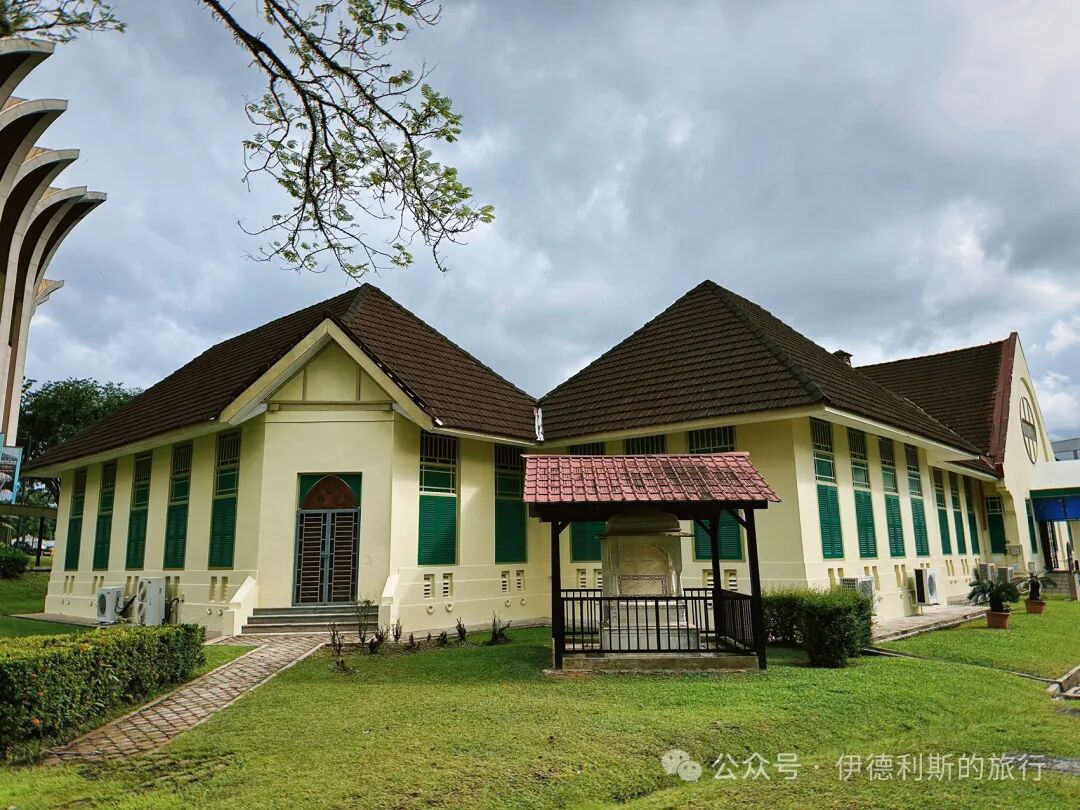
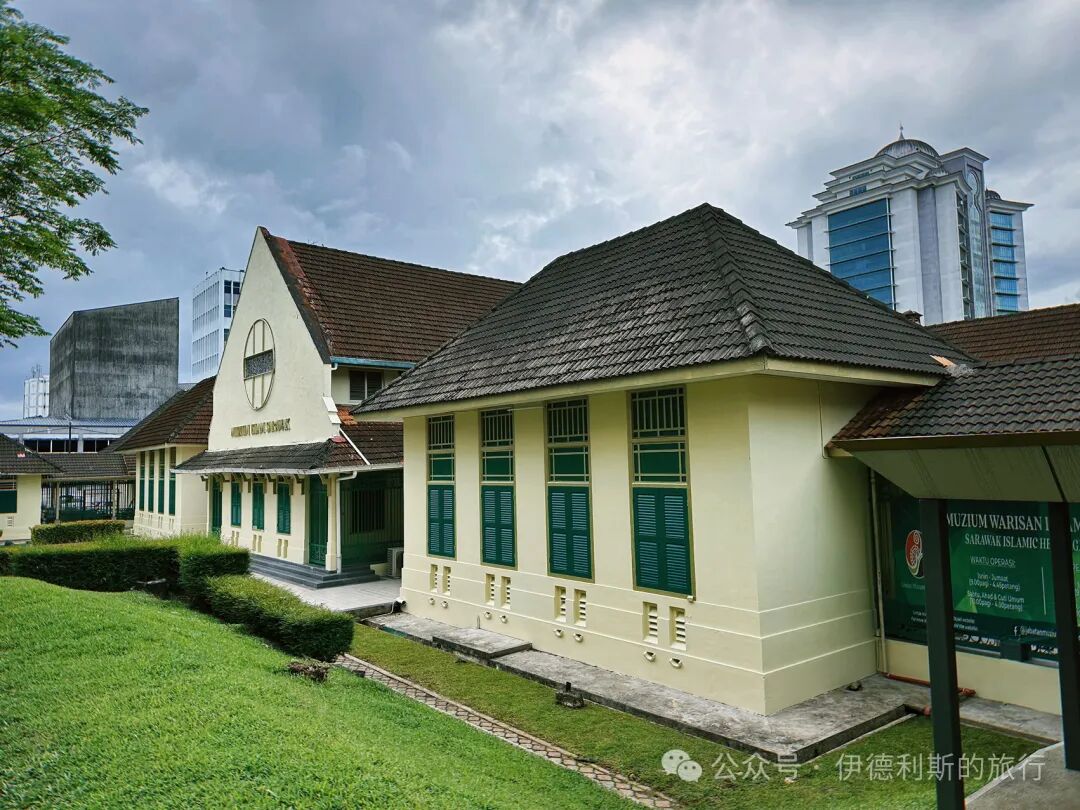
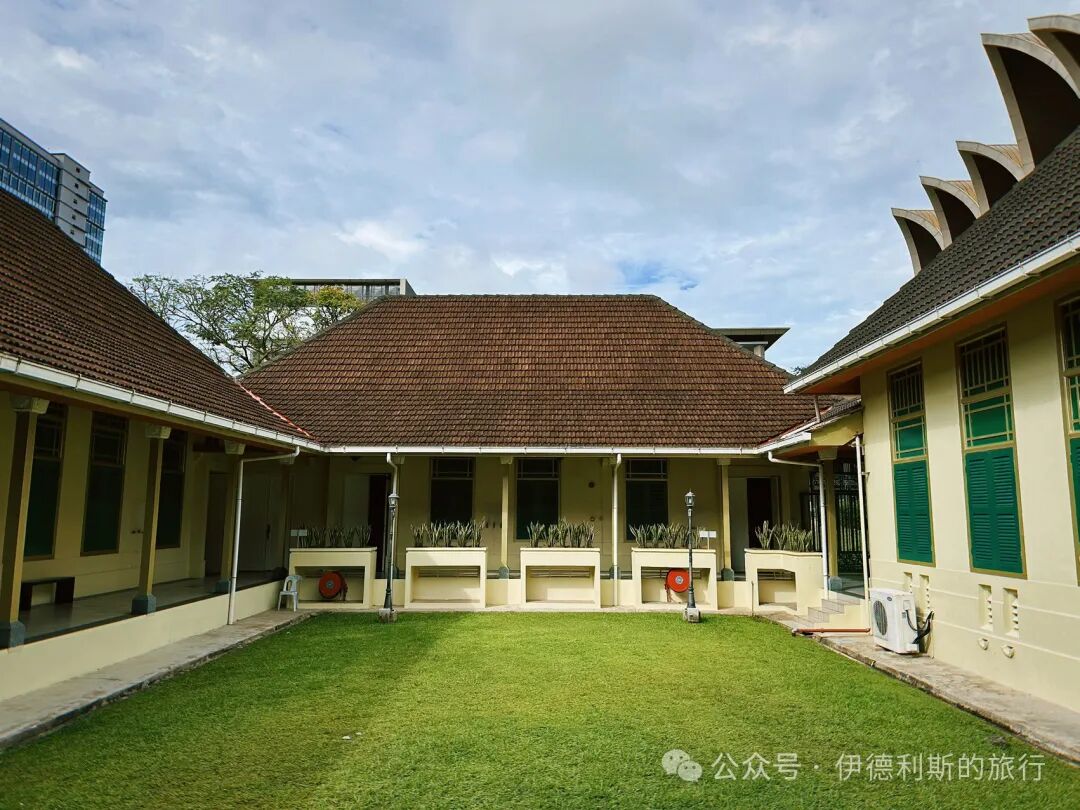
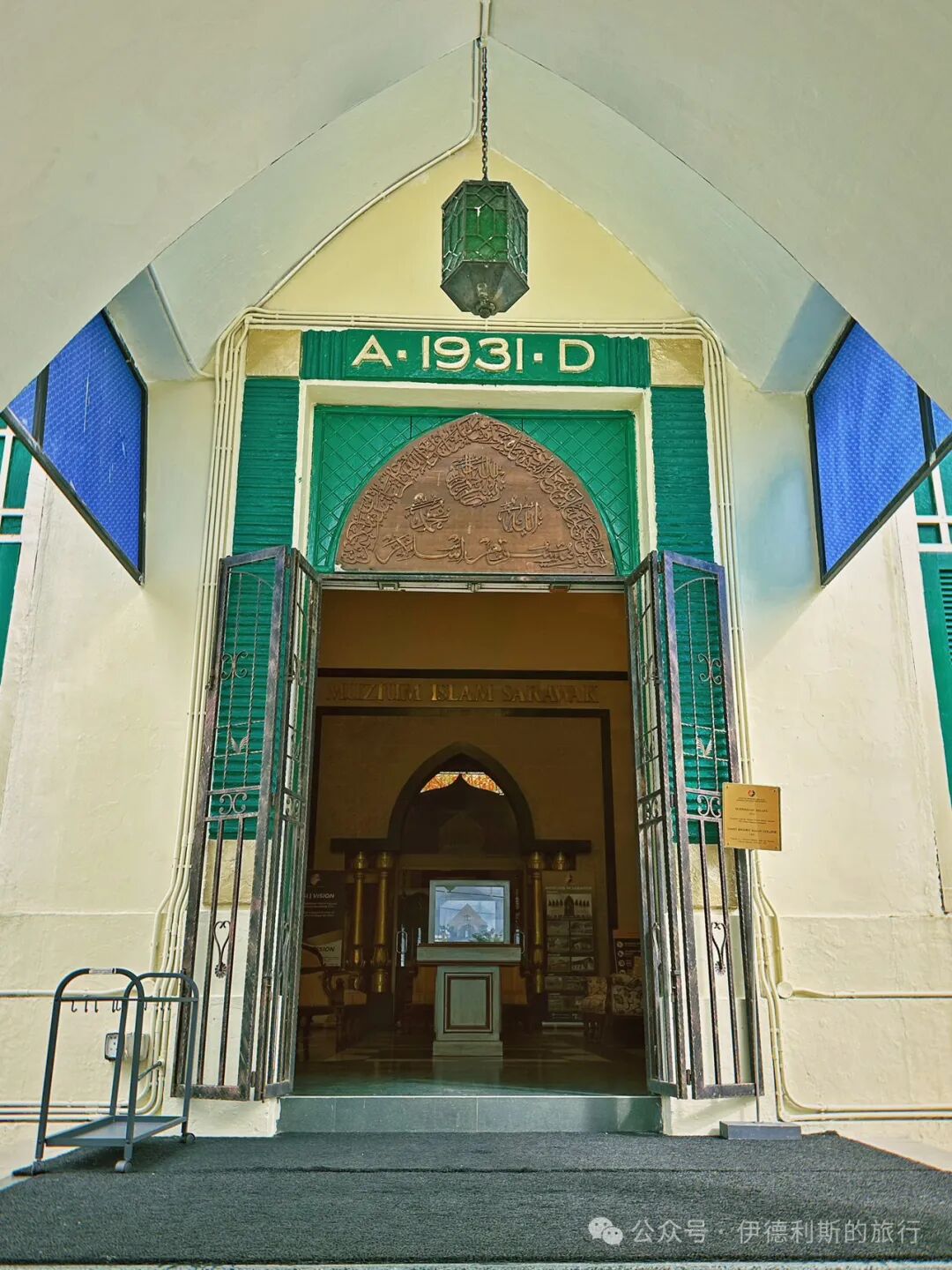
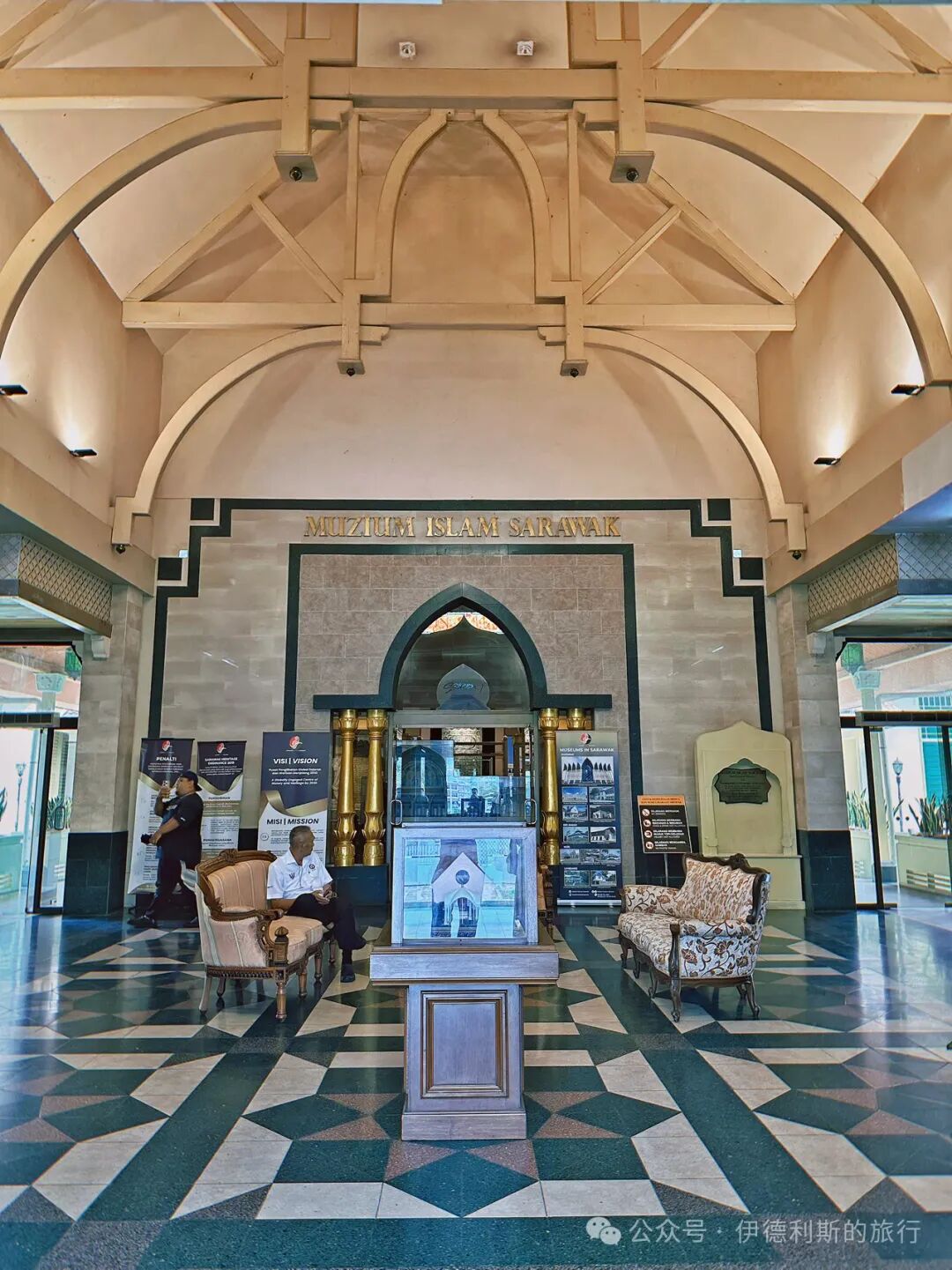
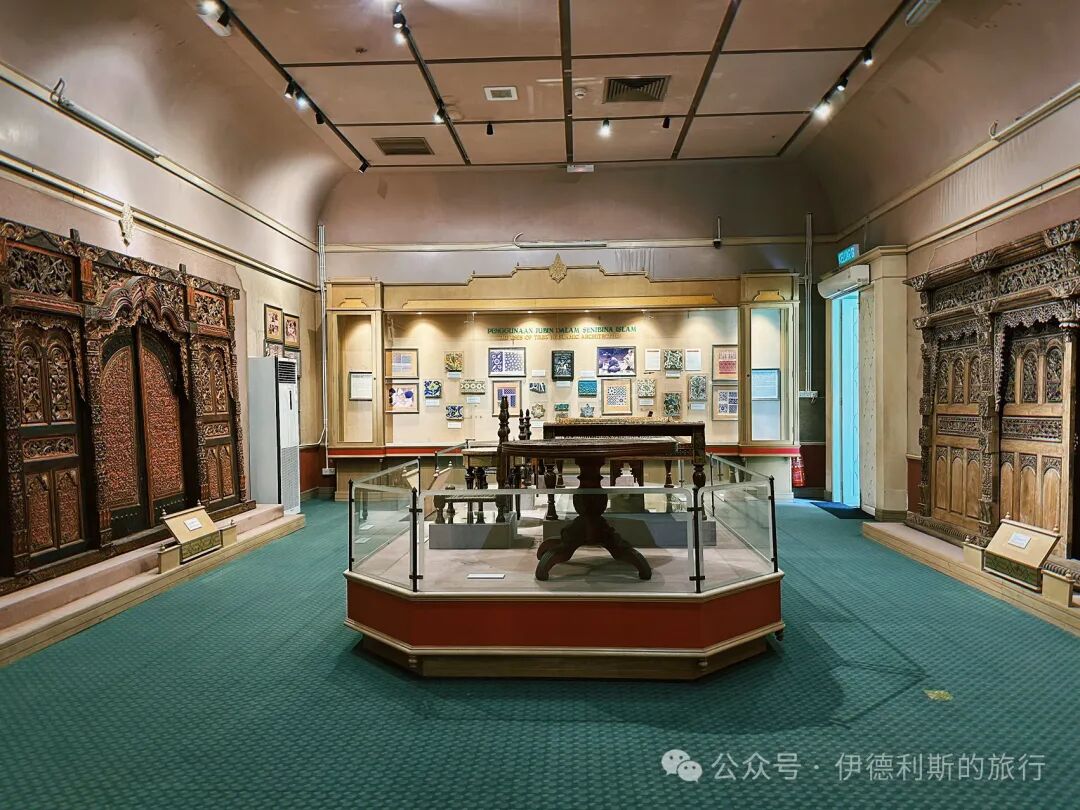
The Sarawak Islamic Museum is in the center of Kuching, Malaysia, right next to the Borneo Cultures Museum. The museum building was originally the Madrasah Melayu, opened by the Kingdom of Sarawak in 1931. It aimed to train more Malay teachers to solve the teacher shortage in the 1930s. It officially opened as the Sarawak Islamic Museum in 1992.
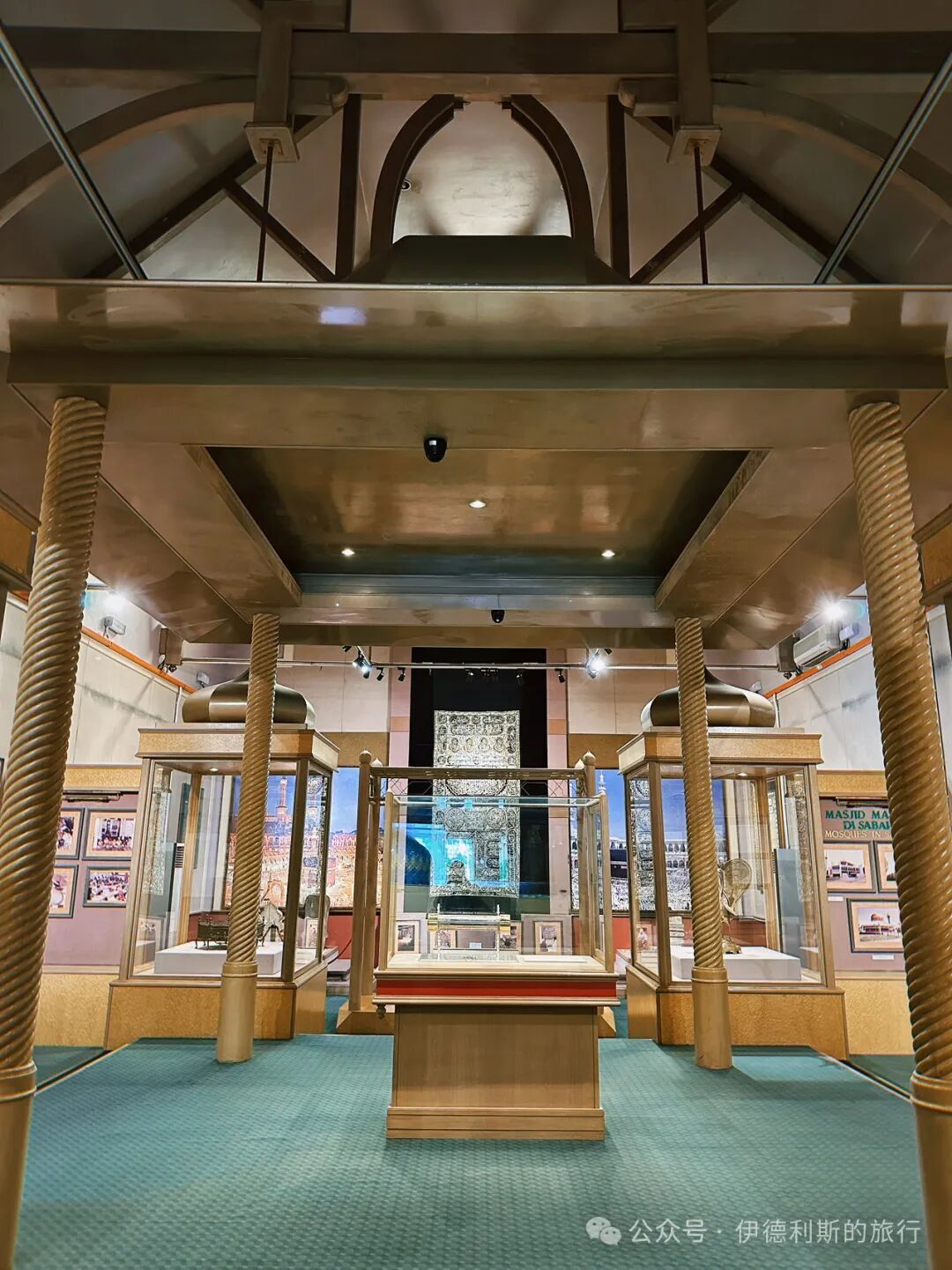
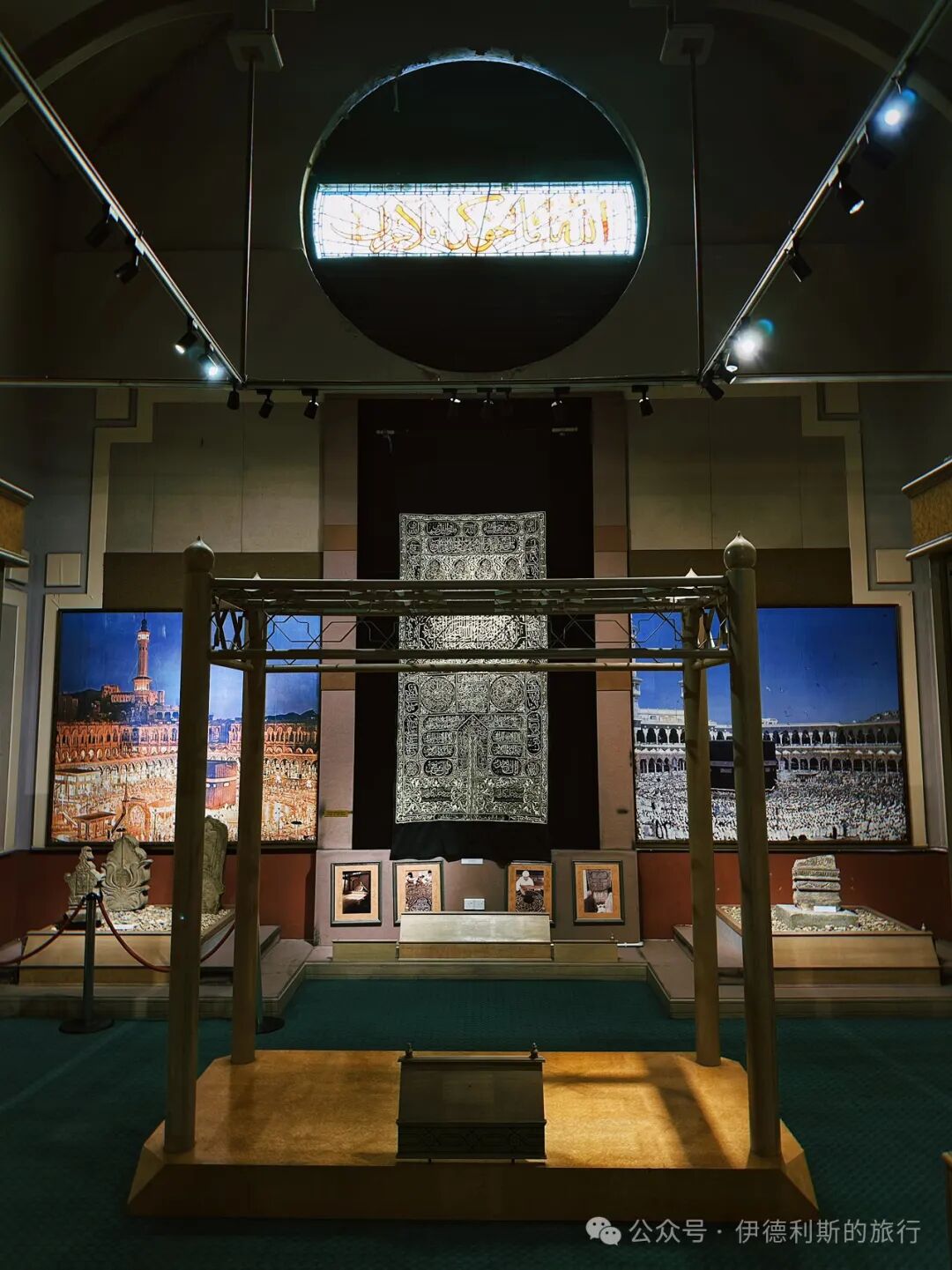
The museum has seven galleries, each with a different theme. Although it is not very large, the exhibits are valuable and full of information. I think it is the second-best Islamic museum in Malaysia, after the Islamic Arts Museum in Kuala Lumpur.
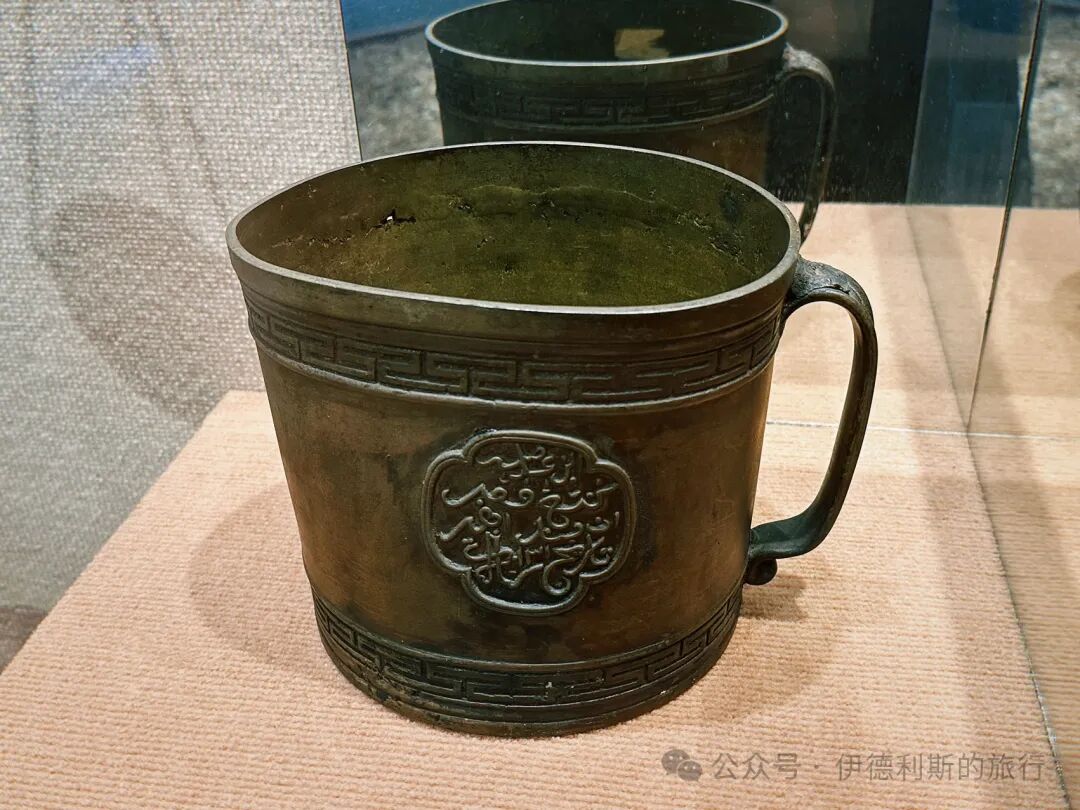
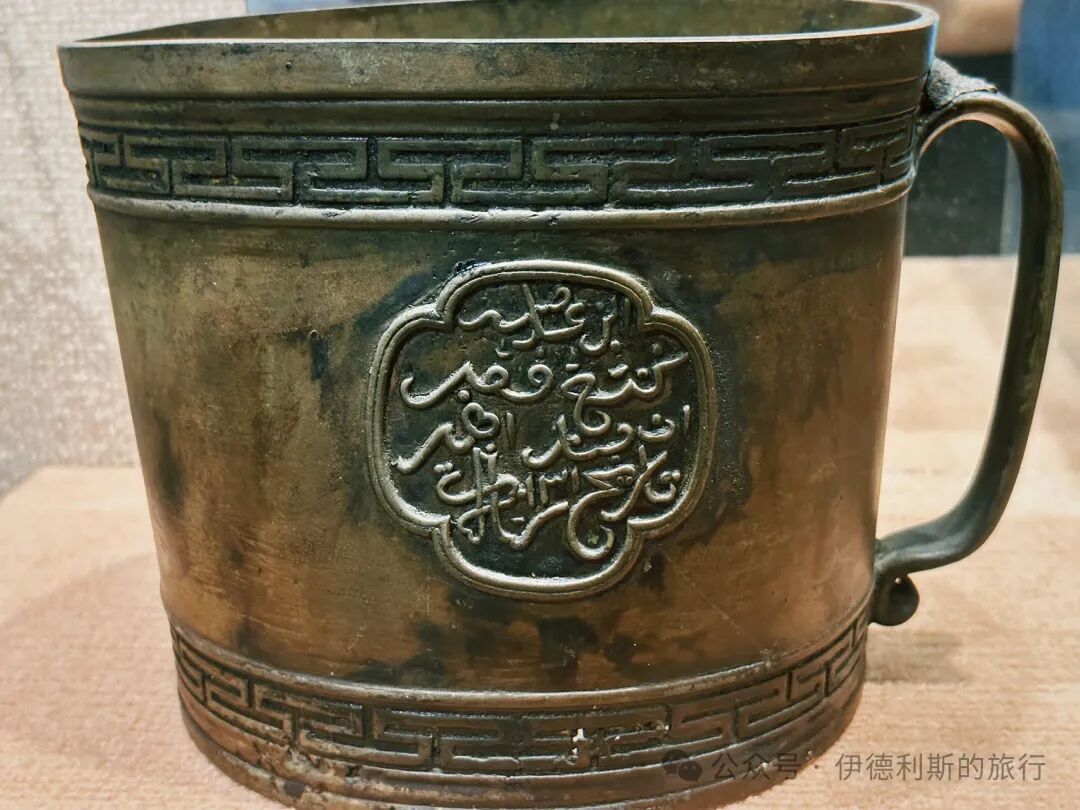
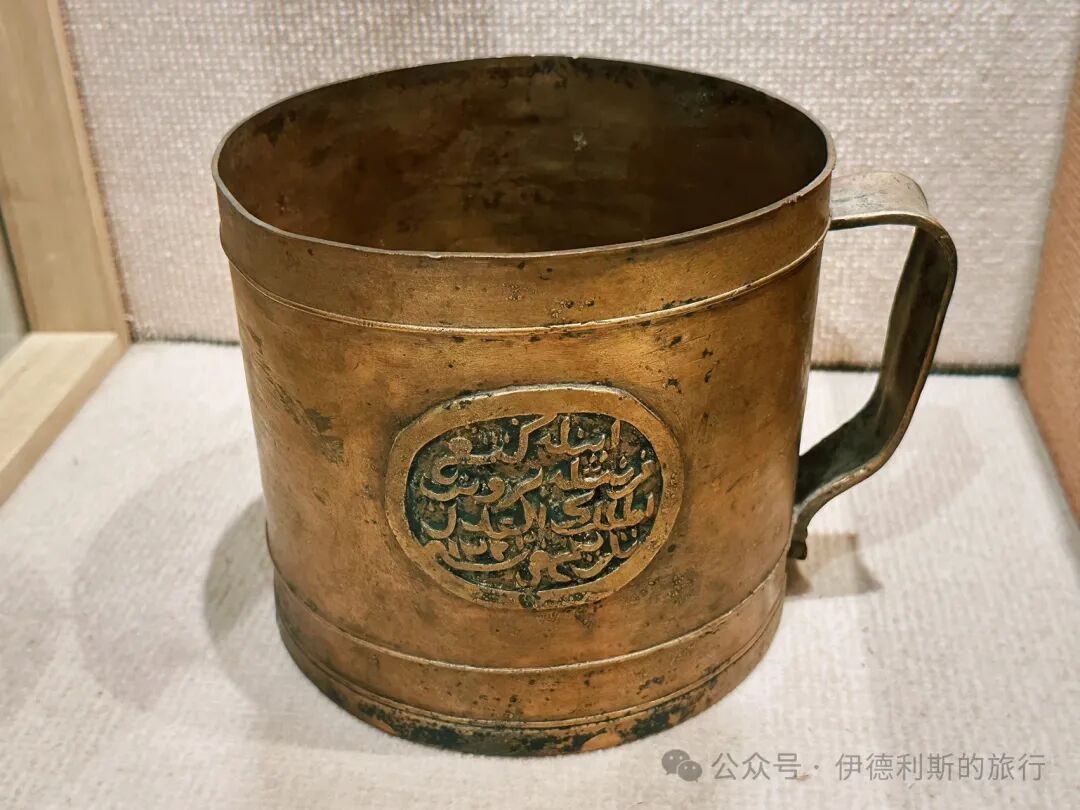
The Baghdad Gantang is a rice measuring container given by Malay nobles to a new Sultan when he took the throne. It represents the power to collect traditional local taxes. The Baghdad Gantang is made of brass with Arabic script carved in the middle. One of them also has traditional Chinese meander patterns (huiwen) carved on the top and bottom.
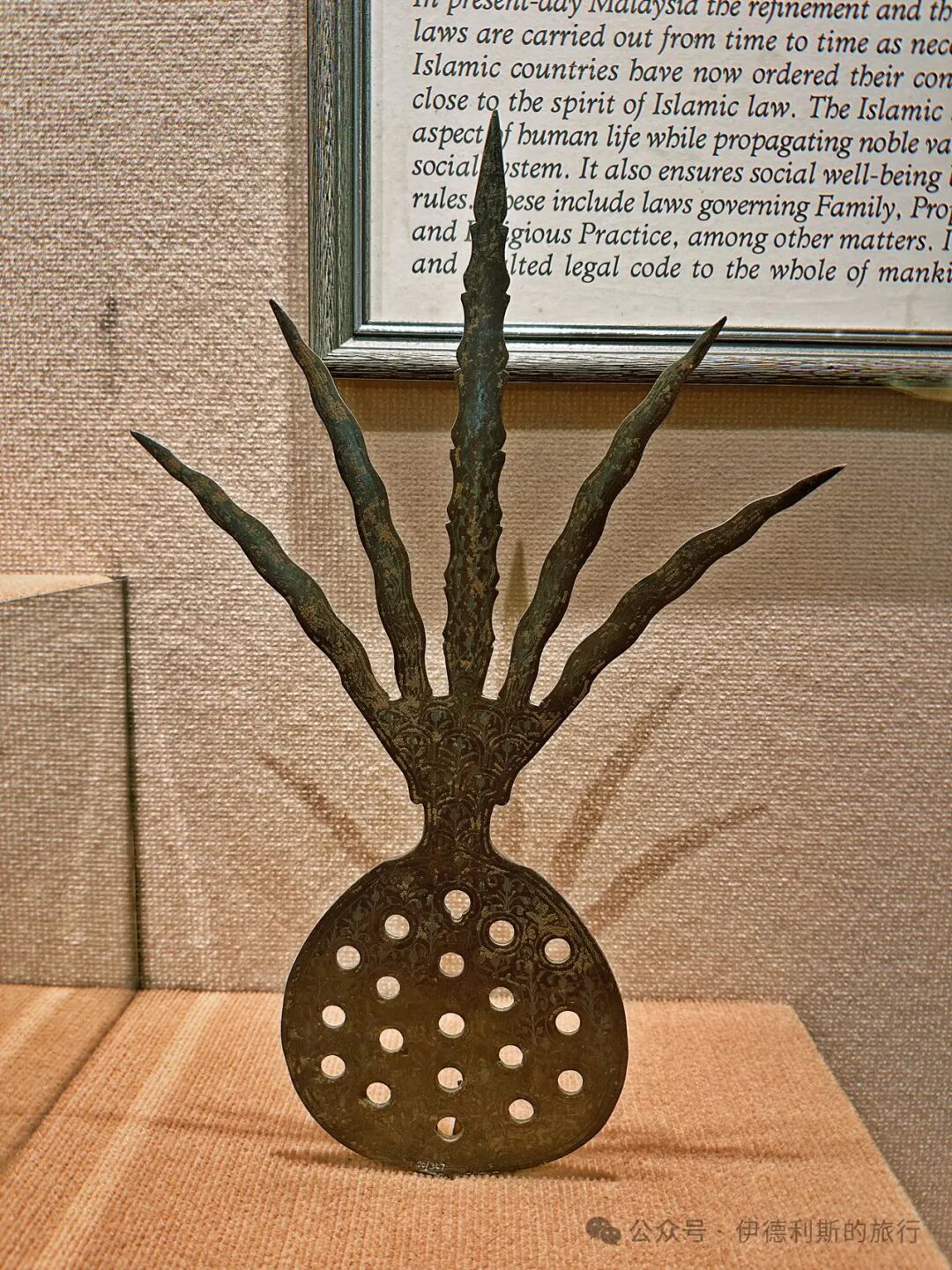
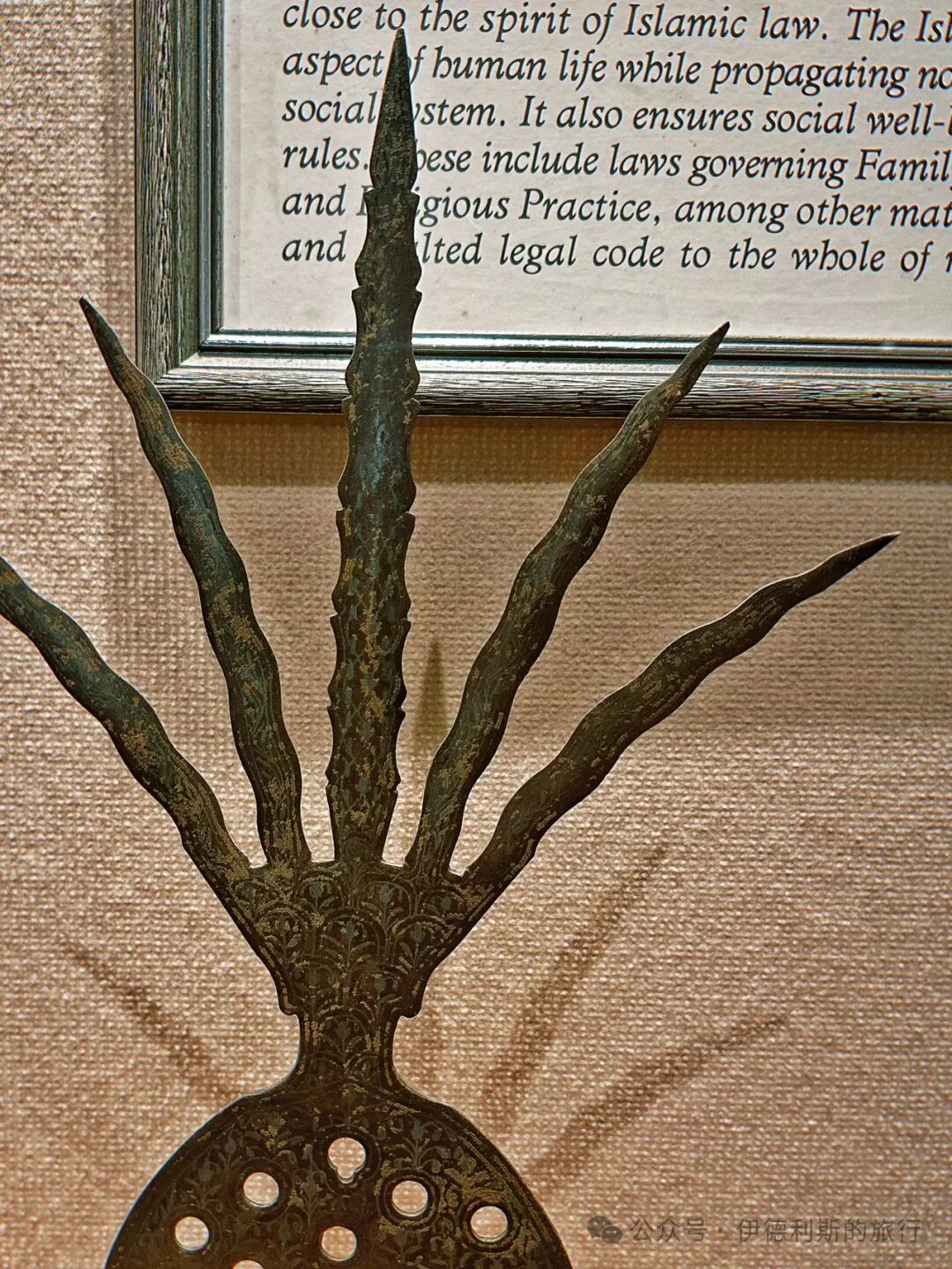
A brass ceremonial standard (alam) used by the Ottoman Empire in the 17th century, engraved with the name of Allah.
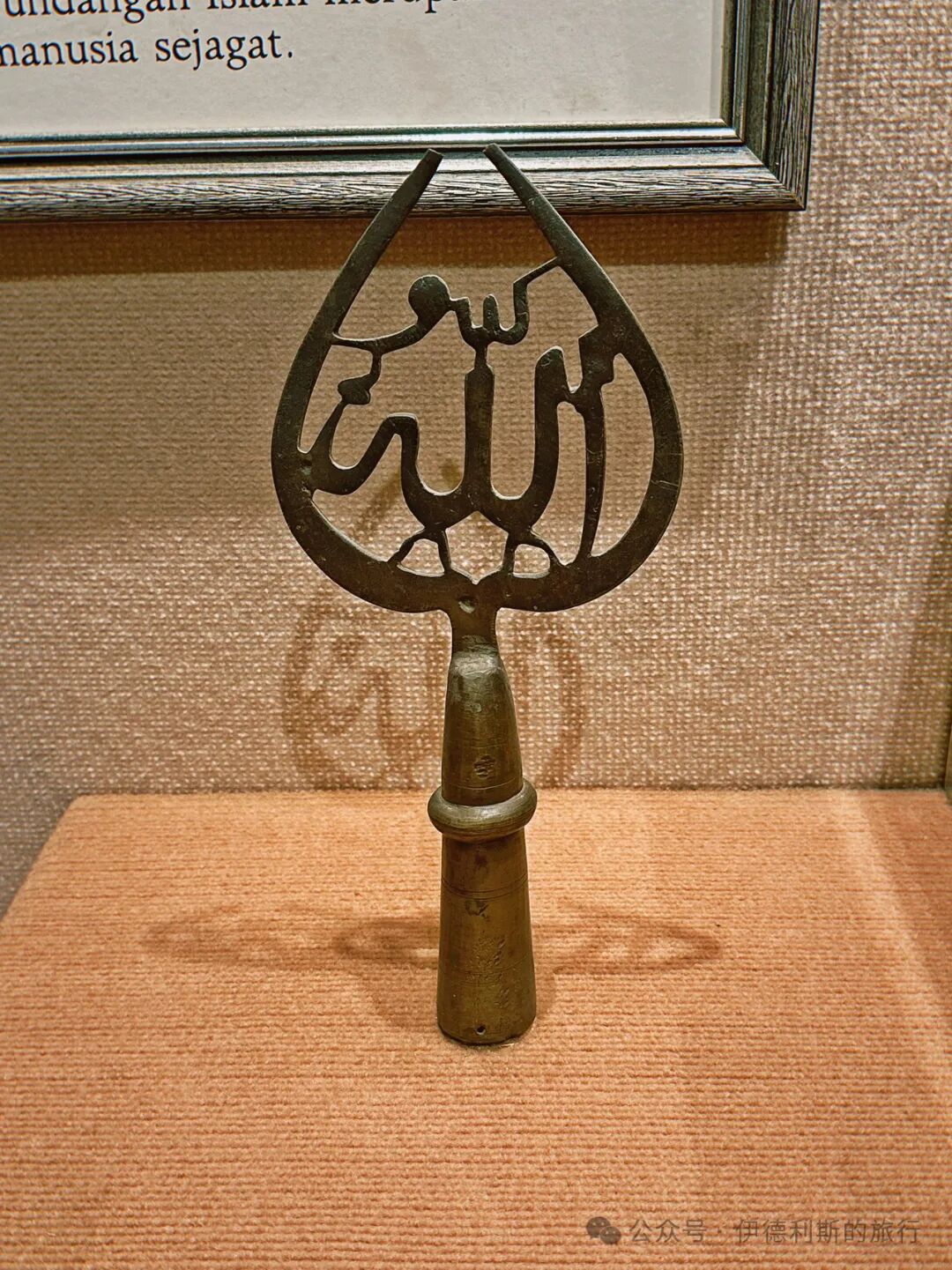
An Indian ceremonial standard (alam) from the 17th to 18th century, inlaid with red enamel. It was once installed on top of a mosque.
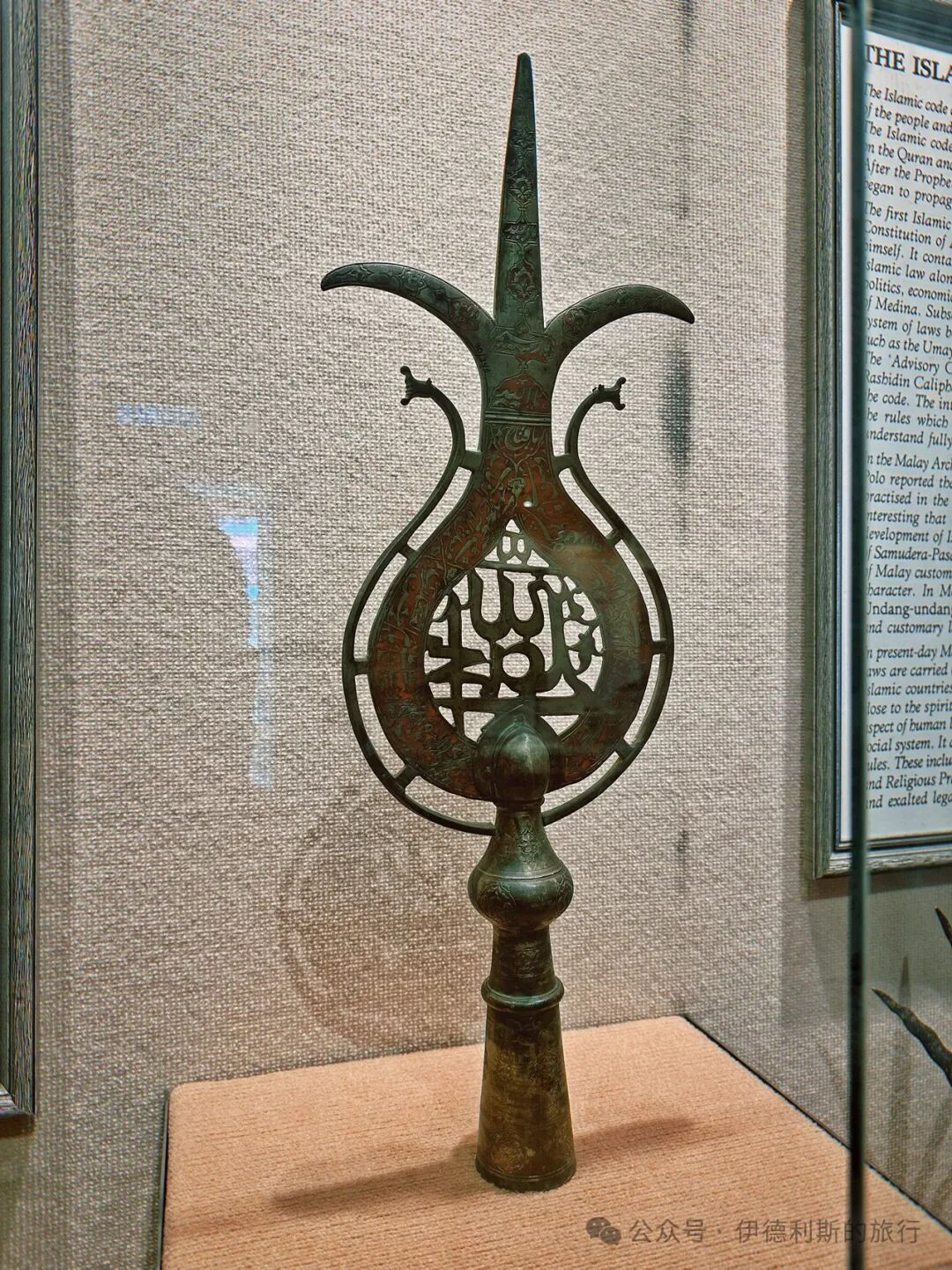
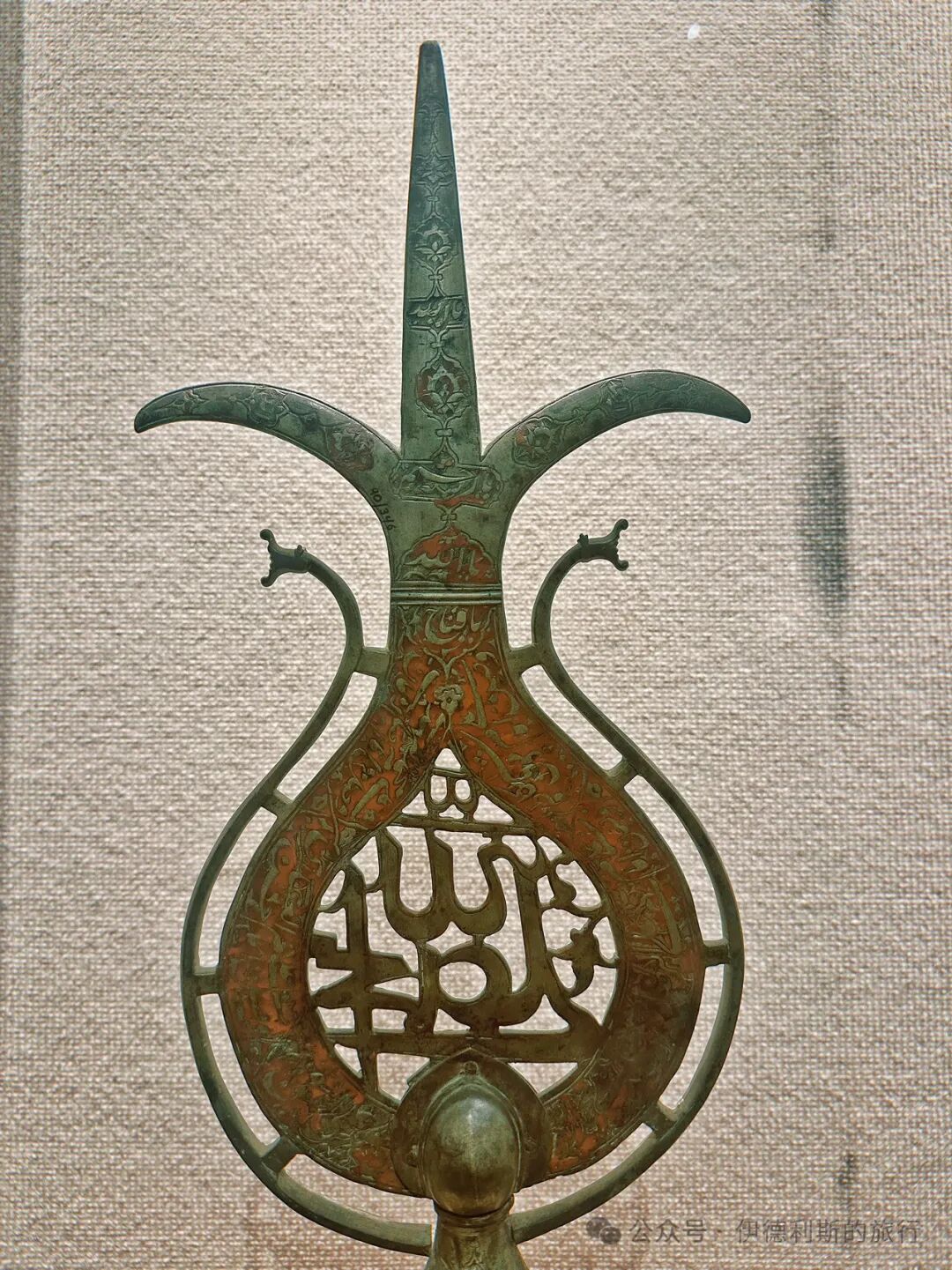
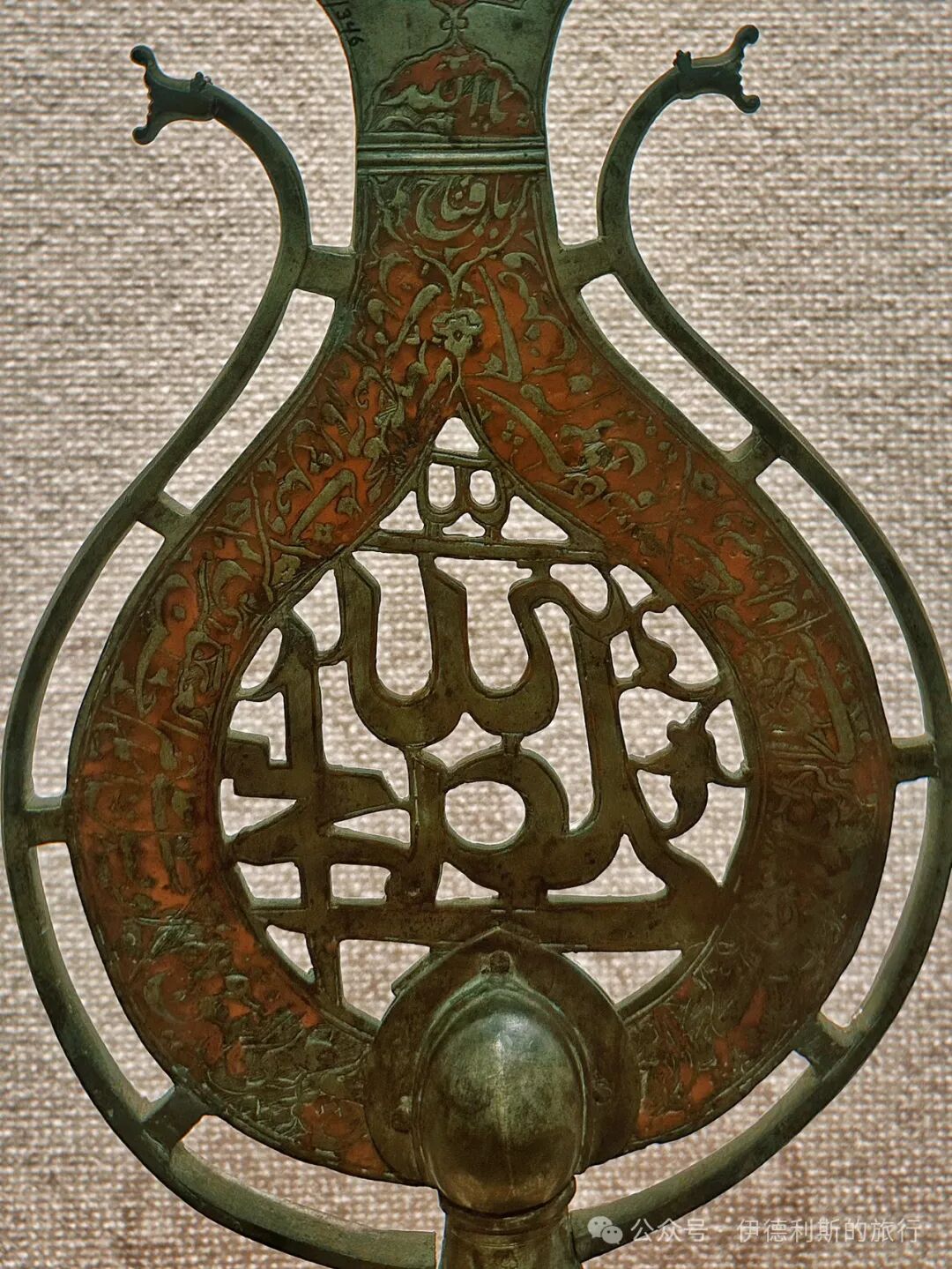
A ceremonial standard (alam) from the 19th-century Ottoman Empire, made using Damascus inlay techniques.
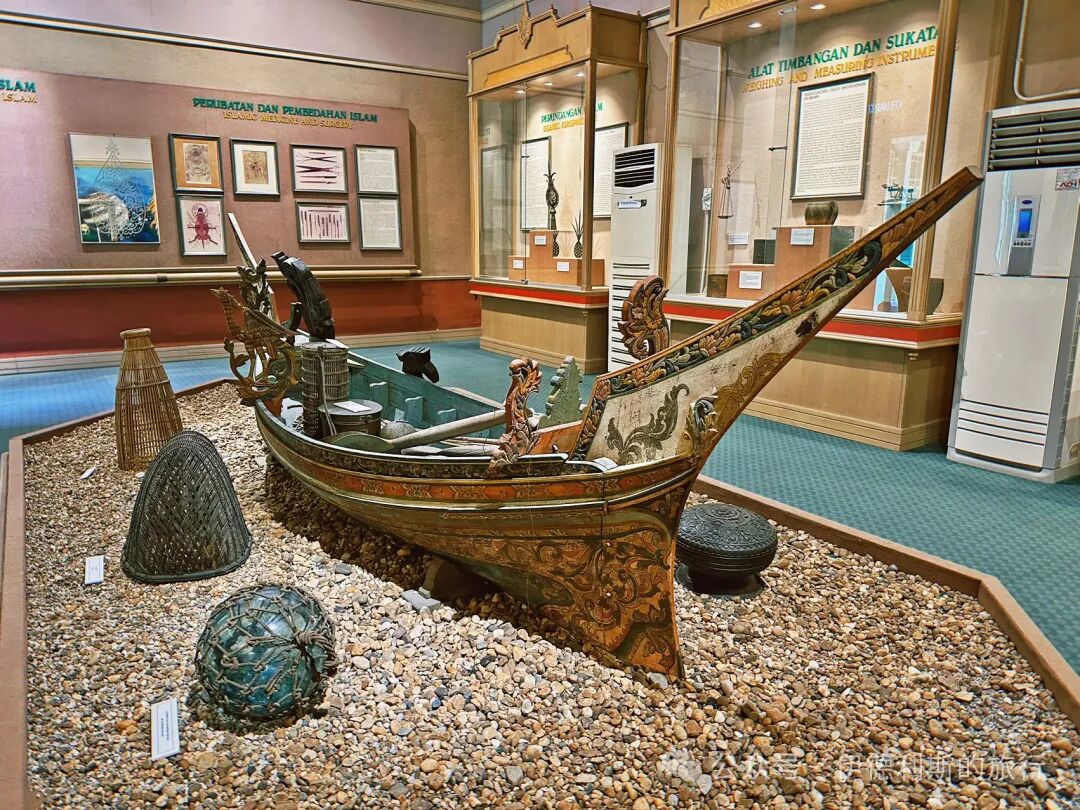
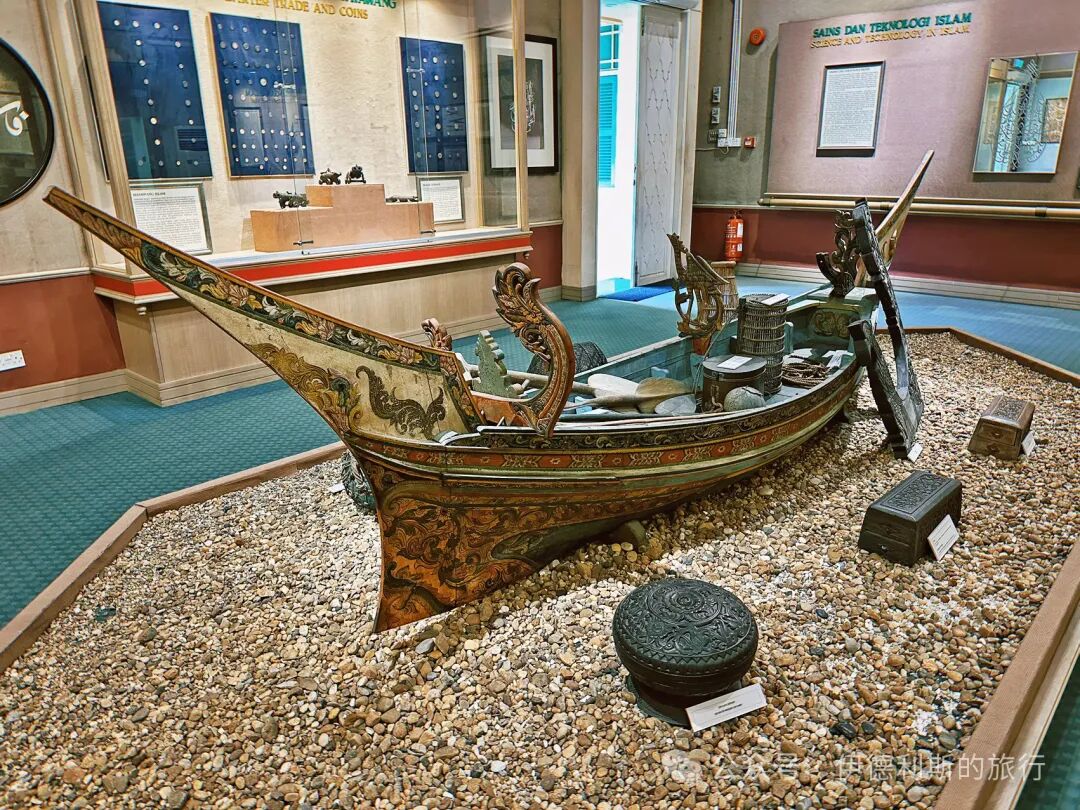
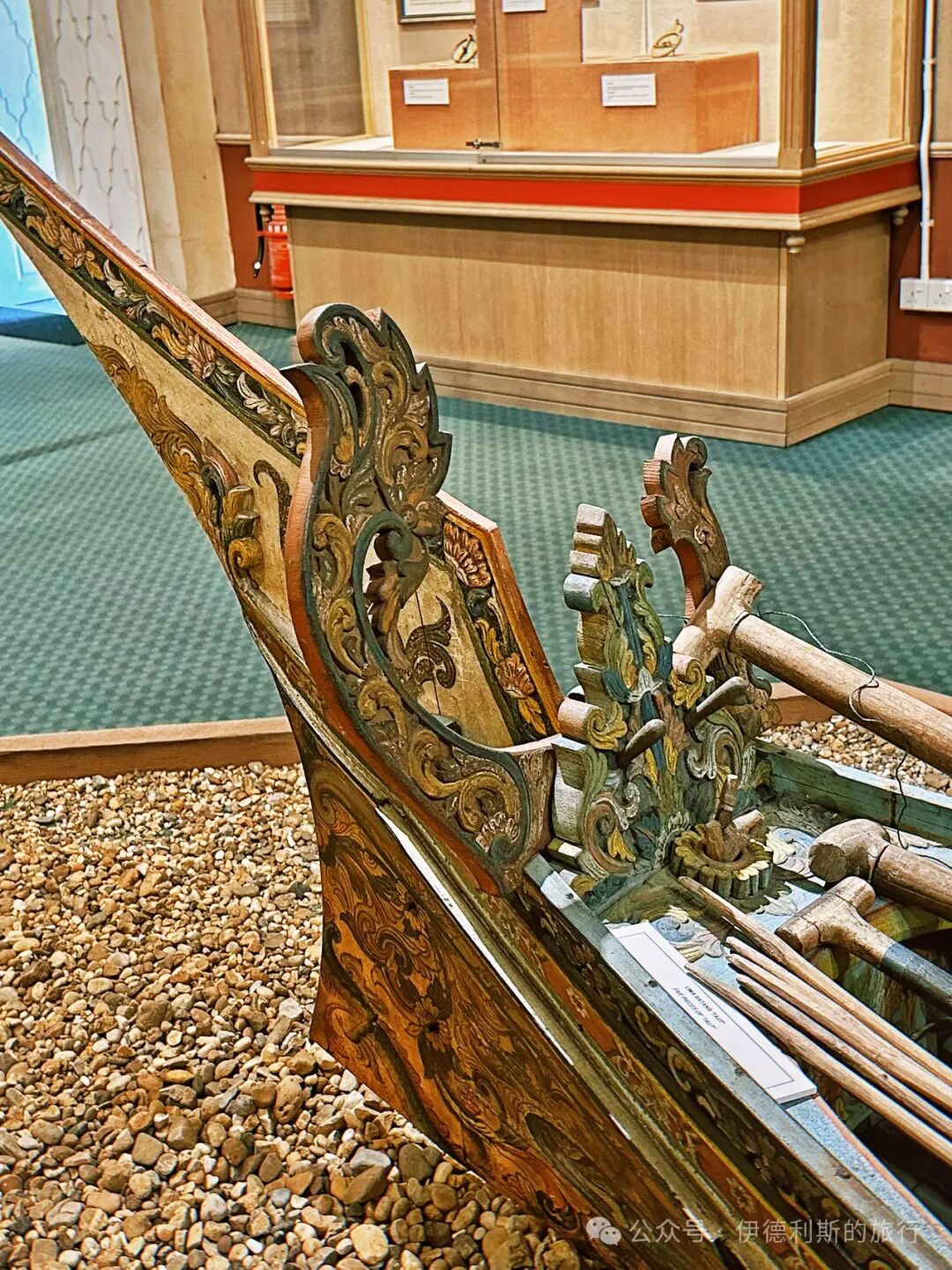
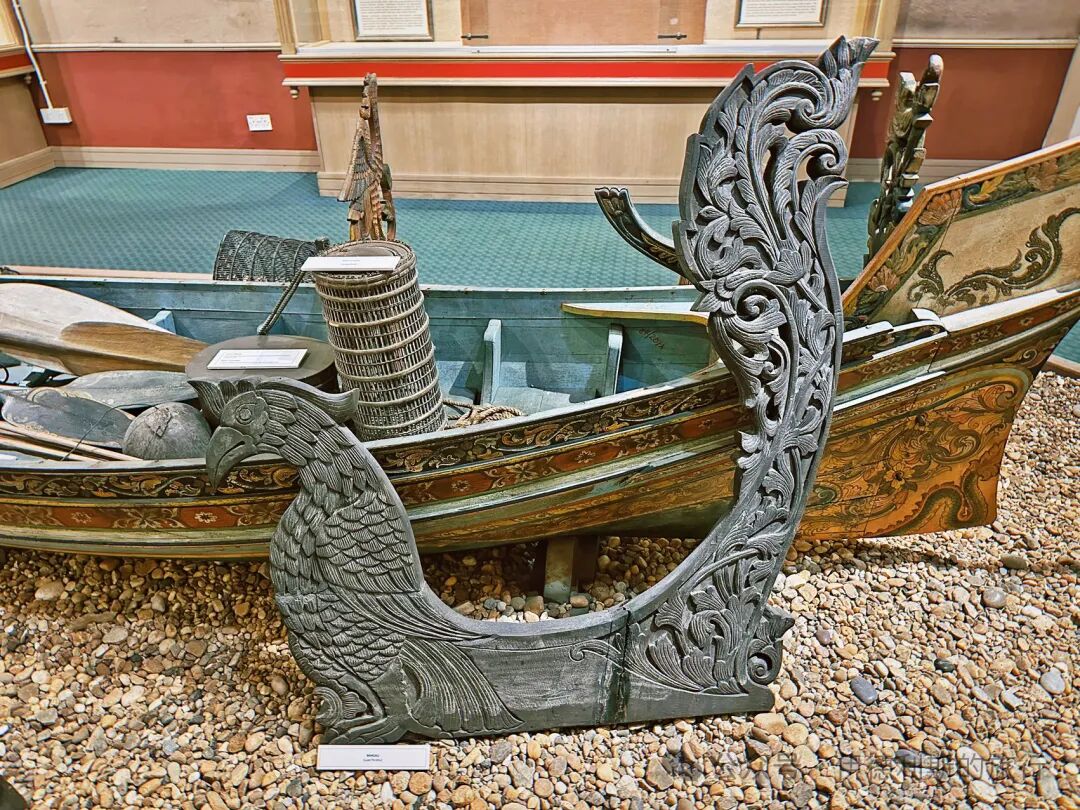
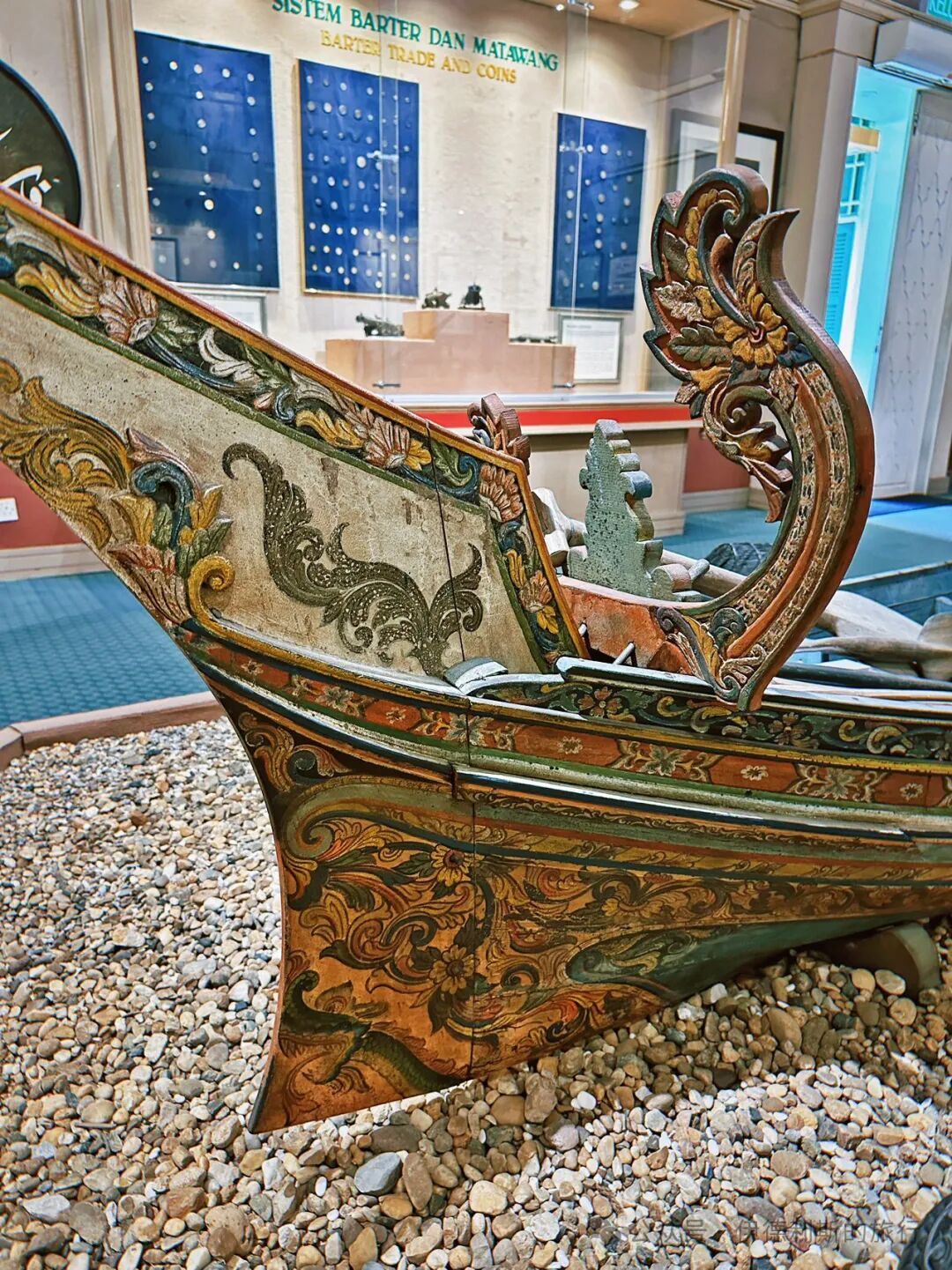
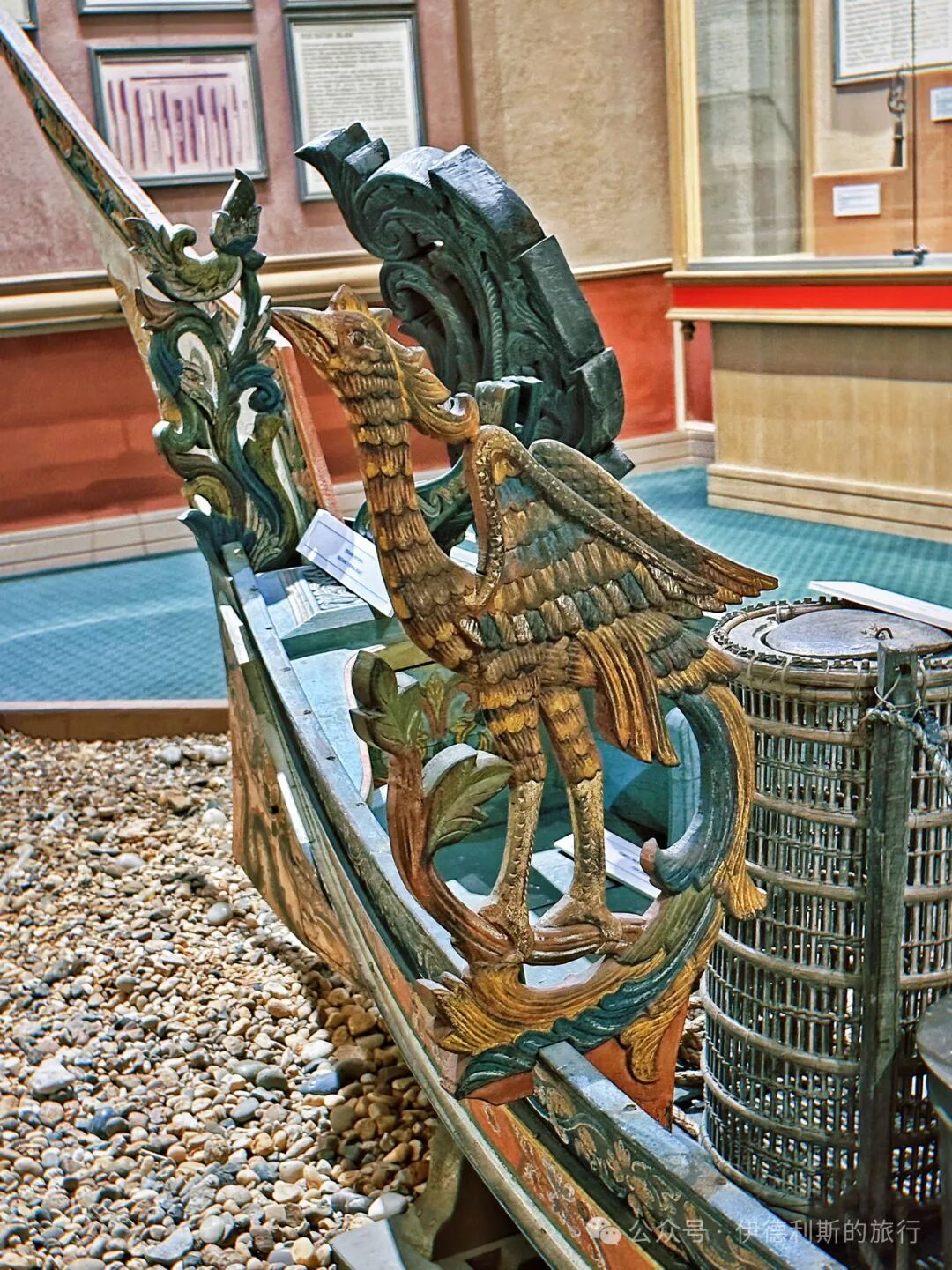
A beautiful traditional Malay fishing boat (perahu payang). These boats were mainly used in Terengganu and were also found in other areas along the east coast of the Malay Peninsula. During the northeast monsoon, Malay fishermen would sail these boats to fish near Singapore.
The parts at the front of the boat are called the Bangau on the left and the Okok on the right. They support the sails, balance the boat, and help pull the nets. They are usually carved with ornate patterns. The Bangau is designed to look like a stork. Because storks like to eat fish, Malay fishermen believe that carving this bird can bring good luck.
The middle part is called the Caping. It is shaped like a betel leaf and carved with plant patterns. The Caping is installed on the keel of the boat, and Malay fishermen believe it protects their safety.
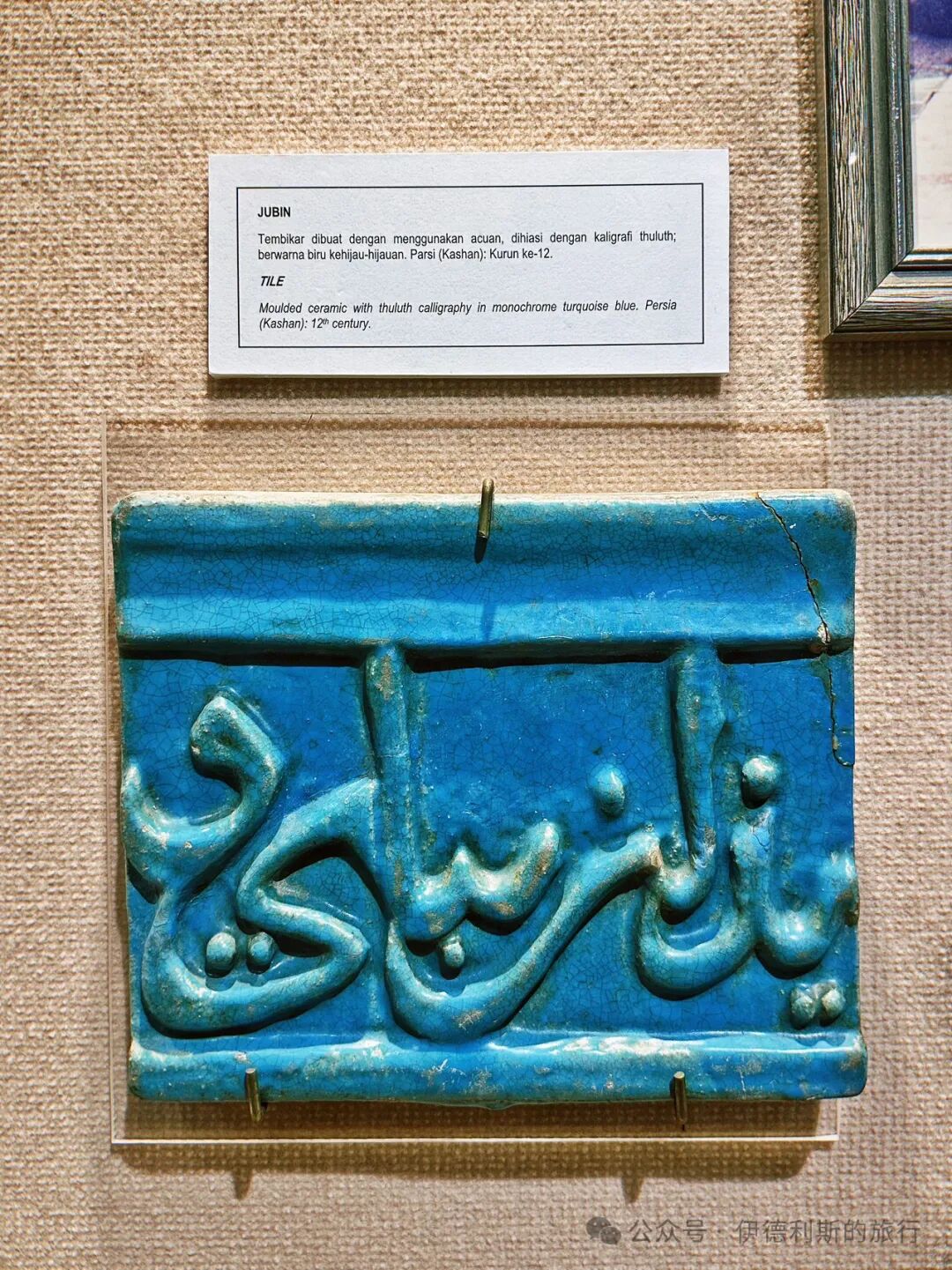
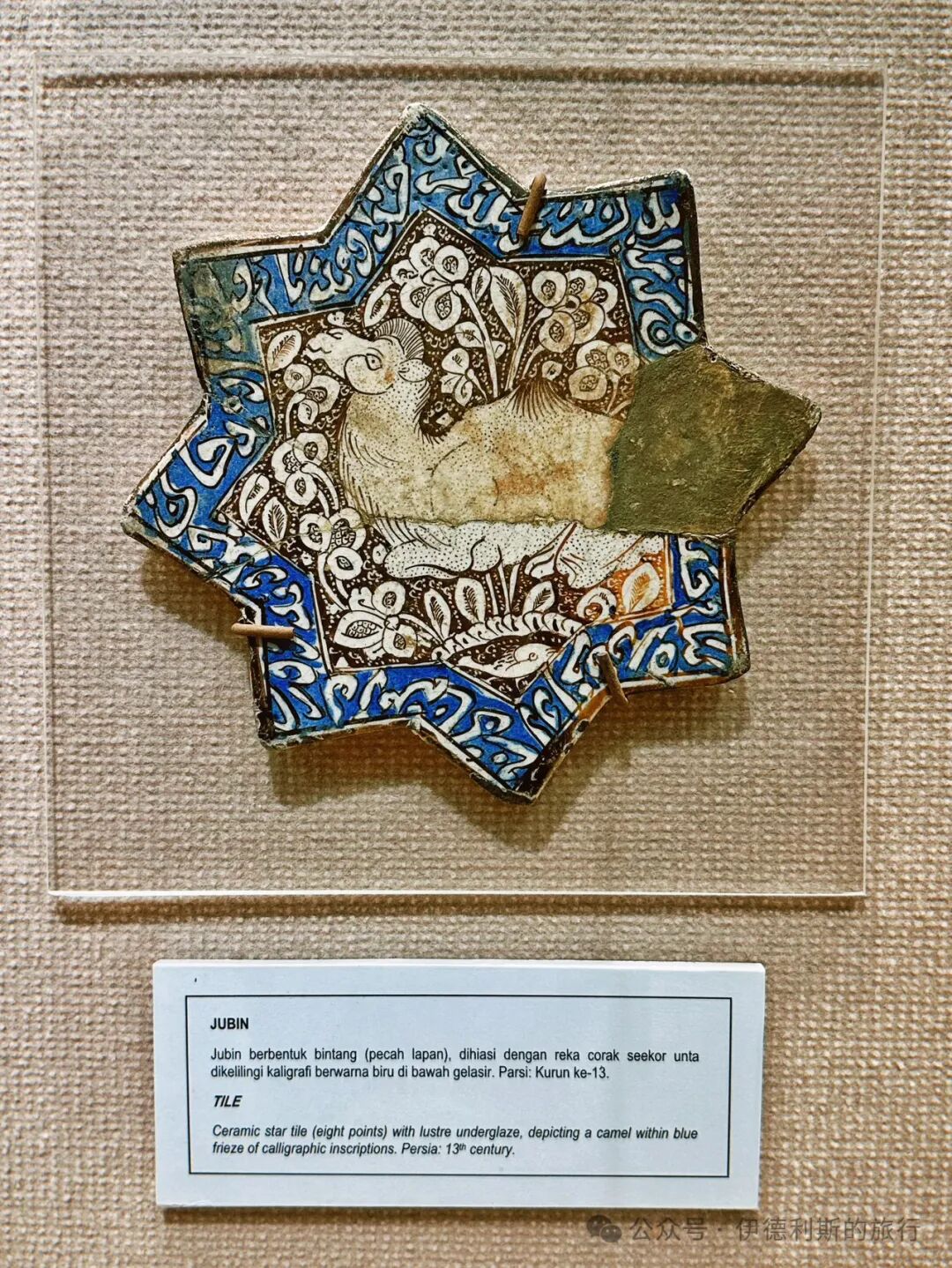
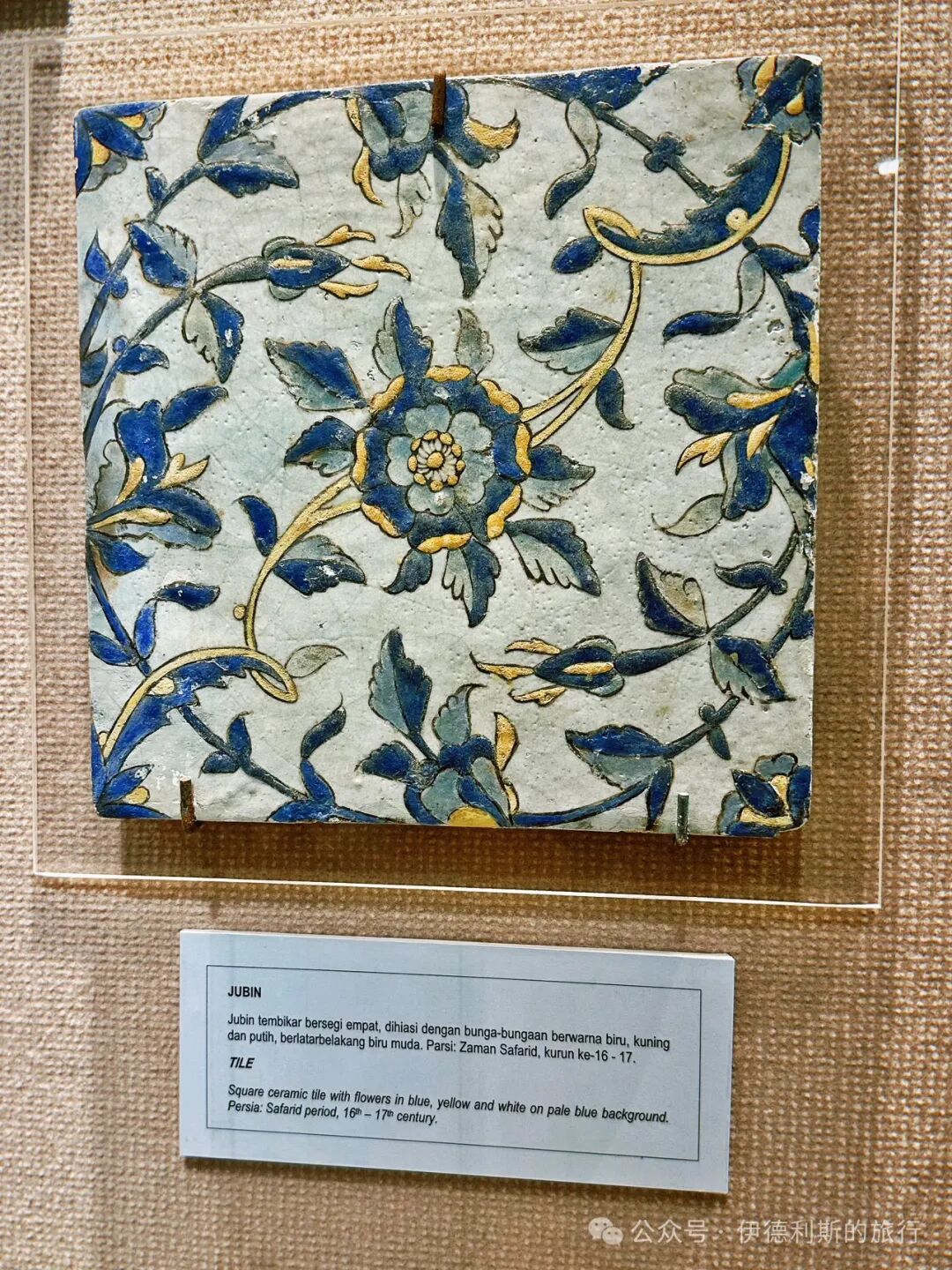
Tiles from different periods:
12th-century Kashan, Persia.
13th-century Persia.
16th to 17th-century Safavid Dynasty, Persia.
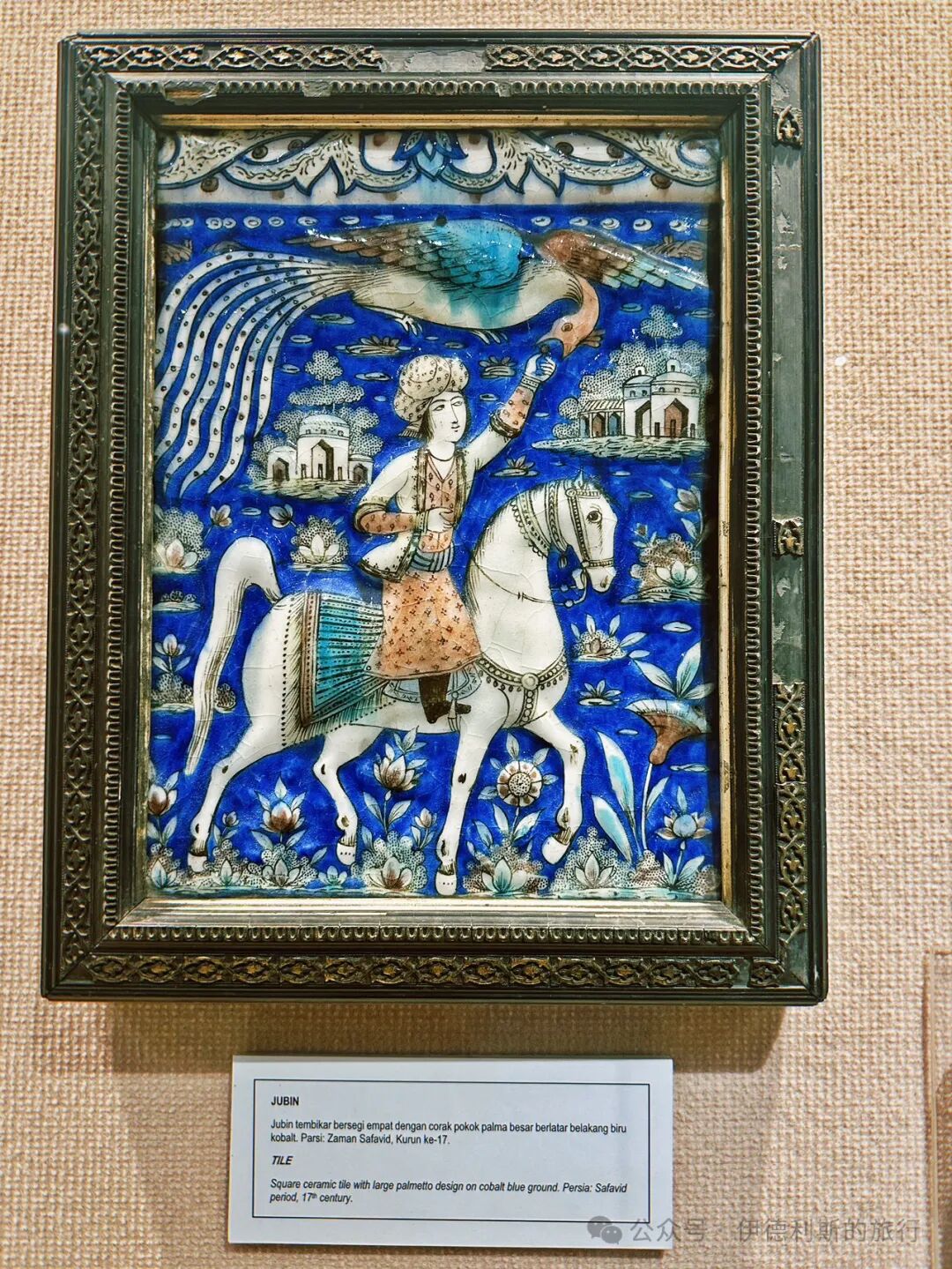
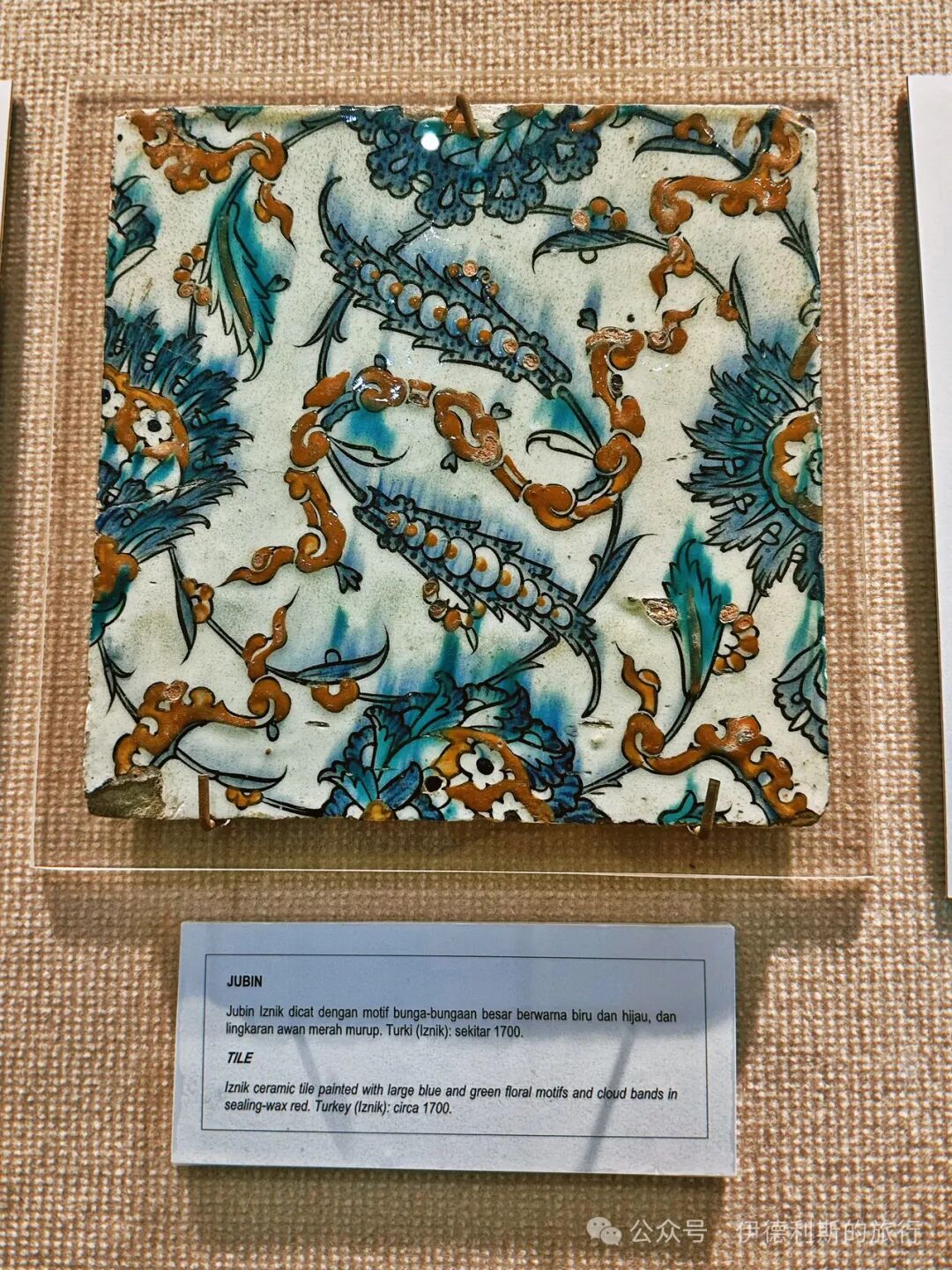
Iznik tiles from Turkey, around 1700.
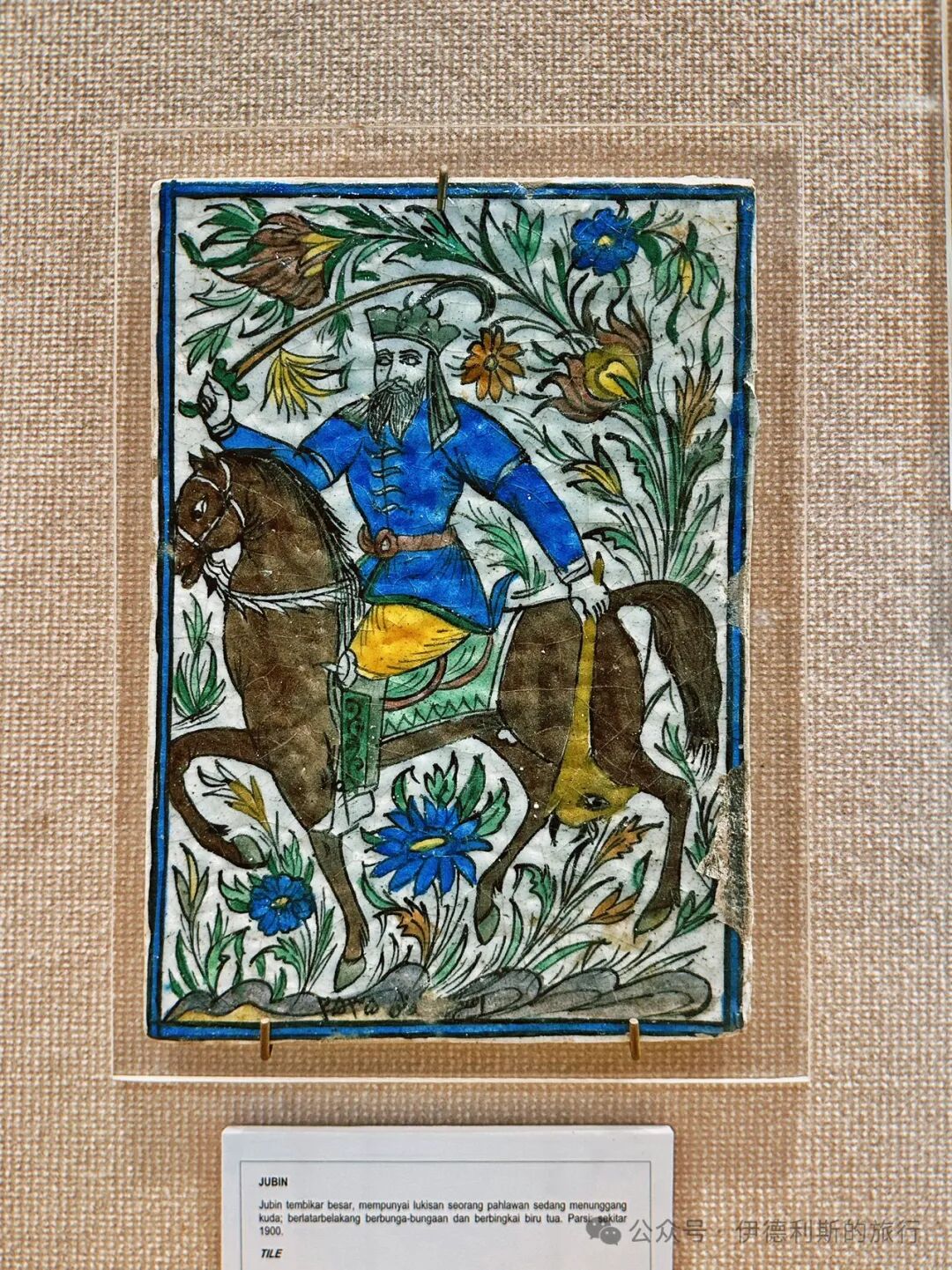
Persia, around 1900.
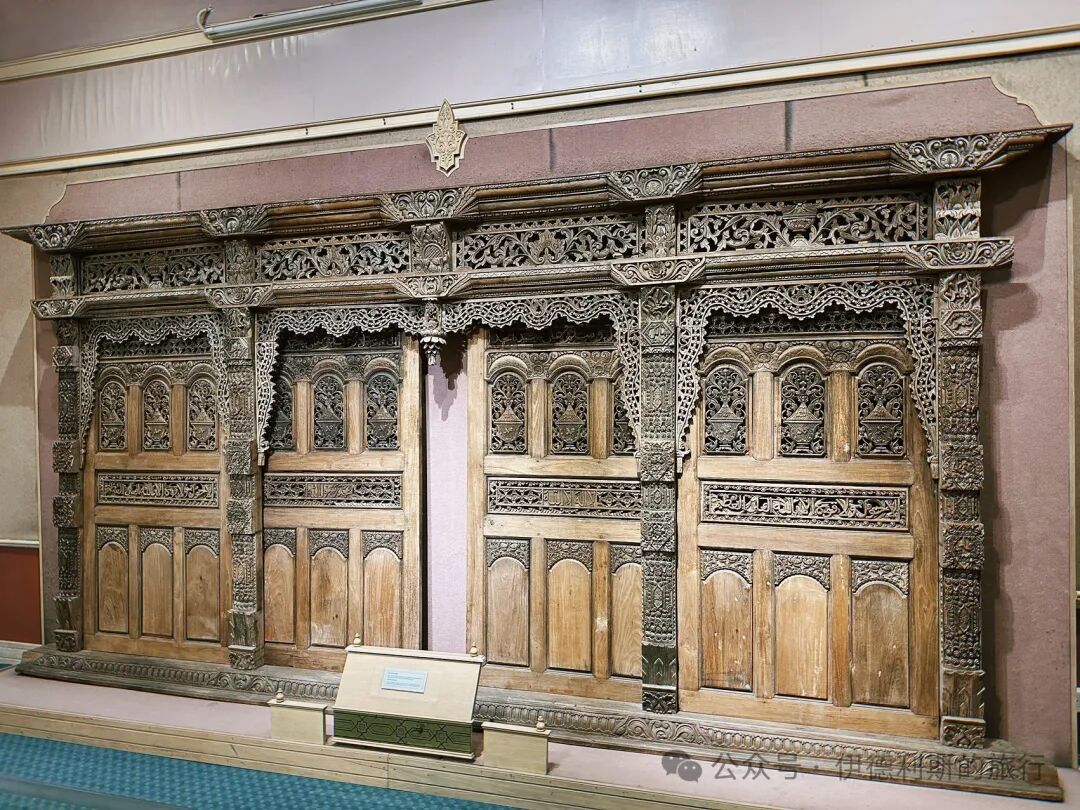
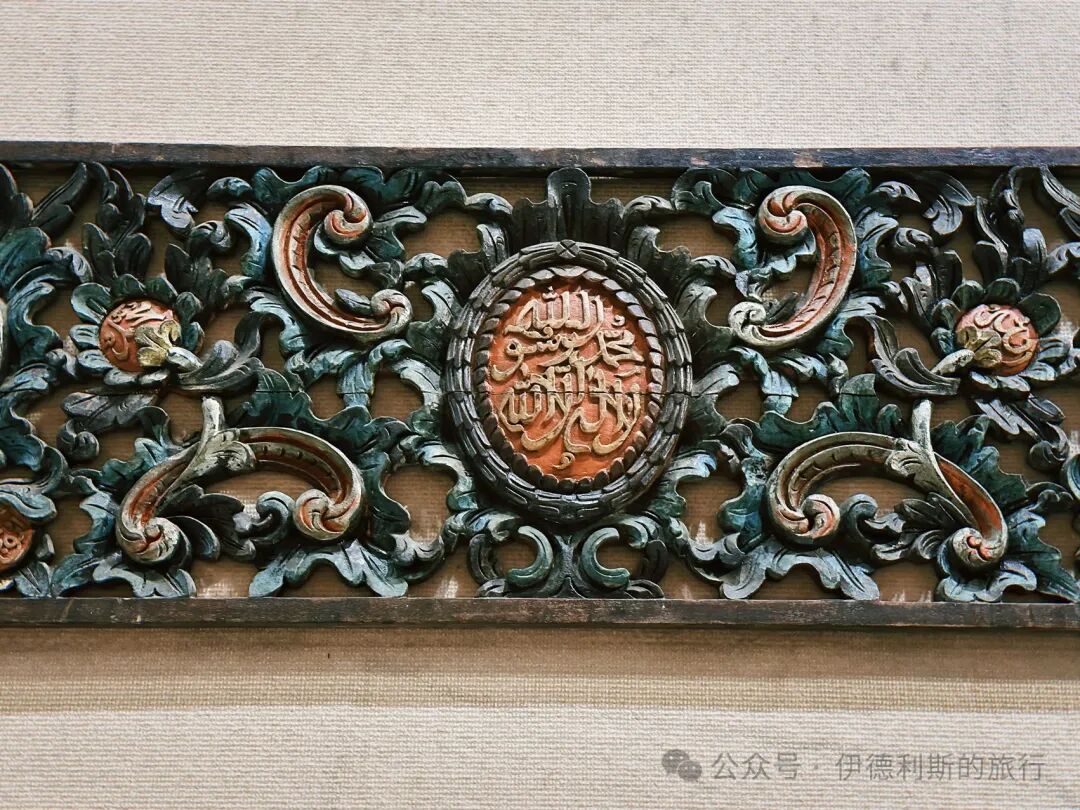
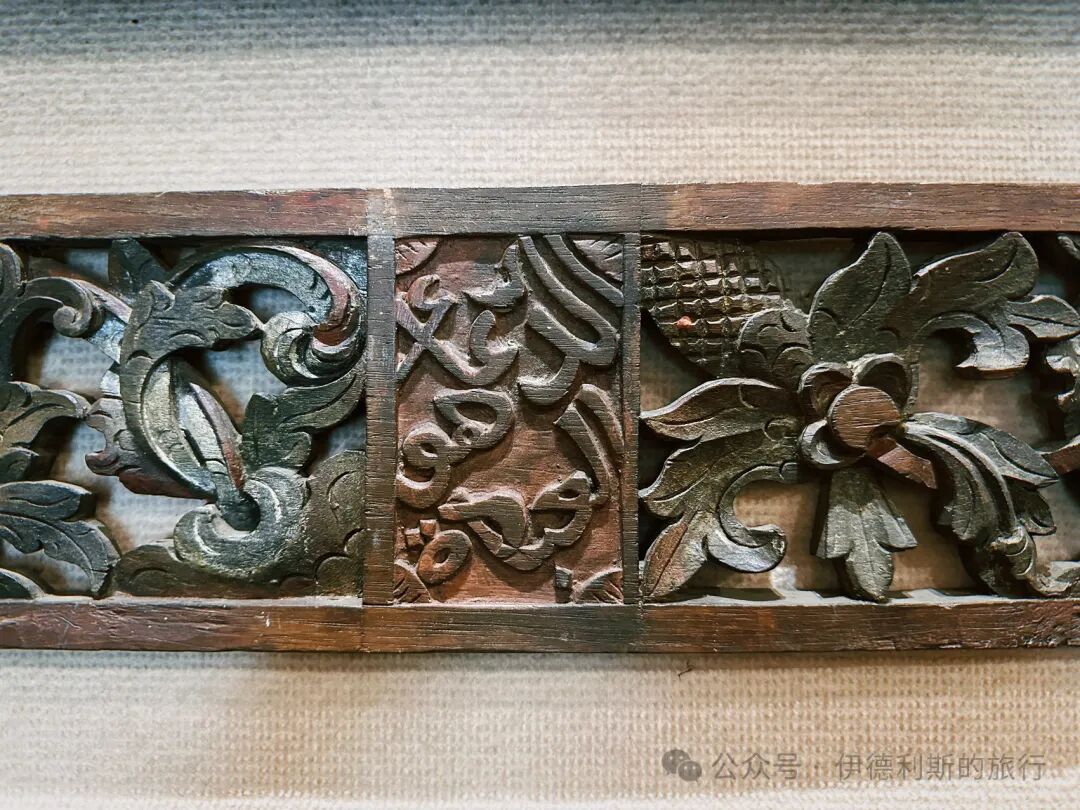
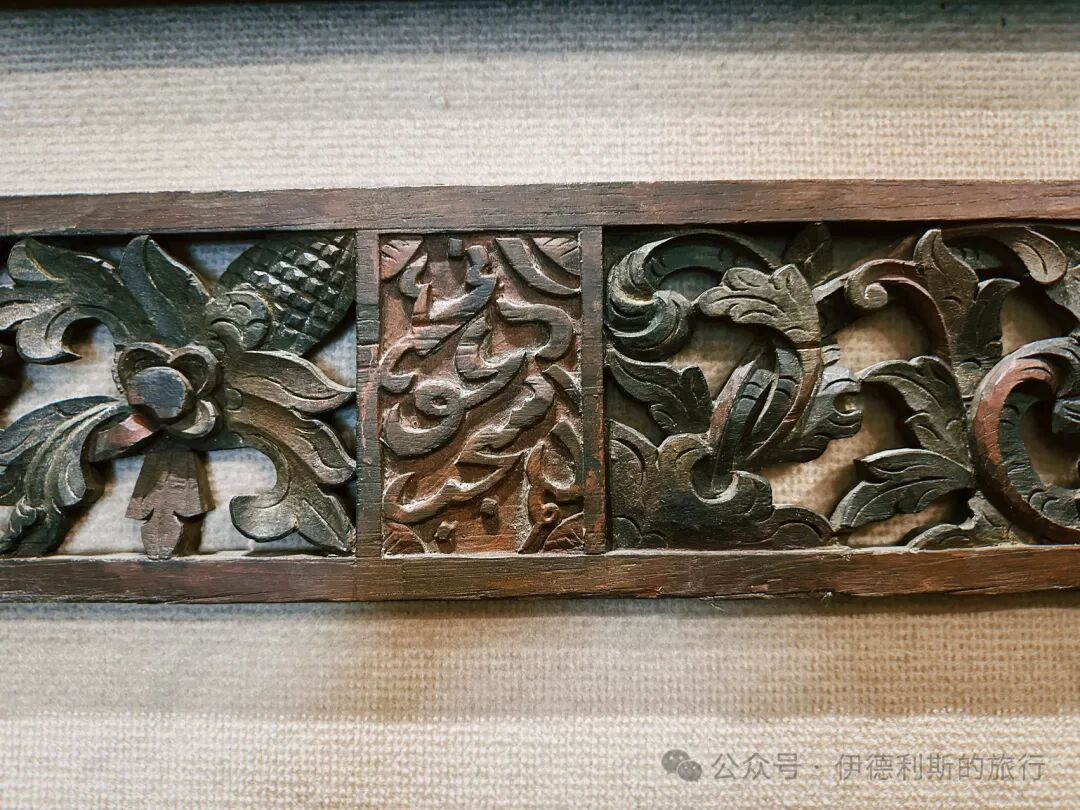
A room divider screen used by Malay nobles, carved with scripture and the name of the Prophet.
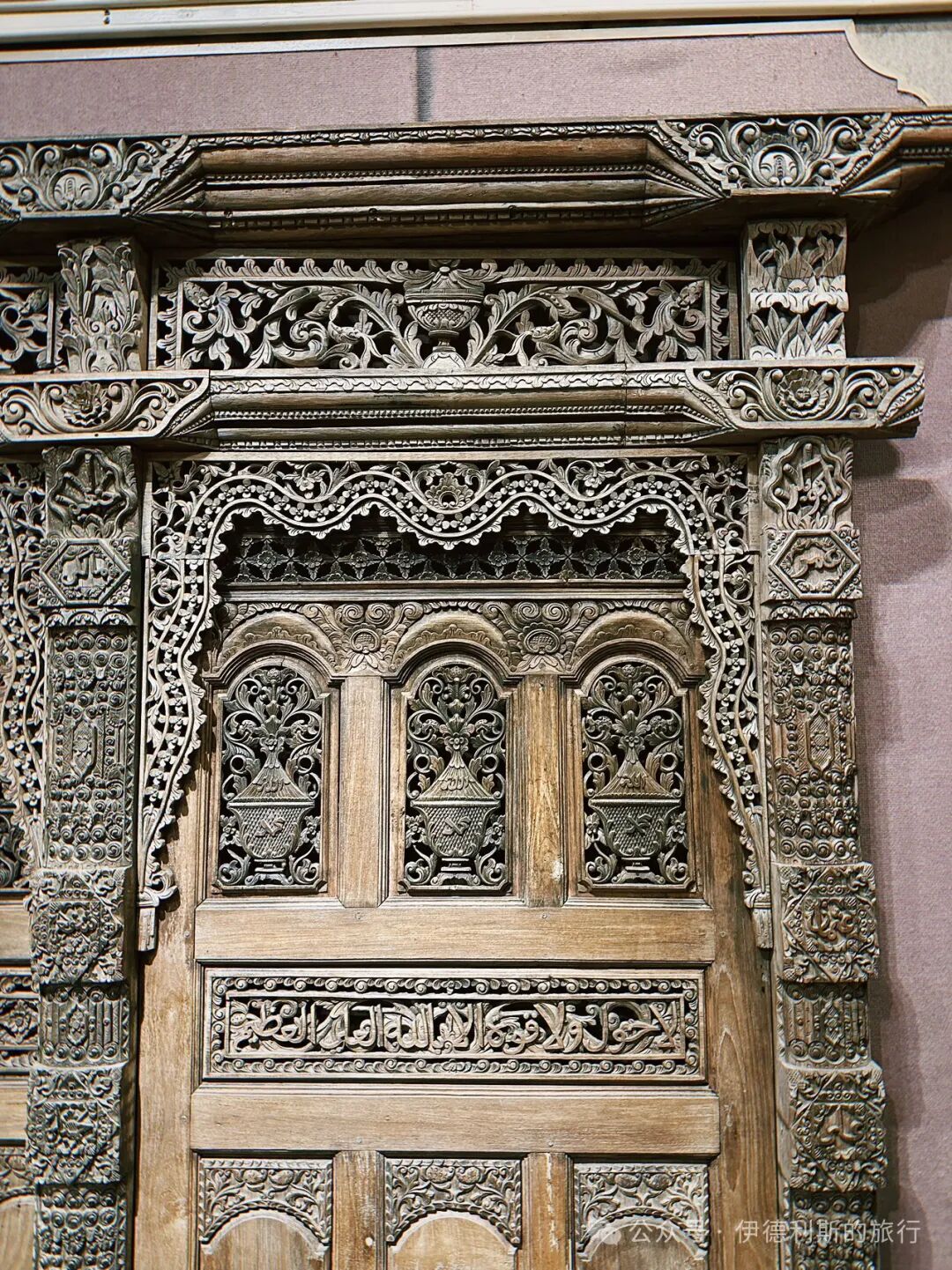
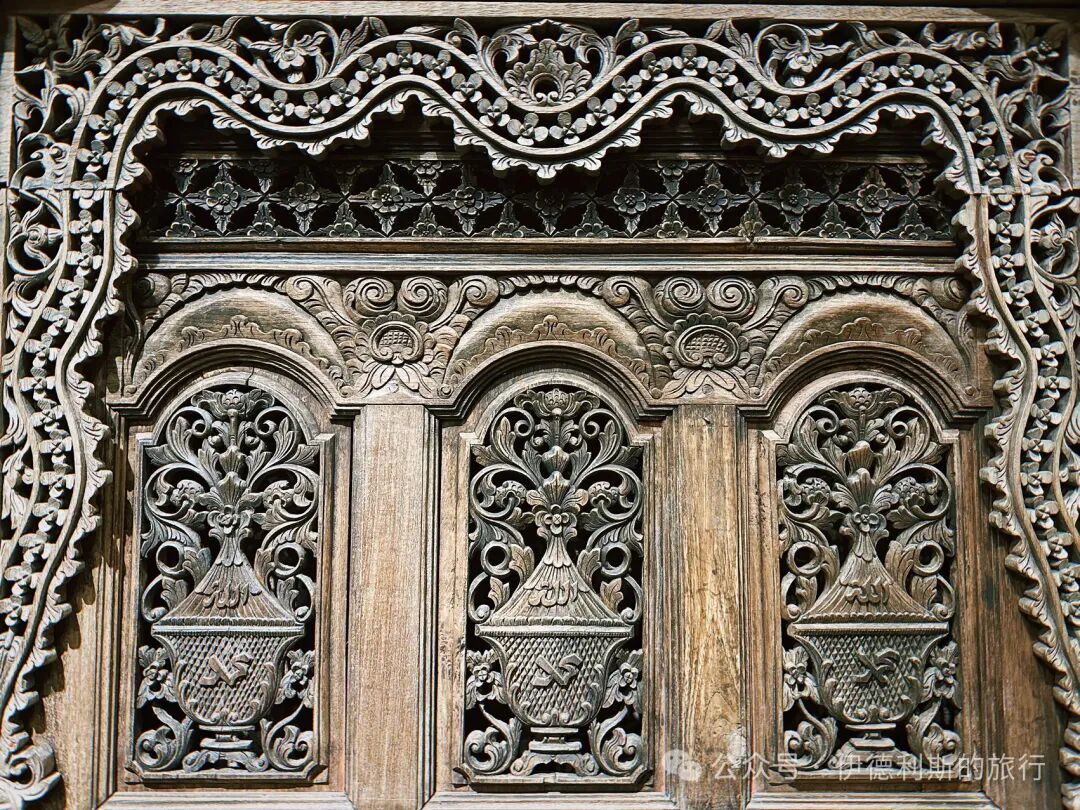
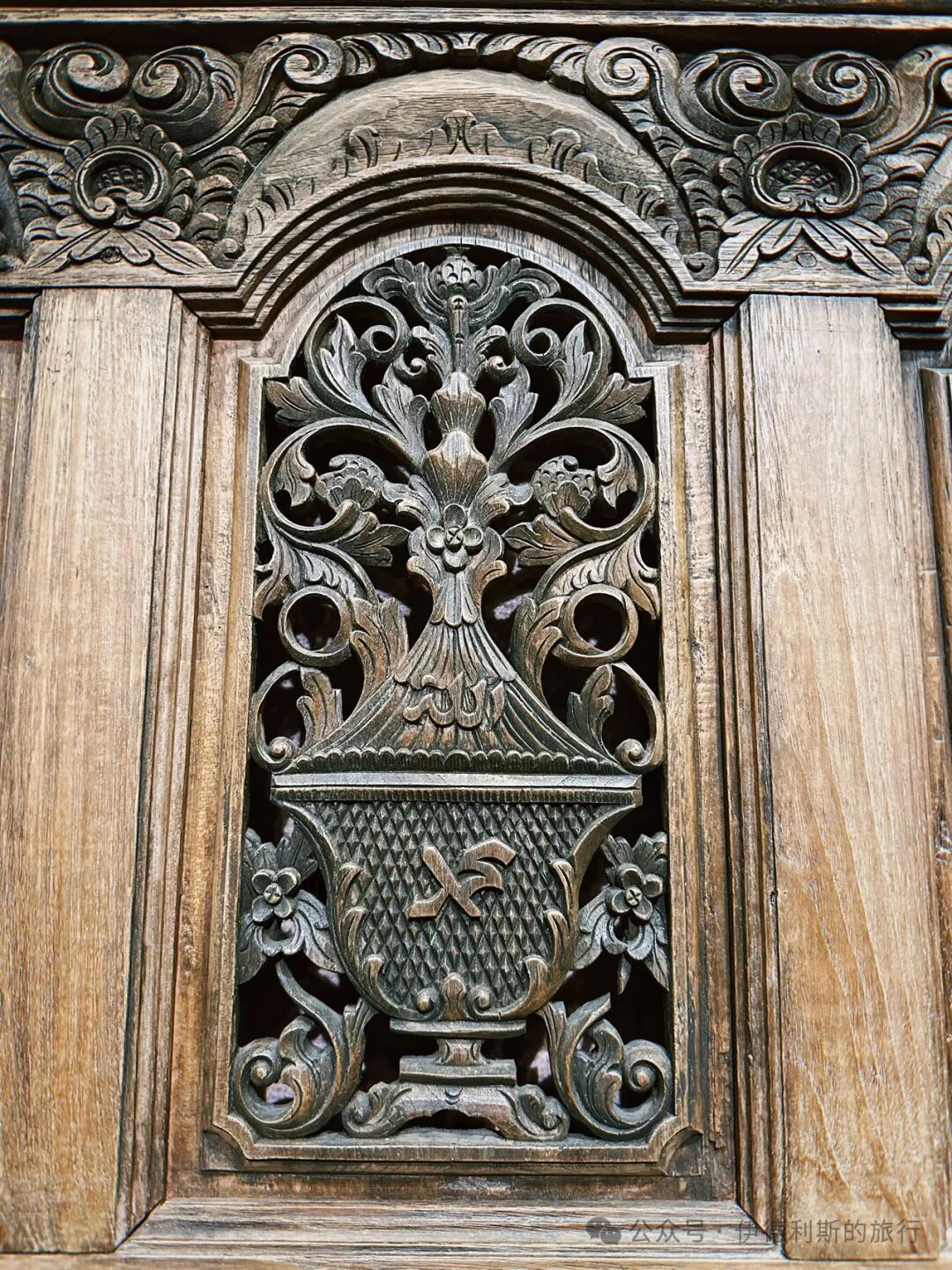
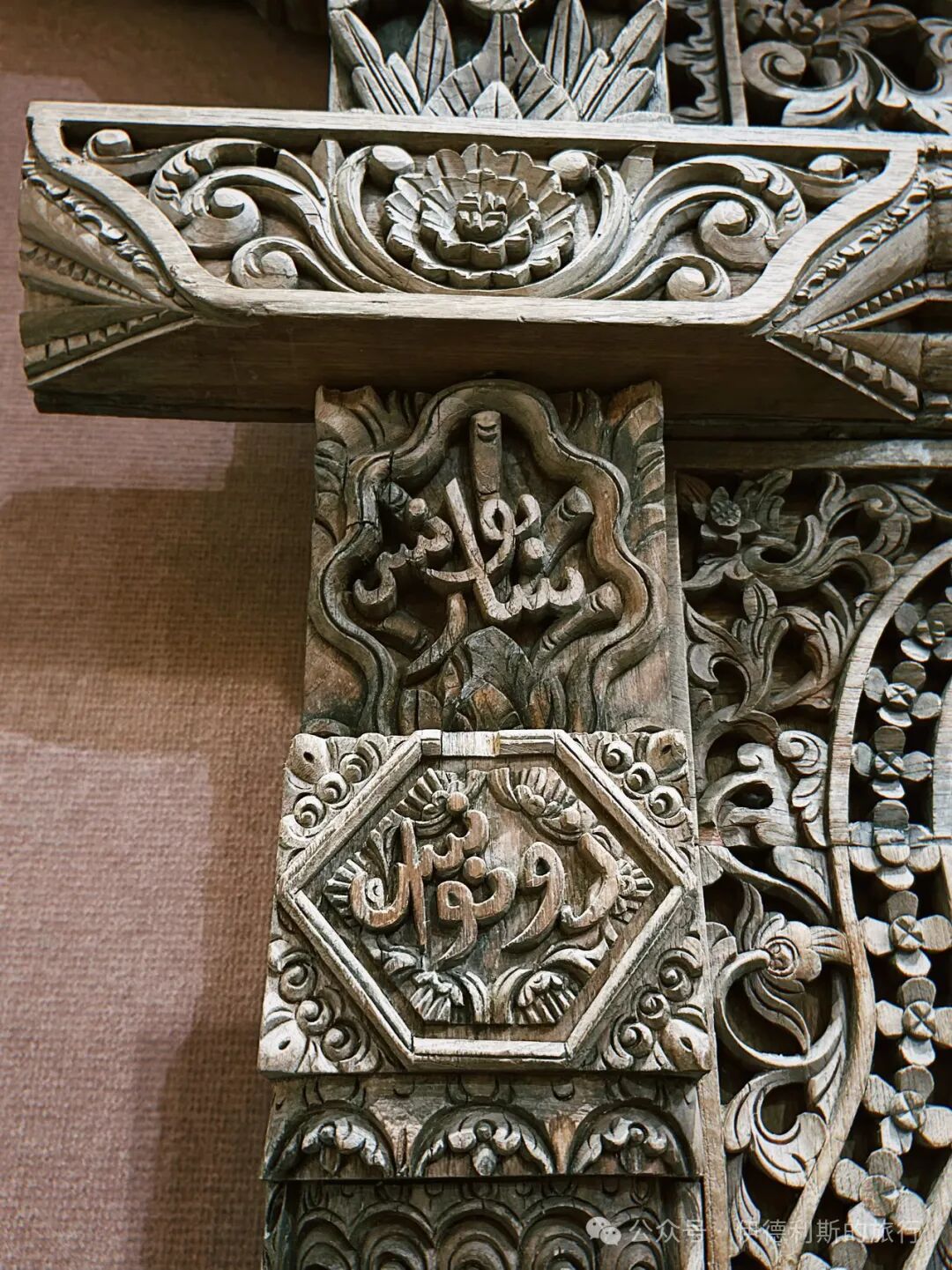
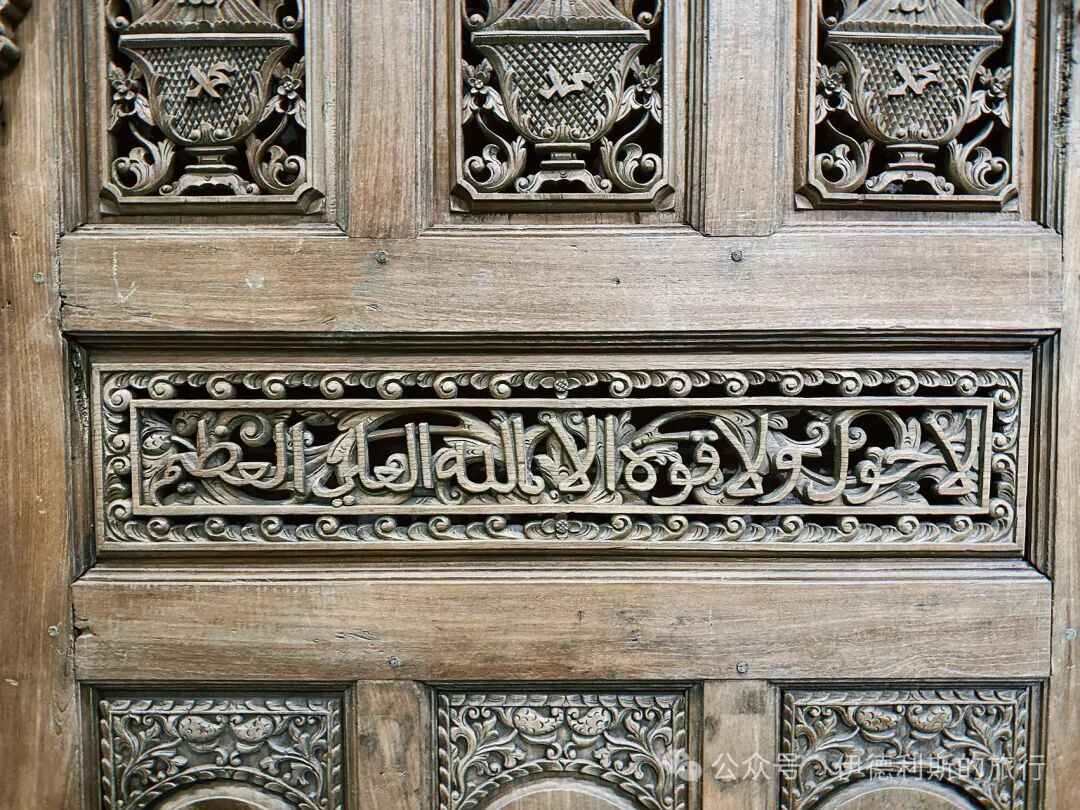
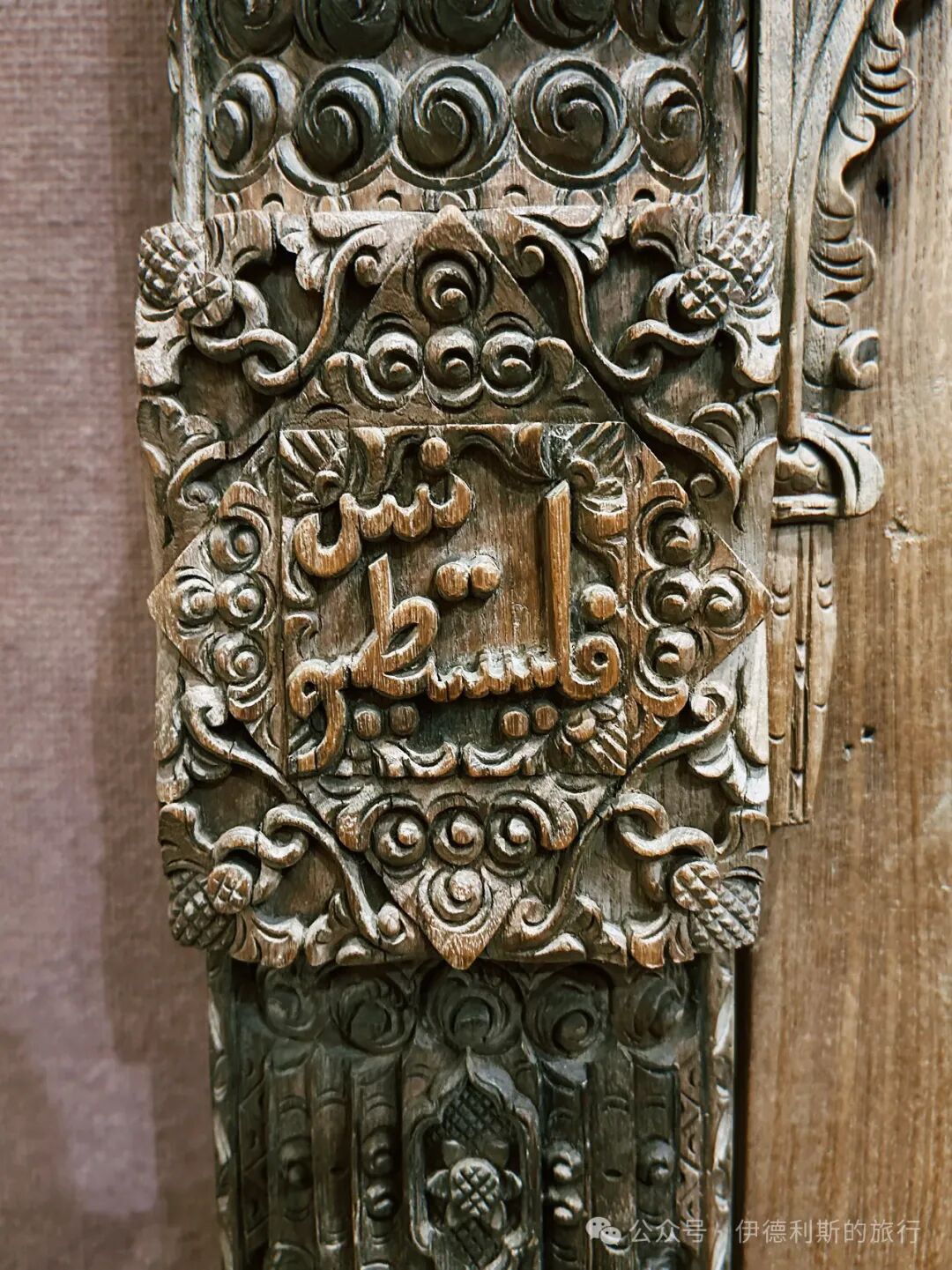
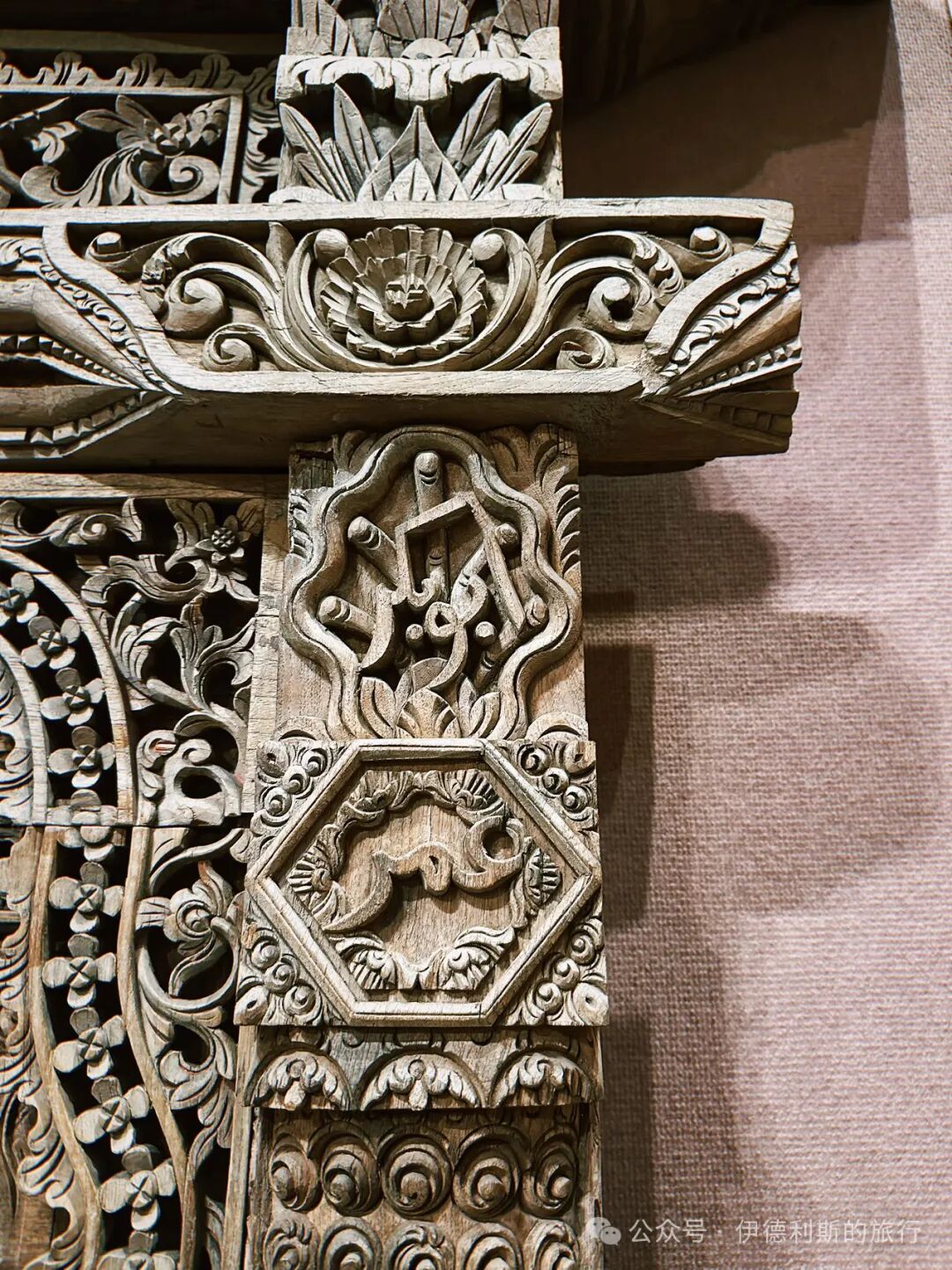
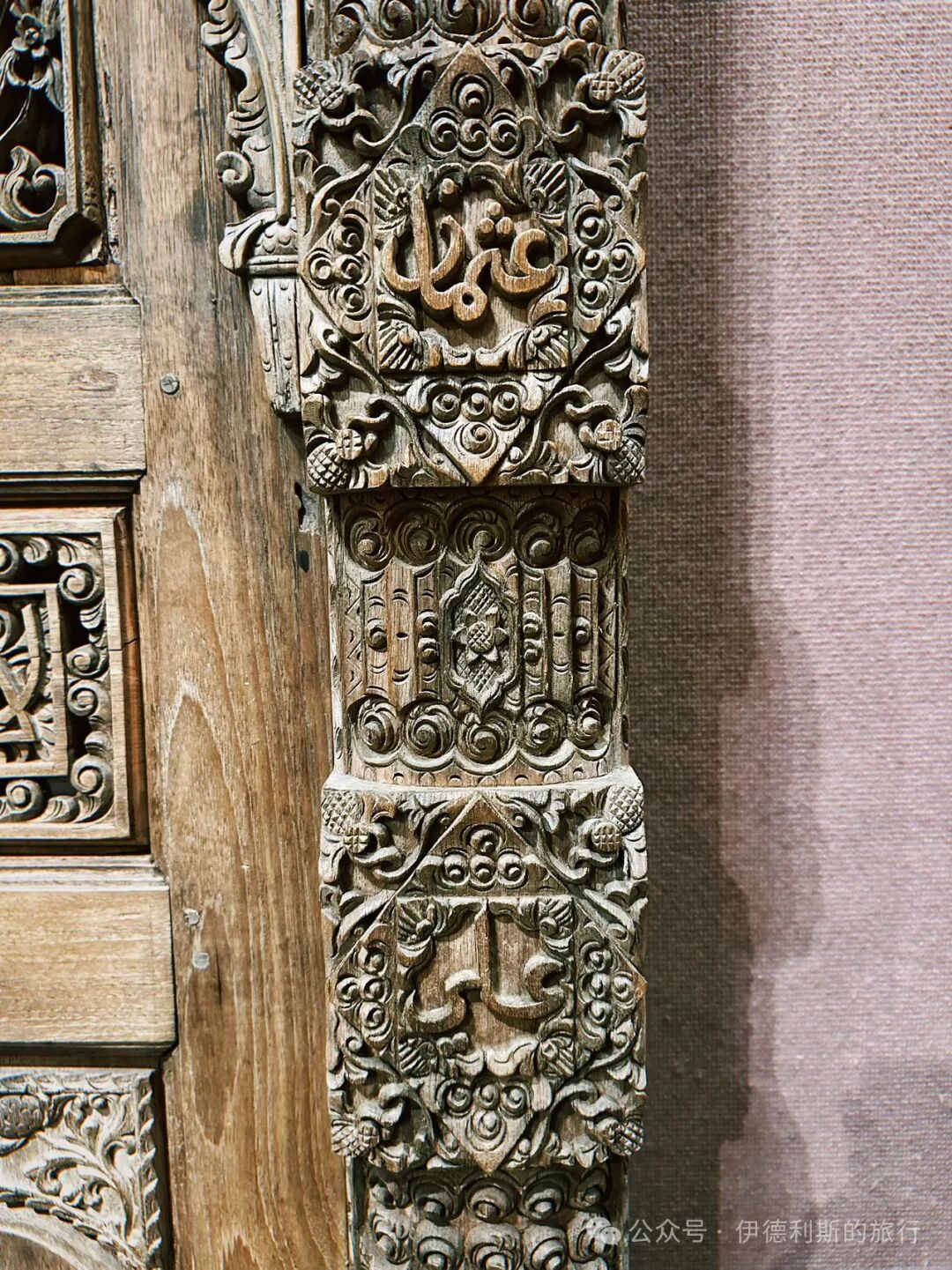
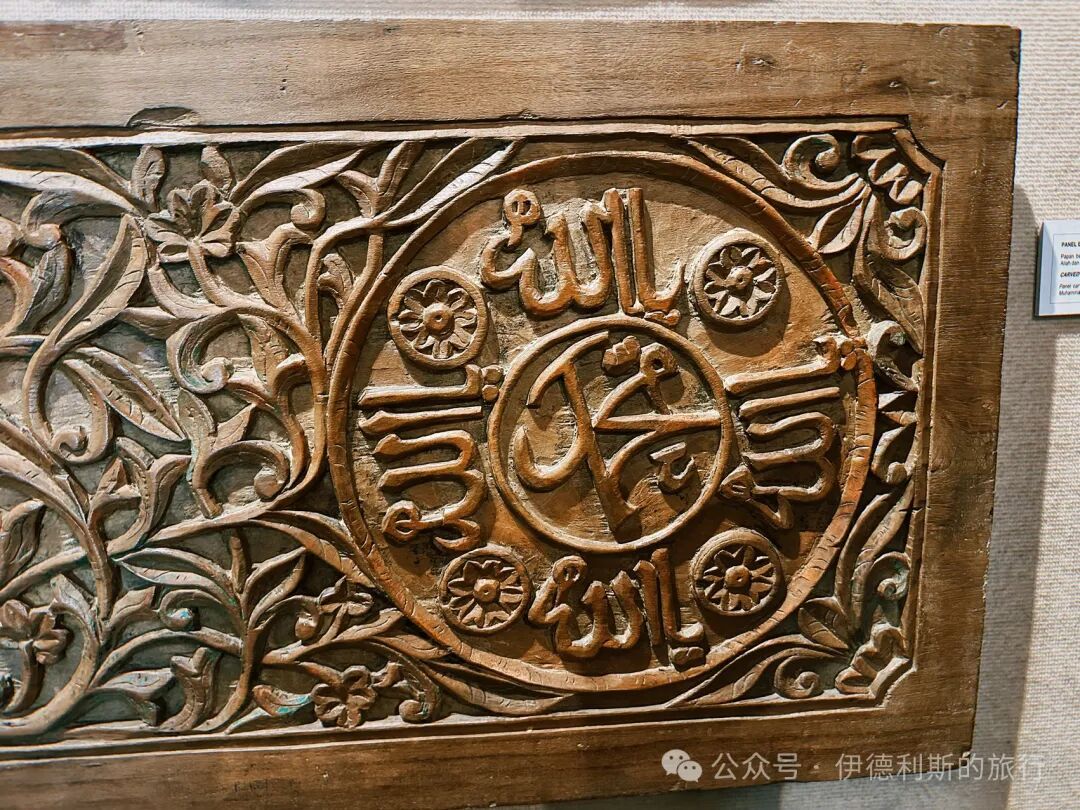
A wooden door with scripture from a traditional Malay noble house. Red, black, and gold are classic colors in Malay art.
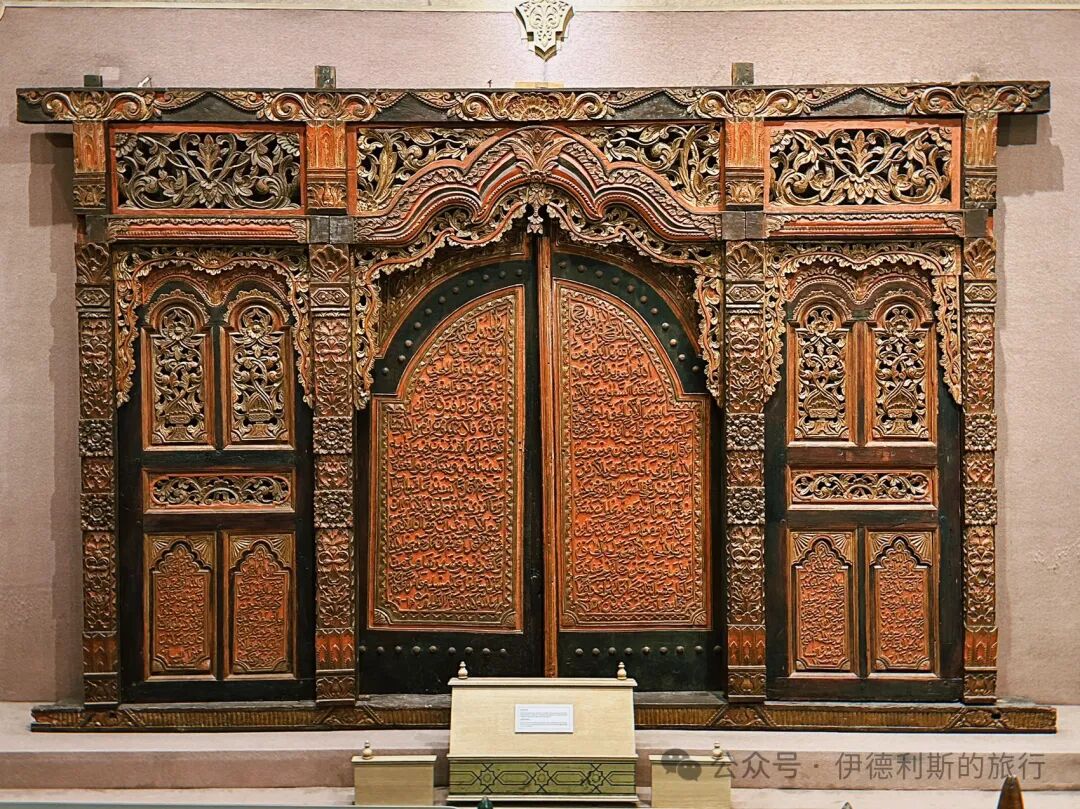
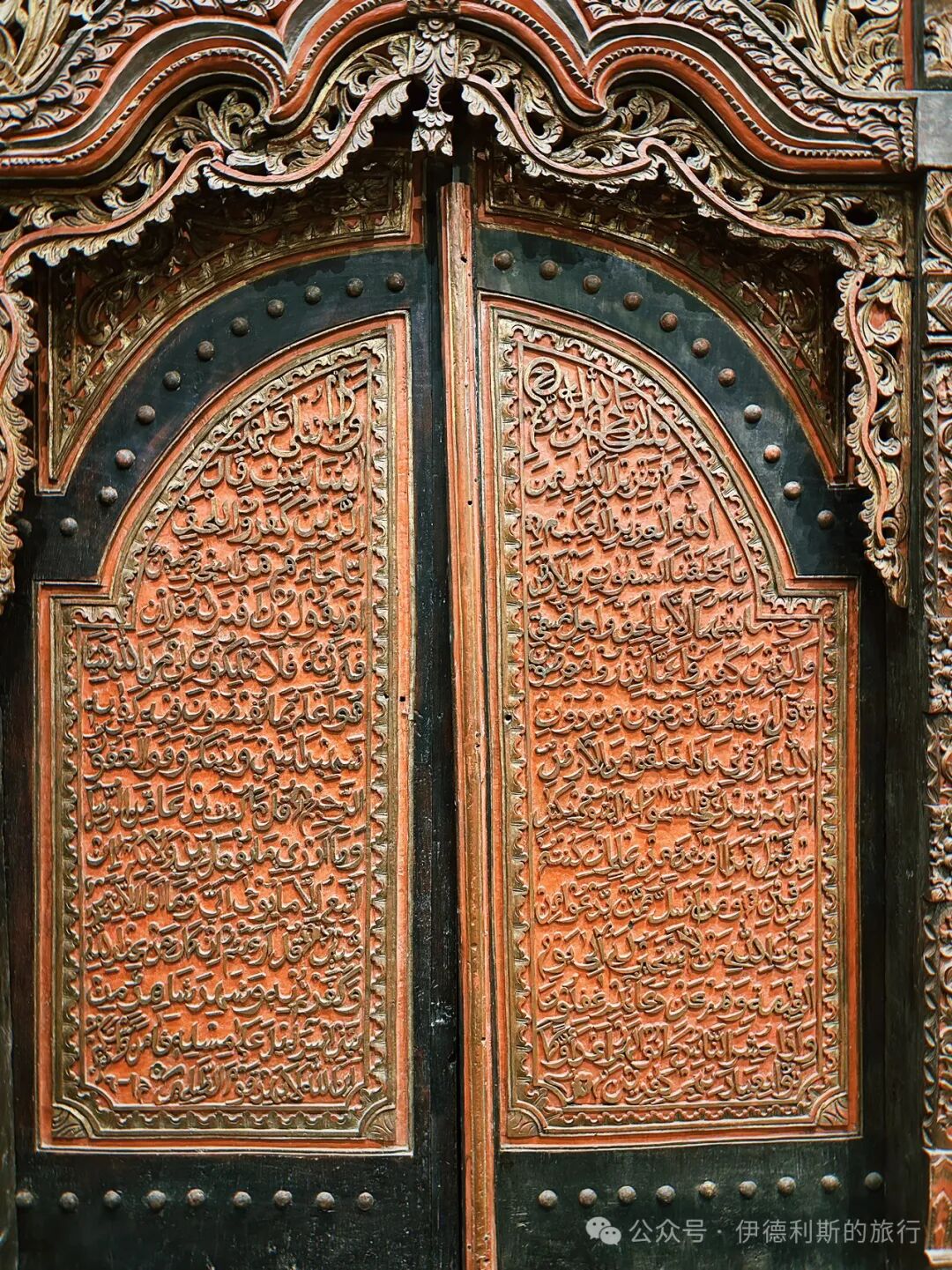
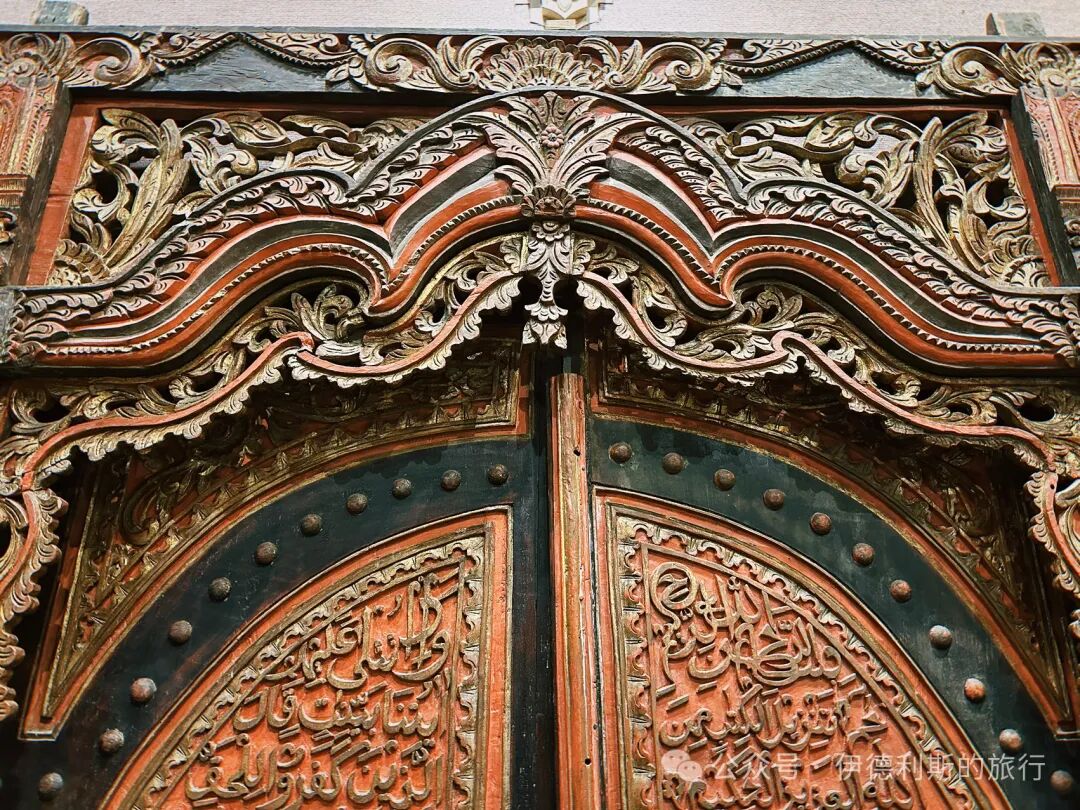
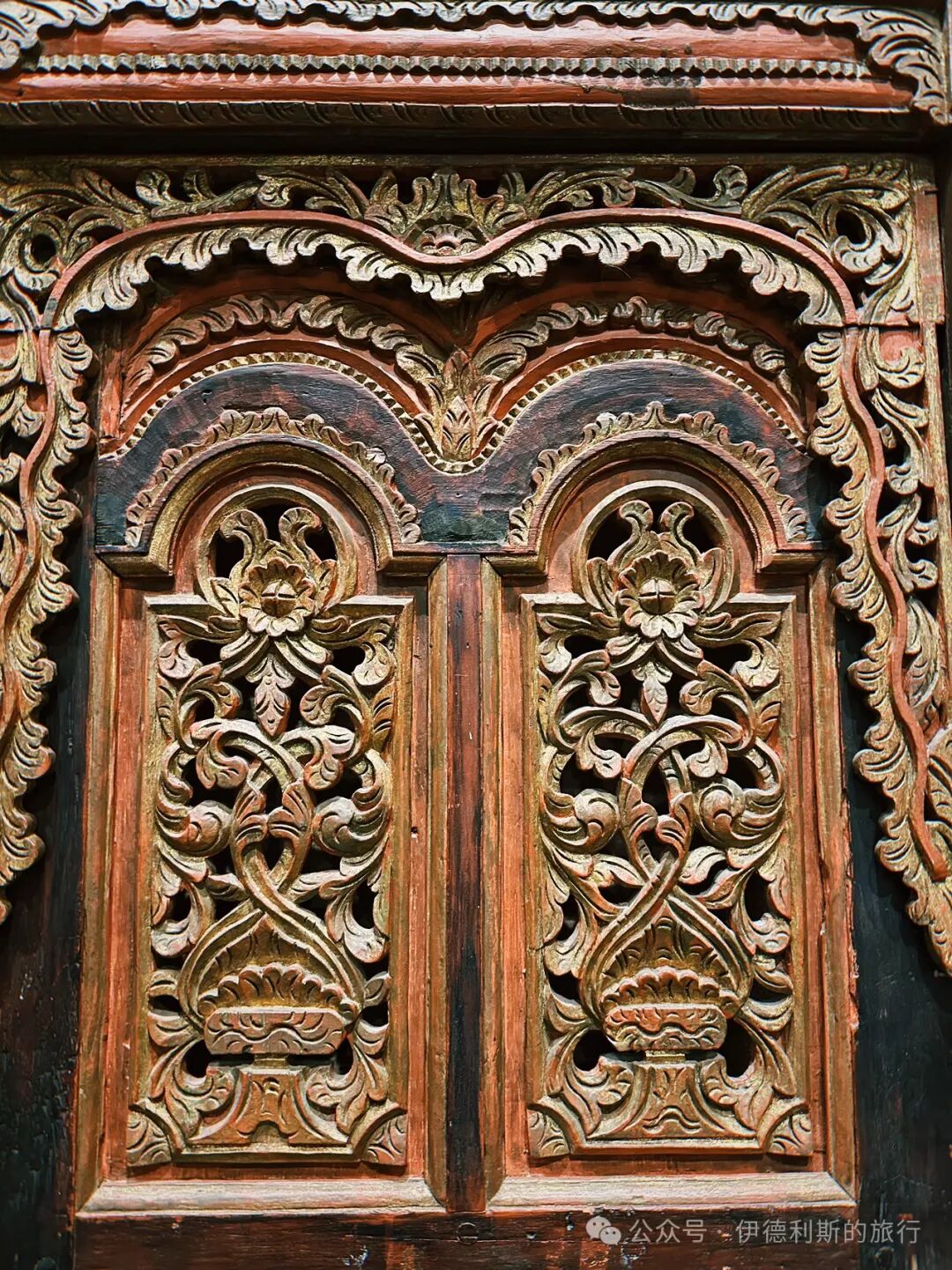
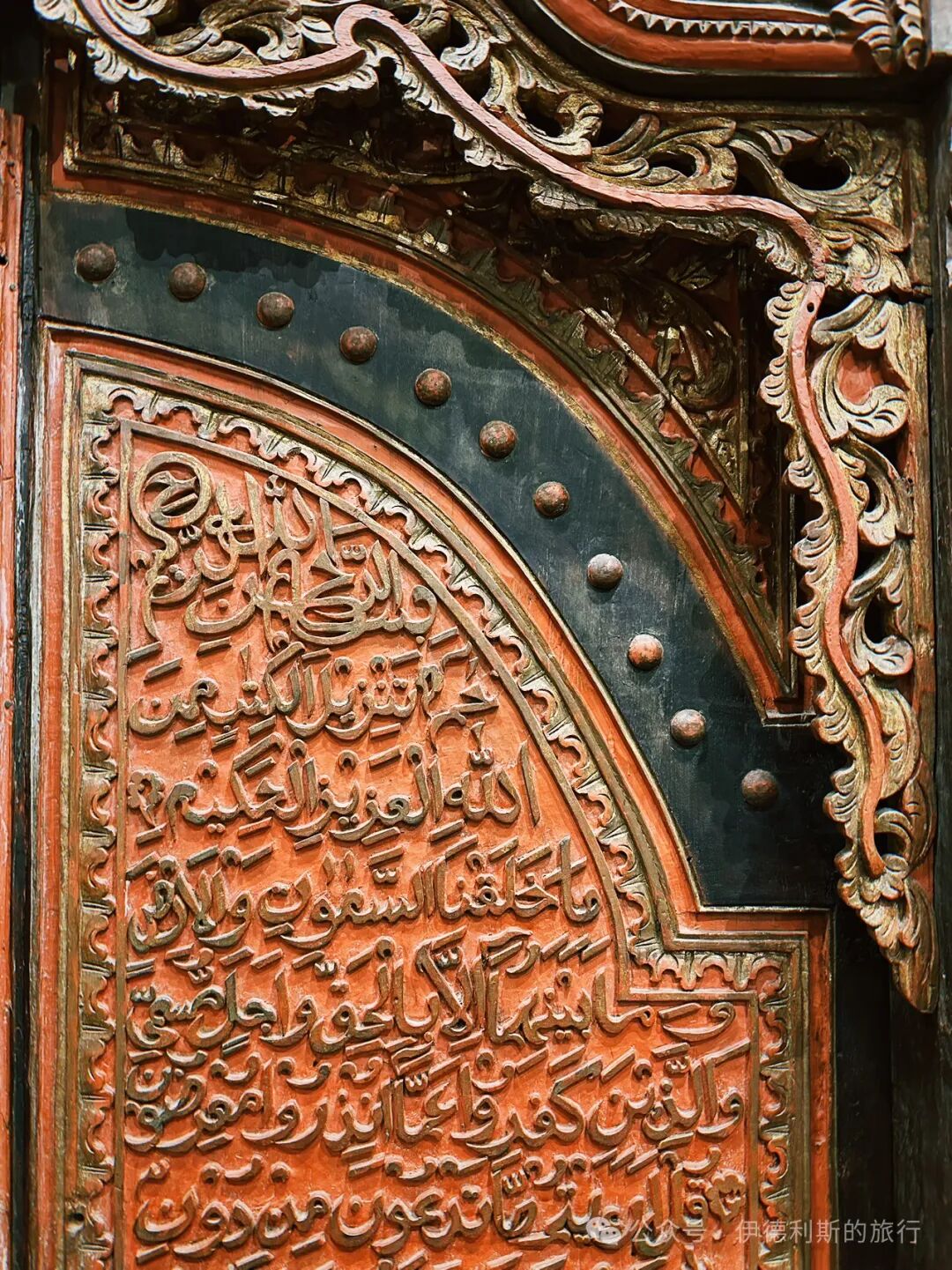
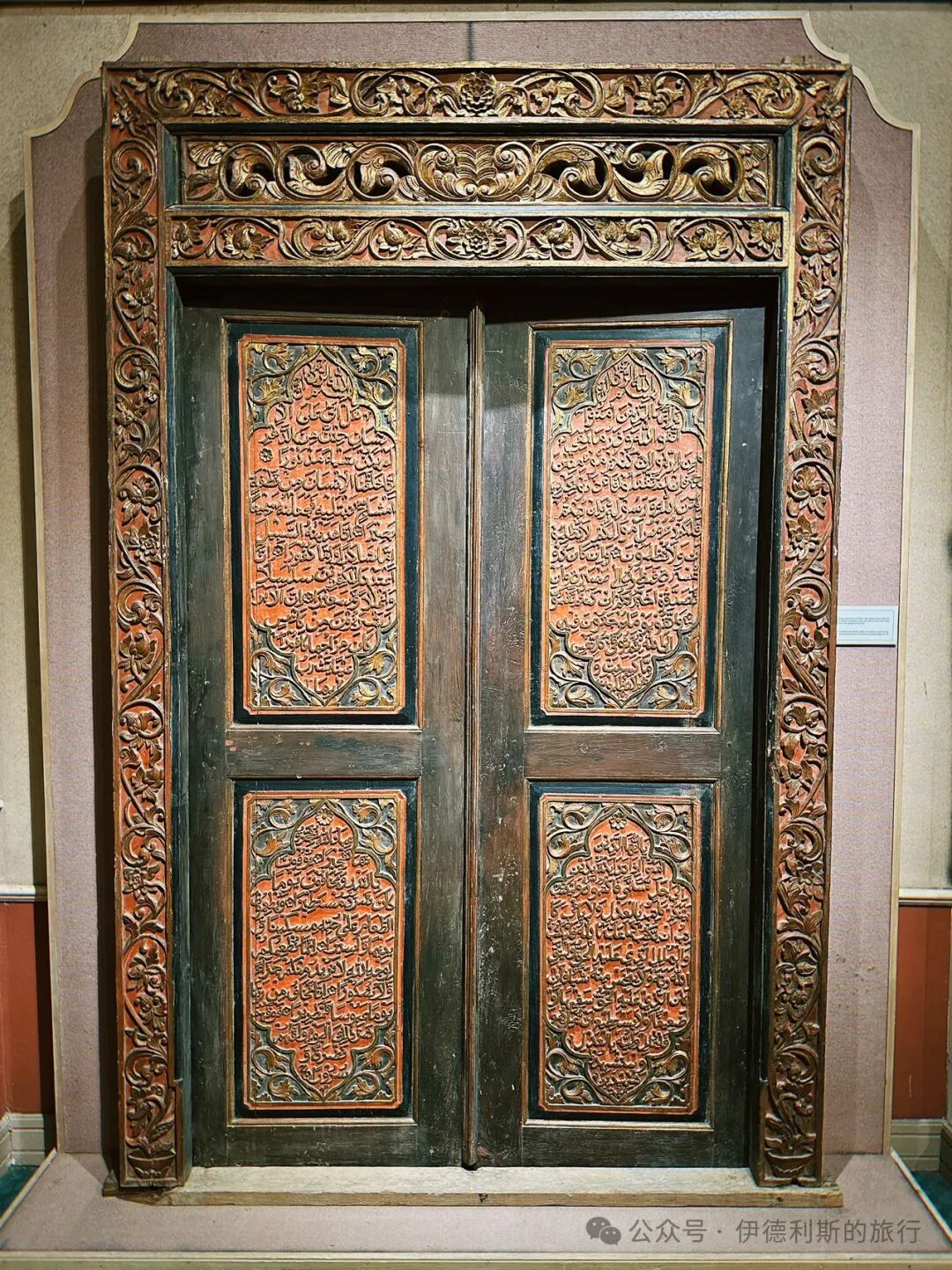
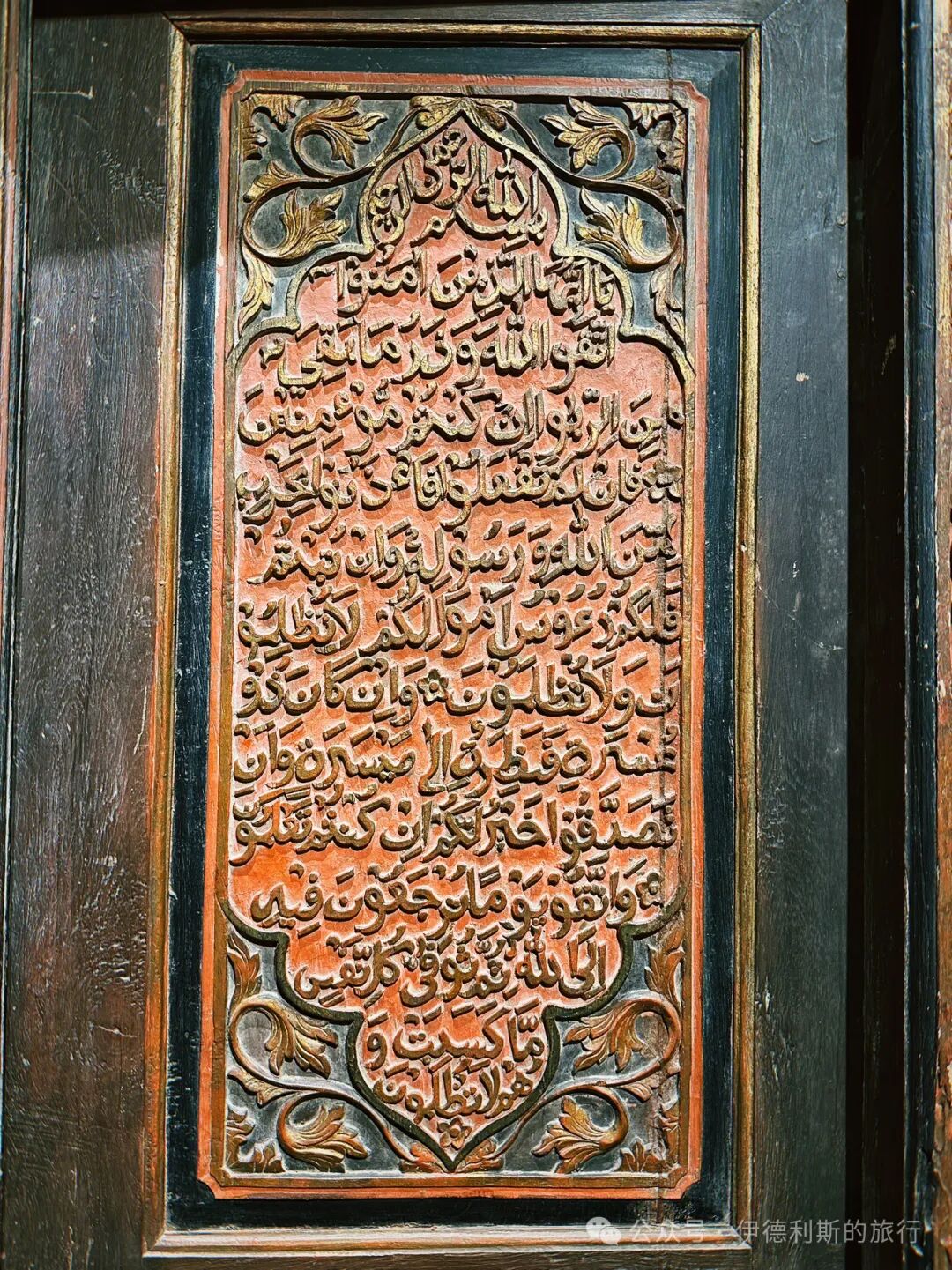
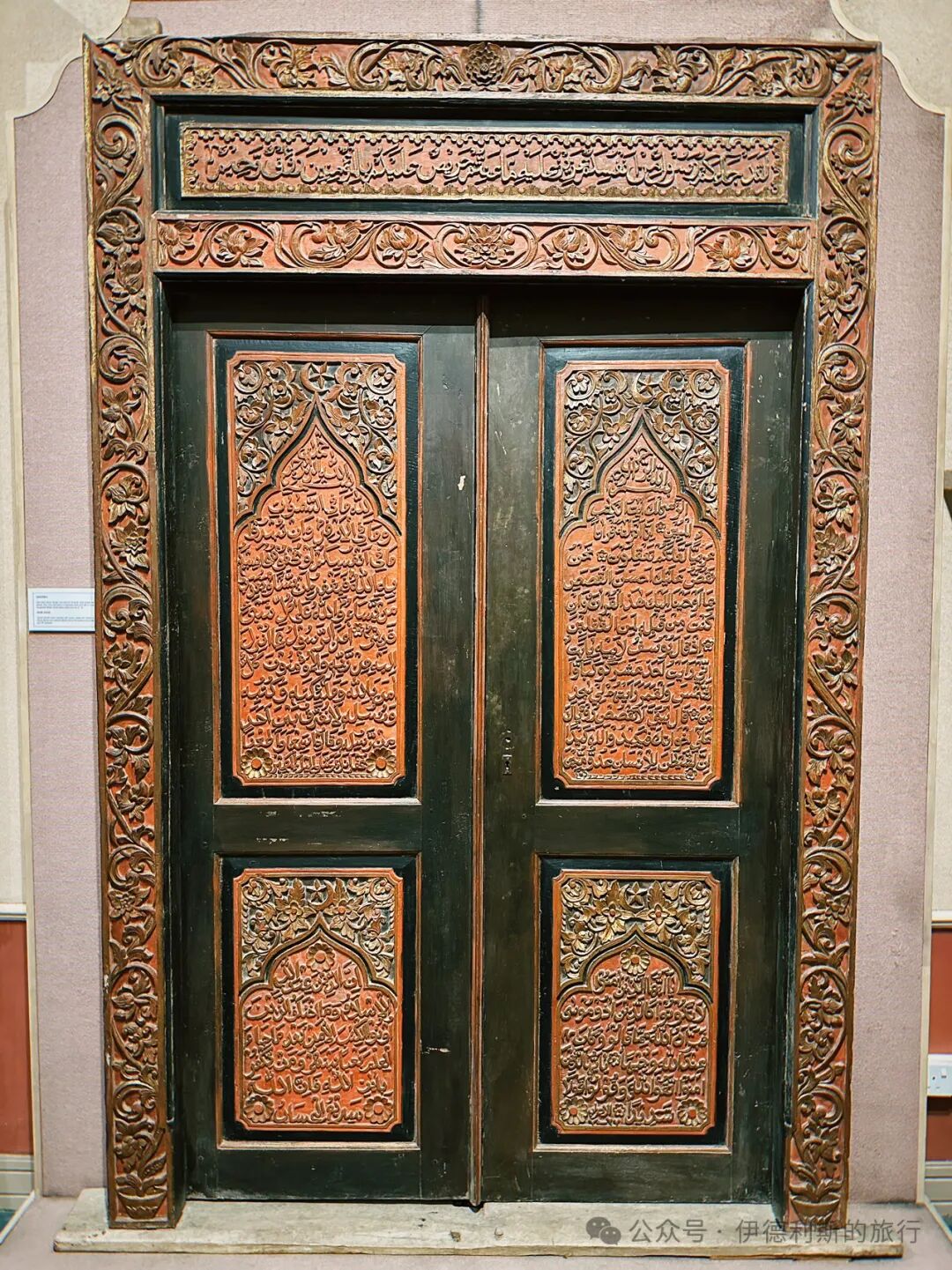
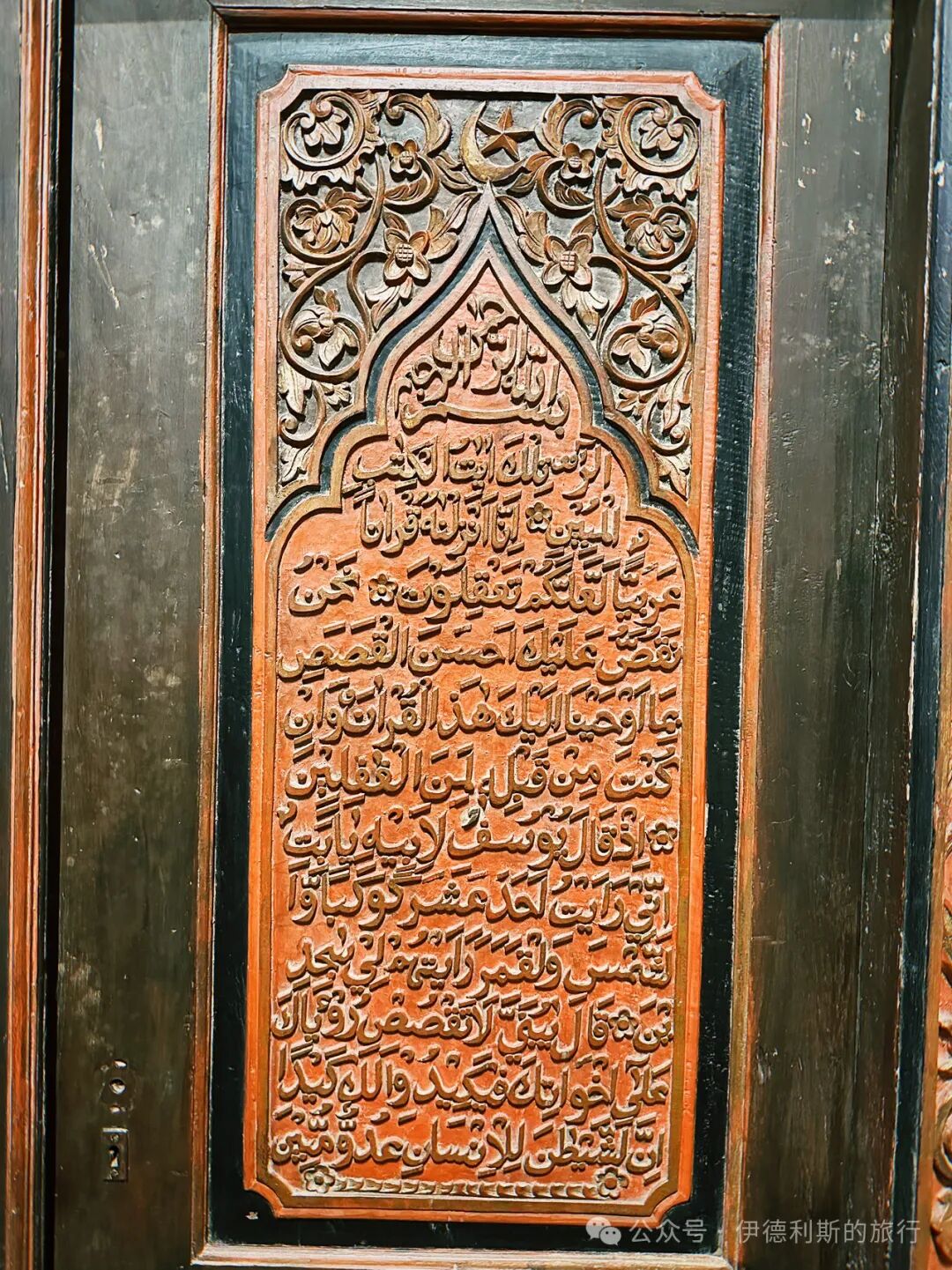
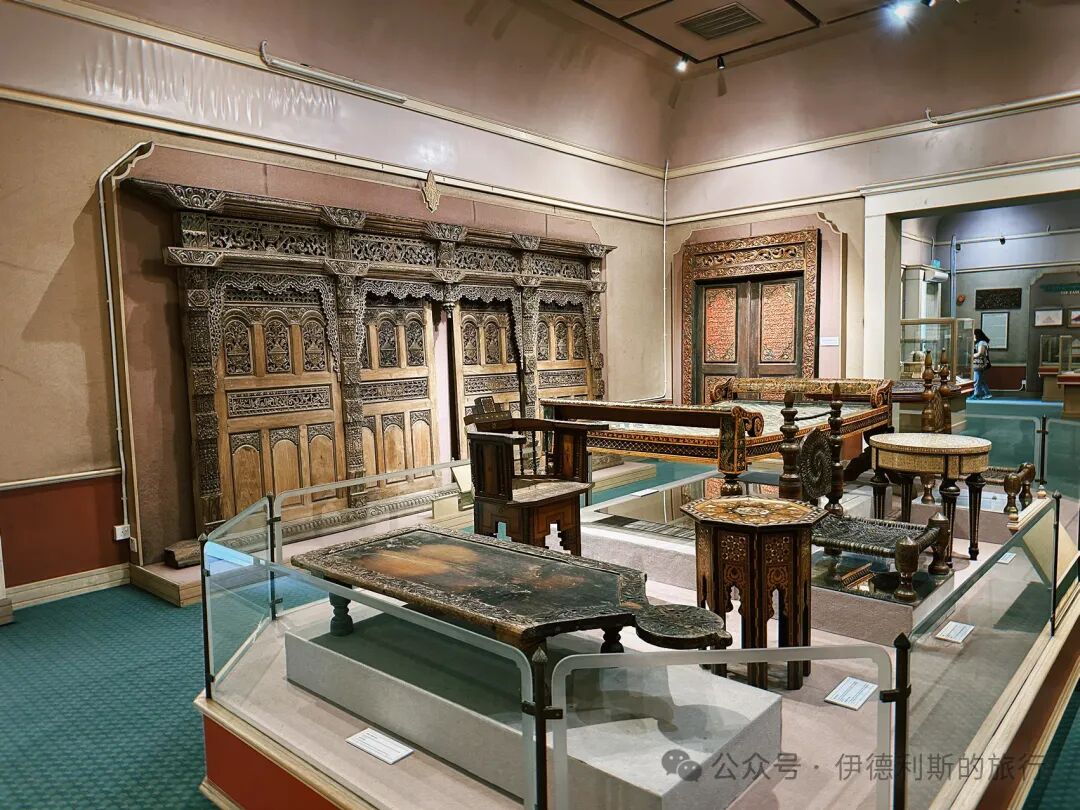
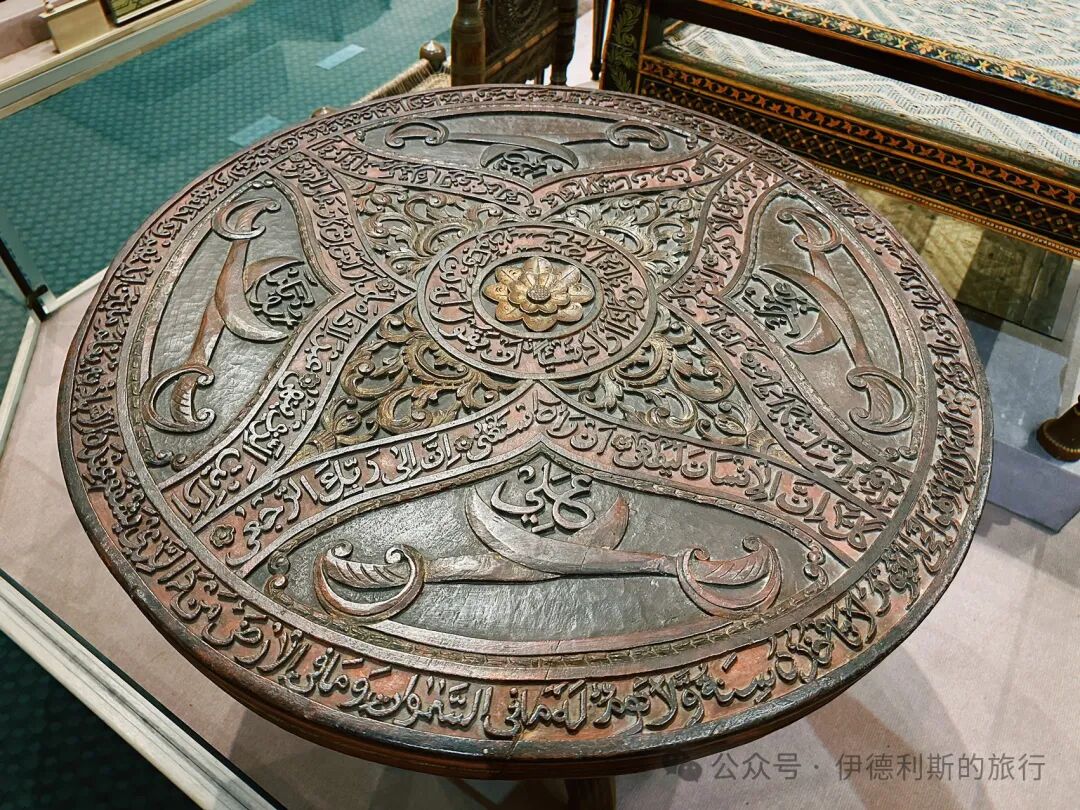
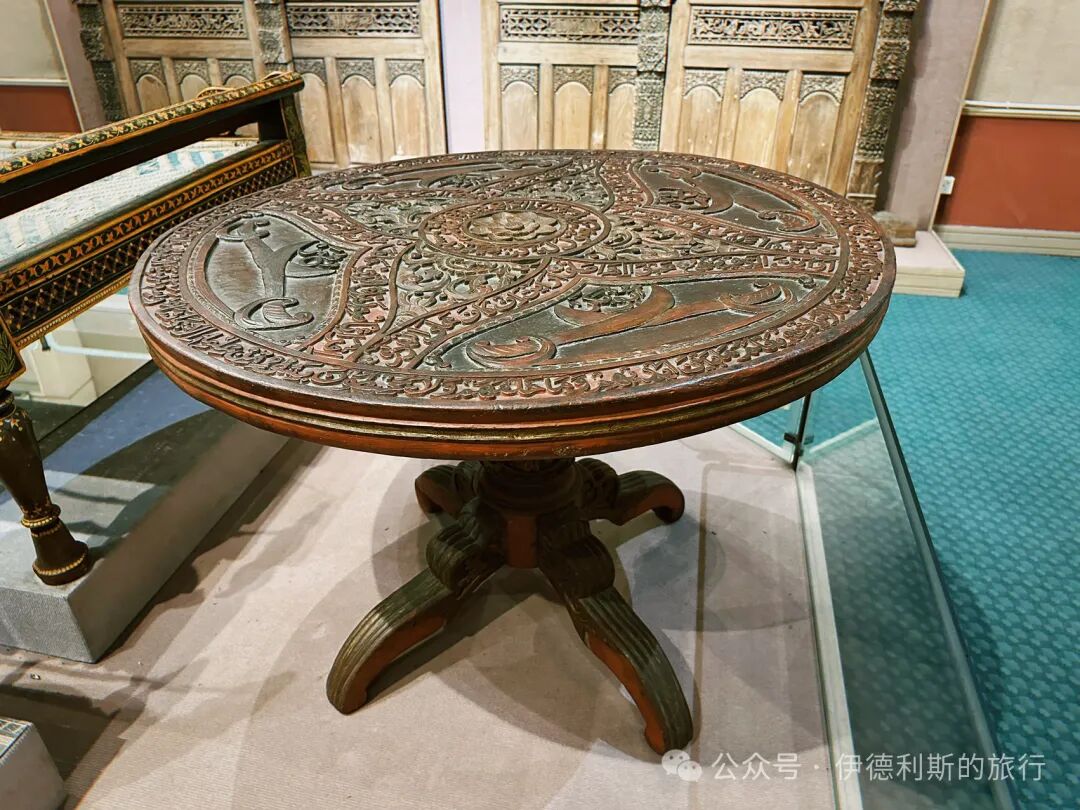
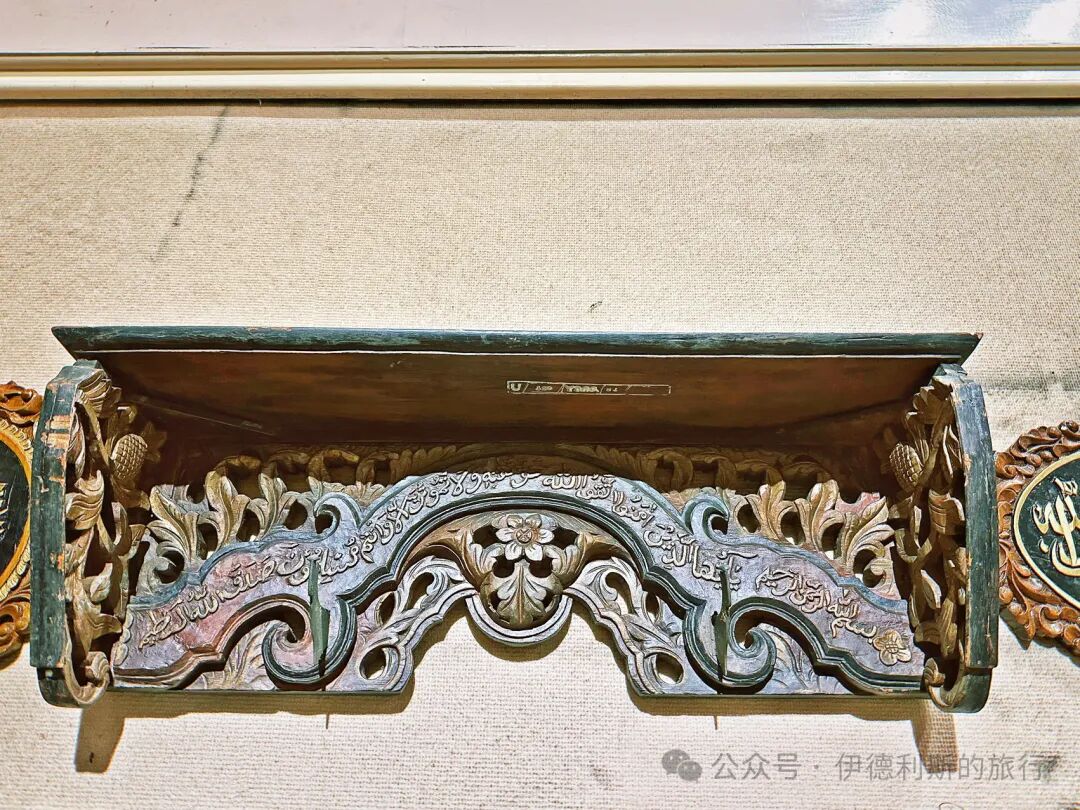
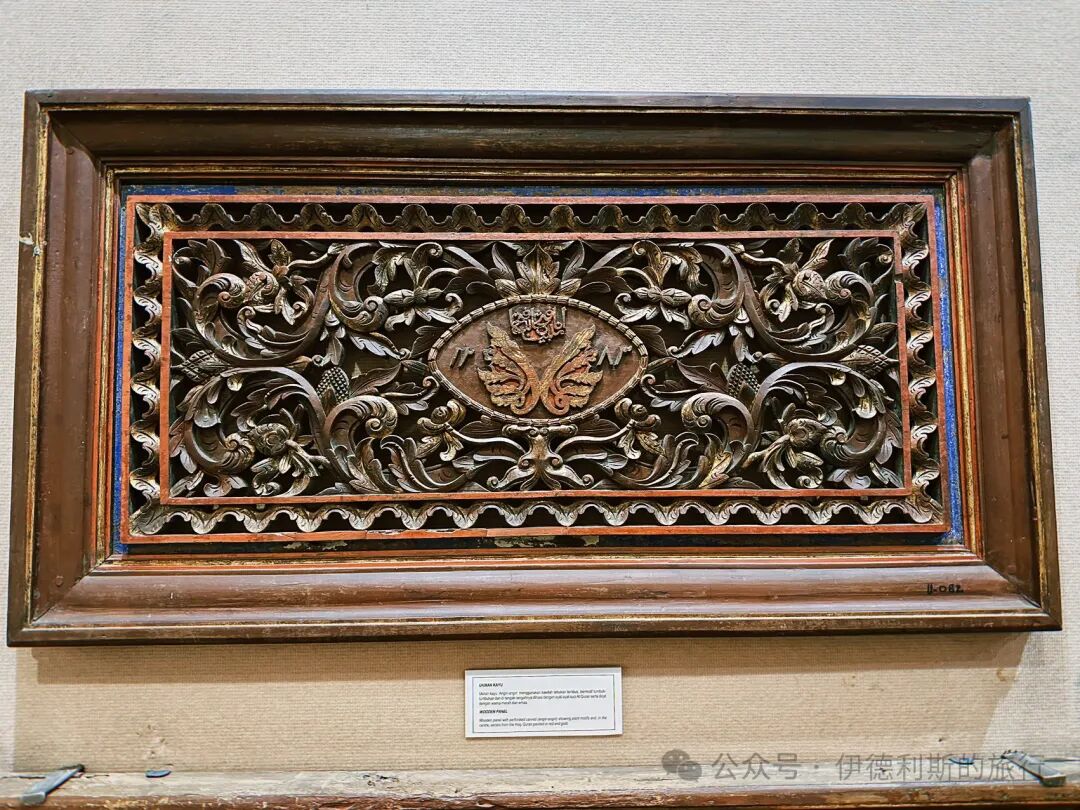
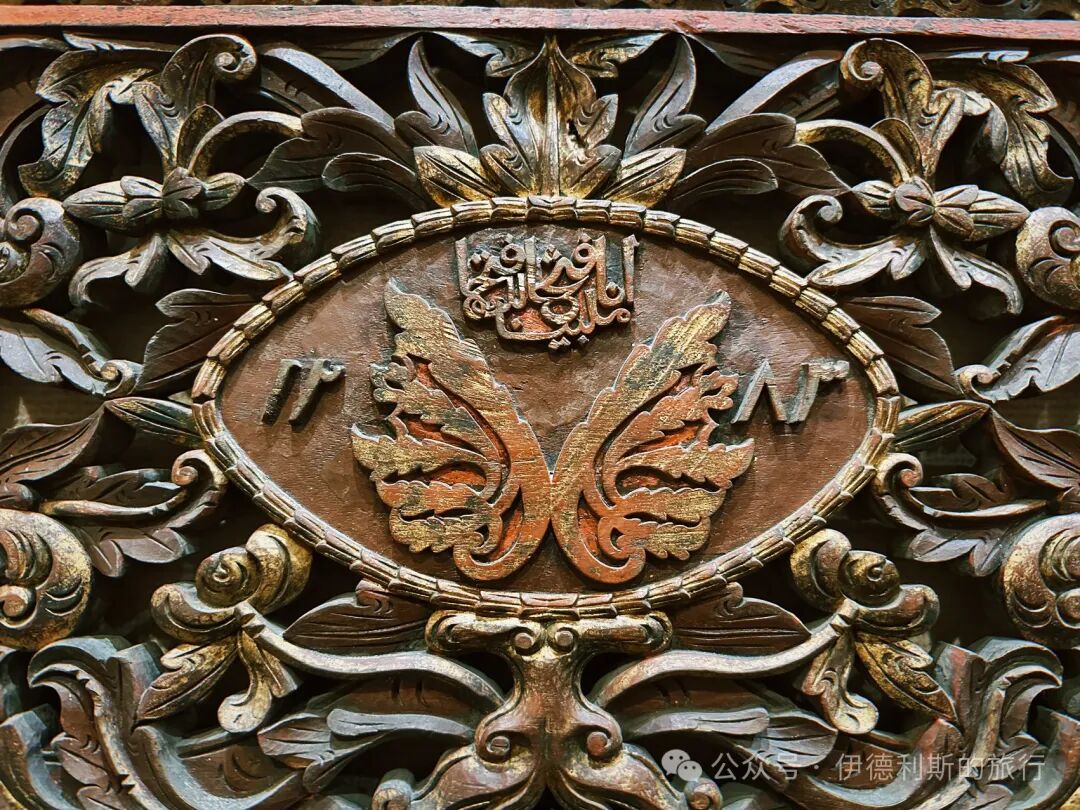
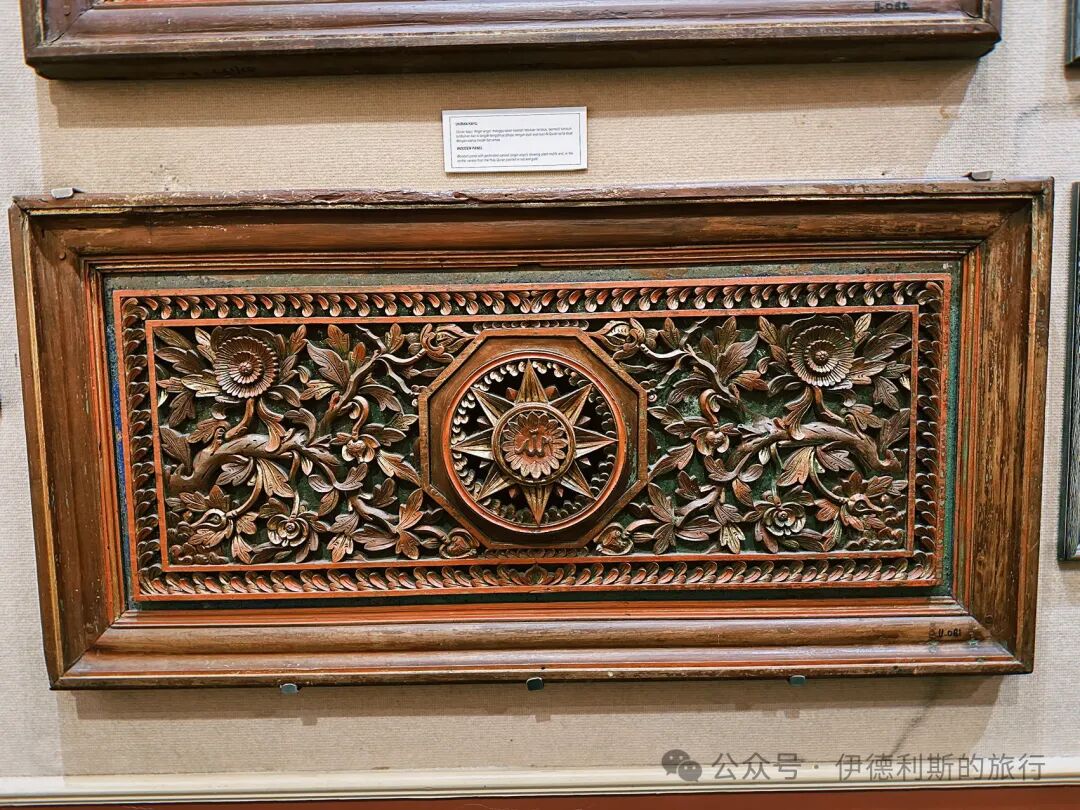
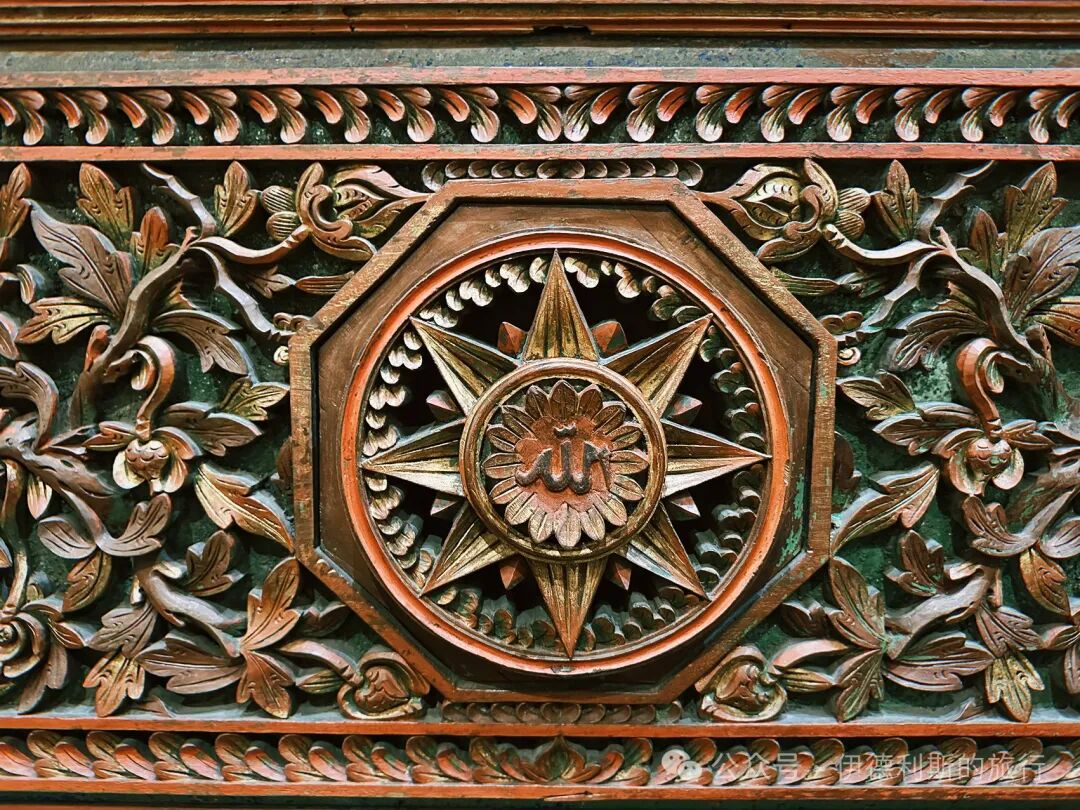
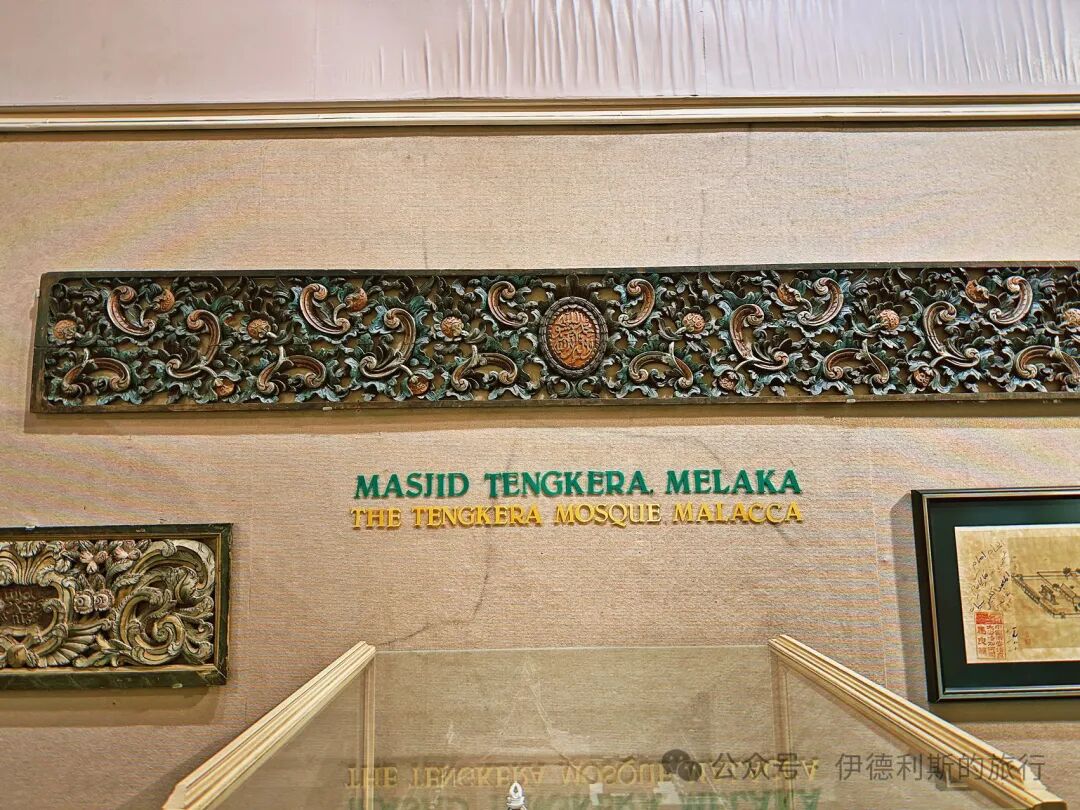
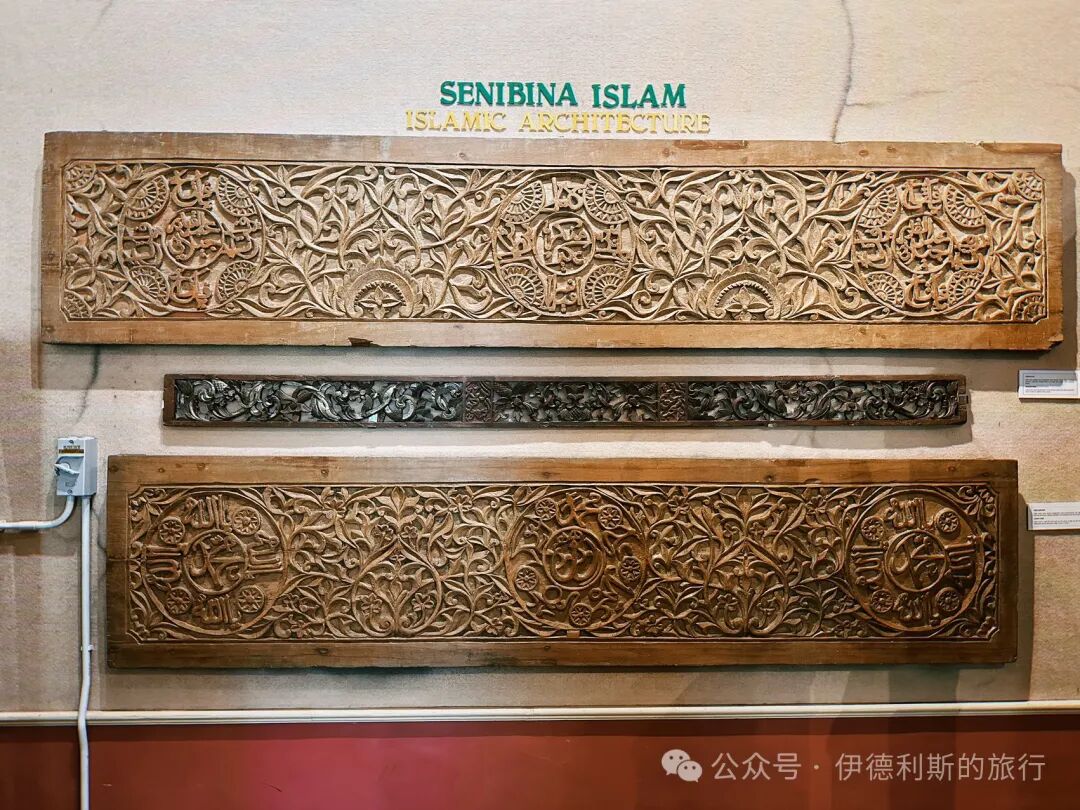
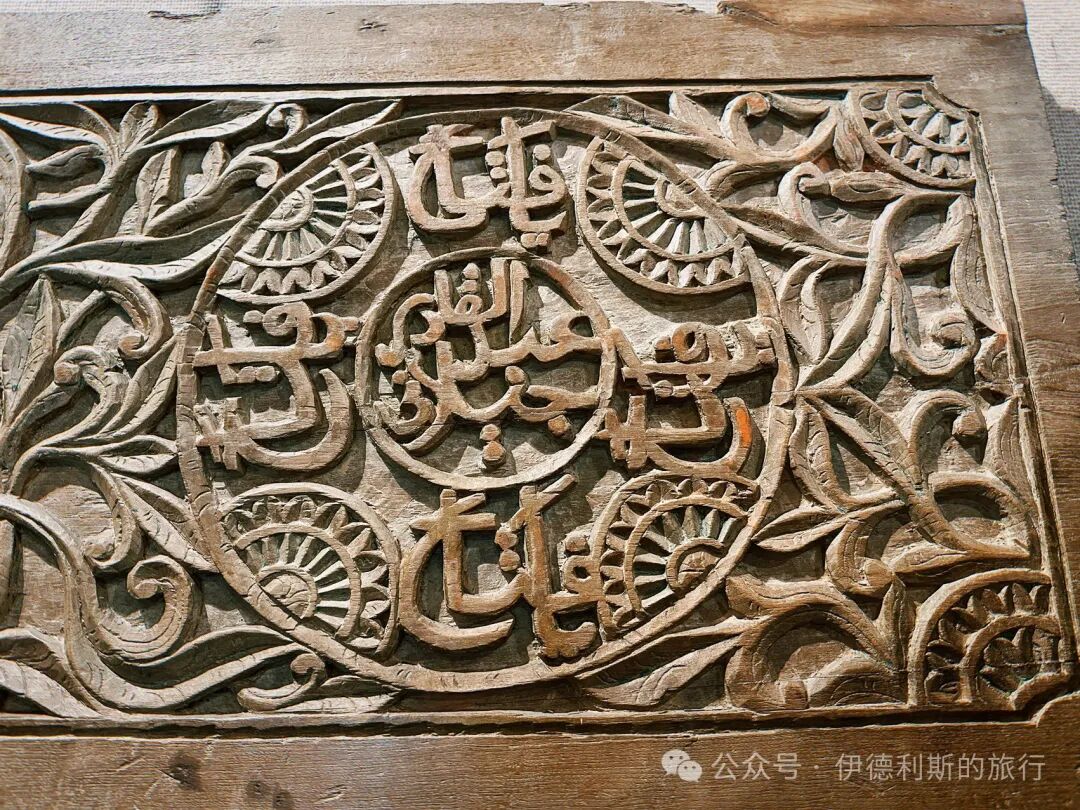
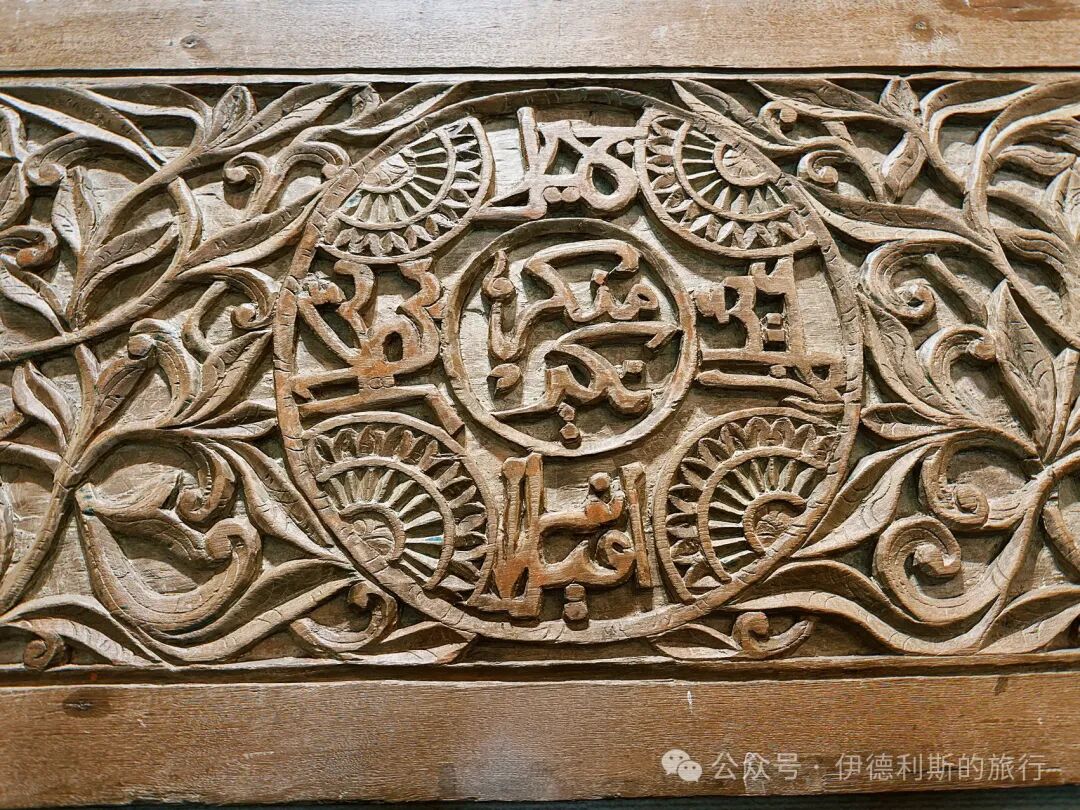
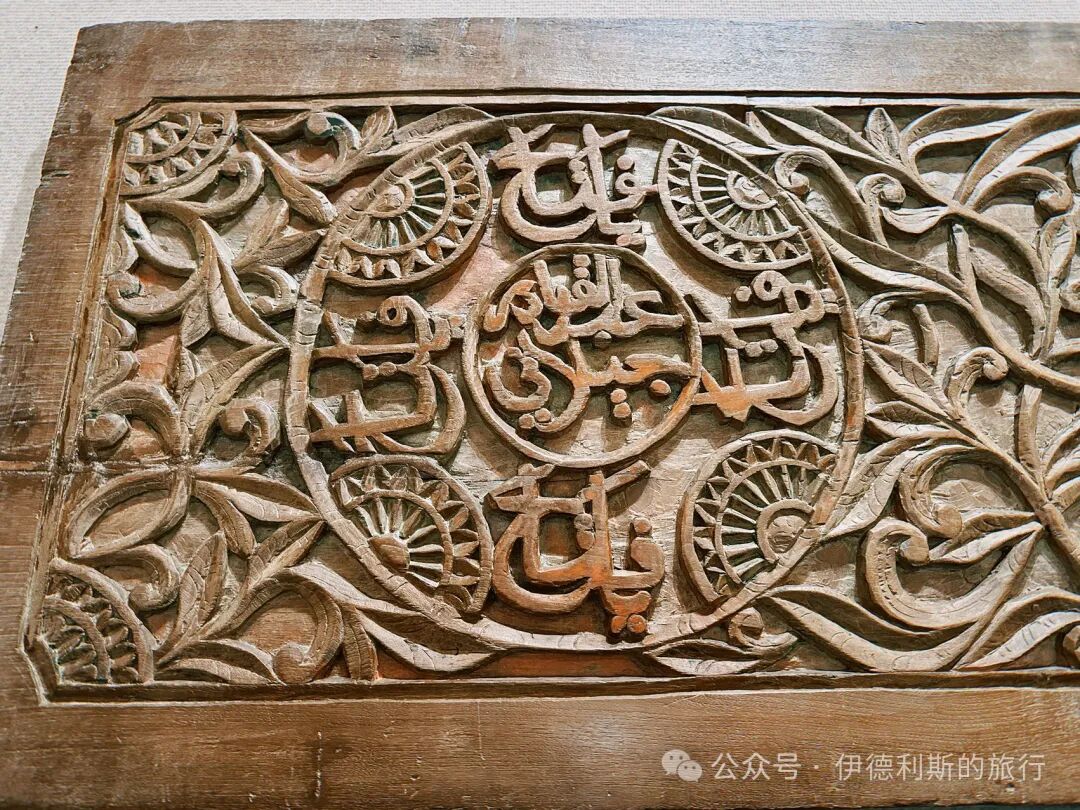
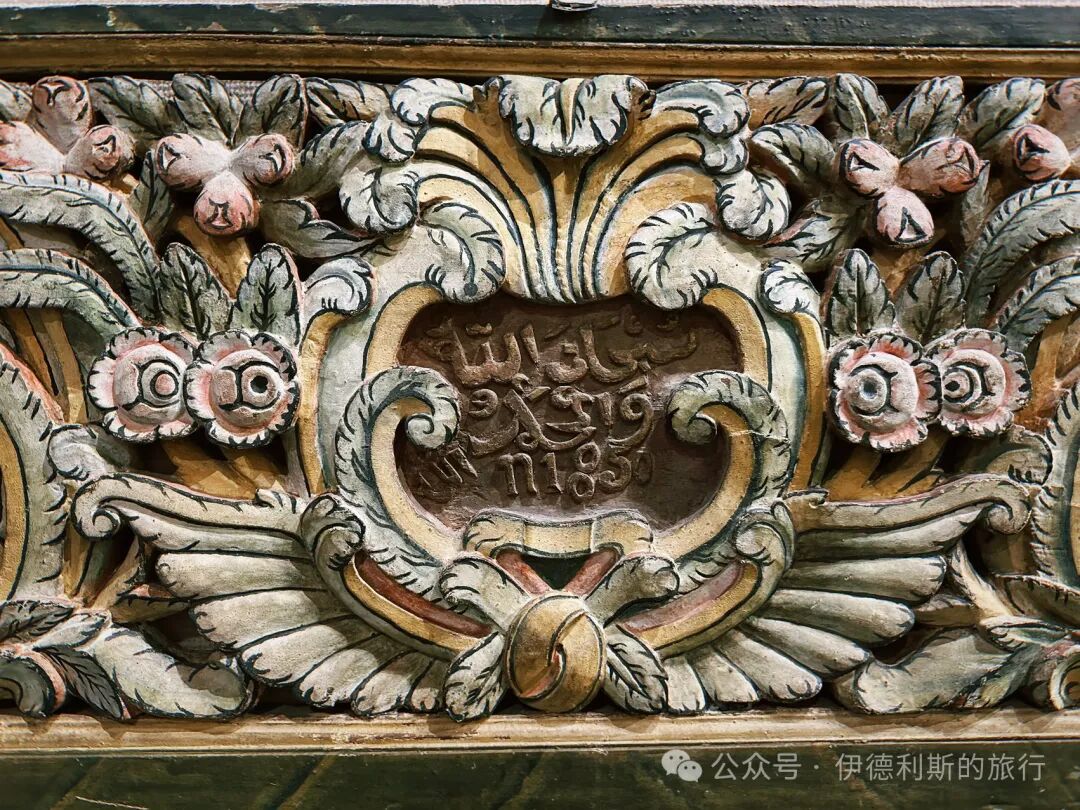
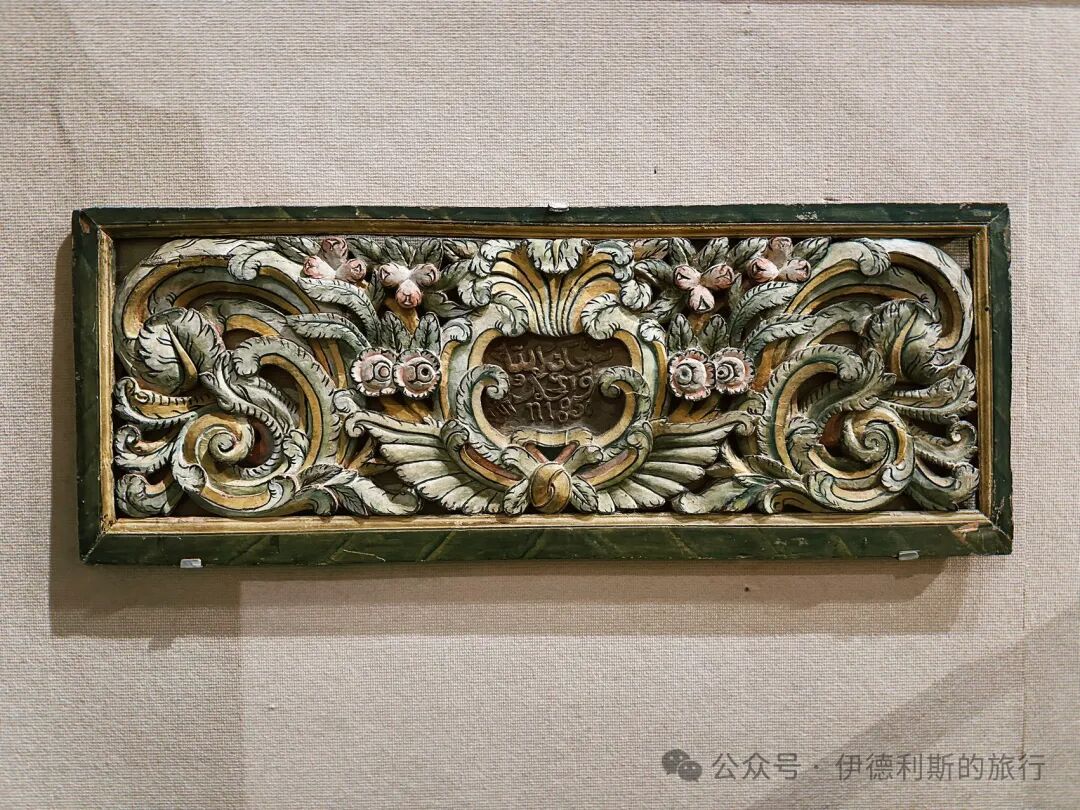
The museum houses many wood carvings from traditional Malay noble houses or mosques, though most lack specific records of their origin. One piece is inscribed with '1283', which corresponds to the year 1866 in the Gregorian calendar. Judging by the level of weathering, these wood carvings likely date back to around the 19th century.
A traditional wooden chest from the Central Java region.
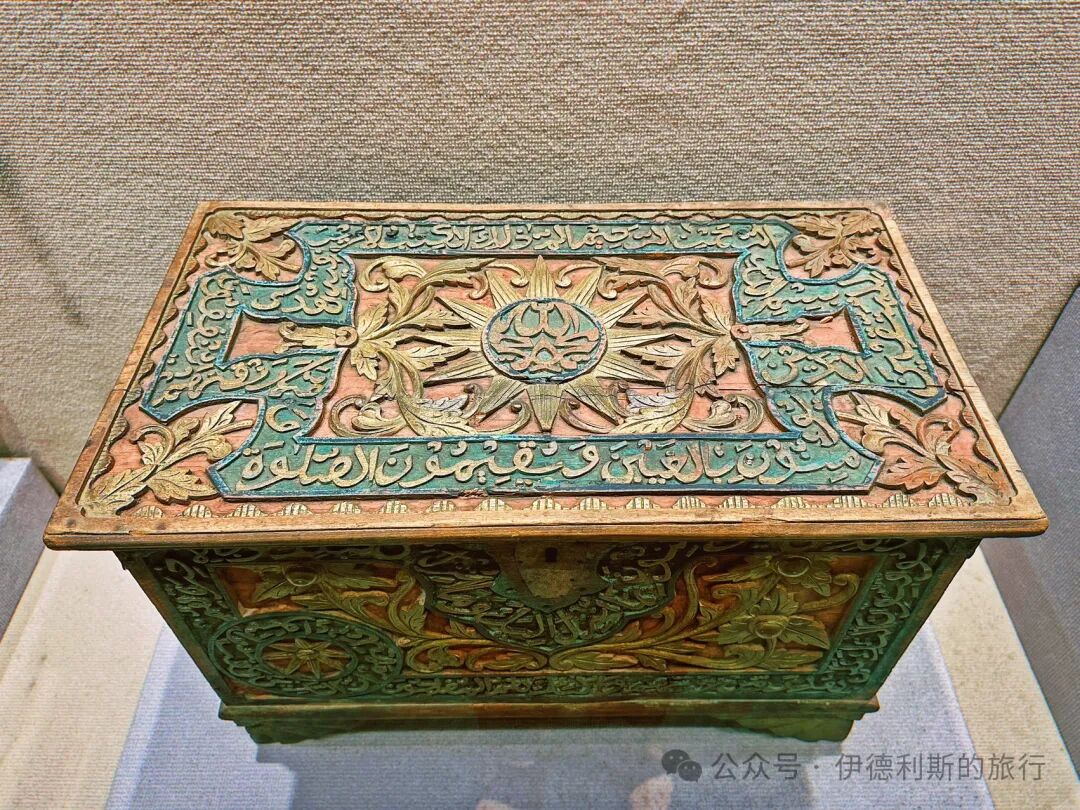
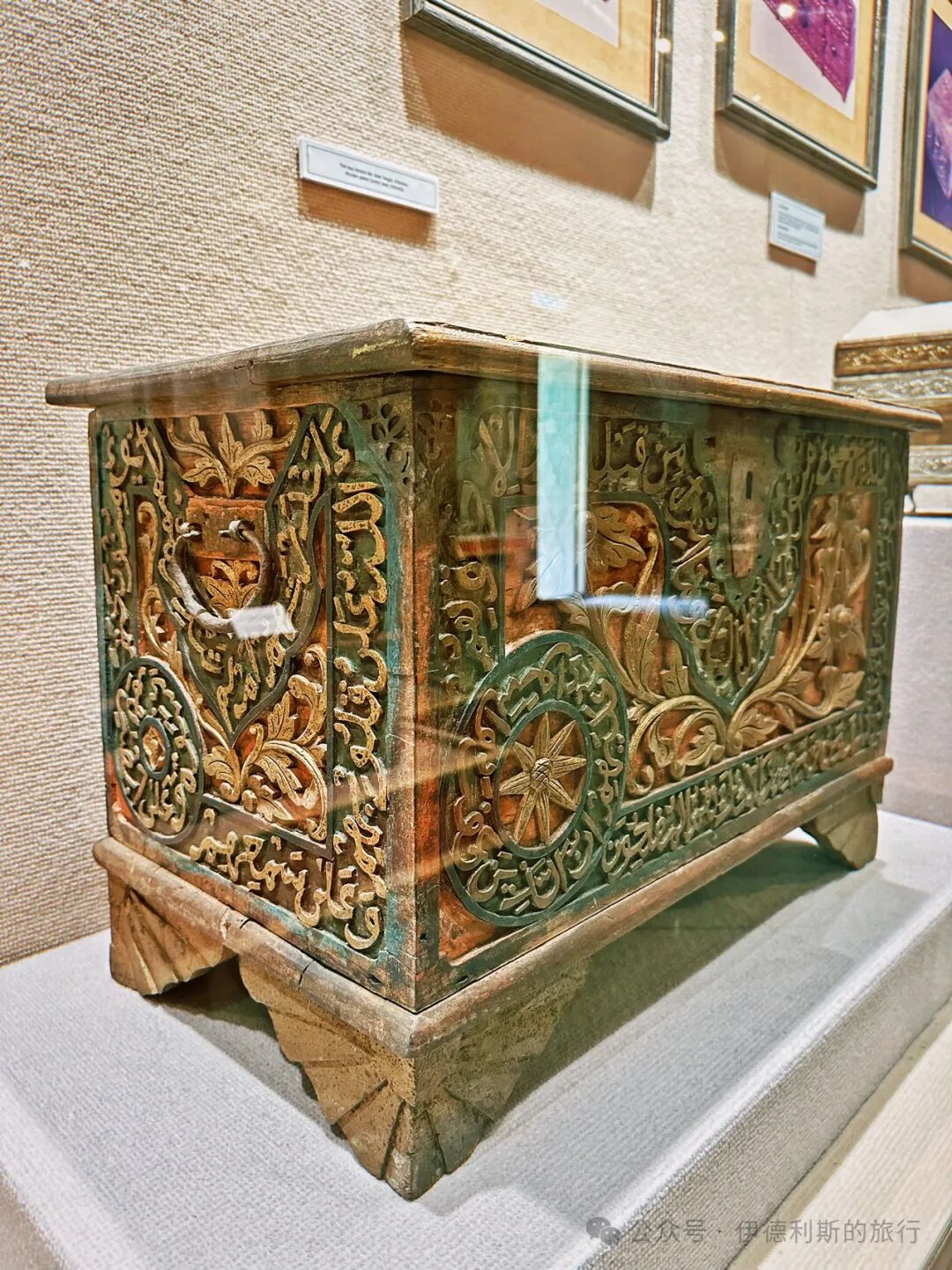
A wooden chest inscribed with scripture used by Malay nobles to store clothing and valuables.
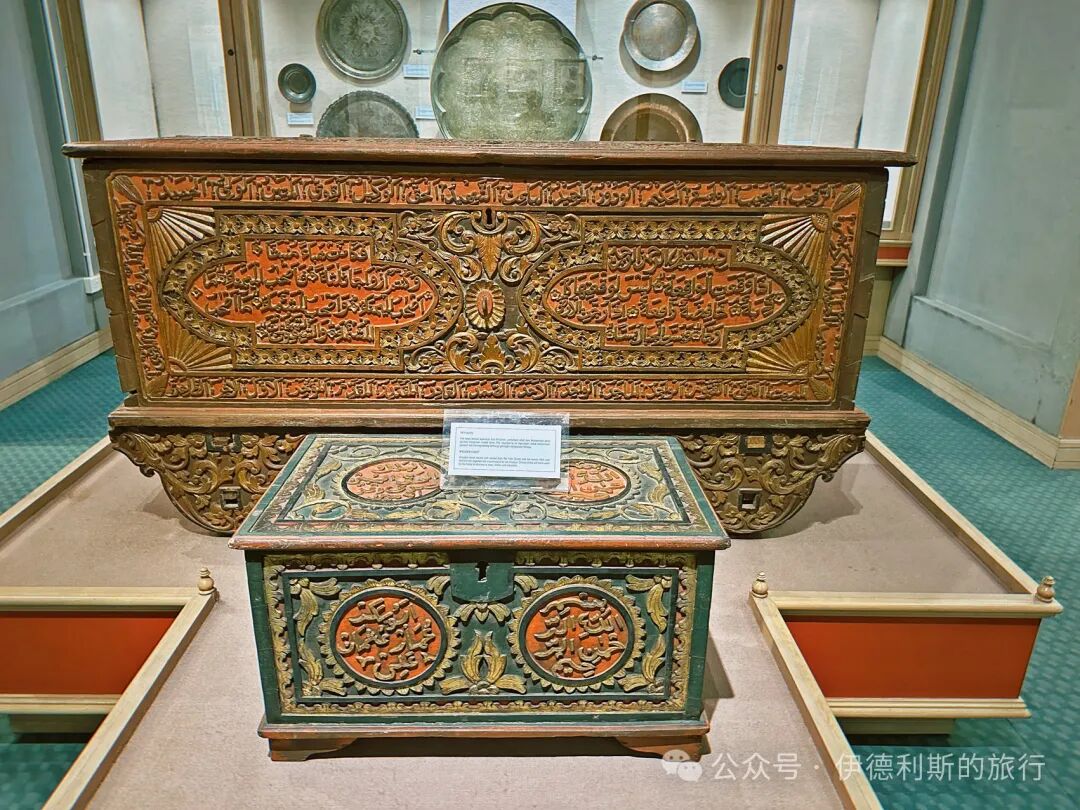
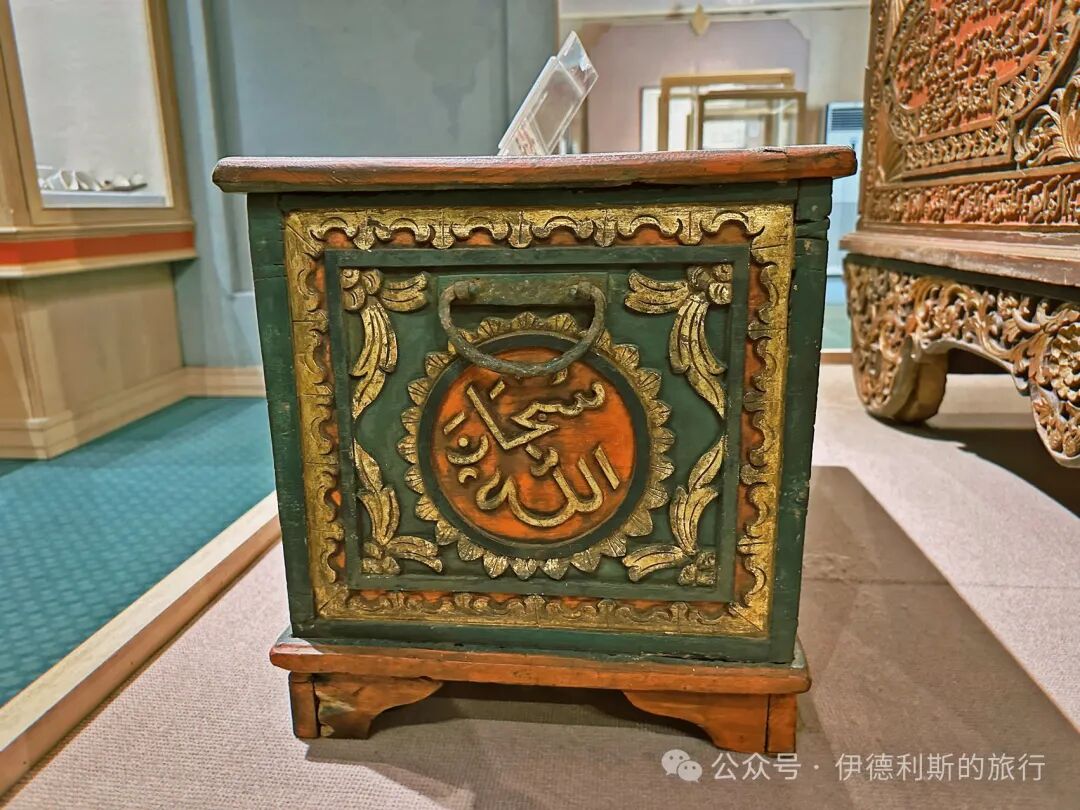
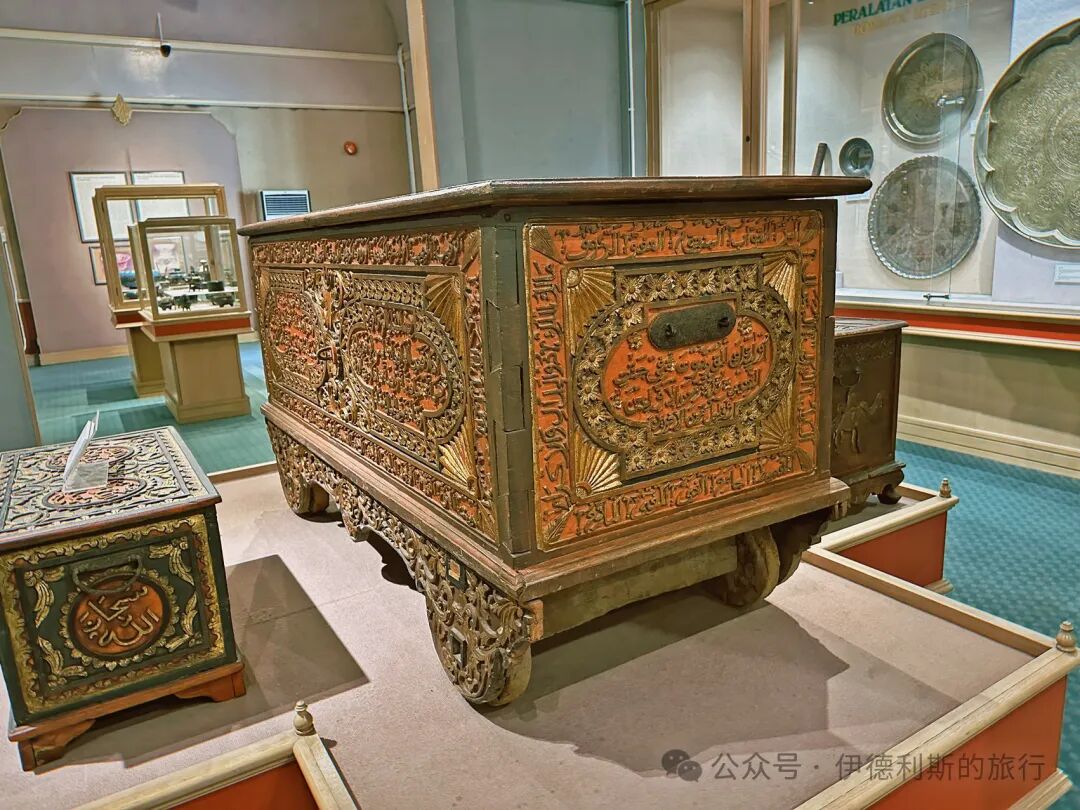
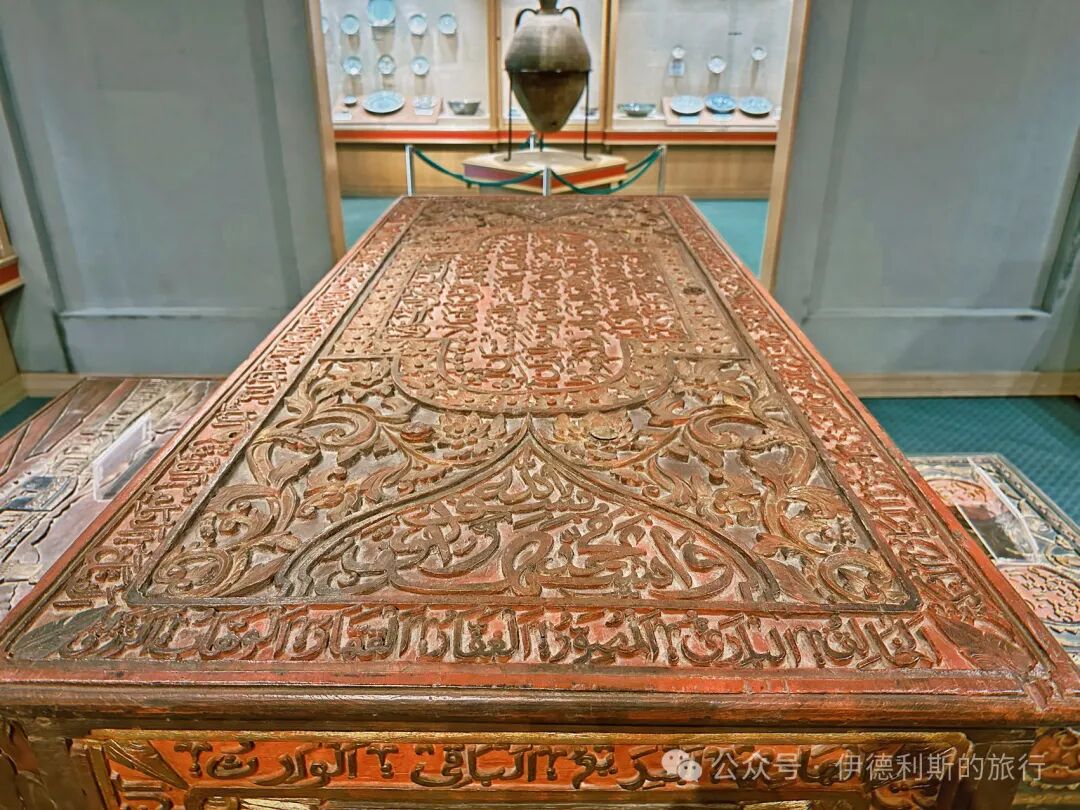
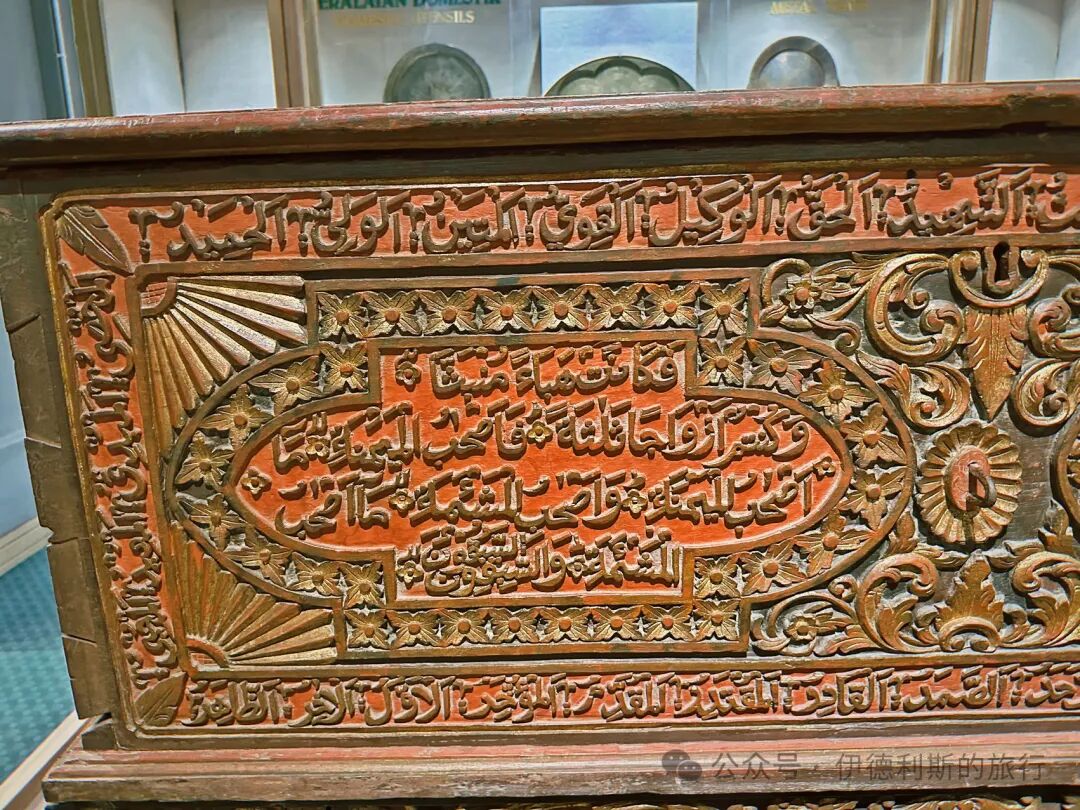
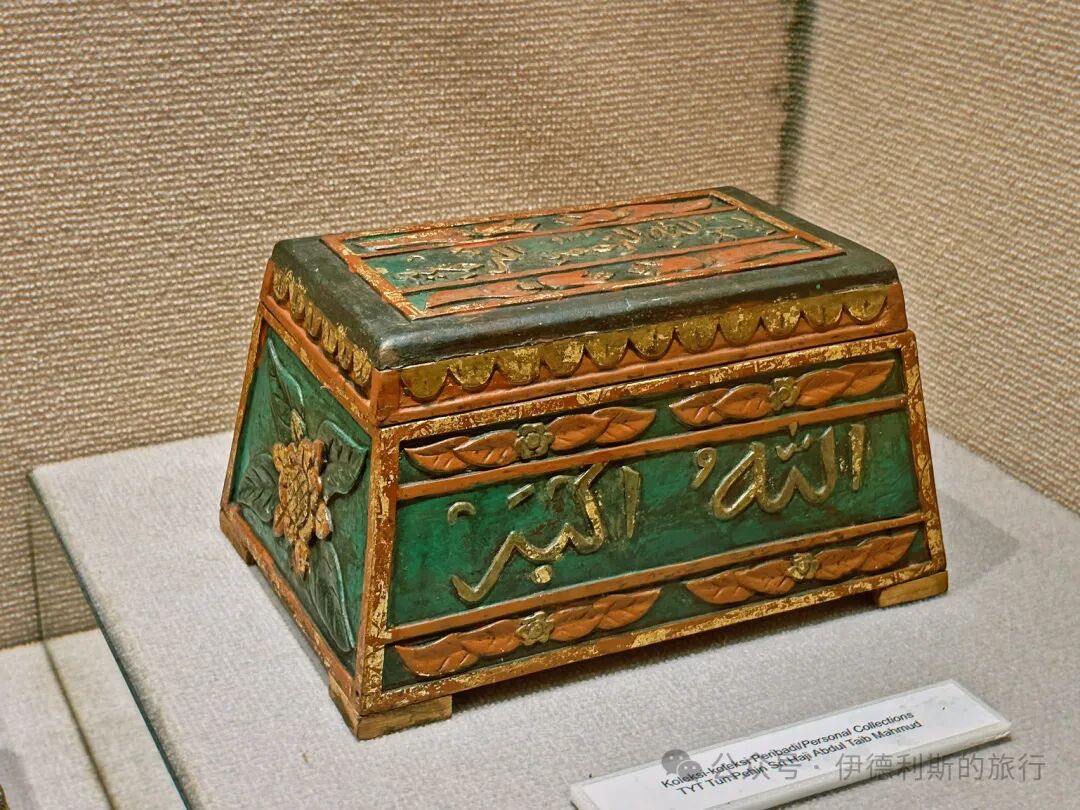
A wooden chest used to hold hantaran (dowry) at traditional Malay weddings.
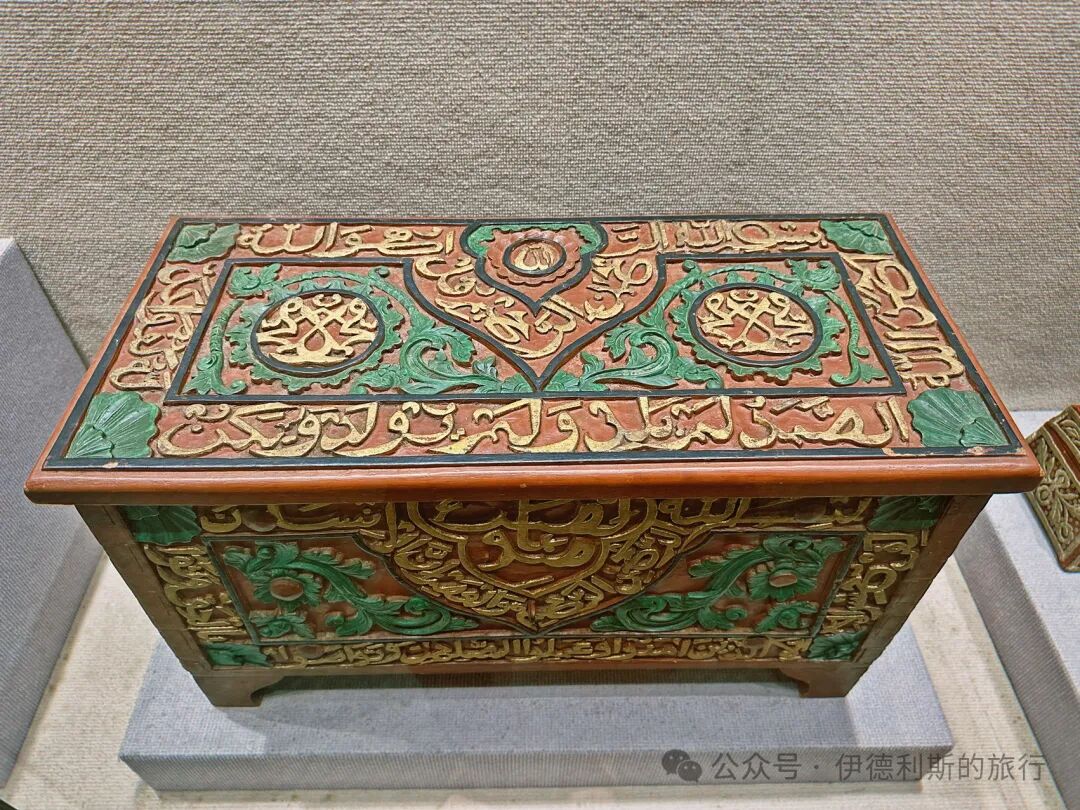
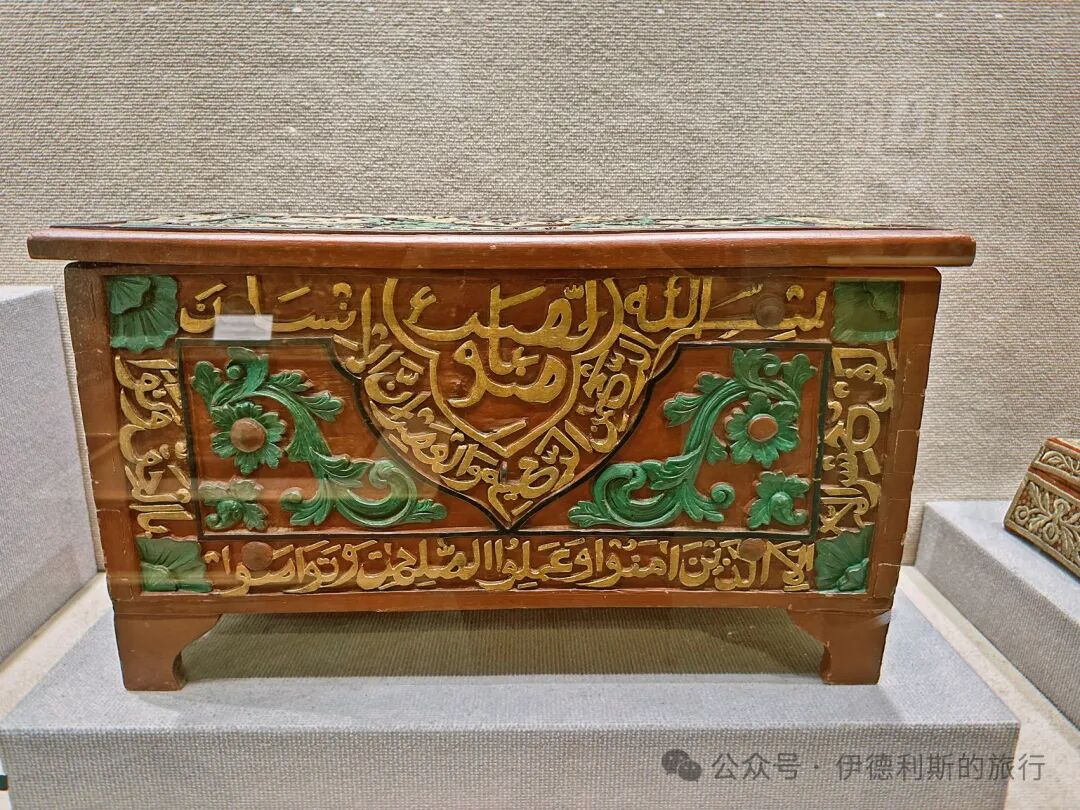
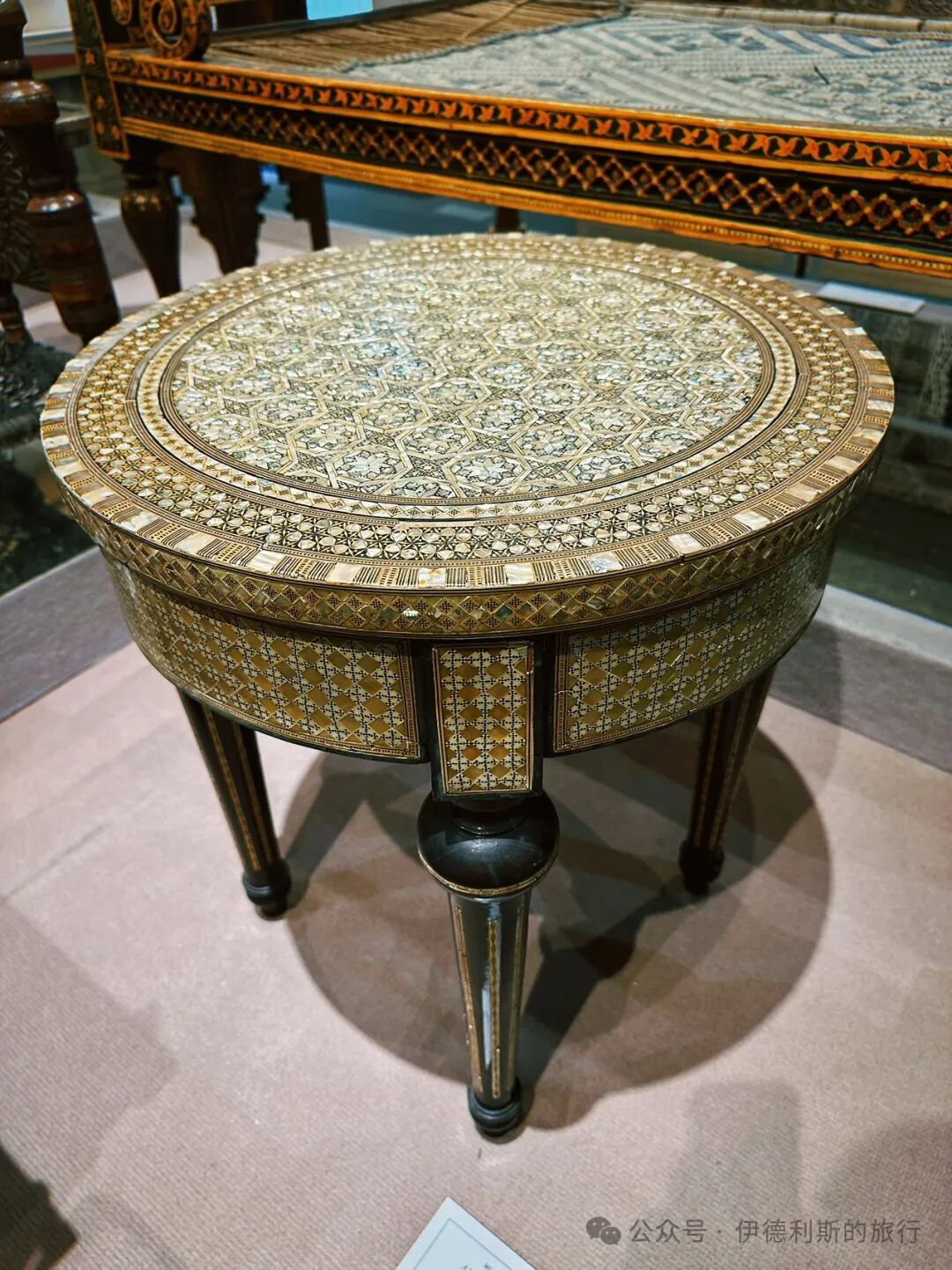
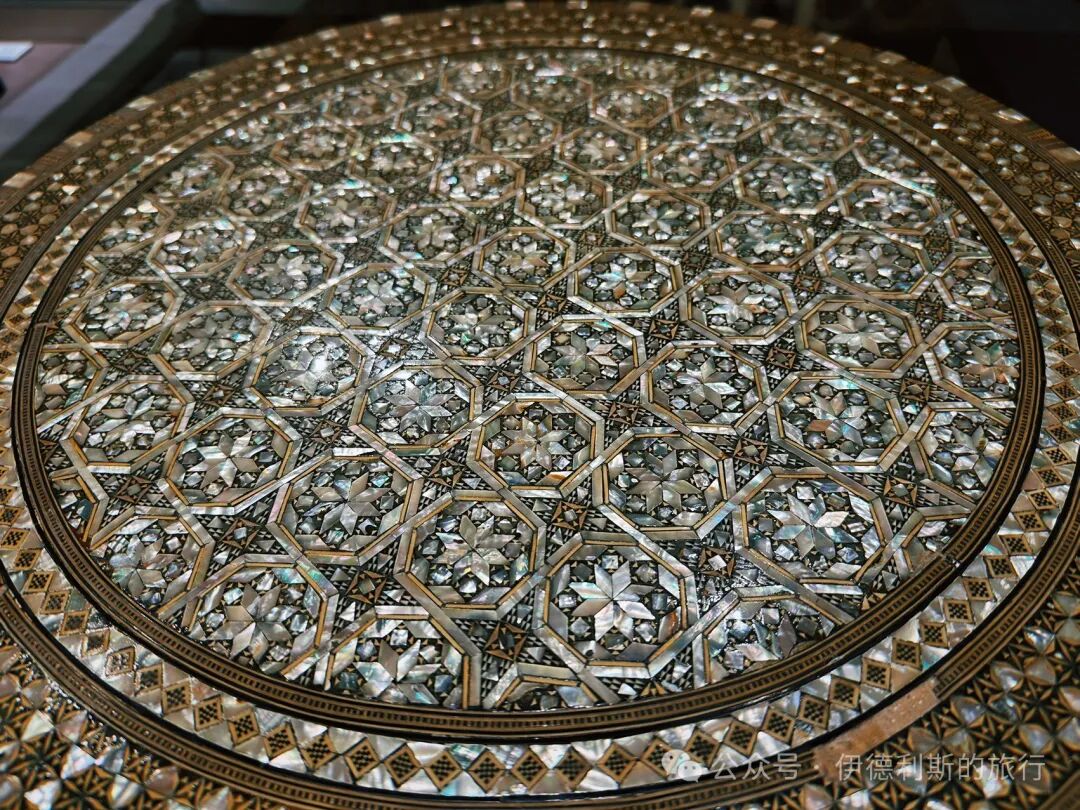
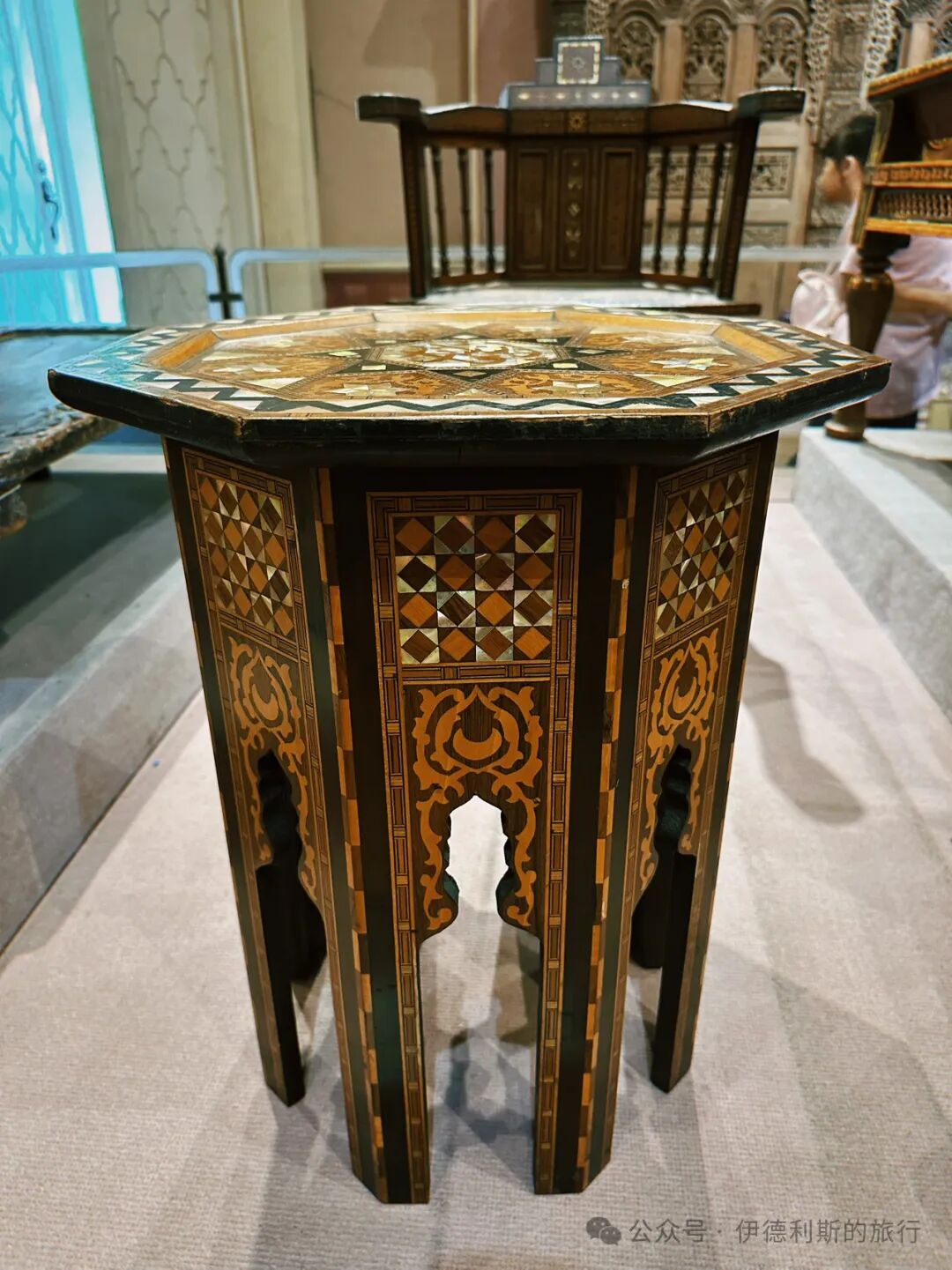
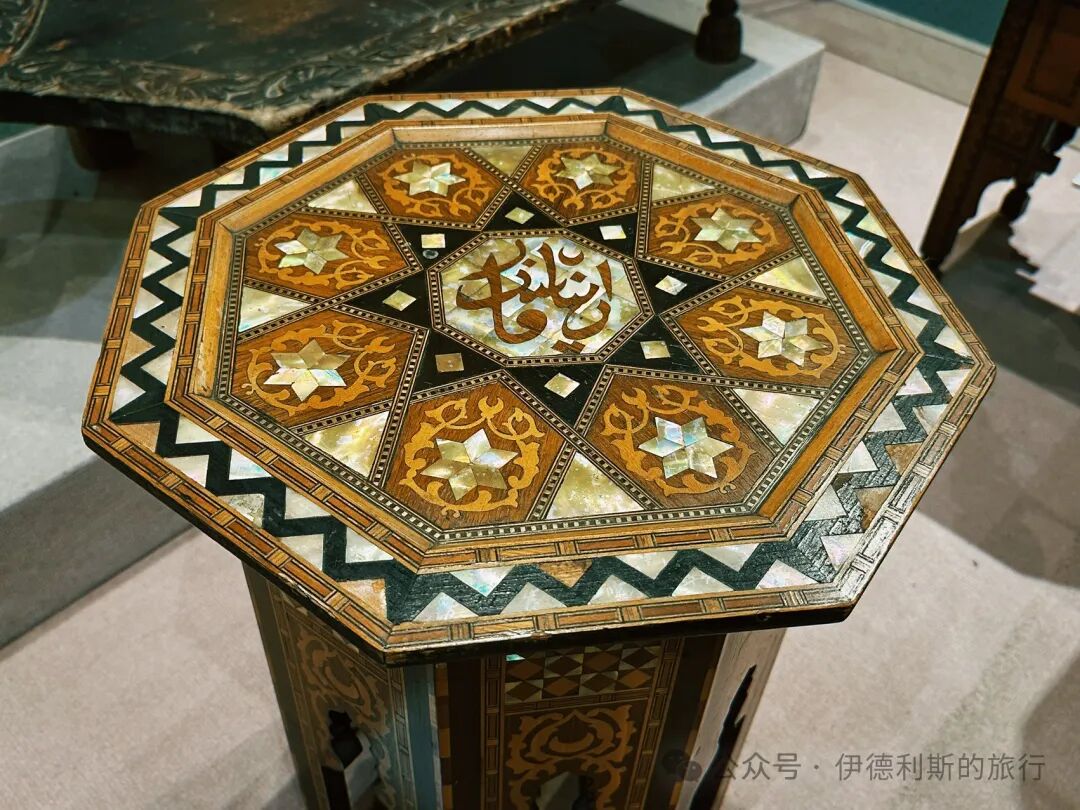
A 19th-century Ottoman dynasty table inlaid with mother-of-pearl.
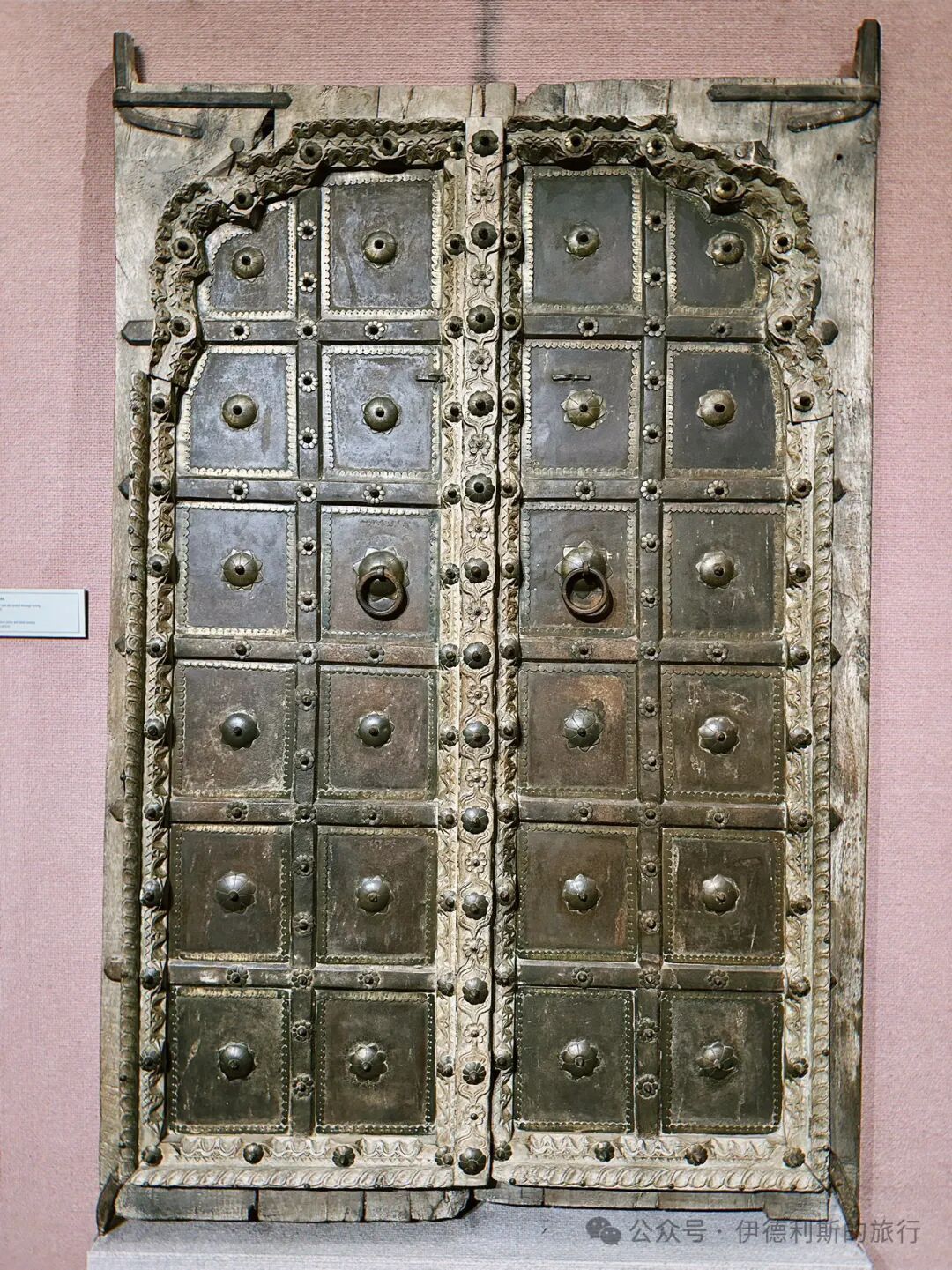
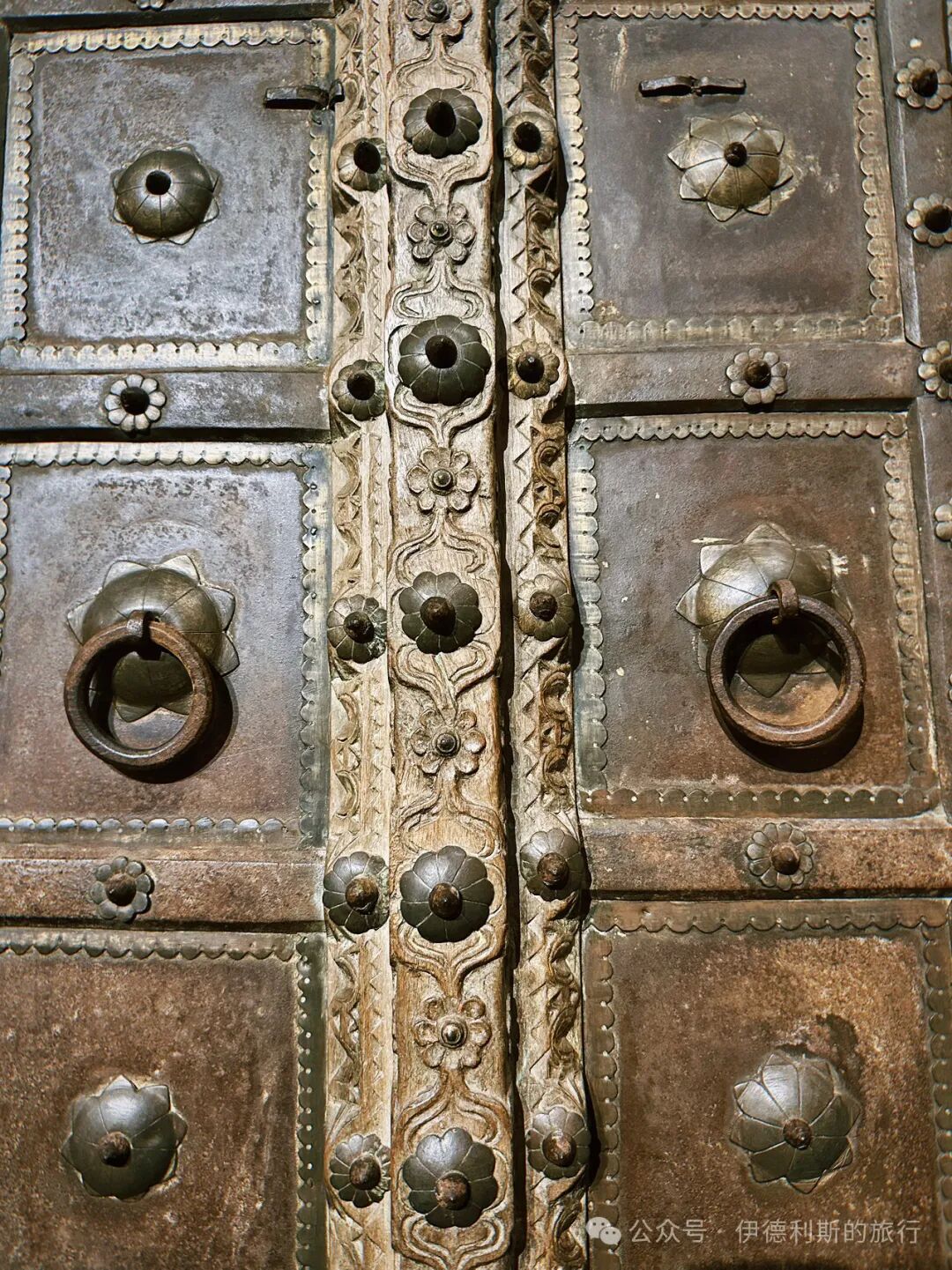
A 19th-century Mughal dynasty carved wooden door with brass accents.
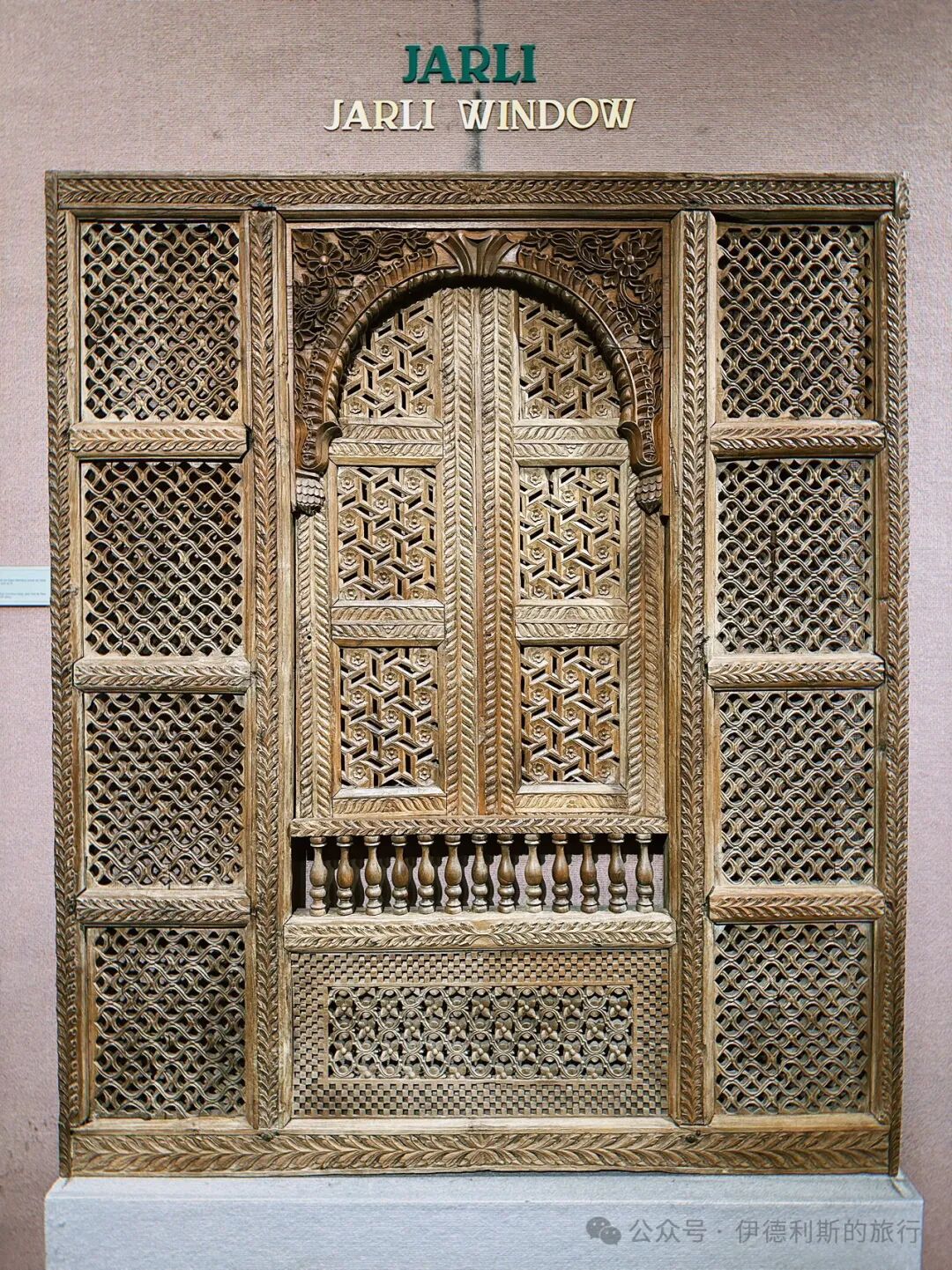
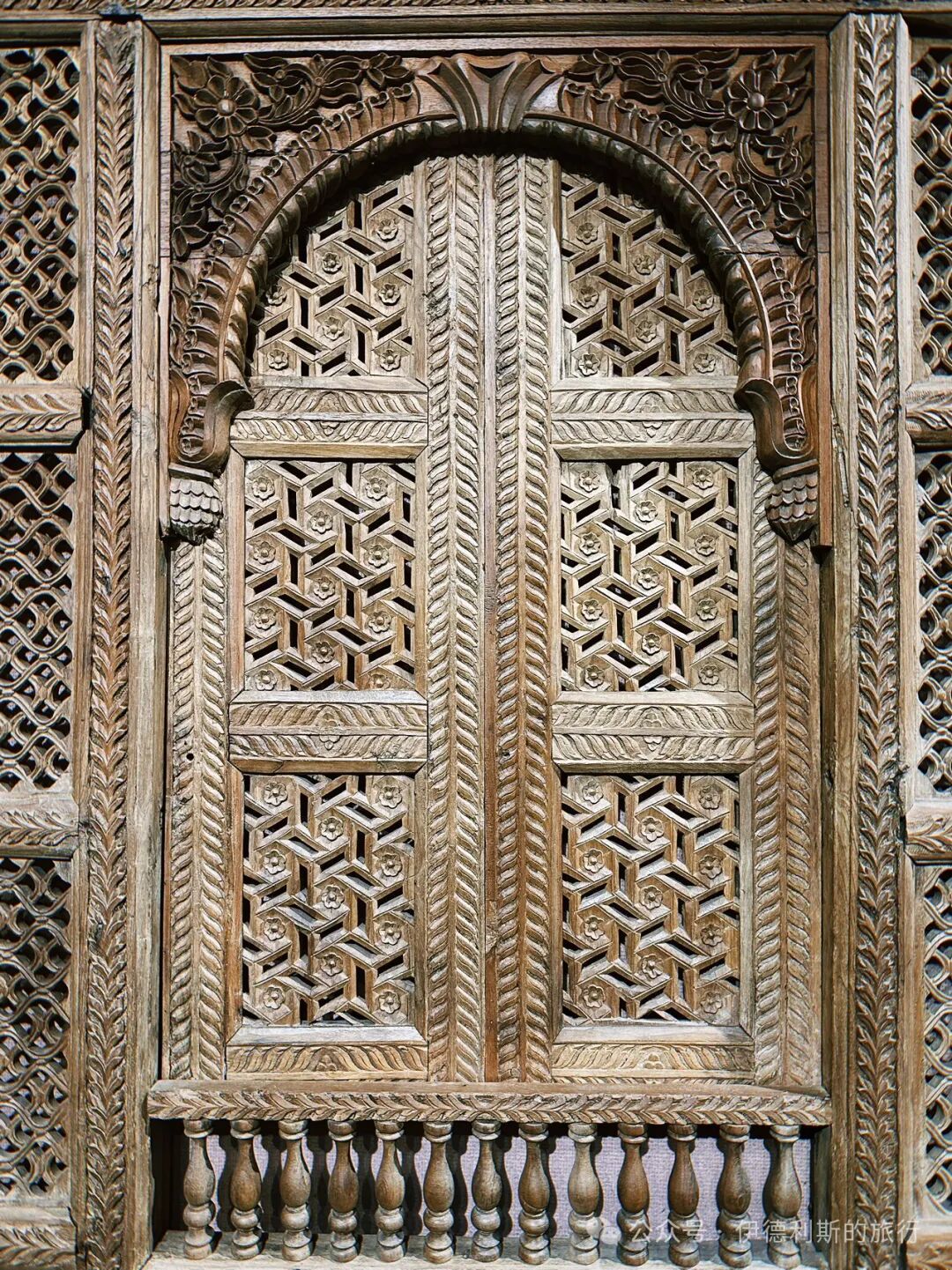
An 18th-century Mughal dynasty lattice window (jali) from a palace in Patan, Gujarat.
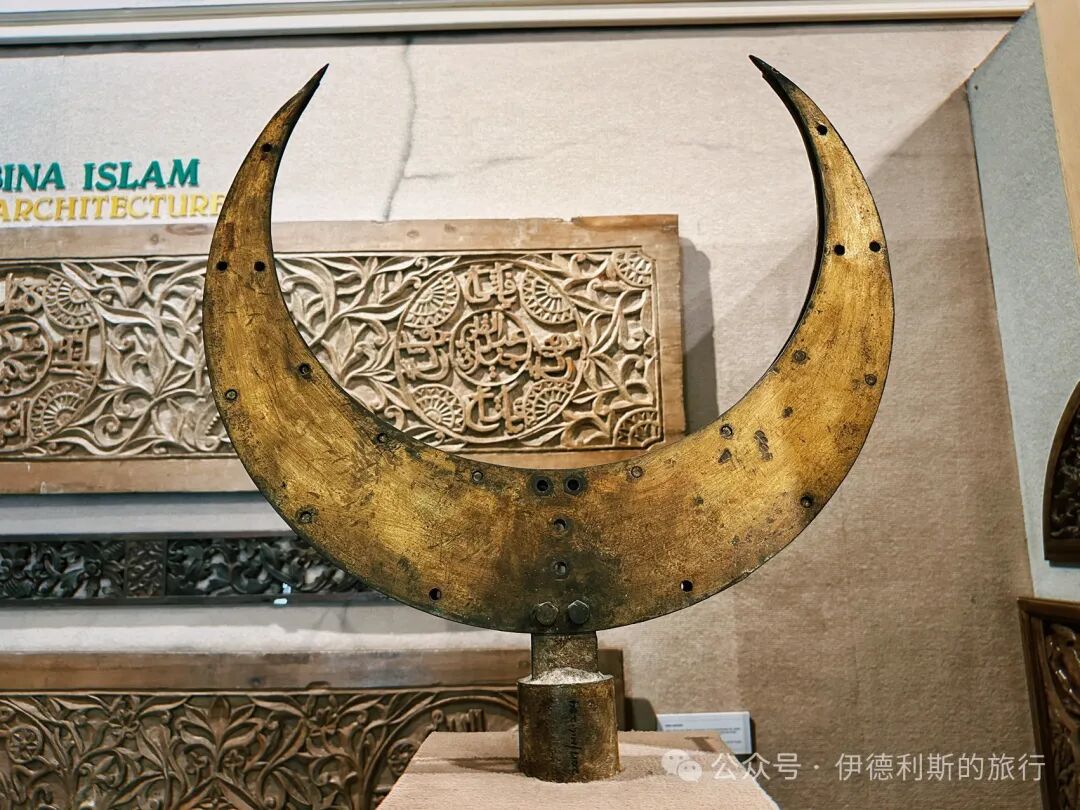
A bronze crescent moon that once sat atop the dome of the old Sarawak State Mosque. The old State Mosque was first built in 1847, had a dome added in 1929, and was rebuilt into its current structure in 1968.
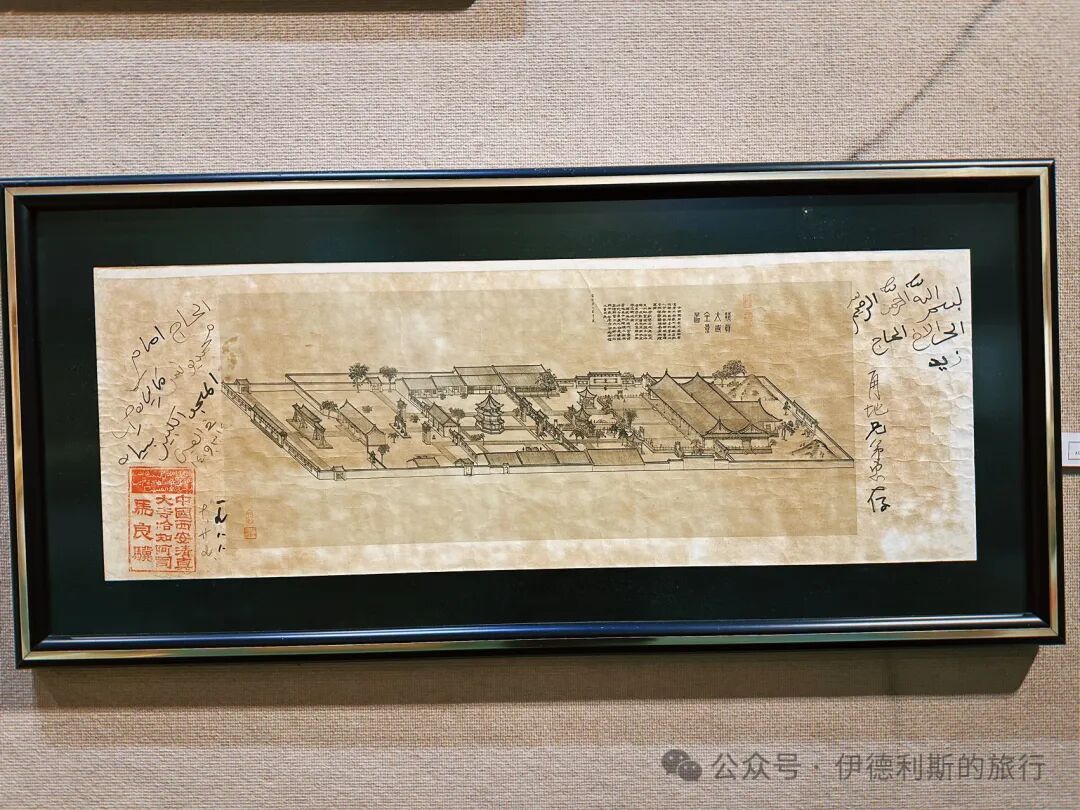
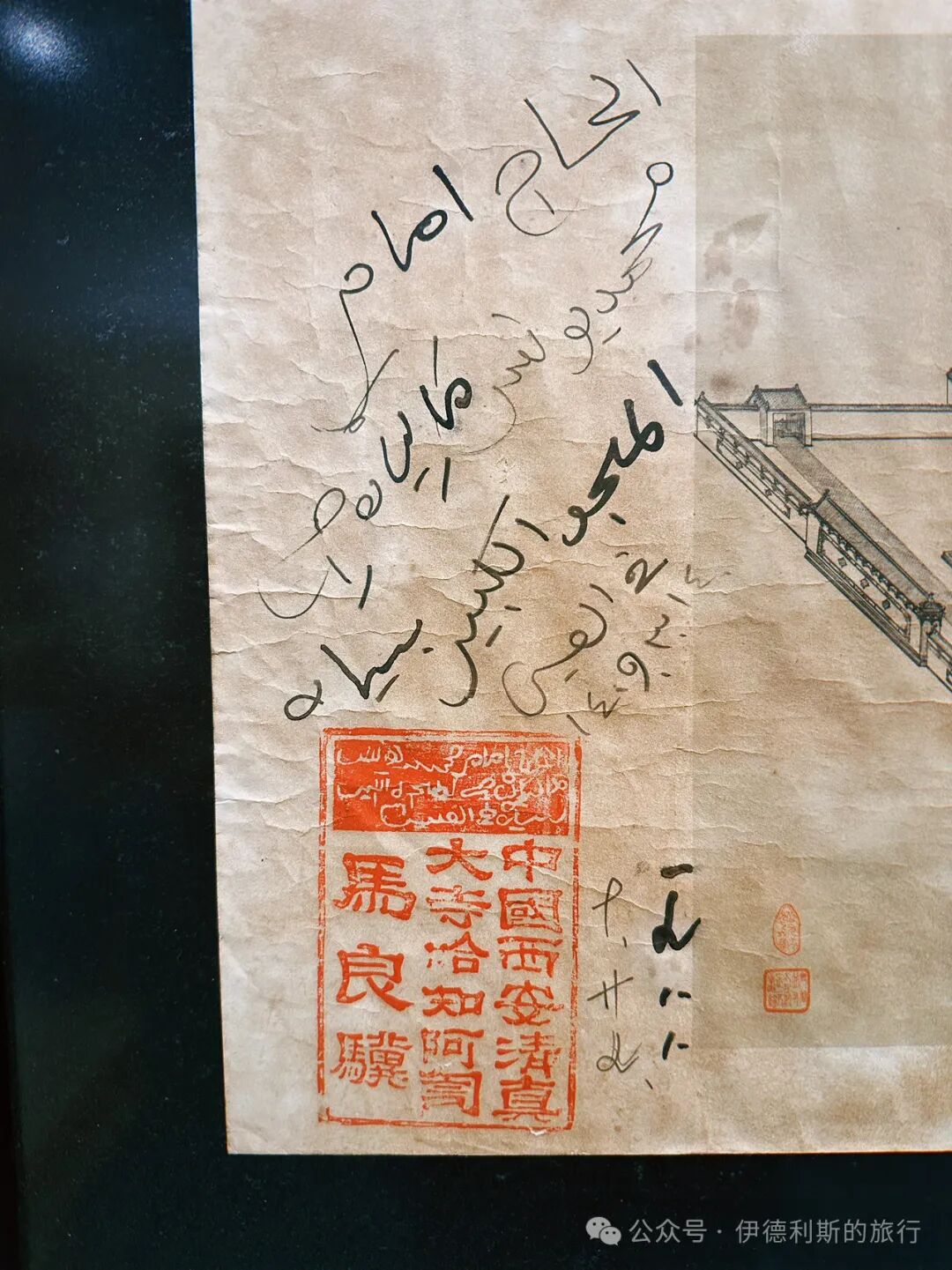
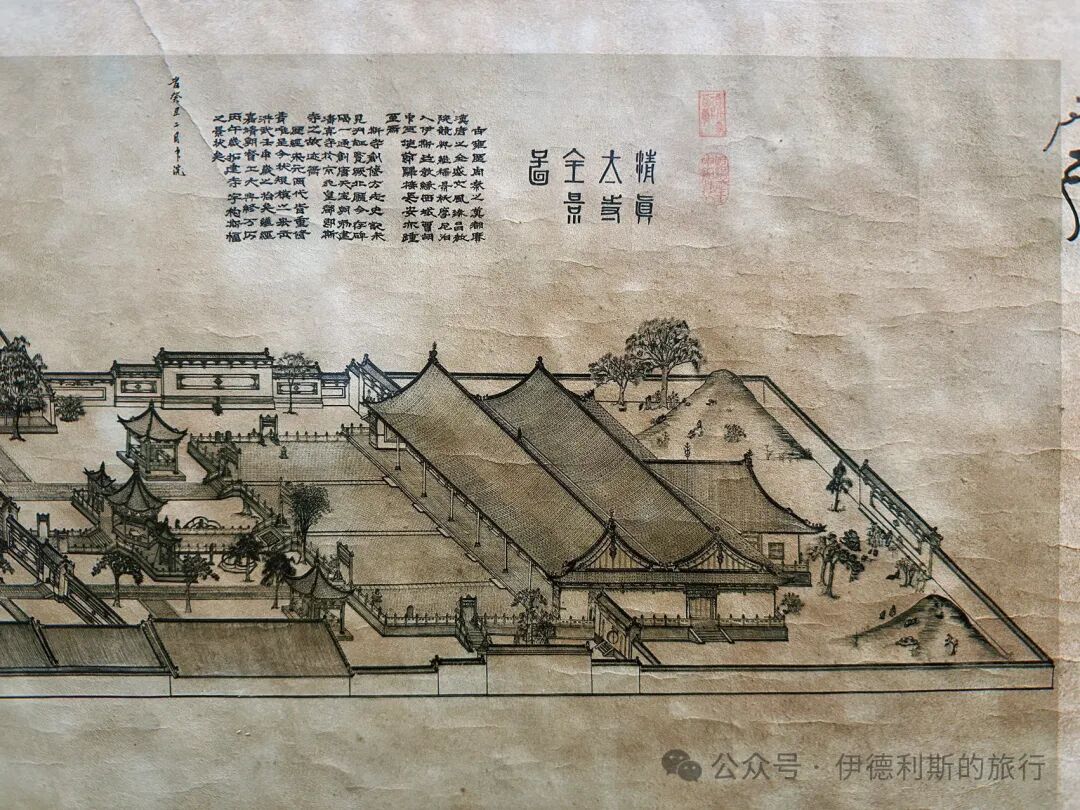
A 'Panoramic View of the Huajue Lane Mosque' gifted by Imam Ma Liangji to the Head of State of Sarawak in 1988, representing the friendship between the people of China and Malaysia.
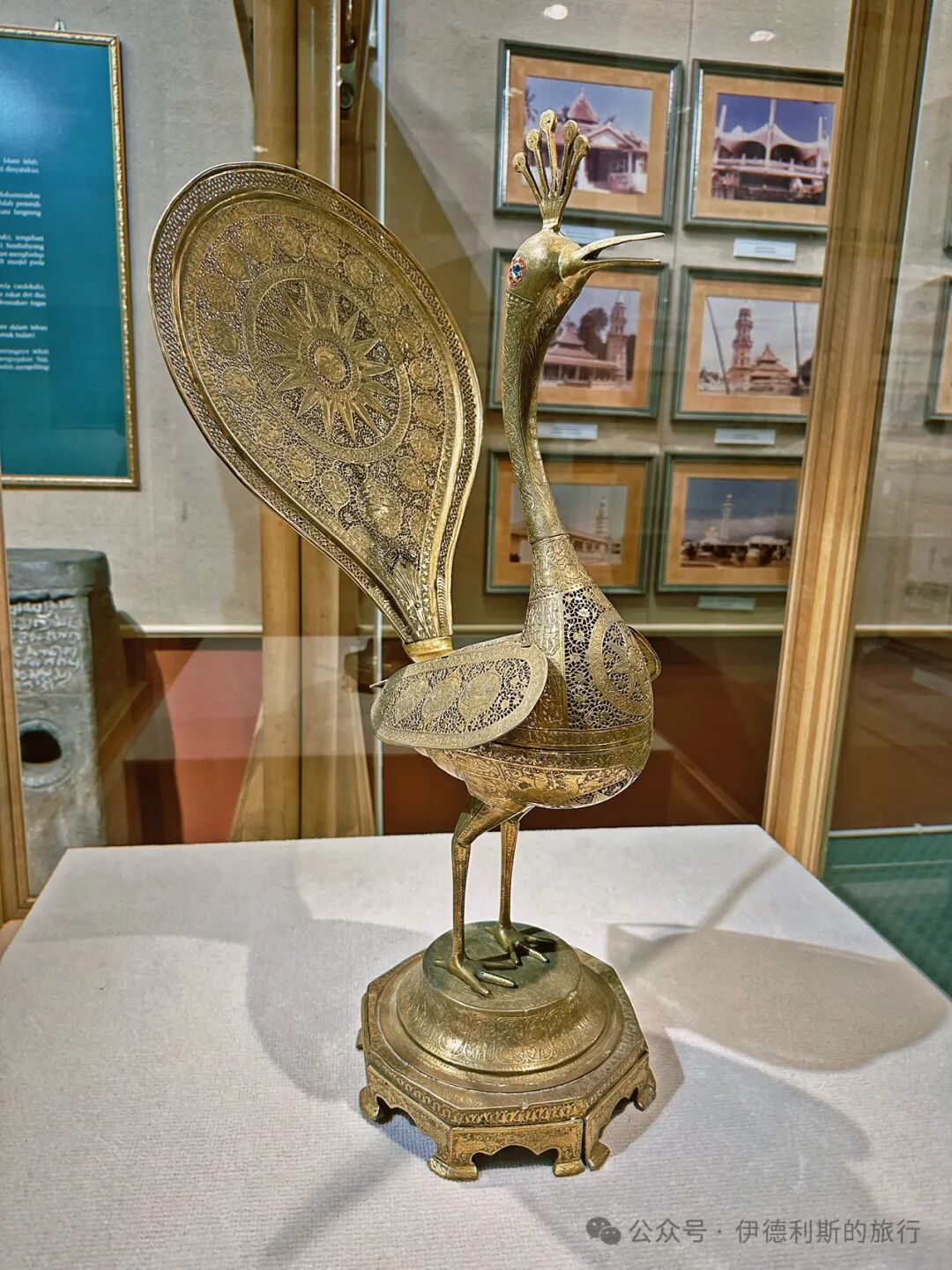
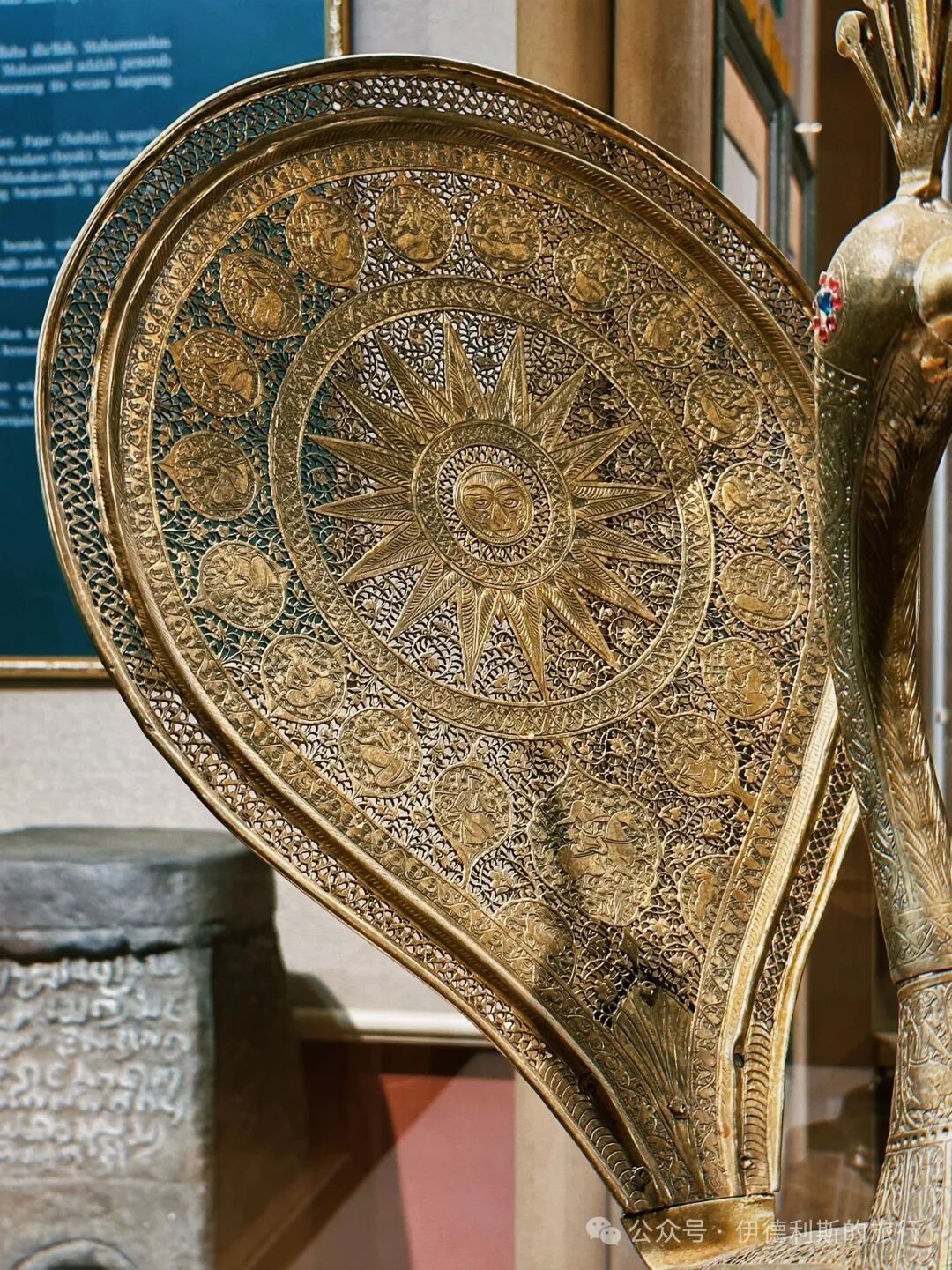
A 19th-century Persian brass peacock incense burner with a sun pattern engraved on its tail.
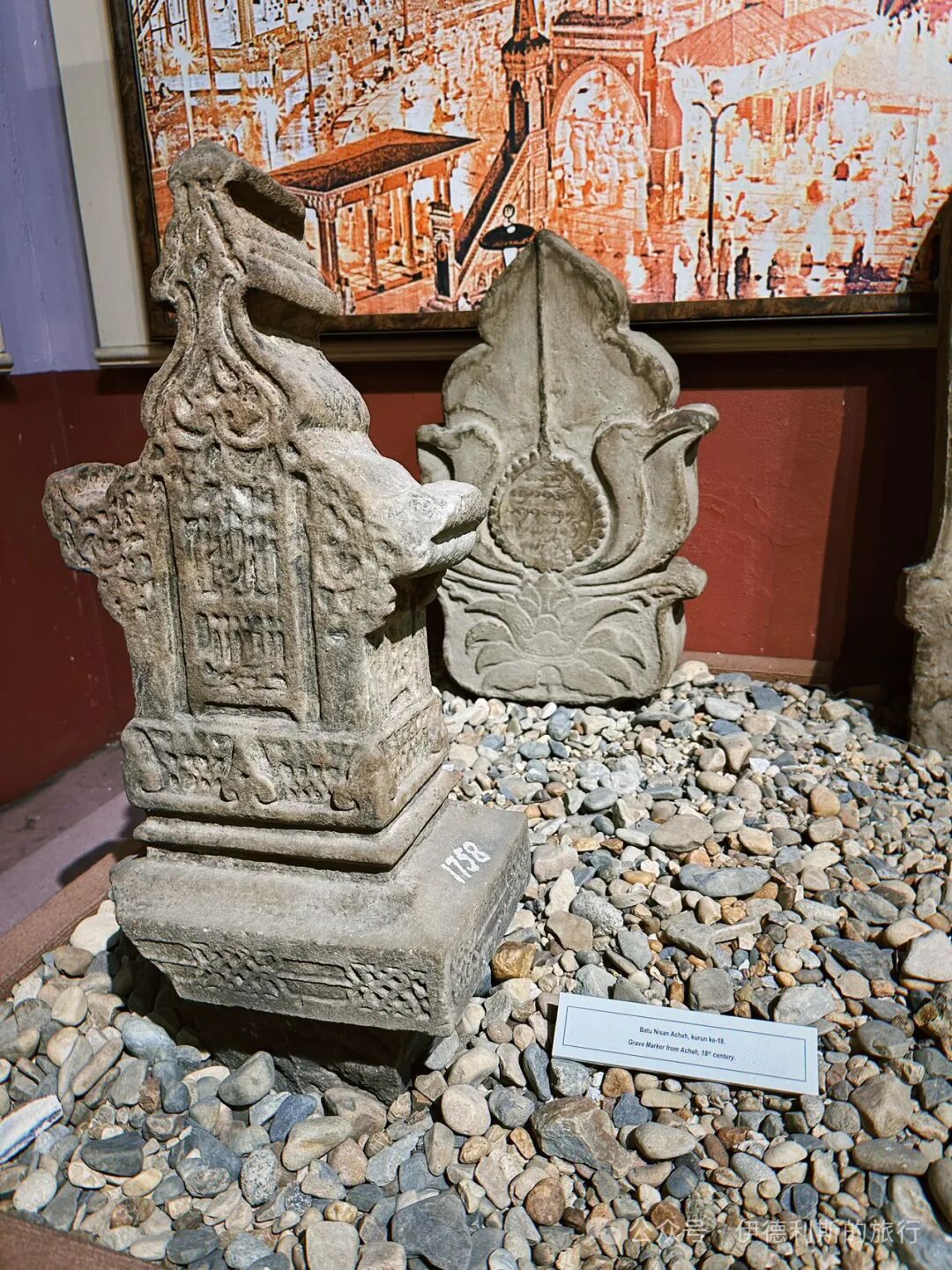
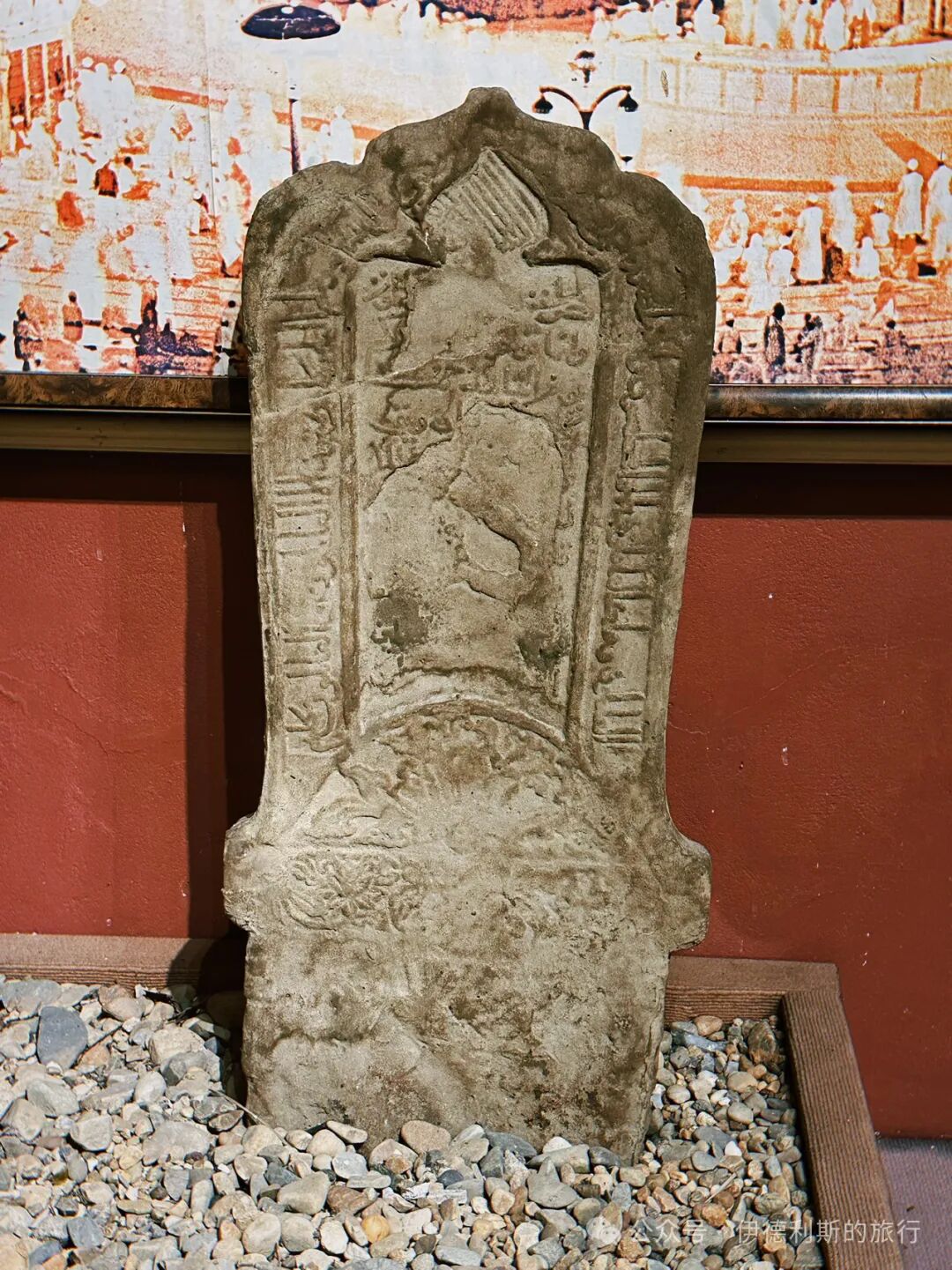
An 18th-century tombstone from the Aceh region of Sumatra.
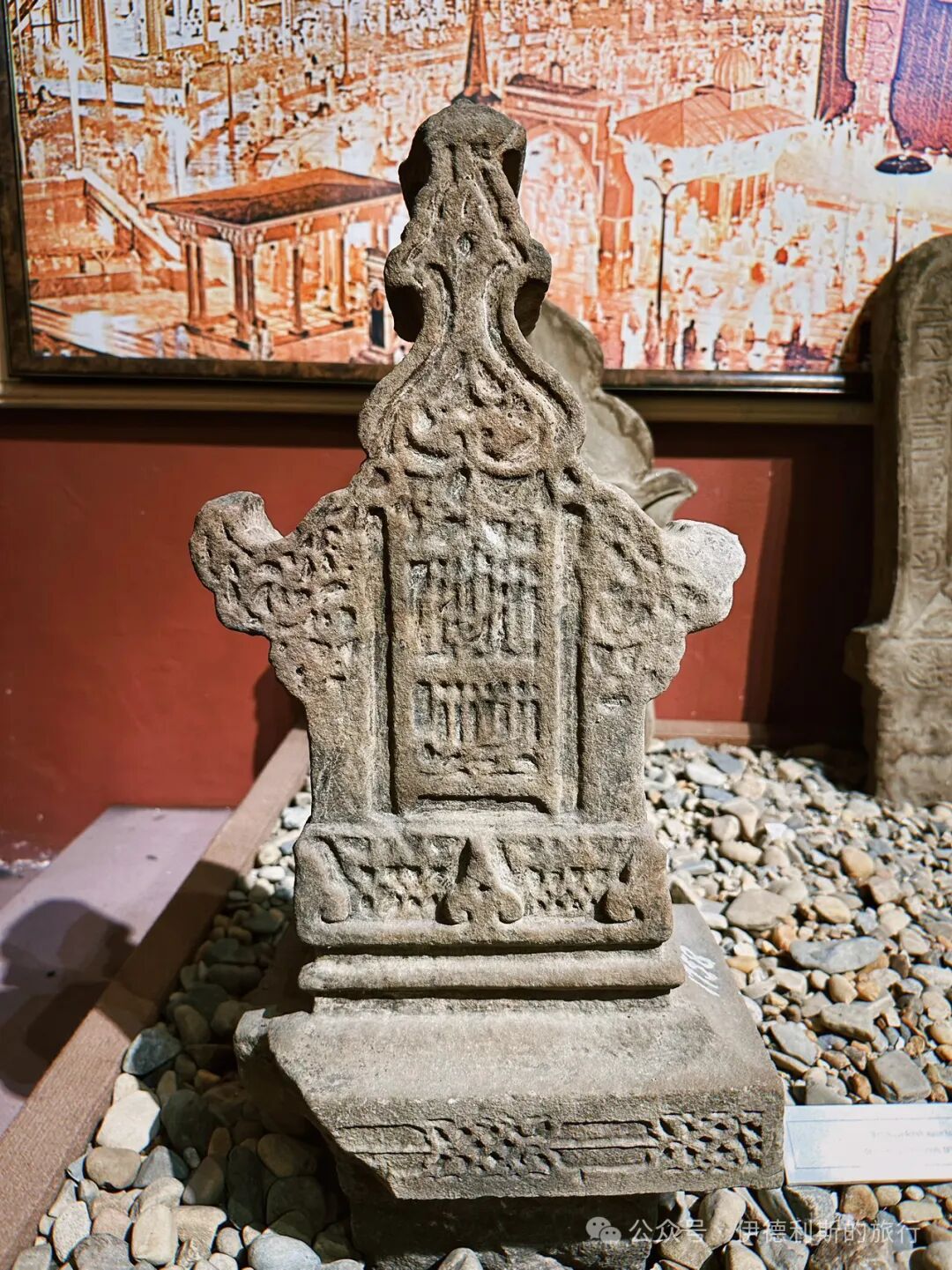
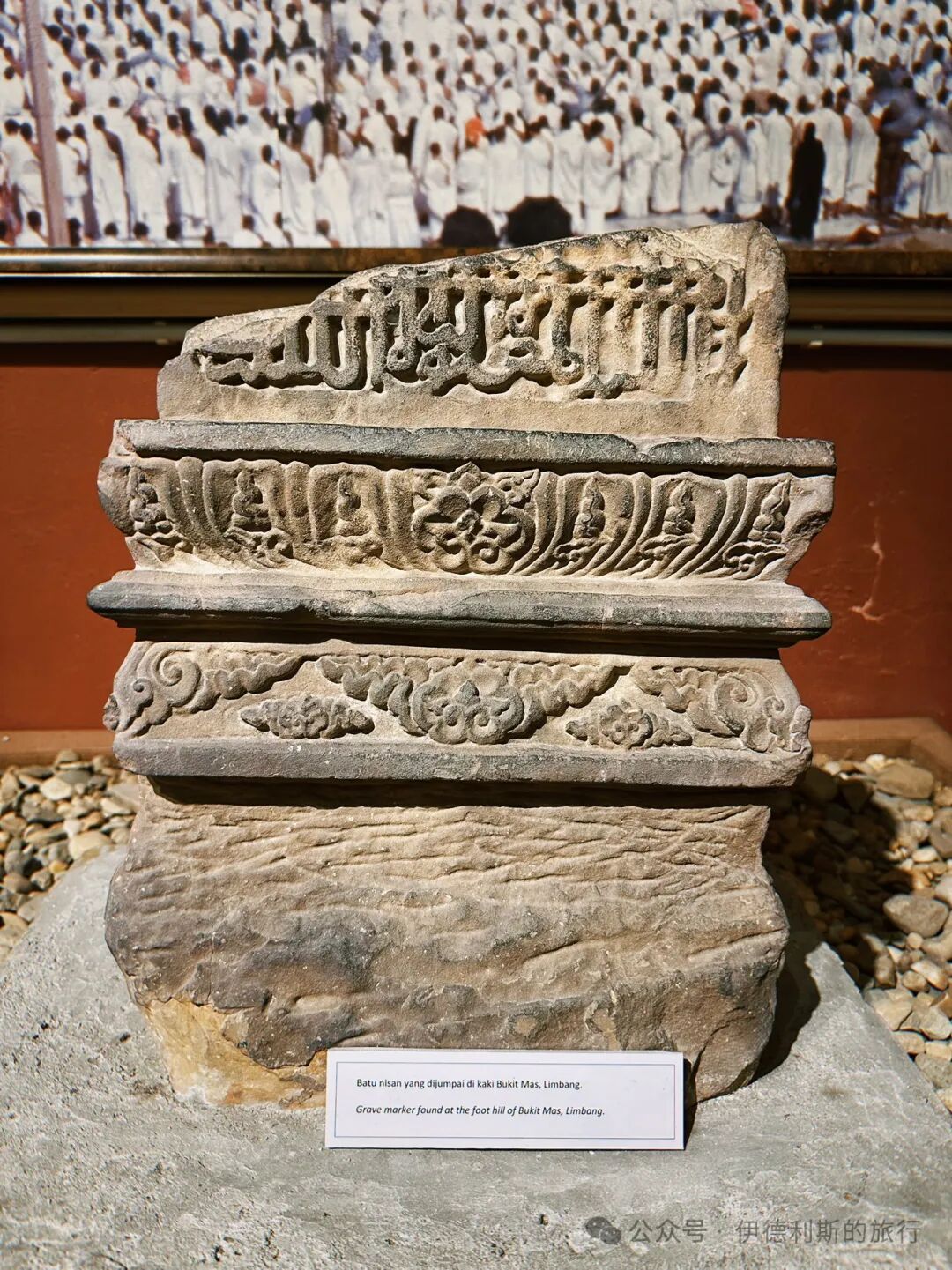
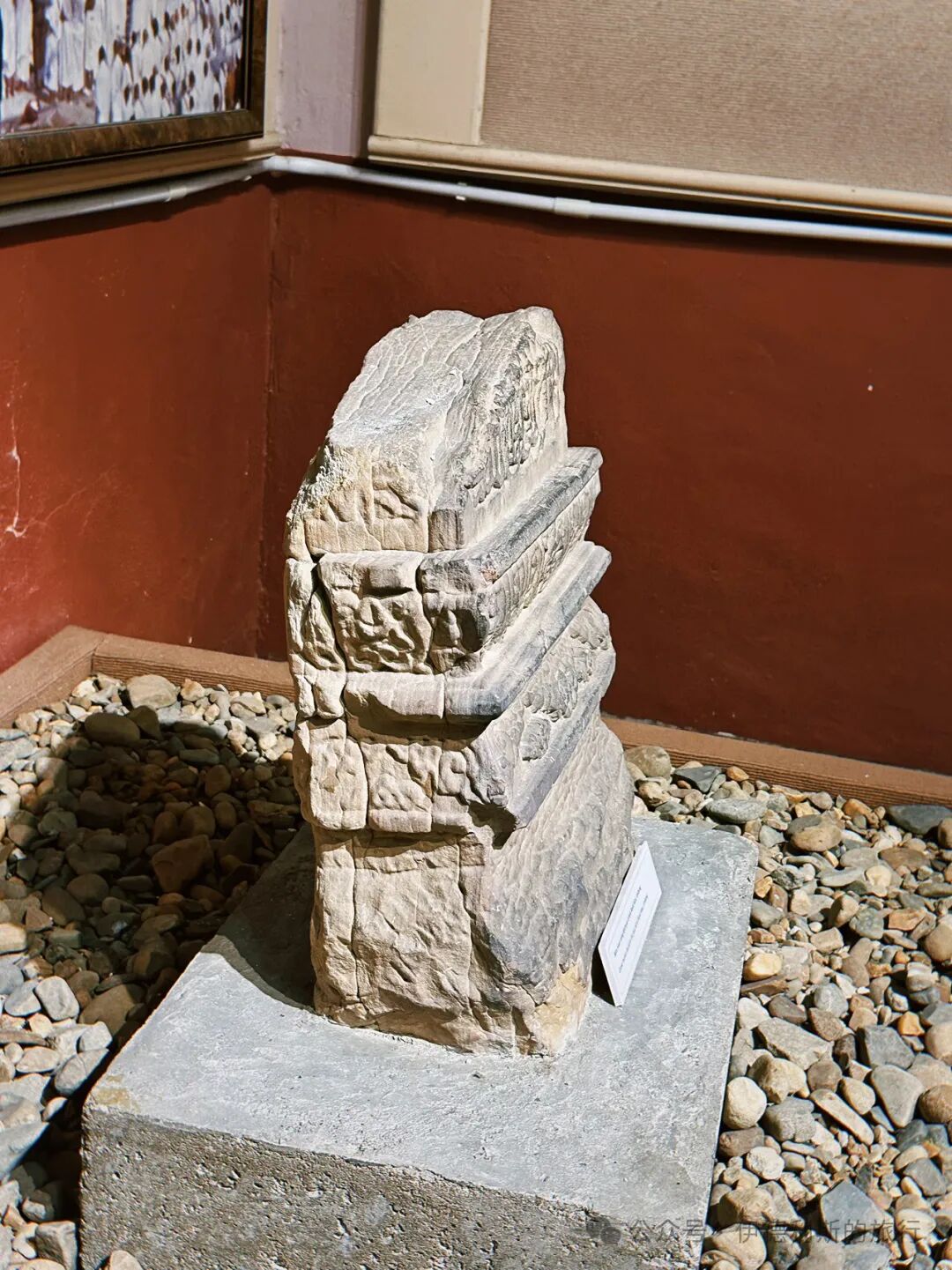
A tombstone found at the foot of Bukit Mas in Limbang, Sarawak. The top features Arabic inscriptions in the Aceh style, while the base uses the traditional Chinese cloud-patterned Sumeru pedestal style, serving as a precious witness to cultural exchange. Limbang is located right next to Brunei and was historically ruled by the Sultanate of Brunei for a long time.
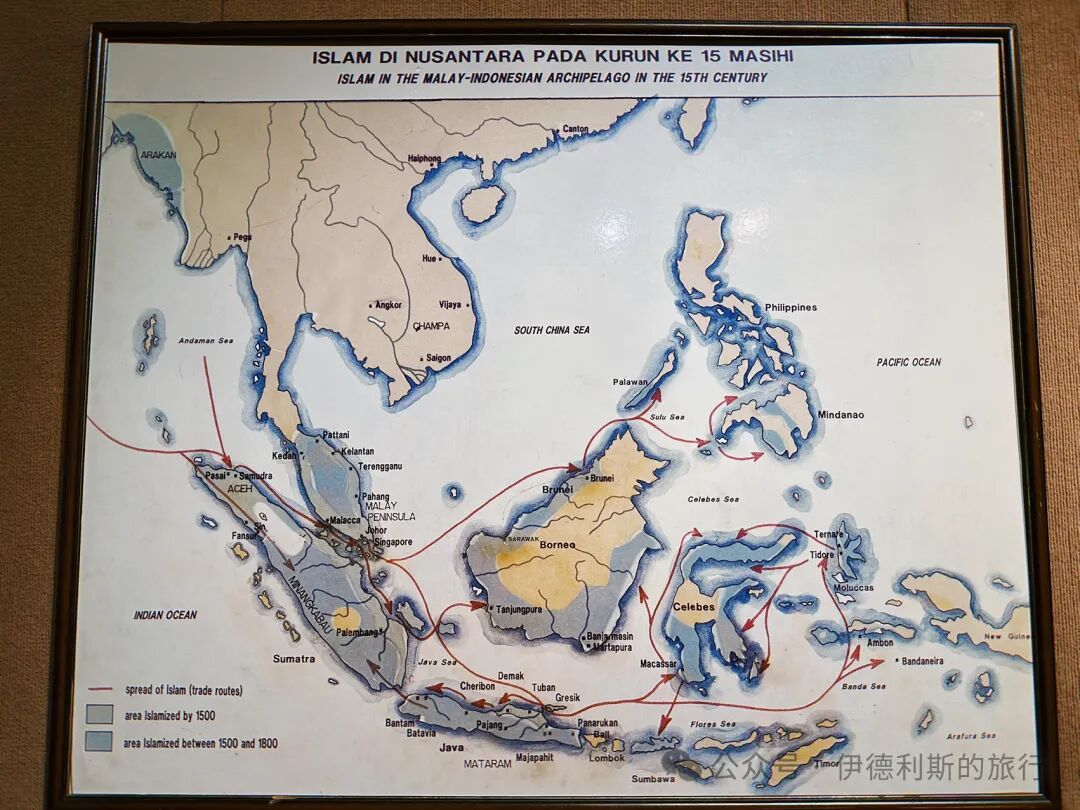
A map showing the spread of the faith in Southeast Asia from the 16th to the 18th centuries.
A traditional Chinese cloisonné (jingtailan) three-piece incense set, including an incense burner, incense box, and chopstick holder, which were essential items for burning incense in homes in the past.
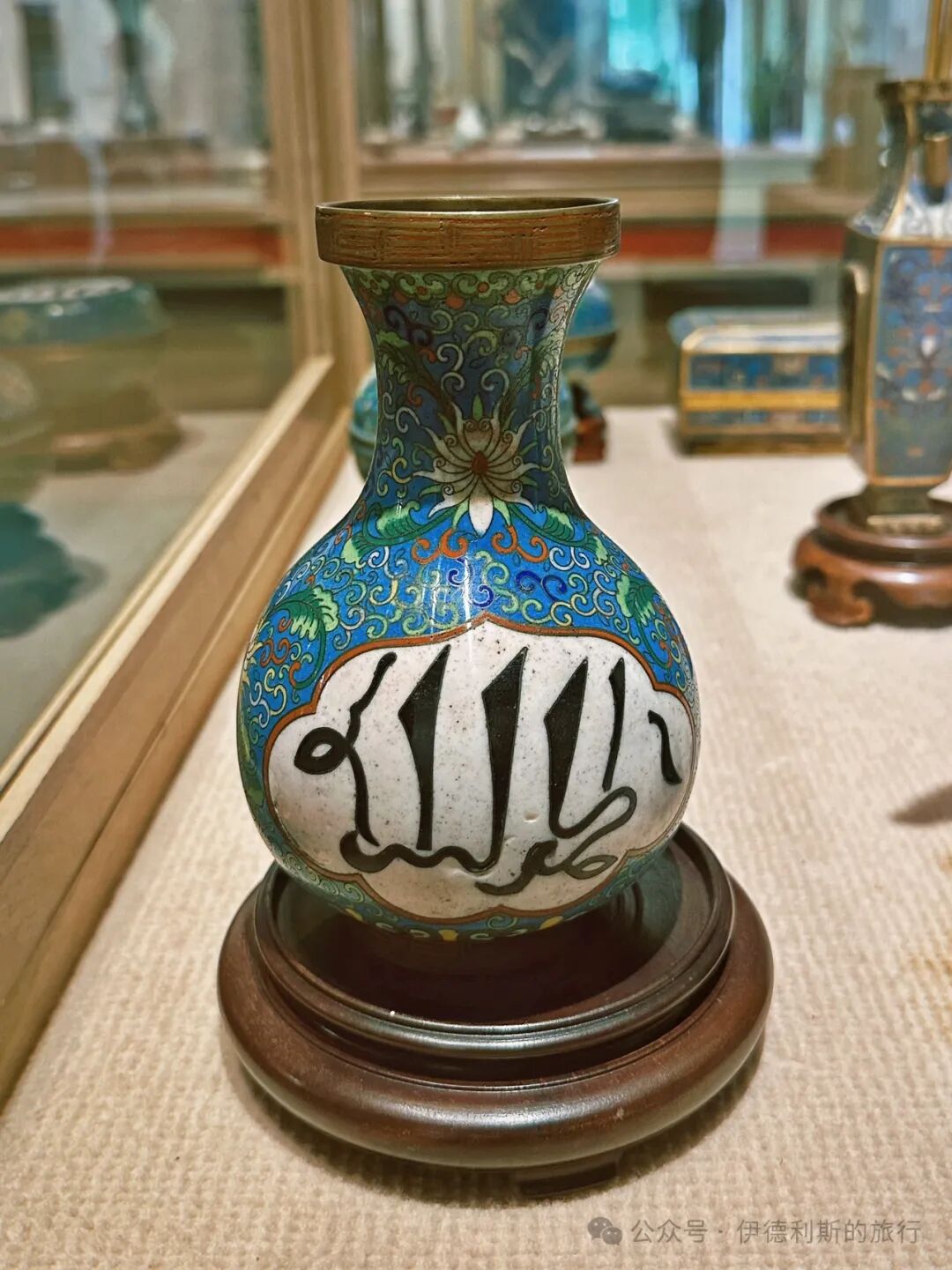
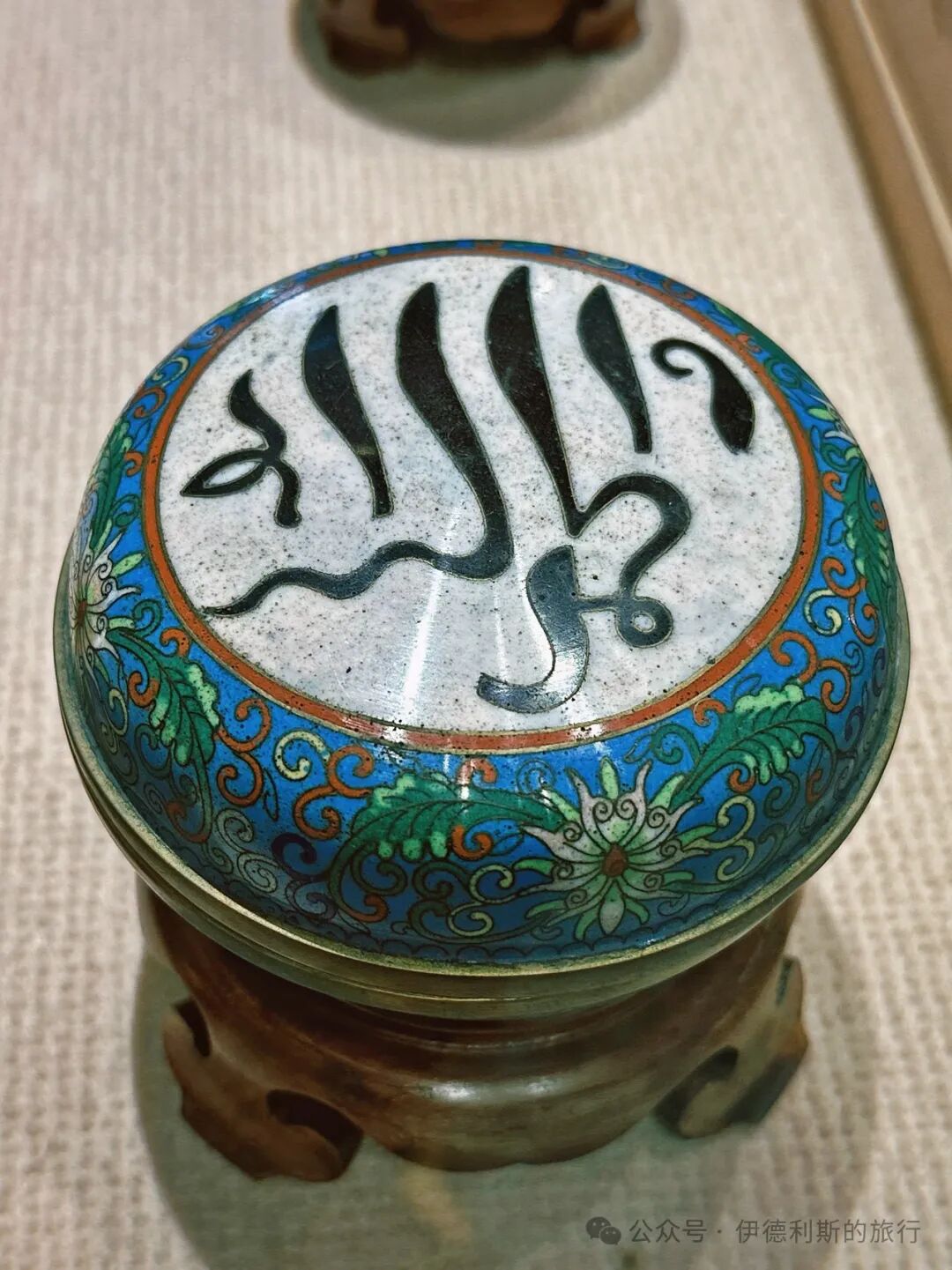
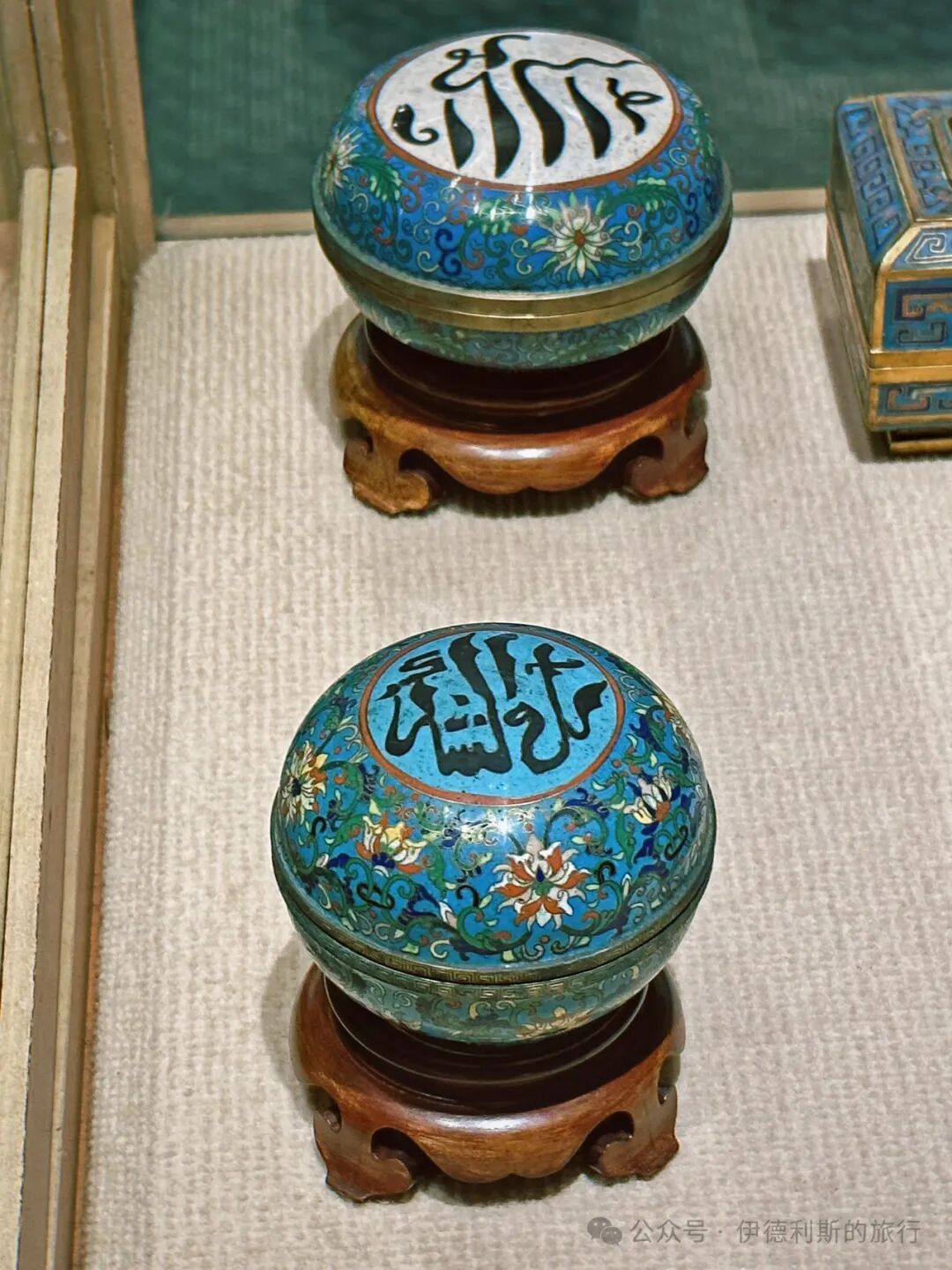
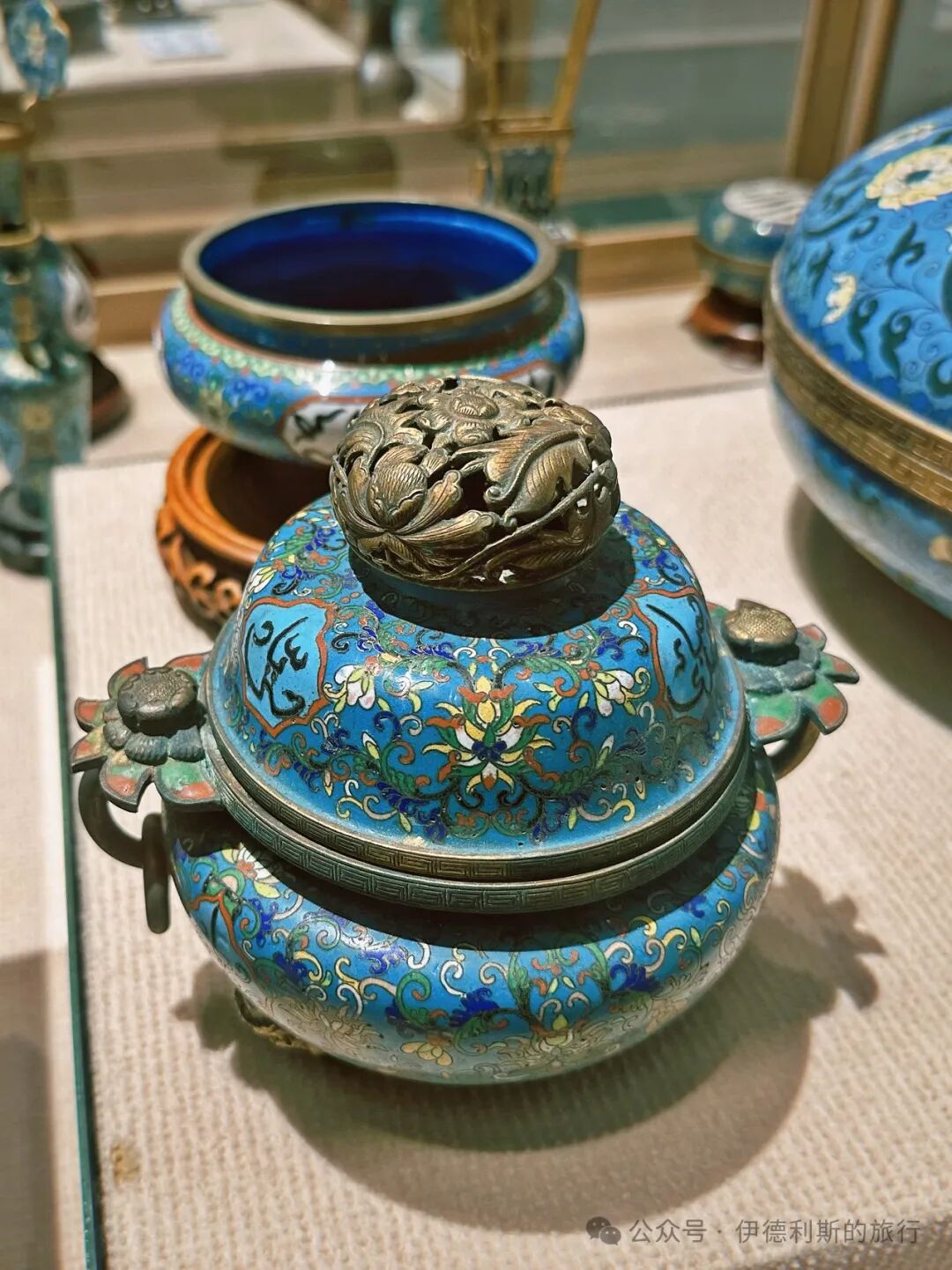
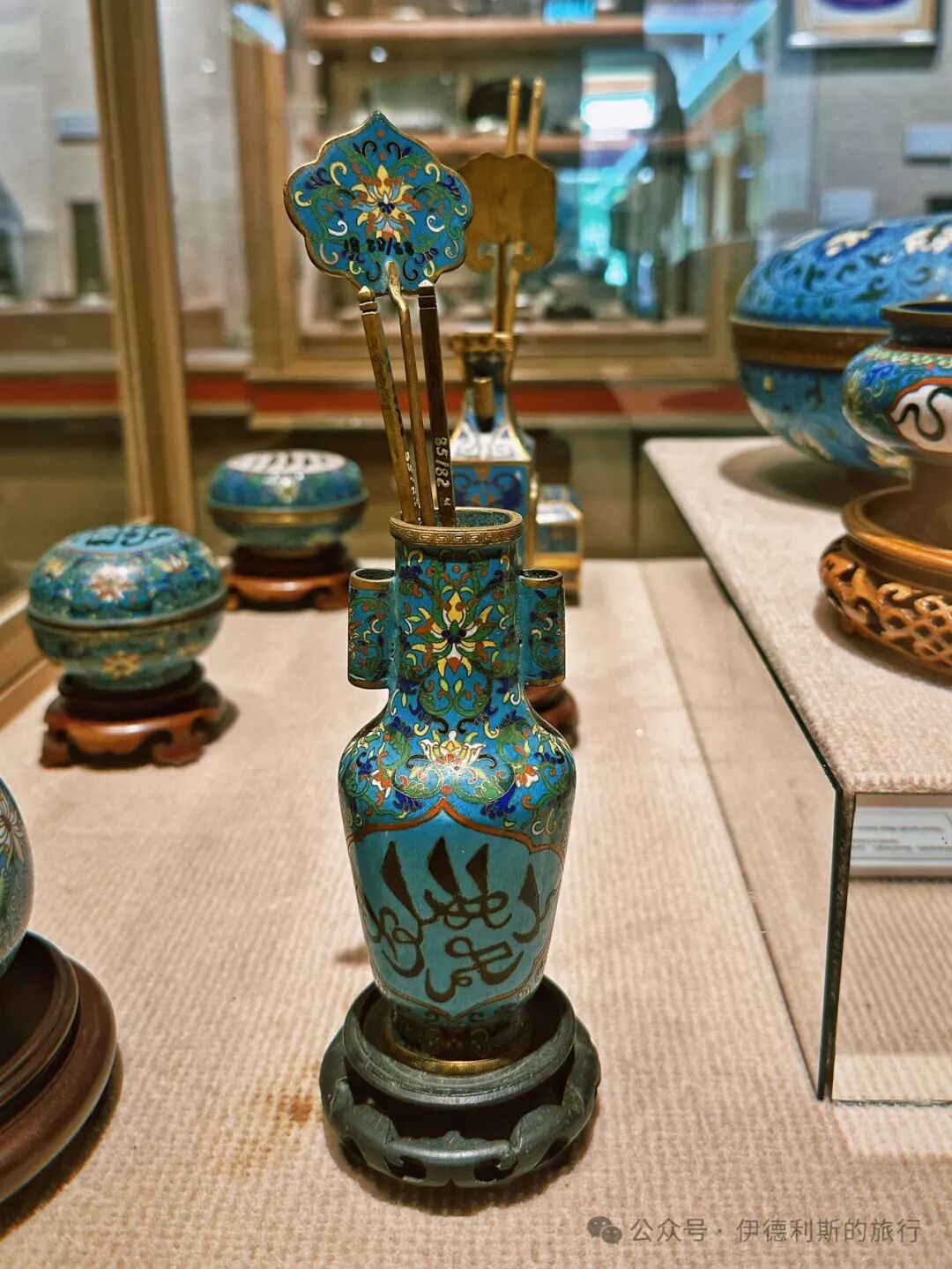
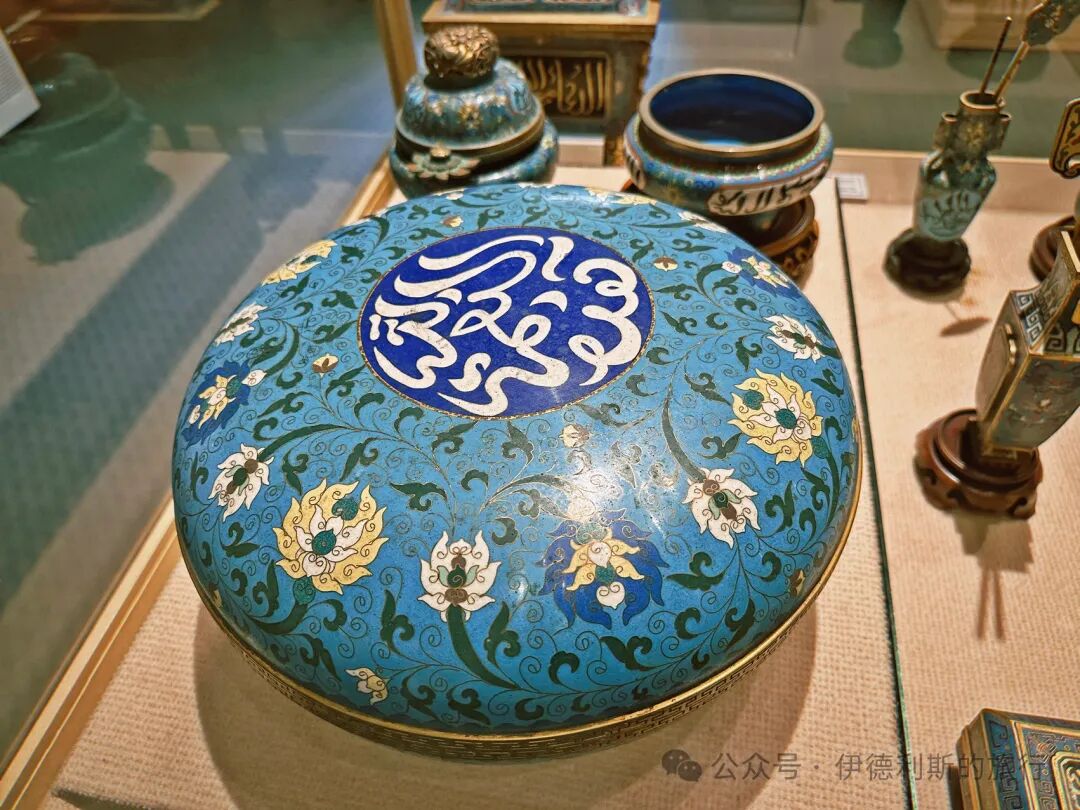
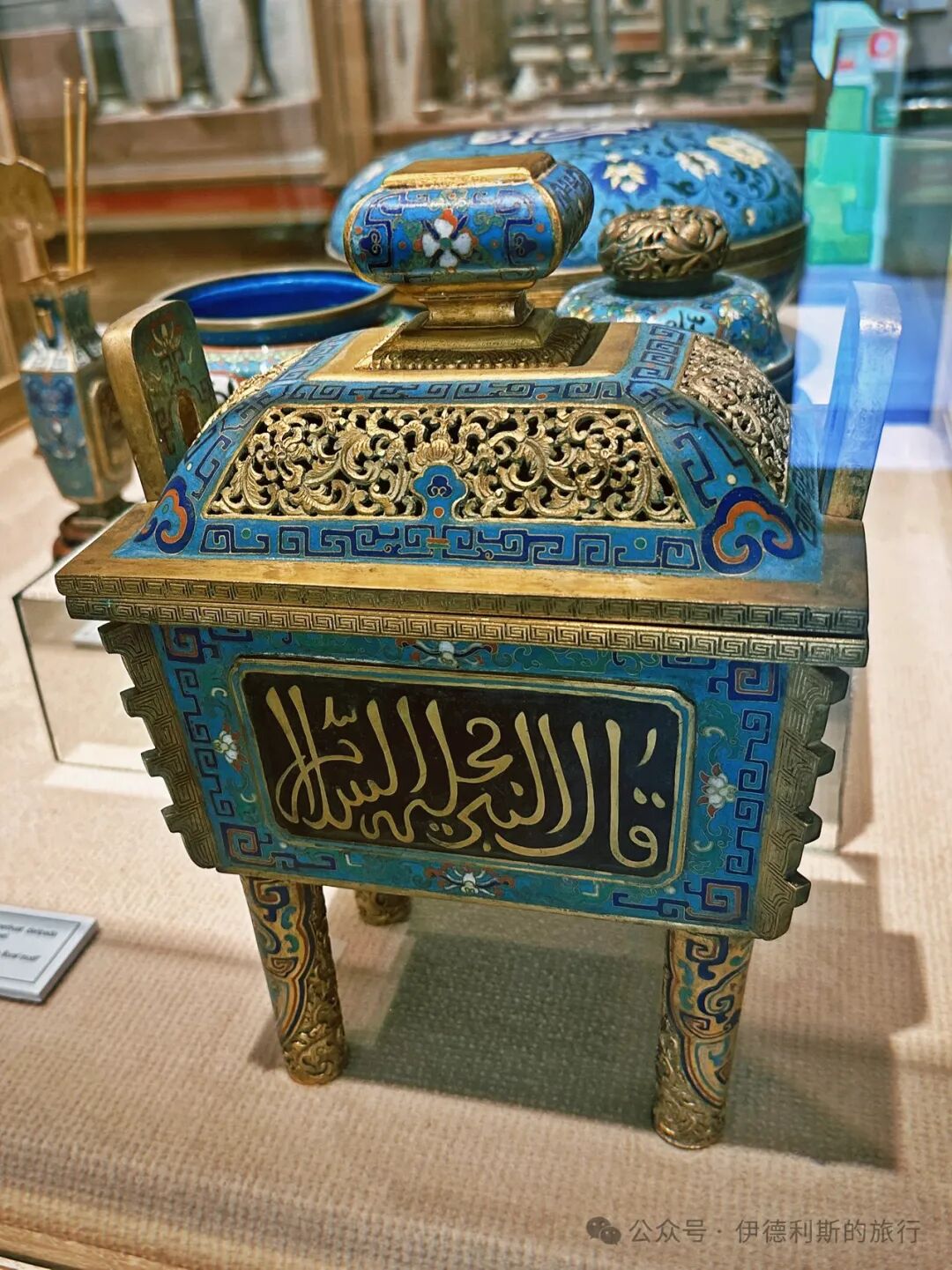
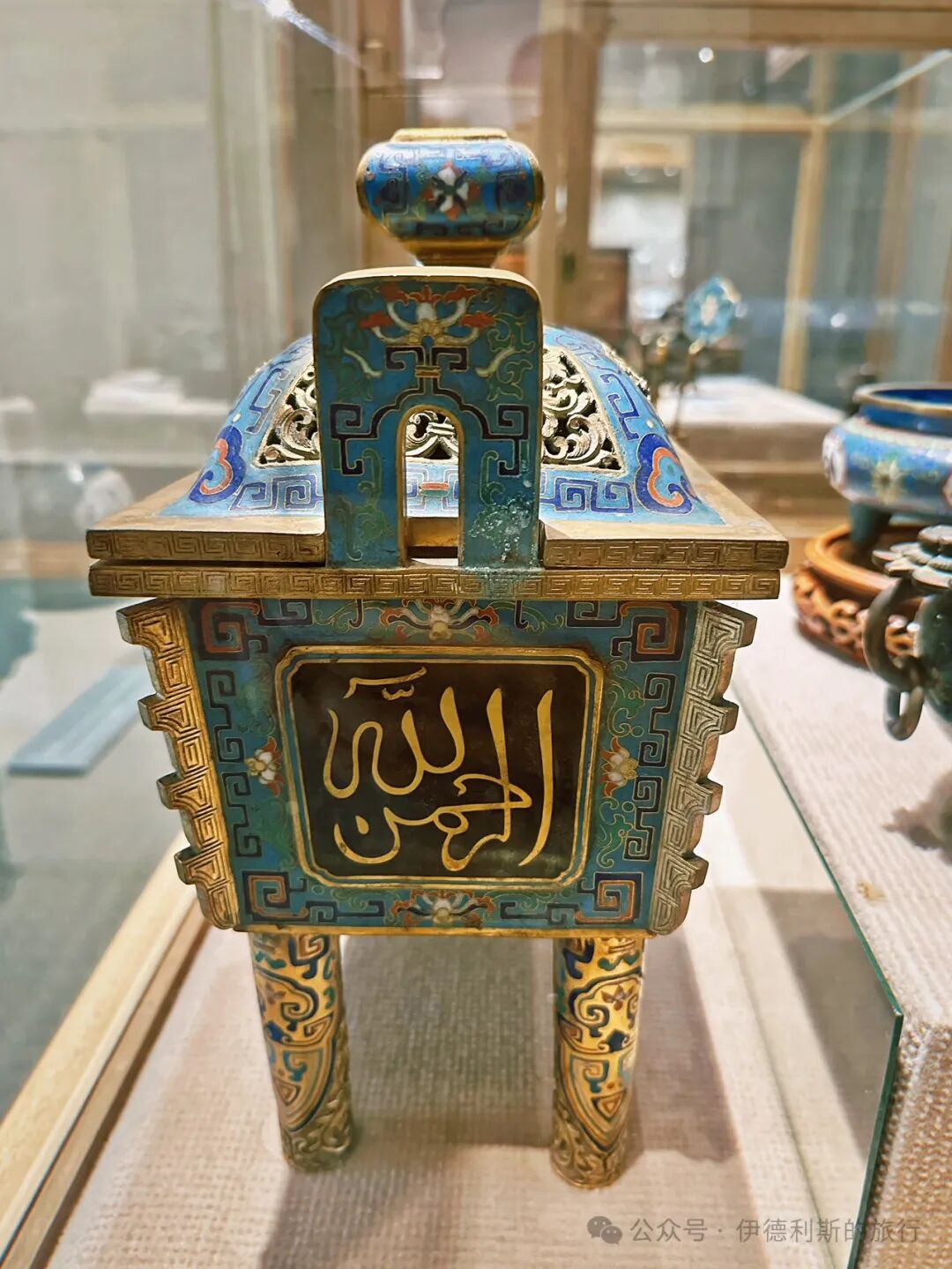
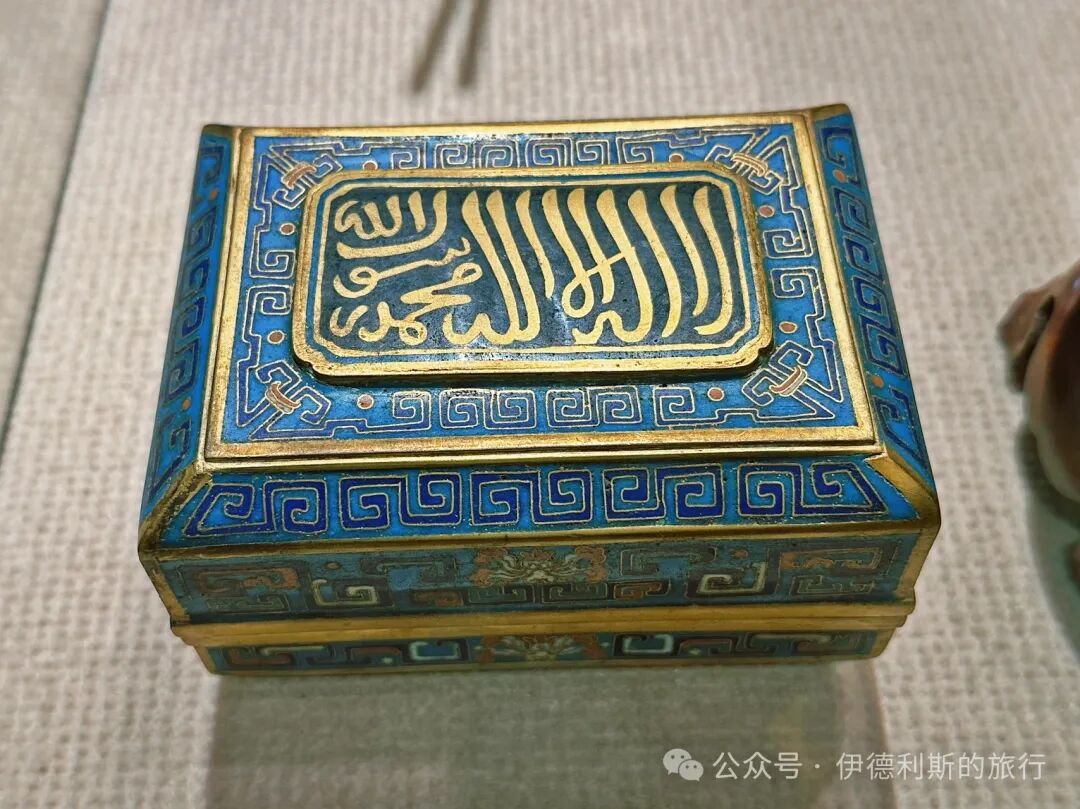
Traditional Chinese copper incense burners and incense boxes.
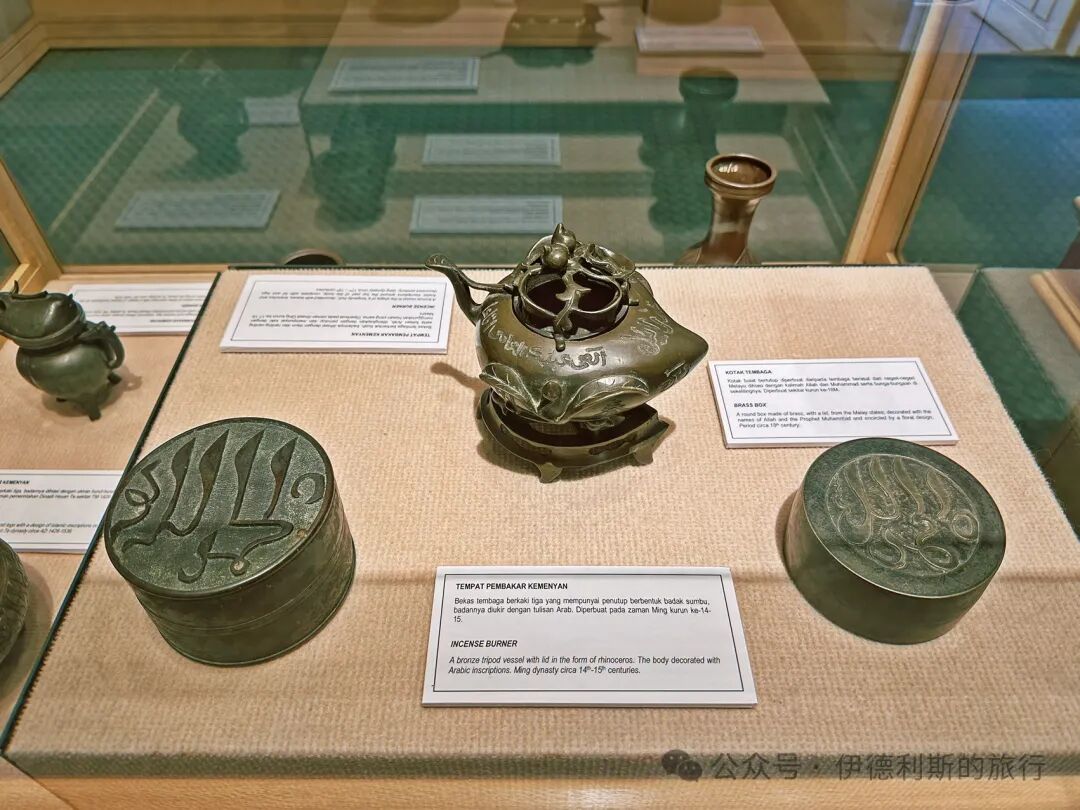
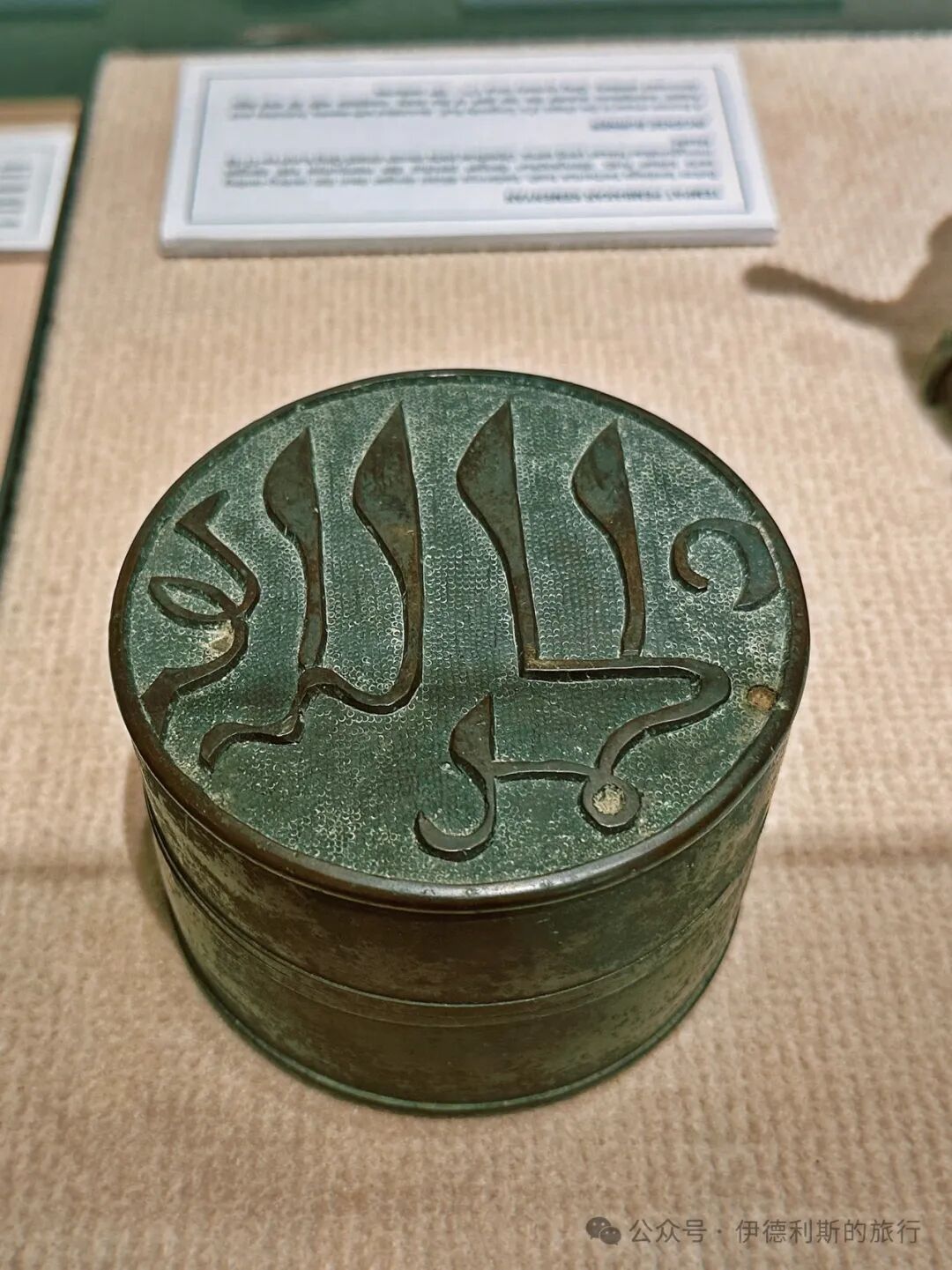
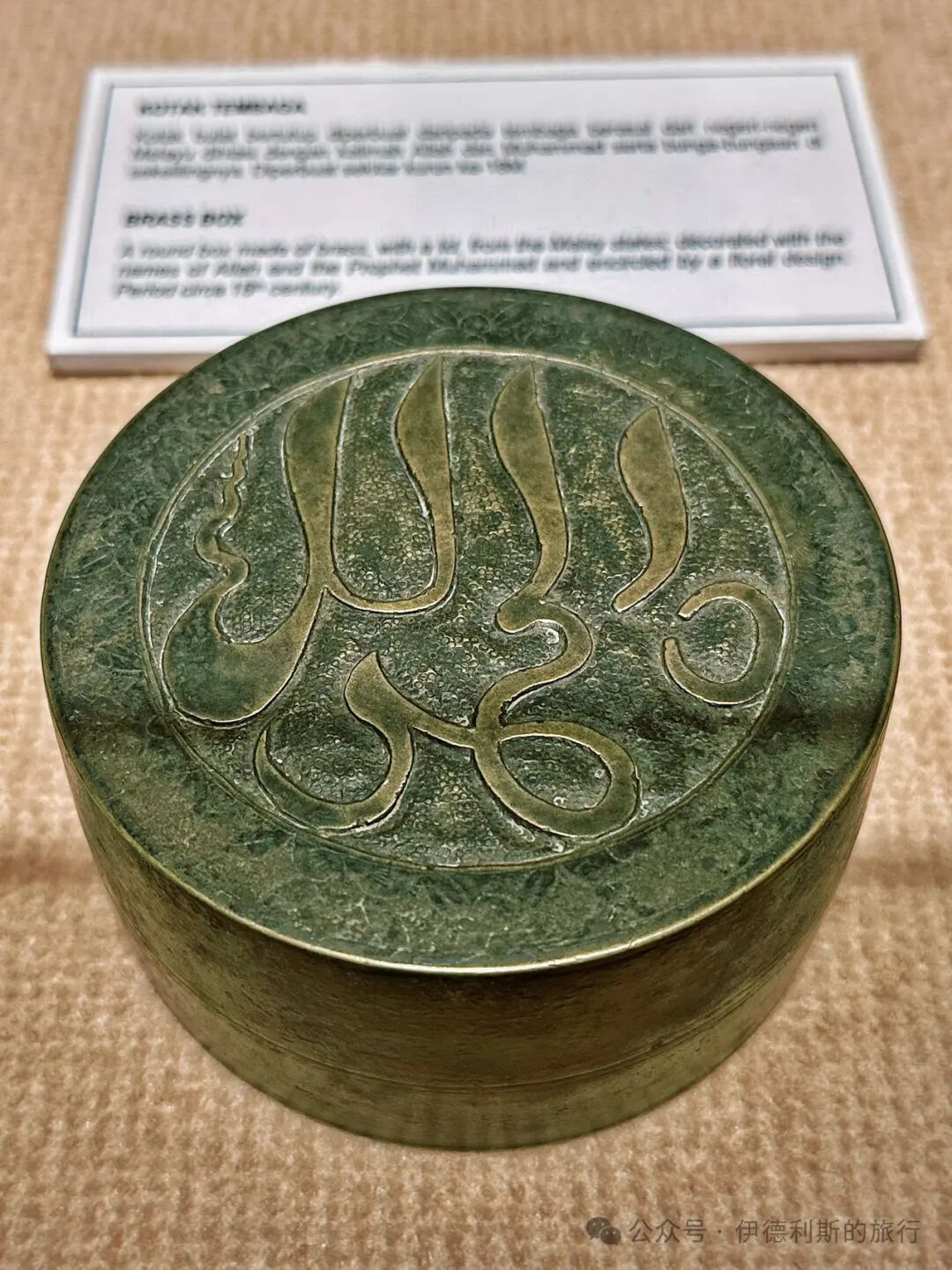
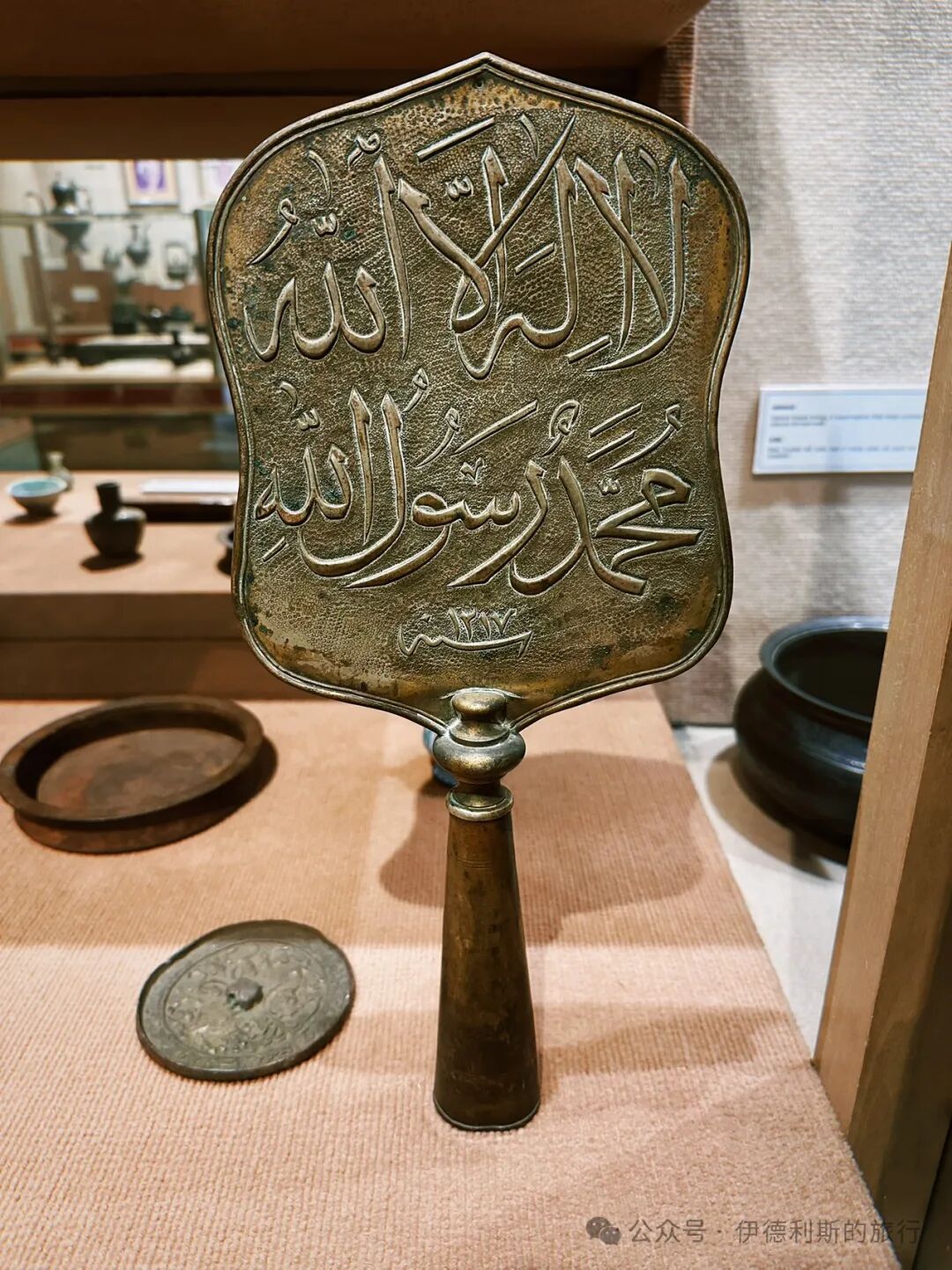
A copper staff head inscribed with the year 1217 of the Hijri calendar (1802 AD). Such ceremonial staffs are often carried during Mawlid and Ashura processions in the Middle East and South Asia.
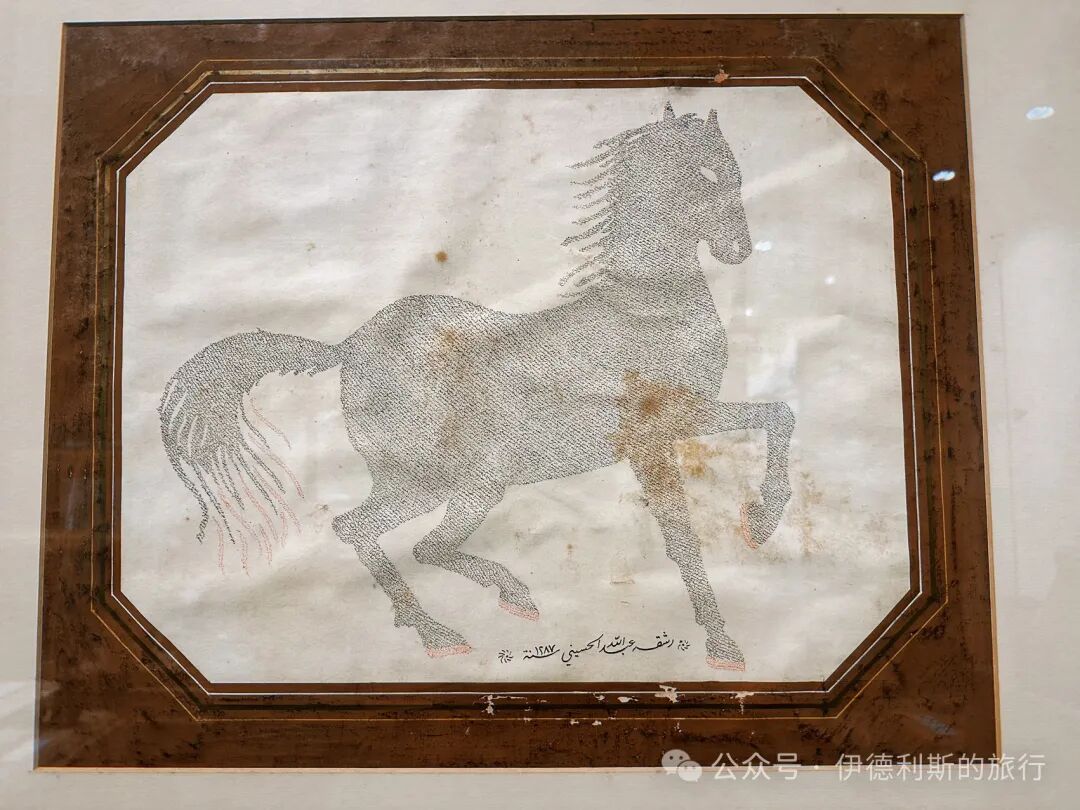
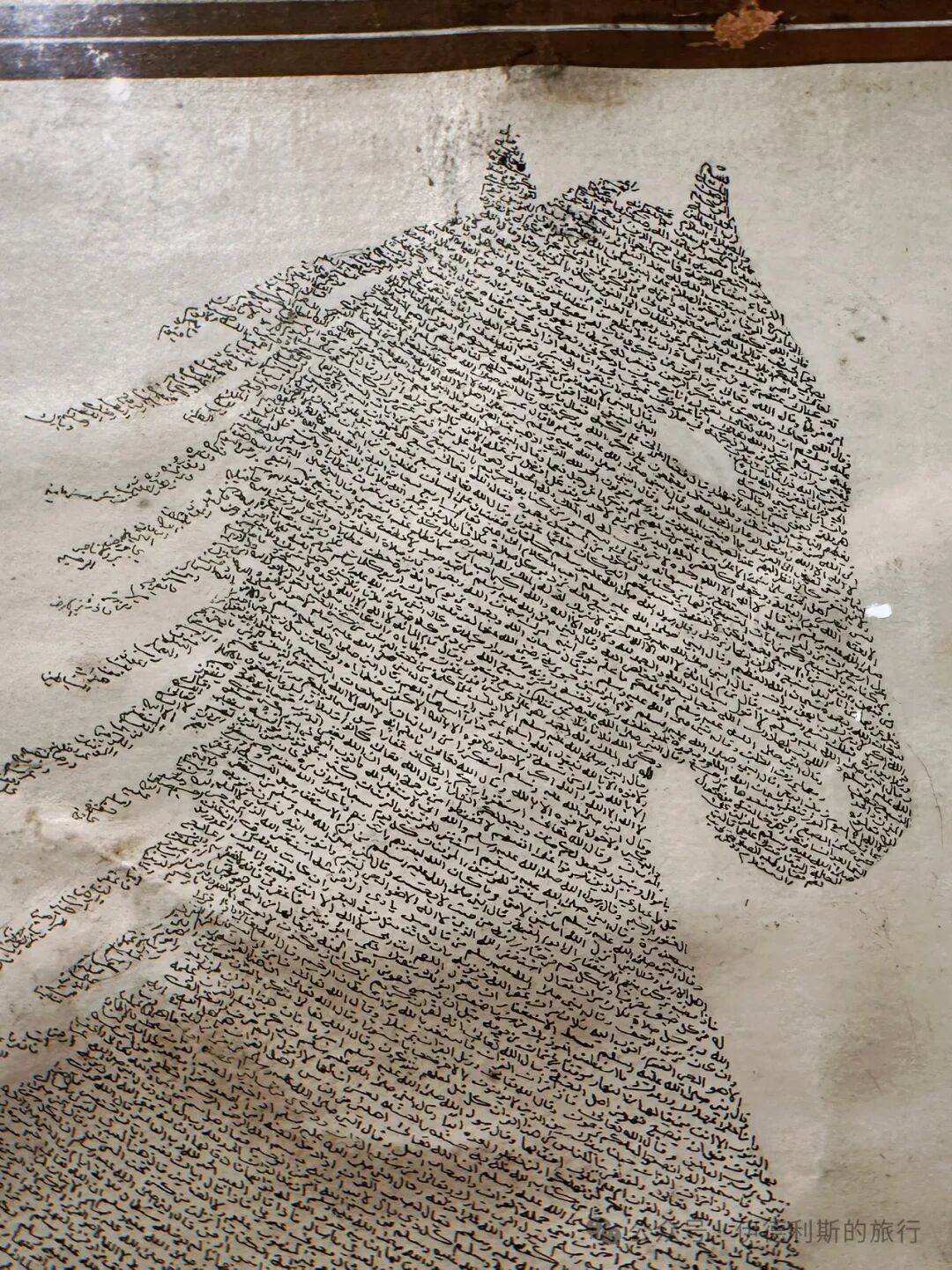
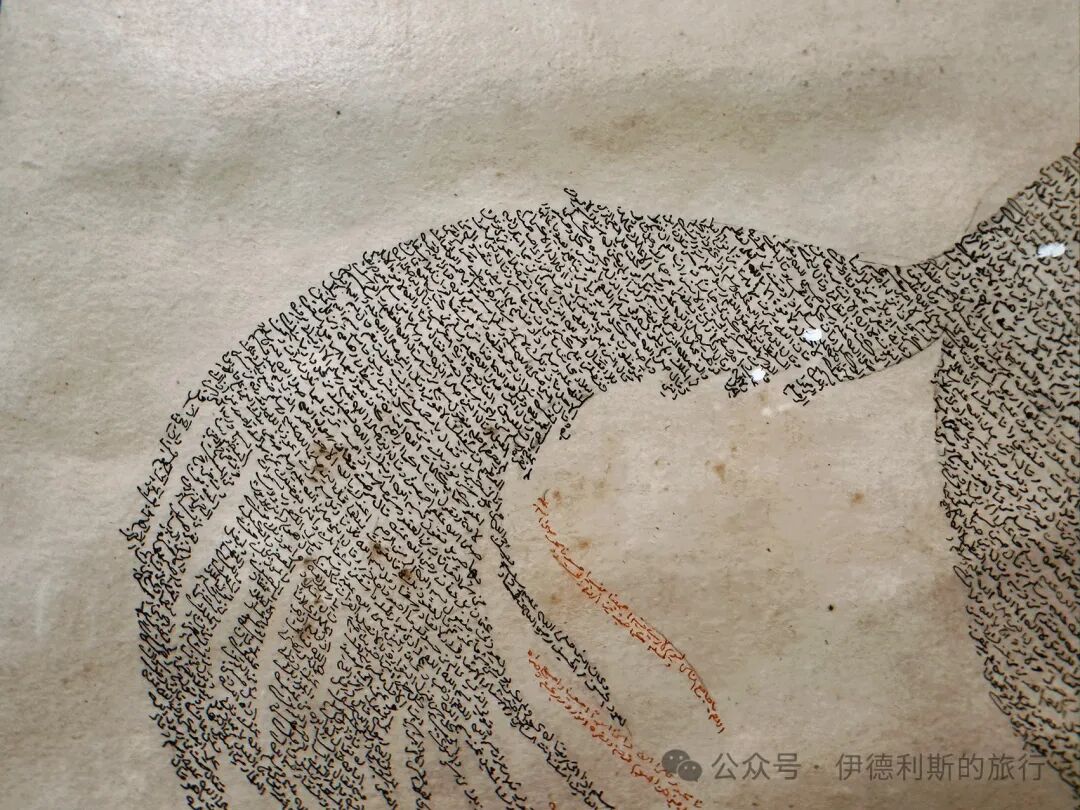
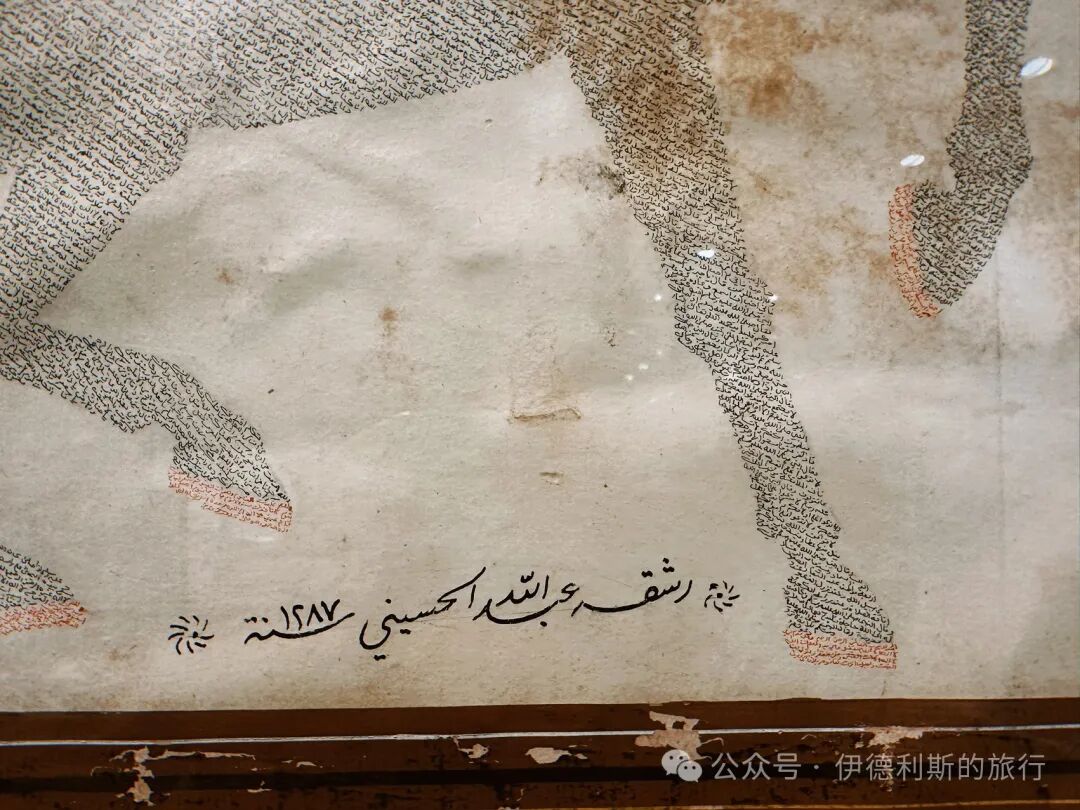
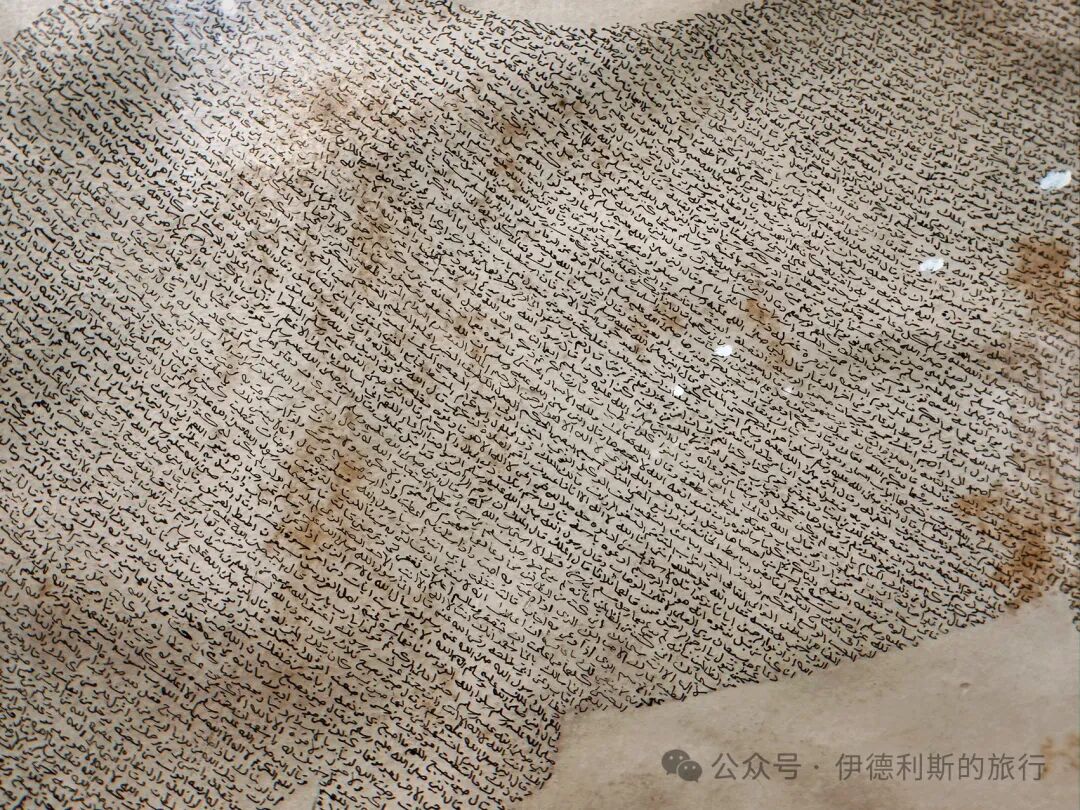
A painting of a galloping horse inscribed with scripture, created in 1870.
Swatow ware (shantouqi) export porcelain fired in Fujian during the late Ming dynasty. It was mainly exported to places like Southeast Asia and displayed in the living rooms of Malay nobles when receiving guests. Later archaeological discoveries revealed that most Swatow ware was fired in Zhangzhou, Fujian, and exported from Yuegang in Zhangzhou. Gu Yanwu wrote in his book Record of the Advantages and Disadvantages of the Prefectures and Counties of the World (Tianxia Junguo Libing Shu) that people from Fujian who traded overseas all set sail from Yuegang in Zhangzhou.
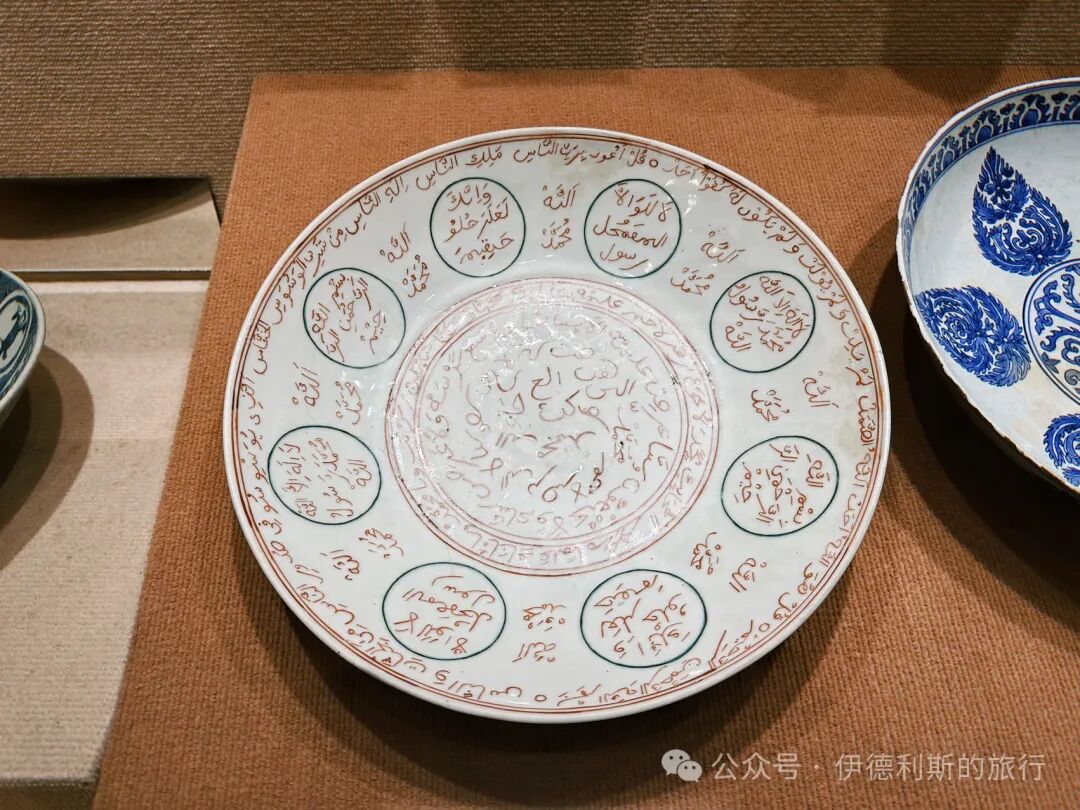
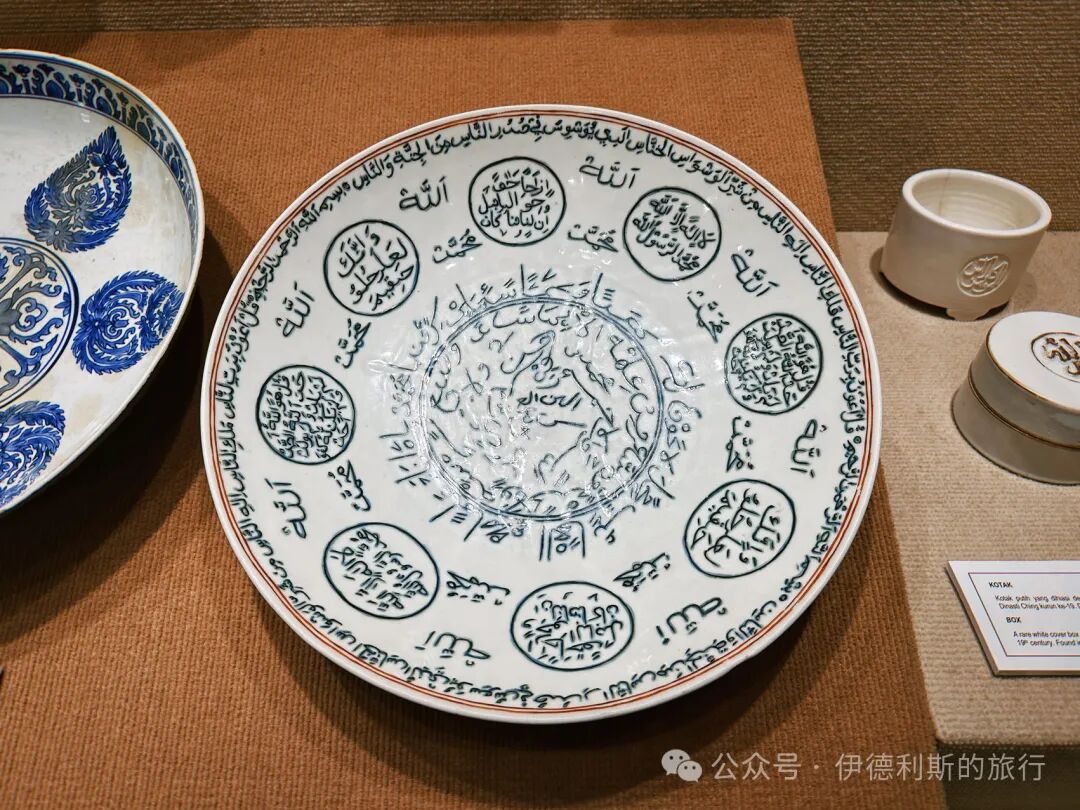
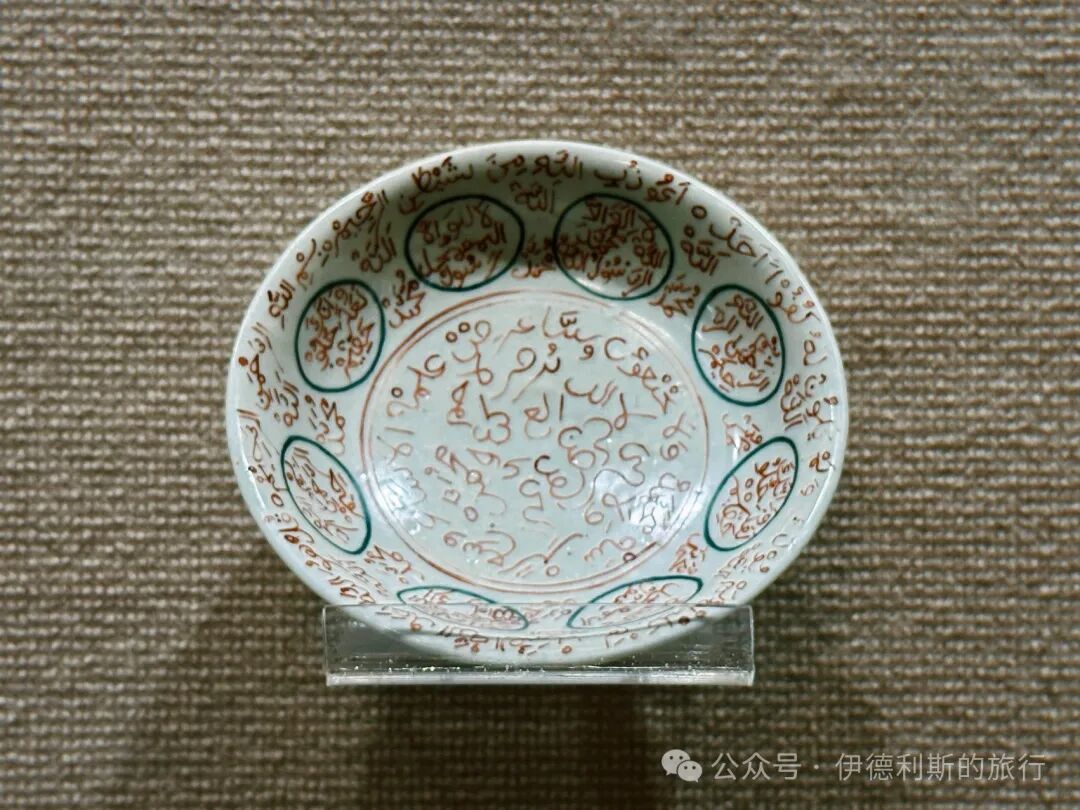
Porcelain with Arabic script exported during the Qing Dynasty.
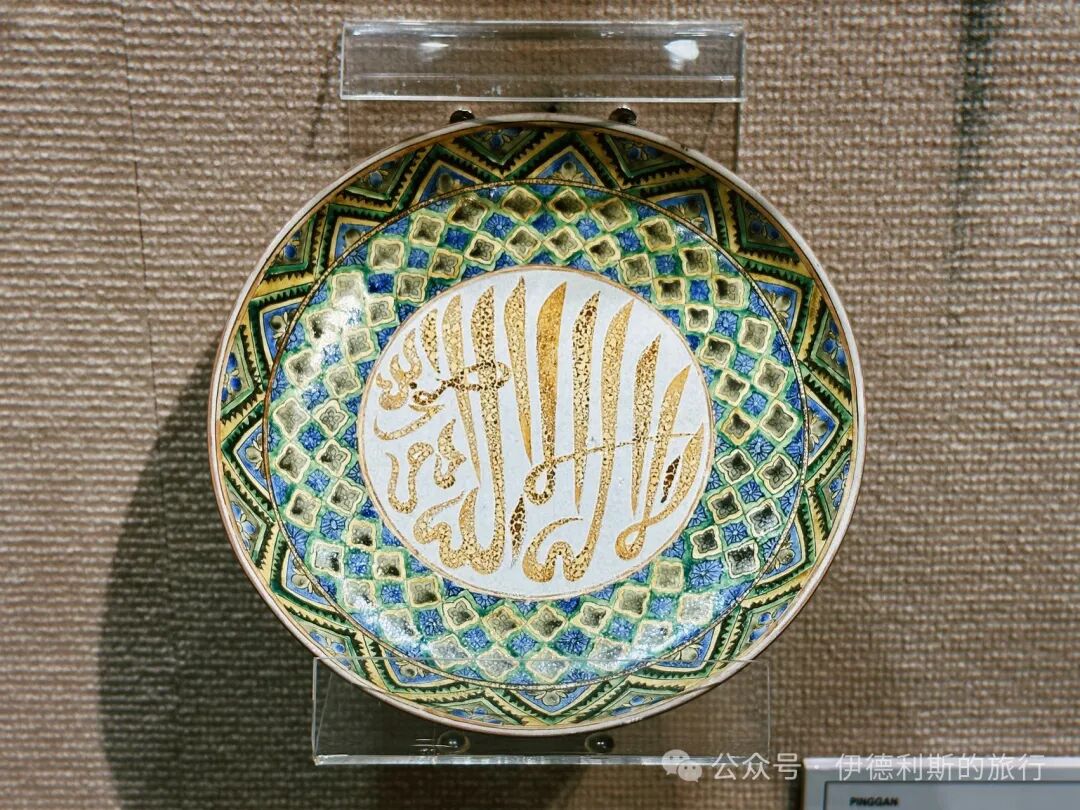
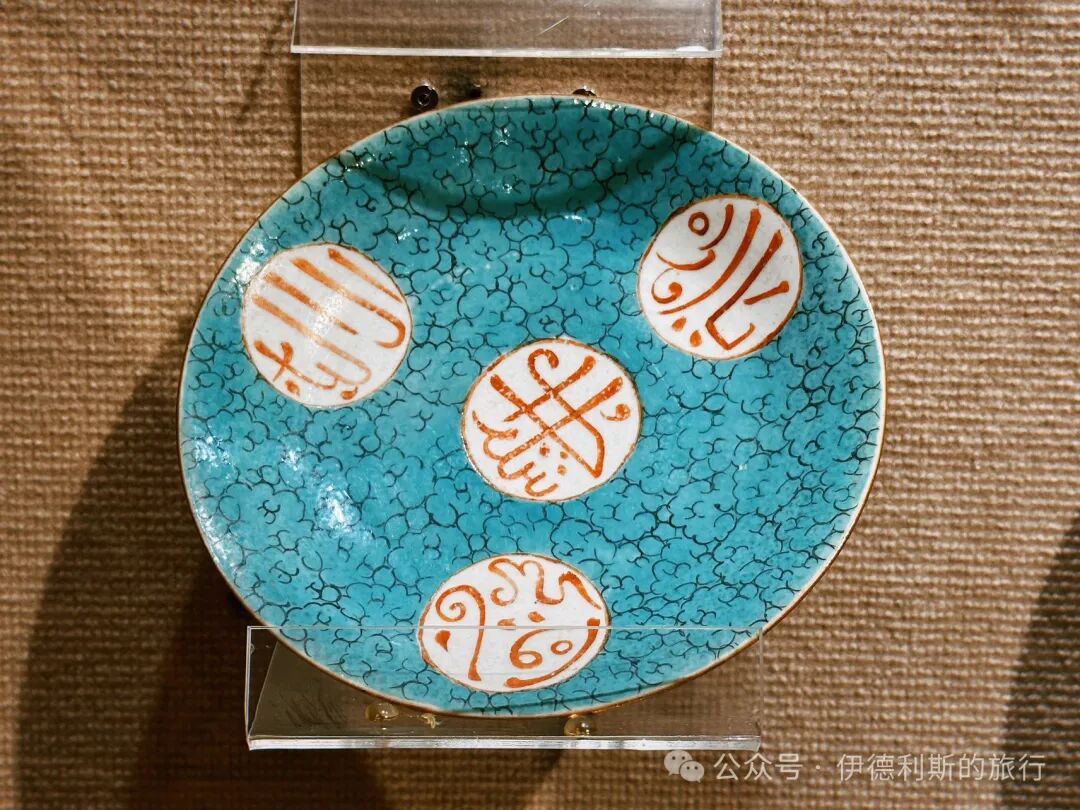
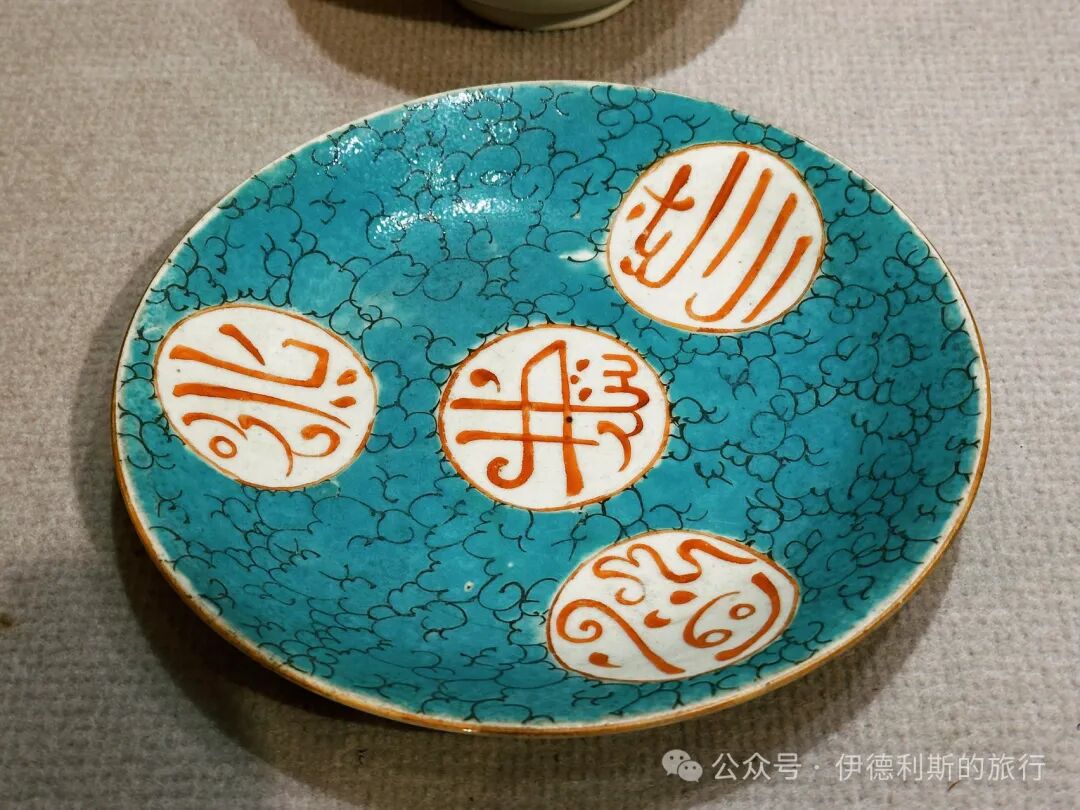
Canton enamel porcelain (guangcai) exported from Guangzhou in the 19th century, featuring the date 1301 in the Islamic calendar, which is 1884 AD. Canton enamel porcelain (guangcai) is short for Guangzhou gold-woven colored porcelain, a famous export porcelain from Guangzhou during the mid-to-late Qing Dynasty. During the Yongzheng reign, Guangzhou porcelain merchants began shipping plain white porcelain blanks from Jingdezhen to Guangzhou. They hired masters from Jingdezhen to paint them with low-temperature overglaze colors in Guangzhou, which is how Canton enamel porcelain (guangcai) first appeared. After the Qianlong reign, Canton enamel porcelain (guangcai) reached a mature stage and developed its own colorful and ornate style. After the Daoguang reign, the number of colors increased to over a dozen. Most pieces featured a gold-rimmed circle in the center, with the surrounding area filled with flowers, fruits, birds, insects, people, and landscapes in a dense pattern, often including logos specified by foreign merchants.
Summary: This first part of the Sarawak Islamic Museum visit introduces exhibits on Muslim history, local culture, and Islamic heritage in Sarawak. The translation preserves the original captions, photos, object details, and museum observations in clear English.
The Sarawak Islamic Museum is in the center of Kuching, Malaysia, right next to the Borneo Cultures Museum. The museum building was originally the Madrasah Melayu, opened by the Kingdom of Sarawak in 1931. It aimed to train more Malay teachers to solve the teacher shortage in the 1930s. It officially opened as the Sarawak Islamic Museum in 1992.
The museum has seven galleries, each with a different theme. Although it is not very large, the exhibits are valuable and full of information. I think it is the second-best Islamic museum in Malaysia, after the Islamic Arts Museum in Kuala Lumpur.
The Baghdad Gantang is a rice measuring container given by Malay nobles to a new Sultan when he took the throne. It represents the power to collect traditional local taxes. The Baghdad Gantang is made of brass with Arabic script carved in the middle. One of them also has traditional Chinese meander patterns (huiwen) carved on the top and bottom.
A brass ceremonial standard (alam) used by the Ottoman Empire in the 17th century, engraved with the name of Allah.
An Indian ceremonial standard (alam) from the 17th to 18th century, inlaid with red enamel. It was once installed on top of a mosque.
A ceremonial standard (alam) from the 19th-century Ottoman Empire, made using Damascus inlay techniques.
A beautiful traditional Malay fishing boat (perahu payang). These boats were mainly used in Terengganu and were also found in other areas along the east coast of the Malay Peninsula. During the northeast monsoon, Malay fishermen would sail these boats to fish near Singapore.
The parts at the front of the boat are called the Bangau on the left and the Okok on the right. They support the sails, balance the boat, and help pull the nets. They are usually carved with ornate patterns. The Bangau is designed to look like a stork. Because storks like to eat fish, Malay fishermen believe that carving this bird can bring good luck.
The middle part is called the Caping. It is shaped like a betel leaf and carved with plant patterns. The Caping is installed on the keel of the boat, and Malay fishermen believe it protects their safety.
Tiles from different periods:
12th-century Kashan, Persia.
13th-century Persia.
16th to 17th-century Safavid Dynasty, Persia.
Iznik tiles from Turkey, around 1700.
Persia, around 1900.
A room divider screen used by Malay nobles, carved with scripture and the name of the Prophet.
A wooden door with scripture from a traditional Malay noble house. Red, black, and gold are classic colors in Malay art.
The museum houses many wood carvings from traditional Malay noble houses or mosques, though most lack specific records of their origin. One piece is inscribed with '1283', which corresponds to the year 1866 in the Gregorian calendar. Judging by the level of weathering, these wood carvings likely date back to around the 19th century.
A traditional wooden chest from the Central Java region.
A wooden chest inscribed with scripture used by Malay nobles to store clothing and valuables.
A wooden chest used to hold hantaran (dowry) at traditional Malay weddings.
A 19th-century Ottoman dynasty table inlaid with mother-of-pearl.
A 19th-century Mughal dynasty carved wooden door with brass accents.
An 18th-century Mughal dynasty lattice window (jali) from a palace in Patan, Gujarat.
A bronze crescent moon that once sat atop the dome of the old Sarawak State Mosque. The old State Mosque was first built in 1847, had a dome added in 1929, and was rebuilt into its current structure in 1968.
A 'Panoramic View of the Huajue Lane Mosque' gifted by Imam Ma Liangji to the Head of State of Sarawak in 1988, representing the friendship between the people of China and Malaysia.
A 19th-century Persian brass peacock incense burner with a sun pattern engraved on its tail.
An 18th-century tombstone from the Aceh region of Sumatra.
A tombstone found at the foot of Bukit Mas in Limbang, Sarawak. The top features Arabic inscriptions in the Aceh style, while the base uses the traditional Chinese cloud-patterned Sumeru pedestal style, serving as a precious witness to cultural exchange. Limbang is located right next to Brunei and was historically ruled by the Sultanate of Brunei for a long time.
A map showing the spread of the faith in Southeast Asia from the 16th to the 18th centuries.
A traditional Chinese cloisonné (jingtailan) three-piece incense set, including an incense burner, incense box, and chopstick holder, which were essential items for burning incense in homes in the past.
Traditional Chinese copper incense burners and incense boxes.
A copper staff head inscribed with the year 1217 of the Hijri calendar (1802 AD). Such ceremonial staffs are often carried during Mawlid and Ashura processions in the Middle East and South Asia.
A painting of a galloping horse inscribed with scripture, created in 1870.
Swatow ware (shantouqi) export porcelain fired in Fujian during the late Ming dynasty. It was mainly exported to places like Southeast Asia and displayed in the living rooms of Malay nobles when receiving guests. Later archaeological discoveries revealed that most Swatow ware was fired in Zhangzhou, Fujian, and exported from Yuegang in Zhangzhou. Gu Yanwu wrote in his book Record of the Advantages and Disadvantages of the Prefectures and Counties of the World (Tianxia Junguo Libing Shu) that people from Fujian who traded overseas all set sail from Yuegang in Zhangzhou.
Porcelain with Arabic script exported during the Qing Dynasty.
Canton enamel porcelain (guangcai) exported from Guangzhou in the 19th century, featuring the date 1301 in the Islamic calendar, which is 1884 AD. Canton enamel porcelain (guangcai) is short for Guangzhou gold-woven colored porcelain, a famous export porcelain from Guangzhou during the mid-to-late Qing Dynasty. During the Yongzheng reign, Guangzhou porcelain merchants began shipping plain white porcelain blanks from Jingdezhen to Guangzhou. They hired masters from Jingdezhen to paint them with low-temperature overglaze colors in Guangzhou, which is how Canton enamel porcelain (guangcai) first appeared. After the Qianlong reign, Canton enamel porcelain (guangcai) reached a mature stage and developed its own colorful and ornate style. After the Daoguang reign, the number of colors increased to over a dozen. Most pieces featured a gold-rimmed circle in the center, with the surrounding area filled with flowers, fruits, birds, insects, people, and landscapes in a dense pattern, often including logos specified by foreign merchants.
