
Islamic Museum Guide: Malaysia — 92 Handwritten Qurans and Manuscripts
Reposted from the web
Summary: The Islamic Arts Museum Malaysia holds a large manuscript collection, including 92 handwritten Qurans and related works from different regions and periods. This article preserves the original museum captions, photos, names, and manuscript details in clear English.
The Islamic Arts Museum Malaysia has the best collection of Islamic art in Southeast Asia. I visited Kuala Lumpur again at the end of 2024 to take another look at the handwritten manuscripts from different regions and eras.
This museum likely holds the largest collection of handwritten Quran manuscripts in Southeast Asia. The collection spans a thousand years, from the 8th to the 19th century. It covers regions from Andalusia, North Africa, Turkey, and Persia to China and the Malay Archipelago. You can see parchment from over a thousand years ago, as well as rare manuscripts from Southern Thailand and Mindanao. It is definitely worth a visit. I am sharing 38 early manuscript pages and 92 handwritten books that were on display at the museum in 2024.
Early parchment in Kufic script
Fatimid Caliphate, Egypt, 10th century
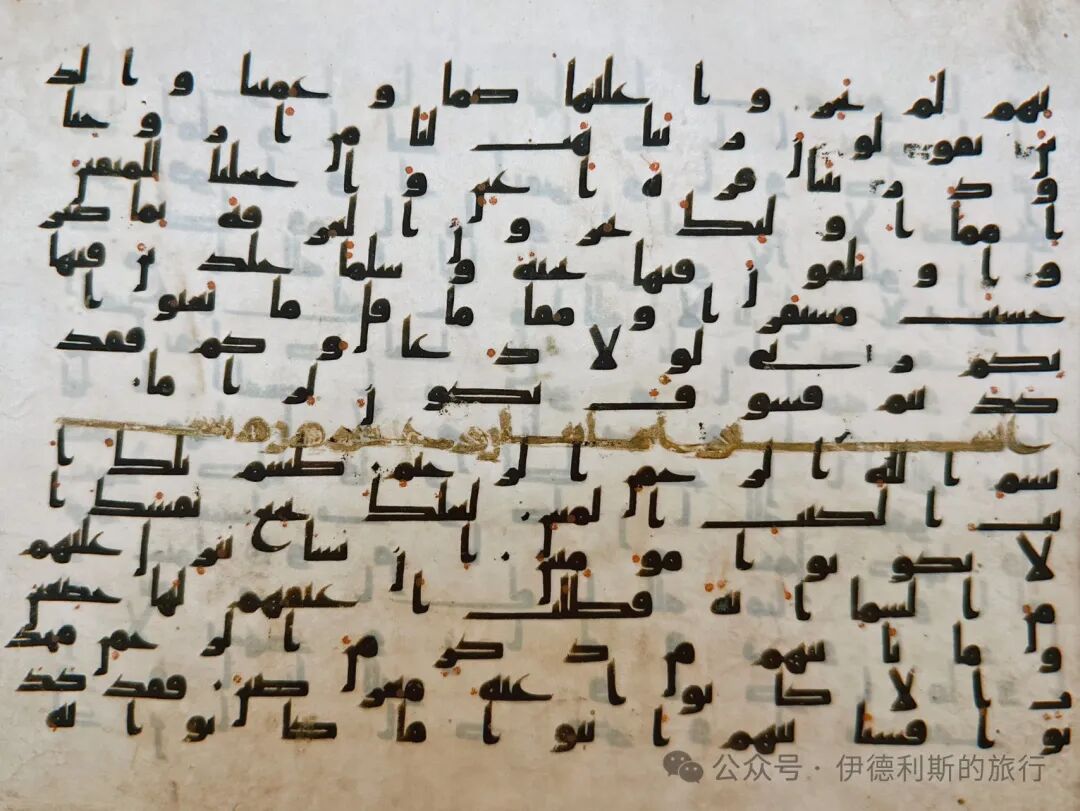
The Two Holy Cities, 8th century
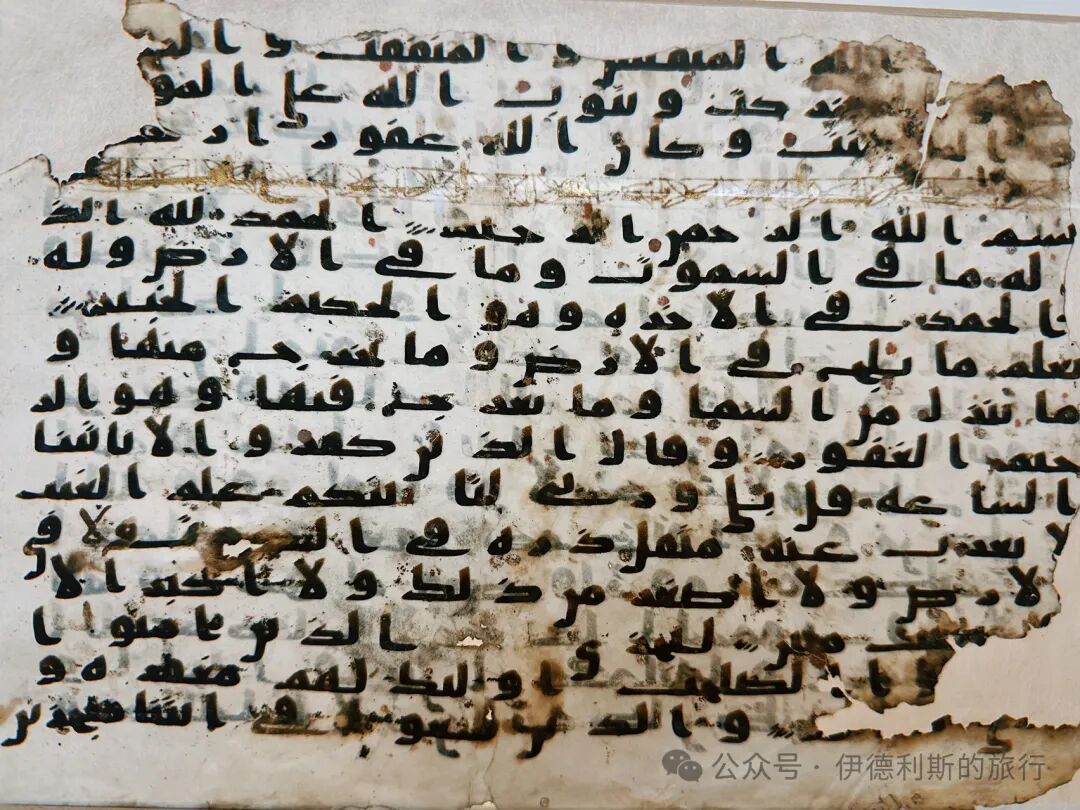
North Africa, 9th century
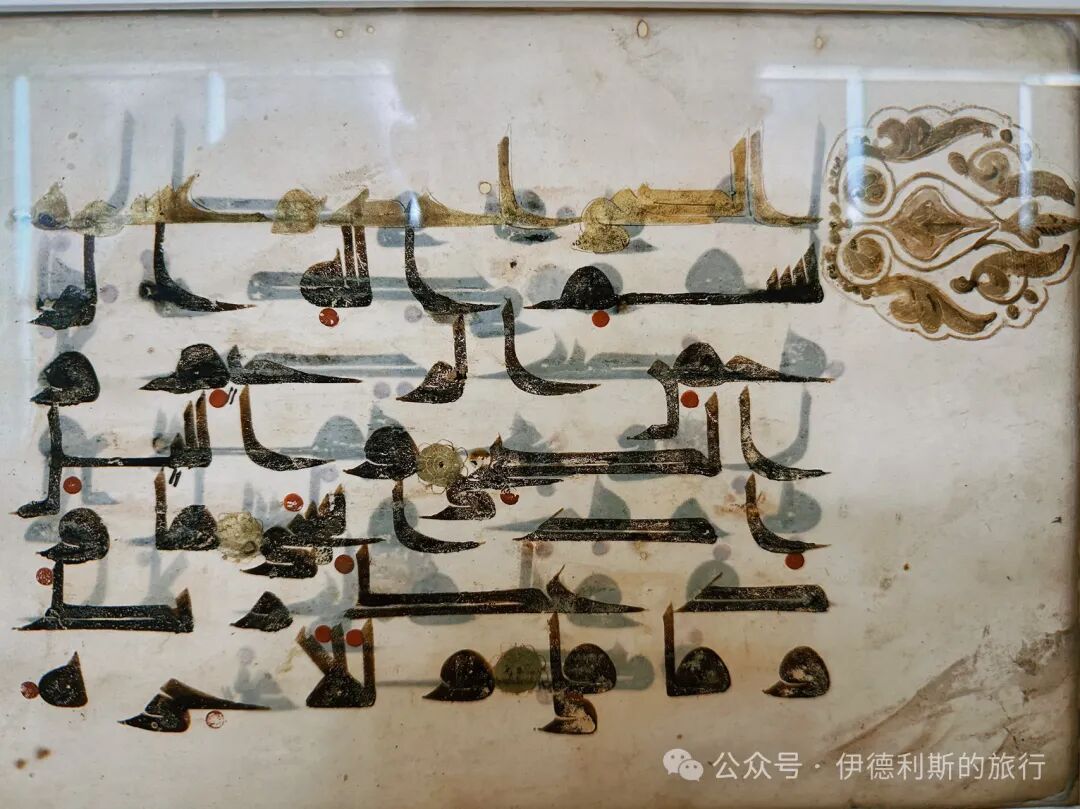
North Africa, 8th century
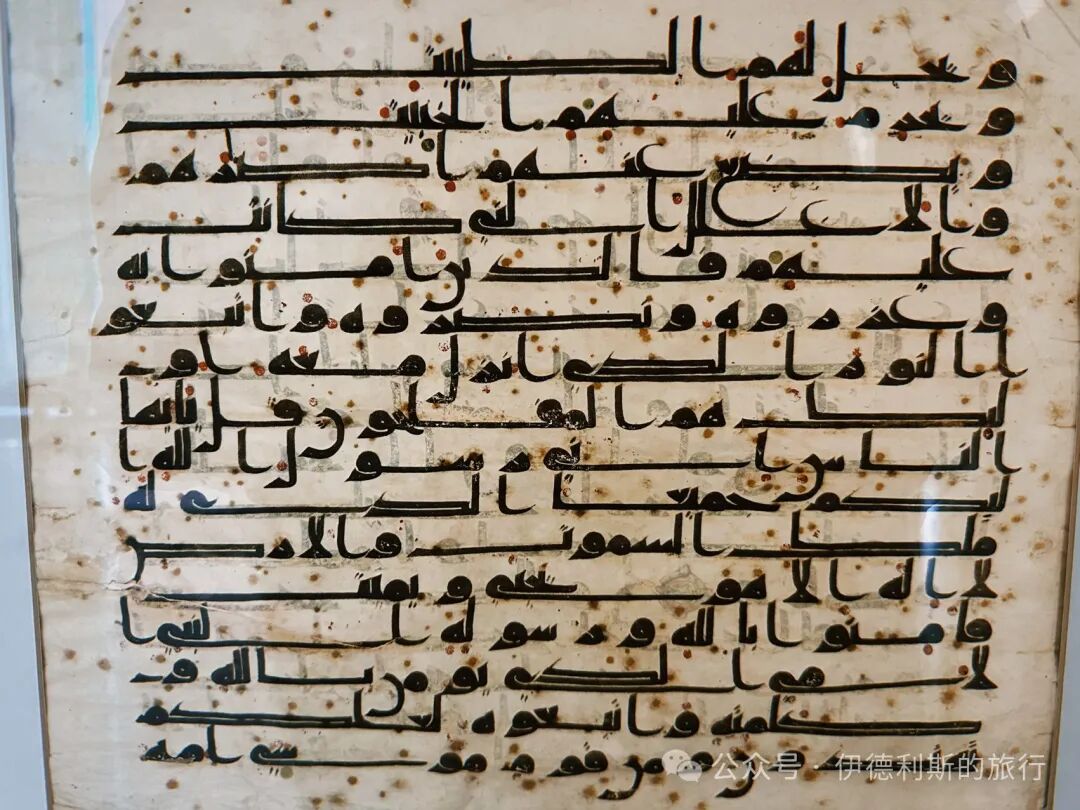
North Africa, 8th century
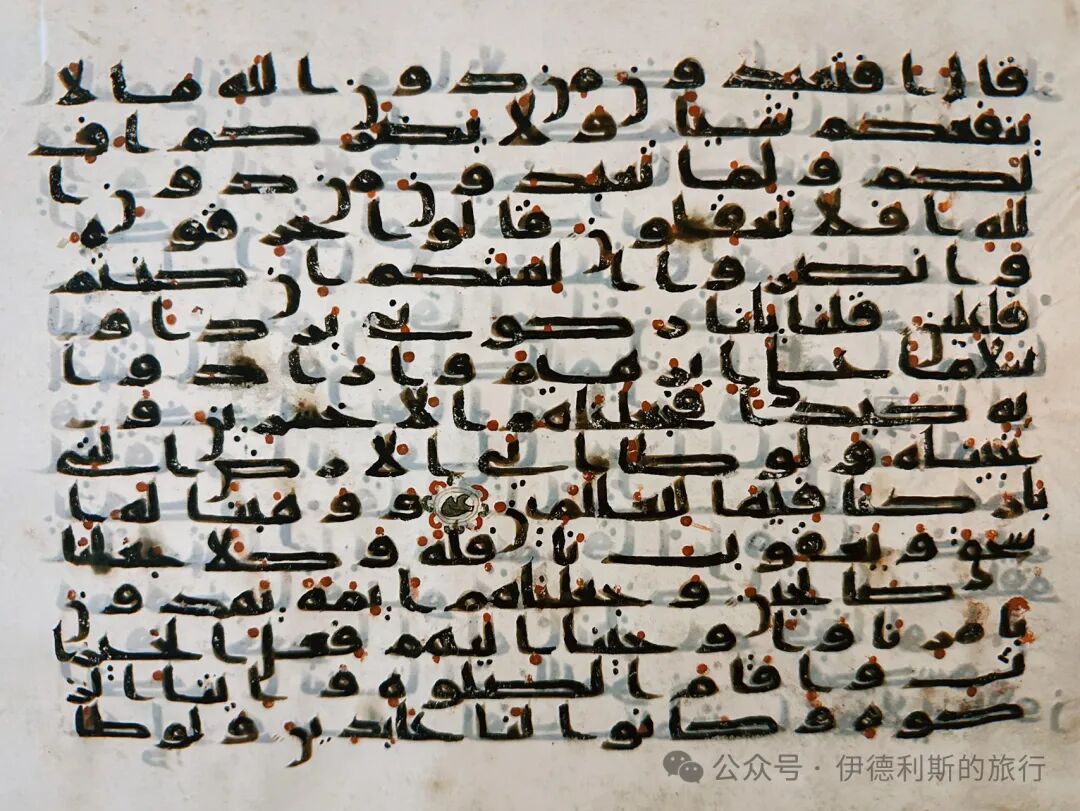
North Africa, 8th century
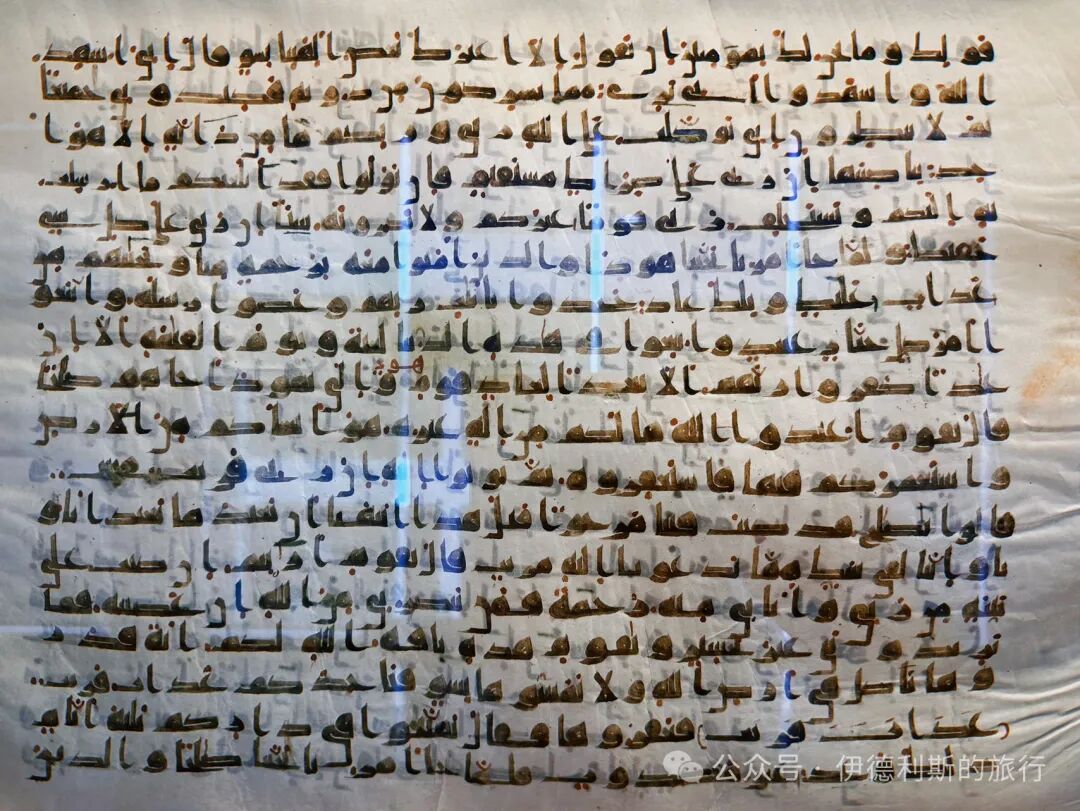
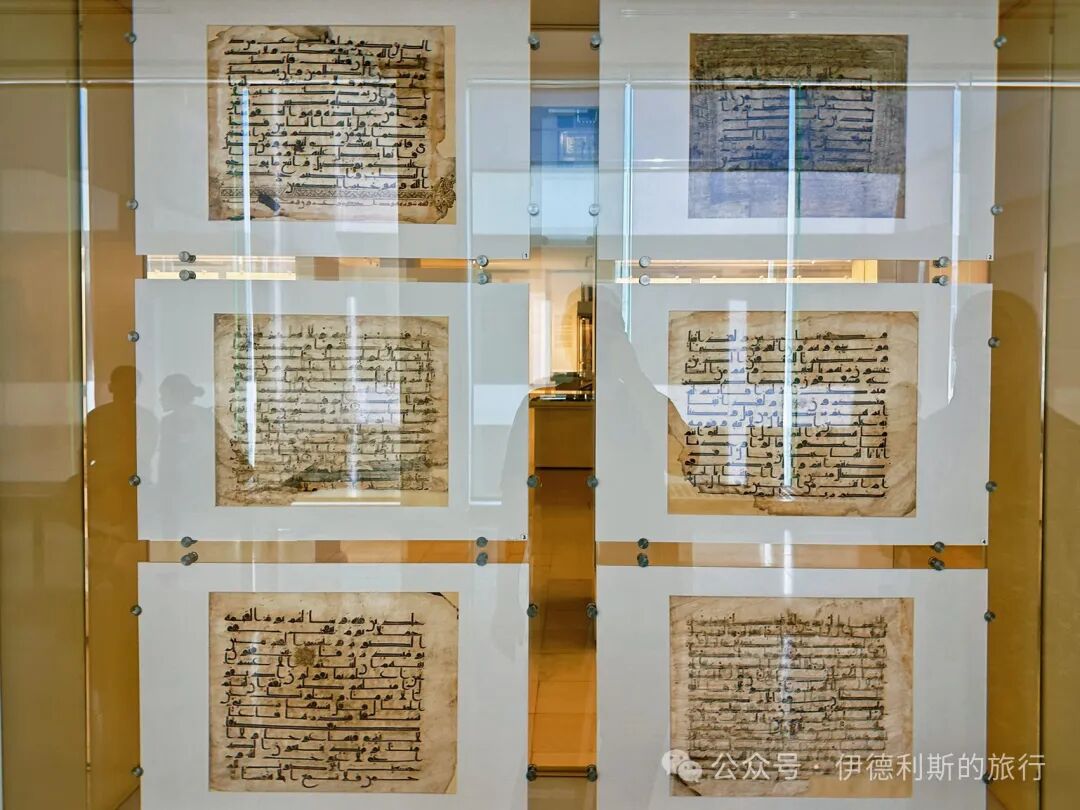
Near East or North Africa, 850-950 AD
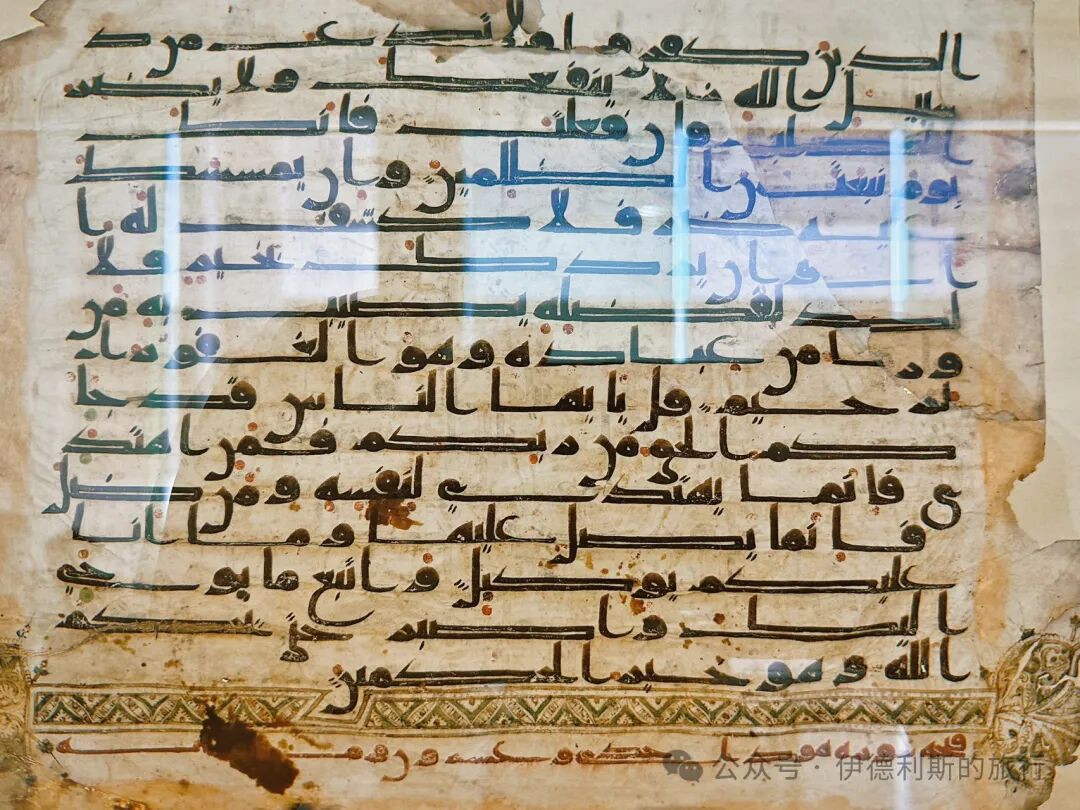
Damascus or Jerusalem, mid-8th century
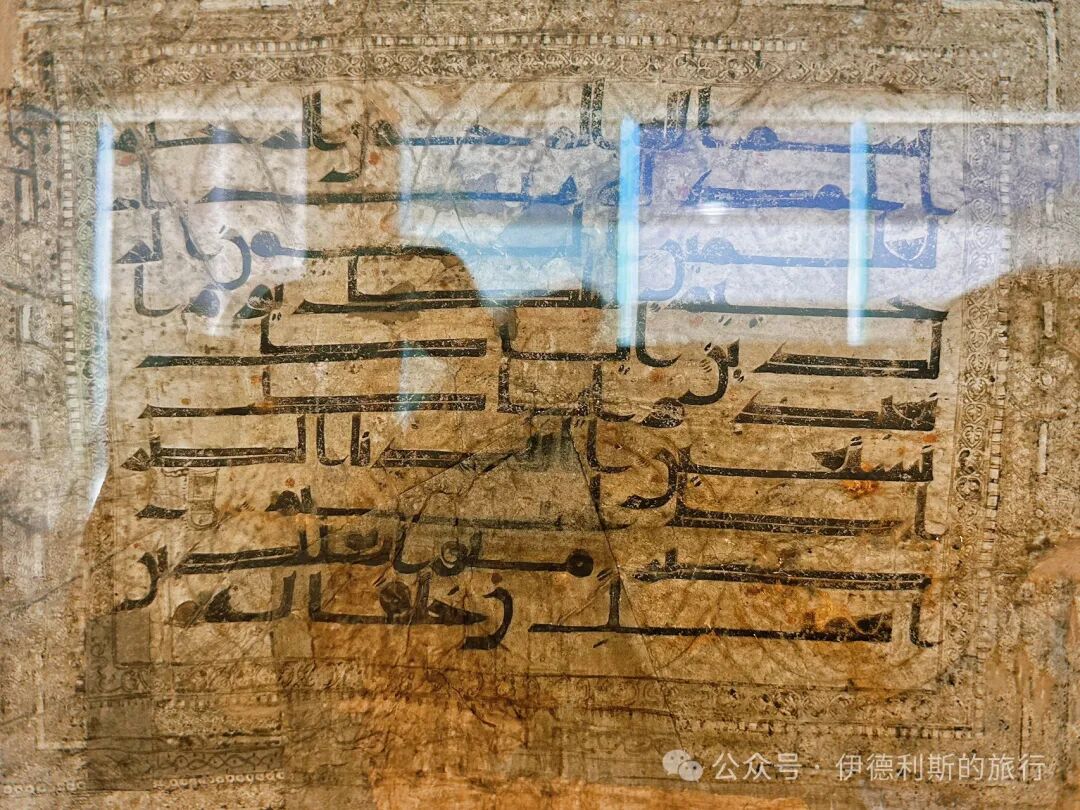
North Africa or Near East, 10th century
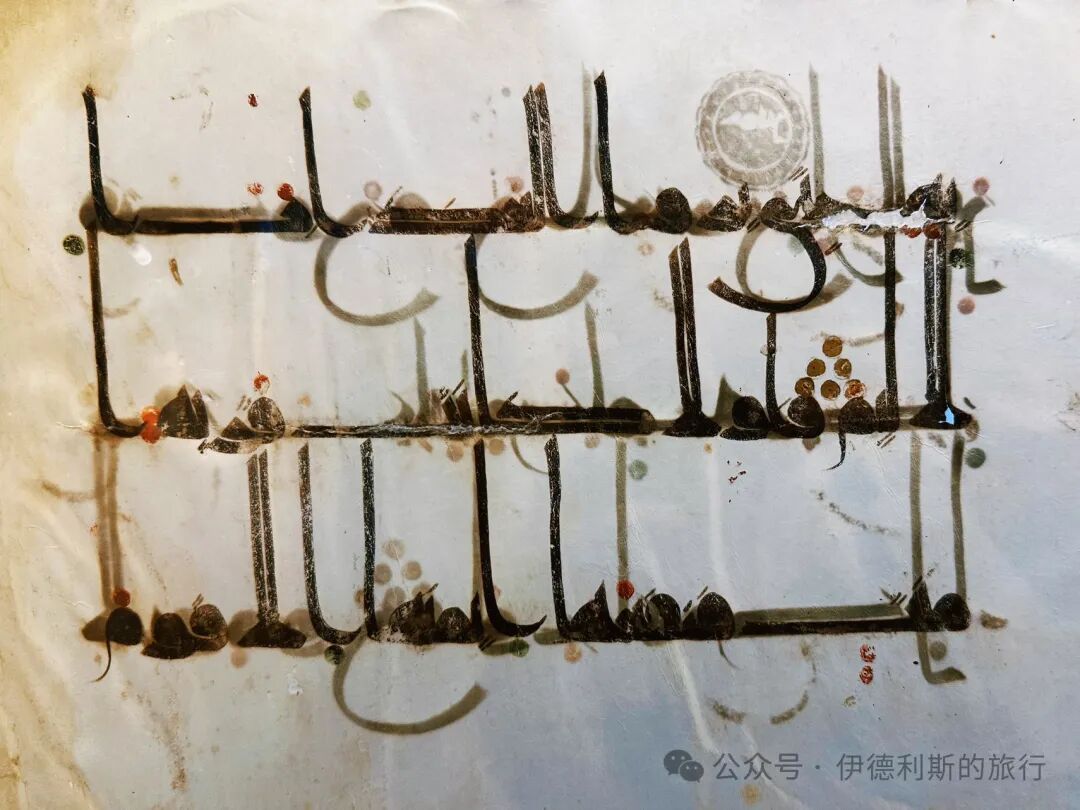
Andalusia or North Africa, 13th-14th century
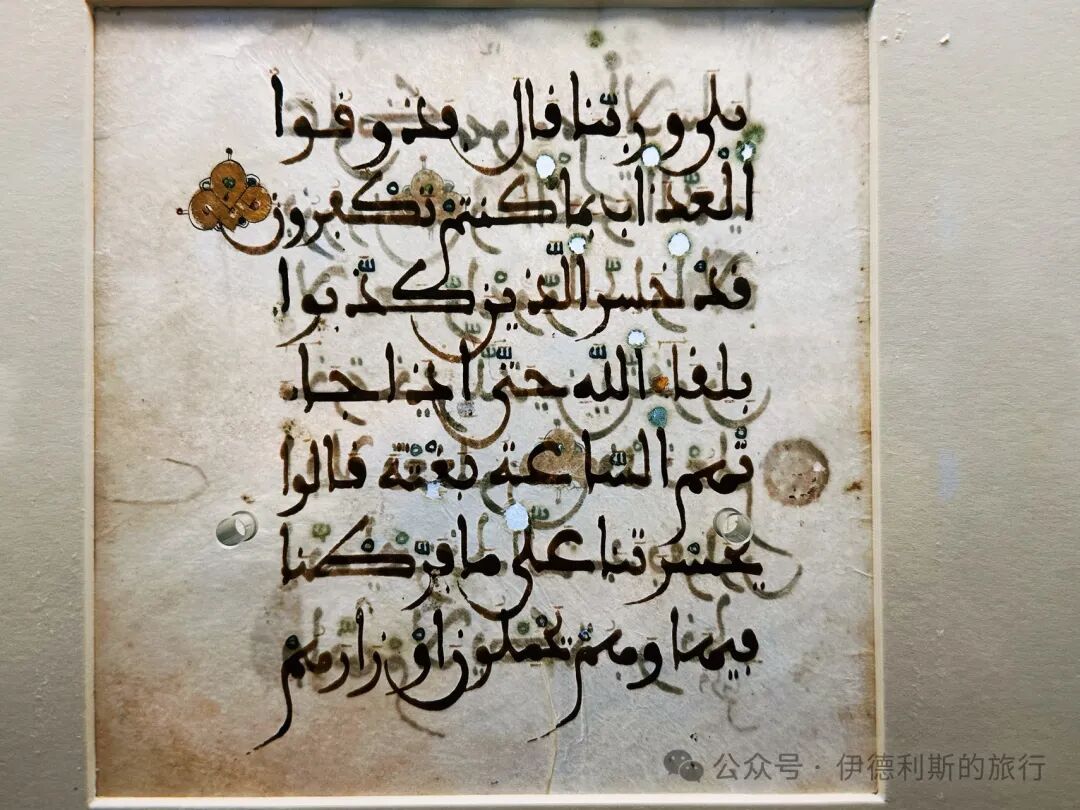
North Africa, 9th-10th century
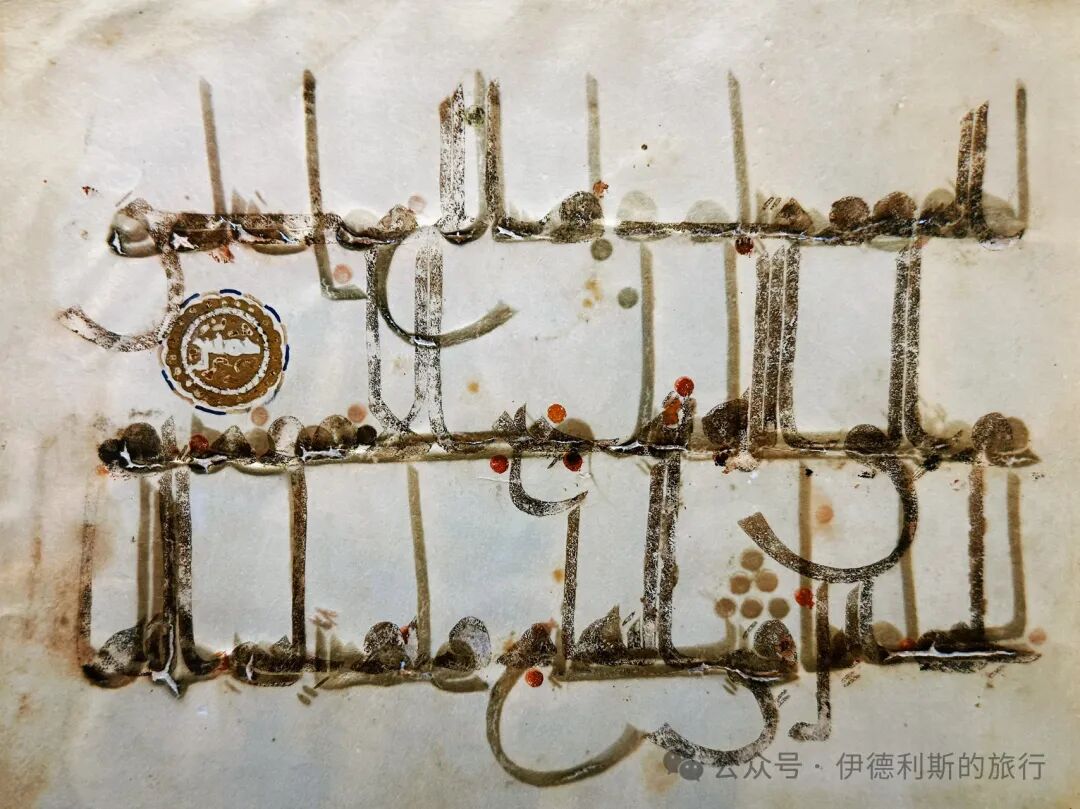
Andalusia, 10th century
Andalusia, early 13th century
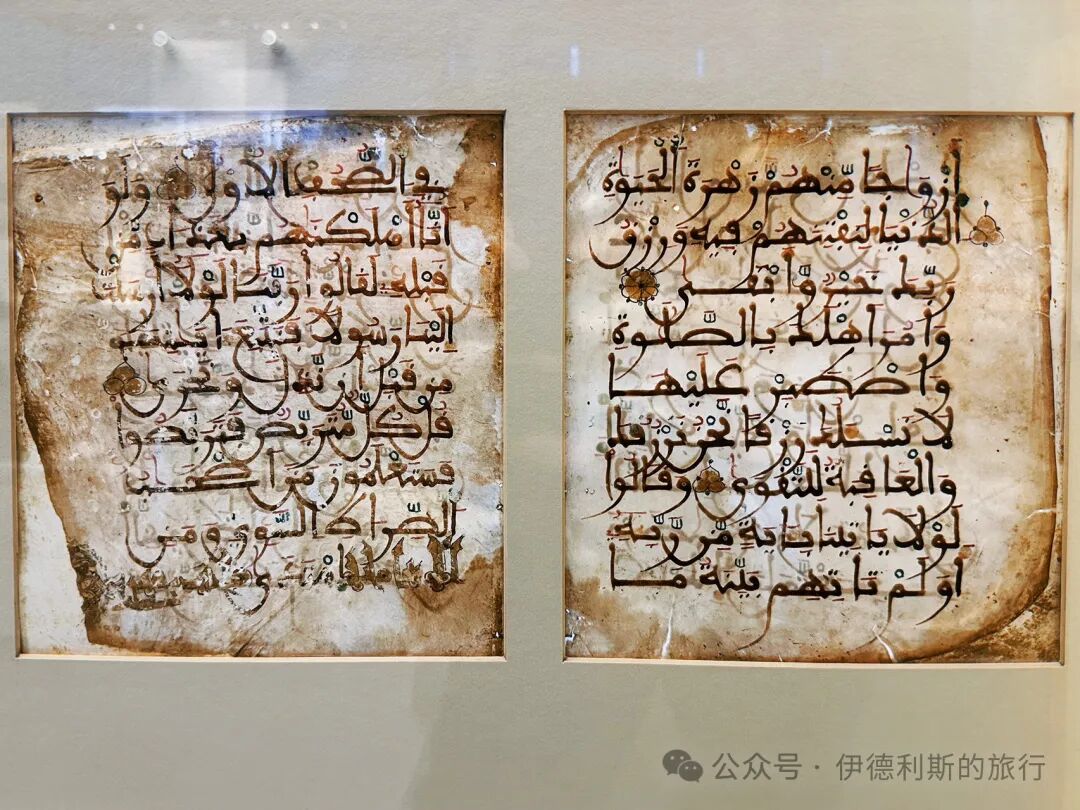
Andalusia or North Africa, 12th century
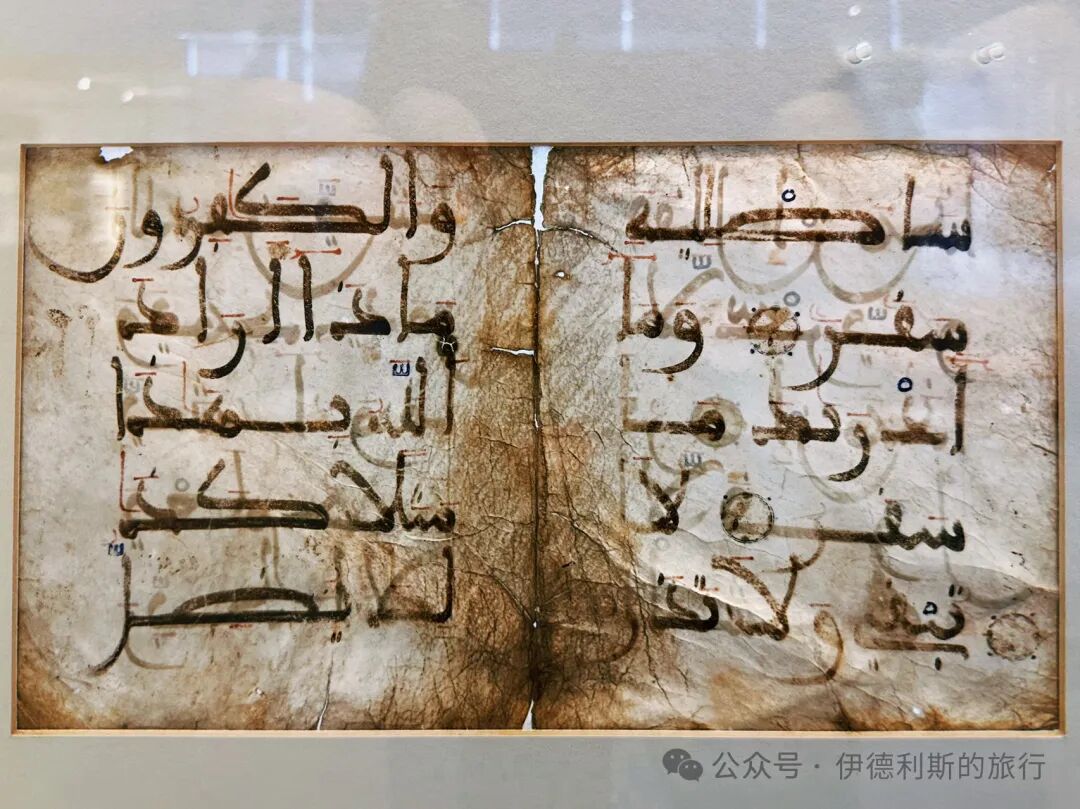
While North Africa still commonly used parchment for manuscripts, the Andalusia region began using paper widely after the 12th century. In 1151, the first paper mill in Andalusia was established in Xativa (in present-day southeastern Spain). The handwritten manuscripts on pink paper that exist today are said to use paper produced by this mill. These manuscripts may have been commissioned by royalty or nobles in Granada or Valencia. They feature large chapter headings and gold rose markings.
Andalusia or North Africa, 12th century
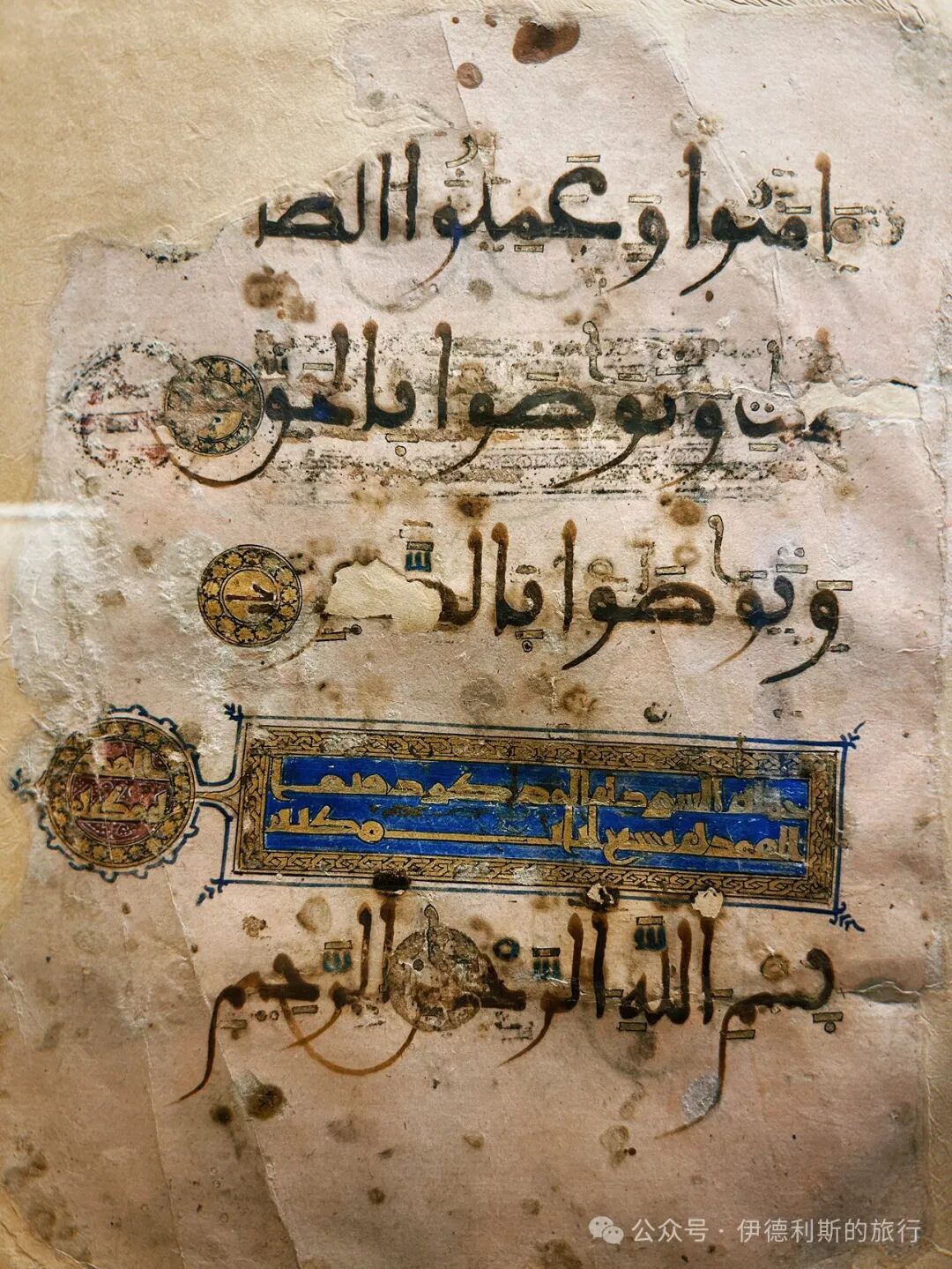
Andalusia, 13th century
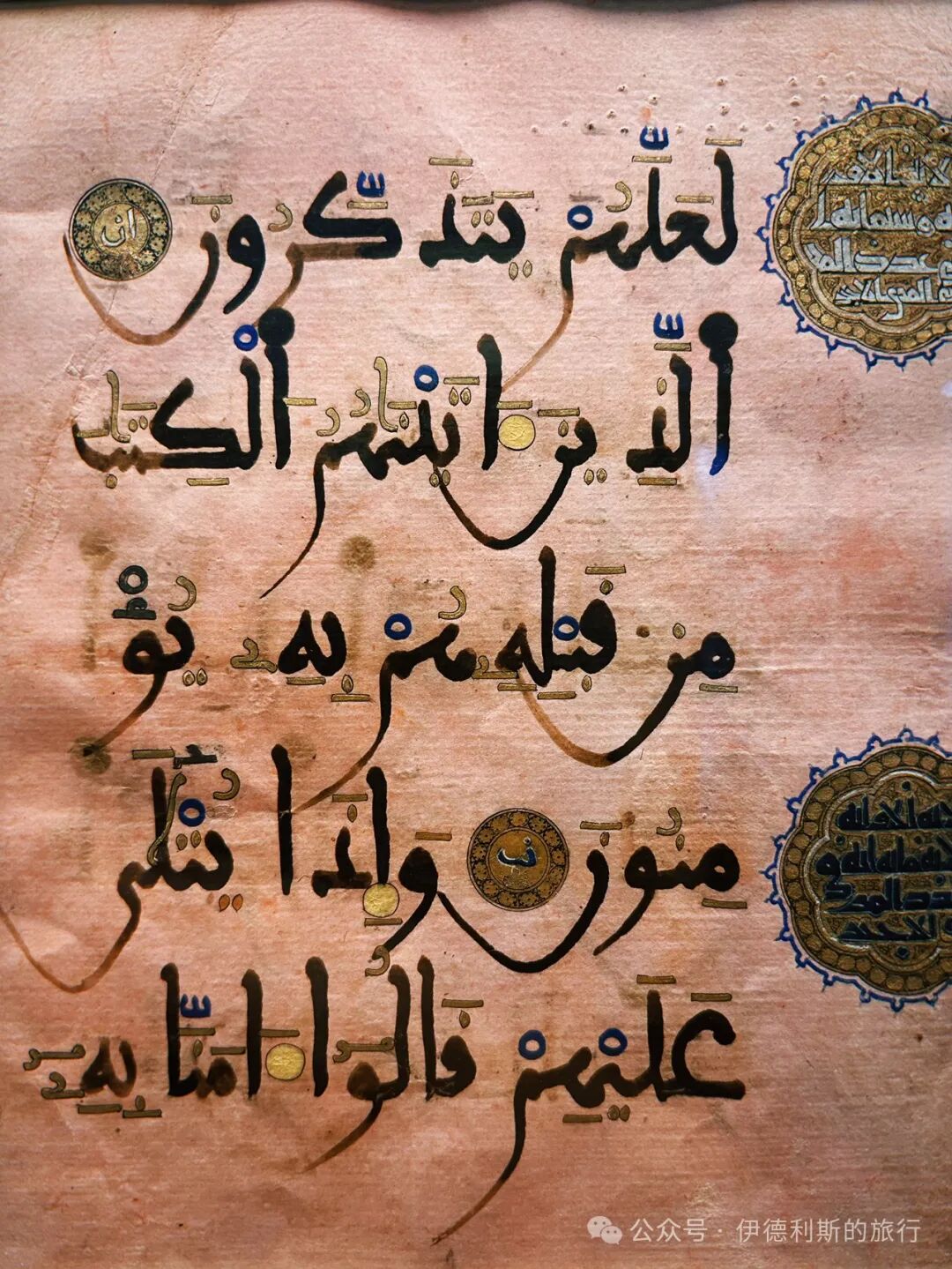
Andalusia, 13th century
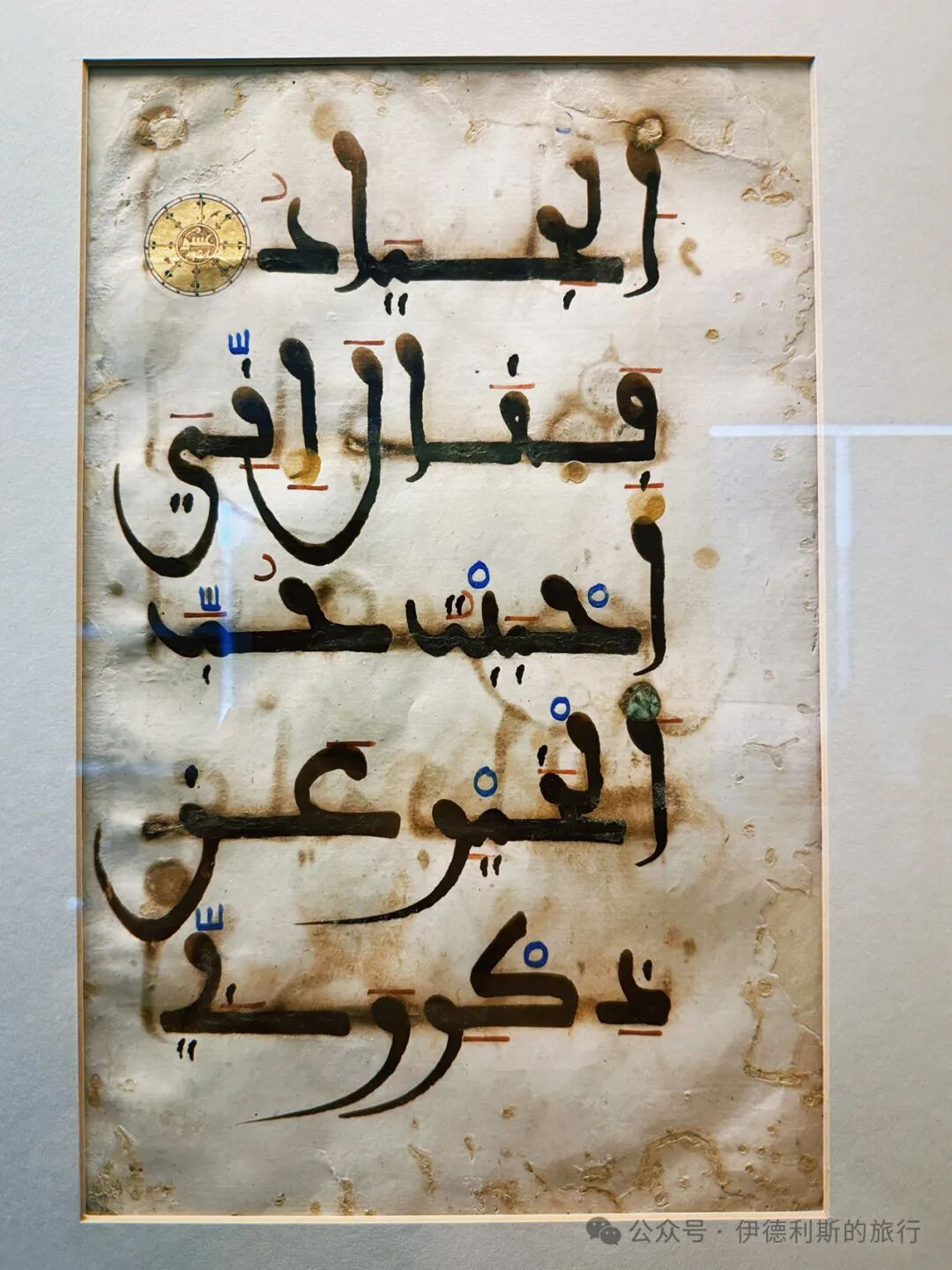
Seville or Xativa, Al-Andalus, 13th century
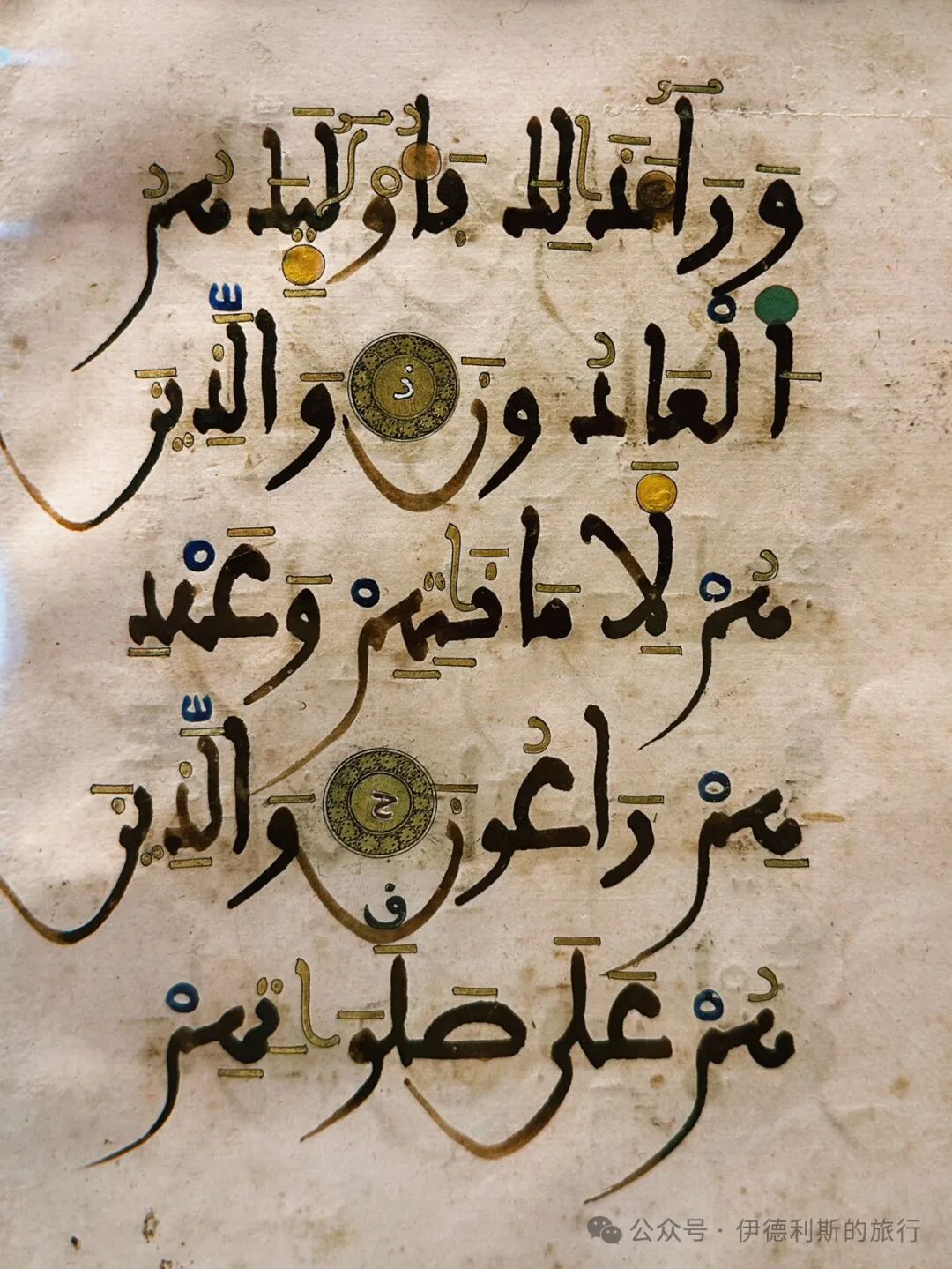
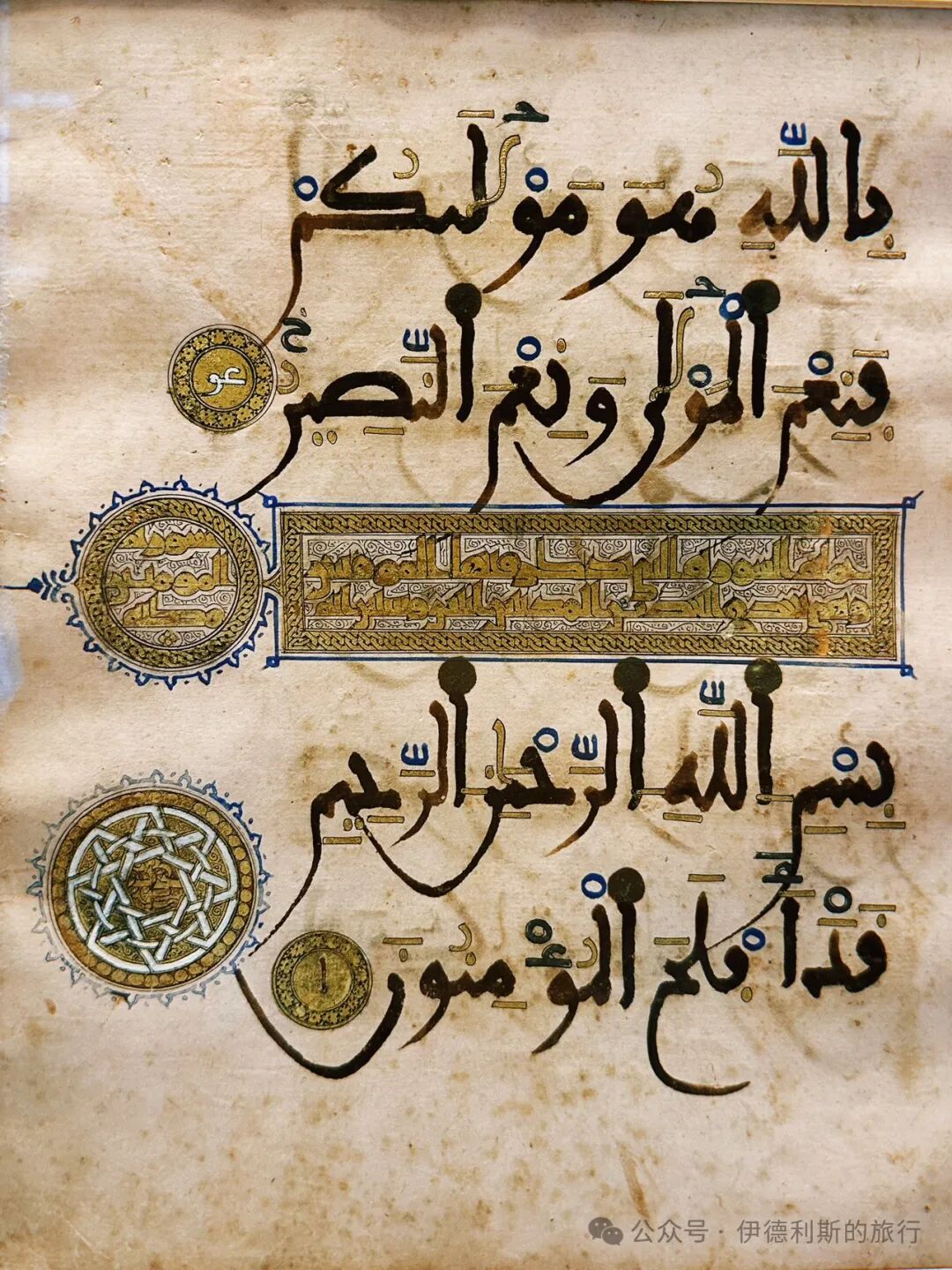
Andalusia or North Africa, 12th century
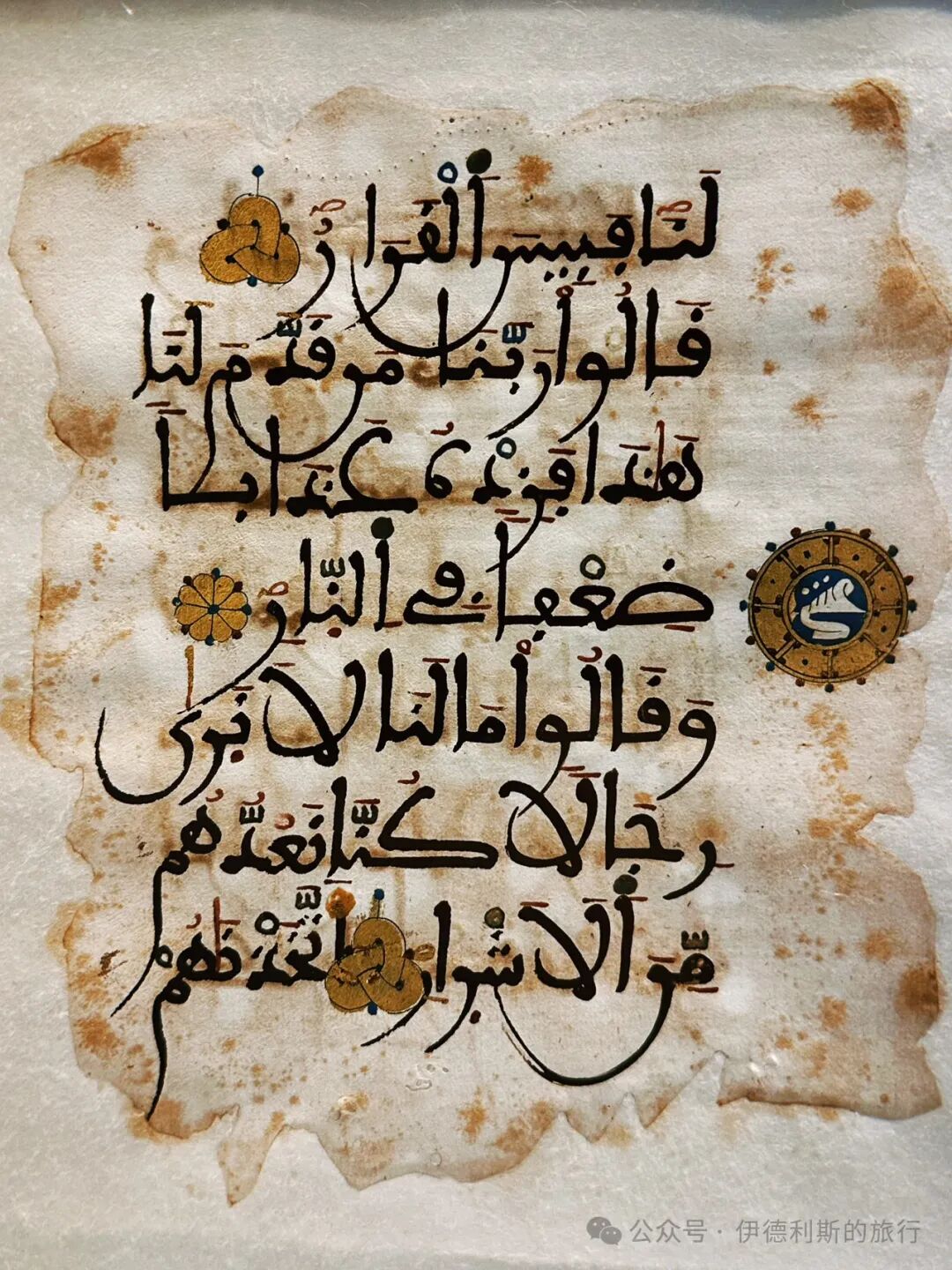
North Africa, 9th-10th century
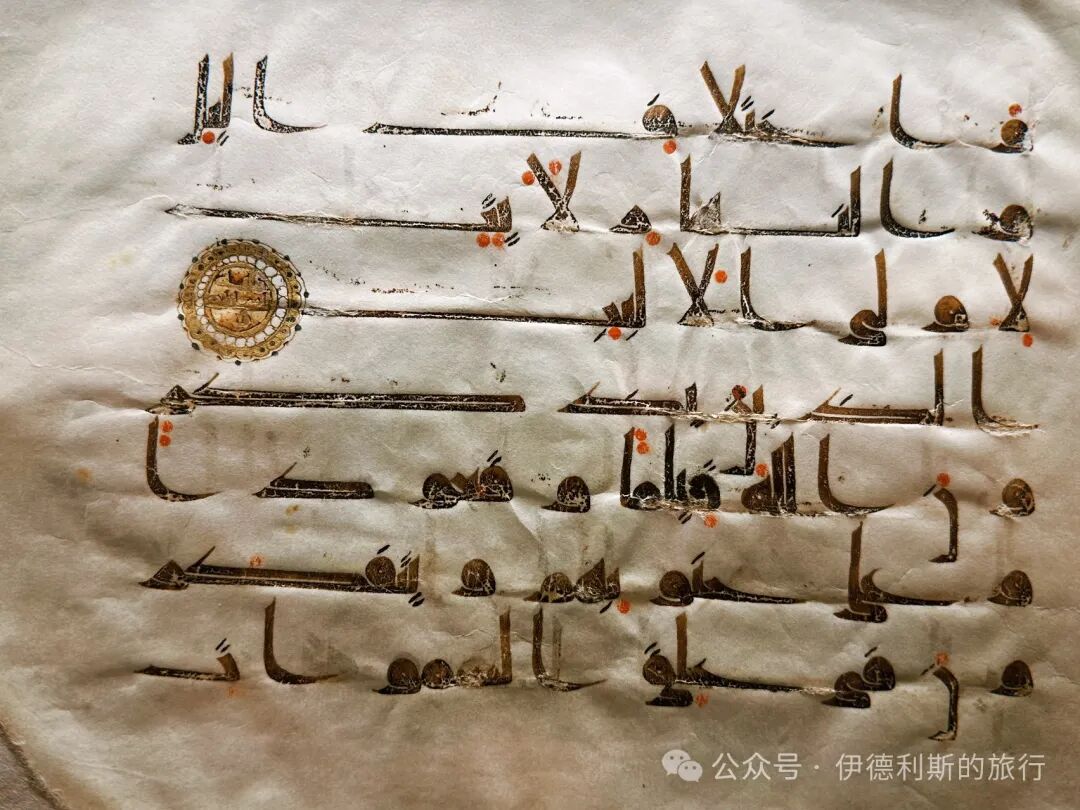
Al-Andalus or North Africa, 12th-13th century
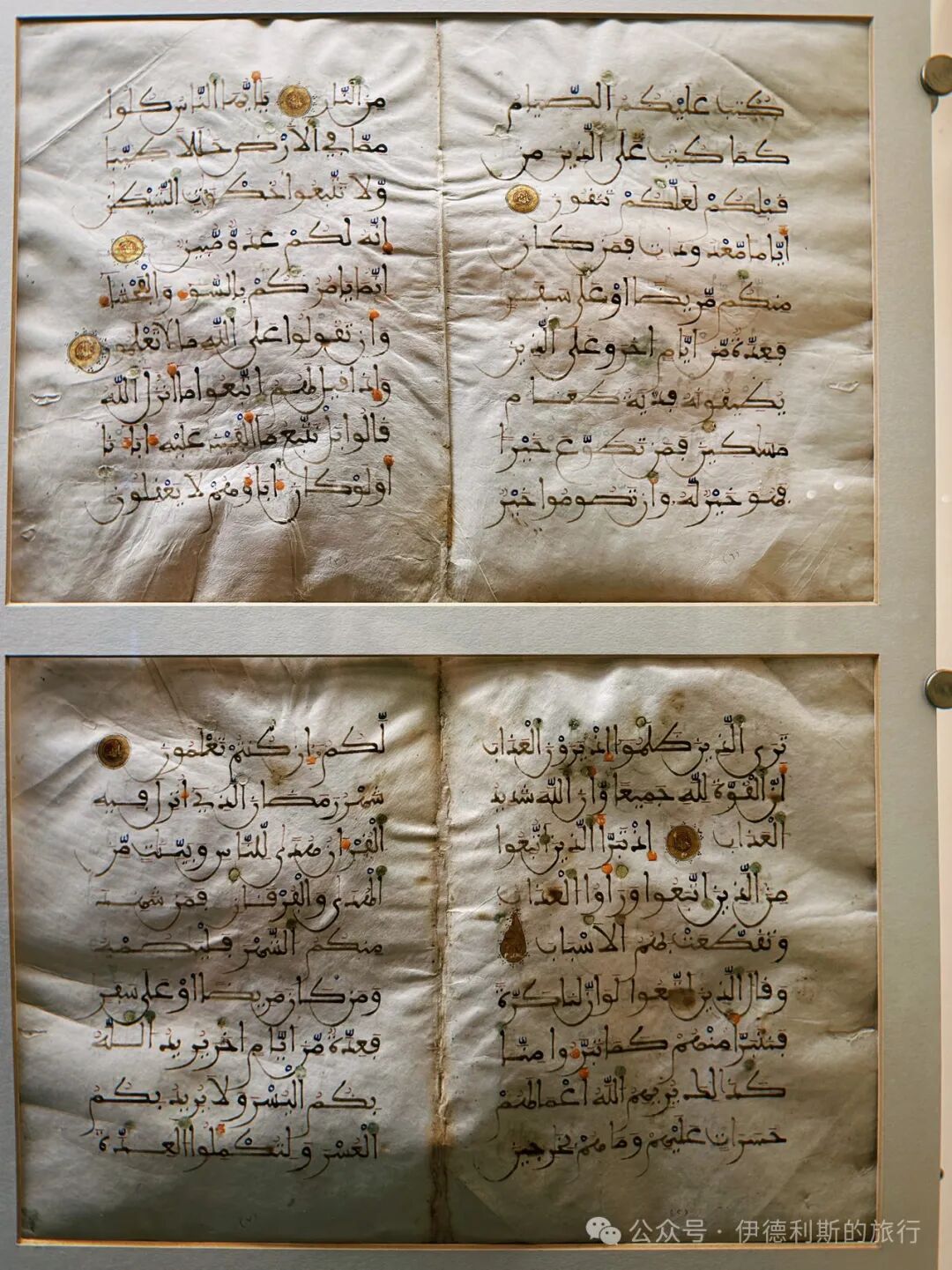
North Africa or the Near East, 8th century
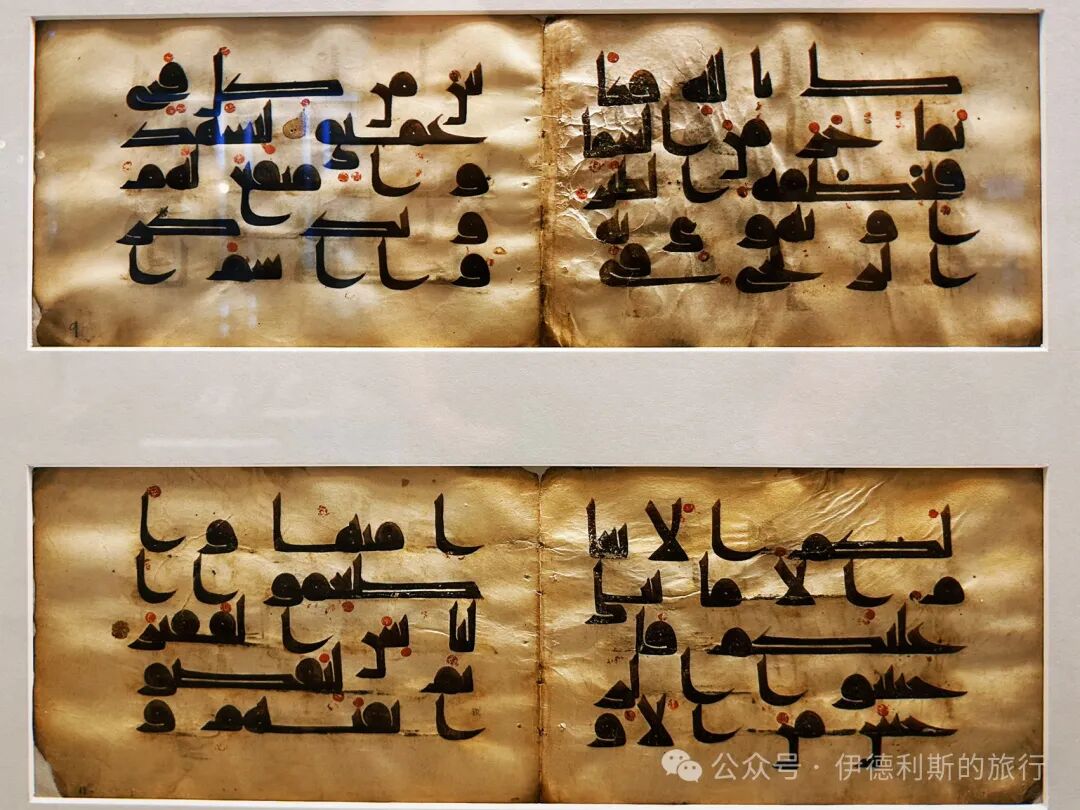
North Africa, 9th-10th century
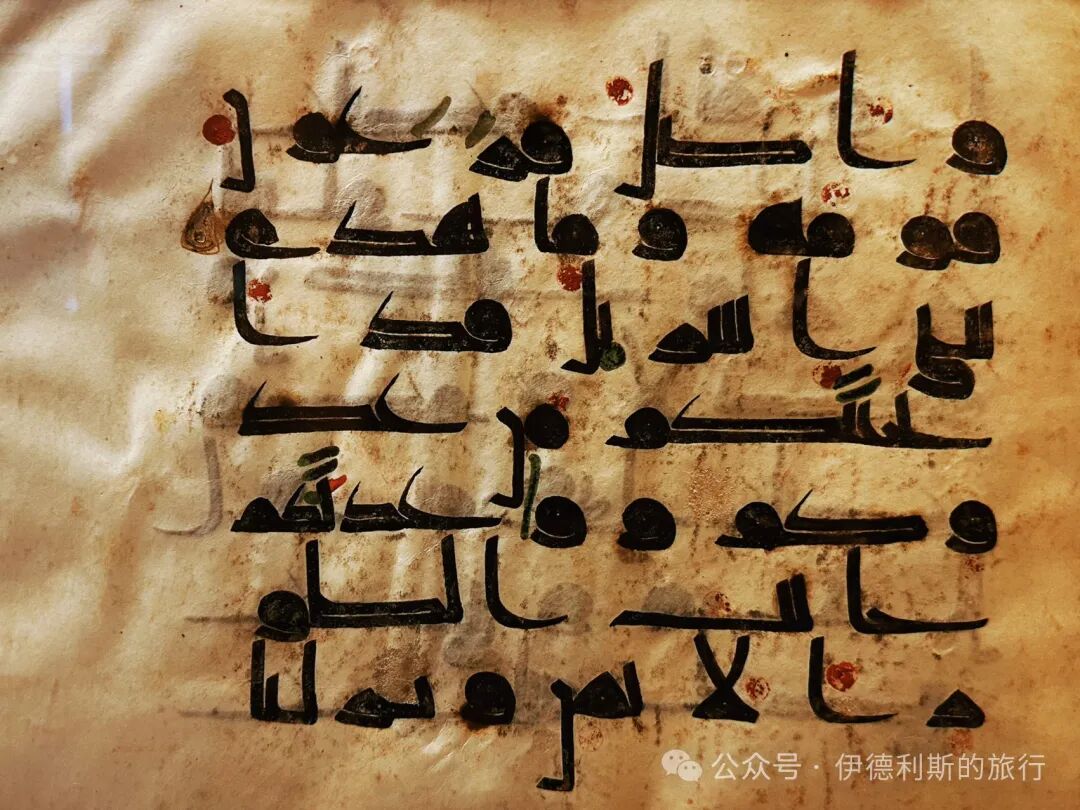
Early parchment manuscripts from North Africa and Al-Andalus were mostly horizontal. As paper from Baghdad spread across the Middle East, more manuscripts began using vertical paper. This change led to more decorative styles and more delicate calligraphy.
Seljuk Empire, Persia, 12th century
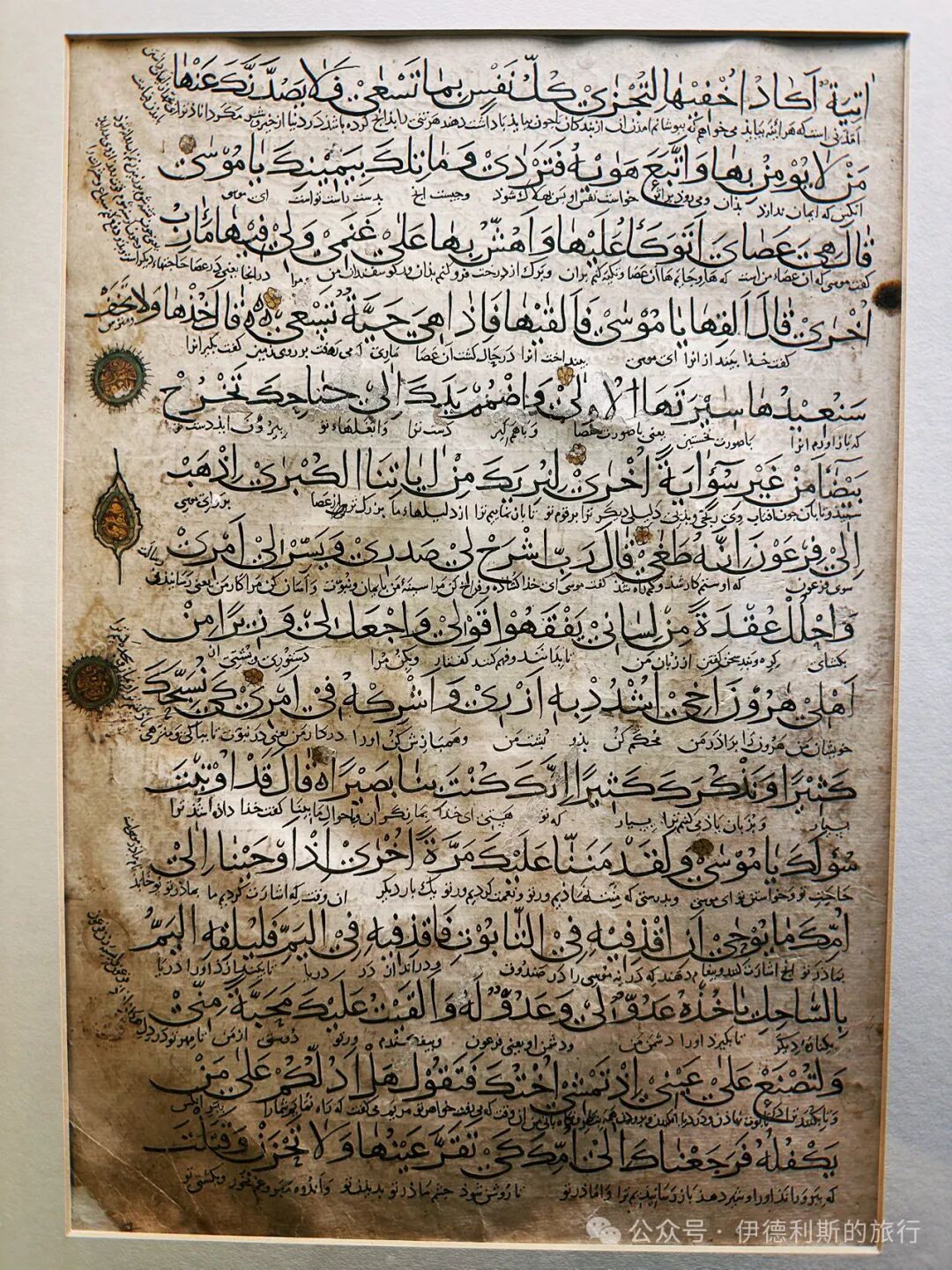
Persia, possibly Shiraz, 16th century
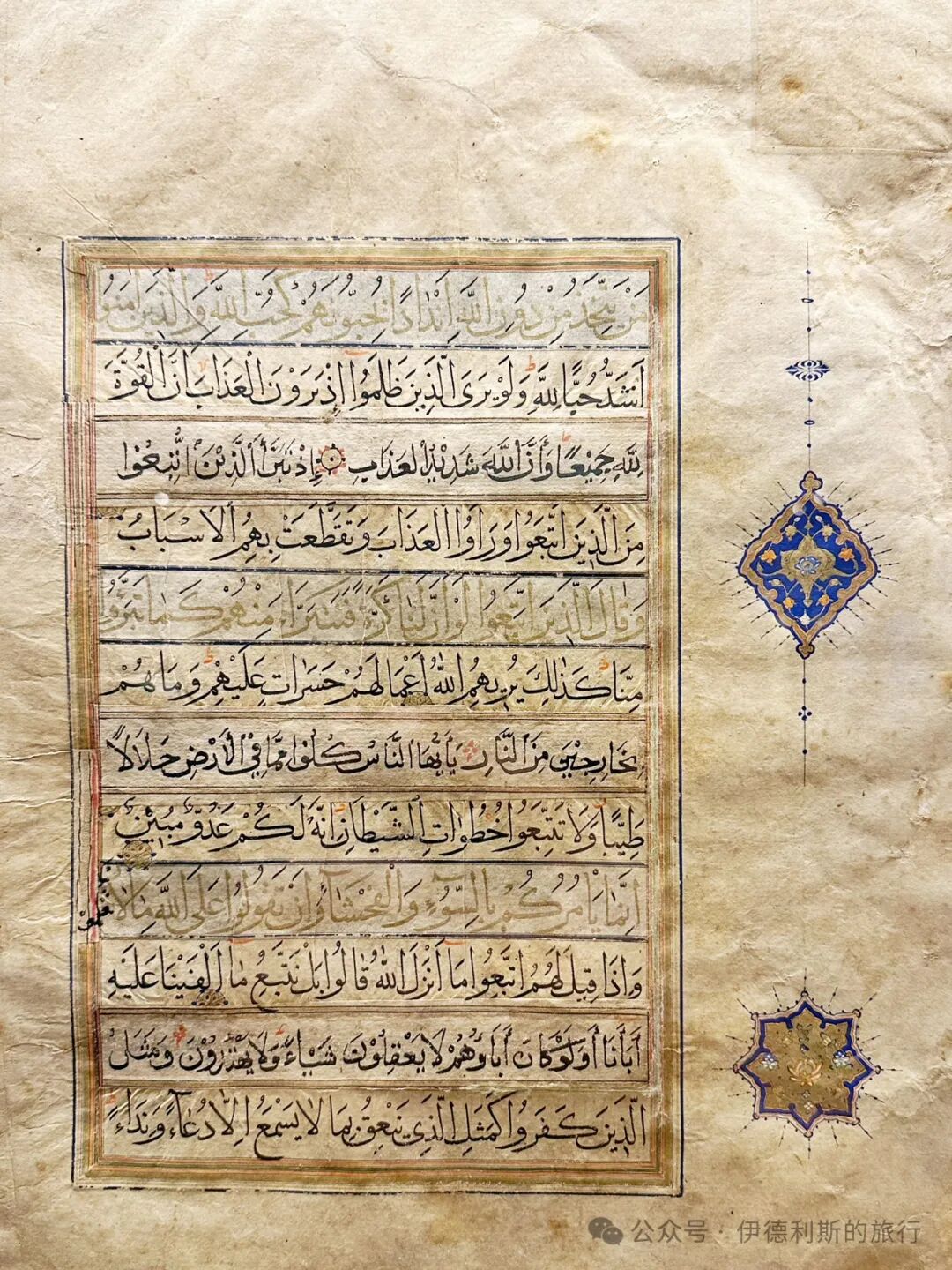
India, 15th century
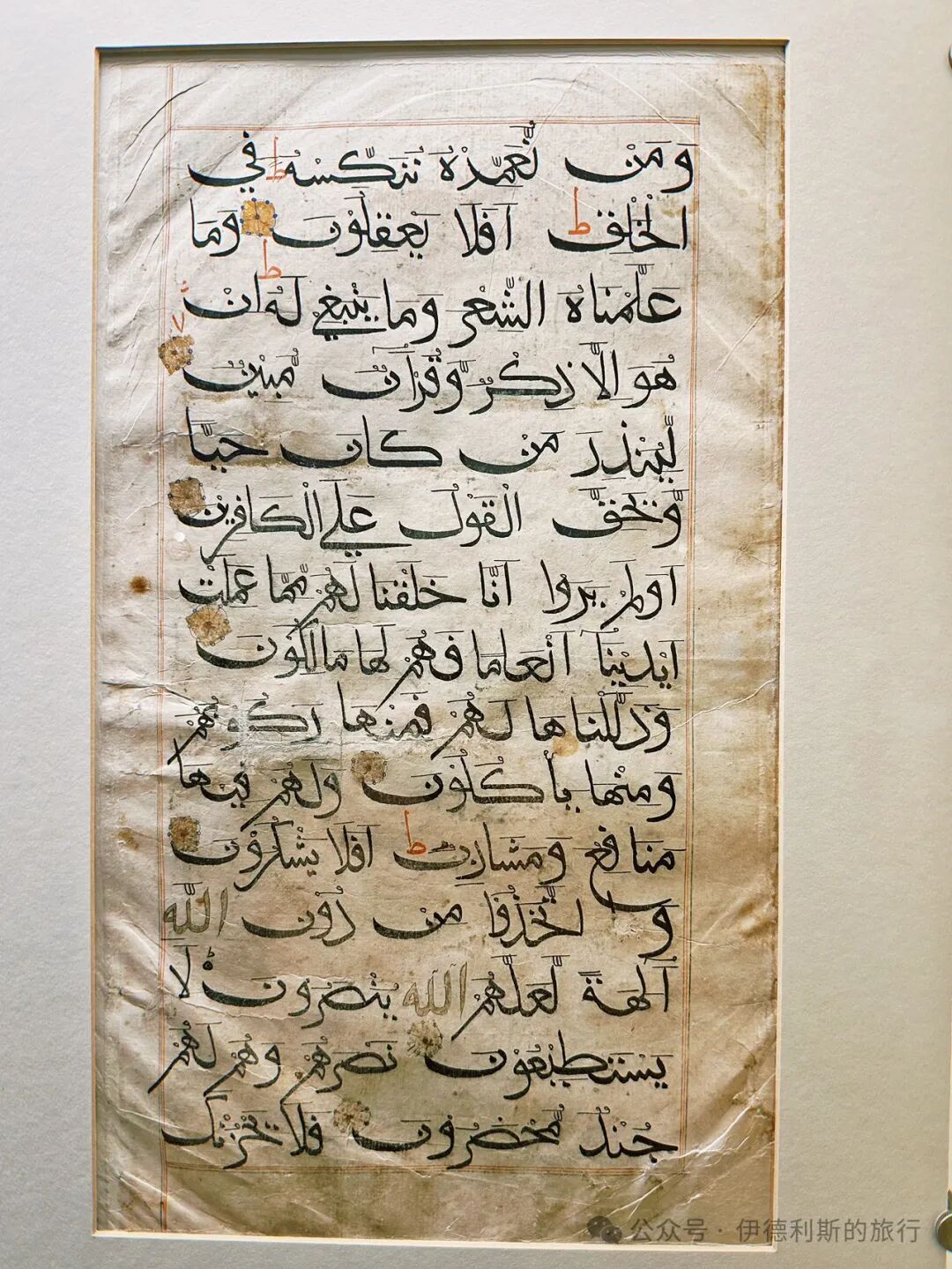
Persia, 12th century
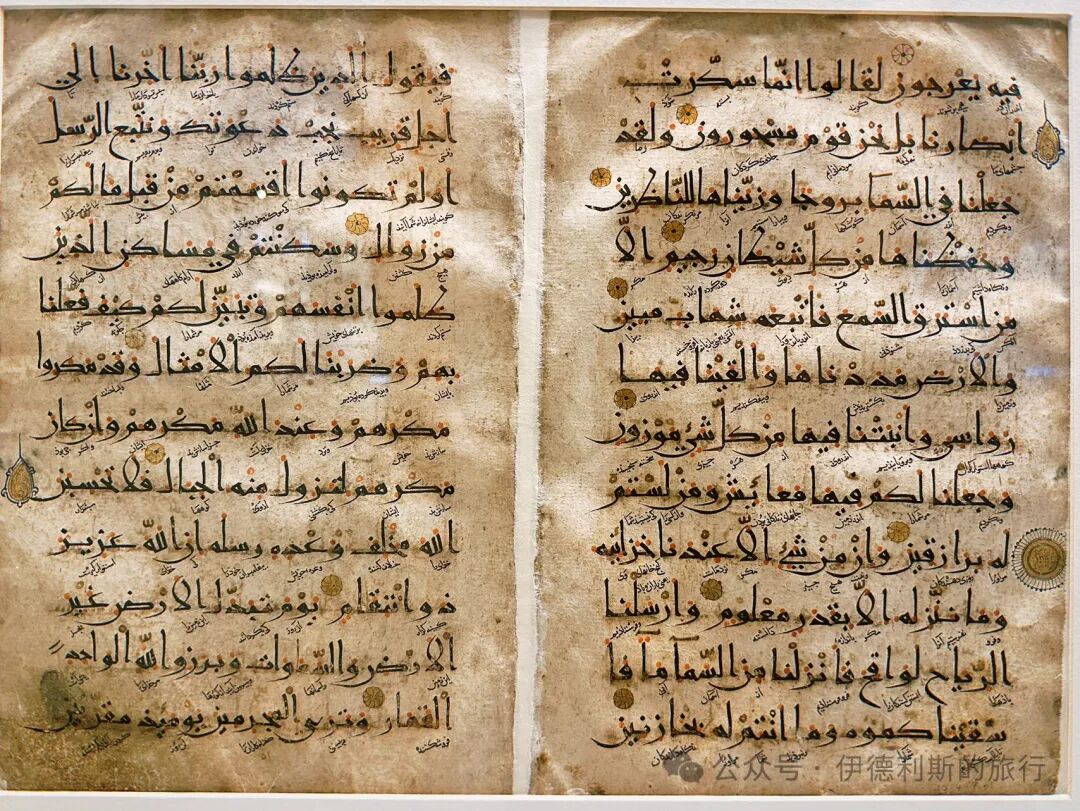
Anatolia or Central Asia, 1335
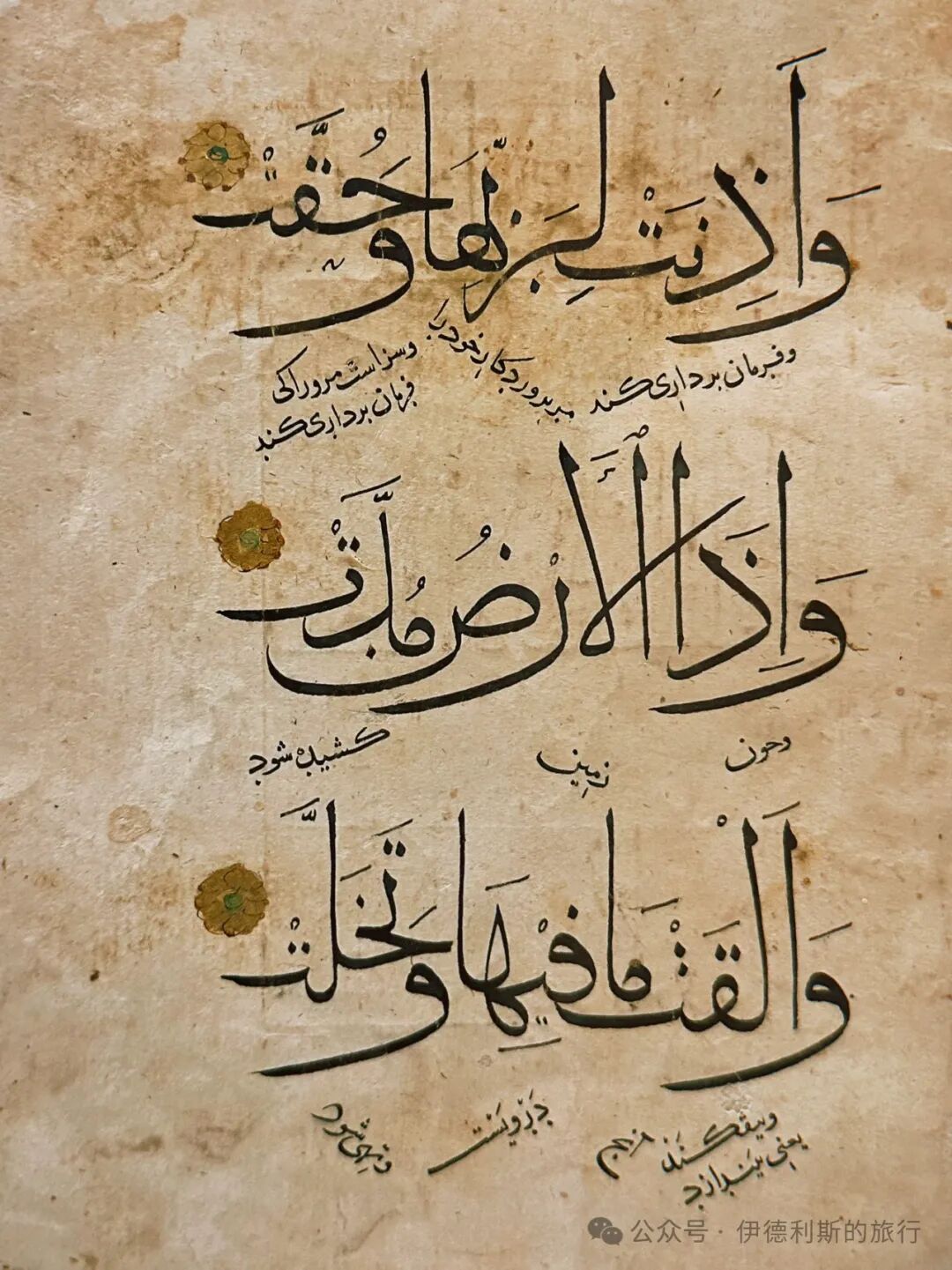
South Asia
Delhi Sultanate, 15th-16th century
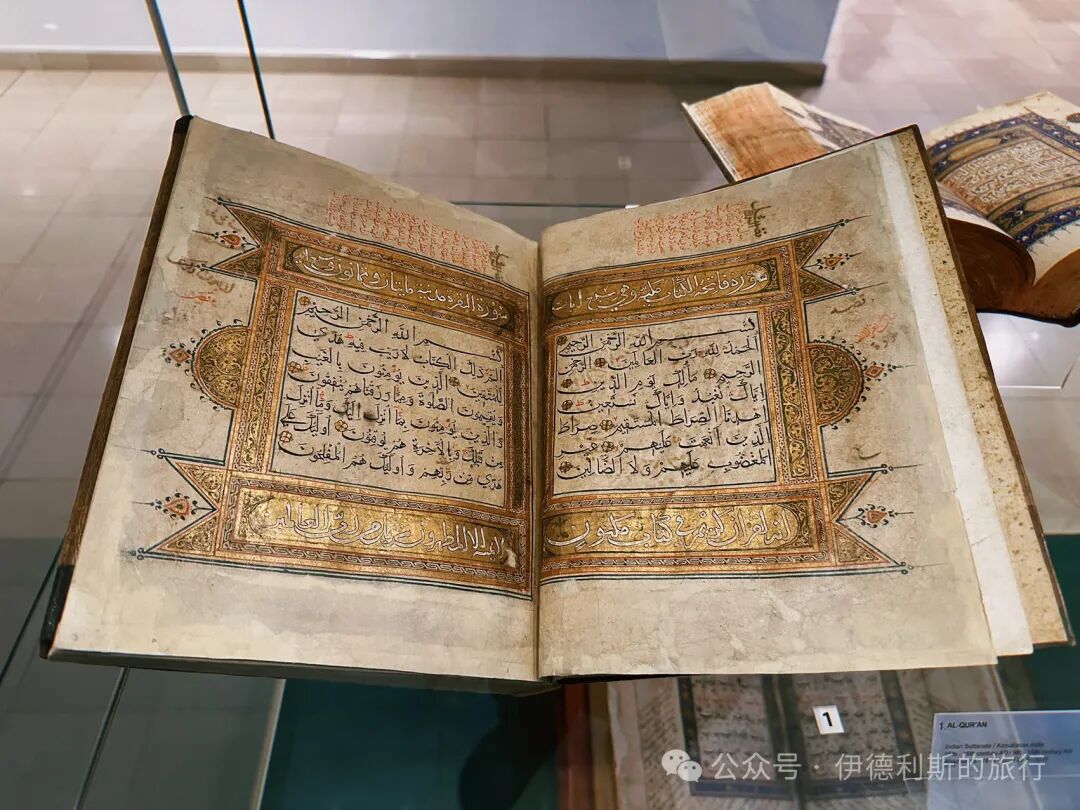
Delhi Sultanate, 16th century
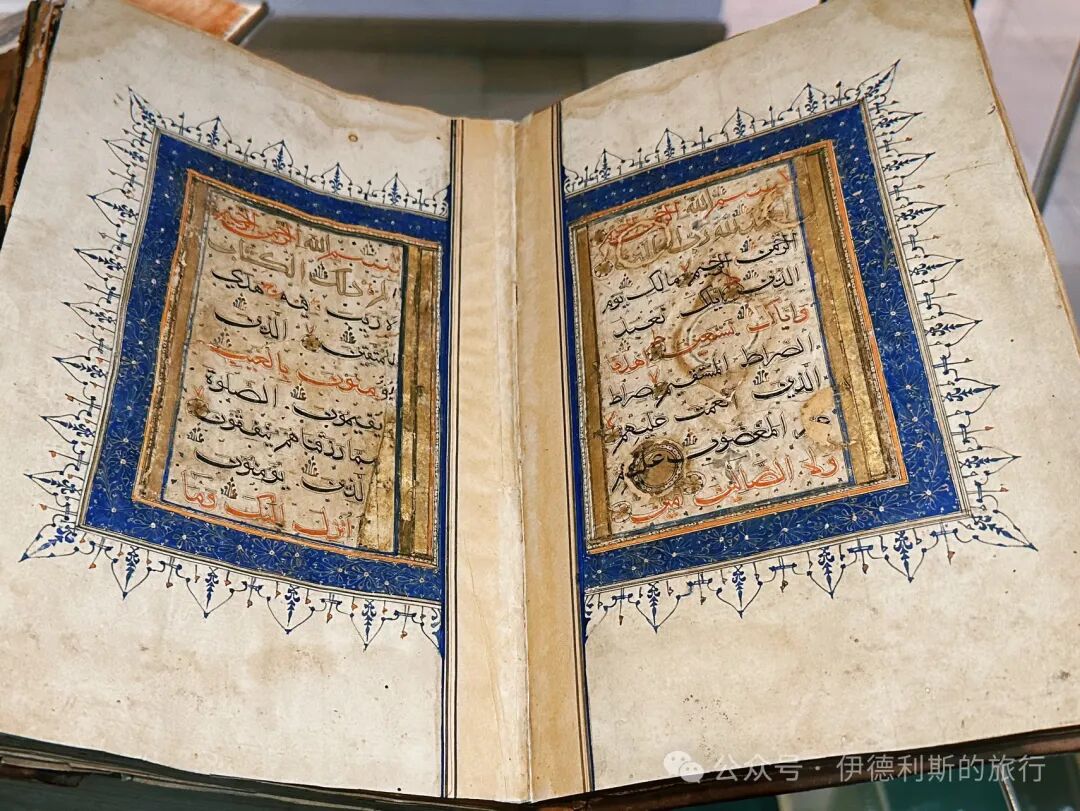
Central India, 16th century
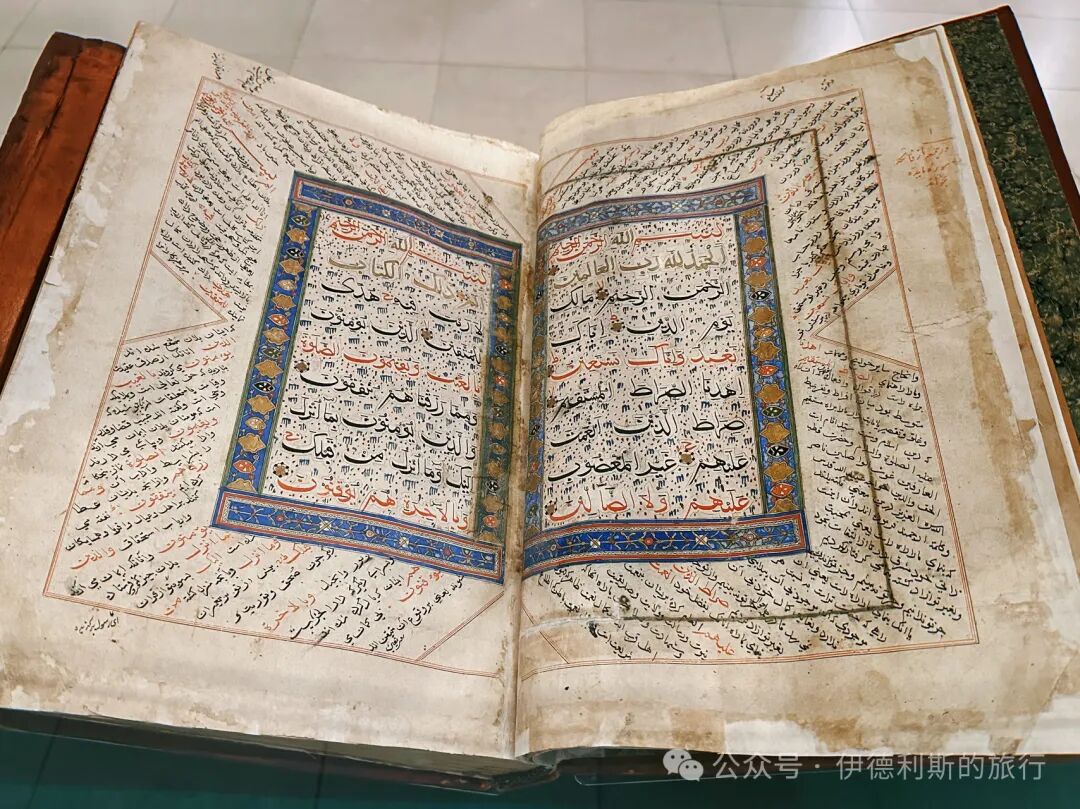
Delhi Sultanate, 15th century
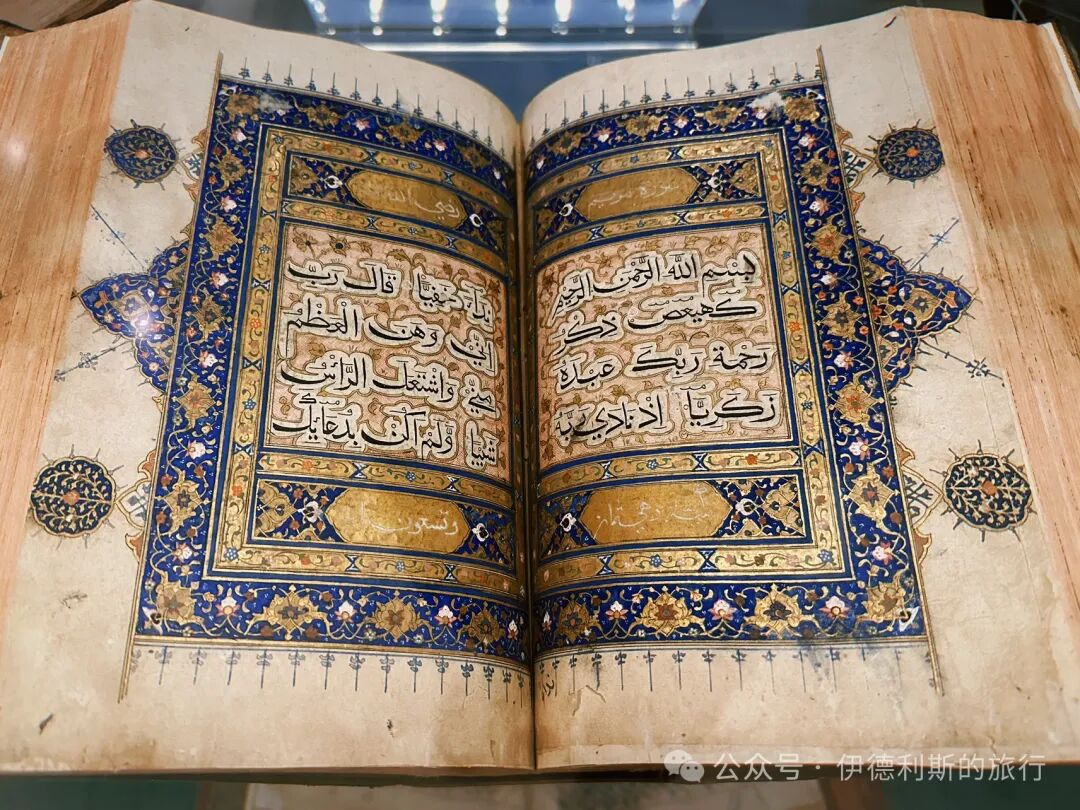
Mughal Empire, 1775
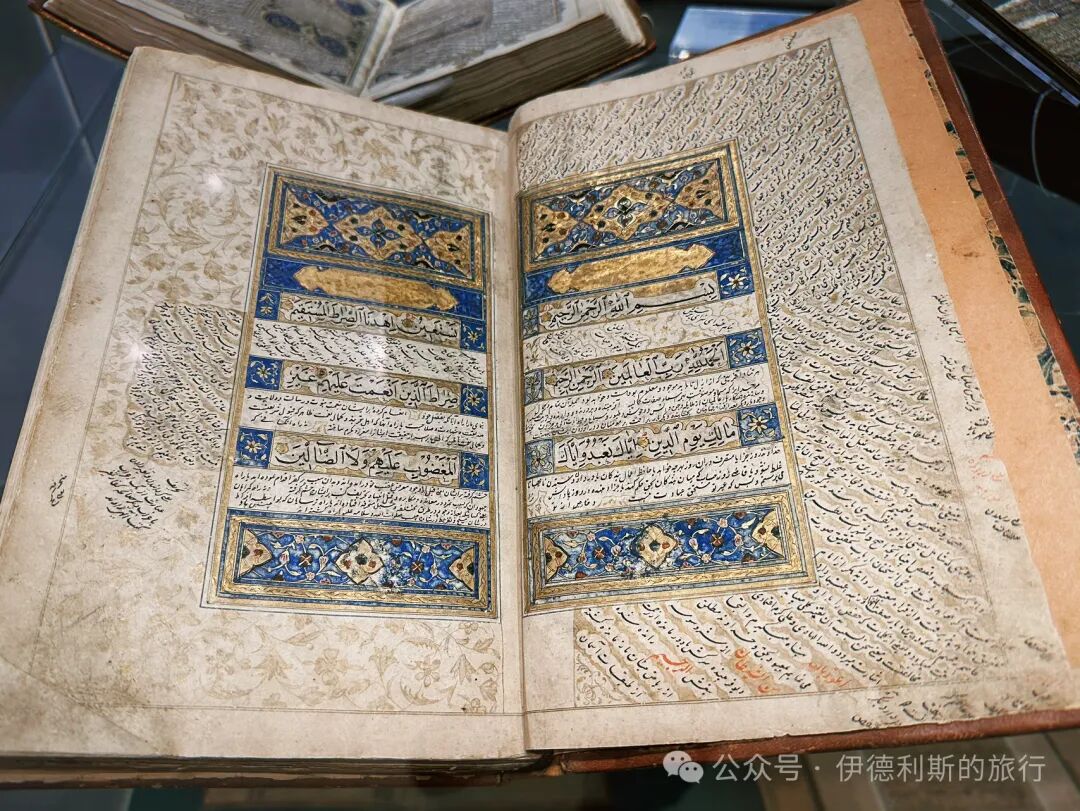
Mughal Empire, 18th century
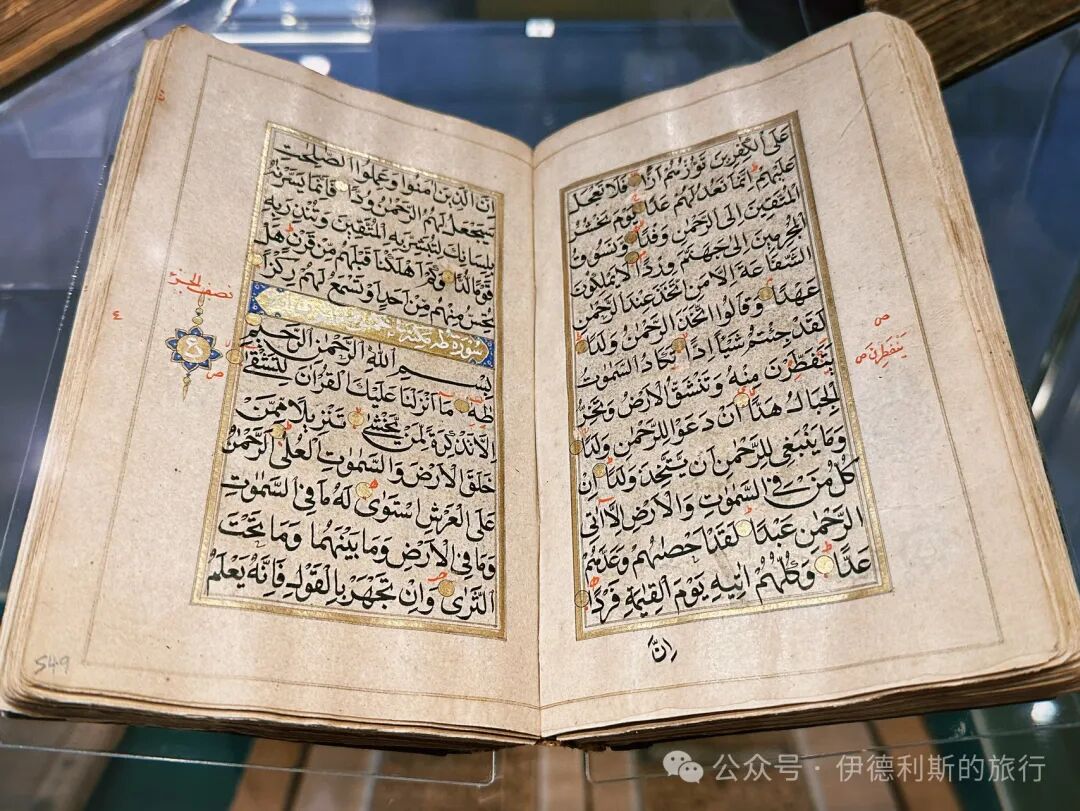
Kashmir, 18th century
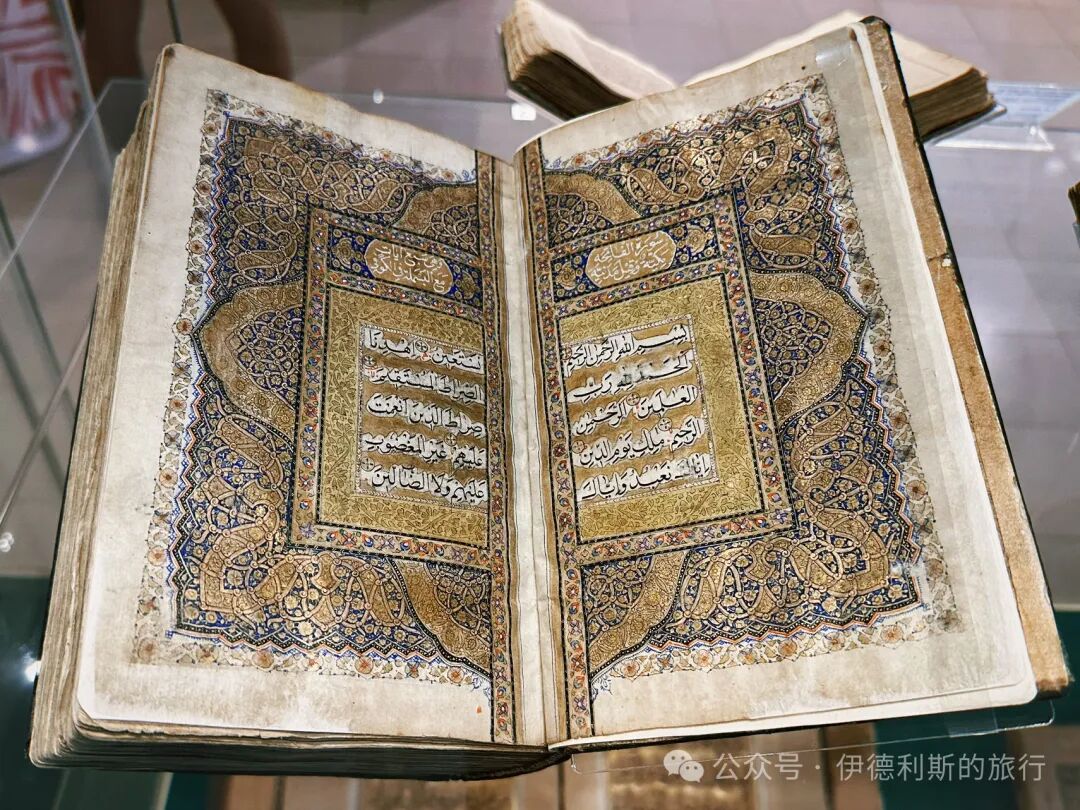
Kashmir, 19th century
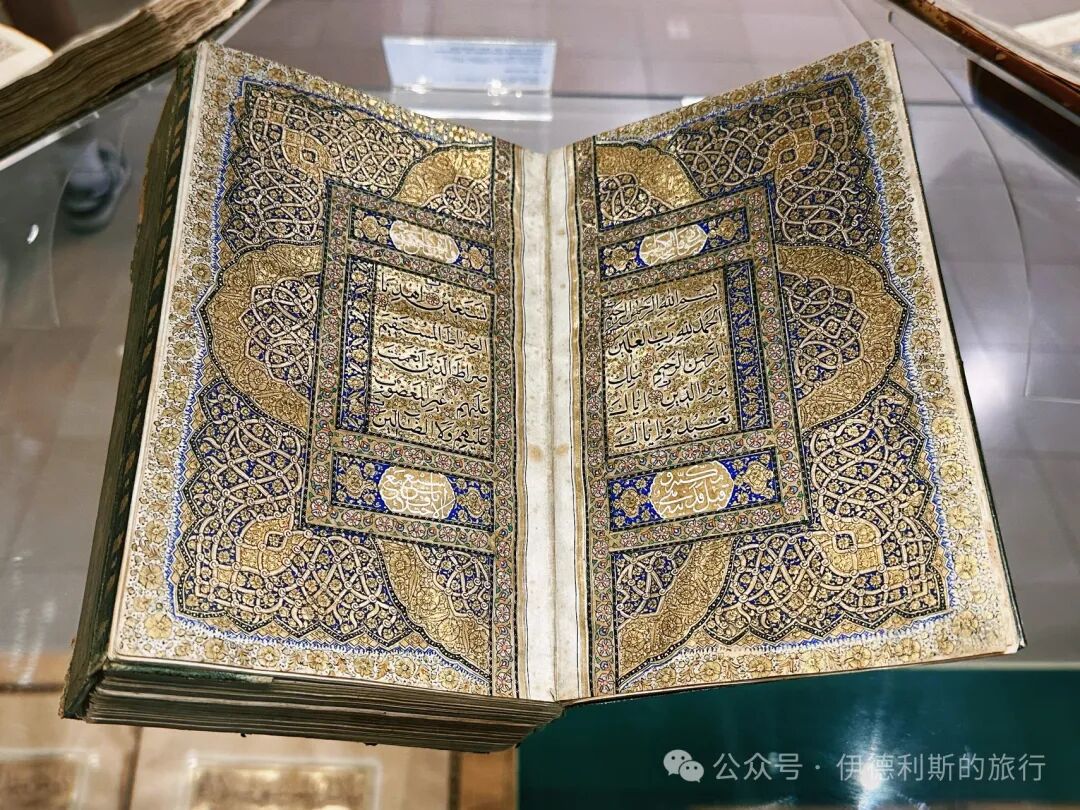
North India or Kashmir, 1831
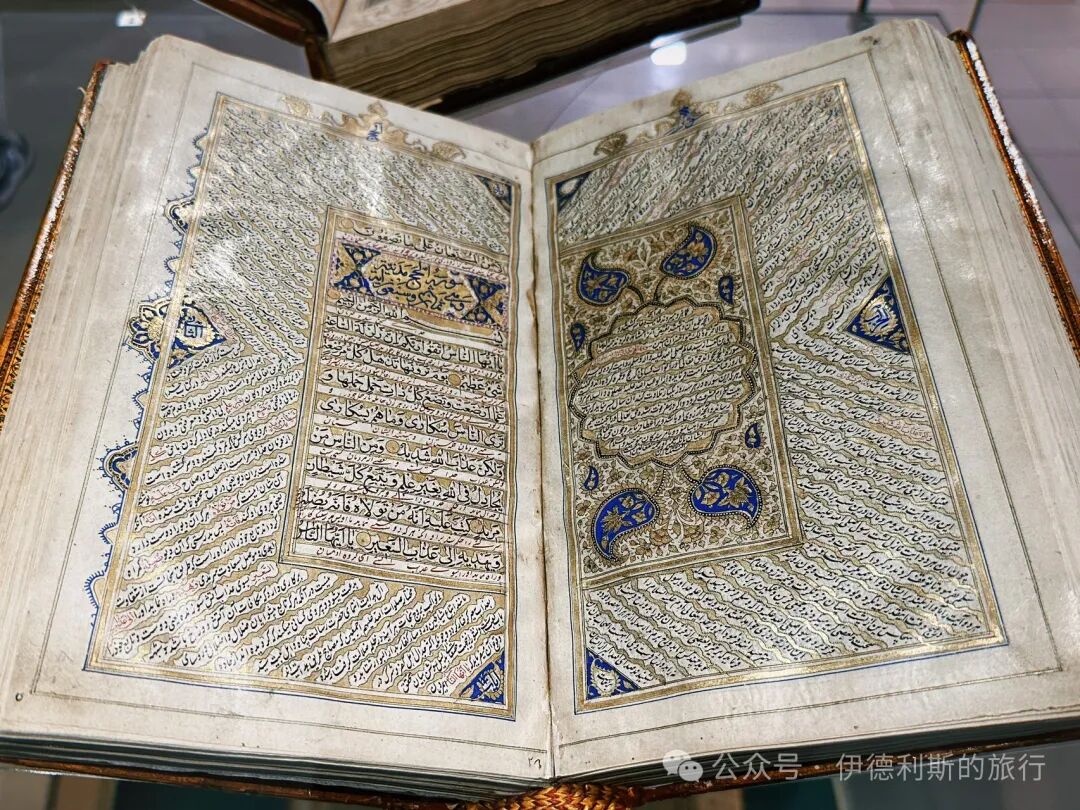
Kashmir, 18th century
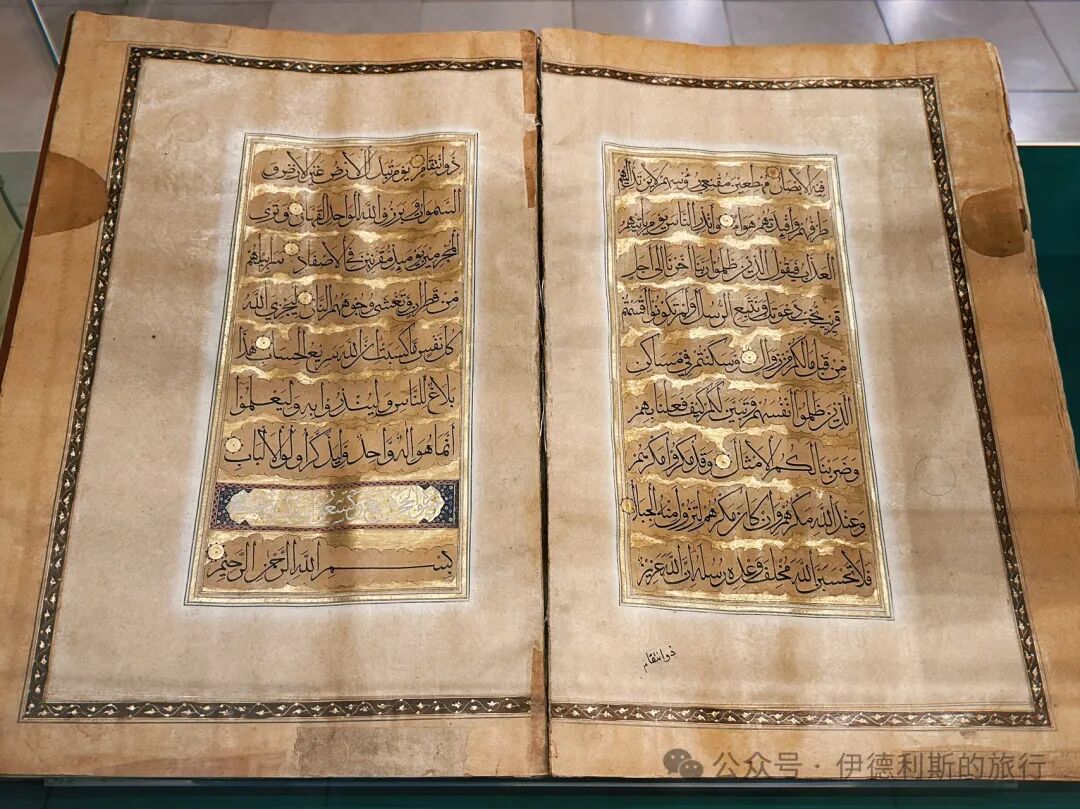
Kashmir, 18th to 19th century.
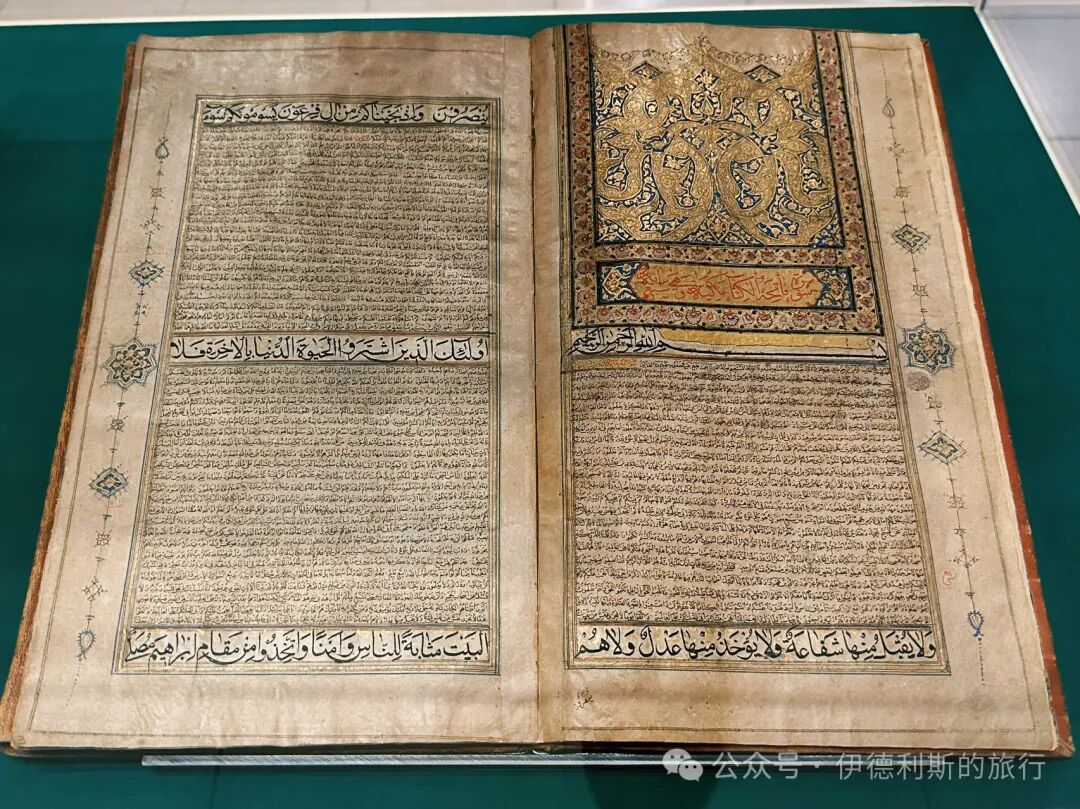
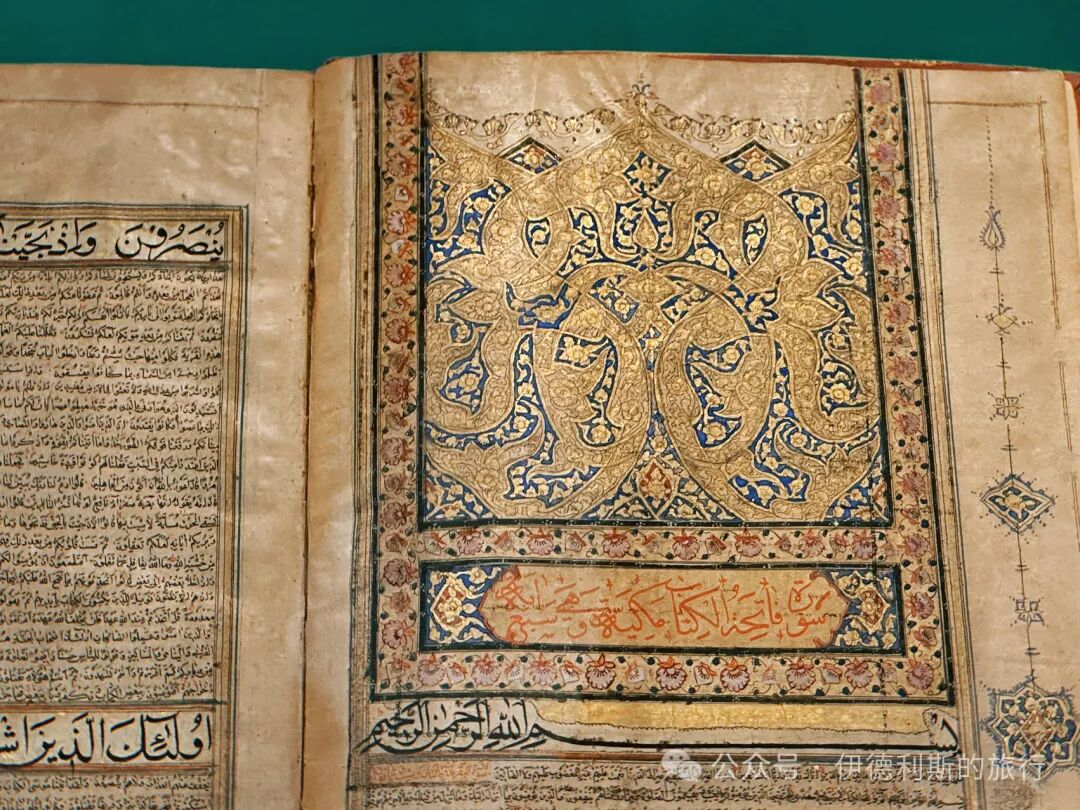
Kashmir, early 19th century.
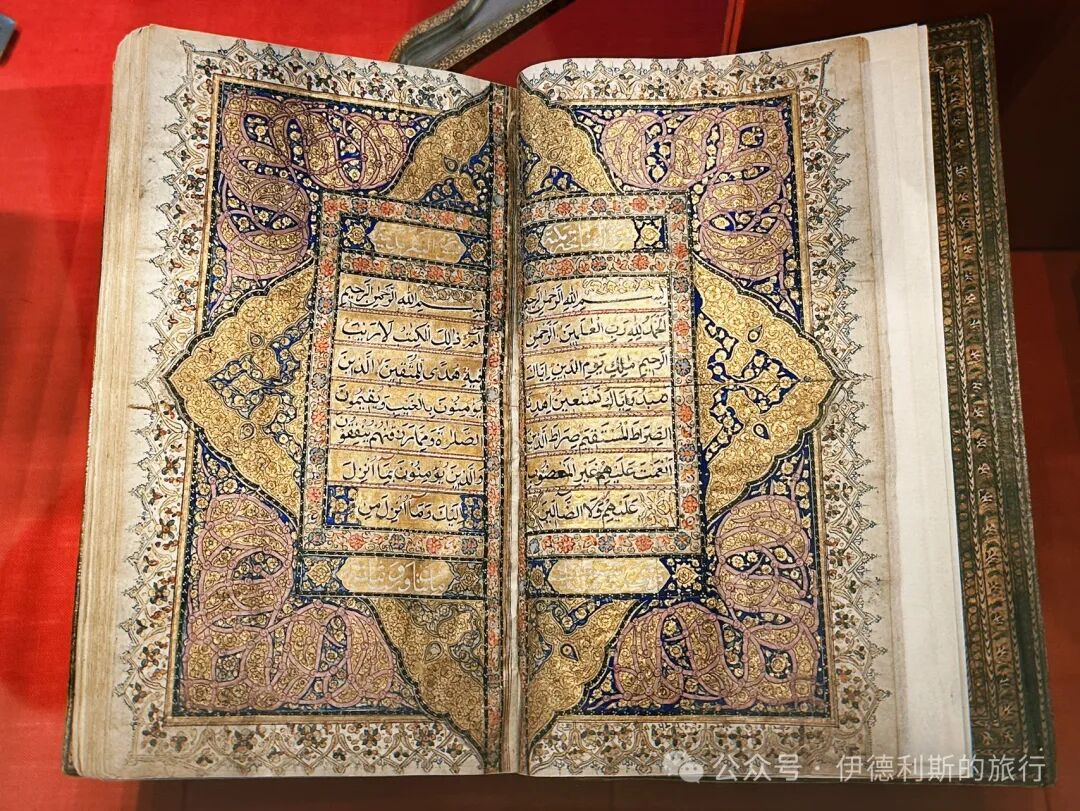
Kashmir, early 19th century.
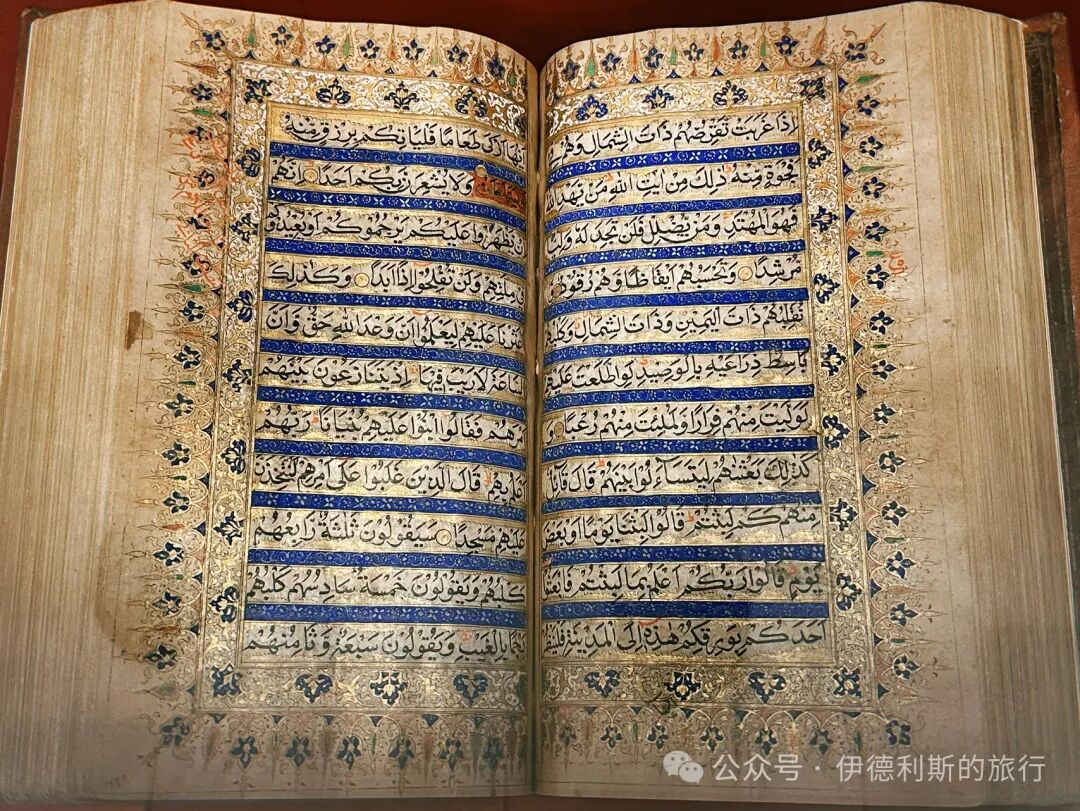
Northern India, 1893-1894.
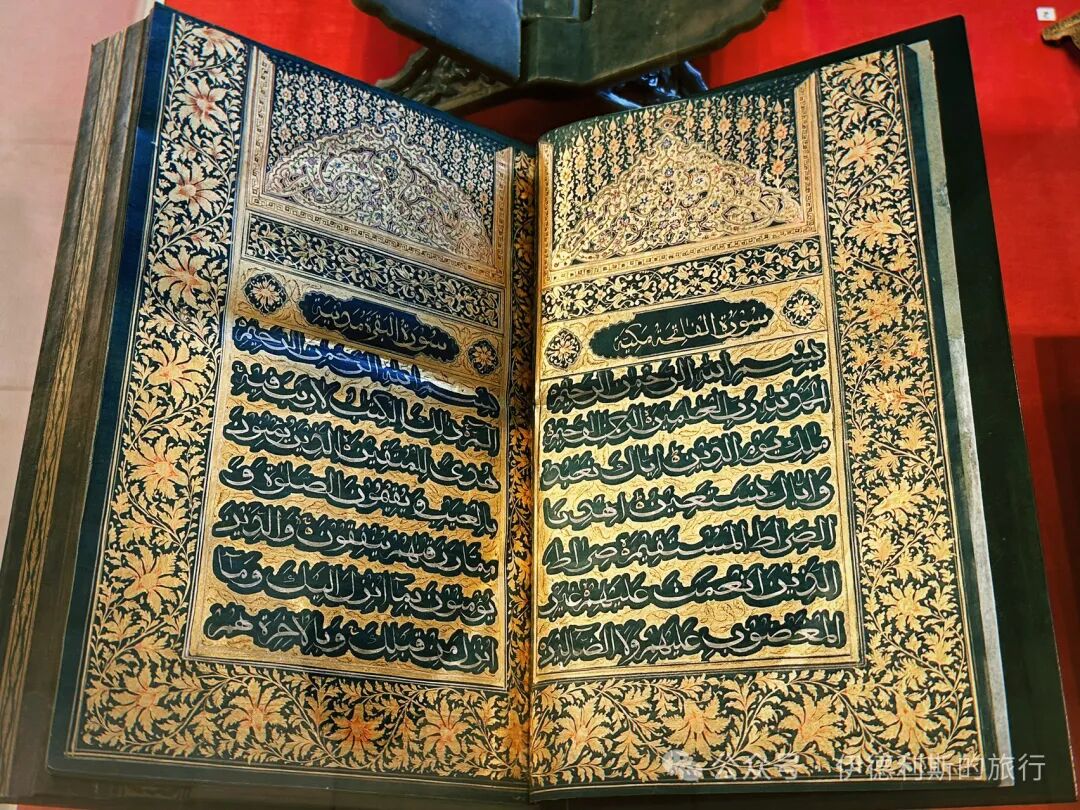
African region.
North Africa, 16th century.
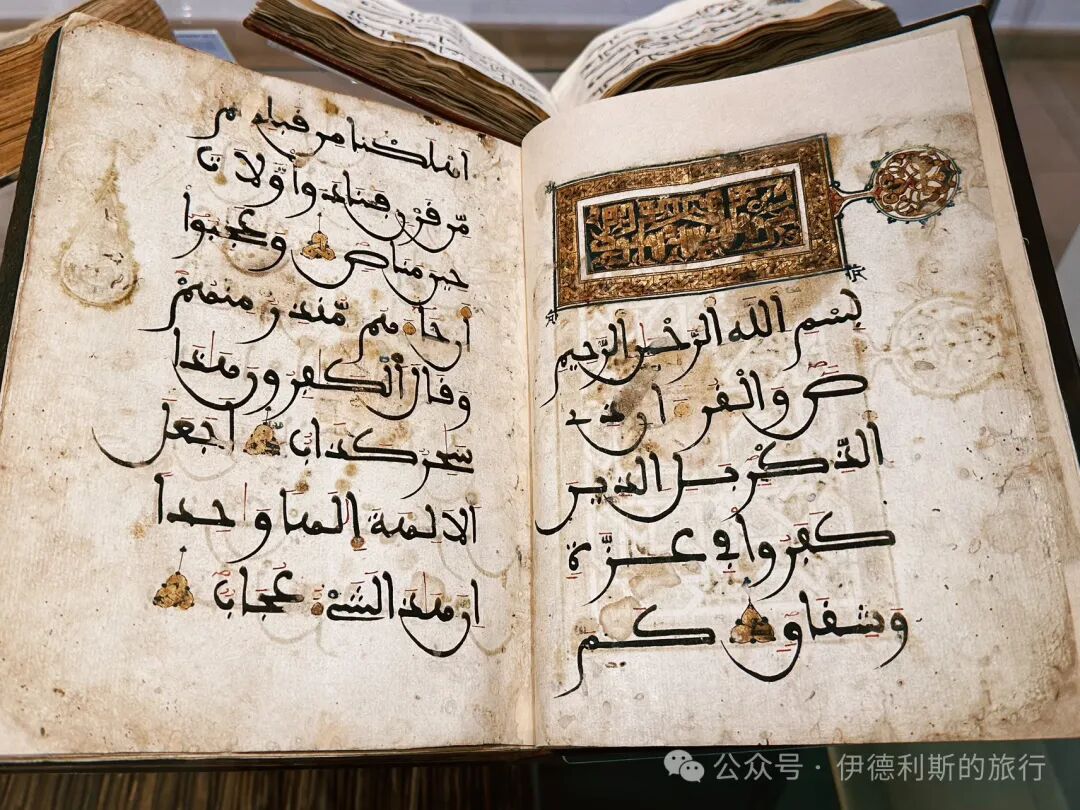
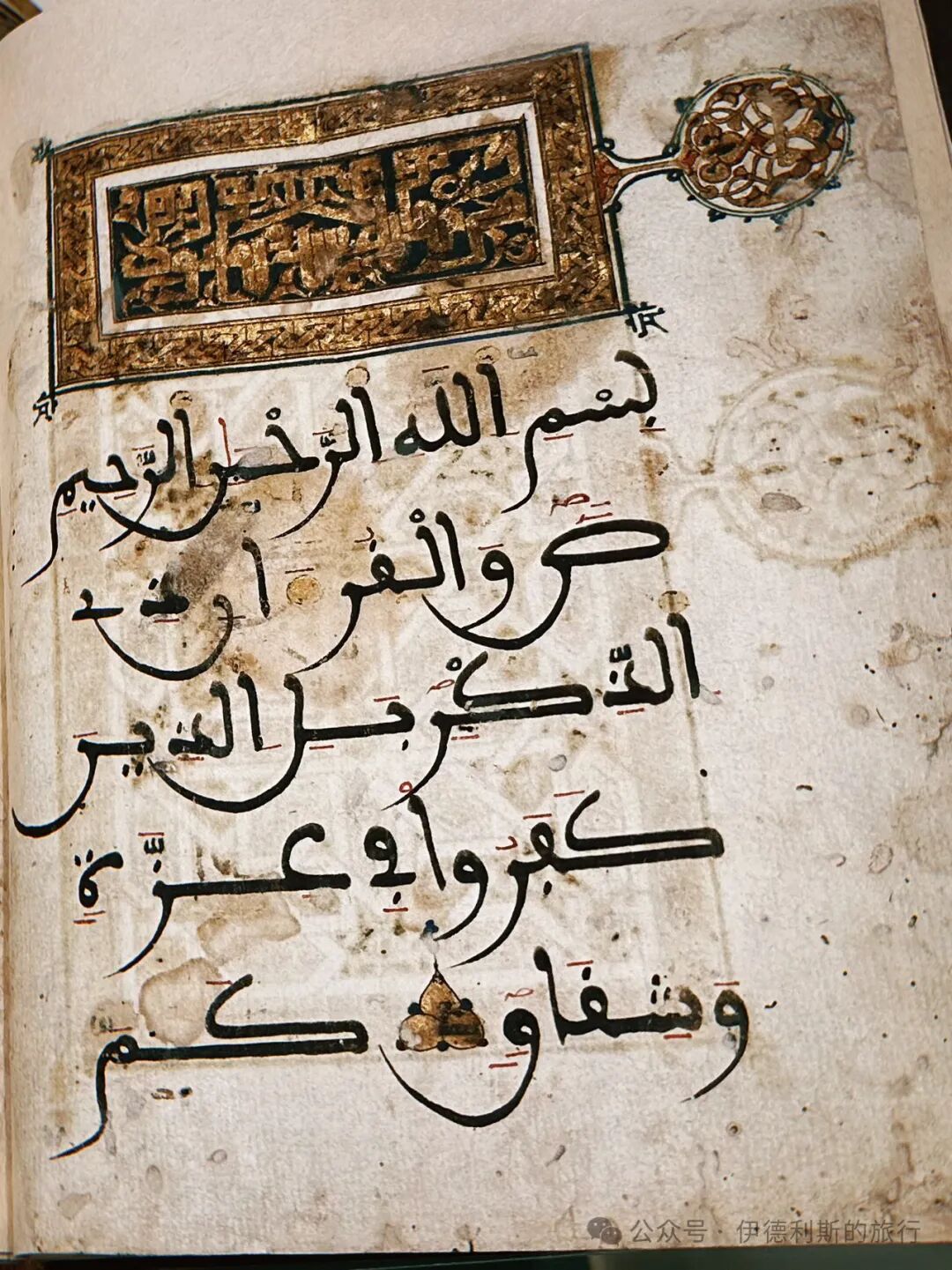
North Africa, 19th century.
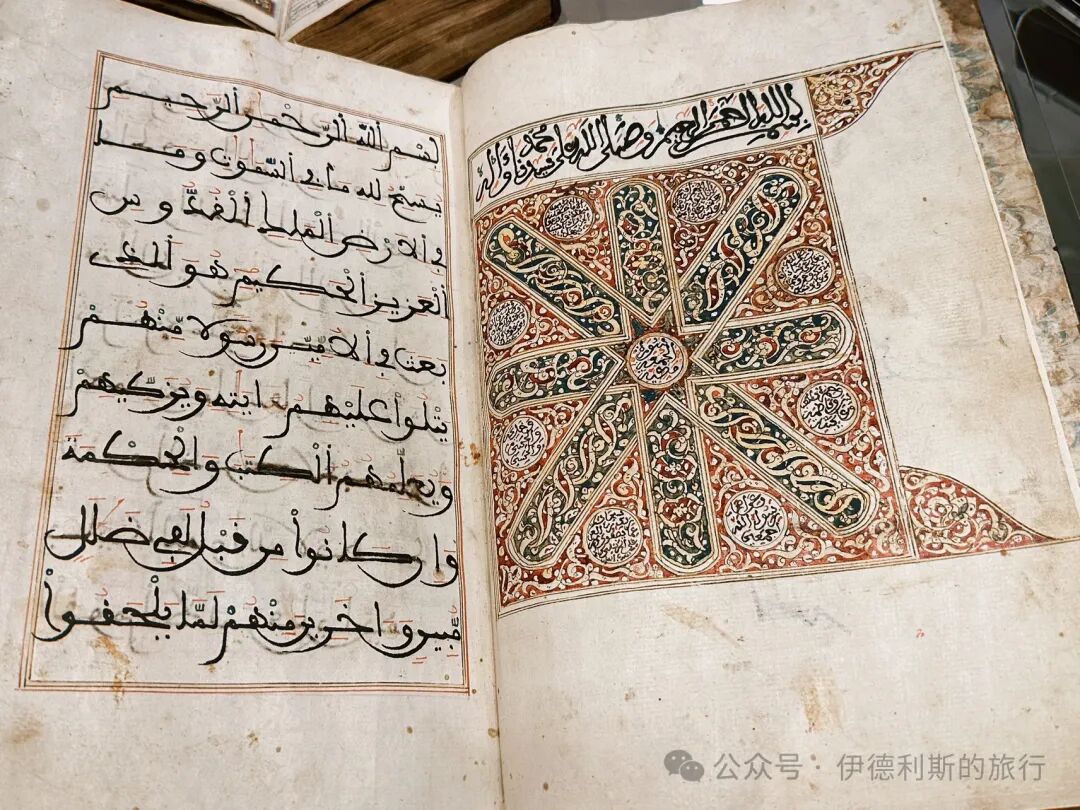
Harar, Ethiopia, 1800. Harar is an important center for the faith in eastern Ethiopia and is known as the fourth holiest city of the faith. The old city contains 82 mosques and 9 gongbei, and it was listed as a UNESCO World Heritage site in 2006. Because of long-term trade with the Arabian Peninsula, the faith flourished in the old city by the 10th century and became widespread after the 13th century. Harar became the capital of the Adal Sultanate after 1520 and the capital of the Emirate of Harar after 1647. In the 18th century, Harar was an important center for the faith in the Ethiopia and Somalia region.
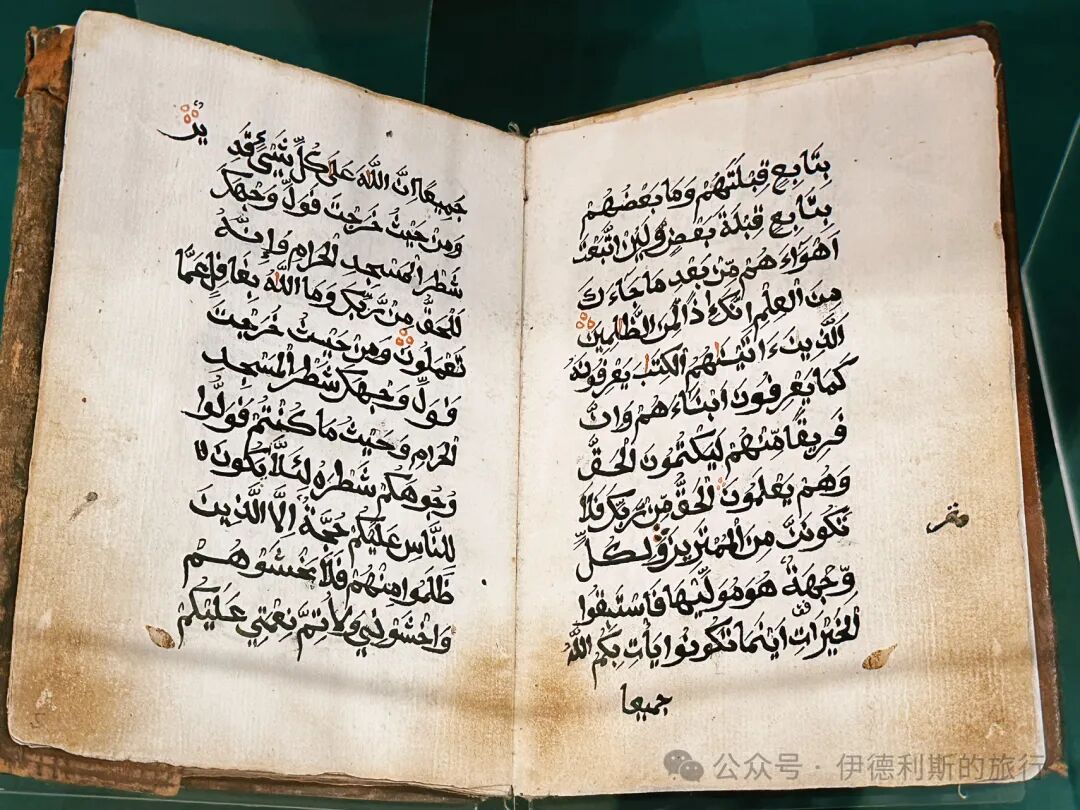
Sudan, 1857-1858.
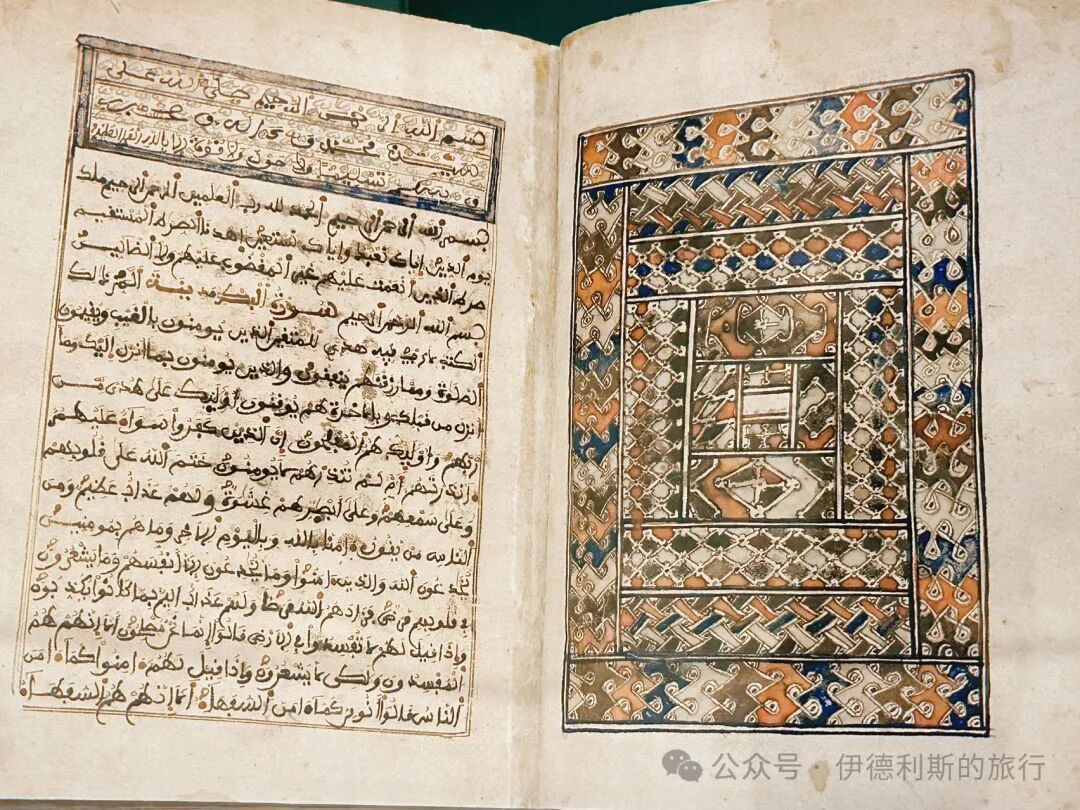
Sudan, 19th century.
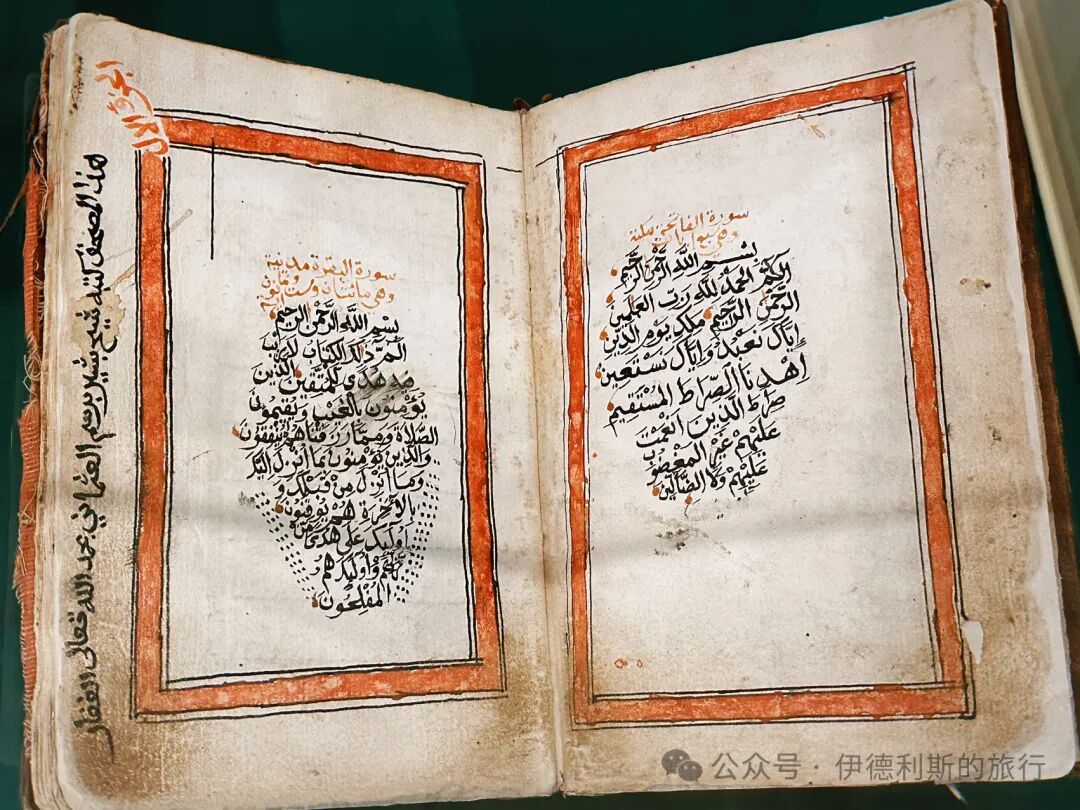
Morocco or Andalusia, 13th century.
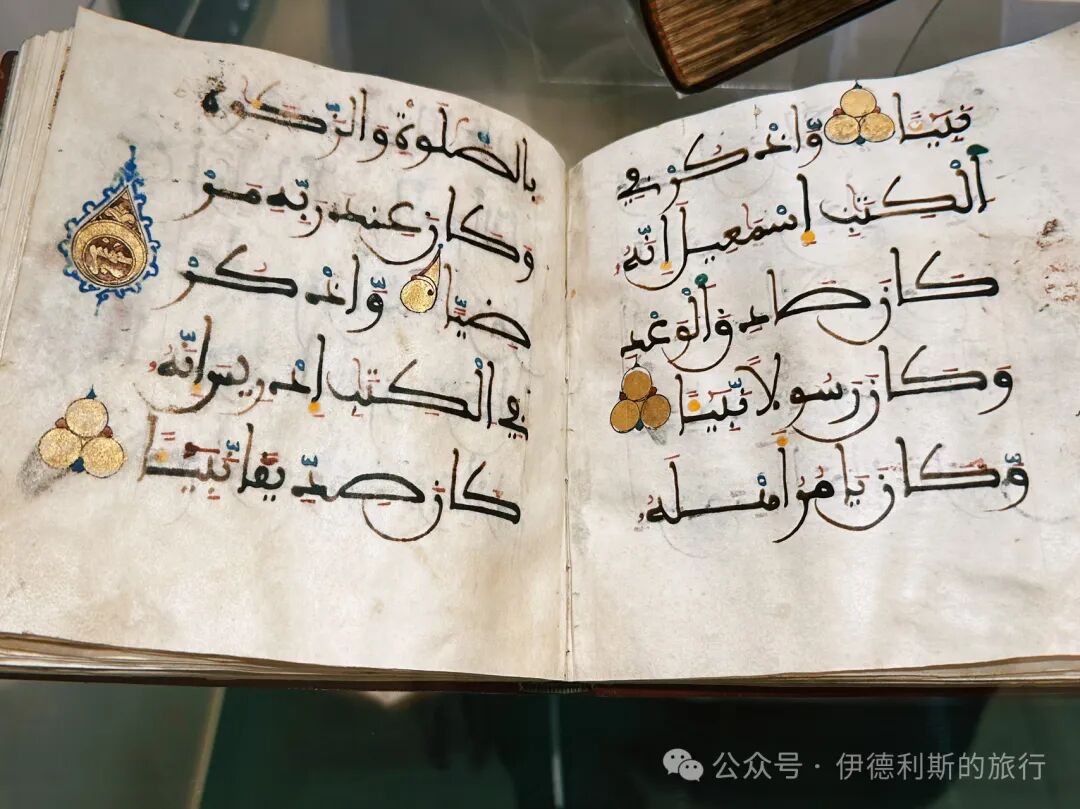
North Africa, 18th century.
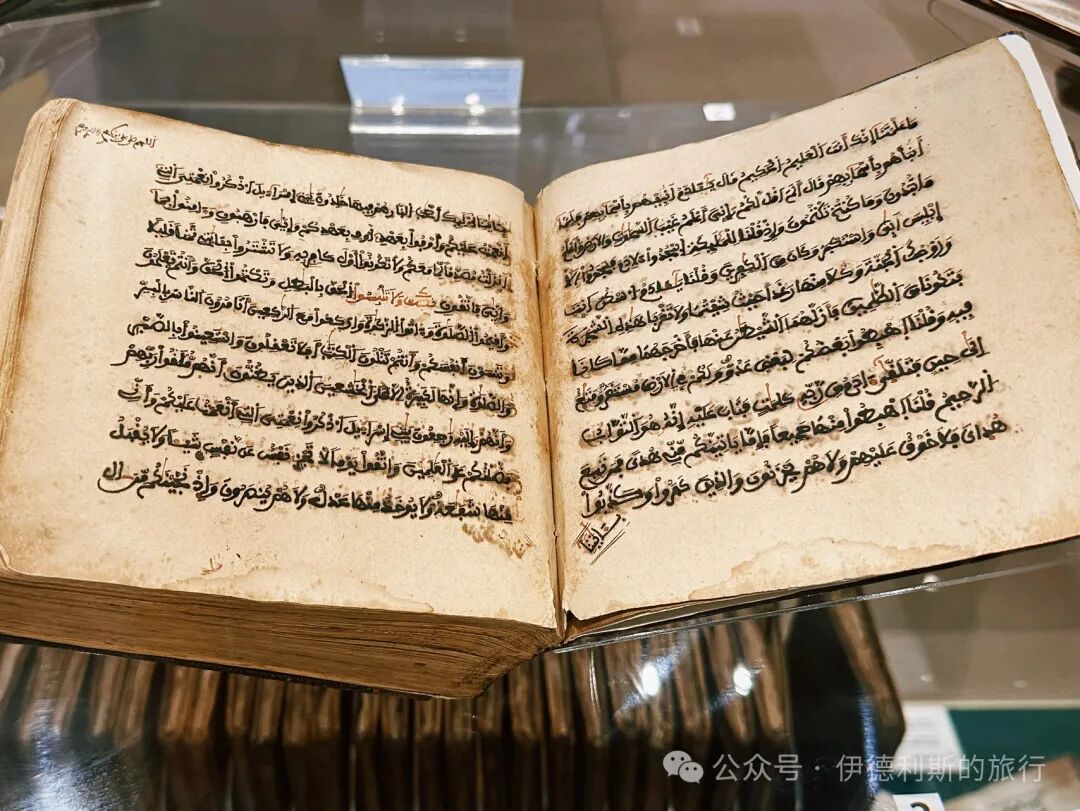
North Africa, 19th century.
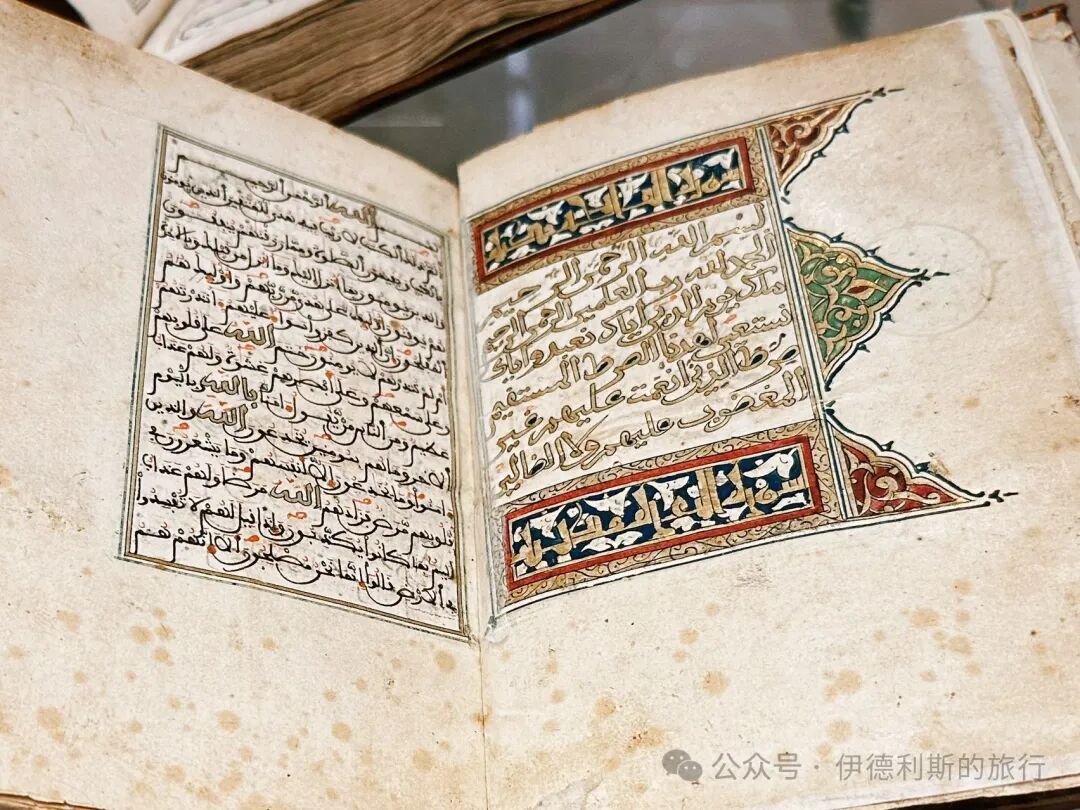
Comoros Islands, East Africa, 1824. The Comoros Islands are located in the southwest Indian Ocean, between the African continent and Madagascar. Arab and Persian merchants often came here to trade. The faith spread across the islands starting in the 10th century, and several sultanates were established on the islands after the 16th century.
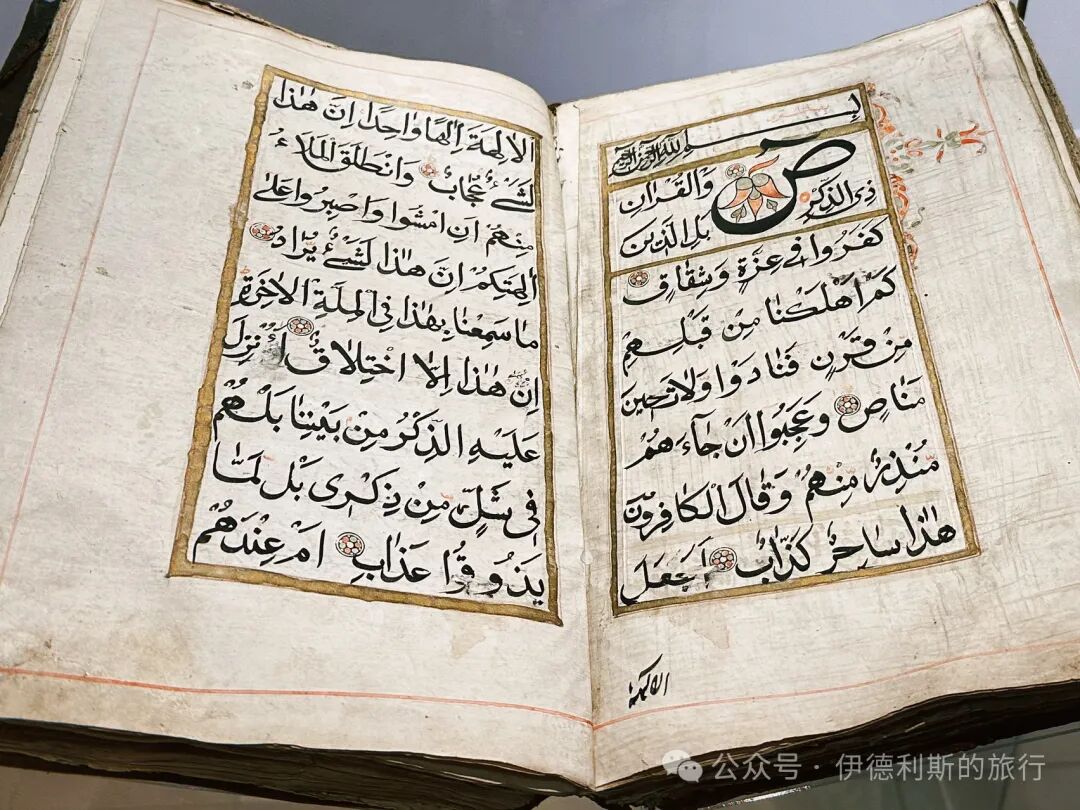
Caucasus region.
South Caucasus or Dagestan, 19th century.
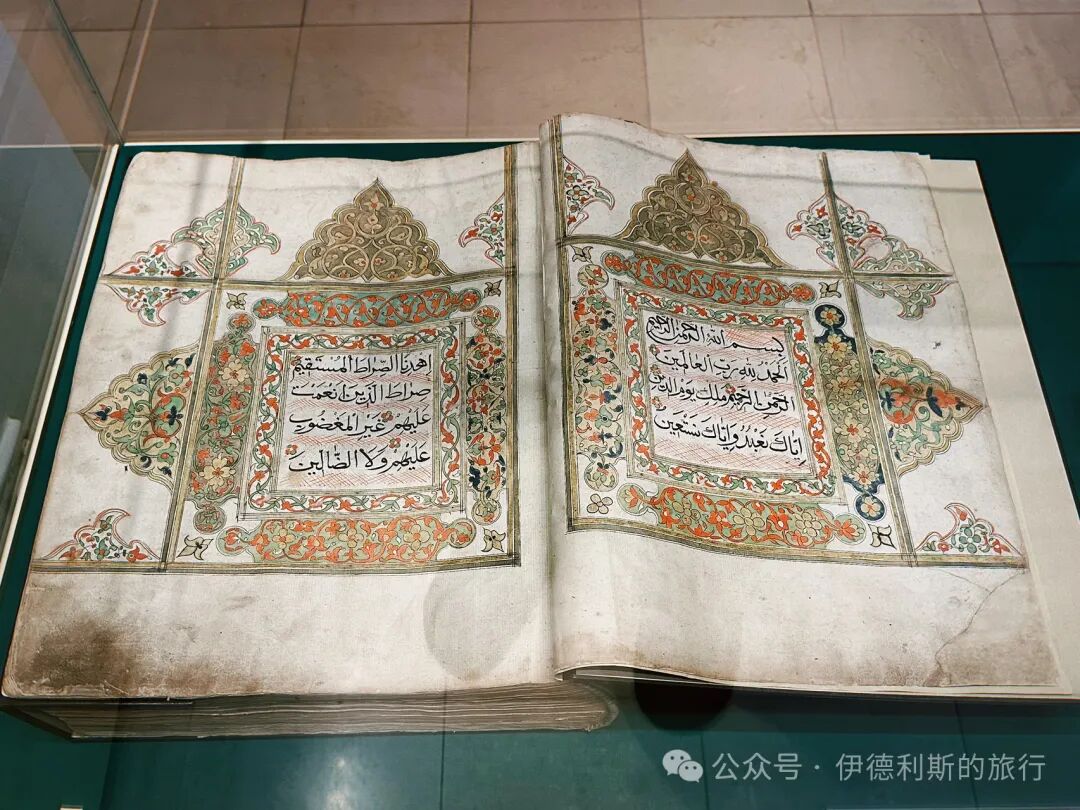
Dagestan, North Caucasus, 1780.
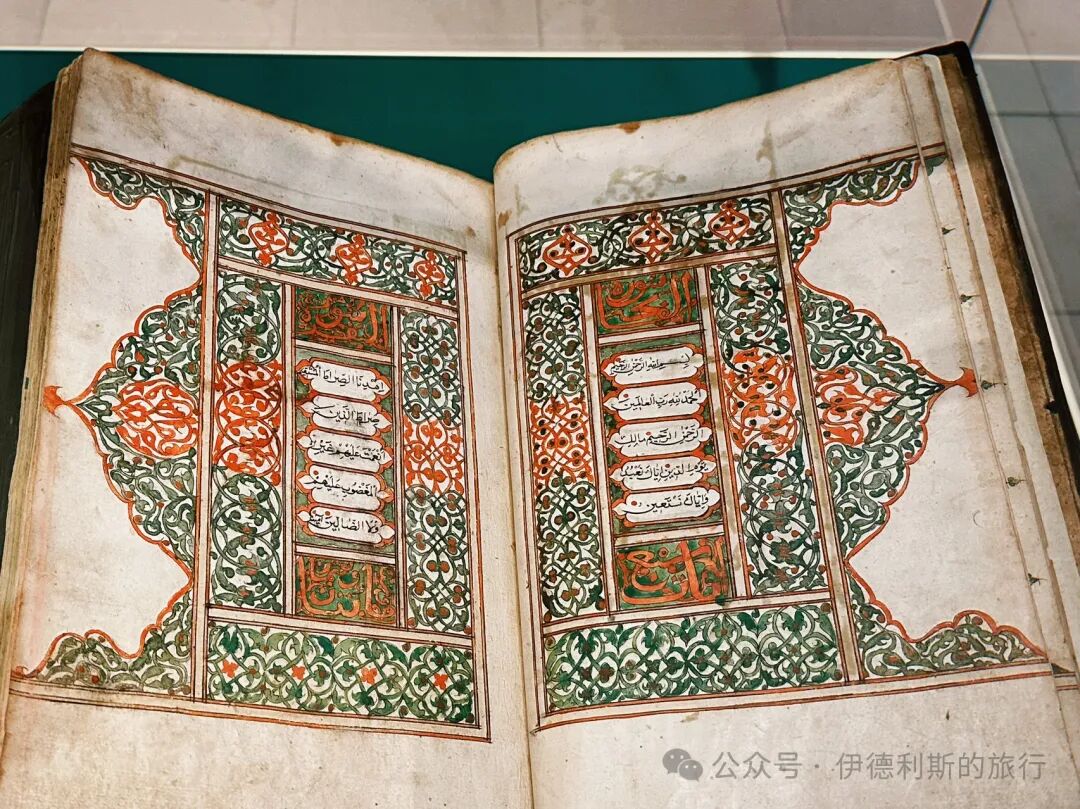
Dagestan, North Caucasus, 19th century
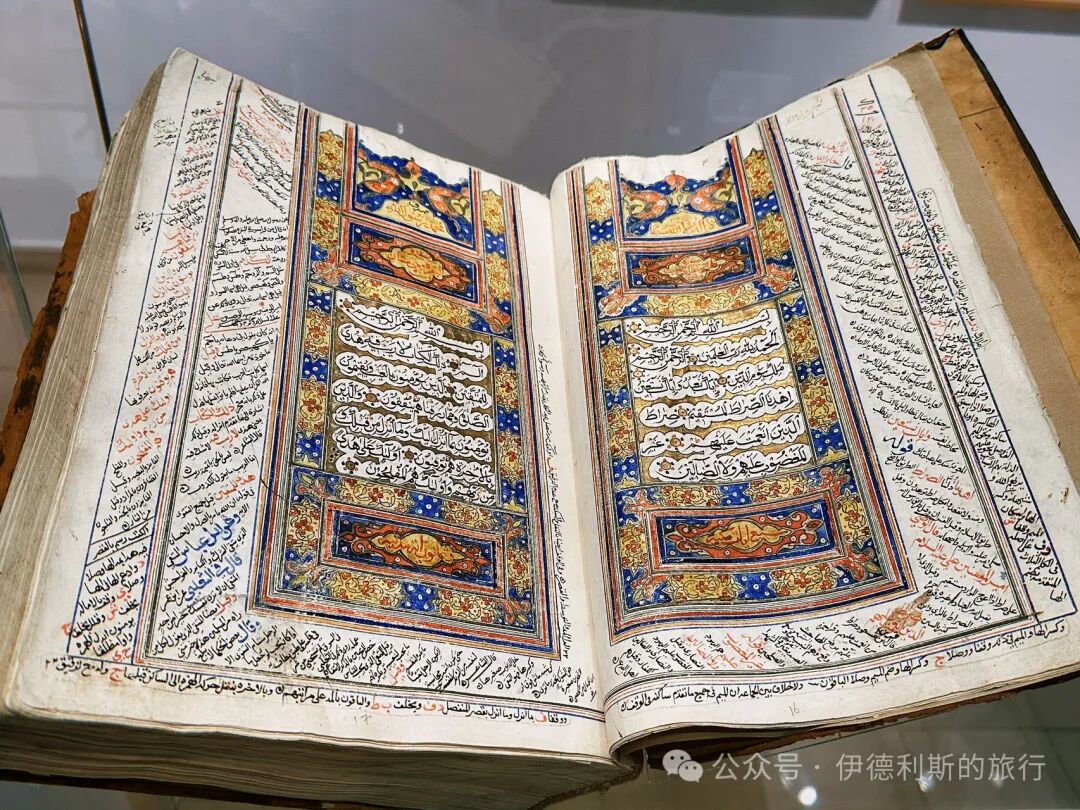
Persia
Ilkhanate of Persia, 1291
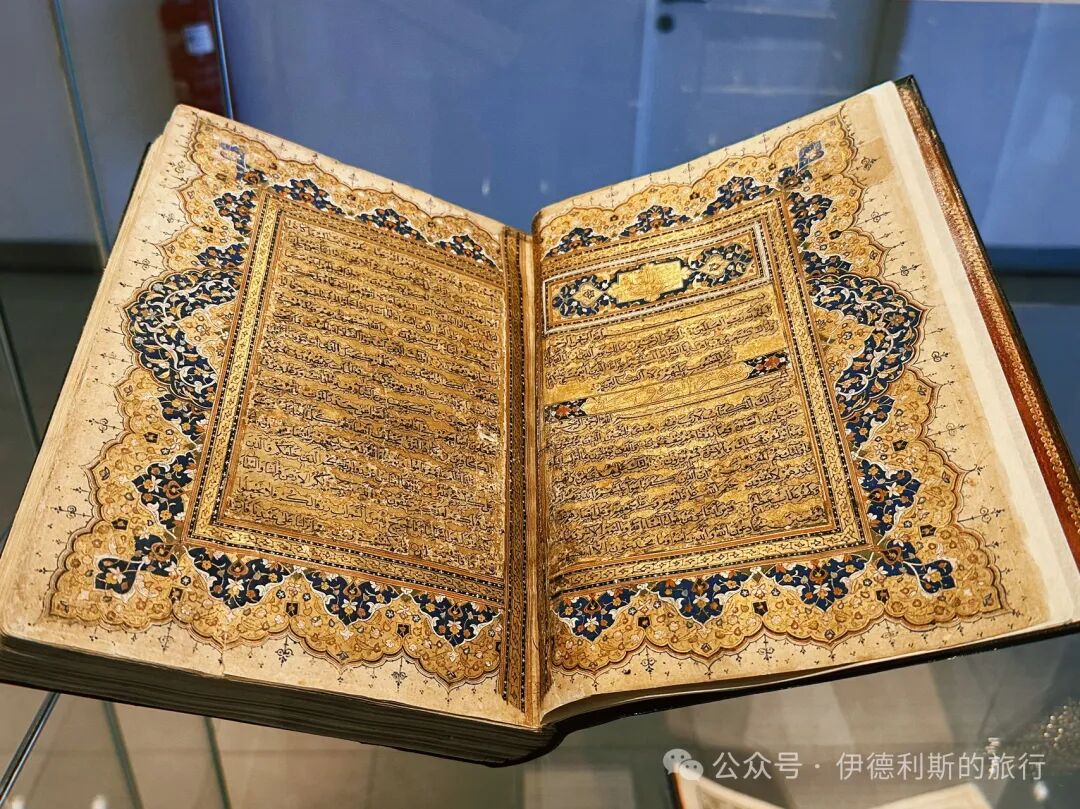
Ilkhanate of Persia, 1304
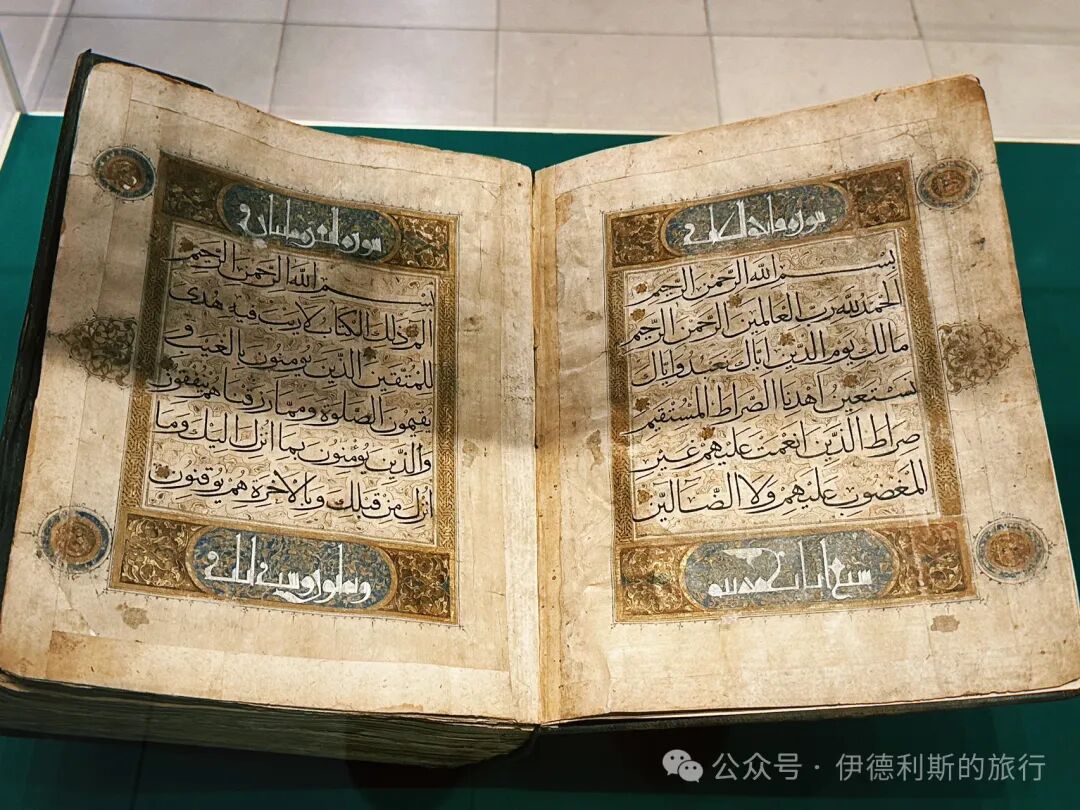
Persia, 1684
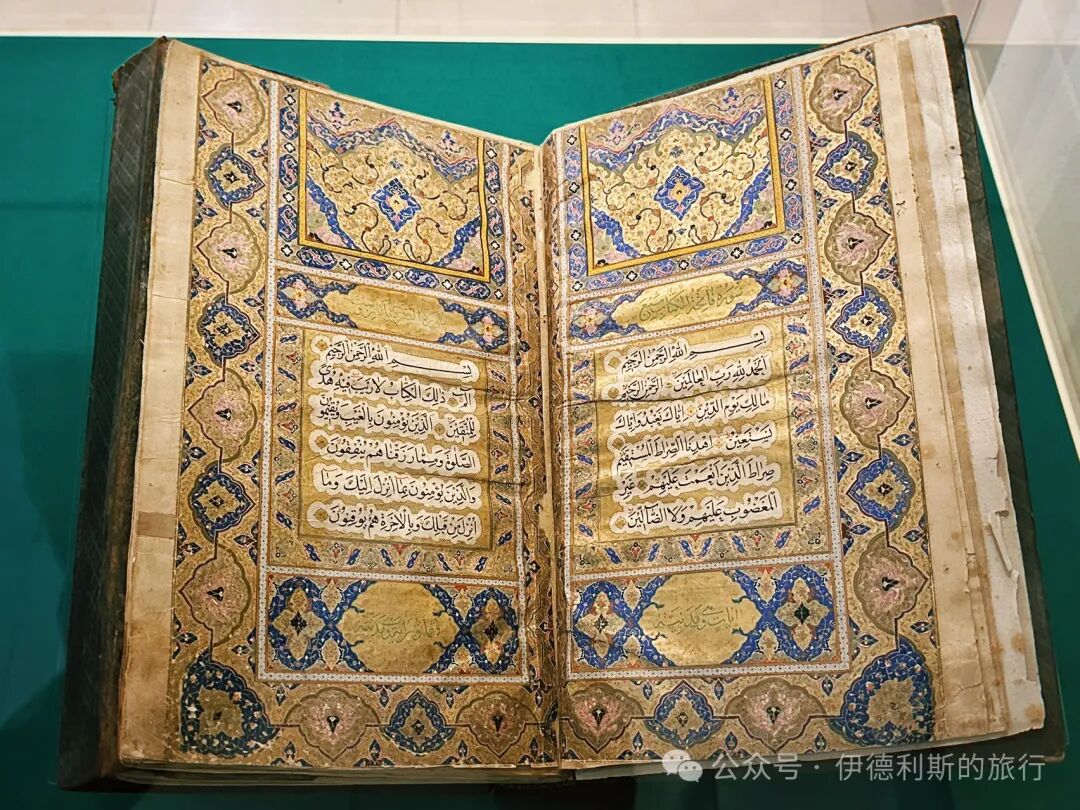
Persia, 17th century
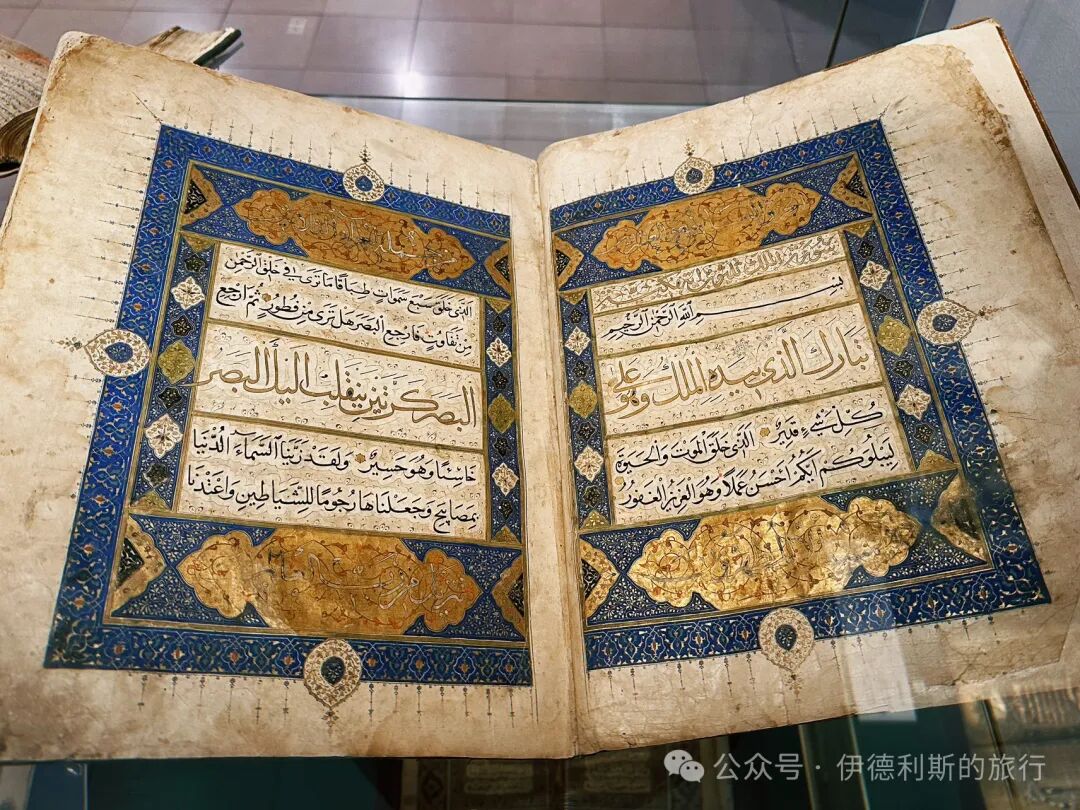
Turkmen people of Persia, 1483-1484
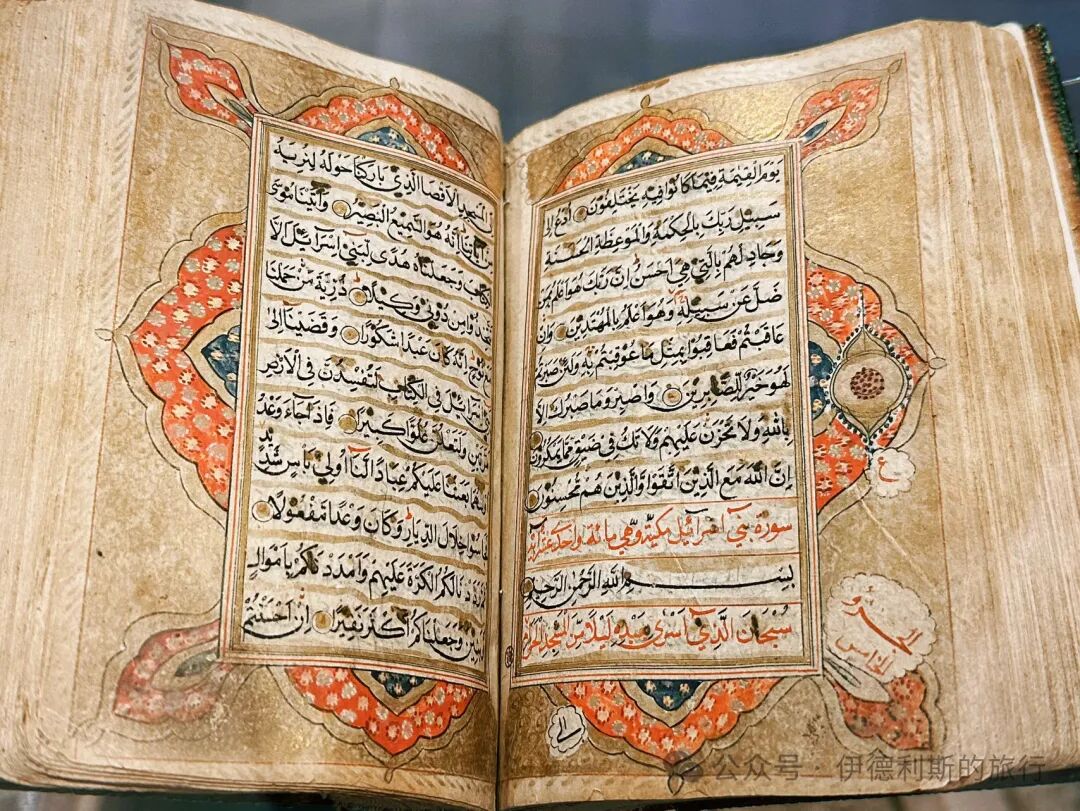
Isfahan, Safavid Dynasty of Persia, 1708
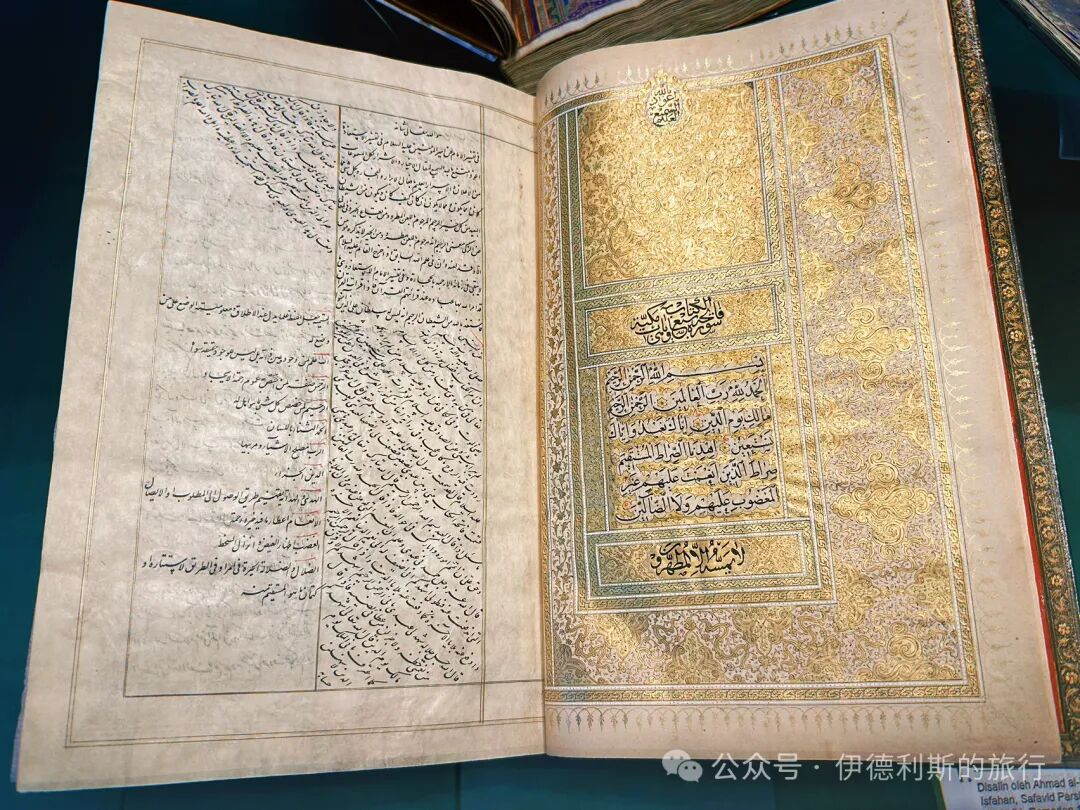
Qajar Dynasty of Persia, 19th century
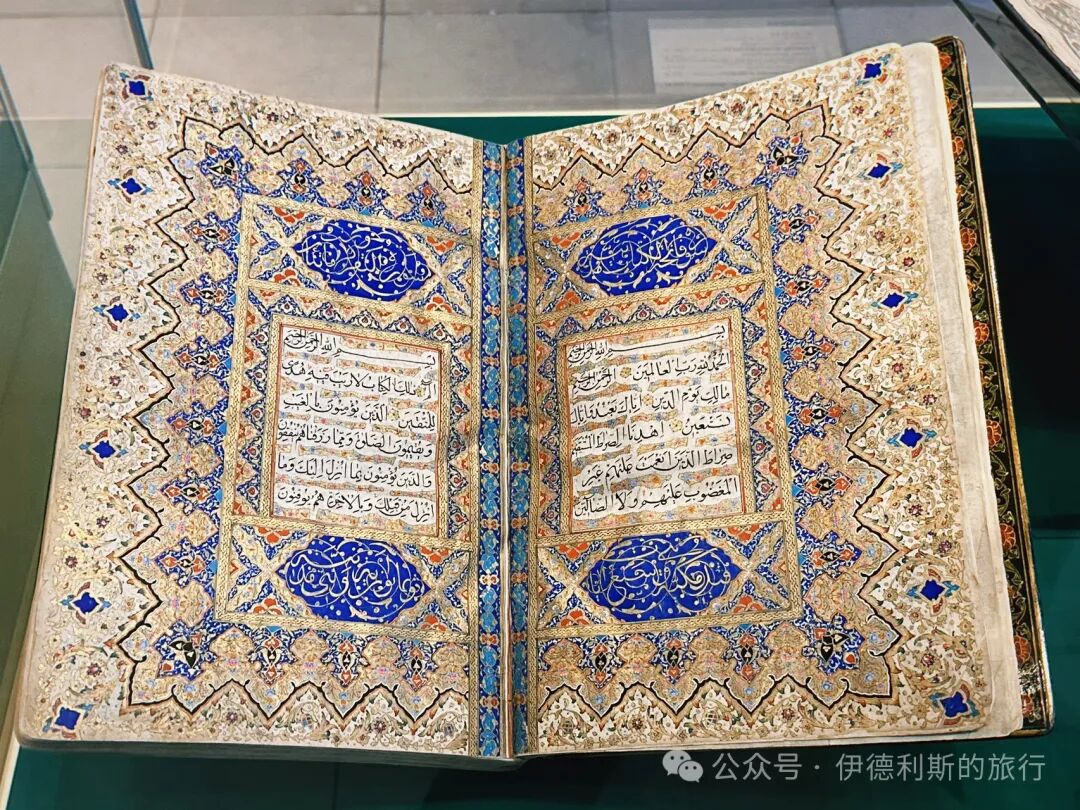
Qajar Dynasty of Persia, 1862
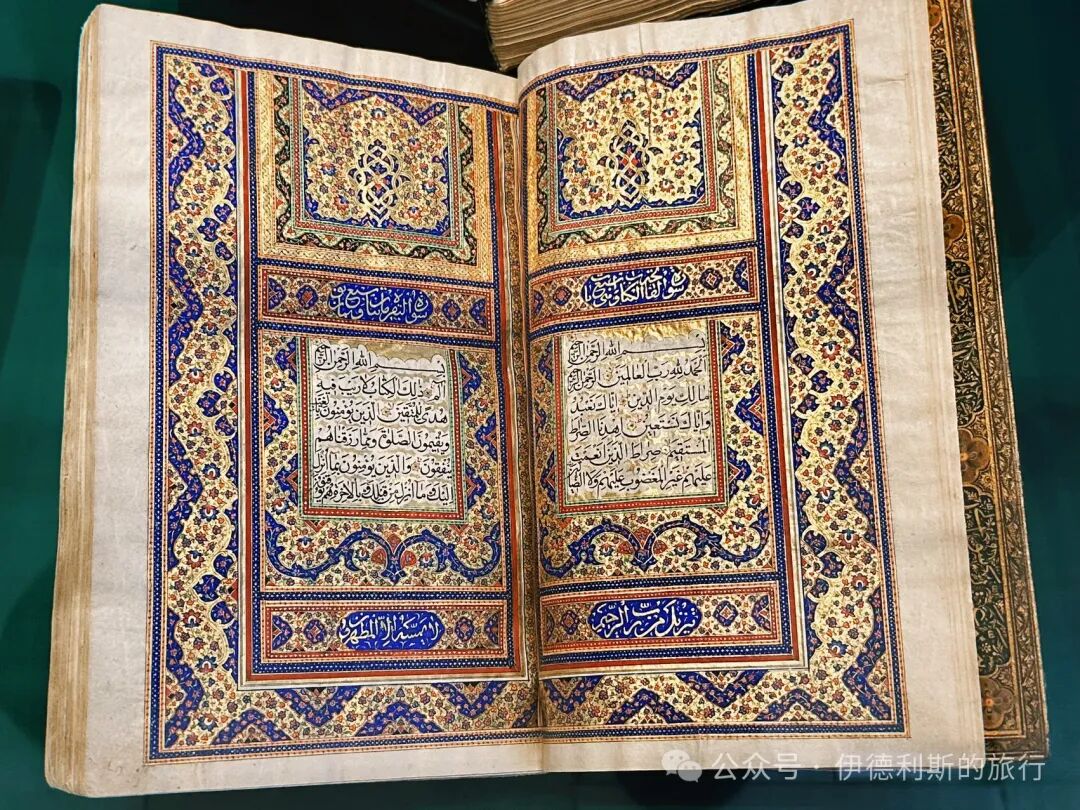
Persia, 1700
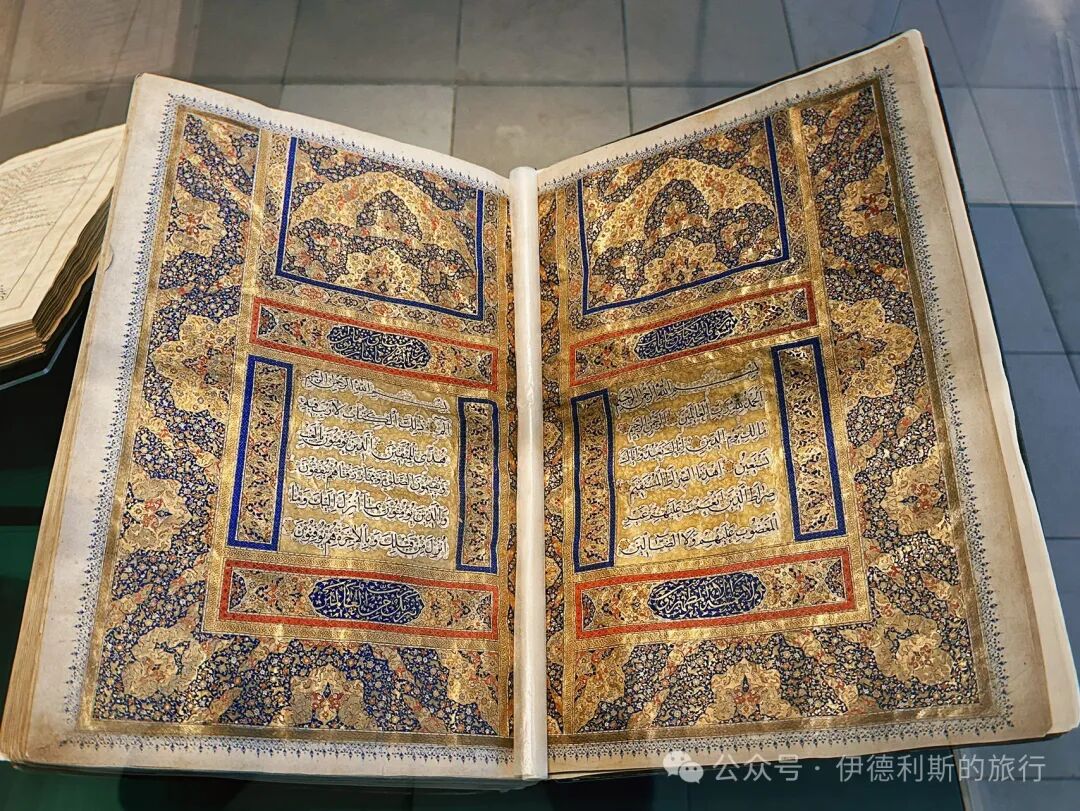
Qajar Dynasty of Persia, 19th century
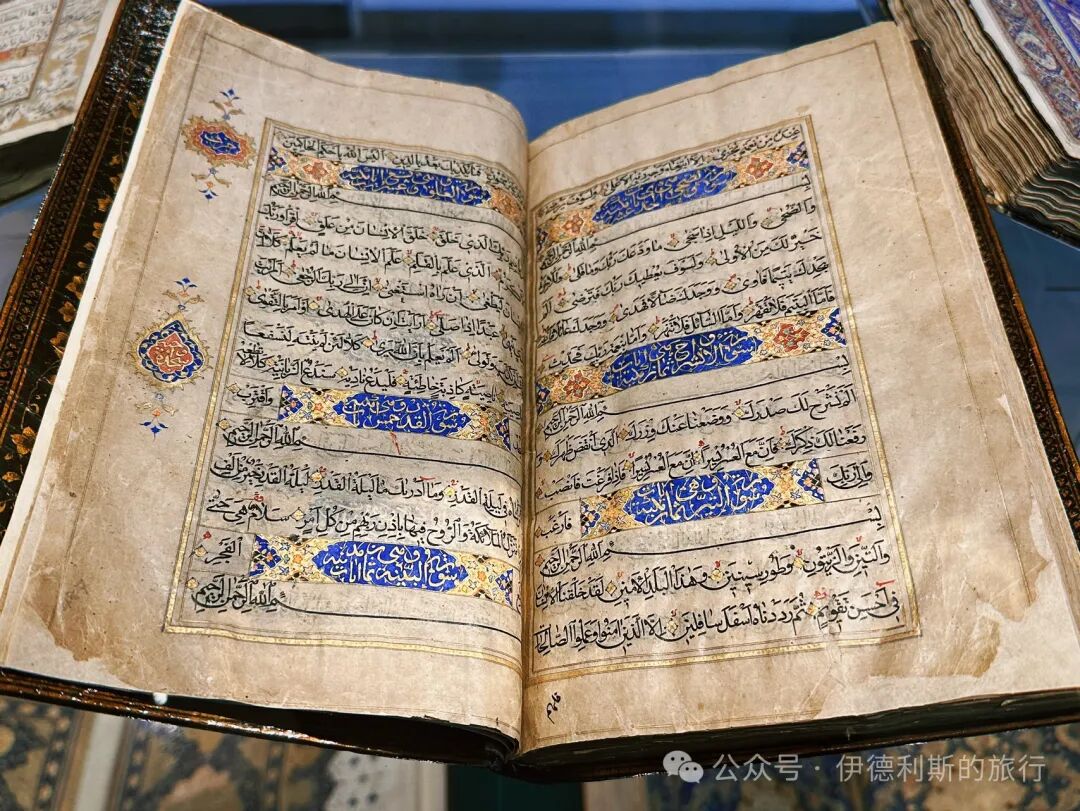
Qajar Dynasty of Persia, 1845-1846
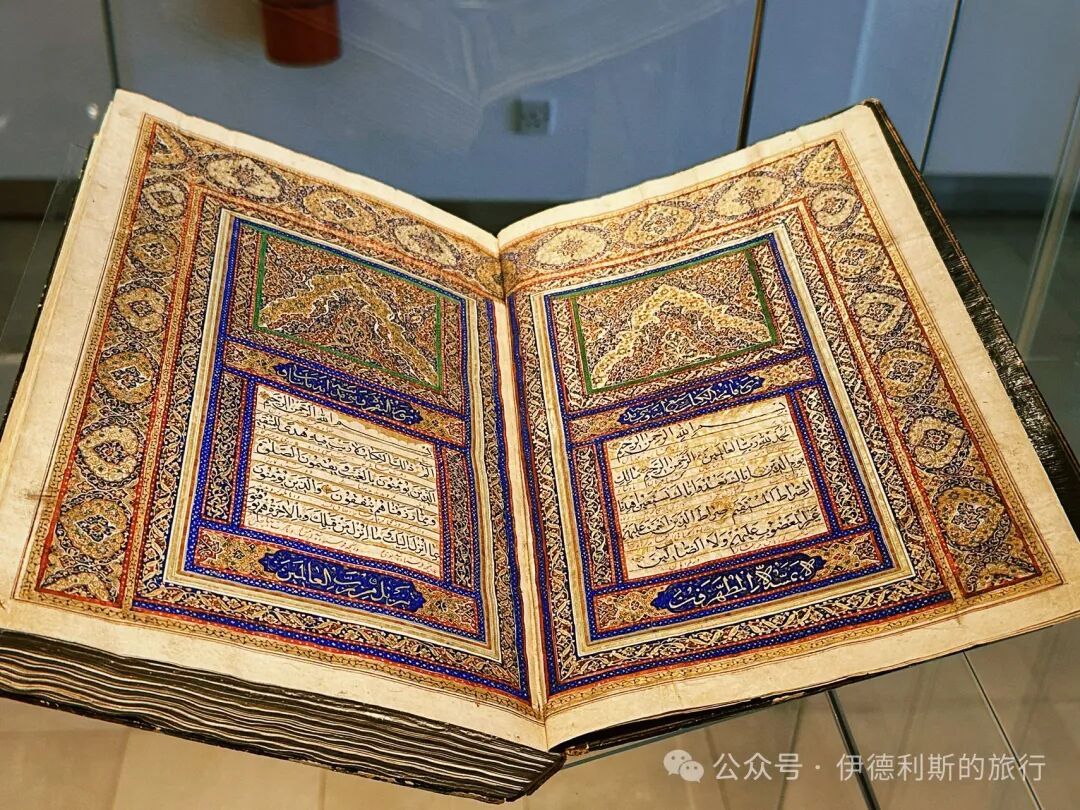
Shiraz, Qajar Dynasty of Persia, 19th century
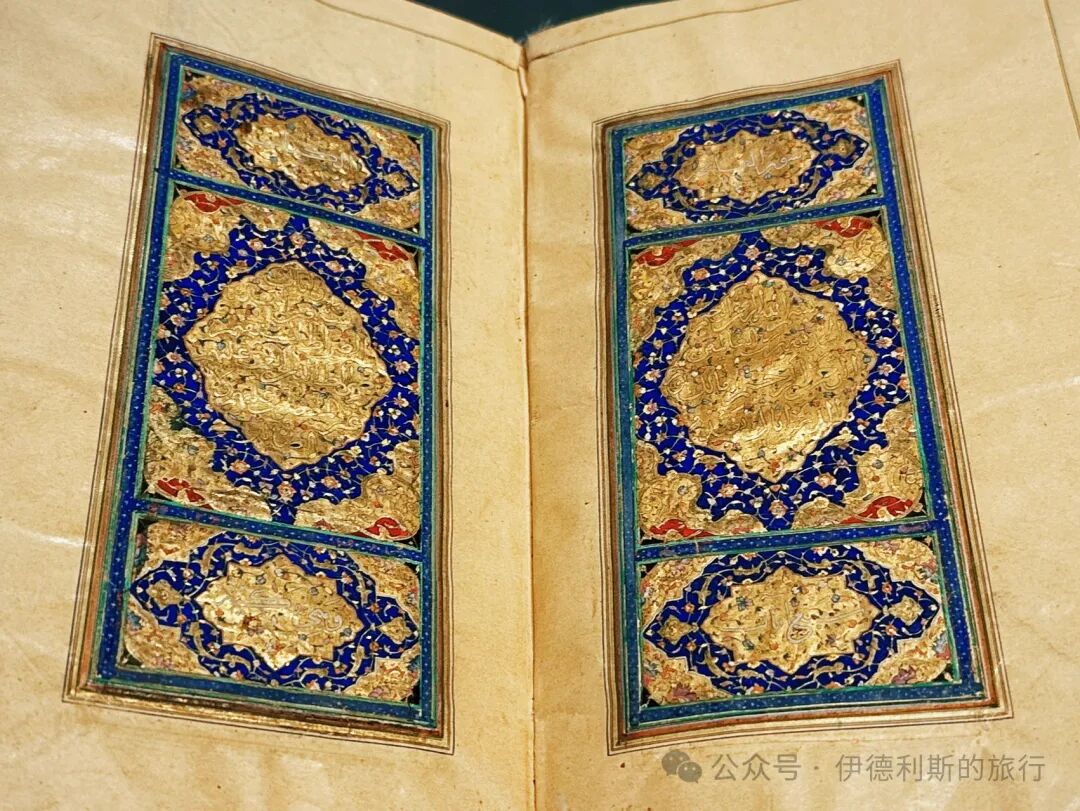
Safavid Dynasty of Persia, 16th century
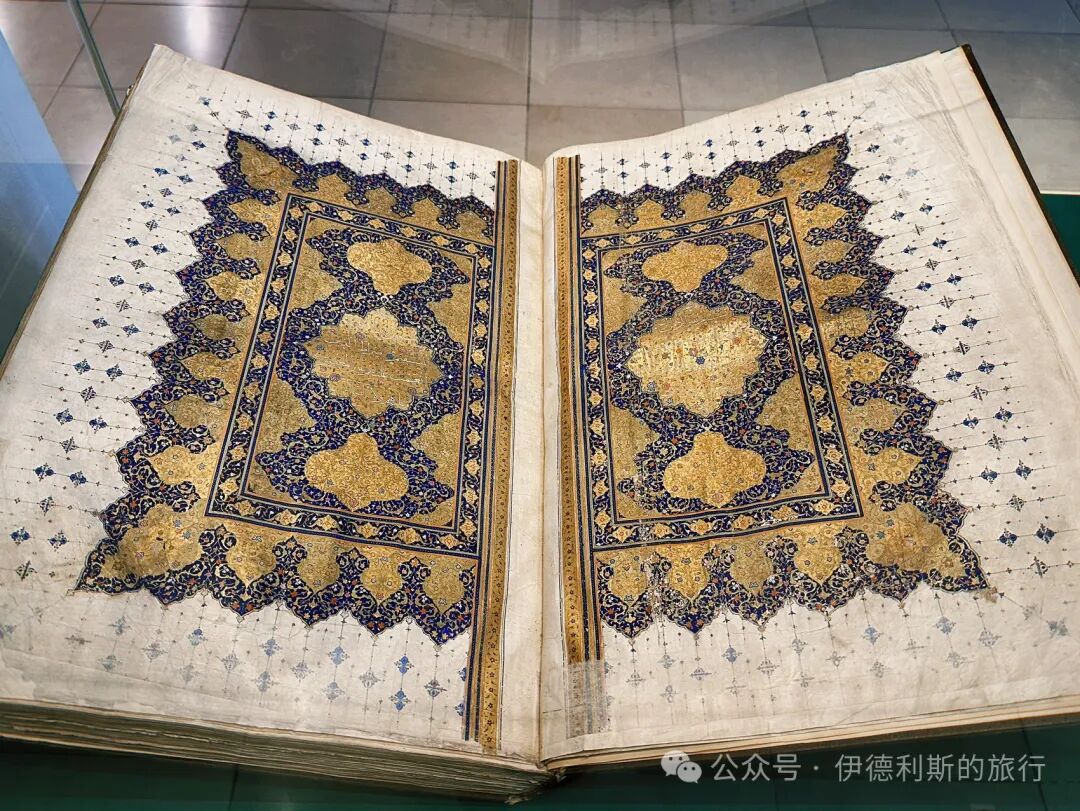
Shiraz, Safavid Dynasty of Persia, 16th century
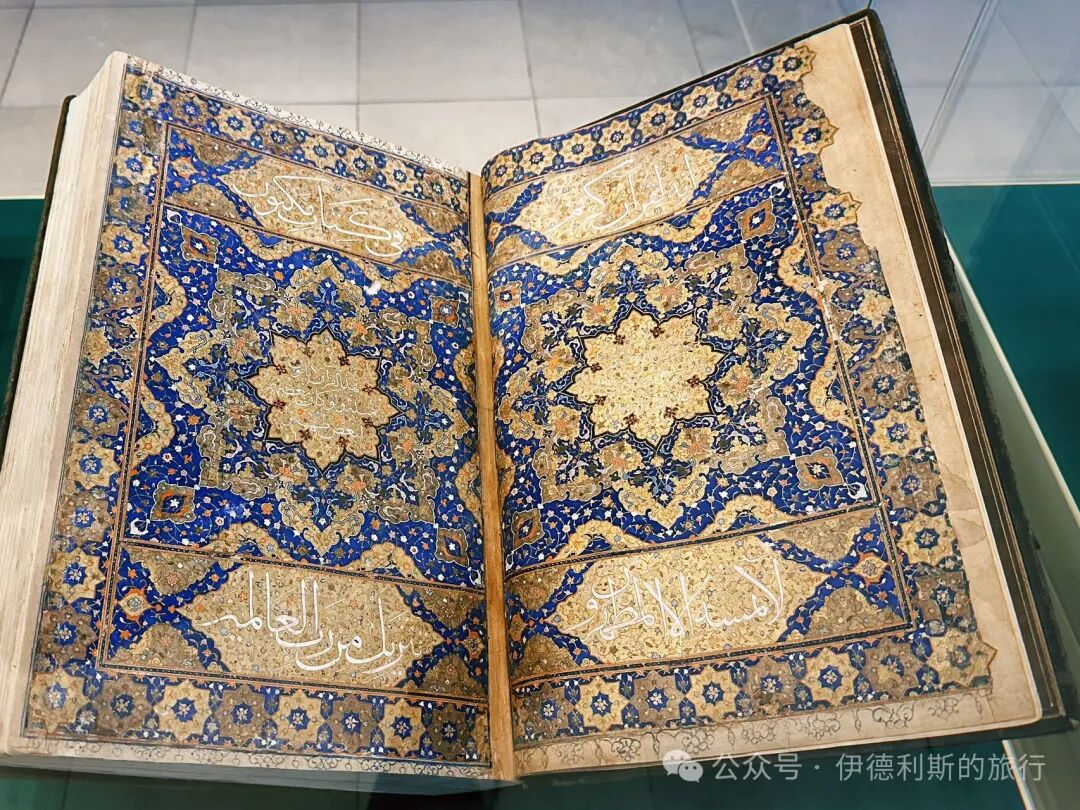
Persia, 1684
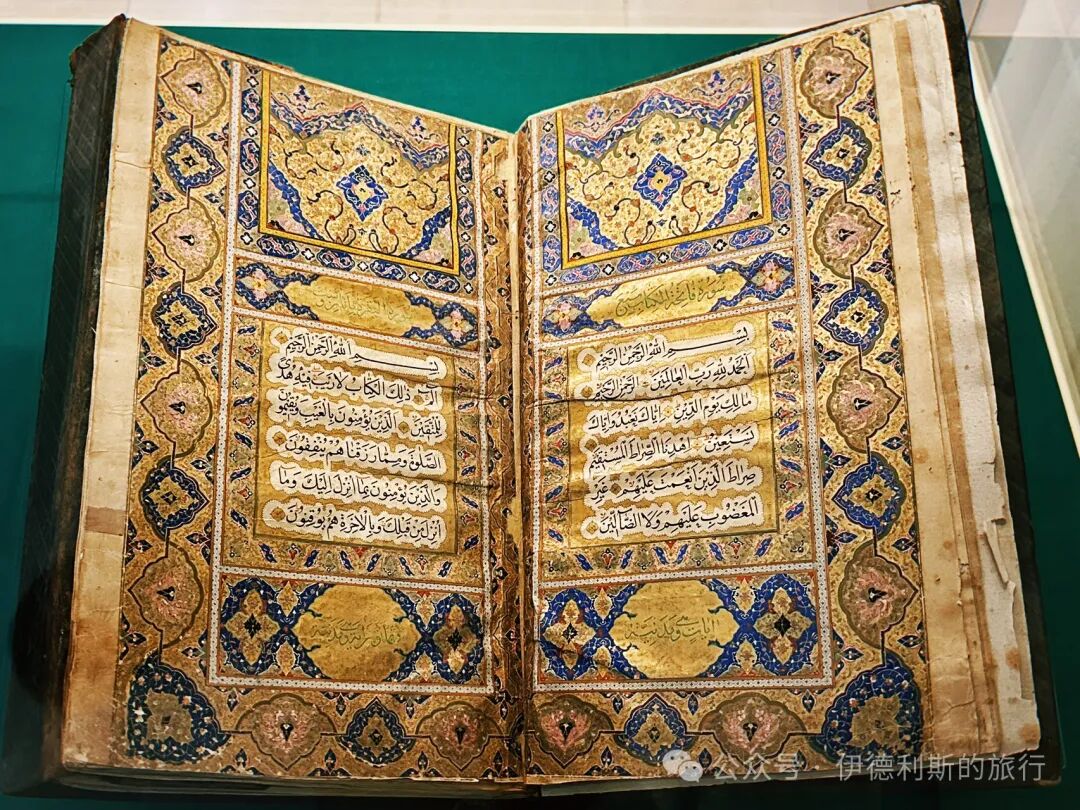
Qajar Dynasty of Persia, 1842. The donor was a soap merchant named Haji Aqa Muhammad.
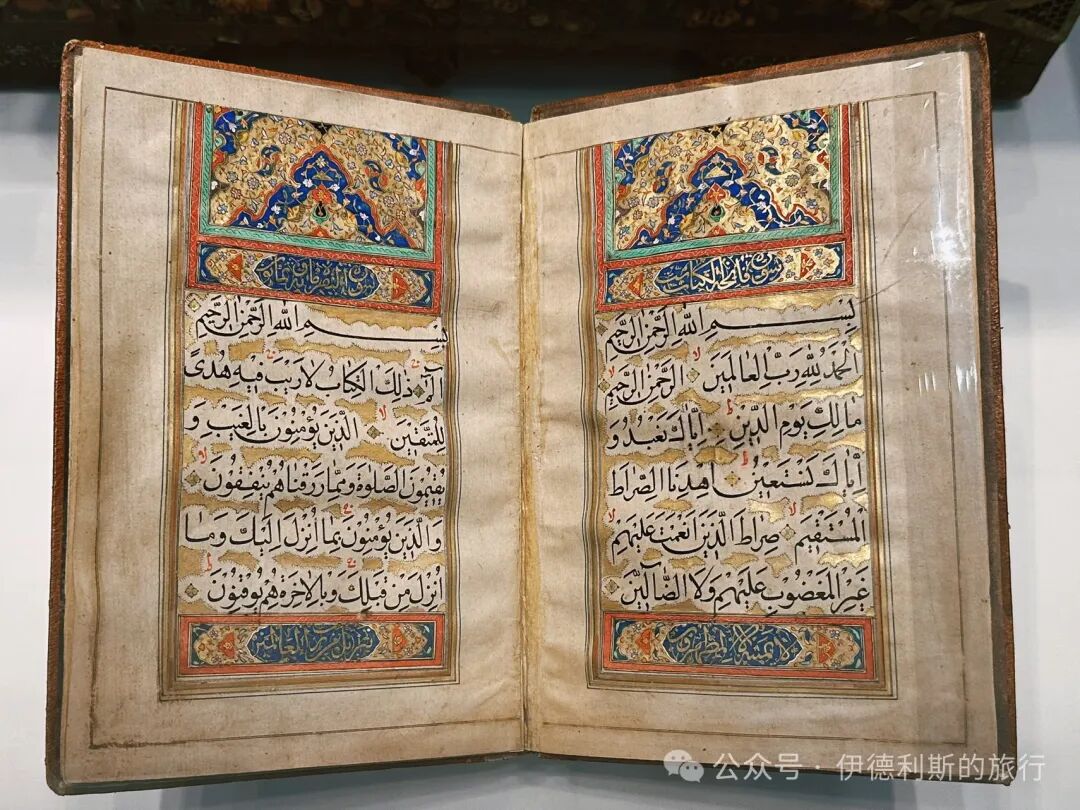
Uzbekistan
Bukhara, Uzbekistan, 18th century
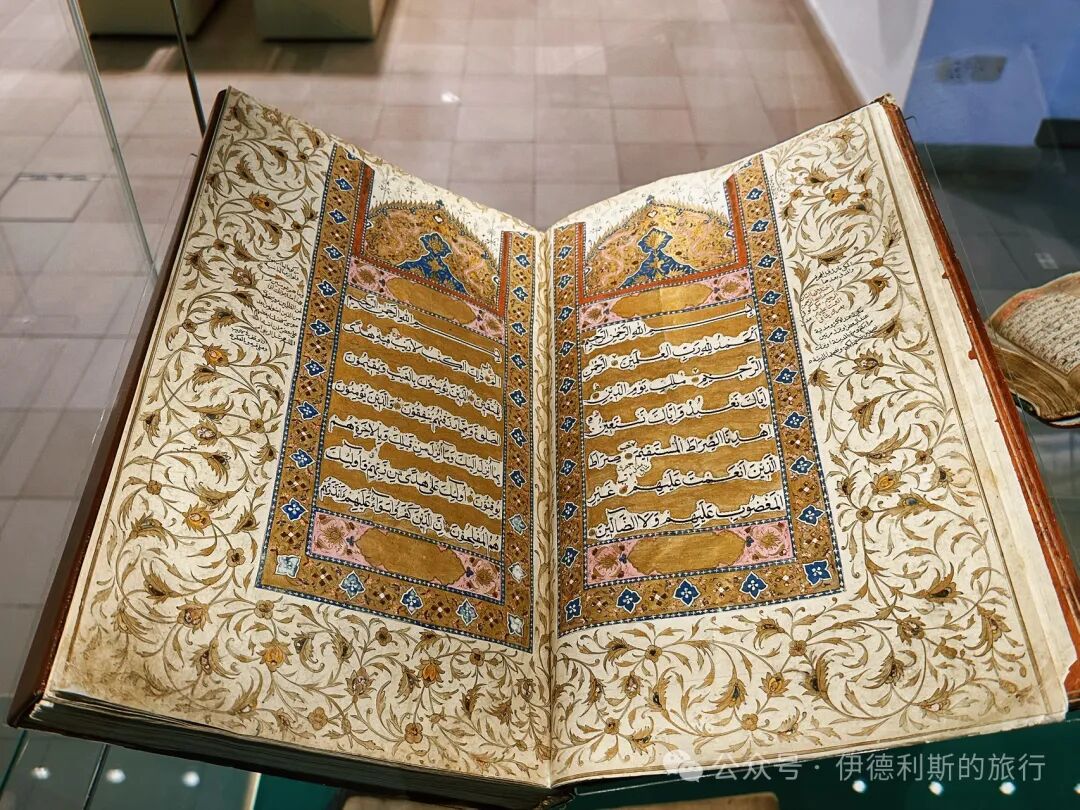
Ottoman Dynasty
Ottoman Turkey, 1848
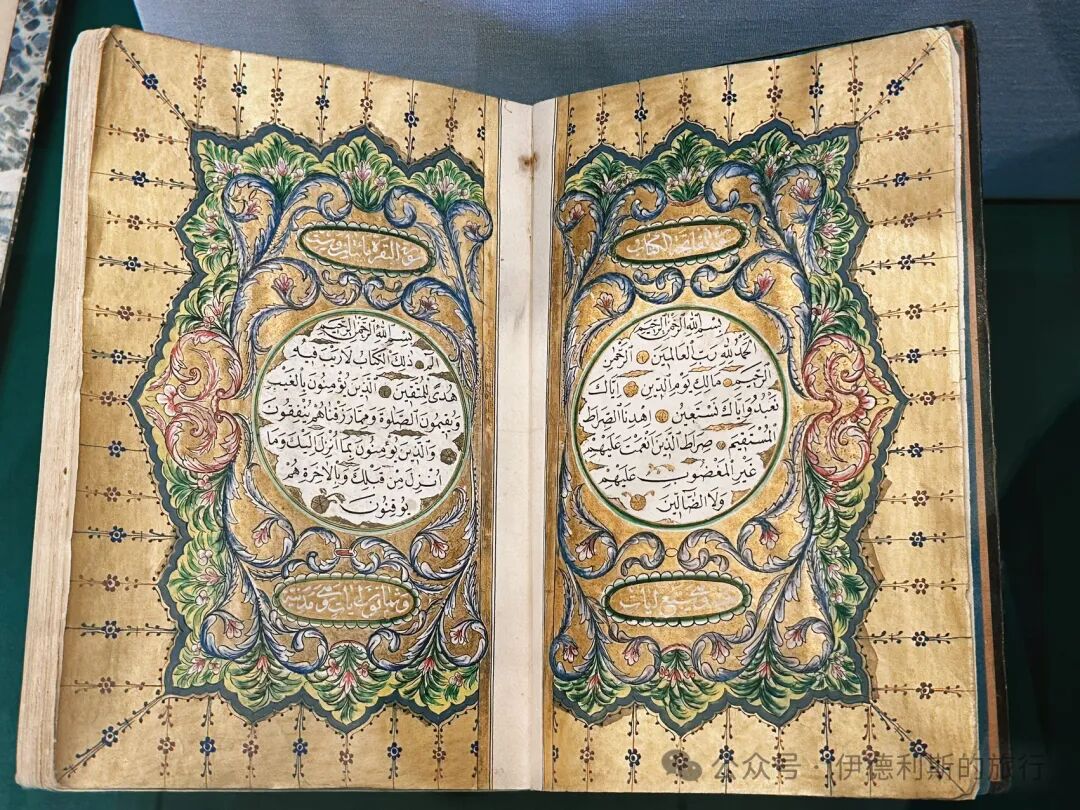
Ottoman Turkey, 1869
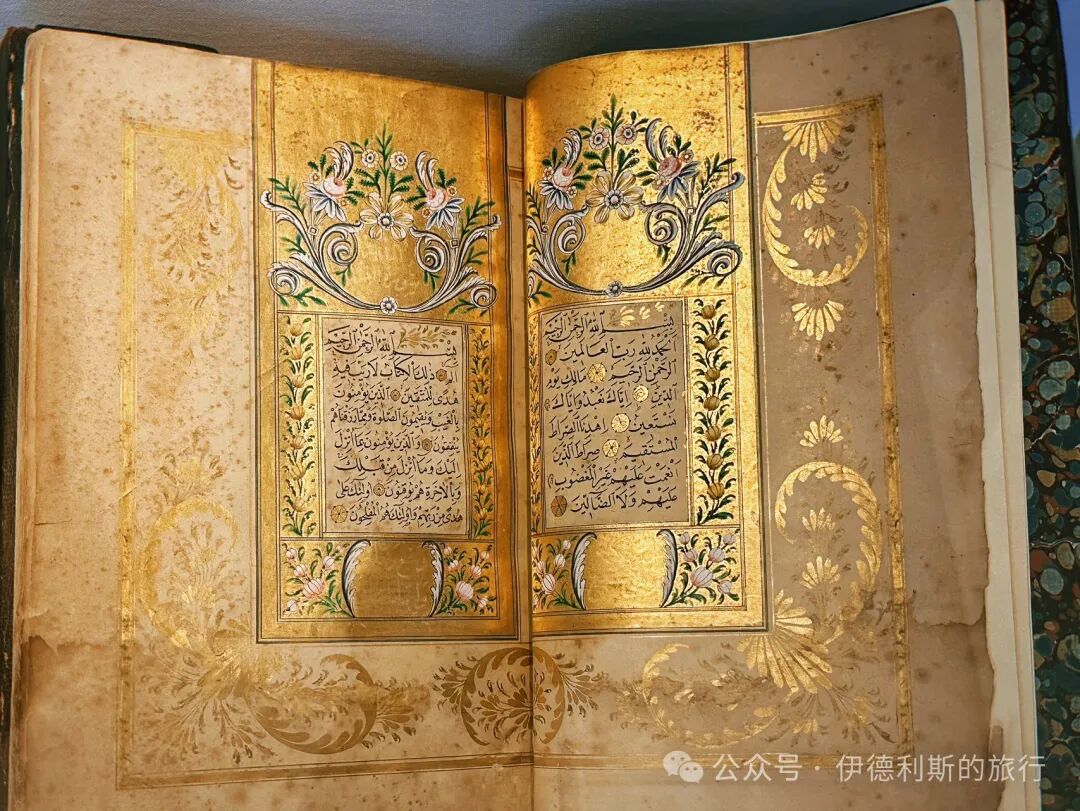
Ottoman Turkey, 1836-1837
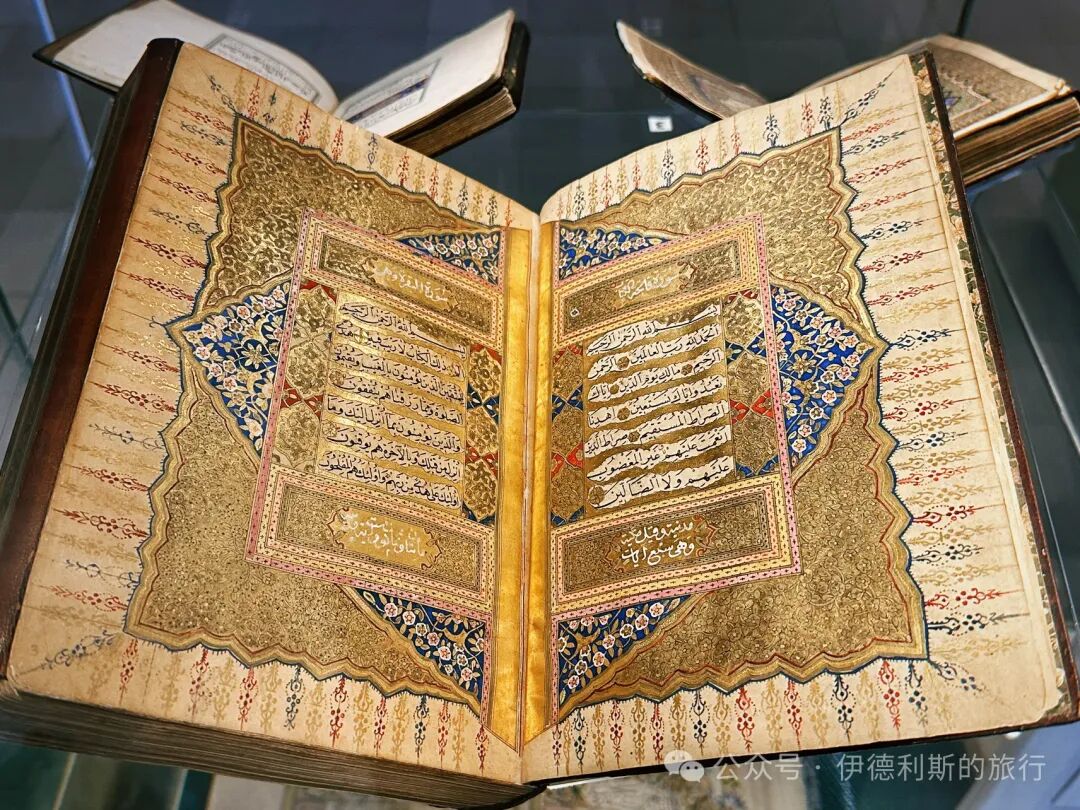
Ottoman Turkey, 17th century
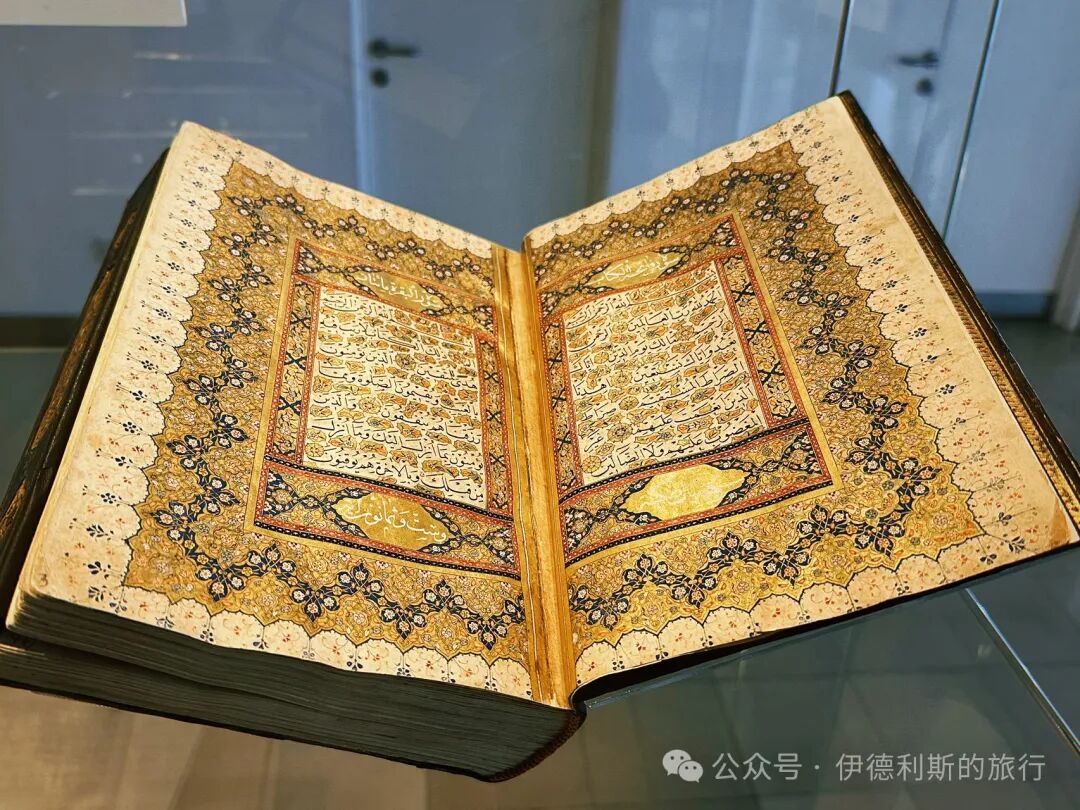
Ottoman Turkey, 1775
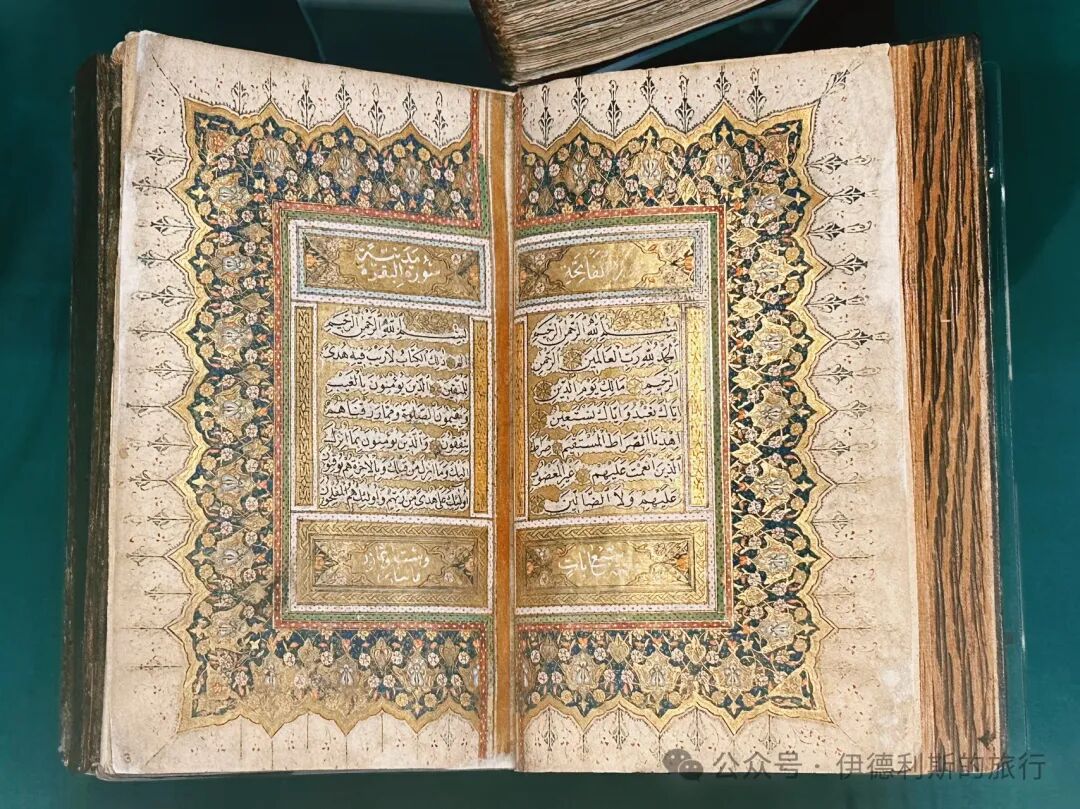
Ottoman Turkey, 1840
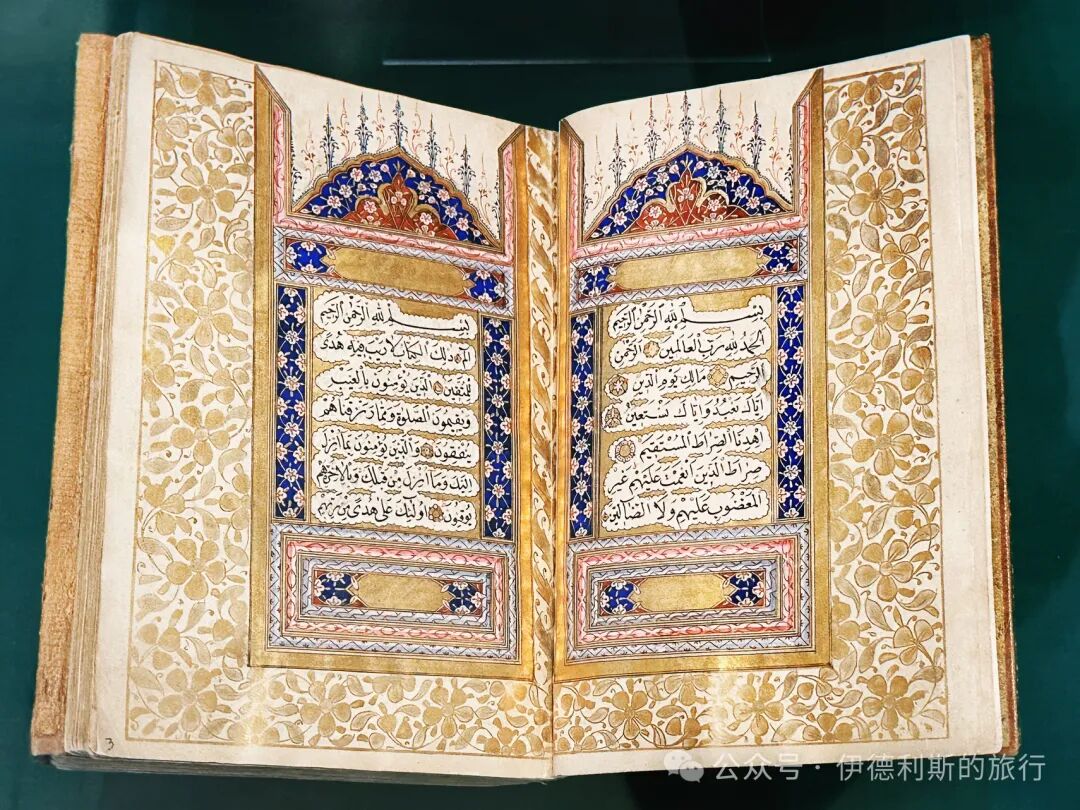
Ottoman Turkey, 1803-1804
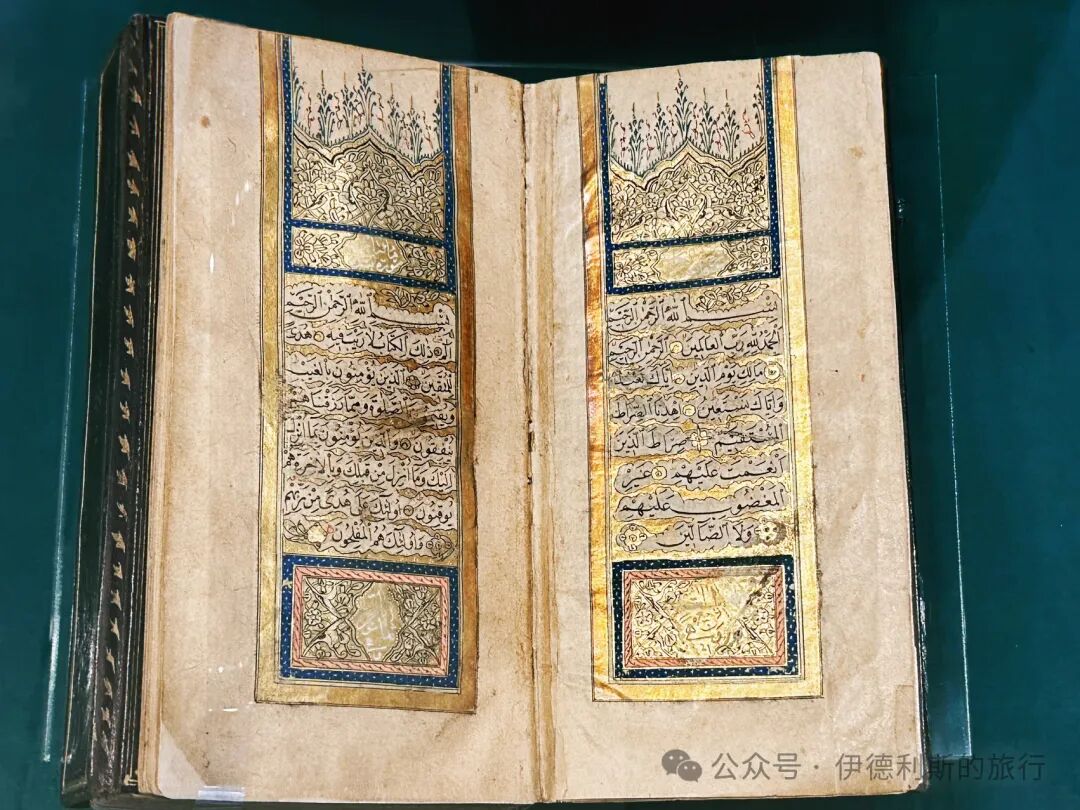
Ottoman Turkey, 1862-1863
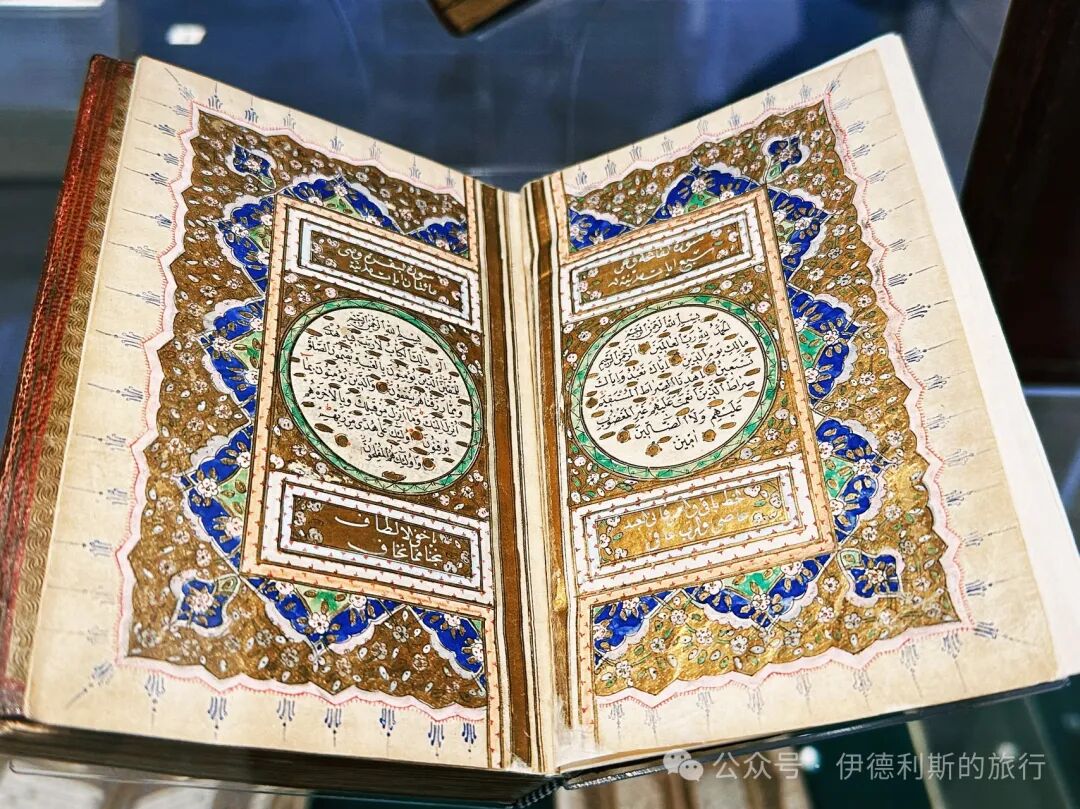
Ottoman Turkey, 1748-1749
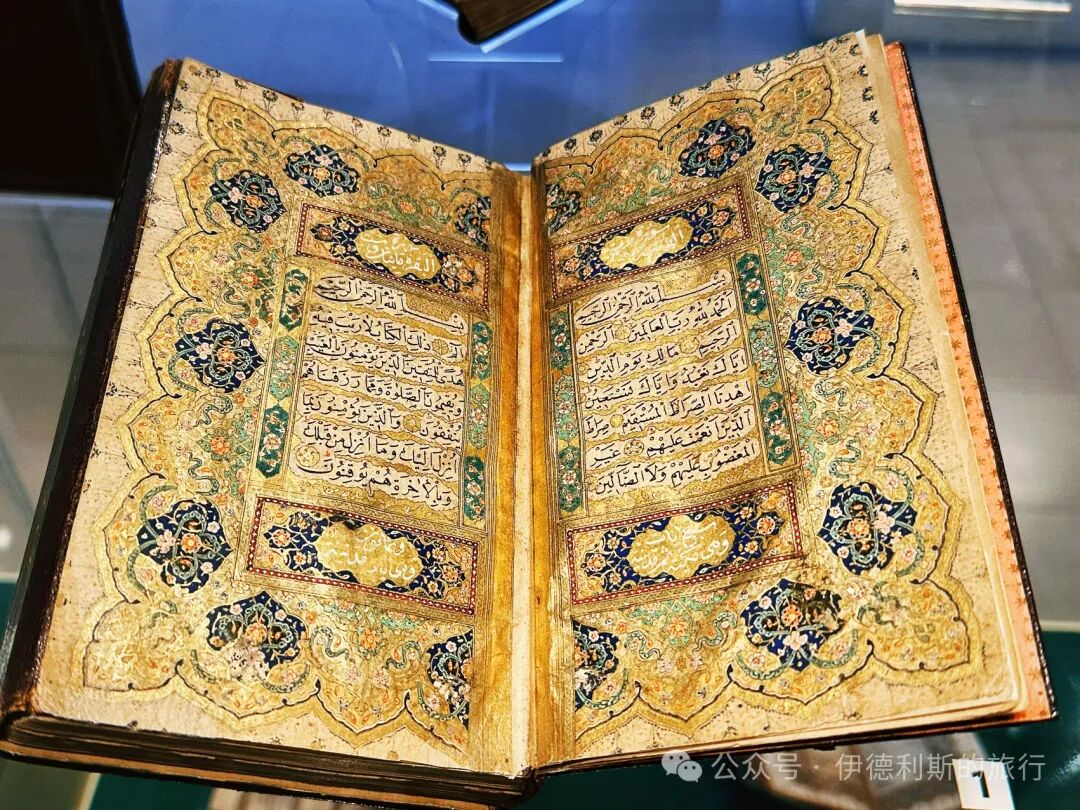
Ottoman Turkey, 1850
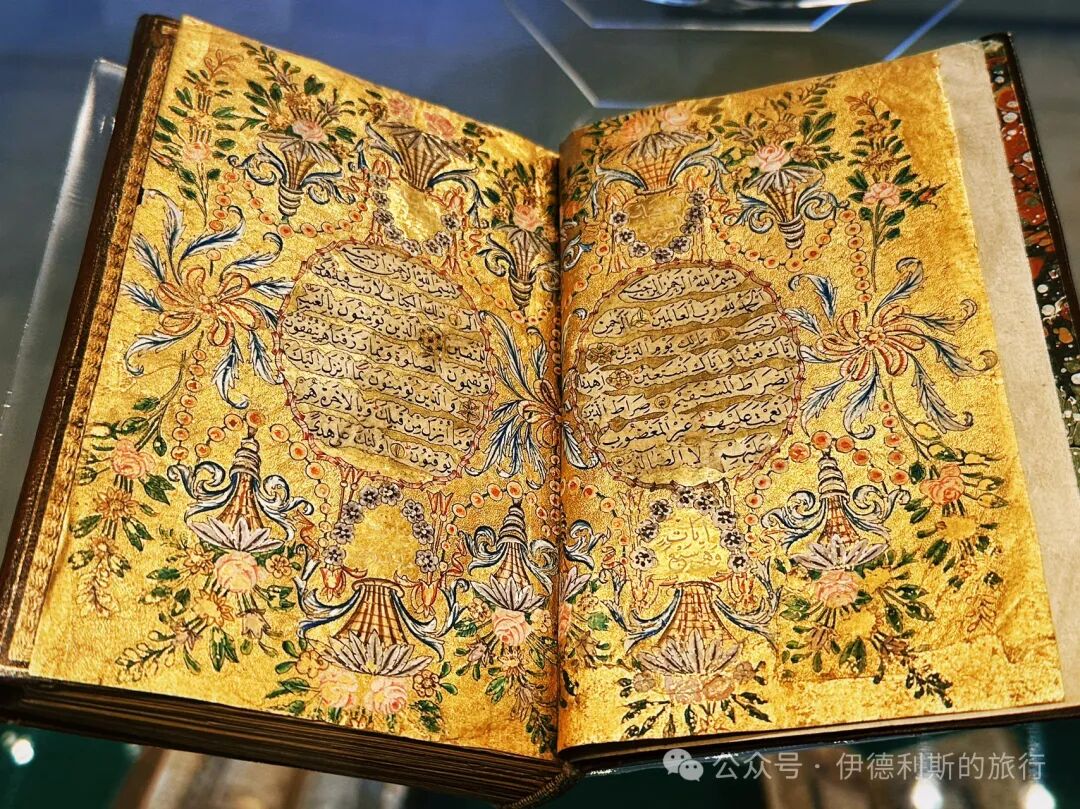
Ottoman Turkey, 1852
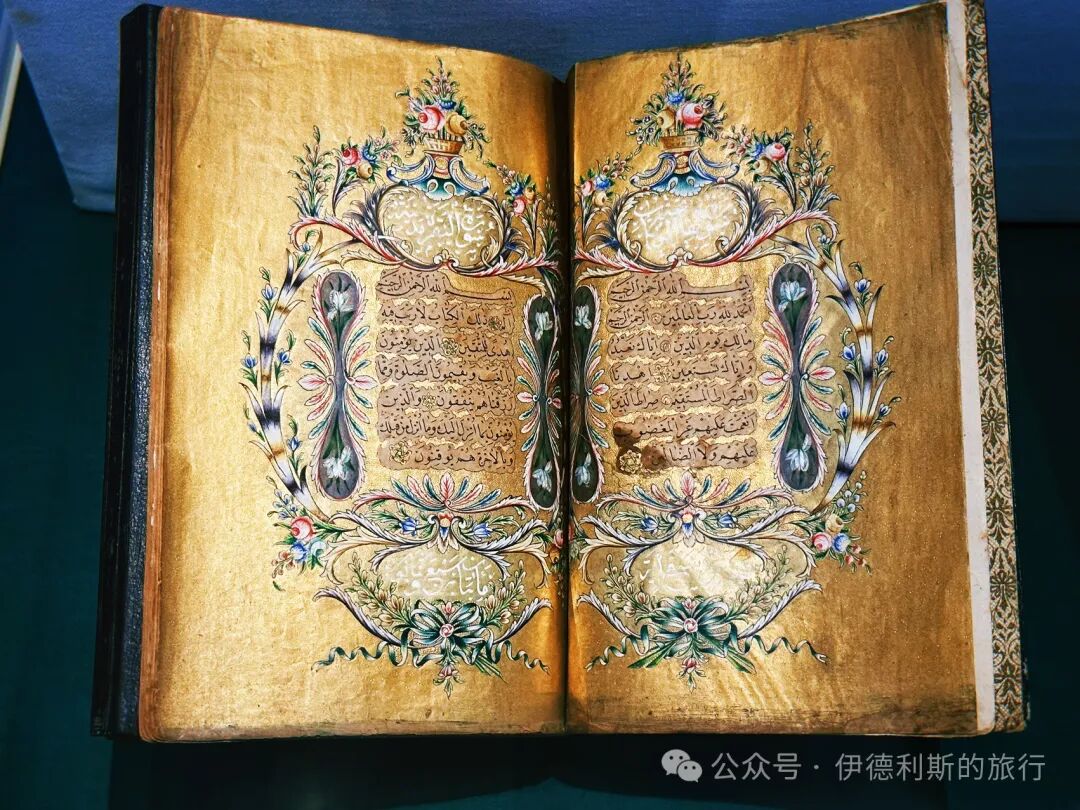
Ottoman Turkey, 1843-1844
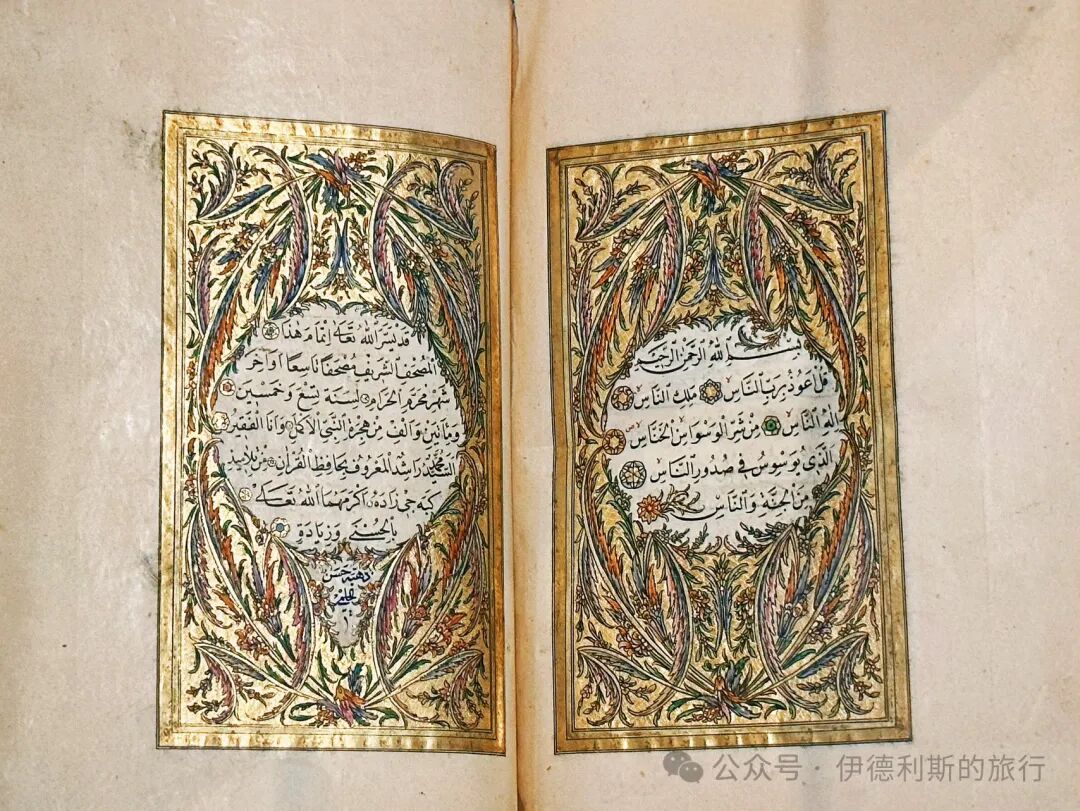
Mamluk Sultanate
Mamluk Sultanate, Egypt or Syria, 14th-15th century
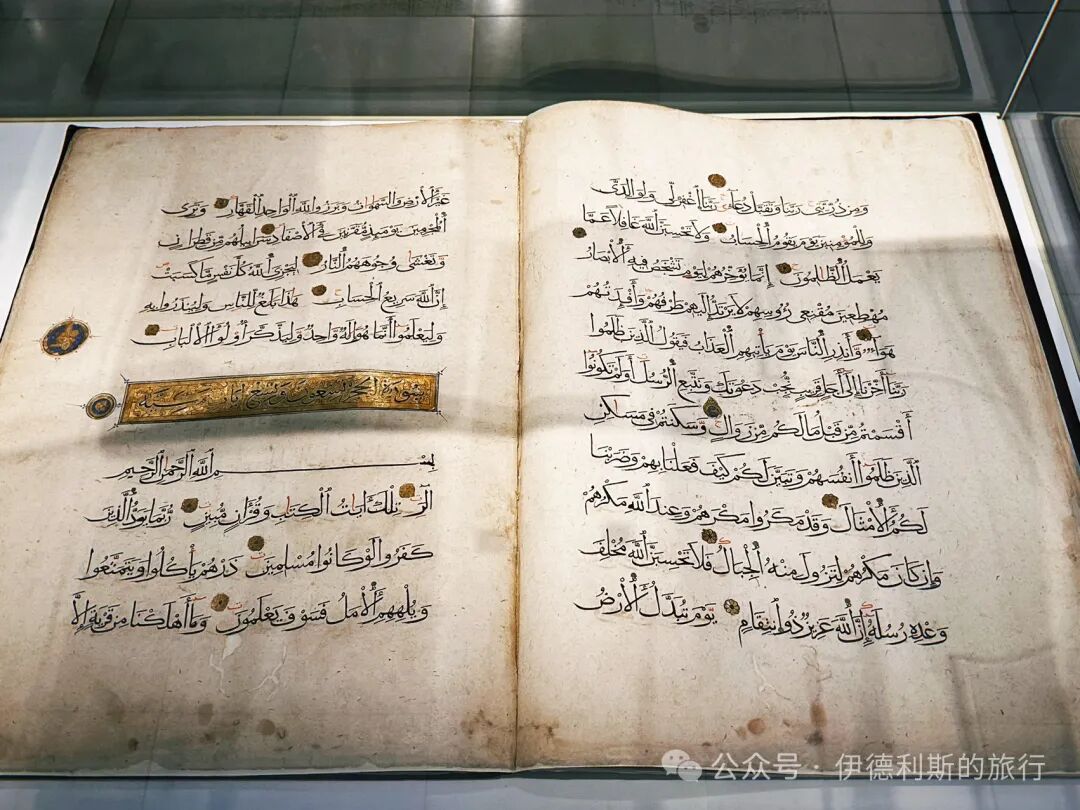
Mamluk Sultanate, Egypt, 14th century
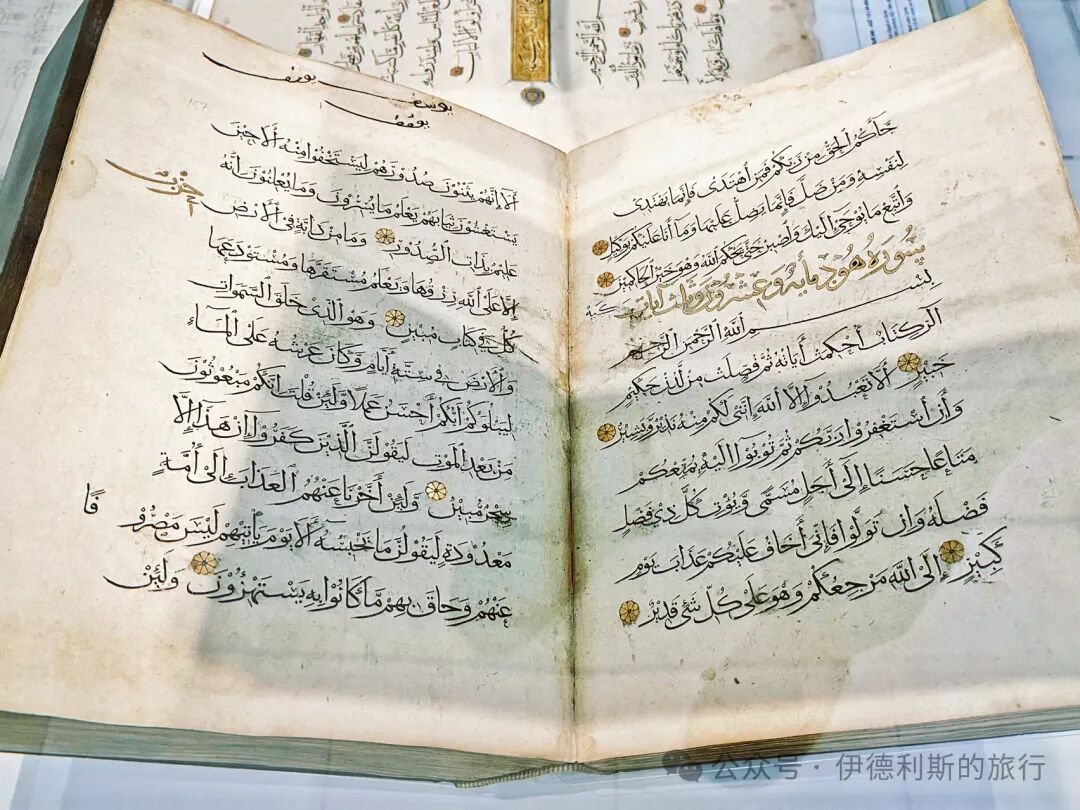
Mamluk Sultanate, Egypt, 15th century
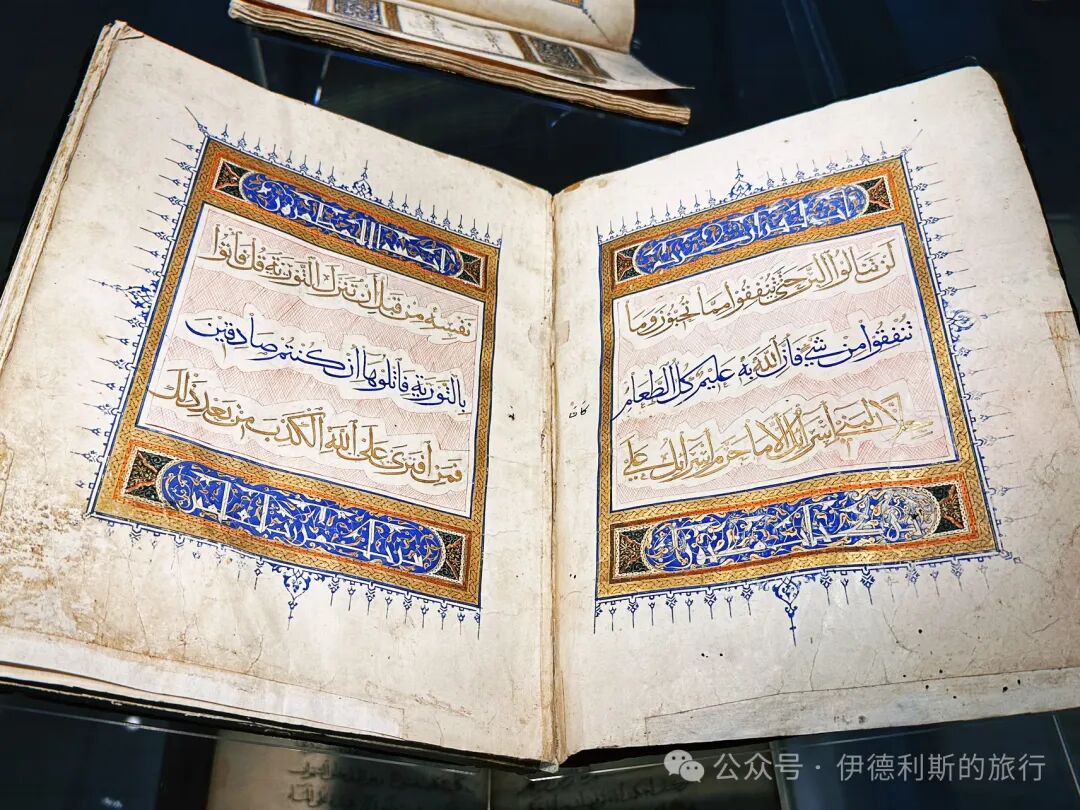
Mamluk Sultanate, Egypt or Syria, 14th century
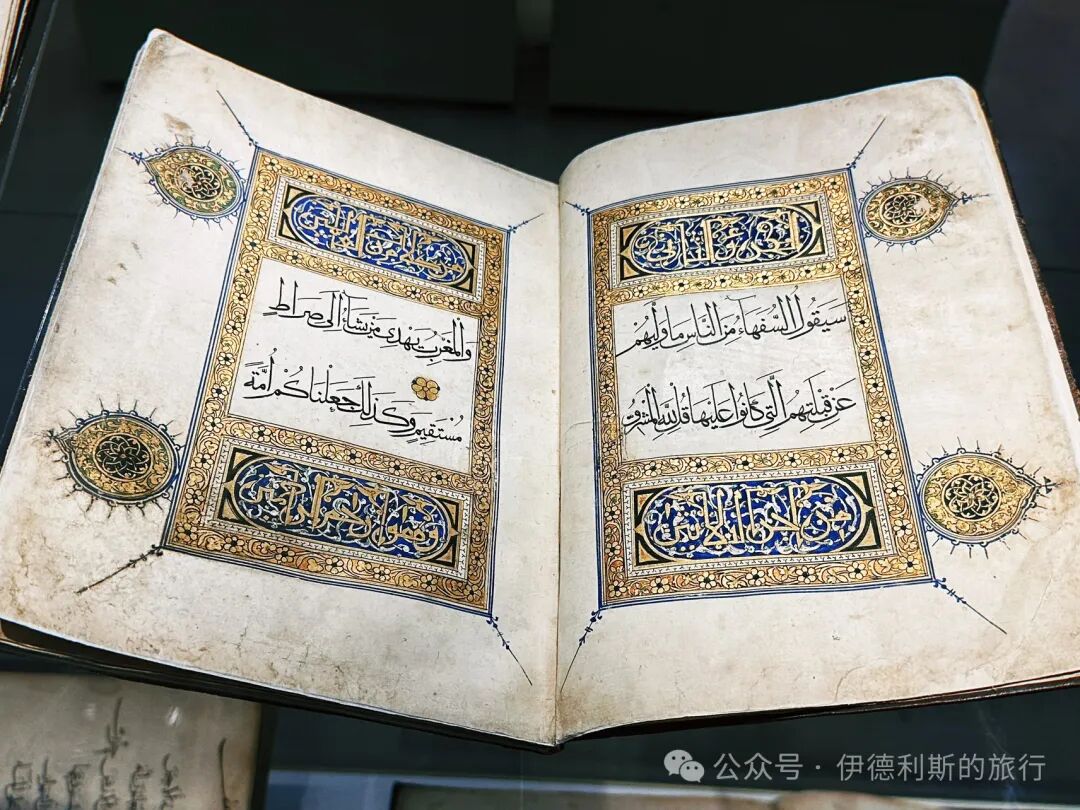
Mamluk Sultanate, Egypt, 14th century
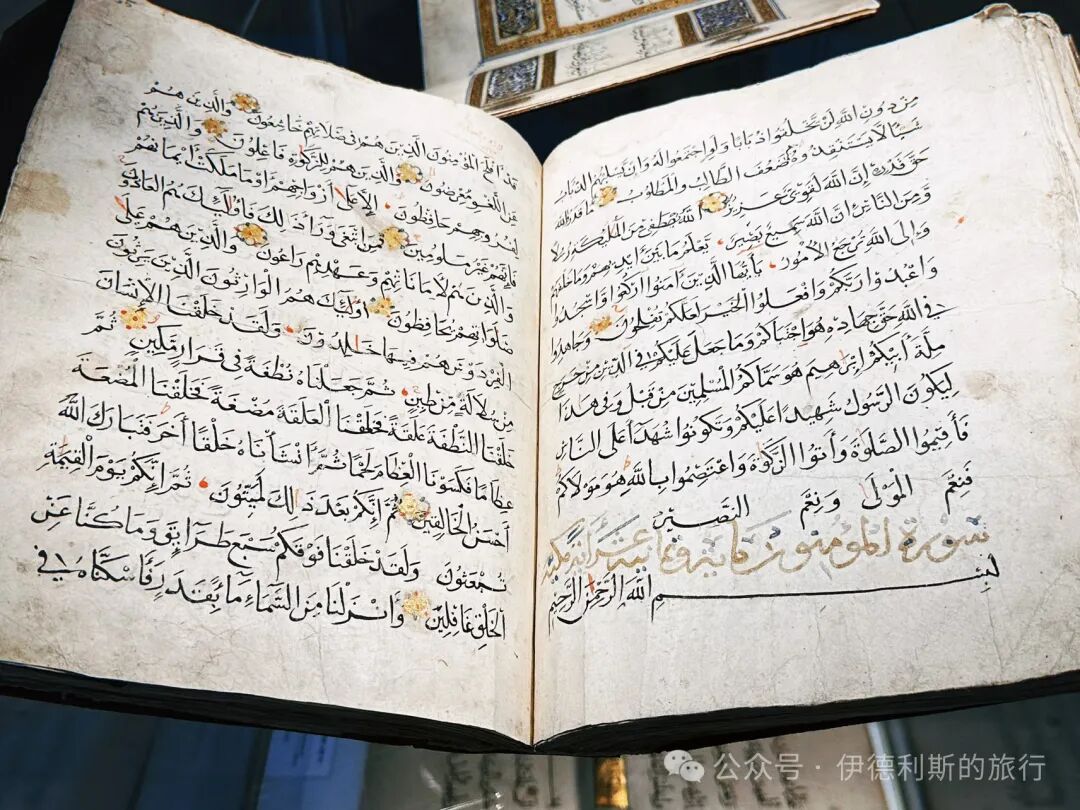
China
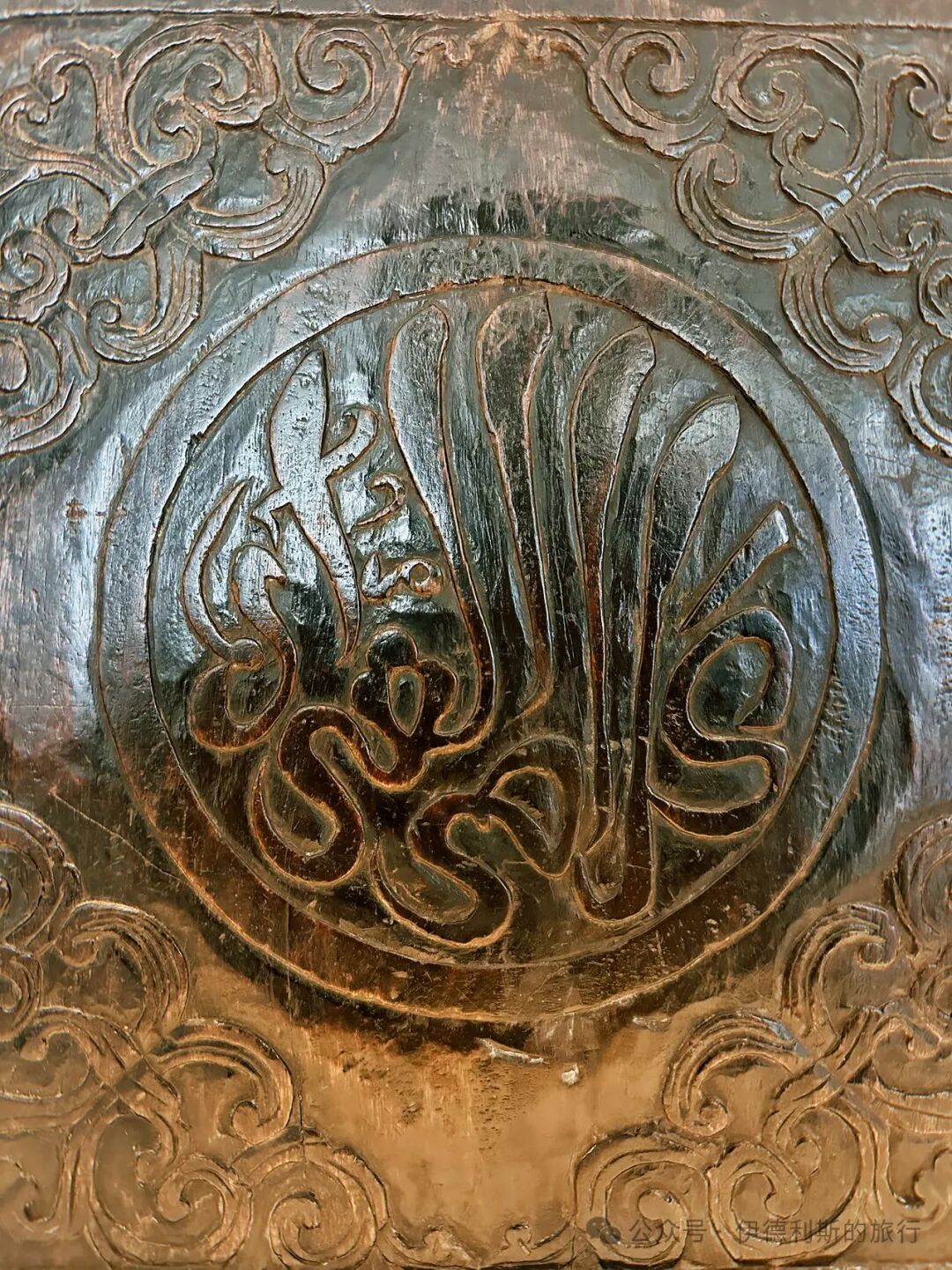
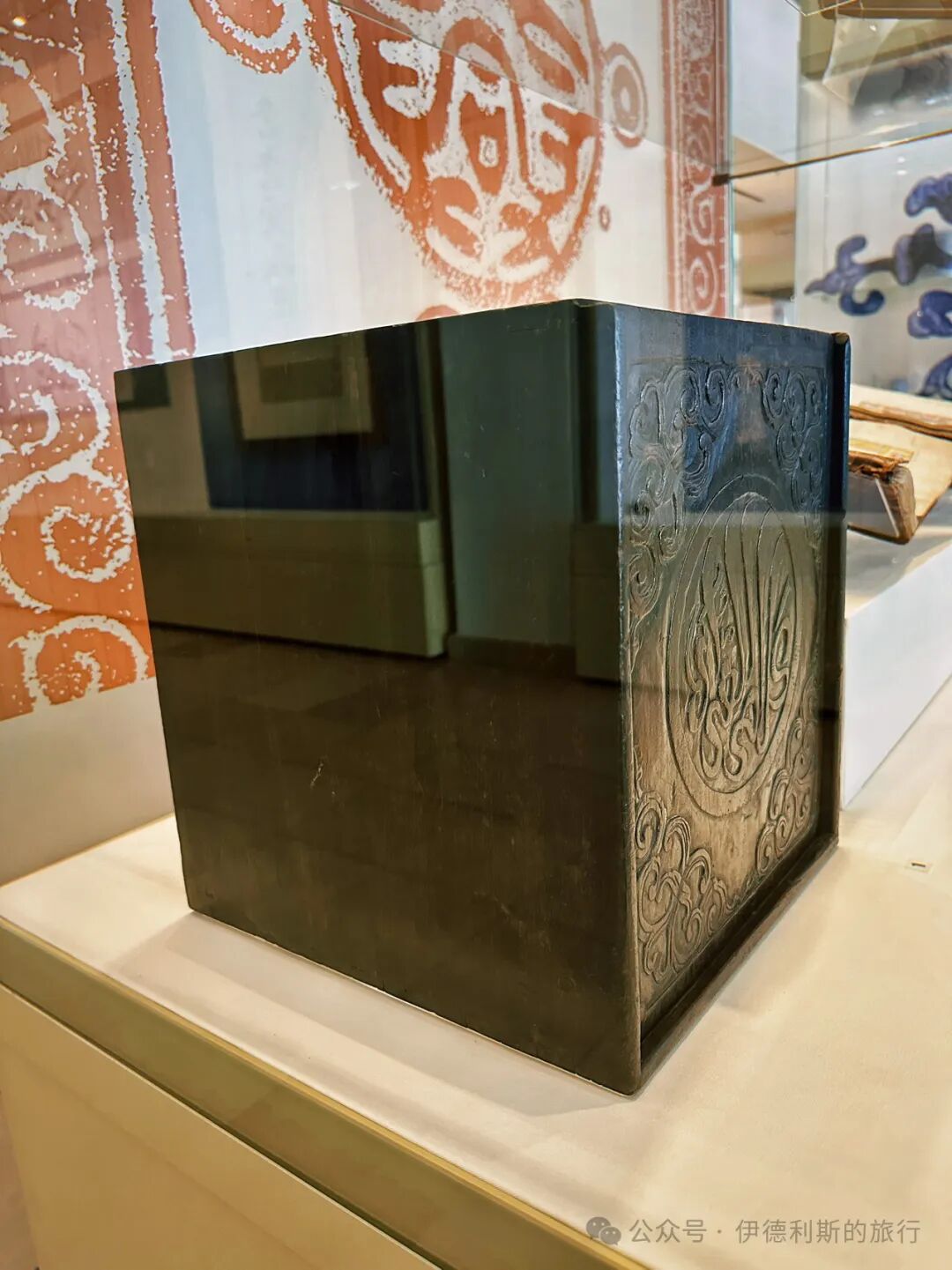
Copied in 1730, with a traditional scripture case
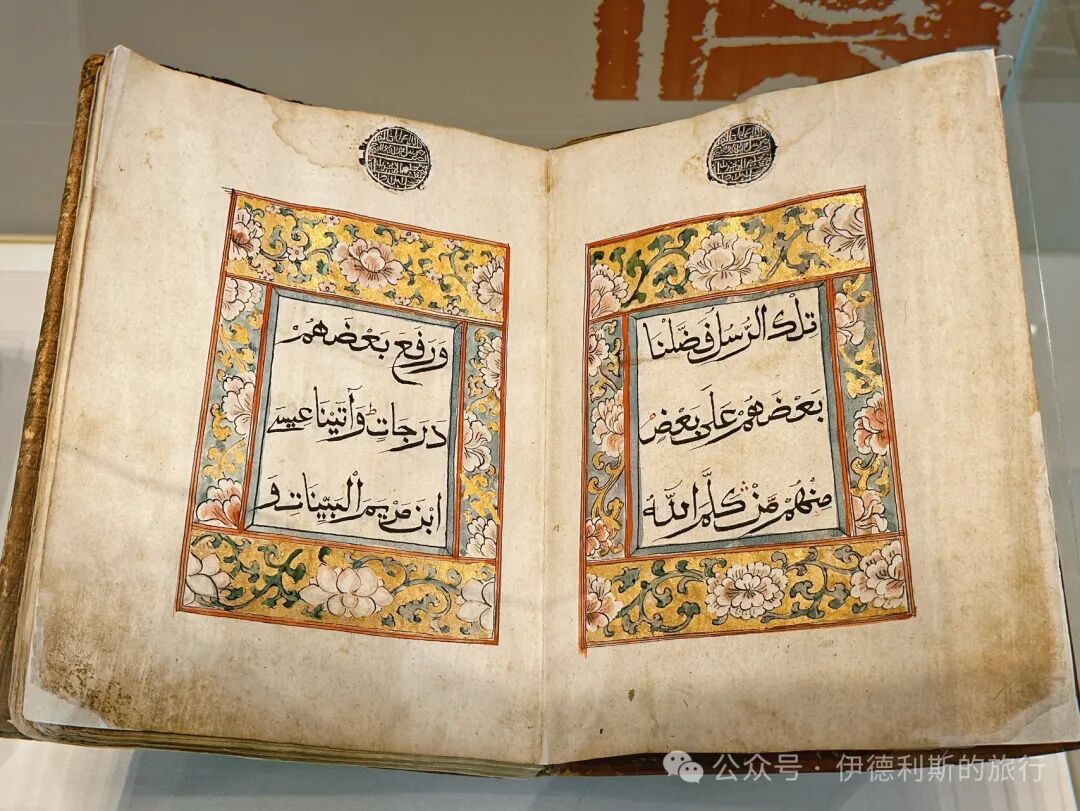
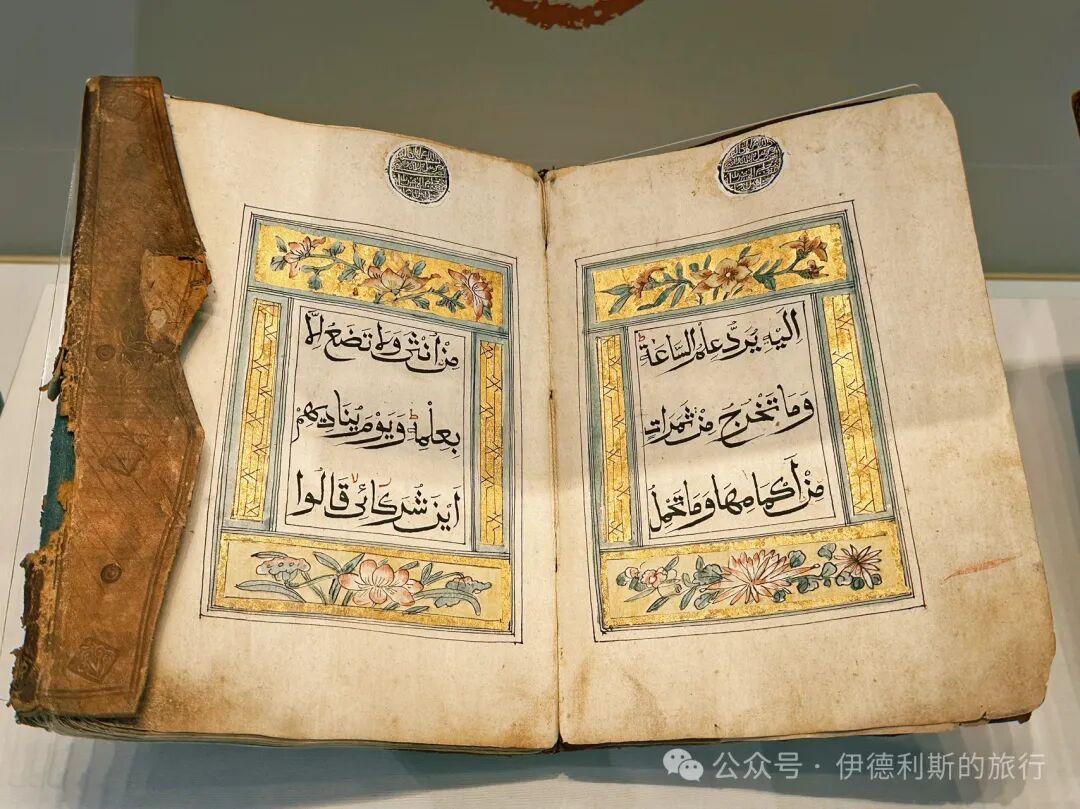
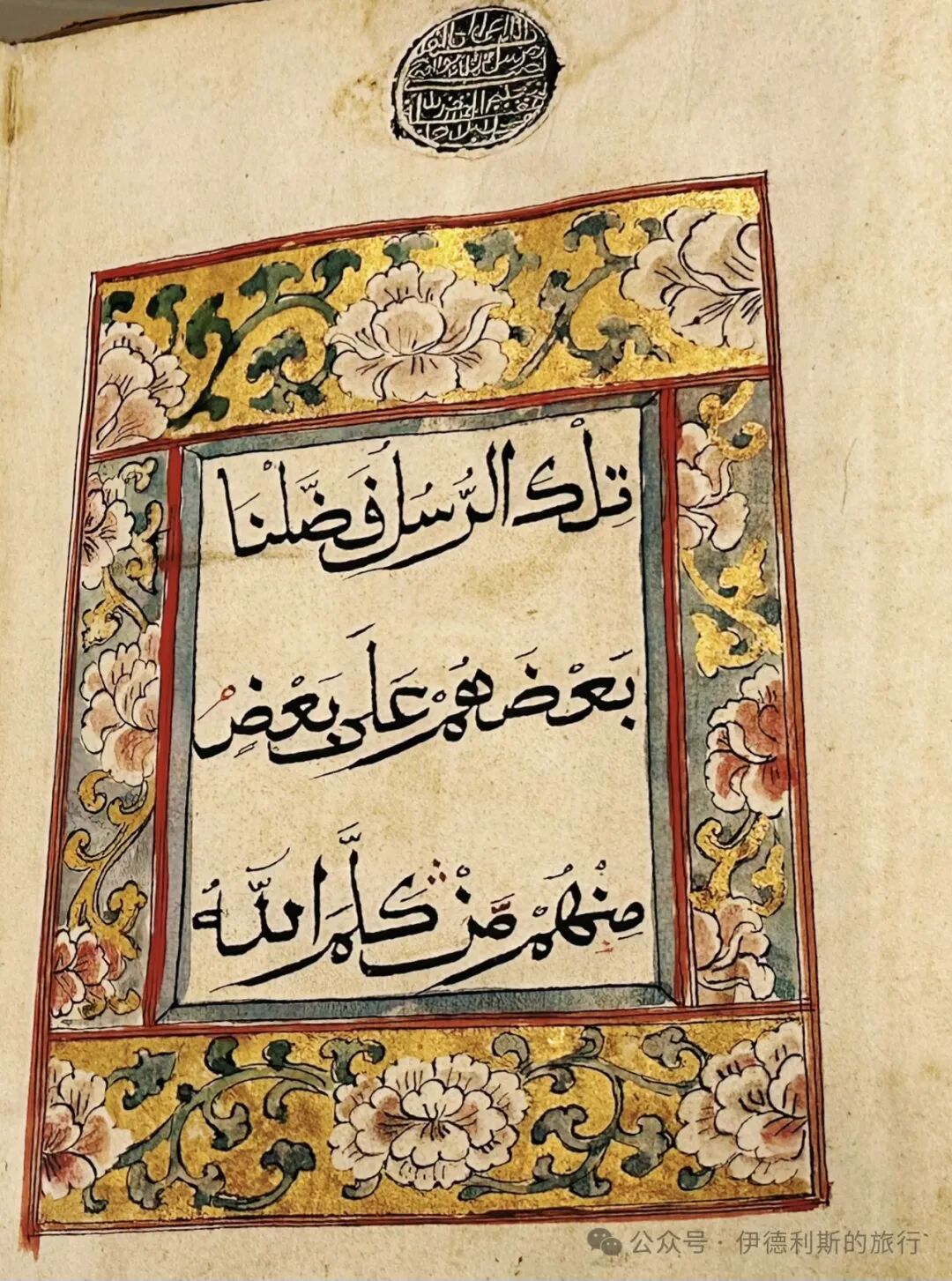
Said to be a hand-copied scripture from the Ming Dynasty
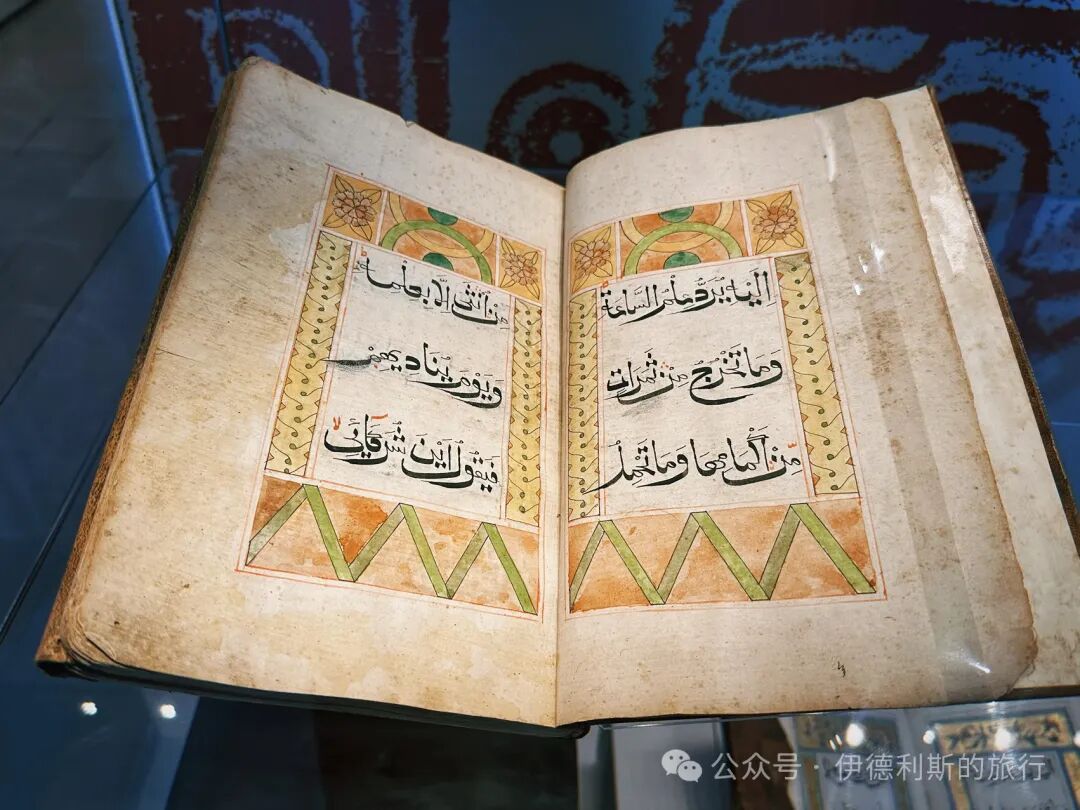
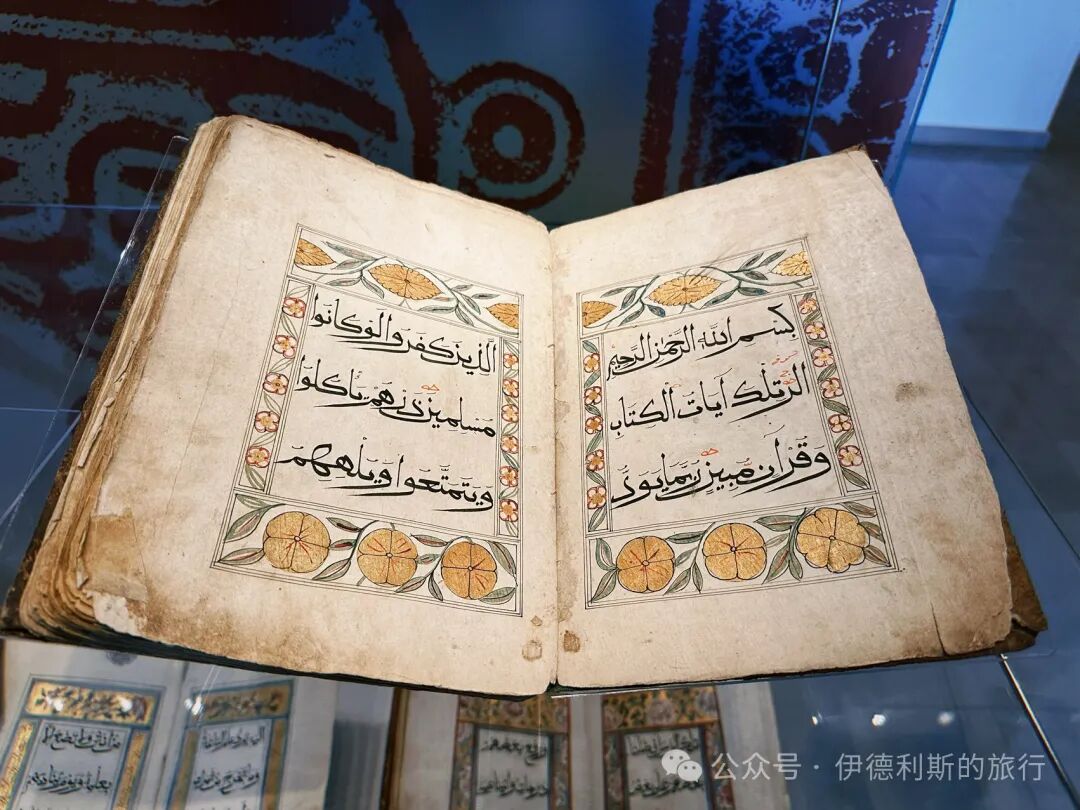
China, 17th century
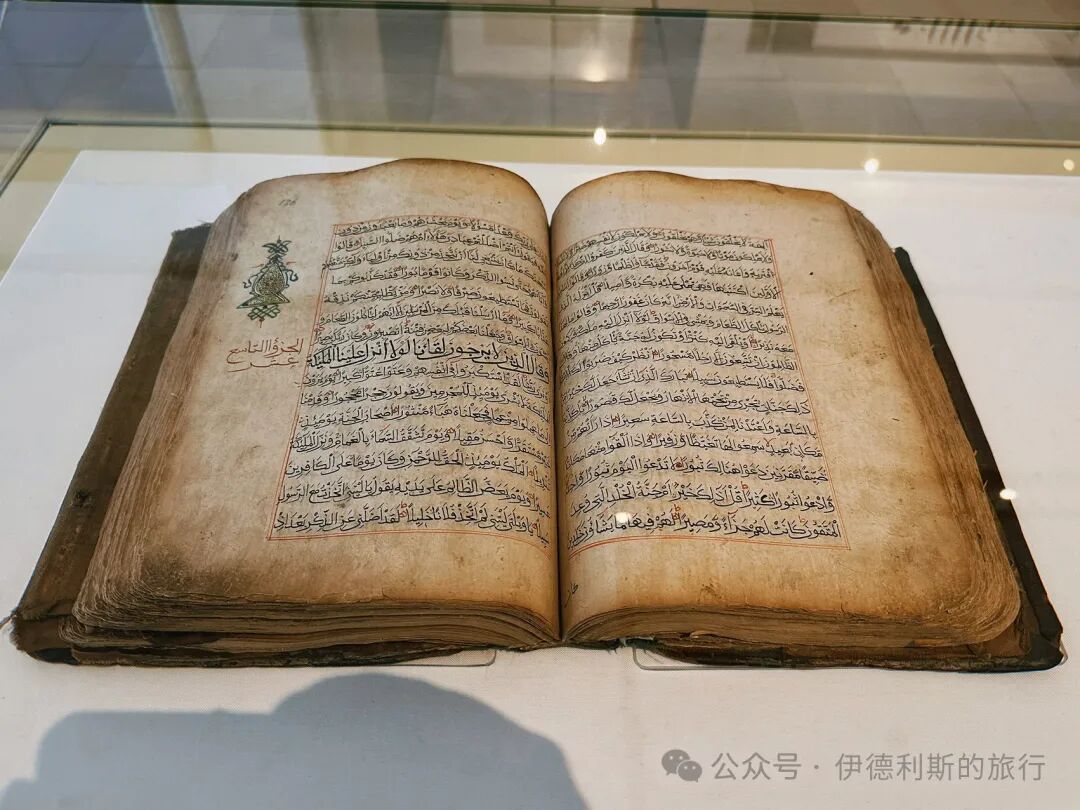
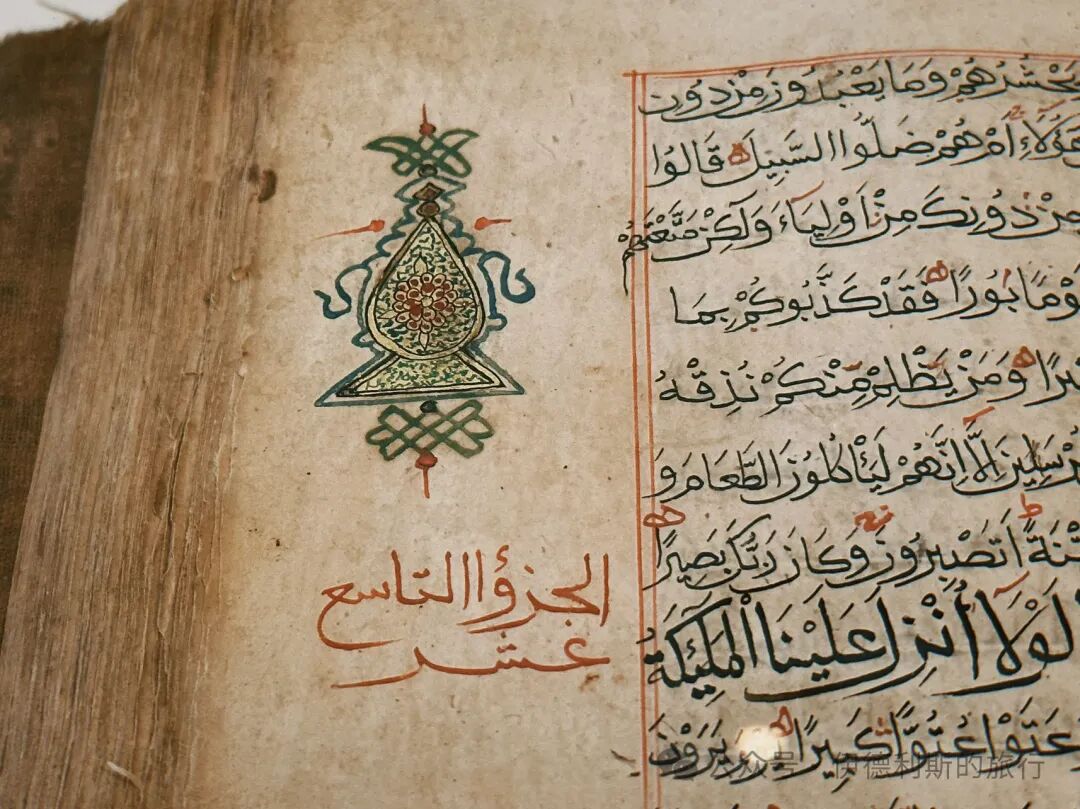
China, 17th century
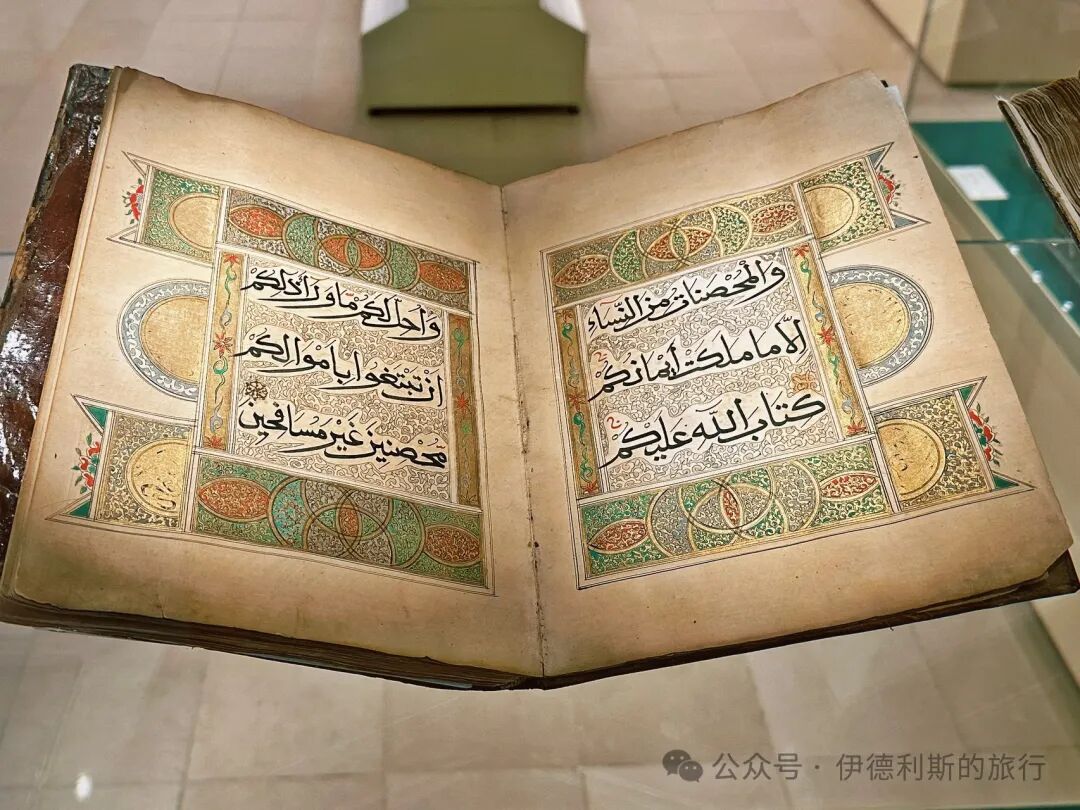
Malay Peninsula, 18th-19th century
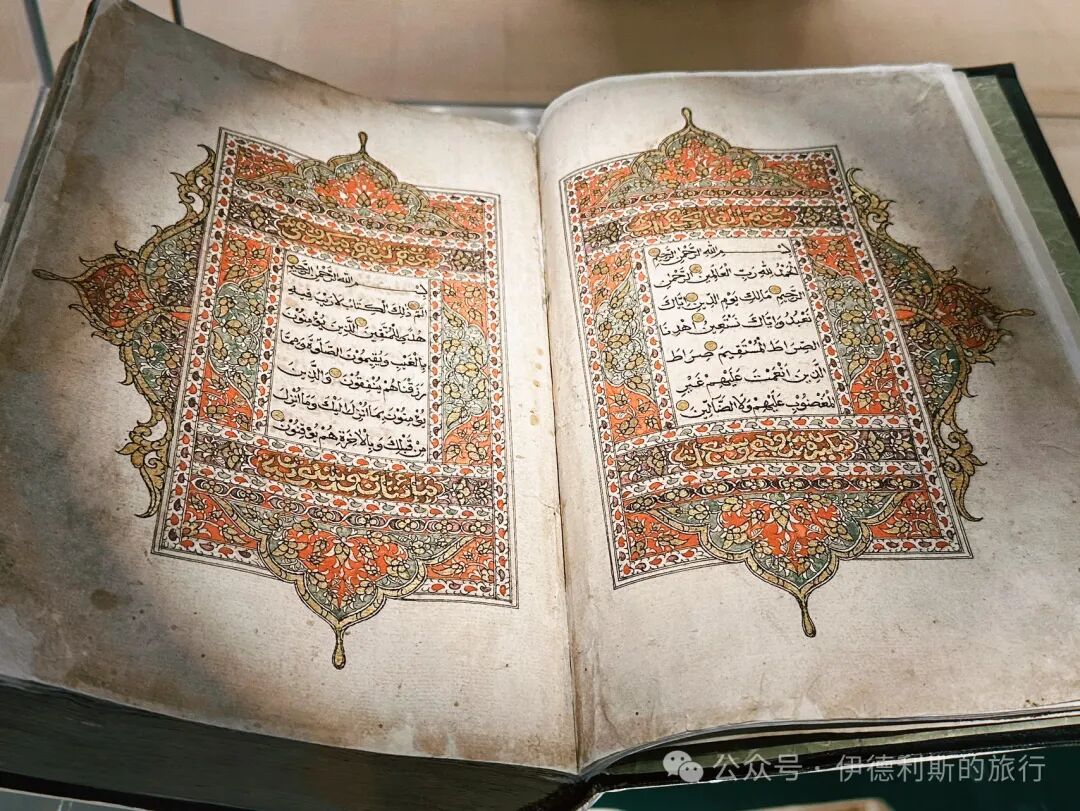
Terengganu, Malaysia, 19th century
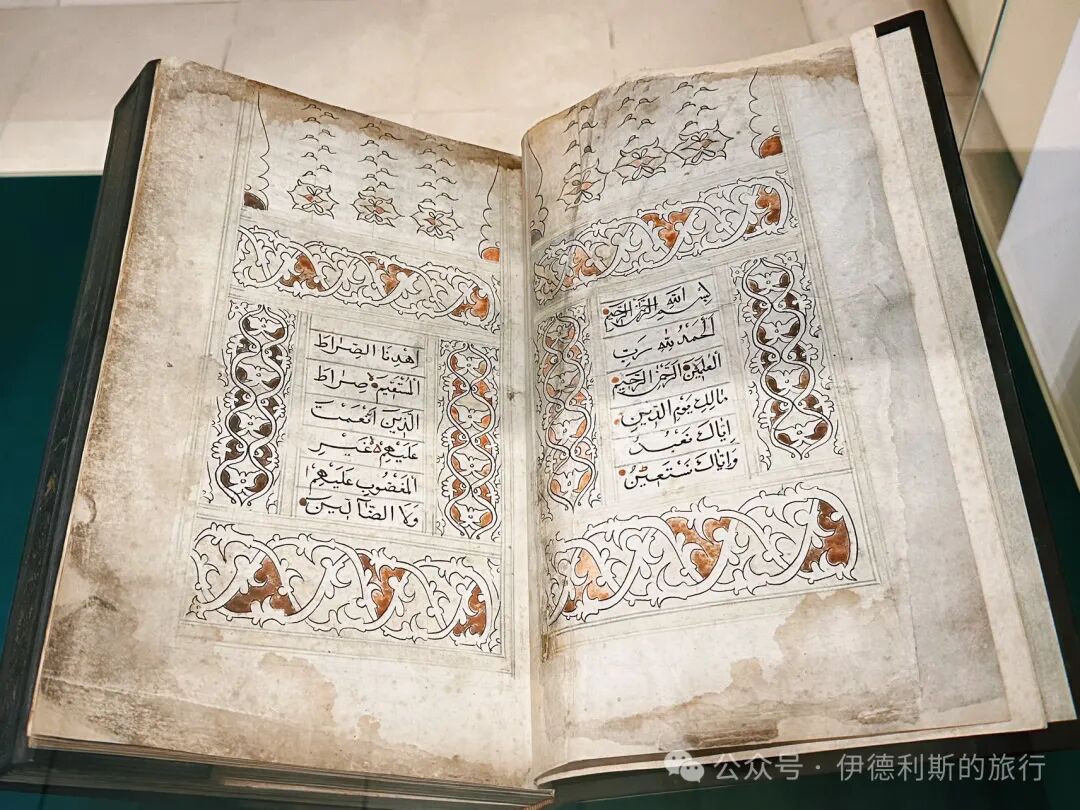
Indonesia
Java, 19th century
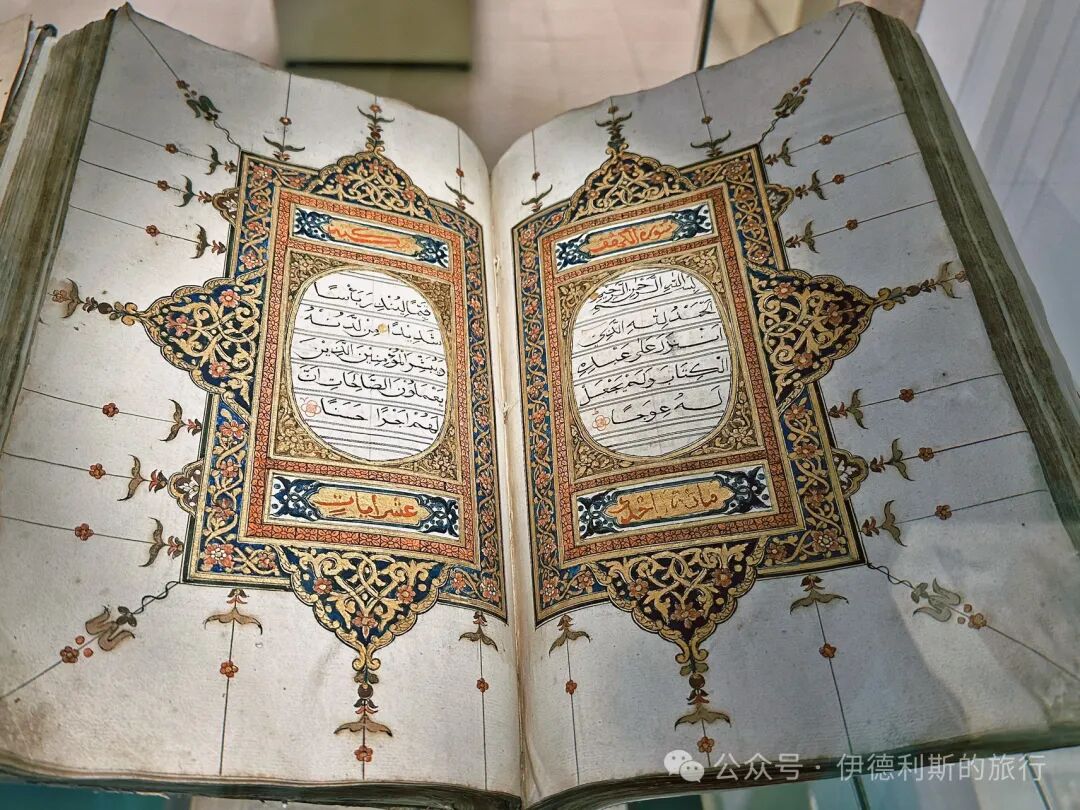
Possibly Indonesia, 1818.
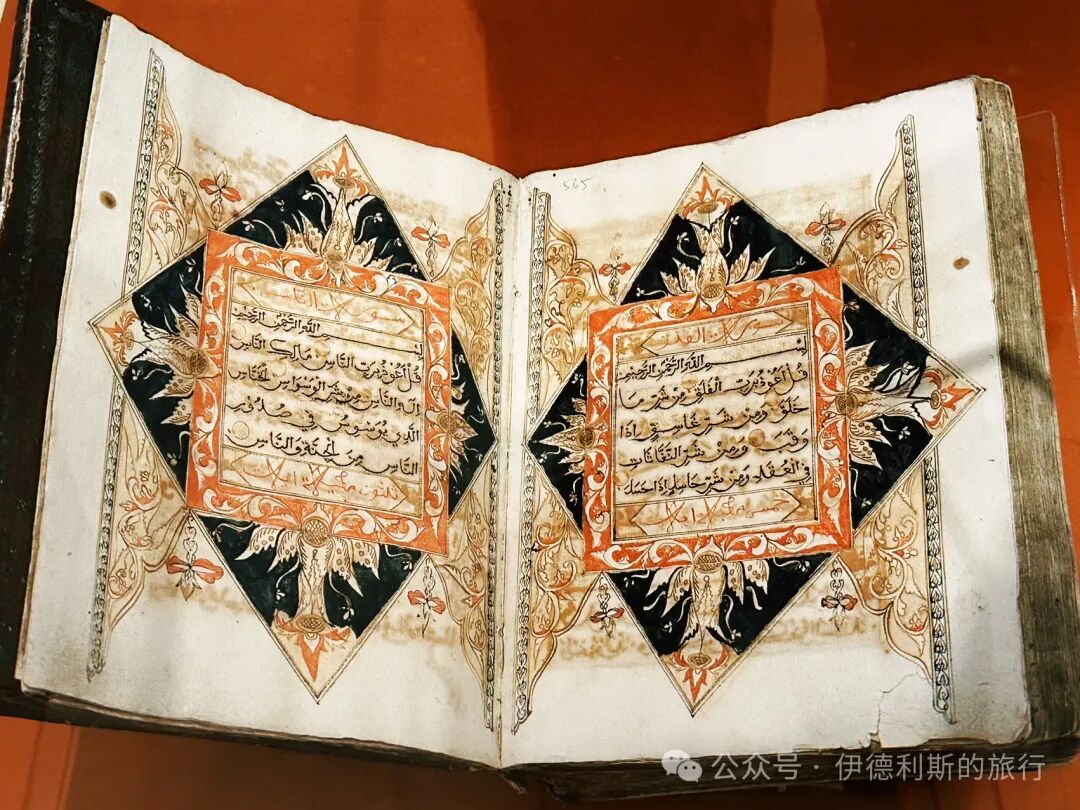
Possibly Indonesia, 1818.
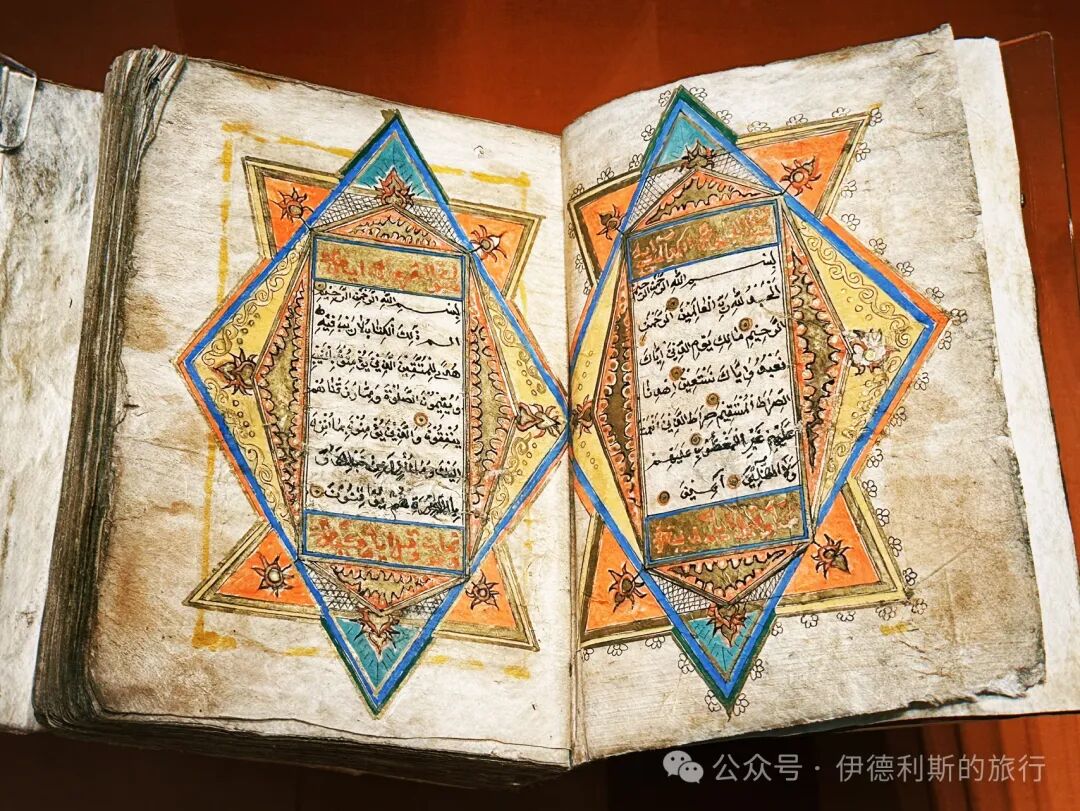
Java Island, 1845.
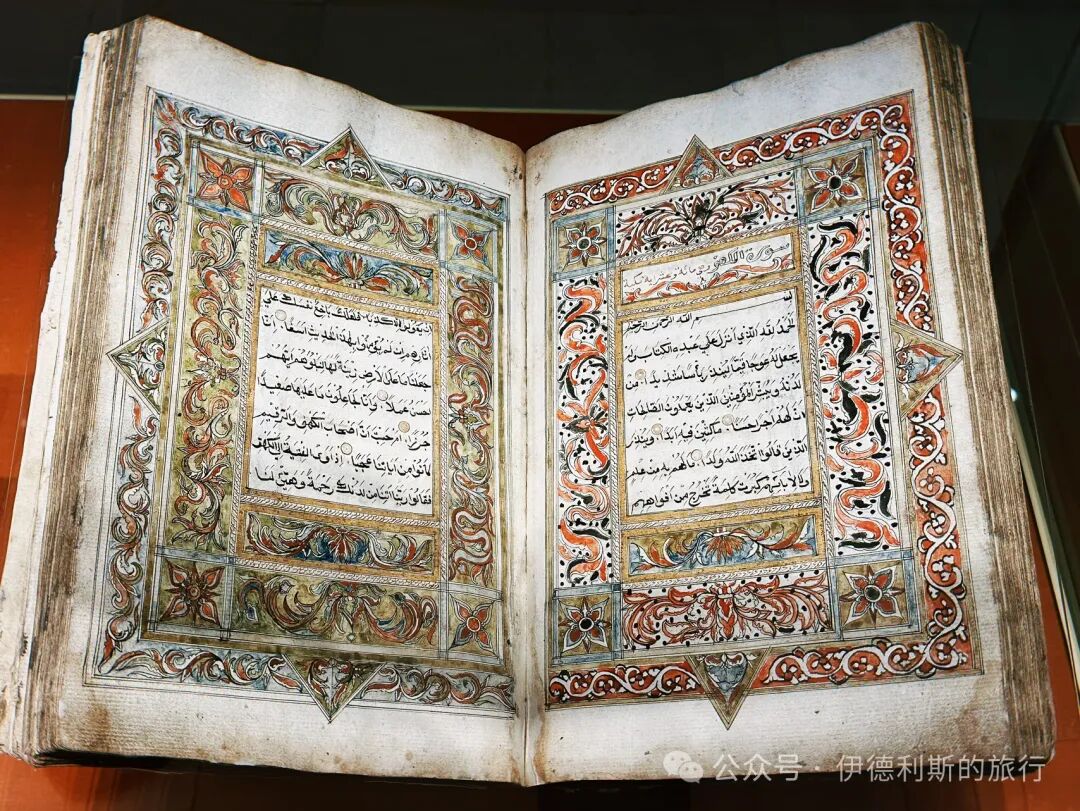
Possibly Cirebon, Java Island, 19th century.
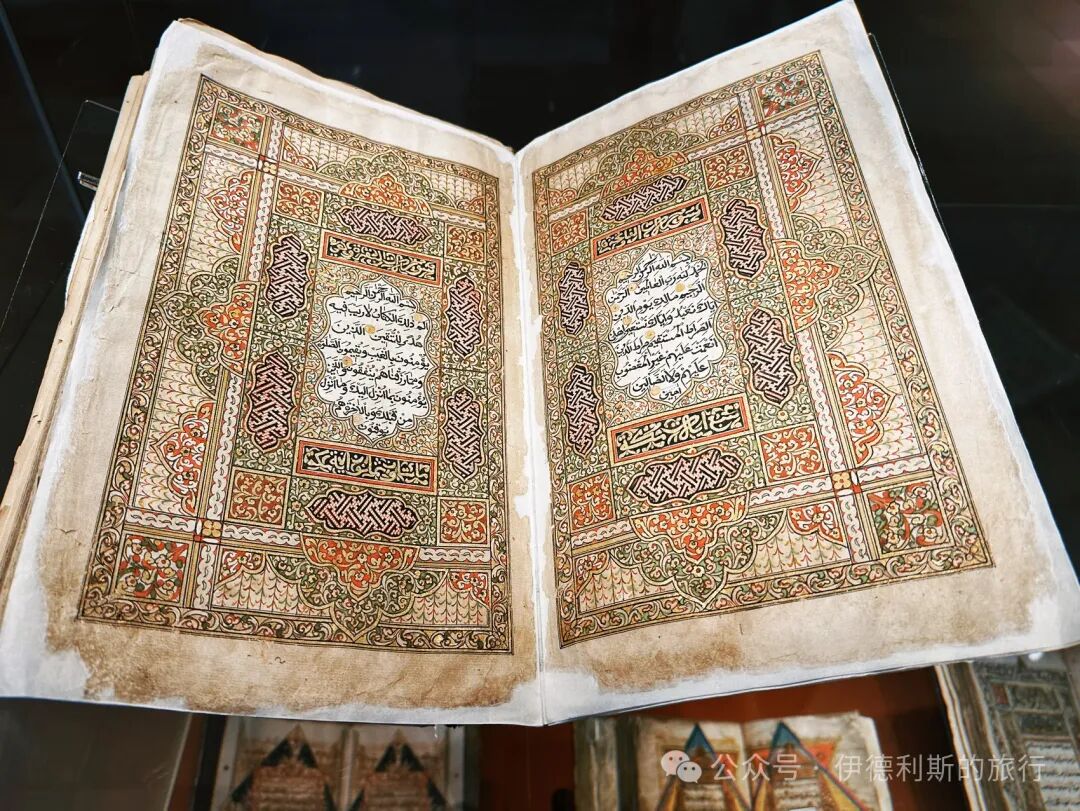
Java, 19th century
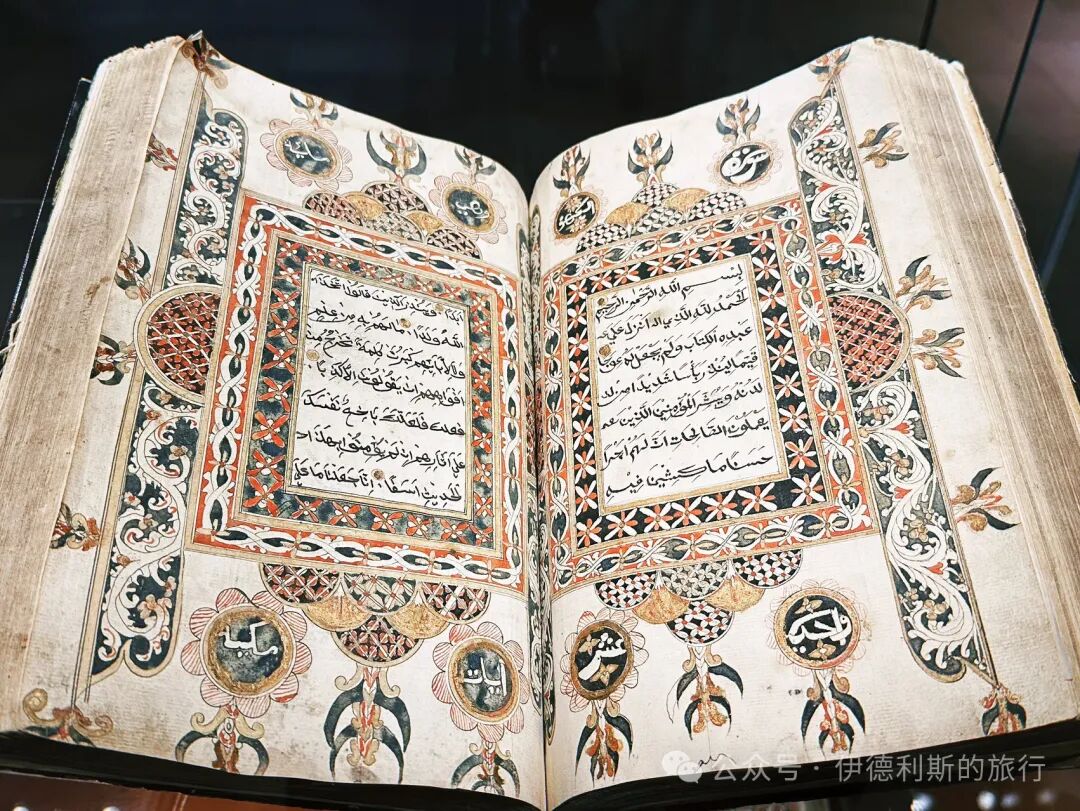
Java, 19th century
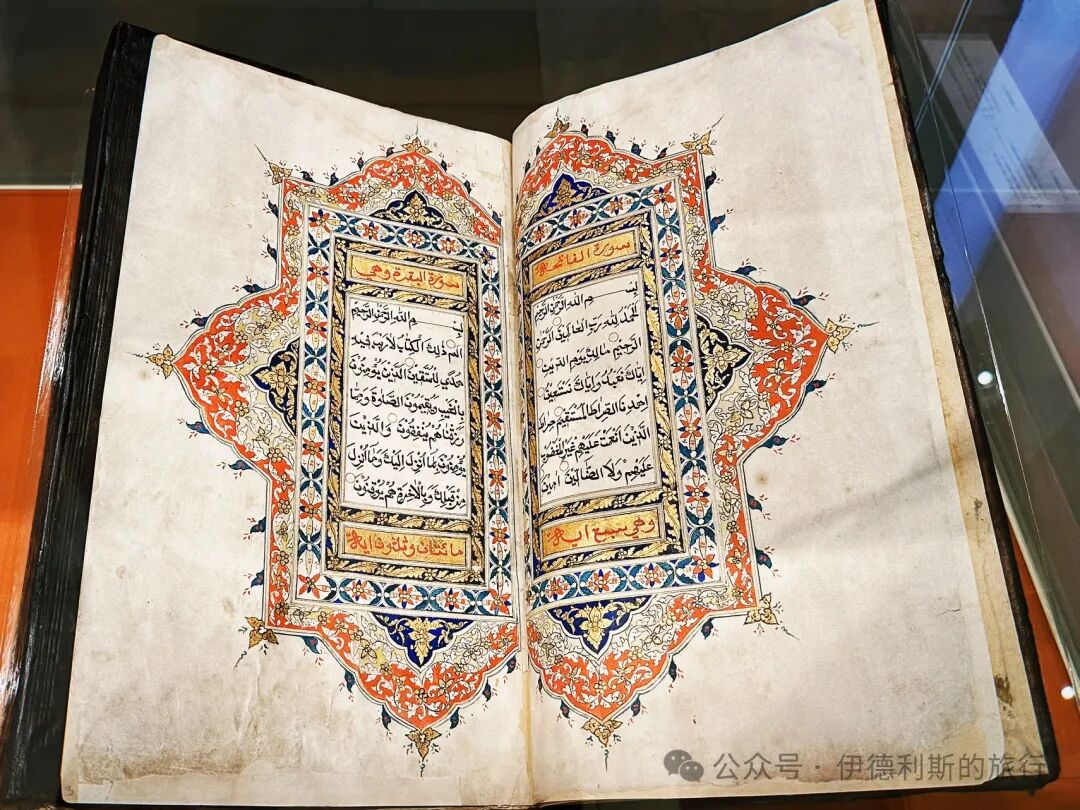
Java, 19th century
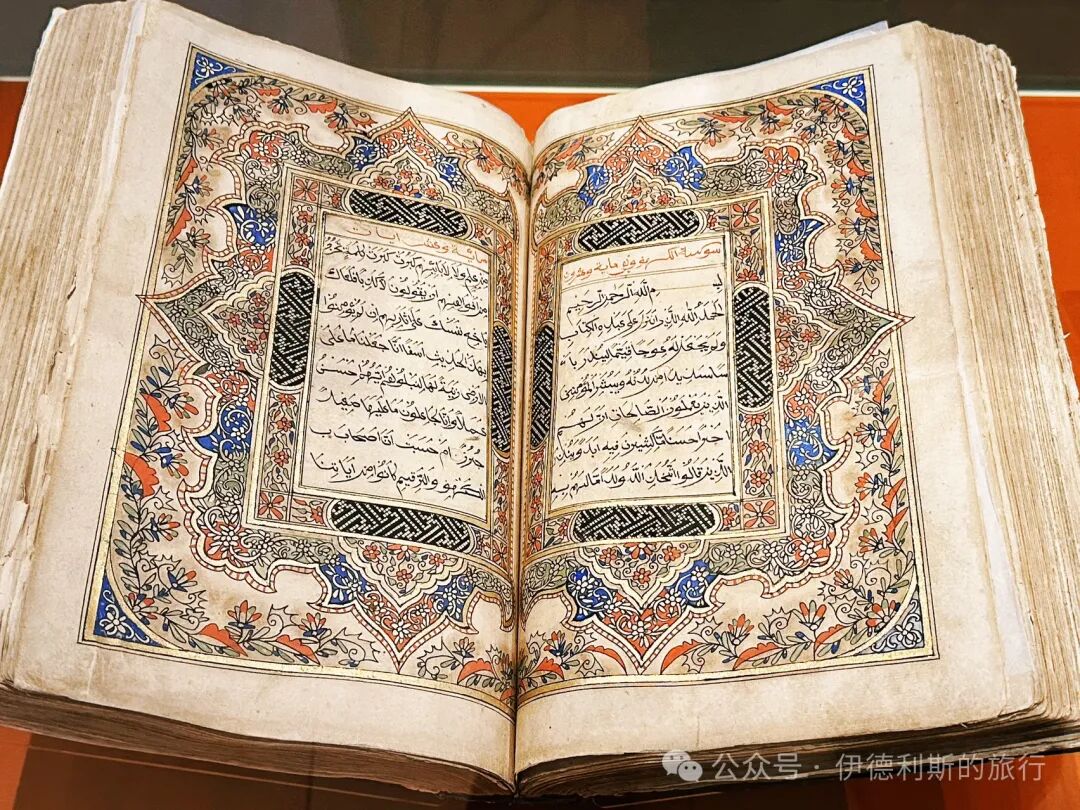
Aceh, Sumatra Island, 19th century.
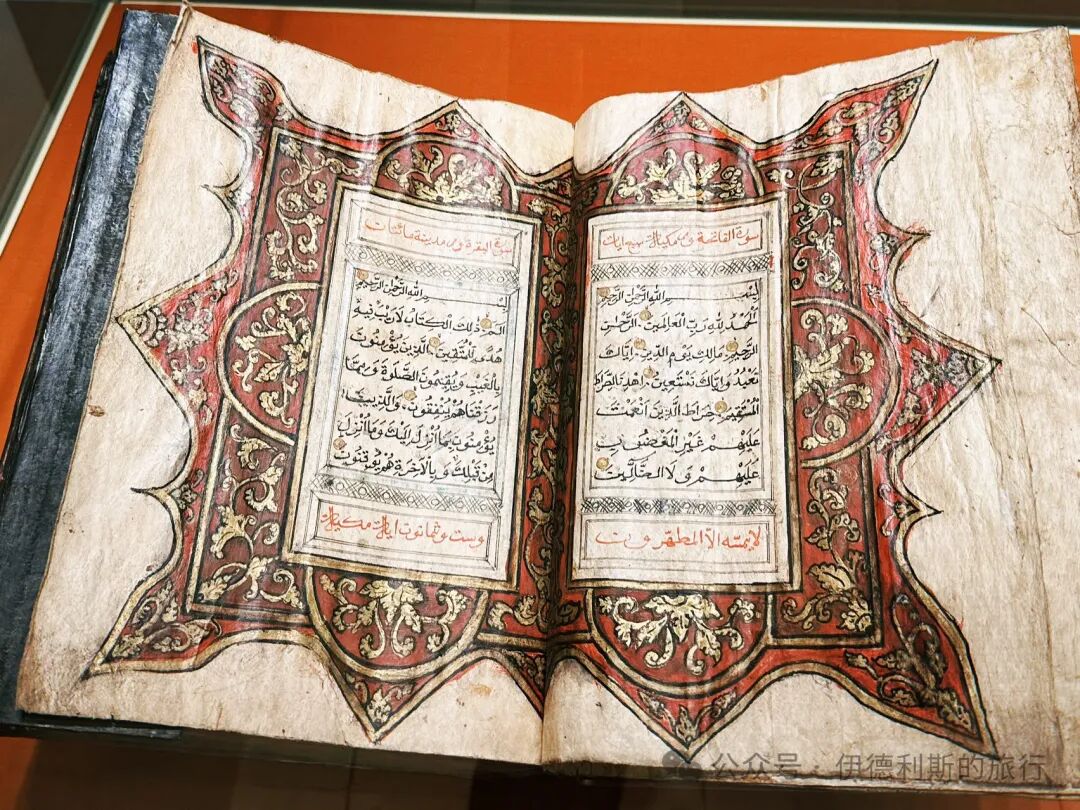
Aceh, Sumatra Island, 18th to 19th century.
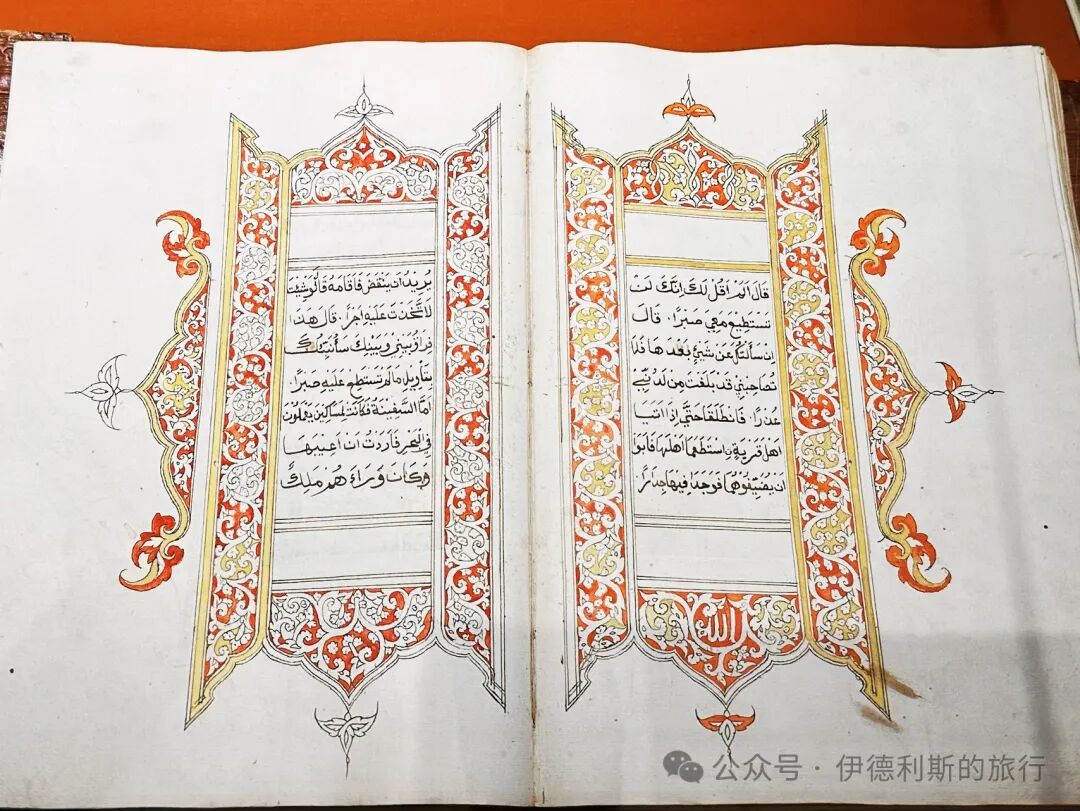
Thailand.
Handwritten scripture from Pattani Province, Thailand, 19th century.
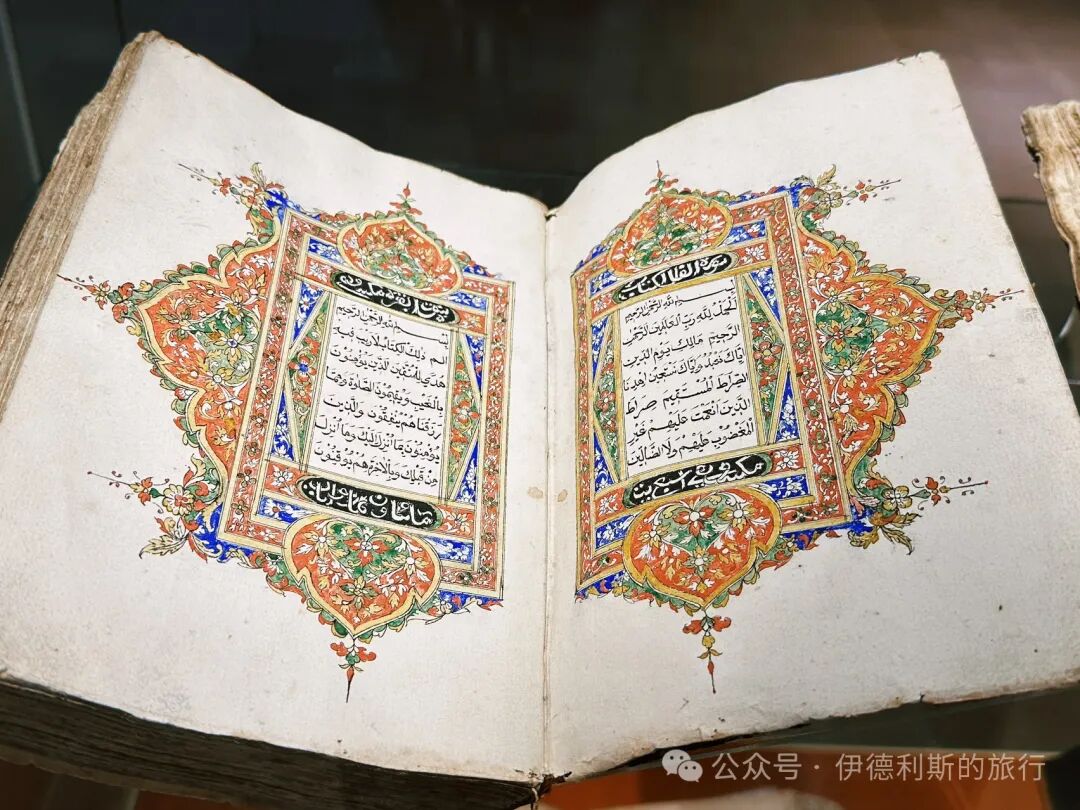
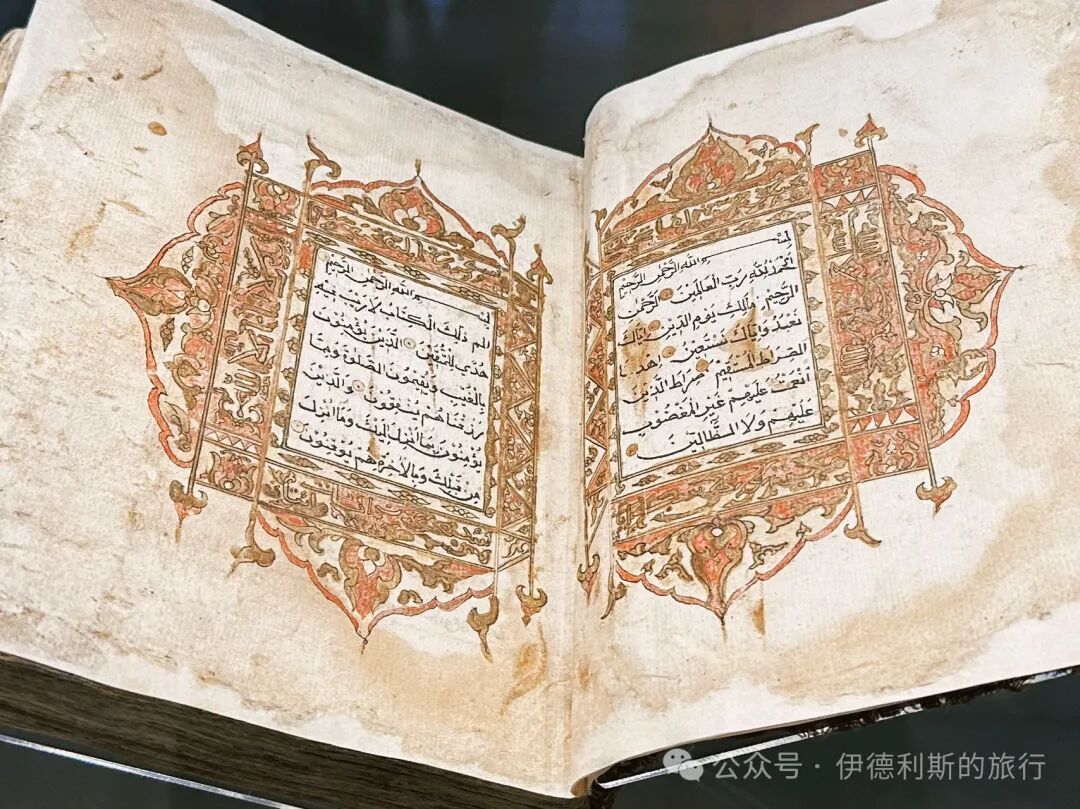
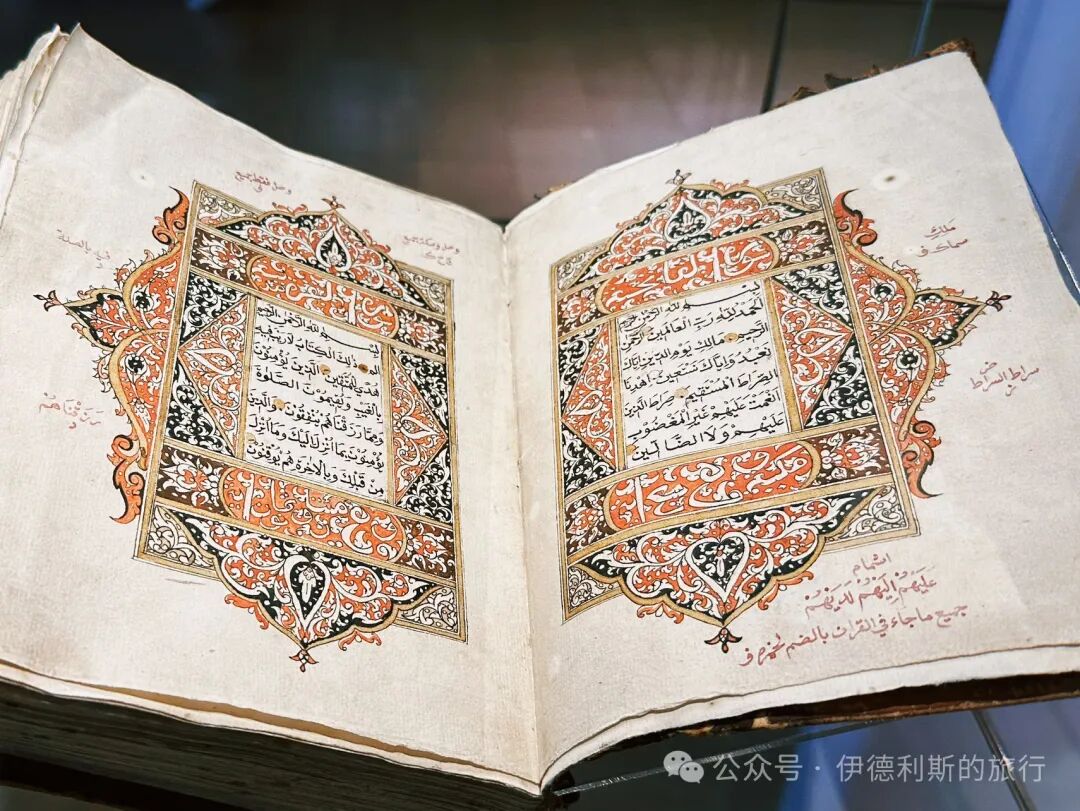
Philippines.
Mindanao Island, Philippines, 1882.
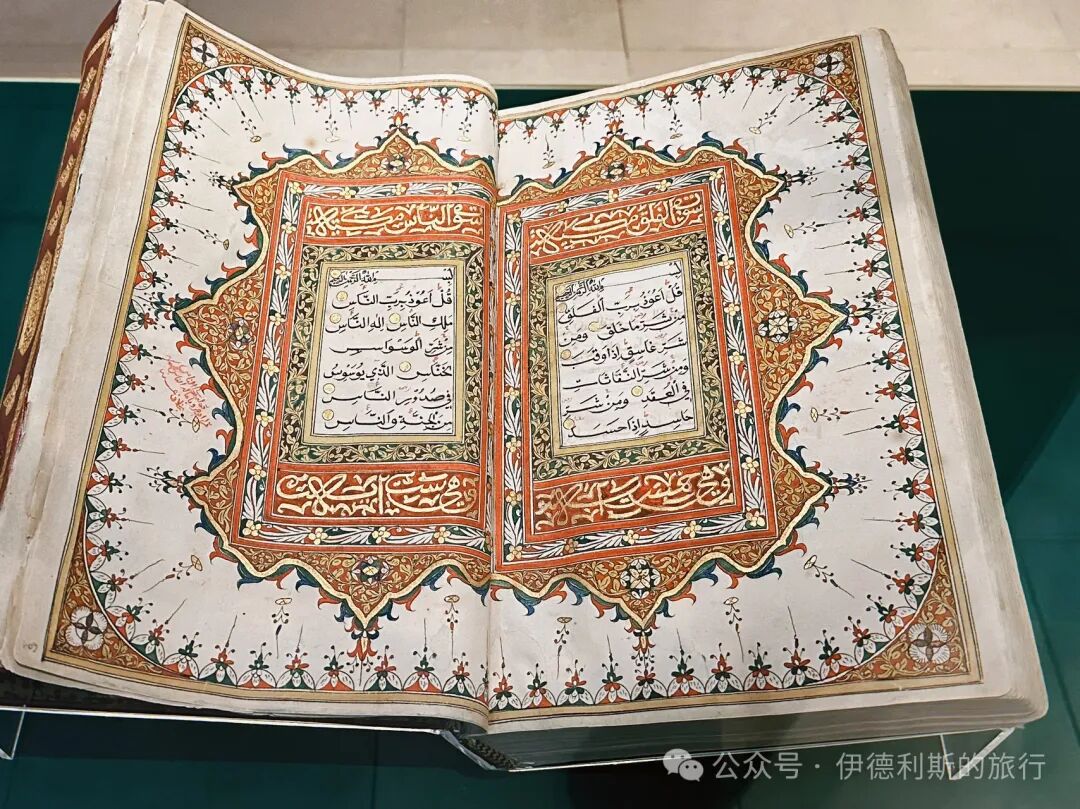
Summary: The Islamic Arts Museum Malaysia holds a large manuscript collection, including 92 handwritten Qurans and related works from different regions and periods. This article preserves the original museum captions, photos, names, and manuscript details in clear English.
The Islamic Arts Museum Malaysia has the best collection of Islamic art in Southeast Asia. I visited Kuala Lumpur again at the end of 2024 to take another look at the handwritten manuscripts from different regions and eras.
This museum likely holds the largest collection of handwritten Quran manuscripts in Southeast Asia. The collection spans a thousand years, from the 8th to the 19th century. It covers regions from Andalusia, North Africa, Turkey, and Persia to China and the Malay Archipelago. You can see parchment from over a thousand years ago, as well as rare manuscripts from Southern Thailand and Mindanao. It is definitely worth a visit. I am sharing 38 early manuscript pages and 92 handwritten books that were on display at the museum in 2024.
Early parchment in Kufic script
Fatimid Caliphate, Egypt, 10th century
The Two Holy Cities, 8th century
North Africa, 9th century
North Africa, 8th century
North Africa, 8th century
North Africa, 8th century
Near East or North Africa, 850-950 AD
Damascus or Jerusalem, mid-8th century
North Africa or Near East, 10th century
Andalusia or North Africa, 13th-14th century
North Africa, 9th-10th century
Andalusia, 10th century
Andalusia, early 13th century
Andalusia or North Africa, 12th century
While North Africa still commonly used parchment for manuscripts, the Andalusia region began using paper widely after the 12th century. In 1151, the first paper mill in Andalusia was established in Xativa (in present-day southeastern Spain). The handwritten manuscripts on pink paper that exist today are said to use paper produced by this mill. These manuscripts may have been commissioned by royalty or nobles in Granada or Valencia. They feature large chapter headings and gold rose markings.
Andalusia or North Africa, 12th century
Andalusia, 13th century
Andalusia, 13th century
Seville or Xativa, Al-Andalus, 13th century
Andalusia or North Africa, 12th century
North Africa, 9th-10th century
Al-Andalus or North Africa, 12th-13th century
North Africa or the Near East, 8th century
North Africa, 9th-10th century
Early parchment manuscripts from North Africa and Al-Andalus were mostly horizontal. As paper from Baghdad spread across the Middle East, more manuscripts began using vertical paper. This change led to more decorative styles and more delicate calligraphy.
Seljuk Empire, Persia, 12th century
Persia, possibly Shiraz, 16th century
India, 15th century
Persia, 12th century
Anatolia or Central Asia, 1335
South Asia
Delhi Sultanate, 15th-16th century
Delhi Sultanate, 16th century
Central India, 16th century
Delhi Sultanate, 15th century
Mughal Empire, 1775
Mughal Empire, 18th century
Kashmir, 18th century
Kashmir, 19th century
North India or Kashmir, 1831
Kashmir, 18th century
Kashmir, 18th to 19th century.
Kashmir, early 19th century.
Kashmir, early 19th century.
Northern India, 1893-1894.
African region.
North Africa, 16th century.
North Africa, 19th century.
Harar, Ethiopia, 1800. Harar is an important center for the faith in eastern Ethiopia and is known as the fourth holiest city of the faith. The old city contains 82 mosques and 9 gongbei, and it was listed as a UNESCO World Heritage site in 2006. Because of long-term trade with the Arabian Peninsula, the faith flourished in the old city by the 10th century and became widespread after the 13th century. Harar became the capital of the Adal Sultanate after 1520 and the capital of the Emirate of Harar after 1647. In the 18th century, Harar was an important center for the faith in the Ethiopia and Somalia region.
Sudan, 1857-1858.
Sudan, 19th century.
Morocco or Andalusia, 13th century.
North Africa, 18th century.
North Africa, 19th century.
Comoros Islands, East Africa, 1824. The Comoros Islands are located in the southwest Indian Ocean, between the African continent and Madagascar. Arab and Persian merchants often came here to trade. The faith spread across the islands starting in the 10th century, and several sultanates were established on the islands after the 16th century.
Caucasus region.
South Caucasus or Dagestan, 19th century.
Dagestan, North Caucasus, 1780.
Dagestan, North Caucasus, 19th century
Persia
Ilkhanate of Persia, 1291
Ilkhanate of Persia, 1304
Persia, 1684
Persia, 17th century
Turkmen people of Persia, 1483-1484
Isfahan, Safavid Dynasty of Persia, 1708
Qajar Dynasty of Persia, 19th century
Qajar Dynasty of Persia, 1862
Persia, 1700
Qajar Dynasty of Persia, 19th century
Qajar Dynasty of Persia, 1845-1846
Shiraz, Qajar Dynasty of Persia, 19th century
Safavid Dynasty of Persia, 16th century
Shiraz, Safavid Dynasty of Persia, 16th century
Persia, 1684
Qajar Dynasty of Persia, 1842. The donor was a soap merchant named Haji Aqa Muhammad.
Uzbekistan
Bukhara, Uzbekistan, 18th century
Ottoman Dynasty
Ottoman Turkey, 1848
Ottoman Turkey, 1869
Ottoman Turkey, 1836-1837
Ottoman Turkey, 17th century
Ottoman Turkey, 1775
Ottoman Turkey, 1840
Ottoman Turkey, 1803-1804
Ottoman Turkey, 1862-1863
Ottoman Turkey, 1748-1749
Ottoman Turkey, 1850
Ottoman Turkey, 1852
Ottoman Turkey, 1843-1844
Mamluk Sultanate
Mamluk Sultanate, Egypt or Syria, 14th-15th century
Mamluk Sultanate, Egypt, 14th century
Mamluk Sultanate, Egypt, 15th century
Mamluk Sultanate, Egypt or Syria, 14th century
Mamluk Sultanate, Egypt, 14th century
China
Copied in 1730, with a traditional scripture case
Said to be a hand-copied scripture from the Ming Dynasty
China, 17th century
China, 17th century
Malay Peninsula, 18th-19th century
Terengganu, Malaysia, 19th century
Indonesia
Java, 19th century
Possibly Indonesia, 1818.
Possibly Indonesia, 1818.
Java Island, 1845.
Possibly Cirebon, Java Island, 19th century.
Java, 19th century
Java, 19th century
Java, 19th century
Aceh, Sumatra Island, 19th century.
Aceh, Sumatra Island, 18th to 19th century.
Thailand.
Handwritten scripture from Pattani Province, Thailand, 19th century.
Philippines.
Mindanao Island, Philippines, 1882.
