
Halal Travel Guide: Xi'an — Beiguangji Street Mosque History Museum
Reposted from the web
Summary: The Beiguangji Street Mosque in Xi'an has a history and culture museum that records local Hui Muslim memory, mosque life, and community heritage. This visit keeps the original exhibition details, photos, names, and architectural notes from the Chinese article.
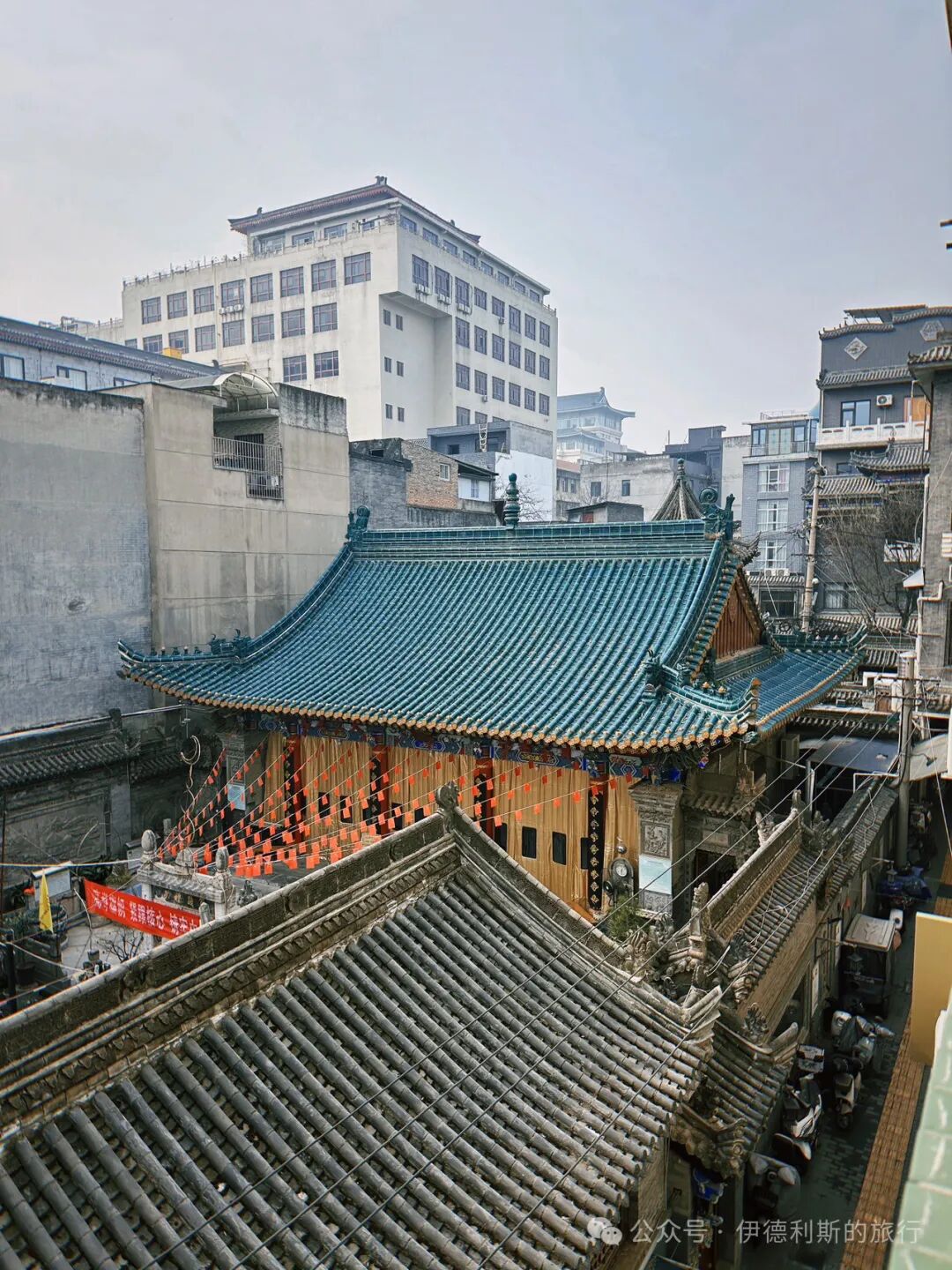
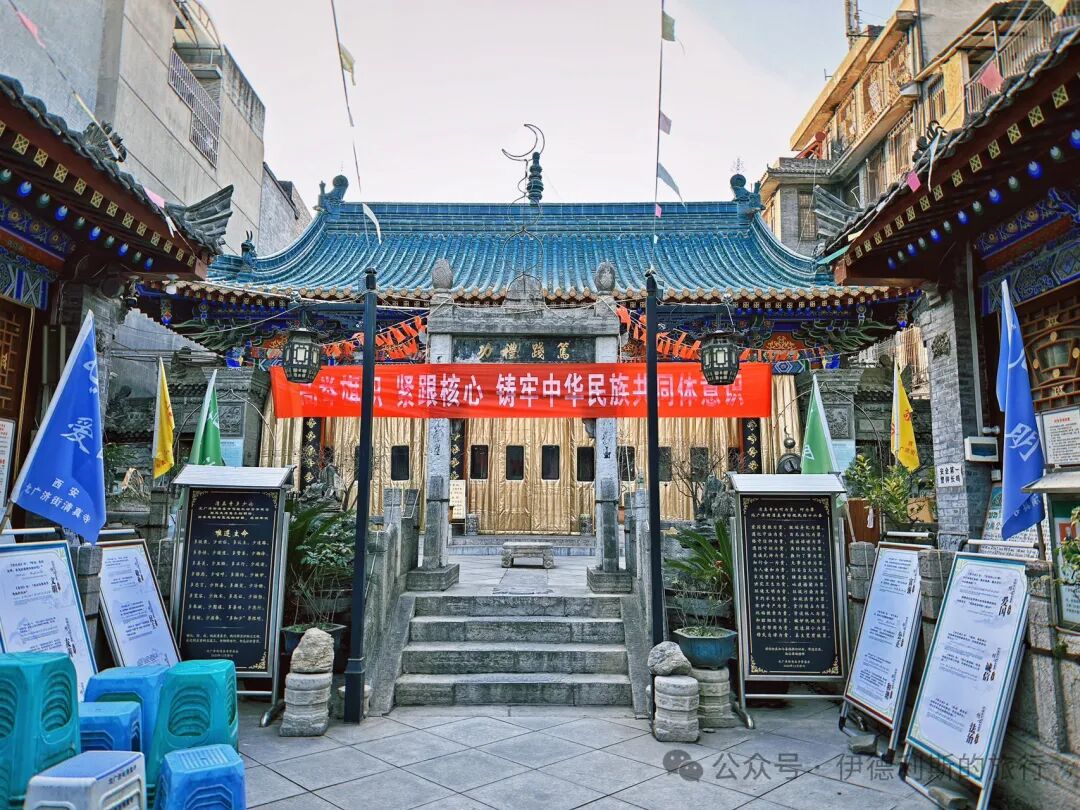
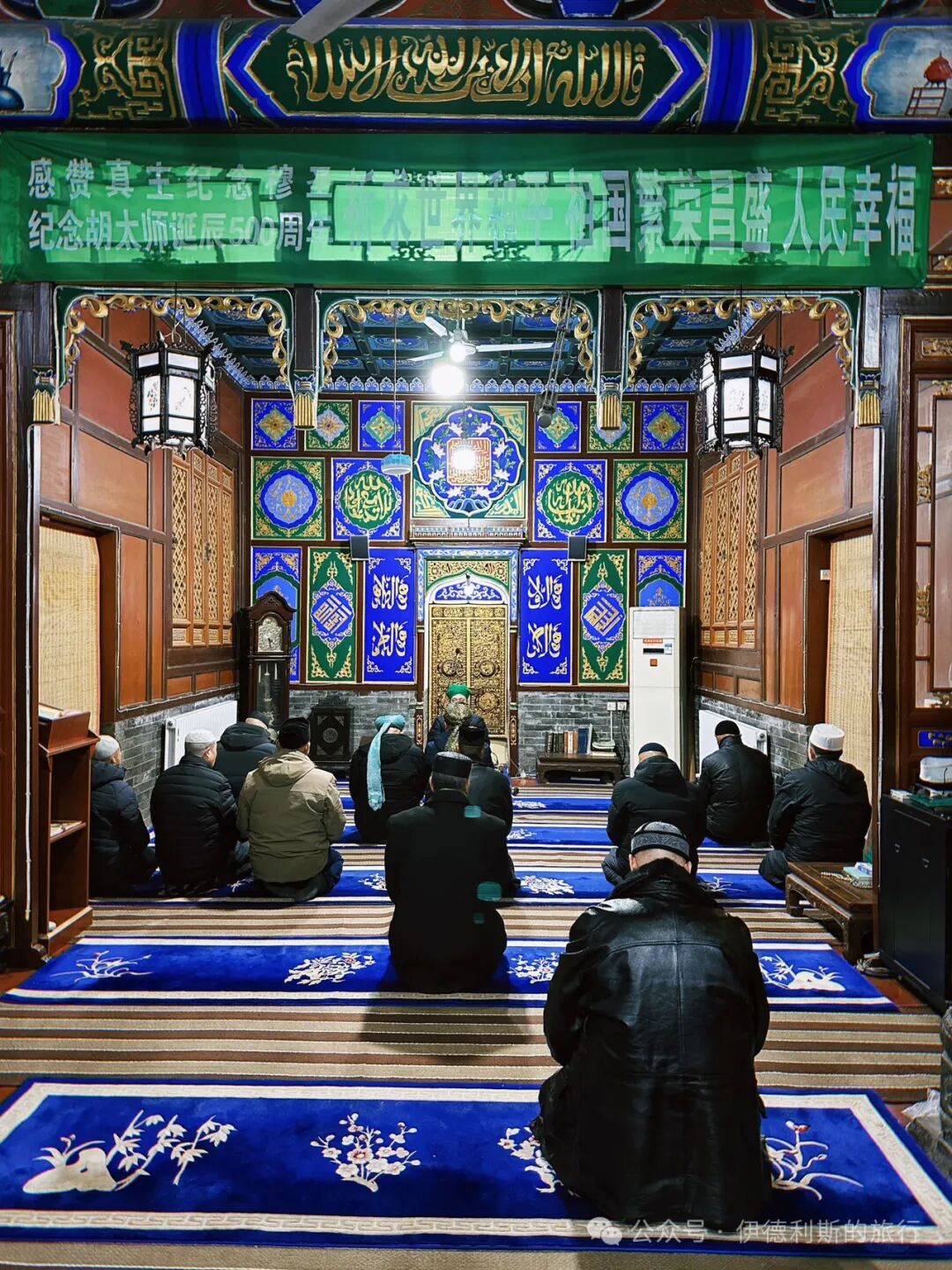
The Beiguangji Street Mosque in Xi'an is said to have been built in the late Ming Dynasty and renovated in the 33rd year of the Qianlong reign of the Qing Dynasty. Historically, it was a branch (shaoma) of the Huajue Lane Great Mosque, so it is commonly called the Small Mosque.
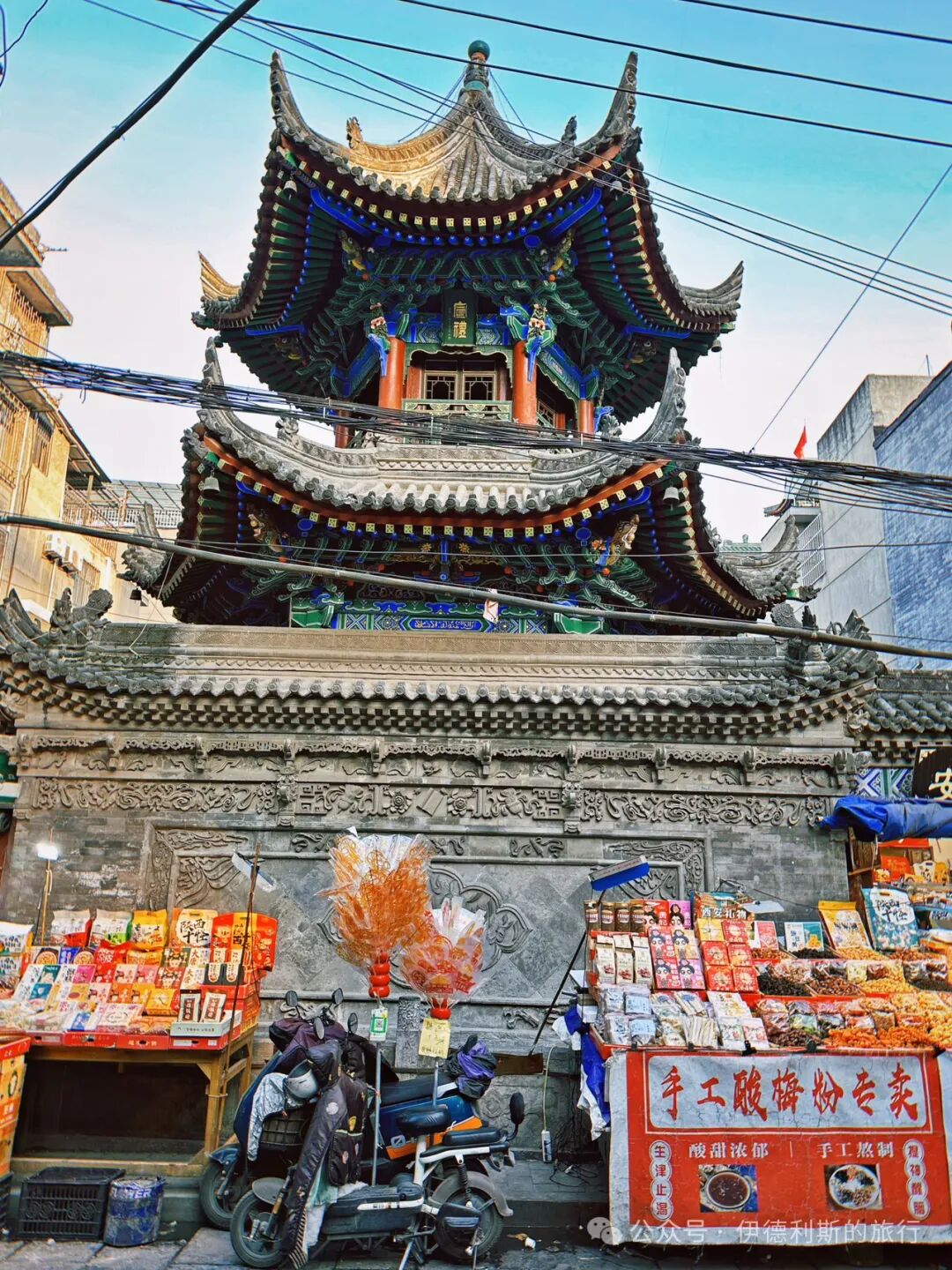
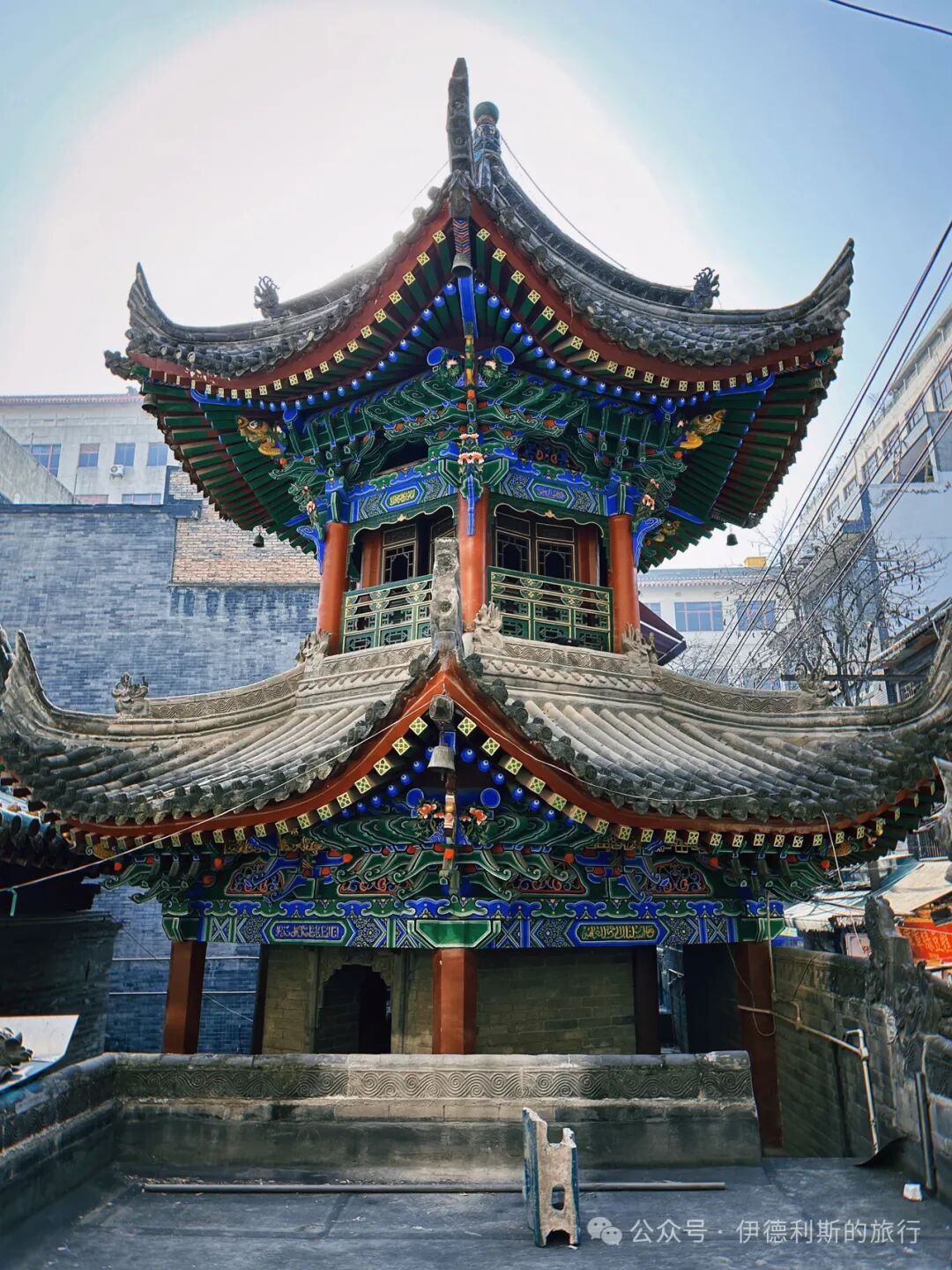
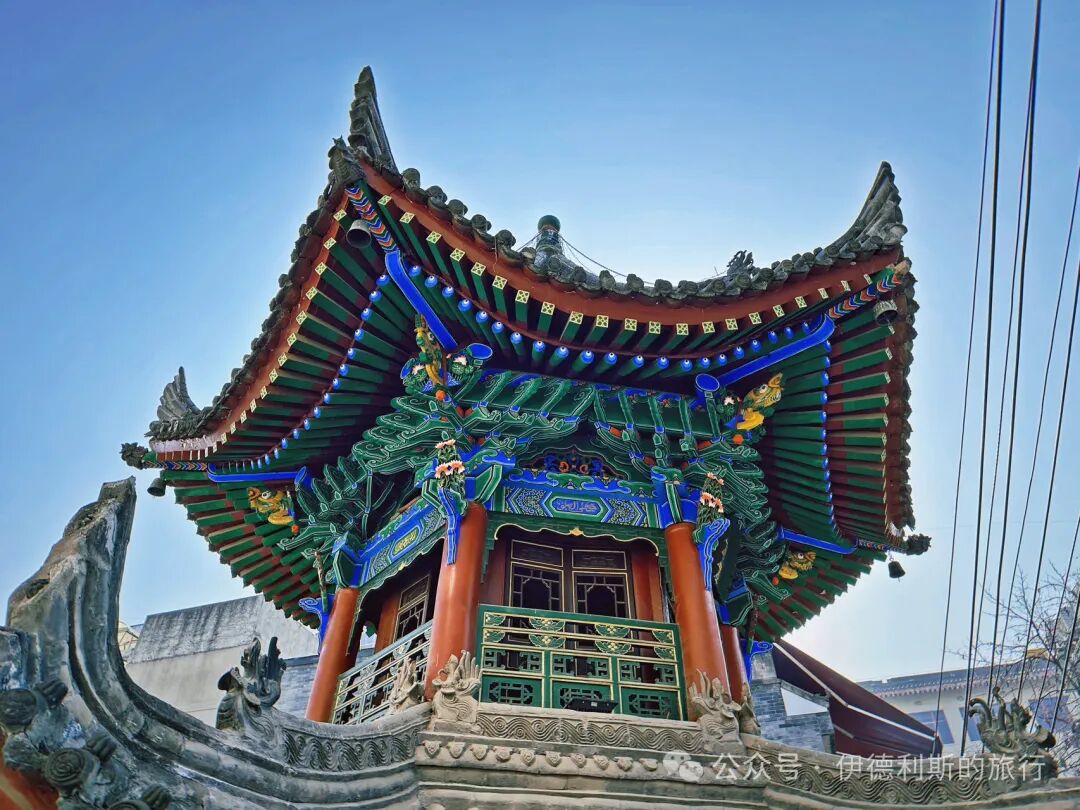
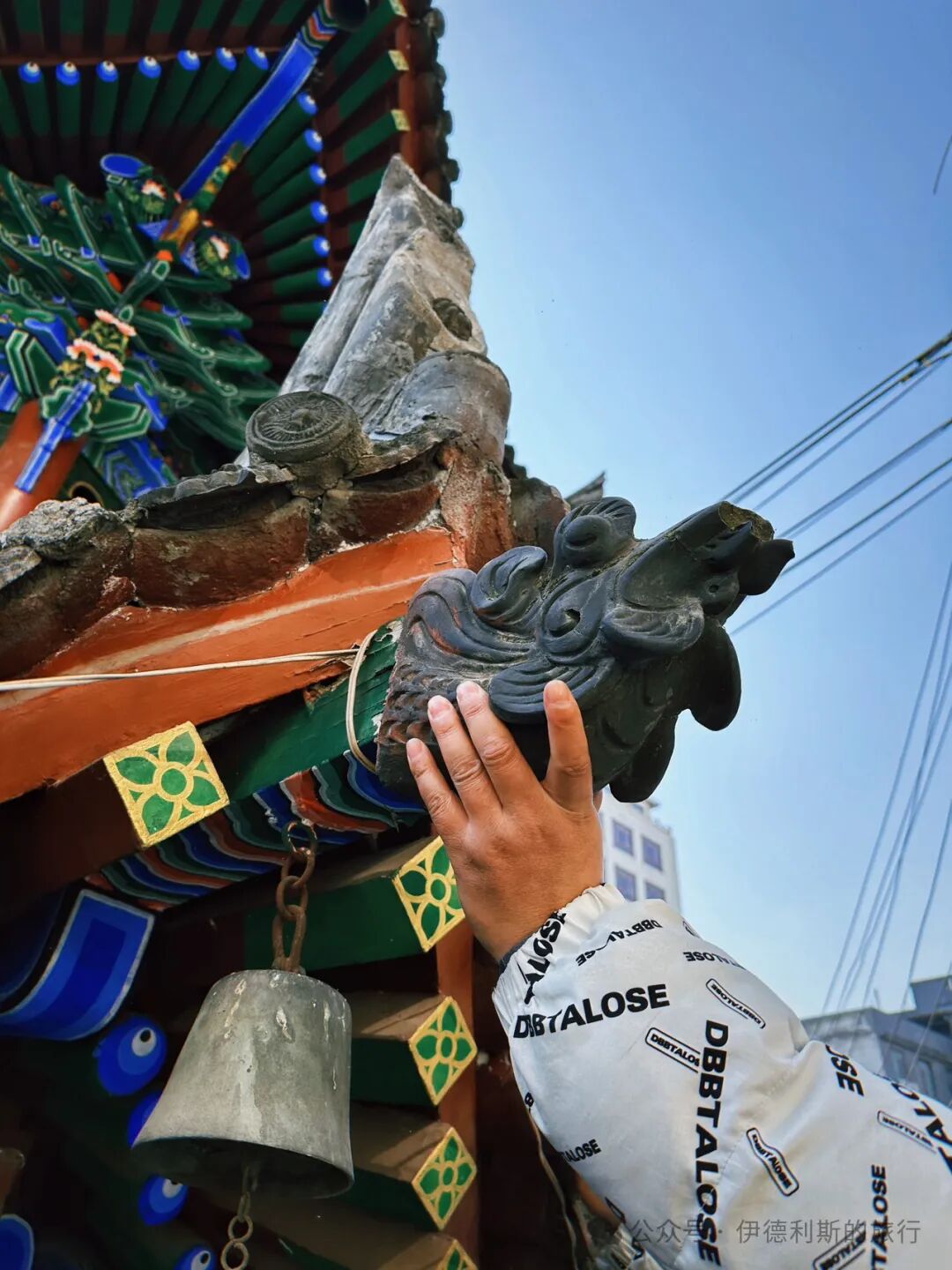
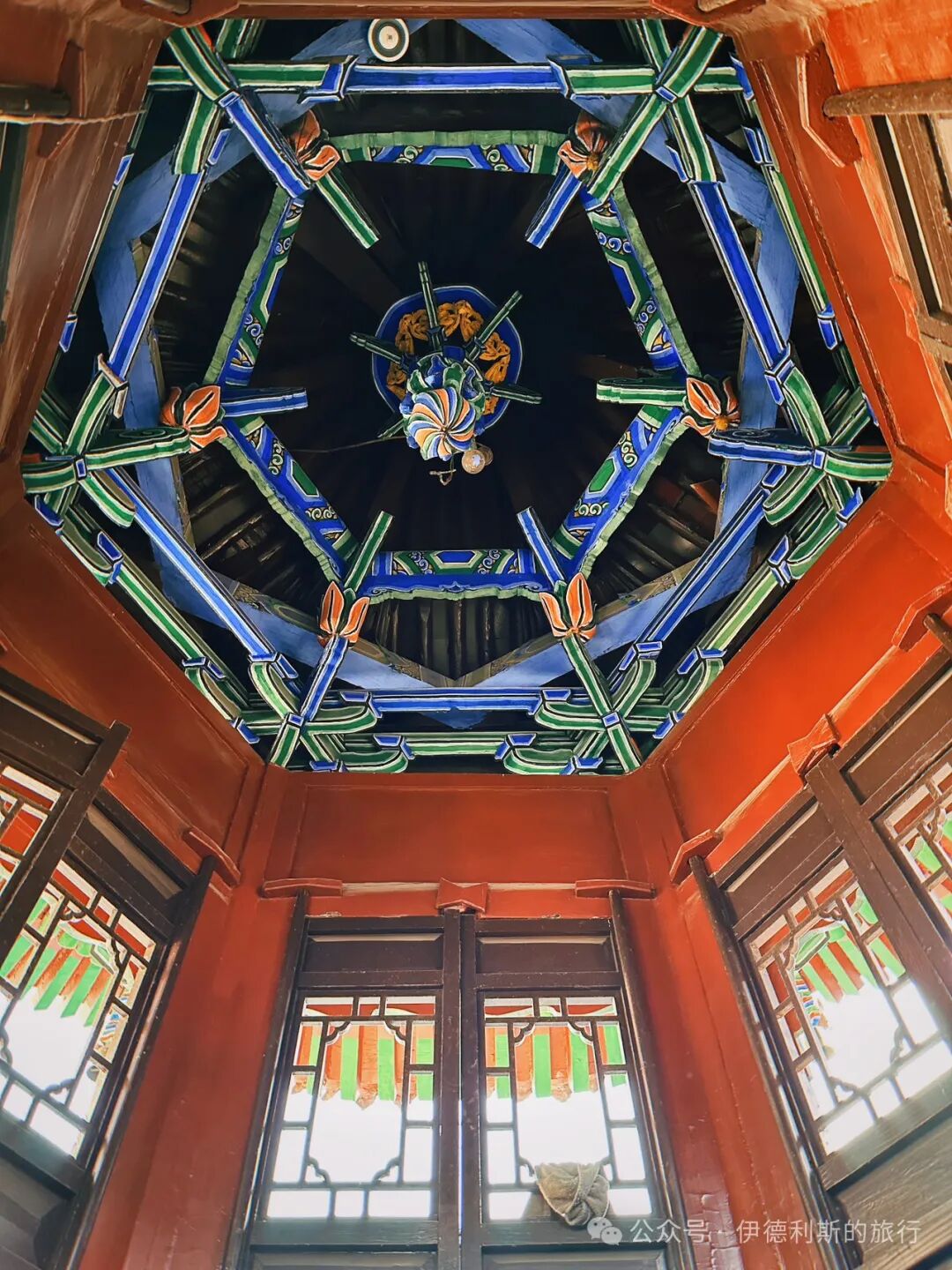
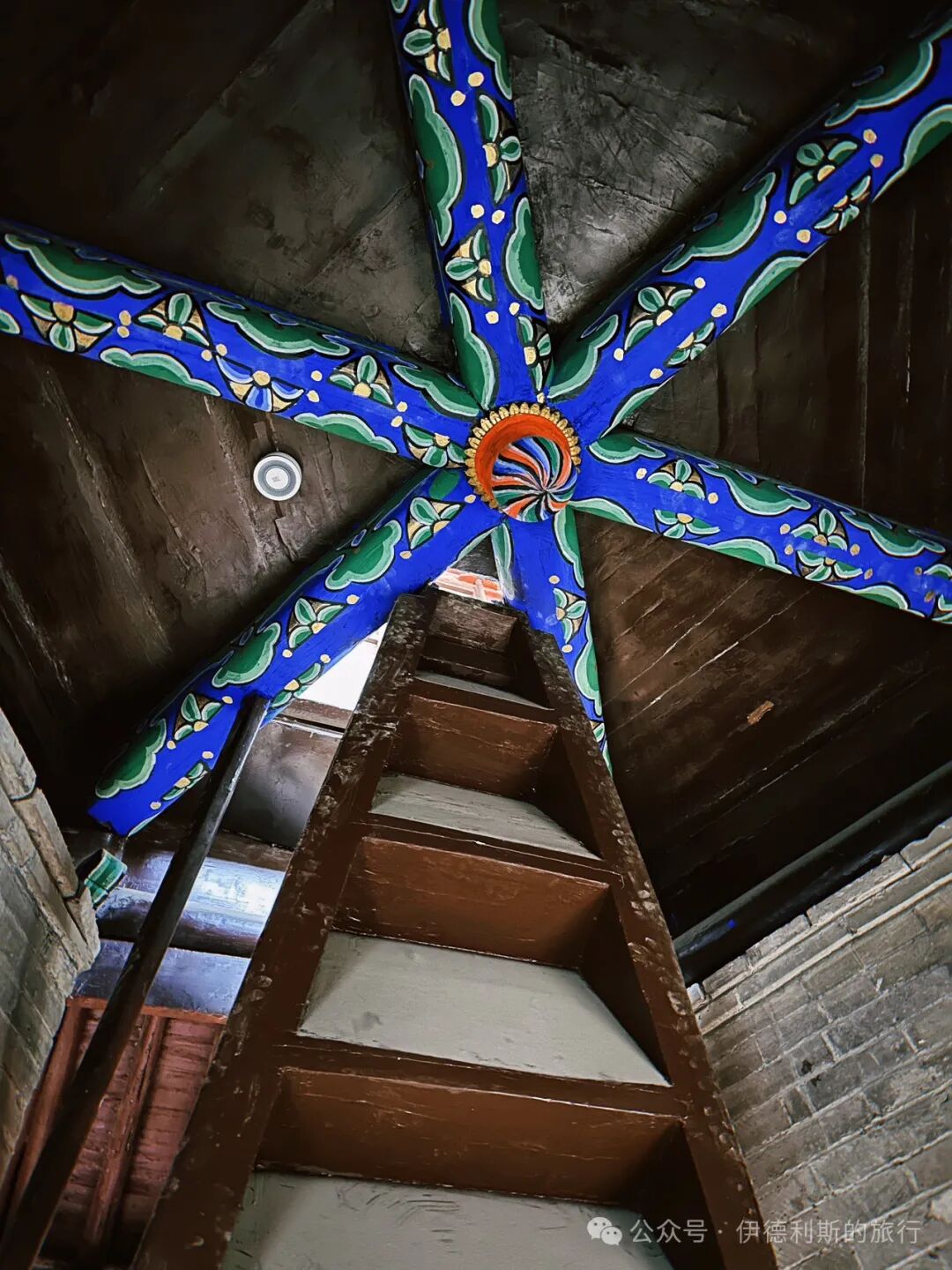
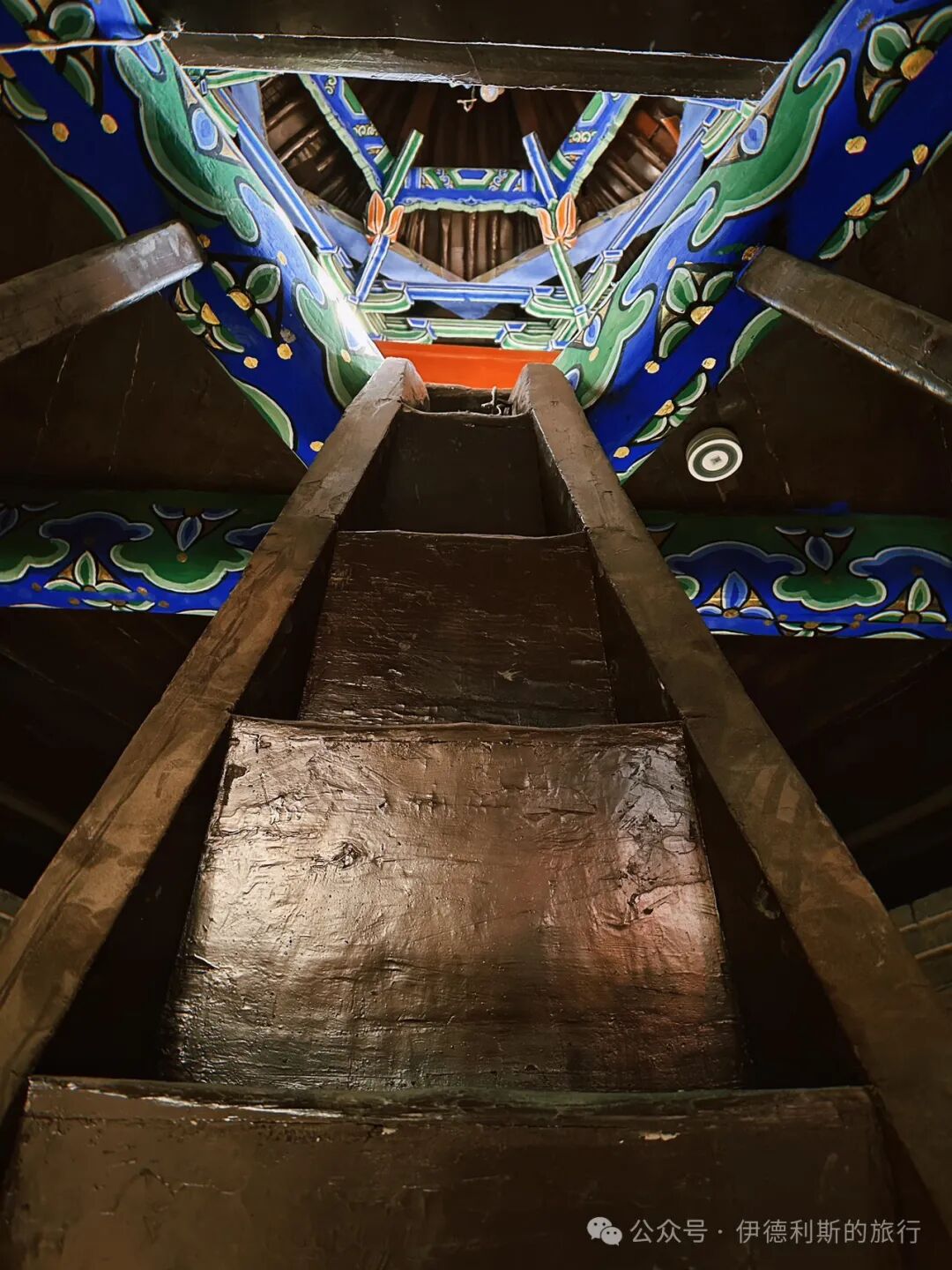
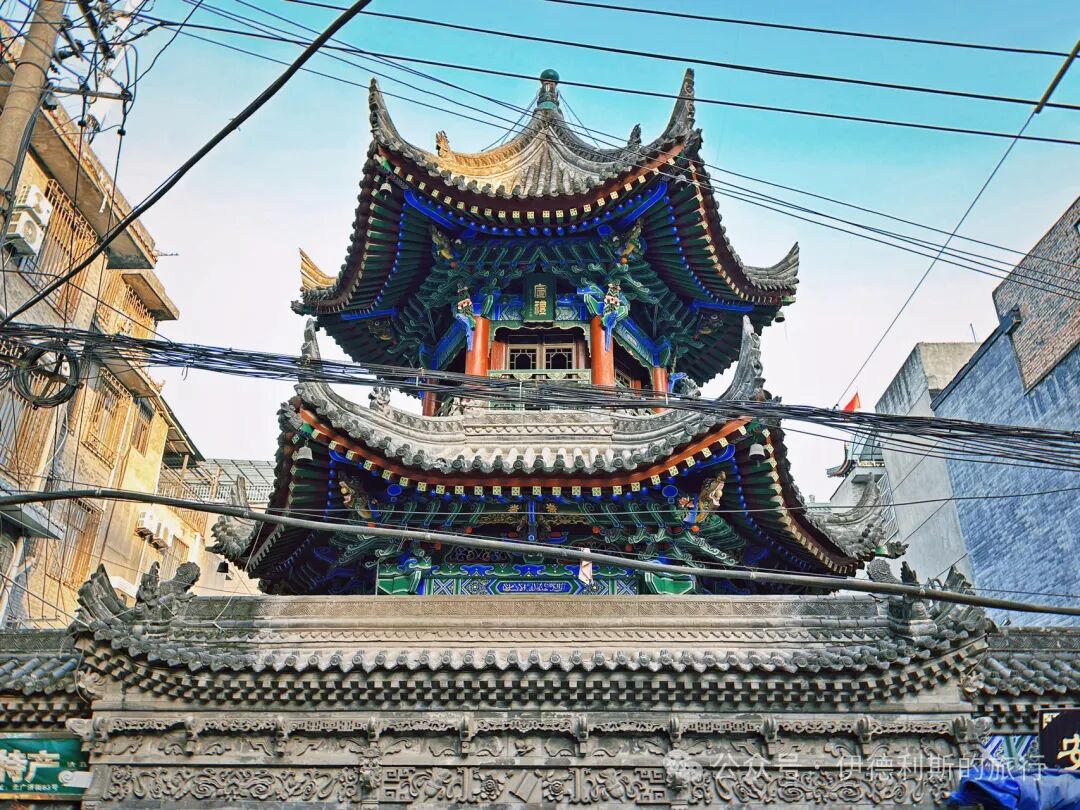
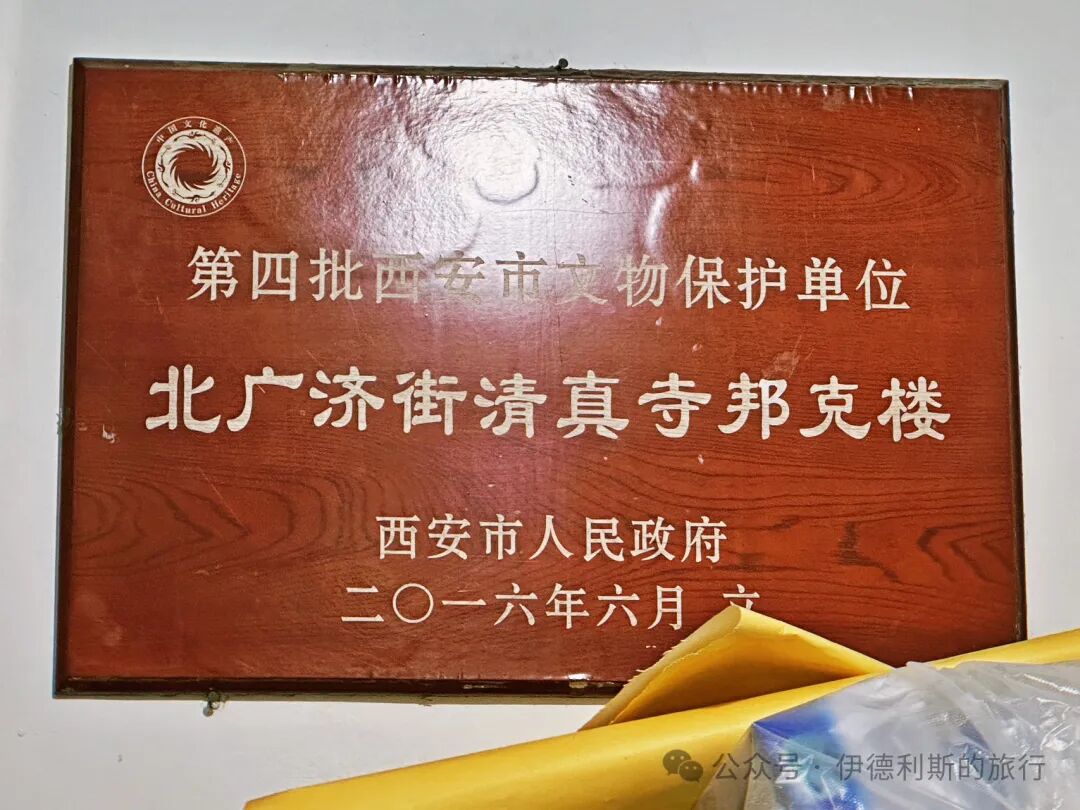
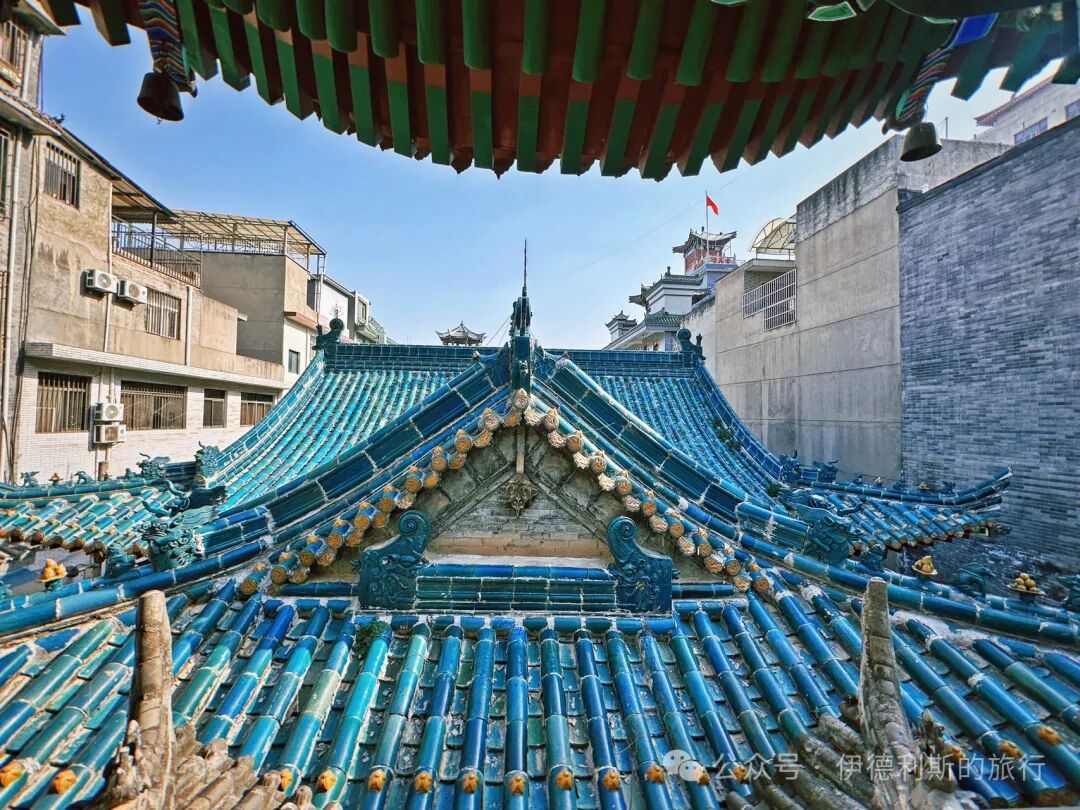
The current Small Mosque on Guangji Street was rebuilt in stages after 1985. Its minaret (bangkelou) has a hexagonal pointed roof with very fine carvings. It sits right next to North Guangji Street and is the only minaret in Xi'an located behind the main prayer hall. It was listed as a fourth-batch Xi'an cultural relic protection site in 2016.
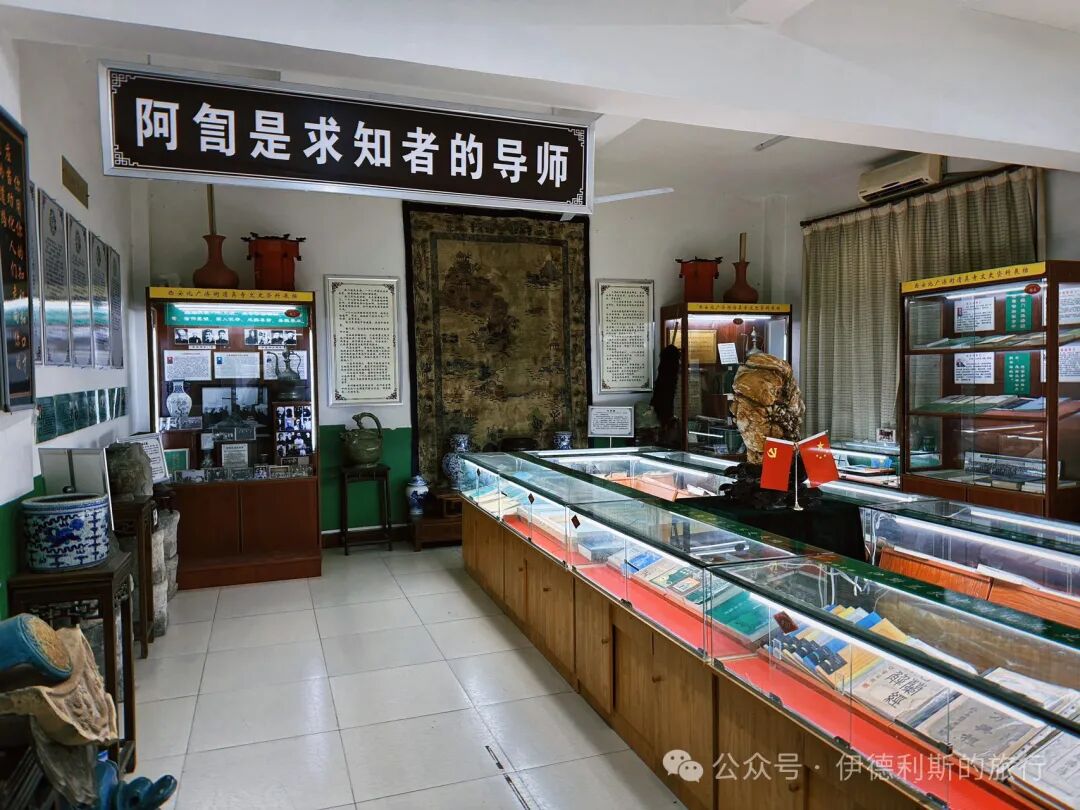
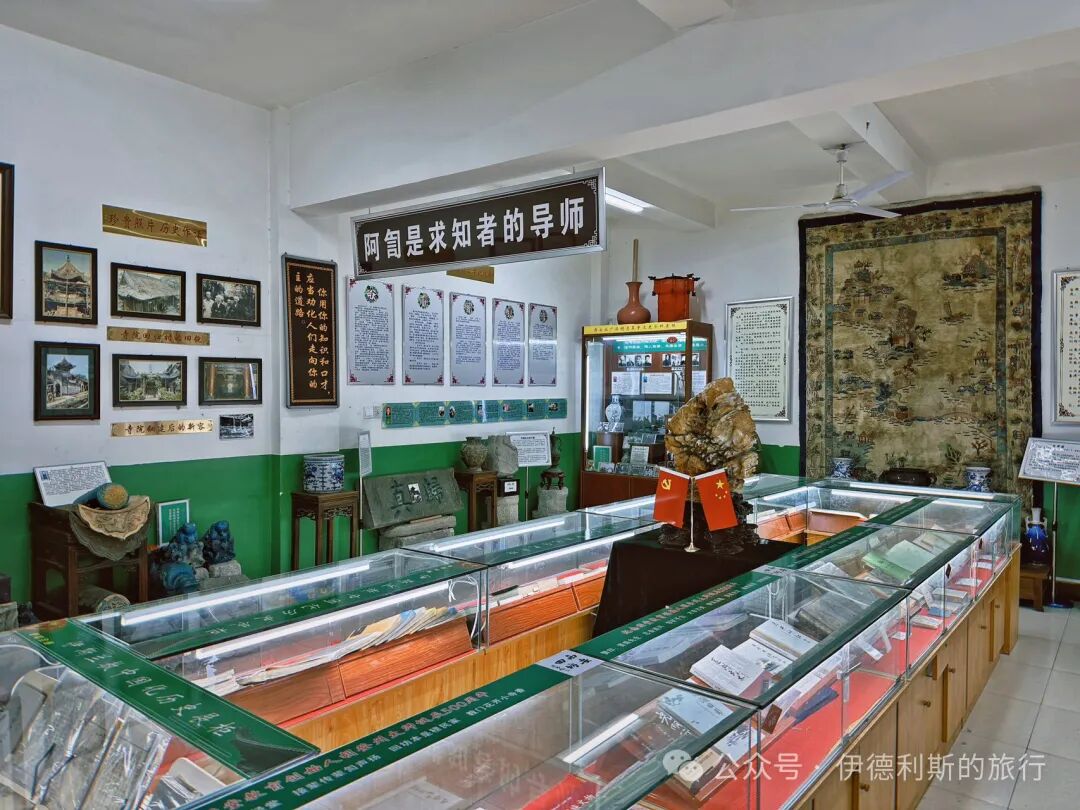
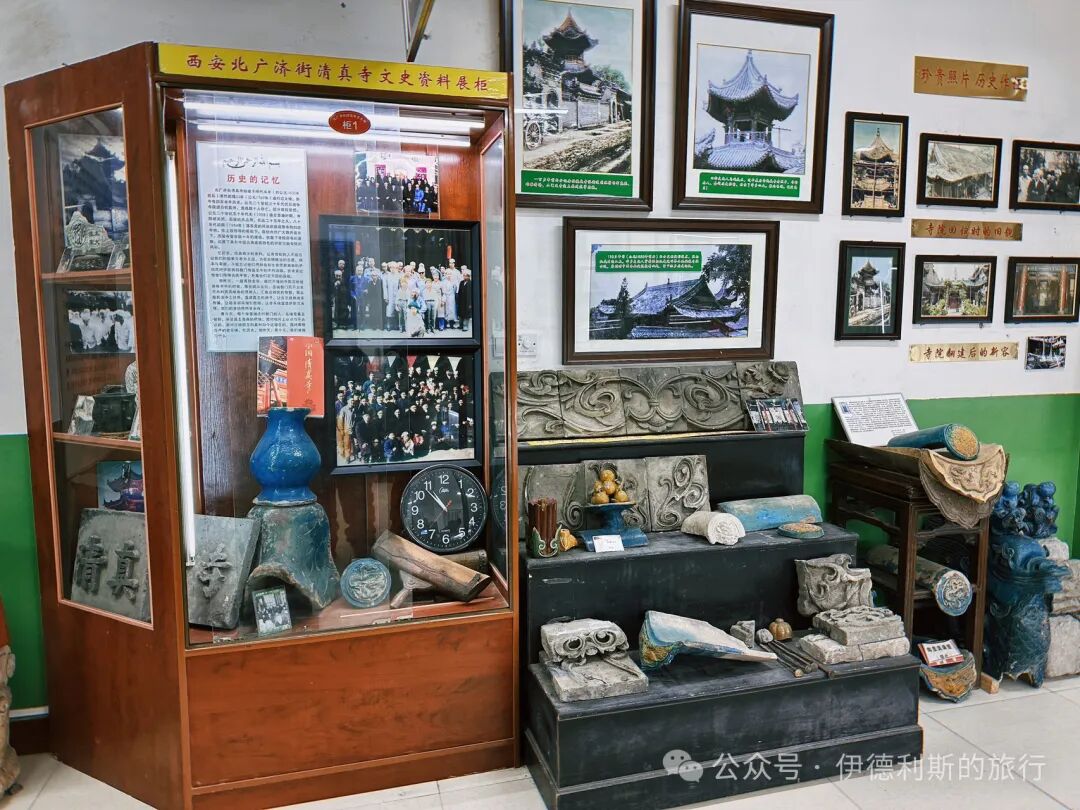
The Beiguangji Street Mosque History and Culture Museum holds many precious artifacts, thanks to the hard work of Jia Sheshou and the local elders.
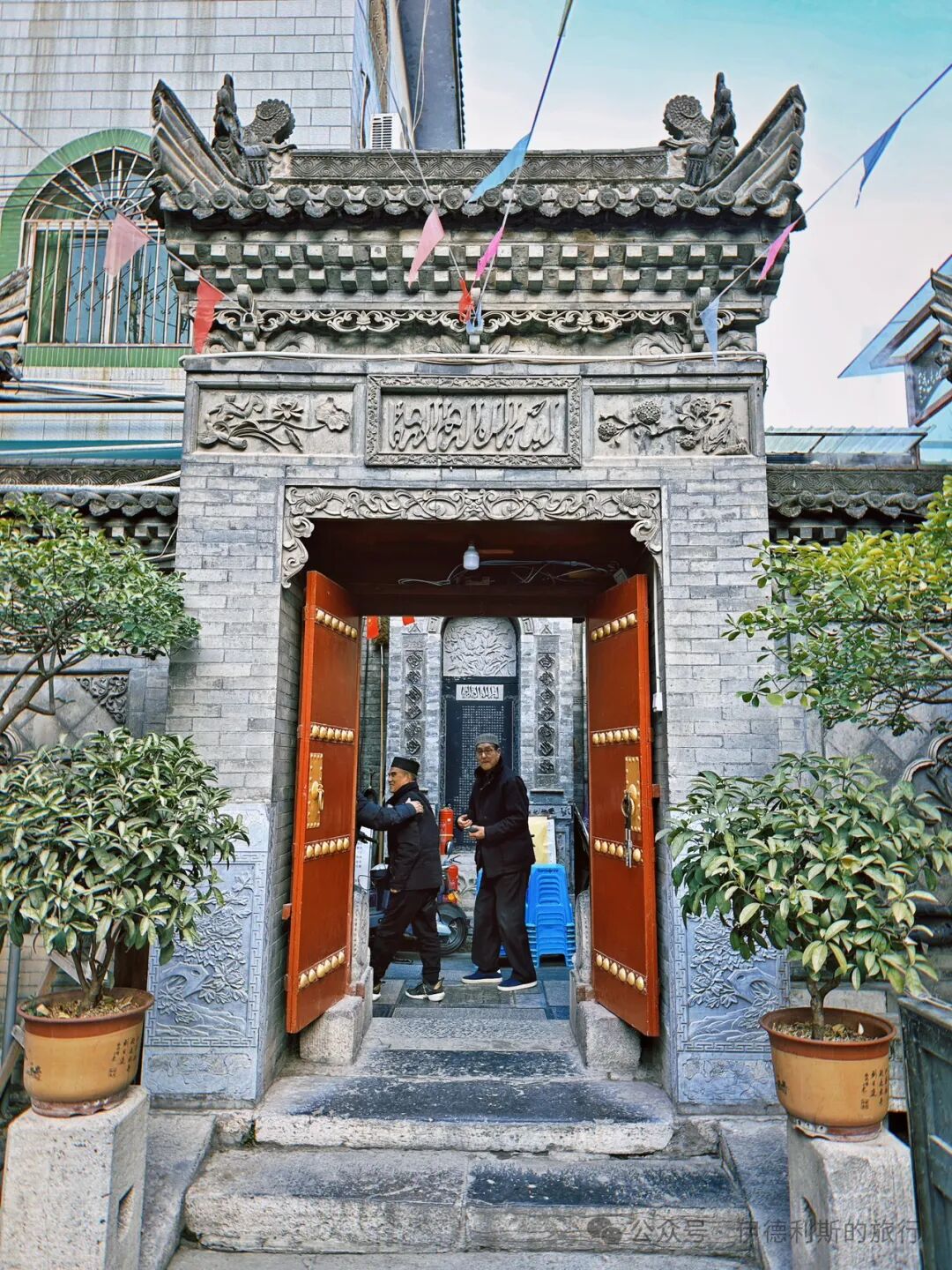
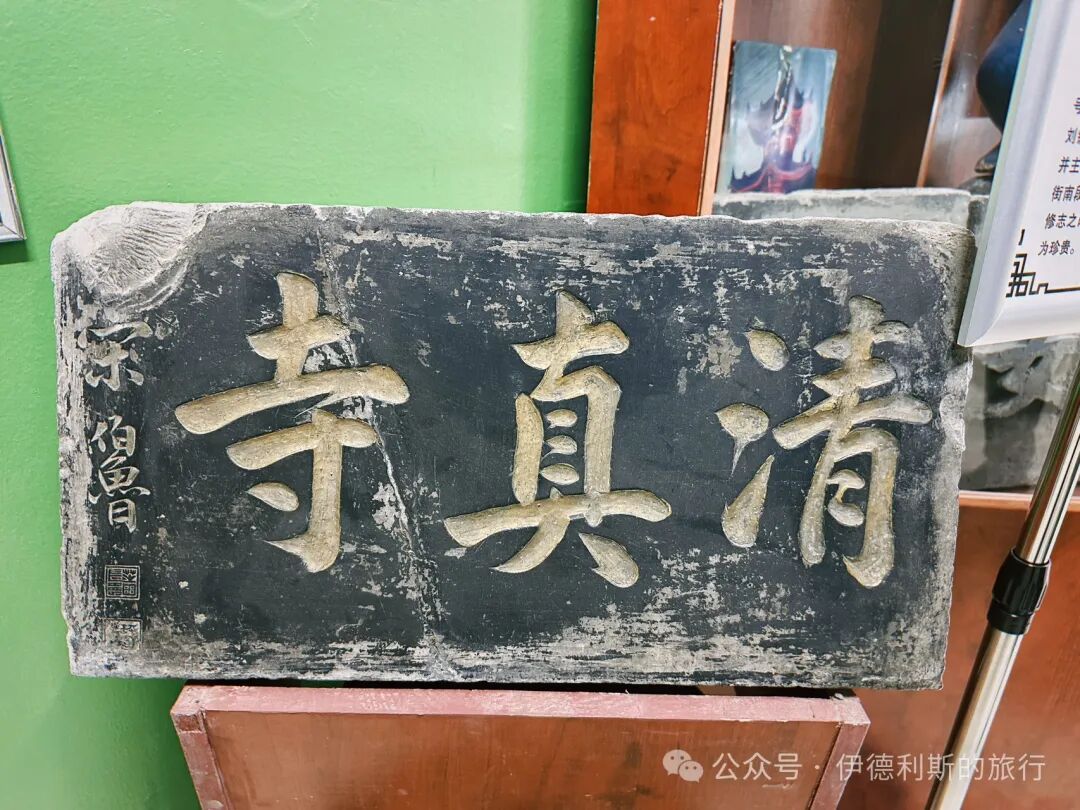
The original plaque for the mosque gate was written by Song Bolu (1853-1932), a native of Liquan County, Shaanxi. After 1916, he served as the chief editor and director of the Shaanxi Provincial Gazetteer Bureau and led the compilation of the Continued Shaanxi Gazetteer Draft. Before 1923, the Shaanxi Provincial Gazetteer Bureau was located on the west side of the southern end of North Guangji Street, very close to the Beiguangji Street Mosque. Song Bolu was known for his running script (xingshu) and rarely wrote in regular script (kaishu), making this plaque very rare.
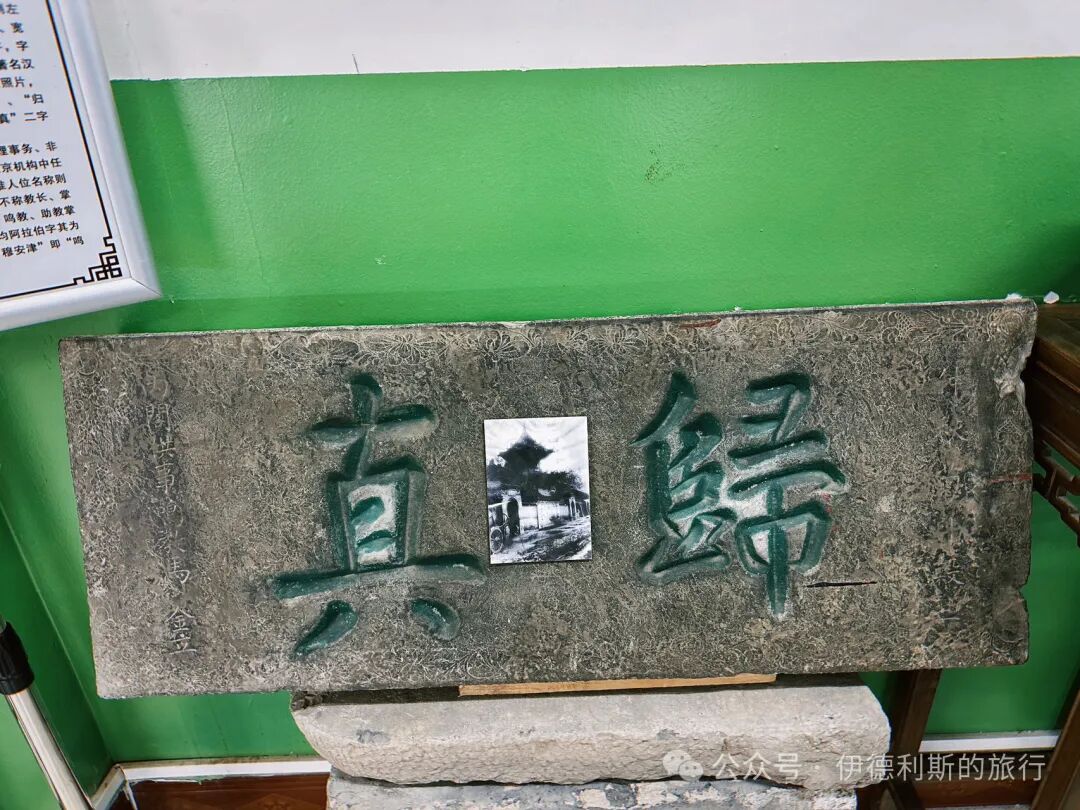
The mosque's original minaret had a 'Return to Truth' (guizhen) plaque on the north gate, and the south gate once had a 'Whole' (quanti) plaque, but their whereabouts are unknown today. The plaque is inscribed with 'Auspicious day in the mid-autumn chrysanthemum month' and signed by 'Cabinet official Ma Jinli, the caller to prayer (mingjiao).' A cabinet official was someone who worked in institutions like the Qing Dynasty Cabinet or the Hanlin Academy. Mingjiao is the term used in the Xi'an area for a muezzin (mu'anjin).
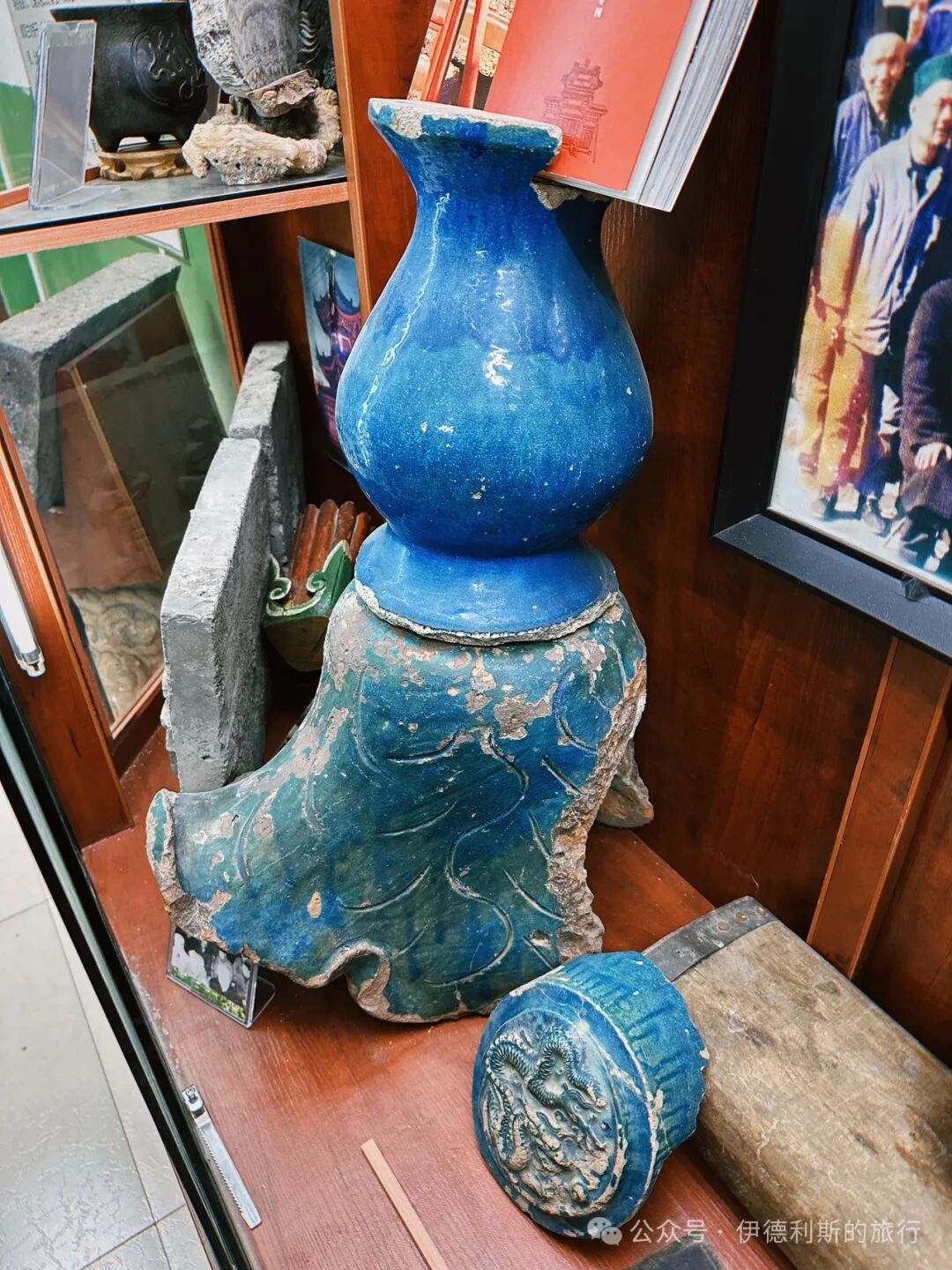
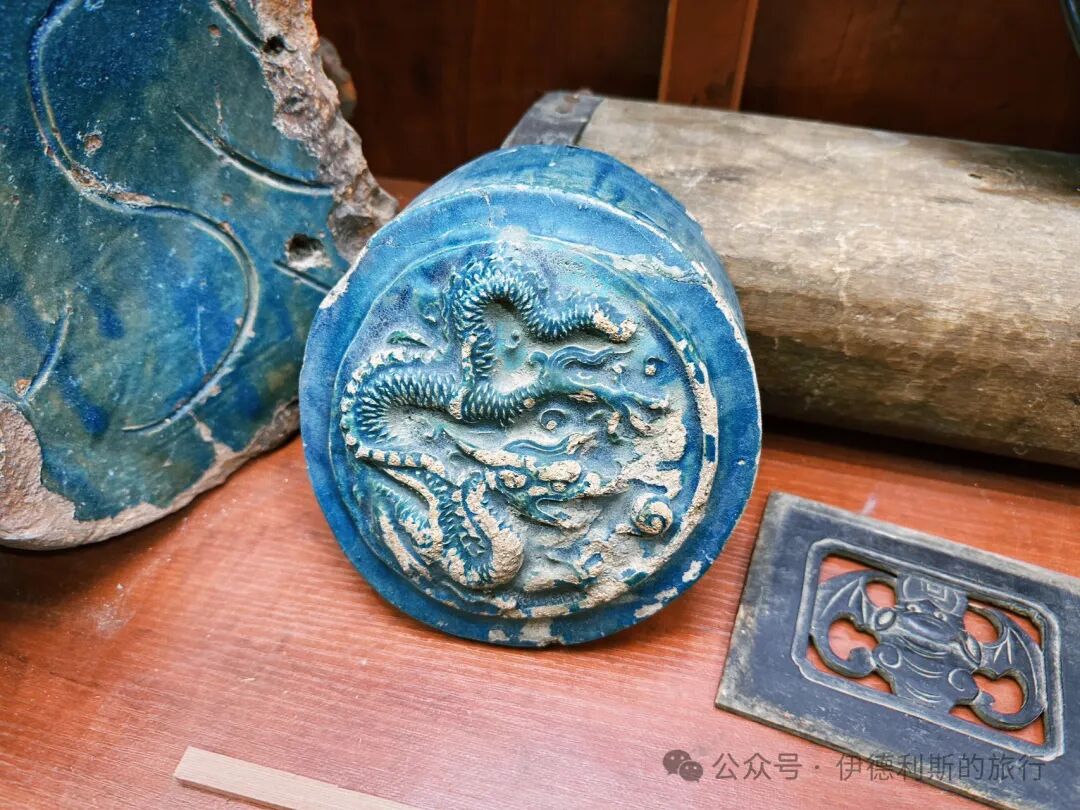
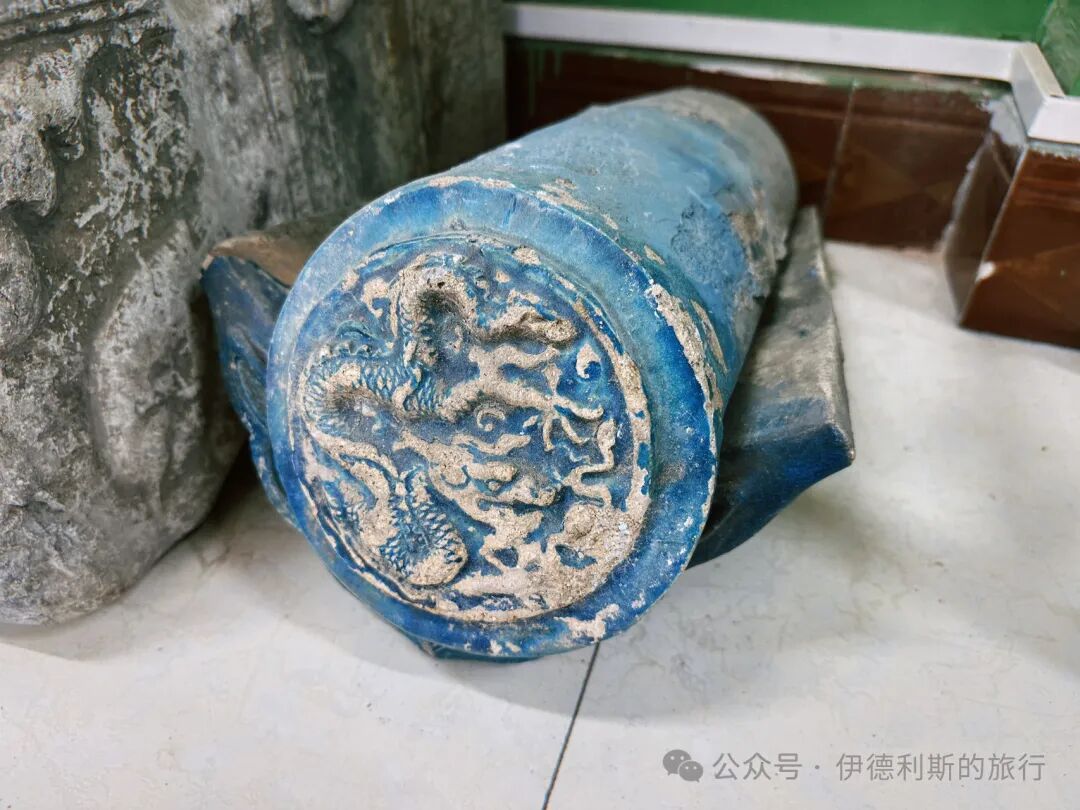
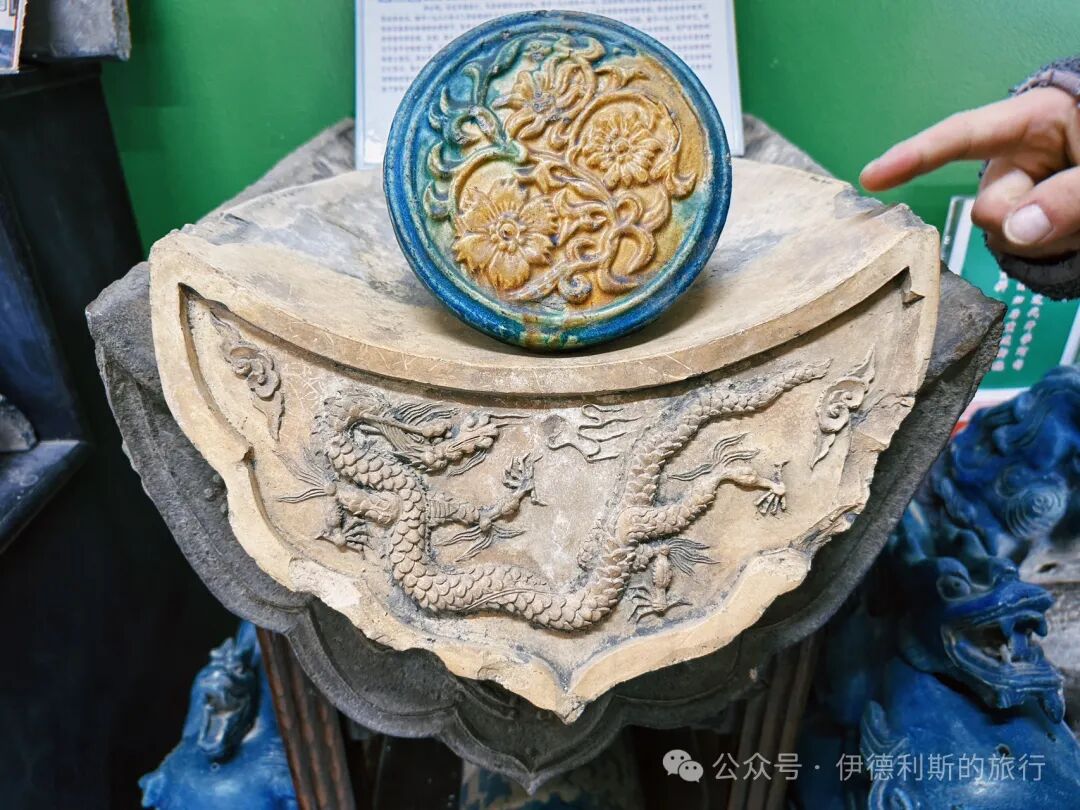
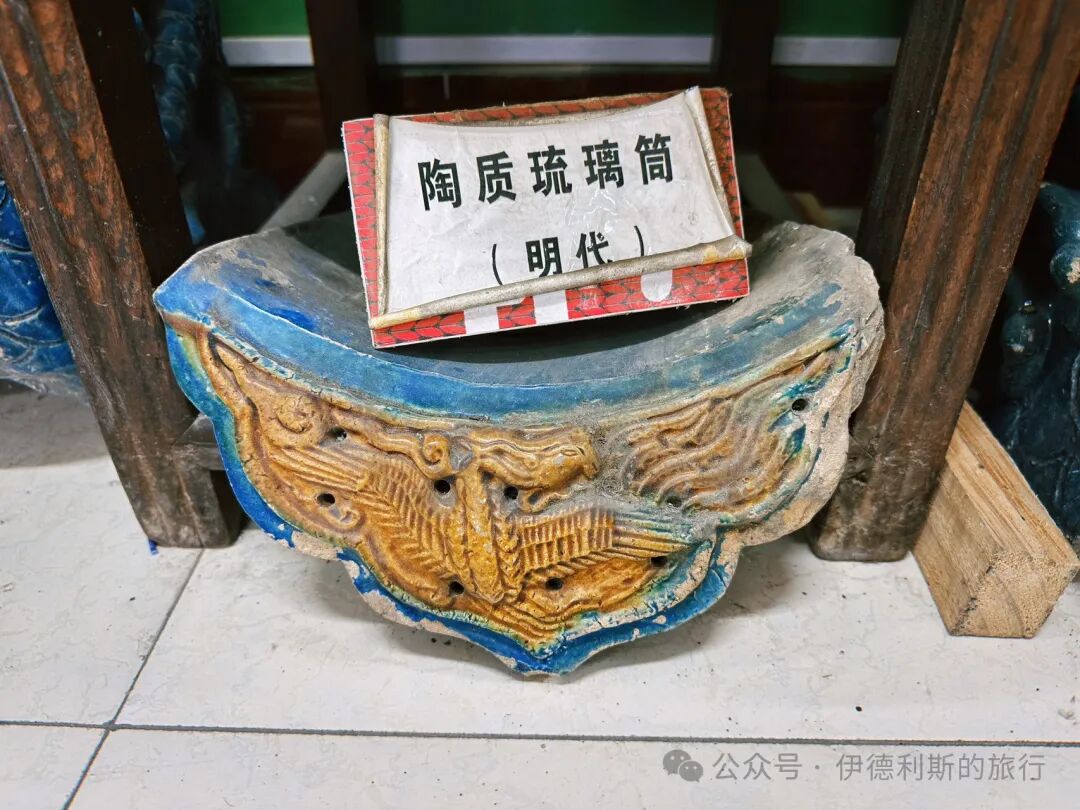
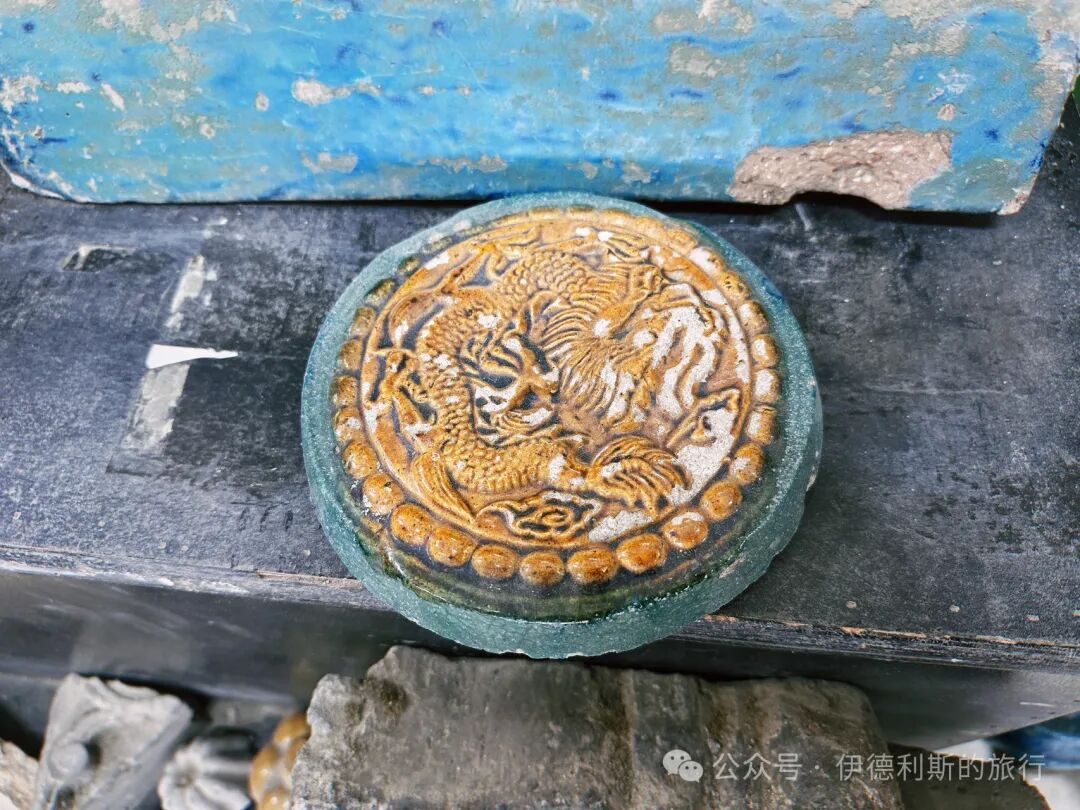
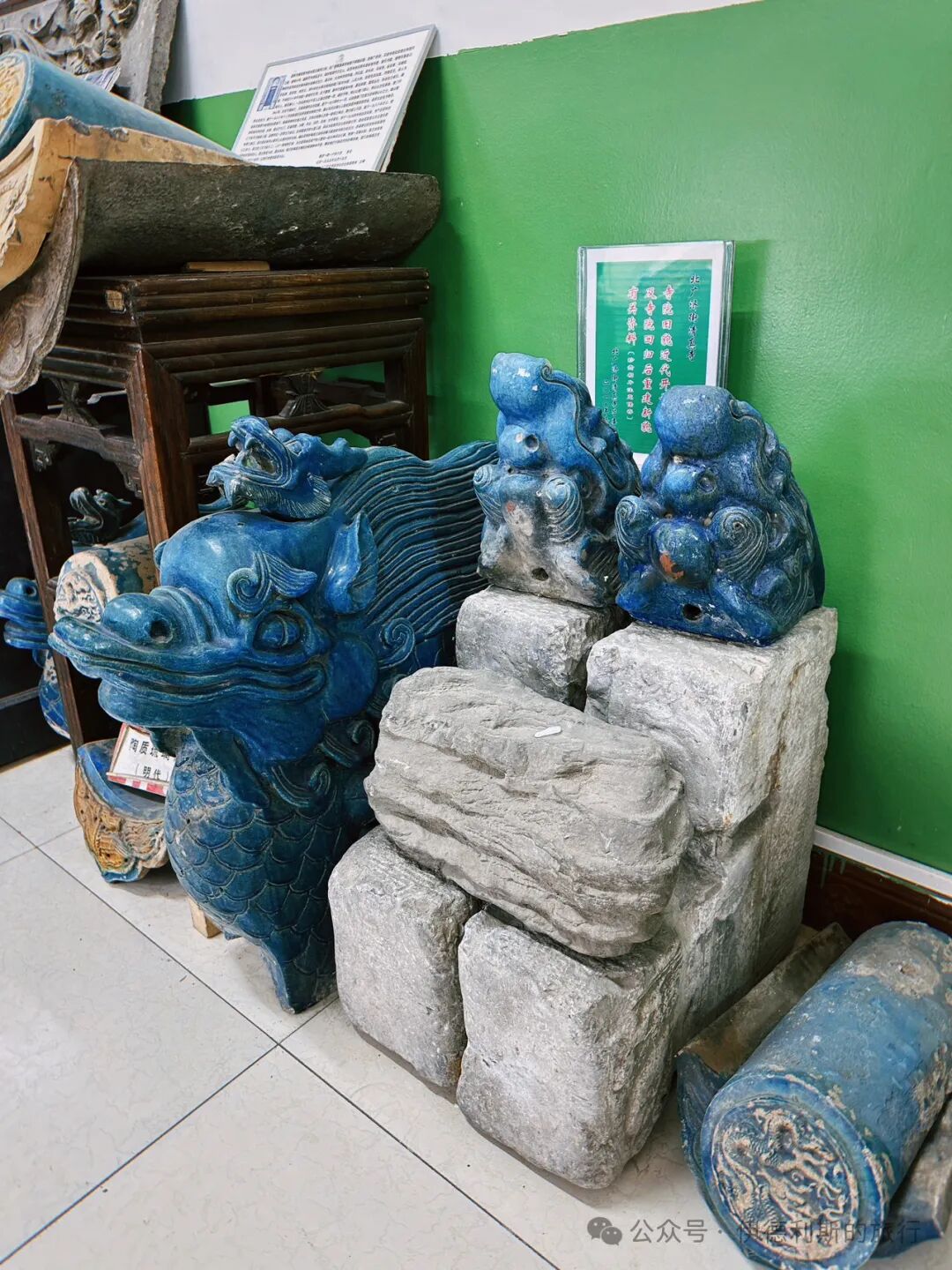
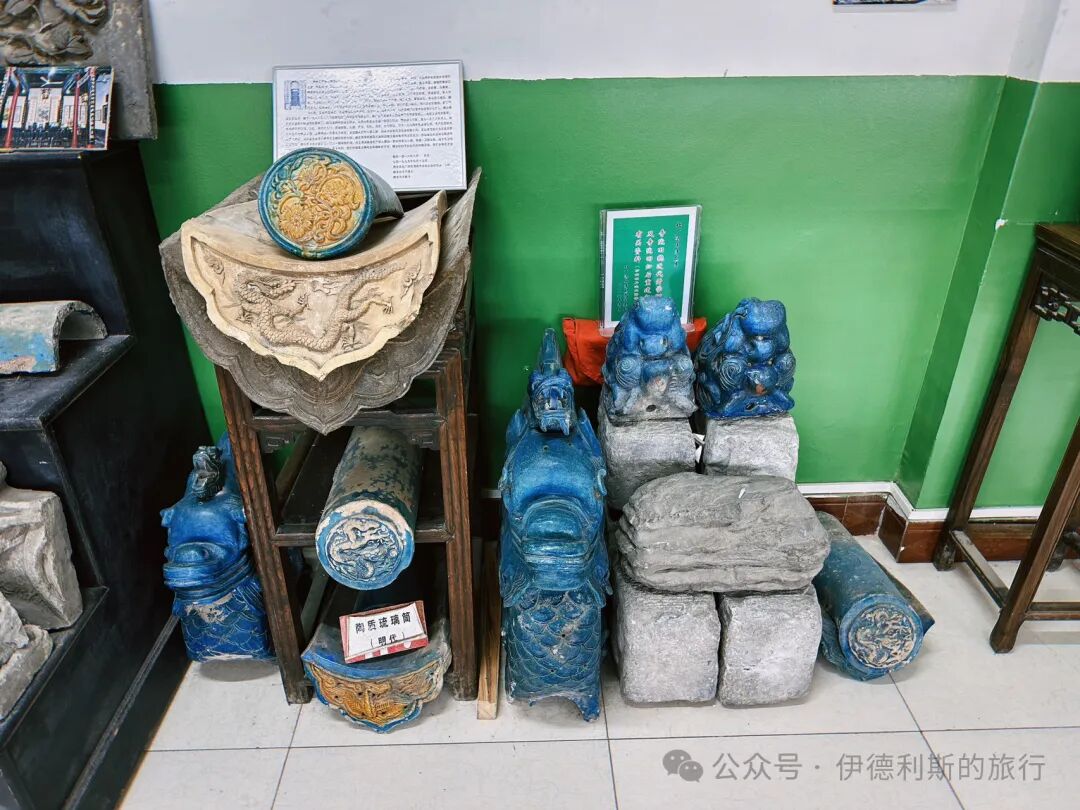
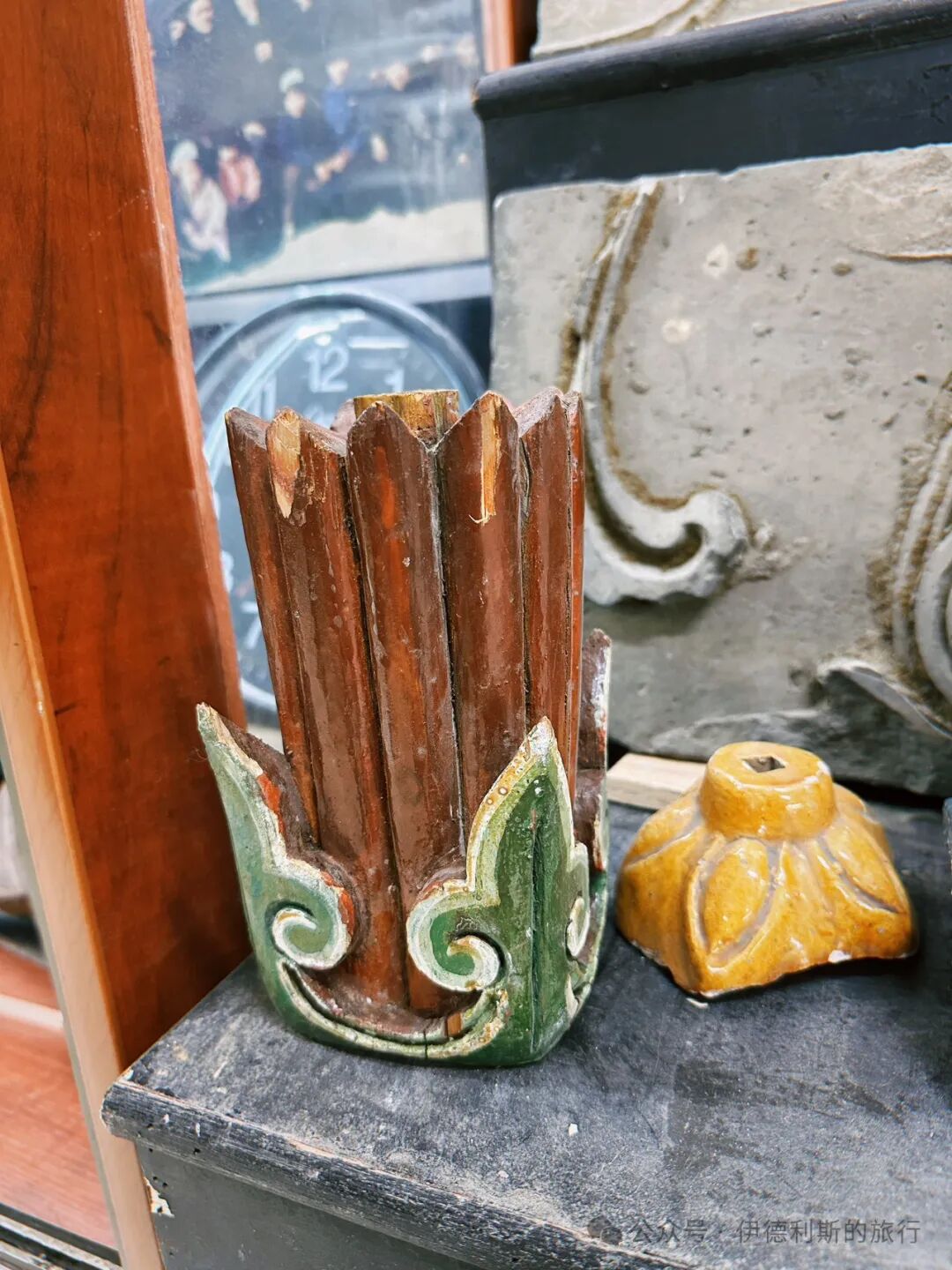
Glazed ceramic parts replaced during the mosque's 1988 renovation. The use of blue glazed tiles in Xi'an mosques is related to the Ming Dynasty Prince of Qin's Mansion. Similar peacock blue glazed tiles were also unearthed at the site of the Prince of Qin's glazed tile factory in Tongchuan.
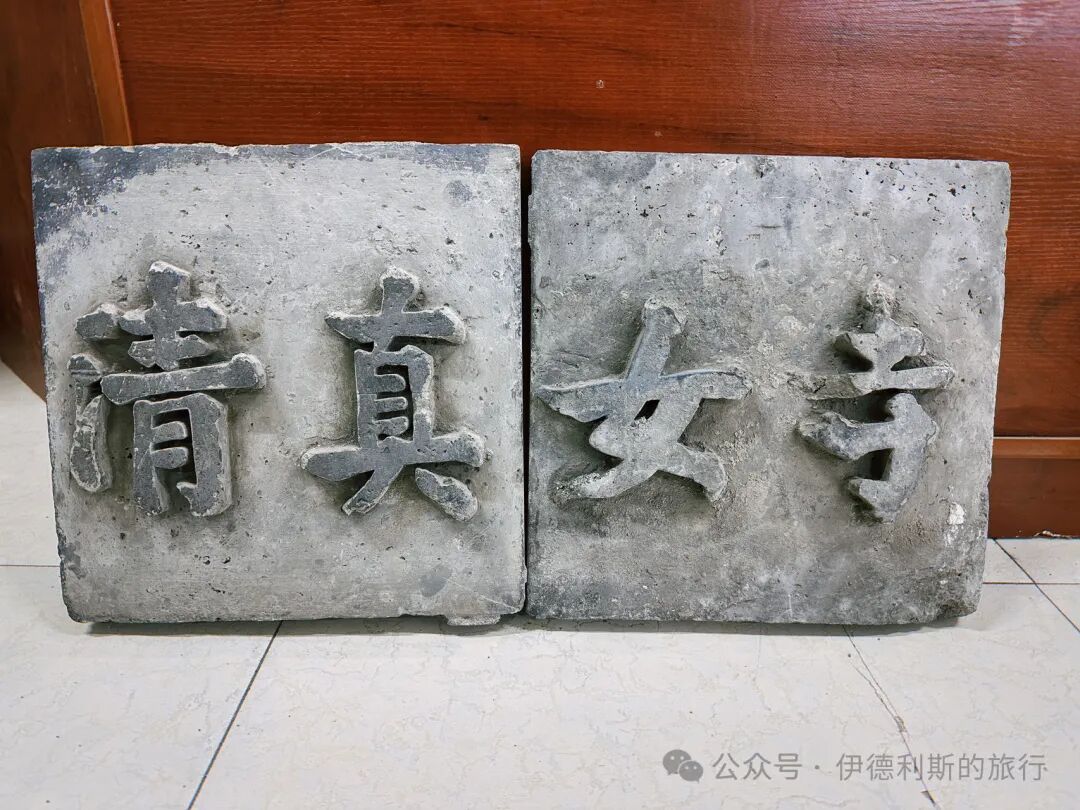
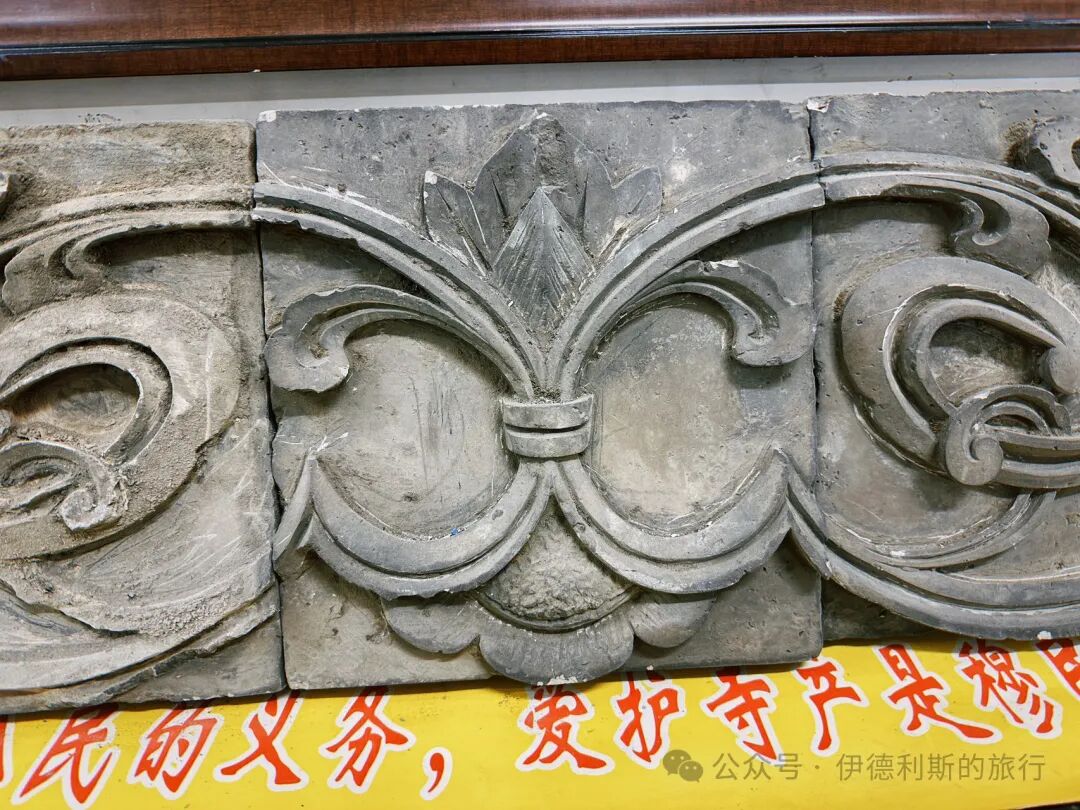
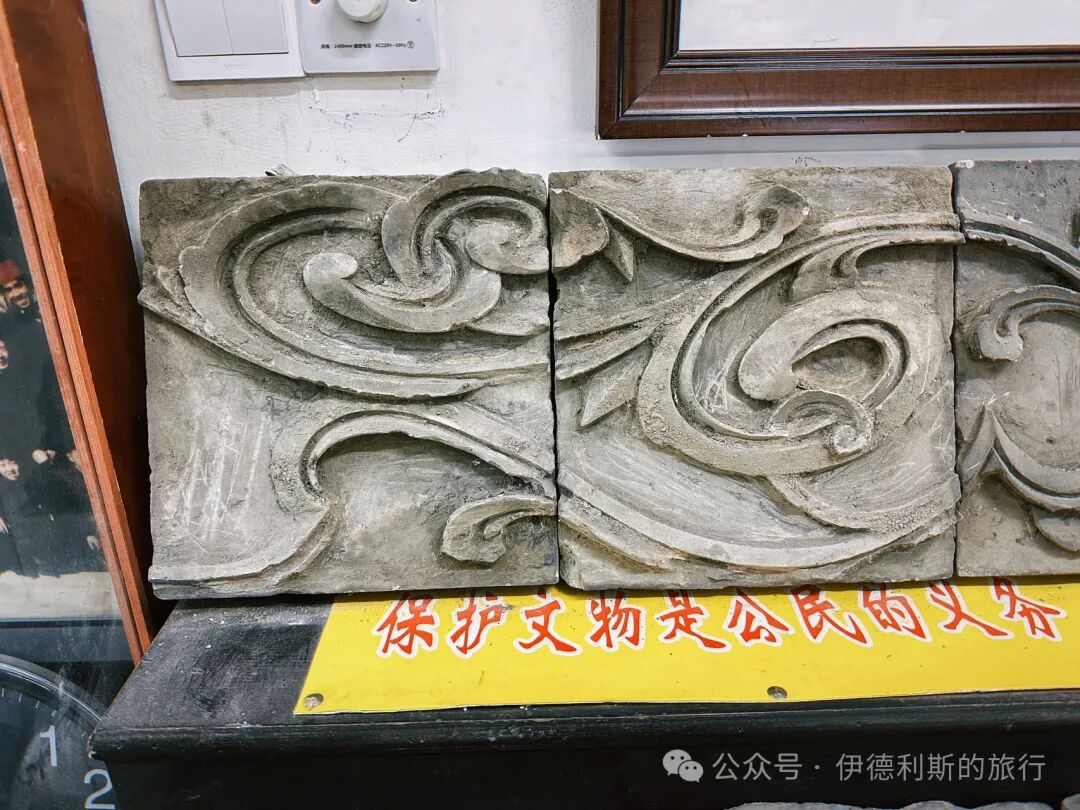
Brick carving from the gate of the women's mosque held in the collection. The former site of the Beiguangji Street Women's Mosque was once a charity school. It was bombed by the Japanese army in 1944. In 1949, local Hui Muslims Liu Xiuying, Ma, and Mrs. An initiated its conversion into a women's mosque, making it the first women's mosque in the Xi'an Hui quarter. It was occupied after 1958 and restored in 1984.
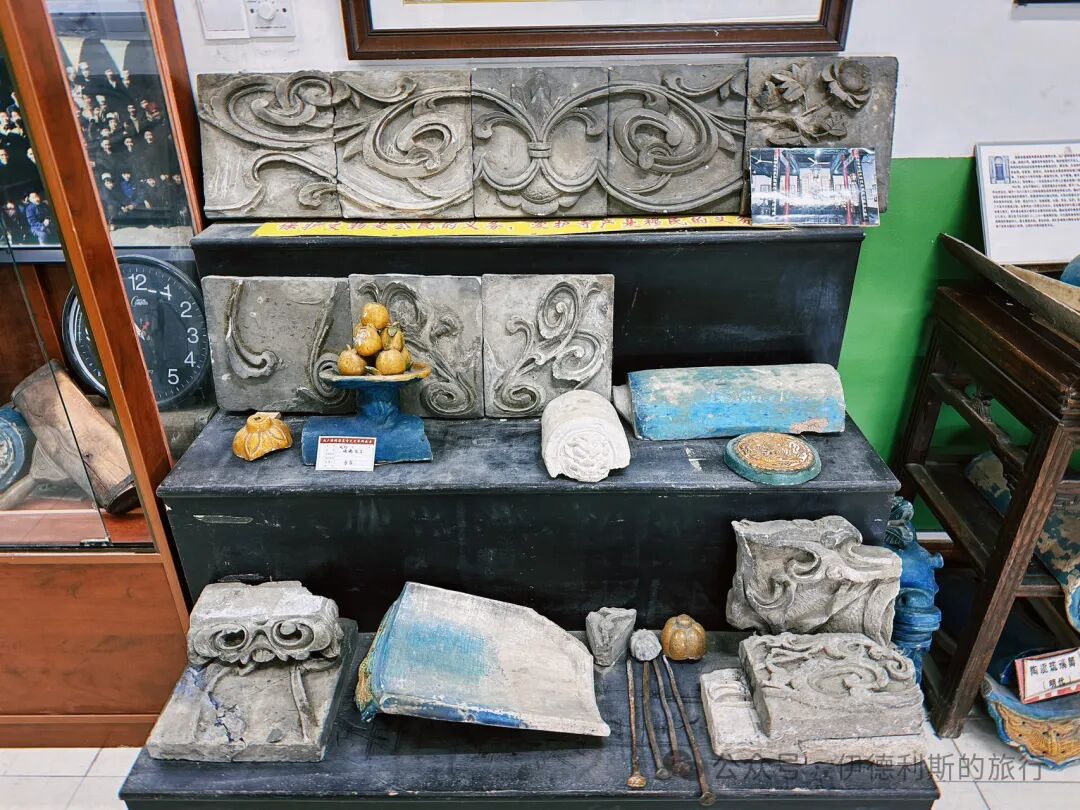
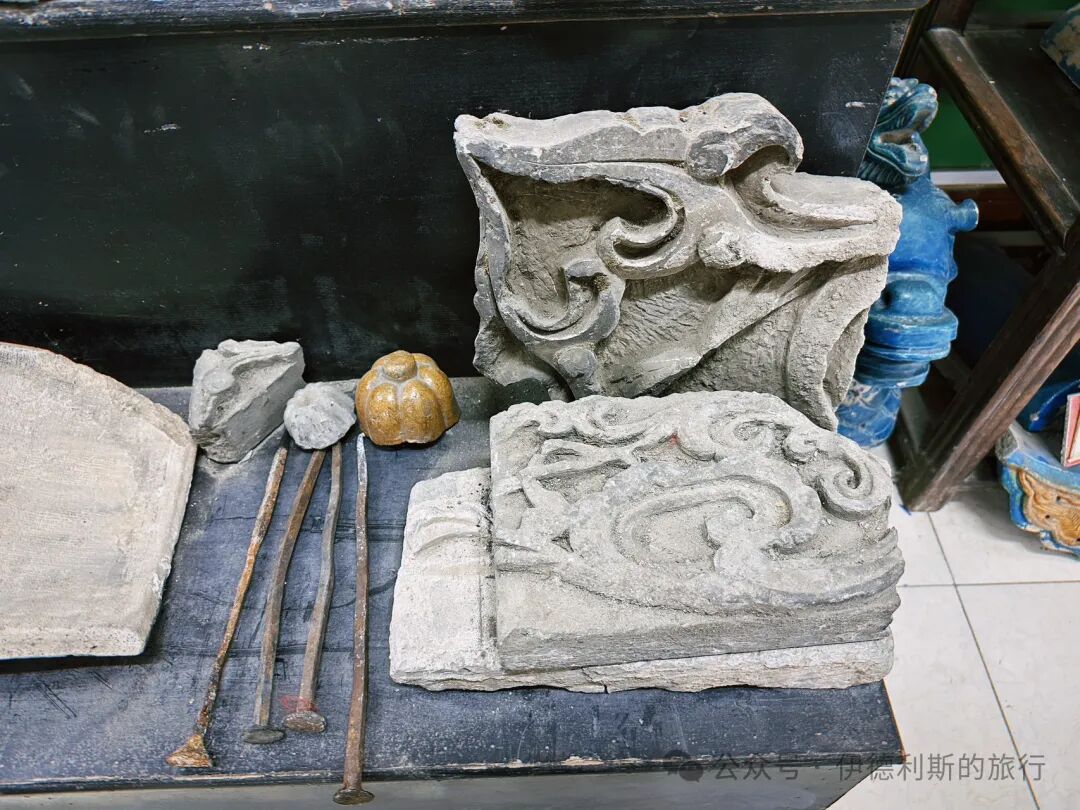
The collection includes various architectural parts: brick carvings, wood carvings, glazed tiles, and door stone bases.
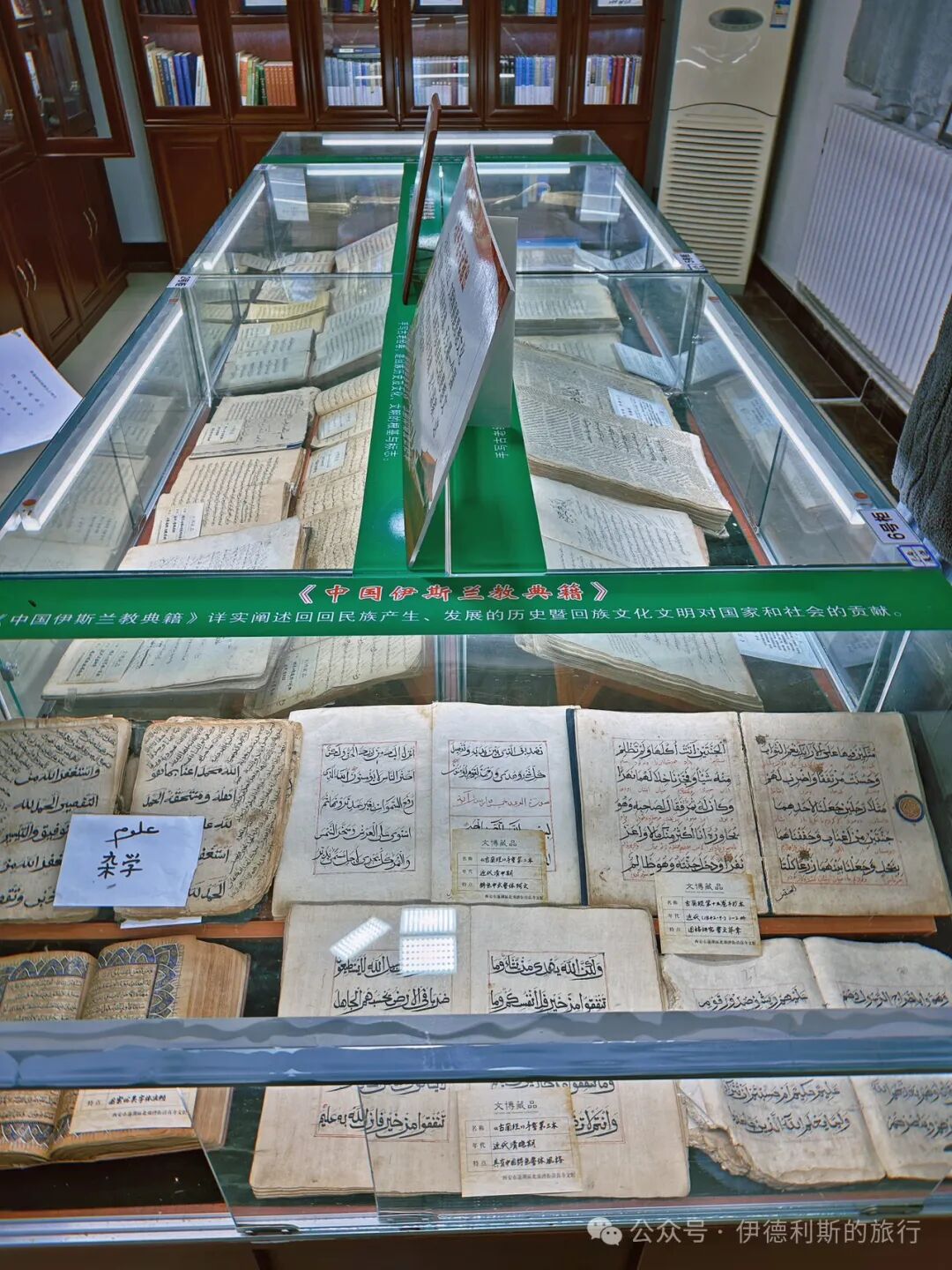
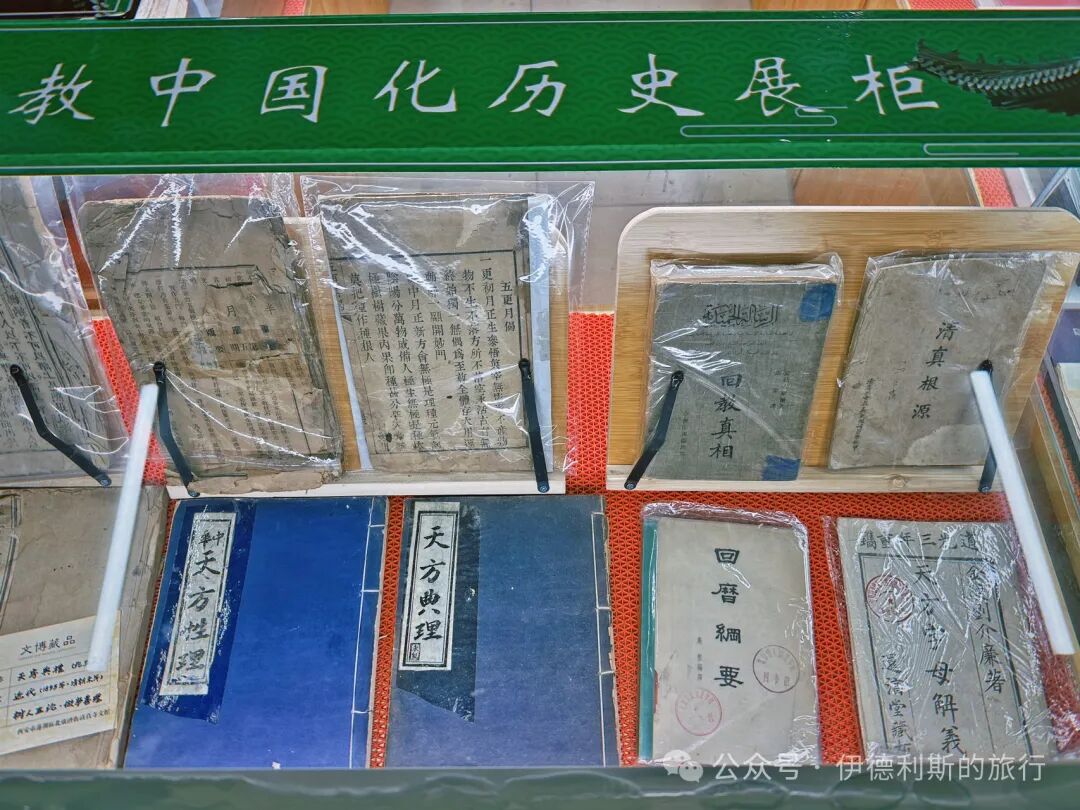
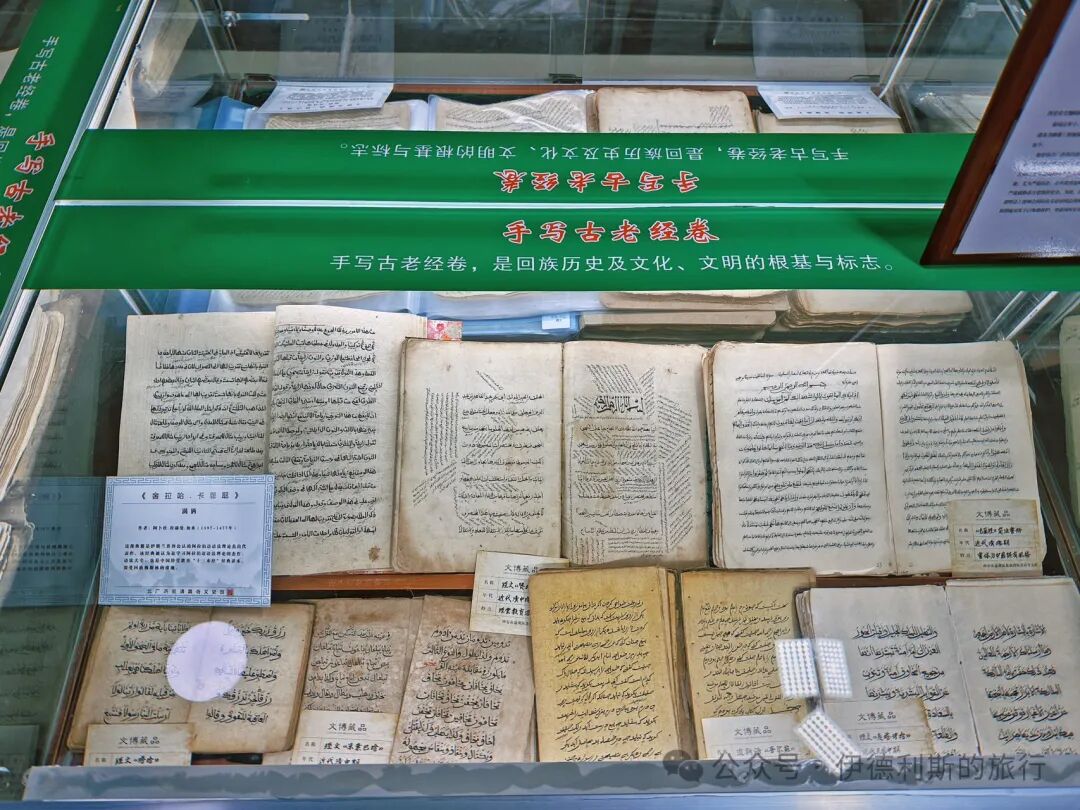
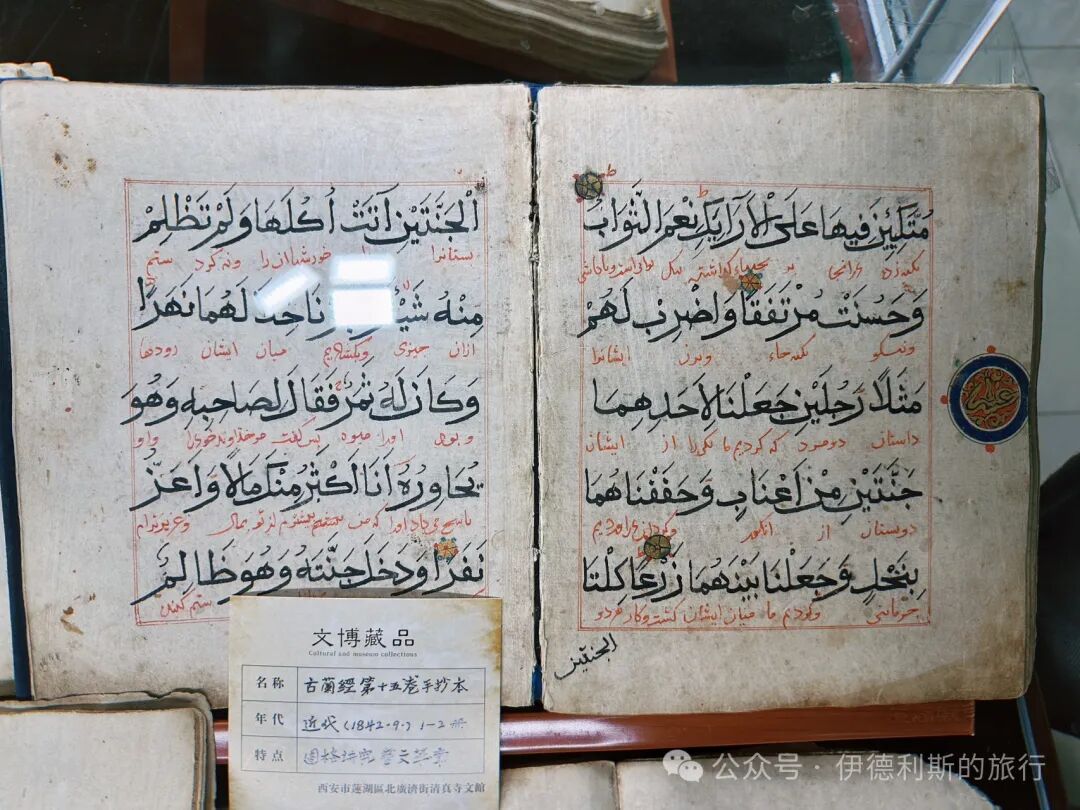
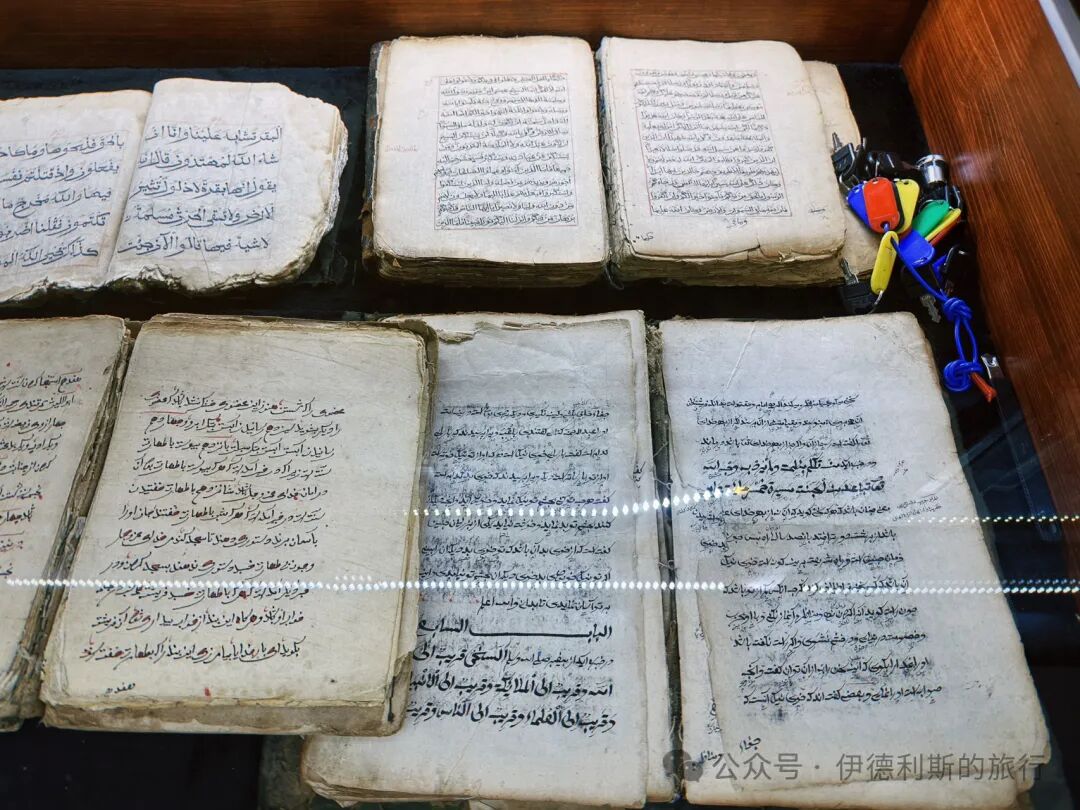
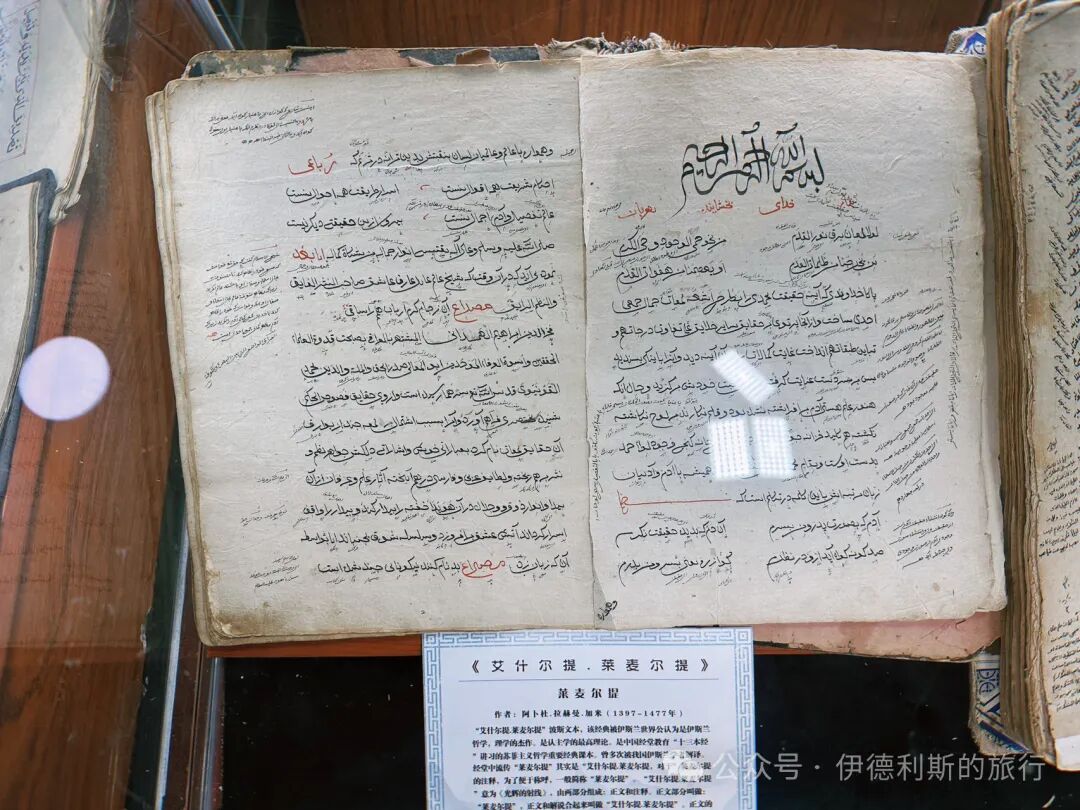
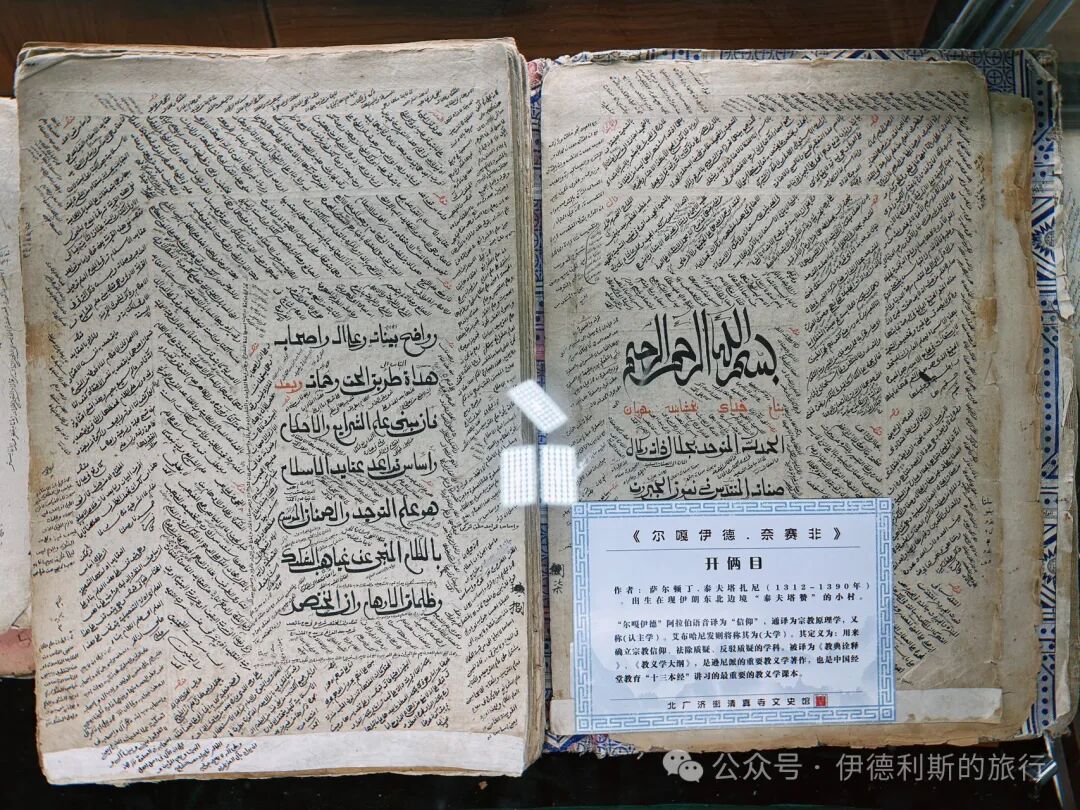
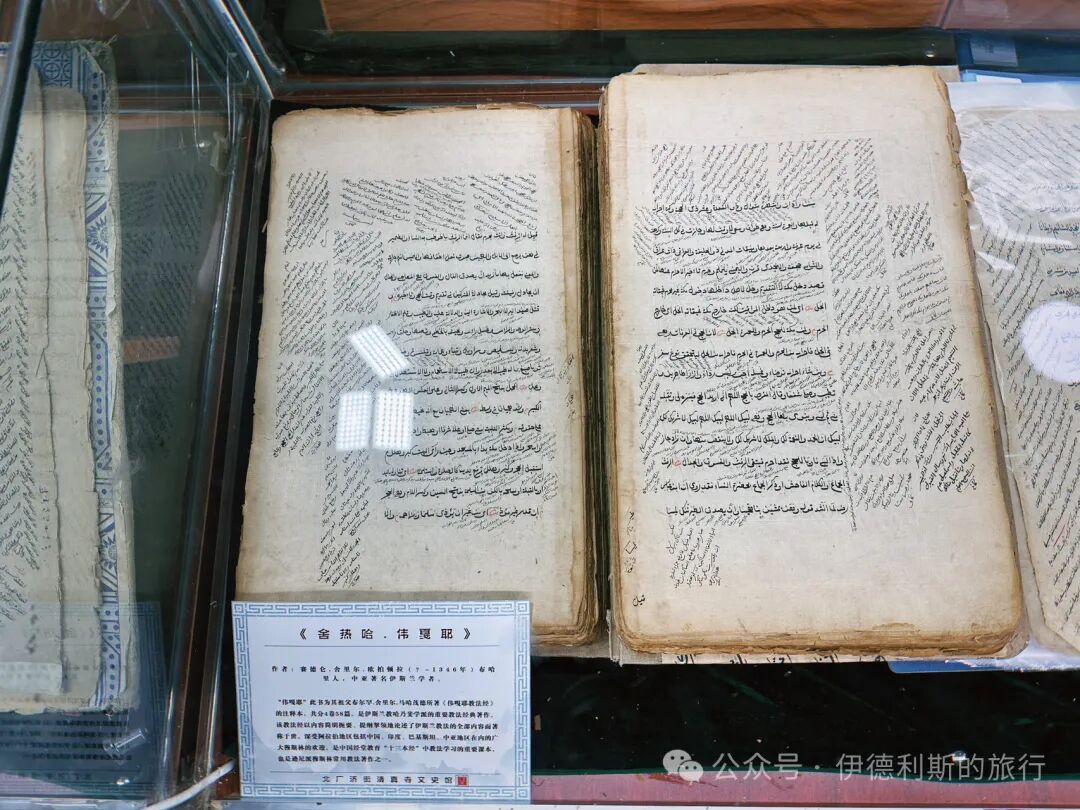
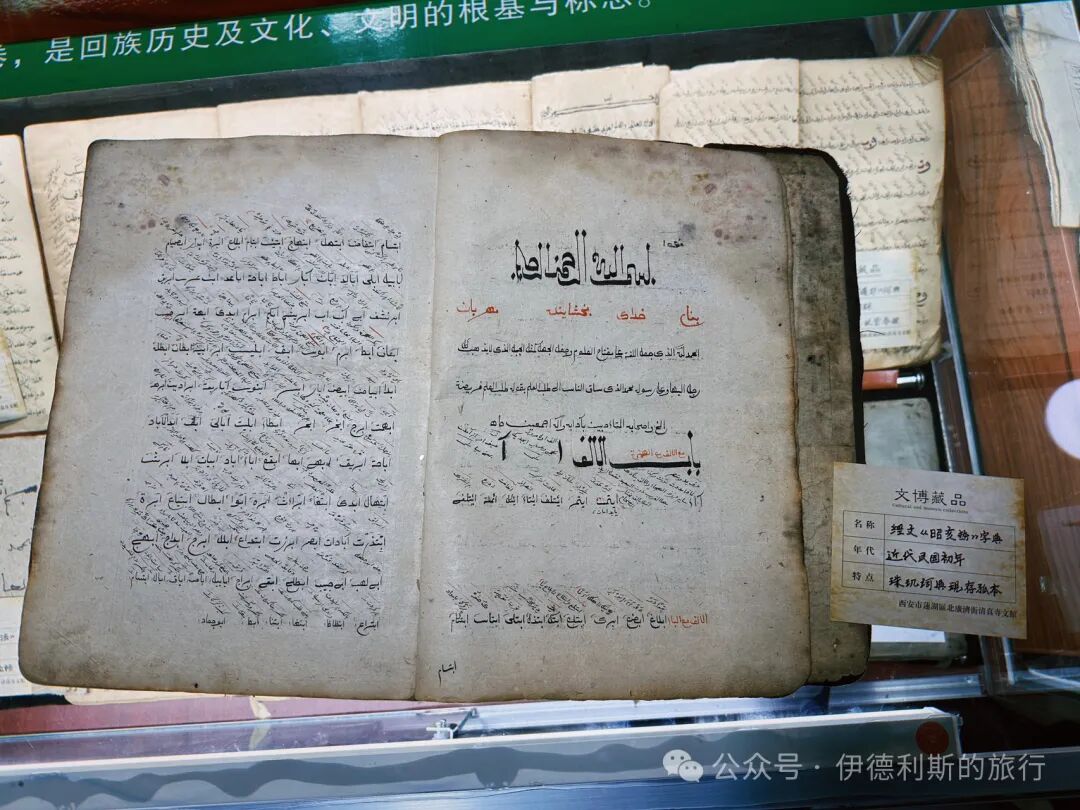
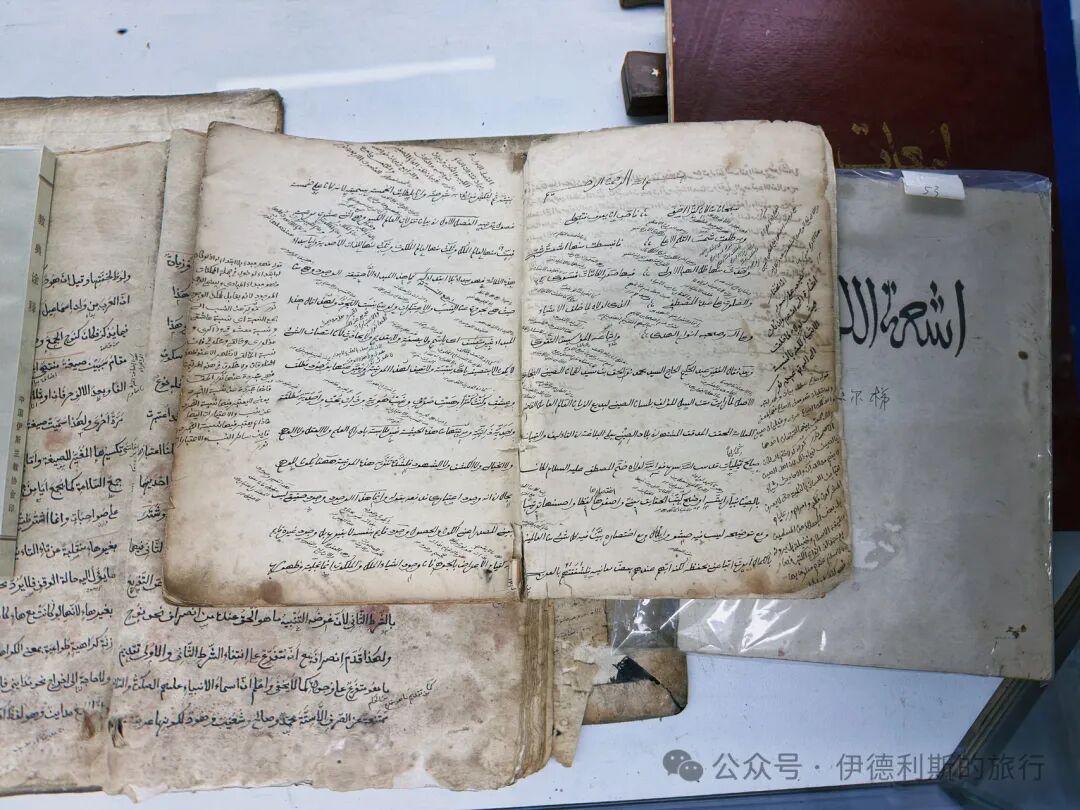
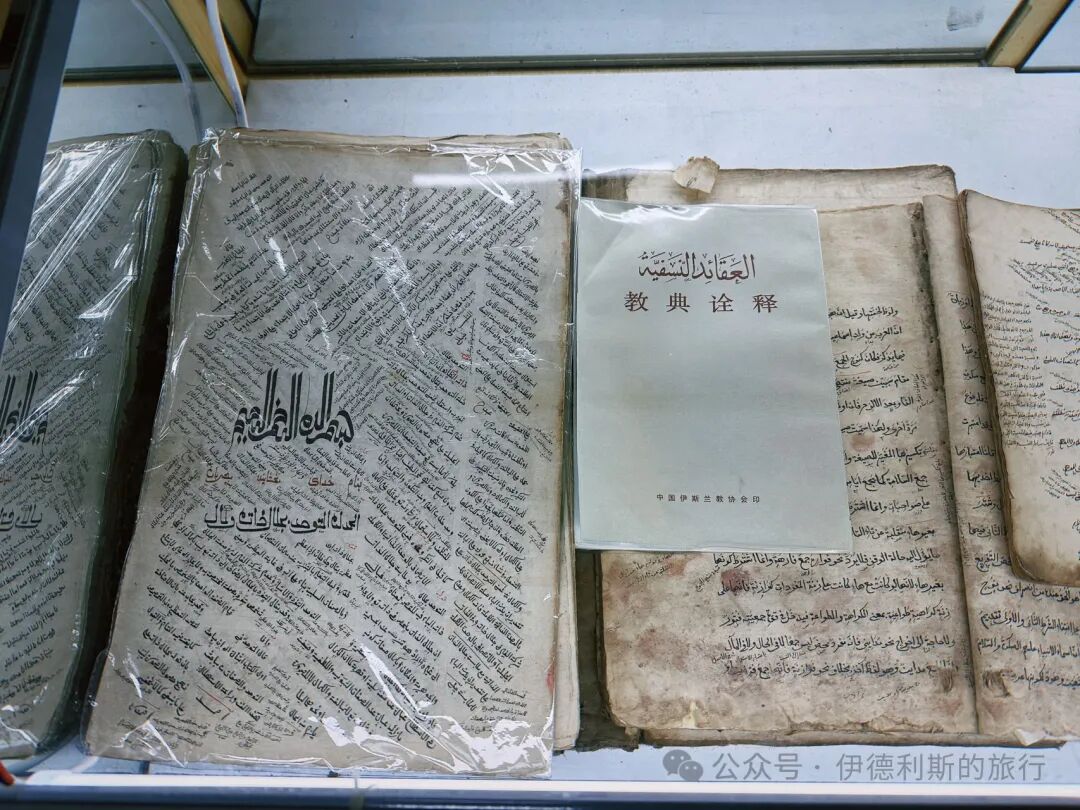
The collection includes various hand-copied manuscripts, including scriptures and textbooks for traditional mosque education (jingtang jiaoyu). It is an impressive sight that shows the face of traditional Chinese mosque education.
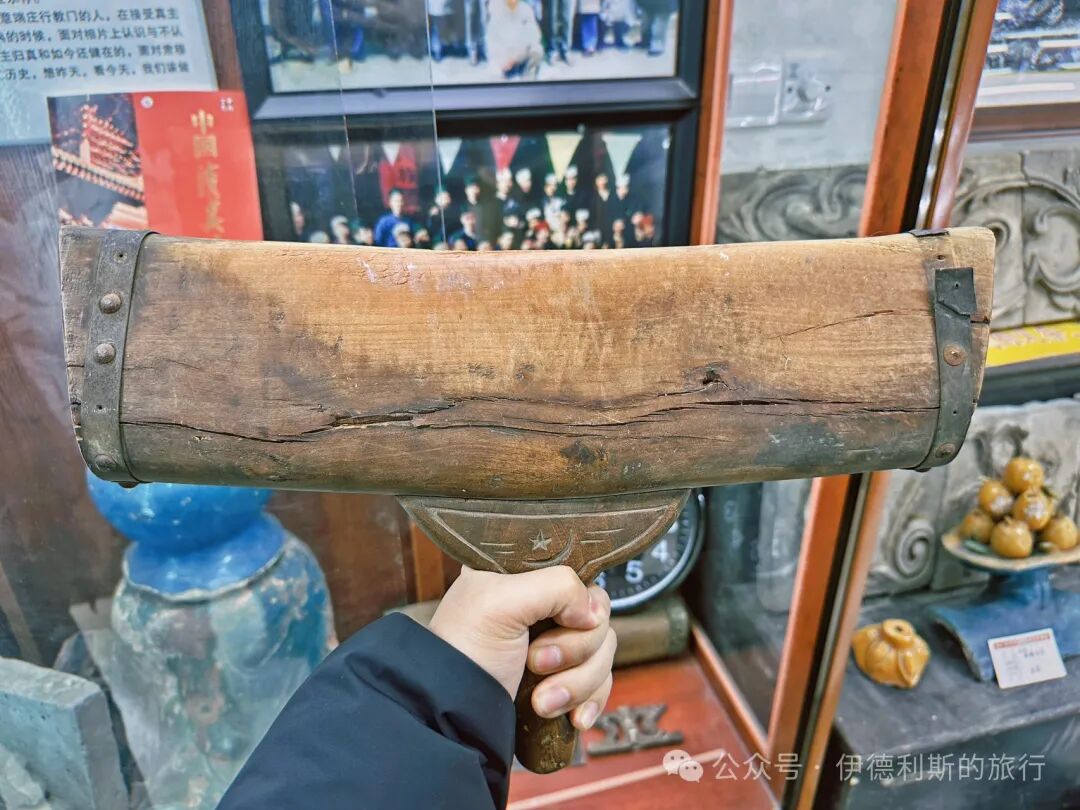
A wooden clapper (bangzi) from the collection. Beating the clapper during Ramadan is a classic sound in the Xi'an Hui quarter.
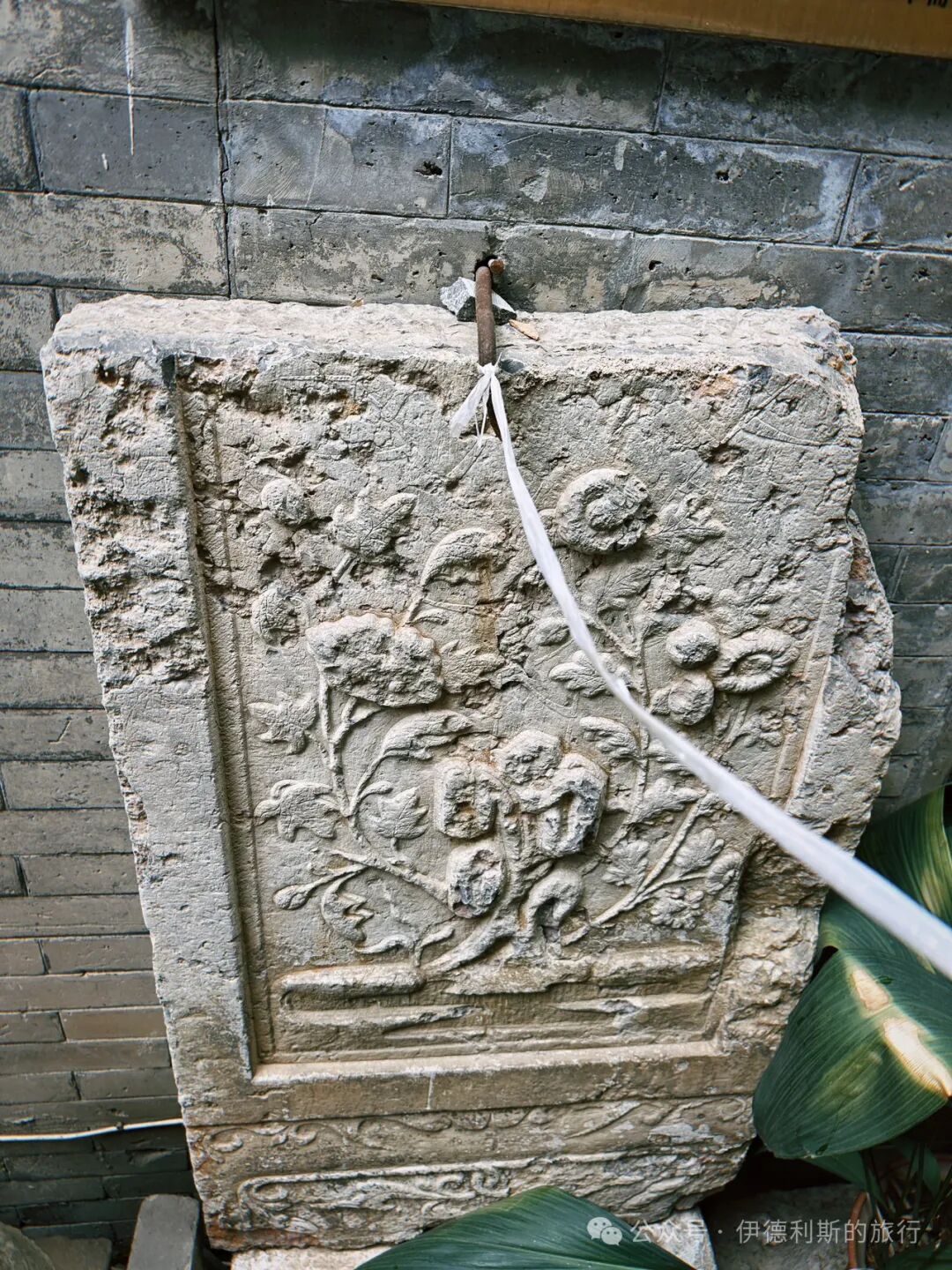
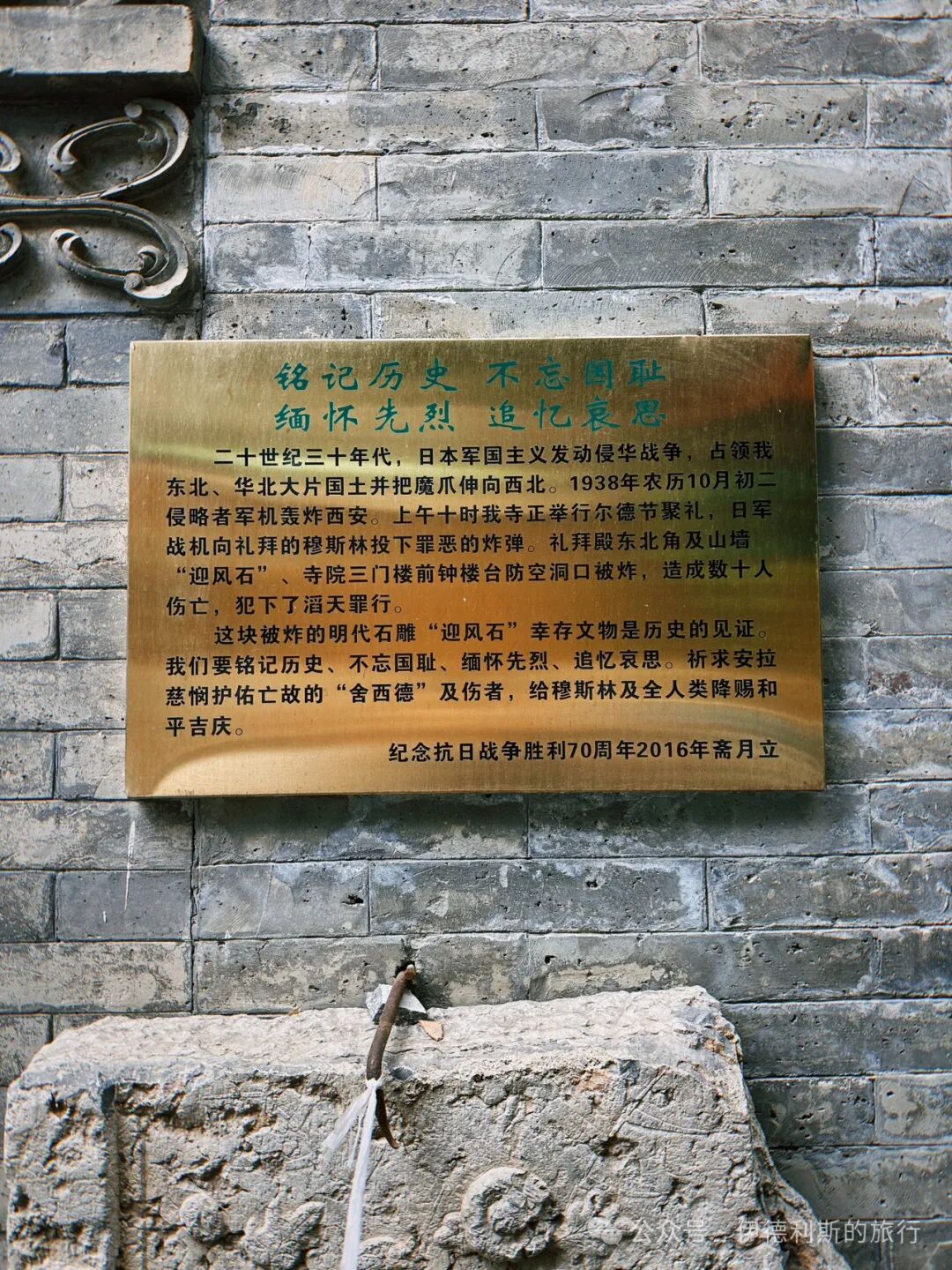
A Ming Dynasty 'Wind-Facing Stone' (yingfengshi) on the gable of the main prayer hall. In 1938, the Beiguangji Street Mosque was bombed by the Japanese army, causing dozens of casualties. The Wind-Facing Stone is a surviving witness to this event.
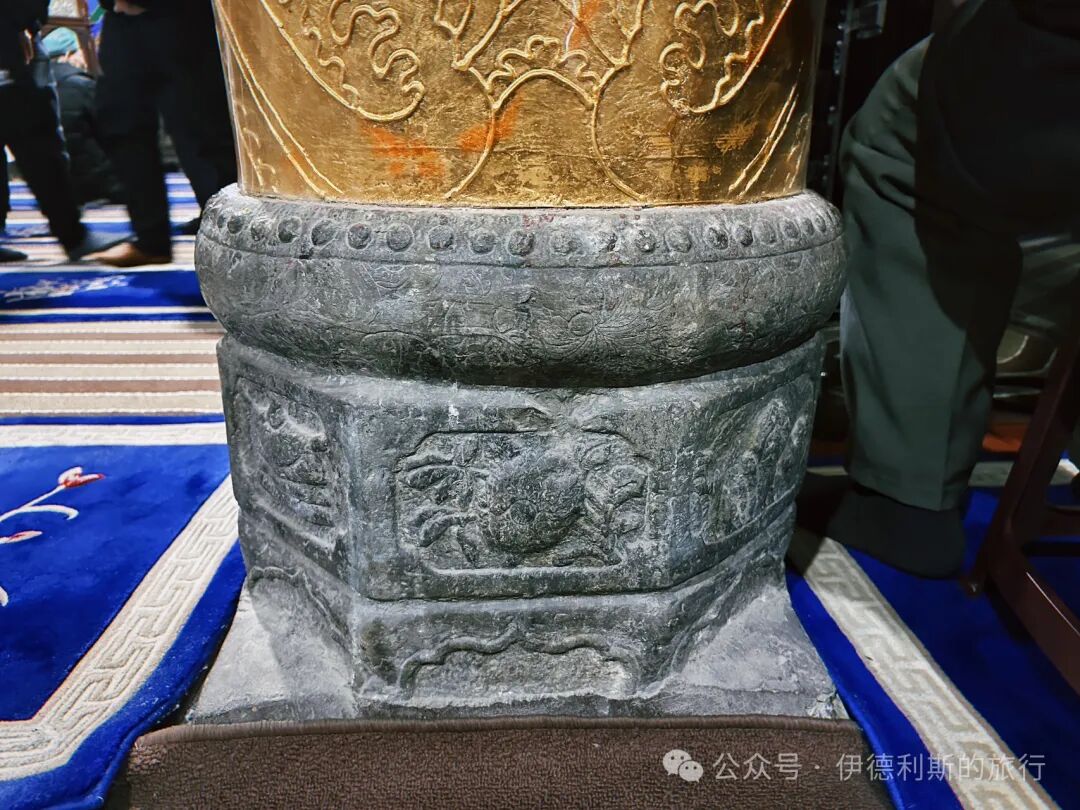
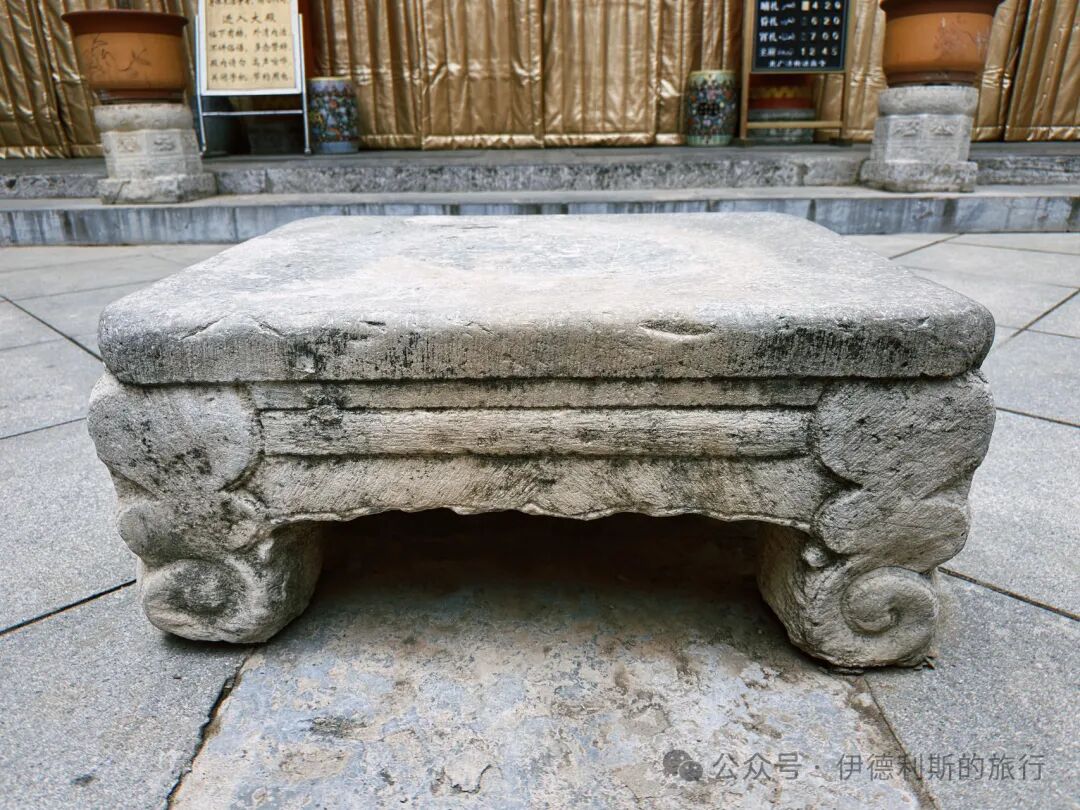
The mosque still has many stone carvings, such as the column bases of the main prayer hall and the stone offering table that once held an incense burner in front of the hall.
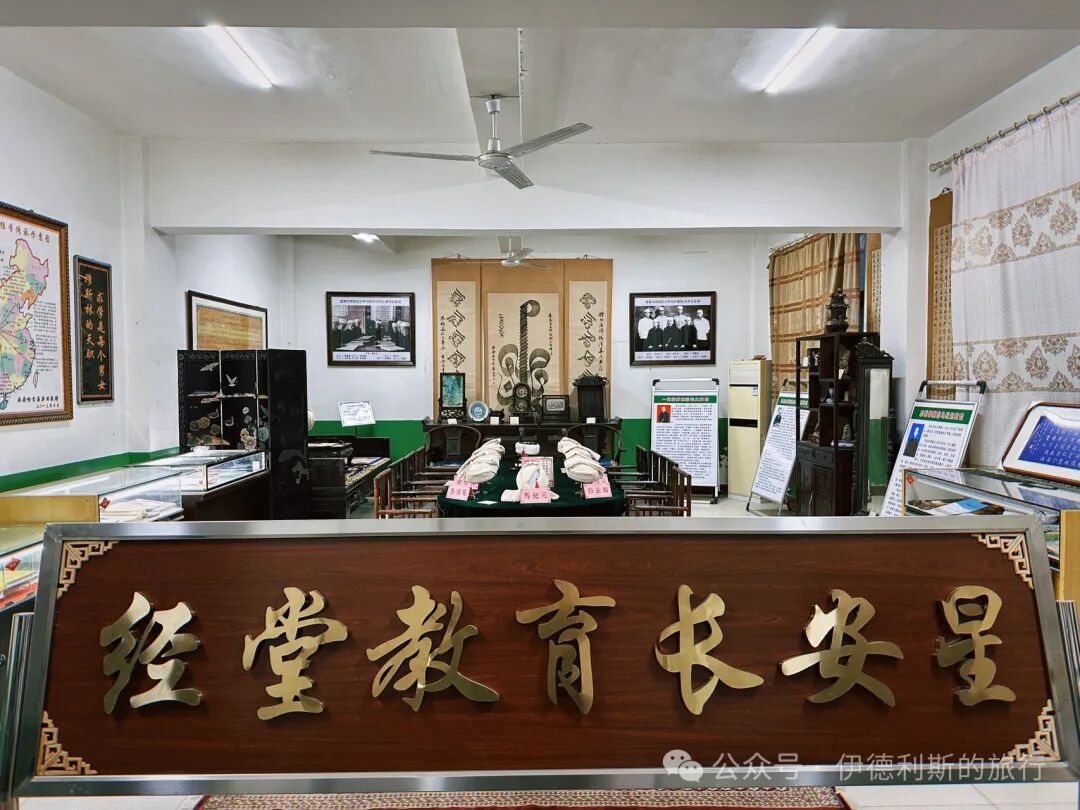
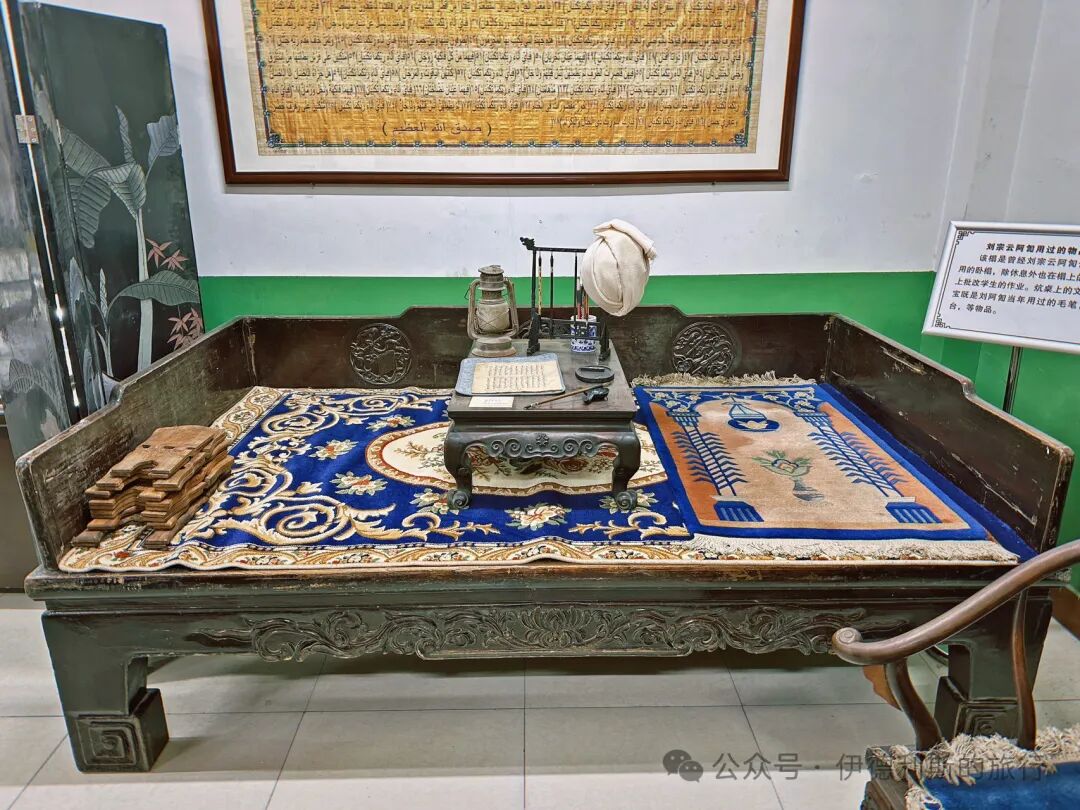
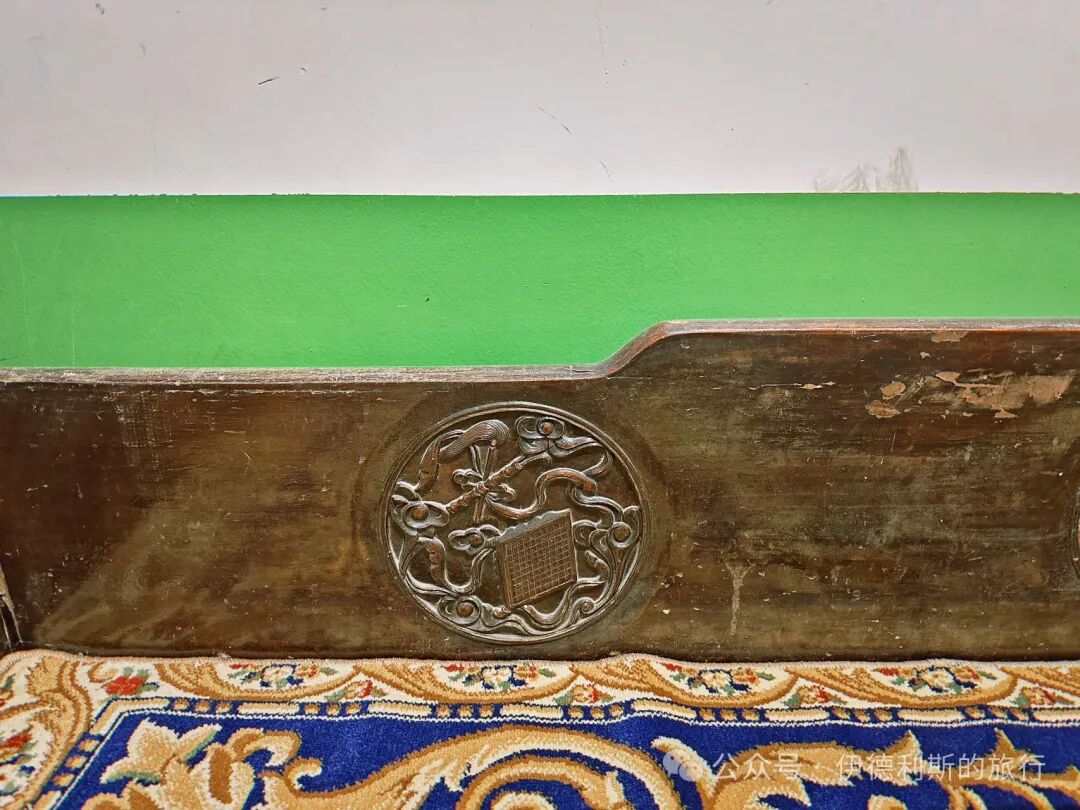
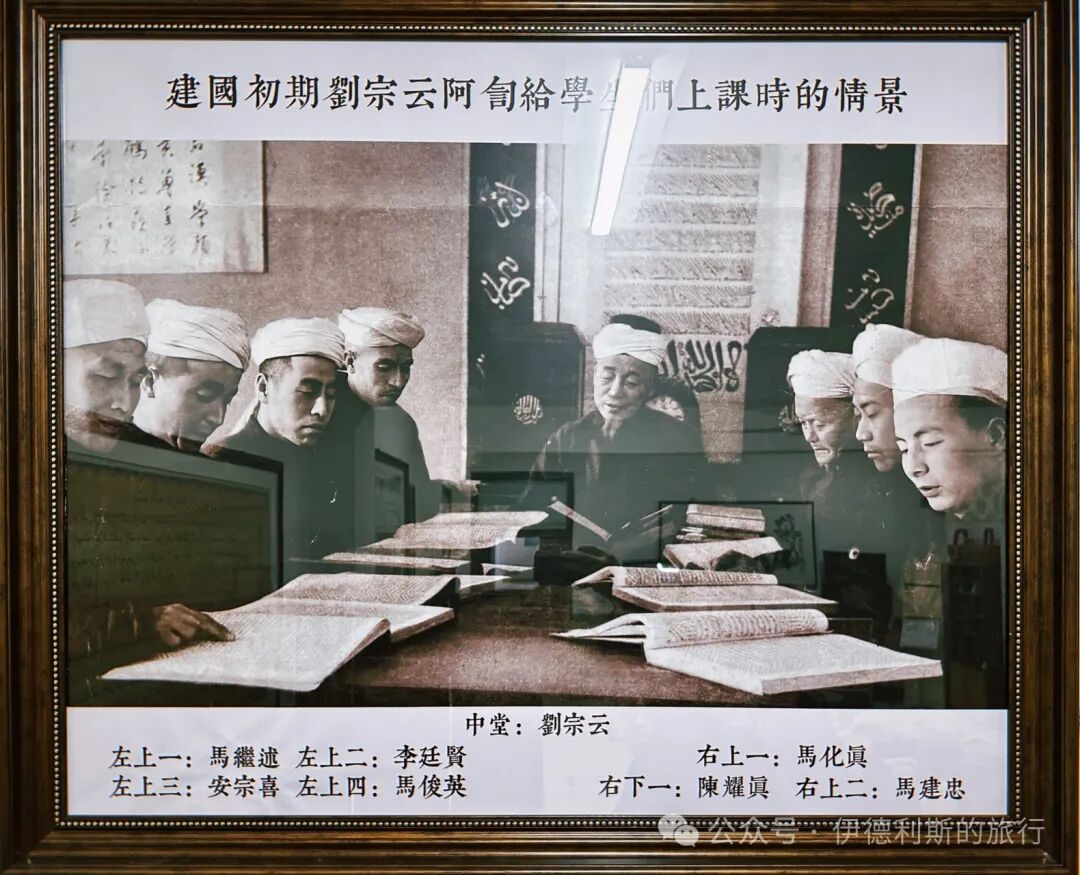
Exhibition hall: Stars of Mosque Education in Chang'an. The exhibition hall also houses various hand-copied manuscripts for mosque education, as well as the daybed, kang table, and stationery used by the great master Imam Liu Zongyun. Imam Liu Zongyun (1894-1961) was from the Muslim Quarter in Xi'an. In 1936, he taught at mosques in Ankang and Shuhe, Shaanxi. From 1938 to 1958, he taught at the North Guangji Street Mosque and the Sajinqiao Mosque in Xi'an. He trained many religious scholars for the Shaanxi and Gansu regions, which laid a strong foundation for the revival of the faith in the 1980s.
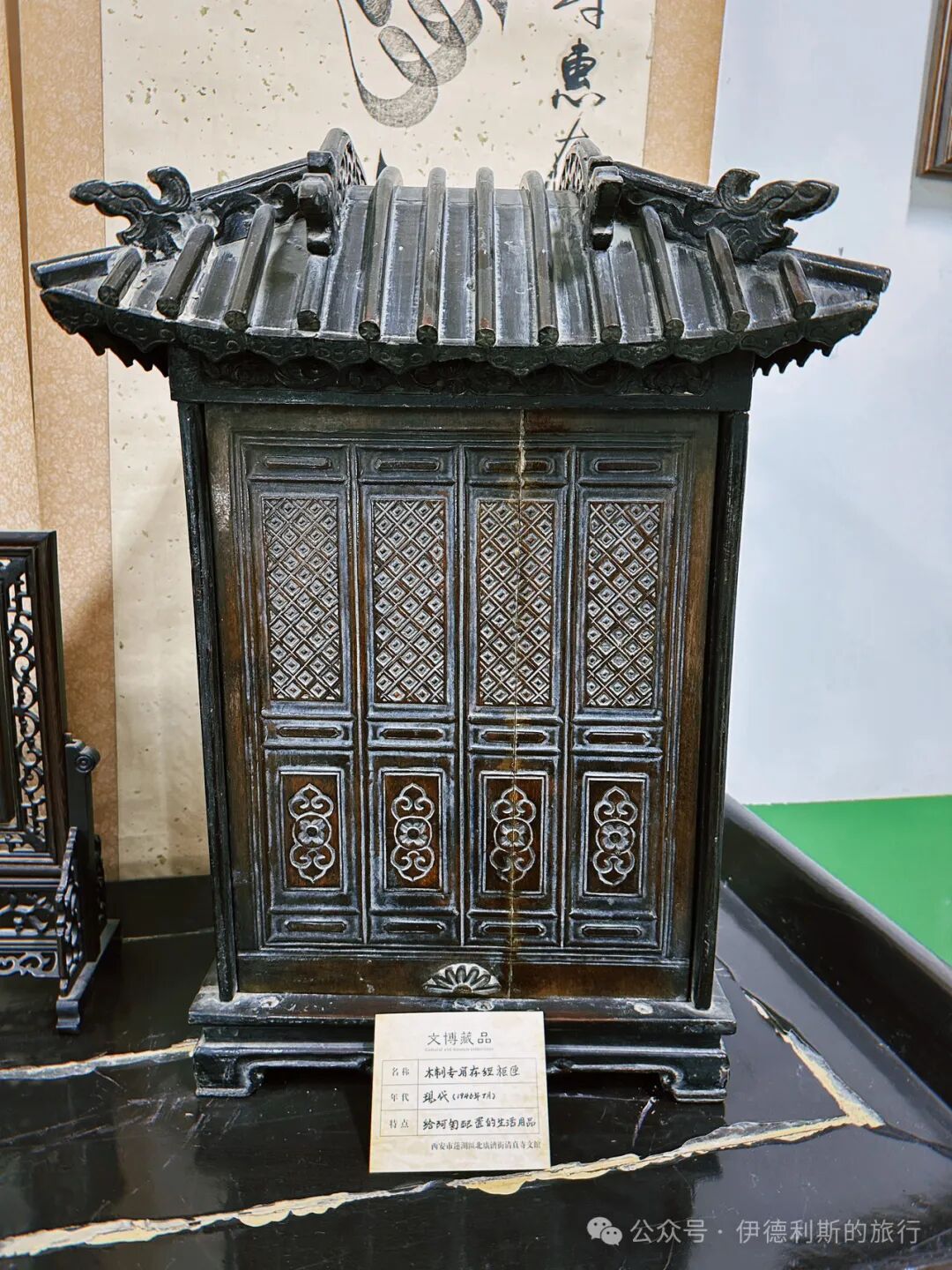
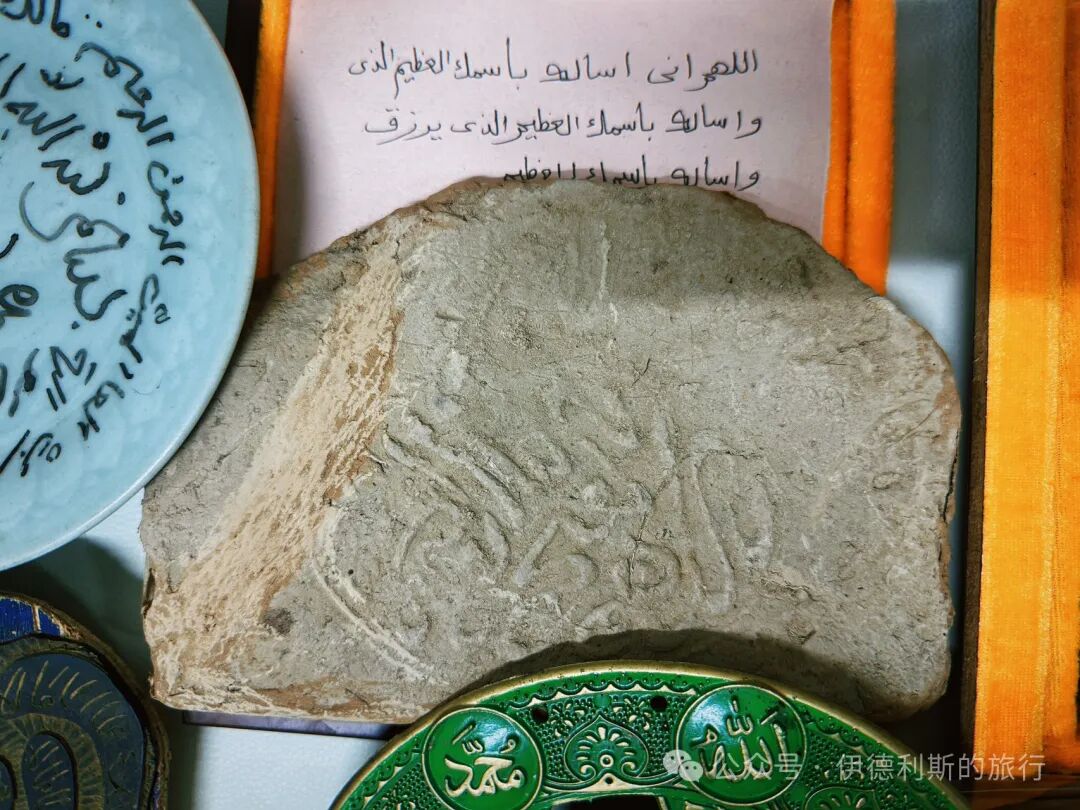
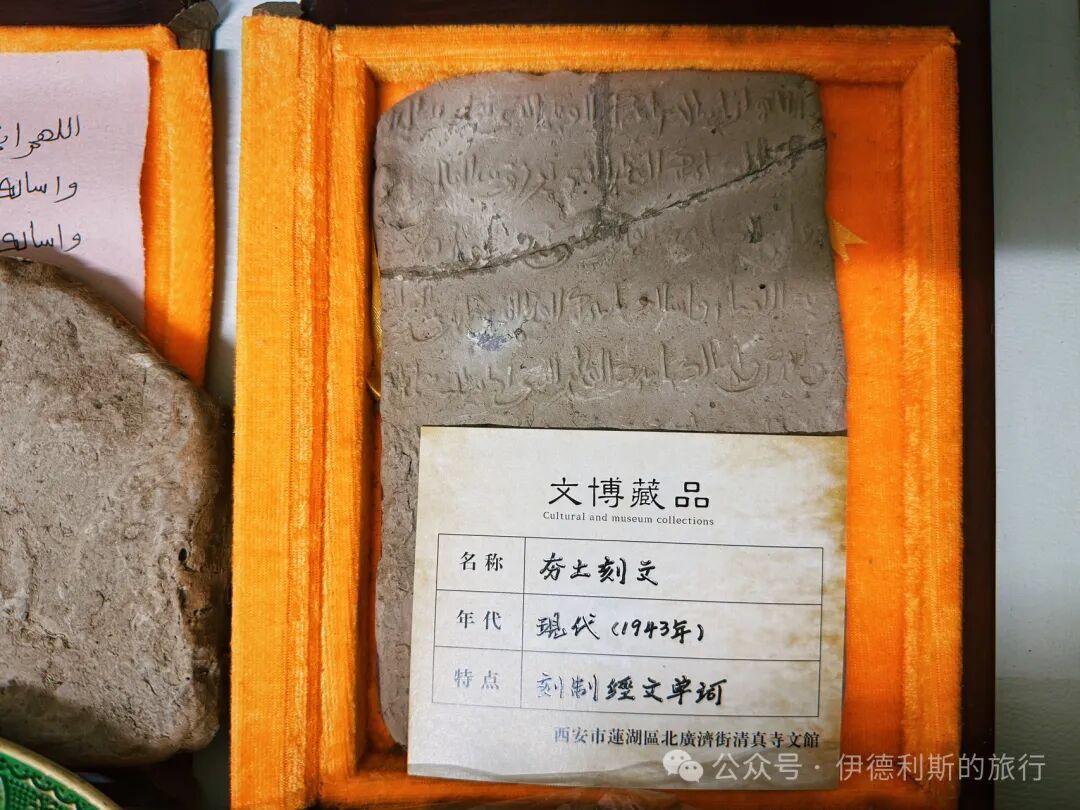
The exhibition hall displays beautiful wooden scripture boxes and rammed-earth dua niches (dua yi) that were once built into grave pits.
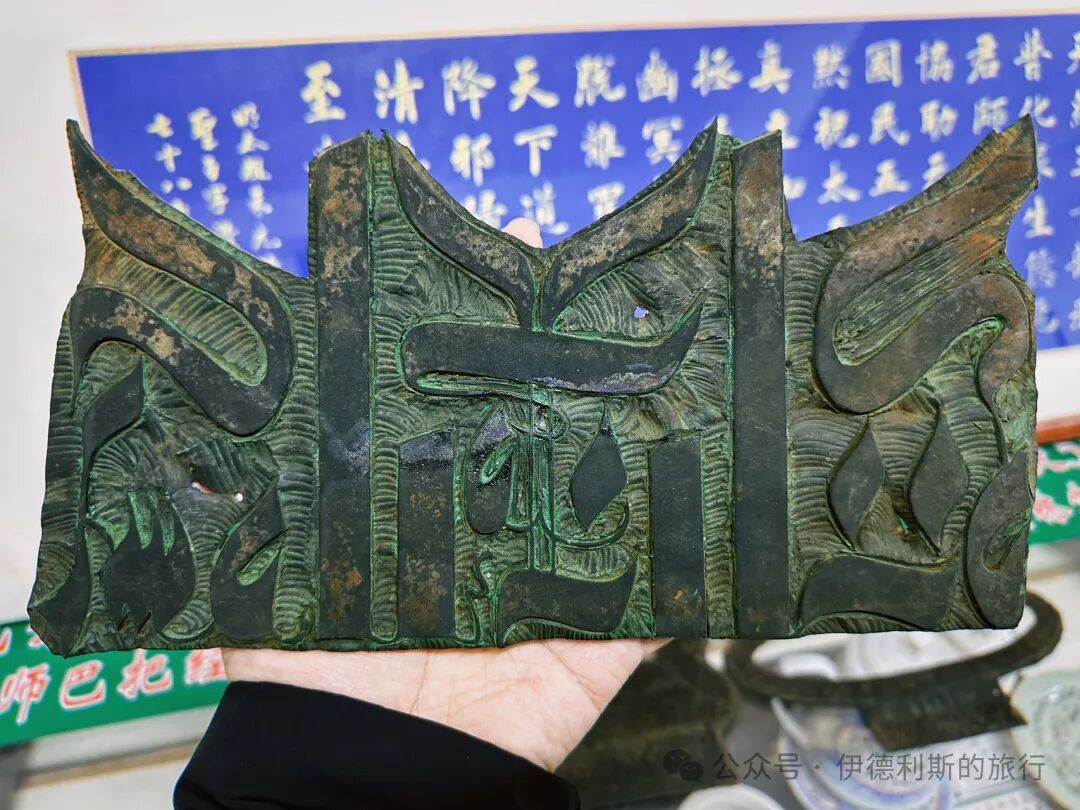
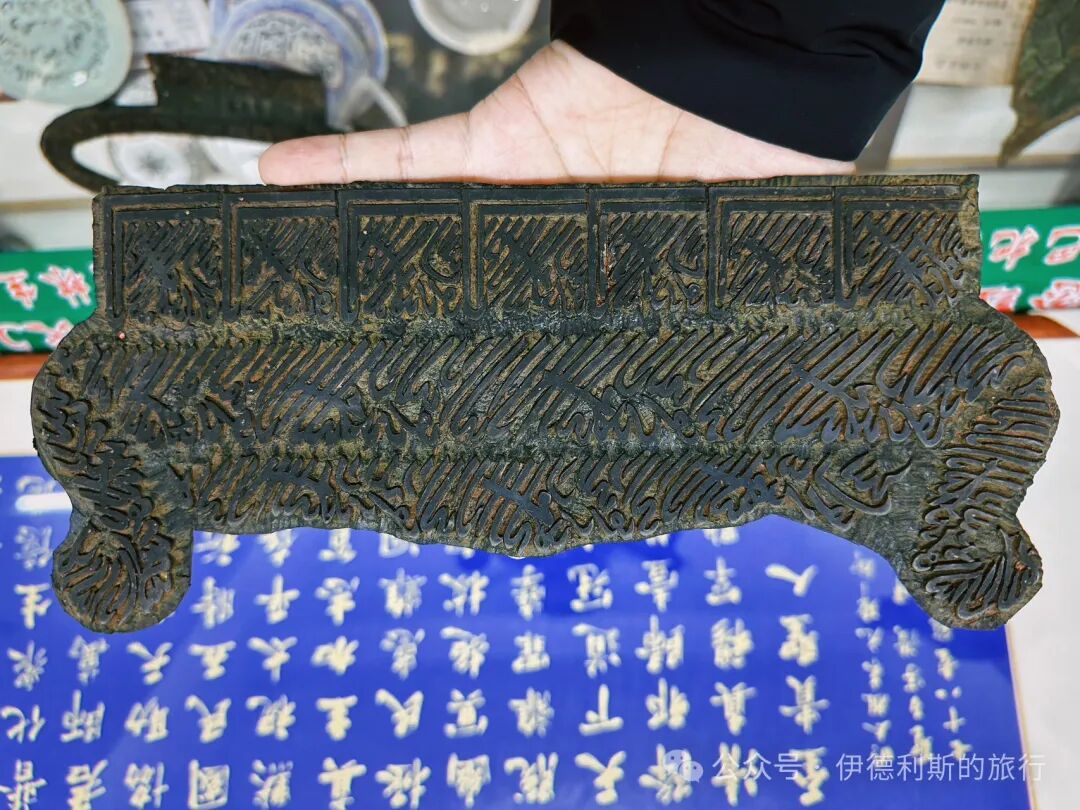
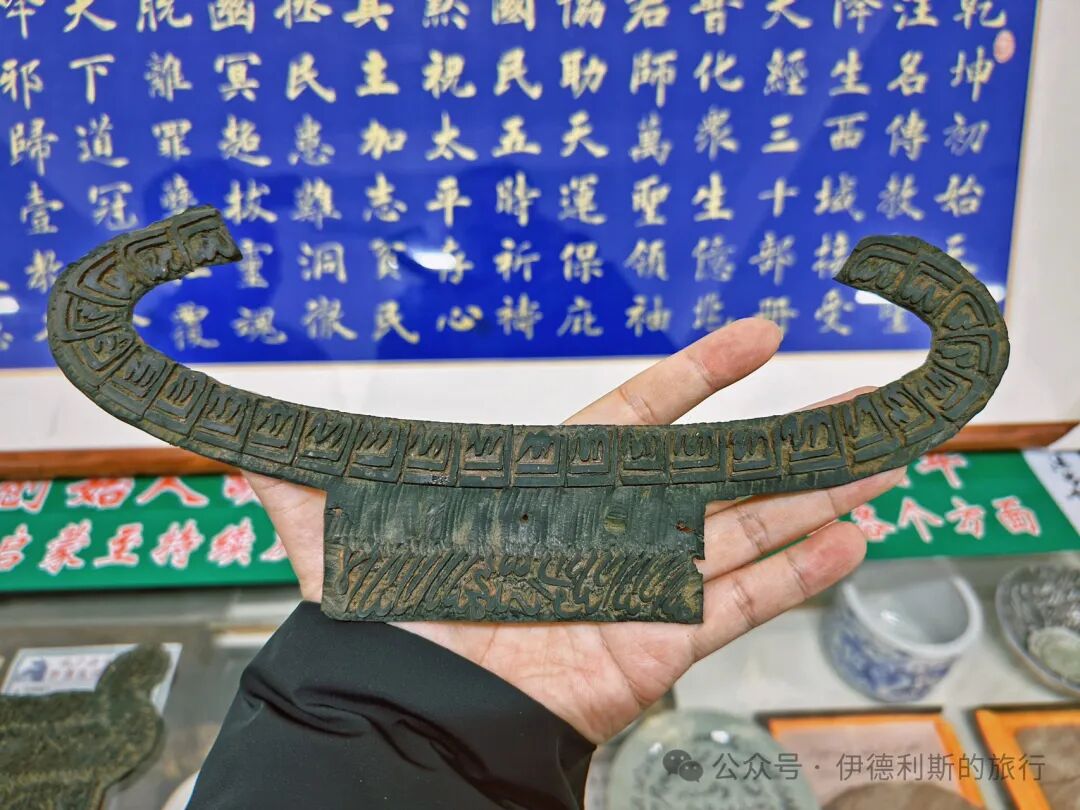
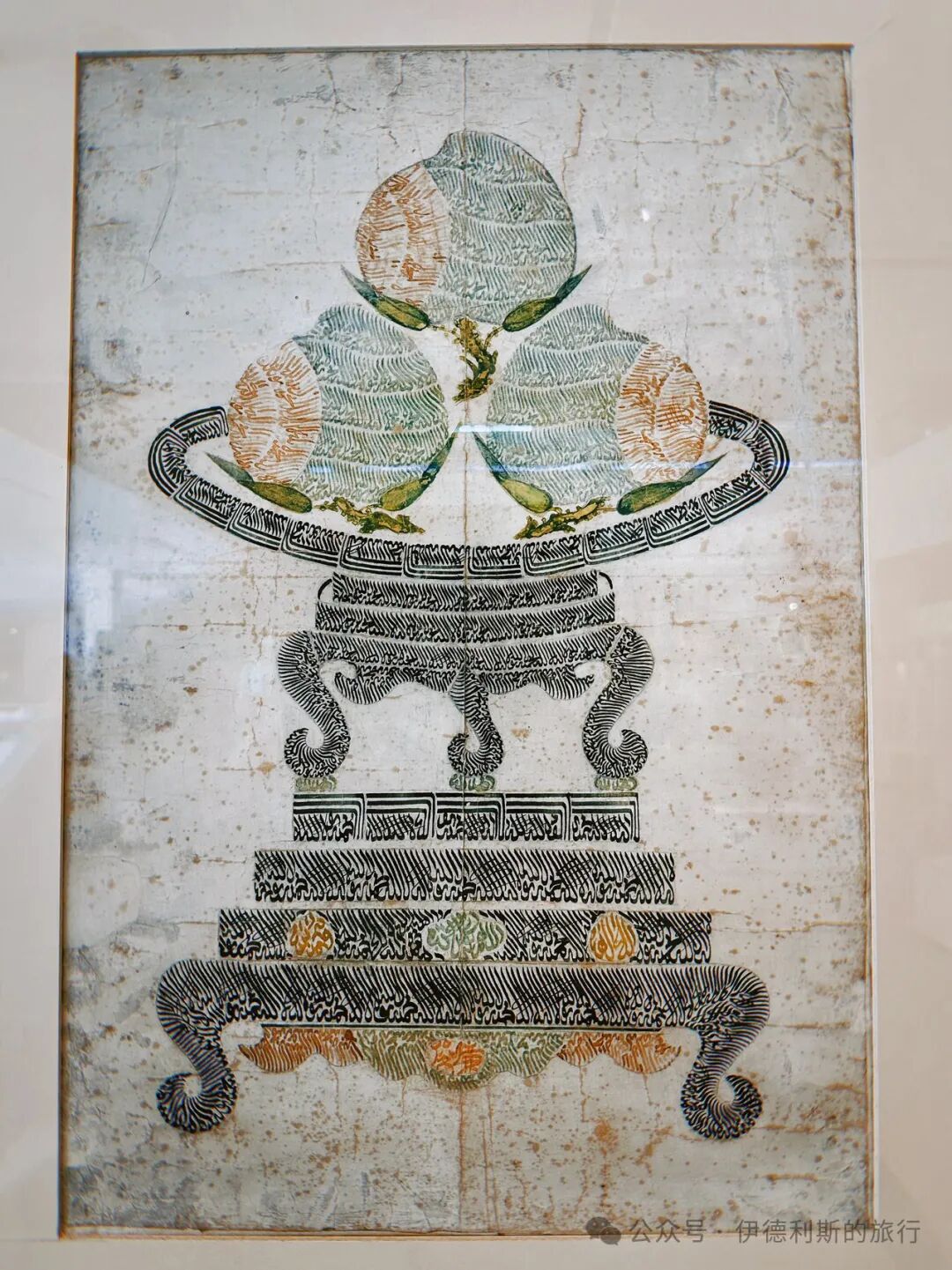
The museum holds traditional woodblocks for printing scripture calligraphy. The final piece is an original drawing from the 1950s by Imam Liu Junlian of Xi'an, which is now part of the collection at the Islamic Arts Museum Malaysia.
Summary: The Beiguangji Street Mosque in Xi'an has a history and culture museum that records local Hui Muslim memory, mosque life, and community heritage. This visit keeps the original exhibition details, photos, names, and architectural notes from the Chinese article.
The Beiguangji Street Mosque in Xi'an is said to have been built in the late Ming Dynasty and renovated in the 33rd year of the Qianlong reign of the Qing Dynasty. Historically, it was a branch (shaoma) of the Huajue Lane Great Mosque, so it is commonly called the Small Mosque.
The current Small Mosque on Guangji Street was rebuilt in stages after 1985. Its minaret (bangkelou) has a hexagonal pointed roof with very fine carvings. It sits right next to North Guangji Street and is the only minaret in Xi'an located behind the main prayer hall. It was listed as a fourth-batch Xi'an cultural relic protection site in 2016.
The Beiguangji Street Mosque History and Culture Museum holds many precious artifacts, thanks to the hard work of Jia Sheshou and the local elders.
The original plaque for the mosque gate was written by Song Bolu (1853-1932), a native of Liquan County, Shaanxi. After 1916, he served as the chief editor and director of the Shaanxi Provincial Gazetteer Bureau and led the compilation of the Continued Shaanxi Gazetteer Draft. Before 1923, the Shaanxi Provincial Gazetteer Bureau was located on the west side of the southern end of North Guangji Street, very close to the Beiguangji Street Mosque. Song Bolu was known for his running script (xingshu) and rarely wrote in regular script (kaishu), making this plaque very rare.
The mosque's original minaret had a 'Return to Truth' (guizhen) plaque on the north gate, and the south gate once had a 'Whole' (quanti) plaque, but their whereabouts are unknown today. The plaque is inscribed with 'Auspicious day in the mid-autumn chrysanthemum month' and signed by 'Cabinet official Ma Jinli, the caller to prayer (mingjiao).' A cabinet official was someone who worked in institutions like the Qing Dynasty Cabinet or the Hanlin Academy. Mingjiao is the term used in the Xi'an area for a muezzin (mu'anjin).
Glazed ceramic parts replaced during the mosque's 1988 renovation. The use of blue glazed tiles in Xi'an mosques is related to the Ming Dynasty Prince of Qin's Mansion. Similar peacock blue glazed tiles were also unearthed at the site of the Prince of Qin's glazed tile factory in Tongchuan.
Brick carving from the gate of the women's mosque held in the collection. The former site of the Beiguangji Street Women's Mosque was once a charity school. It was bombed by the Japanese army in 1944. In 1949, local Hui Muslims Liu Xiuying, Ma, and Mrs. An initiated its conversion into a women's mosque, making it the first women's mosque in the Xi'an Hui quarter. It was occupied after 1958 and restored in 1984.
The collection includes various architectural parts: brick carvings, wood carvings, glazed tiles, and door stone bases.
The collection includes various hand-copied manuscripts, including scriptures and textbooks for traditional mosque education (jingtang jiaoyu). It is an impressive sight that shows the face of traditional Chinese mosque education.
A wooden clapper (bangzi) from the collection. Beating the clapper during Ramadan is a classic sound in the Xi'an Hui quarter.
A Ming Dynasty 'Wind-Facing Stone' (yingfengshi) on the gable of the main prayer hall. In 1938, the Beiguangji Street Mosque was bombed by the Japanese army, causing dozens of casualties. The Wind-Facing Stone is a surviving witness to this event.
The mosque still has many stone carvings, such as the column bases of the main prayer hall and the stone offering table that once held an incense burner in front of the hall.
Exhibition hall: Stars of Mosque Education in Chang'an. The exhibition hall also houses various hand-copied manuscripts for mosque education, as well as the daybed, kang table, and stationery used by the great master Imam Liu Zongyun. Imam Liu Zongyun (1894-1961) was from the Muslim Quarter in Xi'an. In 1936, he taught at mosques in Ankang and Shuhe, Shaanxi. From 1938 to 1958, he taught at the North Guangji Street Mosque and the Sajinqiao Mosque in Xi'an. He trained many religious scholars for the Shaanxi and Gansu regions, which laid a strong foundation for the revival of the faith in the 1980s.
The exhibition hall displays beautiful wooden scripture boxes and rammed-earth dua niches (dua yi) that were once built into grave pits.
The museum holds traditional woodblocks for printing scripture calligraphy. The final piece is an original drawing from the 1950s by Imam Liu Junlian of Xi'an, which is now part of the collection at the Islamic Arts Museum Malaysia.
