
Halal Travel Guide: 16 Ancient Mosques in China
Reposted from the web
Summary: This English travel account follows a 2016 route through 16 ancient mosques in China, including sites in Anhui, Jiangsu, Xinjiang, and other regions. It keeps the original mosque names, dates, routes, photographs, and Hui Muslim history while presenting the journey in clear everyday English.
In 2016, I officially began visiting Hui Muslim communities along the Grand Canal and the Huai River, as well as several ancient mosques. I also used the October National Day holiday to take a loop tour of Xinjiang.
In May, I visited 4 mosques in Anhui.
Shouxian Great Mosque: It is generally believed that the mosque moved from the northwest corner of the city, where it was built in the Song Dynasty, to the southwest corner during the Tianqi period of the Ming Dynasty (1621-1627). It was renovated multiple times during the Qing Dynasty's Daoguang period and the Republic of China era.
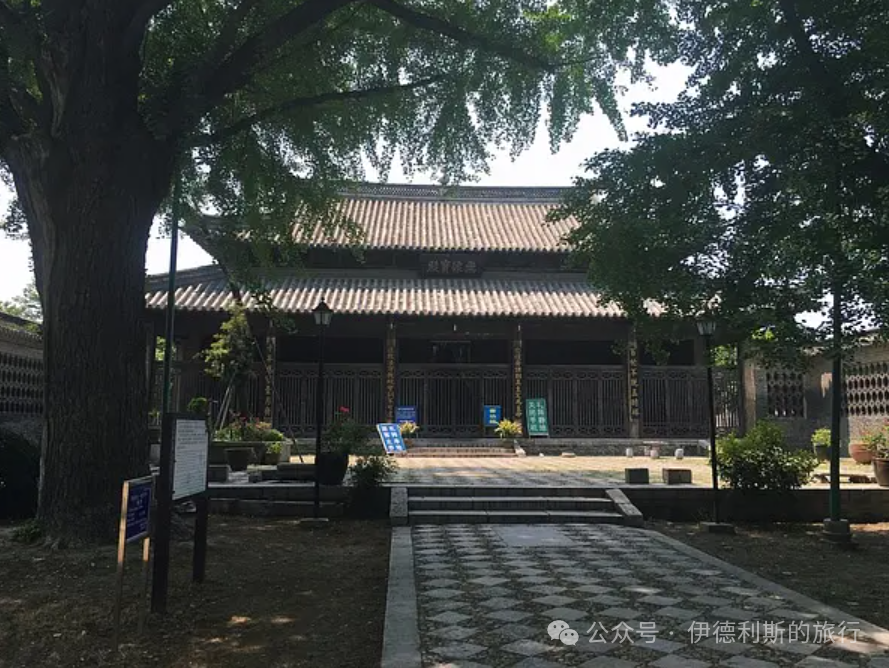
Huainan Laishanji Mosque: Built in 1619 (the 47th year of the Wanli period of the Ming Dynasty), it was constructed after a branch of the Yang family moved from Hongnong County in Shaanxi to Yanghu Town in Yingshang, Anhui, and settled in Laishanji. In 1872 (the 11th year of the Tongzhi period), Yang Qizhen, the Admiral of the Fujian Navy, donated funds to expand it.
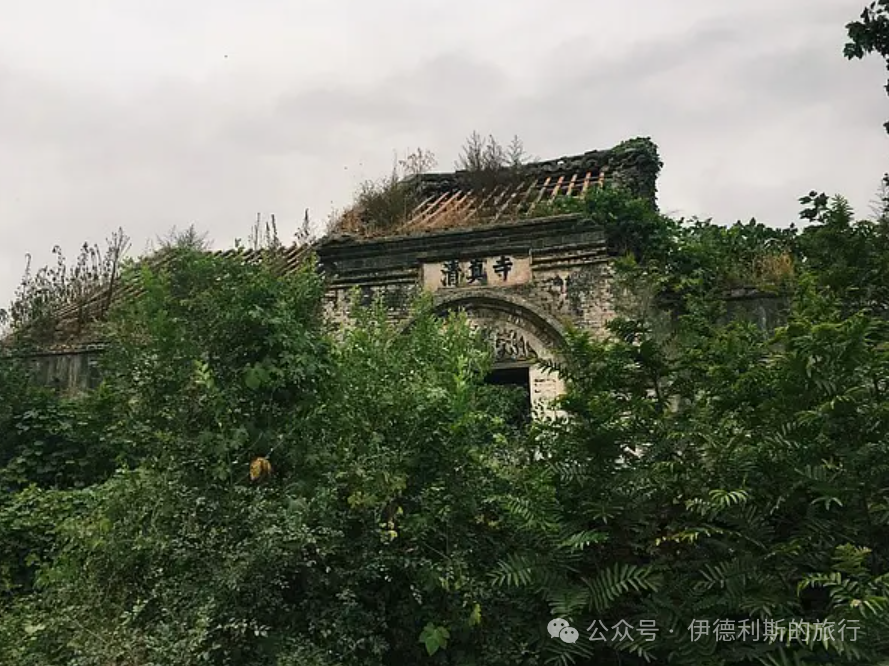
Linbei Ancient Mosque: Located in Linbei Hui Muslim village, it was built in the late Ming Dynasty. Because it sits in the Huai River flood zone, the entire village moved behind the northern Huai River levee in 2015, leaving only the abandoned Linbei Ancient Mosque behind.
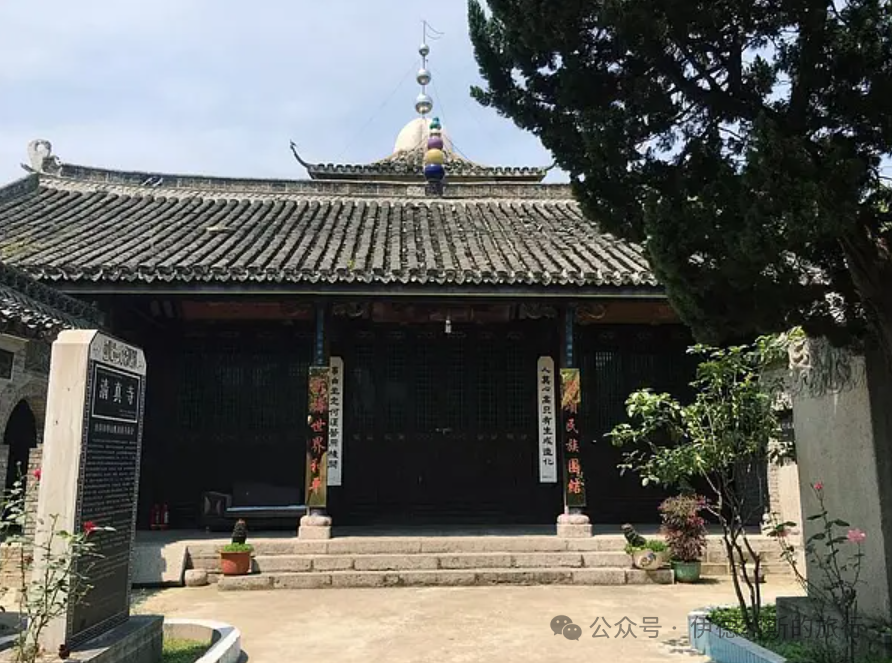
Fengyang Fucheng Mosque: This mosque was built shortly after the Fengyang Prefecture city was completed in 1755. In 1924 (the 13th year of the Republic of China), it was renovated through donations led by Imam Chang Jiasheng. It was renovated again in 2004 to its current appearance.
In June, I visited 2 mosques in Jiangsu.
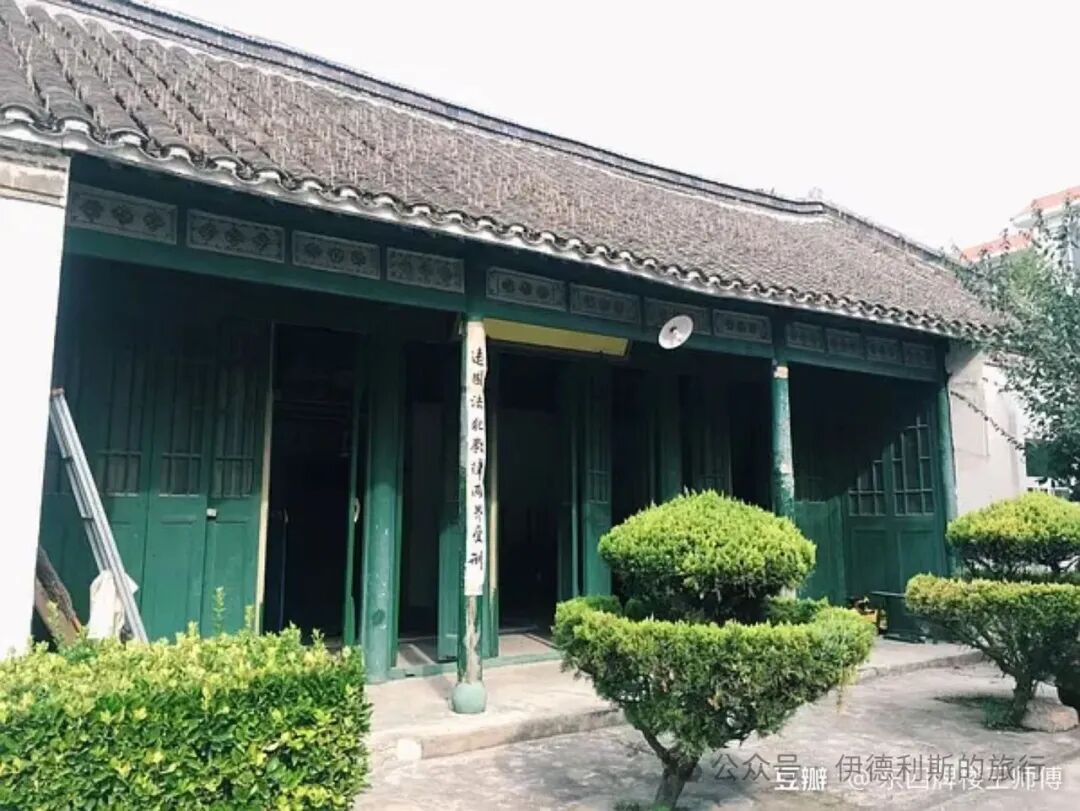
Hushu Mosque: First built in 1392 (the 25th year of the Hongwu period), it was destroyed during the Taiping Rebellion. The main prayer hall was rebuilt in 1896 (the 22nd year of the Guangxu period). In 1911, five tile-roofed rooms were built on the left side in front of the main hall, with a water room (shuifang) on the left, dormitories on the right, and a guest hall in the middle. In 1919, the three rooms of the front hall, the five rooms of the main prayer hall, and two side rooms at the east end of the main gate were rebuilt.
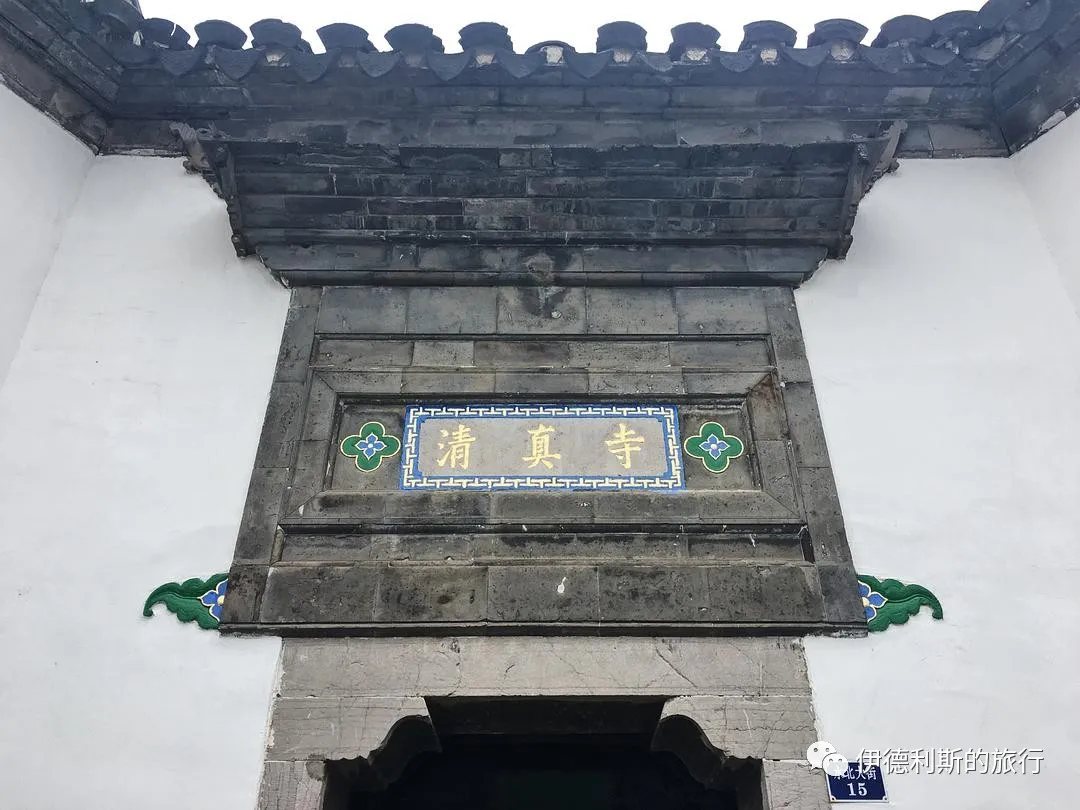
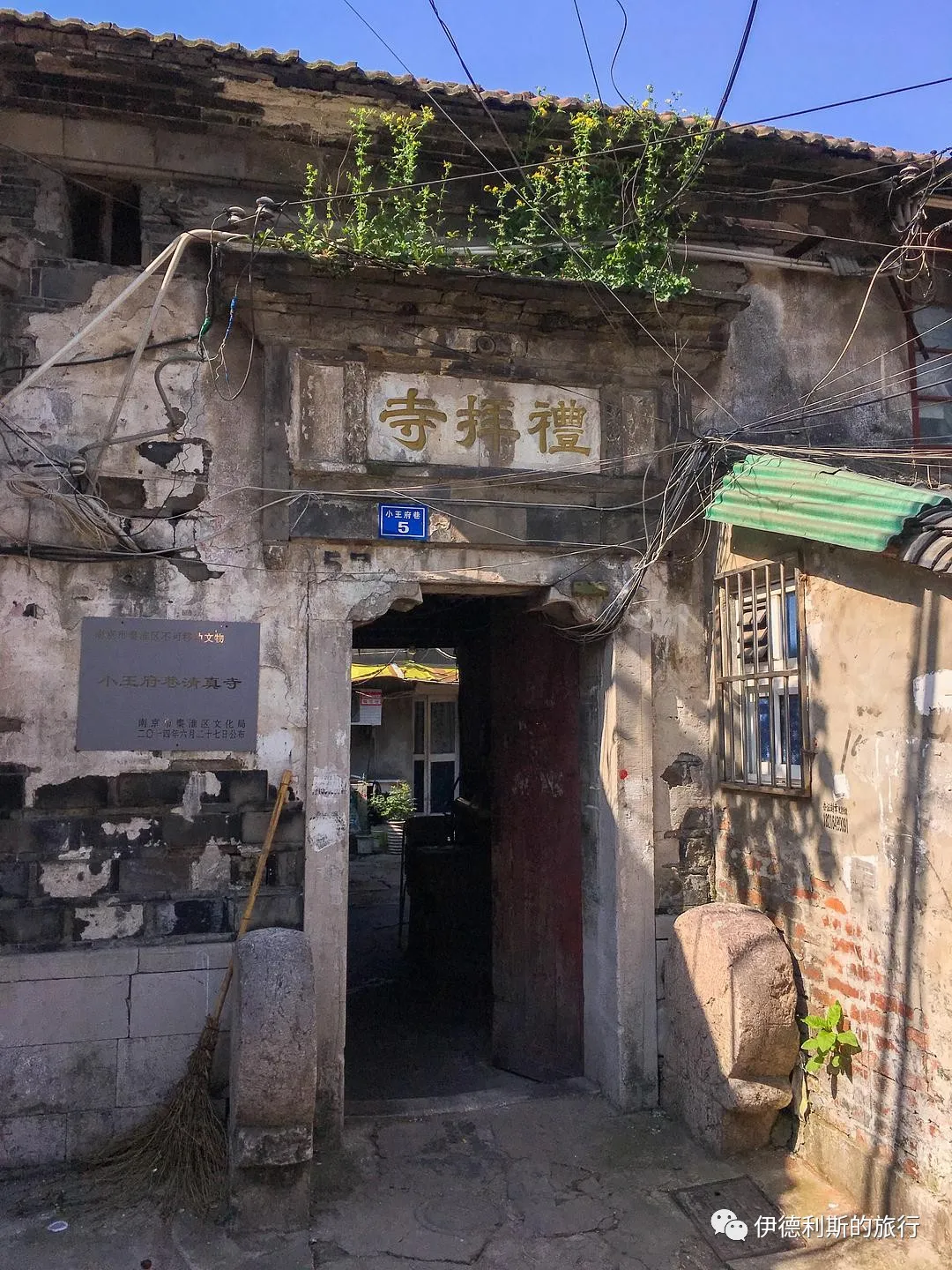
Xiaowangfu Lane Mosque: First built in 1874 (the 13th year of the Tongzhi period), it hosted the Wuben Primary School in 1917, which operated until it was taken over by the local government in 1951. Later, the mosque was occupied by a wire and cable factory to serve as staff dormitories.
In October, I visited 5 mosques in Xinjiang.
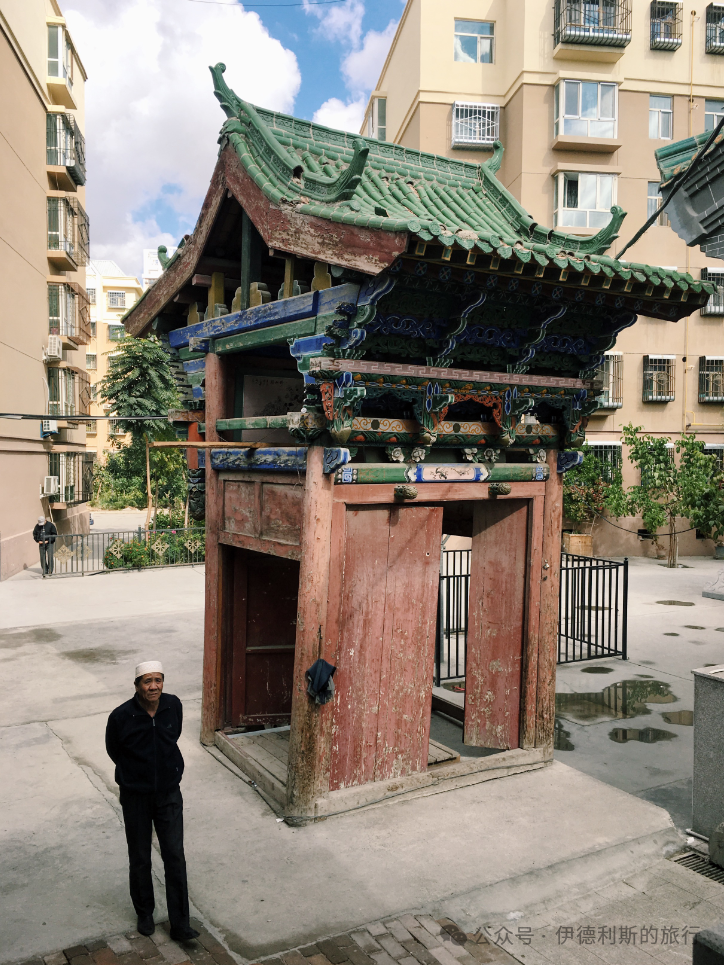
Hami Shaanxi Great Mosque: In 1875, Zuo Zongtang entered Xinjiang and stationed troops in Hami for five years. One of the five battalions of the Jianrui Army stationed there was composed of Hui Muslims from the Guanzhong region of Shaanxi. After the troops left in 1881, some Hui Muslims chose to stay in Hami, forming the Shaanxi community (Shaanxi dafang) and building the Shaanxi Great Mosque in 1898. The current nine-bay-wide main prayer hall was renovated in 1999, but it retains the old hanging flower gate (chuihuamen), which features very delicate carvings of various fruits.
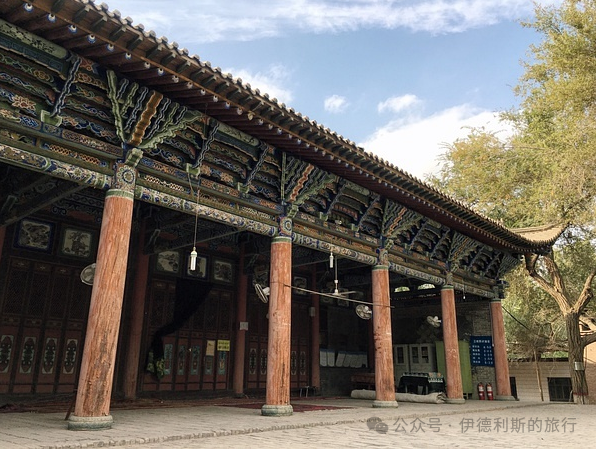
Shanshan East Great Mosque: Construction began in 1906 and was completed in 1911. It belongs to the Jahriyya Shagou menhuan.
Yining Shaanxi Great Mosque: The earliest Hui mosque in Yili was built in 1751. In 1757, after the Qing Dynasty defeated Amursana of the Dzungar Khanate, some Hui Muslim soldiers and civilians from Shaanxi were demobilized and stayed here. The mosque was expanded into the Shaanxi Great Mosque in 1760. In 1762, the Qing dynasty established the Ili General and built the Nine Cities of Ili. The Shaanxi Grand Mosque (Shaanxi Dasi) near Ningyuan City, which is now Yining City, was also named Ninggu Mosque, meaning peace and stability forever. The Shaanxi Grand Mosque was expanded in 1781, the 46th year of the Qianlong reign, and has been repaired many times since.
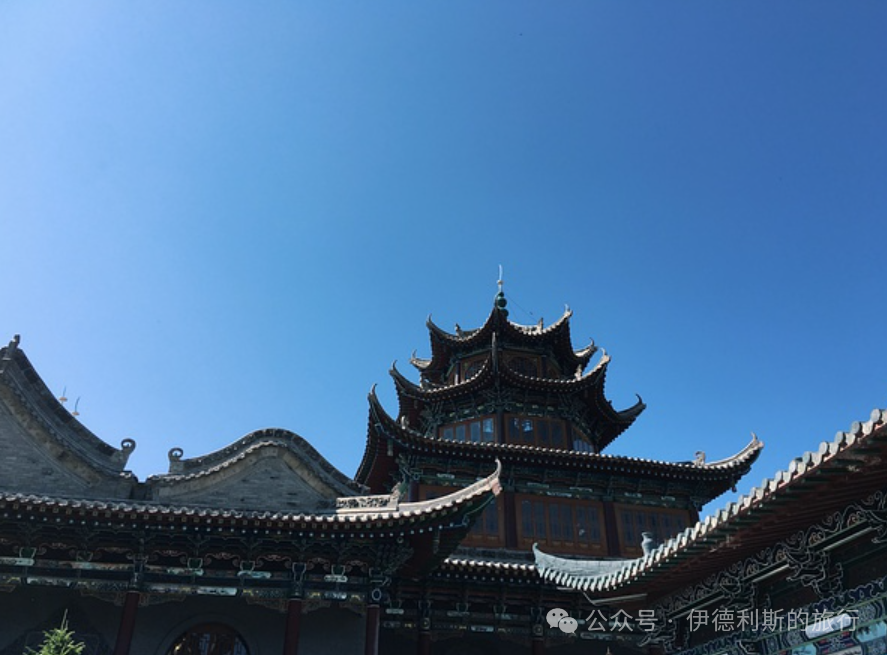
Yining Uzbek Mosque: After 1919, wealthy Uzbek merchants, landlords, nobles, intellectuals, White Army officers, and religious figures who originally lived in Central Asian cities like Tashkent entered Xinjiang to seek refuge. From 1929 to 1932, a large number of Uzbeks came to Xinjiang because the Soviet Union implemented agricultural collectivization. Ili is the most important settlement for Uzbeks in northern Xinjiang and was their first stop when they arrived in the region. In 1933, Uzbek merchants in Ili raised funds to build the Uzbek Mosque.
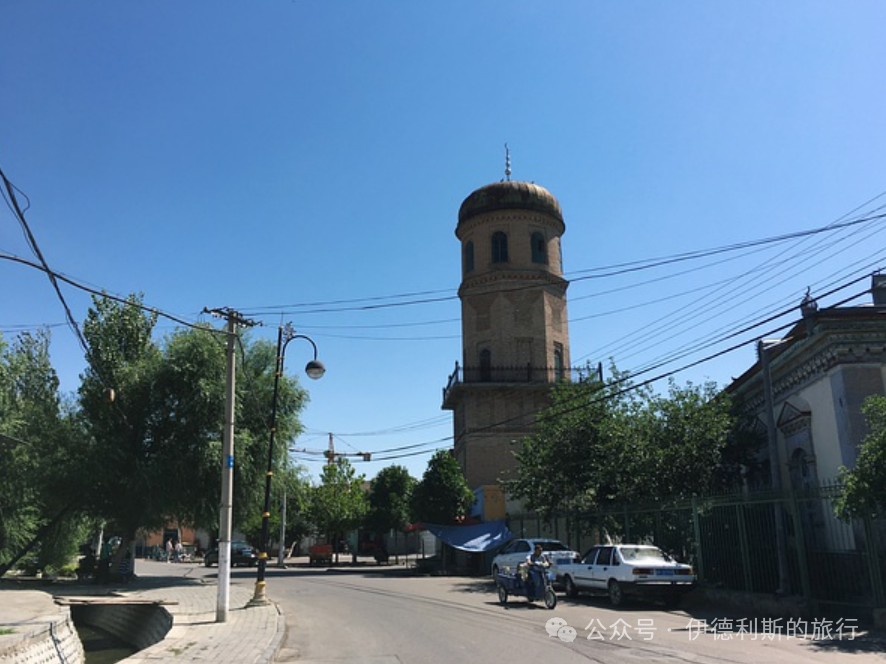
Baitula Mosque minaret: The Baitula Mosque was built in 1773, the 38th year of the Qianlong reign, by order of the Qing government under the Ili Hakim Beg, Oromzhab. The Baitula Mosque was located in the center of Ningyuan City, one of the Nine Cities of Ili, and it remains the most important architectural relic of that city. The main building was demolished in 1995, and only the minaret remains of the historical structure.
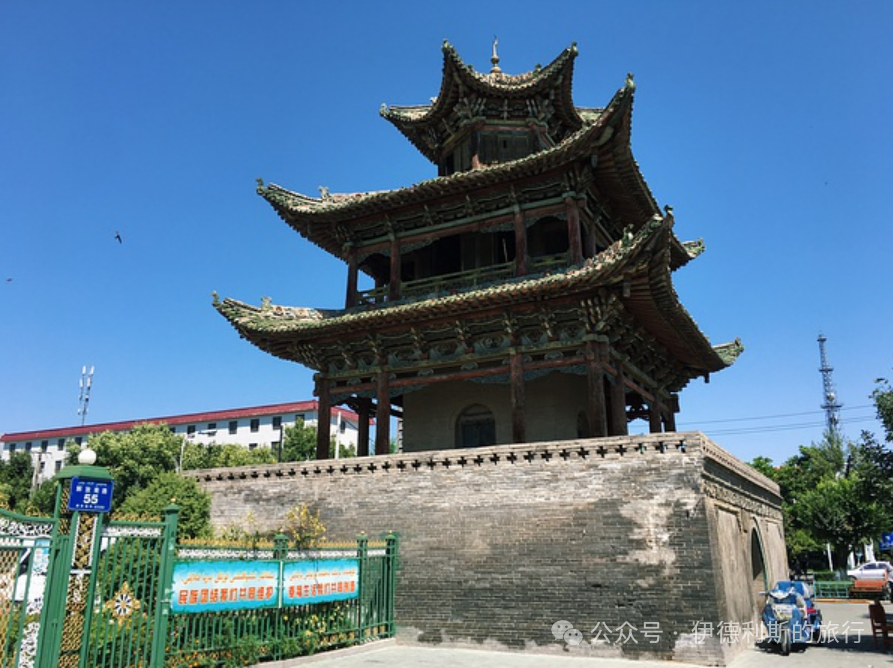
November, 2 mosques in Beijing
Tongzhou Grand Mosque: Built during the Yuan dynasty Yanyou period (1314–1320), it was originally named Chaozhen Mosque. It was repaired in 1516, the 11th year of the Ming Zhengde reign, and expanded again in 1593, the 21st year of the Wanli reign.
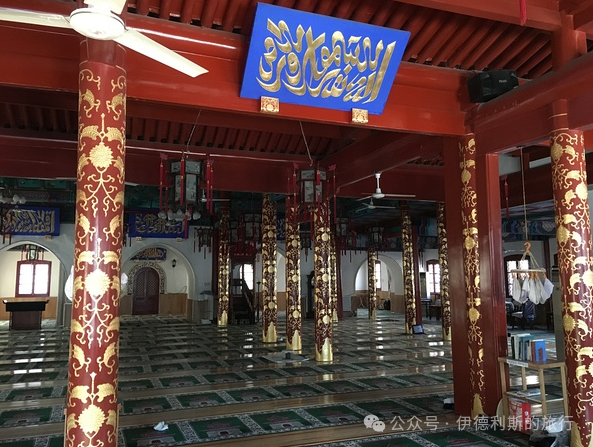
Zhangjiawan Mosque: Built in the early Ming dynasty, it was renovated during the Qing Daoguang reign, and the fourth section of the prayer hall was expanded in 1956. It was renovated in 1998, but the layout of the third and fourth sections of the prayer hall was reversed, and the south lecture hall and the main gate were rebuilt.
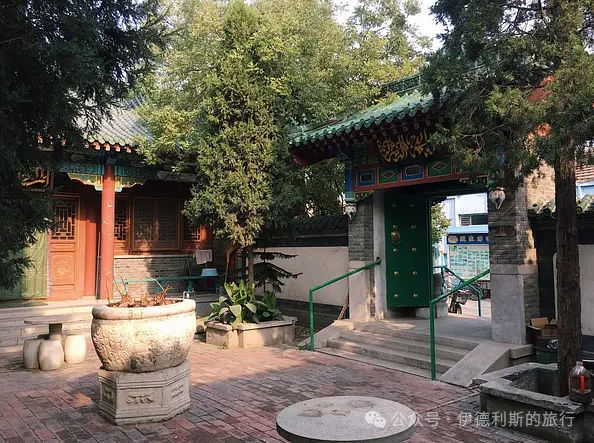
December, 3 mosques in Shandong
Jining Shunhe East Grand Mosque: Built around 1420 in the late Ming Yongle period, it was renovated in 1459, the third year of the Tianshun reign, expanded during the Kangxi reign, and renovated during the Qianlong reign, eventually reaching its current size.
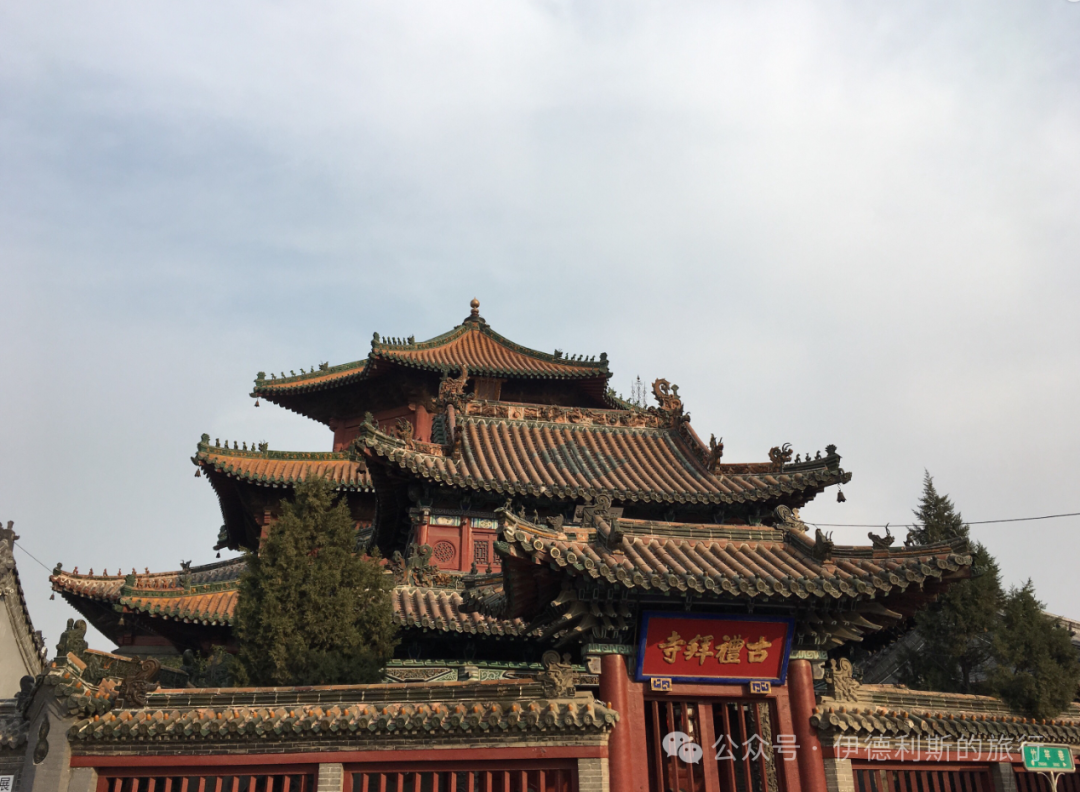
Liuhang East Mosque: Built during the Wanli reign and expanded during the Kangxi reign.
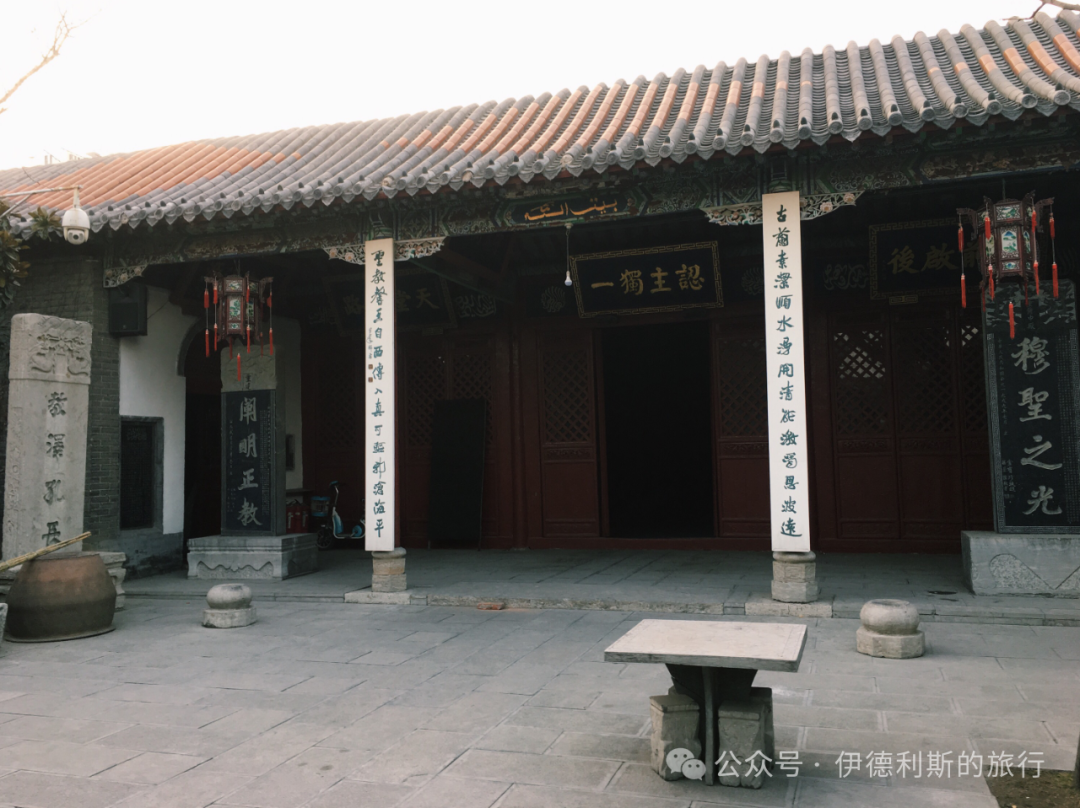
Dezhou Beiying Mosque: During the Ming Wanli reign, descendants of the Sultan of Sulu built this mosque southwest of the Sultan of Sulu's tomb. The Ming dynasty issued an imperial decree to select one person from the Wen and An families to serve as the religious leader, inherit the sect, and manage the Hui Muslims. In 1917, the canal levee broke, and the mosque along with Beiying Village was washed away. It was not rebuilt until 1940, becoming the building seen today. According to an old imam, the pavilions at the four corners of the mosque could actually be used as watchtowers.
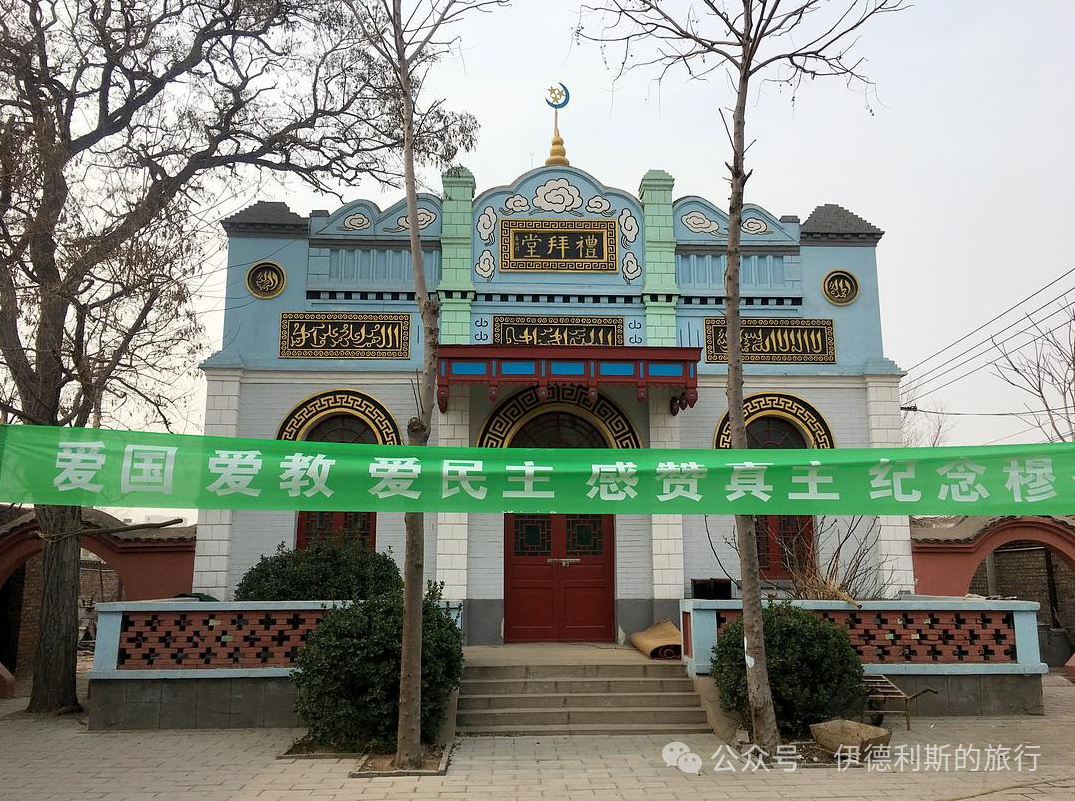
Summary: This English travel account follows a 2016 route through 16 ancient mosques in China, including sites in Anhui, Jiangsu, Xinjiang, and other regions. It keeps the original mosque names, dates, routes, photographs, and Hui Muslim history while presenting the journey in clear everyday English.
In 2016, I officially began visiting Hui Muslim communities along the Grand Canal and the Huai River, as well as several ancient mosques. I also used the October National Day holiday to take a loop tour of Xinjiang.
In May, I visited 4 mosques in Anhui.
Shouxian Great Mosque: It is generally believed that the mosque moved from the northwest corner of the city, where it was built in the Song Dynasty, to the southwest corner during the Tianqi period of the Ming Dynasty (1621-1627). It was renovated multiple times during the Qing Dynasty's Daoguang period and the Republic of China era.
Huainan Laishanji Mosque: Built in 1619 (the 47th year of the Wanli period of the Ming Dynasty), it was constructed after a branch of the Yang family moved from Hongnong County in Shaanxi to Yanghu Town in Yingshang, Anhui, and settled in Laishanji. In 1872 (the 11th year of the Tongzhi period), Yang Qizhen, the Admiral of the Fujian Navy, donated funds to expand it.
Linbei Ancient Mosque: Located in Linbei Hui Muslim village, it was built in the late Ming Dynasty. Because it sits in the Huai River flood zone, the entire village moved behind the northern Huai River levee in 2015, leaving only the abandoned Linbei Ancient Mosque behind.
Fengyang Fucheng Mosque: This mosque was built shortly after the Fengyang Prefecture city was completed in 1755. In 1924 (the 13th year of the Republic of China), it was renovated through donations led by Imam Chang Jiasheng. It was renovated again in 2004 to its current appearance.
In June, I visited 2 mosques in Jiangsu.
Hushu Mosque: First built in 1392 (the 25th year of the Hongwu period), it was destroyed during the Taiping Rebellion. The main prayer hall was rebuilt in 1896 (the 22nd year of the Guangxu period). In 1911, five tile-roofed rooms were built on the left side in front of the main hall, with a water room (shuifang) on the left, dormitories on the right, and a guest hall in the middle. In 1919, the three rooms of the front hall, the five rooms of the main prayer hall, and two side rooms at the east end of the main gate were rebuilt.
Xiaowangfu Lane Mosque: First built in 1874 (the 13th year of the Tongzhi period), it hosted the Wuben Primary School in 1917, which operated until it was taken over by the local government in 1951. Later, the mosque was occupied by a wire and cable factory to serve as staff dormitories.
In October, I visited 5 mosques in Xinjiang.
Hami Shaanxi Great Mosque: In 1875, Zuo Zongtang entered Xinjiang and stationed troops in Hami for five years. One of the five battalions of the Jianrui Army stationed there was composed of Hui Muslims from the Guanzhong region of Shaanxi. After the troops left in 1881, some Hui Muslims chose to stay in Hami, forming the Shaanxi community (Shaanxi dafang) and building the Shaanxi Great Mosque in 1898. The current nine-bay-wide main prayer hall was renovated in 1999, but it retains the old hanging flower gate (chuihuamen), which features very delicate carvings of various fruits.
Shanshan East Great Mosque: Construction began in 1906 and was completed in 1911. It belongs to the Jahriyya Shagou menhuan.
Yining Shaanxi Great Mosque: The earliest Hui mosque in Yili was built in 1751. In 1757, after the Qing Dynasty defeated Amursana of the Dzungar Khanate, some Hui Muslim soldiers and civilians from Shaanxi were demobilized and stayed here. The mosque was expanded into the Shaanxi Great Mosque in 1760. In 1762, the Qing dynasty established the Ili General and built the Nine Cities of Ili. The Shaanxi Grand Mosque (Shaanxi Dasi) near Ningyuan City, which is now Yining City, was also named Ninggu Mosque, meaning peace and stability forever. The Shaanxi Grand Mosque was expanded in 1781, the 46th year of the Qianlong reign, and has been repaired many times since.
Yining Uzbek Mosque: After 1919, wealthy Uzbek merchants, landlords, nobles, intellectuals, White Army officers, and religious figures who originally lived in Central Asian cities like Tashkent entered Xinjiang to seek refuge. From 1929 to 1932, a large number of Uzbeks came to Xinjiang because the Soviet Union implemented agricultural collectivization. Ili is the most important settlement for Uzbeks in northern Xinjiang and was their first stop when they arrived in the region. In 1933, Uzbek merchants in Ili raised funds to build the Uzbek Mosque.
Baitula Mosque minaret: The Baitula Mosque was built in 1773, the 38th year of the Qianlong reign, by order of the Qing government under the Ili Hakim Beg, Oromzhab. The Baitula Mosque was located in the center of Ningyuan City, one of the Nine Cities of Ili, and it remains the most important architectural relic of that city. The main building was demolished in 1995, and only the minaret remains of the historical structure.
November, 2 mosques in Beijing
Tongzhou Grand Mosque: Built during the Yuan dynasty Yanyou period (1314–1320), it was originally named Chaozhen Mosque. It was repaired in 1516, the 11th year of the Ming Zhengde reign, and expanded again in 1593, the 21st year of the Wanli reign.
Zhangjiawan Mosque: Built in the early Ming dynasty, it was renovated during the Qing Daoguang reign, and the fourth section of the prayer hall was expanded in 1956. It was renovated in 1998, but the layout of the third and fourth sections of the prayer hall was reversed, and the south lecture hall and the main gate were rebuilt.
December, 3 mosques in Shandong
Jining Shunhe East Grand Mosque: Built around 1420 in the late Ming Yongle period, it was renovated in 1459, the third year of the Tianshun reign, expanded during the Kangxi reign, and renovated during the Qianlong reign, eventually reaching its current size.
Liuhang East Mosque: Built during the Wanli reign and expanded during the Kangxi reign.
Dezhou Beiying Mosque: During the Ming Wanli reign, descendants of the Sultan of Sulu built this mosque southwest of the Sultan of Sulu's tomb. The Ming dynasty issued an imperial decree to select one person from the Wen and An families to serve as the religious leader, inherit the sect, and manage the Hui Muslims. In 1917, the canal levee broke, and the mosque along with Beiying Village was washed away. It was not rebuilt until 1940, becoming the building seen today. According to an old imam, the pavilions at the four corners of the mosque could actually be used as watchtowers.
