
Halal Travel Guide: Jinan Mosques During Ramadan, Part 2
Reposted from the web
Summary: This is the second part of a Ramadan visit to historic mosques in Jinan, including Nanguan Mosque, Dikou Mosque, Dangxi Mosque, and Dangdong Mosque. The English version keeps the original architectural notes, mosque names, historical details, and photographs in their source order.
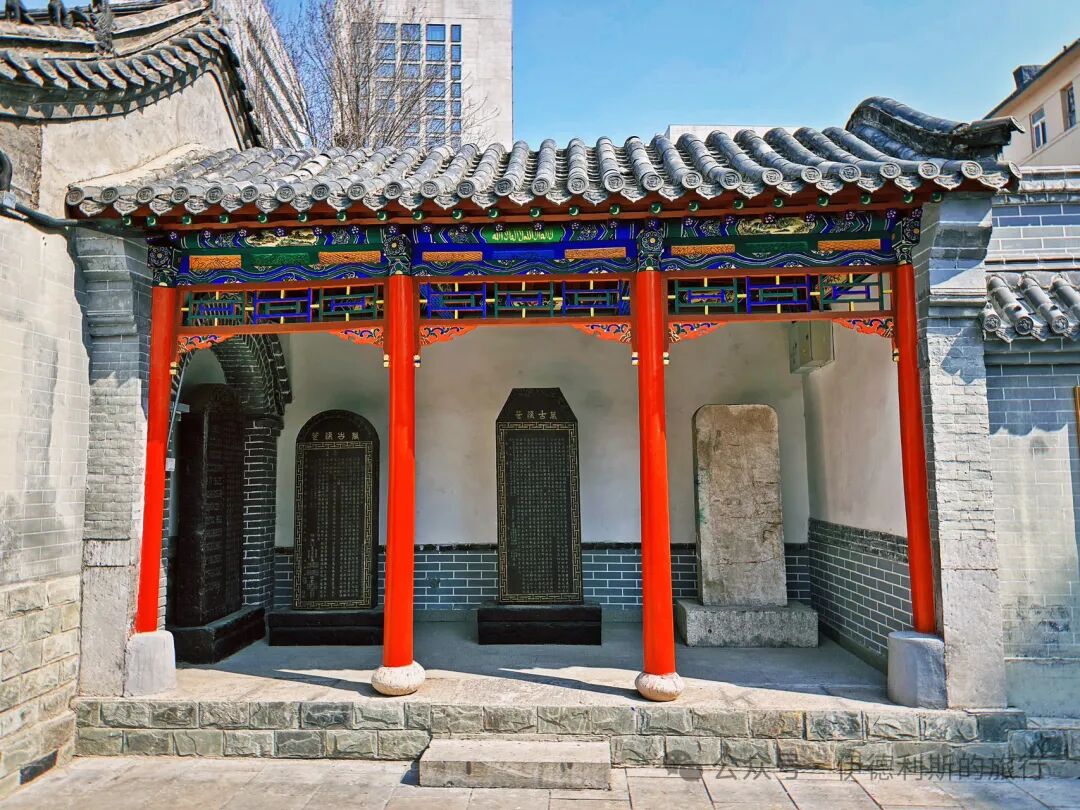
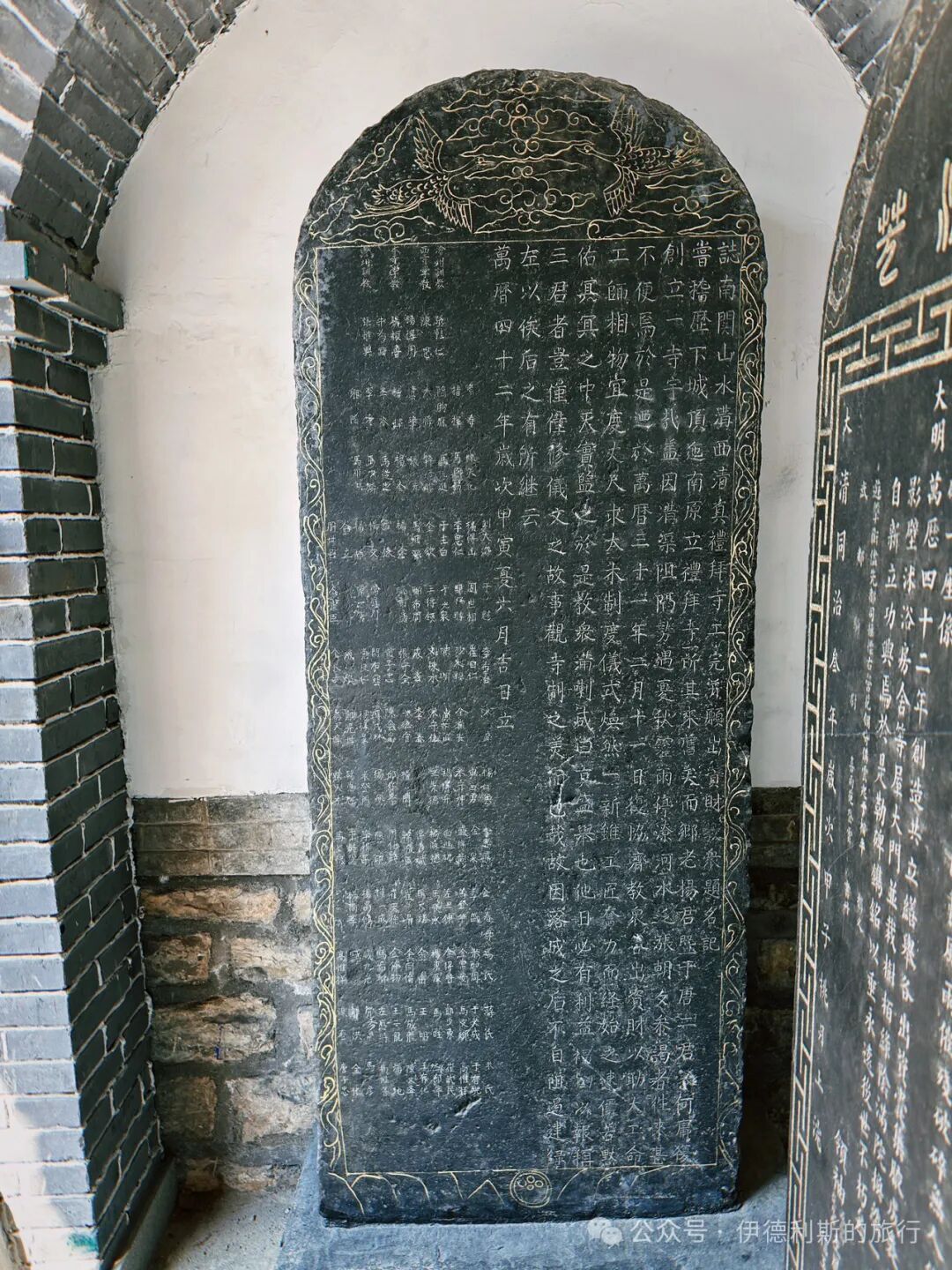
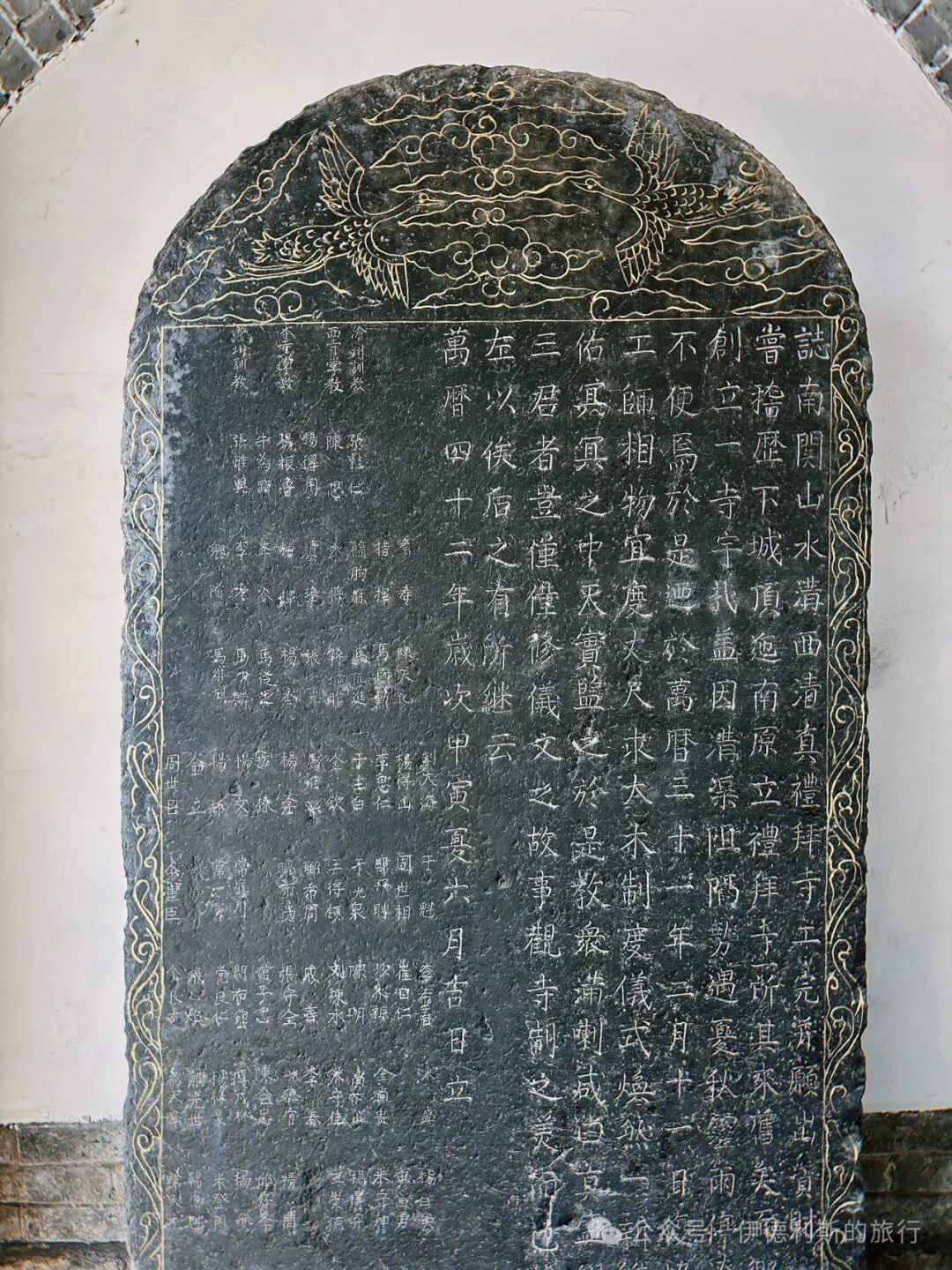
A 1614 (42nd year of Wanli, Ming Dynasty) stone tablet records the completion of the Nanguan Mosque and lists the donors. It explains that there was an older mosque south of Jinan city, but it was hard to reach when the nearby canal flooded in summer and autumn. Three elders named Yang, Yu, and Tang led the community to fund and build a new mosque in 1603 (31st year of Wanli). The tablet lists the names of 147 people, including mosque leaders, military commanders, local officials, scholars, and students.
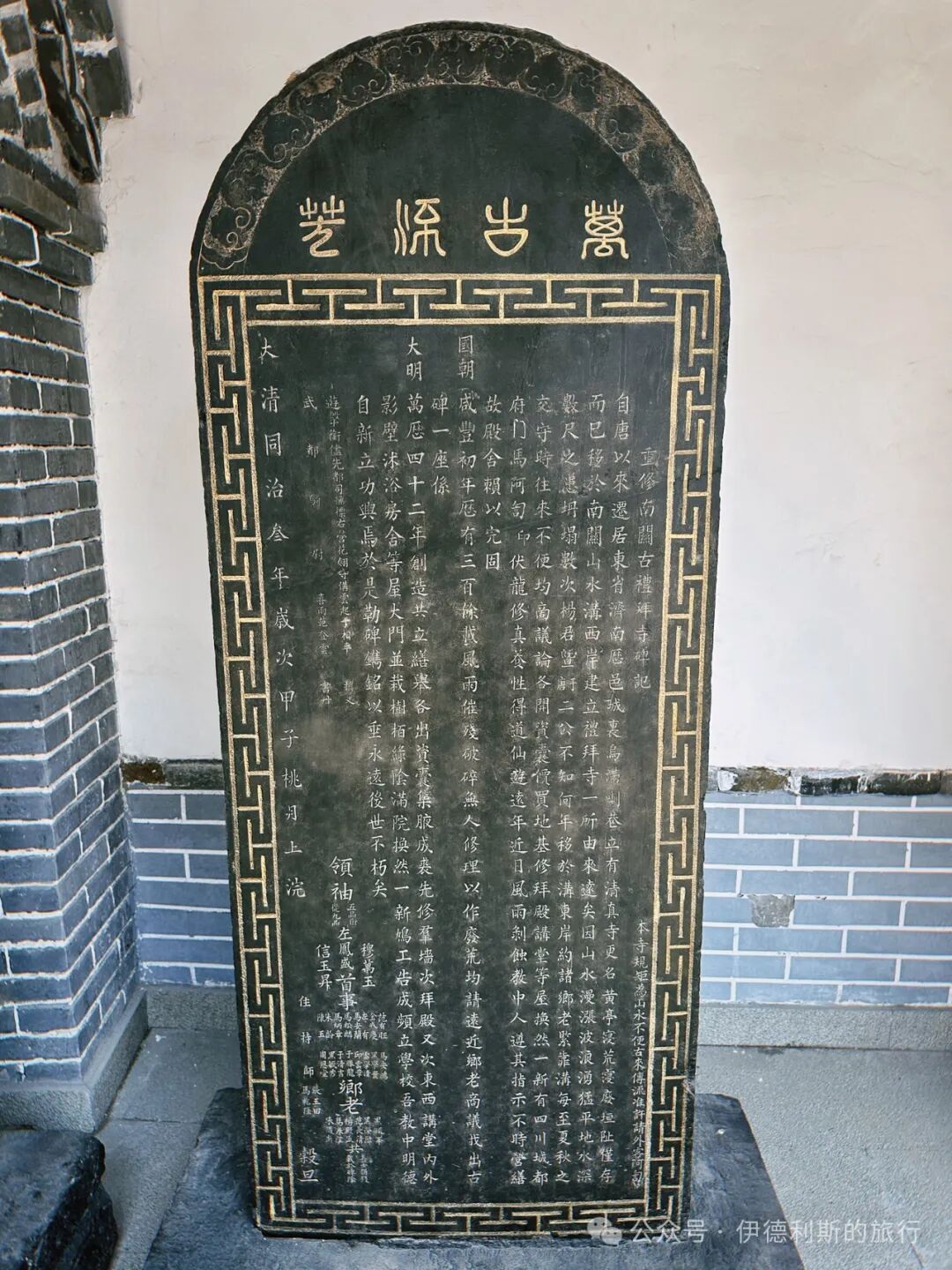
The 1864 (3rd year of Tongzhi) tablet records the renovation of the ancient Nanguan Mosque. It describes how the Nanguan Mosque was renovated in the early Xianfeng years and how a school was established there.
The 1906 (32nd year of Guangxu) tablet records the renovation of the Nanguan Mosque. It notes that the mosque was renovated during the Tongzhi era and again in 1904 (30th year of Guangxu) with funds donated by the military commander Ma Longbiao.
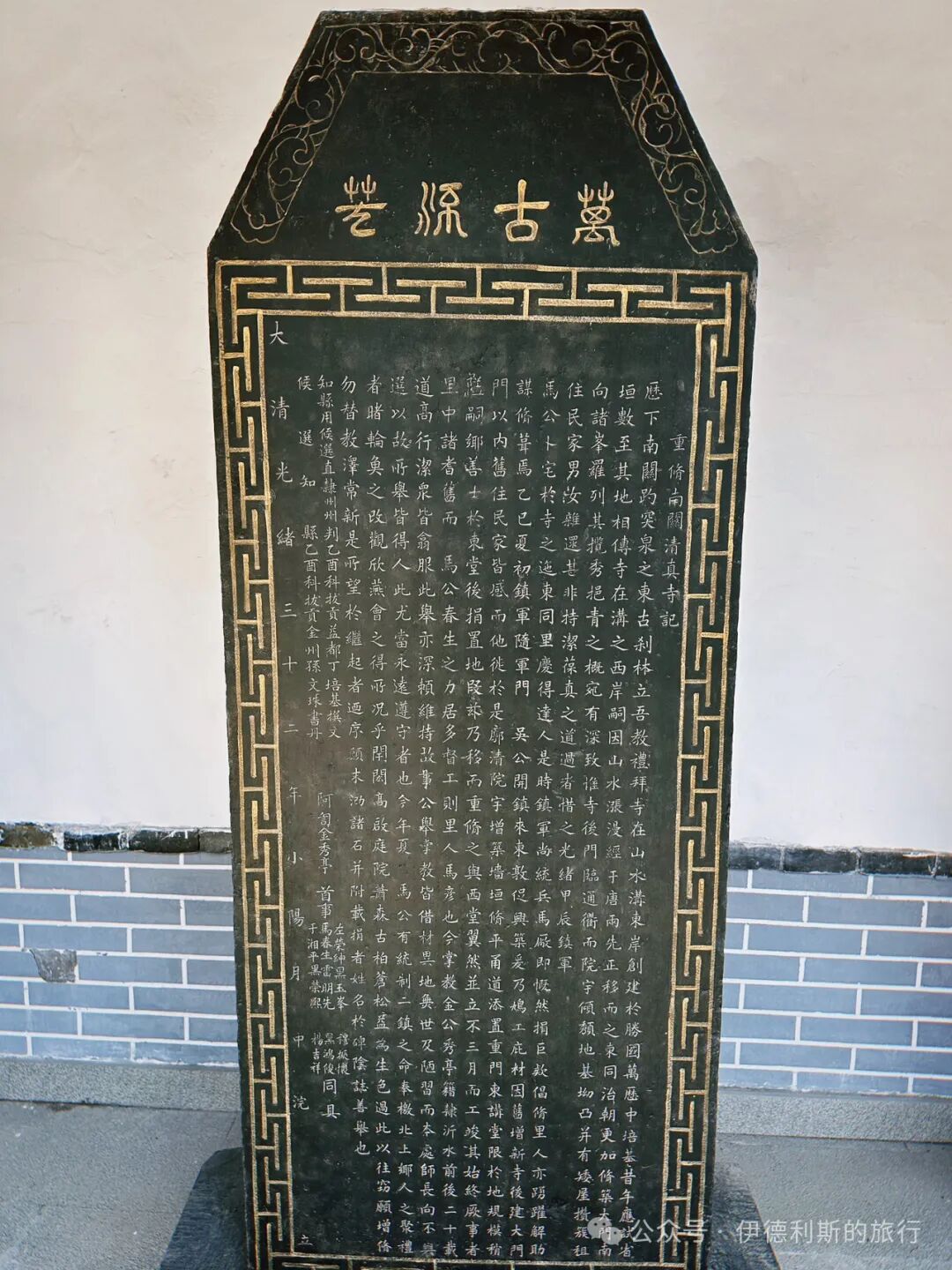
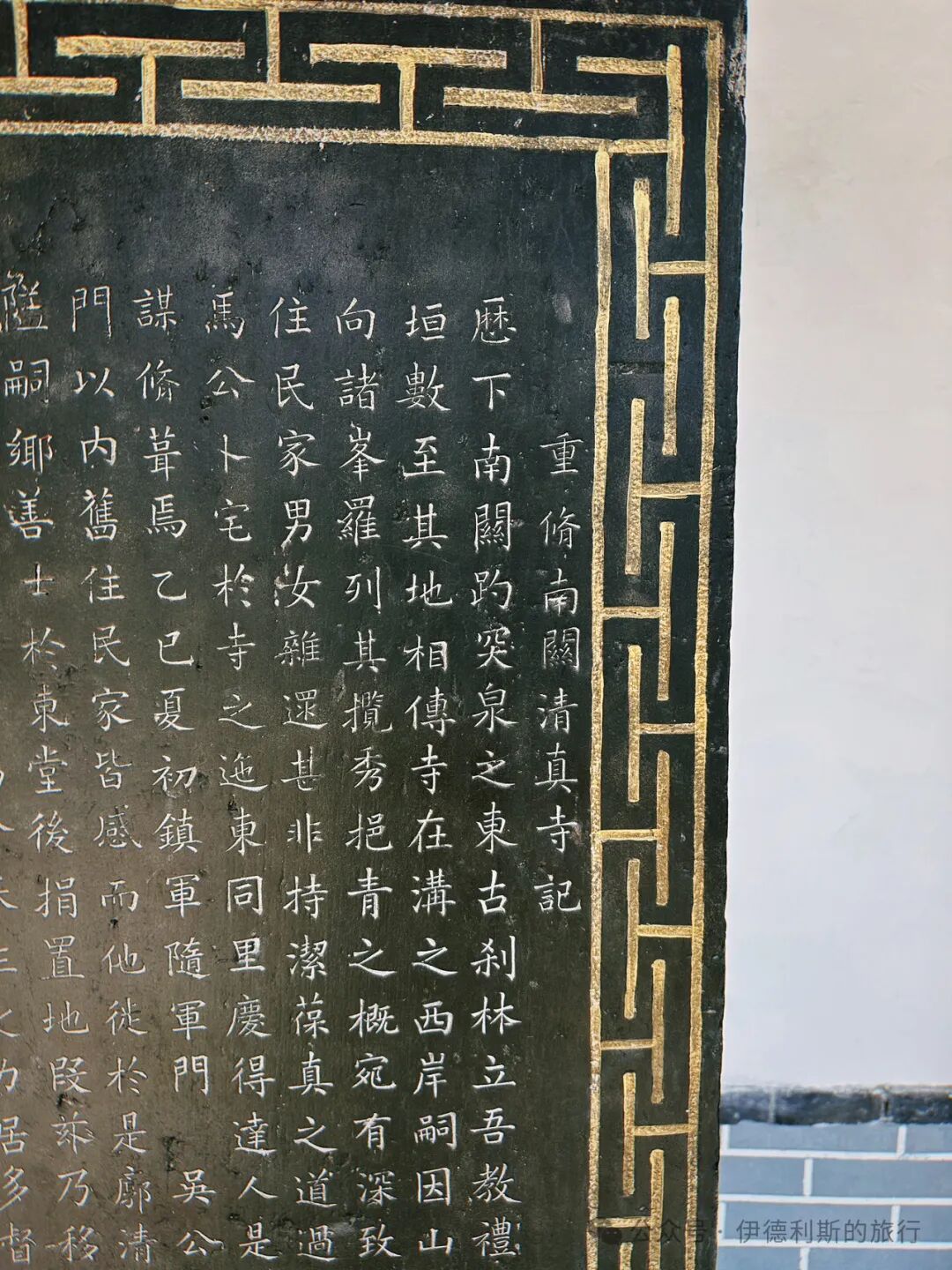
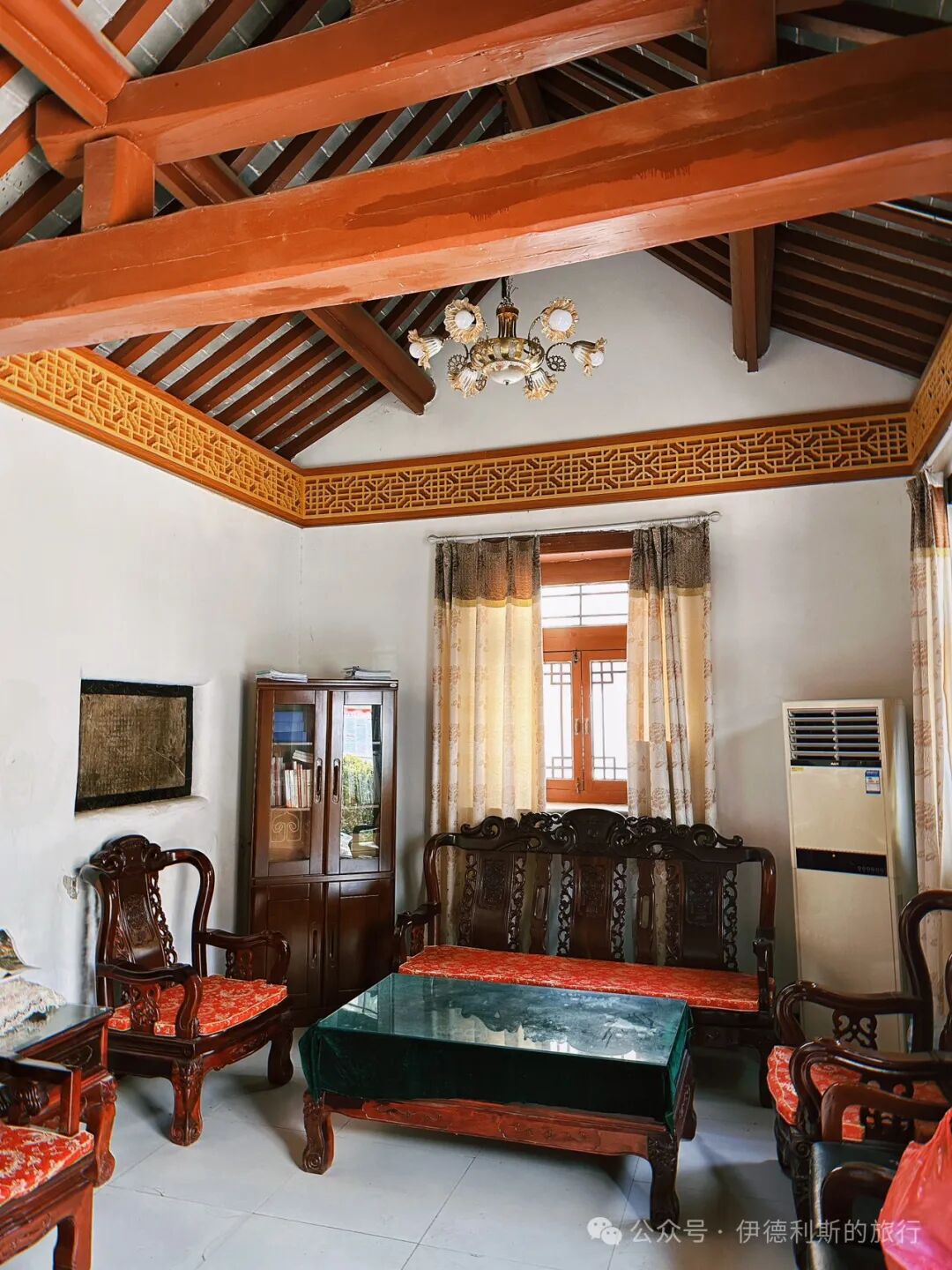
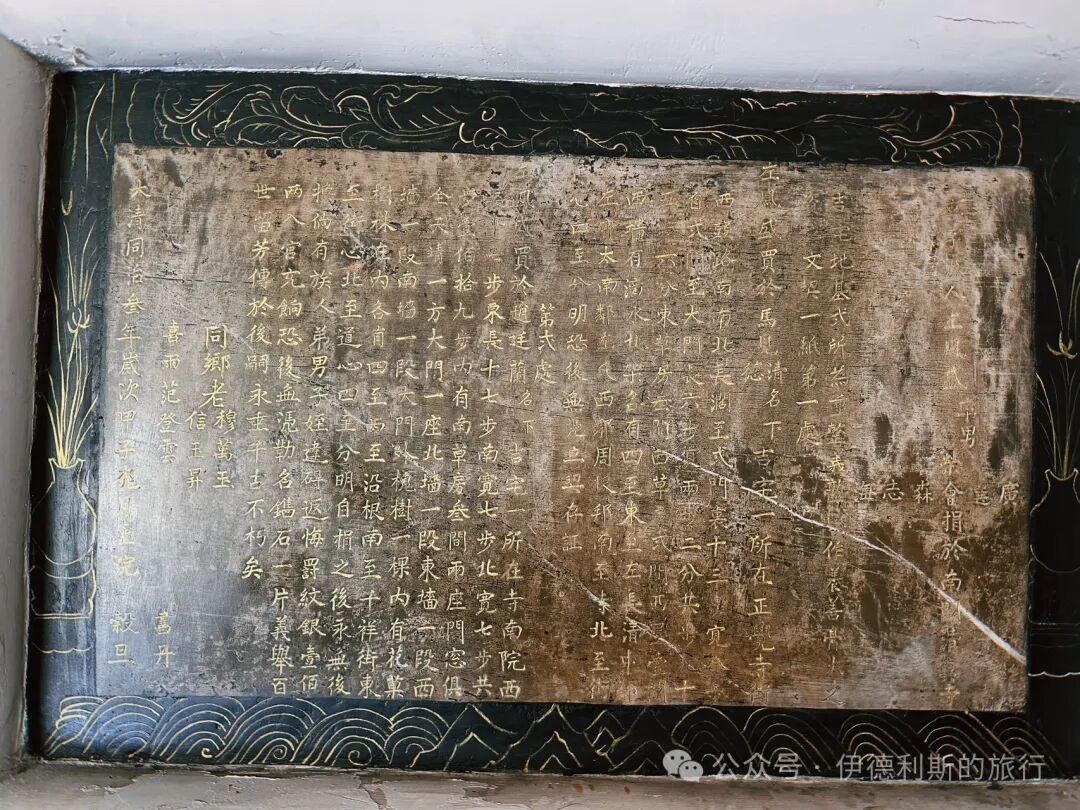
Additionally, a tablet from 1864 (3rd year of Tongzhi) titled 'Zuo Fengsheng Donates Property to Support Education' is embedded in the west lecture hall. It records that Zuo Fengsheng and his family donated two properties near the Nanguan Mosque to help pay for the school's food, oil, and coal.
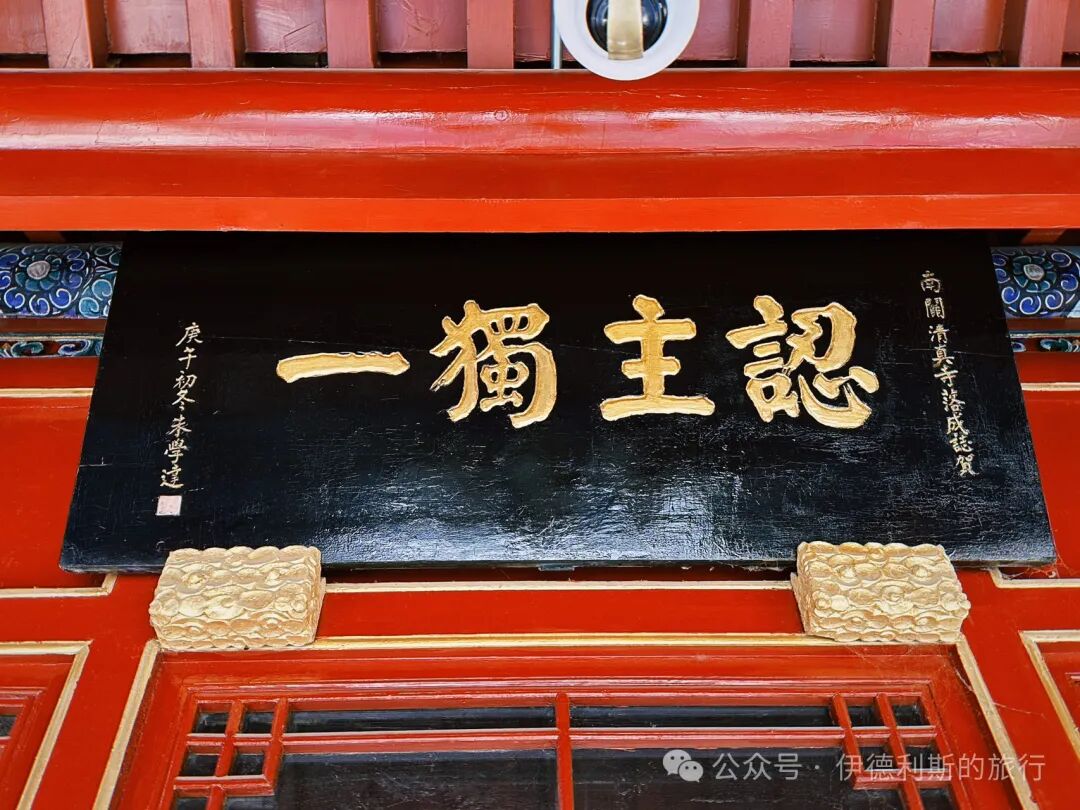
Jinan Dikou Mosque.
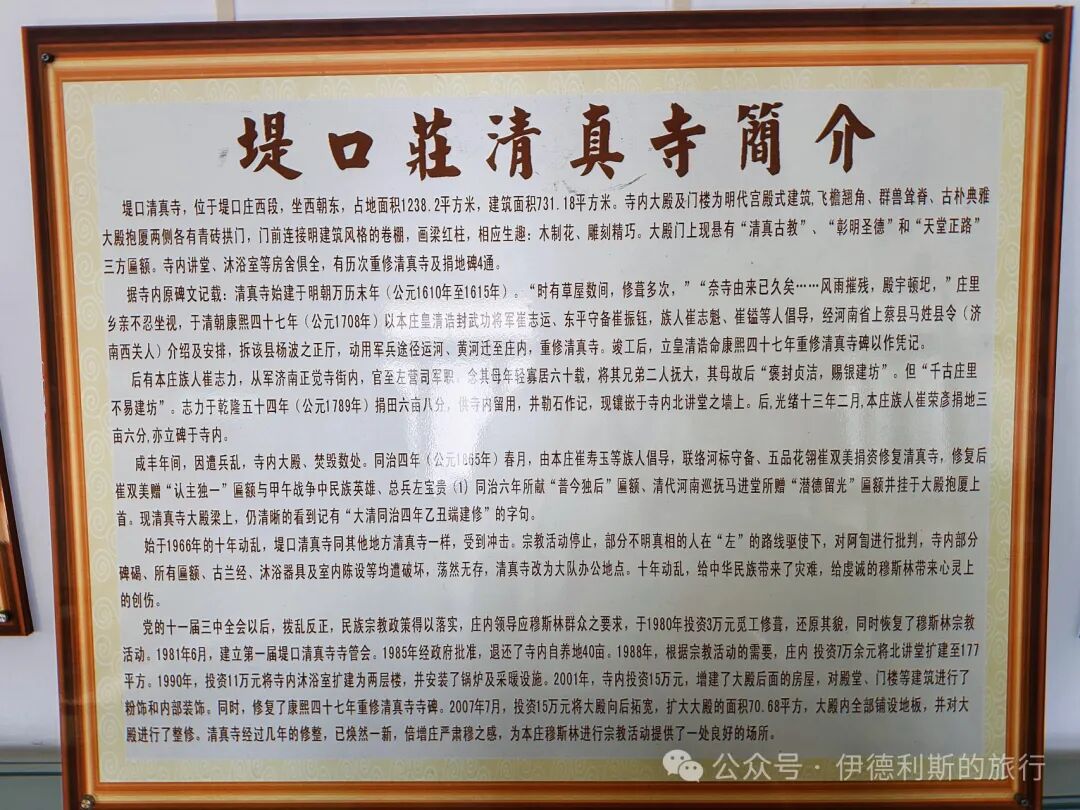
The Cui family of Jinan originally came from Sanlihe in Beijing. They moved to Dikou Village in Jinan during the Zhengde years of the Ming Dynasty and built the Cui family's Dikou Mosque at the end of the Wanli era. In 1708 (47th year of Kangxi), leaders like General Cui Zhiyun and officer Cui Zhenyu arranged to move the main hall of the Yang Bo residence from Shangcai County, Henan, to Dikou Village. They used the military to transport it via the Grand Canal and the Yellow River. The mosque was renovated again in 1865 (4th year of Tongzhi) to reach its current state.
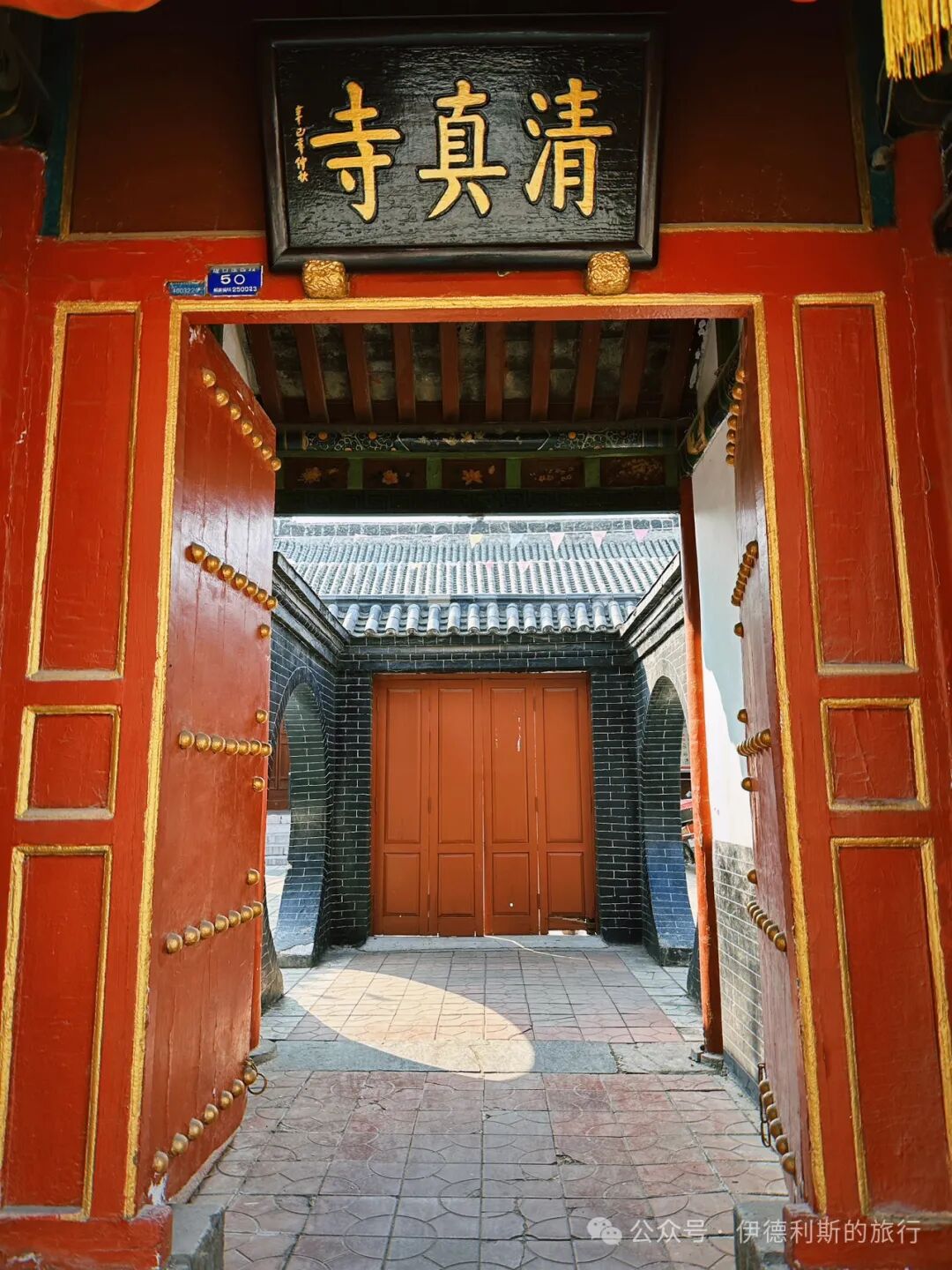
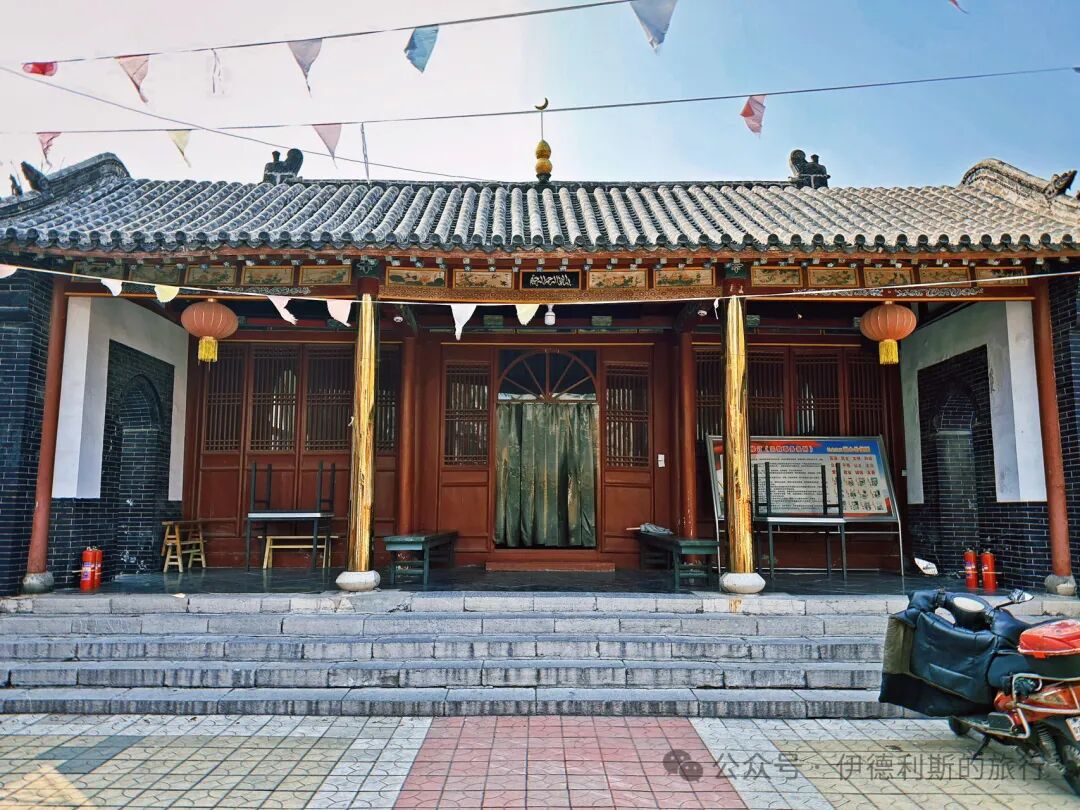
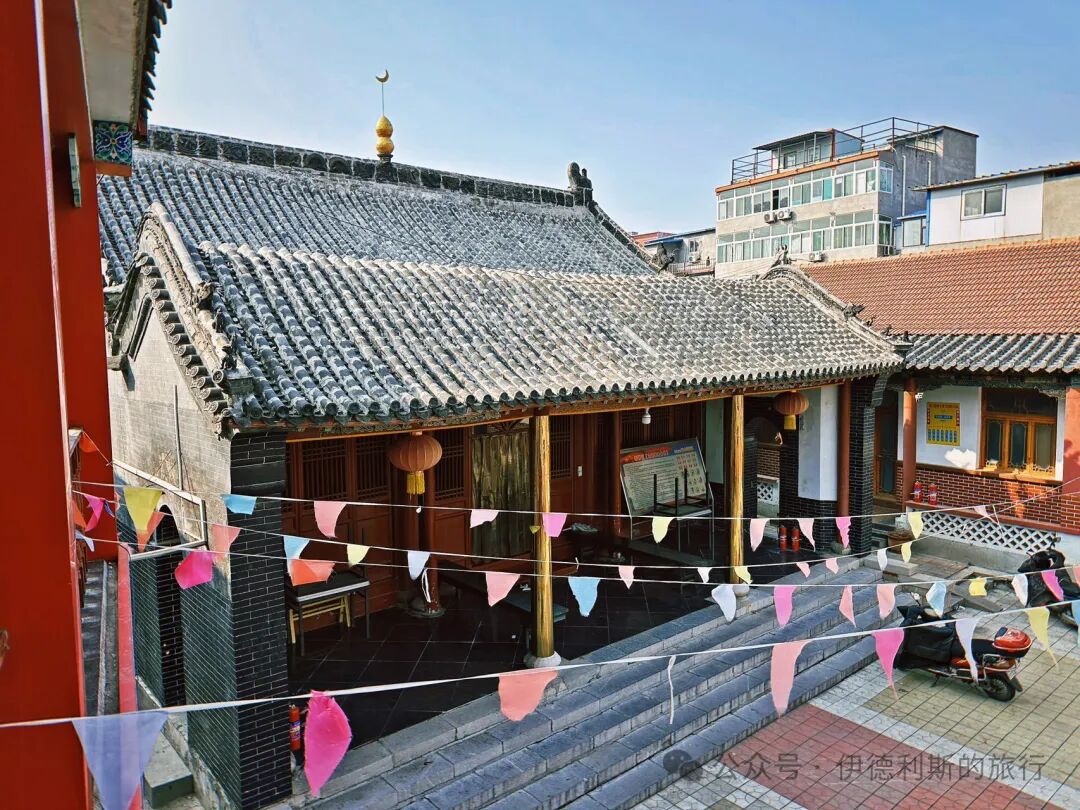
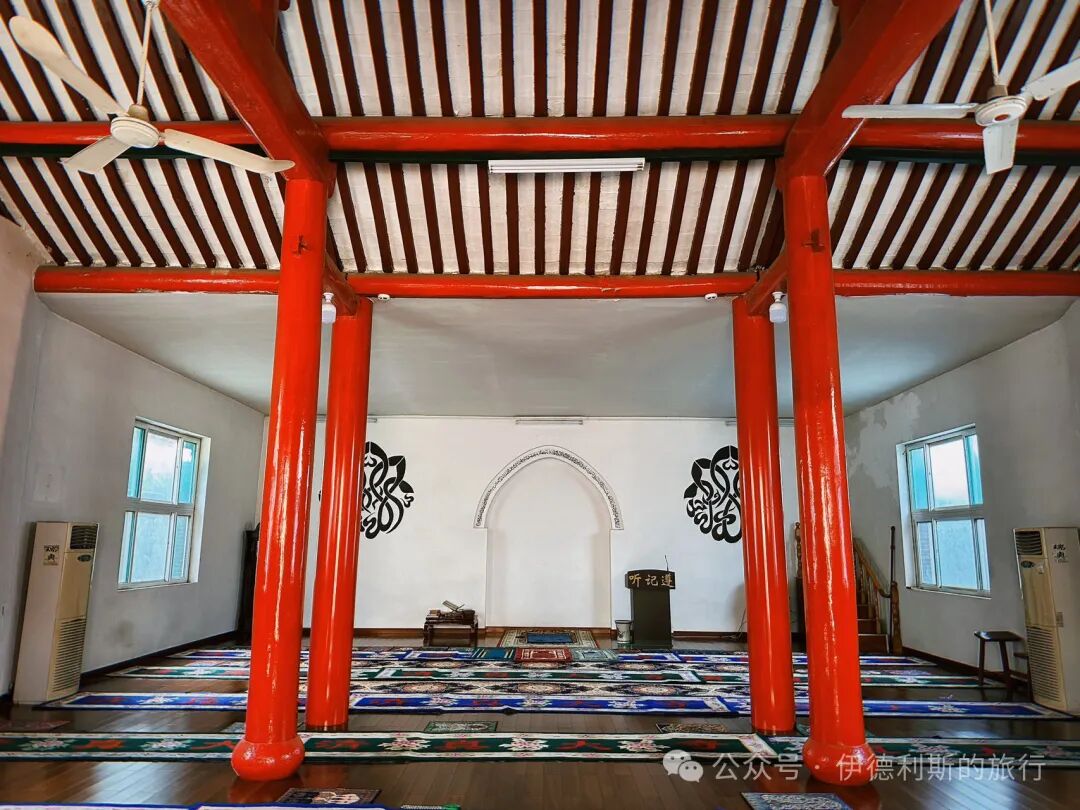
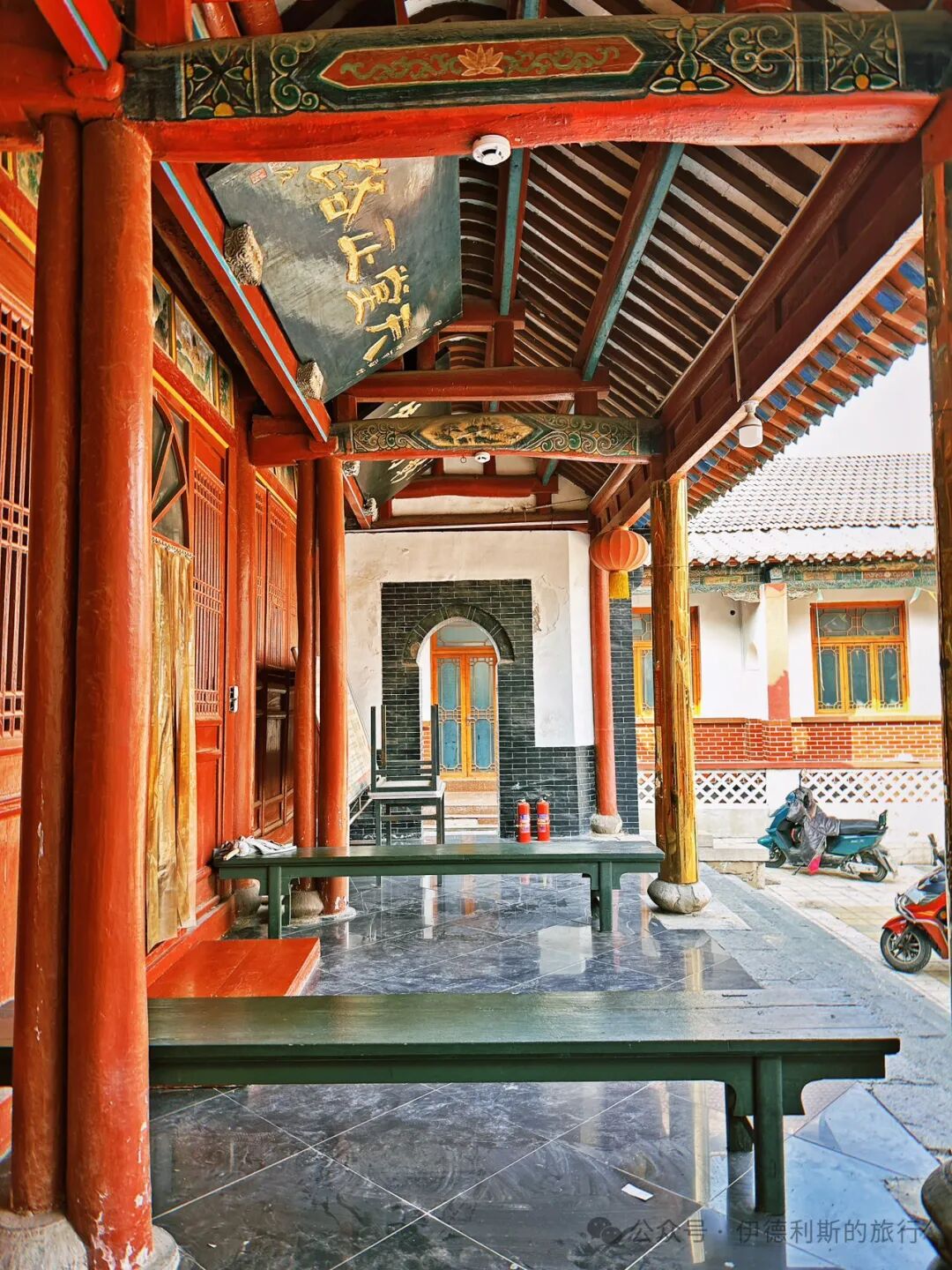
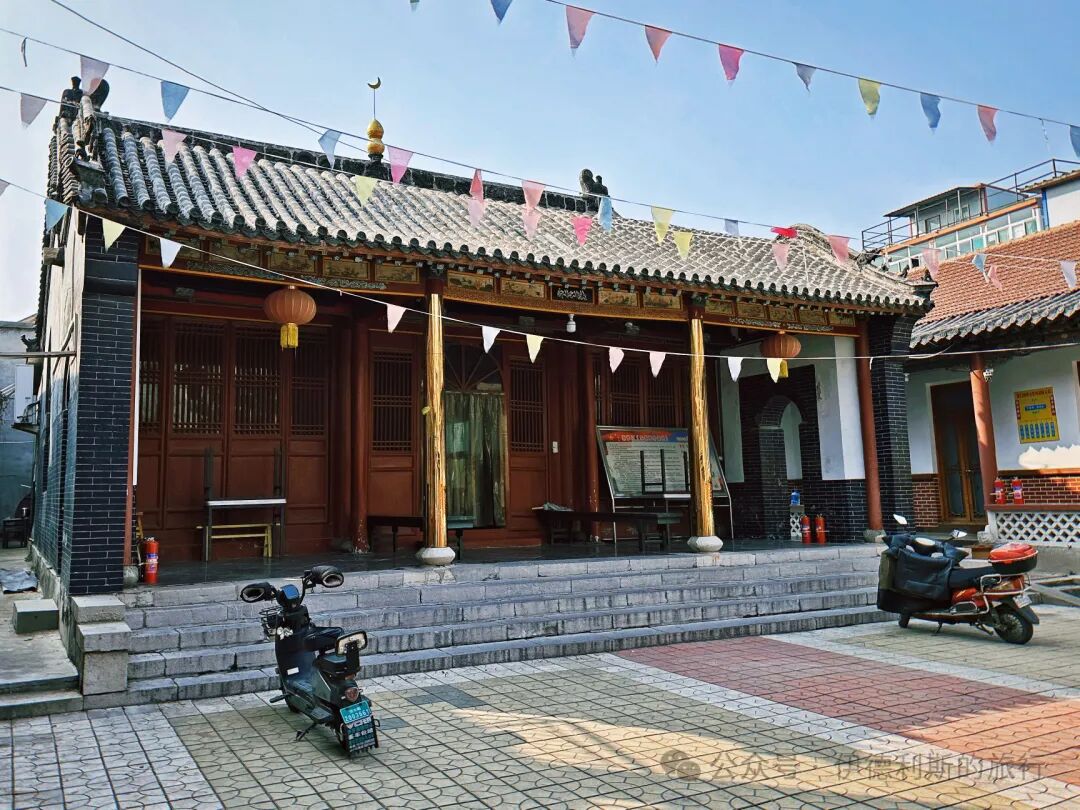
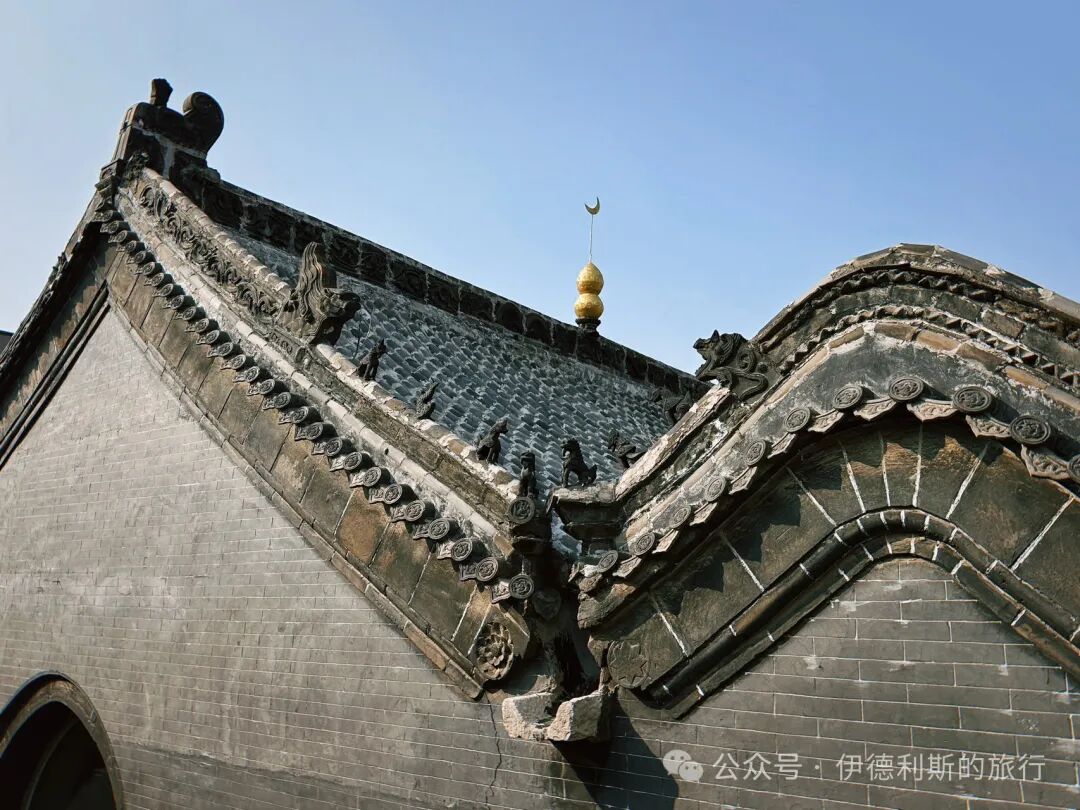
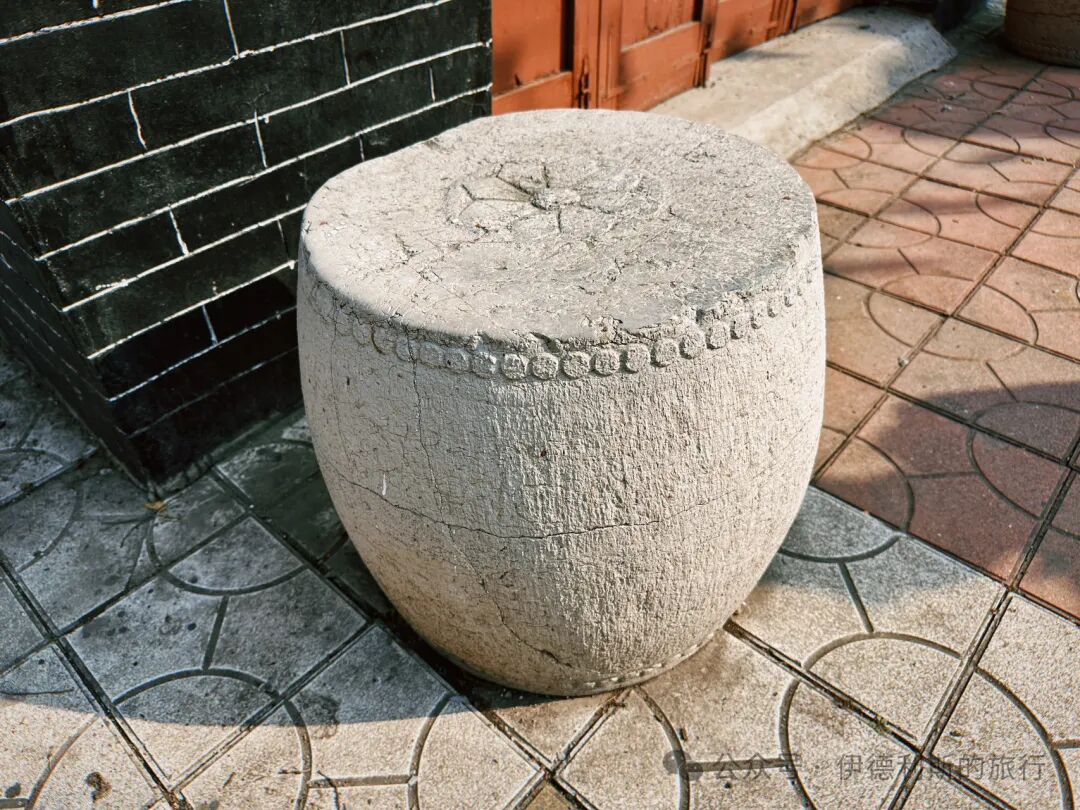
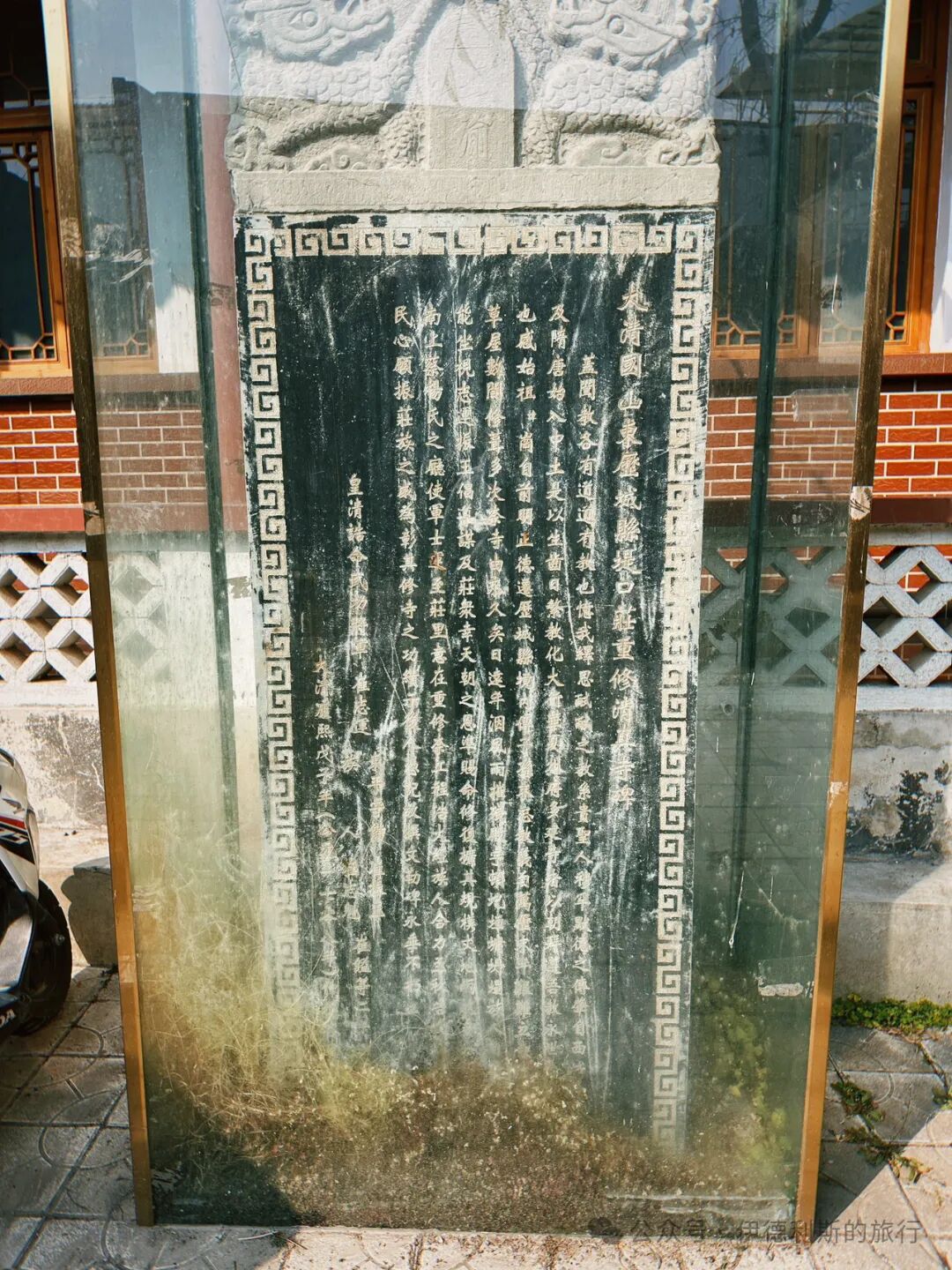
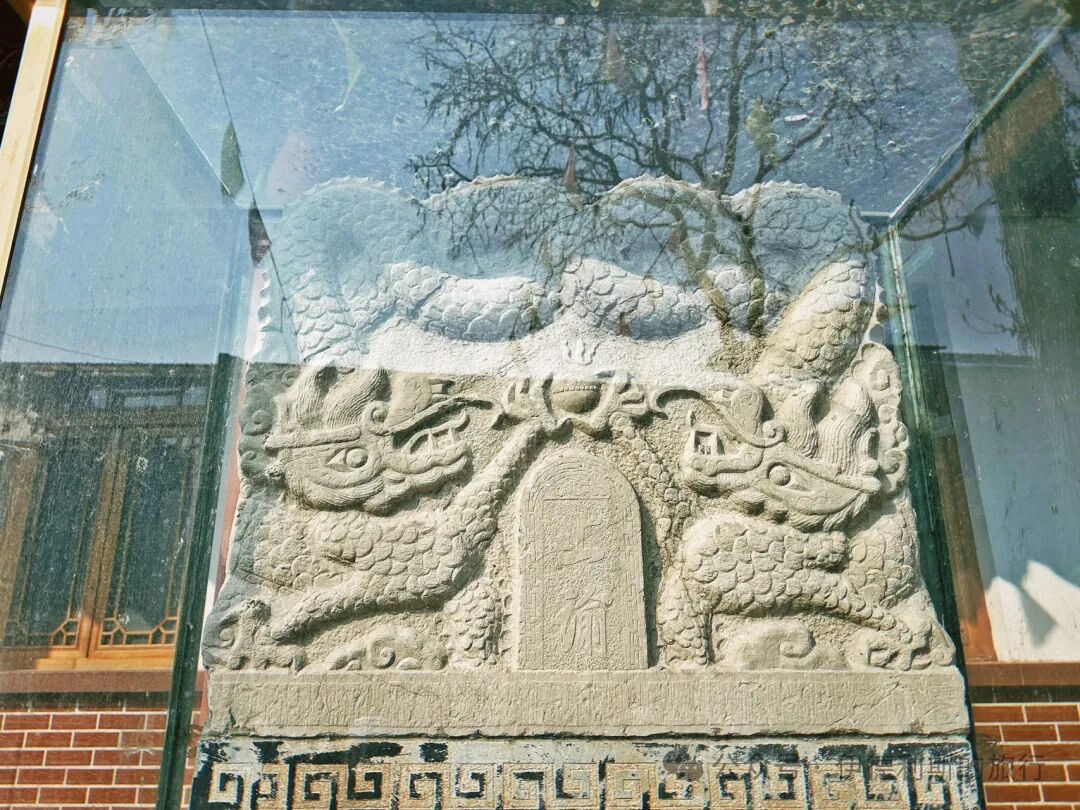
The mosque originally had a 1708 renovation tablet. Today, only the top stone carving of two dragons playing with a pearl remains, and the body of the tablet is a replica.
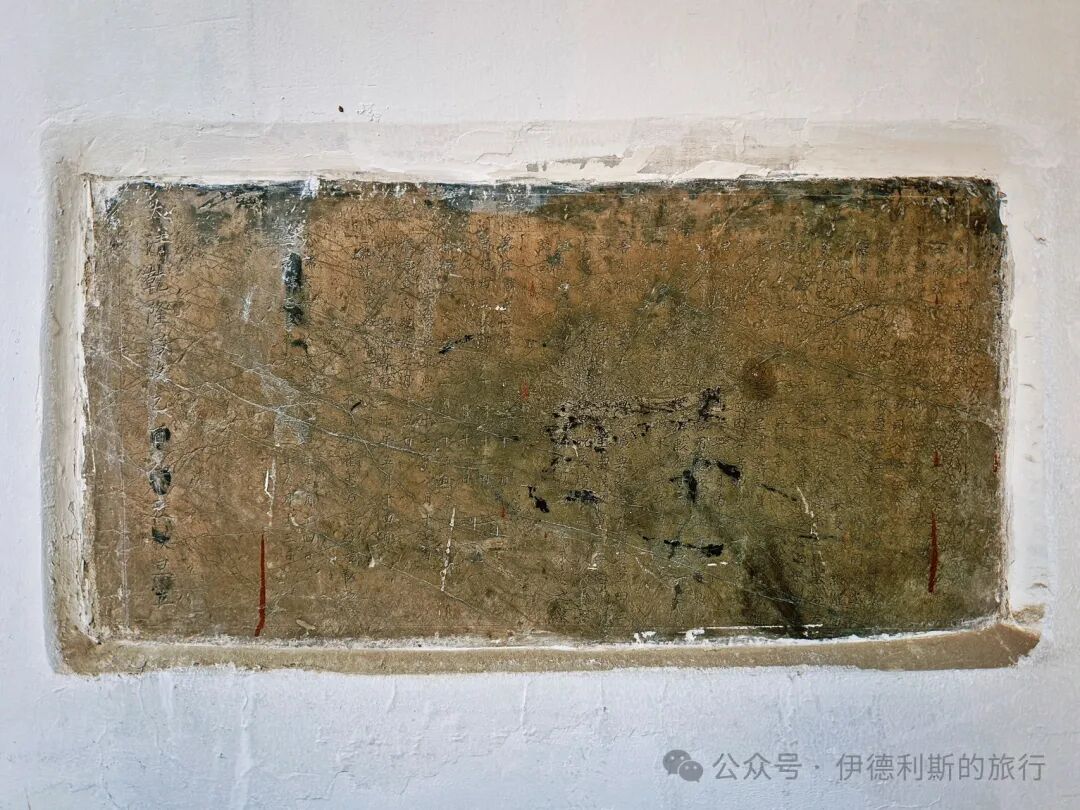
A 1789 (54th year of Qianlong) 'Land Donation Tablet' is embedded in the wall. It records that Cui Zhili, a military officer, donated his mother's burial land and his own fields to the Dikou Mosque to fund grave visits.
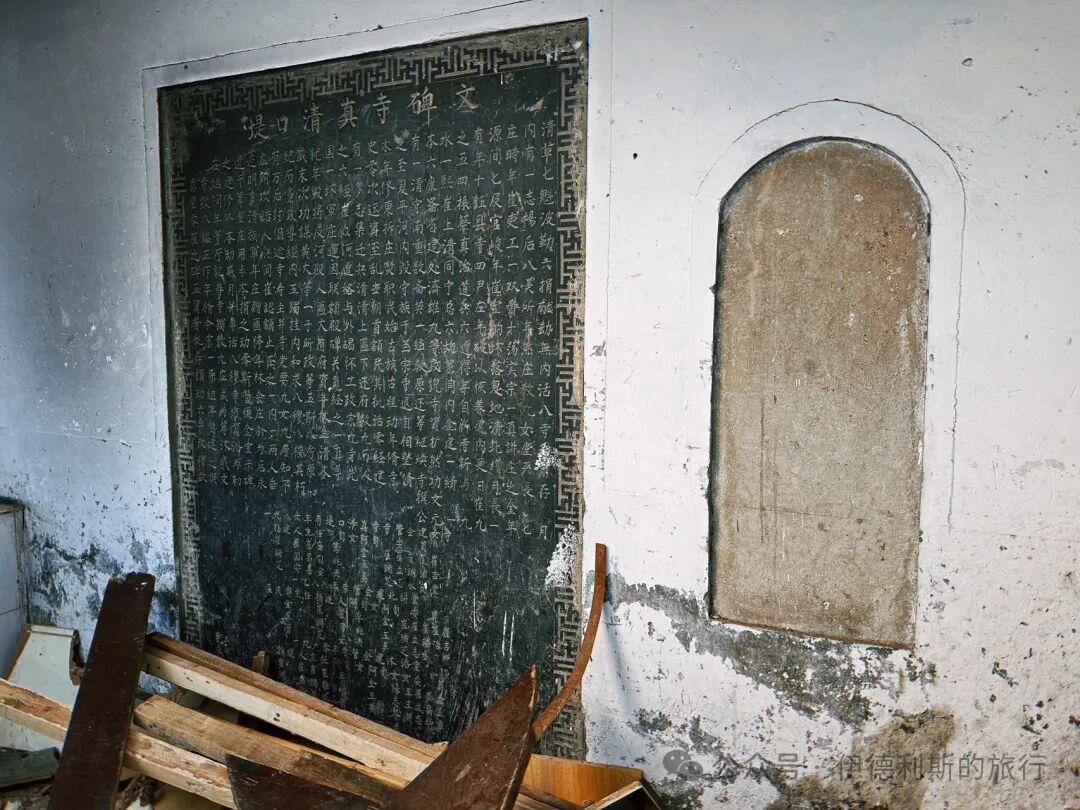
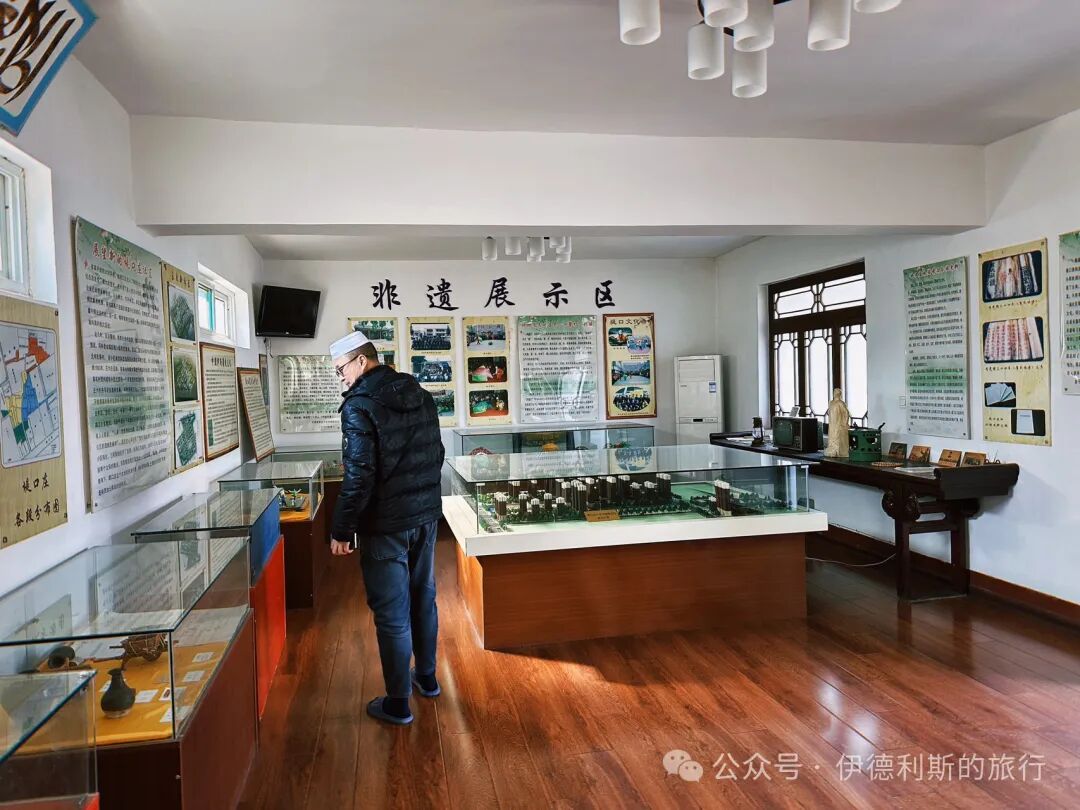
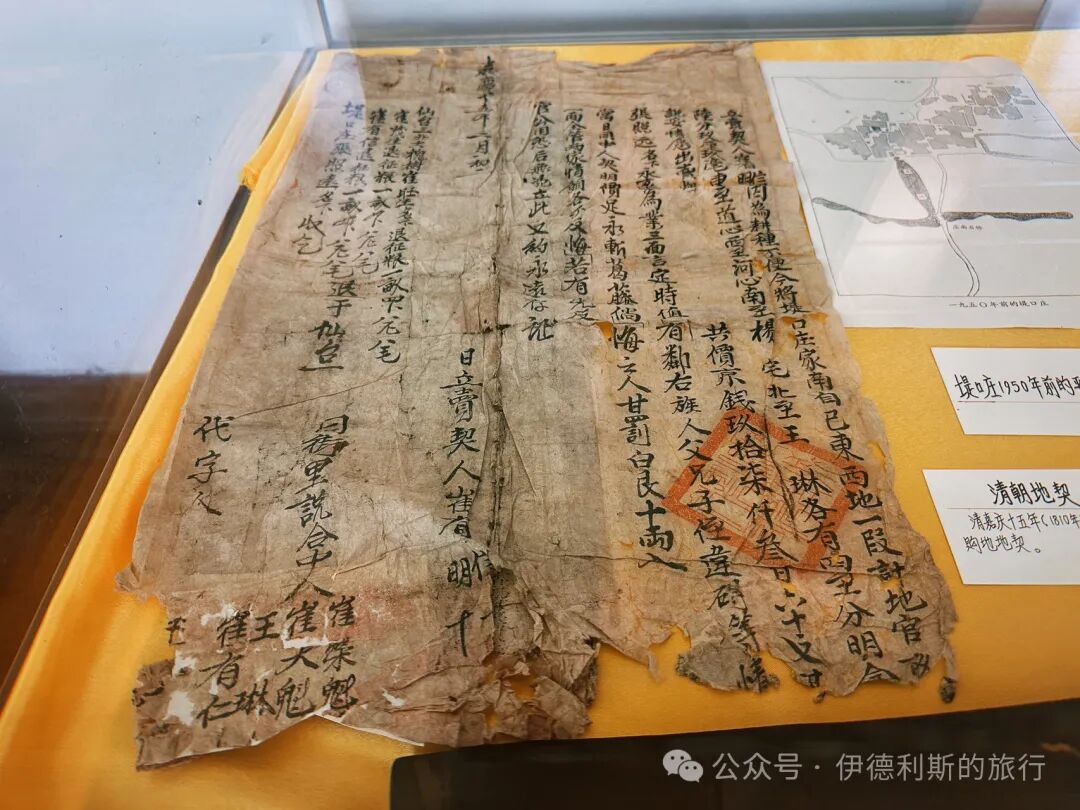
While visiting the mosque, I was recognized by Imam Wang. We had been WeChat friends for a long time but had never met in person. Imam Wang told me about the Dikou Mosque and took me to the second-floor exhibition hall. It shows the folk culture of Dikou Village and the history of the local Cui family of Hui Muslims.
Dangxi Mosque.
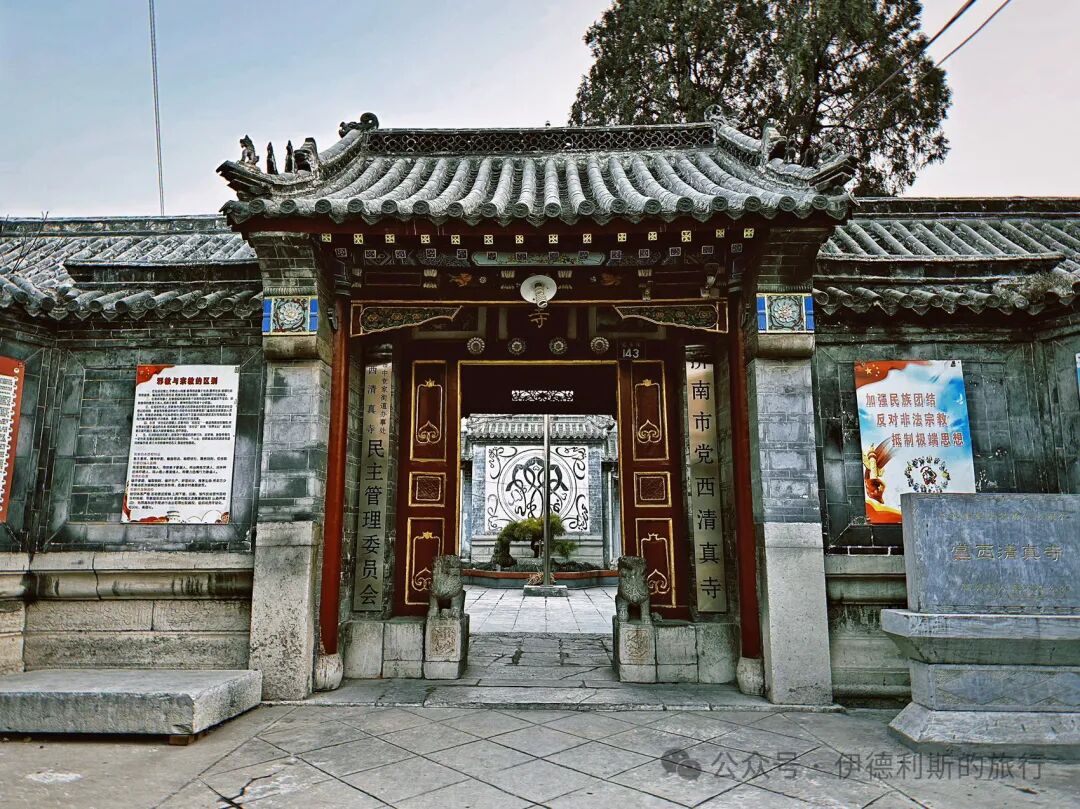
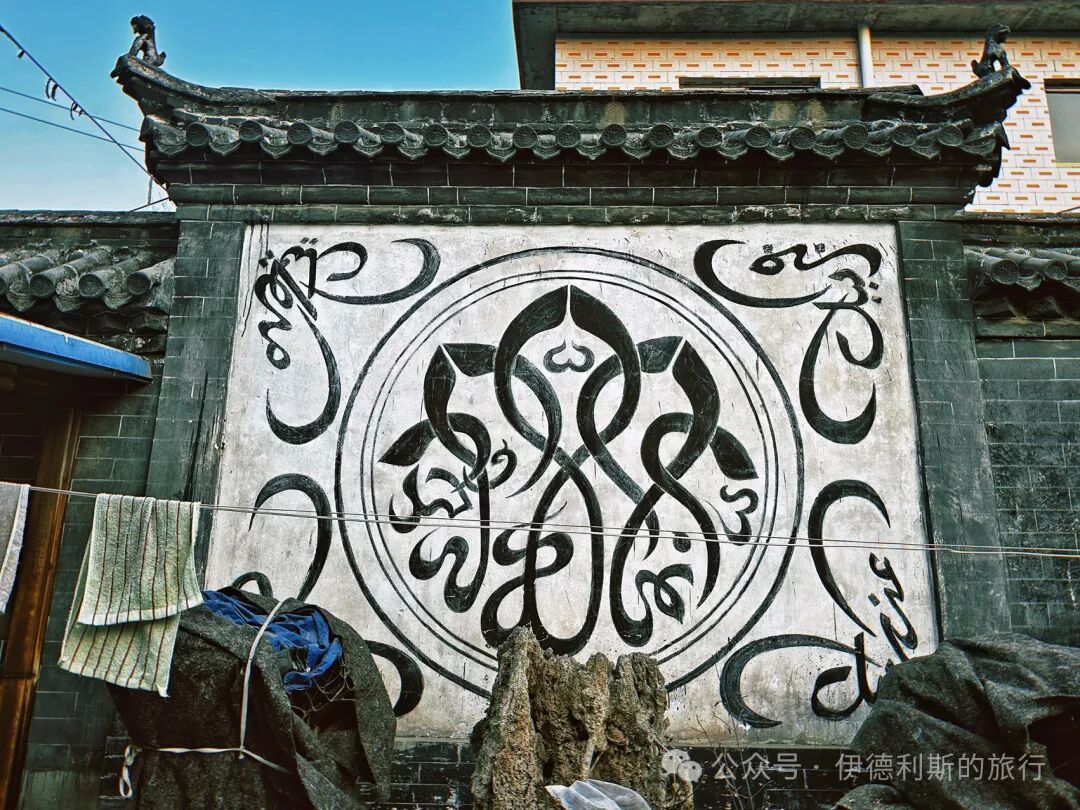
Dangxi Mosque is in Dangjia Village in the southern suburbs. It was first built at the end of the Yuan Dynasty, burned down by the Red Turban Army, and rebuilt in 1397 (30th year of Hongwu). It was renovated many times during the Ming, Qing, and Republican eras and is an important ancient mosque in Jinan.
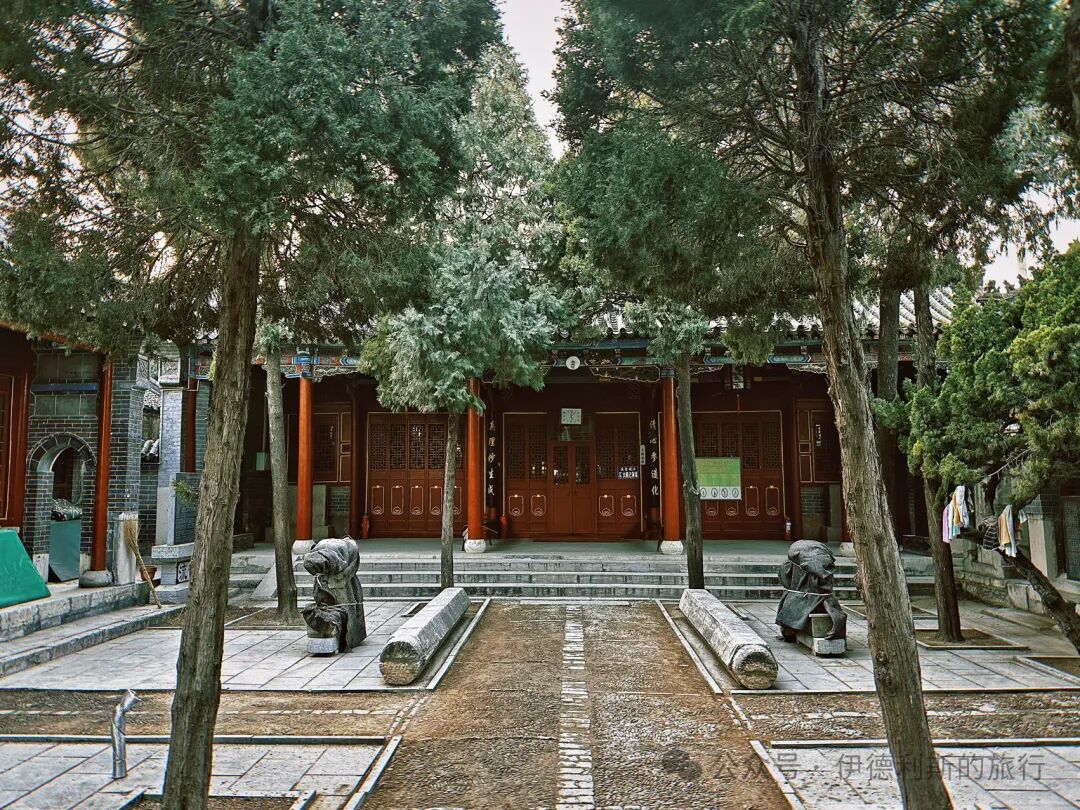
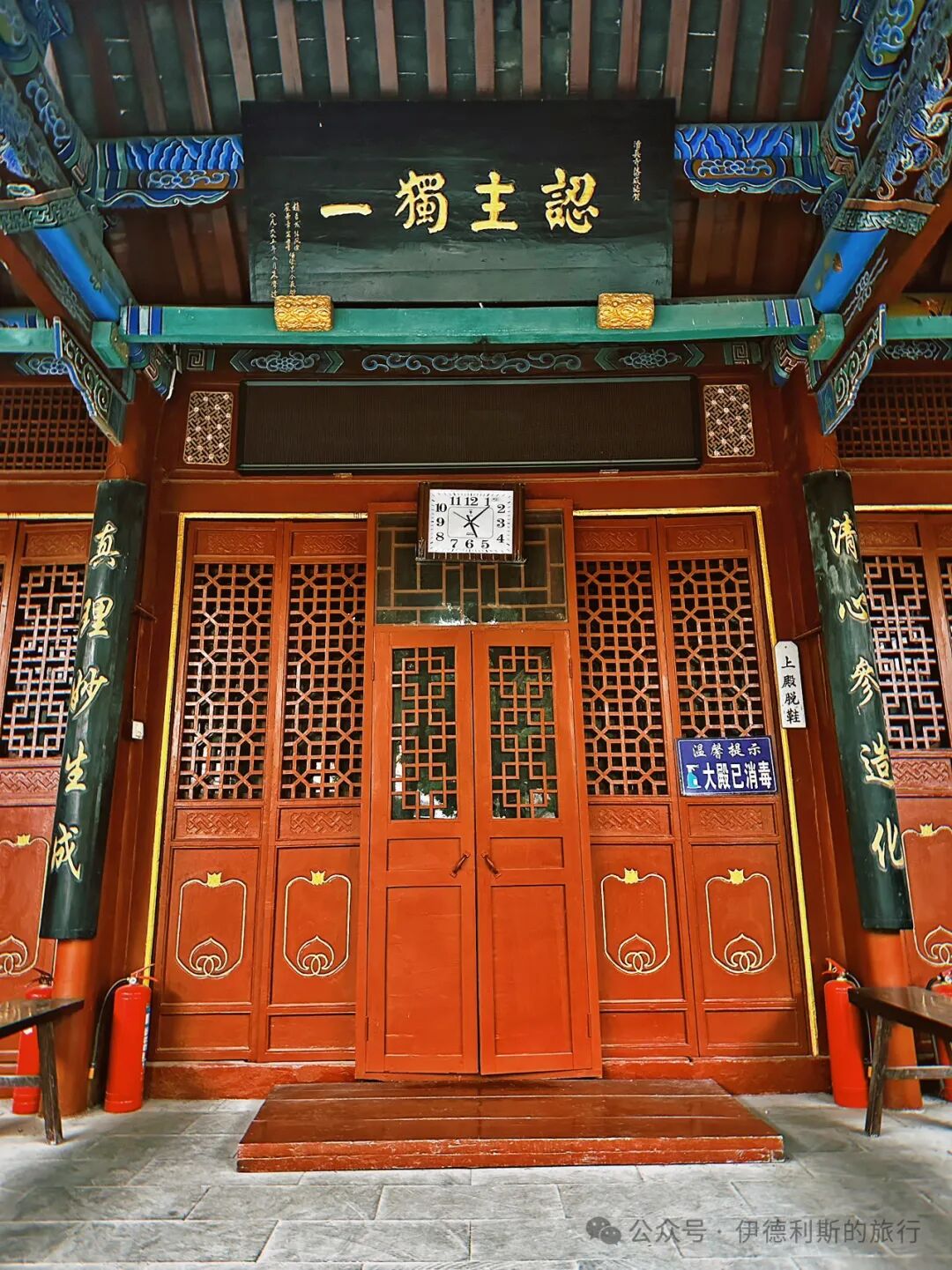
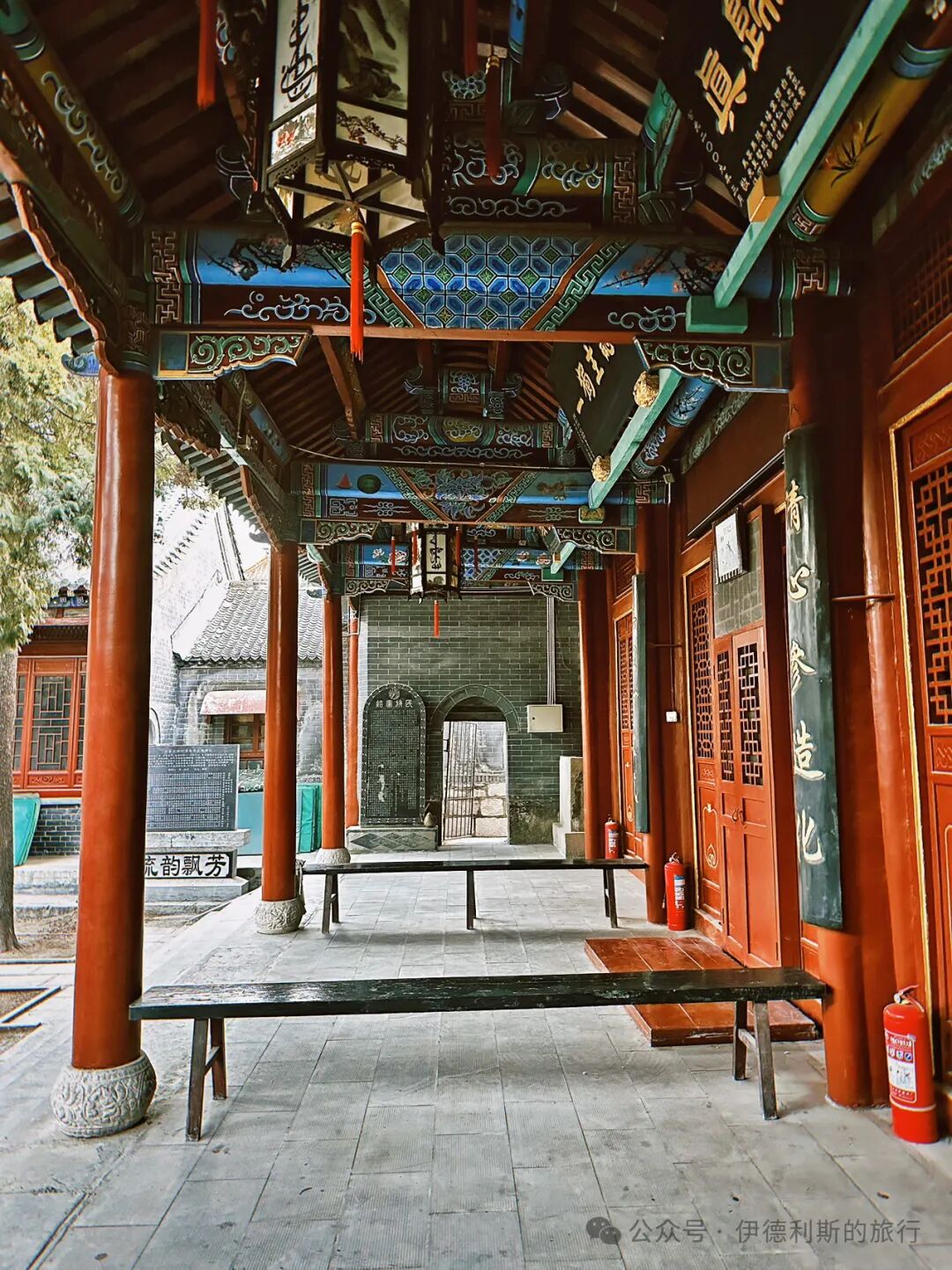
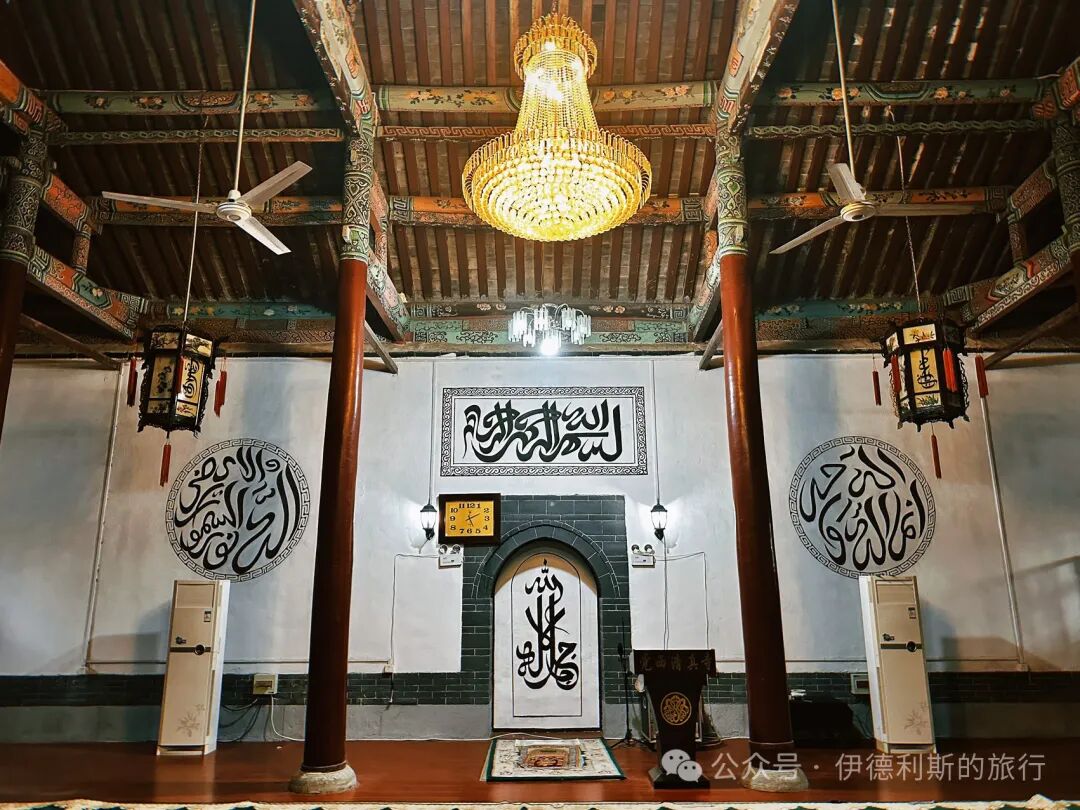
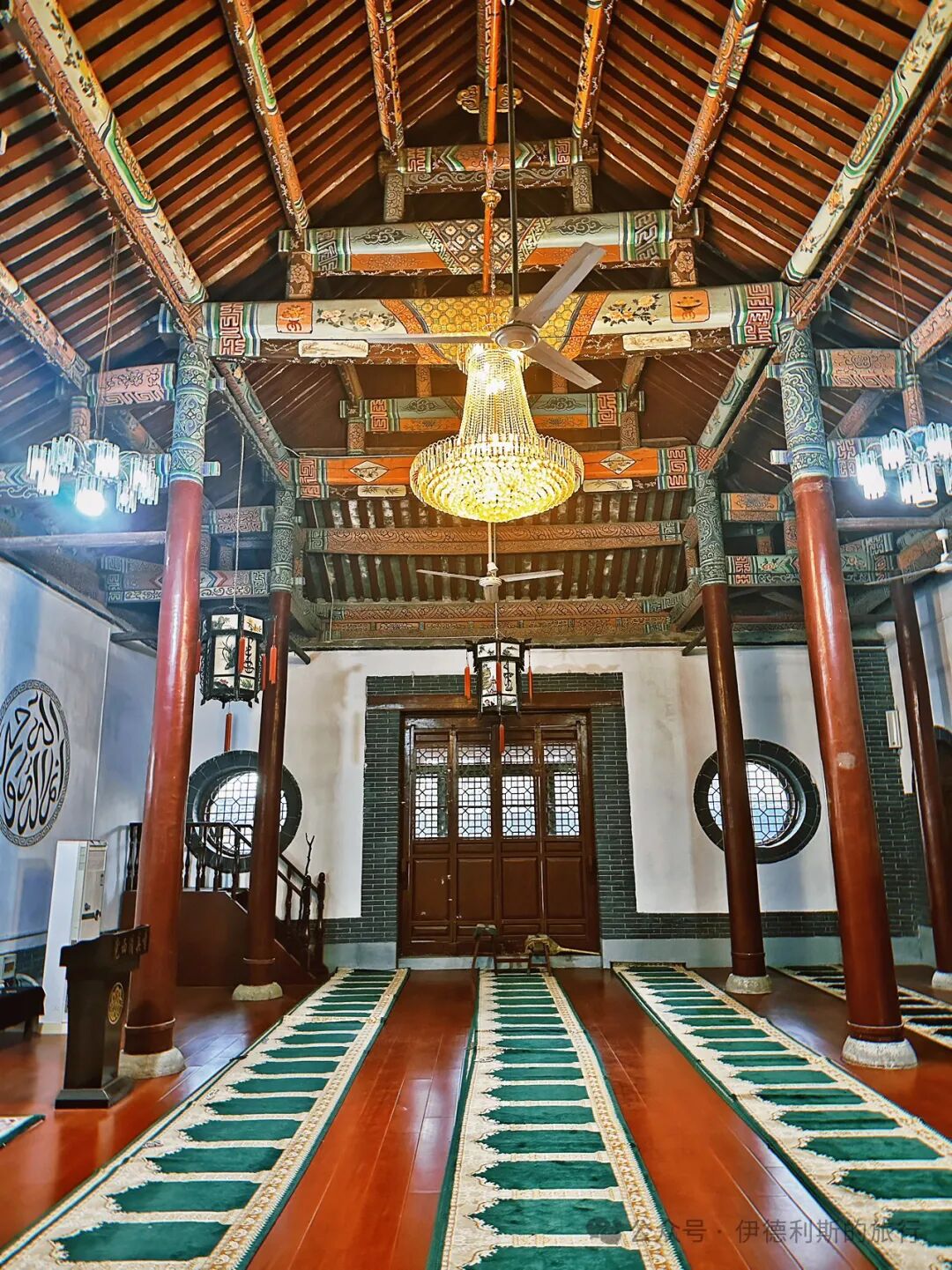
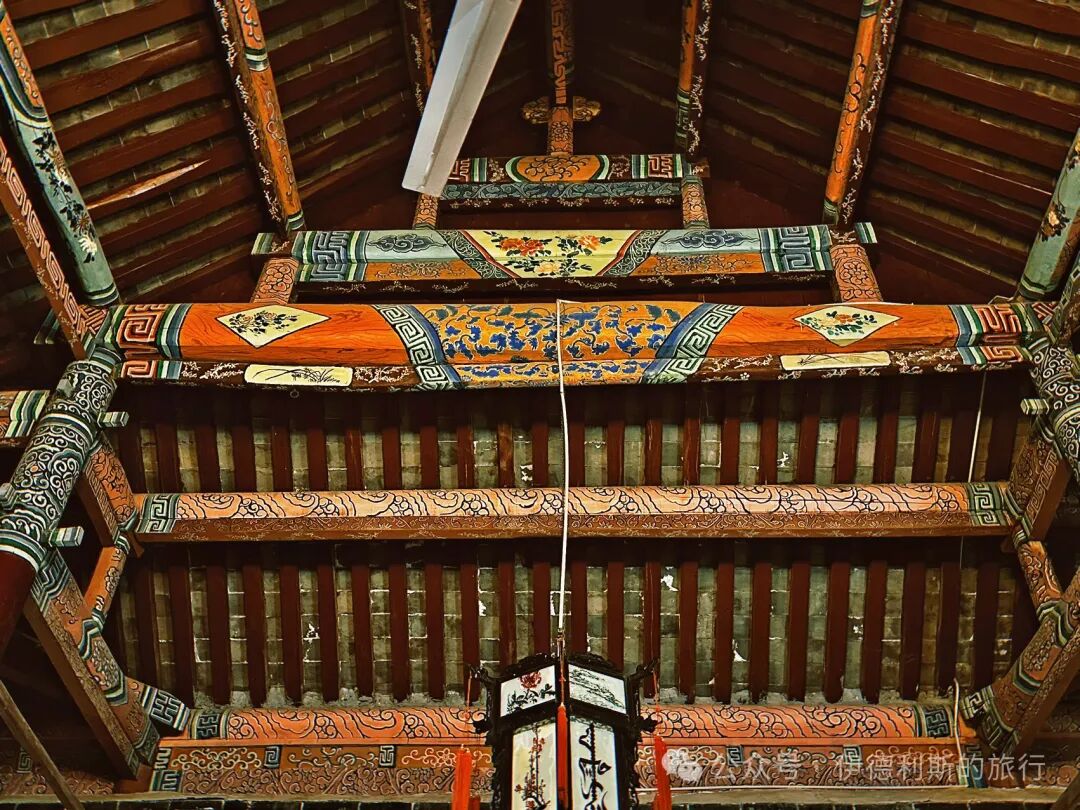
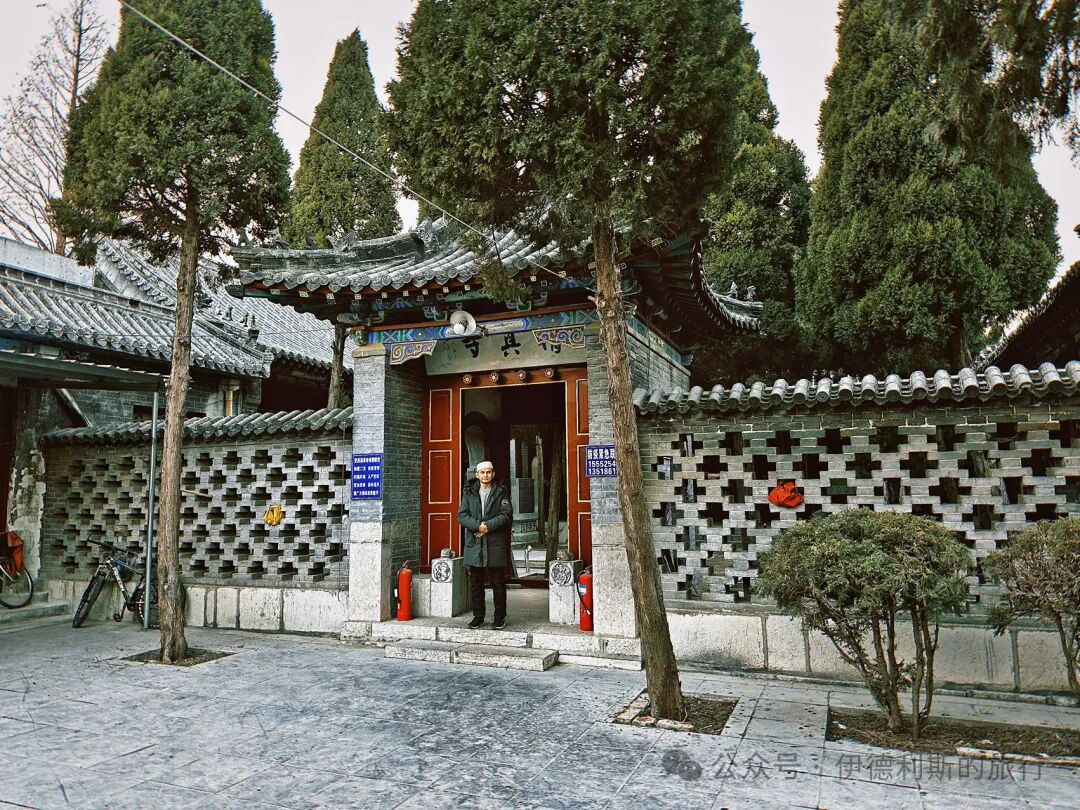
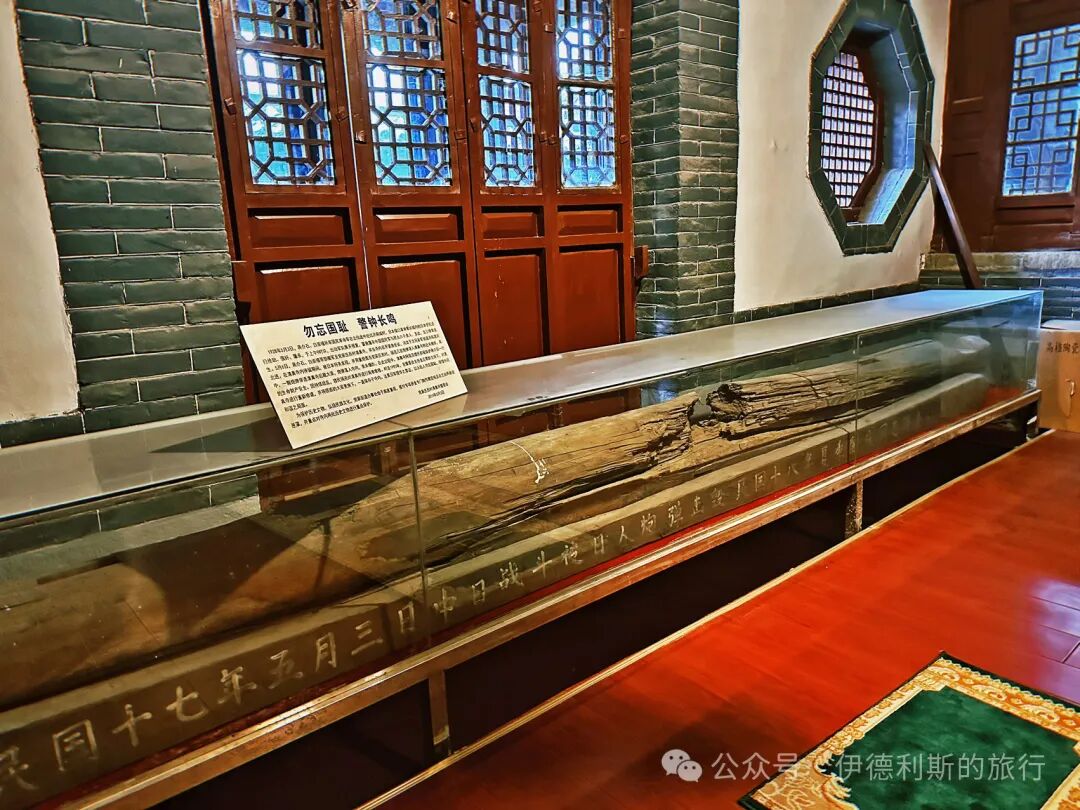
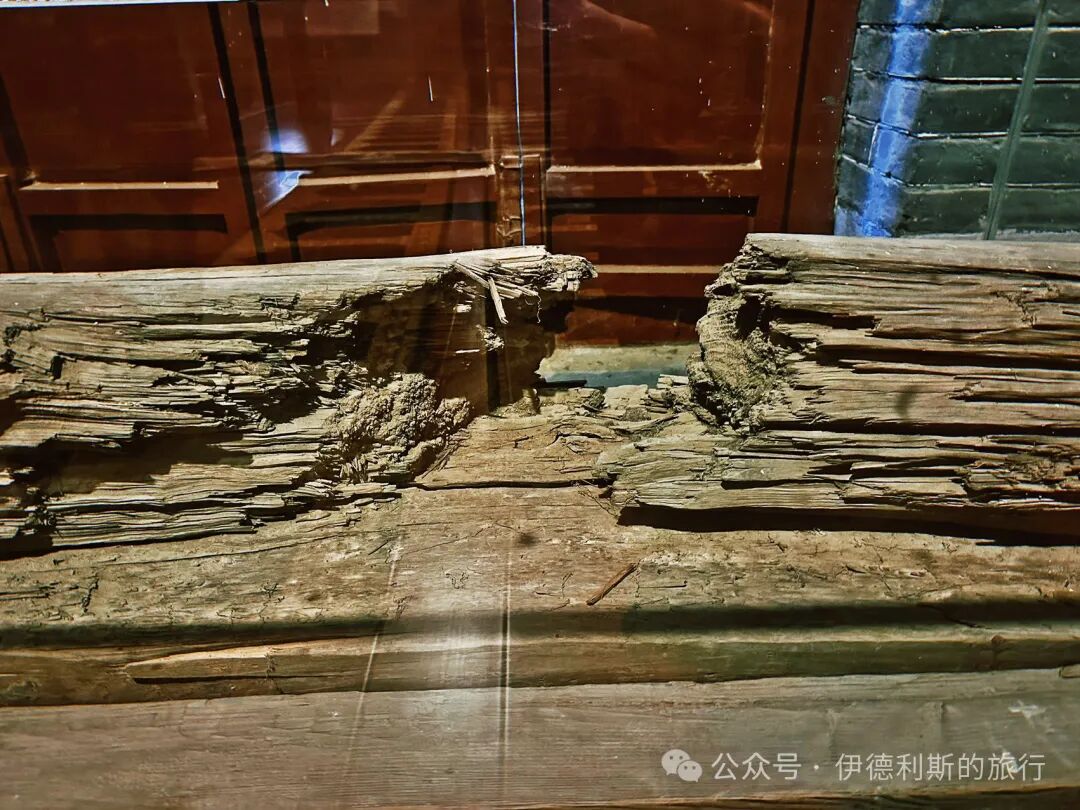
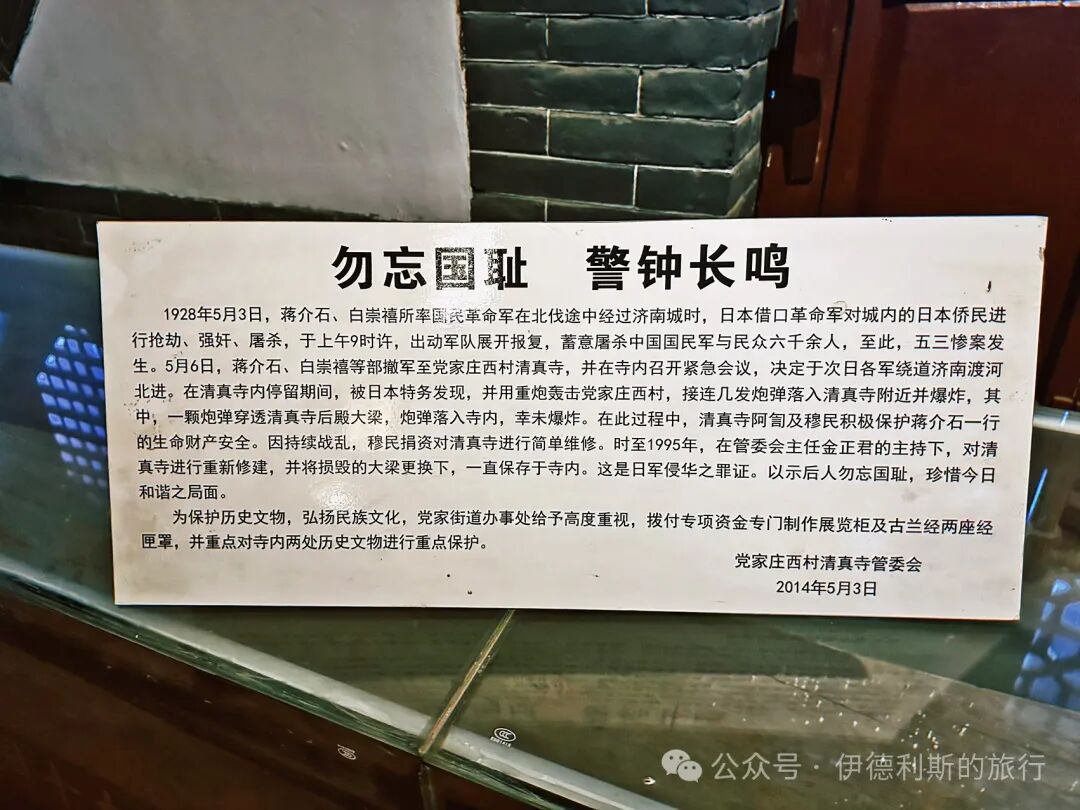
On May 3, 1928, the Japanese army intentionally massacred Chinese troops in Jinan, an event known as the May 3rd Incident. On May 6, Chiang Kai-shek and Bai Chongxi led their troops to retreat into the Dangxi Mosque, where they held an emergency meeting to plan military strategy. During this time, the Japanese army shelled Dangxi Village. One shell pierced the main beam of the Dangxi Mosque but did not explode, becoming a historical witness to the Jinan Incident. When the Dangxi Mosque was renovated in 1995, the beam was replaced and has been on display in the main hall ever since to remind future generations not to forget the national humiliation.
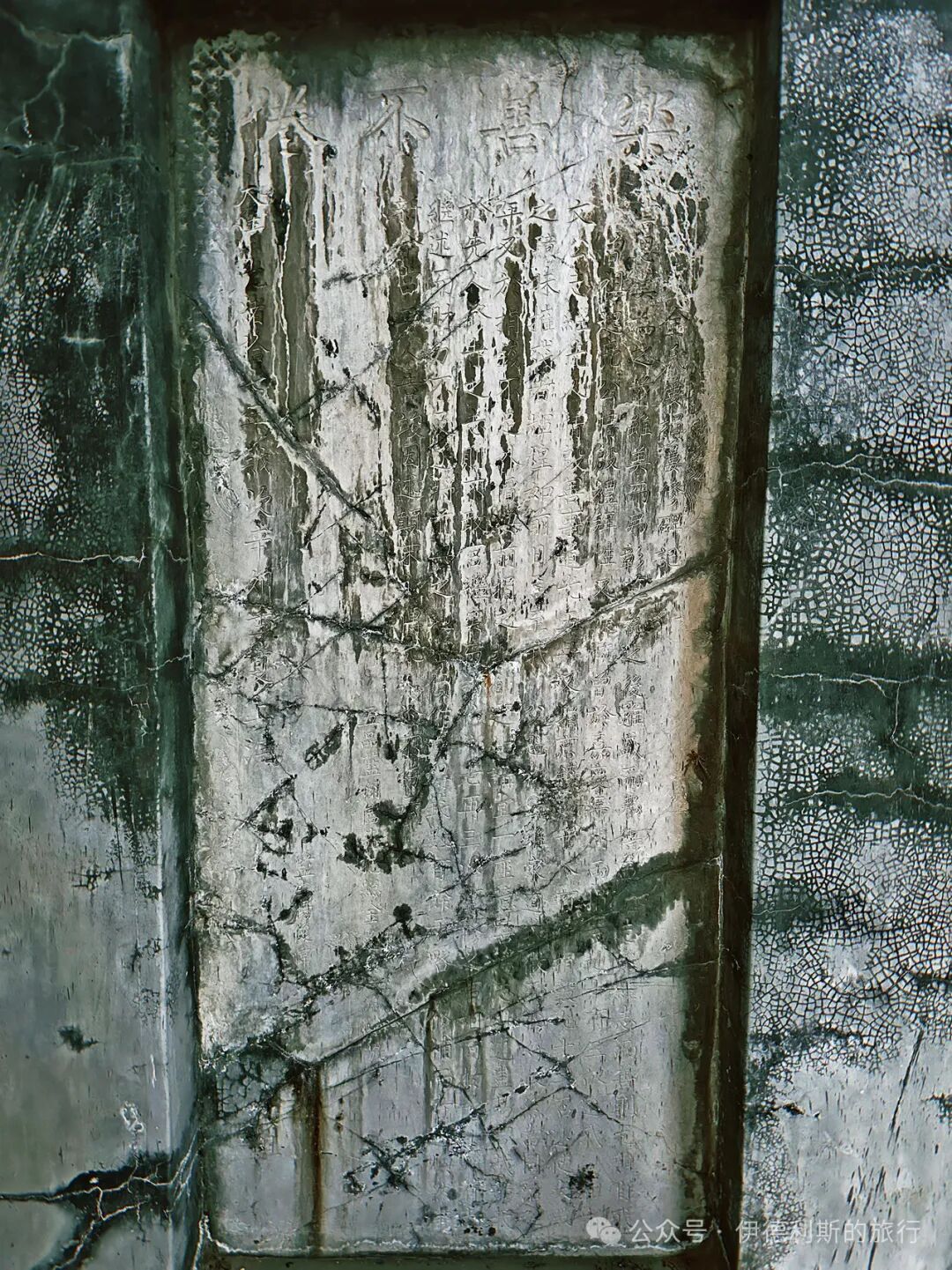
The 1891 (17th year of Guangxu) 'Jin Family Repeated Donations and Renovations Tablet'. It records how four generations of the Jin family donated money and goods to renovate the mosque during the Jiaqing, Daoguang, Tongzhi, and Guangxu eras.
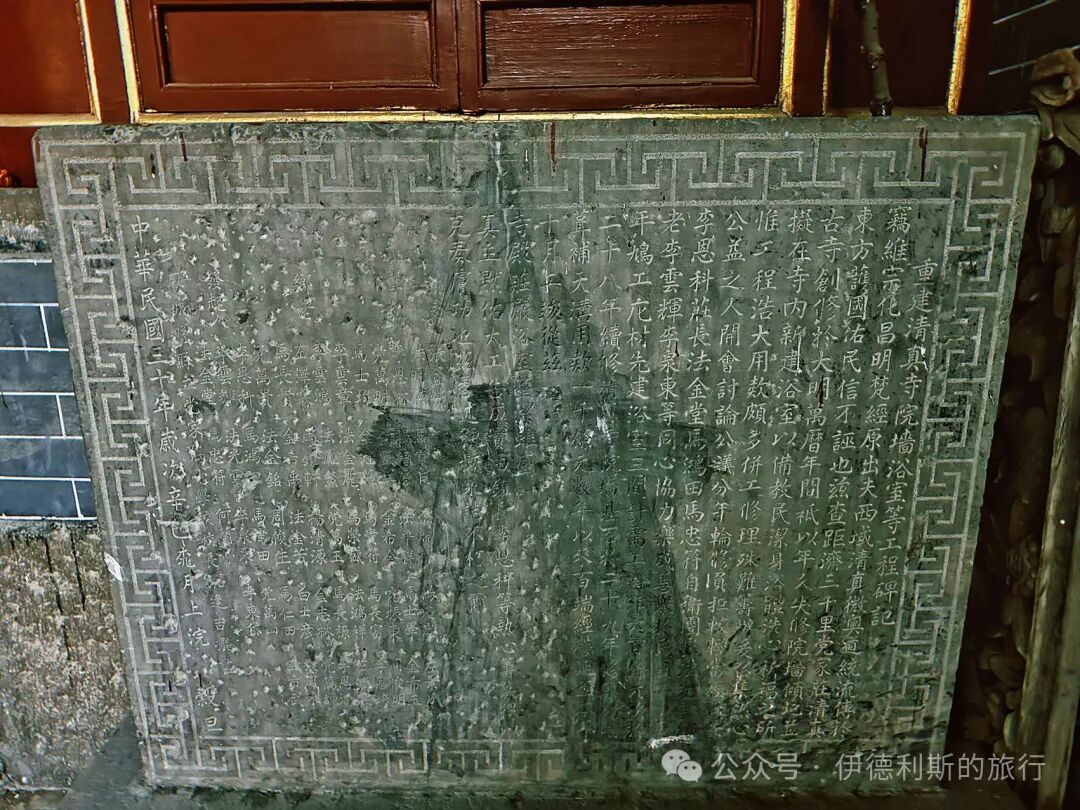
The 1941 stele record for the renovation of the mosque walls and bathhouse.
The 1941 stele for the renovation of the Dangjiazhuang Elementary School. Both steles were written and calligraphed by Zhang Fengji, the principal of Dangjiazhuang Elementary School.
Dangdong Mosque.
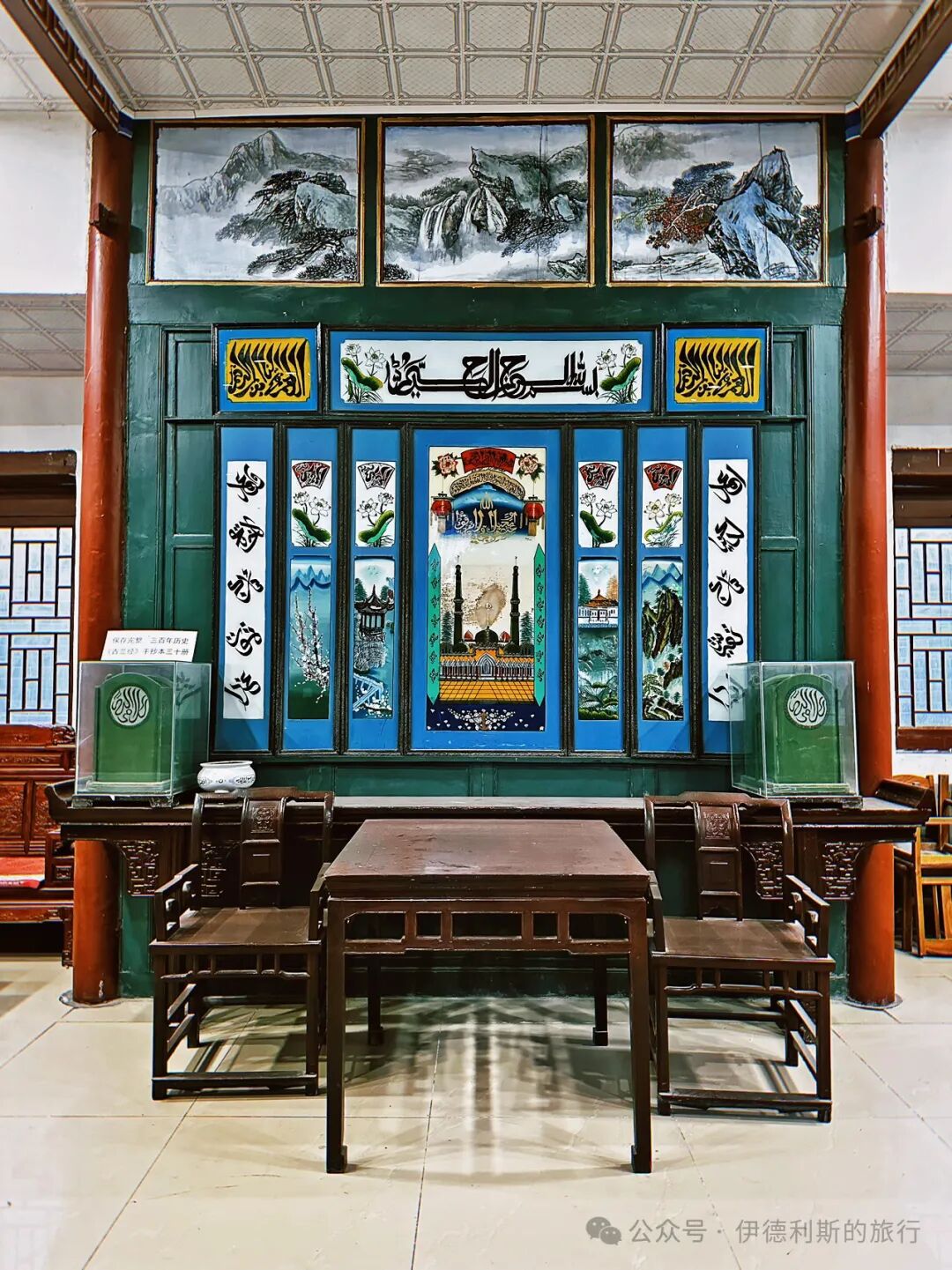
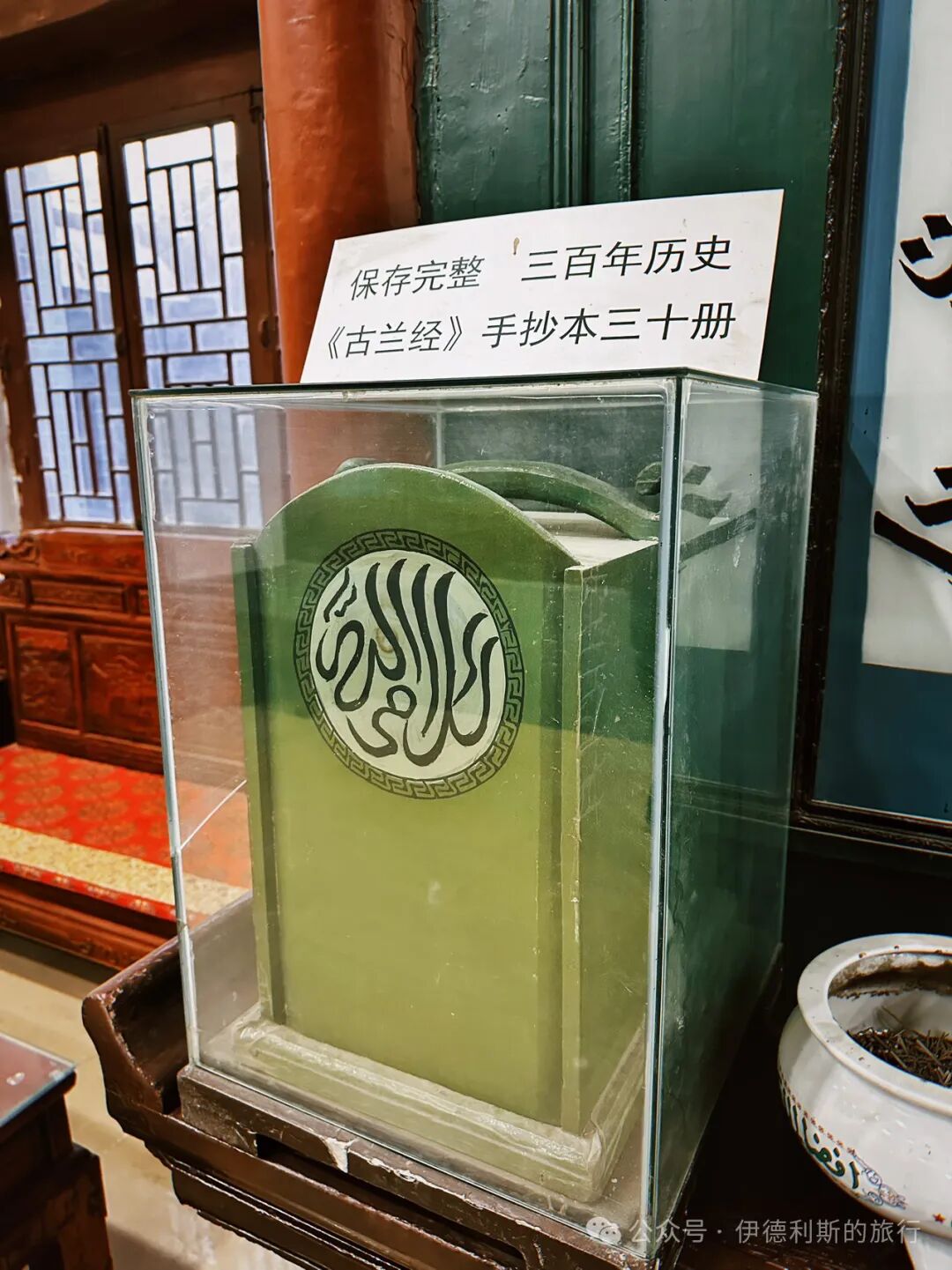
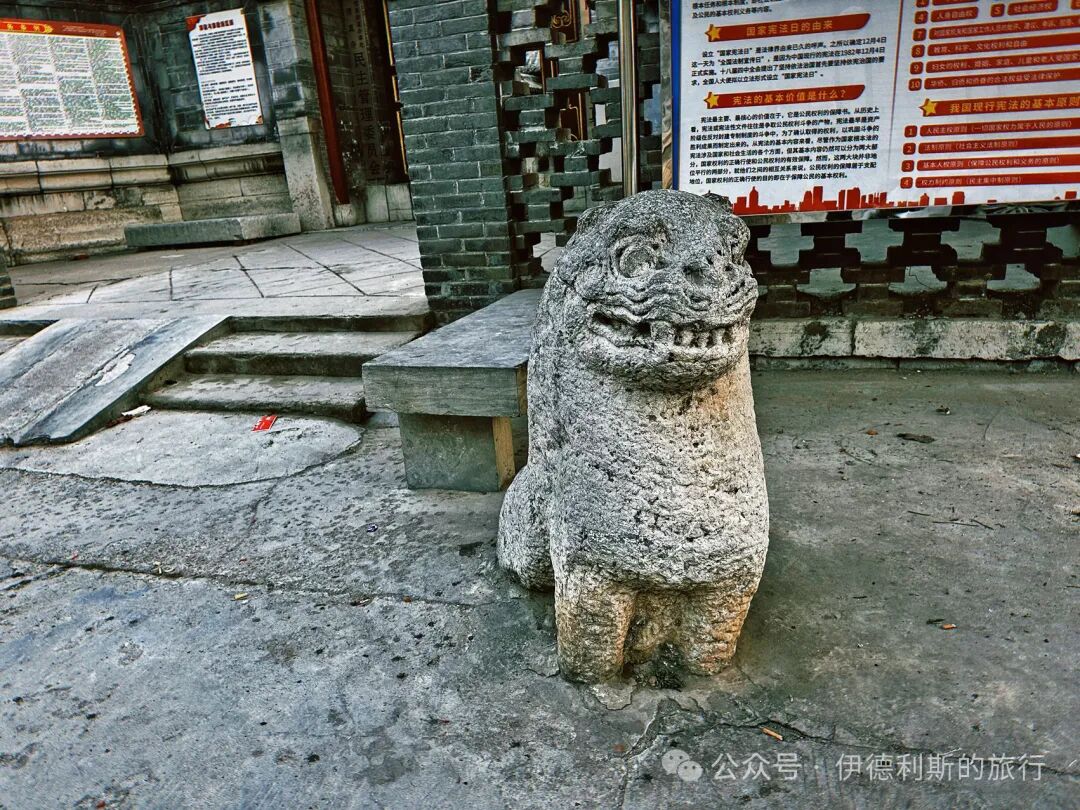
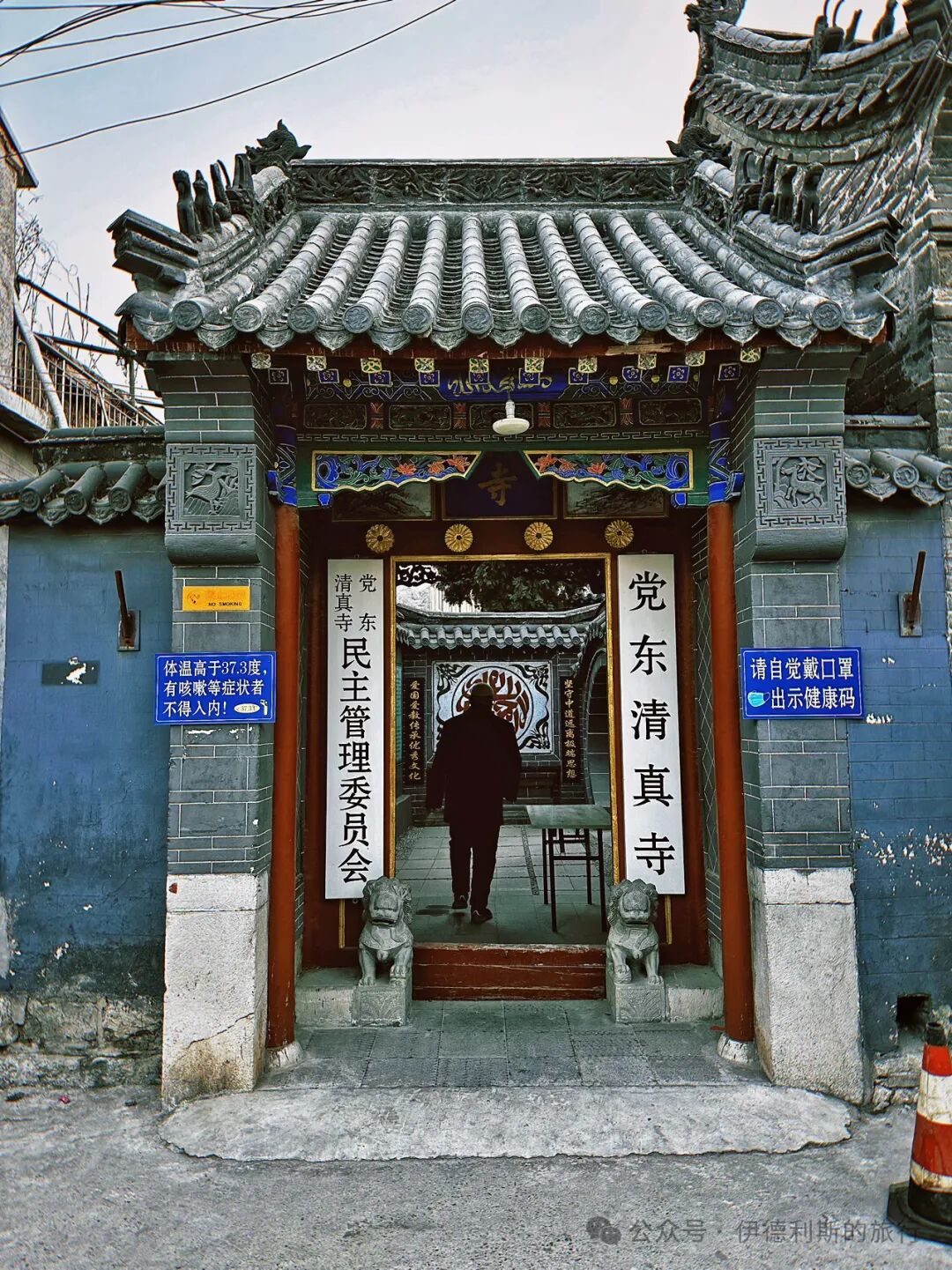
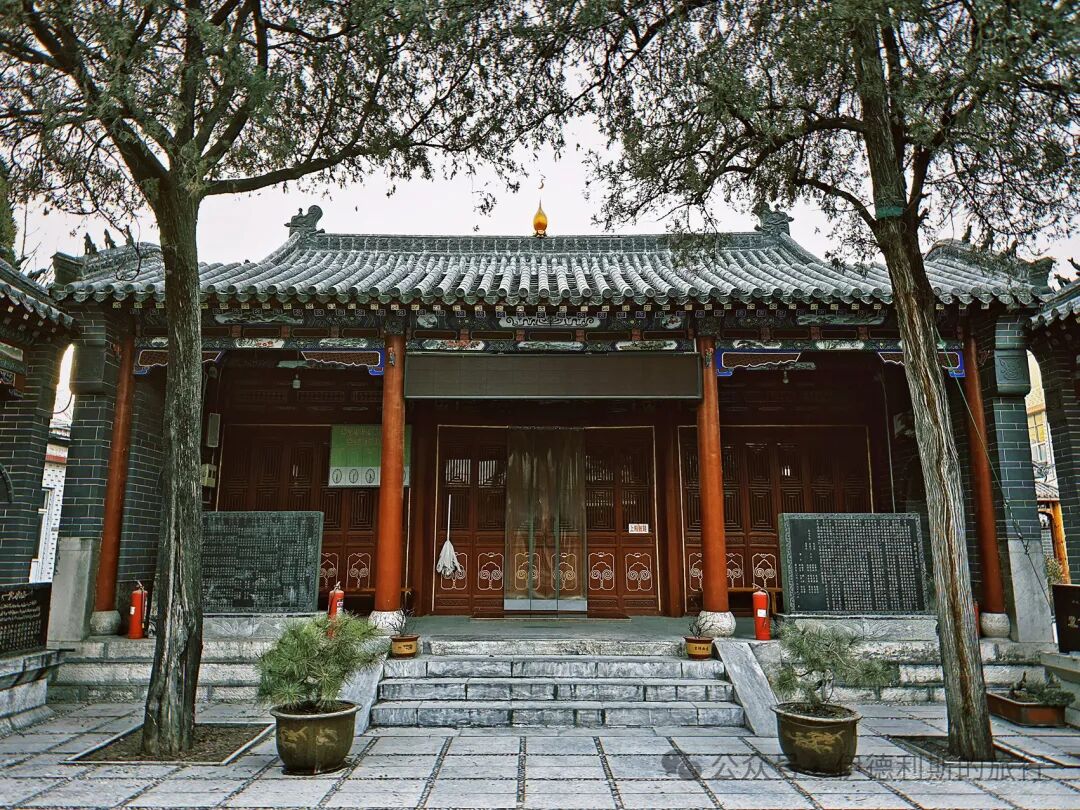
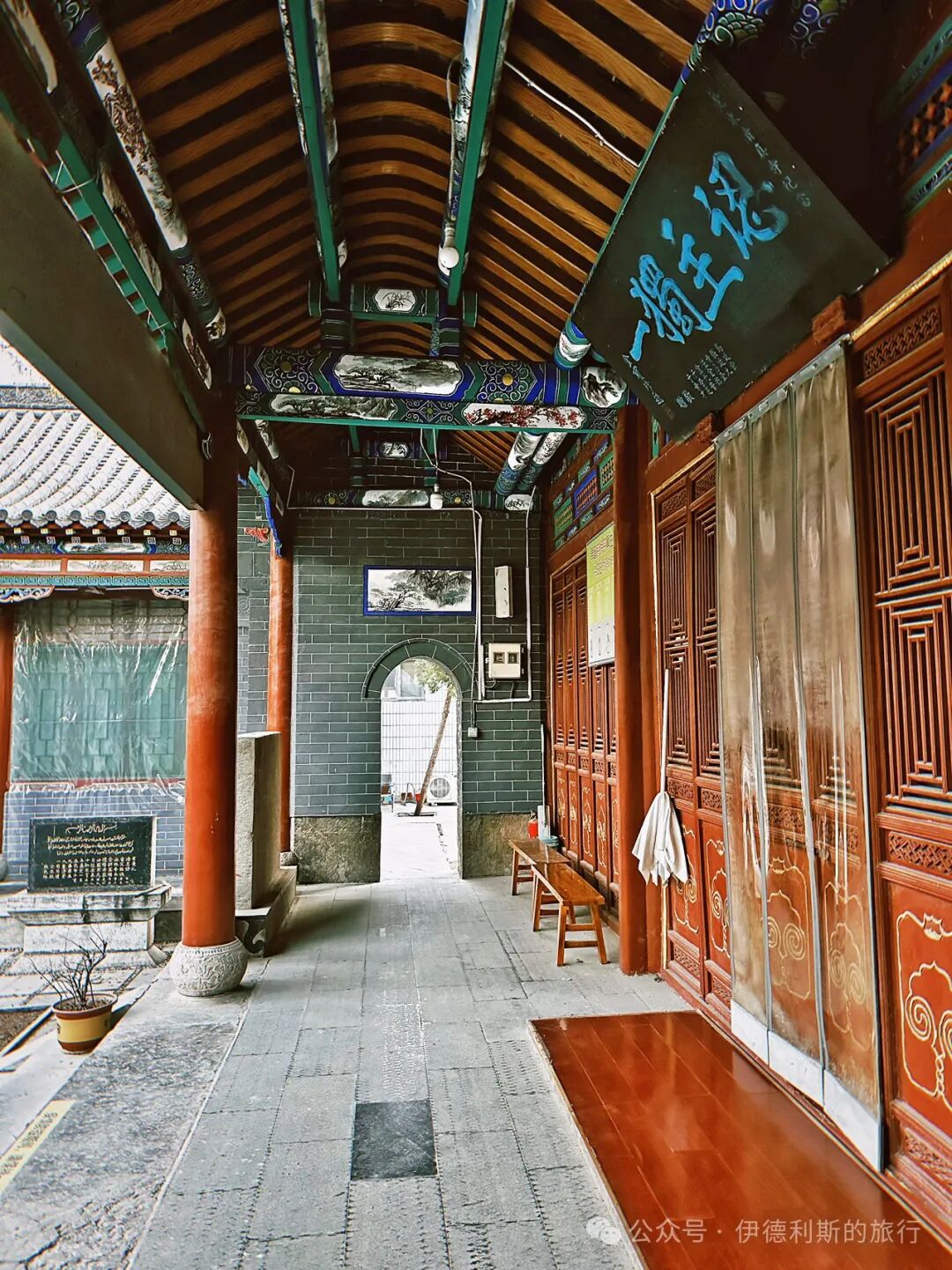
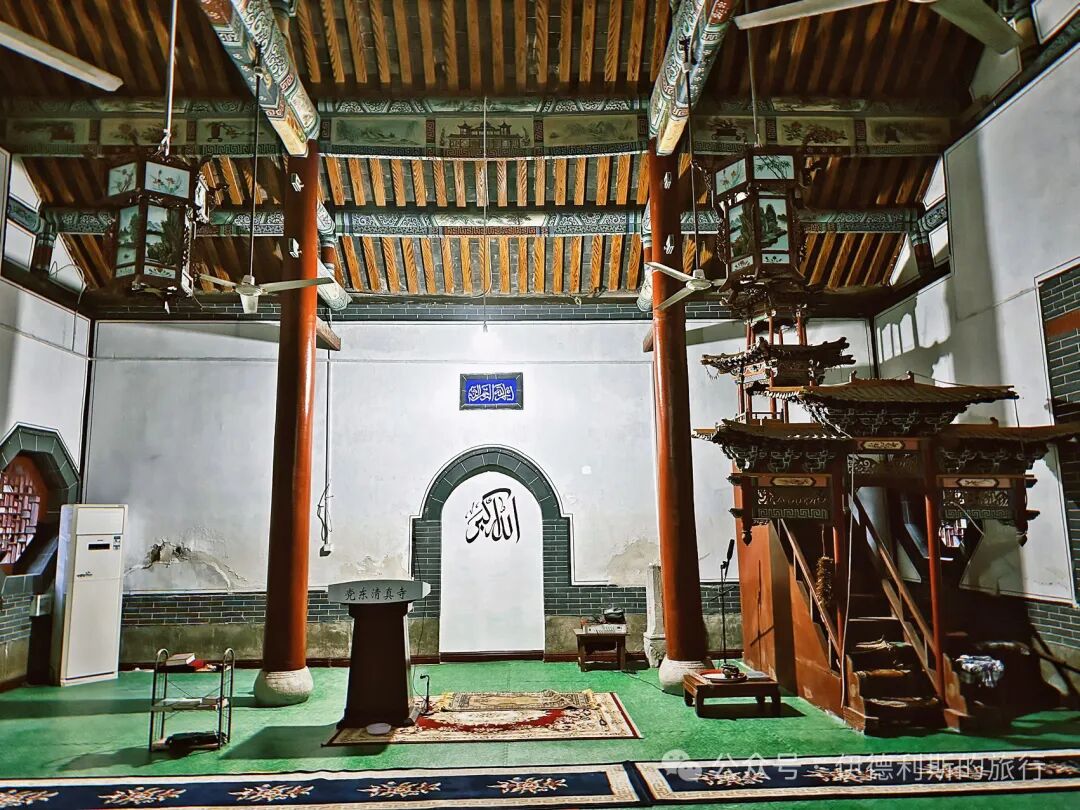
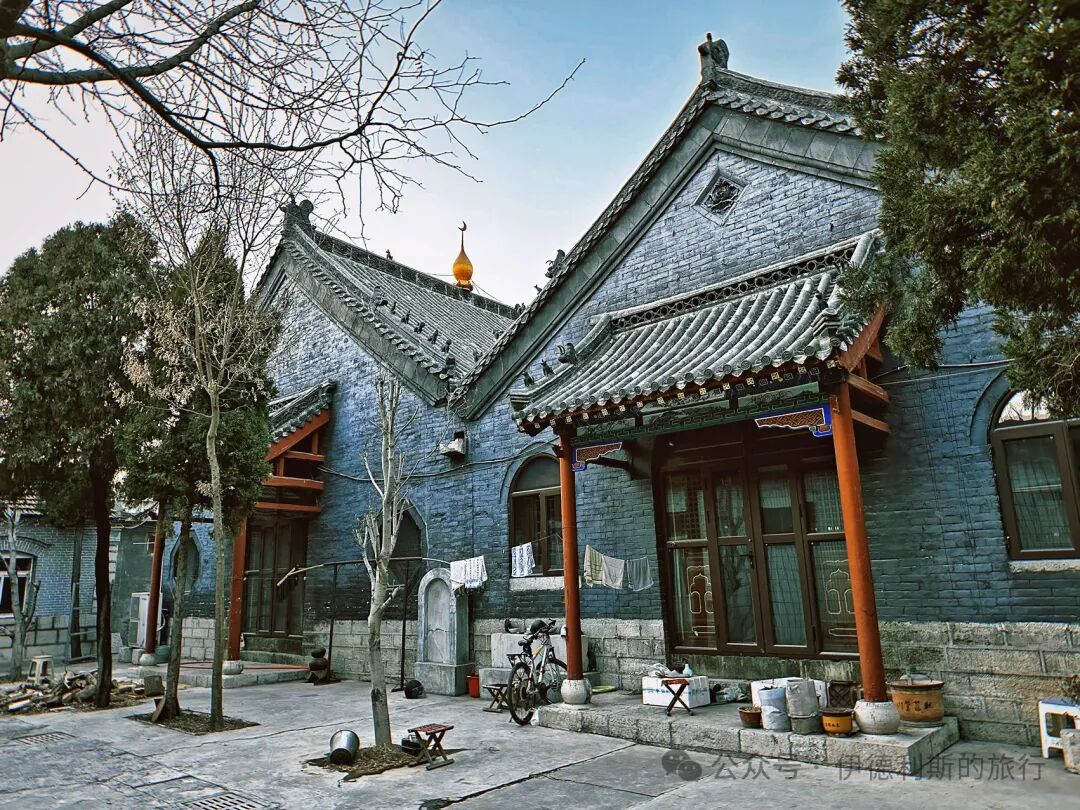
Dangdong Mosque is located in the East Village of Dangjiazhuang in the southern suburbs. It was first built in 1510 (the fifth year of the Zhengde reign of the Ming Dynasty) and was renovated several times during the Qing Dynasty reigns of Yongzheng and Qianlong, as well as during the Republican period. Records show that Dangdong Village was originally Zhuguanzhuang, a place set up for refugees in the early years of the Hongwu reign of the Ming Dynasty. Local Hui Muslims originally went to Dangxi Mosque for namaz. In the early years of the Zhengde reign, Chen Xi, the chief imam (zhangjiao) of Shandong, raised funds. Fa Zongxian, the commander of the Jinan Guard, and local Hui Muslims managed the purchase of land and materials to build Zhuguanzhuang Mosque, which was later renamed Dangdong Mosque.
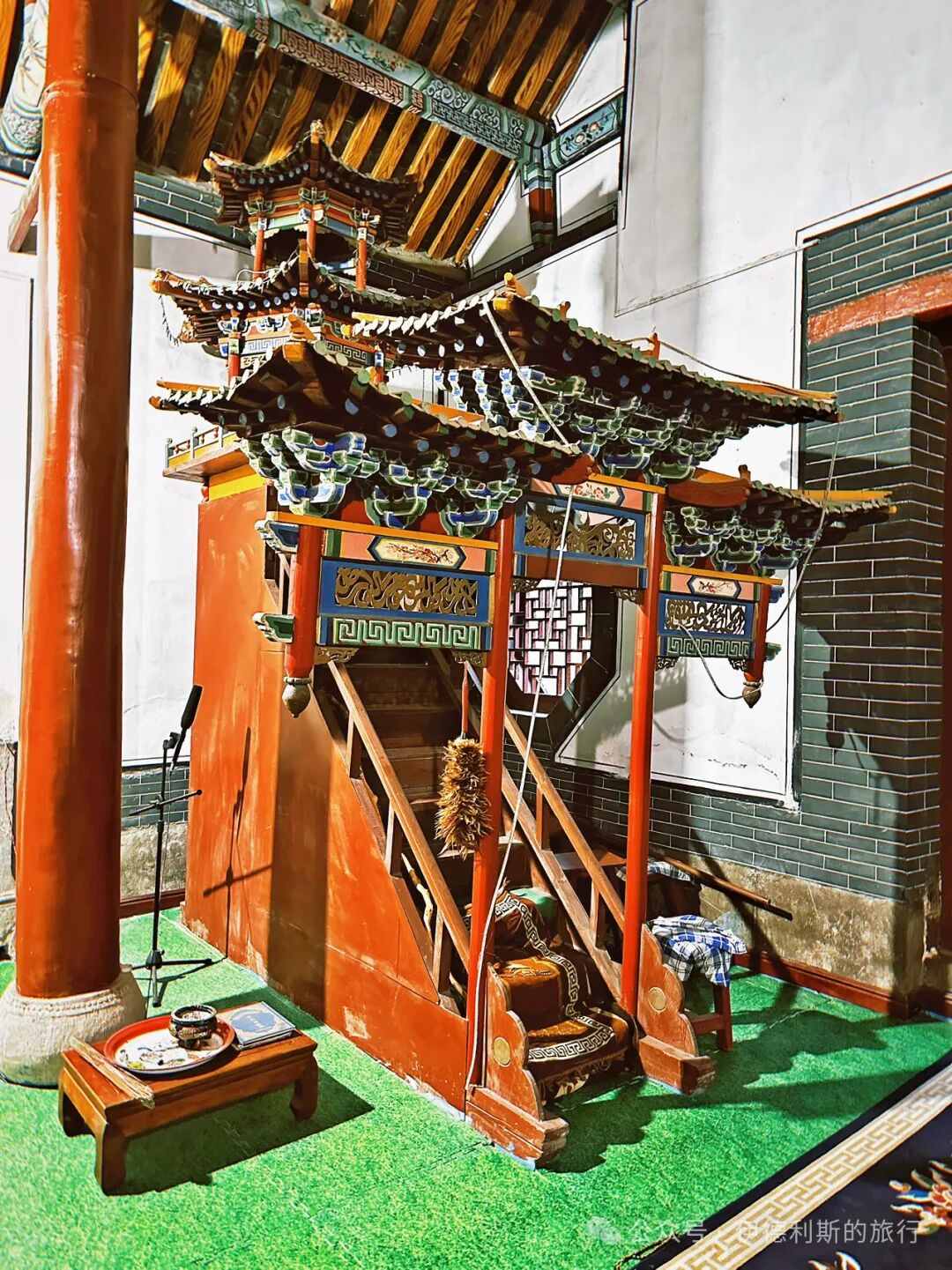
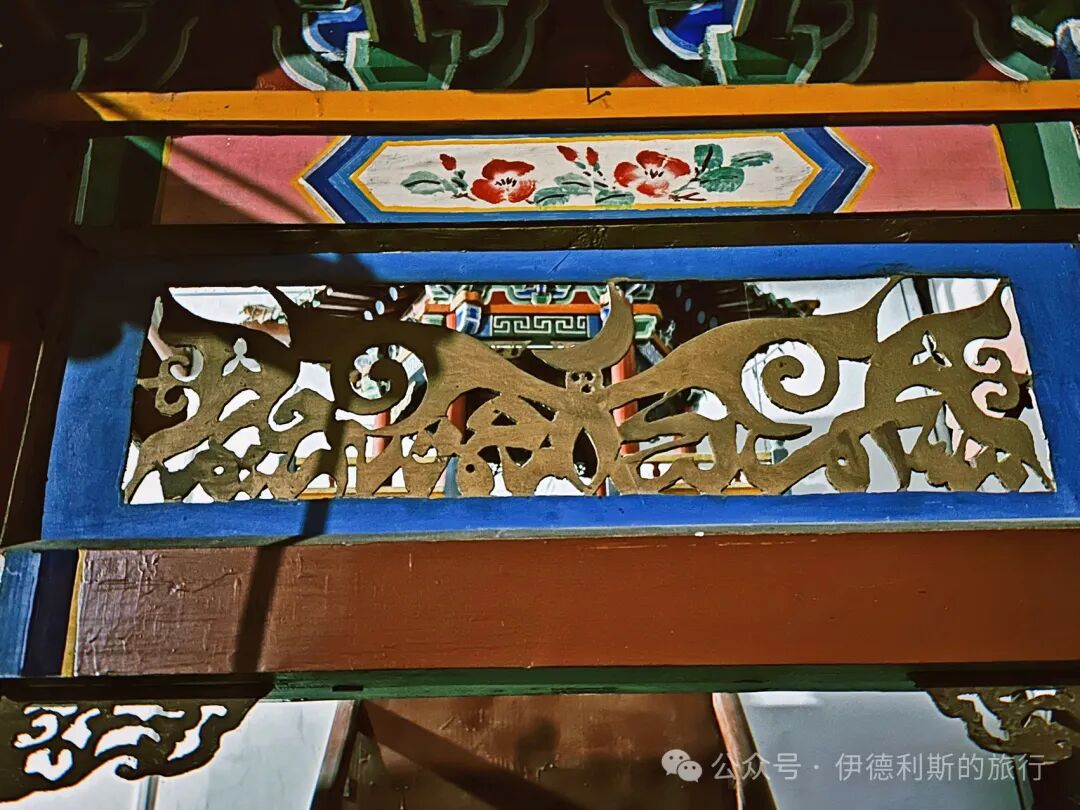
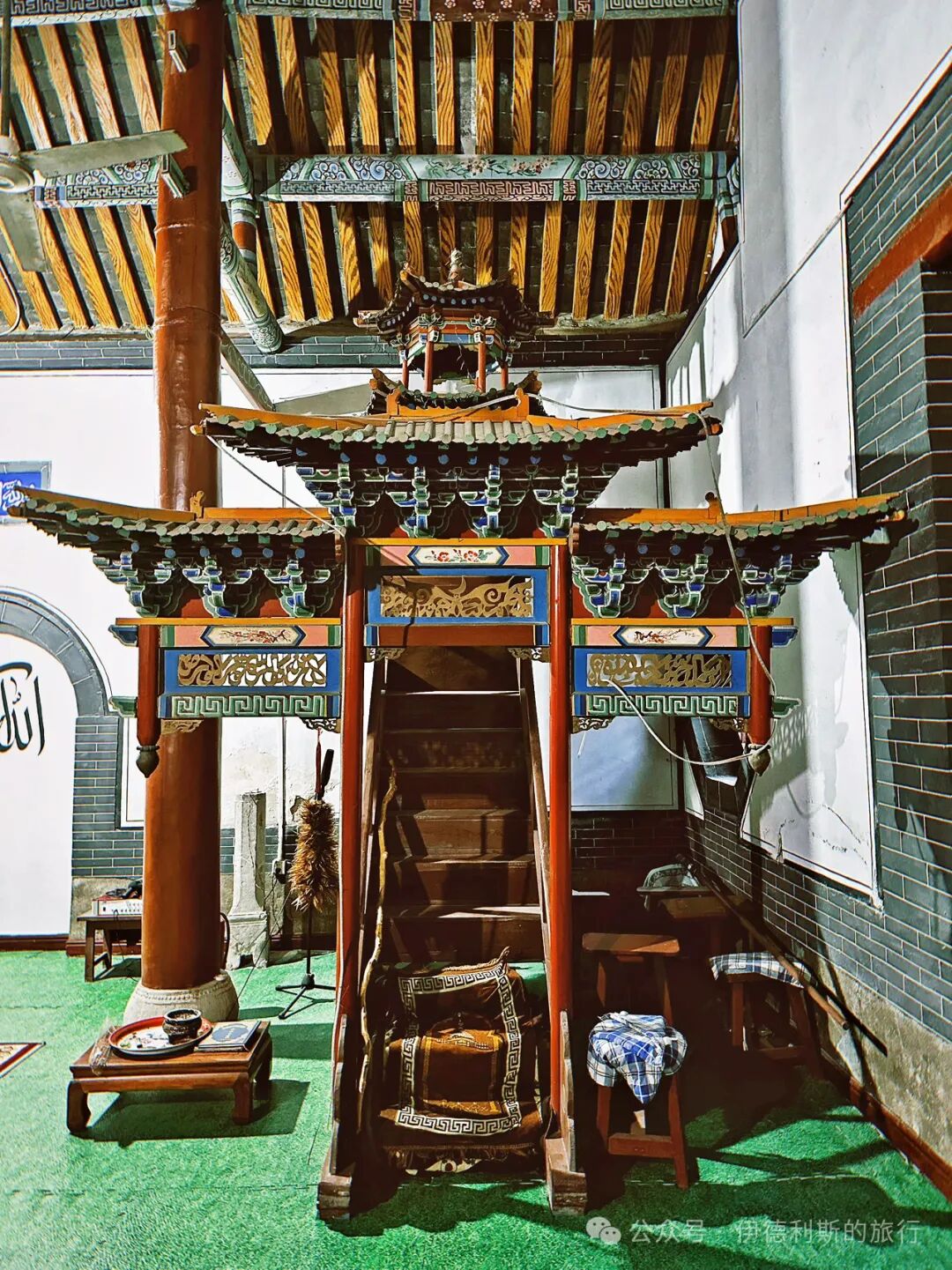
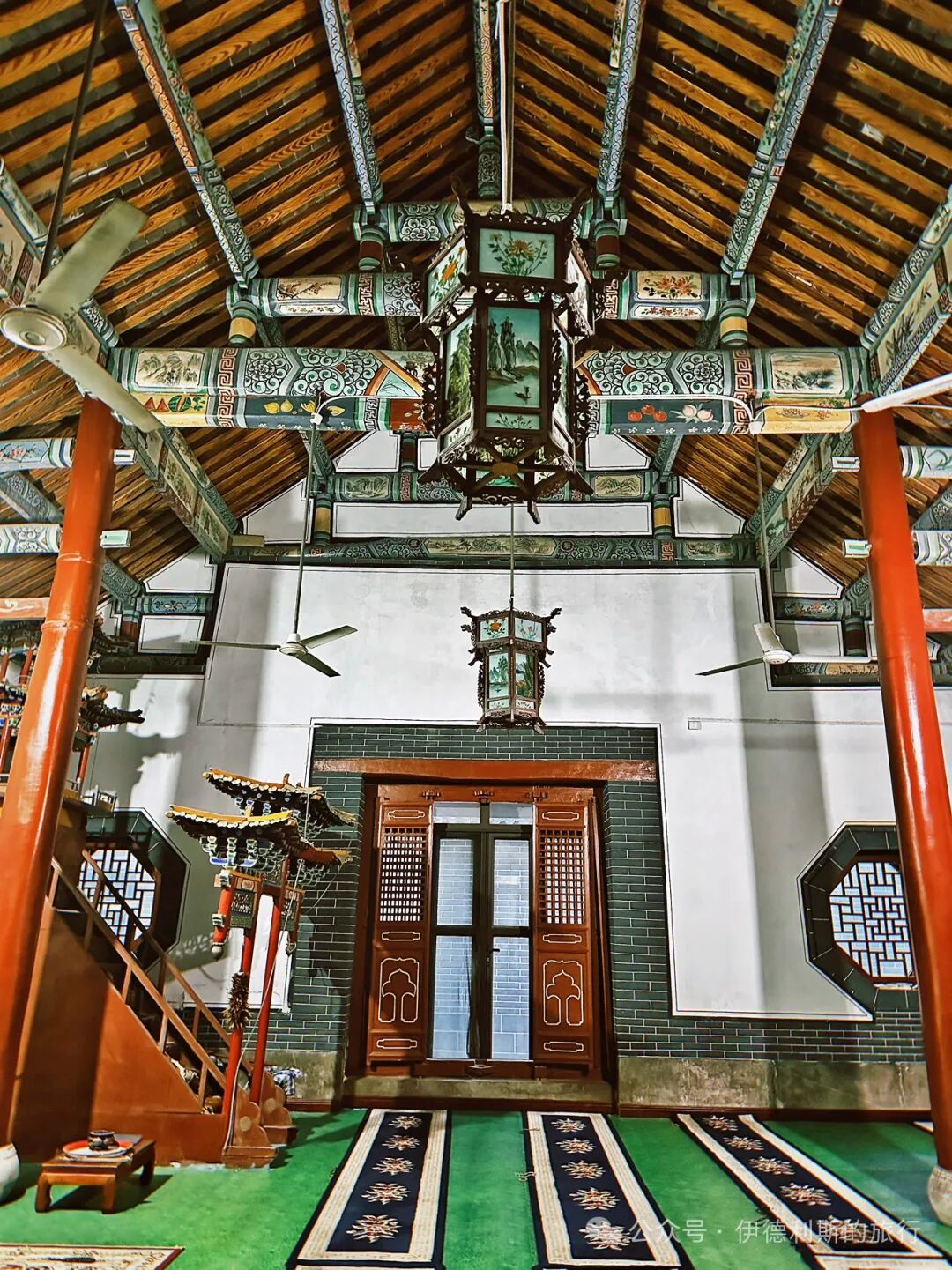
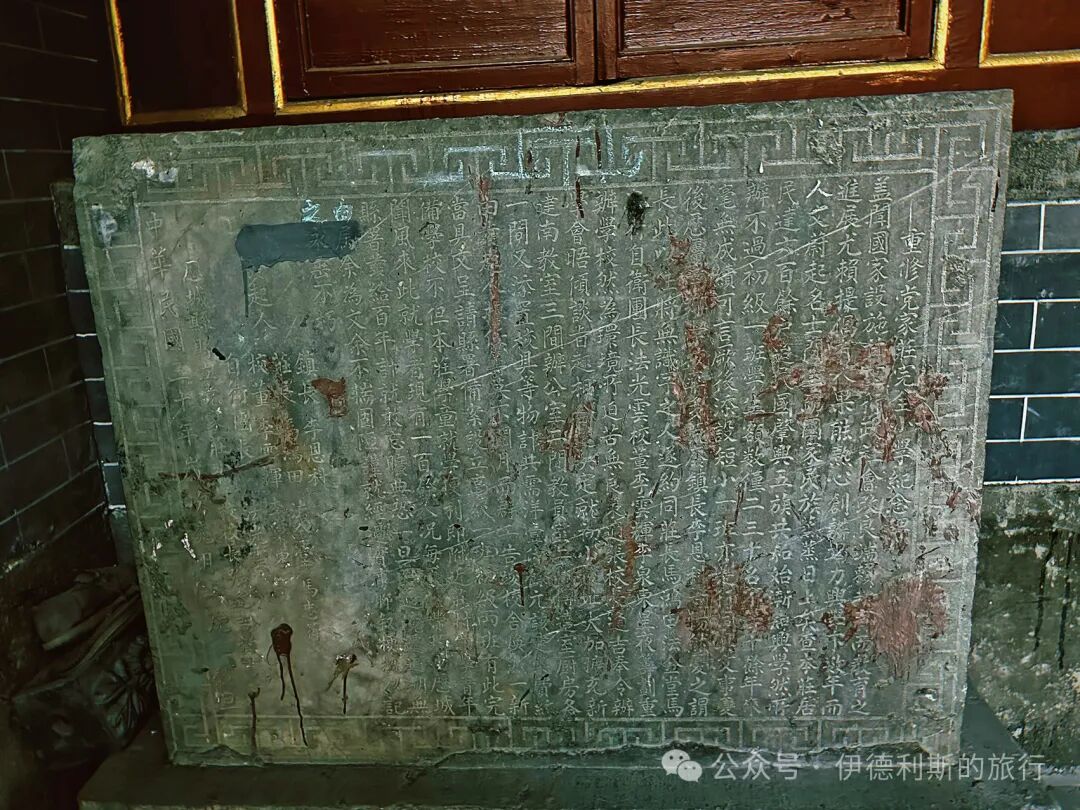
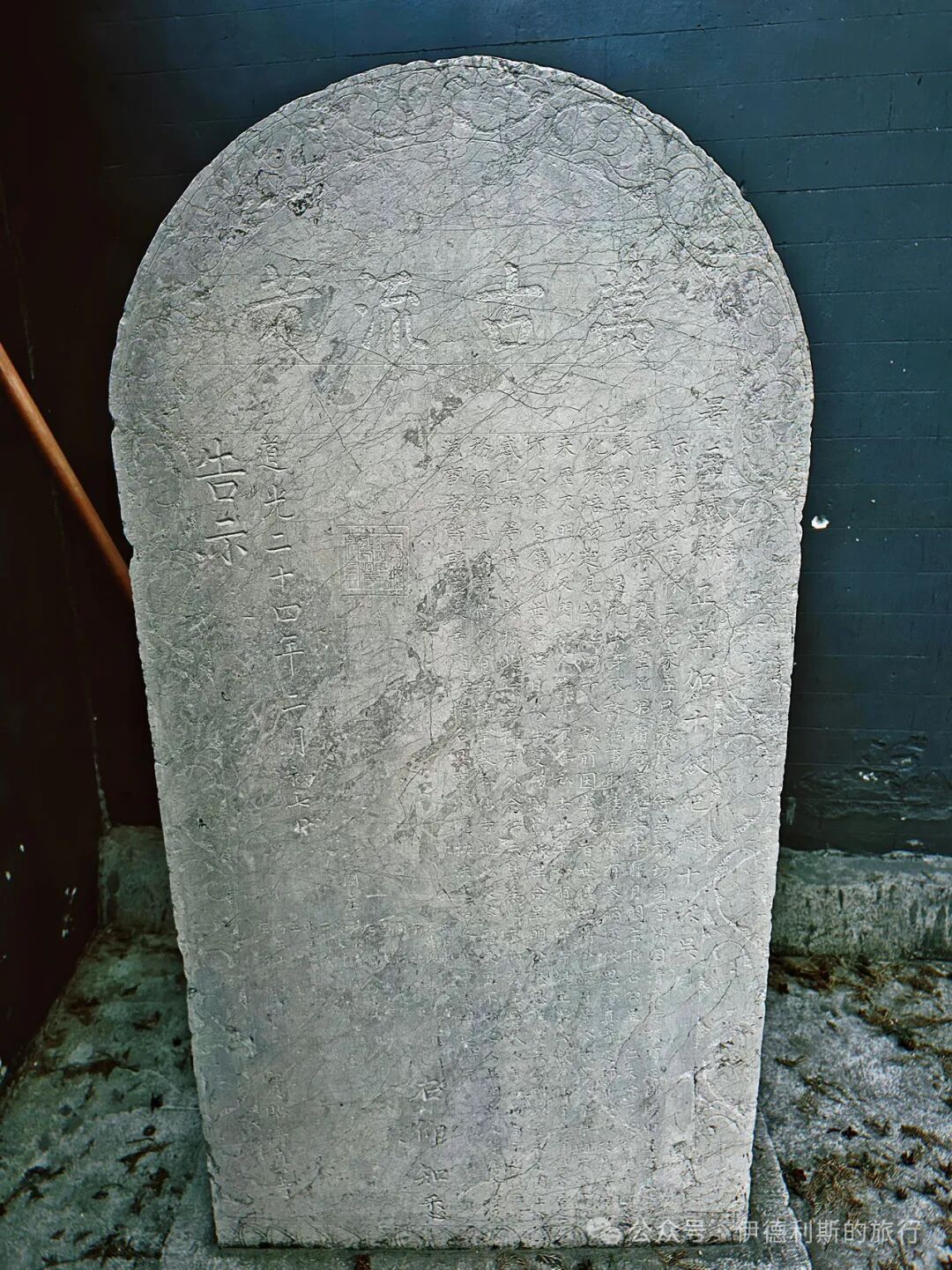
The 1844 stele, Official Proclamation of Licheng County. It records how the Licheng County magistrate handled a civil lawsuit in Dangjiazhuang. It mentions that four families of imams (zhangjiao) passed their positions down through generations and controlled mosque affairs, which caused public anger. The court ruled that imams could not pass their positions to their descendants and could not privately sell or handle the mosque's farmland. This stele is an important document for studying the changes in the imam system of mosques in Shandong.
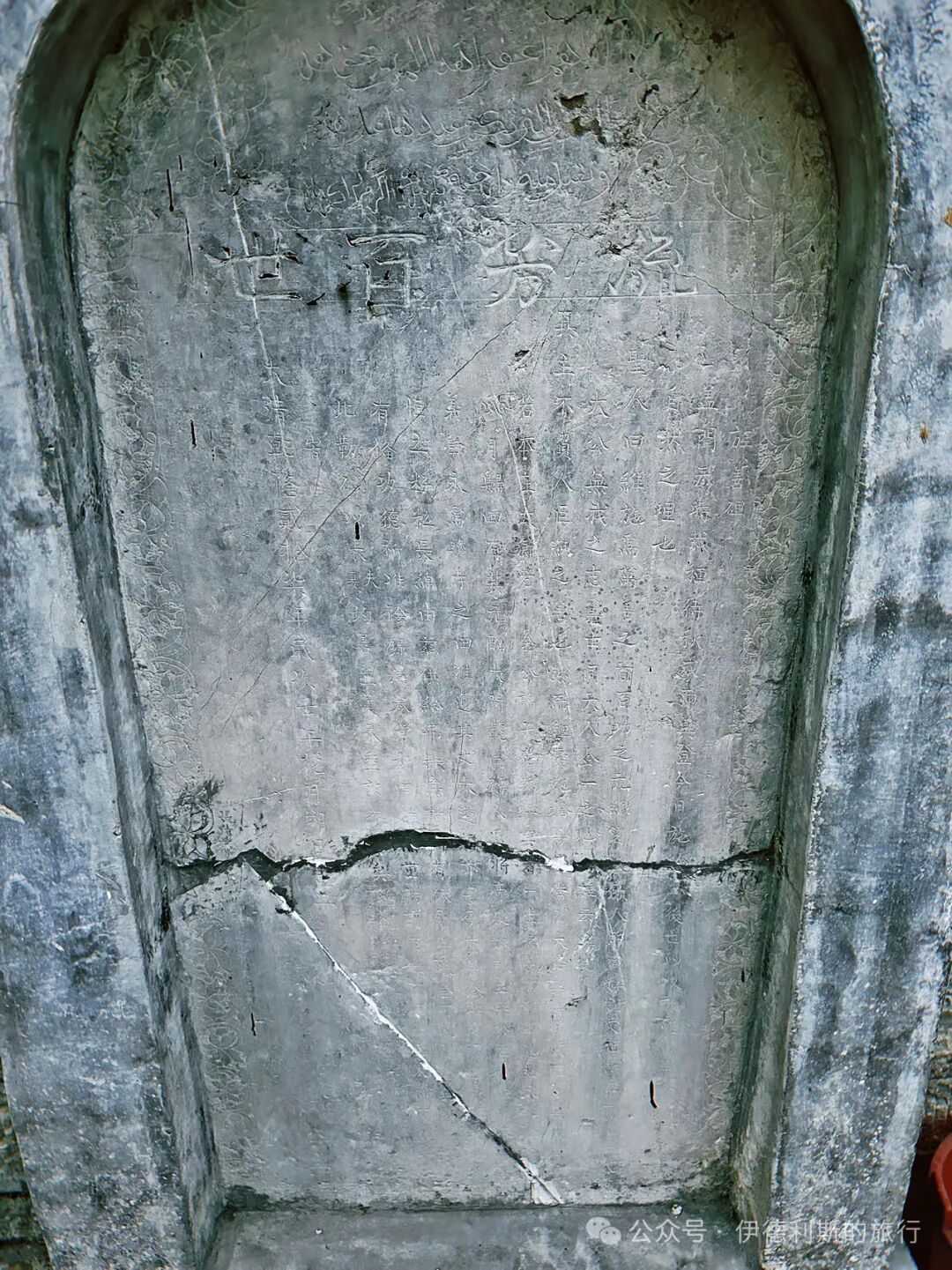
The 1762 stele, Commending Good Deeds (Jingshan Bei). It records that Madam Zhou, the wife of the village elder Jin Ziliang, donated land to the mosque.
Summary: This is the second part of a Ramadan visit to historic mosques in Jinan, including Nanguan Mosque, Dikou Mosque, Dangxi Mosque, and Dangdong Mosque. The English version keeps the original architectural notes, mosque names, historical details, and photographs in their source order.
A 1614 (42nd year of Wanli, Ming Dynasty) stone tablet records the completion of the Nanguan Mosque and lists the donors. It explains that there was an older mosque south of Jinan city, but it was hard to reach when the nearby canal flooded in summer and autumn. Three elders named Yang, Yu, and Tang led the community to fund and build a new mosque in 1603 (31st year of Wanli). The tablet lists the names of 147 people, including mosque leaders, military commanders, local officials, scholars, and students.
The 1864 (3rd year of Tongzhi) tablet records the renovation of the ancient Nanguan Mosque. It describes how the Nanguan Mosque was renovated in the early Xianfeng years and how a school was established there.
The 1906 (32nd year of Guangxu) tablet records the renovation of the Nanguan Mosque. It notes that the mosque was renovated during the Tongzhi era and again in 1904 (30th year of Guangxu) with funds donated by the military commander Ma Longbiao.
Additionally, a tablet from 1864 (3rd year of Tongzhi) titled 'Zuo Fengsheng Donates Property to Support Education' is embedded in the west lecture hall. It records that Zuo Fengsheng and his family donated two properties near the Nanguan Mosque to help pay for the school's food, oil, and coal.
Jinan Dikou Mosque.
The Cui family of Jinan originally came from Sanlihe in Beijing. They moved to Dikou Village in Jinan during the Zhengde years of the Ming Dynasty and built the Cui family's Dikou Mosque at the end of the Wanli era. In 1708 (47th year of Kangxi), leaders like General Cui Zhiyun and officer Cui Zhenyu arranged to move the main hall of the Yang Bo residence from Shangcai County, Henan, to Dikou Village. They used the military to transport it via the Grand Canal and the Yellow River. The mosque was renovated again in 1865 (4th year of Tongzhi) to reach its current state.
The mosque originally had a 1708 renovation tablet. Today, only the top stone carving of two dragons playing with a pearl remains, and the body of the tablet is a replica.
A 1789 (54th year of Qianlong) 'Land Donation Tablet' is embedded in the wall. It records that Cui Zhili, a military officer, donated his mother's burial land and his own fields to the Dikou Mosque to fund grave visits.
While visiting the mosque, I was recognized by Imam Wang. We had been WeChat friends for a long time but had never met in person. Imam Wang told me about the Dikou Mosque and took me to the second-floor exhibition hall. It shows the folk culture of Dikou Village and the history of the local Cui family of Hui Muslims.
Dangxi Mosque.
Dangxi Mosque is in Dangjia Village in the southern suburbs. It was first built at the end of the Yuan Dynasty, burned down by the Red Turban Army, and rebuilt in 1397 (30th year of Hongwu). It was renovated many times during the Ming, Qing, and Republican eras and is an important ancient mosque in Jinan.
On May 3, 1928, the Japanese army intentionally massacred Chinese troops in Jinan, an event known as the May 3rd Incident. On May 6, Chiang Kai-shek and Bai Chongxi led their troops to retreat into the Dangxi Mosque, where they held an emergency meeting to plan military strategy. During this time, the Japanese army shelled Dangxi Village. One shell pierced the main beam of the Dangxi Mosque but did not explode, becoming a historical witness to the Jinan Incident. When the Dangxi Mosque was renovated in 1995, the beam was replaced and has been on display in the main hall ever since to remind future generations not to forget the national humiliation.
The 1891 (17th year of Guangxu) 'Jin Family Repeated Donations and Renovations Tablet'. It records how four generations of the Jin family donated money and goods to renovate the mosque during the Jiaqing, Daoguang, Tongzhi, and Guangxu eras.
The 1941 stele record for the renovation of the mosque walls and bathhouse.
The 1941 stele for the renovation of the Dangjiazhuang Elementary School. Both steles were written and calligraphed by Zhang Fengji, the principal of Dangjiazhuang Elementary School.
Dangdong Mosque.
Dangdong Mosque is located in the East Village of Dangjiazhuang in the southern suburbs. It was first built in 1510 (the fifth year of the Zhengde reign of the Ming Dynasty) and was renovated several times during the Qing Dynasty reigns of Yongzheng and Qianlong, as well as during the Republican period. Records show that Dangdong Village was originally Zhuguanzhuang, a place set up for refugees in the early years of the Hongwu reign of the Ming Dynasty. Local Hui Muslims originally went to Dangxi Mosque for namaz. In the early years of the Zhengde reign, Chen Xi, the chief imam (zhangjiao) of Shandong, raised funds. Fa Zongxian, the commander of the Jinan Guard, and local Hui Muslims managed the purchase of land and materials to build Zhuguanzhuang Mosque, which was later renamed Dangdong Mosque.
The 1844 stele, Official Proclamation of Licheng County. It records how the Licheng County magistrate handled a civil lawsuit in Dangjiazhuang. It mentions that four families of imams (zhangjiao) passed their positions down through generations and controlled mosque affairs, which caused public anger. The court ruled that imams could not pass their positions to their descendants and could not privately sell or handle the mosque's farmland. This stele is an important document for studying the changes in the imam system of mosques in Shandong.
The 1762 stele, Commending Good Deeds (Jingshan Bei). It records that Madam Zhou, the wife of the village elder Jin Ziliang, donated land to the mosque.
