
Halal Travel Guide: Qingzhou Mosques and Zhaode Street, Part 1
Reposted from the web
Summary: This is the first part of a Ramadan visit to Qingzhou, with a focus on Zhenjiao Mosque, Chengli Mosque, and Zhaode Ancient Street. It preserves the original architecture, history, routes, local details, and photographs in clear English.
Zhenjiao Mosque
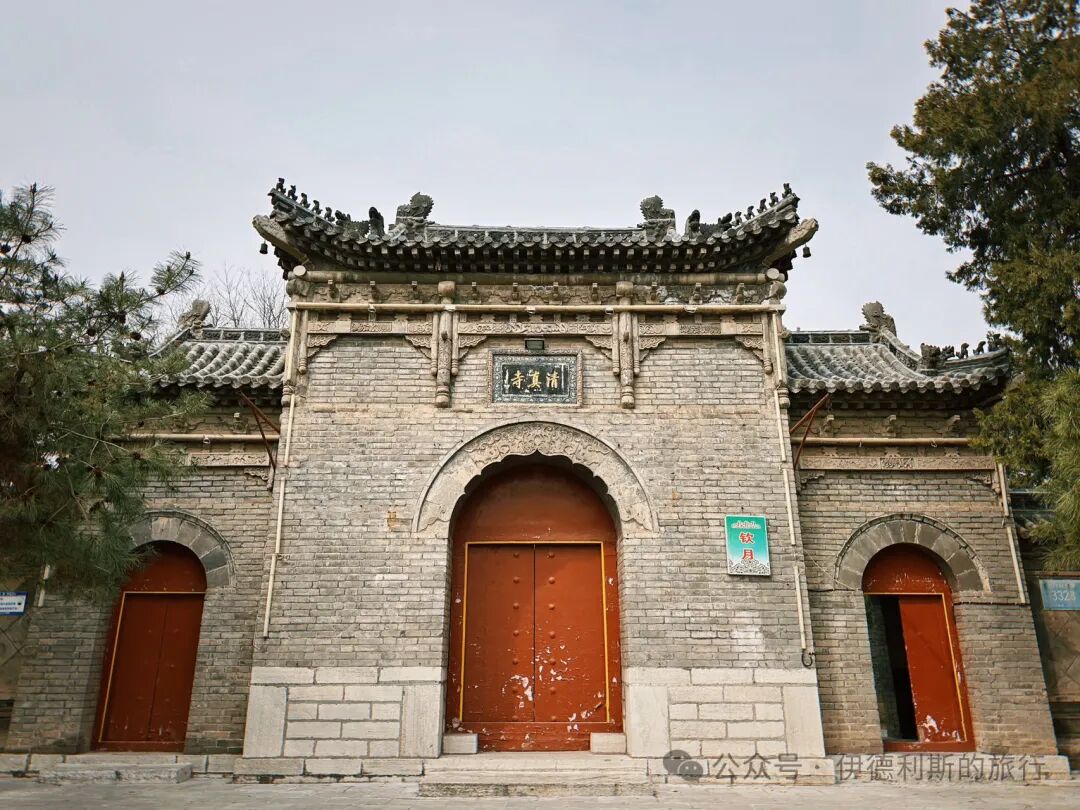
Zhenjiao Mosque in Qingzhou was first built in 1302 (the sixth year of the Dade reign of the Yuan Dynasty). It was rebuilt and expanded many times during the Ming and Qing dynasties and the Republican era. It is now a national-level cultural heritage site.
According to the Qingzhou Zhenjiao Mosque Founding Stele, the mosque was founded by the descendants of a Yuan Dynasty official named Bayan. Bayan was the grandson of the Yuan Dynasty's Prince of Xianyang, Sayyid Ajjal Shams al-Din. He served as a high-ranking official from 1292 to 1307. His descendants are the Zhao-surname Hui Muslims in Qingzhou today. According to the Zhao Family Genealogy of Qingzhou, Bayan had three sons. When the Yuan Dynasty fell, only the third son, Zhao Mingyuan, survived. He moved to Nanliu Village in Qingzhou to live as a commoner, arriving in 1368 (the first year of the Hongwu reign of the Ming Dynasty).
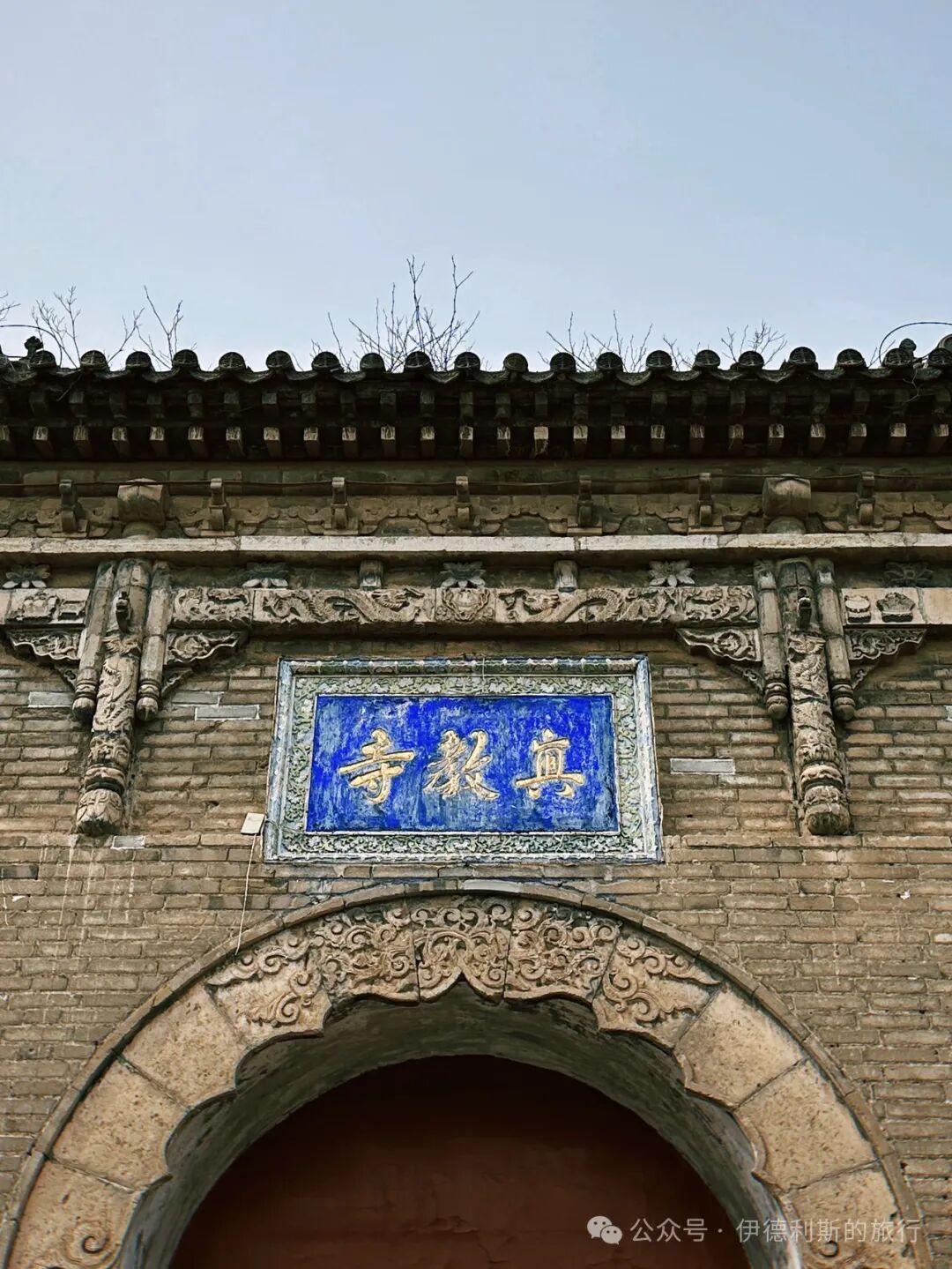
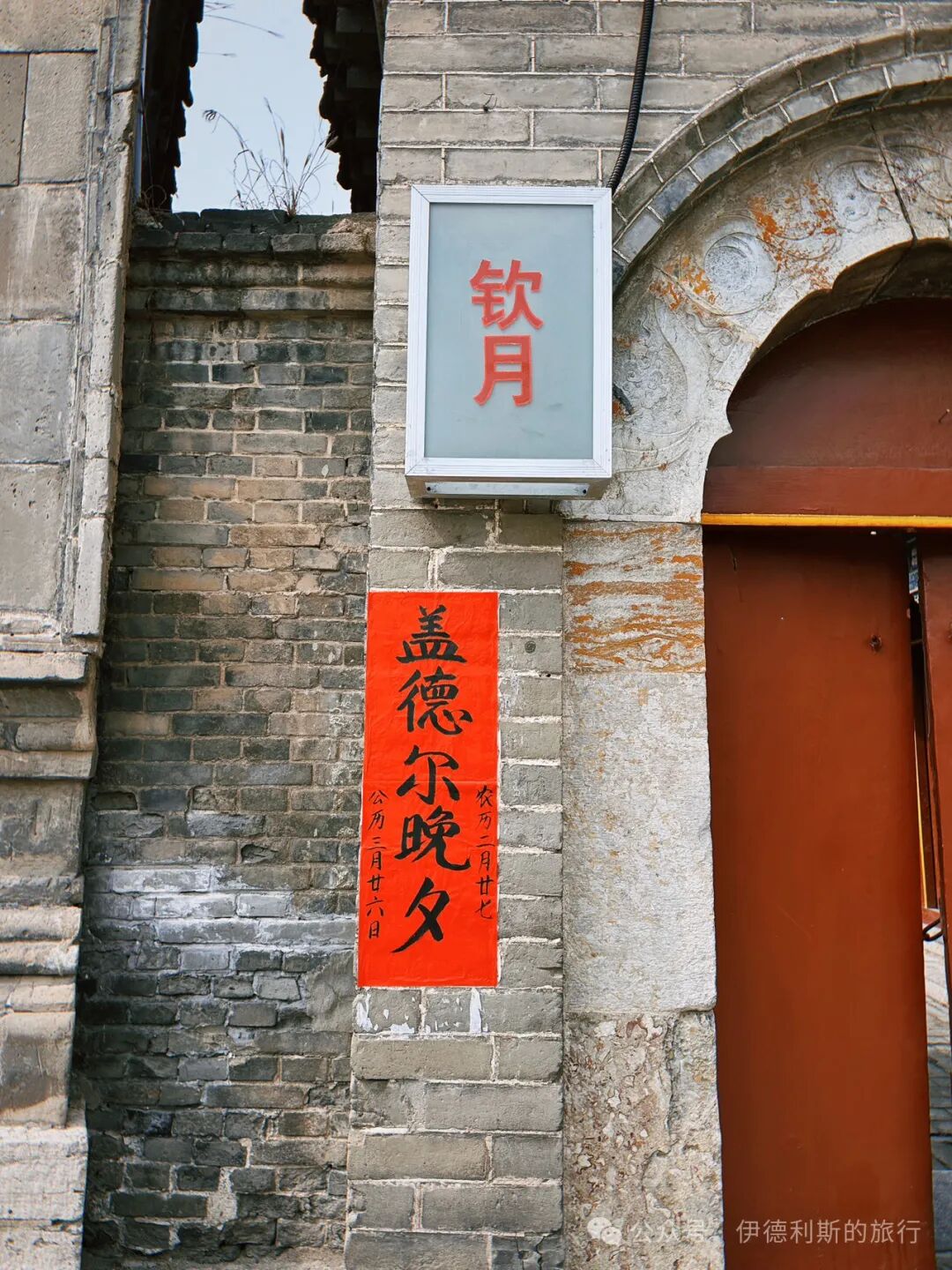
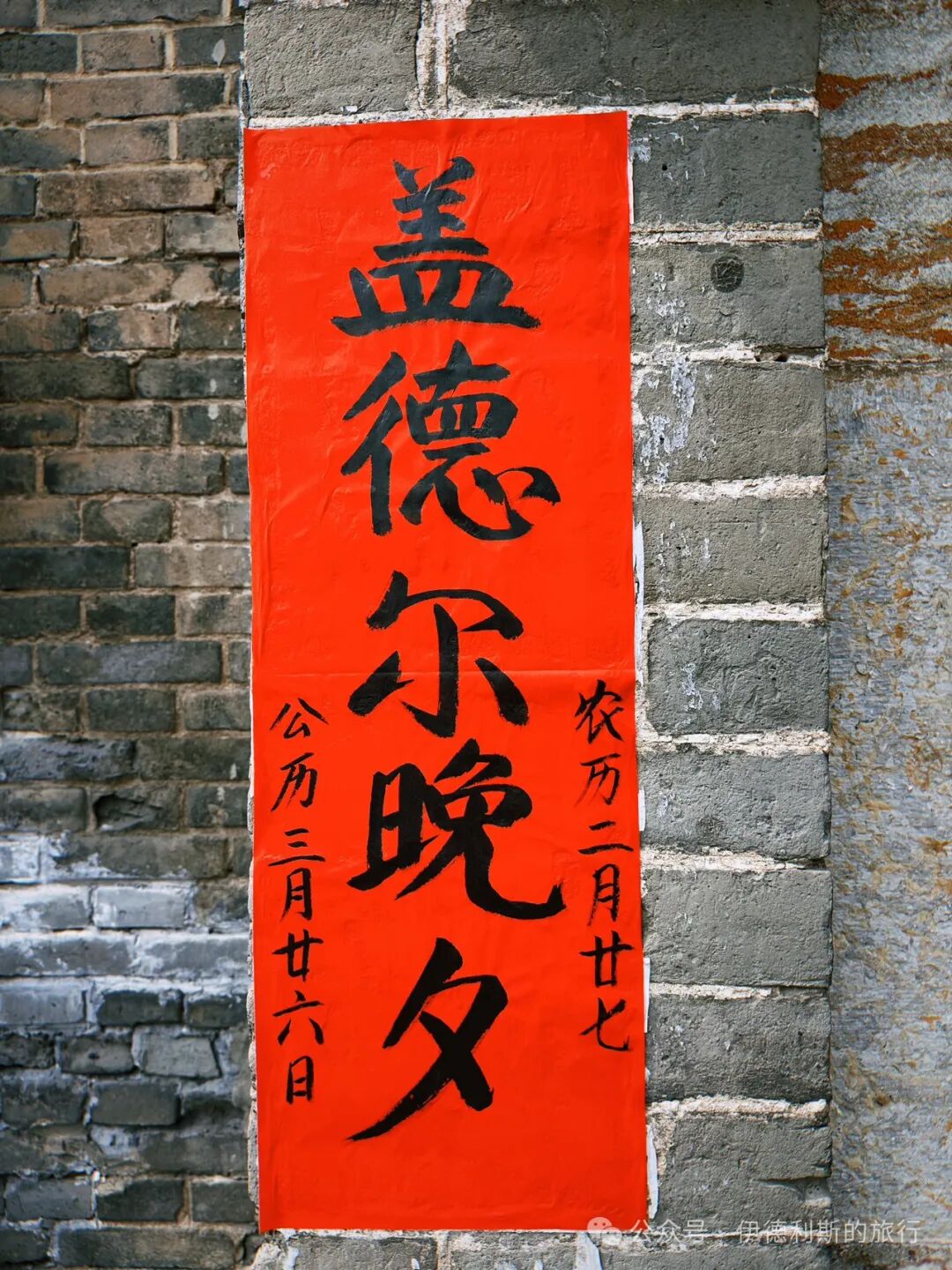
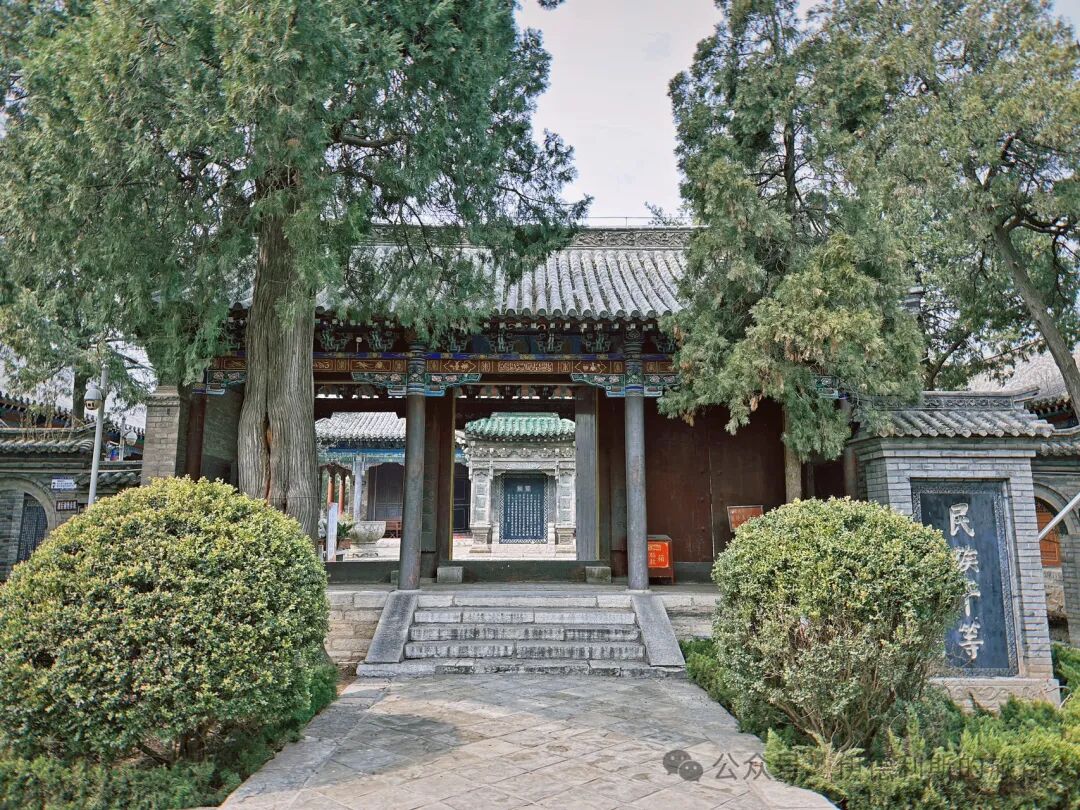
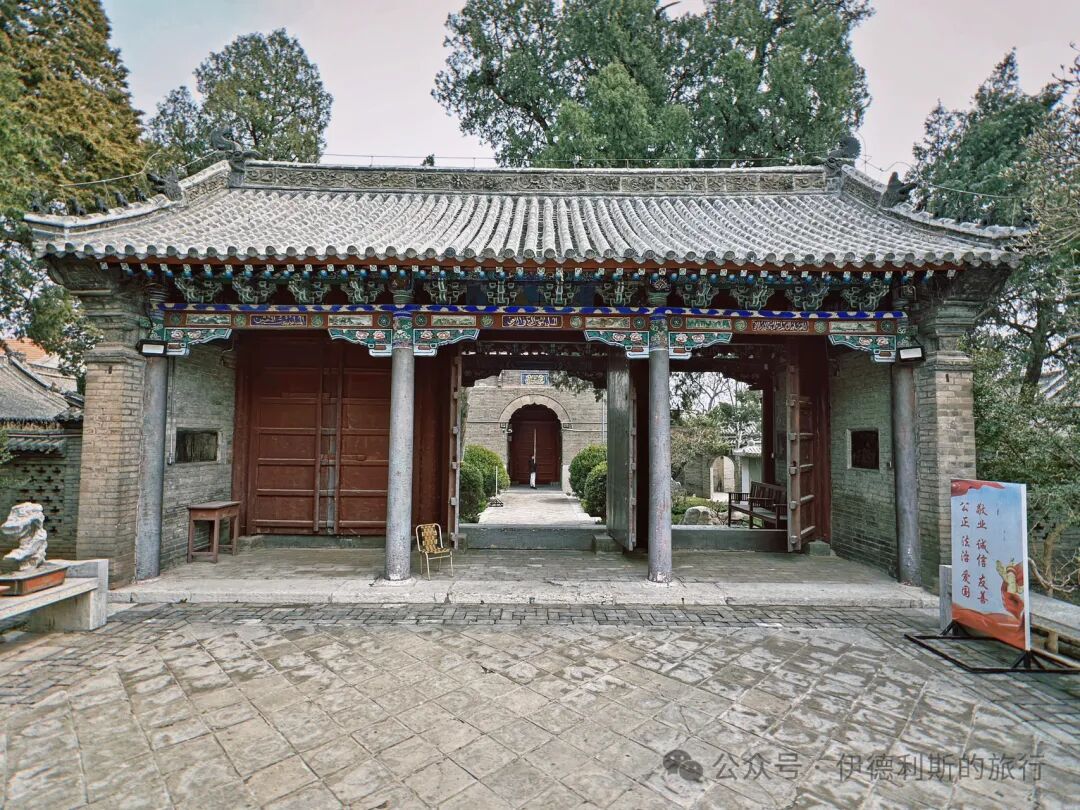
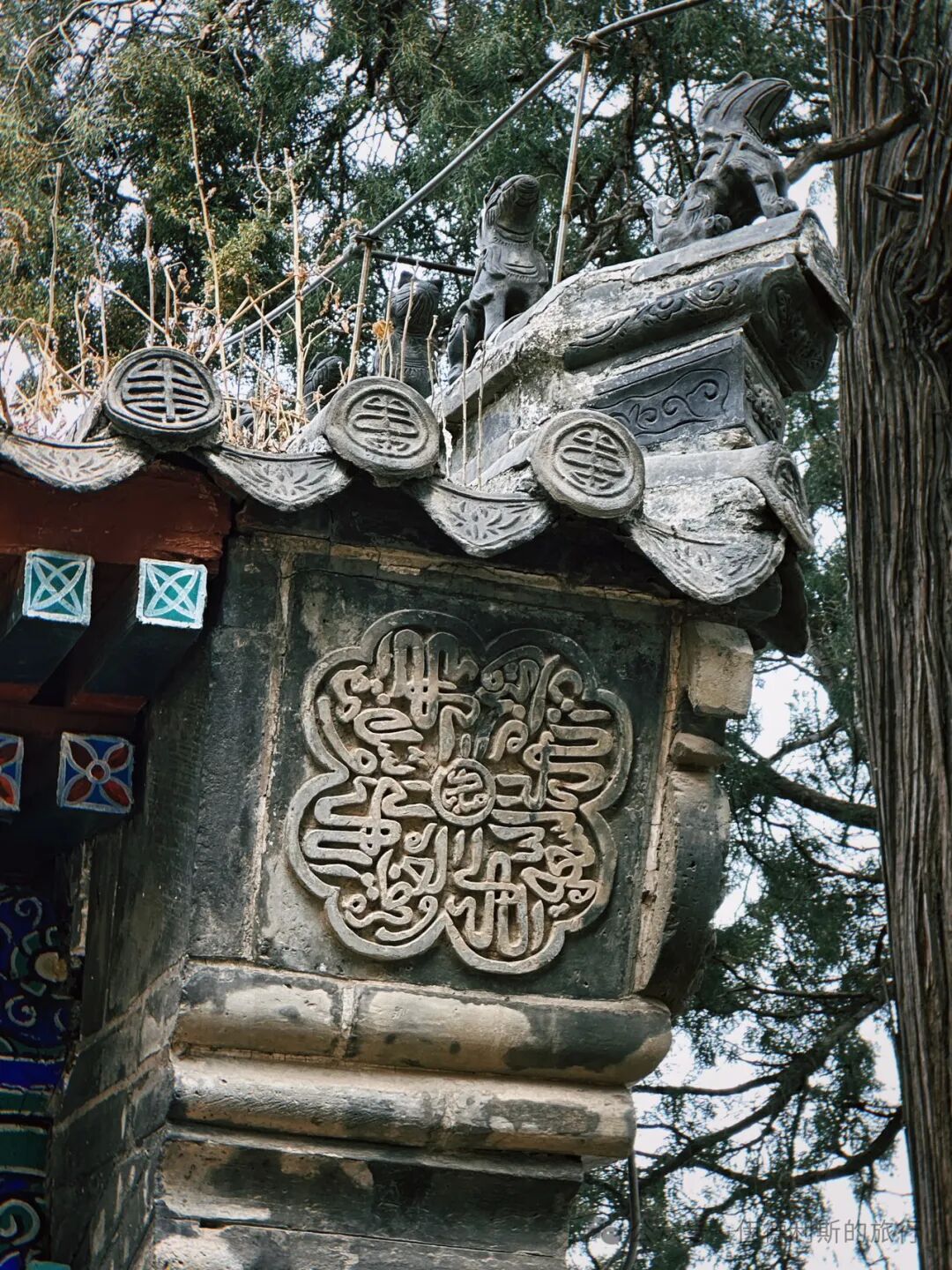
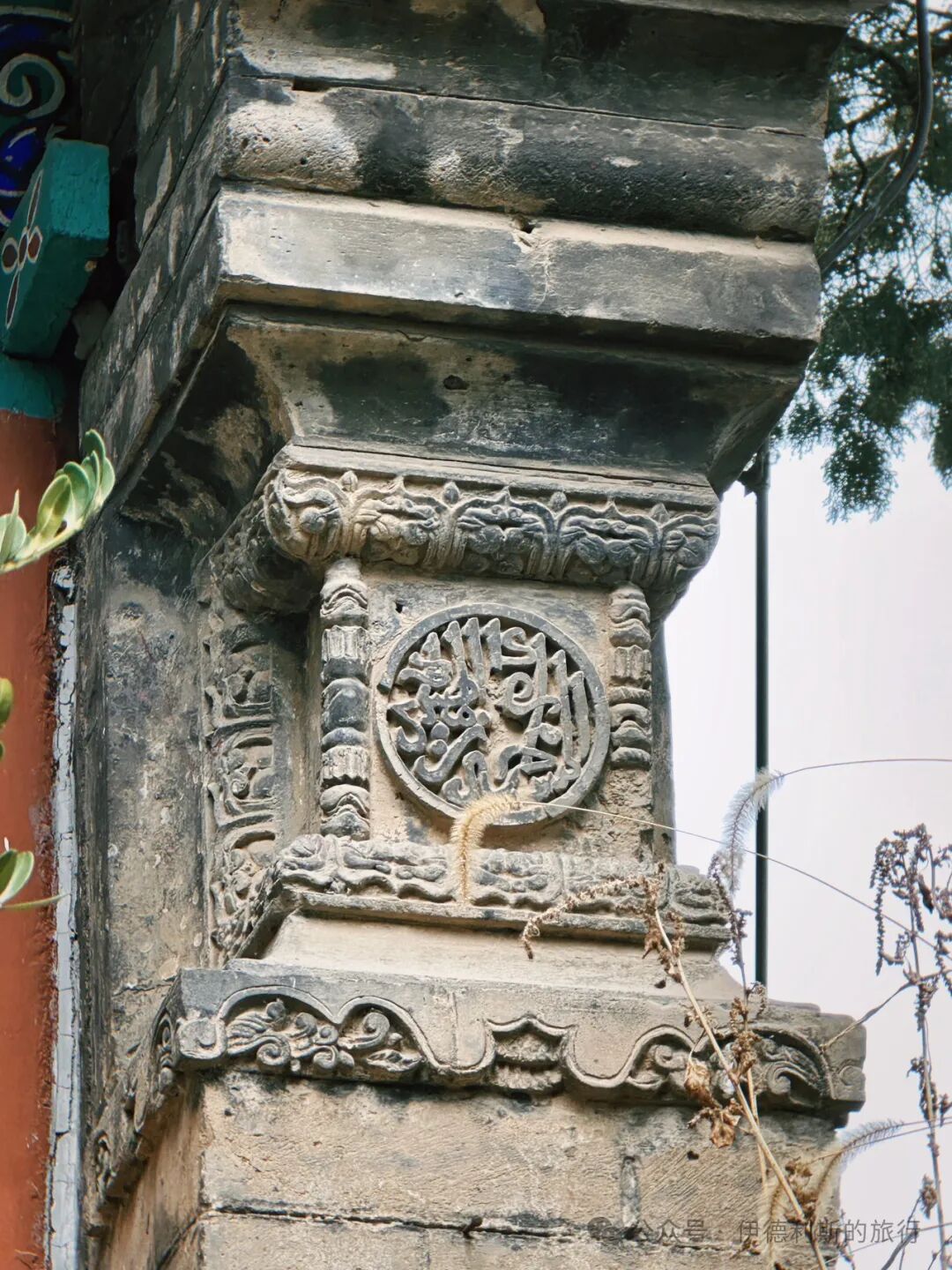
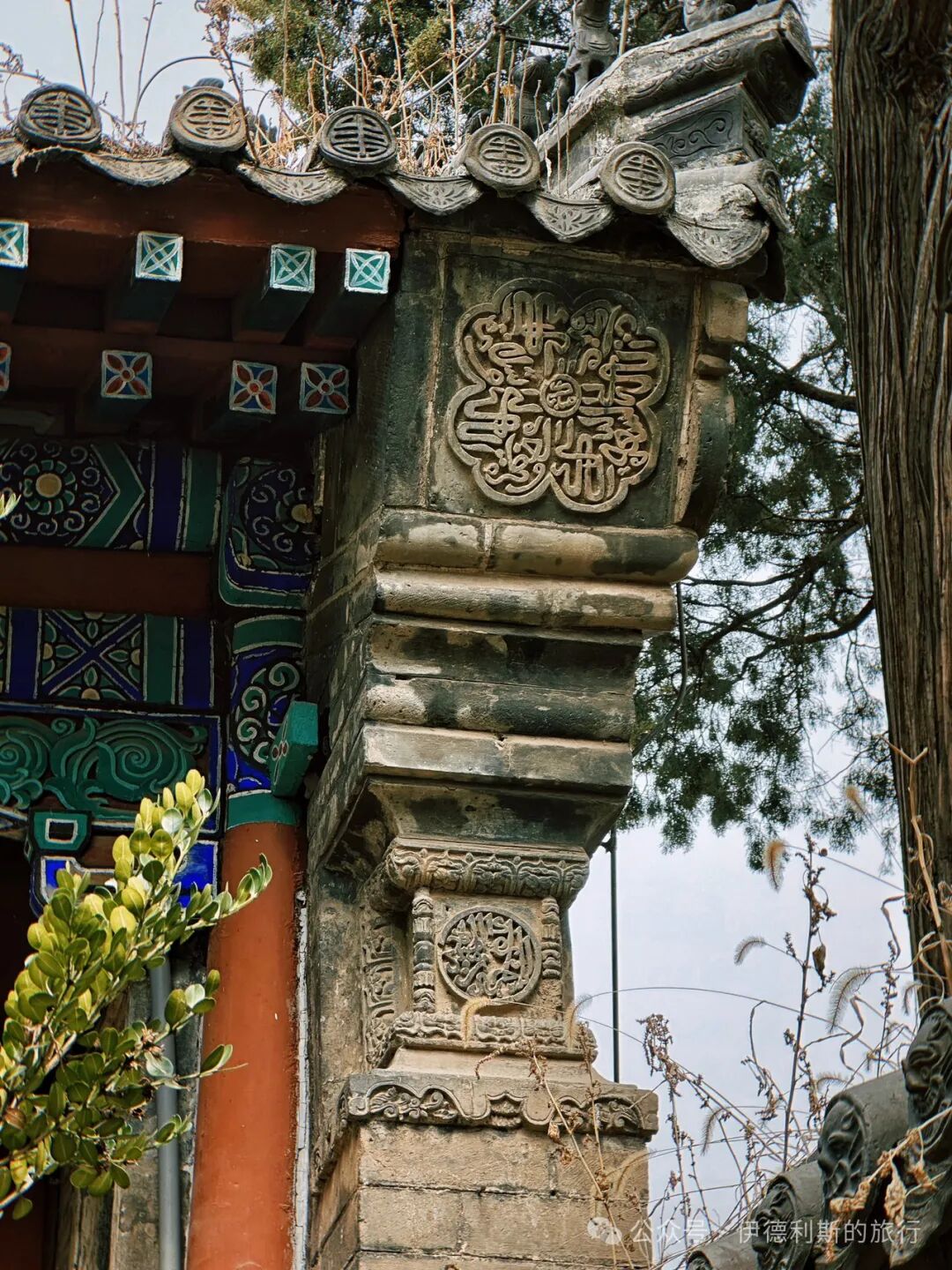
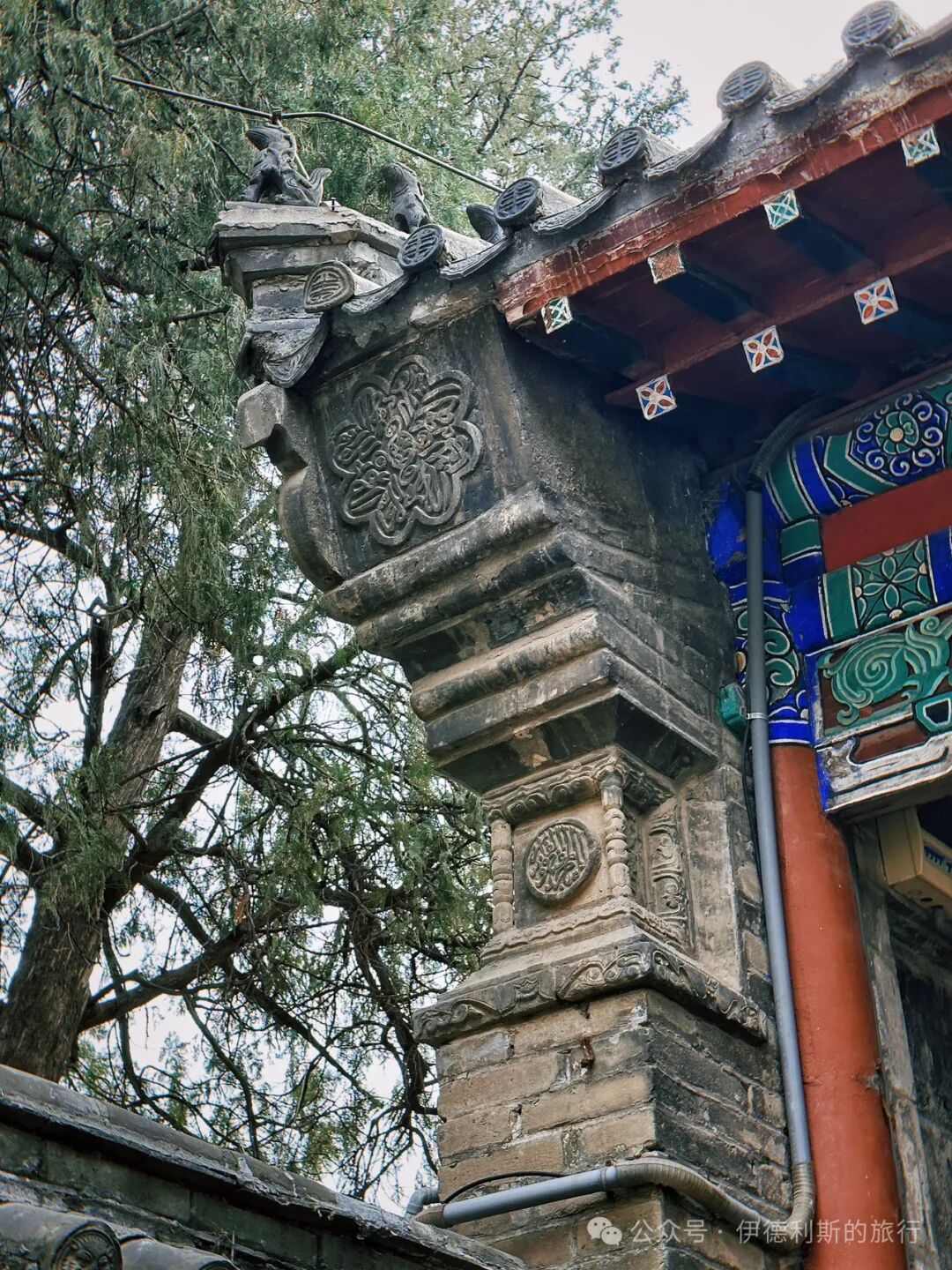
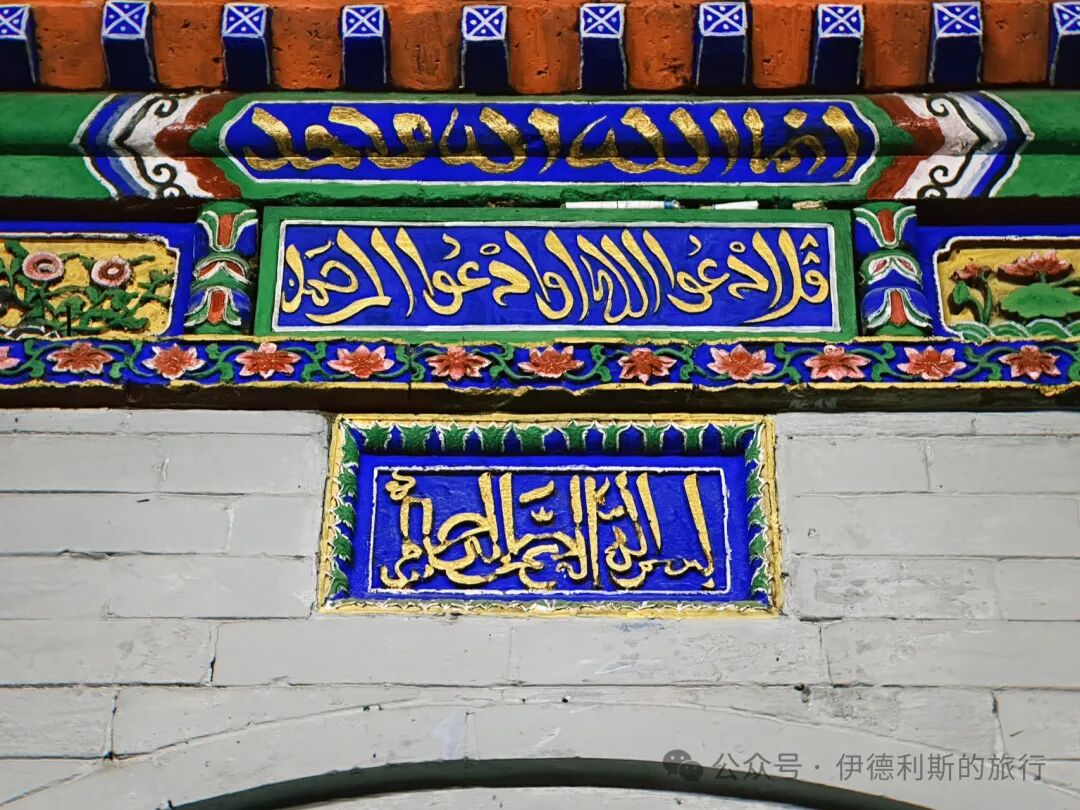
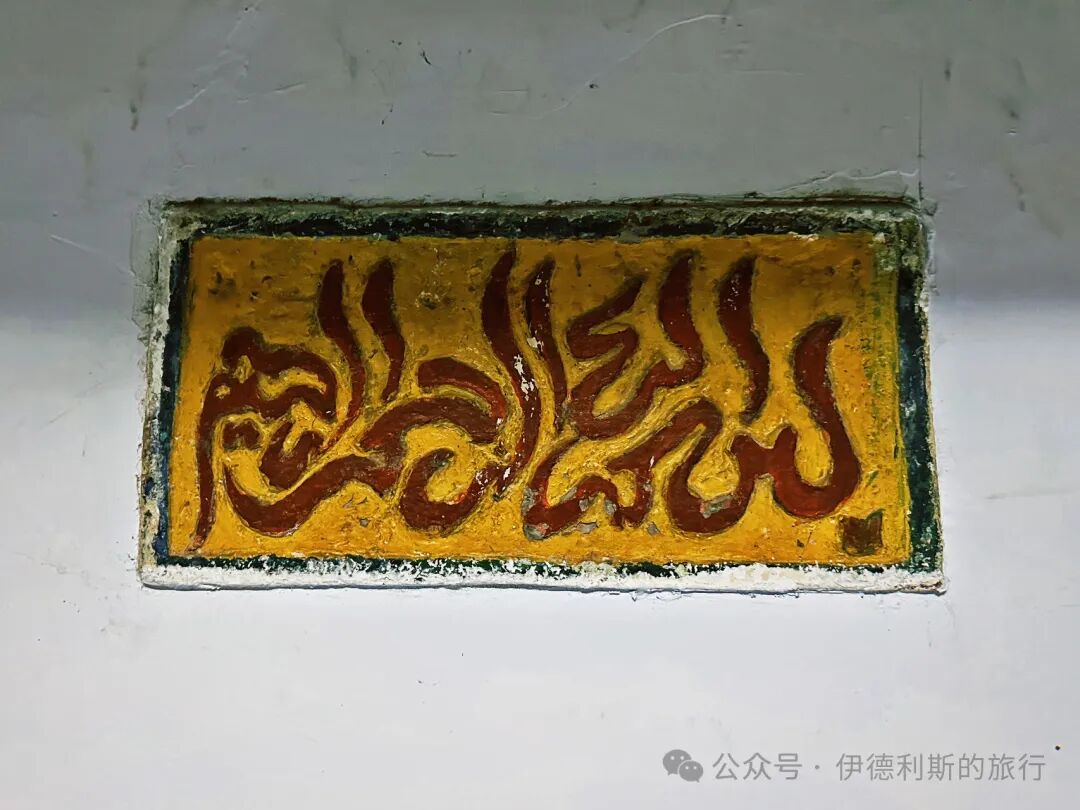
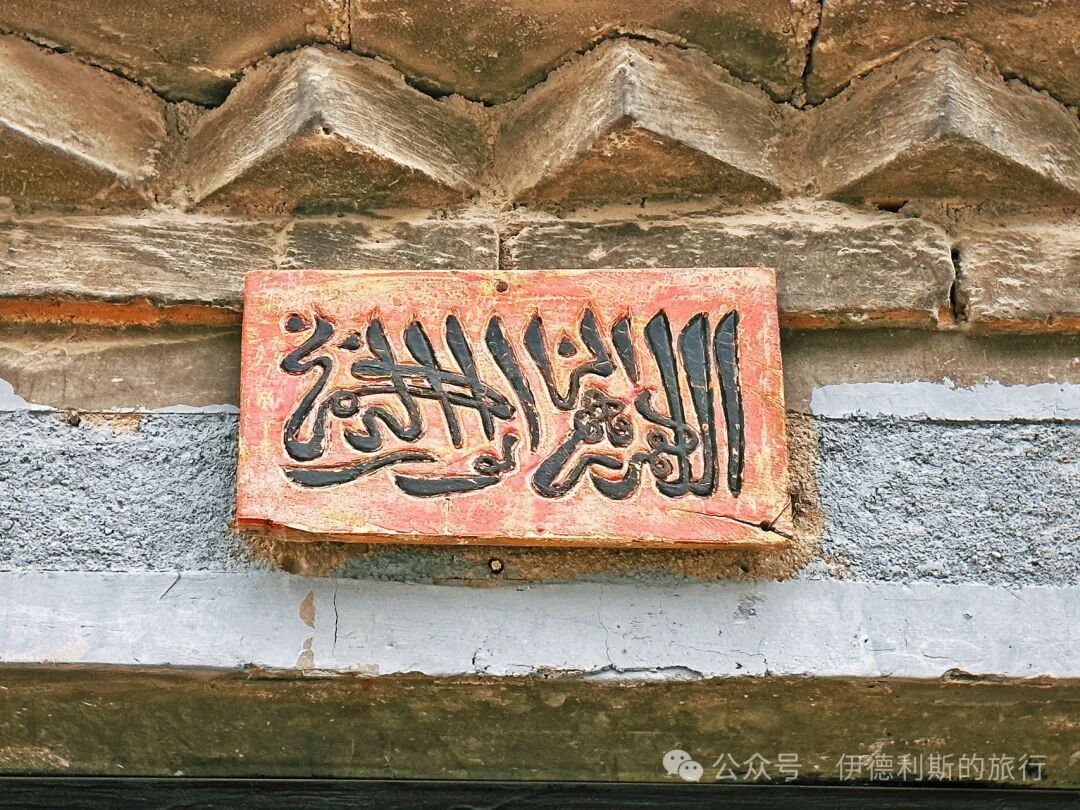
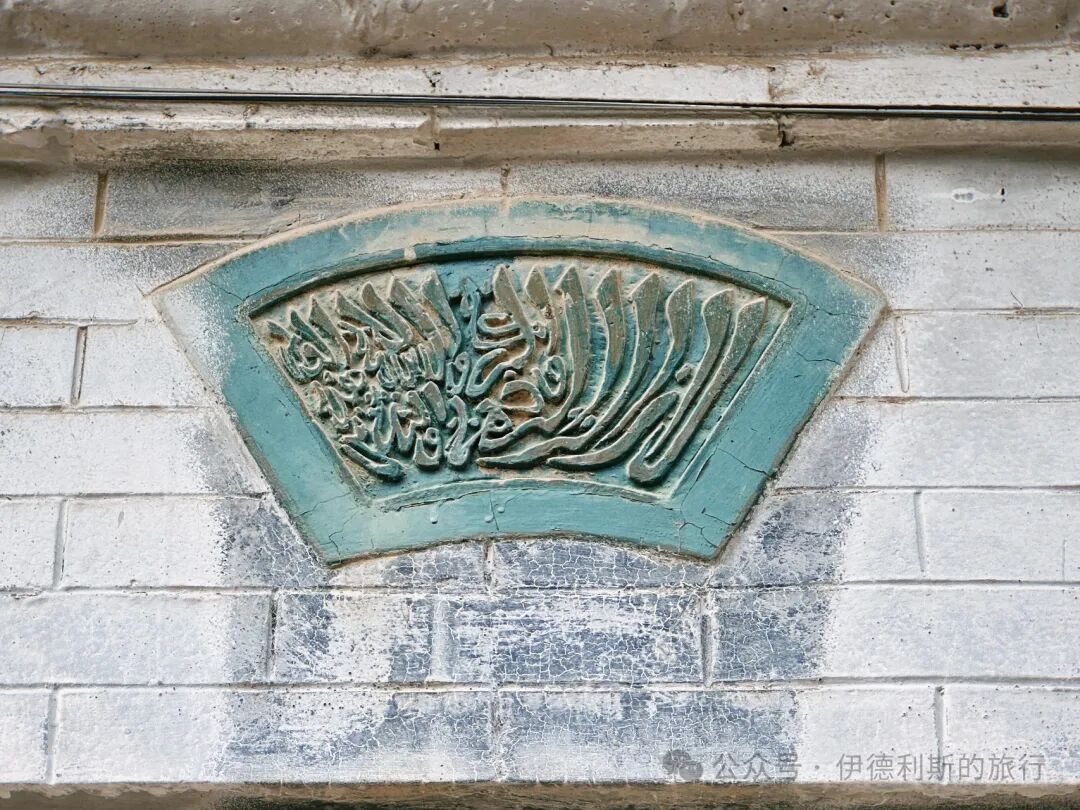
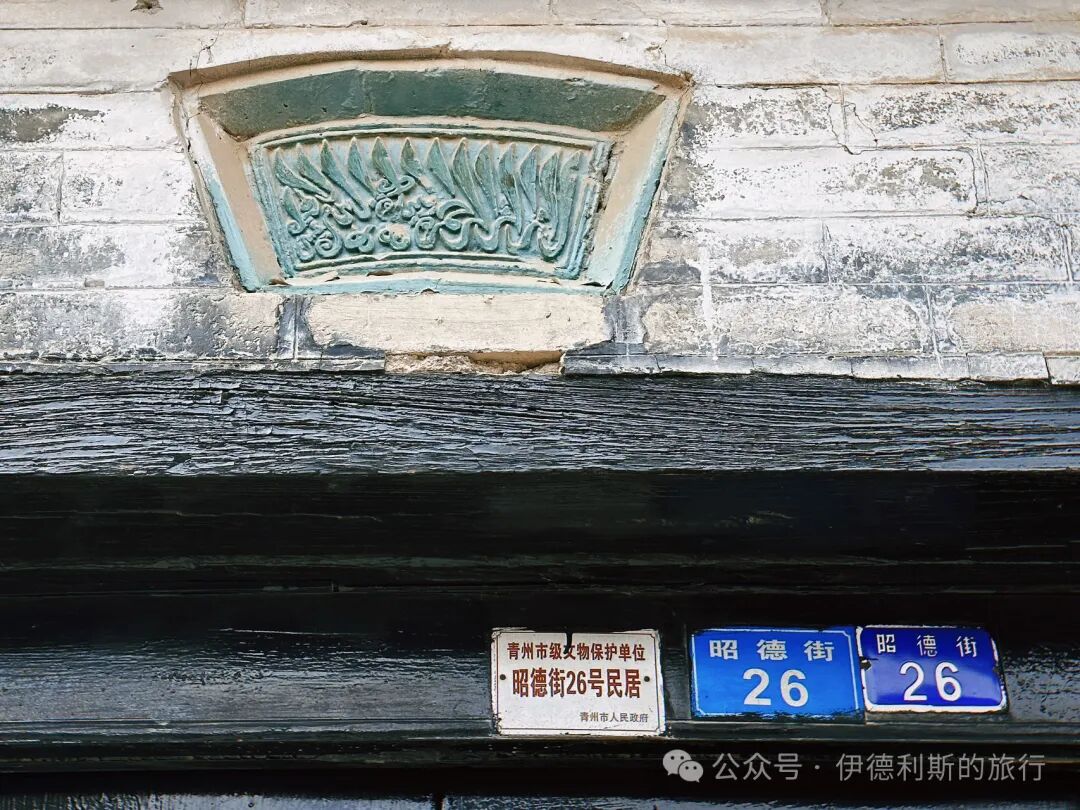
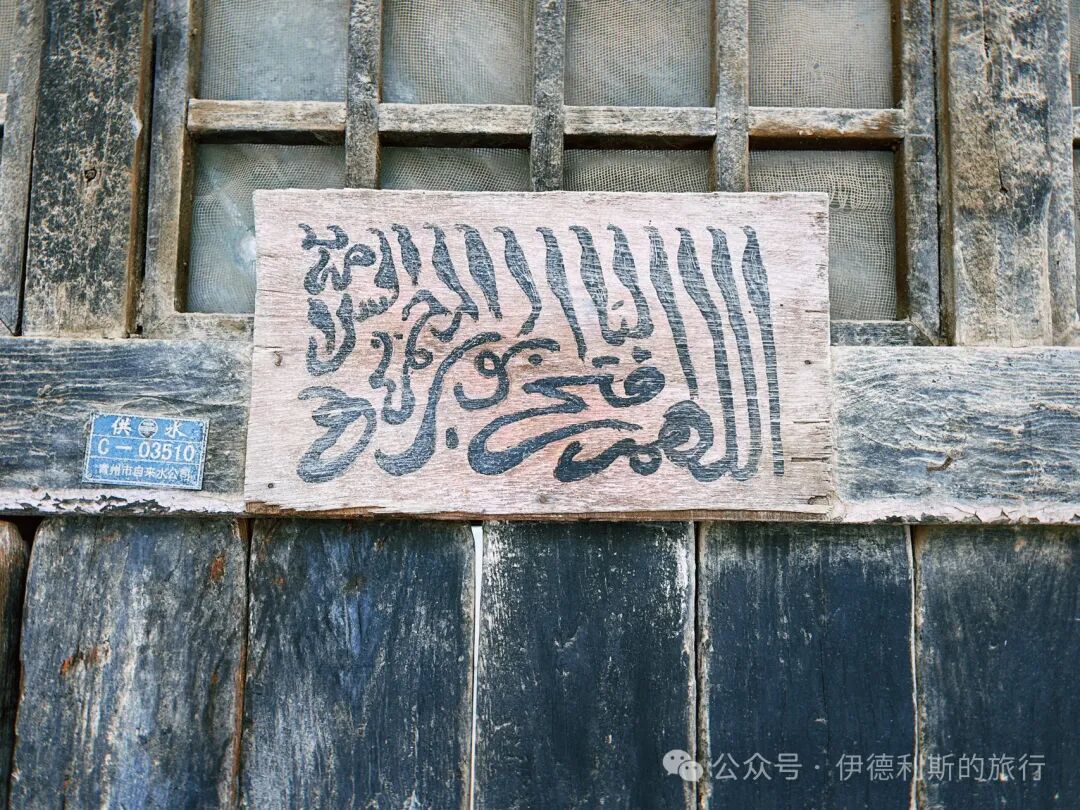
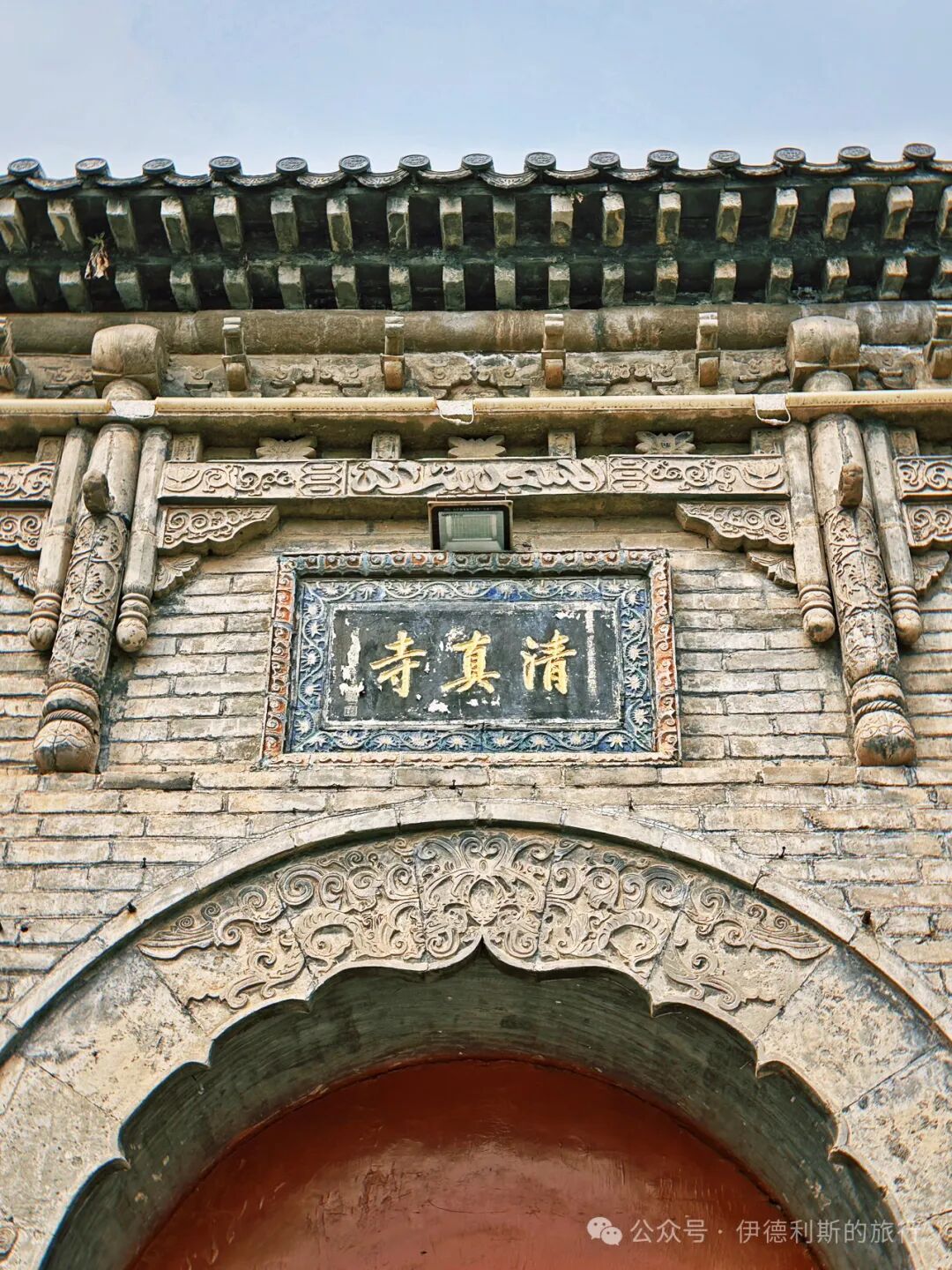
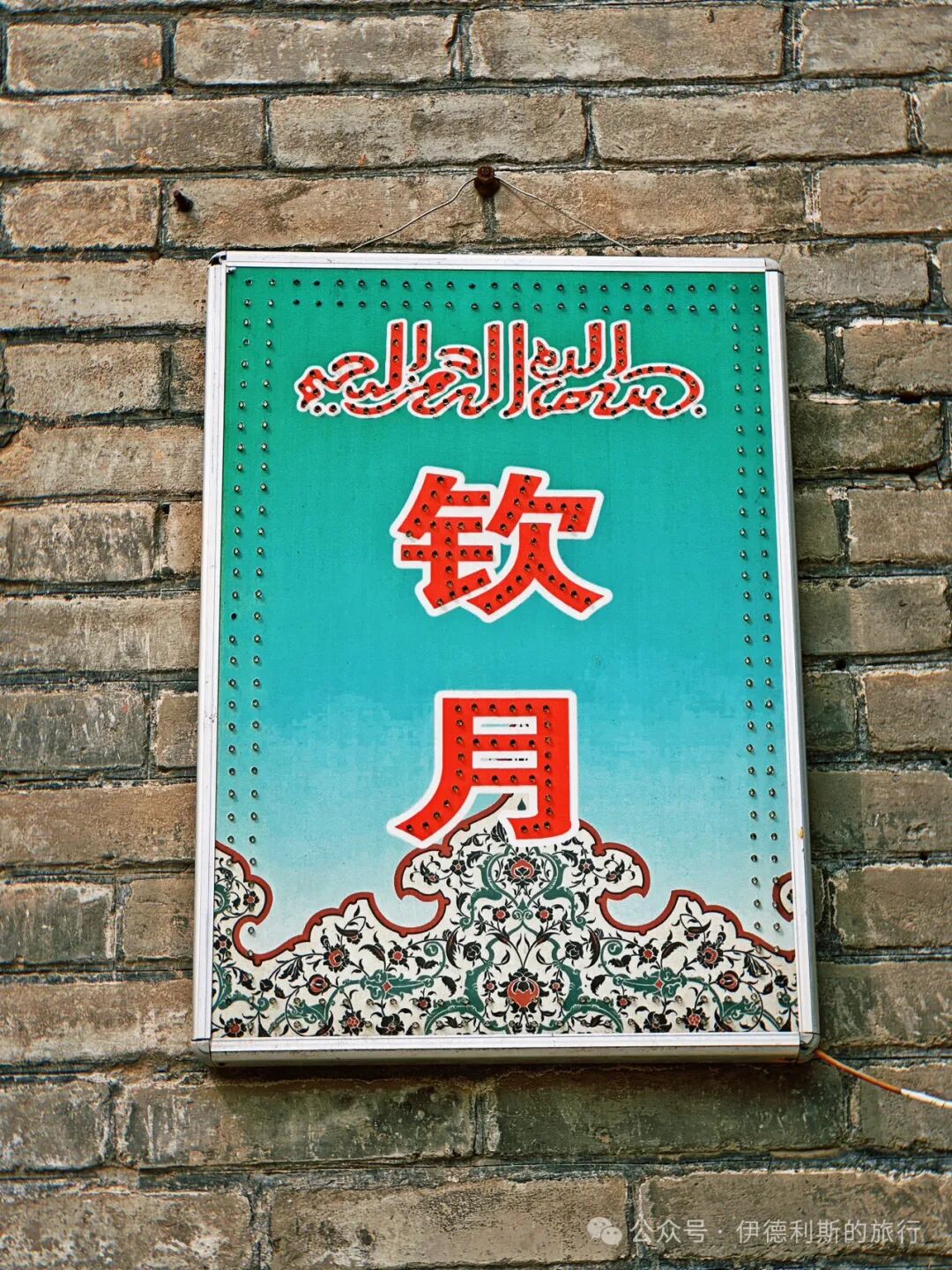
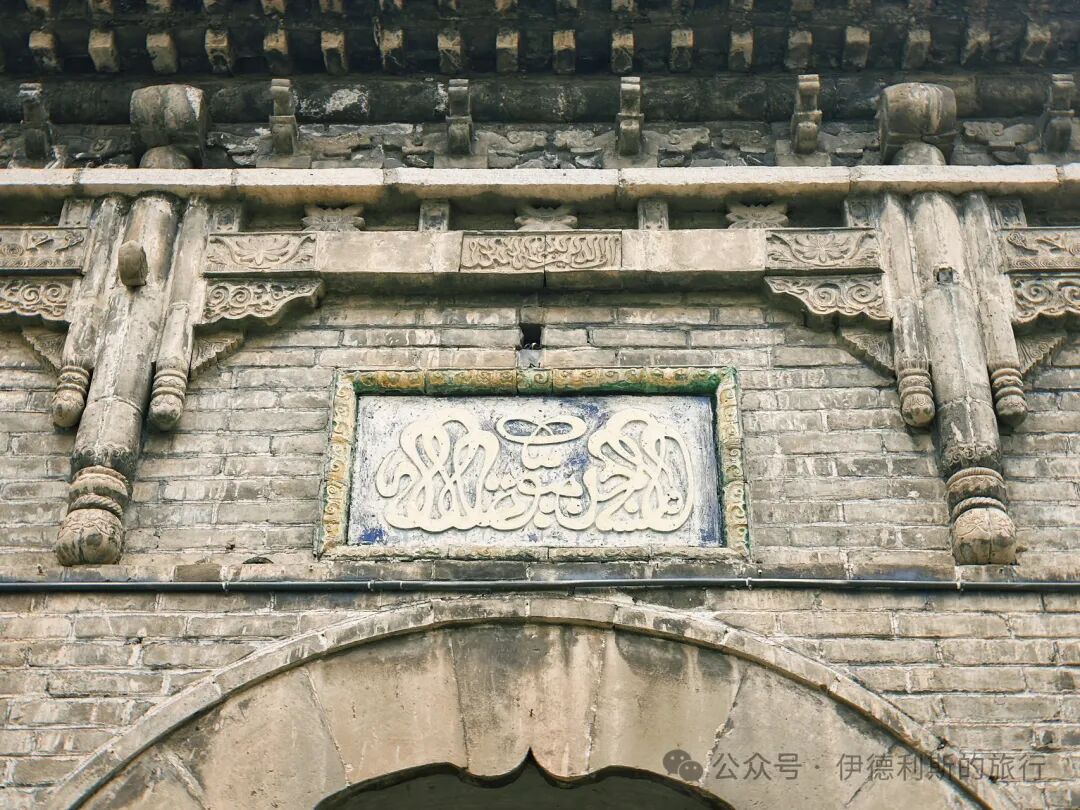
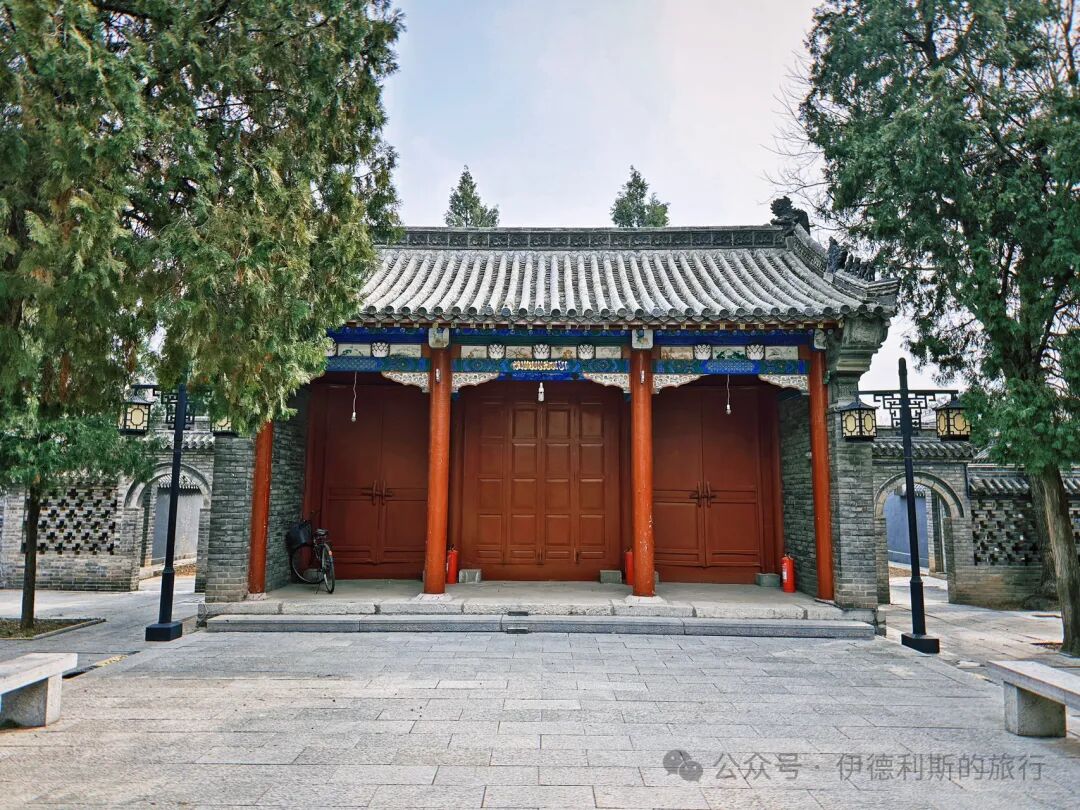
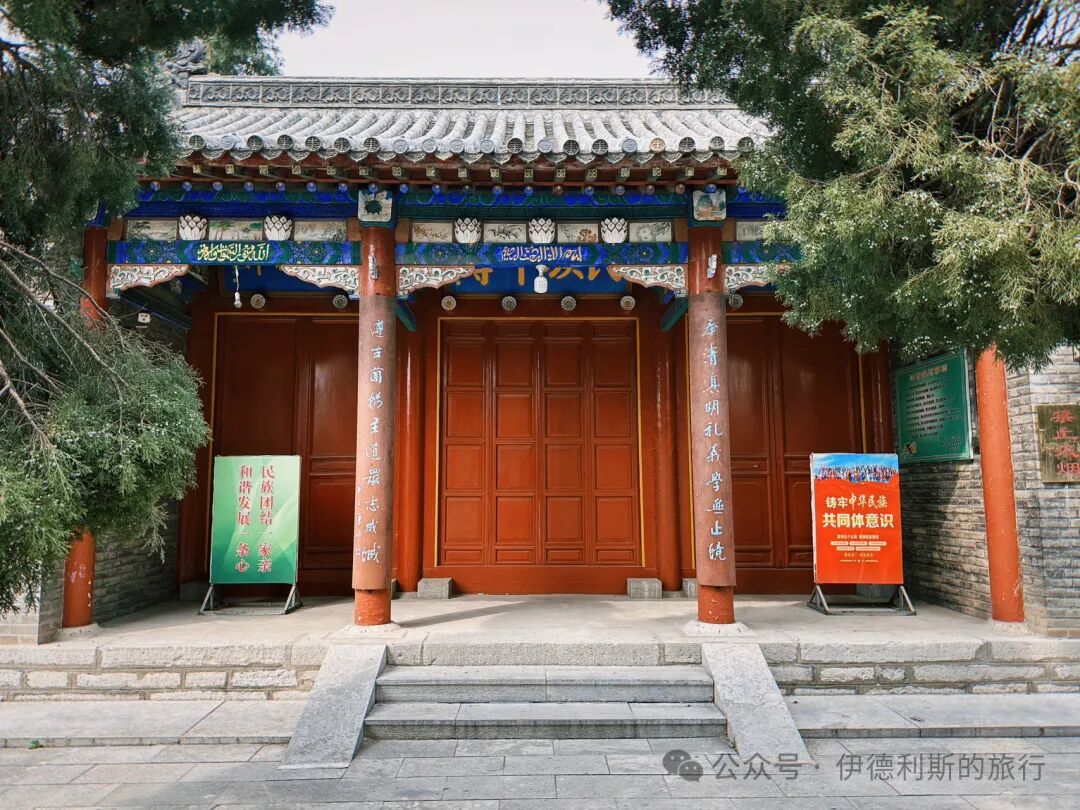
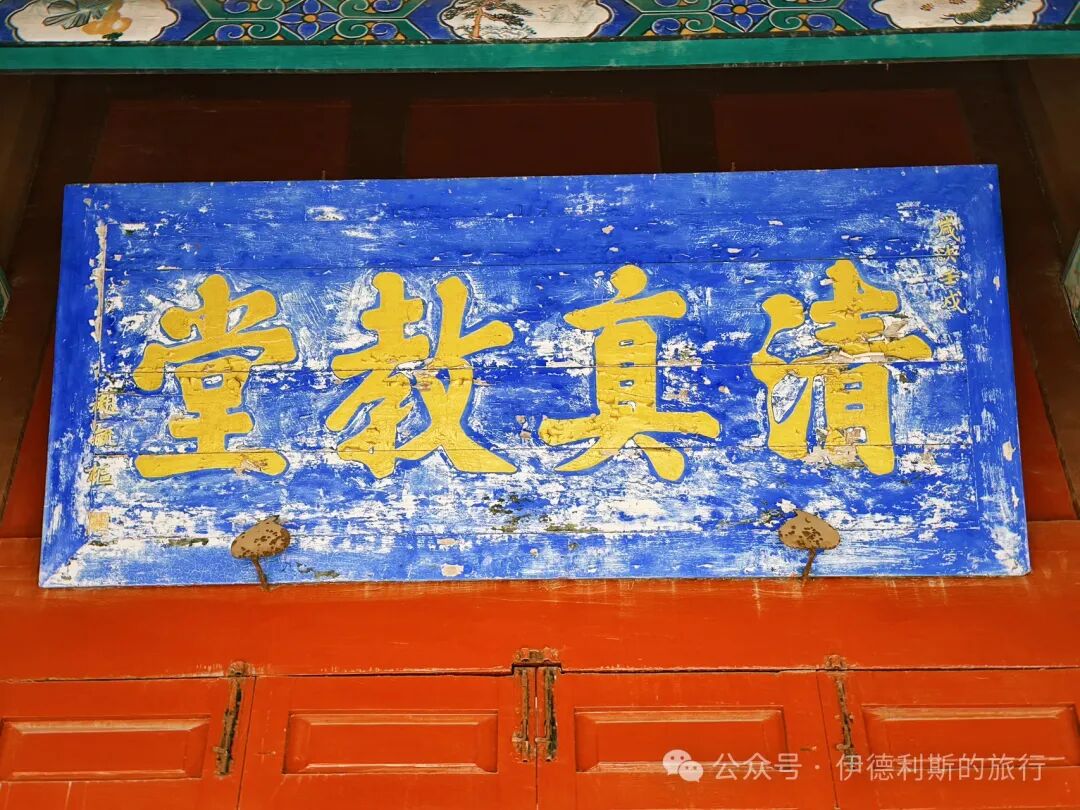
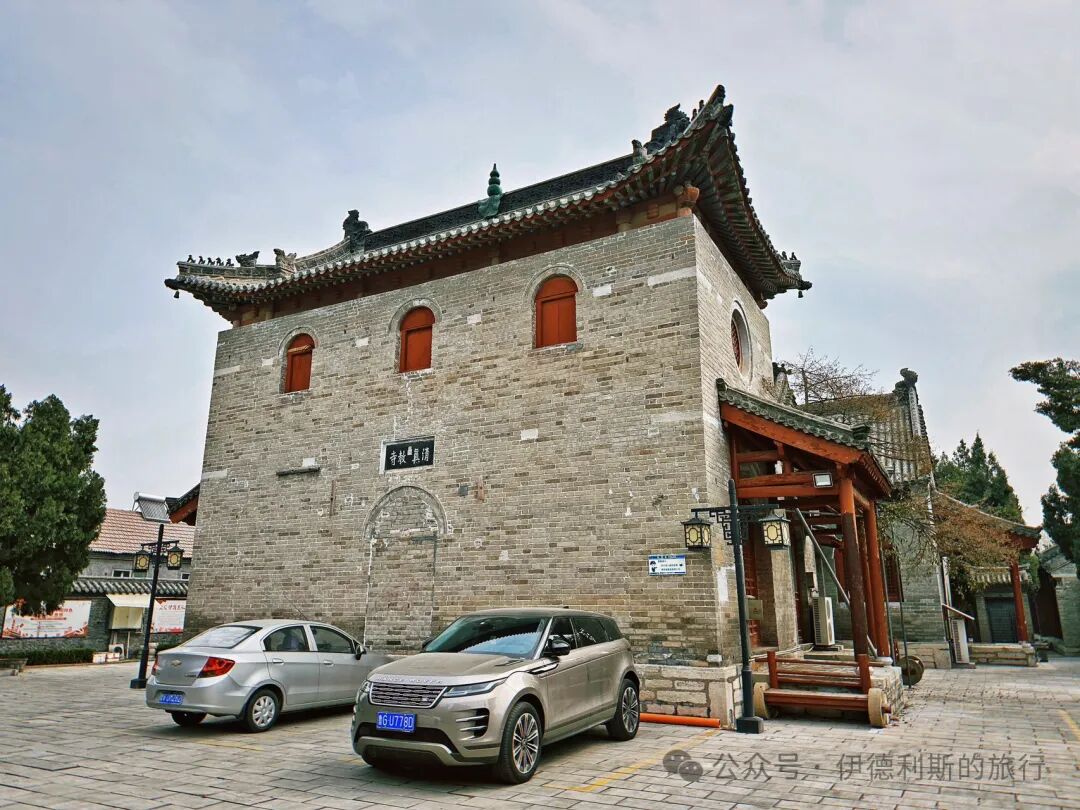
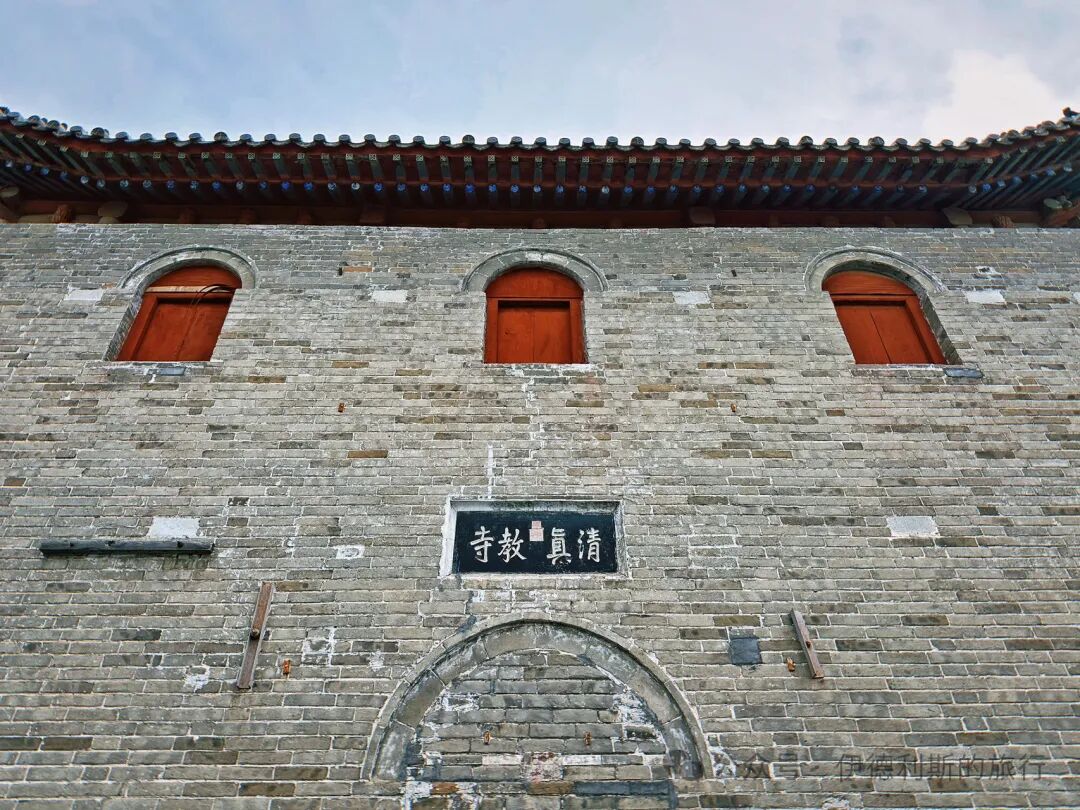
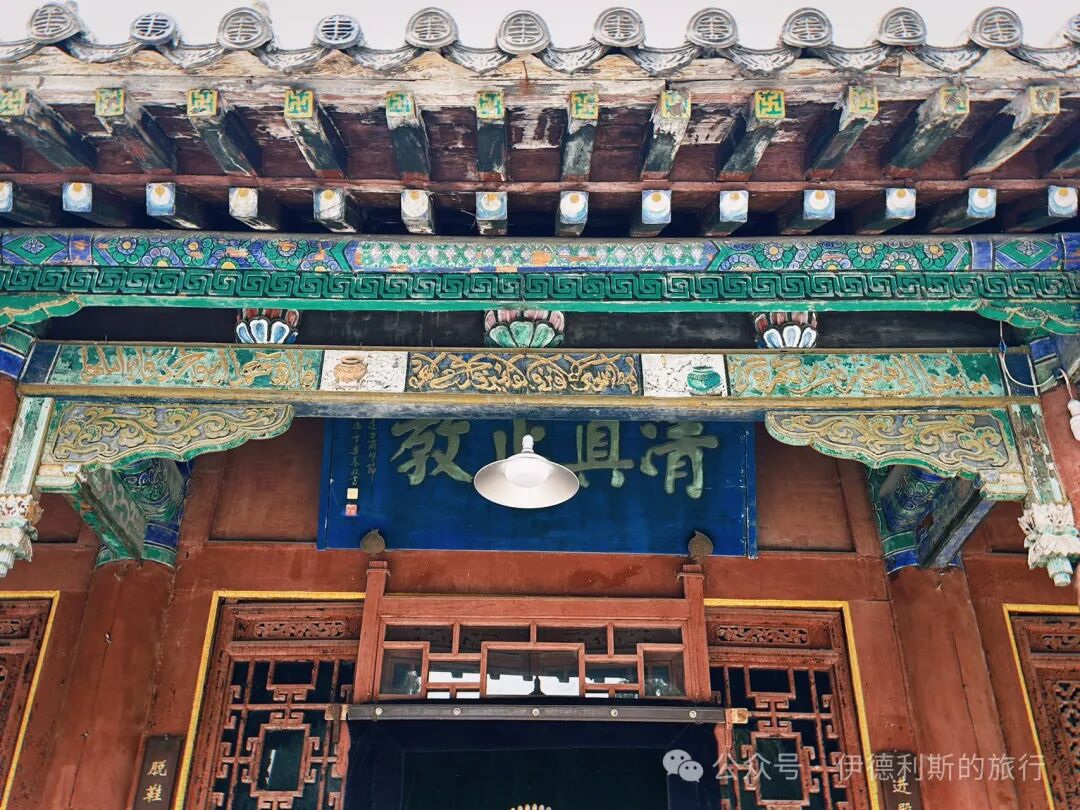
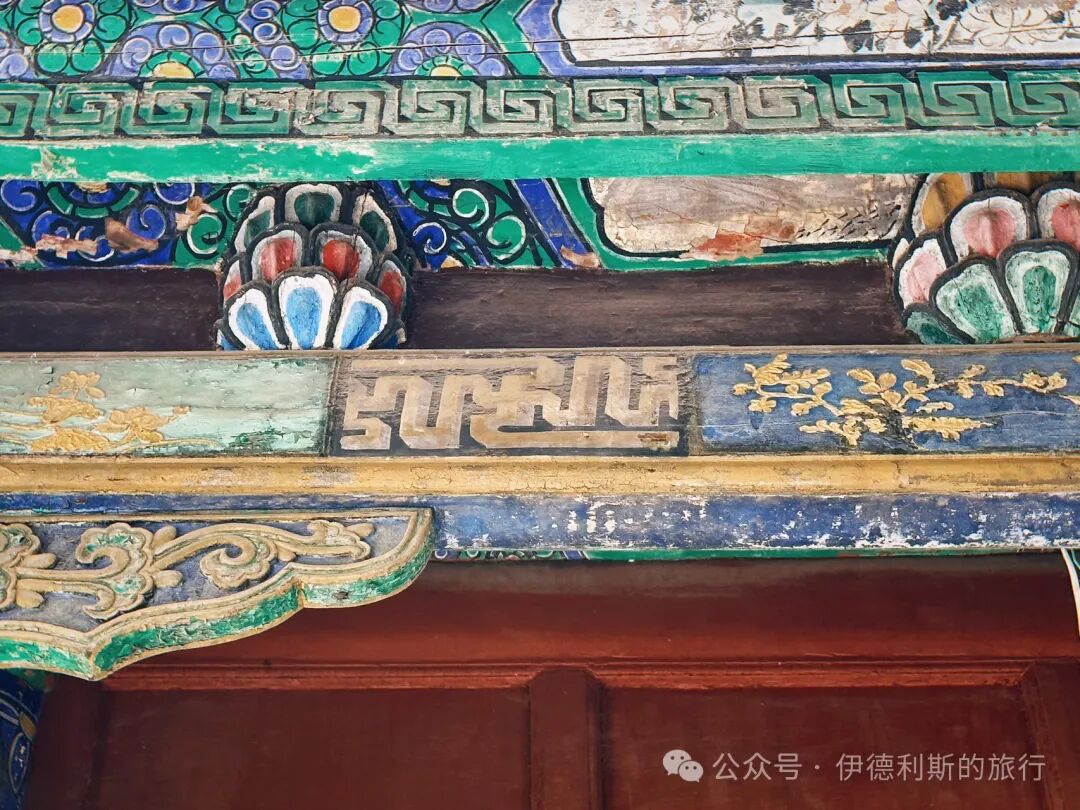
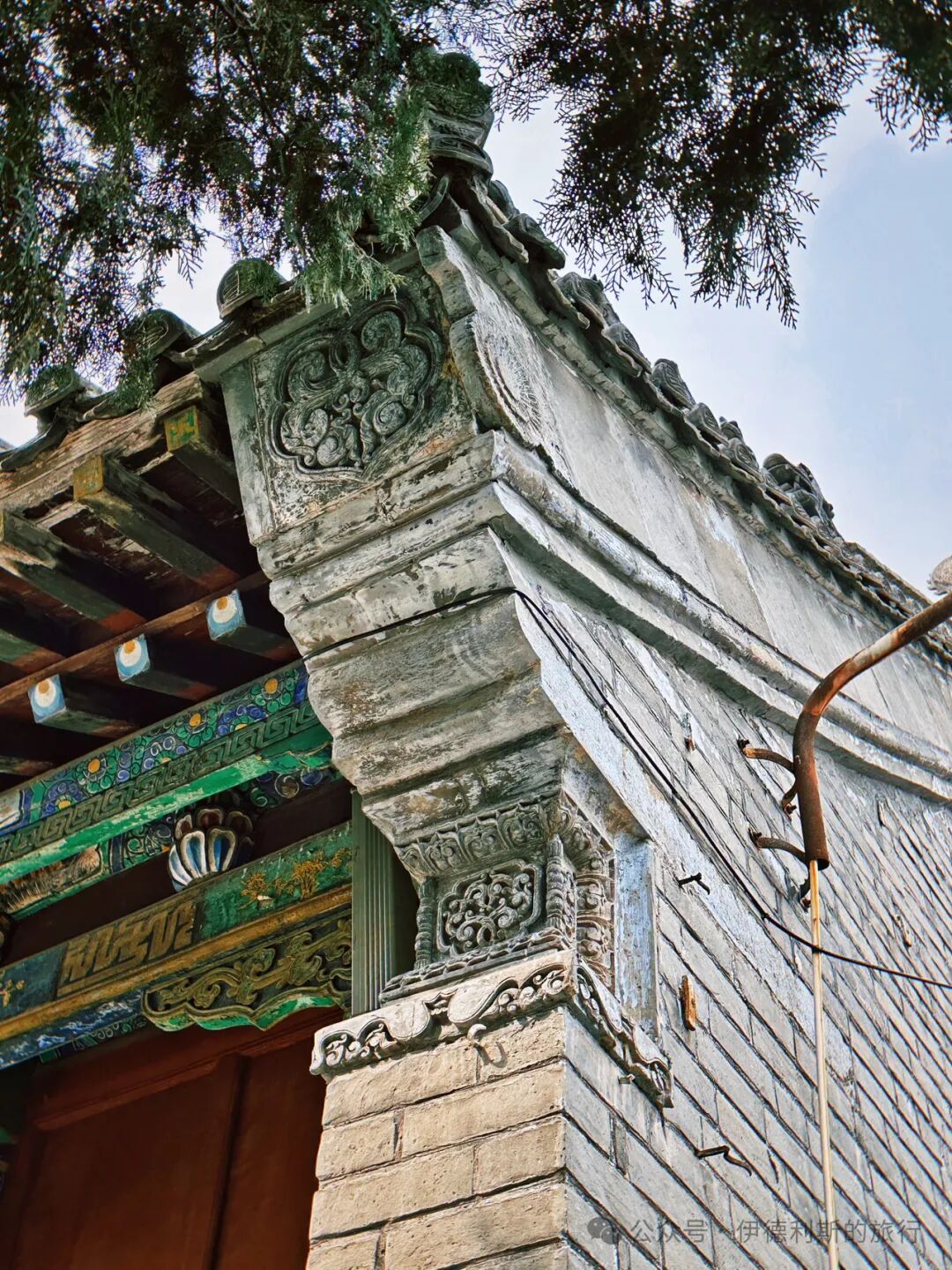
The mosque's gate tower was rebuilt in 1734 (the twelfth year of the Yongzheng reign). It is 10 meters high and features brick-carved brackets and hanging flower pillars under the eaves, with screen walls and side gates to the north and south. The front of the gate tower has a gilded plaque reading 'Zhenjiao Mosque.' The back features traditional brick-carved calligraphy saying 'Masjid is the House of Allah,' inscribed with the date 'Twelfth Year of Yongzheng' and a note saying it was rebuilt in the Jia-yin year. The term 'Qin Yue' refers to Ramadan. Even today, a light box with the words 'Qin Yue' hangs at the entrance of the mosque.
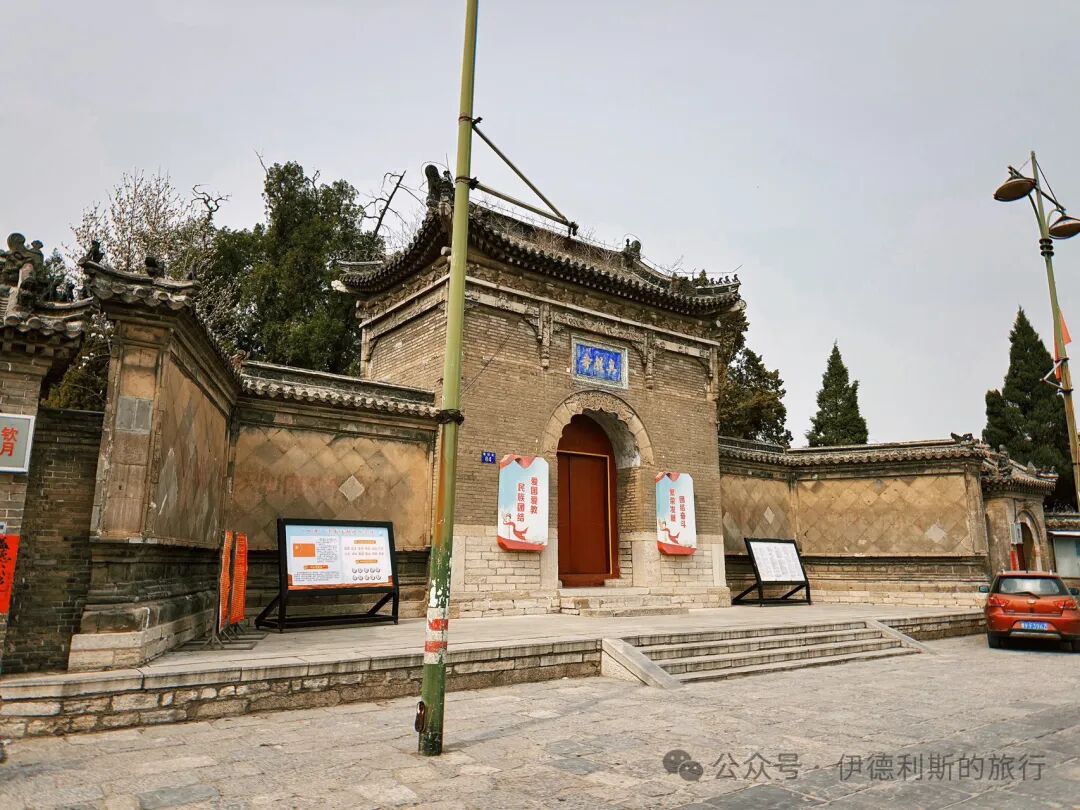
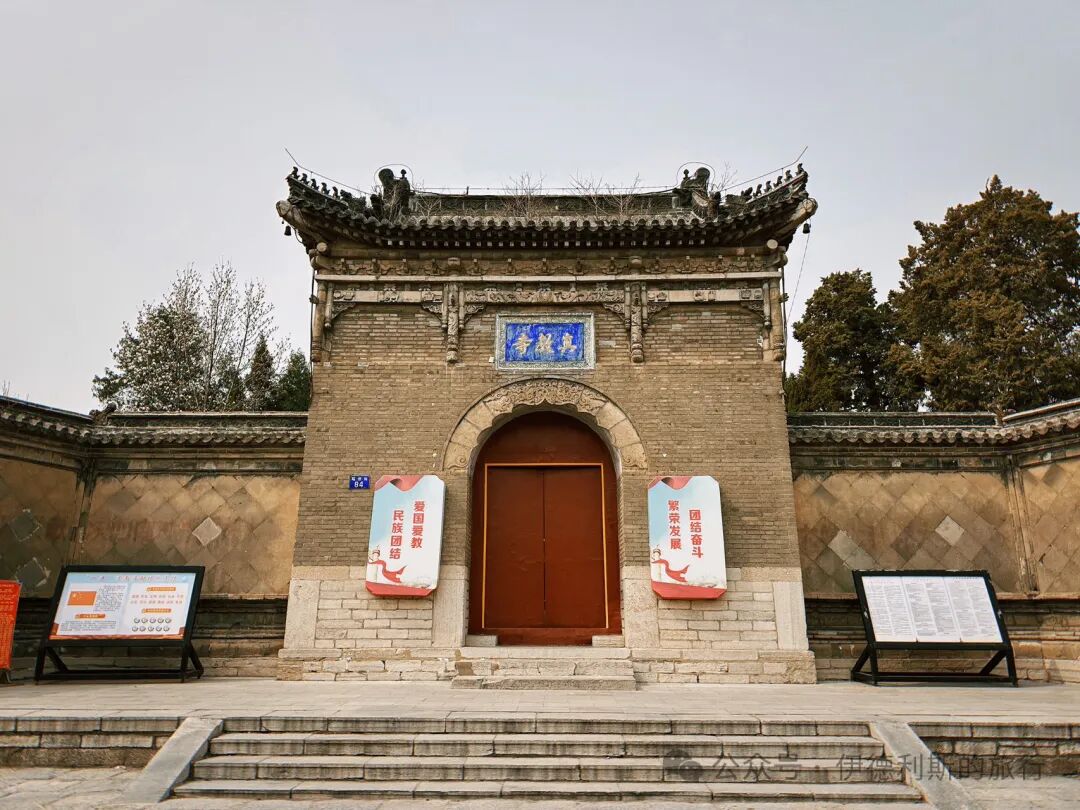
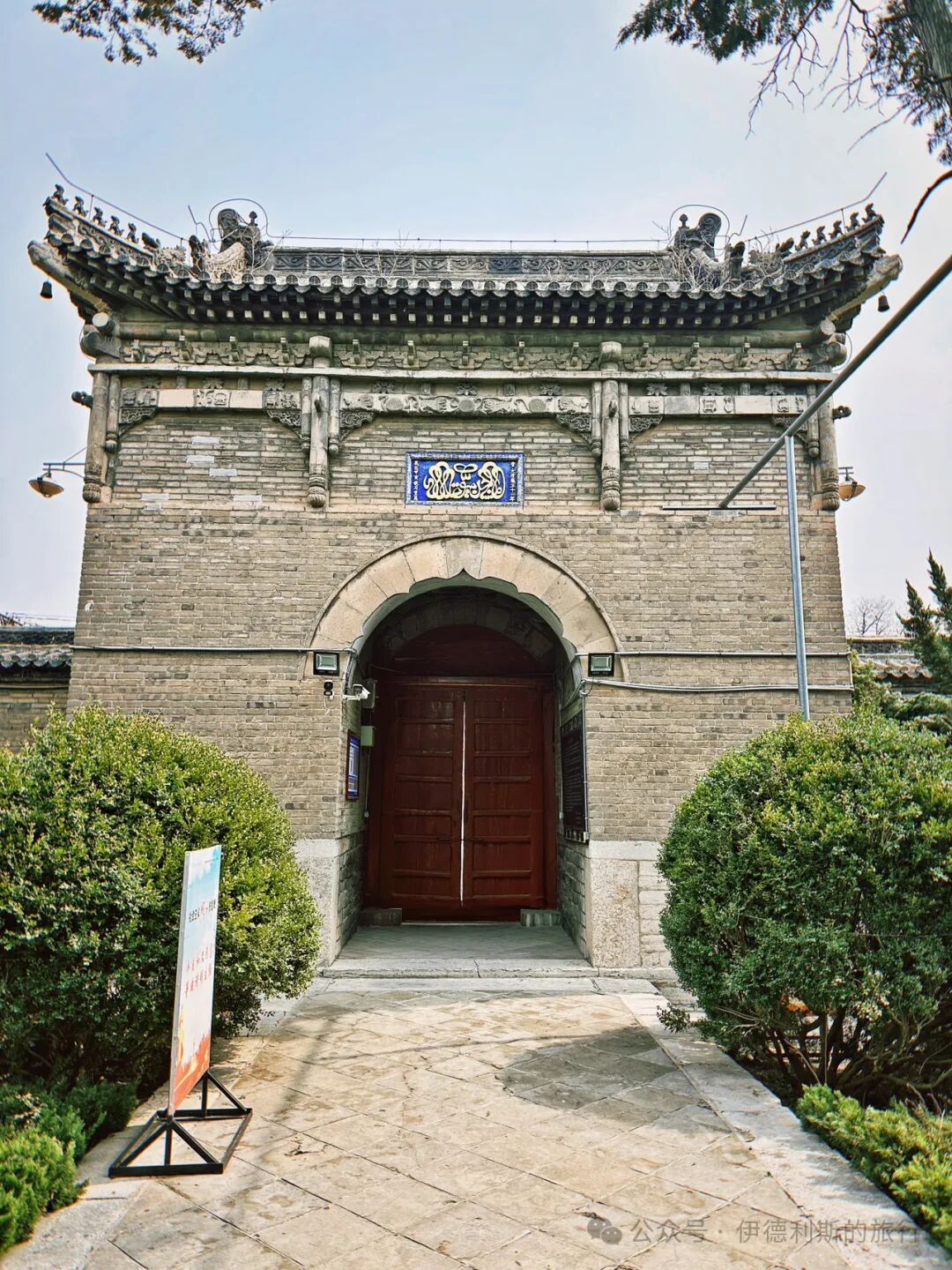
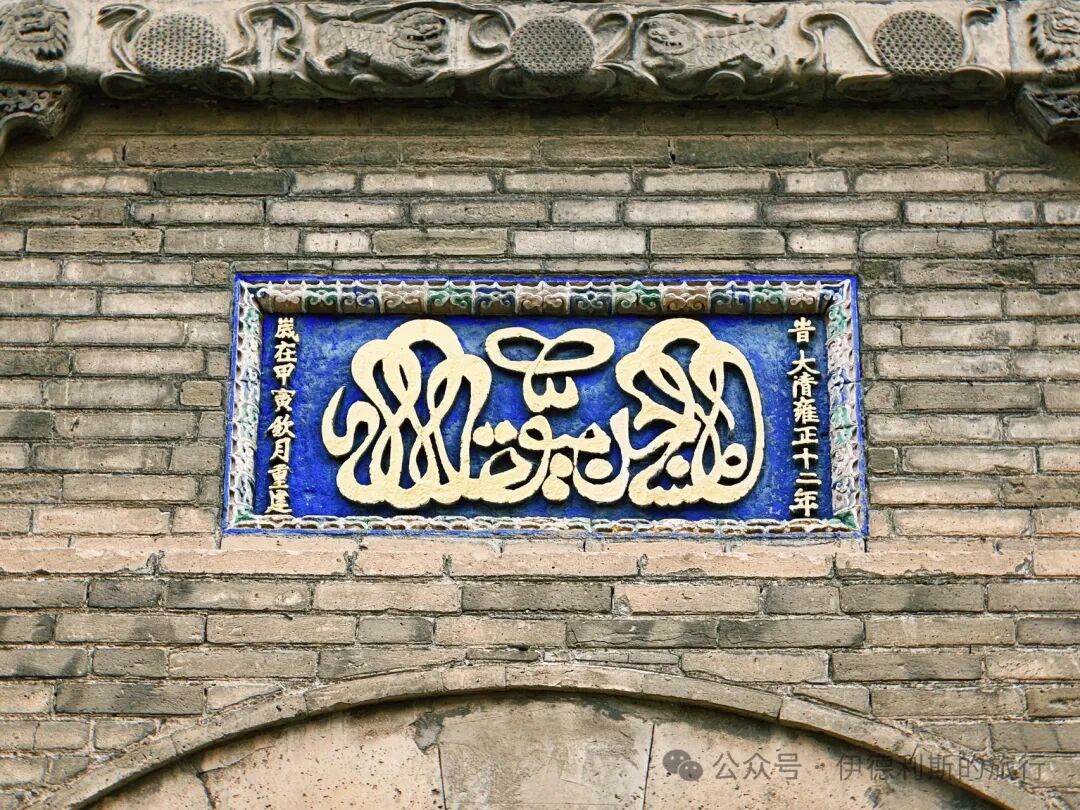
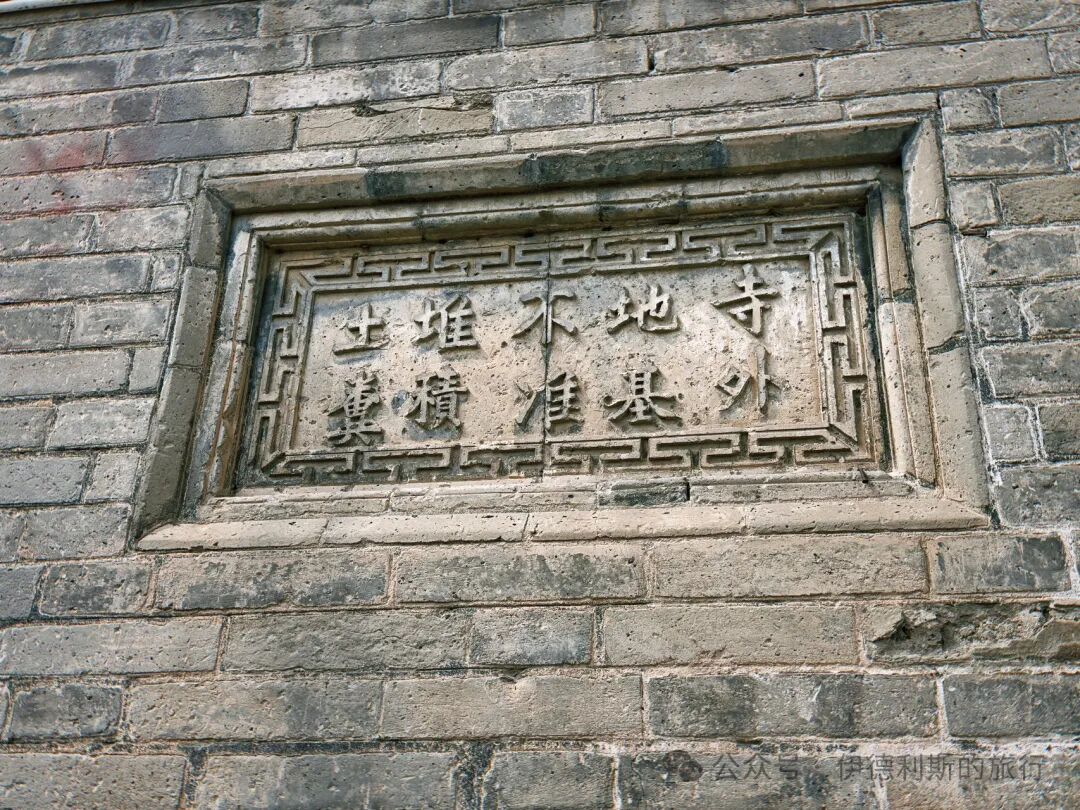
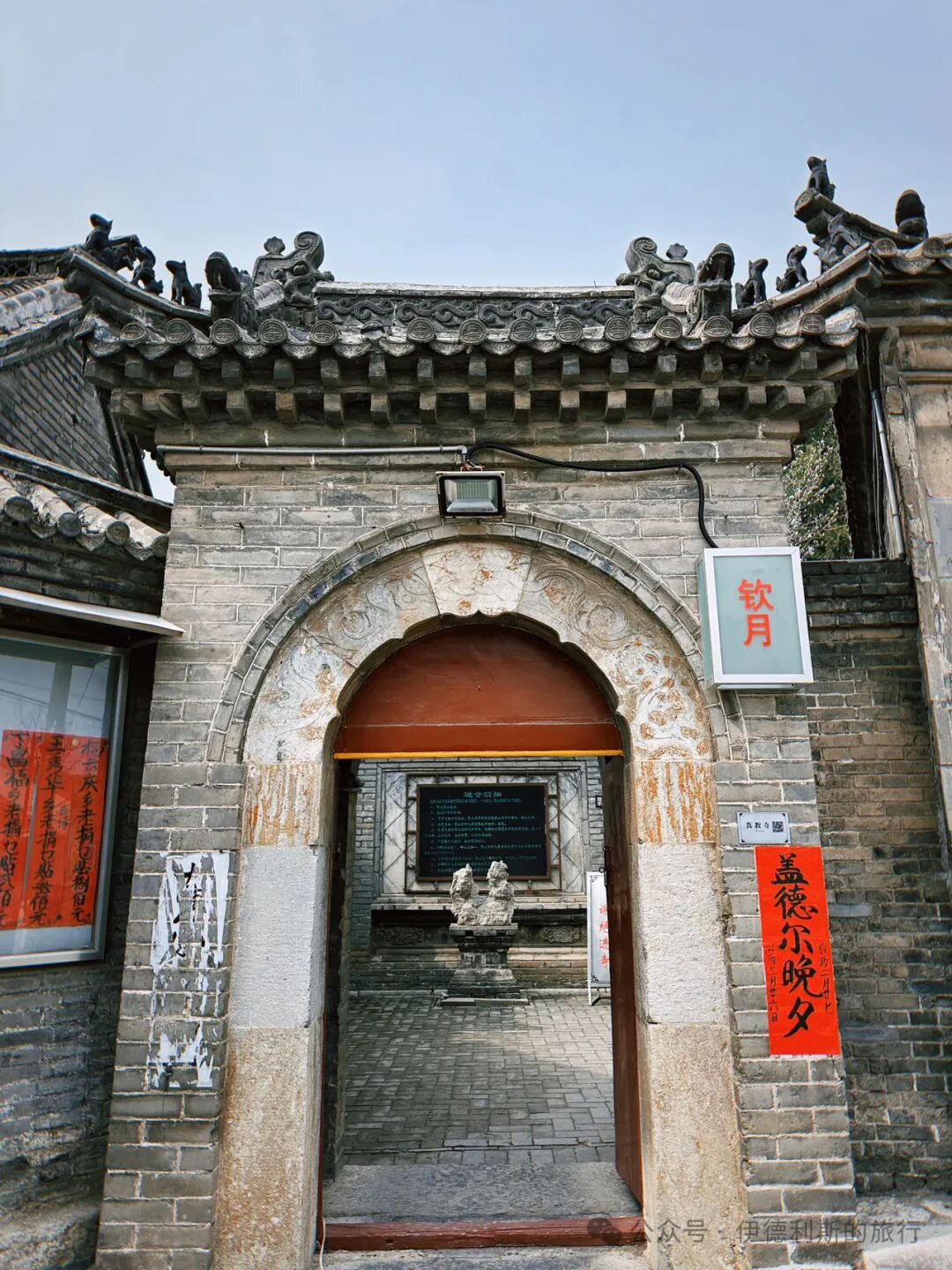
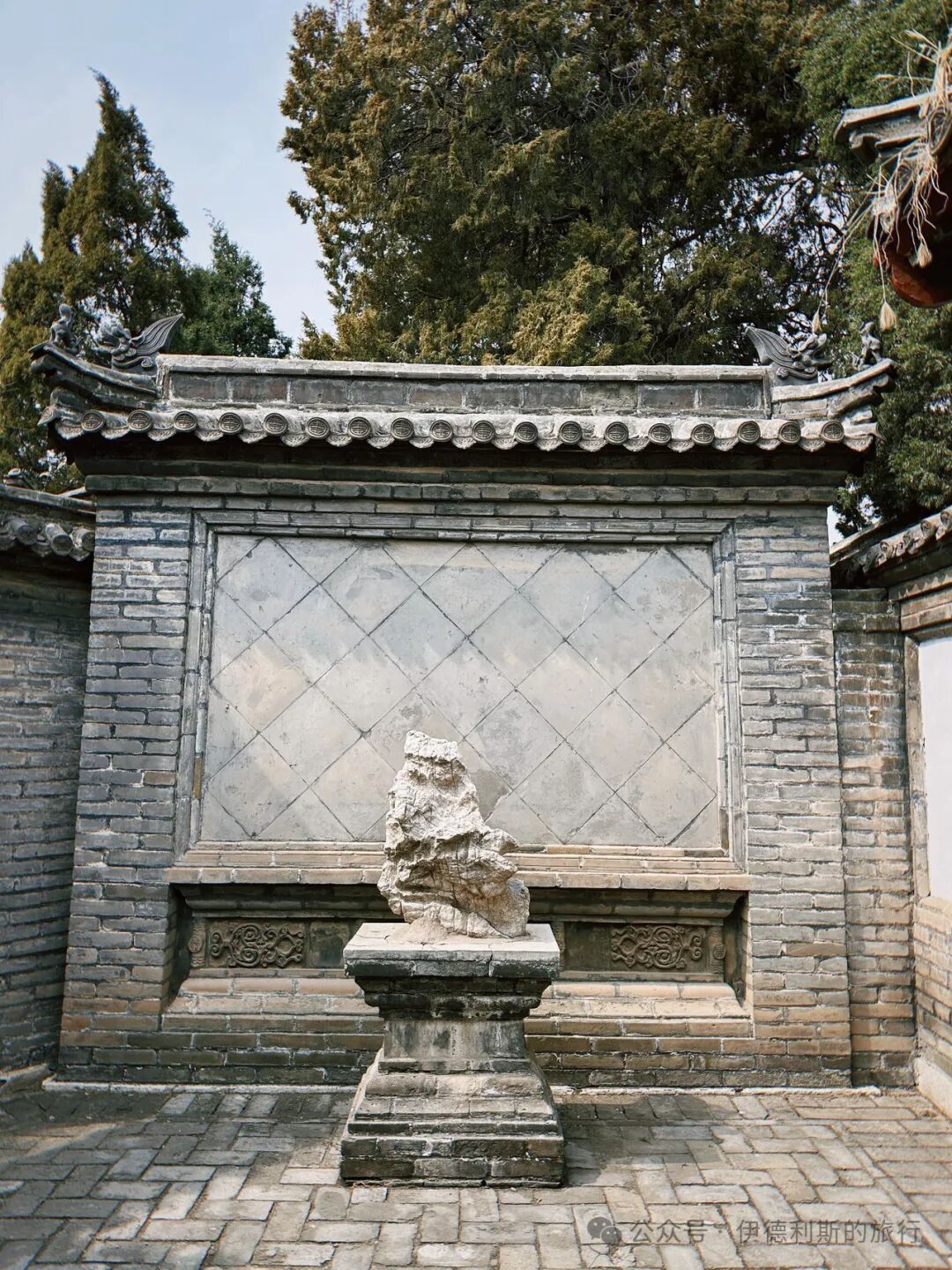
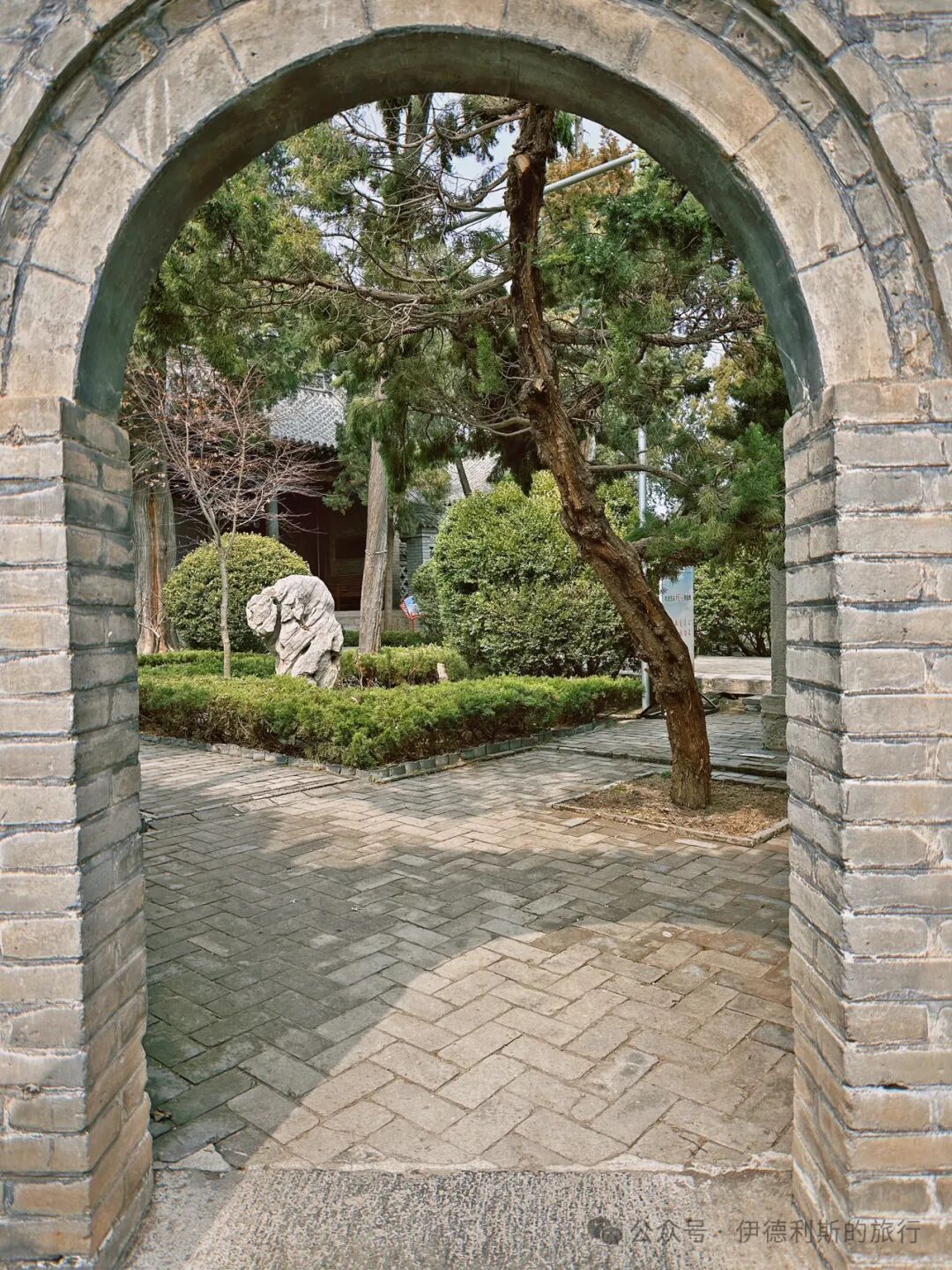
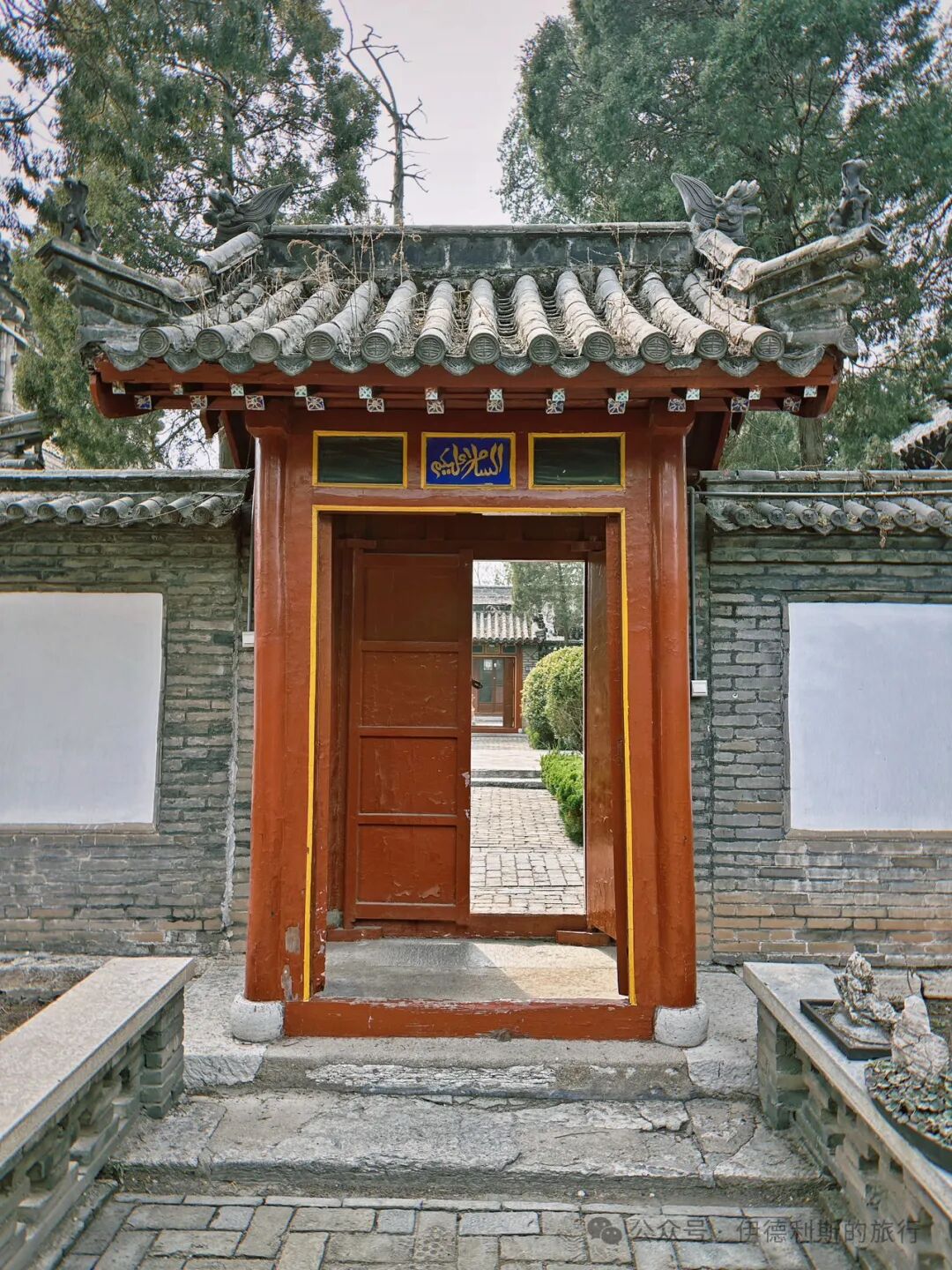
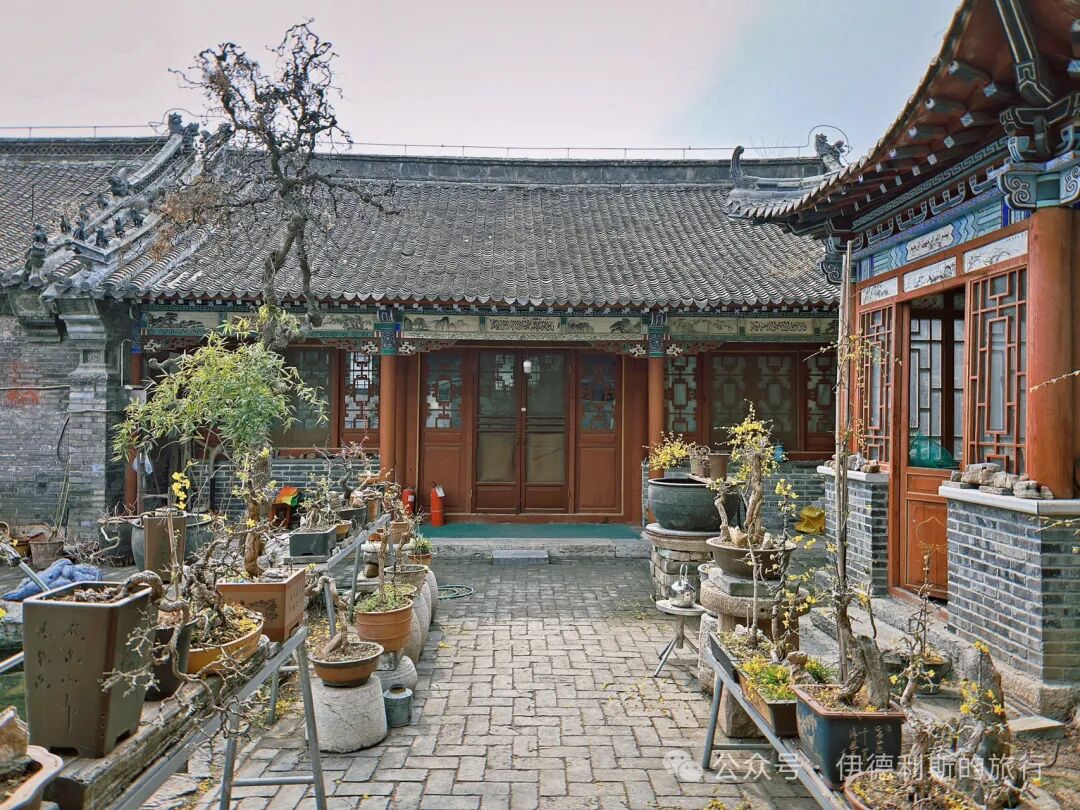
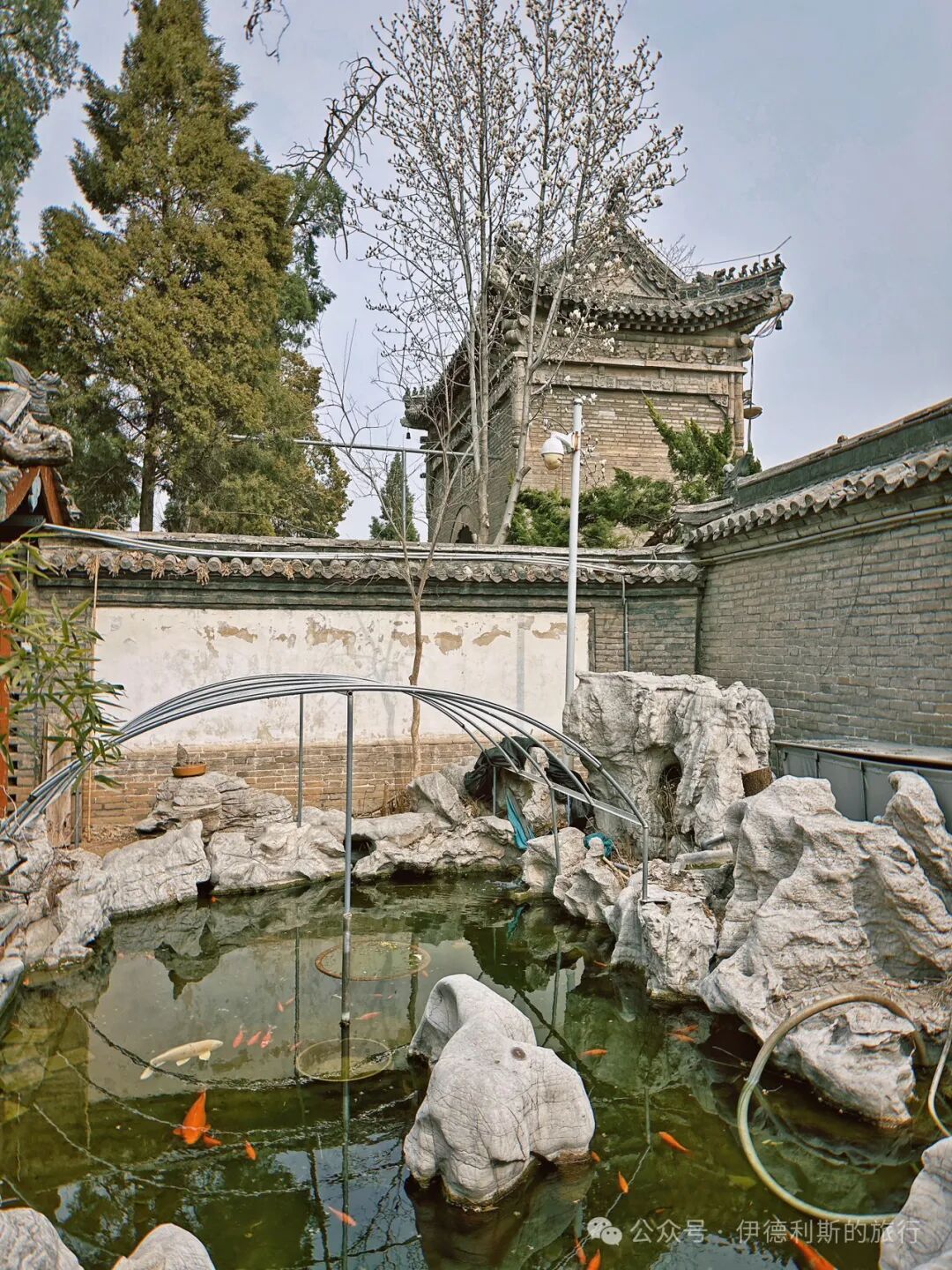
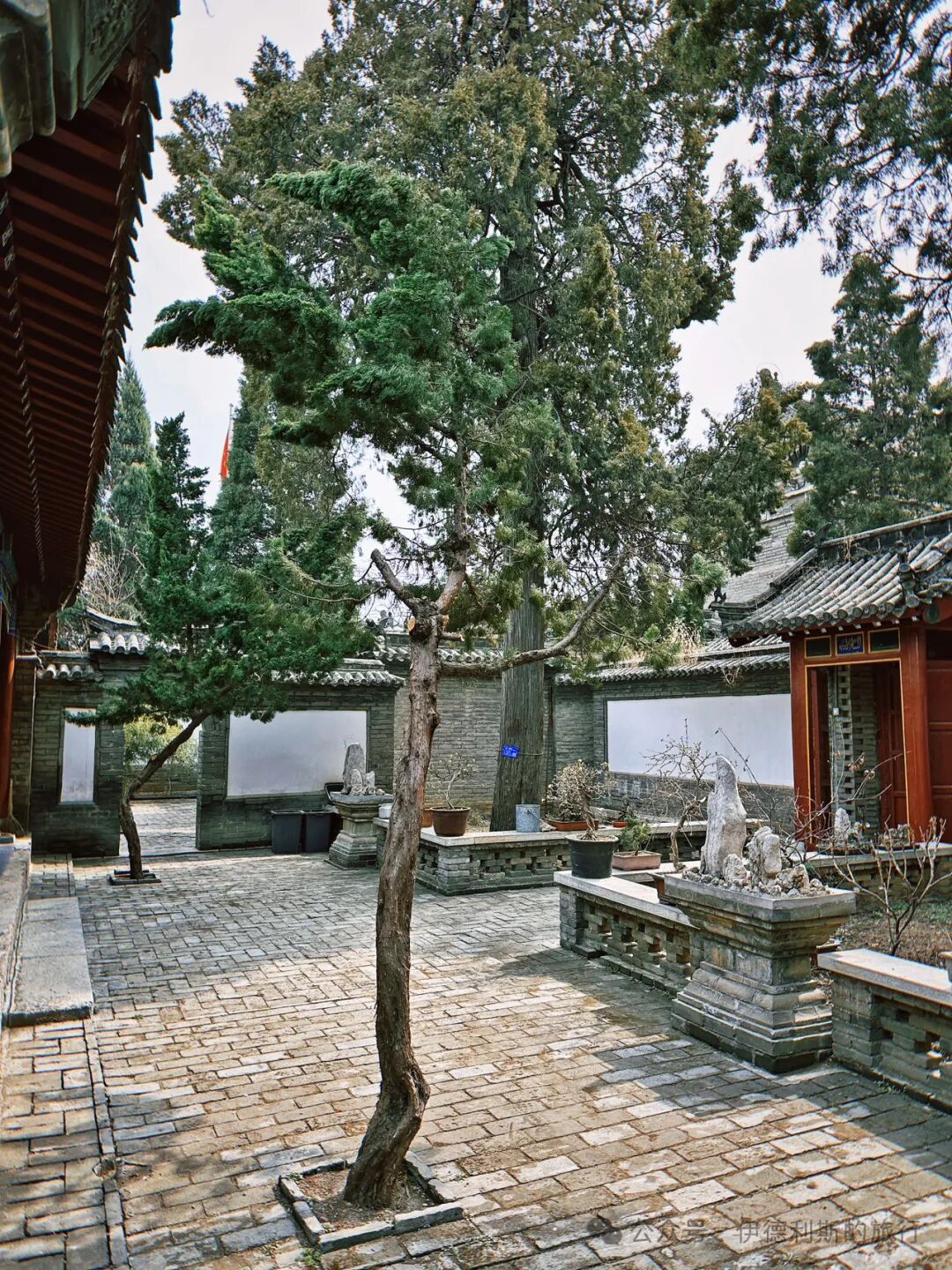
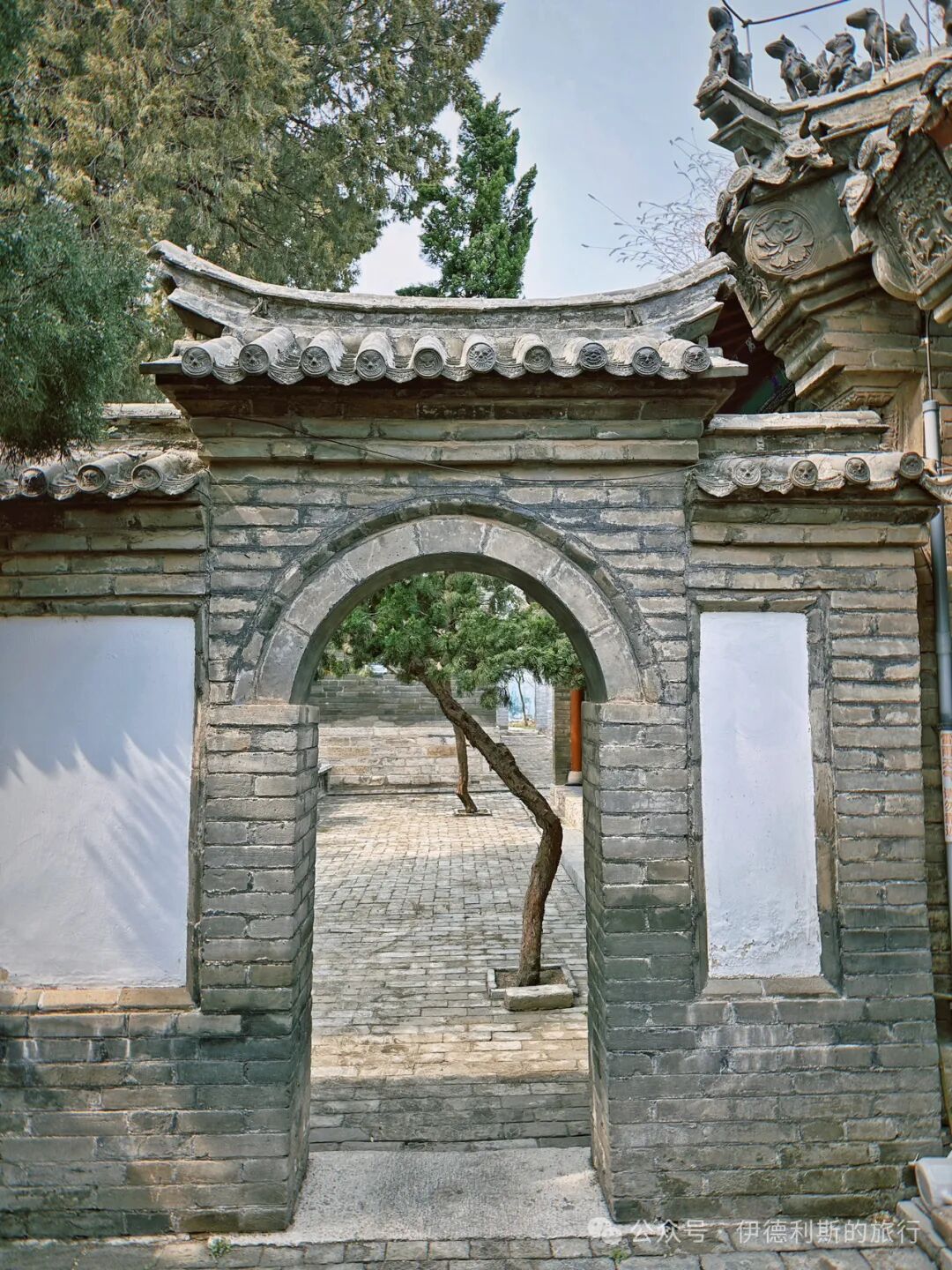
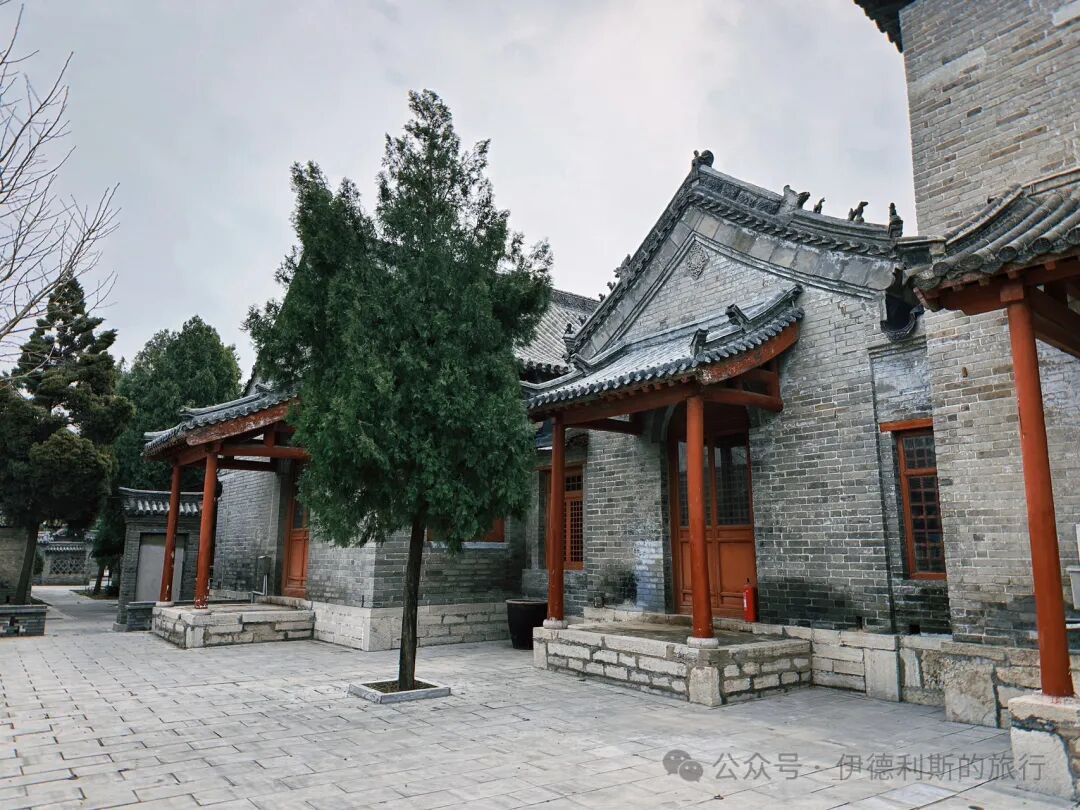
The main gate of Zhenjiao Mosque is usually closed, so visitors enter through the north or south side gates. After entering the side gate, you first see a screen wall and a rockery bonsai, then you enter the first courtyard. Directly facing the gate is the ceremonial gate (yimen) rebuilt in 1755 (the twentieth year of the Qianlong reign), with school buildings on the north and south sides. The north and south school buildings form their own courtyards, which have beautiful rockeries and ponds.
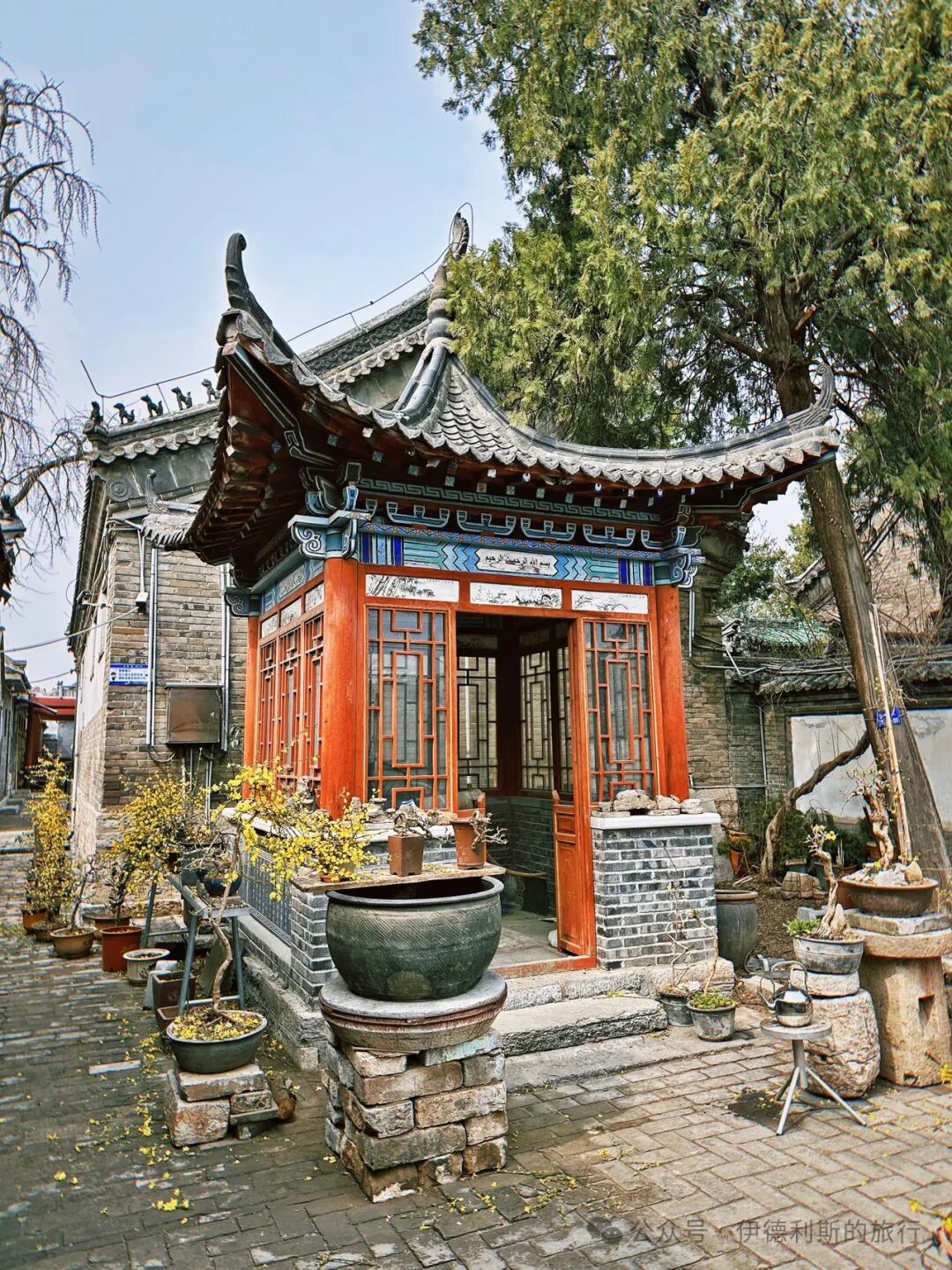
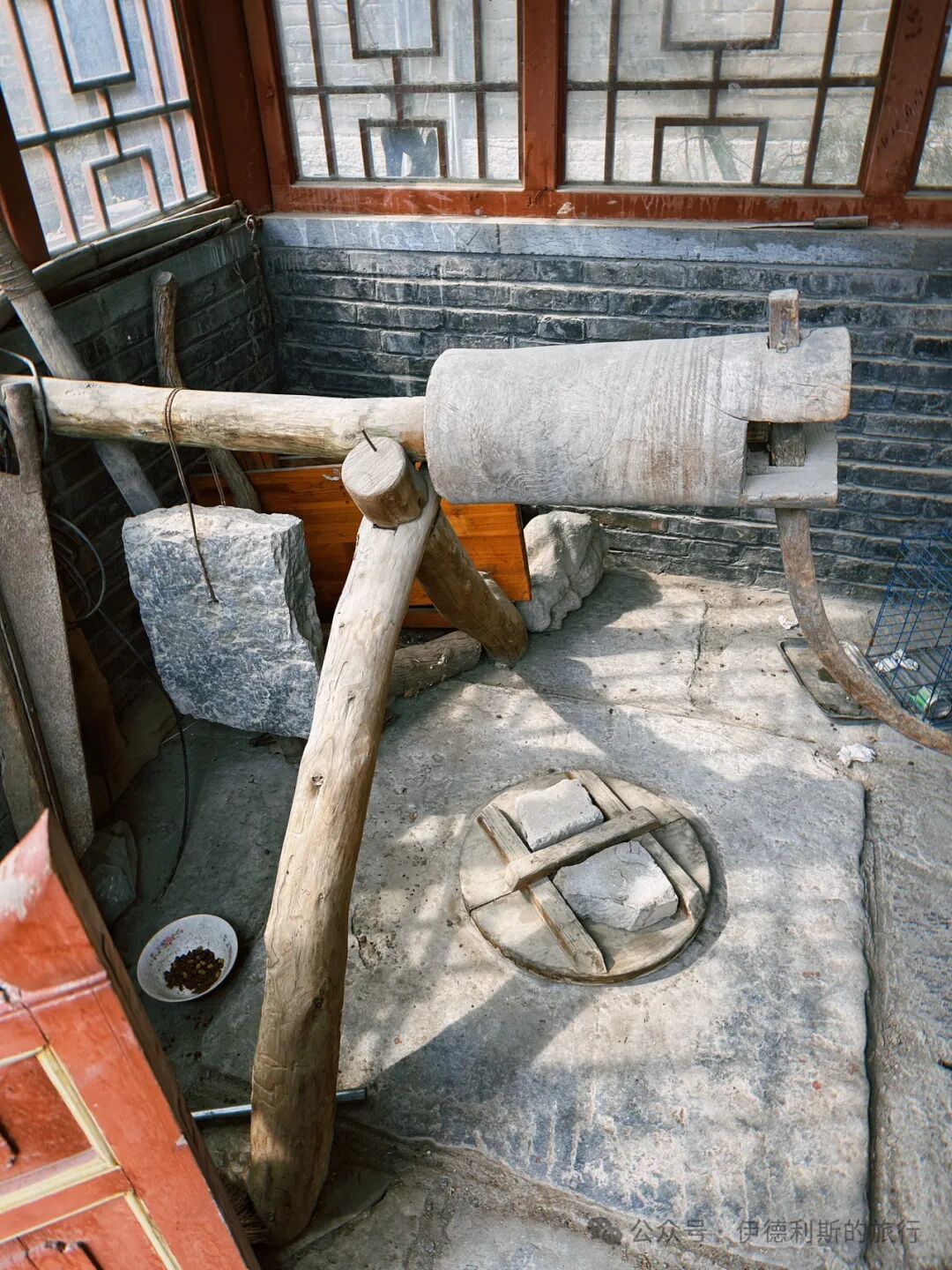
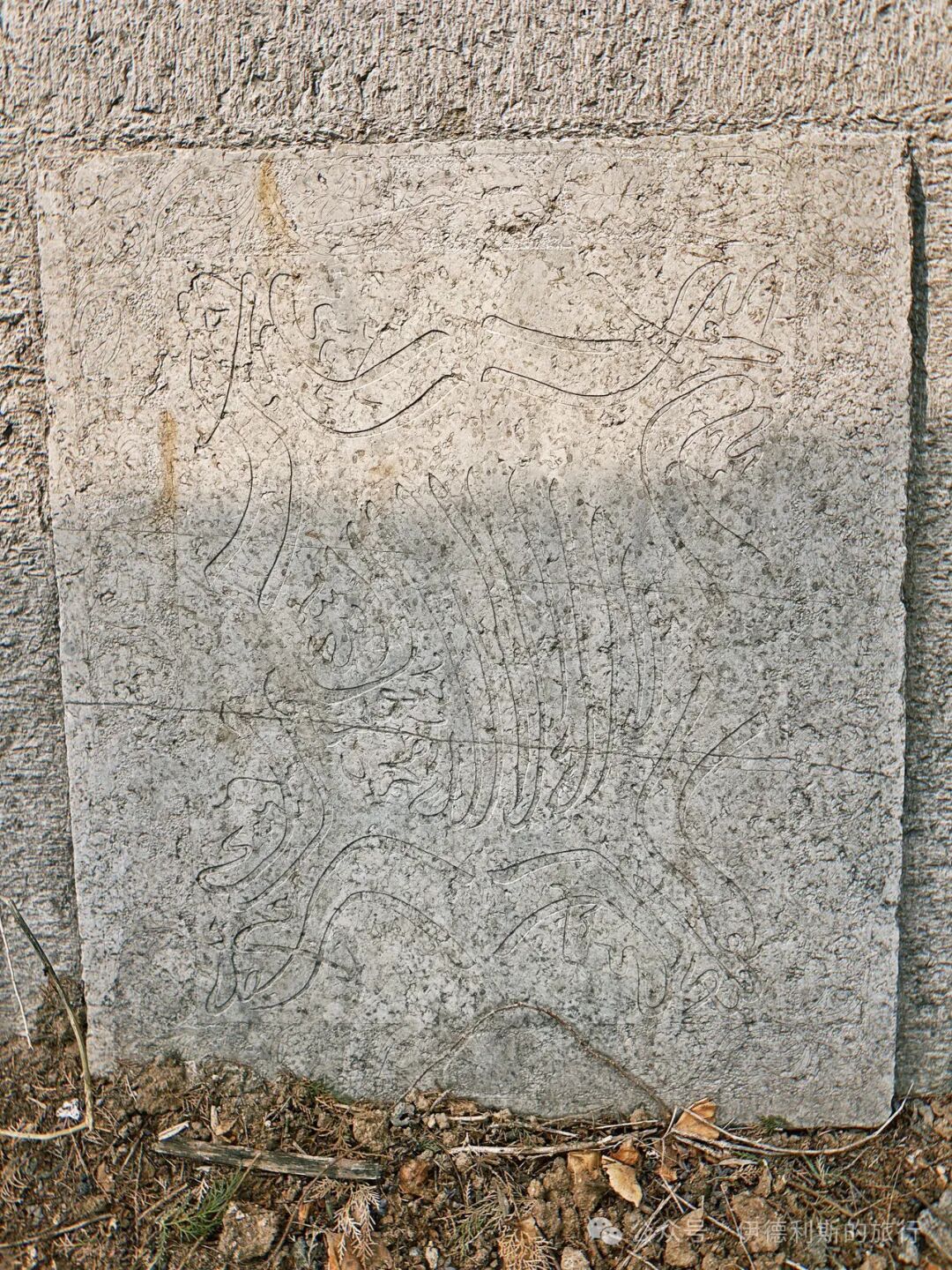
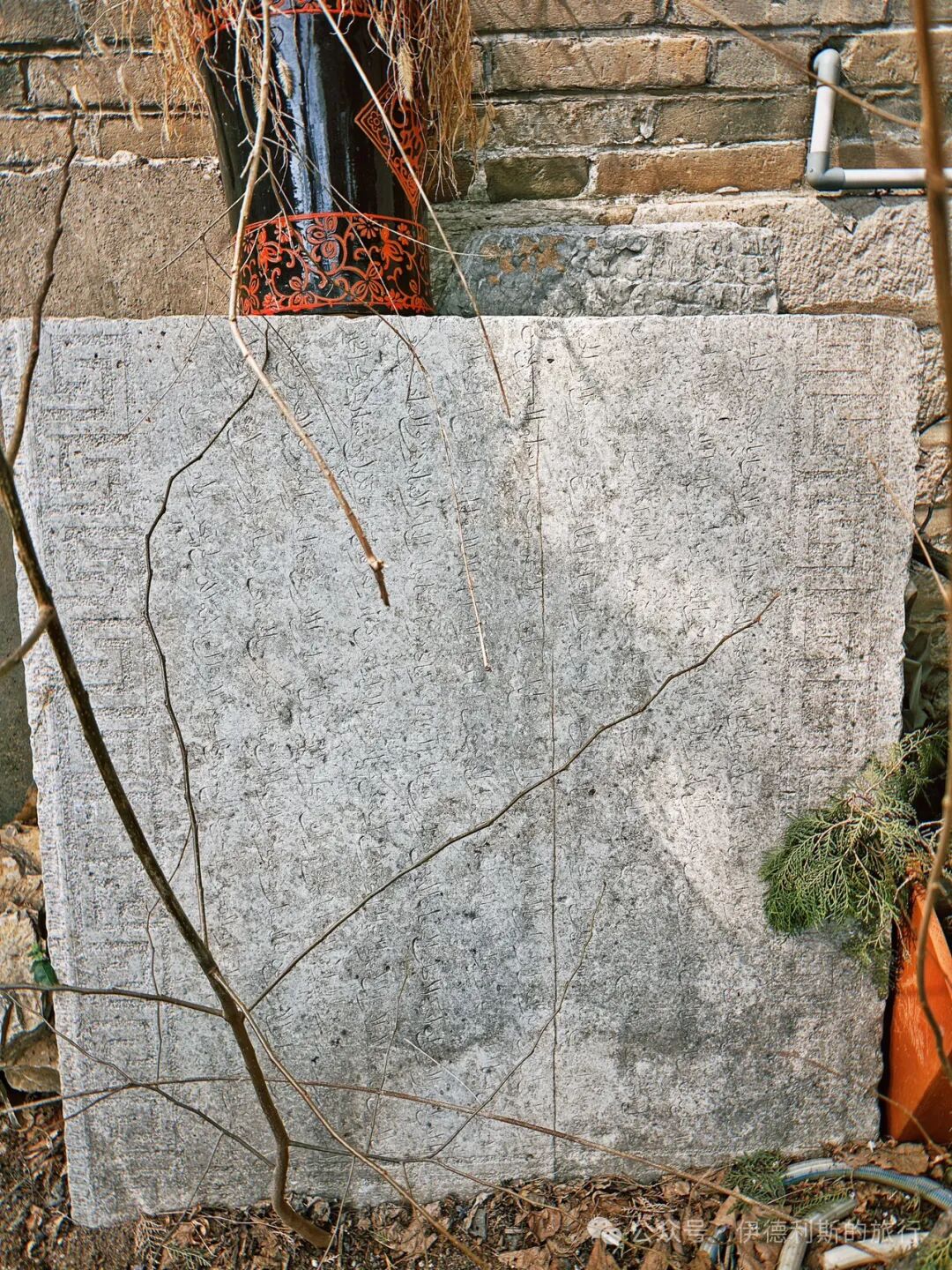
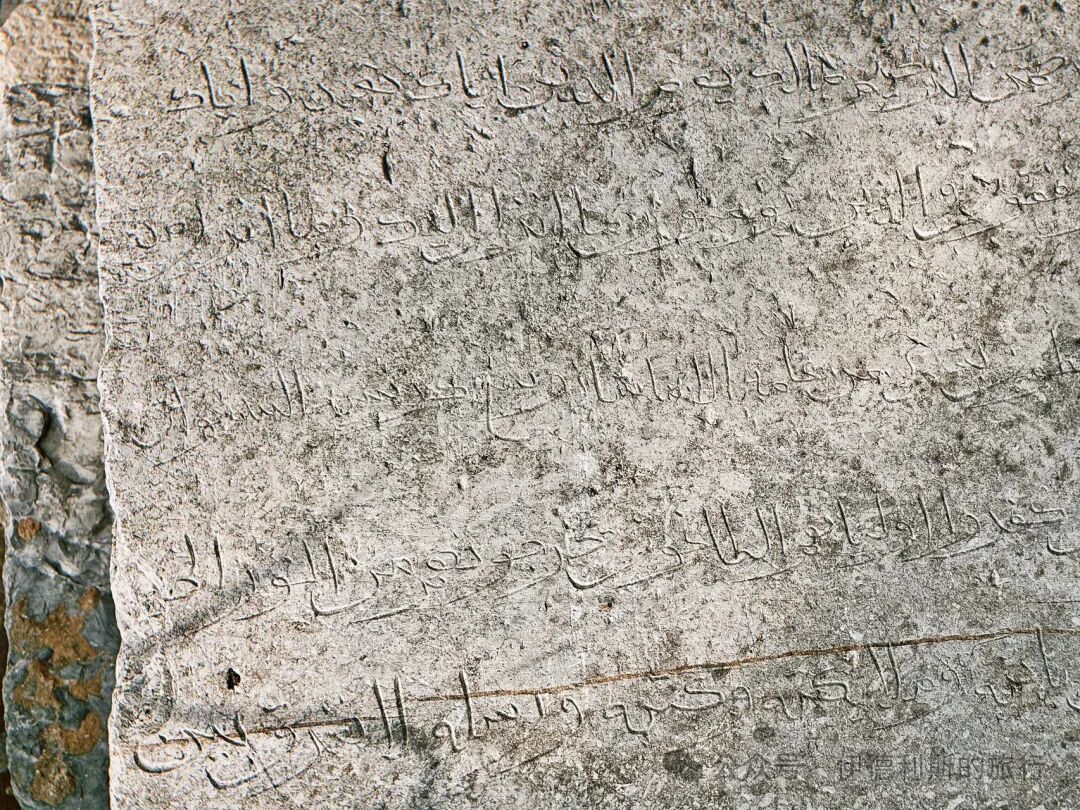
There is a well pavilion inside Zhenjiao Mosque, with an Arabic stone tablet nearby.
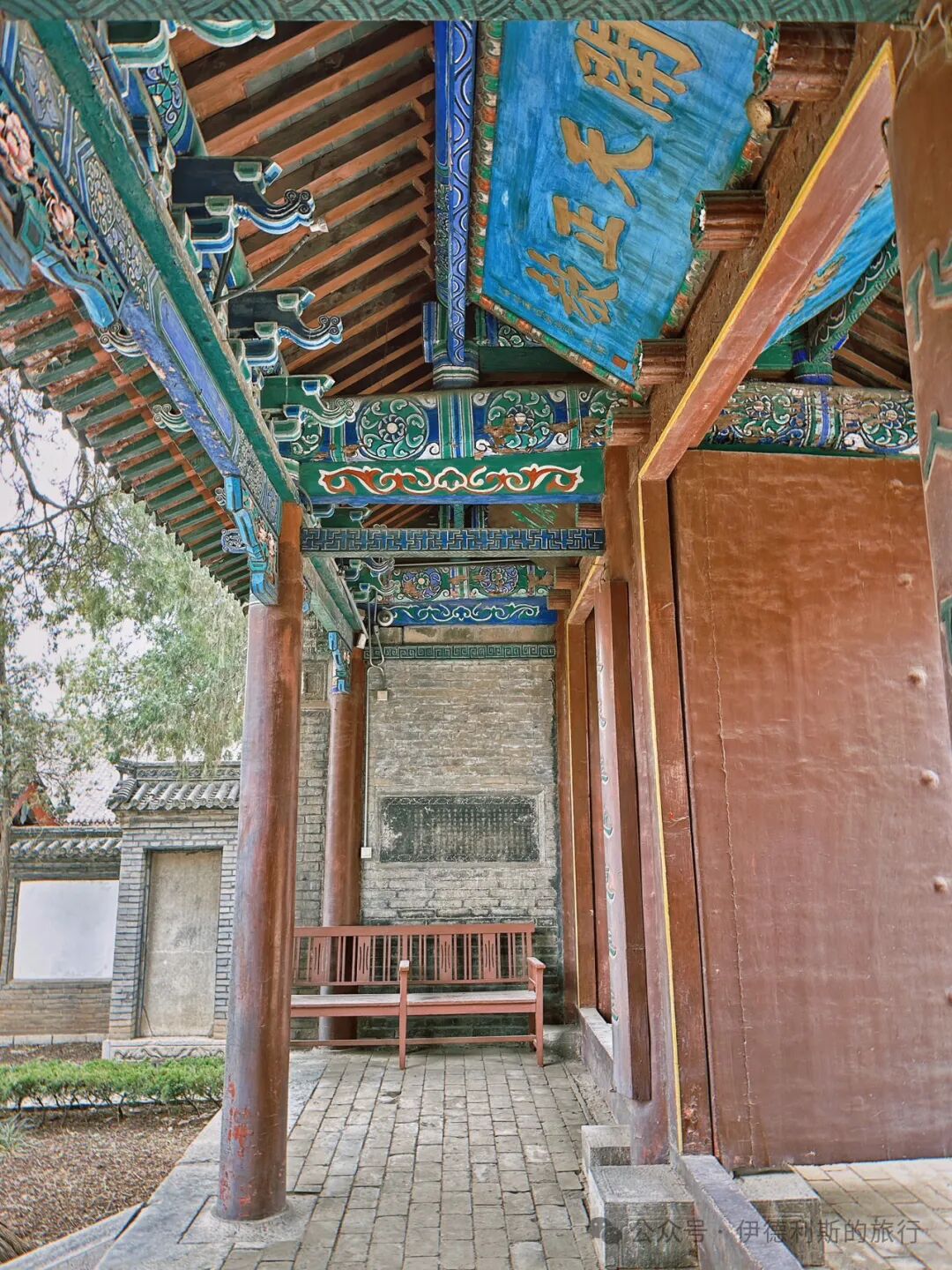
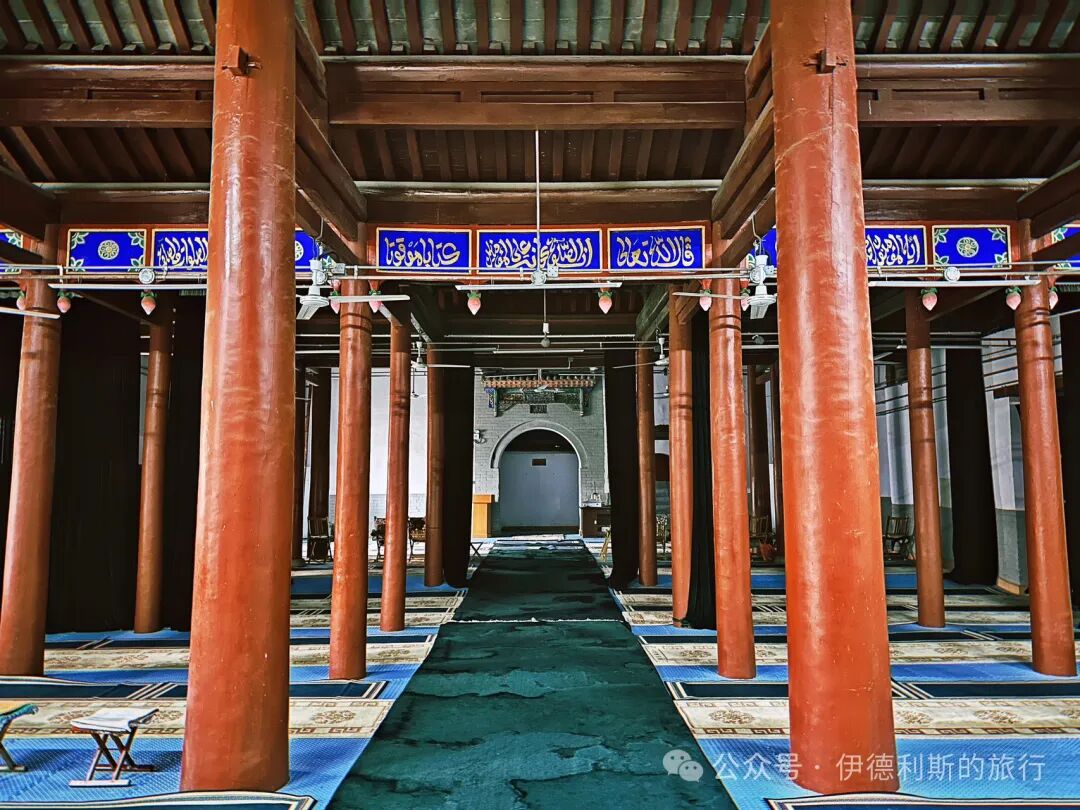
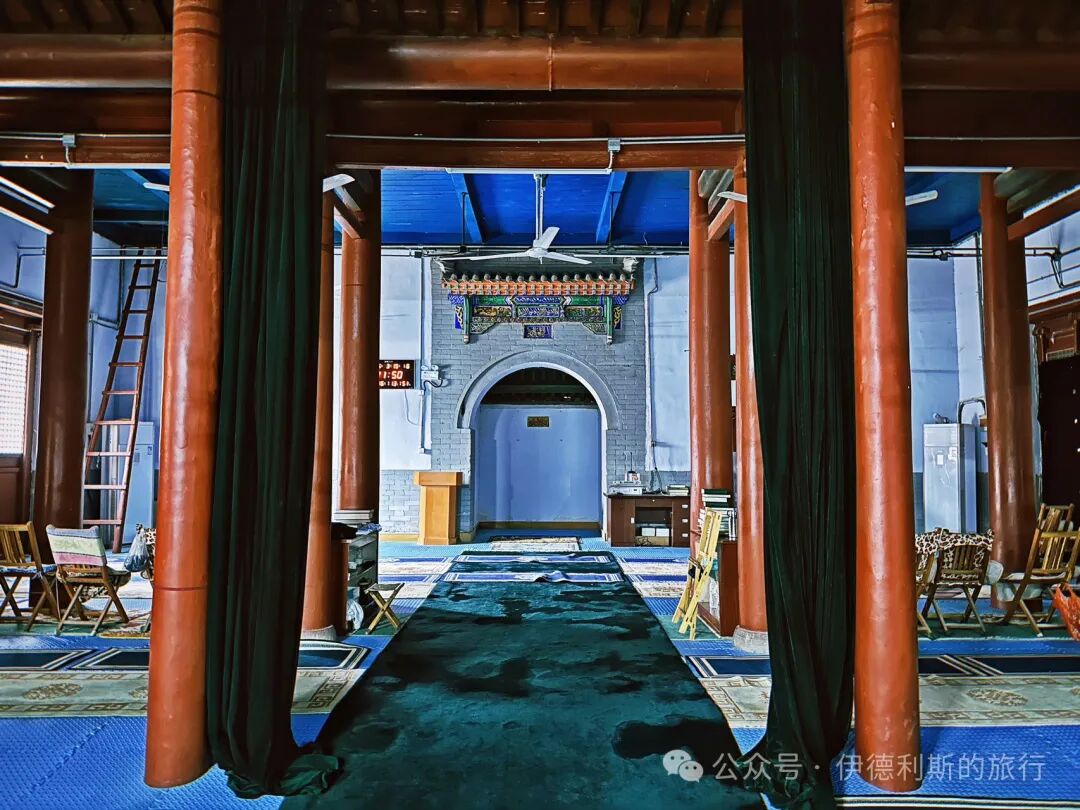
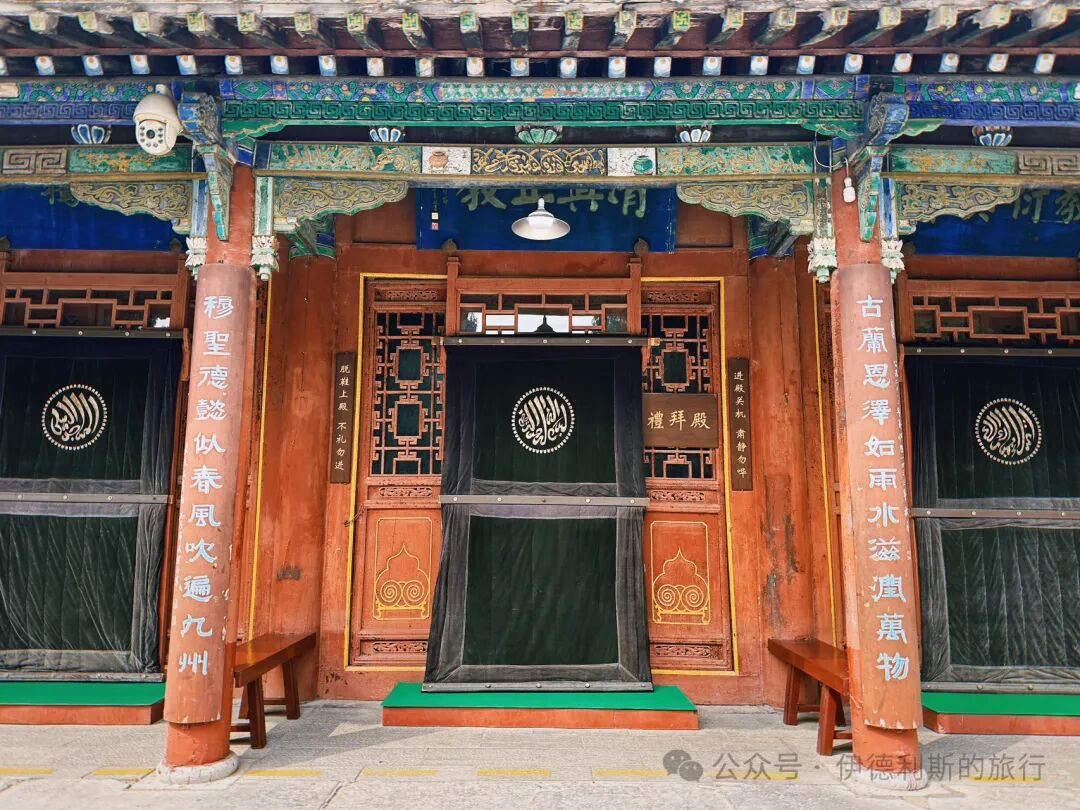
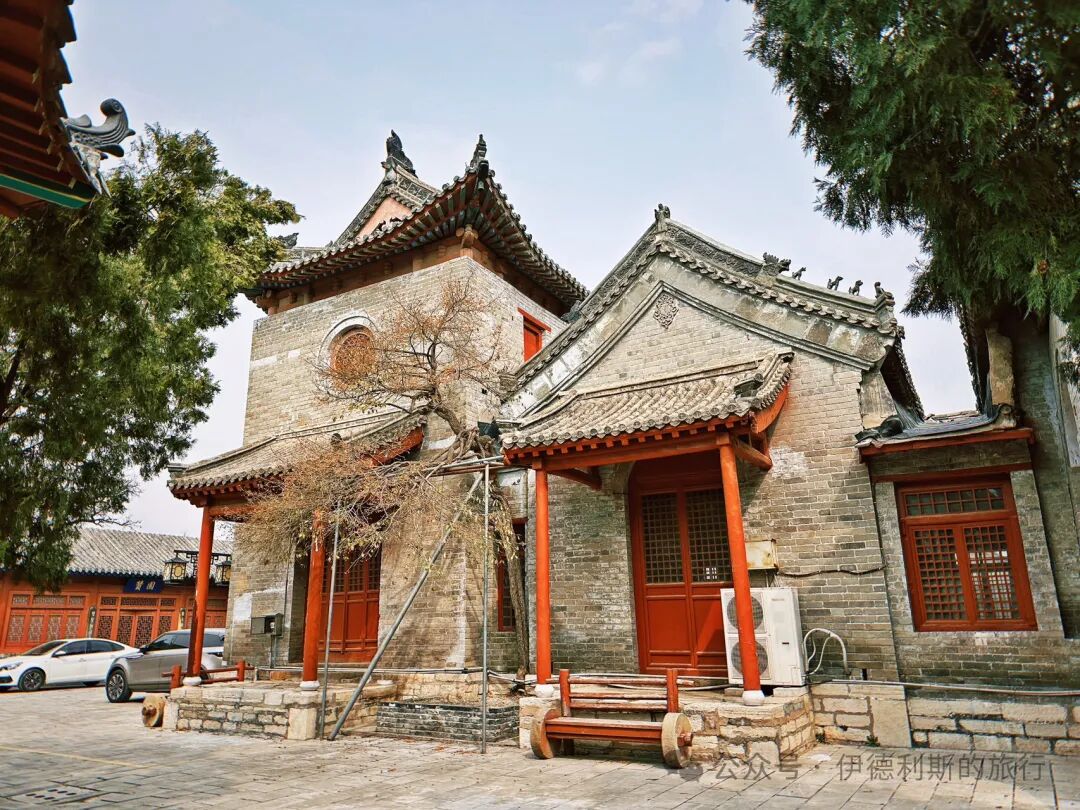
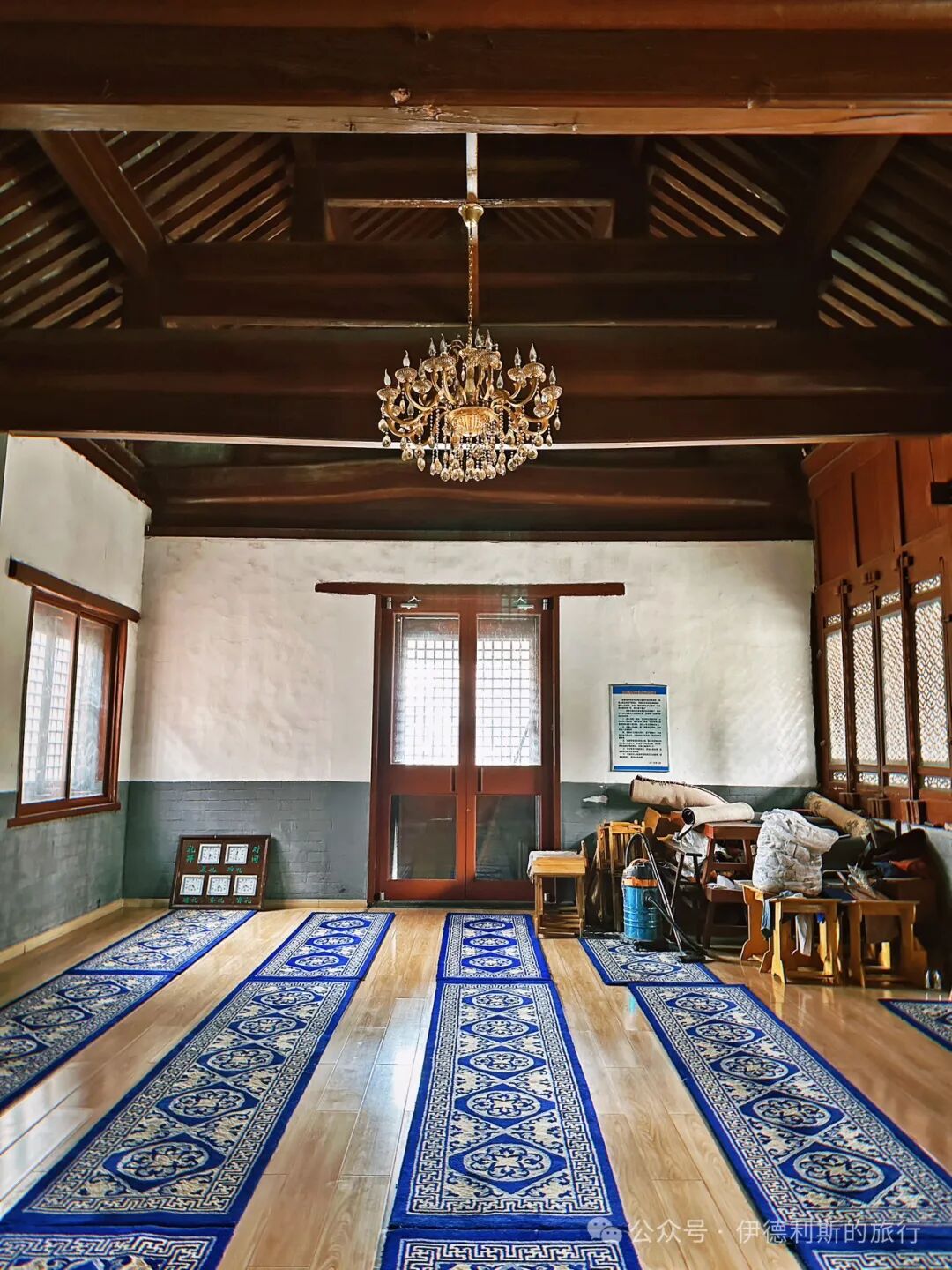
The main prayer hall of Qingzhou Zhenjiao Mosque sits on a platform over 1 meter high. It consists of a front hall, a middle hall, and a rear kiln hall, connected in a linked style, with 36 pillars surrounding the porch. The kiln hall has a moon-watching tower (wangyuelou) with a double-eaved hip roof, and the roof corners have hanging wind bells.
In front of the main hall is the 'Hundred-Character Eulogy' (Baizi Zan) stele pavilion, rebuilt in 1985. The original was copied from the Jingjue Mosque in Nanjing in 1760 (the twenty-fifth year of the Qianlong reign).
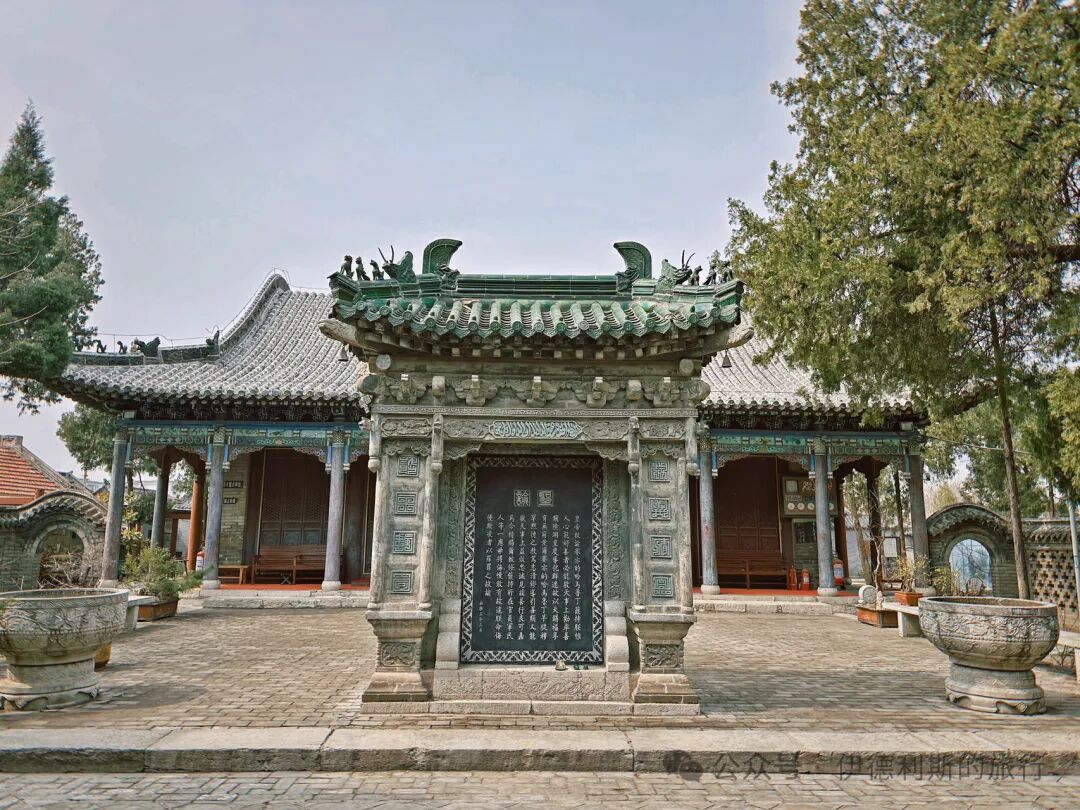
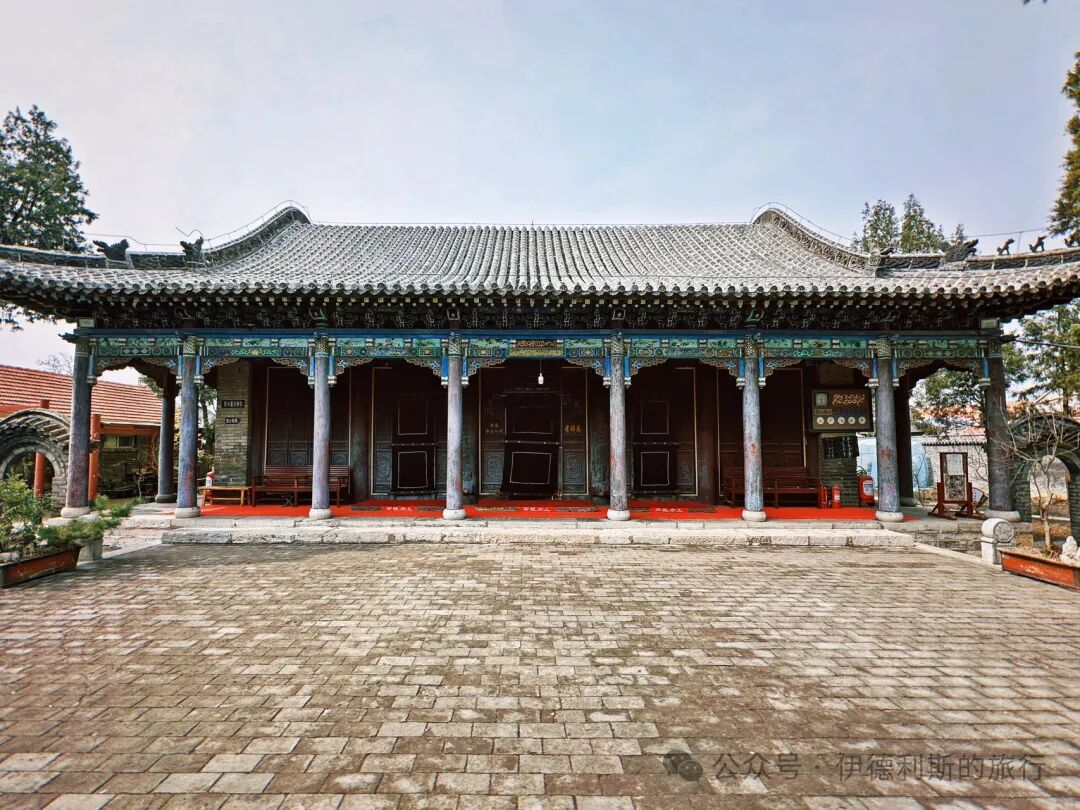
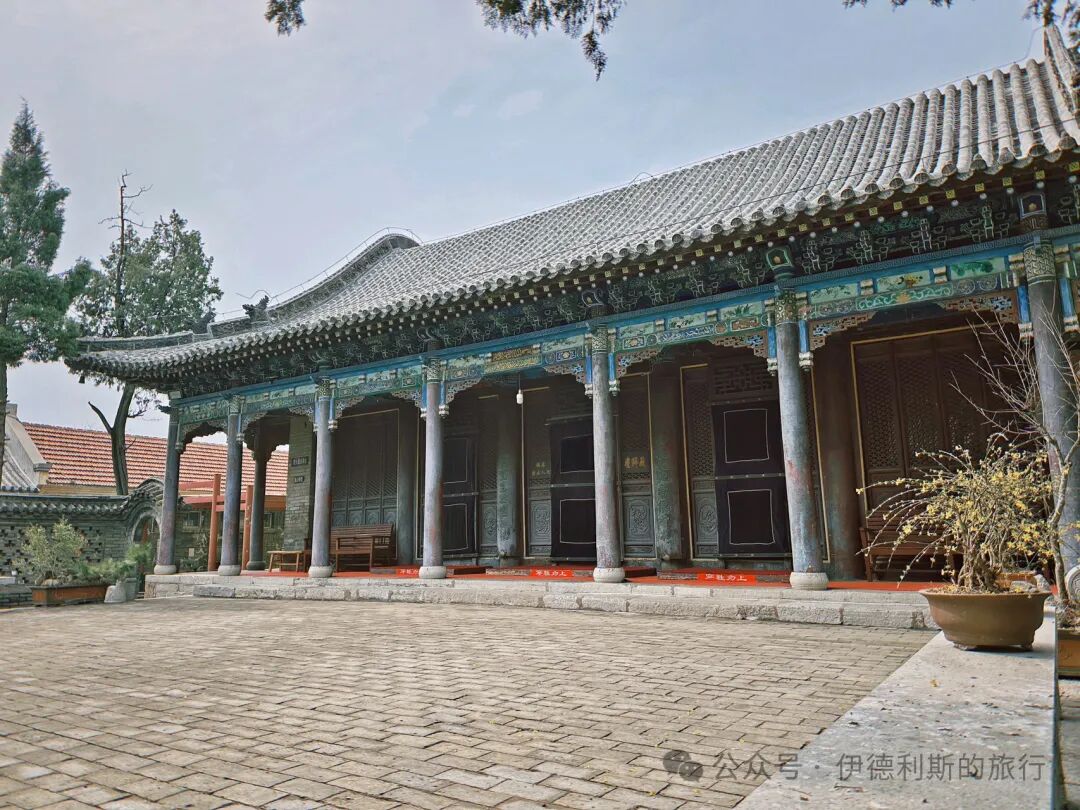
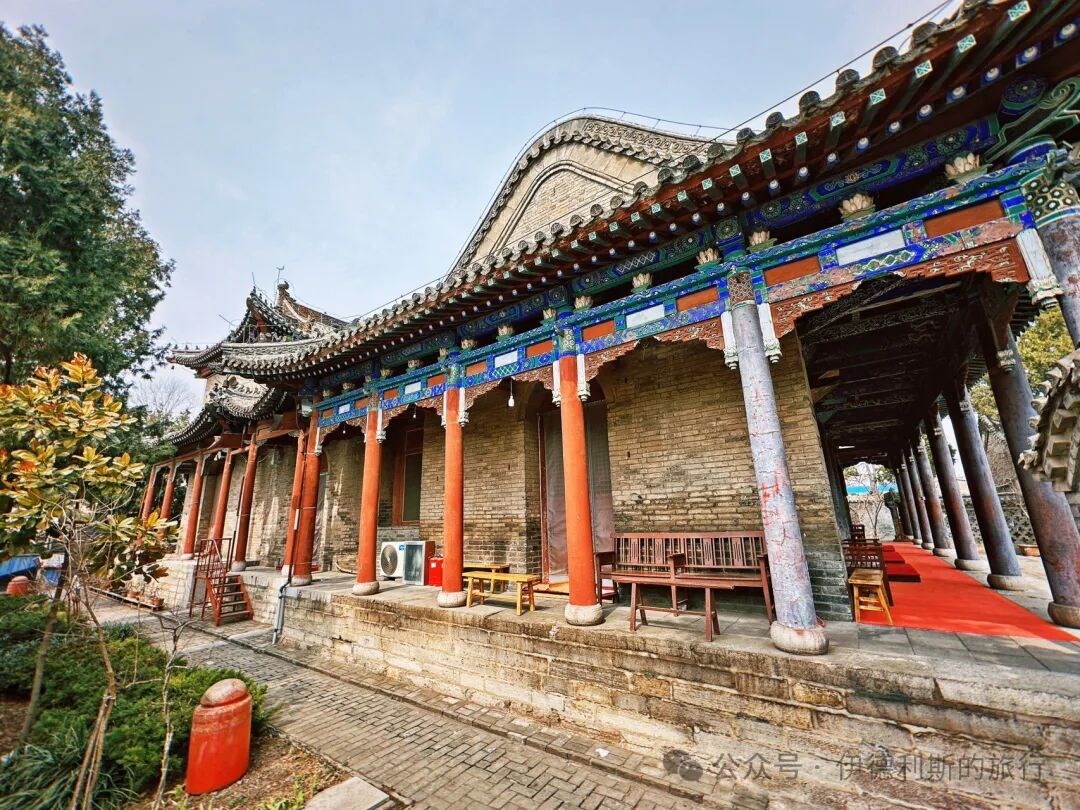
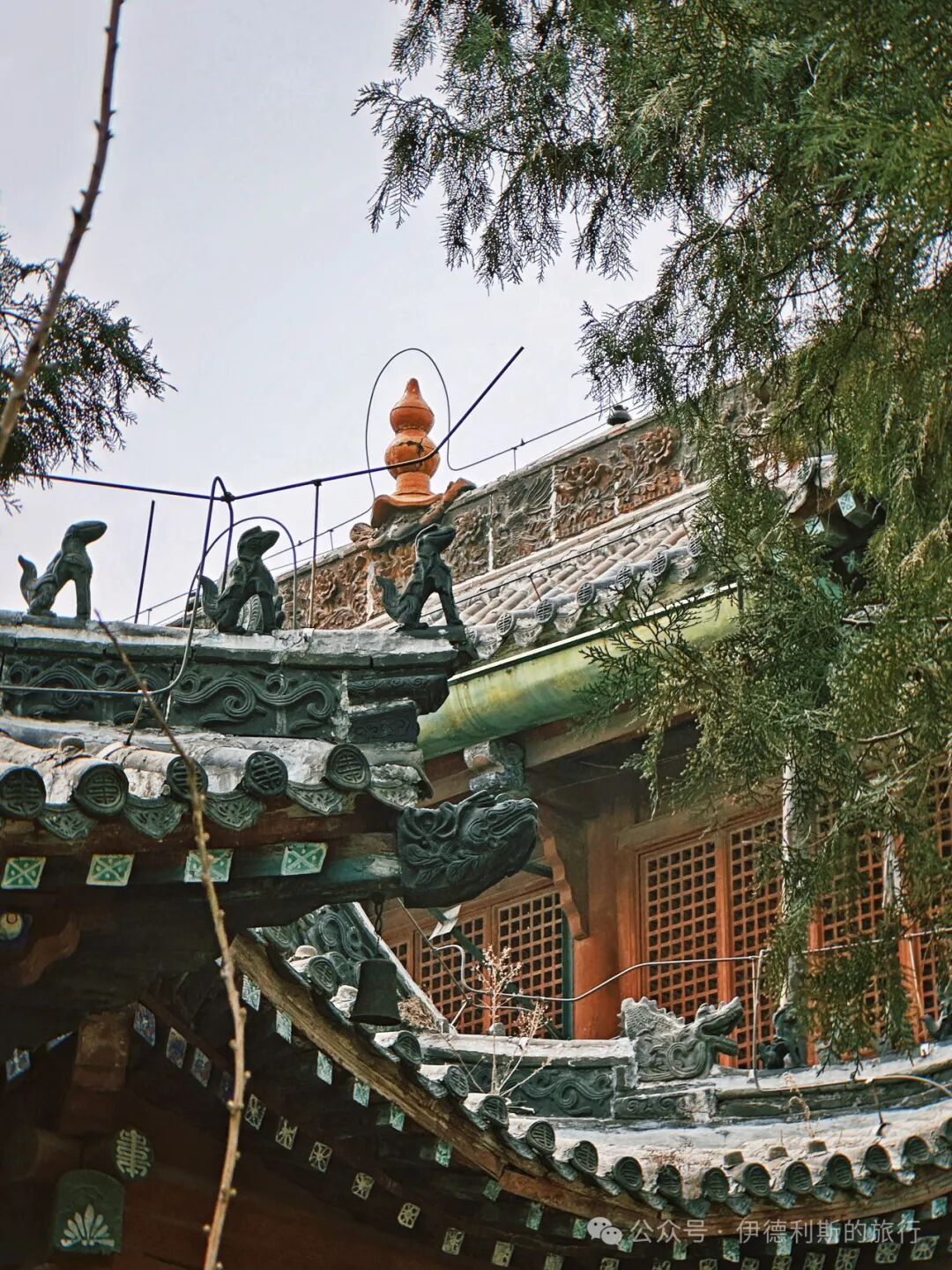
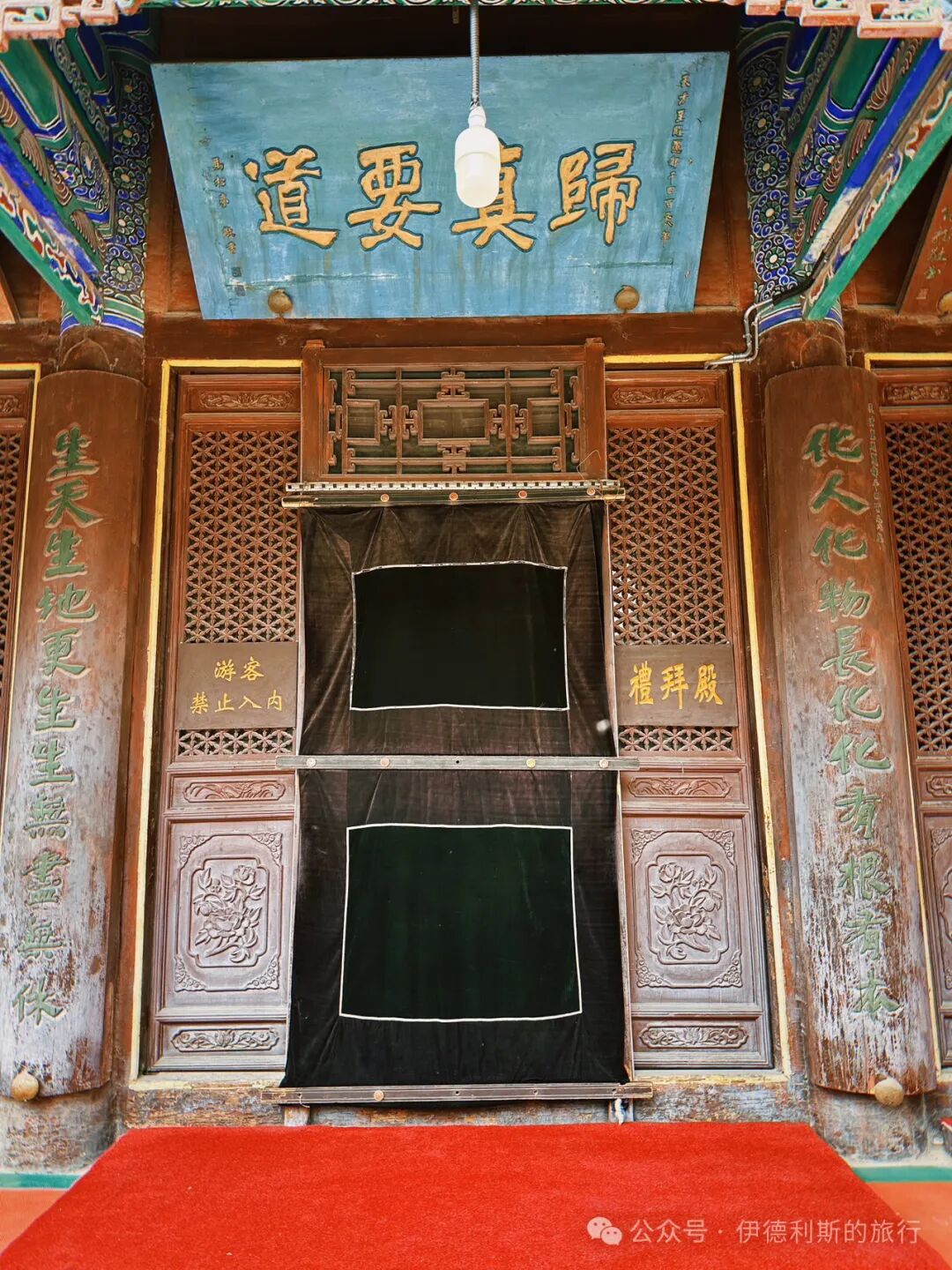
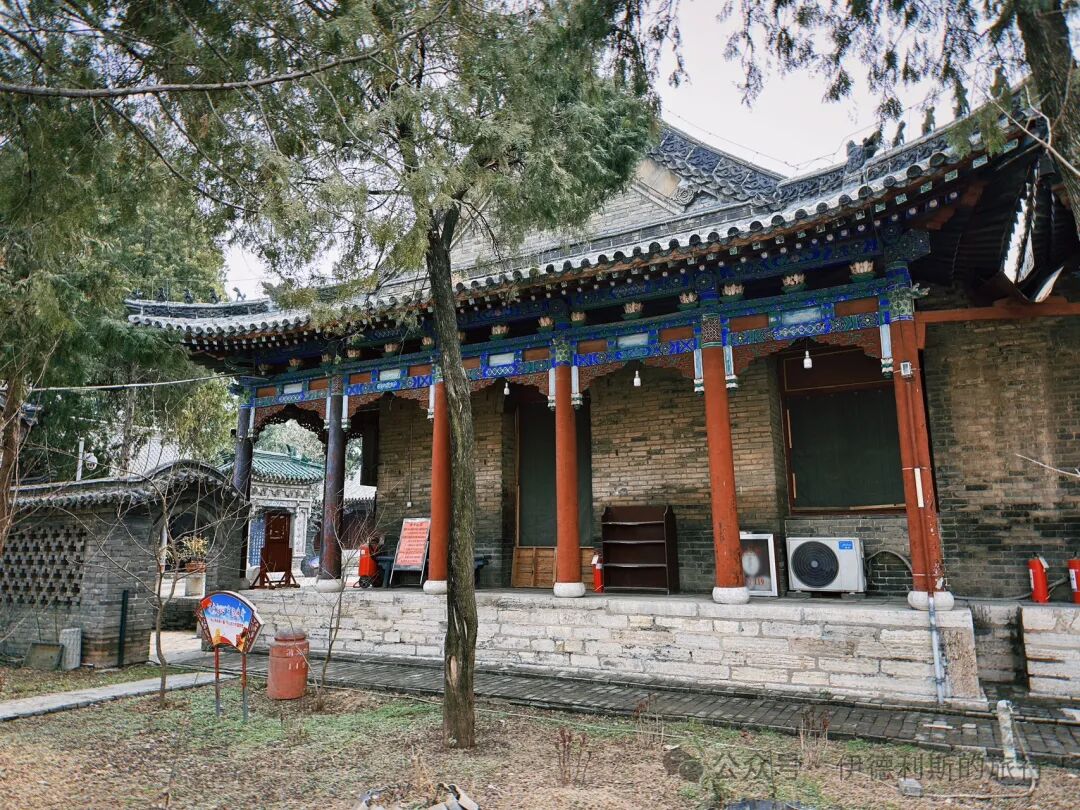
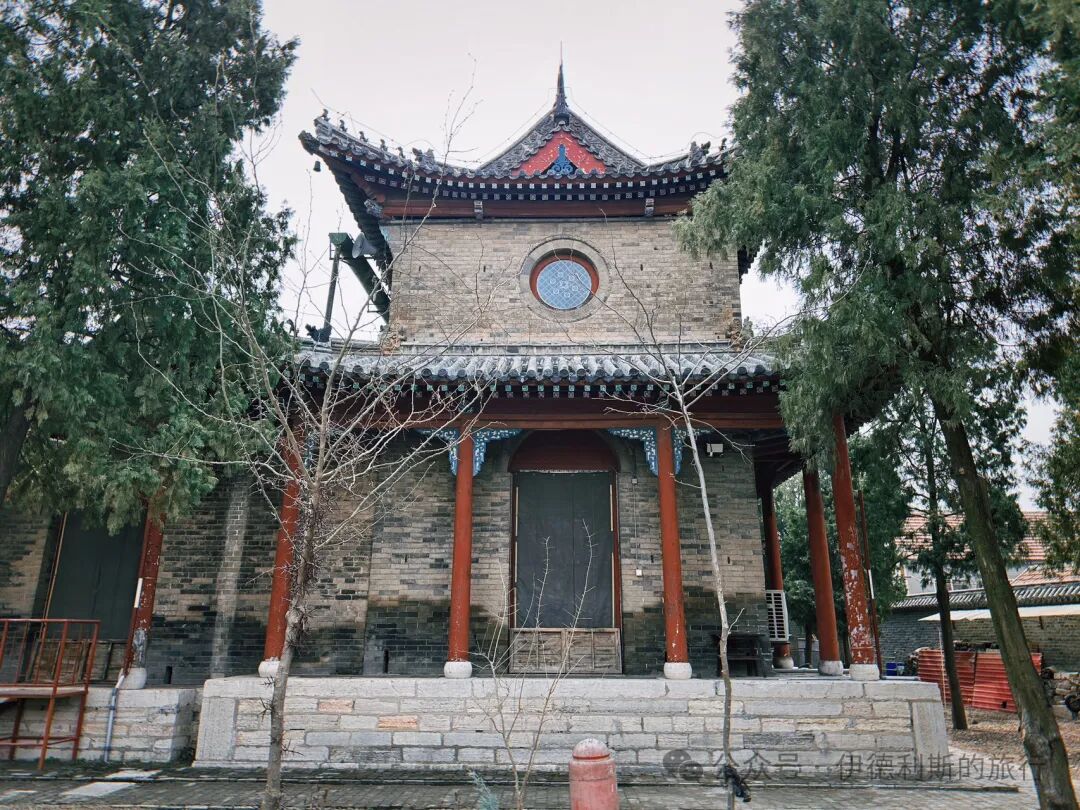
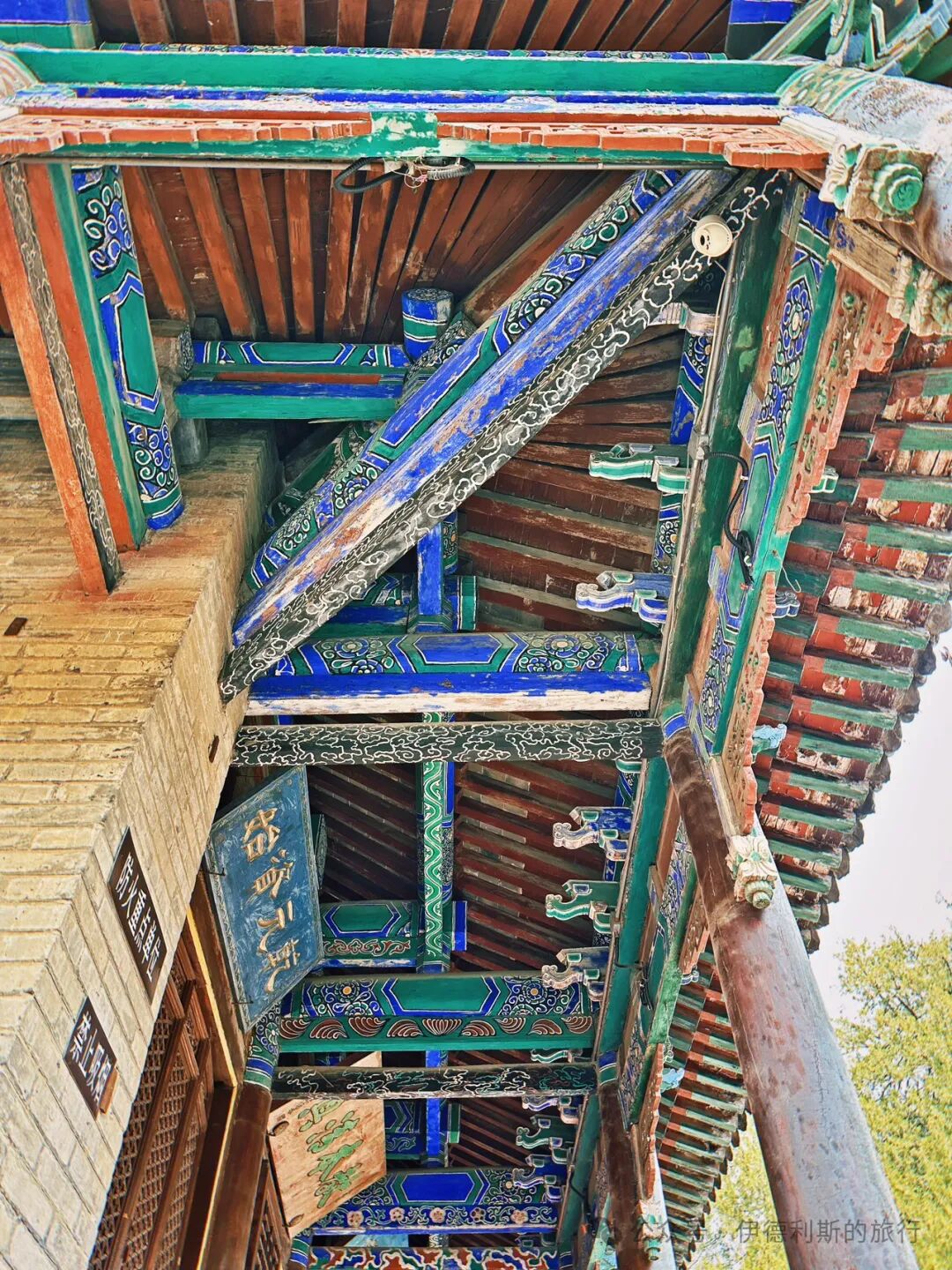
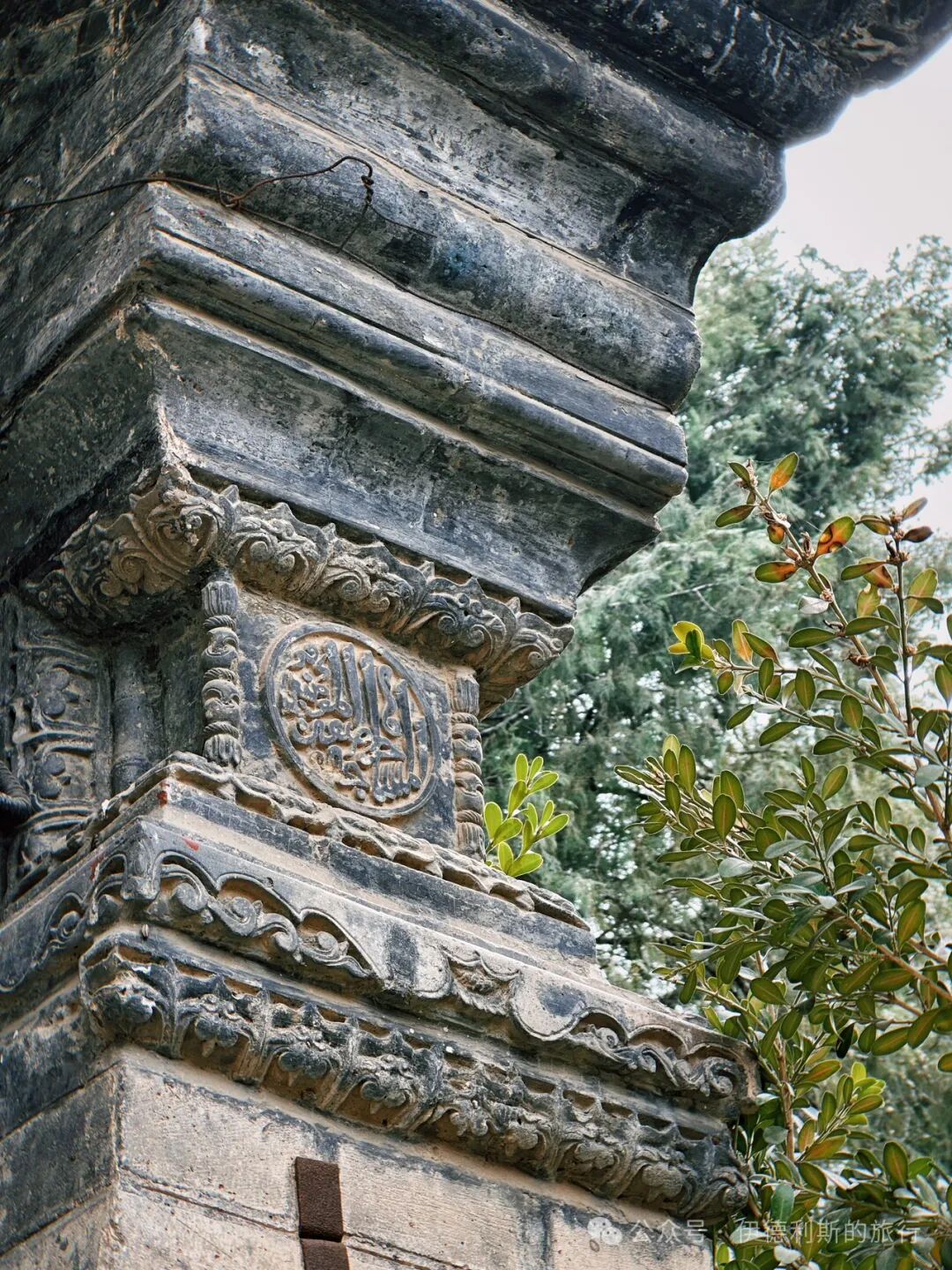
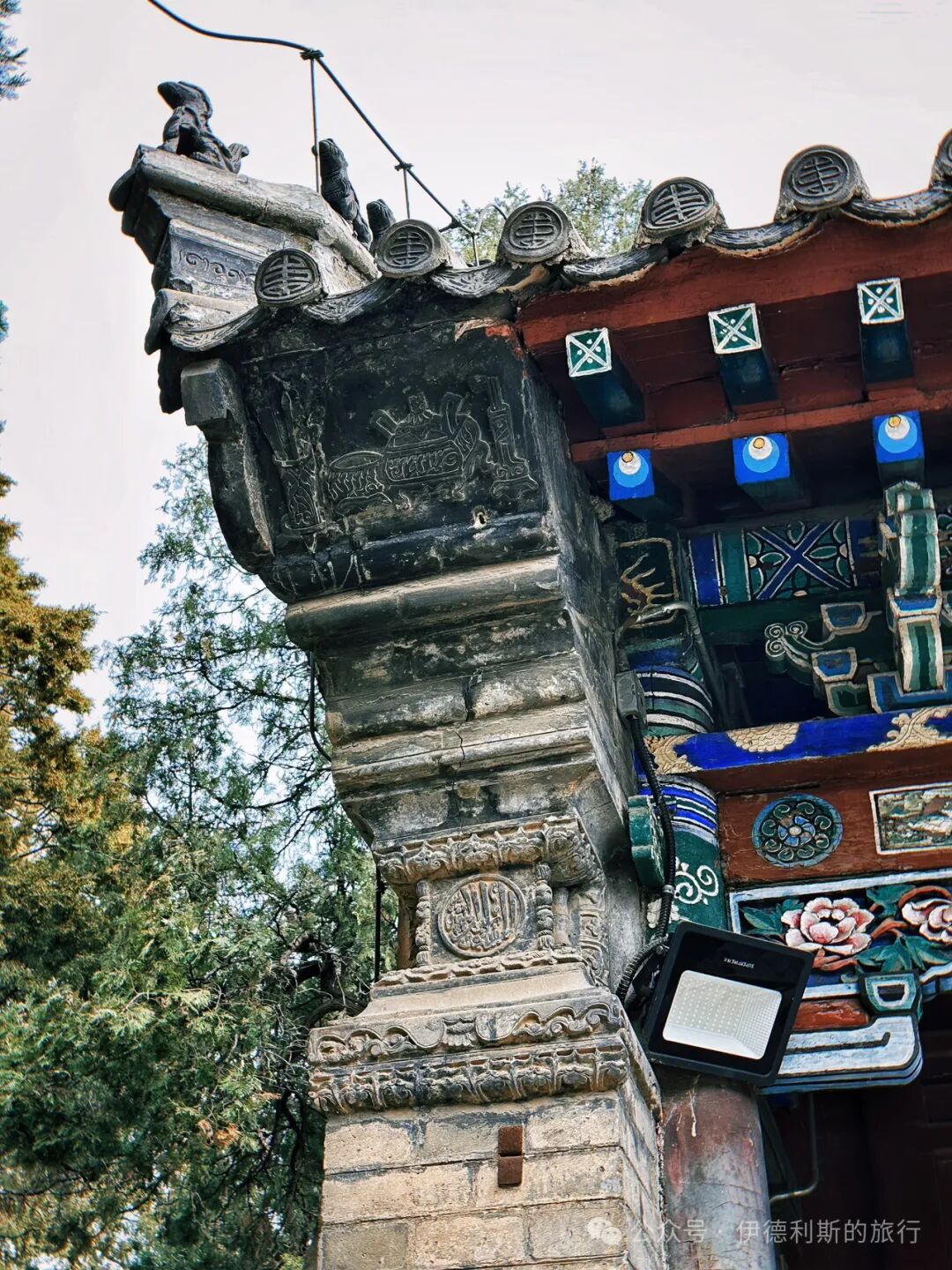
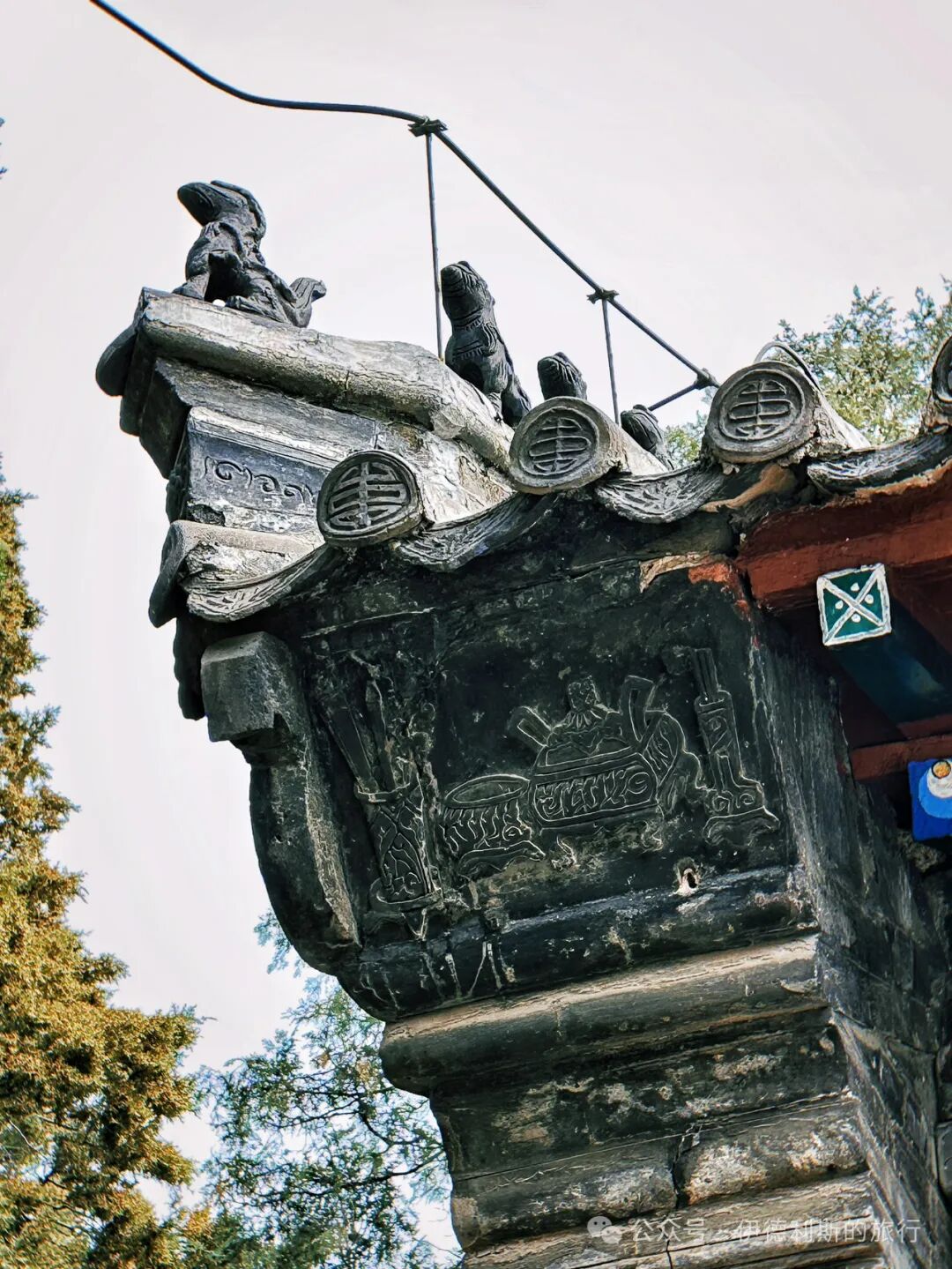
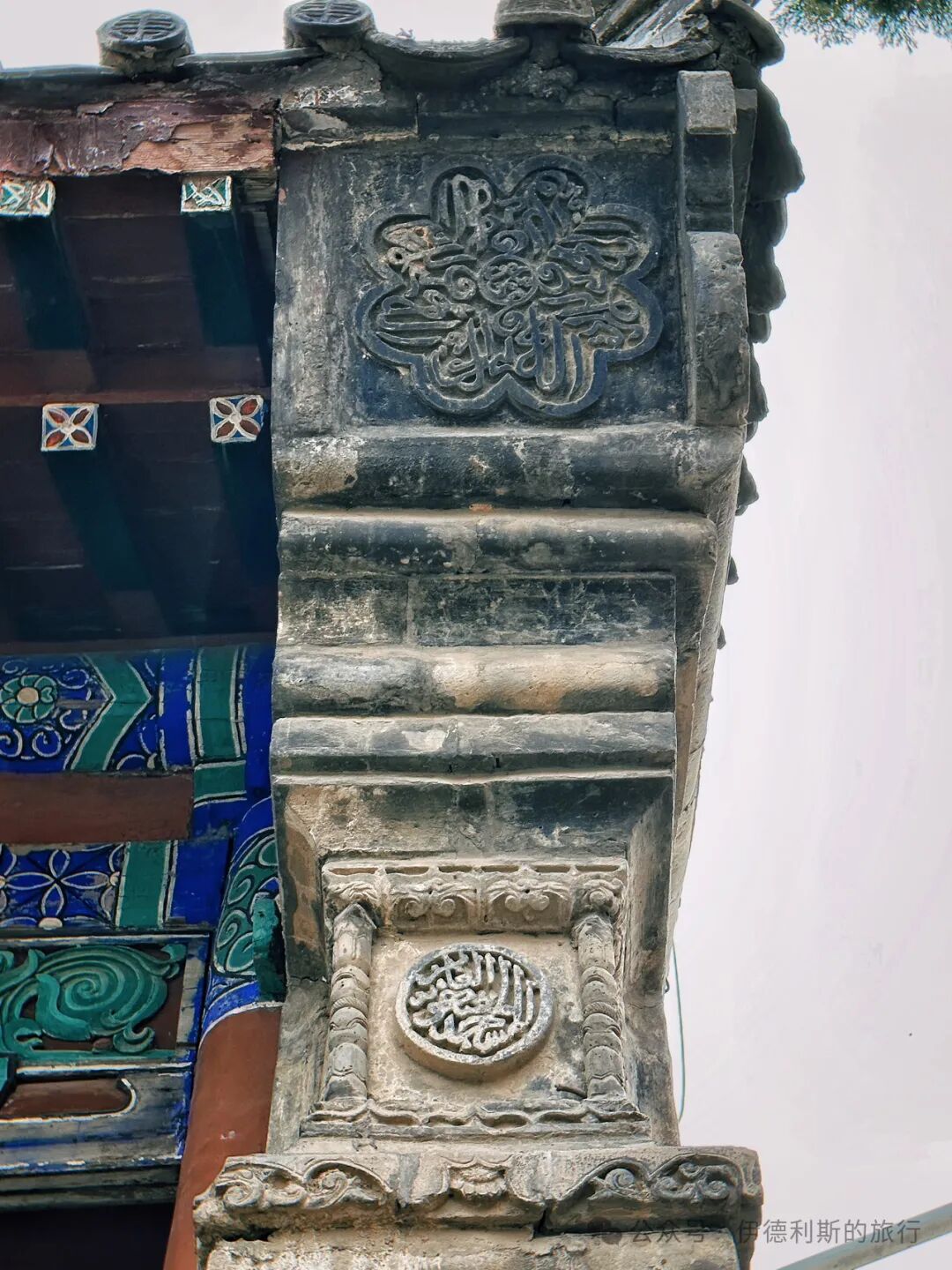
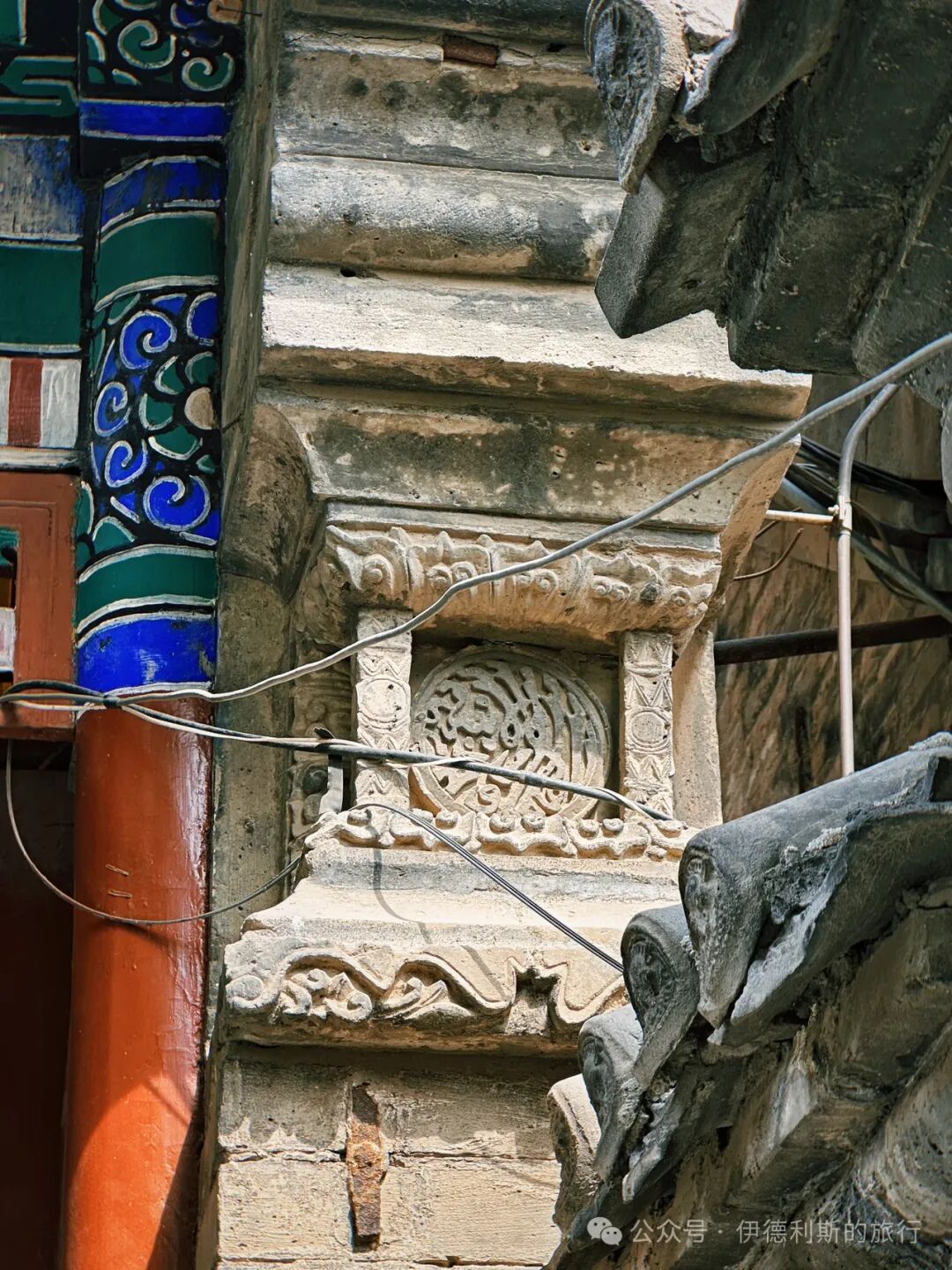
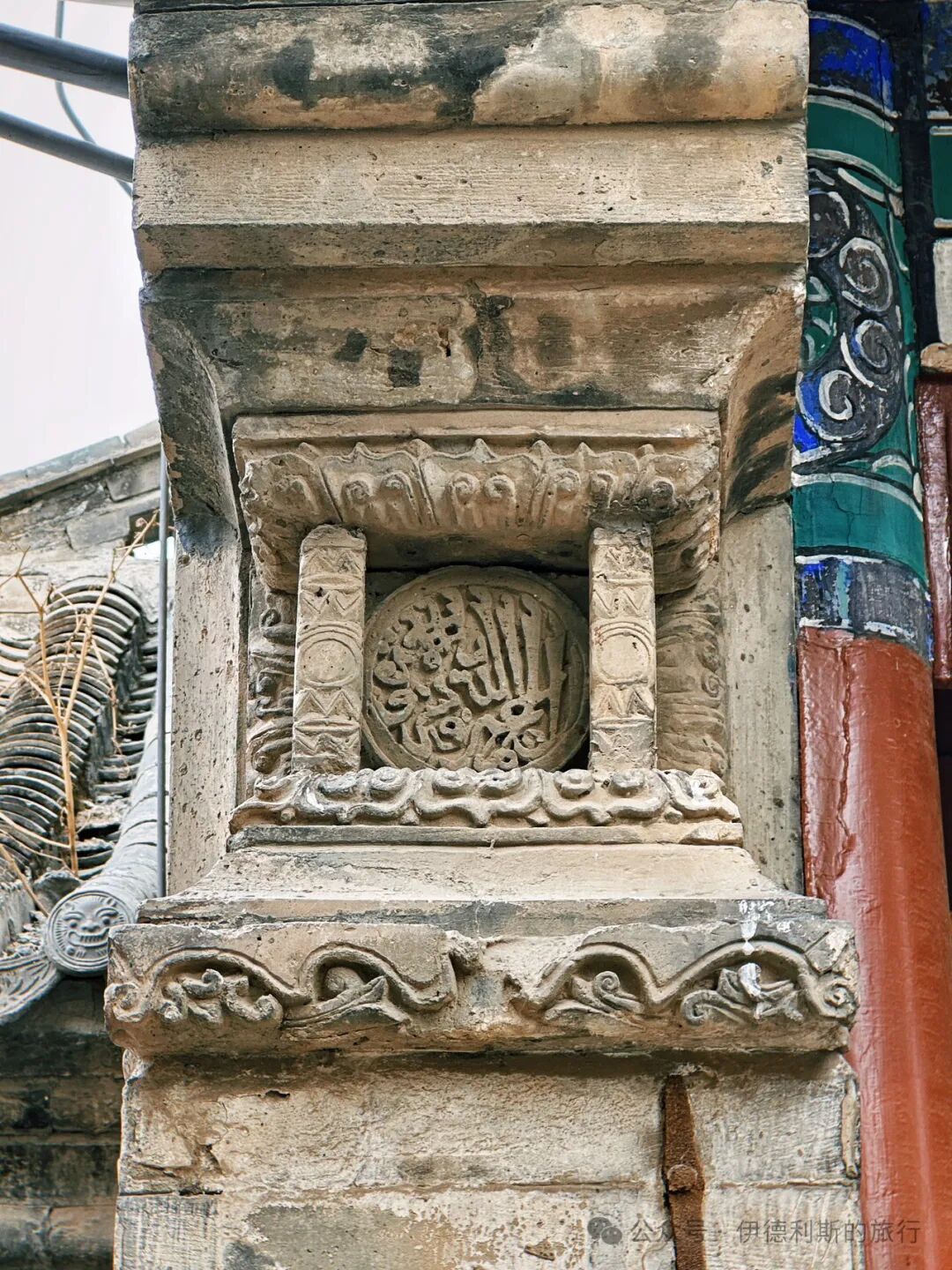
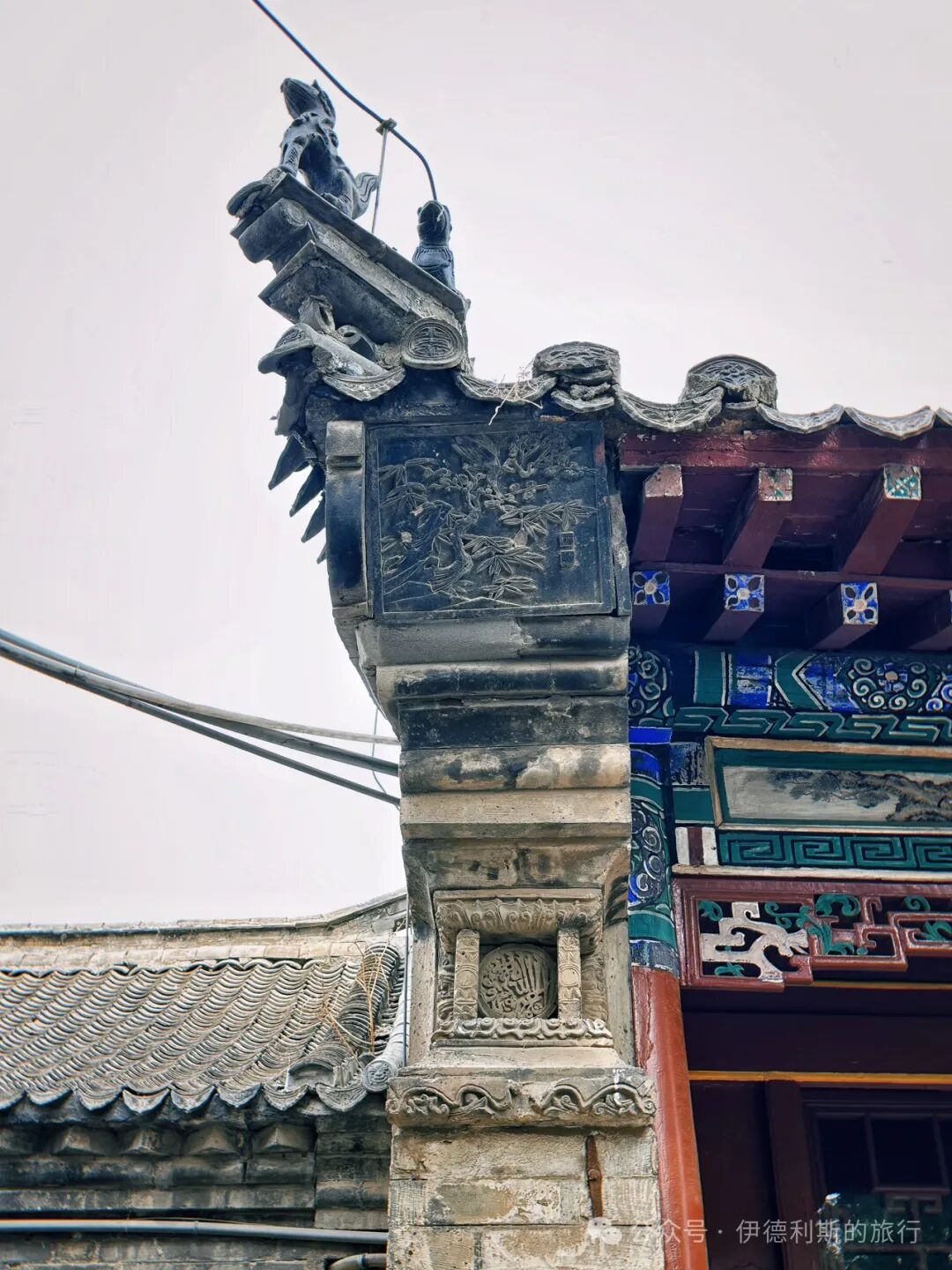
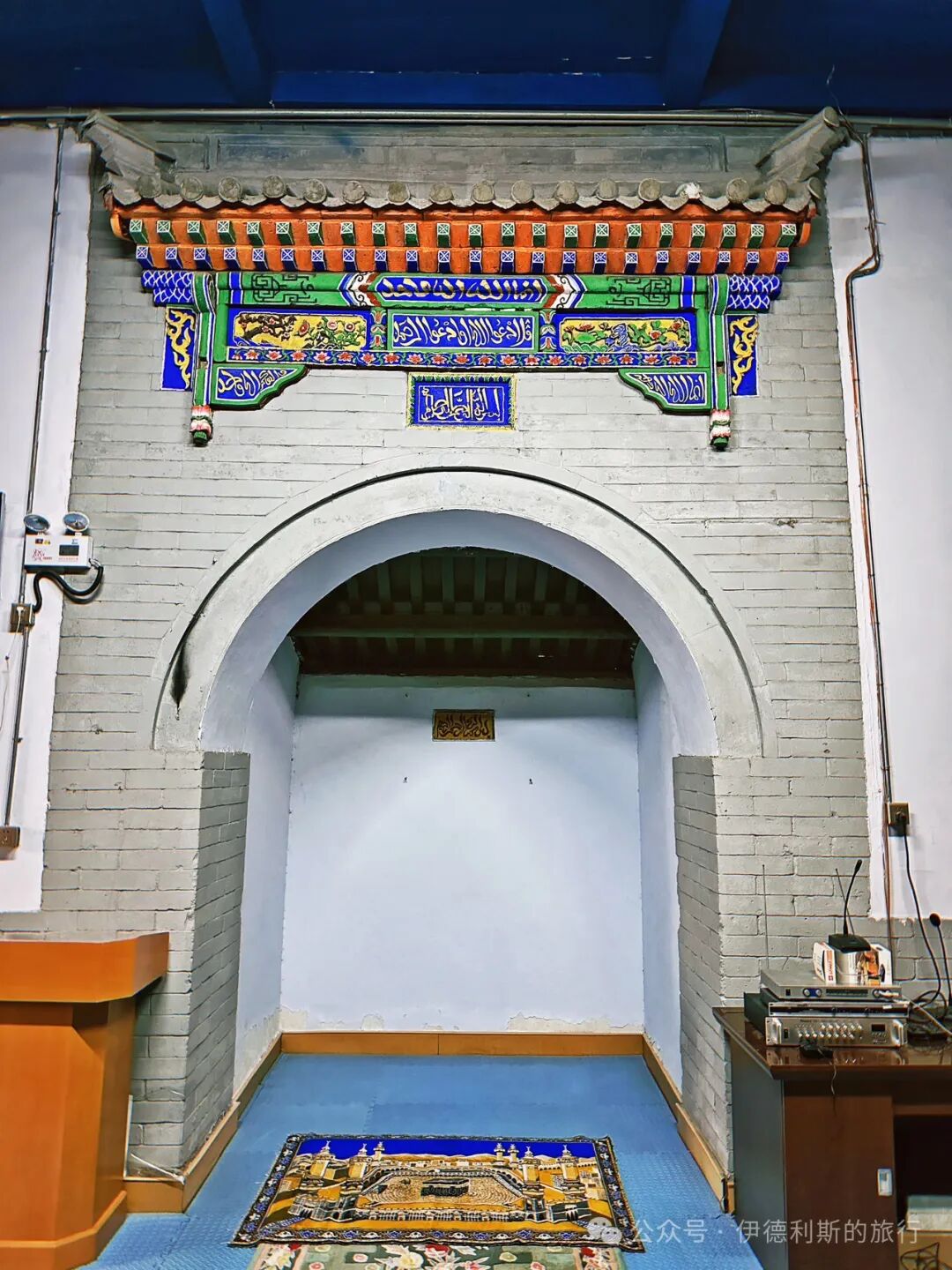
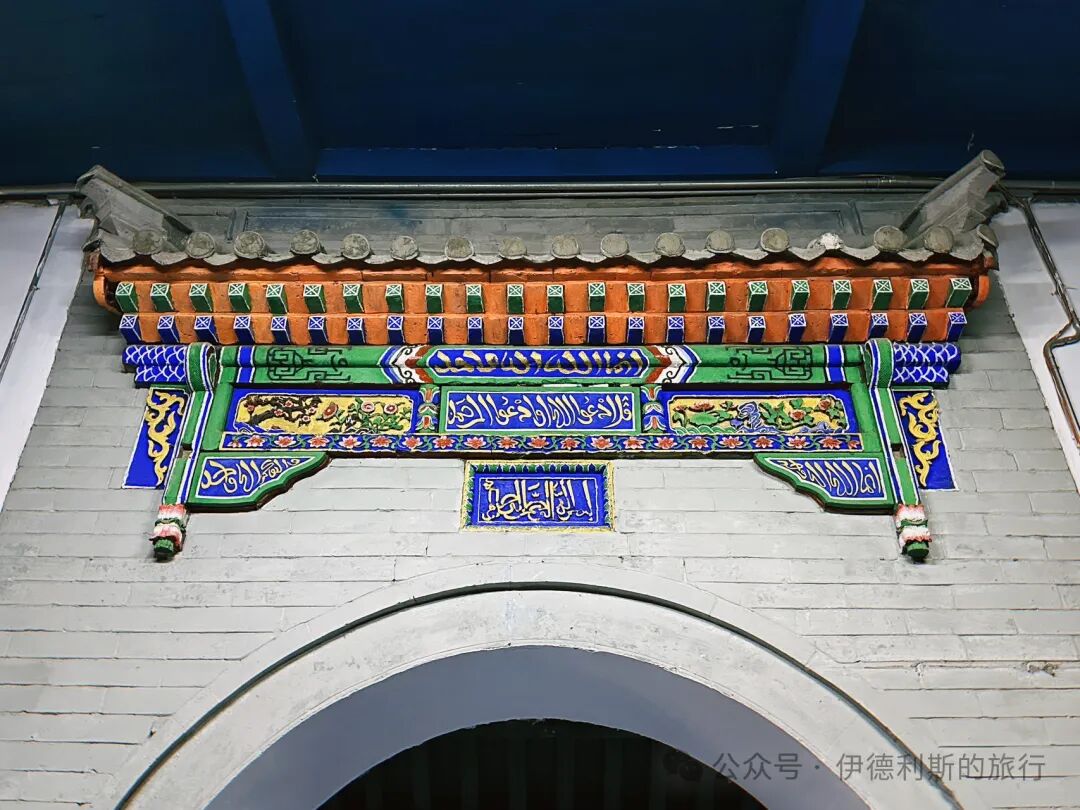
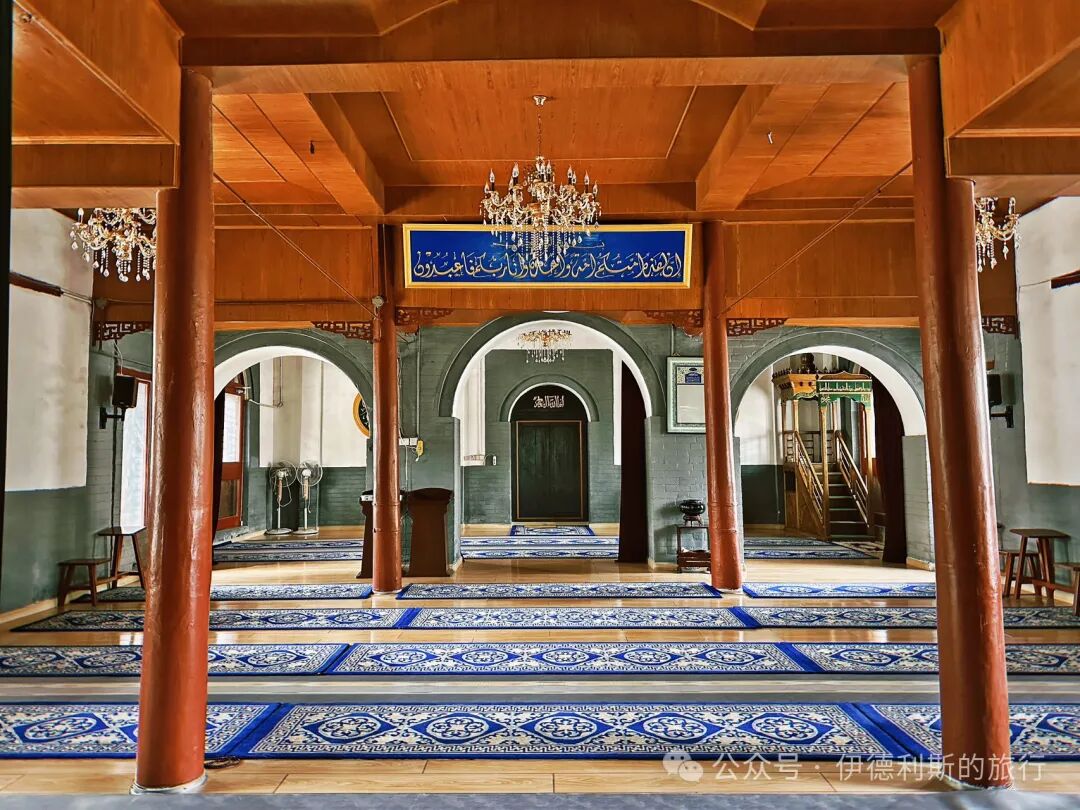
The main hall uses a beam-lifting wooden frame. In the center of the kiln hall is an arched mihrab with a single-eaved hanging-mountain style door cover above it.
Historical steles of Zhenjiao Mosque
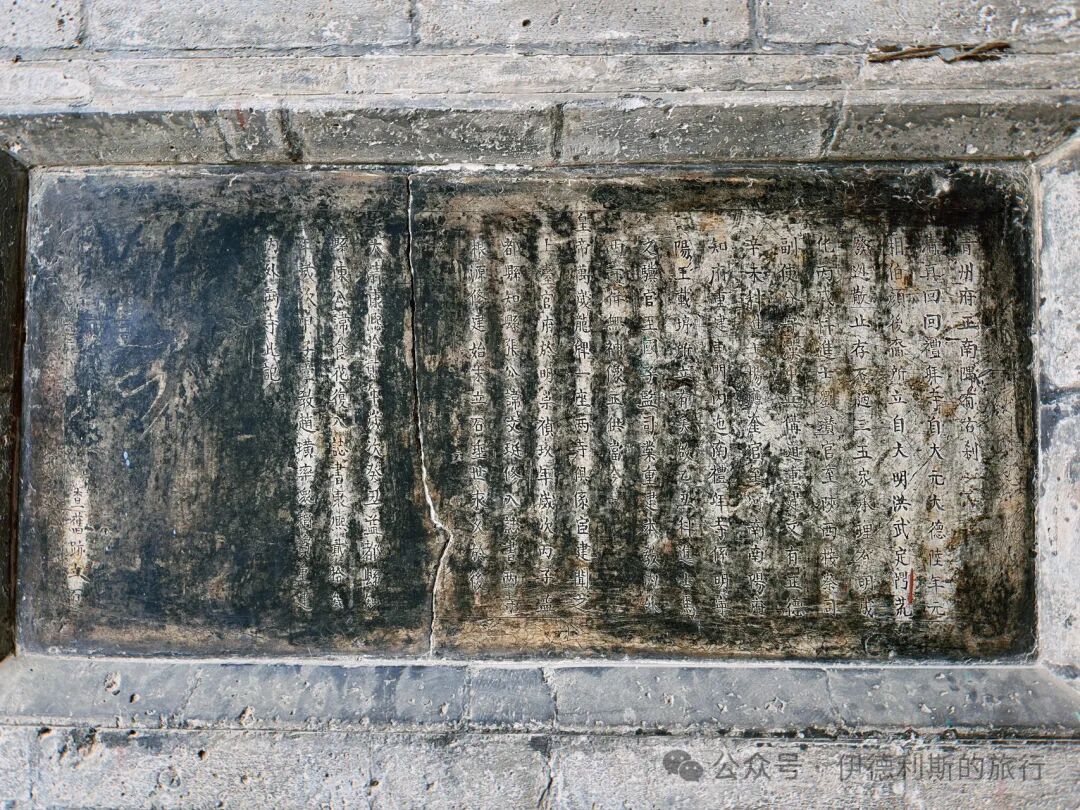
The 1684 'Qingzhou Zhenjiao Mosque Founding Stele' records the construction of Zhenjiao Mosque and Chengli Mosque, as well as the efforts of the imam Zhao Huang to rebuild both.
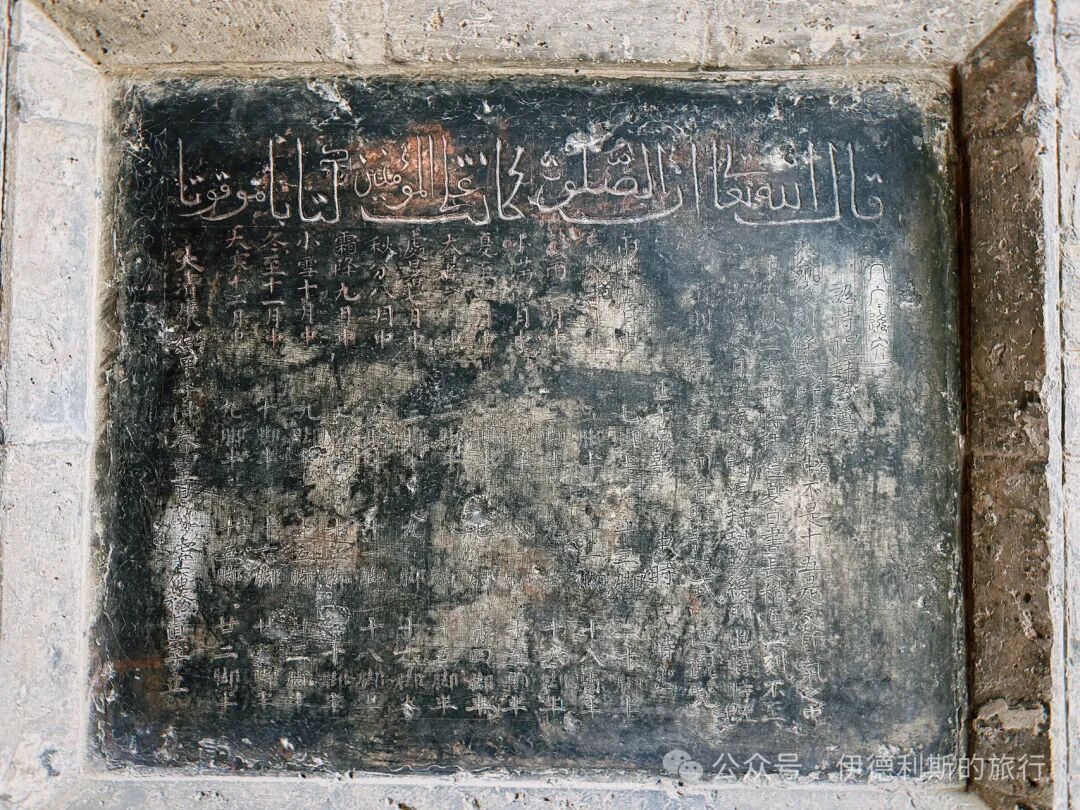
The 1684 'Prayer Time Stele' records the prayer times for the four seasons and the standards for determining prayer times based on shadows throughout the twelve months.
The 1731 'Record of the Newly Built Second Gate of Zhenjiao Mosque' records how the elder Zhang Yongsheng donated money to build the second gate during the Yongzheng reign.
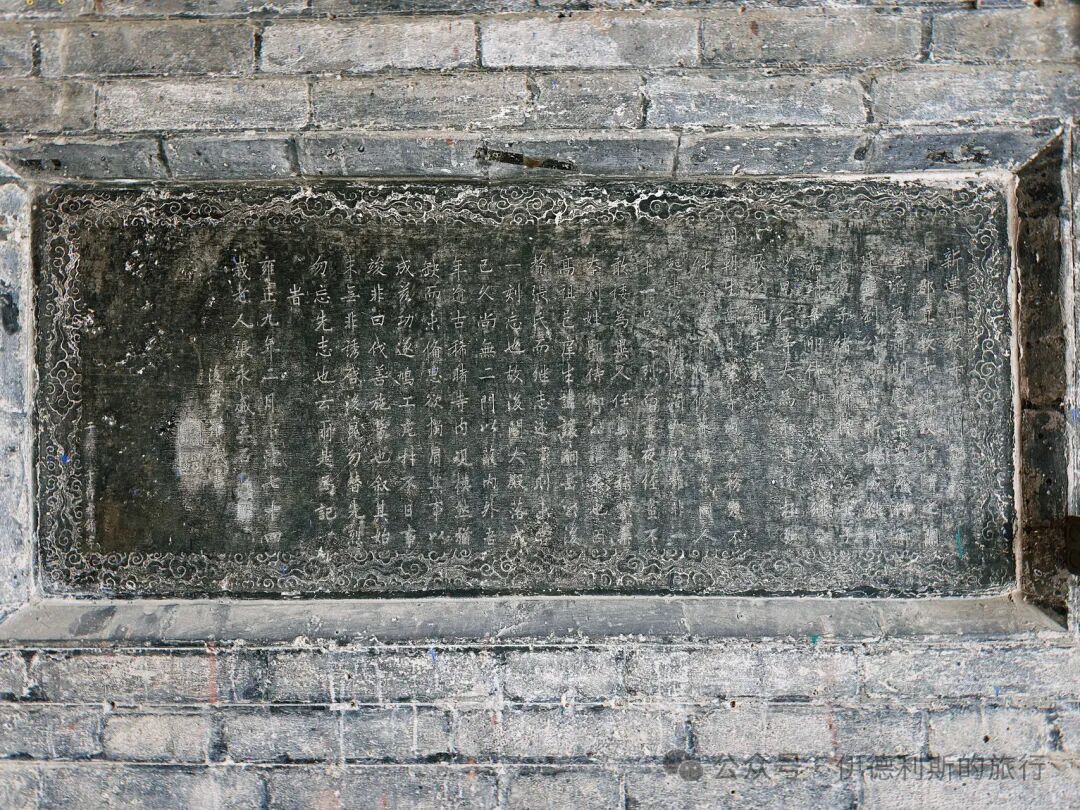
The 1758 'Record of the Rebuilding of the Second Gate of Zhenjiao Mosque' records the expansion of the second gate from one room to three rooms during the Qianlong reign.
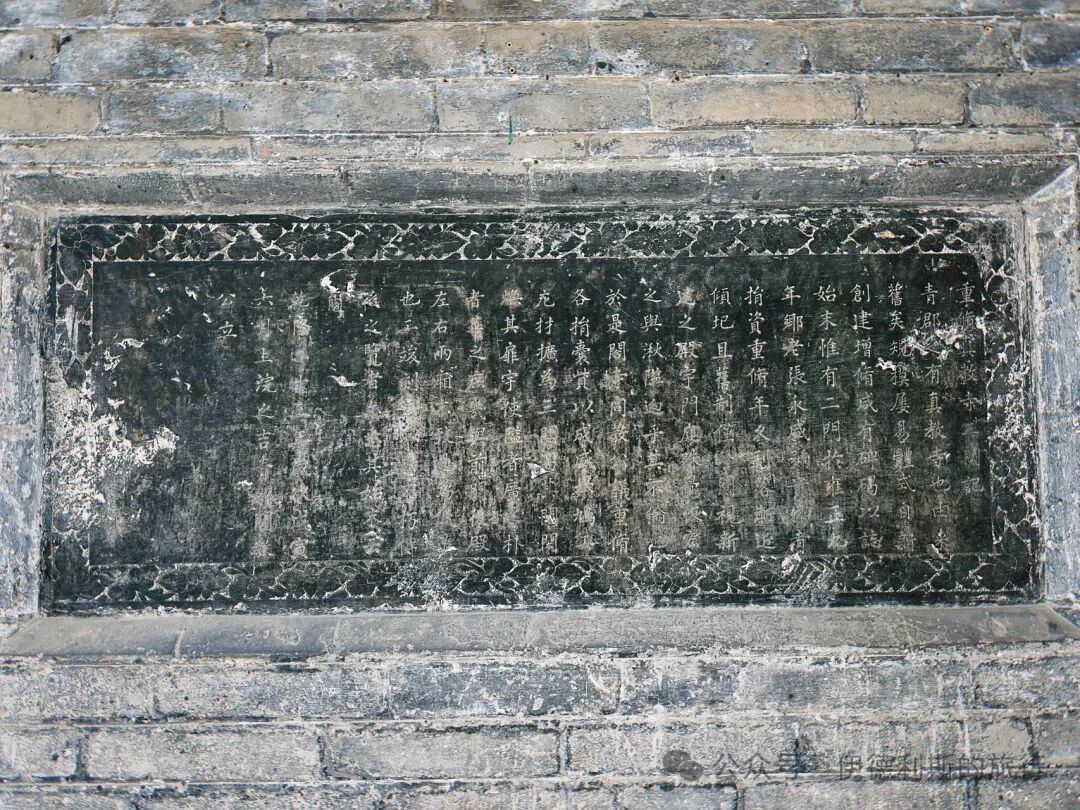
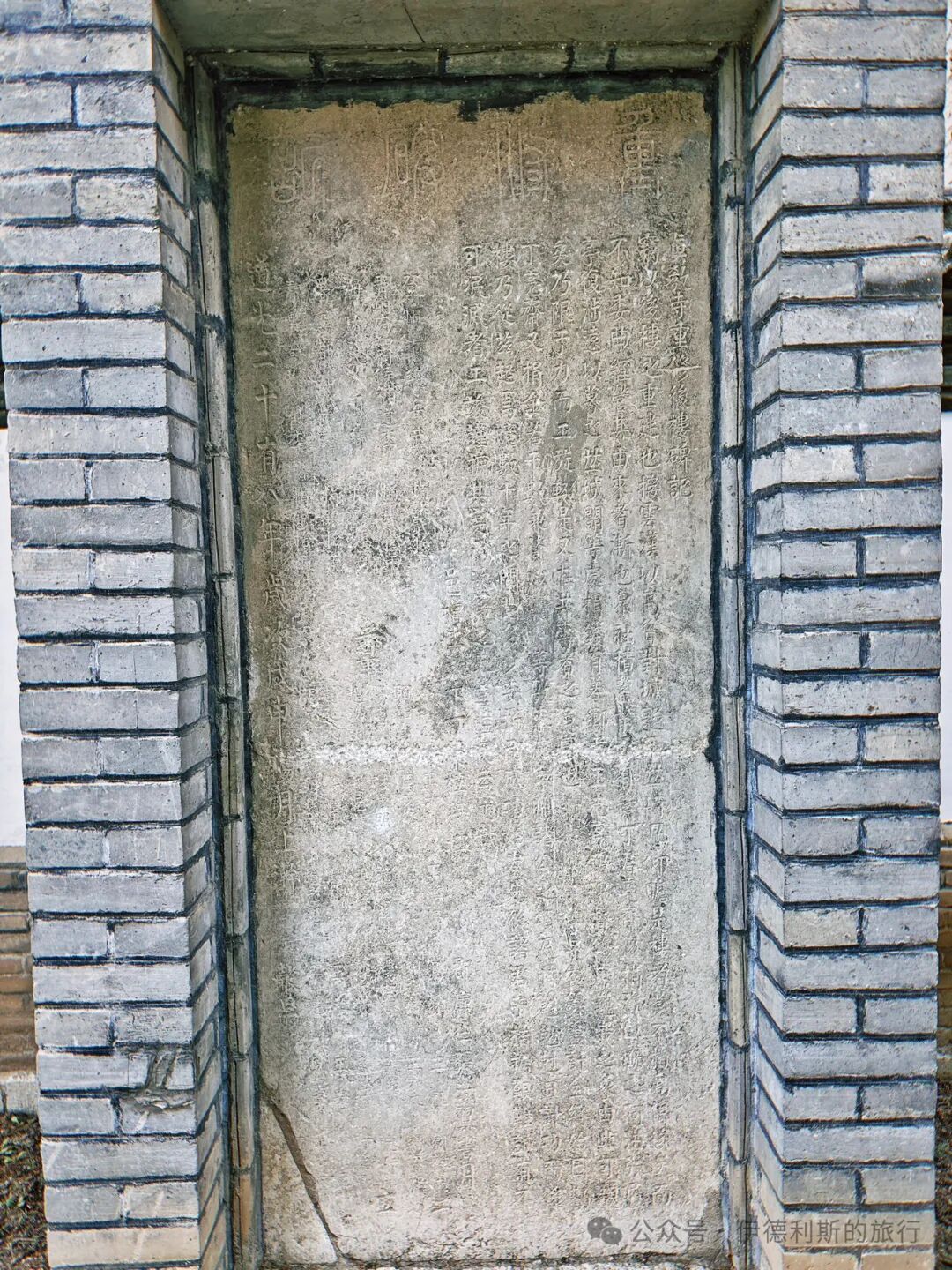
The 1848 'Stele Record of the Rebuilding of the Rear Building of Zhenjiao Mosque' records donations from local officials, including the Dengzhou Town commander and the acting magistrate of Yidu, to rebuild the rear building.
Zhaode Ancient Street
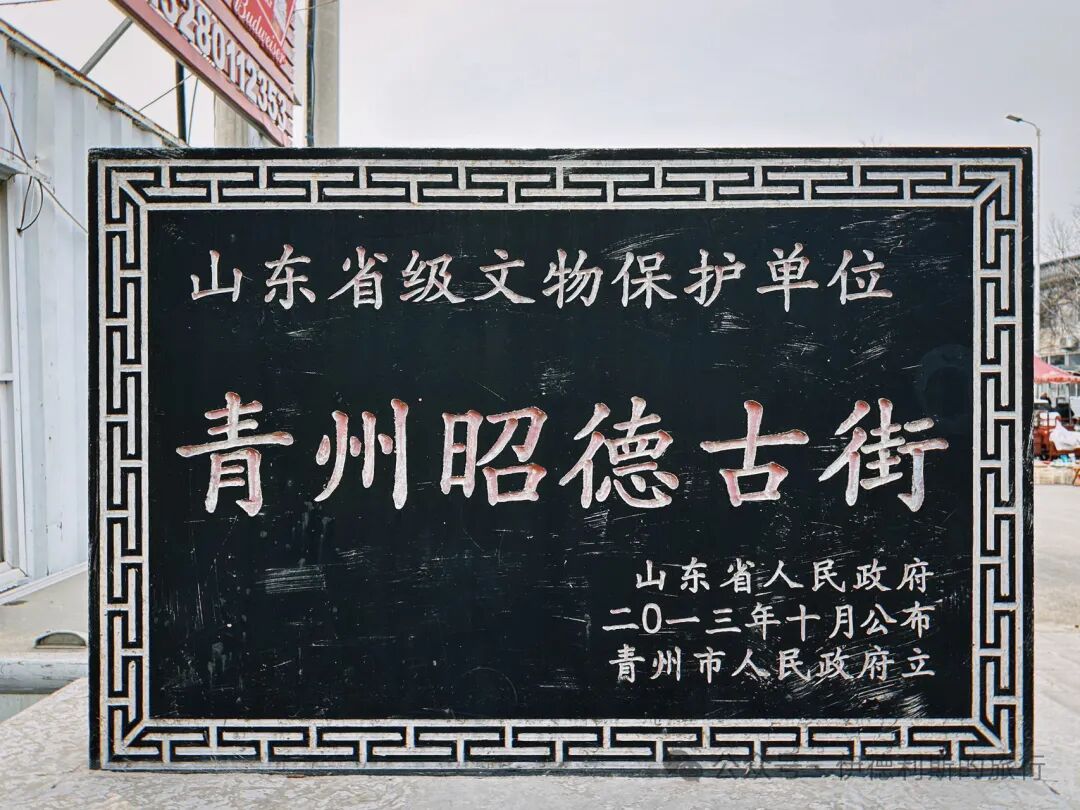
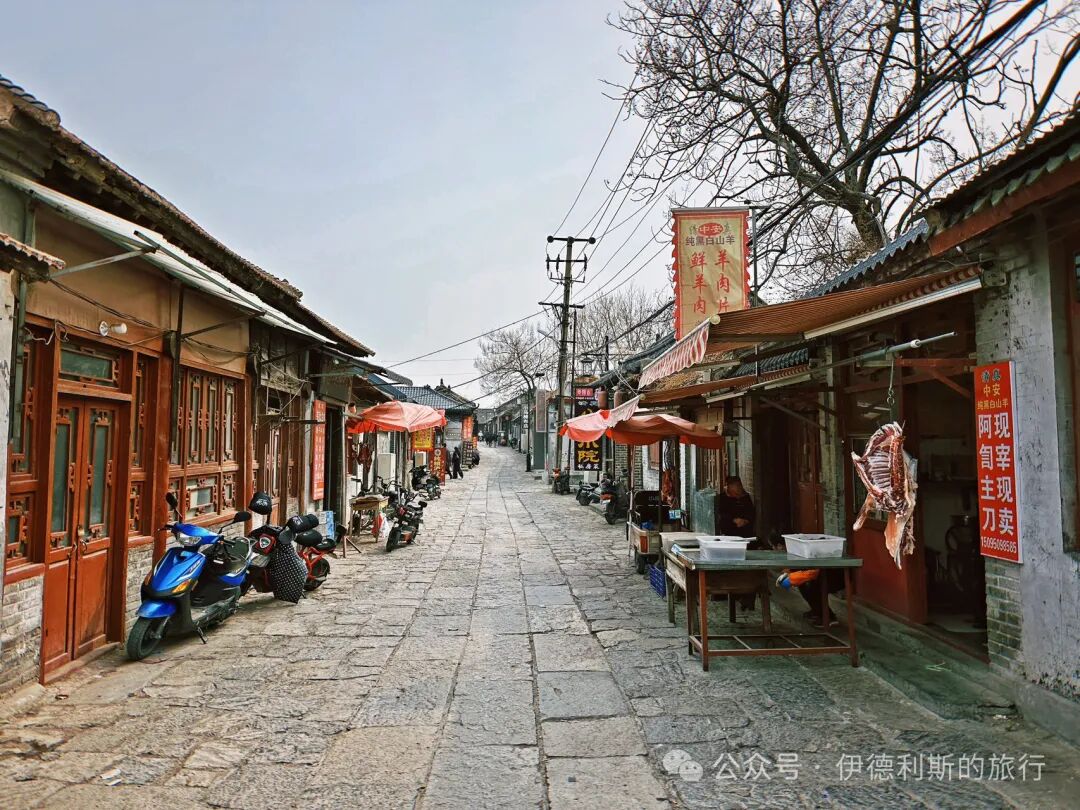
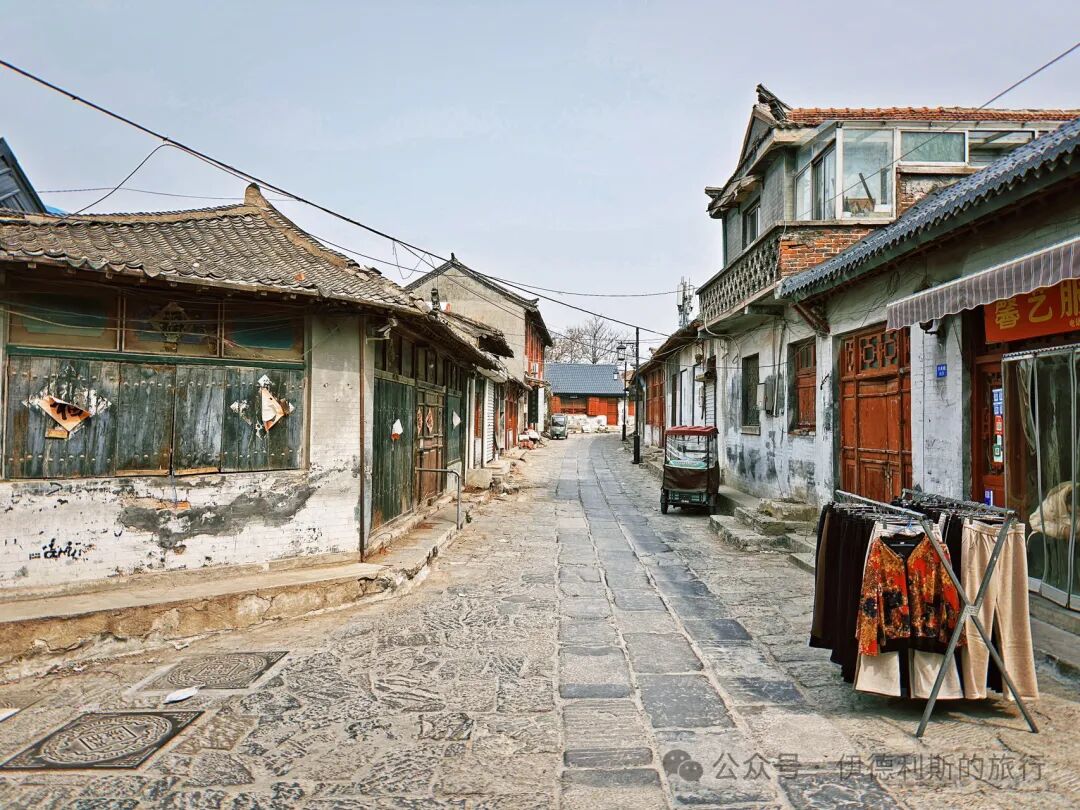
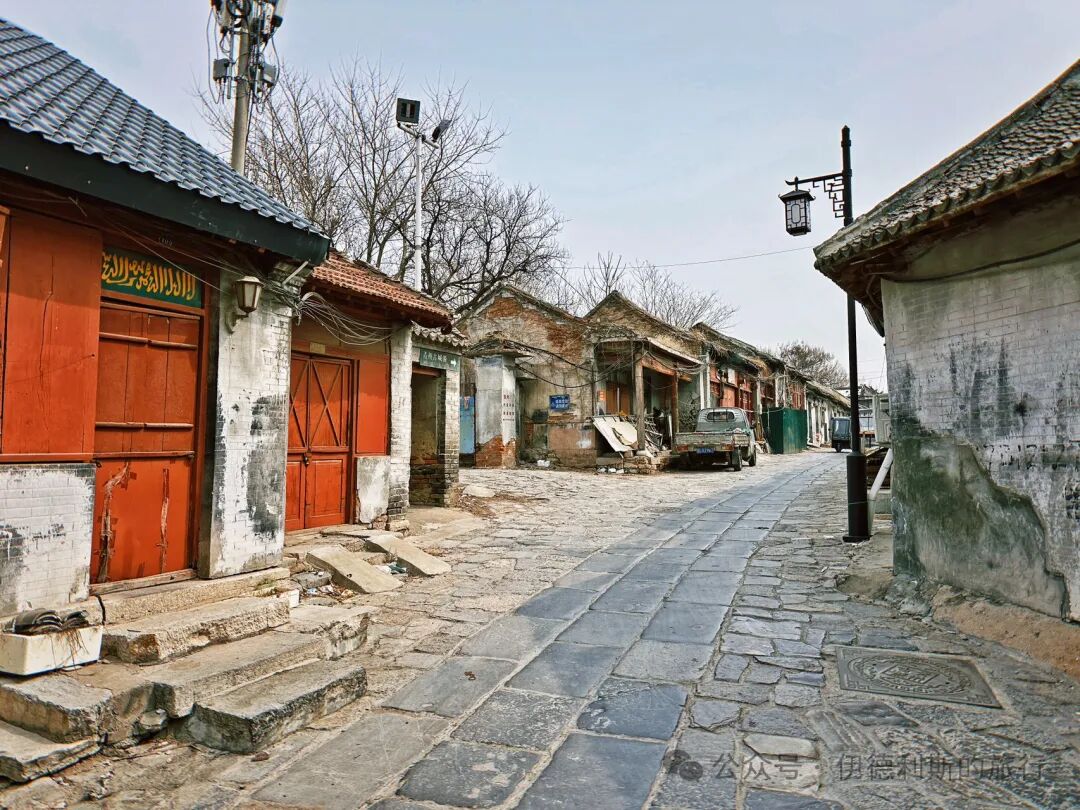
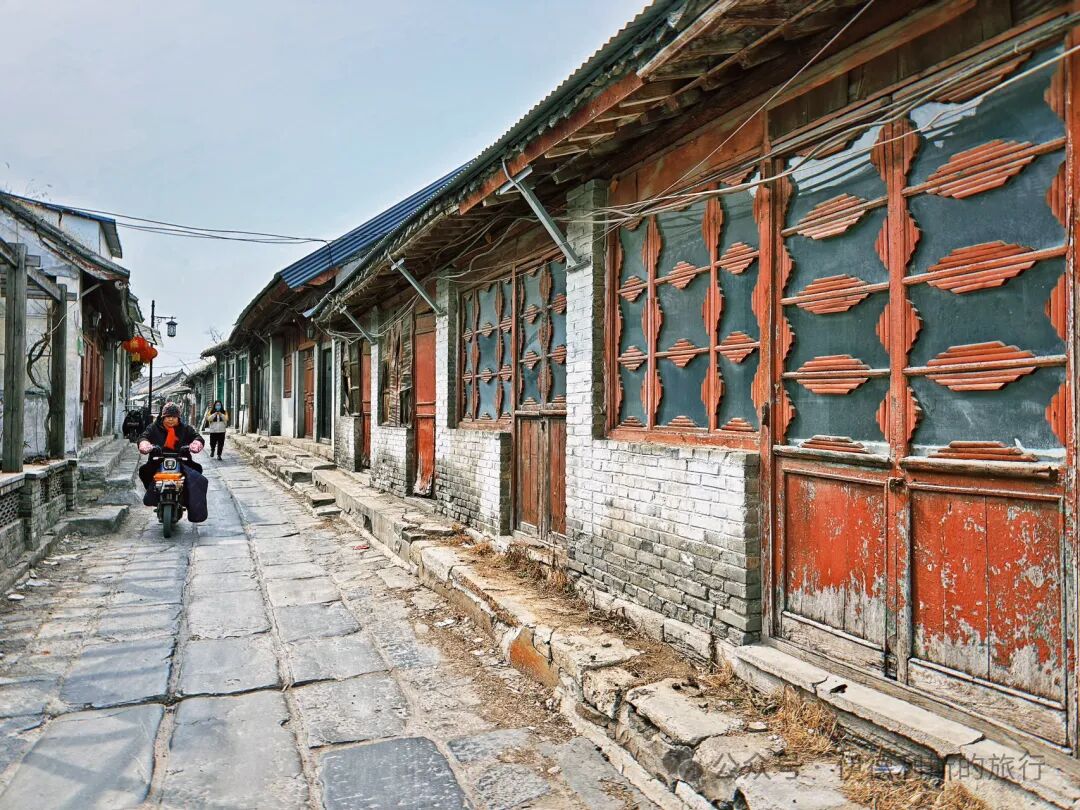
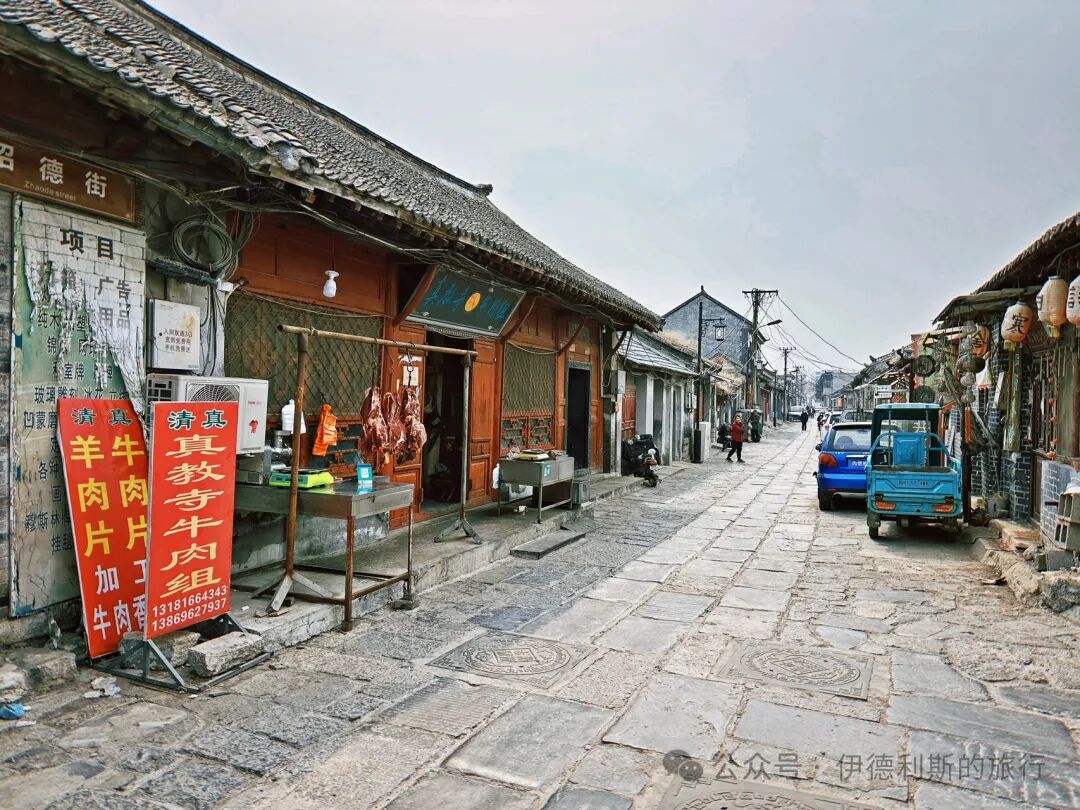
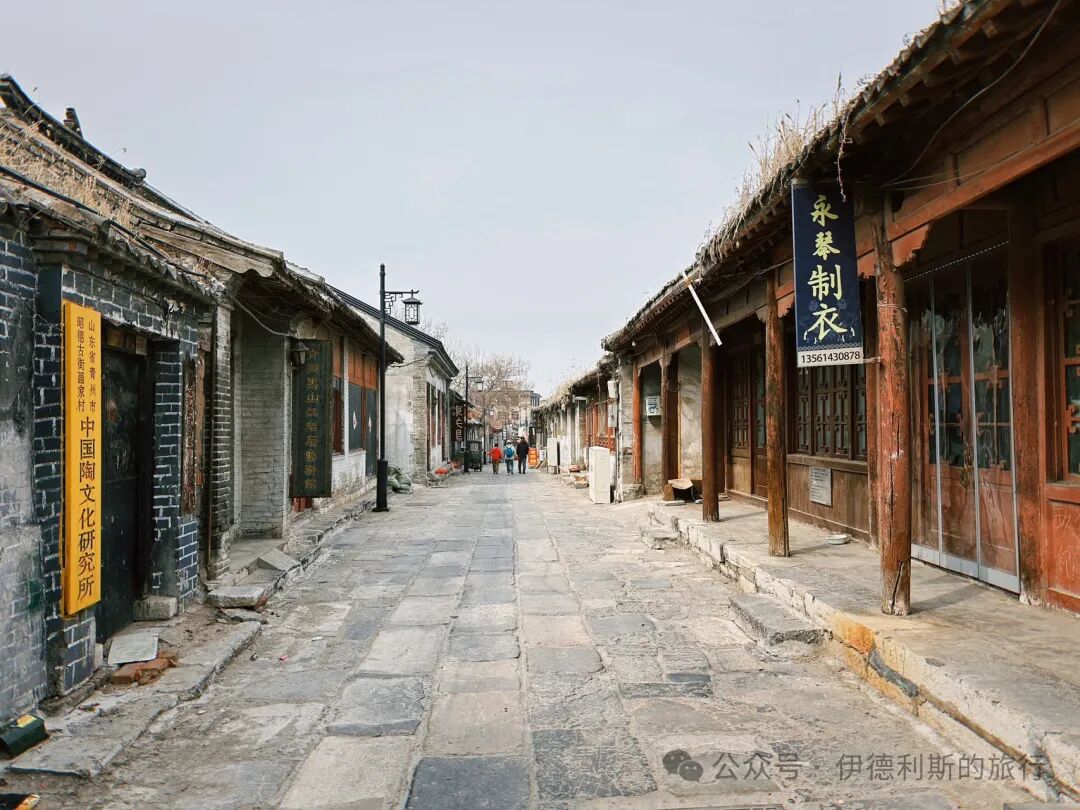
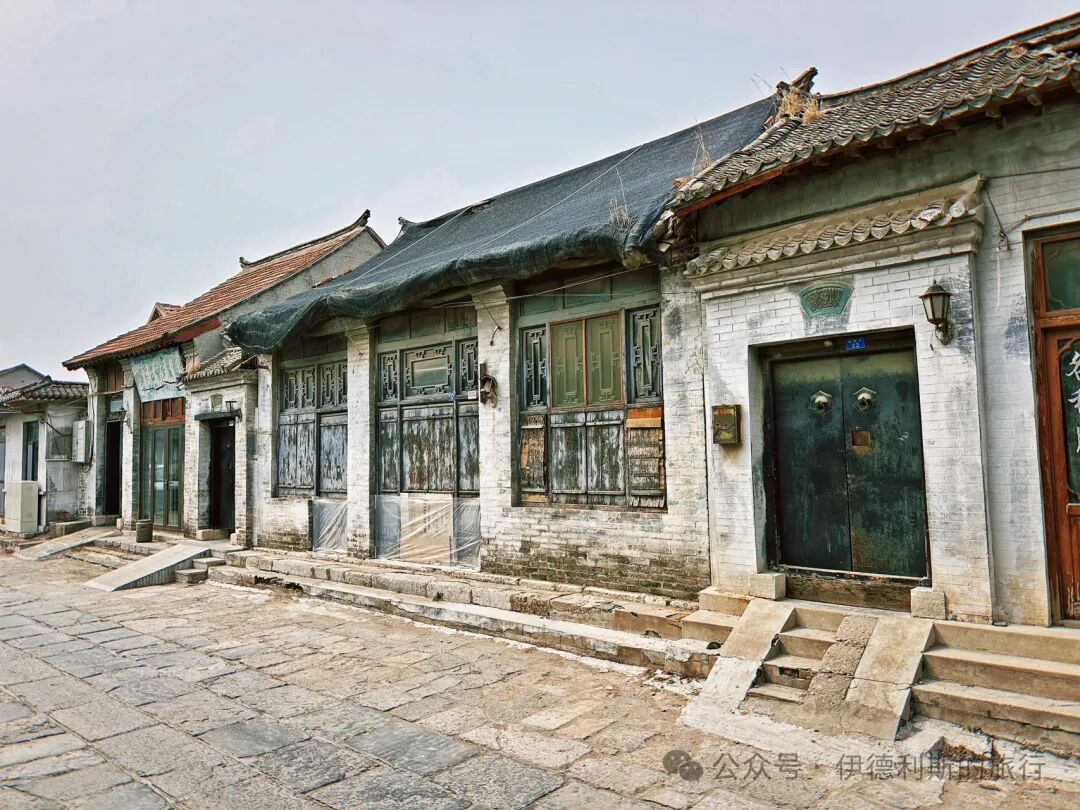
Zhaode Ancient Street, home to the True Teaching Mosque (Zhenjiao Si), is a protected cultural heritage site of Shandong Province and one of the first famous historical and cultural streets in China. It is the best-preserved ancient street for Hui Muslims in Shandong. Since the Ming and Qing dynasties, Zhaode Ancient Street has been a settlement for Hui Muslims in Qingzhou. The Zhao and Yang families among them are descendants of Prince Nasulading of Yan'an, who was the son of Prince Sai Dianchi Zhansiding of Xianyang.
The Yang family of Hui Muslims are descendants of Boyanchaer, the ninth son of Nasulading. They originally lived in the Yangshi Jiaotou area of the Yuan capital, Dadu, and took the surname Yang. They moved from Dadu to Qingzhou in the first year of the Hongwu reign of the Ming dynasty. In the sixth year of the Zhengde reign of the Ming dynasty, Yang Yingkui passed the imperial examination and later served as the prefect of Lintao Prefecture in Shaanxi and Nanyang Prefecture in Henan.
the ancestors of the Ma family on Dongguan Grain Market Street lived in Shizi Hutong outside the Qianmen Gate in Beijing.
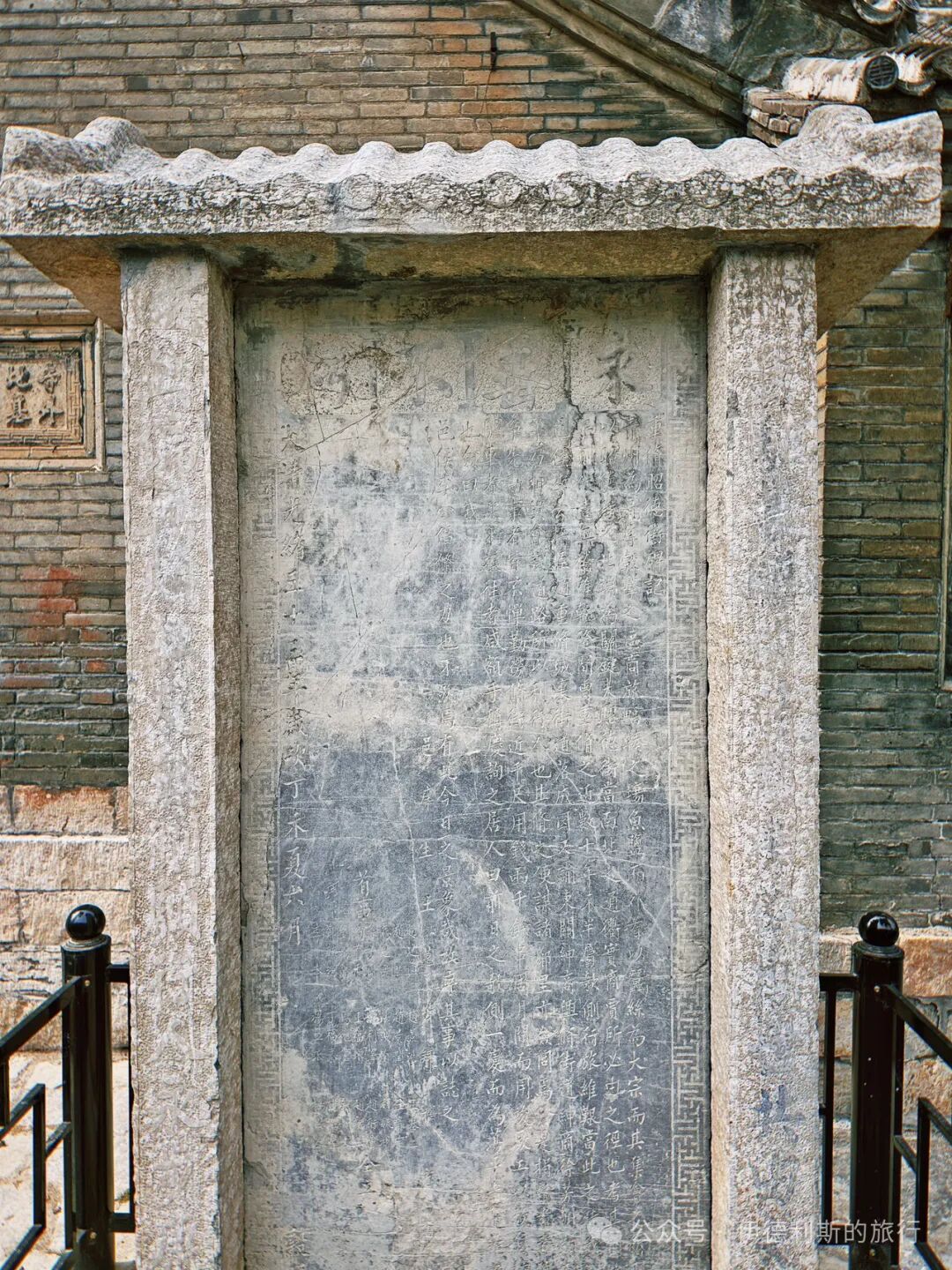
In front of the True Teaching Mosque in Qingzhou stands the Stele Record of the Renovation of Zhaode Street from the 33rd year of the Guangxu reign, which records the renovations of Zhaode Street during the Qianlong and Guangxu periods:
Qingzhou is a bustling area where people and carriages crowd the roads and merchants gather. Besides fish and salt, silk is the primary commodity. The northern end of Zhaode Street is the key location for these gatherings. Zhaode Street sits on the main north-south thoroughfare and is a path that merchants must take. As for the year it was founded, it is too long ago to verify. It was only renovated during the Qianlong period. In recent decades, it has become half-collapsed, making travel difficult. At that time, our local magistrate, Li Gongyichen, had just finished renovating the streets inside the city, so he ordered the gentry and merchants of the East Gate to renovate the street. Gentry and merchants Xu Fang, Hu Xiang, and others met to discuss it. Roads exist to benefit travelers, so they discussed the repairs with their neighbors, and everyone agreed, with donors eagerly stepping forward first. Those in charge worked tirelessly, repairing nearly 1,000 feet of street, spending over 2,000 strings of cash, and finishing the work within a month. Because of this, those carrying loads, those driving carts, and the bustling crowds all cheered in relief. When asked, the residents said: 'Who is responsible for changing the collapsed road of the past into this smooth path?' Everyone said, 'It is us.'
'It is the power of Magistrate Li's initiative to repair it; otherwise, how could we have this scene today?' Therefore, I record these events to commemorate them.
Written by local student Wang Huifang.
Jointly established by twenty-four people including Zhao, Ma, Xu, Ju, Liu, Zheng, Li, Fa, Wang, Ma, Ding, Yang, and Zhang.
An auspicious day in the sixth lunar month of the Dingwei year, the 33rd year of the Guangxu reign of the Great Qing Dynasty.
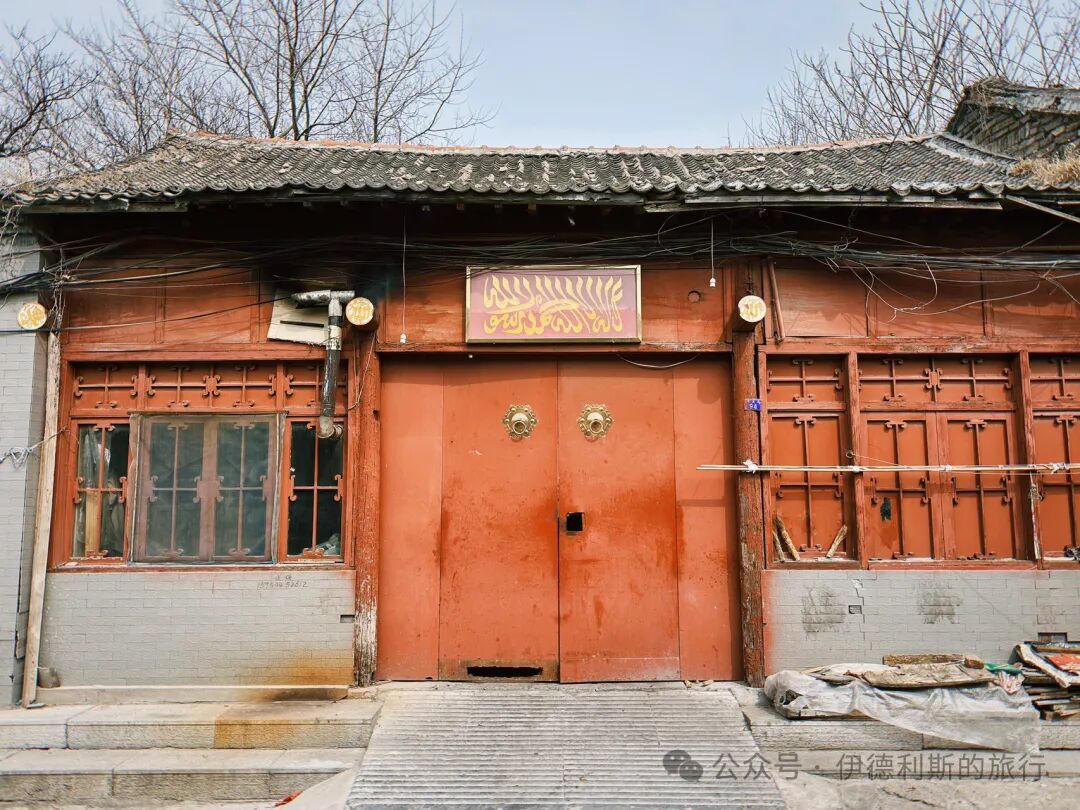
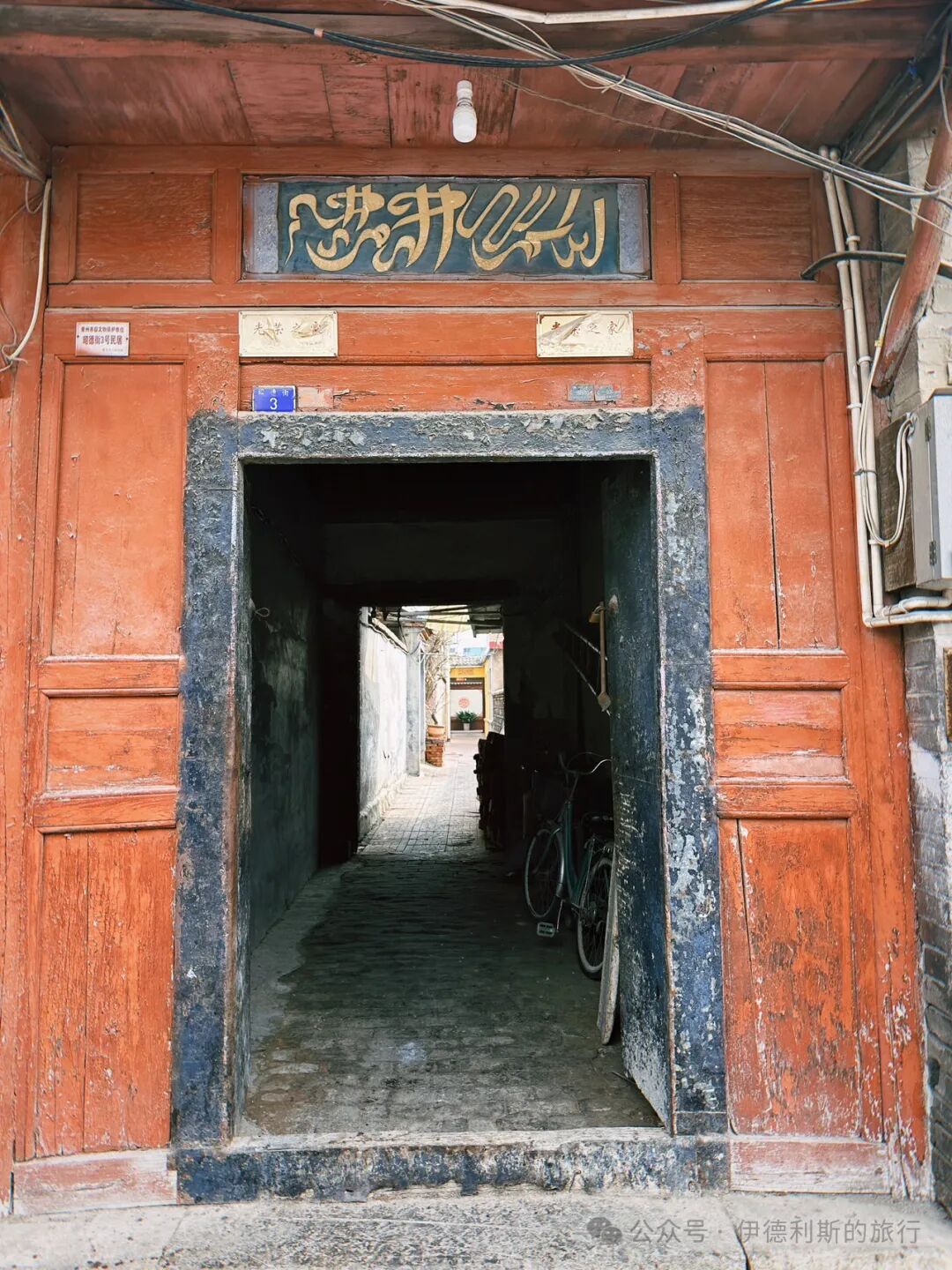
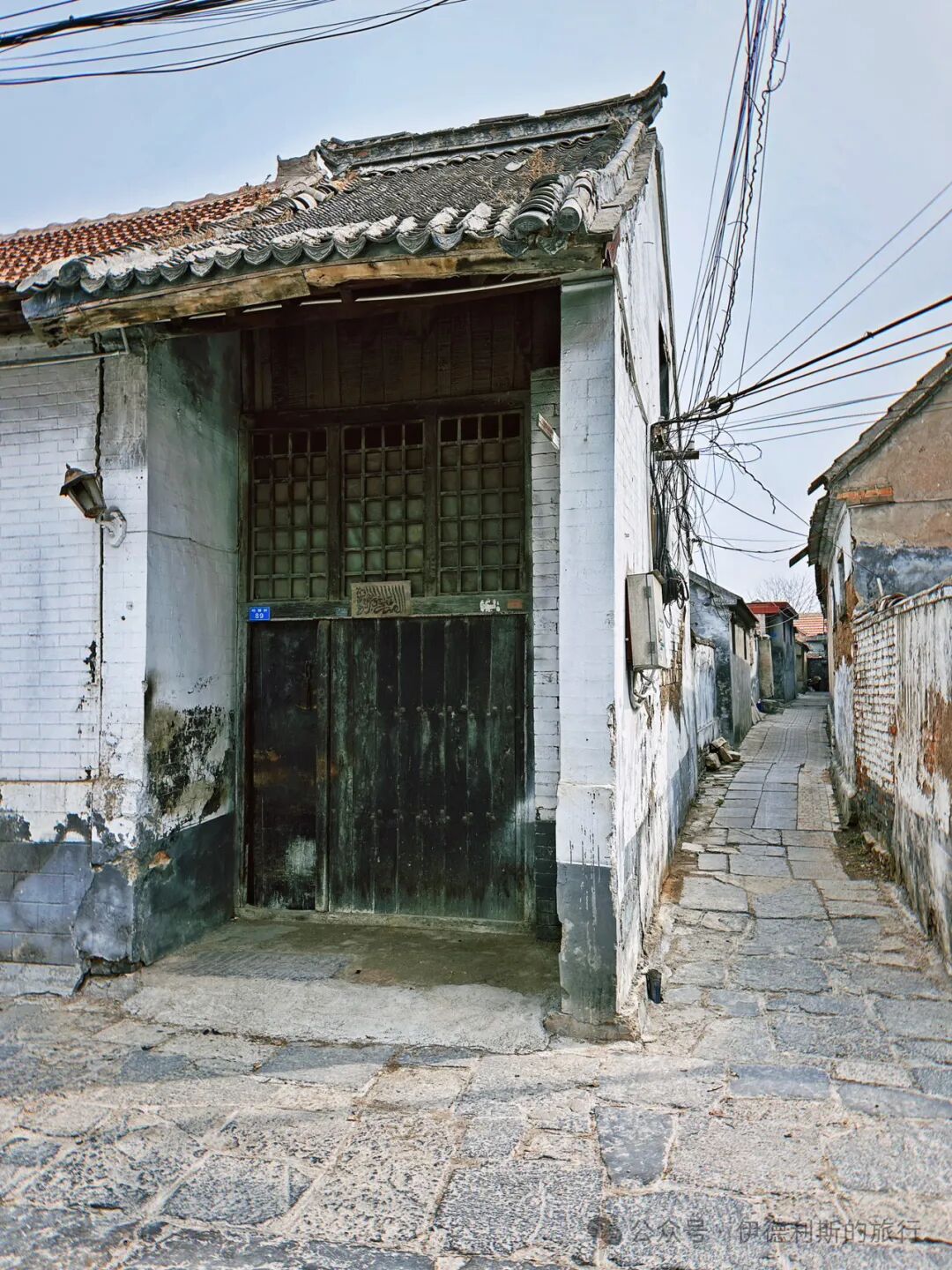
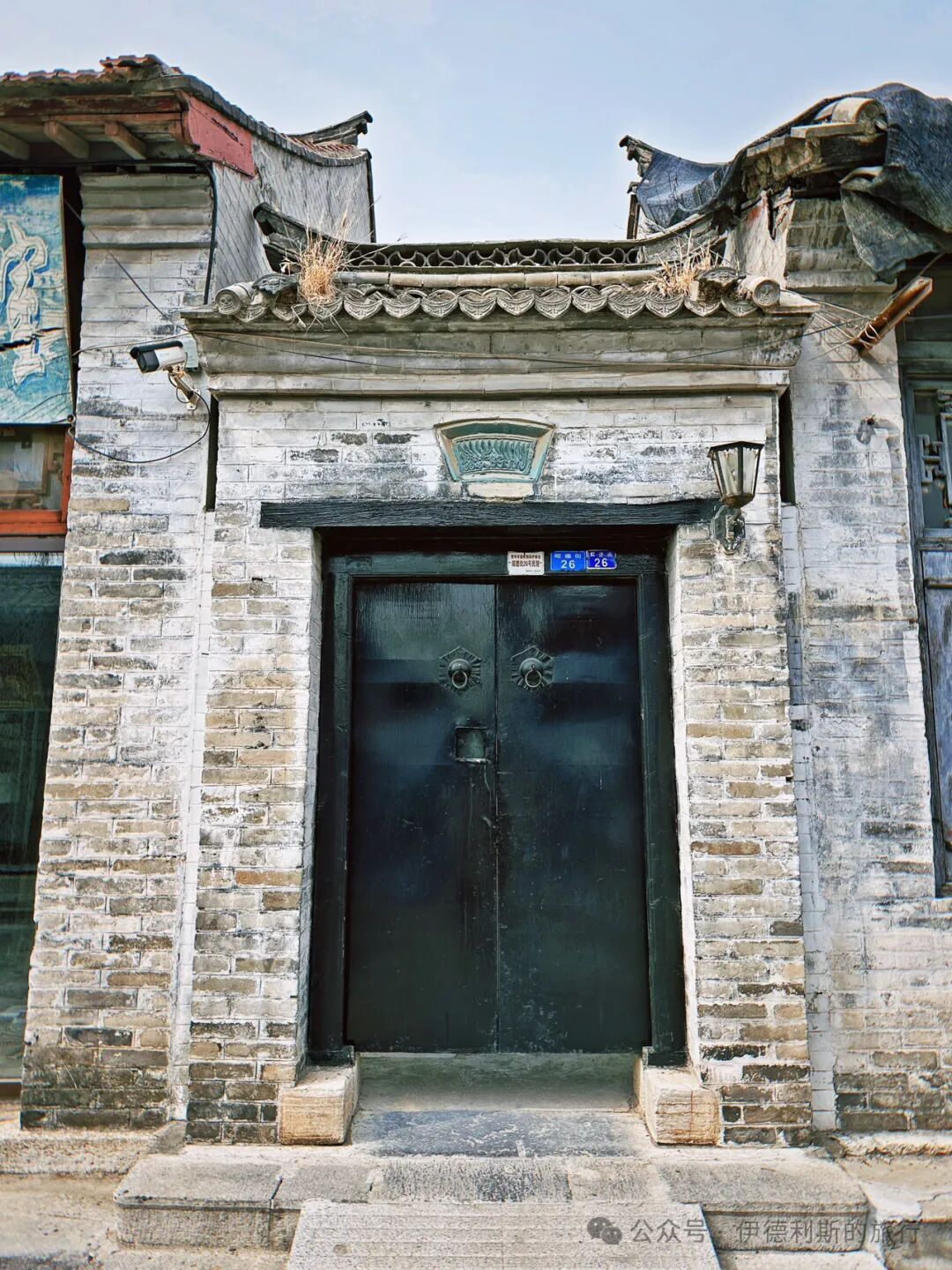
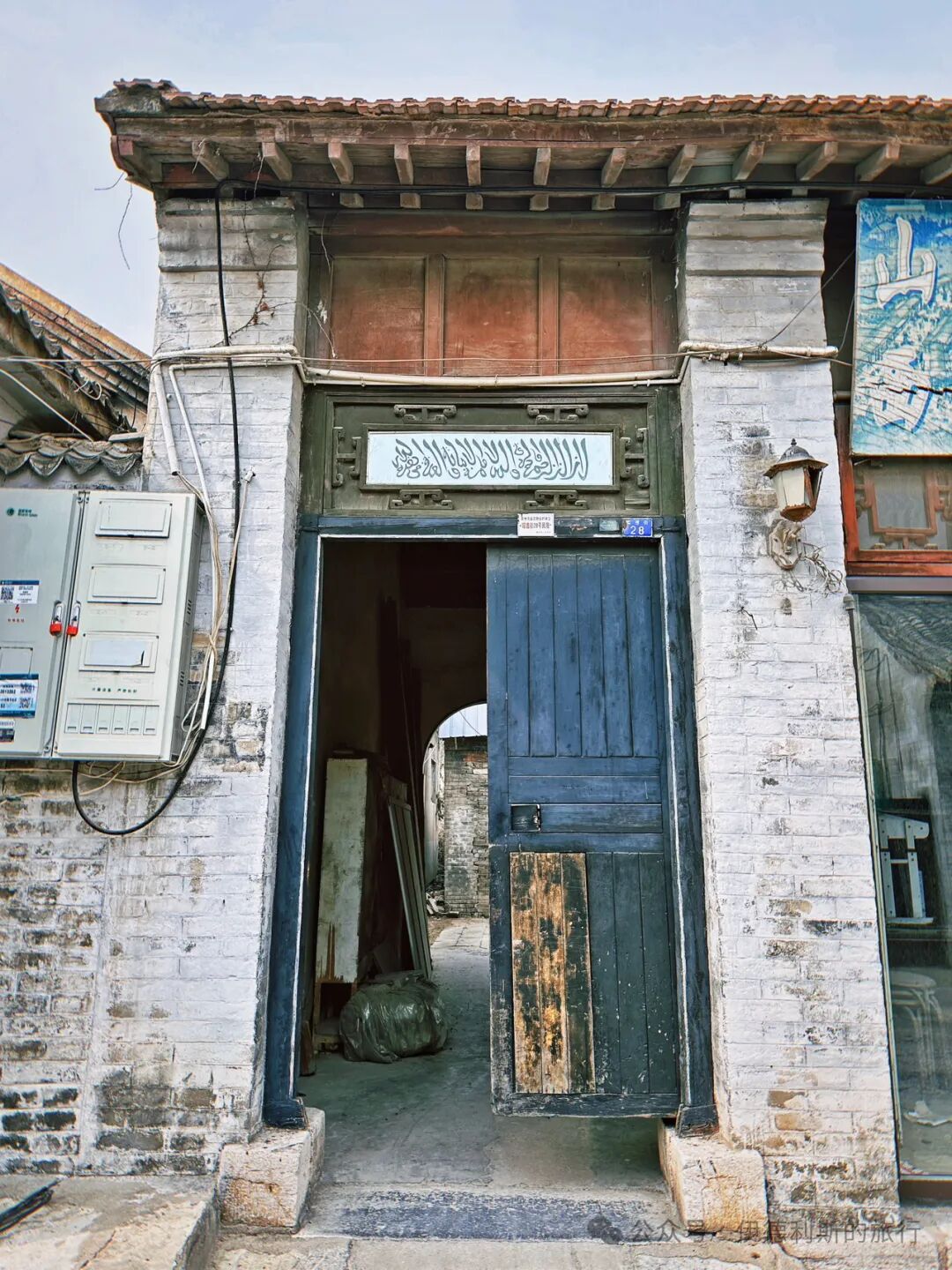
City Mosque (Chengli Si).
Qingzhou City Mosque sits south of the East Gate in Qingzhou. It originally stood right next to the Qingzhou Prefecture city wall. Later, the wall was torn down to make way for Yunmenshan South Road, so it is also called Yunmenshan South Road Mosque.
Qingzhou city originally had only one mosque, the True Teaching Mosque (Zhenjiao Si). Because the East Gate closed early and late, it was very inconvenient for the local Hui Muslims. In 1546 (the 25th year of the Jiajing reign of the Ming Dynasty), they raised money to buy a residential plot belonging to the Tao family in Taojia Lane inside the East Gate and officially built the City Mosque. In 1625 (the 5th year of the Tianqi reign of the Ming Dynasty), Ma Zhiji, a director at the Imperial Academy, renovated it. In 1690 (the 29th year of the Kangxi reign), the imam Zhao Huang led the community to renovate it again.
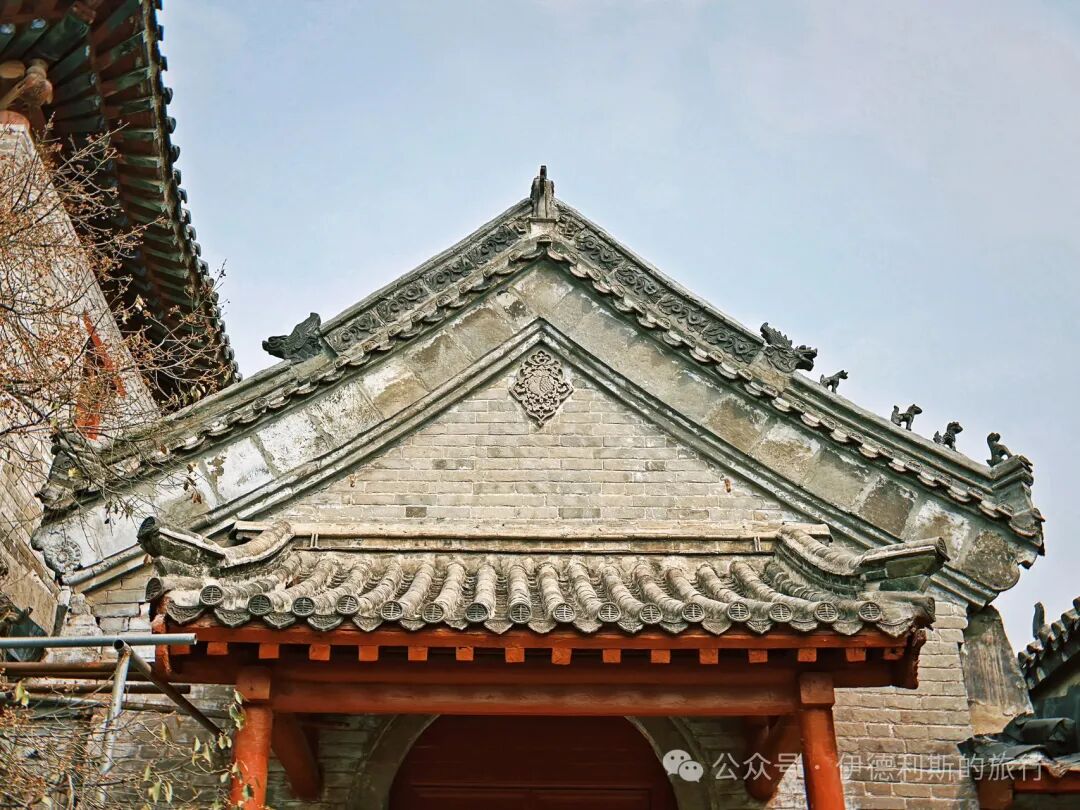
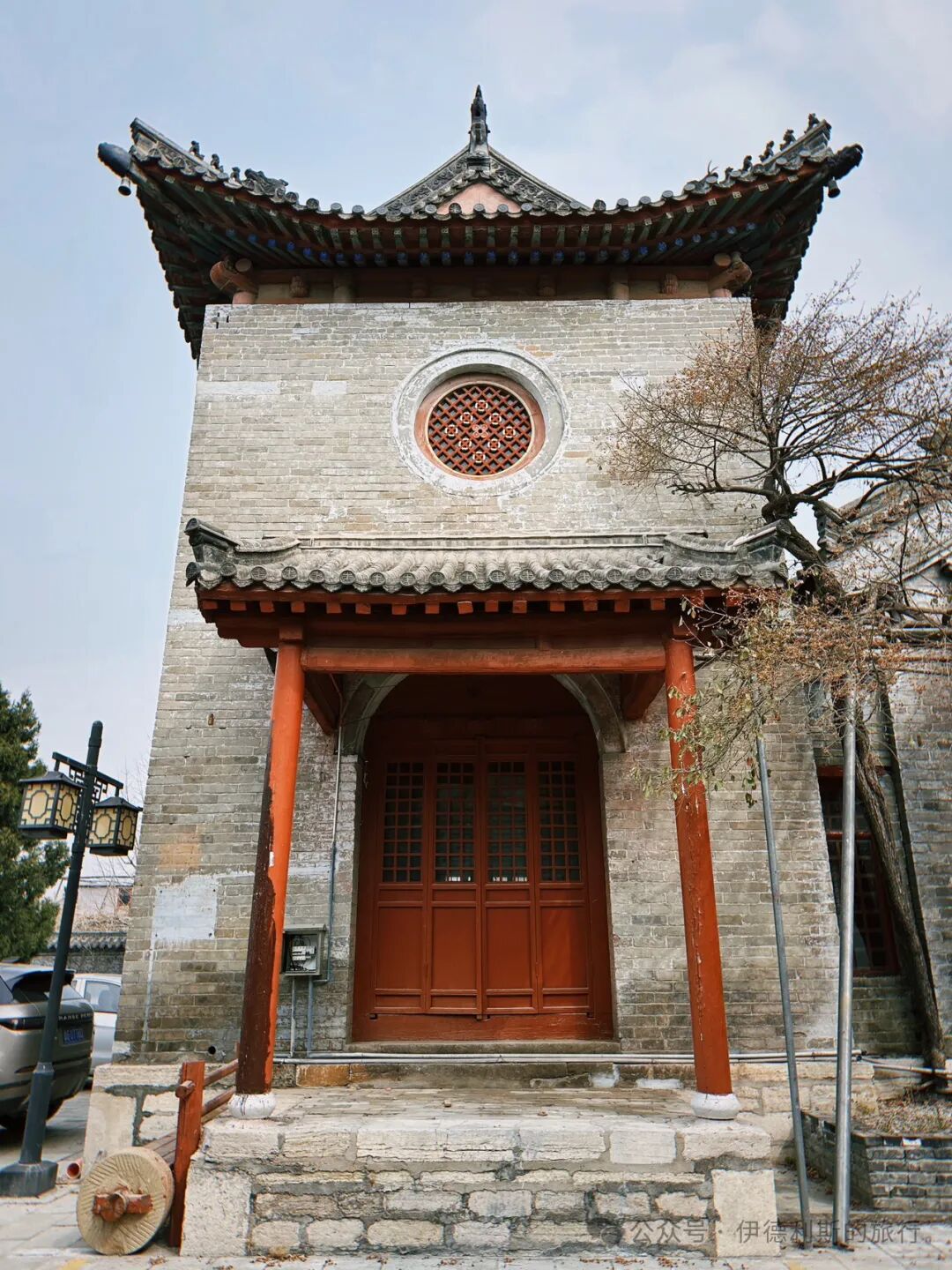
The City Mosque originally had only a west gate. In 1710 (the 49th year of the Kangxi reign), Tuo Cheng led the construction of the east gate tower, the ceremonial gate, and the screen wall. In 1814 (the 19th year of the Jiaqing reign), the top-ranking military scholar Ding Dianxiang donated money to build the north lecture hall, and later, funds were raised to build the south lecture hall.
The main gate of the City Mosque was rebuilt in 1988. In the center is a stone plaque inscribed in 1710 (the 49th year of the Kangxi reign) by Zhang Liandeng, the prefect of Qingzhou from Guanzhong.
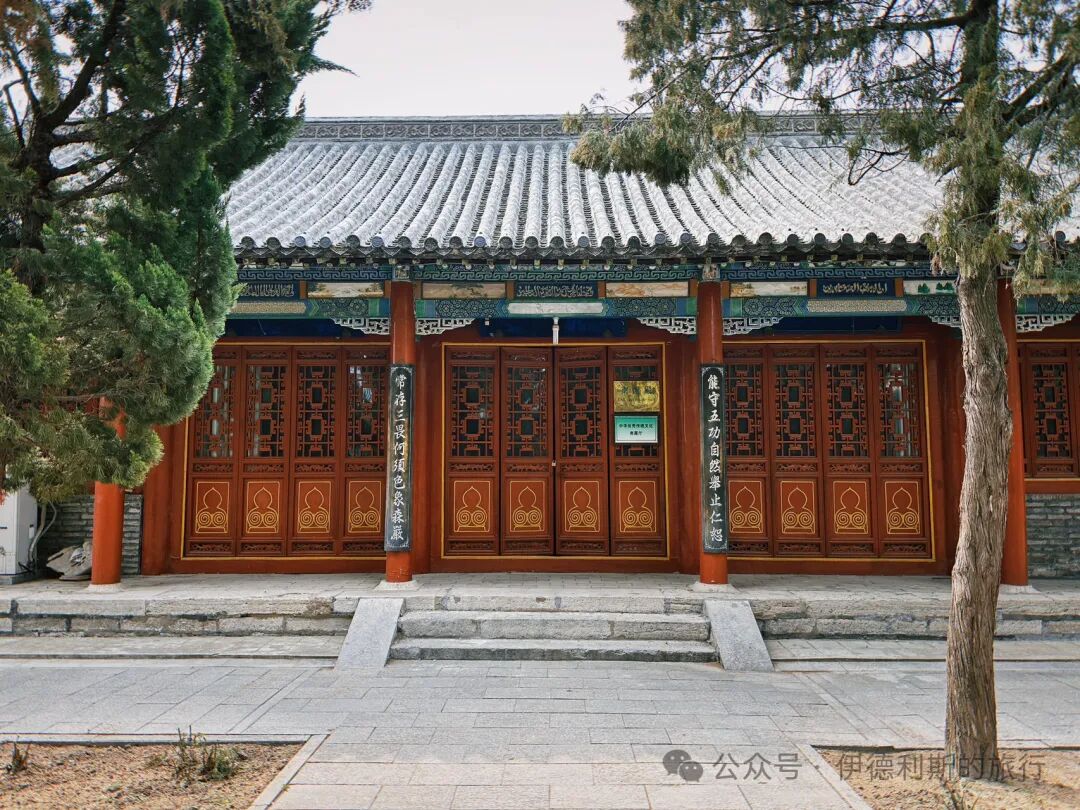
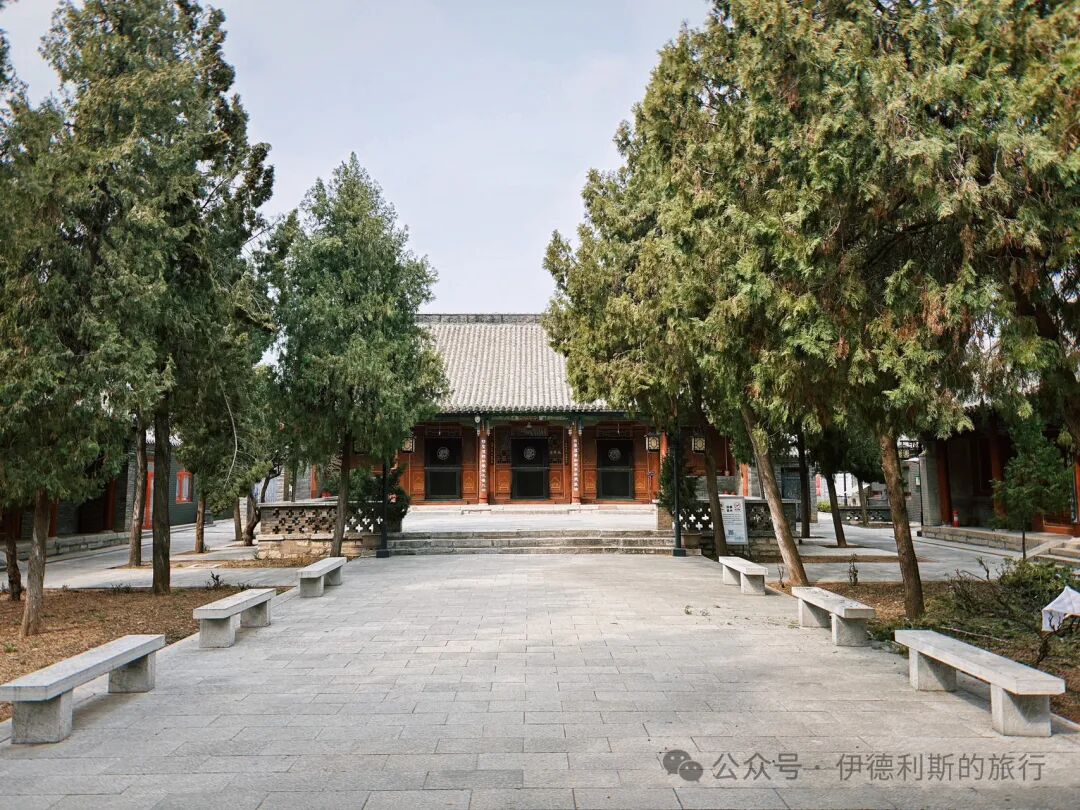
The main prayer hall of the City Mosque sits on a moon terrace. It consists of a front hall, a middle hall, and a kiln-style rear hall. The second floor of the kiln-style hall is the Moon-Watching Tower (Wangyue Lou) with a single-eave hip-and-gable roof. The stone plaque embedded at the back of the main hall was reportedly inscribed by Dai Xu, the Prince of Ningyang during the Ming Dynasty.
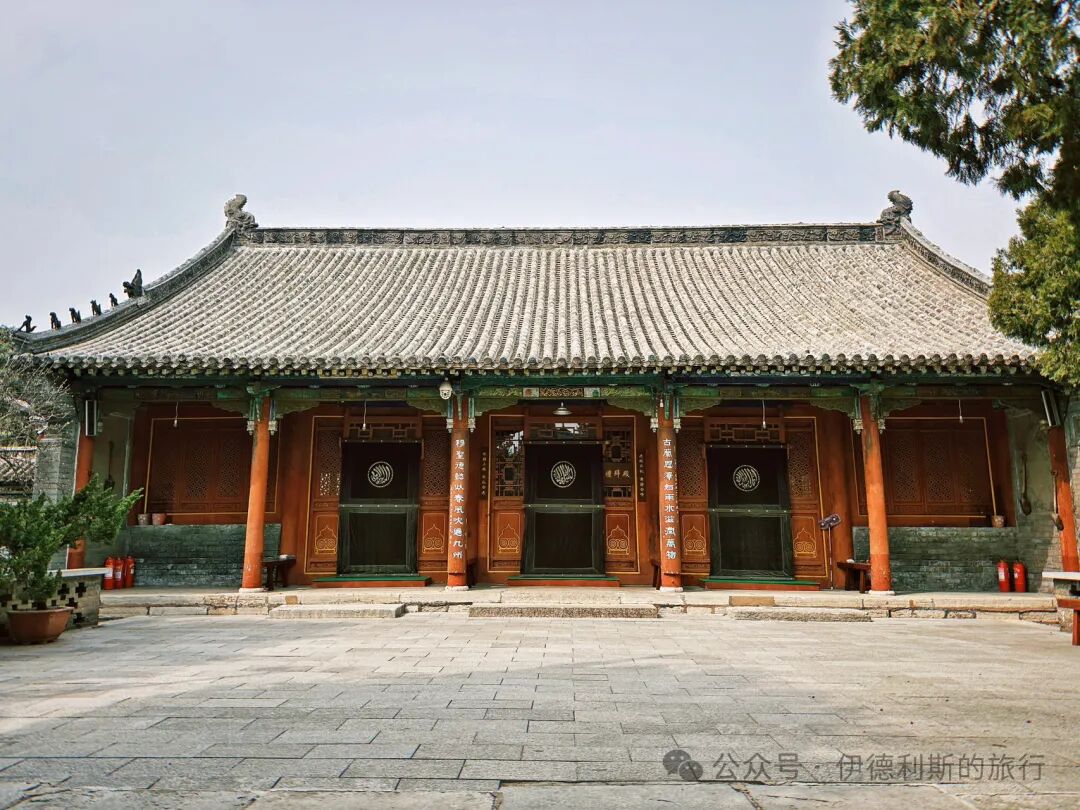
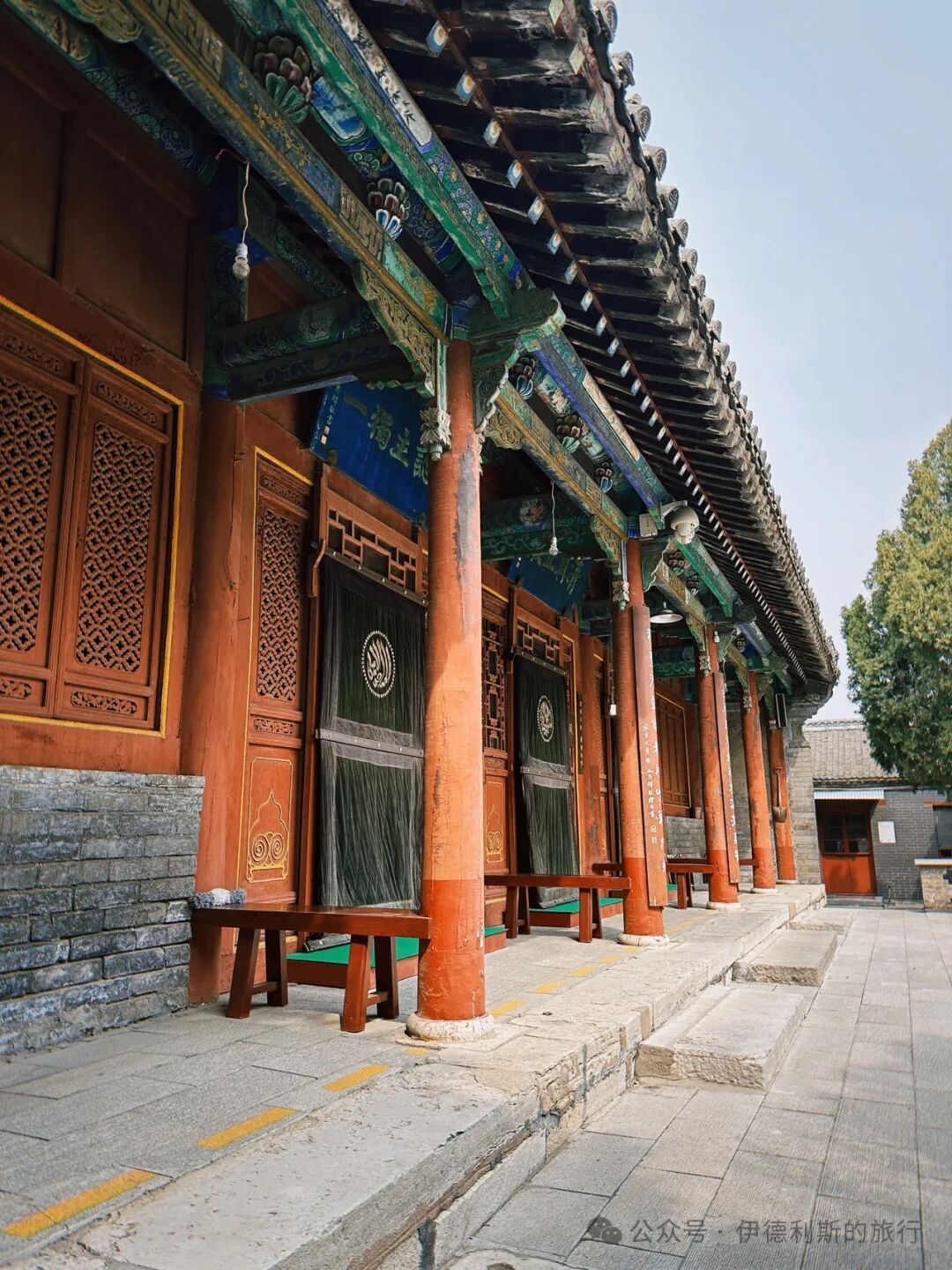
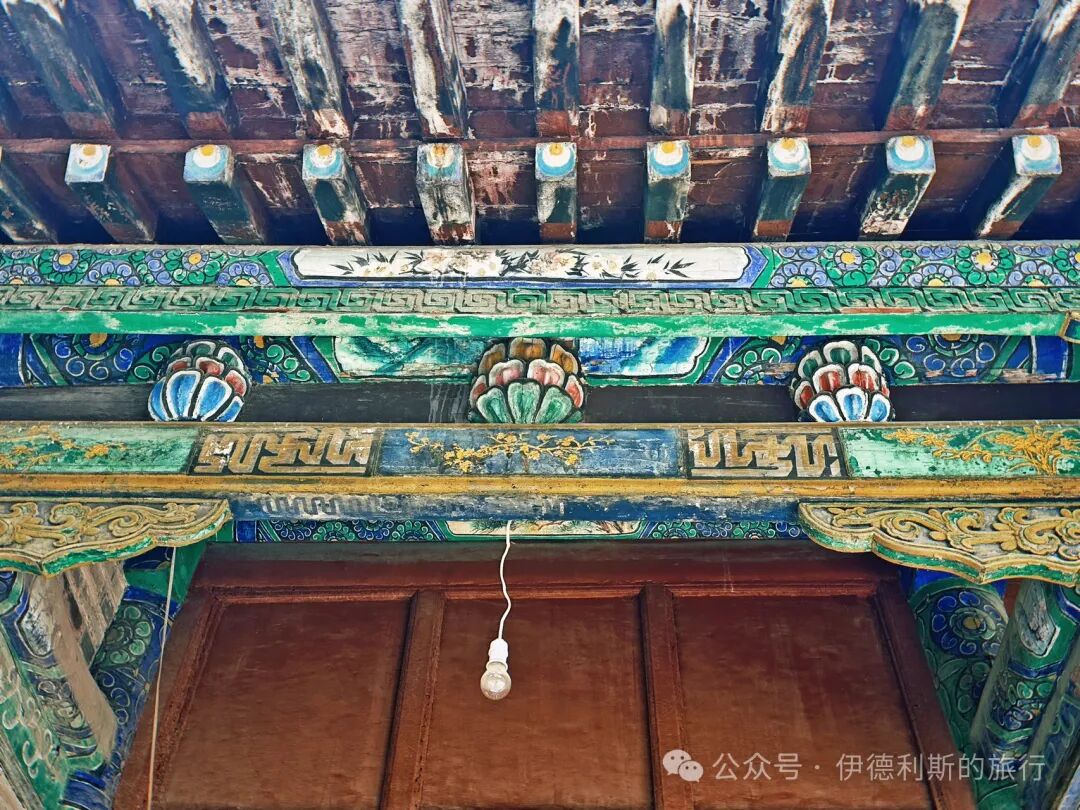
East Gate Street (Dongmen Dajie).
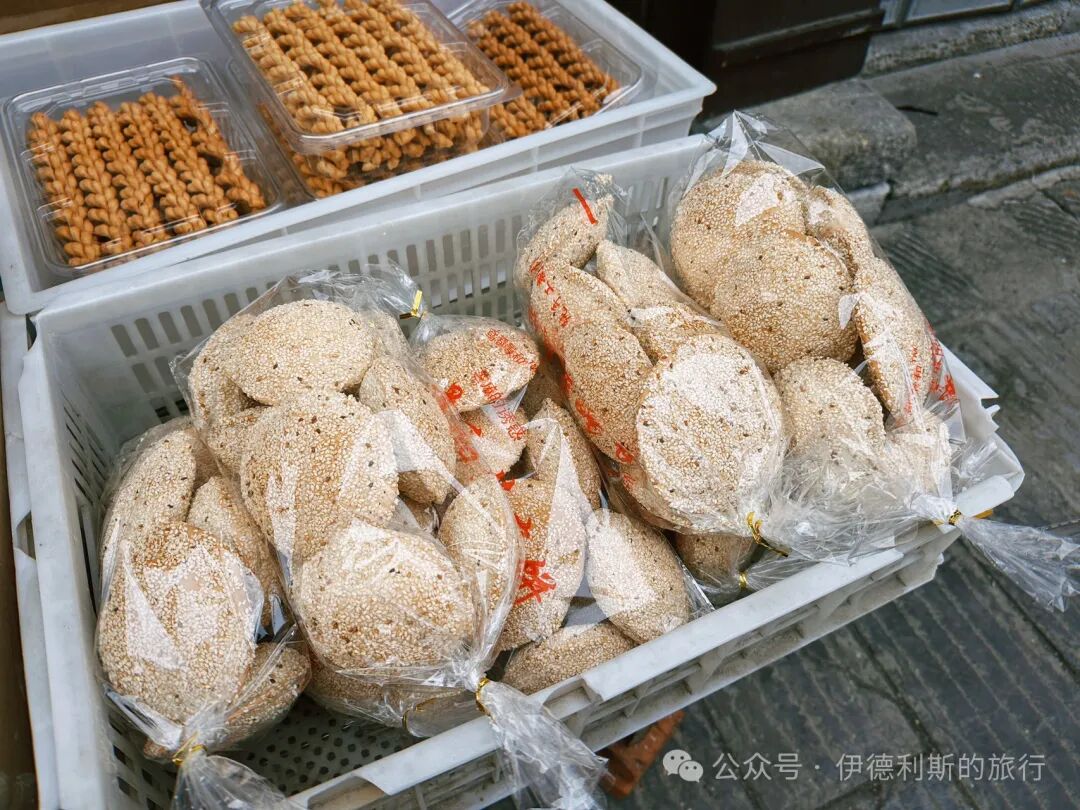
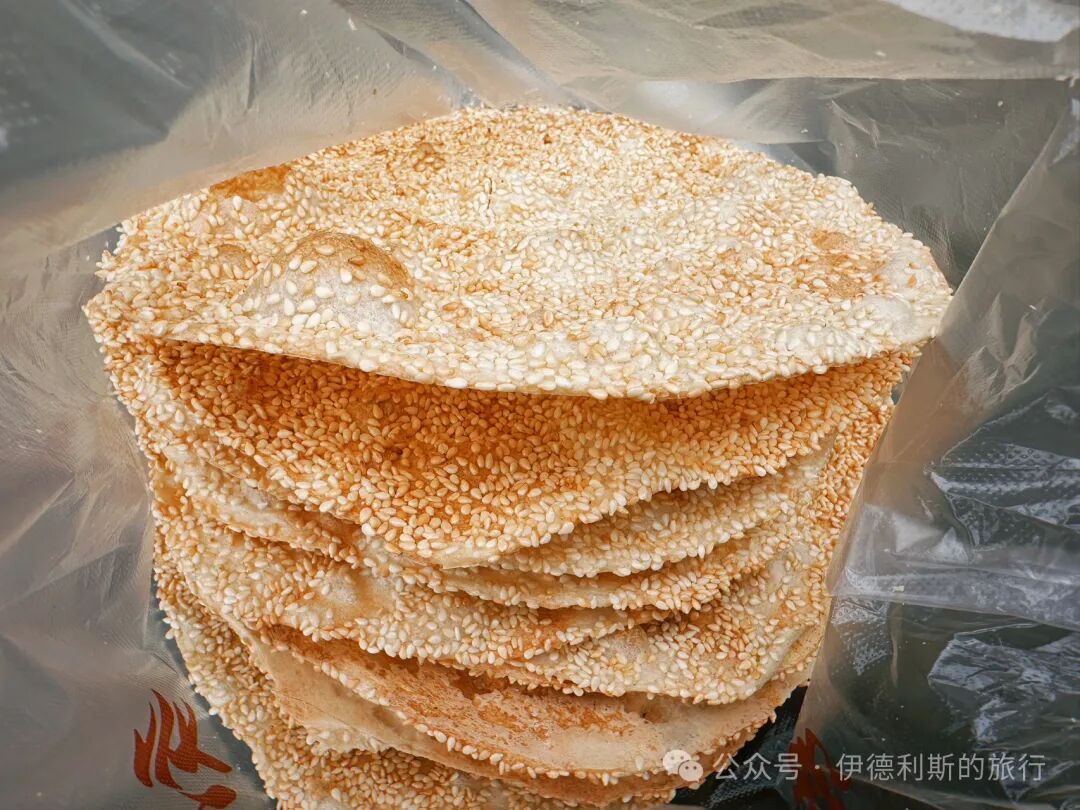
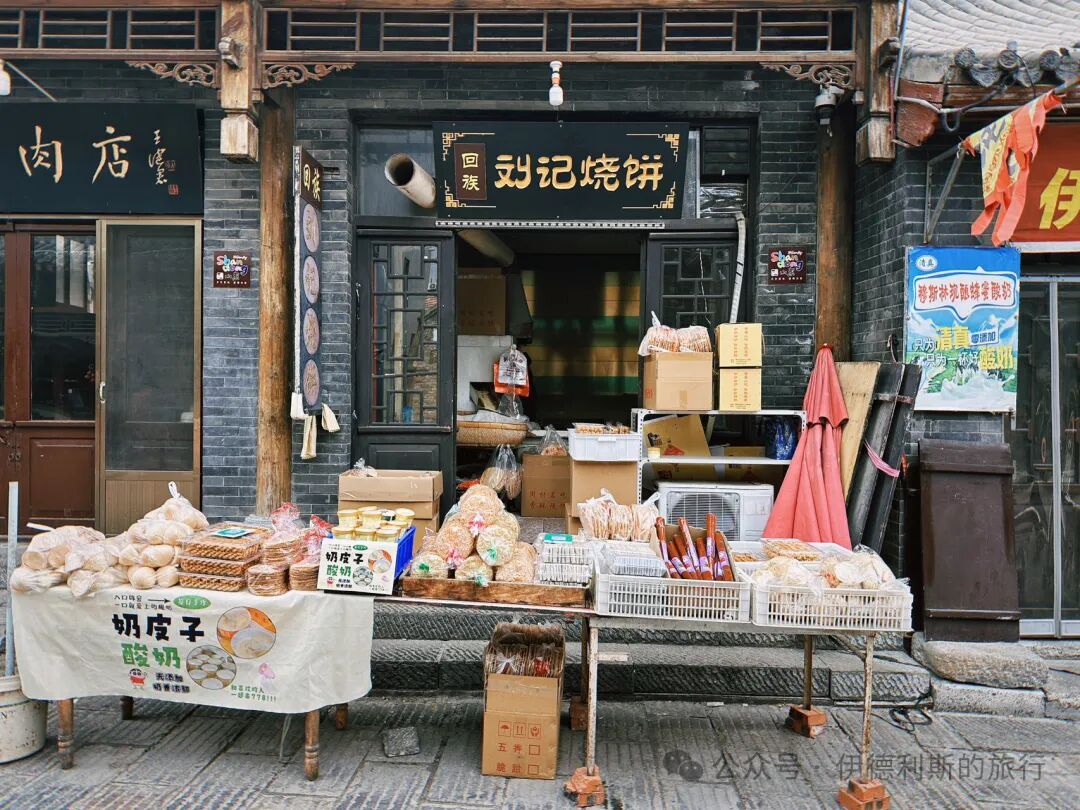
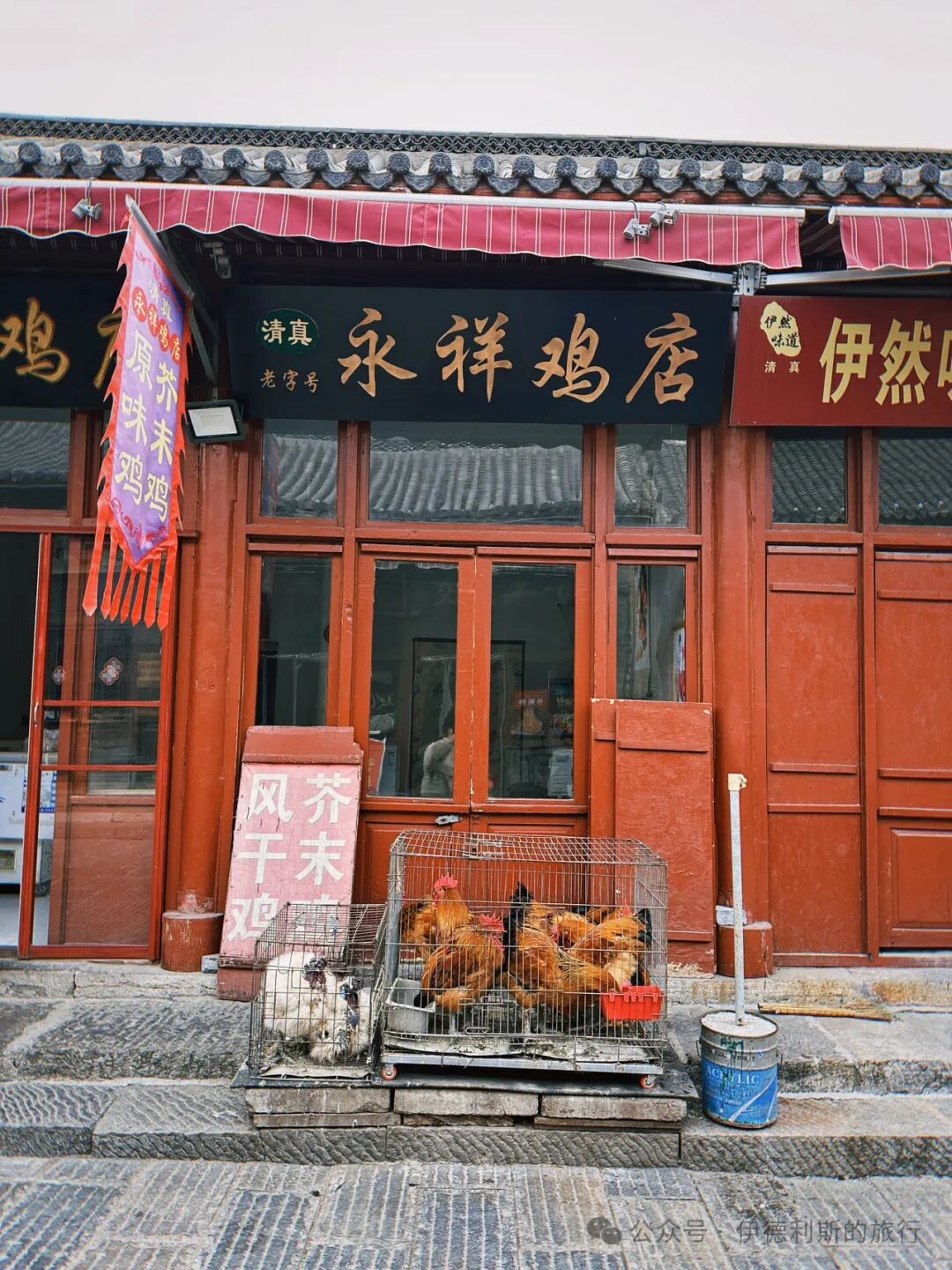
There is a lot of delicious food on East Gate Street, including all kinds of braised meats, pastries, and snacks. Because it was Ramadan, I could not taste them, so I just bought a bag of sesame flatbread (shaobing). This kind of thin and crispy sesame flatbread from Shandong is like a snack, and my family loves eating it.
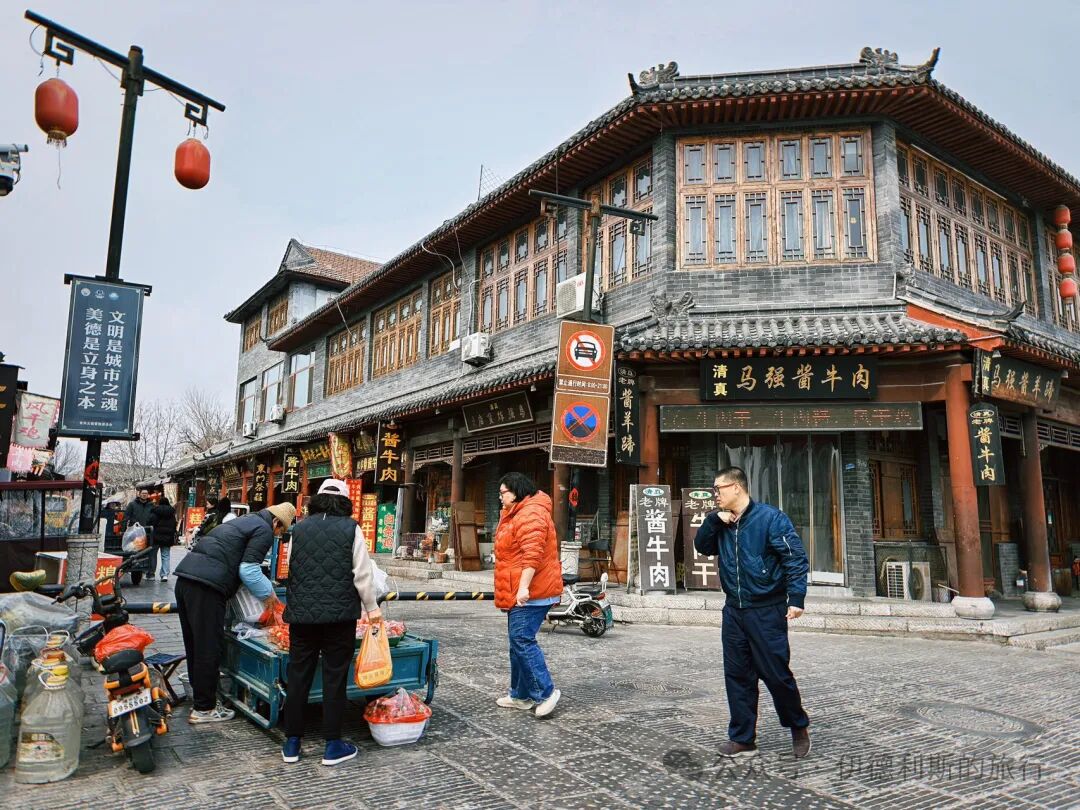
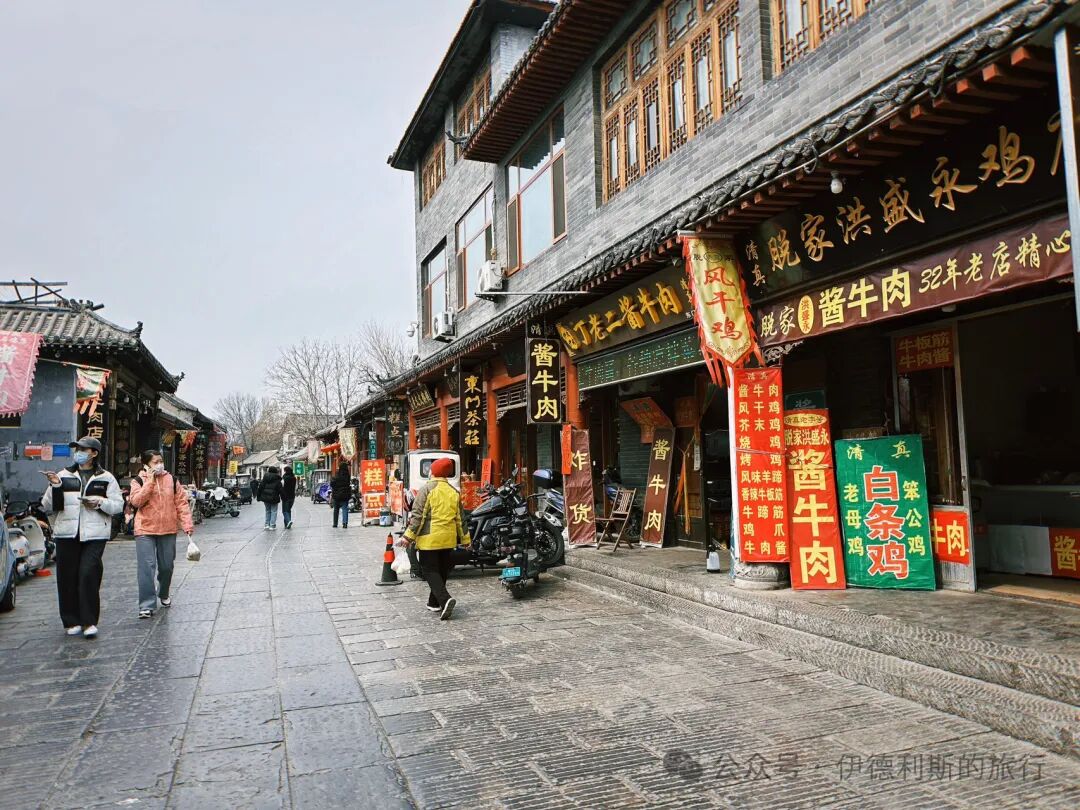
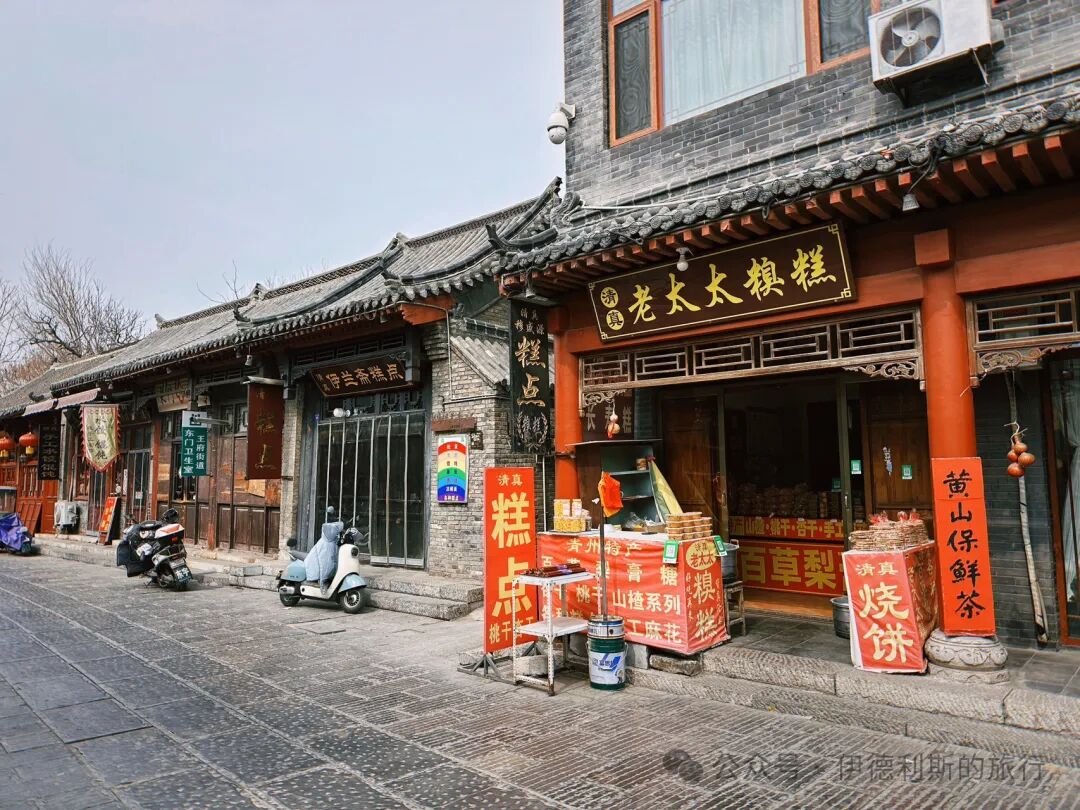
Nanying Street.
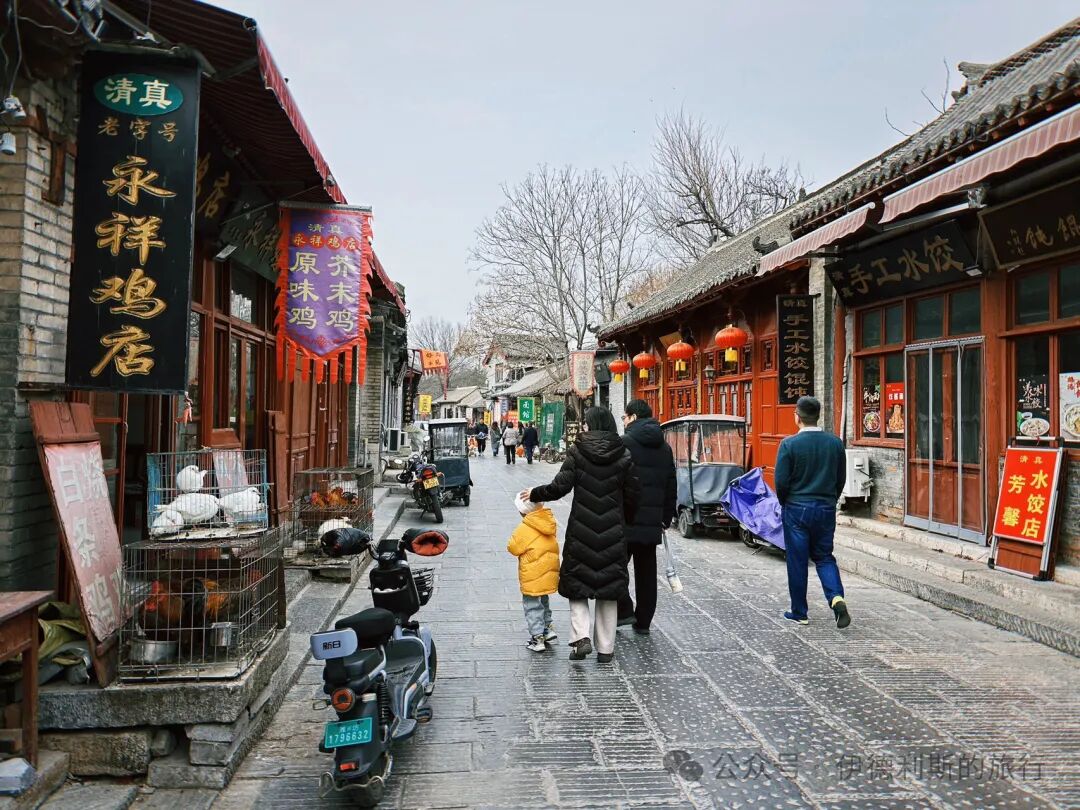
Nanying Street is one kilometer long and is the main residential area for the Hui Muslim community of the City Mosque. The main surnames include Zhao, Ding, Liu, Yang, Ma, Zhang, Fa, and Sha.
During the late Qing and early Republic of China periods, there were many fur processing shops on both sides of Nanying Street, such as the Liu family's Changyuan and Changzeng, the Ding family's Zhongli, and the Zhang family's Wanju. During the Republic of China period, there were more than 50 shops producing six-paneled skullcaps (liuban bianmao). Today, after renovations, this area has become a showcase for the traditional style of Hui mosque neighborhoods in Shandong.
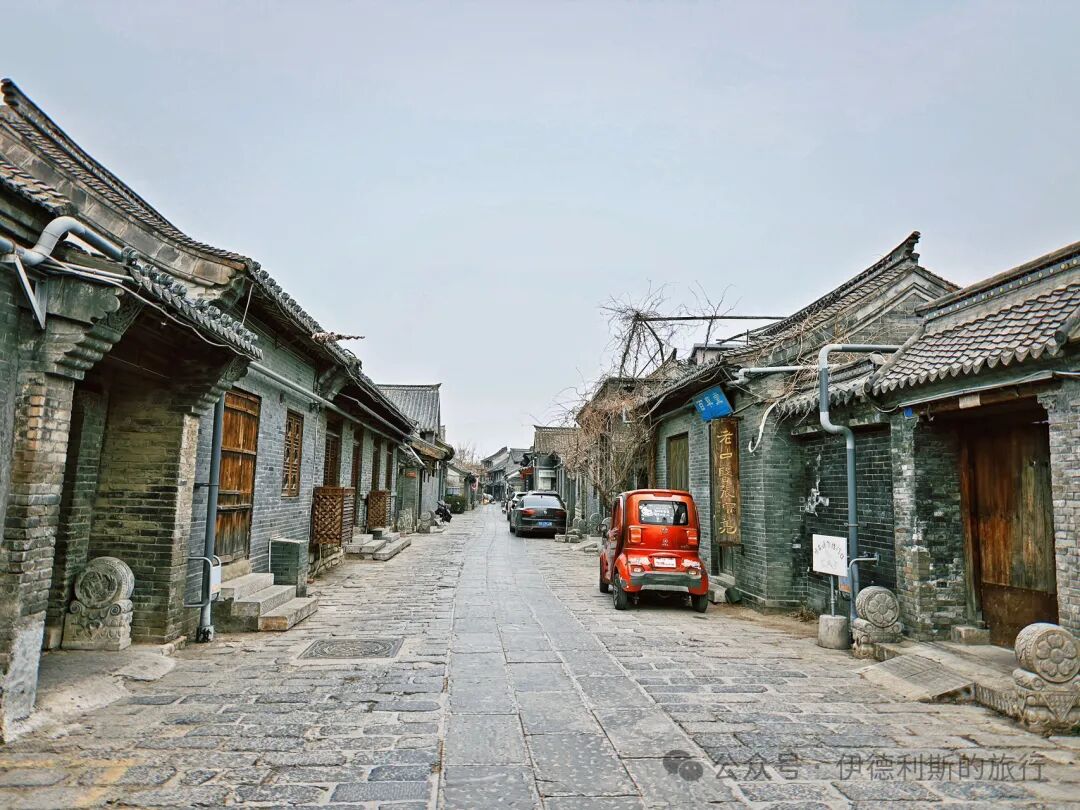
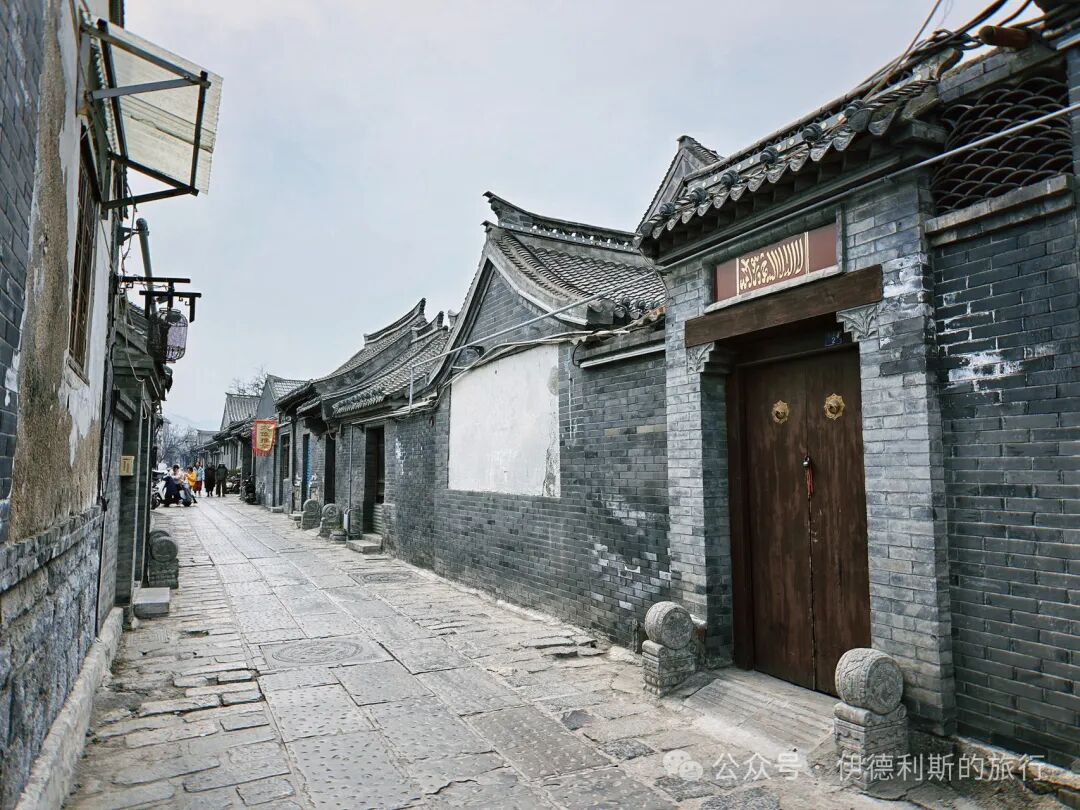
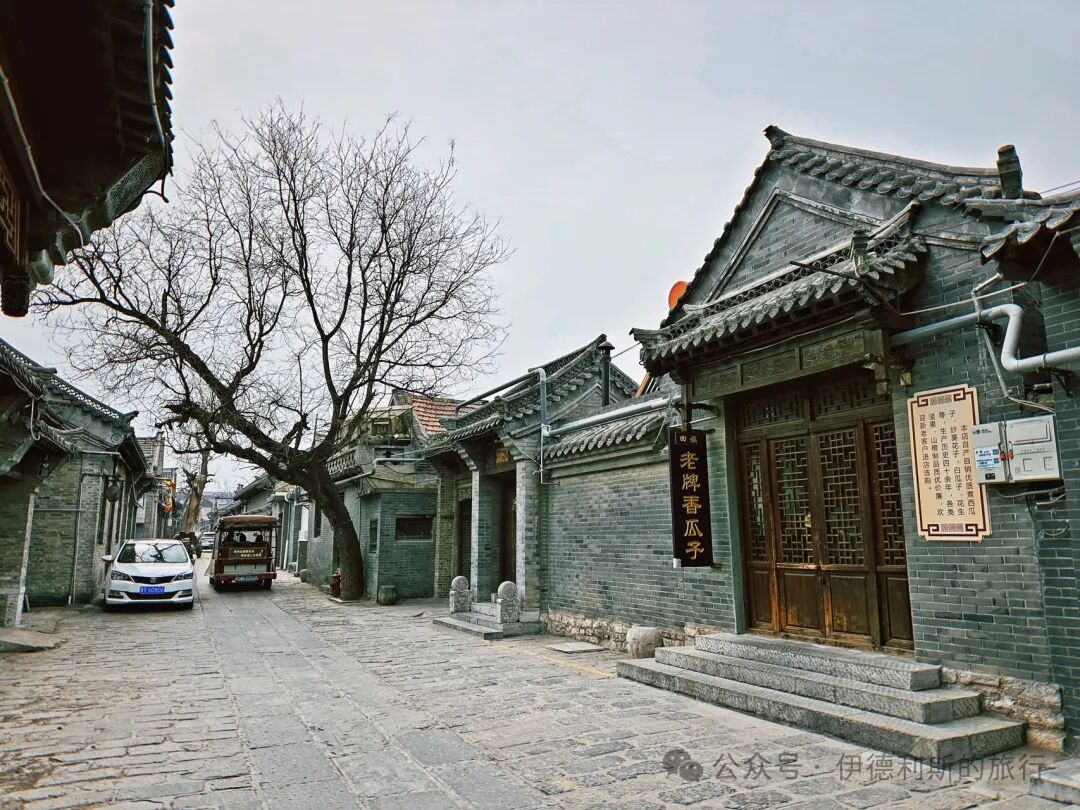
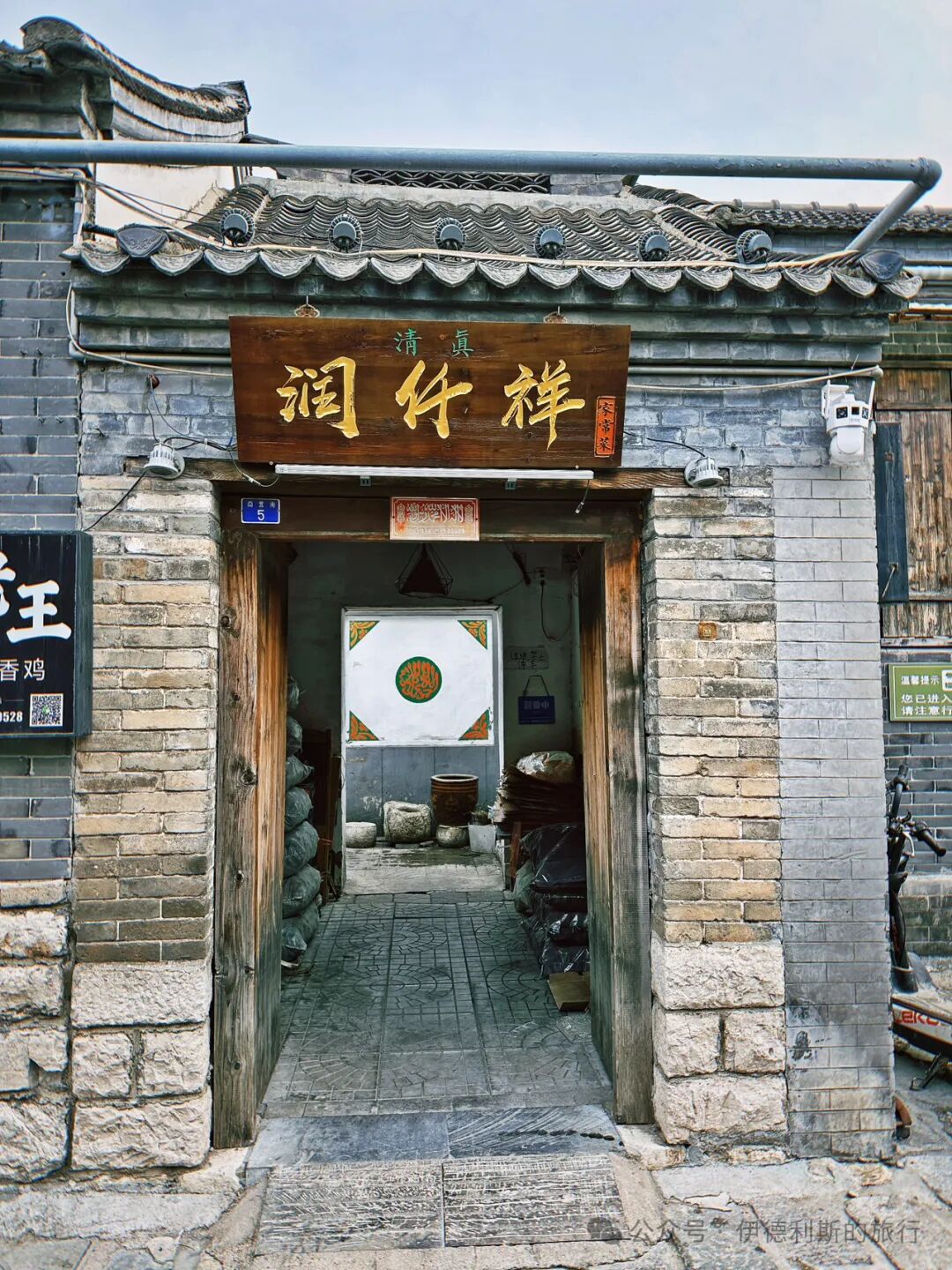
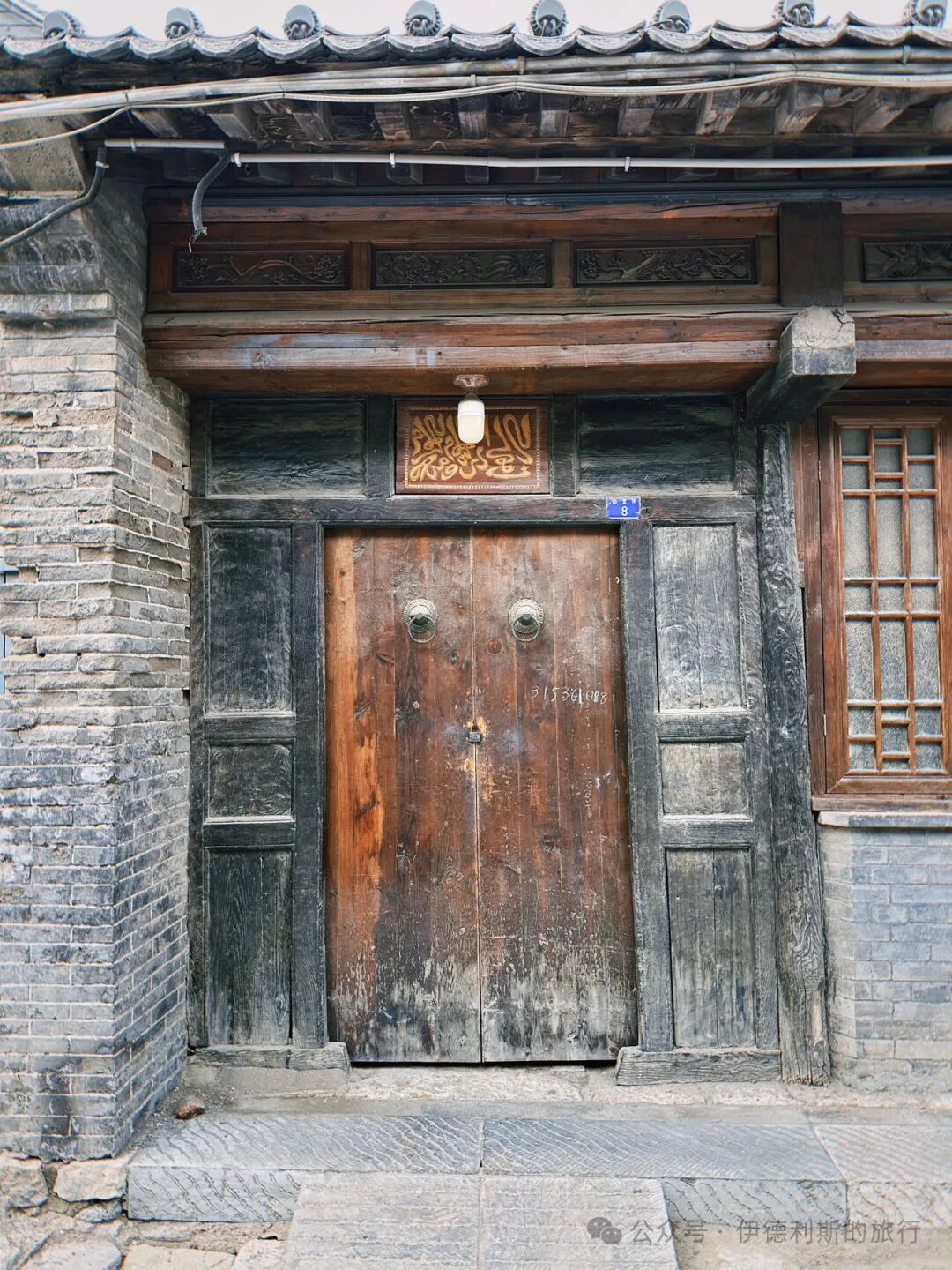
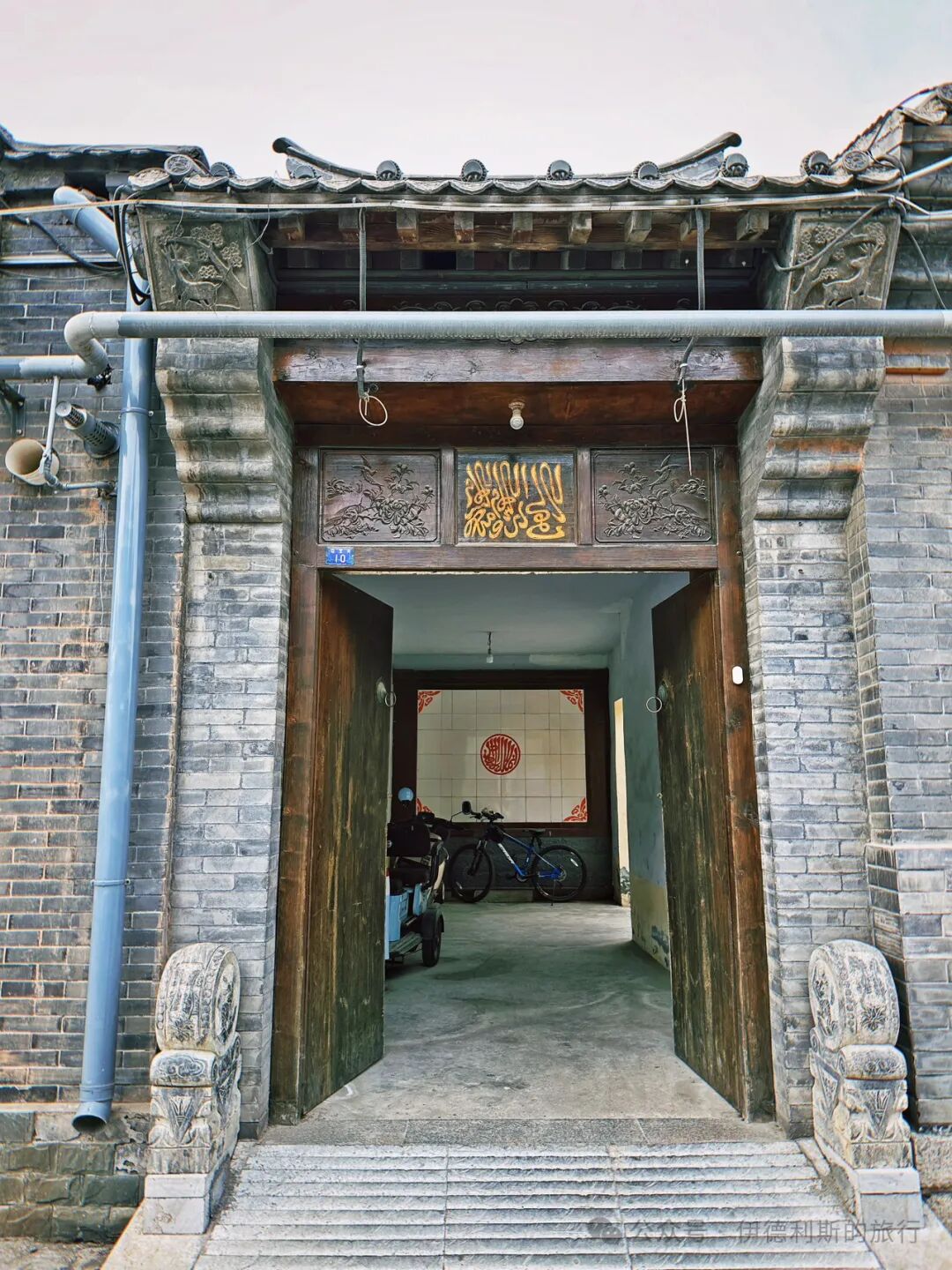
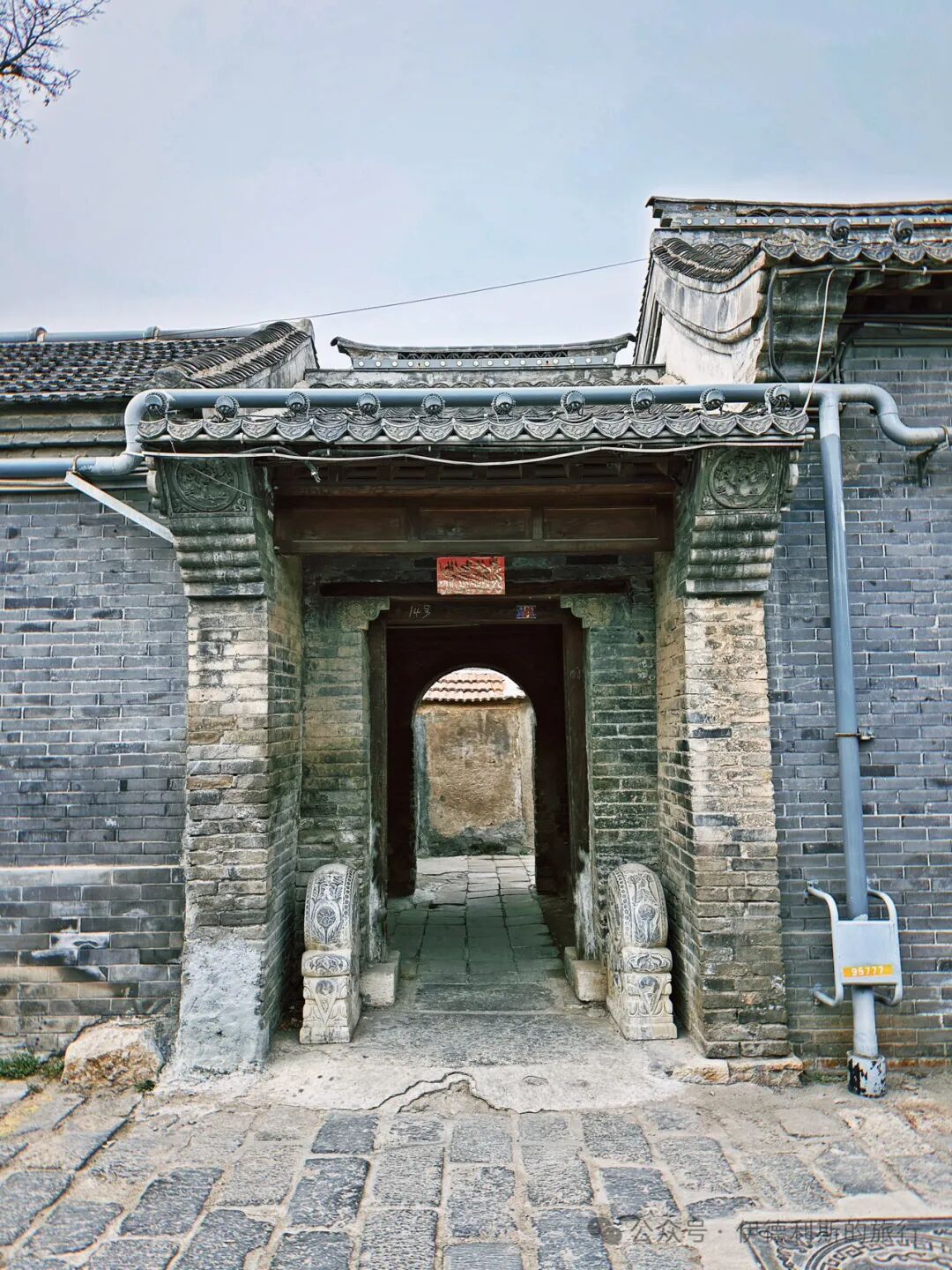
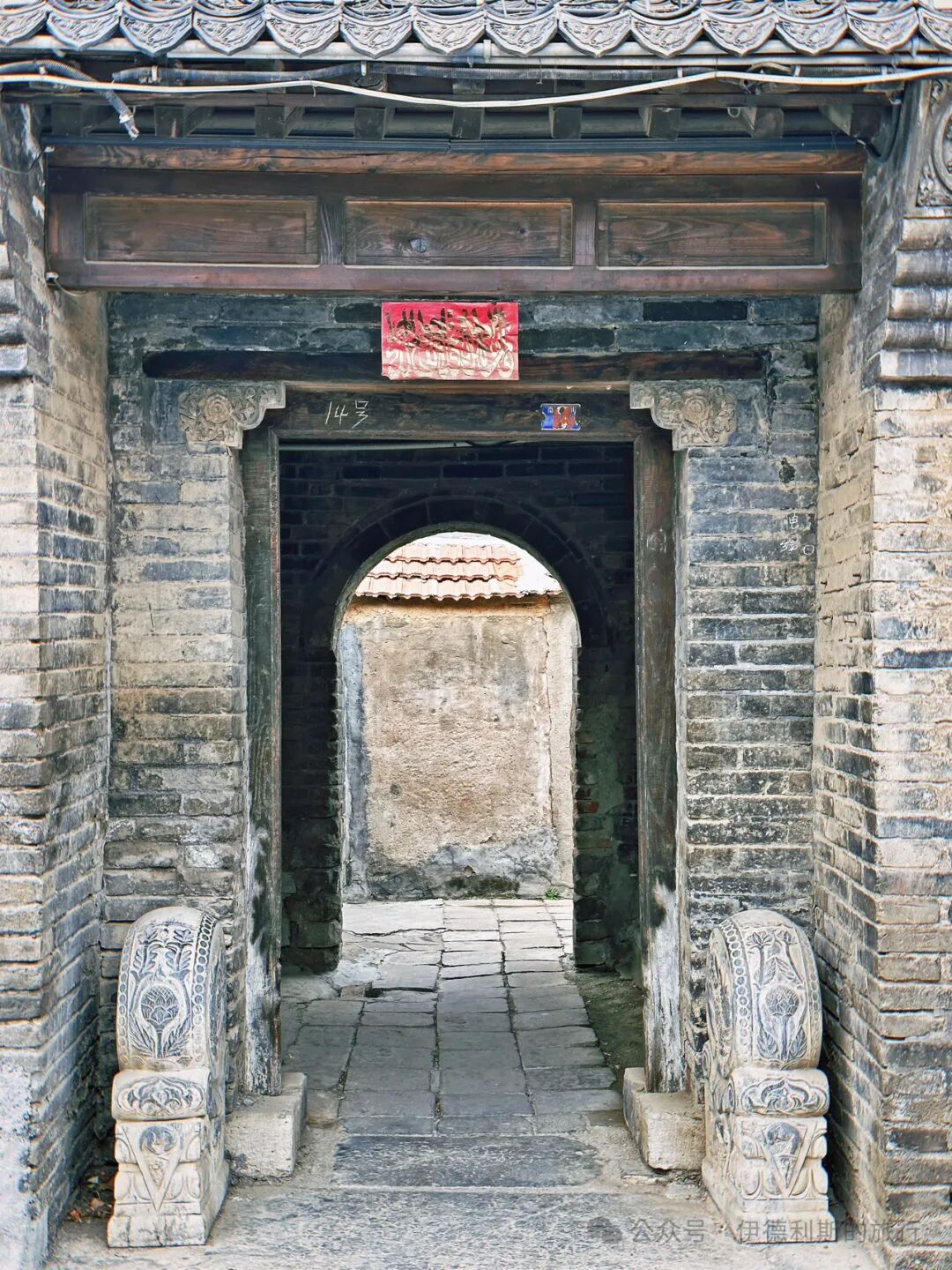
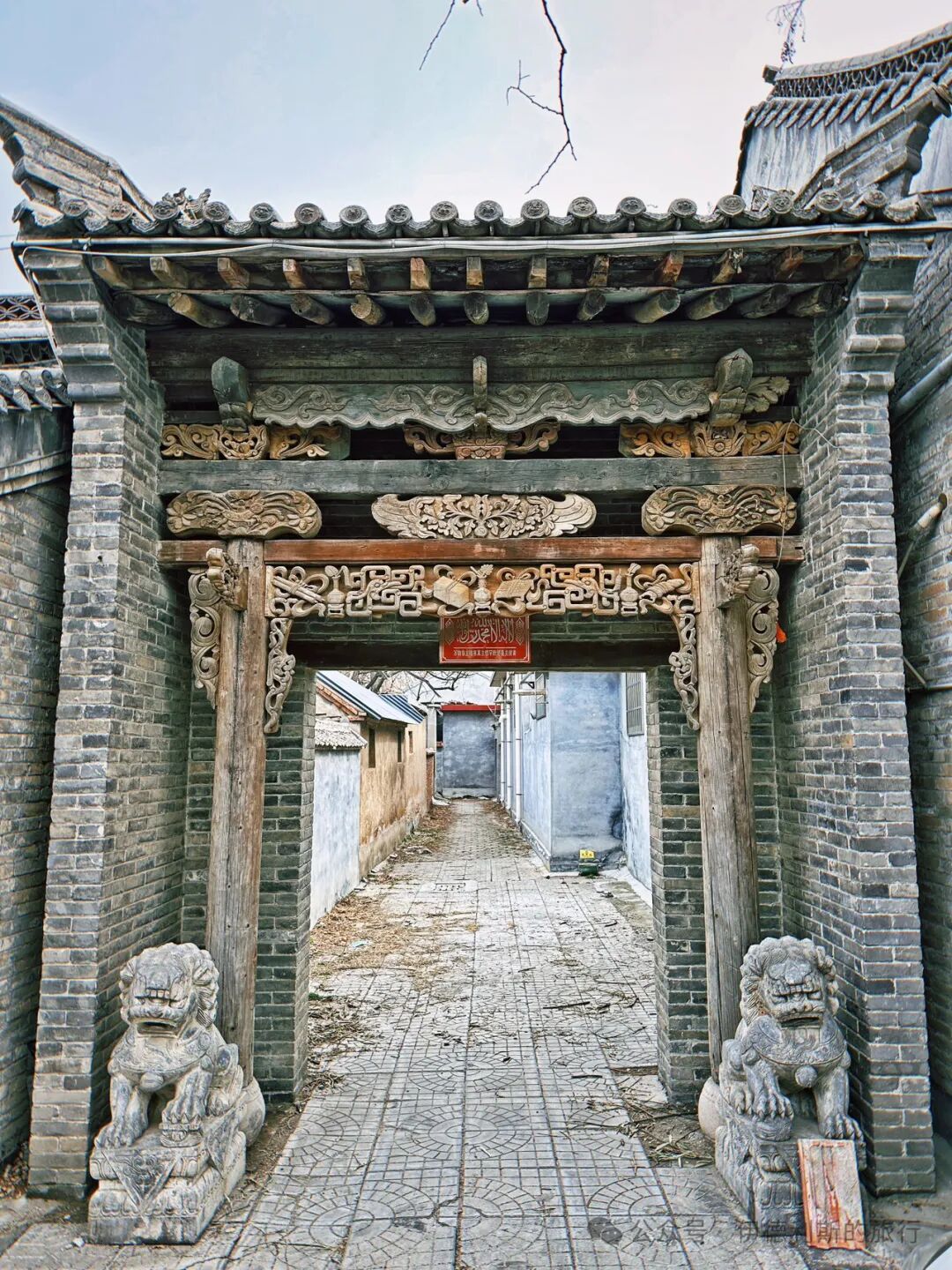
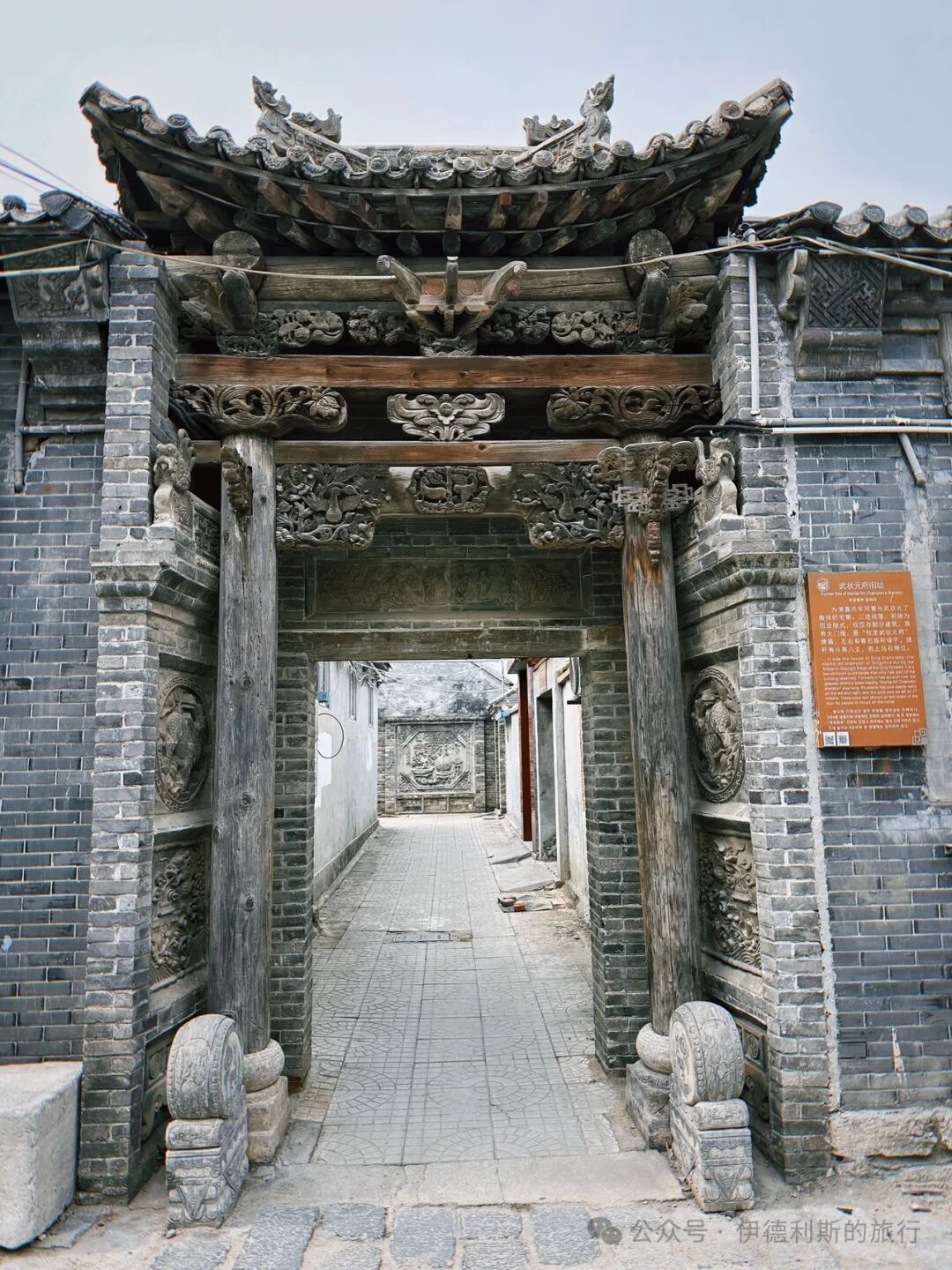
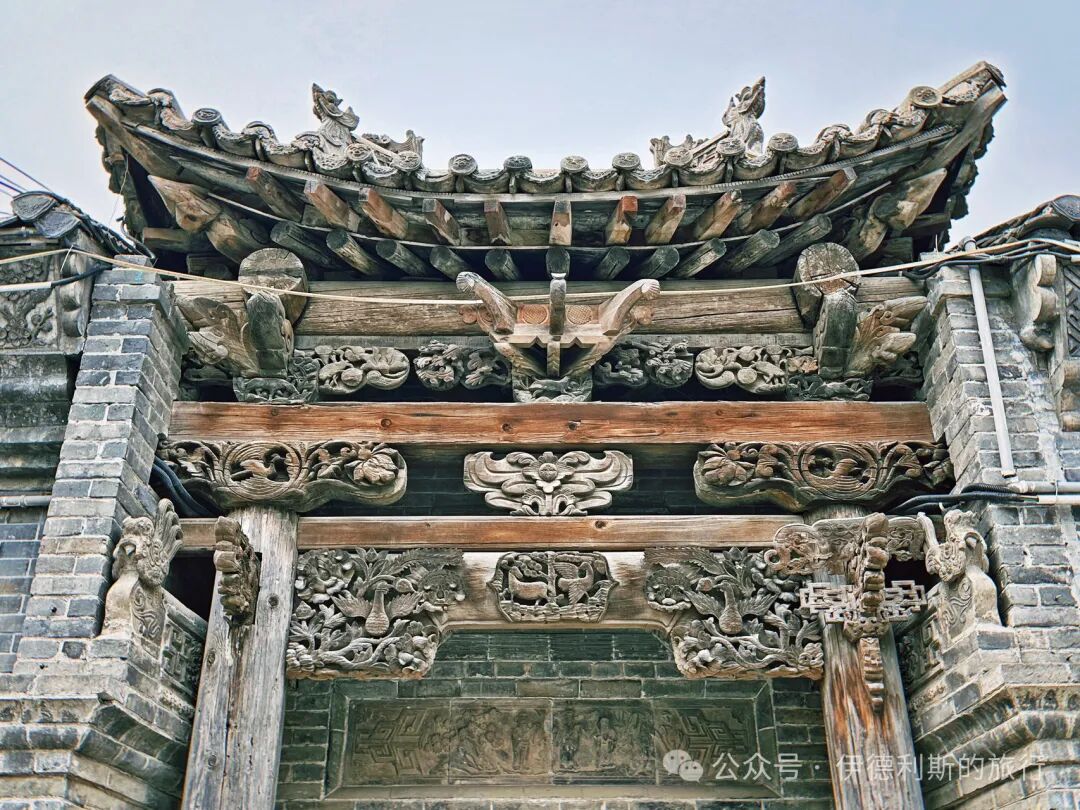
Besides the City Mosque, Nanying Street also has the former sites of the Martial Champion Mansion (Wukui Fu) of the Qing Dynasty military graduate Ma Zhengji and the Top Scholar Mansion (Zhuangyuan Fu) of the military top scholar Ding Dianxiang.
The Ma family in the city are descendants of Yuan Dynasty nobles who inherited the position of Temür by merit. When Emperor Huizong of Yuan retreated north, the ancestors of the Ma family once shielded him with their own bodies to protect him. After the Ming Dynasty was established, the Ma family lived in seclusion in Shandong. Among their descendants, Ma Zhiji passed the imperial examination in the 5th year of the Tianqi reign of the Ming Dynasty and once led the renovation of the City Mosque.
According to the family genealogy, the ancestors of the Ding family in the city were descendants of Ding Dexing, a founding official of the Ming Dynasty. One branch of the family moved from Jiangning to Zhangqiu in Shandong, then to Jinling Town in Zibo during the Wanli era of the Ming Dynasty. The sixteenth-generation ancestor, Ding Zan, later moved to the city of Qingzhou. The eighteenth-generation descendant, Ding Dianxiang, became the top martial arts scholar in 1814 (the nineteenth year of the Jiaqing reign). He later served as a military colonel in Guangxi and was granted the title of General of Martial Merit. In 1830 (the tenth year of the Daoguang reign), he donated funds to renovate the north side hall of the city mosque.
Summary: This is the first part of a Ramadan visit to Qingzhou, with a focus on Zhenjiao Mosque, Chengli Mosque, and Zhaode Ancient Street. It preserves the original architecture, history, routes, local details, and photographs in clear English.
Zhenjiao Mosque
Zhenjiao Mosque in Qingzhou was first built in 1302 (the sixth year of the Dade reign of the Yuan Dynasty). It was rebuilt and expanded many times during the Ming and Qing dynasties and the Republican era. It is now a national-level cultural heritage site.
According to the Qingzhou Zhenjiao Mosque Founding Stele, the mosque was founded by the descendants of a Yuan Dynasty official named Bayan. Bayan was the grandson of the Yuan Dynasty's Prince of Xianyang, Sayyid Ajjal Shams al-Din. He served as a high-ranking official from 1292 to 1307. His descendants are the Zhao-surname Hui Muslims in Qingzhou today. According to the Zhao Family Genealogy of Qingzhou, Bayan had three sons. When the Yuan Dynasty fell, only the third son, Zhao Mingyuan, survived. He moved to Nanliu Village in Qingzhou to live as a commoner, arriving in 1368 (the first year of the Hongwu reign of the Ming Dynasty).
The mosque's gate tower was rebuilt in 1734 (the twelfth year of the Yongzheng reign). It is 10 meters high and features brick-carved brackets and hanging flower pillars under the eaves, with screen walls and side gates to the north and south. The front of the gate tower has a gilded plaque reading 'Zhenjiao Mosque.' The back features traditional brick-carved calligraphy saying 'Masjid is the House of Allah,' inscribed with the date 'Twelfth Year of Yongzheng' and a note saying it was rebuilt in the Jia-yin year. The term 'Qin Yue' refers to Ramadan. Even today, a light box with the words 'Qin Yue' hangs at the entrance of the mosque.
The main gate of Zhenjiao Mosque is usually closed, so visitors enter through the north or south side gates. After entering the side gate, you first see a screen wall and a rockery bonsai, then you enter the first courtyard. Directly facing the gate is the ceremonial gate (yimen) rebuilt in 1755 (the twentieth year of the Qianlong reign), with school buildings on the north and south sides. The north and south school buildings form their own courtyards, which have beautiful rockeries and ponds.
There is a well pavilion inside Zhenjiao Mosque, with an Arabic stone tablet nearby.
The main prayer hall of Qingzhou Zhenjiao Mosque sits on a platform over 1 meter high. It consists of a front hall, a middle hall, and a rear kiln hall, connected in a linked style, with 36 pillars surrounding the porch. The kiln hall has a moon-watching tower (wangyuelou) with a double-eaved hip roof, and the roof corners have hanging wind bells.
In front of the main hall is the 'Hundred-Character Eulogy' (Baizi Zan) stele pavilion, rebuilt in 1985. The original was copied from the Jingjue Mosque in Nanjing in 1760 (the twenty-fifth year of the Qianlong reign).
The main hall uses a beam-lifting wooden frame. In the center of the kiln hall is an arched mihrab with a single-eaved hanging-mountain style door cover above it.
Historical steles of Zhenjiao Mosque
The 1684 'Qingzhou Zhenjiao Mosque Founding Stele' records the construction of Zhenjiao Mosque and Chengli Mosque, as well as the efforts of the imam Zhao Huang to rebuild both.
The 1684 'Prayer Time Stele' records the prayer times for the four seasons and the standards for determining prayer times based on shadows throughout the twelve months.
The 1731 'Record of the Newly Built Second Gate of Zhenjiao Mosque' records how the elder Zhang Yongsheng donated money to build the second gate during the Yongzheng reign.
The 1758 'Record of the Rebuilding of the Second Gate of Zhenjiao Mosque' records the expansion of the second gate from one room to three rooms during the Qianlong reign.
The 1848 'Stele Record of the Rebuilding of the Rear Building of Zhenjiao Mosque' records donations from local officials, including the Dengzhou Town commander and the acting magistrate of Yidu, to rebuild the rear building.
Zhaode Ancient Street
Zhaode Ancient Street, home to the True Teaching Mosque (Zhenjiao Si), is a protected cultural heritage site of Shandong Province and one of the first famous historical and cultural streets in China. It is the best-preserved ancient street for Hui Muslims in Shandong. Since the Ming and Qing dynasties, Zhaode Ancient Street has been a settlement for Hui Muslims in Qingzhou. The Zhao and Yang families among them are descendants of Prince Nasulading of Yan'an, who was the son of Prince Sai Dianchi Zhansiding of Xianyang.
The Yang family of Hui Muslims are descendants of Boyanchaer, the ninth son of Nasulading. They originally lived in the Yangshi Jiaotou area of the Yuan capital, Dadu, and took the surname Yang. They moved from Dadu to Qingzhou in the first year of the Hongwu reign of the Ming dynasty. In the sixth year of the Zhengde reign of the Ming dynasty, Yang Yingkui passed the imperial examination and later served as the prefect of Lintao Prefecture in Shaanxi and Nanyang Prefecture in Henan.
the ancestors of the Ma family on Dongguan Grain Market Street lived in Shizi Hutong outside the Qianmen Gate in Beijing.
In front of the True Teaching Mosque in Qingzhou stands the Stele Record of the Renovation of Zhaode Street from the 33rd year of the Guangxu reign, which records the renovations of Zhaode Street during the Qianlong and Guangxu periods:
Qingzhou is a bustling area where people and carriages crowd the roads and merchants gather. Besides fish and salt, silk is the primary commodity. The northern end of Zhaode Street is the key location for these gatherings. Zhaode Street sits on the main north-south thoroughfare and is a path that merchants must take. As for the year it was founded, it is too long ago to verify. It was only renovated during the Qianlong period. In recent decades, it has become half-collapsed, making travel difficult. At that time, our local magistrate, Li Gongyichen, had just finished renovating the streets inside the city, so he ordered the gentry and merchants of the East Gate to renovate the street. Gentry and merchants Xu Fang, Hu Xiang, and others met to discuss it. Roads exist to benefit travelers, so they discussed the repairs with their neighbors, and everyone agreed, with donors eagerly stepping forward first. Those in charge worked tirelessly, repairing nearly 1,000 feet of street, spending over 2,000 strings of cash, and finishing the work within a month. Because of this, those carrying loads, those driving carts, and the bustling crowds all cheered in relief. When asked, the residents said: 'Who is responsible for changing the collapsed road of the past into this smooth path?' Everyone said, 'It is us.'
'It is the power of Magistrate Li's initiative to repair it; otherwise, how could we have this scene today?' Therefore, I record these events to commemorate them.
Written by local student Wang Huifang.
Jointly established by twenty-four people including Zhao, Ma, Xu, Ju, Liu, Zheng, Li, Fa, Wang, Ma, Ding, Yang, and Zhang.
An auspicious day in the sixth lunar month of the Dingwei year, the 33rd year of the Guangxu reign of the Great Qing Dynasty.
City Mosque (Chengli Si).
Qingzhou City Mosque sits south of the East Gate in Qingzhou. It originally stood right next to the Qingzhou Prefecture city wall. Later, the wall was torn down to make way for Yunmenshan South Road, so it is also called Yunmenshan South Road Mosque.
Qingzhou city originally had only one mosque, the True Teaching Mosque (Zhenjiao Si). Because the East Gate closed early and late, it was very inconvenient for the local Hui Muslims. In 1546 (the 25th year of the Jiajing reign of the Ming Dynasty), they raised money to buy a residential plot belonging to the Tao family in Taojia Lane inside the East Gate and officially built the City Mosque. In 1625 (the 5th year of the Tianqi reign of the Ming Dynasty), Ma Zhiji, a director at the Imperial Academy, renovated it. In 1690 (the 29th year of the Kangxi reign), the imam Zhao Huang led the community to renovate it again.
The City Mosque originally had only a west gate. In 1710 (the 49th year of the Kangxi reign), Tuo Cheng led the construction of the east gate tower, the ceremonial gate, and the screen wall. In 1814 (the 19th year of the Jiaqing reign), the top-ranking military scholar Ding Dianxiang donated money to build the north lecture hall, and later, funds were raised to build the south lecture hall.
The main gate of the City Mosque was rebuilt in 1988. In the center is a stone plaque inscribed in 1710 (the 49th year of the Kangxi reign) by Zhang Liandeng, the prefect of Qingzhou from Guanzhong.
The main prayer hall of the City Mosque sits on a moon terrace. It consists of a front hall, a middle hall, and a kiln-style rear hall. The second floor of the kiln-style hall is the Moon-Watching Tower (Wangyue Lou) with a single-eave hip-and-gable roof. The stone plaque embedded at the back of the main hall was reportedly inscribed by Dai Xu, the Prince of Ningyang during the Ming Dynasty.
East Gate Street (Dongmen Dajie).
There is a lot of delicious food on East Gate Street, including all kinds of braised meats, pastries, and snacks. Because it was Ramadan, I could not taste them, so I just bought a bag of sesame flatbread (shaobing). This kind of thin and crispy sesame flatbread from Shandong is like a snack, and my family loves eating it.
Nanying Street.
Nanying Street is one kilometer long and is the main residential area for the Hui Muslim community of the City Mosque. The main surnames include Zhao, Ding, Liu, Yang, Ma, Zhang, Fa, and Sha.
During the late Qing and early Republic of China periods, there were many fur processing shops on both sides of Nanying Street, such as the Liu family's Changyuan and Changzeng, the Ding family's Zhongli, and the Zhang family's Wanju. During the Republic of China period, there were more than 50 shops producing six-paneled skullcaps (liuban bianmao). Today, after renovations, this area has become a showcase for the traditional style of Hui mosque neighborhoods in Shandong.
Besides the City Mosque, Nanying Street also has the former sites of the Martial Champion Mansion (Wukui Fu) of the Qing Dynasty military graduate Ma Zhengji and the Top Scholar Mansion (Zhuangyuan Fu) of the military top scholar Ding Dianxiang.
The Ma family in the city are descendants of Yuan Dynasty nobles who inherited the position of Temür by merit. When Emperor Huizong of Yuan retreated north, the ancestors of the Ma family once shielded him with their own bodies to protect him. After the Ming Dynasty was established, the Ma family lived in seclusion in Shandong. Among their descendants, Ma Zhiji passed the imperial examination in the 5th year of the Tianqi reign of the Ming Dynasty and once led the renovation of the City Mosque.
According to the family genealogy, the ancestors of the Ding family in the city were descendants of Ding Dexing, a founding official of the Ming Dynasty. One branch of the family moved from Jiangning to Zhangqiu in Shandong, then to Jinling Town in Zibo during the Wanli era of the Ming Dynasty. The sixteenth-generation ancestor, Ding Zan, later moved to the city of Qingzhou. The eighteenth-generation descendant, Ding Dianxiang, became the top martial arts scholar in 1814 (the nineteenth year of the Jiaqing reign). He later served as a military colonel in Guangxi and was granted the title of General of Martial Merit. In 1830 (the tenth year of the Daoguang reign), he donated funds to renovate the north side hall of the city mosque.
