
Halal Travel Guide: Wangjiagou Hui Muslim Village in Chengde
Reposted from the web
Summary: This account visits Wangjiagou, a Hui Muslim village in the valleys of Chengde, Hebei. It keeps the original village scenes, community details, route notes, and photographs in a faithful English version.
I took my family to Chengde for the weekend. I found out that Wangjiagou in Luanping County is a village of Hui Muslims, so we drove there from Chengde in an hour for a visit.
Most Hui Muslims in Wangjiagou came from Shandong during the Qing Dynasty. Records show the Ma family moved here from Jinan, Shandong, pushing a small cart during the Qianlong era, while the Dong family moved here from Wucheng County in Dezhou, Shandong.
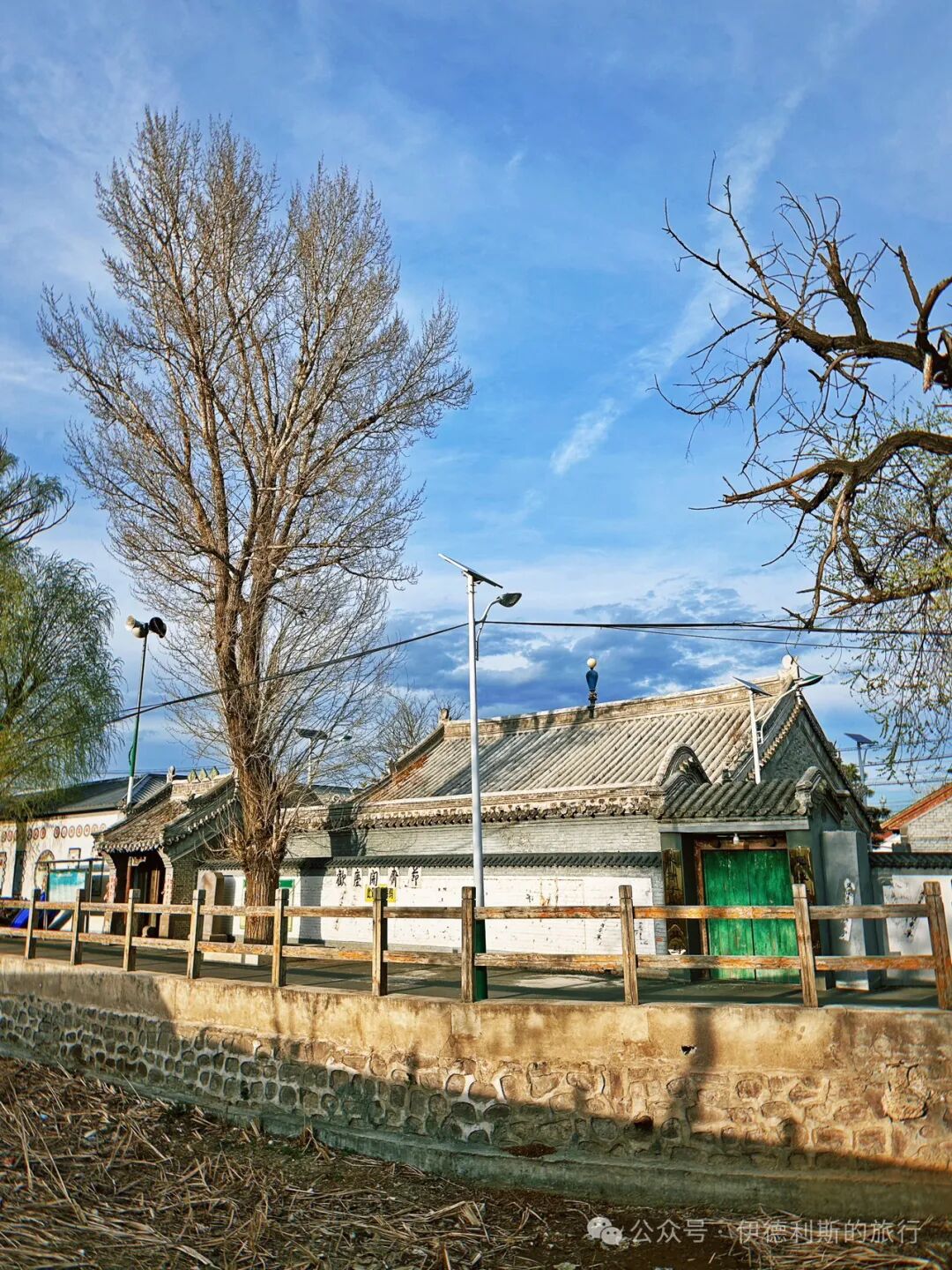
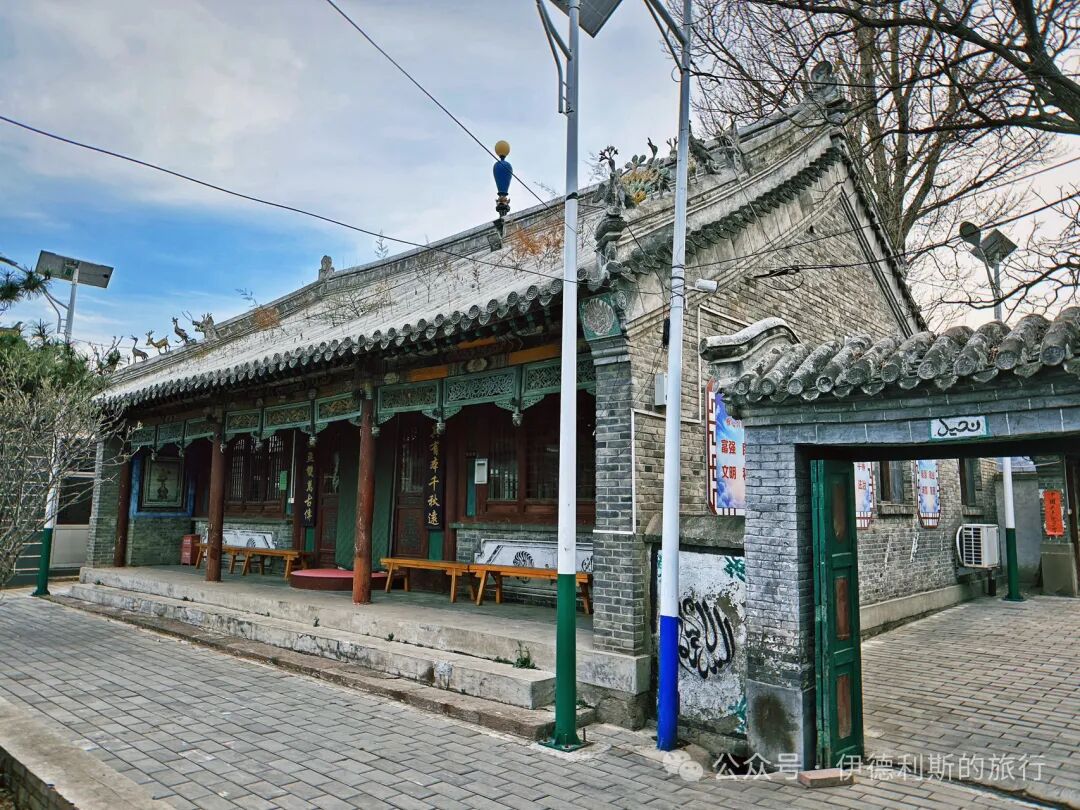
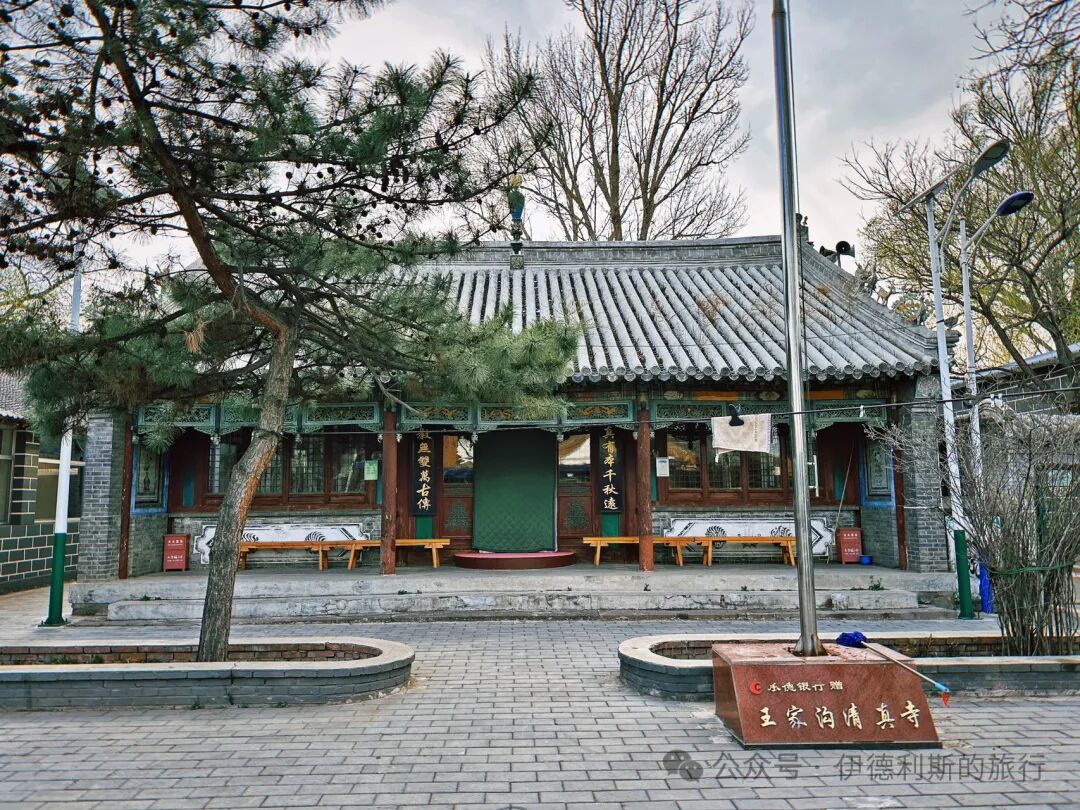
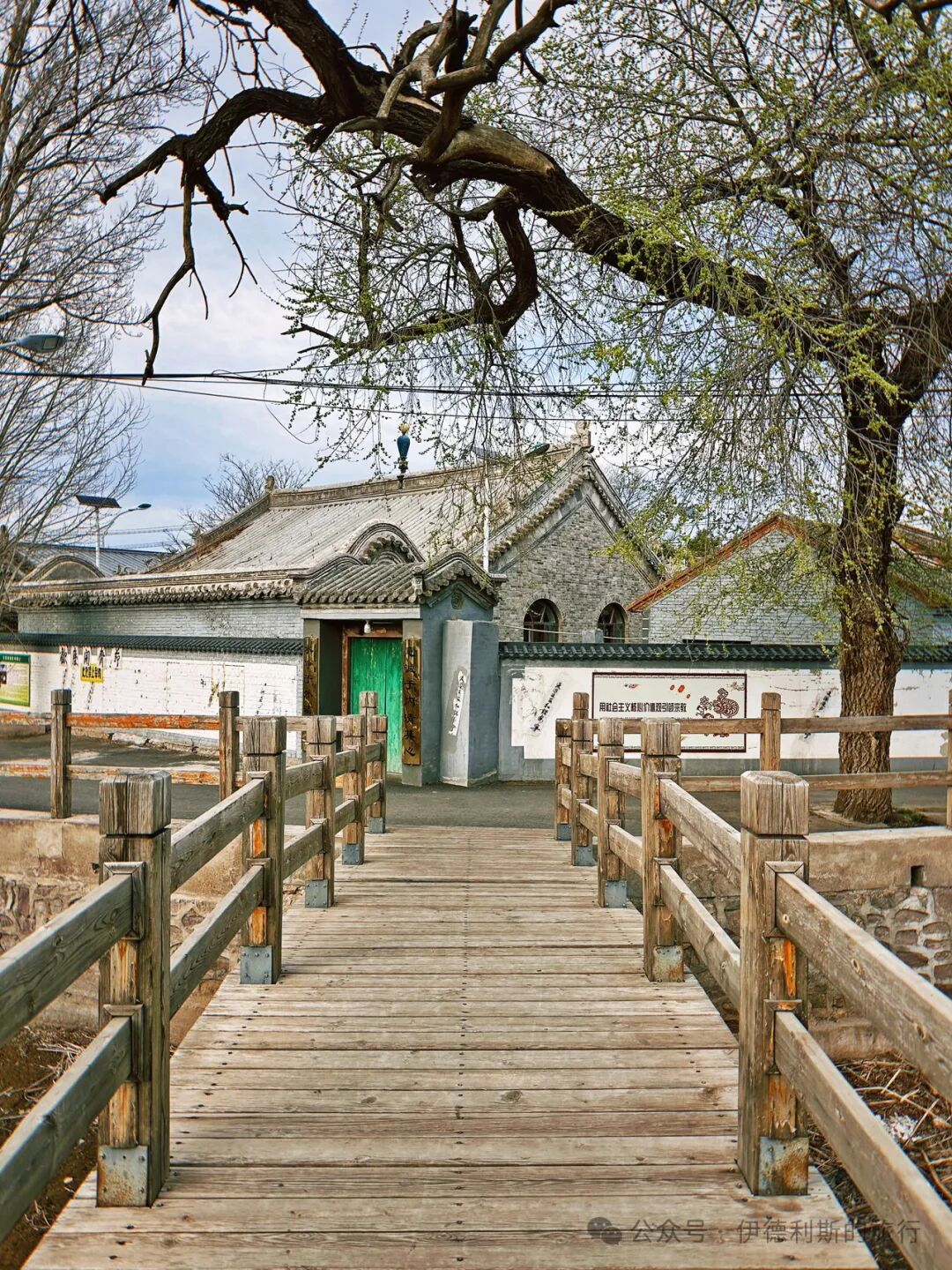
Wangjiagou Mosque was first built in 1748 (the 13th year of the Qianlong reign). It was renovated in 1831 (the 11th year of the Daoguang reign) and rebuilt again in 1992 into its current form, keeping the traditional northern architectural style.
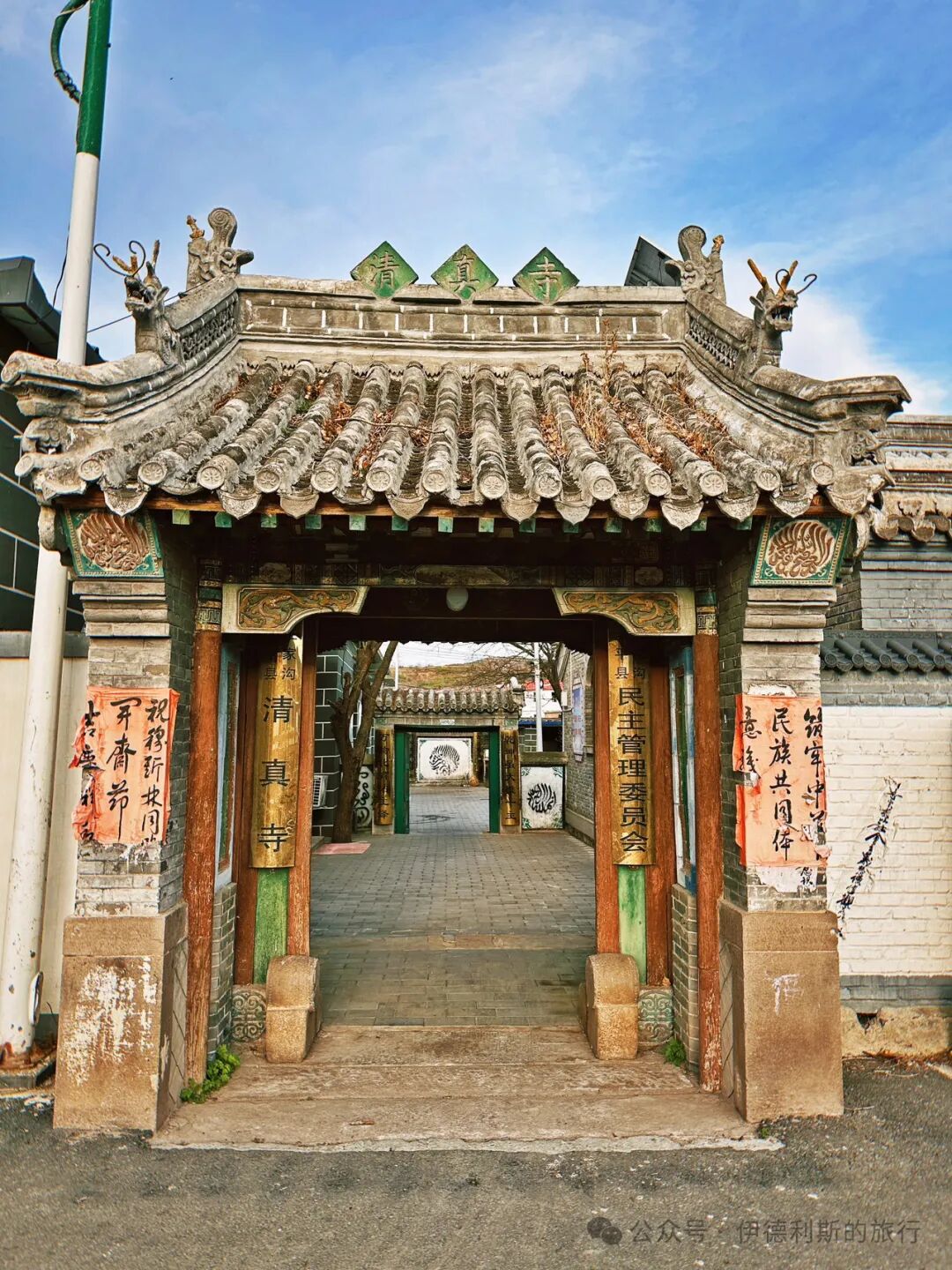
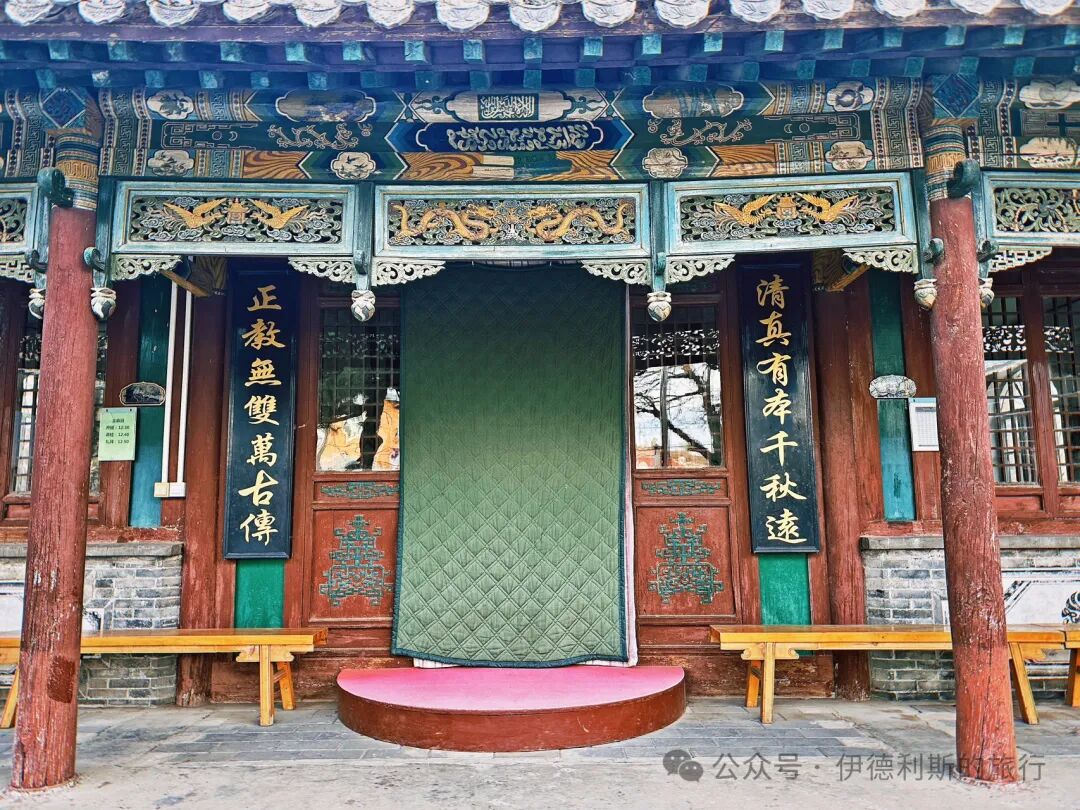
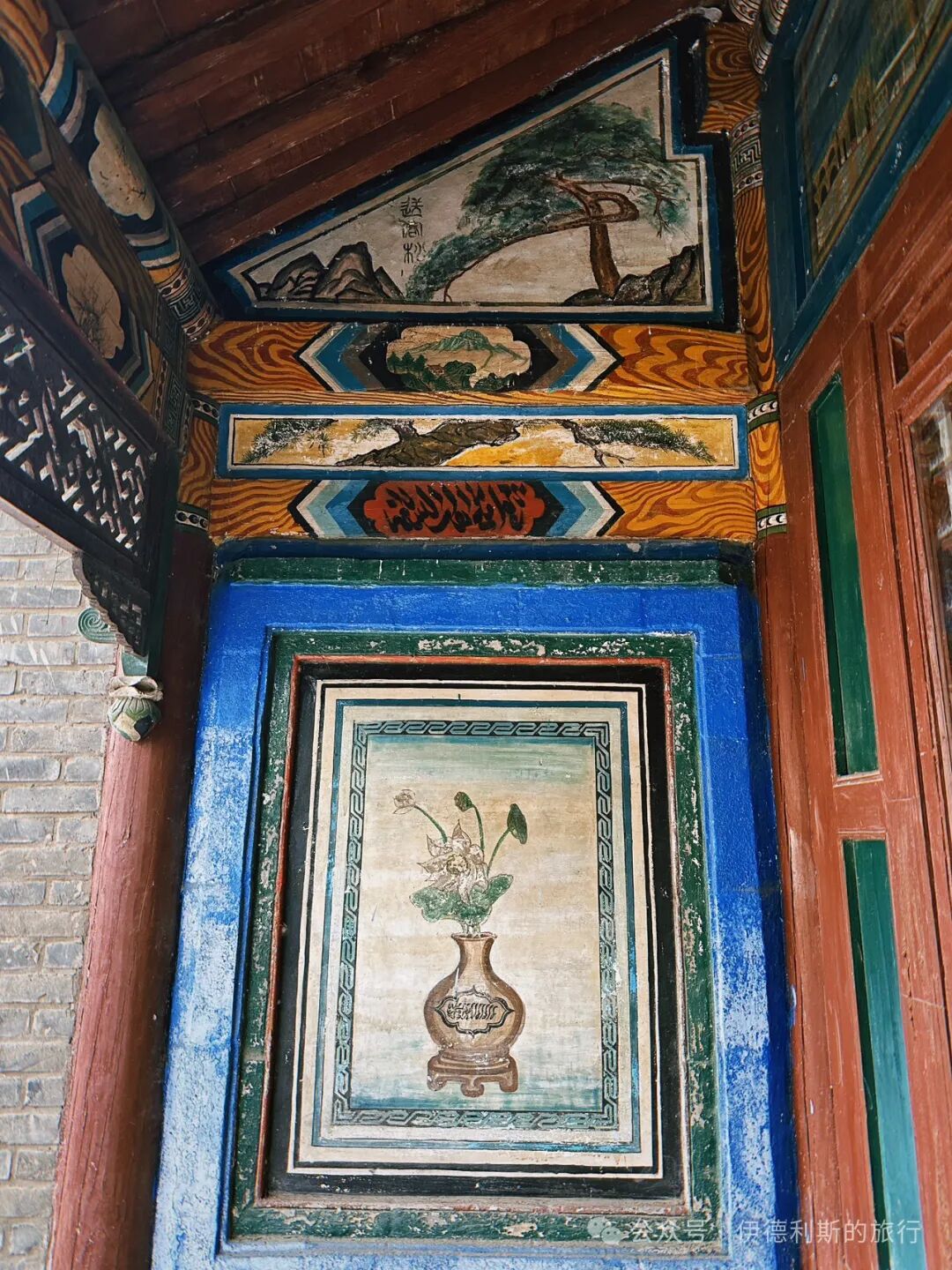
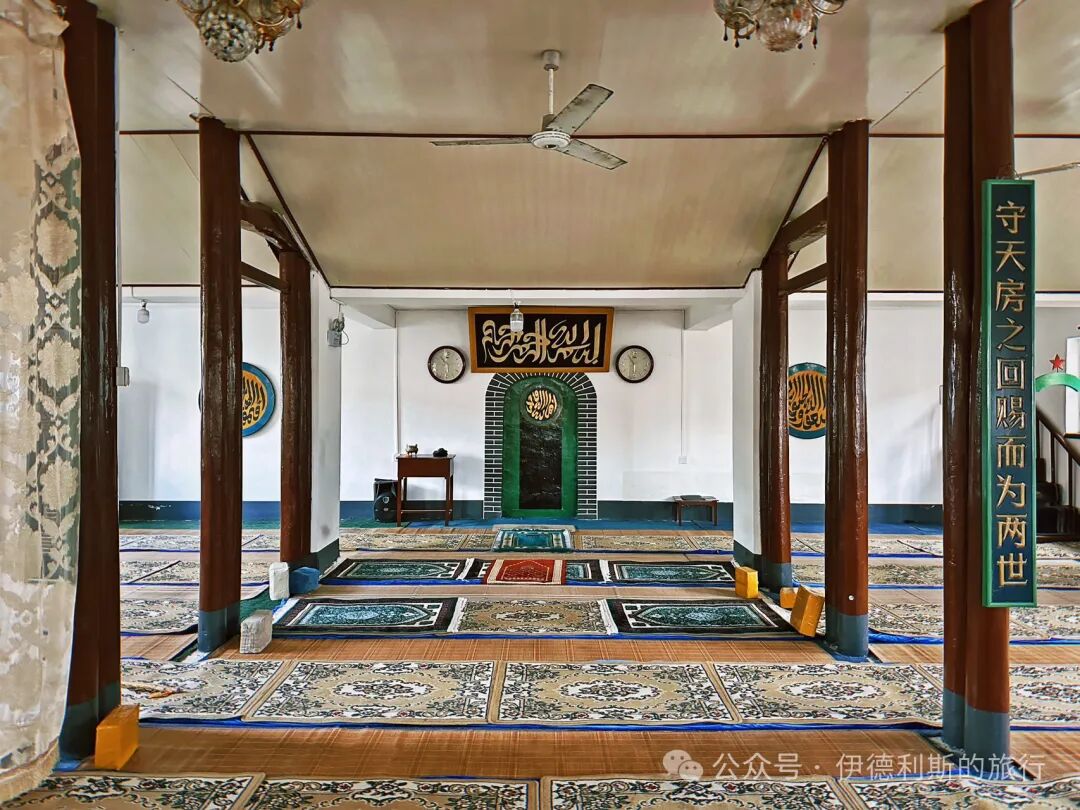
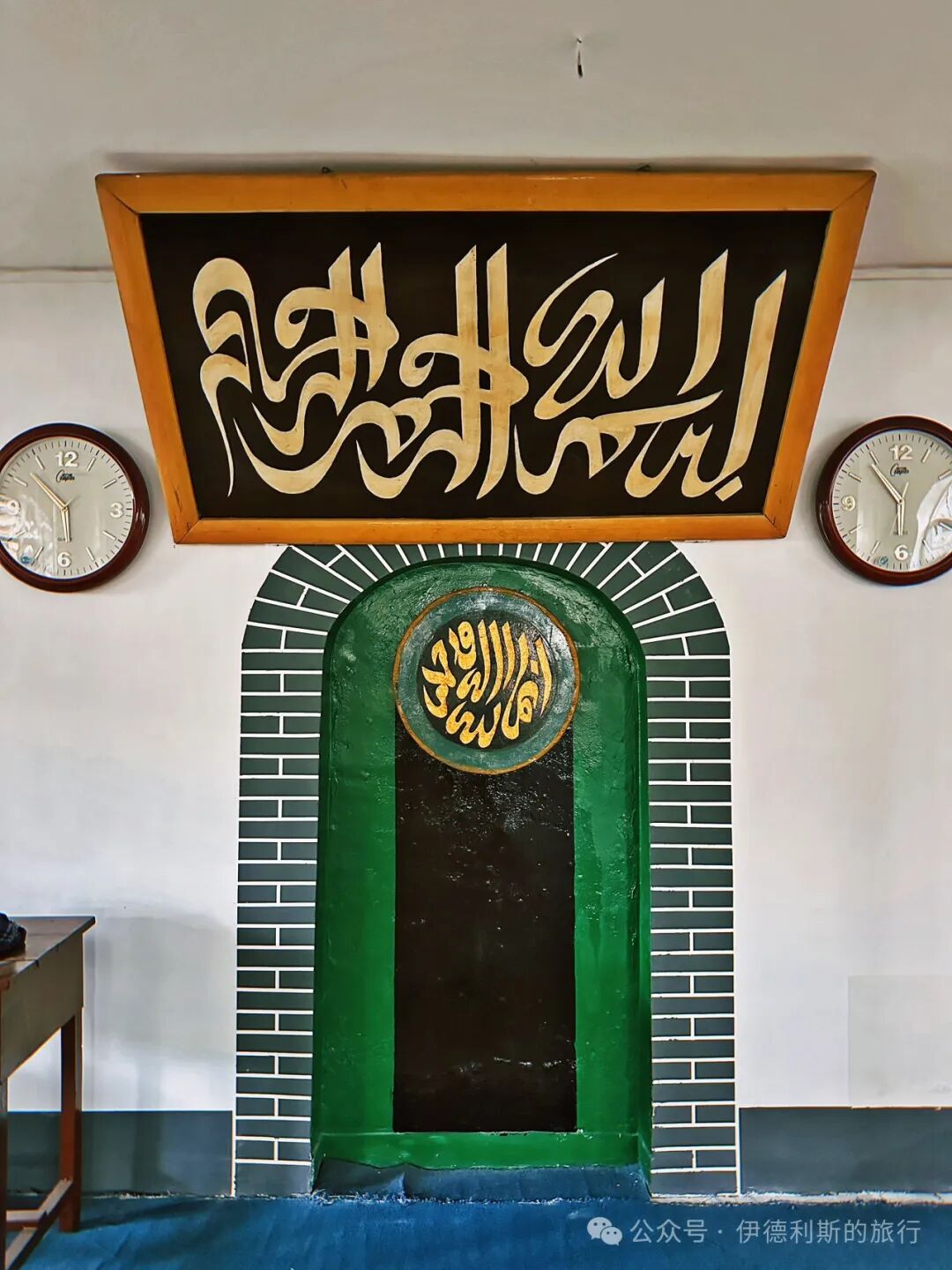
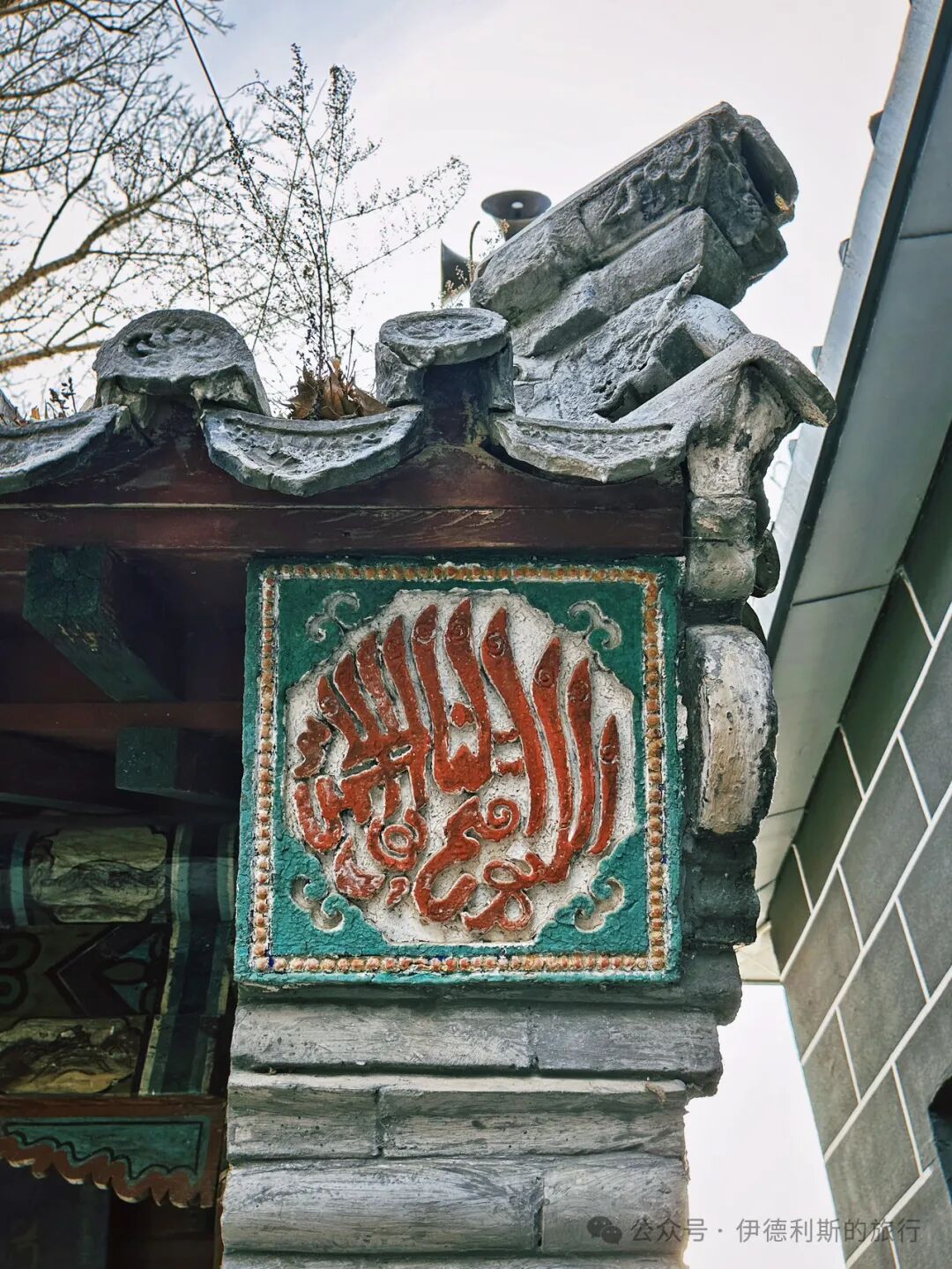
Brick carvings of dua at Wangjiagou Mosque.
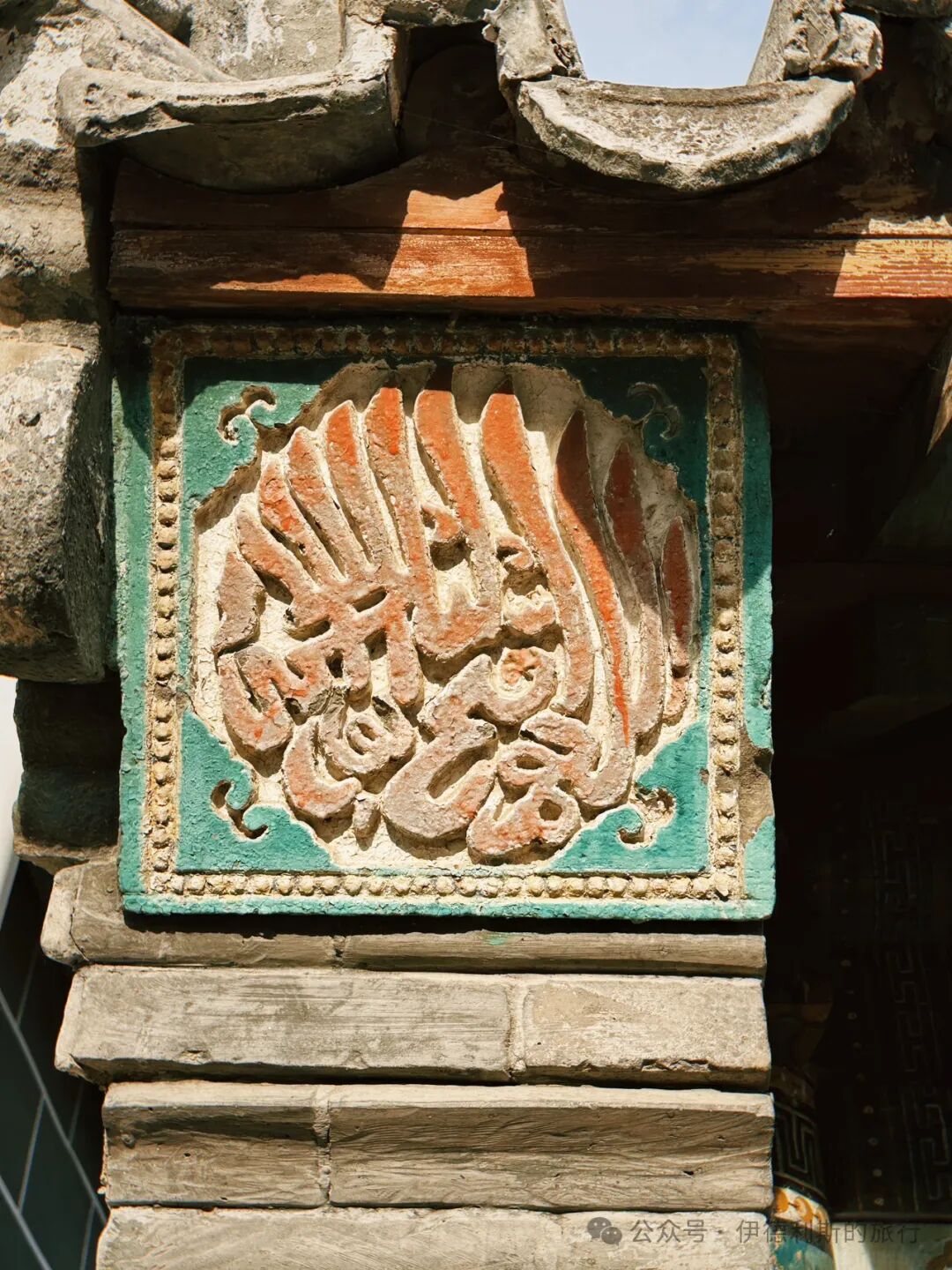
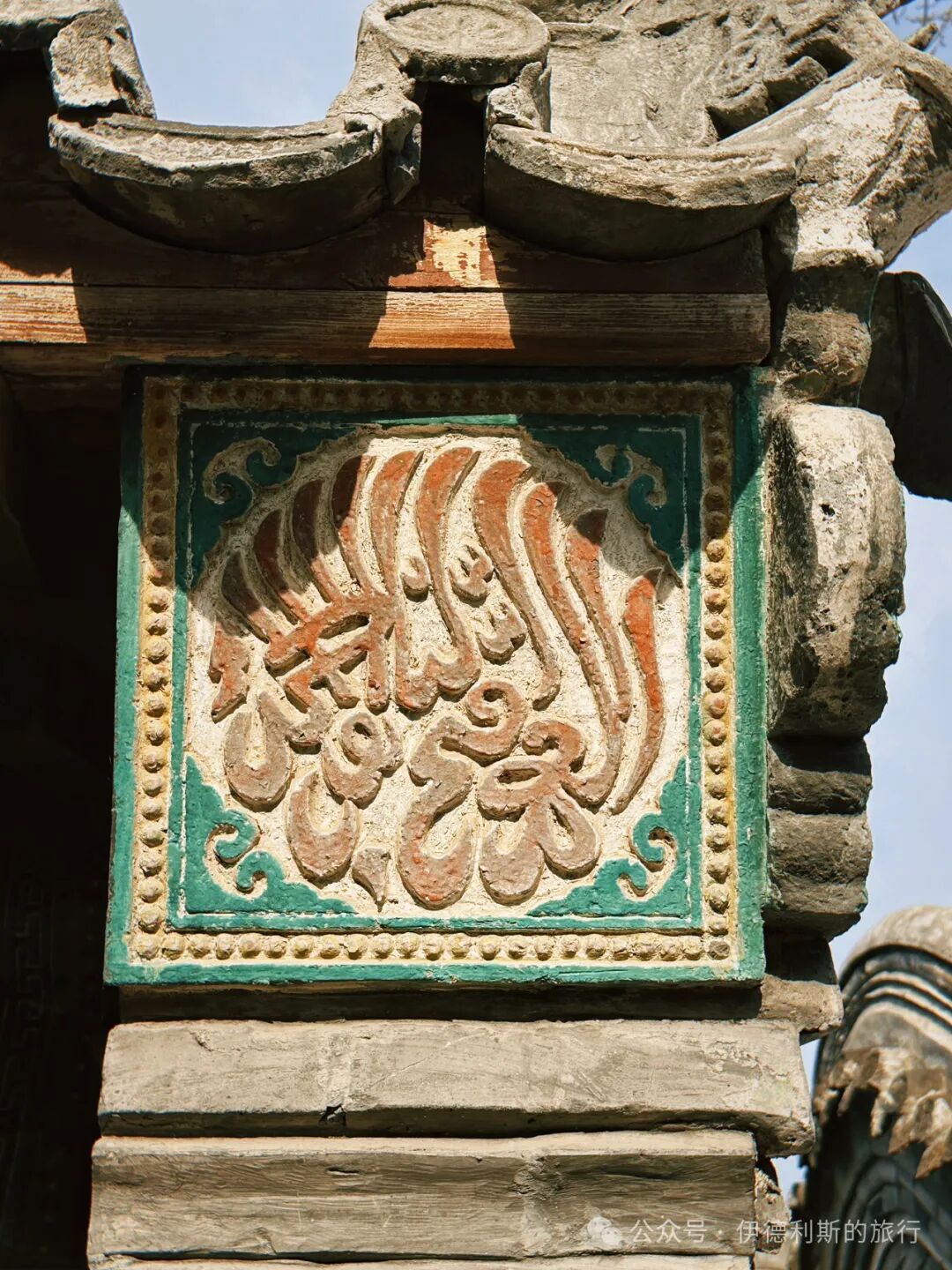
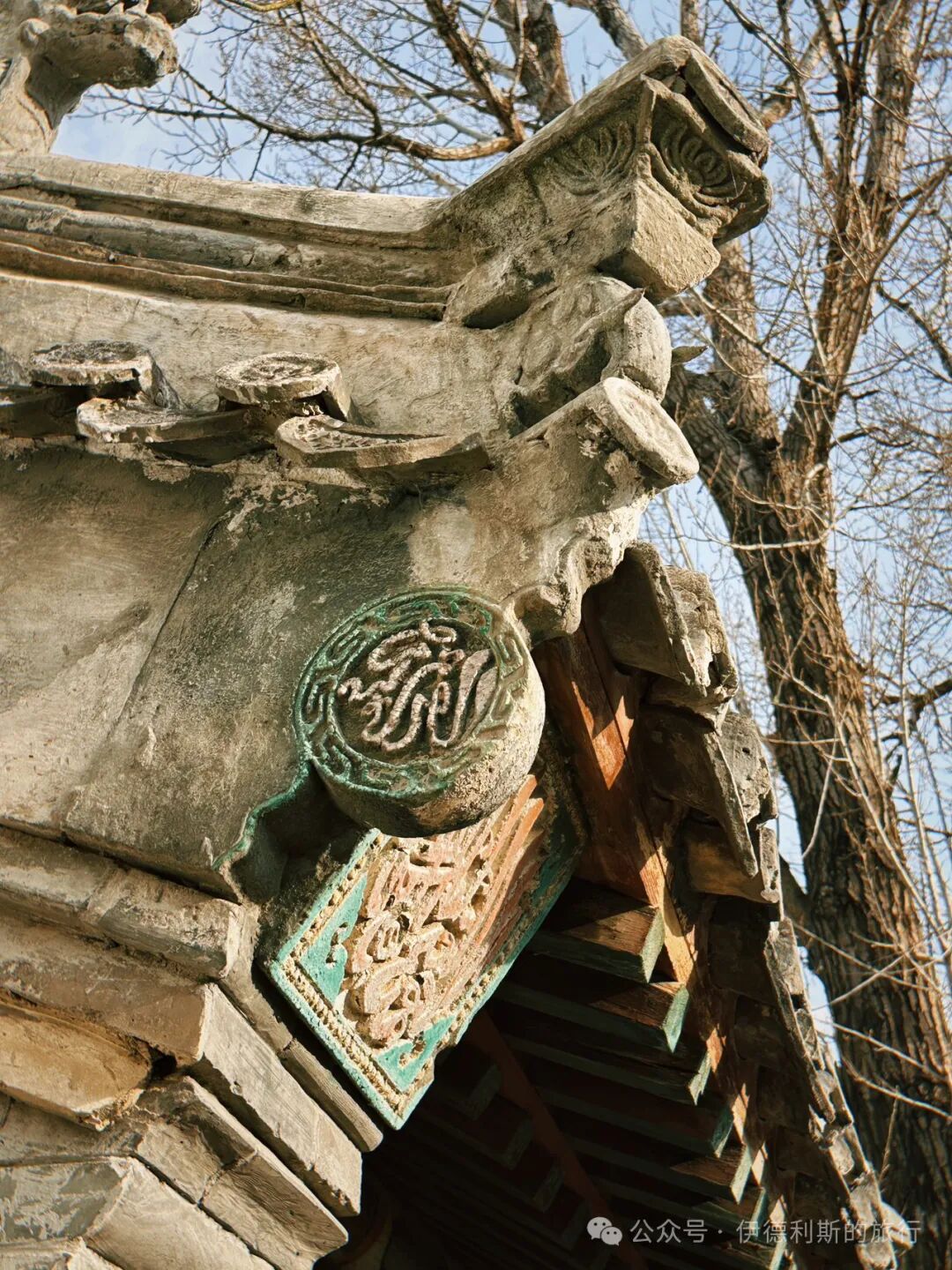
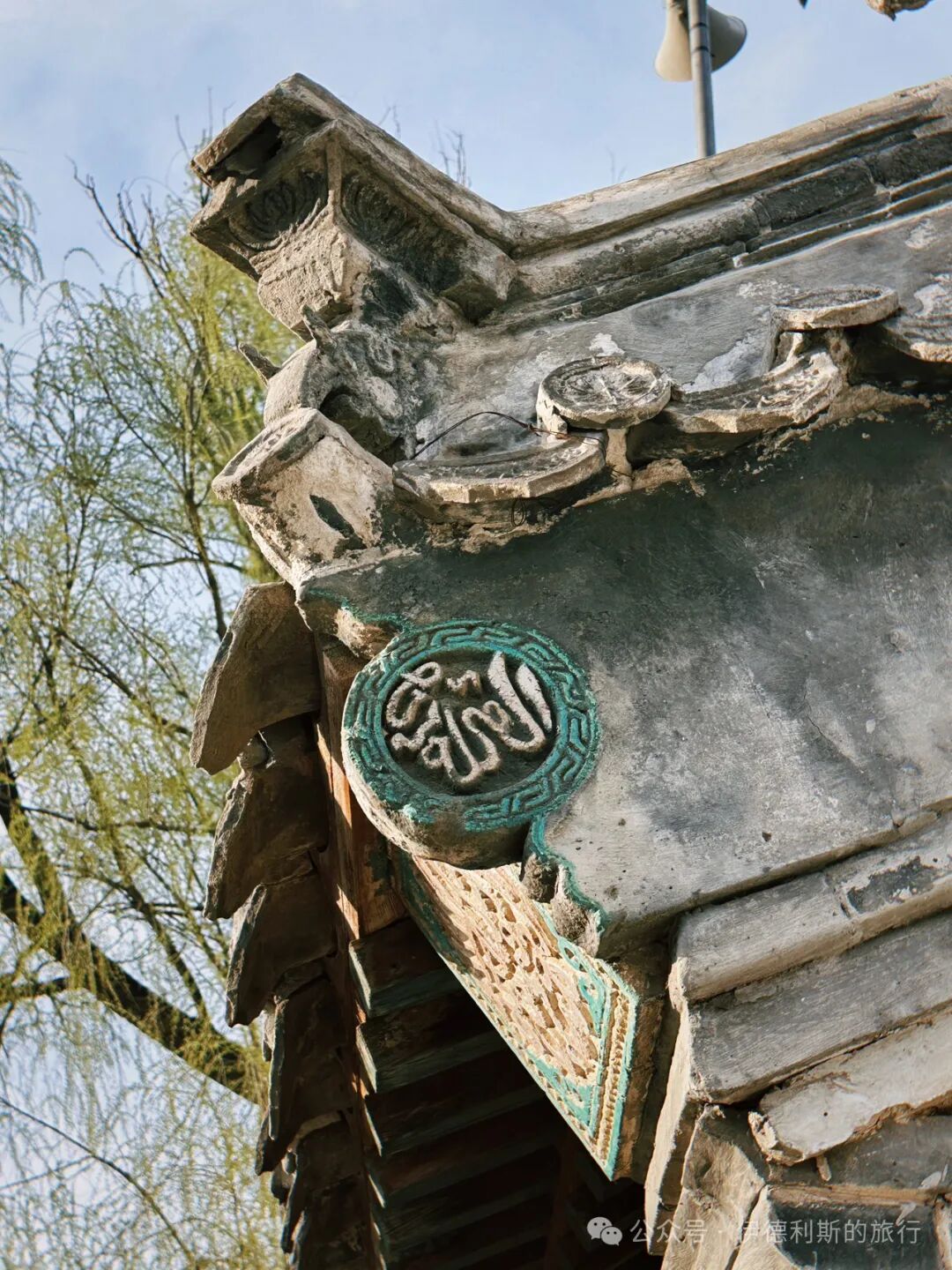
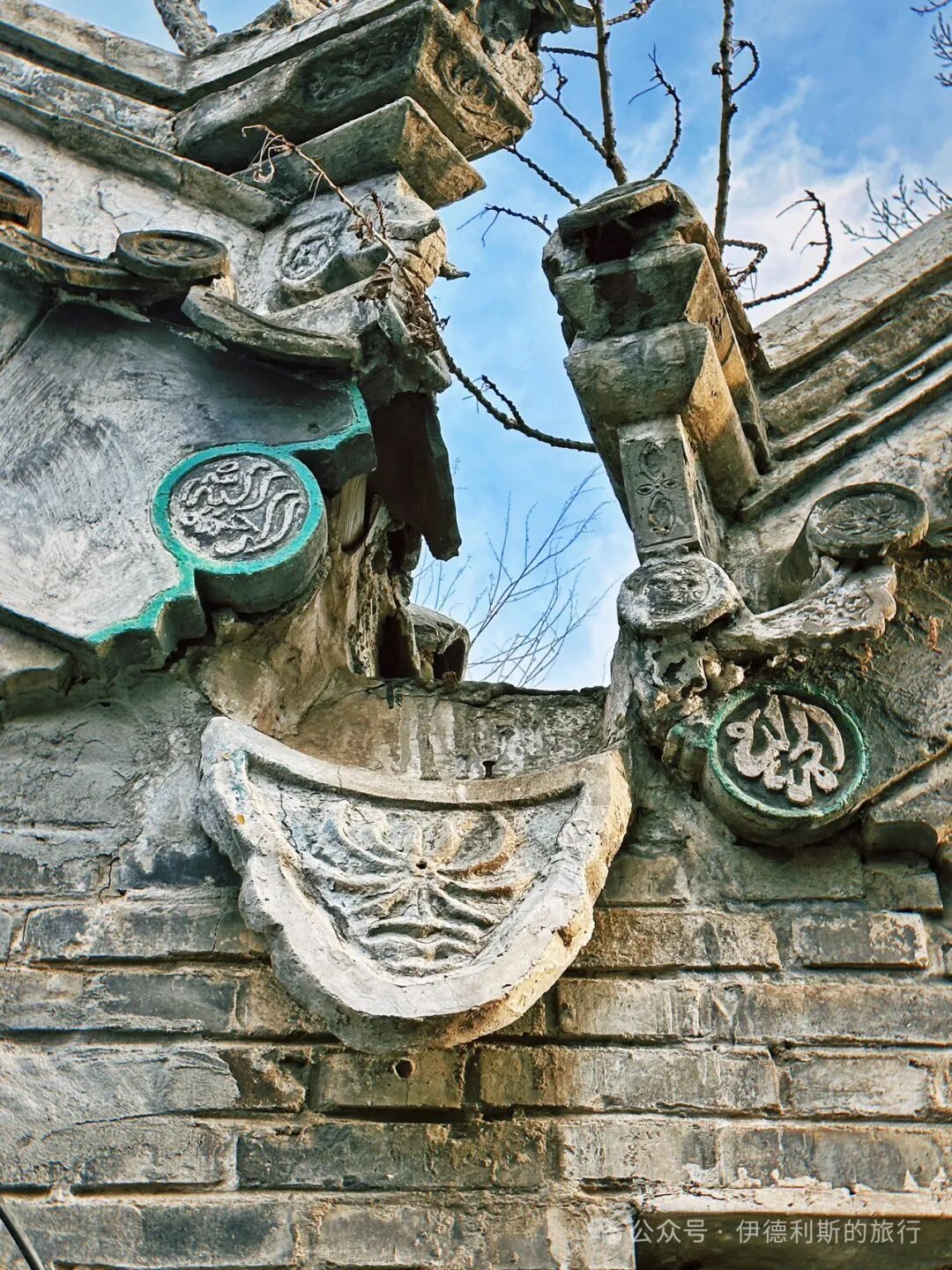
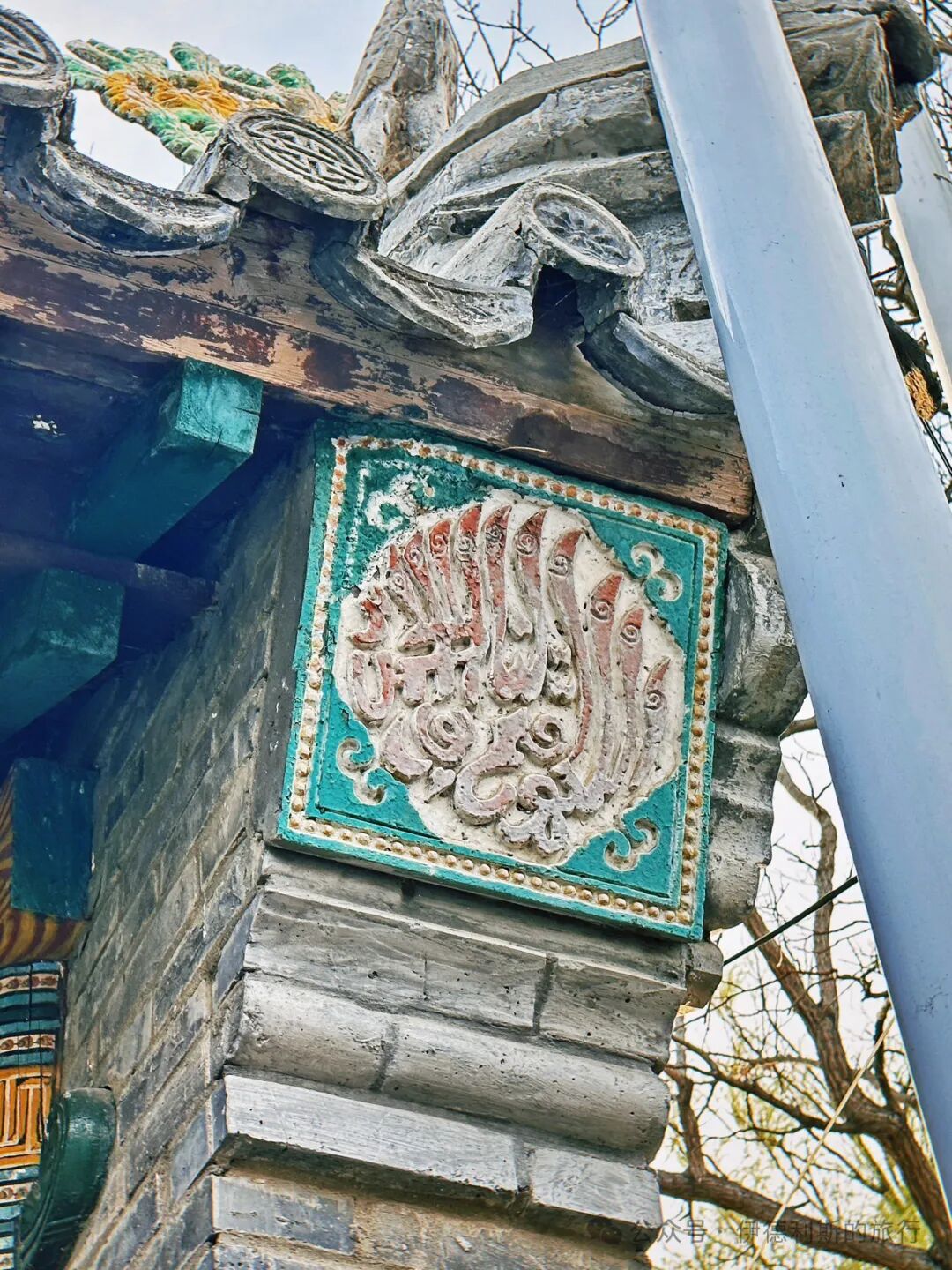
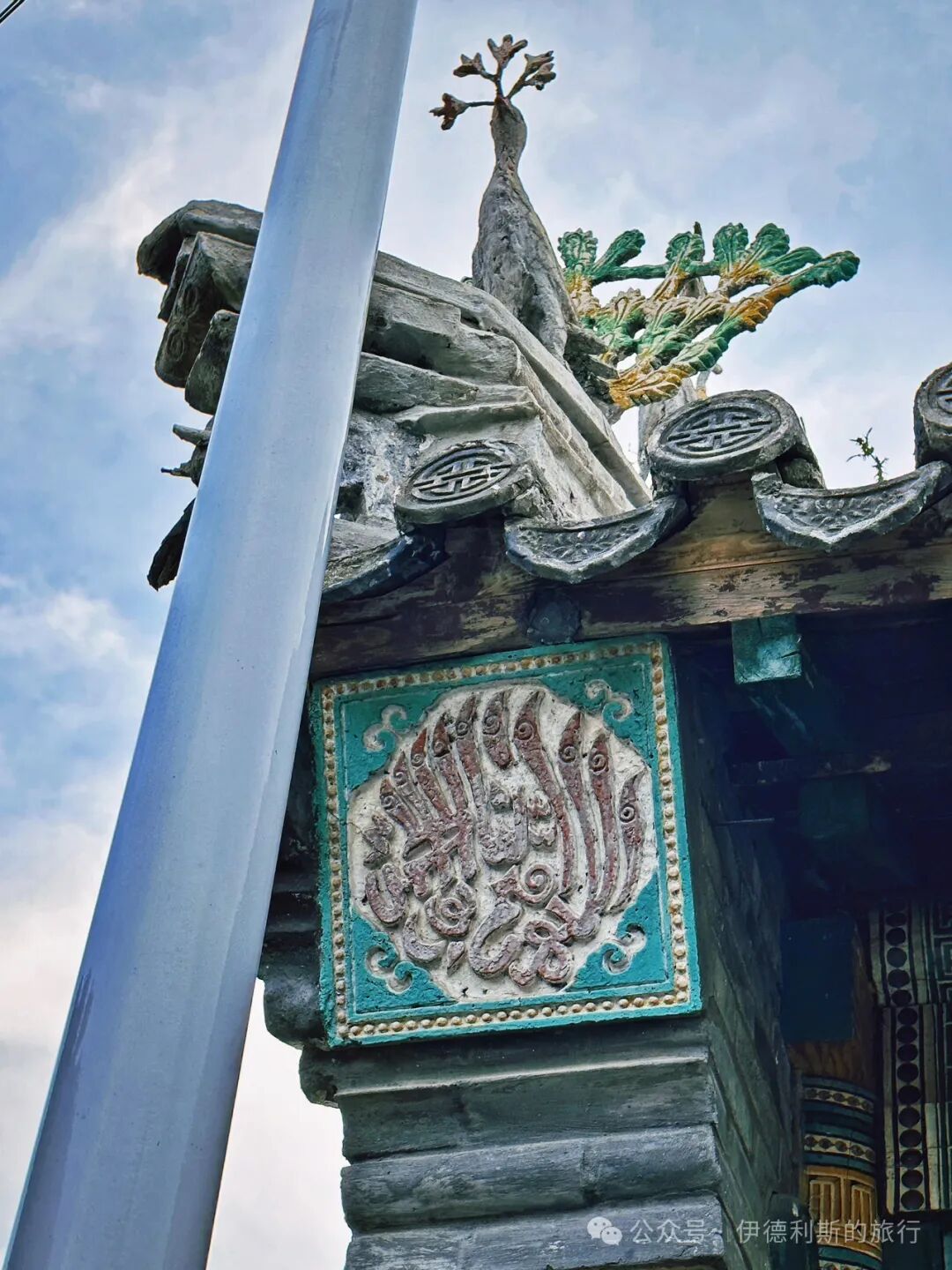
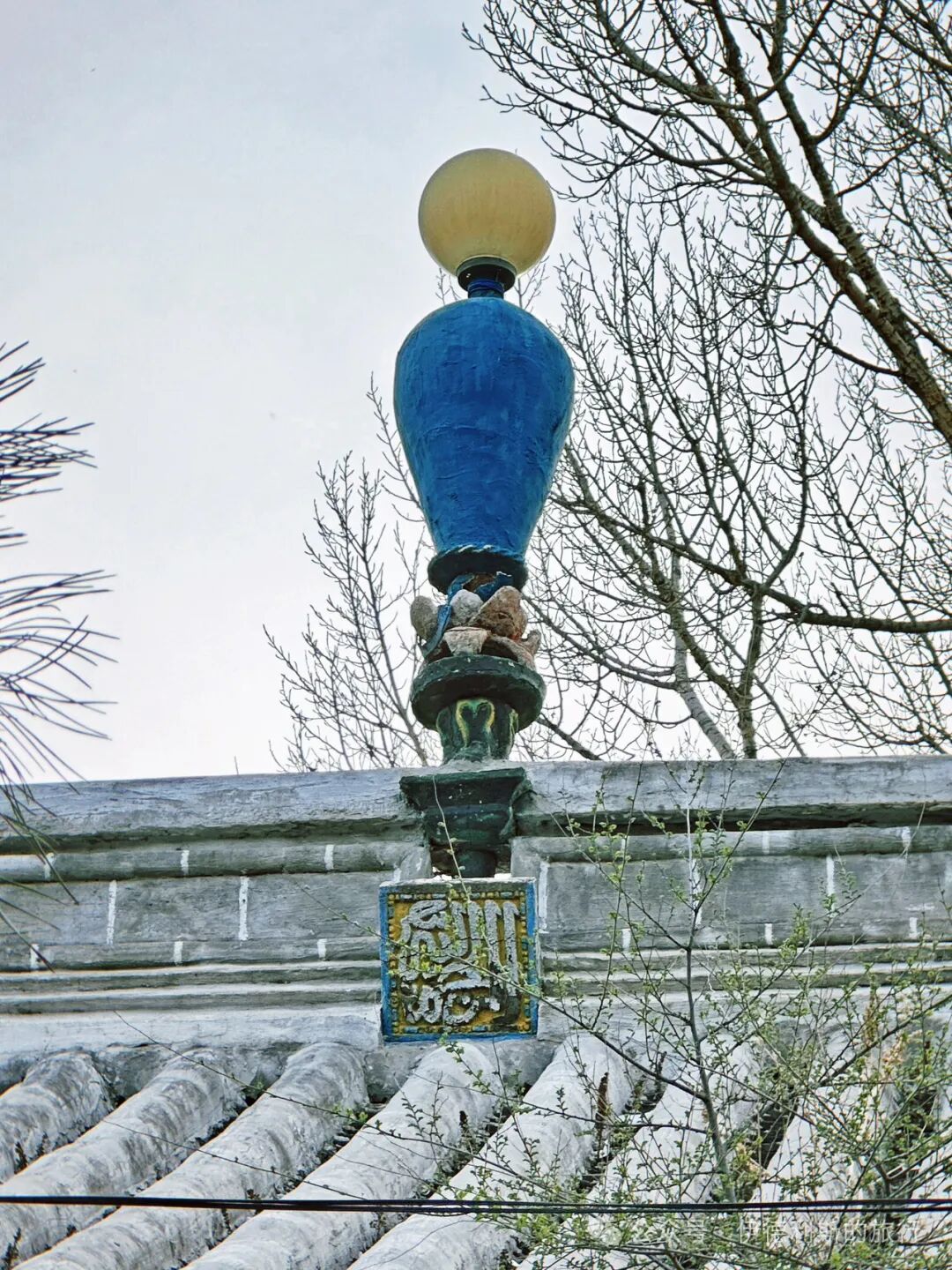
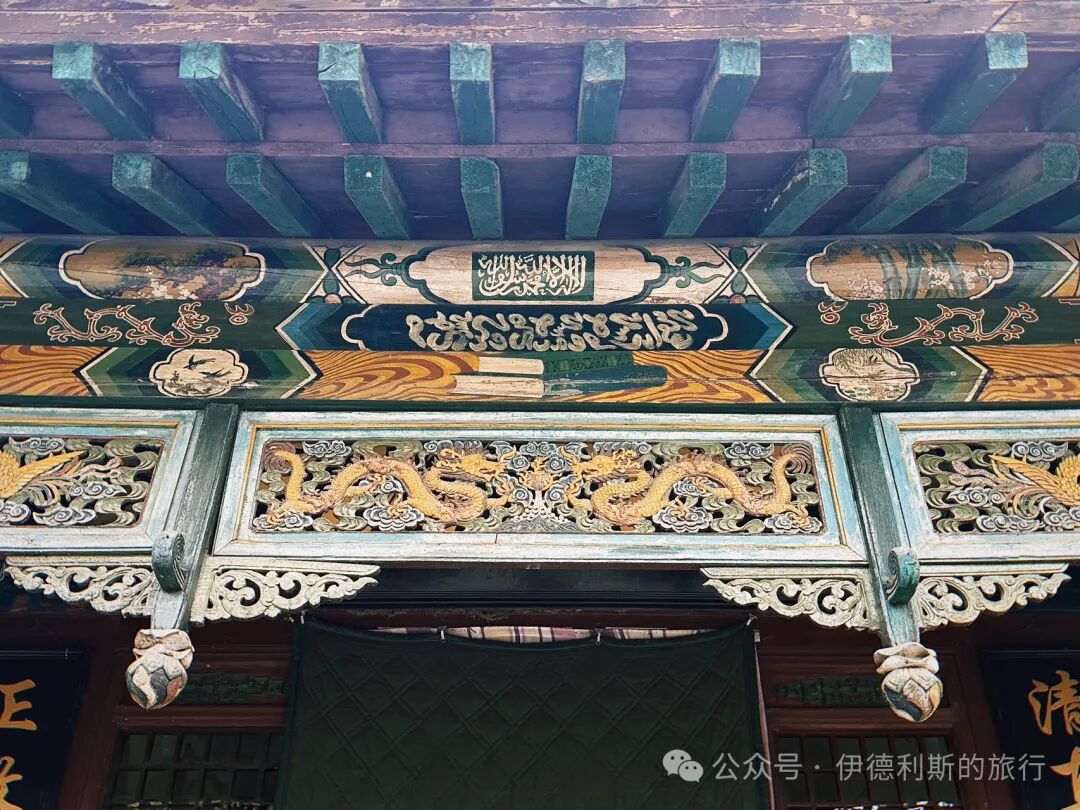
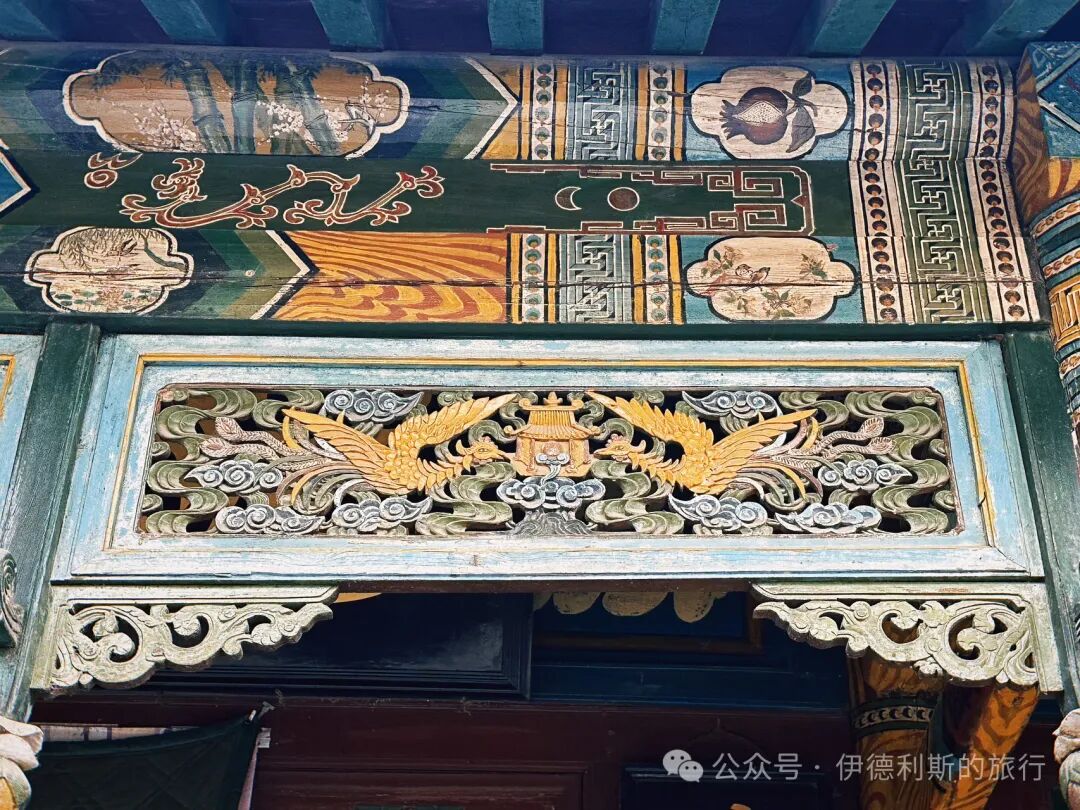
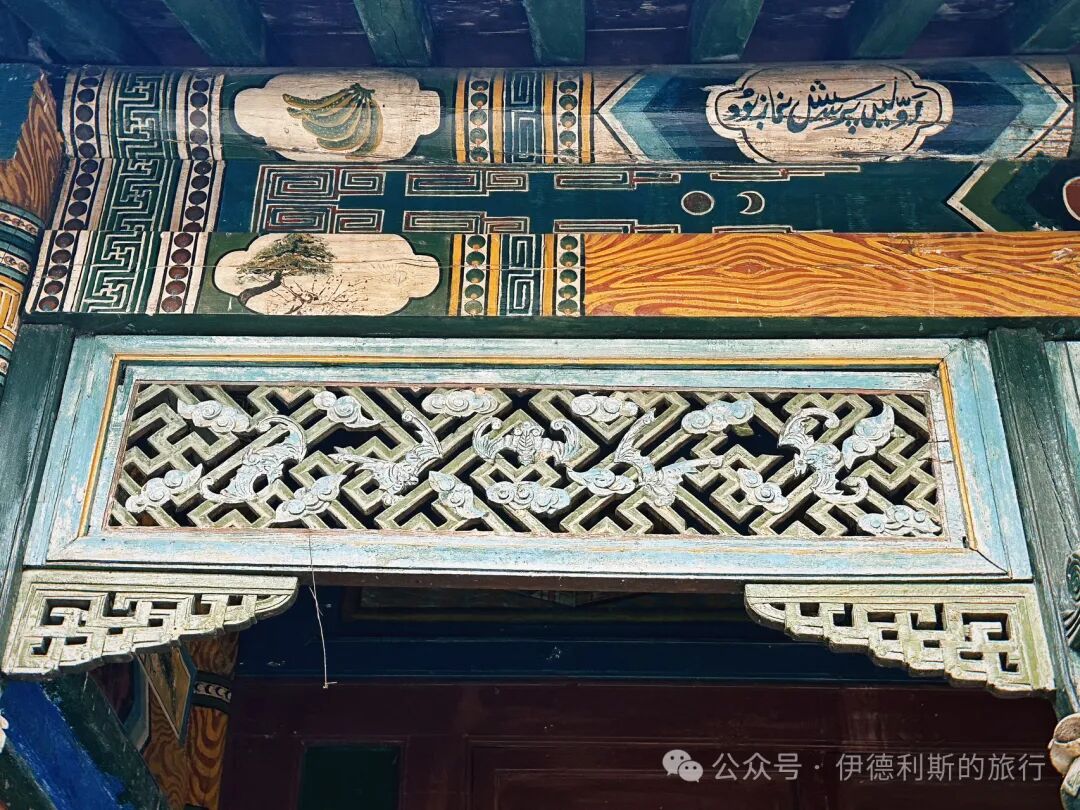
The wood carvings in the main hall of Wangjiagou Mosque feature traditional patterns like five bats (representing good fortune) and two phoenixes facing the sun.
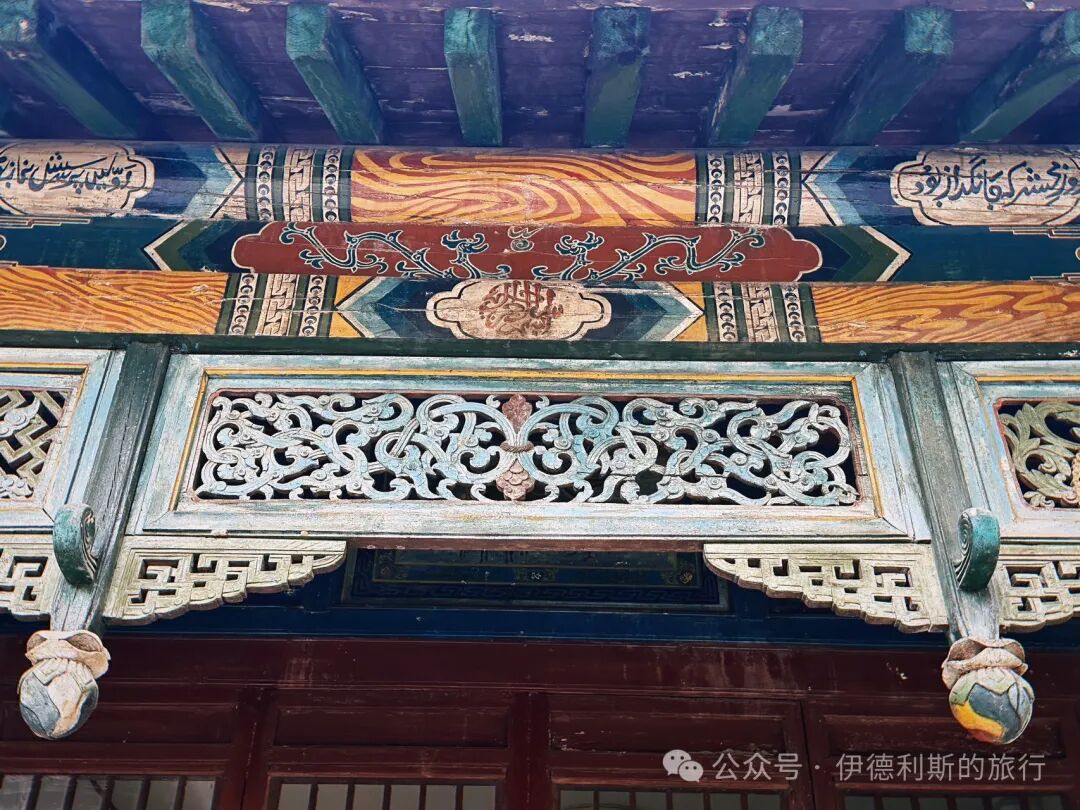
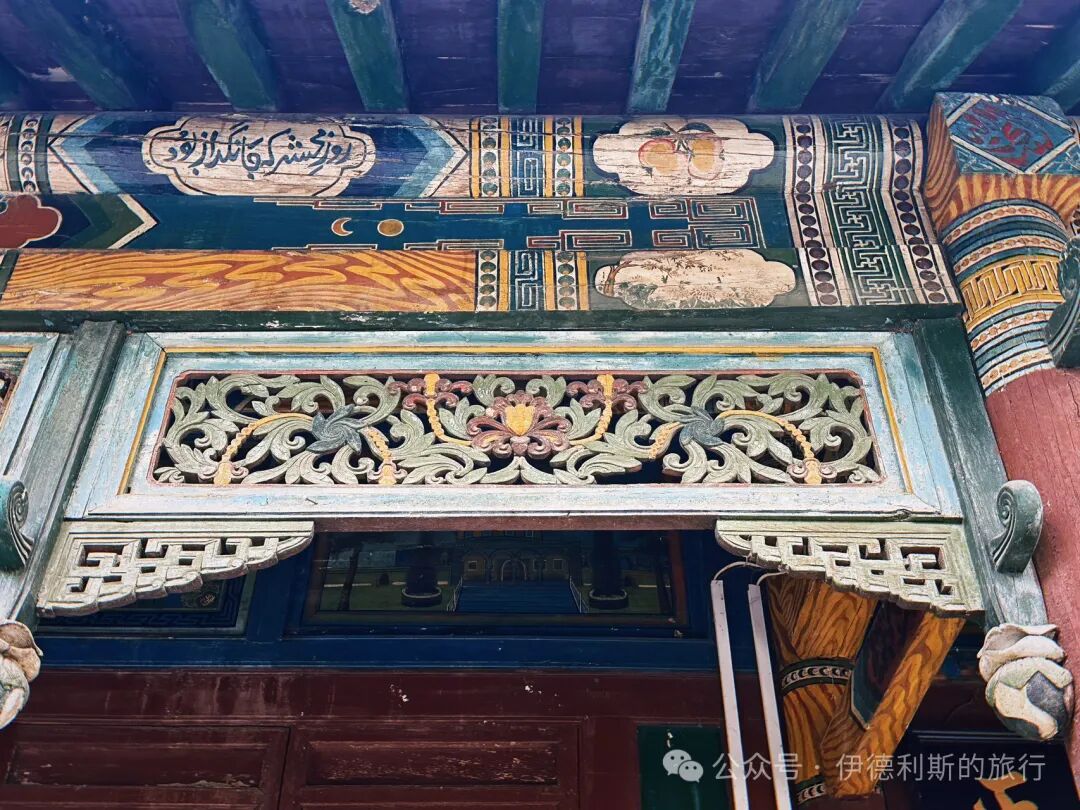
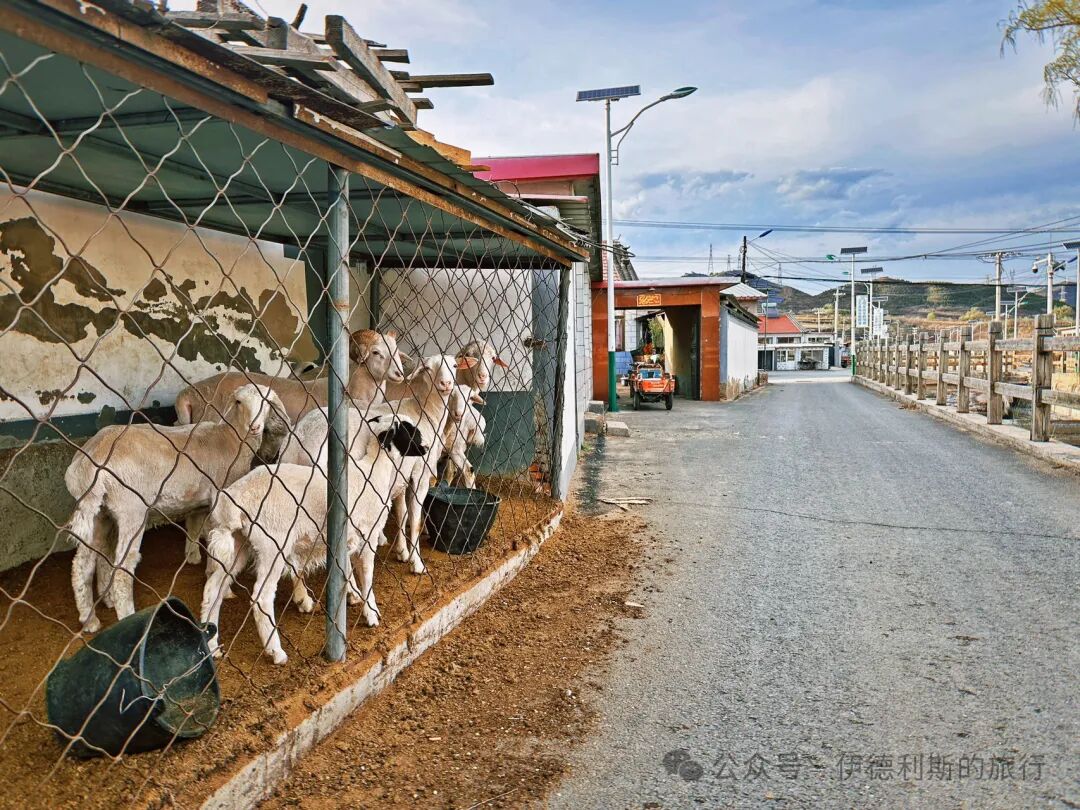
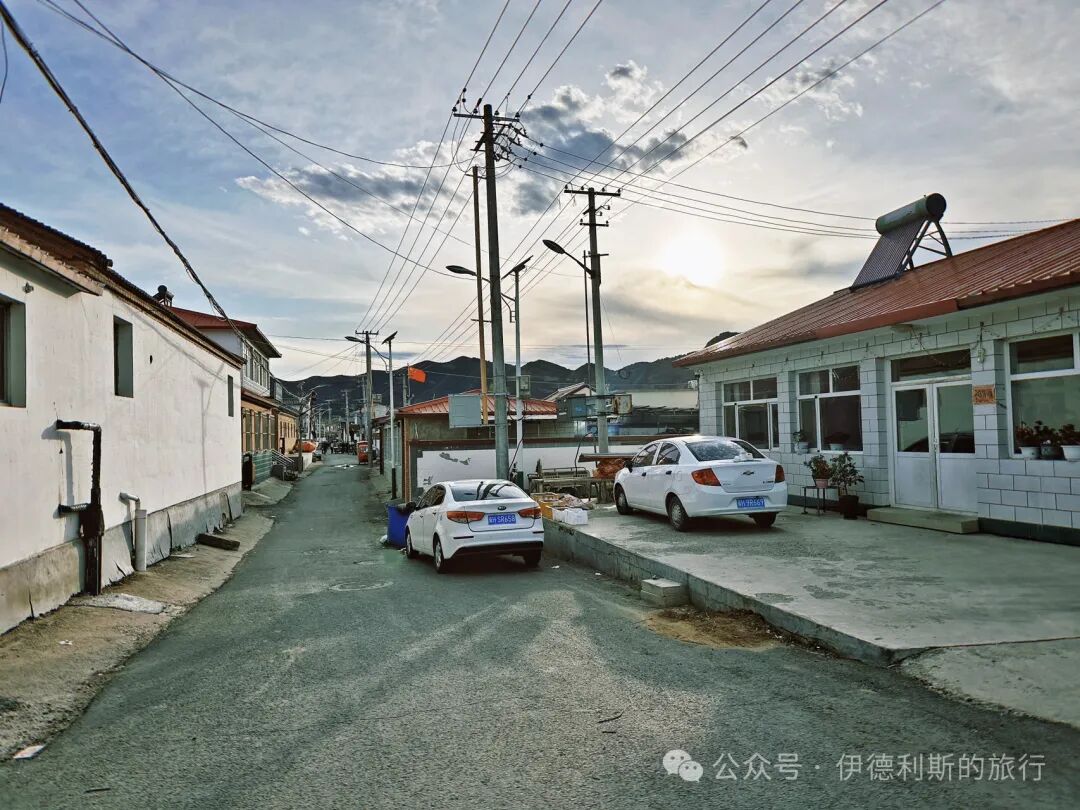
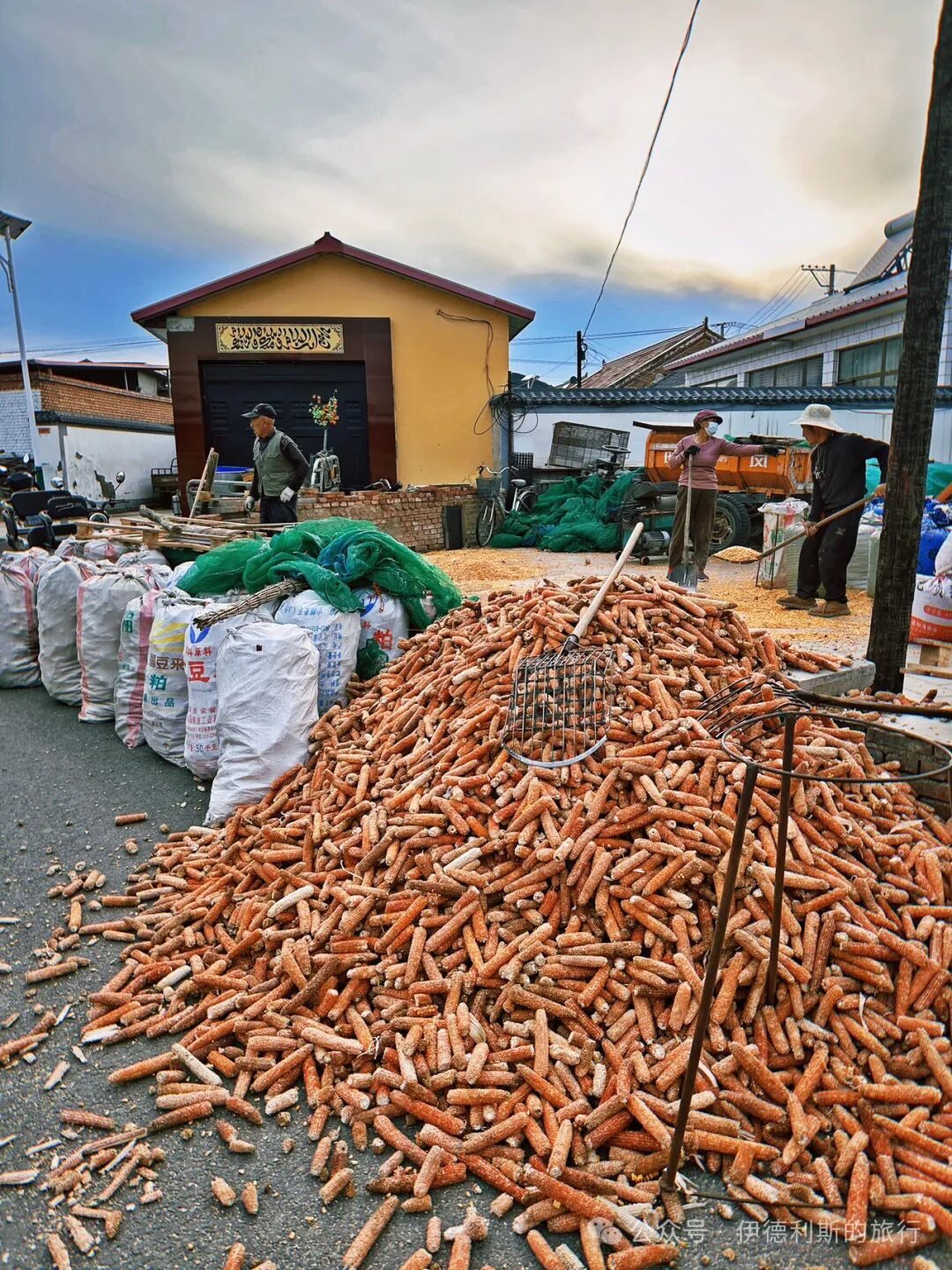
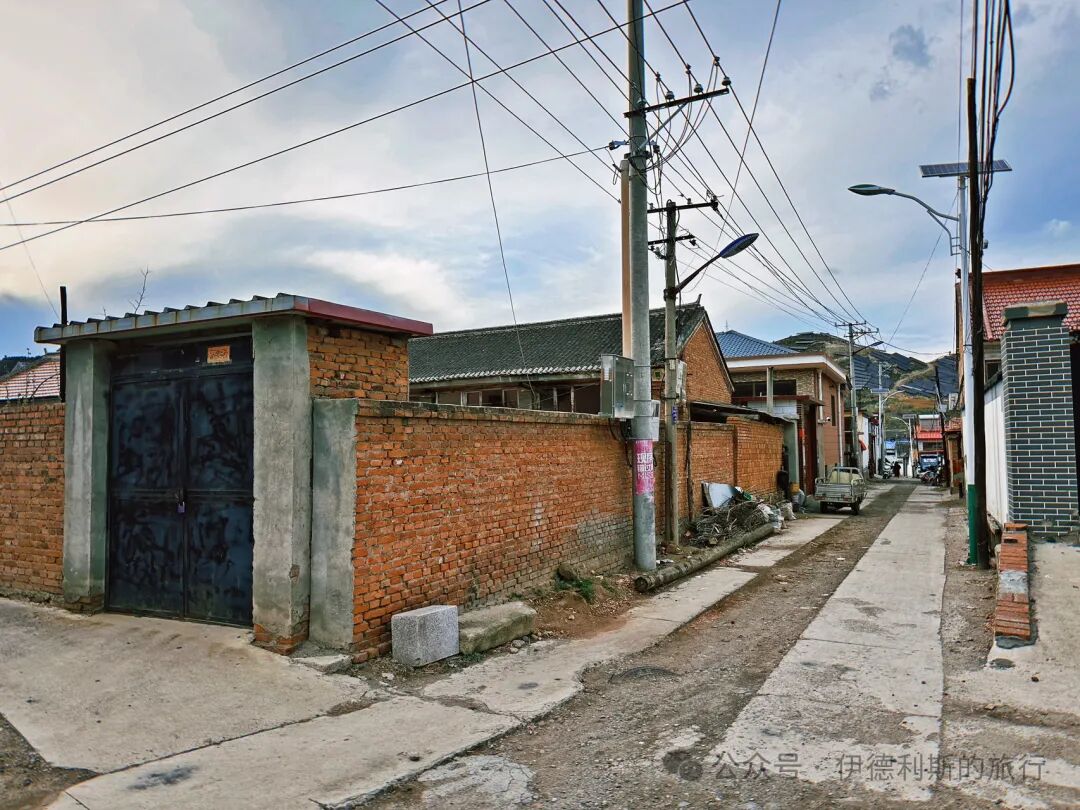
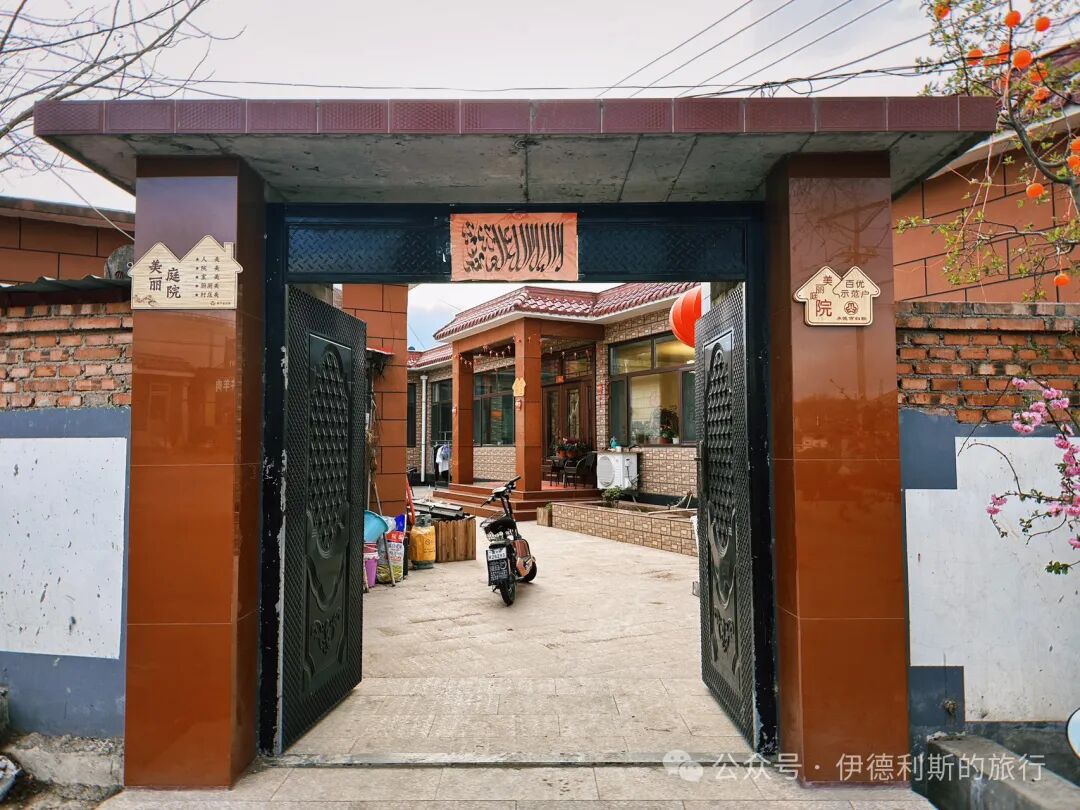
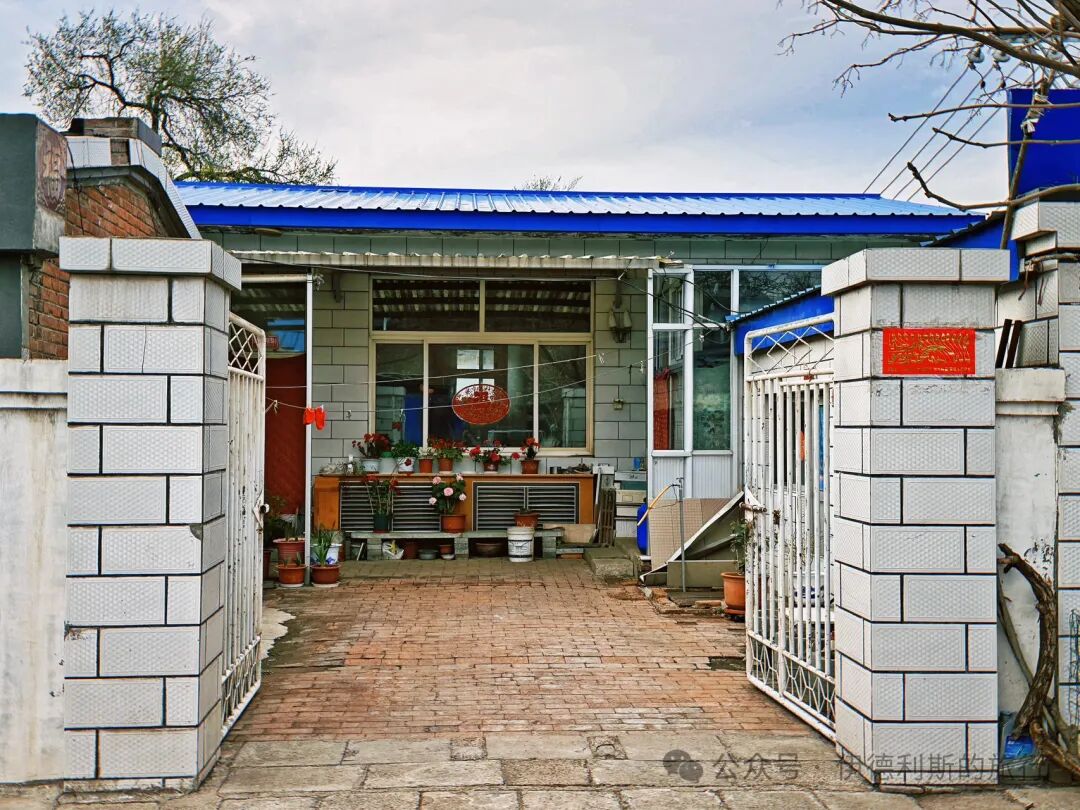
The peaceful and serene scenery of a Hui Muslim village outside the Great Wall. Wangjiagou is located on the imperial road from Beijing through Gubeikou to Chengde. The villagers have traditionally made their living by wholesaling beef and mutton.
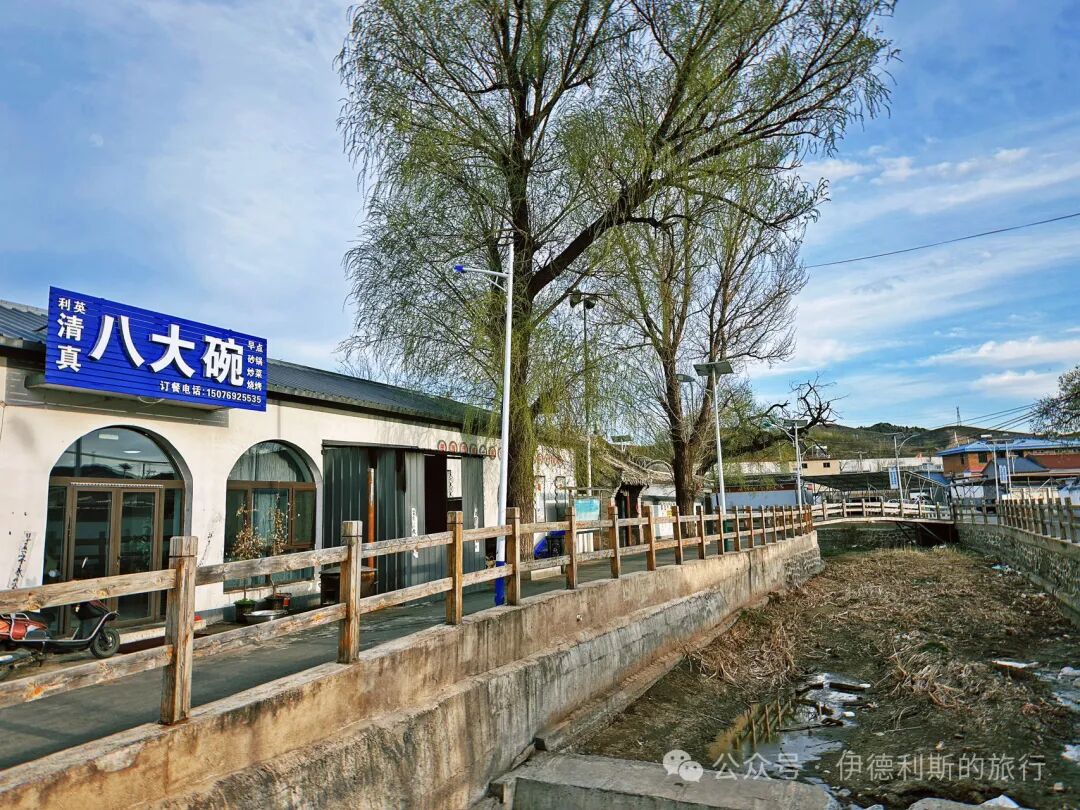
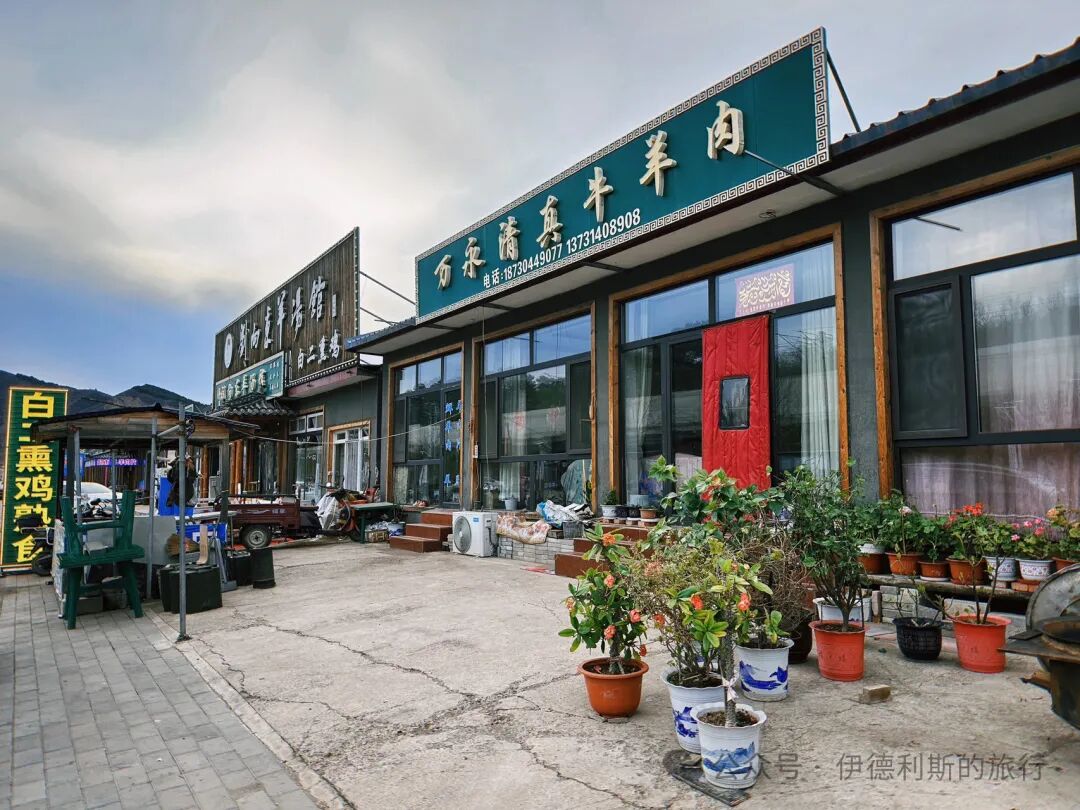
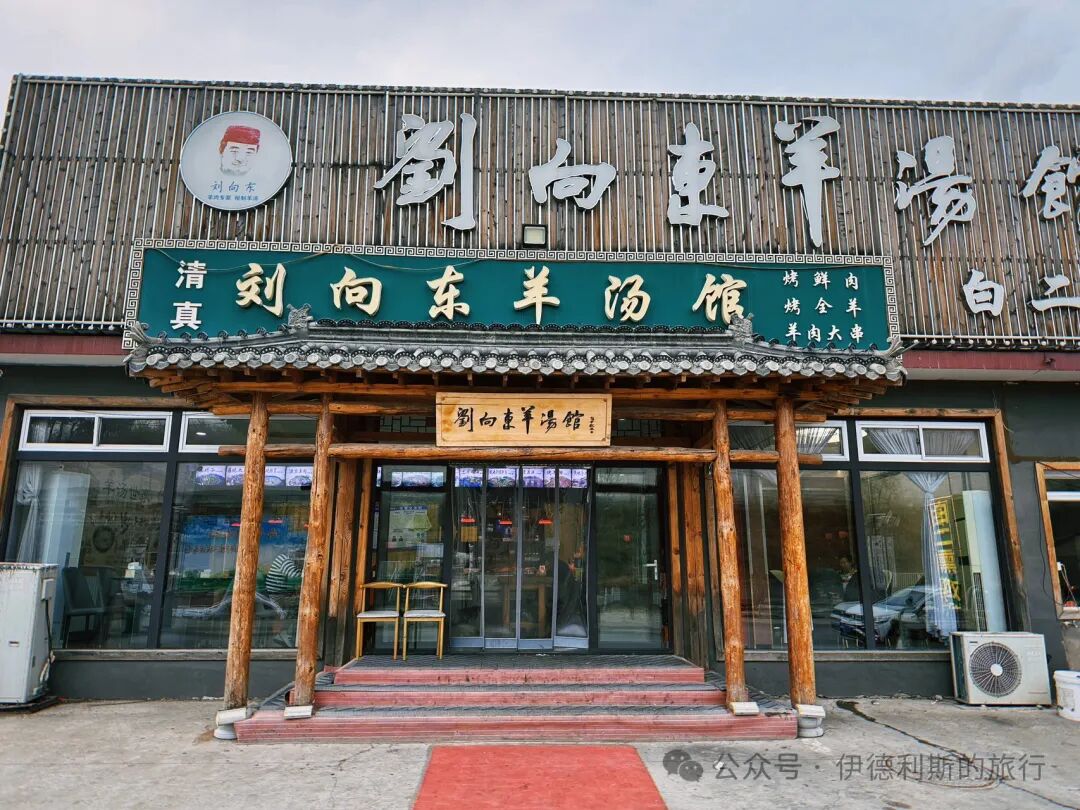
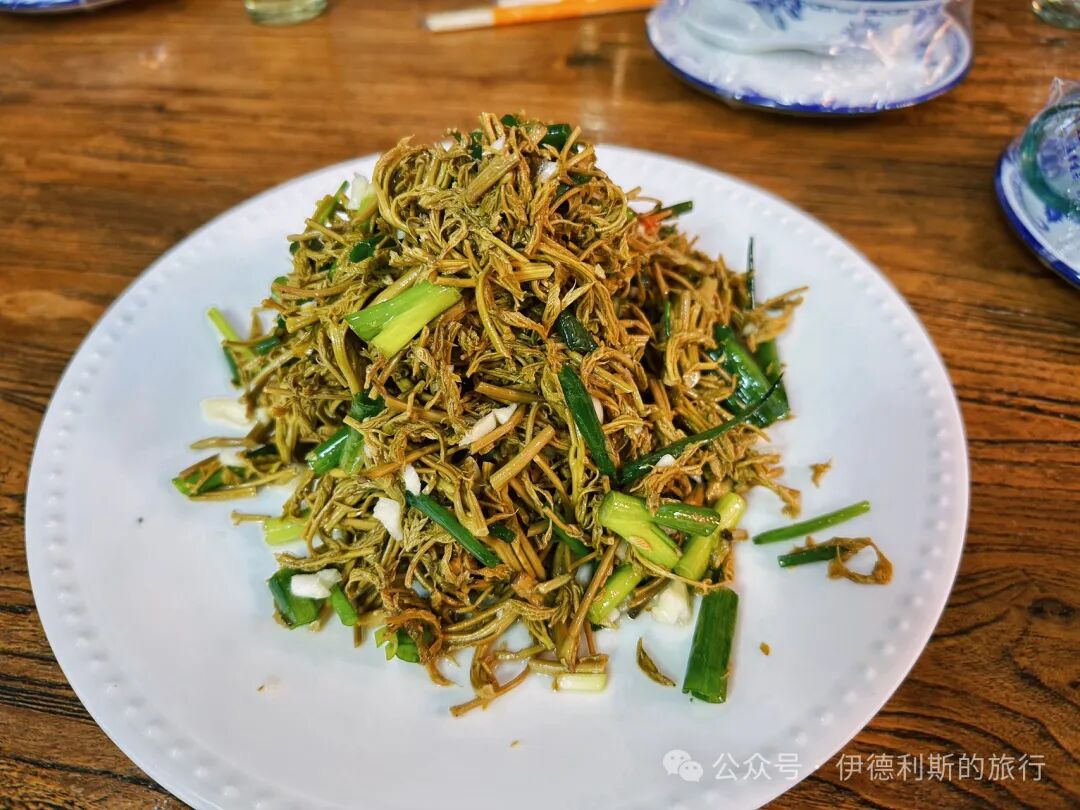
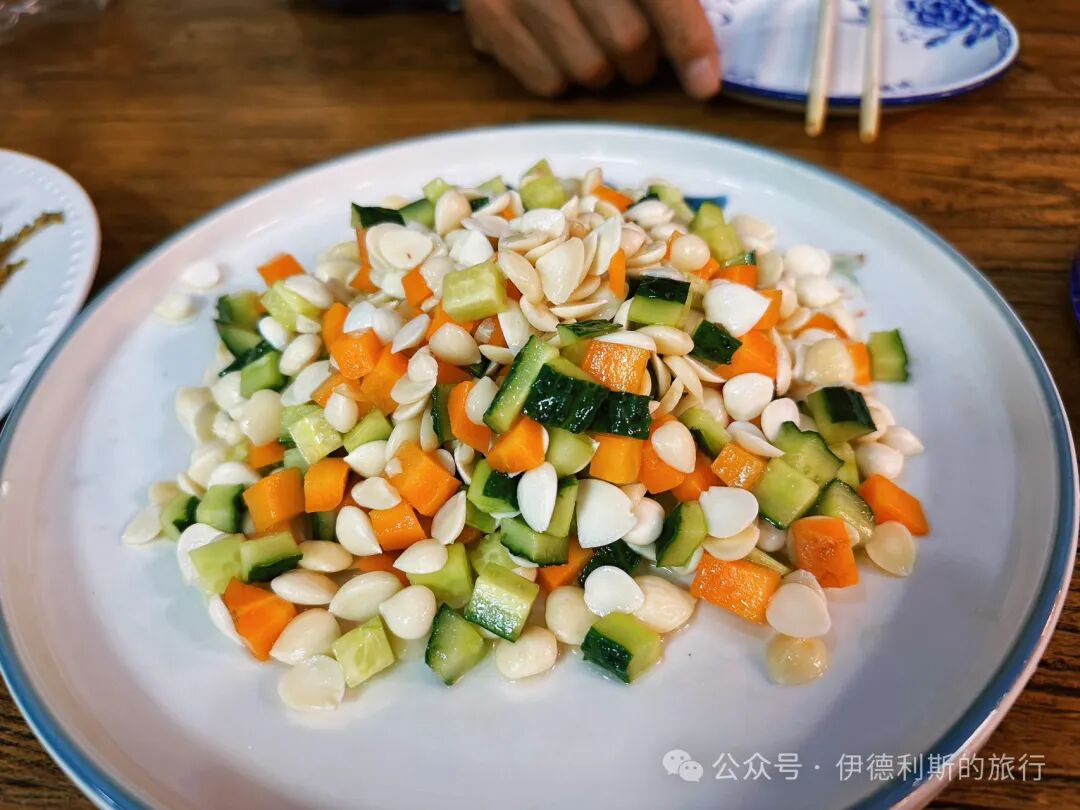
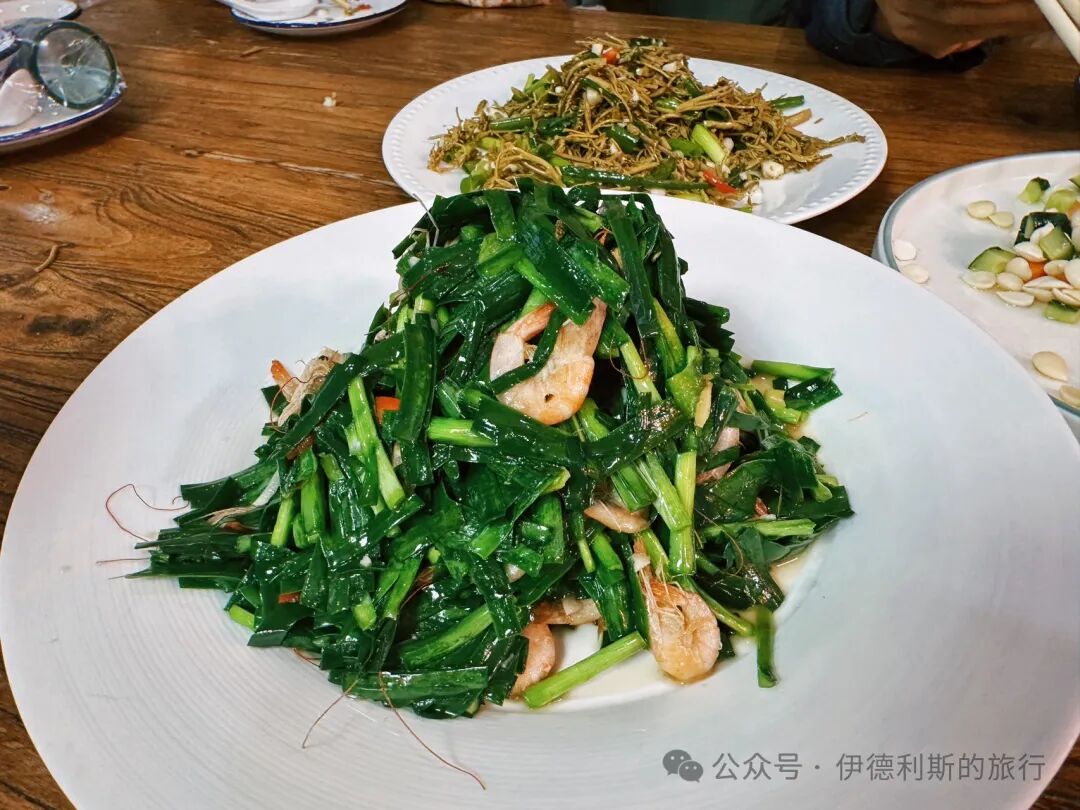
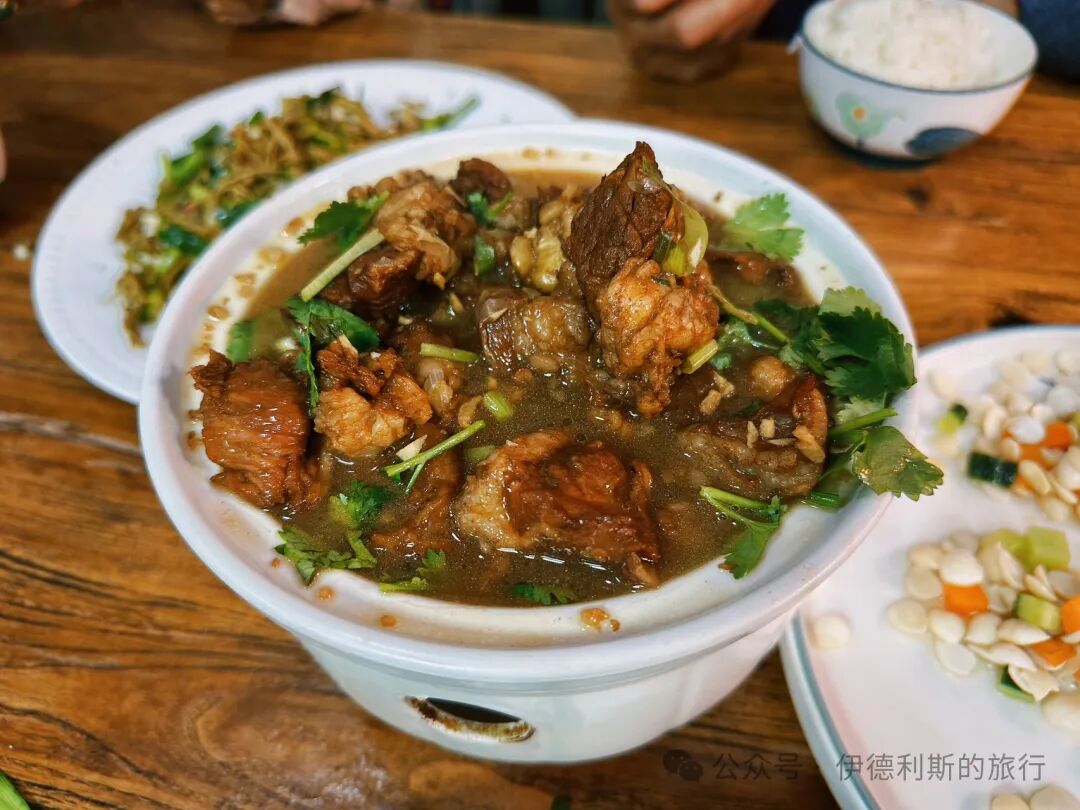
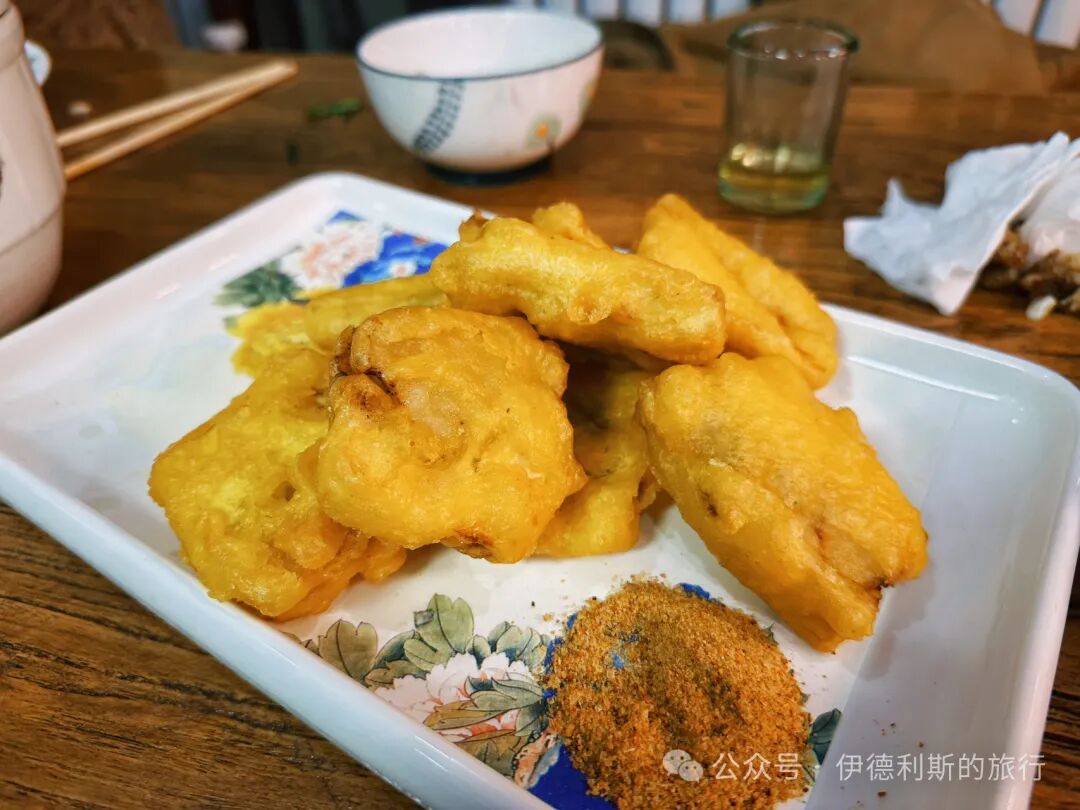
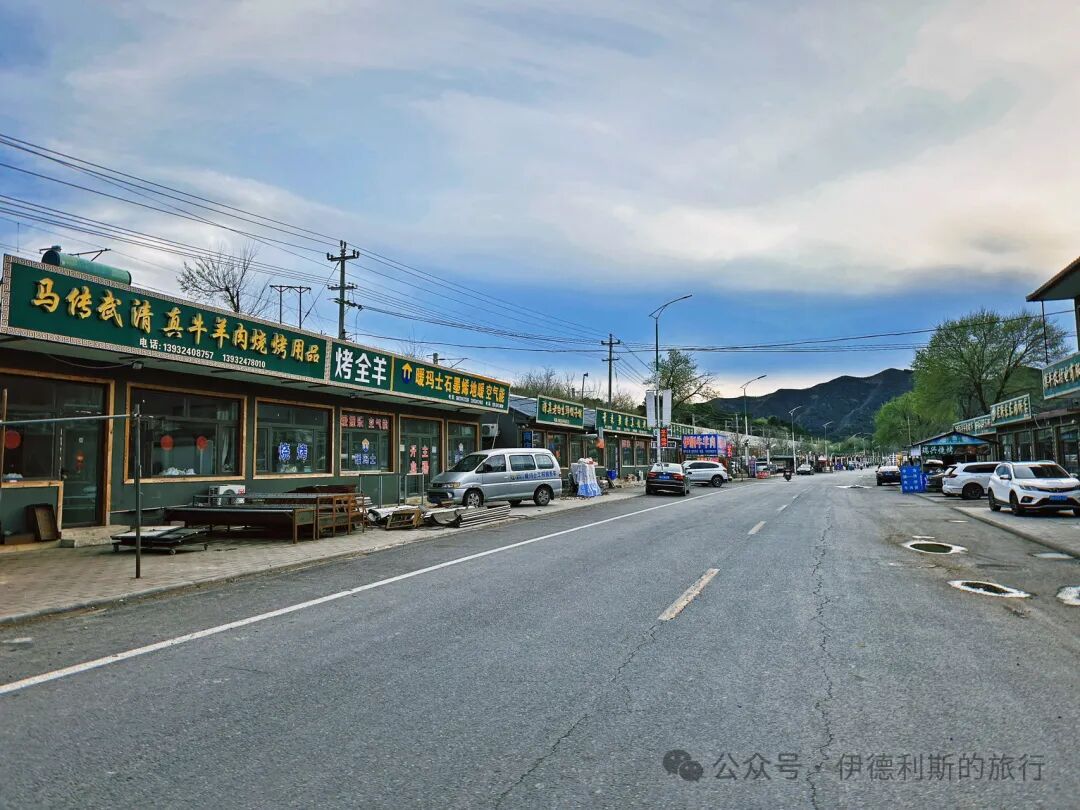
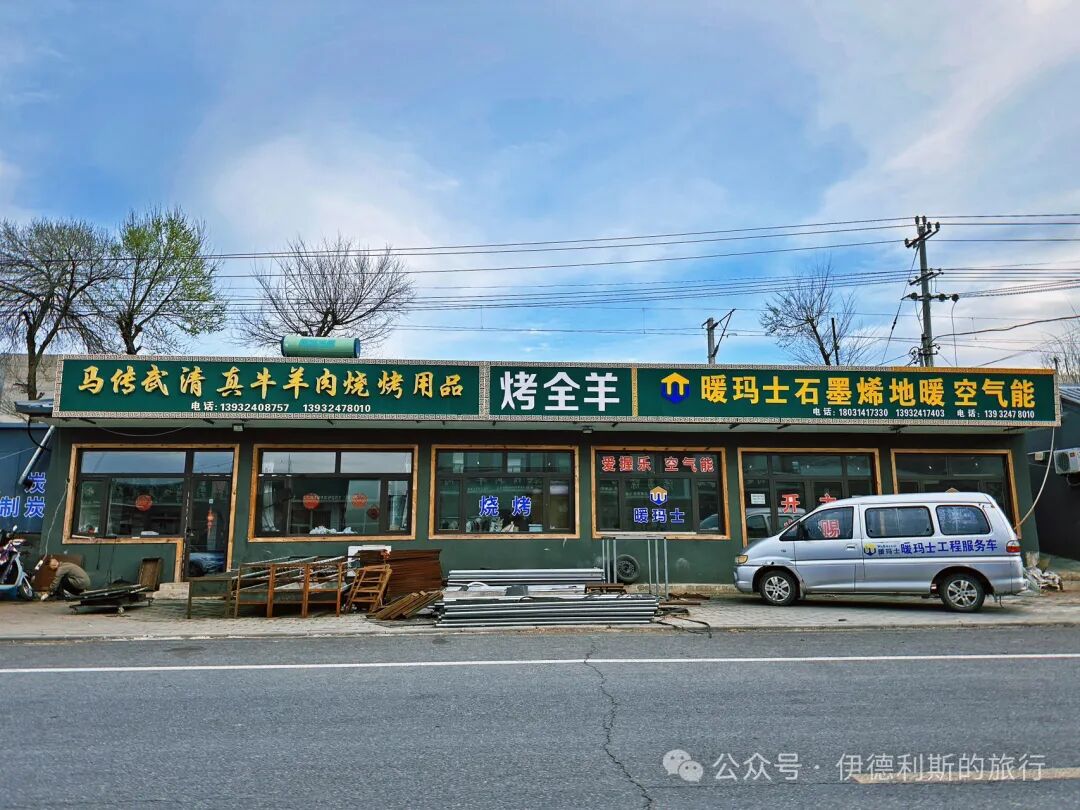
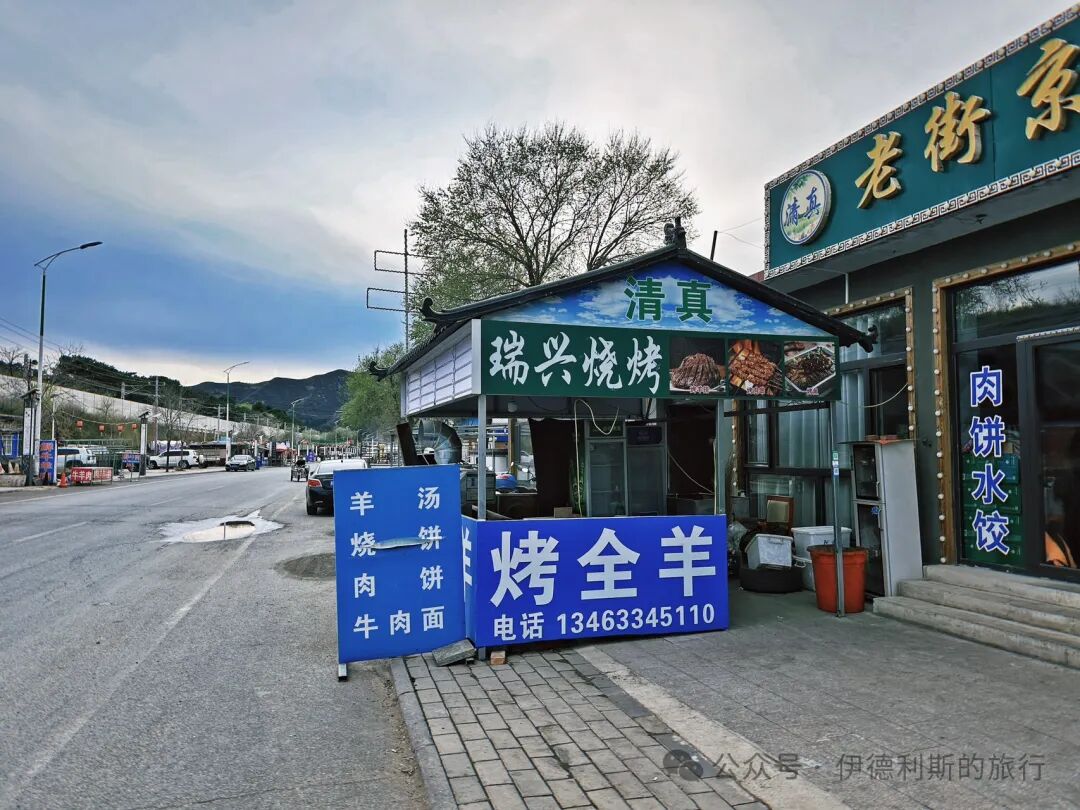
A few years ago, Wangjiagou opened a halal food street with all kinds of barbecue, lamb bone broth (yangtang), and stir-fried dishes. It is not the peak season right now, so business is a bit quiet. We ate at a place called Liu Xiangdong Lamb Soup Restaurant and ordered magnolia buds (mulanya), three-colored flat beans (sanse dabian), stir-fried river shrimp with chives, stewed beef tendon and meat (jintou banao), and deep-fried eggplant boxes (zha qiehe). They just changed their menu, so many of the dishes were not available yet. Magnolia buds (mulanya) are the tender shoots of the goldenrain tree. You can find them in the mountains around Beijing and Hebei in the spring. When served as a cold salad, they taste similar to Chinese toon buds (xiangchun ya), but the scent is not as strong.
Summary: This account visits Wangjiagou, a Hui Muslim village in the valleys of Chengde, Hebei. It keeps the original village scenes, community details, route notes, and photographs in a faithful English version.
I took my family to Chengde for the weekend. I found out that Wangjiagou in Luanping County is a village of Hui Muslims, so we drove there from Chengde in an hour for a visit.
Most Hui Muslims in Wangjiagou came from Shandong during the Qing Dynasty. Records show the Ma family moved here from Jinan, Shandong, pushing a small cart during the Qianlong era, while the Dong family moved here from Wucheng County in Dezhou, Shandong.
Wangjiagou Mosque was first built in 1748 (the 13th year of the Qianlong reign). It was renovated in 1831 (the 11th year of the Daoguang reign) and rebuilt again in 1992 into its current form, keeping the traditional northern architectural style.
Brick carvings of dua at Wangjiagou Mosque.
The wood carvings in the main hall of Wangjiagou Mosque feature traditional patterns like five bats (representing good fortune) and two phoenixes facing the sun.
The peaceful and serene scenery of a Hui Muslim village outside the Great Wall. Wangjiagou is located on the imperial road from Beijing through Gubeikou to Chengde. The villagers have traditionally made their living by wholesaling beef and mutton.
A few years ago, Wangjiagou opened a halal food street with all kinds of barbecue, lamb bone broth (yangtang), and stir-fried dishes. It is not the peak season right now, so business is a bit quiet. We ate at a place called Liu Xiangdong Lamb Soup Restaurant and ordered magnolia buds (mulanya), three-colored flat beans (sanse dabian), stir-fried river shrimp with chives, stewed beef tendon and meat (jintou banao), and deep-fried eggplant boxes (zha qiehe). They just changed their menu, so many of the dishes were not available yet. Magnolia buds (mulanya) are the tender shoots of the goldenrain tree. You can find them in the mountains around Beijing and Hebei in the spring. When served as a cold salad, they taste similar to Chinese toon buds (xiangchun ya), but the scent is not as strong.
