
Halal Travel Guide: Beijing Mishi Hutong Mosque and Daji Lane Teahouse
Reposted from the web
Summary: Mishi Hutong Mosque in Beijing has been renovated into a high-end teahouse inside the new Daji Lane business district. This account keeps the mosque history, renovation notes, street context, and photographs from the visit.
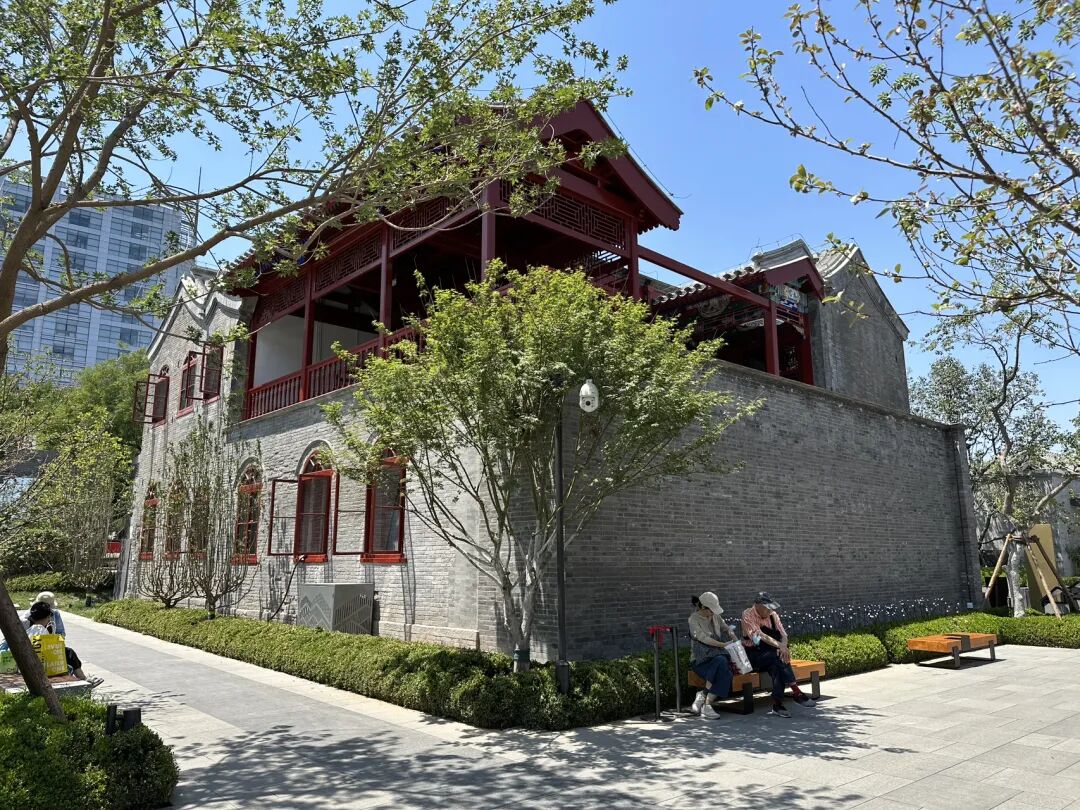
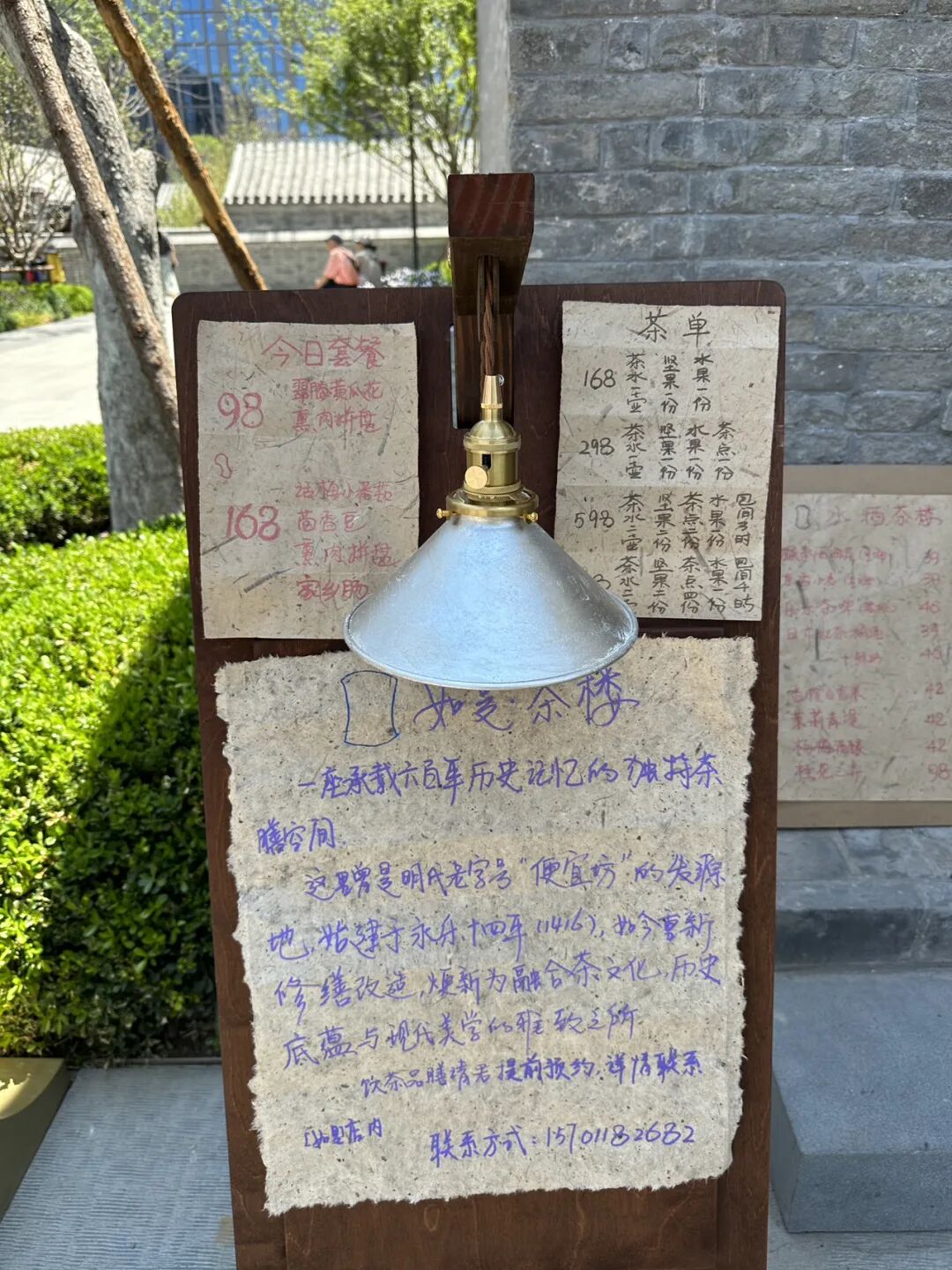
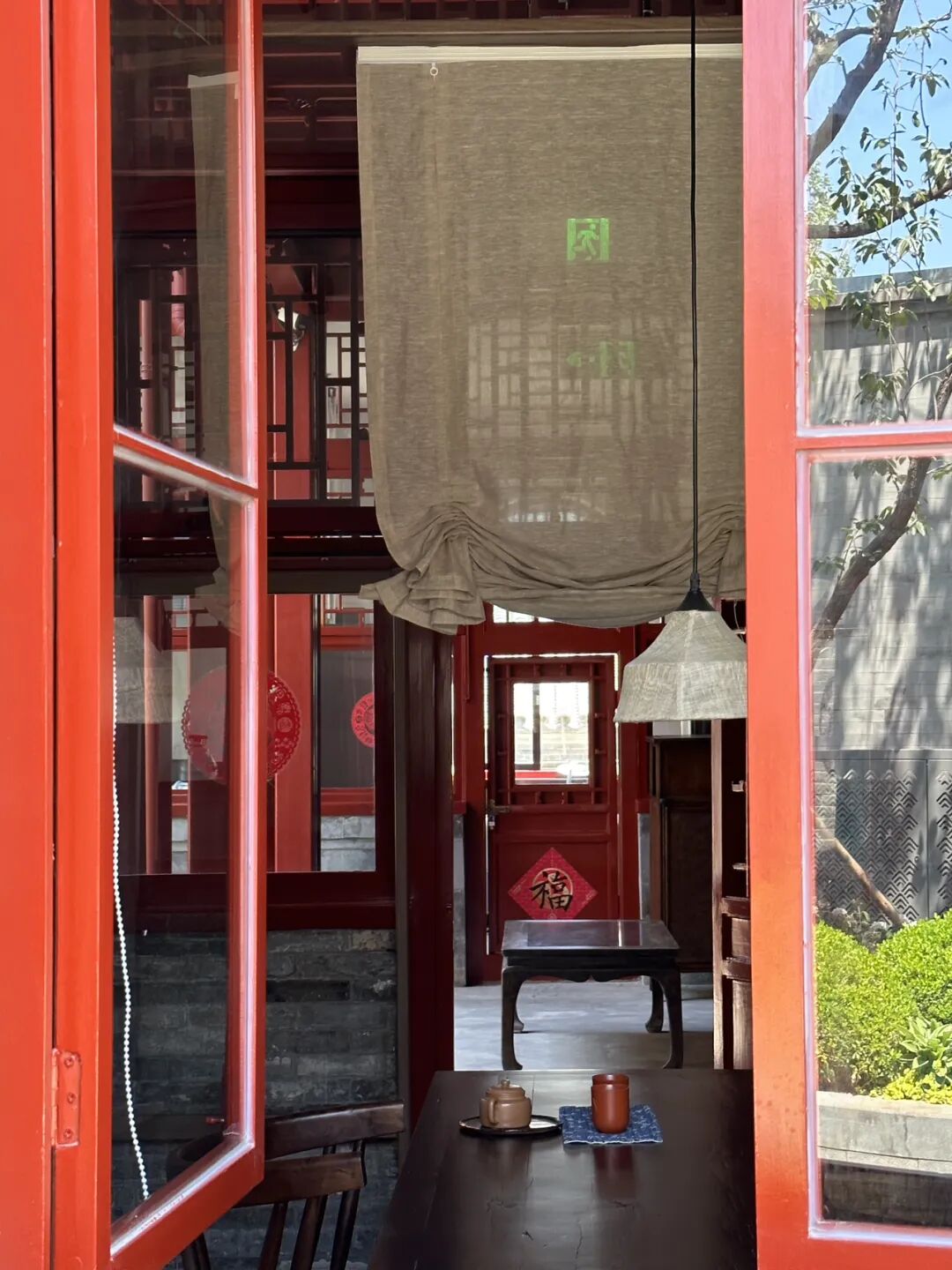
I heard the Daji Lane business district at Caishikou in Beijing had officially opened, so I went to take a look at the renovated Mishi Hutong Mosque. Today, the Mishi Hutong Mosque has become a teahouse. The tea is expensive, and you have to book in advance.
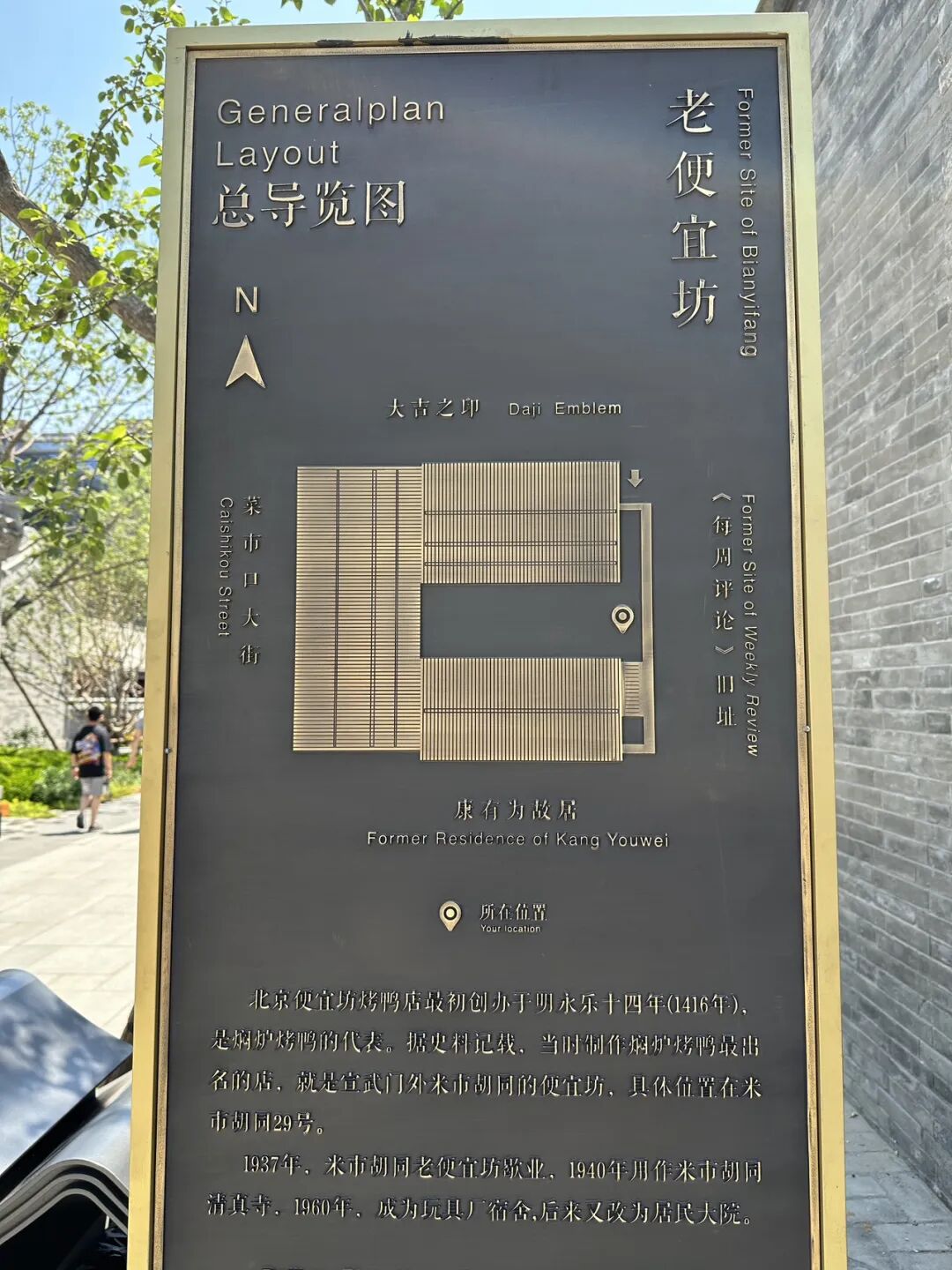
During the Republic of China era, many friends (dosti) from the Northwest did business in the Xuannan area. In 1927, they donated money to build the Tianqiao Mosque and established the Association of Hui Muslims from the Five Provinces of Shaanxi, Gansu, Qinghai, Ningxia, and Xinjiang in Beijing. After the 1930s, the friends (dosti) from the Northwest gradually settled in the Caishikou area. In 1937, the old Bianyifang restaurant on nearby Mishi Hutong closed down. The friends (dosti) from the Northwest living in Beijing pooled their money to buy the two-story building and officially converted it into the Mishi Hutong Mosque in 1940. After that, the association for the five Northwest provinces moved its office to the Mishi Hutong Mosque. Imam Yeliangpu of the Tianqiao Mosque served as the imam for both, and Friday prayers (Jumu'ah) were held at the two mosques in rotation.
A friend (dosti) named Qian bought the street-facing houses of the Mishi Hutong Mosque. The north room of the outer courtyard was the association office, the north room of the inner courtyard held the primary school classroom, kitchen, and restroom, and the west room by the back door was the washroom (shuifang). The second floor of the small building was the main prayer hall, the west room on the first floor was the lecture hall, the north room was the imam's dormitory, the south room was the student lounge, and the north and south rooms in the outer corridor were student dormitories. A glass plaque reading 'Shengdao Qiyang' (The Holy Path is Glorified) hung in the outer corridor, donated by the elders of the Tianqiao Mosque and written by Zong Zheng.
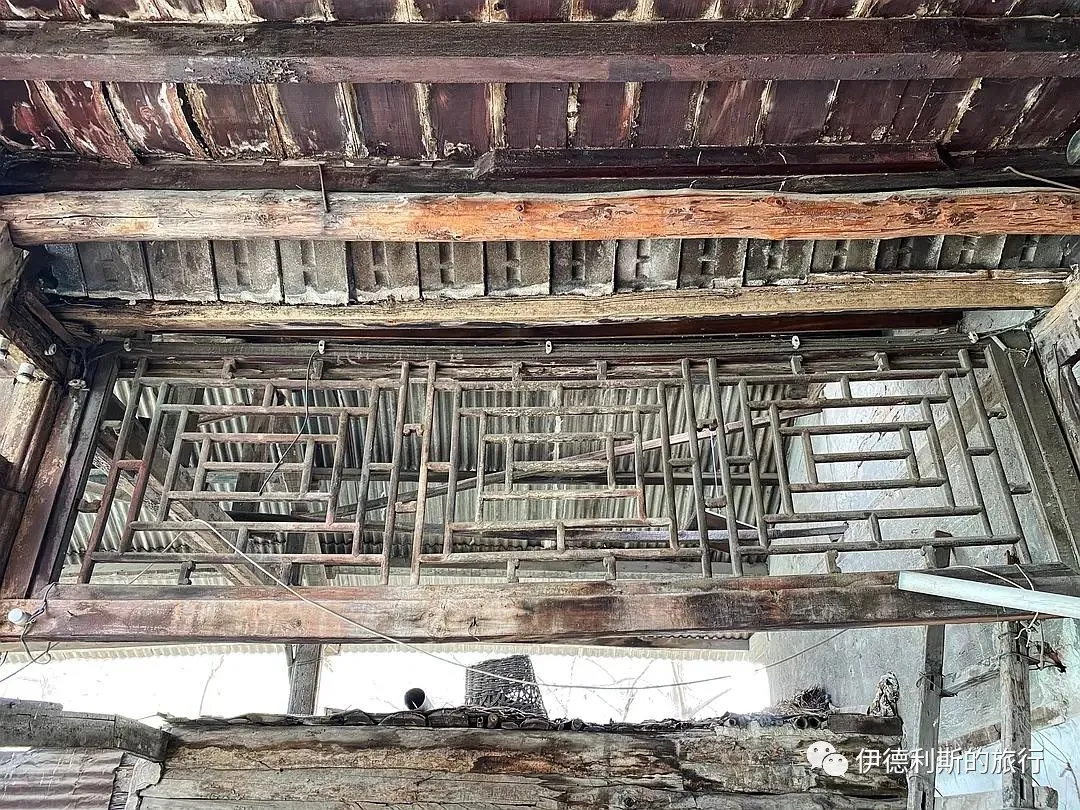
When the Daji area was demolished, all other buildings of the Mishi Hutong Mosque were torn down, leaving only the two-story building. The building was built in the mid-to-late Qing Dynasty. It was originally an 'L' shape made of a north building and a west building. When it was converted into a mosque in 1940, three south-facing open rooms were added, changing the 'L' shape into a 'U' shape. At the same time, a two-story flat-roofed open hall was added in the recessed area, connecting with the south rooms. This created a semi-enclosed open space on the second floor to serve as the main prayer hall, which was a first for a mosque (masjid) at that time.
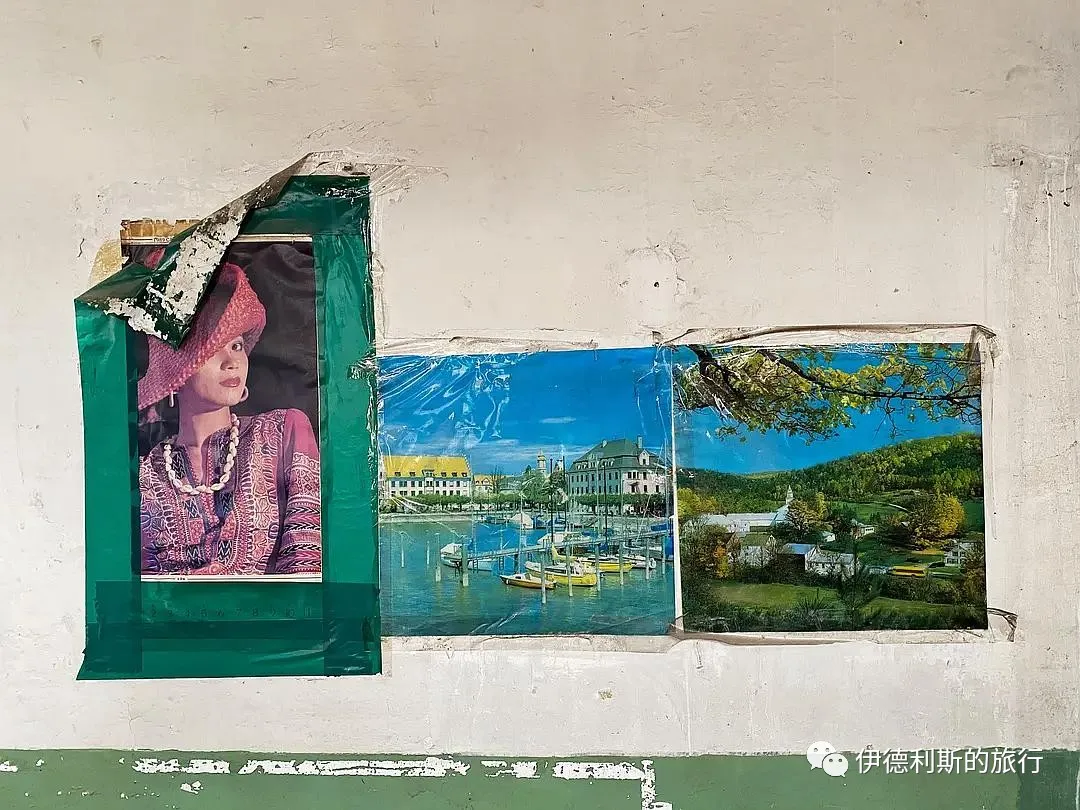
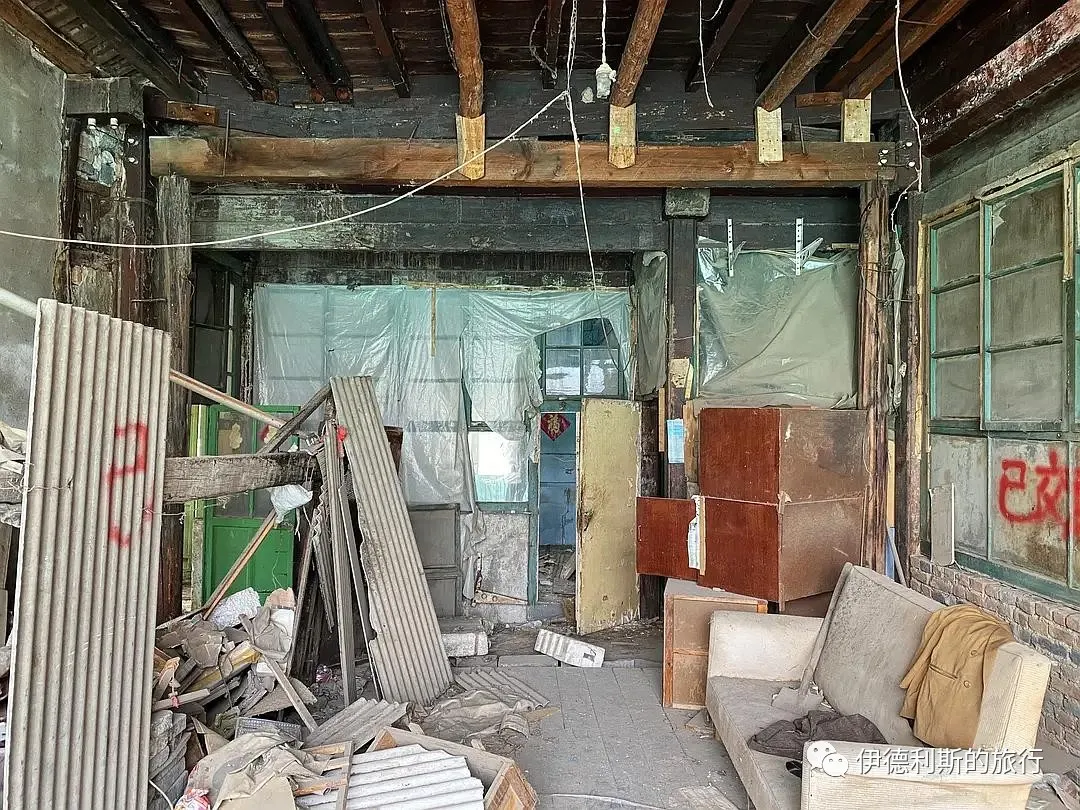
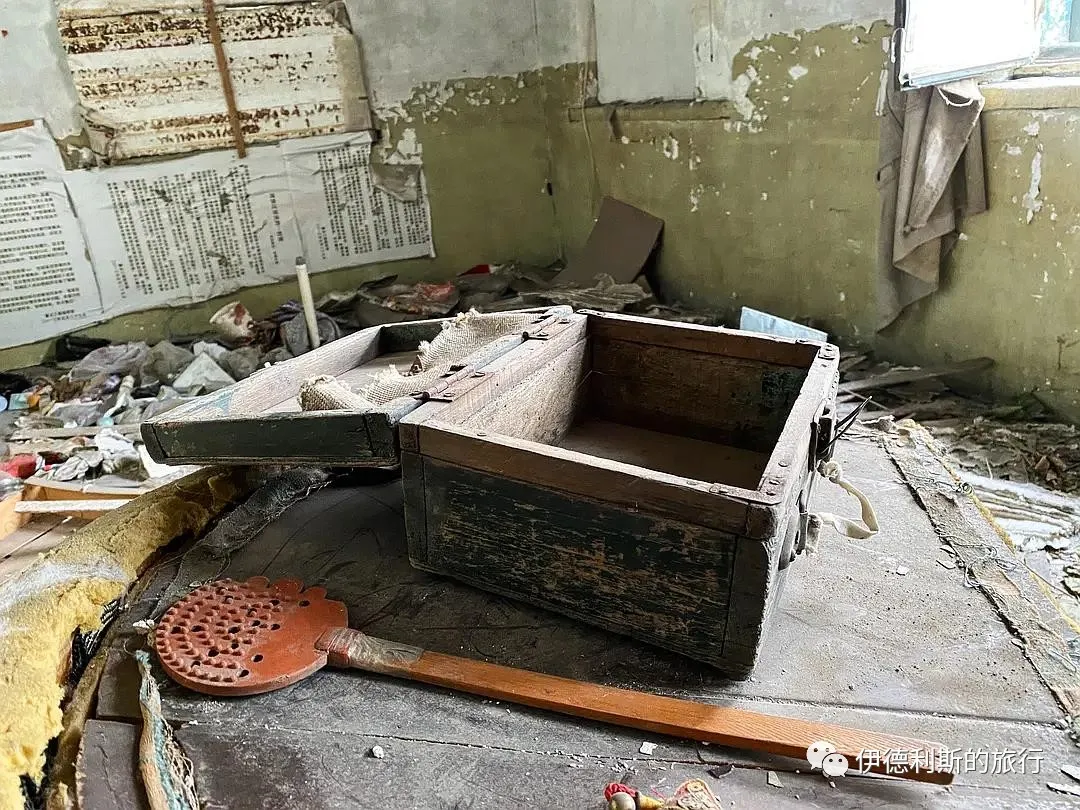
After the 1960s, the Mishi Hutong Mosque became a dormitory for a toy factory and later turned into a residential compound. I visited the building in 2022 before it was renovated, and the calendar on the wall was still stuck on 2012.
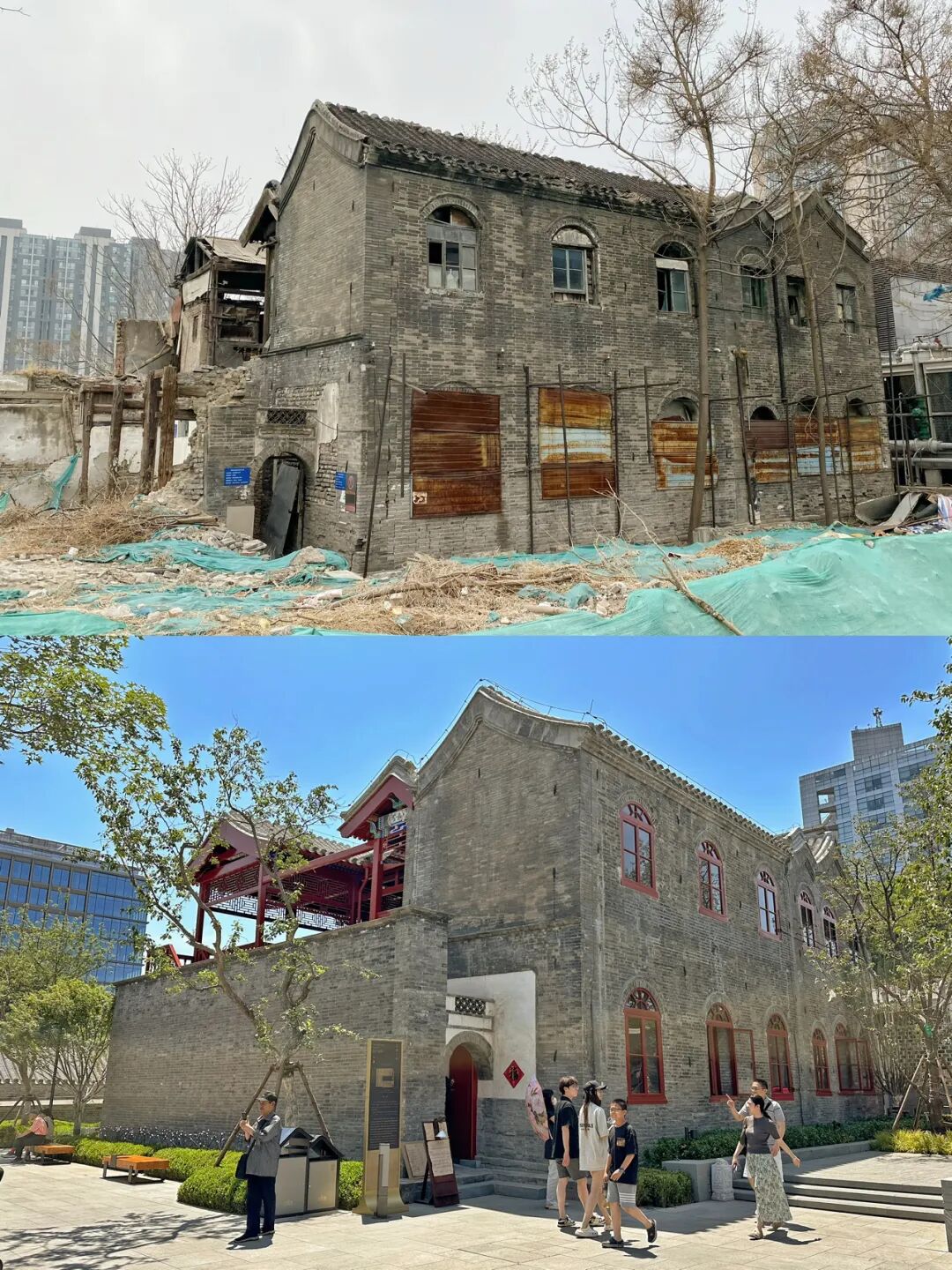
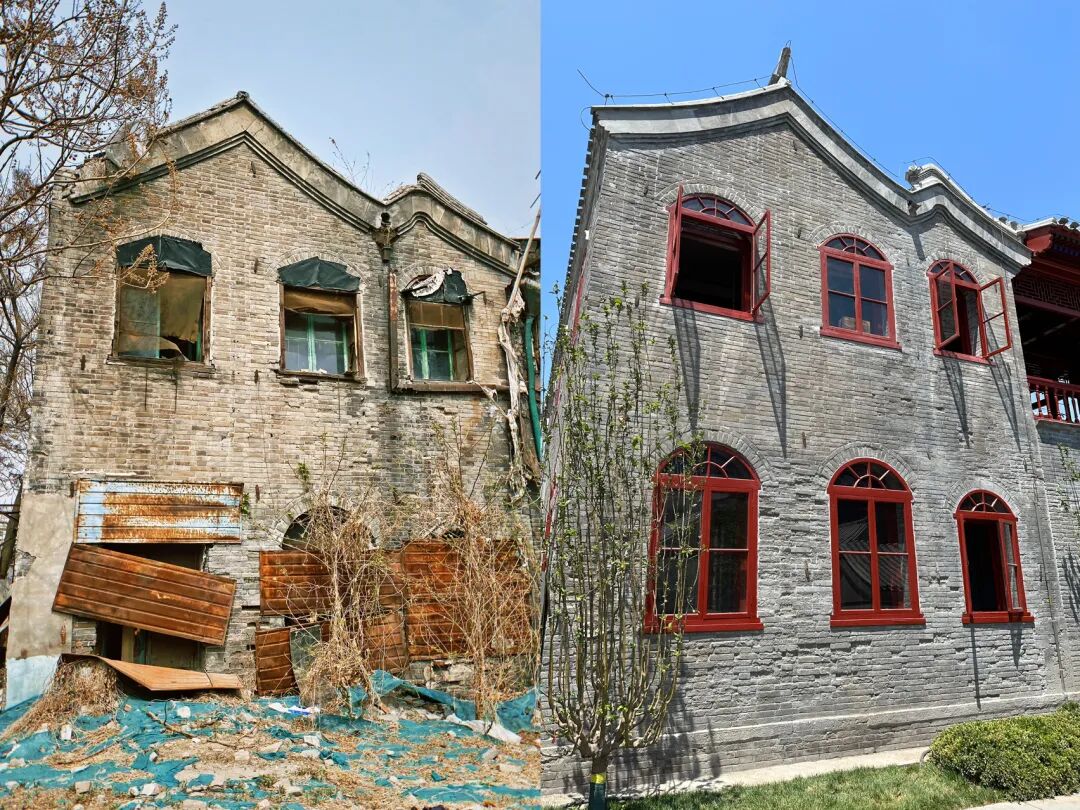
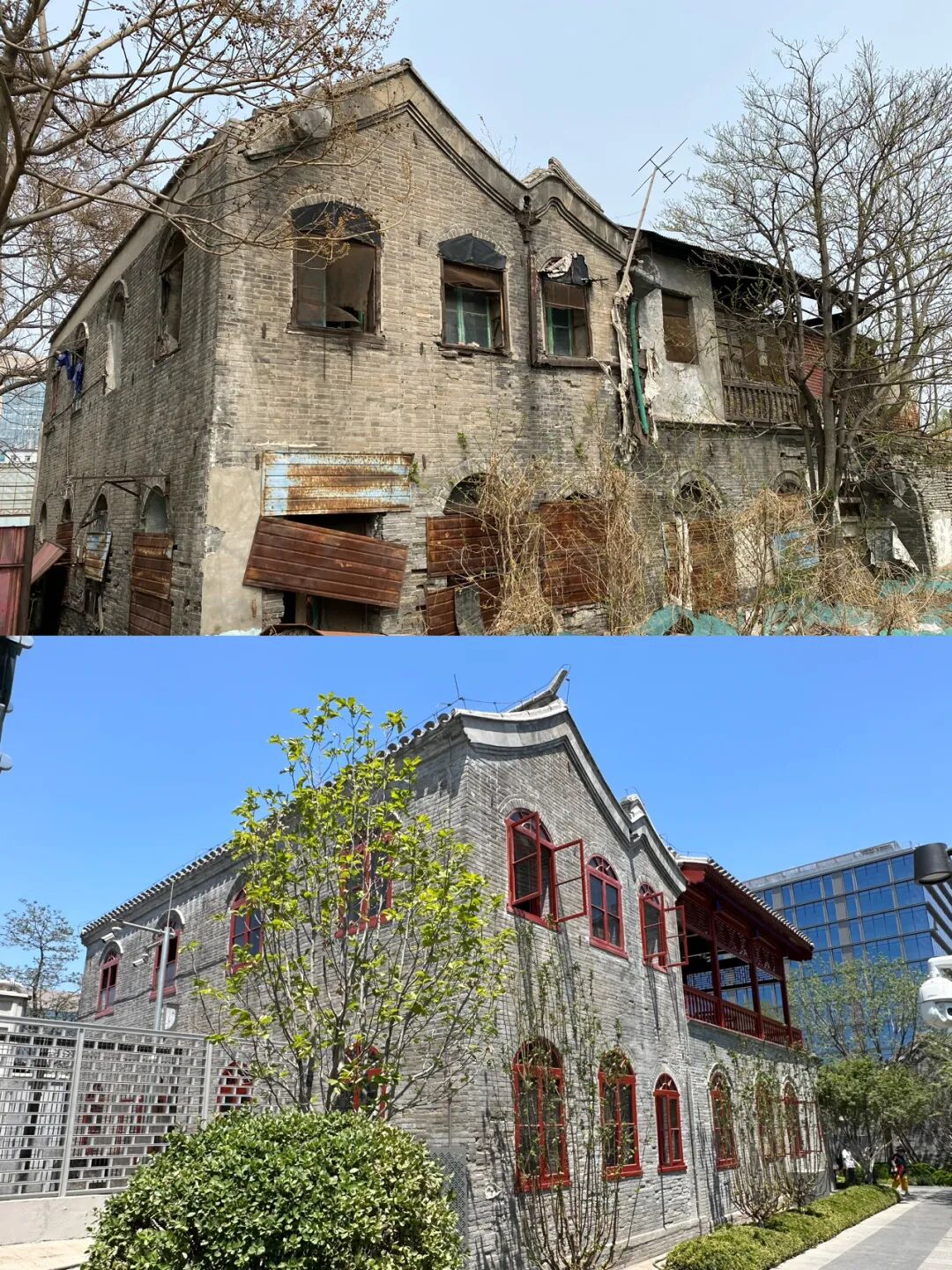
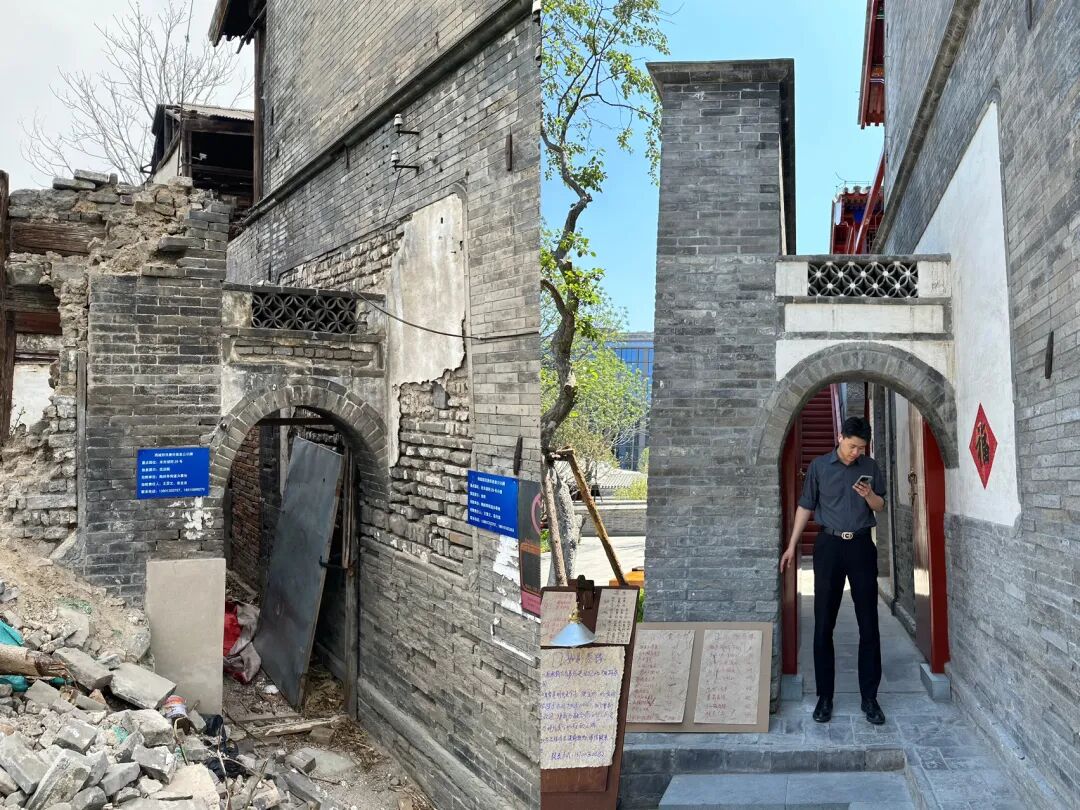
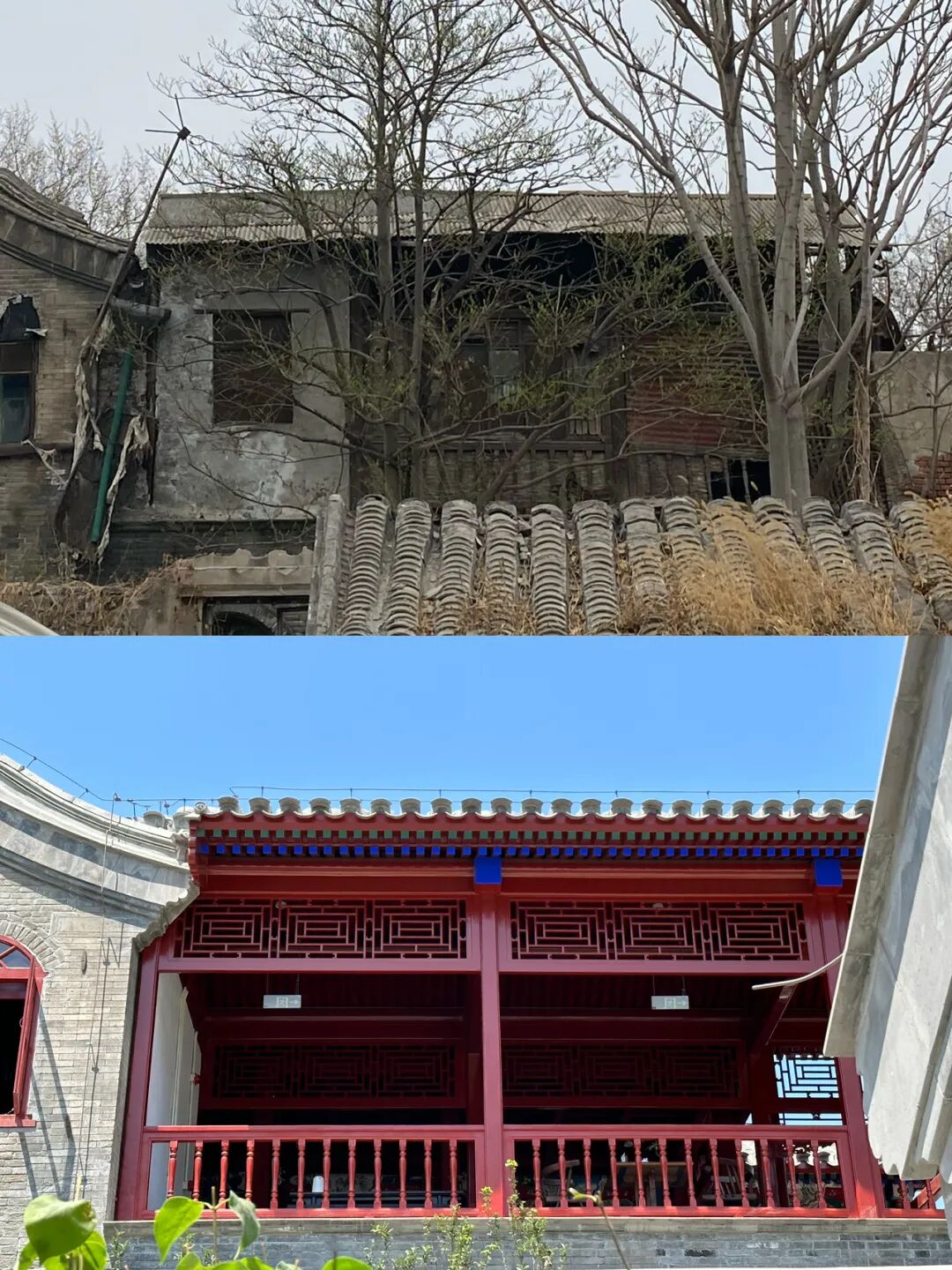
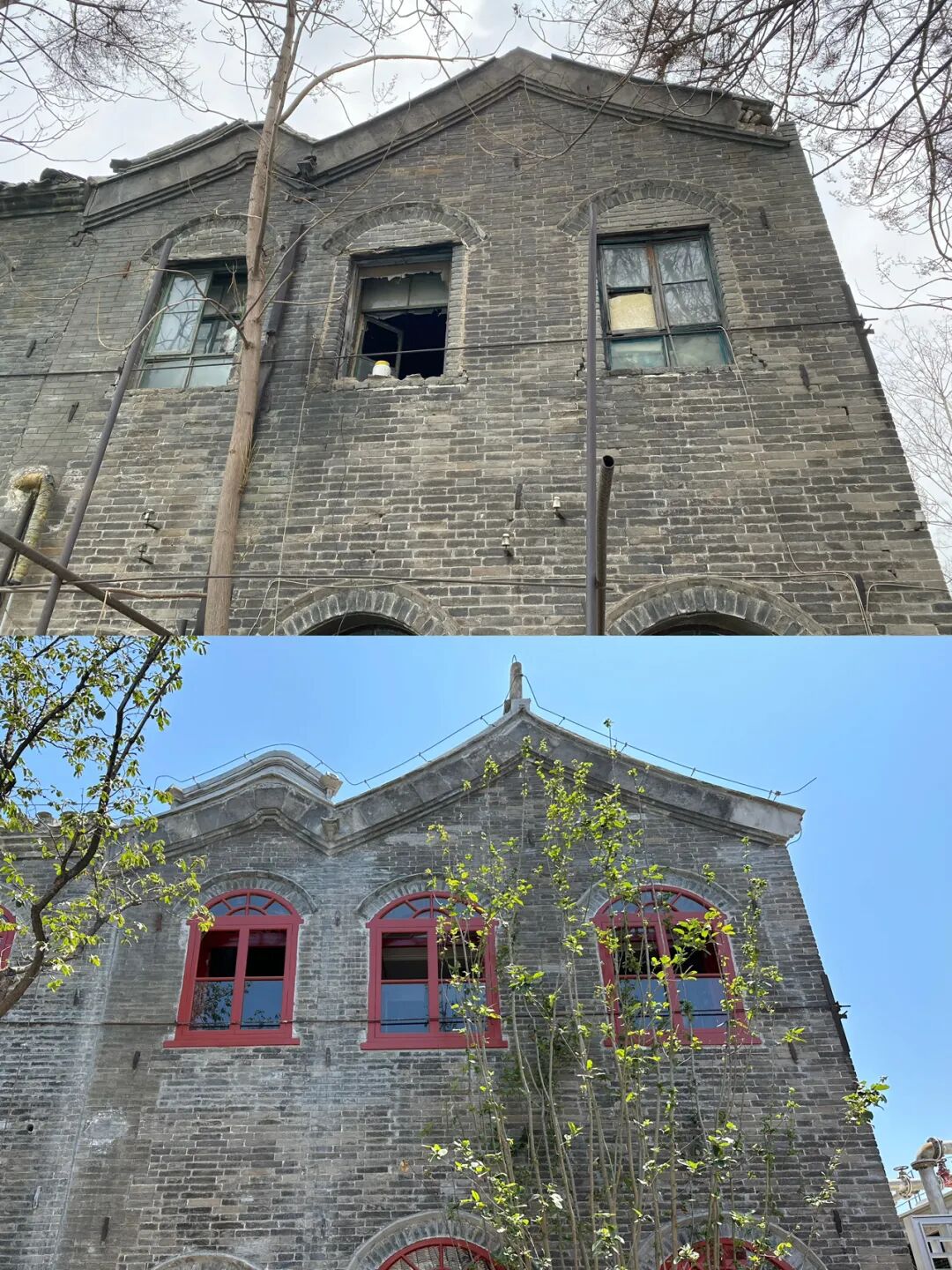
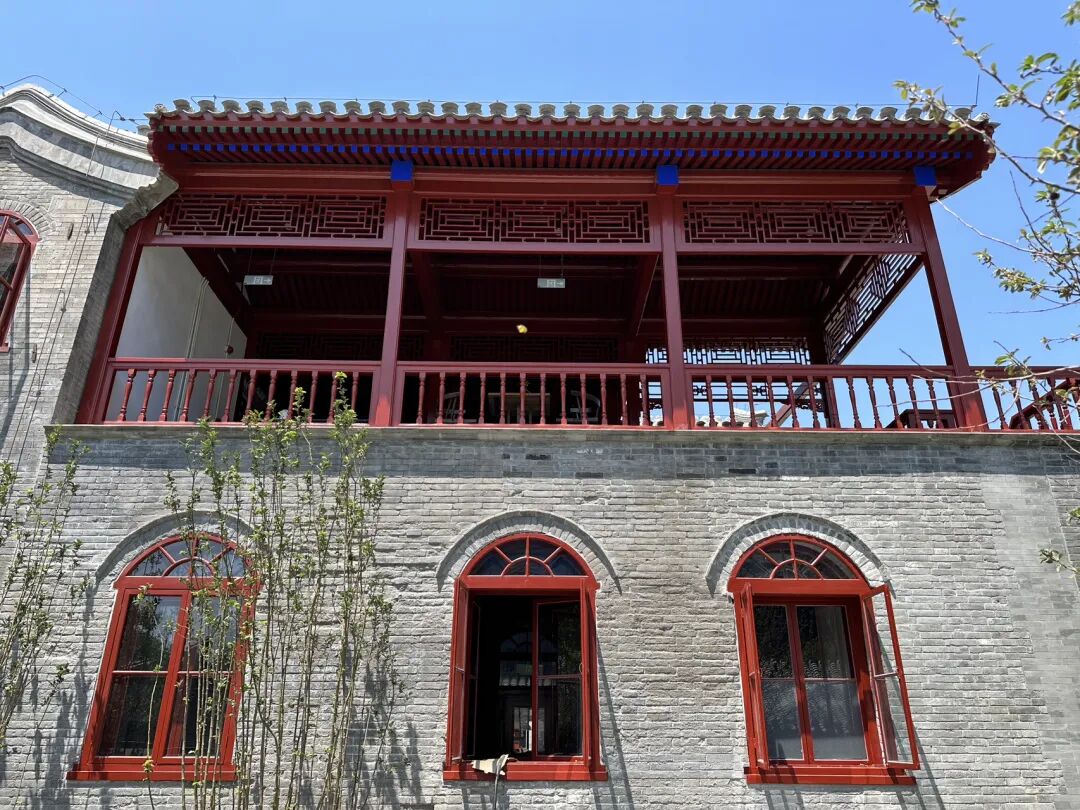
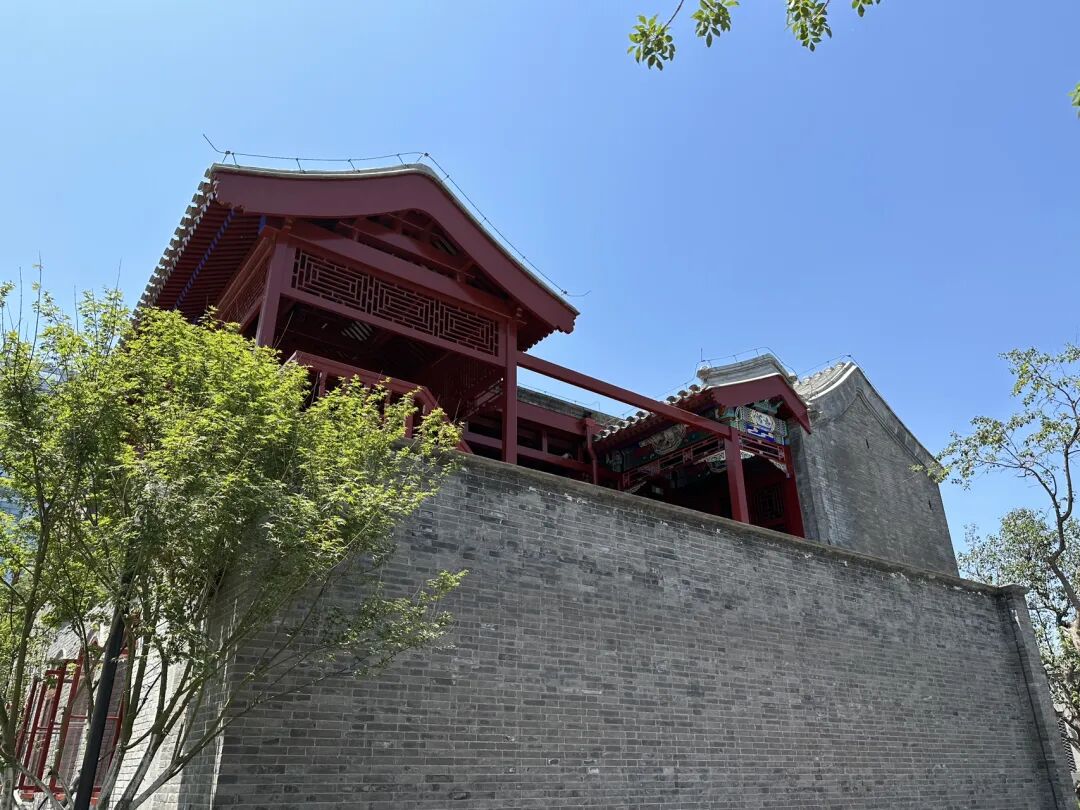
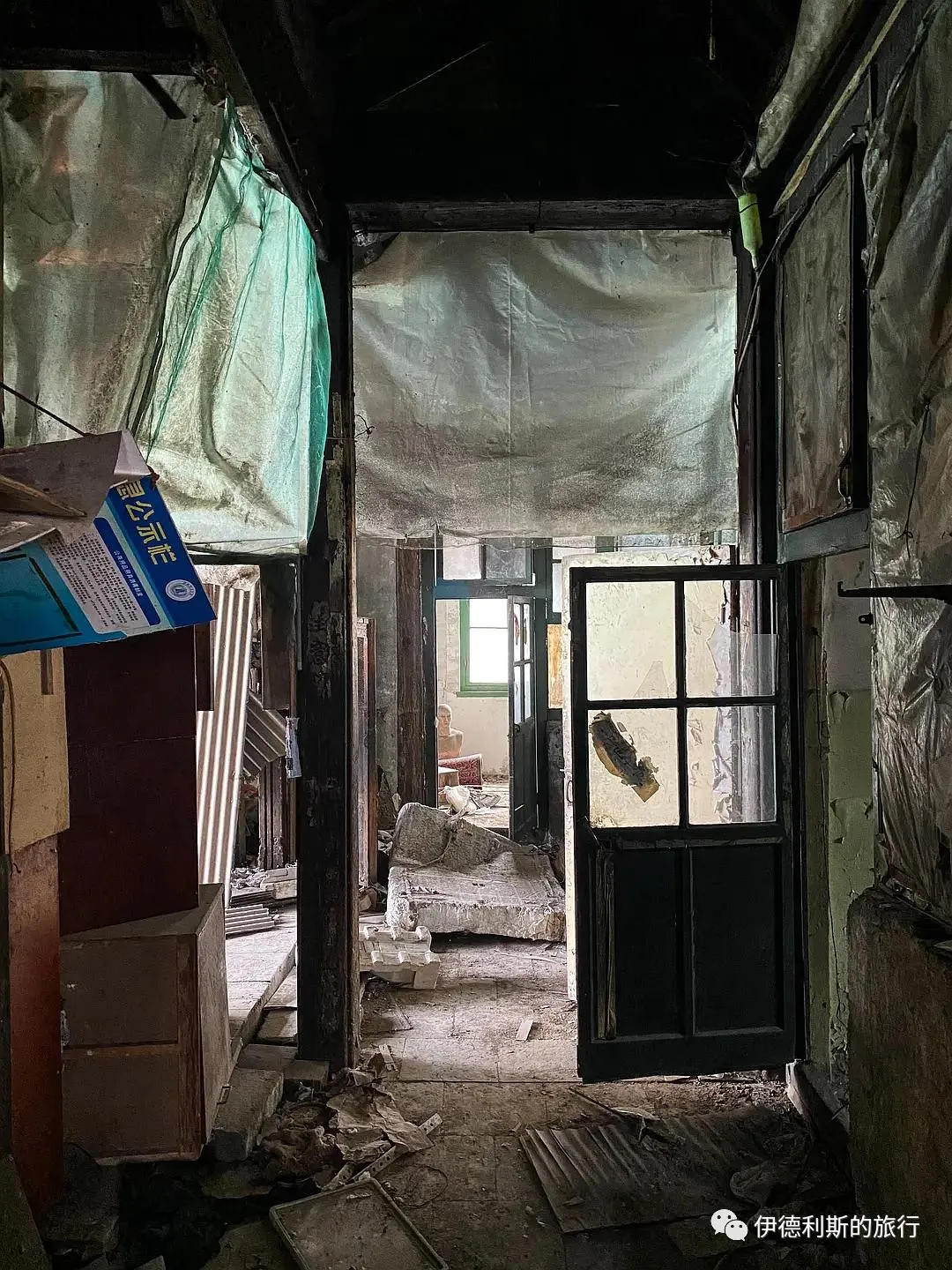
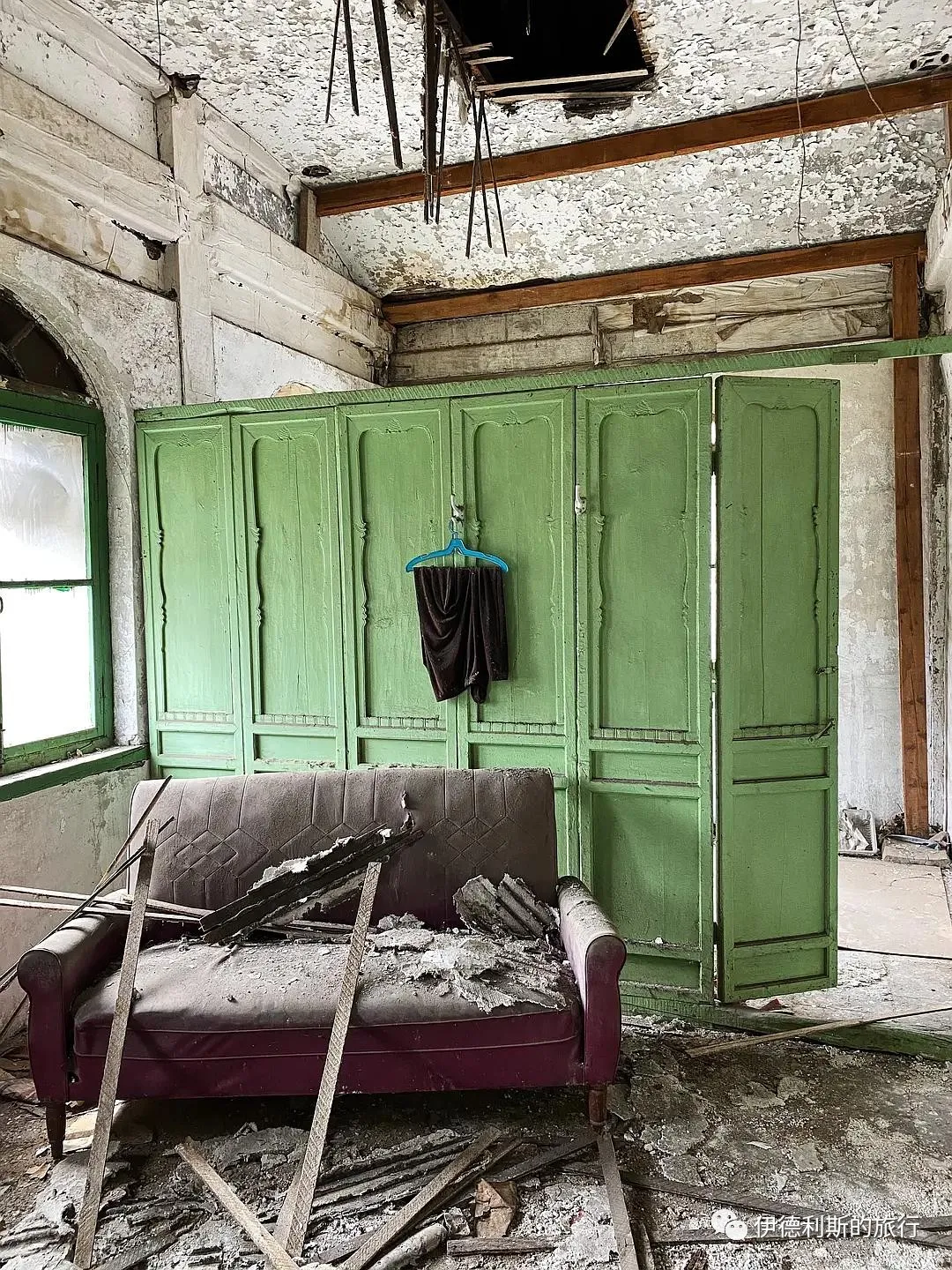
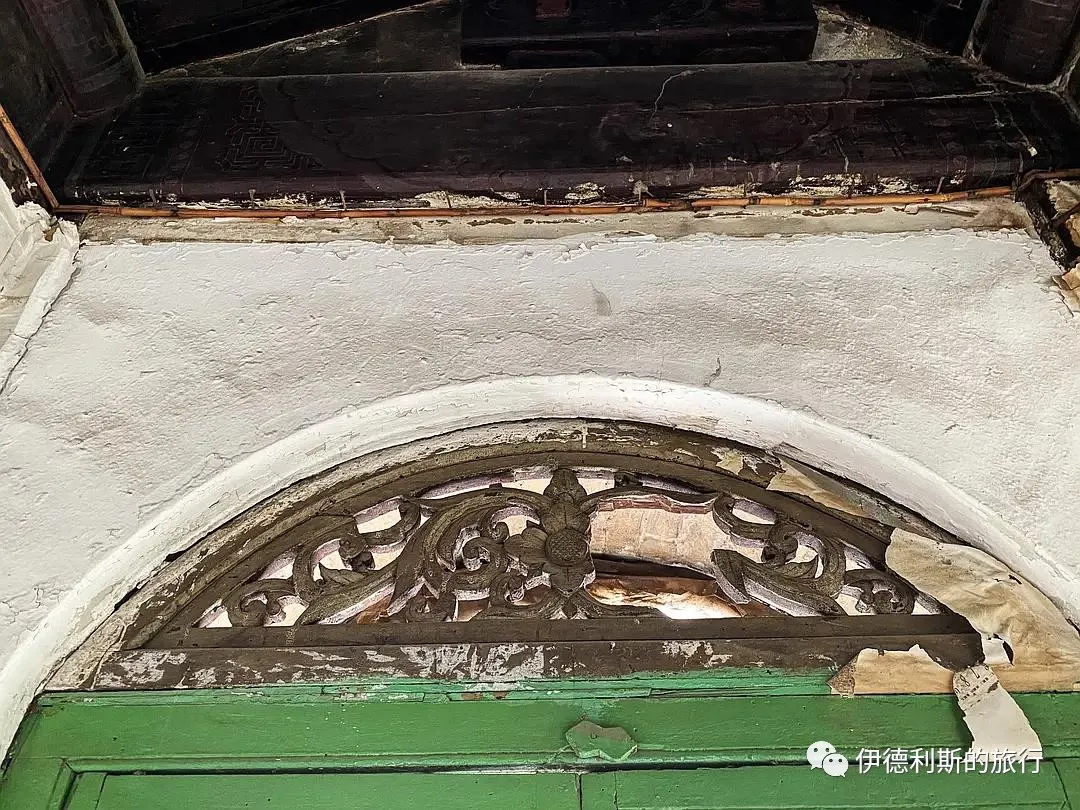
Finally, here are some photos I took of the Mishi Hutong Mosque in 2022.
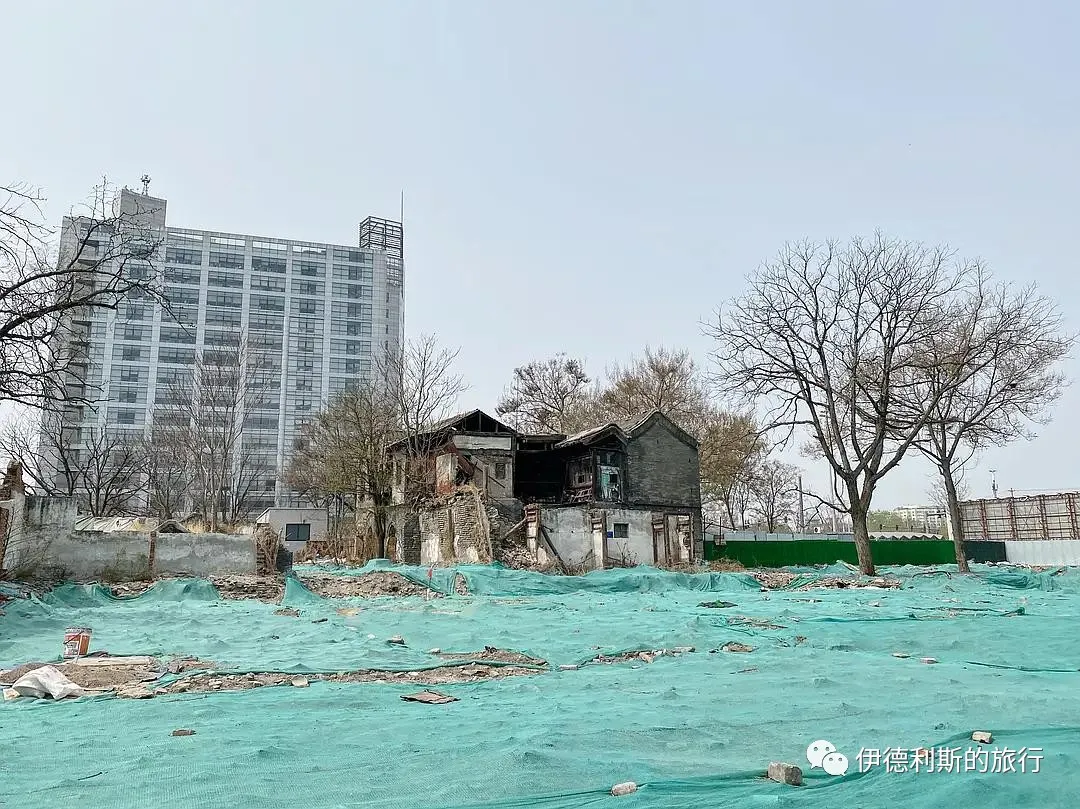
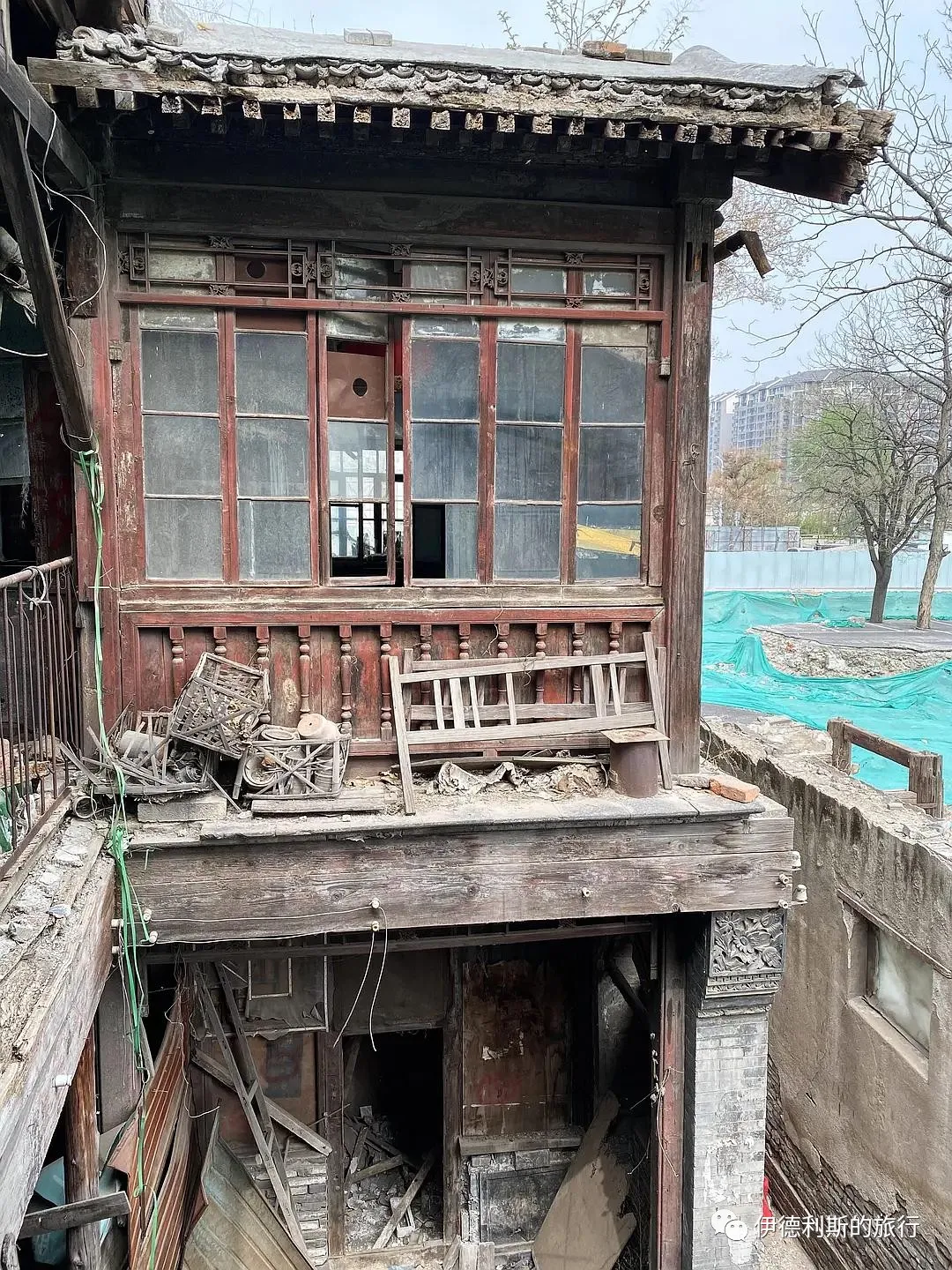
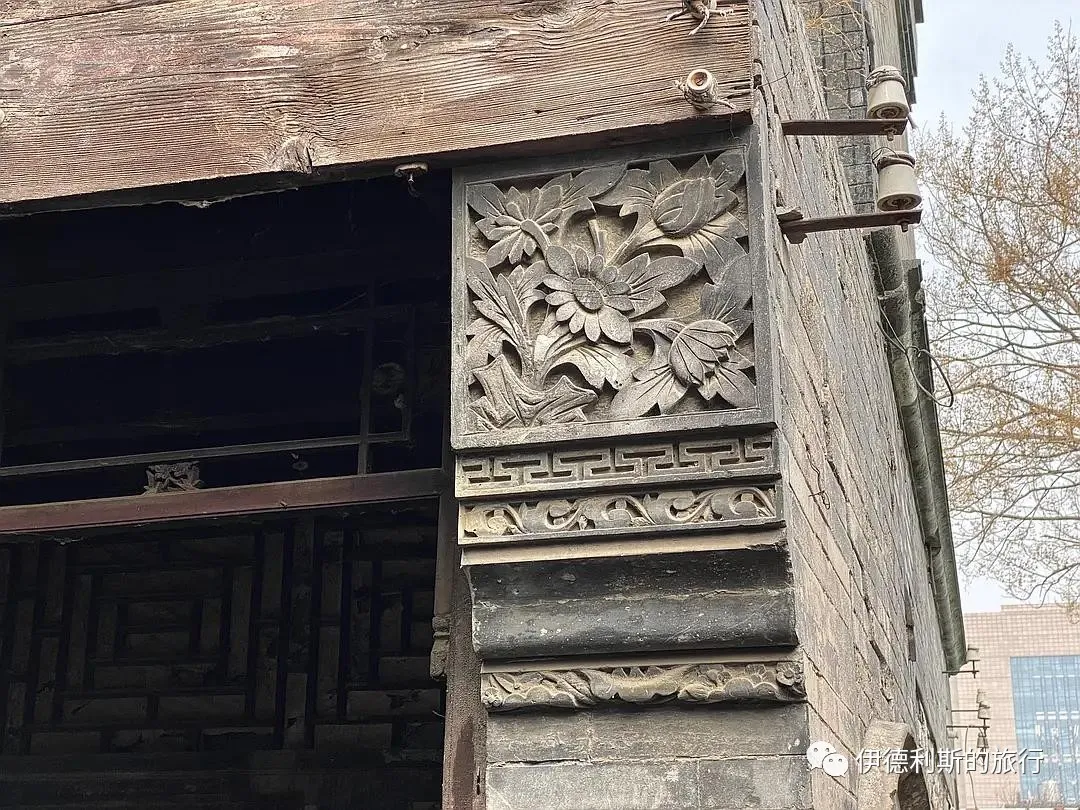
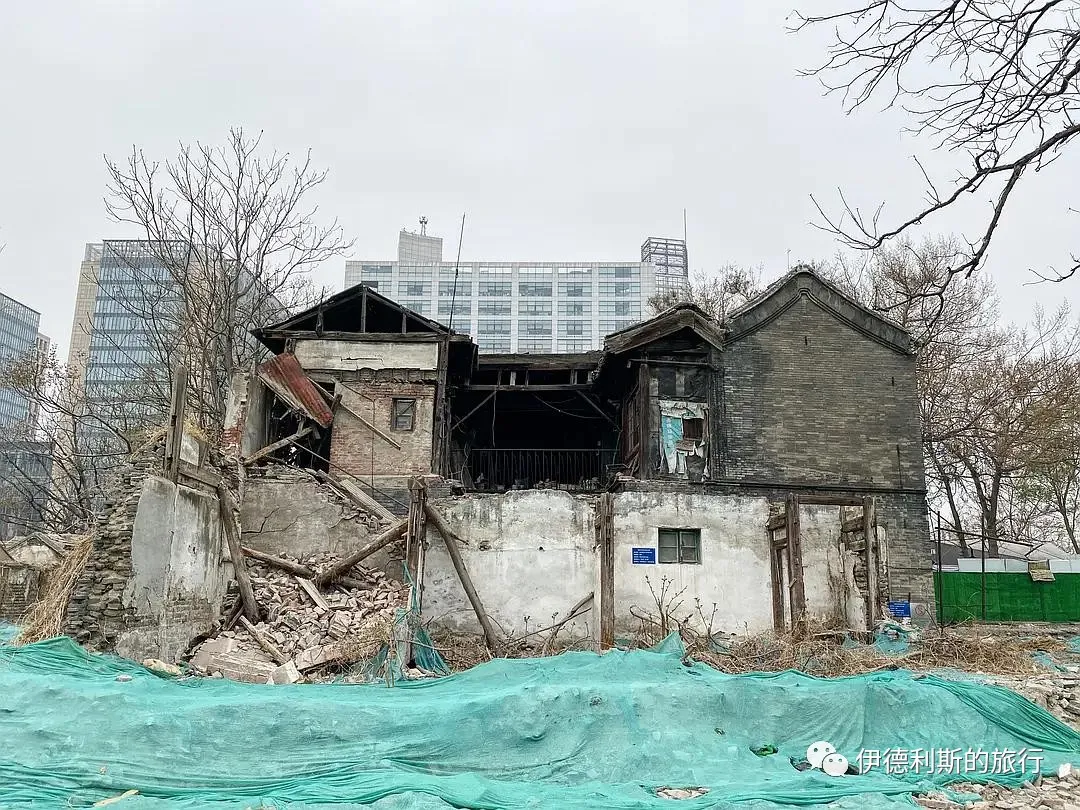
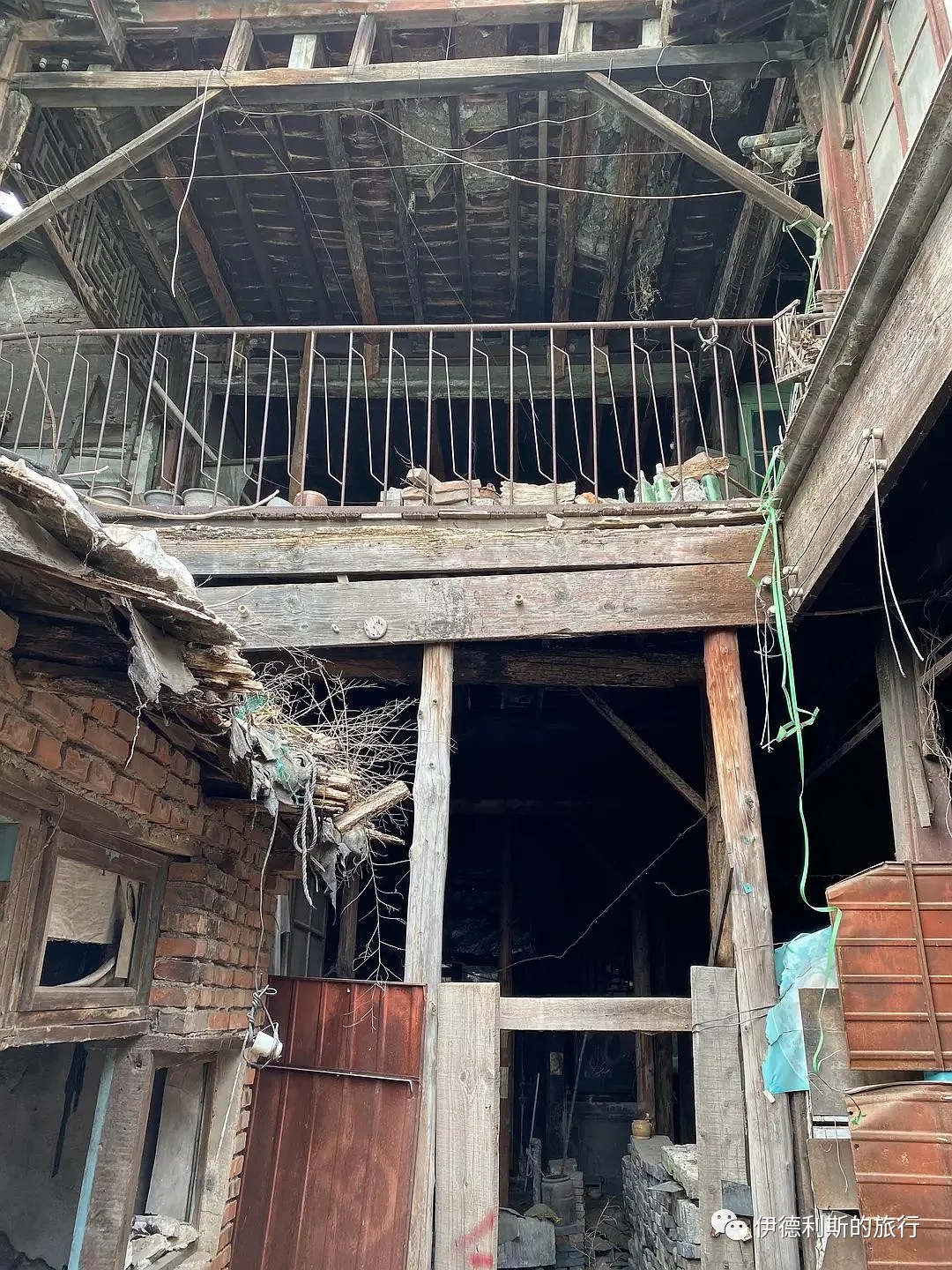
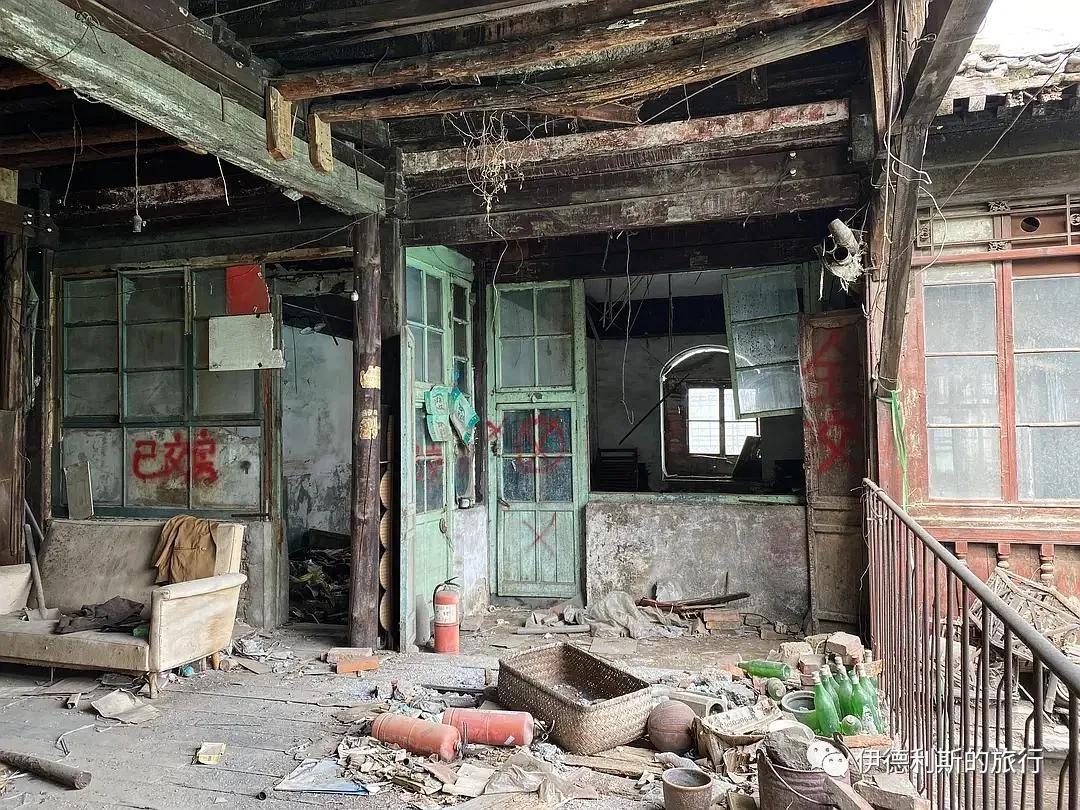
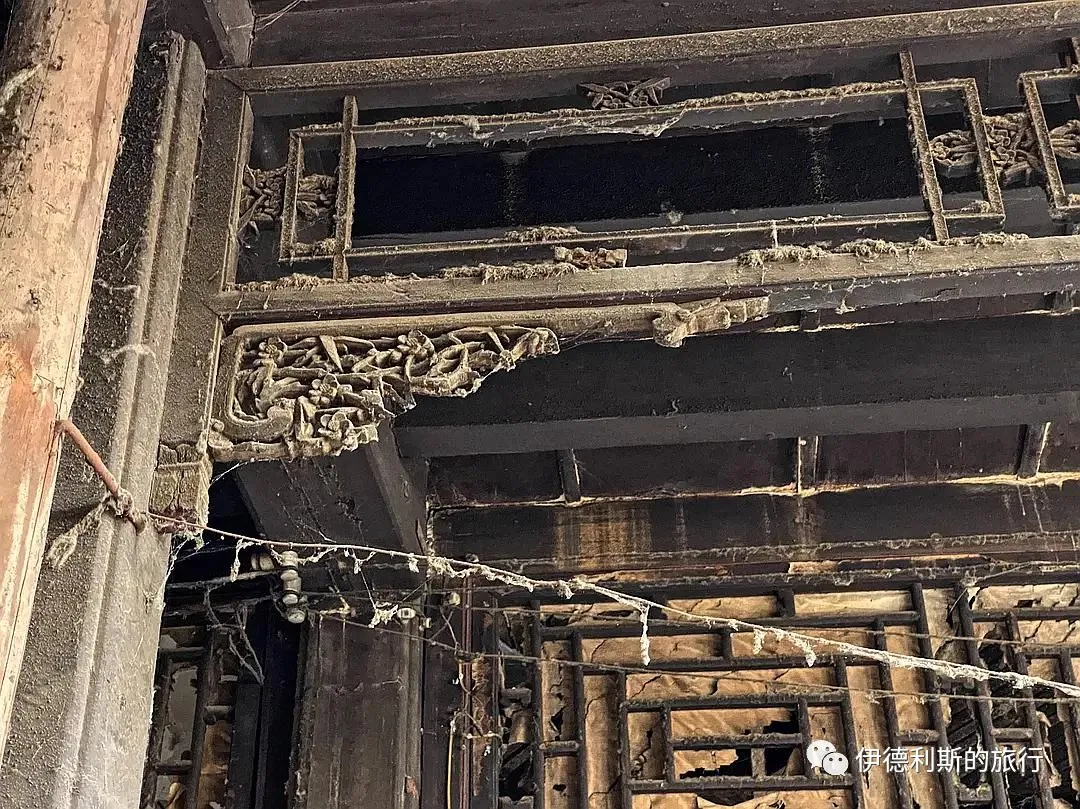
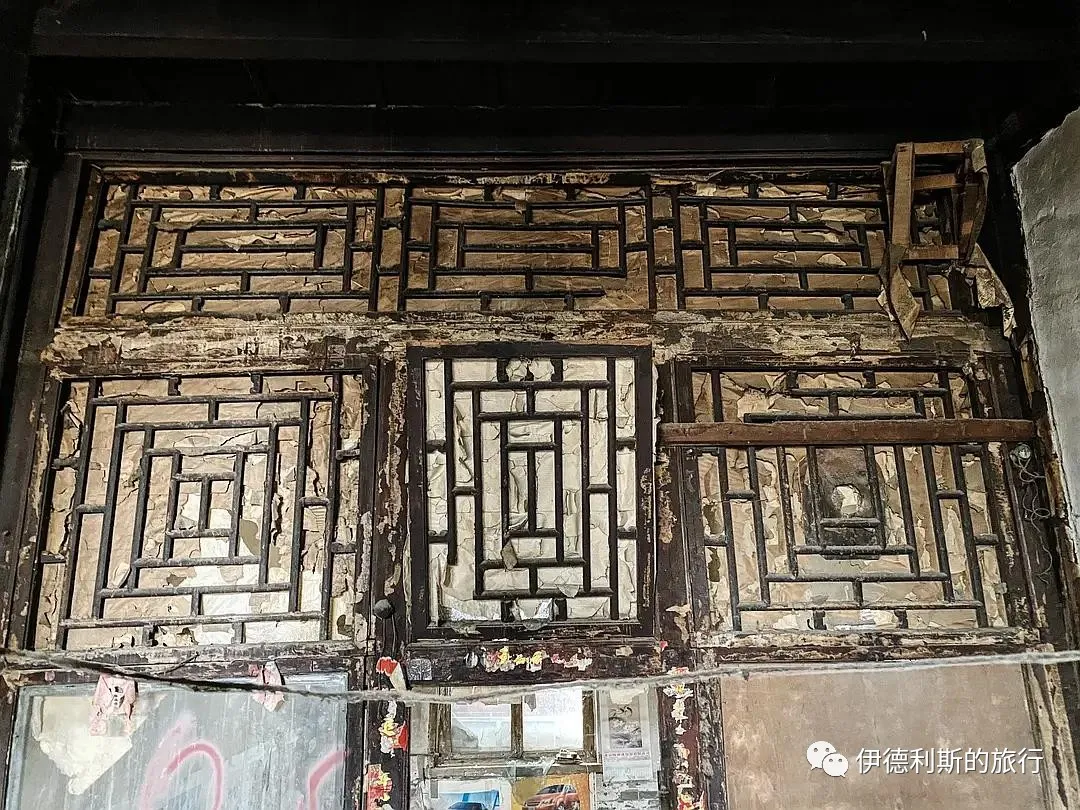
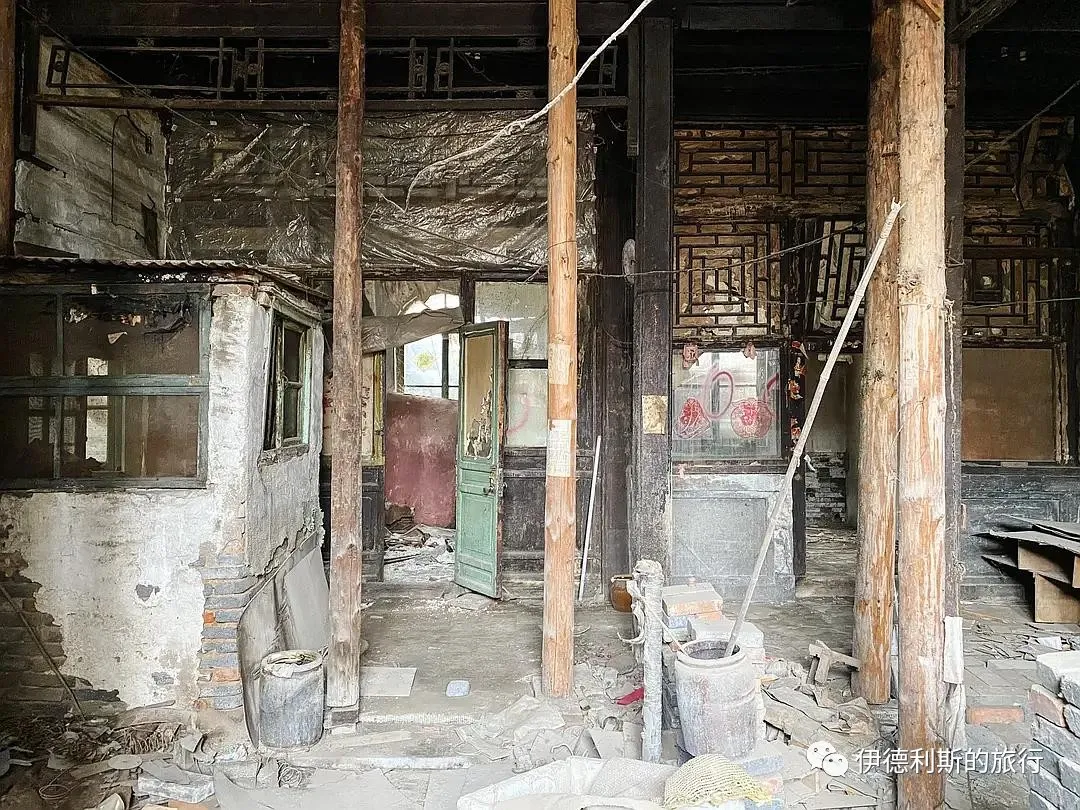
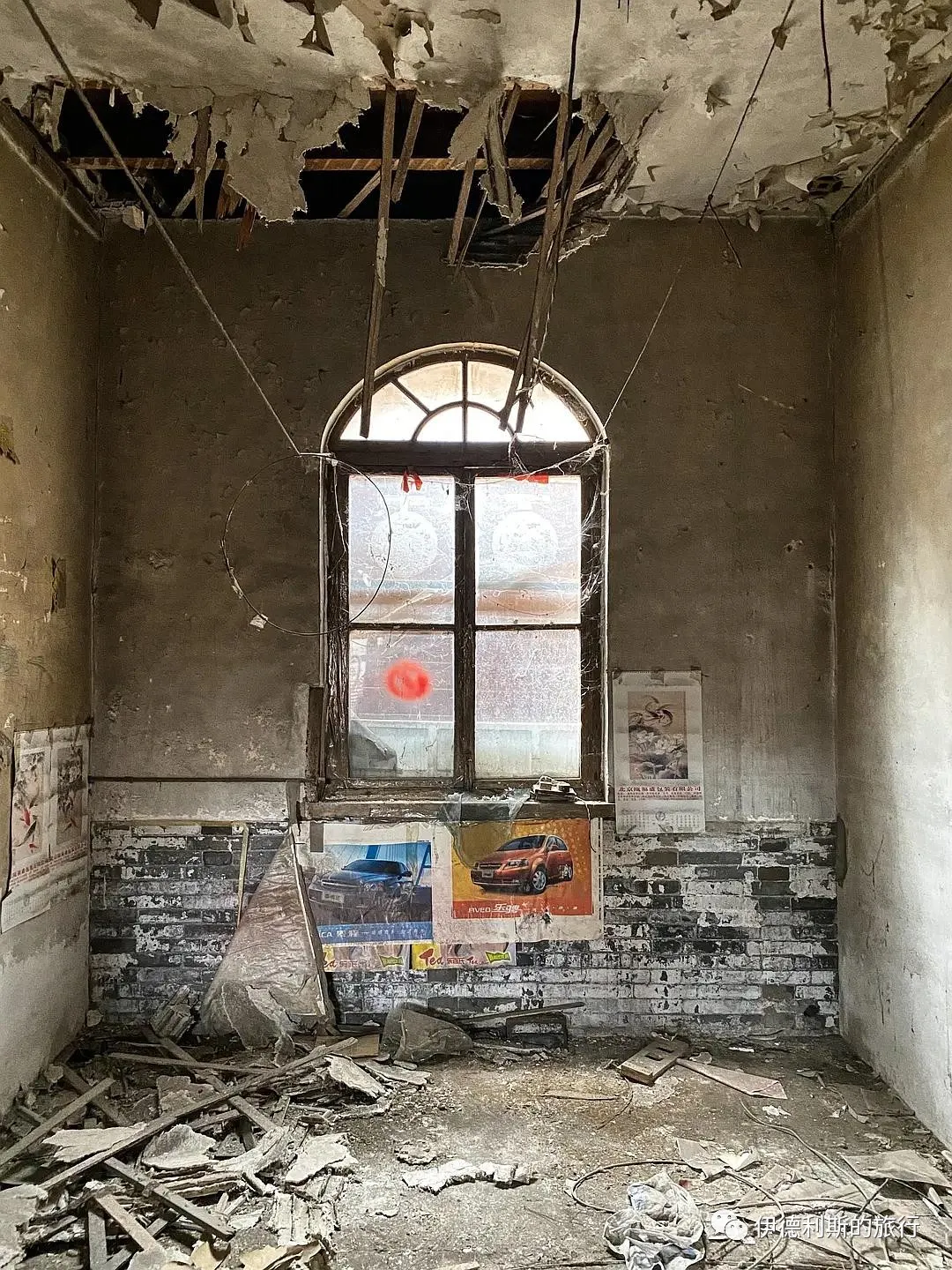
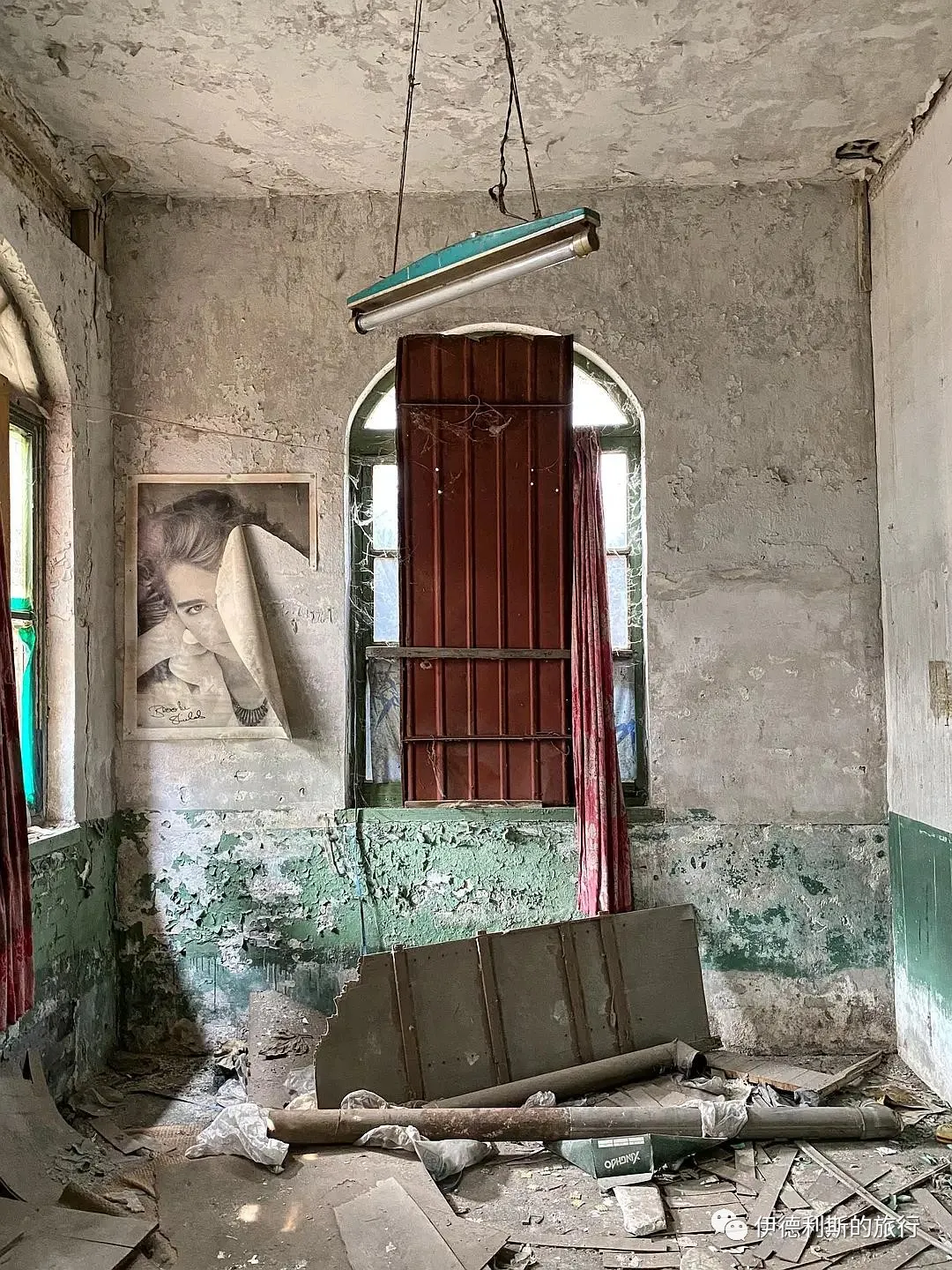
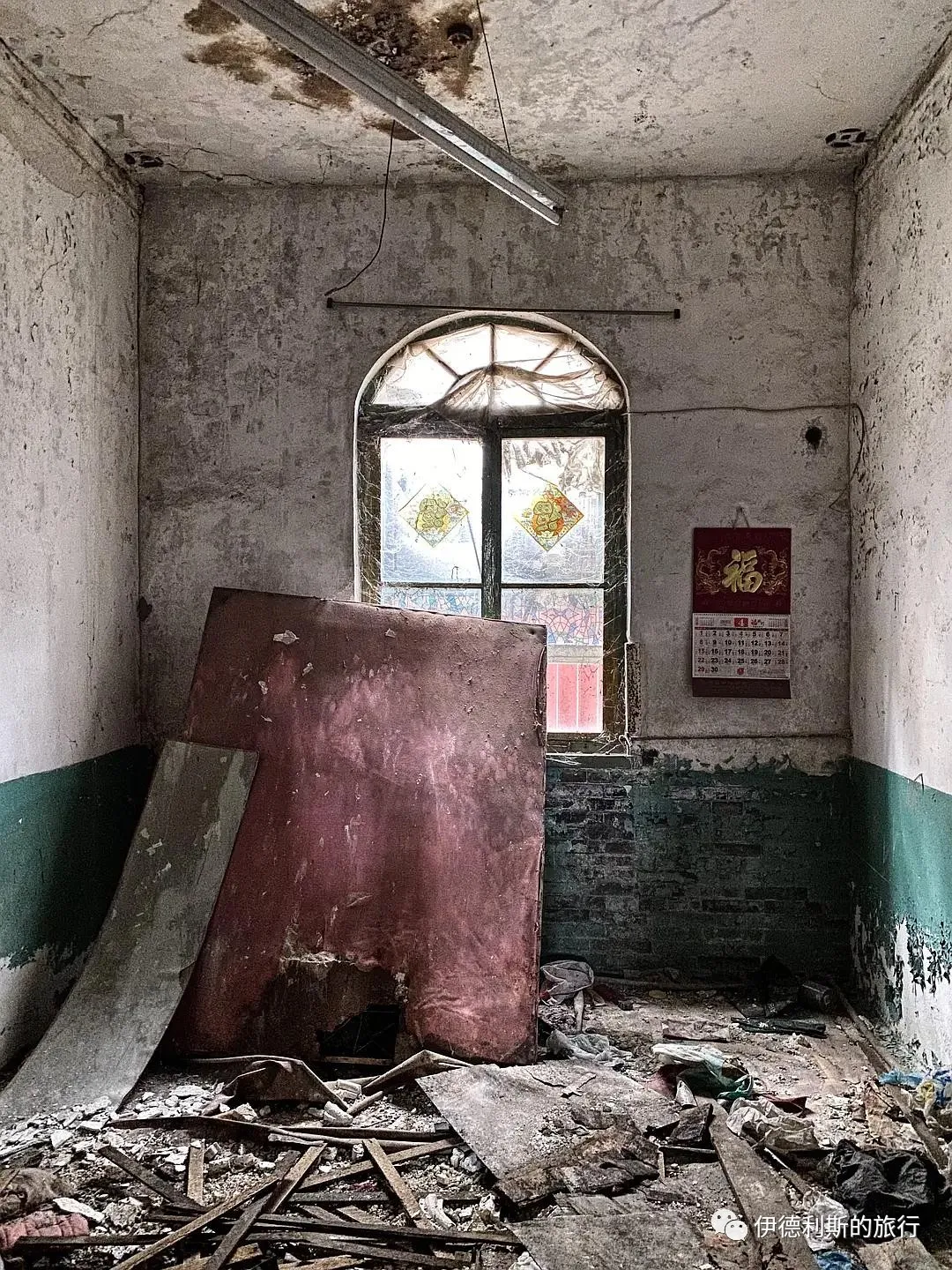
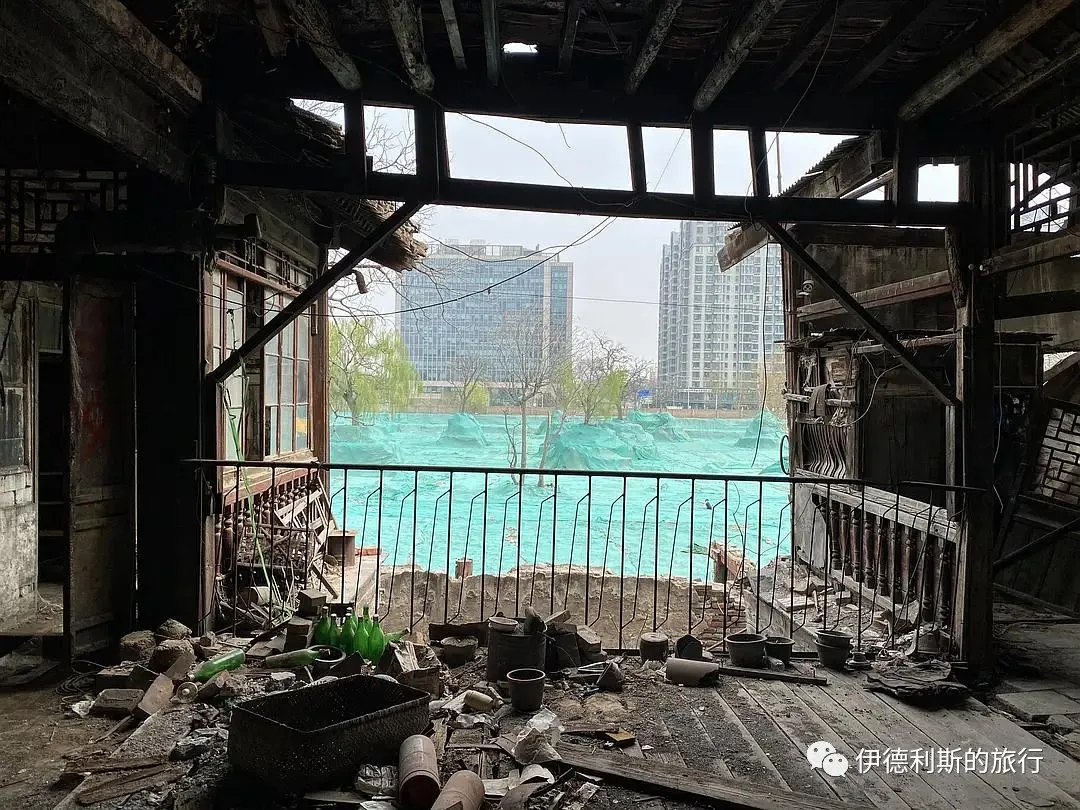
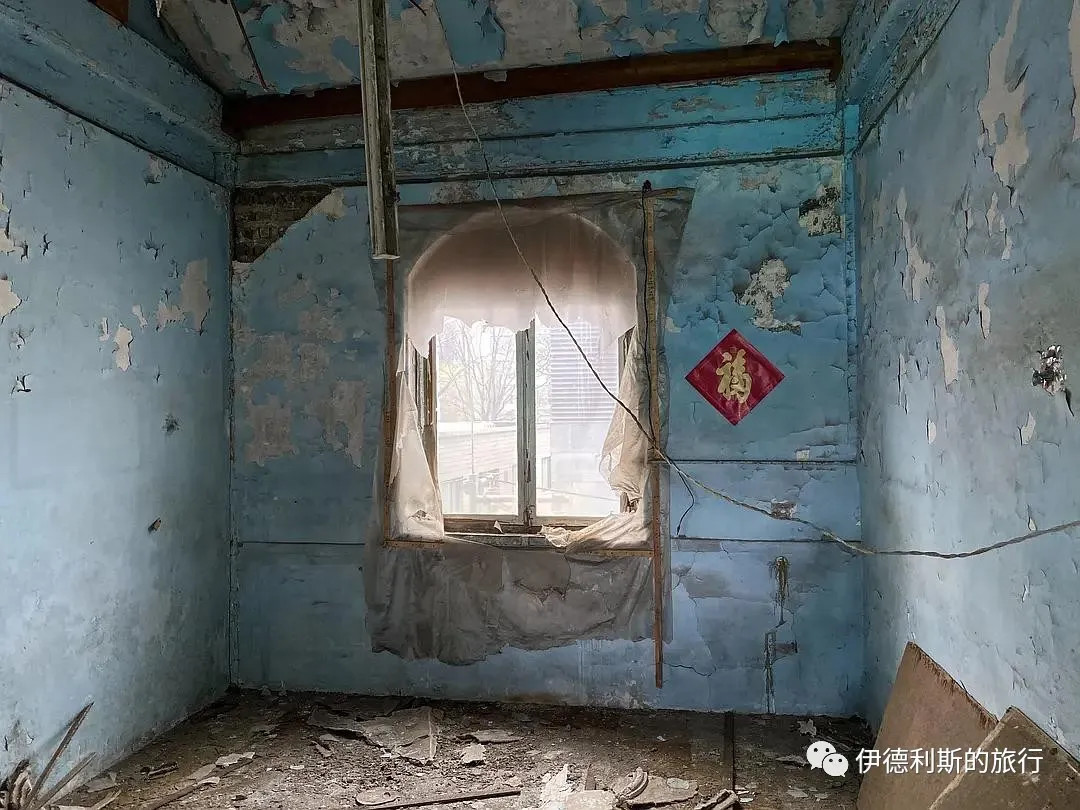
The second floor was originally a private room for the old Bianyifang restaurant, then it became the mosque's main prayer hall, and later it became a toy factory dormitory and a crowded residential compound.
Summary: Mishi Hutong Mosque in Beijing has been renovated into a high-end teahouse inside the new Daji Lane business district. This account keeps the mosque history, renovation notes, street context, and photographs from the visit.
I heard the Daji Lane business district at Caishikou in Beijing had officially opened, so I went to take a look at the renovated Mishi Hutong Mosque. Today, the Mishi Hutong Mosque has become a teahouse. The tea is expensive, and you have to book in advance.
During the Republic of China era, many friends (dosti) from the Northwest did business in the Xuannan area. In 1927, they donated money to build the Tianqiao Mosque and established the Association of Hui Muslims from the Five Provinces of Shaanxi, Gansu, Qinghai, Ningxia, and Xinjiang in Beijing. After the 1930s, the friends (dosti) from the Northwest gradually settled in the Caishikou area. In 1937, the old Bianyifang restaurant on nearby Mishi Hutong closed down. The friends (dosti) from the Northwest living in Beijing pooled their money to buy the two-story building and officially converted it into the Mishi Hutong Mosque in 1940. After that, the association for the five Northwest provinces moved its office to the Mishi Hutong Mosque. Imam Yeliangpu of the Tianqiao Mosque served as the imam for both, and Friday prayers (Jumu'ah) were held at the two mosques in rotation.
A friend (dosti) named Qian bought the street-facing houses of the Mishi Hutong Mosque. The north room of the outer courtyard was the association office, the north room of the inner courtyard held the primary school classroom, kitchen, and restroom, and the west room by the back door was the washroom (shuifang). The second floor of the small building was the main prayer hall, the west room on the first floor was the lecture hall, the north room was the imam's dormitory, the south room was the student lounge, and the north and south rooms in the outer corridor were student dormitories. A glass plaque reading 'Shengdao Qiyang' (The Holy Path is Glorified) hung in the outer corridor, donated by the elders of the Tianqiao Mosque and written by Zong Zheng.
When the Daji area was demolished, all other buildings of the Mishi Hutong Mosque were torn down, leaving only the two-story building. The building was built in the mid-to-late Qing Dynasty. It was originally an 'L' shape made of a north building and a west building. When it was converted into a mosque in 1940, three south-facing open rooms were added, changing the 'L' shape into a 'U' shape. At the same time, a two-story flat-roofed open hall was added in the recessed area, connecting with the south rooms. This created a semi-enclosed open space on the second floor to serve as the main prayer hall, which was a first for a mosque (masjid) at that time.
After the 1960s, the Mishi Hutong Mosque became a dormitory for a toy factory and later turned into a residential compound. I visited the building in 2022 before it was renovated, and the calendar on the wall was still stuck on 2012.
Finally, here are some photos I took of the Mishi Hutong Mosque in 2022.
The second floor was originally a private room for the old Bianyifang restaurant, then it became the mosque's main prayer hall, and later it became a toy factory dormitory and a crowded residential compound.
