

Mishi Hutong
Halal Travel Guide: Beijing Mishi Hutong Mosque and Daji Lane Teahouse
Articles • ali2007fr posted the article • 0 comments • 161 views • 2026-05-20 08:14
Reposted from the web
Summary: Mishi Hutong Mosque in Beijing has been renovated into a high-end teahouse inside the new Daji Lane business district. This account keeps the mosque history, renovation notes, street context, and photographs from the visit.
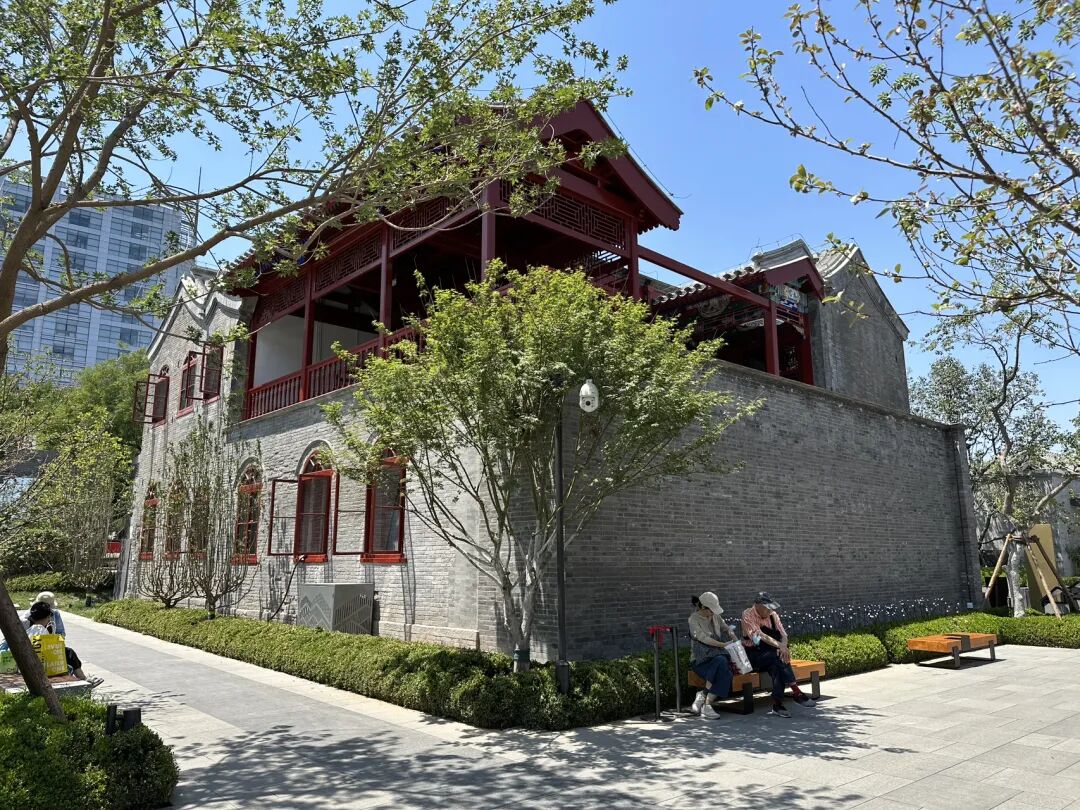
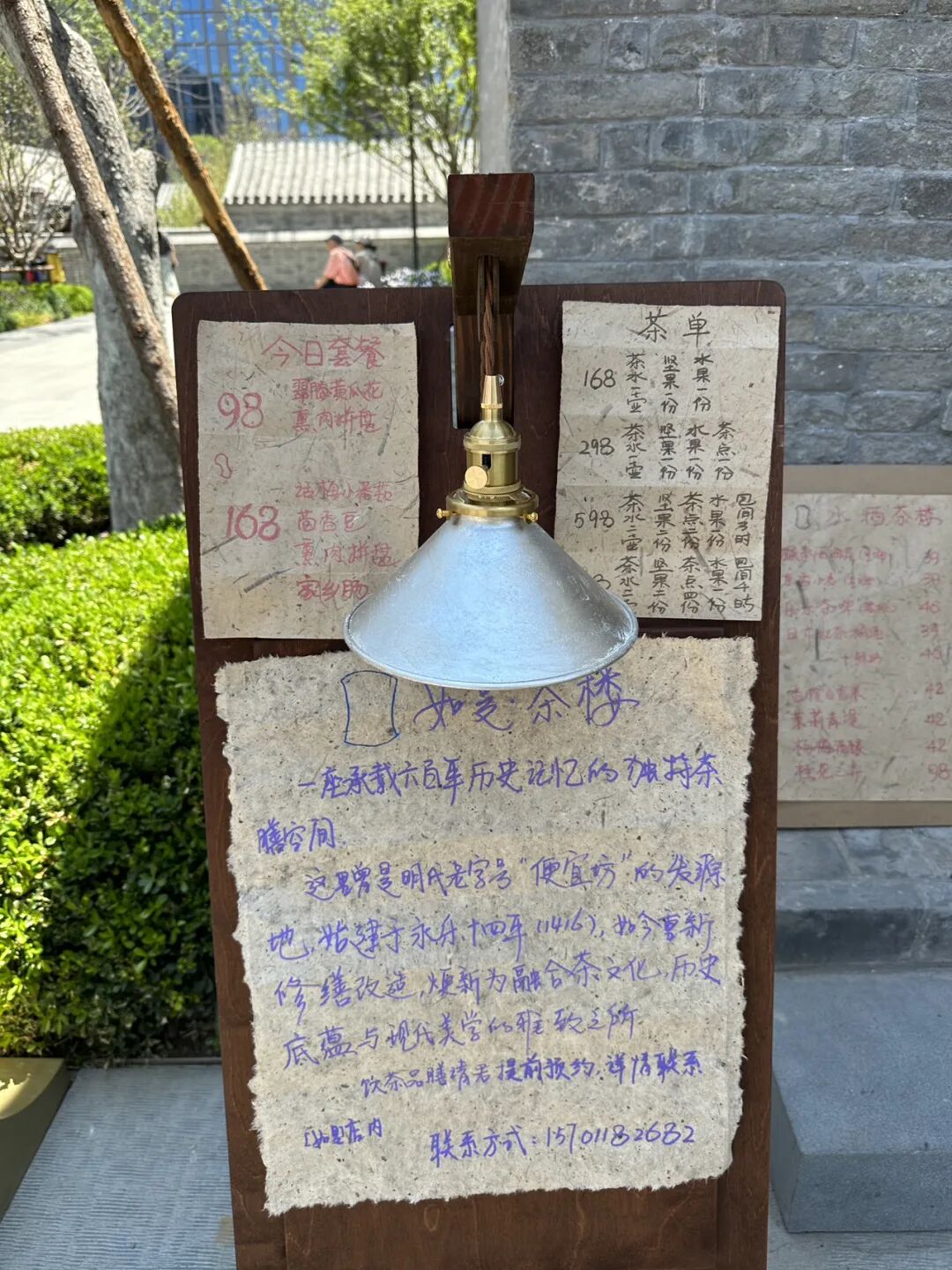
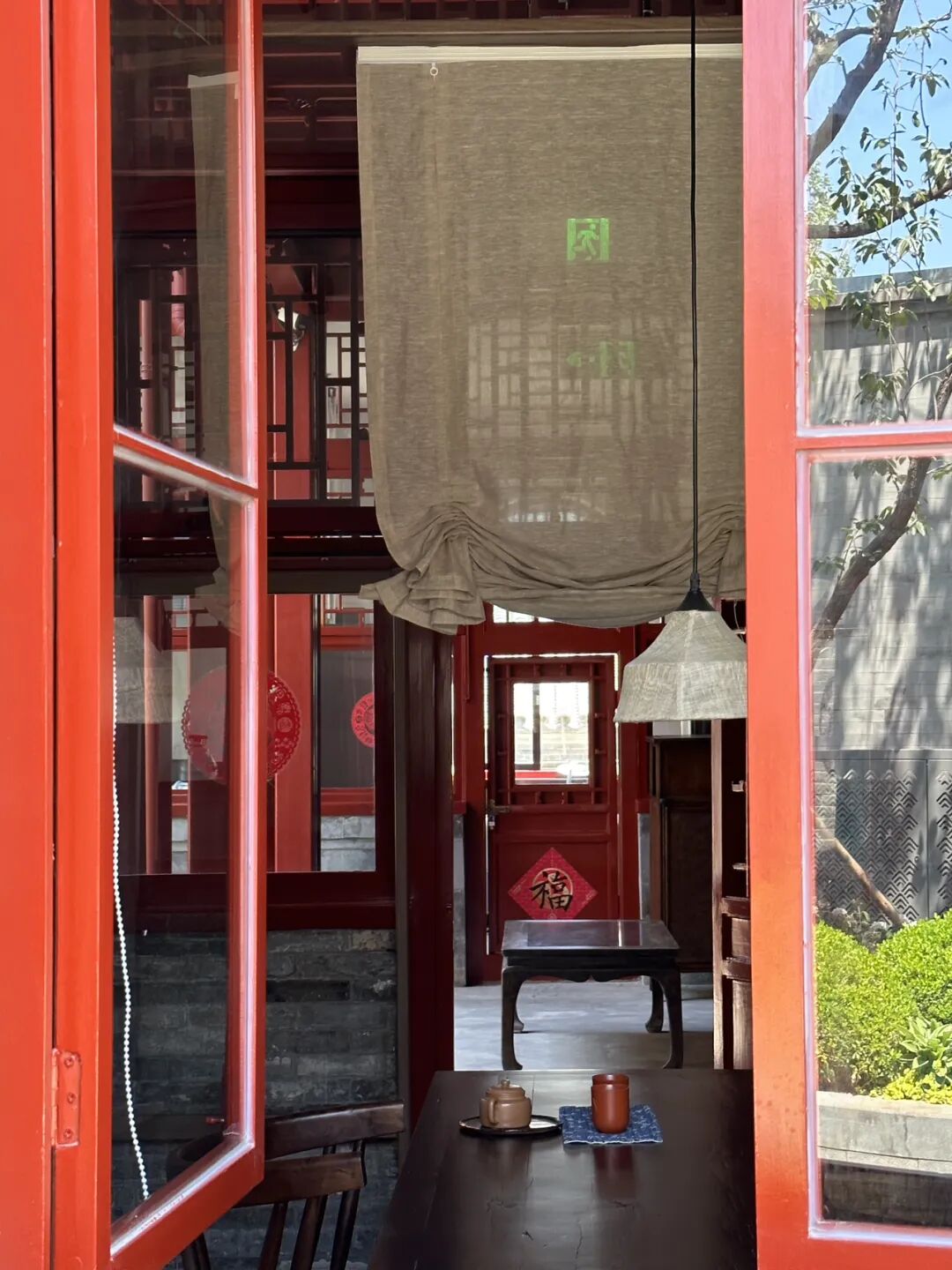
I heard the Daji Lane business district at Caishikou in Beijing had officially opened, so I went to take a look at the renovated Mishi Hutong Mosque. Today, the Mishi Hutong Mosque has become a teahouse. The tea is expensive, and you have to book in advance.
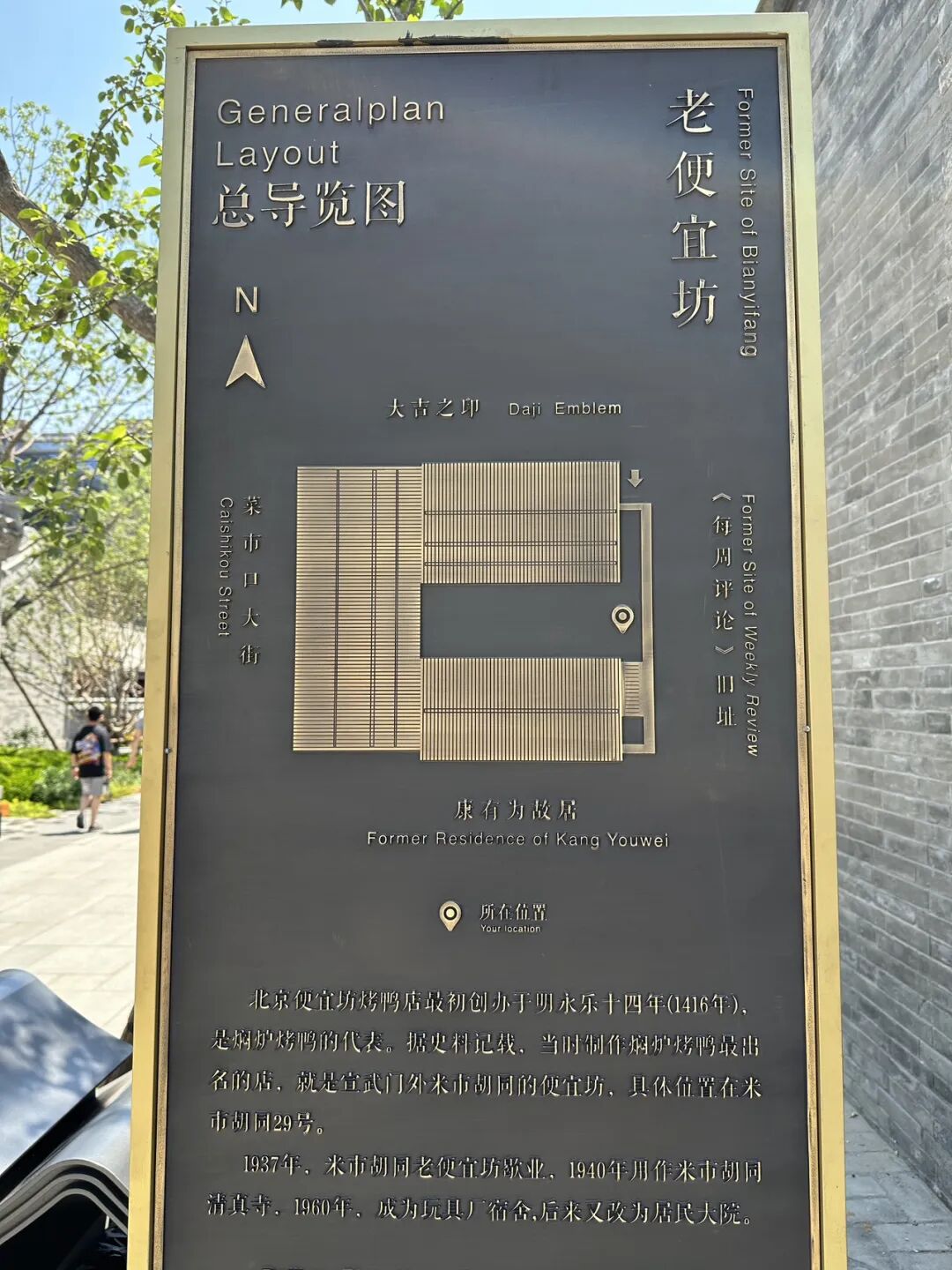
During the Republic of China era, many friends (dosti) from the Northwest did business in the Xuannan area. In 1927, they donated money to build the Tianqiao Mosque and established the Association of Hui Muslims from the Five Provinces of Shaanxi, Gansu, Qinghai, Ningxia, and Xinjiang in Beijing. After the 1930s, the friends (dosti) from the Northwest gradually settled in the Caishikou area. In 1937, the old Bianyifang restaurant on nearby Mishi Hutong closed down. The friends (dosti) from the Northwest living in Beijing pooled their money to buy the two-story building and officially converted it into the Mishi Hutong Mosque in 1940. After that, the association for the five Northwest provinces moved its office to the Mishi Hutong Mosque. Imam Yeliangpu of the Tianqiao Mosque served as the imam for both, and Friday prayers (Jumu'ah) were held at the two mosques in rotation.
A friend (dosti) named Qian bought the street-facing houses of the Mishi Hutong Mosque. The north room of the outer courtyard was the association office, the north room of the inner courtyard held the primary school classroom, kitchen, and restroom, and the west room by the back door was the washroom (shuifang). The second floor of the small building was the main prayer hall, the west room on the first floor was the lecture hall, the north room was the imam's dormitory, the south room was the student lounge, and the north and south rooms in the outer corridor were student dormitories. A glass plaque reading 'Shengdao Qiyang' (The Holy Path is Glorified) hung in the outer corridor, donated by the elders of the Tianqiao Mosque and written by Zong Zheng.
When the Daji area was demolished, all other buildings of the Mishi Hutong Mosque were torn down, leaving only the two-story building. The building was built in the mid-to-late Qing Dynasty. It was originally an 'L' shape made of a north building and a west building. When it was converted into a mosque in 1940, three south-facing open rooms were added, changing the 'L' shape into a 'U' shape. At the same time, a two-story flat-roofed open hall was added in the recessed area, connecting with the south rooms. This created a semi-enclosed open space on the second floor to serve as the main prayer hall, which was a first for a mosque (masjid) at that time.
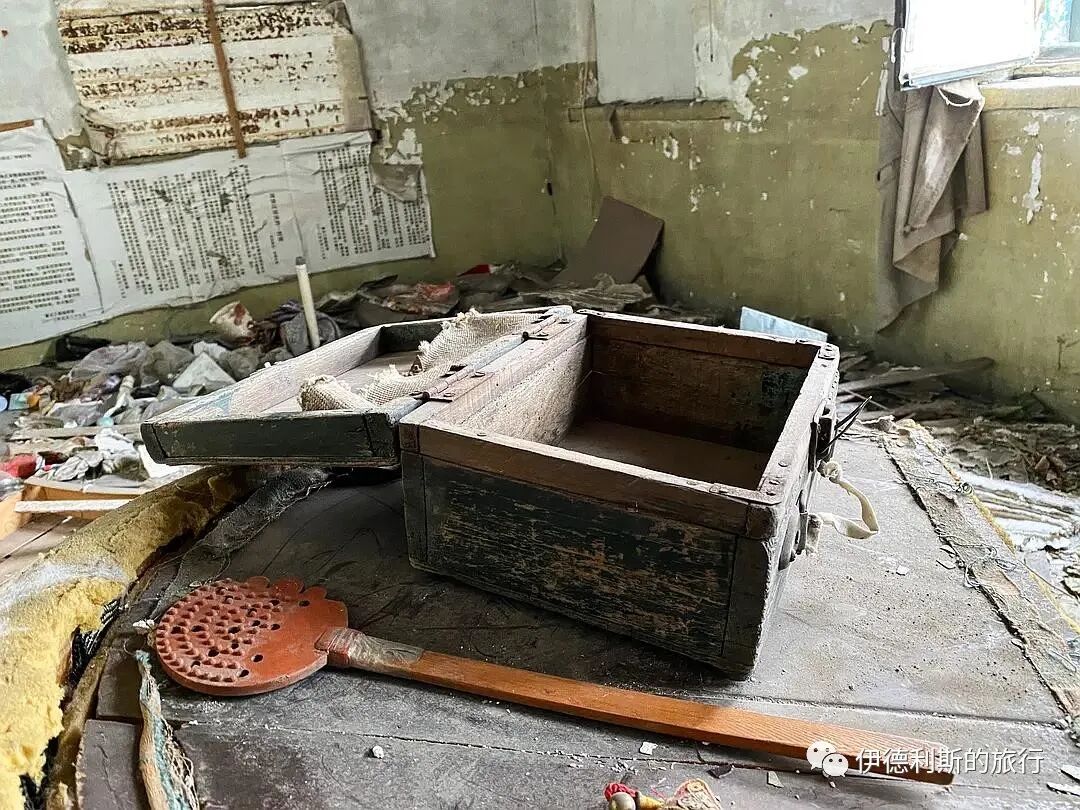
After the 1960s, the Mishi Hutong Mosque became a dormitory for a toy factory and later turned into a residential compound. I visited the building in 2022 before it was renovated, and the calendar on the wall was still stuck on 2012.
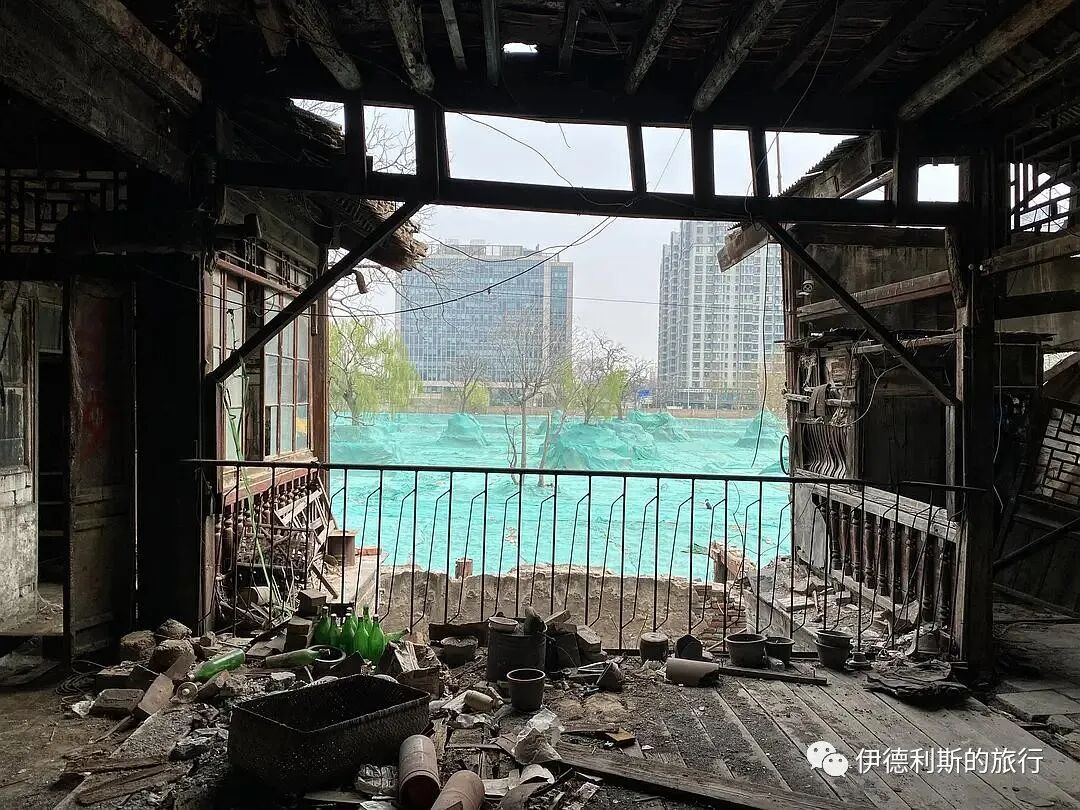
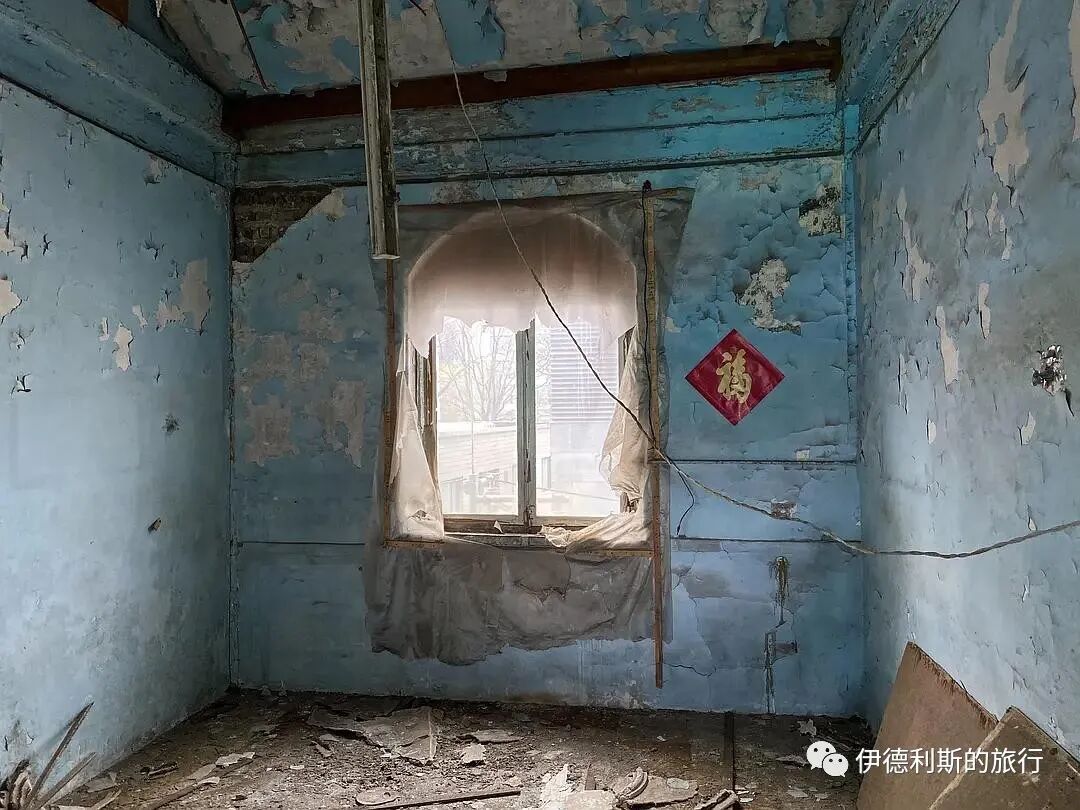
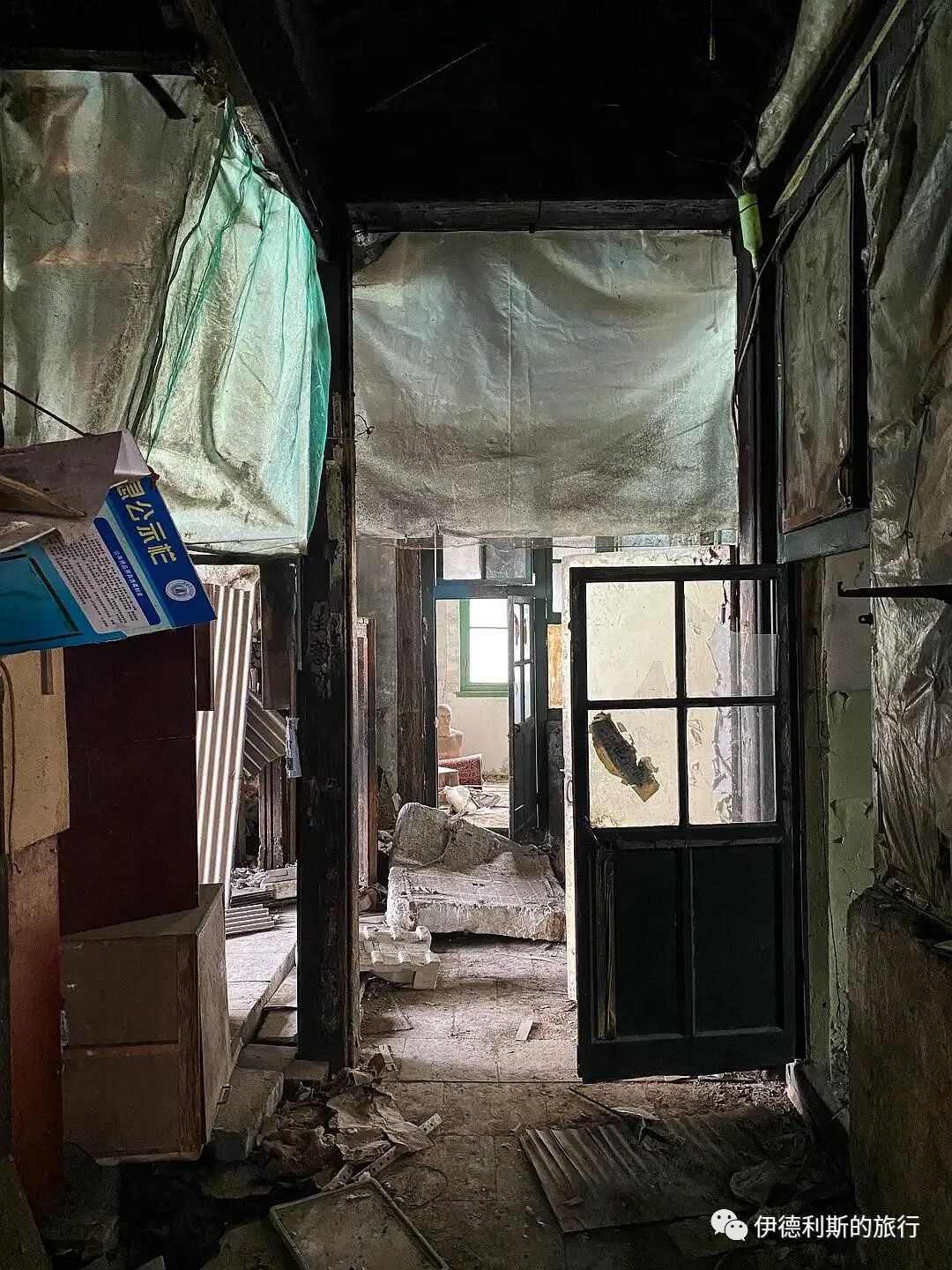
Finally, here are some photos I took of the Mishi Hutong Mosque in 2022.
The second floor was originally a private room for the old Bianyifang restaurant, then it became the mosque's main prayer hall, and later it became a toy factory dormitory and a crowded residential compound. view all
Summary: Mishi Hutong Mosque in Beijing has been renovated into a high-end teahouse inside the new Daji Lane business district. This account keeps the mosque history, renovation notes, street context, and photographs from the visit.
I heard the Daji Lane business district at Caishikou in Beijing had officially opened, so I went to take a look at the renovated Mishi Hutong Mosque. Today, the Mishi Hutong Mosque has become a teahouse. The tea is expensive, and you have to book in advance.
During the Republic of China era, many friends (dosti) from the Northwest did business in the Xuannan area. In 1927, they donated money to build the Tianqiao Mosque and established the Association of Hui Muslims from the Five Provinces of Shaanxi, Gansu, Qinghai, Ningxia, and Xinjiang in Beijing. After the 1930s, the friends (dosti) from the Northwest gradually settled in the Caishikou area. In 1937, the old Bianyifang restaurant on nearby Mishi Hutong closed down. The friends (dosti) from the Northwest living in Beijing pooled their money to buy the two-story building and officially converted it into the Mishi Hutong Mosque in 1940. After that, the association for the five Northwest provinces moved its office to the Mishi Hutong Mosque. Imam Yeliangpu of the Tianqiao Mosque served as the imam for both, and Friday prayers (Jumu'ah) were held at the two mosques in rotation.
A friend (dosti) named Qian bought the street-facing houses of the Mishi Hutong Mosque. The north room of the outer courtyard was the association office, the north room of the inner courtyard held the primary school classroom, kitchen, and restroom, and the west room by the back door was the washroom (shuifang). The second floor of the small building was the main prayer hall, the west room on the first floor was the lecture hall, the north room was the imam's dormitory, the south room was the student lounge, and the north and south rooms in the outer corridor were student dormitories. A glass plaque reading 'Shengdao Qiyang' (The Holy Path is Glorified) hung in the outer corridor, donated by the elders of the Tianqiao Mosque and written by Zong Zheng.
When the Daji area was demolished, all other buildings of the Mishi Hutong Mosque were torn down, leaving only the two-story building. The building was built in the mid-to-late Qing Dynasty. It was originally an 'L' shape made of a north building and a west building. When it was converted into a mosque in 1940, three south-facing open rooms were added, changing the 'L' shape into a 'U' shape. At the same time, a two-story flat-roofed open hall was added in the recessed area, connecting with the south rooms. This created a semi-enclosed open space on the second floor to serve as the main prayer hall, which was a first for a mosque (masjid) at that time.
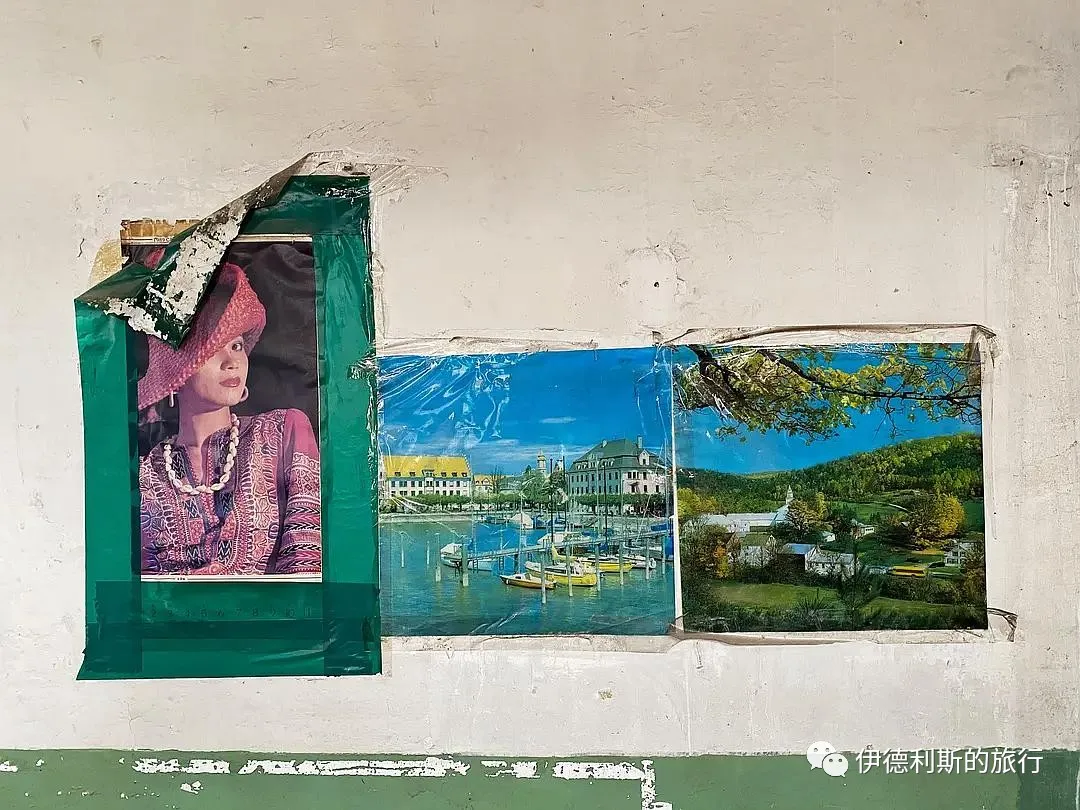
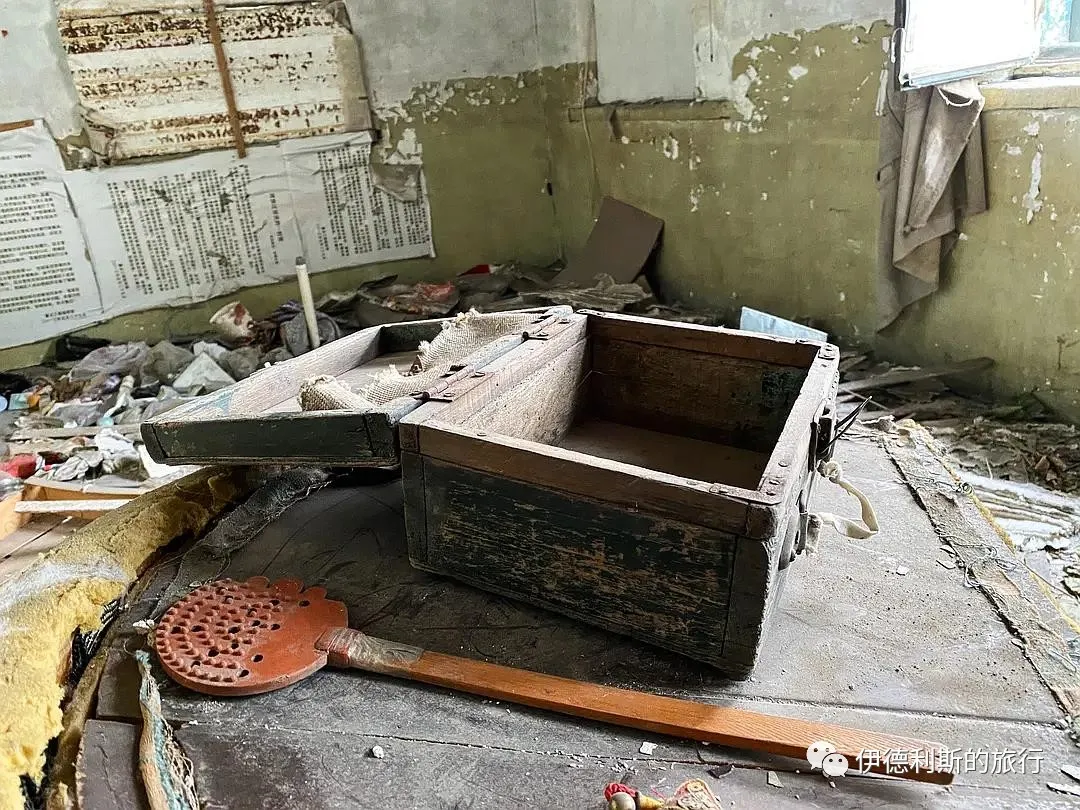
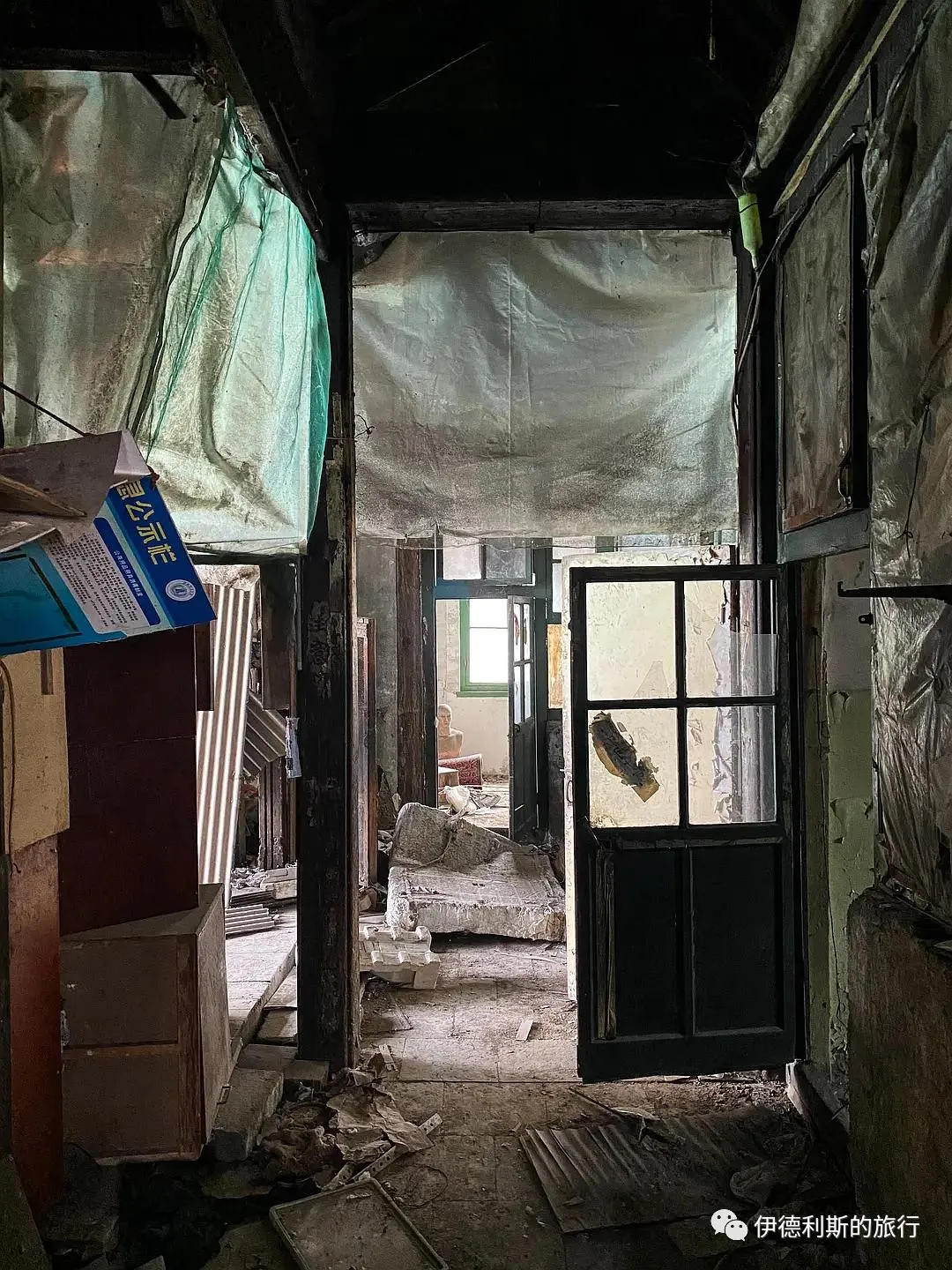
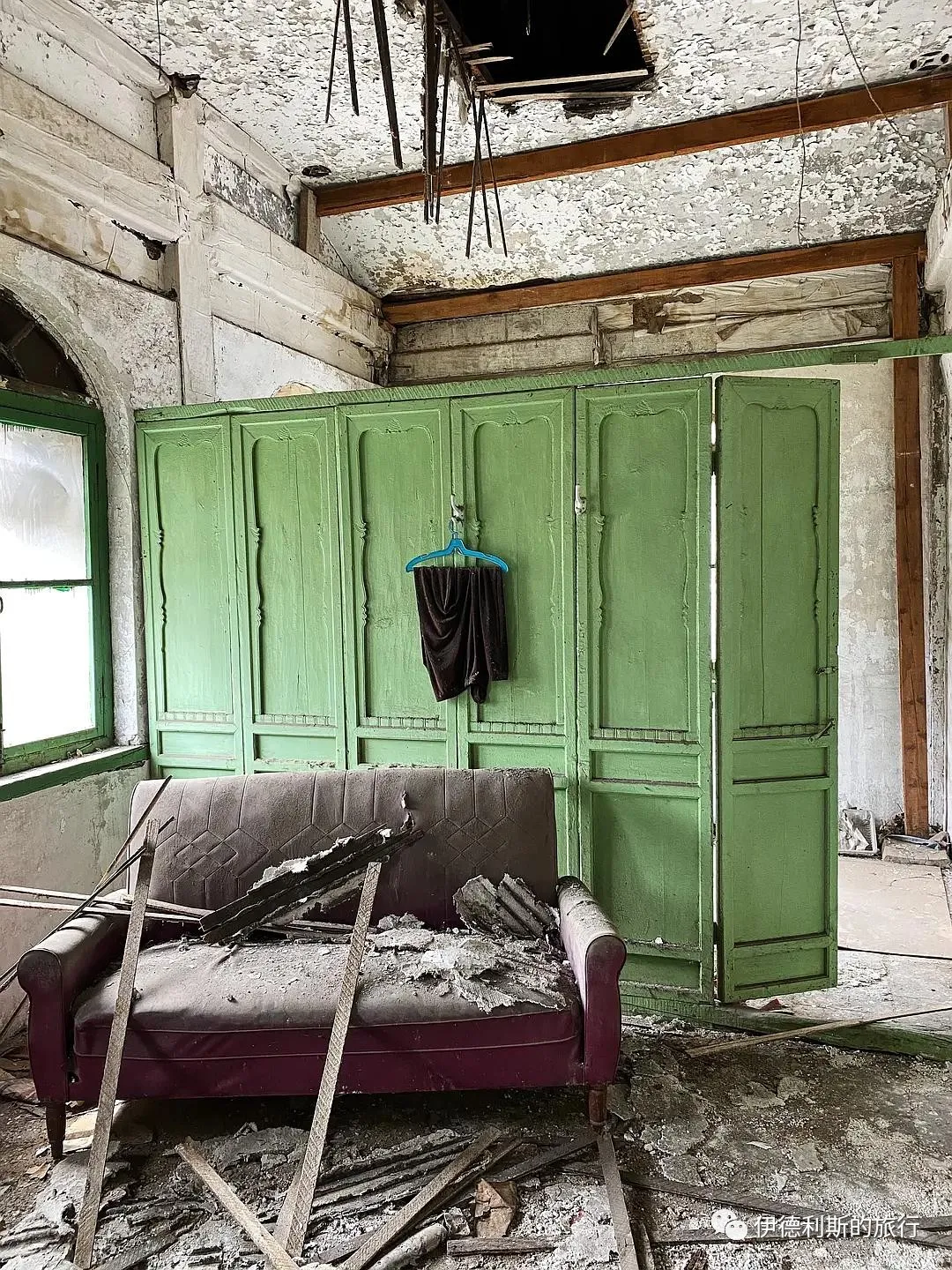
After the 1960s, the Mishi Hutong Mosque became a dormitory for a toy factory and later turned into a residential compound. I visited the building in 2022 before it was renovated, and the calendar on the wall was still stuck on 2012.
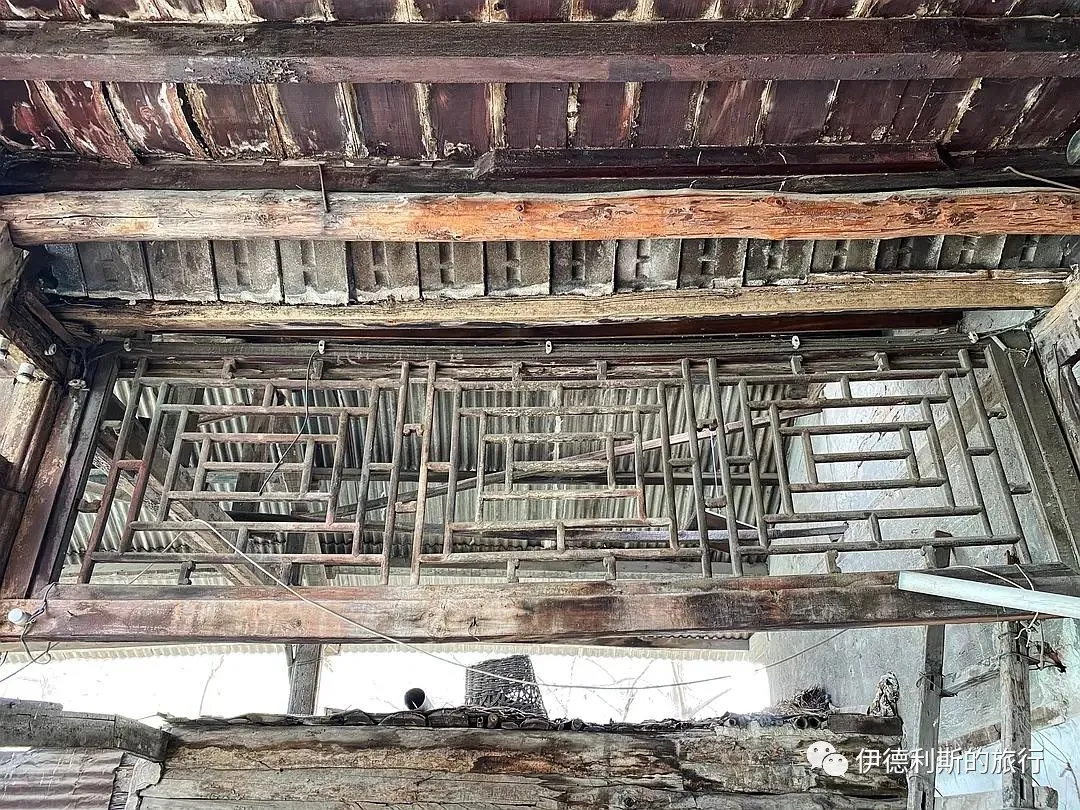
Finally, here are some photos I took of the Mishi Hutong Mosque in 2022.
The second floor was originally a private room for the old Bianyifang restaurant, then it became the mosque's main prayer hall, and later it became a toy factory dormitory and a crowded residential compound. view all
Reposted from the web
Summary: Mishi Hutong Mosque in Beijing has been renovated into a high-end teahouse inside the new Daji Lane business district. This account keeps the mosque history, renovation notes, street context, and photographs from the visit.
I heard the Daji Lane business district at Caishikou in Beijing had officially opened, so I went to take a look at the renovated Mishi Hutong Mosque. Today, the Mishi Hutong Mosque has become a teahouse. The tea is expensive, and you have to book in advance.
During the Republic of China era, many friends (dosti) from the Northwest did business in the Xuannan area. In 1927, they donated money to build the Tianqiao Mosque and established the Association of Hui Muslims from the Five Provinces of Shaanxi, Gansu, Qinghai, Ningxia, and Xinjiang in Beijing. After the 1930s, the friends (dosti) from the Northwest gradually settled in the Caishikou area. In 1937, the old Bianyifang restaurant on nearby Mishi Hutong closed down. The friends (dosti) from the Northwest living in Beijing pooled their money to buy the two-story building and officially converted it into the Mishi Hutong Mosque in 1940. After that, the association for the five Northwest provinces moved its office to the Mishi Hutong Mosque. Imam Yeliangpu of the Tianqiao Mosque served as the imam for both, and Friday prayers (Jumu'ah) were held at the two mosques in rotation.
A friend (dosti) named Qian bought the street-facing houses of the Mishi Hutong Mosque. The north room of the outer courtyard was the association office, the north room of the inner courtyard held the primary school classroom, kitchen, and restroom, and the west room by the back door was the washroom (shuifang). The second floor of the small building was the main prayer hall, the west room on the first floor was the lecture hall, the north room was the imam's dormitory, the south room was the student lounge, and the north and south rooms in the outer corridor were student dormitories. A glass plaque reading 'Shengdao Qiyang' (The Holy Path is Glorified) hung in the outer corridor, donated by the elders of the Tianqiao Mosque and written by Zong Zheng.
When the Daji area was demolished, all other buildings of the Mishi Hutong Mosque were torn down, leaving only the two-story building. The building was built in the mid-to-late Qing Dynasty. It was originally an 'L' shape made of a north building and a west building. When it was converted into a mosque in 1940, three south-facing open rooms were added, changing the 'L' shape into a 'U' shape. At the same time, a two-story flat-roofed open hall was added in the recessed area, connecting with the south rooms. This created a semi-enclosed open space on the second floor to serve as the main prayer hall, which was a first for a mosque (masjid) at that time.
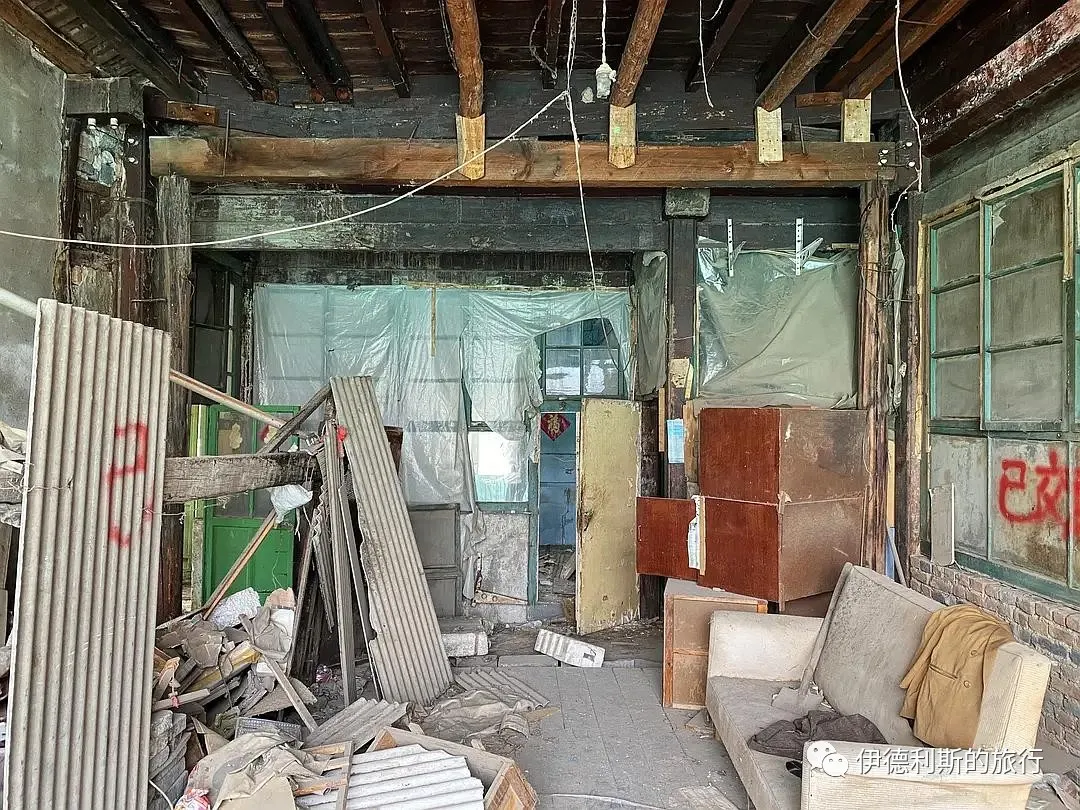
After the 1960s, the Mishi Hutong Mosque became a dormitory for a toy factory and later turned into a residential compound. I visited the building in 2022 before it was renovated, and the calendar on the wall was still stuck on 2012.
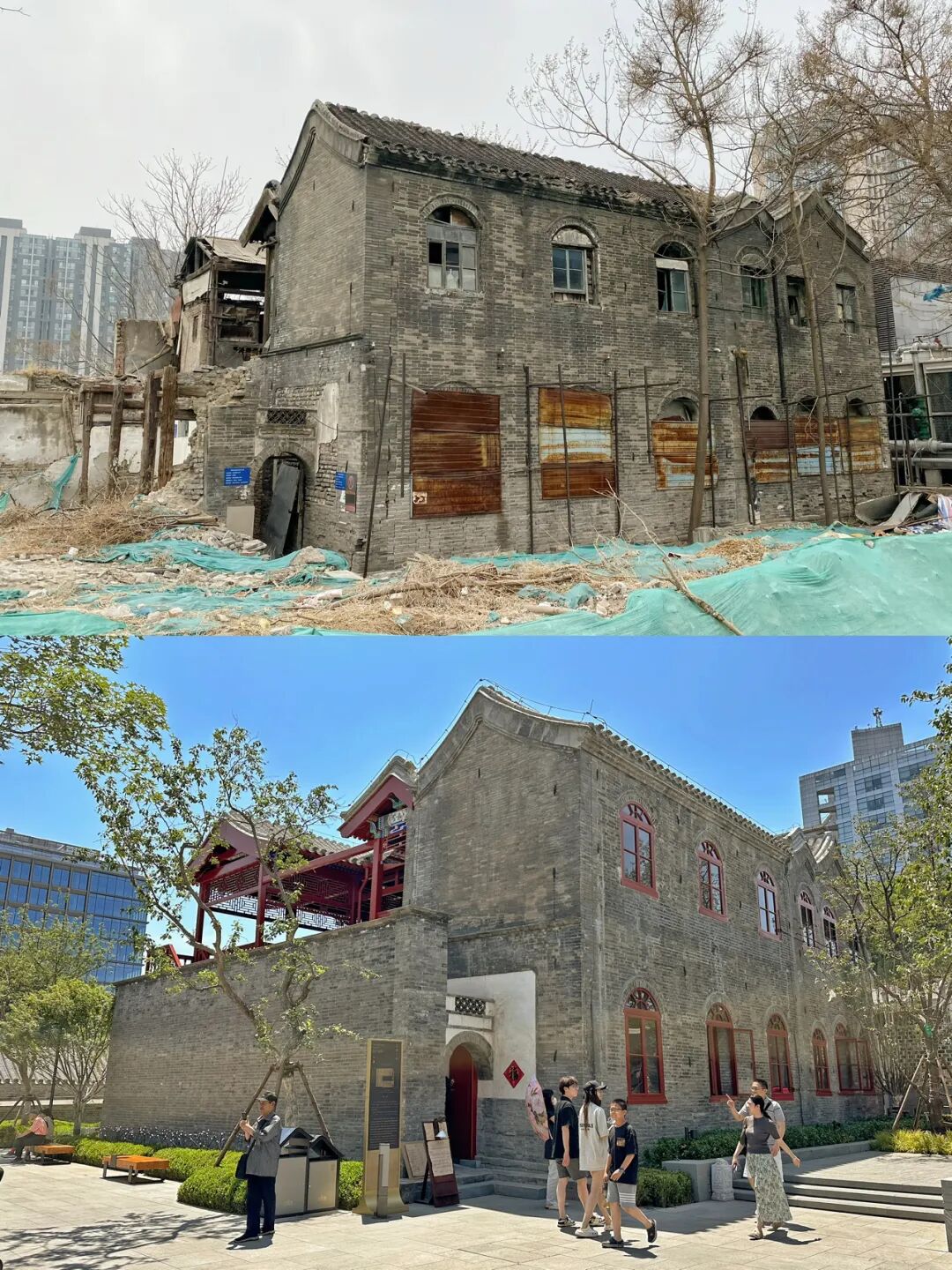
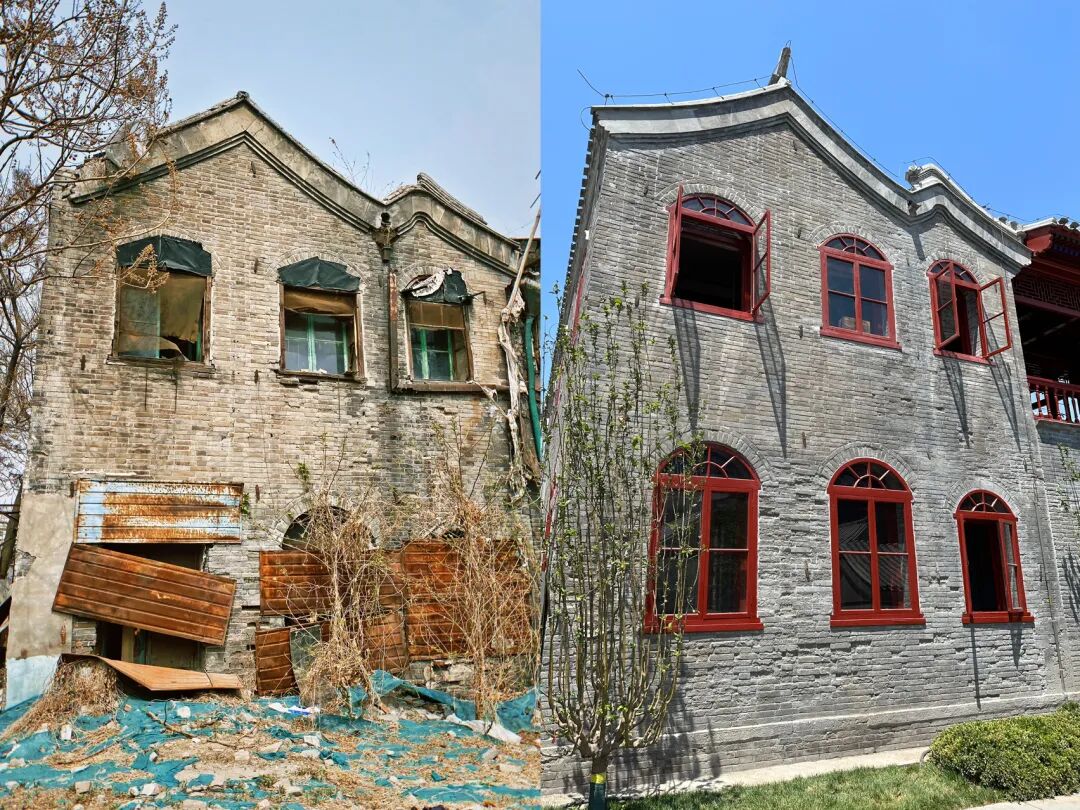
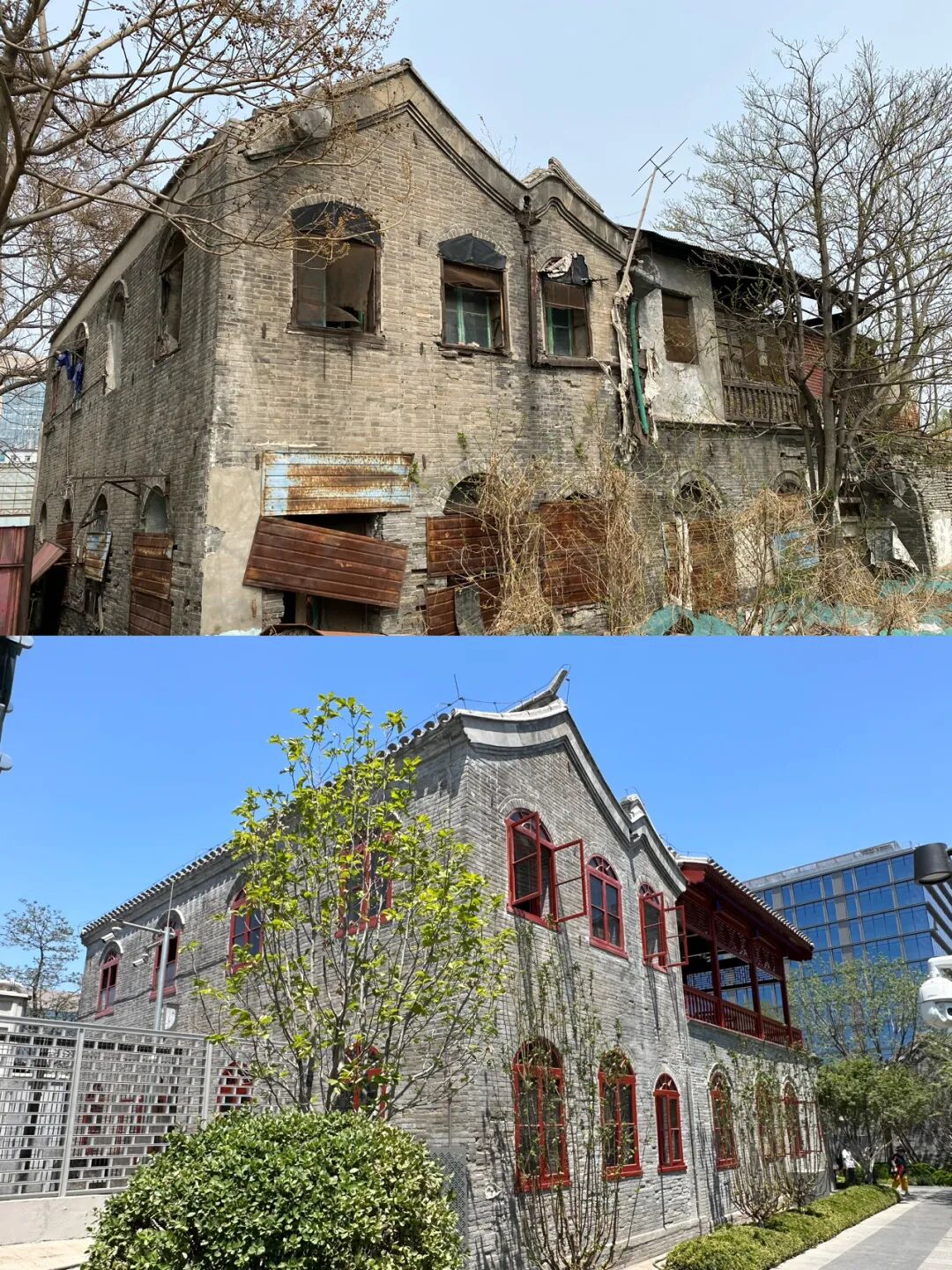
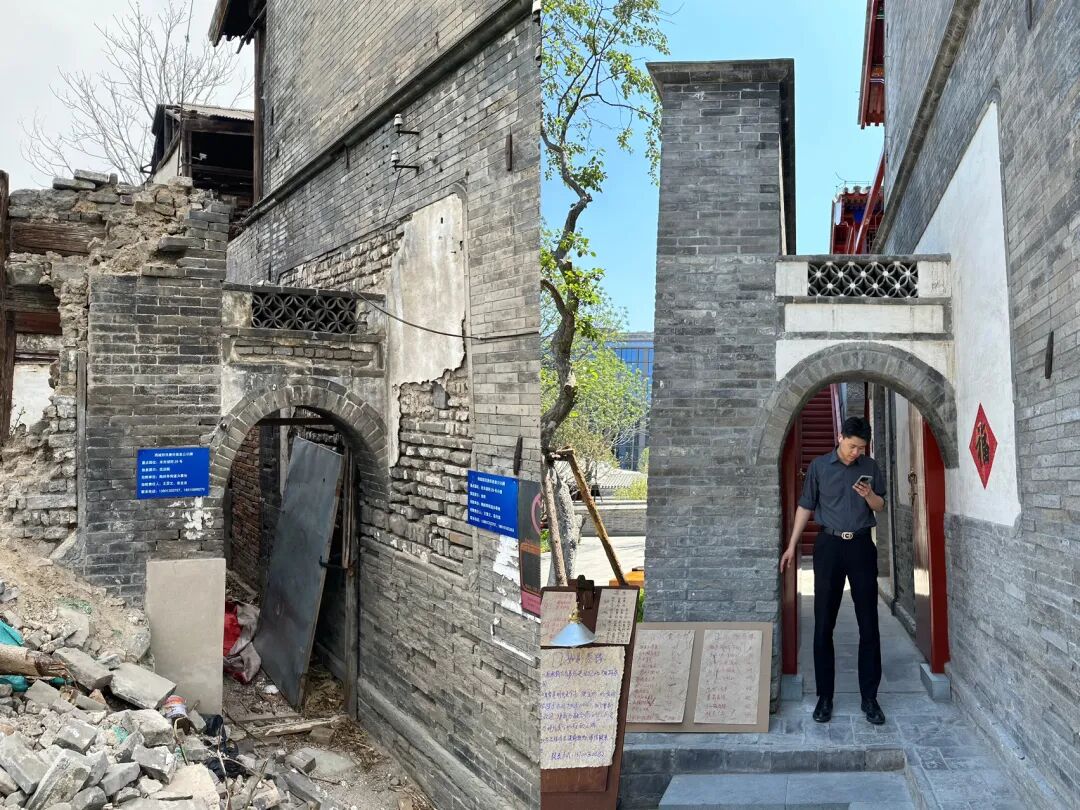
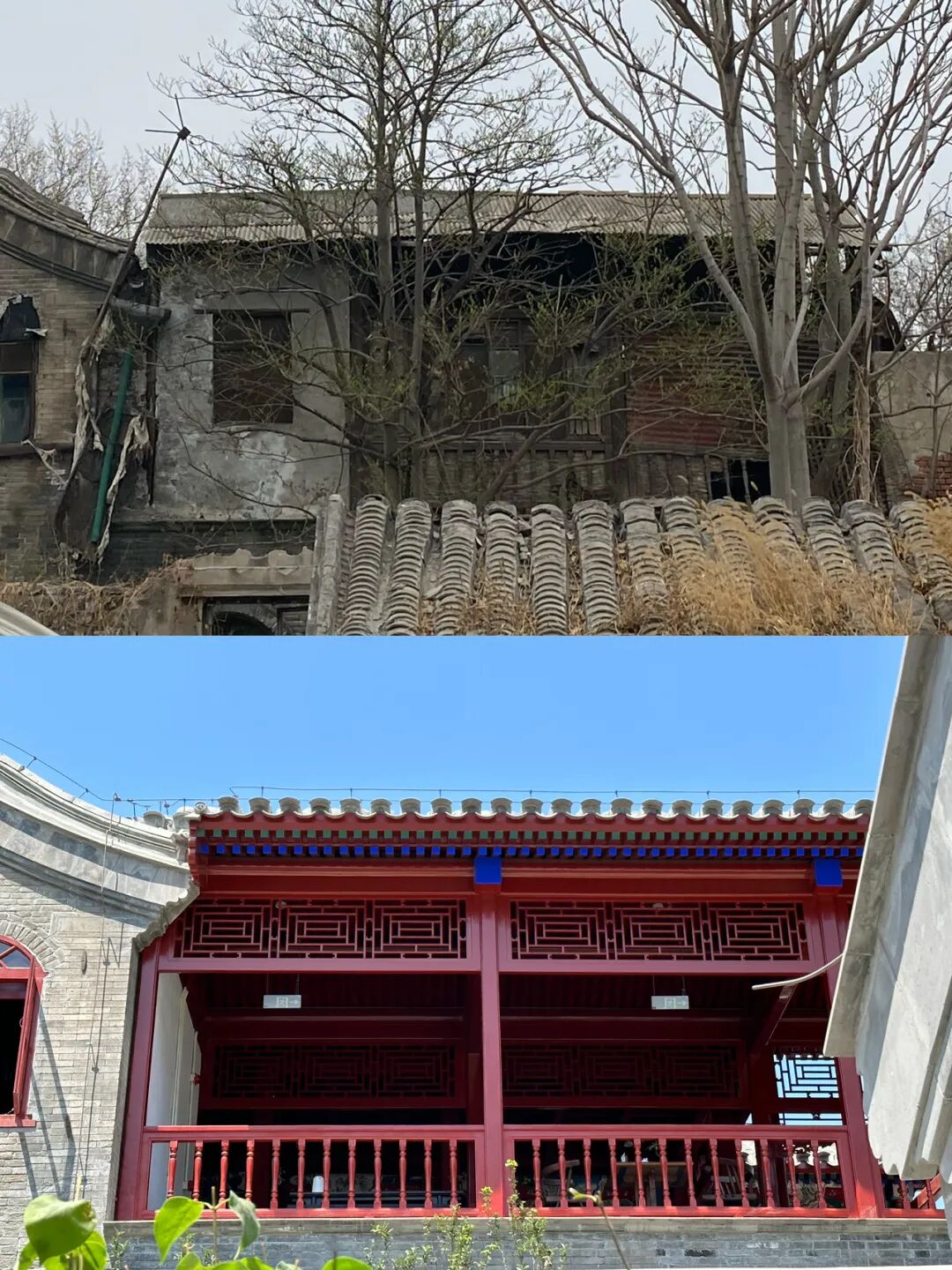
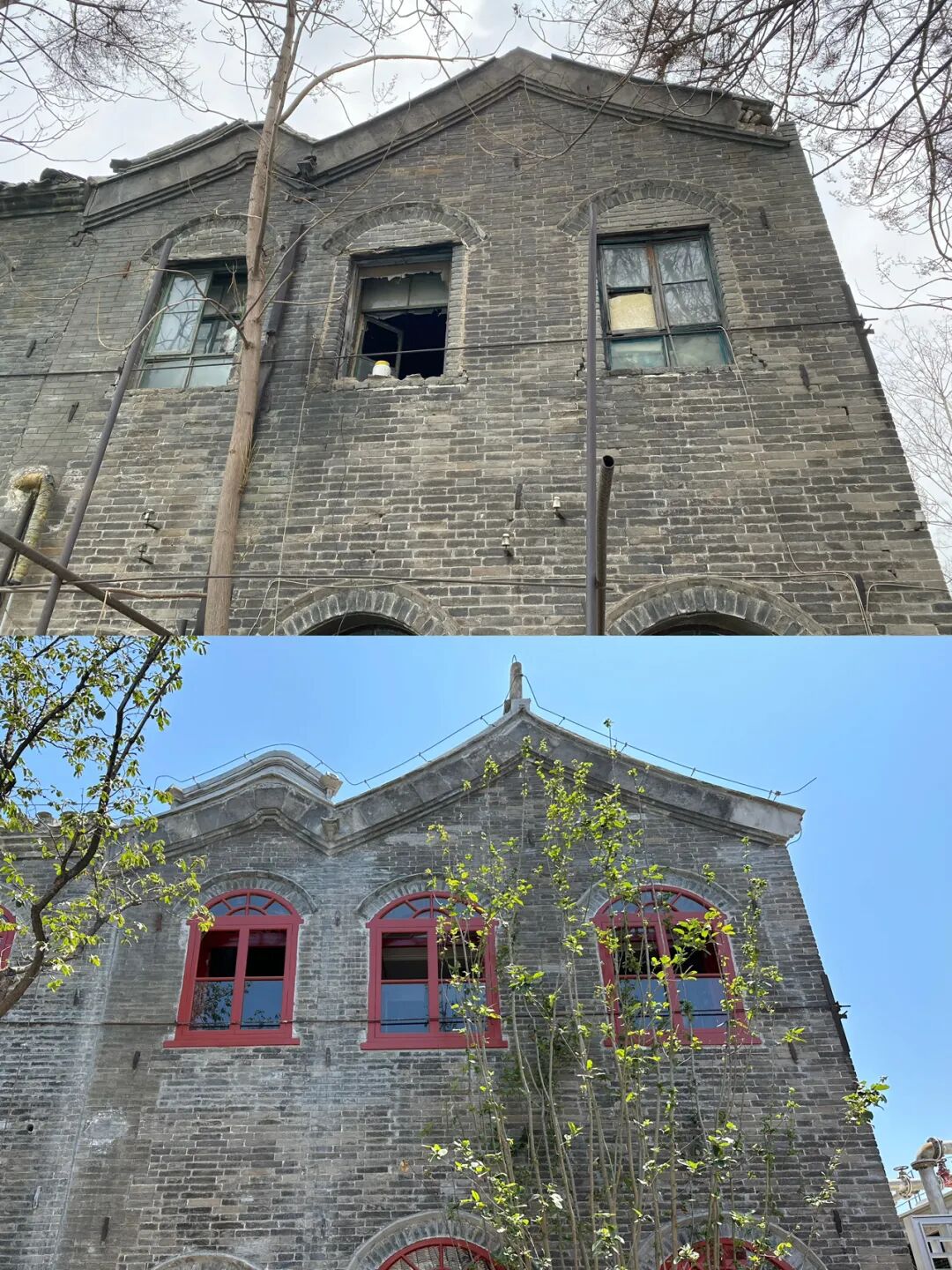
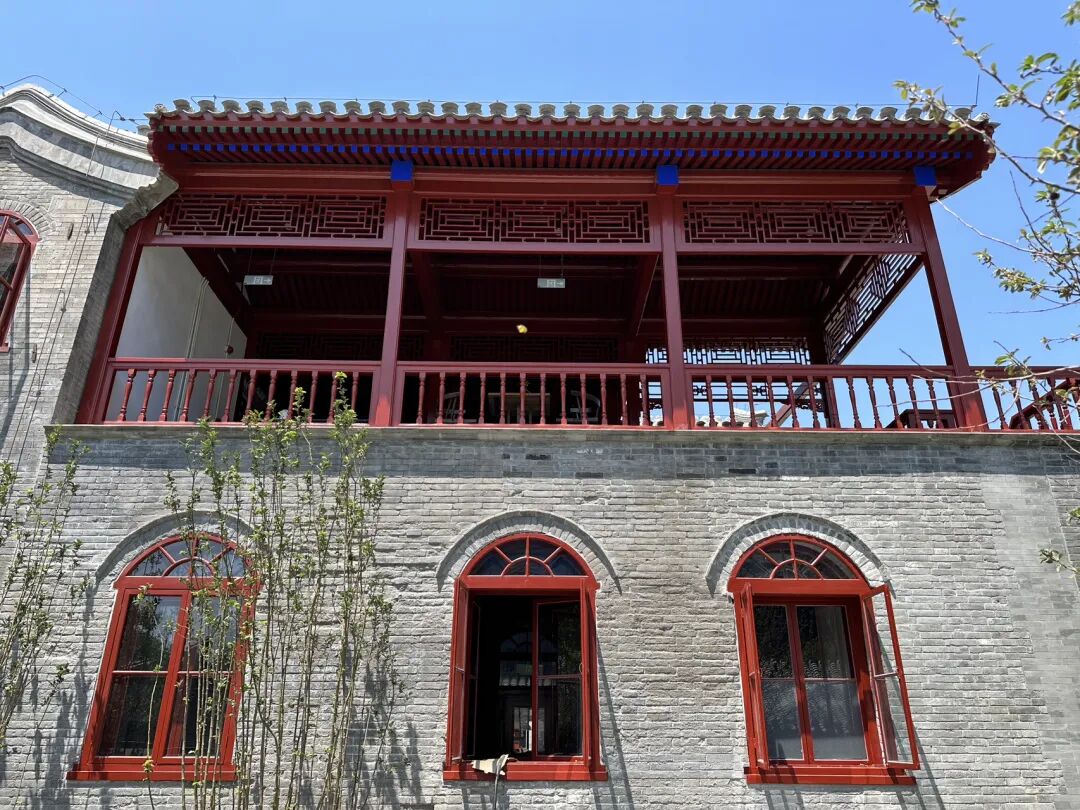
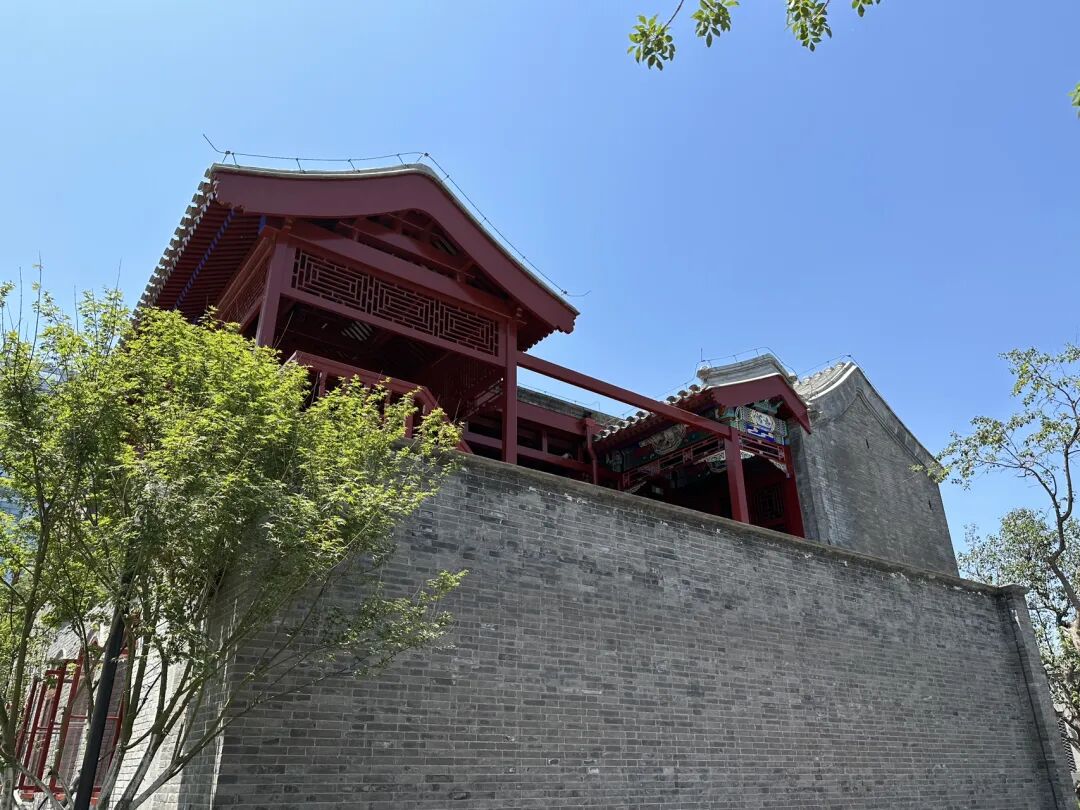
Finally, here are some photos I took of the Mishi Hutong Mosque in 2022.
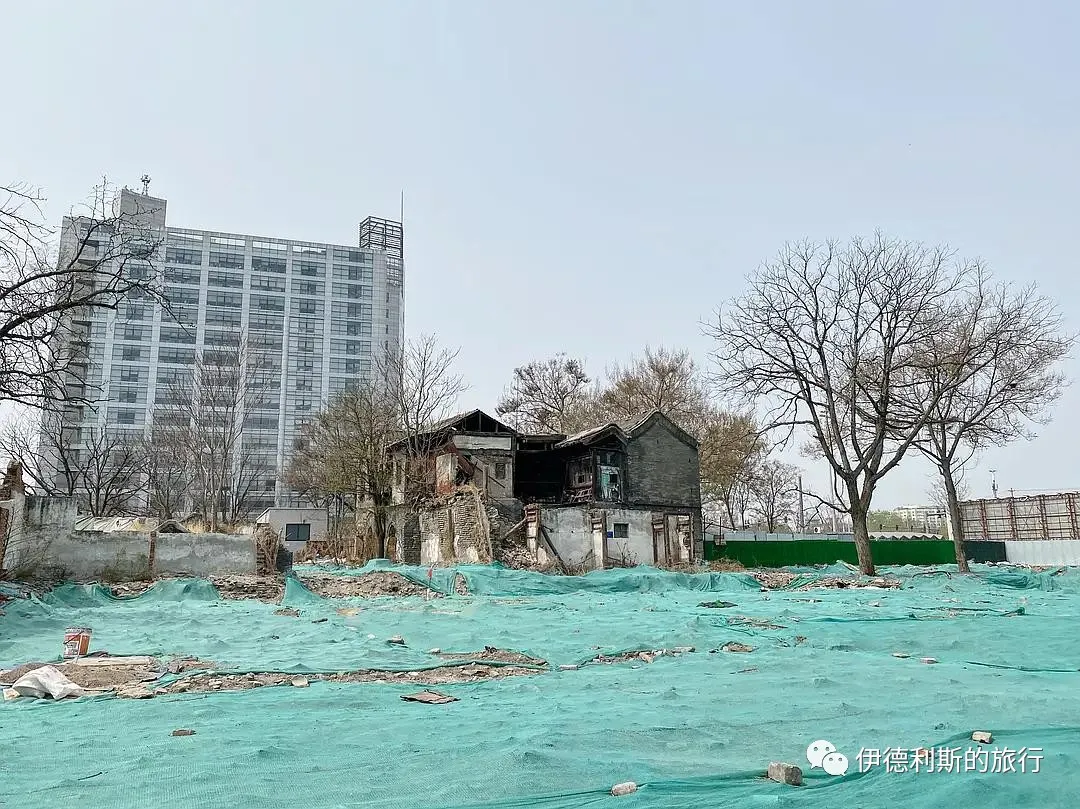
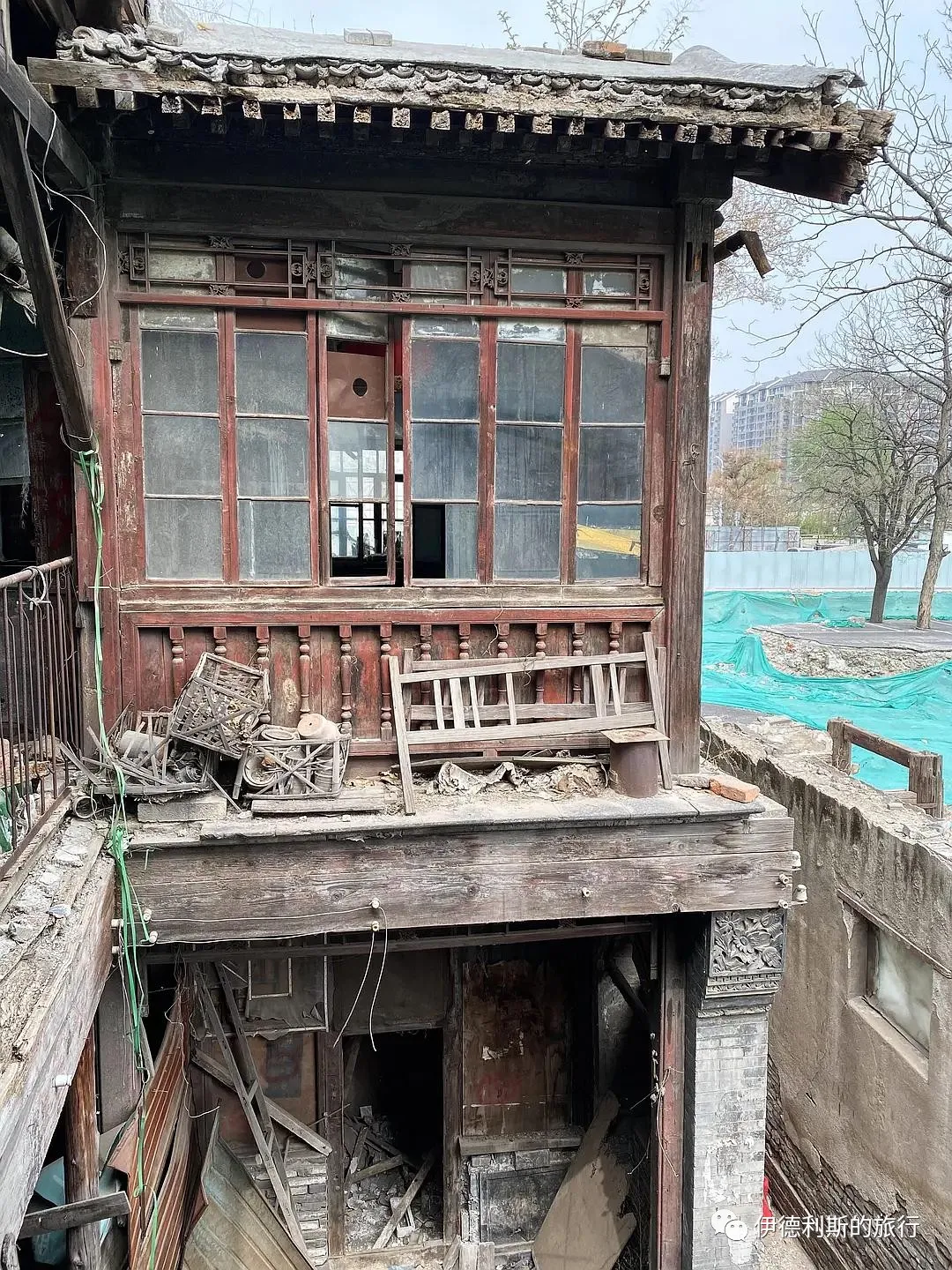
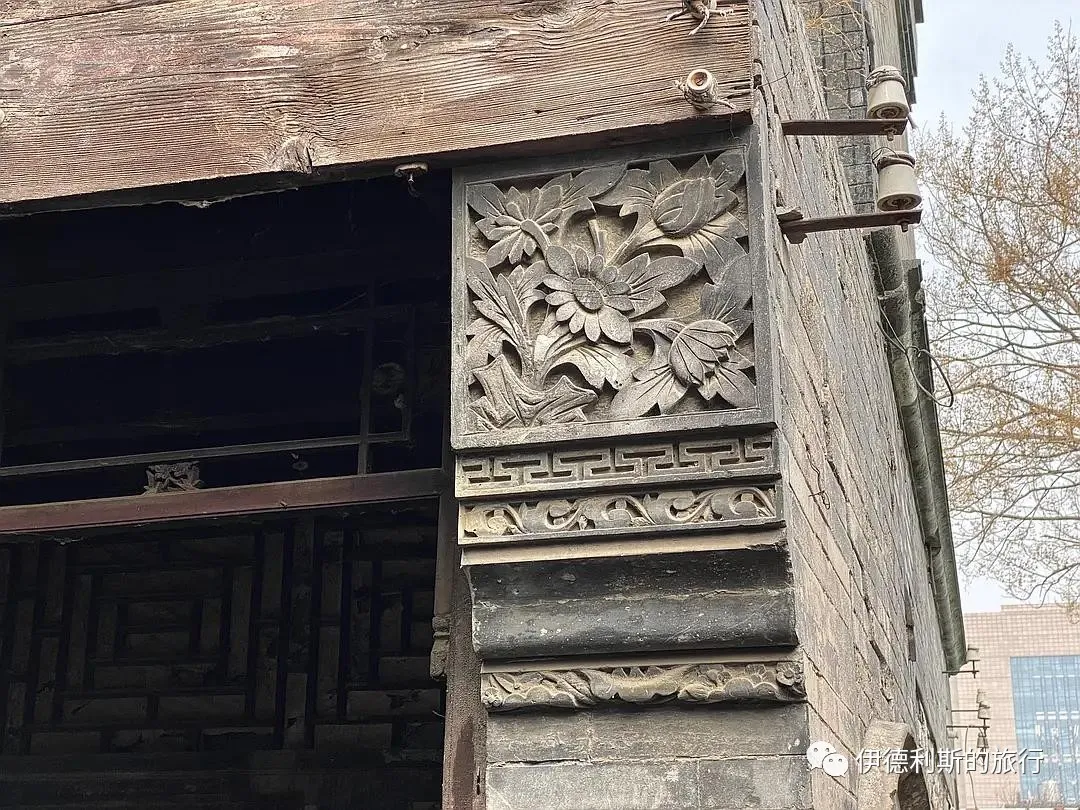
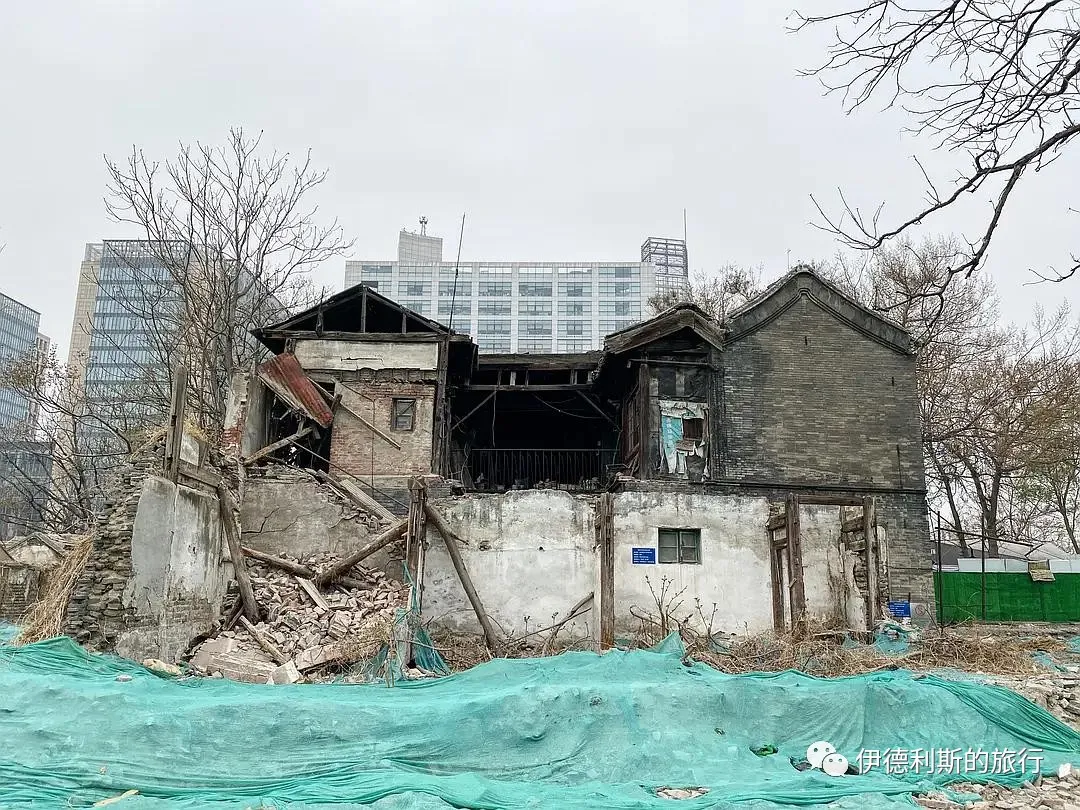
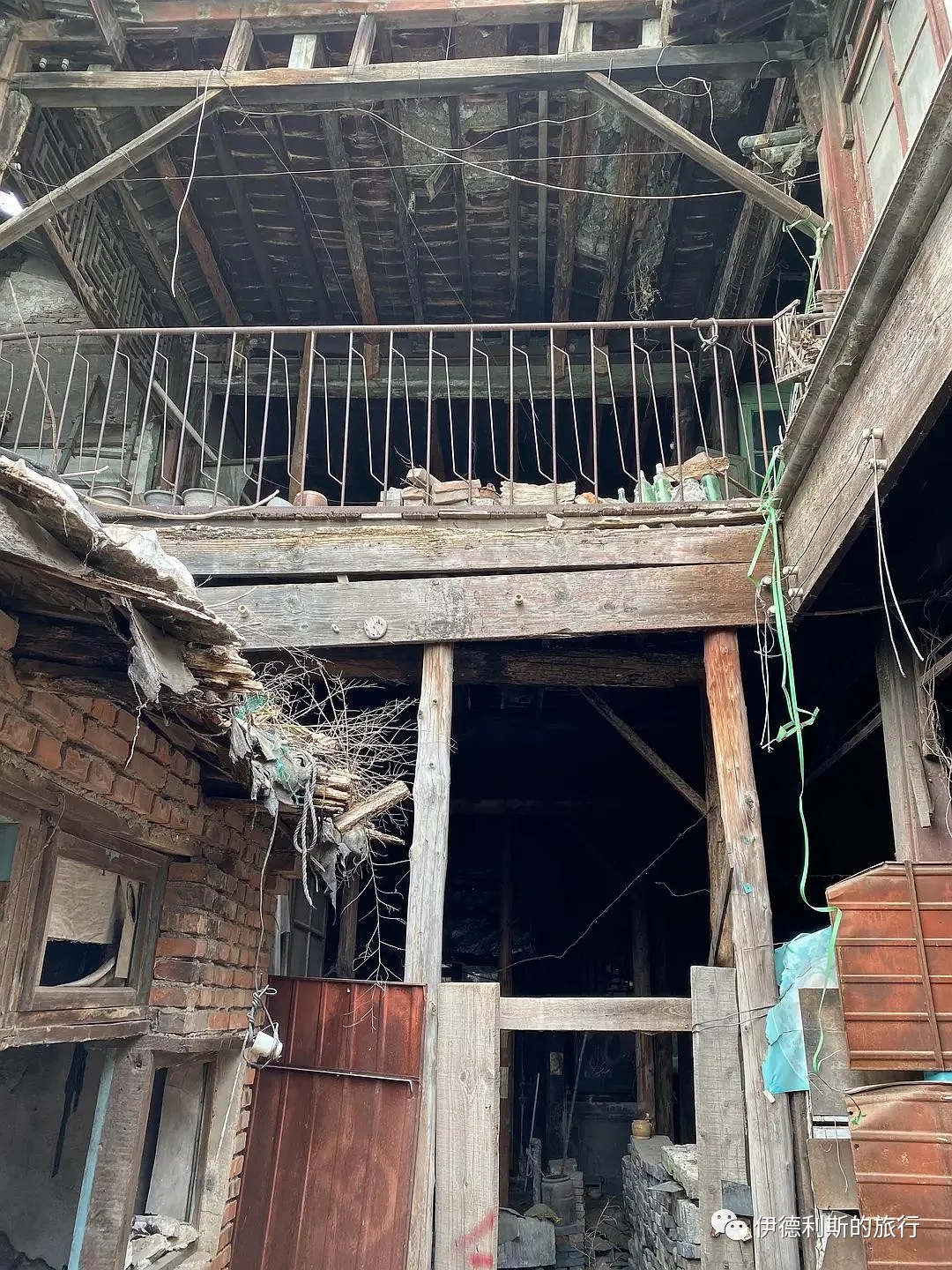
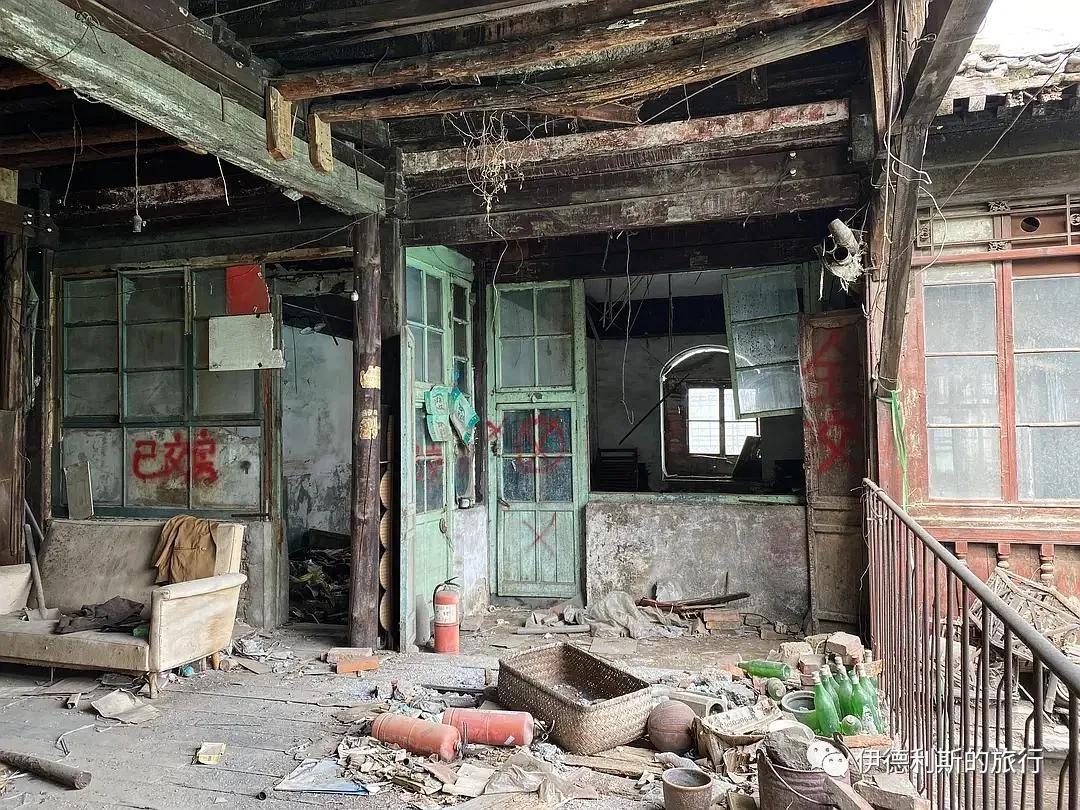
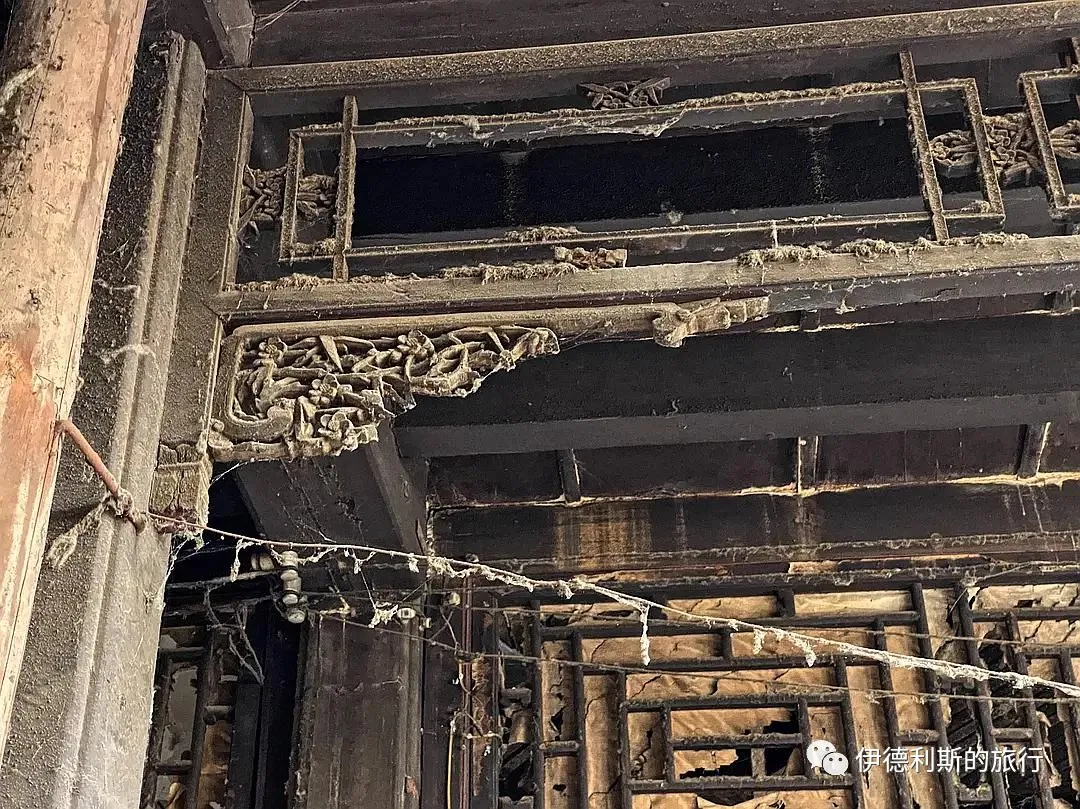
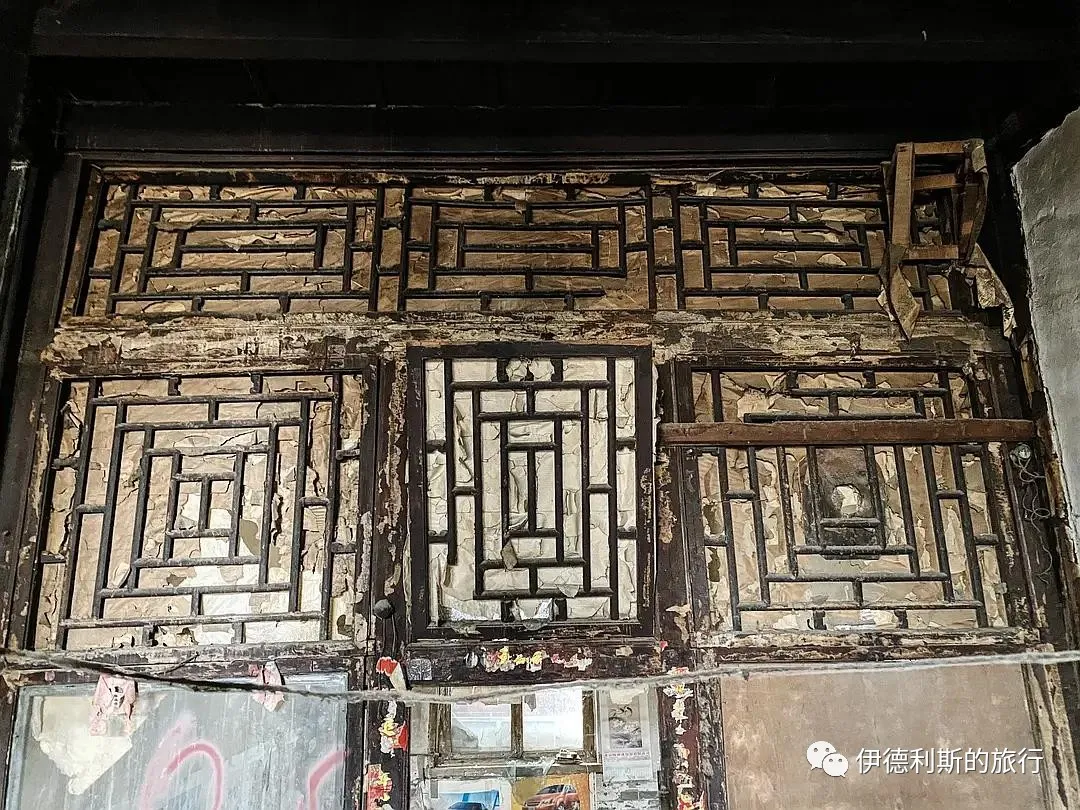
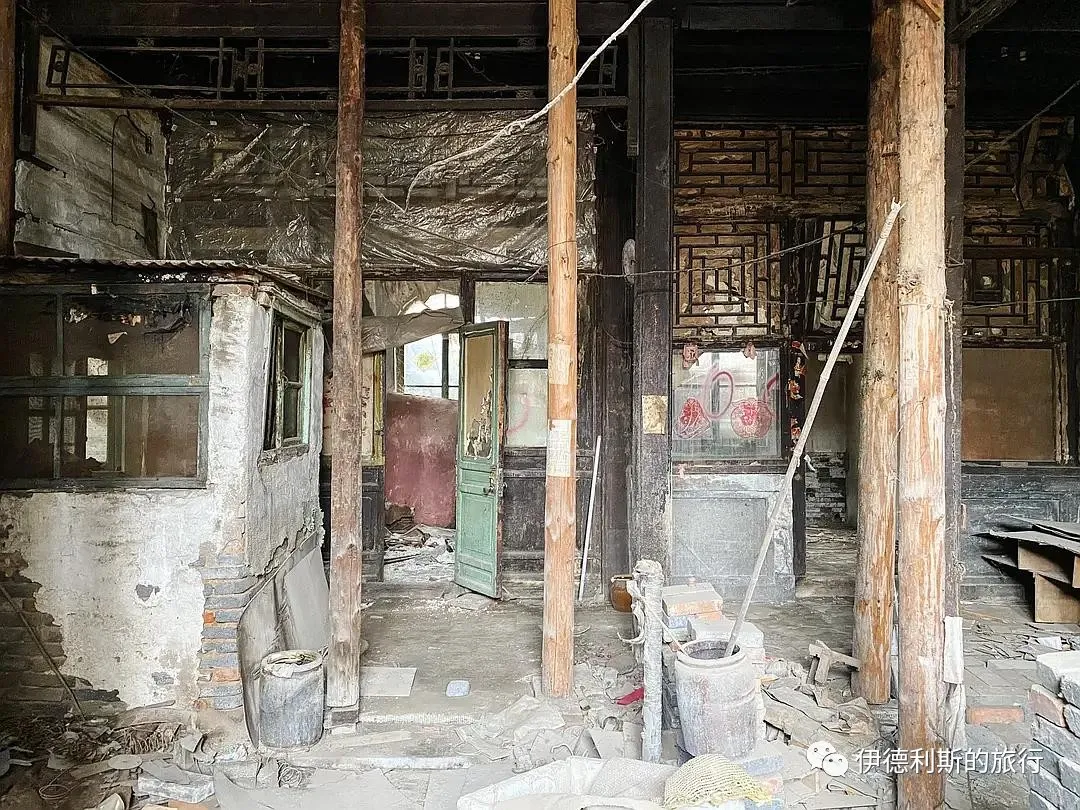
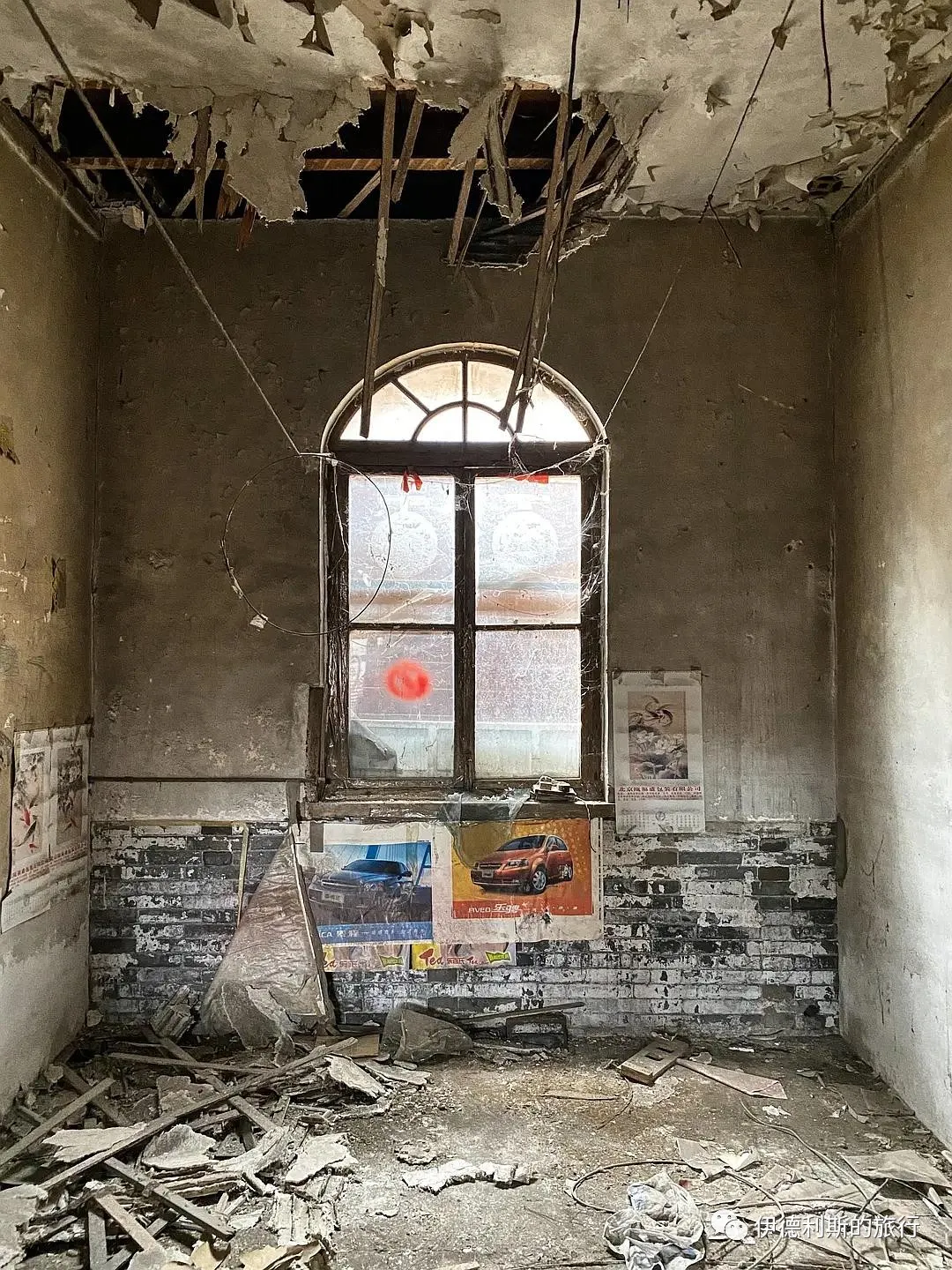
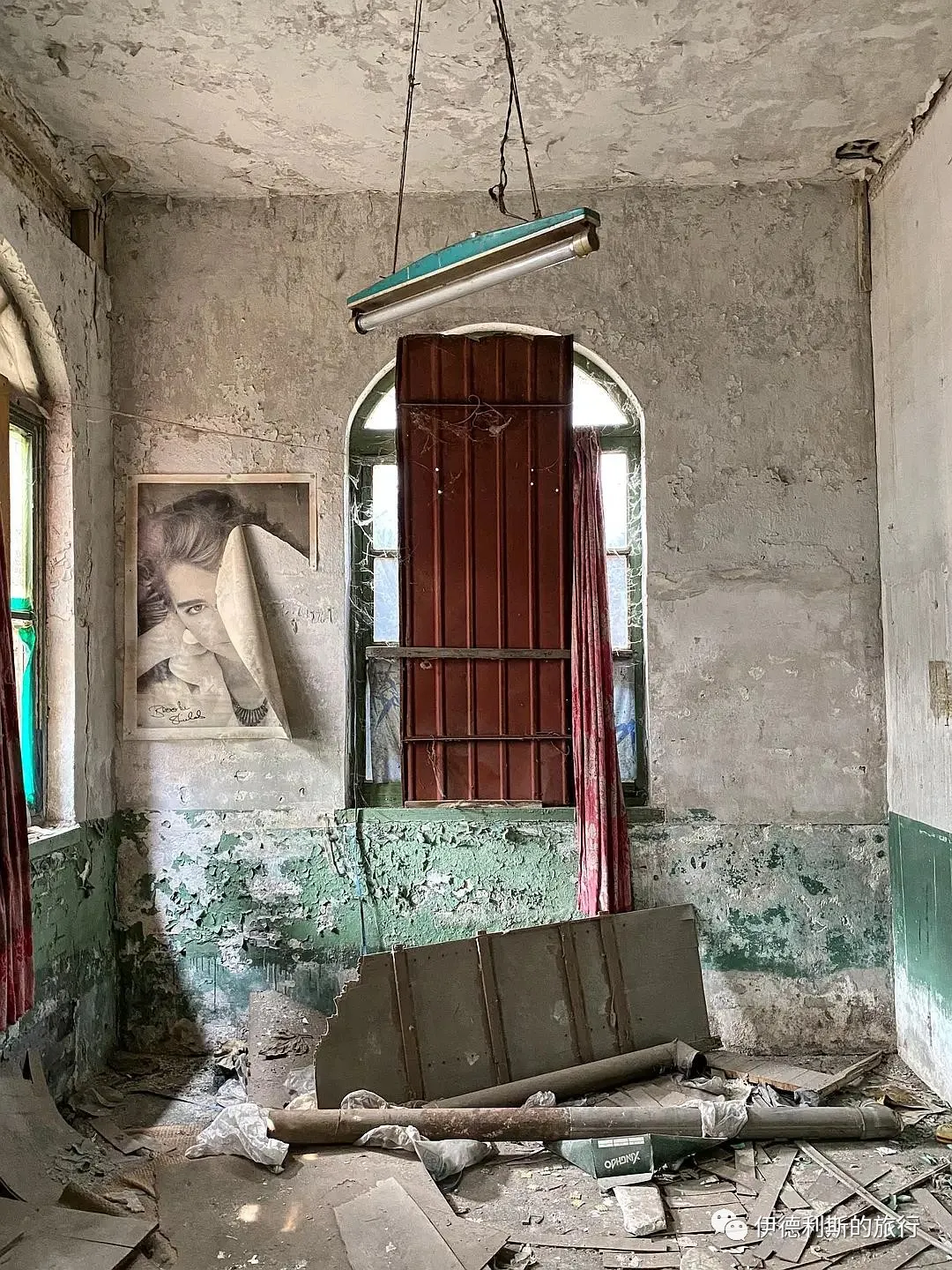
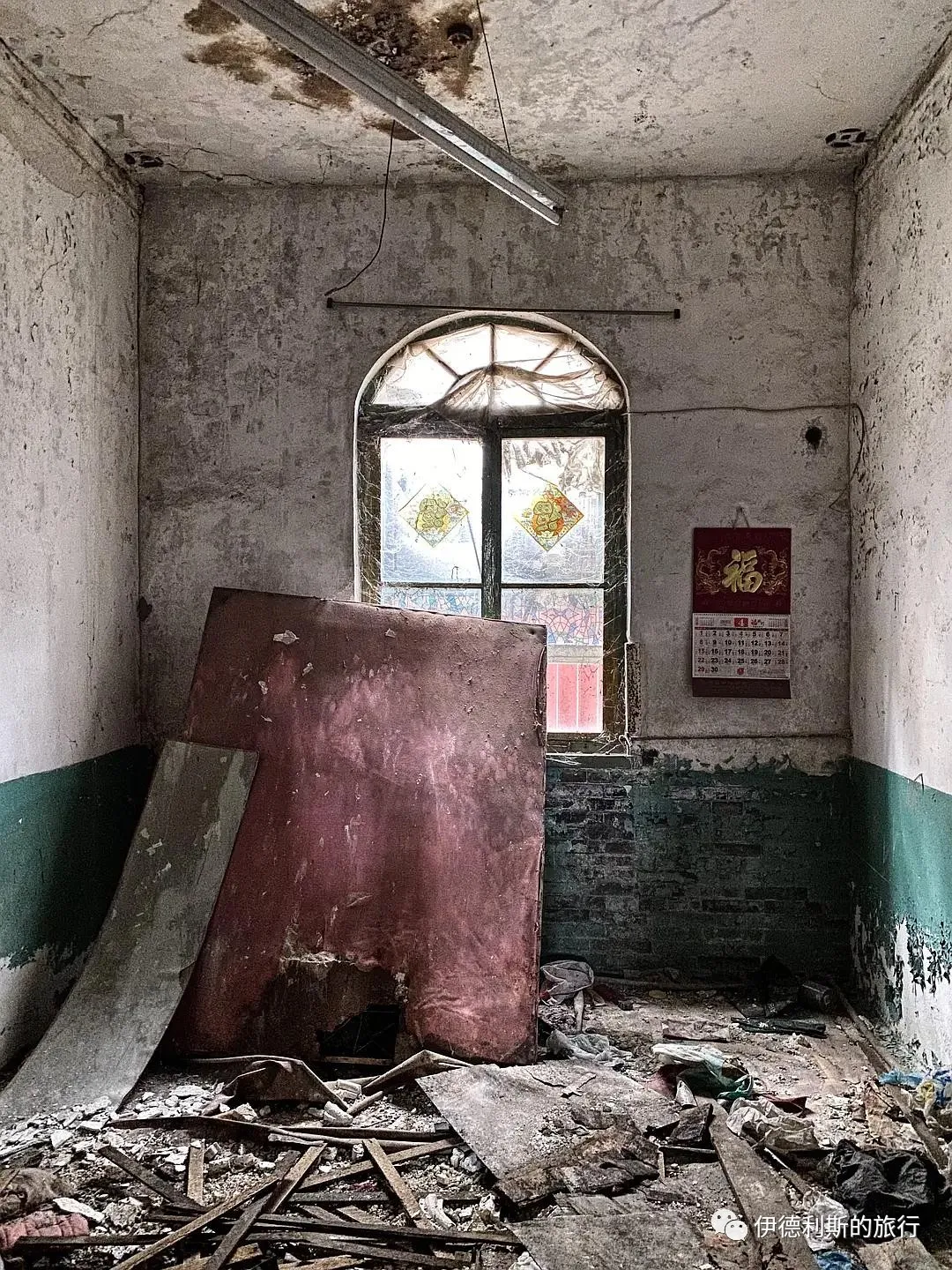
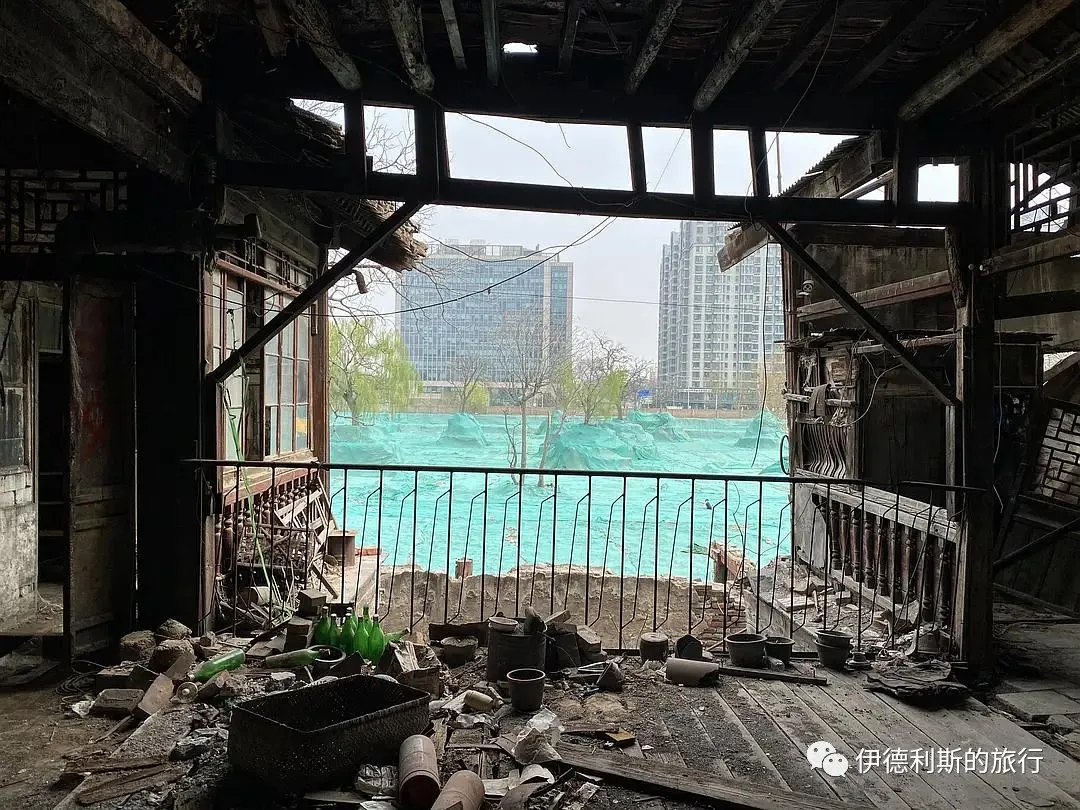
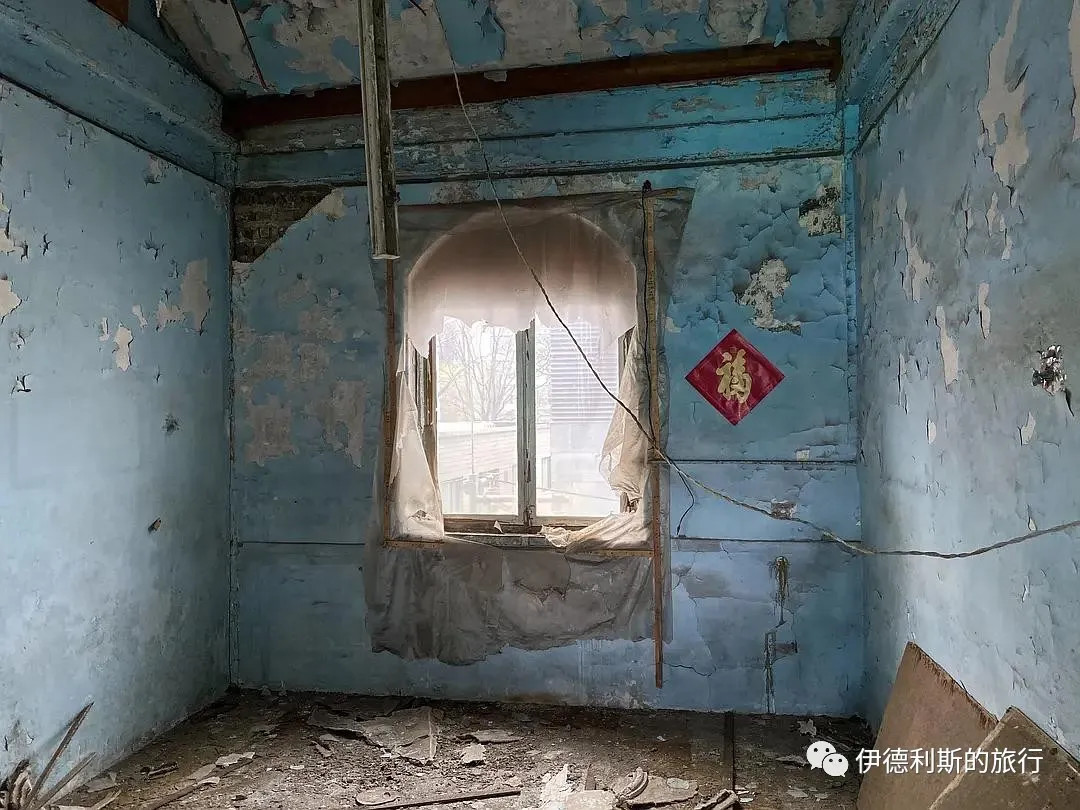
The second floor was originally a private room for the old Bianyifang restaurant, then it became the mosque's main prayer hall, and later it became a toy factory dormitory and a crowded residential compound.
Summary: Mishi Hutong Mosque in Beijing has been renovated into a high-end teahouse inside the new Daji Lane business district. This account keeps the mosque history, renovation notes, street context, and photographs from the visit.
I heard the Daji Lane business district at Caishikou in Beijing had officially opened, so I went to take a look at the renovated Mishi Hutong Mosque. Today, the Mishi Hutong Mosque has become a teahouse. The tea is expensive, and you have to book in advance.
During the Republic of China era, many friends (dosti) from the Northwest did business in the Xuannan area. In 1927, they donated money to build the Tianqiao Mosque and established the Association of Hui Muslims from the Five Provinces of Shaanxi, Gansu, Qinghai, Ningxia, and Xinjiang in Beijing. After the 1930s, the friends (dosti) from the Northwest gradually settled in the Caishikou area. In 1937, the old Bianyifang restaurant on nearby Mishi Hutong closed down. The friends (dosti) from the Northwest living in Beijing pooled their money to buy the two-story building and officially converted it into the Mishi Hutong Mosque in 1940. After that, the association for the five Northwest provinces moved its office to the Mishi Hutong Mosque. Imam Yeliangpu of the Tianqiao Mosque served as the imam for both, and Friday prayers (Jumu'ah) were held at the two mosques in rotation.
A friend (dosti) named Qian bought the street-facing houses of the Mishi Hutong Mosque. The north room of the outer courtyard was the association office, the north room of the inner courtyard held the primary school classroom, kitchen, and restroom, and the west room by the back door was the washroom (shuifang). The second floor of the small building was the main prayer hall, the west room on the first floor was the lecture hall, the north room was the imam's dormitory, the south room was the student lounge, and the north and south rooms in the outer corridor were student dormitories. A glass plaque reading 'Shengdao Qiyang' (The Holy Path is Glorified) hung in the outer corridor, donated by the elders of the Tianqiao Mosque and written by Zong Zheng.
When the Daji area was demolished, all other buildings of the Mishi Hutong Mosque were torn down, leaving only the two-story building. The building was built in the mid-to-late Qing Dynasty. It was originally an 'L' shape made of a north building and a west building. When it was converted into a mosque in 1940, three south-facing open rooms were added, changing the 'L' shape into a 'U' shape. At the same time, a two-story flat-roofed open hall was added in the recessed area, connecting with the south rooms. This created a semi-enclosed open space on the second floor to serve as the main prayer hall, which was a first for a mosque (masjid) at that time.
After the 1960s, the Mishi Hutong Mosque became a dormitory for a toy factory and later turned into a residential compound. I visited the building in 2022 before it was renovated, and the calendar on the wall was still stuck on 2012.
Finally, here are some photos I took of the Mishi Hutong Mosque in 2022.
The second floor was originally a private room for the old Bianyifang restaurant, then it became the mosque's main prayer hall, and later it became a toy factory dormitory and a crowded residential compound.
Halal Travel Guide: Beijing Mishi Hutong Mosque — Southern-Style Architecture
Articles • ali2007fr posted the article • 0 comments • 160 views • 2026-05-18 02:39
Reposted from the web
Summary: Beijing Mishi Hutong Mosque — Southern-Style Architecture is presented here as a firsthand travel account in clear English, beginning with this scene: Today, tucked behind construction hoardings next to the Caishikou subway station in Beijing, two historical buildings remain from the Daji area demolition ten years ago. The account keeps its focus on Beijing Mosques, Mishi Hutong, Muslim Heritage while preserving the names, places, food, and historical details from the Chinese source.
Today, tucked behind construction hoardings next to the Caishikou subway station in Beijing, two historical buildings remain from the Daji area demolition ten years ago. One of them is the famous former residence of Kang Youwei. The other is a two-story building that once housed the old Bianyifang restaurant, which first opened in the 14th year of the Yongle reign of the Ming Dynasty (1416). The old Bianyifang closed in 1937 due to the war. Soon after, Hui Muslims from the five northwestern provinces living in Beijing raised over 10,000 yuan to buy the building. After renovations, it officially became the Mishihutong Mosque on January 1, 1940, and also served as the office for the Northwest Five Provinces Association.
The building housing the Mishihutong Mosque was originally built in the mid-to-late Qing Dynasty. It started as an L-shaped structure made of three northern rooms and four western rooms. It featured a hard-mountain roof with a rolled-shed style (yingshan juanpeng ding) and a suspended-mountain open corridor (xuanshan changlang) connected together, with a garden on the east side.
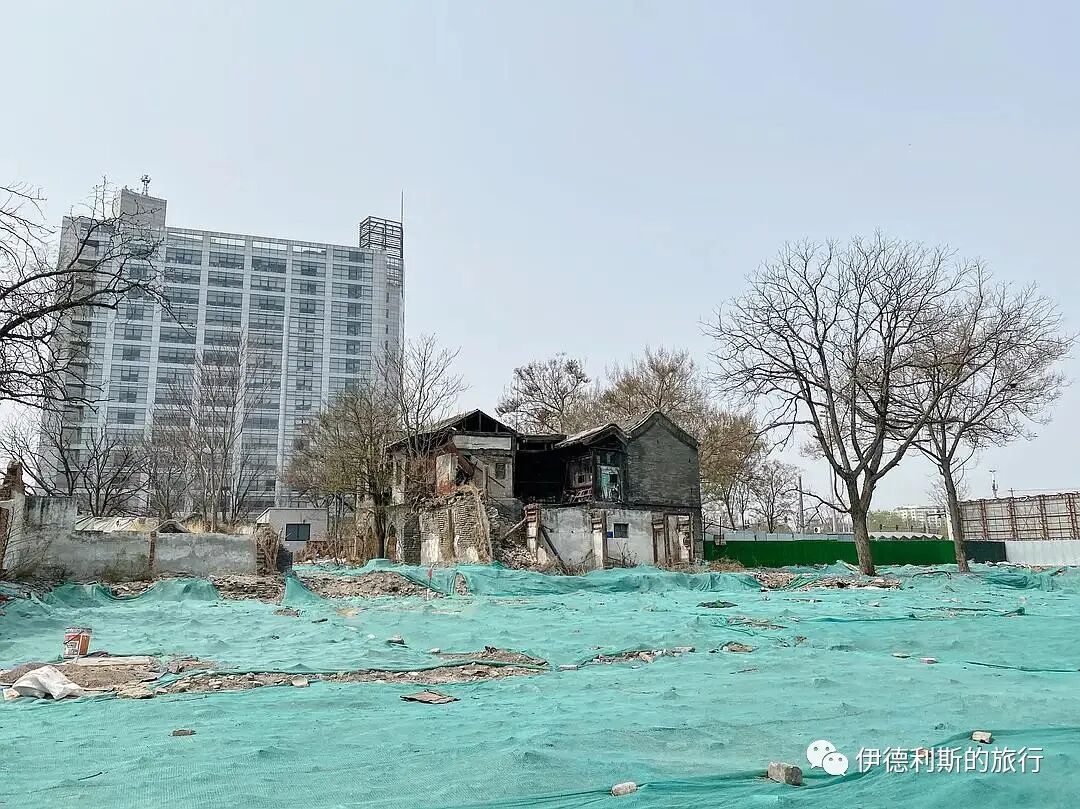
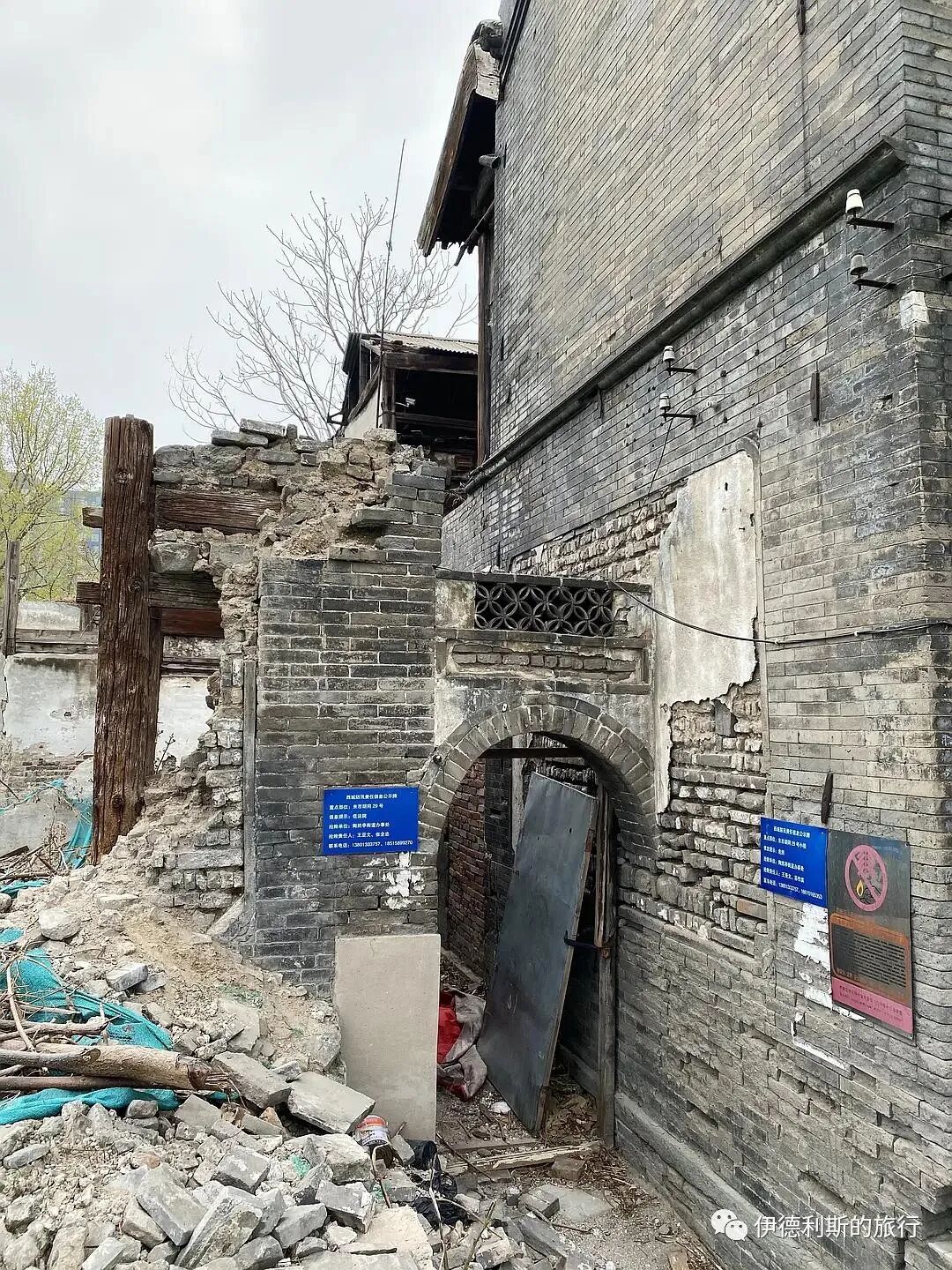
The old Mishihutong area has been completely leveled, leaving only the mosque building.
A view of the mosque from the northeast.
A view of the mosque from the north. The north building is on the left and the west building is on the right. You can see the simple gray brick walls and arched windows.
On the connected roof of the north building, you can see exquisite hanging eaves (daogua meizi), wooden railings, and brick carvings.
When it was converted into a mosque in 1940, three southern open-hall rooms were added, changing the L-shaped layout into a U-shaped one. At the same time, a two-story flat-roofed open hall was built in the recessed area, connecting with the southern open-hall rooms to create a semi-enclosed space on the second floor used as the main prayer hall. After the renovation, the building only kept a small courtyard on the east side, and you must pass through the open hall to enter each room, which is a typical feature of southern architecture.
Looking at the mosque from south to north, the west building is on the left, and the south open-style pavilion (changxuan) added in 1940 is on the right.
Looking at the mosque from east to west, the south open-style pavilion is on the left, and the connected north building is on the right.
The flat-roofed open hall (changting) added in 1940.
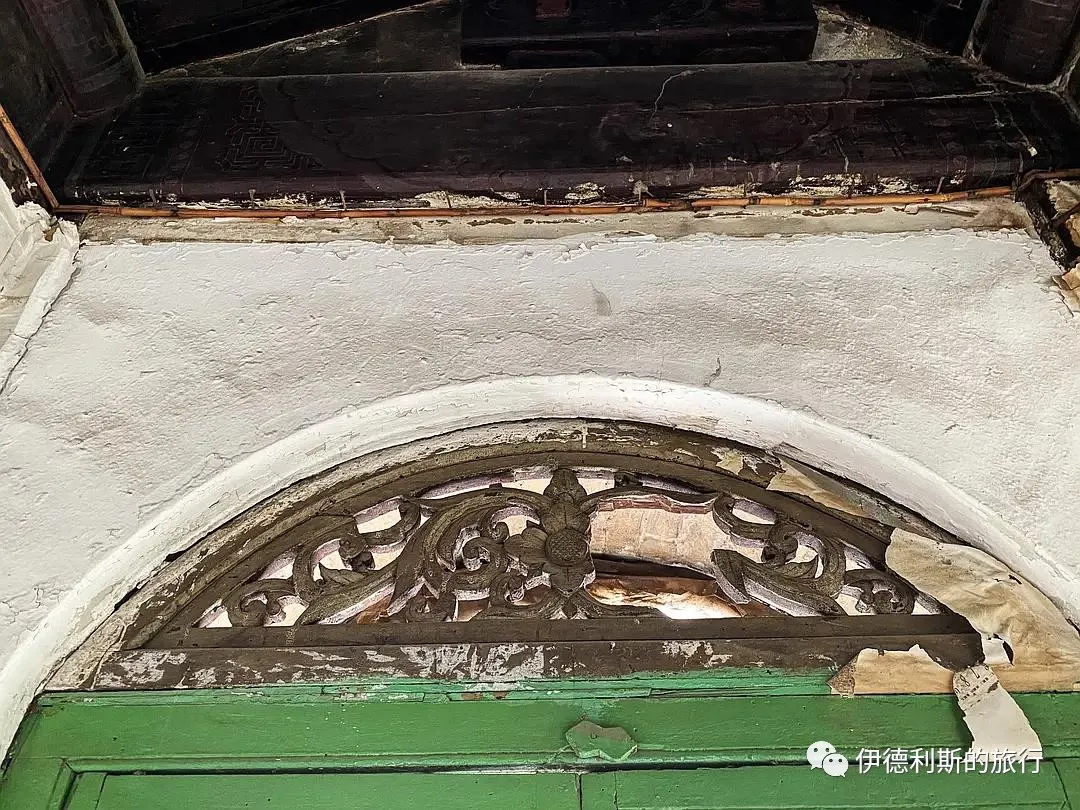
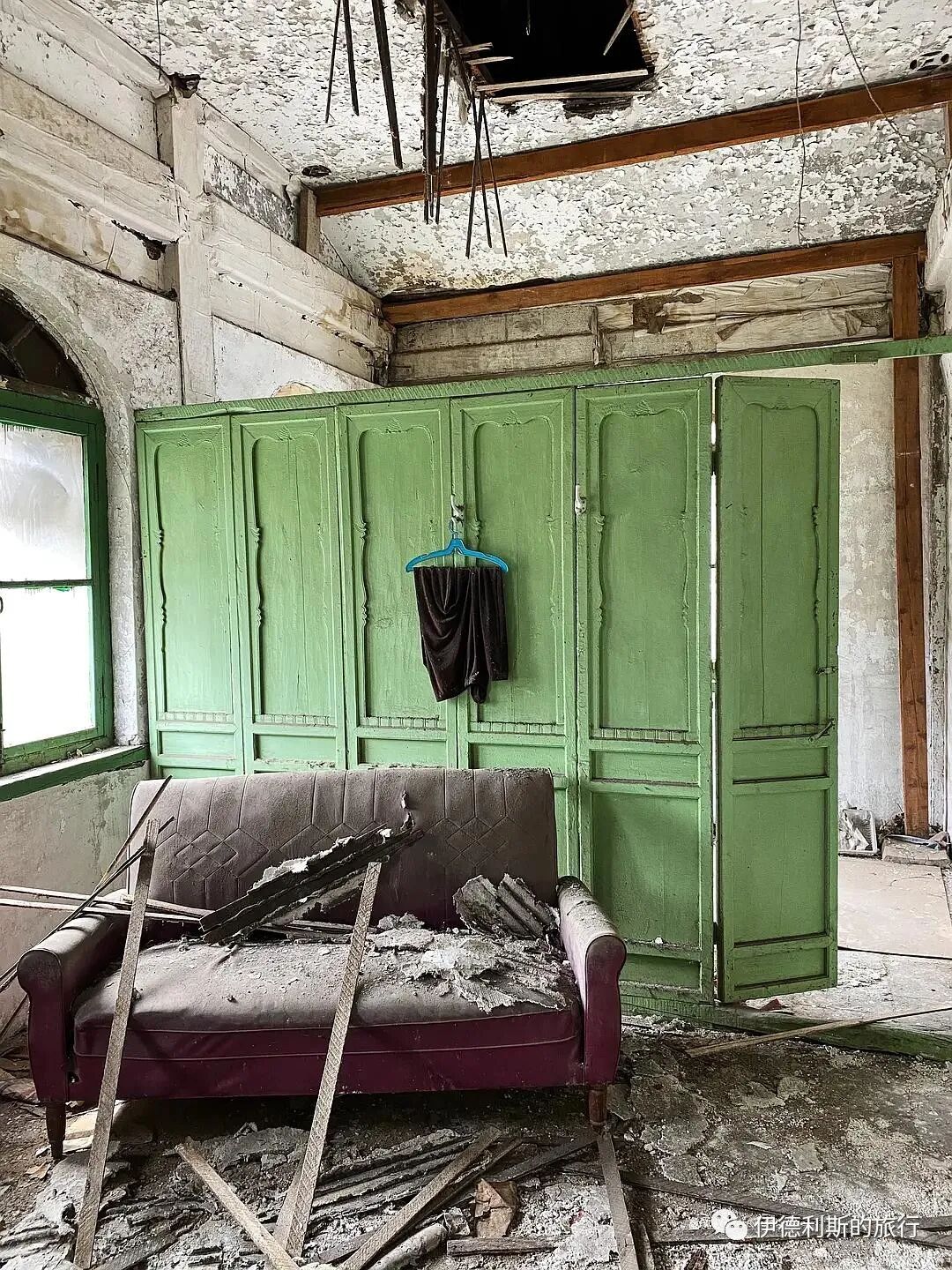
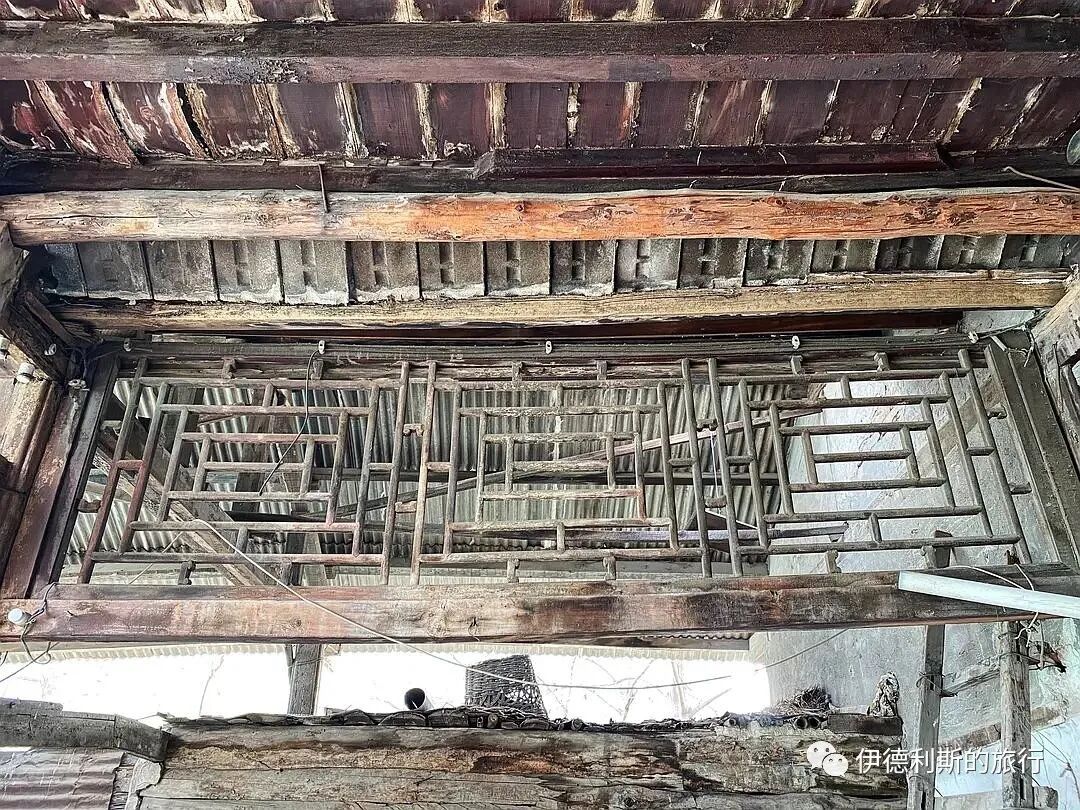
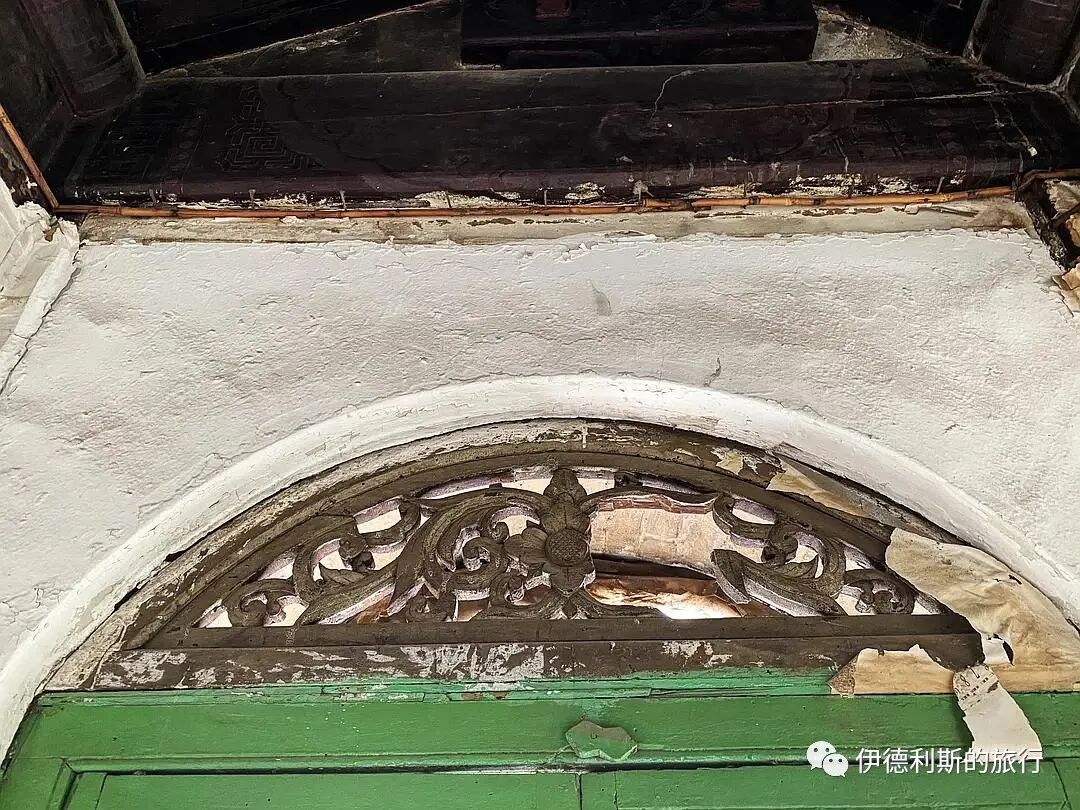
The exquisite wooden lattice screens and door lintel carvings on the first floor of the mosque, along with some abandoned rooms. You can see that time stopped here in April 2012, exactly 10 years ago.
In the 1940s, the Mishi Hutong Mosque became a center for Hui Muslims from the northwest living in Beijing, with Imam Ye Liangpu serving as the first head imam. At that time, the Mishi Hutong Mosque and the Tianqiao Mosque, also built during the Republic of China era, were brother mosques that would invite each other's imams.
After the 1960s, the Mishi Hutong Mosque was turned into a dormitory for a toy factory and later became a residential compound.
After the Daji area southeast of Caishikou was demolished, more than 30 guild halls, various temples, shops, and former residences of famous people were turned into ruins. By 2012, only the former residence of Kang Youwei and the Mishi Hutong Mosque remained as historical buildings. It is a pity that the original gate of the Mishi Hutong Mosque, which featured traditional Arabic calligraphy, has been torn down, leaving only the small two-story building inside. People say both the Mishi Hutong Mosque and the former residence of Kang Youwei will be renovated and repurposed, but it is unclear what this place will look like then.
The second floor of the mosque was once a private dining room for the Old Bianyifang Restaurant. Later, it became the office for the Northwest Five Provinces Association and the main prayer hall of the mosque. It then served as a dormitory for a toy factory and a crowded residential courtyard, before finally falling into ruins.
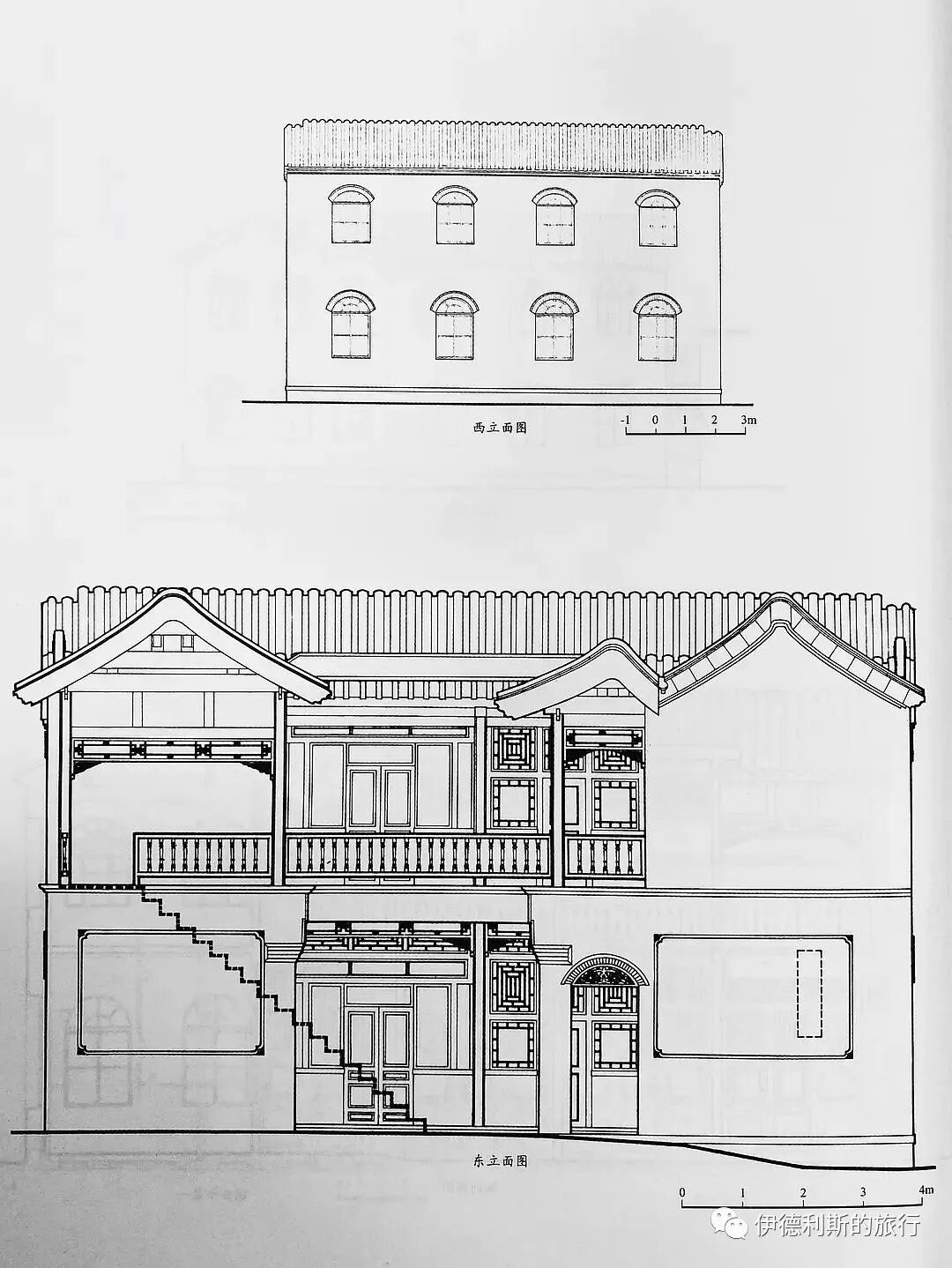
After visiting the ruins of the Mishihutong Mosque, I rode my bike to the Zhengyang Bookstore in Xisi. I looked through the Xuannan Hongxue Tuzhi, a book about the history and culture of the Xuannan area, and found the original architectural surveys of the Mishihutong Mosque inside. You can clearly see the open space added to the second floor, along with many wooden lattice screens. view all
Summary: Beijing Mishi Hutong Mosque — Southern-Style Architecture is presented here as a firsthand travel account in clear English, beginning with this scene: Today, tucked behind construction hoardings next to the Caishikou subway station in Beijing, two historical buildings remain from the Daji area demolition ten years ago. The account keeps its focus on Beijing Mosques, Mishi Hutong, Muslim Heritage while preserving the names, places, food, and historical details from the Chinese source.
Today, tucked behind construction hoardings next to the Caishikou subway station in Beijing, two historical buildings remain from the Daji area demolition ten years ago. One of them is the famous former residence of Kang Youwei. The other is a two-story building that once housed the old Bianyifang restaurant, which first opened in the 14th year of the Yongle reign of the Ming Dynasty (1416). The old Bianyifang closed in 1937 due to the war. Soon after, Hui Muslims from the five northwestern provinces living in Beijing raised over 10,000 yuan to buy the building. After renovations, it officially became the Mishihutong Mosque on January 1, 1940, and also served as the office for the Northwest Five Provinces Association.
The building housing the Mishihutong Mosque was originally built in the mid-to-late Qing Dynasty. It started as an L-shaped structure made of three northern rooms and four western rooms. It featured a hard-mountain roof with a rolled-shed style (yingshan juanpeng ding) and a suspended-mountain open corridor (xuanshan changlang) connected together, with a garden on the east side.
The old Mishihutong area has been completely leveled, leaving only the mosque building.
A view of the mosque from the northeast.
A view of the mosque from the north. The north building is on the left and the west building is on the right. You can see the simple gray brick walls and arched windows.
On the connected roof of the north building, you can see exquisite hanging eaves (daogua meizi), wooden railings, and brick carvings.
When it was converted into a mosque in 1940, three southern open-hall rooms were added, changing the L-shaped layout into a U-shaped one. At the same time, a two-story flat-roofed open hall was built in the recessed area, connecting with the southern open-hall rooms to create a semi-enclosed space on the second floor used as the main prayer hall. After the renovation, the building only kept a small courtyard on the east side, and you must pass through the open hall to enter each room, which is a typical feature of southern architecture.
Looking at the mosque from south to north, the west building is on the left, and the south open-style pavilion (changxuan) added in 1940 is on the right.
Looking at the mosque from east to west, the south open-style pavilion is on the left, and the connected north building is on the right.
The flat-roofed open hall (changting) added in 1940.
The exquisite wooden lattice screens and door lintel carvings on the first floor of the mosque, along with some abandoned rooms. You can see that time stopped here in April 2012, exactly 10 years ago.
In the 1940s, the Mishi Hutong Mosque became a center for Hui Muslims from the northwest living in Beijing, with Imam Ye Liangpu serving as the first head imam. At that time, the Mishi Hutong Mosque and the Tianqiao Mosque, also built during the Republic of China era, were brother mosques that would invite each other's imams.
After the 1960s, the Mishi Hutong Mosque was turned into a dormitory for a toy factory and later became a residential compound.
After the Daji area southeast of Caishikou was demolished, more than 30 guild halls, various temples, shops, and former residences of famous people were turned into ruins. By 2012, only the former residence of Kang Youwei and the Mishi Hutong Mosque remained as historical buildings. It is a pity that the original gate of the Mishi Hutong Mosque, which featured traditional Arabic calligraphy, has been torn down, leaving only the small two-story building inside. People say both the Mishi Hutong Mosque and the former residence of Kang Youwei will be renovated and repurposed, but it is unclear what this place will look like then.
The second floor of the mosque was once a private dining room for the Old Bianyifang Restaurant. Later, it became the office for the Northwest Five Provinces Association and the main prayer hall of the mosque. It then served as a dormitory for a toy factory and a crowded residential courtyard, before finally falling into ruins.
After visiting the ruins of the Mishihutong Mosque, I rode my bike to the Zhengyang Bookstore in Xisi. I looked through the Xuannan Hongxue Tuzhi, a book about the history and culture of the Xuannan area, and found the original architectural surveys of the Mishihutong Mosque inside. You can clearly see the open space added to the second floor, along with many wooden lattice screens. view all
Reposted from the web
Summary: Beijing Mishi Hutong Mosque — Southern-Style Architecture is presented here as a firsthand travel account in clear English, beginning with this scene: Today, tucked behind construction hoardings next to the Caishikou subway station in Beijing, two historical buildings remain from the Daji area demolition ten years ago. The account keeps its focus on Beijing Mosques, Mishi Hutong, Muslim Heritage while preserving the names, places, food, and historical details from the Chinese source.
Today, tucked behind construction hoardings next to the Caishikou subway station in Beijing, two historical buildings remain from the Daji area demolition ten years ago. One of them is the famous former residence of Kang Youwei. The other is a two-story building that once housed the old Bianyifang restaurant, which first opened in the 14th year of the Yongle reign of the Ming Dynasty (1416). The old Bianyifang closed in 1937 due to the war. Soon after, Hui Muslims from the five northwestern provinces living in Beijing raised over 10,000 yuan to buy the building. After renovations, it officially became the Mishihutong Mosque on January 1, 1940, and also served as the office for the Northwest Five Provinces Association.
The building housing the Mishihutong Mosque was originally built in the mid-to-late Qing Dynasty. It started as an L-shaped structure made of three northern rooms and four western rooms. It featured a hard-mountain roof with a rolled-shed style (yingshan juanpeng ding) and a suspended-mountain open corridor (xuanshan changlang) connected together, with a garden on the east side.
The old Mishihutong area has been completely leveled, leaving only the mosque building.
A view of the mosque from the northeast.
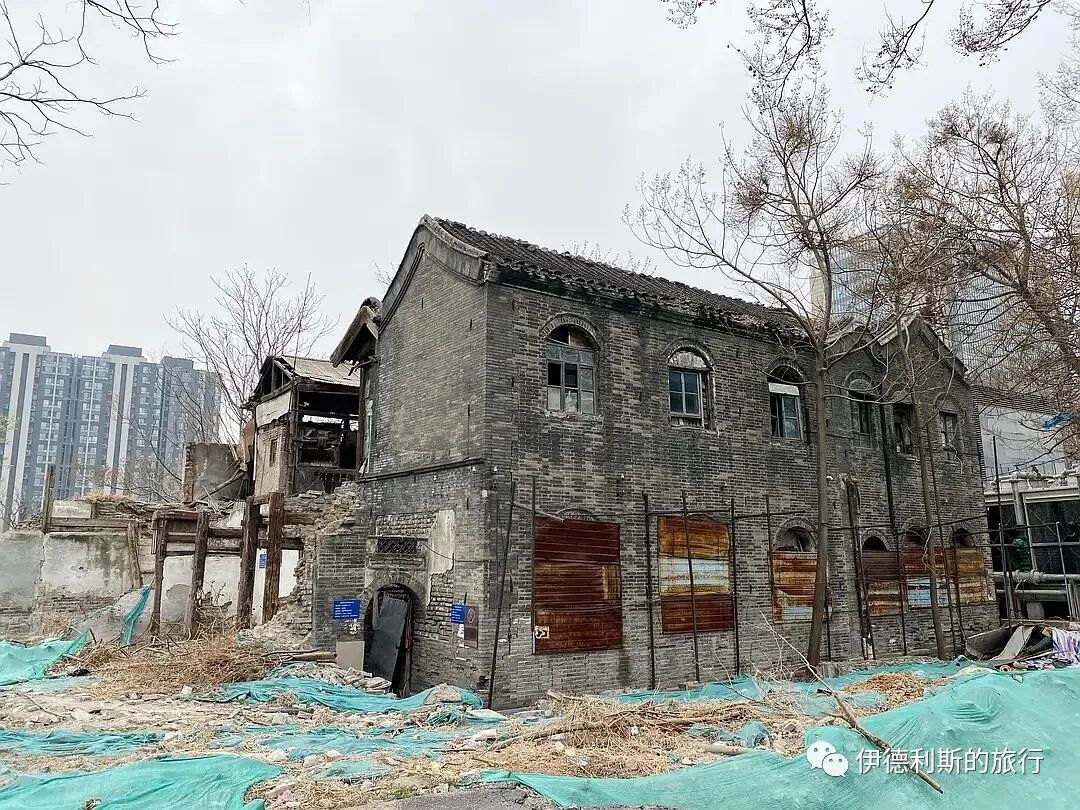
A view of the mosque from the north. The north building is on the left and the west building is on the right. You can see the simple gray brick walls and arched windows.
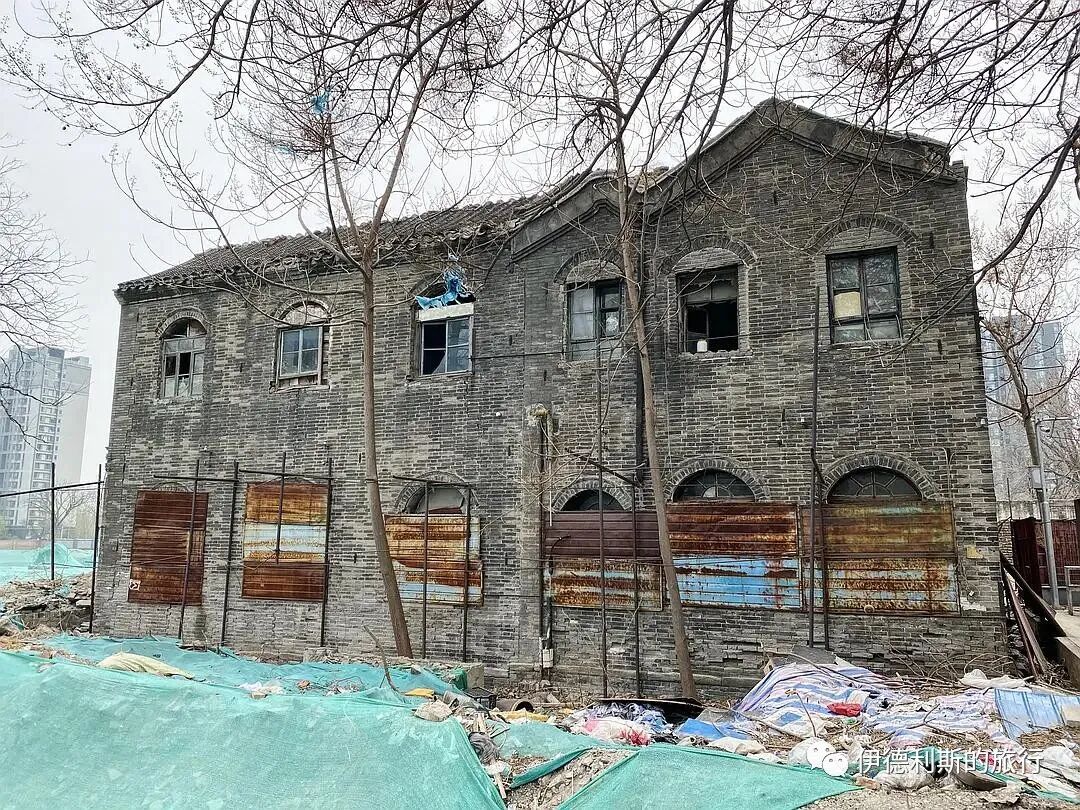
On the connected roof of the north building, you can see exquisite hanging eaves (daogua meizi), wooden railings, and brick carvings.
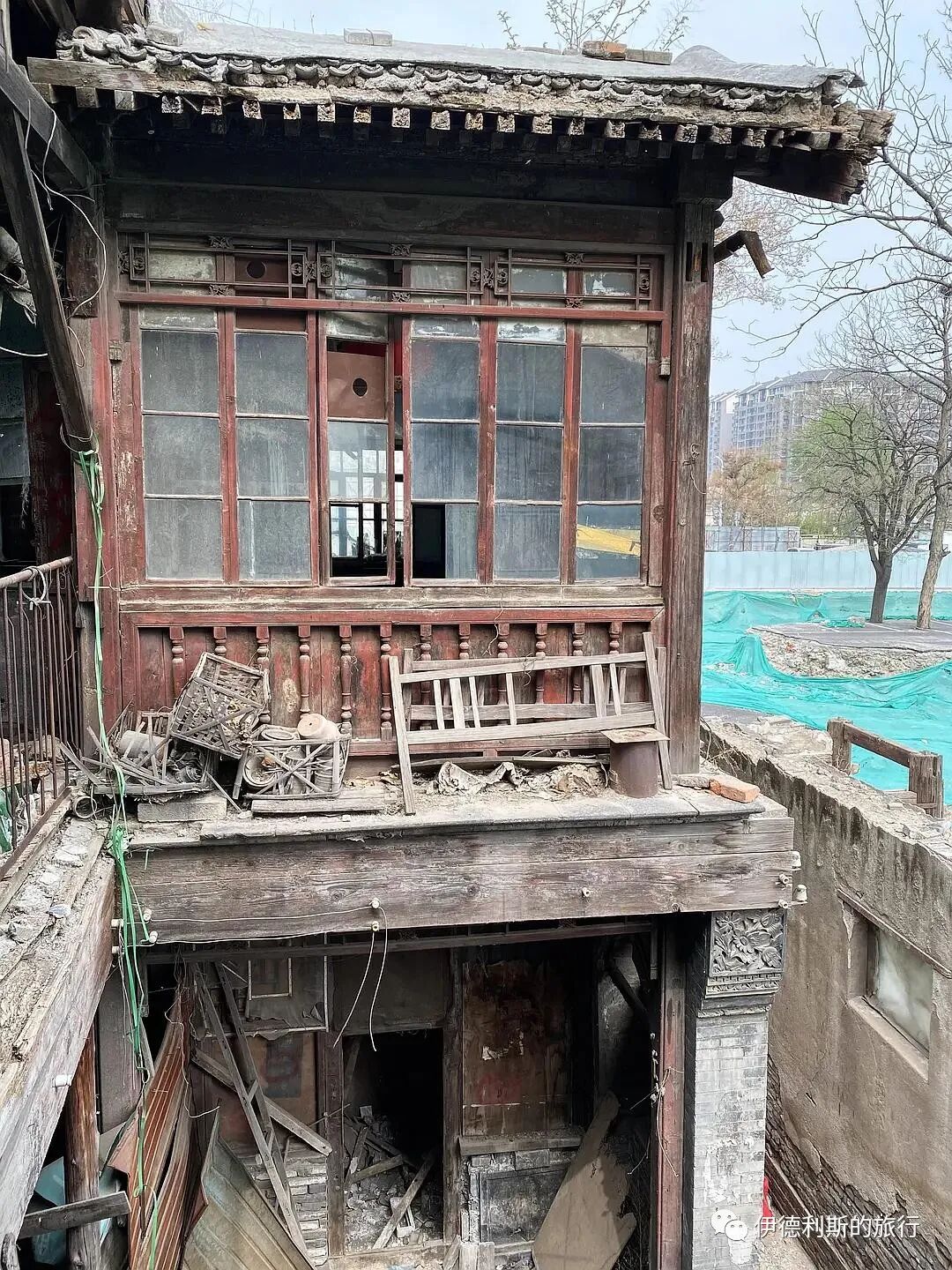
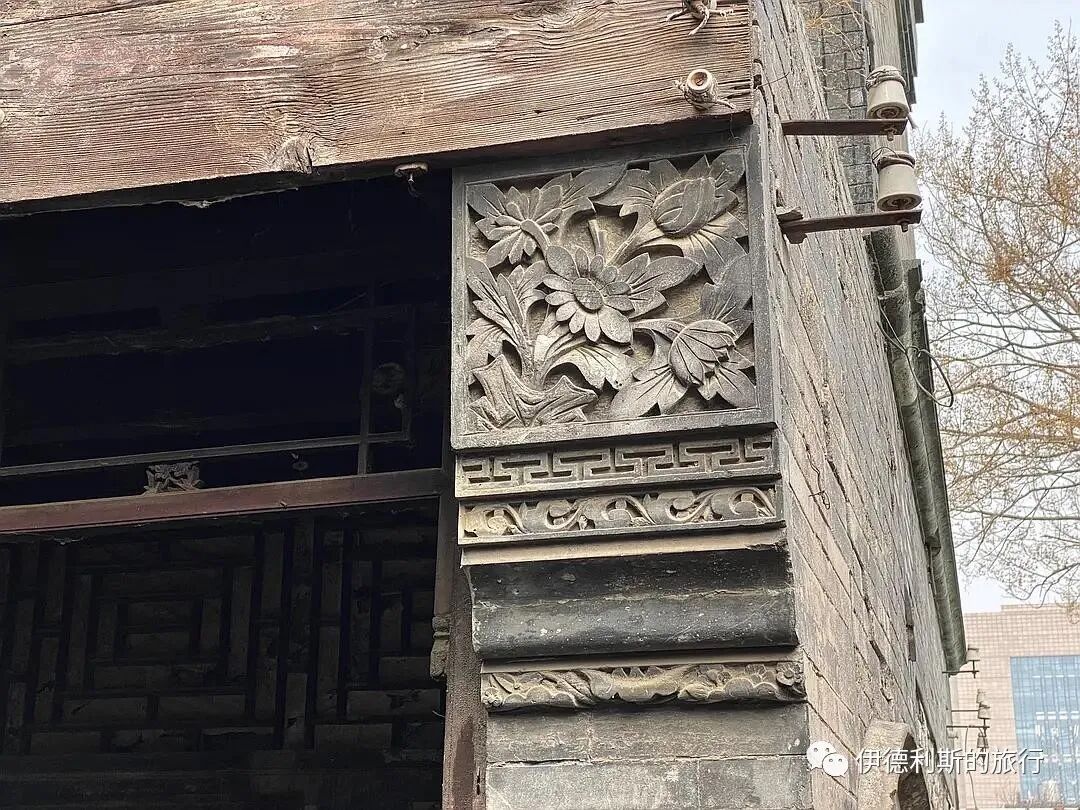
When it was converted into a mosque in 1940, three southern open-hall rooms were added, changing the L-shaped layout into a U-shaped one. At the same time, a two-story flat-roofed open hall was built in the recessed area, connecting with the southern open-hall rooms to create a semi-enclosed space on the second floor used as the main prayer hall. After the renovation, the building only kept a small courtyard on the east side, and you must pass through the open hall to enter each room, which is a typical feature of southern architecture.
Looking at the mosque from south to north, the west building is on the left, and the south open-style pavilion (changxuan) added in 1940 is on the right.
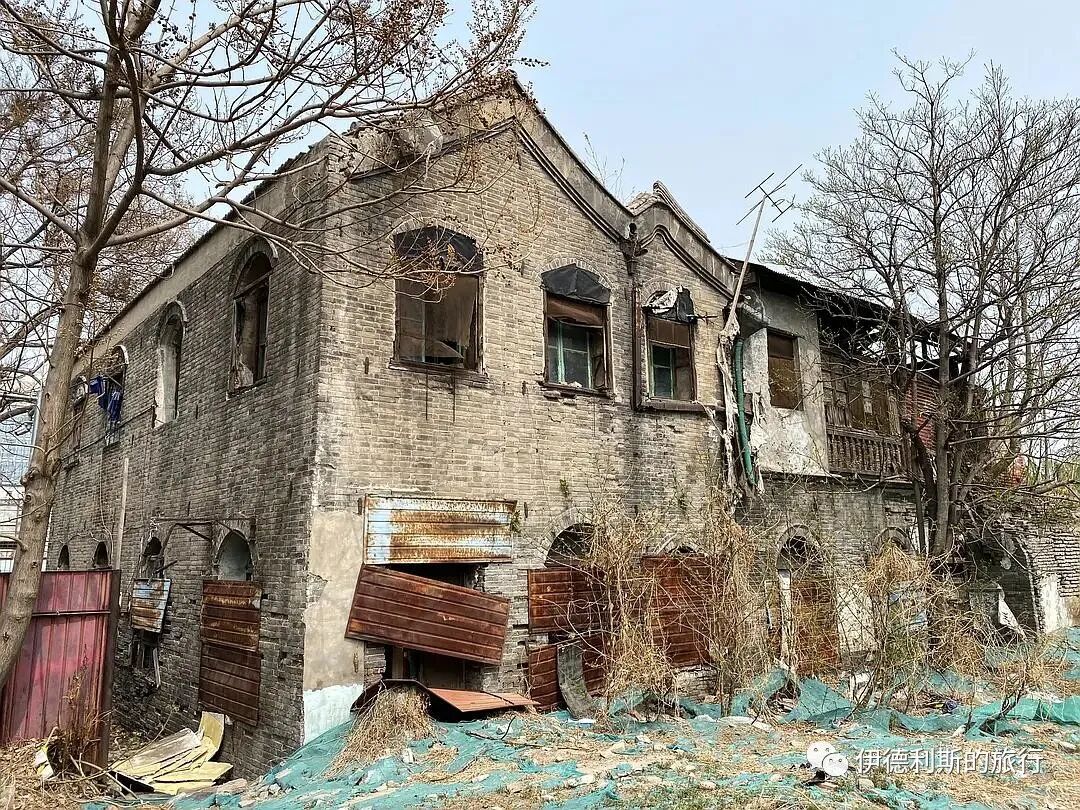
Looking at the mosque from east to west, the south open-style pavilion is on the left, and the connected north building is on the right.
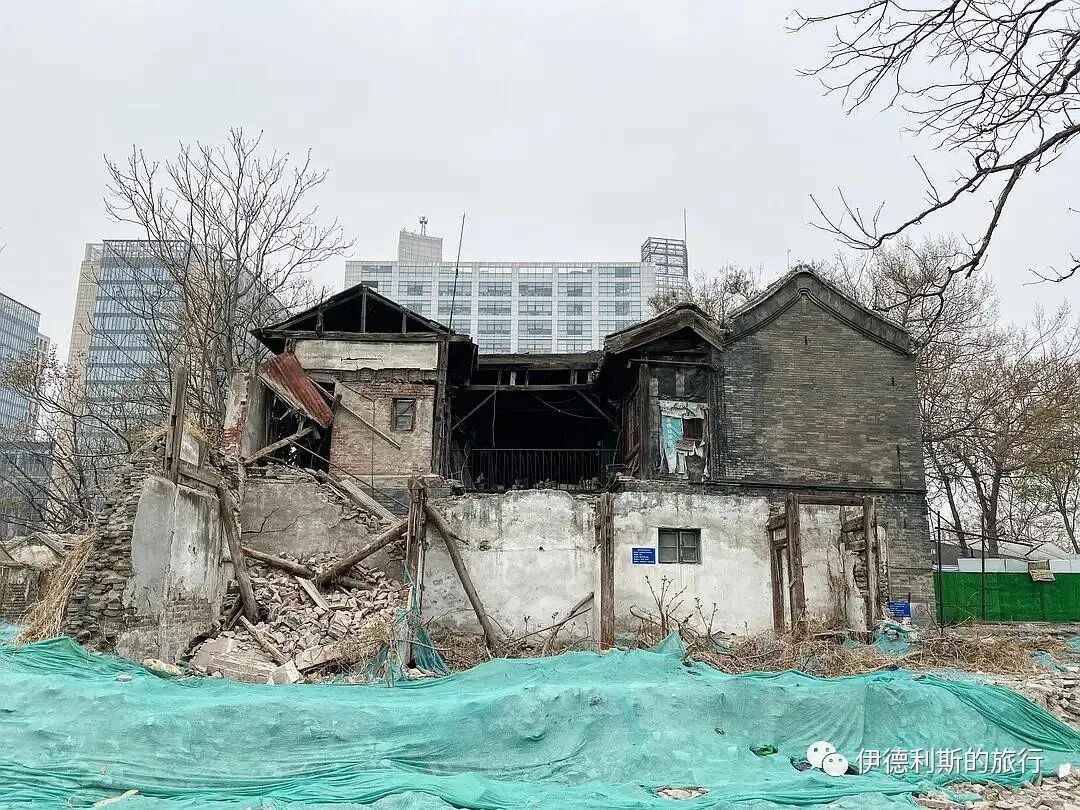
The flat-roofed open hall (changting) added in 1940.
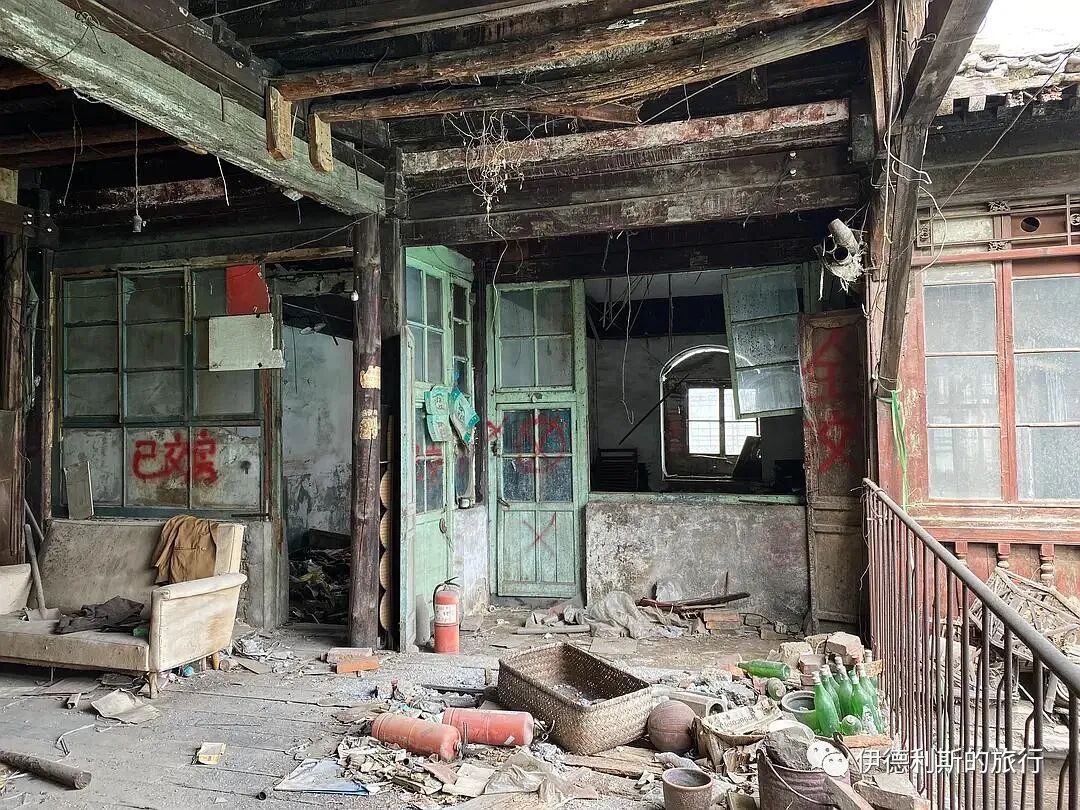
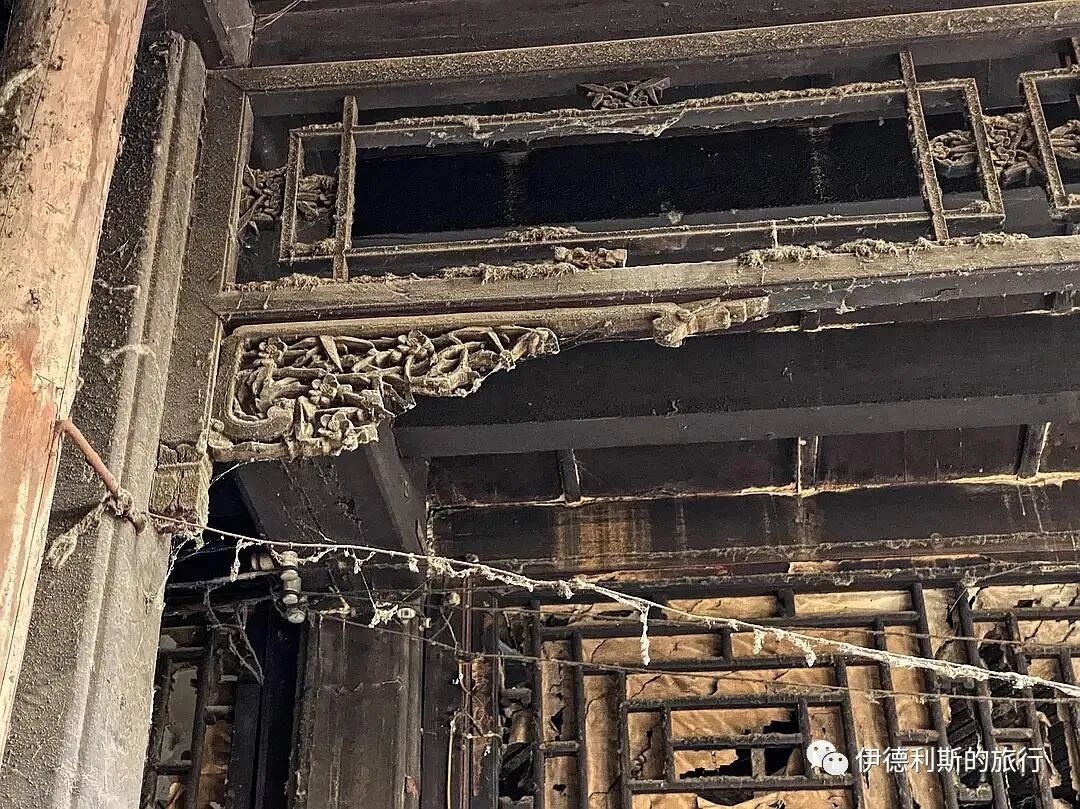
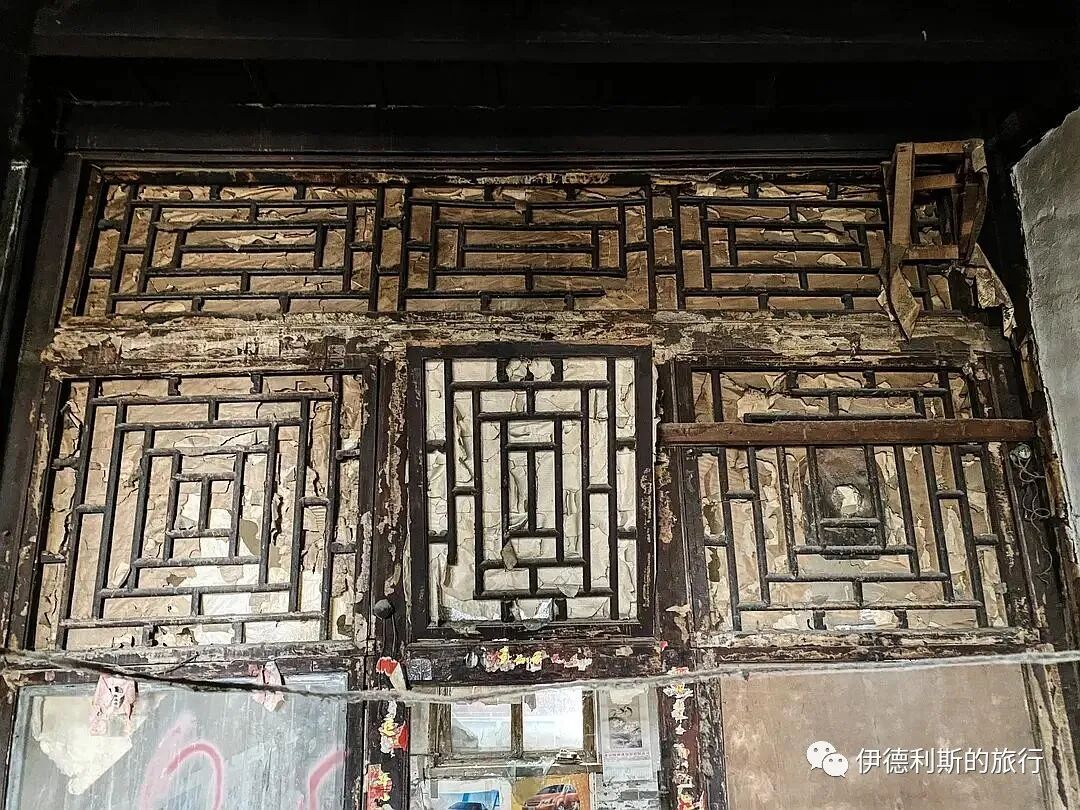
The exquisite wooden lattice screens and door lintel carvings on the first floor of the mosque, along with some abandoned rooms. You can see that time stopped here in April 2012, exactly 10 years ago.
In the 1940s, the Mishi Hutong Mosque became a center for Hui Muslims from the northwest living in Beijing, with Imam Ye Liangpu serving as the first head imam. At that time, the Mishi Hutong Mosque and the Tianqiao Mosque, also built during the Republic of China era, were brother mosques that would invite each other's imams.
After the 1960s, the Mishi Hutong Mosque was turned into a dormitory for a toy factory and later became a residential compound.
After the Daji area southeast of Caishikou was demolished, more than 30 guild halls, various temples, shops, and former residences of famous people were turned into ruins. By 2012, only the former residence of Kang Youwei and the Mishi Hutong Mosque remained as historical buildings. It is a pity that the original gate of the Mishi Hutong Mosque, which featured traditional Arabic calligraphy, has been torn down, leaving only the small two-story building inside. People say both the Mishi Hutong Mosque and the former residence of Kang Youwei will be renovated and repurposed, but it is unclear what this place will look like then.
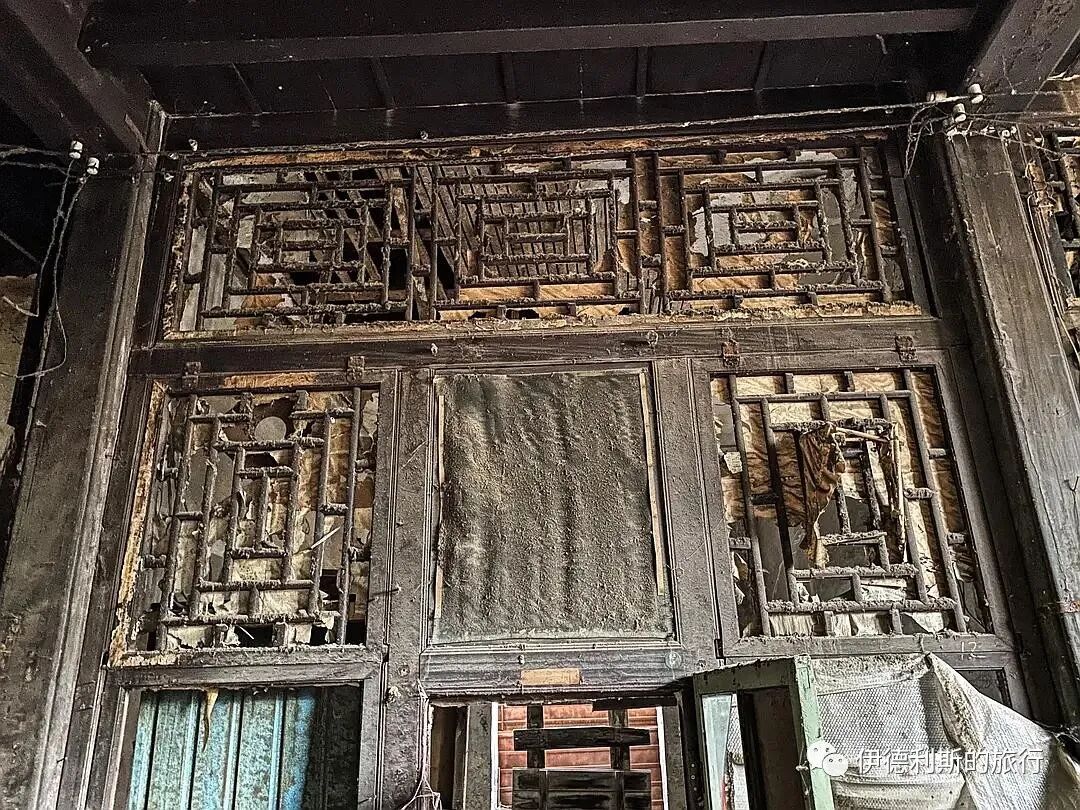
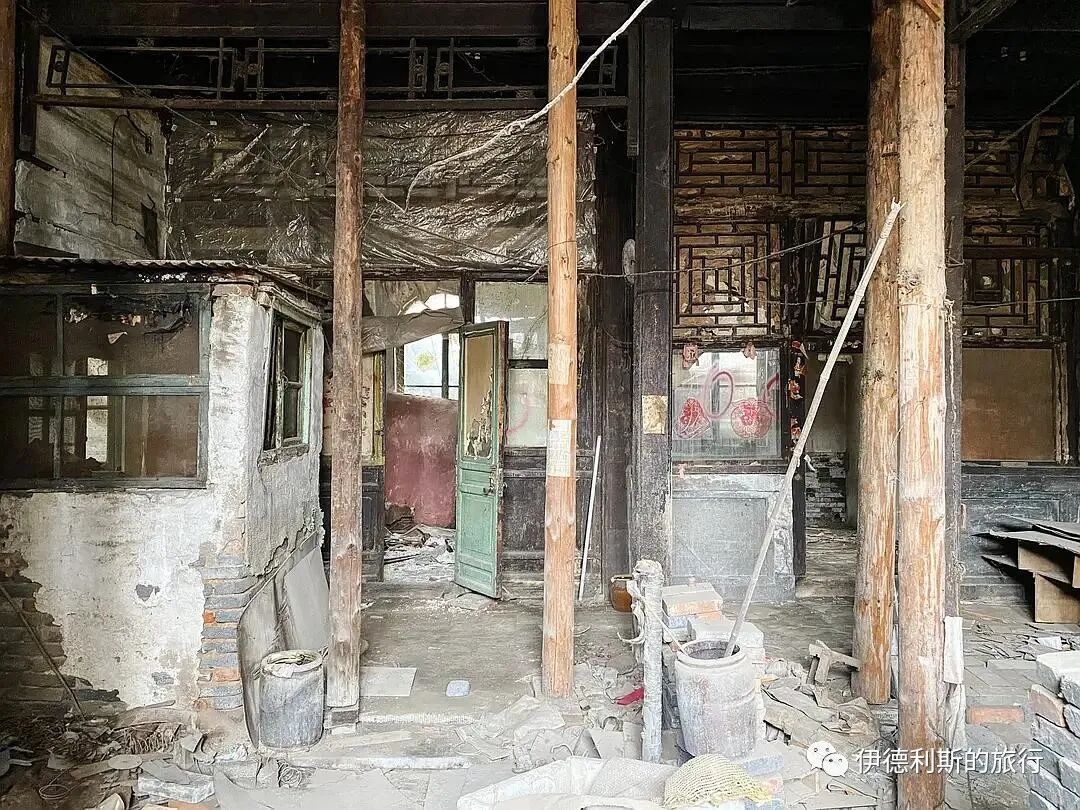
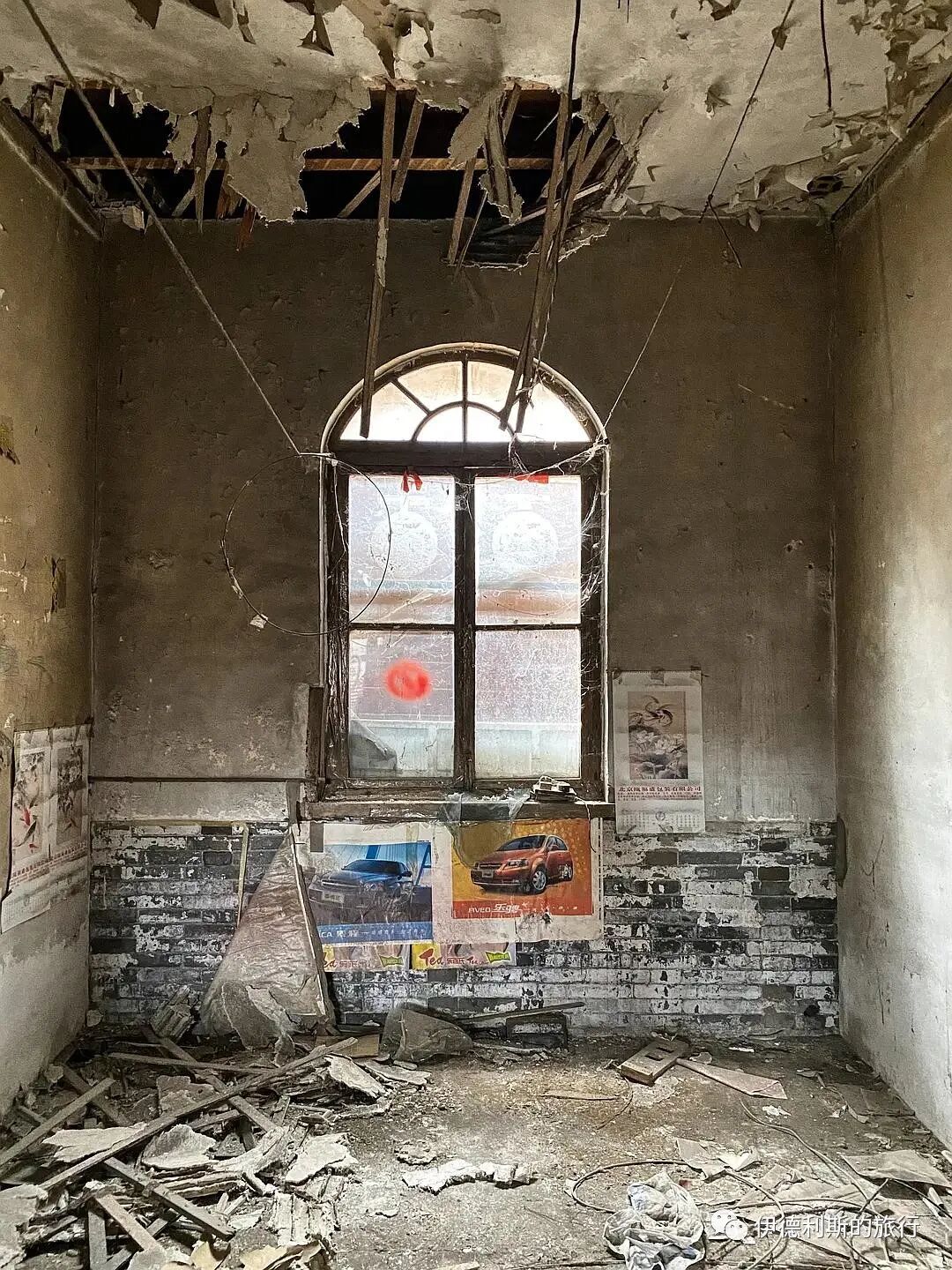
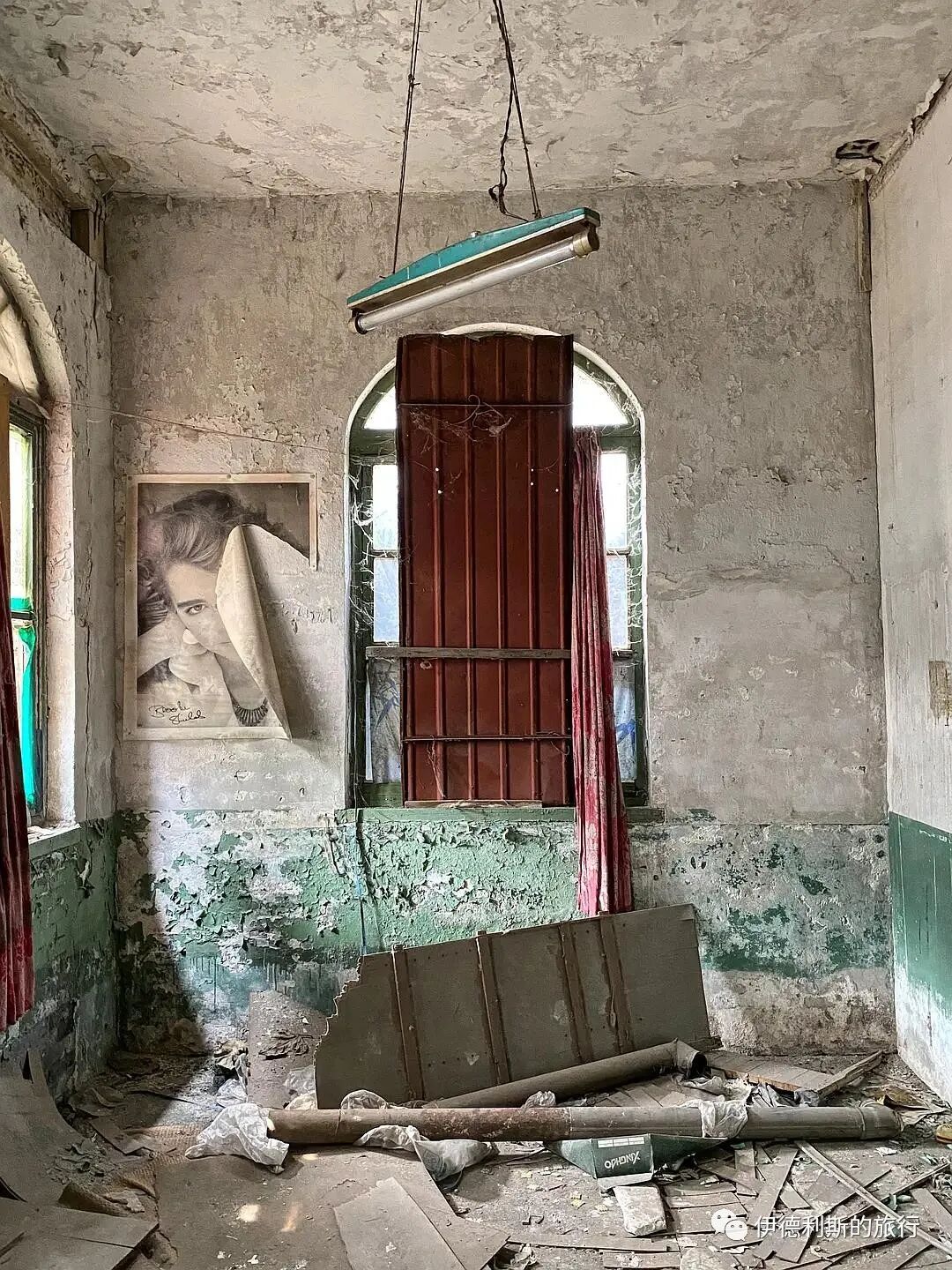
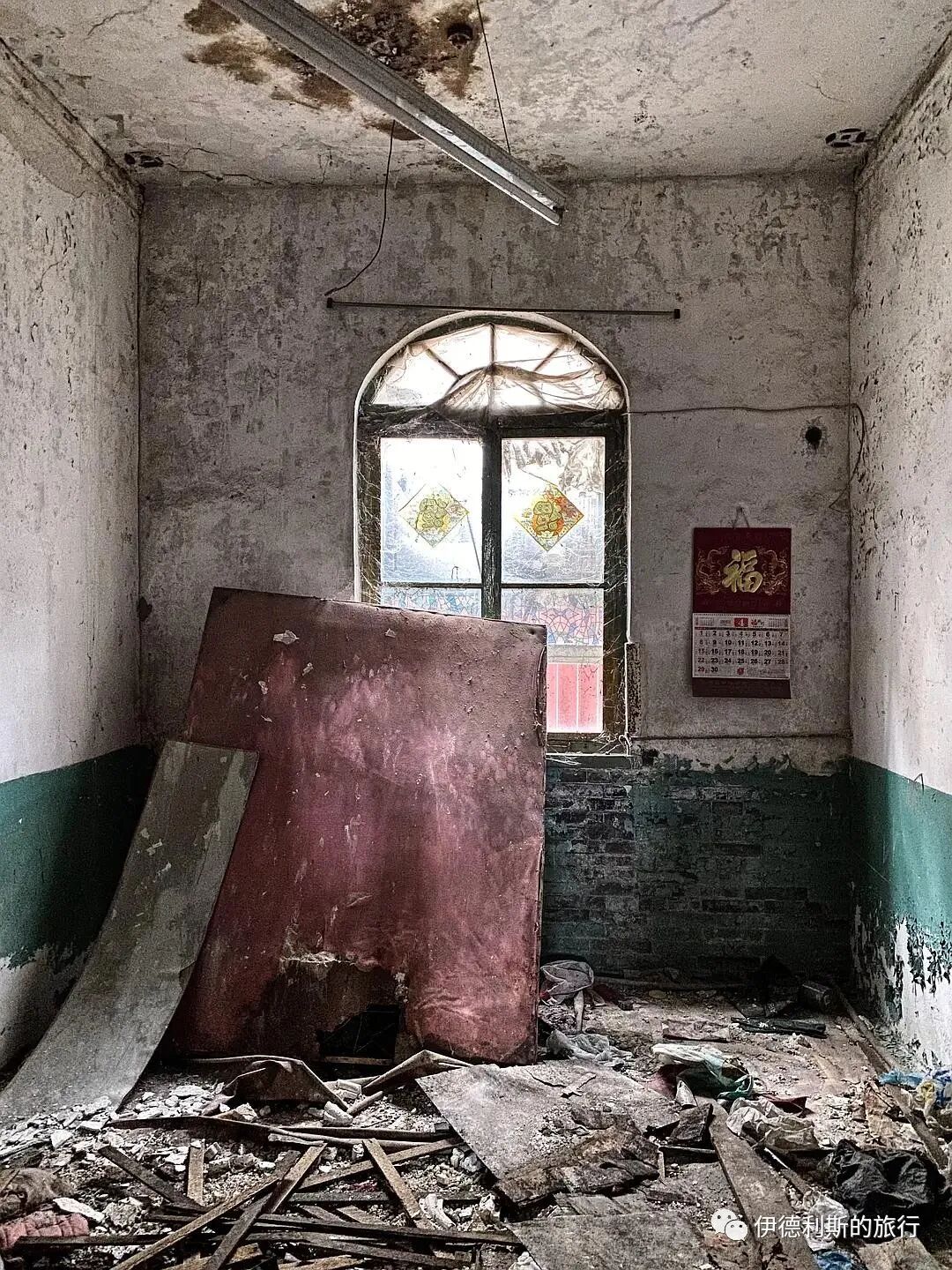
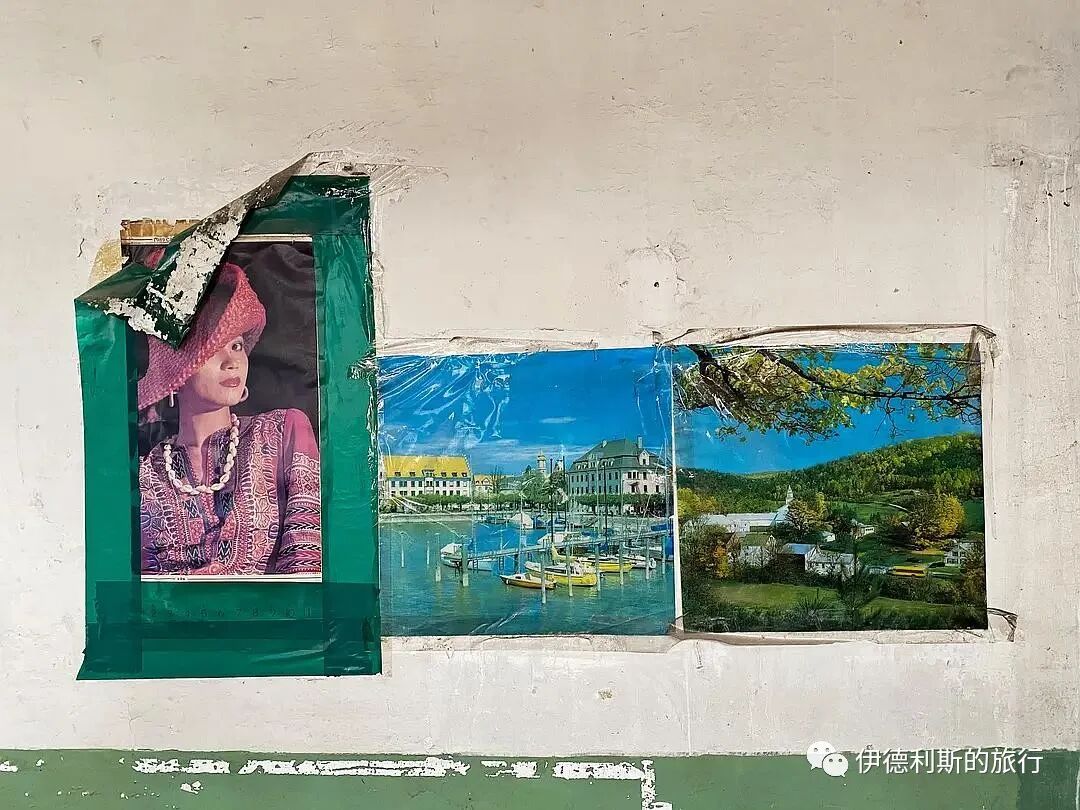
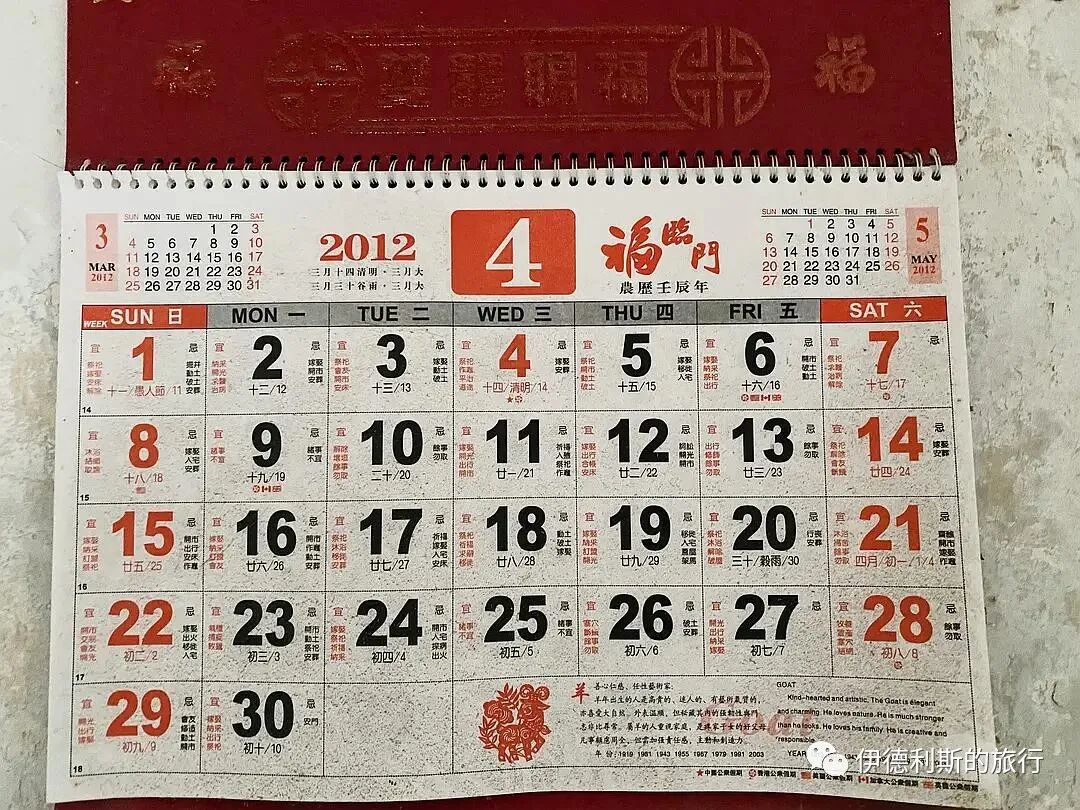
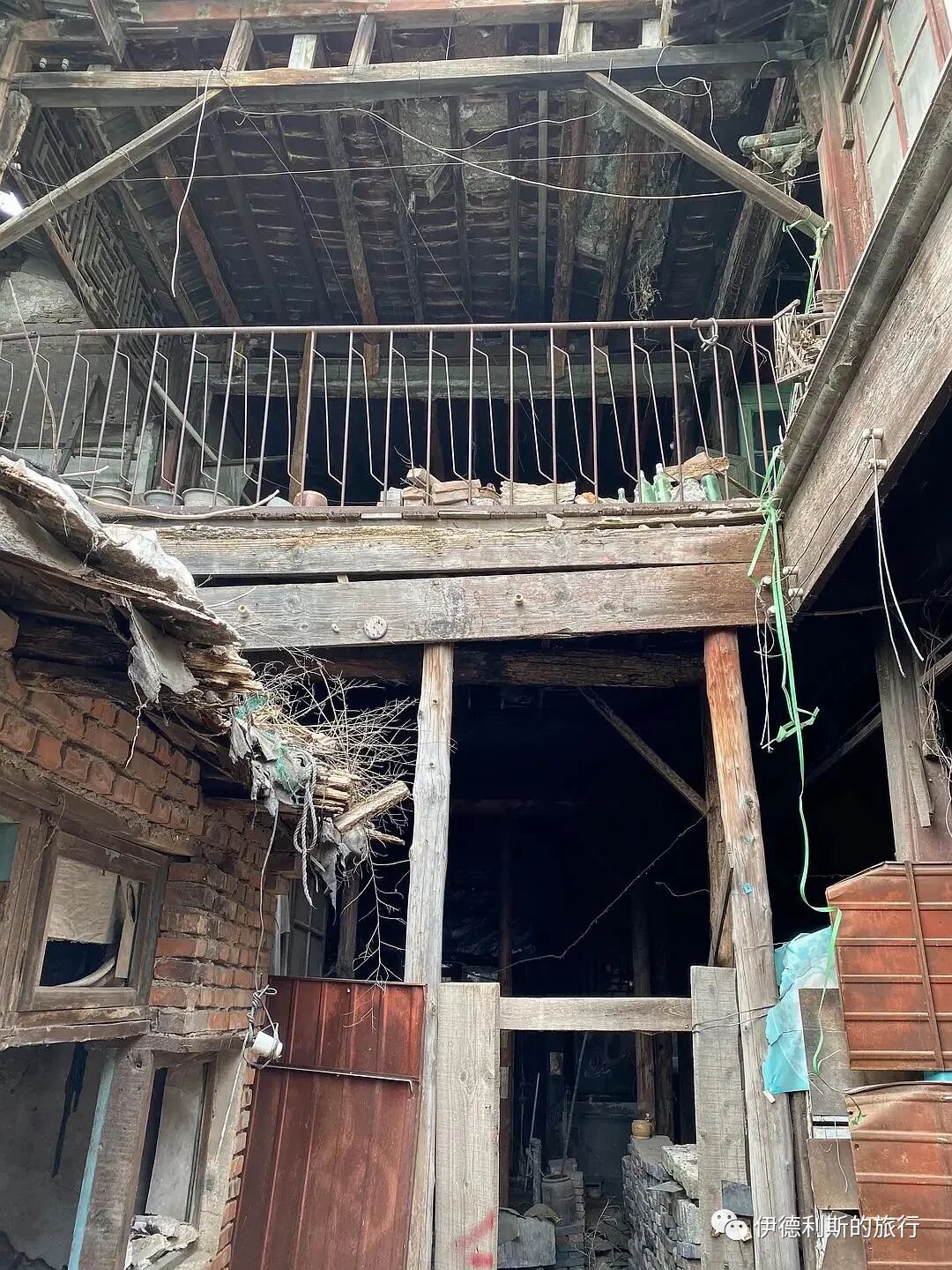
The second floor of the mosque was once a private dining room for the Old Bianyifang Restaurant. Later, it became the office for the Northwest Five Provinces Association and the main prayer hall of the mosque. It then served as a dormitory for a toy factory and a crowded residential courtyard, before finally falling into ruins.
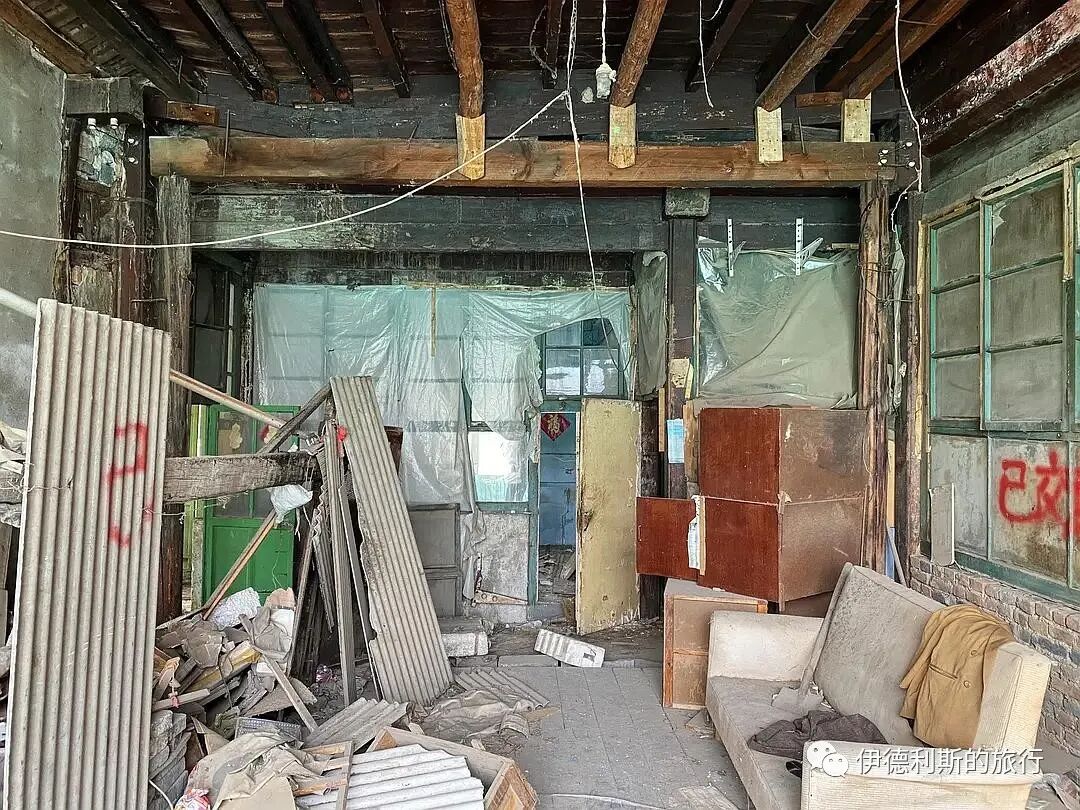
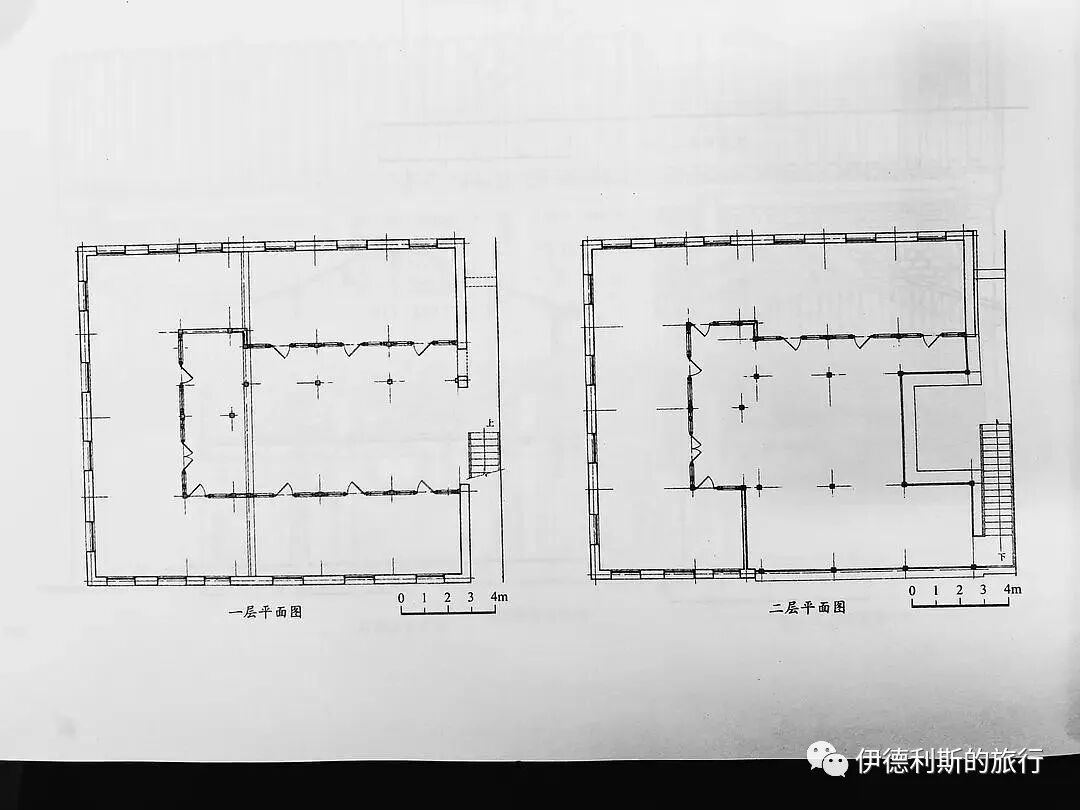
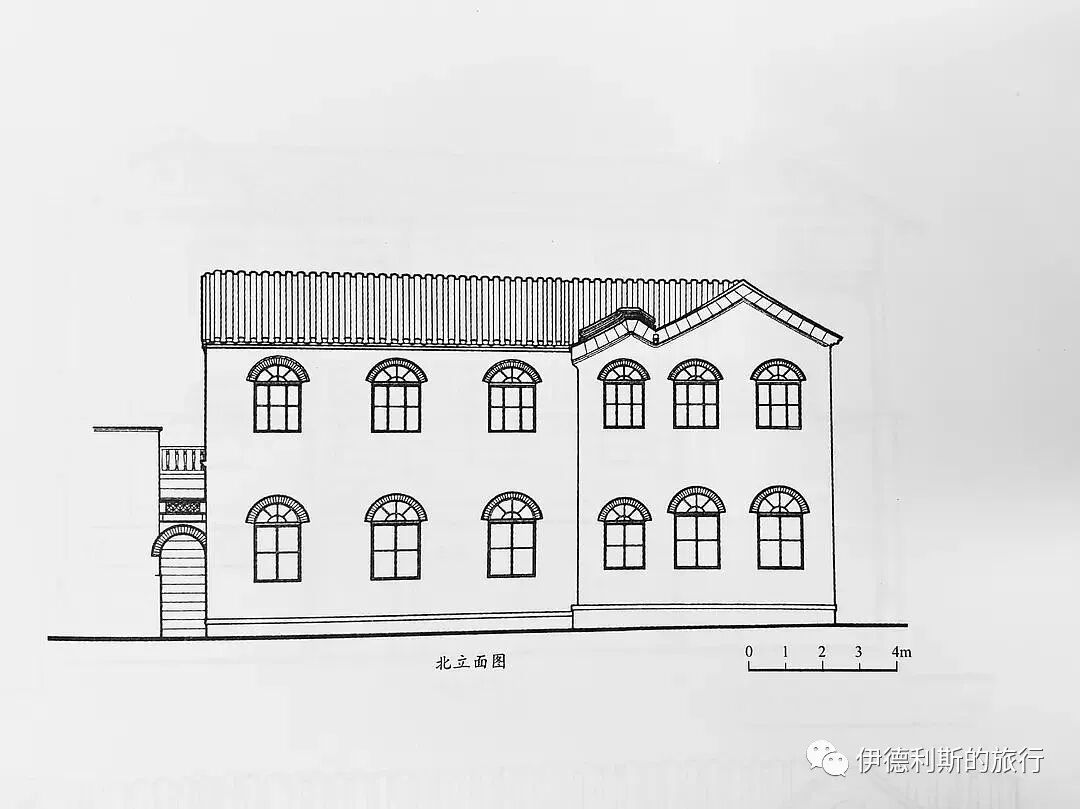
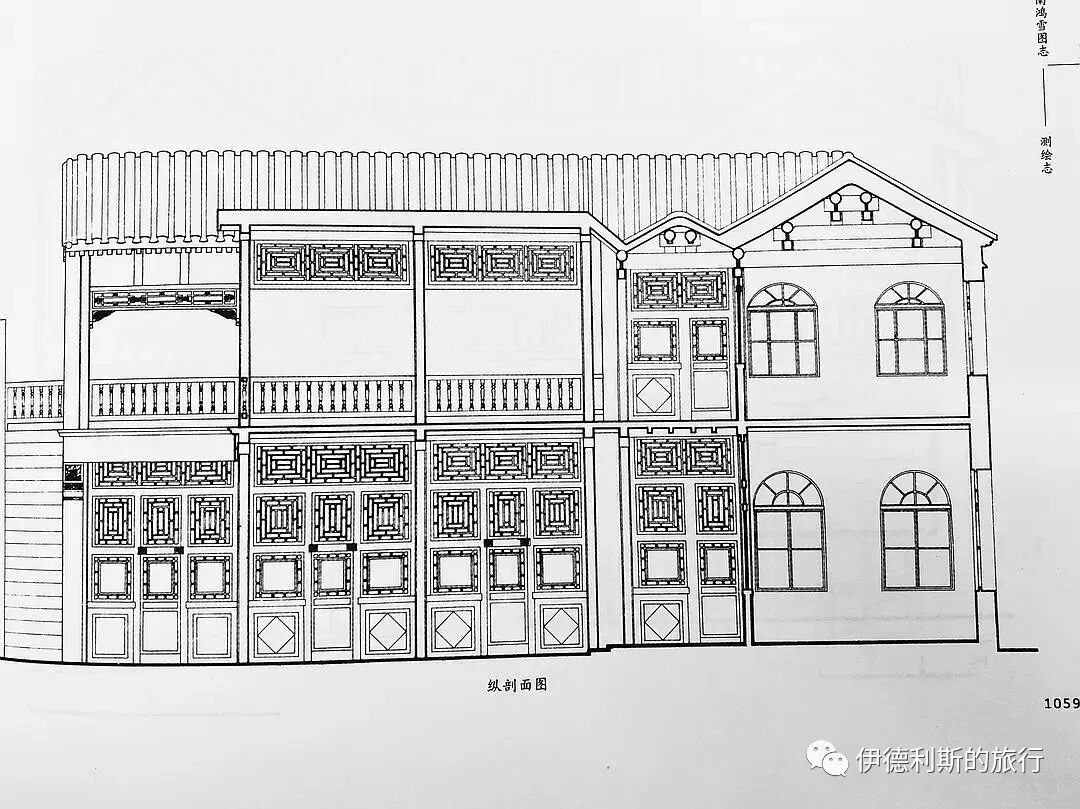
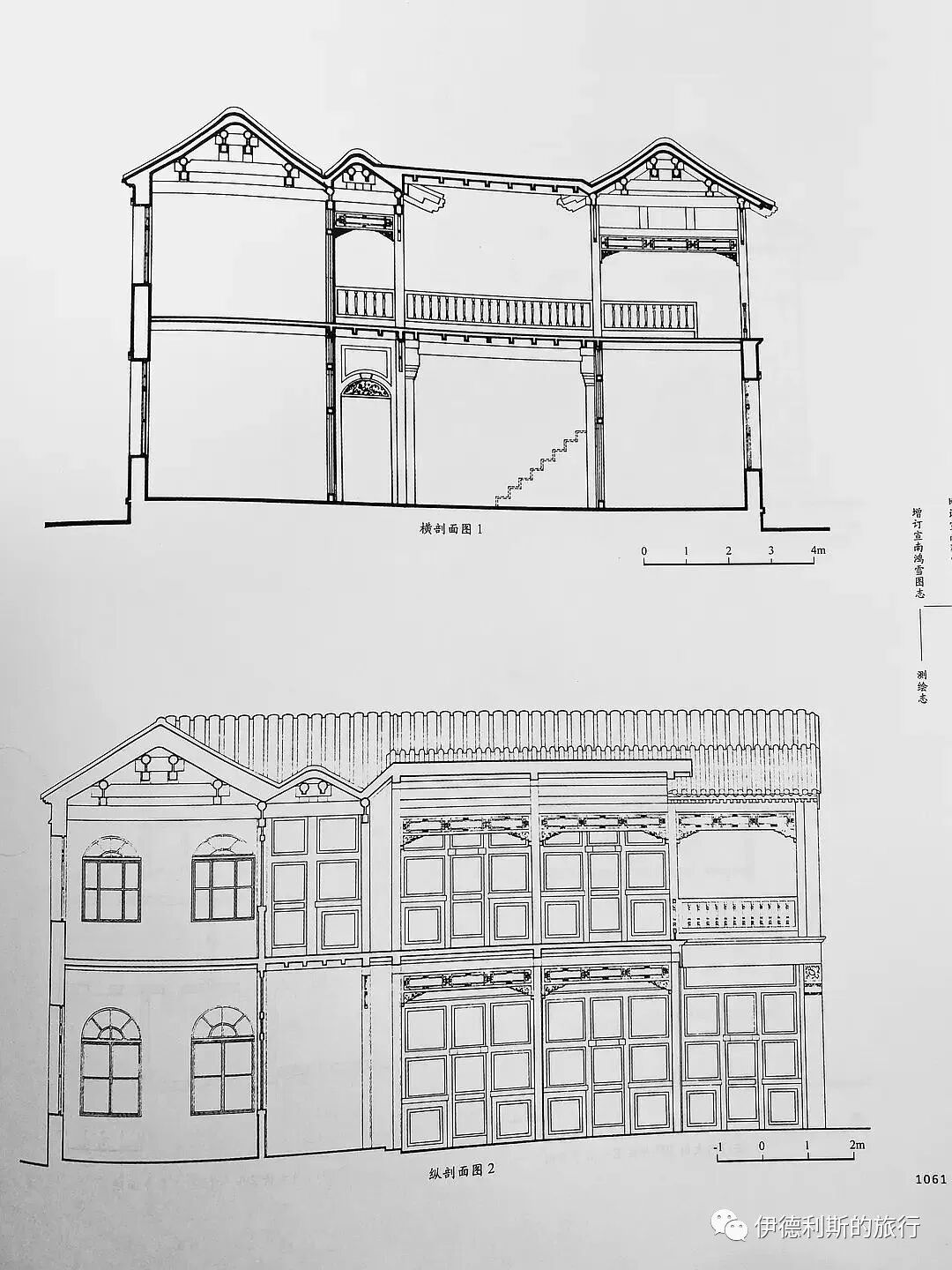
After visiting the ruins of the Mishihutong Mosque, I rode my bike to the Zhengyang Bookstore in Xisi. I looked through the Xuannan Hongxue Tuzhi, a book about the history and culture of the Xuannan area, and found the original architectural surveys of the Mishihutong Mosque inside. You can clearly see the open space added to the second floor, along with many wooden lattice screens.
Summary: Beijing Mishi Hutong Mosque — Southern-Style Architecture is presented here as a firsthand travel account in clear English, beginning with this scene: Today, tucked behind construction hoardings next to the Caishikou subway station in Beijing, two historical buildings remain from the Daji area demolition ten years ago. The account keeps its focus on Beijing Mosques, Mishi Hutong, Muslim Heritage while preserving the names, places, food, and historical details from the Chinese source.
Today, tucked behind construction hoardings next to the Caishikou subway station in Beijing, two historical buildings remain from the Daji area demolition ten years ago. One of them is the famous former residence of Kang Youwei. The other is a two-story building that once housed the old Bianyifang restaurant, which first opened in the 14th year of the Yongle reign of the Ming Dynasty (1416). The old Bianyifang closed in 1937 due to the war. Soon after, Hui Muslims from the five northwestern provinces living in Beijing raised over 10,000 yuan to buy the building. After renovations, it officially became the Mishihutong Mosque on January 1, 1940, and also served as the office for the Northwest Five Provinces Association.
The building housing the Mishihutong Mosque was originally built in the mid-to-late Qing Dynasty. It started as an L-shaped structure made of three northern rooms and four western rooms. It featured a hard-mountain roof with a rolled-shed style (yingshan juanpeng ding) and a suspended-mountain open corridor (xuanshan changlang) connected together, with a garden on the east side.
The old Mishihutong area has been completely leveled, leaving only the mosque building.
A view of the mosque from the northeast.
A view of the mosque from the north. The north building is on the left and the west building is on the right. You can see the simple gray brick walls and arched windows.
On the connected roof of the north building, you can see exquisite hanging eaves (daogua meizi), wooden railings, and brick carvings.
When it was converted into a mosque in 1940, three southern open-hall rooms were added, changing the L-shaped layout into a U-shaped one. At the same time, a two-story flat-roofed open hall was built in the recessed area, connecting with the southern open-hall rooms to create a semi-enclosed space on the second floor used as the main prayer hall. After the renovation, the building only kept a small courtyard on the east side, and you must pass through the open hall to enter each room, which is a typical feature of southern architecture.
Looking at the mosque from south to north, the west building is on the left, and the south open-style pavilion (changxuan) added in 1940 is on the right.
Looking at the mosque from east to west, the south open-style pavilion is on the left, and the connected north building is on the right.
The flat-roofed open hall (changting) added in 1940.
The exquisite wooden lattice screens and door lintel carvings on the first floor of the mosque, along with some abandoned rooms. You can see that time stopped here in April 2012, exactly 10 years ago.
In the 1940s, the Mishi Hutong Mosque became a center for Hui Muslims from the northwest living in Beijing, with Imam Ye Liangpu serving as the first head imam. At that time, the Mishi Hutong Mosque and the Tianqiao Mosque, also built during the Republic of China era, were brother mosques that would invite each other's imams.
After the 1960s, the Mishi Hutong Mosque was turned into a dormitory for a toy factory and later became a residential compound.
After the Daji area southeast of Caishikou was demolished, more than 30 guild halls, various temples, shops, and former residences of famous people were turned into ruins. By 2012, only the former residence of Kang Youwei and the Mishi Hutong Mosque remained as historical buildings. It is a pity that the original gate of the Mishi Hutong Mosque, which featured traditional Arabic calligraphy, has been torn down, leaving only the small two-story building inside. People say both the Mishi Hutong Mosque and the former residence of Kang Youwei will be renovated and repurposed, but it is unclear what this place will look like then.
The second floor of the mosque was once a private dining room for the Old Bianyifang Restaurant. Later, it became the office for the Northwest Five Provinces Association and the main prayer hall of the mosque. It then served as a dormitory for a toy factory and a crowded residential courtyard, before finally falling into ruins.
After visiting the ruins of the Mishihutong Mosque, I rode my bike to the Zhengyang Bookstore in Xisi. I looked through the Xuannan Hongxue Tuzhi, a book about the history and culture of the Xuannan area, and found the original architectural surveys of the Mishihutong Mosque inside. You can clearly see the open space added to the second floor, along with many wooden lattice screens.
Halal Travel Guide: Beijing Mishi Hutong Mosque and Daji Lane Teahouse
Articles • ali2007fr posted the article • 0 comments • 161 views • 2026-05-20 08:14
Reposted from the web
Summary: Mishi Hutong Mosque in Beijing has been renovated into a high-end teahouse inside the new Daji Lane business district. This account keeps the mosque history, renovation notes, street context, and photographs from the visit.
I heard the Daji Lane business district at Caishikou in Beijing had officially opened, so I went to take a look at the renovated Mishi Hutong Mosque. Today, the Mishi Hutong Mosque has become a teahouse. The tea is expensive, and you have to book in advance.
During the Republic of China era, many friends (dosti) from the Northwest did business in the Xuannan area. In 1927, they donated money to build the Tianqiao Mosque and established the Association of Hui Muslims from the Five Provinces of Shaanxi, Gansu, Qinghai, Ningxia, and Xinjiang in Beijing. After the 1930s, the friends (dosti) from the Northwest gradually settled in the Caishikou area. In 1937, the old Bianyifang restaurant on nearby Mishi Hutong closed down. The friends (dosti) from the Northwest living in Beijing pooled their money to buy the two-story building and officially converted it into the Mishi Hutong Mosque in 1940. After that, the association for the five Northwest provinces moved its office to the Mishi Hutong Mosque. Imam Yeliangpu of the Tianqiao Mosque served as the imam for both, and Friday prayers (Jumu'ah) were held at the two mosques in rotation.
A friend (dosti) named Qian bought the street-facing houses of the Mishi Hutong Mosque. The north room of the outer courtyard was the association office, the north room of the inner courtyard held the primary school classroom, kitchen, and restroom, and the west room by the back door was the washroom (shuifang). The second floor of the small building was the main prayer hall, the west room on the first floor was the lecture hall, the north room was the imam's dormitory, the south room was the student lounge, and the north and south rooms in the outer corridor were student dormitories. A glass plaque reading 'Shengdao Qiyang' (The Holy Path is Glorified) hung in the outer corridor, donated by the elders of the Tianqiao Mosque and written by Zong Zheng.
When the Daji area was demolished, all other buildings of the Mishi Hutong Mosque were torn down, leaving only the two-story building. The building was built in the mid-to-late Qing Dynasty. It was originally an 'L' shape made of a north building and a west building. When it was converted into a mosque in 1940, three south-facing open rooms were added, changing the 'L' shape into a 'U' shape. At the same time, a two-story flat-roofed open hall was added in the recessed area, connecting with the south rooms. This created a semi-enclosed open space on the second floor to serve as the main prayer hall, which was a first for a mosque (masjid) at that time.
After the 1960s, the Mishi Hutong Mosque became a dormitory for a toy factory and later turned into a residential compound. I visited the building in 2022 before it was renovated, and the calendar on the wall was still stuck on 2012.
Finally, here are some photos I took of the Mishi Hutong Mosque in 2022.
The second floor was originally a private room for the old Bianyifang restaurant, then it became the mosque's main prayer hall, and later it became a toy factory dormitory and a crowded residential compound. view all
Summary: Mishi Hutong Mosque in Beijing has been renovated into a high-end teahouse inside the new Daji Lane business district. This account keeps the mosque history, renovation notes, street context, and photographs from the visit.
I heard the Daji Lane business district at Caishikou in Beijing had officially opened, so I went to take a look at the renovated Mishi Hutong Mosque. Today, the Mishi Hutong Mosque has become a teahouse. The tea is expensive, and you have to book in advance.
During the Republic of China era, many friends (dosti) from the Northwest did business in the Xuannan area. In 1927, they donated money to build the Tianqiao Mosque and established the Association of Hui Muslims from the Five Provinces of Shaanxi, Gansu, Qinghai, Ningxia, and Xinjiang in Beijing. After the 1930s, the friends (dosti) from the Northwest gradually settled in the Caishikou area. In 1937, the old Bianyifang restaurant on nearby Mishi Hutong closed down. The friends (dosti) from the Northwest living in Beijing pooled their money to buy the two-story building and officially converted it into the Mishi Hutong Mosque in 1940. After that, the association for the five Northwest provinces moved its office to the Mishi Hutong Mosque. Imam Yeliangpu of the Tianqiao Mosque served as the imam for both, and Friday prayers (Jumu'ah) were held at the two mosques in rotation.
A friend (dosti) named Qian bought the street-facing houses of the Mishi Hutong Mosque. The north room of the outer courtyard was the association office, the north room of the inner courtyard held the primary school classroom, kitchen, and restroom, and the west room by the back door was the washroom (shuifang). The second floor of the small building was the main prayer hall, the west room on the first floor was the lecture hall, the north room was the imam's dormitory, the south room was the student lounge, and the north and south rooms in the outer corridor were student dormitories. A glass plaque reading 'Shengdao Qiyang' (The Holy Path is Glorified) hung in the outer corridor, donated by the elders of the Tianqiao Mosque and written by Zong Zheng.
When the Daji area was demolished, all other buildings of the Mishi Hutong Mosque were torn down, leaving only the two-story building. The building was built in the mid-to-late Qing Dynasty. It was originally an 'L' shape made of a north building and a west building. When it was converted into a mosque in 1940, three south-facing open rooms were added, changing the 'L' shape into a 'U' shape. At the same time, a two-story flat-roofed open hall was added in the recessed area, connecting with the south rooms. This created a semi-enclosed open space on the second floor to serve as the main prayer hall, which was a first for a mosque (masjid) at that time.
After the 1960s, the Mishi Hutong Mosque became a dormitory for a toy factory and later turned into a residential compound. I visited the building in 2022 before it was renovated, and the calendar on the wall was still stuck on 2012.
Finally, here are some photos I took of the Mishi Hutong Mosque in 2022.
The second floor was originally a private room for the old Bianyifang restaurant, then it became the mosque's main prayer hall, and later it became a toy factory dormitory and a crowded residential compound. view all
Reposted from the web
Summary: Mishi Hutong Mosque in Beijing has been renovated into a high-end teahouse inside the new Daji Lane business district. This account keeps the mosque history, renovation notes, street context, and photographs from the visit.
I heard the Daji Lane business district at Caishikou in Beijing had officially opened, so I went to take a look at the renovated Mishi Hutong Mosque. Today, the Mishi Hutong Mosque has become a teahouse. The tea is expensive, and you have to book in advance.
During the Republic of China era, many friends (dosti) from the Northwest did business in the Xuannan area. In 1927, they donated money to build the Tianqiao Mosque and established the Association of Hui Muslims from the Five Provinces of Shaanxi, Gansu, Qinghai, Ningxia, and Xinjiang in Beijing. After the 1930s, the friends (dosti) from the Northwest gradually settled in the Caishikou area. In 1937, the old Bianyifang restaurant on nearby Mishi Hutong closed down. The friends (dosti) from the Northwest living in Beijing pooled their money to buy the two-story building and officially converted it into the Mishi Hutong Mosque in 1940. After that, the association for the five Northwest provinces moved its office to the Mishi Hutong Mosque. Imam Yeliangpu of the Tianqiao Mosque served as the imam for both, and Friday prayers (Jumu'ah) were held at the two mosques in rotation.
A friend (dosti) named Qian bought the street-facing houses of the Mishi Hutong Mosque. The north room of the outer courtyard was the association office, the north room of the inner courtyard held the primary school classroom, kitchen, and restroom, and the west room by the back door was the washroom (shuifang). The second floor of the small building was the main prayer hall, the west room on the first floor was the lecture hall, the north room was the imam's dormitory, the south room was the student lounge, and the north and south rooms in the outer corridor were student dormitories. A glass plaque reading 'Shengdao Qiyang' (The Holy Path is Glorified) hung in the outer corridor, donated by the elders of the Tianqiao Mosque and written by Zong Zheng.
When the Daji area was demolished, all other buildings of the Mishi Hutong Mosque were torn down, leaving only the two-story building. The building was built in the mid-to-late Qing Dynasty. It was originally an 'L' shape made of a north building and a west building. When it was converted into a mosque in 1940, three south-facing open rooms were added, changing the 'L' shape into a 'U' shape. At the same time, a two-story flat-roofed open hall was added in the recessed area, connecting with the south rooms. This created a semi-enclosed open space on the second floor to serve as the main prayer hall, which was a first for a mosque (masjid) at that time.
After the 1960s, the Mishi Hutong Mosque became a dormitory for a toy factory and later turned into a residential compound. I visited the building in 2022 before it was renovated, and the calendar on the wall was still stuck on 2012.
Finally, here are some photos I took of the Mishi Hutong Mosque in 2022.
The second floor was originally a private room for the old Bianyifang restaurant, then it became the mosque's main prayer hall, and later it became a toy factory dormitory and a crowded residential compound.
Summary: Mishi Hutong Mosque in Beijing has been renovated into a high-end teahouse inside the new Daji Lane business district. This account keeps the mosque history, renovation notes, street context, and photographs from the visit.
I heard the Daji Lane business district at Caishikou in Beijing had officially opened, so I went to take a look at the renovated Mishi Hutong Mosque. Today, the Mishi Hutong Mosque has become a teahouse. The tea is expensive, and you have to book in advance.
During the Republic of China era, many friends (dosti) from the Northwest did business in the Xuannan area. In 1927, they donated money to build the Tianqiao Mosque and established the Association of Hui Muslims from the Five Provinces of Shaanxi, Gansu, Qinghai, Ningxia, and Xinjiang in Beijing. After the 1930s, the friends (dosti) from the Northwest gradually settled in the Caishikou area. In 1937, the old Bianyifang restaurant on nearby Mishi Hutong closed down. The friends (dosti) from the Northwest living in Beijing pooled their money to buy the two-story building and officially converted it into the Mishi Hutong Mosque in 1940. After that, the association for the five Northwest provinces moved its office to the Mishi Hutong Mosque. Imam Yeliangpu of the Tianqiao Mosque served as the imam for both, and Friday prayers (Jumu'ah) were held at the two mosques in rotation.
A friend (dosti) named Qian bought the street-facing houses of the Mishi Hutong Mosque. The north room of the outer courtyard was the association office, the north room of the inner courtyard held the primary school classroom, kitchen, and restroom, and the west room by the back door was the washroom (shuifang). The second floor of the small building was the main prayer hall, the west room on the first floor was the lecture hall, the north room was the imam's dormitory, the south room was the student lounge, and the north and south rooms in the outer corridor were student dormitories. A glass plaque reading 'Shengdao Qiyang' (The Holy Path is Glorified) hung in the outer corridor, donated by the elders of the Tianqiao Mosque and written by Zong Zheng.
When the Daji area was demolished, all other buildings of the Mishi Hutong Mosque were torn down, leaving only the two-story building. The building was built in the mid-to-late Qing Dynasty. It was originally an 'L' shape made of a north building and a west building. When it was converted into a mosque in 1940, three south-facing open rooms were added, changing the 'L' shape into a 'U' shape. At the same time, a two-story flat-roofed open hall was added in the recessed area, connecting with the south rooms. This created a semi-enclosed open space on the second floor to serve as the main prayer hall, which was a first for a mosque (masjid) at that time.
After the 1960s, the Mishi Hutong Mosque became a dormitory for a toy factory and later turned into a residential compound. I visited the building in 2022 before it was renovated, and the calendar on the wall was still stuck on 2012.
Finally, here are some photos I took of the Mishi Hutong Mosque in 2022.
The second floor was originally a private room for the old Bianyifang restaurant, then it became the mosque's main prayer hall, and later it became a toy factory dormitory and a crowded residential compound.
Halal Travel Guide: Beijing Mishi Hutong Mosque — Southern-Style Architecture
Articles • ali2007fr posted the article • 0 comments • 160 views • 2026-05-18 02:39
Reposted from the web
Summary: Beijing Mishi Hutong Mosque — Southern-Style Architecture is presented here as a firsthand travel account in clear English, beginning with this scene: Today, tucked behind construction hoardings next to the Caishikou subway station in Beijing, two historical buildings remain from the Daji area demolition ten years ago. The account keeps its focus on Beijing Mosques, Mishi Hutong, Muslim Heritage while preserving the names, places, food, and historical details from the Chinese source.
Today, tucked behind construction hoardings next to the Caishikou subway station in Beijing, two historical buildings remain from the Daji area demolition ten years ago. One of them is the famous former residence of Kang Youwei. The other is a two-story building that once housed the old Bianyifang restaurant, which first opened in the 14th year of the Yongle reign of the Ming Dynasty (1416). The old Bianyifang closed in 1937 due to the war. Soon after, Hui Muslims from the five northwestern provinces living in Beijing raised over 10,000 yuan to buy the building. After renovations, it officially became the Mishihutong Mosque on January 1, 1940, and also served as the office for the Northwest Five Provinces Association.
The building housing the Mishihutong Mosque was originally built in the mid-to-late Qing Dynasty. It started as an L-shaped structure made of three northern rooms and four western rooms. It featured a hard-mountain roof with a rolled-shed style (yingshan juanpeng ding) and a suspended-mountain open corridor (xuanshan changlang) connected together, with a garden on the east side.
The old Mishihutong area has been completely leveled, leaving only the mosque building.
A view of the mosque from the northeast.
A view of the mosque from the north. The north building is on the left and the west building is on the right. You can see the simple gray brick walls and arched windows.
On the connected roof of the north building, you can see exquisite hanging eaves (daogua meizi), wooden railings, and brick carvings.
When it was converted into a mosque in 1940, three southern open-hall rooms were added, changing the L-shaped layout into a U-shaped one. At the same time, a two-story flat-roofed open hall was built in the recessed area, connecting with the southern open-hall rooms to create a semi-enclosed space on the second floor used as the main prayer hall. After the renovation, the building only kept a small courtyard on the east side, and you must pass through the open hall to enter each room, which is a typical feature of southern architecture.
Looking at the mosque from south to north, the west building is on the left, and the south open-style pavilion (changxuan) added in 1940 is on the right.
Looking at the mosque from east to west, the south open-style pavilion is on the left, and the connected north building is on the right.
The flat-roofed open hall (changting) added in 1940.
The exquisite wooden lattice screens and door lintel carvings on the first floor of the mosque, along with some abandoned rooms. You can see that time stopped here in April 2012, exactly 10 years ago.
In the 1940s, the Mishi Hutong Mosque became a center for Hui Muslims from the northwest living in Beijing, with Imam Ye Liangpu serving as the first head imam. At that time, the Mishi Hutong Mosque and the Tianqiao Mosque, also built during the Republic of China era, were brother mosques that would invite each other's imams.
After the 1960s, the Mishi Hutong Mosque was turned into a dormitory for a toy factory and later became a residential compound.
After the Daji area southeast of Caishikou was demolished, more than 30 guild halls, various temples, shops, and former residences of famous people were turned into ruins. By 2012, only the former residence of Kang Youwei and the Mishi Hutong Mosque remained as historical buildings. It is a pity that the original gate of the Mishi Hutong Mosque, which featured traditional Arabic calligraphy, has been torn down, leaving only the small two-story building inside. People say both the Mishi Hutong Mosque and the former residence of Kang Youwei will be renovated and repurposed, but it is unclear what this place will look like then.
The second floor of the mosque was once a private dining room for the Old Bianyifang Restaurant. Later, it became the office for the Northwest Five Provinces Association and the main prayer hall of the mosque. It then served as a dormitory for a toy factory and a crowded residential courtyard, before finally falling into ruins.
After visiting the ruins of the Mishihutong Mosque, I rode my bike to the Zhengyang Bookstore in Xisi. I looked through the Xuannan Hongxue Tuzhi, a book about the history and culture of the Xuannan area, and found the original architectural surveys of the Mishihutong Mosque inside. You can clearly see the open space added to the second floor, along with many wooden lattice screens. view all
Summary: Beijing Mishi Hutong Mosque — Southern-Style Architecture is presented here as a firsthand travel account in clear English, beginning with this scene: Today, tucked behind construction hoardings next to the Caishikou subway station in Beijing, two historical buildings remain from the Daji area demolition ten years ago. The account keeps its focus on Beijing Mosques, Mishi Hutong, Muslim Heritage while preserving the names, places, food, and historical details from the Chinese source.
Today, tucked behind construction hoardings next to the Caishikou subway station in Beijing, two historical buildings remain from the Daji area demolition ten years ago. One of them is the famous former residence of Kang Youwei. The other is a two-story building that once housed the old Bianyifang restaurant, which first opened in the 14th year of the Yongle reign of the Ming Dynasty (1416). The old Bianyifang closed in 1937 due to the war. Soon after, Hui Muslims from the five northwestern provinces living in Beijing raised over 10,000 yuan to buy the building. After renovations, it officially became the Mishihutong Mosque on January 1, 1940, and also served as the office for the Northwest Five Provinces Association.
The building housing the Mishihutong Mosque was originally built in the mid-to-late Qing Dynasty. It started as an L-shaped structure made of three northern rooms and four western rooms. It featured a hard-mountain roof with a rolled-shed style (yingshan juanpeng ding) and a suspended-mountain open corridor (xuanshan changlang) connected together, with a garden on the east side.
The old Mishihutong area has been completely leveled, leaving only the mosque building.
A view of the mosque from the northeast.
A view of the mosque from the north. The north building is on the left and the west building is on the right. You can see the simple gray brick walls and arched windows.
On the connected roof of the north building, you can see exquisite hanging eaves (daogua meizi), wooden railings, and brick carvings.
When it was converted into a mosque in 1940, three southern open-hall rooms were added, changing the L-shaped layout into a U-shaped one. At the same time, a two-story flat-roofed open hall was built in the recessed area, connecting with the southern open-hall rooms to create a semi-enclosed space on the second floor used as the main prayer hall. After the renovation, the building only kept a small courtyard on the east side, and you must pass through the open hall to enter each room, which is a typical feature of southern architecture.
Looking at the mosque from south to north, the west building is on the left, and the south open-style pavilion (changxuan) added in 1940 is on the right.
Looking at the mosque from east to west, the south open-style pavilion is on the left, and the connected north building is on the right.
The flat-roofed open hall (changting) added in 1940.
The exquisite wooden lattice screens and door lintel carvings on the first floor of the mosque, along with some abandoned rooms. You can see that time stopped here in April 2012, exactly 10 years ago.
In the 1940s, the Mishi Hutong Mosque became a center for Hui Muslims from the northwest living in Beijing, with Imam Ye Liangpu serving as the first head imam. At that time, the Mishi Hutong Mosque and the Tianqiao Mosque, also built during the Republic of China era, were brother mosques that would invite each other's imams.
After the 1960s, the Mishi Hutong Mosque was turned into a dormitory for a toy factory and later became a residential compound.
After the Daji area southeast of Caishikou was demolished, more than 30 guild halls, various temples, shops, and former residences of famous people were turned into ruins. By 2012, only the former residence of Kang Youwei and the Mishi Hutong Mosque remained as historical buildings. It is a pity that the original gate of the Mishi Hutong Mosque, which featured traditional Arabic calligraphy, has been torn down, leaving only the small two-story building inside. People say both the Mishi Hutong Mosque and the former residence of Kang Youwei will be renovated and repurposed, but it is unclear what this place will look like then.
The second floor of the mosque was once a private dining room for the Old Bianyifang Restaurant. Later, it became the office for the Northwest Five Provinces Association and the main prayer hall of the mosque. It then served as a dormitory for a toy factory and a crowded residential courtyard, before finally falling into ruins.
After visiting the ruins of the Mishihutong Mosque, I rode my bike to the Zhengyang Bookstore in Xisi. I looked through the Xuannan Hongxue Tuzhi, a book about the history and culture of the Xuannan area, and found the original architectural surveys of the Mishihutong Mosque inside. You can clearly see the open space added to the second floor, along with many wooden lattice screens. view all
Reposted from the web
Summary: Beijing Mishi Hutong Mosque — Southern-Style Architecture is presented here as a firsthand travel account in clear English, beginning with this scene: Today, tucked behind construction hoardings next to the Caishikou subway station in Beijing, two historical buildings remain from the Daji area demolition ten years ago. The account keeps its focus on Beijing Mosques, Mishi Hutong, Muslim Heritage while preserving the names, places, food, and historical details from the Chinese source.
Today, tucked behind construction hoardings next to the Caishikou subway station in Beijing, two historical buildings remain from the Daji area demolition ten years ago. One of them is the famous former residence of Kang Youwei. The other is a two-story building that once housed the old Bianyifang restaurant, which first opened in the 14th year of the Yongle reign of the Ming Dynasty (1416). The old Bianyifang closed in 1937 due to the war. Soon after, Hui Muslims from the five northwestern provinces living in Beijing raised over 10,000 yuan to buy the building. After renovations, it officially became the Mishihutong Mosque on January 1, 1940, and also served as the office for the Northwest Five Provinces Association.
The building housing the Mishihutong Mosque was originally built in the mid-to-late Qing Dynasty. It started as an L-shaped structure made of three northern rooms and four western rooms. It featured a hard-mountain roof with a rolled-shed style (yingshan juanpeng ding) and a suspended-mountain open corridor (xuanshan changlang) connected together, with a garden on the east side.
The old Mishihutong area has been completely leveled, leaving only the mosque building.
A view of the mosque from the northeast.
A view of the mosque from the north. The north building is on the left and the west building is on the right. You can see the simple gray brick walls and arched windows.
On the connected roof of the north building, you can see exquisite hanging eaves (daogua meizi), wooden railings, and brick carvings.
When it was converted into a mosque in 1940, three southern open-hall rooms were added, changing the L-shaped layout into a U-shaped one. At the same time, a two-story flat-roofed open hall was built in the recessed area, connecting with the southern open-hall rooms to create a semi-enclosed space on the second floor used as the main prayer hall. After the renovation, the building only kept a small courtyard on the east side, and you must pass through the open hall to enter each room, which is a typical feature of southern architecture.
Looking at the mosque from south to north, the west building is on the left, and the south open-style pavilion (changxuan) added in 1940 is on the right.
Looking at the mosque from east to west, the south open-style pavilion is on the left, and the connected north building is on the right.
The flat-roofed open hall (changting) added in 1940.
The exquisite wooden lattice screens and door lintel carvings on the first floor of the mosque, along with some abandoned rooms. You can see that time stopped here in April 2012, exactly 10 years ago.
In the 1940s, the Mishi Hutong Mosque became a center for Hui Muslims from the northwest living in Beijing, with Imam Ye Liangpu serving as the first head imam. At that time, the Mishi Hutong Mosque and the Tianqiao Mosque, also built during the Republic of China era, were brother mosques that would invite each other's imams.
After the 1960s, the Mishi Hutong Mosque was turned into a dormitory for a toy factory and later became a residential compound.
After the Daji area southeast of Caishikou was demolished, more than 30 guild halls, various temples, shops, and former residences of famous people were turned into ruins. By 2012, only the former residence of Kang Youwei and the Mishi Hutong Mosque remained as historical buildings. It is a pity that the original gate of the Mishi Hutong Mosque, which featured traditional Arabic calligraphy, has been torn down, leaving only the small two-story building inside. People say both the Mishi Hutong Mosque and the former residence of Kang Youwei will be renovated and repurposed, but it is unclear what this place will look like then.
The second floor of the mosque was once a private dining room for the Old Bianyifang Restaurant. Later, it became the office for the Northwest Five Provinces Association and the main prayer hall of the mosque. It then served as a dormitory for a toy factory and a crowded residential courtyard, before finally falling into ruins.
After visiting the ruins of the Mishihutong Mosque, I rode my bike to the Zhengyang Bookstore in Xisi. I looked through the Xuannan Hongxue Tuzhi, a book about the history and culture of the Xuannan area, and found the original architectural surveys of the Mishihutong Mosque inside. You can clearly see the open space added to the second floor, along with many wooden lattice screens.
Summary: Beijing Mishi Hutong Mosque — Southern-Style Architecture is presented here as a firsthand travel account in clear English, beginning with this scene: Today, tucked behind construction hoardings next to the Caishikou subway station in Beijing, two historical buildings remain from the Daji area demolition ten years ago. The account keeps its focus on Beijing Mosques, Mishi Hutong, Muslim Heritage while preserving the names, places, food, and historical details from the Chinese source.
Today, tucked behind construction hoardings next to the Caishikou subway station in Beijing, two historical buildings remain from the Daji area demolition ten years ago. One of them is the famous former residence of Kang Youwei. The other is a two-story building that once housed the old Bianyifang restaurant, which first opened in the 14th year of the Yongle reign of the Ming Dynasty (1416). The old Bianyifang closed in 1937 due to the war. Soon after, Hui Muslims from the five northwestern provinces living in Beijing raised over 10,000 yuan to buy the building. After renovations, it officially became the Mishihutong Mosque on January 1, 1940, and also served as the office for the Northwest Five Provinces Association.
The building housing the Mishihutong Mosque was originally built in the mid-to-late Qing Dynasty. It started as an L-shaped structure made of three northern rooms and four western rooms. It featured a hard-mountain roof with a rolled-shed style (yingshan juanpeng ding) and a suspended-mountain open corridor (xuanshan changlang) connected together, with a garden on the east side.
The old Mishihutong area has been completely leveled, leaving only the mosque building.
A view of the mosque from the northeast.
A view of the mosque from the north. The north building is on the left and the west building is on the right. You can see the simple gray brick walls and arched windows.
On the connected roof of the north building, you can see exquisite hanging eaves (daogua meizi), wooden railings, and brick carvings.
When it was converted into a mosque in 1940, three southern open-hall rooms were added, changing the L-shaped layout into a U-shaped one. At the same time, a two-story flat-roofed open hall was built in the recessed area, connecting with the southern open-hall rooms to create a semi-enclosed space on the second floor used as the main prayer hall. After the renovation, the building only kept a small courtyard on the east side, and you must pass through the open hall to enter each room, which is a typical feature of southern architecture.
Looking at the mosque from south to north, the west building is on the left, and the south open-style pavilion (changxuan) added in 1940 is on the right.
Looking at the mosque from east to west, the south open-style pavilion is on the left, and the connected north building is on the right.
The flat-roofed open hall (changting) added in 1940.
The exquisite wooden lattice screens and door lintel carvings on the first floor of the mosque, along with some abandoned rooms. You can see that time stopped here in April 2012, exactly 10 years ago.
In the 1940s, the Mishi Hutong Mosque became a center for Hui Muslims from the northwest living in Beijing, with Imam Ye Liangpu serving as the first head imam. At that time, the Mishi Hutong Mosque and the Tianqiao Mosque, also built during the Republic of China era, were brother mosques that would invite each other's imams.
After the 1960s, the Mishi Hutong Mosque was turned into a dormitory for a toy factory and later became a residential compound.
After the Daji area southeast of Caishikou was demolished, more than 30 guild halls, various temples, shops, and former residences of famous people were turned into ruins. By 2012, only the former residence of Kang Youwei and the Mishi Hutong Mosque remained as historical buildings. It is a pity that the original gate of the Mishi Hutong Mosque, which featured traditional Arabic calligraphy, has been torn down, leaving only the small two-story building inside. People say both the Mishi Hutong Mosque and the former residence of Kang Youwei will be renovated and repurposed, but it is unclear what this place will look like then.
The second floor of the mosque was once a private dining room for the Old Bianyifang Restaurant. Later, it became the office for the Northwest Five Provinces Association and the main prayer hall of the mosque. It then served as a dormitory for a toy factory and a crowded residential courtyard, before finally falling into ruins.
After visiting the ruins of the Mishihutong Mosque, I rode my bike to the Zhengyang Bookstore in Xisi. I looked through the Xuannan Hongxue Tuzhi, a book about the history and culture of the Xuannan area, and found the original architectural surveys of the Mishihutong Mosque inside. You can clearly see the open space added to the second floor, along with many wooden lattice screens.