
Halal Travel Guide: Mardin, Turkey - Mosques, Old City and Artuqid History
Reposted from the web
Summary: Mardin in southeastern Turkey sits on a rocky slope above the Mesopotamian plain, with old mosques, stone madrasahs, churches, and Artuqid-era buildings layered through the old city. This travel account follows the original route through Mardin Castle, Mardin Ulu Camii, Abdullatif Mosque, Sehidiye Mosque, local food streets, and the city's Muslim and Christian heritage.
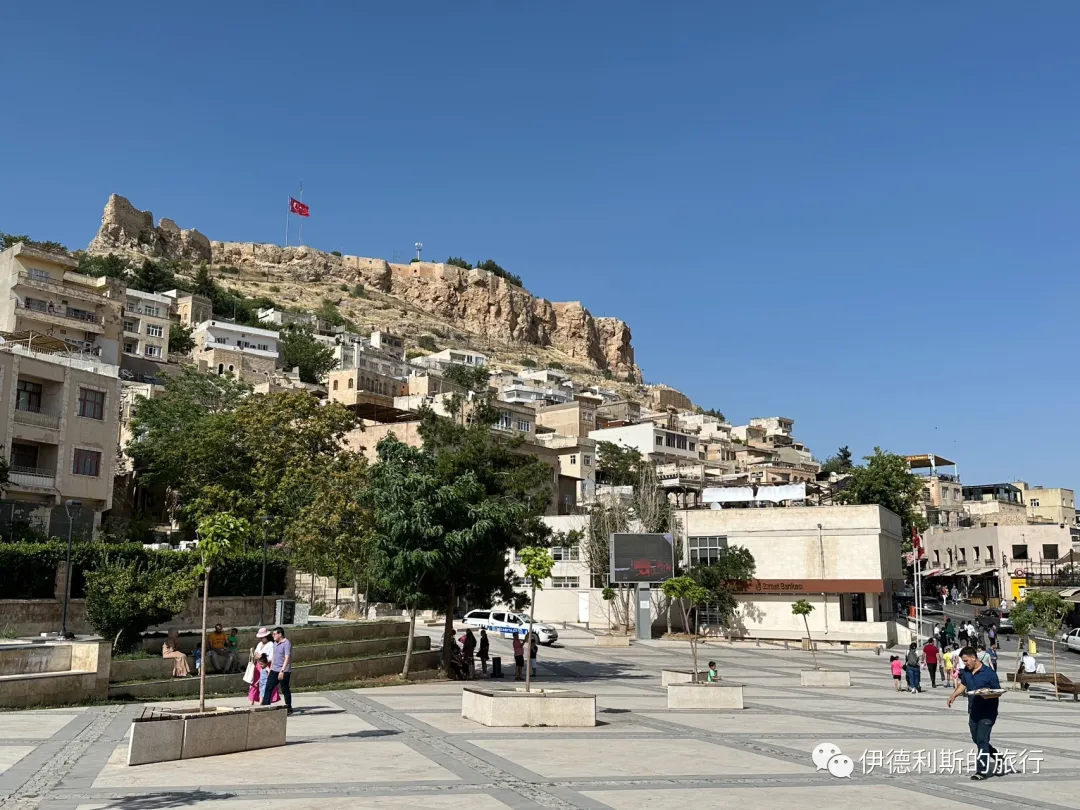
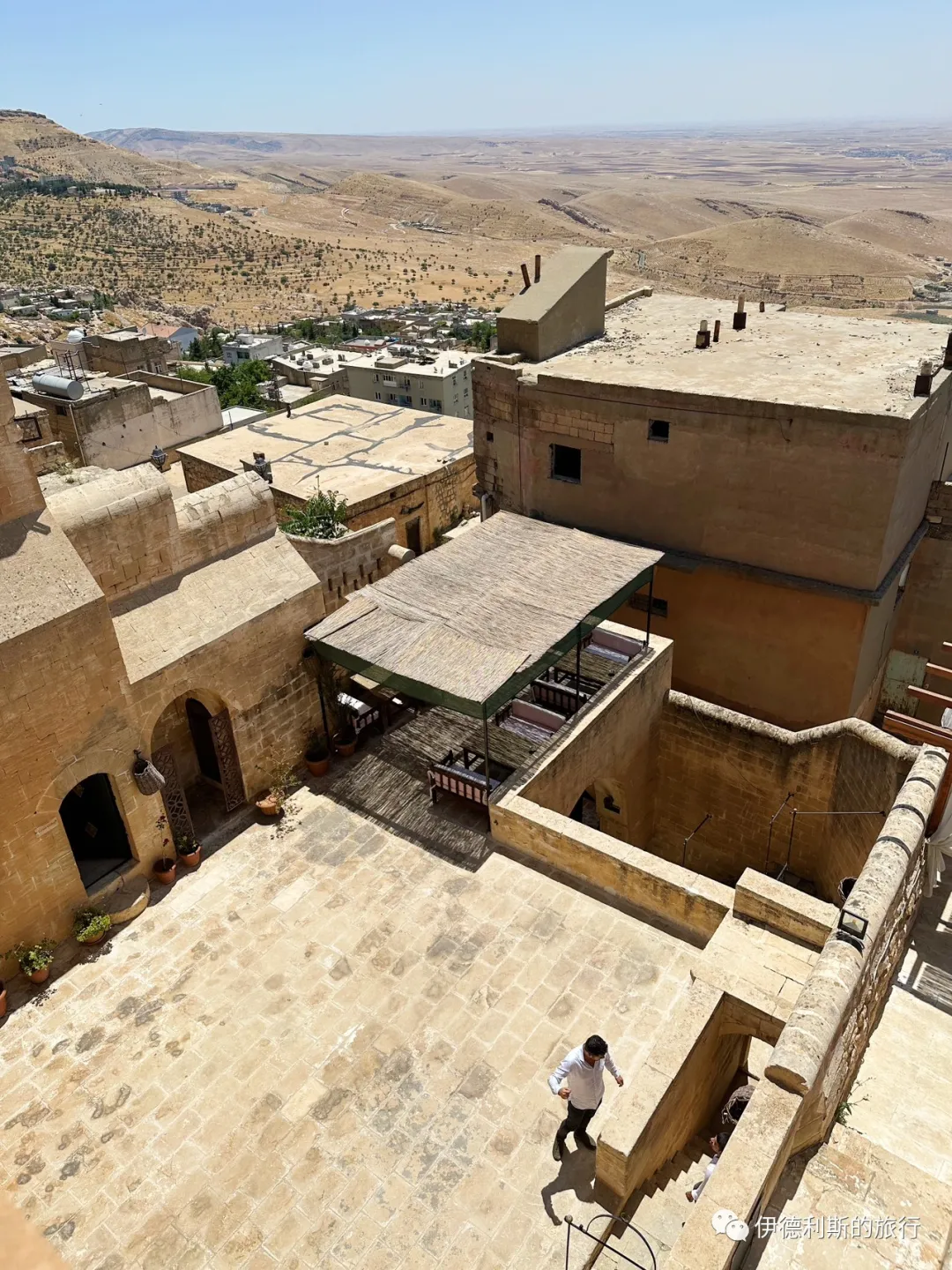
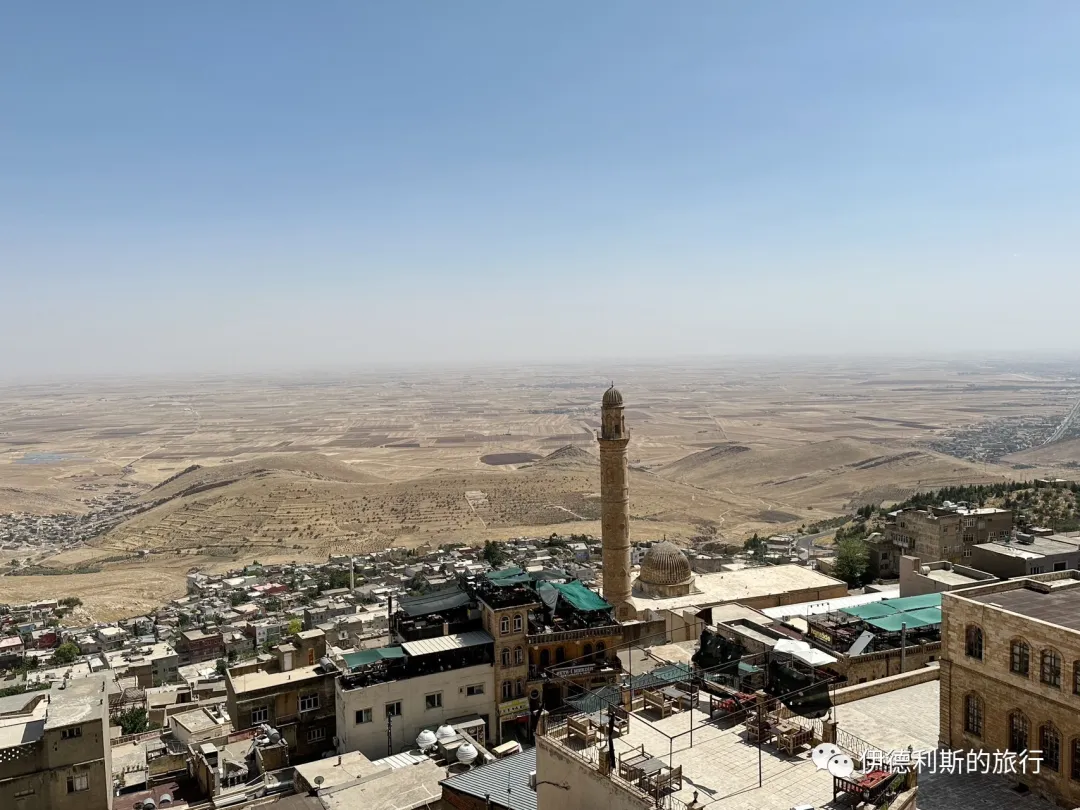
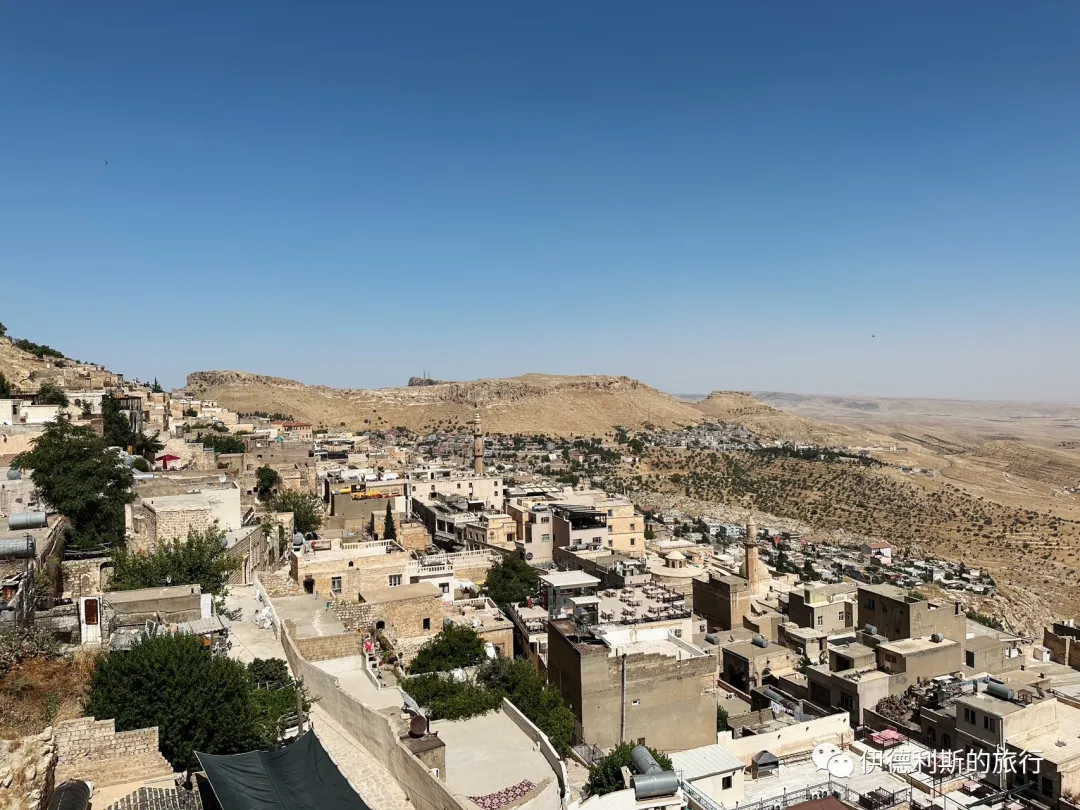
Mardin is in southeastern Turkey near the borders of Syria and Iraq. The old city sits on the southern slope of a mountain ridge. At the very top of the cliff stands a thousand-year-old castle, and below it, the city is built into the rock like a staircase. Because of this, you can look out over the Mesopotamian plains from any terrace in the old city, and the view is spectacular.
Mardin is famous for its architecture from the Artuqid dynasty (Artuqids) dating back to the 12th to 14th centuries. The Artuqid dynasty was an Oghuz Turkic tribal dynasty named after Artuk Beg, a commander of the Seljuk Empire. Artuk Beg's descendants began ruling Mardin in 1101. After the 13th century, they became vassals to the Ilkhanate and the Timurid Empire until the Black Sheep Turkmen (Qara Qoyunlu) destroyed them in 1409.
Castle
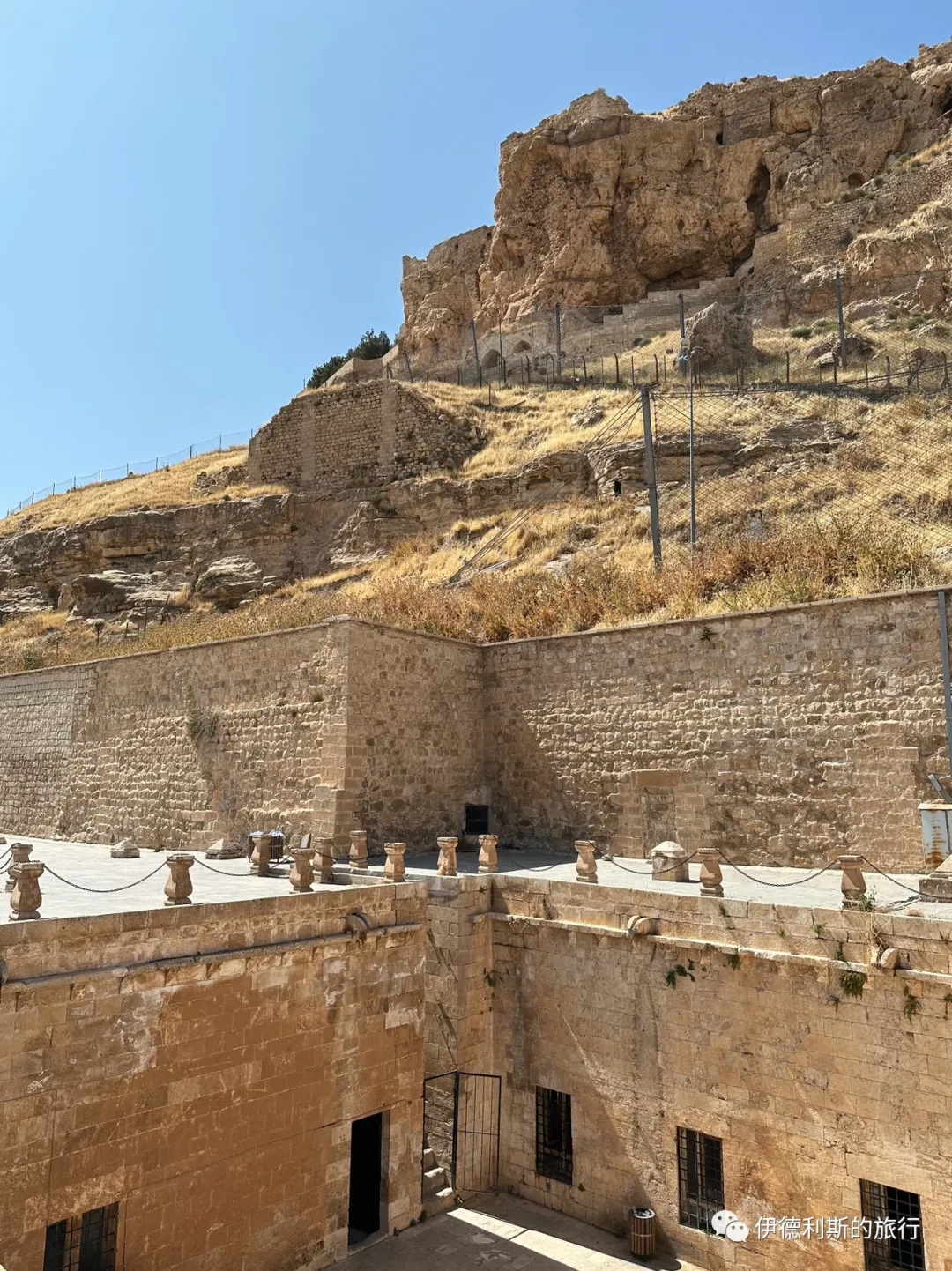
Mardin Castle is thought to be 3,000 years old, dating back to the Babylonian period. The current structure was built in stages from the Hamdanid dynasty (al-Hamdaniyyun) in the 10th century to the Artuqid dynasty in the 11th to 13th centuries. The Hamdanid dynasty was an Arab tribal dynasty in Mesopotamia. Ottoman Sultan Selim III (who reigned from 1789 to 1807) repaired it, but it fell into disrepair by the early 20th century.
Today, a military radar station occupies the site. The city of Mardin has asked the military to leave and open it for tourism many times. In 2015, former Mardin mayor Ahmet Turk helped start a campaign called 'Mardin Castle belongs to the people of Mardin' to demand the castle be opened to visitors, but it has not succeeded yet.
Mosques
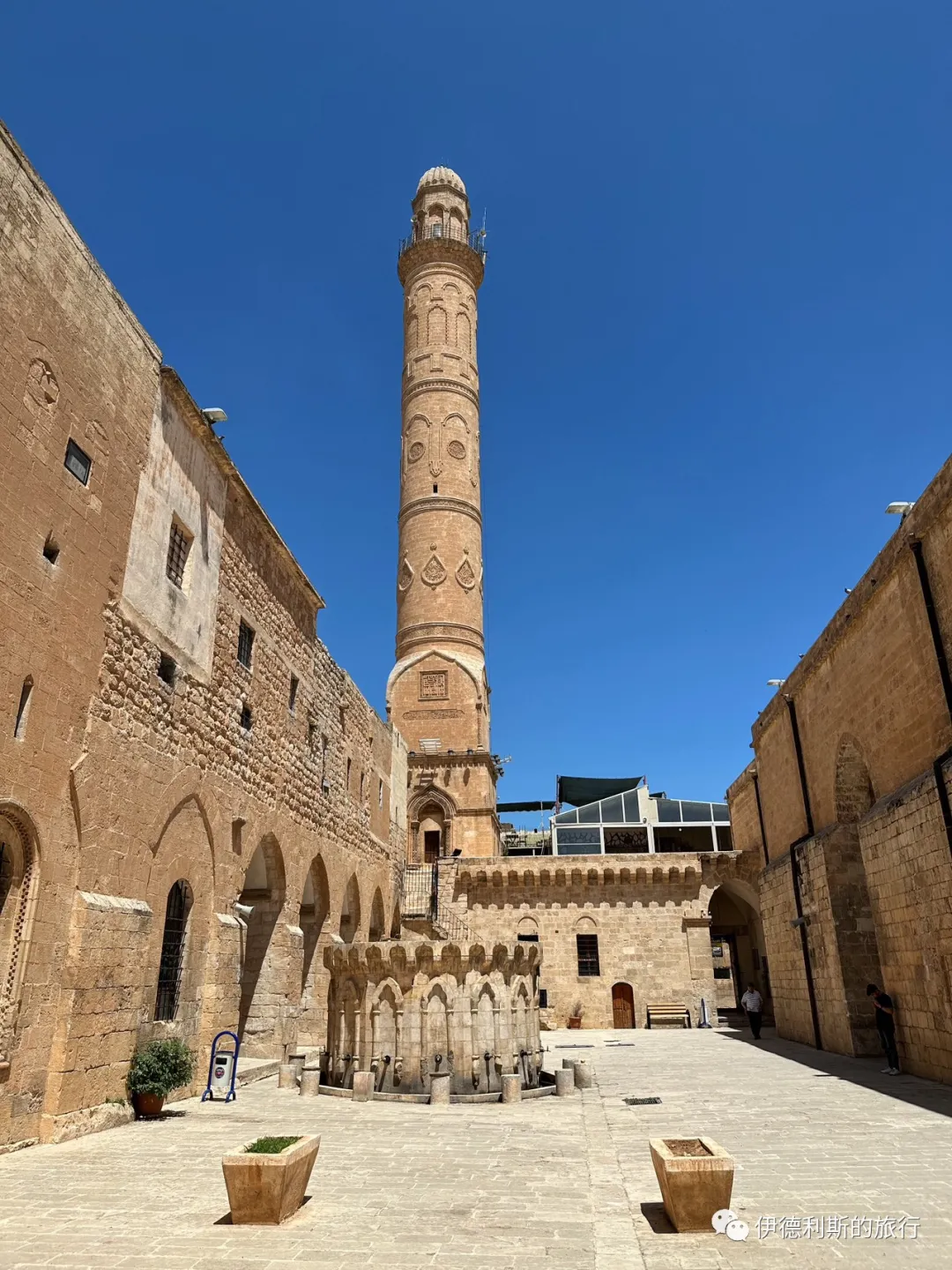
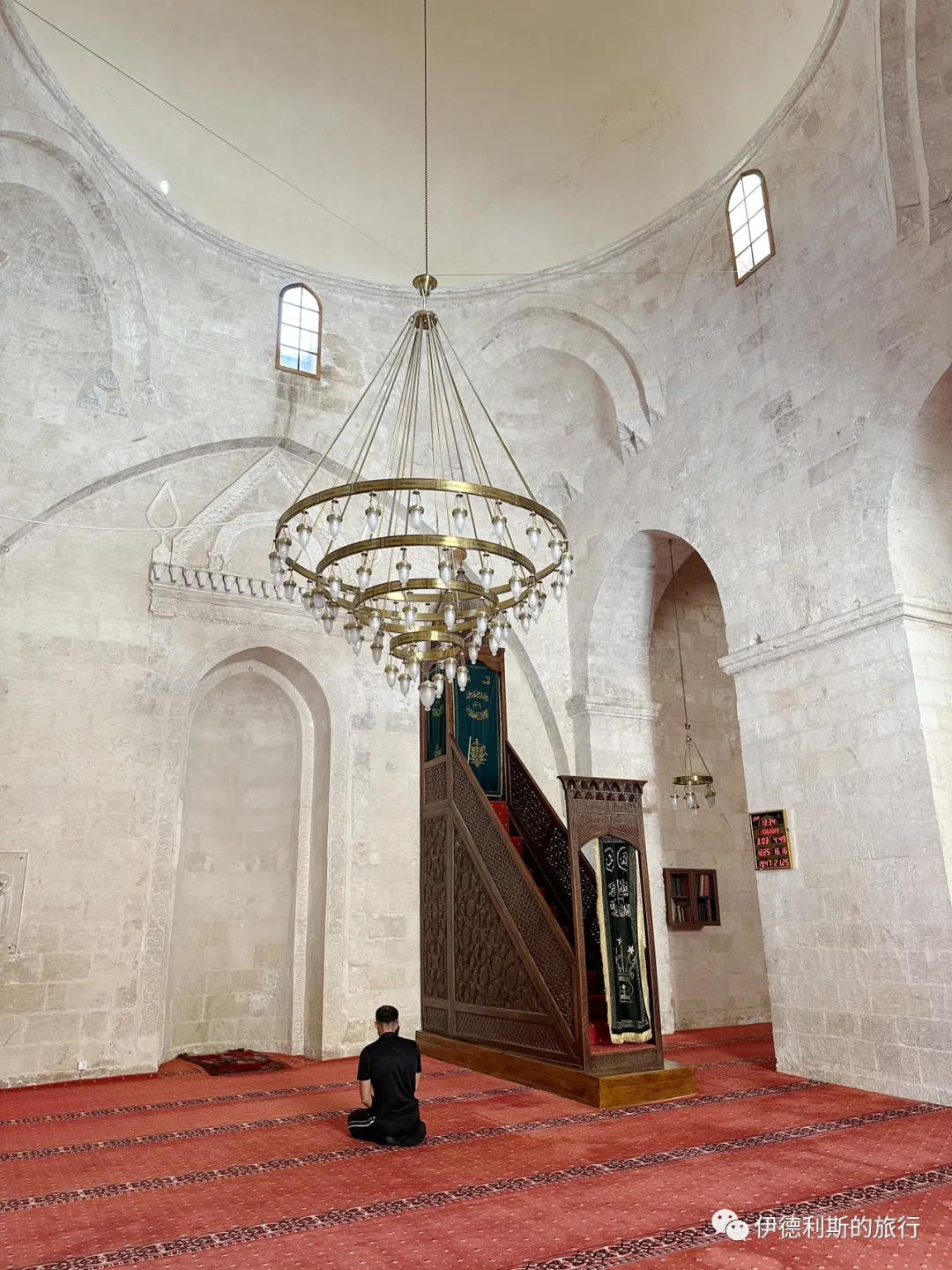
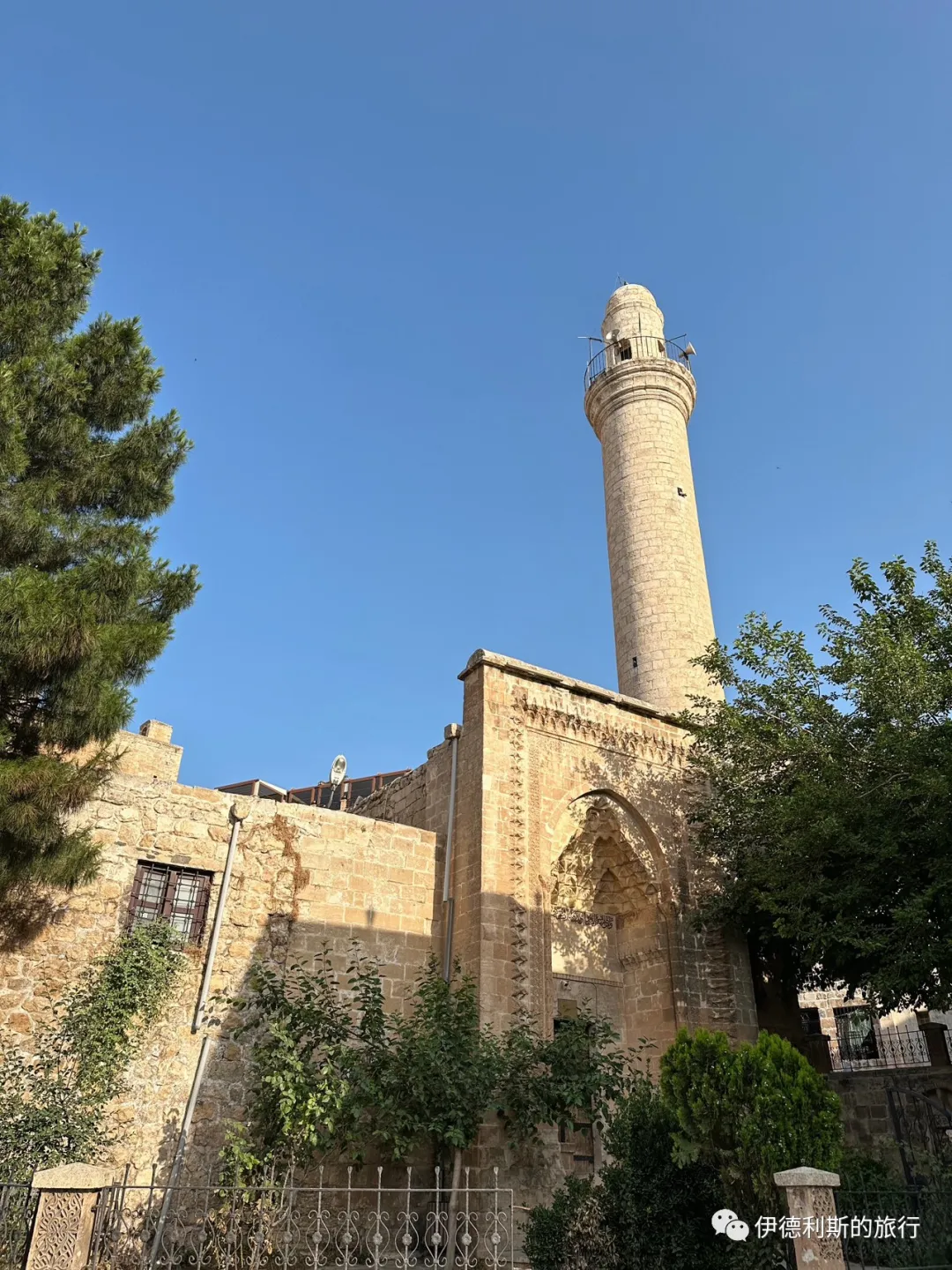
The Great Mosque of Mardin (Mardin Ulu Camii) dates back to the 10th century. It is one of the earliest mosques in the Anatolia region and set the foundation for later Mardin architectural styles. The mosque contains 16 stone inscriptions from the Seljuk, Artuqid, Black Sheep Turkmen, and Ottoman periods, spanning nearly a thousand years.
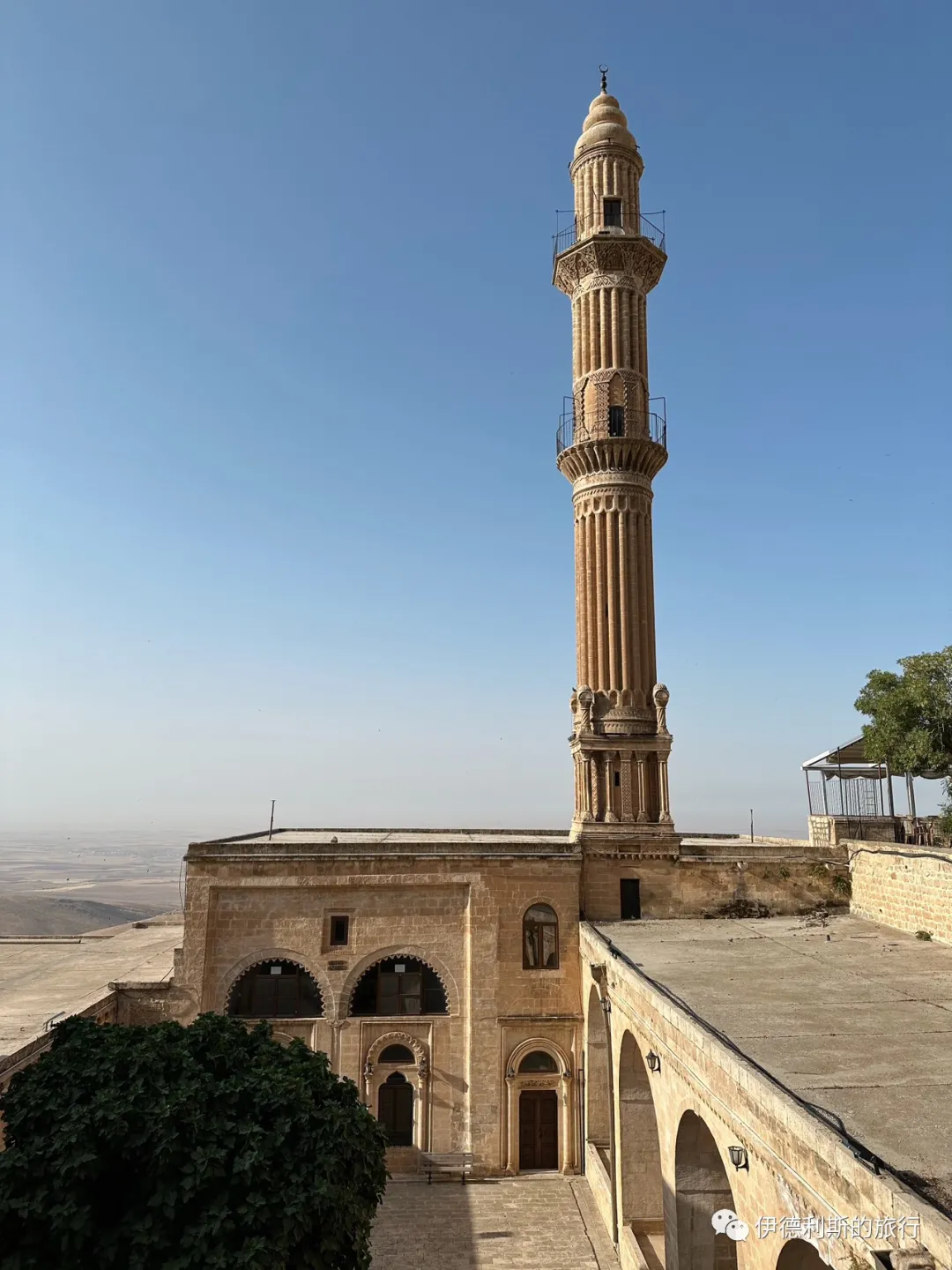
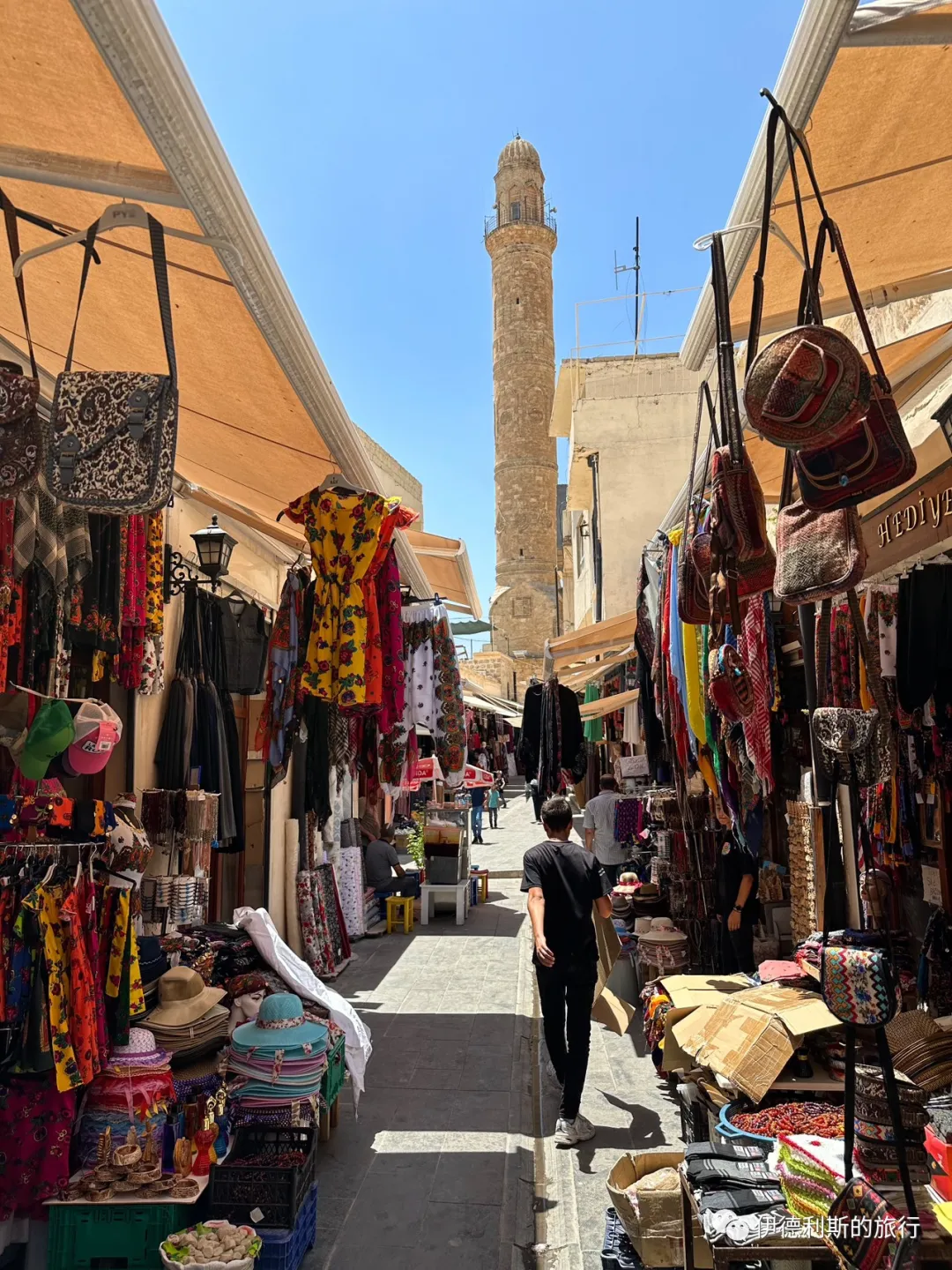
The mosque once had two minarets, but only the eastern one remains. An inscription at the base shows it was built in 1176, making it a classic example of Artuqid architecture.
The Great Mosque has been renovated many times. Most of what you see today is from an Ottoman-era renovation in 1889, but it still keeps its early architectural style.
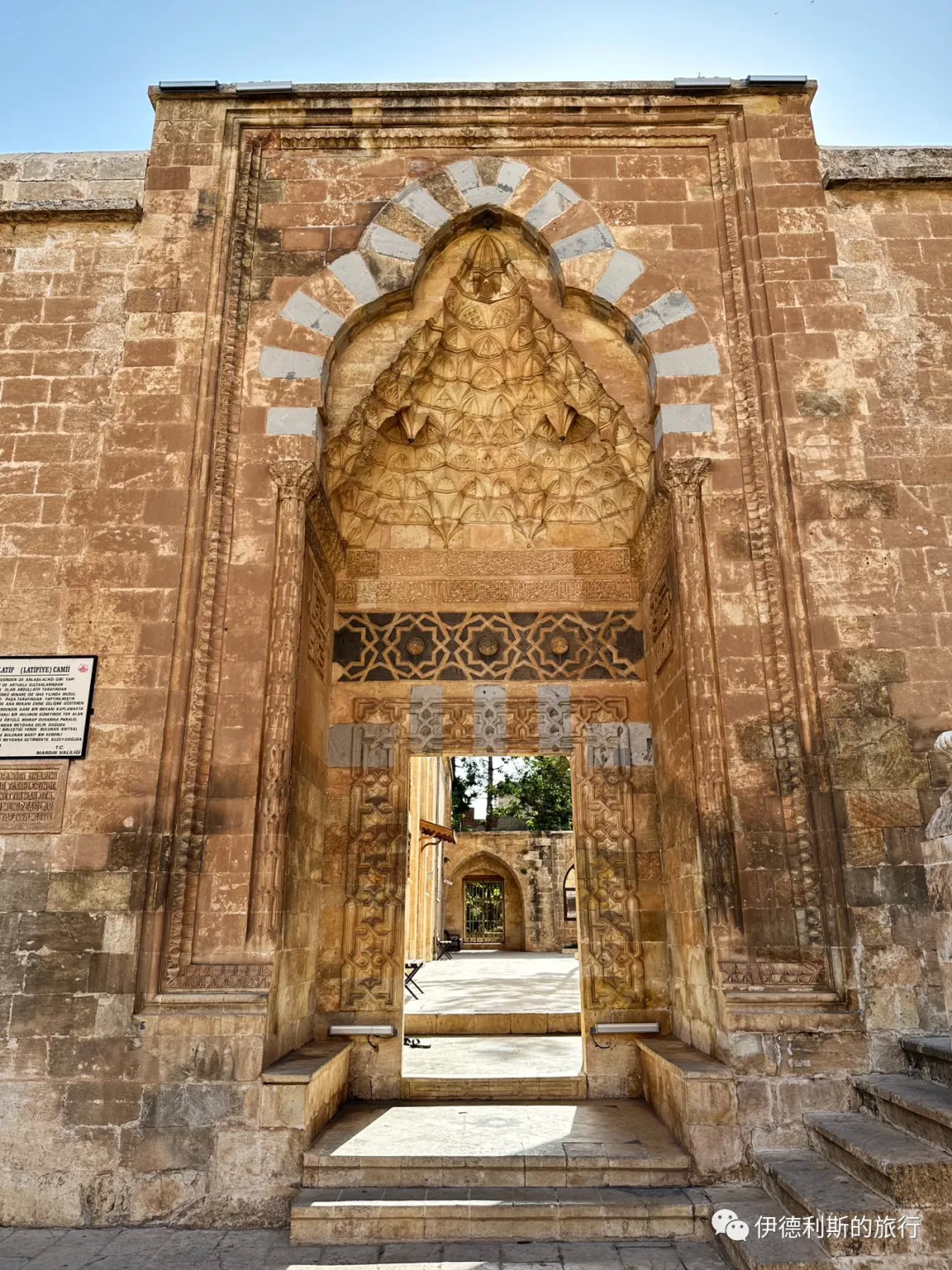
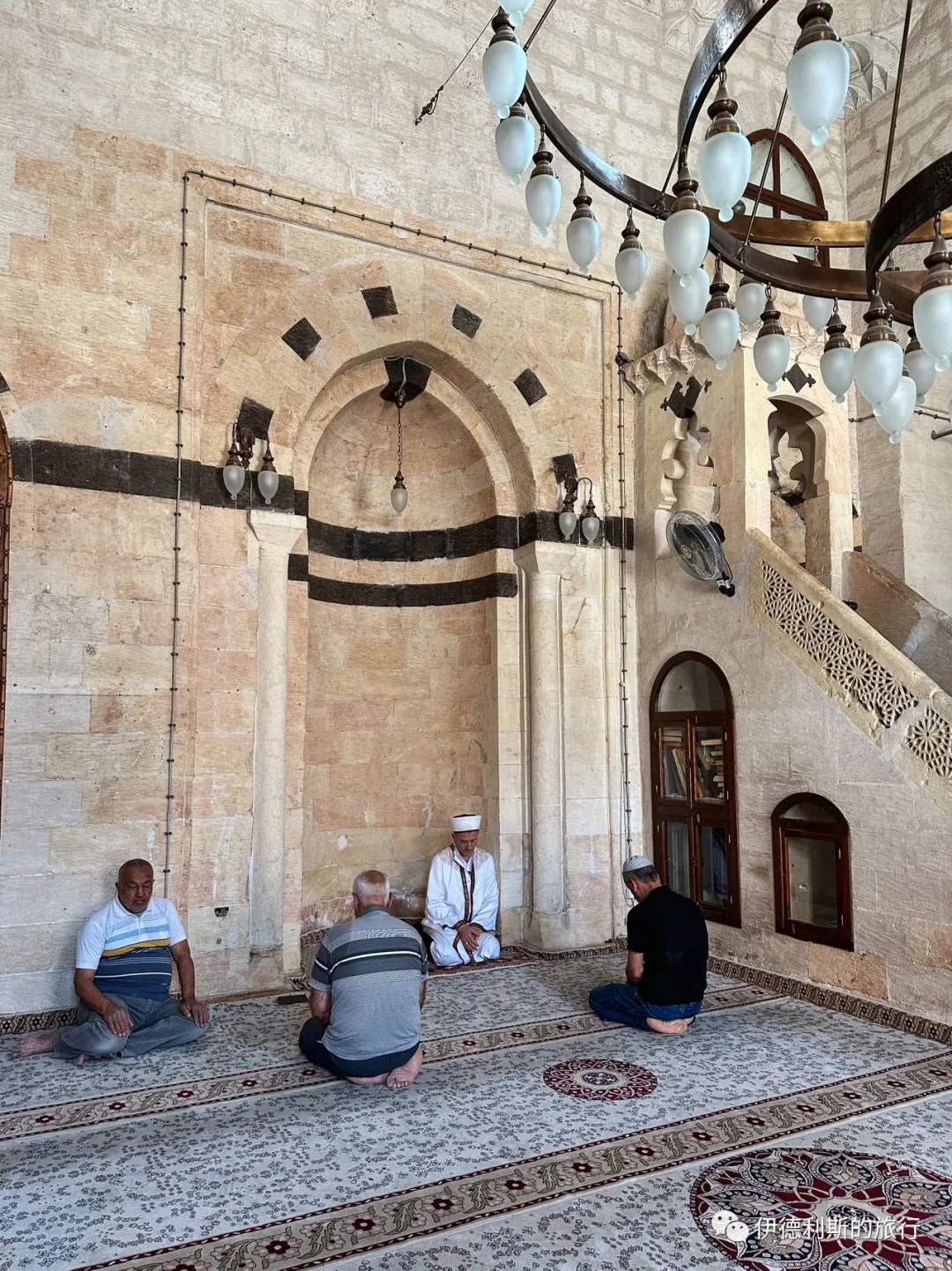
Abdullatif Mosque, also called Latifiye Mosque, was started in 1371 by the Artuqid minister Abdullatif. The minaret was built in 1845 by the Ottoman governor of Mosul, Mehmed Pasha.
The mosque's main gate still looks as it did when it was built in 1371 and is known as the final masterpiece of the Artuqid dynasty. Below the beautiful honeycomb-like vault (muqarnas), the gate is decorated with Kufic and Thuluth calligraphy and various geometric patterns.
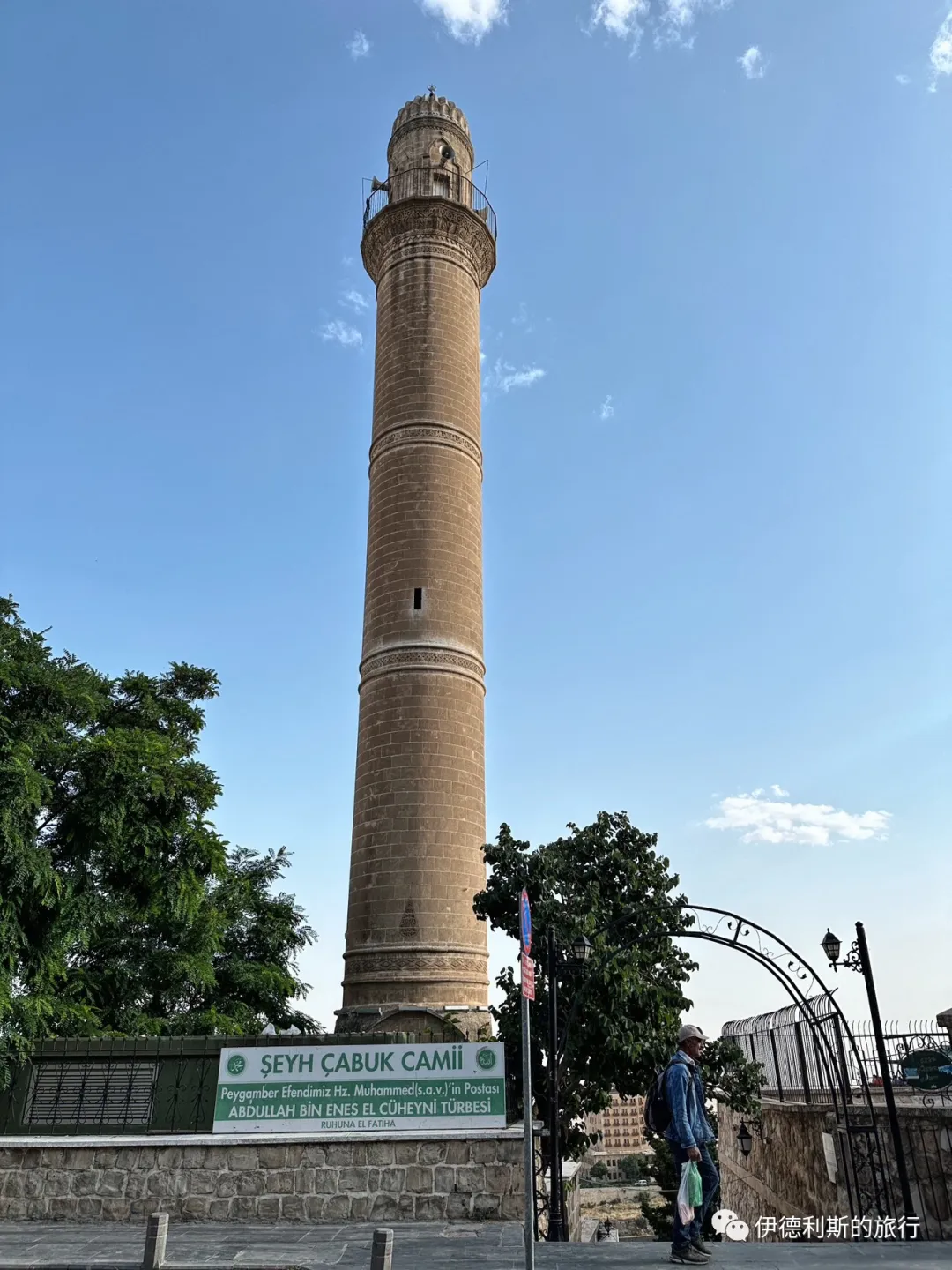
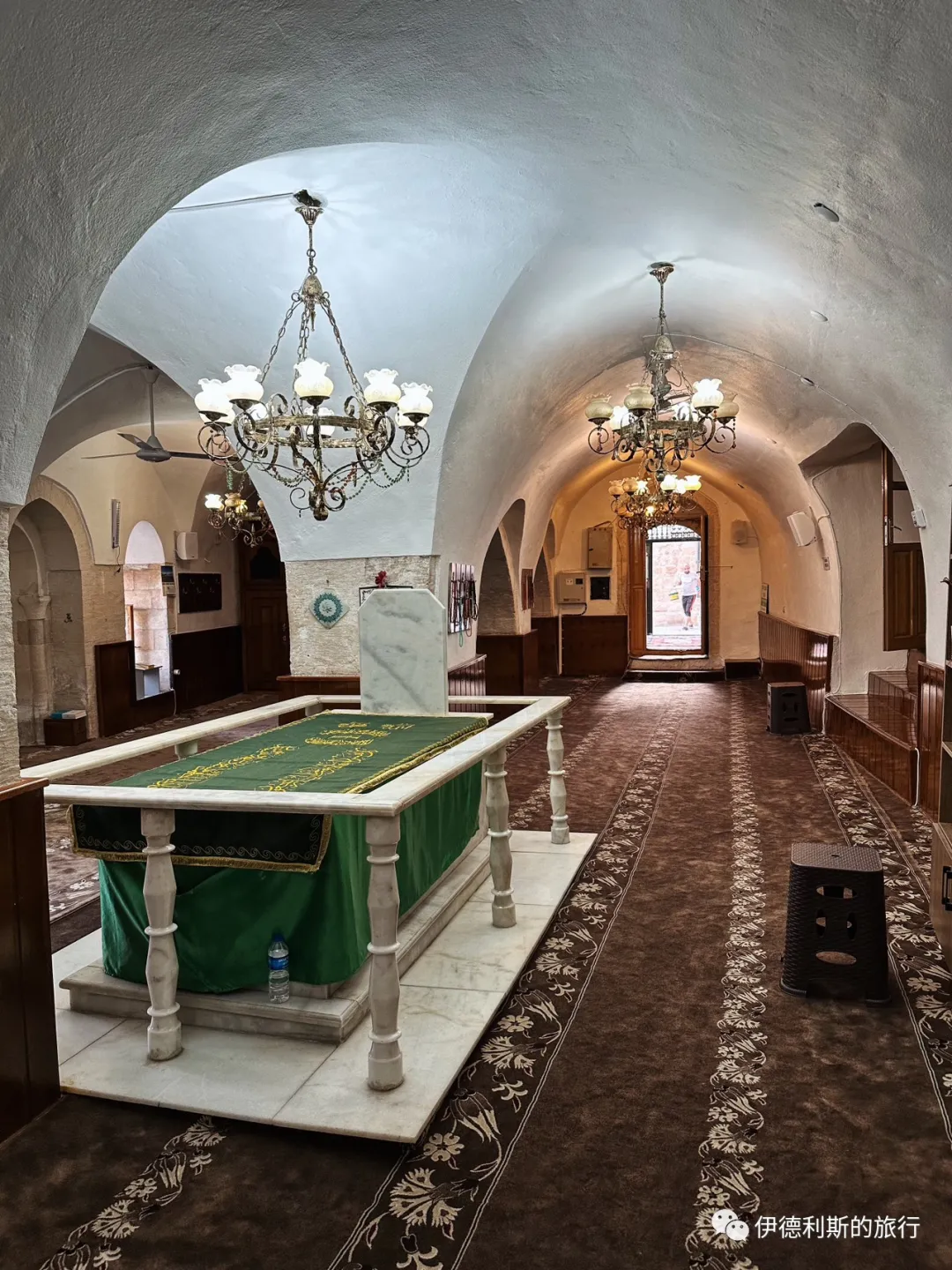
Seyh Cabuk Mosque is thought to have been built in the 15th century during the Black Sheep Turkmen period and was renovated in the 19th century. Legend says that a companion of the Prophet, Abdullah bin Anas al-Juhayni, was sent by the Prophet to deliver a letter to Constantinople. He passed away in Mardin on his way back and was buried here, and the mosque was built because of his tomb.
Sehidiye Mosque was ordered to be built in 1214 by the Artuqid Sultan Melik Nasreddin Aslan. The current minaret was rebuilt in 1914 by the Armenian architect Serkis Lole in an eclectic style, which is very characteristic of that era.
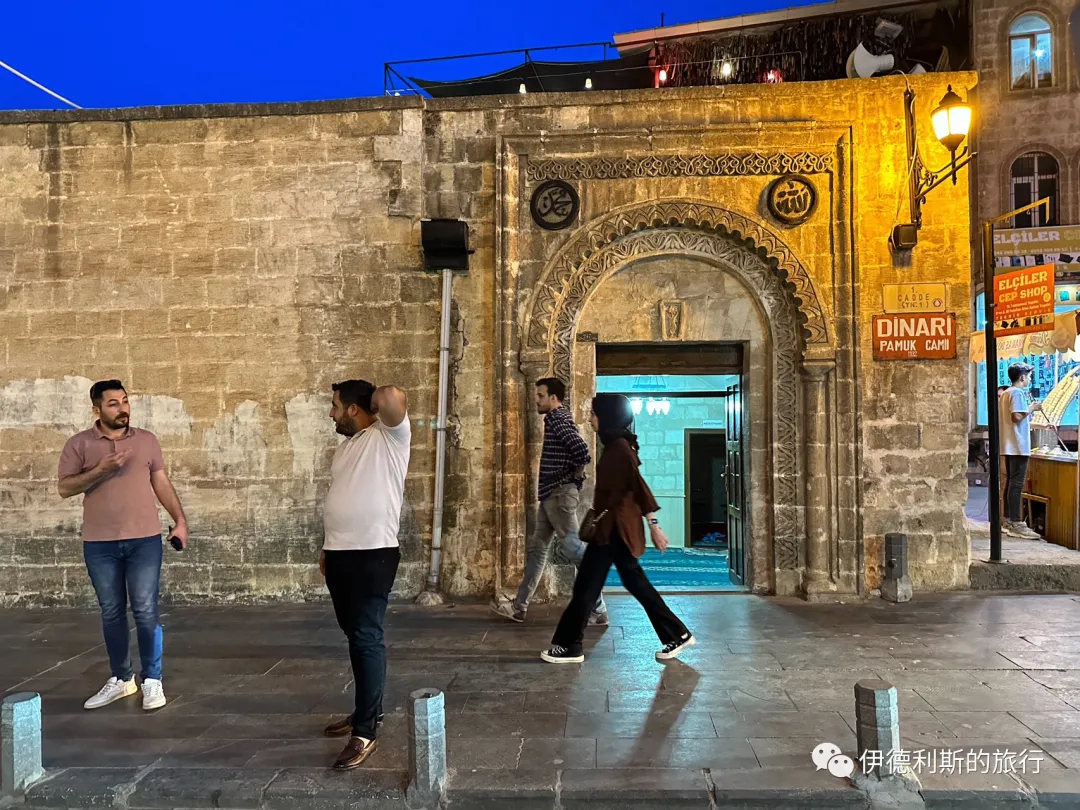
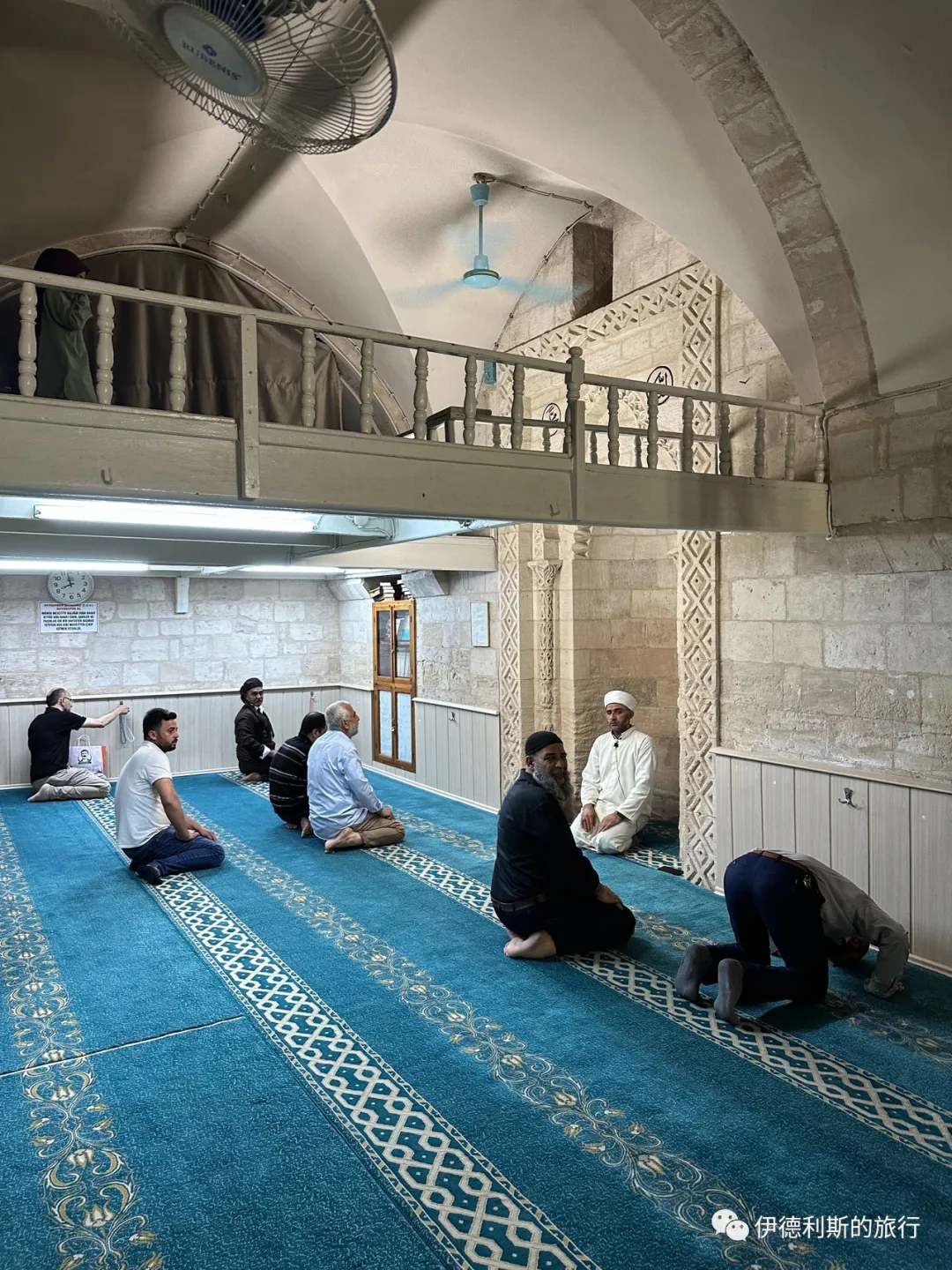
While eating grilled meat (kebab) at night, I heard the call to prayer (adhan). The owner of the barbecue shop and I both left at the same time to go to the nearby Dinari Pamuk Mosque for the evening prayer (maghrib). It is a small mosque, but it is very crowded because it is on the main road of the old city.
People say Dinari Pamuk Mosque was built in the 11th century by Sheikh Mehmet Dinari on the site of a Byzantine church. The current building was constructed in 1332 during the Artuqid dynasty.
Melik Mahmut Mosque, built in 1362.
Madrasa
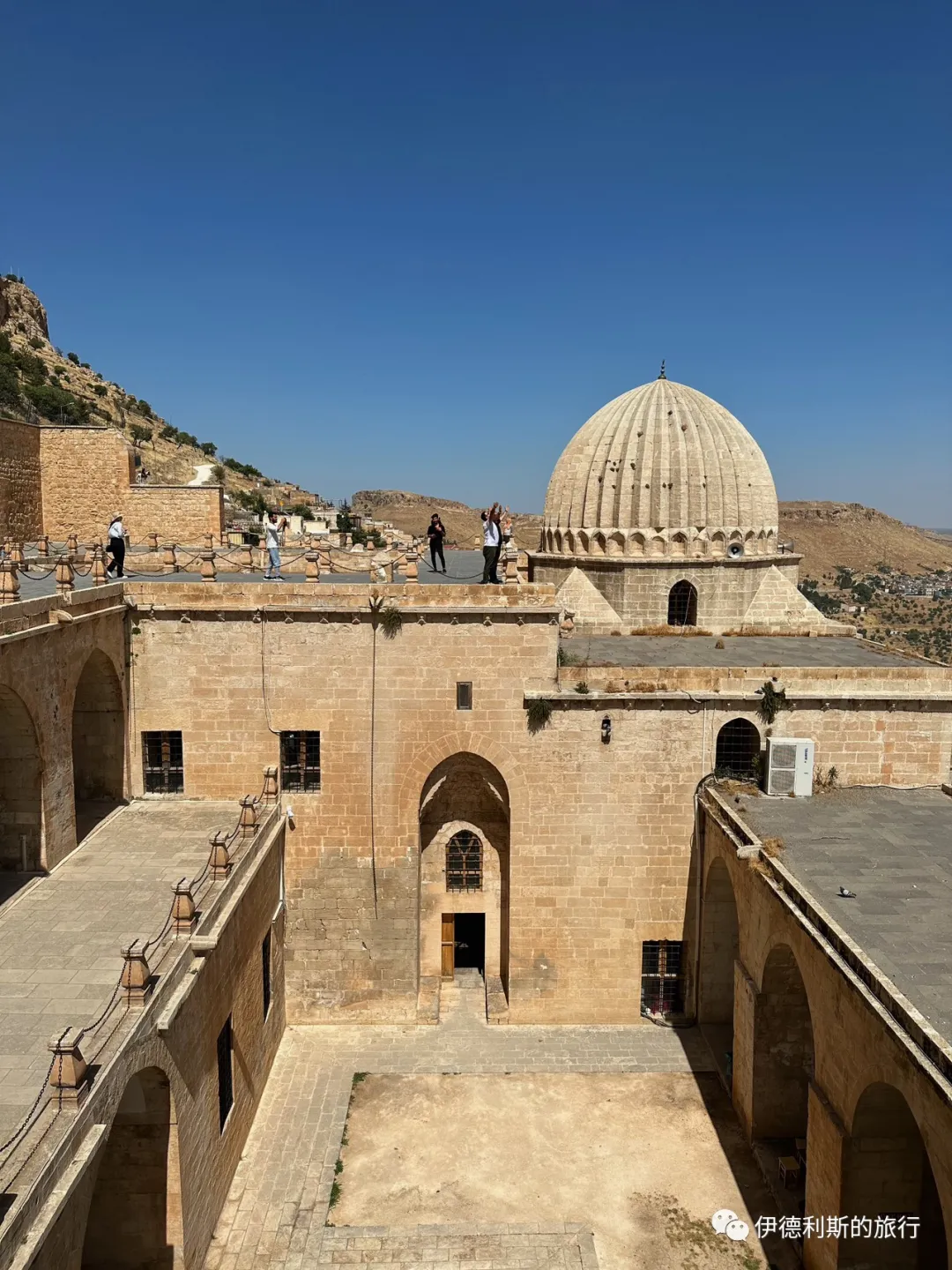
Zinciriye Madrasa was built in 1385 and is another historic building from the Artuqid dynasty in the old city of Mardin. Zinciriye Madrasa is actually a complex (külliye) consisting of a madrasa, a mosque, a tomb, and two courtyards. The mosque and the tomb each have a fluted dome, matching the style of the Great Mosque of Mardin.
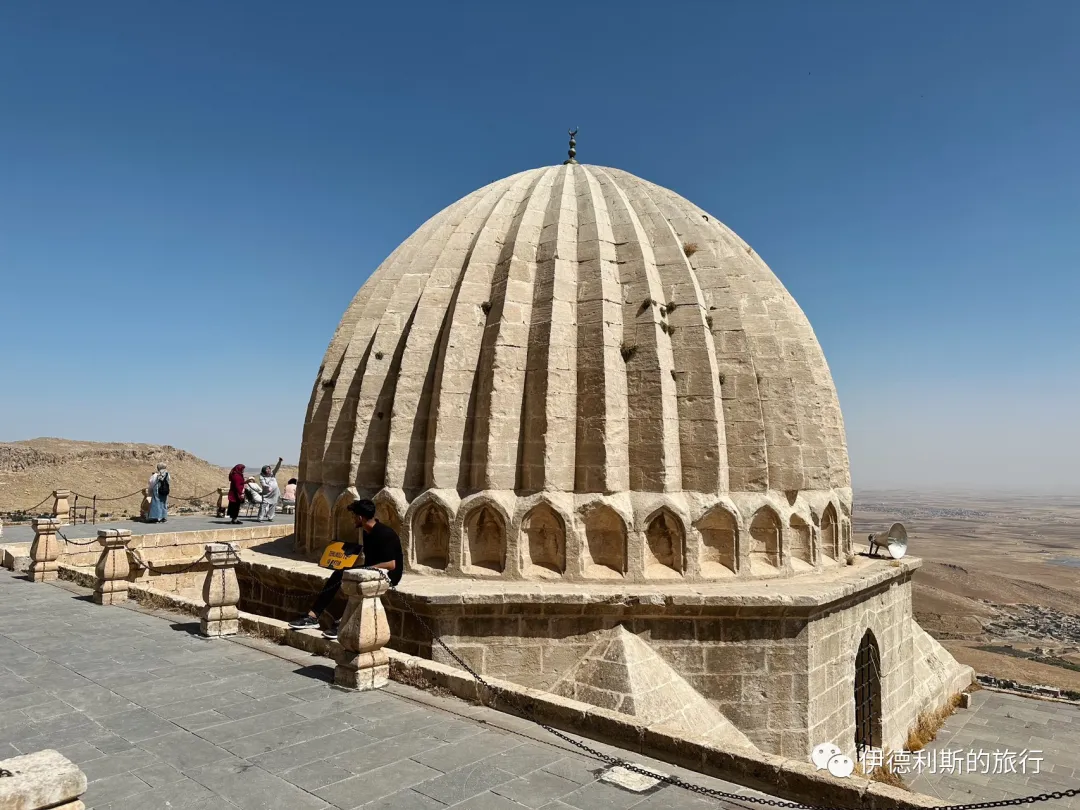
Kasımiye Madrasa, also called Kasim Pasha Madrasa, sits on a hillside in the western suburbs of Mardin's old city. Construction began under the second-to-last Artuqid sultan, Al-Zahir Majd al-Din 'Isā (reigned 1376–1407), but stopped due to the invasion of Timur. It was finally completed in the late 15th century by the Black Sheep dynasty sultan, Kasim ibn Cihangir (reigned 1487-1507).
Kasımiye Madrasa was the most powerful school in Mardin's history. It taught not only religious studies but also medicine, astronomy, mathematics, and other sciences. The madrasa stayed open until 1924, when all madrasas in Turkey were closed. Today, it is a famous tourist spot in Mardin. It is very popular with visitors and many young couples taking wedding photos, which look amazing.
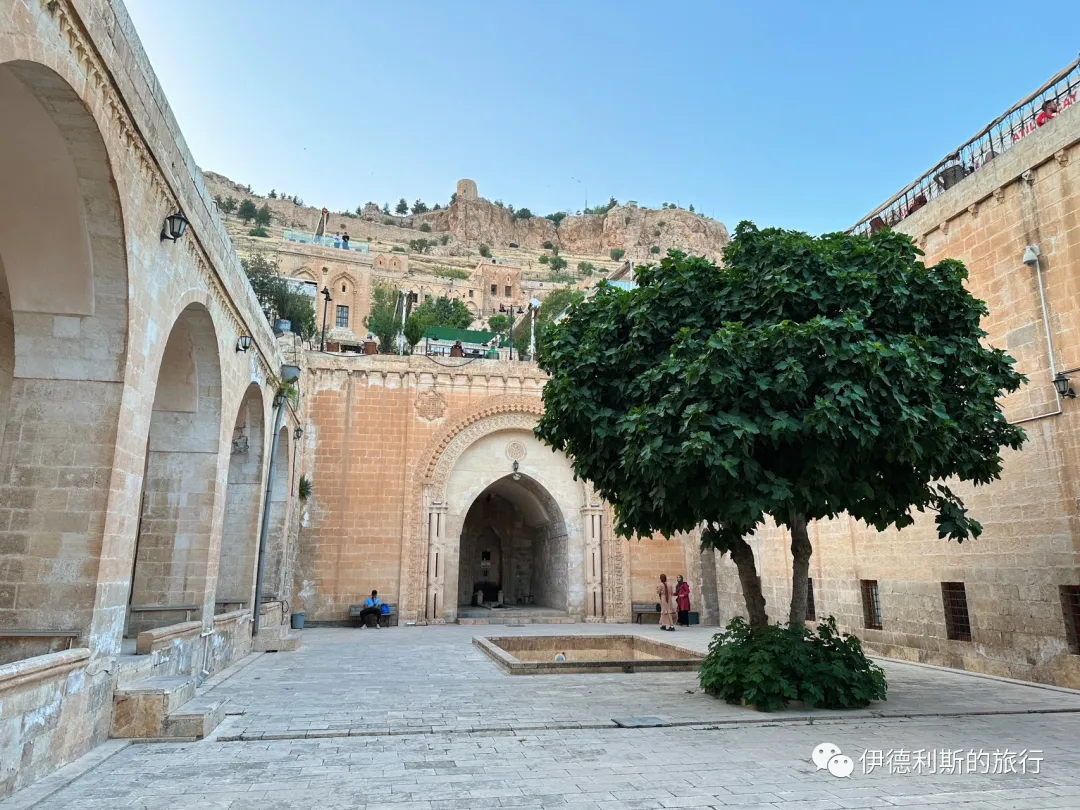
The madrasa has a rectangular structure with a dome on each side—one for the mosque and one for the tomb. In the middle is a courtyard surrounded by two floors of classrooms. The center features a classic Mardin fountain called the Fountain of Life, which symbolizes the journey from birth to childhood, youth, old age, and finally the Day of Judgment. The classroom doors are only one meter high. This design forces students to bow respectfully to their teachers as they enter.
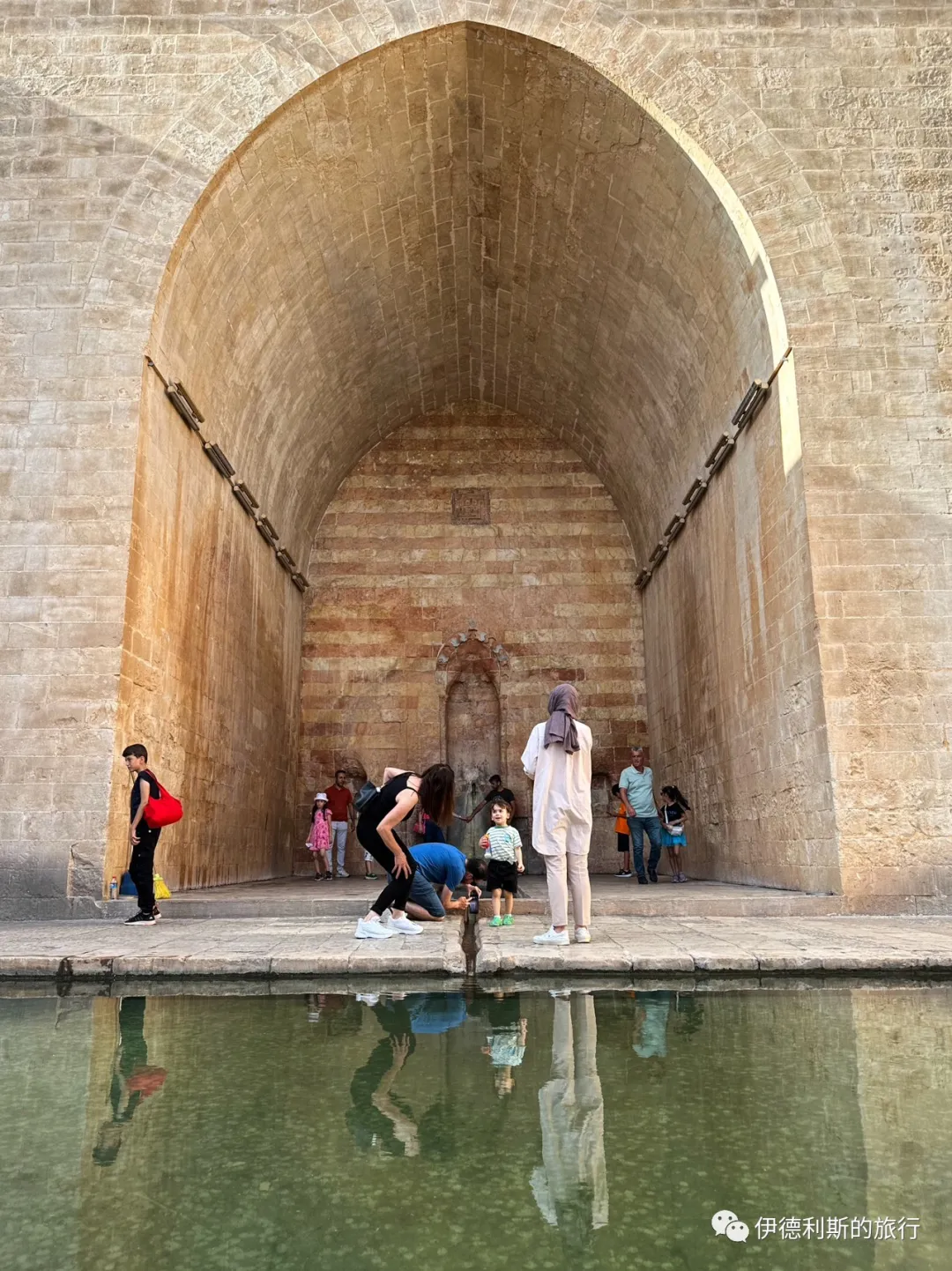
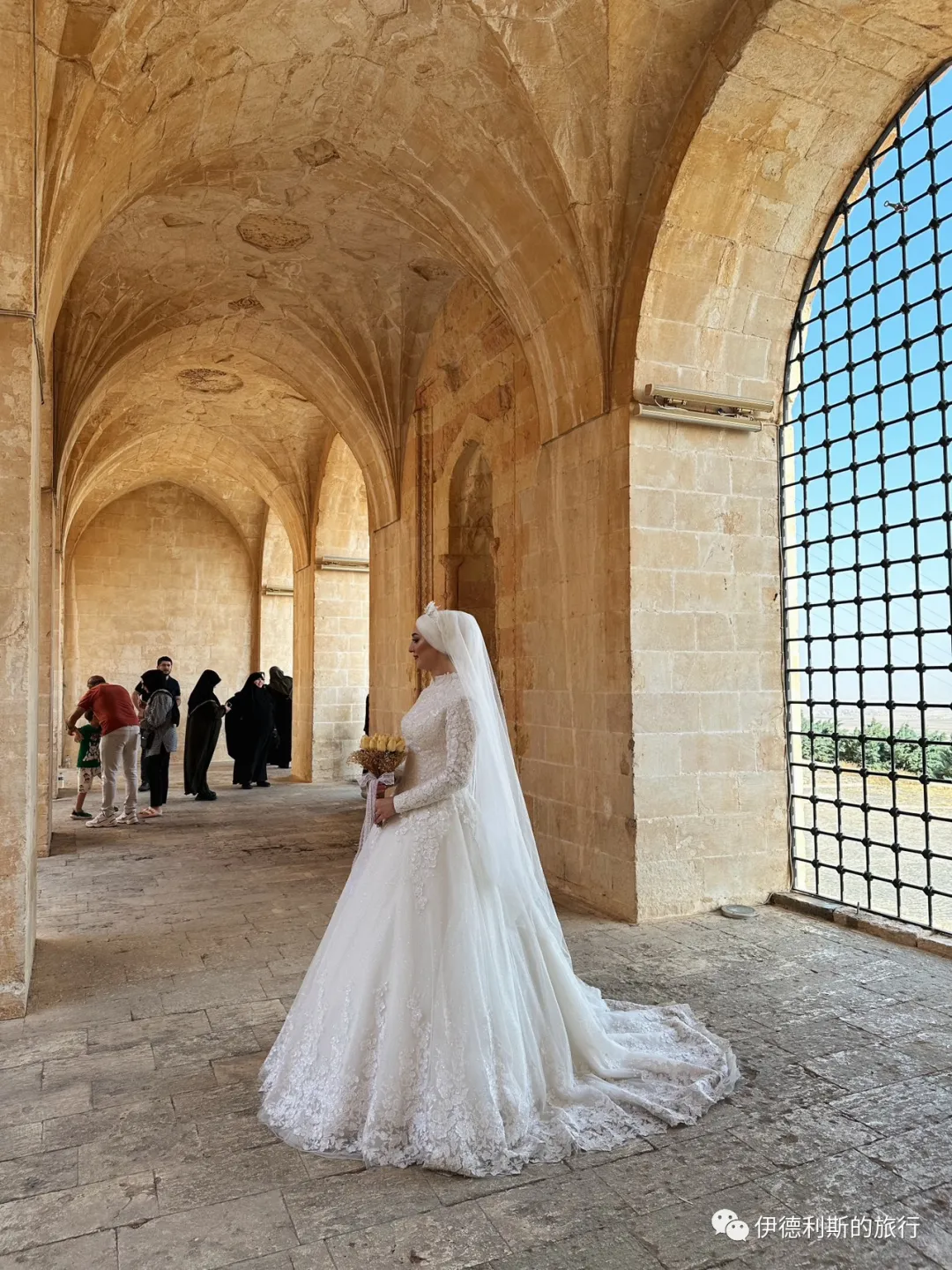
Hatuniye Madrasa was built between 1176 and 1184 and houses a footprint of the Prophet Muhammad.
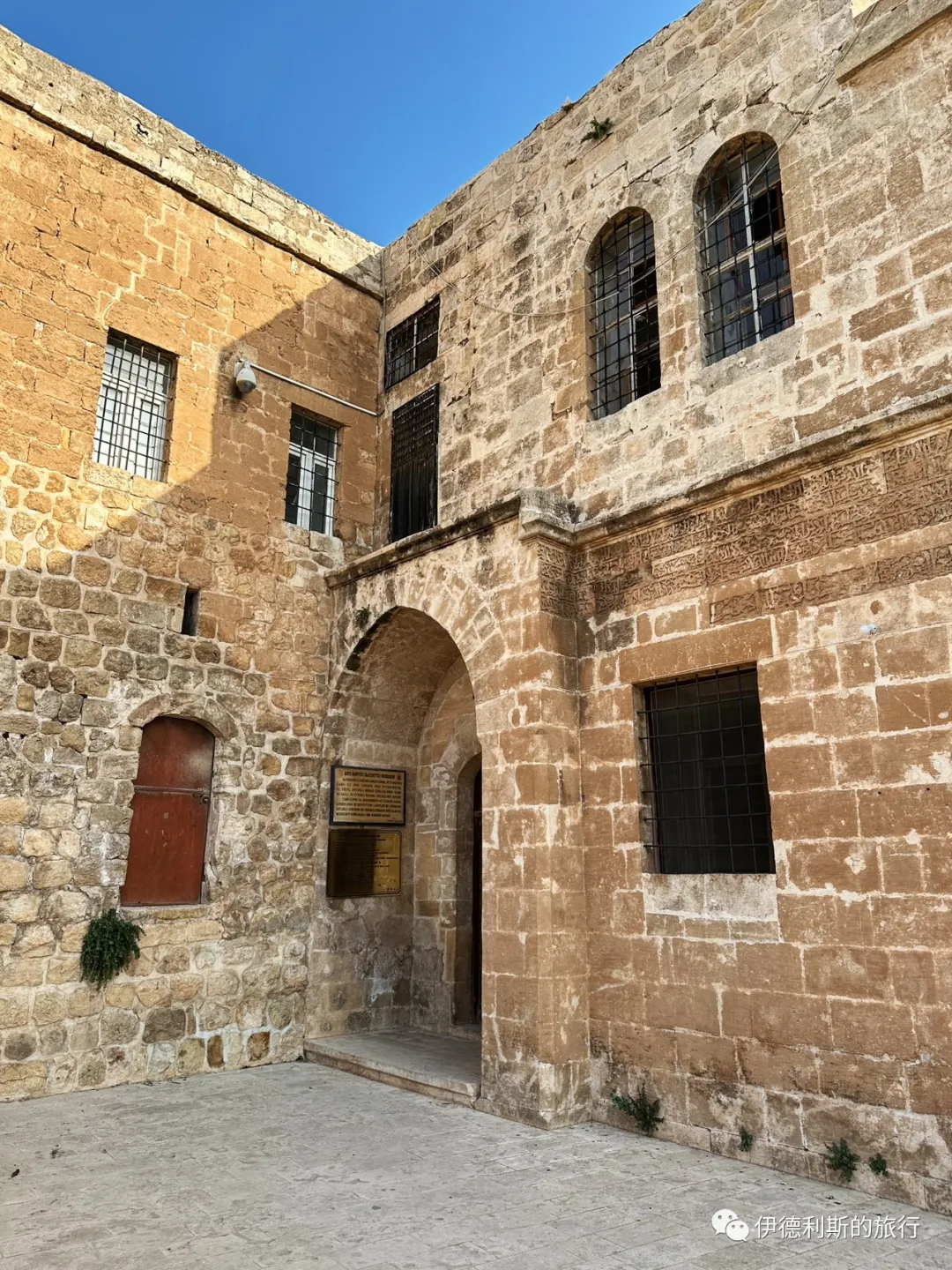
Savur Kapi Madrasa was built in the 13th or 14th century.
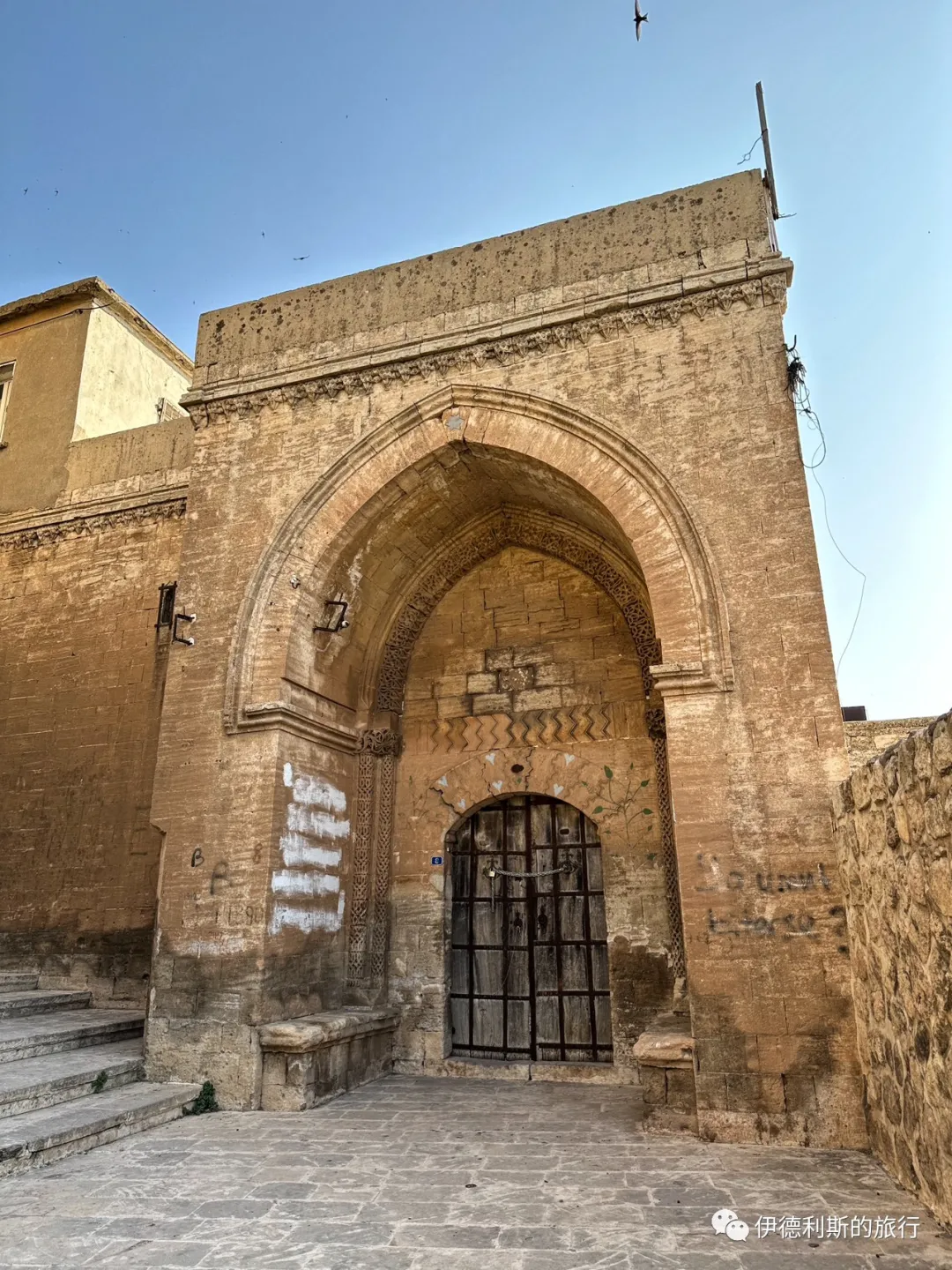
Bathhouse
Savurkapi Bathhouse, built in 1176.
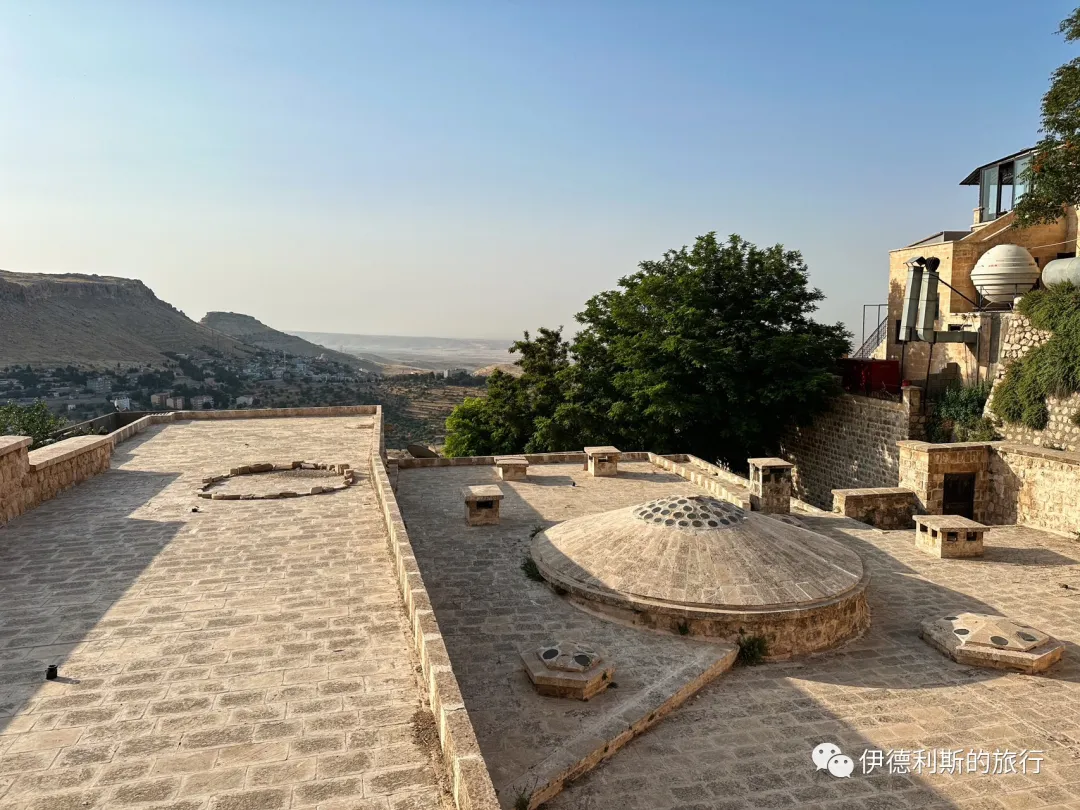
Accommodation
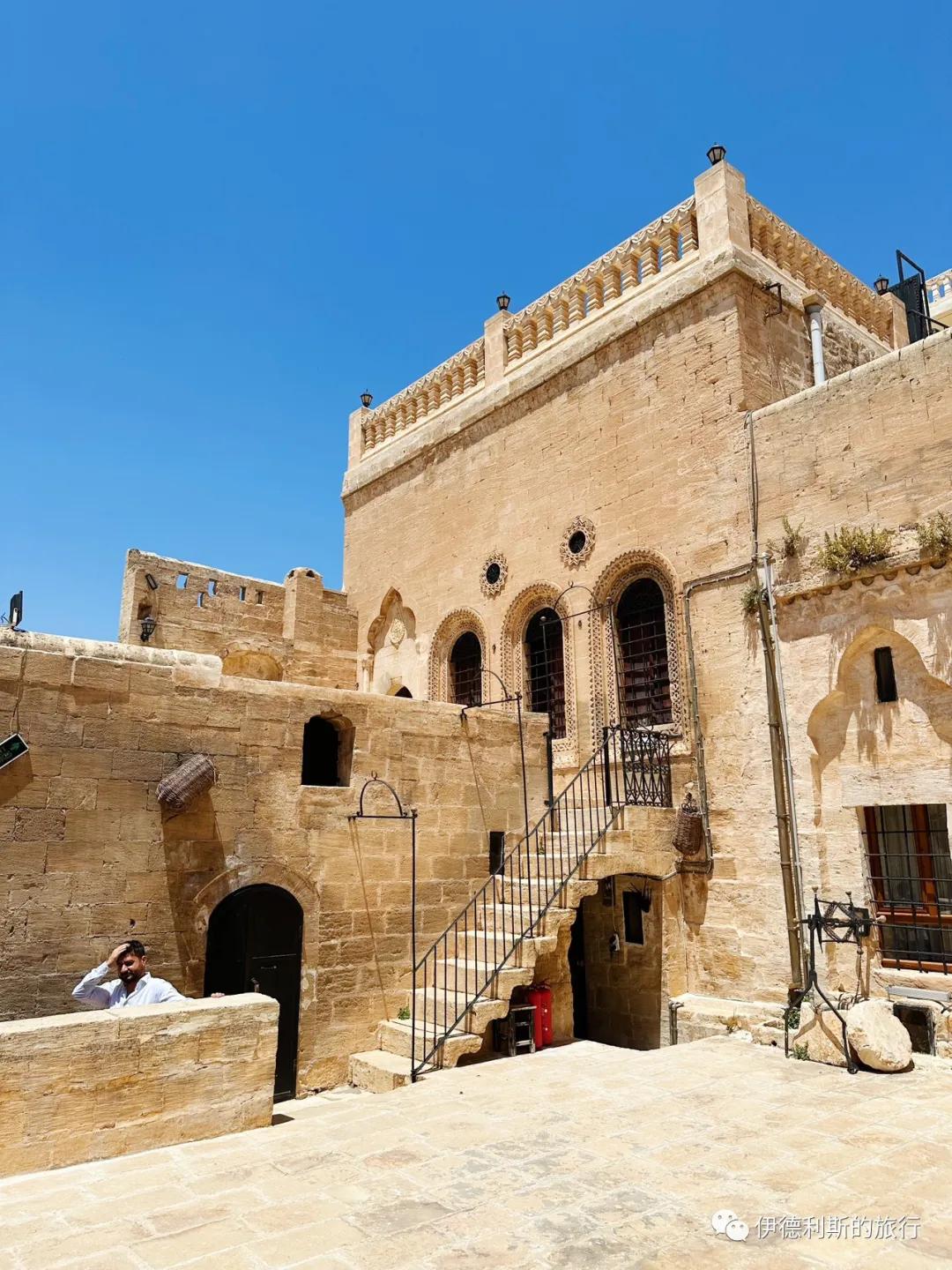
Our hotel, Maristan Tarihi Konak, is inside a 700-year-old building. It was originally built by Jews and is now run by Kurds. Five hundred years ago, many Armenians and Jews lived in the ancient city of Mardin. Today, it is mainly home to Kurds and Arabs, along with a significant number of Assyrian Christians, making the culture very diverse.
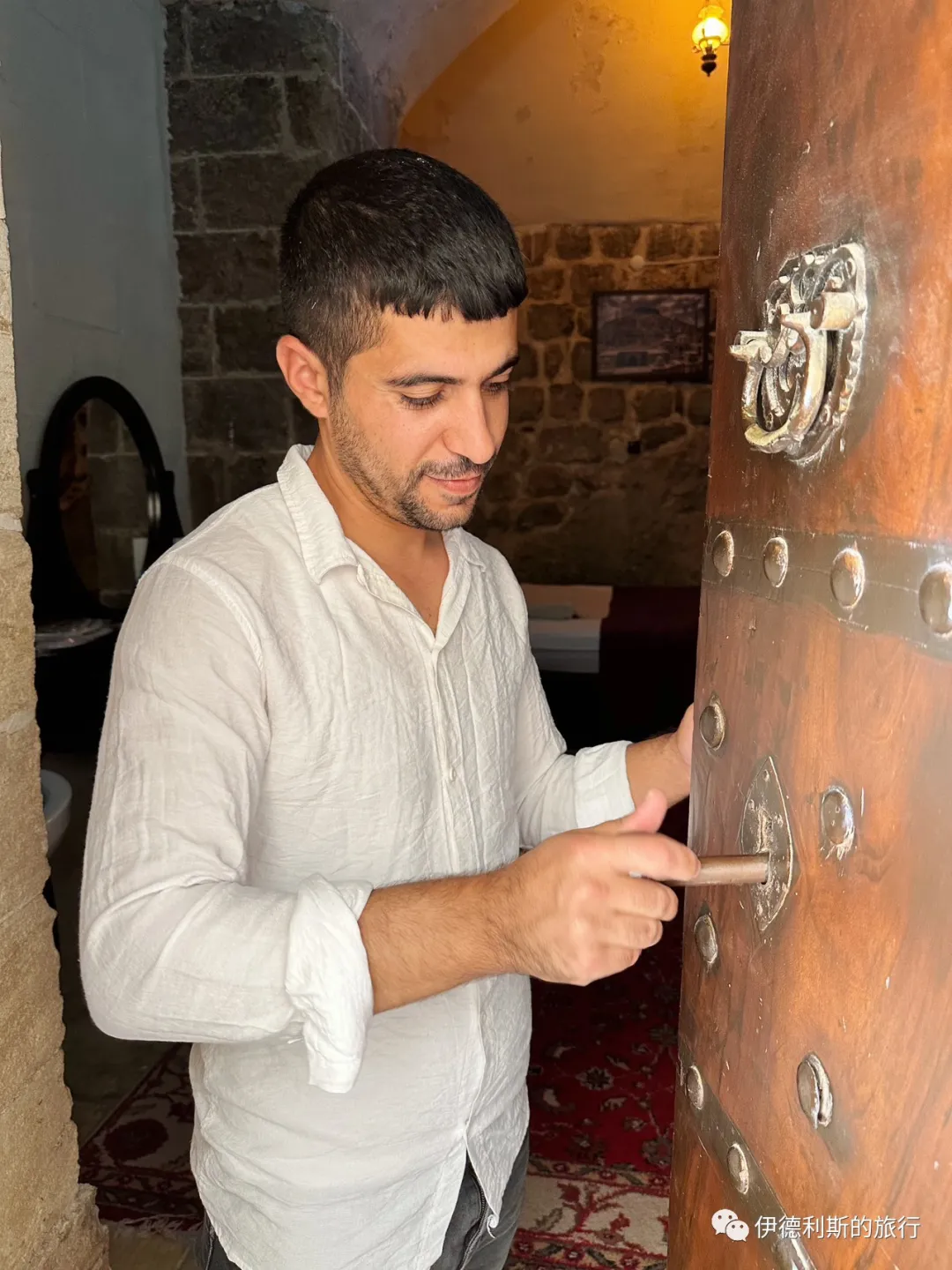
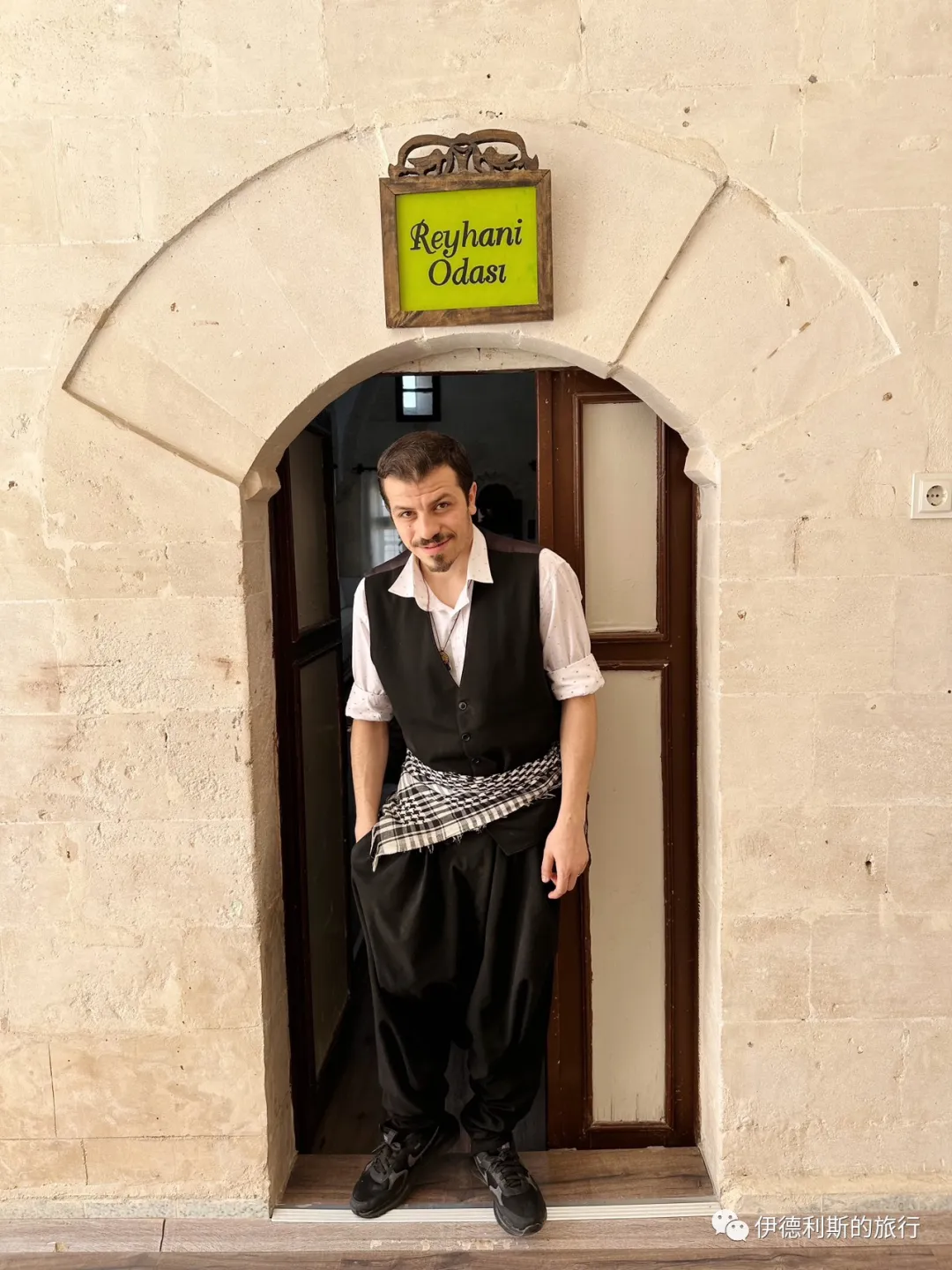
The taxi drove into the maze-like alleys of the old city, weaving left and right up very steep slopes, which made us feel quite nervous. The car finally stopped on a slope. Idris, a young Kurdish man from the hotel, greeted us warmly by the road. It is a coincidence that my name is also Idris, which is the name of a prophet.
Idris led us up the stone path until we finally reached the Maristan Tarihi Konak hotel. Before I left, I checked online and found that most hotels in Mardin's old city are stone houses. This one is not on the main road, so it offers better value, and the reviews specifically mentioned that the staff is very friendly. This turned out to be true.
The walls of our stone house are very thick. Even when it is 30 degrees outside in the summer, we do not need air conditioning inside. However, it does not get as much light as a wooden house because the windows are very small. Interestingly, our door is also very traditional. You have to insert a large key and turn it several times in the opposite direction, which feels very ancient.
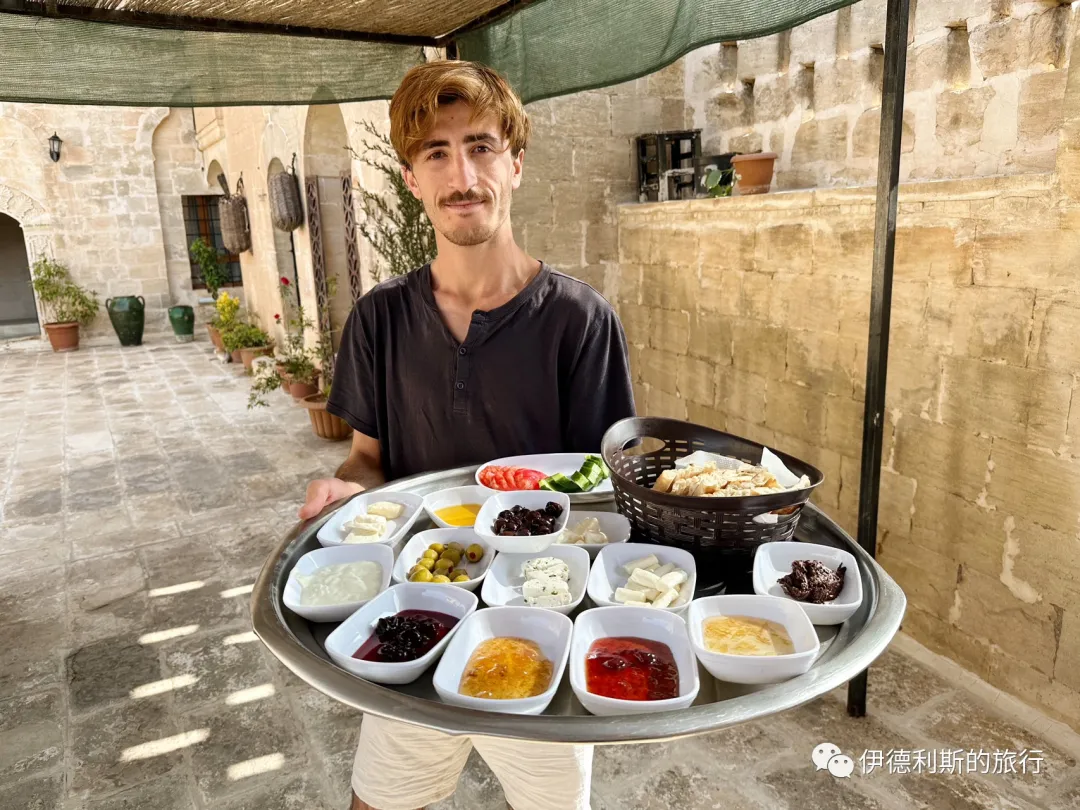
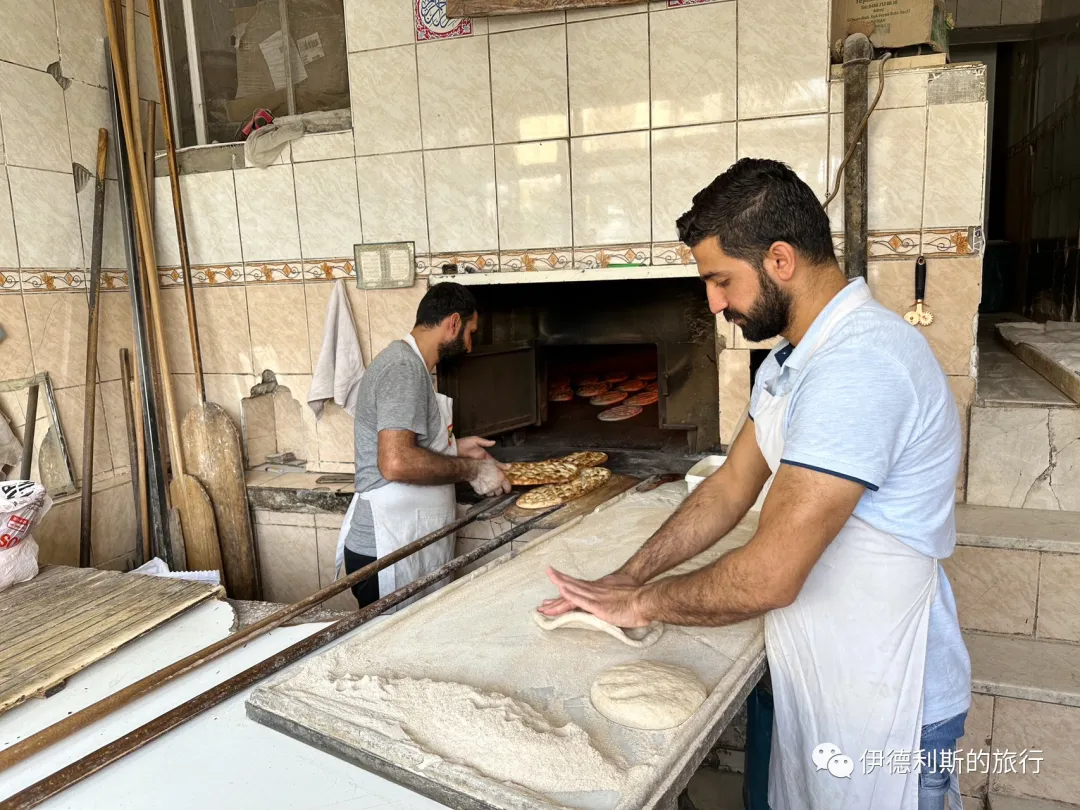
We had a very rich breakfast on the hotel terrace, including four types of cheese, yogurt, two types of olives, honey, fig jam, pomegranate jam, and grape jam. The main food was not the usual Turkish bread, but Kurdish flatbread (nan).
Food
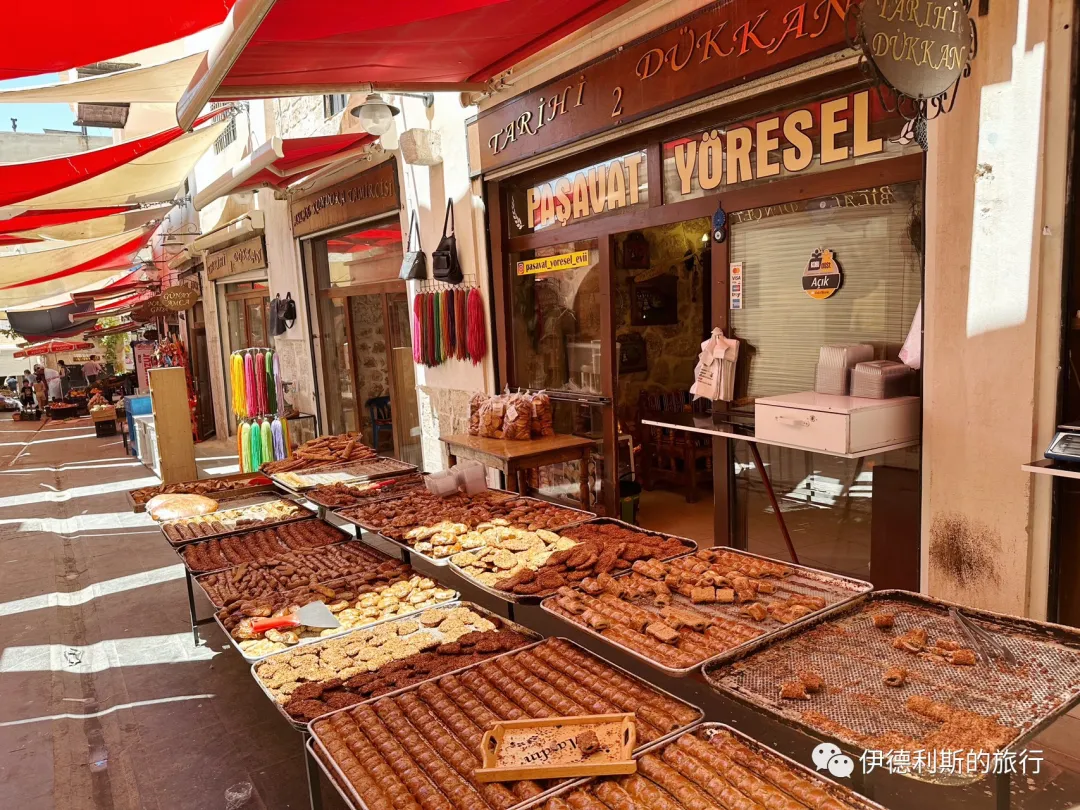
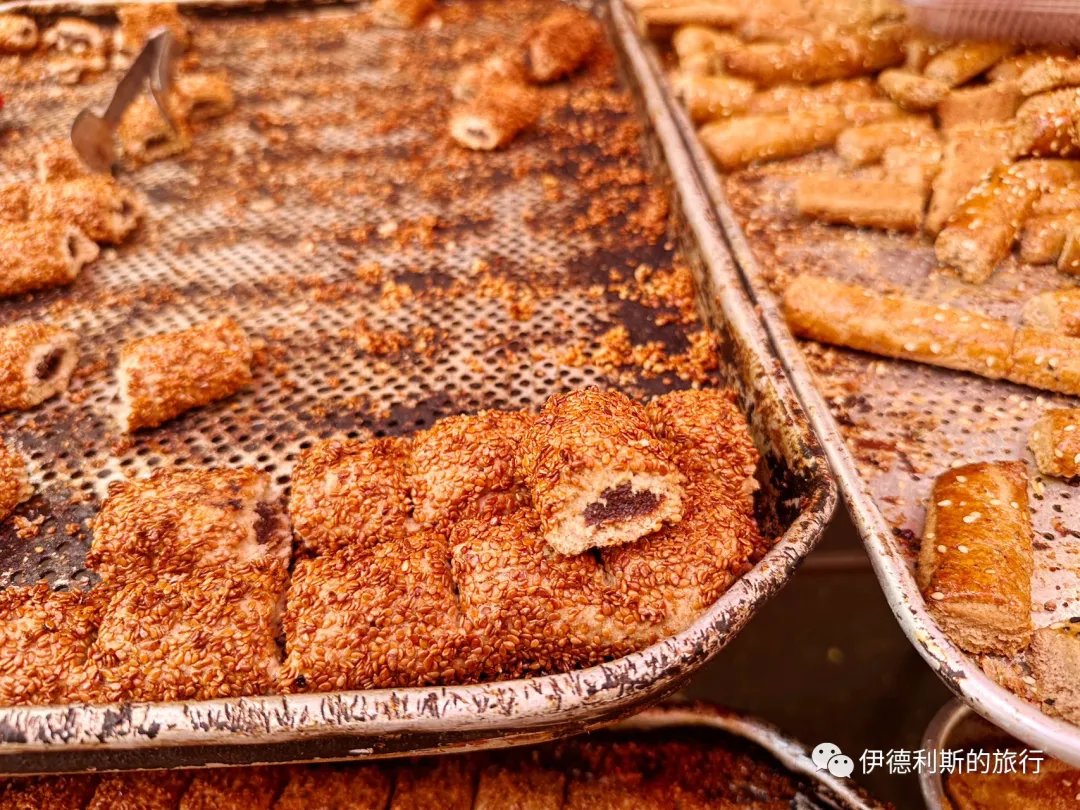
In the old town bazaar, I tried the Mardin specialty Assyrian pastry (Süryani Çöreği) and drank a Kurdish version of salty yogurt drink (Doogh).
The Assyrian pastry (Süryani Çöreği) is said to have a 2,000-year history. It is made with 32 different spices and comes in flavors like date and almond. It is a signature food for Assyrian engagement ceremonies. Assyrians have lived on the Mesopotamian plains for 4,000 years. They built a massive Assyrian Empire before 2000 BC, which helped spread Assyrian culture widely. As an important settlement for Assyrians, many of Mardin's delicacies were invented by them. Although Assyrians are Christians, they live alongside Kurds and Arabs, so their snacks are safe for Muslims to eat.
Unlike the Turkish version of yogurt drink (ayran) which only uses salt, water, and yogurt, Kurds add dill, mint, and seeds from the Kurdish pistachio tree (Pistacia kurdica) to their Doogh. Kurds also make a drink called Ava Mast by mixing these seasonings into milk and water.
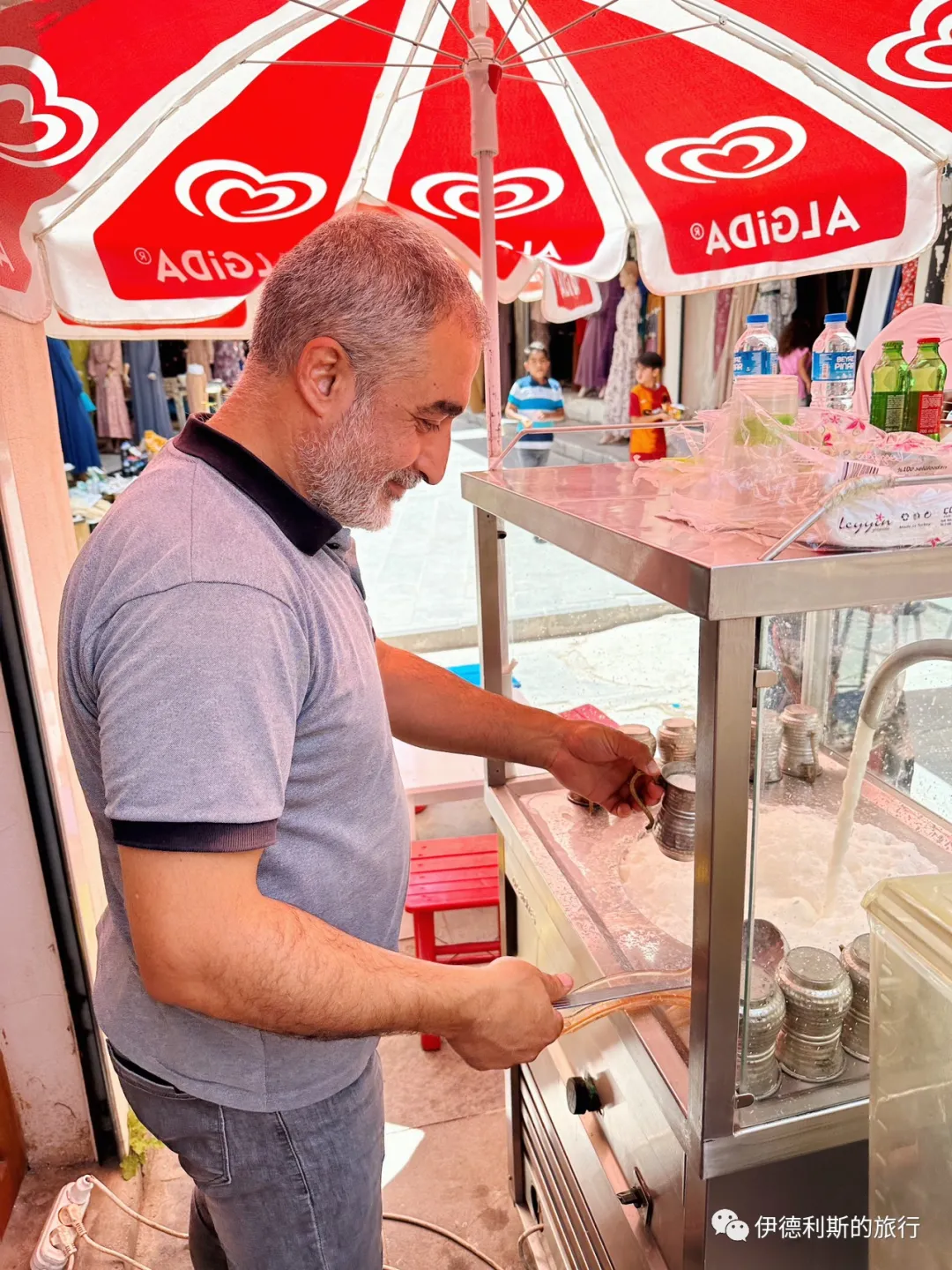
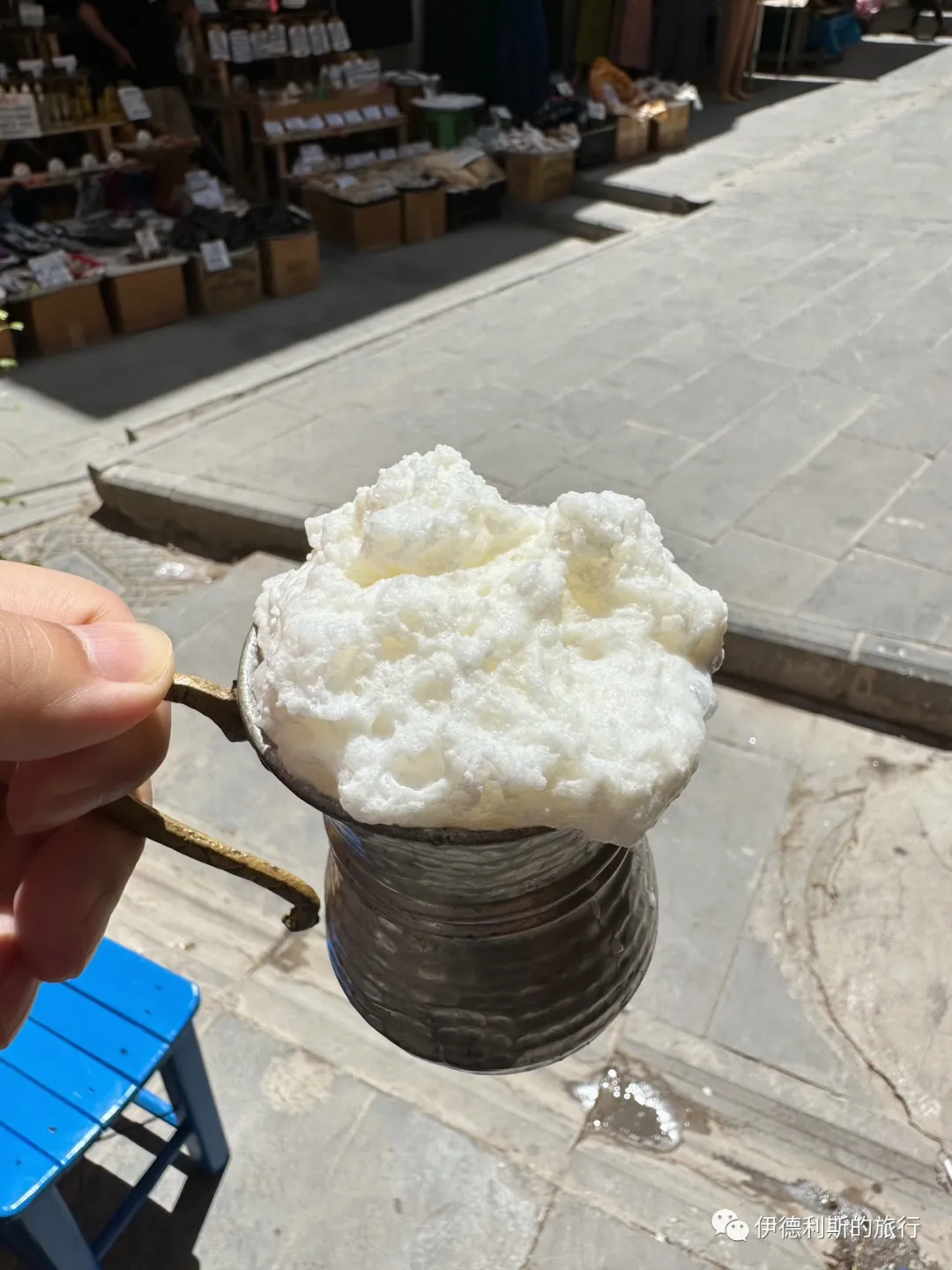
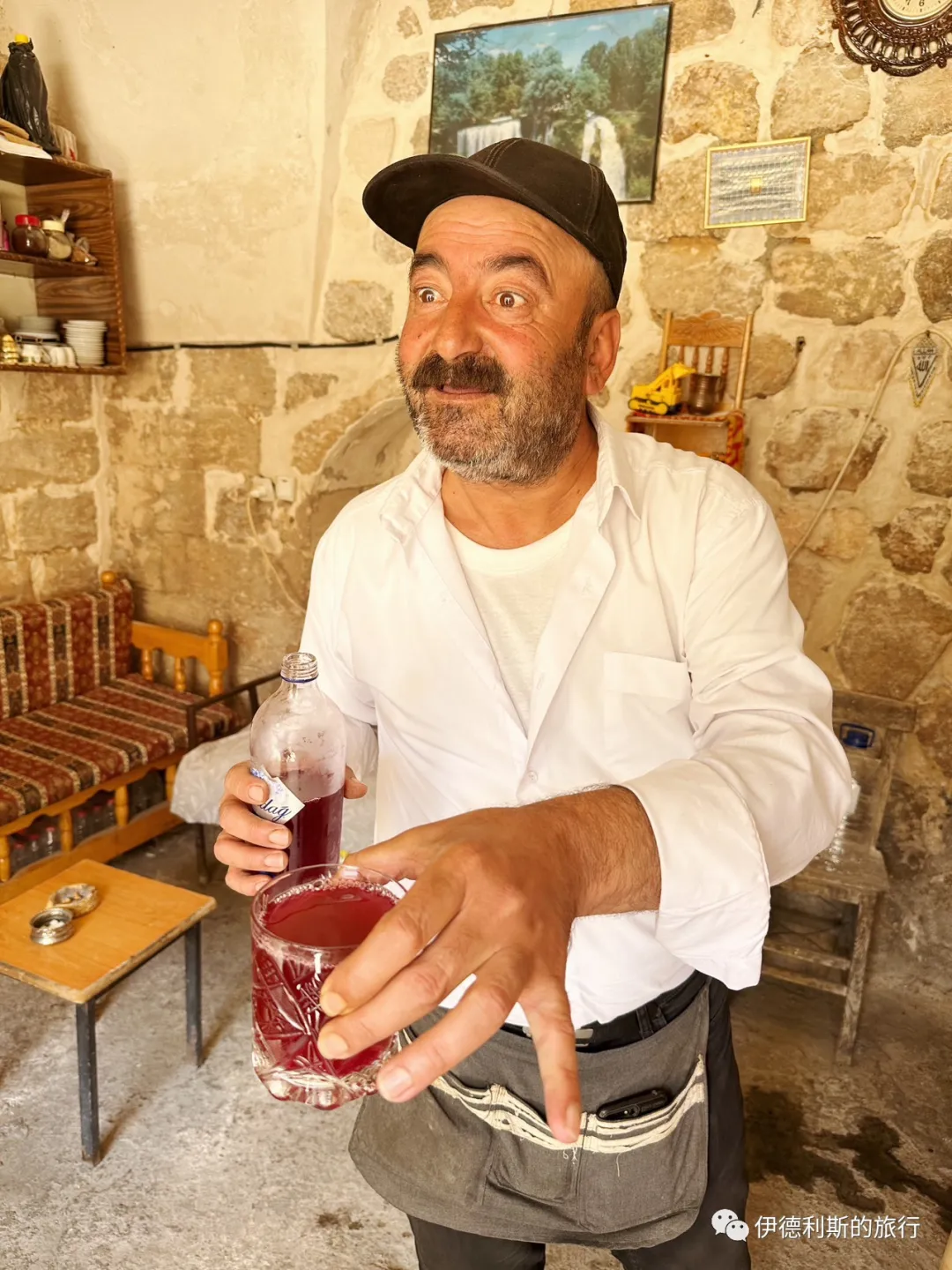
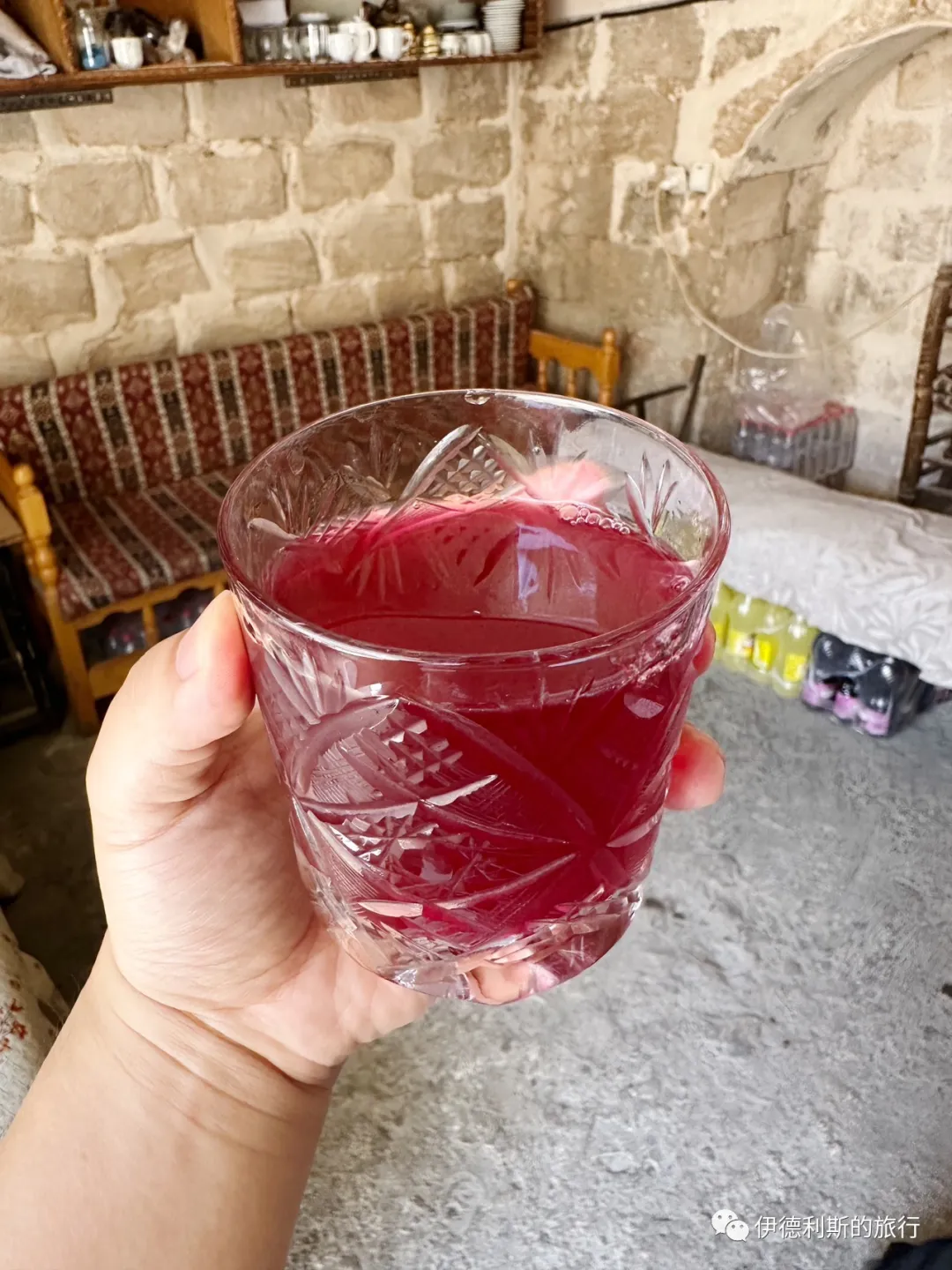
In another alley, we drank a classic Kurdish Ramadan iftar beverage, the purple basil sherbet (Reyhan Sherbet). It is made with purple basil, lemon salt, cinnamon, and cloves. The man selling the sherbet was very friendly. He used Google Translate to chat with us and showed us the way to various historical sites. We felt very grateful (alhamdulillah).
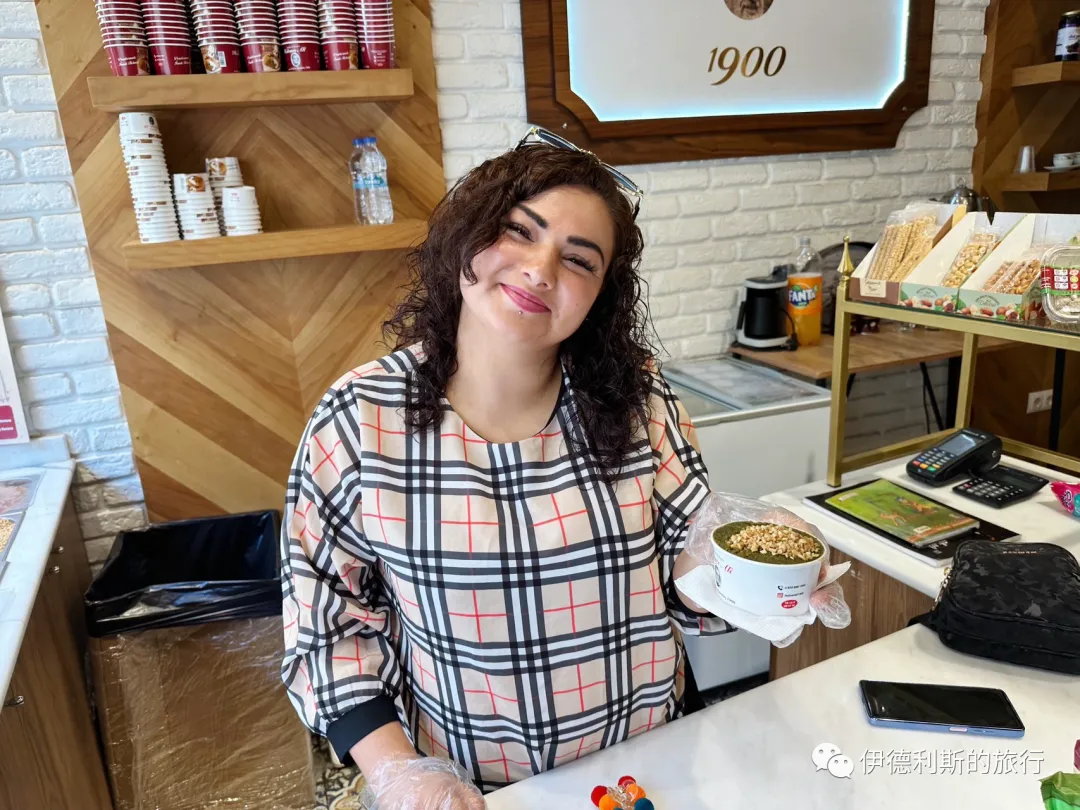
In the old town of Mardin, we visited a century-old Turkish dessert shop called HELVACI ALİ, which opened in 1900. They started opening branches in Turkey and former Ottoman countries in 2018 and now have 200 locations.
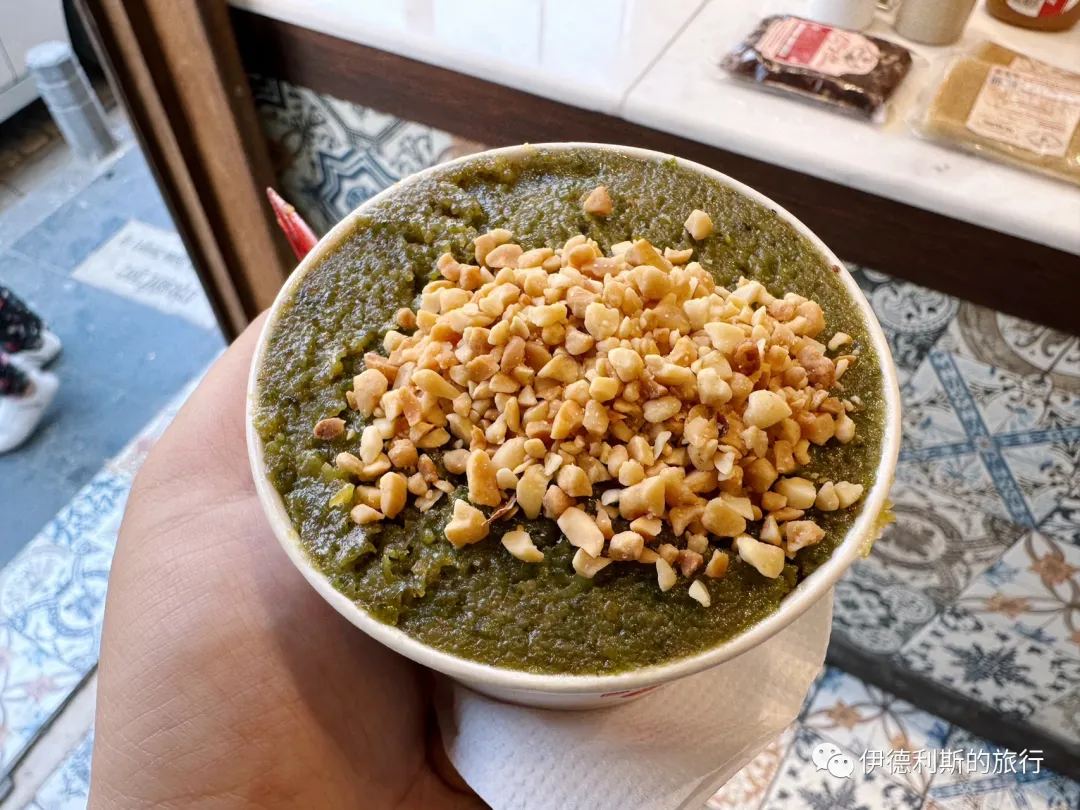
We had pistachio-flavored halva served with Maraş goat milk ice cream (Maraş Dondurması Üzerine). This ice cream contains mastic resin and an orchid-based starch called salep.
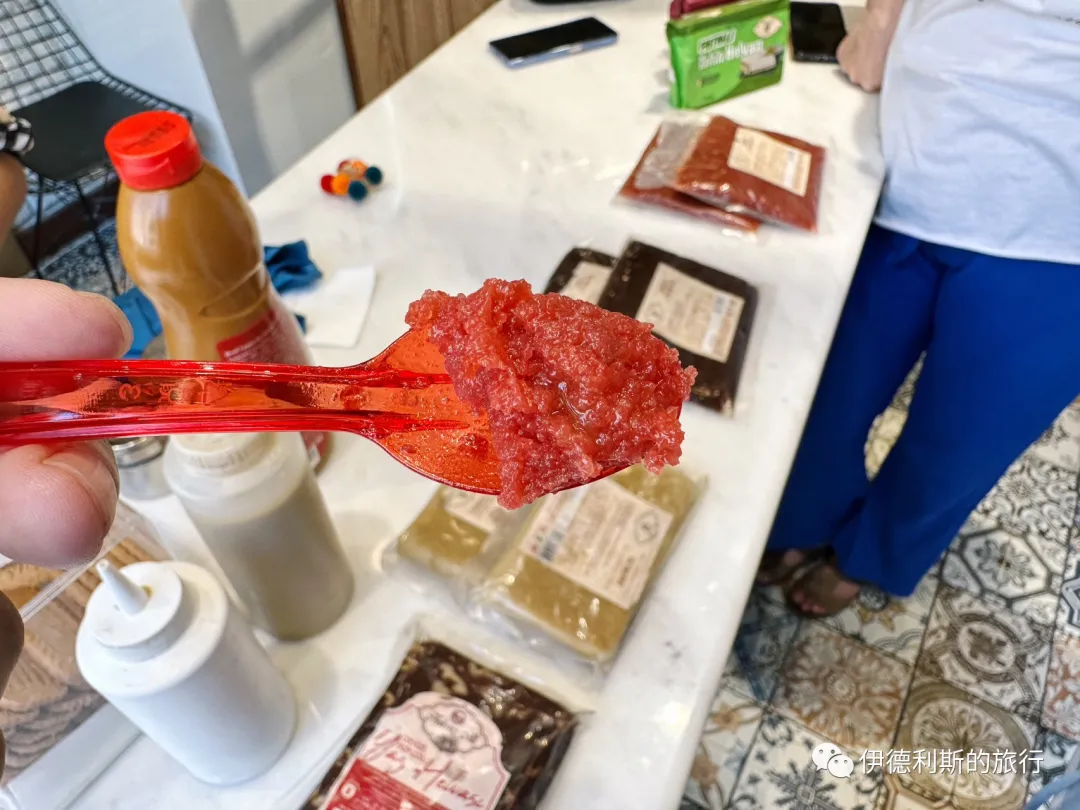
We also tried a jam-flavored version that was delicious, filled with fruits like cherries, figs, and oranges.
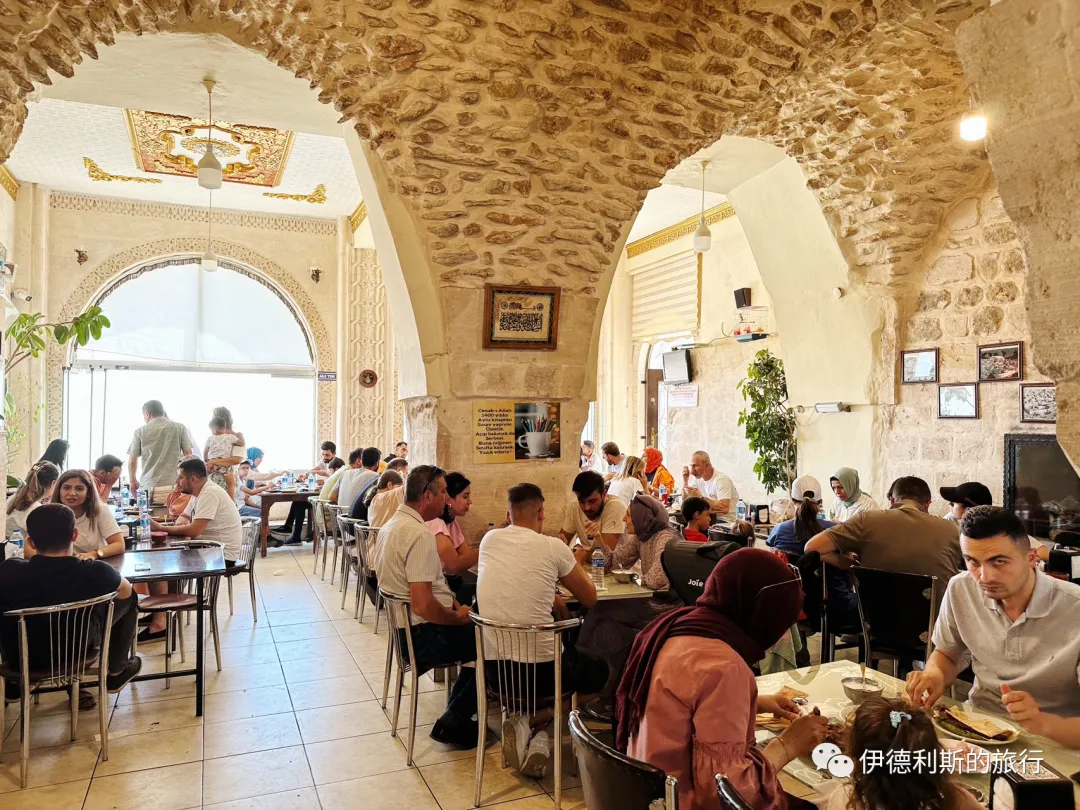
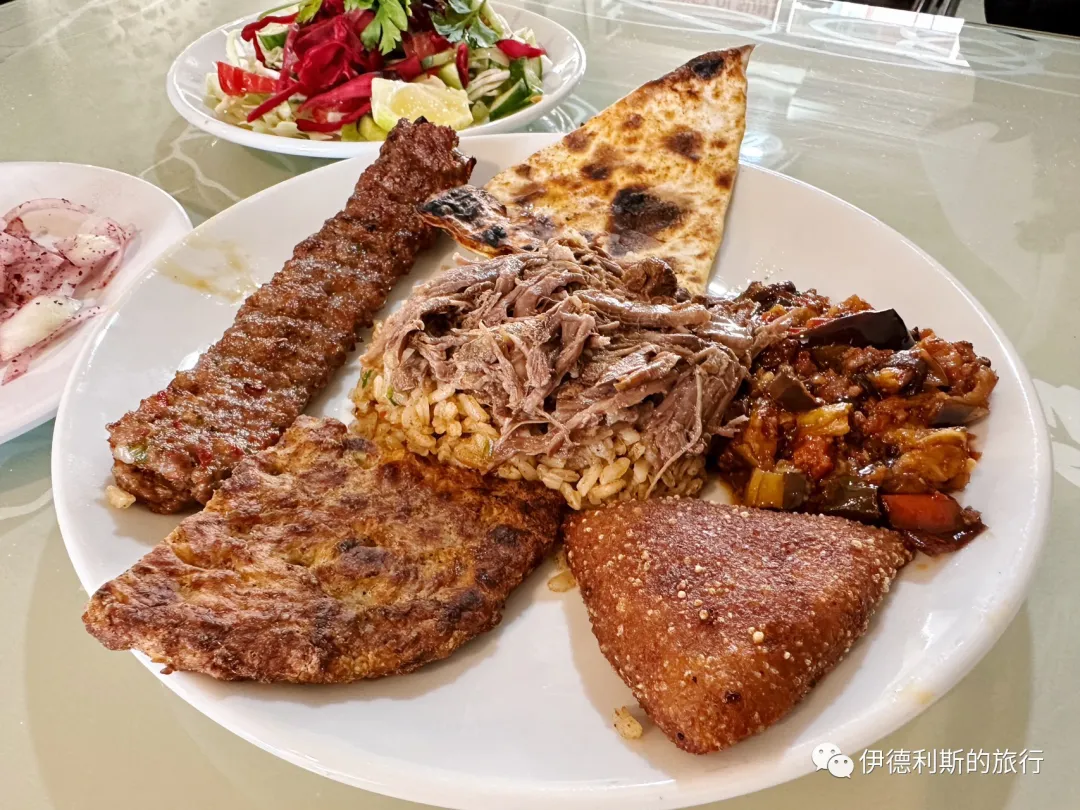
For lunch, we went to the most popular restaurant in the old town, Tarihi Sultan Sofrası. Their specialty is the Mardin meat platter (Mardin tabağı), which almost every table orders. The platter includes six types of food:
First is the Mardin kebab (Mardin Kebabı), made by mixing minced meat with onions, chili, black pepper, and salt before putting it on skewers.
Lamb rib roast (Kaburga dolması) is a rotisserie dish that is part of Ottoman cuisine, famous especially in Mardin and Diyarbakır. You must eat the lamb rib roast with the local specialty pilaf, which is made with onions, garlic, pepper, tomatoes, cumin, cilantro, cinnamon, allspice, and other spices.
Fried meatball (İçli Köfte) originated from the Levantine kibbeh. The shell is made from cracked wheat, flour, eggs, pepper, and spices, while the filling is minced meat with onions, parsley, and spices. Unlike the spindle-shaped kibbeh in the Levant, the ones we ate in Mardin were shaped like meat patties.
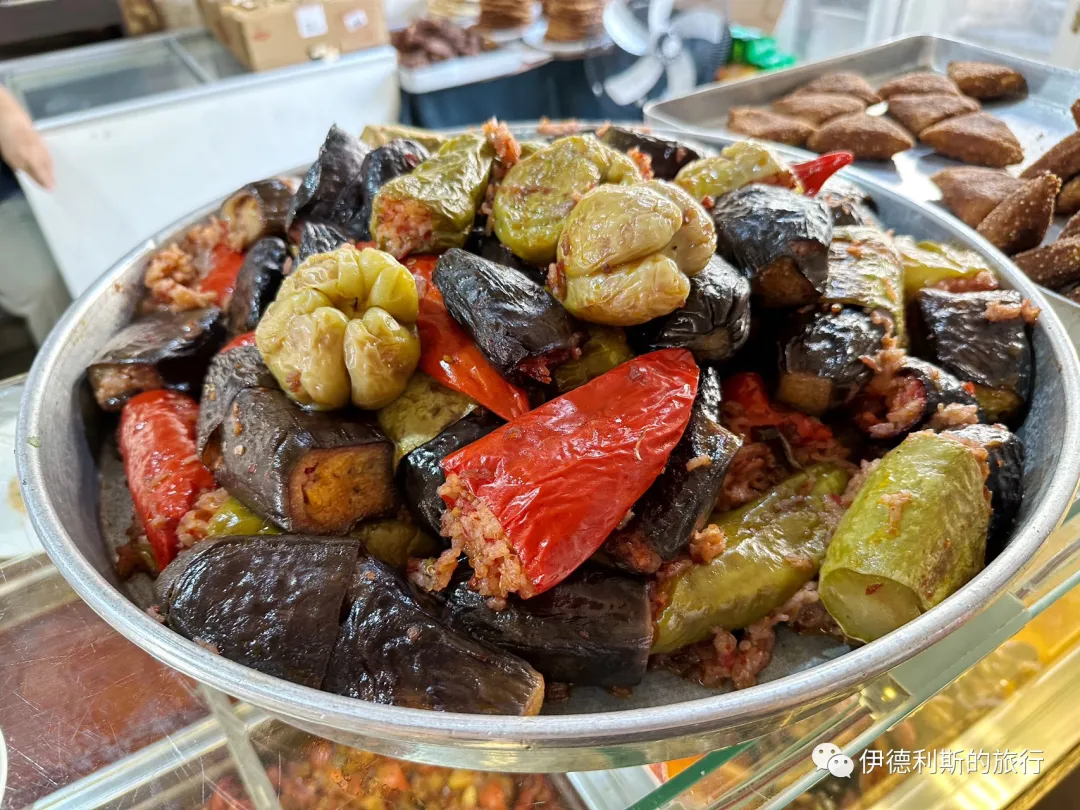
Vegetable stew (Güveç) is a clay pot dish containing stewed potatoes, eggplants, and green peppers.
Sembusek, also called Mardin pizza, is a thin meat pie. It is like a sealed version of lahmacun, with minced meat, onions, green peppers, parsley, black pepper, and spices inside.
Lamb meat pie (Etli ekmek) is made by kneading lamb mince with dried red chili and spices into dough, then baking it in an oven. It is crispy on the outside and tender on the inside, looking a bit like a cracker.
Besides this, whenever you order meat here, they always provide a plate of vegetables and a plate of onions. The vegetables include cabbage, red cabbage, cucumbers, tomatoes, and cilantro. A squeeze of lemon makes them very refreshing. In Turkey, you can basically avoid the situation of only eating meat and no vegetables while traveling, which I think is great.
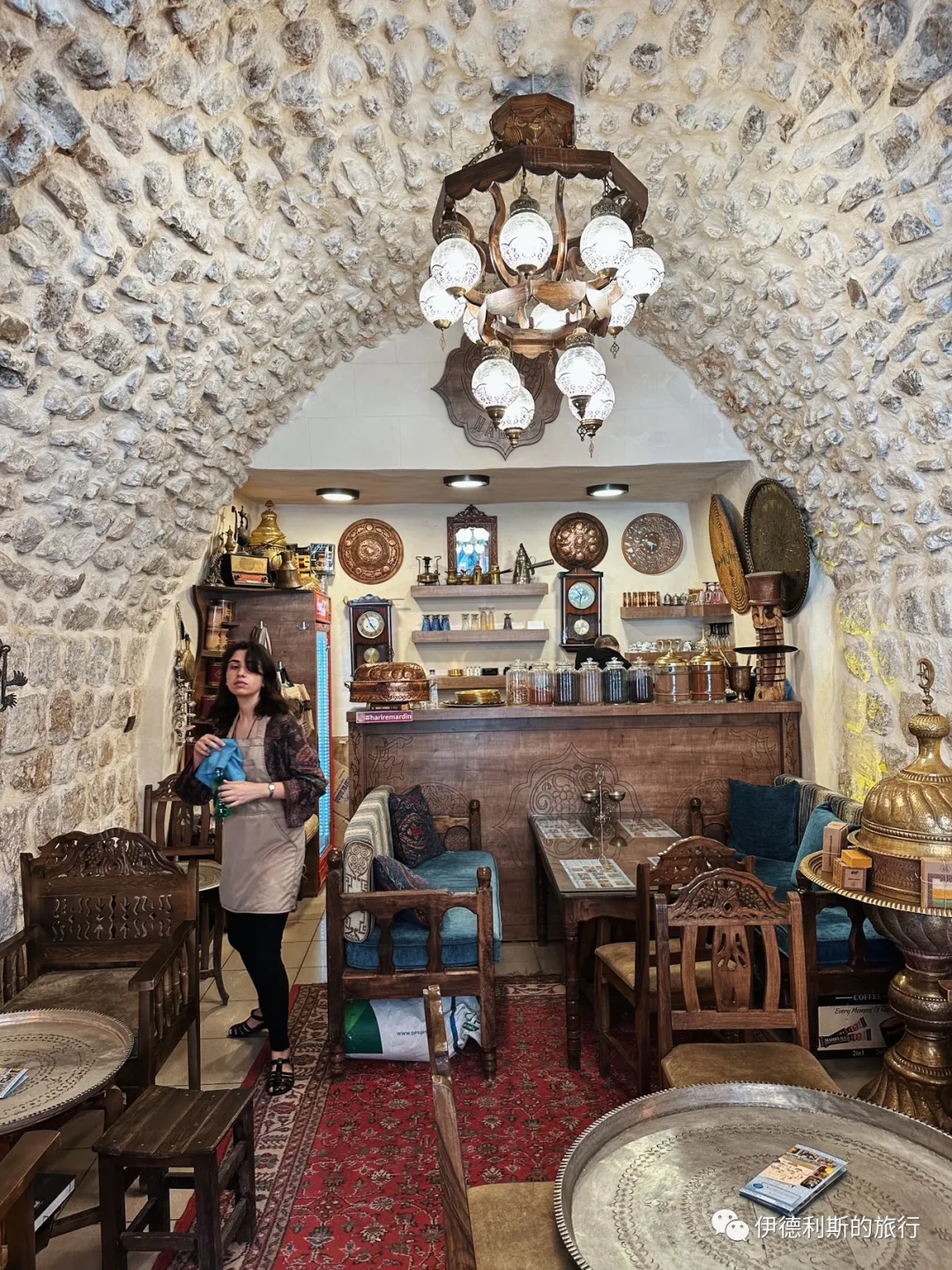
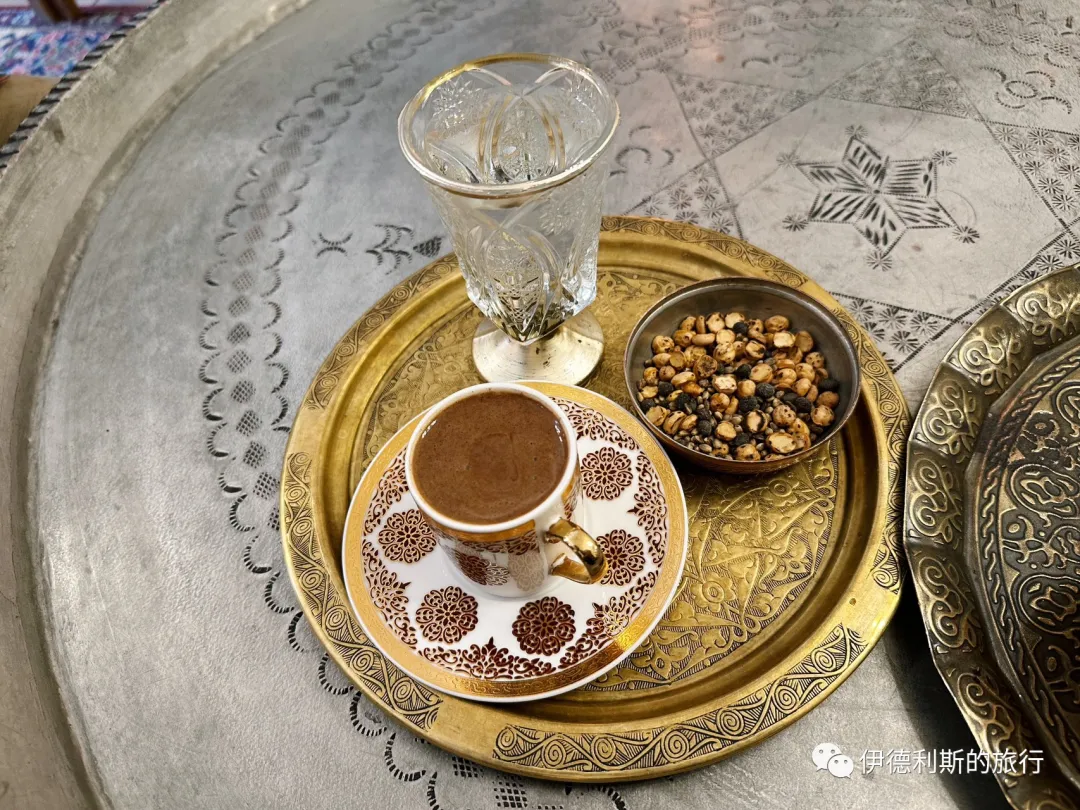
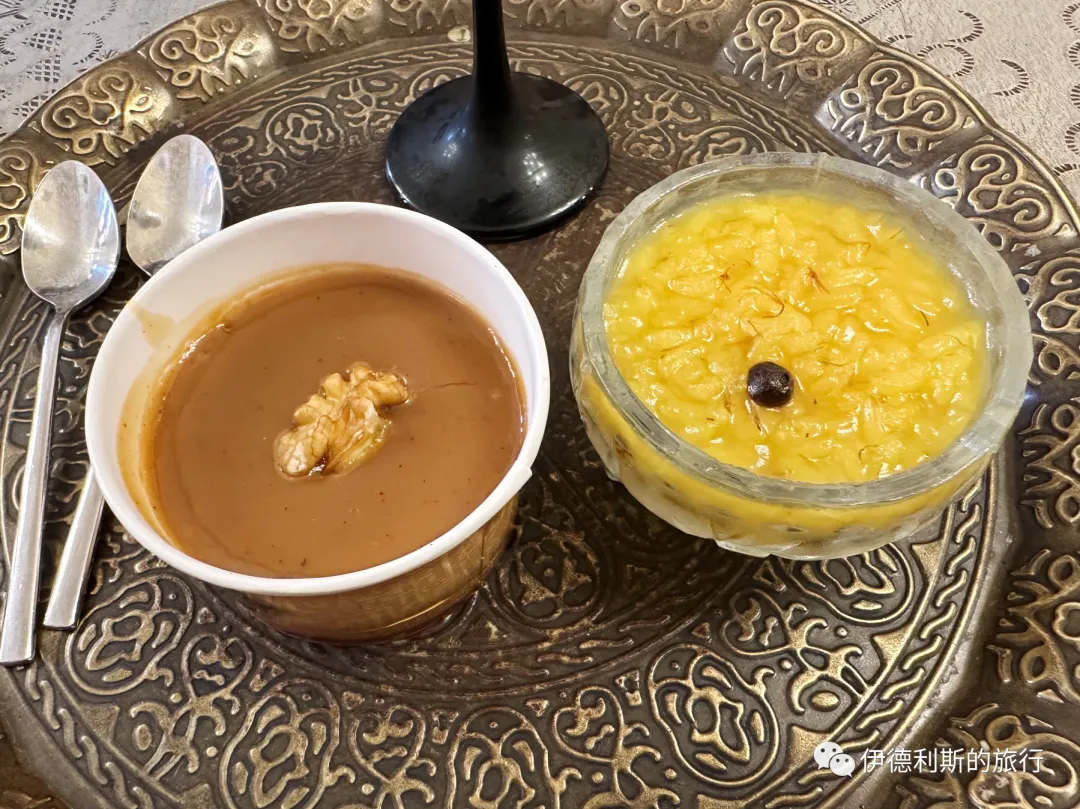
In the afternoon, I had coffee and dessert at a cozy cafe in Mardin, which had a very local feel. Local Mardin coffee is richer than standard Turkish coffee; it contains orchid root powder (salep) and carob powder, and both local Kurds and Assyrians enjoy drinking it this way. Tabbaka is a yellow rice pudding invented by the Assyrians. Harire is a brown pudding made from local Mazruna grapes, and we finished with some purple basil sherbet (Reyhan Sherbet).
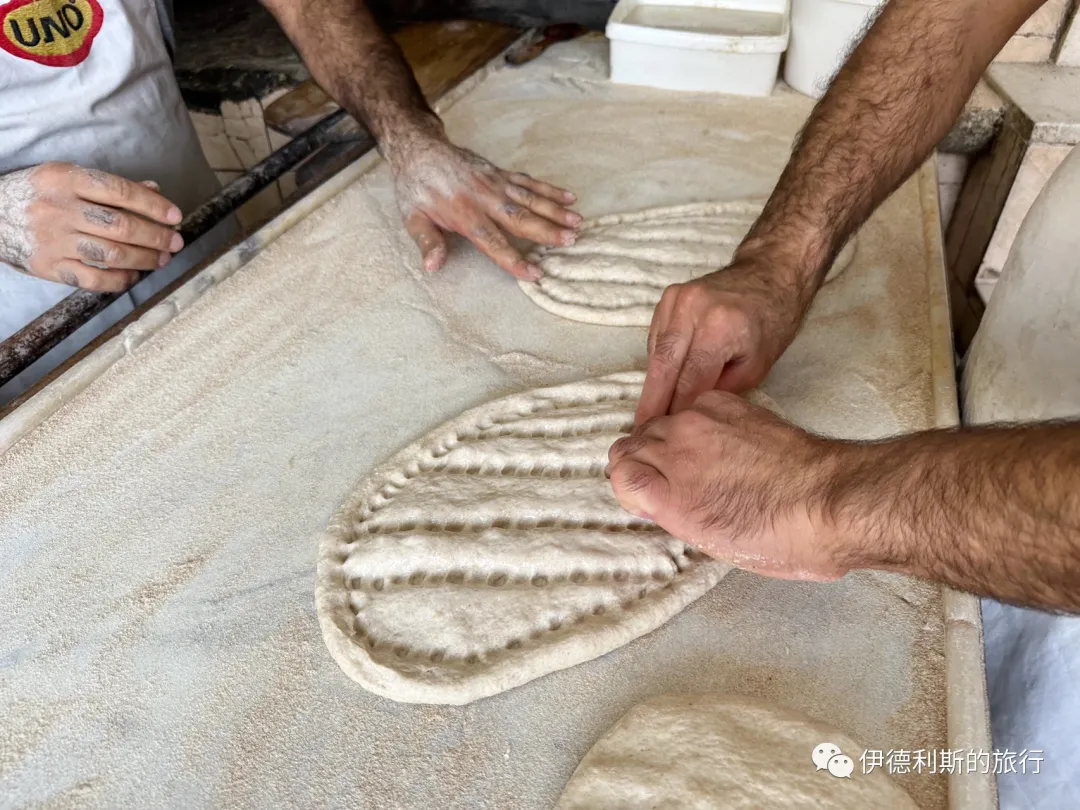
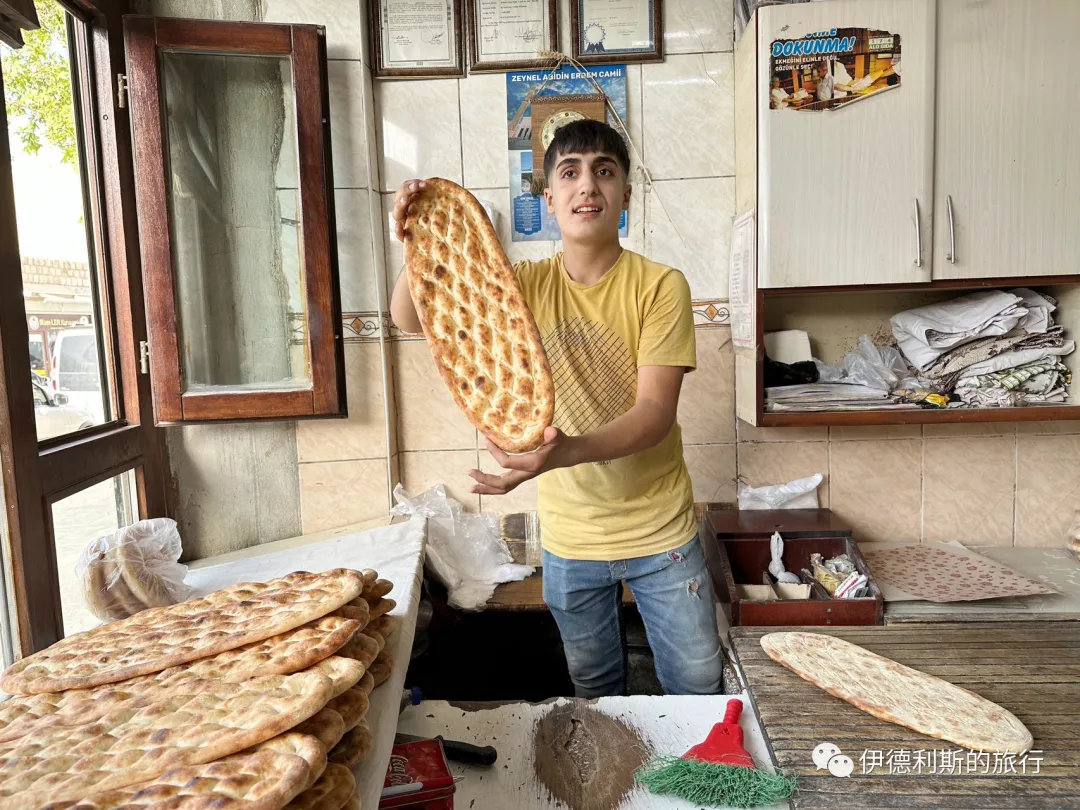
At a Kurdish flatbread shop on the streets of Mardin, the bread is handmade, and the patterns are pressed in with fingers. This flatbread goes well with grilled meat and stews, and restaurants usually serve some regardless of what you order.
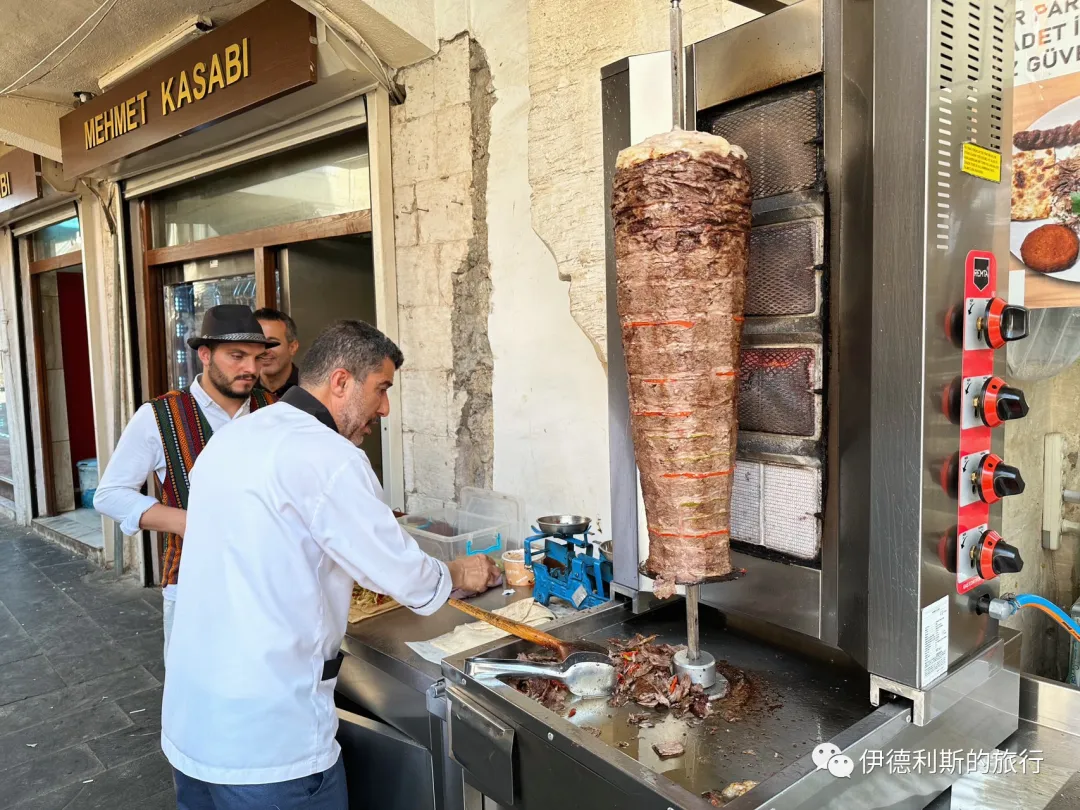
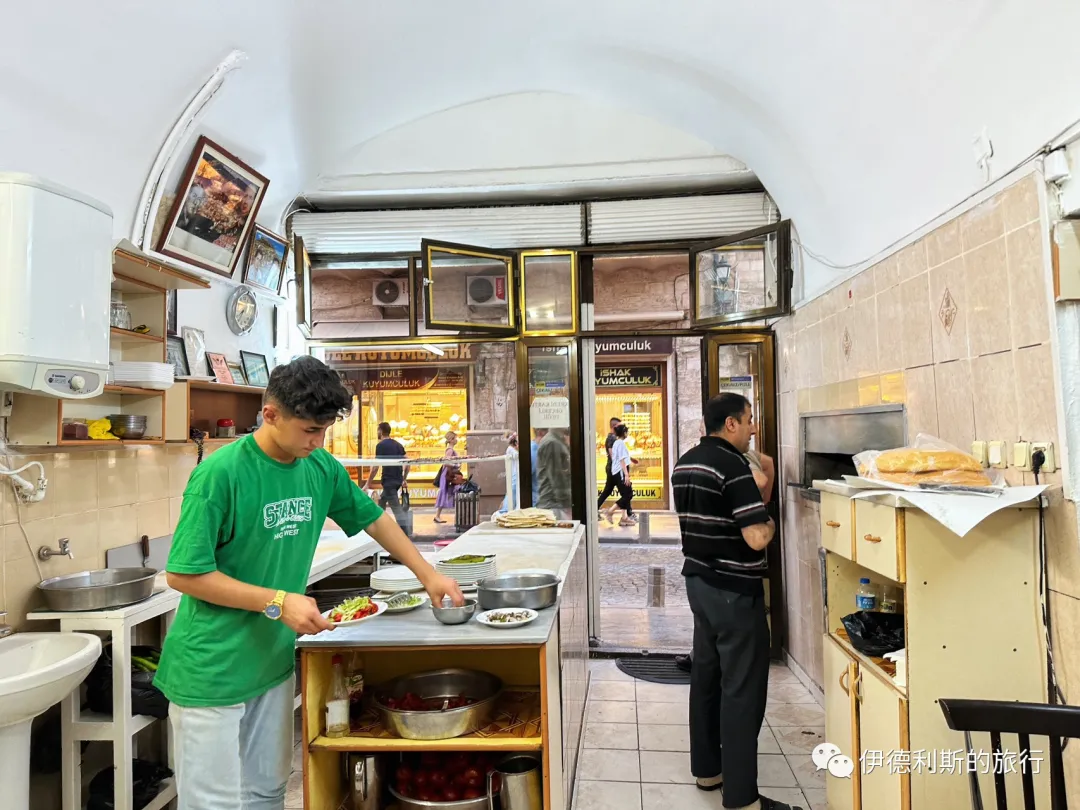
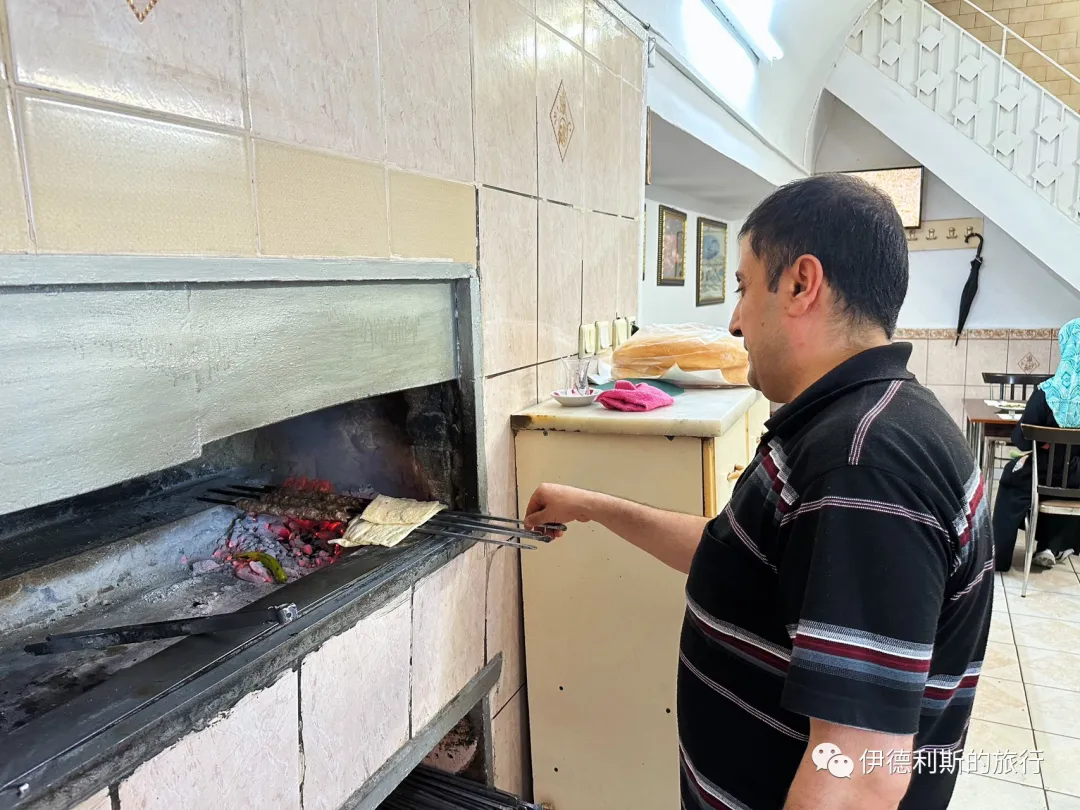
I had traditional grilled meat for dinner at a shop that has been open since 1922, making it 101 years old. Turkey hasn't gone through the same social changes we saw in the 50s and 80s, so it feels like you often see old shops on the roadside that have been passed down through generations for decades or even a century.
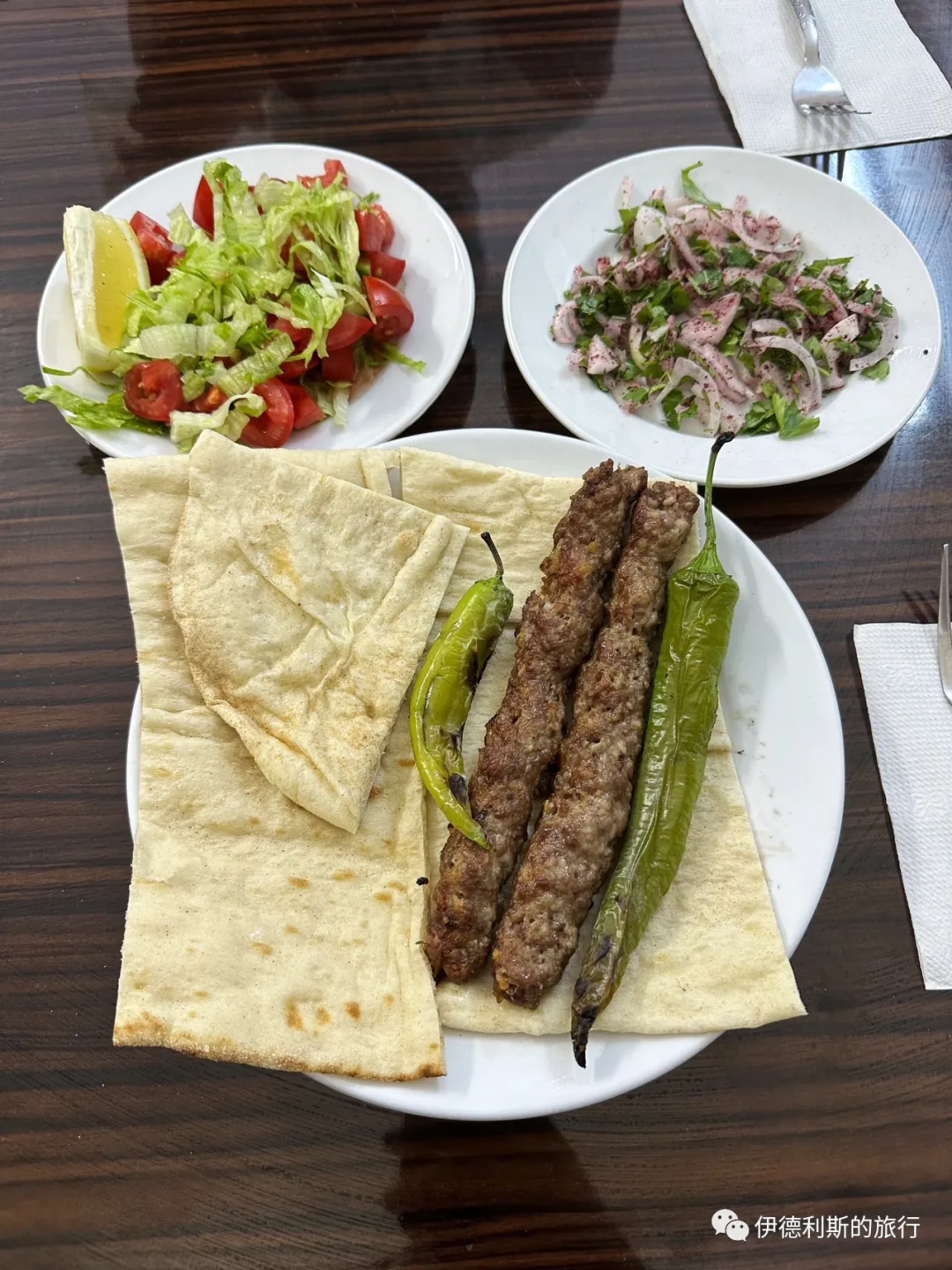
The minced meat is charcoal-grilled with green peppers and served with thin flatbread, onions, tomatoes, and cabbage; just like Zibo barbecue, you wrap the meat in the flatbread to eat it. The main difference from our barbecue is that we grill chunks of meat and sprinkle seasoning on them while cooking, while they season the meat when mincing it and add no extra spices during grilling.
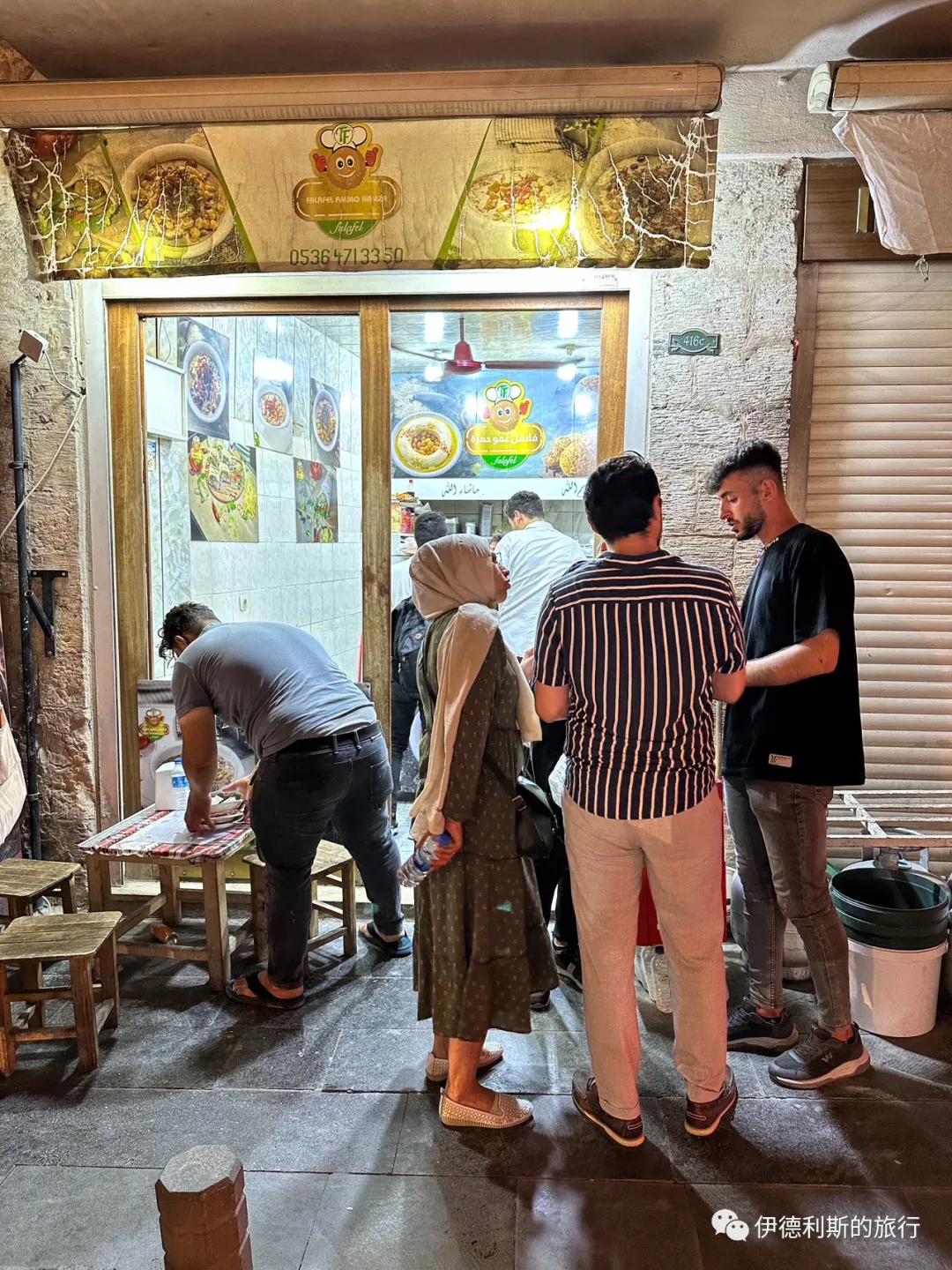
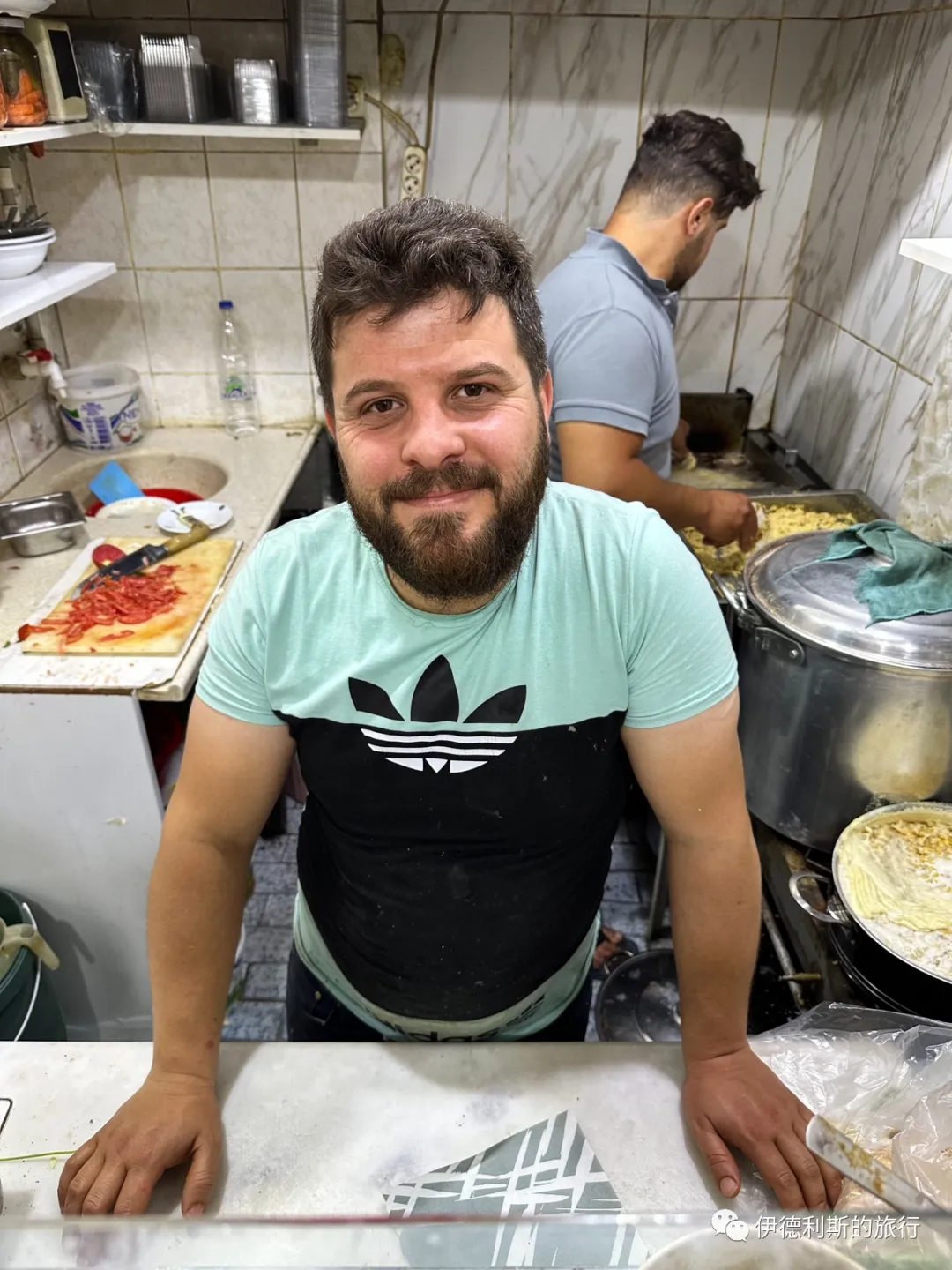
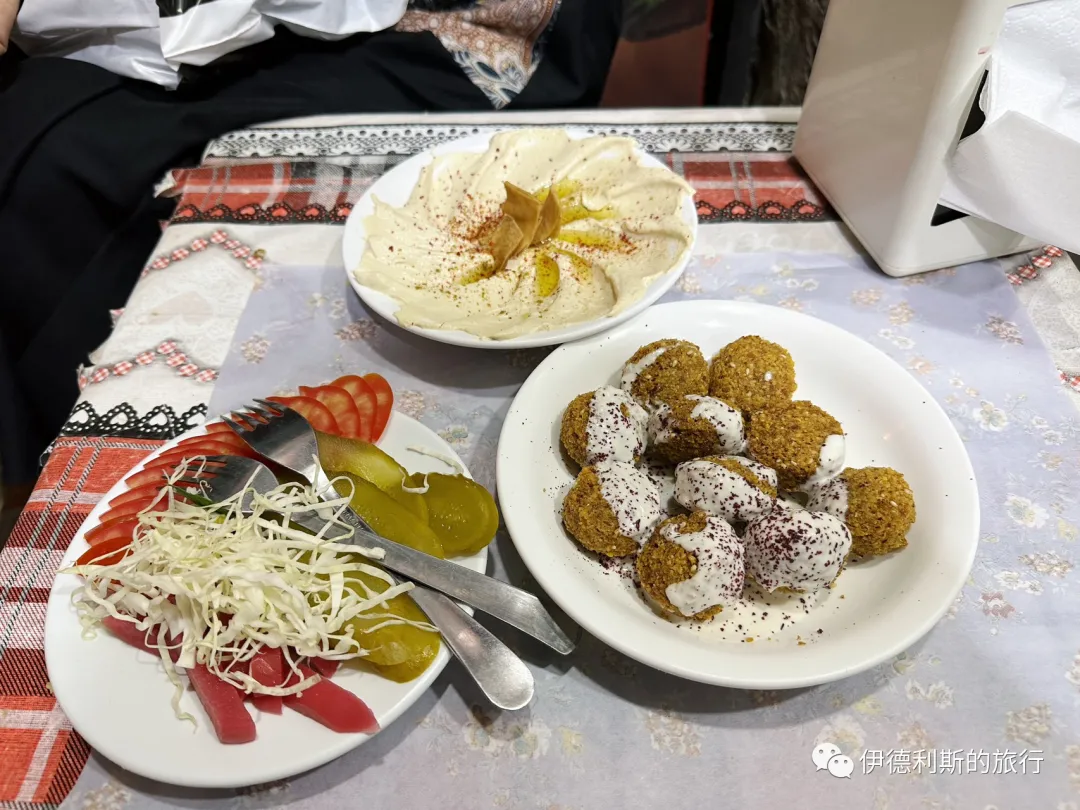
In the evening, I ate fried chickpea balls (Falafel) and chickpea dip (Hummus) at a small Assyrian snack shop, served with tomatoes, pickles, and cabbage. The shop is very popular, and the food is truly delicious.
I chatted with the owner and asked if he was Kurdish or Arab, and he told me he is a Syrian (Syriacs). I initially understood this as him having moved from Syria, but after looking it up, I learned that Syriacs refers to Syrian Christians, which includes all denominations that use the classical Syriac language for rituals. The Nestorianism (Jingjiao) that was popular in China during the Tang and Yuan dynasties is one of these branches. Therefore, the term Syriacs today refers to a group that includes modern Arameans, Assyrians, Chaldeans, and other ethnic groups.
Traditional clothing
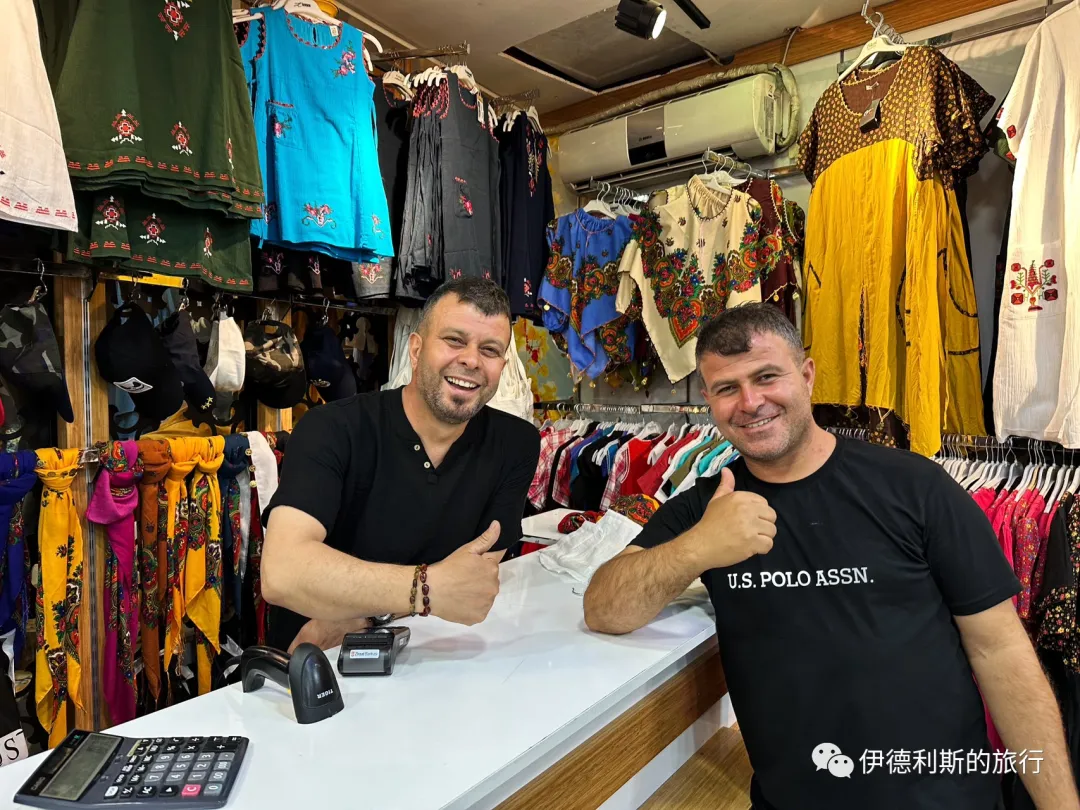
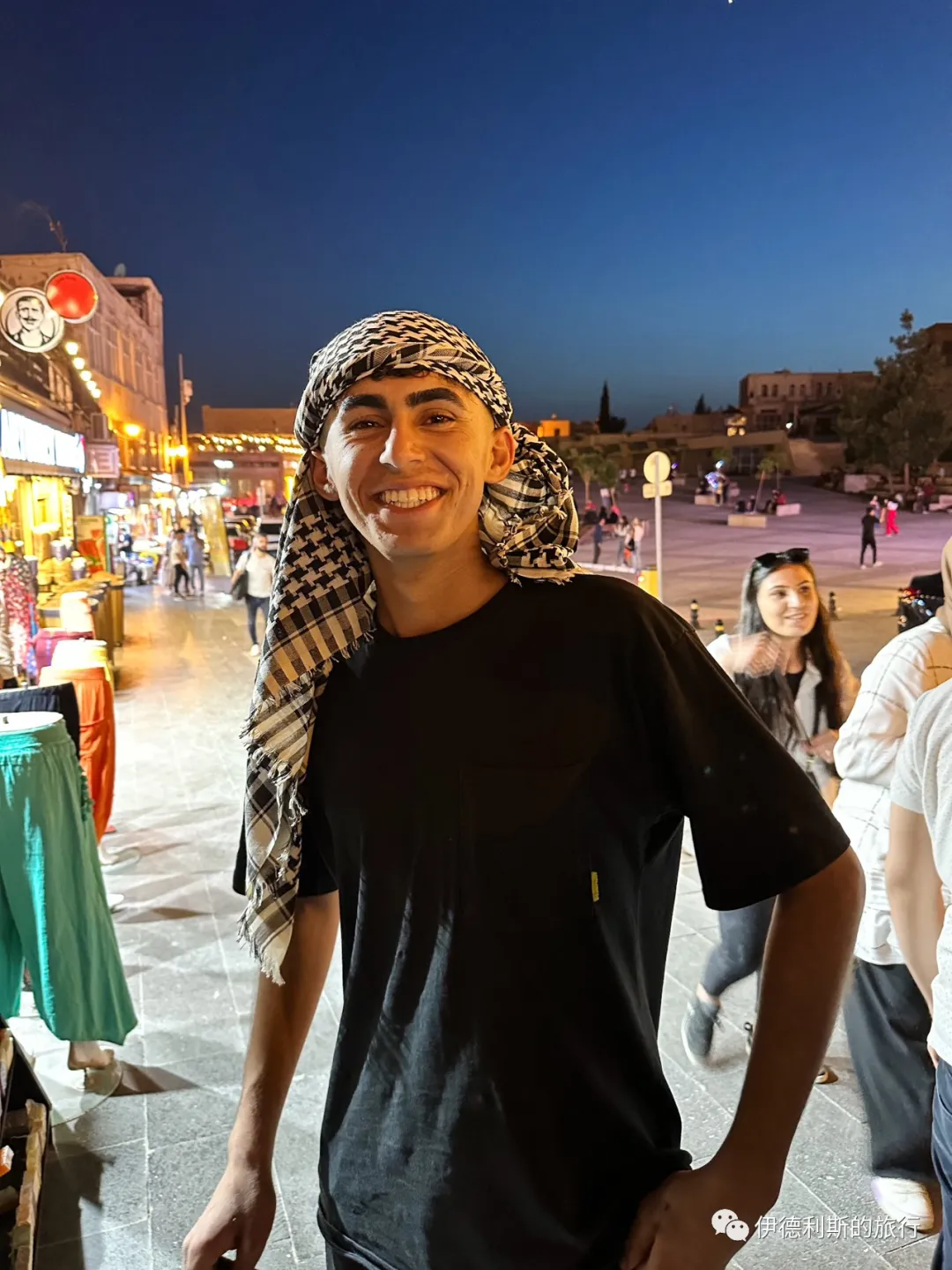
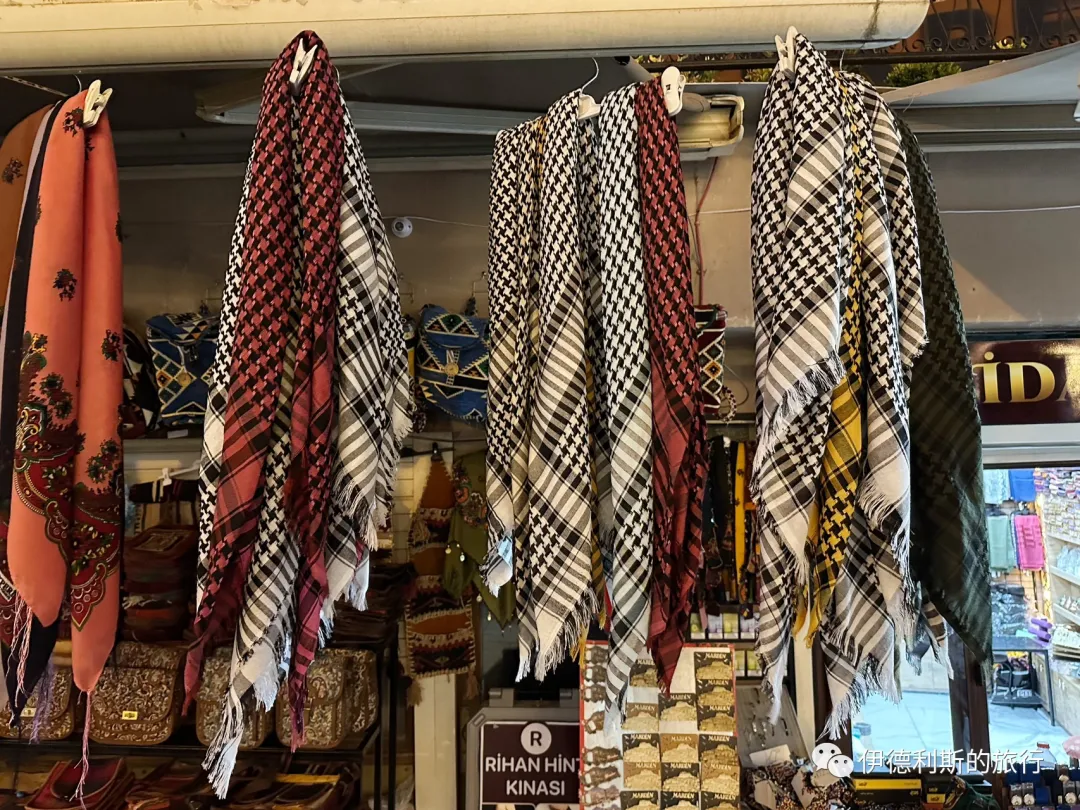
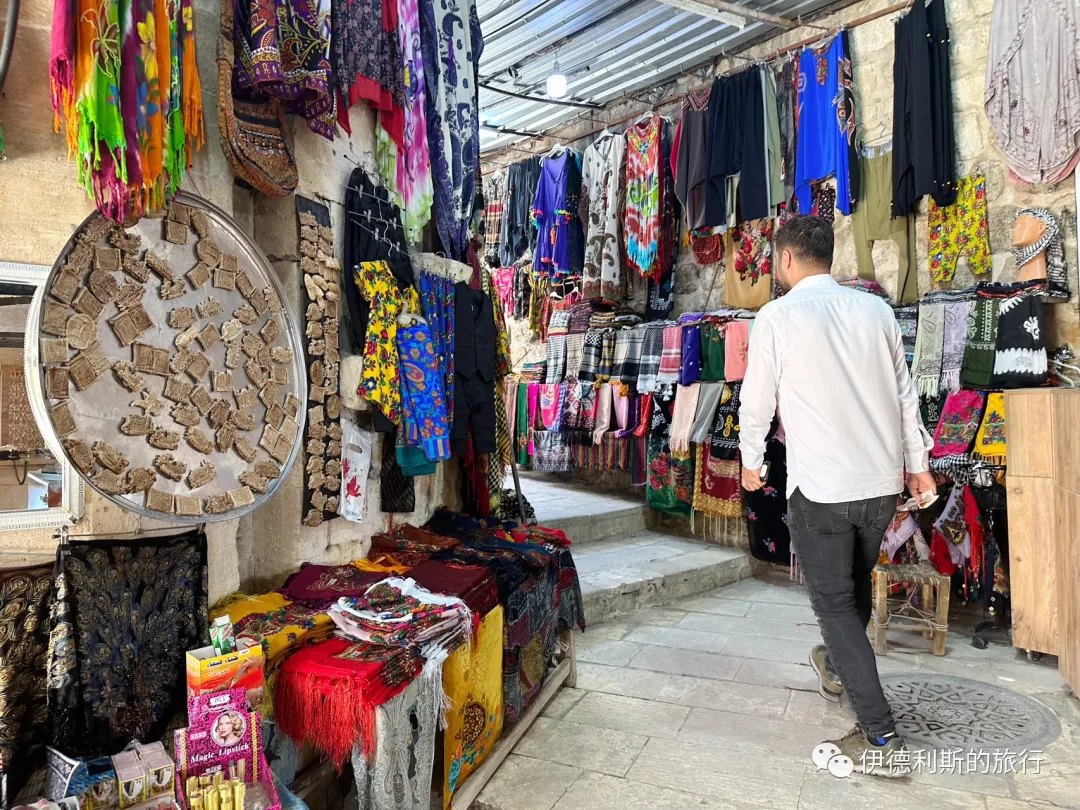
While walking around the old city of Mardin in the evening, I bought a traditional Kurdish grid headscarf (Pushi) and baggy trousers (Shalwar) at a Kurdish clothing store.
Shalwar are traditional baggy trousers introduced to the Middle East from Persia during the Ottoman period, and the name literally means 'trousers' in Persian. These trousers are very loose and held at the waist with an elastic band; they are especially popular in the agricultural and pastoral regions of southeastern Anatolia.
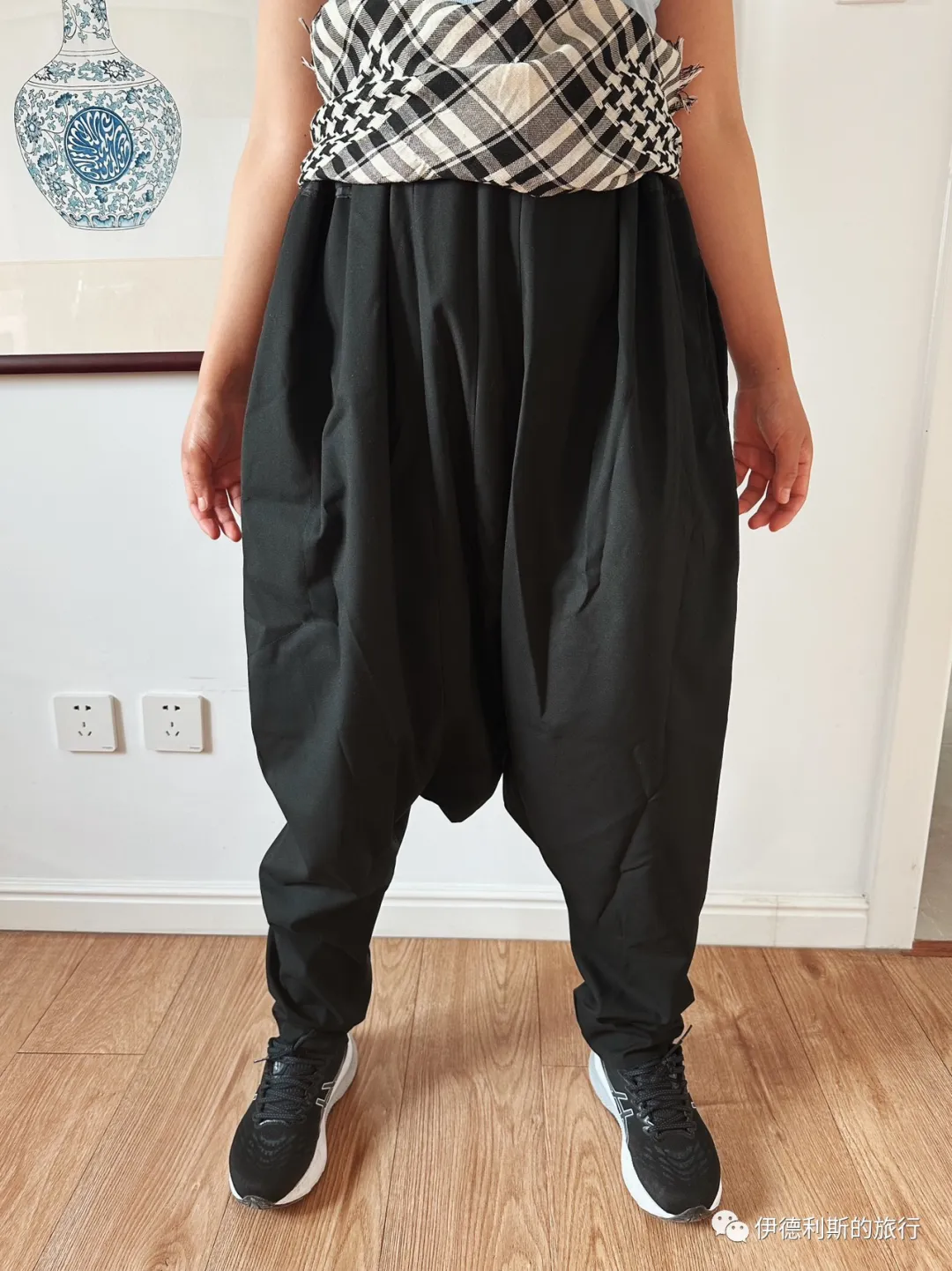
The Pushi headscarf is called a Keffiyeh in Arabic and is common throughout the Middle East as a way to protect against sunburn and sand in arid regions. However, the style and way of wearing these headscarves vary across the Middle East. For example, people on the Arabian Peninsula usually wear a black headband (Agal) over a plain white headscarf, while Palestinians use a fishnet-patterned headscarf as a symbol of national identity. Kurdish headscarves, like those of the surrounding Arabs and Yazidis, usually feature black-and-white or red-and-white grid patterns. People wear them by rolling up one side to keep them in place. Today, young Kurds in Mardin mostly wear the headscarf (pushi) as a neck scarf.
Handicrafts
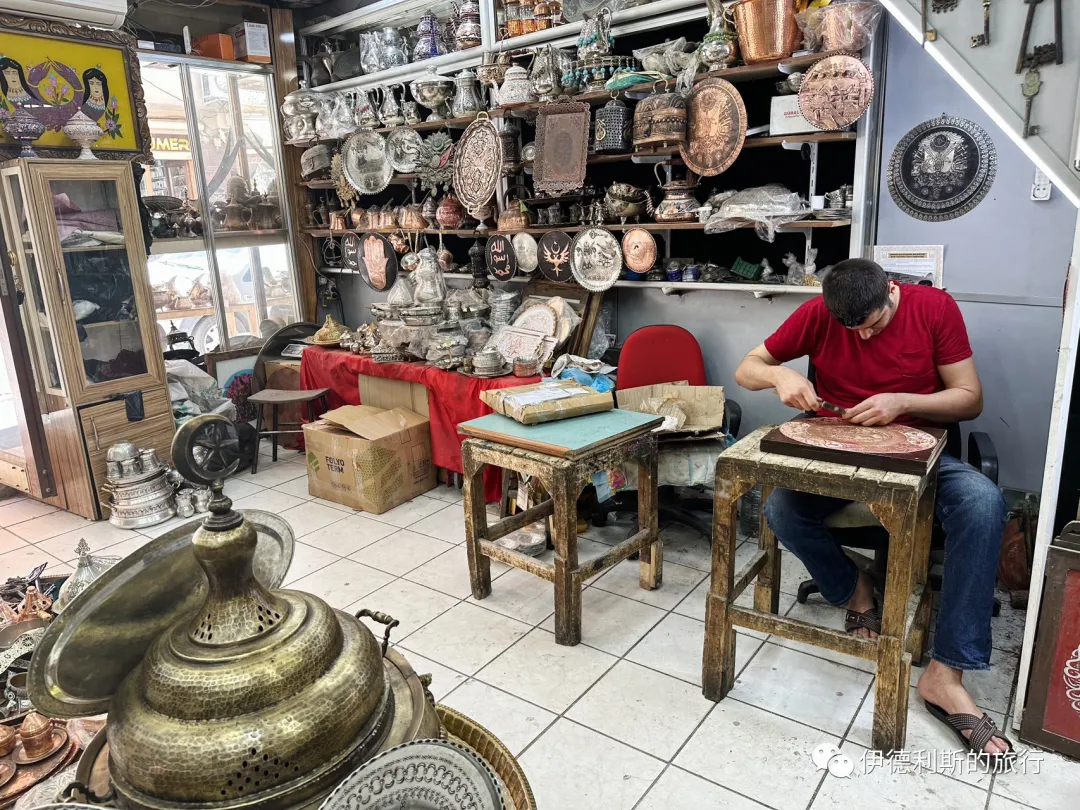
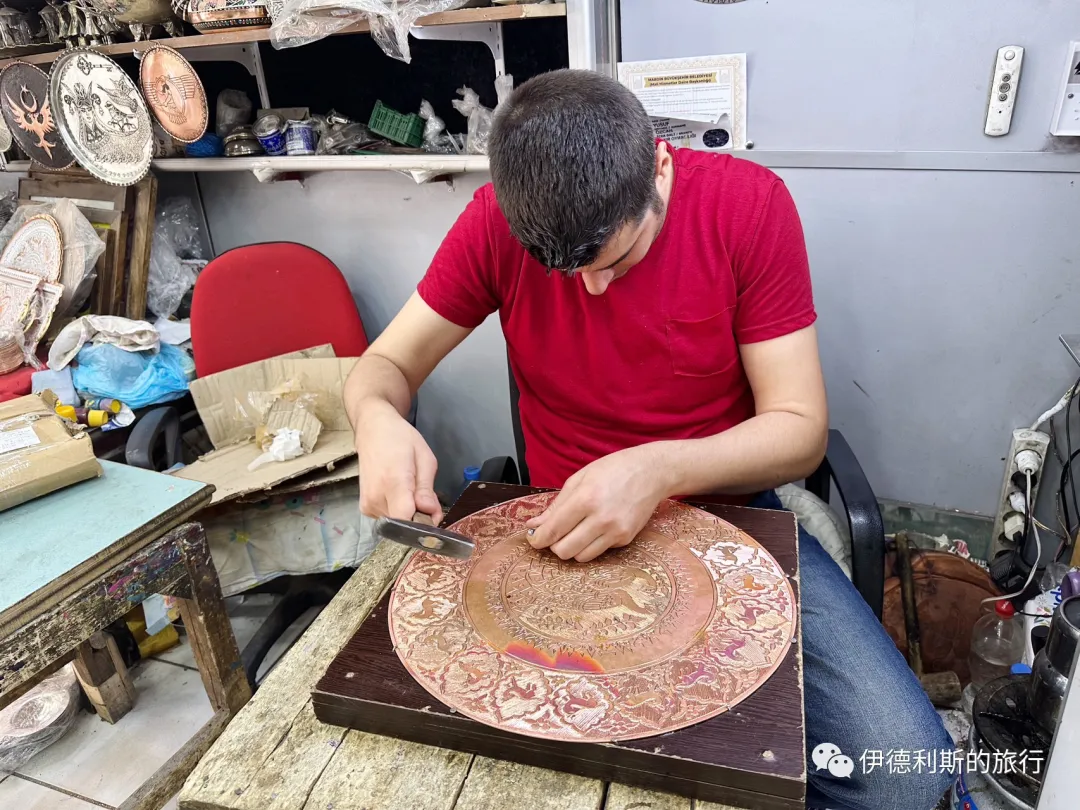
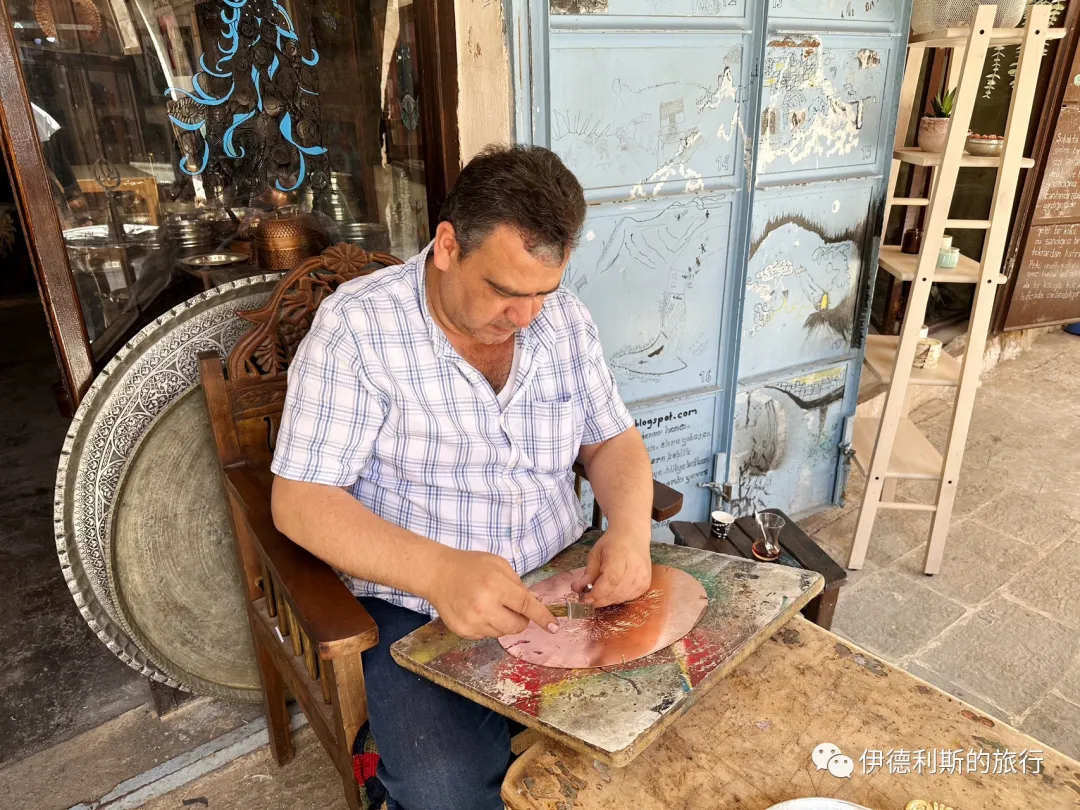
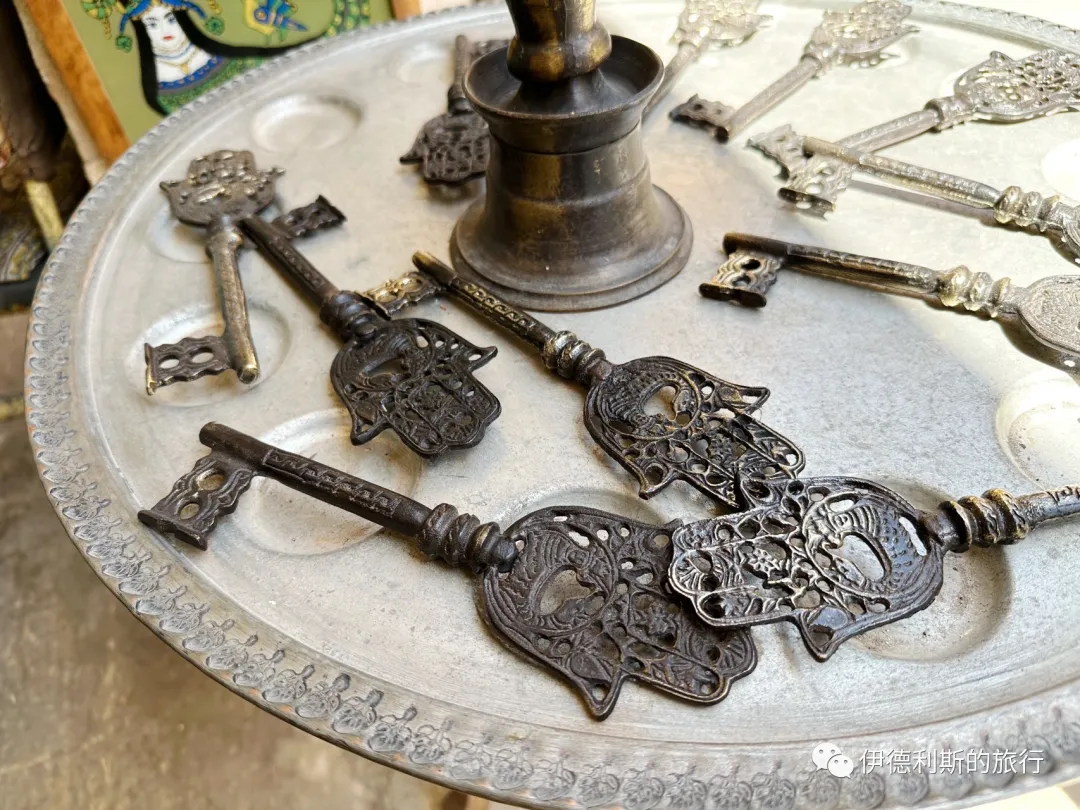
Mardin has many copper shops where you can buy all kinds of handmade dried fruit plates and coffee pots. It is also popular here to craft the Hand of Fatima (hamsa). Friends (dosti) in West Asia and North Africa use this right-hand symbol as an amulet, believing it protects people from the evil eye and other dangers. Palm-shaped amulets date back to ancient Mesopotamian civilization. They were later adopted by Sephardic Jews and then entered the traditions of Arabs and Berbers, becoming widely spread across the Middle East.
Museums
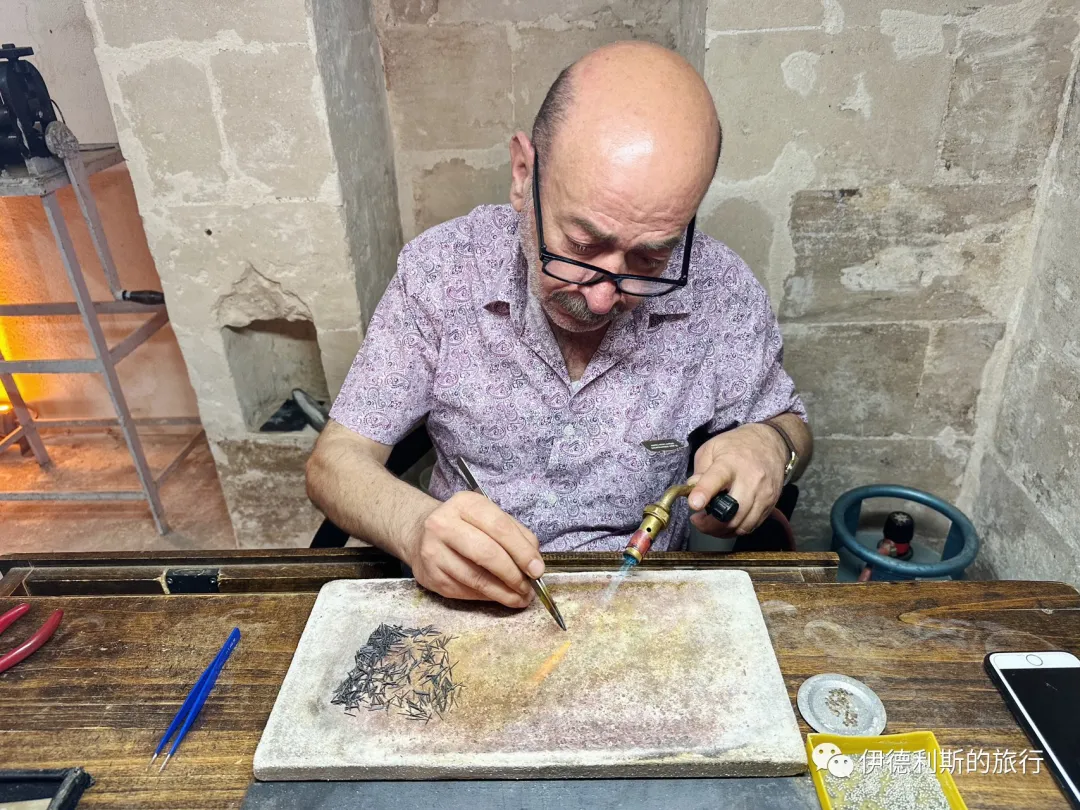
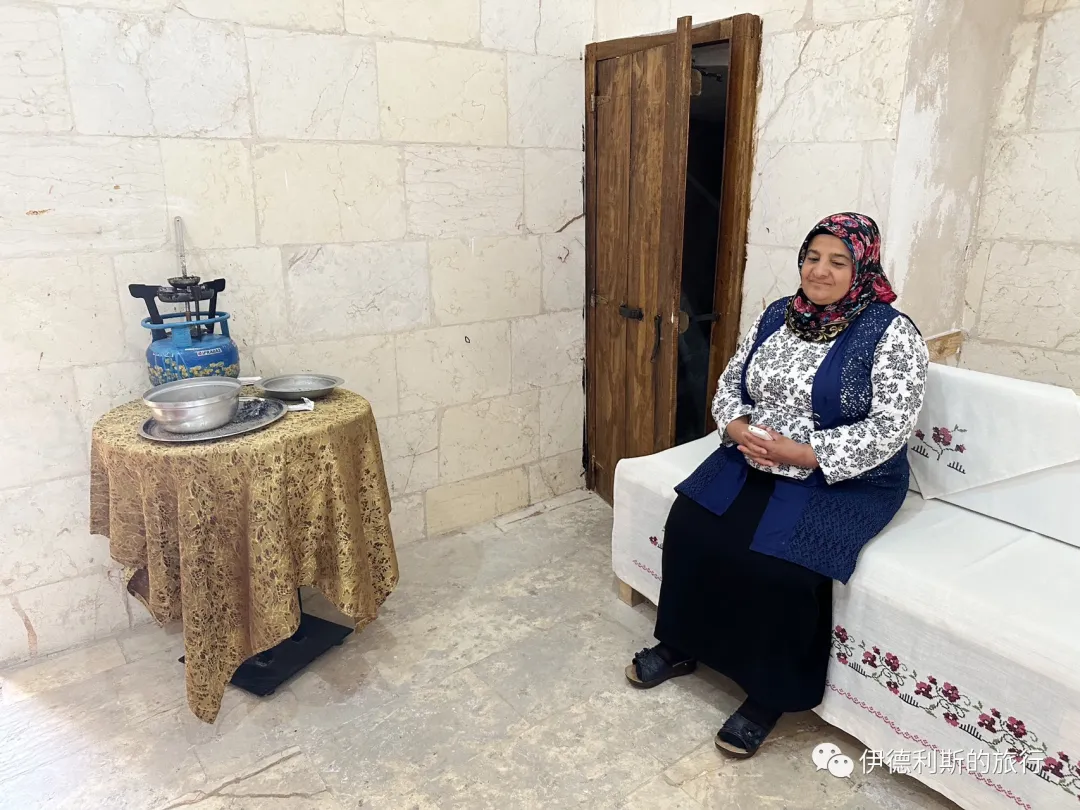
We visited the Mardin Living Museum (Mardin Yaşayan Müze), which displays various traditional Mardin handicrafts. In the first room, an Assyrian man showed us silver filigree work and made beautiful silver earrings for us on the spot.
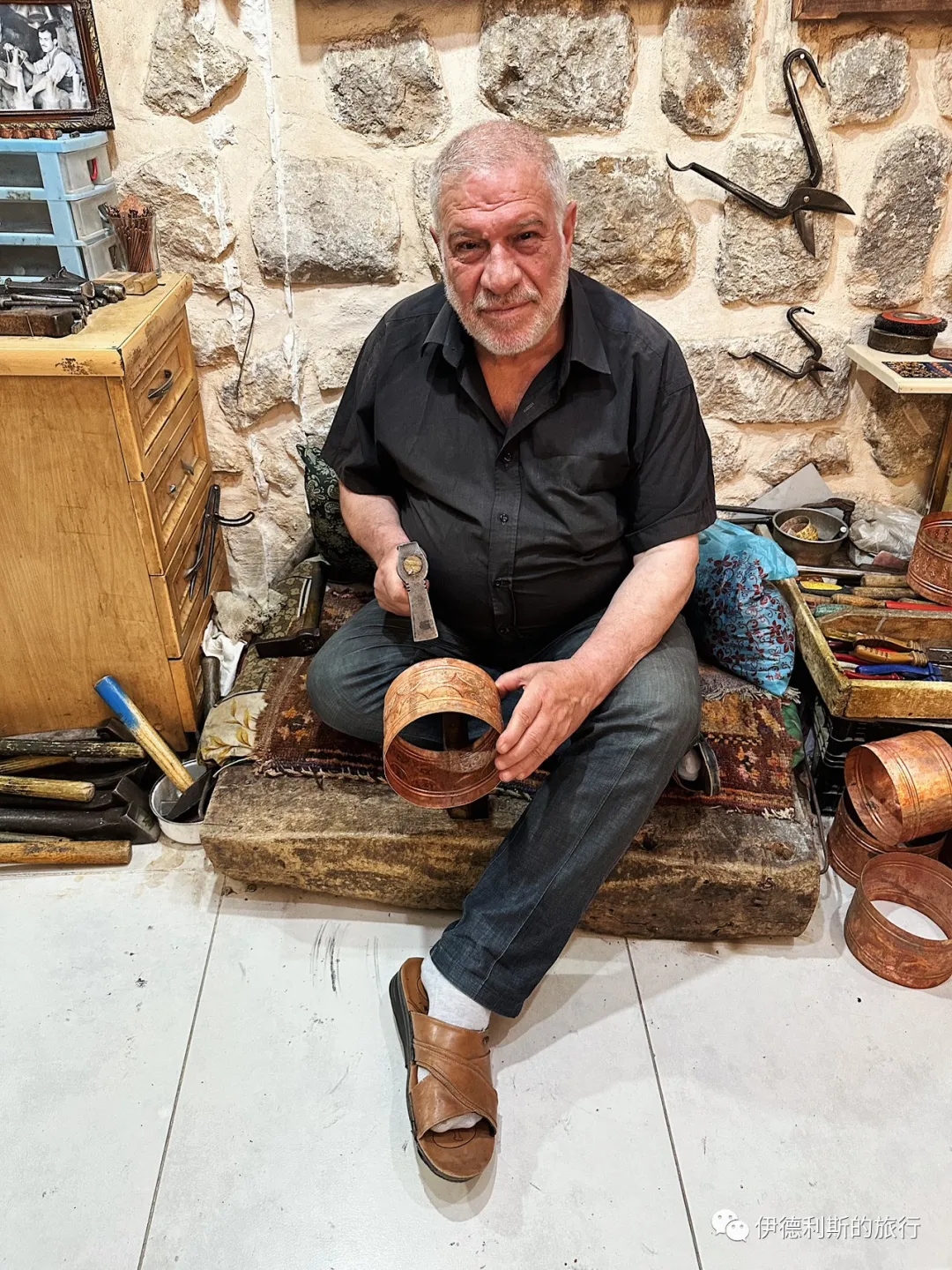
In the second room, an Arab man was busy crafting various copper items.
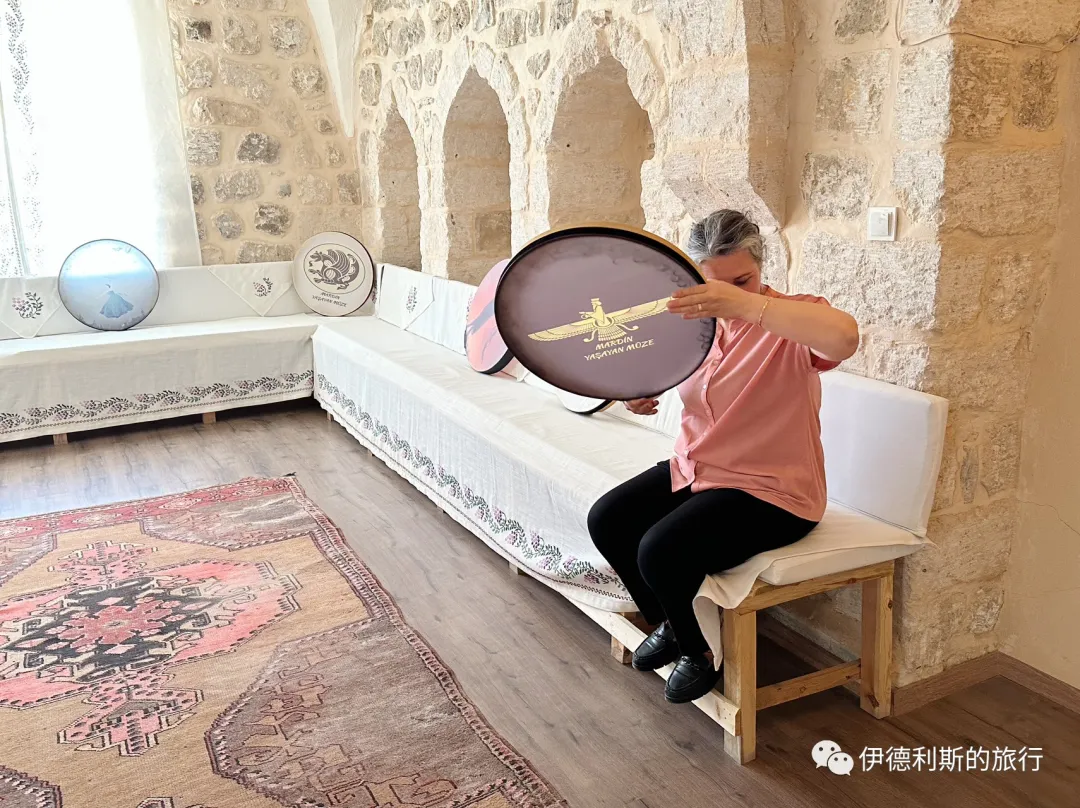
In the third room, a Kurdish woman sang traditional Kurdish folk songs for us and played the Kurdish frame drum (daf). The frame drum (daf) has a very long history. It appeared in Assyrian reliefs over 3,000 years ago and was an important instrument in Zoroastrian rituals. The museum's drum features the Zoroastrian symbol, the Faravahar. As an Iranian ethnic group, Zoroastrianism once had a profound influence on Kurdish culture.
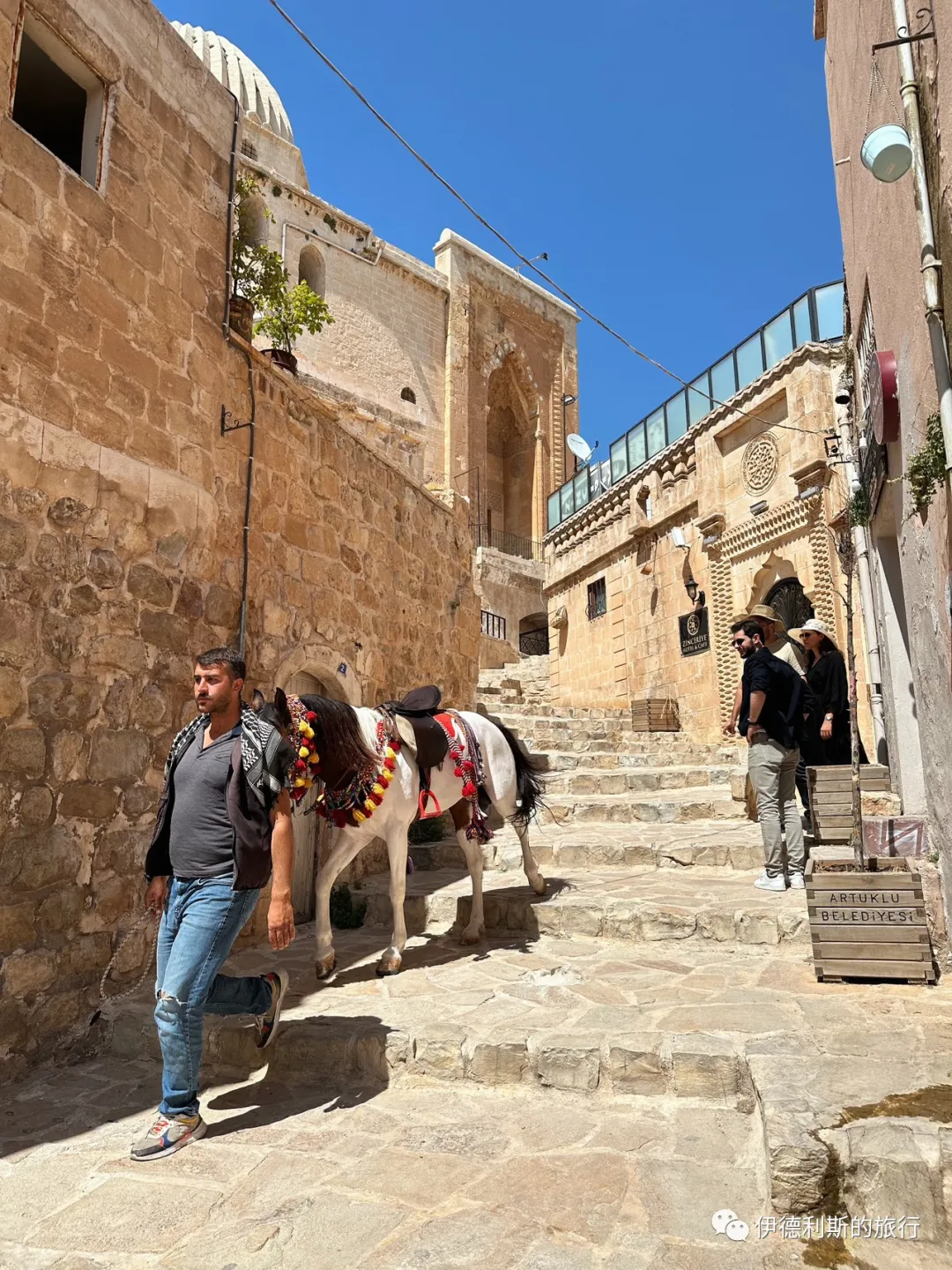
Street Scenes
Summary: Mardin in southeastern Turkey sits on a rocky slope above the Mesopotamian plain, with old mosques, stone madrasahs, churches, and Artuqid-era buildings layered through the old city. This travel account follows the original route through Mardin Castle, Mardin Ulu Camii, Abdullatif Mosque, Sehidiye Mosque, local food streets, and the city's Muslim and Christian heritage.
Mardin is in southeastern Turkey near the borders of Syria and Iraq. The old city sits on the southern slope of a mountain ridge. At the very top of the cliff stands a thousand-year-old castle, and below it, the city is built into the rock like a staircase. Because of this, you can look out over the Mesopotamian plains from any terrace in the old city, and the view is spectacular.
Mardin is famous for its architecture from the Artuqid dynasty (Artuqids) dating back to the 12th to 14th centuries. The Artuqid dynasty was an Oghuz Turkic tribal dynasty named after Artuk Beg, a commander of the Seljuk Empire. Artuk Beg's descendants began ruling Mardin in 1101. After the 13th century, they became vassals to the Ilkhanate and the Timurid Empire until the Black Sheep Turkmen (Qara Qoyunlu) destroyed them in 1409.
Castle
Mardin Castle is thought to be 3,000 years old, dating back to the Babylonian period. The current structure was built in stages from the Hamdanid dynasty (al-Hamdaniyyun) in the 10th century to the Artuqid dynasty in the 11th to 13th centuries. The Hamdanid dynasty was an Arab tribal dynasty in Mesopotamia. Ottoman Sultan Selim III (who reigned from 1789 to 1807) repaired it, but it fell into disrepair by the early 20th century.
Today, a military radar station occupies the site. The city of Mardin has asked the military to leave and open it for tourism many times. In 2015, former Mardin mayor Ahmet Turk helped start a campaign called 'Mardin Castle belongs to the people of Mardin' to demand the castle be opened to visitors, but it has not succeeded yet.
Mosques
The Great Mosque of Mardin (Mardin Ulu Camii) dates back to the 10th century. It is one of the earliest mosques in the Anatolia region and set the foundation for later Mardin architectural styles. The mosque contains 16 stone inscriptions from the Seljuk, Artuqid, Black Sheep Turkmen, and Ottoman periods, spanning nearly a thousand years.
The mosque once had two minarets, but only the eastern one remains. An inscription at the base shows it was built in 1176, making it a classic example of Artuqid architecture.
The Great Mosque has been renovated many times. Most of what you see today is from an Ottoman-era renovation in 1889, but it still keeps its early architectural style.
Abdullatif Mosque, also called Latifiye Mosque, was started in 1371 by the Artuqid minister Abdullatif. The minaret was built in 1845 by the Ottoman governor of Mosul, Mehmed Pasha.
The mosque's main gate still looks as it did when it was built in 1371 and is known as the final masterpiece of the Artuqid dynasty. Below the beautiful honeycomb-like vault (muqarnas), the gate is decorated with Kufic and Thuluth calligraphy and various geometric patterns.
Seyh Cabuk Mosque is thought to have been built in the 15th century during the Black Sheep Turkmen period and was renovated in the 19th century. Legend says that a companion of the Prophet, Abdullah bin Anas al-Juhayni, was sent by the Prophet to deliver a letter to Constantinople. He passed away in Mardin on his way back and was buried here, and the mosque was built because of his tomb.
Sehidiye Mosque was ordered to be built in 1214 by the Artuqid Sultan Melik Nasreddin Aslan. The current minaret was rebuilt in 1914 by the Armenian architect Serkis Lole in an eclectic style, which is very characteristic of that era.
While eating grilled meat (kebab) at night, I heard the call to prayer (adhan). The owner of the barbecue shop and I both left at the same time to go to the nearby Dinari Pamuk Mosque for the evening prayer (maghrib). It is a small mosque, but it is very crowded because it is on the main road of the old city.
People say Dinari Pamuk Mosque was built in the 11th century by Sheikh Mehmet Dinari on the site of a Byzantine church. The current building was constructed in 1332 during the Artuqid dynasty.
Melik Mahmut Mosque, built in 1362.
Madrasa
Zinciriye Madrasa was built in 1385 and is another historic building from the Artuqid dynasty in the old city of Mardin. Zinciriye Madrasa is actually a complex (külliye) consisting of a madrasa, a mosque, a tomb, and two courtyards. The mosque and the tomb each have a fluted dome, matching the style of the Great Mosque of Mardin.
Kasımiye Madrasa, also called Kasim Pasha Madrasa, sits on a hillside in the western suburbs of Mardin's old city. Construction began under the second-to-last Artuqid sultan, Al-Zahir Majd al-Din 'Isā (reigned 1376–1407), but stopped due to the invasion of Timur. It was finally completed in the late 15th century by the Black Sheep dynasty sultan, Kasim ibn Cihangir (reigned 1487-1507).
Kasımiye Madrasa was the most powerful school in Mardin's history. It taught not only religious studies but also medicine, astronomy, mathematics, and other sciences. The madrasa stayed open until 1924, when all madrasas in Turkey were closed. Today, it is a famous tourist spot in Mardin. It is very popular with visitors and many young couples taking wedding photos, which look amazing.
The madrasa has a rectangular structure with a dome on each side—one for the mosque and one for the tomb. In the middle is a courtyard surrounded by two floors of classrooms. The center features a classic Mardin fountain called the Fountain of Life, which symbolizes the journey from birth to childhood, youth, old age, and finally the Day of Judgment. The classroom doors are only one meter high. This design forces students to bow respectfully to their teachers as they enter.
Hatuniye Madrasa was built between 1176 and 1184 and houses a footprint of the Prophet Muhammad.
Savur Kapi Madrasa was built in the 13th or 14th century.
Bathhouse
Savurkapi Bathhouse, built in 1176.
Accommodation
Our hotel, Maristan Tarihi Konak, is inside a 700-year-old building. It was originally built by Jews and is now run by Kurds. Five hundred years ago, many Armenians and Jews lived in the ancient city of Mardin. Today, it is mainly home to Kurds and Arabs, along with a significant number of Assyrian Christians, making the culture very diverse.
The taxi drove into the maze-like alleys of the old city, weaving left and right up very steep slopes, which made us feel quite nervous. The car finally stopped on a slope. Idris, a young Kurdish man from the hotel, greeted us warmly by the road. It is a coincidence that my name is also Idris, which is the name of a prophet.
Idris led us up the stone path until we finally reached the Maristan Tarihi Konak hotel. Before I left, I checked online and found that most hotels in Mardin's old city are stone houses. This one is not on the main road, so it offers better value, and the reviews specifically mentioned that the staff is very friendly. This turned out to be true.
The walls of our stone house are very thick. Even when it is 30 degrees outside in the summer, we do not need air conditioning inside. However, it does not get as much light as a wooden house because the windows are very small. Interestingly, our door is also very traditional. You have to insert a large key and turn it several times in the opposite direction, which feels very ancient.
We had a very rich breakfast on the hotel terrace, including four types of cheese, yogurt, two types of olives, honey, fig jam, pomegranate jam, and grape jam. The main food was not the usual Turkish bread, but Kurdish flatbread (nan).
Food
In the old town bazaar, I tried the Mardin specialty Assyrian pastry (Süryani Çöreği) and drank a Kurdish version of salty yogurt drink (Doogh).
The Assyrian pastry (Süryani Çöreği) is said to have a 2,000-year history. It is made with 32 different spices and comes in flavors like date and almond. It is a signature food for Assyrian engagement ceremonies. Assyrians have lived on the Mesopotamian plains for 4,000 years. They built a massive Assyrian Empire before 2000 BC, which helped spread Assyrian culture widely. As an important settlement for Assyrians, many of Mardin's delicacies were invented by them. Although Assyrians are Christians, they live alongside Kurds and Arabs, so their snacks are safe for Muslims to eat.
Unlike the Turkish version of yogurt drink (ayran) which only uses salt, water, and yogurt, Kurds add dill, mint, and seeds from the Kurdish pistachio tree (Pistacia kurdica) to their Doogh. Kurds also make a drink called Ava Mast by mixing these seasonings into milk and water.
In another alley, we drank a classic Kurdish Ramadan iftar beverage, the purple basil sherbet (Reyhan Sherbet). It is made with purple basil, lemon salt, cinnamon, and cloves. The man selling the sherbet was very friendly. He used Google Translate to chat with us and showed us the way to various historical sites. We felt very grateful (alhamdulillah).
In the old town of Mardin, we visited a century-old Turkish dessert shop called HELVACI ALİ, which opened in 1900. They started opening branches in Turkey and former Ottoman countries in 2018 and now have 200 locations.
We had pistachio-flavored halva served with Maraş goat milk ice cream (Maraş Dondurması Üzerine). This ice cream contains mastic resin and an orchid-based starch called salep.
We also tried a jam-flavored version that was delicious, filled with fruits like cherries, figs, and oranges.
For lunch, we went to the most popular restaurant in the old town, Tarihi Sultan Sofrası. Their specialty is the Mardin meat platter (Mardin tabağı), which almost every table orders. The platter includes six types of food:
First is the Mardin kebab (Mardin Kebabı), made by mixing minced meat with onions, chili, black pepper, and salt before putting it on skewers.
Lamb rib roast (Kaburga dolması) is a rotisserie dish that is part of Ottoman cuisine, famous especially in Mardin and Diyarbakır. You must eat the lamb rib roast with the local specialty pilaf, which is made with onions, garlic, pepper, tomatoes, cumin, cilantro, cinnamon, allspice, and other spices.
Fried meatball (İçli Köfte) originated from the Levantine kibbeh. The shell is made from cracked wheat, flour, eggs, pepper, and spices, while the filling is minced meat with onions, parsley, and spices. Unlike the spindle-shaped kibbeh in the Levant, the ones we ate in Mardin were shaped like meat patties.
Vegetable stew (Güveç) is a clay pot dish containing stewed potatoes, eggplants, and green peppers.
Sembusek, also called Mardin pizza, is a thin meat pie. It is like a sealed version of lahmacun, with minced meat, onions, green peppers, parsley, black pepper, and spices inside.
Lamb meat pie (Etli ekmek) is made by kneading lamb mince with dried red chili and spices into dough, then baking it in an oven. It is crispy on the outside and tender on the inside, looking a bit like a cracker.
Besides this, whenever you order meat here, they always provide a plate of vegetables and a plate of onions. The vegetables include cabbage, red cabbage, cucumbers, tomatoes, and cilantro. A squeeze of lemon makes them very refreshing. In Turkey, you can basically avoid the situation of only eating meat and no vegetables while traveling, which I think is great.
In the afternoon, I had coffee and dessert at a cozy cafe in Mardin, which had a very local feel. Local Mardin coffee is richer than standard Turkish coffee; it contains orchid root powder (salep) and carob powder, and both local Kurds and Assyrians enjoy drinking it this way. Tabbaka is a yellow rice pudding invented by the Assyrians. Harire is a brown pudding made from local Mazruna grapes, and we finished with some purple basil sherbet (Reyhan Sherbet).
At a Kurdish flatbread shop on the streets of Mardin, the bread is handmade, and the patterns are pressed in with fingers. This flatbread goes well with grilled meat and stews, and restaurants usually serve some regardless of what you order.
I had traditional grilled meat for dinner at a shop that has been open since 1922, making it 101 years old. Turkey hasn't gone through the same social changes we saw in the 50s and 80s, so it feels like you often see old shops on the roadside that have been passed down through generations for decades or even a century.
The minced meat is charcoal-grilled with green peppers and served with thin flatbread, onions, tomatoes, and cabbage; just like Zibo barbecue, you wrap the meat in the flatbread to eat it. The main difference from our barbecue is that we grill chunks of meat and sprinkle seasoning on them while cooking, while they season the meat when mincing it and add no extra spices during grilling.
In the evening, I ate fried chickpea balls (Falafel) and chickpea dip (Hummus) at a small Assyrian snack shop, served with tomatoes, pickles, and cabbage. The shop is very popular, and the food is truly delicious.
I chatted with the owner and asked if he was Kurdish or Arab, and he told me he is a Syrian (Syriacs). I initially understood this as him having moved from Syria, but after looking it up, I learned that Syriacs refers to Syrian Christians, which includes all denominations that use the classical Syriac language for rituals. The Nestorianism (Jingjiao) that was popular in China during the Tang and Yuan dynasties is one of these branches. Therefore, the term Syriacs today refers to a group that includes modern Arameans, Assyrians, Chaldeans, and other ethnic groups.
Traditional clothing
While walking around the old city of Mardin in the evening, I bought a traditional Kurdish grid headscarf (Pushi) and baggy trousers (Shalwar) at a Kurdish clothing store.
Shalwar are traditional baggy trousers introduced to the Middle East from Persia during the Ottoman period, and the name literally means 'trousers' in Persian. These trousers are very loose and held at the waist with an elastic band; they are especially popular in the agricultural and pastoral regions of southeastern Anatolia.
The Pushi headscarf is called a Keffiyeh in Arabic and is common throughout the Middle East as a way to protect against sunburn and sand in arid regions. However, the style and way of wearing these headscarves vary across the Middle East. For example, people on the Arabian Peninsula usually wear a black headband (Agal) over a plain white headscarf, while Palestinians use a fishnet-patterned headscarf as a symbol of national identity. Kurdish headscarves, like those of the surrounding Arabs and Yazidis, usually feature black-and-white or red-and-white grid patterns. People wear them by rolling up one side to keep them in place. Today, young Kurds in Mardin mostly wear the headscarf (pushi) as a neck scarf.
Handicrafts
Mardin has many copper shops where you can buy all kinds of handmade dried fruit plates and coffee pots. It is also popular here to craft the Hand of Fatima (hamsa). Friends (dosti) in West Asia and North Africa use this right-hand symbol as an amulet, believing it protects people from the evil eye and other dangers. Palm-shaped amulets date back to ancient Mesopotamian civilization. They were later adopted by Sephardic Jews and then entered the traditions of Arabs and Berbers, becoming widely spread across the Middle East.
Museums
We visited the Mardin Living Museum (Mardin Yaşayan Müze), which displays various traditional Mardin handicrafts. In the first room, an Assyrian man showed us silver filigree work and made beautiful silver earrings for us on the spot.
In the second room, an Arab man was busy crafting various copper items.
In the third room, a Kurdish woman sang traditional Kurdish folk songs for us and played the Kurdish frame drum (daf). The frame drum (daf) has a very long history. It appeared in Assyrian reliefs over 3,000 years ago and was an important instrument in Zoroastrian rituals. The museum's drum features the Zoroastrian symbol, the Faravahar. As an Iranian ethnic group, Zoroastrianism once had a profound influence on Kurdish culture.
Street Scenes
