
Halal Travel Guide: Xindu, Sichuan - Hujia Mosque and Hui Heritage
Reposted from the web
Summary: Hujia Mosque in Xindu District, Chengdu, was first built in 1738 and is tied to Qing-era Hui Muslim migration into Sichuan. The article records the Hu family's military and imam history, the mosque mihrab couplets, and the wider network of Xindu mosques.
Xindu is in the north of Chengdu. It is an important gateway for traveling north from Chengdu along the ancient Shu Road (Jinniu Road). Hui Muslims began moving here from the northwest during the Ming Dynasty, and they built the Luojia Mosque (Luojia Si) in 1417. Between the end of the Ming Dynasty and the beginning of the Qing Dynasty, forces including the Southern Ming, Zhang Xianzhong, remnants of Li Zicheng's army, the Qing army, and Wu Sangui fought repeatedly in Sichuan. This caused the population to drop sharply and the land to go to waste for decades. By the Kangxi era, the Qing Dynasty finally controlled Sichuan. They began to restore production and invited people to farm the land, which led many Hui Muslims to settle in Xindu. Between the Kangxi and Guangxu eras, seven mosques were built in Xindu: Majia Mosque, Hunan Mosque, Tangjia Mosque, Hujia Mosque, Qingjing Mosque, Chengyi Mosque, and Zhenyi Mosque. All of these were related to the Qing Dynasty's immigration policies in Sichuan.
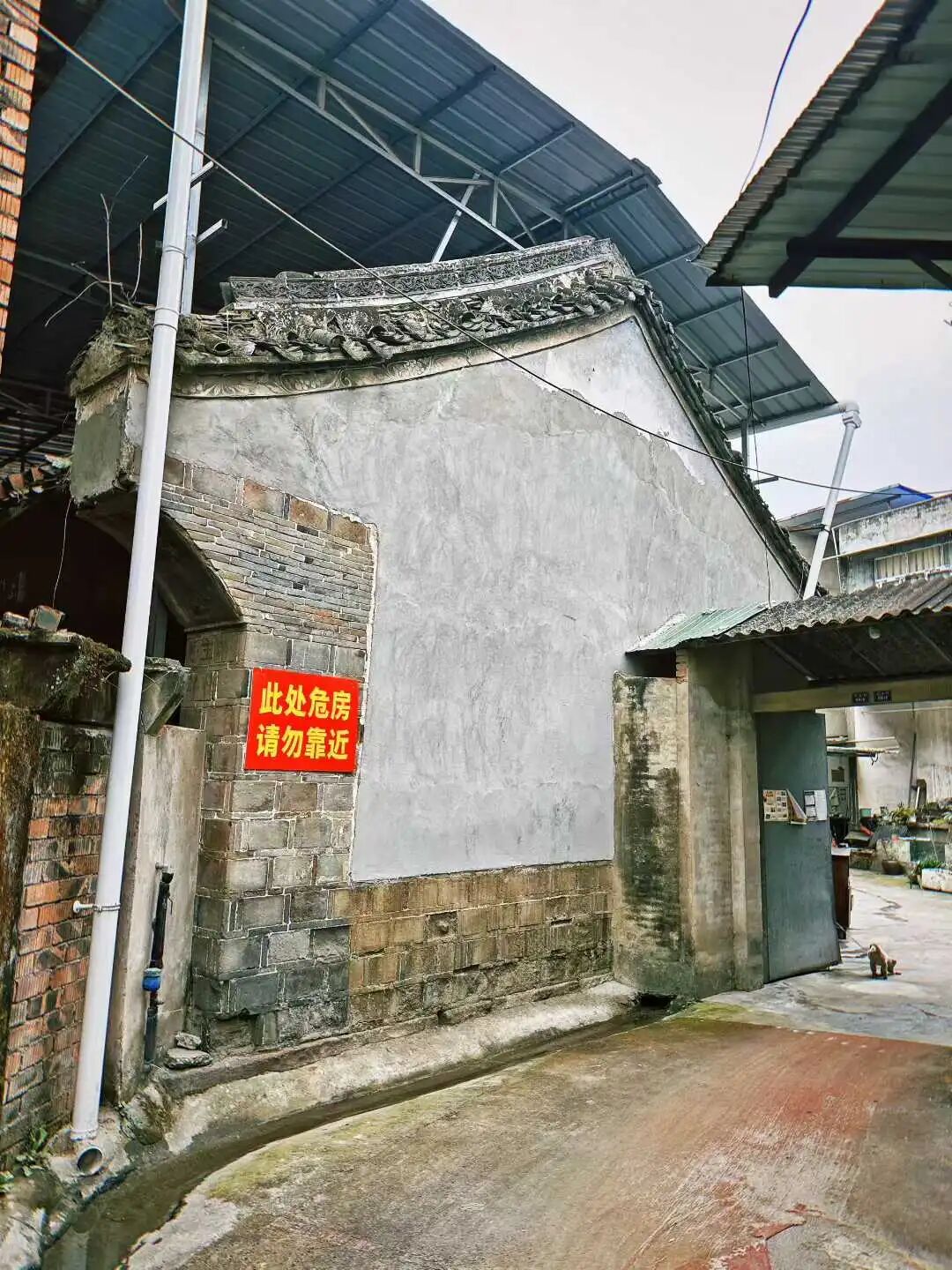
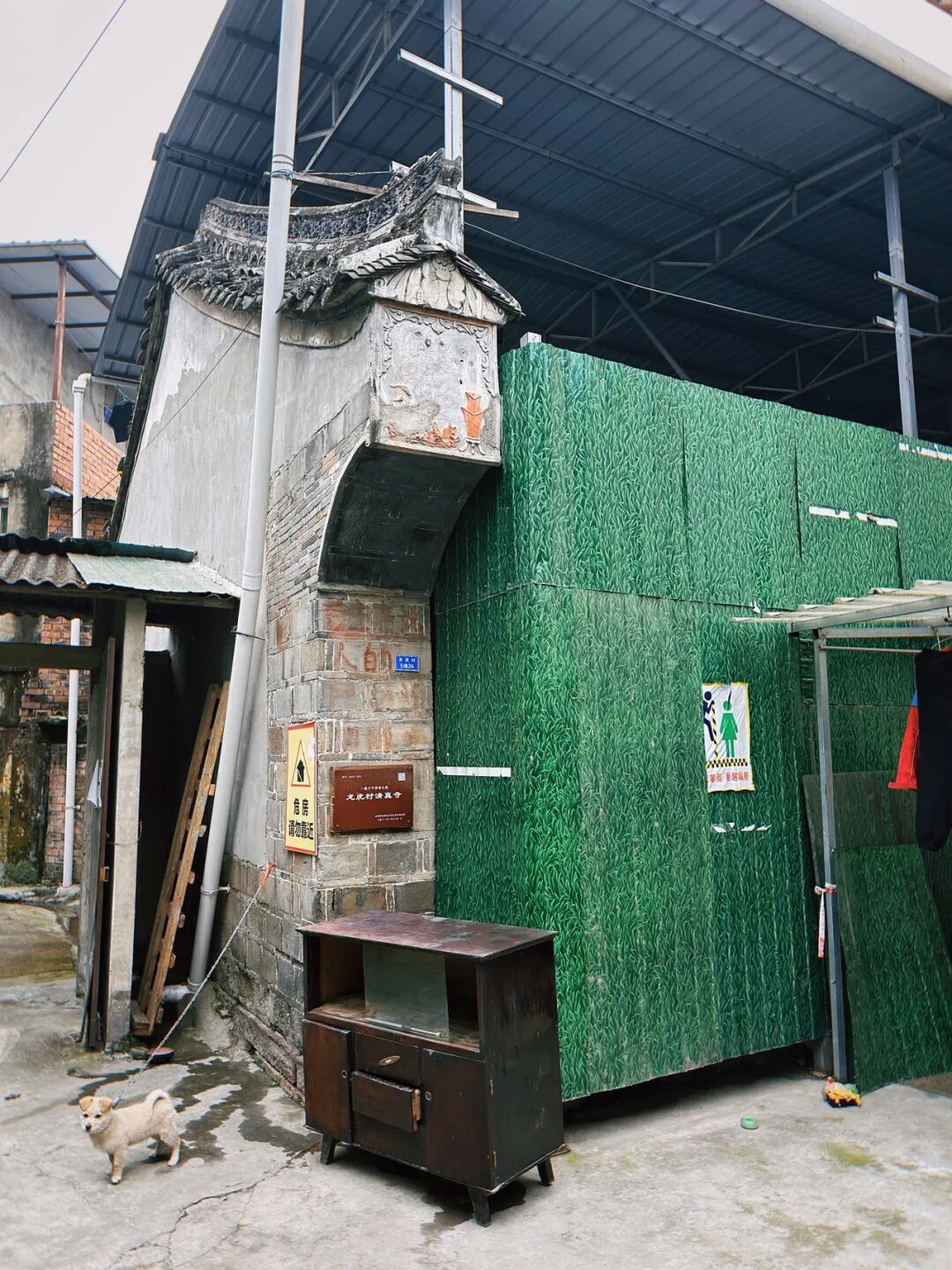
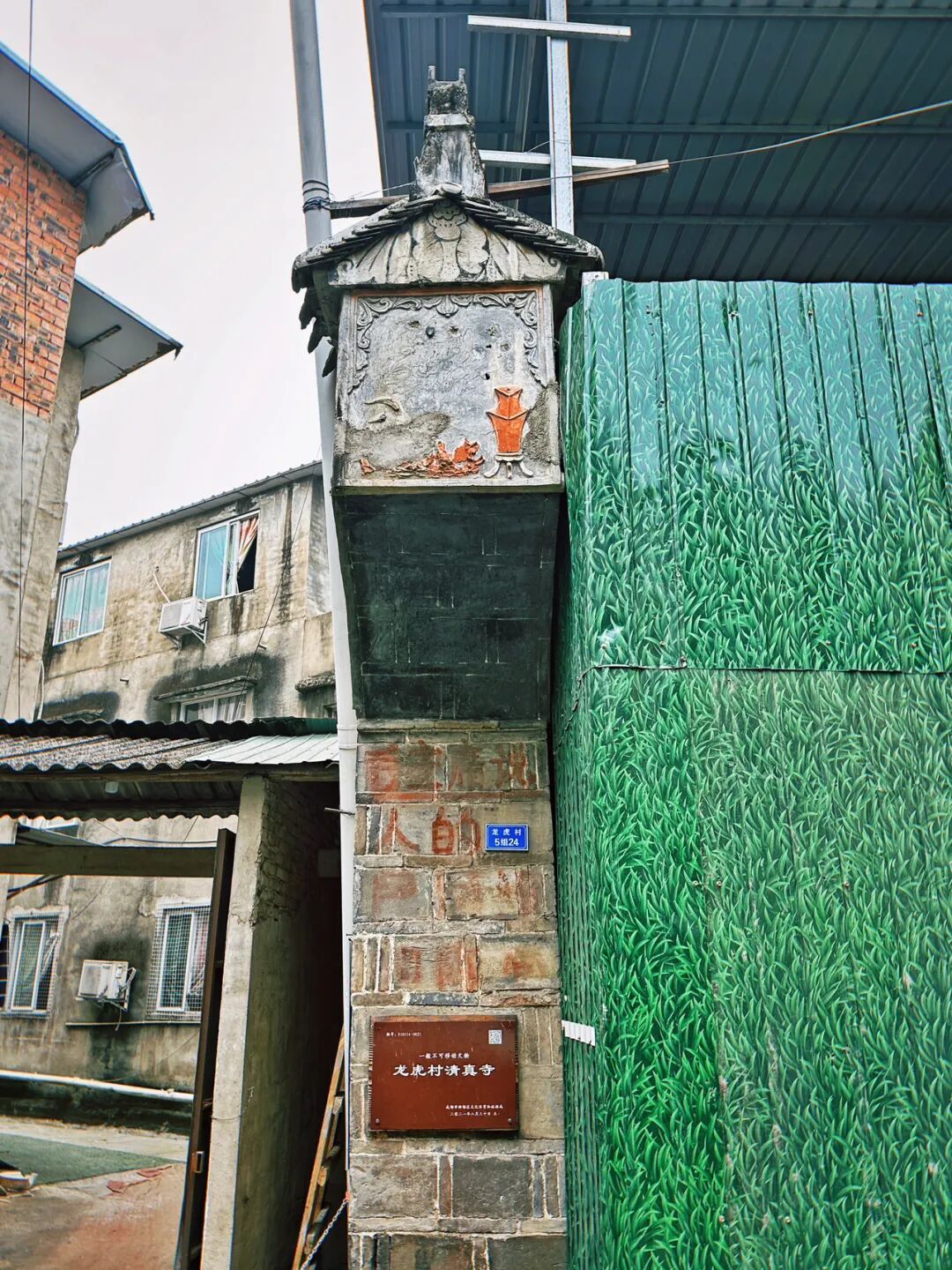
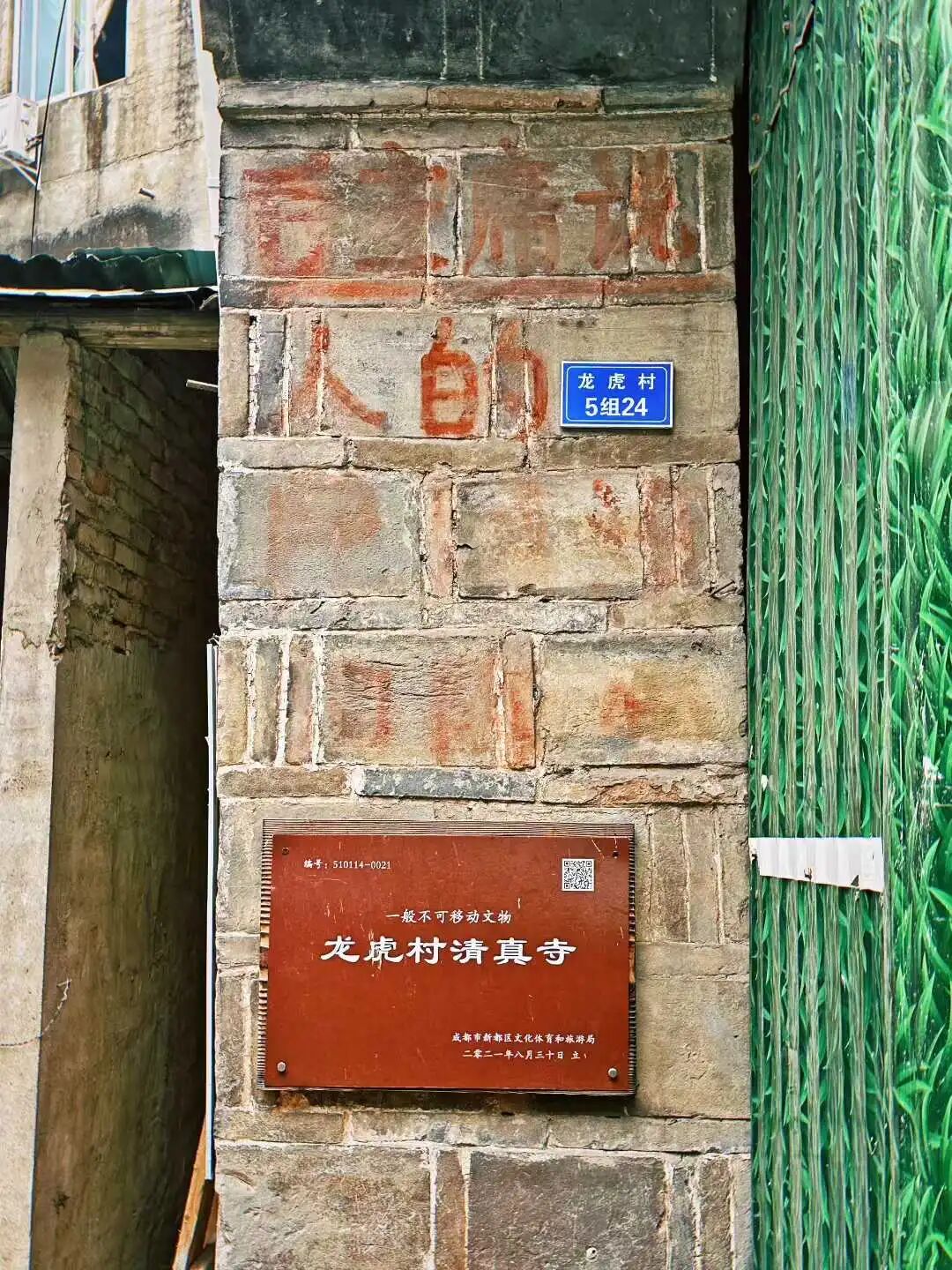
Hujia Mosque is located at Hujia Bridge in Xindu and was first built in 1738. According to the Hujia Family Genealogy in Xindu, their ancestors were from Jiuligou in Weinan County, Shaanxi. The Hu family of Xindu was famous during the Qing Dynasty for producing military officers. During the Qianlong era, Hu Chenglin served as a captain (qianzhong) in the Qing army. He died in battle in 1772 while the Qing army was fighting in Jinchuan. His younger brother, Hu Songlin, rose to the rank of regional commander (zongbing). In 1763, he helped build the Nine Mosques of Chengdu.
During the Xianfeng era, Hu Songlin served as a guerrilla commander (youji) in Hunan. He fought against the Taiping Heavenly Kingdom for years, moving from Guangxi and Hunan to Jiangsu. He won many victories while capturing places like Lishui, Jurong, and Zhenjiang in Jiangsu. His son, Hu Kunyuan, joined the army at seventeen to fight the Taiping Heavenly Kingdom. He won many battles, capturing Gaochun, Taiping, and Wuhu. He rose to the rank of regional commander (zongbing) and eventually died in battle at Moling Pass. According to the Draft History of Qing, Kunyuan served in the army for eight years and was known for his loyalty and courage. He was good at using a small force to defeat a large one and acted as a commander. He and his father used all the money they earned to support their brave soldiers. Wherever their flags pointed, the enemy was defeated. He received six imperial gold medals and suffered two second-degree wounds and twelve first-degree wounds. He had his neck burned and fingers cut off, and he nearly died many times. After he died, people all over the country mourned him.
In modern times, the Hu family of Xindu is famous for producing imams. Imam Hu Tingzhang was known as one of the Four Great Imams of the Republic of China in Henan. During the War of Resistance Against Japan, he taught at the East Mosque in Chengdu. Even while Japanese planes were bombing the city, he insisted on leading the congregation in Friday prayers (Jumu'ah) among the ruins. Later, Imam Hu Tingzhang was hired to teach in many places in Henan, where he trained many students. Imam Wang Jingzhai praised Imam Hu Tingzhang as a mentor for Islamic scripture education in China. Imam Hu Xuelan was the nephew of Imam Hu Tingzhang and served as an imam at the Nine Mosques of Chengdu and the Kangding Mosque. During the War of Resistance Against Japan, he worked at the International Radio Station in Chengdu, broadcasting in Arabic to tell the world about China's determination to fight the war. Also, during the Republic of China era, the brothers Hu Boying and Hu Bokai were in charge of teaching at the Gulou Mosque and the North Mosque in Chengdu.
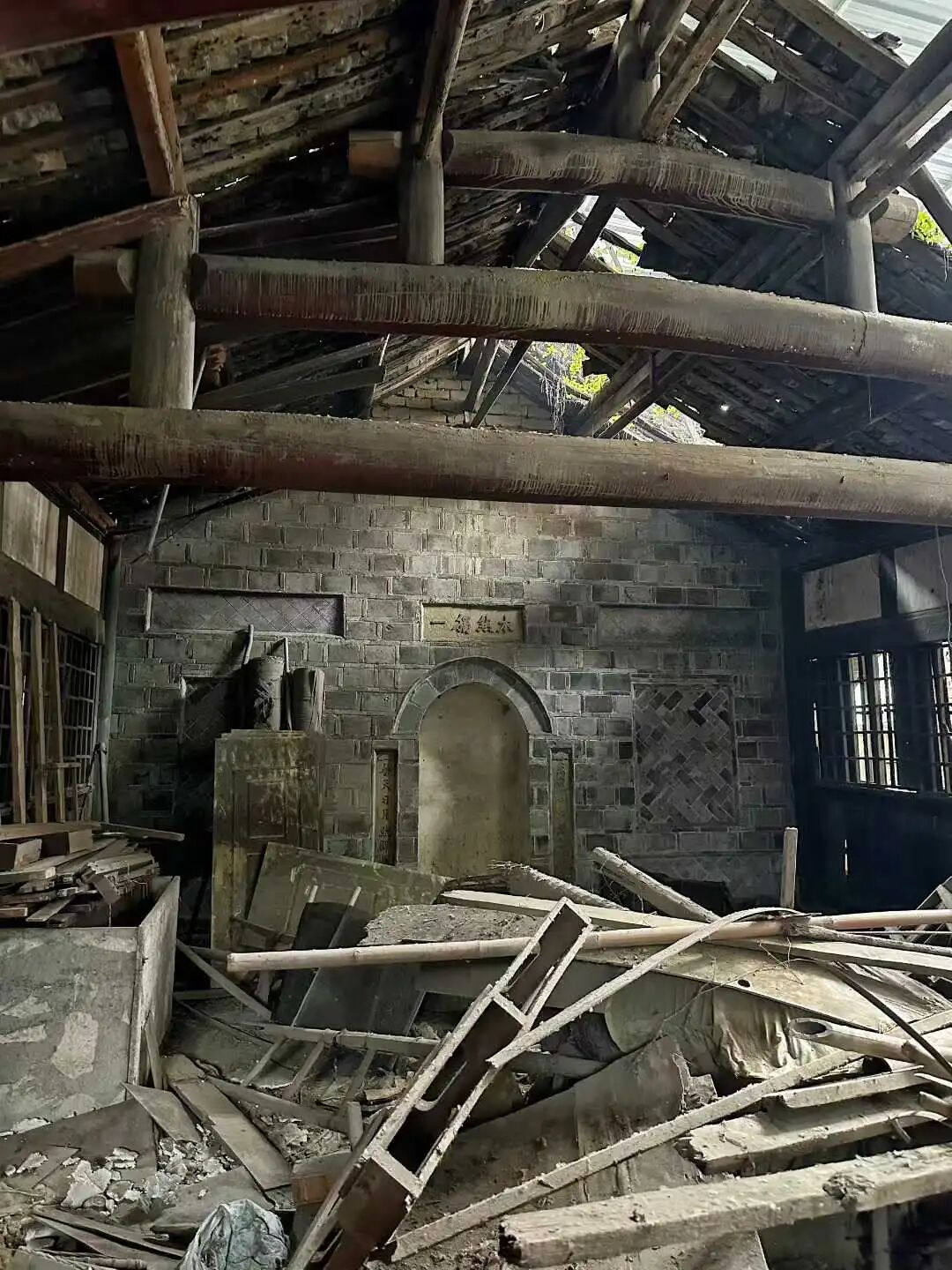
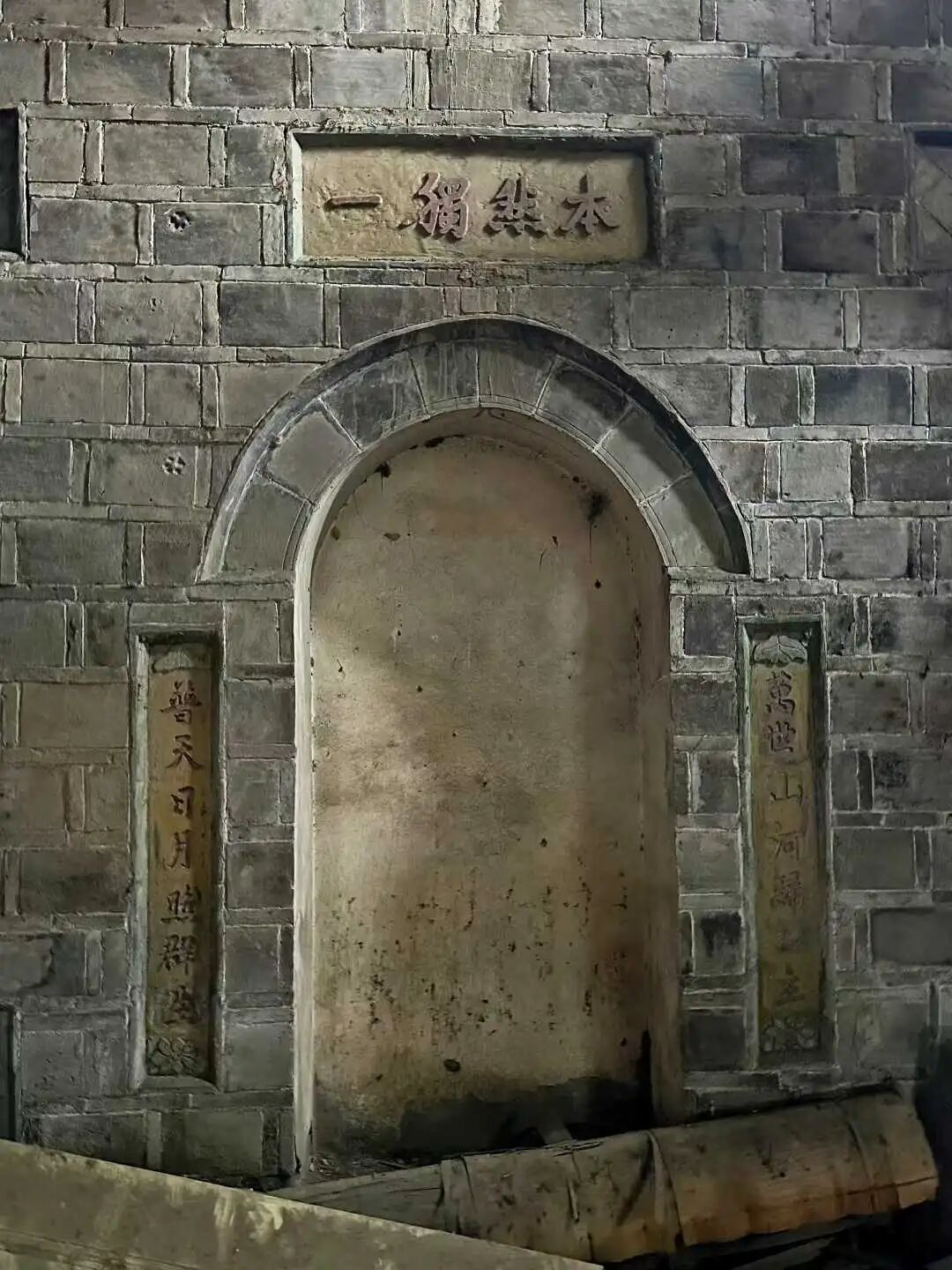
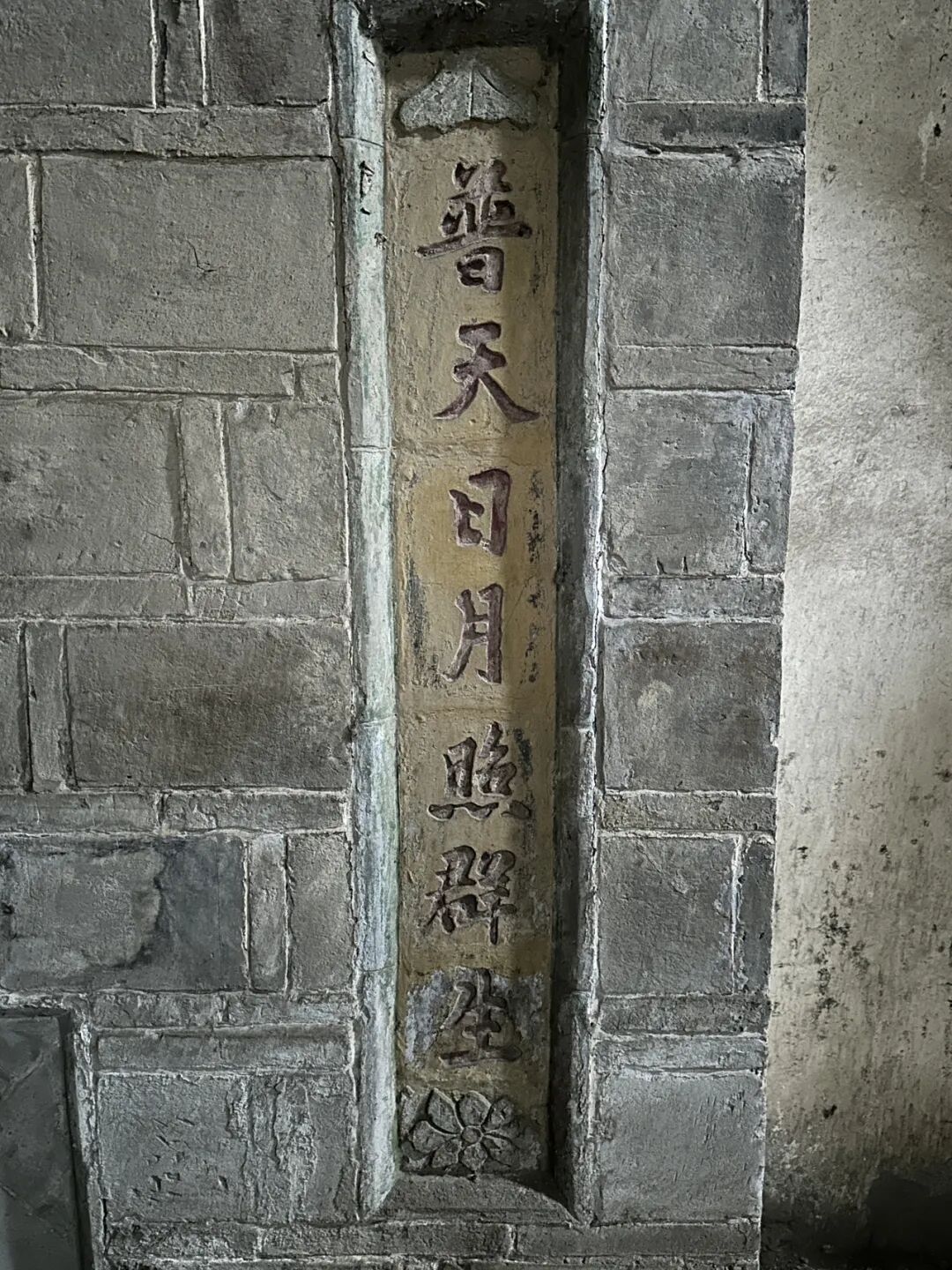
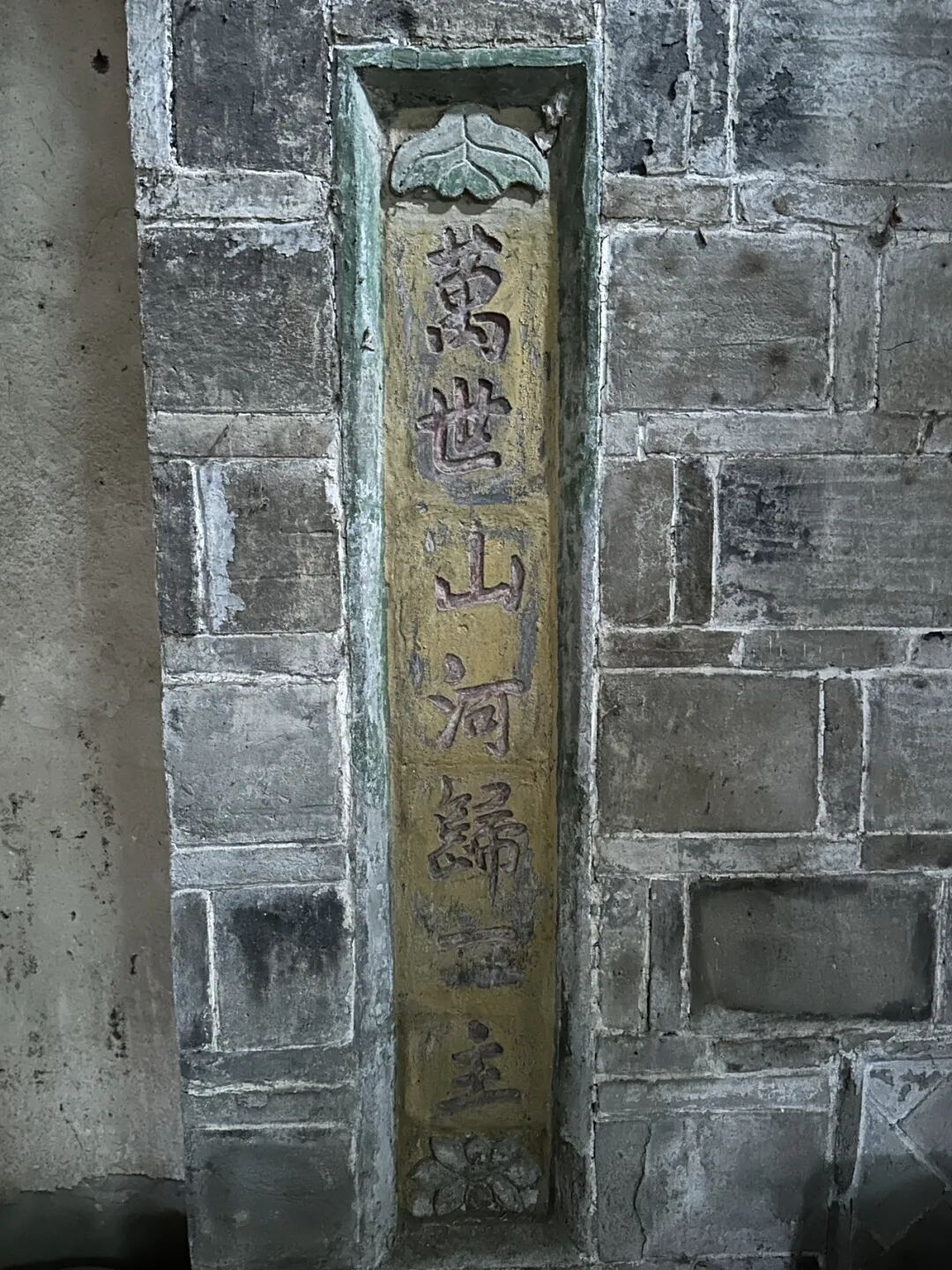
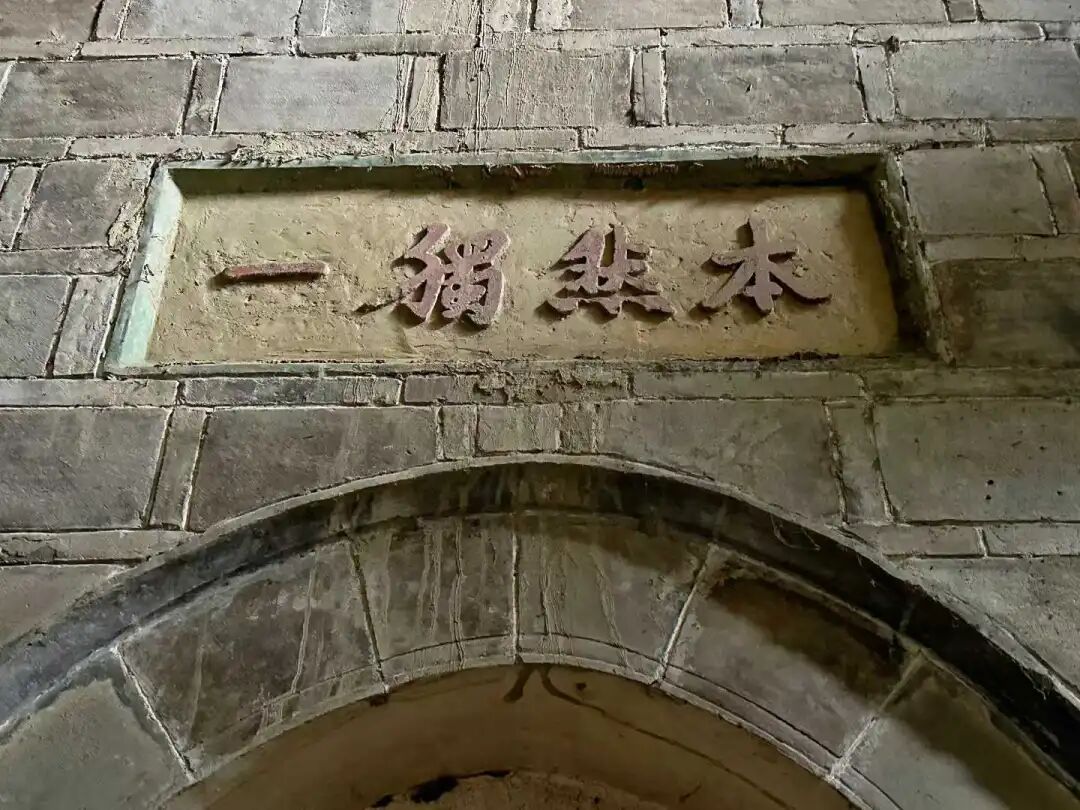
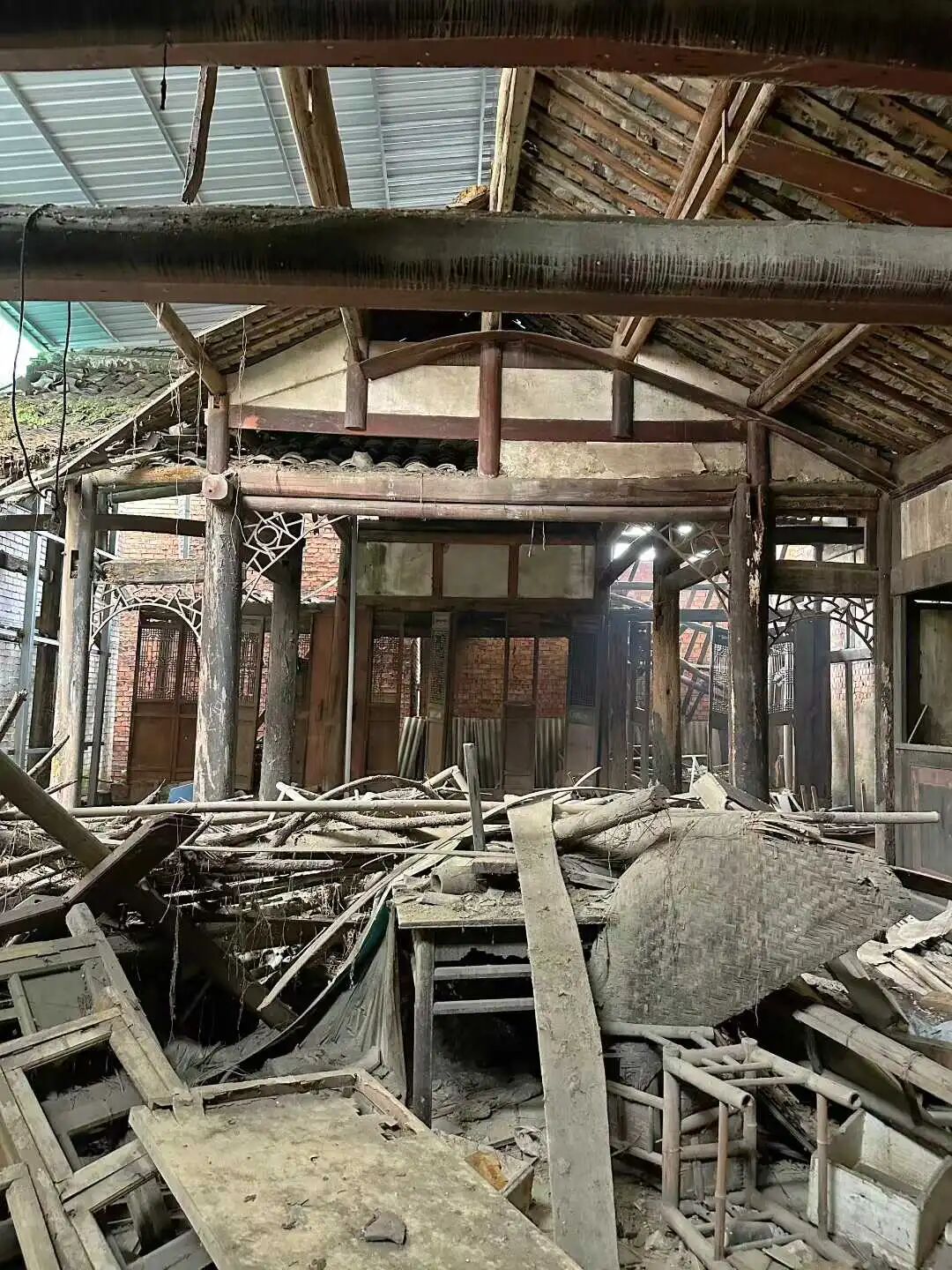
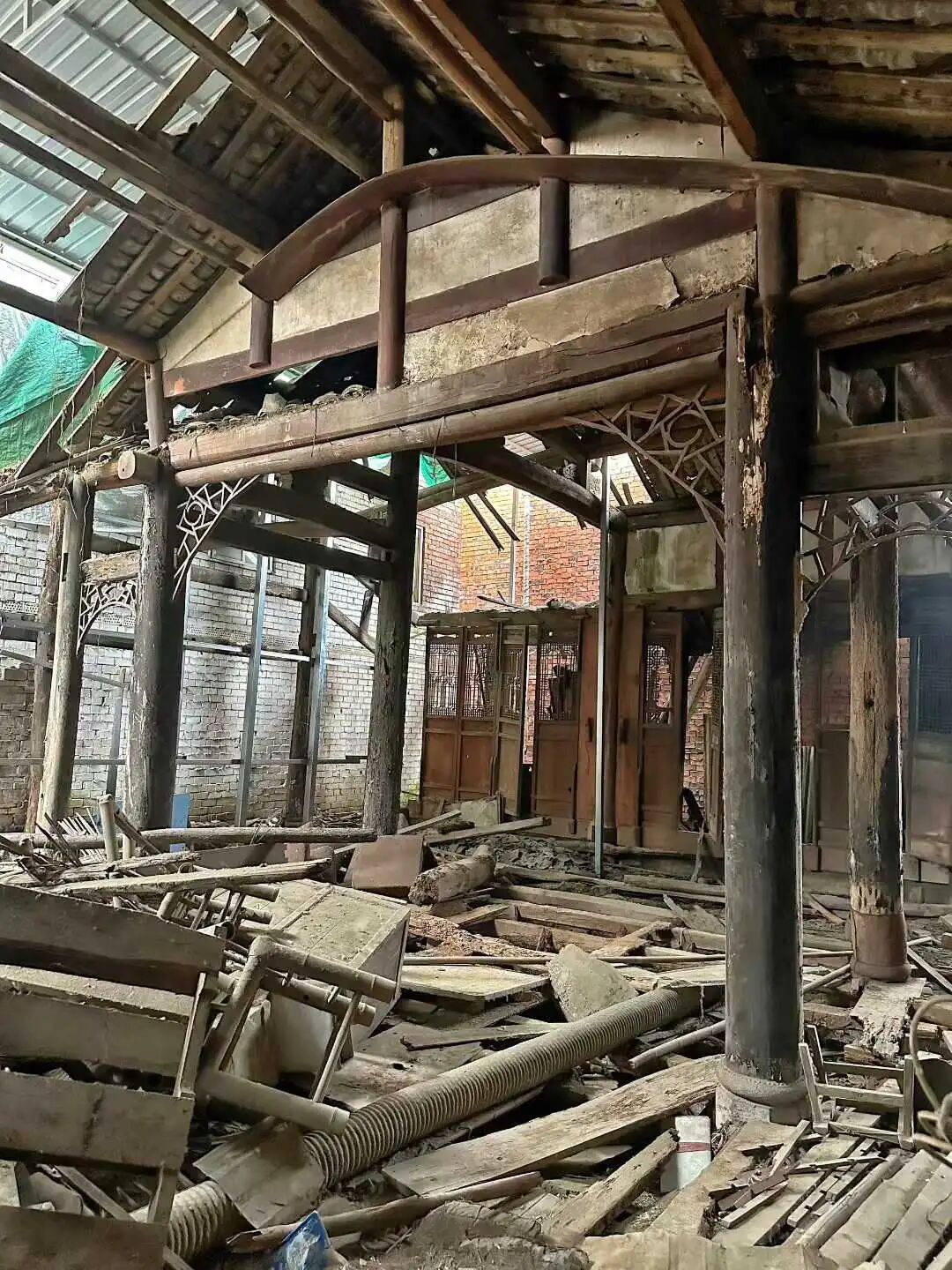
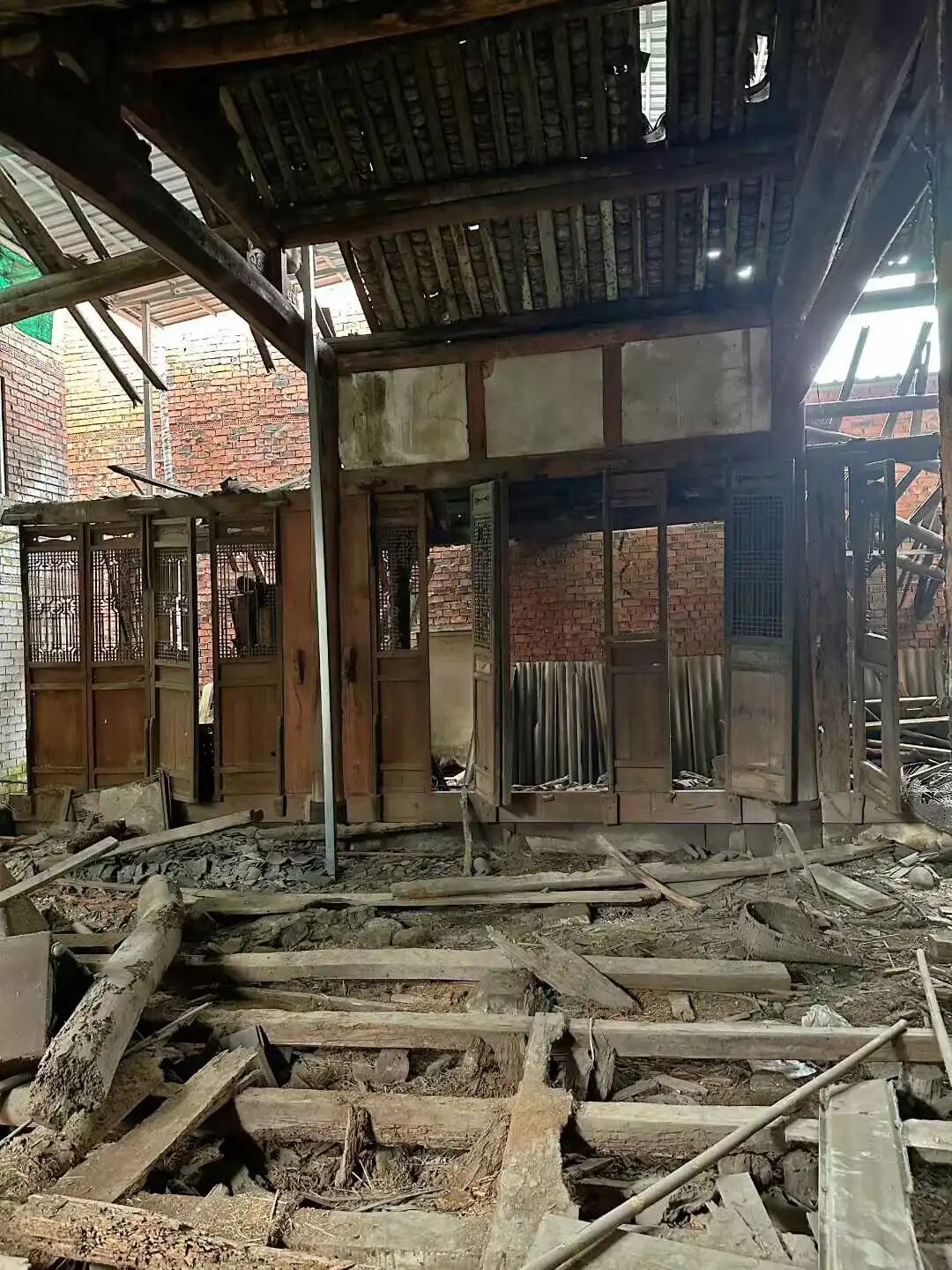
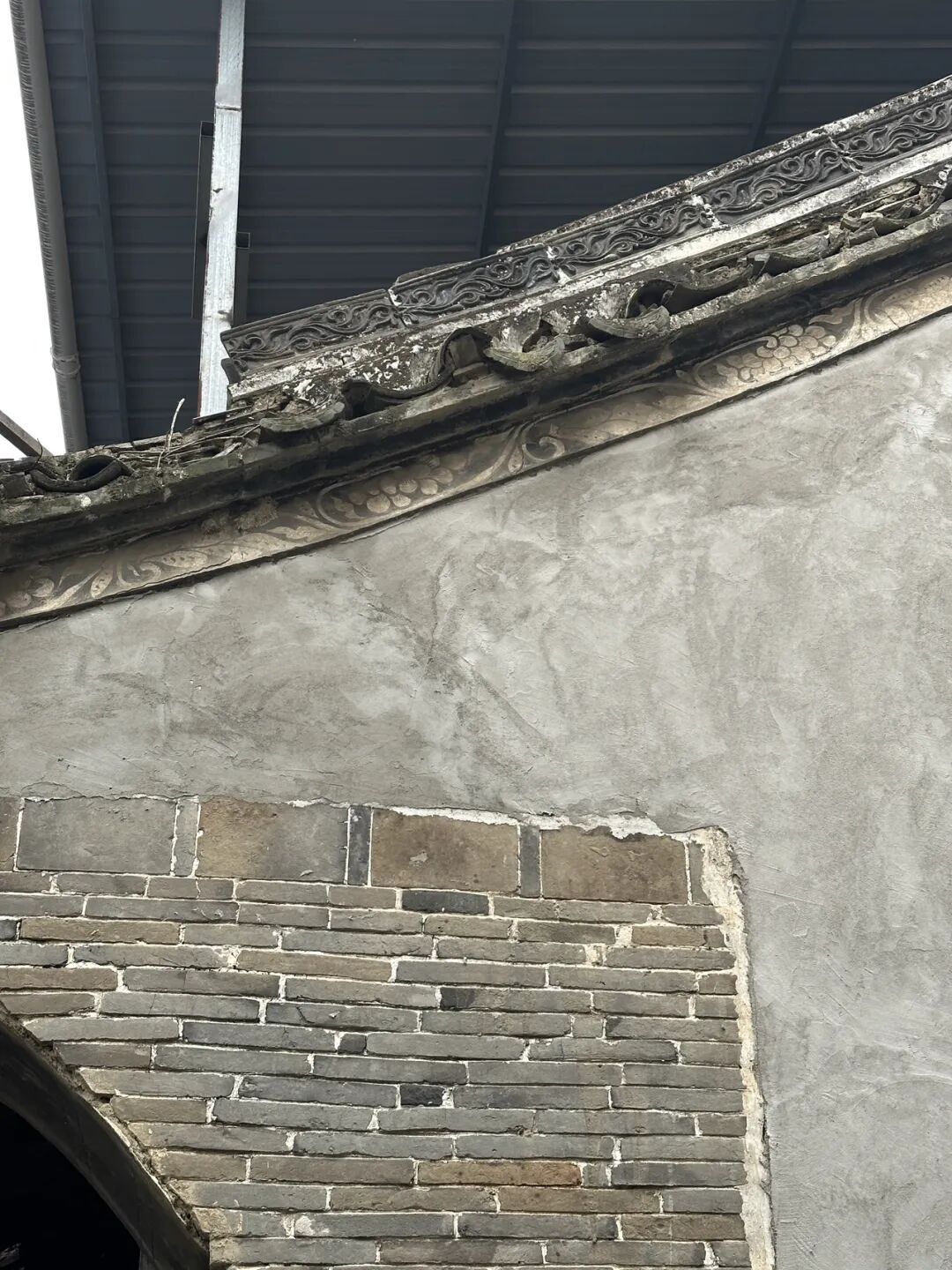
Hujia Mosque is now located in Group 5 of Longhu Village, Xindu District. Inside the main prayer hall, you can find the only mihrab with Chinese couplets. The right side reads, "Ten thousand generations of mountains and rivers belong to one Lord," the left side reads, "The sun and moon shine upon all living things," and the horizontal plaque reads, "The Original One."
Summary: Hujia Mosque in Xindu District, Chengdu, was first built in 1738 and is tied to Qing-era Hui Muslim migration into Sichuan. The article records the Hu family's military and imam history, the mosque mihrab couplets, and the wider network of Xindu mosques.
Xindu is in the north of Chengdu. It is an important gateway for traveling north from Chengdu along the ancient Shu Road (Jinniu Road). Hui Muslims began moving here from the northwest during the Ming Dynasty, and they built the Luojia Mosque (Luojia Si) in 1417. Between the end of the Ming Dynasty and the beginning of the Qing Dynasty, forces including the Southern Ming, Zhang Xianzhong, remnants of Li Zicheng's army, the Qing army, and Wu Sangui fought repeatedly in Sichuan. This caused the population to drop sharply and the land to go to waste for decades. By the Kangxi era, the Qing Dynasty finally controlled Sichuan. They began to restore production and invited people to farm the land, which led many Hui Muslims to settle in Xindu. Between the Kangxi and Guangxu eras, seven mosques were built in Xindu: Majia Mosque, Hunan Mosque, Tangjia Mosque, Hujia Mosque, Qingjing Mosque, Chengyi Mosque, and Zhenyi Mosque. All of these were related to the Qing Dynasty's immigration policies in Sichuan.
Hujia Mosque is located at Hujia Bridge in Xindu and was first built in 1738. According to the Hujia Family Genealogy in Xindu, their ancestors were from Jiuligou in Weinan County, Shaanxi. The Hu family of Xindu was famous during the Qing Dynasty for producing military officers. During the Qianlong era, Hu Chenglin served as a captain (qianzhong) in the Qing army. He died in battle in 1772 while the Qing army was fighting in Jinchuan. His younger brother, Hu Songlin, rose to the rank of regional commander (zongbing). In 1763, he helped build the Nine Mosques of Chengdu.
During the Xianfeng era, Hu Songlin served as a guerrilla commander (youji) in Hunan. He fought against the Taiping Heavenly Kingdom for years, moving from Guangxi and Hunan to Jiangsu. He won many victories while capturing places like Lishui, Jurong, and Zhenjiang in Jiangsu. His son, Hu Kunyuan, joined the army at seventeen to fight the Taiping Heavenly Kingdom. He won many battles, capturing Gaochun, Taiping, and Wuhu. He rose to the rank of regional commander (zongbing) and eventually died in battle at Moling Pass. According to the Draft History of Qing, Kunyuan served in the army for eight years and was known for his loyalty and courage. He was good at using a small force to defeat a large one and acted as a commander. He and his father used all the money they earned to support their brave soldiers. Wherever their flags pointed, the enemy was defeated. He received six imperial gold medals and suffered two second-degree wounds and twelve first-degree wounds. He had his neck burned and fingers cut off, and he nearly died many times. After he died, people all over the country mourned him.
In modern times, the Hu family of Xindu is famous for producing imams. Imam Hu Tingzhang was known as one of the Four Great Imams of the Republic of China in Henan. During the War of Resistance Against Japan, he taught at the East Mosque in Chengdu. Even while Japanese planes were bombing the city, he insisted on leading the congregation in Friday prayers (Jumu'ah) among the ruins. Later, Imam Hu Tingzhang was hired to teach in many places in Henan, where he trained many students. Imam Wang Jingzhai praised Imam Hu Tingzhang as a mentor for Islamic scripture education in China. Imam Hu Xuelan was the nephew of Imam Hu Tingzhang and served as an imam at the Nine Mosques of Chengdu and the Kangding Mosque. During the War of Resistance Against Japan, he worked at the International Radio Station in Chengdu, broadcasting in Arabic to tell the world about China's determination to fight the war. Also, during the Republic of China era, the brothers Hu Boying and Hu Bokai were in charge of teaching at the Gulou Mosque and the North Mosque in Chengdu.
Hujia Mosque is now located in Group 5 of Longhu Village, Xindu District. Inside the main prayer hall, you can find the only mihrab with Chinese couplets. The right side reads, "Ten thousand generations of mountains and rivers belong to one Lord," the left side reads, "The sun and moon shine upon all living things," and the horizontal plaque reads, "The Original One."
