
Halal Travel Guide: Hexiwu, Tianjin - Family Travel, Mosques and Old Streets
Reposted from the web
Summary: Hexiwu in Wuqing, Tianjin, sits between Beijing and Tianjin and grew from a Baihe River dock into an important Grand Canal town. This travel note follows a family return to Hexiwu, covering local dialects, Hui Muslim migration, temples, canalside history, and hometown food.
Last Ramadan, I went back to my hometown of Hexiwu in Wuqing, Tianjin. I bought fried cakes (zhagao) and crispy fried rolls (gezhihe) at the farmers' market. See my article, "My Hometown: Hexiwu Town, Wuqing, Tianjin." This summer, I took my son back to my hometown so he could experience the rural atmosphere.
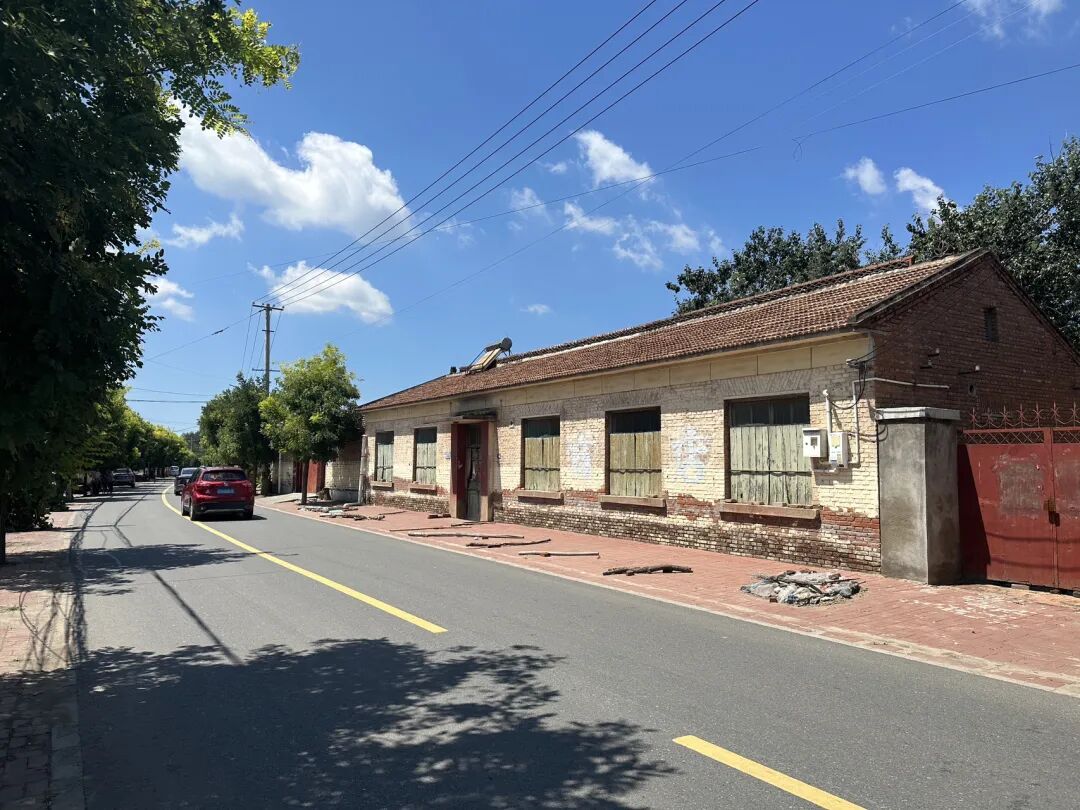
Hexiwu connects to Tongzhou in Beijing and Xianghe in Hebei. It sits 60 kilometers from both downtown Beijing and Tianjin, making it the geographic midpoint between the two cities. My family members have historically moved to Beijing and Tianjin for work, so during family gatherings, you can hear Beijing dialect, Tianjin dialect, and the local Wuqing dialect.
During the Liao Dynasty, Hexiwu was a wharf on the west bank of the Baihe River. It was named "Hexiwu" (West River Dock) because of the boatyards along the shore. After the Grand Canal was dug during the Yuan Dynasty, a water transport customs office was set up at the dock, which is how it got the name "Hexiwu" (West River Customs). During the Yuan Dynasty, Hexiwu served as the headquarters for water transport. It had fourteen grain warehouses and was the largest grain storage base outside the Yuan capital. Hexiwu's commerce thrived during the Yuan and Ming dynasties. The Ming Dynasty book "Chang'an Kehua" records: "Hexiwu is the throat of the canal... inns are clustered on both banks, storing all kinds of goods. It is the number one town east of the capital."
In 1403 (the first year of the Yongle reign), Zhu Di defeated the Jianwen Emperor and took the throne. At that time, war had caused population decline and abandoned farmland in North China. Zhu Di issued a decree to relocate people, moving many Hui and Han people from the Jiangnan region to North China to farm. Many villages in the Hexiwu area were formed this way.
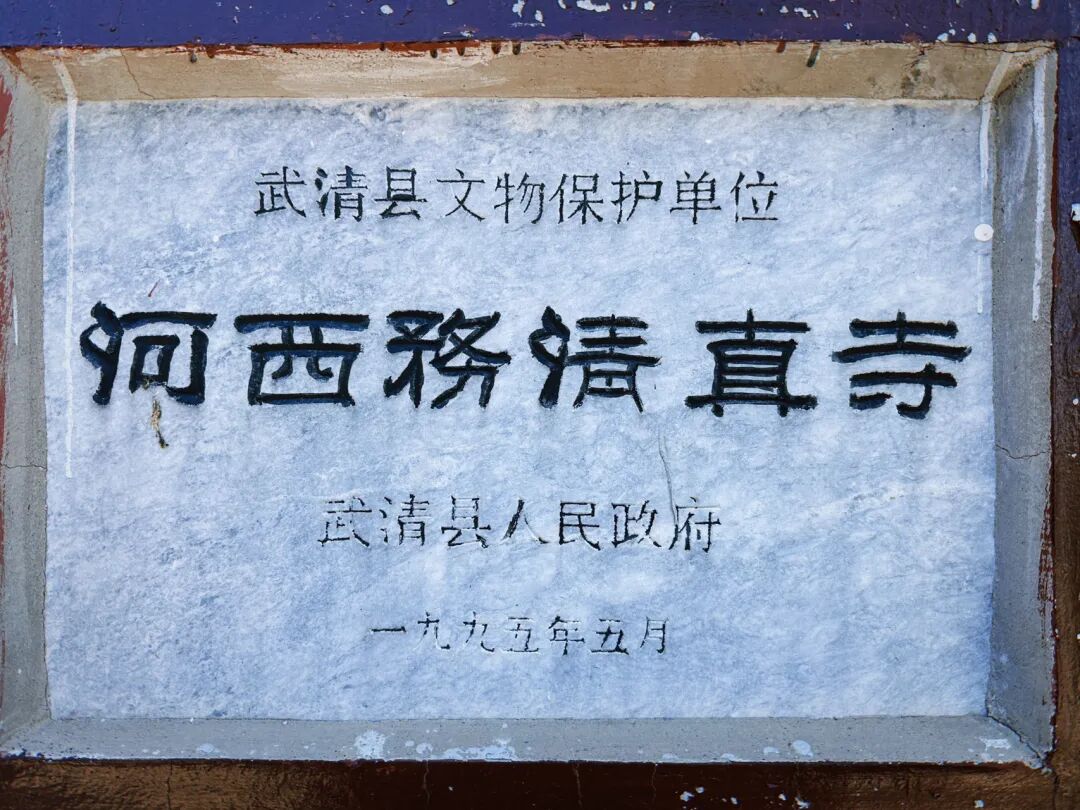
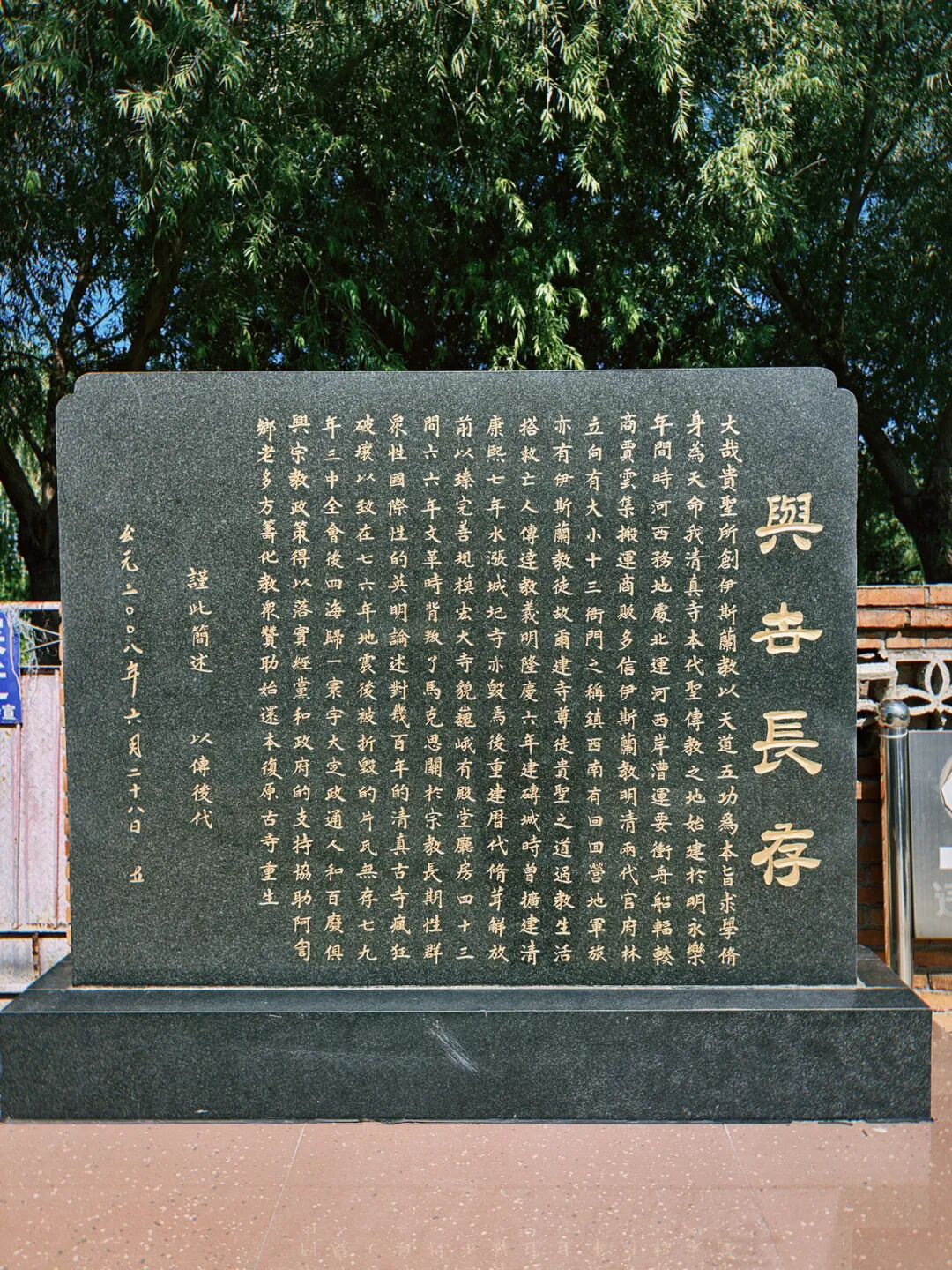
The Hexiwu Mosque is located on Third Street, southeast of the old town site. It was first built in 1403 (the first year of the Yongle reign), rebuilt in 1670 (the eighth year of the Kangxi reign), collapsed during the 1976 Tangshan earthquake, was rebuilt again in 1988, and officially completed in 1990.
The Hexiwu Mosque was originally located southwest of the Hexiwu city walls. In 1570 (the fourth year of the Longqing reign), the Ming government ordered the construction of a brick-walled city in Hexiwu with a perimeter of 500 meters to ensure the safety of water transport. The Hexiwu Mosque was also rebuilt at this time. Li Ben, the Wuqing prefect at the time, wrote a poem about Hexiwu: "The new iron-walled city holds a hundred thousand homes, where old customs compete in prosperity." Embankments connect mansions and official shops, while the shore is crowded with flags and official messengers. Tax revenue from the five materials supports the national budget, and trade reaches the four seas to sustain life. At this throat of the realm where all gather, fame and profit shimmer in the evening mist. In 1669 (the eighth year of the Kangxi reign), the Hexiwu brick city was destroyed by a flood from the North Canal, and the Hexiwu Mosque was destroyed at the same time. The following year, the city was rebuilt two miles to the west, and the Hexiwu Mosque was rebuilt as well, moving from the southwest of the city to the east.
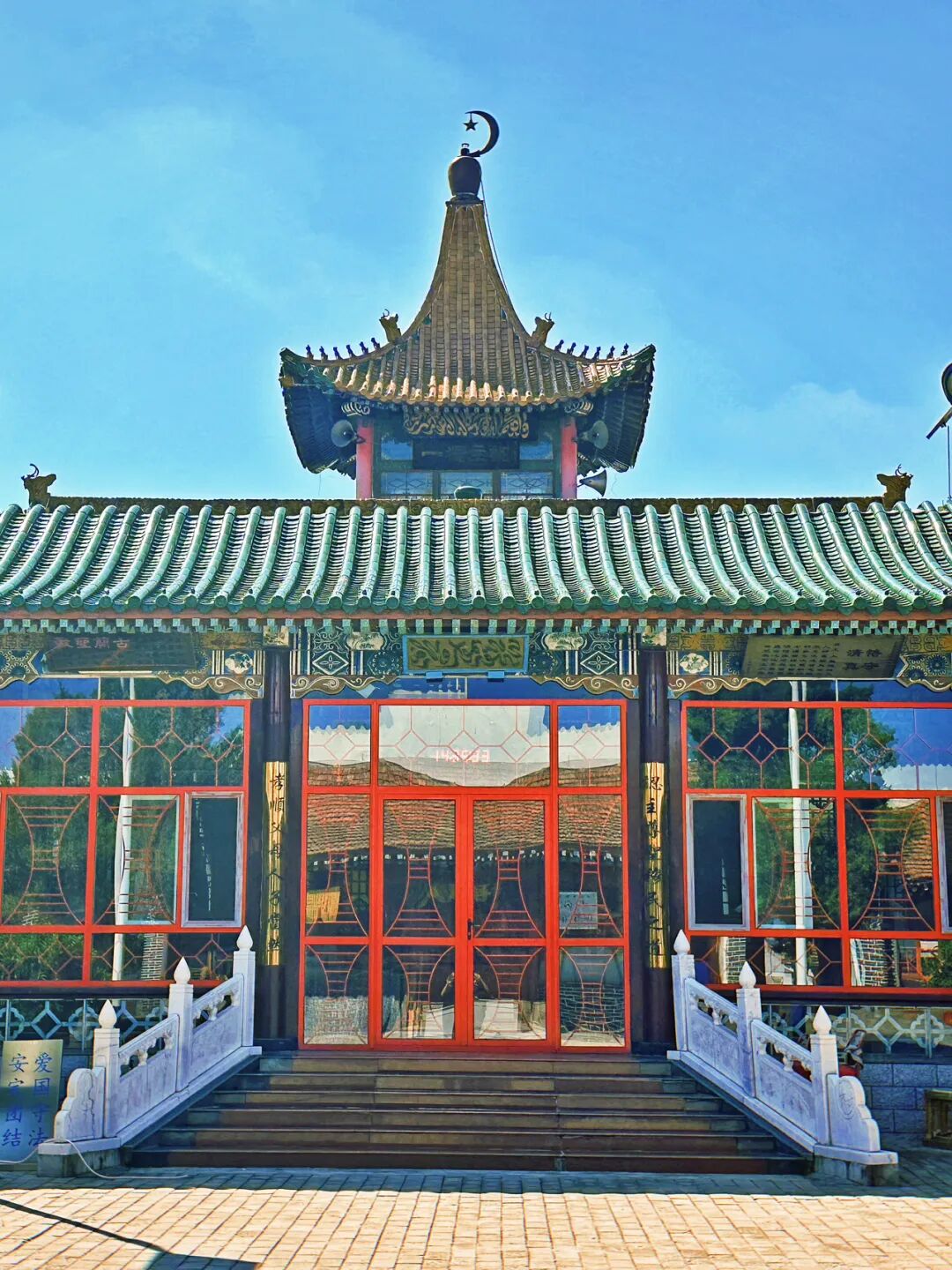
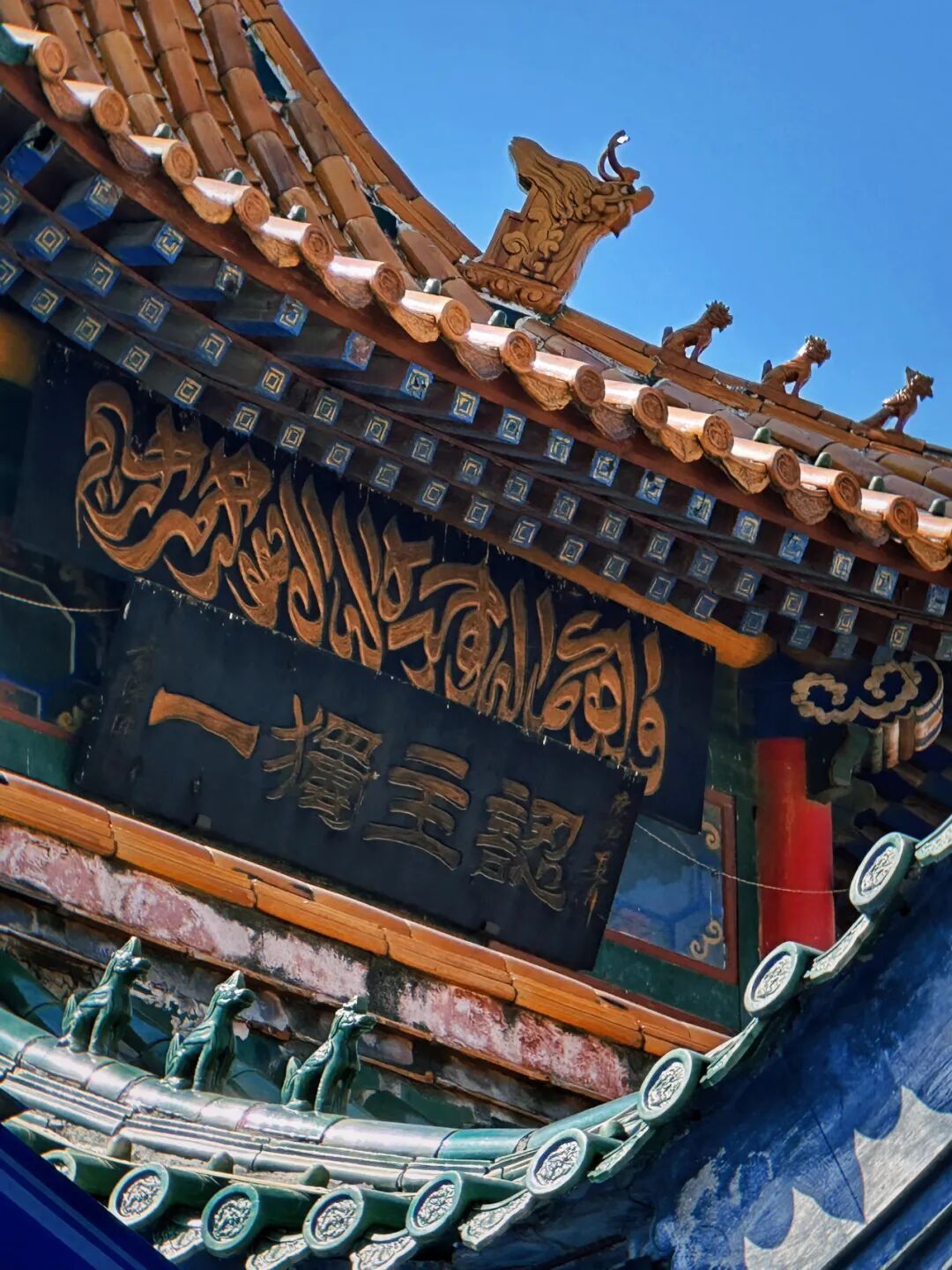
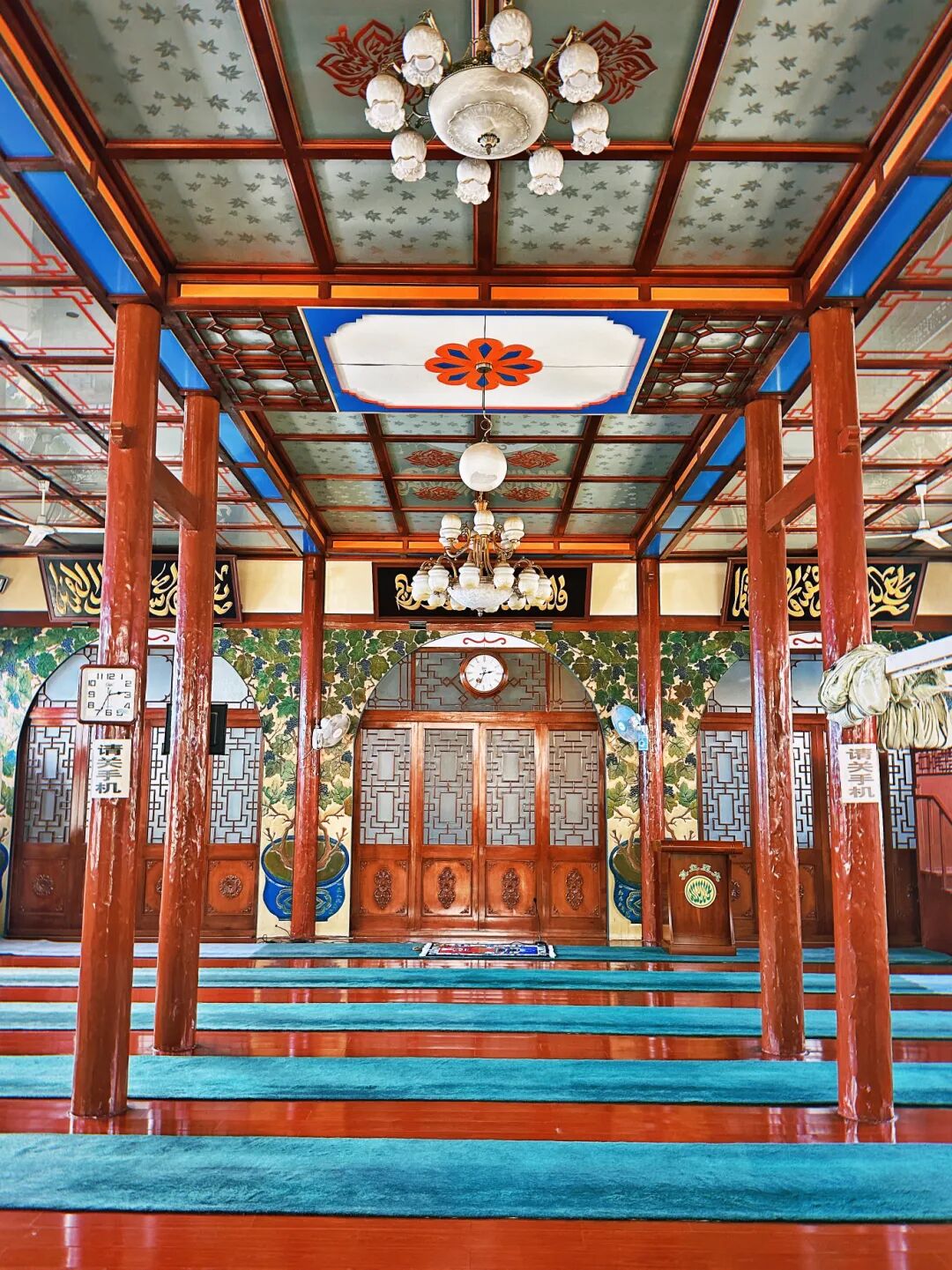
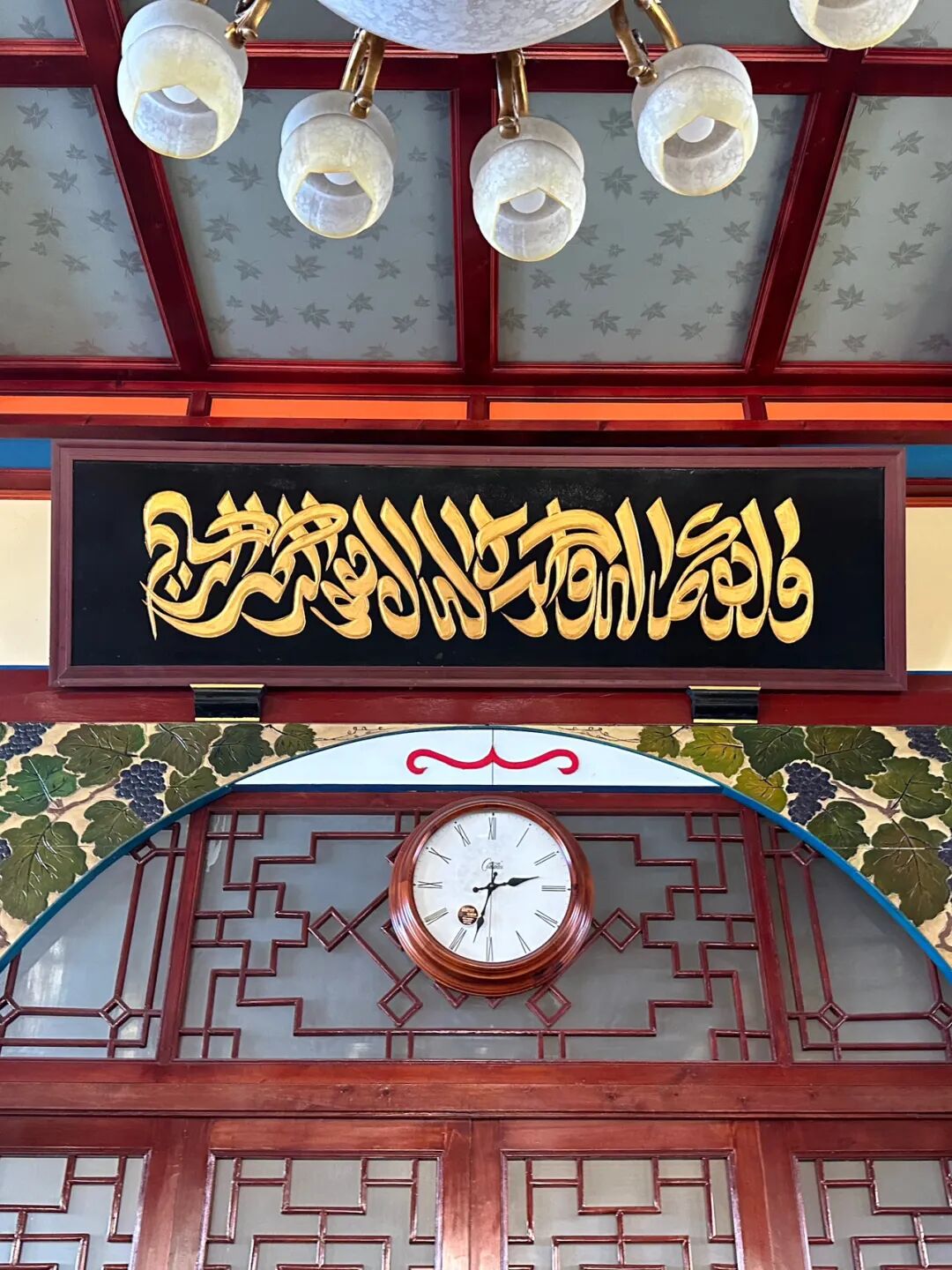
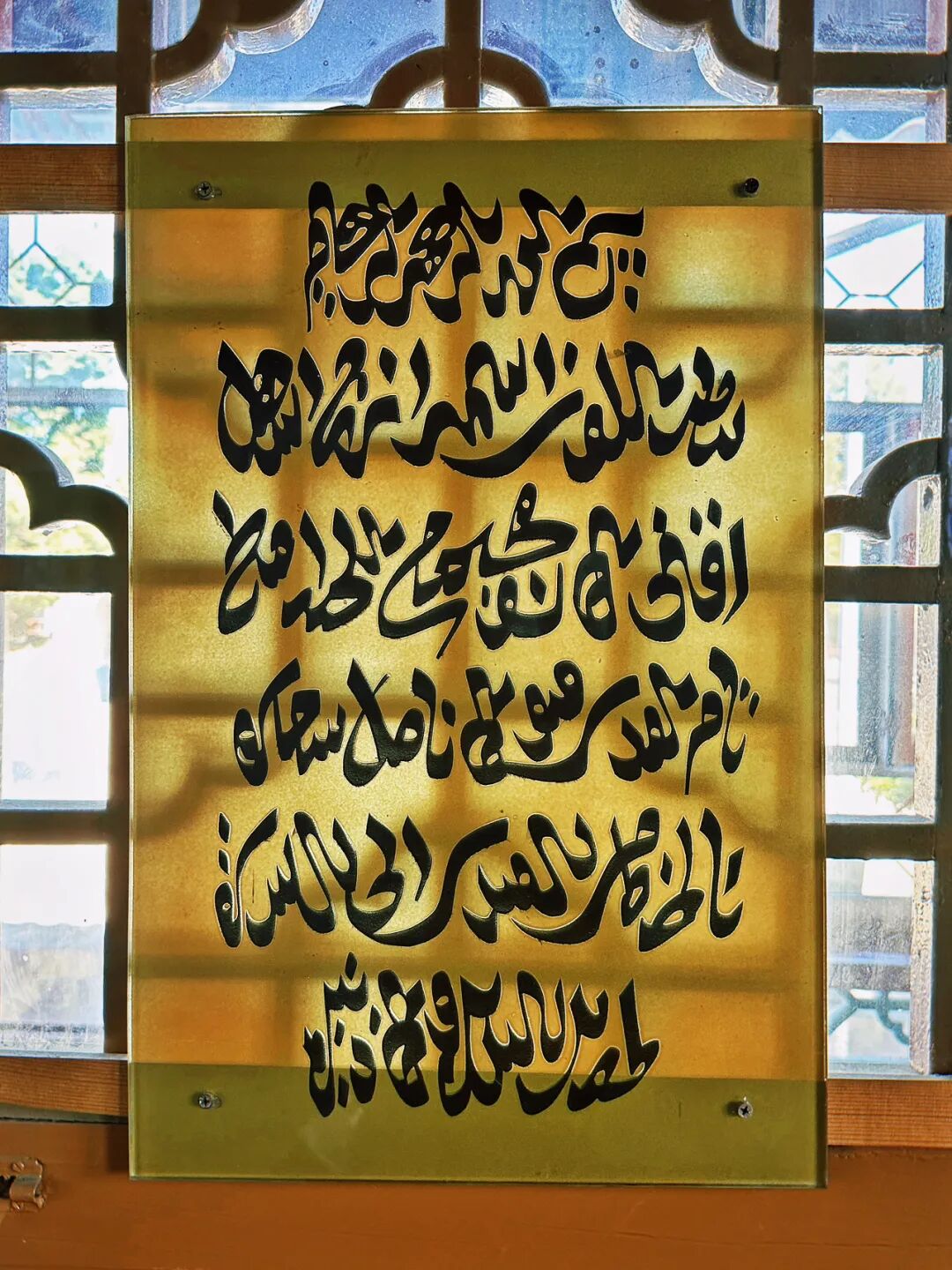
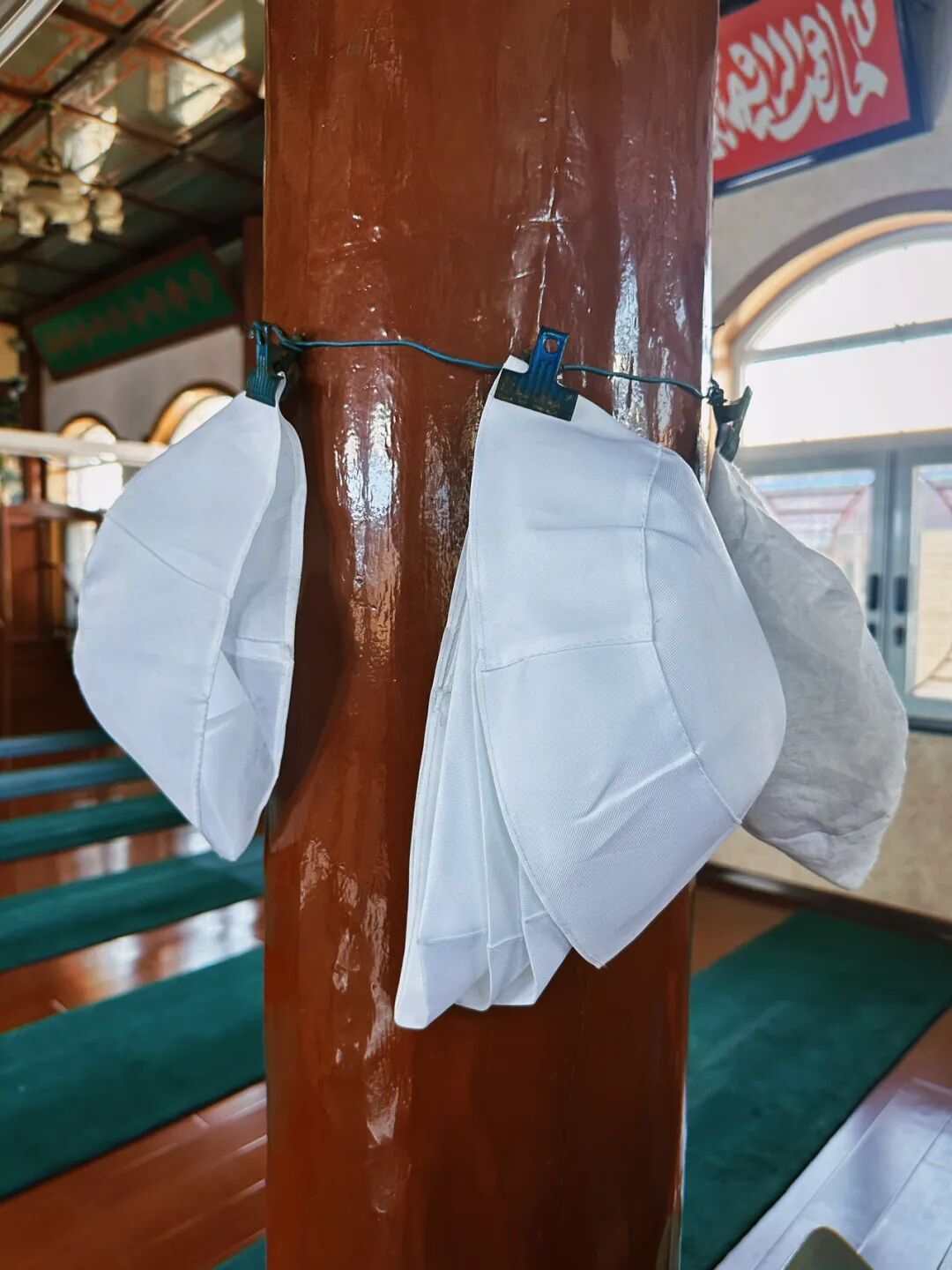
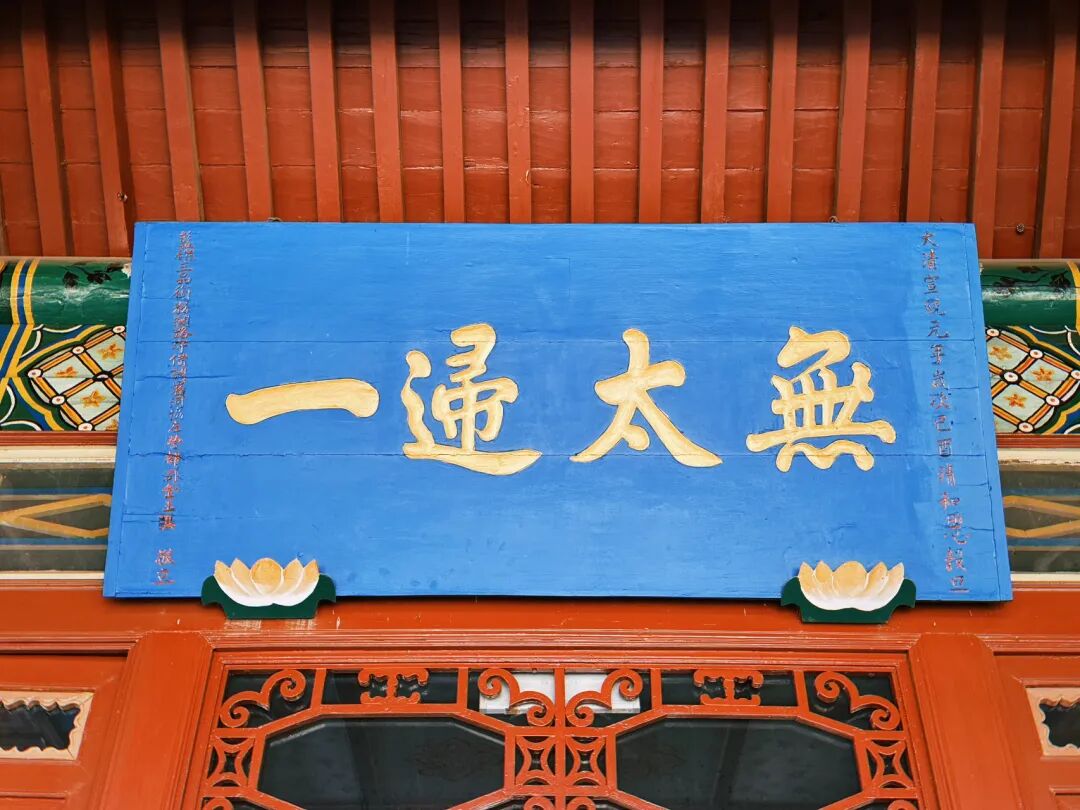
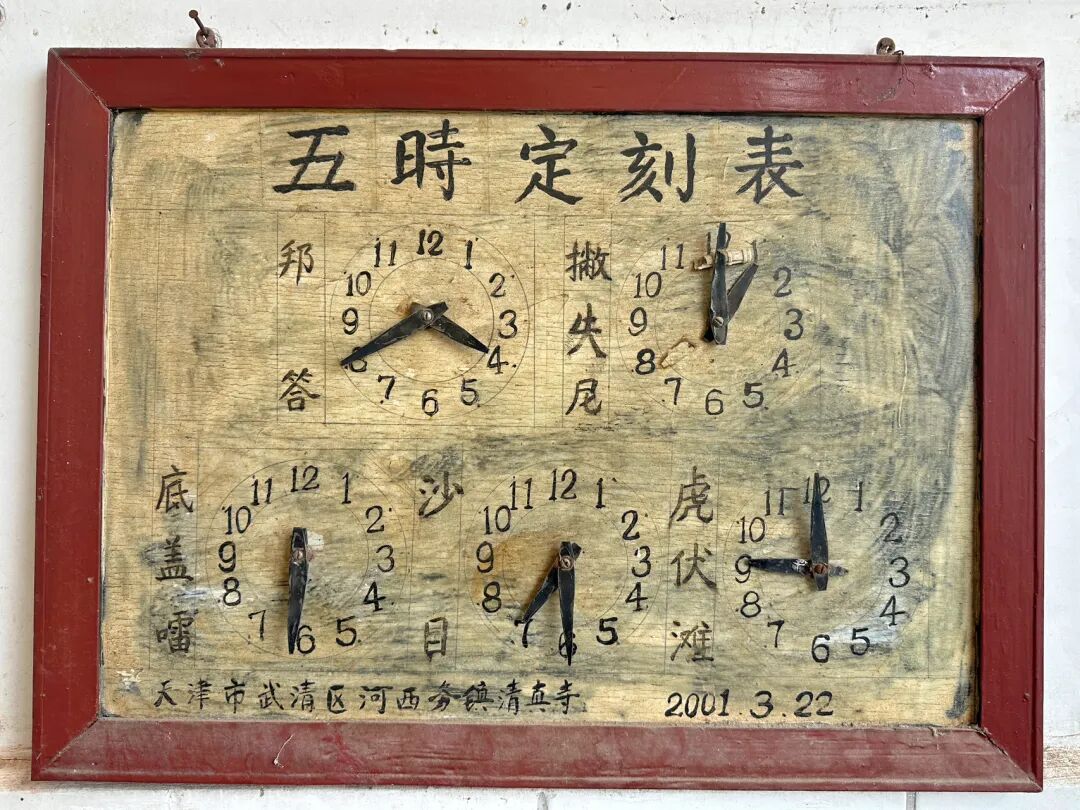
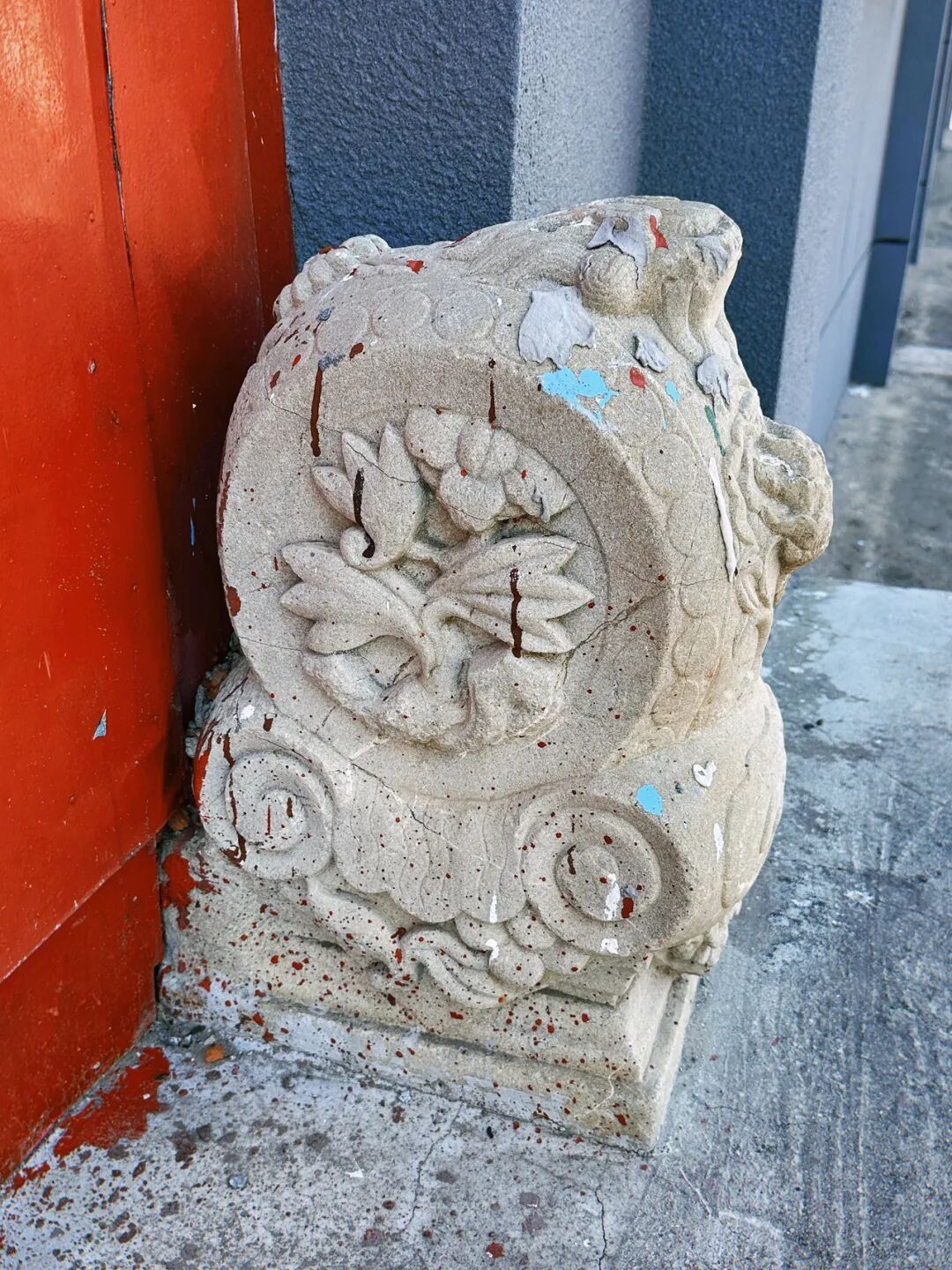
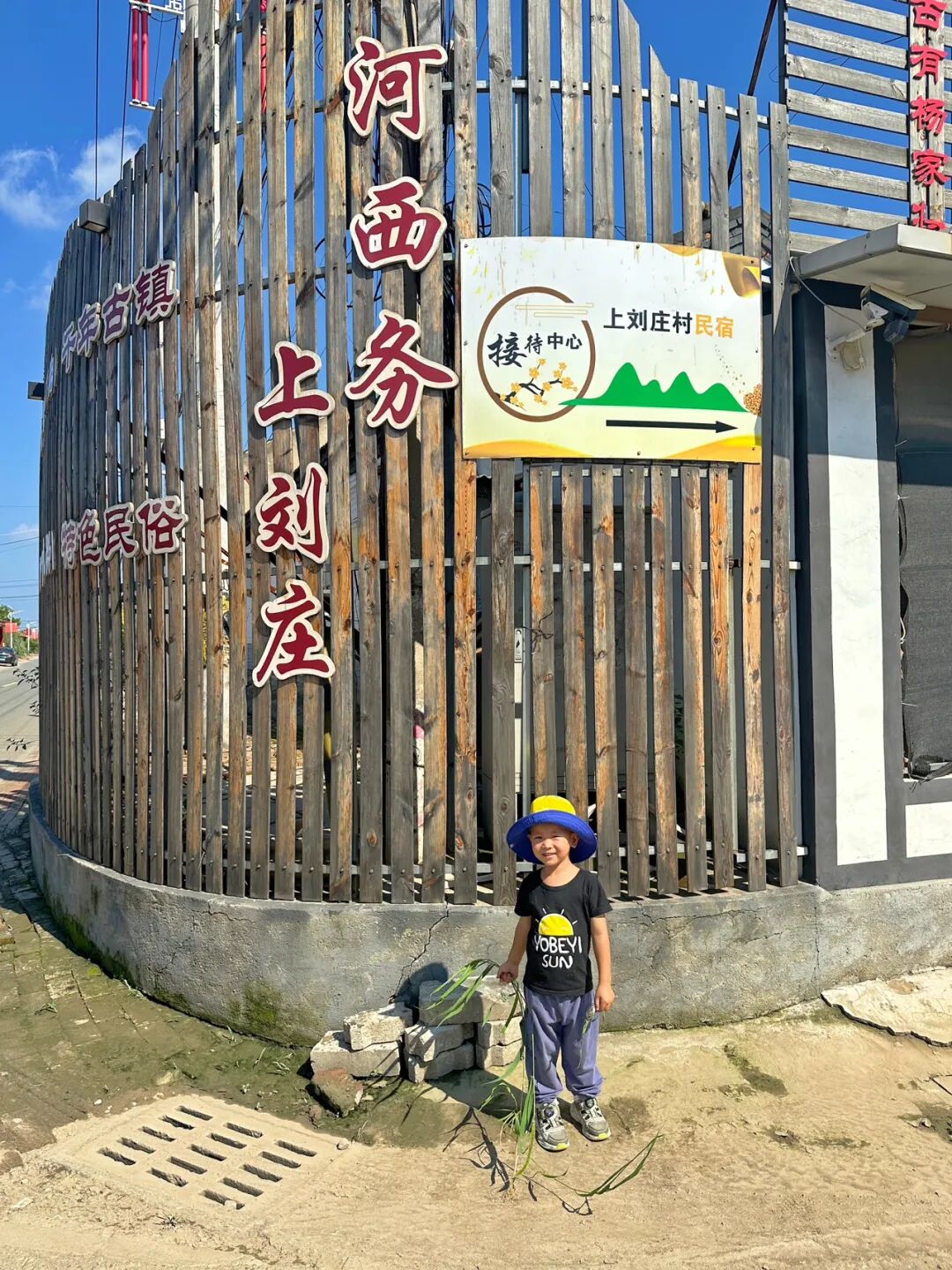
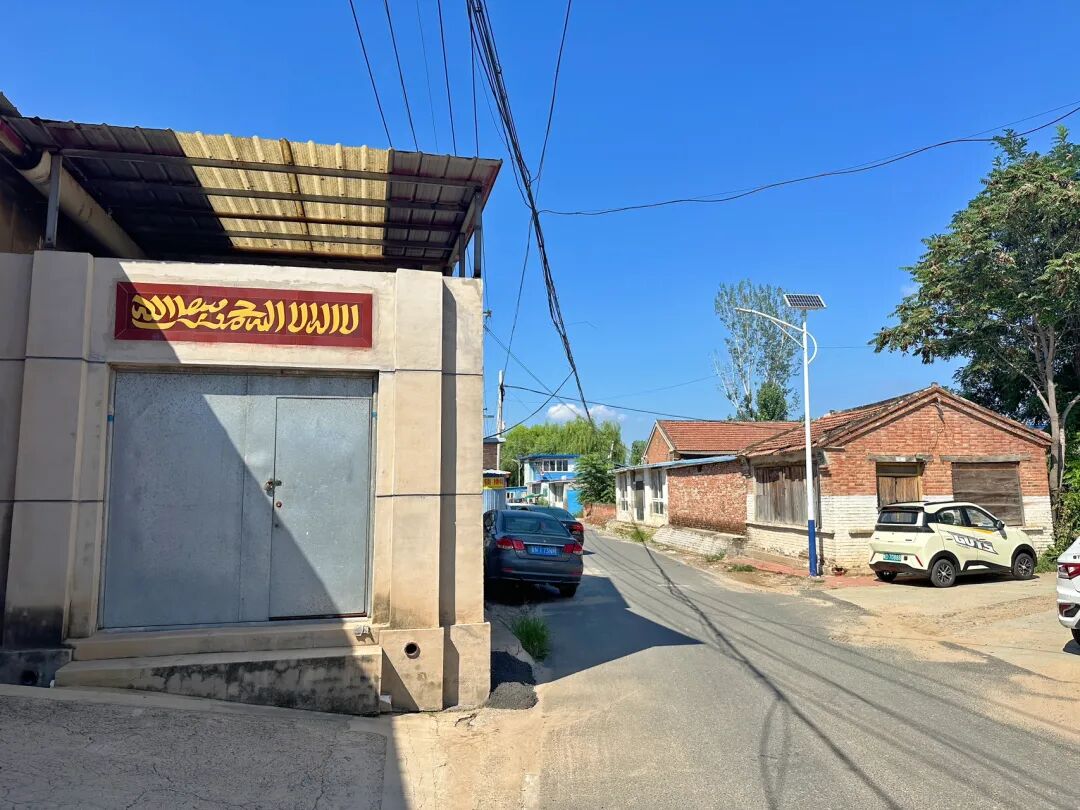
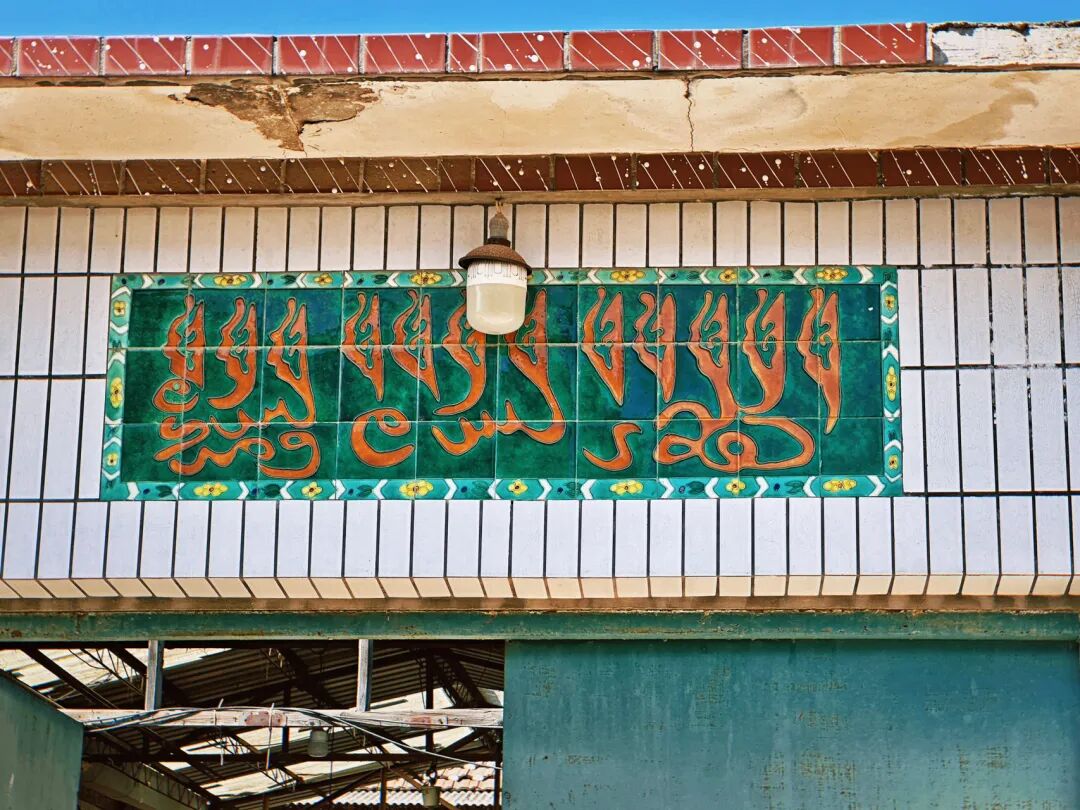
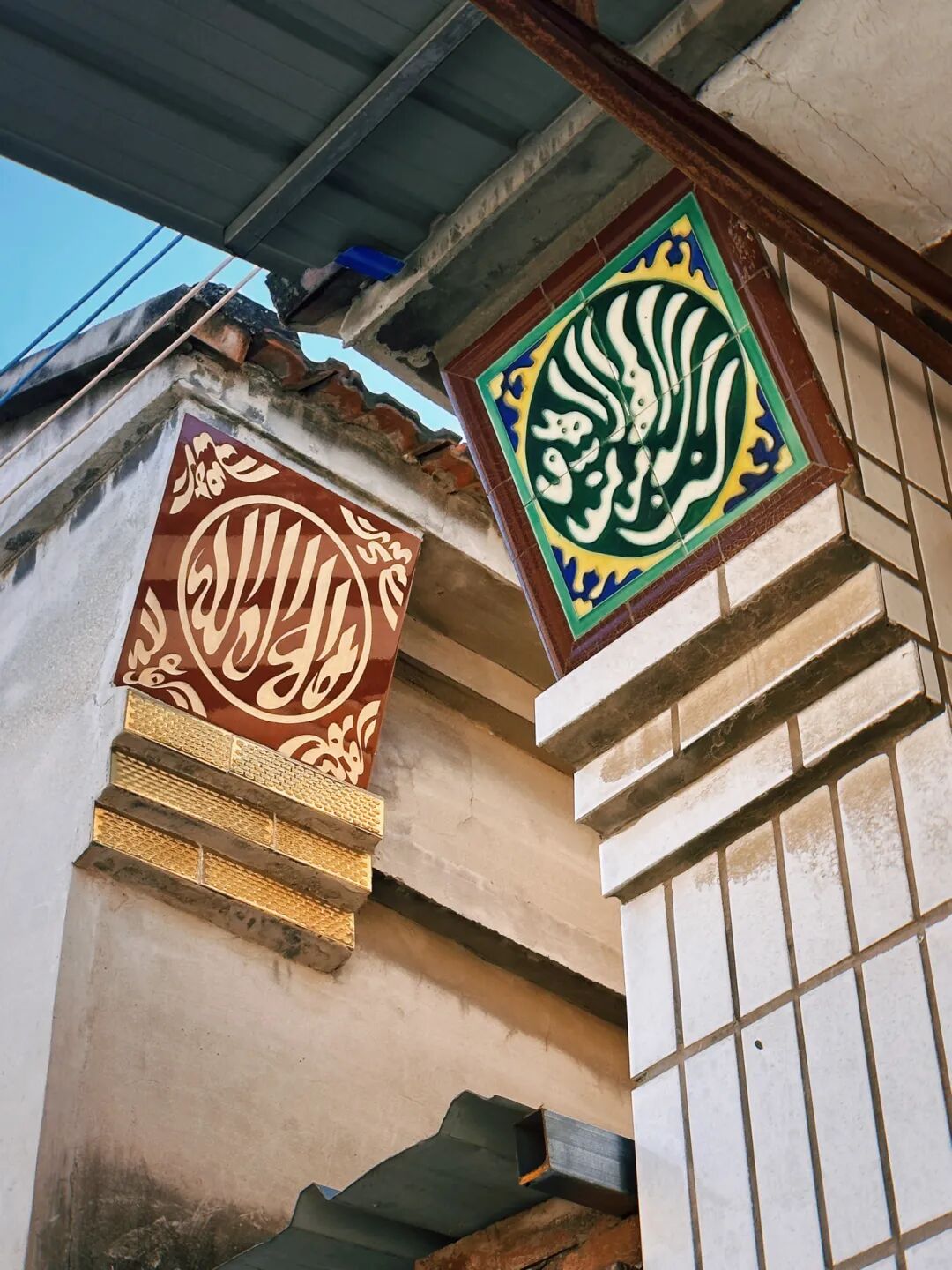
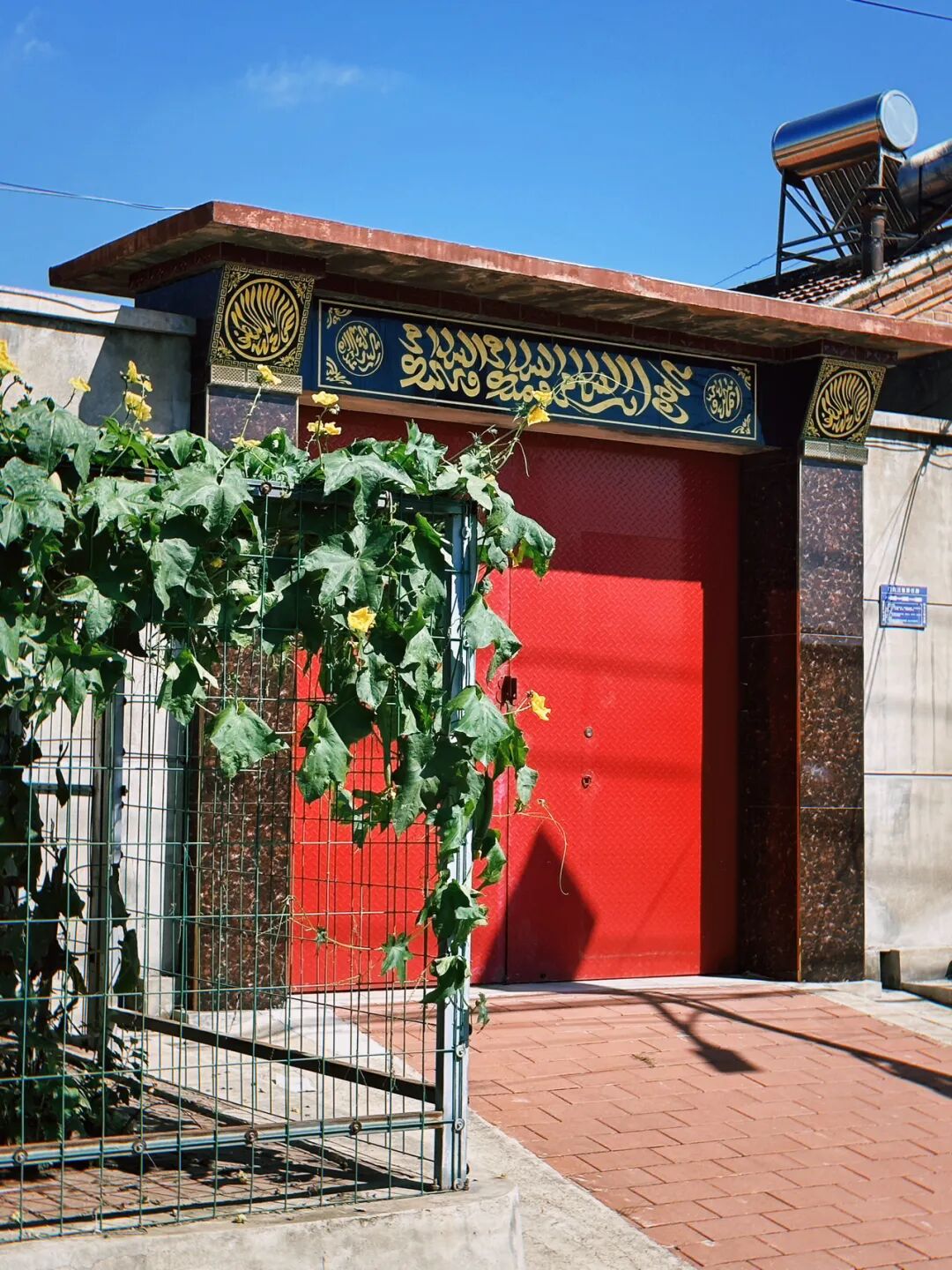
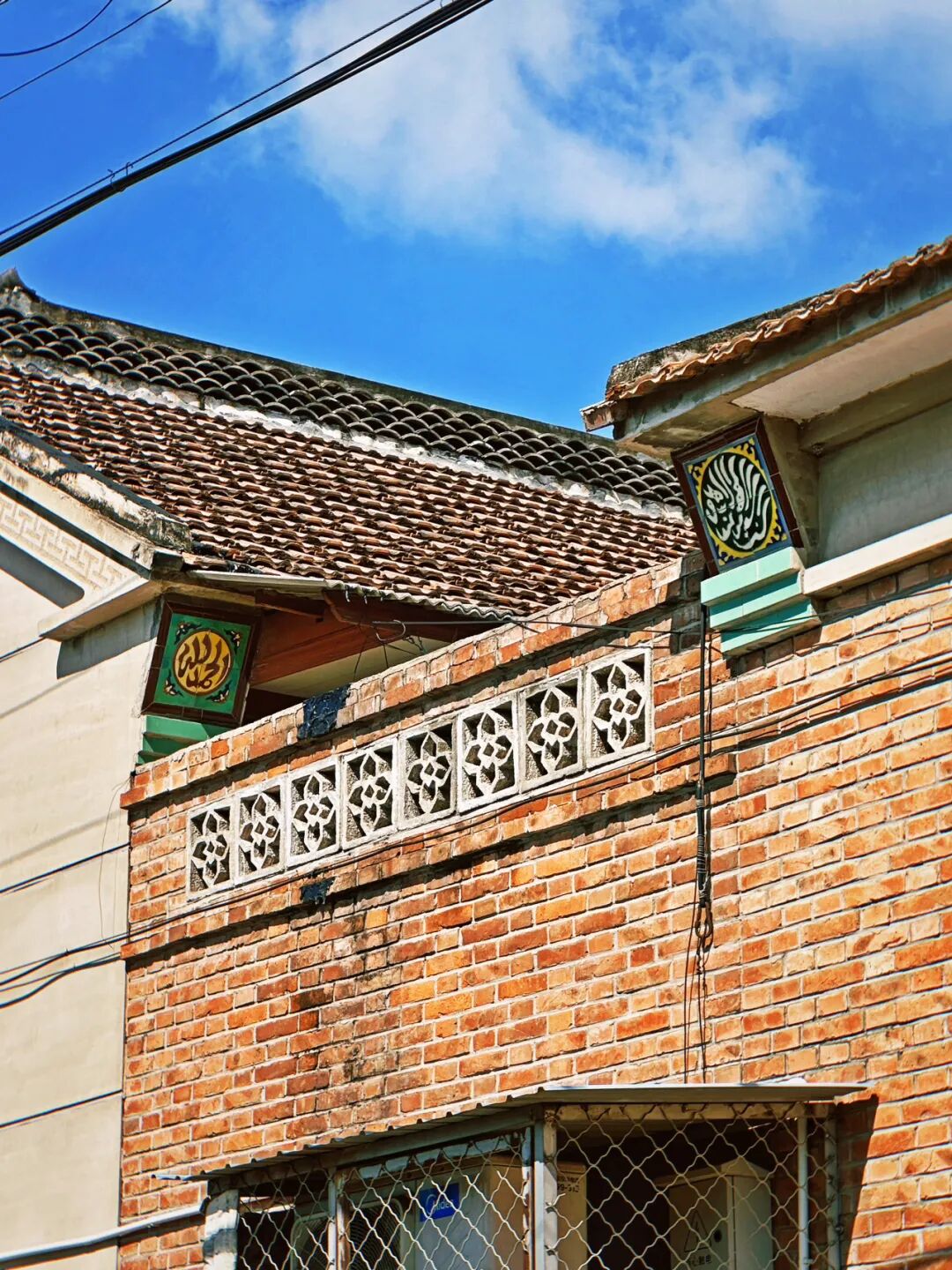
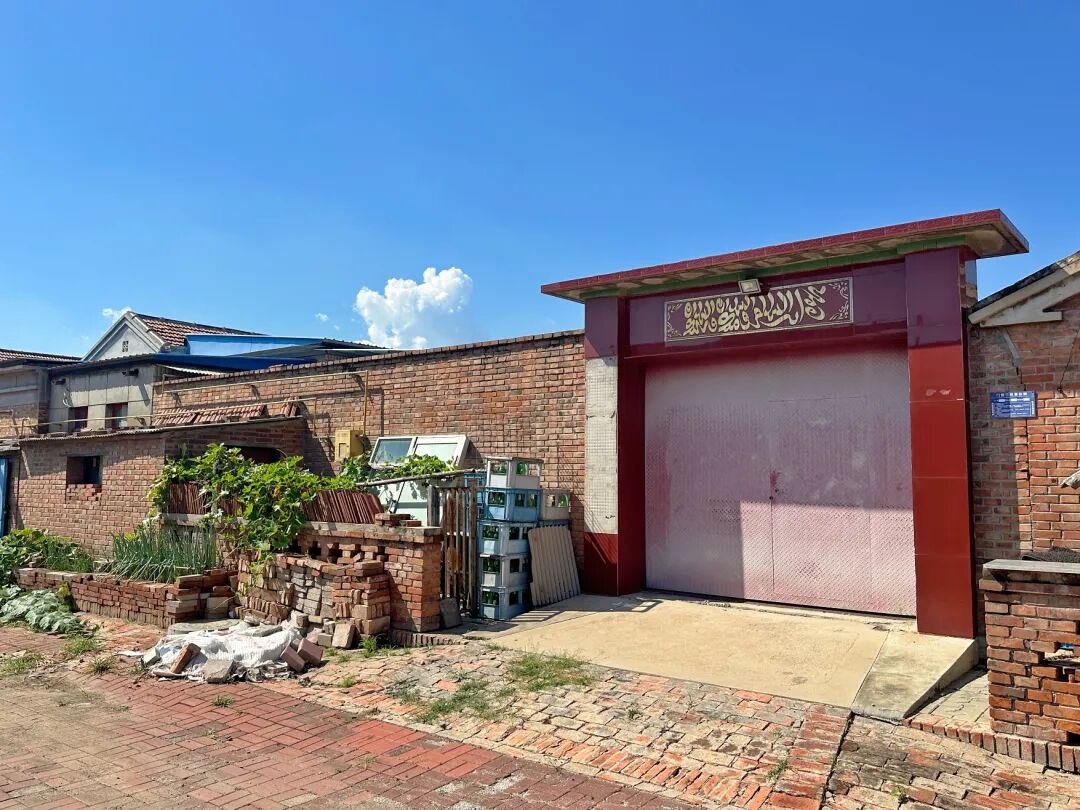
Hui Muslims in Hexiwu mainly live in the Third Street and Daliuzhuang areas. You can still see a strong Hui cultural atmosphere when walking through these places today.
My grandmother came from the Liu family in Daliuzhuang. They moved here from Jiangnan during the Ming Dynasty's Yongle reign due to the "Prince of Yan Sweeps the North" campaign. This is a common migration story for many families in North China.
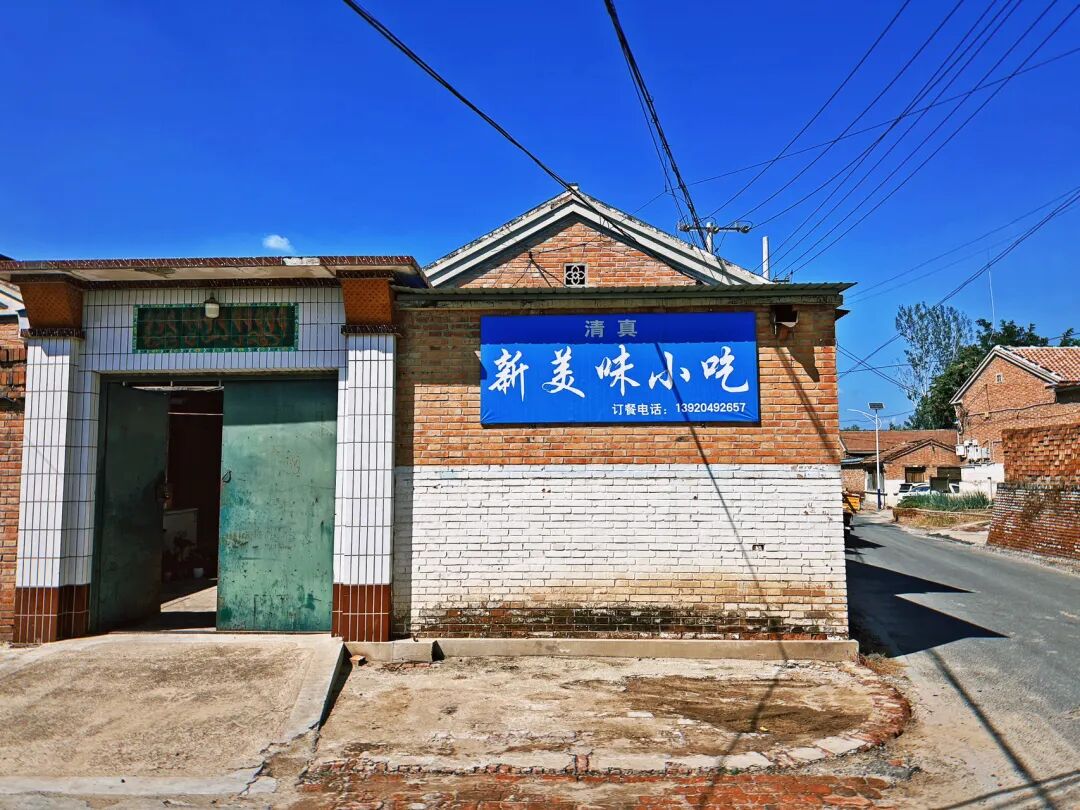
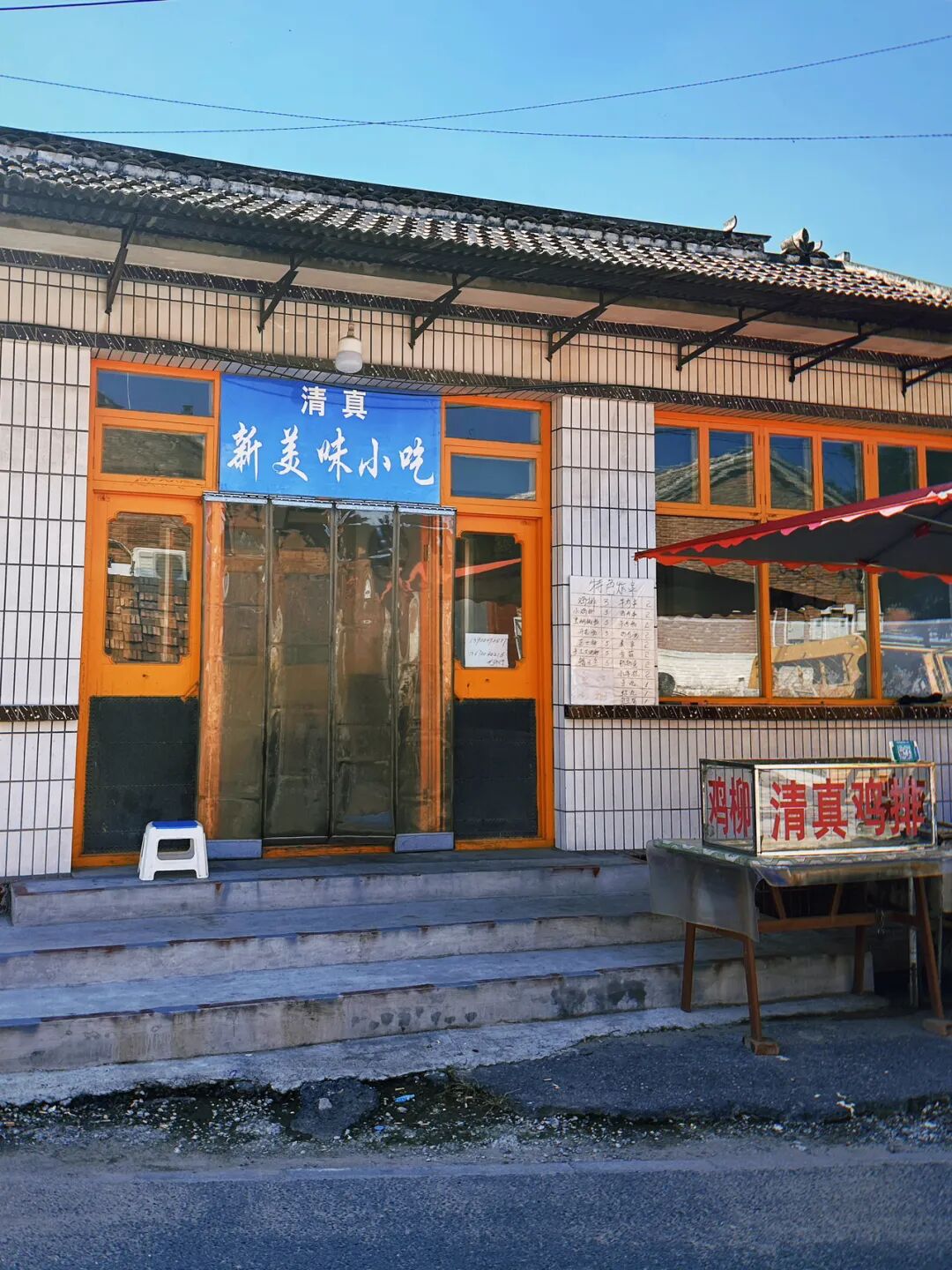
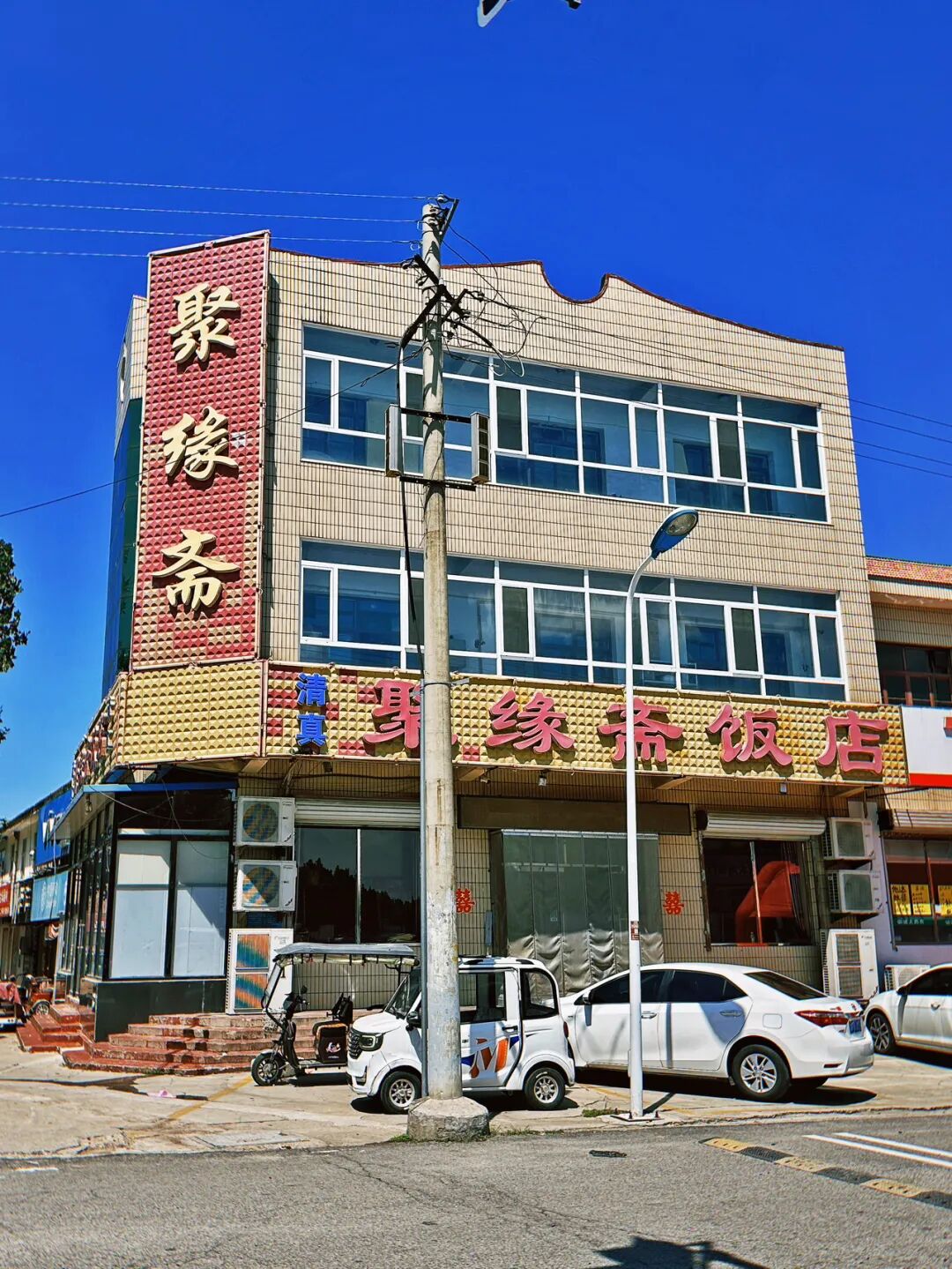
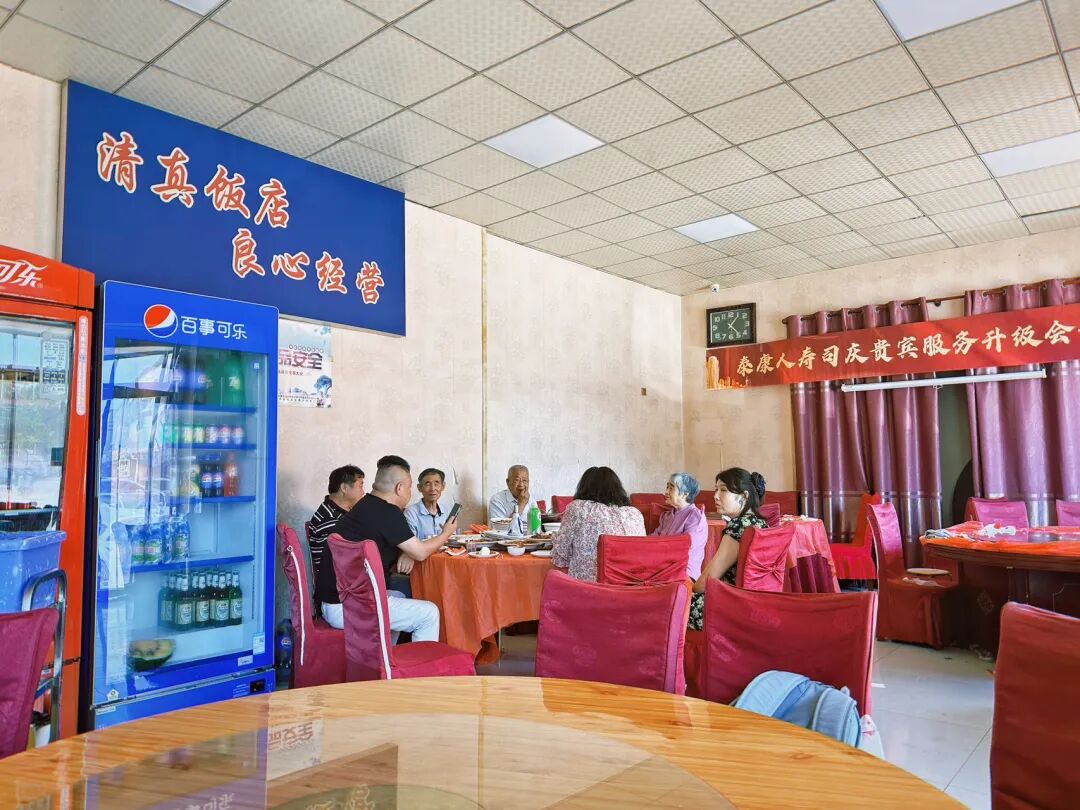
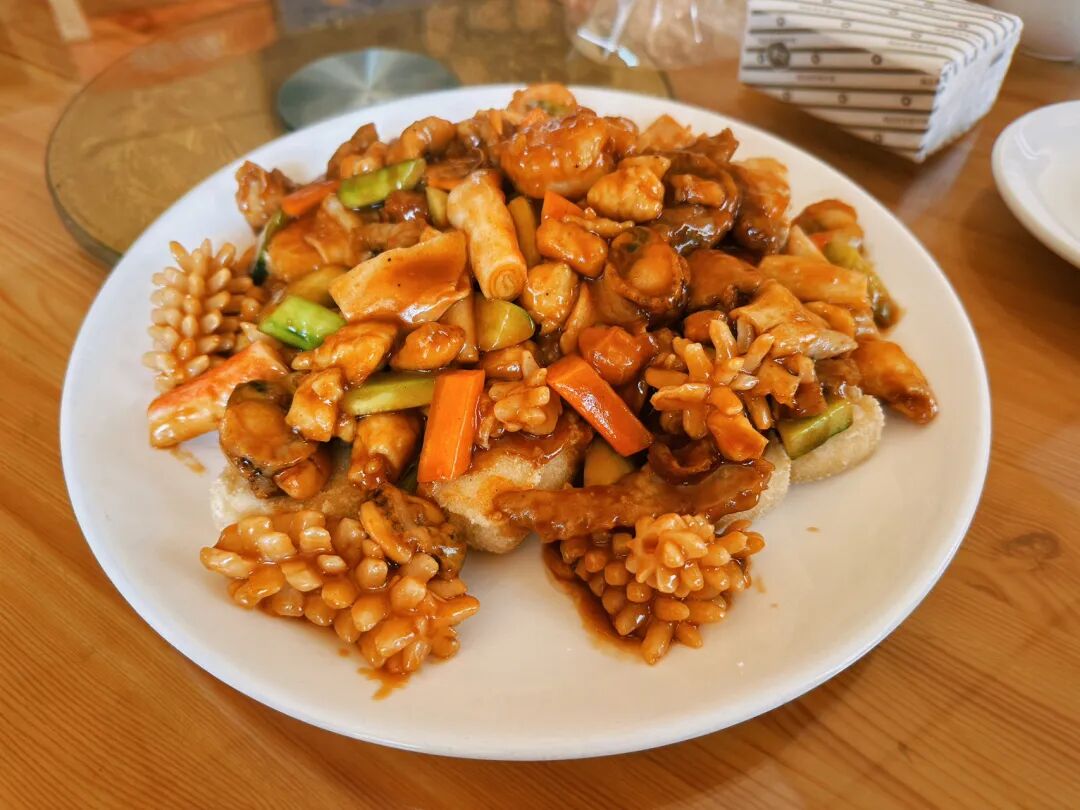
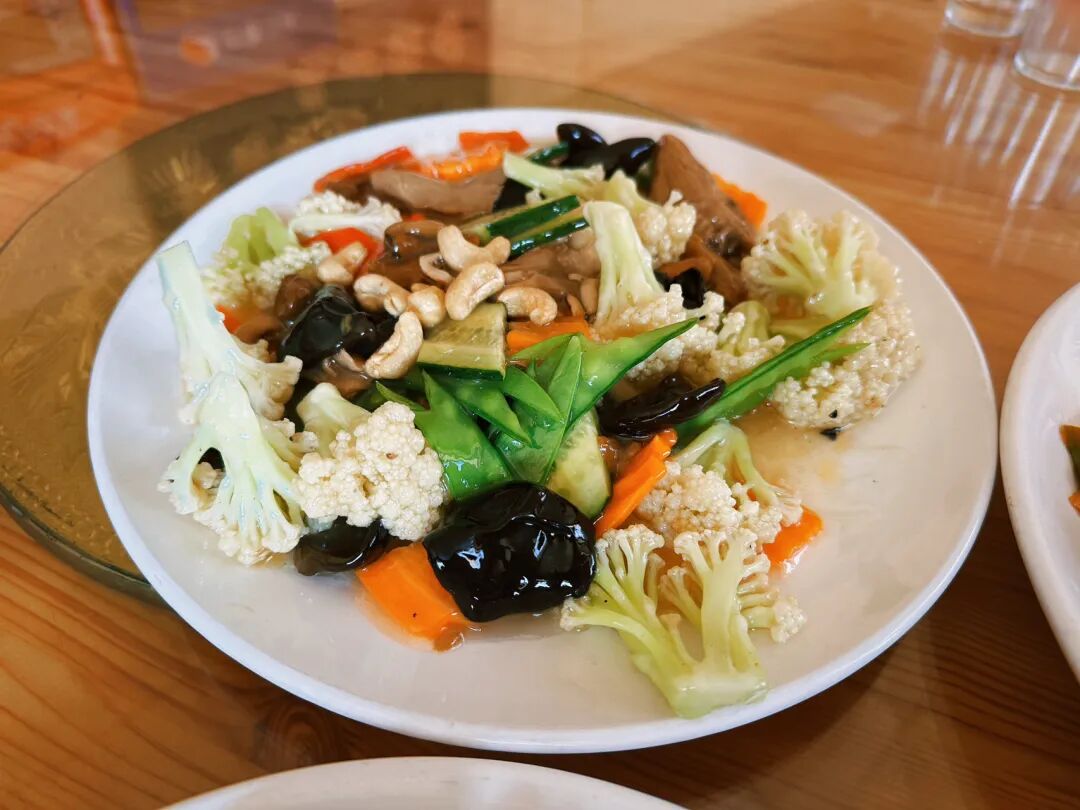
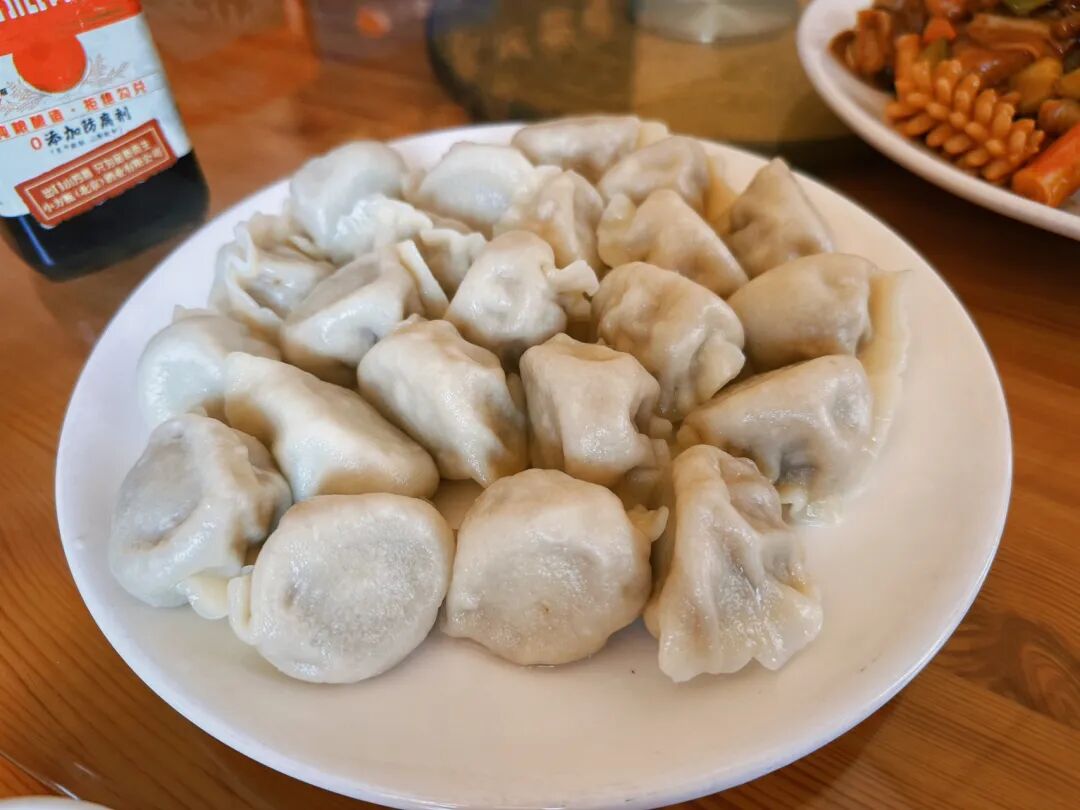
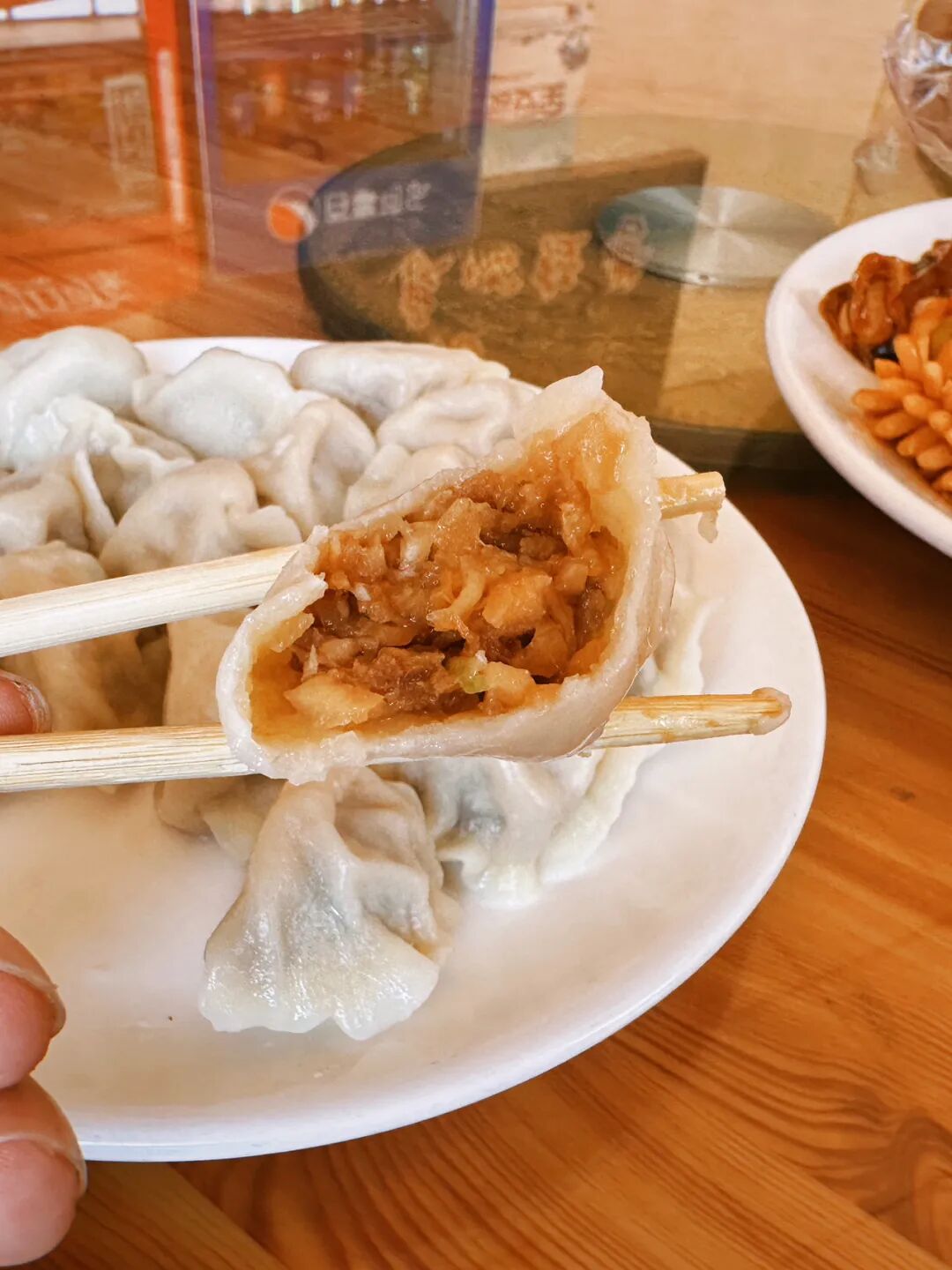
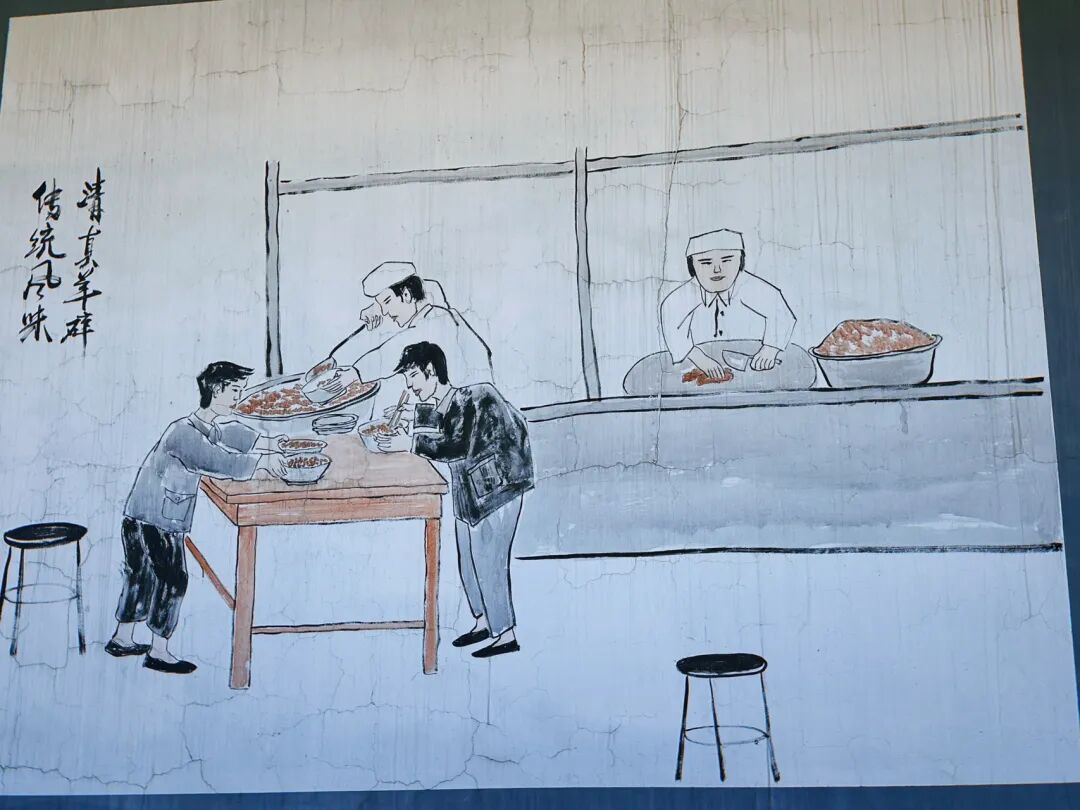
Hexiwu has a rich variety of halal food. The most famous include the golden-rimmed braised meat (jinbian koumen) at Xinpengzhai, the yellow rice fried cakes (huangmi zhagao) at Lirenzhai Wangji, and the stuffed crispy fried rolls (dai xian gezhihe) at Yangji. For lunch, we ate at Juyuanzhai at the intersection. We had eight-treasure tofu (bazhen doufu), cashew nuts with mixed vegetables, and lamb and zucchini dumplings. The portion sizes in town are much larger than in the city. One dish feels like enough for two people. The eight-treasure tofu is made with a base of crispy tofu topped with shrimp, abalone, squid, diced chicken, beef slices, and more. It is very rich. The vegan cashew dish includes snow peas, wood ear mushrooms, oyster mushrooms, cauliflower, cashews, bell peppers, and carrots, making for a very well-balanced meal. The dumplings are homemade, and the zucchini filling adds a great flavor.
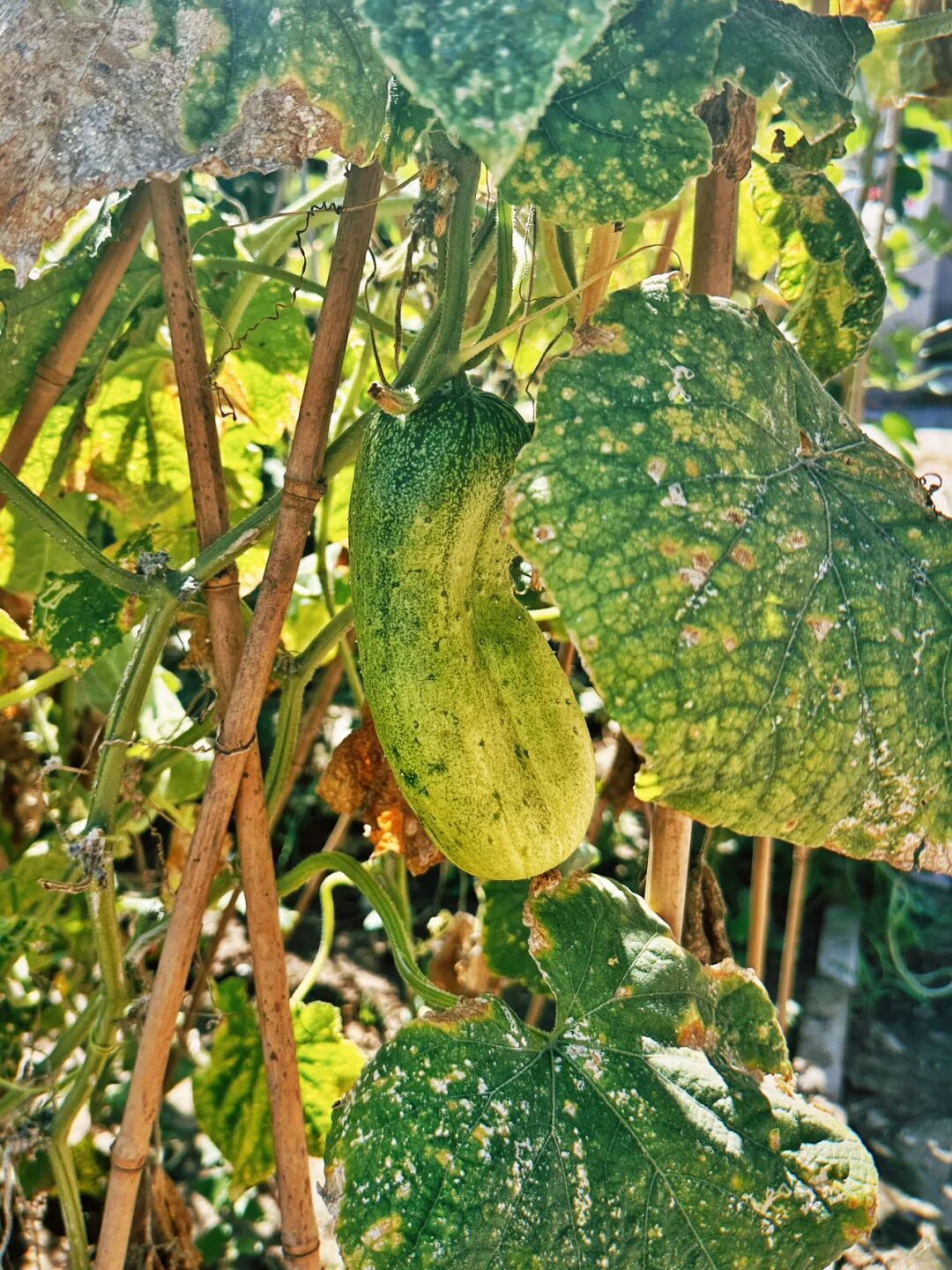
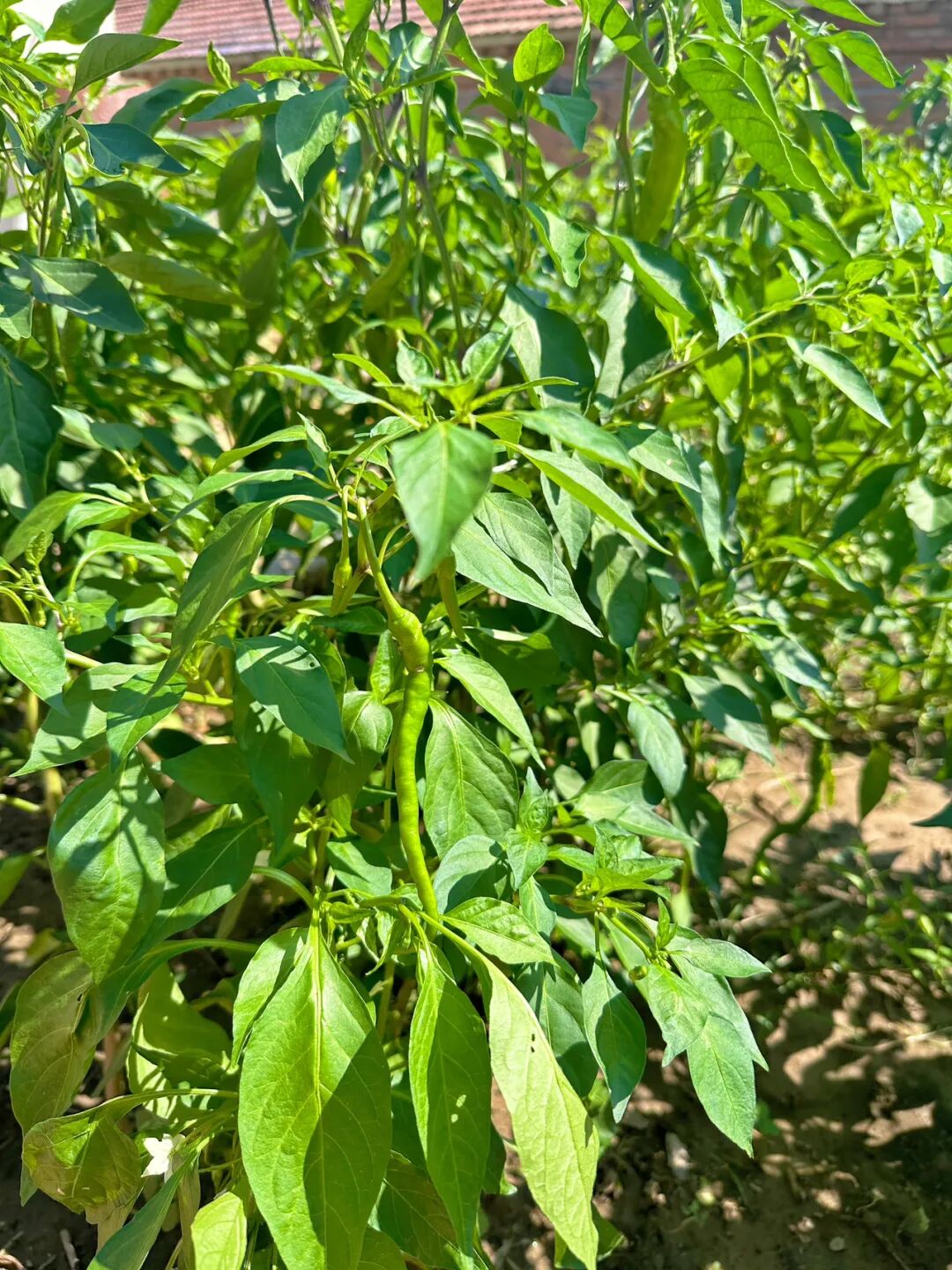
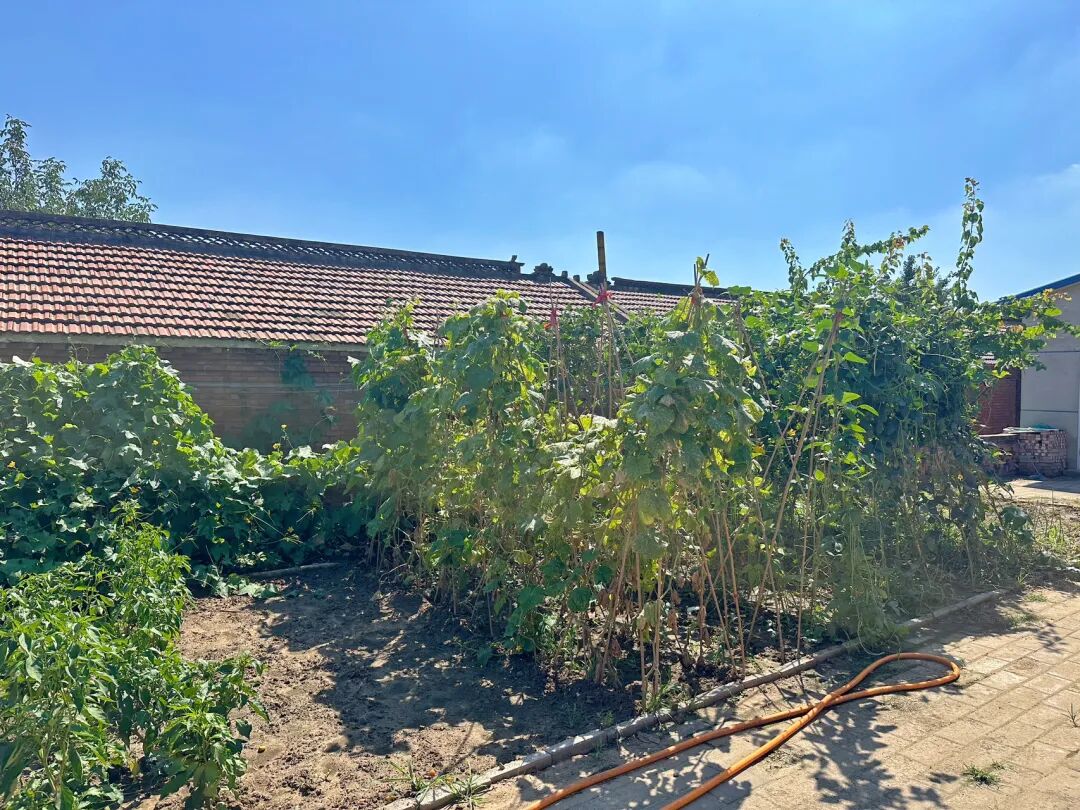
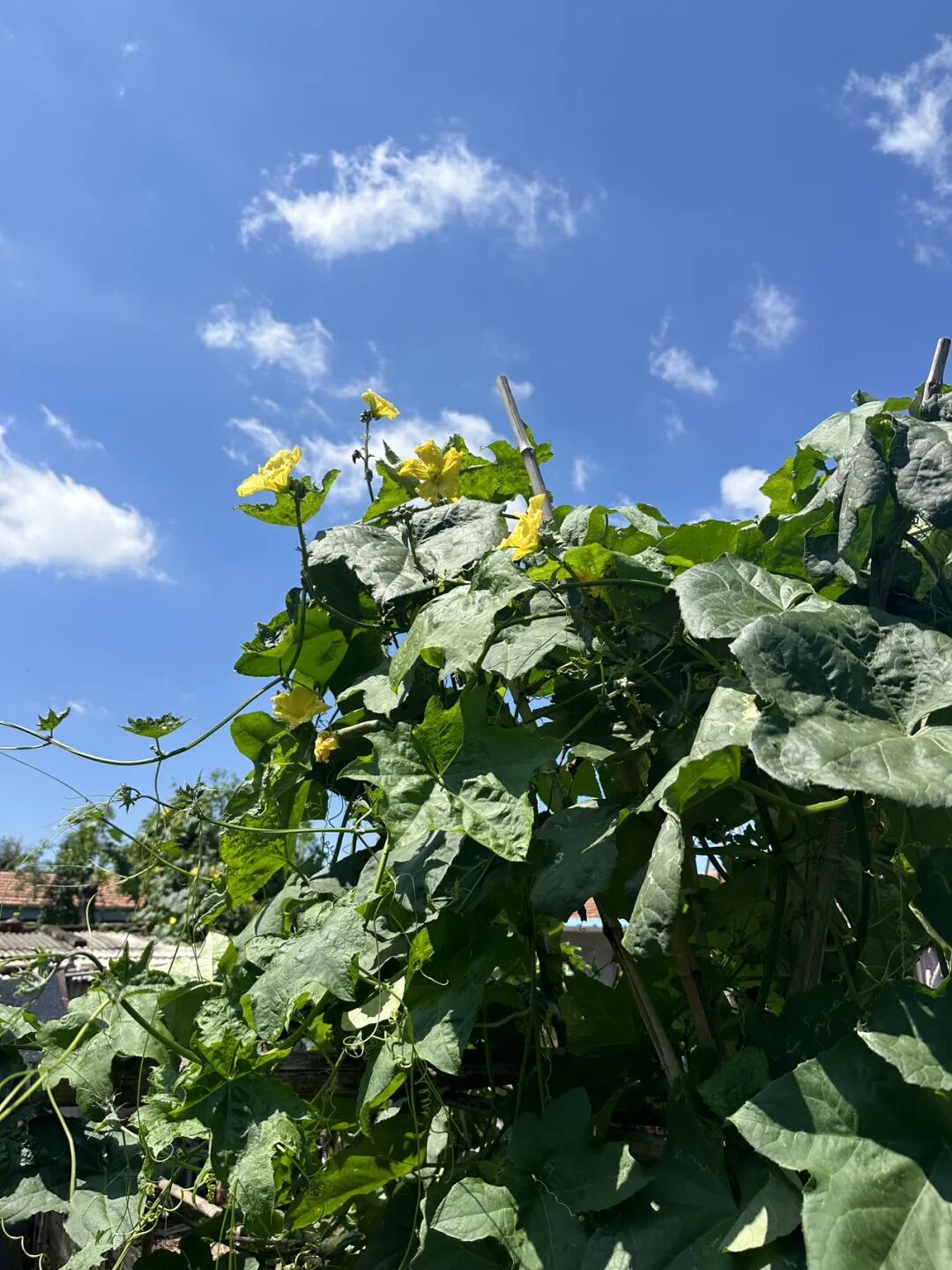
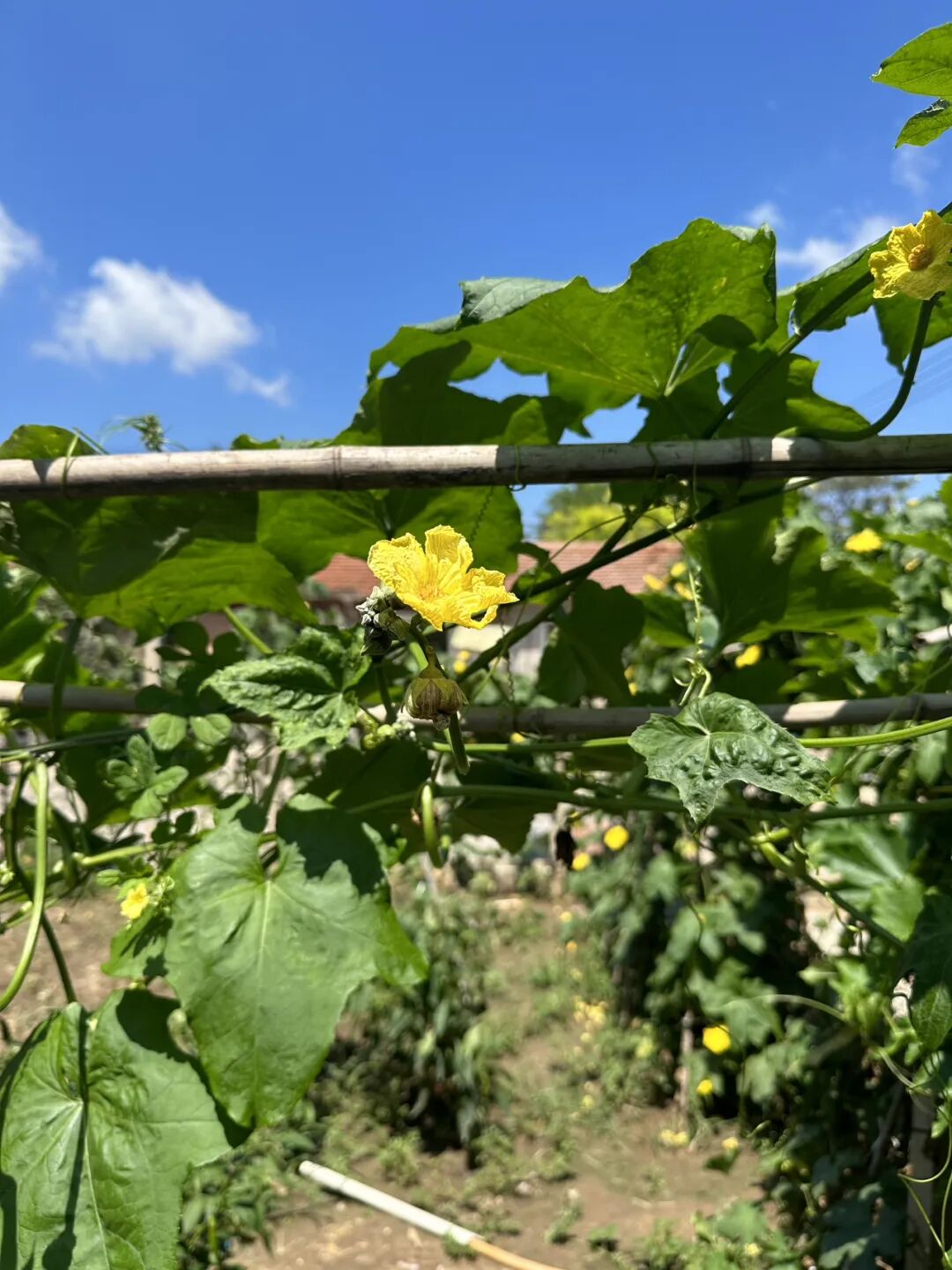
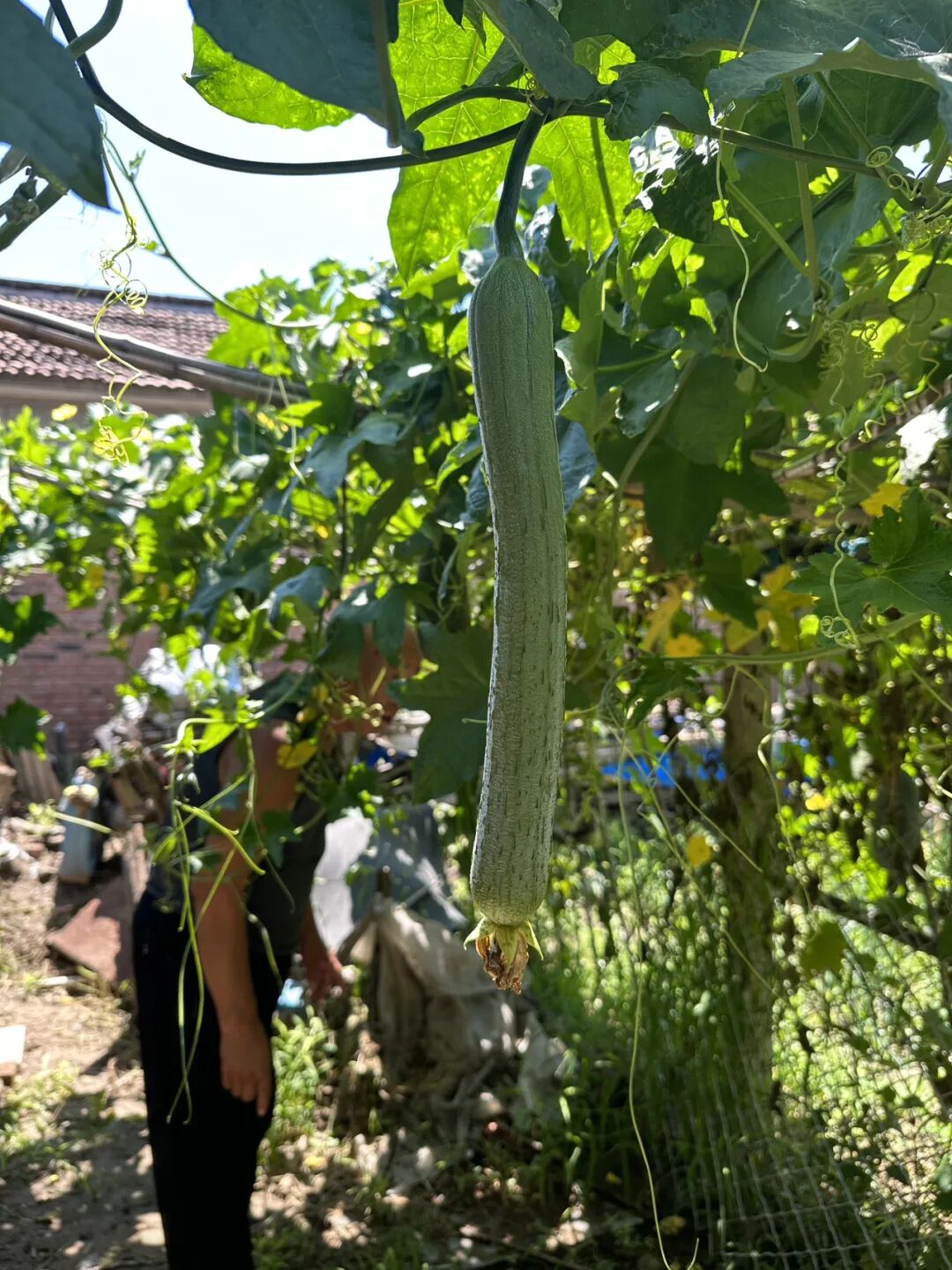
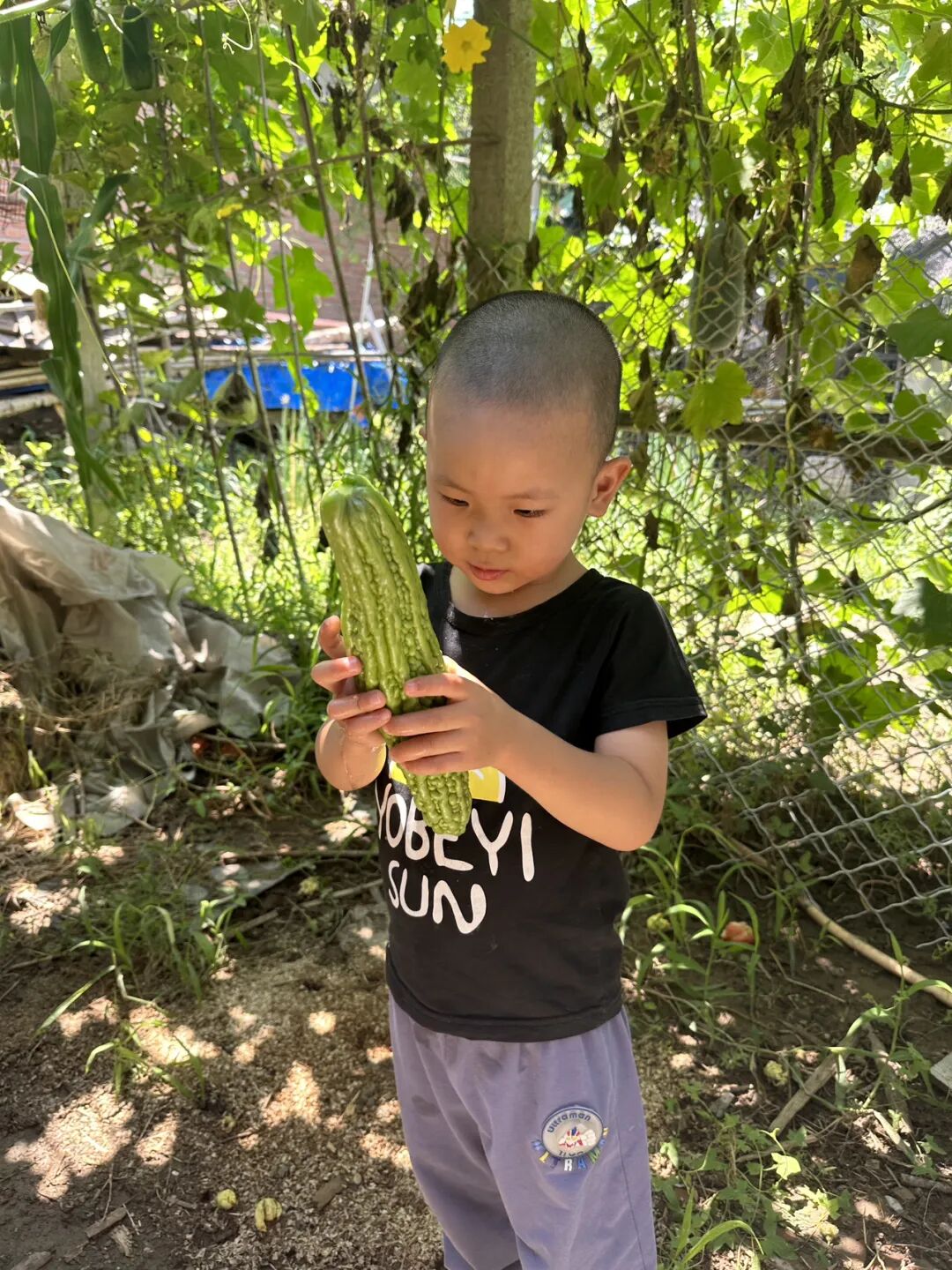
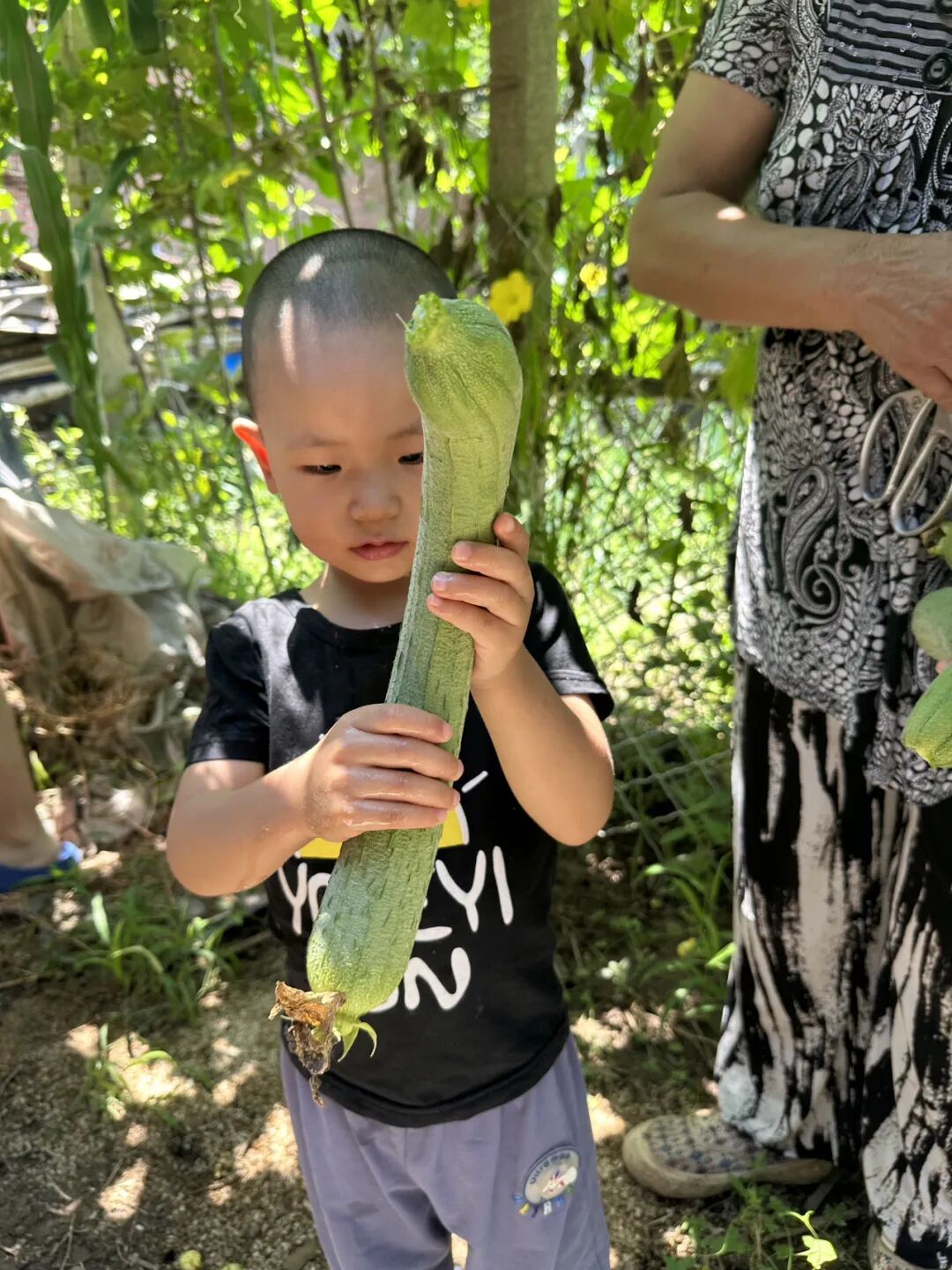
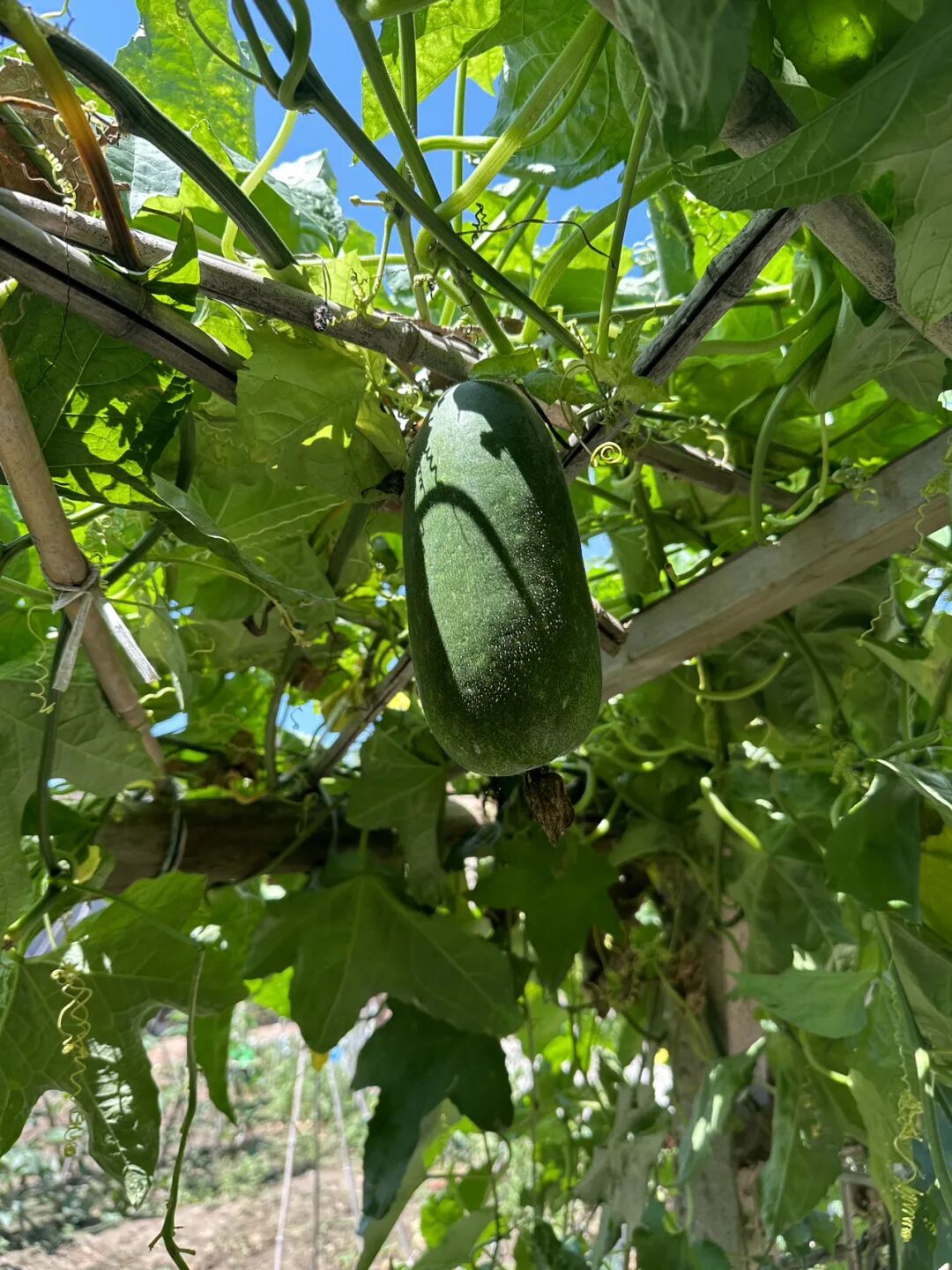
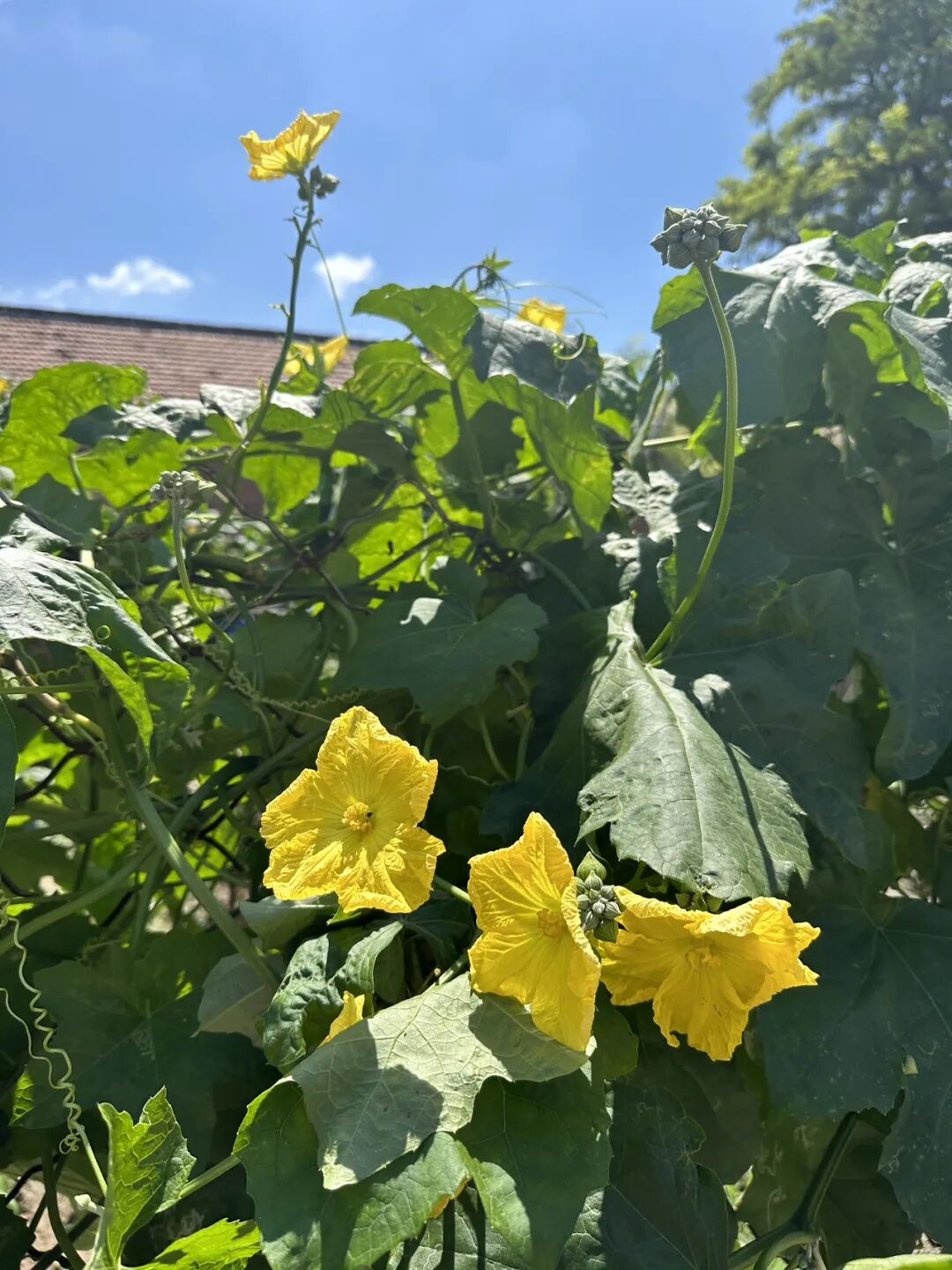
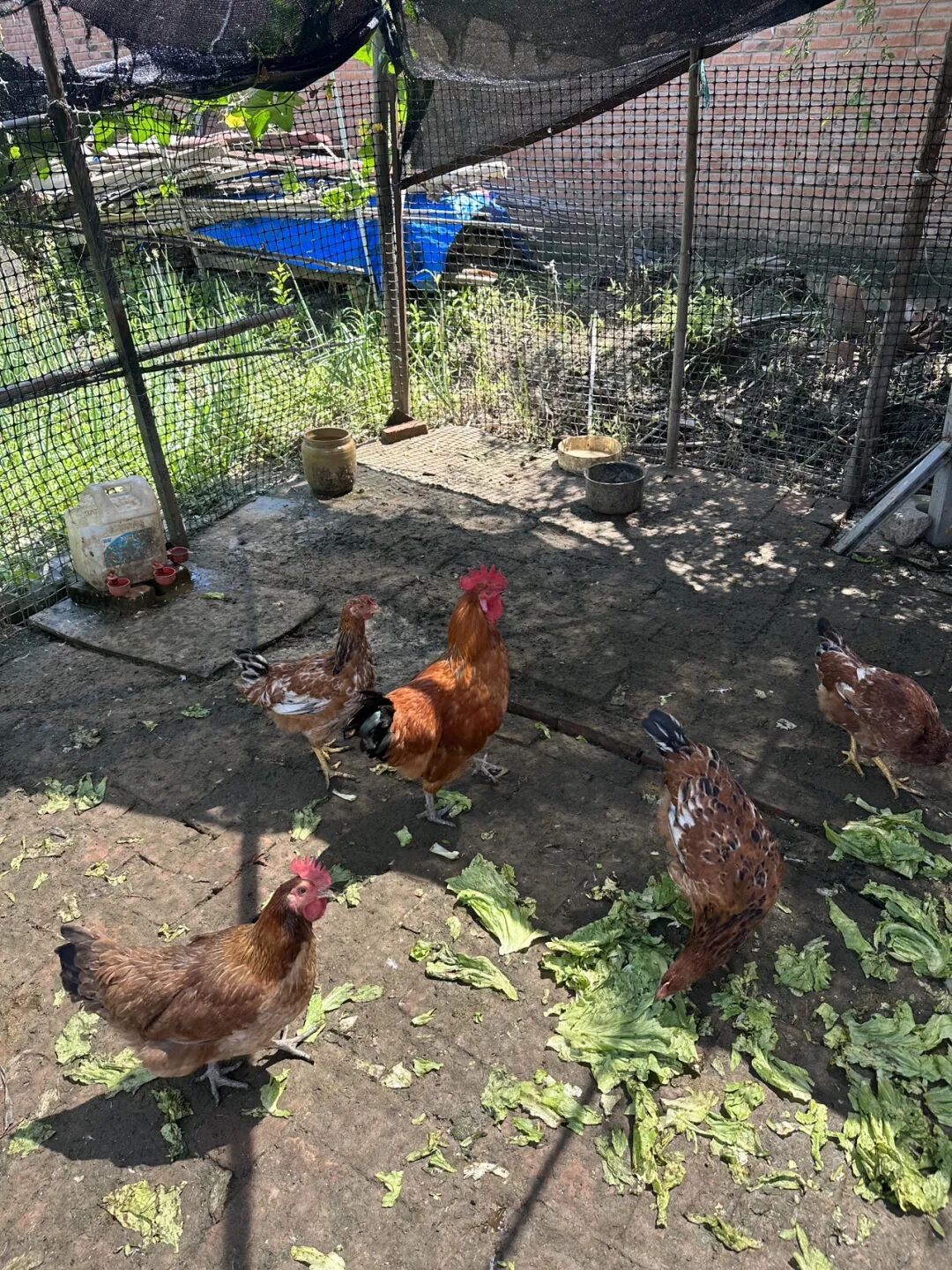
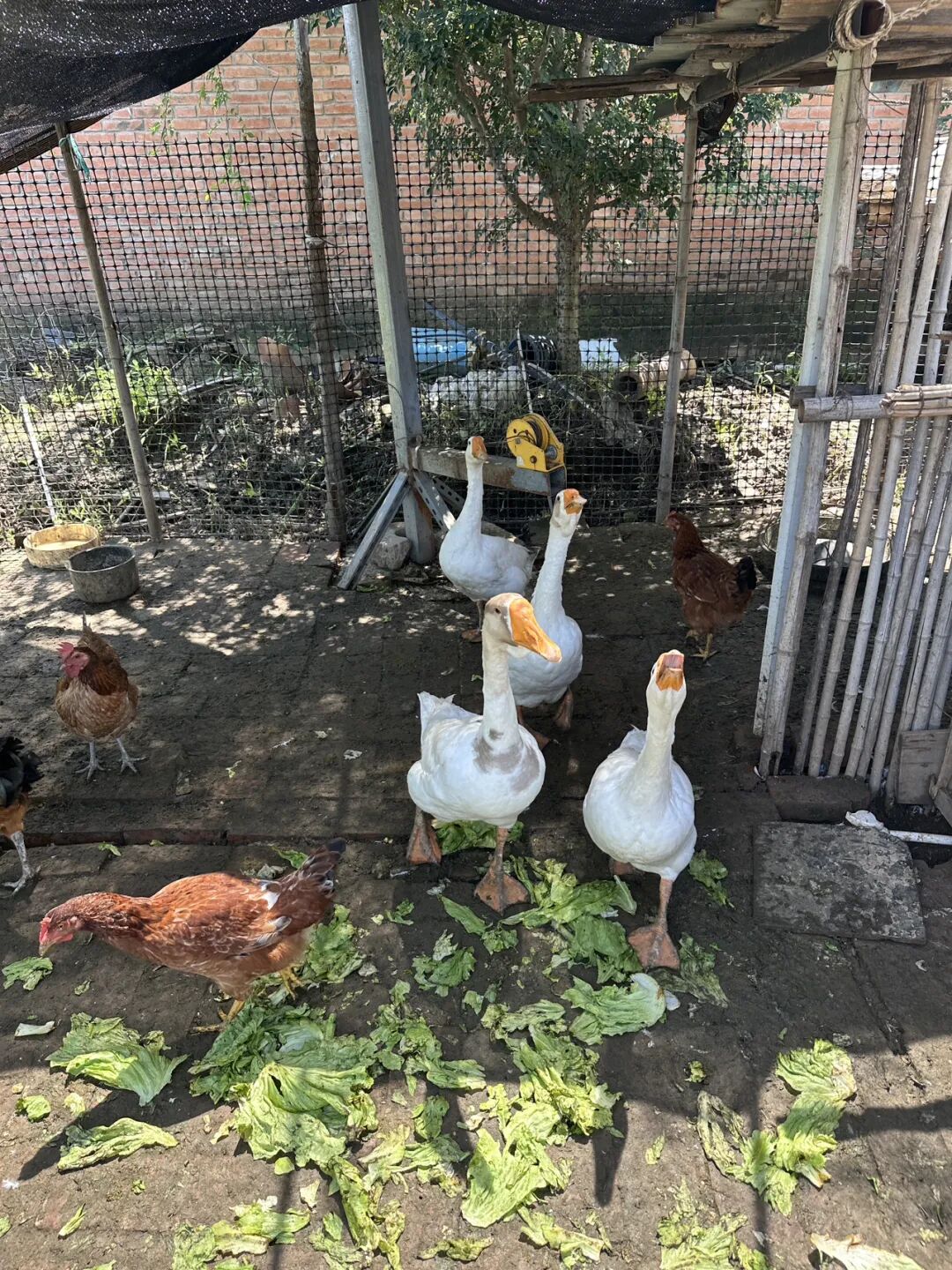
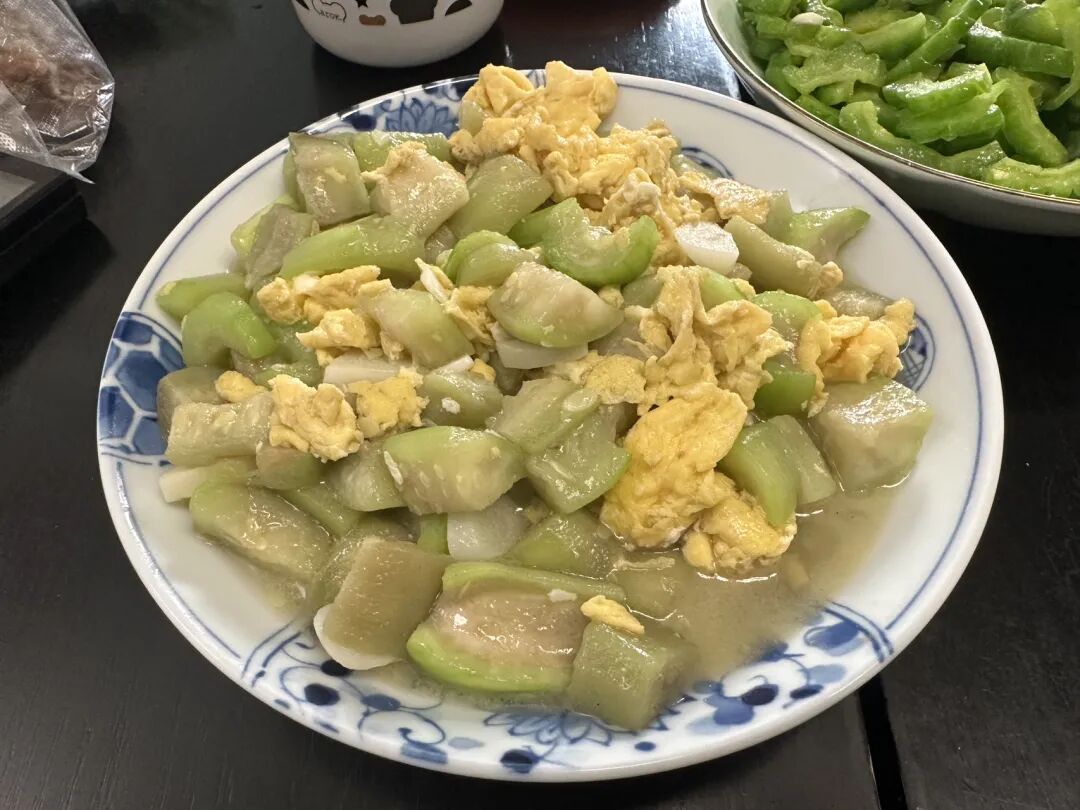
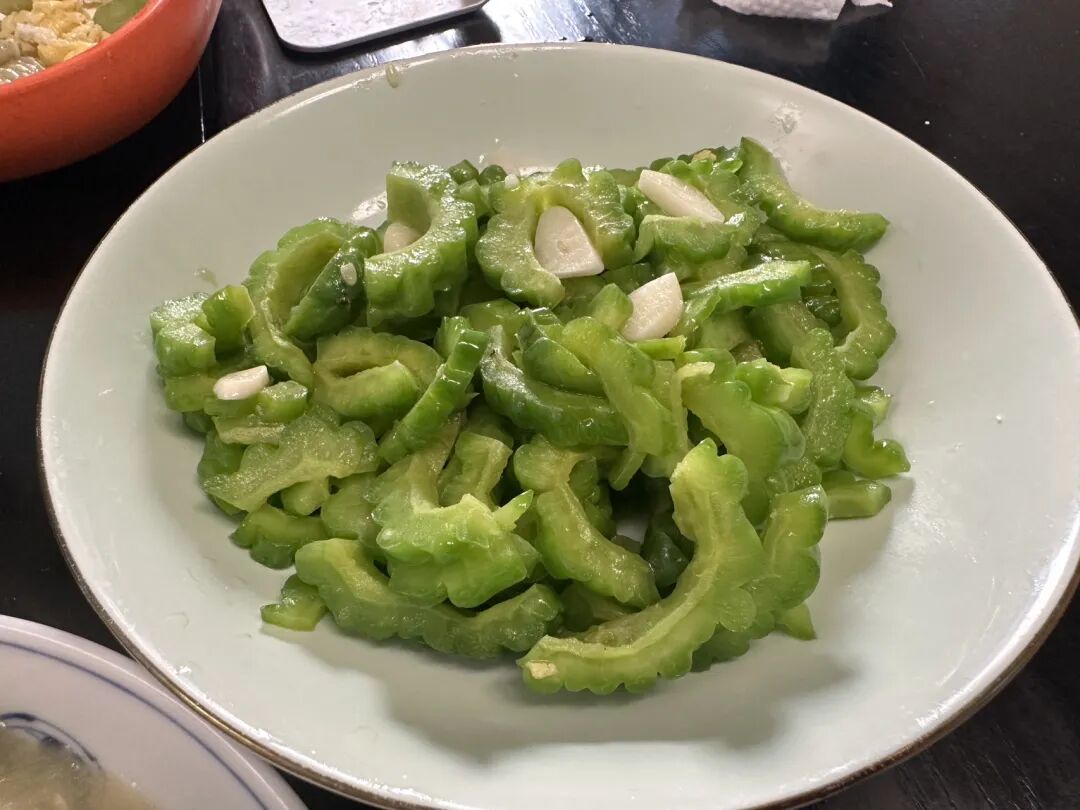
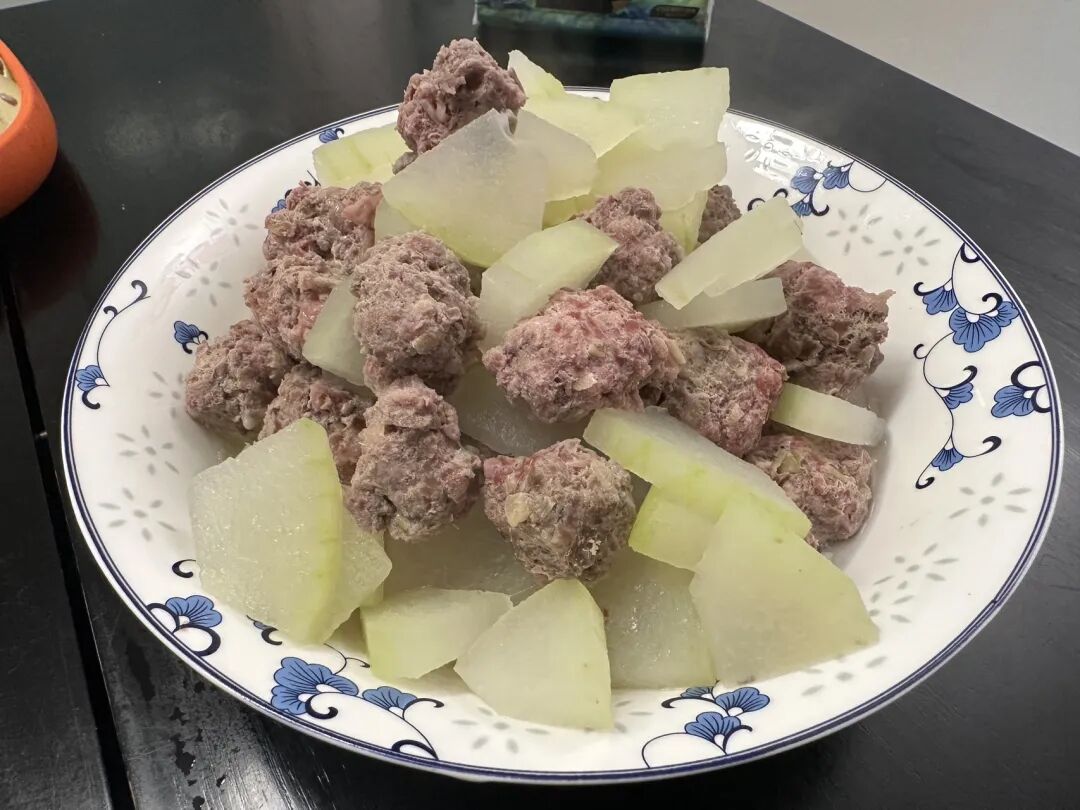
I took Suleiman to see my great-grandfather's courtyard, which is where my uncles live now. We looked at the geese and chickens raised at home, and picked some luffa, bitter melon, and winter melon. The home-grown bitter melon is very crunchy when stir-fried, and the winter melon meatball soup is delicious.
Summary: Hexiwu in Wuqing, Tianjin, sits between Beijing and Tianjin and grew from a Baihe River dock into an important Grand Canal town. This travel note follows a family return to Hexiwu, covering local dialects, Hui Muslim migration, temples, canalside history, and hometown food.
Last Ramadan, I went back to my hometown of Hexiwu in Wuqing, Tianjin. I bought fried cakes (zhagao) and crispy fried rolls (gezhihe) at the farmers' market. See my article, "My Hometown: Hexiwu Town, Wuqing, Tianjin." This summer, I took my son back to my hometown so he could experience the rural atmosphere.
Hexiwu connects to Tongzhou in Beijing and Xianghe in Hebei. It sits 60 kilometers from both downtown Beijing and Tianjin, making it the geographic midpoint between the two cities. My family members have historically moved to Beijing and Tianjin for work, so during family gatherings, you can hear Beijing dialect, Tianjin dialect, and the local Wuqing dialect.
During the Liao Dynasty, Hexiwu was a wharf on the west bank of the Baihe River. It was named "Hexiwu" (West River Dock) because of the boatyards along the shore. After the Grand Canal was dug during the Yuan Dynasty, a water transport customs office was set up at the dock, which is how it got the name "Hexiwu" (West River Customs). During the Yuan Dynasty, Hexiwu served as the headquarters for water transport. It had fourteen grain warehouses and was the largest grain storage base outside the Yuan capital. Hexiwu's commerce thrived during the Yuan and Ming dynasties. The Ming Dynasty book "Chang'an Kehua" records: "Hexiwu is the throat of the canal... inns are clustered on both banks, storing all kinds of goods. It is the number one town east of the capital."
In 1403 (the first year of the Yongle reign), Zhu Di defeated the Jianwen Emperor and took the throne. At that time, war had caused population decline and abandoned farmland in North China. Zhu Di issued a decree to relocate people, moving many Hui and Han people from the Jiangnan region to North China to farm. Many villages in the Hexiwu area were formed this way.
The Hexiwu Mosque is located on Third Street, southeast of the old town site. It was first built in 1403 (the first year of the Yongle reign), rebuilt in 1670 (the eighth year of the Kangxi reign), collapsed during the 1976 Tangshan earthquake, was rebuilt again in 1988, and officially completed in 1990.
The Hexiwu Mosque was originally located southwest of the Hexiwu city walls. In 1570 (the fourth year of the Longqing reign), the Ming government ordered the construction of a brick-walled city in Hexiwu with a perimeter of 500 meters to ensure the safety of water transport. The Hexiwu Mosque was also rebuilt at this time. Li Ben, the Wuqing prefect at the time, wrote a poem about Hexiwu: "The new iron-walled city holds a hundred thousand homes, where old customs compete in prosperity." Embankments connect mansions and official shops, while the shore is crowded with flags and official messengers. Tax revenue from the five materials supports the national budget, and trade reaches the four seas to sustain life. At this throat of the realm where all gather, fame and profit shimmer in the evening mist. In 1669 (the eighth year of the Kangxi reign), the Hexiwu brick city was destroyed by a flood from the North Canal, and the Hexiwu Mosque was destroyed at the same time. The following year, the city was rebuilt two miles to the west, and the Hexiwu Mosque was rebuilt as well, moving from the southwest of the city to the east.
Hui Muslims in Hexiwu mainly live in the Third Street and Daliuzhuang areas. You can still see a strong Hui cultural atmosphere when walking through these places today.
My grandmother came from the Liu family in Daliuzhuang. They moved here from Jiangnan during the Ming Dynasty's Yongle reign due to the "Prince of Yan Sweeps the North" campaign. This is a common migration story for many families in North China.
Hexiwu has a rich variety of halal food. The most famous include the golden-rimmed braised meat (jinbian koumen) at Xinpengzhai, the yellow rice fried cakes (huangmi zhagao) at Lirenzhai Wangji, and the stuffed crispy fried rolls (dai xian gezhihe) at Yangji. For lunch, we ate at Juyuanzhai at the intersection. We had eight-treasure tofu (bazhen doufu), cashew nuts with mixed vegetables, and lamb and zucchini dumplings. The portion sizes in town are much larger than in the city. One dish feels like enough for two people. The eight-treasure tofu is made with a base of crispy tofu topped with shrimp, abalone, squid, diced chicken, beef slices, and more. It is very rich. The vegan cashew dish includes snow peas, wood ear mushrooms, oyster mushrooms, cauliflower, cashews, bell peppers, and carrots, making for a very well-balanced meal. The dumplings are homemade, and the zucchini filling adds a great flavor.
I took Suleiman to see my great-grandfather's courtyard, which is where my uncles live now. We looked at the geese and chickens raised at home, and picked some luffa, bitter melon, and winter melon. The home-grown bitter melon is very crunchy when stir-fried, and the winter melon meatball soup is delicious.
