
Halal Travel Guide: Beijing - Mawlid Week at Dongsi, Balizhuang and Yangzha
Reposted from the web
Summary: The first week of Beijing's Mawlid month included gatherings at Dongsi Mosque, Balizhuang Mosque, and Yangzha Mosque. The travel note records prayers, Quran recitation, sermons, meat porridge, mosque kitchens, and a traditional Beijing Muslim banquet.
Blessed Mawlid, Mawlid Mubarak. The 12th day of the third month in the Islamic calendar is believed to be the birthday of the noble Prophet. Around this day, friends (dosti) all over the world hold events to commemorate the noble Prophet, known as Mawlid or Eid-e-Milad an-Nabi. In China, these are called Shengji, Sheng-hui, or Shengdan.
Commemorations for the noble Prophet date back to the time of the followers of the companions (Tabi'un), though they were mostly private events in the early days. Large-scale commemorations can be traced back to Egypt during the Fatimid dynasty in the 12th century. In 1207, Saladin's brother-in-law Gökböri first established the Mawlid as a public holiday, which helped the celebration spread. The Ottoman Empire made the Mawlid an official holiday in 1588, calling it Mevlid Kandili, which means the Candle Festival of the Prophet's Birthday.
When the Mawlid begins, mosques across Beijing start holding commemorative gatherings that last for an entire month. Last weekend, I attended three gatherings in Beijing at Dongsi, Balizhuang, and Yangzha, where I enjoyed meat porridge, fried dough (youxiang), and traditional eight-bowl banquet dishes (badawan).
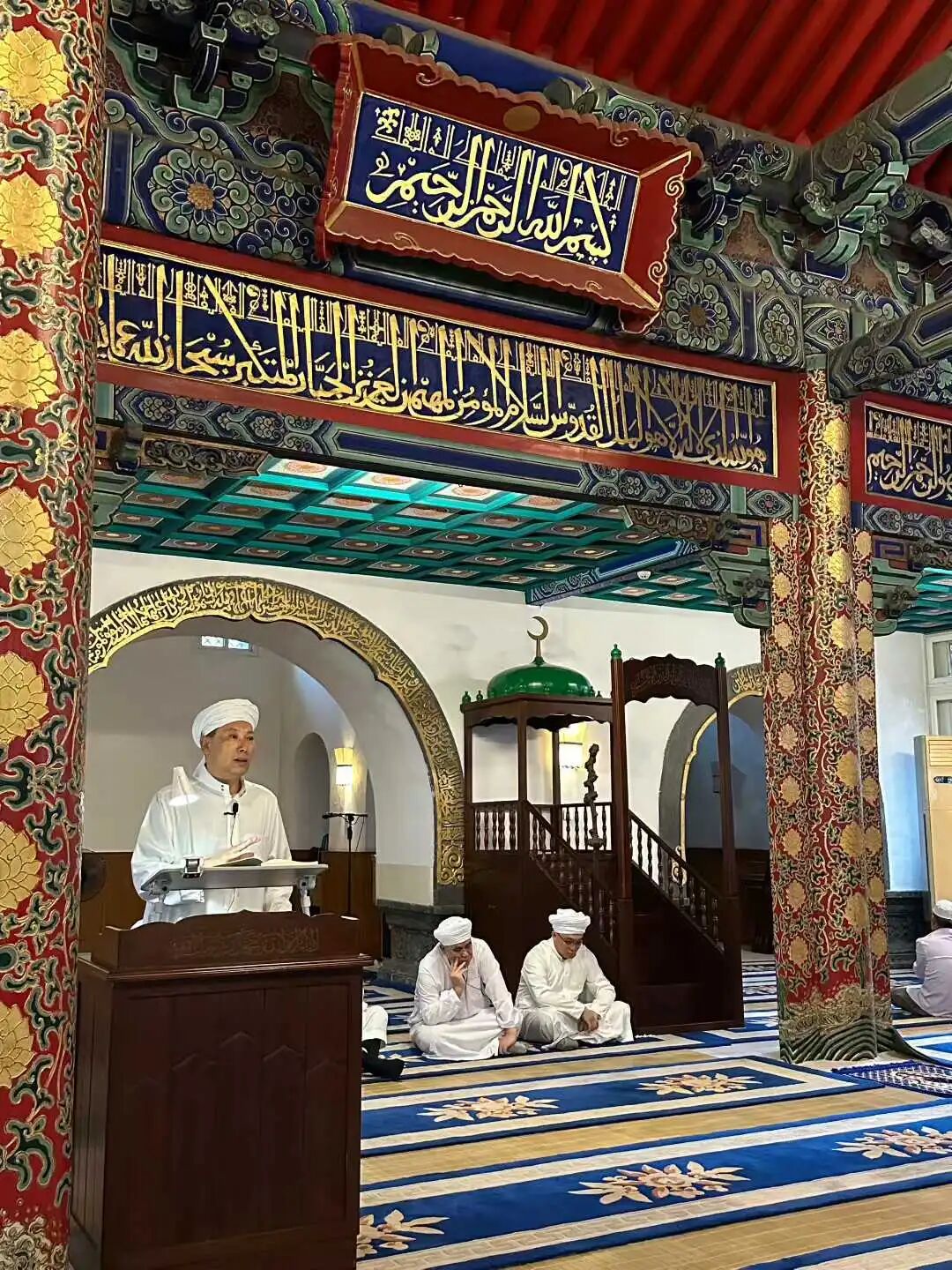
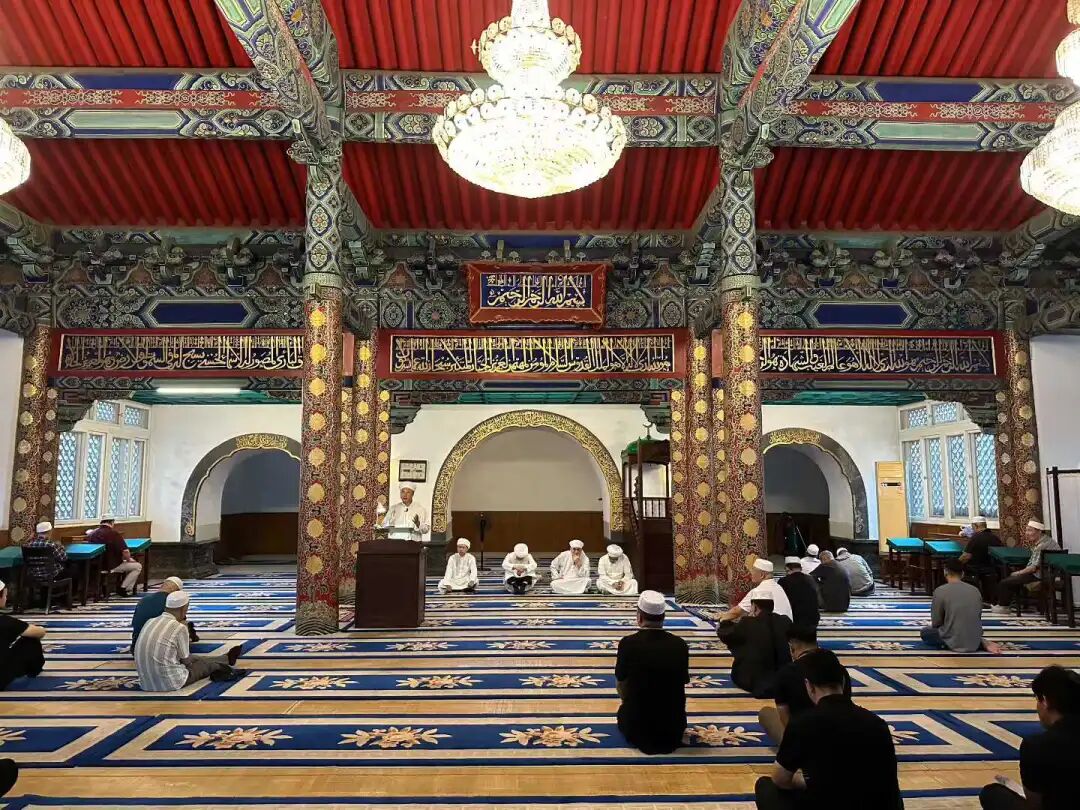
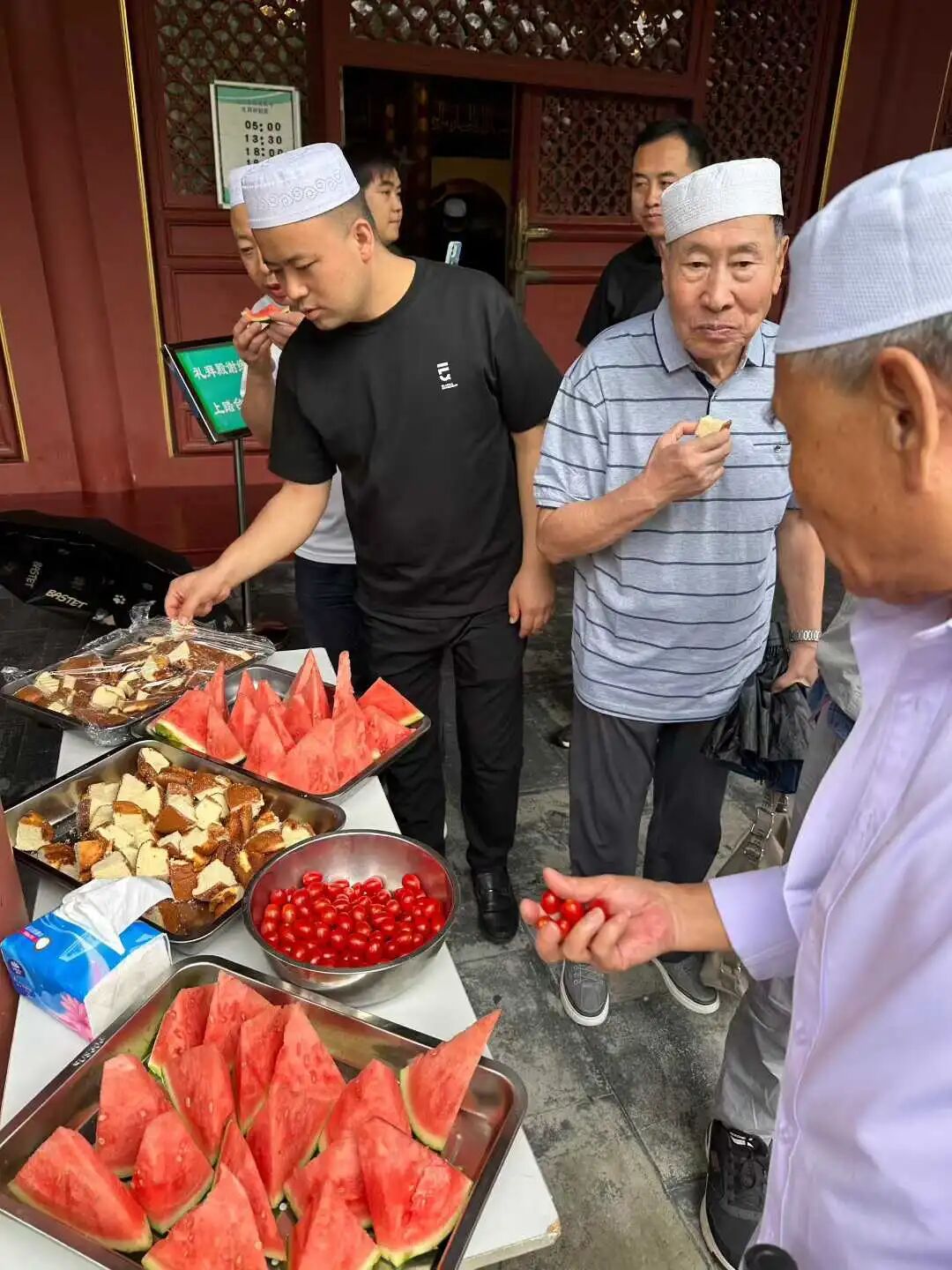
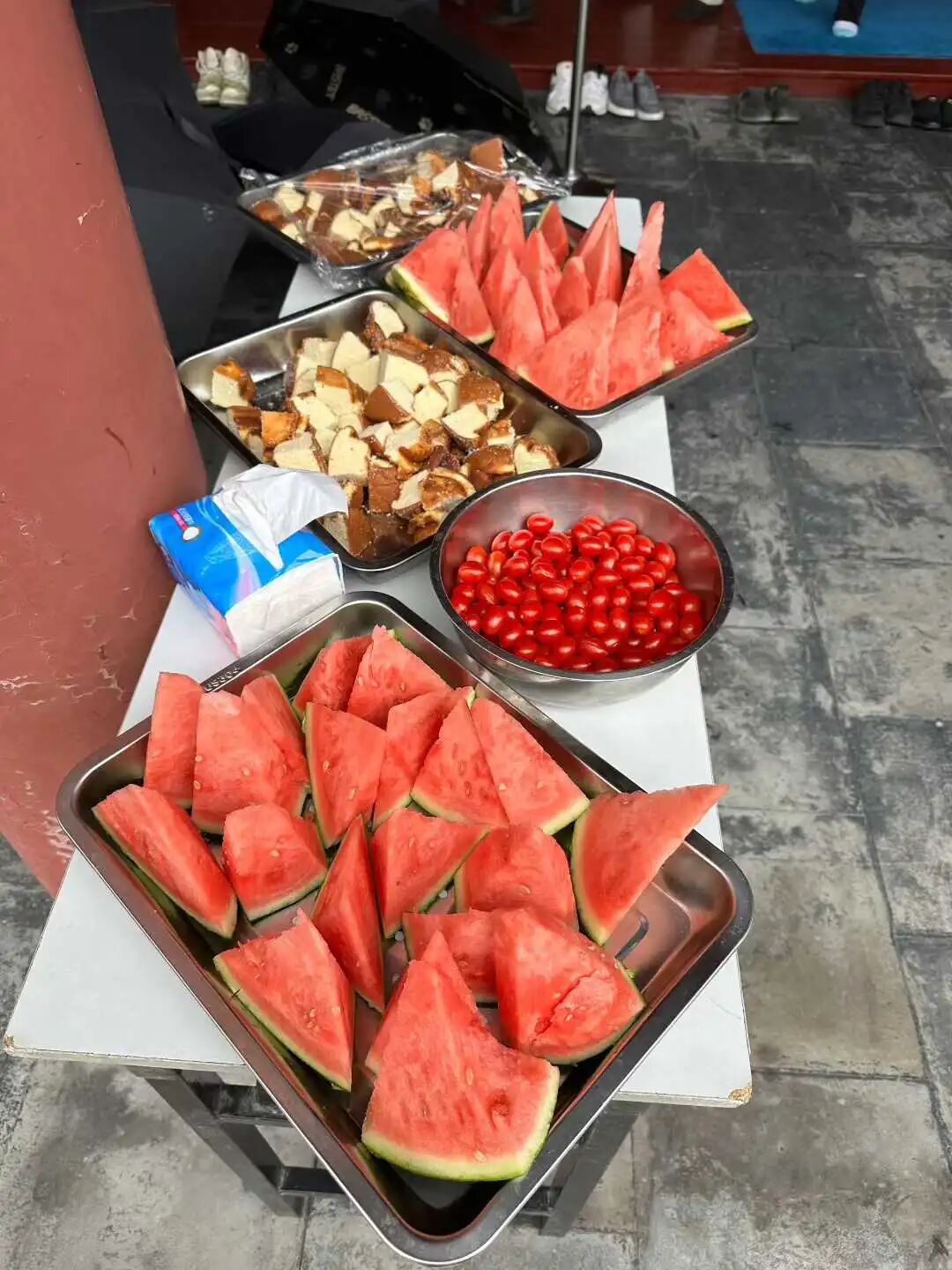
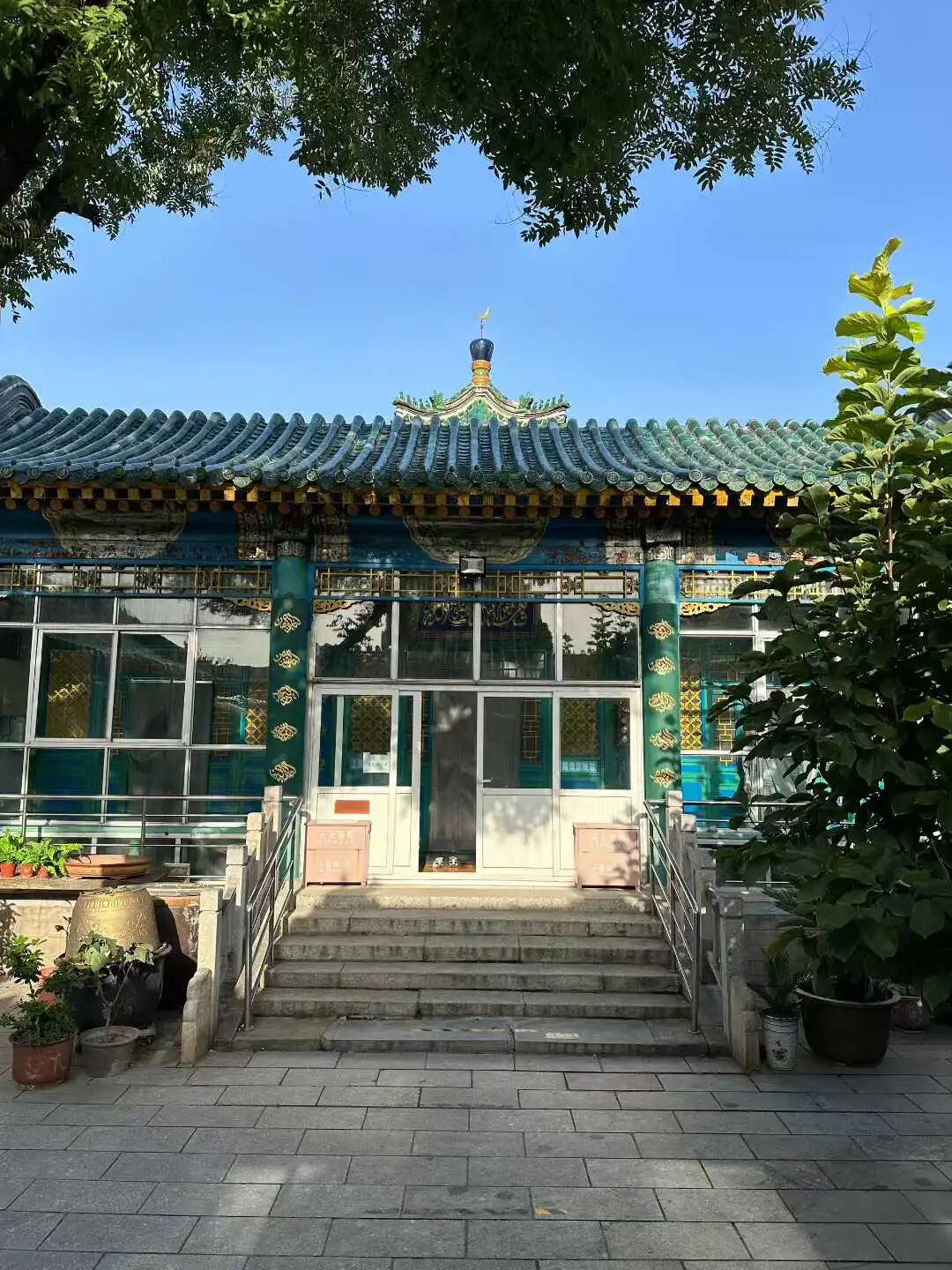
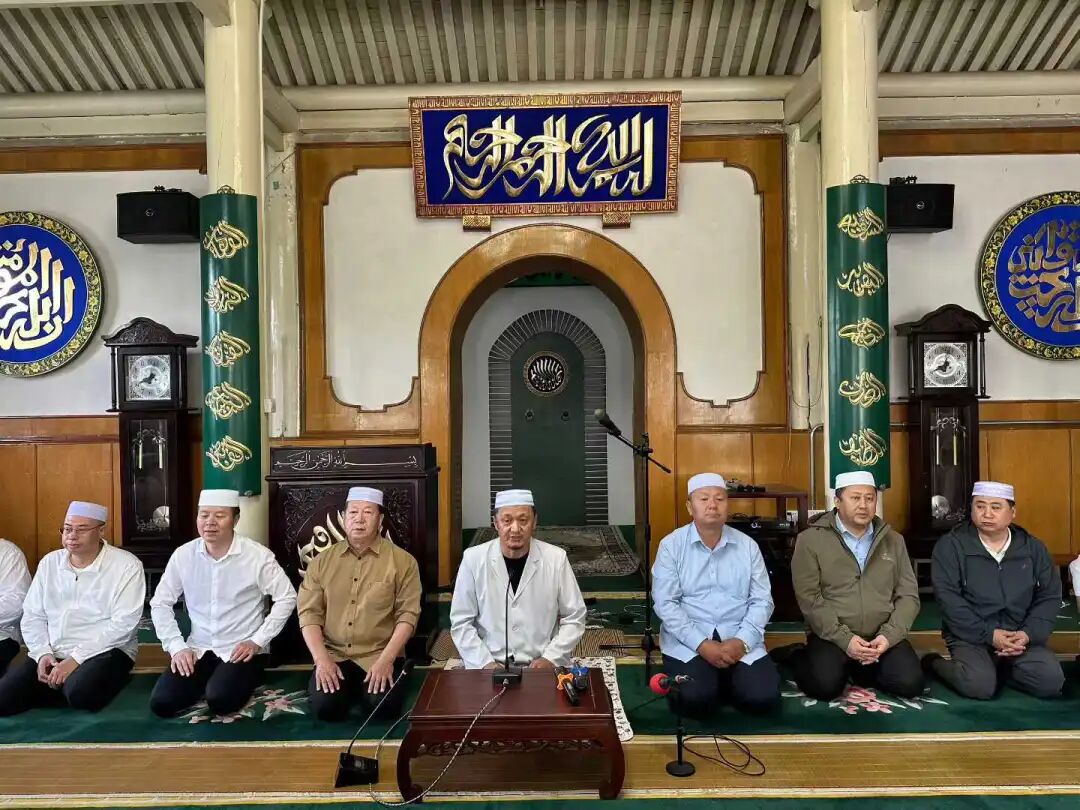
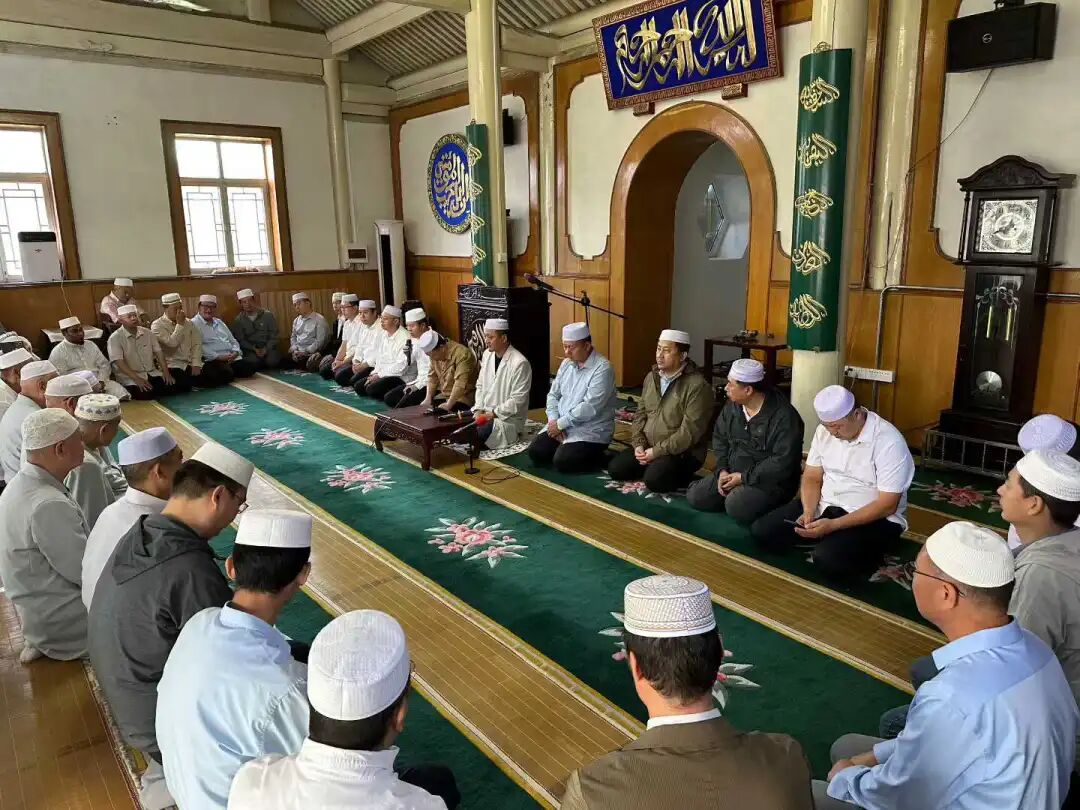
On Friday, the day of Jumu'ah, I spent the Mawlid at Dongsi. Before the Jumu'ah prayer, a sermon (wa'z) explained the significance of remembering the noble Prophet. After the prayer, President Yang Faming and various imams recited the Quran (yuanjing). After leaving the prayer hall, we enjoyed fruits and snacks.
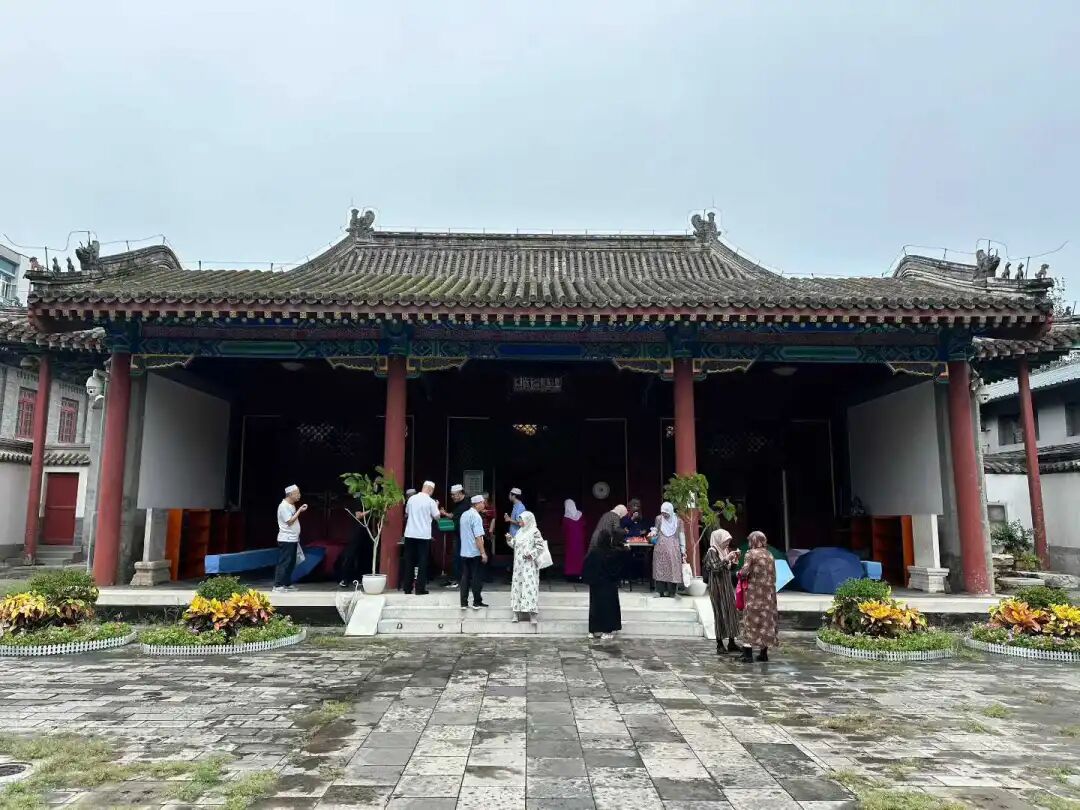
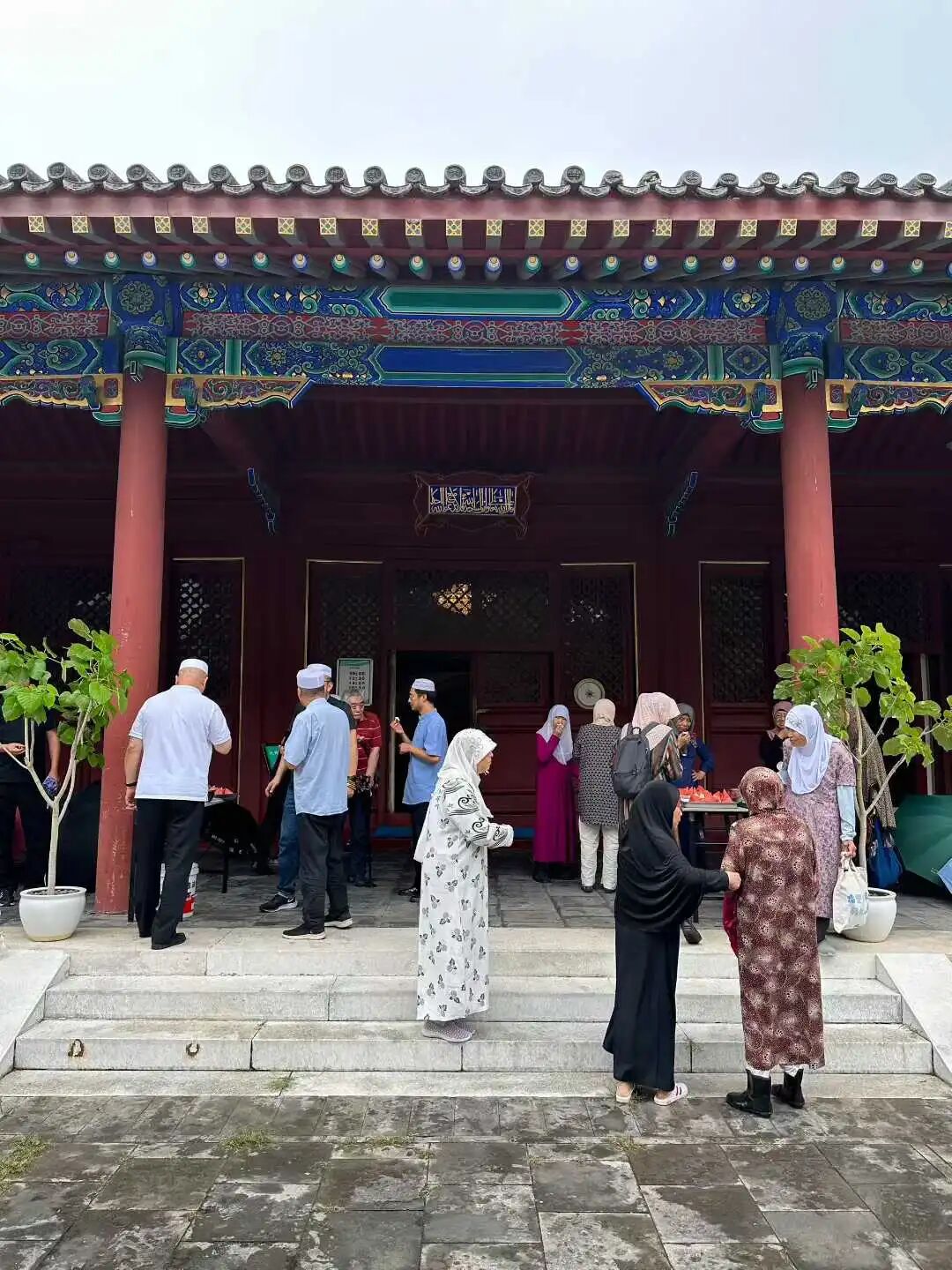
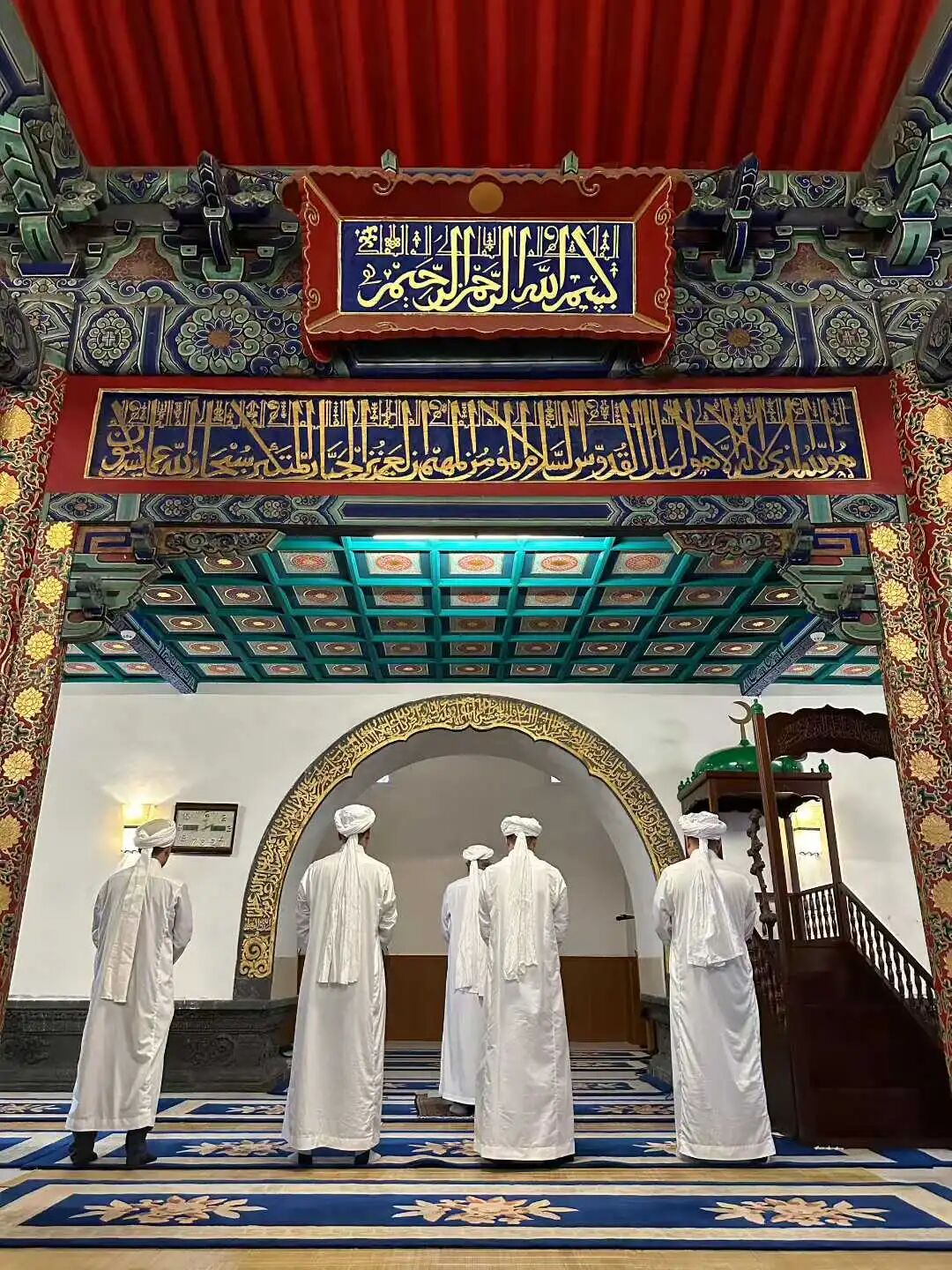
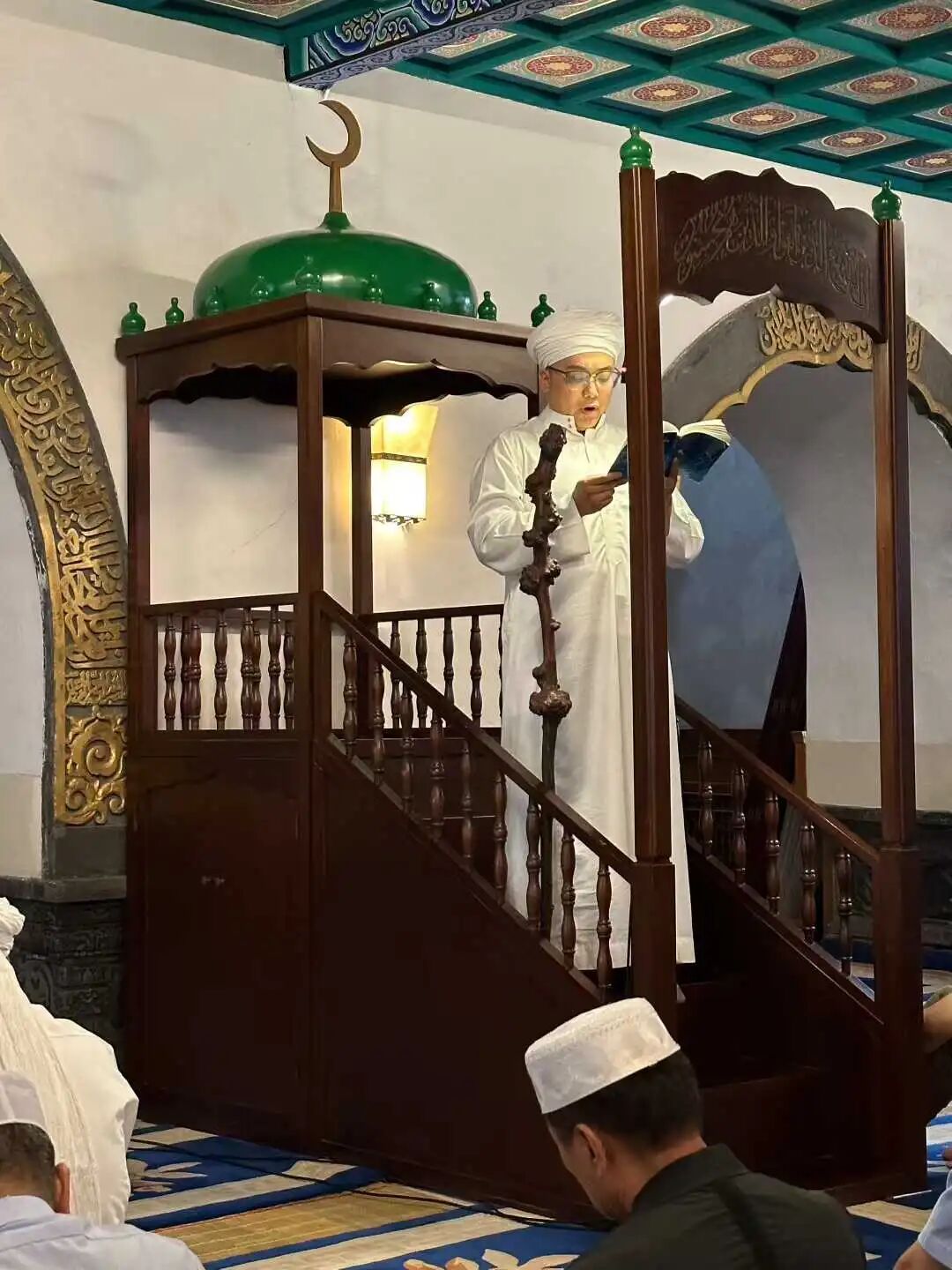
On Saturday, I attended the Mawlid at Balizhuang Mosque. Imams from various mosques in Chaoyang District came to recite the Quran, and local elders took turns reciting as well. Imam Yang gave a sermon (wa'z) about the noble Prophet. After the prayer, everyone enjoyed meat porridge, fried dough (youxiang), and various fruits and pastries. The meat porridge at Balizhuang is only available during Eid al-Fitr and the Mawlid each year. The aroma of the meat and the wheat blends perfectly, making it very blessed.
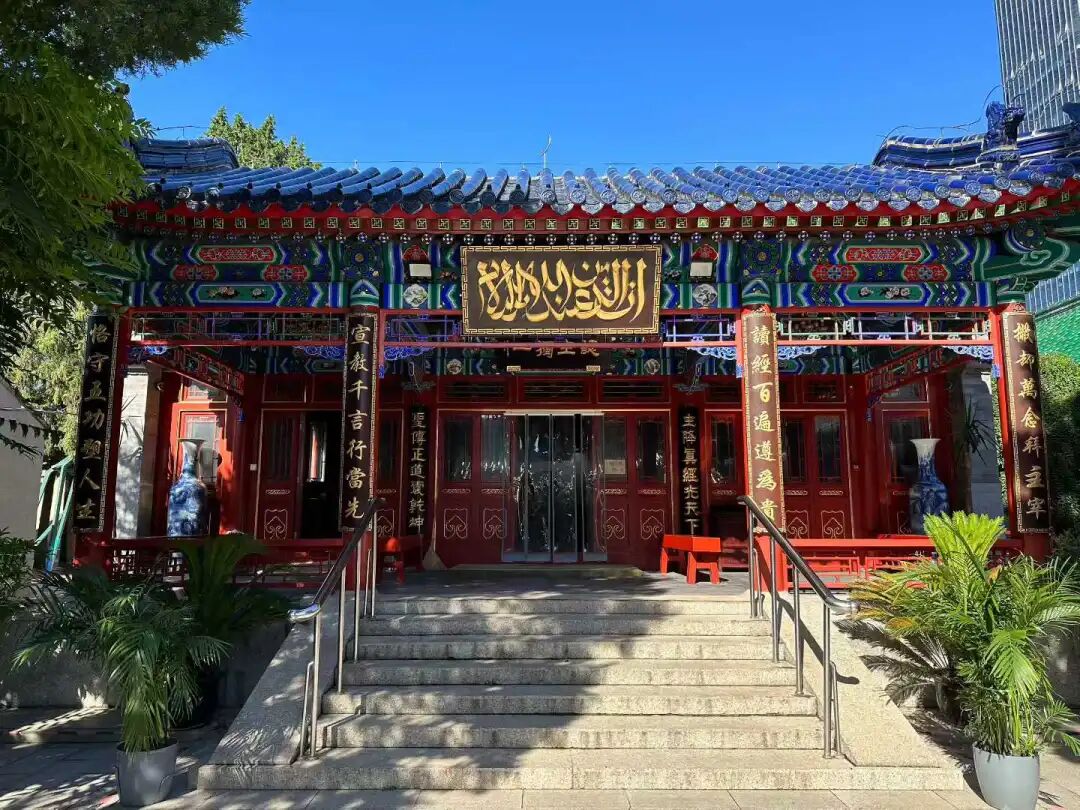
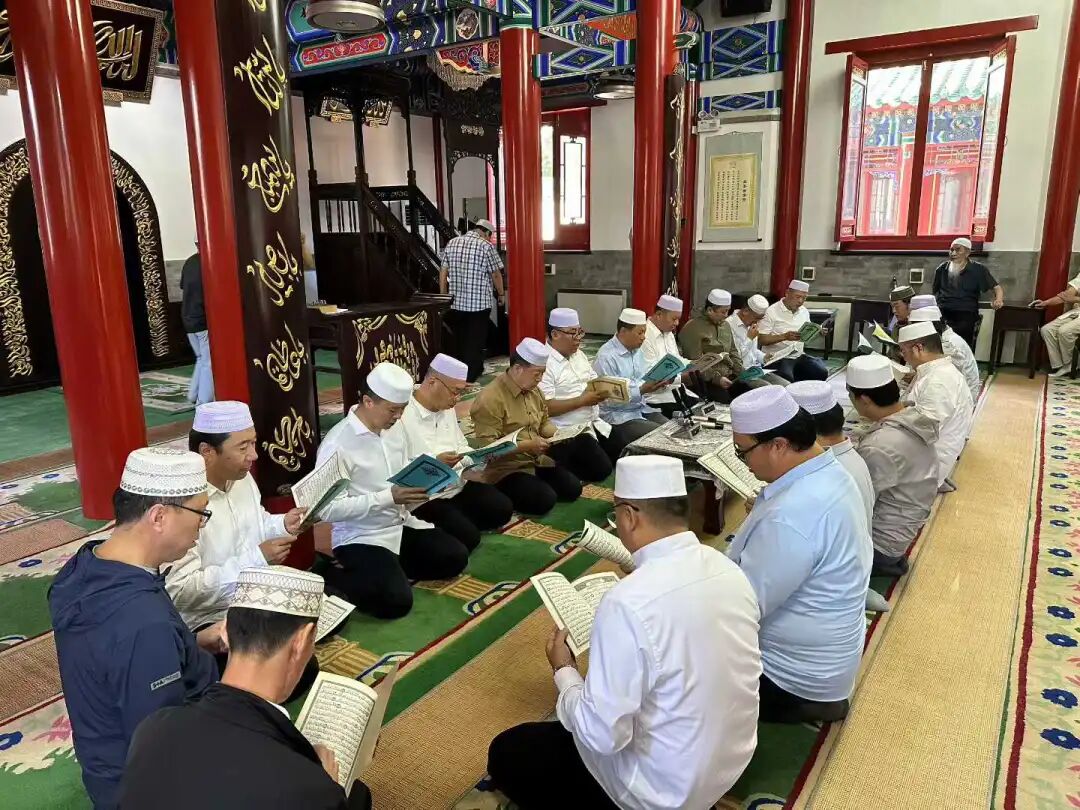
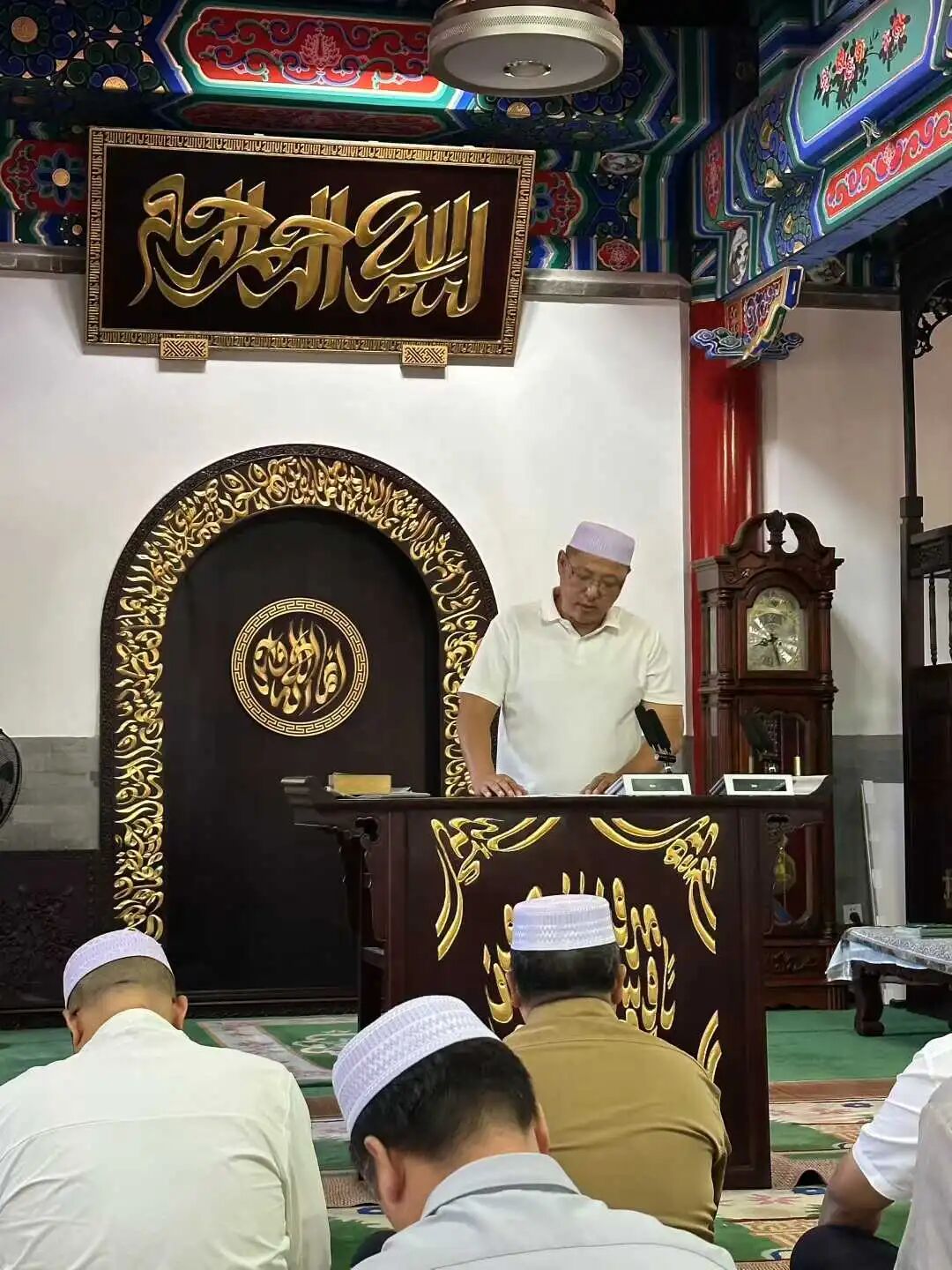
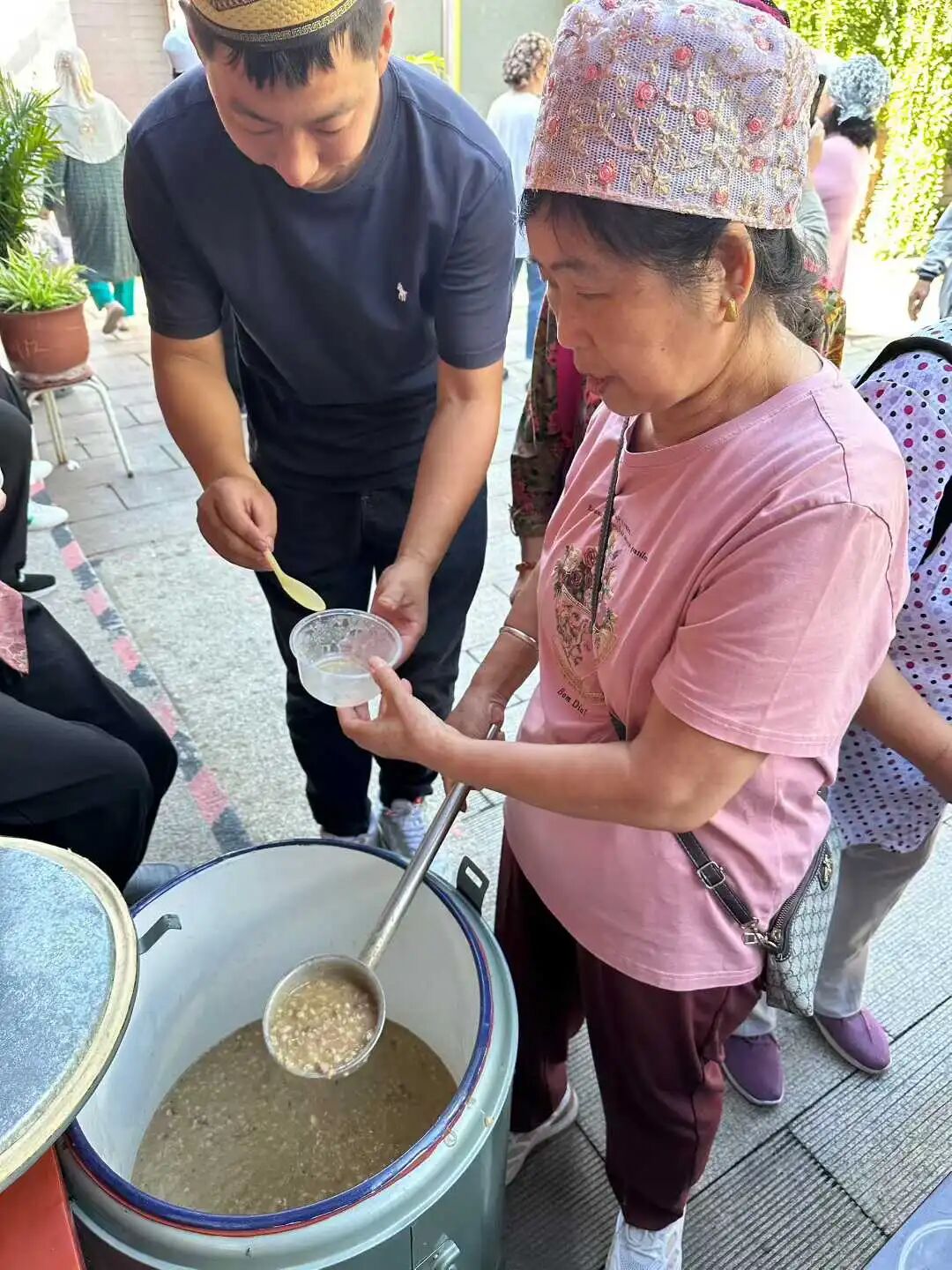
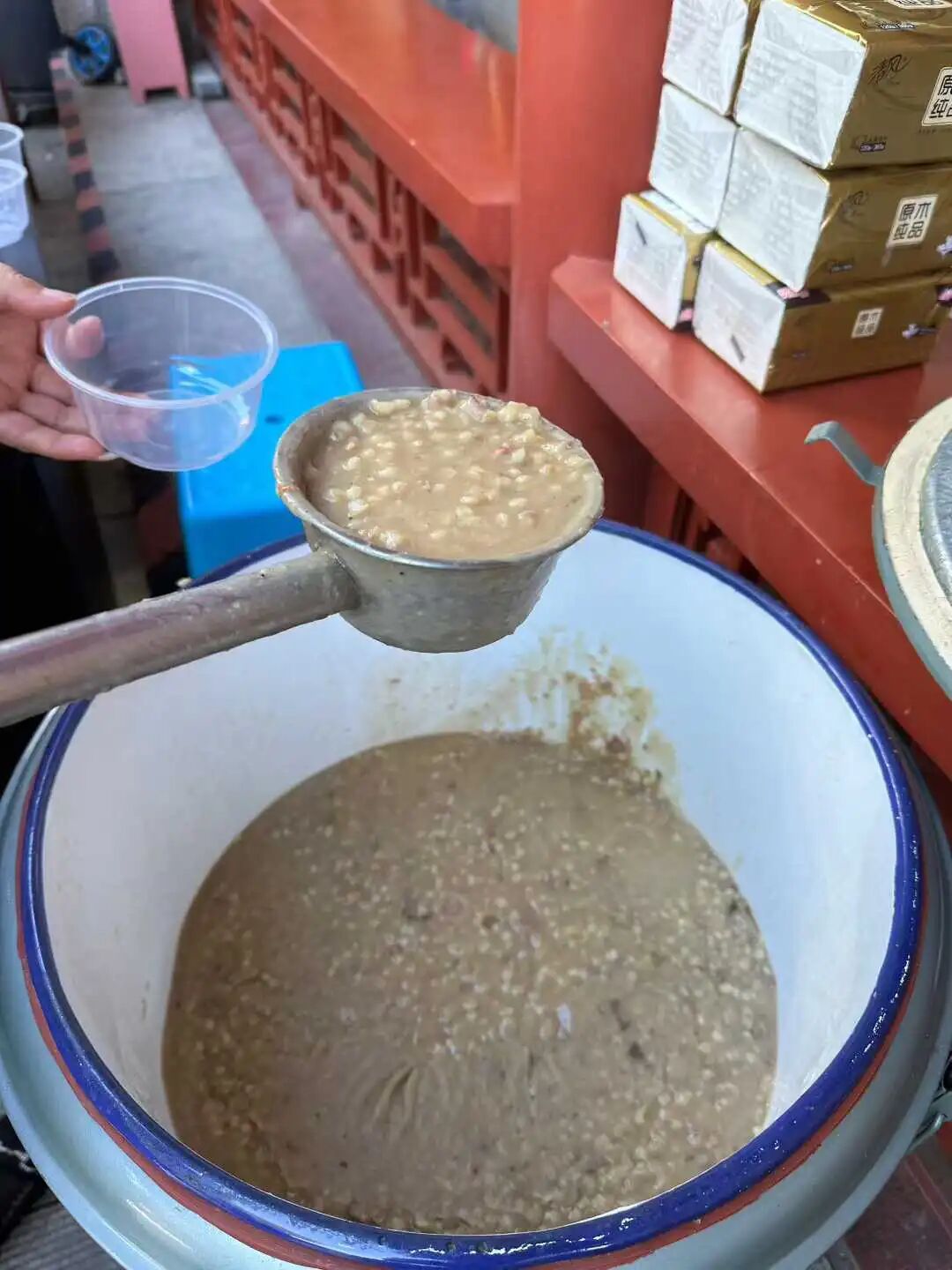
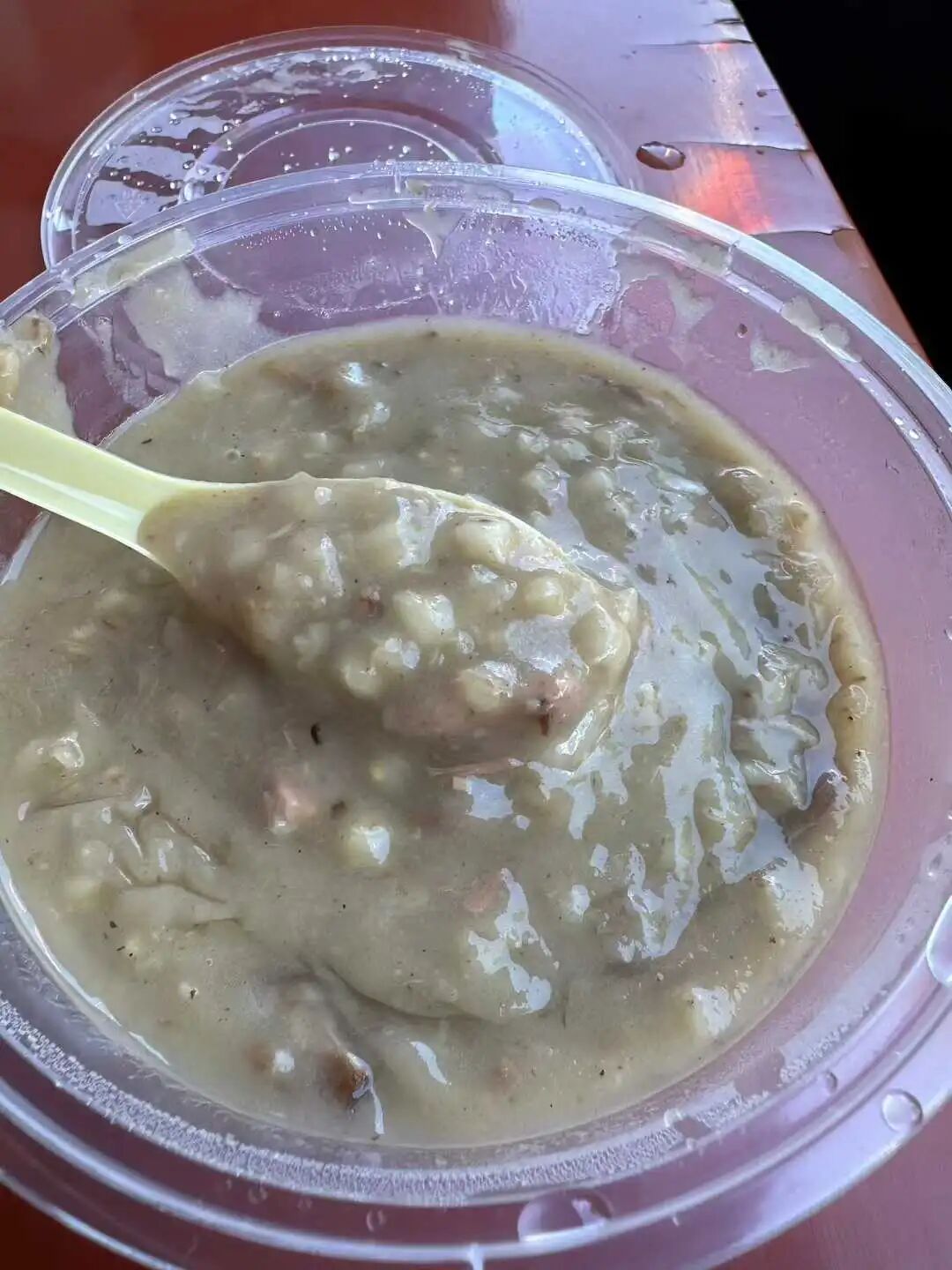
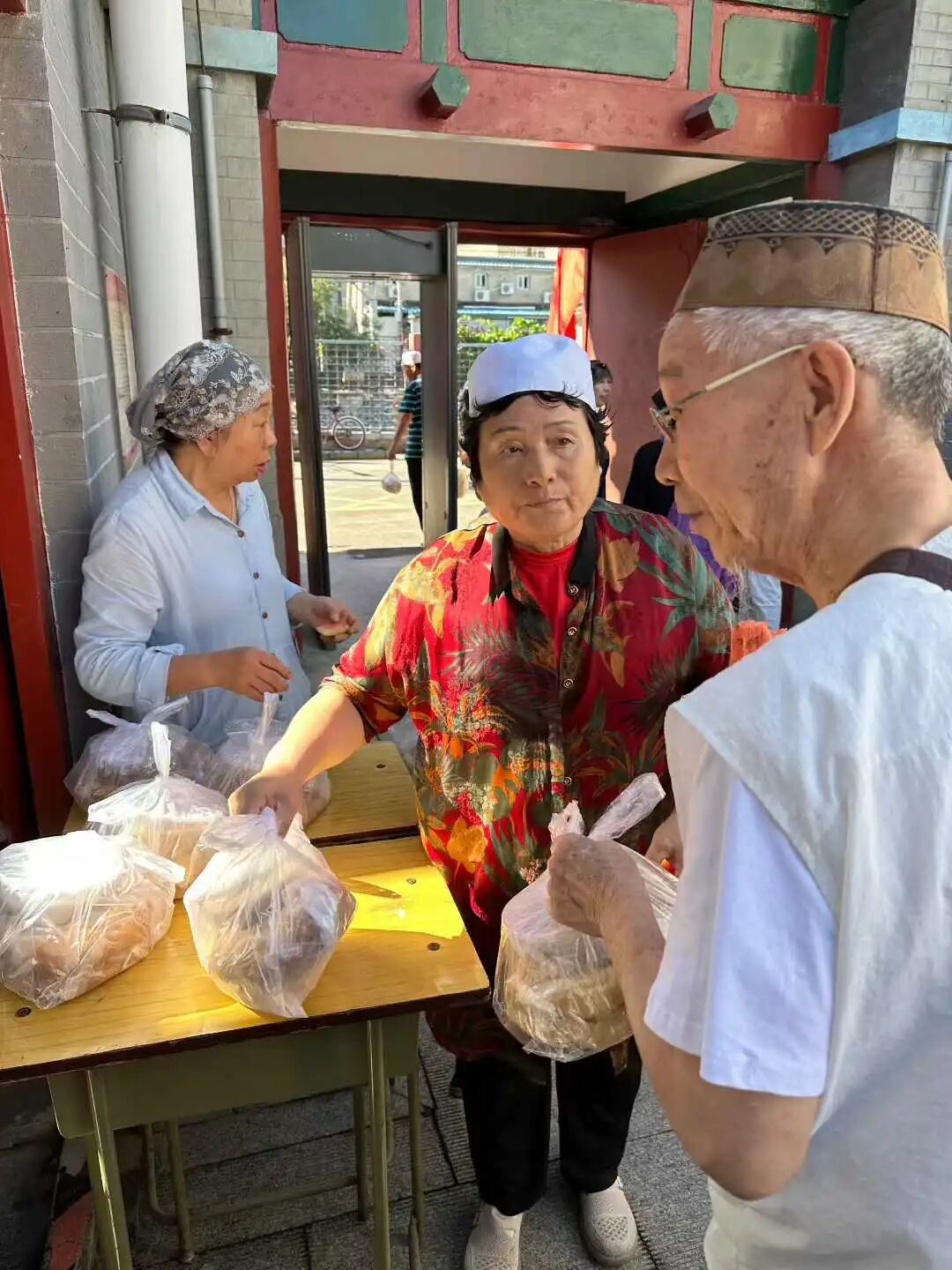
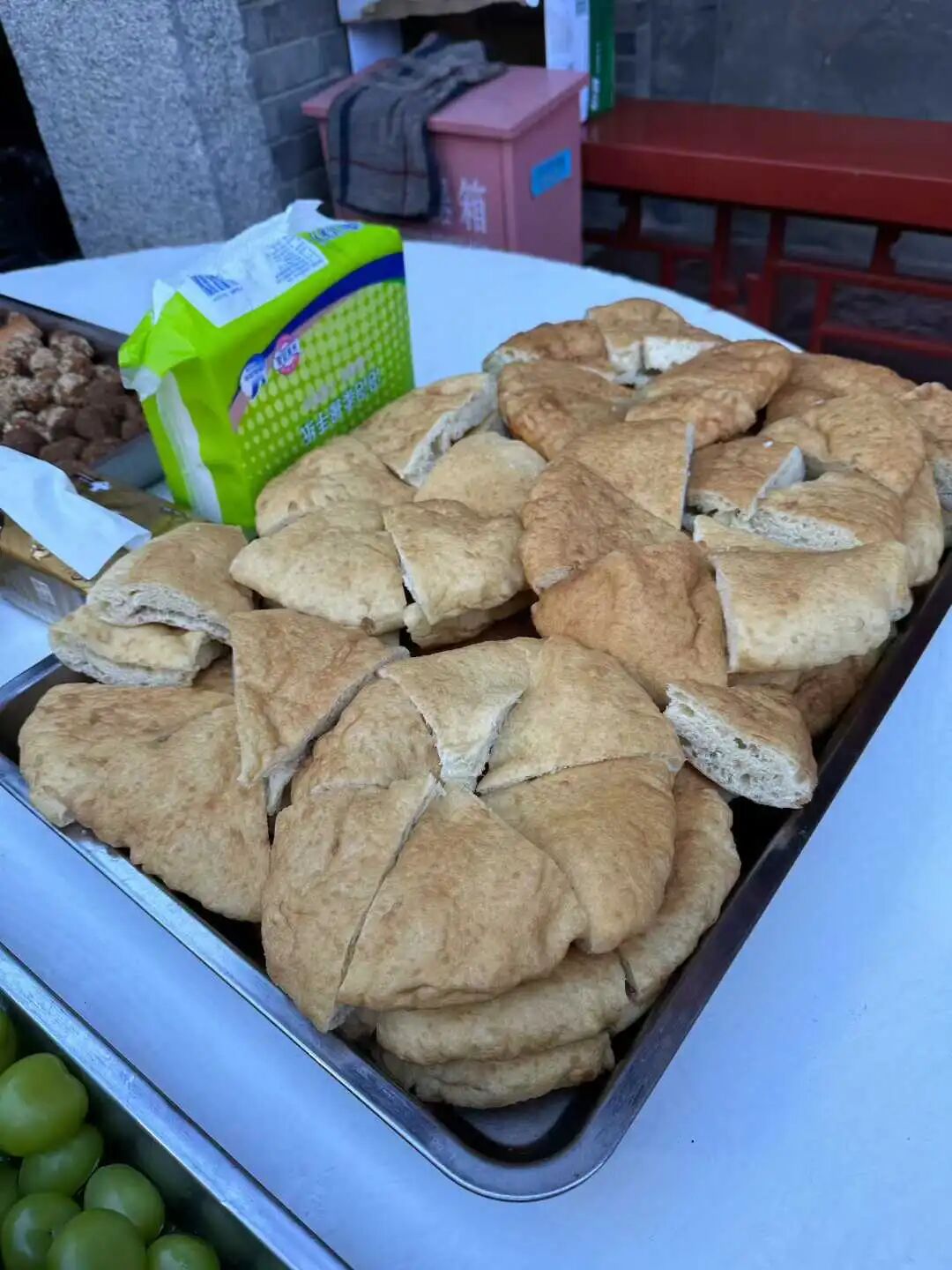
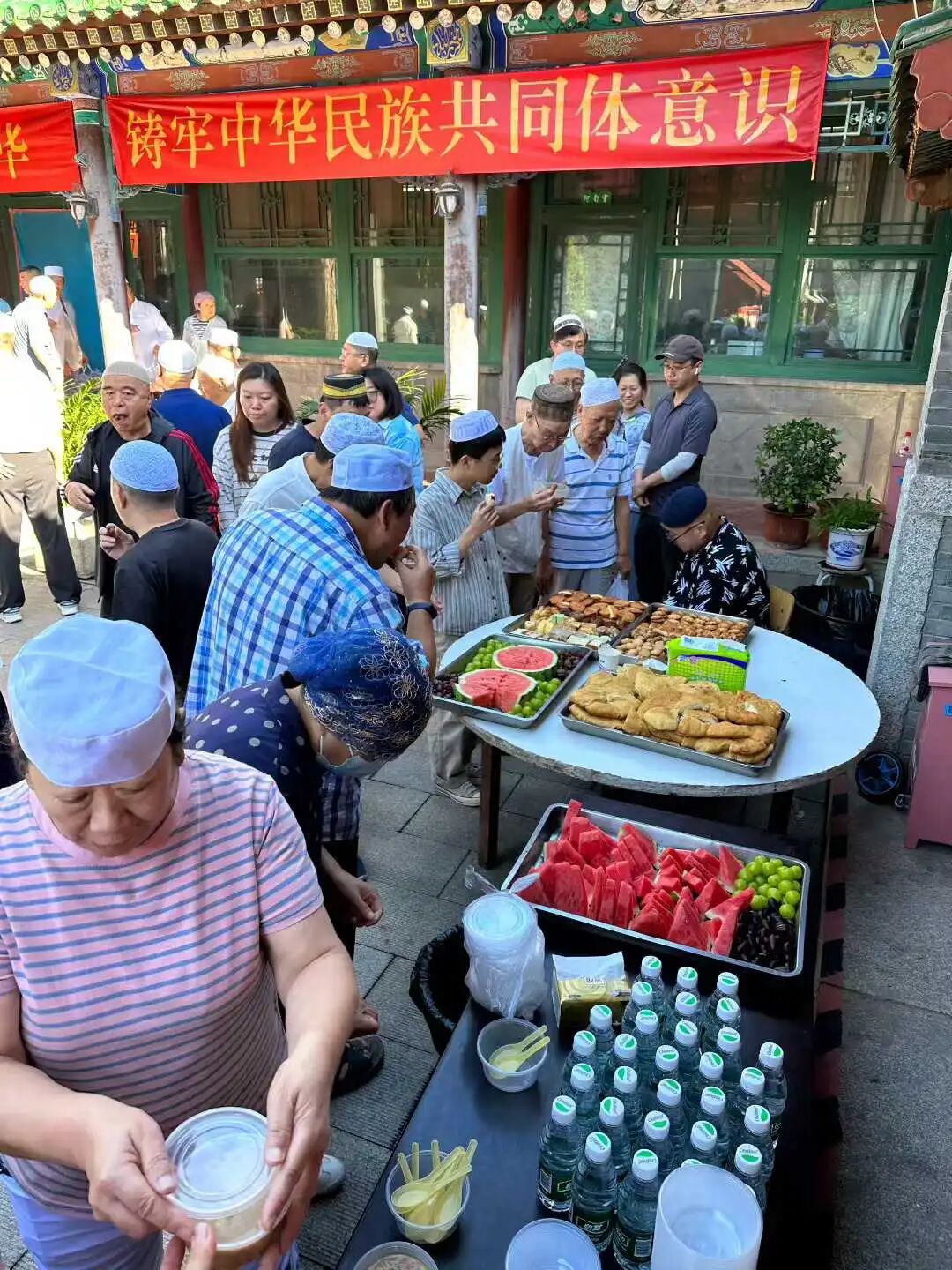
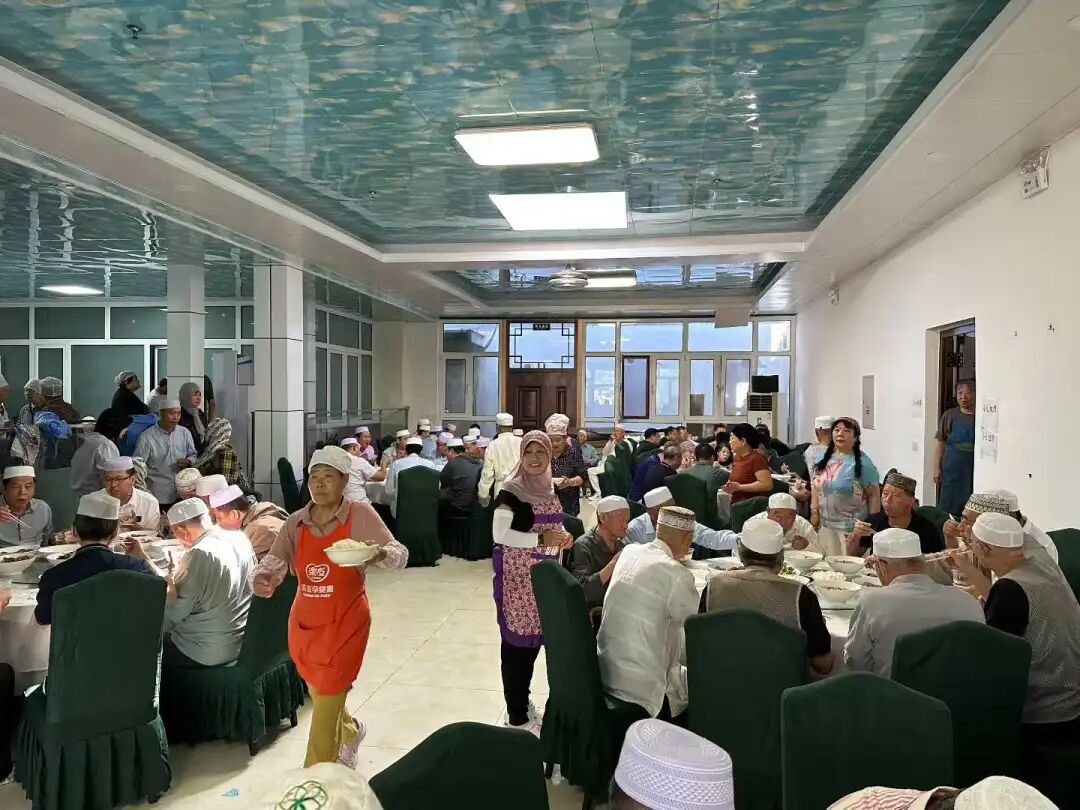
On Sunday, I attended the Mawlid at Yangzha Mosque, which was the third one I attended that week. After arriving, I had meat porridge, then imams from various mosques in Chaoyang District recited the Quran, and the local imam gave a sermon (wa'z). After the prayer, we had a traditional Beijing Muslim banquet, which is now rare in the city center.
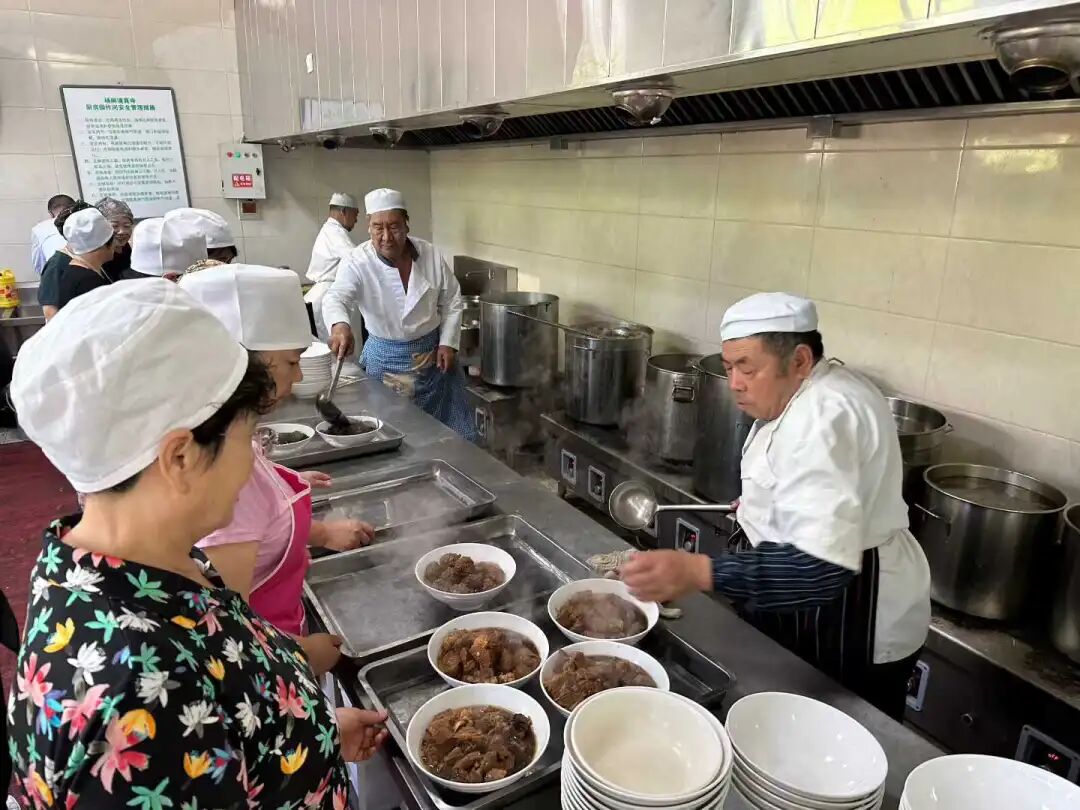
The kitchen at Yangzha Mosque is very large. They were stewing the eight-bowl dishes in pots, stir-frying, and steaming fish, with everyone working together in an orderly way to serve the food.
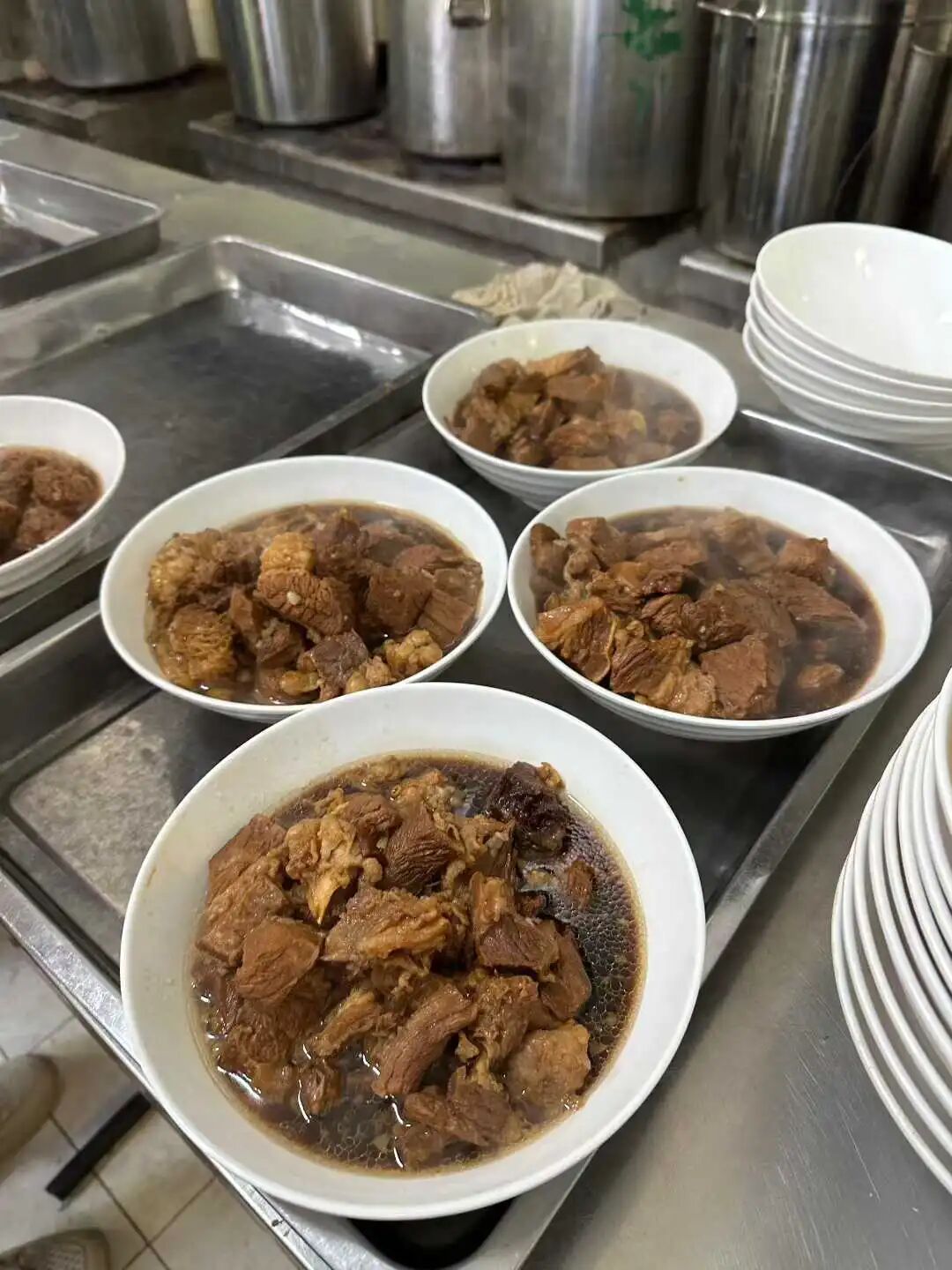
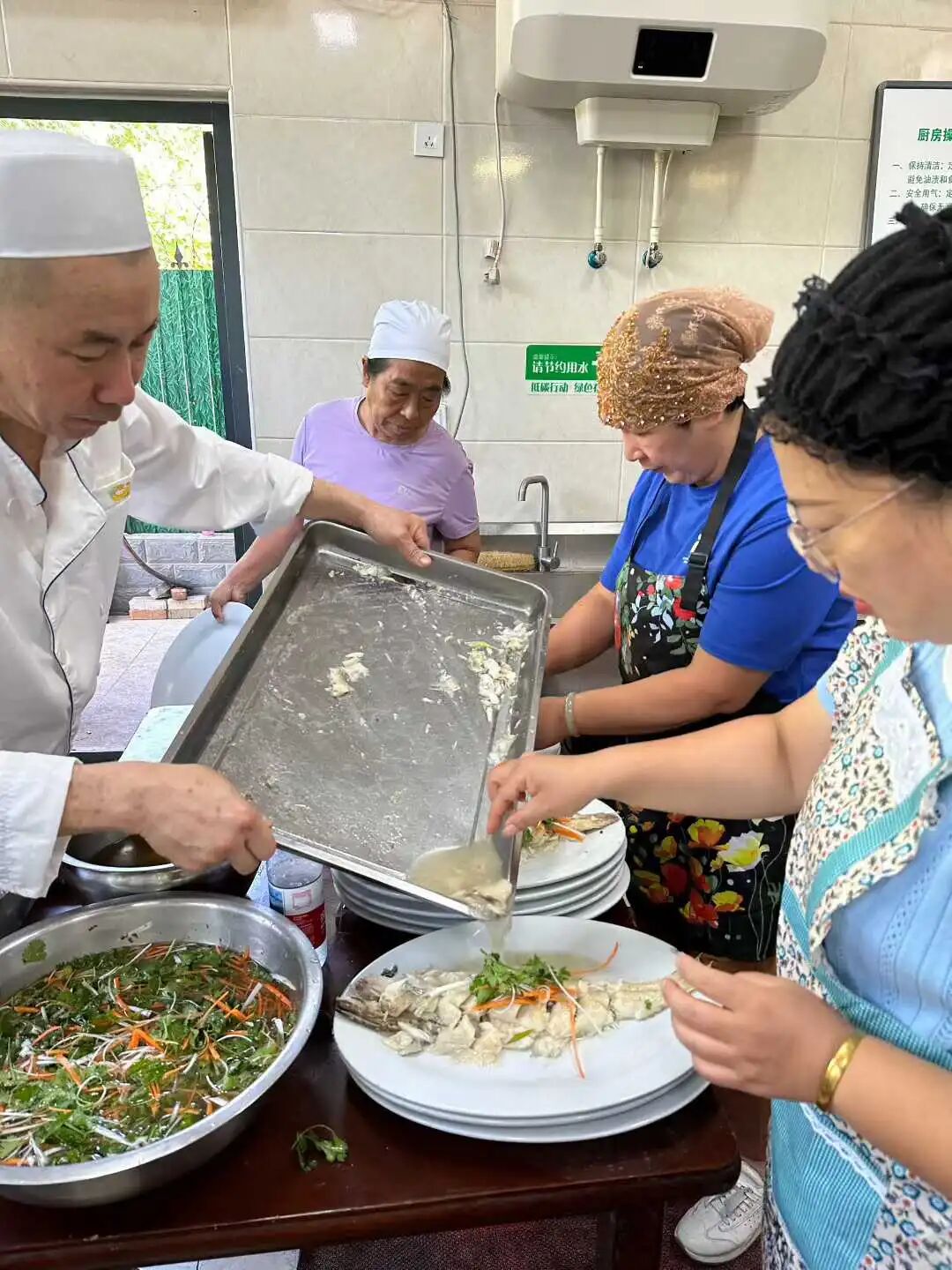
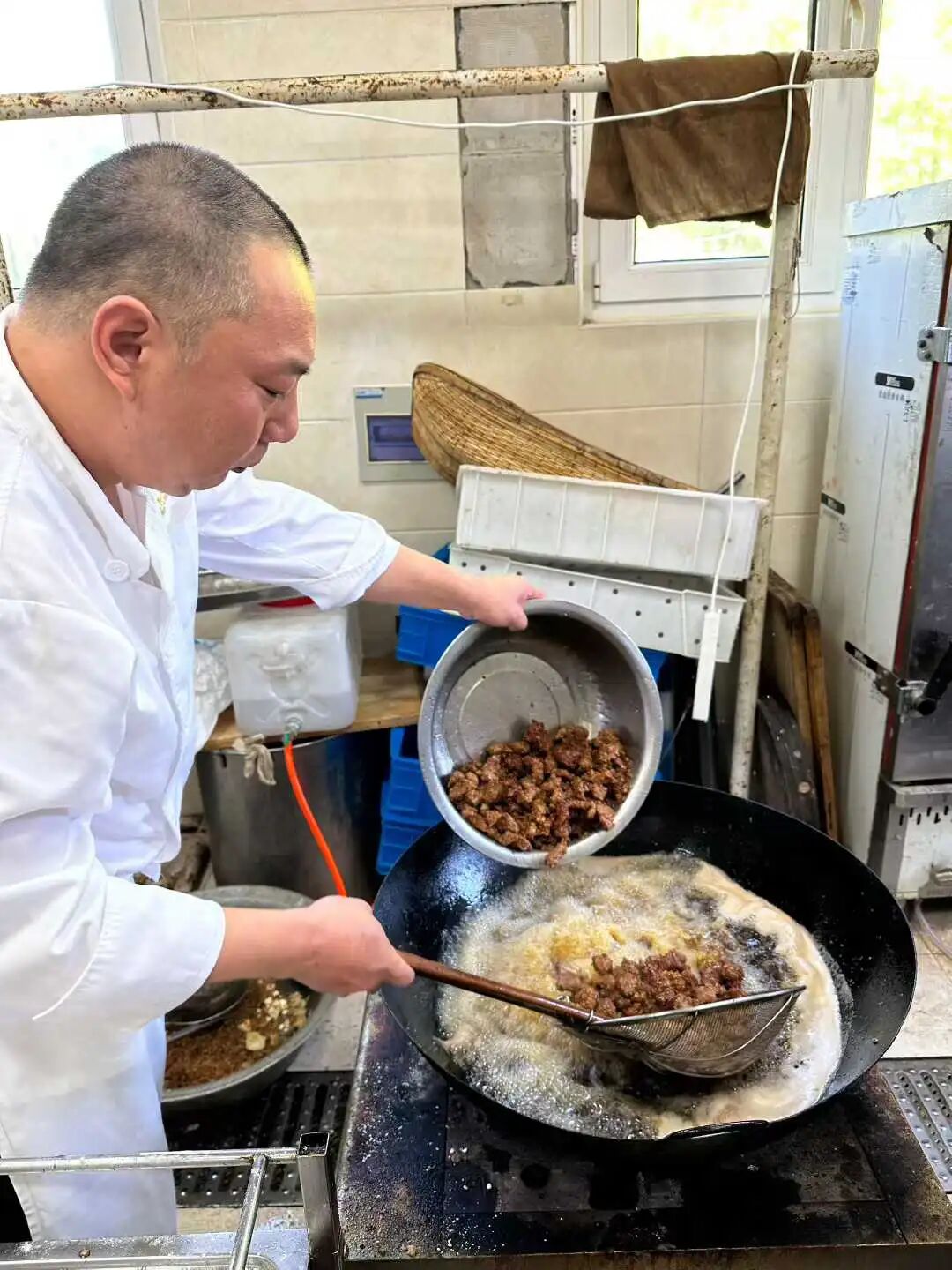
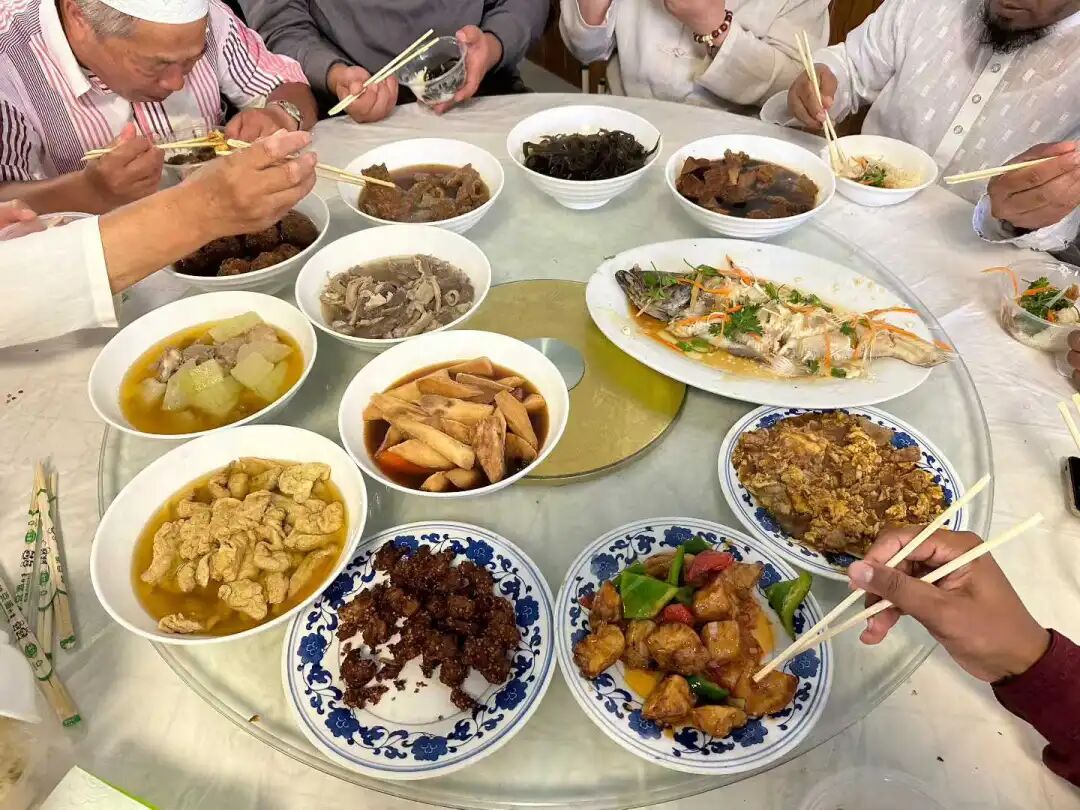
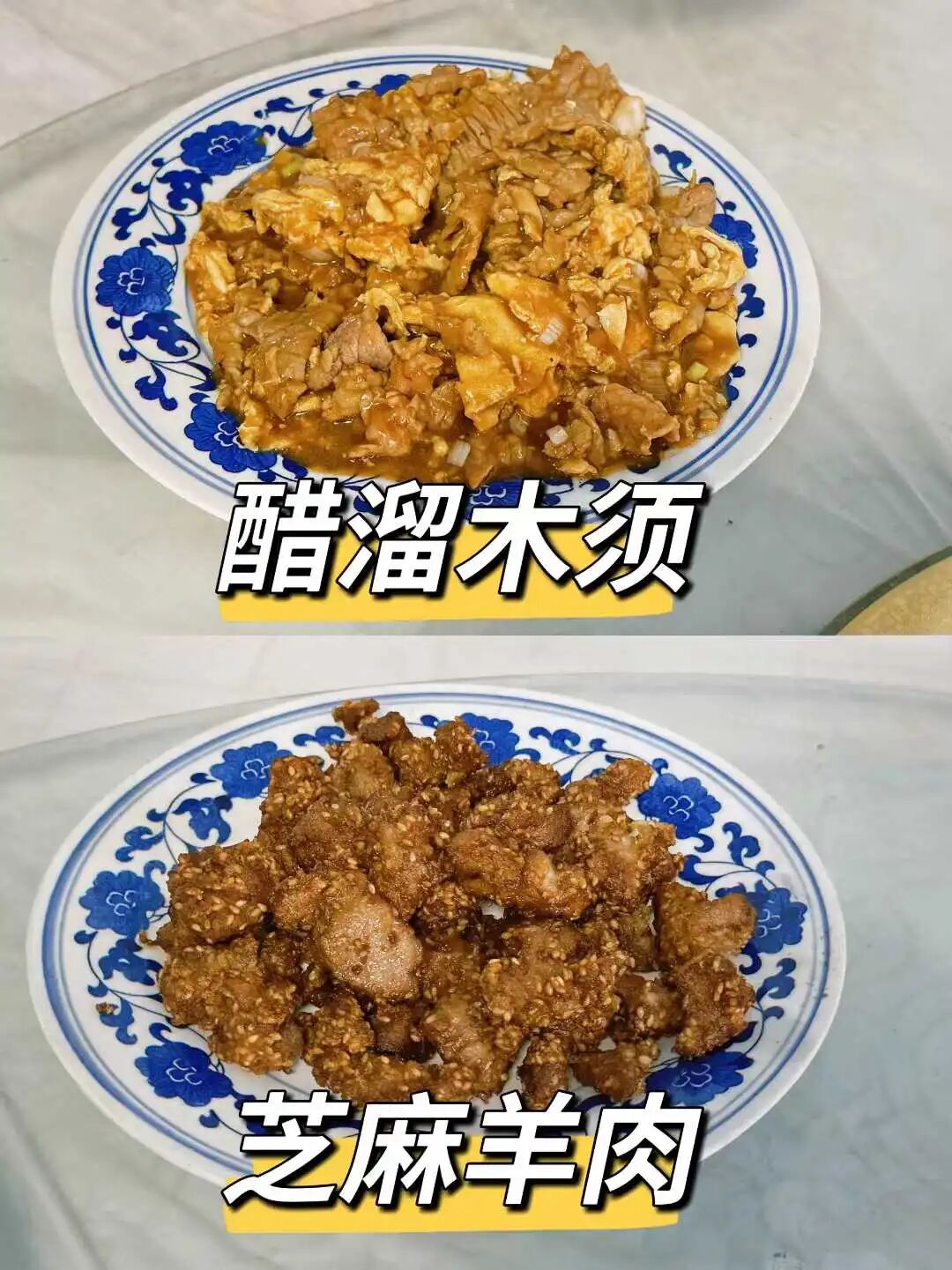
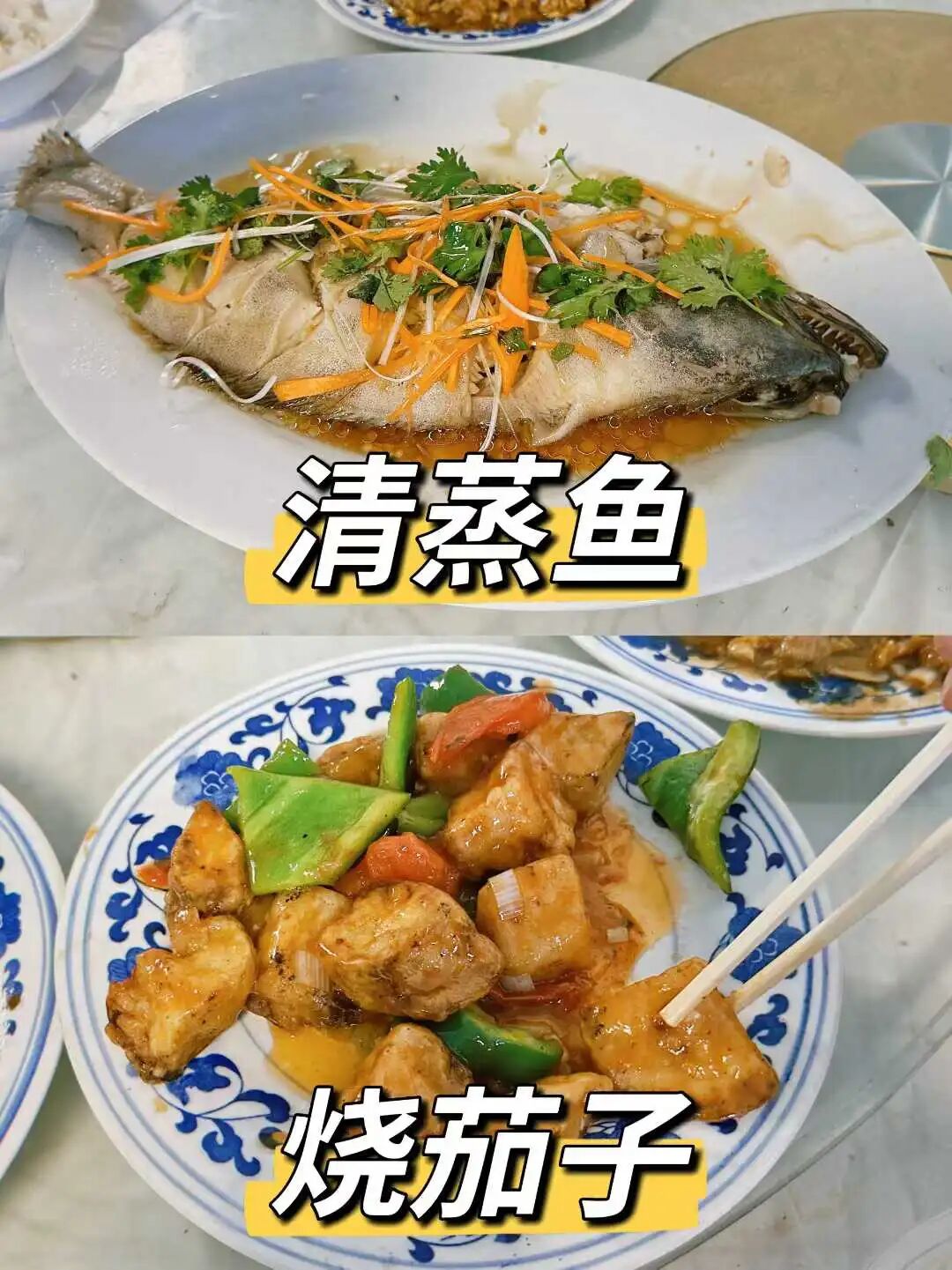
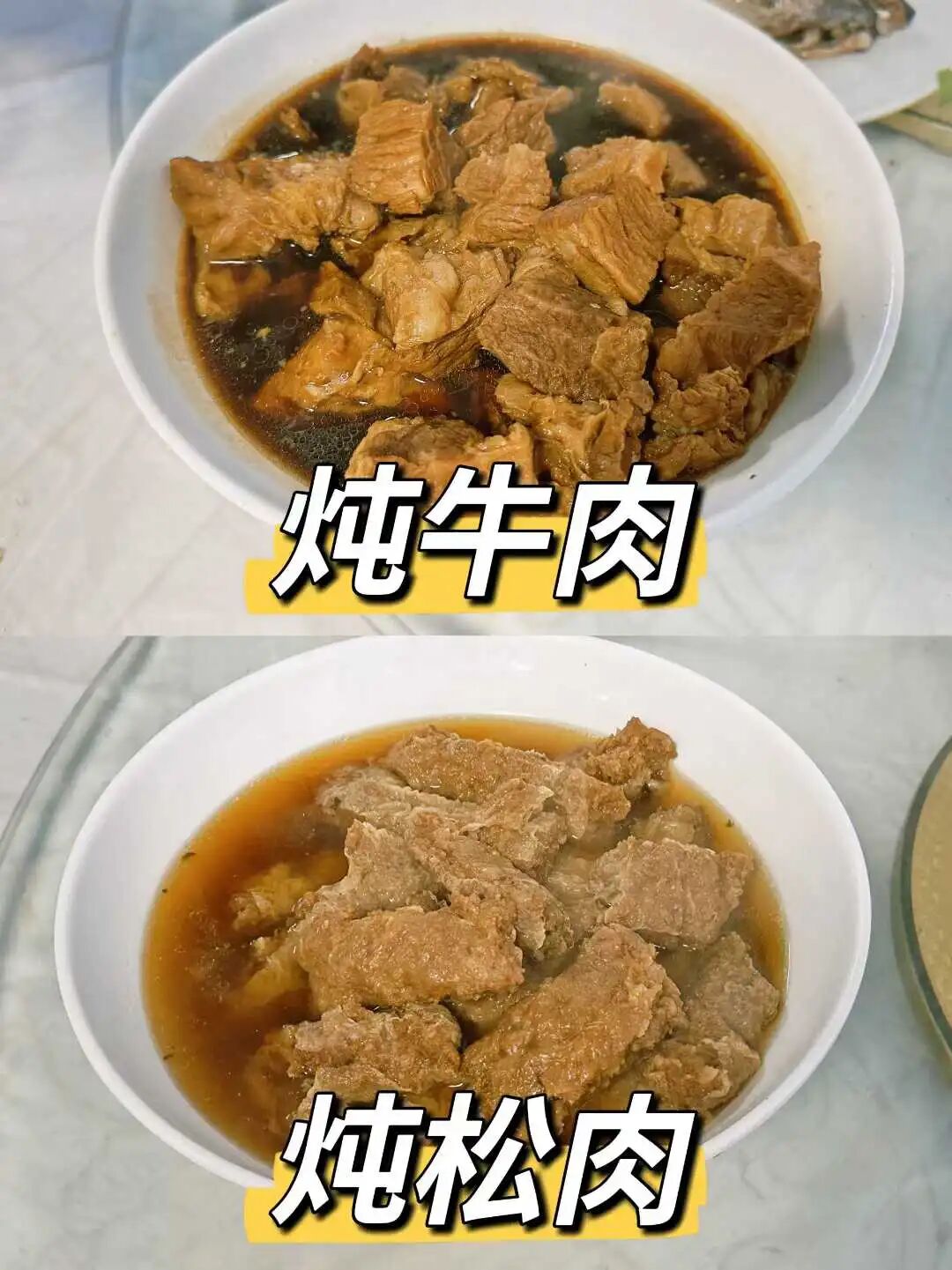
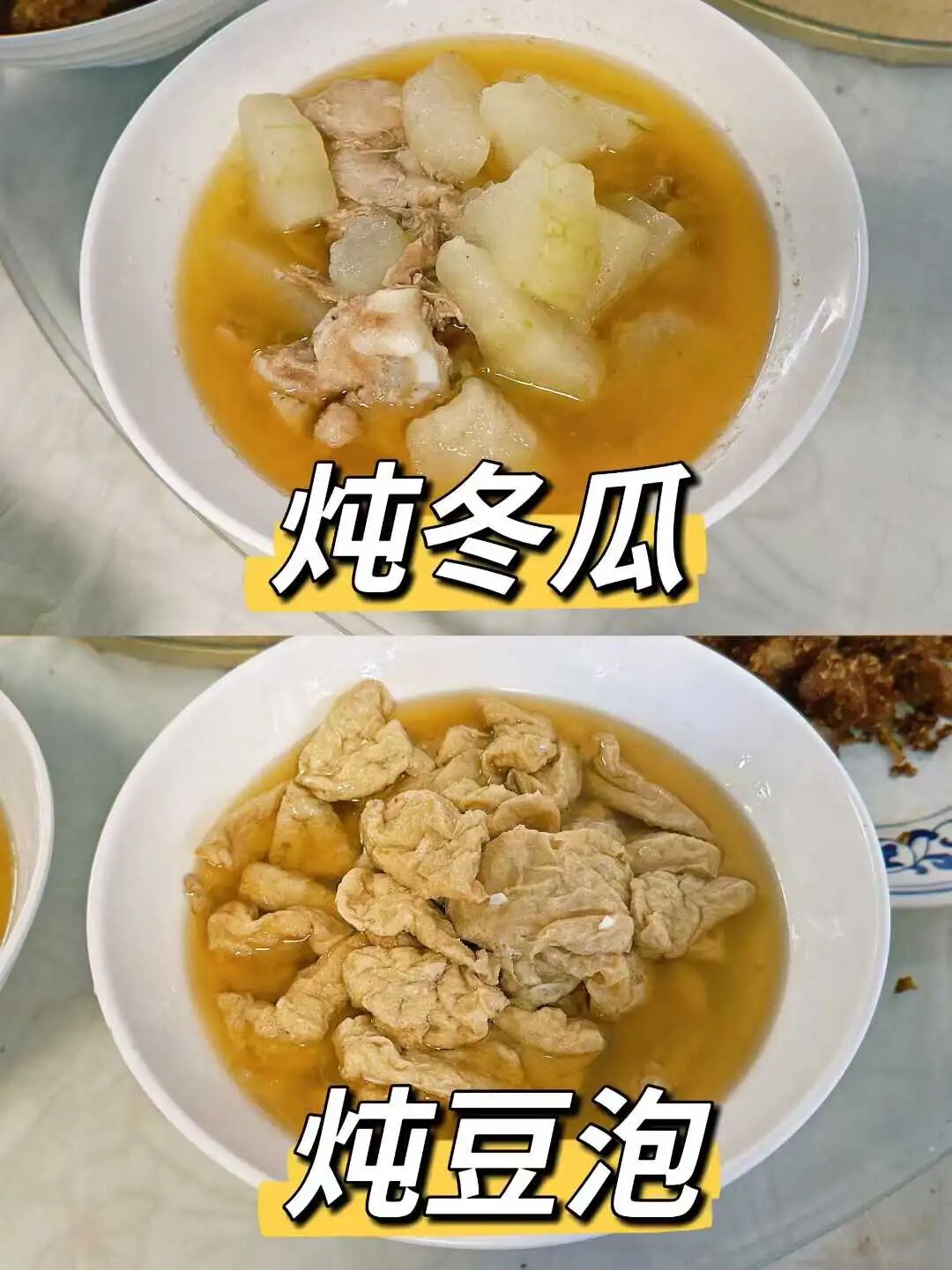
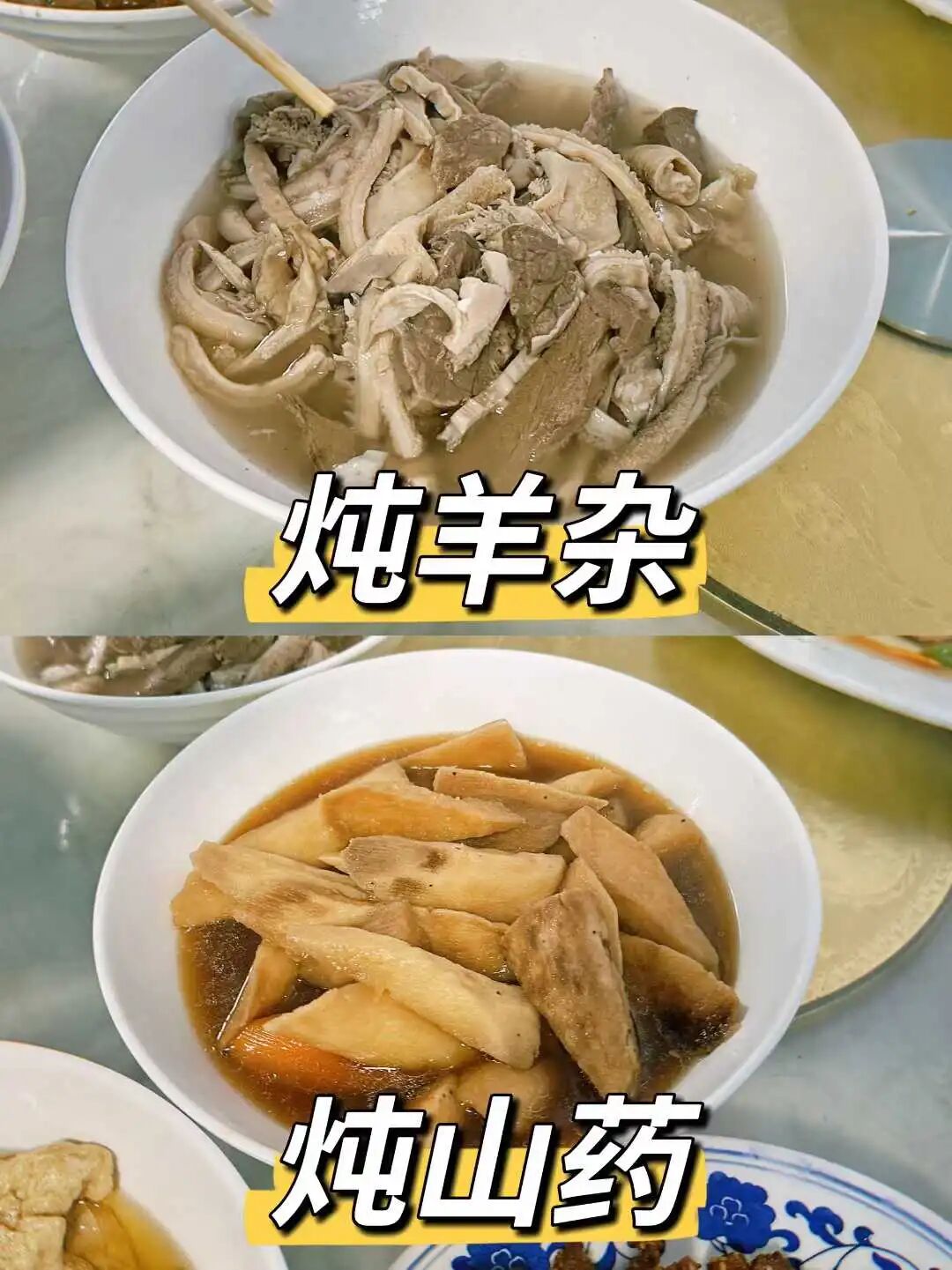
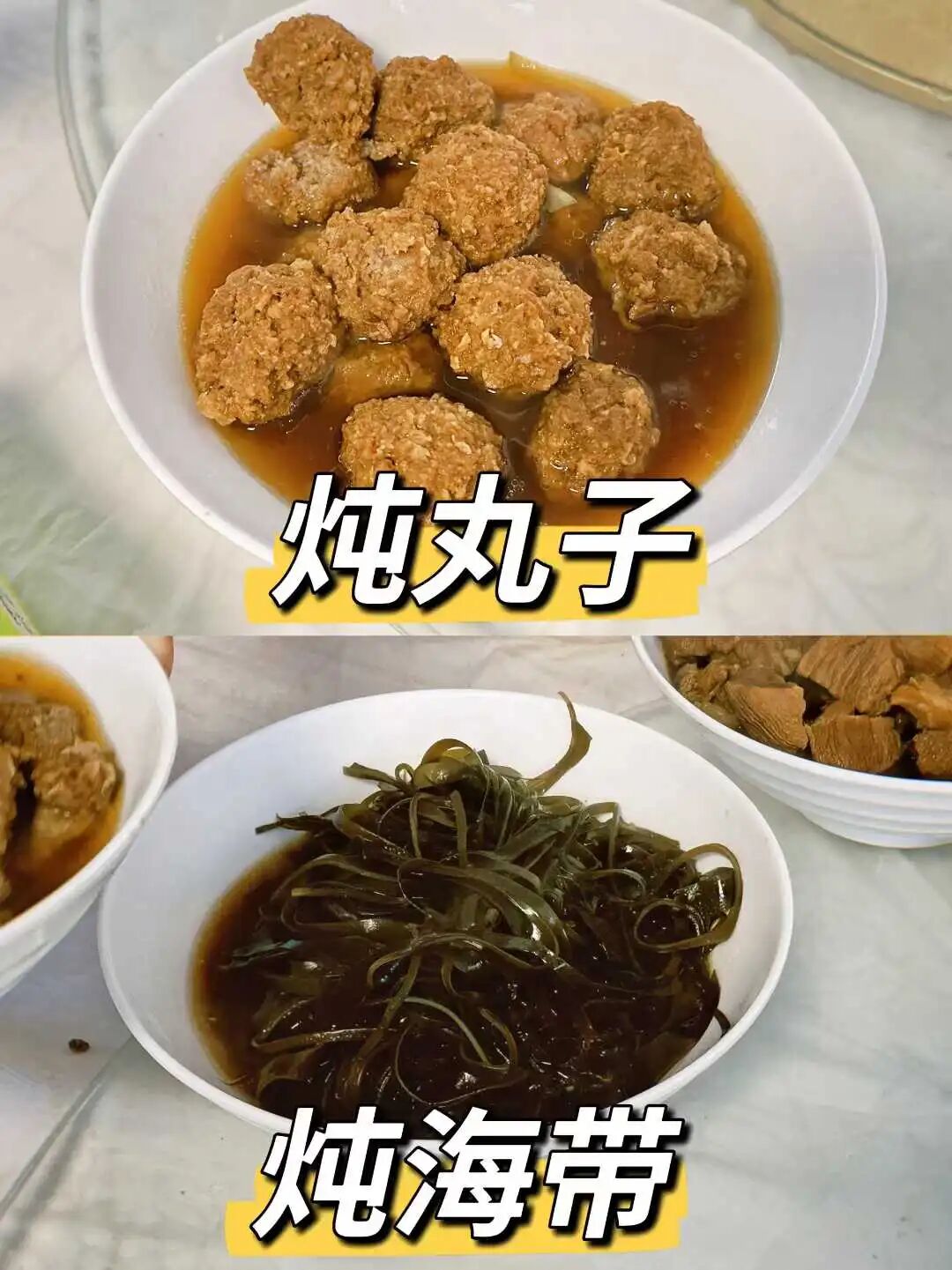
The traditional Beijing mosque banquet includes stir-fried dishes, steamed fish, and the eight-bowl dishes: vinegar-sauce stir-fried egg and meat (culiu muxu), sesame lamb (zhima yangrou), steamed fish (qingzheng yu), braised eggplant (shao qiezi), stewed beef (dun niurou), stewed meat patties (dun songrou), stewed winter melon (dun donggua), stewed fried tofu puffs (dun doupao), stewed lamb offal (dun yangza), stewed yam (dun shanyao), stewed meatballs (dun wanzi), and stewed kelp (dun haidai).
Summary: The first week of Beijing's Mawlid month included gatherings at Dongsi Mosque, Balizhuang Mosque, and Yangzha Mosque. The travel note records prayers, Quran recitation, sermons, meat porridge, mosque kitchens, and a traditional Beijing Muslim banquet.
Blessed Mawlid, Mawlid Mubarak. The 12th day of the third month in the Islamic calendar is believed to be the birthday of the noble Prophet. Around this day, friends (dosti) all over the world hold events to commemorate the noble Prophet, known as Mawlid or Eid-e-Milad an-Nabi. In China, these are called Shengji, Sheng-hui, or Shengdan.
Commemorations for the noble Prophet date back to the time of the followers of the companions (Tabi'un), though they were mostly private events in the early days. Large-scale commemorations can be traced back to Egypt during the Fatimid dynasty in the 12th century. In 1207, Saladin's brother-in-law Gökböri first established the Mawlid as a public holiday, which helped the celebration spread. The Ottoman Empire made the Mawlid an official holiday in 1588, calling it Mevlid Kandili, which means the Candle Festival of the Prophet's Birthday.
When the Mawlid begins, mosques across Beijing start holding commemorative gatherings that last for an entire month. Last weekend, I attended three gatherings in Beijing at Dongsi, Balizhuang, and Yangzha, where I enjoyed meat porridge, fried dough (youxiang), and traditional eight-bowl banquet dishes (badawan).
On Friday, the day of Jumu'ah, I spent the Mawlid at Dongsi. Before the Jumu'ah prayer, a sermon (wa'z) explained the significance of remembering the noble Prophet. After the prayer, President Yang Faming and various imams recited the Quran (yuanjing). After leaving the prayer hall, we enjoyed fruits and snacks.
On Saturday, I attended the Mawlid at Balizhuang Mosque. Imams from various mosques in Chaoyang District came to recite the Quran, and local elders took turns reciting as well. Imam Yang gave a sermon (wa'z) about the noble Prophet. After the prayer, everyone enjoyed meat porridge, fried dough (youxiang), and various fruits and pastries. The meat porridge at Balizhuang is only available during Eid al-Fitr and the Mawlid each year. The aroma of the meat and the wheat blends perfectly, making it very blessed.
On Sunday, I attended the Mawlid at Yangzha Mosque, which was the third one I attended that week. After arriving, I had meat porridge, then imams from various mosques in Chaoyang District recited the Quran, and the local imam gave a sermon (wa'z). After the prayer, we had a traditional Beijing Muslim banquet, which is now rare in the city center.
The kitchen at Yangzha Mosque is very large. They were stewing the eight-bowl dishes in pots, stir-frying, and steaming fish, with everyone working together in an orderly way to serve the food.
The traditional Beijing mosque banquet includes stir-fried dishes, steamed fish, and the eight-bowl dishes: vinegar-sauce stir-fried egg and meat (culiu muxu), sesame lamb (zhima yangrou), steamed fish (qingzheng yu), braised eggplant (shao qiezi), stewed beef (dun niurou), stewed meat patties (dun songrou), stewed winter melon (dun donggua), stewed fried tofu puffs (dun doupao), stewed lamb offal (dun yangza), stewed yam (dun shanyao), stewed meatballs (dun wanzi), and stewed kelp (dun haidai).
