

Mawlid
Halal Travel Guide: Beijing - Mawlid Week Three at Nanxiapo and Tongzhou Xiguan
Articles • ali2007fr posted the article • 0 comments • 276 views • 2026-05-20 09:38
Reposted from the web
Summary: The third week of Beijing Mawlid gatherings covers Nanxiapo Mosque outside Chaoyang Gate and Tongzhou Xiguan Mosque near Tongzhou Beiyuan. The article records Mawlid rituals, Nanxiapo community history, Ma Jun burial memories, Tongzhou mosque rebuilding, and a traditional twelve-dish mosque feast.
Three weeks have passed since the start of the month of Mawlid (Shengji Yue) in Beijing, and it is now coming to an end. In the first two weeks, I attended five Mawlid gatherings in Dongsi, Balizhuang, Yangzha, Sanlihe, and Xihui. This weekend, I went to two more in Nanxiapo and Tongzhou Xiguan. Including the four gatherings I attended in Xi'an during the Spring Festival, I have been to eleven Mawlid gatherings this year.
Mawlid is a key way to pass on traditional faith culture. By learning about the Prophet's teachings on peace, kindness, mutual help, and honesty, and by taking part in traditional ceremonies, we deepen our connection to the roots and values of our faith. This shared cultural memory is the foundation that brings our community together.
During these gatherings, friends (dosti) of all ages and from different families talk to each other, which builds friendships and strengthens our unity. For the younger generation of friends (dosti), taking part in Mawlid activities helps them feel at home in the mosque community, learn traditional culture and morals, and keep strong ties with their elders.
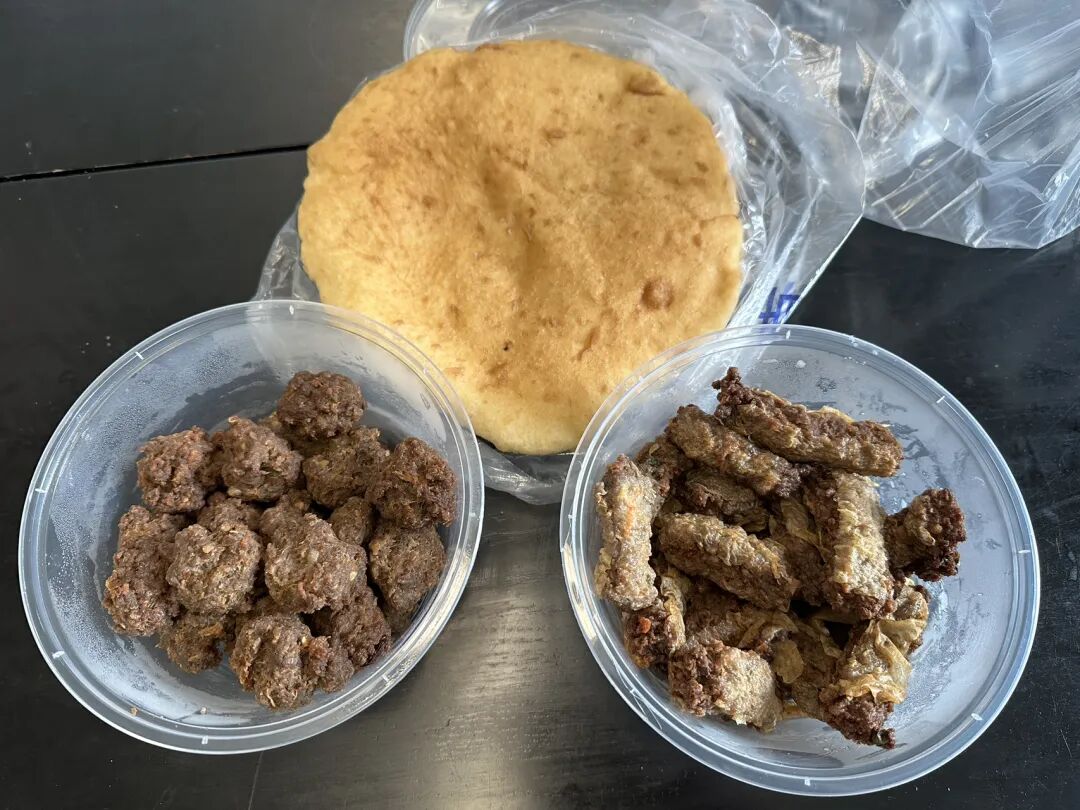
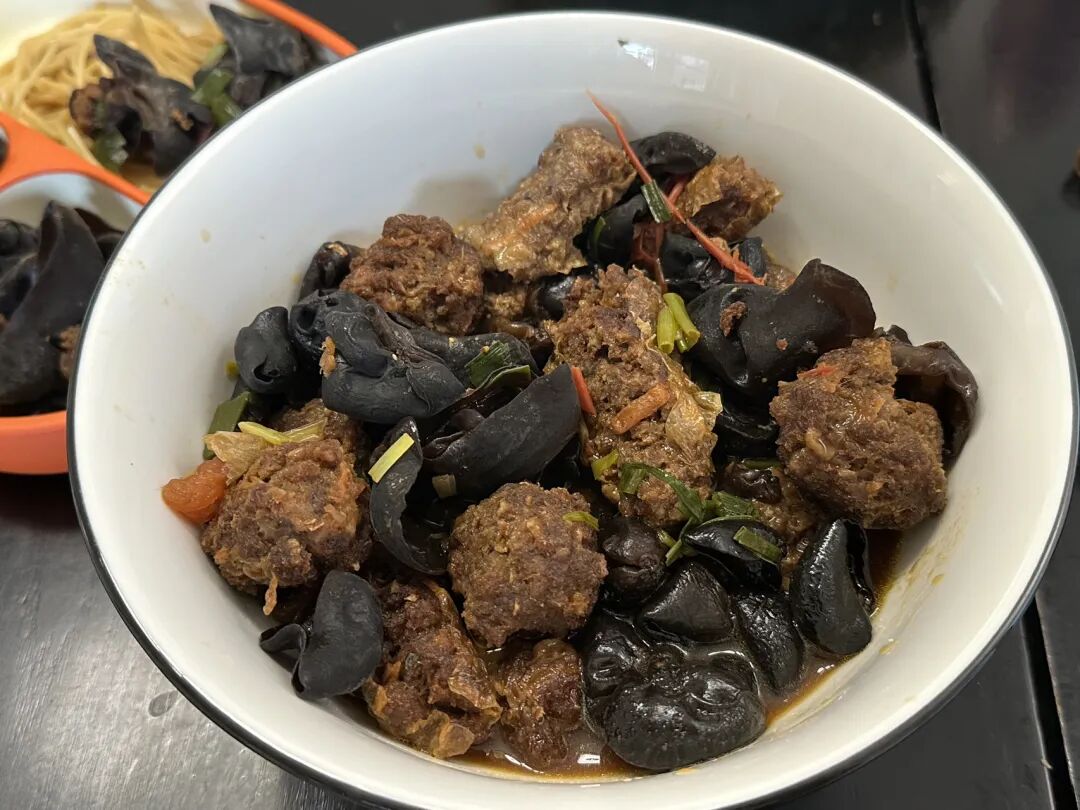
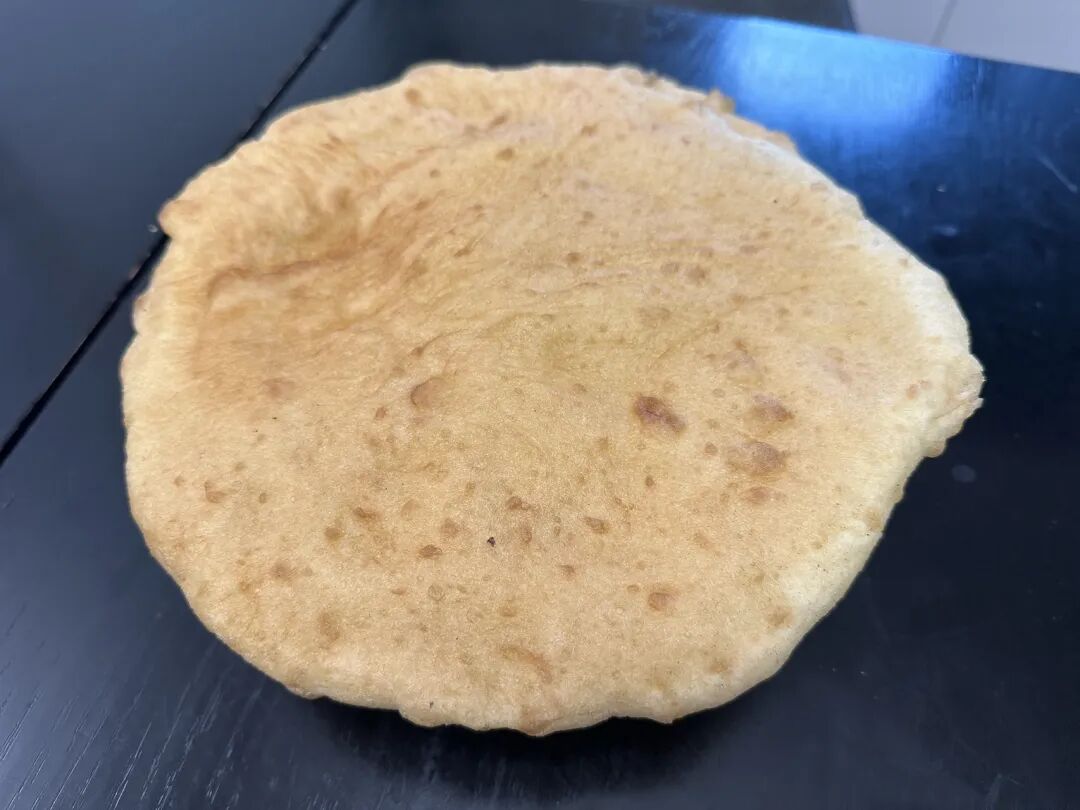
A key part of Mawlid is charity (shesan). This shows the faith's focus on charity and the traditional culture of helping each other through hard times. A bowl of meat porridge and a bag of fried dough (youxiang) help friends (dosti) feel the warmth of the faith, strengthening their sense of belonging and cultural unity.
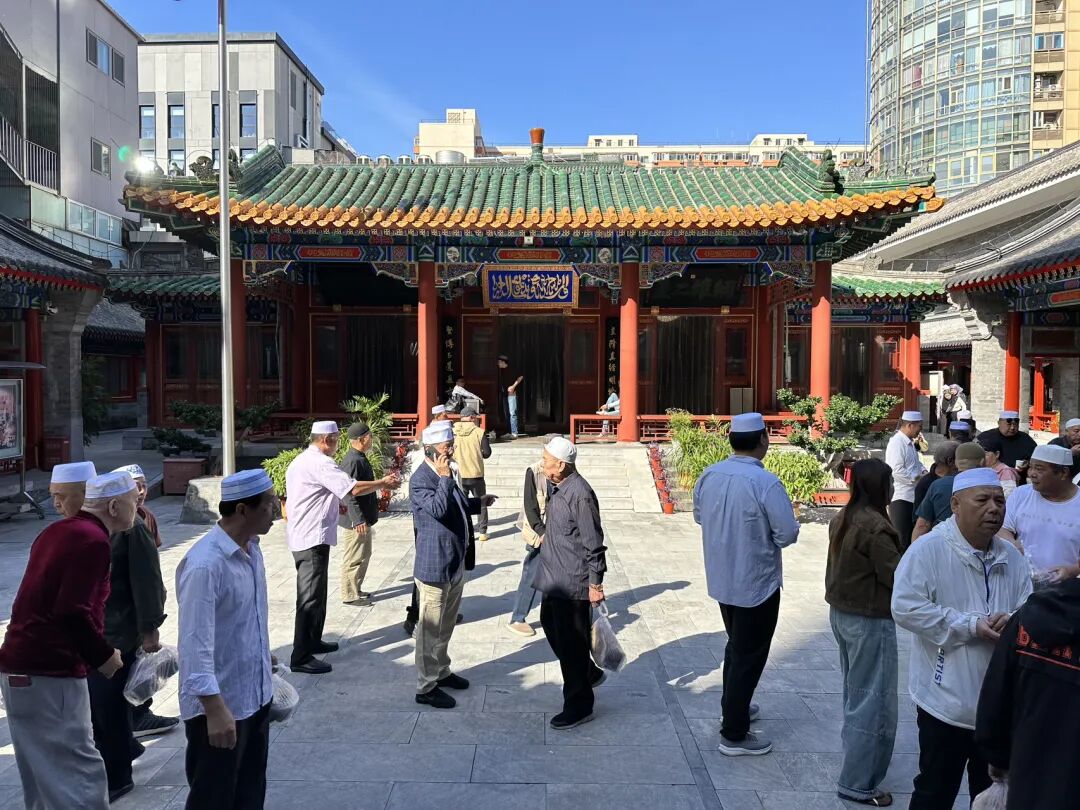
On Saturday morning, we attended the Mawlid gathering at Nanxiapo, outside Chaoyang Gate. Imams from various mosques in Chaoyang District led the opening prayers, local elders finished the recitations, and the local imam gave a sermon (wa'erzi). Afterward, we had tea and snacks, and received meatballs, shredded beef (songrou), and fried dough (youxiang) given out by the mosque.
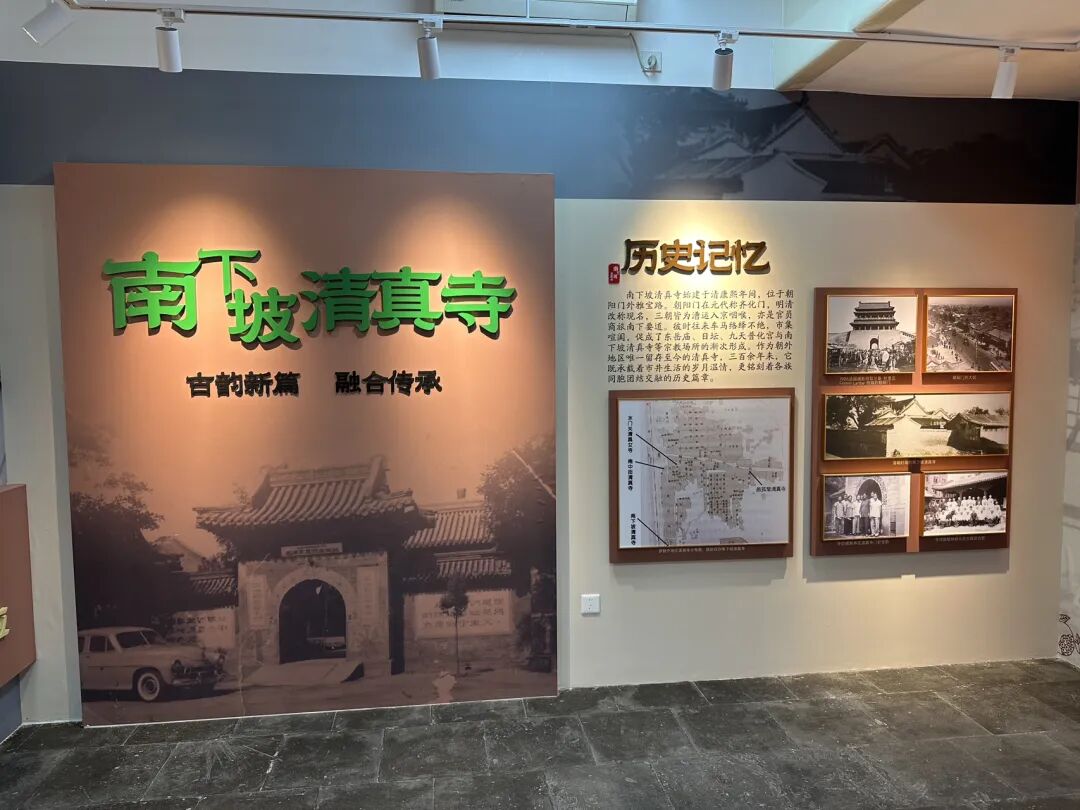
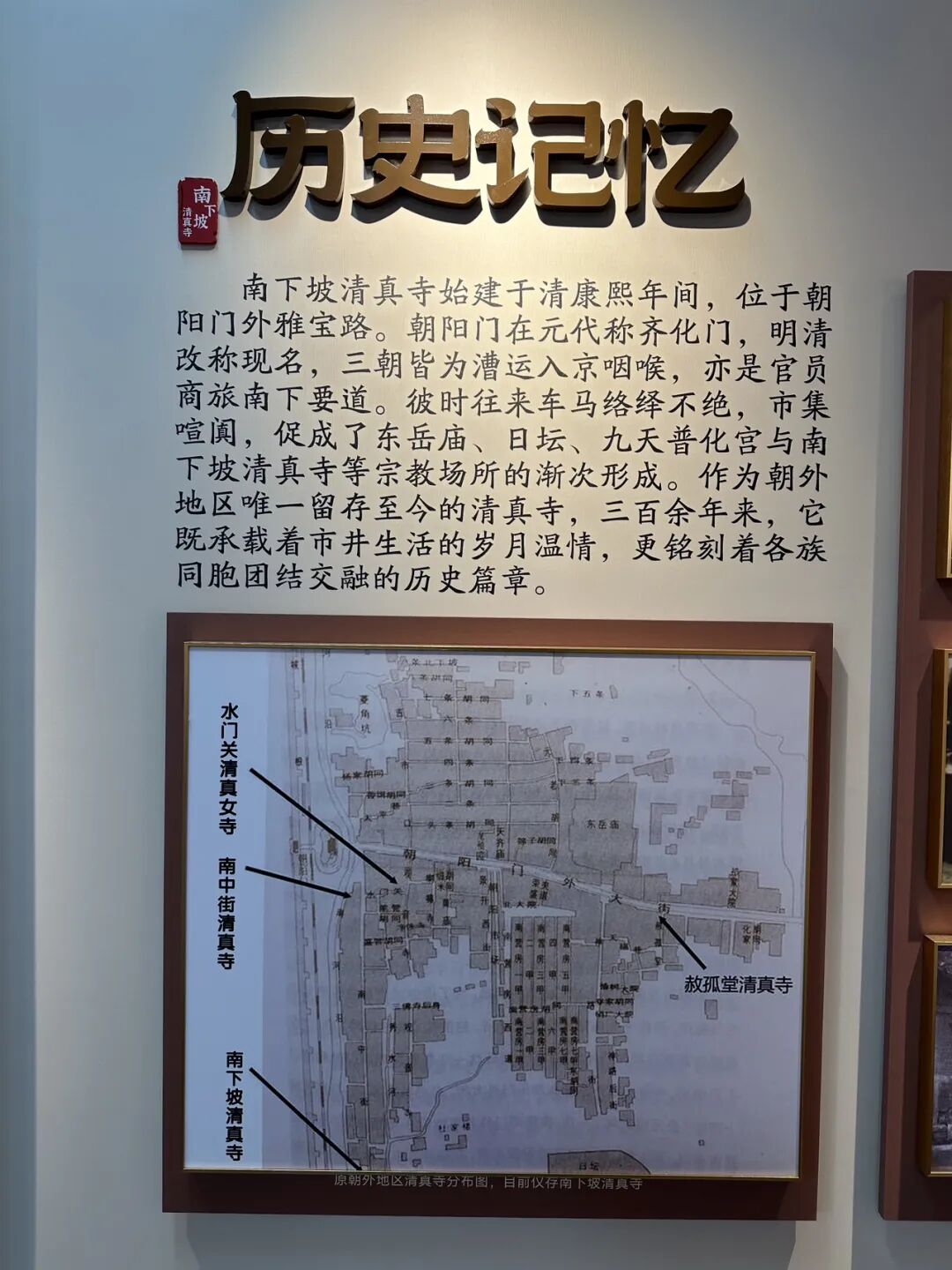
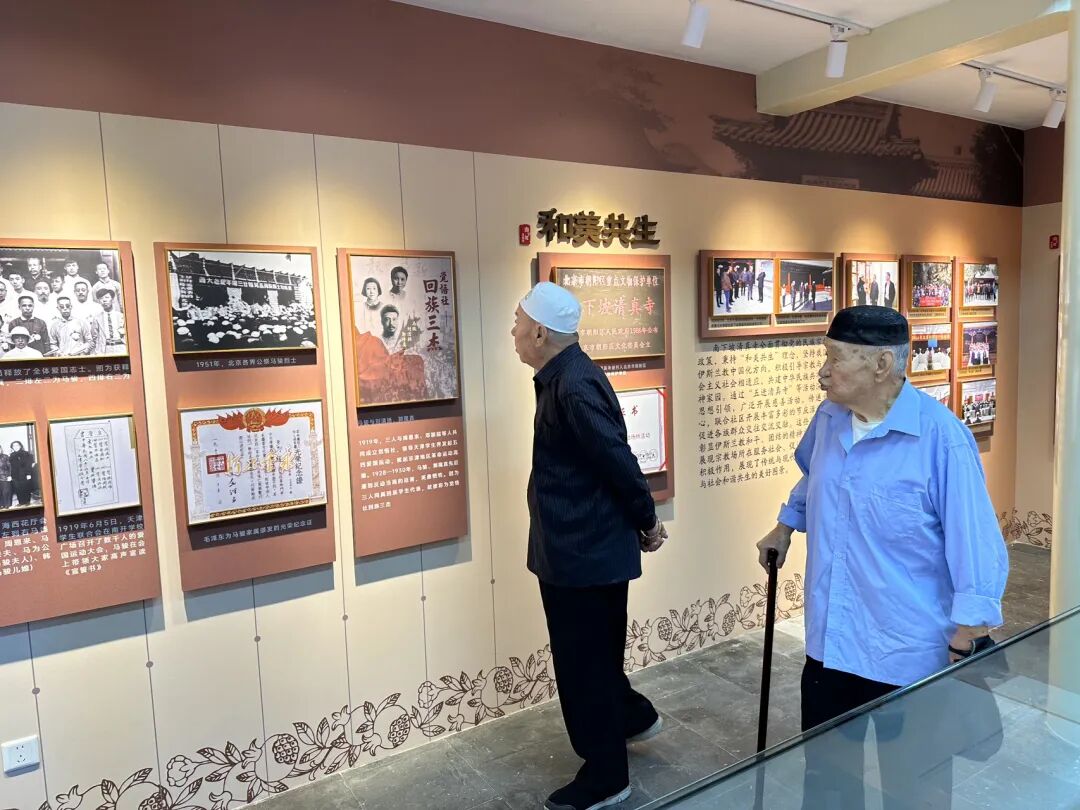
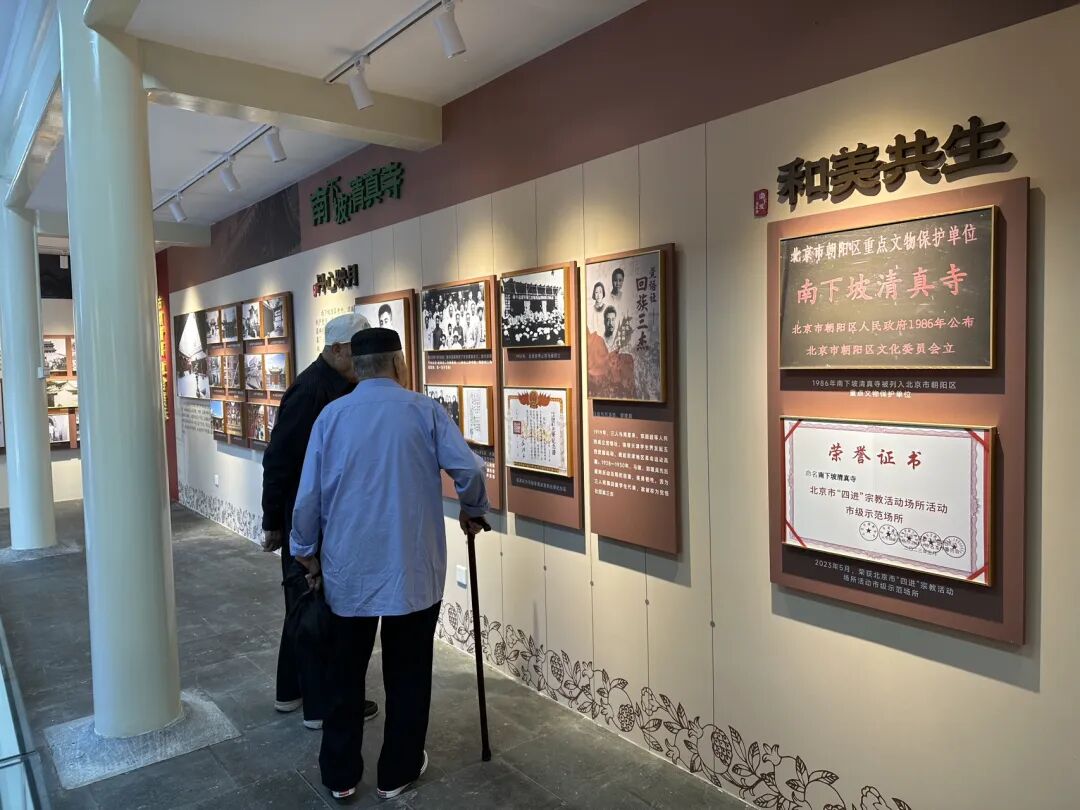
The south wing of the Nanxiapo mosque opened an exhibition hall introducing the history of the local mosque community, and many friends (dosti) came to visit.
As a major hub for the Grand Canal grain transport, the area outside Chaoyang Gate once had many mosque communities like Nanzhongjie, Nanxiapo, and Shegutang, but only Nanxiapo remains today. According to the memories of local elders, the Nanxiapo mosque dates back to the late Ming and early Qing dynasties. At that time, a shed builder used bamboo poles and reed mats to build a large shelter in Nanxiapo. An imam named Hu Zhonghe led the local Hui Muslims in prayer inside the mat shed, which was the first Nanxiapo mosque. In the early years of the Kangxi reign, a Hui Muslim surnamed Ma who sold bows and arrows near Chaoyang Gate heard about the situation in Nanxiapo. He had just received payment for a large order of bows and arrows from some Mongols, so he donated the money to officially build the Nanxiapo mosque.
Most of the leaders of the Nanxiapo mosque have been descendants of the first leader, Hu Zhonghe. Hu Zhonghe's 12th-generation descendant, Hu Degui, was born in 1883. After his parents died young, his 15-year-old son Hu Zichen took over his father's work in 1898 as the second leader (haitebu) of the Nanxiapo mosque, and people called him Master Hu the Second. At that time, the imam of the Nanxiapo mosque was Hu Wenzhi, and the third master was Ma Shikuan, known as Master Ma the Third.
In 1900, when Empress Dowager Cixi fled west, bandits appeared everywhere, and many shops on Chaoyangmen Outer Street were robbed. The 17-year-old Imam Hu Zichen organized a local defense group in Nanxiapo. Young Hui Muslims joined eagerly; some were wrestlers, some knew martial arts, some were cart drivers, and the wealthy ones even bought firearms. Every night, everyone gathered at the gate of the Nanxiapo mosque, split into groups, and patrolled the streets to keep watch, finally getting through the crisis safely.
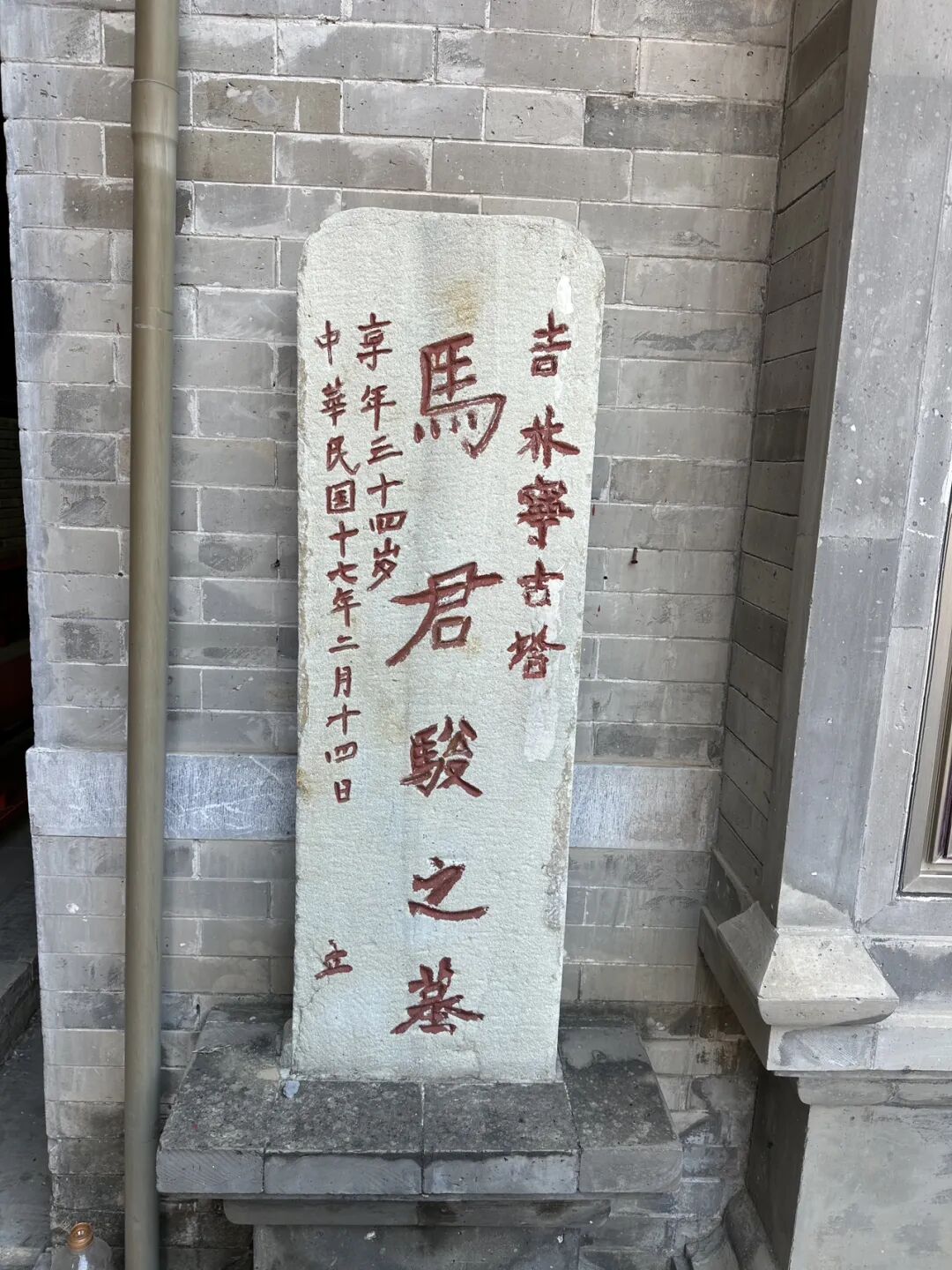
On February 15, 1928, after the martyr Ma Jun died, his body (maiti) was washed at the Nanxiapo mosque by Imam Hu Wenzhi and Imam Hu Zichen. Local elders and friends (dosti) donated burial cloth (kafan), and he was buried in the northwest corner of the Temple of the Sun.
In 1947, when the Nationalist army was rounding up young men for forced labor at the Nanxiapo barracks, the young Hui Muslims were terrified. With the help of the imams and elders, they climbed wooden ladders to the roof of the main hall of the Nanxiapo mosque. After they were hidden, the imams and elders immediately hid the ladders. When the Nationalist troops came to the mosque to grab people, the imams persuaded them to leave. Everyone lay on the roof for the whole day and finally escaped the danger.
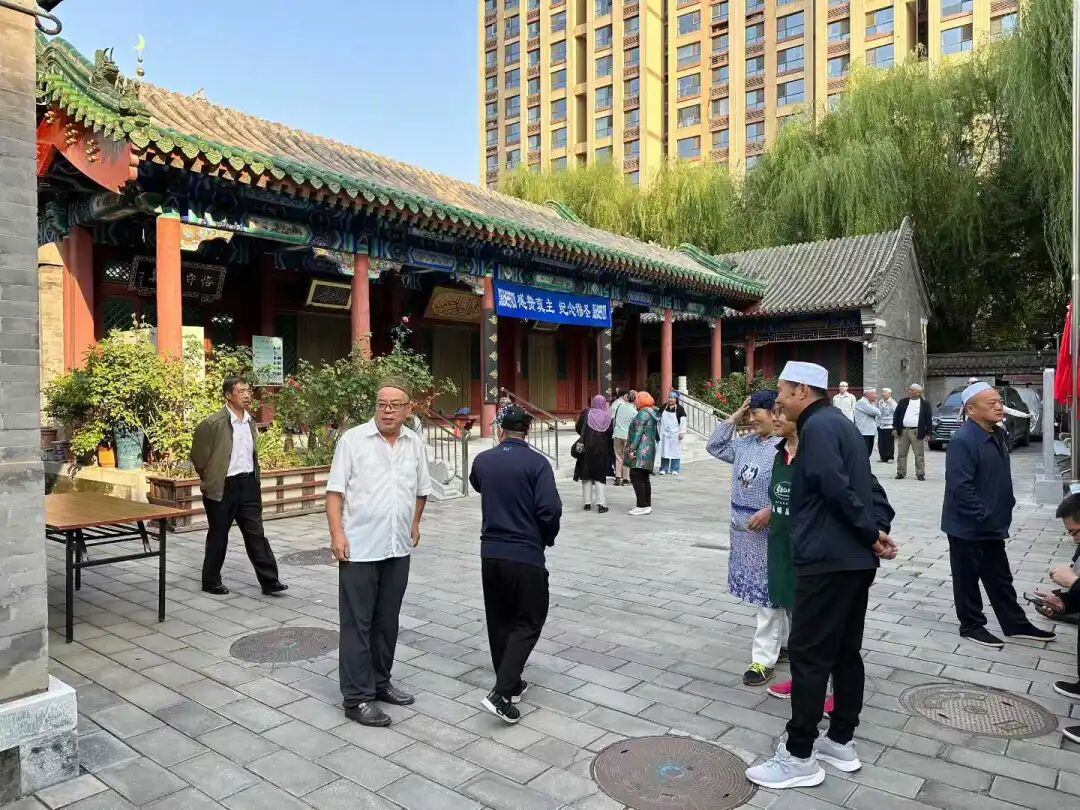
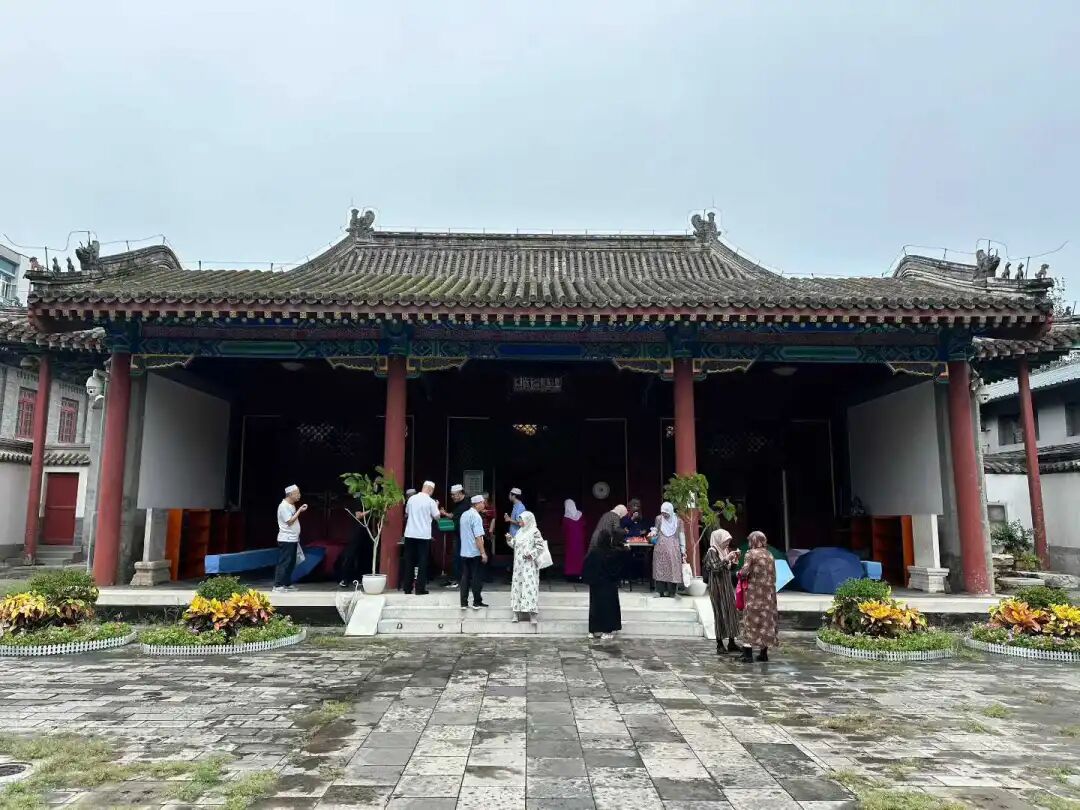
On Sunday, I attended a religious gathering at the Tongzhou Xiguan Mosque. The Tongzhou Xiguan Mosque is not far from the Tongzhou Beiyuan subway station on the Batong Line, so it is easy to get to. The Tongzhou Xiguan Mosque was first built in 1766 (the 31st year of the Qianlong reign). The original building was torn down in 1980, rebuilt in 1999 to resume activities, and moved to its current location in 2012.
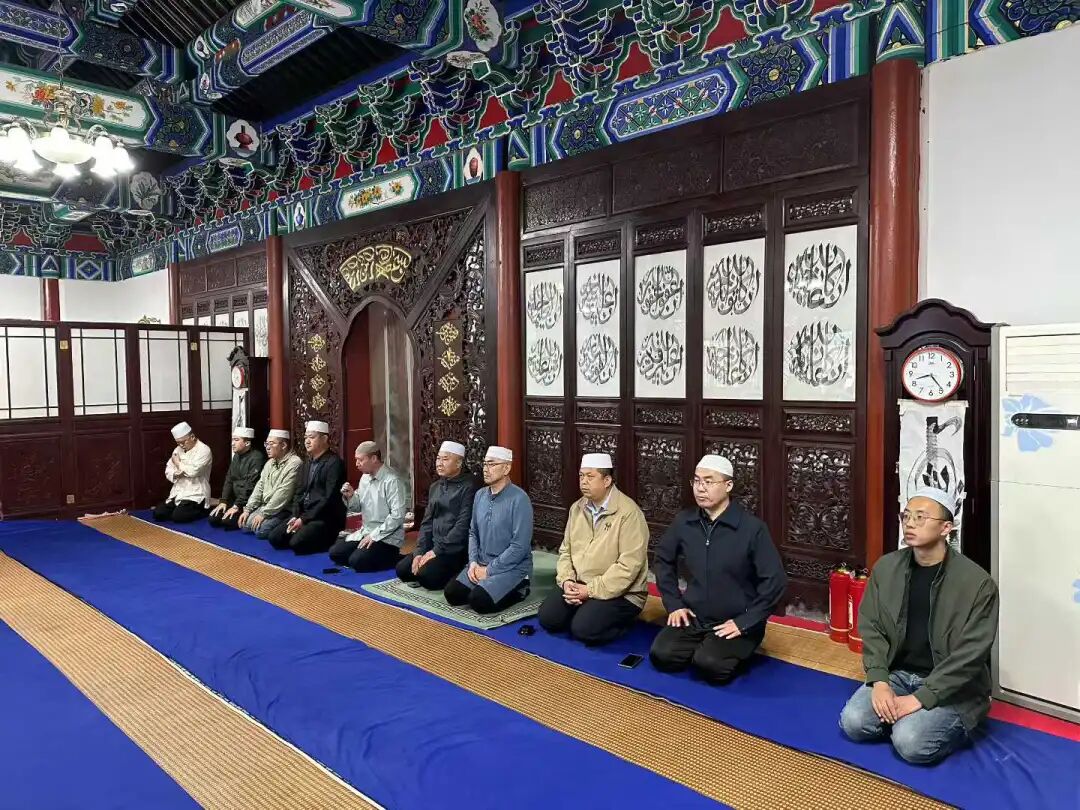
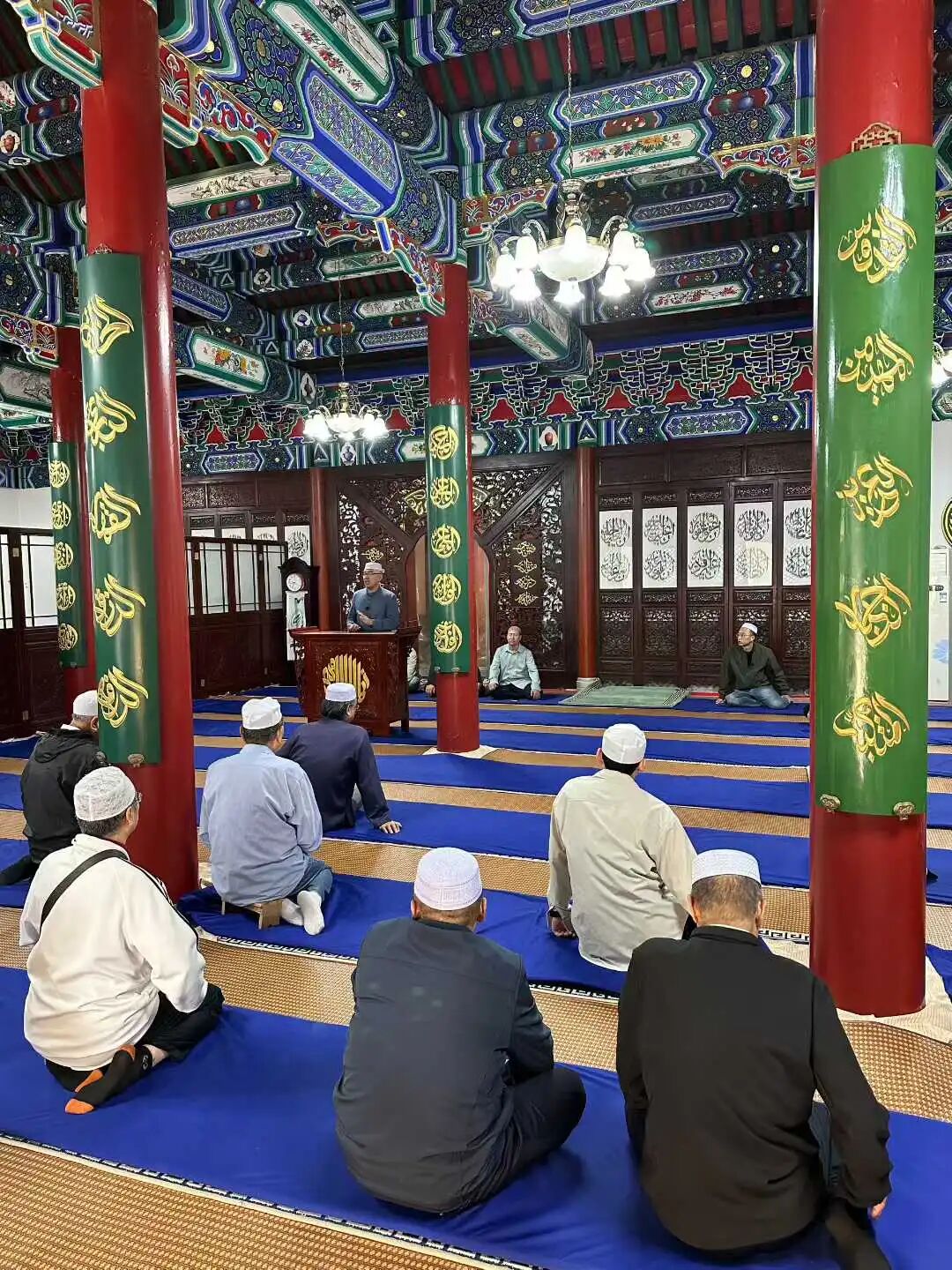
We went into the main hall to listen to the imams from various mosques in Tongzhou recite scriptures, and then we studied the imam's sermon (wa'ez). The imam talked about the importance of praising the Prophet during the Mawlid (Shengji) celebration. He used a traditional style of scripture teaching that sounded very ancient and meaningful.
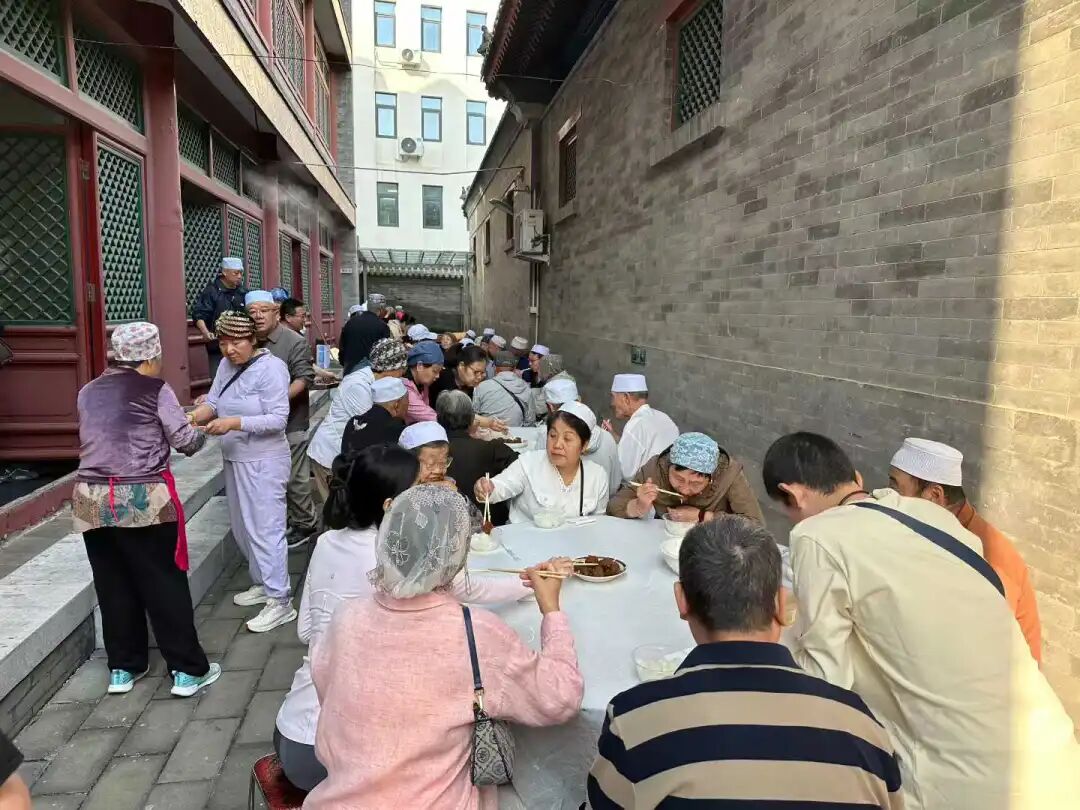
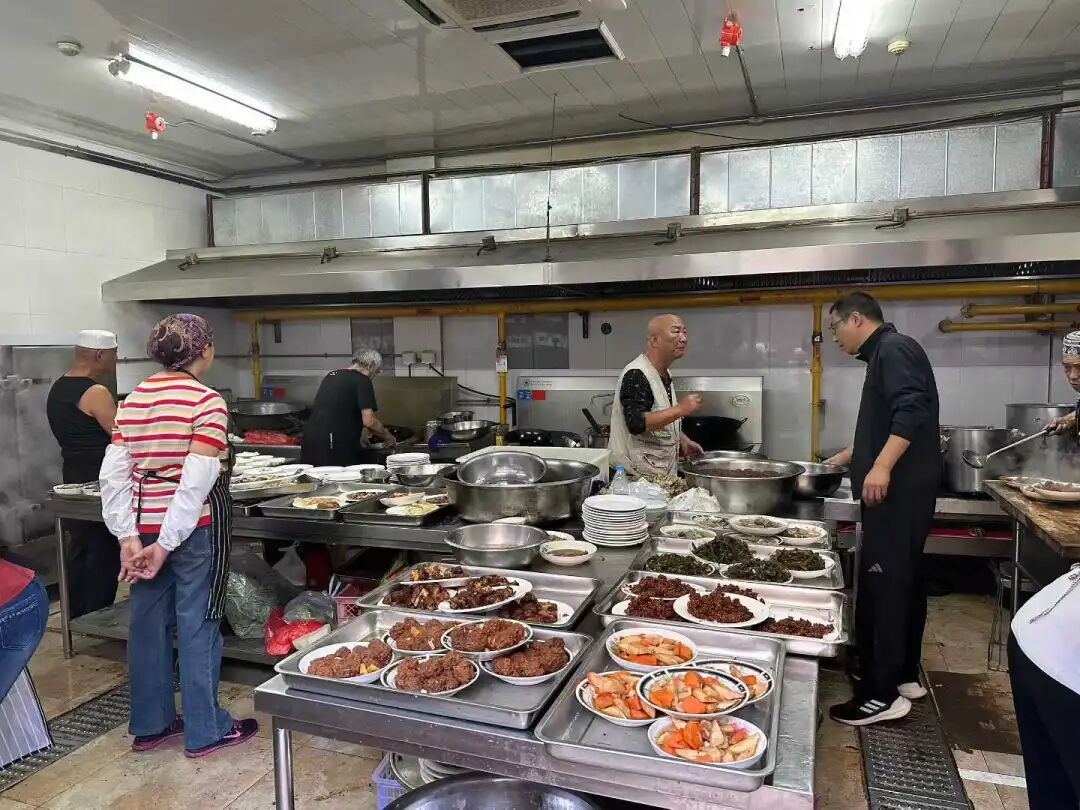
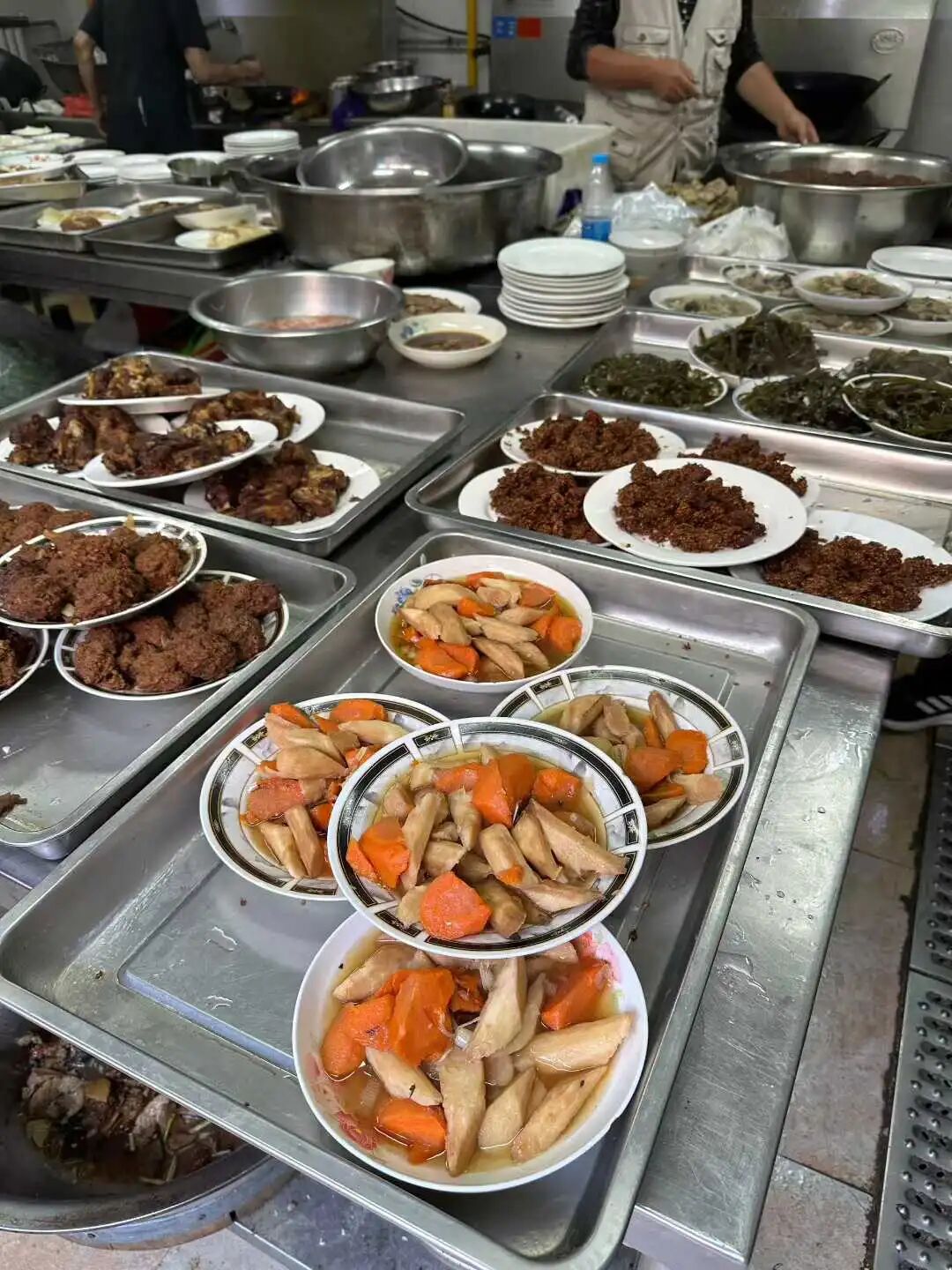
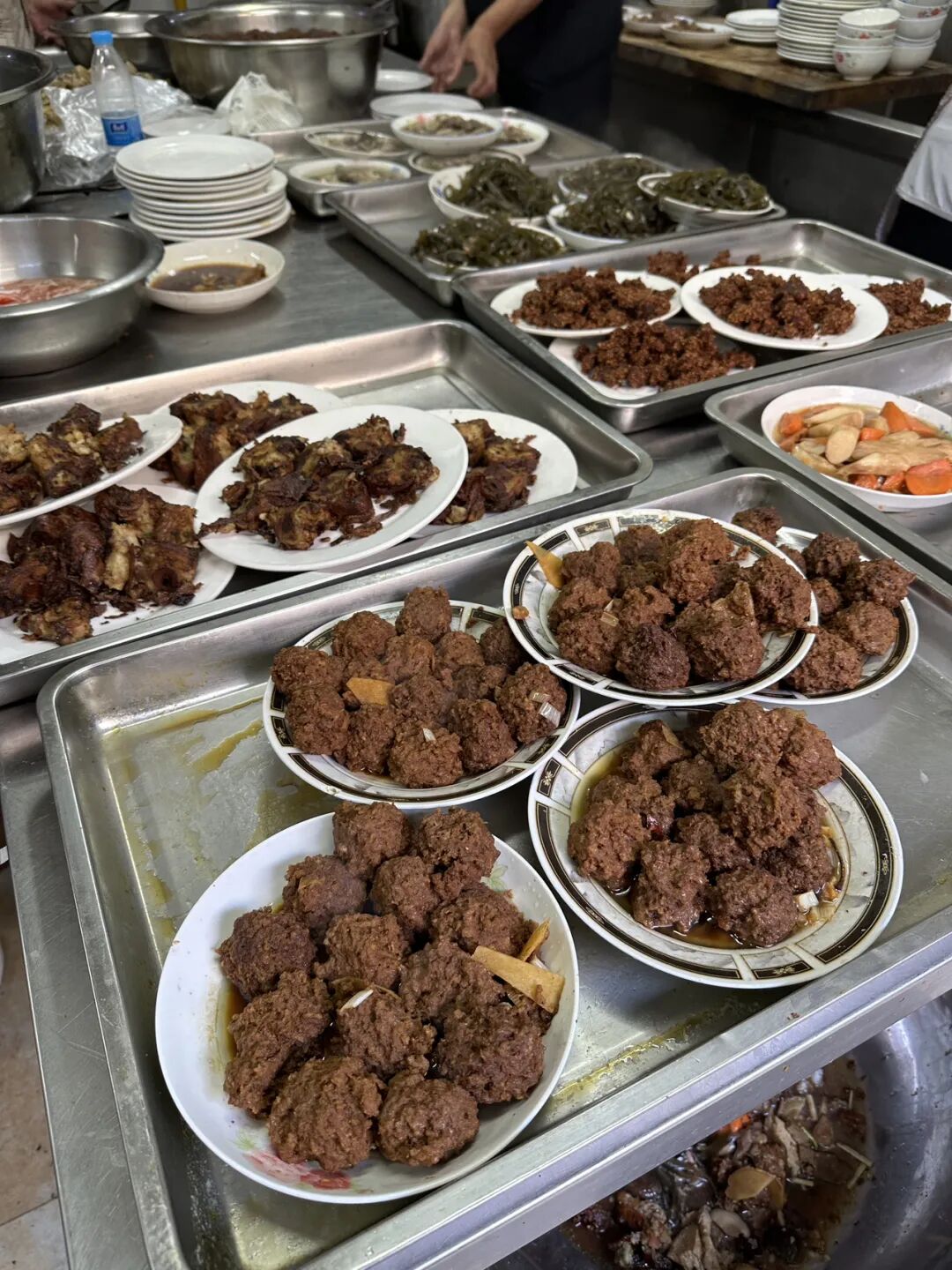
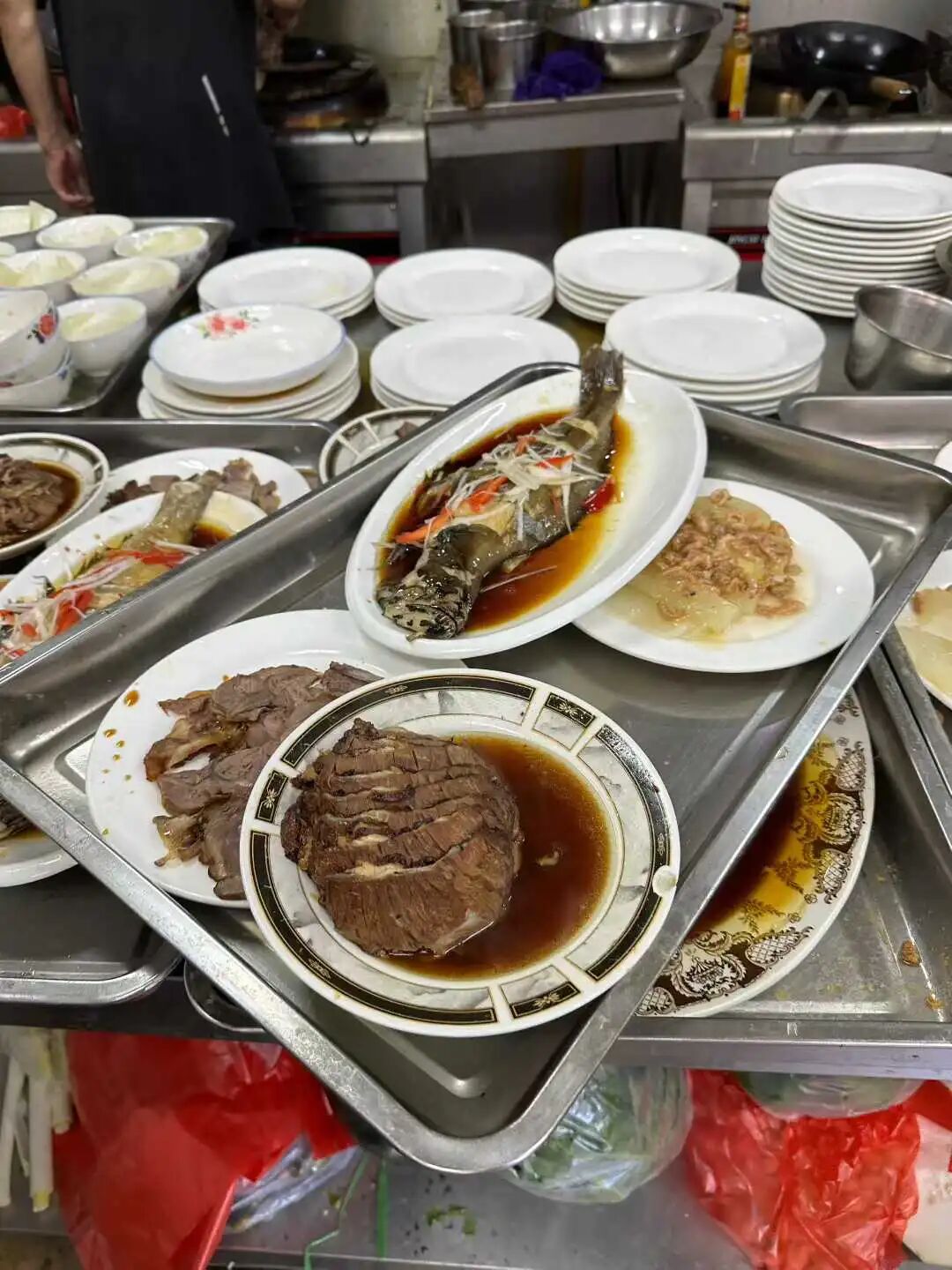
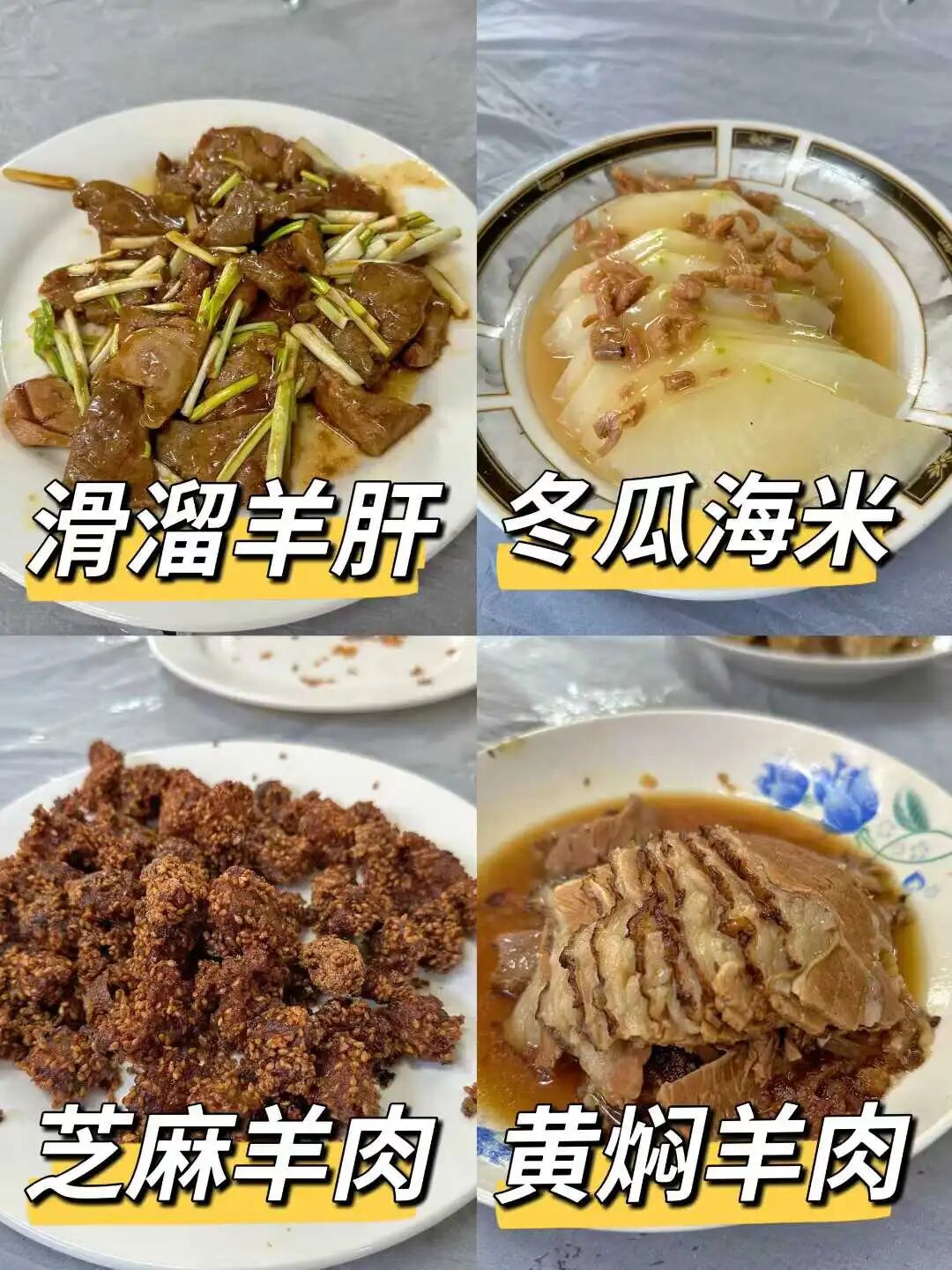
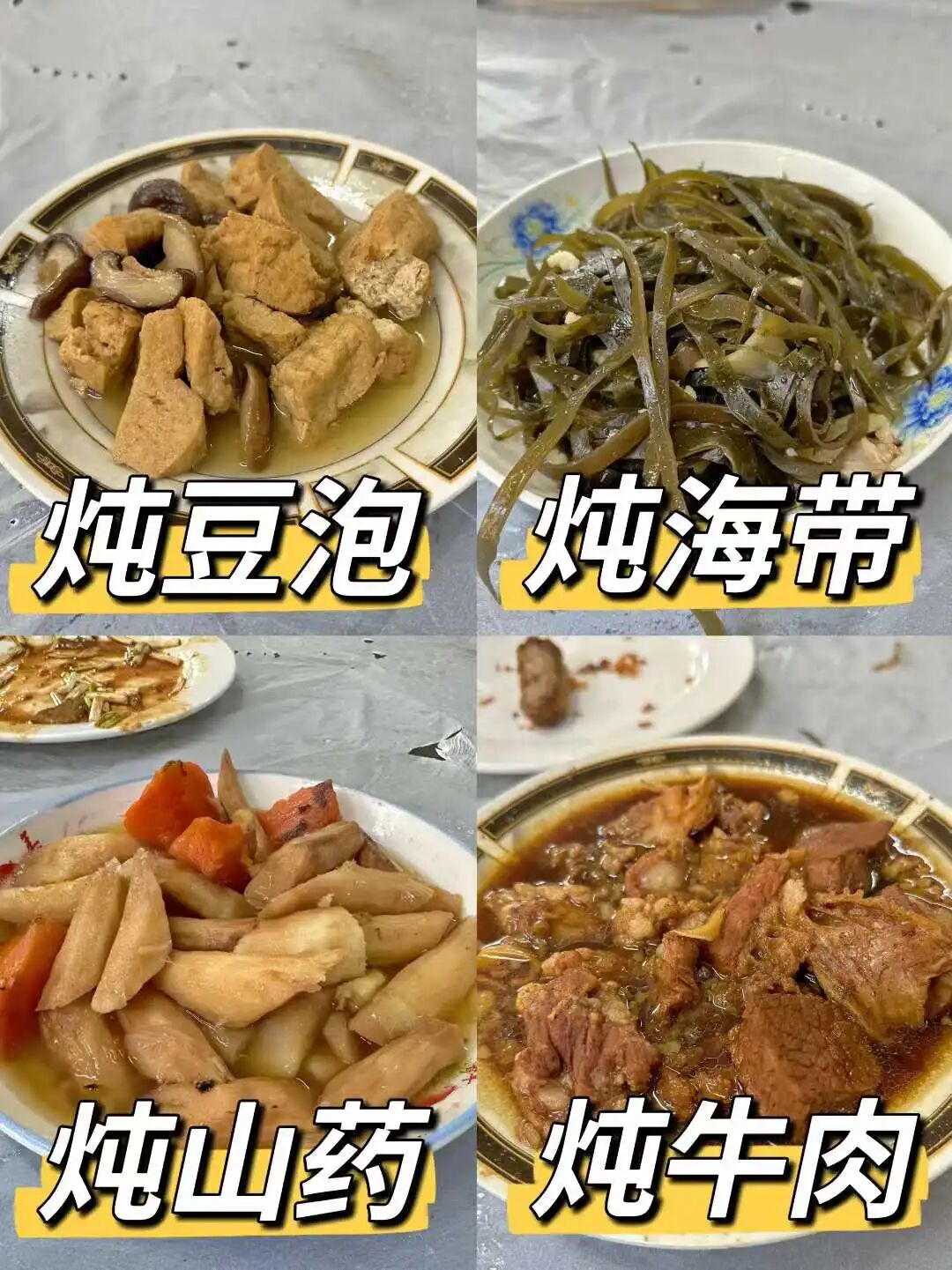
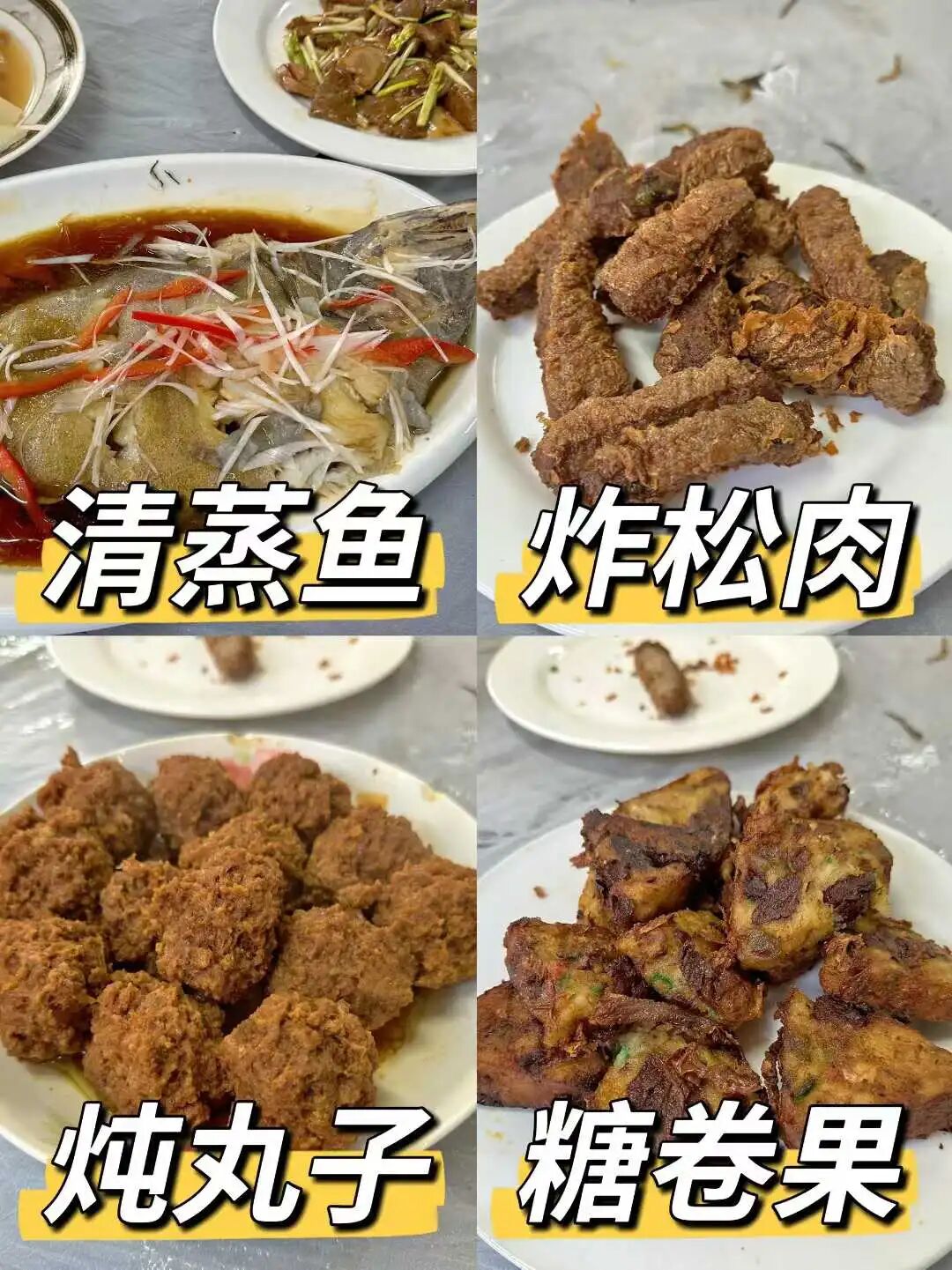
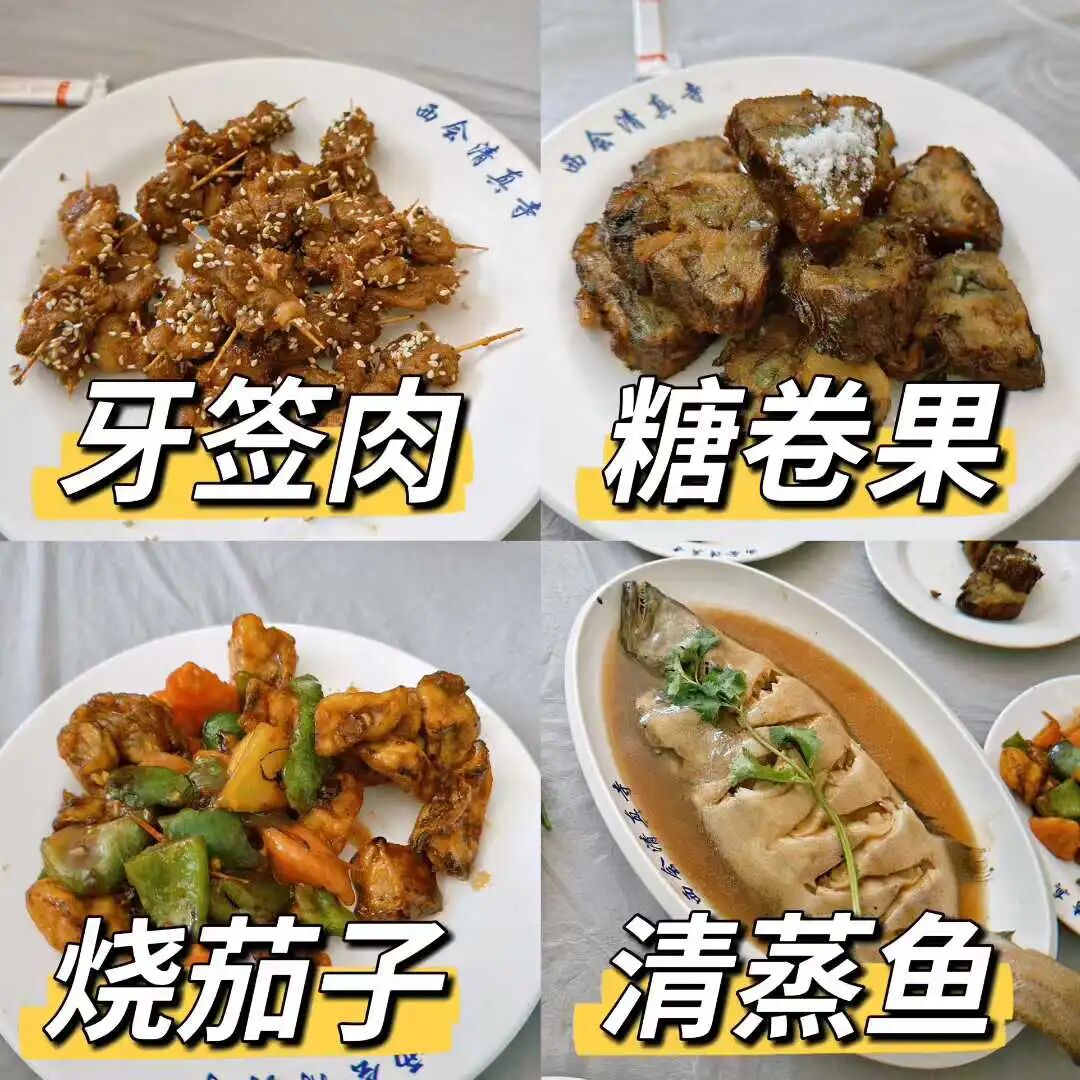
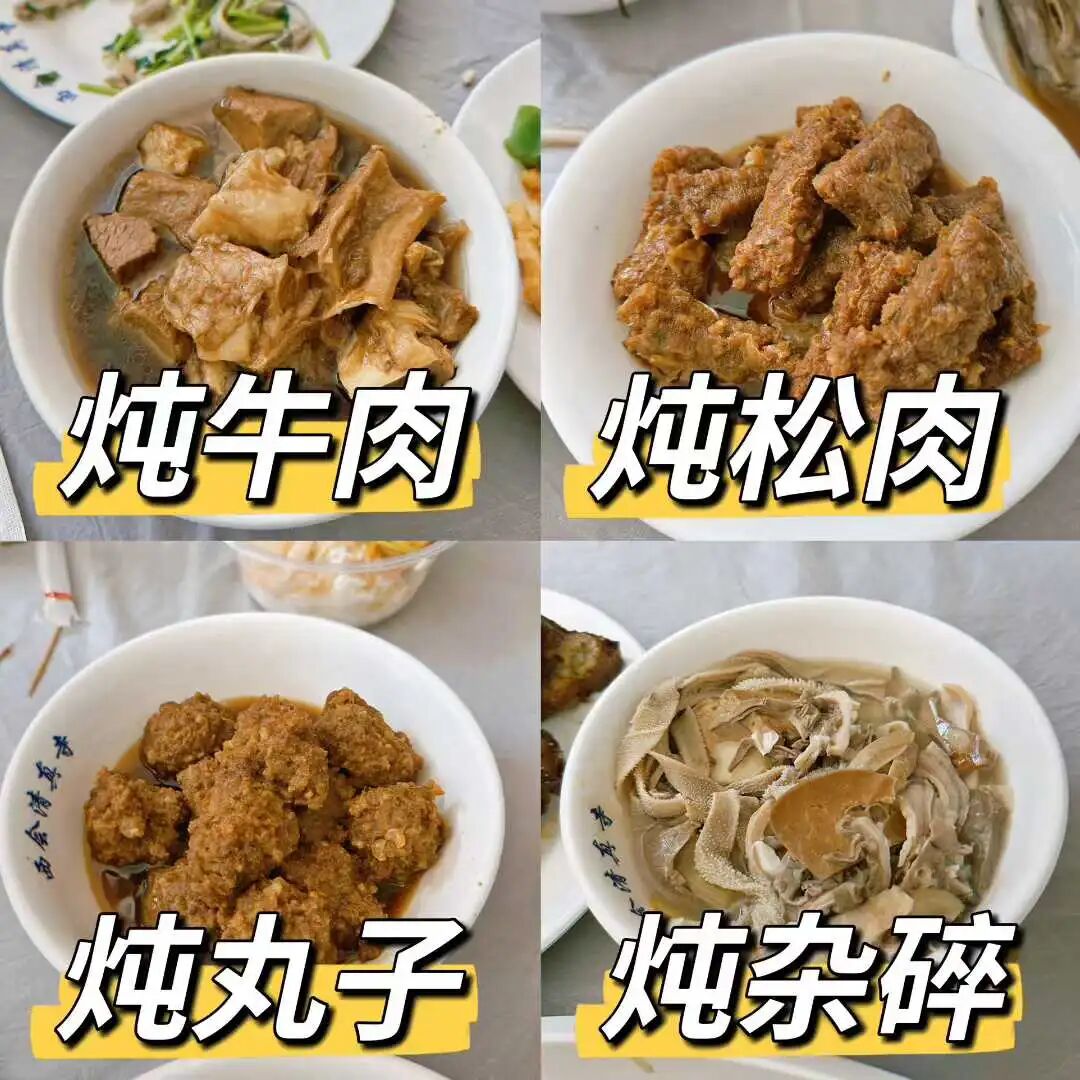
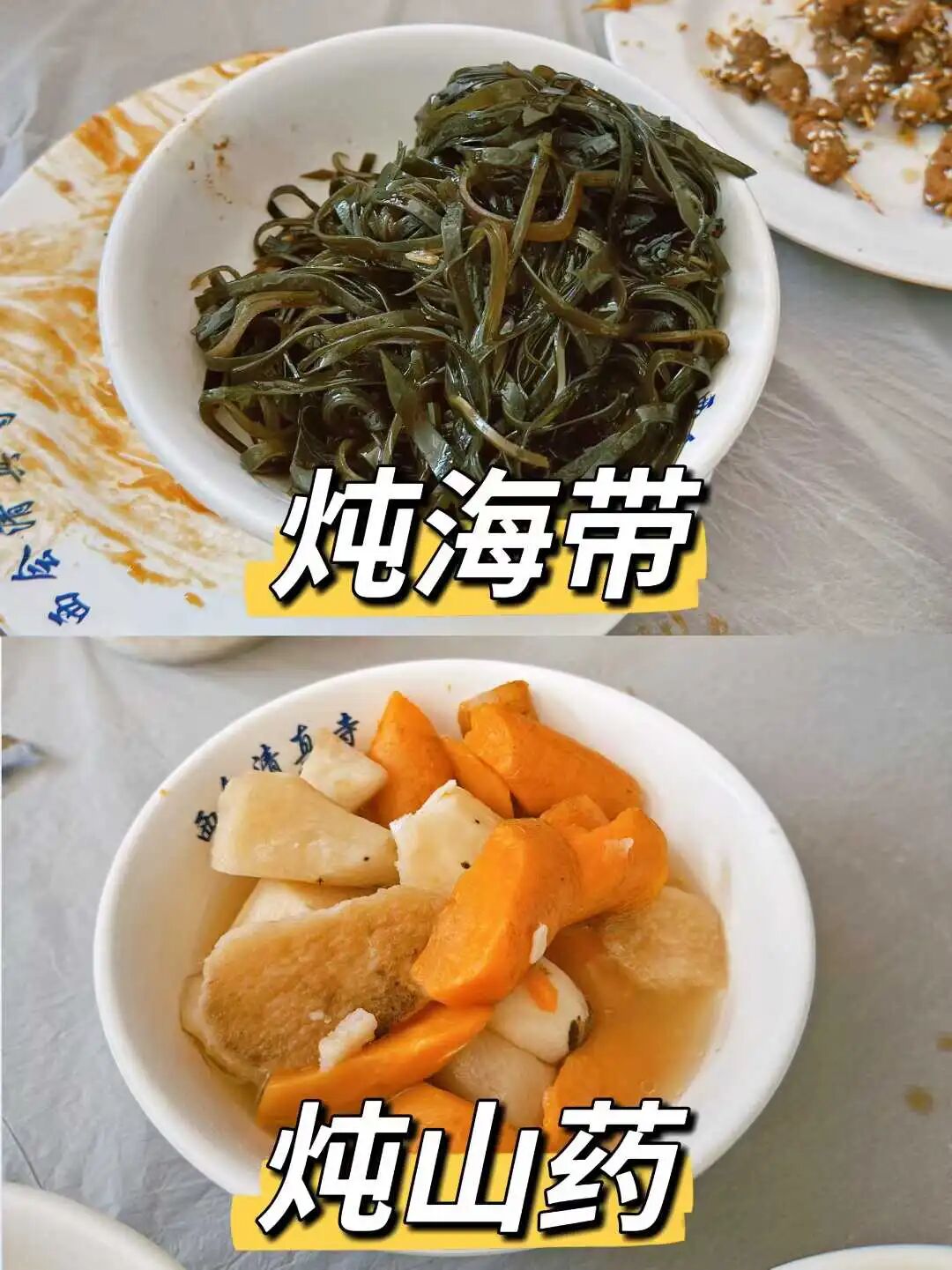
After leaving the hall, we ate a traditional twelve-dish feast (nietie xi), which included stir-fried lamb liver, winter melon with dried shrimp, steamed fish, sesame lamb, steamed lamb, beef stew, yam stew, kelp stew, fried tofu puff stew, meatball stew, fried crispy meat (songrou), and candied yam and date rolls (tangjuan guo). It was a very auspicious meal that both the elderly and children enjoyed.
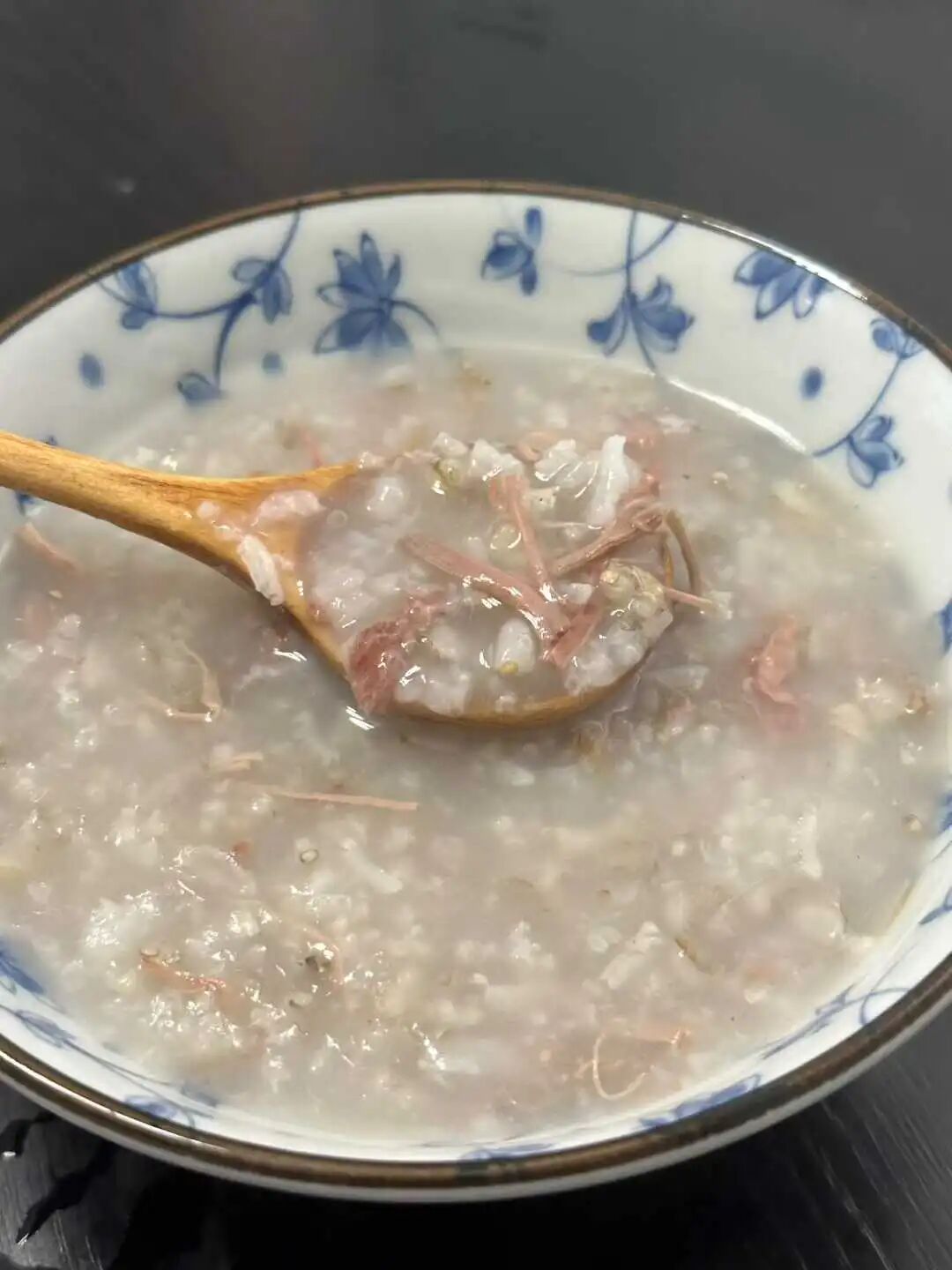
When leaving, the mosque gave out fried dough (youxiang) and meat porridge. Since I had just received some fried dough yesterday, I only took the meat porridge. view all
Summary: The third week of Beijing Mawlid gatherings covers Nanxiapo Mosque outside Chaoyang Gate and Tongzhou Xiguan Mosque near Tongzhou Beiyuan. The article records Mawlid rituals, Nanxiapo community history, Ma Jun burial memories, Tongzhou mosque rebuilding, and a traditional twelve-dish mosque feast.
Three weeks have passed since the start of the month of Mawlid (Shengji Yue) in Beijing, and it is now coming to an end. In the first two weeks, I attended five Mawlid gatherings in Dongsi, Balizhuang, Yangzha, Sanlihe, and Xihui. This weekend, I went to two more in Nanxiapo and Tongzhou Xiguan. Including the four gatherings I attended in Xi'an during the Spring Festival, I have been to eleven Mawlid gatherings this year.
Mawlid is a key way to pass on traditional faith culture. By learning about the Prophet's teachings on peace, kindness, mutual help, and honesty, and by taking part in traditional ceremonies, we deepen our connection to the roots and values of our faith. This shared cultural memory is the foundation that brings our community together.
During these gatherings, friends (dosti) of all ages and from different families talk to each other, which builds friendships and strengthens our unity. For the younger generation of friends (dosti), taking part in Mawlid activities helps them feel at home in the mosque community, learn traditional culture and morals, and keep strong ties with their elders.
A key part of Mawlid is charity (shesan). This shows the faith's focus on charity and the traditional culture of helping each other through hard times. A bowl of meat porridge and a bag of fried dough (youxiang) help friends (dosti) feel the warmth of the faith, strengthening their sense of belonging and cultural unity.
On Saturday morning, we attended the Mawlid gathering at Nanxiapo, outside Chaoyang Gate. Imams from various mosques in Chaoyang District led the opening prayers, local elders finished the recitations, and the local imam gave a sermon (wa'erzi). Afterward, we had tea and snacks, and received meatballs, shredded beef (songrou), and fried dough (youxiang) given out by the mosque.
The south wing of the Nanxiapo mosque opened an exhibition hall introducing the history of the local mosque community, and many friends (dosti) came to visit.
As a major hub for the Grand Canal grain transport, the area outside Chaoyang Gate once had many mosque communities like Nanzhongjie, Nanxiapo, and Shegutang, but only Nanxiapo remains today. According to the memories of local elders, the Nanxiapo mosque dates back to the late Ming and early Qing dynasties. At that time, a shed builder used bamboo poles and reed mats to build a large shelter in Nanxiapo. An imam named Hu Zhonghe led the local Hui Muslims in prayer inside the mat shed, which was the first Nanxiapo mosque. In the early years of the Kangxi reign, a Hui Muslim surnamed Ma who sold bows and arrows near Chaoyang Gate heard about the situation in Nanxiapo. He had just received payment for a large order of bows and arrows from some Mongols, so he donated the money to officially build the Nanxiapo mosque.
Most of the leaders of the Nanxiapo mosque have been descendants of the first leader, Hu Zhonghe. Hu Zhonghe's 12th-generation descendant, Hu Degui, was born in 1883. After his parents died young, his 15-year-old son Hu Zichen took over his father's work in 1898 as the second leader (haitebu) of the Nanxiapo mosque, and people called him Master Hu the Second. At that time, the imam of the Nanxiapo mosque was Hu Wenzhi, and the third master was Ma Shikuan, known as Master Ma the Third.
In 1900, when Empress Dowager Cixi fled west, bandits appeared everywhere, and many shops on Chaoyangmen Outer Street were robbed. The 17-year-old Imam Hu Zichen organized a local defense group in Nanxiapo. Young Hui Muslims joined eagerly; some were wrestlers, some knew martial arts, some were cart drivers, and the wealthy ones even bought firearms. Every night, everyone gathered at the gate of the Nanxiapo mosque, split into groups, and patrolled the streets to keep watch, finally getting through the crisis safely.
On February 15, 1928, after the martyr Ma Jun died, his body (maiti) was washed at the Nanxiapo mosque by Imam Hu Wenzhi and Imam Hu Zichen. Local elders and friends (dosti) donated burial cloth (kafan), and he was buried in the northwest corner of the Temple of the Sun.
In 1947, when the Nationalist army was rounding up young men for forced labor at the Nanxiapo barracks, the young Hui Muslims were terrified. With the help of the imams and elders, they climbed wooden ladders to the roof of the main hall of the Nanxiapo mosque. After they were hidden, the imams and elders immediately hid the ladders. When the Nationalist troops came to the mosque to grab people, the imams persuaded them to leave. Everyone lay on the roof for the whole day and finally escaped the danger.
On Sunday, I attended a religious gathering at the Tongzhou Xiguan Mosque. The Tongzhou Xiguan Mosque is not far from the Tongzhou Beiyuan subway station on the Batong Line, so it is easy to get to. The Tongzhou Xiguan Mosque was first built in 1766 (the 31st year of the Qianlong reign). The original building was torn down in 1980, rebuilt in 1999 to resume activities, and moved to its current location in 2012.
We went into the main hall to listen to the imams from various mosques in Tongzhou recite scriptures, and then we studied the imam's sermon (wa'ez). The imam talked about the importance of praising the Prophet during the Mawlid (Shengji) celebration. He used a traditional style of scripture teaching that sounded very ancient and meaningful.
After leaving the hall, we ate a traditional twelve-dish feast (nietie xi), which included stir-fried lamb liver, winter melon with dried shrimp, steamed fish, sesame lamb, steamed lamb, beef stew, yam stew, kelp stew, fried tofu puff stew, meatball stew, fried crispy meat (songrou), and candied yam and date rolls (tangjuan guo). It was a very auspicious meal that both the elderly and children enjoyed.
When leaving, the mosque gave out fried dough (youxiang) and meat porridge. Since I had just received some fried dough yesterday, I only took the meat porridge. view all
Reposted from the web
Summary: The third week of Beijing Mawlid gatherings covers Nanxiapo Mosque outside Chaoyang Gate and Tongzhou Xiguan Mosque near Tongzhou Beiyuan. The article records Mawlid rituals, Nanxiapo community history, Ma Jun burial memories, Tongzhou mosque rebuilding, and a traditional twelve-dish mosque feast.
Three weeks have passed since the start of the month of Mawlid (Shengji Yue) in Beijing, and it is now coming to an end. In the first two weeks, I attended five Mawlid gatherings in Dongsi, Balizhuang, Yangzha, Sanlihe, and Xihui. This weekend, I went to two more in Nanxiapo and Tongzhou Xiguan. Including the four gatherings I attended in Xi'an during the Spring Festival, I have been to eleven Mawlid gatherings this year.
Mawlid is a key way to pass on traditional faith culture. By learning about the Prophet's teachings on peace, kindness, mutual help, and honesty, and by taking part in traditional ceremonies, we deepen our connection to the roots and values of our faith. This shared cultural memory is the foundation that brings our community together.
During these gatherings, friends (dosti) of all ages and from different families talk to each other, which builds friendships and strengthens our unity. For the younger generation of friends (dosti), taking part in Mawlid activities helps them feel at home in the mosque community, learn traditional culture and morals, and keep strong ties with their elders.
A key part of Mawlid is charity (shesan). This shows the faith's focus on charity and the traditional culture of helping each other through hard times. A bowl of meat porridge and a bag of fried dough (youxiang) help friends (dosti) feel the warmth of the faith, strengthening their sense of belonging and cultural unity.
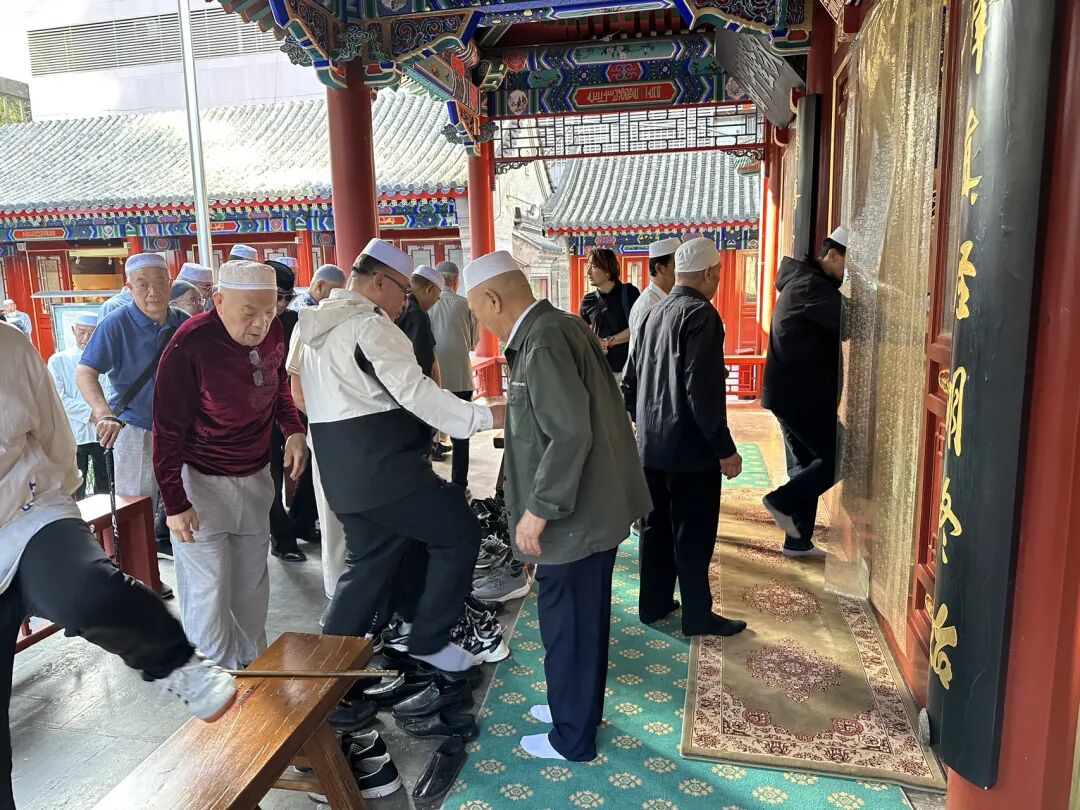
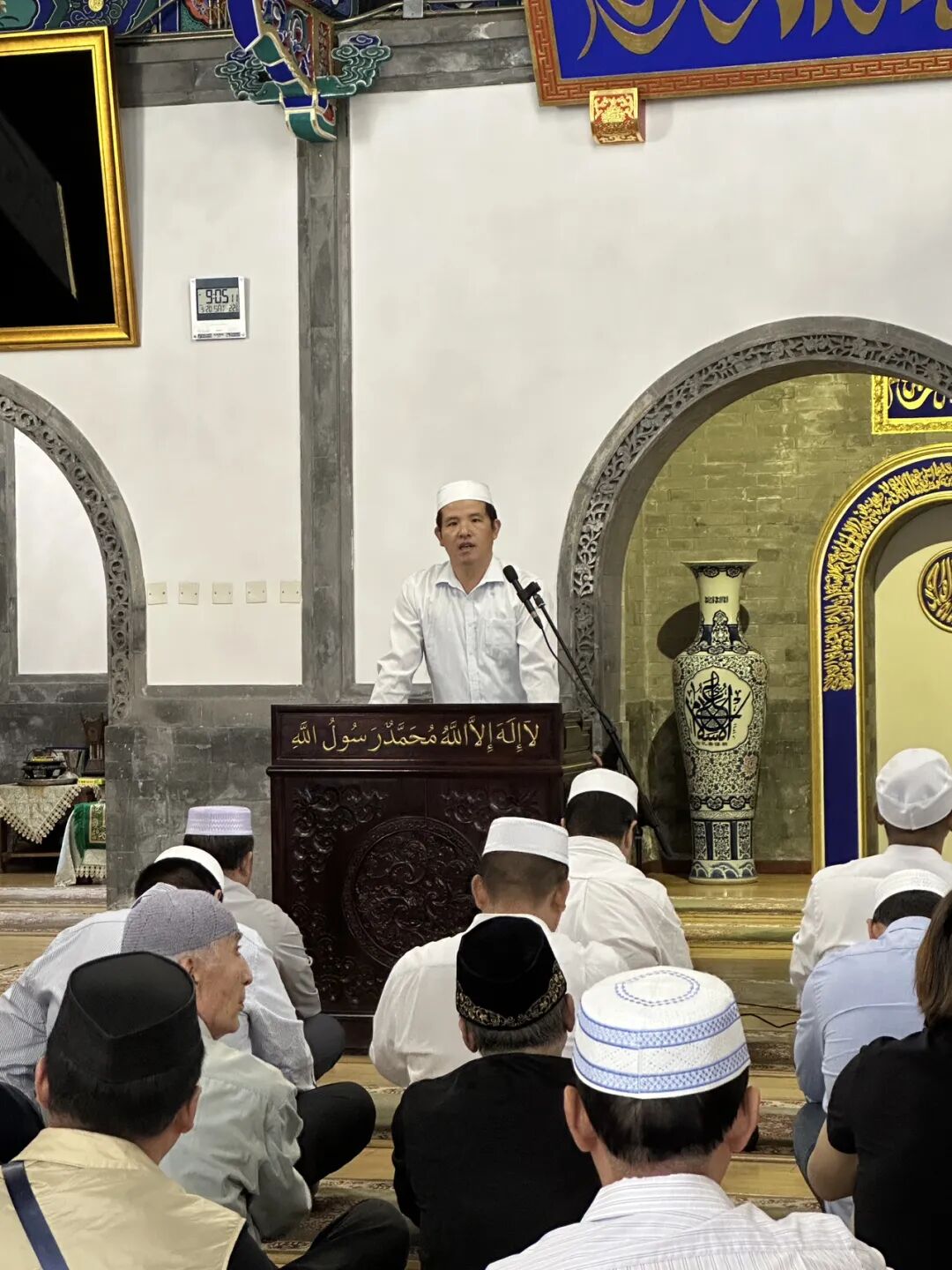
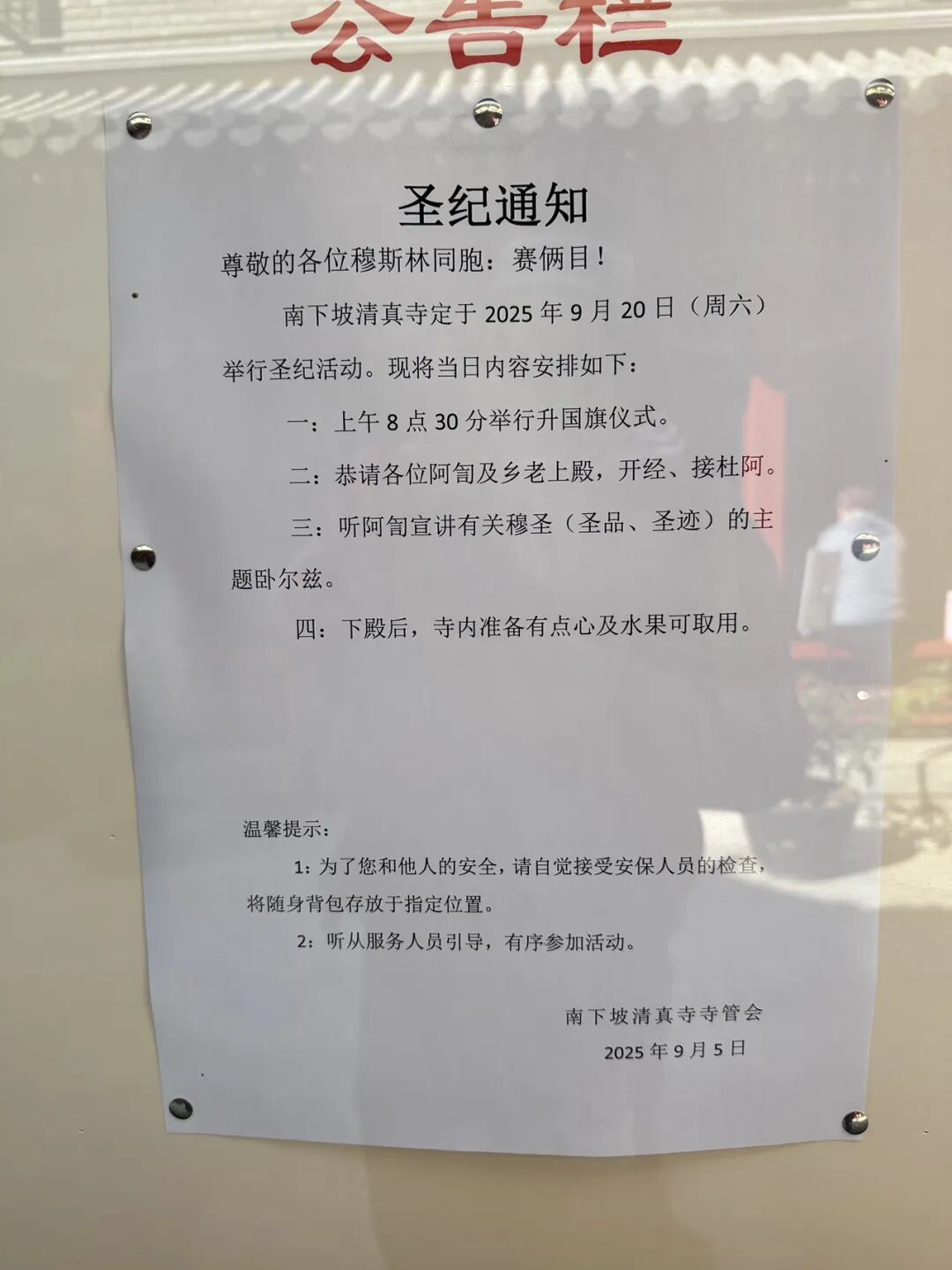
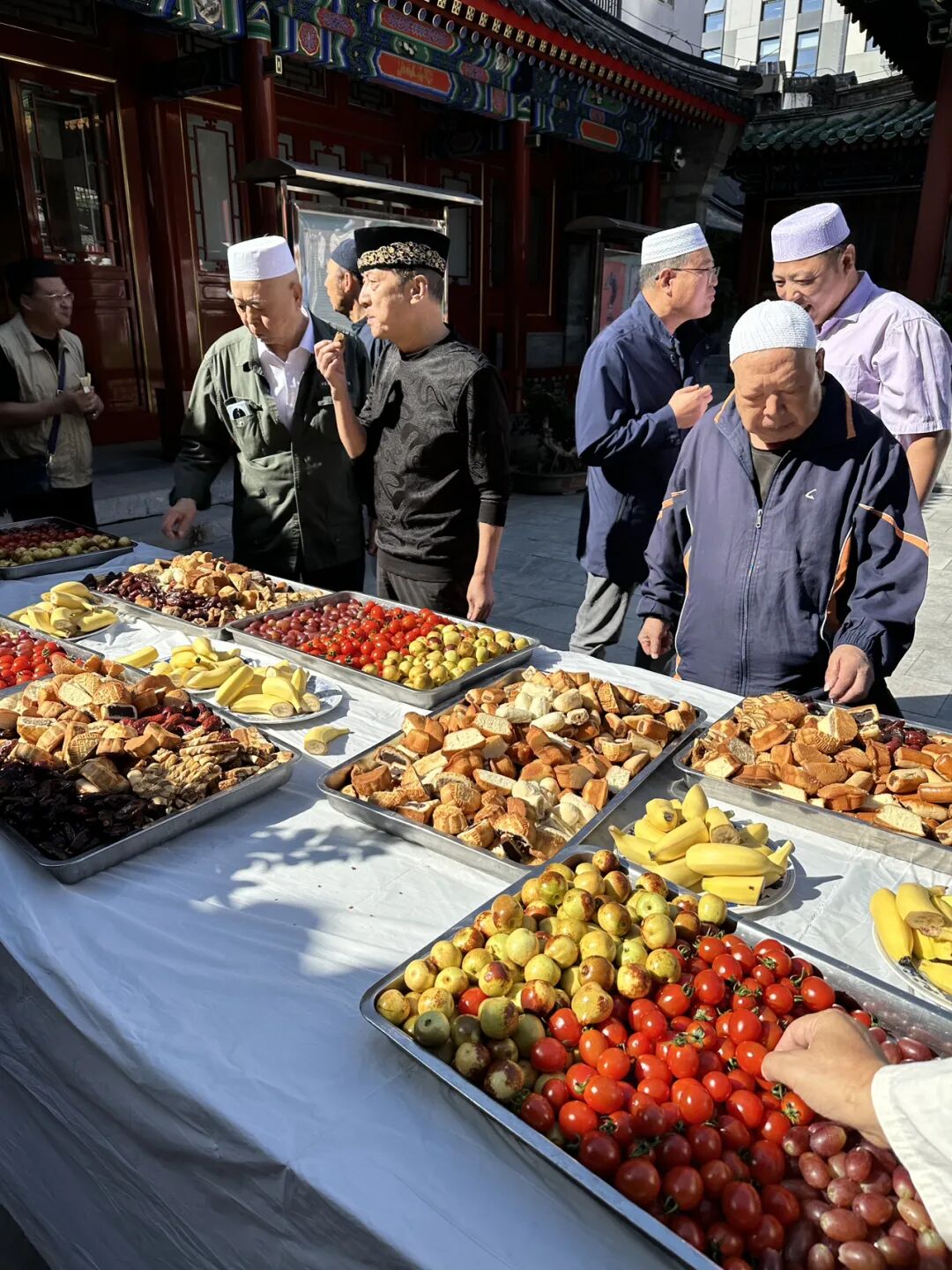
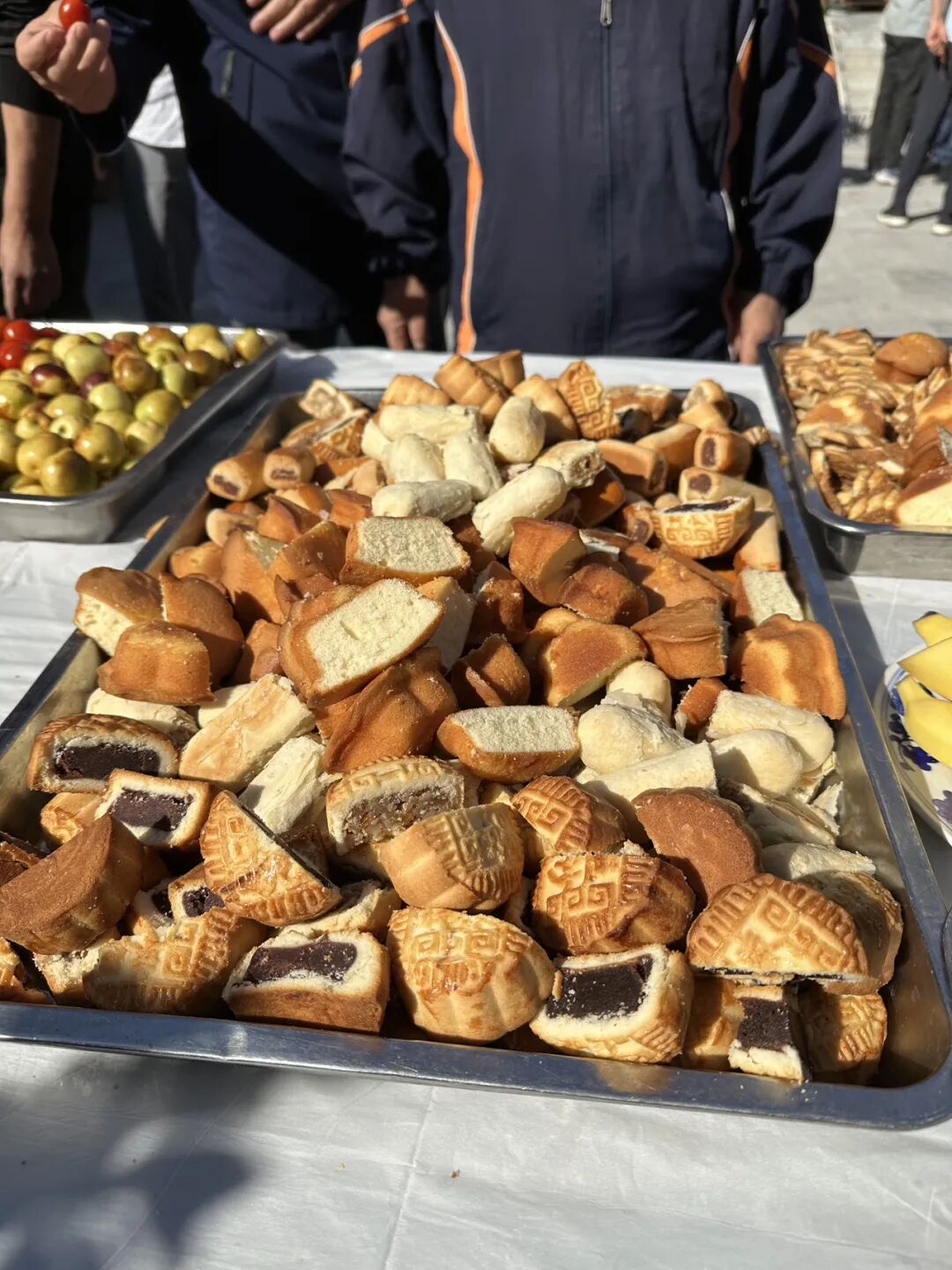
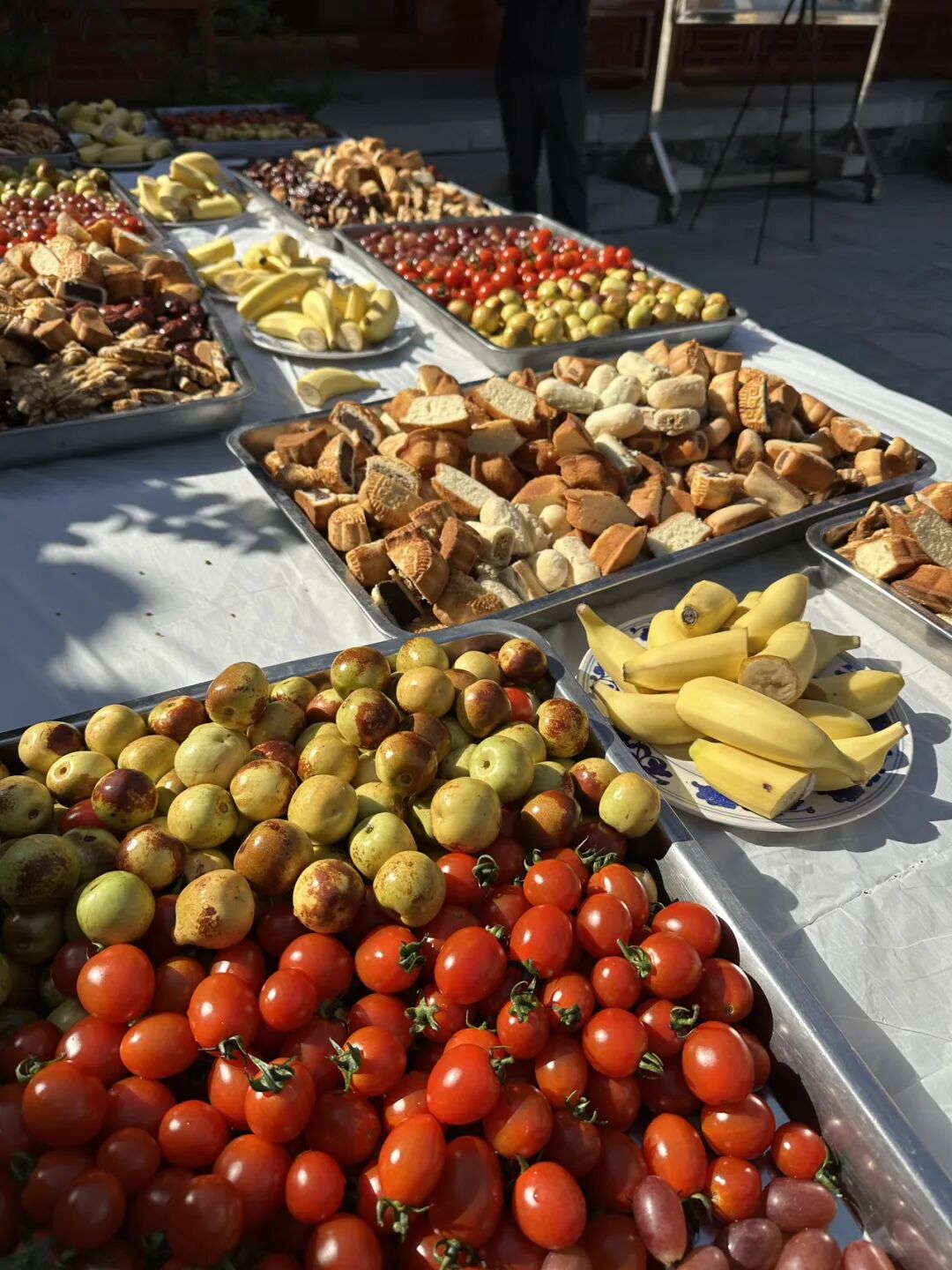
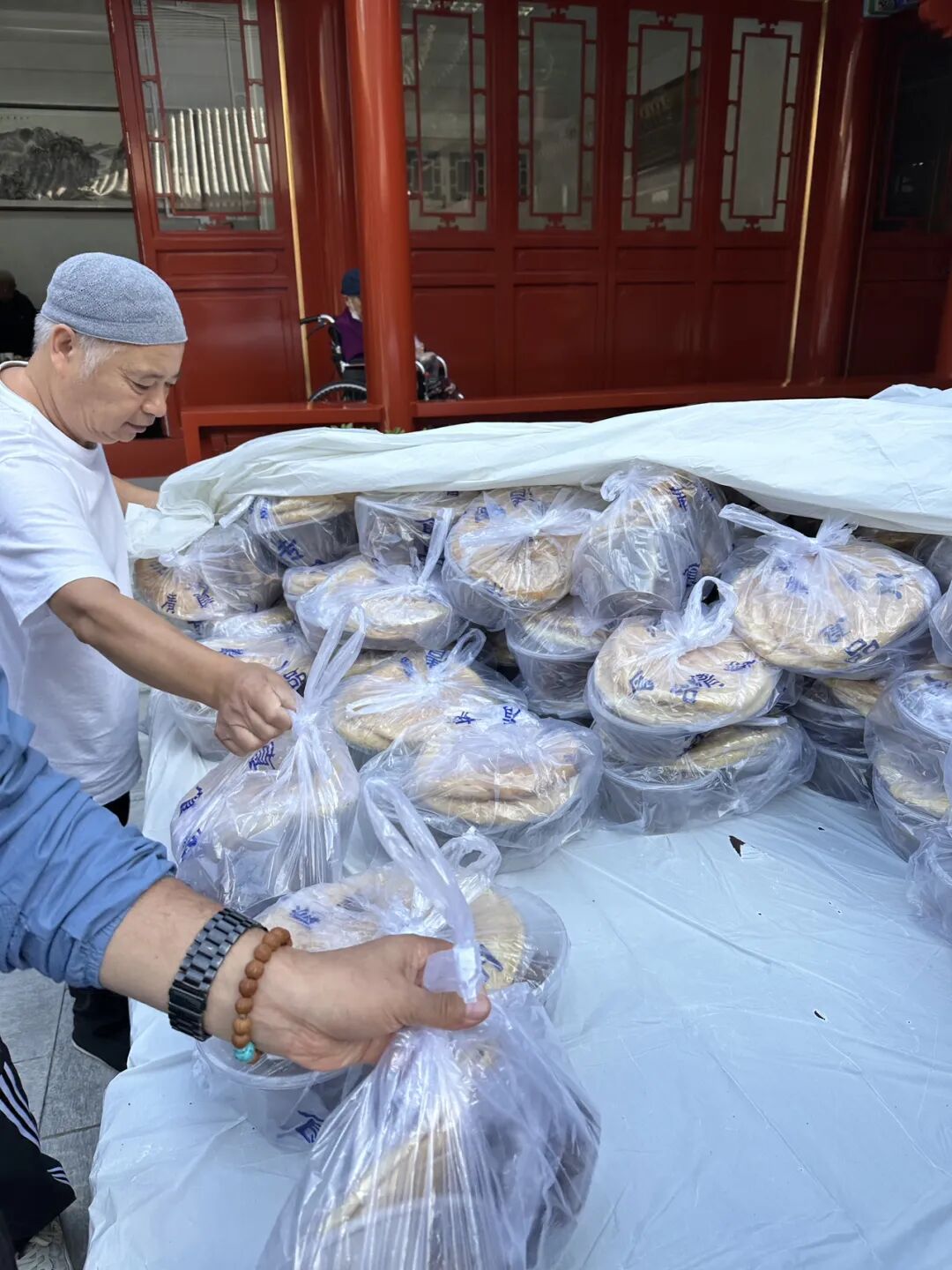
On Saturday morning, we attended the Mawlid gathering at Nanxiapo, outside Chaoyang Gate. Imams from various mosques in Chaoyang District led the opening prayers, local elders finished the recitations, and the local imam gave a sermon (wa'erzi). Afterward, we had tea and snacks, and received meatballs, shredded beef (songrou), and fried dough (youxiang) given out by the mosque.
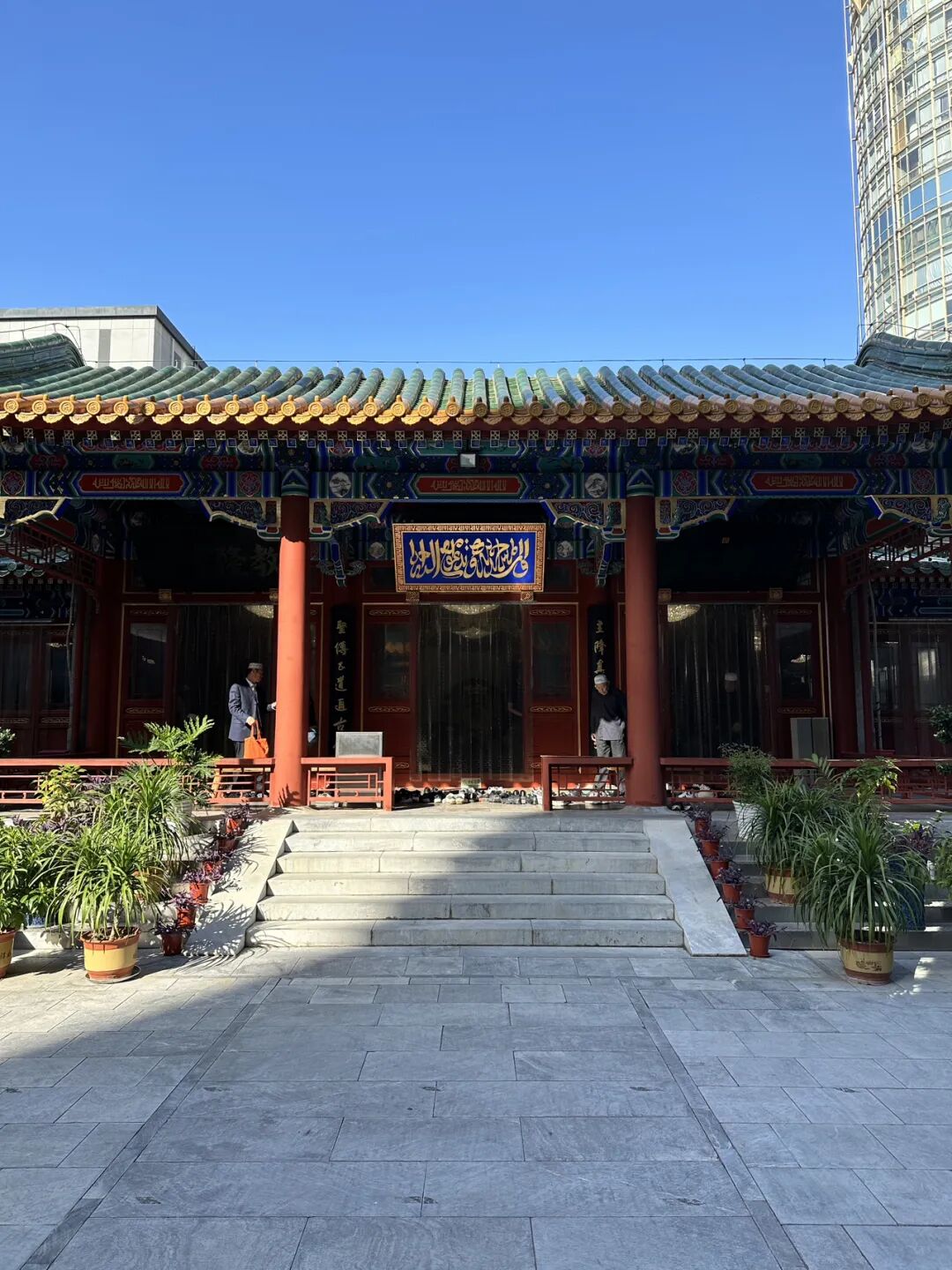
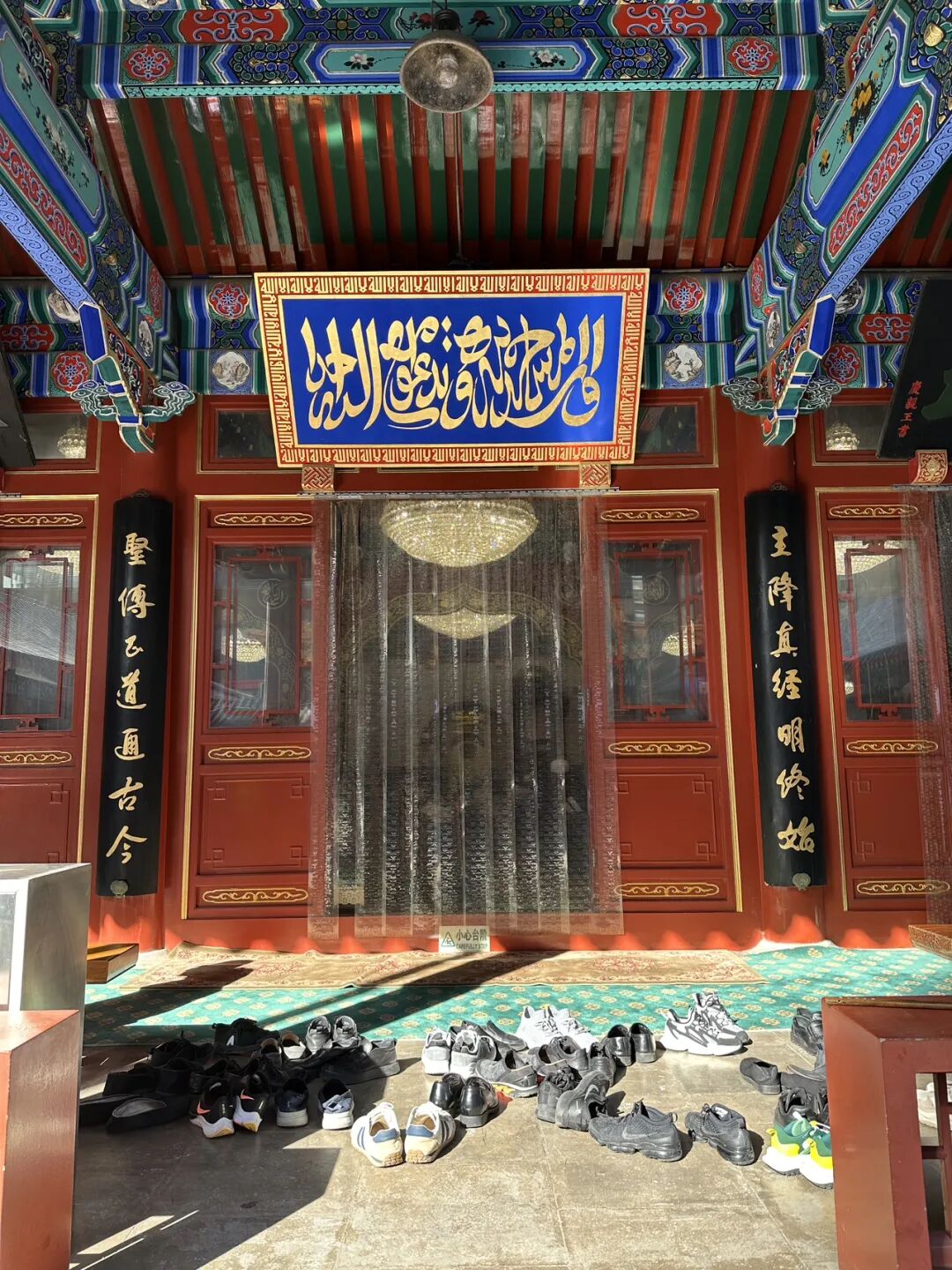
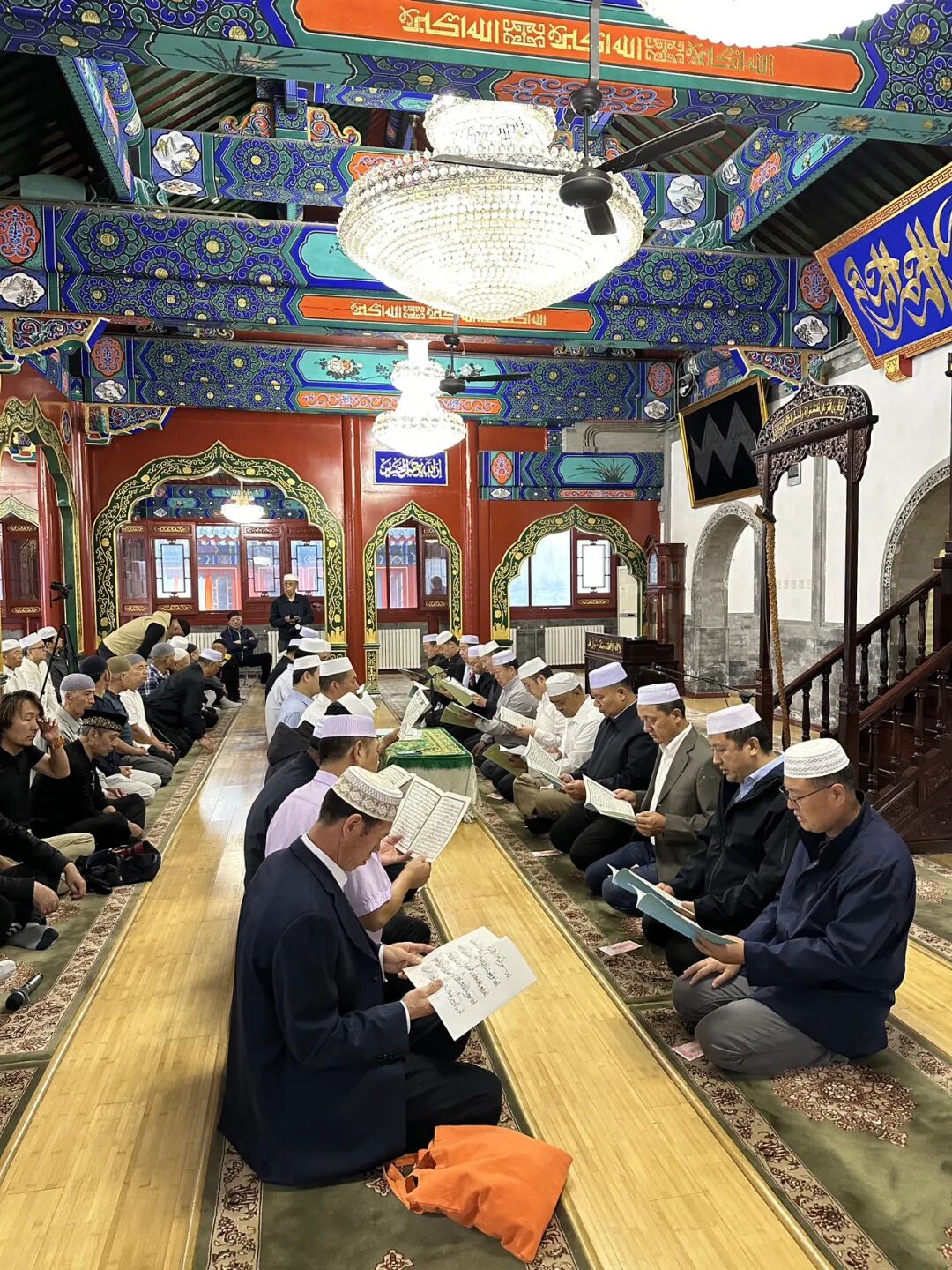
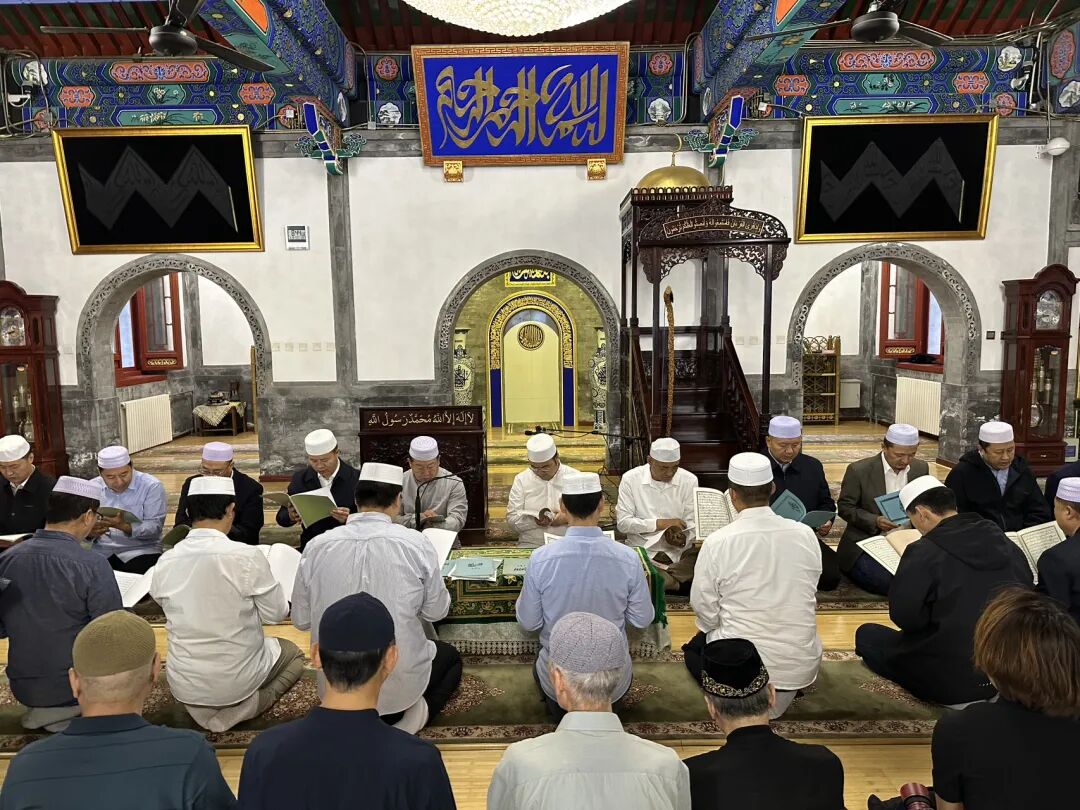
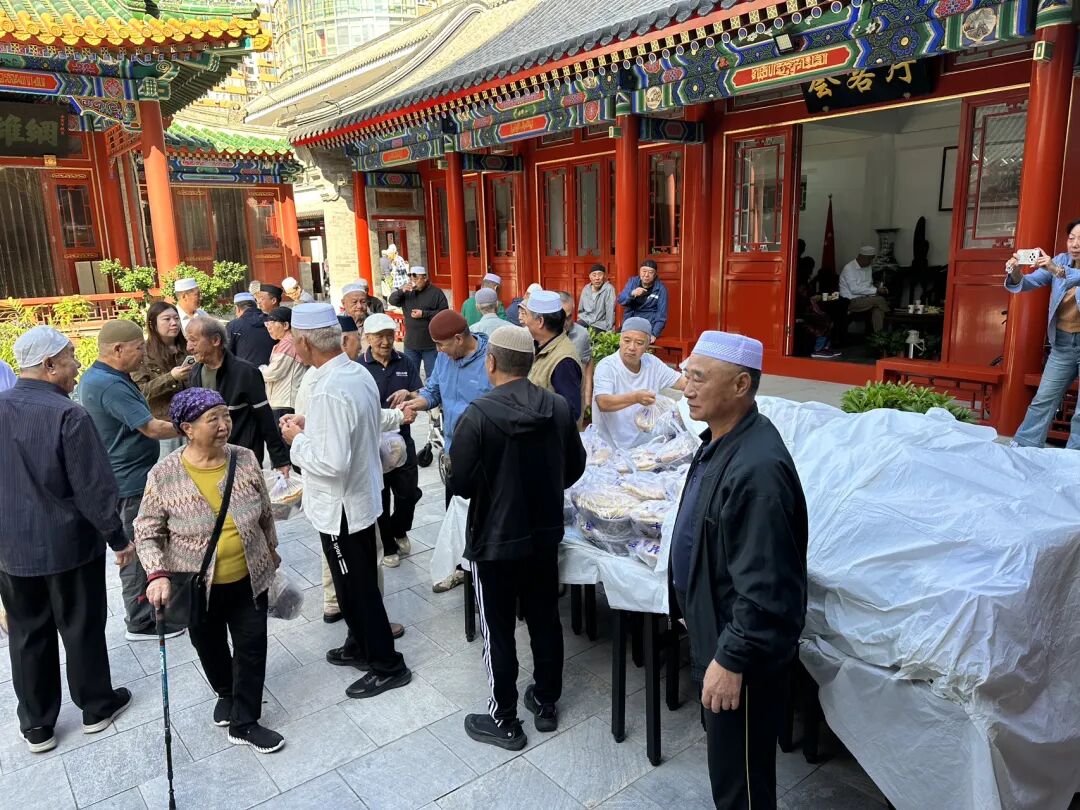
The south wing of the Nanxiapo mosque opened an exhibition hall introducing the history of the local mosque community, and many friends (dosti) came to visit.
As a major hub for the Grand Canal grain transport, the area outside Chaoyang Gate once had many mosque communities like Nanzhongjie, Nanxiapo, and Shegutang, but only Nanxiapo remains today. According to the memories of local elders, the Nanxiapo mosque dates back to the late Ming and early Qing dynasties. At that time, a shed builder used bamboo poles and reed mats to build a large shelter in Nanxiapo. An imam named Hu Zhonghe led the local Hui Muslims in prayer inside the mat shed, which was the first Nanxiapo mosque. In the early years of the Kangxi reign, a Hui Muslim surnamed Ma who sold bows and arrows near Chaoyang Gate heard about the situation in Nanxiapo. He had just received payment for a large order of bows and arrows from some Mongols, so he donated the money to officially build the Nanxiapo mosque.
Most of the leaders of the Nanxiapo mosque have been descendants of the first leader, Hu Zhonghe. Hu Zhonghe's 12th-generation descendant, Hu Degui, was born in 1883. After his parents died young, his 15-year-old son Hu Zichen took over his father's work in 1898 as the second leader (haitebu) of the Nanxiapo mosque, and people called him Master Hu the Second. At that time, the imam of the Nanxiapo mosque was Hu Wenzhi, and the third master was Ma Shikuan, known as Master Ma the Third.
In 1900, when Empress Dowager Cixi fled west, bandits appeared everywhere, and many shops on Chaoyangmen Outer Street were robbed. The 17-year-old Imam Hu Zichen organized a local defense group in Nanxiapo. Young Hui Muslims joined eagerly; some were wrestlers, some knew martial arts, some were cart drivers, and the wealthy ones even bought firearms. Every night, everyone gathered at the gate of the Nanxiapo mosque, split into groups, and patrolled the streets to keep watch, finally getting through the crisis safely.
On February 15, 1928, after the martyr Ma Jun died, his body (maiti) was washed at the Nanxiapo mosque by Imam Hu Wenzhi and Imam Hu Zichen. Local elders and friends (dosti) donated burial cloth (kafan), and he was buried in the northwest corner of the Temple of the Sun.
In 1947, when the Nationalist army was rounding up young men for forced labor at the Nanxiapo barracks, the young Hui Muslims were terrified. With the help of the imams and elders, they climbed wooden ladders to the roof of the main hall of the Nanxiapo mosque. After they were hidden, the imams and elders immediately hid the ladders. When the Nationalist troops came to the mosque to grab people, the imams persuaded them to leave. Everyone lay on the roof for the whole day and finally escaped the danger.
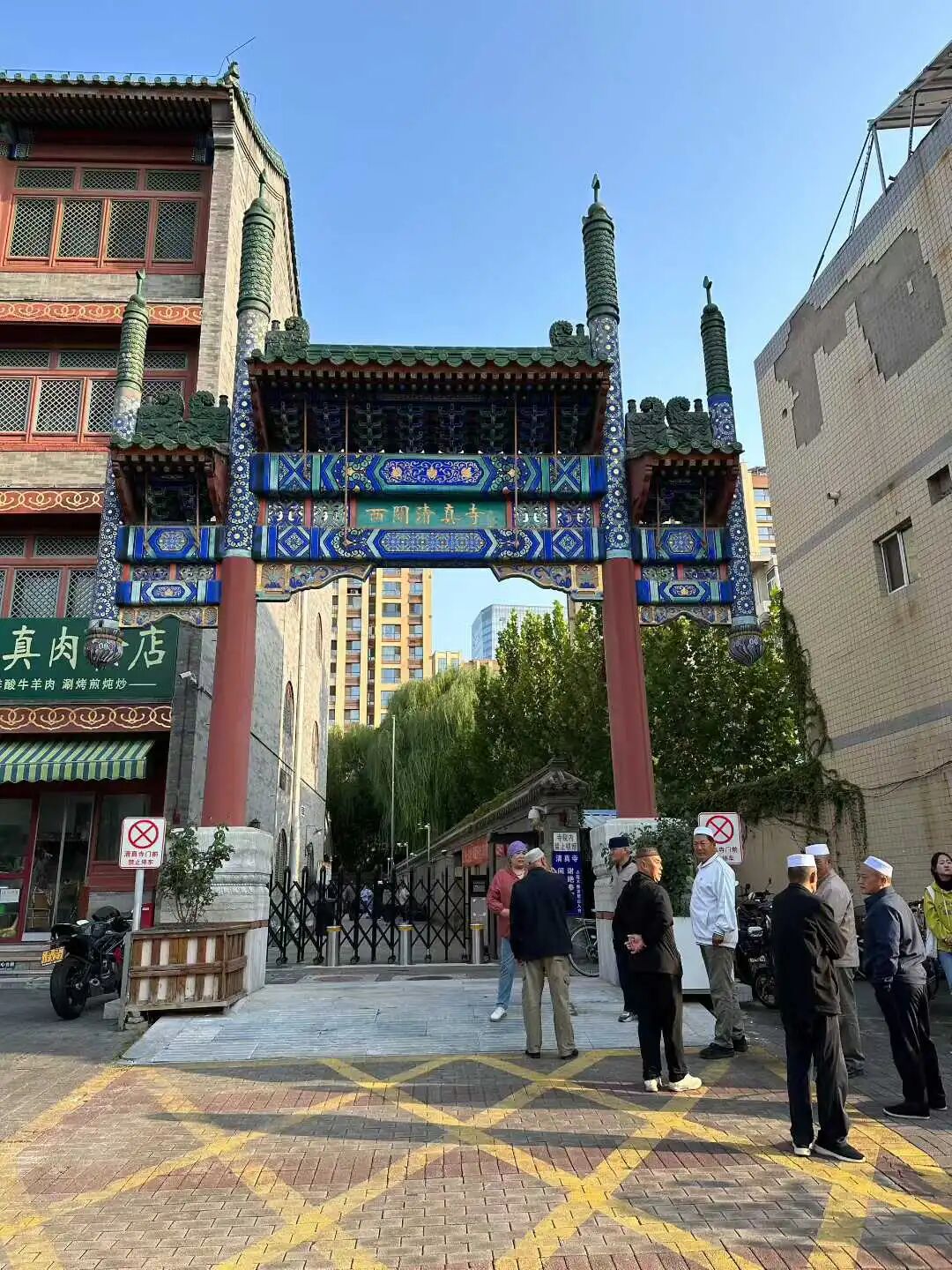
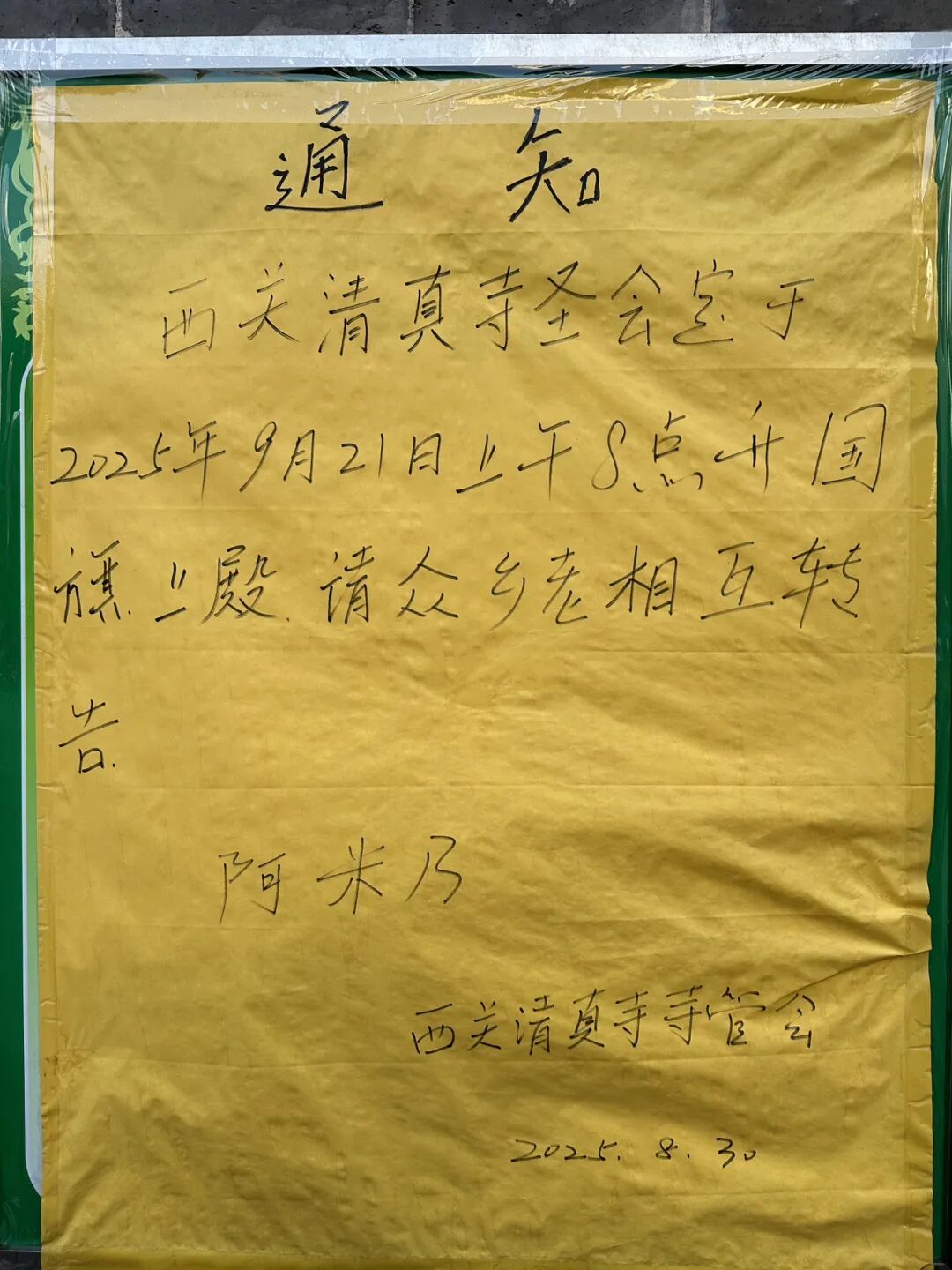
On Sunday, I attended a religious gathering at the Tongzhou Xiguan Mosque. The Tongzhou Xiguan Mosque is not far from the Tongzhou Beiyuan subway station on the Batong Line, so it is easy to get to. The Tongzhou Xiguan Mosque was first built in 1766 (the 31st year of the Qianlong reign). The original building was torn down in 1980, rebuilt in 1999 to resume activities, and moved to its current location in 2012.
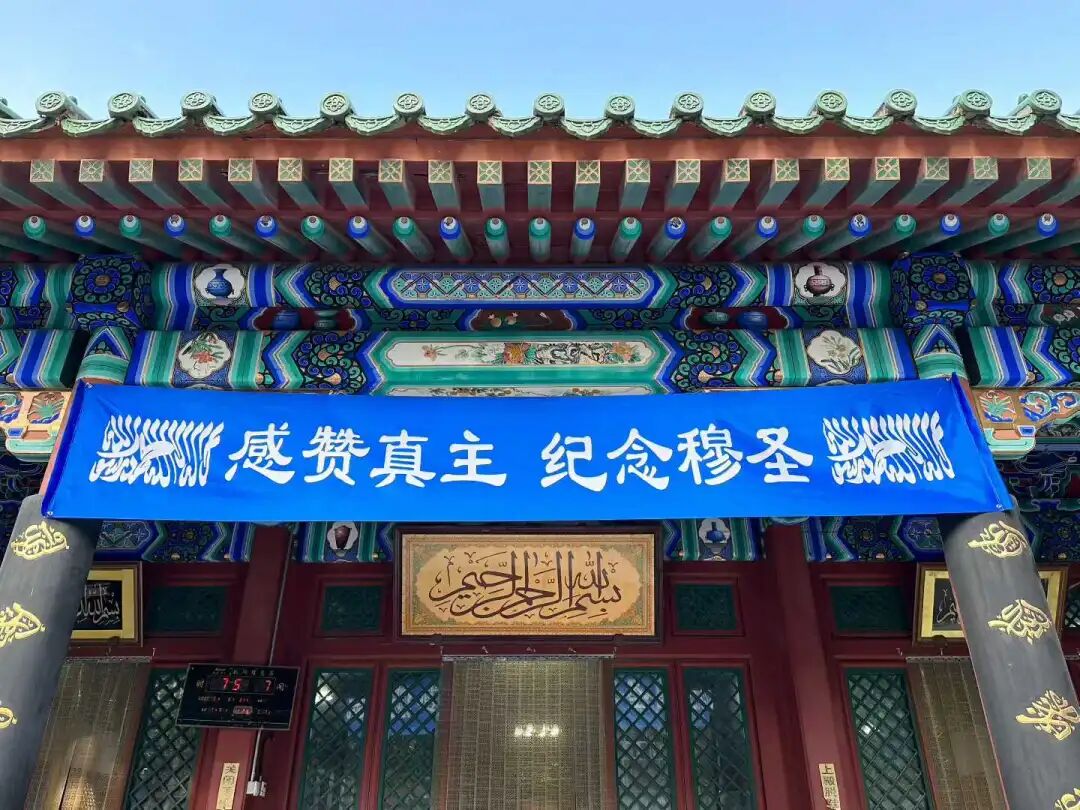
We went into the main hall to listen to the imams from various mosques in Tongzhou recite scriptures, and then we studied the imam's sermon (wa'ez). The imam talked about the importance of praising the Prophet during the Mawlid (Shengji) celebration. He used a traditional style of scripture teaching that sounded very ancient and meaningful.
After leaving the hall, we ate a traditional twelve-dish feast (nietie xi), which included stir-fried lamb liver, winter melon with dried shrimp, steamed fish, sesame lamb, steamed lamb, beef stew, yam stew, kelp stew, fried tofu puff stew, meatball stew, fried crispy meat (songrou), and candied yam and date rolls (tangjuan guo). It was a very auspicious meal that both the elderly and children enjoyed.
When leaving, the mosque gave out fried dough (youxiang) and meat porridge. Since I had just received some fried dough yesterday, I only took the meat porridge.
Summary: The third week of Beijing Mawlid gatherings covers Nanxiapo Mosque outside Chaoyang Gate and Tongzhou Xiguan Mosque near Tongzhou Beiyuan. The article records Mawlid rituals, Nanxiapo community history, Ma Jun burial memories, Tongzhou mosque rebuilding, and a traditional twelve-dish mosque feast.
Three weeks have passed since the start of the month of Mawlid (Shengji Yue) in Beijing, and it is now coming to an end. In the first two weeks, I attended five Mawlid gatherings in Dongsi, Balizhuang, Yangzha, Sanlihe, and Xihui. This weekend, I went to two more in Nanxiapo and Tongzhou Xiguan. Including the four gatherings I attended in Xi'an during the Spring Festival, I have been to eleven Mawlid gatherings this year.
Mawlid is a key way to pass on traditional faith culture. By learning about the Prophet's teachings on peace, kindness, mutual help, and honesty, and by taking part in traditional ceremonies, we deepen our connection to the roots and values of our faith. This shared cultural memory is the foundation that brings our community together.
During these gatherings, friends (dosti) of all ages and from different families talk to each other, which builds friendships and strengthens our unity. For the younger generation of friends (dosti), taking part in Mawlid activities helps them feel at home in the mosque community, learn traditional culture and morals, and keep strong ties with their elders.
A key part of Mawlid is charity (shesan). This shows the faith's focus on charity and the traditional culture of helping each other through hard times. A bowl of meat porridge and a bag of fried dough (youxiang) help friends (dosti) feel the warmth of the faith, strengthening their sense of belonging and cultural unity.
On Saturday morning, we attended the Mawlid gathering at Nanxiapo, outside Chaoyang Gate. Imams from various mosques in Chaoyang District led the opening prayers, local elders finished the recitations, and the local imam gave a sermon (wa'erzi). Afterward, we had tea and snacks, and received meatballs, shredded beef (songrou), and fried dough (youxiang) given out by the mosque.
The south wing of the Nanxiapo mosque opened an exhibition hall introducing the history of the local mosque community, and many friends (dosti) came to visit.
As a major hub for the Grand Canal grain transport, the area outside Chaoyang Gate once had many mosque communities like Nanzhongjie, Nanxiapo, and Shegutang, but only Nanxiapo remains today. According to the memories of local elders, the Nanxiapo mosque dates back to the late Ming and early Qing dynasties. At that time, a shed builder used bamboo poles and reed mats to build a large shelter in Nanxiapo. An imam named Hu Zhonghe led the local Hui Muslims in prayer inside the mat shed, which was the first Nanxiapo mosque. In the early years of the Kangxi reign, a Hui Muslim surnamed Ma who sold bows and arrows near Chaoyang Gate heard about the situation in Nanxiapo. He had just received payment for a large order of bows and arrows from some Mongols, so he donated the money to officially build the Nanxiapo mosque.
Most of the leaders of the Nanxiapo mosque have been descendants of the first leader, Hu Zhonghe. Hu Zhonghe's 12th-generation descendant, Hu Degui, was born in 1883. After his parents died young, his 15-year-old son Hu Zichen took over his father's work in 1898 as the second leader (haitebu) of the Nanxiapo mosque, and people called him Master Hu the Second. At that time, the imam of the Nanxiapo mosque was Hu Wenzhi, and the third master was Ma Shikuan, known as Master Ma the Third.
In 1900, when Empress Dowager Cixi fled west, bandits appeared everywhere, and many shops on Chaoyangmen Outer Street were robbed. The 17-year-old Imam Hu Zichen organized a local defense group in Nanxiapo. Young Hui Muslims joined eagerly; some were wrestlers, some knew martial arts, some were cart drivers, and the wealthy ones even bought firearms. Every night, everyone gathered at the gate of the Nanxiapo mosque, split into groups, and patrolled the streets to keep watch, finally getting through the crisis safely.
On February 15, 1928, after the martyr Ma Jun died, his body (maiti) was washed at the Nanxiapo mosque by Imam Hu Wenzhi and Imam Hu Zichen. Local elders and friends (dosti) donated burial cloth (kafan), and he was buried in the northwest corner of the Temple of the Sun.
In 1947, when the Nationalist army was rounding up young men for forced labor at the Nanxiapo barracks, the young Hui Muslims were terrified. With the help of the imams and elders, they climbed wooden ladders to the roof of the main hall of the Nanxiapo mosque. After they were hidden, the imams and elders immediately hid the ladders. When the Nationalist troops came to the mosque to grab people, the imams persuaded them to leave. Everyone lay on the roof for the whole day and finally escaped the danger.
On Sunday, I attended a religious gathering at the Tongzhou Xiguan Mosque. The Tongzhou Xiguan Mosque is not far from the Tongzhou Beiyuan subway station on the Batong Line, so it is easy to get to. The Tongzhou Xiguan Mosque was first built in 1766 (the 31st year of the Qianlong reign). The original building was torn down in 1980, rebuilt in 1999 to resume activities, and moved to its current location in 2012.
We went into the main hall to listen to the imams from various mosques in Tongzhou recite scriptures, and then we studied the imam's sermon (wa'ez). The imam talked about the importance of praising the Prophet during the Mawlid (Shengji) celebration. He used a traditional style of scripture teaching that sounded very ancient and meaningful.
After leaving the hall, we ate a traditional twelve-dish feast (nietie xi), which included stir-fried lamb liver, winter melon with dried shrimp, steamed fish, sesame lamb, steamed lamb, beef stew, yam stew, kelp stew, fried tofu puff stew, meatball stew, fried crispy meat (songrou), and candied yam and date rolls (tangjuan guo). It was a very auspicious meal that both the elderly and children enjoyed.
When leaving, the mosque gave out fried dough (youxiang) and meat porridge. Since I had just received some fried dough yesterday, I only took the meat porridge.
Halal Travel Guide: Beijing - Mawlid Week Two at Sanlihe and Xihui
Articles • ali2007fr posted the article • 0 comments • 237 views • 2026-05-20 09:37
Reposted from the web
Summary: The second week of Beijing Mawlid gatherings covered Sanlihe Mosque and Xihui Mosque, with Quran recitation, sermons, meat porridge, fried dough, and community meals. The article preserves the mosque histories, food details, prayer scenes, and local Muslim community memories.
The Mawlid (Prophet's birthday) celebrations in Beijing have been going on for two weeks. I visited Dongsi, Balizhuang, and Yangzha during the first week, and I went to Sanlihe and Xihui for the holy gatherings on the weekend of the second week.
On Saturday, I attended the Mawlid at Yongshou Mosque in Sanlihe. After the scripture recitation and sermon (wa'erzi), we had watermelon, pastries, and snacks. I also received fried dough (youxiang), meat porridge, crispy beef (songrou), and meat portions (roufen).
Yongshou Mosque was first built in 1605 (the 30th year of the Wanli reign). It has been renovated many times and is now a cultural heritage site in the Xicheng District. Historically, Sanlihe was the largest cemetery for Hui Muslims in the Beijing suburbs. As early as 1456 (the 7th year of the Jingtai reign of the Ming Dynasty), the Samarkand envoy Muhammad Sheriban petitioned the Ming court to visit and offer sacrifices at his ancestral graves in the public cemetery outside Fuchengmen, which Emperor Yingzong of Ming granted. In 1605 (the 30th year of the Wanli reign), the ceremonial eunuch Li Shou, the imperial guard Dong Yingyuan, and others initiated a fundraising campaign to purchase the 'Wengseng Huangtang' in Sanlihe to officially build Yongshou Mosque.
The Sanlihe Hui Muslim cemetery historically held the graves of various sages, sheikhs, imams, scholars, and generals. The sages include Wang Daiyu; the sheikhs include Zhuazi Baba and Shadeng Baba; the imams include Imam Wang Yousan, Imam Wang Haoran, Imam Ma Meizhai, Lao Hong Wuba, and Lada Li; the scholar is Ma Linyi; and the generals include Ma Fulu, Ma Longbiao, and Ma Fuxiang. more than a hundred Hui Muslim heroes who died in Beijing while fighting the Eight-Nation Alliance with Ma Fulu during the Gengzi year (1900) were all buried here.
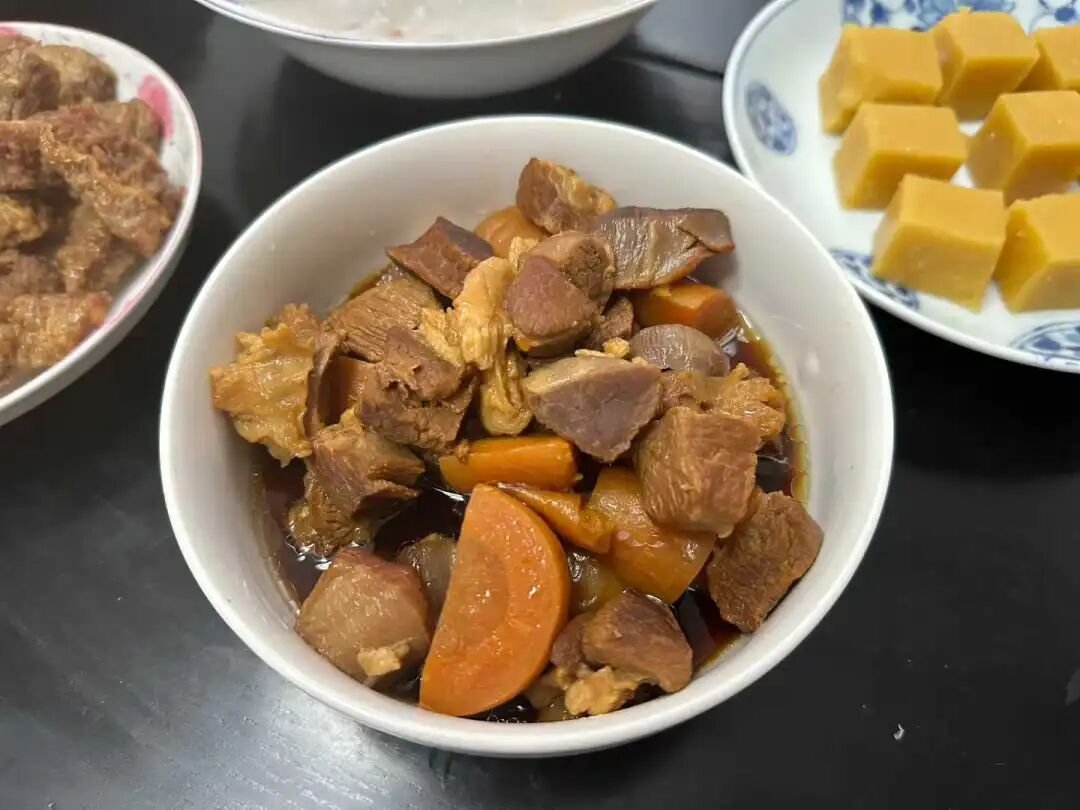
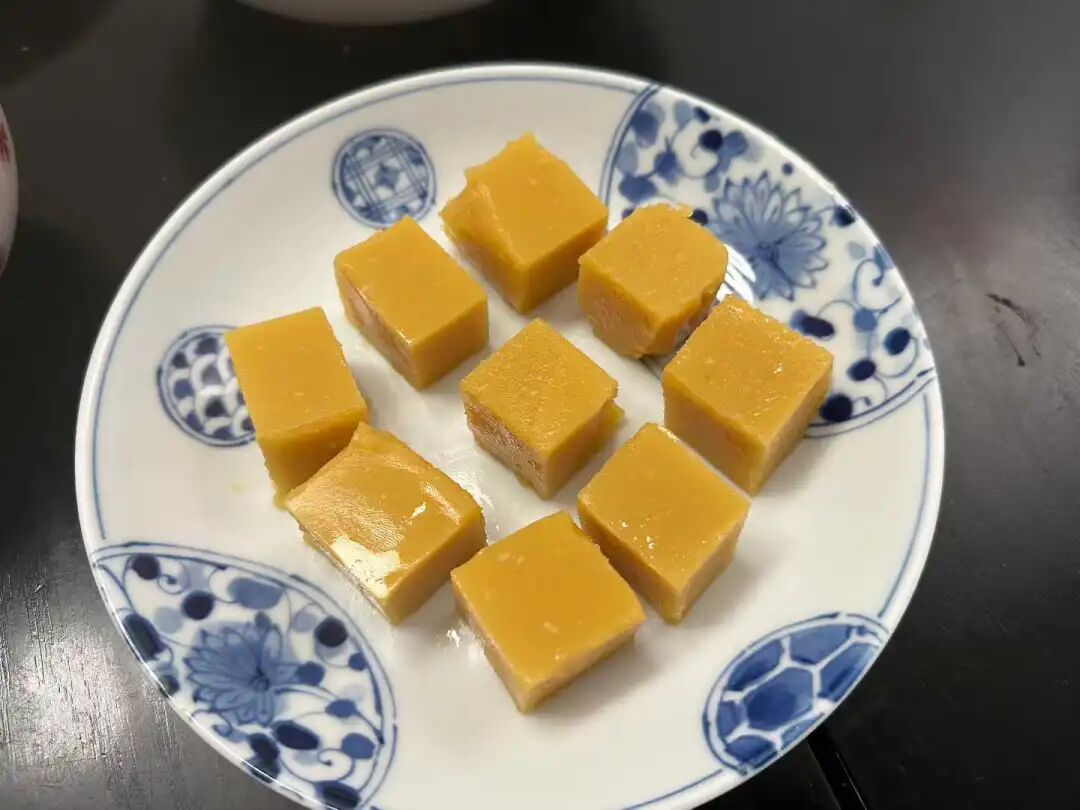
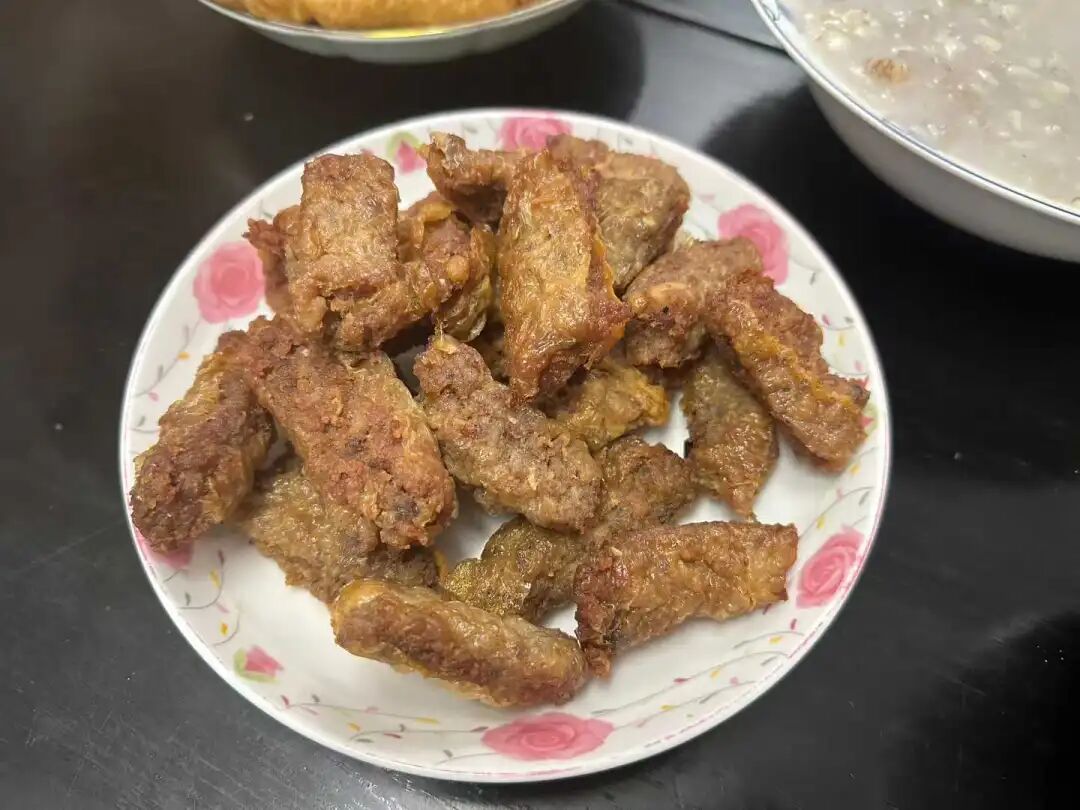
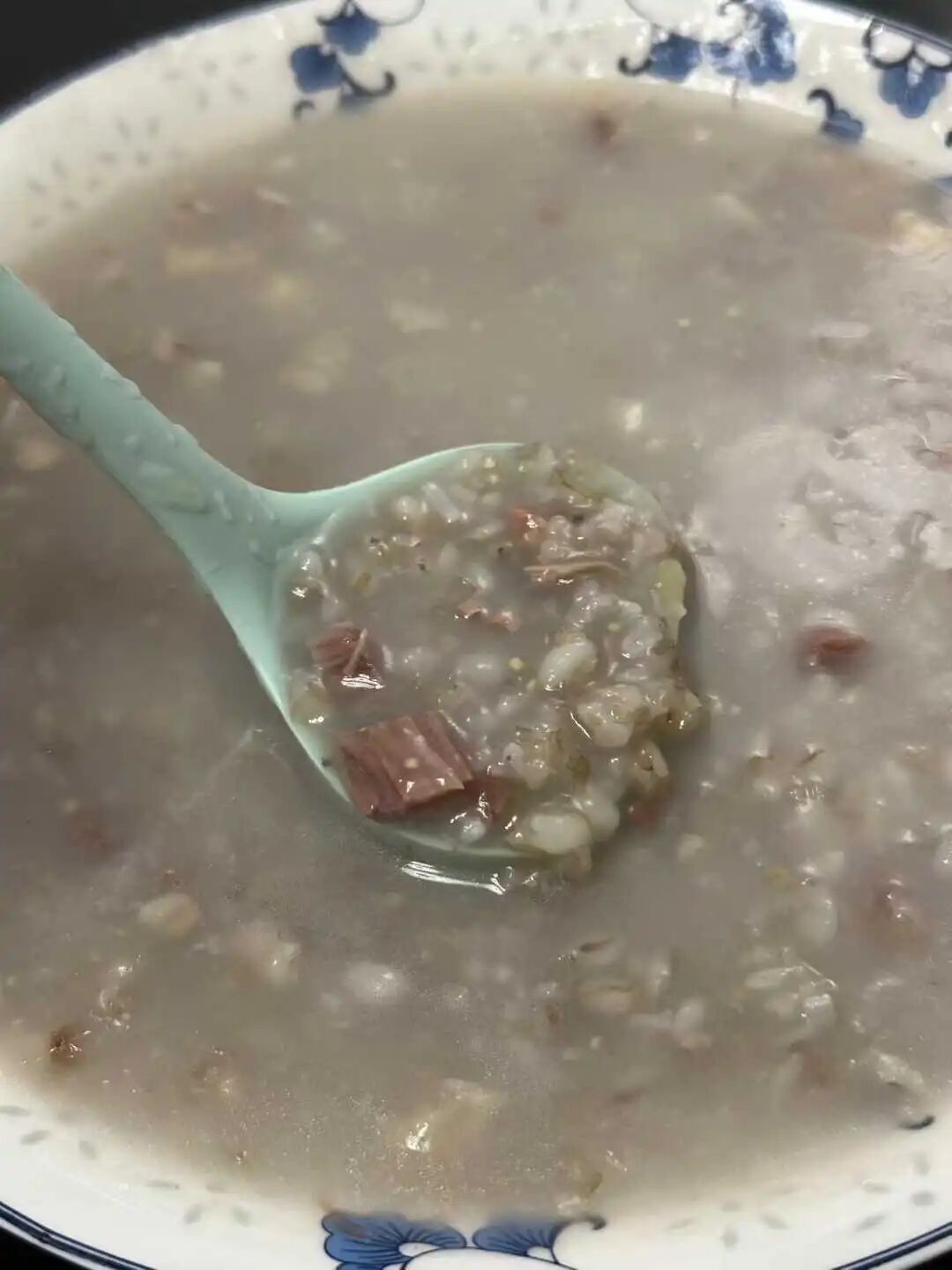
In the afternoon, I stewed some meat portions. Combined with the meat porridge, fried dough, pea flour cake (wandouhuang), and crispy beef distributed by the mosque, it made for a very classic Beijing Hui Muslim feast (nietie).
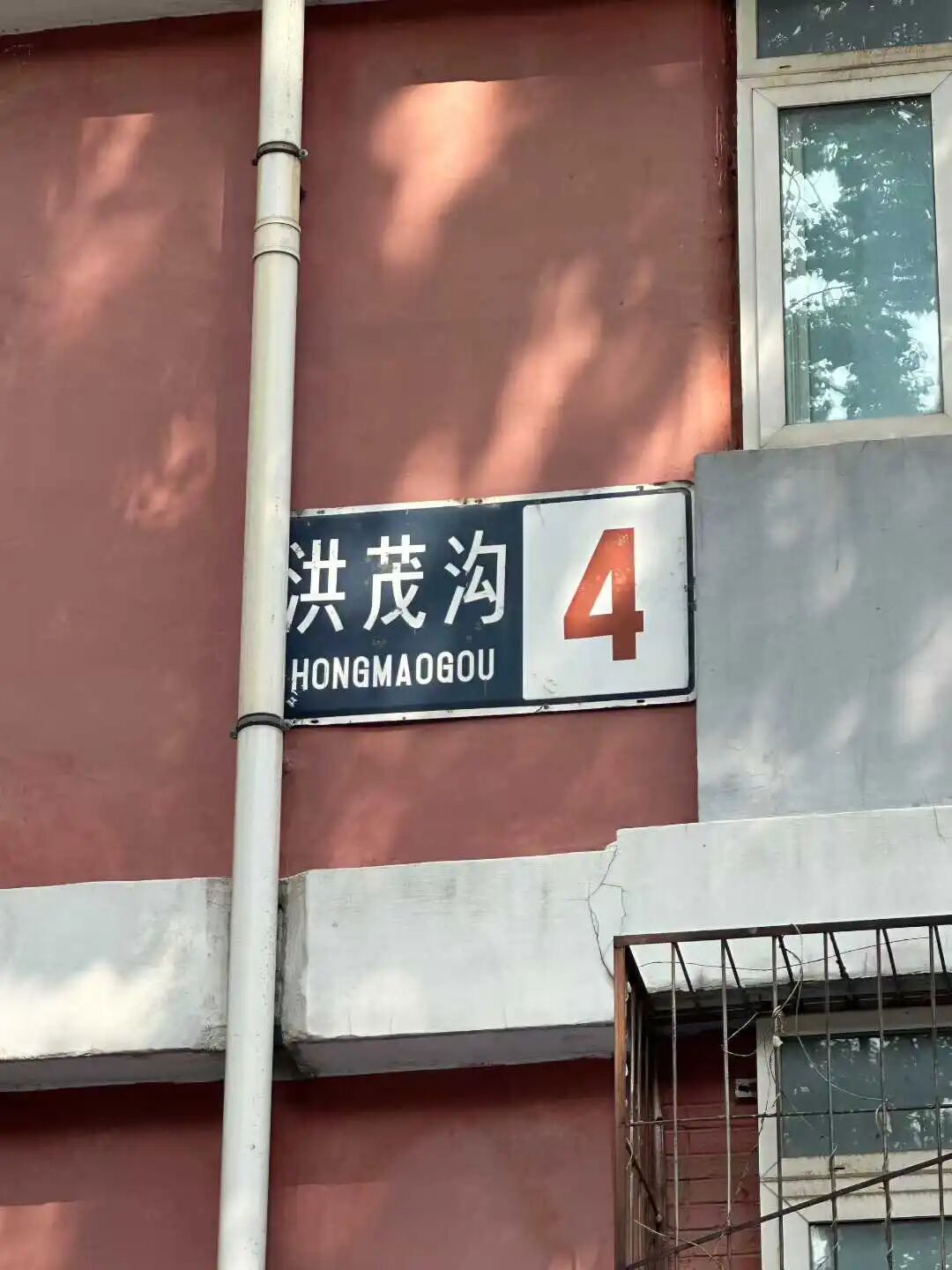
North of Sanlihe is the 'Hongmaogou Residential Area.' It was originally called 'Hongmaogou' (Red Hat Ditch) and was the cemetery for the Uyghur people known as the 'Red Hat Hui' who lived in the Hui camp on West Chang'an Street before the 1950s.
In 1759 (the 24th year of the Qianlong reign), after Emperor Qianlong pacified the Great and Small Khojas of the White Mountain faction, he summoned the surrendered Hui people, led by the 'Eight Hui Nobles,' to Beijing. The ordinary people among them were organized into the 'Hui People's Company' under the Left Wing Fifth Regiment of the Plain White Banner of the Imperial Household Department. In Manchu, this was called 'hoise niru.' They were settled in the Hui camp outside the West Chang'an Gate and chose Hongmaogou as their cemetery.
Besides the Uyghurs, Hongmaogou also contained the grave of Zhuazi Baba, one of the two great sheikh graves in Sanlihe. In the past, every spring, many Beijing Hui Muslims would take their families to visit the grave of Zhuazi Baba to offer dua.
On Sunday morning, I attended the Mawlid at Xihui Mosque. Xihui Mosque is located by the Beijing-Hangzhou Grand Canal. It was built in 1821 (the first year of the Daoguang reign) and is not far from Yangzha Mosque and Guanzhuang Mosque. Although the mosque and the community were separated due to relocation and high-rise development, the new residential area is not far away, so the community still has a strong sense of unity, and the holy gathering was very lively.
Before the Mawlid began, everyone drank meat porridge and ate fruit, chatting with each other to strengthen friendships. After the Mawlid started, the imams from various communities in Chaoyang District led the opening dua, followed by scripture recitations. Then, the local imam gave a sermon to commemorate and learn from the noble Prophet.
After leaving the prayer hall, everyone went to the feast. Following the tradition of 'guests first, locals later,' the imams, directors, and guests invited by the mosque sat down to eat first, and the local community members took their seats afterward.
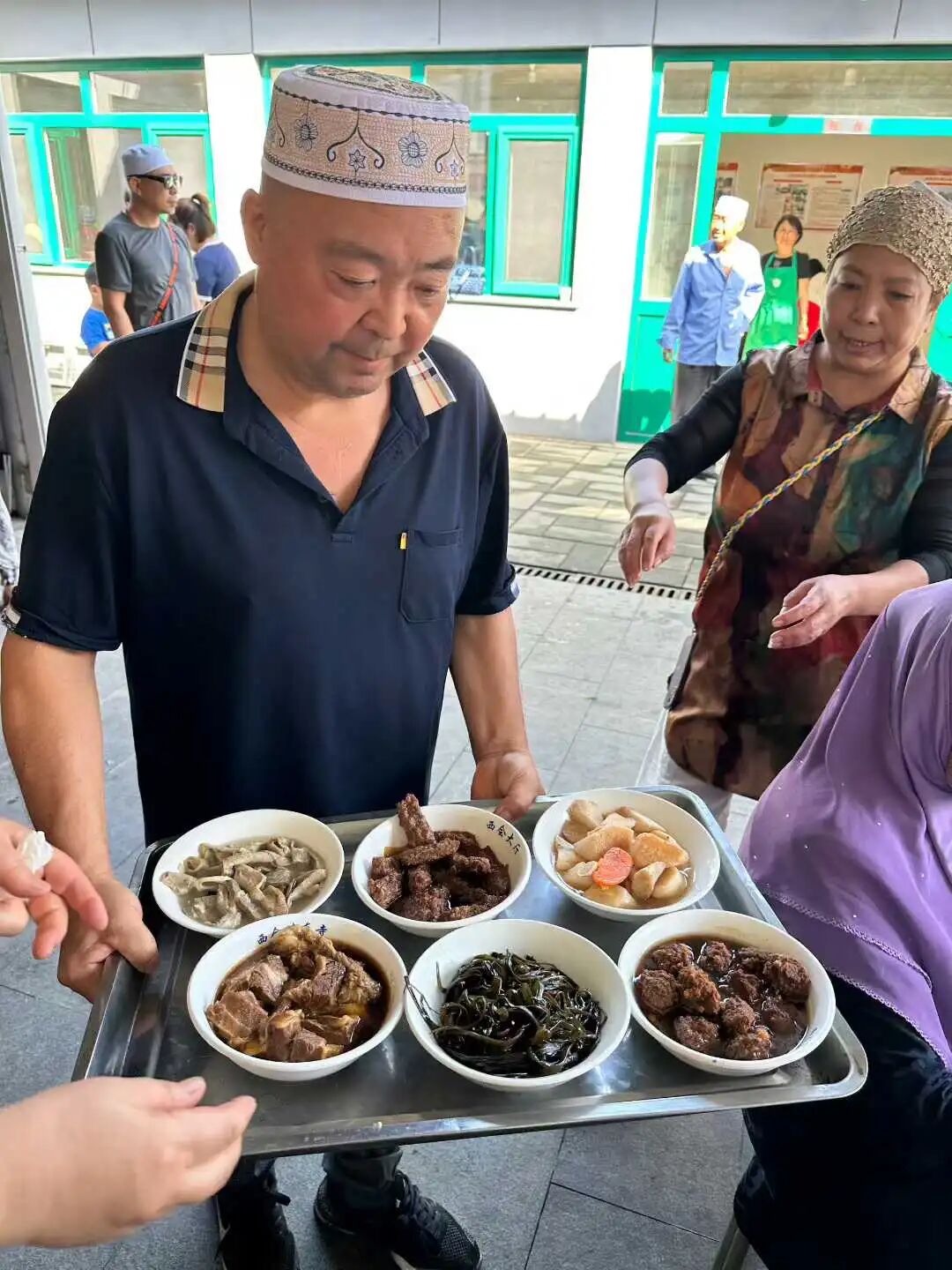
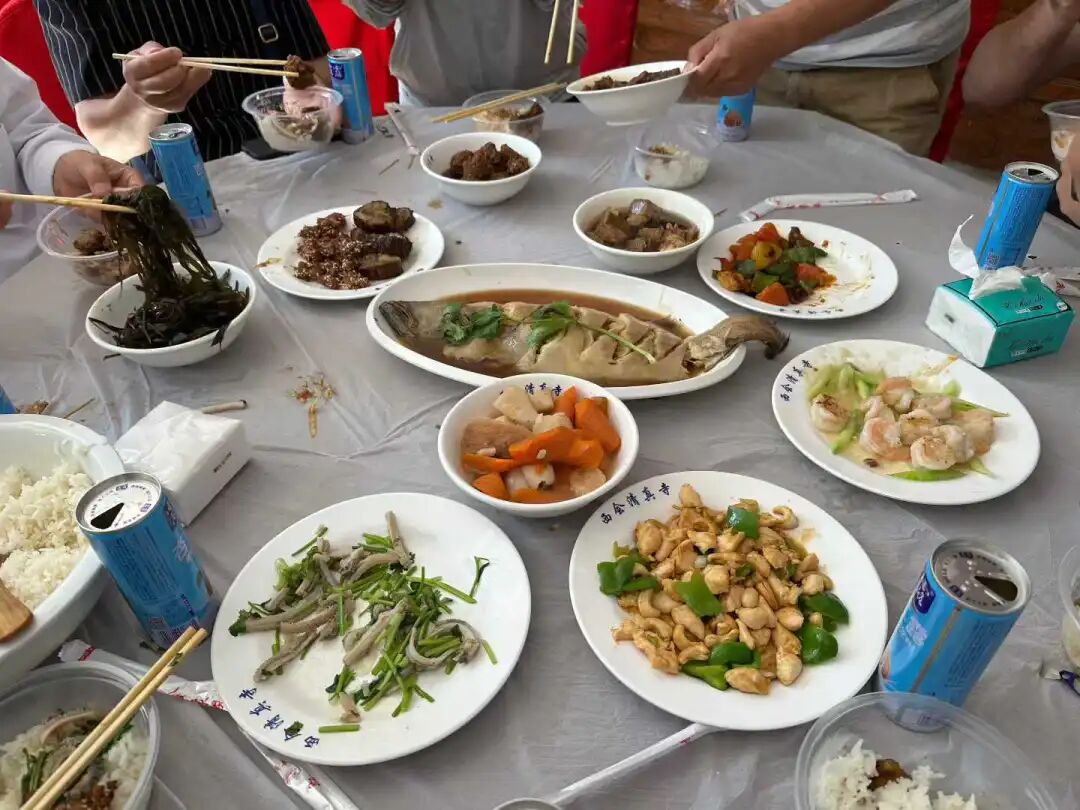
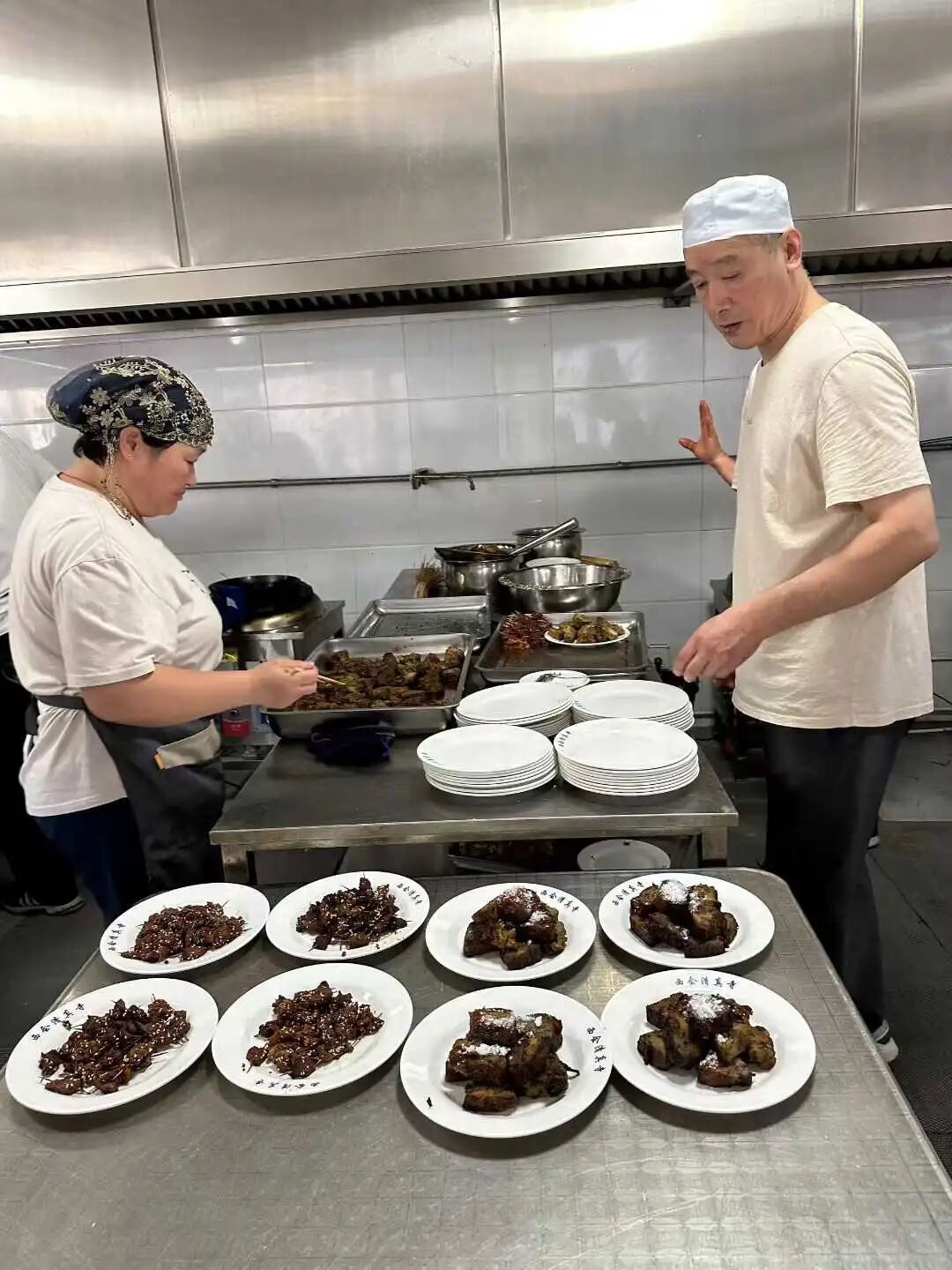
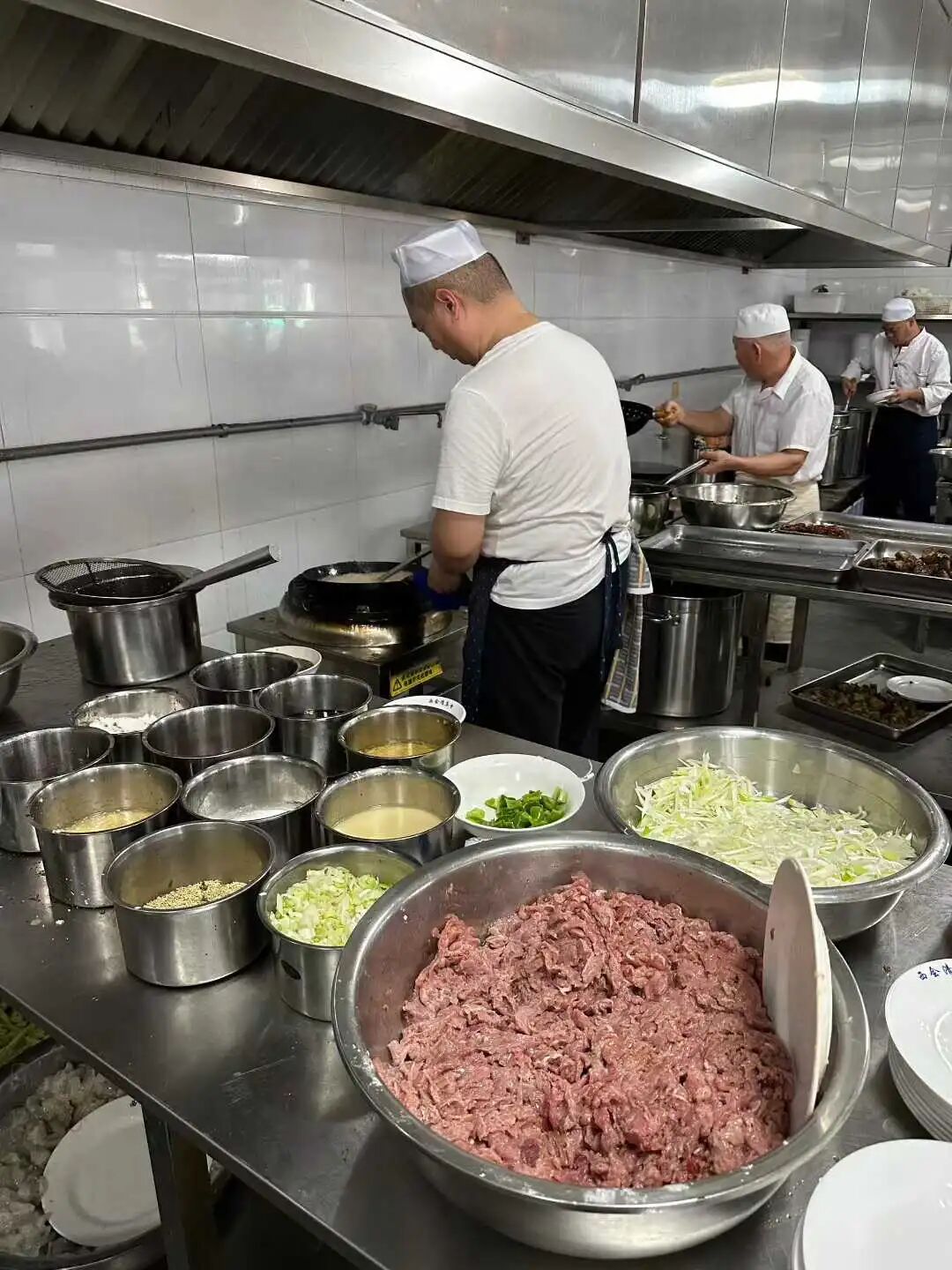
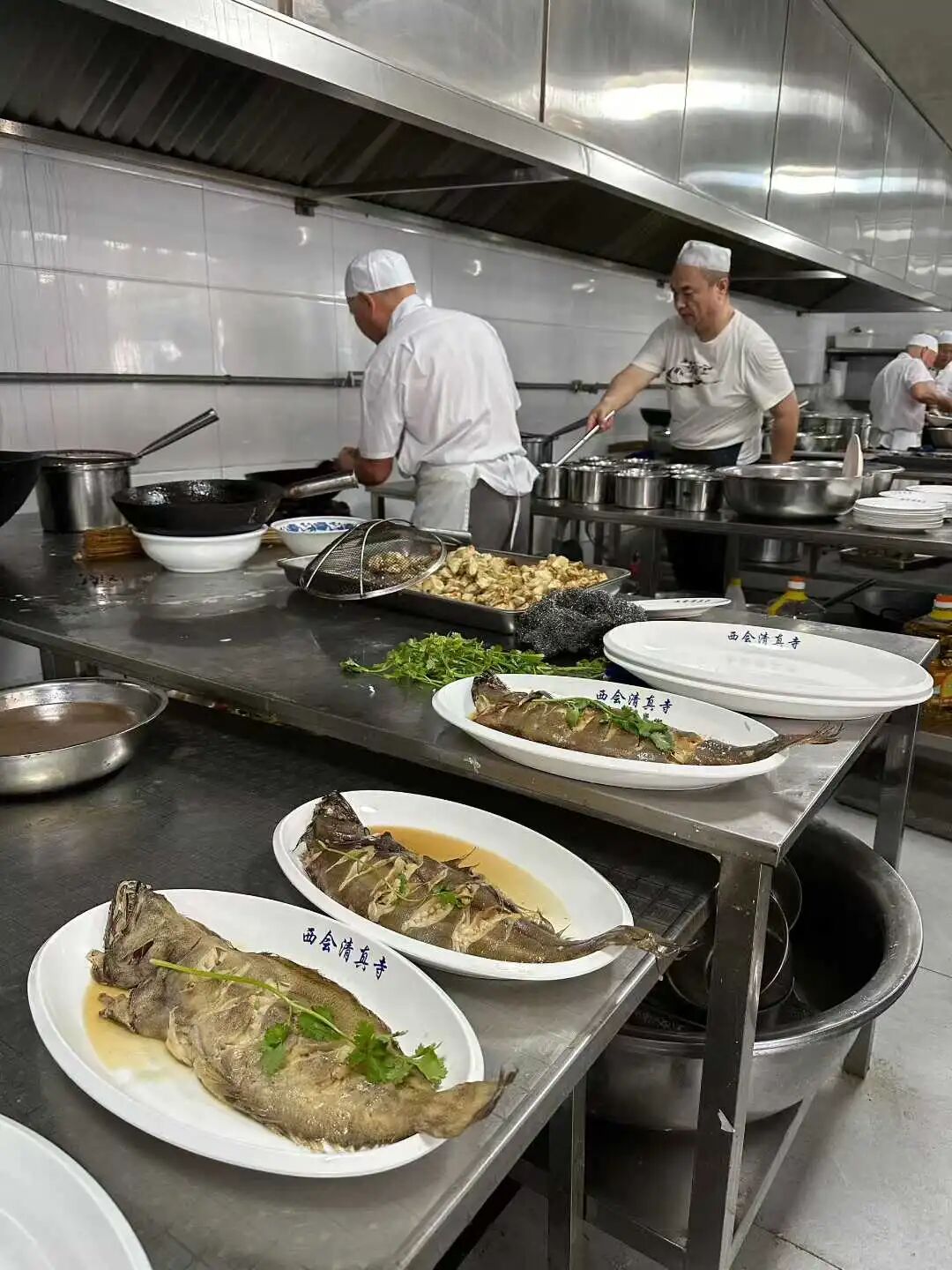
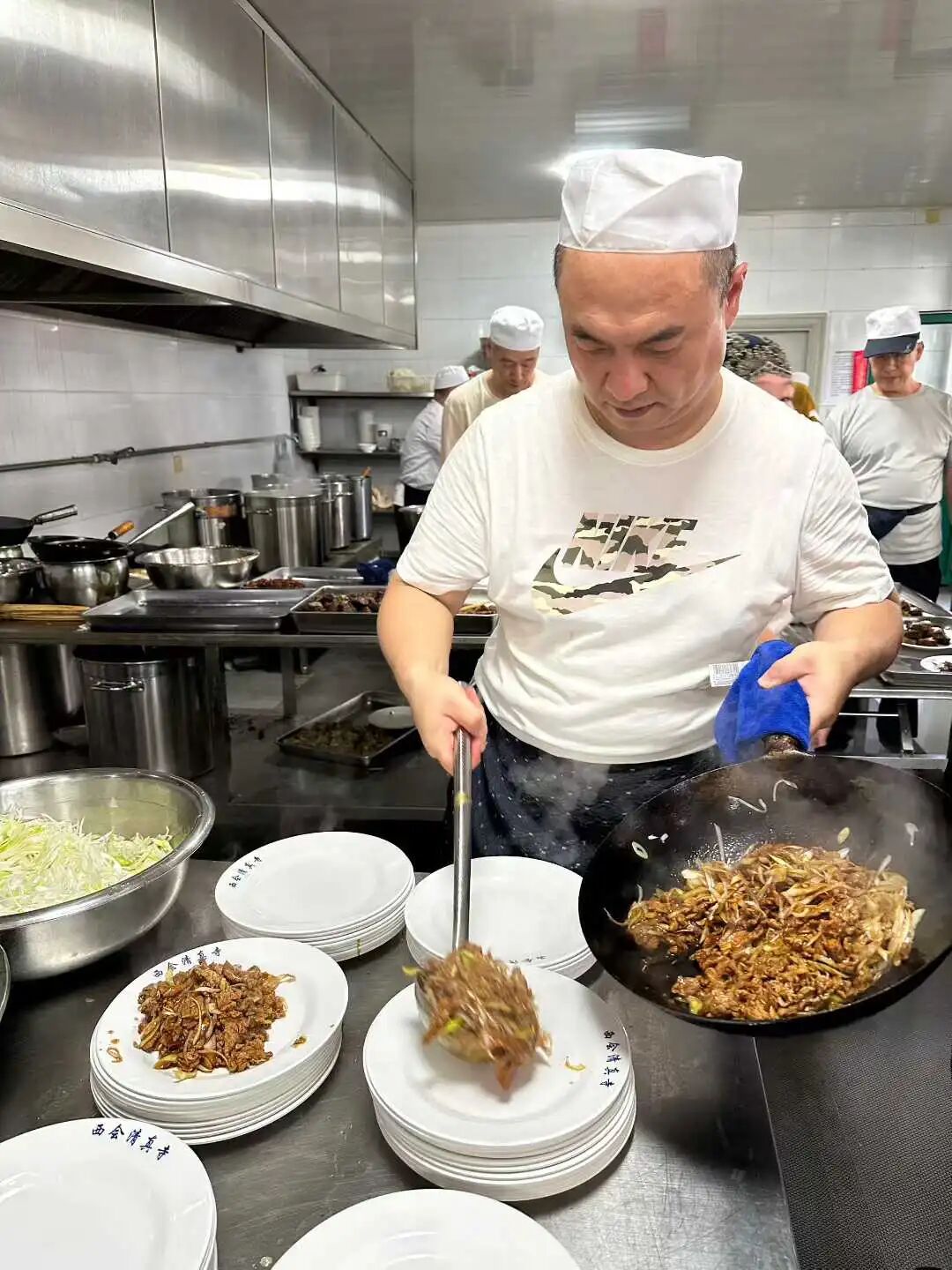
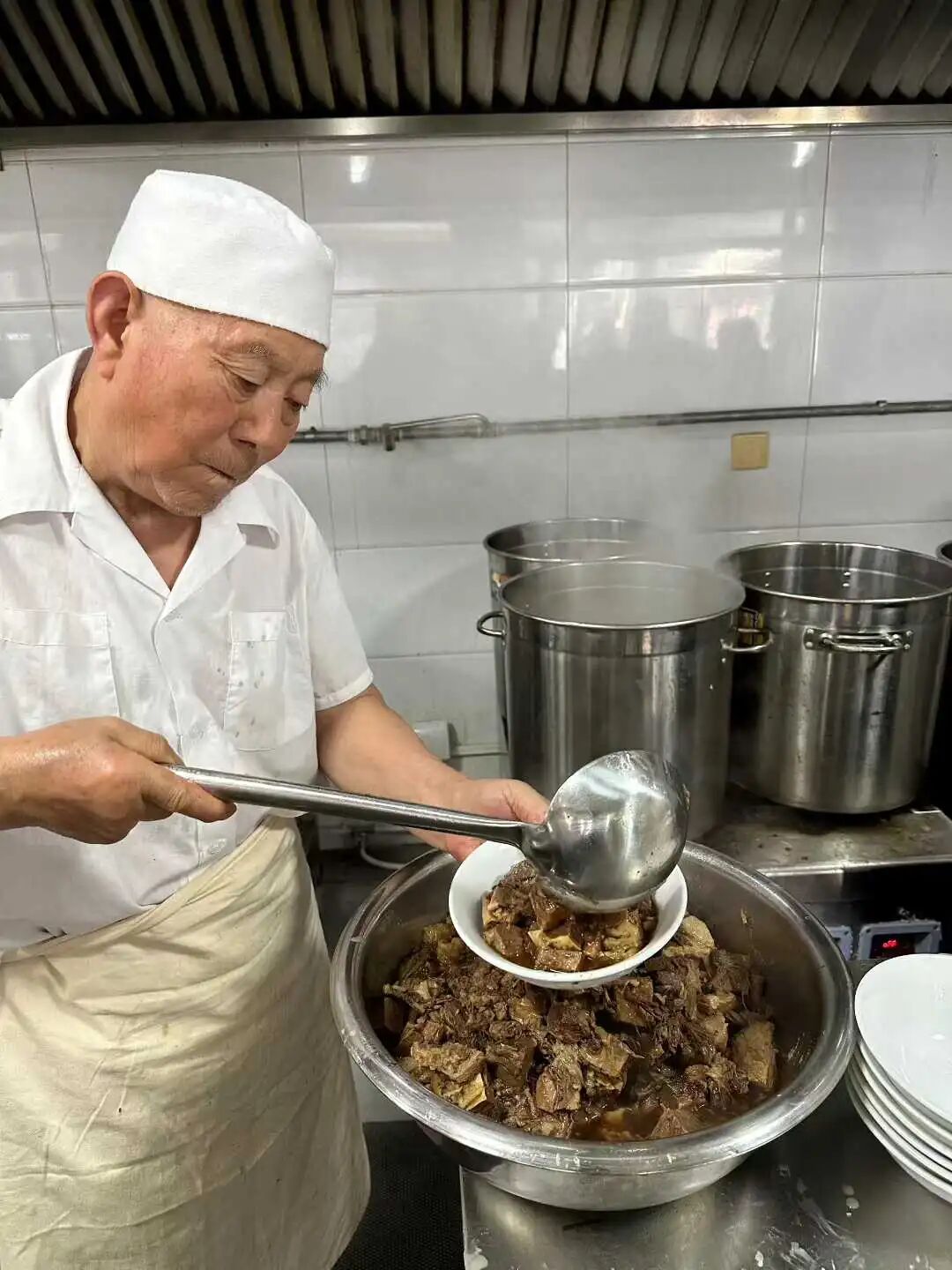
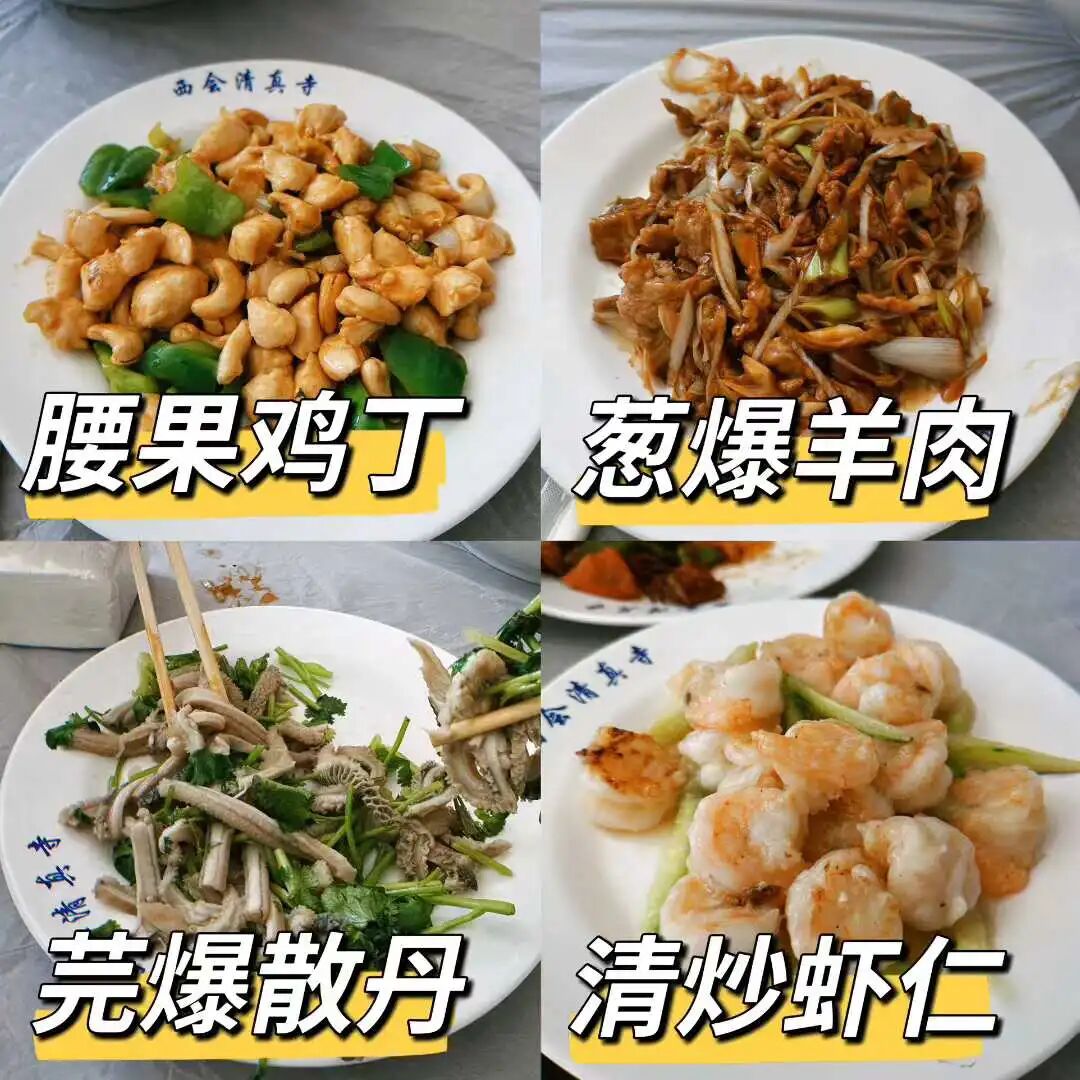
The kitchen at Xihui Mosque is a long room where everyone worked in an orderly and organized way. After entering, the first thing you see is the 'eight big bowls' of stewed dishes. Stewed beef, meatballs, crispy beef, lamb offal, kelp, and yam were served as people ate. Next was the frying area, where sugar-filled fried rolls (tangjuanguo) and toothpick meat were fried on the spot. Next is the stir-fry area, where they quickly cook dishes like stir-fried tripe with coriander (yanbao sandan), stir-fried shrimp (qingchao xiarou), diced chicken with cashews (yaoguo jiding), stir-fried lamb with scallions (congbao yangrou), and braised eggplant (hongshao qiezi) over high heat. Finally, there are the steamers, with paper-wrapped fish (zhibaoyu) steaming on one side and rice on the other. view all
Summary: The second week of Beijing Mawlid gatherings covered Sanlihe Mosque and Xihui Mosque, with Quran recitation, sermons, meat porridge, fried dough, and community meals. The article preserves the mosque histories, food details, prayer scenes, and local Muslim community memories.
The Mawlid (Prophet's birthday) celebrations in Beijing have been going on for two weeks. I visited Dongsi, Balizhuang, and Yangzha during the first week, and I went to Sanlihe and Xihui for the holy gatherings on the weekend of the second week.
On Saturday, I attended the Mawlid at Yongshou Mosque in Sanlihe. After the scripture recitation and sermon (wa'erzi), we had watermelon, pastries, and snacks. I also received fried dough (youxiang), meat porridge, crispy beef (songrou), and meat portions (roufen).
Yongshou Mosque was first built in 1605 (the 30th year of the Wanli reign). It has been renovated many times and is now a cultural heritage site in the Xicheng District. Historically, Sanlihe was the largest cemetery for Hui Muslims in the Beijing suburbs. As early as 1456 (the 7th year of the Jingtai reign of the Ming Dynasty), the Samarkand envoy Muhammad Sheriban petitioned the Ming court to visit and offer sacrifices at his ancestral graves in the public cemetery outside Fuchengmen, which Emperor Yingzong of Ming granted. In 1605 (the 30th year of the Wanli reign), the ceremonial eunuch Li Shou, the imperial guard Dong Yingyuan, and others initiated a fundraising campaign to purchase the 'Wengseng Huangtang' in Sanlihe to officially build Yongshou Mosque.
The Sanlihe Hui Muslim cemetery historically held the graves of various sages, sheikhs, imams, scholars, and generals. The sages include Wang Daiyu; the sheikhs include Zhuazi Baba and Shadeng Baba; the imams include Imam Wang Yousan, Imam Wang Haoran, Imam Ma Meizhai, Lao Hong Wuba, and Lada Li; the scholar is Ma Linyi; and the generals include Ma Fulu, Ma Longbiao, and Ma Fuxiang. more than a hundred Hui Muslim heroes who died in Beijing while fighting the Eight-Nation Alliance with Ma Fulu during the Gengzi year (1900) were all buried here.
In the afternoon, I stewed some meat portions. Combined with the meat porridge, fried dough, pea flour cake (wandouhuang), and crispy beef distributed by the mosque, it made for a very classic Beijing Hui Muslim feast (nietie).
North of Sanlihe is the 'Hongmaogou Residential Area.' It was originally called 'Hongmaogou' (Red Hat Ditch) and was the cemetery for the Uyghur people known as the 'Red Hat Hui' who lived in the Hui camp on West Chang'an Street before the 1950s.
In 1759 (the 24th year of the Qianlong reign), after Emperor Qianlong pacified the Great and Small Khojas of the White Mountain faction, he summoned the surrendered Hui people, led by the 'Eight Hui Nobles,' to Beijing. The ordinary people among them were organized into the 'Hui People's Company' under the Left Wing Fifth Regiment of the Plain White Banner of the Imperial Household Department. In Manchu, this was called 'hoise niru.' They were settled in the Hui camp outside the West Chang'an Gate and chose Hongmaogou as their cemetery.
Besides the Uyghurs, Hongmaogou also contained the grave of Zhuazi Baba, one of the two great sheikh graves in Sanlihe. In the past, every spring, many Beijing Hui Muslims would take their families to visit the grave of Zhuazi Baba to offer dua.
On Sunday morning, I attended the Mawlid at Xihui Mosque. Xihui Mosque is located by the Beijing-Hangzhou Grand Canal. It was built in 1821 (the first year of the Daoguang reign) and is not far from Yangzha Mosque and Guanzhuang Mosque. Although the mosque and the community were separated due to relocation and high-rise development, the new residential area is not far away, so the community still has a strong sense of unity, and the holy gathering was very lively.
Before the Mawlid began, everyone drank meat porridge and ate fruit, chatting with each other to strengthen friendships. After the Mawlid started, the imams from various communities in Chaoyang District led the opening dua, followed by scripture recitations. Then, the local imam gave a sermon to commemorate and learn from the noble Prophet.
After leaving the prayer hall, everyone went to the feast. Following the tradition of 'guests first, locals later,' the imams, directors, and guests invited by the mosque sat down to eat first, and the local community members took their seats afterward.
The kitchen at Xihui Mosque is a long room where everyone worked in an orderly and organized way. After entering, the first thing you see is the 'eight big bowls' of stewed dishes. Stewed beef, meatballs, crispy beef, lamb offal, kelp, and yam were served as people ate. Next was the frying area, where sugar-filled fried rolls (tangjuanguo) and toothpick meat were fried on the spot. Next is the stir-fry area, where they quickly cook dishes like stir-fried tripe with coriander (yanbao sandan), stir-fried shrimp (qingchao xiarou), diced chicken with cashews (yaoguo jiding), stir-fried lamb with scallions (congbao yangrou), and braised eggplant (hongshao qiezi) over high heat. Finally, there are the steamers, with paper-wrapped fish (zhibaoyu) steaming on one side and rice on the other. view all
Reposted from the web
Summary: The second week of Beijing Mawlid gatherings covered Sanlihe Mosque and Xihui Mosque, with Quran recitation, sermons, meat porridge, fried dough, and community meals. The article preserves the mosque histories, food details, prayer scenes, and local Muslim community memories.
The Mawlid (Prophet's birthday) celebrations in Beijing have been going on for two weeks. I visited Dongsi, Balizhuang, and Yangzha during the first week, and I went to Sanlihe and Xihui for the holy gatherings on the weekend of the second week.
On Saturday, I attended the Mawlid at Yongshou Mosque in Sanlihe. After the scripture recitation and sermon (wa'erzi), we had watermelon, pastries, and snacks. I also received fried dough (youxiang), meat porridge, crispy beef (songrou), and meat portions (roufen).
Yongshou Mosque was first built in 1605 (the 30th year of the Wanli reign). It has been renovated many times and is now a cultural heritage site in the Xicheng District. Historically, Sanlihe was the largest cemetery for Hui Muslims in the Beijing suburbs. As early as 1456 (the 7th year of the Jingtai reign of the Ming Dynasty), the Samarkand envoy Muhammad Sheriban petitioned the Ming court to visit and offer sacrifices at his ancestral graves in the public cemetery outside Fuchengmen, which Emperor Yingzong of Ming granted. In 1605 (the 30th year of the Wanli reign), the ceremonial eunuch Li Shou, the imperial guard Dong Yingyuan, and others initiated a fundraising campaign to purchase the 'Wengseng Huangtang' in Sanlihe to officially build Yongshou Mosque.
The Sanlihe Hui Muslim cemetery historically held the graves of various sages, sheikhs, imams, scholars, and generals. The sages include Wang Daiyu; the sheikhs include Zhuazi Baba and Shadeng Baba; the imams include Imam Wang Yousan, Imam Wang Haoran, Imam Ma Meizhai, Lao Hong Wuba, and Lada Li; the scholar is Ma Linyi; and the generals include Ma Fulu, Ma Longbiao, and Ma Fuxiang. more than a hundred Hui Muslim heroes who died in Beijing while fighting the Eight-Nation Alliance with Ma Fulu during the Gengzi year (1900) were all buried here.
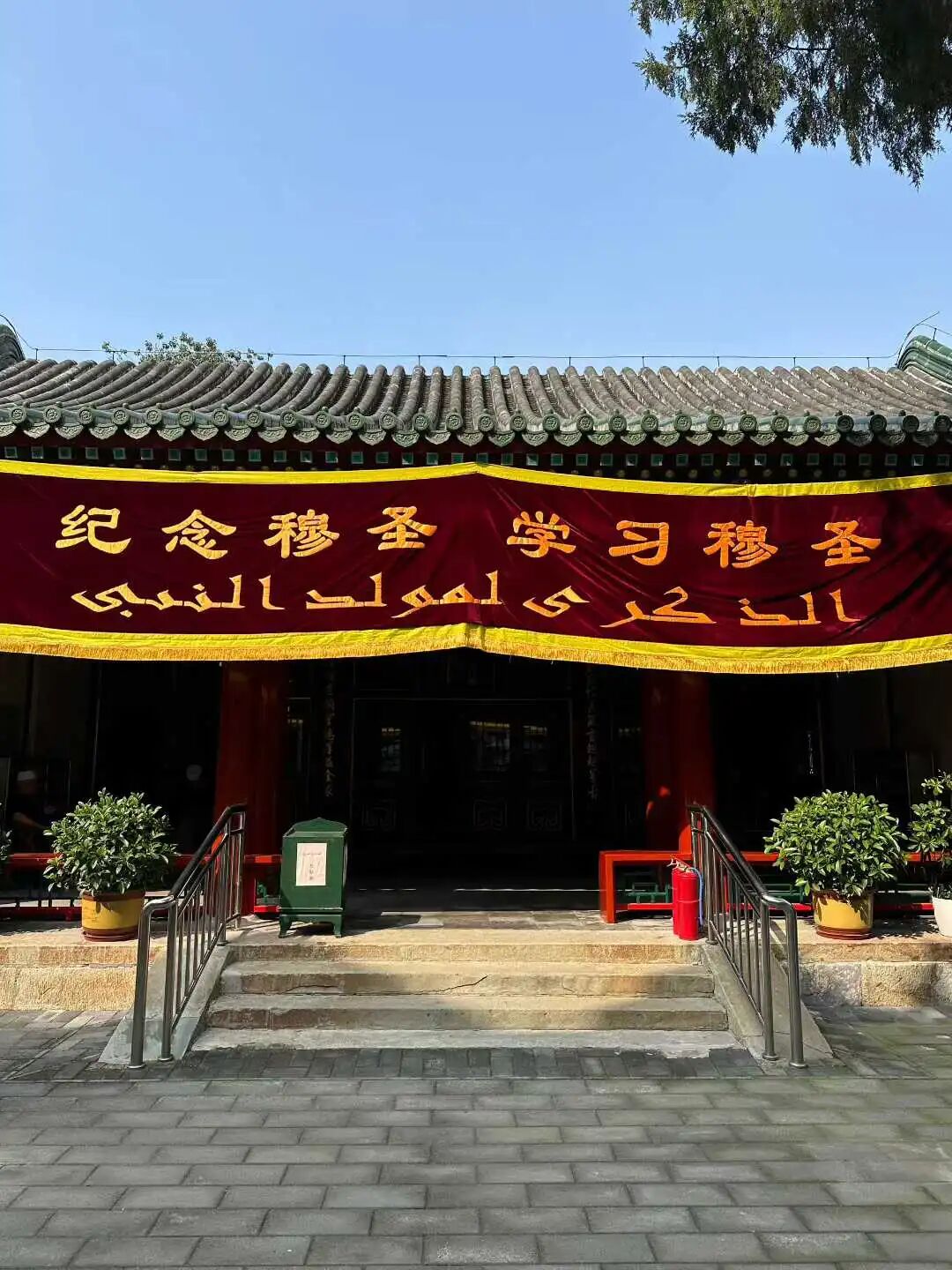
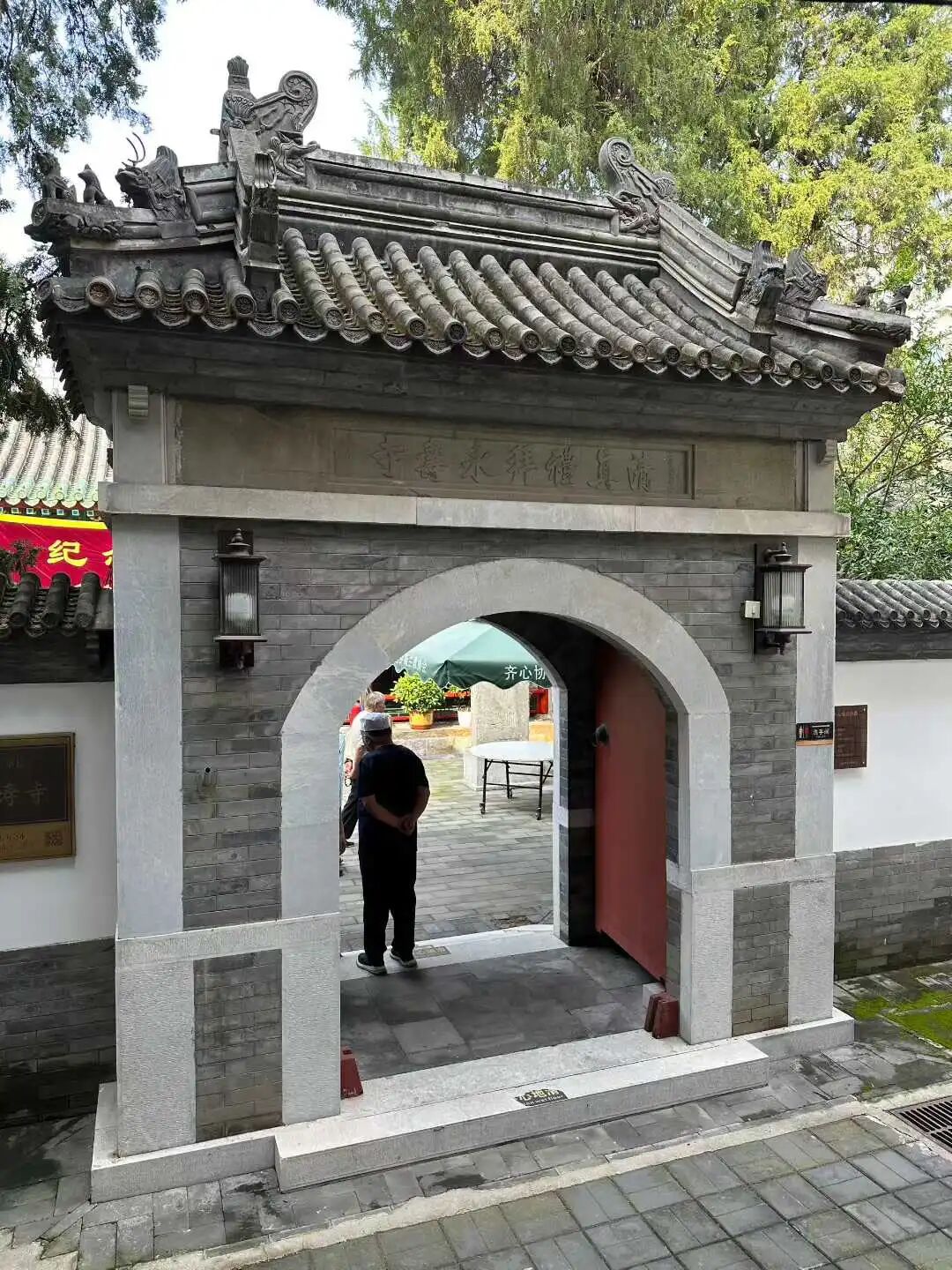
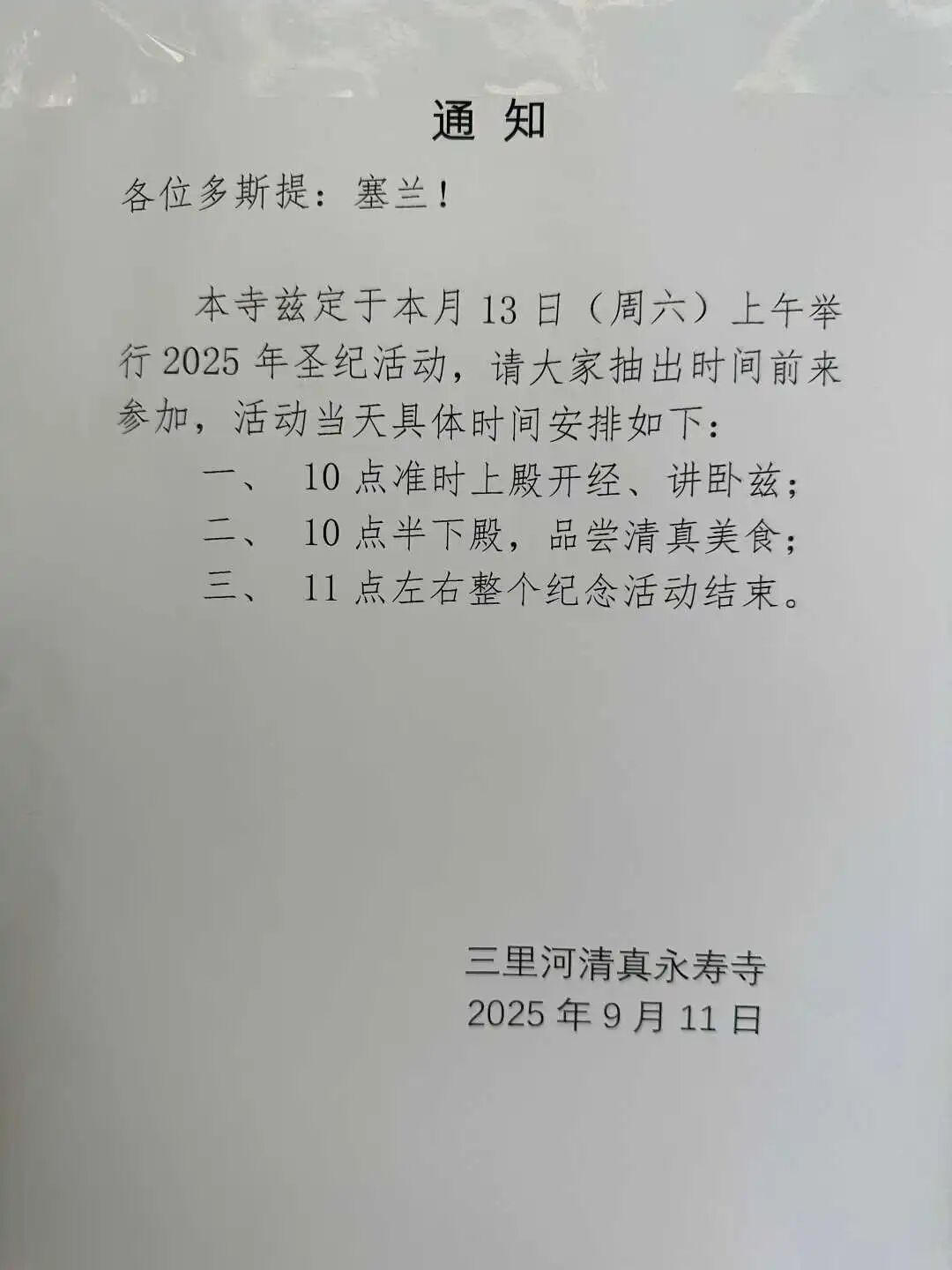
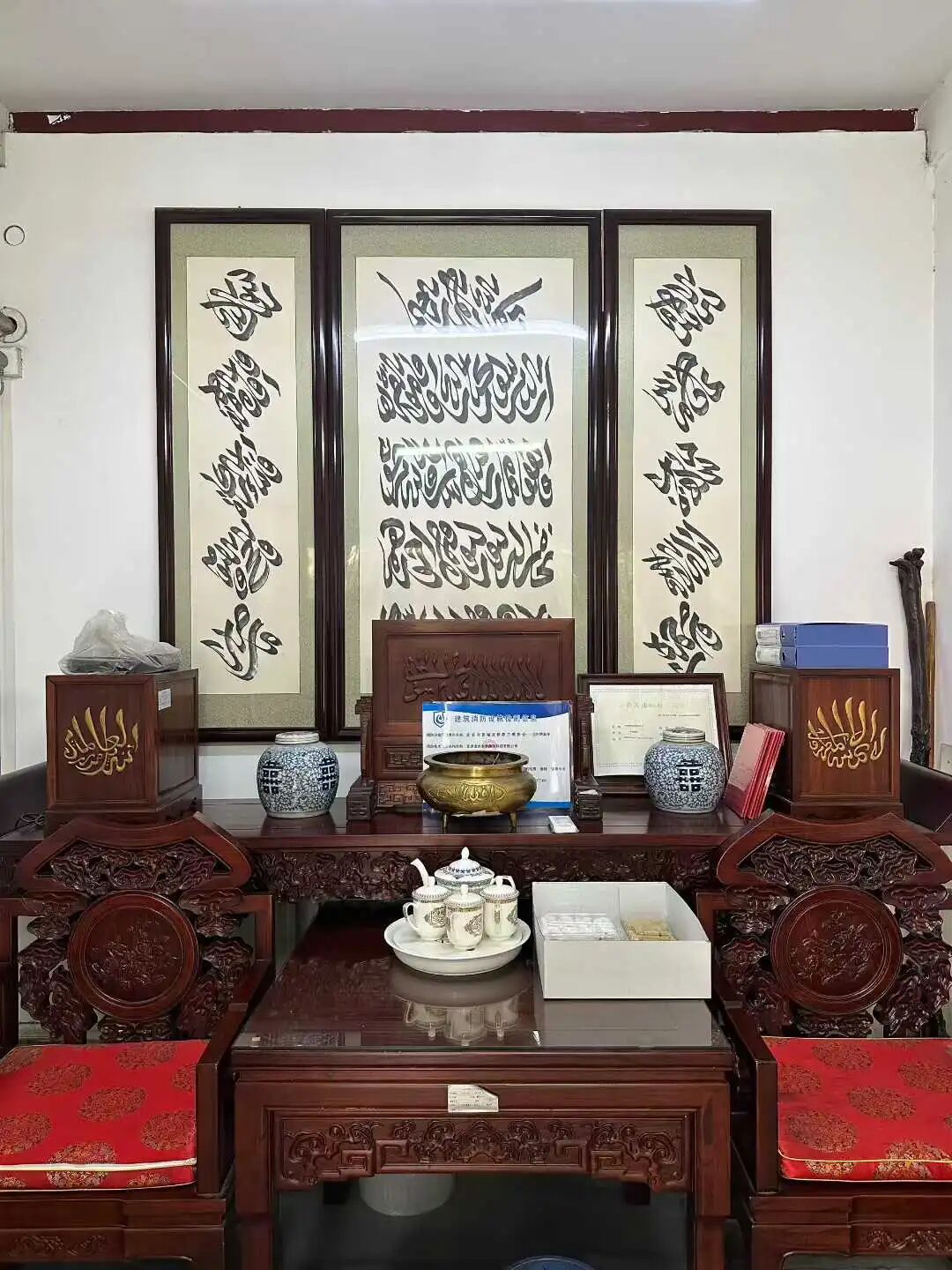
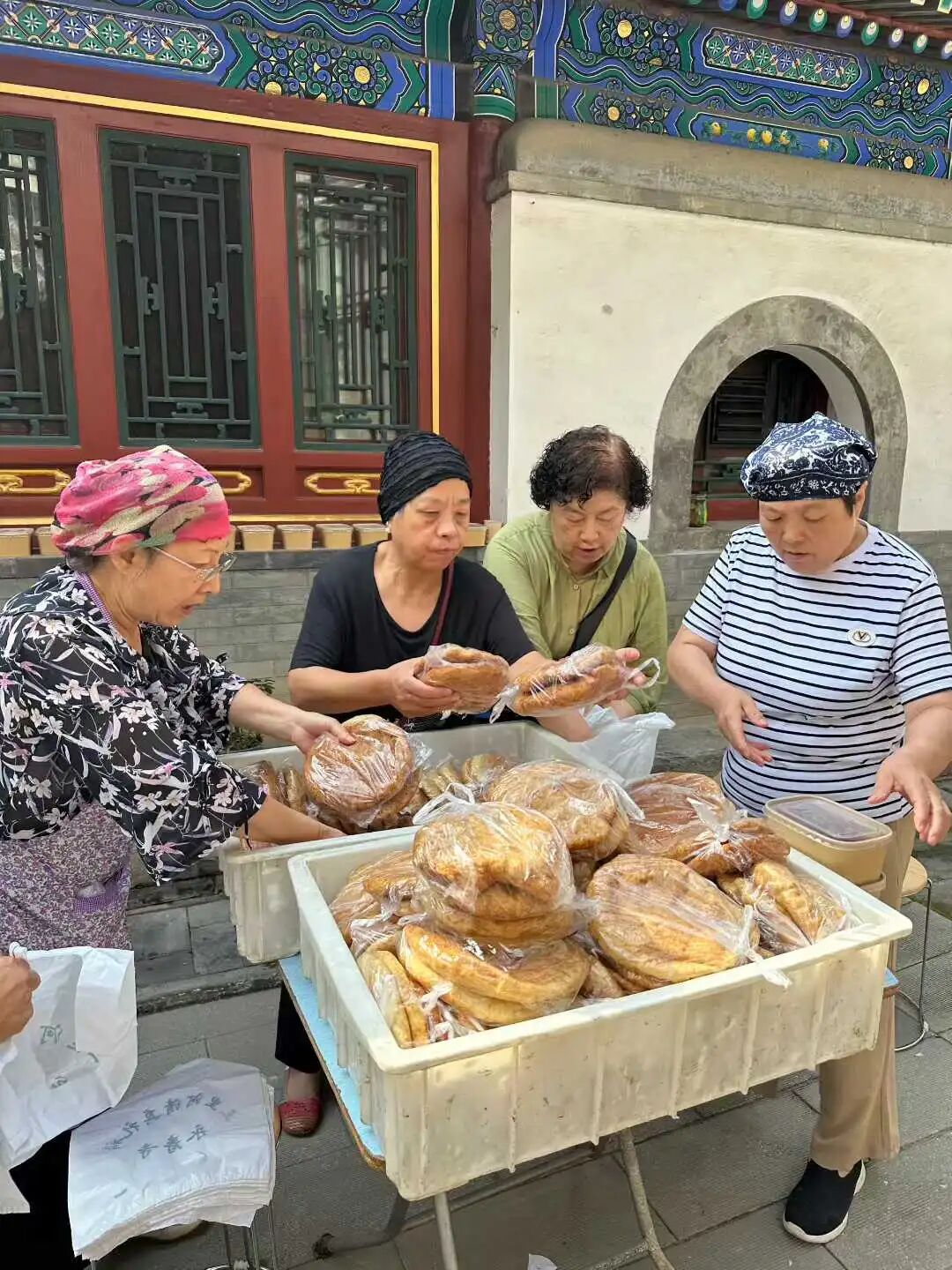
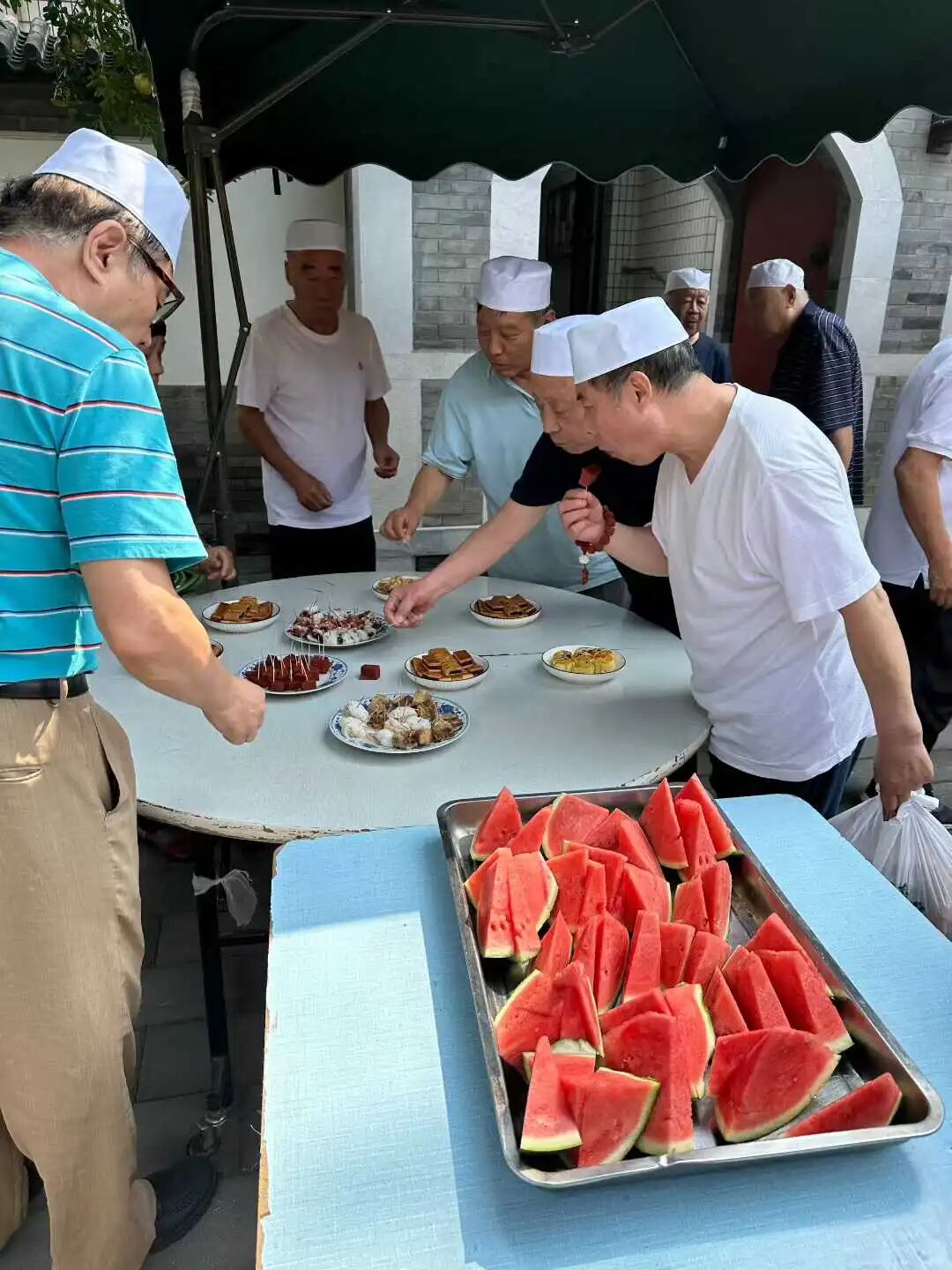
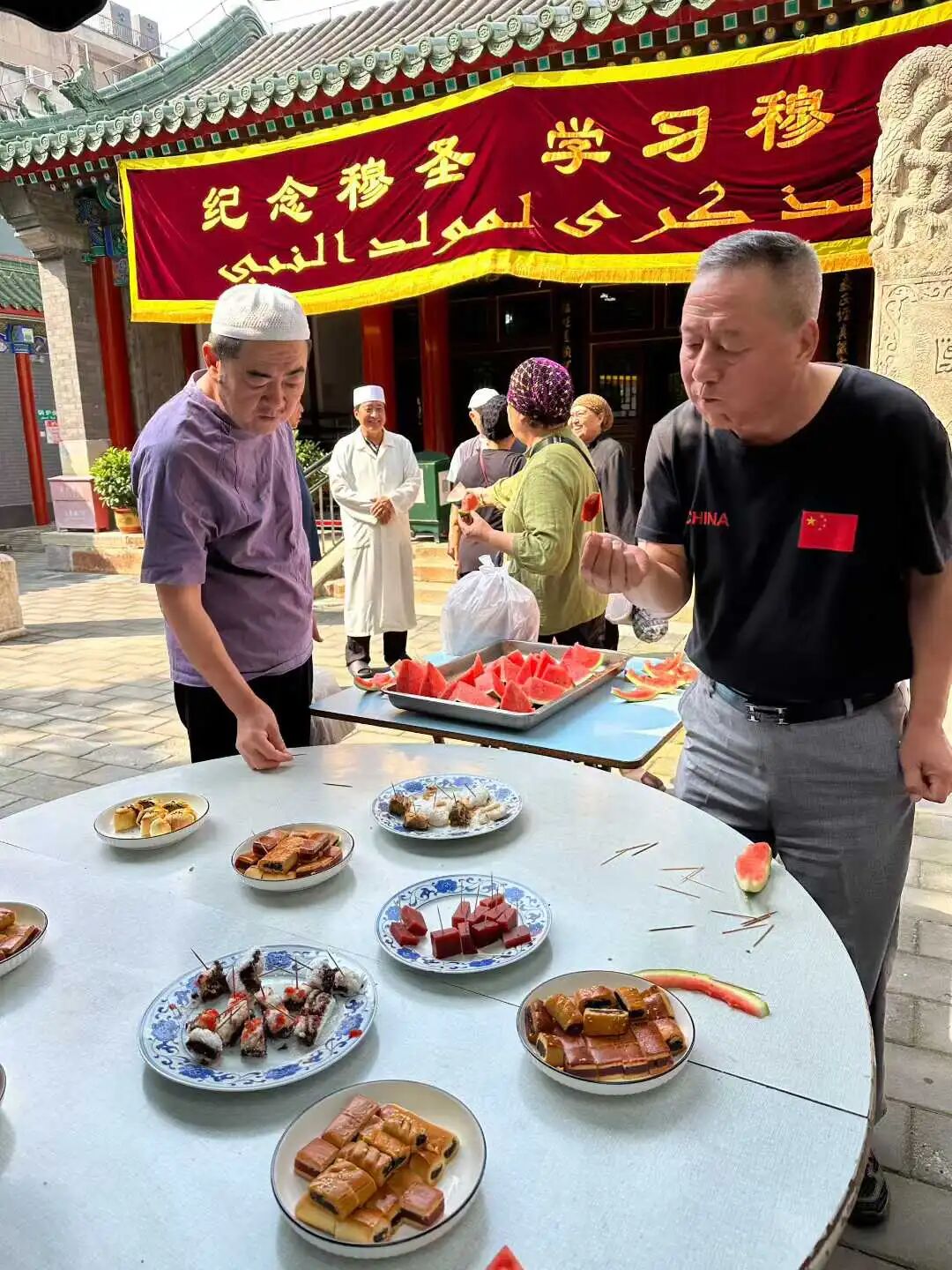
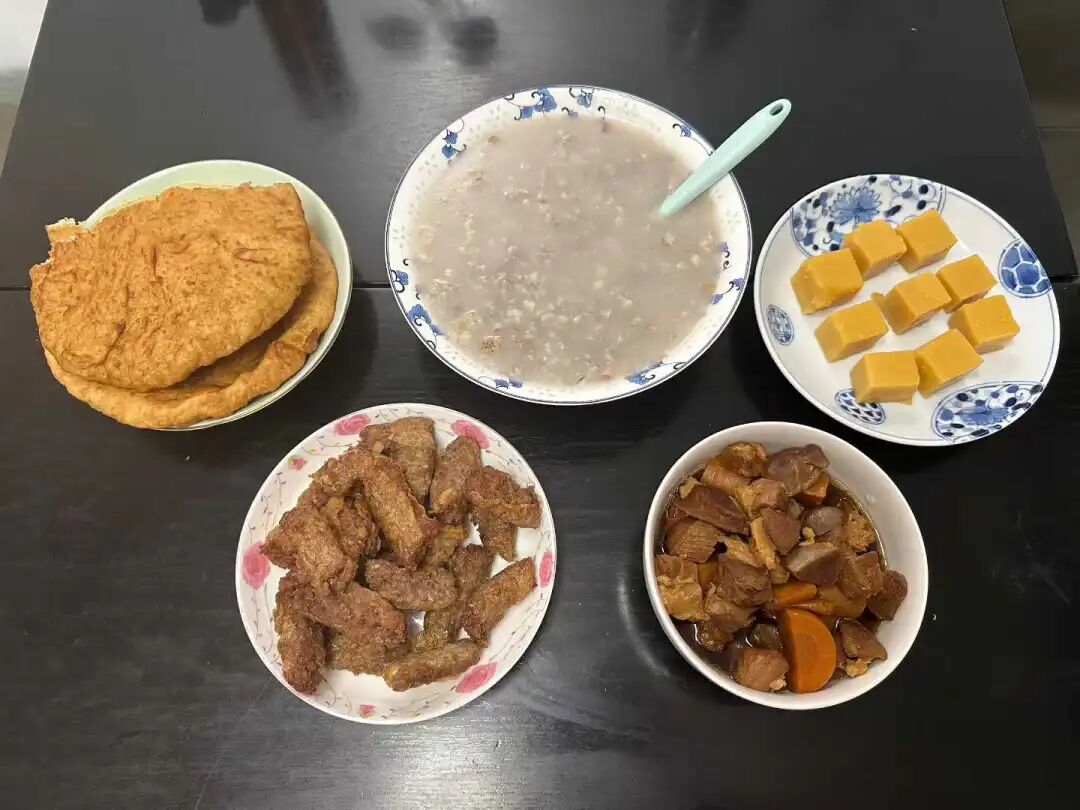
In the afternoon, I stewed some meat portions. Combined with the meat porridge, fried dough, pea flour cake (wandouhuang), and crispy beef distributed by the mosque, it made for a very classic Beijing Hui Muslim feast (nietie).
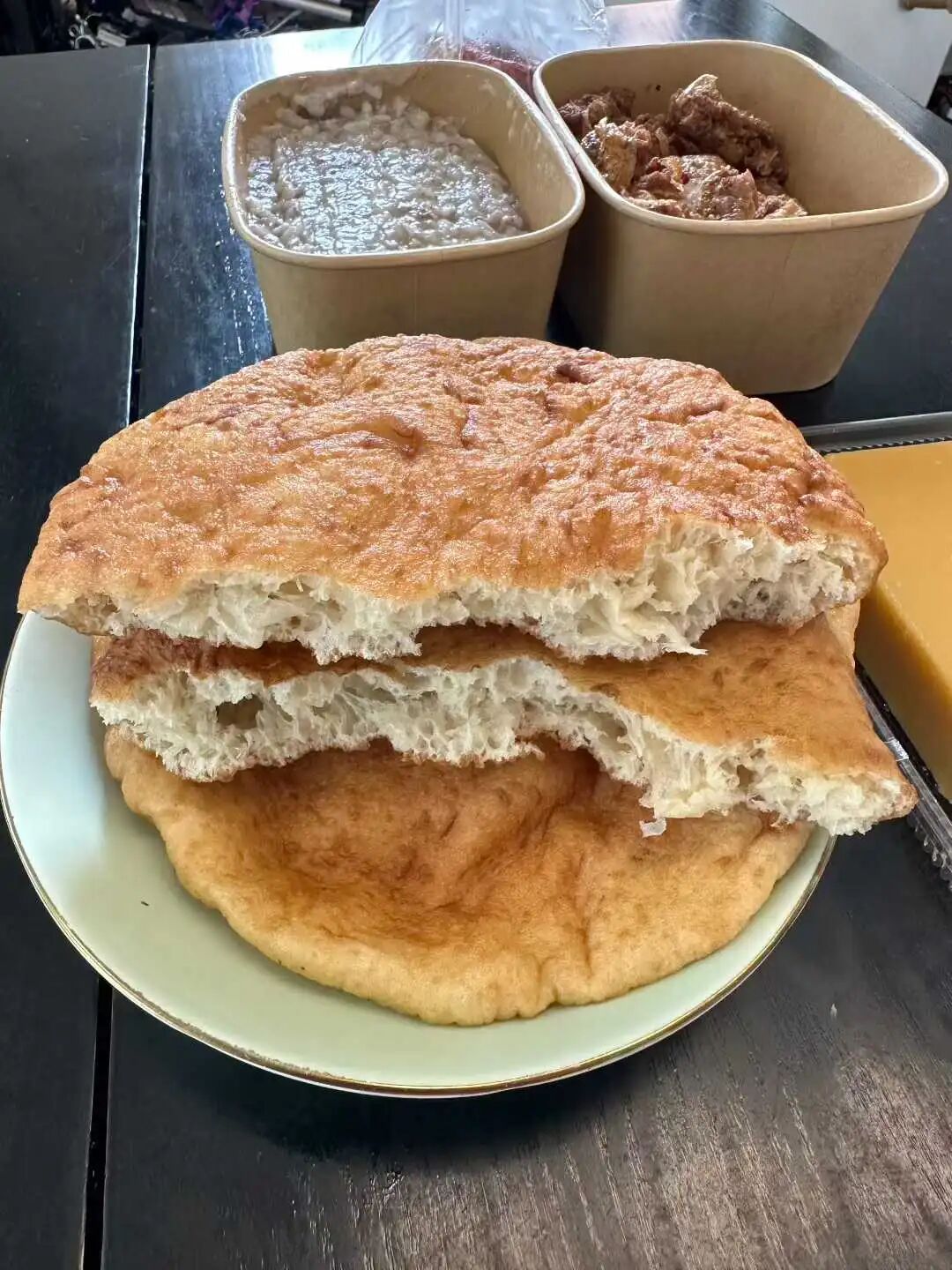
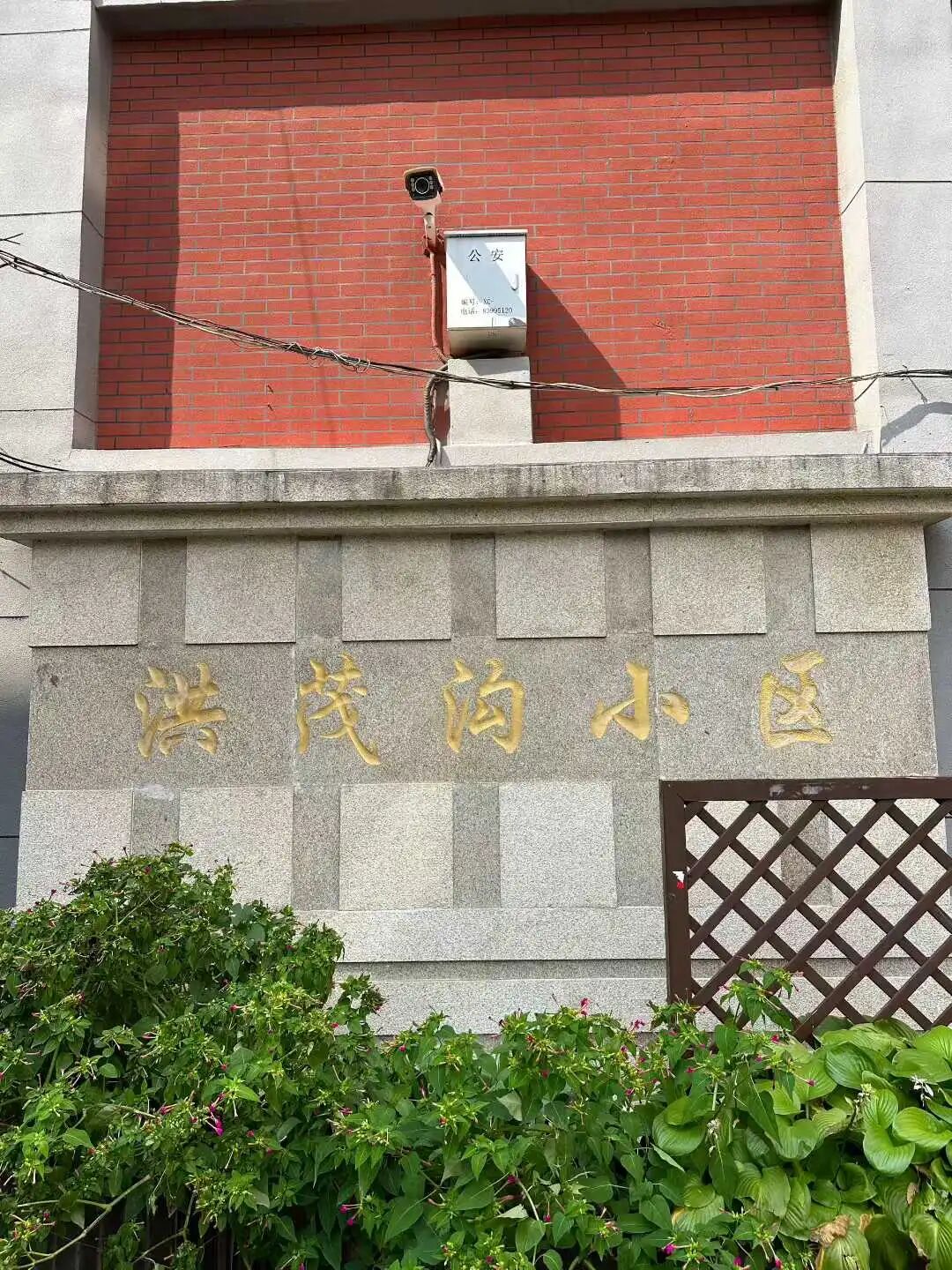
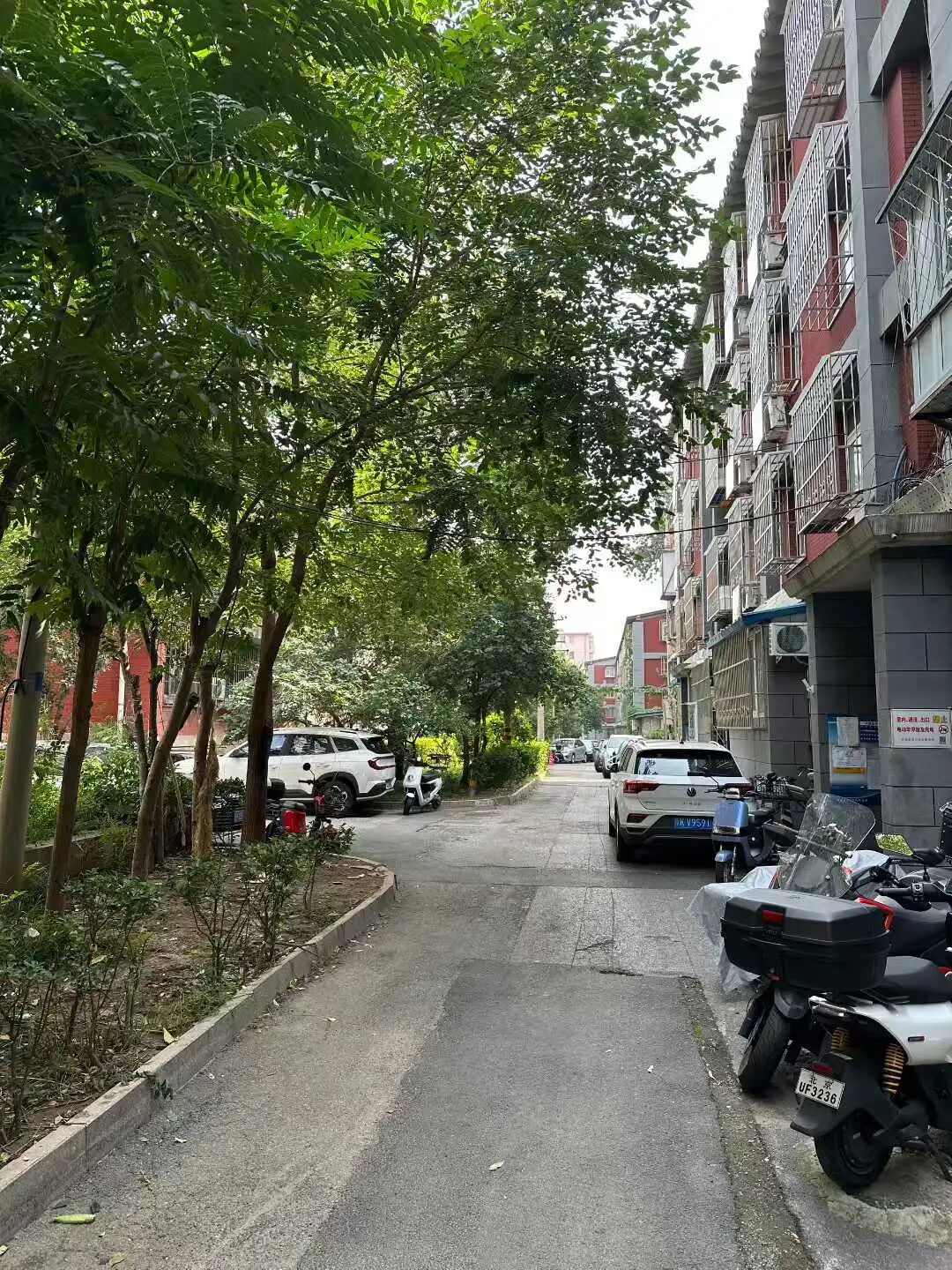
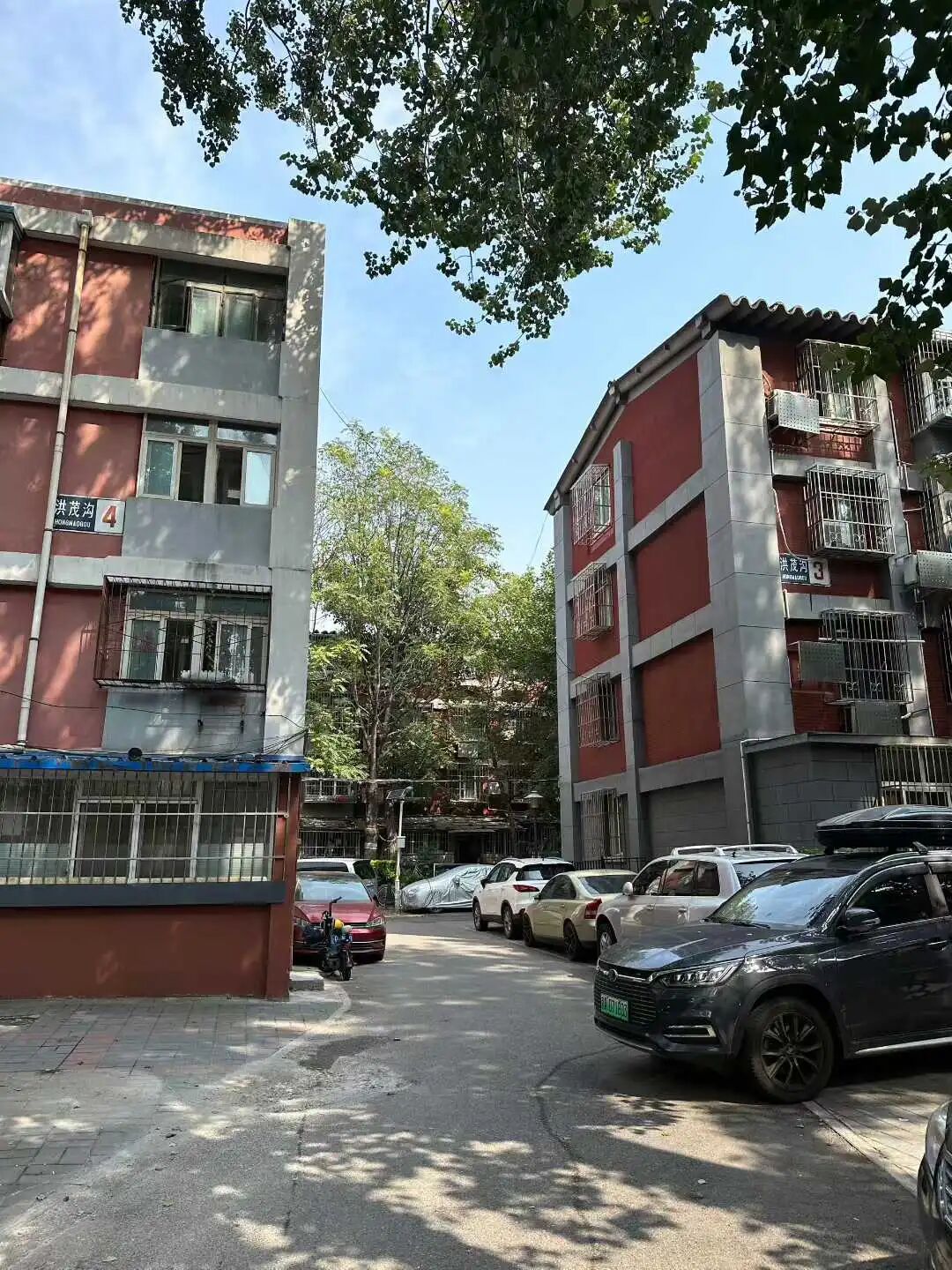
North of Sanlihe is the 'Hongmaogou Residential Area.' It was originally called 'Hongmaogou' (Red Hat Ditch) and was the cemetery for the Uyghur people known as the 'Red Hat Hui' who lived in the Hui camp on West Chang'an Street before the 1950s.
In 1759 (the 24th year of the Qianlong reign), after Emperor Qianlong pacified the Great and Small Khojas of the White Mountain faction, he summoned the surrendered Hui people, led by the 'Eight Hui Nobles,' to Beijing. The ordinary people among them were organized into the 'Hui People's Company' under the Left Wing Fifth Regiment of the Plain White Banner of the Imperial Household Department. In Manchu, this was called 'hoise niru.' They were settled in the Hui camp outside the West Chang'an Gate and chose Hongmaogou as their cemetery.
Besides the Uyghurs, Hongmaogou also contained the grave of Zhuazi Baba, one of the two great sheikh graves in Sanlihe. In the past, every spring, many Beijing Hui Muslims would take their families to visit the grave of Zhuazi Baba to offer dua.
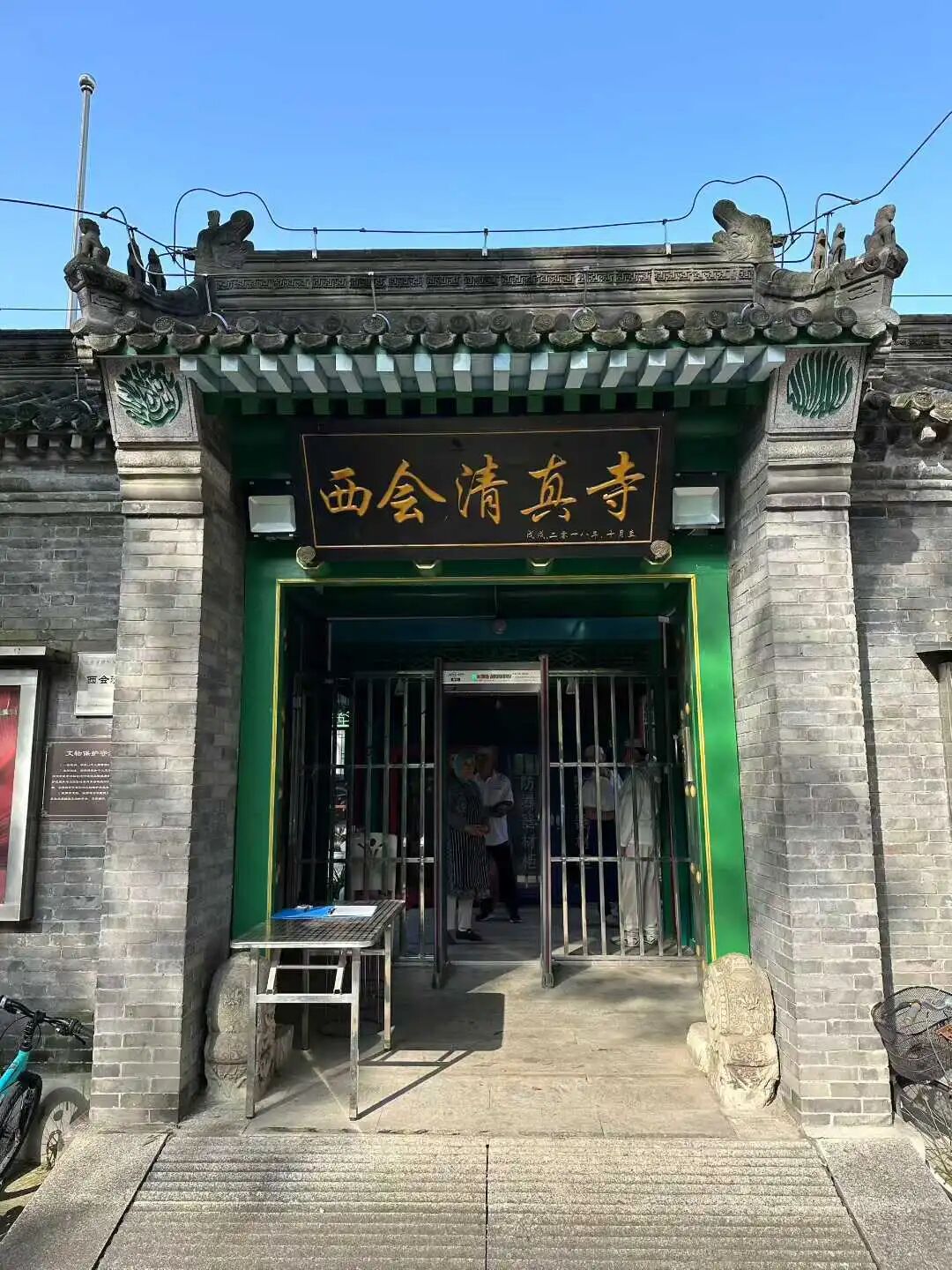
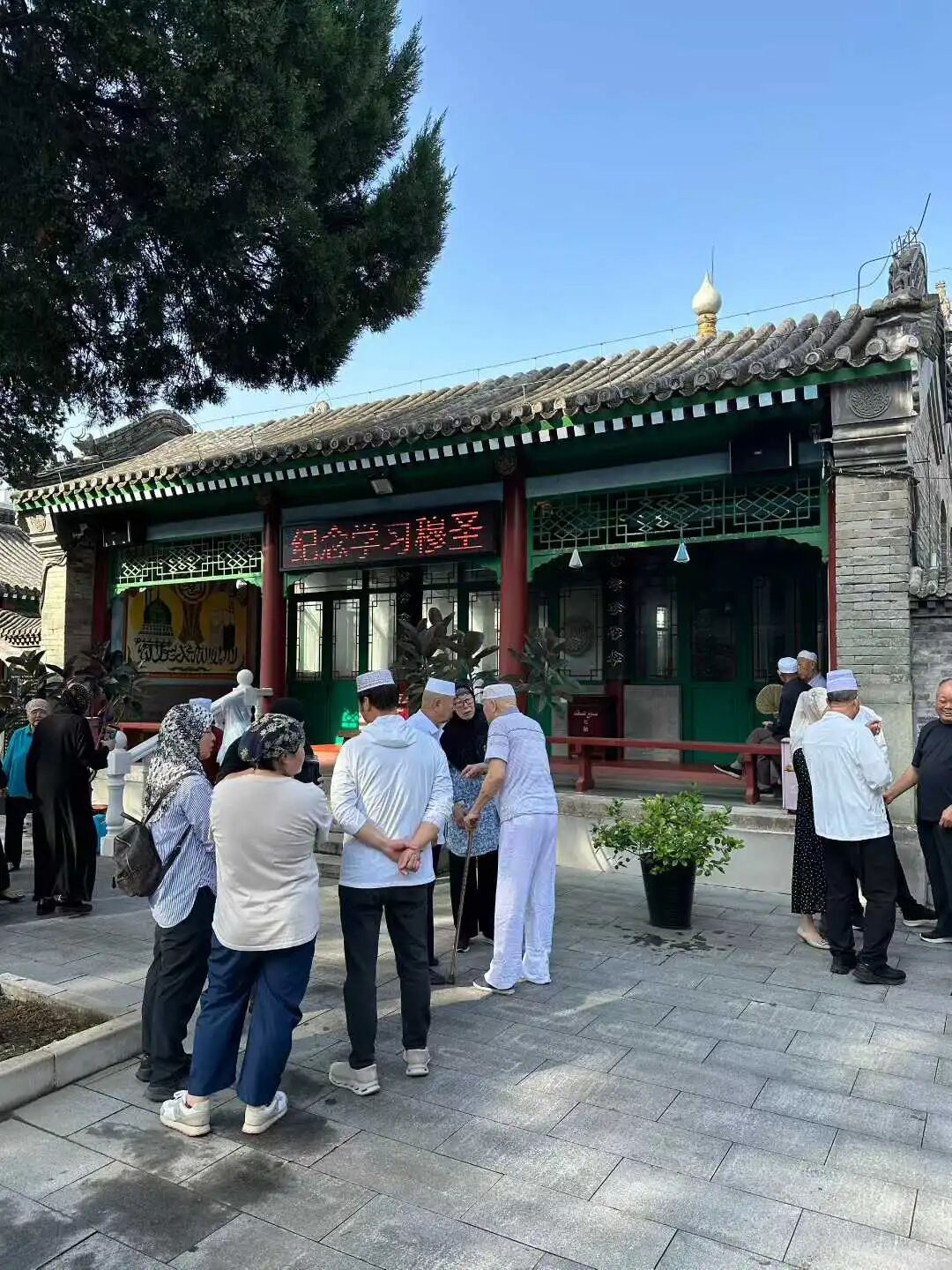
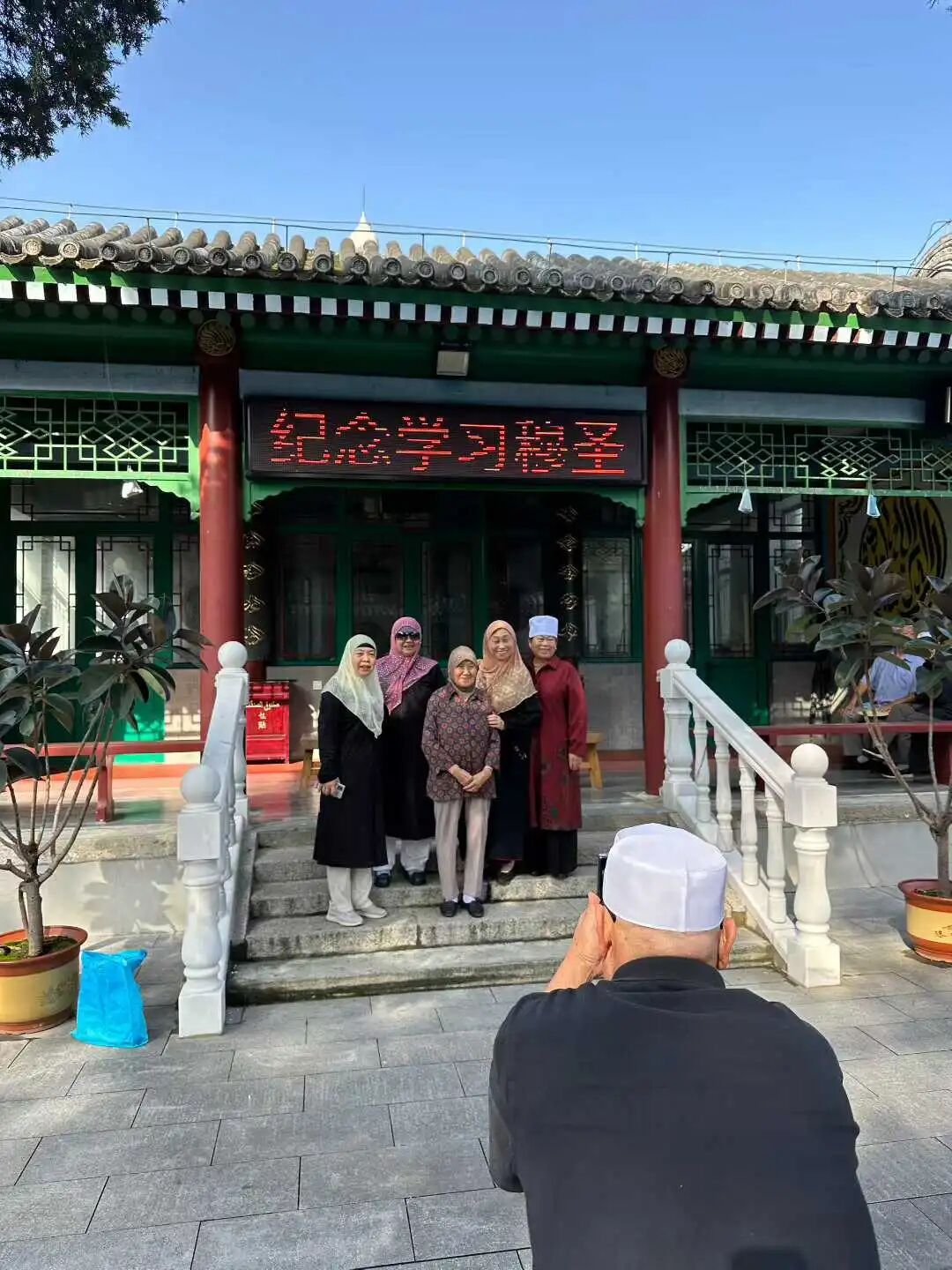
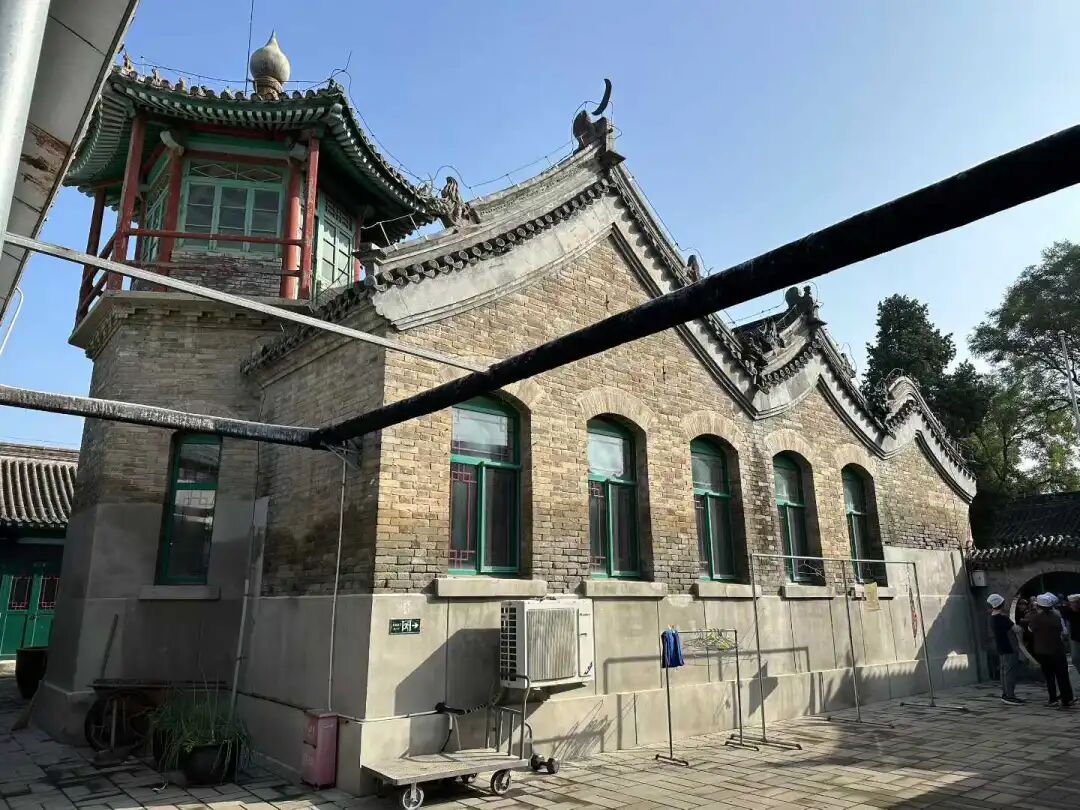
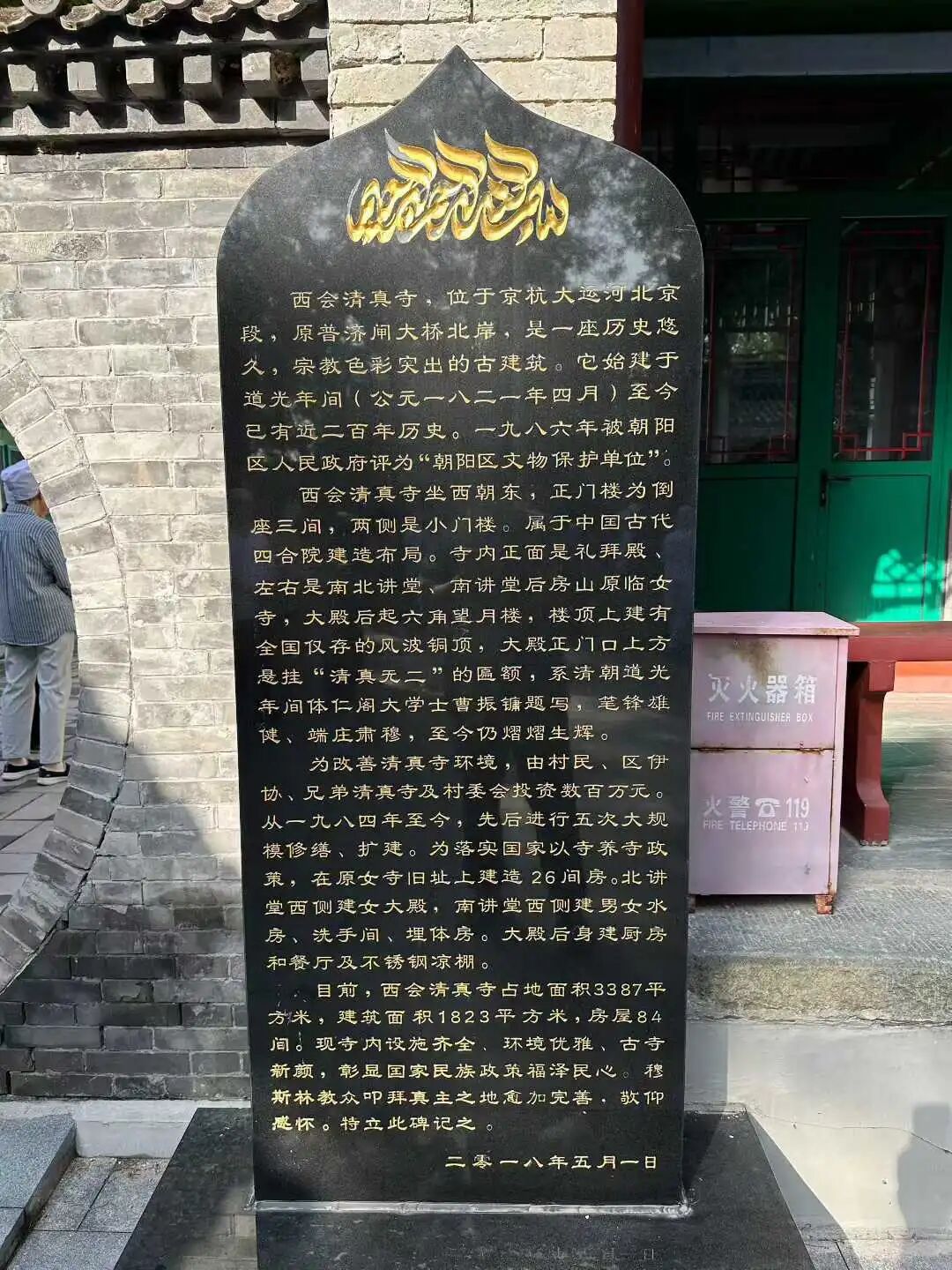
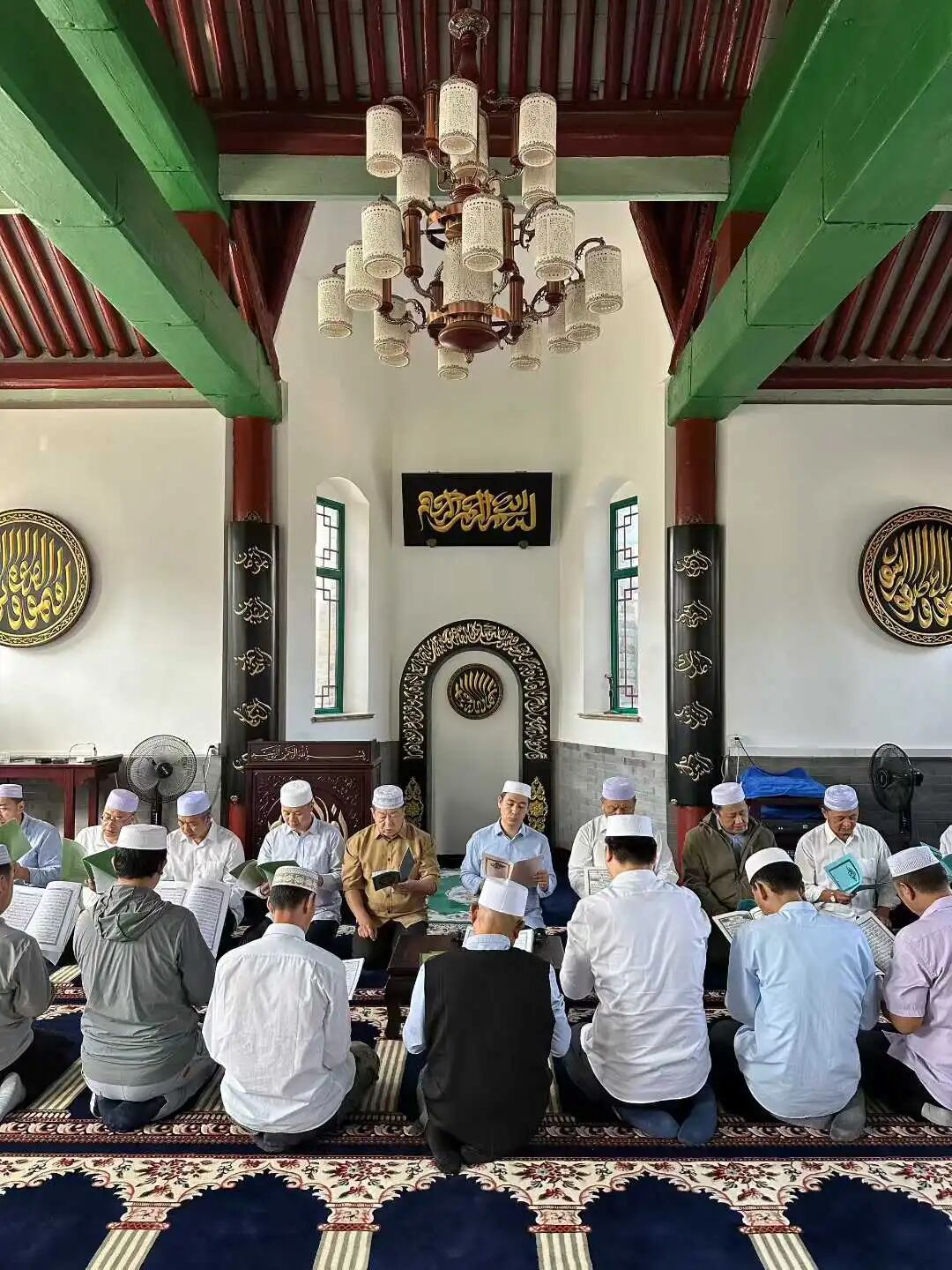
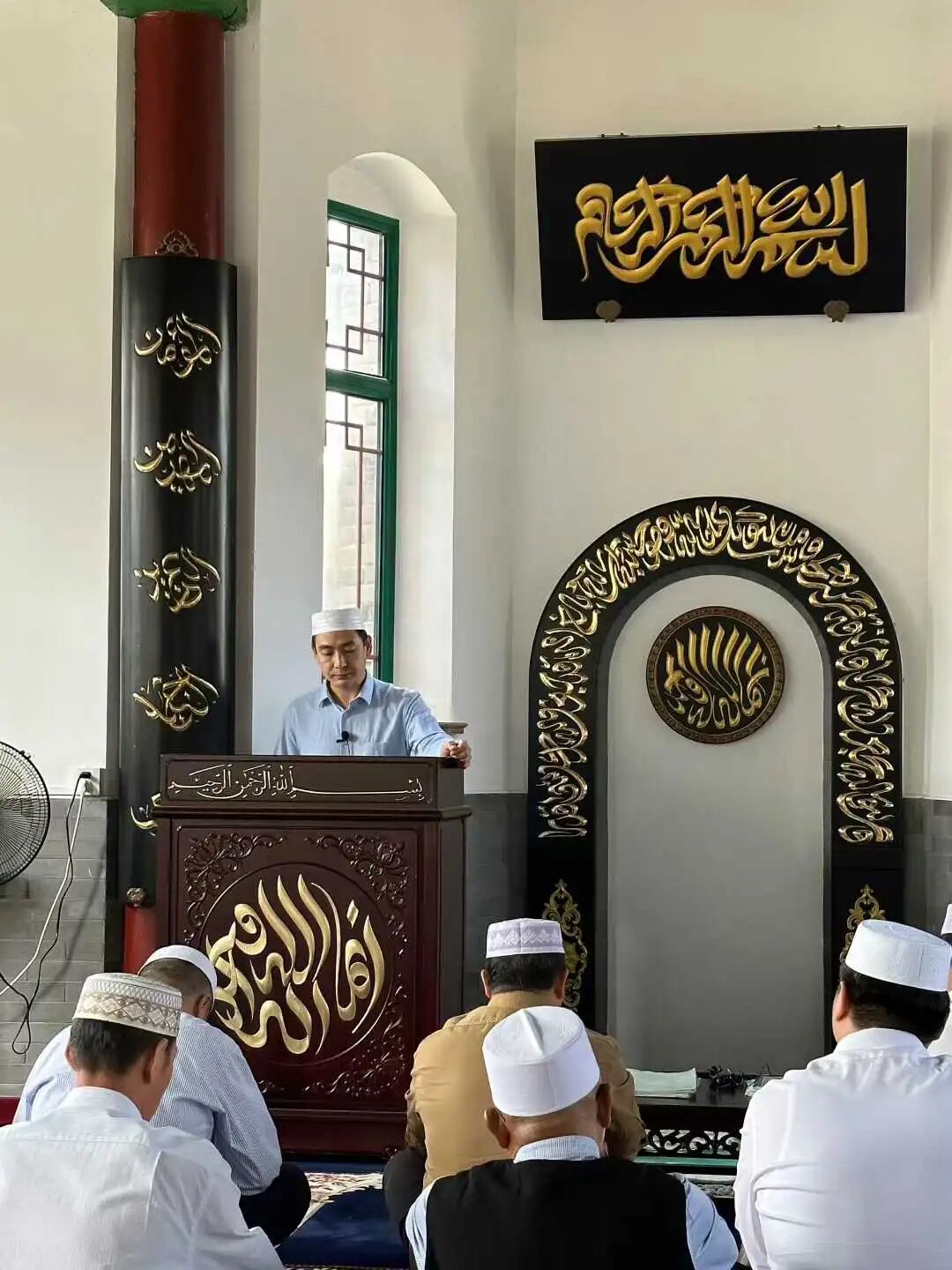
On Sunday morning, I attended the Mawlid at Xihui Mosque. Xihui Mosque is located by the Beijing-Hangzhou Grand Canal. It was built in 1821 (the first year of the Daoguang reign) and is not far from Yangzha Mosque and Guanzhuang Mosque. Although the mosque and the community were separated due to relocation and high-rise development, the new residential area is not far away, so the community still has a strong sense of unity, and the holy gathering was very lively.
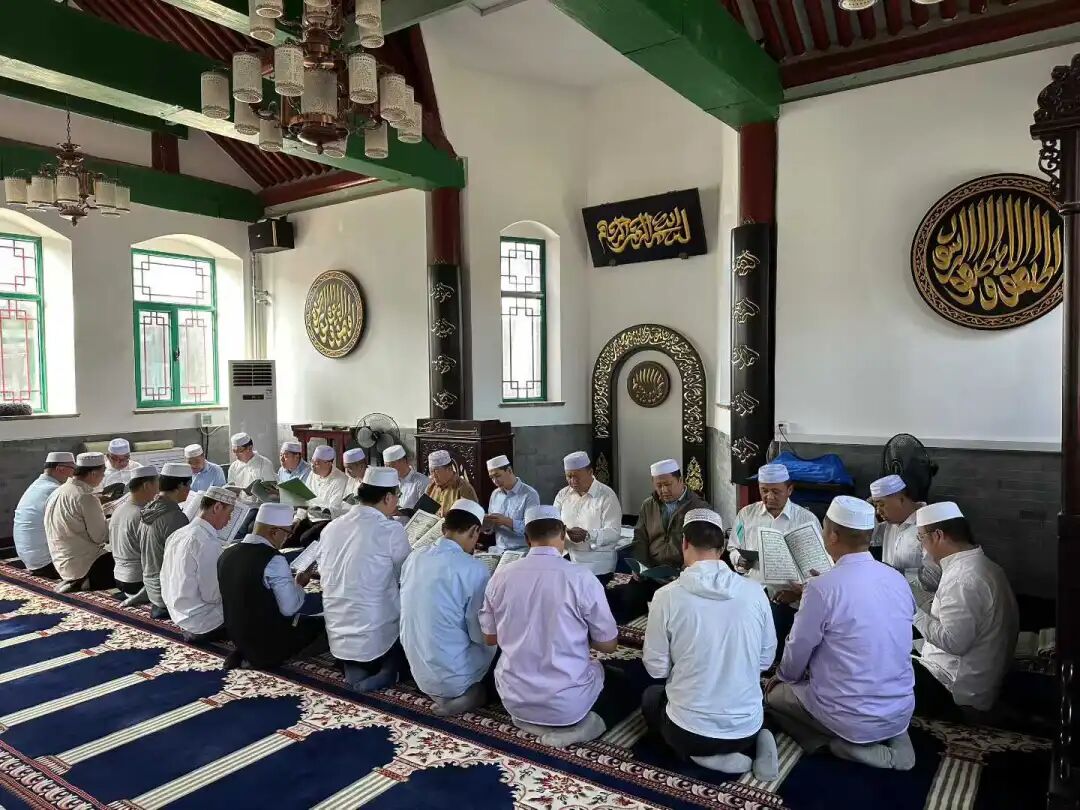
Before the Mawlid began, everyone drank meat porridge and ate fruit, chatting with each other to strengthen friendships. After the Mawlid started, the imams from various communities in Chaoyang District led the opening dua, followed by scripture recitations. Then, the local imam gave a sermon to commemorate and learn from the noble Prophet.
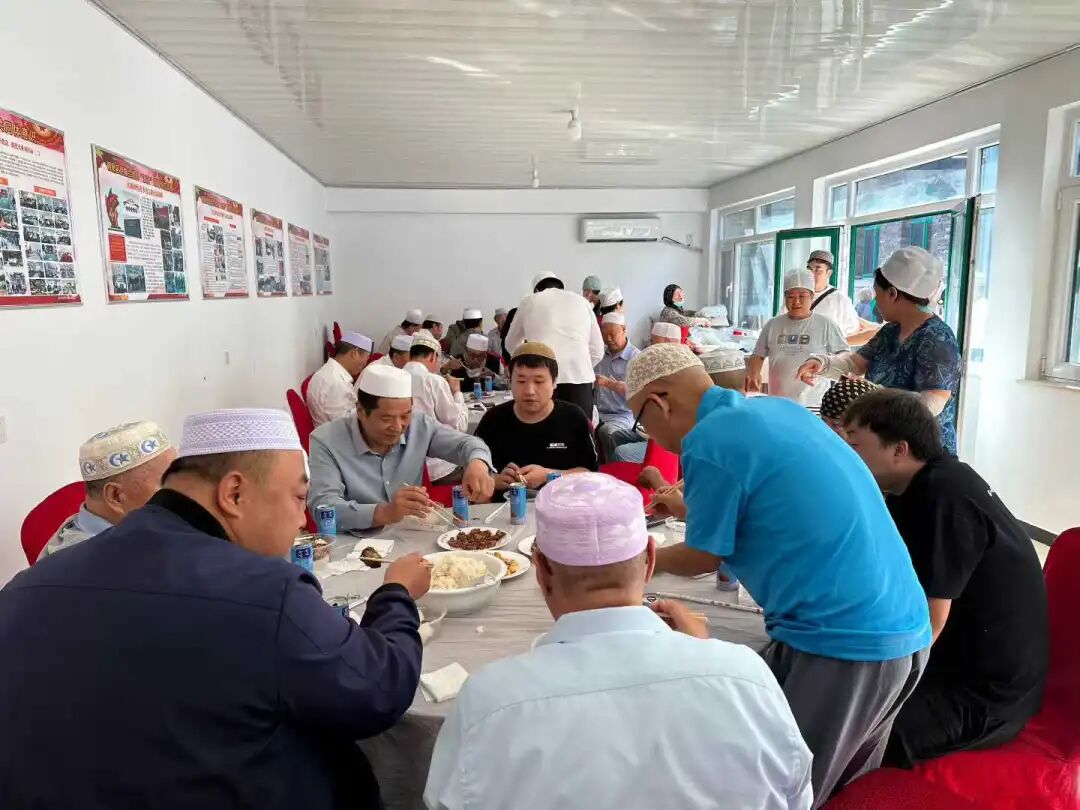
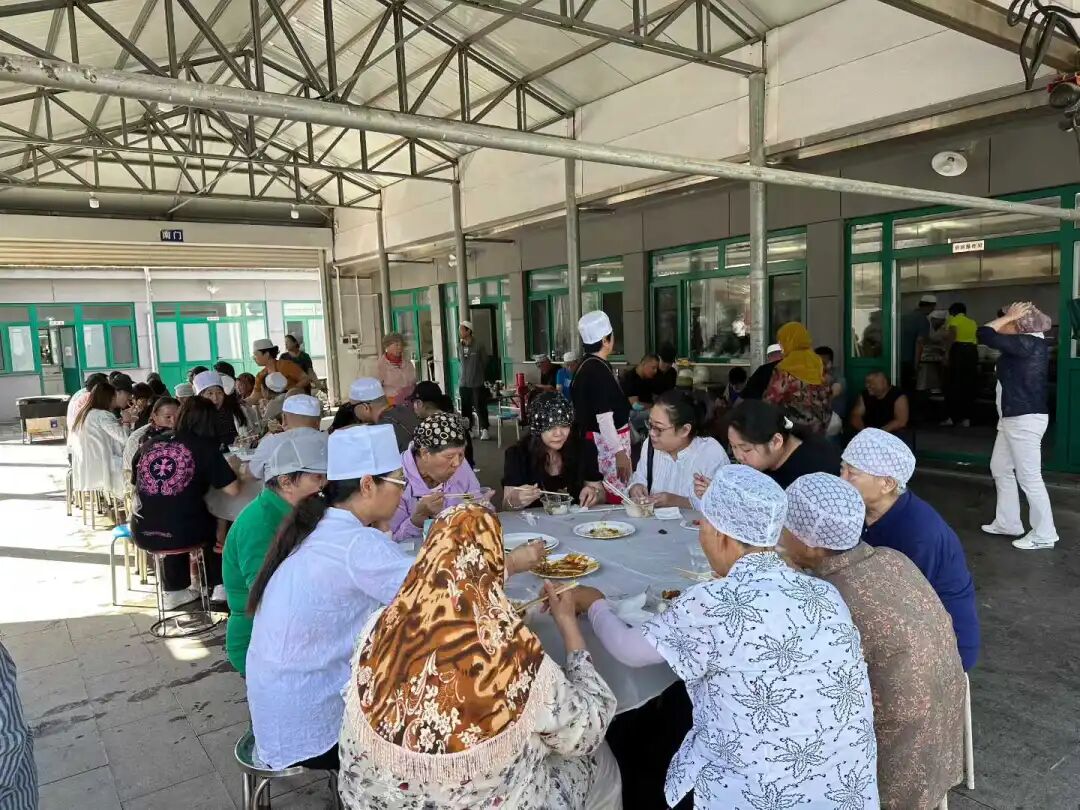
After leaving the prayer hall, everyone went to the feast. Following the tradition of 'guests first, locals later,' the imams, directors, and guests invited by the mosque sat down to eat first, and the local community members took their seats afterward.
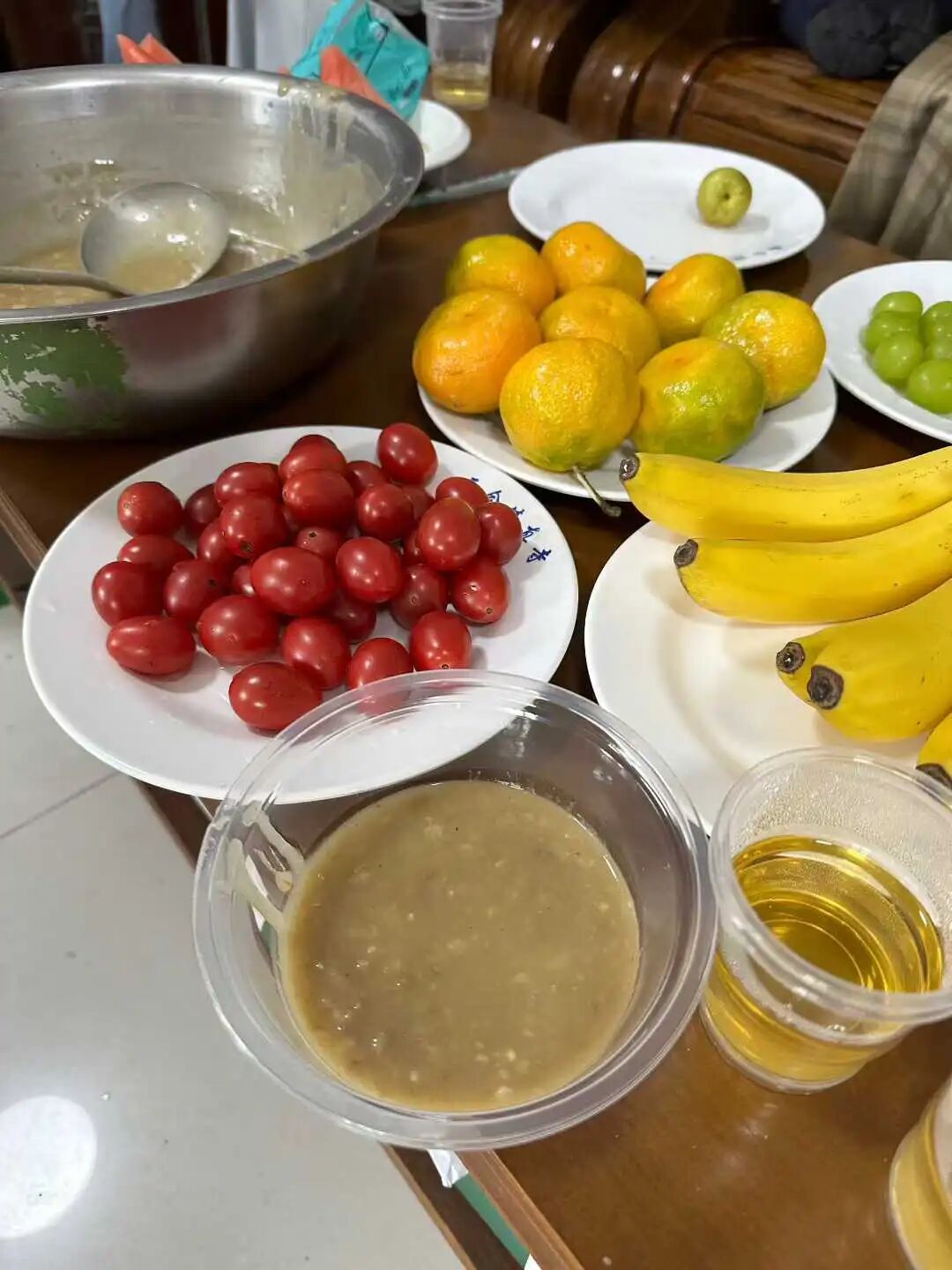
The kitchen at Xihui Mosque is a long room where everyone worked in an orderly and organized way. After entering, the first thing you see is the 'eight big bowls' of stewed dishes. Stewed beef, meatballs, crispy beef, lamb offal, kelp, and yam were served as people ate. Next was the frying area, where sugar-filled fried rolls (tangjuanguo) and toothpick meat were fried on the spot. Next is the stir-fry area, where they quickly cook dishes like stir-fried tripe with coriander (yanbao sandan), stir-fried shrimp (qingchao xiarou), diced chicken with cashews (yaoguo jiding), stir-fried lamb with scallions (congbao yangrou), and braised eggplant (hongshao qiezi) over high heat. Finally, there are the steamers, with paper-wrapped fish (zhibaoyu) steaming on one side and rice on the other.
Summary: The second week of Beijing Mawlid gatherings covered Sanlihe Mosque and Xihui Mosque, with Quran recitation, sermons, meat porridge, fried dough, and community meals. The article preserves the mosque histories, food details, prayer scenes, and local Muslim community memories.
The Mawlid (Prophet's birthday) celebrations in Beijing have been going on for two weeks. I visited Dongsi, Balizhuang, and Yangzha during the first week, and I went to Sanlihe and Xihui for the holy gatherings on the weekend of the second week.
On Saturday, I attended the Mawlid at Yongshou Mosque in Sanlihe. After the scripture recitation and sermon (wa'erzi), we had watermelon, pastries, and snacks. I also received fried dough (youxiang), meat porridge, crispy beef (songrou), and meat portions (roufen).
Yongshou Mosque was first built in 1605 (the 30th year of the Wanli reign). It has been renovated many times and is now a cultural heritage site in the Xicheng District. Historically, Sanlihe was the largest cemetery for Hui Muslims in the Beijing suburbs. As early as 1456 (the 7th year of the Jingtai reign of the Ming Dynasty), the Samarkand envoy Muhammad Sheriban petitioned the Ming court to visit and offer sacrifices at his ancestral graves in the public cemetery outside Fuchengmen, which Emperor Yingzong of Ming granted. In 1605 (the 30th year of the Wanli reign), the ceremonial eunuch Li Shou, the imperial guard Dong Yingyuan, and others initiated a fundraising campaign to purchase the 'Wengseng Huangtang' in Sanlihe to officially build Yongshou Mosque.
The Sanlihe Hui Muslim cemetery historically held the graves of various sages, sheikhs, imams, scholars, and generals. The sages include Wang Daiyu; the sheikhs include Zhuazi Baba and Shadeng Baba; the imams include Imam Wang Yousan, Imam Wang Haoran, Imam Ma Meizhai, Lao Hong Wuba, and Lada Li; the scholar is Ma Linyi; and the generals include Ma Fulu, Ma Longbiao, and Ma Fuxiang. more than a hundred Hui Muslim heroes who died in Beijing while fighting the Eight-Nation Alliance with Ma Fulu during the Gengzi year (1900) were all buried here.
In the afternoon, I stewed some meat portions. Combined with the meat porridge, fried dough, pea flour cake (wandouhuang), and crispy beef distributed by the mosque, it made for a very classic Beijing Hui Muslim feast (nietie).
North of Sanlihe is the 'Hongmaogou Residential Area.' It was originally called 'Hongmaogou' (Red Hat Ditch) and was the cemetery for the Uyghur people known as the 'Red Hat Hui' who lived in the Hui camp on West Chang'an Street before the 1950s.
In 1759 (the 24th year of the Qianlong reign), after Emperor Qianlong pacified the Great and Small Khojas of the White Mountain faction, he summoned the surrendered Hui people, led by the 'Eight Hui Nobles,' to Beijing. The ordinary people among them were organized into the 'Hui People's Company' under the Left Wing Fifth Regiment of the Plain White Banner of the Imperial Household Department. In Manchu, this was called 'hoise niru.' They were settled in the Hui camp outside the West Chang'an Gate and chose Hongmaogou as their cemetery.
Besides the Uyghurs, Hongmaogou also contained the grave of Zhuazi Baba, one of the two great sheikh graves in Sanlihe. In the past, every spring, many Beijing Hui Muslims would take their families to visit the grave of Zhuazi Baba to offer dua.
On Sunday morning, I attended the Mawlid at Xihui Mosque. Xihui Mosque is located by the Beijing-Hangzhou Grand Canal. It was built in 1821 (the first year of the Daoguang reign) and is not far from Yangzha Mosque and Guanzhuang Mosque. Although the mosque and the community were separated due to relocation and high-rise development, the new residential area is not far away, so the community still has a strong sense of unity, and the holy gathering was very lively.
Before the Mawlid began, everyone drank meat porridge and ate fruit, chatting with each other to strengthen friendships. After the Mawlid started, the imams from various communities in Chaoyang District led the opening dua, followed by scripture recitations. Then, the local imam gave a sermon to commemorate and learn from the noble Prophet.
After leaving the prayer hall, everyone went to the feast. Following the tradition of 'guests first, locals later,' the imams, directors, and guests invited by the mosque sat down to eat first, and the local community members took their seats afterward.
The kitchen at Xihui Mosque is a long room where everyone worked in an orderly and organized way. After entering, the first thing you see is the 'eight big bowls' of stewed dishes. Stewed beef, meatballs, crispy beef, lamb offal, kelp, and yam were served as people ate. Next was the frying area, where sugar-filled fried rolls (tangjuanguo) and toothpick meat were fried on the spot. Next is the stir-fry area, where they quickly cook dishes like stir-fried tripe with coriander (yanbao sandan), stir-fried shrimp (qingchao xiarou), diced chicken with cashews (yaoguo jiding), stir-fried lamb with scallions (congbao yangrou), and braised eggplant (hongshao qiezi) over high heat. Finally, there are the steamers, with paper-wrapped fish (zhibaoyu) steaming on one side and rice on the other.
Halal Travel Guide: Beijing - Mawlid Week at Dongsi, Balizhuang and Yangzha
Articles • ali2007fr posted the article • 0 comments • 293 views • 2026-05-20 09:25
Reposted from the web
Summary: The first week of Beijing's Mawlid month included gatherings at Dongsi Mosque, Balizhuang Mosque, and Yangzha Mosque. The travel note records prayers, Quran recitation, sermons, meat porridge, mosque kitchens, and a traditional Beijing Muslim banquet.
Blessed Mawlid, Mawlid Mubarak. The 12th day of the third month in the Islamic calendar is believed to be the birthday of the noble Prophet. Around this day, friends (dosti) all over the world hold events to commemorate the noble Prophet, known as Mawlid or Eid-e-Milad an-Nabi. In China, these are called Shengji, Sheng-hui, or Shengdan.
Commemorations for the noble Prophet date back to the time of the followers of the companions (Tabi'un), though they were mostly private events in the early days. Large-scale commemorations can be traced back to Egypt during the Fatimid dynasty in the 12th century. In 1207, Saladin's brother-in-law Gökböri first established the Mawlid as a public holiday, which helped the celebration spread. The Ottoman Empire made the Mawlid an official holiday in 1588, calling it Mevlid Kandili, which means the Candle Festival of the Prophet's Birthday.
When the Mawlid begins, mosques across Beijing start holding commemorative gatherings that last for an entire month. Last weekend, I attended three gatherings in Beijing at Dongsi, Balizhuang, and Yangzha, where I enjoyed meat porridge, fried dough (youxiang), and traditional eight-bowl banquet dishes (badawan).
On Friday, the day of Jumu'ah, I spent the Mawlid at Dongsi. Before the Jumu'ah prayer, a sermon (wa'z) explained the significance of remembering the noble Prophet. After the prayer, President Yang Faming and various imams recited the Quran (yuanjing). After leaving the prayer hall, we enjoyed fruits and snacks.
On Saturday, I attended the Mawlid at Balizhuang Mosque. Imams from various mosques in Chaoyang District came to recite the Quran, and local elders took turns reciting as well. Imam Yang gave a sermon (wa'z) about the noble Prophet. After the prayer, everyone enjoyed meat porridge, fried dough (youxiang), and various fruits and pastries. The meat porridge at Balizhuang is only available during Eid al-Fitr and the Mawlid each year. The aroma of the meat and the wheat blends perfectly, making it very blessed.
On Sunday, I attended the Mawlid at Yangzha Mosque, which was the third one I attended that week. After arriving, I had meat porridge, then imams from various mosques in Chaoyang District recited the Quran, and the local imam gave a sermon (wa'z). After the prayer, we had a traditional Beijing Muslim banquet, which is now rare in the city center.
The kitchen at Yangzha Mosque is very large. They were stewing the eight-bowl dishes in pots, stir-frying, and steaming fish, with everyone working together in an orderly way to serve the food.
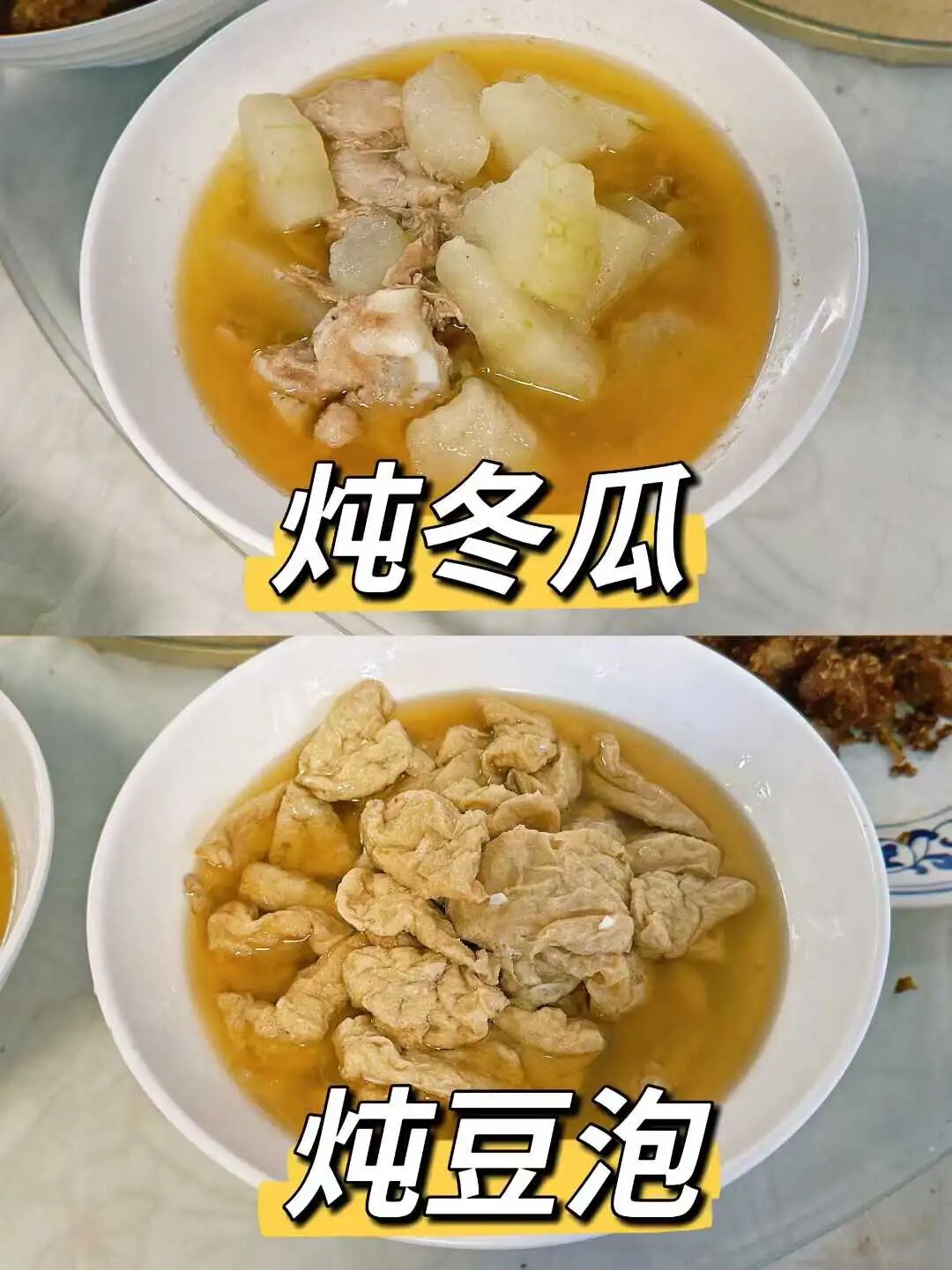
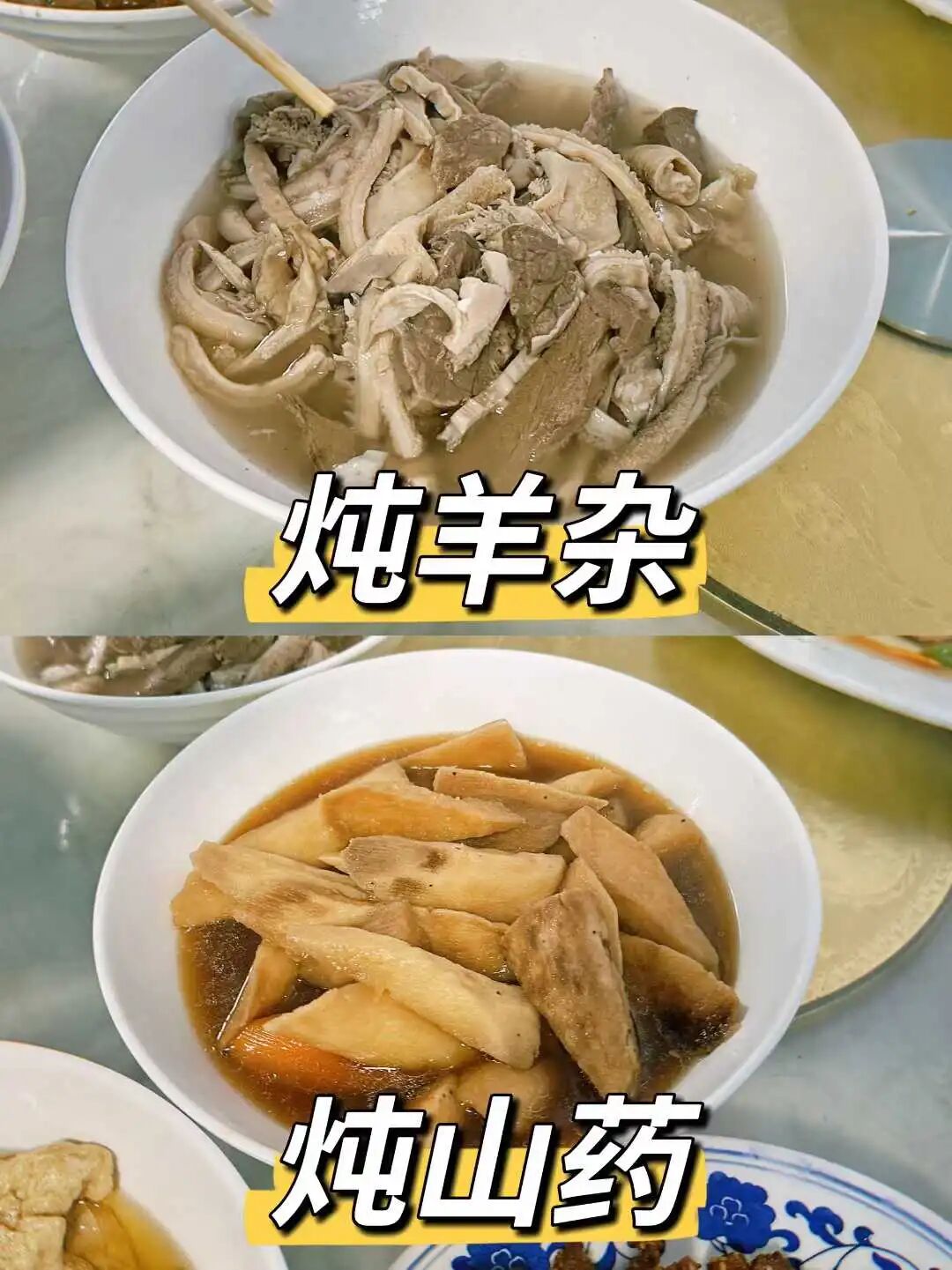
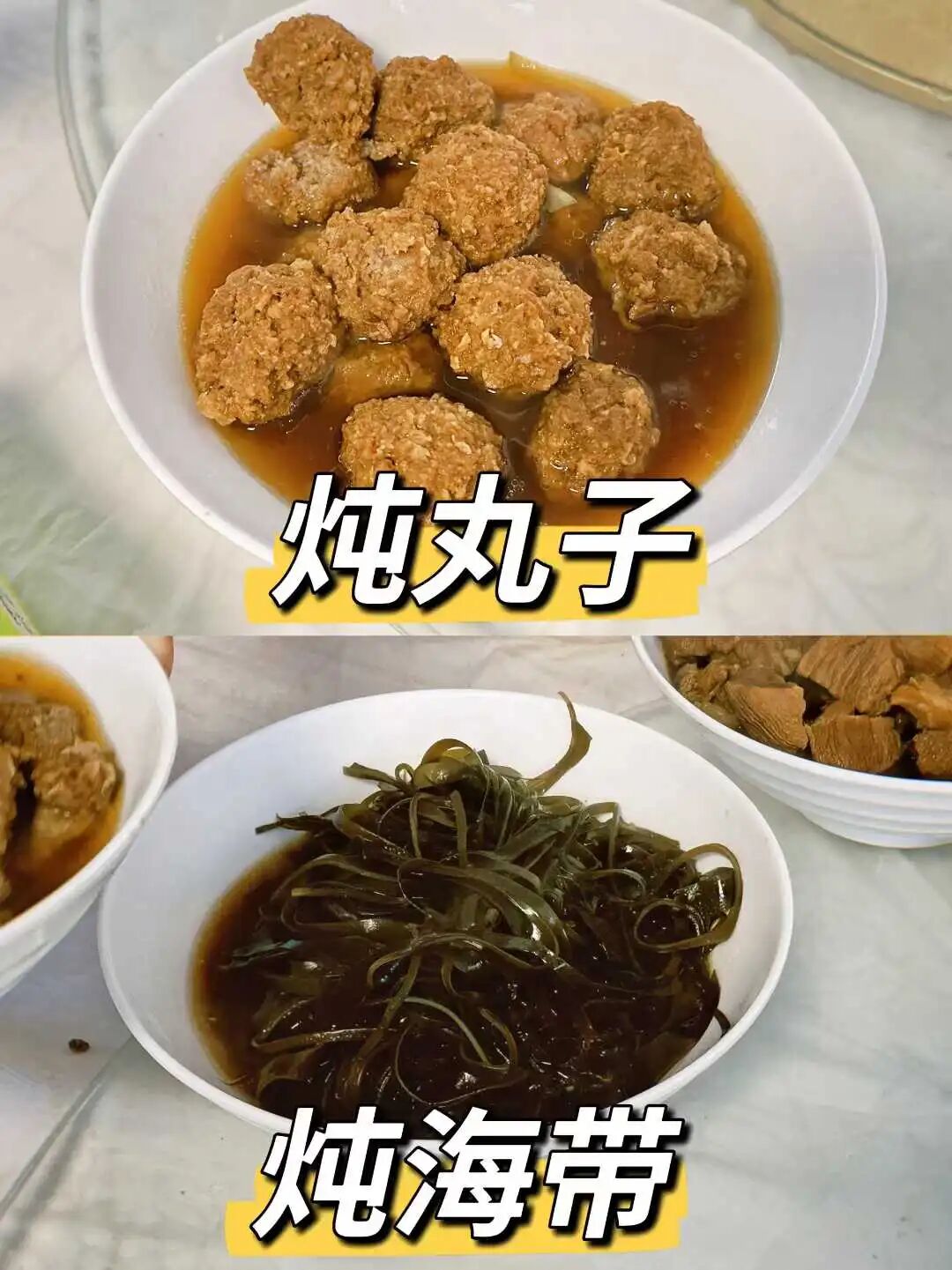
The traditional Beijing mosque banquet includes stir-fried dishes, steamed fish, and the eight-bowl dishes: vinegar-sauce stir-fried egg and meat (culiu muxu), sesame lamb (zhima yangrou), steamed fish (qingzheng yu), braised eggplant (shao qiezi), stewed beef (dun niurou), stewed meat patties (dun songrou), stewed winter melon (dun donggua), stewed fried tofu puffs (dun doupao), stewed lamb offal (dun yangza), stewed yam (dun shanyao), stewed meatballs (dun wanzi), and stewed kelp (dun haidai). view all
Summary: The first week of Beijing's Mawlid month included gatherings at Dongsi Mosque, Balizhuang Mosque, and Yangzha Mosque. The travel note records prayers, Quran recitation, sermons, meat porridge, mosque kitchens, and a traditional Beijing Muslim banquet.
Blessed Mawlid, Mawlid Mubarak. The 12th day of the third month in the Islamic calendar is believed to be the birthday of the noble Prophet. Around this day, friends (dosti) all over the world hold events to commemorate the noble Prophet, known as Mawlid or Eid-e-Milad an-Nabi. In China, these are called Shengji, Sheng-hui, or Shengdan.
Commemorations for the noble Prophet date back to the time of the followers of the companions (Tabi'un), though they were mostly private events in the early days. Large-scale commemorations can be traced back to Egypt during the Fatimid dynasty in the 12th century. In 1207, Saladin's brother-in-law Gökböri first established the Mawlid as a public holiday, which helped the celebration spread. The Ottoman Empire made the Mawlid an official holiday in 1588, calling it Mevlid Kandili, which means the Candle Festival of the Prophet's Birthday.
When the Mawlid begins, mosques across Beijing start holding commemorative gatherings that last for an entire month. Last weekend, I attended three gatherings in Beijing at Dongsi, Balizhuang, and Yangzha, where I enjoyed meat porridge, fried dough (youxiang), and traditional eight-bowl banquet dishes (badawan).
On Friday, the day of Jumu'ah, I spent the Mawlid at Dongsi. Before the Jumu'ah prayer, a sermon (wa'z) explained the significance of remembering the noble Prophet. After the prayer, President Yang Faming and various imams recited the Quran (yuanjing). After leaving the prayer hall, we enjoyed fruits and snacks.
On Saturday, I attended the Mawlid at Balizhuang Mosque. Imams from various mosques in Chaoyang District came to recite the Quran, and local elders took turns reciting as well. Imam Yang gave a sermon (wa'z) about the noble Prophet. After the prayer, everyone enjoyed meat porridge, fried dough (youxiang), and various fruits and pastries. The meat porridge at Balizhuang is only available during Eid al-Fitr and the Mawlid each year. The aroma of the meat and the wheat blends perfectly, making it very blessed.
On Sunday, I attended the Mawlid at Yangzha Mosque, which was the third one I attended that week. After arriving, I had meat porridge, then imams from various mosques in Chaoyang District recited the Quran, and the local imam gave a sermon (wa'z). After the prayer, we had a traditional Beijing Muslim banquet, which is now rare in the city center.
The kitchen at Yangzha Mosque is very large. They were stewing the eight-bowl dishes in pots, stir-frying, and steaming fish, with everyone working together in an orderly way to serve the food.
The traditional Beijing mosque banquet includes stir-fried dishes, steamed fish, and the eight-bowl dishes: vinegar-sauce stir-fried egg and meat (culiu muxu), sesame lamb (zhima yangrou), steamed fish (qingzheng yu), braised eggplant (shao qiezi), stewed beef (dun niurou), stewed meat patties (dun songrou), stewed winter melon (dun donggua), stewed fried tofu puffs (dun doupao), stewed lamb offal (dun yangza), stewed yam (dun shanyao), stewed meatballs (dun wanzi), and stewed kelp (dun haidai). view all
Reposted from the web
Summary: The first week of Beijing's Mawlid month included gatherings at Dongsi Mosque, Balizhuang Mosque, and Yangzha Mosque. The travel note records prayers, Quran recitation, sermons, meat porridge, mosque kitchens, and a traditional Beijing Muslim banquet.
Blessed Mawlid, Mawlid Mubarak. The 12th day of the third month in the Islamic calendar is believed to be the birthday of the noble Prophet. Around this day, friends (dosti) all over the world hold events to commemorate the noble Prophet, known as Mawlid or Eid-e-Milad an-Nabi. In China, these are called Shengji, Sheng-hui, or Shengdan.
Commemorations for the noble Prophet date back to the time of the followers of the companions (Tabi'un), though they were mostly private events in the early days. Large-scale commemorations can be traced back to Egypt during the Fatimid dynasty in the 12th century. In 1207, Saladin's brother-in-law Gökböri first established the Mawlid as a public holiday, which helped the celebration spread. The Ottoman Empire made the Mawlid an official holiday in 1588, calling it Mevlid Kandili, which means the Candle Festival of the Prophet's Birthday.
When the Mawlid begins, mosques across Beijing start holding commemorative gatherings that last for an entire month. Last weekend, I attended three gatherings in Beijing at Dongsi, Balizhuang, and Yangzha, where I enjoyed meat porridge, fried dough (youxiang), and traditional eight-bowl banquet dishes (badawan).
On Friday, the day of Jumu'ah, I spent the Mawlid at Dongsi. Before the Jumu'ah prayer, a sermon (wa'z) explained the significance of remembering the noble Prophet. After the prayer, President Yang Faming and various imams recited the Quran (yuanjing). After leaving the prayer hall, we enjoyed fruits and snacks.
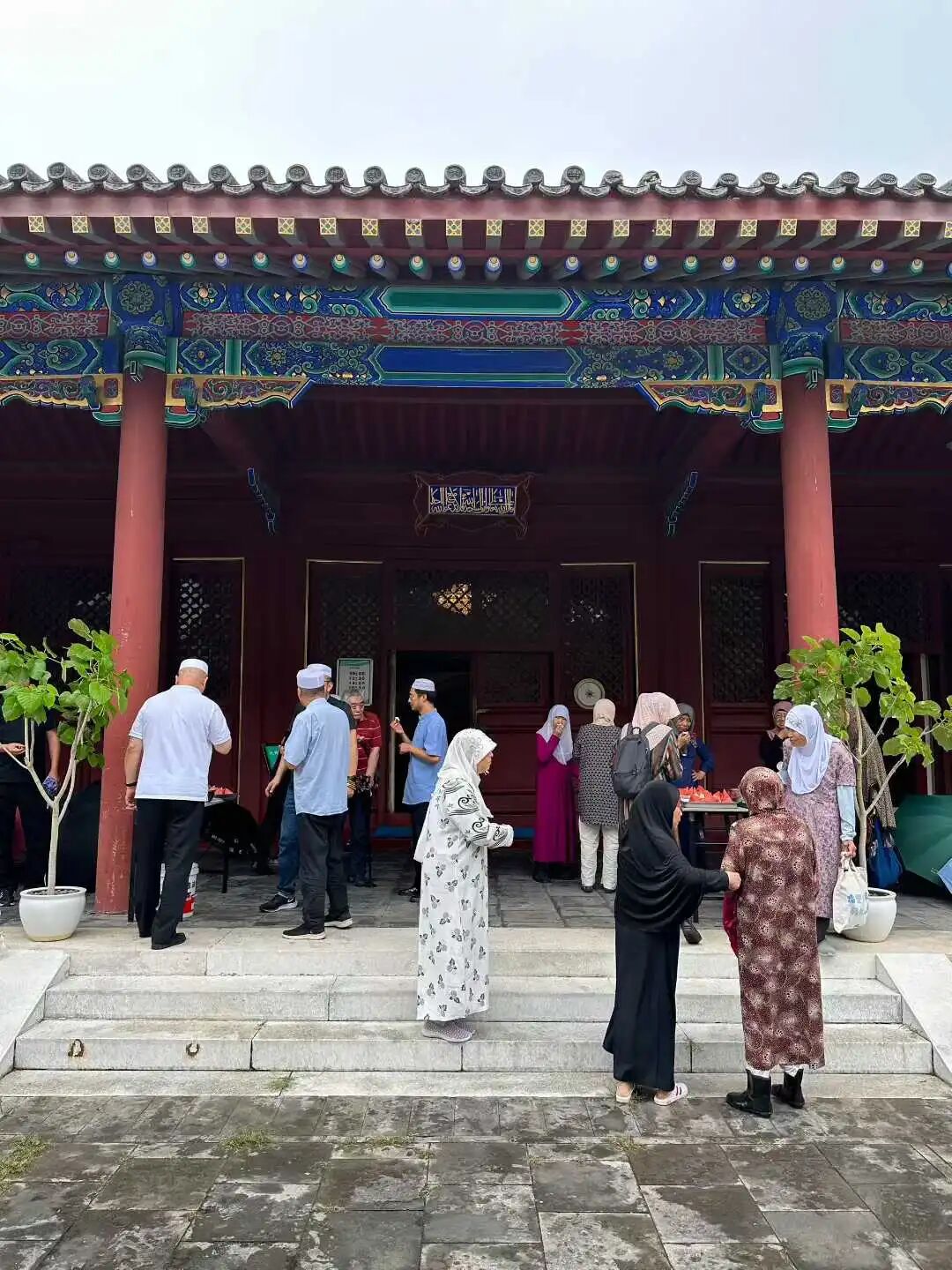
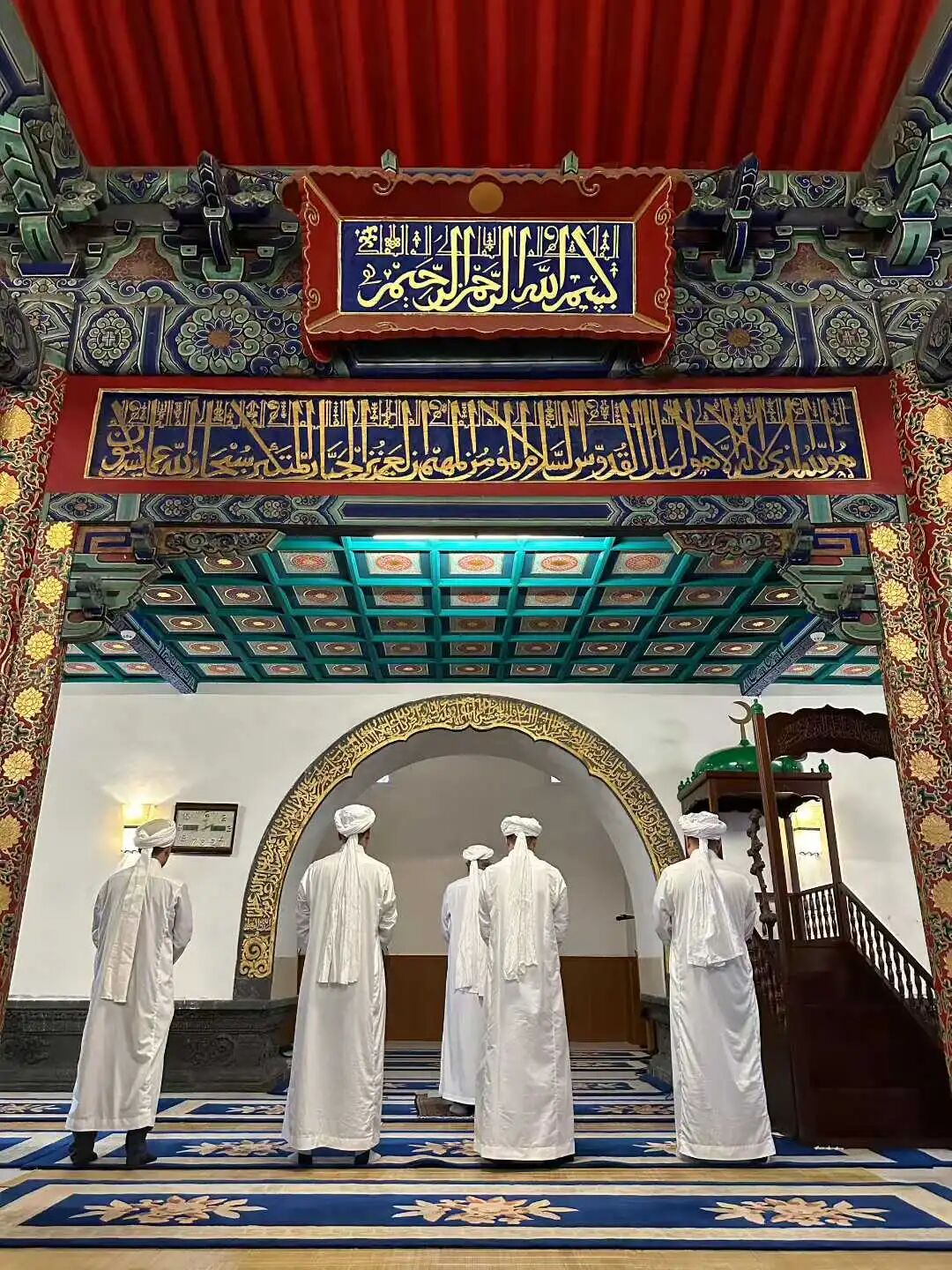
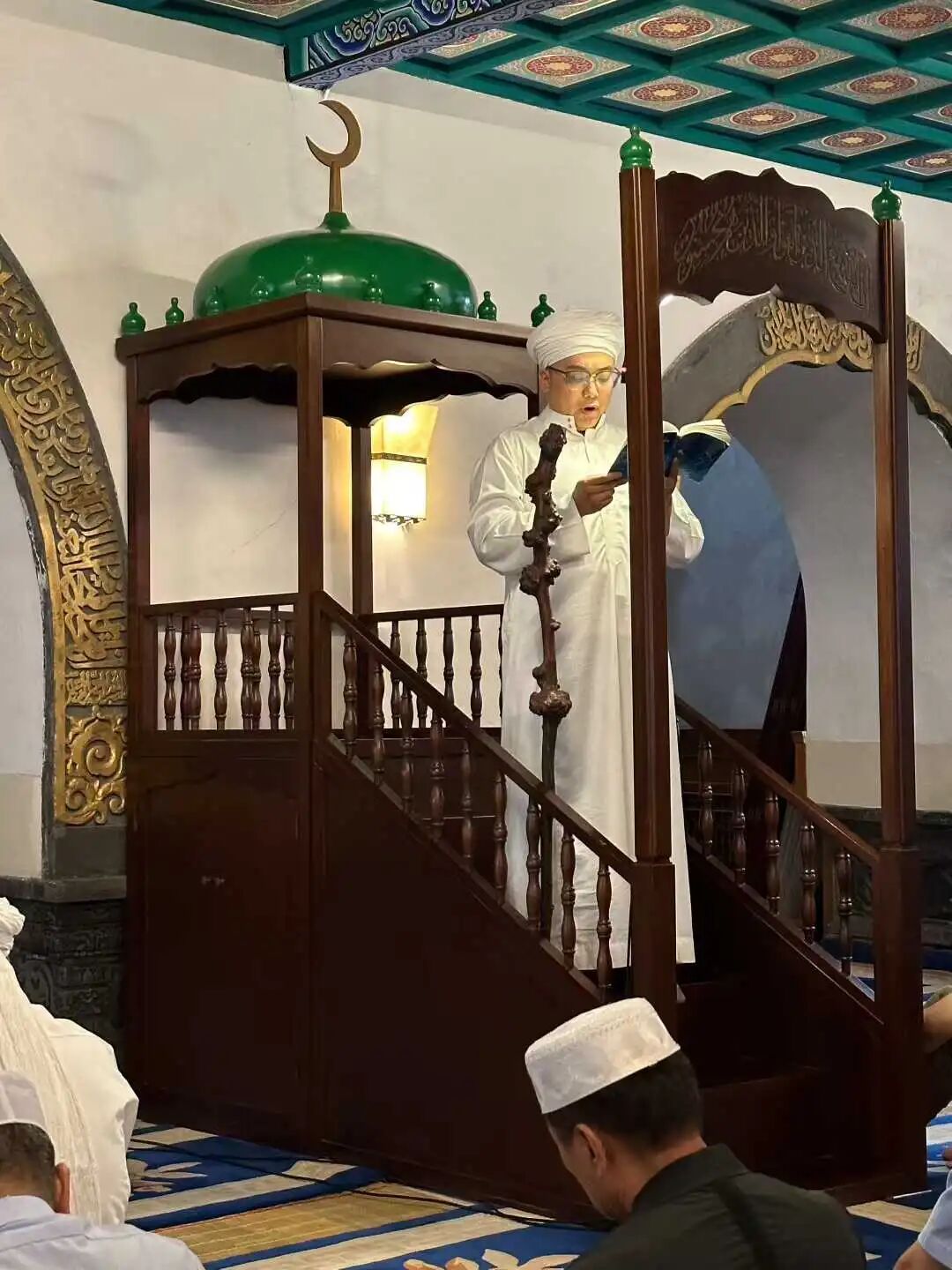
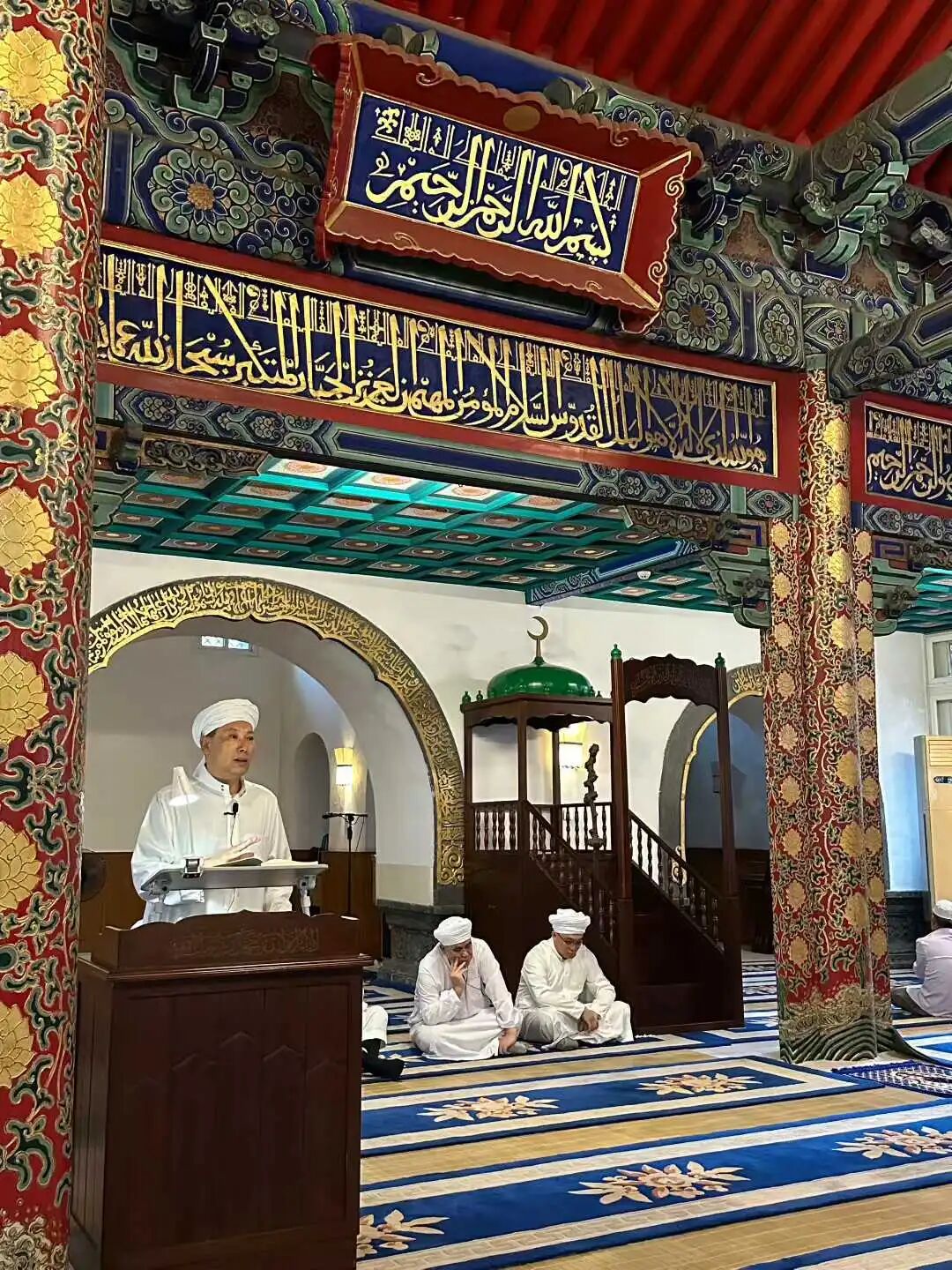
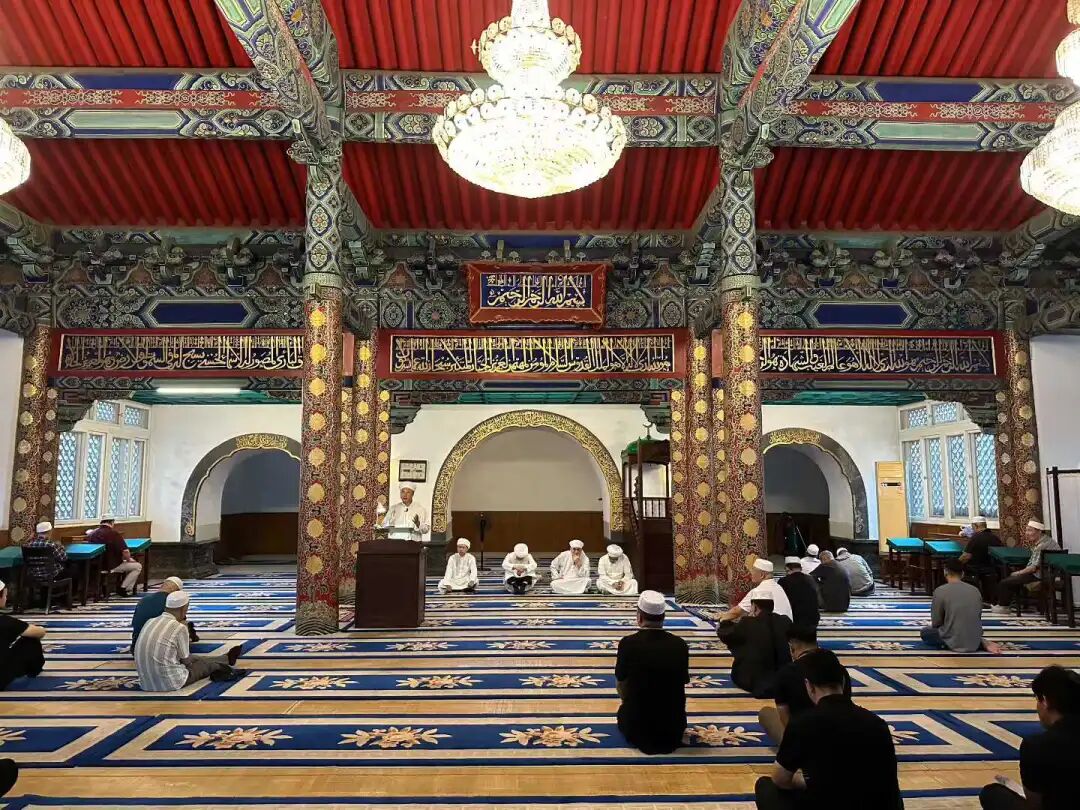
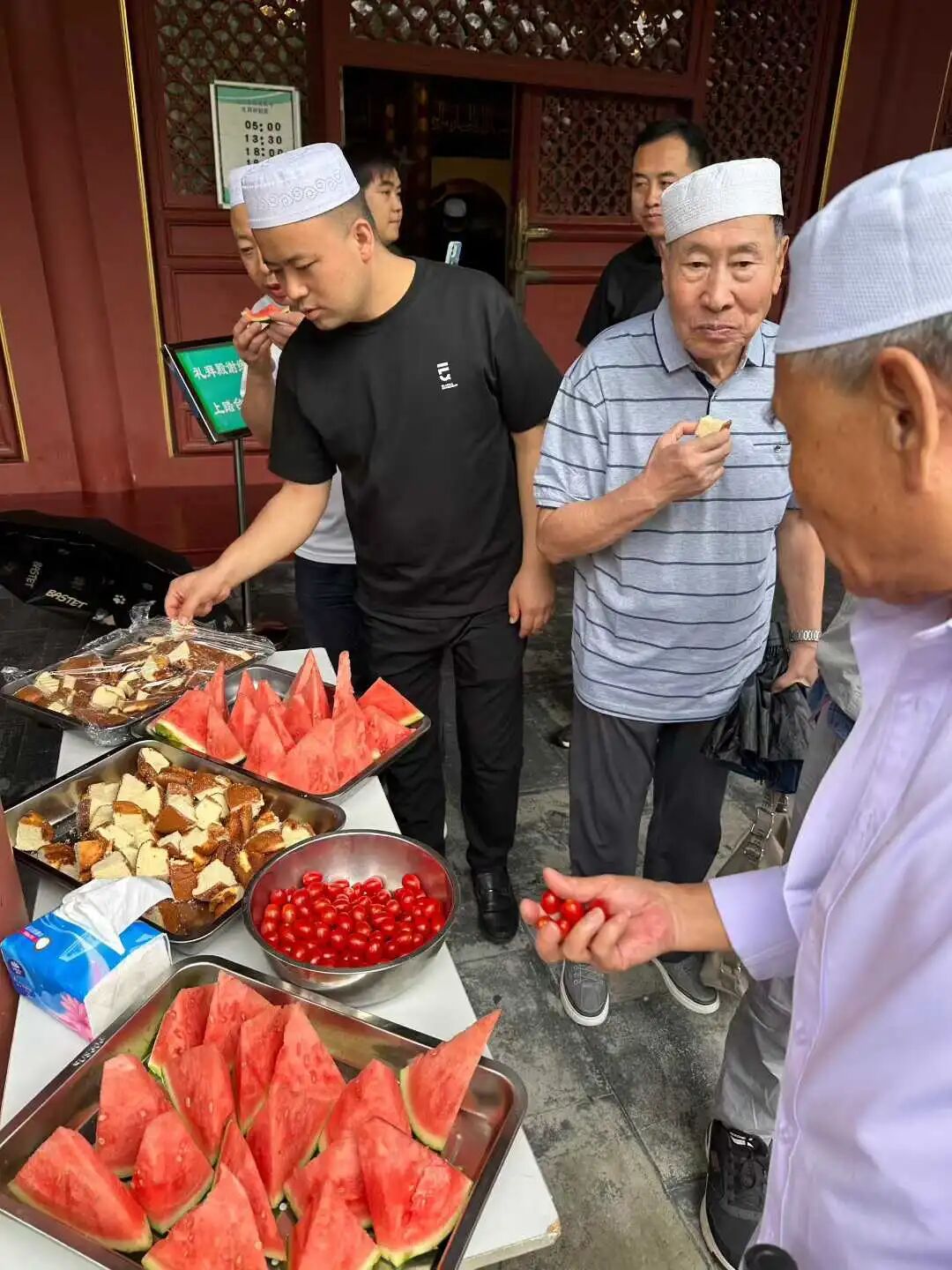
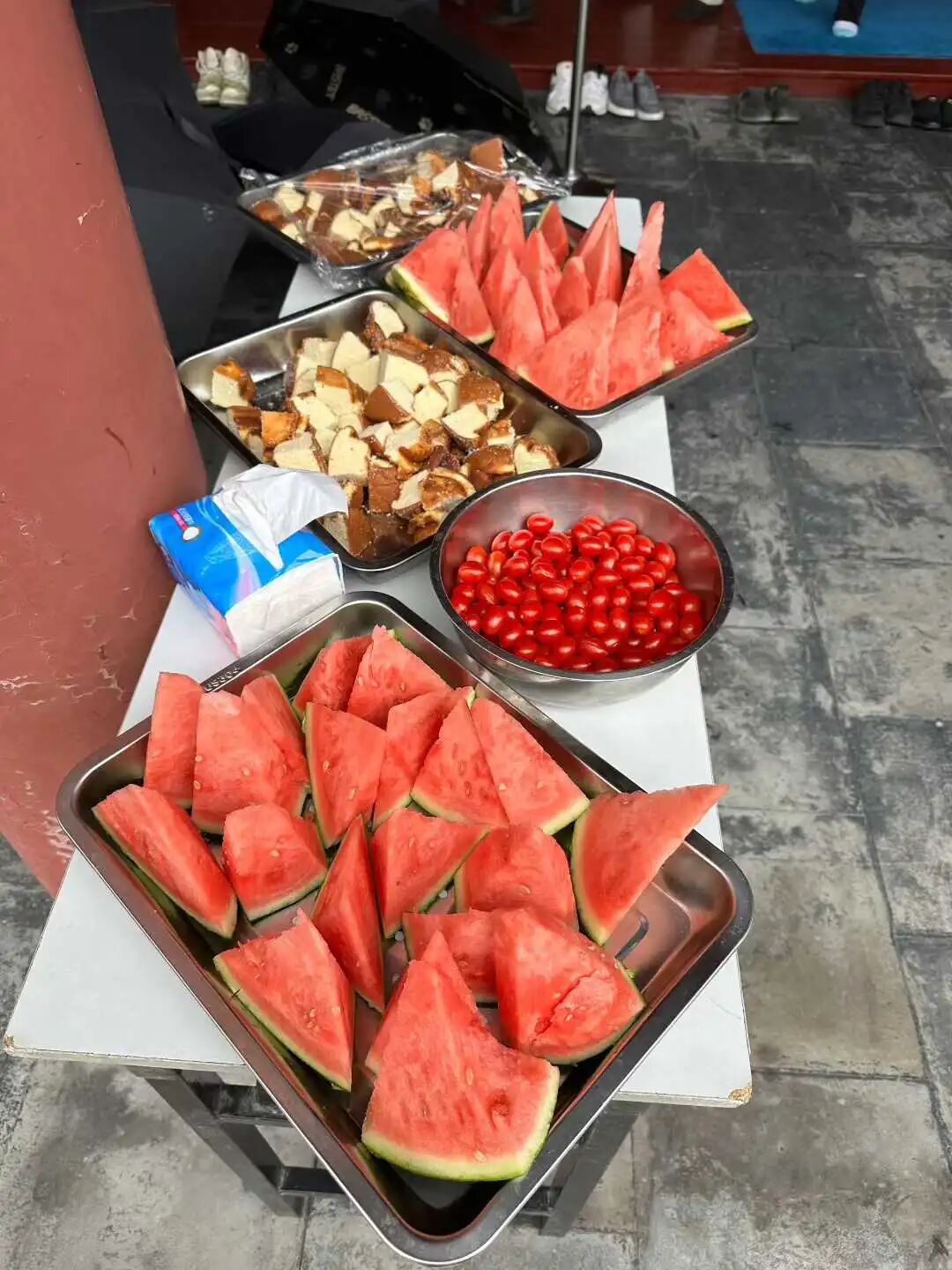
On Saturday, I attended the Mawlid at Balizhuang Mosque. Imams from various mosques in Chaoyang District came to recite the Quran, and local elders took turns reciting as well. Imam Yang gave a sermon (wa'z) about the noble Prophet. After the prayer, everyone enjoyed meat porridge, fried dough (youxiang), and various fruits and pastries. The meat porridge at Balizhuang is only available during Eid al-Fitr and the Mawlid each year. The aroma of the meat and the wheat blends perfectly, making it very blessed.
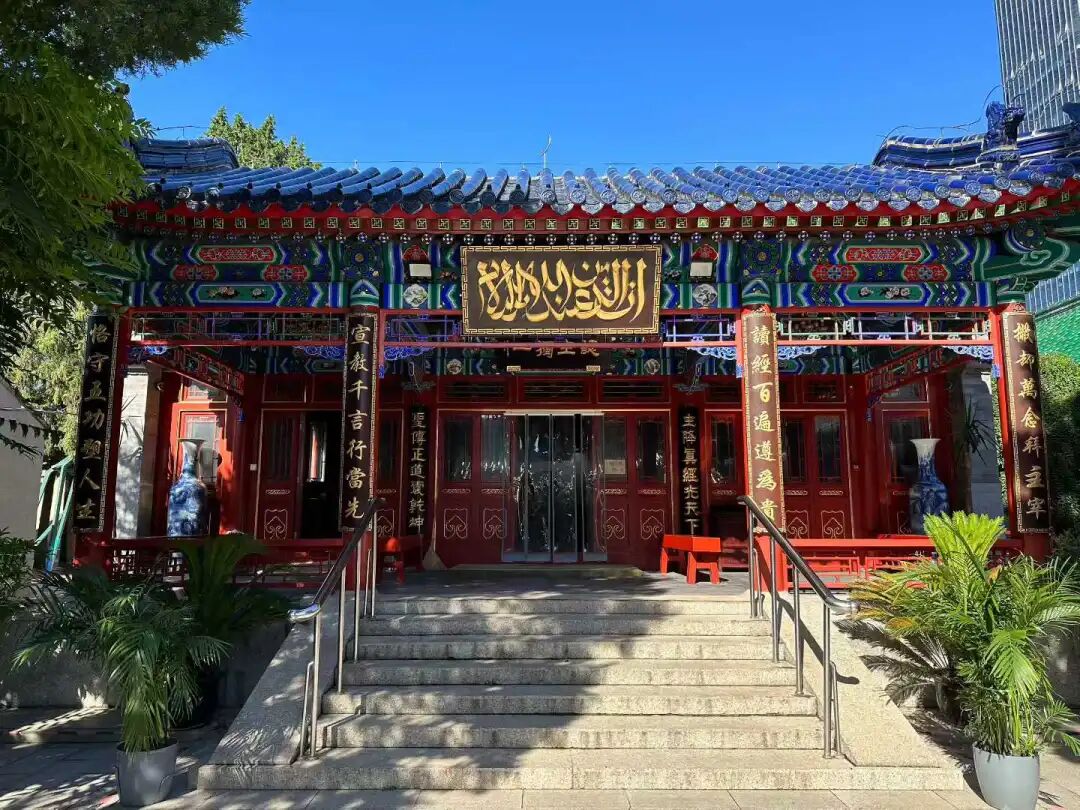
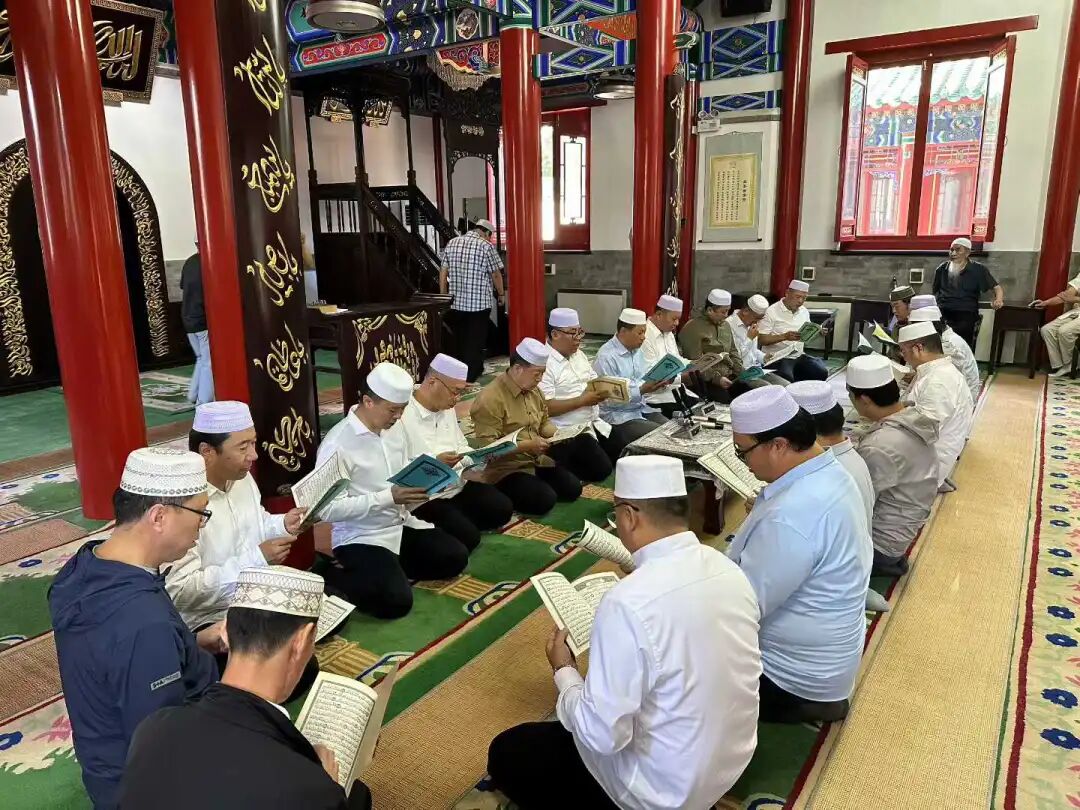
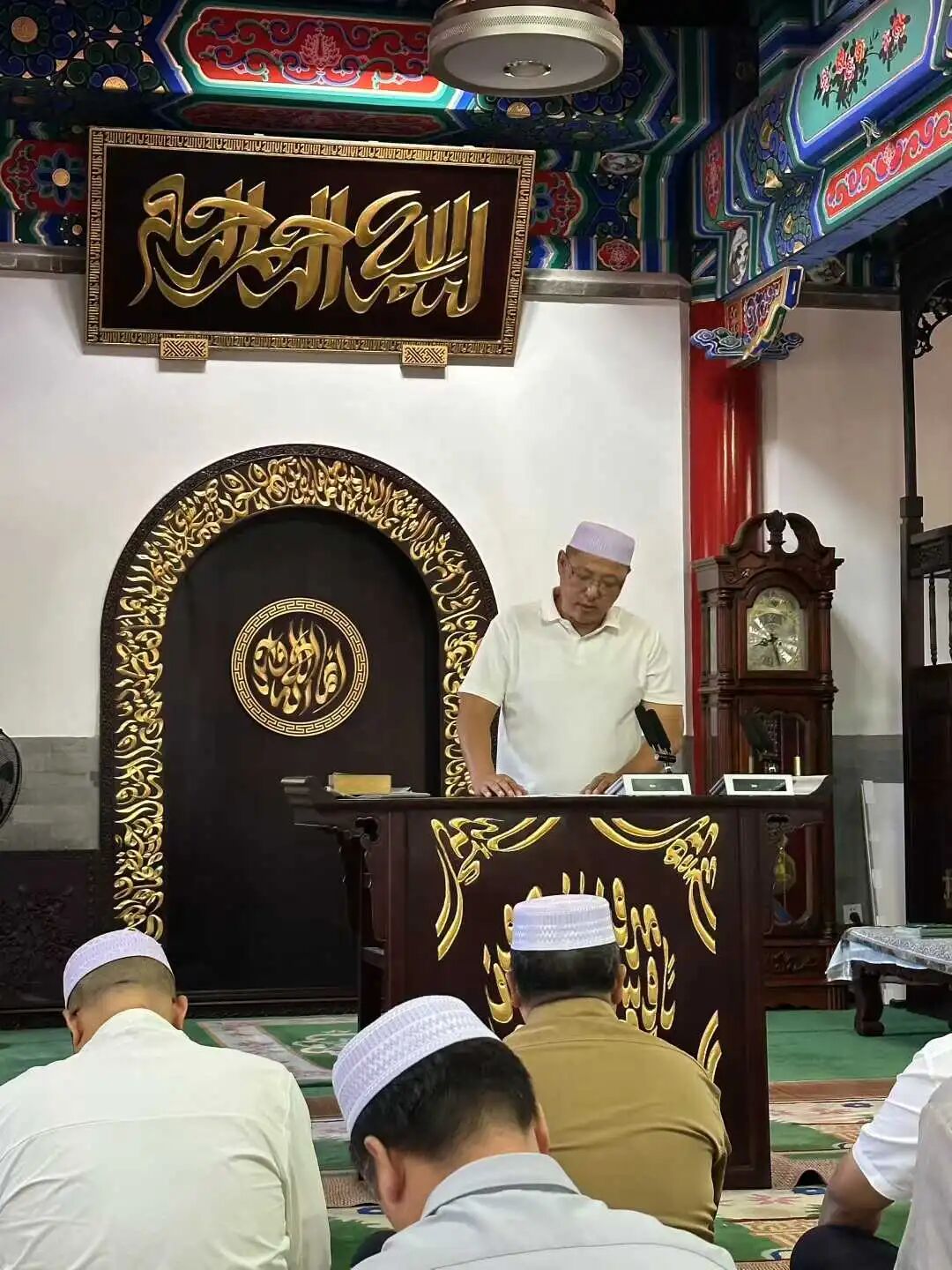
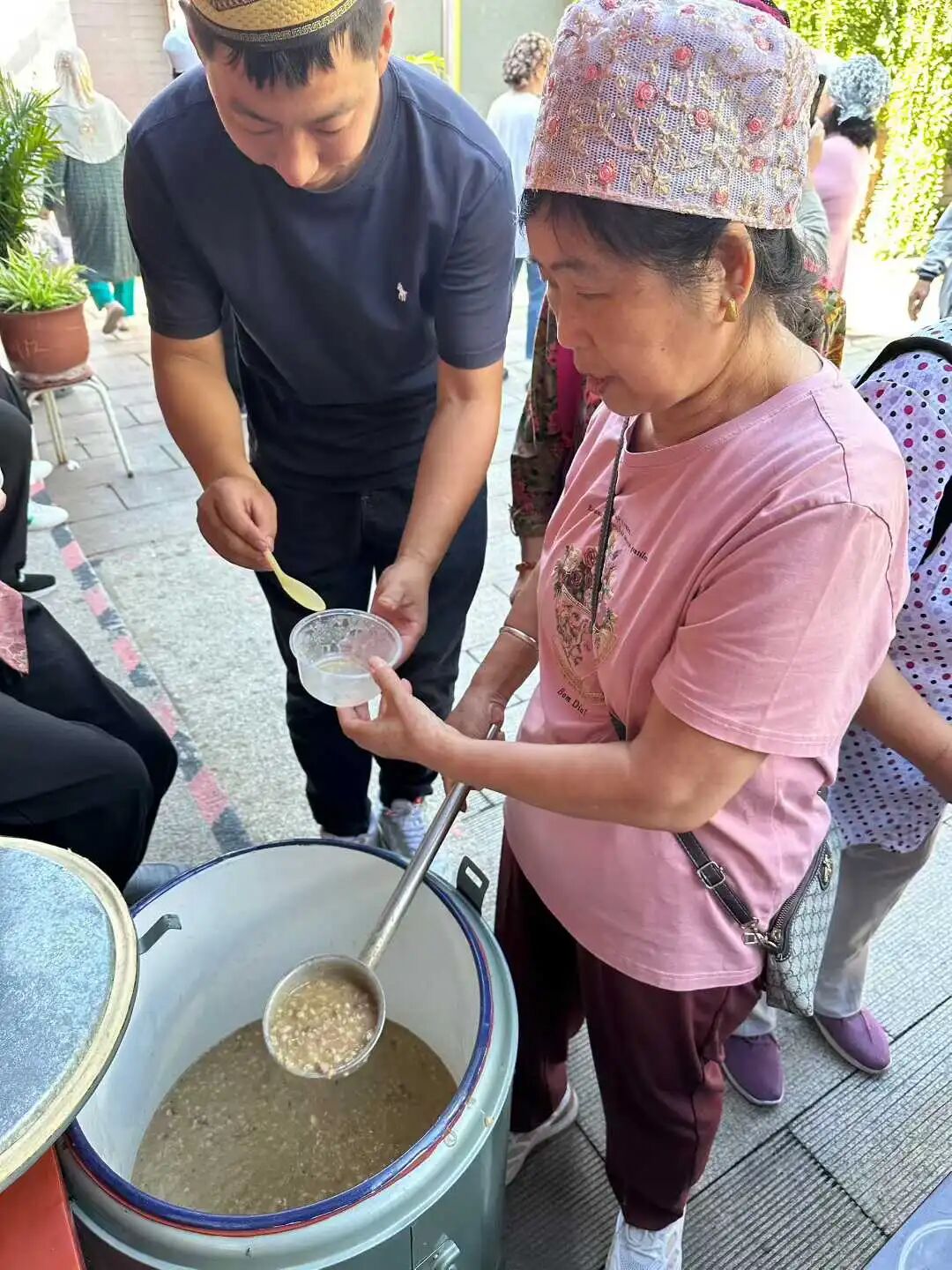
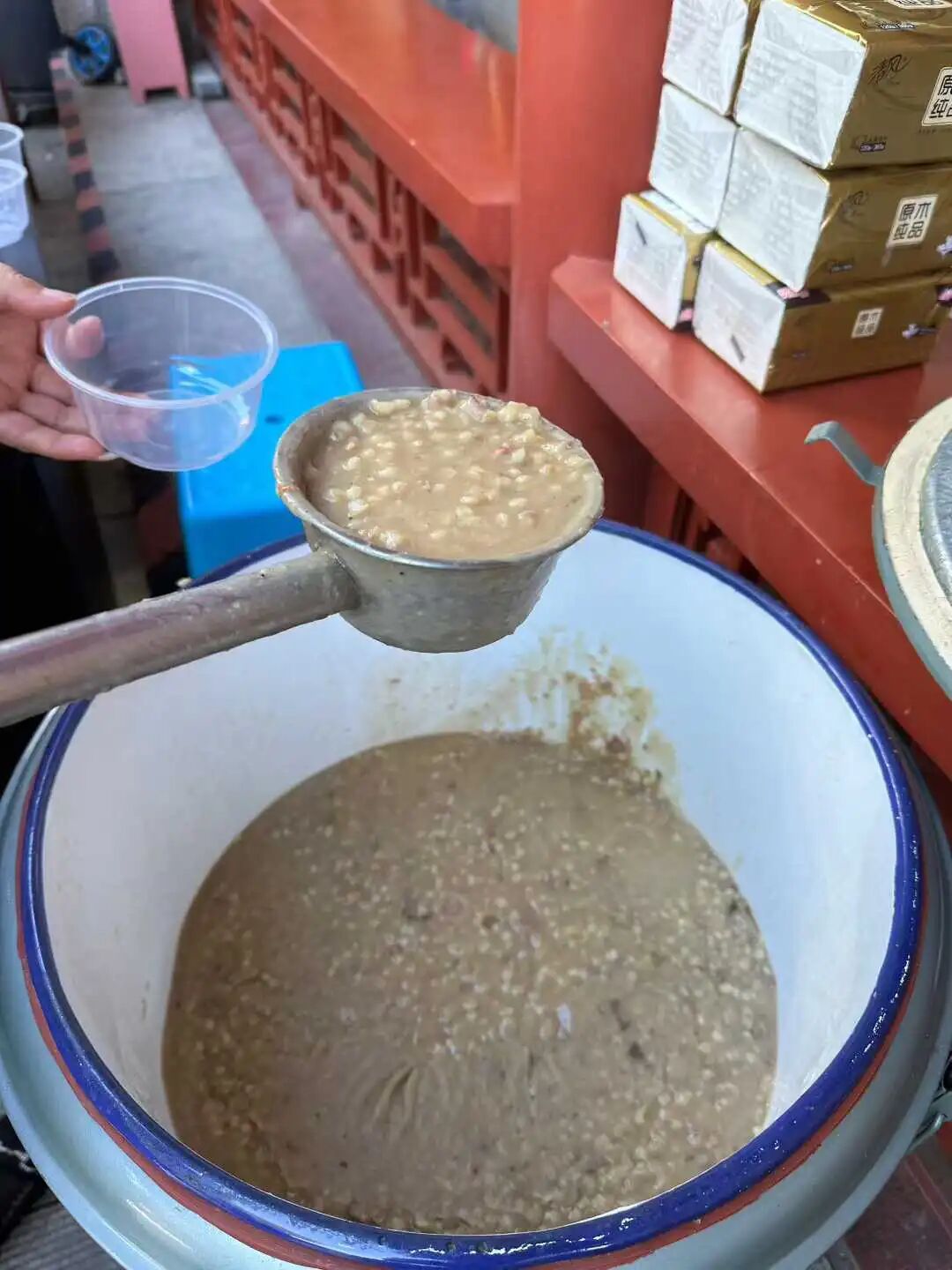
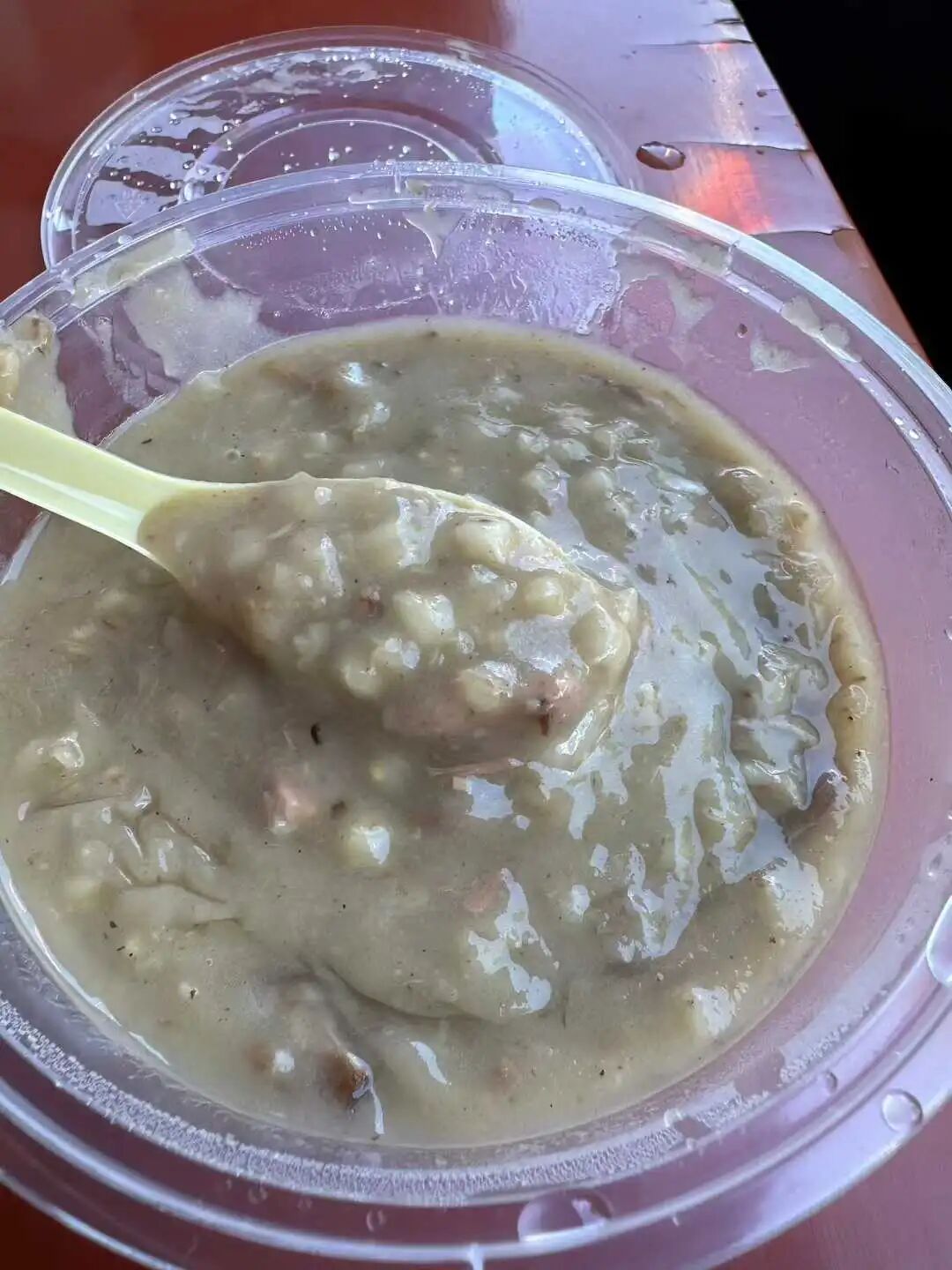
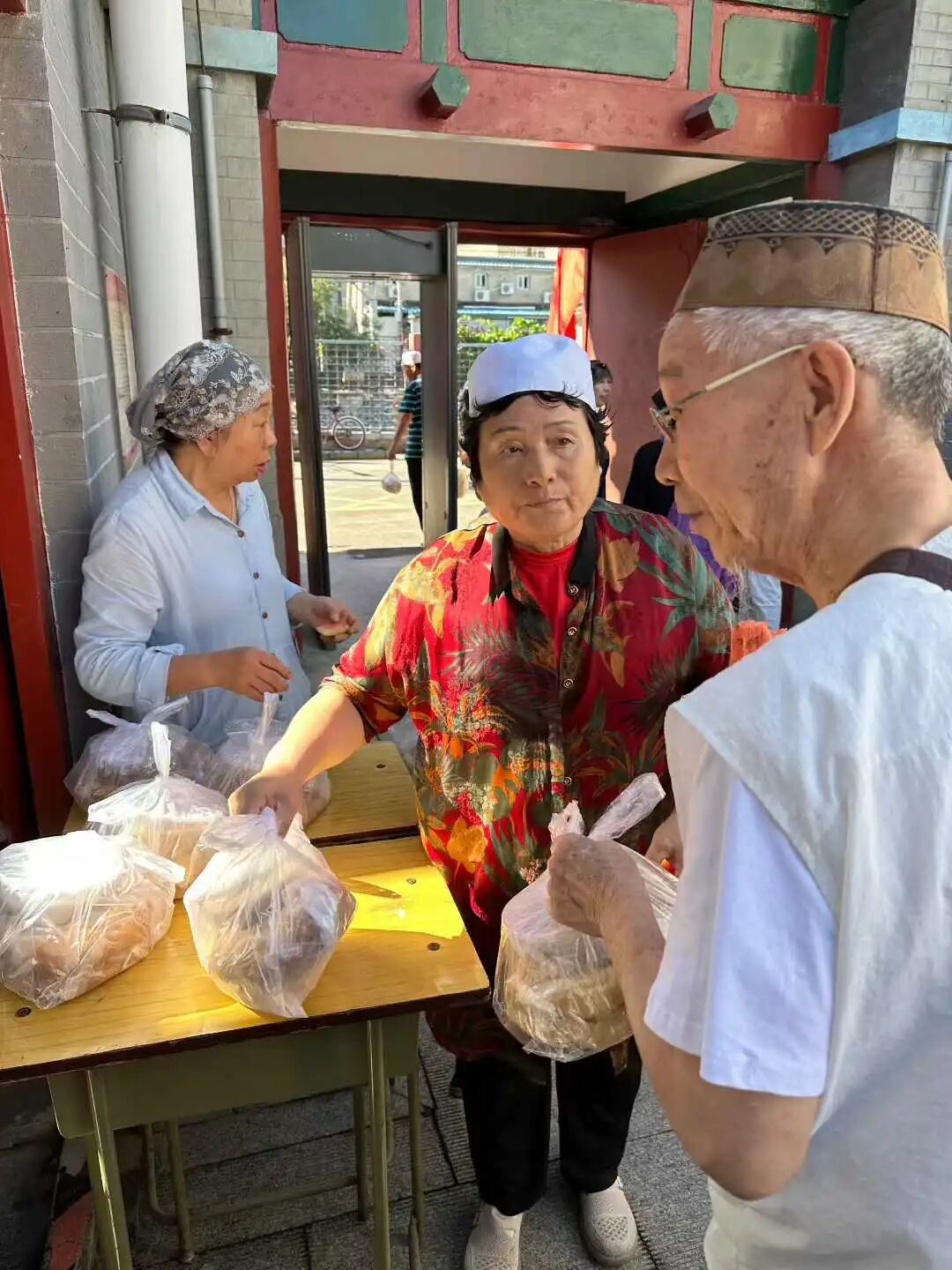
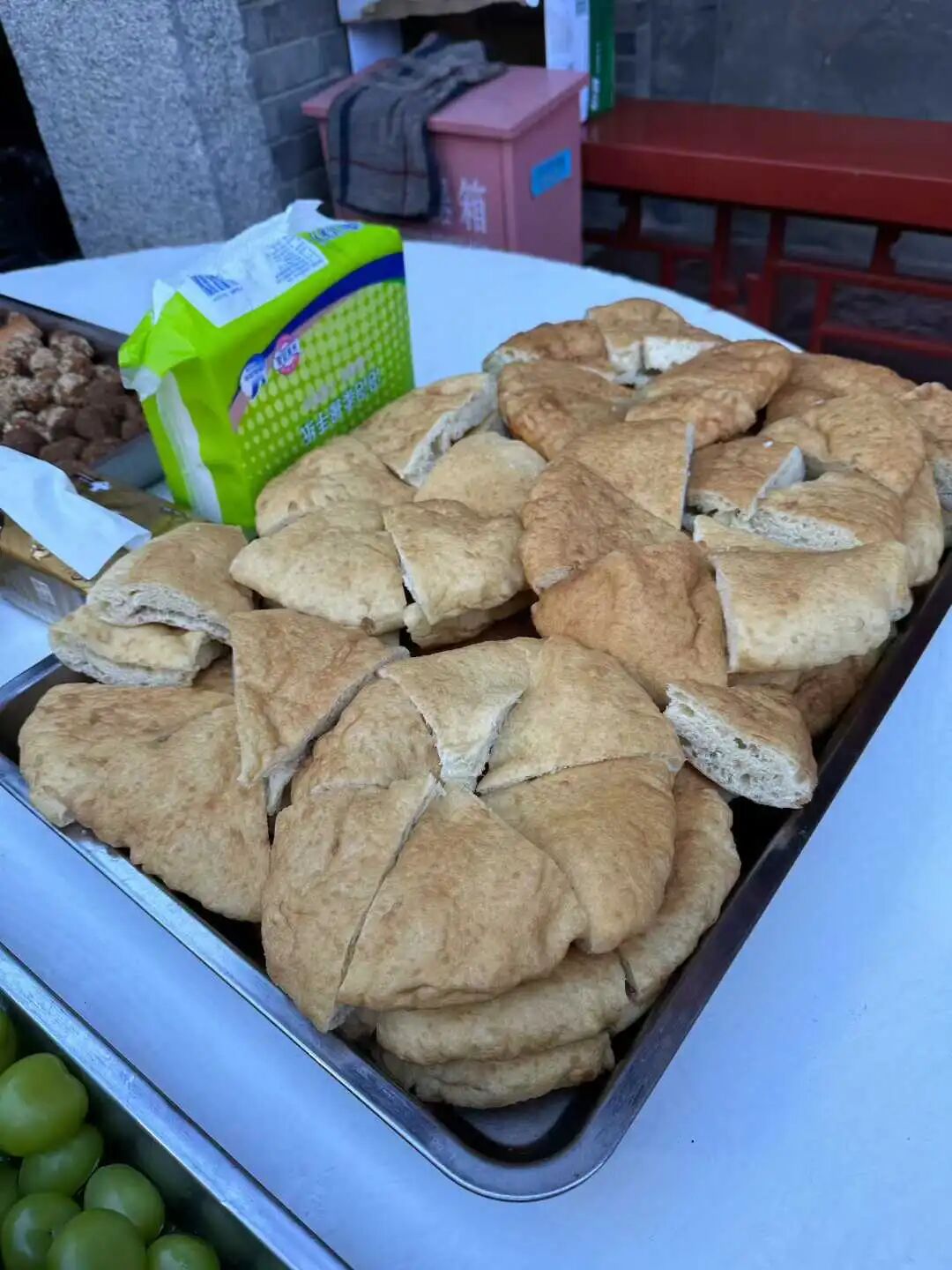
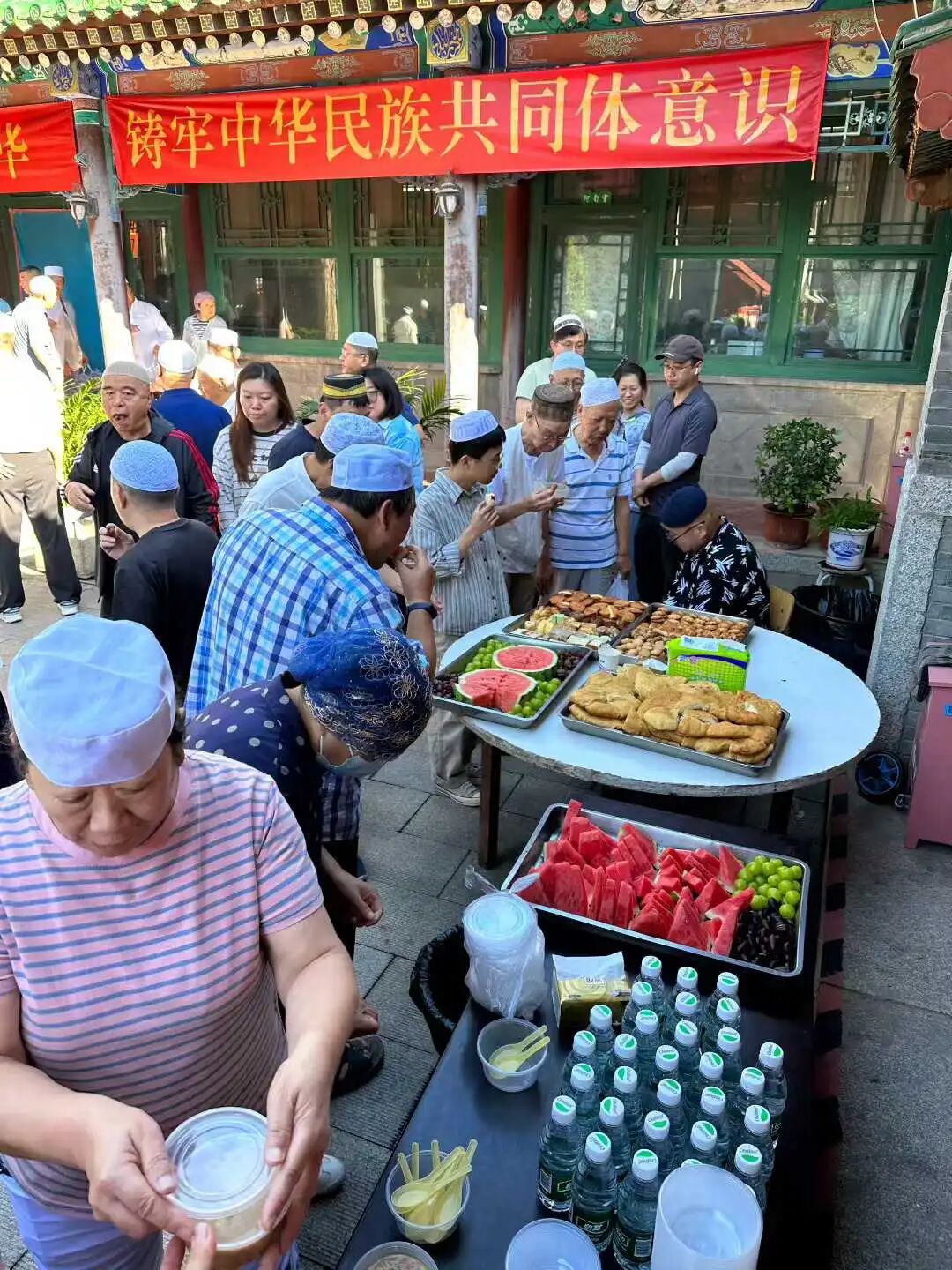
On Sunday, I attended the Mawlid at Yangzha Mosque, which was the third one I attended that week. After arriving, I had meat porridge, then imams from various mosques in Chaoyang District recited the Quran, and the local imam gave a sermon (wa'z). After the prayer, we had a traditional Beijing Muslim banquet, which is now rare in the city center.
The kitchen at Yangzha Mosque is very large. They were stewing the eight-bowl dishes in pots, stir-frying, and steaming fish, with everyone working together in an orderly way to serve the food.
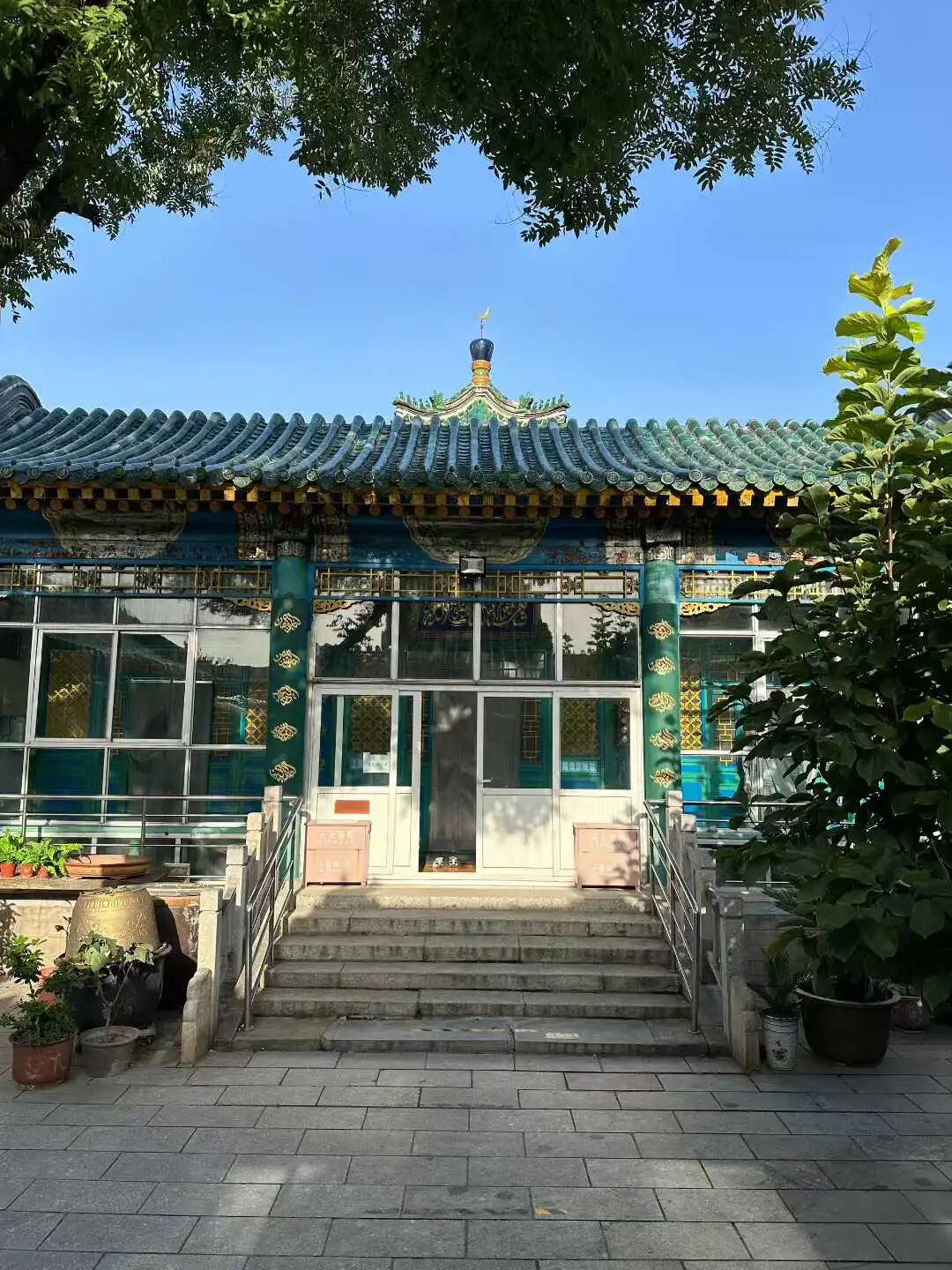
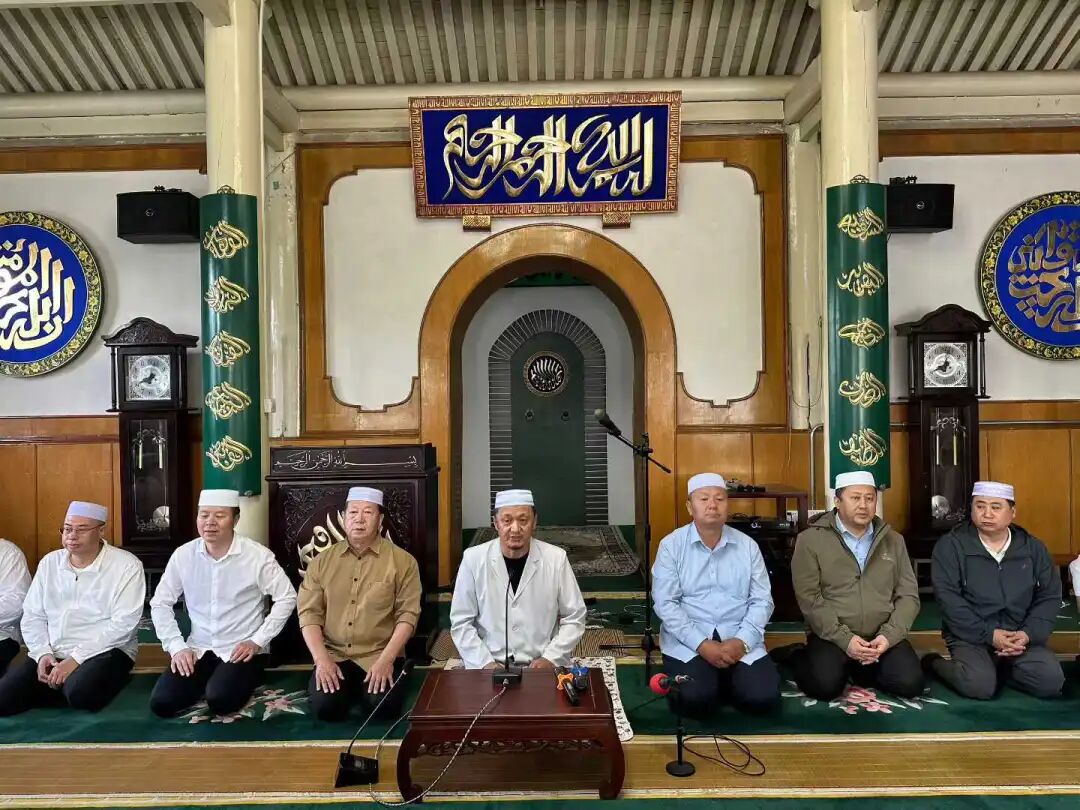
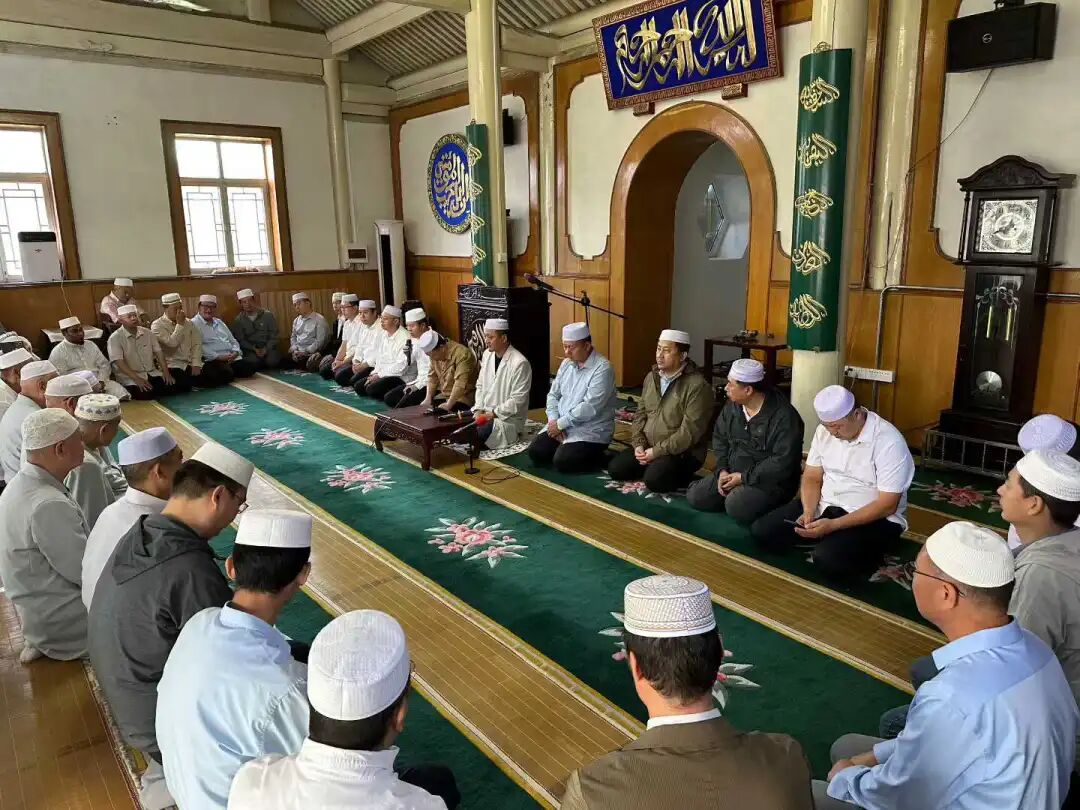
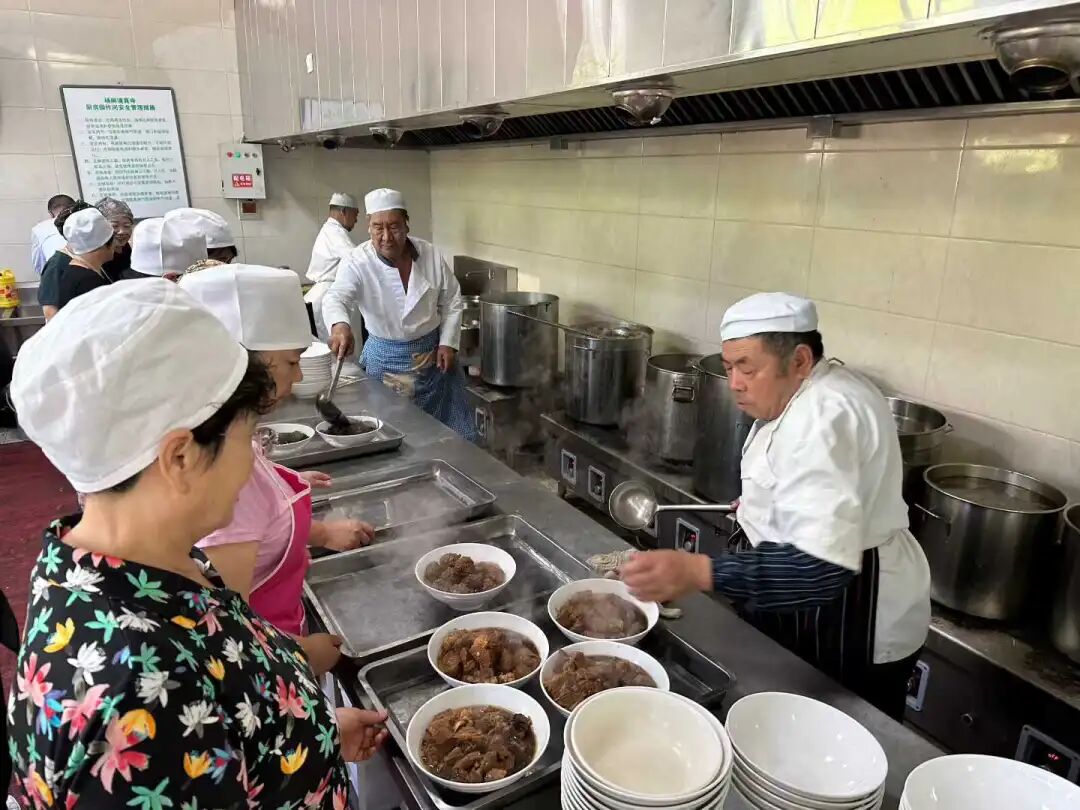
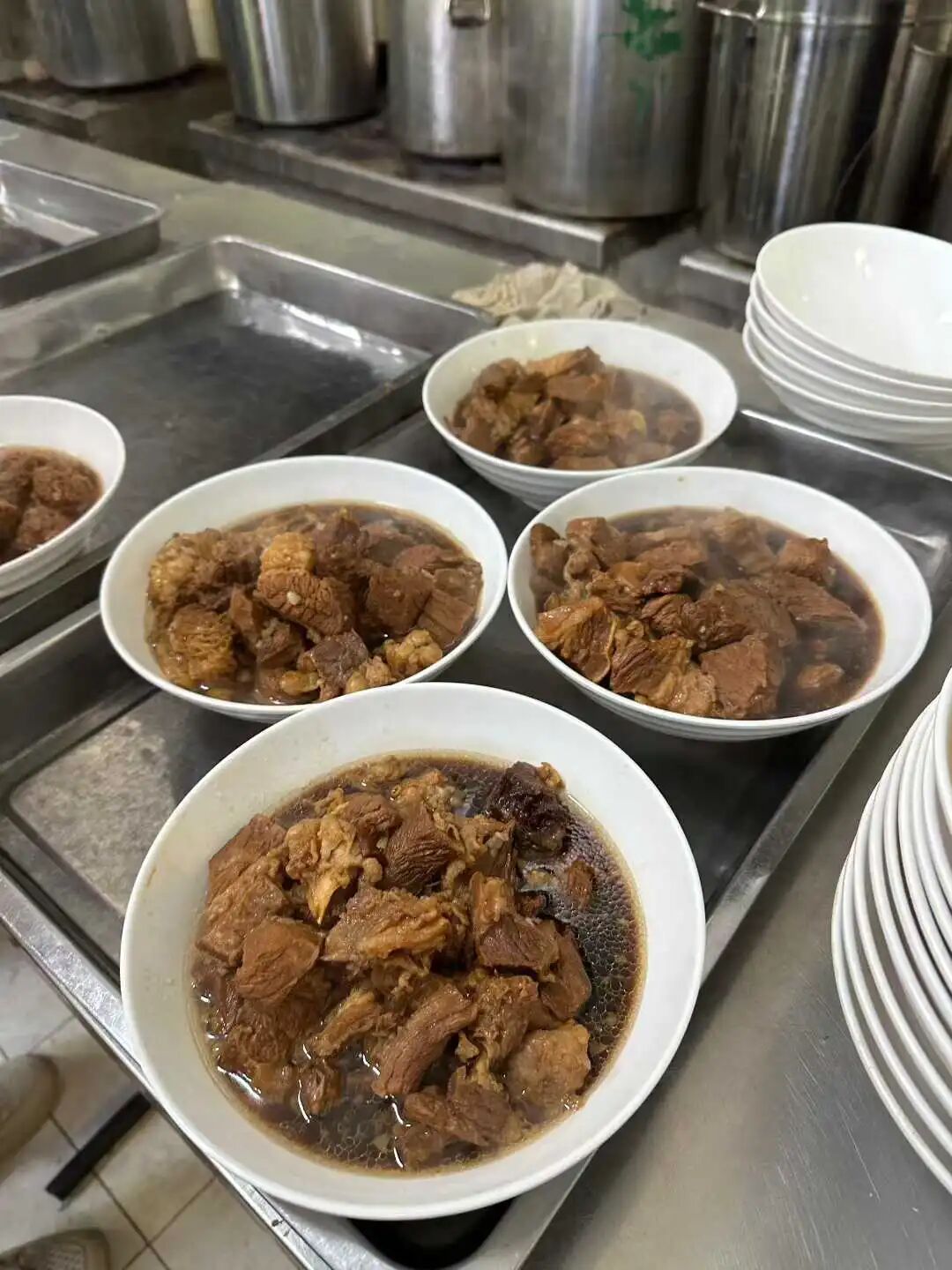
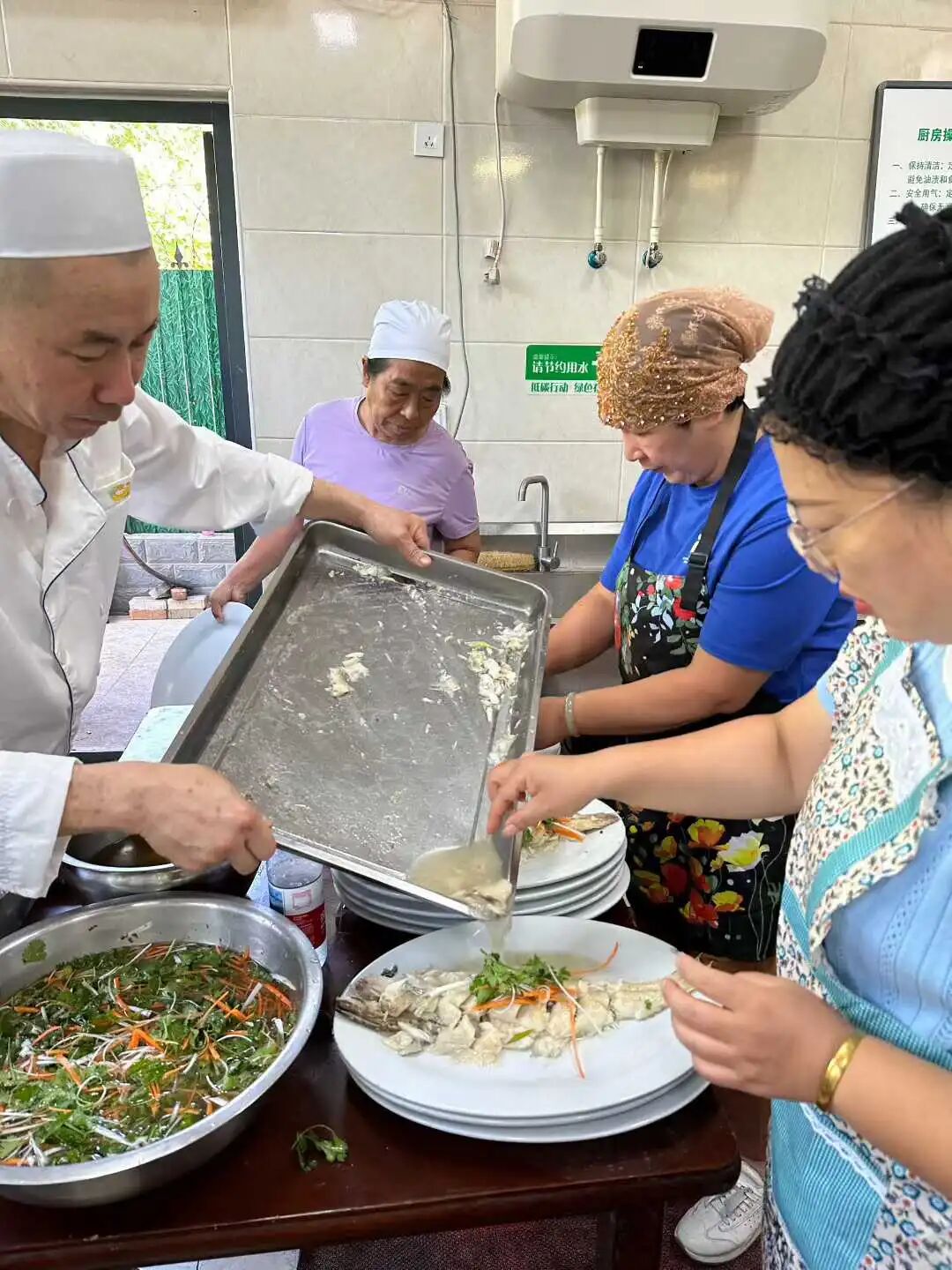
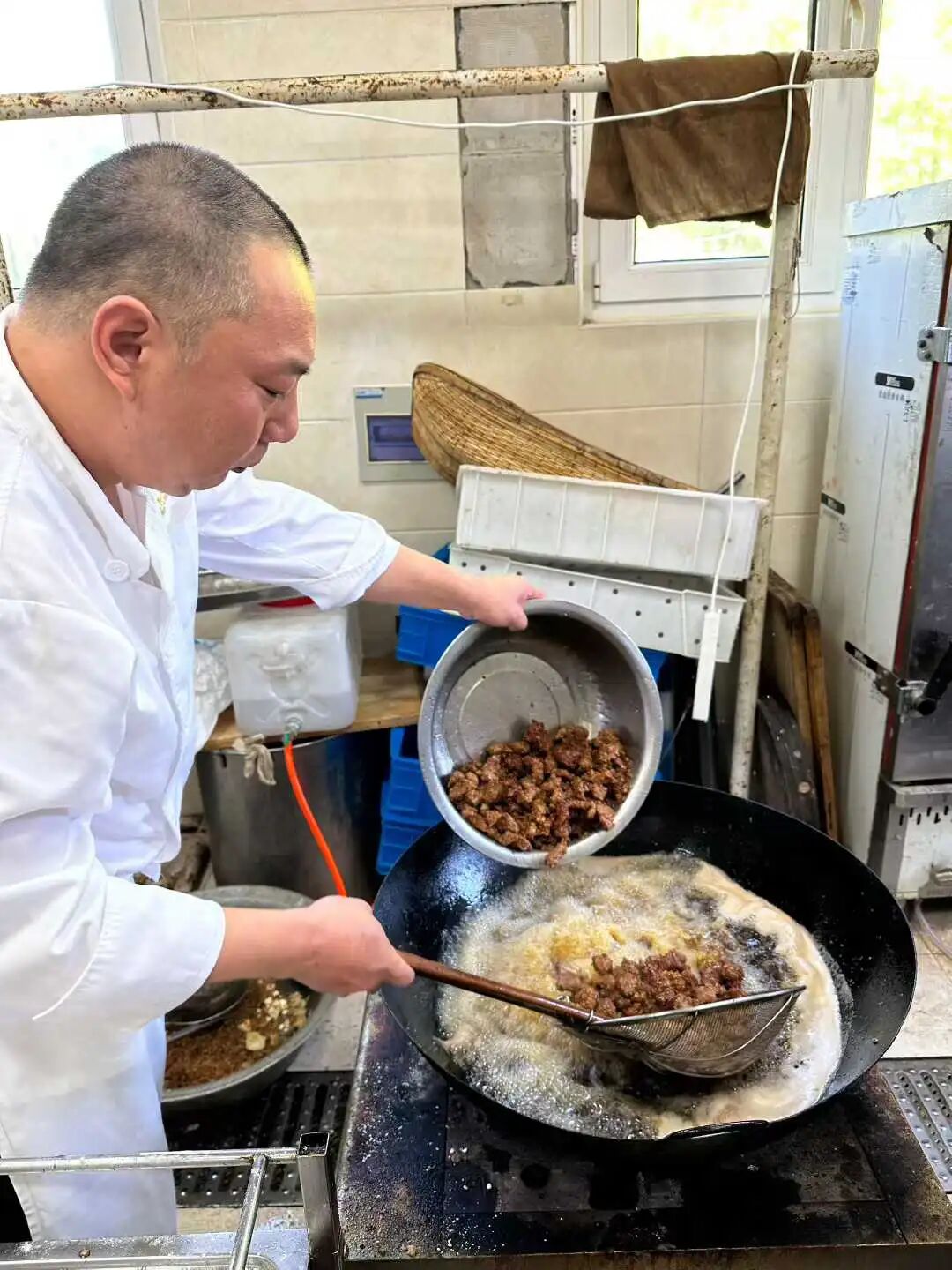
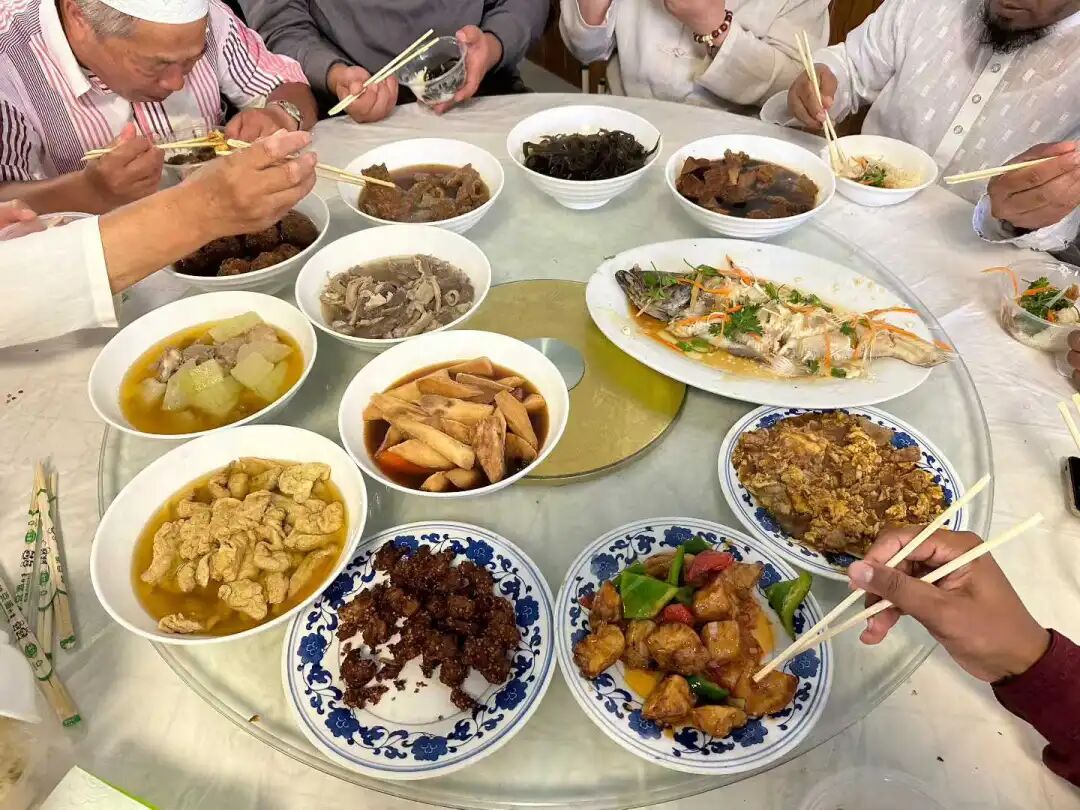
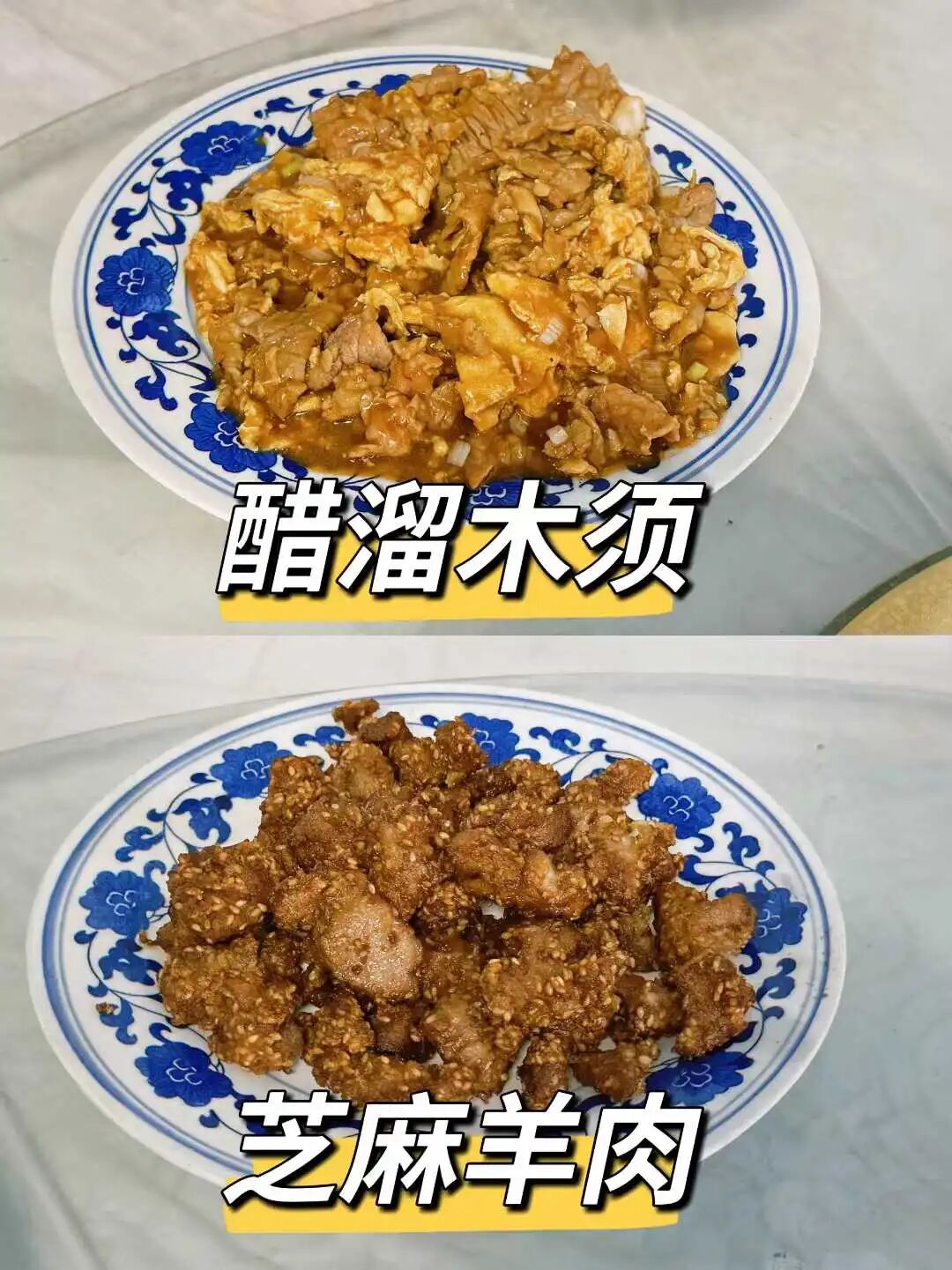
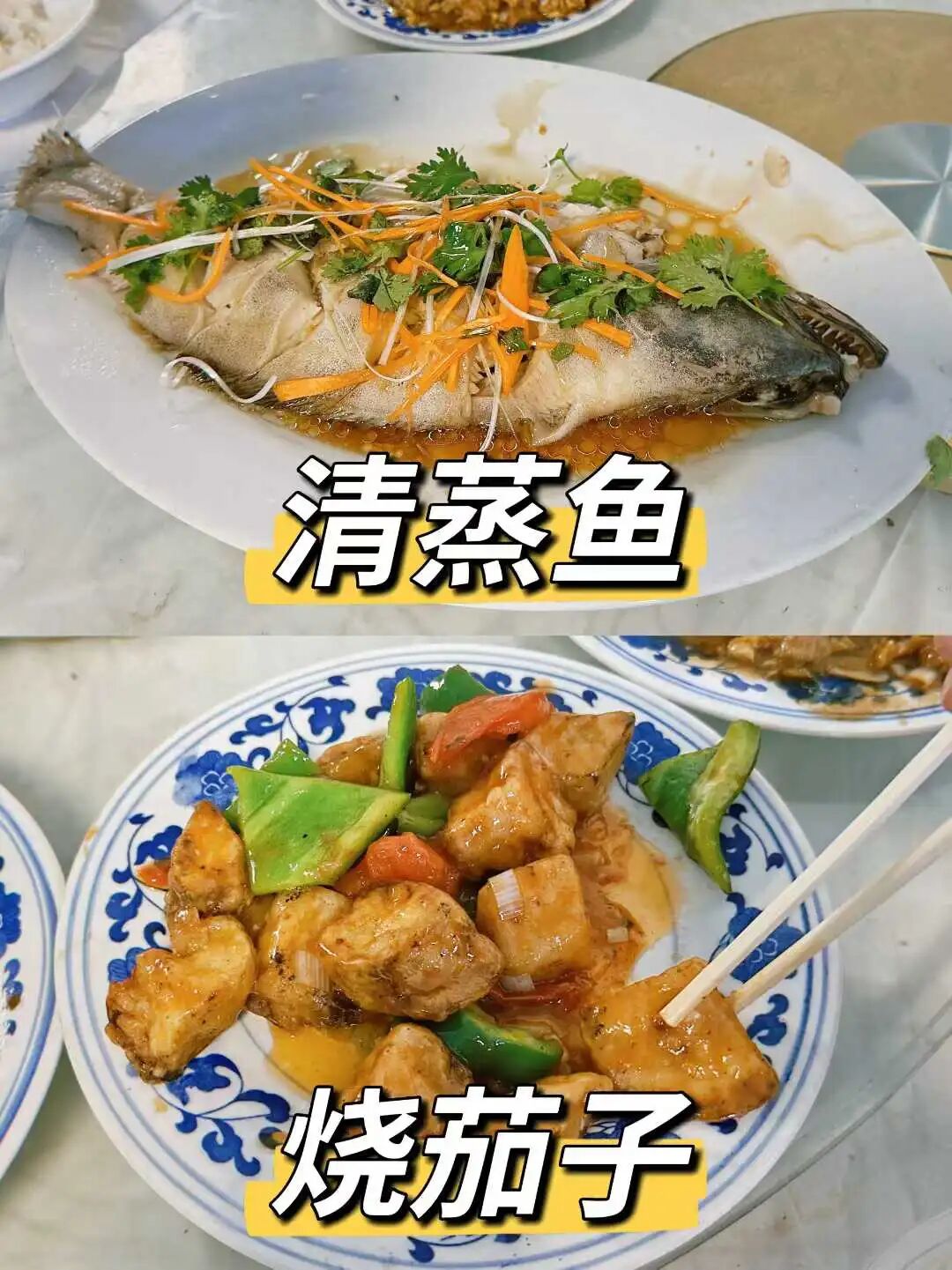
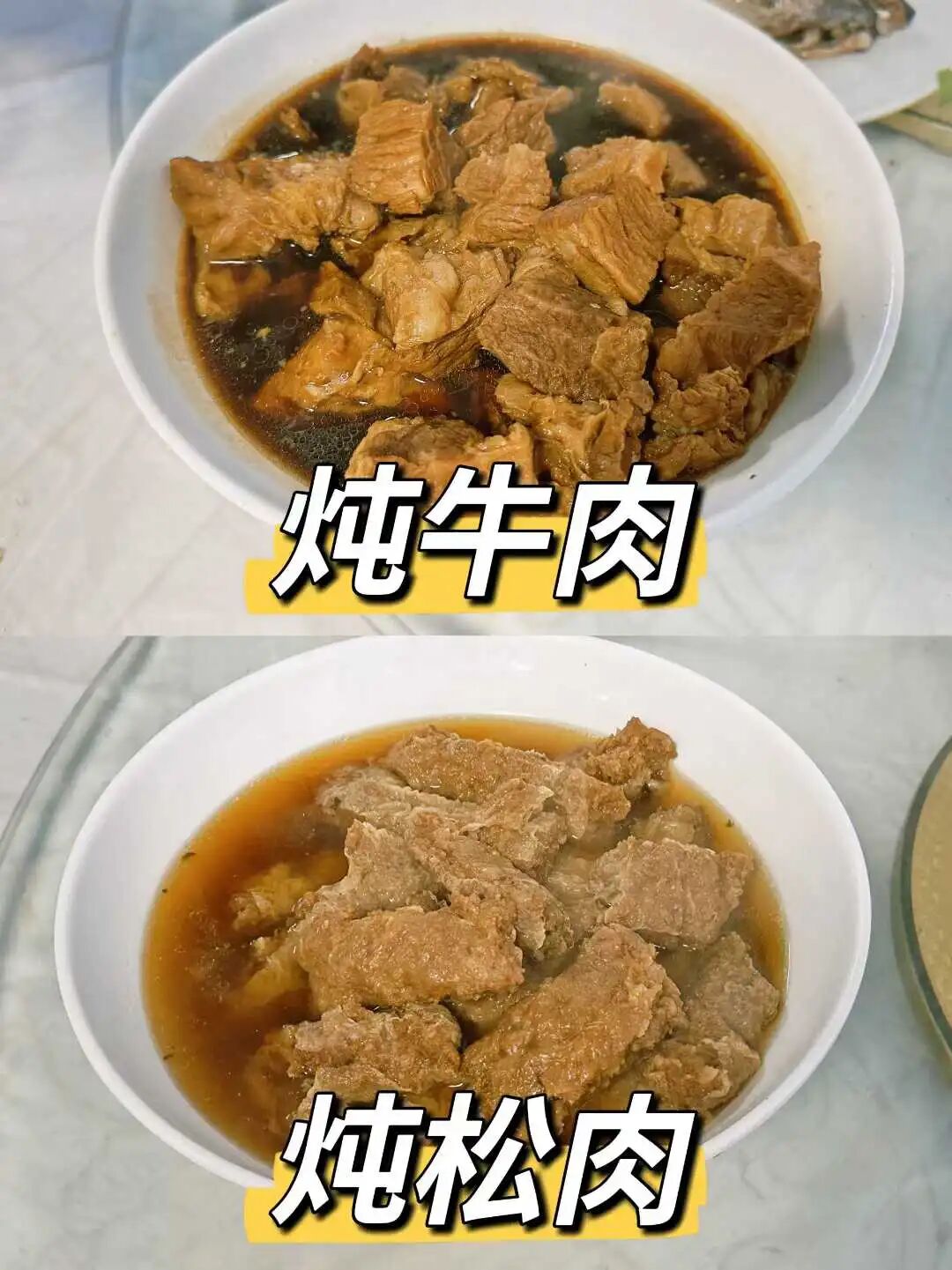
The traditional Beijing mosque banquet includes stir-fried dishes, steamed fish, and the eight-bowl dishes: vinegar-sauce stir-fried egg and meat (culiu muxu), sesame lamb (zhima yangrou), steamed fish (qingzheng yu), braised eggplant (shao qiezi), stewed beef (dun niurou), stewed meat patties (dun songrou), stewed winter melon (dun donggua), stewed fried tofu puffs (dun doupao), stewed lamb offal (dun yangza), stewed yam (dun shanyao), stewed meatballs (dun wanzi), and stewed kelp (dun haidai).
Summary: The first week of Beijing's Mawlid month included gatherings at Dongsi Mosque, Balizhuang Mosque, and Yangzha Mosque. The travel note records prayers, Quran recitation, sermons, meat porridge, mosque kitchens, and a traditional Beijing Muslim banquet.
Blessed Mawlid, Mawlid Mubarak. The 12th day of the third month in the Islamic calendar is believed to be the birthday of the noble Prophet. Around this day, friends (dosti) all over the world hold events to commemorate the noble Prophet, known as Mawlid or Eid-e-Milad an-Nabi. In China, these are called Shengji, Sheng-hui, or Shengdan.
Commemorations for the noble Prophet date back to the time of the followers of the companions (Tabi'un), though they were mostly private events in the early days. Large-scale commemorations can be traced back to Egypt during the Fatimid dynasty in the 12th century. In 1207, Saladin's brother-in-law Gökböri first established the Mawlid as a public holiday, which helped the celebration spread. The Ottoman Empire made the Mawlid an official holiday in 1588, calling it Mevlid Kandili, which means the Candle Festival of the Prophet's Birthday.
When the Mawlid begins, mosques across Beijing start holding commemorative gatherings that last for an entire month. Last weekend, I attended three gatherings in Beijing at Dongsi, Balizhuang, and Yangzha, where I enjoyed meat porridge, fried dough (youxiang), and traditional eight-bowl banquet dishes (badawan).
On Friday, the day of Jumu'ah, I spent the Mawlid at Dongsi. Before the Jumu'ah prayer, a sermon (wa'z) explained the significance of remembering the noble Prophet. After the prayer, President Yang Faming and various imams recited the Quran (yuanjing). After leaving the prayer hall, we enjoyed fruits and snacks.
On Saturday, I attended the Mawlid at Balizhuang Mosque. Imams from various mosques in Chaoyang District came to recite the Quran, and local elders took turns reciting as well. Imam Yang gave a sermon (wa'z) about the noble Prophet. After the prayer, everyone enjoyed meat porridge, fried dough (youxiang), and various fruits and pastries. The meat porridge at Balizhuang is only available during Eid al-Fitr and the Mawlid each year. The aroma of the meat and the wheat blends perfectly, making it very blessed.
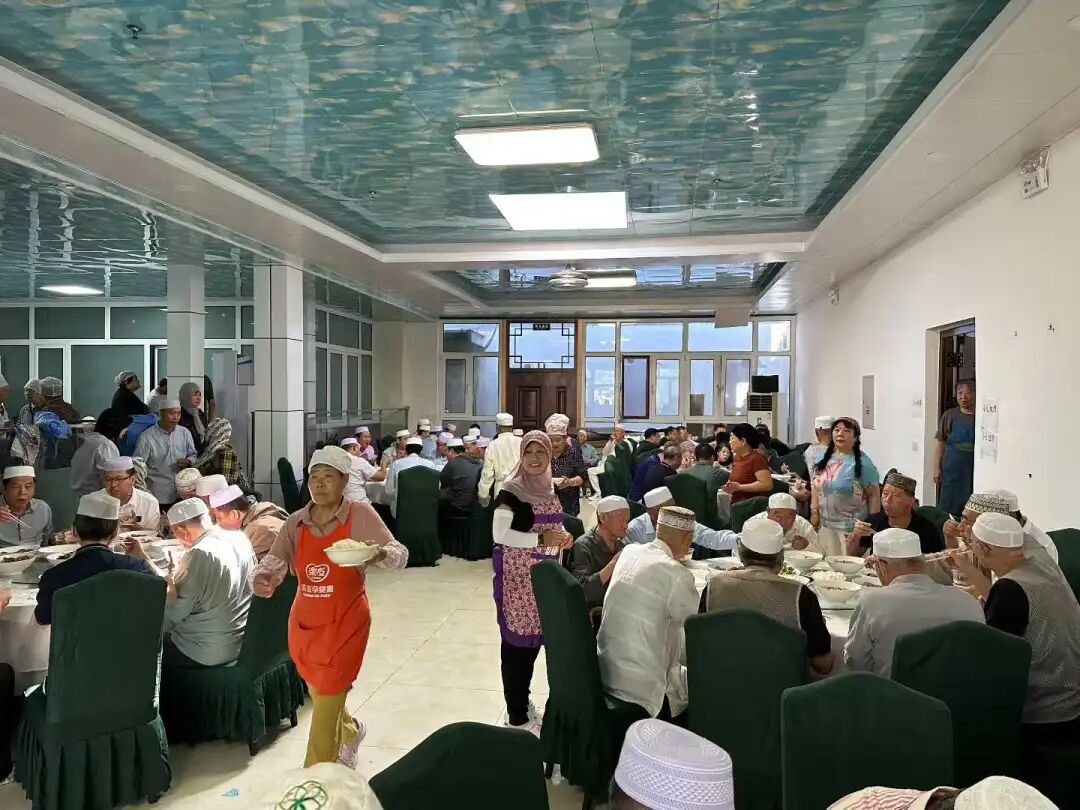
On Sunday, I attended the Mawlid at Yangzha Mosque, which was the third one I attended that week. After arriving, I had meat porridge, then imams from various mosques in Chaoyang District recited the Quran, and the local imam gave a sermon (wa'z). After the prayer, we had a traditional Beijing Muslim banquet, which is now rare in the city center.
The kitchen at Yangzha Mosque is very large. They were stewing the eight-bowl dishes in pots, stir-frying, and steaming fish, with everyone working together in an orderly way to serve the food.
The traditional Beijing mosque banquet includes stir-fried dishes, steamed fish, and the eight-bowl dishes: vinegar-sauce stir-fried egg and meat (culiu muxu), sesame lamb (zhima yangrou), steamed fish (qingzheng yu), braised eggplant (shao qiezi), stewed beef (dun niurou), stewed meat patties (dun songrou), stewed winter melon (dun donggua), stewed fried tofu puffs (dun doupao), stewed lamb offal (dun yangza), stewed yam (dun shanyao), stewed meatballs (dun wanzi), and stewed kelp (dun haidai).
Halal Travel Guide: Beijing - Mawlid Week Three at Nanxiapo and Tongzhou Xiguan
Articles • ali2007fr posted the article • 0 comments • 276 views • 2026-05-20 09:38
Reposted from the web
Summary: The third week of Beijing Mawlid gatherings covers Nanxiapo Mosque outside Chaoyang Gate and Tongzhou Xiguan Mosque near Tongzhou Beiyuan. The article records Mawlid rituals, Nanxiapo community history, Ma Jun burial memories, Tongzhou mosque rebuilding, and a traditional twelve-dish mosque feast.
Three weeks have passed since the start of the month of Mawlid (Shengji Yue) in Beijing, and it is now coming to an end. In the first two weeks, I attended five Mawlid gatherings in Dongsi, Balizhuang, Yangzha, Sanlihe, and Xihui. This weekend, I went to two more in Nanxiapo and Tongzhou Xiguan. Including the four gatherings I attended in Xi'an during the Spring Festival, I have been to eleven Mawlid gatherings this year.
Mawlid is a key way to pass on traditional faith culture. By learning about the Prophet's teachings on peace, kindness, mutual help, and honesty, and by taking part in traditional ceremonies, we deepen our connection to the roots and values of our faith. This shared cultural memory is the foundation that brings our community together.
During these gatherings, friends (dosti) of all ages and from different families talk to each other, which builds friendships and strengthens our unity. For the younger generation of friends (dosti), taking part in Mawlid activities helps them feel at home in the mosque community, learn traditional culture and morals, and keep strong ties with their elders.
A key part of Mawlid is charity (shesan). This shows the faith's focus on charity and the traditional culture of helping each other through hard times. A bowl of meat porridge and a bag of fried dough (youxiang) help friends (dosti) feel the warmth of the faith, strengthening their sense of belonging and cultural unity.
On Saturday morning, we attended the Mawlid gathering at Nanxiapo, outside Chaoyang Gate. Imams from various mosques in Chaoyang District led the opening prayers, local elders finished the recitations, and the local imam gave a sermon (wa'erzi). Afterward, we had tea and snacks, and received meatballs, shredded beef (songrou), and fried dough (youxiang) given out by the mosque.
The south wing of the Nanxiapo mosque opened an exhibition hall introducing the history of the local mosque community, and many friends (dosti) came to visit.
As a major hub for the Grand Canal grain transport, the area outside Chaoyang Gate once had many mosque communities like Nanzhongjie, Nanxiapo, and Shegutang, but only Nanxiapo remains today. According to the memories of local elders, the Nanxiapo mosque dates back to the late Ming and early Qing dynasties. At that time, a shed builder used bamboo poles and reed mats to build a large shelter in Nanxiapo. An imam named Hu Zhonghe led the local Hui Muslims in prayer inside the mat shed, which was the first Nanxiapo mosque. In the early years of the Kangxi reign, a Hui Muslim surnamed Ma who sold bows and arrows near Chaoyang Gate heard about the situation in Nanxiapo. He had just received payment for a large order of bows and arrows from some Mongols, so he donated the money to officially build the Nanxiapo mosque.
Most of the leaders of the Nanxiapo mosque have been descendants of the first leader, Hu Zhonghe. Hu Zhonghe's 12th-generation descendant, Hu Degui, was born in 1883. After his parents died young, his 15-year-old son Hu Zichen took over his father's work in 1898 as the second leader (haitebu) of the Nanxiapo mosque, and people called him Master Hu the Second. At that time, the imam of the Nanxiapo mosque was Hu Wenzhi, and the third master was Ma Shikuan, known as Master Ma the Third.
In 1900, when Empress Dowager Cixi fled west, bandits appeared everywhere, and many shops on Chaoyangmen Outer Street were robbed. The 17-year-old Imam Hu Zichen organized a local defense group in Nanxiapo. Young Hui Muslims joined eagerly; some were wrestlers, some knew martial arts, some were cart drivers, and the wealthy ones even bought firearms. Every night, everyone gathered at the gate of the Nanxiapo mosque, split into groups, and patrolled the streets to keep watch, finally getting through the crisis safely.
On February 15, 1928, after the martyr Ma Jun died, his body (maiti) was washed at the Nanxiapo mosque by Imam Hu Wenzhi and Imam Hu Zichen. Local elders and friends (dosti) donated burial cloth (kafan), and he was buried in the northwest corner of the Temple of the Sun.
In 1947, when the Nationalist army was rounding up young men for forced labor at the Nanxiapo barracks, the young Hui Muslims were terrified. With the help of the imams and elders, they climbed wooden ladders to the roof of the main hall of the Nanxiapo mosque. After they were hidden, the imams and elders immediately hid the ladders. When the Nationalist troops came to the mosque to grab people, the imams persuaded them to leave. Everyone lay on the roof for the whole day and finally escaped the danger.
On Sunday, I attended a religious gathering at the Tongzhou Xiguan Mosque. The Tongzhou Xiguan Mosque is not far from the Tongzhou Beiyuan subway station on the Batong Line, so it is easy to get to. The Tongzhou Xiguan Mosque was first built in 1766 (the 31st year of the Qianlong reign). The original building was torn down in 1980, rebuilt in 1999 to resume activities, and moved to its current location in 2012.
We went into the main hall to listen to the imams from various mosques in Tongzhou recite scriptures, and then we studied the imam's sermon (wa'ez). The imam talked about the importance of praising the Prophet during the Mawlid (Shengji) celebration. He used a traditional style of scripture teaching that sounded very ancient and meaningful.
After leaving the hall, we ate a traditional twelve-dish feast (nietie xi), which included stir-fried lamb liver, winter melon with dried shrimp, steamed fish, sesame lamb, steamed lamb, beef stew, yam stew, kelp stew, fried tofu puff stew, meatball stew, fried crispy meat (songrou), and candied yam and date rolls (tangjuan guo). It was a very auspicious meal that both the elderly and children enjoyed.
When leaving, the mosque gave out fried dough (youxiang) and meat porridge. Since I had just received some fried dough yesterday, I only took the meat porridge. view all
Summary: The third week of Beijing Mawlid gatherings covers Nanxiapo Mosque outside Chaoyang Gate and Tongzhou Xiguan Mosque near Tongzhou Beiyuan. The article records Mawlid rituals, Nanxiapo community history, Ma Jun burial memories, Tongzhou mosque rebuilding, and a traditional twelve-dish mosque feast.
Three weeks have passed since the start of the month of Mawlid (Shengji Yue) in Beijing, and it is now coming to an end. In the first two weeks, I attended five Mawlid gatherings in Dongsi, Balizhuang, Yangzha, Sanlihe, and Xihui. This weekend, I went to two more in Nanxiapo and Tongzhou Xiguan. Including the four gatherings I attended in Xi'an during the Spring Festival, I have been to eleven Mawlid gatherings this year.
Mawlid is a key way to pass on traditional faith culture. By learning about the Prophet's teachings on peace, kindness, mutual help, and honesty, and by taking part in traditional ceremonies, we deepen our connection to the roots and values of our faith. This shared cultural memory is the foundation that brings our community together.
During these gatherings, friends (dosti) of all ages and from different families talk to each other, which builds friendships and strengthens our unity. For the younger generation of friends (dosti), taking part in Mawlid activities helps them feel at home in the mosque community, learn traditional culture and morals, and keep strong ties with their elders.
A key part of Mawlid is charity (shesan). This shows the faith's focus on charity and the traditional culture of helping each other through hard times. A bowl of meat porridge and a bag of fried dough (youxiang) help friends (dosti) feel the warmth of the faith, strengthening their sense of belonging and cultural unity.
On Saturday morning, we attended the Mawlid gathering at Nanxiapo, outside Chaoyang Gate. Imams from various mosques in Chaoyang District led the opening prayers, local elders finished the recitations, and the local imam gave a sermon (wa'erzi). Afterward, we had tea and snacks, and received meatballs, shredded beef (songrou), and fried dough (youxiang) given out by the mosque.
The south wing of the Nanxiapo mosque opened an exhibition hall introducing the history of the local mosque community, and many friends (dosti) came to visit.
As a major hub for the Grand Canal grain transport, the area outside Chaoyang Gate once had many mosque communities like Nanzhongjie, Nanxiapo, and Shegutang, but only Nanxiapo remains today. According to the memories of local elders, the Nanxiapo mosque dates back to the late Ming and early Qing dynasties. At that time, a shed builder used bamboo poles and reed mats to build a large shelter in Nanxiapo. An imam named Hu Zhonghe led the local Hui Muslims in prayer inside the mat shed, which was the first Nanxiapo mosque. In the early years of the Kangxi reign, a Hui Muslim surnamed Ma who sold bows and arrows near Chaoyang Gate heard about the situation in Nanxiapo. He had just received payment for a large order of bows and arrows from some Mongols, so he donated the money to officially build the Nanxiapo mosque.
Most of the leaders of the Nanxiapo mosque have been descendants of the first leader, Hu Zhonghe. Hu Zhonghe's 12th-generation descendant, Hu Degui, was born in 1883. After his parents died young, his 15-year-old son Hu Zichen took over his father's work in 1898 as the second leader (haitebu) of the Nanxiapo mosque, and people called him Master Hu the Second. At that time, the imam of the Nanxiapo mosque was Hu Wenzhi, and the third master was Ma Shikuan, known as Master Ma the Third.
In 1900, when Empress Dowager Cixi fled west, bandits appeared everywhere, and many shops on Chaoyangmen Outer Street were robbed. The 17-year-old Imam Hu Zichen organized a local defense group in Nanxiapo. Young Hui Muslims joined eagerly; some were wrestlers, some knew martial arts, some were cart drivers, and the wealthy ones even bought firearms. Every night, everyone gathered at the gate of the Nanxiapo mosque, split into groups, and patrolled the streets to keep watch, finally getting through the crisis safely.
On February 15, 1928, after the martyr Ma Jun died, his body (maiti) was washed at the Nanxiapo mosque by Imam Hu Wenzhi and Imam Hu Zichen. Local elders and friends (dosti) donated burial cloth (kafan), and he was buried in the northwest corner of the Temple of the Sun.
In 1947, when the Nationalist army was rounding up young men for forced labor at the Nanxiapo barracks, the young Hui Muslims were terrified. With the help of the imams and elders, they climbed wooden ladders to the roof of the main hall of the Nanxiapo mosque. After they were hidden, the imams and elders immediately hid the ladders. When the Nationalist troops came to the mosque to grab people, the imams persuaded them to leave. Everyone lay on the roof for the whole day and finally escaped the danger.
On Sunday, I attended a religious gathering at the Tongzhou Xiguan Mosque. The Tongzhou Xiguan Mosque is not far from the Tongzhou Beiyuan subway station on the Batong Line, so it is easy to get to. The Tongzhou Xiguan Mosque was first built in 1766 (the 31st year of the Qianlong reign). The original building was torn down in 1980, rebuilt in 1999 to resume activities, and moved to its current location in 2012.
We went into the main hall to listen to the imams from various mosques in Tongzhou recite scriptures, and then we studied the imam's sermon (wa'ez). The imam talked about the importance of praising the Prophet during the Mawlid (Shengji) celebration. He used a traditional style of scripture teaching that sounded very ancient and meaningful.
After leaving the hall, we ate a traditional twelve-dish feast (nietie xi), which included stir-fried lamb liver, winter melon with dried shrimp, steamed fish, sesame lamb, steamed lamb, beef stew, yam stew, kelp stew, fried tofu puff stew, meatball stew, fried crispy meat (songrou), and candied yam and date rolls (tangjuan guo). It was a very auspicious meal that both the elderly and children enjoyed.
When leaving, the mosque gave out fried dough (youxiang) and meat porridge. Since I had just received some fried dough yesterday, I only took the meat porridge. view all
Reposted from the web
Summary: The third week of Beijing Mawlid gatherings covers Nanxiapo Mosque outside Chaoyang Gate and Tongzhou Xiguan Mosque near Tongzhou Beiyuan. The article records Mawlid rituals, Nanxiapo community history, Ma Jun burial memories, Tongzhou mosque rebuilding, and a traditional twelve-dish mosque feast.
Three weeks have passed since the start of the month of Mawlid (Shengji Yue) in Beijing, and it is now coming to an end. In the first two weeks, I attended five Mawlid gatherings in Dongsi, Balizhuang, Yangzha, Sanlihe, and Xihui. This weekend, I went to two more in Nanxiapo and Tongzhou Xiguan. Including the four gatherings I attended in Xi'an during the Spring Festival, I have been to eleven Mawlid gatherings this year.
Mawlid is a key way to pass on traditional faith culture. By learning about the Prophet's teachings on peace, kindness, mutual help, and honesty, and by taking part in traditional ceremonies, we deepen our connection to the roots and values of our faith. This shared cultural memory is the foundation that brings our community together.
During these gatherings, friends (dosti) of all ages and from different families talk to each other, which builds friendships and strengthens our unity. For the younger generation of friends (dosti), taking part in Mawlid activities helps them feel at home in the mosque community, learn traditional culture and morals, and keep strong ties with their elders.
A key part of Mawlid is charity (shesan). This shows the faith's focus on charity and the traditional culture of helping each other through hard times. A bowl of meat porridge and a bag of fried dough (youxiang) help friends (dosti) feel the warmth of the faith, strengthening their sense of belonging and cultural unity.
On Saturday morning, we attended the Mawlid gathering at Nanxiapo, outside Chaoyang Gate. Imams from various mosques in Chaoyang District led the opening prayers, local elders finished the recitations, and the local imam gave a sermon (wa'erzi). Afterward, we had tea and snacks, and received meatballs, shredded beef (songrou), and fried dough (youxiang) given out by the mosque.
The south wing of the Nanxiapo mosque opened an exhibition hall introducing the history of the local mosque community, and many friends (dosti) came to visit.
As a major hub for the Grand Canal grain transport, the area outside Chaoyang Gate once had many mosque communities like Nanzhongjie, Nanxiapo, and Shegutang, but only Nanxiapo remains today. According to the memories of local elders, the Nanxiapo mosque dates back to the late Ming and early Qing dynasties. At that time, a shed builder used bamboo poles and reed mats to build a large shelter in Nanxiapo. An imam named Hu Zhonghe led the local Hui Muslims in prayer inside the mat shed, which was the first Nanxiapo mosque. In the early years of the Kangxi reign, a Hui Muslim surnamed Ma who sold bows and arrows near Chaoyang Gate heard about the situation in Nanxiapo. He had just received payment for a large order of bows and arrows from some Mongols, so he donated the money to officially build the Nanxiapo mosque.
Most of the leaders of the Nanxiapo mosque have been descendants of the first leader, Hu Zhonghe. Hu Zhonghe's 12th-generation descendant, Hu Degui, was born in 1883. After his parents died young, his 15-year-old son Hu Zichen took over his father's work in 1898 as the second leader (haitebu) of the Nanxiapo mosque, and people called him Master Hu the Second. At that time, the imam of the Nanxiapo mosque was Hu Wenzhi, and the third master was Ma Shikuan, known as Master Ma the Third.
In 1900, when Empress Dowager Cixi fled west, bandits appeared everywhere, and many shops on Chaoyangmen Outer Street were robbed. The 17-year-old Imam Hu Zichen organized a local defense group in Nanxiapo. Young Hui Muslims joined eagerly; some were wrestlers, some knew martial arts, some were cart drivers, and the wealthy ones even bought firearms. Every night, everyone gathered at the gate of the Nanxiapo mosque, split into groups, and patrolled the streets to keep watch, finally getting through the crisis safely.
On February 15, 1928, after the martyr Ma Jun died, his body (maiti) was washed at the Nanxiapo mosque by Imam Hu Wenzhi and Imam Hu Zichen. Local elders and friends (dosti) donated burial cloth (kafan), and he was buried in the northwest corner of the Temple of the Sun.
In 1947, when the Nationalist army was rounding up young men for forced labor at the Nanxiapo barracks, the young Hui Muslims were terrified. With the help of the imams and elders, they climbed wooden ladders to the roof of the main hall of the Nanxiapo mosque. After they were hidden, the imams and elders immediately hid the ladders. When the Nationalist troops came to the mosque to grab people, the imams persuaded them to leave. Everyone lay on the roof for the whole day and finally escaped the danger.
On Sunday, I attended a religious gathering at the Tongzhou Xiguan Mosque. The Tongzhou Xiguan Mosque is not far from the Tongzhou Beiyuan subway station on the Batong Line, so it is easy to get to. The Tongzhou Xiguan Mosque was first built in 1766 (the 31st year of the Qianlong reign). The original building was torn down in 1980, rebuilt in 1999 to resume activities, and moved to its current location in 2012.
We went into the main hall to listen to the imams from various mosques in Tongzhou recite scriptures, and then we studied the imam's sermon (wa'ez). The imam talked about the importance of praising the Prophet during the Mawlid (Shengji) celebration. He used a traditional style of scripture teaching that sounded very ancient and meaningful.
After leaving the hall, we ate a traditional twelve-dish feast (nietie xi), which included stir-fried lamb liver, winter melon with dried shrimp, steamed fish, sesame lamb, steamed lamb, beef stew, yam stew, kelp stew, fried tofu puff stew, meatball stew, fried crispy meat (songrou), and candied yam and date rolls (tangjuan guo). It was a very auspicious meal that both the elderly and children enjoyed.
When leaving, the mosque gave out fried dough (youxiang) and meat porridge. Since I had just received some fried dough yesterday, I only took the meat porridge.
Summary: The third week of Beijing Mawlid gatherings covers Nanxiapo Mosque outside Chaoyang Gate and Tongzhou Xiguan Mosque near Tongzhou Beiyuan. The article records Mawlid rituals, Nanxiapo community history, Ma Jun burial memories, Tongzhou mosque rebuilding, and a traditional twelve-dish mosque feast.
Three weeks have passed since the start of the month of Mawlid (Shengji Yue) in Beijing, and it is now coming to an end. In the first two weeks, I attended five Mawlid gatherings in Dongsi, Balizhuang, Yangzha, Sanlihe, and Xihui. This weekend, I went to two more in Nanxiapo and Tongzhou Xiguan. Including the four gatherings I attended in Xi'an during the Spring Festival, I have been to eleven Mawlid gatherings this year.
Mawlid is a key way to pass on traditional faith culture. By learning about the Prophet's teachings on peace, kindness, mutual help, and honesty, and by taking part in traditional ceremonies, we deepen our connection to the roots and values of our faith. This shared cultural memory is the foundation that brings our community together.
During these gatherings, friends (dosti) of all ages and from different families talk to each other, which builds friendships and strengthens our unity. For the younger generation of friends (dosti), taking part in Mawlid activities helps them feel at home in the mosque community, learn traditional culture and morals, and keep strong ties with their elders.
A key part of Mawlid is charity (shesan). This shows the faith's focus on charity and the traditional culture of helping each other through hard times. A bowl of meat porridge and a bag of fried dough (youxiang) help friends (dosti) feel the warmth of the faith, strengthening their sense of belonging and cultural unity.
On Saturday morning, we attended the Mawlid gathering at Nanxiapo, outside Chaoyang Gate. Imams from various mosques in Chaoyang District led the opening prayers, local elders finished the recitations, and the local imam gave a sermon (wa'erzi). Afterward, we had tea and snacks, and received meatballs, shredded beef (songrou), and fried dough (youxiang) given out by the mosque.
The south wing of the Nanxiapo mosque opened an exhibition hall introducing the history of the local mosque community, and many friends (dosti) came to visit.
As a major hub for the Grand Canal grain transport, the area outside Chaoyang Gate once had many mosque communities like Nanzhongjie, Nanxiapo, and Shegutang, but only Nanxiapo remains today. According to the memories of local elders, the Nanxiapo mosque dates back to the late Ming and early Qing dynasties. At that time, a shed builder used bamboo poles and reed mats to build a large shelter in Nanxiapo. An imam named Hu Zhonghe led the local Hui Muslims in prayer inside the mat shed, which was the first Nanxiapo mosque. In the early years of the Kangxi reign, a Hui Muslim surnamed Ma who sold bows and arrows near Chaoyang Gate heard about the situation in Nanxiapo. He had just received payment for a large order of bows and arrows from some Mongols, so he donated the money to officially build the Nanxiapo mosque.
Most of the leaders of the Nanxiapo mosque have been descendants of the first leader, Hu Zhonghe. Hu Zhonghe's 12th-generation descendant, Hu Degui, was born in 1883. After his parents died young, his 15-year-old son Hu Zichen took over his father's work in 1898 as the second leader (haitebu) of the Nanxiapo mosque, and people called him Master Hu the Second. At that time, the imam of the Nanxiapo mosque was Hu Wenzhi, and the third master was Ma Shikuan, known as Master Ma the Third.
In 1900, when Empress Dowager Cixi fled west, bandits appeared everywhere, and many shops on Chaoyangmen Outer Street were robbed. The 17-year-old Imam Hu Zichen organized a local defense group in Nanxiapo. Young Hui Muslims joined eagerly; some were wrestlers, some knew martial arts, some were cart drivers, and the wealthy ones even bought firearms. Every night, everyone gathered at the gate of the Nanxiapo mosque, split into groups, and patrolled the streets to keep watch, finally getting through the crisis safely.
On February 15, 1928, after the martyr Ma Jun died, his body (maiti) was washed at the Nanxiapo mosque by Imam Hu Wenzhi and Imam Hu Zichen. Local elders and friends (dosti) donated burial cloth (kafan), and he was buried in the northwest corner of the Temple of the Sun.
In 1947, when the Nationalist army was rounding up young men for forced labor at the Nanxiapo barracks, the young Hui Muslims were terrified. With the help of the imams and elders, they climbed wooden ladders to the roof of the main hall of the Nanxiapo mosque. After they were hidden, the imams and elders immediately hid the ladders. When the Nationalist troops came to the mosque to grab people, the imams persuaded them to leave. Everyone lay on the roof for the whole day and finally escaped the danger.
On Sunday, I attended a religious gathering at the Tongzhou Xiguan Mosque. The Tongzhou Xiguan Mosque is not far from the Tongzhou Beiyuan subway station on the Batong Line, so it is easy to get to. The Tongzhou Xiguan Mosque was first built in 1766 (the 31st year of the Qianlong reign). The original building was torn down in 1980, rebuilt in 1999 to resume activities, and moved to its current location in 2012.
We went into the main hall to listen to the imams from various mosques in Tongzhou recite scriptures, and then we studied the imam's sermon (wa'ez). The imam talked about the importance of praising the Prophet during the Mawlid (Shengji) celebration. He used a traditional style of scripture teaching that sounded very ancient and meaningful.
After leaving the hall, we ate a traditional twelve-dish feast (nietie xi), which included stir-fried lamb liver, winter melon with dried shrimp, steamed fish, sesame lamb, steamed lamb, beef stew, yam stew, kelp stew, fried tofu puff stew, meatball stew, fried crispy meat (songrou), and candied yam and date rolls (tangjuan guo). It was a very auspicious meal that both the elderly and children enjoyed.
When leaving, the mosque gave out fried dough (youxiang) and meat porridge. Since I had just received some fried dough yesterday, I only took the meat porridge.
Halal Travel Guide: Beijing - Mawlid Week Two at Sanlihe and Xihui
Articles • ali2007fr posted the article • 0 comments • 237 views • 2026-05-20 09:37
Reposted from the web
Summary: The second week of Beijing Mawlid gatherings covered Sanlihe Mosque and Xihui Mosque, with Quran recitation, sermons, meat porridge, fried dough, and community meals. The article preserves the mosque histories, food details, prayer scenes, and local Muslim community memories.
The Mawlid (Prophet's birthday) celebrations in Beijing have been going on for two weeks. I visited Dongsi, Balizhuang, and Yangzha during the first week, and I went to Sanlihe and Xihui for the holy gatherings on the weekend of the second week.
On Saturday, I attended the Mawlid at Yongshou Mosque in Sanlihe. After the scripture recitation and sermon (wa'erzi), we had watermelon, pastries, and snacks. I also received fried dough (youxiang), meat porridge, crispy beef (songrou), and meat portions (roufen).
Yongshou Mosque was first built in 1605 (the 30th year of the Wanli reign). It has been renovated many times and is now a cultural heritage site in the Xicheng District. Historically, Sanlihe was the largest cemetery for Hui Muslims in the Beijing suburbs. As early as 1456 (the 7th year of the Jingtai reign of the Ming Dynasty), the Samarkand envoy Muhammad Sheriban petitioned the Ming court to visit and offer sacrifices at his ancestral graves in the public cemetery outside Fuchengmen, which Emperor Yingzong of Ming granted. In 1605 (the 30th year of the Wanli reign), the ceremonial eunuch Li Shou, the imperial guard Dong Yingyuan, and others initiated a fundraising campaign to purchase the 'Wengseng Huangtang' in Sanlihe to officially build Yongshou Mosque.
The Sanlihe Hui Muslim cemetery historically held the graves of various sages, sheikhs, imams, scholars, and generals. The sages include Wang Daiyu; the sheikhs include Zhuazi Baba and Shadeng Baba; the imams include Imam Wang Yousan, Imam Wang Haoran, Imam Ma Meizhai, Lao Hong Wuba, and Lada Li; the scholar is Ma Linyi; and the generals include Ma Fulu, Ma Longbiao, and Ma Fuxiang. more than a hundred Hui Muslim heroes who died in Beijing while fighting the Eight-Nation Alliance with Ma Fulu during the Gengzi year (1900) were all buried here.
In the afternoon, I stewed some meat portions. Combined with the meat porridge, fried dough, pea flour cake (wandouhuang), and crispy beef distributed by the mosque, it made for a very classic Beijing Hui Muslim feast (nietie).
North of Sanlihe is the 'Hongmaogou Residential Area.' It was originally called 'Hongmaogou' (Red Hat Ditch) and was the cemetery for the Uyghur people known as the 'Red Hat Hui' who lived in the Hui camp on West Chang'an Street before the 1950s.
In 1759 (the 24th year of the Qianlong reign), after Emperor Qianlong pacified the Great and Small Khojas of the White Mountain faction, he summoned the surrendered Hui people, led by the 'Eight Hui Nobles,' to Beijing. The ordinary people among them were organized into the 'Hui People's Company' under the Left Wing Fifth Regiment of the Plain White Banner of the Imperial Household Department. In Manchu, this was called 'hoise niru.' They were settled in the Hui camp outside the West Chang'an Gate and chose Hongmaogou as their cemetery.
Besides the Uyghurs, Hongmaogou also contained the grave of Zhuazi Baba, one of the two great sheikh graves in Sanlihe. In the past, every spring, many Beijing Hui Muslims would take their families to visit the grave of Zhuazi Baba to offer dua.
On Sunday morning, I attended the Mawlid at Xihui Mosque. Xihui Mosque is located by the Beijing-Hangzhou Grand Canal. It was built in 1821 (the first year of the Daoguang reign) and is not far from Yangzha Mosque and Guanzhuang Mosque. Although the mosque and the community were separated due to relocation and high-rise development, the new residential area is not far away, so the community still has a strong sense of unity, and the holy gathering was very lively.
Before the Mawlid began, everyone drank meat porridge and ate fruit, chatting with each other to strengthen friendships. After the Mawlid started, the imams from various communities in Chaoyang District led the opening dua, followed by scripture recitations. Then, the local imam gave a sermon to commemorate and learn from the noble Prophet.
After leaving the prayer hall, everyone went to the feast. Following the tradition of 'guests first, locals later,' the imams, directors, and guests invited by the mosque sat down to eat first, and the local community members took their seats afterward.
The kitchen at Xihui Mosque is a long room where everyone worked in an orderly and organized way. After entering, the first thing you see is the 'eight big bowls' of stewed dishes. Stewed beef, meatballs, crispy beef, lamb offal, kelp, and yam were served as people ate. Next was the frying area, where sugar-filled fried rolls (tangjuanguo) and toothpick meat were fried on the spot. Next is the stir-fry area, where they quickly cook dishes like stir-fried tripe with coriander (yanbao sandan), stir-fried shrimp (qingchao xiarou), diced chicken with cashews (yaoguo jiding), stir-fried lamb with scallions (congbao yangrou), and braised eggplant (hongshao qiezi) over high heat. Finally, there are the steamers, with paper-wrapped fish (zhibaoyu) steaming on one side and rice on the other. view all
Summary: The second week of Beijing Mawlid gatherings covered Sanlihe Mosque and Xihui Mosque, with Quran recitation, sermons, meat porridge, fried dough, and community meals. The article preserves the mosque histories, food details, prayer scenes, and local Muslim community memories.
The Mawlid (Prophet's birthday) celebrations in Beijing have been going on for two weeks. I visited Dongsi, Balizhuang, and Yangzha during the first week, and I went to Sanlihe and Xihui for the holy gatherings on the weekend of the second week.
On Saturday, I attended the Mawlid at Yongshou Mosque in Sanlihe. After the scripture recitation and sermon (wa'erzi), we had watermelon, pastries, and snacks. I also received fried dough (youxiang), meat porridge, crispy beef (songrou), and meat portions (roufen).
Yongshou Mosque was first built in 1605 (the 30th year of the Wanli reign). It has been renovated many times and is now a cultural heritage site in the Xicheng District. Historically, Sanlihe was the largest cemetery for Hui Muslims in the Beijing suburbs. As early as 1456 (the 7th year of the Jingtai reign of the Ming Dynasty), the Samarkand envoy Muhammad Sheriban petitioned the Ming court to visit and offer sacrifices at his ancestral graves in the public cemetery outside Fuchengmen, which Emperor Yingzong of Ming granted. In 1605 (the 30th year of the Wanli reign), the ceremonial eunuch Li Shou, the imperial guard Dong Yingyuan, and others initiated a fundraising campaign to purchase the 'Wengseng Huangtang' in Sanlihe to officially build Yongshou Mosque.
The Sanlihe Hui Muslim cemetery historically held the graves of various sages, sheikhs, imams, scholars, and generals. The sages include Wang Daiyu; the sheikhs include Zhuazi Baba and Shadeng Baba; the imams include Imam Wang Yousan, Imam Wang Haoran, Imam Ma Meizhai, Lao Hong Wuba, and Lada Li; the scholar is Ma Linyi; and the generals include Ma Fulu, Ma Longbiao, and Ma Fuxiang. more than a hundred Hui Muslim heroes who died in Beijing while fighting the Eight-Nation Alliance with Ma Fulu during the Gengzi year (1900) were all buried here.
In the afternoon, I stewed some meat portions. Combined with the meat porridge, fried dough, pea flour cake (wandouhuang), and crispy beef distributed by the mosque, it made for a very classic Beijing Hui Muslim feast (nietie).
North of Sanlihe is the 'Hongmaogou Residential Area.' It was originally called 'Hongmaogou' (Red Hat Ditch) and was the cemetery for the Uyghur people known as the 'Red Hat Hui' who lived in the Hui camp on West Chang'an Street before the 1950s.
In 1759 (the 24th year of the Qianlong reign), after Emperor Qianlong pacified the Great and Small Khojas of the White Mountain faction, he summoned the surrendered Hui people, led by the 'Eight Hui Nobles,' to Beijing. The ordinary people among them were organized into the 'Hui People's Company' under the Left Wing Fifth Regiment of the Plain White Banner of the Imperial Household Department. In Manchu, this was called 'hoise niru.' They were settled in the Hui camp outside the West Chang'an Gate and chose Hongmaogou as their cemetery.
Besides the Uyghurs, Hongmaogou also contained the grave of Zhuazi Baba, one of the two great sheikh graves in Sanlihe. In the past, every spring, many Beijing Hui Muslims would take their families to visit the grave of Zhuazi Baba to offer dua.
On Sunday morning, I attended the Mawlid at Xihui Mosque. Xihui Mosque is located by the Beijing-Hangzhou Grand Canal. It was built in 1821 (the first year of the Daoguang reign) and is not far from Yangzha Mosque and Guanzhuang Mosque. Although the mosque and the community were separated due to relocation and high-rise development, the new residential area is not far away, so the community still has a strong sense of unity, and the holy gathering was very lively.
Before the Mawlid began, everyone drank meat porridge and ate fruit, chatting with each other to strengthen friendships. After the Mawlid started, the imams from various communities in Chaoyang District led the opening dua, followed by scripture recitations. Then, the local imam gave a sermon to commemorate and learn from the noble Prophet.
After leaving the prayer hall, everyone went to the feast. Following the tradition of 'guests first, locals later,' the imams, directors, and guests invited by the mosque sat down to eat first, and the local community members took their seats afterward.
The kitchen at Xihui Mosque is a long room where everyone worked in an orderly and organized way. After entering, the first thing you see is the 'eight big bowls' of stewed dishes. Stewed beef, meatballs, crispy beef, lamb offal, kelp, and yam were served as people ate. Next was the frying area, where sugar-filled fried rolls (tangjuanguo) and toothpick meat were fried on the spot. Next is the stir-fry area, where they quickly cook dishes like stir-fried tripe with coriander (yanbao sandan), stir-fried shrimp (qingchao xiarou), diced chicken with cashews (yaoguo jiding), stir-fried lamb with scallions (congbao yangrou), and braised eggplant (hongshao qiezi) over high heat. Finally, there are the steamers, with paper-wrapped fish (zhibaoyu) steaming on one side and rice on the other. view all
Reposted from the web
Summary: The second week of Beijing Mawlid gatherings covered Sanlihe Mosque and Xihui Mosque, with Quran recitation, sermons, meat porridge, fried dough, and community meals. The article preserves the mosque histories, food details, prayer scenes, and local Muslim community memories.
The Mawlid (Prophet's birthday) celebrations in Beijing have been going on for two weeks. I visited Dongsi, Balizhuang, and Yangzha during the first week, and I went to Sanlihe and Xihui for the holy gatherings on the weekend of the second week.
On Saturday, I attended the Mawlid at Yongshou Mosque in Sanlihe. After the scripture recitation and sermon (wa'erzi), we had watermelon, pastries, and snacks. I also received fried dough (youxiang), meat porridge, crispy beef (songrou), and meat portions (roufen).
Yongshou Mosque was first built in 1605 (the 30th year of the Wanli reign). It has been renovated many times and is now a cultural heritage site in the Xicheng District. Historically, Sanlihe was the largest cemetery for Hui Muslims in the Beijing suburbs. As early as 1456 (the 7th year of the Jingtai reign of the Ming Dynasty), the Samarkand envoy Muhammad Sheriban petitioned the Ming court to visit and offer sacrifices at his ancestral graves in the public cemetery outside Fuchengmen, which Emperor Yingzong of Ming granted. In 1605 (the 30th year of the Wanli reign), the ceremonial eunuch Li Shou, the imperial guard Dong Yingyuan, and others initiated a fundraising campaign to purchase the 'Wengseng Huangtang' in Sanlihe to officially build Yongshou Mosque.
The Sanlihe Hui Muslim cemetery historically held the graves of various sages, sheikhs, imams, scholars, and generals. The sages include Wang Daiyu; the sheikhs include Zhuazi Baba and Shadeng Baba; the imams include Imam Wang Yousan, Imam Wang Haoran, Imam Ma Meizhai, Lao Hong Wuba, and Lada Li; the scholar is Ma Linyi; and the generals include Ma Fulu, Ma Longbiao, and Ma Fuxiang. more than a hundred Hui Muslim heroes who died in Beijing while fighting the Eight-Nation Alliance with Ma Fulu during the Gengzi year (1900) were all buried here.
In the afternoon, I stewed some meat portions. Combined with the meat porridge, fried dough, pea flour cake (wandouhuang), and crispy beef distributed by the mosque, it made for a very classic Beijing Hui Muslim feast (nietie).
North of Sanlihe is the 'Hongmaogou Residential Area.' It was originally called 'Hongmaogou' (Red Hat Ditch) and was the cemetery for the Uyghur people known as the 'Red Hat Hui' who lived in the Hui camp on West Chang'an Street before the 1950s.
In 1759 (the 24th year of the Qianlong reign), after Emperor Qianlong pacified the Great and Small Khojas of the White Mountain faction, he summoned the surrendered Hui people, led by the 'Eight Hui Nobles,' to Beijing. The ordinary people among them were organized into the 'Hui People's Company' under the Left Wing Fifth Regiment of the Plain White Banner of the Imperial Household Department. In Manchu, this was called 'hoise niru.' They were settled in the Hui camp outside the West Chang'an Gate and chose Hongmaogou as their cemetery.
Besides the Uyghurs, Hongmaogou also contained the grave of Zhuazi Baba, one of the two great sheikh graves in Sanlihe. In the past, every spring, many Beijing Hui Muslims would take their families to visit the grave of Zhuazi Baba to offer dua.
On Sunday morning, I attended the Mawlid at Xihui Mosque. Xihui Mosque is located by the Beijing-Hangzhou Grand Canal. It was built in 1821 (the first year of the Daoguang reign) and is not far from Yangzha Mosque and Guanzhuang Mosque. Although the mosque and the community were separated due to relocation and high-rise development, the new residential area is not far away, so the community still has a strong sense of unity, and the holy gathering was very lively.
Before the Mawlid began, everyone drank meat porridge and ate fruit, chatting with each other to strengthen friendships. After the Mawlid started, the imams from various communities in Chaoyang District led the opening dua, followed by scripture recitations. Then, the local imam gave a sermon to commemorate and learn from the noble Prophet.
After leaving the prayer hall, everyone went to the feast. Following the tradition of 'guests first, locals later,' the imams, directors, and guests invited by the mosque sat down to eat first, and the local community members took their seats afterward.
The kitchen at Xihui Mosque is a long room where everyone worked in an orderly and organized way. After entering, the first thing you see is the 'eight big bowls' of stewed dishes. Stewed beef, meatballs, crispy beef, lamb offal, kelp, and yam were served as people ate. Next was the frying area, where sugar-filled fried rolls (tangjuanguo) and toothpick meat were fried on the spot. Next is the stir-fry area, where they quickly cook dishes like stir-fried tripe with coriander (yanbao sandan), stir-fried shrimp (qingchao xiarou), diced chicken with cashews (yaoguo jiding), stir-fried lamb with scallions (congbao yangrou), and braised eggplant (hongshao qiezi) over high heat. Finally, there are the steamers, with paper-wrapped fish (zhibaoyu) steaming on one side and rice on the other.
Summary: The second week of Beijing Mawlid gatherings covered Sanlihe Mosque and Xihui Mosque, with Quran recitation, sermons, meat porridge, fried dough, and community meals. The article preserves the mosque histories, food details, prayer scenes, and local Muslim community memories.
The Mawlid (Prophet's birthday) celebrations in Beijing have been going on for two weeks. I visited Dongsi, Balizhuang, and Yangzha during the first week, and I went to Sanlihe and Xihui for the holy gatherings on the weekend of the second week.
On Saturday, I attended the Mawlid at Yongshou Mosque in Sanlihe. After the scripture recitation and sermon (wa'erzi), we had watermelon, pastries, and snacks. I also received fried dough (youxiang), meat porridge, crispy beef (songrou), and meat portions (roufen).
Yongshou Mosque was first built in 1605 (the 30th year of the Wanli reign). It has been renovated many times and is now a cultural heritage site in the Xicheng District. Historically, Sanlihe was the largest cemetery for Hui Muslims in the Beijing suburbs. As early as 1456 (the 7th year of the Jingtai reign of the Ming Dynasty), the Samarkand envoy Muhammad Sheriban petitioned the Ming court to visit and offer sacrifices at his ancestral graves in the public cemetery outside Fuchengmen, which Emperor Yingzong of Ming granted. In 1605 (the 30th year of the Wanli reign), the ceremonial eunuch Li Shou, the imperial guard Dong Yingyuan, and others initiated a fundraising campaign to purchase the 'Wengseng Huangtang' in Sanlihe to officially build Yongshou Mosque.
The Sanlihe Hui Muslim cemetery historically held the graves of various sages, sheikhs, imams, scholars, and generals. The sages include Wang Daiyu; the sheikhs include Zhuazi Baba and Shadeng Baba; the imams include Imam Wang Yousan, Imam Wang Haoran, Imam Ma Meizhai, Lao Hong Wuba, and Lada Li; the scholar is Ma Linyi; and the generals include Ma Fulu, Ma Longbiao, and Ma Fuxiang. more than a hundred Hui Muslim heroes who died in Beijing while fighting the Eight-Nation Alliance with Ma Fulu during the Gengzi year (1900) were all buried here.
In the afternoon, I stewed some meat portions. Combined with the meat porridge, fried dough, pea flour cake (wandouhuang), and crispy beef distributed by the mosque, it made for a very classic Beijing Hui Muslim feast (nietie).
North of Sanlihe is the 'Hongmaogou Residential Area.' It was originally called 'Hongmaogou' (Red Hat Ditch) and was the cemetery for the Uyghur people known as the 'Red Hat Hui' who lived in the Hui camp on West Chang'an Street before the 1950s.
In 1759 (the 24th year of the Qianlong reign), after Emperor Qianlong pacified the Great and Small Khojas of the White Mountain faction, he summoned the surrendered Hui people, led by the 'Eight Hui Nobles,' to Beijing. The ordinary people among them were organized into the 'Hui People's Company' under the Left Wing Fifth Regiment of the Plain White Banner of the Imperial Household Department. In Manchu, this was called 'hoise niru.' They were settled in the Hui camp outside the West Chang'an Gate and chose Hongmaogou as their cemetery.
Besides the Uyghurs, Hongmaogou also contained the grave of Zhuazi Baba, one of the two great sheikh graves in Sanlihe. In the past, every spring, many Beijing Hui Muslims would take their families to visit the grave of Zhuazi Baba to offer dua.
On Sunday morning, I attended the Mawlid at Xihui Mosque. Xihui Mosque is located by the Beijing-Hangzhou Grand Canal. It was built in 1821 (the first year of the Daoguang reign) and is not far from Yangzha Mosque and Guanzhuang Mosque. Although the mosque and the community were separated due to relocation and high-rise development, the new residential area is not far away, so the community still has a strong sense of unity, and the holy gathering was very lively.
Before the Mawlid began, everyone drank meat porridge and ate fruit, chatting with each other to strengthen friendships. After the Mawlid started, the imams from various communities in Chaoyang District led the opening dua, followed by scripture recitations. Then, the local imam gave a sermon to commemorate and learn from the noble Prophet.
After leaving the prayer hall, everyone went to the feast. Following the tradition of 'guests first, locals later,' the imams, directors, and guests invited by the mosque sat down to eat first, and the local community members took their seats afterward.
The kitchen at Xihui Mosque is a long room where everyone worked in an orderly and organized way. After entering, the first thing you see is the 'eight big bowls' of stewed dishes. Stewed beef, meatballs, crispy beef, lamb offal, kelp, and yam were served as people ate. Next was the frying area, where sugar-filled fried rolls (tangjuanguo) and toothpick meat were fried on the spot. Next is the stir-fry area, where they quickly cook dishes like stir-fried tripe with coriander (yanbao sandan), stir-fried shrimp (qingchao xiarou), diced chicken with cashews (yaoguo jiding), stir-fried lamb with scallions (congbao yangrou), and braised eggplant (hongshao qiezi) over high heat. Finally, there are the steamers, with paper-wrapped fish (zhibaoyu) steaming on one side and rice on the other.
Halal Travel Guide: Beijing - Mawlid Week at Dongsi, Balizhuang and Yangzha
Articles • ali2007fr posted the article • 0 comments • 293 views • 2026-05-20 09:25
Reposted from the web
Summary: The first week of Beijing's Mawlid month included gatherings at Dongsi Mosque, Balizhuang Mosque, and Yangzha Mosque. The travel note records prayers, Quran recitation, sermons, meat porridge, mosque kitchens, and a traditional Beijing Muslim banquet.
Blessed Mawlid, Mawlid Mubarak. The 12th day of the third month in the Islamic calendar is believed to be the birthday of the noble Prophet. Around this day, friends (dosti) all over the world hold events to commemorate the noble Prophet, known as Mawlid or Eid-e-Milad an-Nabi. In China, these are called Shengji, Sheng-hui, or Shengdan.
Commemorations for the noble Prophet date back to the time of the followers of the companions (Tabi'un), though they were mostly private events in the early days. Large-scale commemorations can be traced back to Egypt during the Fatimid dynasty in the 12th century. In 1207, Saladin's brother-in-law Gökböri first established the Mawlid as a public holiday, which helped the celebration spread. The Ottoman Empire made the Mawlid an official holiday in 1588, calling it Mevlid Kandili, which means the Candle Festival of the Prophet's Birthday.
When the Mawlid begins, mosques across Beijing start holding commemorative gatherings that last for an entire month. Last weekend, I attended three gatherings in Beijing at Dongsi, Balizhuang, and Yangzha, where I enjoyed meat porridge, fried dough (youxiang), and traditional eight-bowl banquet dishes (badawan).
On Friday, the day of Jumu'ah, I spent the Mawlid at Dongsi. Before the Jumu'ah prayer, a sermon (wa'z) explained the significance of remembering the noble Prophet. After the prayer, President Yang Faming and various imams recited the Quran (yuanjing). After leaving the prayer hall, we enjoyed fruits and snacks.
On Saturday, I attended the Mawlid at Balizhuang Mosque. Imams from various mosques in Chaoyang District came to recite the Quran, and local elders took turns reciting as well. Imam Yang gave a sermon (wa'z) about the noble Prophet. After the prayer, everyone enjoyed meat porridge, fried dough (youxiang), and various fruits and pastries. The meat porridge at Balizhuang is only available during Eid al-Fitr and the Mawlid each year. The aroma of the meat and the wheat blends perfectly, making it very blessed.
On Sunday, I attended the Mawlid at Yangzha Mosque, which was the third one I attended that week. After arriving, I had meat porridge, then imams from various mosques in Chaoyang District recited the Quran, and the local imam gave a sermon (wa'z). After the prayer, we had a traditional Beijing Muslim banquet, which is now rare in the city center.
The kitchen at Yangzha Mosque is very large. They were stewing the eight-bowl dishes in pots, stir-frying, and steaming fish, with everyone working together in an orderly way to serve the food.
The traditional Beijing mosque banquet includes stir-fried dishes, steamed fish, and the eight-bowl dishes: vinegar-sauce stir-fried egg and meat (culiu muxu), sesame lamb (zhima yangrou), steamed fish (qingzheng yu), braised eggplant (shao qiezi), stewed beef (dun niurou), stewed meat patties (dun songrou), stewed winter melon (dun donggua), stewed fried tofu puffs (dun doupao), stewed lamb offal (dun yangza), stewed yam (dun shanyao), stewed meatballs (dun wanzi), and stewed kelp (dun haidai). view all
Summary: The first week of Beijing's Mawlid month included gatherings at Dongsi Mosque, Balizhuang Mosque, and Yangzha Mosque. The travel note records prayers, Quran recitation, sermons, meat porridge, mosque kitchens, and a traditional Beijing Muslim banquet.
Blessed Mawlid, Mawlid Mubarak. The 12th day of the third month in the Islamic calendar is believed to be the birthday of the noble Prophet. Around this day, friends (dosti) all over the world hold events to commemorate the noble Prophet, known as Mawlid or Eid-e-Milad an-Nabi. In China, these are called Shengji, Sheng-hui, or Shengdan.
Commemorations for the noble Prophet date back to the time of the followers of the companions (Tabi'un), though they were mostly private events in the early days. Large-scale commemorations can be traced back to Egypt during the Fatimid dynasty in the 12th century. In 1207, Saladin's brother-in-law Gökböri first established the Mawlid as a public holiday, which helped the celebration spread. The Ottoman Empire made the Mawlid an official holiday in 1588, calling it Mevlid Kandili, which means the Candle Festival of the Prophet's Birthday.
When the Mawlid begins, mosques across Beijing start holding commemorative gatherings that last for an entire month. Last weekend, I attended three gatherings in Beijing at Dongsi, Balizhuang, and Yangzha, where I enjoyed meat porridge, fried dough (youxiang), and traditional eight-bowl banquet dishes (badawan).
On Friday, the day of Jumu'ah, I spent the Mawlid at Dongsi. Before the Jumu'ah prayer, a sermon (wa'z) explained the significance of remembering the noble Prophet. After the prayer, President Yang Faming and various imams recited the Quran (yuanjing). After leaving the prayer hall, we enjoyed fruits and snacks.
On Saturday, I attended the Mawlid at Balizhuang Mosque. Imams from various mosques in Chaoyang District came to recite the Quran, and local elders took turns reciting as well. Imam Yang gave a sermon (wa'z) about the noble Prophet. After the prayer, everyone enjoyed meat porridge, fried dough (youxiang), and various fruits and pastries. The meat porridge at Balizhuang is only available during Eid al-Fitr and the Mawlid each year. The aroma of the meat and the wheat blends perfectly, making it very blessed.
On Sunday, I attended the Mawlid at Yangzha Mosque, which was the third one I attended that week. After arriving, I had meat porridge, then imams from various mosques in Chaoyang District recited the Quran, and the local imam gave a sermon (wa'z). After the prayer, we had a traditional Beijing Muslim banquet, which is now rare in the city center.
The kitchen at Yangzha Mosque is very large. They were stewing the eight-bowl dishes in pots, stir-frying, and steaming fish, with everyone working together in an orderly way to serve the food.
The traditional Beijing mosque banquet includes stir-fried dishes, steamed fish, and the eight-bowl dishes: vinegar-sauce stir-fried egg and meat (culiu muxu), sesame lamb (zhima yangrou), steamed fish (qingzheng yu), braised eggplant (shao qiezi), stewed beef (dun niurou), stewed meat patties (dun songrou), stewed winter melon (dun donggua), stewed fried tofu puffs (dun doupao), stewed lamb offal (dun yangza), stewed yam (dun shanyao), stewed meatballs (dun wanzi), and stewed kelp (dun haidai). view all
Reposted from the web
Summary: The first week of Beijing's Mawlid month included gatherings at Dongsi Mosque, Balizhuang Mosque, and Yangzha Mosque. The travel note records prayers, Quran recitation, sermons, meat porridge, mosque kitchens, and a traditional Beijing Muslim banquet.
Blessed Mawlid, Mawlid Mubarak. The 12th day of the third month in the Islamic calendar is believed to be the birthday of the noble Prophet. Around this day, friends (dosti) all over the world hold events to commemorate the noble Prophet, known as Mawlid or Eid-e-Milad an-Nabi. In China, these are called Shengji, Sheng-hui, or Shengdan.
Commemorations for the noble Prophet date back to the time of the followers of the companions (Tabi'un), though they were mostly private events in the early days. Large-scale commemorations can be traced back to Egypt during the Fatimid dynasty in the 12th century. In 1207, Saladin's brother-in-law Gökböri first established the Mawlid as a public holiday, which helped the celebration spread. The Ottoman Empire made the Mawlid an official holiday in 1588, calling it Mevlid Kandili, which means the Candle Festival of the Prophet's Birthday.
When the Mawlid begins, mosques across Beijing start holding commemorative gatherings that last for an entire month. Last weekend, I attended three gatherings in Beijing at Dongsi, Balizhuang, and Yangzha, where I enjoyed meat porridge, fried dough (youxiang), and traditional eight-bowl banquet dishes (badawan).
On Friday, the day of Jumu'ah, I spent the Mawlid at Dongsi. Before the Jumu'ah prayer, a sermon (wa'z) explained the significance of remembering the noble Prophet. After the prayer, President Yang Faming and various imams recited the Quran (yuanjing). After leaving the prayer hall, we enjoyed fruits and snacks.
On Saturday, I attended the Mawlid at Balizhuang Mosque. Imams from various mosques in Chaoyang District came to recite the Quran, and local elders took turns reciting as well. Imam Yang gave a sermon (wa'z) about the noble Prophet. After the prayer, everyone enjoyed meat porridge, fried dough (youxiang), and various fruits and pastries. The meat porridge at Balizhuang is only available during Eid al-Fitr and the Mawlid each year. The aroma of the meat and the wheat blends perfectly, making it very blessed.
On Sunday, I attended the Mawlid at Yangzha Mosque, which was the third one I attended that week. After arriving, I had meat porridge, then imams from various mosques in Chaoyang District recited the Quran, and the local imam gave a sermon (wa'z). After the prayer, we had a traditional Beijing Muslim banquet, which is now rare in the city center.
The kitchen at Yangzha Mosque is very large. They were stewing the eight-bowl dishes in pots, stir-frying, and steaming fish, with everyone working together in an orderly way to serve the food.
The traditional Beijing mosque banquet includes stir-fried dishes, steamed fish, and the eight-bowl dishes: vinegar-sauce stir-fried egg and meat (culiu muxu), sesame lamb (zhima yangrou), steamed fish (qingzheng yu), braised eggplant (shao qiezi), stewed beef (dun niurou), stewed meat patties (dun songrou), stewed winter melon (dun donggua), stewed fried tofu puffs (dun doupao), stewed lamb offal (dun yangza), stewed yam (dun shanyao), stewed meatballs (dun wanzi), and stewed kelp (dun haidai).
Summary: The first week of Beijing's Mawlid month included gatherings at Dongsi Mosque, Balizhuang Mosque, and Yangzha Mosque. The travel note records prayers, Quran recitation, sermons, meat porridge, mosque kitchens, and a traditional Beijing Muslim banquet.
Blessed Mawlid, Mawlid Mubarak. The 12th day of the third month in the Islamic calendar is believed to be the birthday of the noble Prophet. Around this day, friends (dosti) all over the world hold events to commemorate the noble Prophet, known as Mawlid or Eid-e-Milad an-Nabi. In China, these are called Shengji, Sheng-hui, or Shengdan.
Commemorations for the noble Prophet date back to the time of the followers of the companions (Tabi'un), though they were mostly private events in the early days. Large-scale commemorations can be traced back to Egypt during the Fatimid dynasty in the 12th century. In 1207, Saladin's brother-in-law Gökböri first established the Mawlid as a public holiday, which helped the celebration spread. The Ottoman Empire made the Mawlid an official holiday in 1588, calling it Mevlid Kandili, which means the Candle Festival of the Prophet's Birthday.
When the Mawlid begins, mosques across Beijing start holding commemorative gatherings that last for an entire month. Last weekend, I attended three gatherings in Beijing at Dongsi, Balizhuang, and Yangzha, where I enjoyed meat porridge, fried dough (youxiang), and traditional eight-bowl banquet dishes (badawan).
On Friday, the day of Jumu'ah, I spent the Mawlid at Dongsi. Before the Jumu'ah prayer, a sermon (wa'z) explained the significance of remembering the noble Prophet. After the prayer, President Yang Faming and various imams recited the Quran (yuanjing). After leaving the prayer hall, we enjoyed fruits and snacks.
On Saturday, I attended the Mawlid at Balizhuang Mosque. Imams from various mosques in Chaoyang District came to recite the Quran, and local elders took turns reciting as well. Imam Yang gave a sermon (wa'z) about the noble Prophet. After the prayer, everyone enjoyed meat porridge, fried dough (youxiang), and various fruits and pastries. The meat porridge at Balizhuang is only available during Eid al-Fitr and the Mawlid each year. The aroma of the meat and the wheat blends perfectly, making it very blessed.
On Sunday, I attended the Mawlid at Yangzha Mosque, which was the third one I attended that week. After arriving, I had meat porridge, then imams from various mosques in Chaoyang District recited the Quran, and the local imam gave a sermon (wa'z). After the prayer, we had a traditional Beijing Muslim banquet, which is now rare in the city center.
The kitchen at Yangzha Mosque is very large. They were stewing the eight-bowl dishes in pots, stir-frying, and steaming fish, with everyone working together in an orderly way to serve the food.
The traditional Beijing mosque banquet includes stir-fried dishes, steamed fish, and the eight-bowl dishes: vinegar-sauce stir-fried egg and meat (culiu muxu), sesame lamb (zhima yangrou), steamed fish (qingzheng yu), braised eggplant (shao qiezi), stewed beef (dun niurou), stewed meat patties (dun songrou), stewed winter melon (dun donggua), stewed fried tofu puffs (dun doupao), stewed lamb offal (dun yangza), stewed yam (dun shanyao), stewed meatballs (dun wanzi), and stewed kelp (dun haidai).