
Halal Travel Guide: Beijing - Mawlid Week Two at Sanlihe and Xihui
Reposted from the web
Summary: The second week of Beijing Mawlid gatherings covered Sanlihe Mosque and Xihui Mosque, with Quran recitation, sermons, meat porridge, fried dough, and community meals. The article preserves the mosque histories, food details, prayer scenes, and local Muslim community memories.
The Mawlid (Prophet's birthday) celebrations in Beijing have been going on for two weeks. I visited Dongsi, Balizhuang, and Yangzha during the first week, and I went to Sanlihe and Xihui for the holy gatherings on the weekend of the second week.
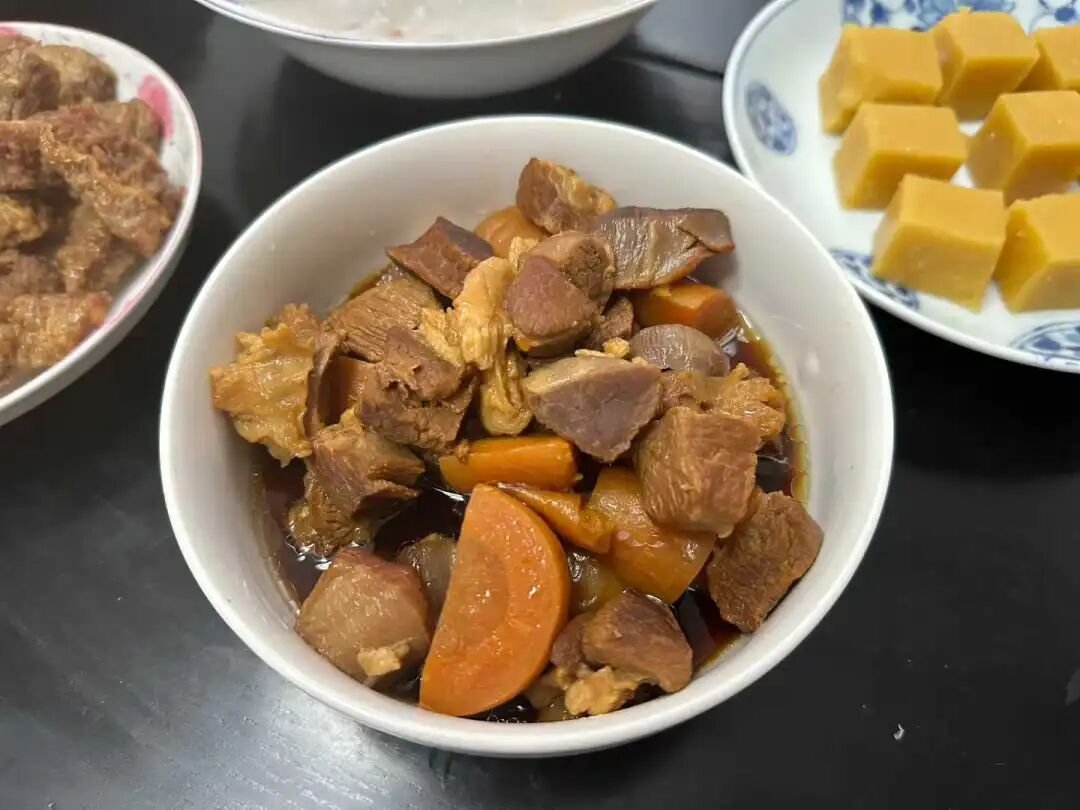
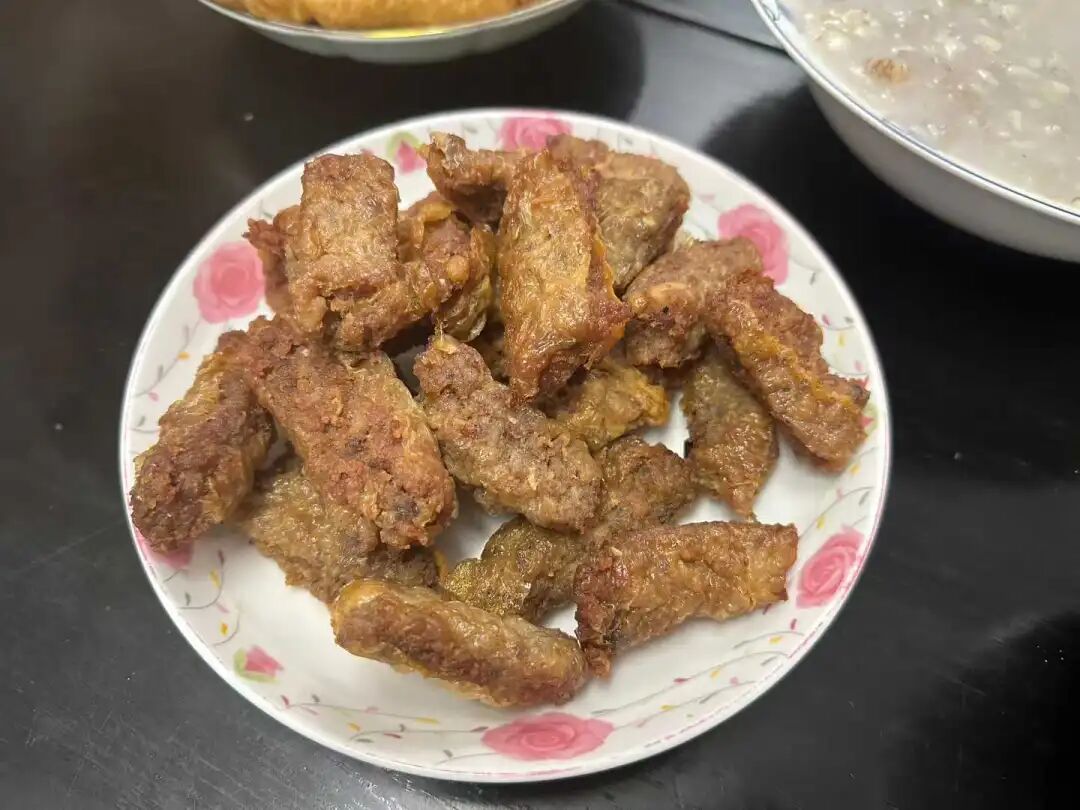
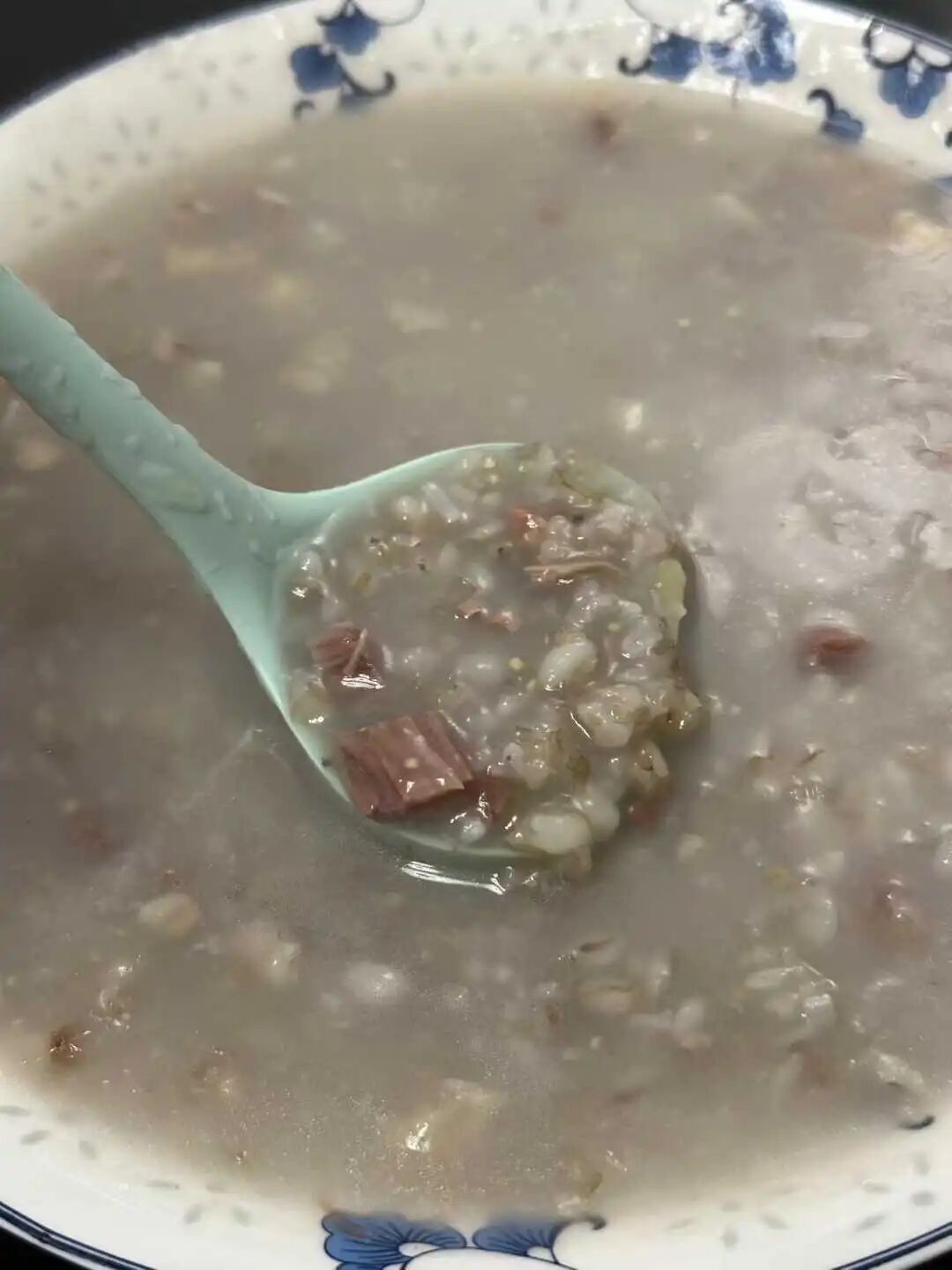
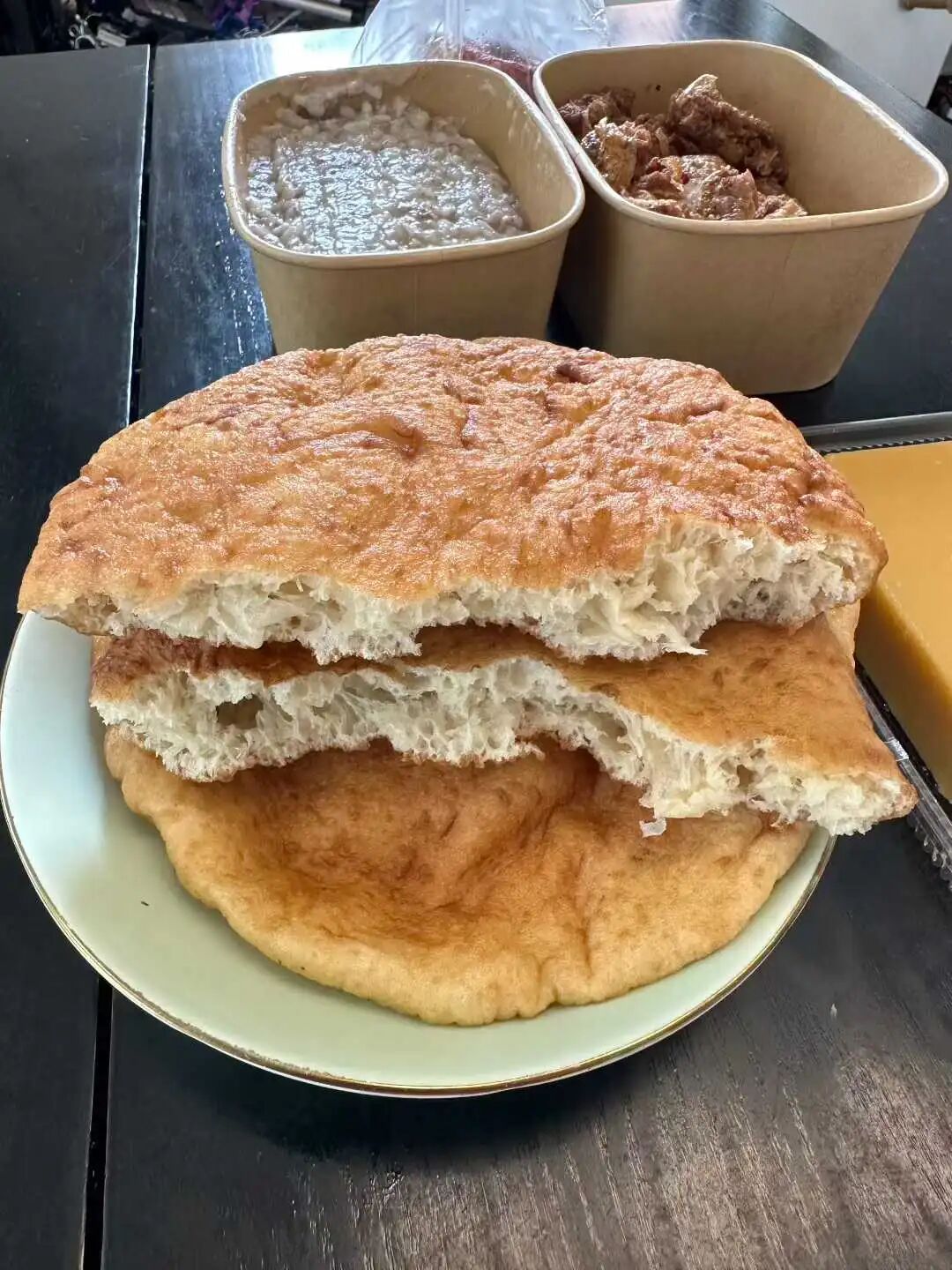
On Saturday, I attended the Mawlid at Yongshou Mosque in Sanlihe. After the scripture recitation and sermon (wa'erzi), we had watermelon, pastries, and snacks. I also received fried dough (youxiang), meat porridge, crispy beef (songrou), and meat portions (roufen).
Yongshou Mosque was first built in 1605 (the 30th year of the Wanli reign). It has been renovated many times and is now a cultural heritage site in the Xicheng District. Historically, Sanlihe was the largest cemetery for Hui Muslims in the Beijing suburbs. As early as 1456 (the 7th year of the Jingtai reign of the Ming Dynasty), the Samarkand envoy Muhammad Sheriban petitioned the Ming court to visit and offer sacrifices at his ancestral graves in the public cemetery outside Fuchengmen, which Emperor Yingzong of Ming granted. In 1605 (the 30th year of the Wanli reign), the ceremonial eunuch Li Shou, the imperial guard Dong Yingyuan, and others initiated a fundraising campaign to purchase the 'Wengseng Huangtang' in Sanlihe to officially build Yongshou Mosque.
The Sanlihe Hui Muslim cemetery historically held the graves of various sages, sheikhs, imams, scholars, and generals. The sages include Wang Daiyu; the sheikhs include Zhuazi Baba and Shadeng Baba; the imams include Imam Wang Yousan, Imam Wang Haoran, Imam Ma Meizhai, Lao Hong Wuba, and Lada Li; the scholar is Ma Linyi; and the generals include Ma Fulu, Ma Longbiao, and Ma Fuxiang. more than a hundred Hui Muslim heroes who died in Beijing while fighting the Eight-Nation Alliance with Ma Fulu during the Gengzi year (1900) were all buried here.
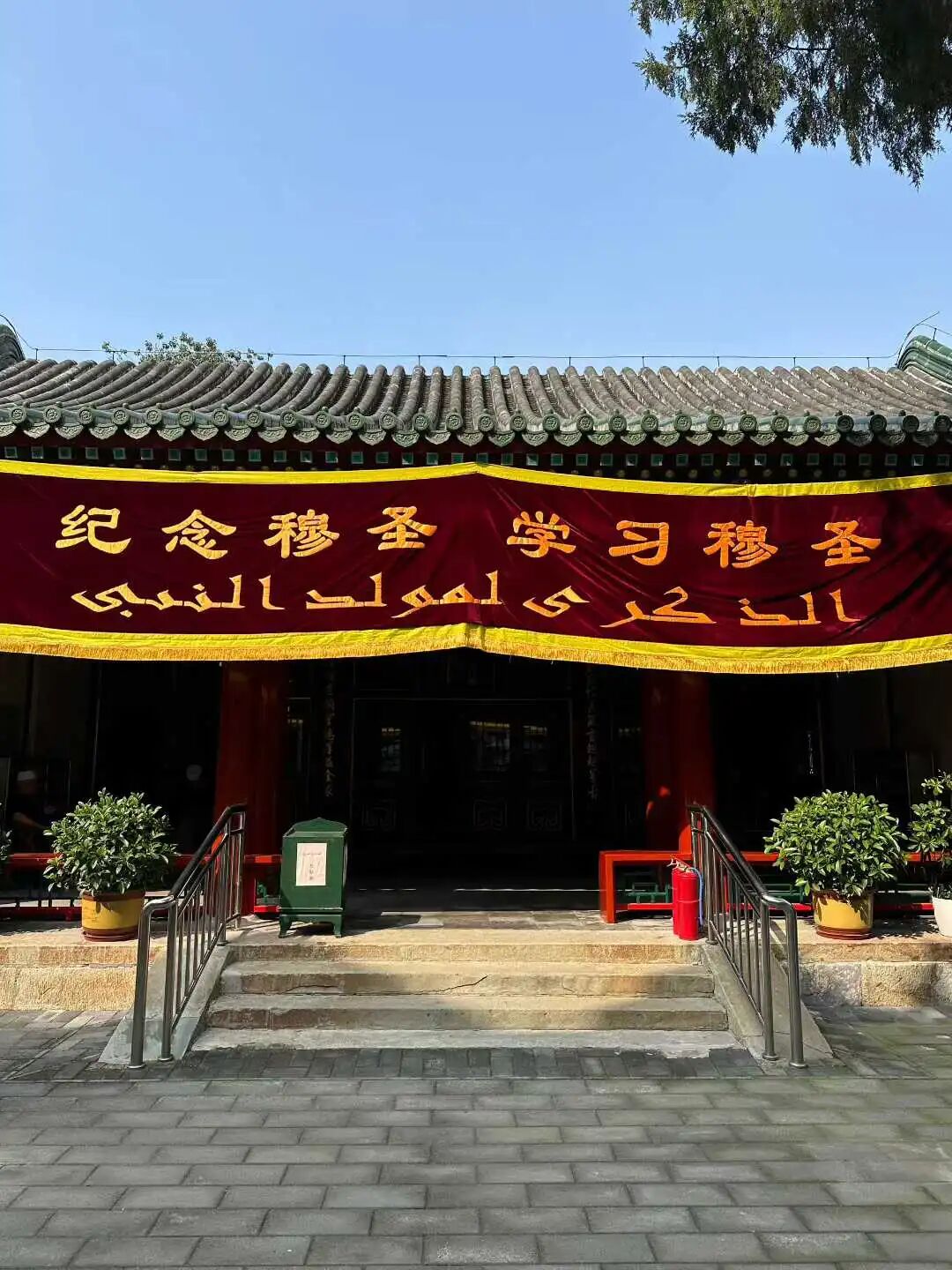
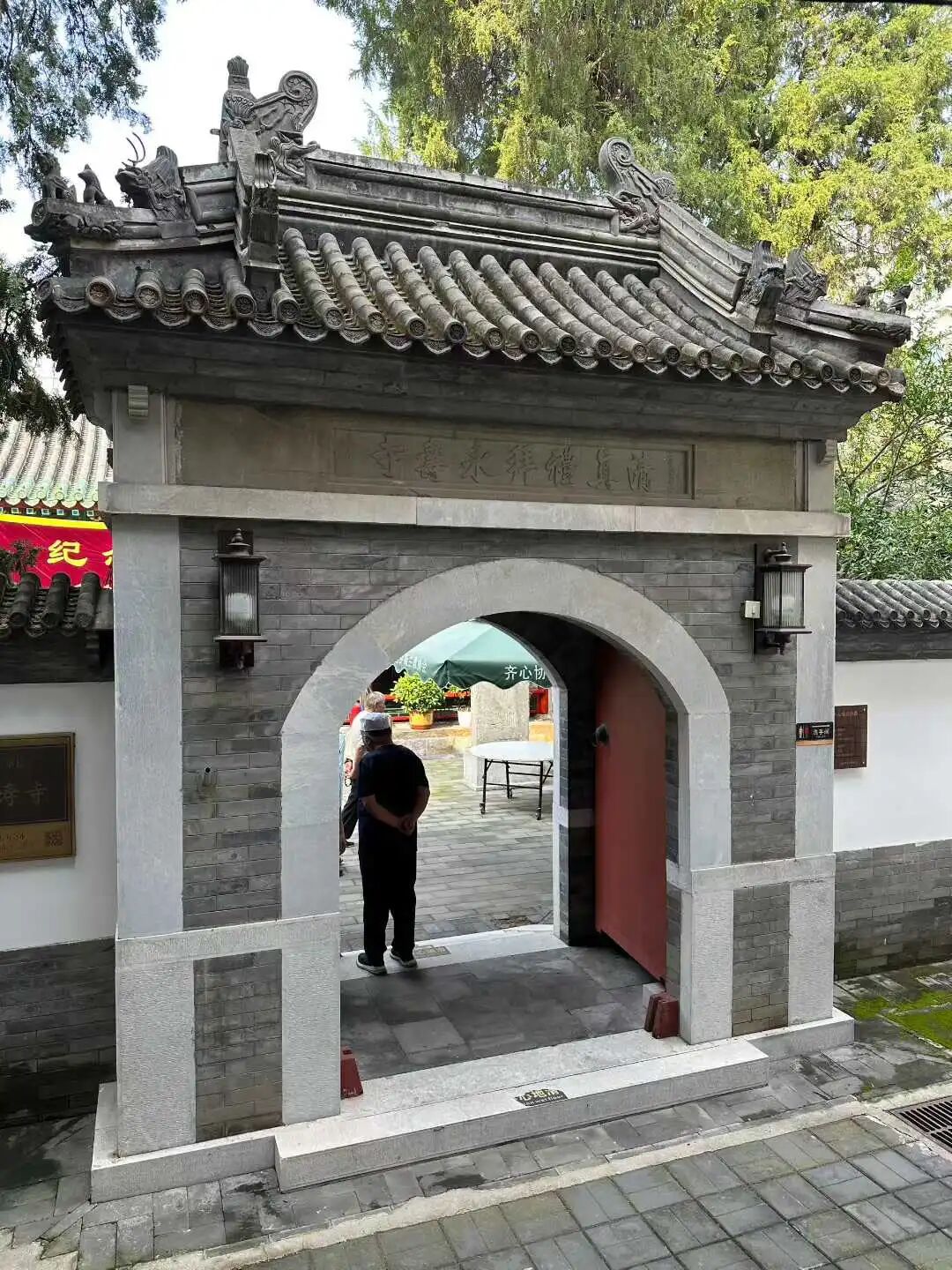
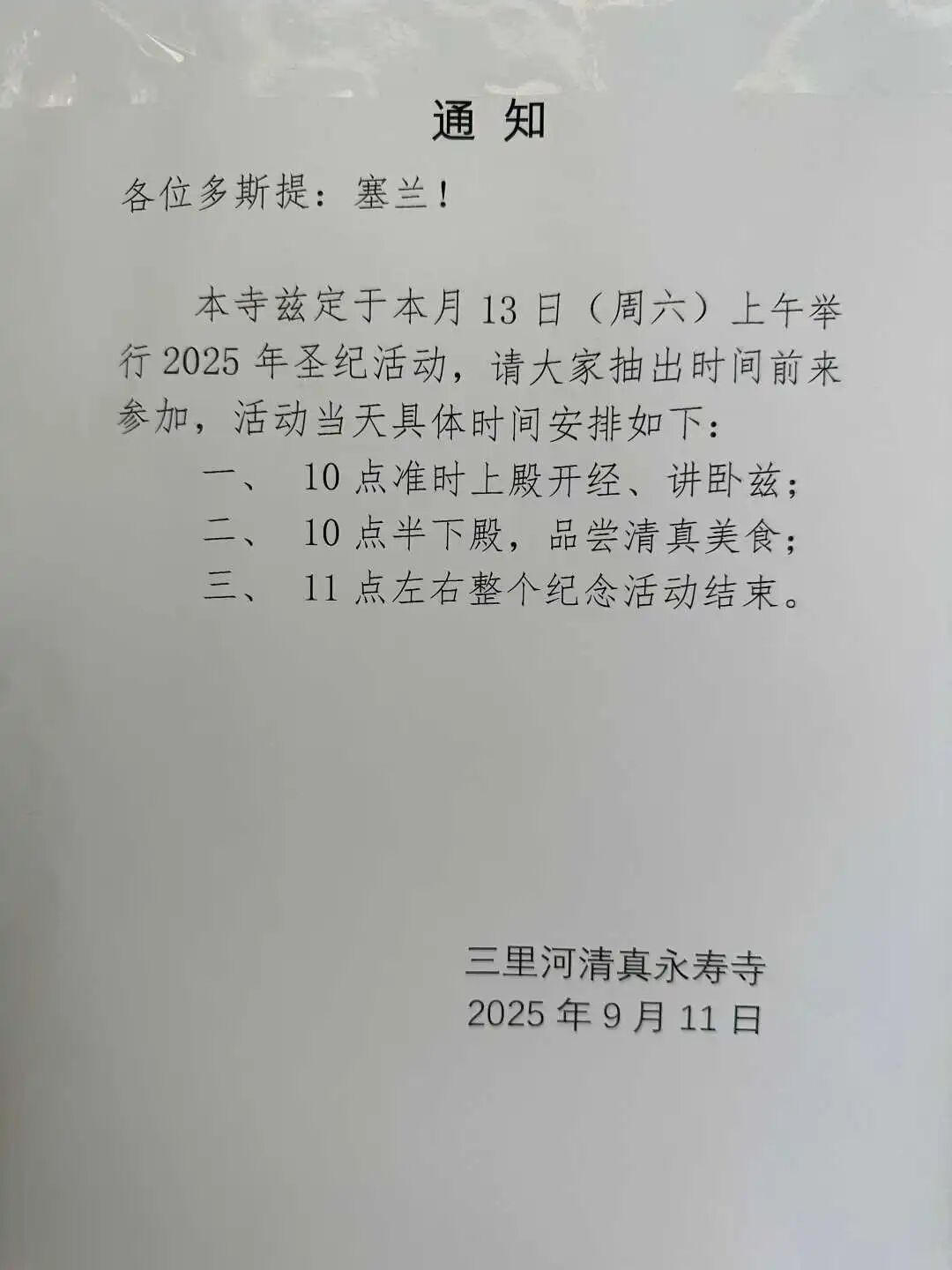
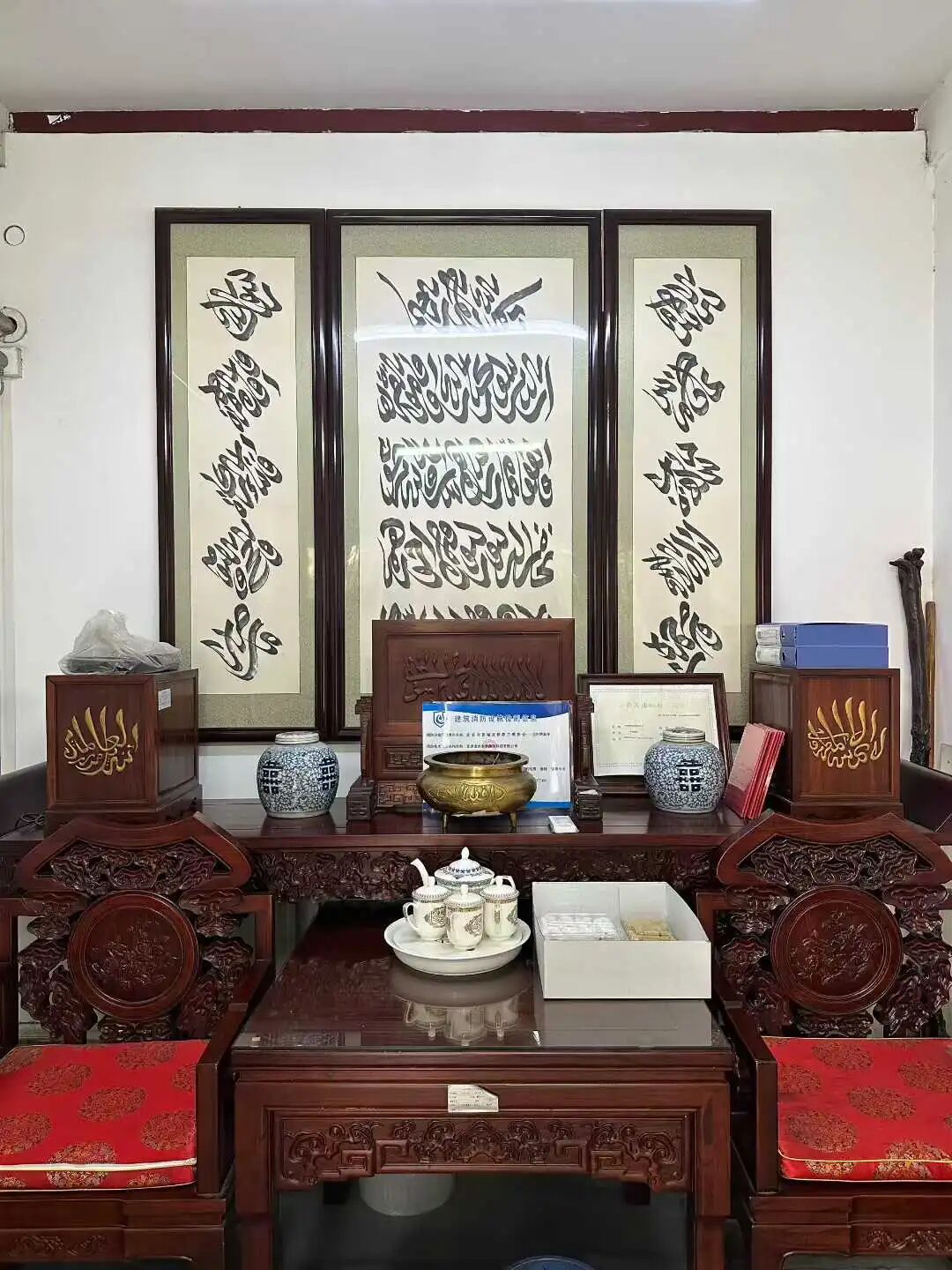
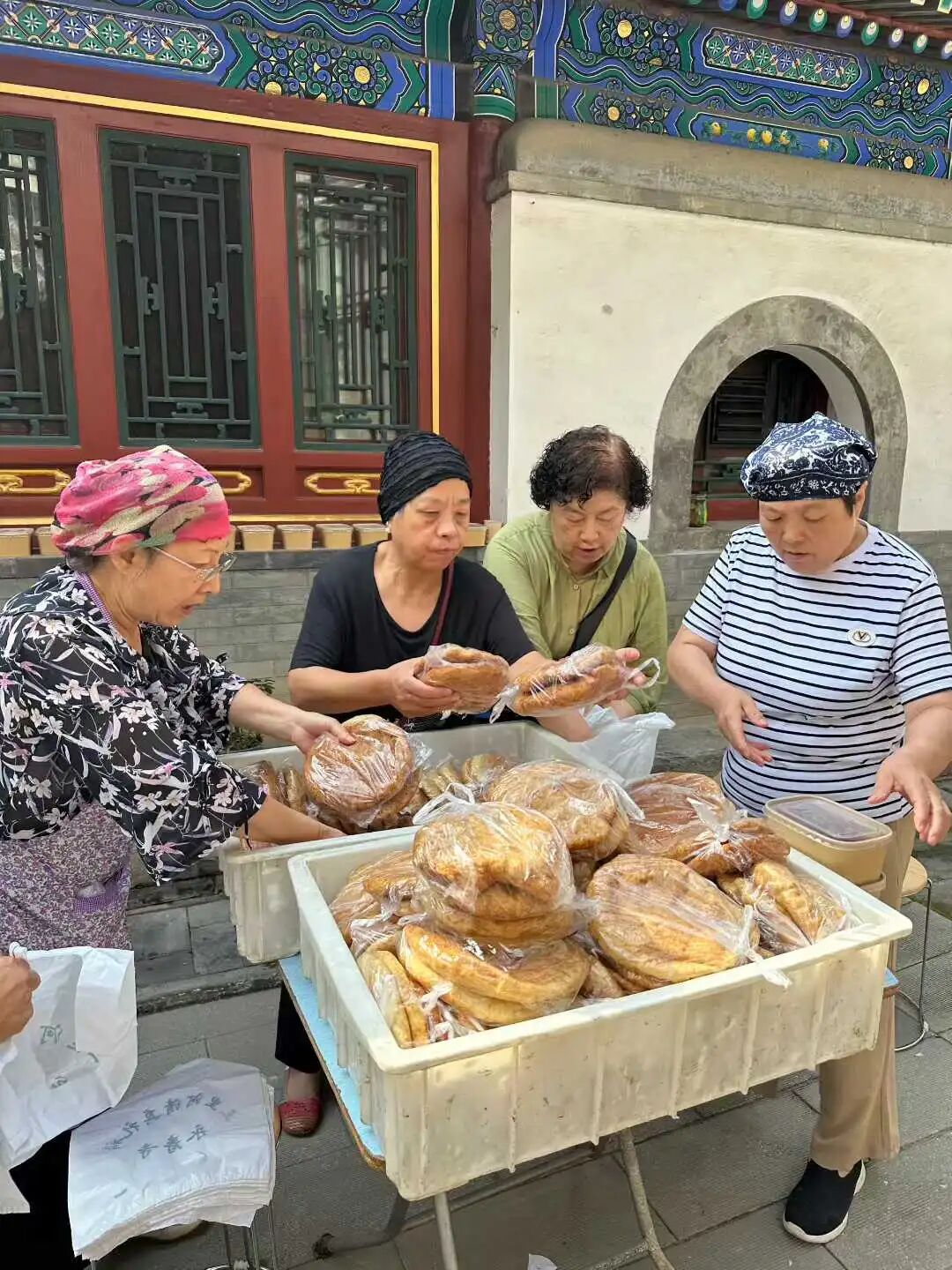
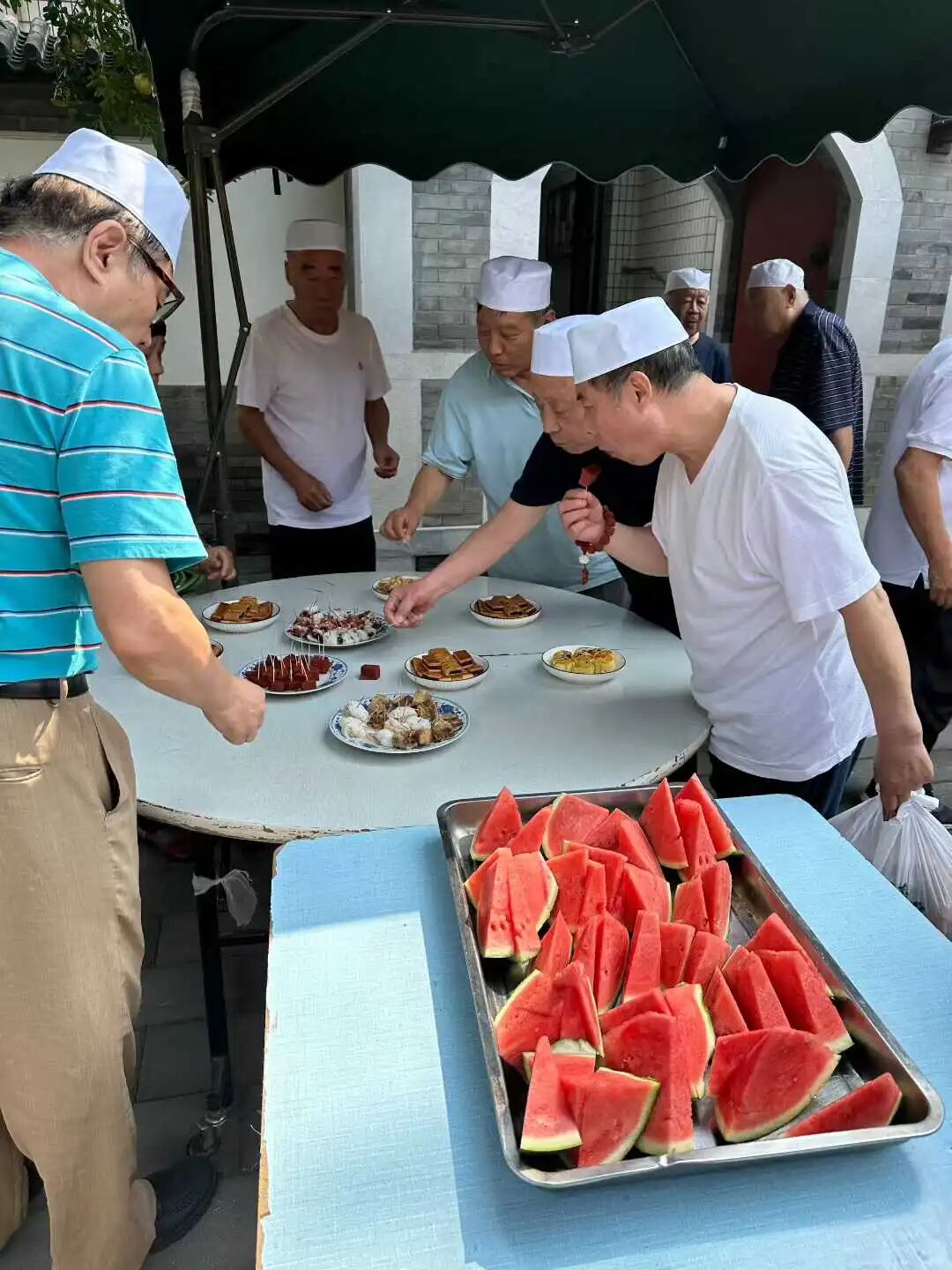
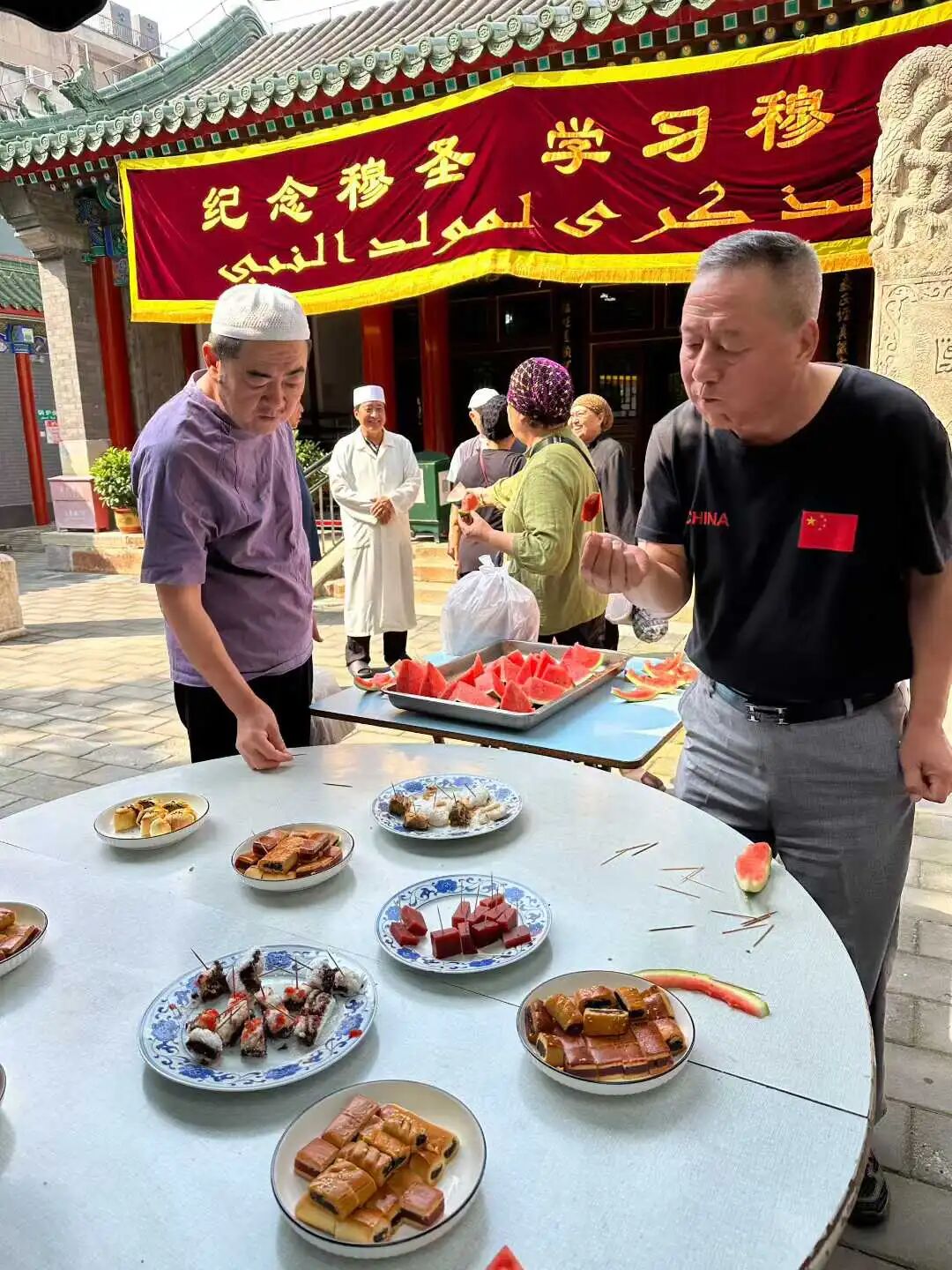
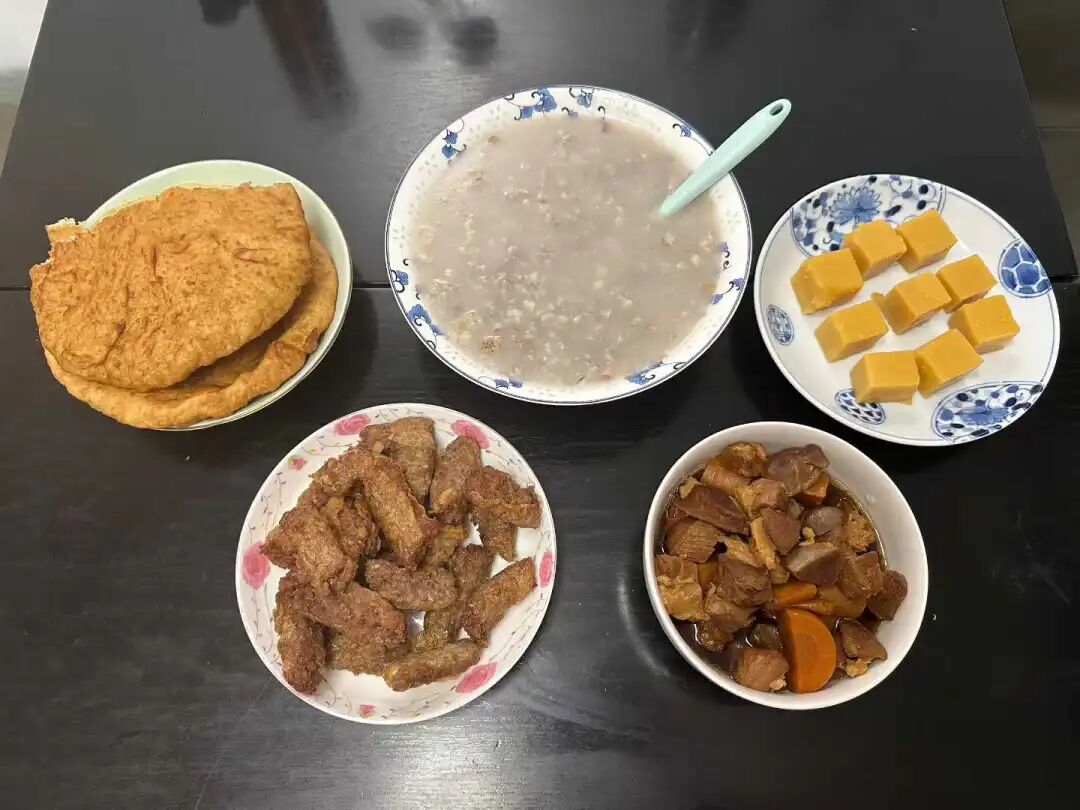
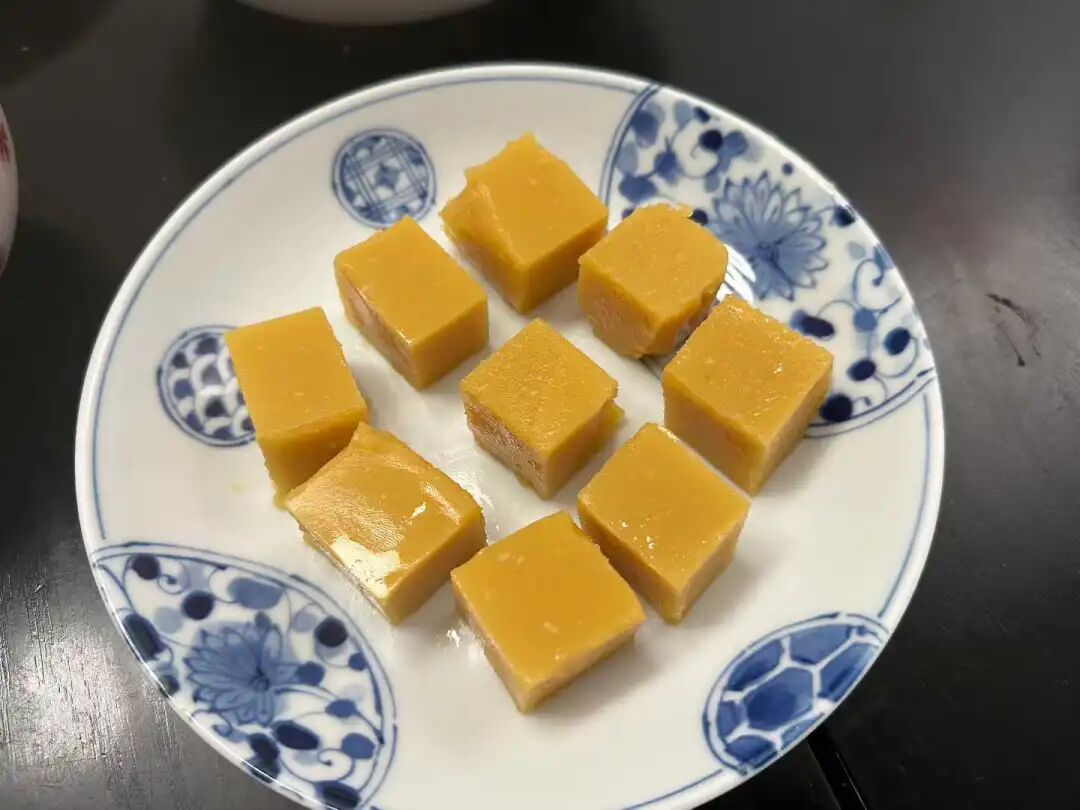
In the afternoon, I stewed some meat portions. Combined with the meat porridge, fried dough, pea flour cake (wandouhuang), and crispy beef distributed by the mosque, it made for a very classic Beijing Hui Muslim feast (nietie).
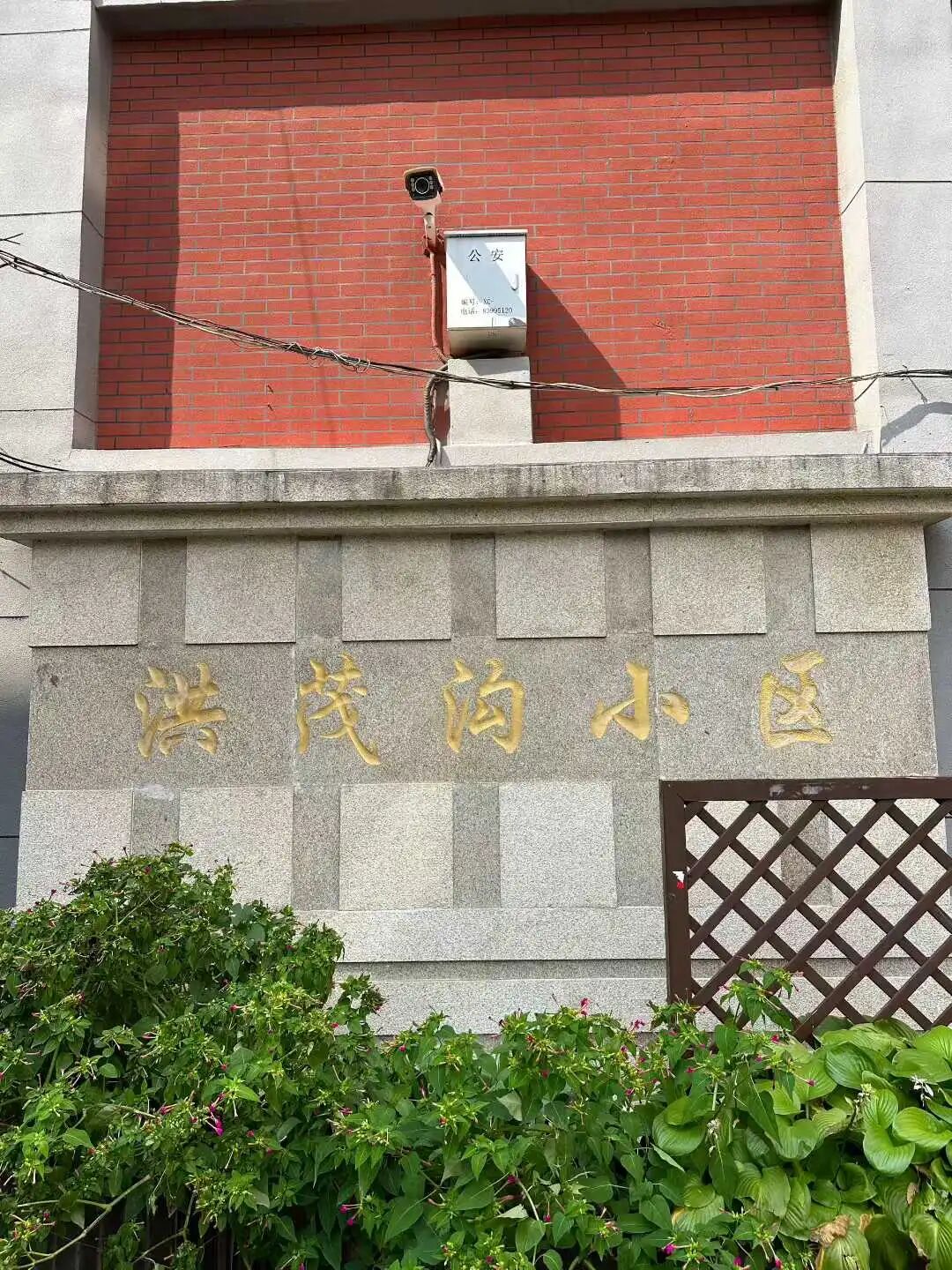
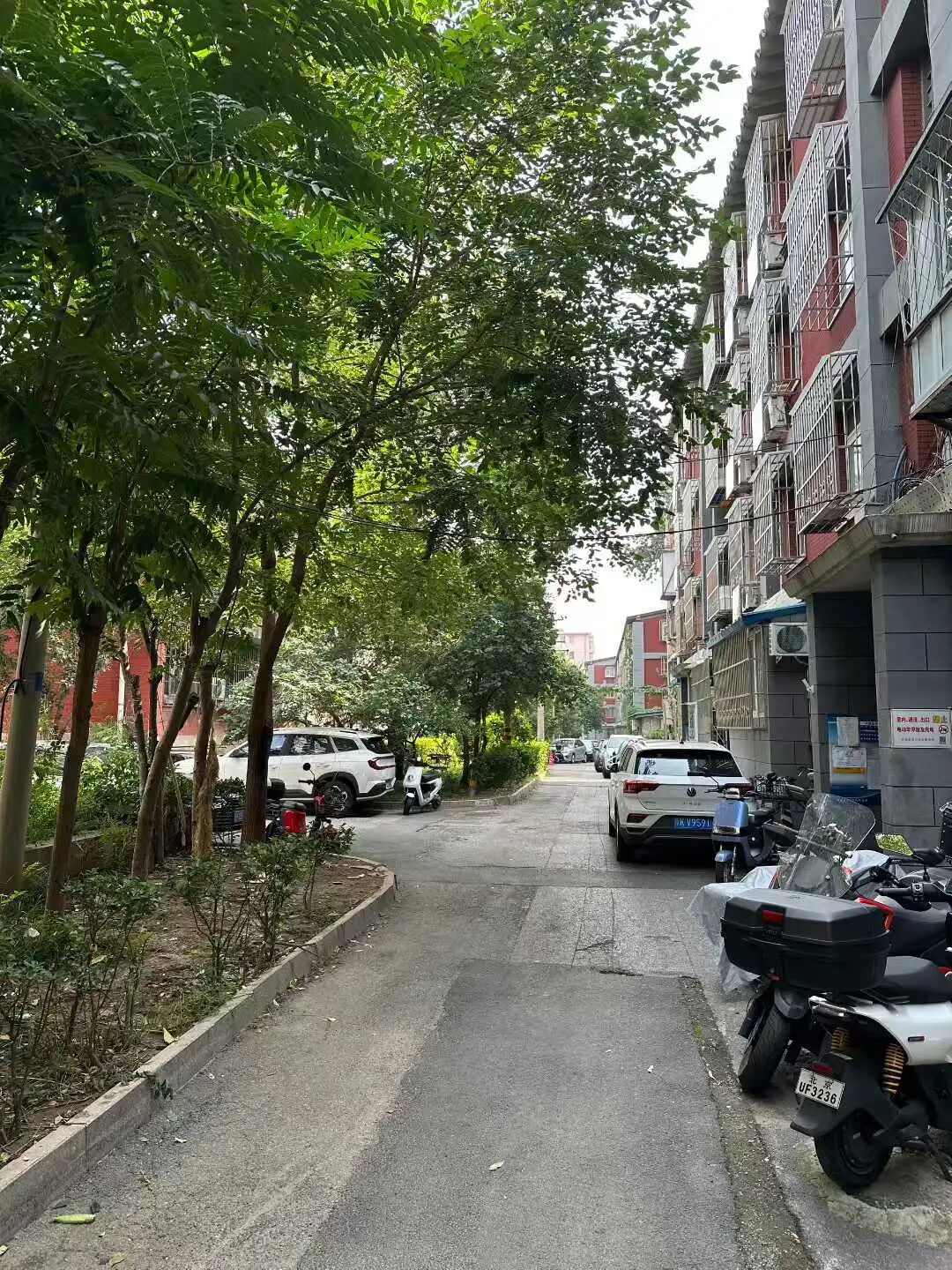
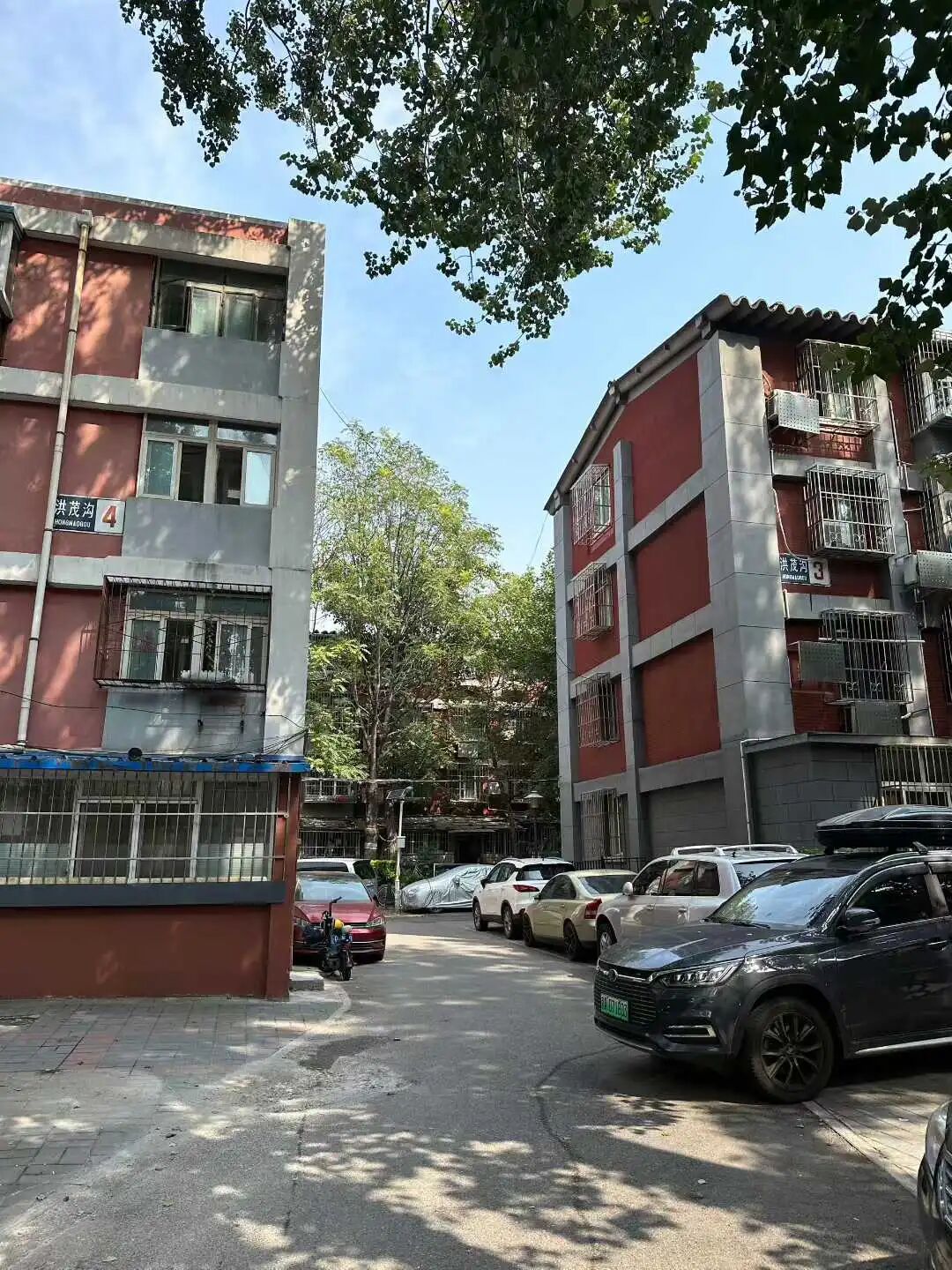
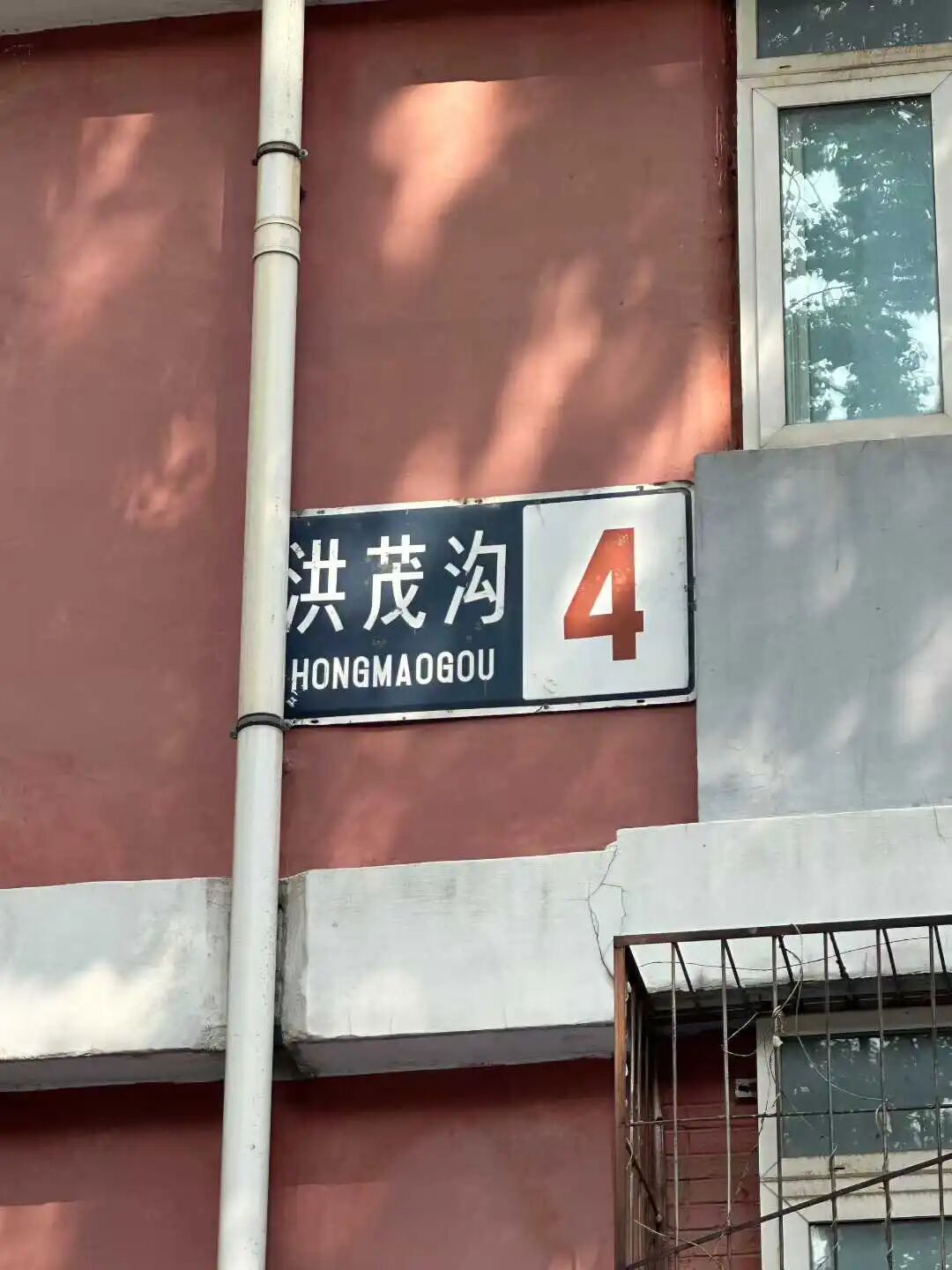
North of Sanlihe is the 'Hongmaogou Residential Area.' It was originally called 'Hongmaogou' (Red Hat Ditch) and was the cemetery for the Uyghur people known as the 'Red Hat Hui' who lived in the Hui camp on West Chang'an Street before the 1950s.
In 1759 (the 24th year of the Qianlong reign), after Emperor Qianlong pacified the Great and Small Khojas of the White Mountain faction, he summoned the surrendered Hui people, led by the 'Eight Hui Nobles,' to Beijing. The ordinary people among them were organized into the 'Hui People's Company' under the Left Wing Fifth Regiment of the Plain White Banner of the Imperial Household Department. In Manchu, this was called 'hoise niru.' They were settled in the Hui camp outside the West Chang'an Gate and chose Hongmaogou as their cemetery.
Besides the Uyghurs, Hongmaogou also contained the grave of Zhuazi Baba, one of the two great sheikh graves in Sanlihe. In the past, every spring, many Beijing Hui Muslims would take their families to visit the grave of Zhuazi Baba to offer dua.
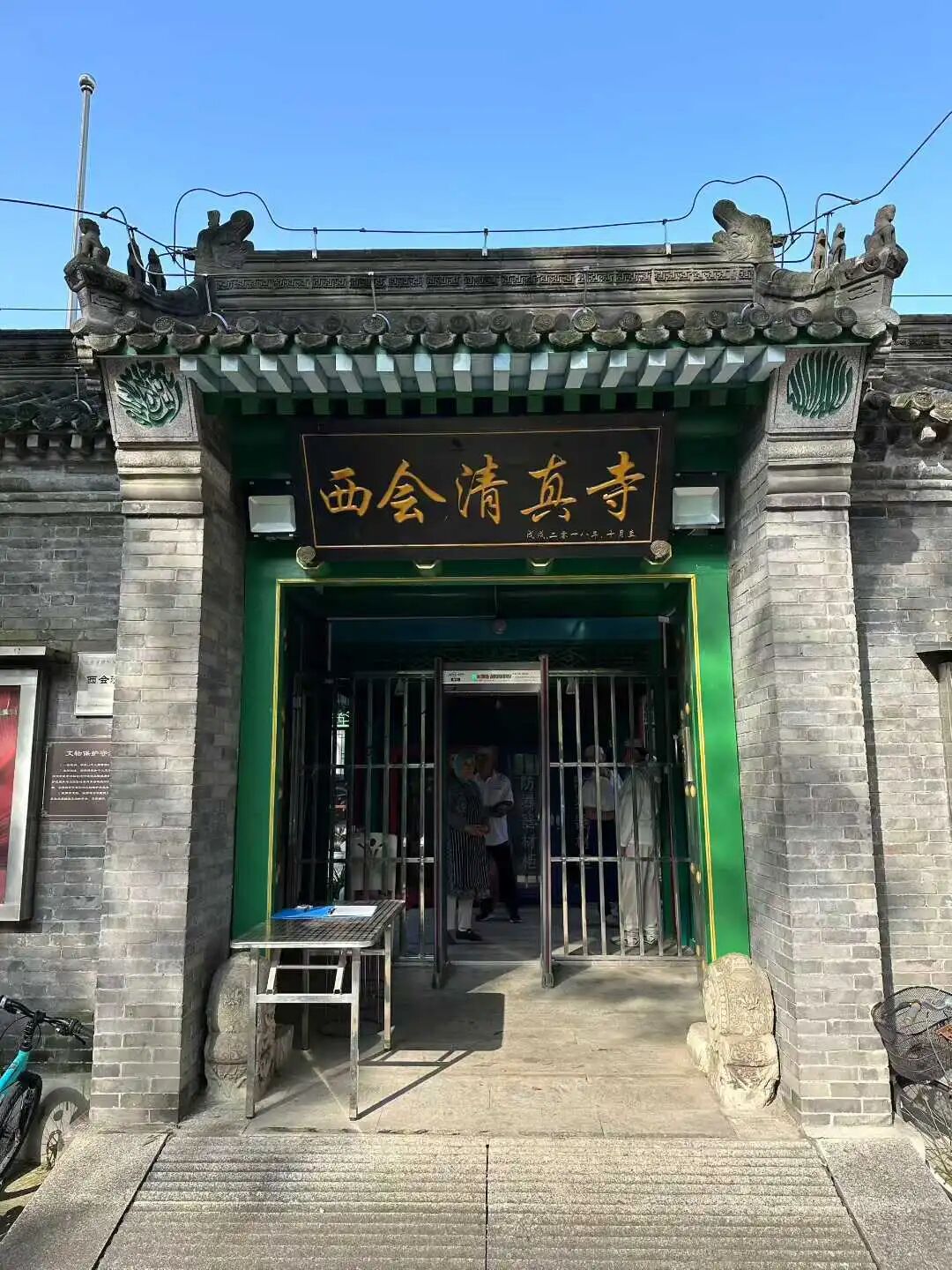
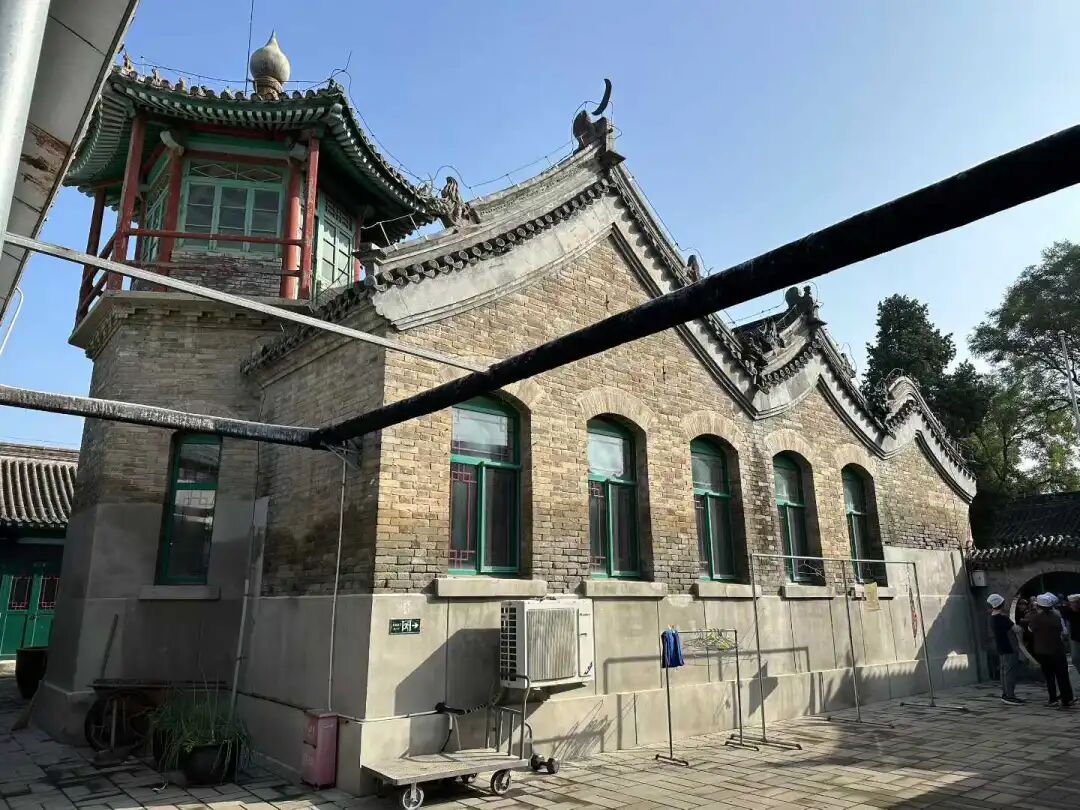
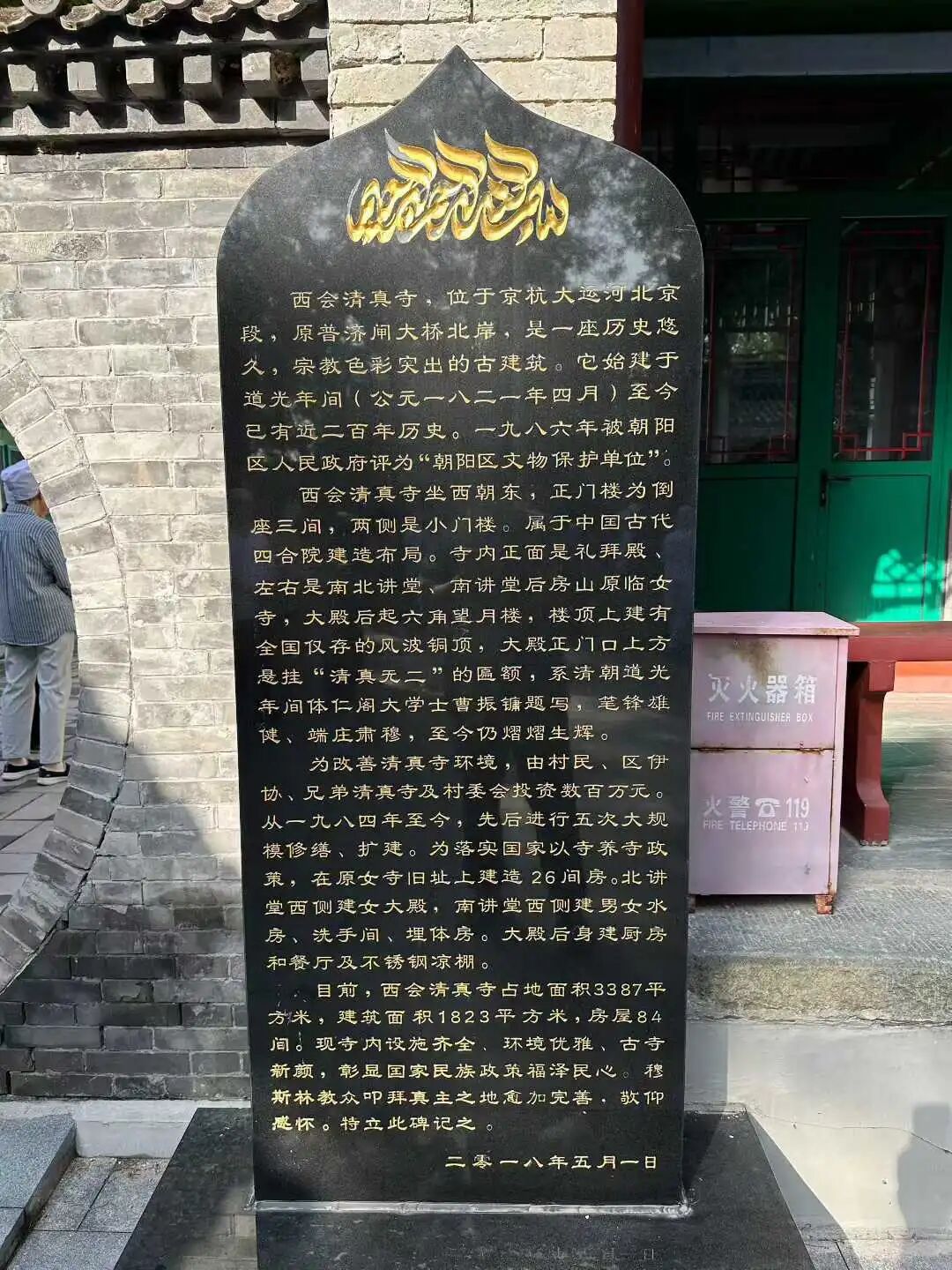
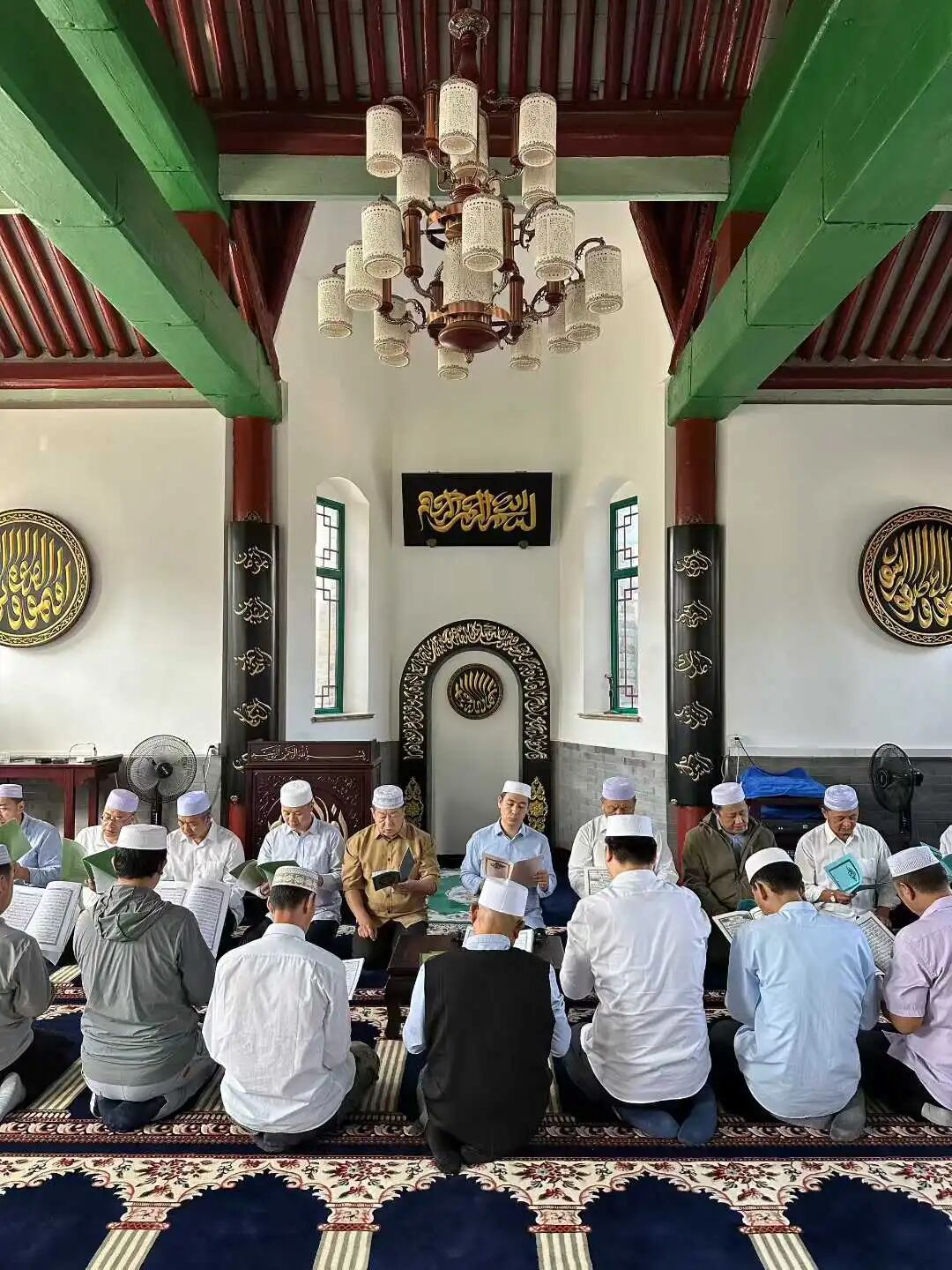
On Sunday morning, I attended the Mawlid at Xihui Mosque. Xihui Mosque is located by the Beijing-Hangzhou Grand Canal. It was built in 1821 (the first year of the Daoguang reign) and is not far from Yangzha Mosque and Guanzhuang Mosque. Although the mosque and the community were separated due to relocation and high-rise development, the new residential area is not far away, so the community still has a strong sense of unity, and the holy gathering was very lively.
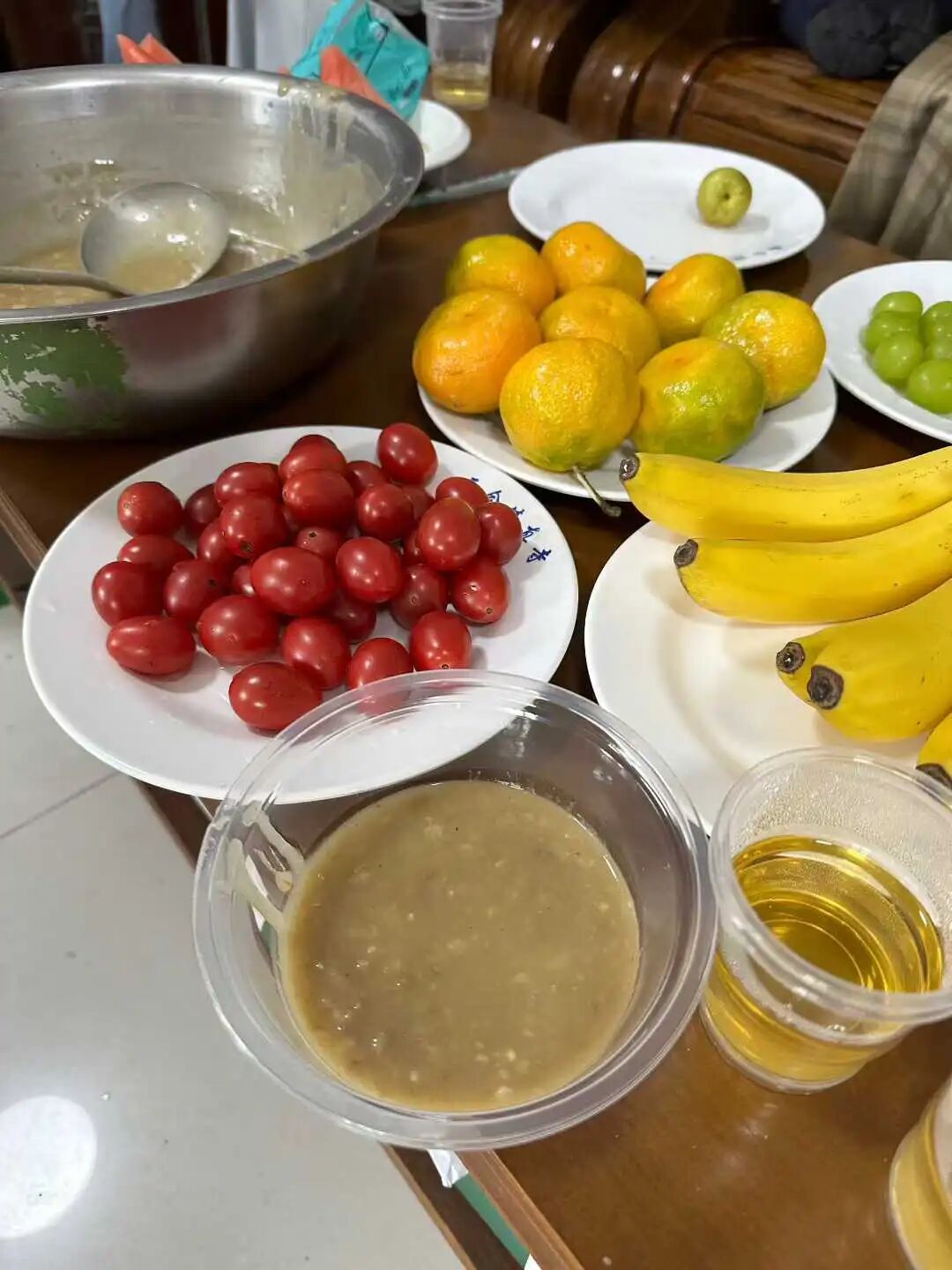
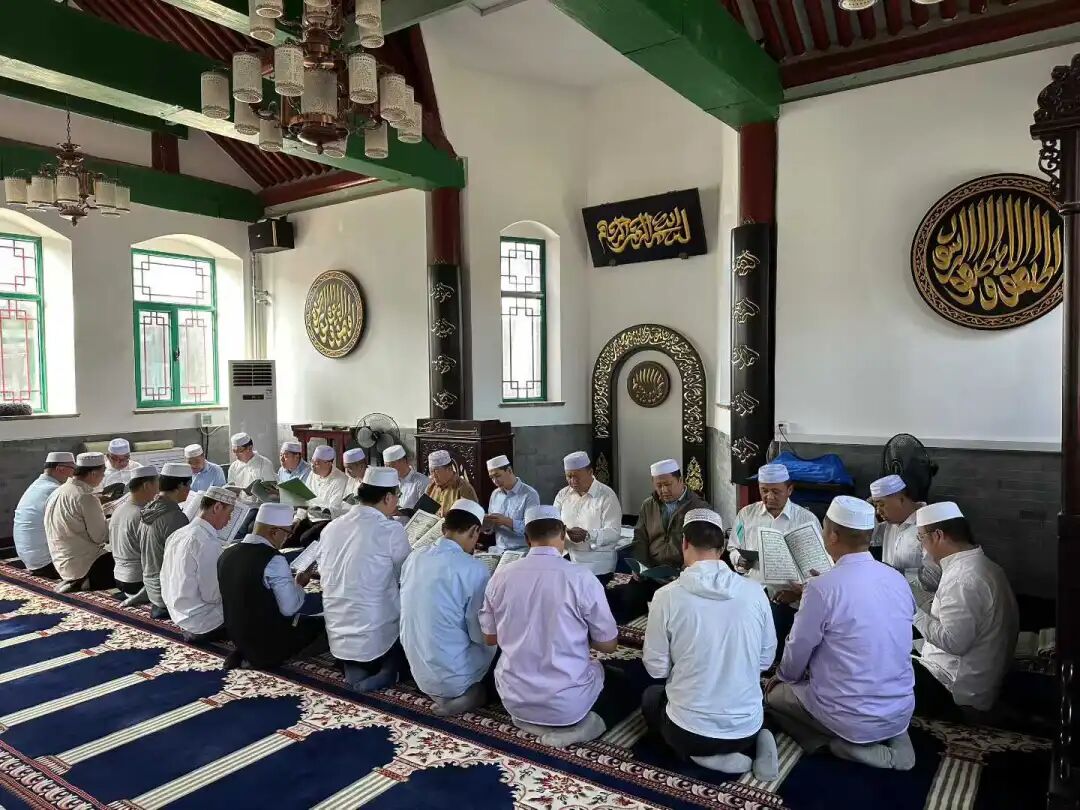
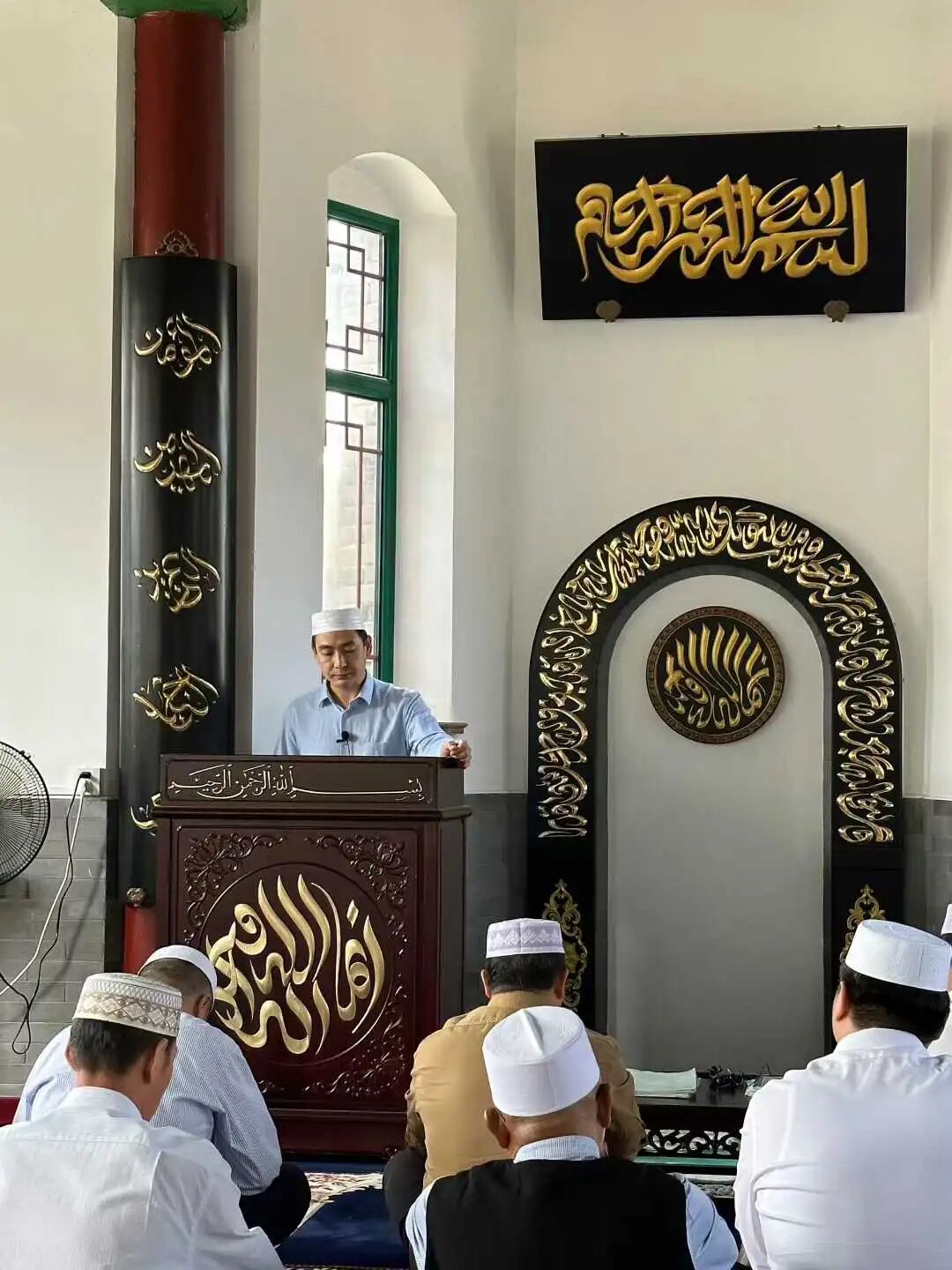
Before the Mawlid began, everyone drank meat porridge and ate fruit, chatting with each other to strengthen friendships. After the Mawlid started, the imams from various communities in Chaoyang District led the opening dua, followed by scripture recitations. Then, the local imam gave a sermon to commemorate and learn from the noble Prophet.
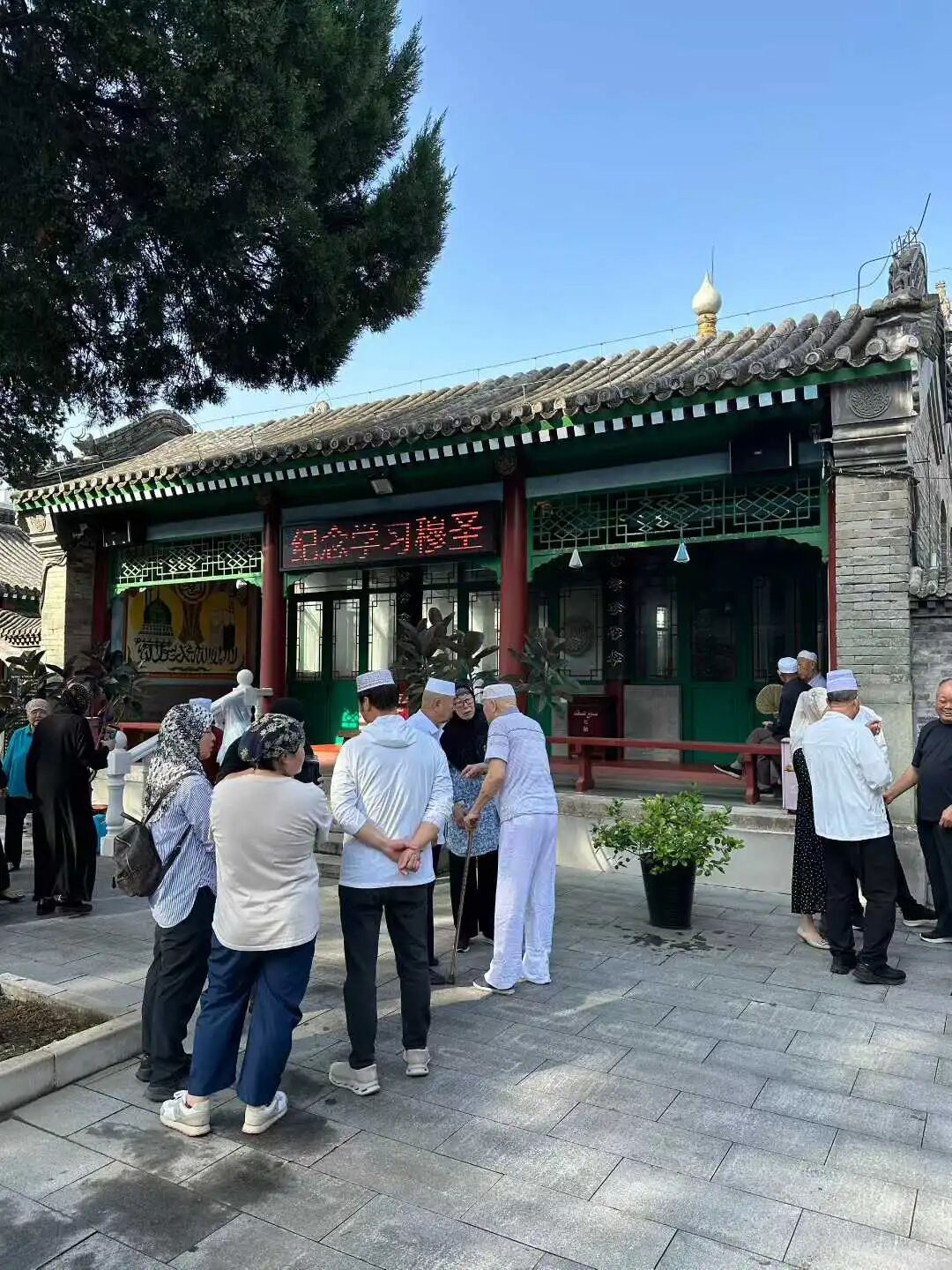
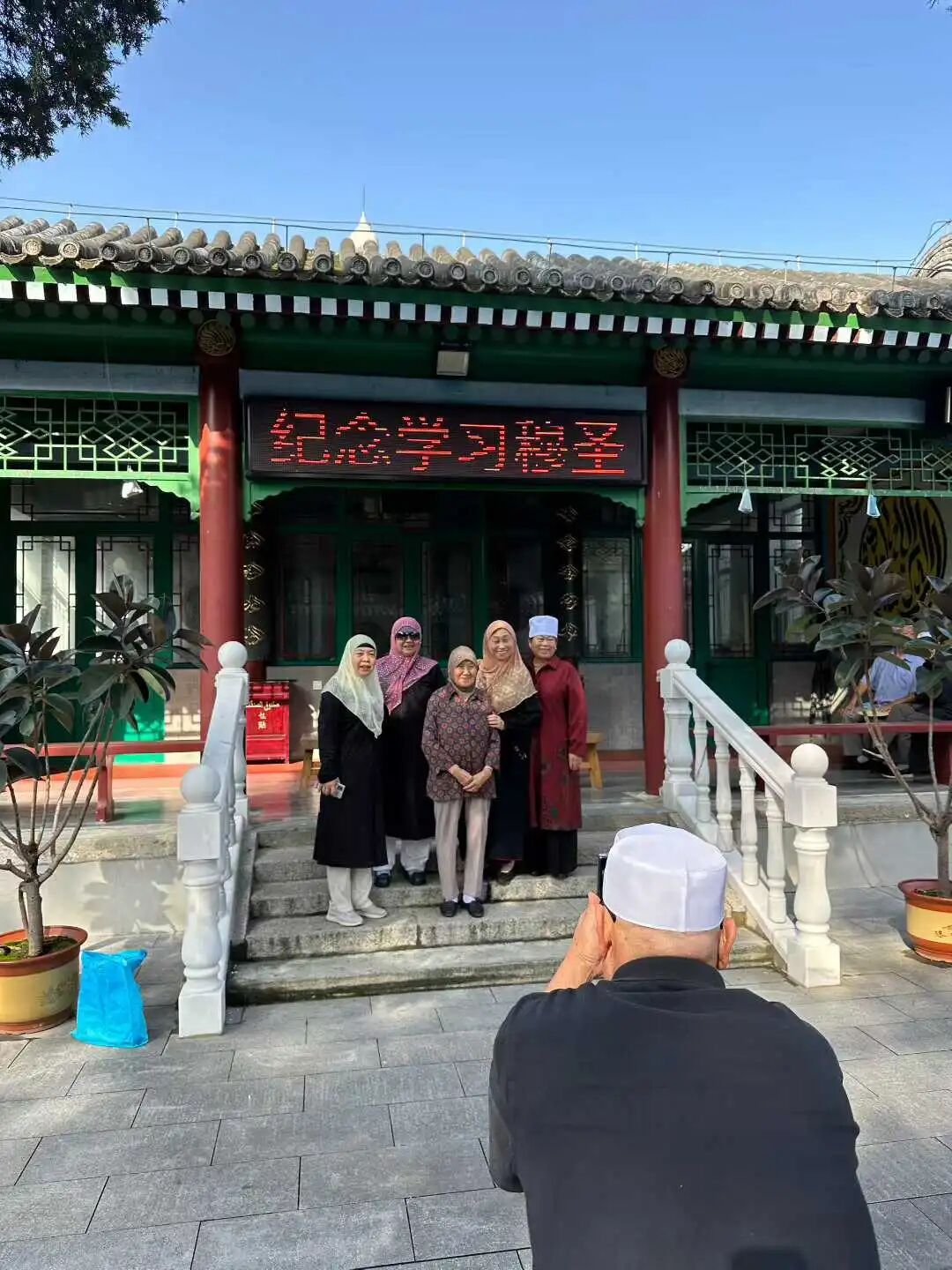
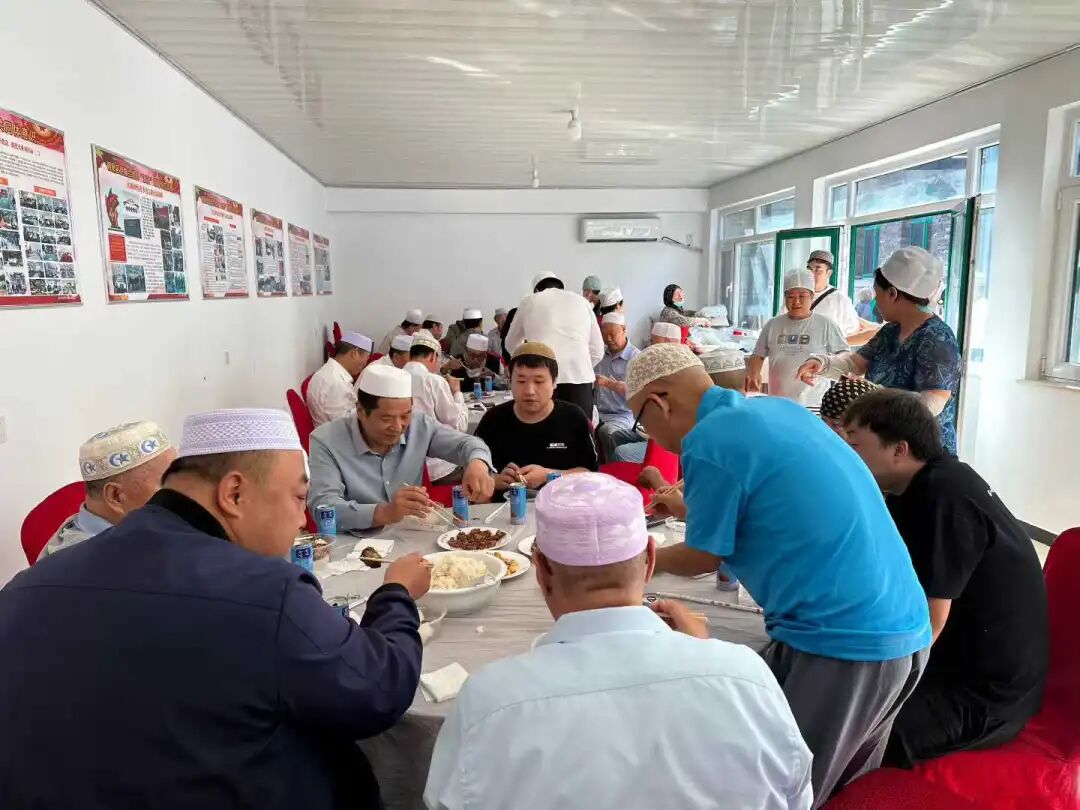
After leaving the prayer hall, everyone went to the feast. Following the tradition of 'guests first, locals later,' the imams, directors, and guests invited by the mosque sat down to eat first, and the local community members took their seats afterward.
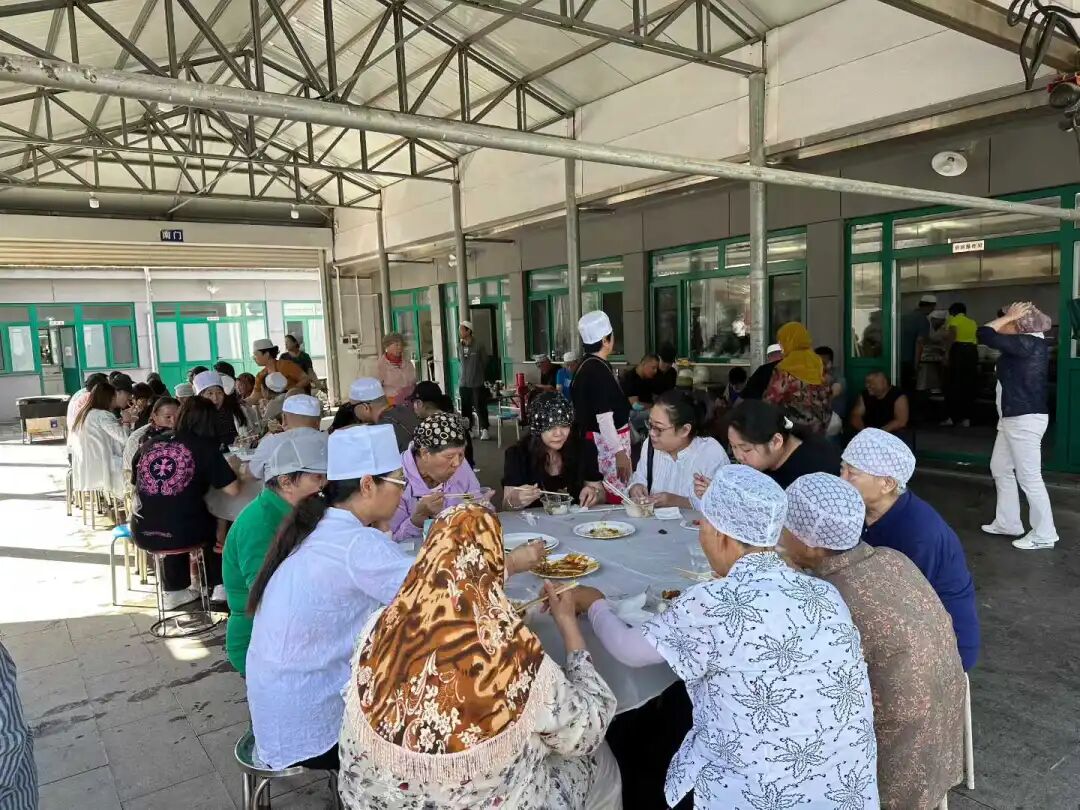
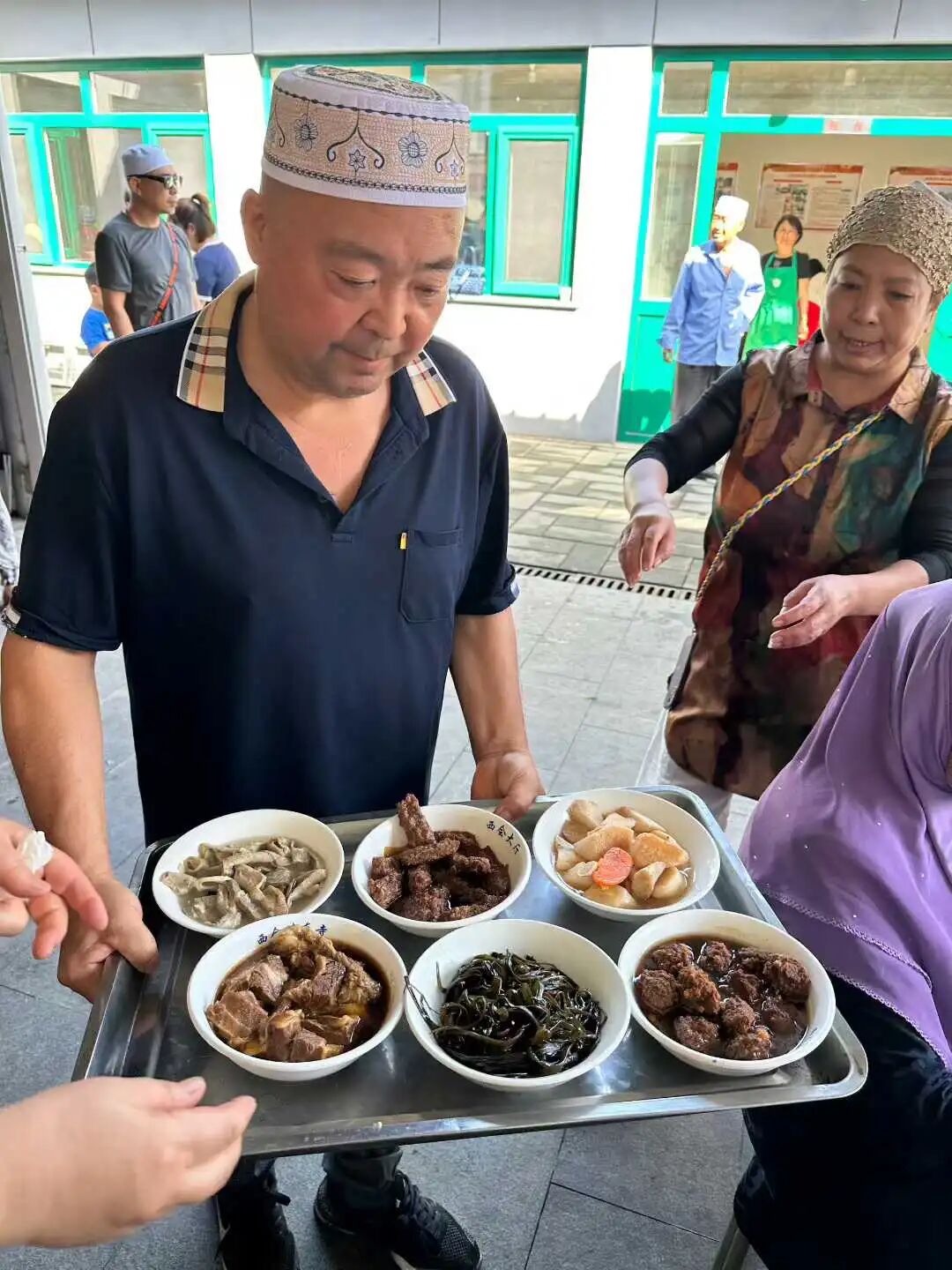
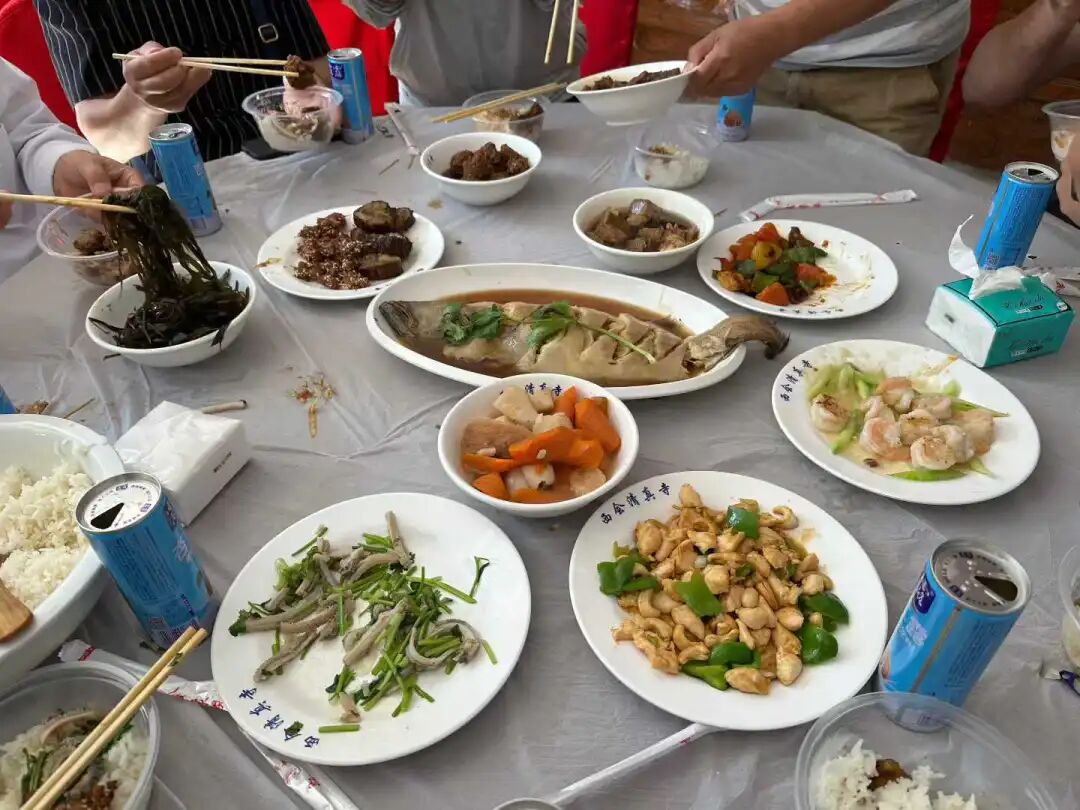
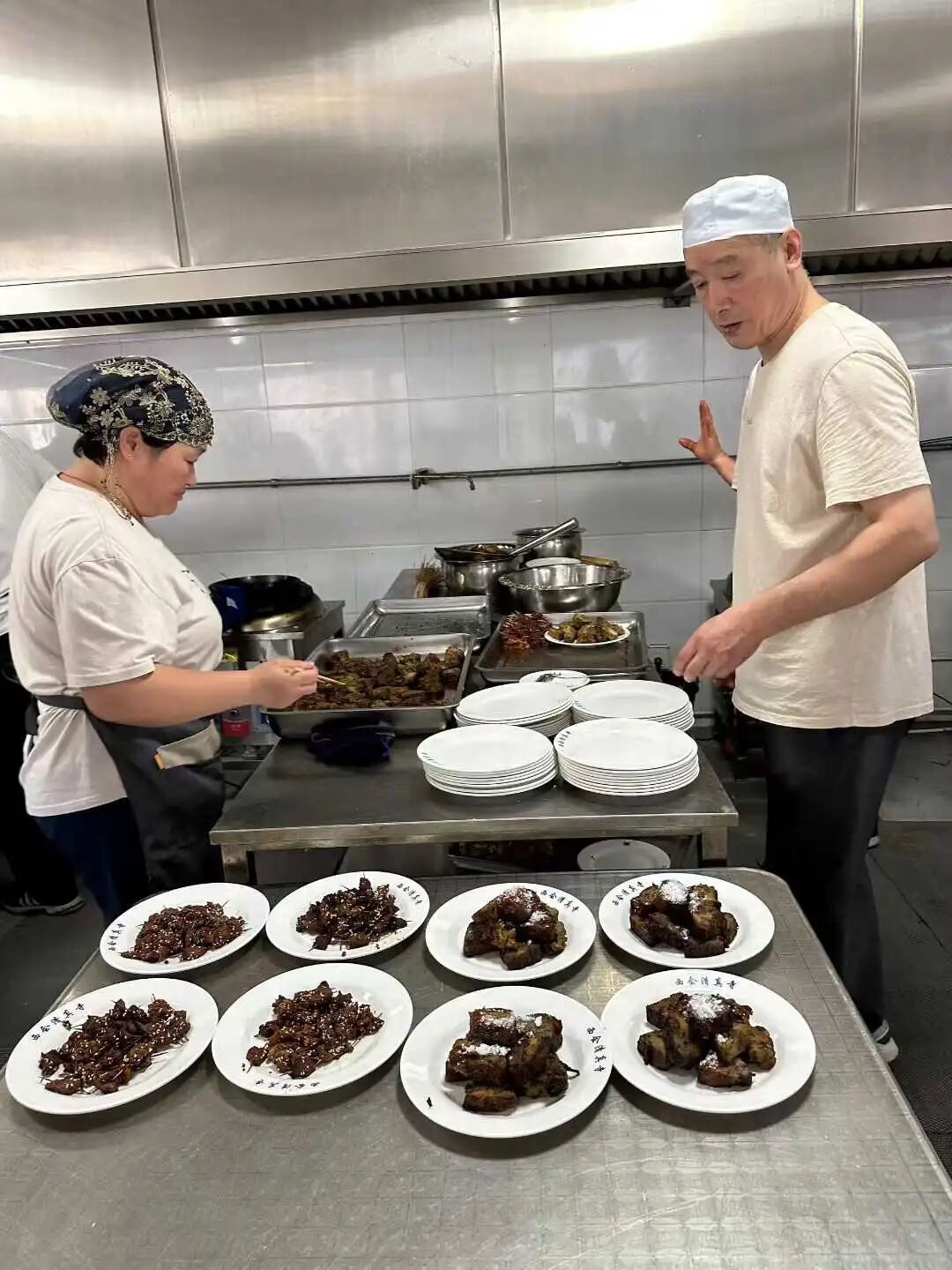
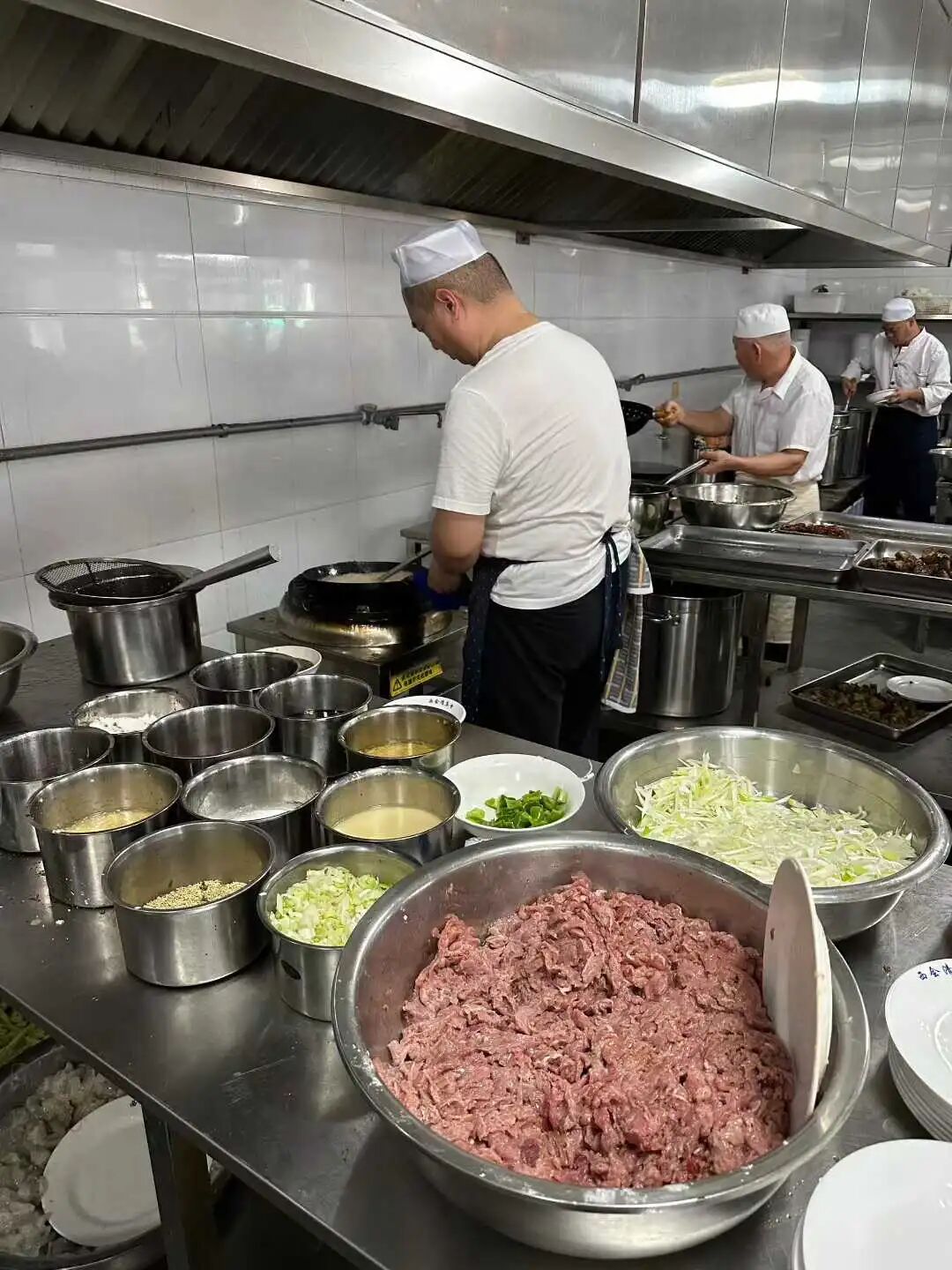
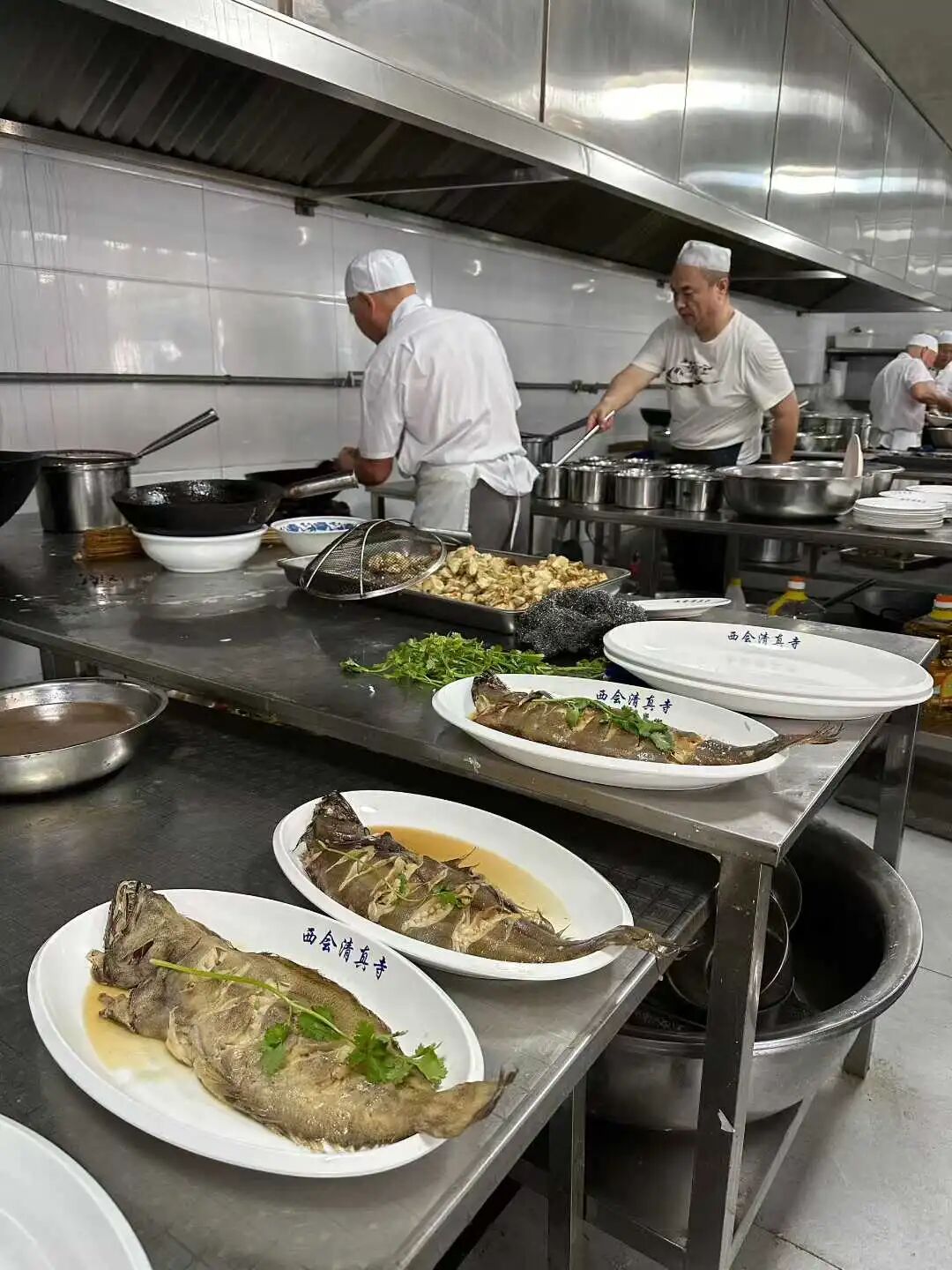
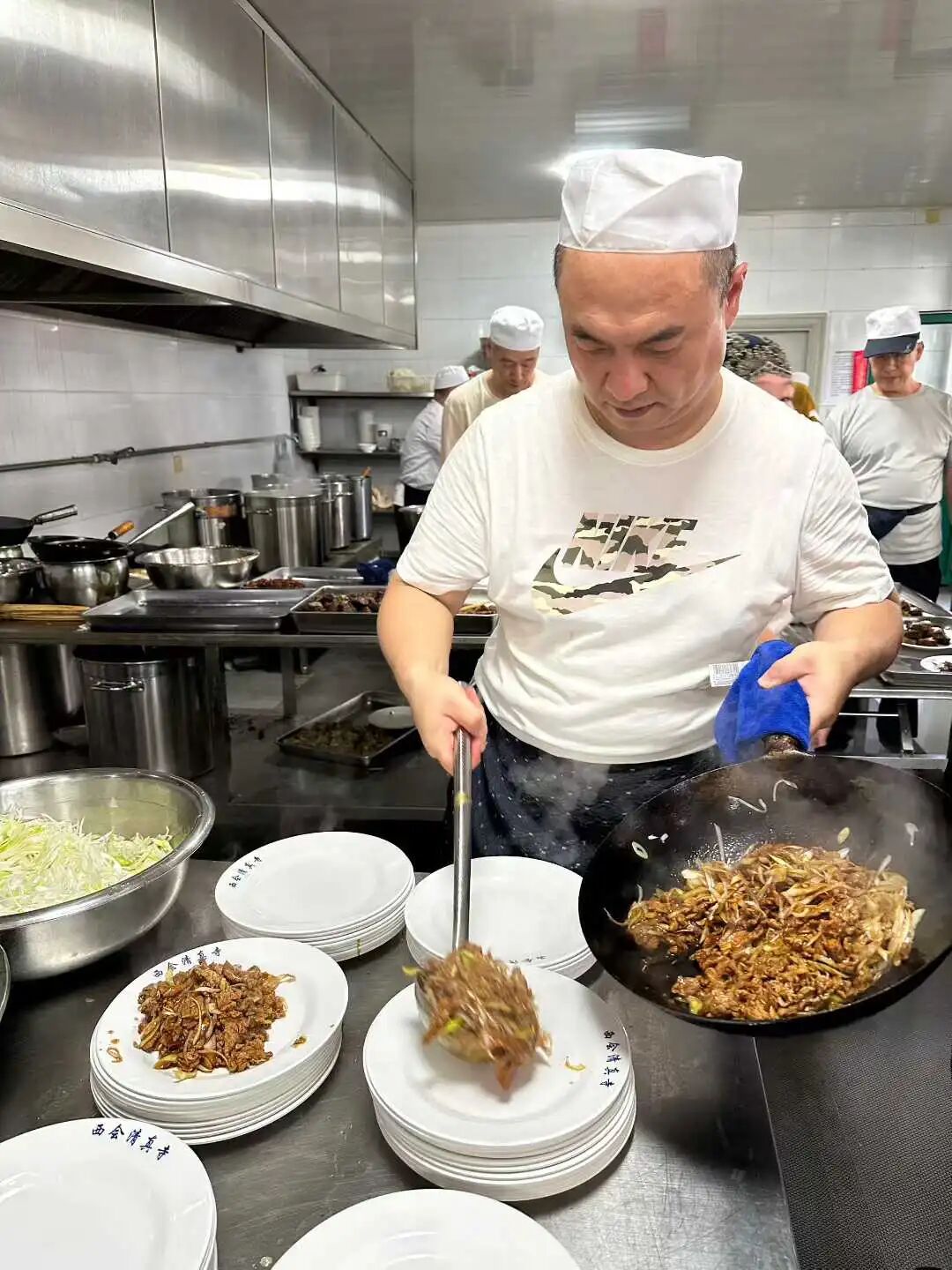
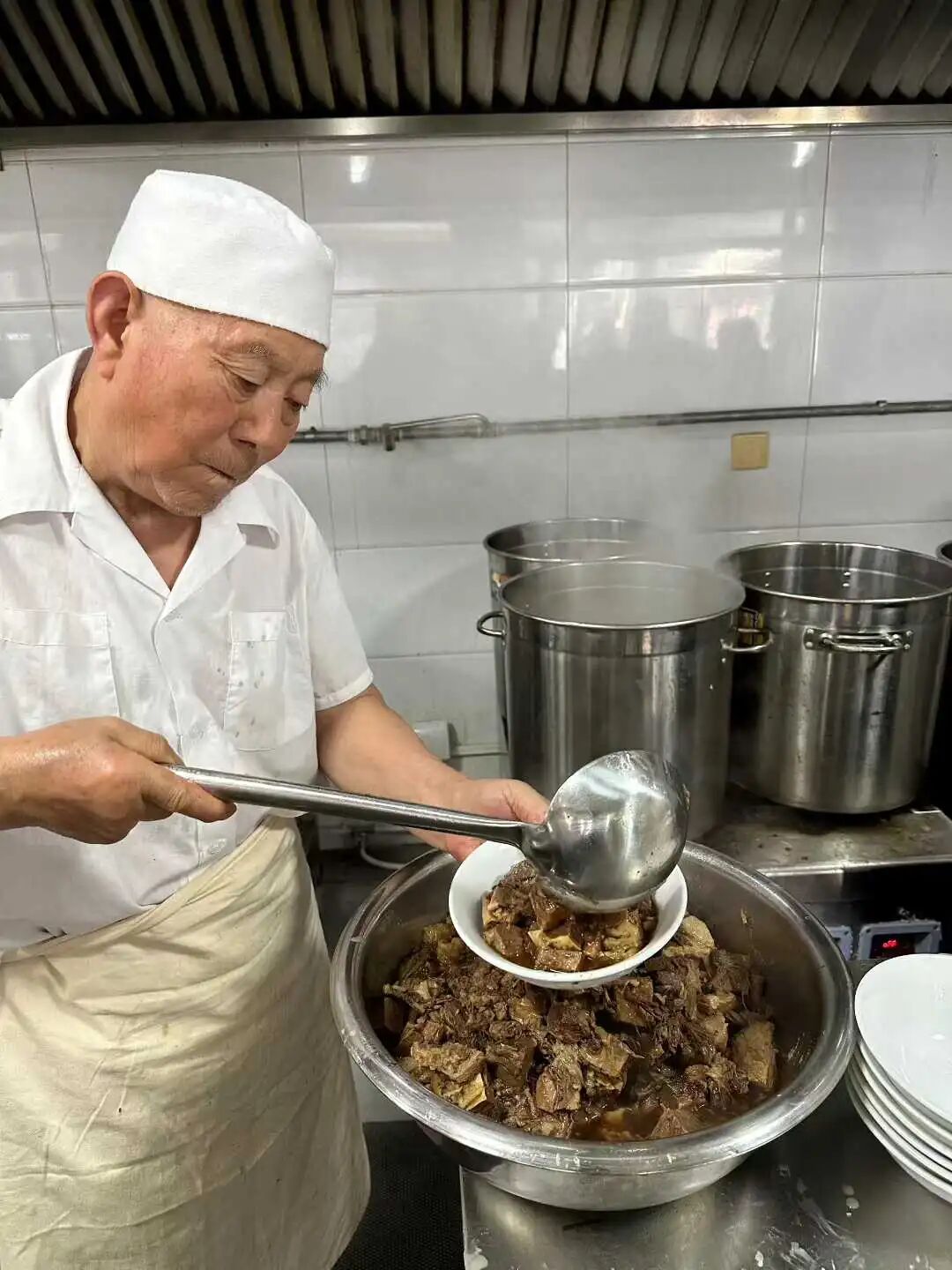
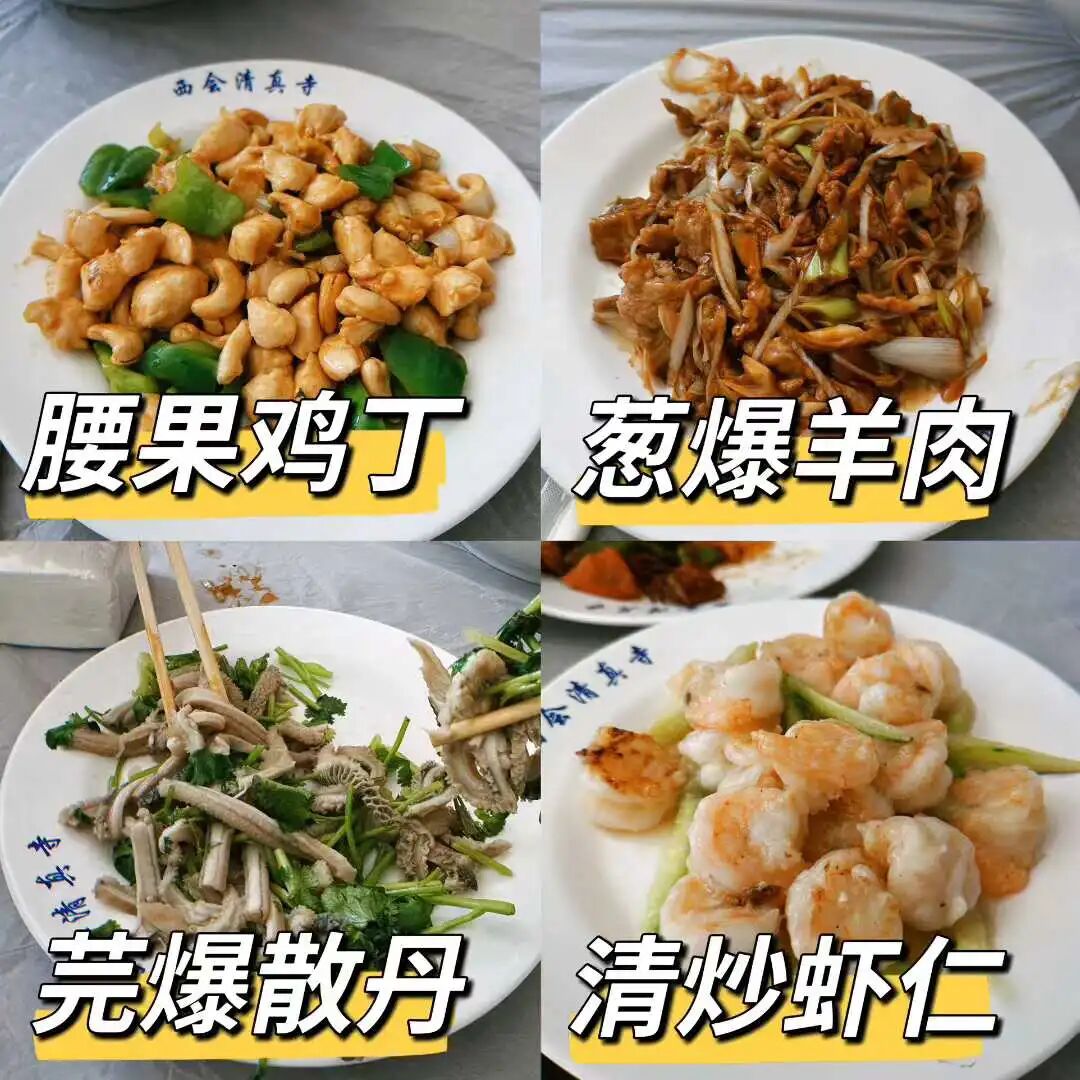
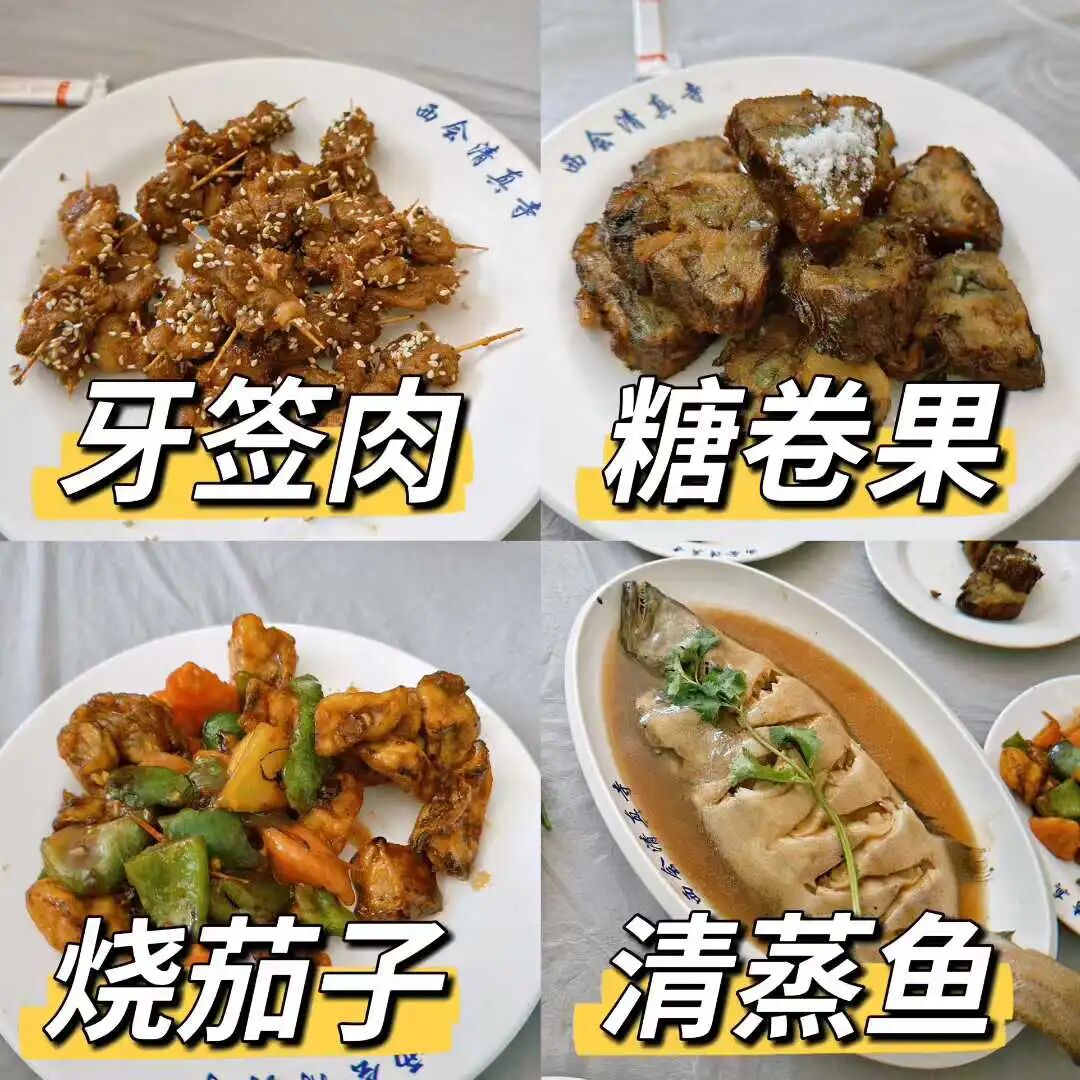
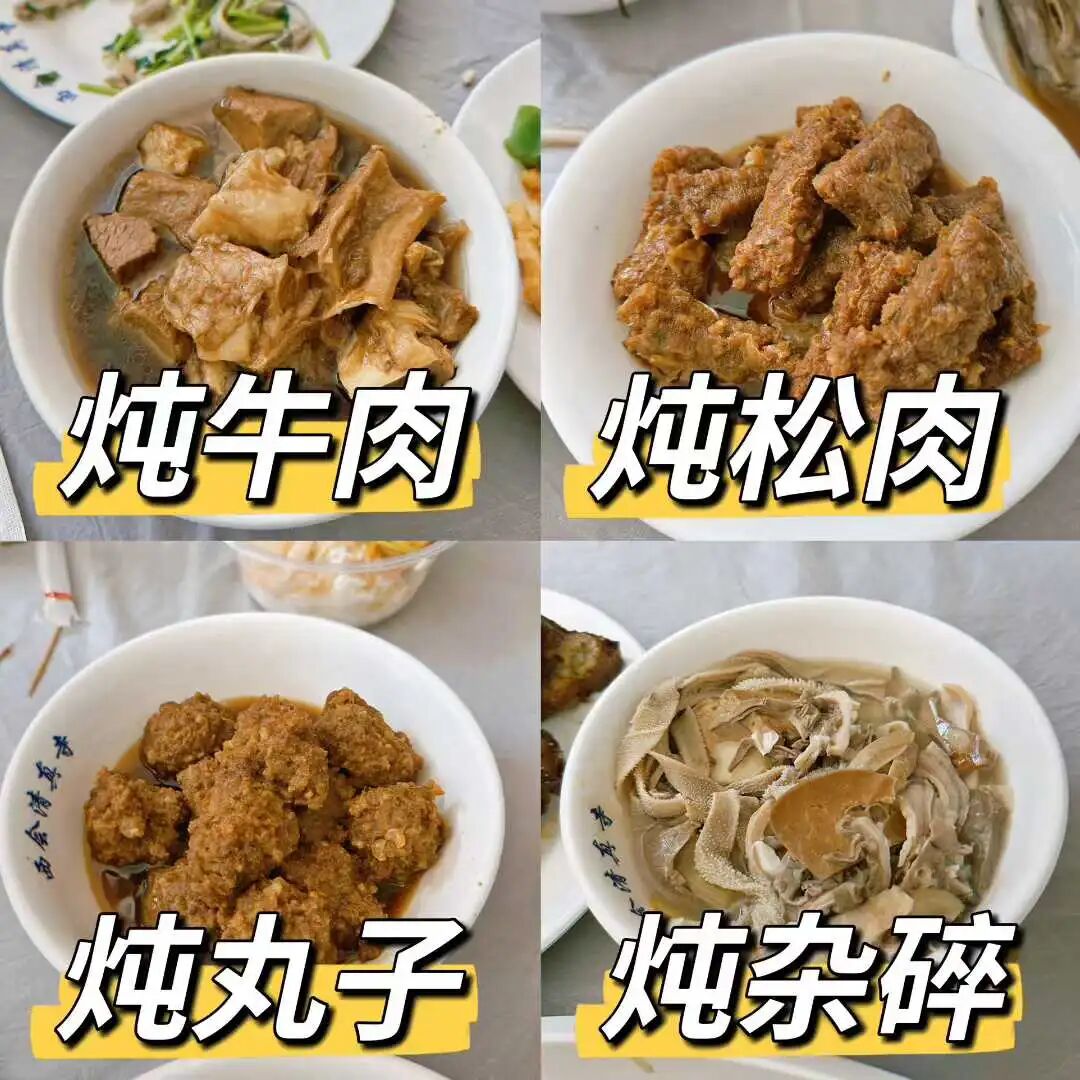
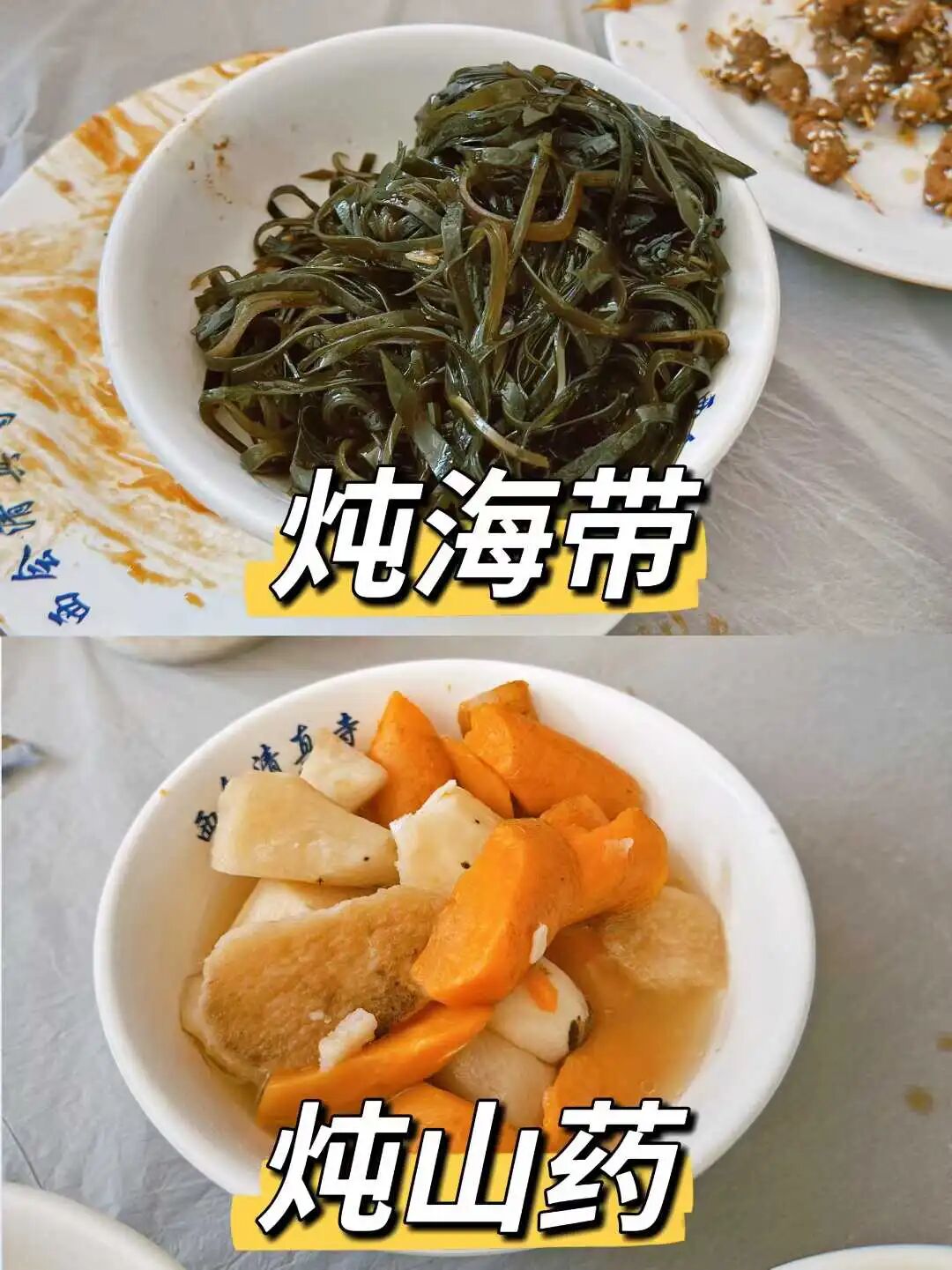
The kitchen at Xihui Mosque is a long room where everyone worked in an orderly and organized way. After entering, the first thing you see is the 'eight big bowls' of stewed dishes. Stewed beef, meatballs, crispy beef, lamb offal, kelp, and yam were served as people ate. Next was the frying area, where sugar-filled fried rolls (tangjuanguo) and toothpick meat were fried on the spot. Next is the stir-fry area, where they quickly cook dishes like stir-fried tripe with coriander (yanbao sandan), stir-fried shrimp (qingchao xiarou), diced chicken with cashews (yaoguo jiding), stir-fried lamb with scallions (congbao yangrou), and braised eggplant (hongshao qiezi) over high heat. Finally, there are the steamers, with paper-wrapped fish (zhibaoyu) steaming on one side and rice on the other.
Summary: The second week of Beijing Mawlid gatherings covered Sanlihe Mosque and Xihui Mosque, with Quran recitation, sermons, meat porridge, fried dough, and community meals. The article preserves the mosque histories, food details, prayer scenes, and local Muslim community memories.
The Mawlid (Prophet's birthday) celebrations in Beijing have been going on for two weeks. I visited Dongsi, Balizhuang, and Yangzha during the first week, and I went to Sanlihe and Xihui for the holy gatherings on the weekend of the second week.
On Saturday, I attended the Mawlid at Yongshou Mosque in Sanlihe. After the scripture recitation and sermon (wa'erzi), we had watermelon, pastries, and snacks. I also received fried dough (youxiang), meat porridge, crispy beef (songrou), and meat portions (roufen).
Yongshou Mosque was first built in 1605 (the 30th year of the Wanli reign). It has been renovated many times and is now a cultural heritage site in the Xicheng District. Historically, Sanlihe was the largest cemetery for Hui Muslims in the Beijing suburbs. As early as 1456 (the 7th year of the Jingtai reign of the Ming Dynasty), the Samarkand envoy Muhammad Sheriban petitioned the Ming court to visit and offer sacrifices at his ancestral graves in the public cemetery outside Fuchengmen, which Emperor Yingzong of Ming granted. In 1605 (the 30th year of the Wanli reign), the ceremonial eunuch Li Shou, the imperial guard Dong Yingyuan, and others initiated a fundraising campaign to purchase the 'Wengseng Huangtang' in Sanlihe to officially build Yongshou Mosque.
The Sanlihe Hui Muslim cemetery historically held the graves of various sages, sheikhs, imams, scholars, and generals. The sages include Wang Daiyu; the sheikhs include Zhuazi Baba and Shadeng Baba; the imams include Imam Wang Yousan, Imam Wang Haoran, Imam Ma Meizhai, Lao Hong Wuba, and Lada Li; the scholar is Ma Linyi; and the generals include Ma Fulu, Ma Longbiao, and Ma Fuxiang. more than a hundred Hui Muslim heroes who died in Beijing while fighting the Eight-Nation Alliance with Ma Fulu during the Gengzi year (1900) were all buried here.
In the afternoon, I stewed some meat portions. Combined with the meat porridge, fried dough, pea flour cake (wandouhuang), and crispy beef distributed by the mosque, it made for a very classic Beijing Hui Muslim feast (nietie).
North of Sanlihe is the 'Hongmaogou Residential Area.' It was originally called 'Hongmaogou' (Red Hat Ditch) and was the cemetery for the Uyghur people known as the 'Red Hat Hui' who lived in the Hui camp on West Chang'an Street before the 1950s.
In 1759 (the 24th year of the Qianlong reign), after Emperor Qianlong pacified the Great and Small Khojas of the White Mountain faction, he summoned the surrendered Hui people, led by the 'Eight Hui Nobles,' to Beijing. The ordinary people among them were organized into the 'Hui People's Company' under the Left Wing Fifth Regiment of the Plain White Banner of the Imperial Household Department. In Manchu, this was called 'hoise niru.' They were settled in the Hui camp outside the West Chang'an Gate and chose Hongmaogou as their cemetery.
Besides the Uyghurs, Hongmaogou also contained the grave of Zhuazi Baba, one of the two great sheikh graves in Sanlihe. In the past, every spring, many Beijing Hui Muslims would take their families to visit the grave of Zhuazi Baba to offer dua.
On Sunday morning, I attended the Mawlid at Xihui Mosque. Xihui Mosque is located by the Beijing-Hangzhou Grand Canal. It was built in 1821 (the first year of the Daoguang reign) and is not far from Yangzha Mosque and Guanzhuang Mosque. Although the mosque and the community were separated due to relocation and high-rise development, the new residential area is not far away, so the community still has a strong sense of unity, and the holy gathering was very lively.
Before the Mawlid began, everyone drank meat porridge and ate fruit, chatting with each other to strengthen friendships. After the Mawlid started, the imams from various communities in Chaoyang District led the opening dua, followed by scripture recitations. Then, the local imam gave a sermon to commemorate and learn from the noble Prophet.
After leaving the prayer hall, everyone went to the feast. Following the tradition of 'guests first, locals later,' the imams, directors, and guests invited by the mosque sat down to eat first, and the local community members took their seats afterward.
The kitchen at Xihui Mosque is a long room where everyone worked in an orderly and organized way. After entering, the first thing you see is the 'eight big bowls' of stewed dishes. Stewed beef, meatballs, crispy beef, lamb offal, kelp, and yam were served as people ate. Next was the frying area, where sugar-filled fried rolls (tangjuanguo) and toothpick meat were fried on the spot. Next is the stir-fry area, where they quickly cook dishes like stir-fried tripe with coriander (yanbao sandan), stir-fried shrimp (qingchao xiarou), diced chicken with cashews (yaoguo jiding), stir-fried lamb with scallions (congbao yangrou), and braised eggplant (hongshao qiezi) over high heat. Finally, there are the steamers, with paper-wrapped fish (zhibaoyu) steaming on one side and rice on the other.
