
Halal Travel Guide: Hohhot - Breakfast at the Great Mosque
Reposted from the web
Summary: Hohhot Great Mosque grew from a Qing Dynasty Green Standard Army Hui Muslim community and reached its current scale through rebuilding and expansion in 1723, 1789, and the Republic of China era. This breakfast walk covers mosque history, milk skin, oat noodles, fruit soup, jujube cake, and Hui Muslim food around Kuanxiangzi.
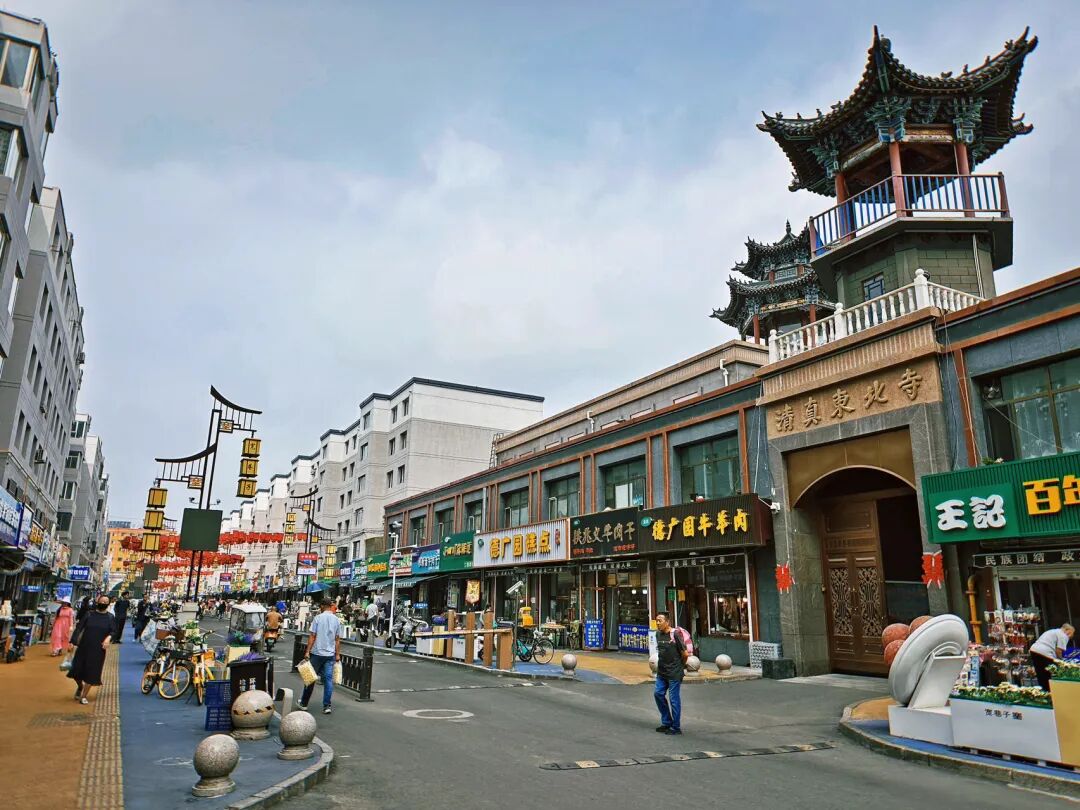
I had breakfast at the Hohhot Great Mosque this morning.
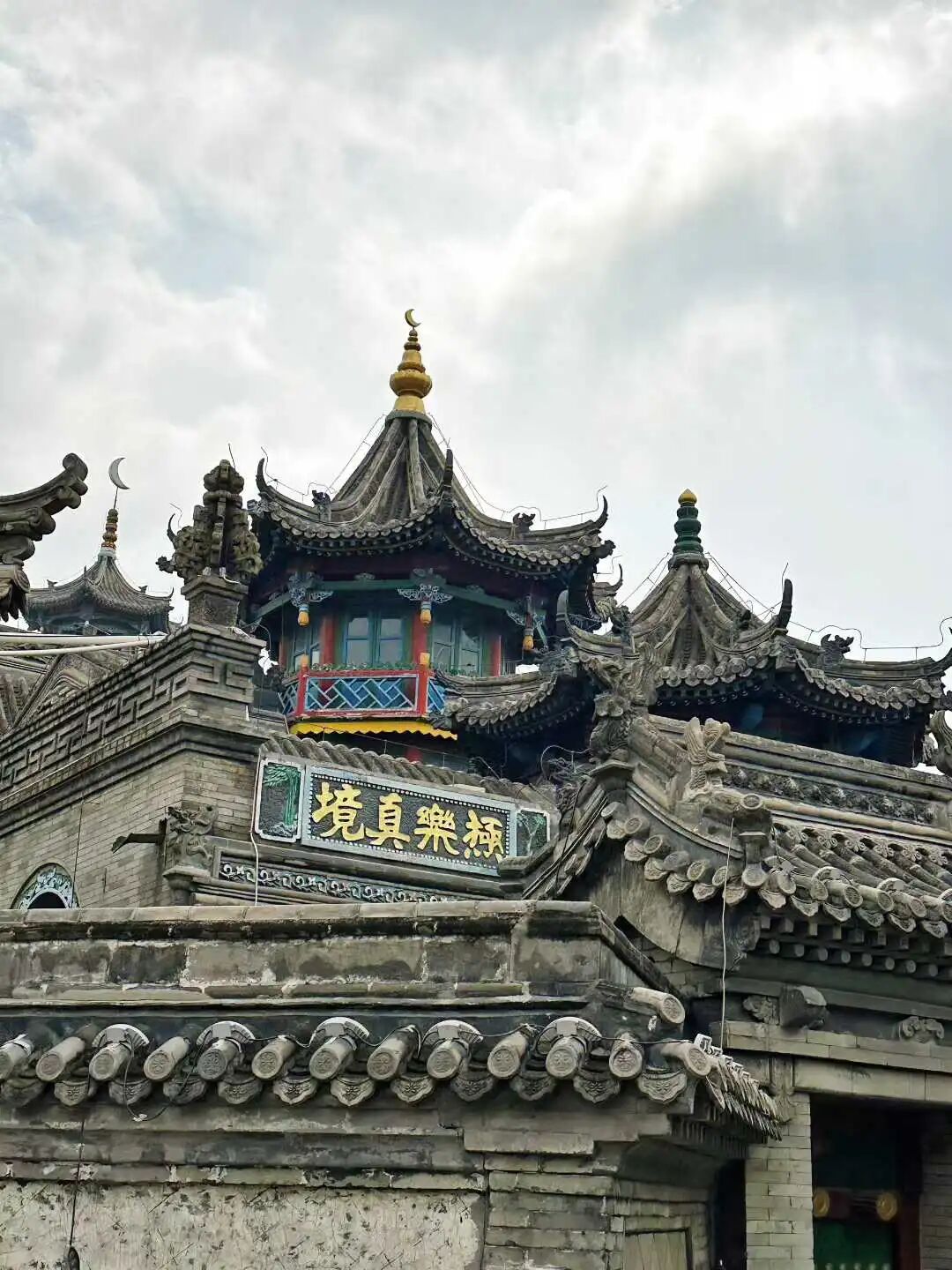
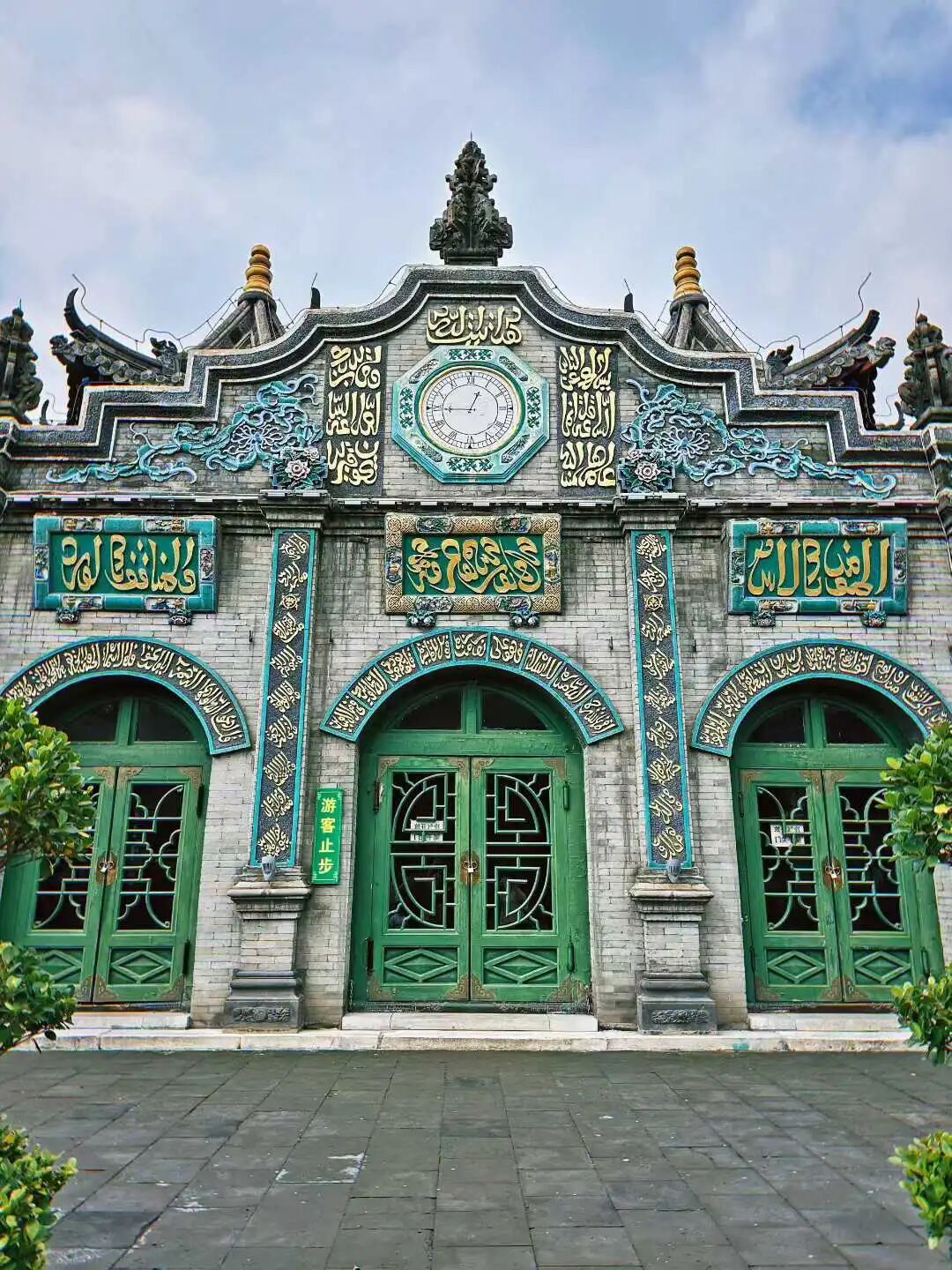
The Hohhot Great Mosque community started with Hui Muslim soldiers from the Qing Dynasty Green Standard Army. After the Ming Dynasty fell, soldiers guarding the Nine Garrisons joined the Qing Dynasty as the Green Standard Army, including many Hui Muslim soldiers from Xuanhua, Datong, and Taiyuan. In 1693, the 32nd year of the Kangxi reign, the Qing government sent many troops to Hohhot to fight the Dzungar Khanate, and this group included many Hui Muslim soldiers from the Green Standard Army. These Hui Muslim soldiers and local Hui Muslim merchants built the mosque community together near the north gate of the old city, which became the early version of the Hohhot Great Mosque.
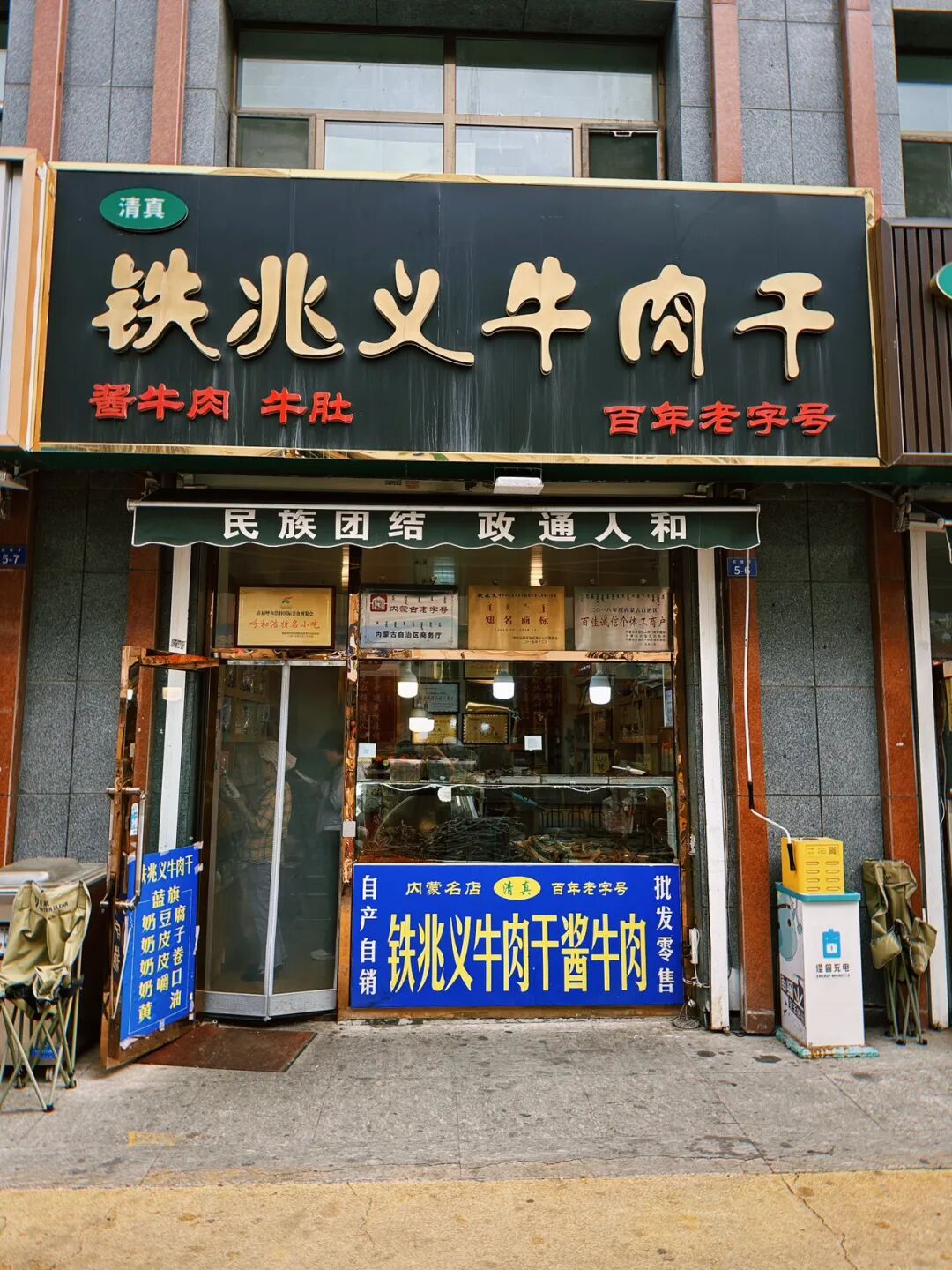
After the middle of the Kangxi reign, there were no more wars on the border. Many Hui Muslim soldiers from Datong, Zuoyun, and Youyu became small merchants or craftspeople. Many Hui Muslims moved to live near the Hohhot Great Mosque, which is why the local Hui Muslim dialect in Hohhot still sounds like the Datong dialect today. By the late Kangxi period, two large livestock markets called Cow Bridge (Niuqiao) and Sheep Hill (Yanggangzi) appeared near the mosque, and the Hui Muslims controlled the local beef and mutton slaughtering business.
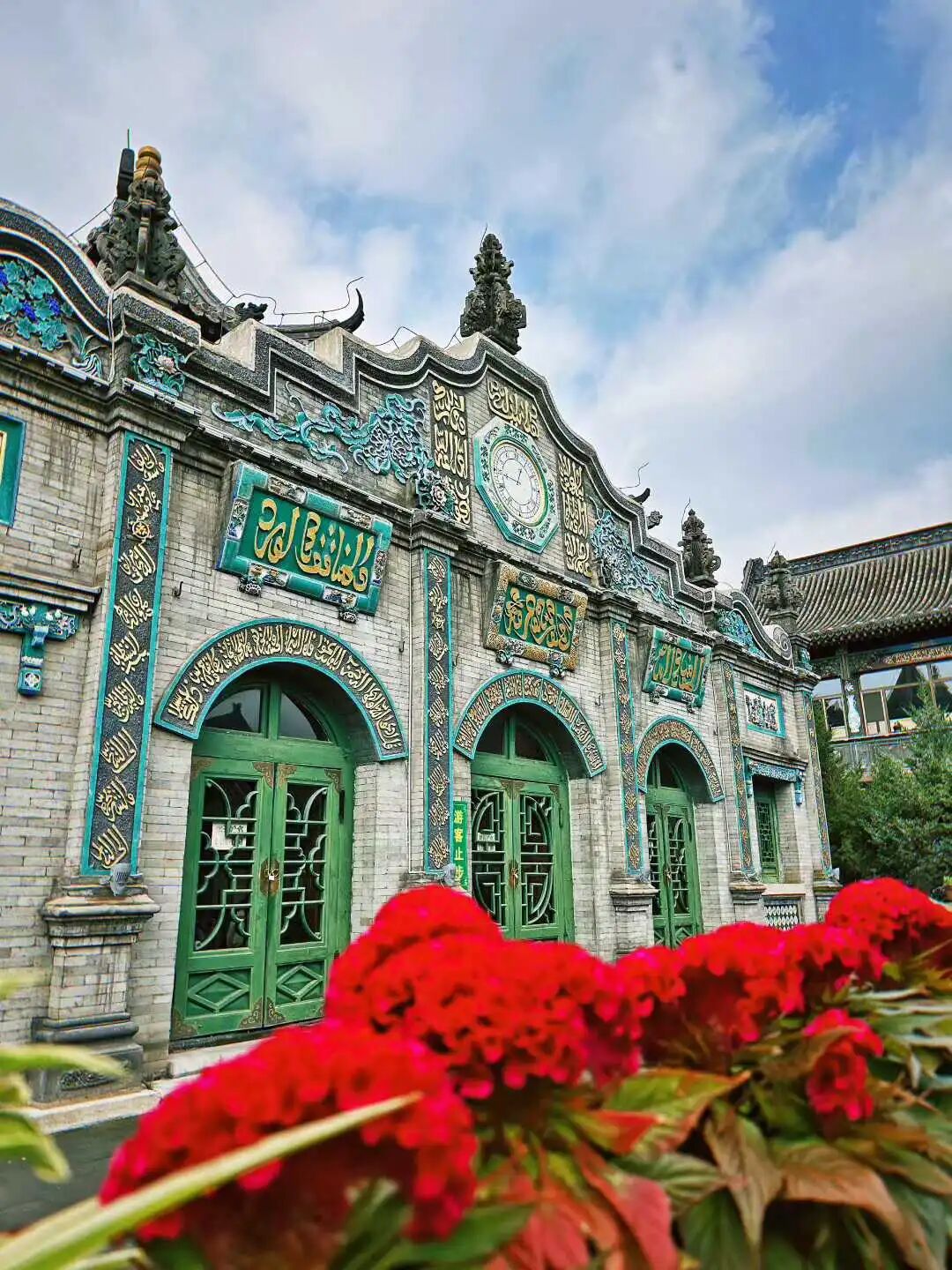
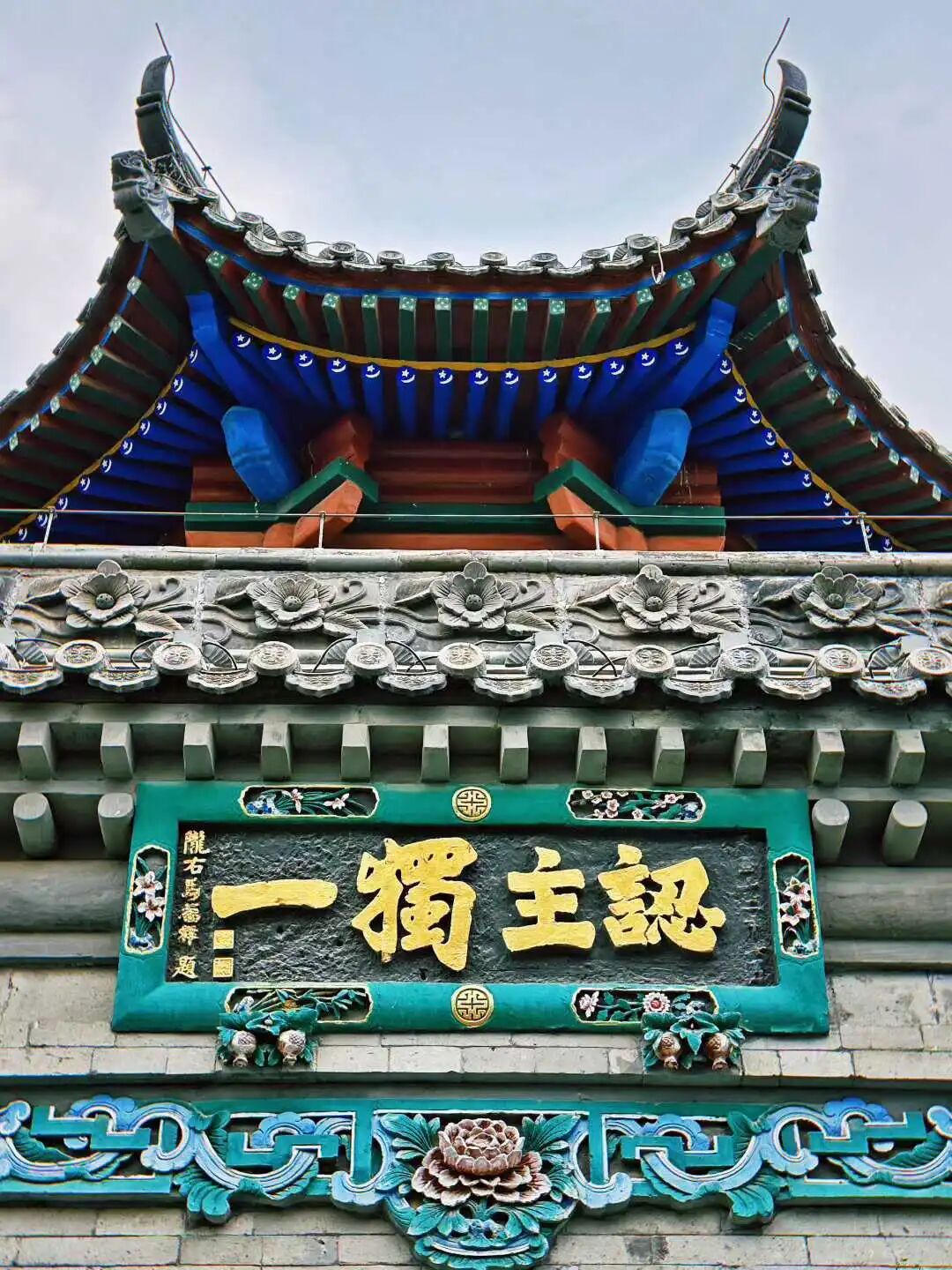
The early Hohhot Great Mosque was just a few mud houses. It reached its current size after being rebuilt in 1723, the first year of the Yongzheng reign, and expanded significantly in 1789, the 54th year of the Qianlong reign. The funding for the Qianlong-era expansion came mostly from three wealthy Hui Muslim merchant families: the Kang, Ma, and Chen families. To honor their contributions, the mosque decided to add three extra scripture readings every year during the opening of the Ramadan fast. Between 1923 and 1925, the mosque expanded its main hall and the north and south lecture halls, creating the unique Republic of China-era style seen today. A woman named Widow Yang from South Channel Street donated her own property behind the mosque, so the mosque added one more scripture reading to the annual Ramadan opening to honor her.
The most famous imam at the Hohhot Great Mosque during the Republic of China era was Imam Wang Kuan from Niujie in Beijing. Imam Wang was a famous educator who founded the Chinese Muslim Progressive Association and opened the first Hui Muslim primary school in Hohhot, the Gui-Sui Hui School, in 1915.
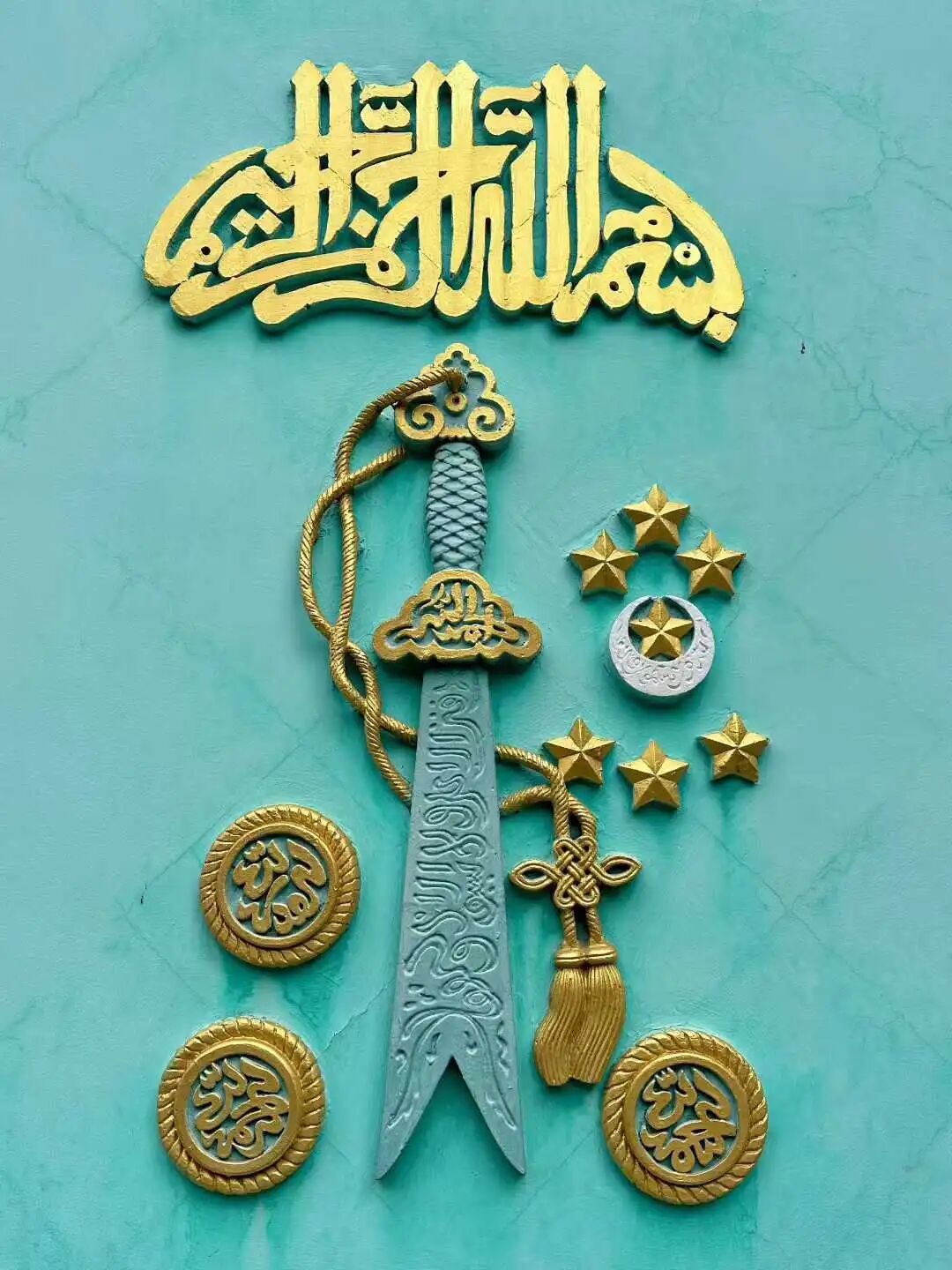
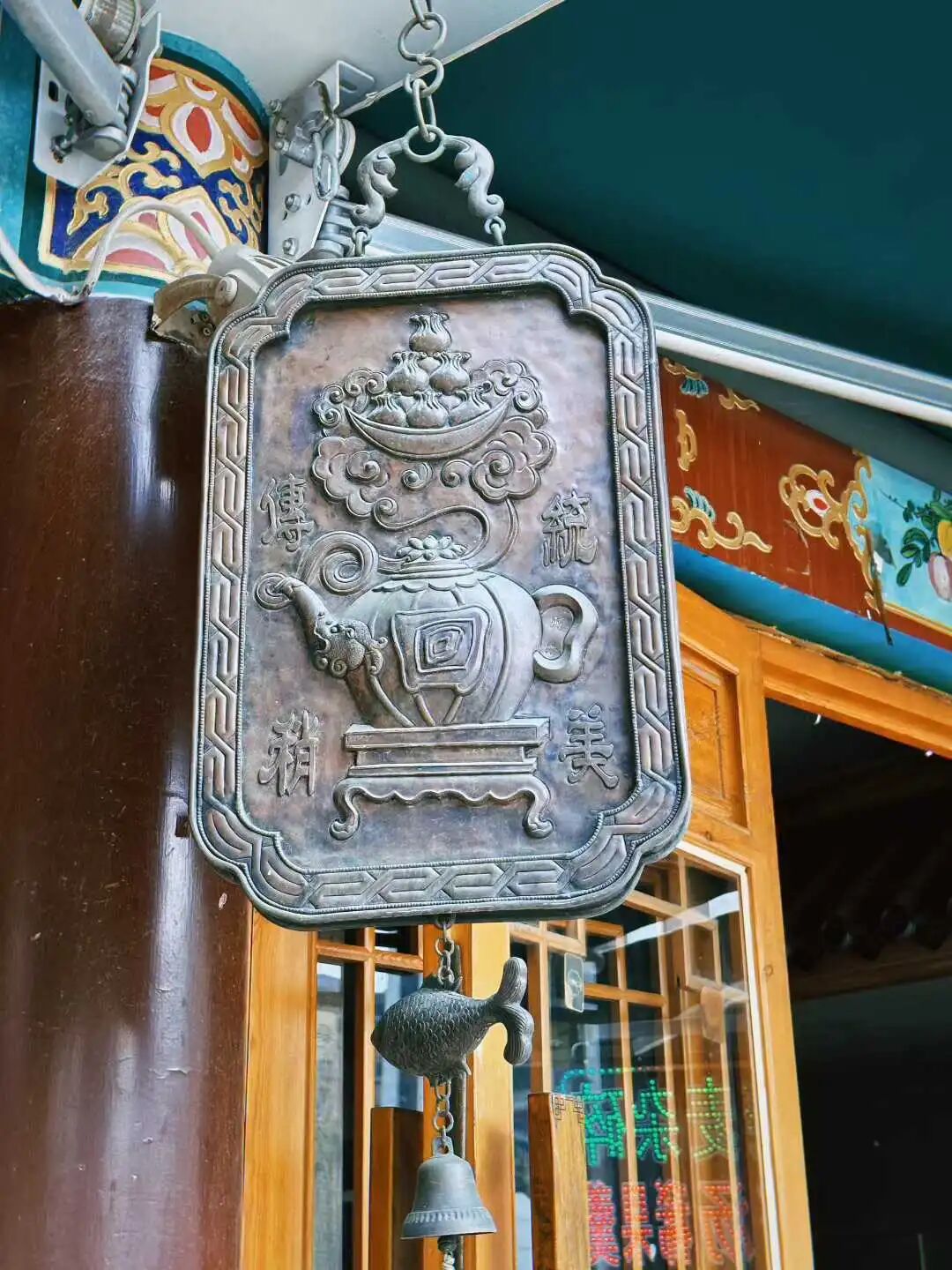
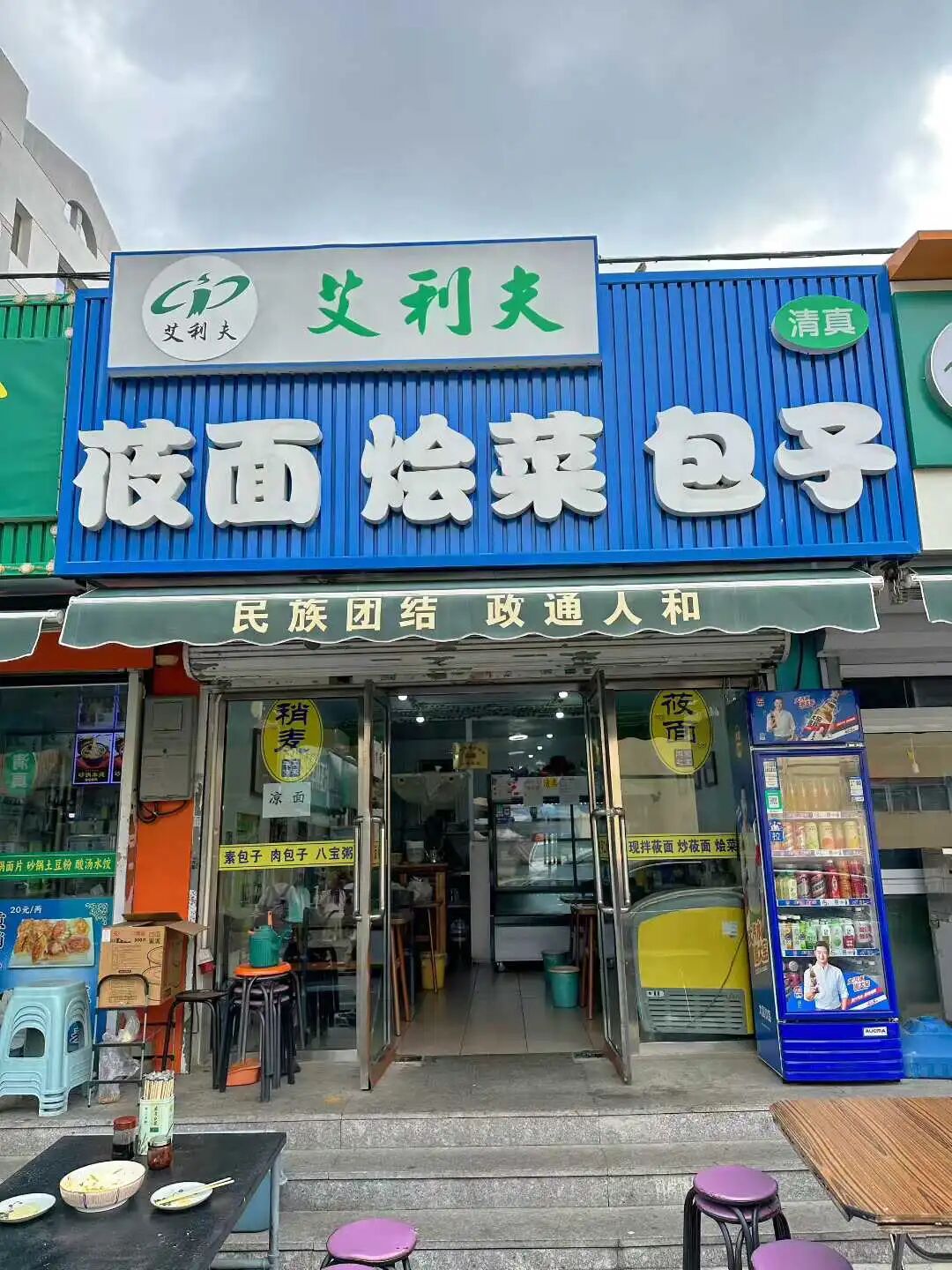
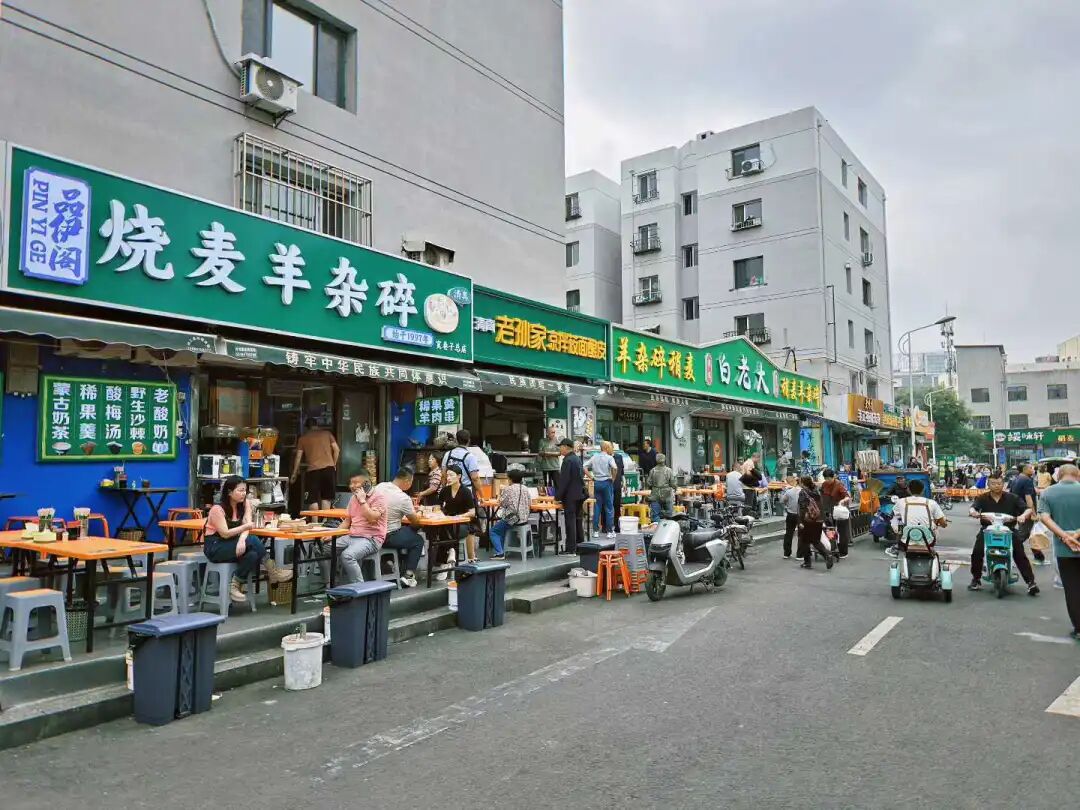
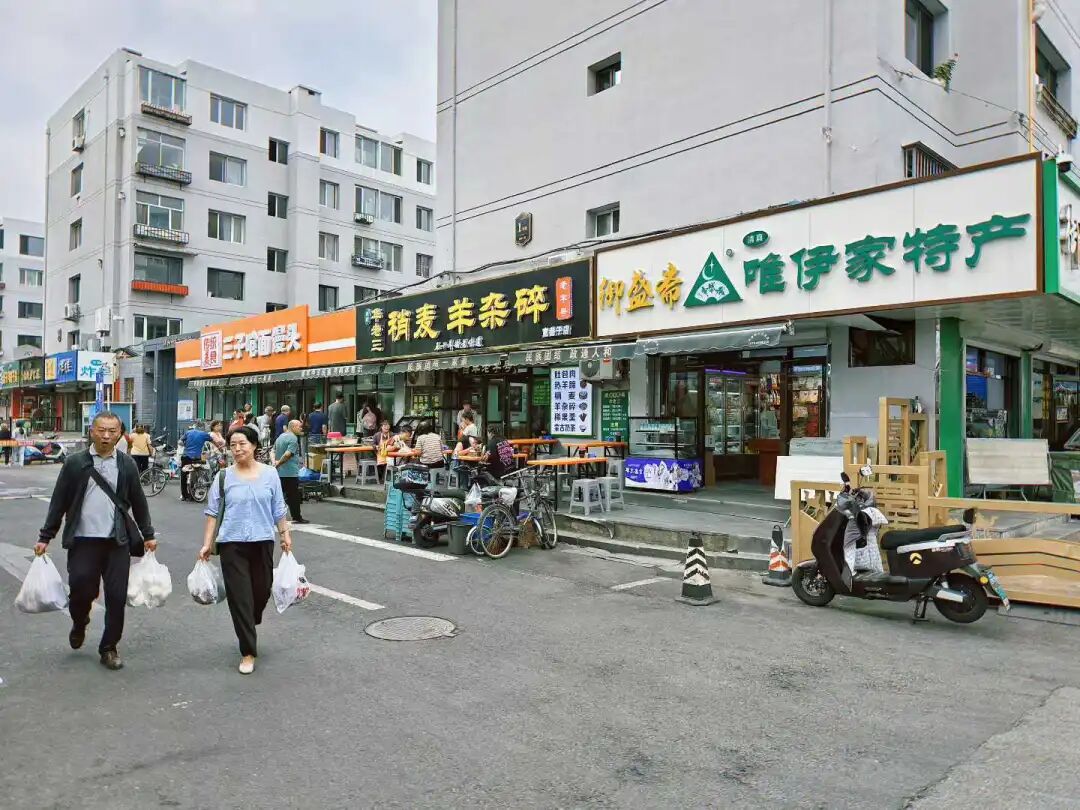
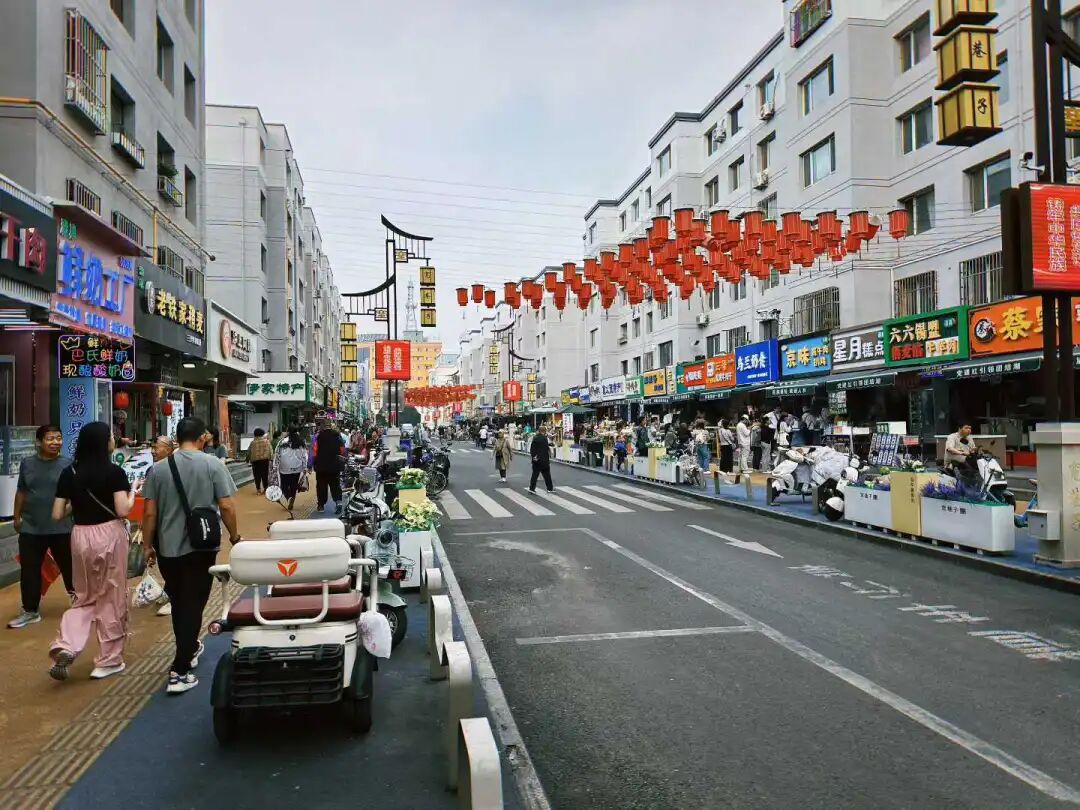
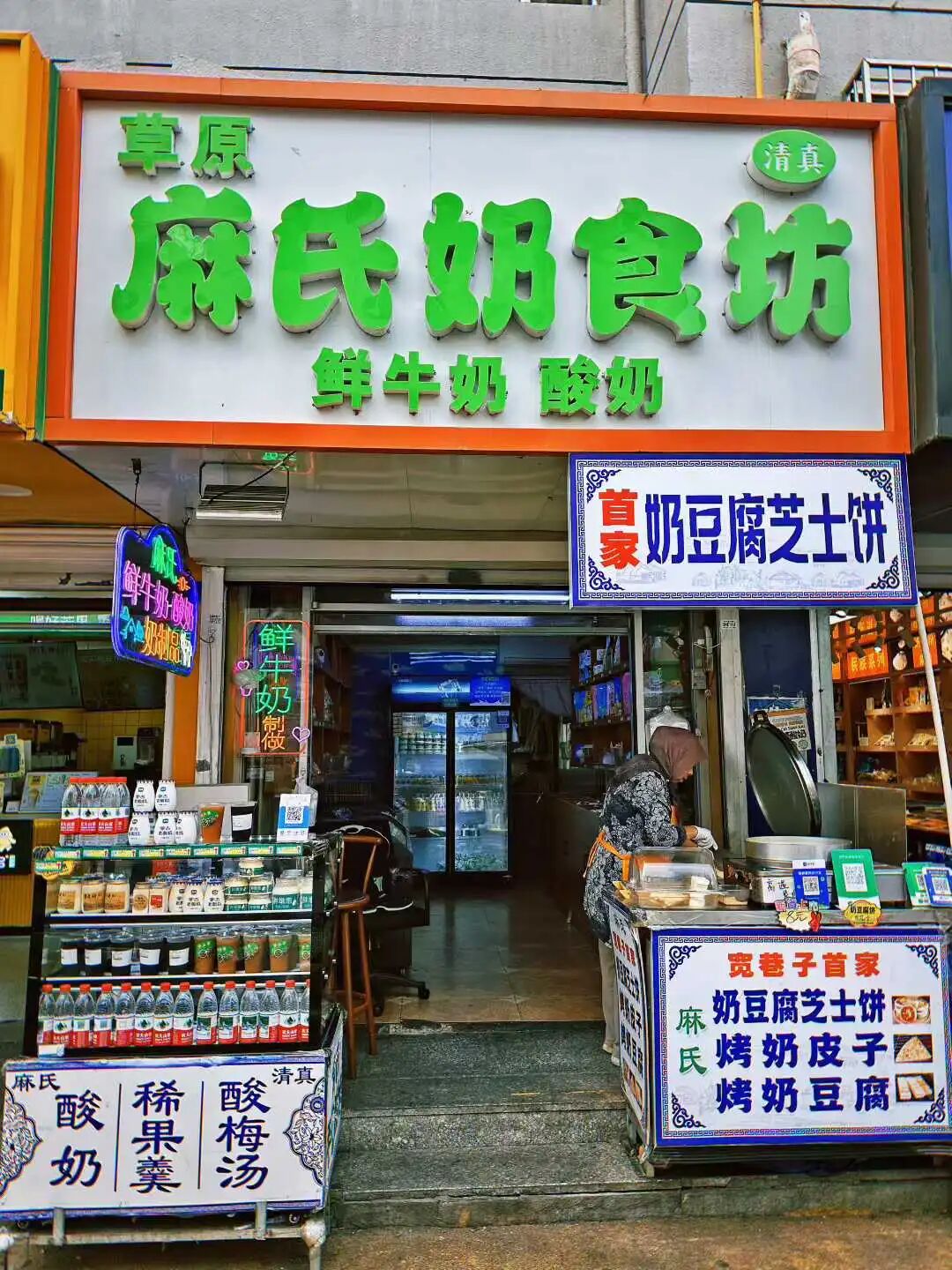
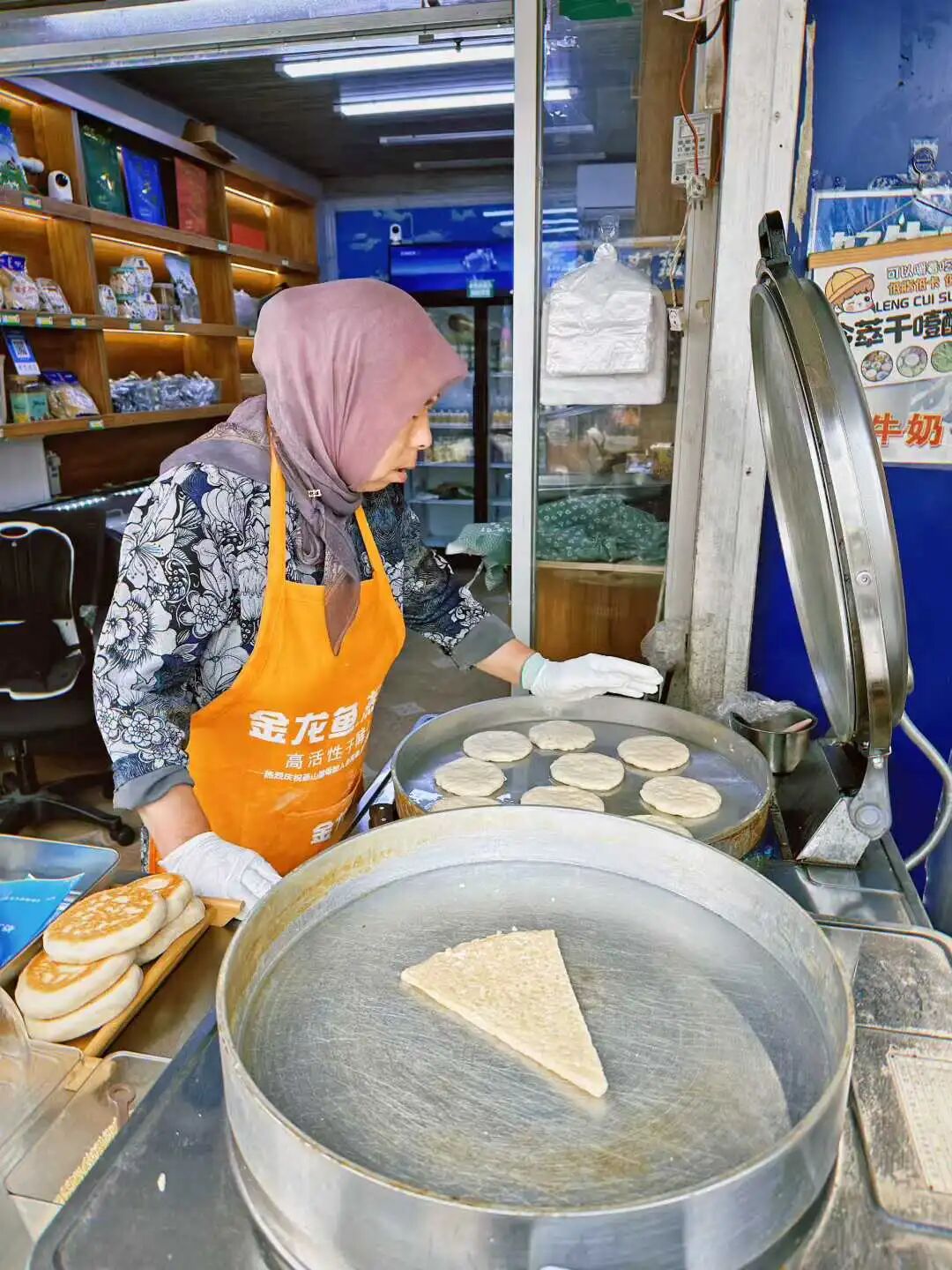
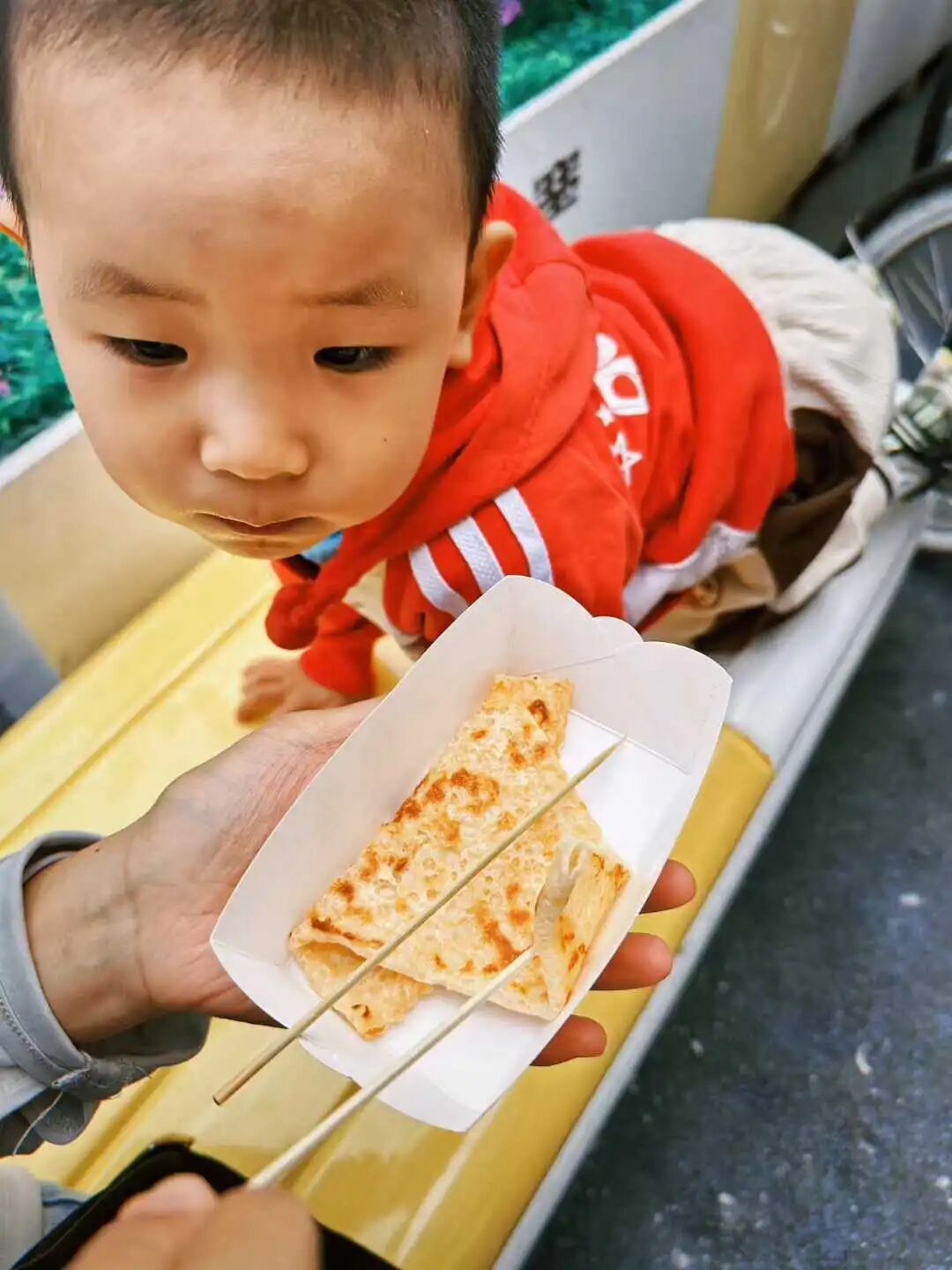
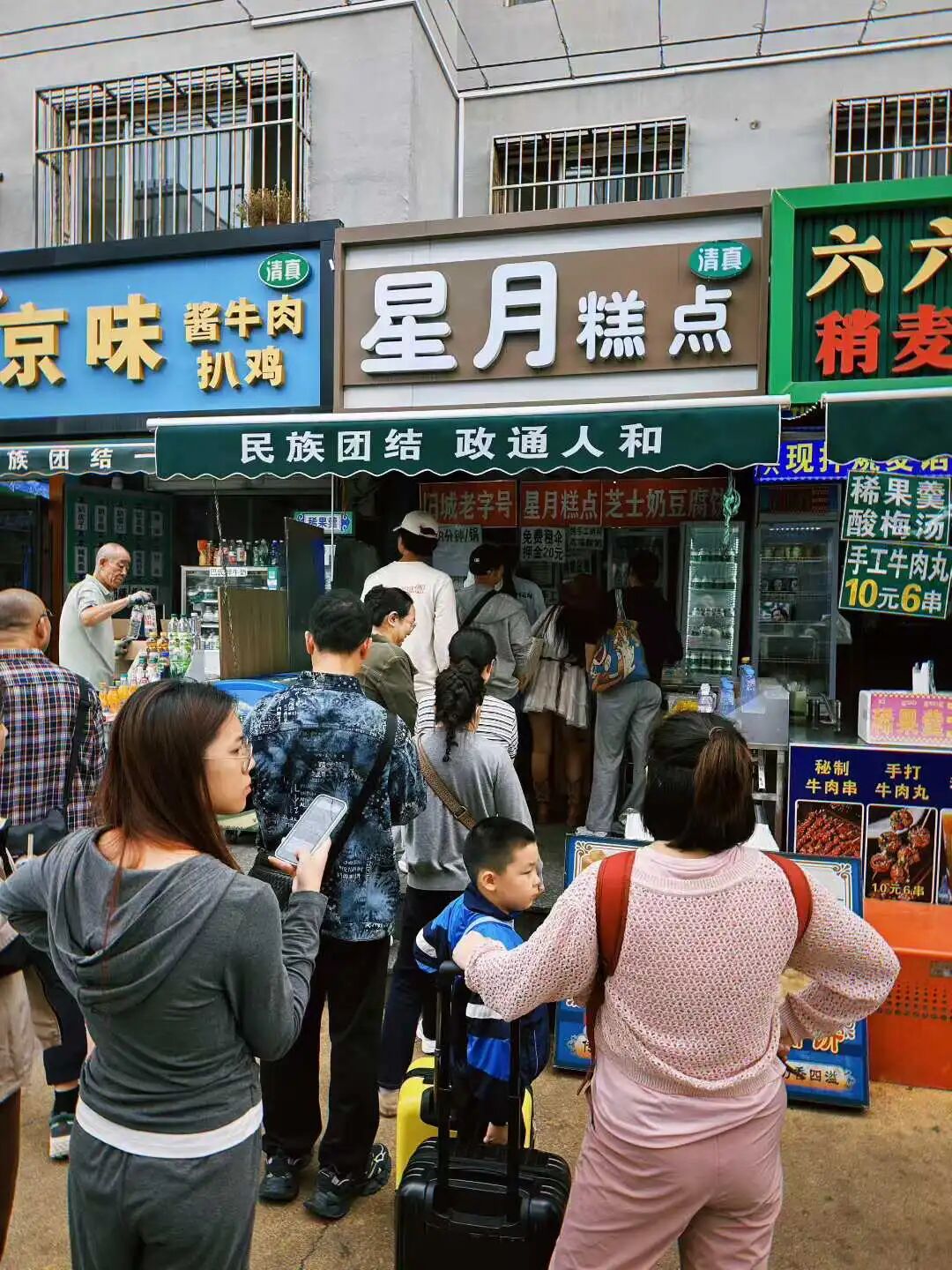
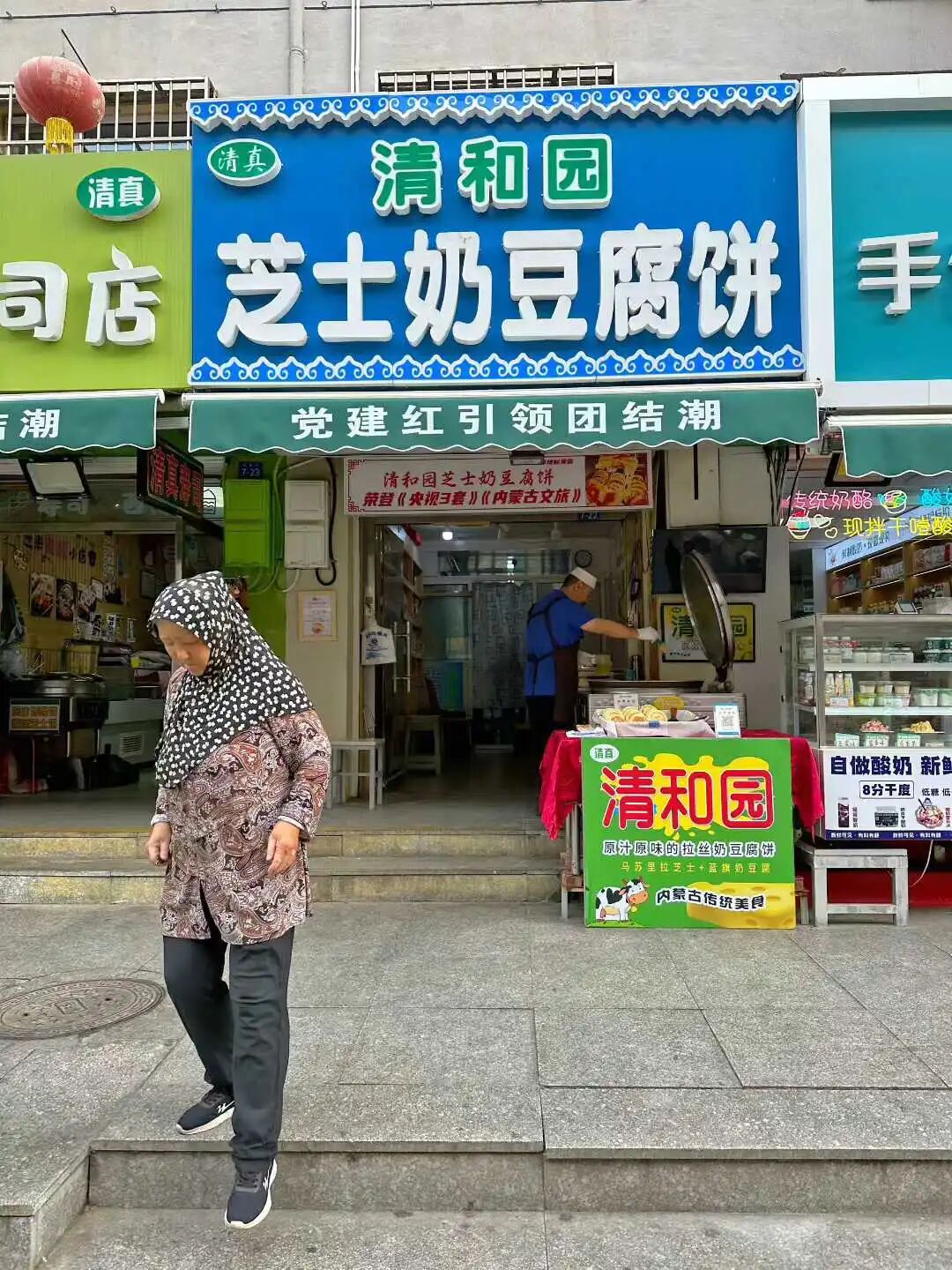
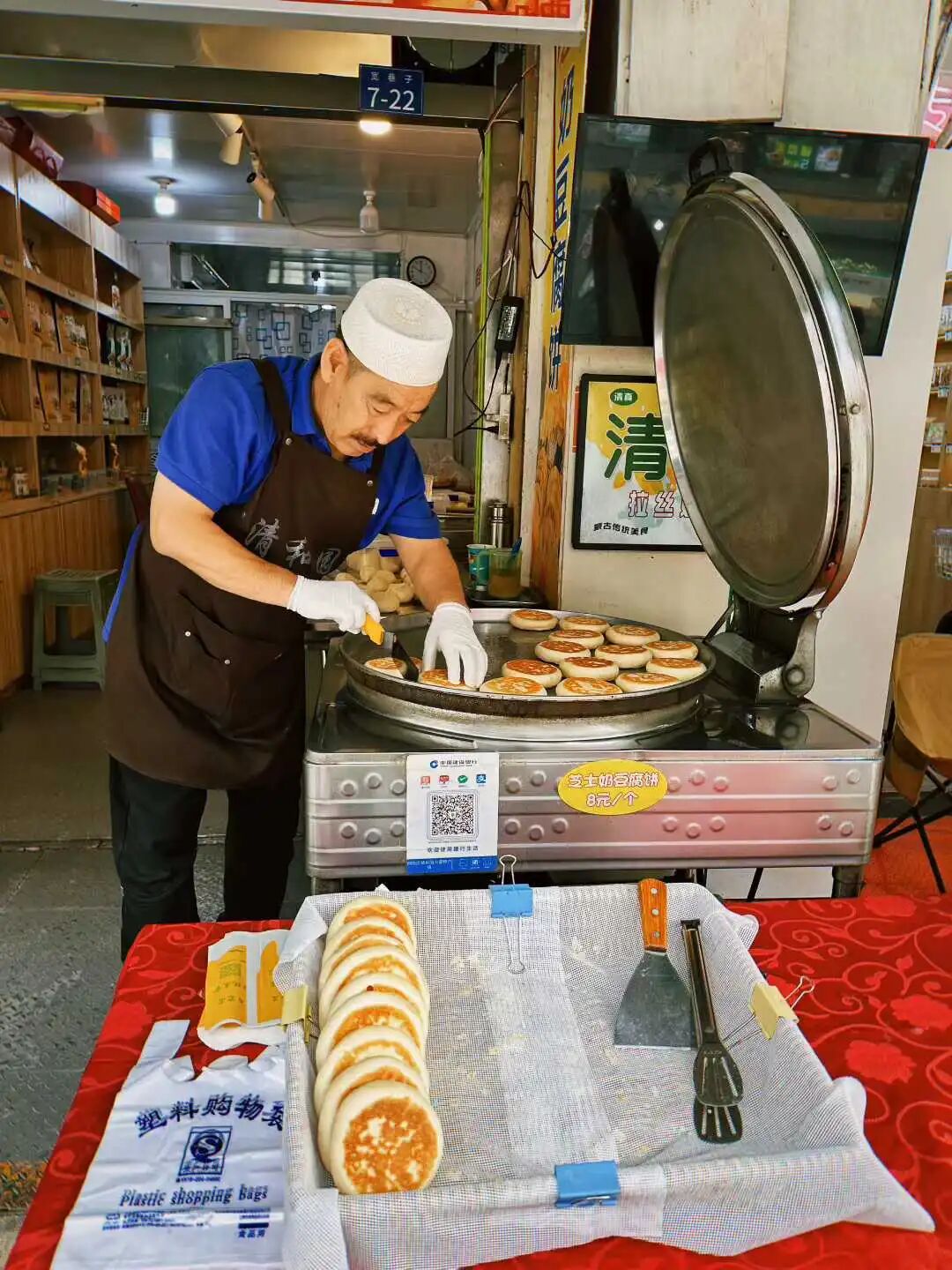
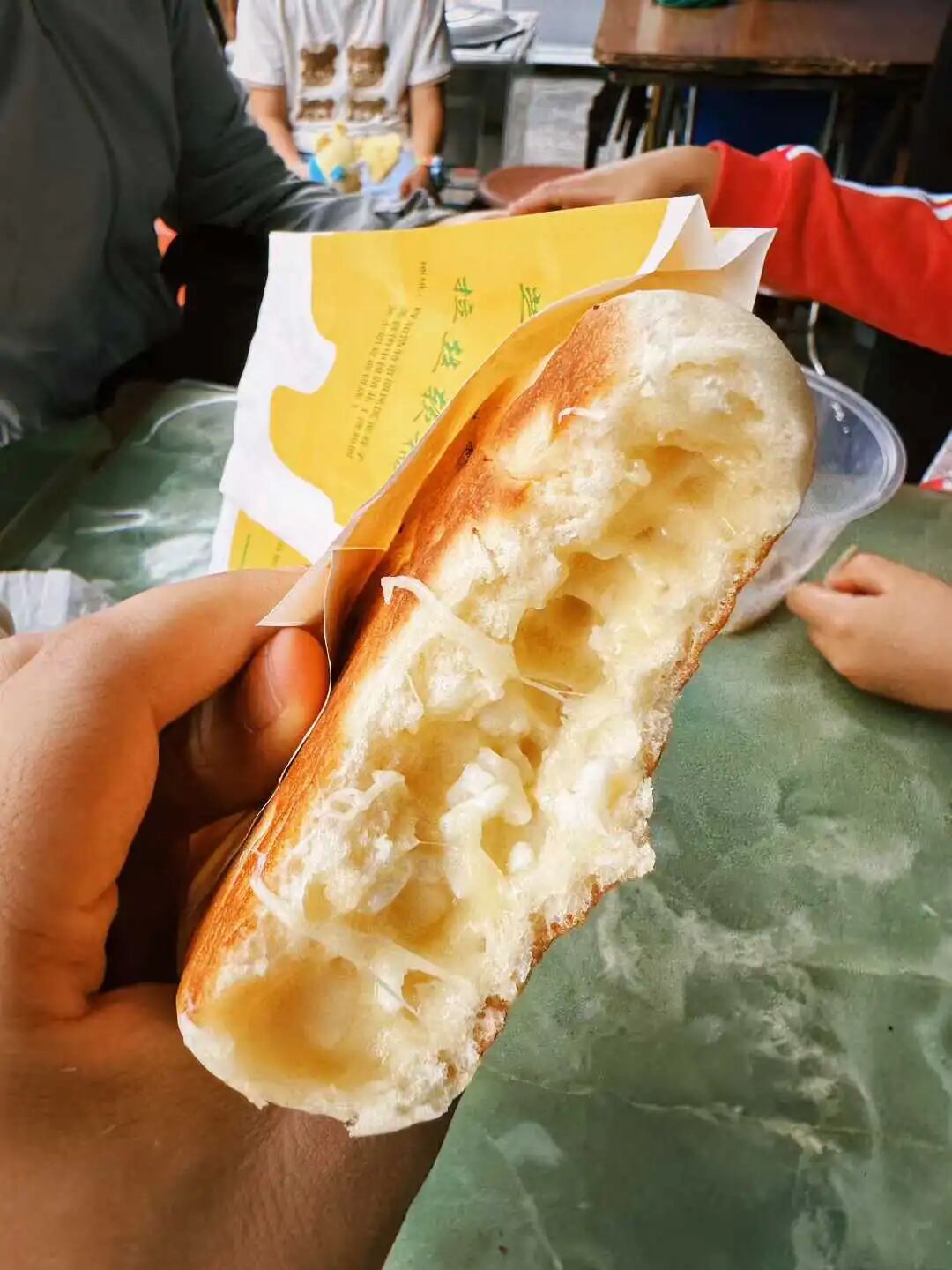
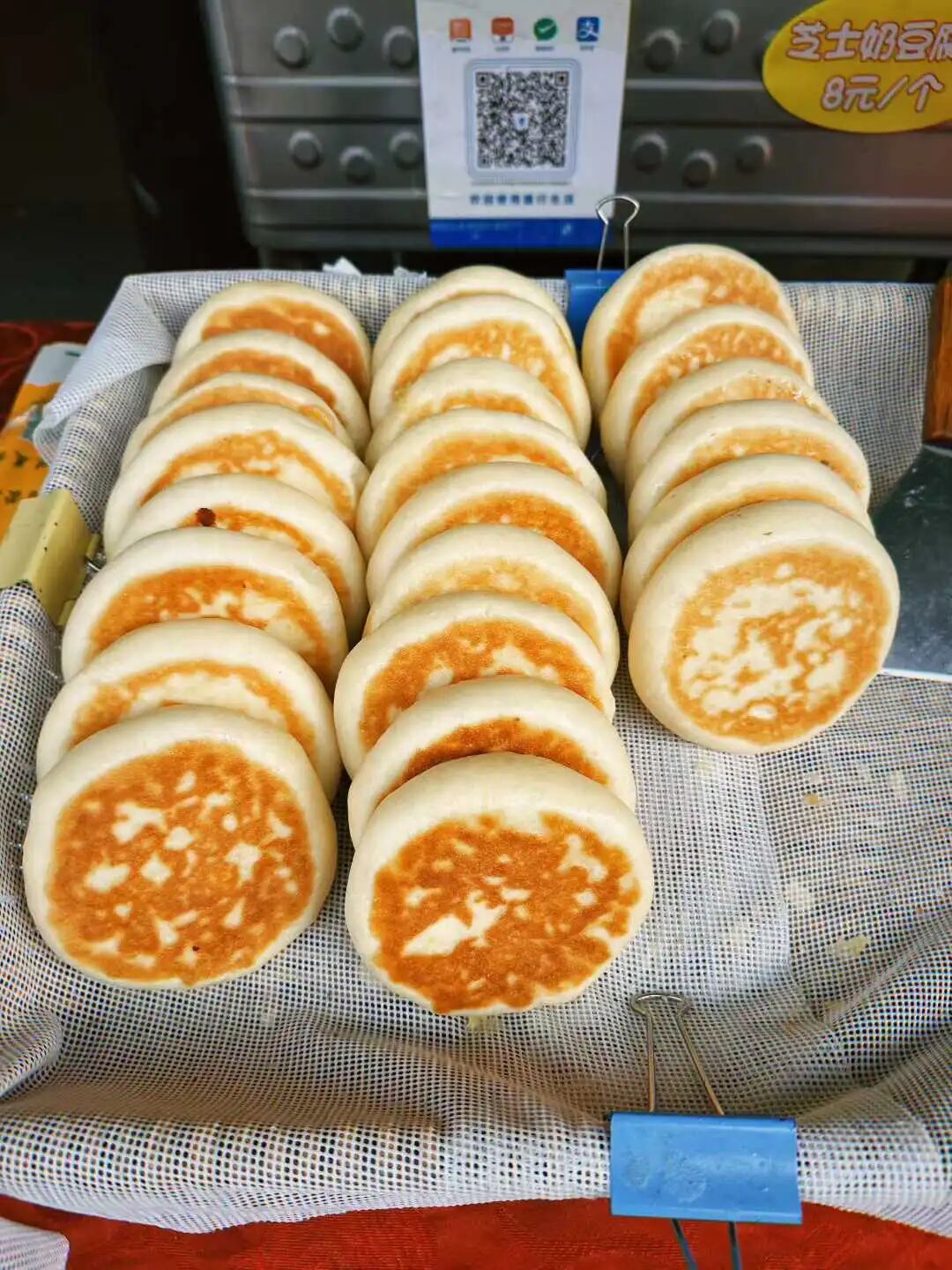
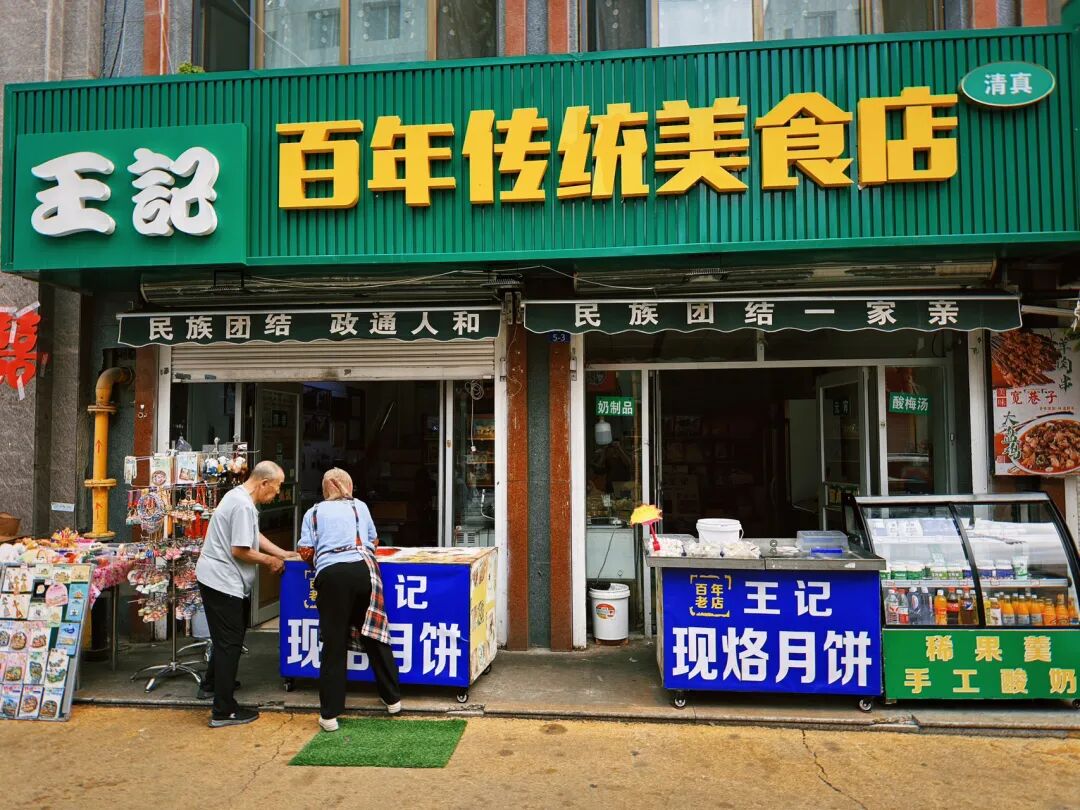
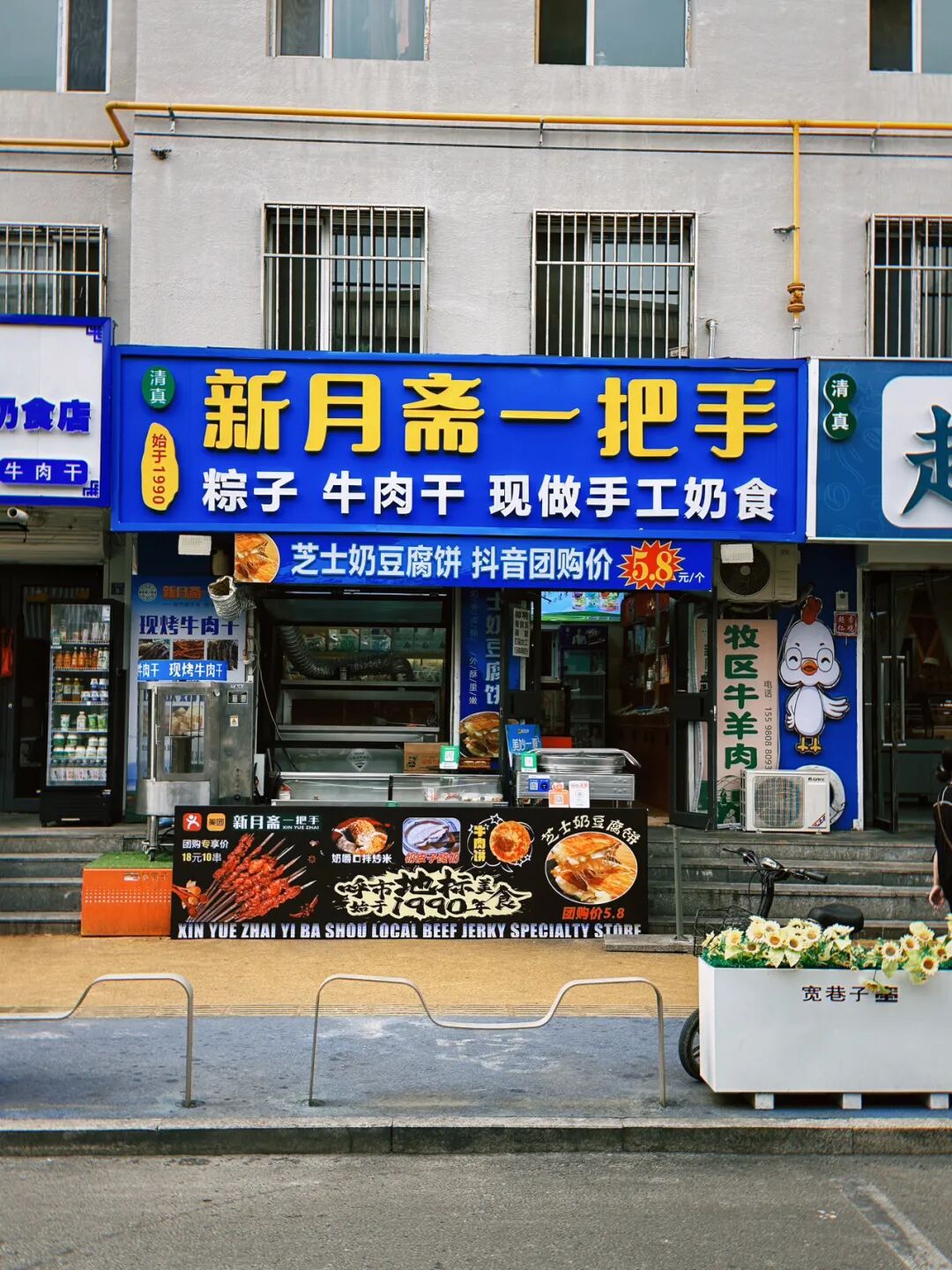
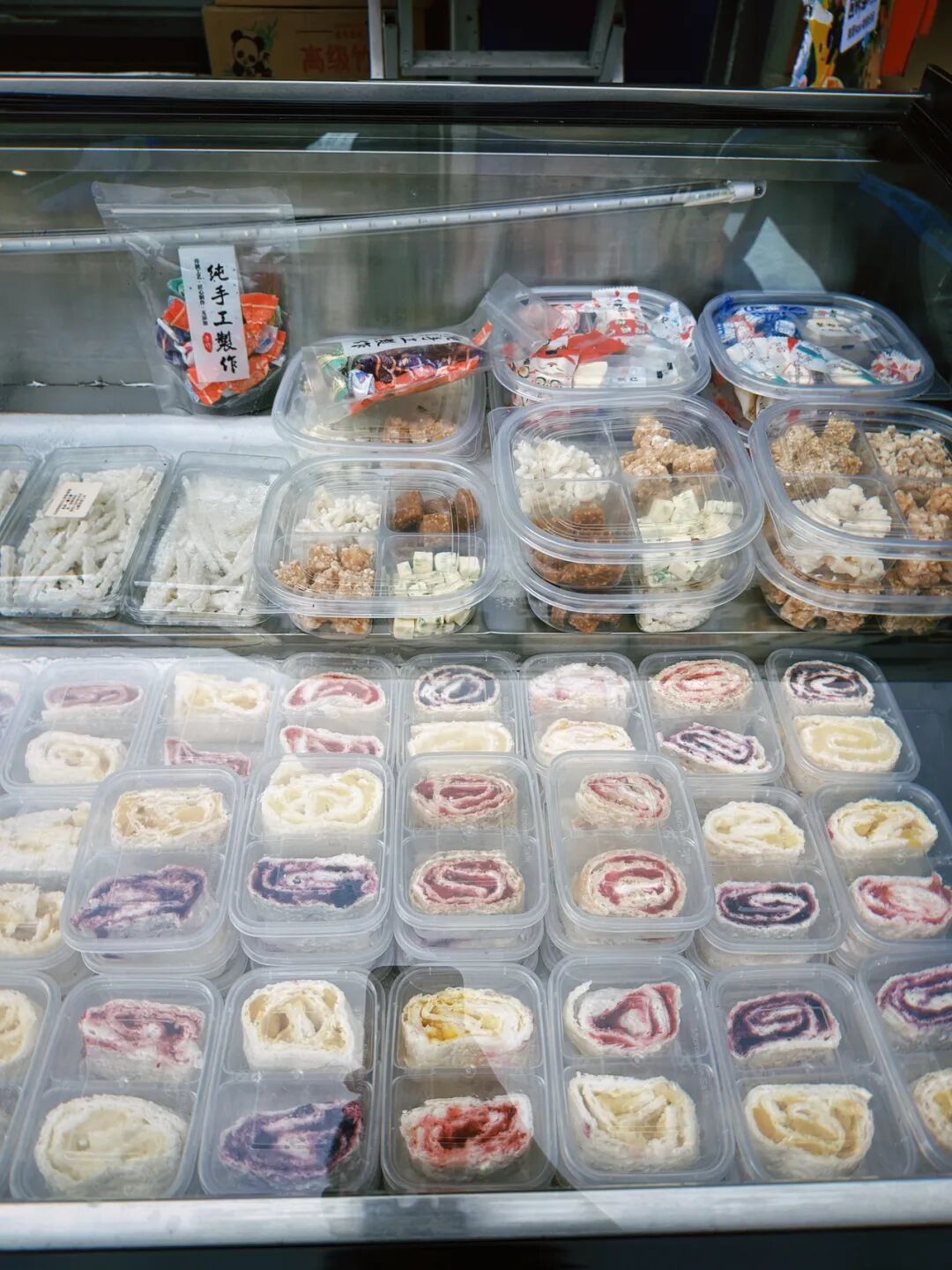
I ate roasted milk skin (naopi) at the Ma Family Dairy Shop. It had a rich milky flavor. They were also the first shop in Wide Alley (Kuanxiangzi) to make milk tofu cheese pancakes. Many shops in Wide Alley now sell cheese milk tofu pancakes. They use Italian soft cheese mixed with Inner Mongolian milk tofu (naidoufu), which has become a popular internet-famous snack. The most popular place with a line in Wide Alley is the Star and Moon Pastry Shop (Xingyue Gaodian). We were too lazy to wait, so we bought some at the nearby Qingheyuan shop. The cheese was stretchy and milky, but I personally prefer the plain milk tofu pancakes.
The Hui Muslim Ma family originally came from Youwei, Shanxi. They were a powerful military family during the Ming Dynasty. In the middle of the Wanli reign, the Ma Army, led by Ma Gui and his brothers and nephews, was famous for being great fighters. They earned great merit by defending Youwei for six months against Altan Khan. The Ma family defended the Ming Dynasty borders for years, and members of the family served as regional commanders in almost every border town. After the Ming Dynasty fell, the Ma family stopped fighting and turned to farming. In the early Qianlong reign, the Youyu General's office and the troops moved to the new city of Guihua in Hohhot. Many Hui Muslims from Youyu followed the path known as Walking the West Pass (Zou Xikou) to Hohhot to make a living. Legend says the Ma family also settled in Hohhot at the end of the Qianlong reign.
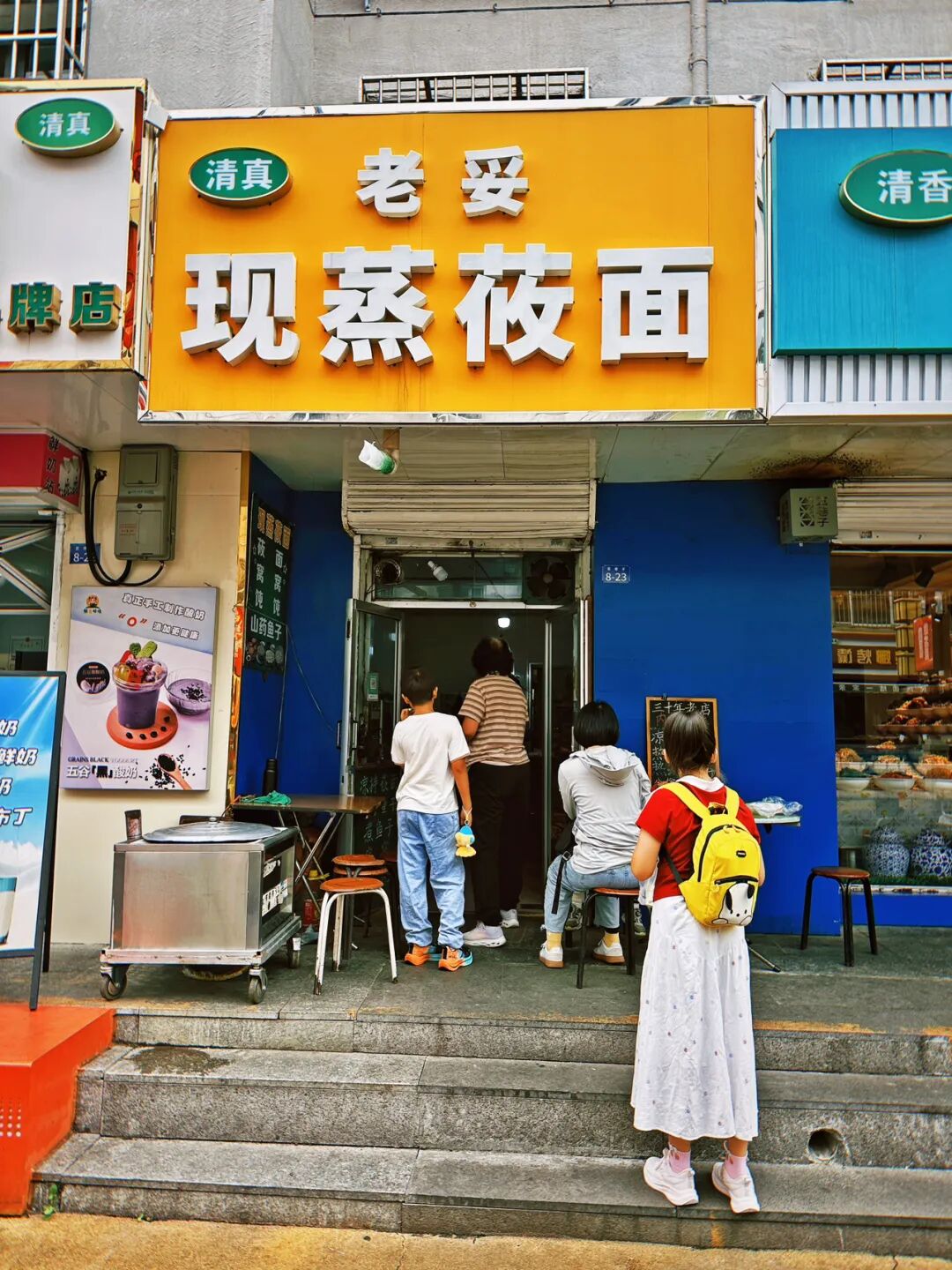
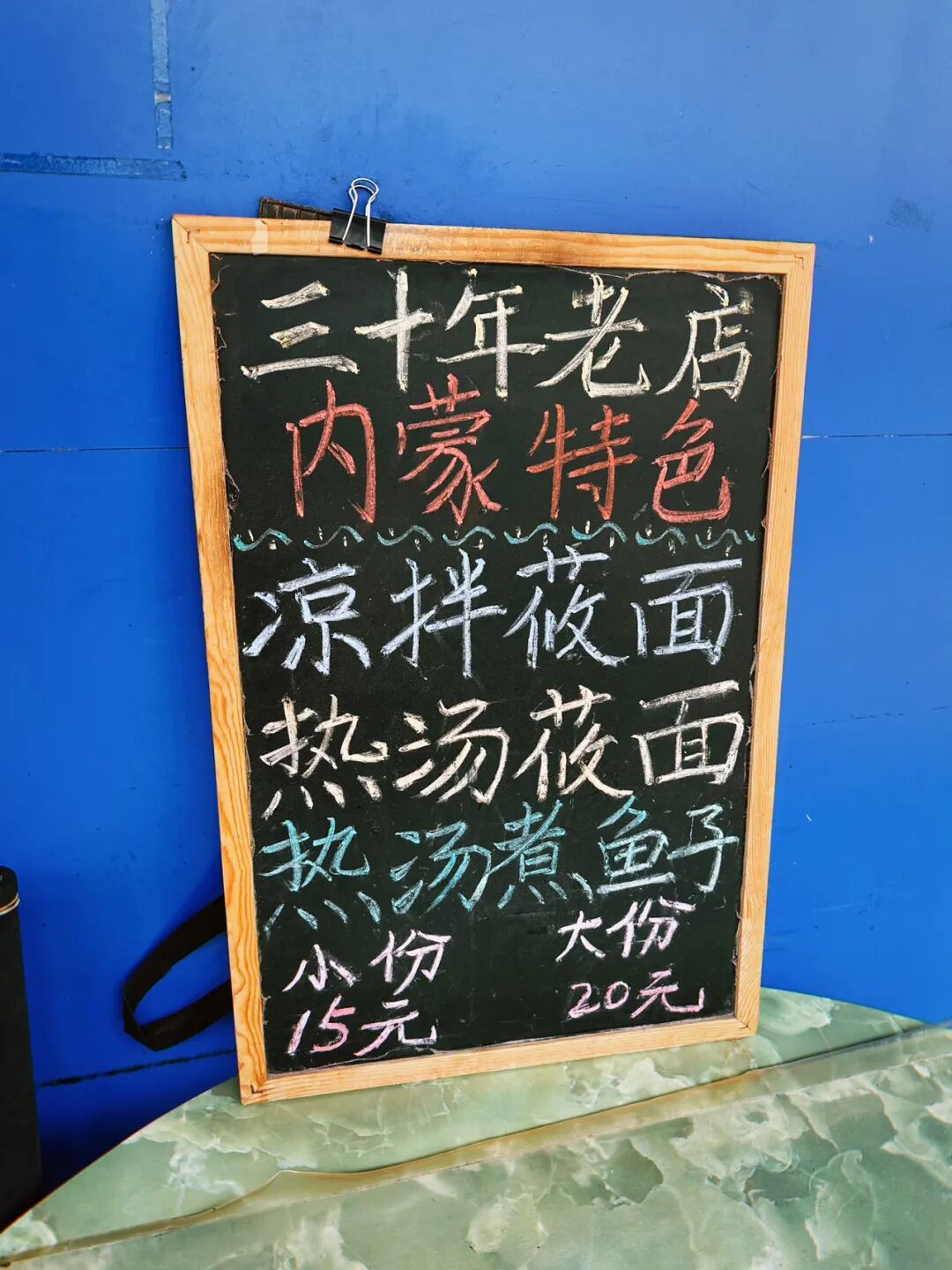
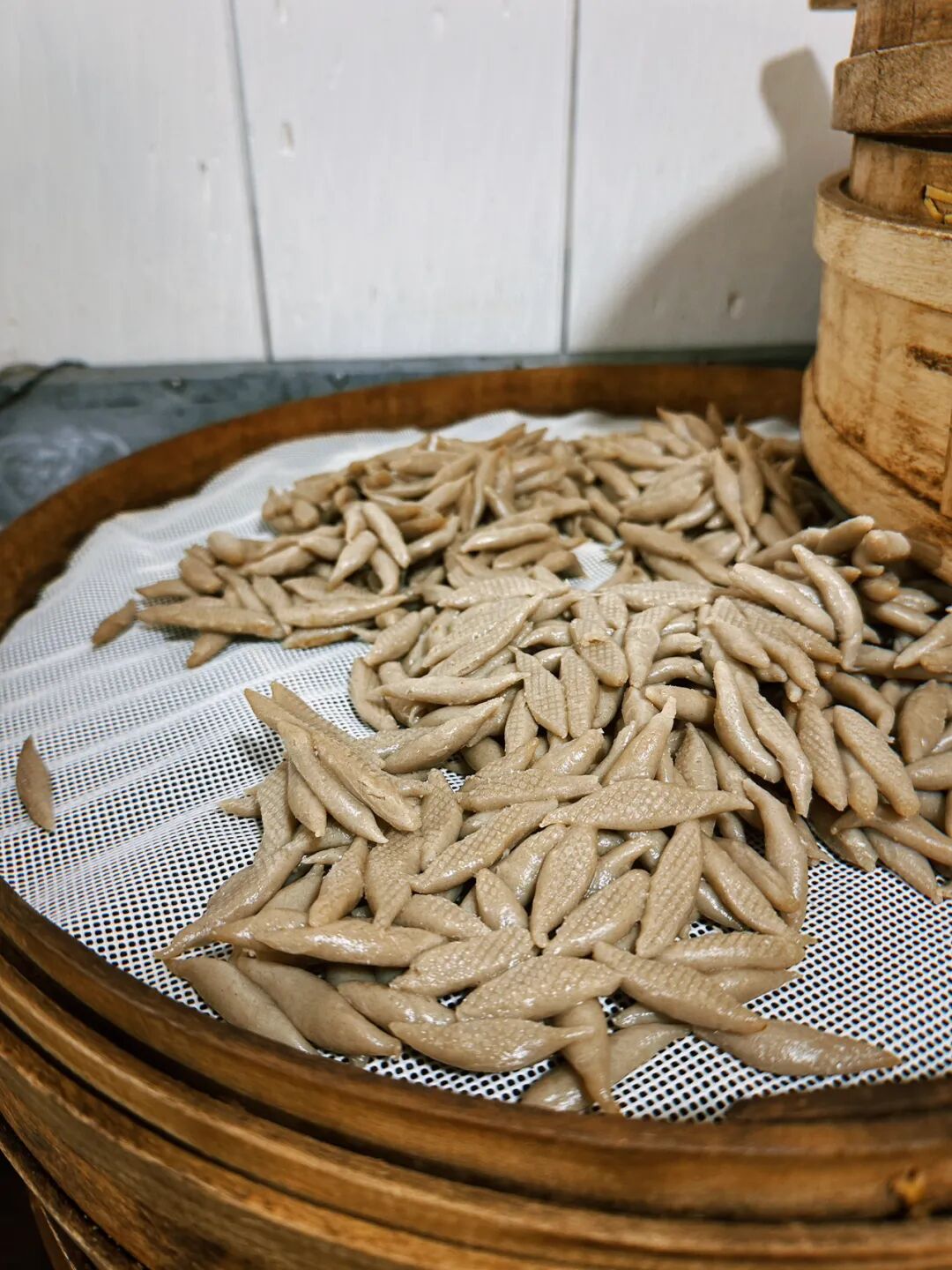
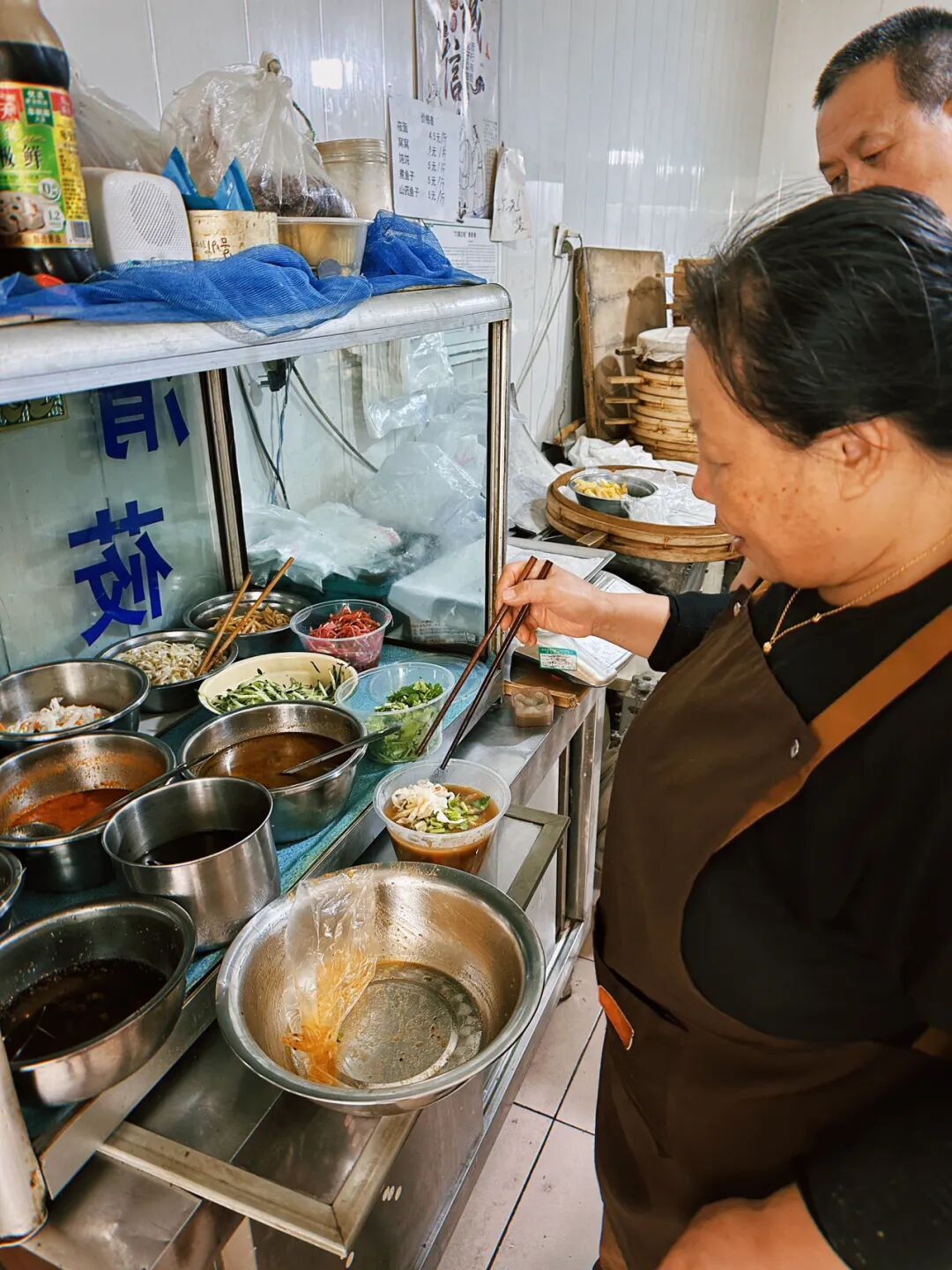
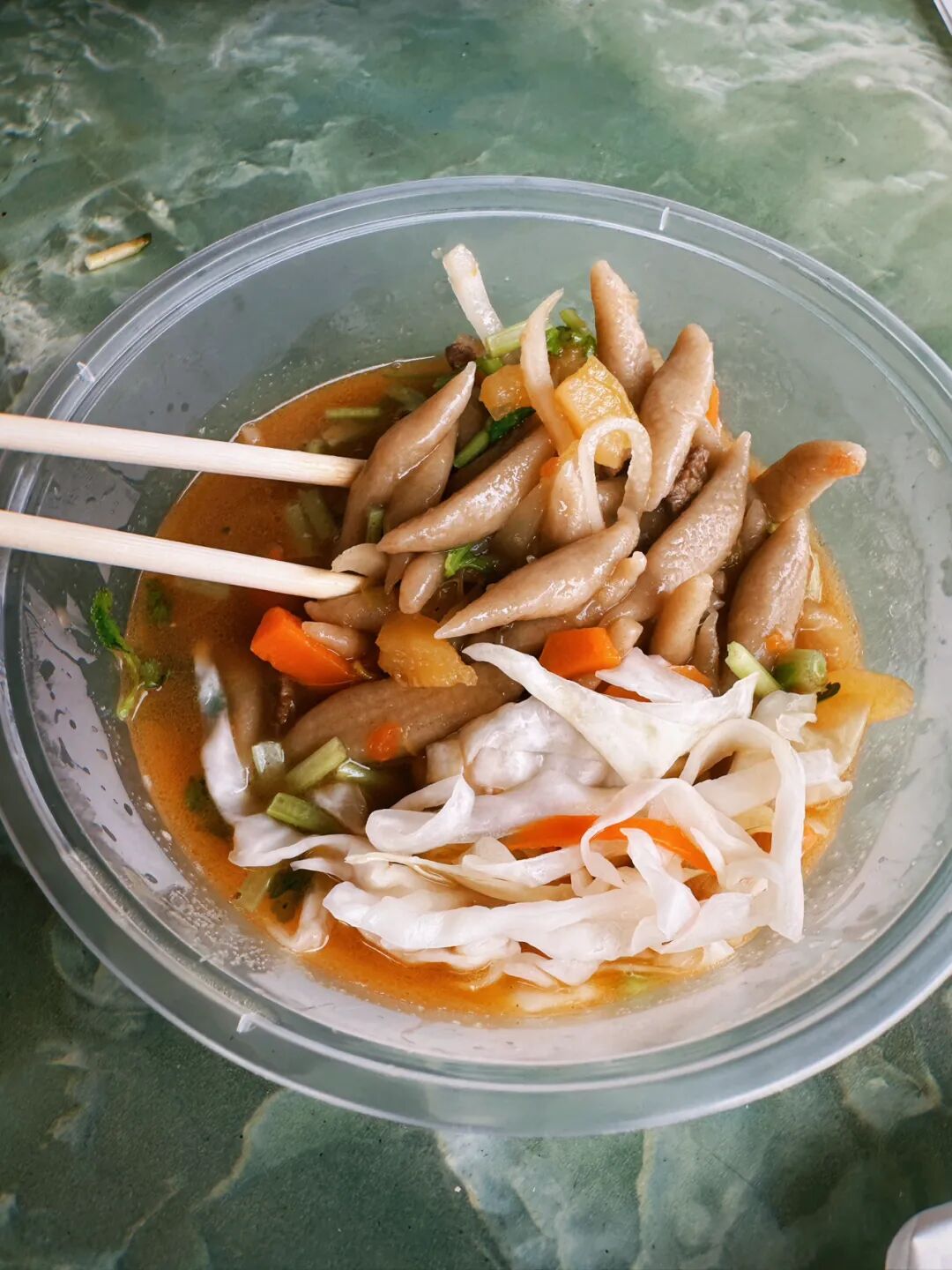
I had hot soup oat noodles (youmian yuyu) at the Old Tuo Steamed Oat Noodles shop. It had carrots, potatoes, pickled vegetables, and celery inside. The hot soup felt very comforting.
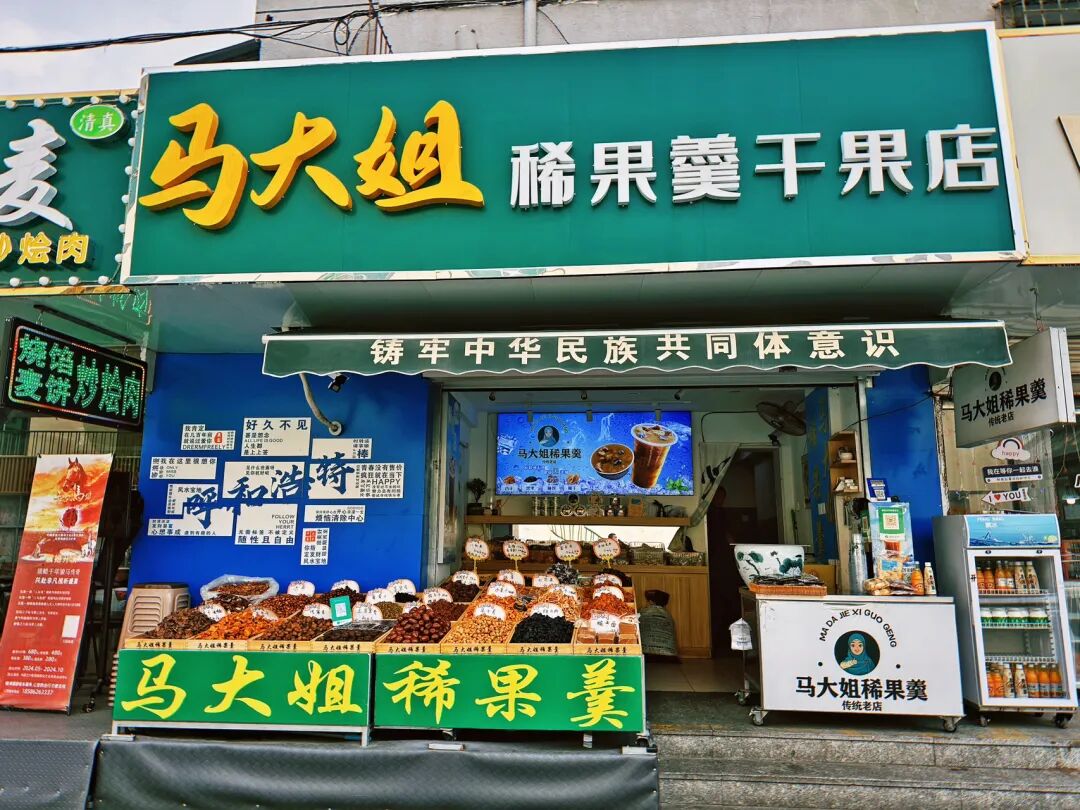
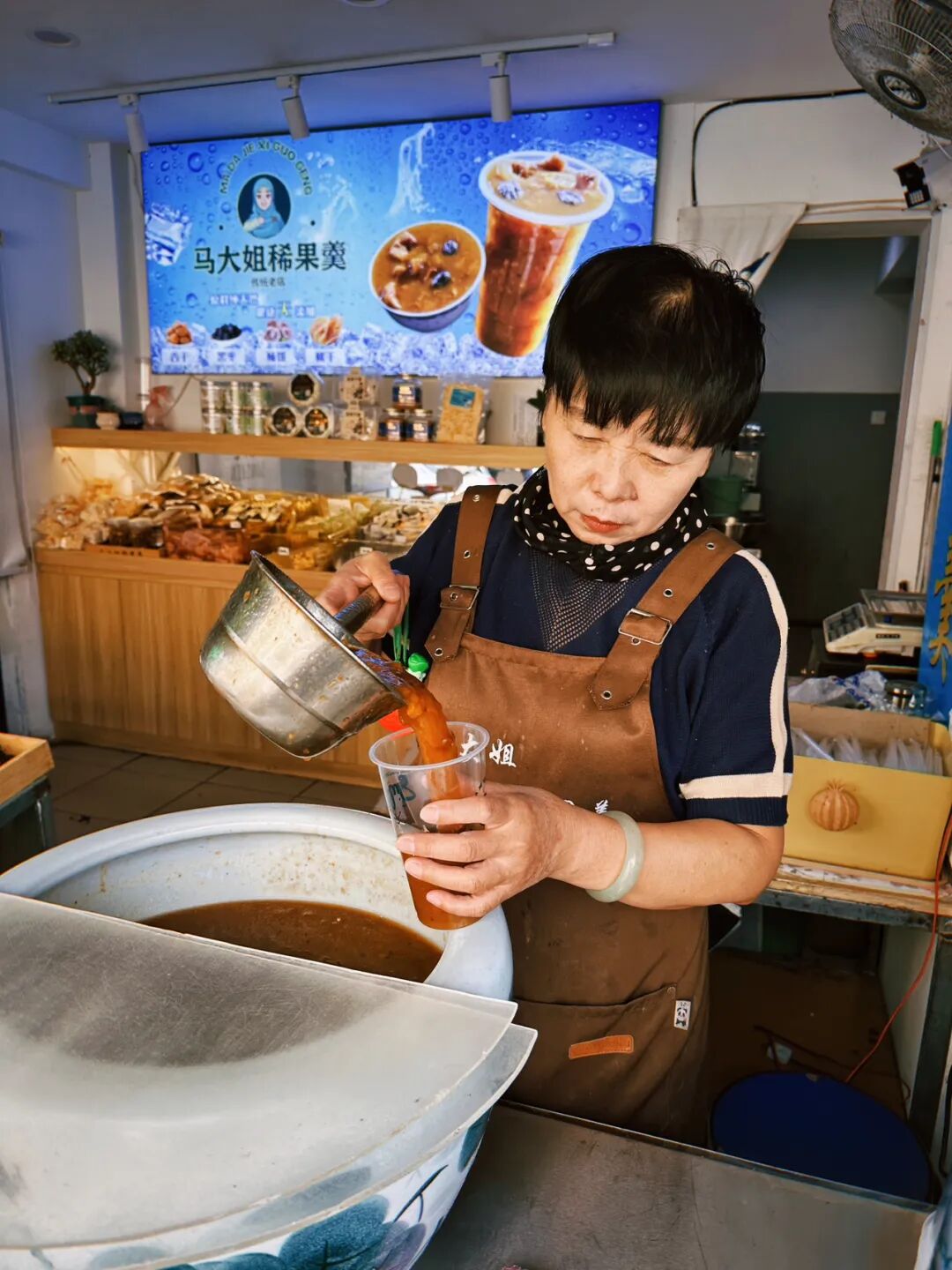
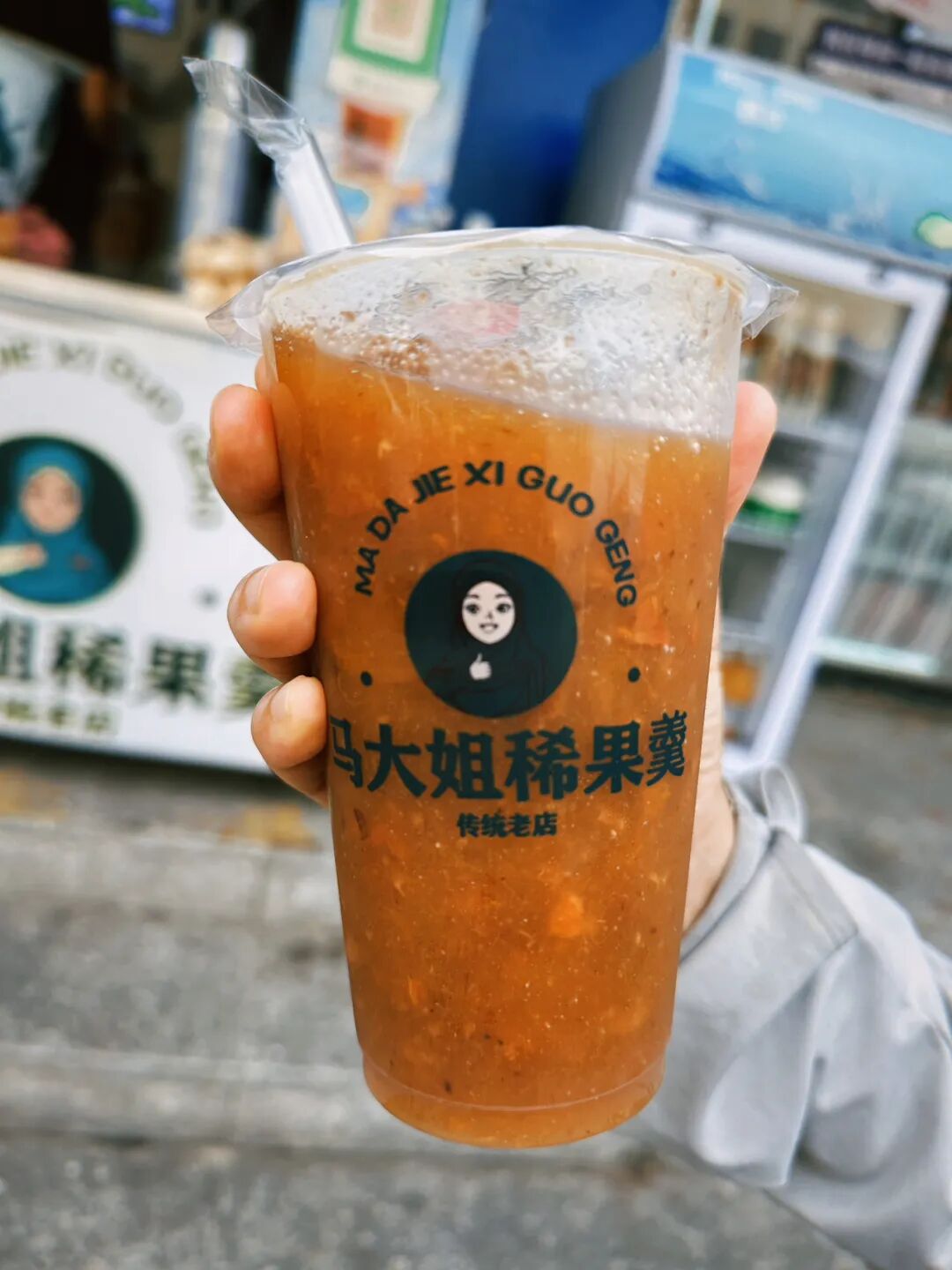
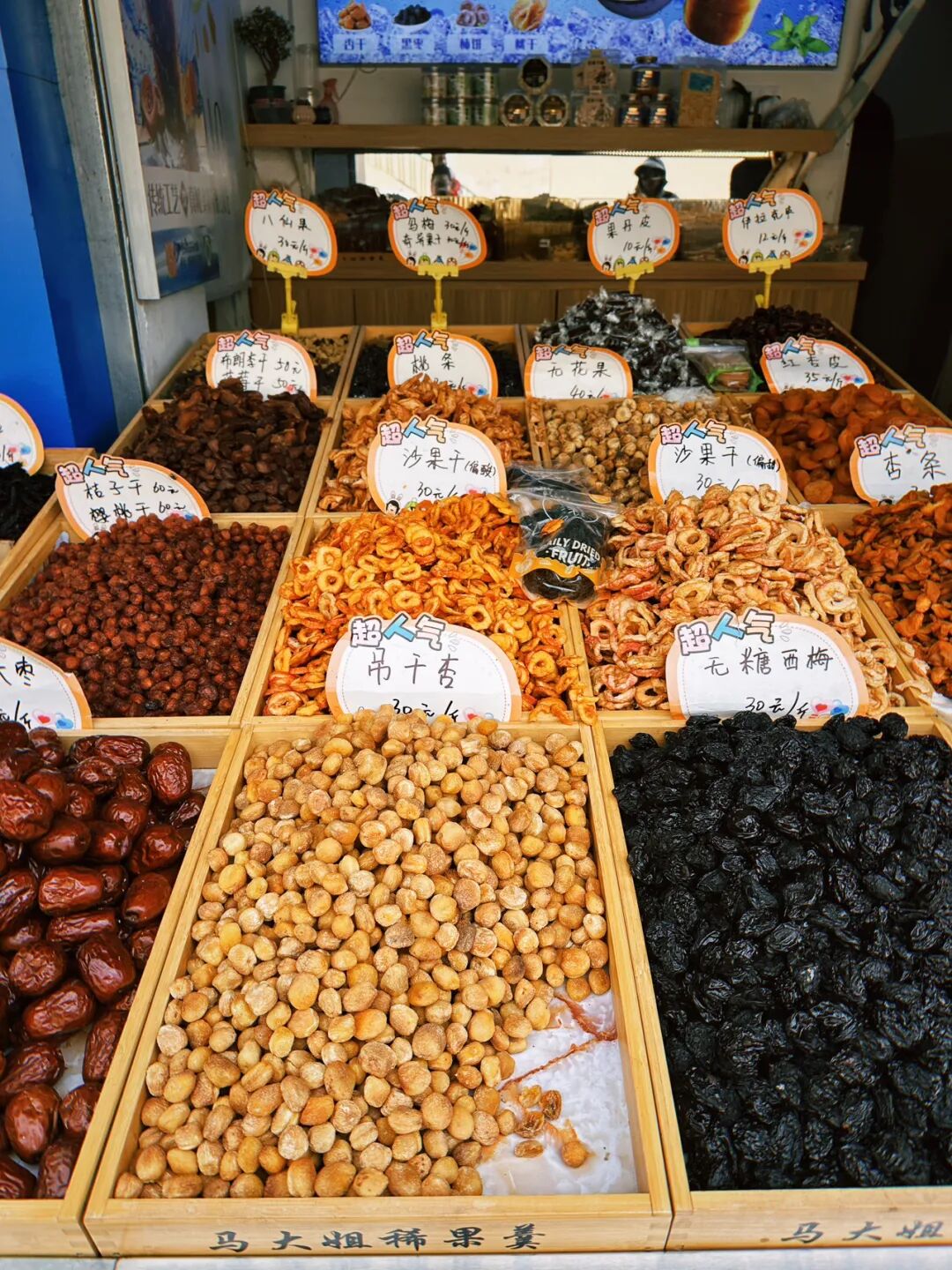
Then I had some thin fruit soup (xiguogeng) from Sister Ma's shop at the back gate of the mosque. It was made with dried apricots, dried persimmons, hawthorn, and rock sugar, which was very appetizing.
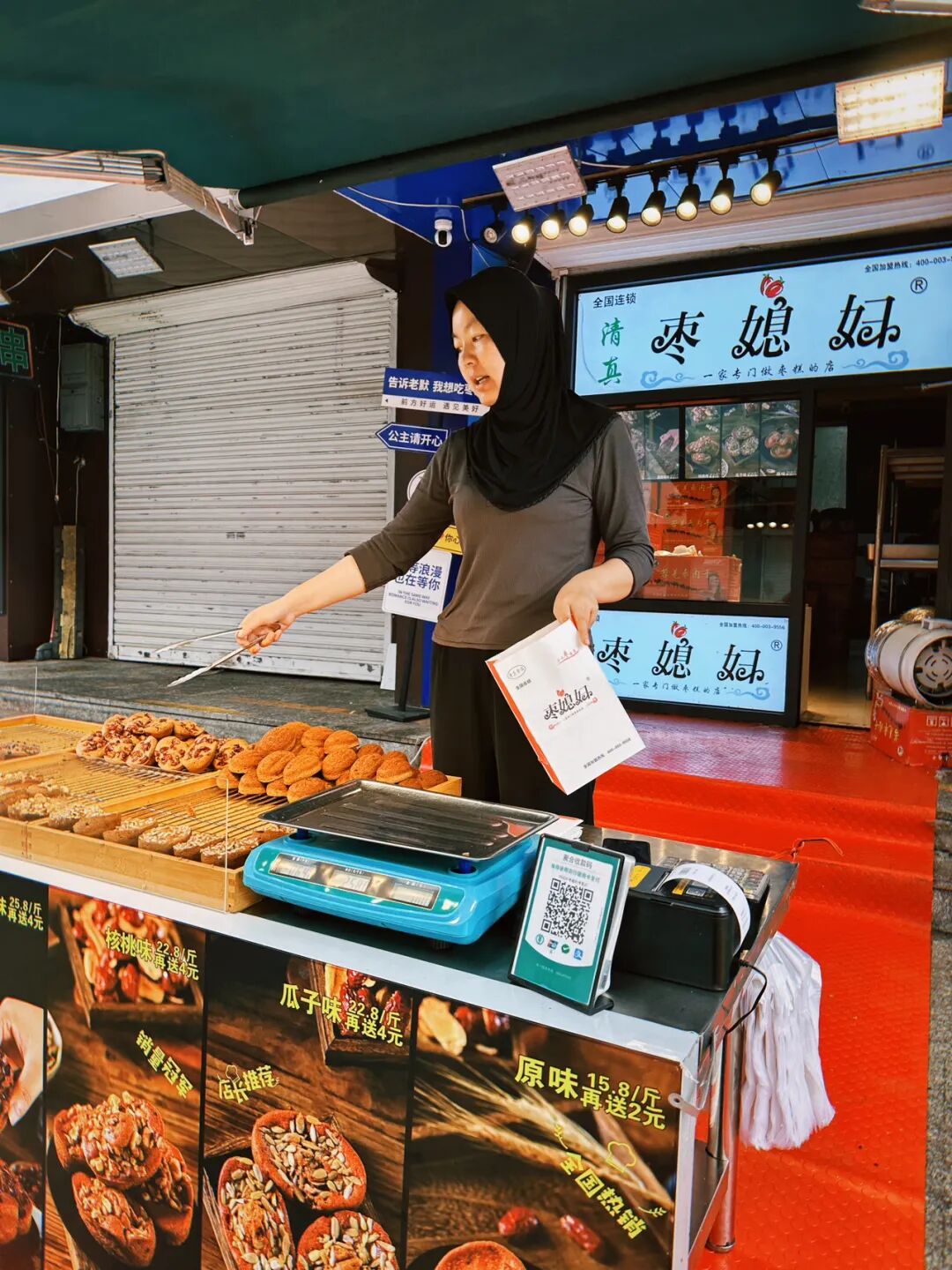
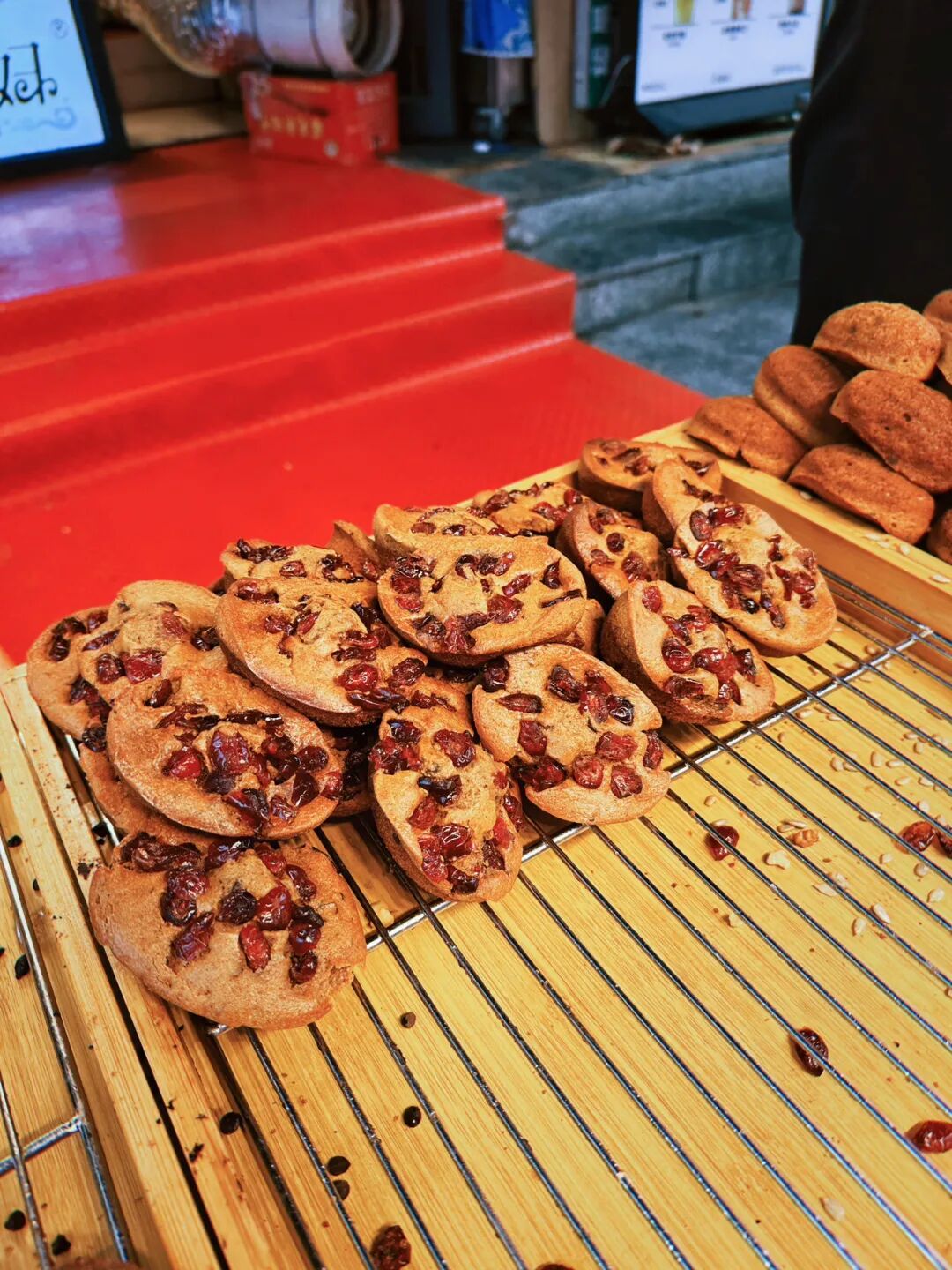
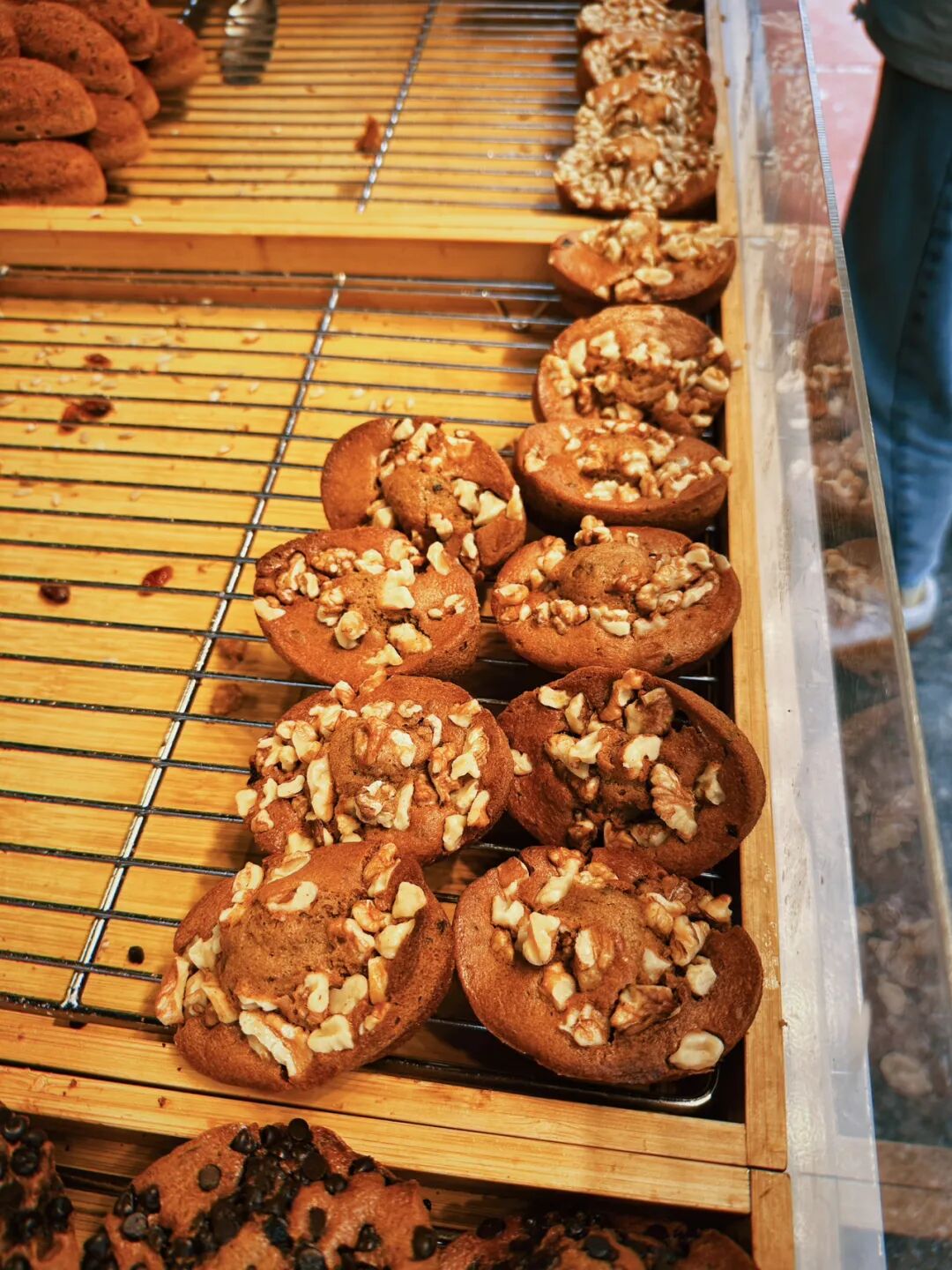
A jujube cake shop called Date Daughter-in-law (Zao Xifu) is also good. They have flavors with walnuts and melon seeds, and children really like them.
Summary: Hohhot Great Mosque grew from a Qing Dynasty Green Standard Army Hui Muslim community and reached its current scale through rebuilding and expansion in 1723, 1789, and the Republic of China era. This breakfast walk covers mosque history, milk skin, oat noodles, fruit soup, jujube cake, and Hui Muslim food around Kuanxiangzi.
I had breakfast at the Hohhot Great Mosque this morning.
The Hohhot Great Mosque community started with Hui Muslim soldiers from the Qing Dynasty Green Standard Army. After the Ming Dynasty fell, soldiers guarding the Nine Garrisons joined the Qing Dynasty as the Green Standard Army, including many Hui Muslim soldiers from Xuanhua, Datong, and Taiyuan. In 1693, the 32nd year of the Kangxi reign, the Qing government sent many troops to Hohhot to fight the Dzungar Khanate, and this group included many Hui Muslim soldiers from the Green Standard Army. These Hui Muslim soldiers and local Hui Muslim merchants built the mosque community together near the north gate of the old city, which became the early version of the Hohhot Great Mosque.
After the middle of the Kangxi reign, there were no more wars on the border. Many Hui Muslim soldiers from Datong, Zuoyun, and Youyu became small merchants or craftspeople. Many Hui Muslims moved to live near the Hohhot Great Mosque, which is why the local Hui Muslim dialect in Hohhot still sounds like the Datong dialect today. By the late Kangxi period, two large livestock markets called Cow Bridge (Niuqiao) and Sheep Hill (Yanggangzi) appeared near the mosque, and the Hui Muslims controlled the local beef and mutton slaughtering business.
The early Hohhot Great Mosque was just a few mud houses. It reached its current size after being rebuilt in 1723, the first year of the Yongzheng reign, and expanded significantly in 1789, the 54th year of the Qianlong reign. The funding for the Qianlong-era expansion came mostly from three wealthy Hui Muslim merchant families: the Kang, Ma, and Chen families. To honor their contributions, the mosque decided to add three extra scripture readings every year during the opening of the Ramadan fast. Between 1923 and 1925, the mosque expanded its main hall and the north and south lecture halls, creating the unique Republic of China-era style seen today. A woman named Widow Yang from South Channel Street donated her own property behind the mosque, so the mosque added one more scripture reading to the annual Ramadan opening to honor her.
The most famous imam at the Hohhot Great Mosque during the Republic of China era was Imam Wang Kuan from Niujie in Beijing. Imam Wang was a famous educator who founded the Chinese Muslim Progressive Association and opened the first Hui Muslim primary school in Hohhot, the Gui-Sui Hui School, in 1915.
I ate roasted milk skin (naopi) at the Ma Family Dairy Shop. It had a rich milky flavor. They were also the first shop in Wide Alley (Kuanxiangzi) to make milk tofu cheese pancakes. Many shops in Wide Alley now sell cheese milk tofu pancakes. They use Italian soft cheese mixed with Inner Mongolian milk tofu (naidoufu), which has become a popular internet-famous snack. The most popular place with a line in Wide Alley is the Star and Moon Pastry Shop (Xingyue Gaodian). We were too lazy to wait, so we bought some at the nearby Qingheyuan shop. The cheese was stretchy and milky, but I personally prefer the plain milk tofu pancakes.
The Hui Muslim Ma family originally came from Youwei, Shanxi. They were a powerful military family during the Ming Dynasty. In the middle of the Wanli reign, the Ma Army, led by Ma Gui and his brothers and nephews, was famous for being great fighters. They earned great merit by defending Youwei for six months against Altan Khan. The Ma family defended the Ming Dynasty borders for years, and members of the family served as regional commanders in almost every border town. After the Ming Dynasty fell, the Ma family stopped fighting and turned to farming. In the early Qianlong reign, the Youyu General's office and the troops moved to the new city of Guihua in Hohhot. Many Hui Muslims from Youyu followed the path known as Walking the West Pass (Zou Xikou) to Hohhot to make a living. Legend says the Ma family also settled in Hohhot at the end of the Qianlong reign.
I had hot soup oat noodles (youmian yuyu) at the Old Tuo Steamed Oat Noodles shop. It had carrots, potatoes, pickled vegetables, and celery inside. The hot soup felt very comforting.
Then I had some thin fruit soup (xiguogeng) from Sister Ma's shop at the back gate of the mosque. It was made with dried apricots, dried persimmons, hawthorn, and rock sugar, which was very appetizing.
A jujube cake shop called Date Daughter-in-law (Zao Xifu) is also good. They have flavors with walnuts and melon seeds, and children really like them.
