
Halal Travel Guide: Liaoning - 12 Historic Mosques, Part 3
Reposted from the web
Summary: The final part of the Liaoning mosque series is a short, image-led record of historic mosque sites and remaining architectural details. It keeps the original photo order and focuses on Liaoning Hui Muslim heritage, mosque preservation, and local community memory.
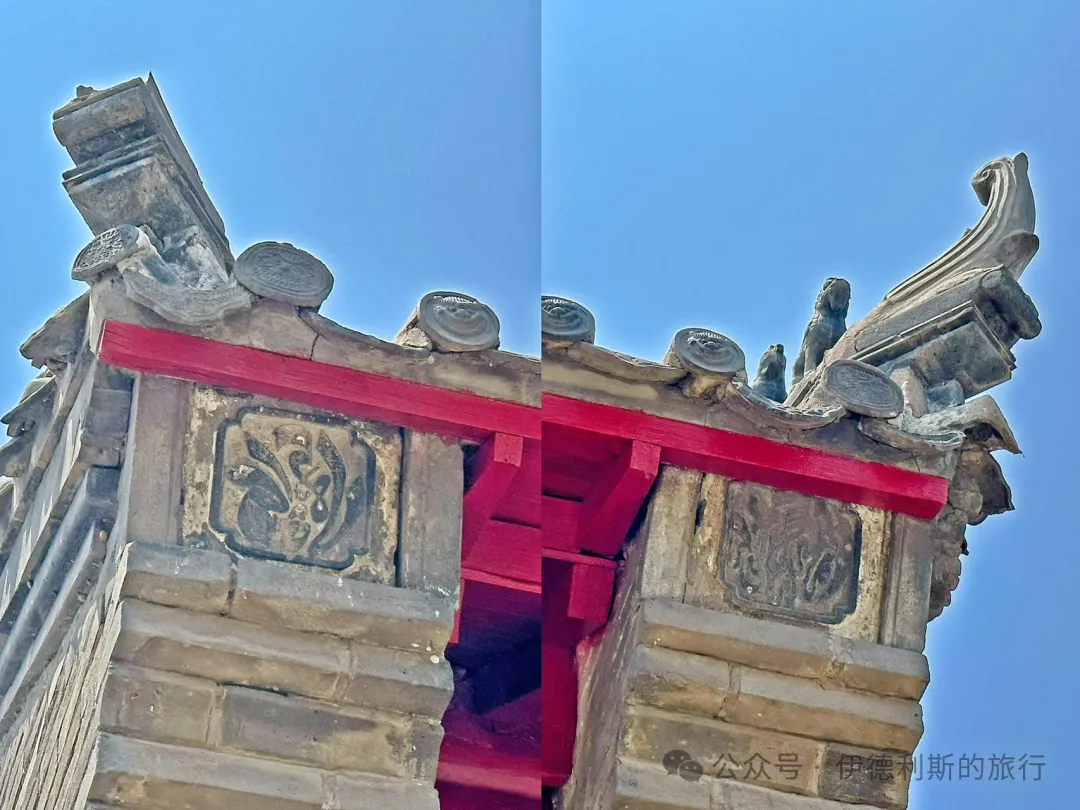
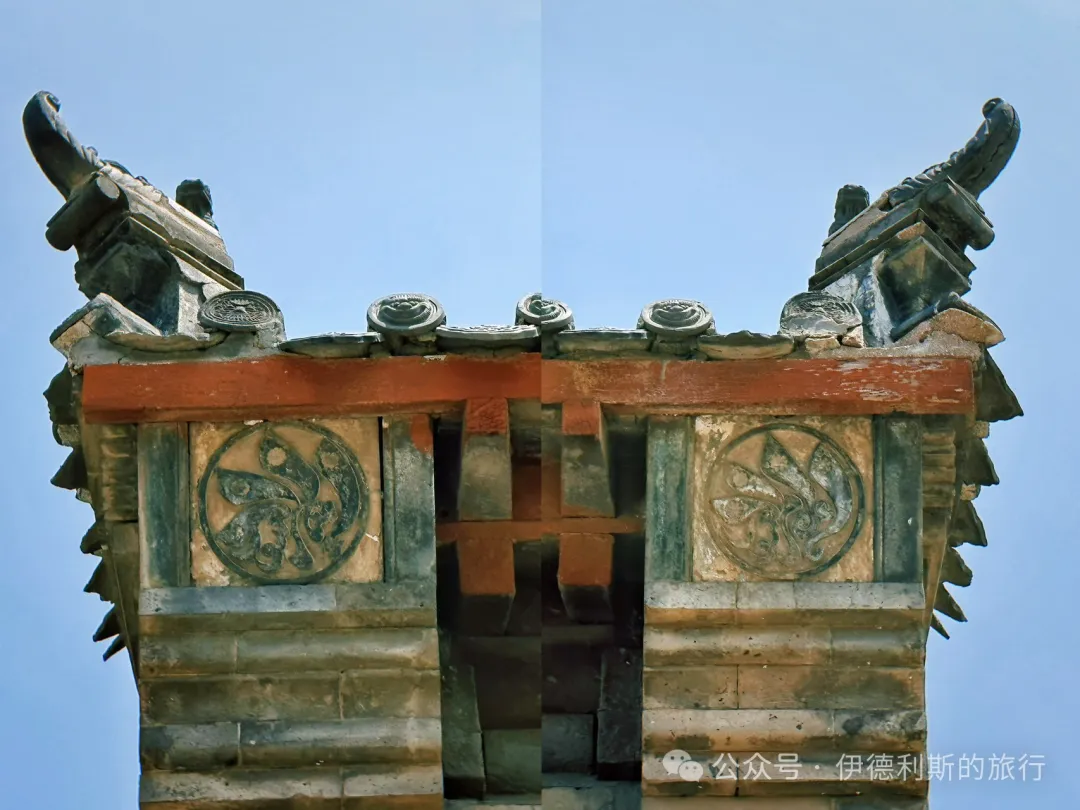
Qingdui Mosque (Qingdui Si)
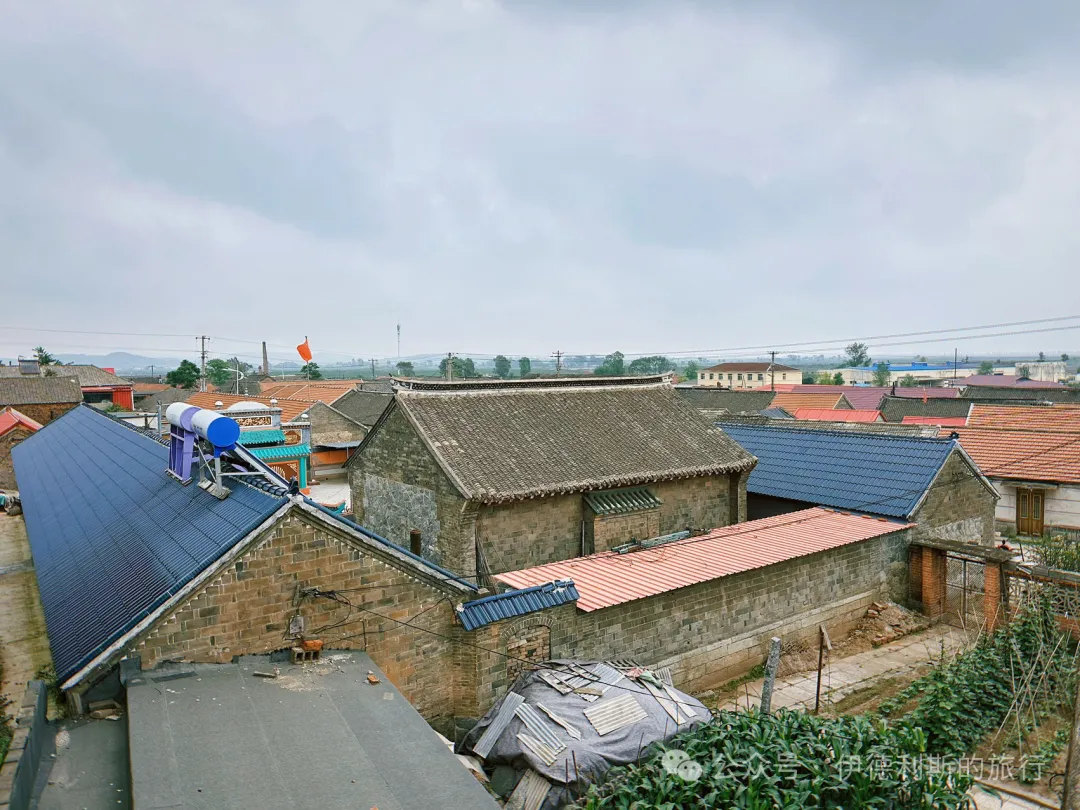
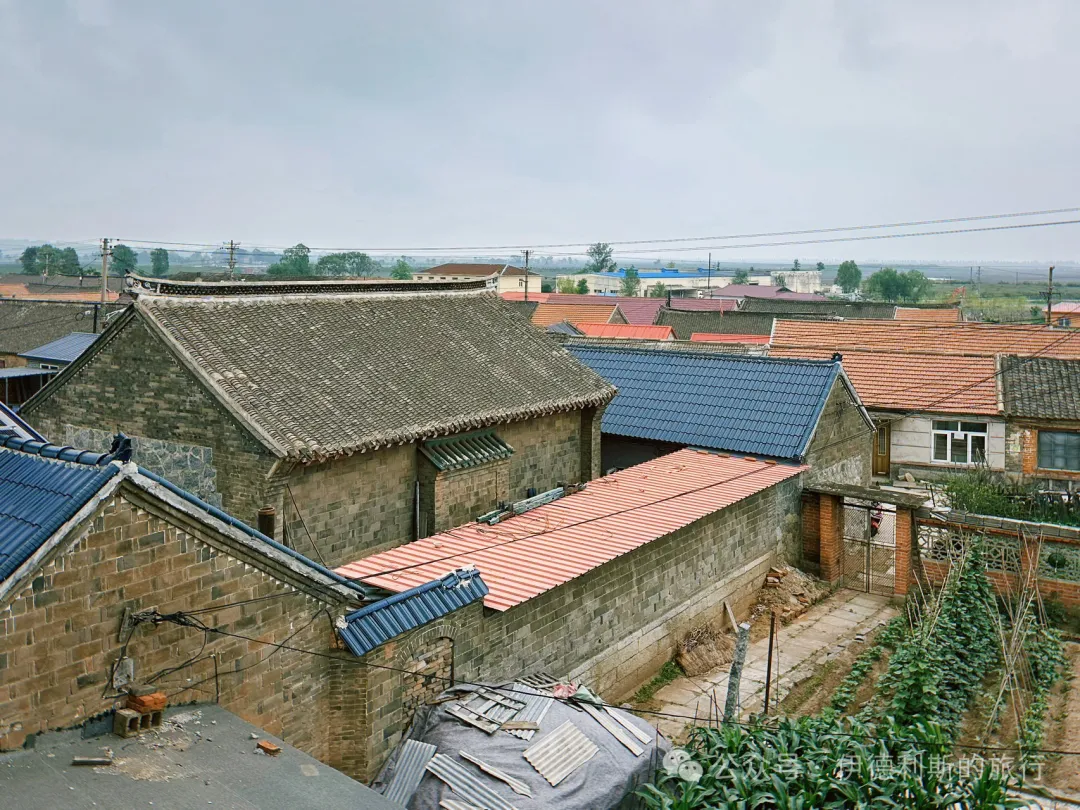
Qingdui Town is a thousand-year-old town that has served as a fishing port and commercial hub on the Liaodong Peninsula since the Tang Dynasty. Qingbu Port officially opened in 1743 (the eighth year of the Qianlong reign), making Qingdui Town an important transit point for people from Shandong and Hebei moving to Northeast China. During the late Qing Dynasty and the Republic of China era, Qingdui Town was home to over three hundred businesses, with shops lining the streets and bustling with activity. Today, Qingdui Town still preserves many old houses with green bricks and dark tiles from the late Qing and Republican periods, and Qingdui Mosque is one of them.
Qingdui Mosque was first built during the Daoguang reign of the Qing Dynasty, starting as just three thatched rooms. In July 1894, when the First Sino-Japanese War broke out, the famous Hui Muslim general Zuo Baogui led his troops to Korea to fight the Japanese and passed by Qingdui Mosque. General Zuo Baogui got along very well with the mosque's imam, Zhang Chaozhen. He later donated money, and with additional funds raised by his personal Hui Muslim guards and three local halal restaurants—Deshengyuan, Qingshengyuan, and Yongshengyuan—they prepared to expand the mosque. Unfortunately, before the expansion was finished, General Zuo Baogui died heroically while fighting the Japanese in Pyongyang.
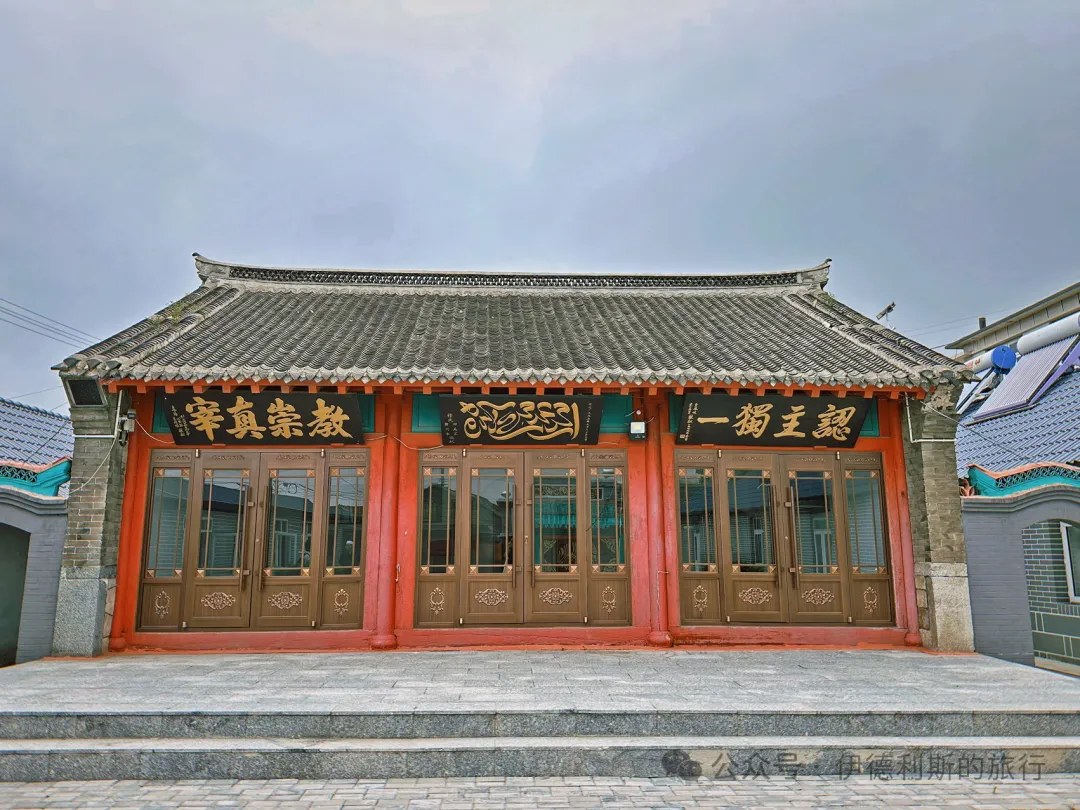
In 1895 (the twenty-first year of the Guangxu reign), the mosque's elder, Hui Wanchun, oversaw the rebuilding of the main hall into the three-room green brick and tile structure seen today. In 1920 (the ninth year of the Republic of China), the gate tower was rebuilt and the lecture hall was expanded, giving the mosque its current size.
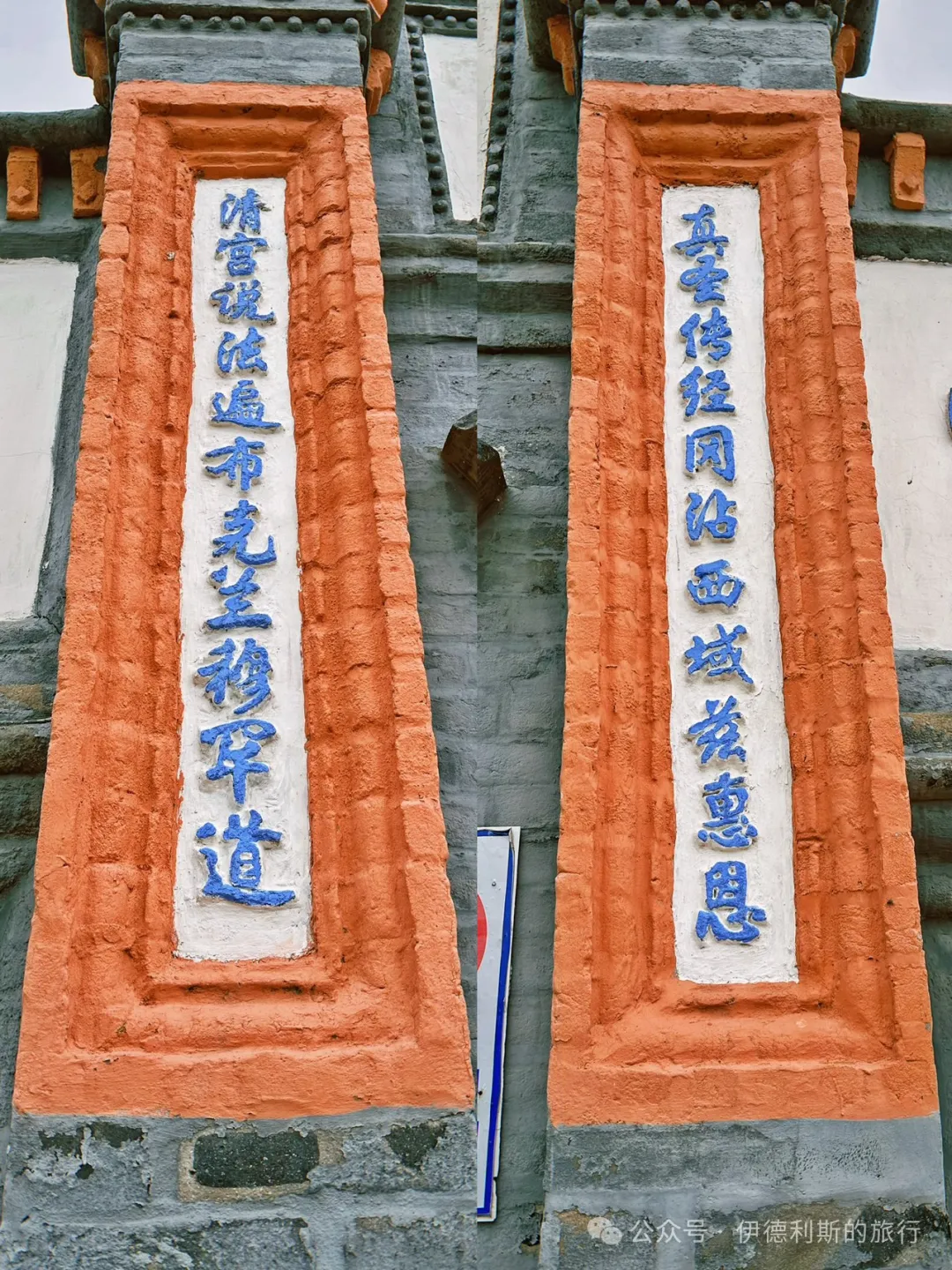
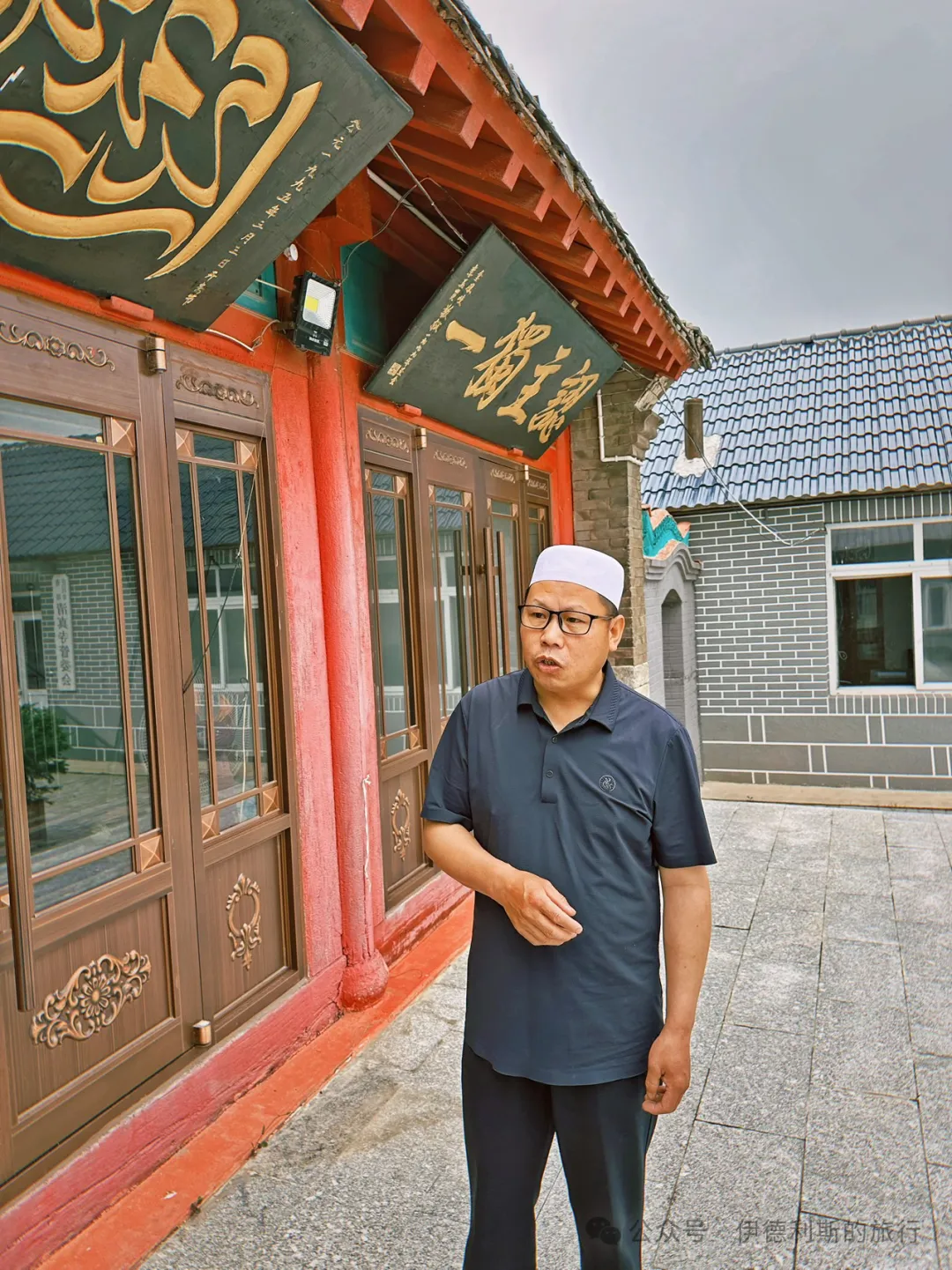
The mosque's main gate features a brick-carved couplet that reads: 'The pure palace spreads the teachings of the Muhammadan path, the true sage passes down scriptures that bestow grace from the Western Regions.' This is a very precious piece of Republican-era brick-carved calligraphy. The main gate is usually closed, so you must enter the mosque through the south wing where the imam lives. The imam is from Gansu and warmly introduced us to the history of Qingdui Mosque; it is not easy for his family to stay and maintain this small community mosque.
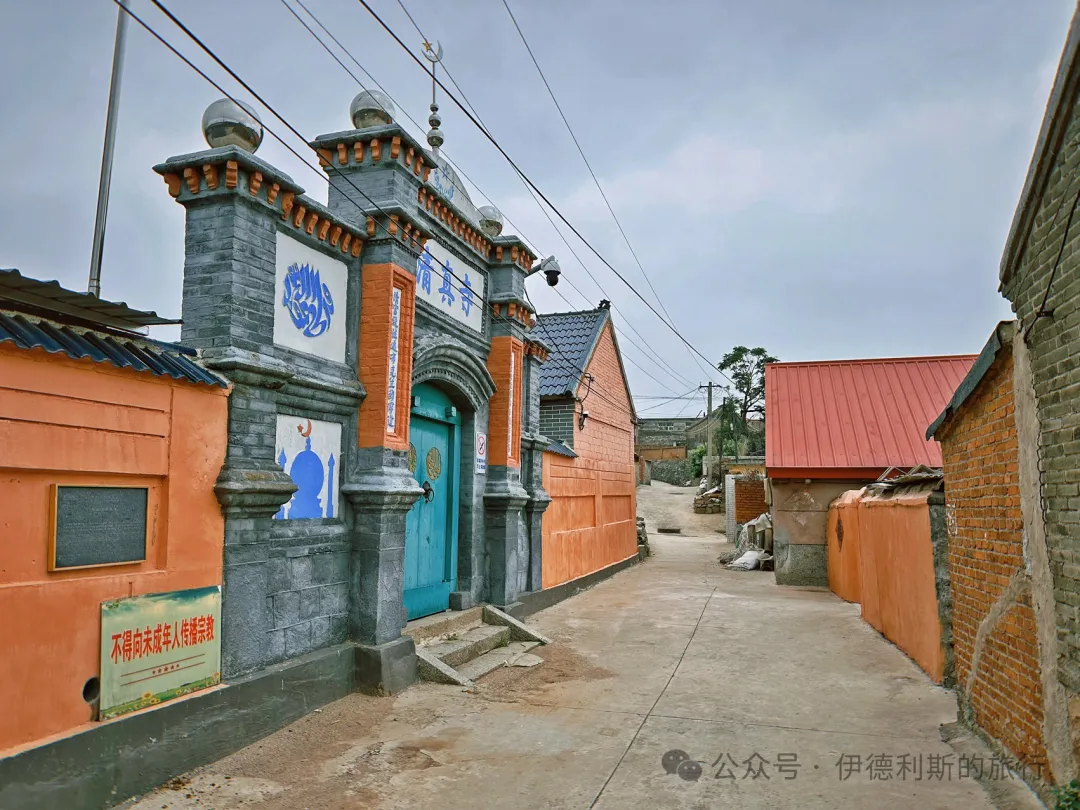
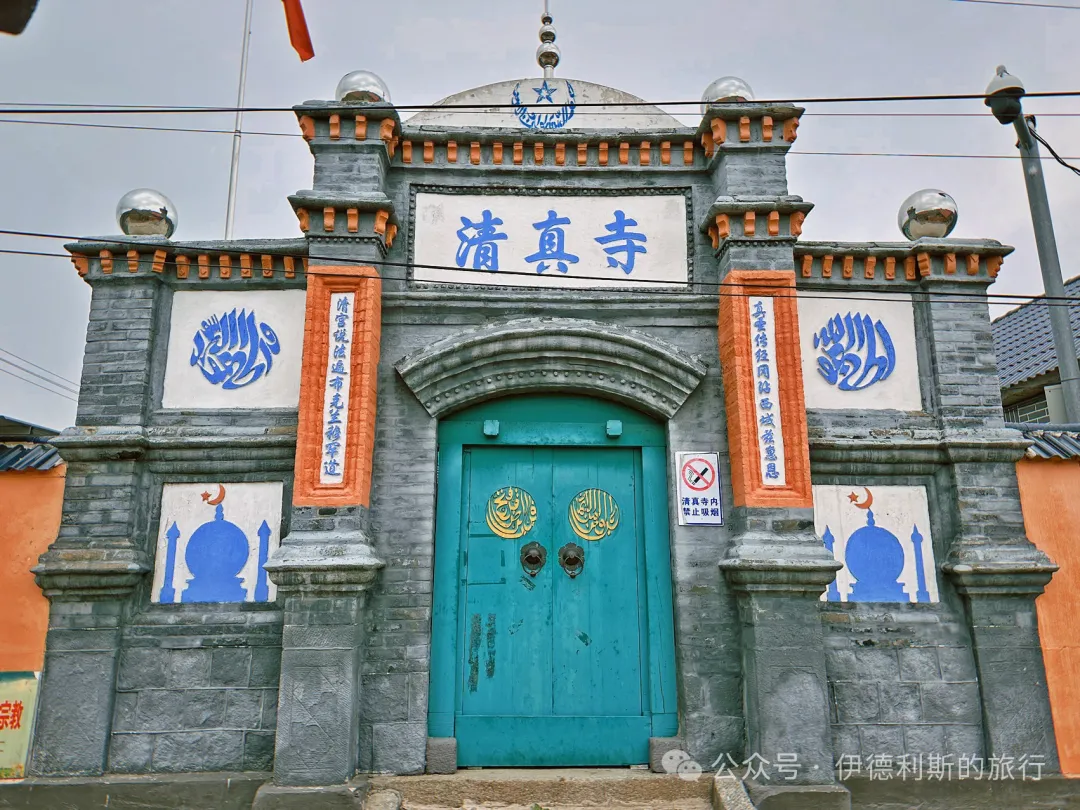
Summary: The final part of the Liaoning mosque series is a short, image-led record of historic mosque sites and remaining architectural details. It keeps the original photo order and focuses on Liaoning Hui Muslim heritage, mosque preservation, and local community memory.
Qingdui Mosque (Qingdui Si)
Qingdui Town is a thousand-year-old town that has served as a fishing port and commercial hub on the Liaodong Peninsula since the Tang Dynasty. Qingbu Port officially opened in 1743 (the eighth year of the Qianlong reign), making Qingdui Town an important transit point for people from Shandong and Hebei moving to Northeast China. During the late Qing Dynasty and the Republic of China era, Qingdui Town was home to over three hundred businesses, with shops lining the streets and bustling with activity. Today, Qingdui Town still preserves many old houses with green bricks and dark tiles from the late Qing and Republican periods, and Qingdui Mosque is one of them.
Qingdui Mosque was first built during the Daoguang reign of the Qing Dynasty, starting as just three thatched rooms. In July 1894, when the First Sino-Japanese War broke out, the famous Hui Muslim general Zuo Baogui led his troops to Korea to fight the Japanese and passed by Qingdui Mosque. General Zuo Baogui got along very well with the mosque's imam, Zhang Chaozhen. He later donated money, and with additional funds raised by his personal Hui Muslim guards and three local halal restaurants—Deshengyuan, Qingshengyuan, and Yongshengyuan—they prepared to expand the mosque. Unfortunately, before the expansion was finished, General Zuo Baogui died heroically while fighting the Japanese in Pyongyang.
In 1895 (the twenty-first year of the Guangxu reign), the mosque's elder, Hui Wanchun, oversaw the rebuilding of the main hall into the three-room green brick and tile structure seen today. In 1920 (the ninth year of the Republic of China), the gate tower was rebuilt and the lecture hall was expanded, giving the mosque its current size.
The mosque's main gate features a brick-carved couplet that reads: 'The pure palace spreads the teachings of the Muhammadan path, the true sage passes down scriptures that bestow grace from the Western Regions.' This is a very precious piece of Republican-era brick-carved calligraphy. The main gate is usually closed, so you must enter the mosque through the south wing where the imam lives. The imam is from Gansu and warmly introduced us to the history of Qingdui Mosque; it is not easy for his family to stay and maintain this small community mosque.
