
Halal Travel Guide: Liaoning - 12 Historic Mosques, Part 2
Reposted from the web
Summary: This second part of the Liaoning mosque series continues through old mosque communities in the province, including buildings rebuilt or altered across the Qing Dynasty, Republic of China era, and later decades. The article records mosque origins, prayer hall structures, community elders, steles, and architectural details still visible today.
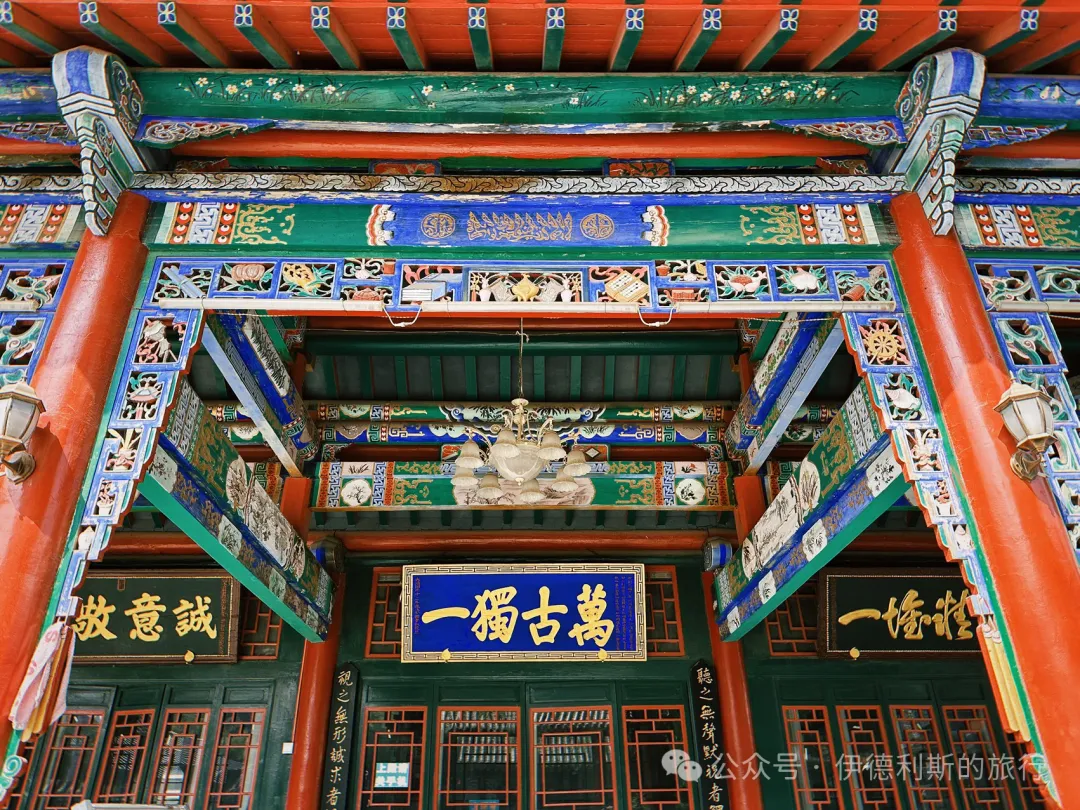
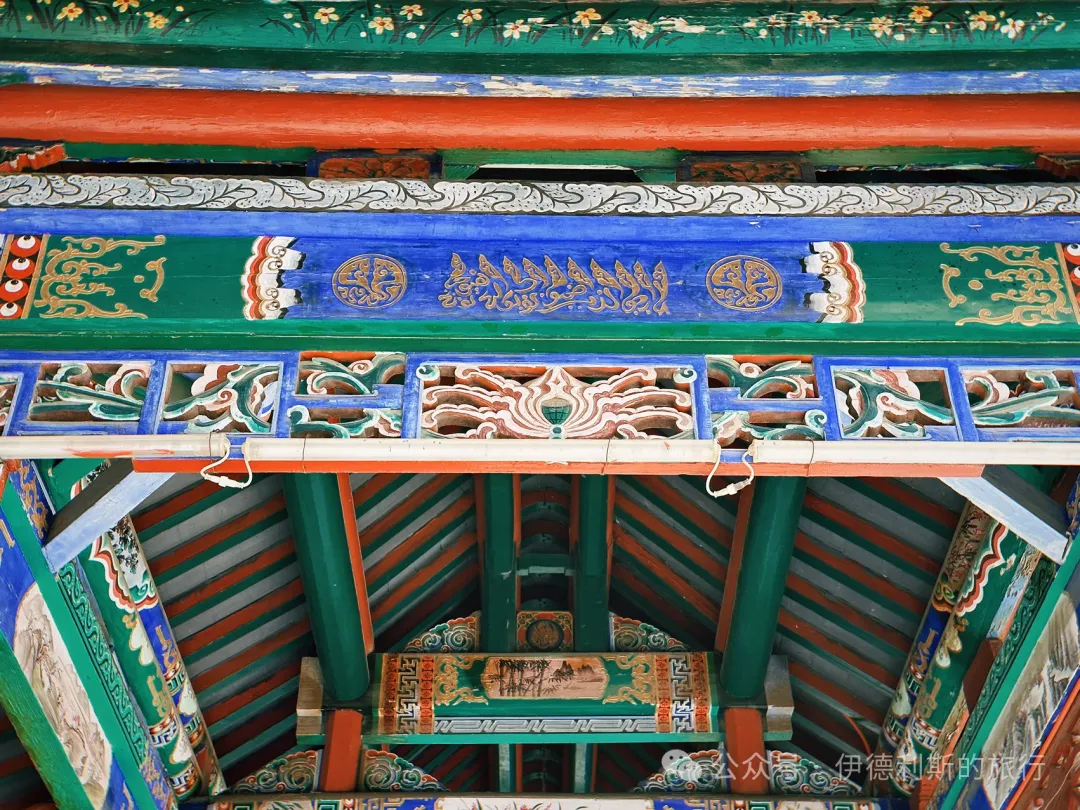
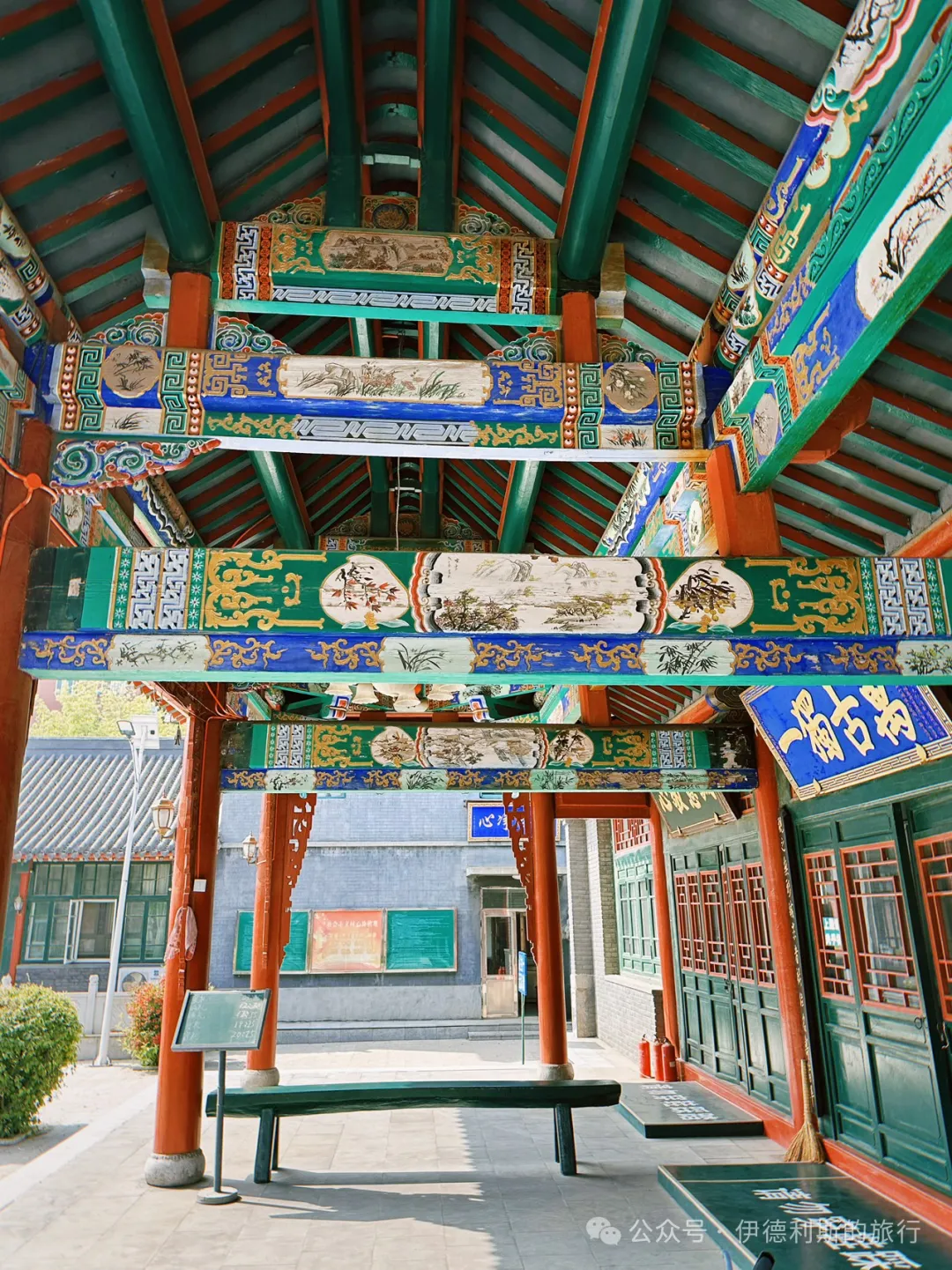
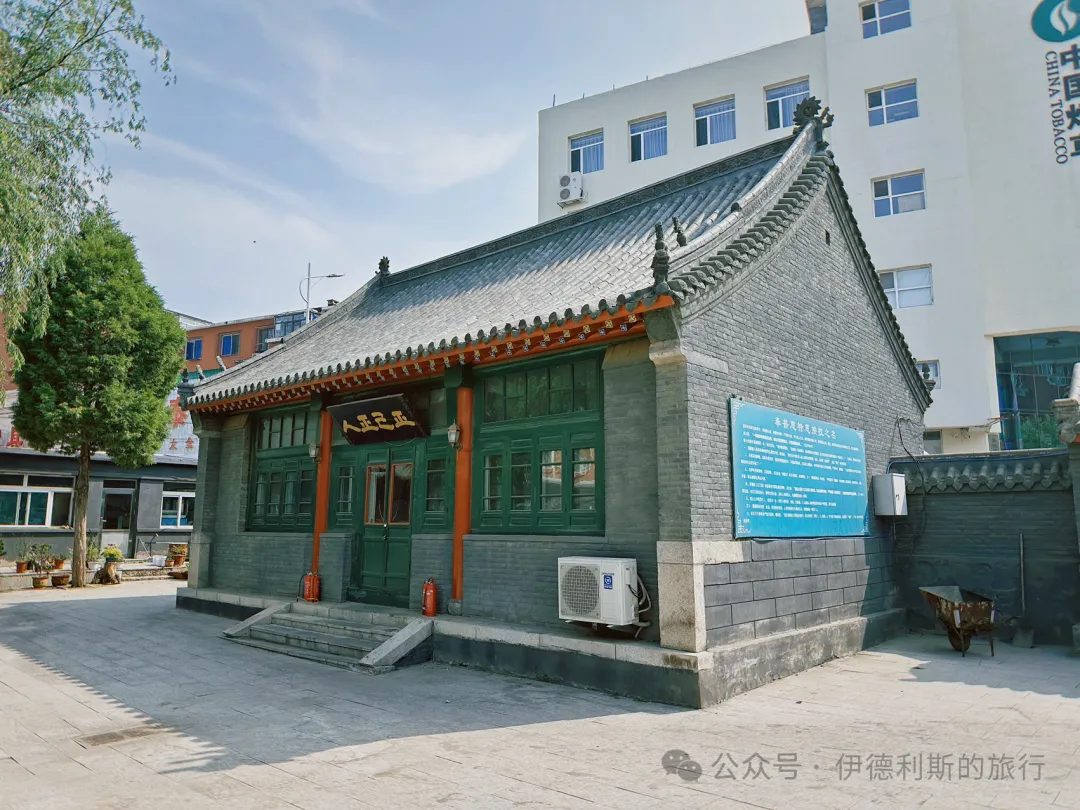
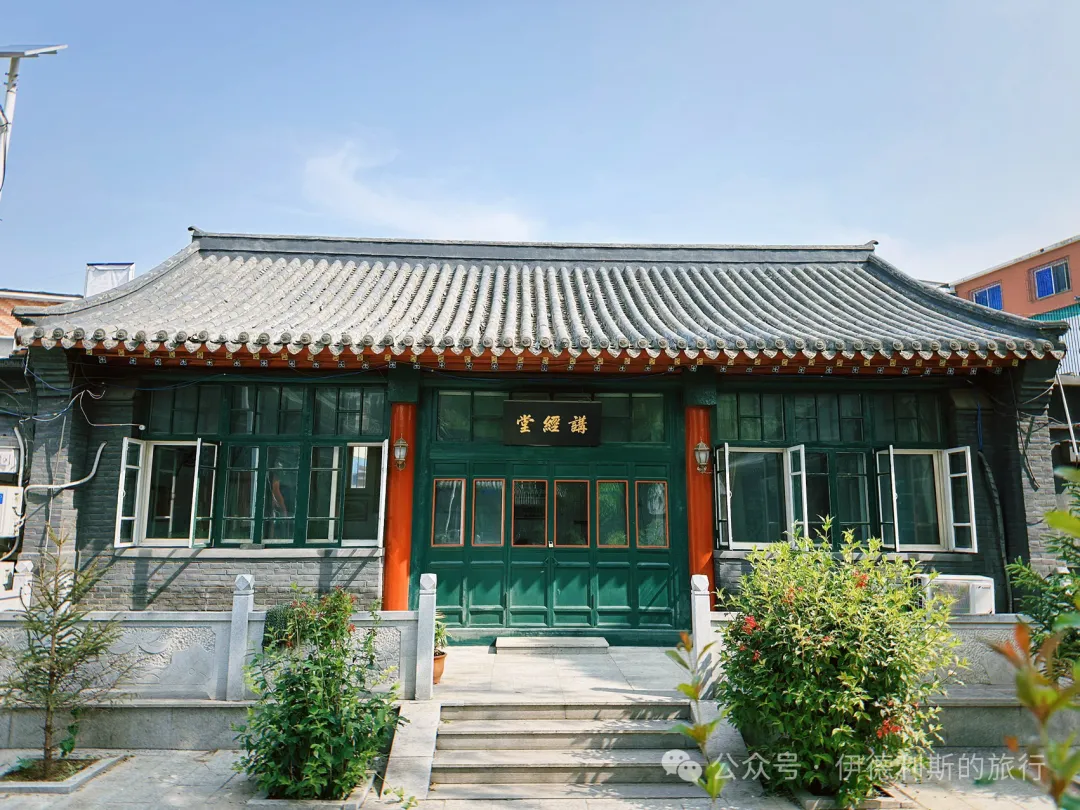
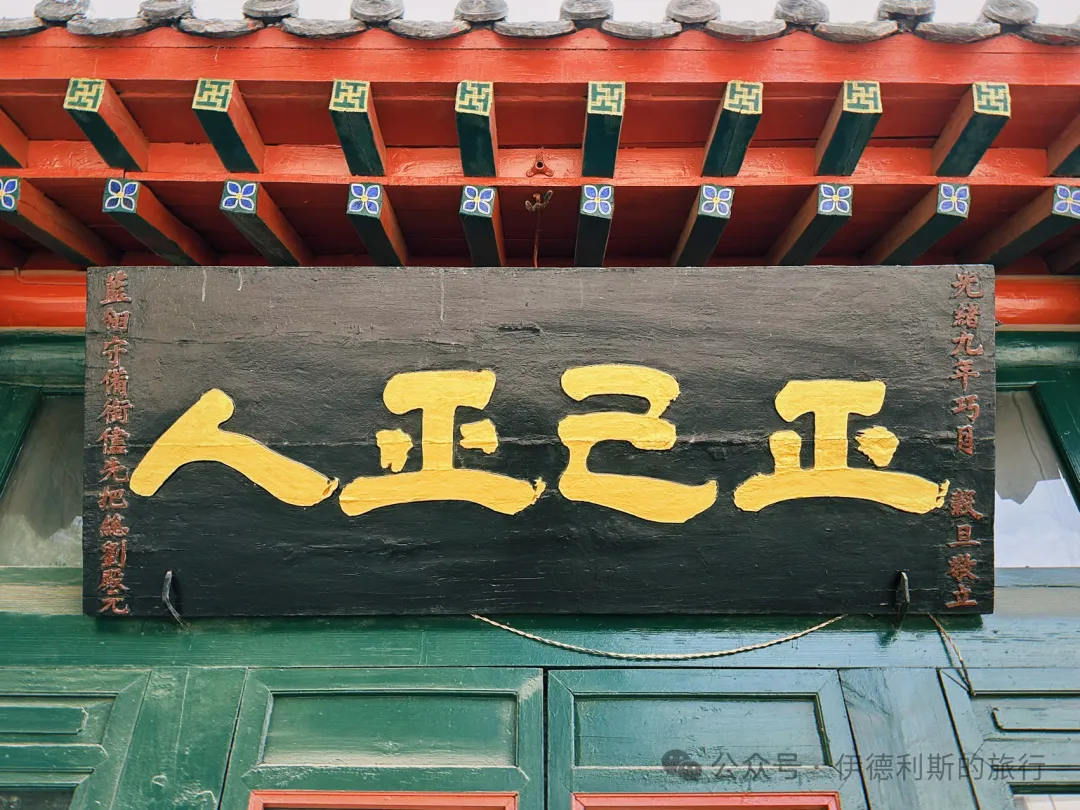
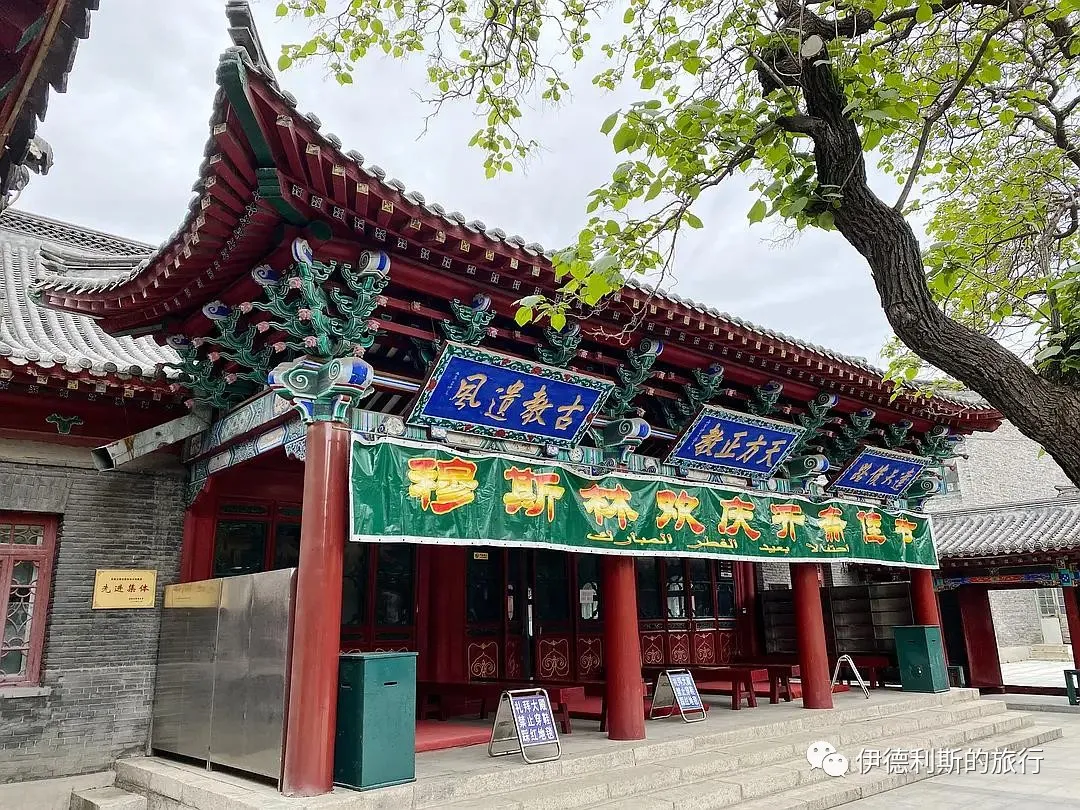
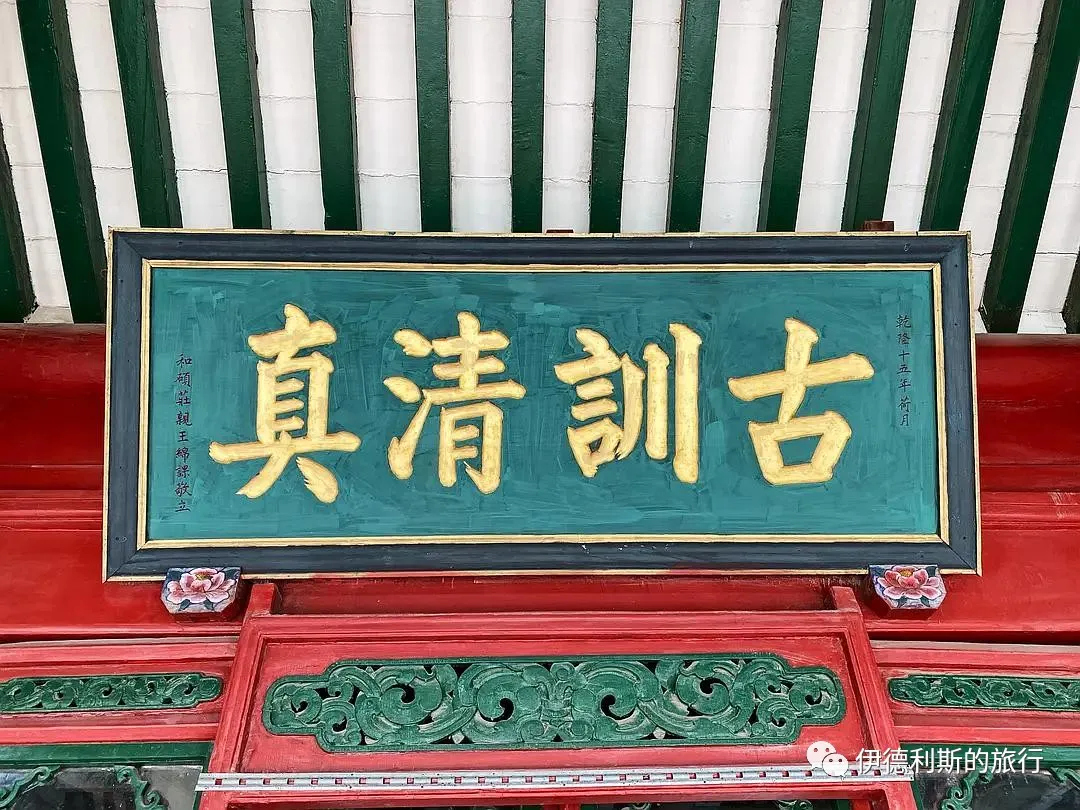
The main gate and side rooms of Xinmin Mosque. Above the main gate hangs a plaque reading "Correct Yourself, Correct Others," presented in 1883 by Liu Dianyuan, a military officer with the rank of Blue Feather Guard.
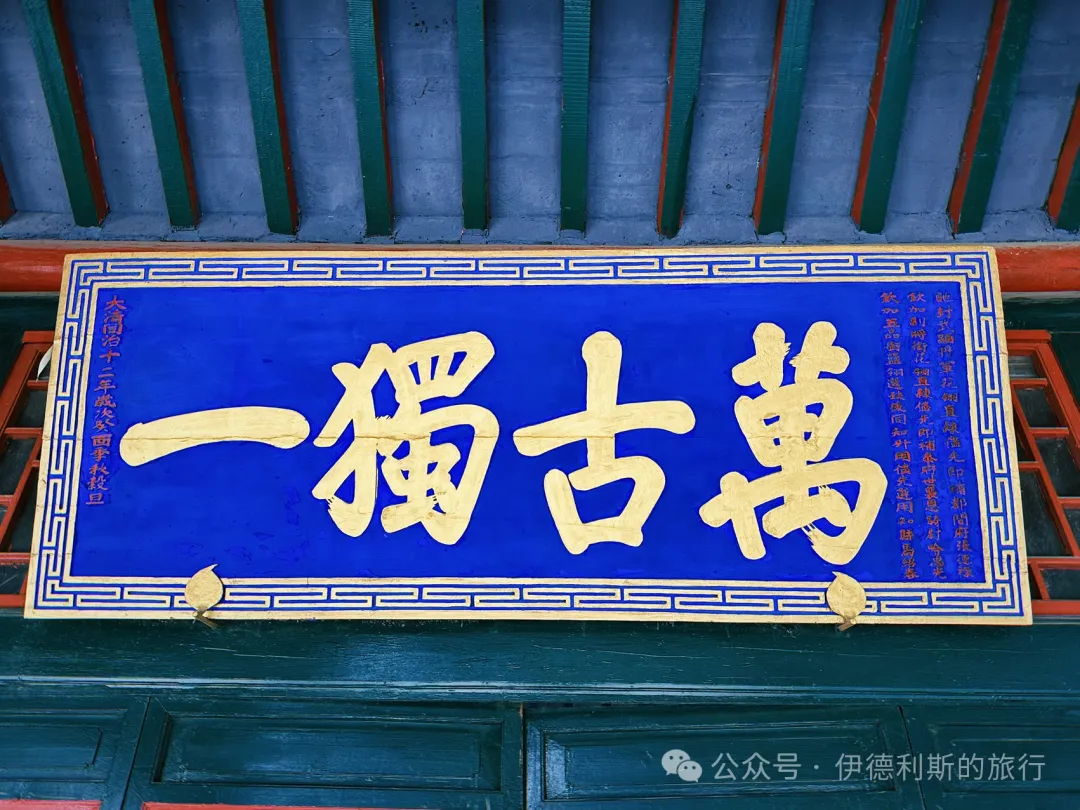
There are three plaques in front of the main prayer hall. The first plaque, "The One and Only for Eternity," was presented in 1873 by Zhang Delu, a military official; Ha Zhongguang, a hereditary noble; and Ma Shaochun, a local magistrate.
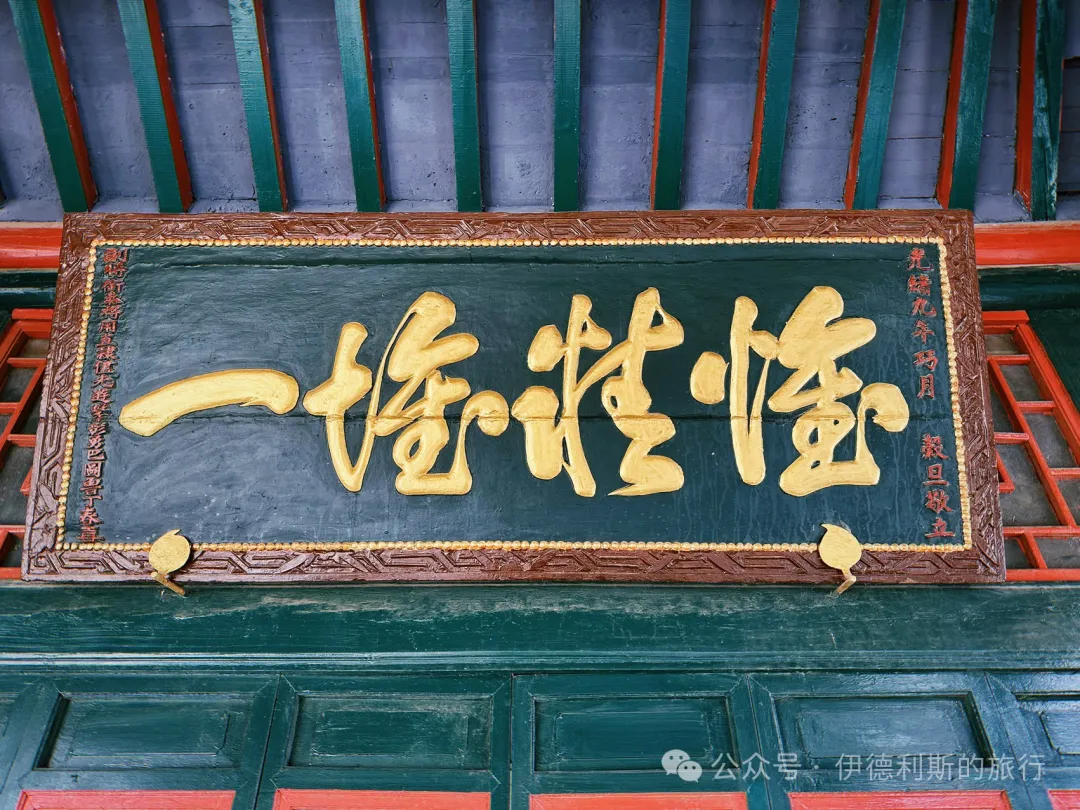
The second plaque, "Be Pure, Be One," was presented in 1883 by Ding Chunxi, a military commander and decorated hero.
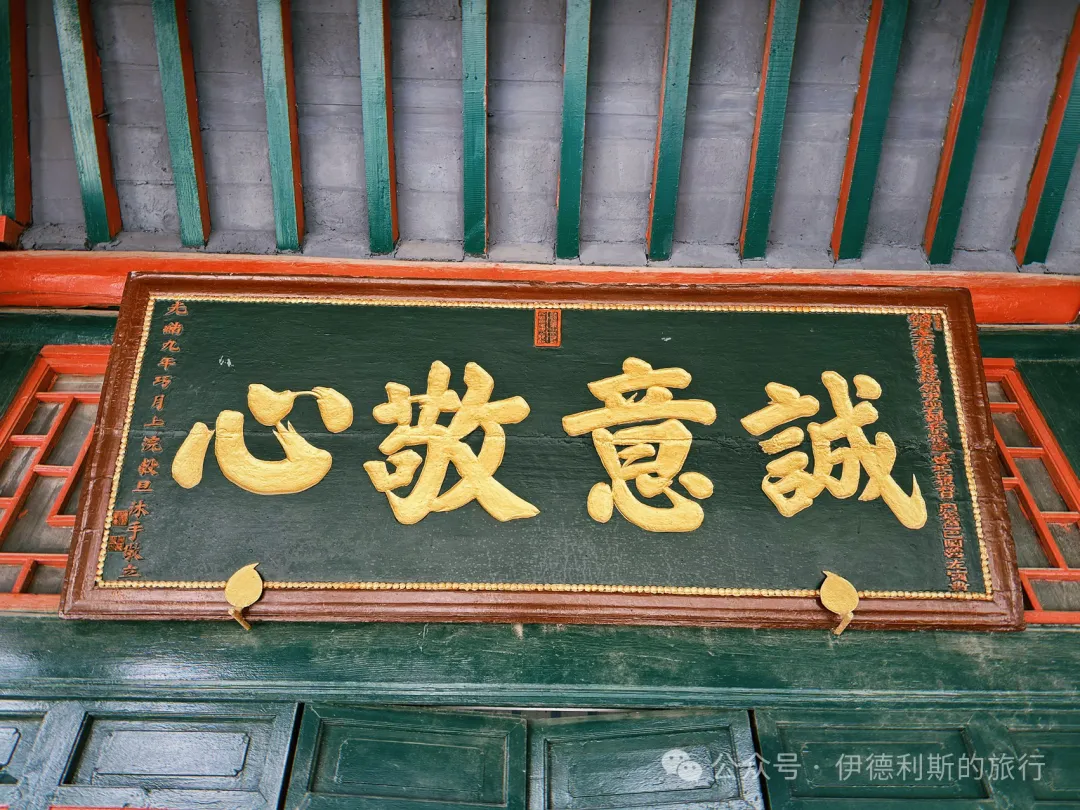
The third plaque, "Sincere Intentions and Respectful Heart," was presented in 1883 by Zuo Baogui, a high-ranking military commander in charge of the Fengtian camp. Zuo Baogui was a famous general in the late Qing Dynasty and a hero in the war against Japan. He led troops to guard Fengtian in 1875 and began commanding the Fengtian army in 1880. Zuo Baogui was stationed in Fengtian for twenty years. During this time, he was devoted to his faith, supported public welfare and education, donated to build many mosques, set up schools and soup kitchens, and wrote plaques for many mosques.
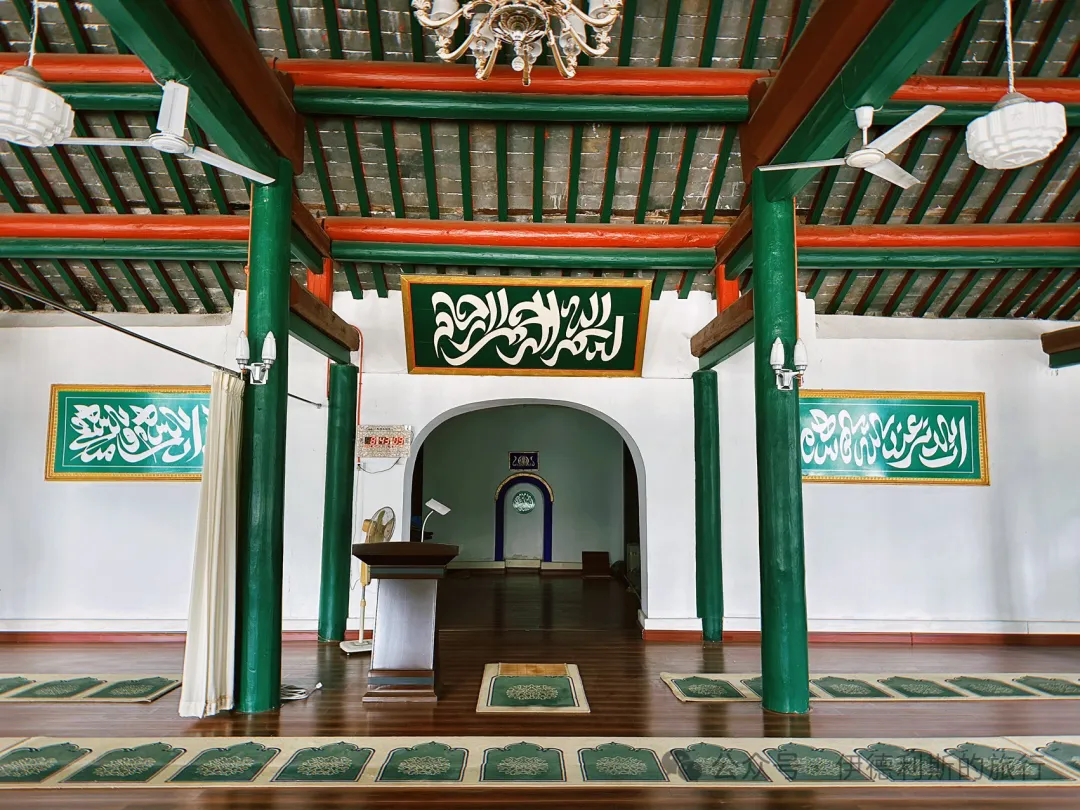
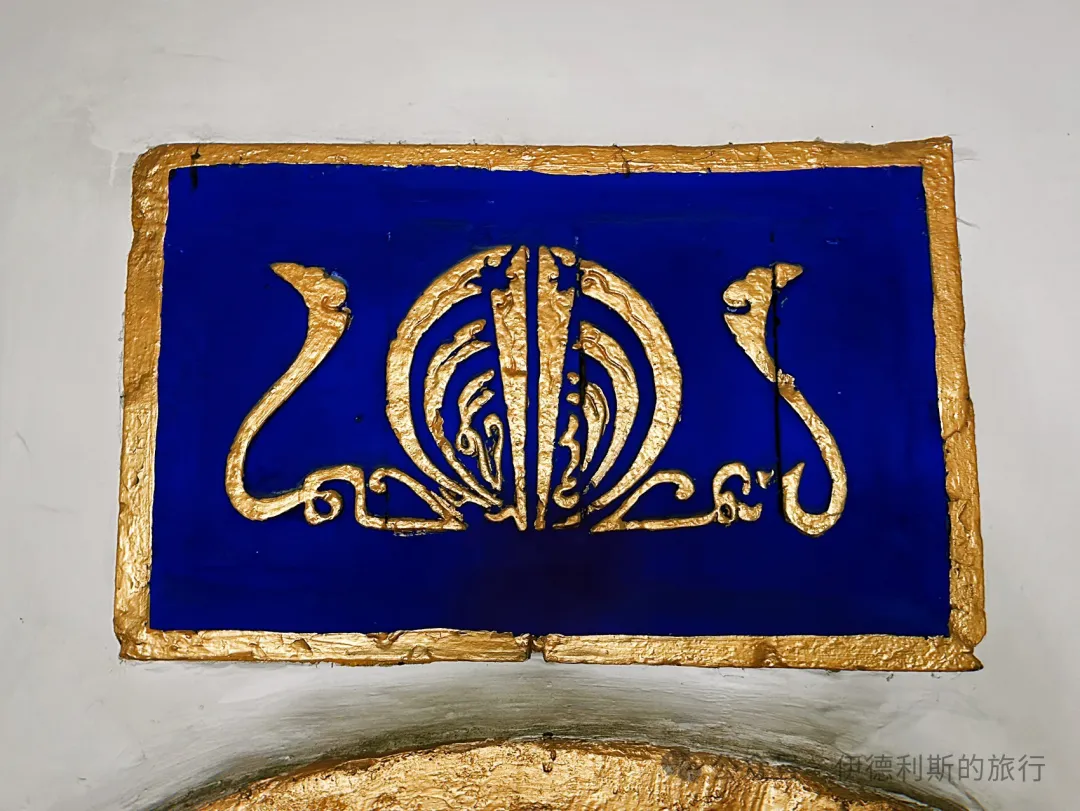
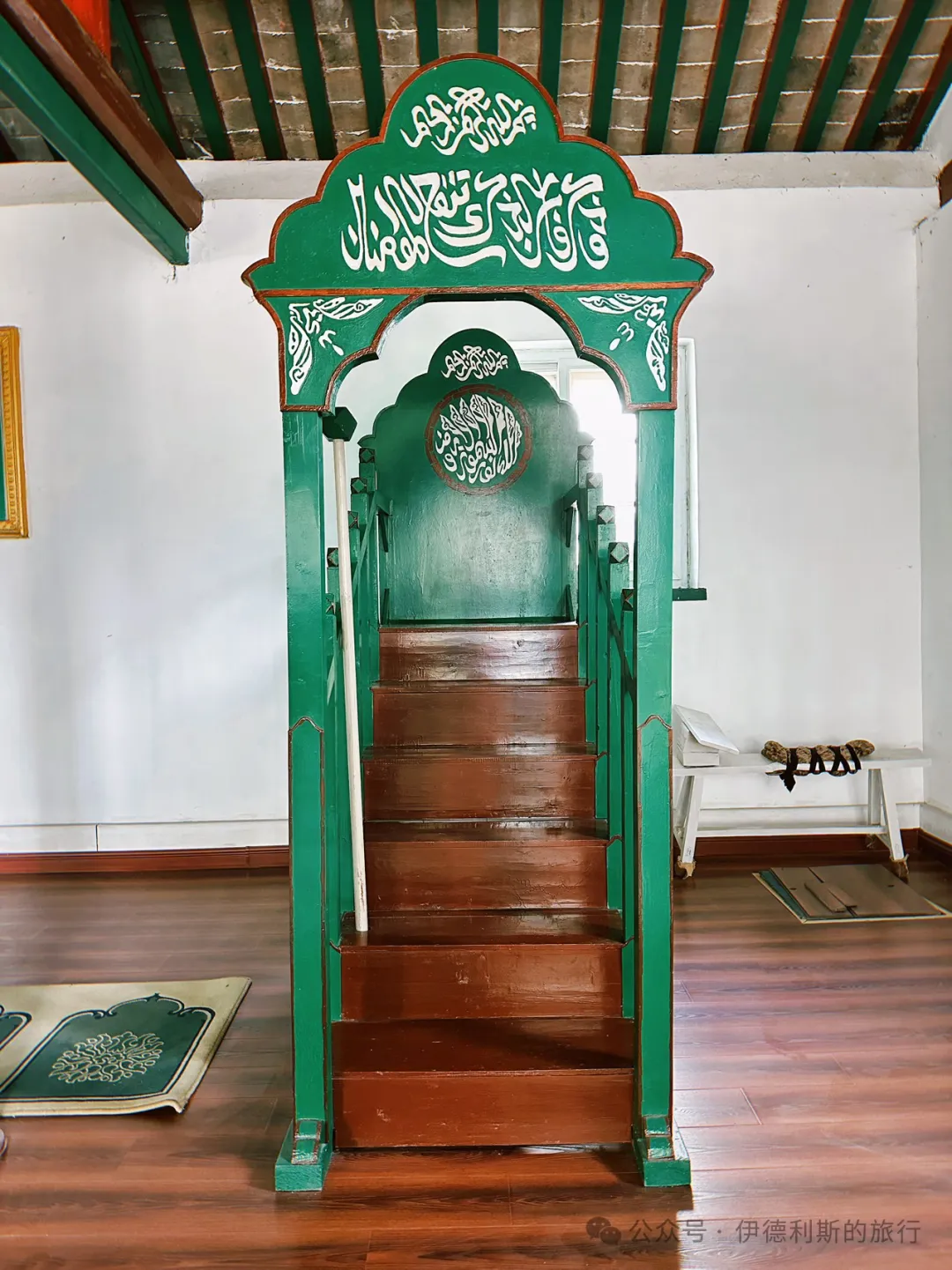
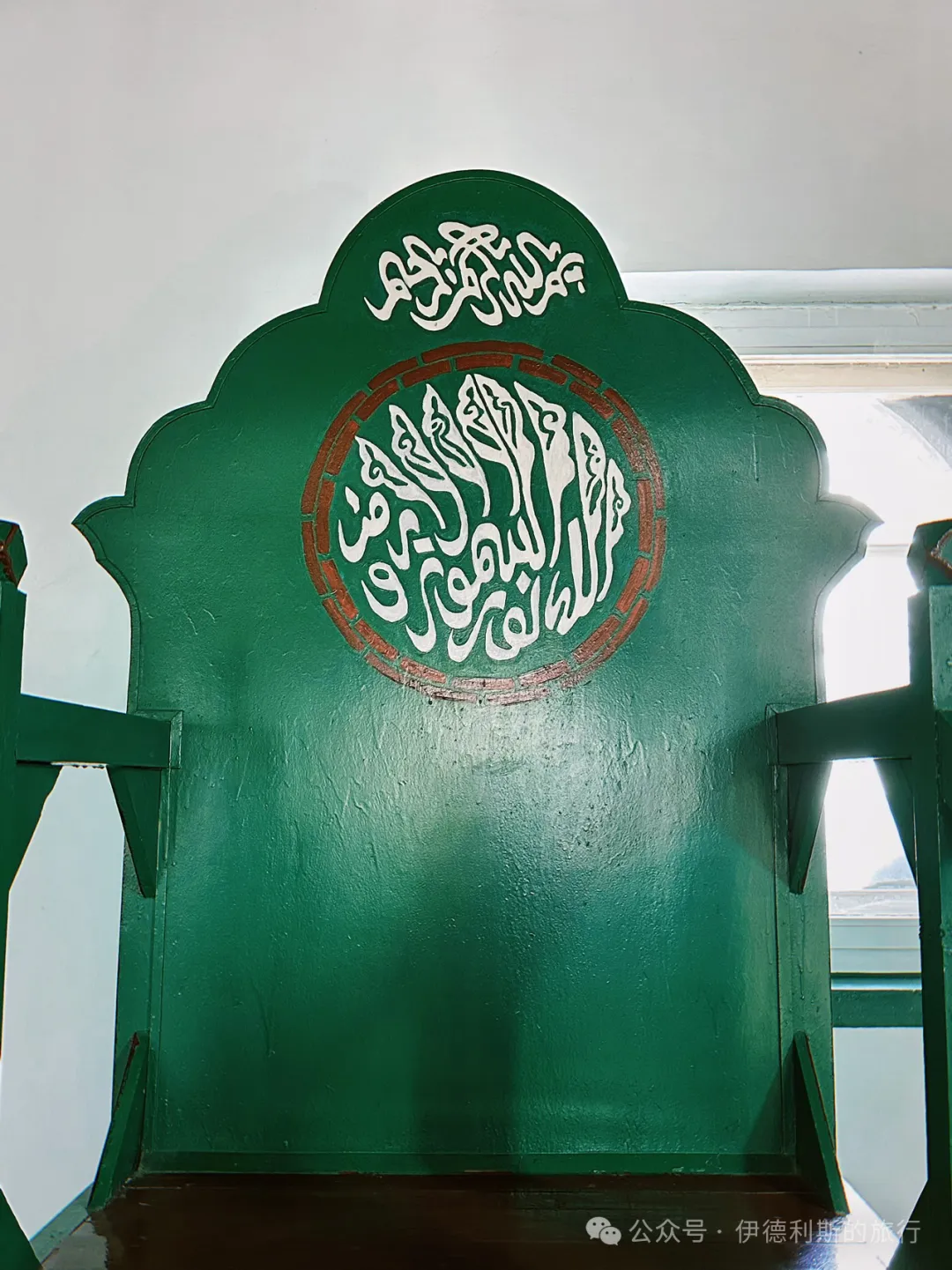
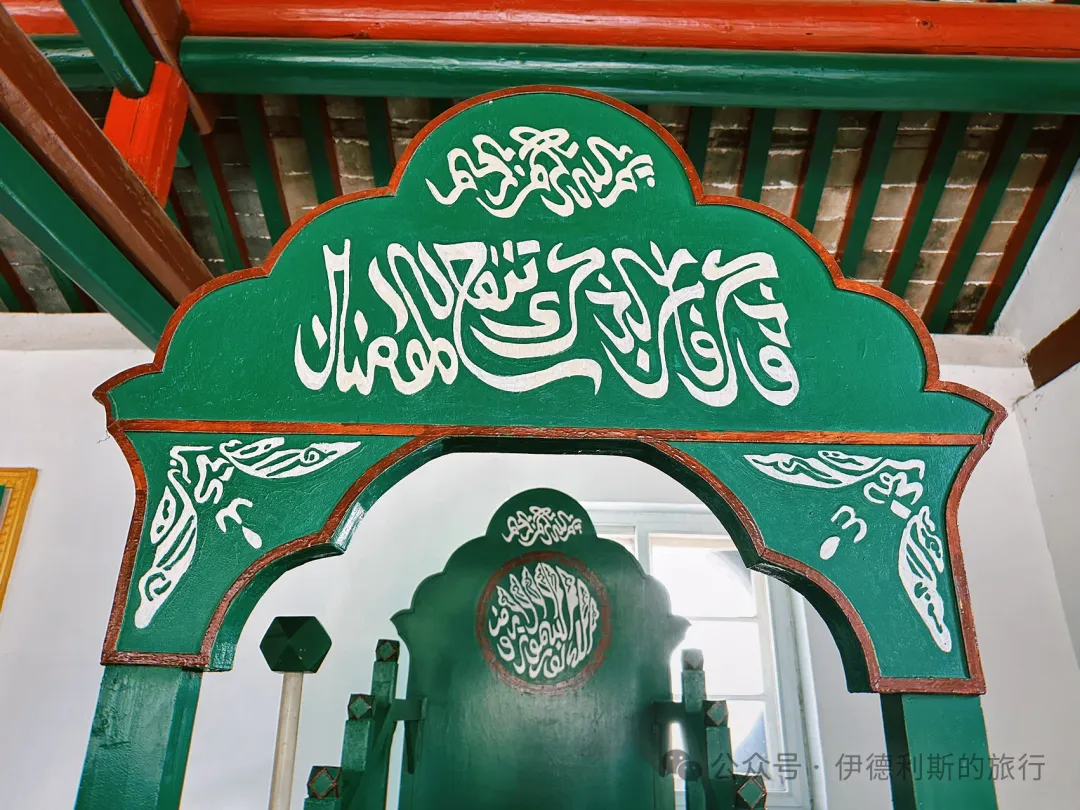
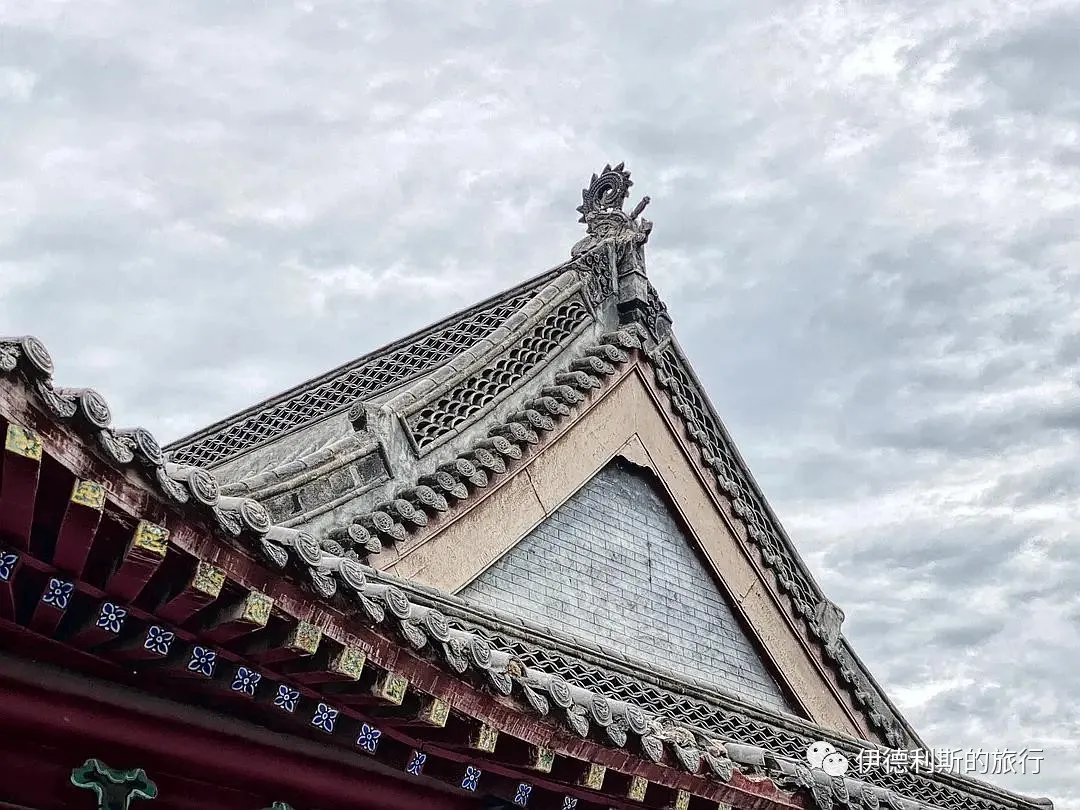
The mihrab, minbar, and roof gables of the Xinmin Mosque main hall feature beautiful calligraphy. This is a traditional Chinese calligraphy style that originated in Shandong during the Ming and Qing dynasties and became popular in Northeast China through the Shandong school.
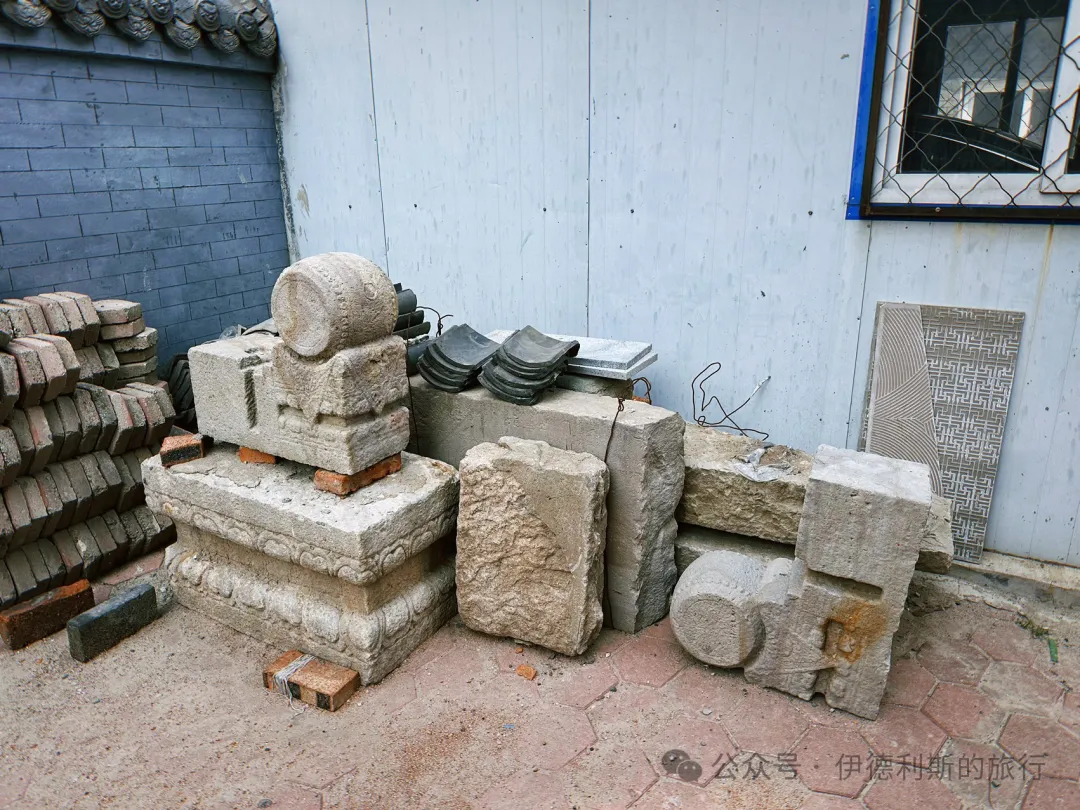
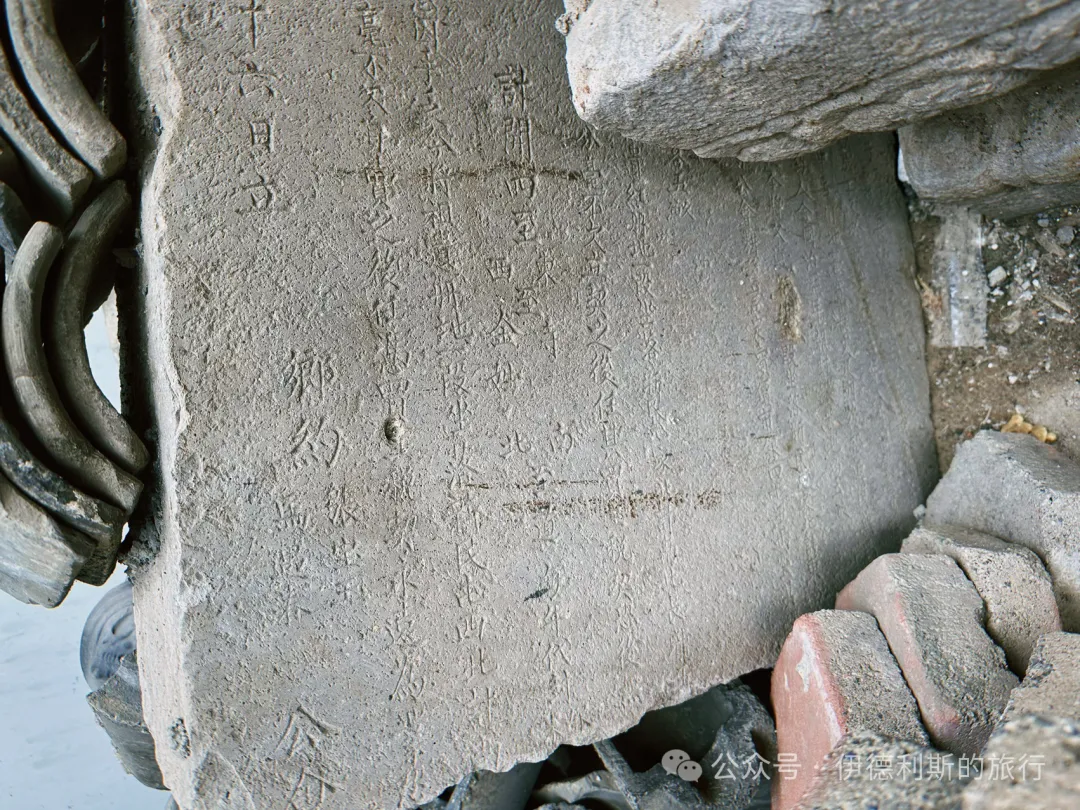
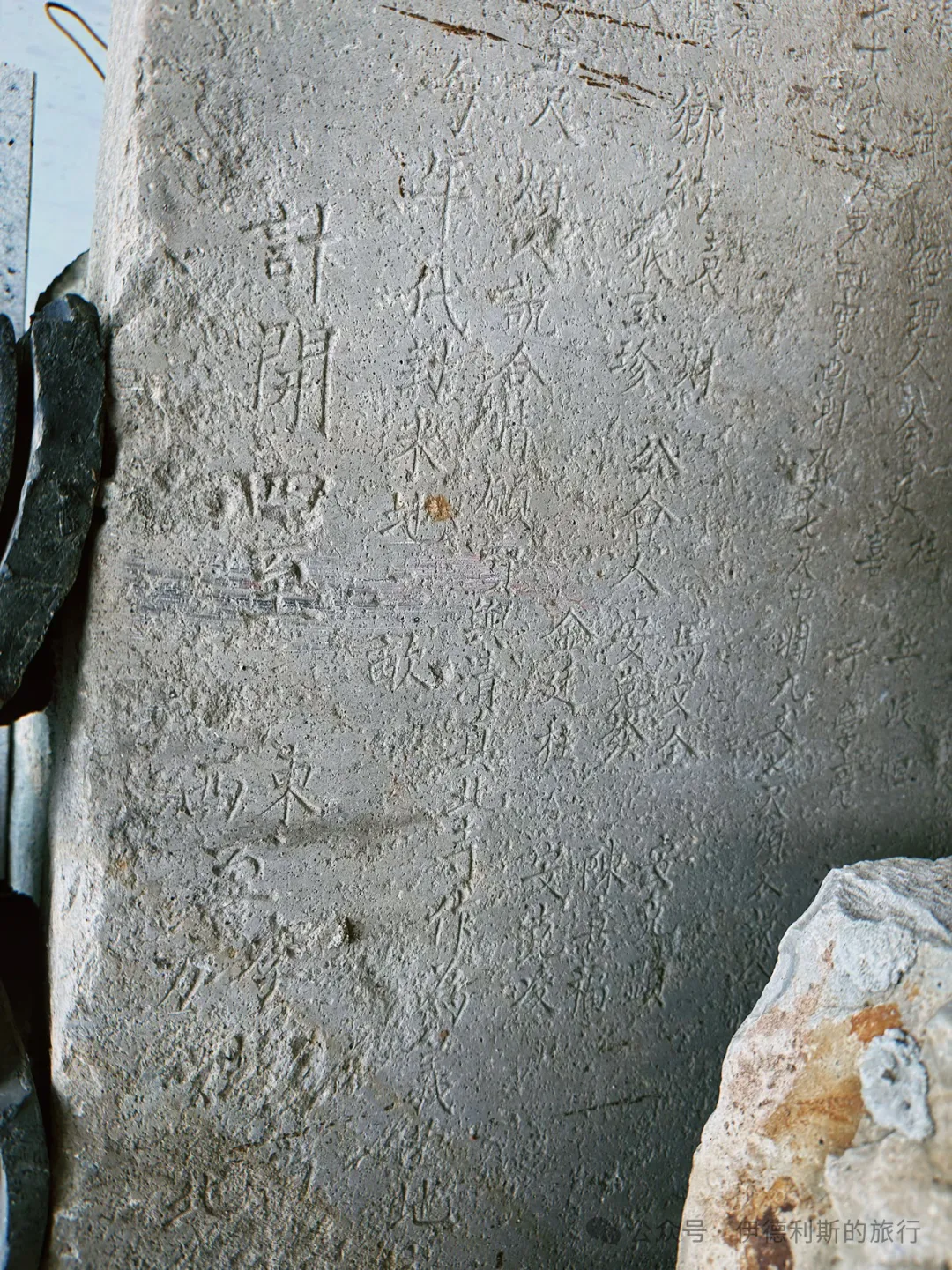
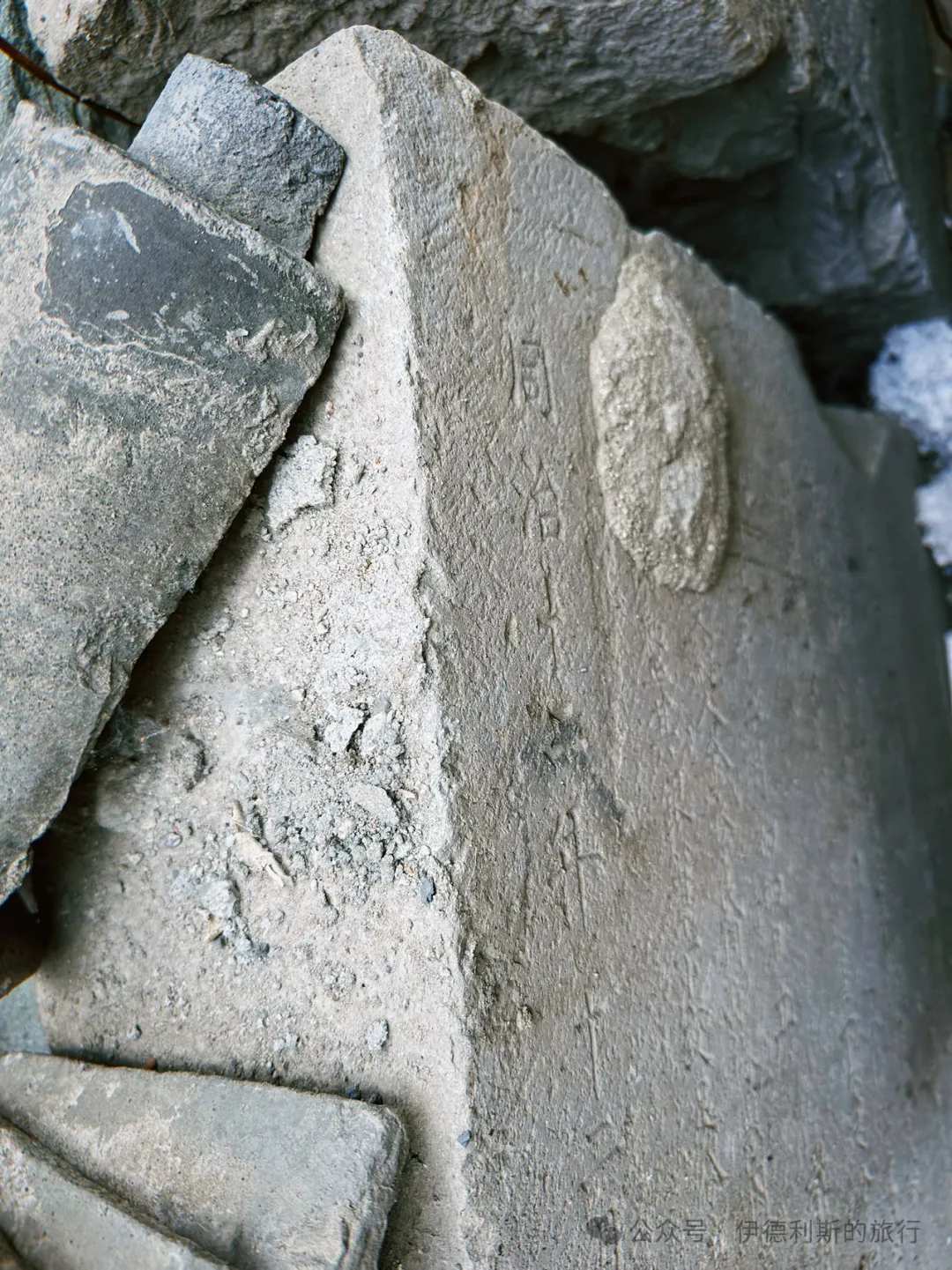
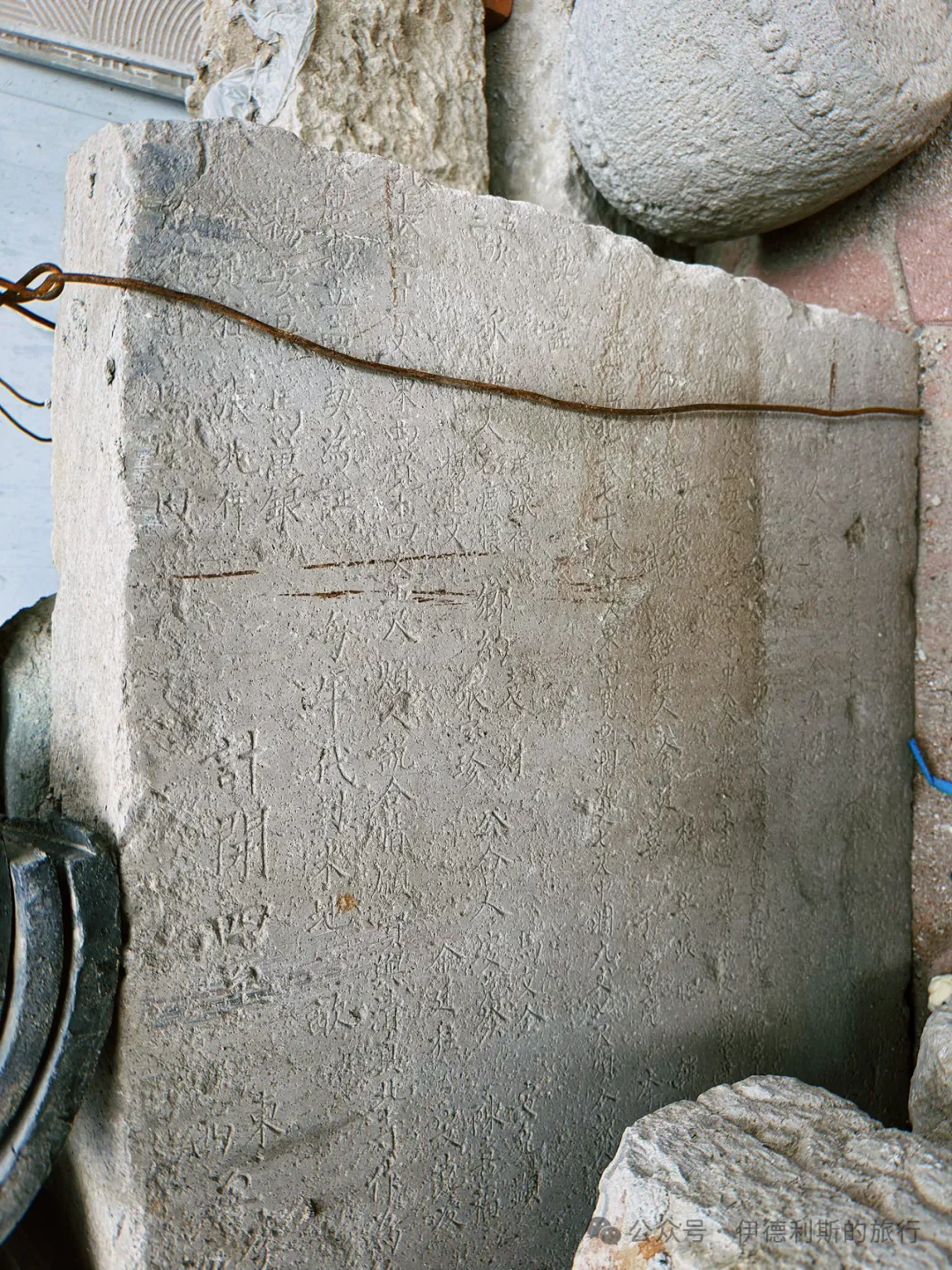
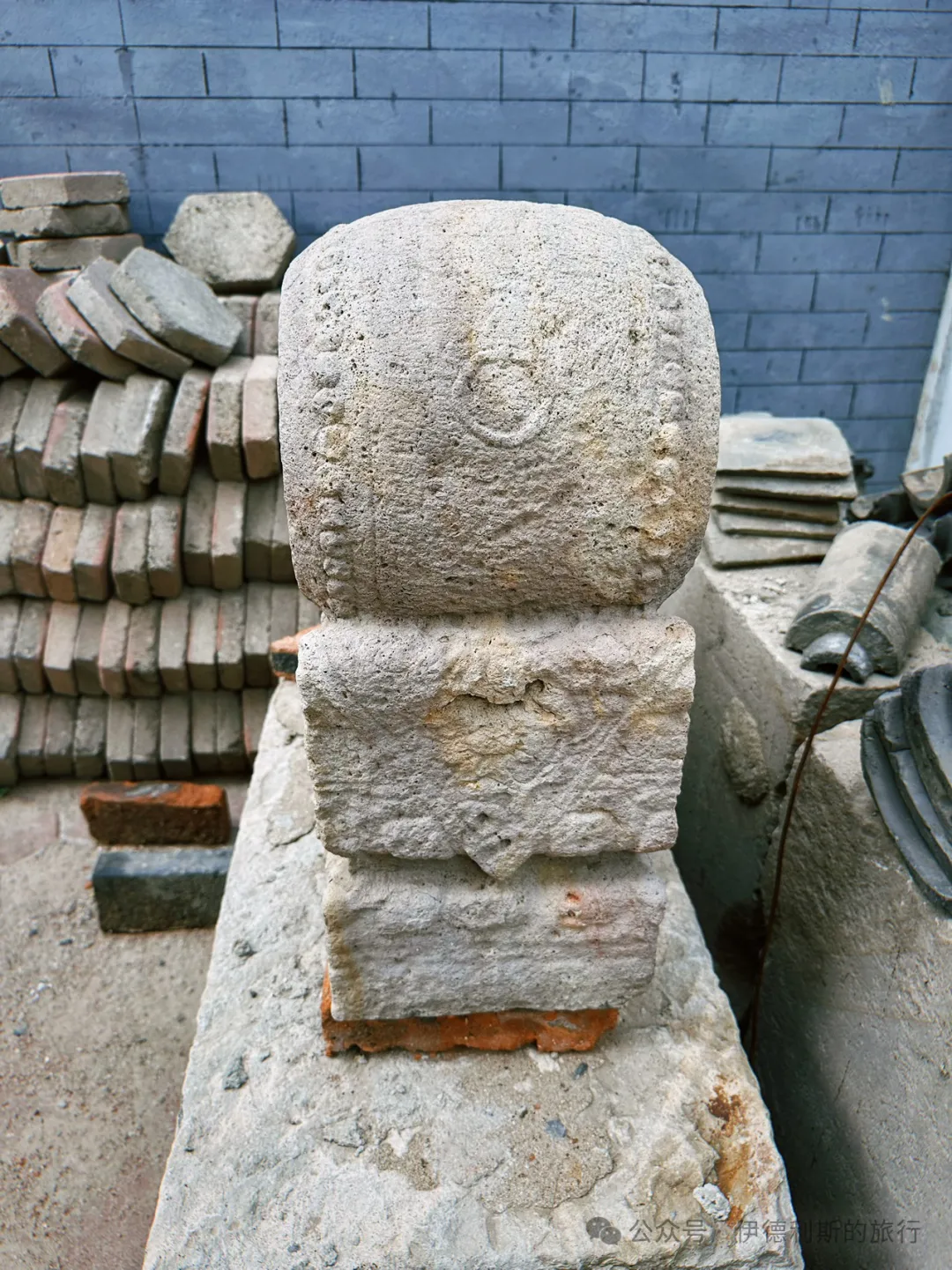
Qing Dynasty door stones and stone tablets are piled up in the backyard of Xinmin Mosque. A tablet from the Tongzhi era contains a contract for a cemetery, including the names of donors and the boundaries of the land. The inscription also provides a rare mention of the now-vanished Xinmin North Mosque. Xinmin North Mosque was built in 1853. Its kiln-style prayer hall had a moon-viewing tower (wangyuelou) with double eaves, but it was destroyed in the 1960s and 1970s.
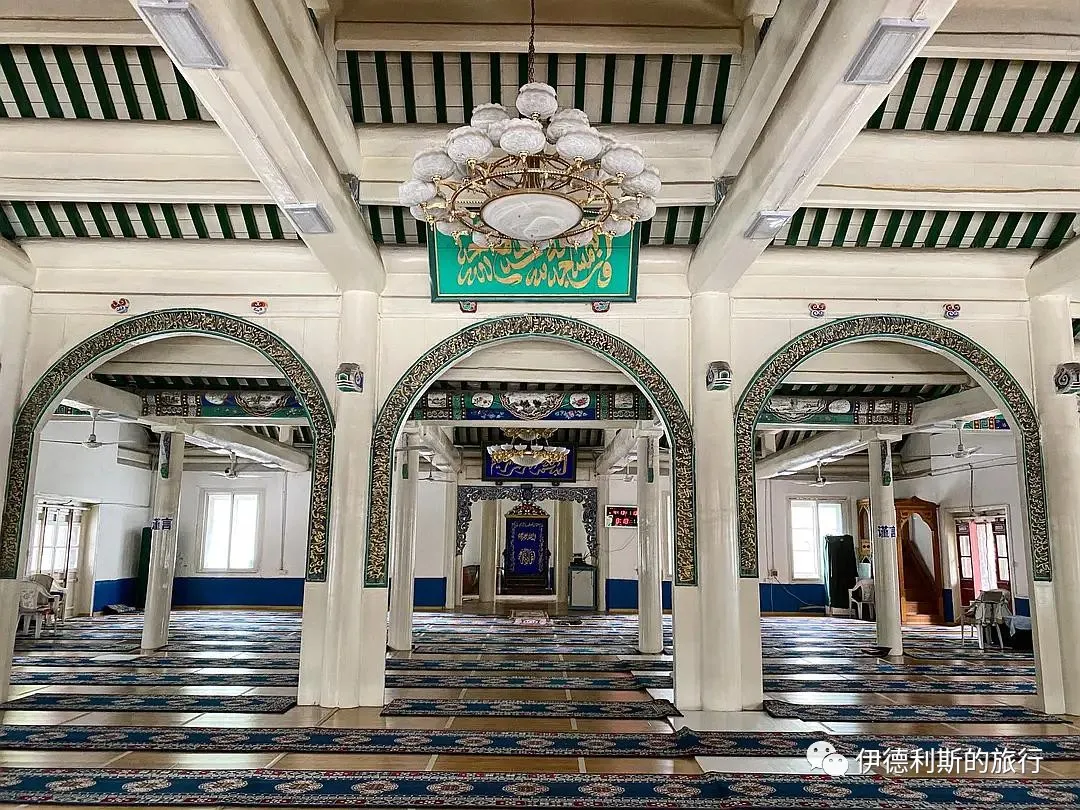
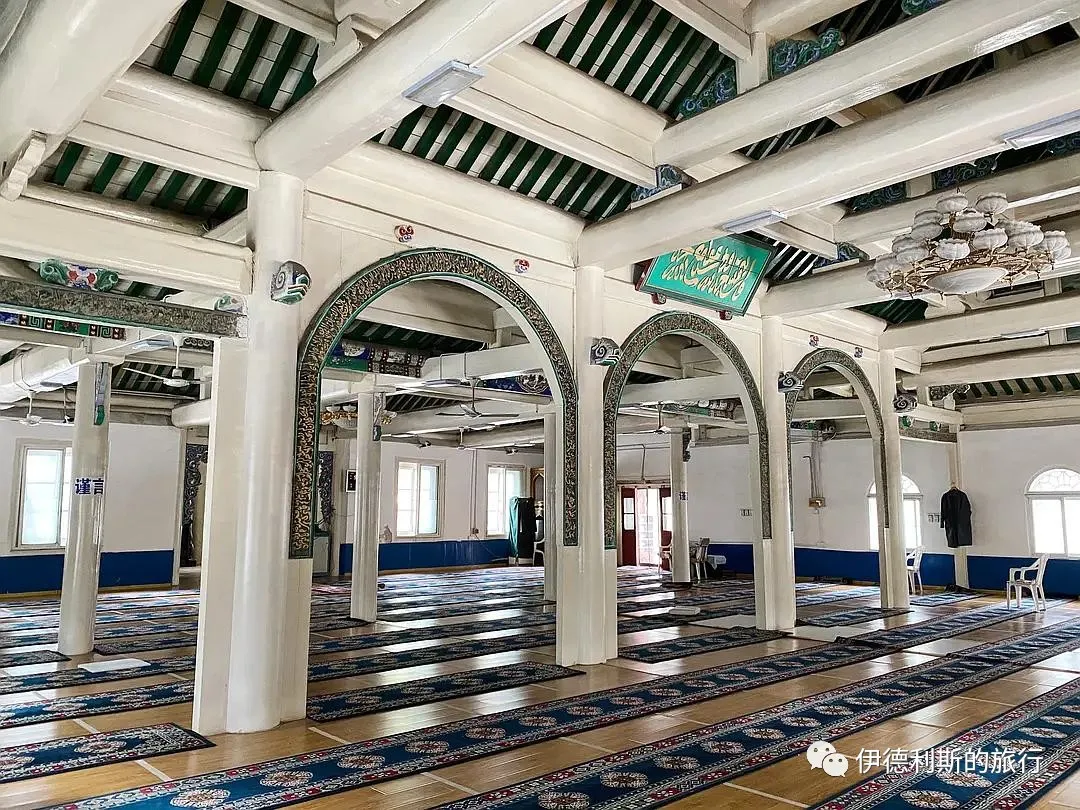
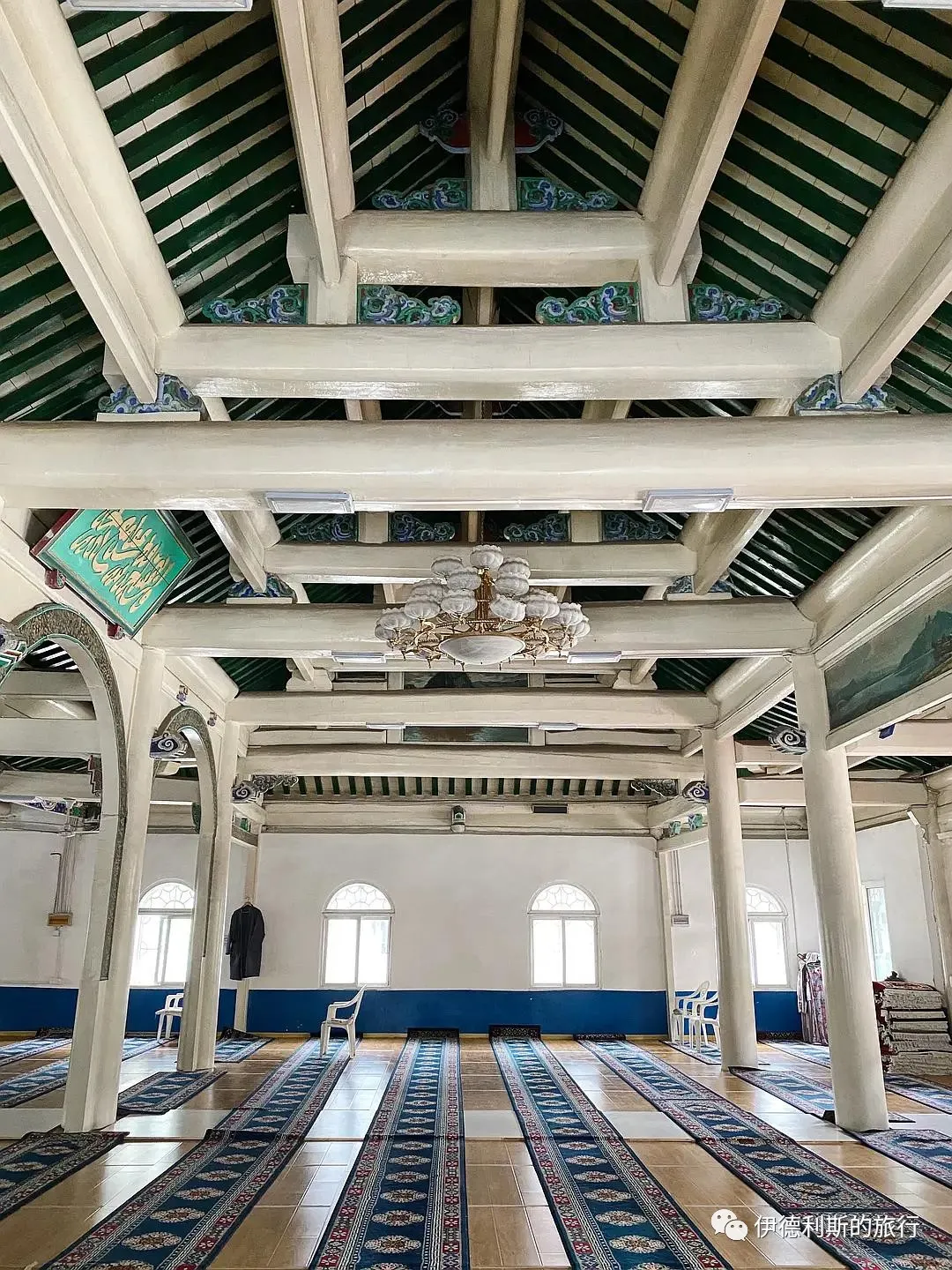
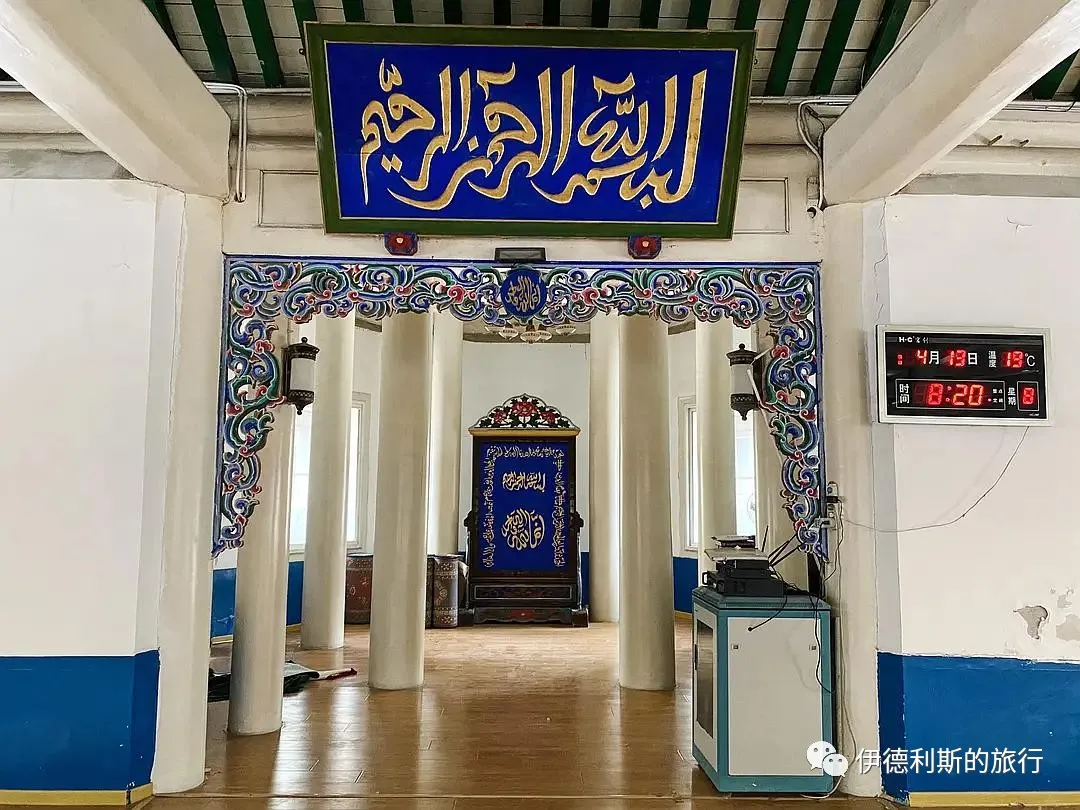
Shenyang South Mosque.
Shenyang South Mosque was built in 1636. The ancestors of the Tie family who founded it were Hui Muslims who came to the interior of China during the Mongol western campaigns. In the early Ming Dynasty, Tie Xuan served as a government official in Jinan. During the Jingnan Campaign in 1400, Tie Xuan led the defense of Jinan. The Prince of Yan, Zhu Di, attacked for three months without success. It was not until 1402, after the Prince of Yan captured Nanjing and returned north, that Jinan finally fell. Tie Xuan was captured and executed. After Tie Xuan passed away, his second son, Tie Fushu, fled outside the Great Wall and moved from Jinzhou to Shenyang between 1573 and 1620.
The original Shenyang South Mosque was quite simple. In 1662, Tie Kui expanded it into a large mosque and invited the famous imam She Yuanshan from Beijing to teach there. After Imam She's student Tie Hongji finished his studies, he became the leader. From then on, the position of imam at the South Mosque was passed down through the Tie family for 11 generations, with the last imam, Tie Zizhang, serving until 1956.
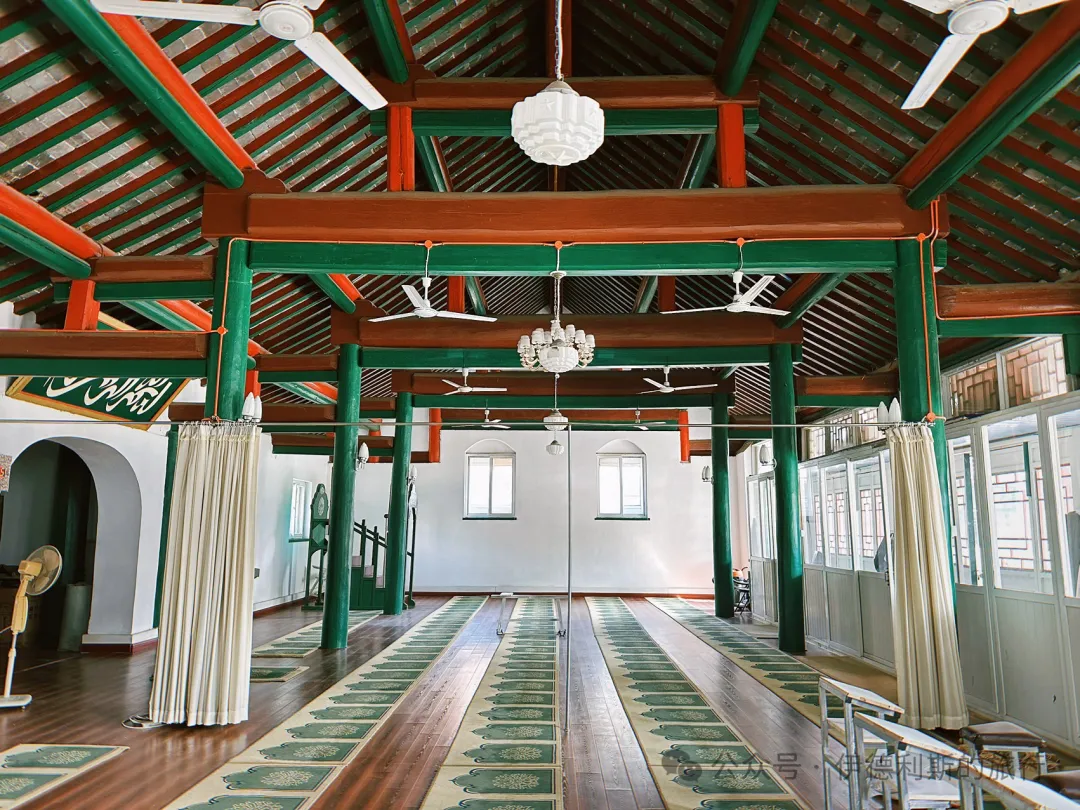
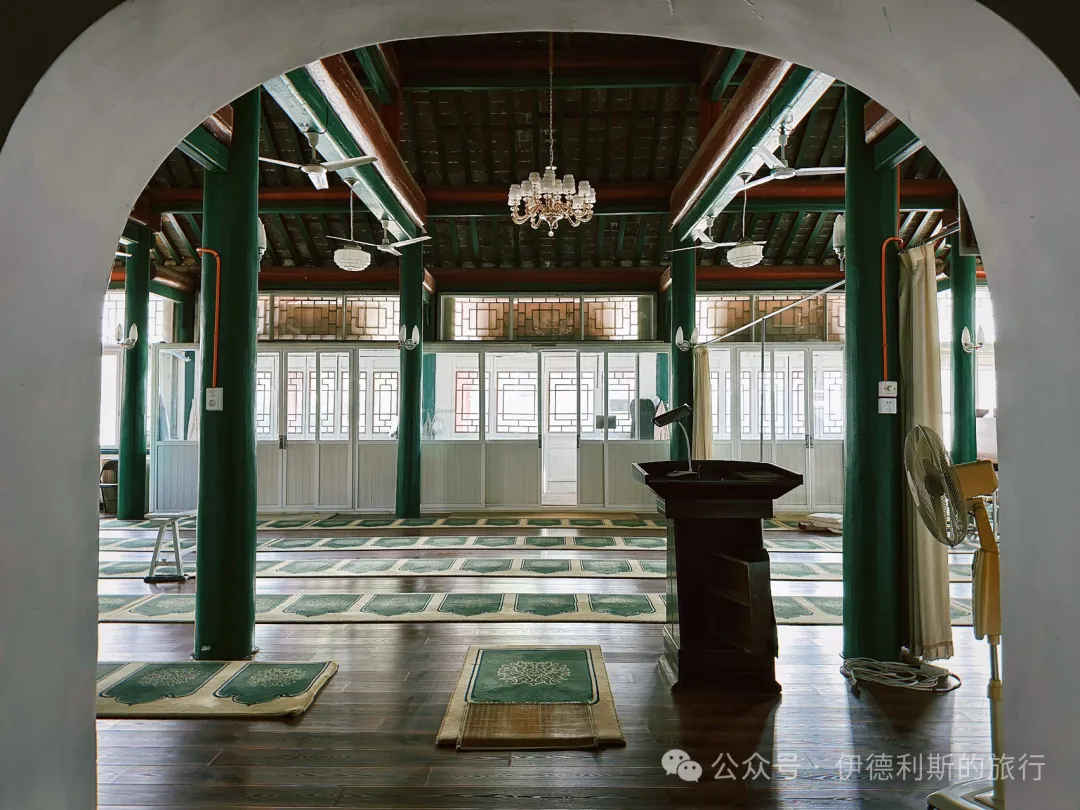
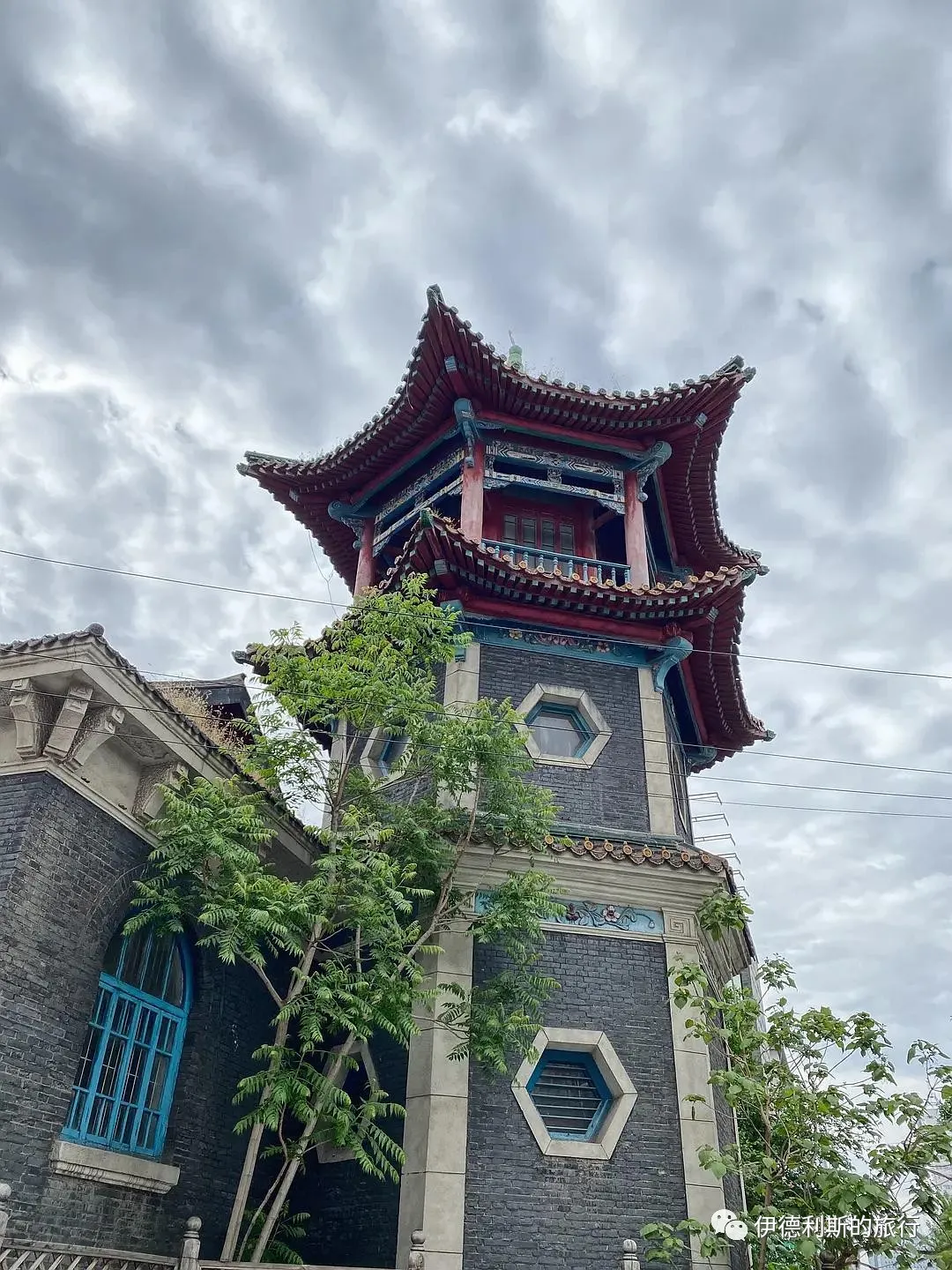
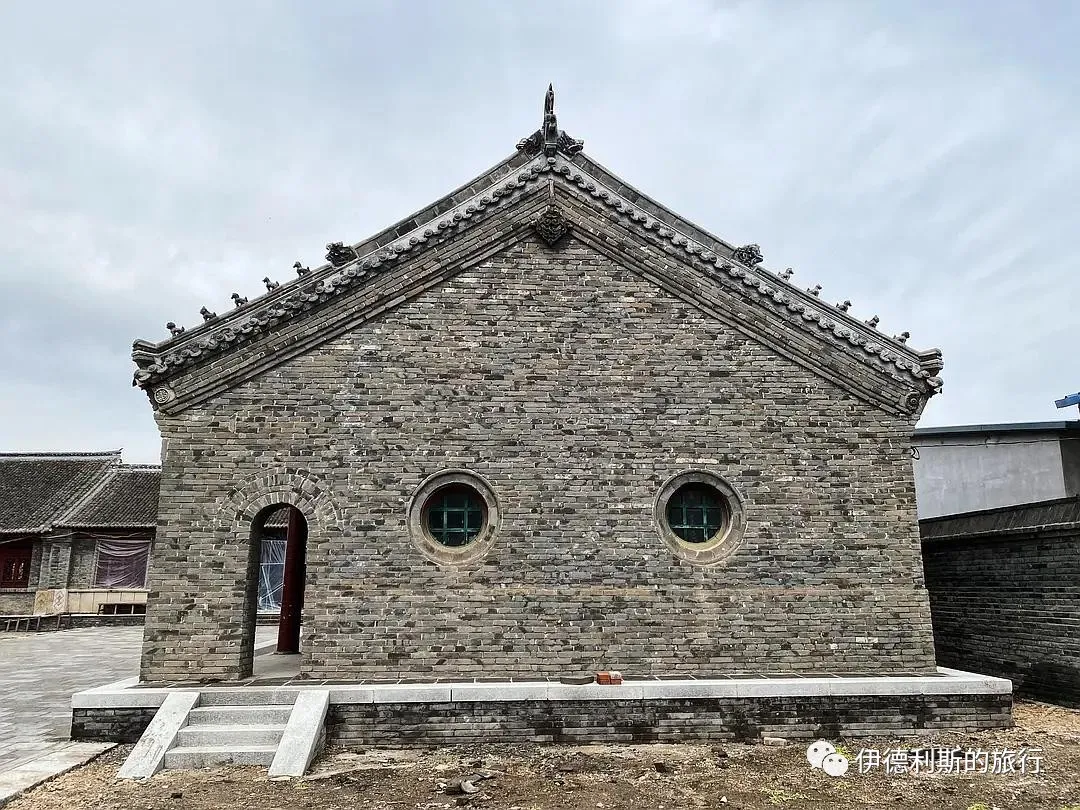
The rear hall of the mosque was expanded in 1902. The main hall is not the traditional T-shape but features a structure with a rolled-shed roof, a front hall, a rear hall, and a hexagonal kiln-style prayer hall. This style of adding a pavilion-like kiln hall to the rear is common in Northeast China.
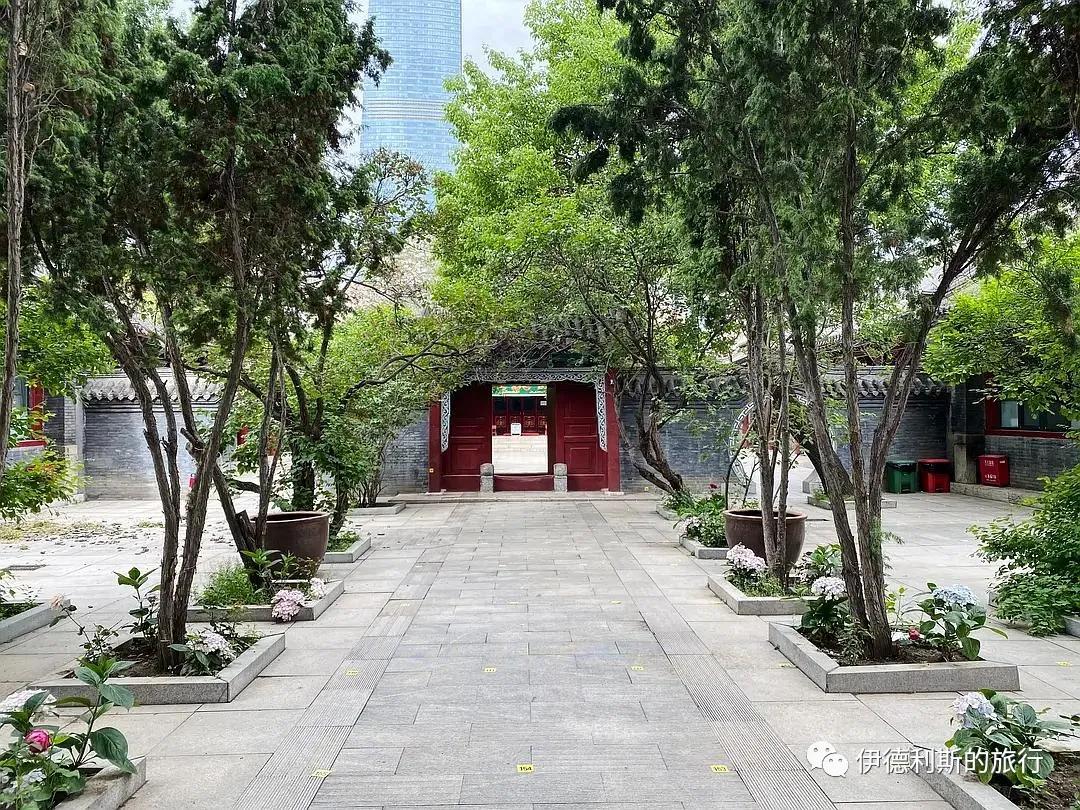
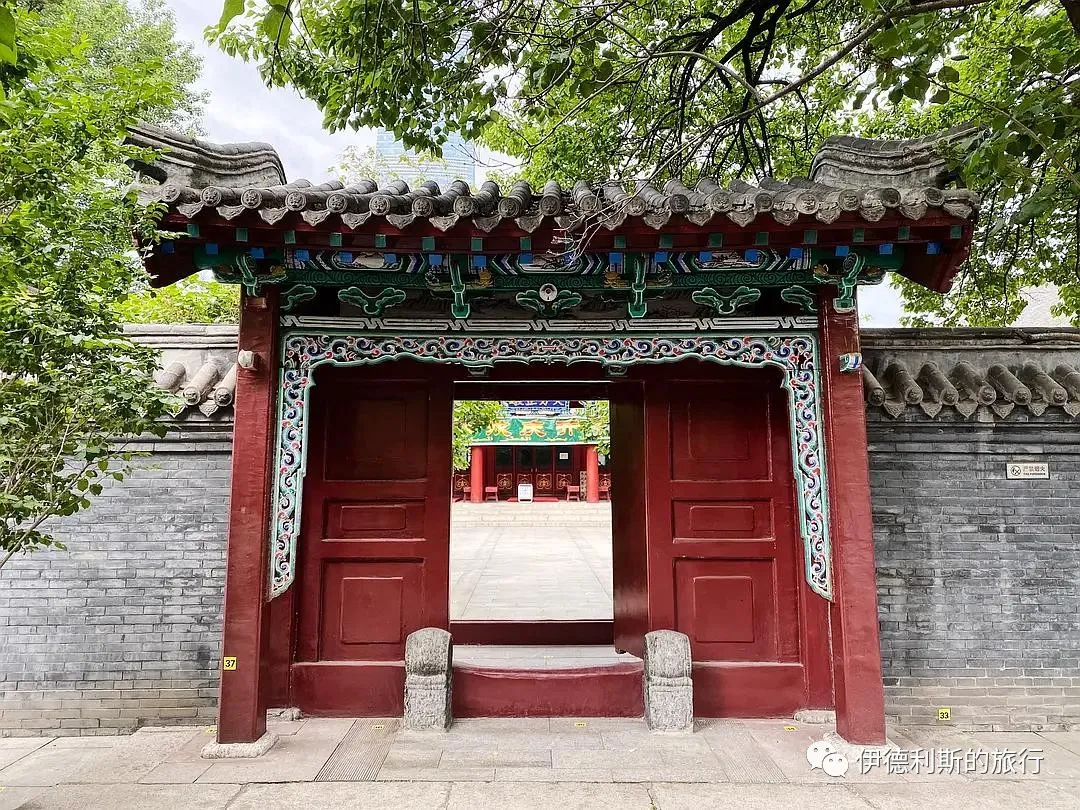
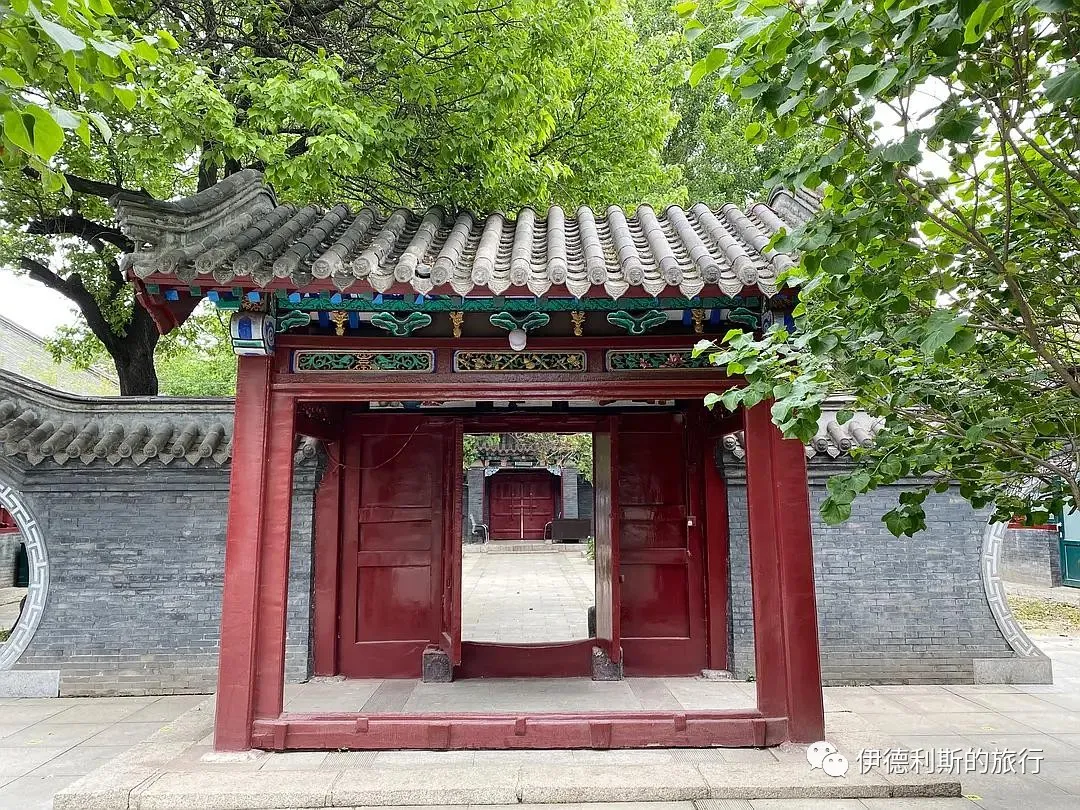
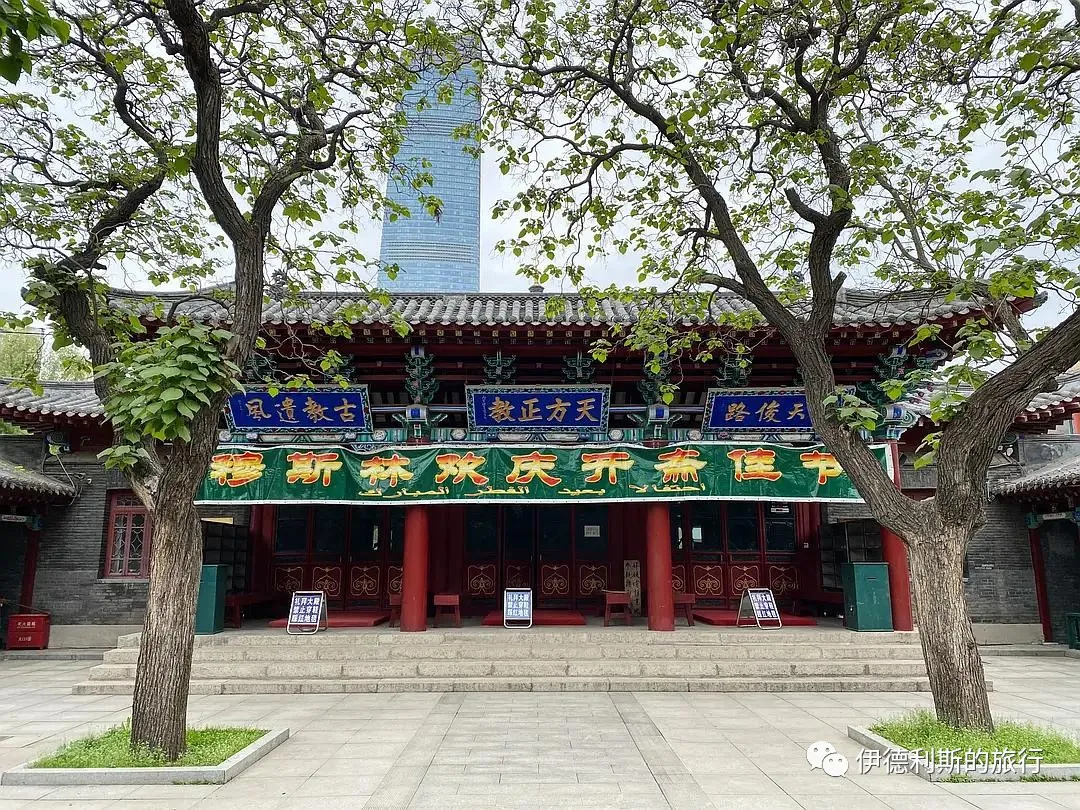
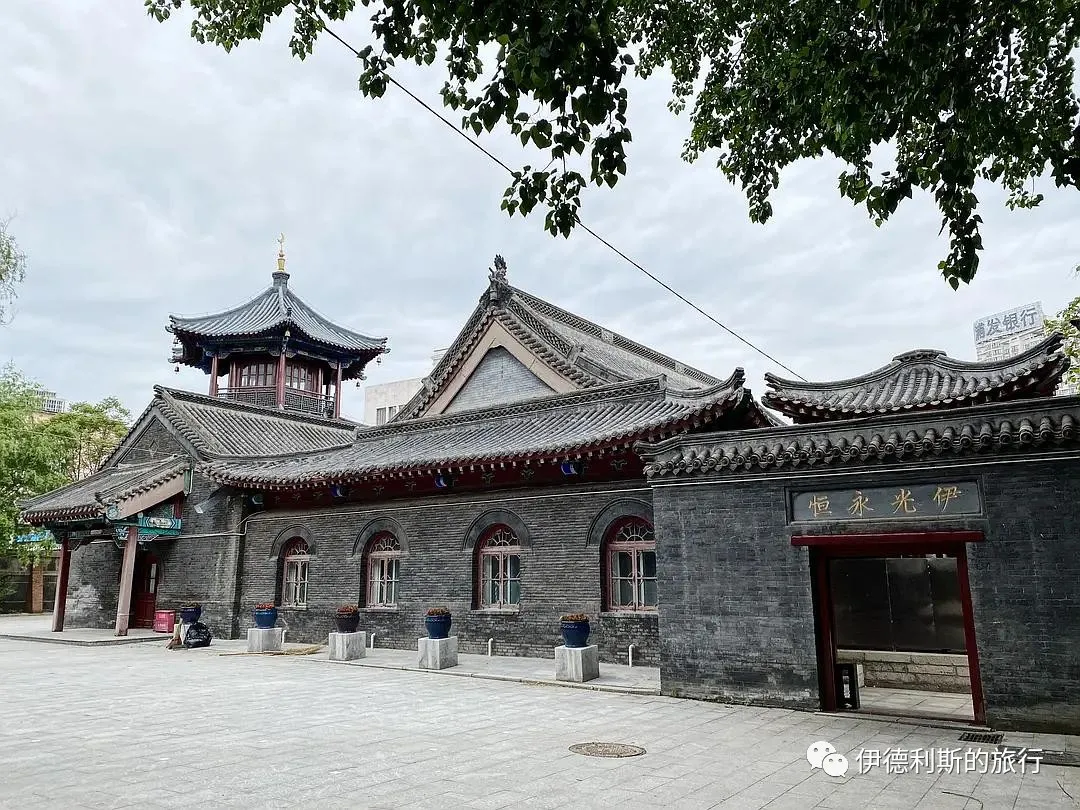
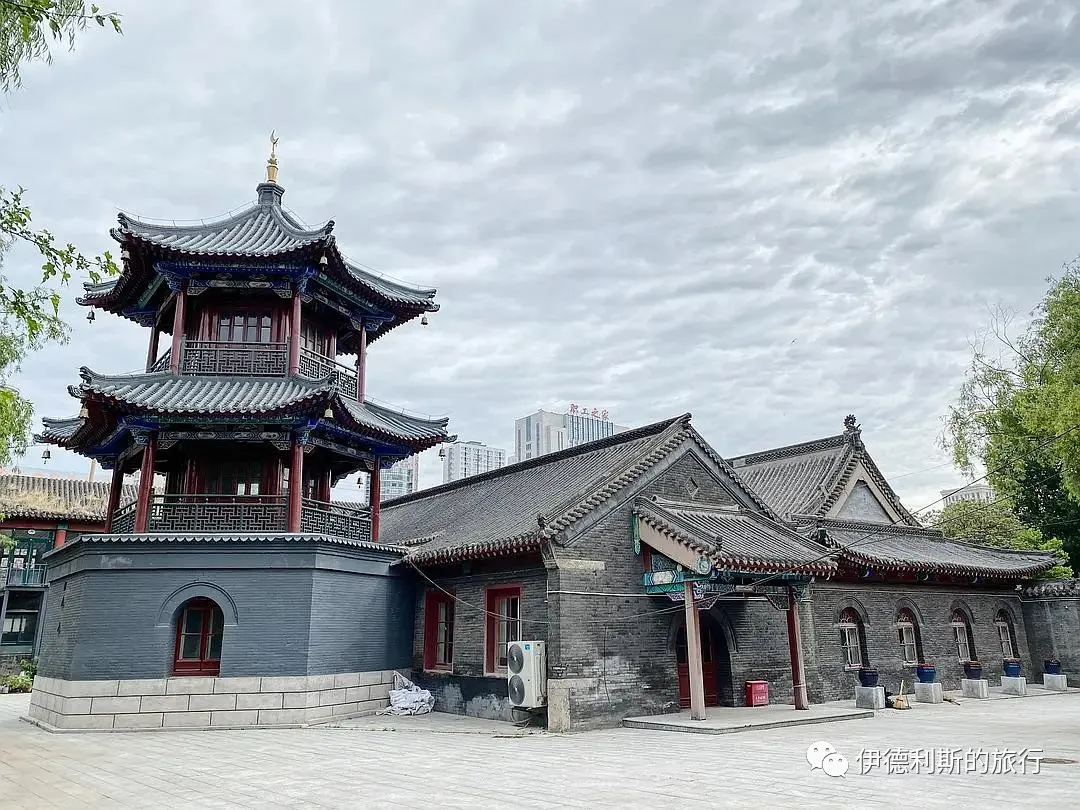
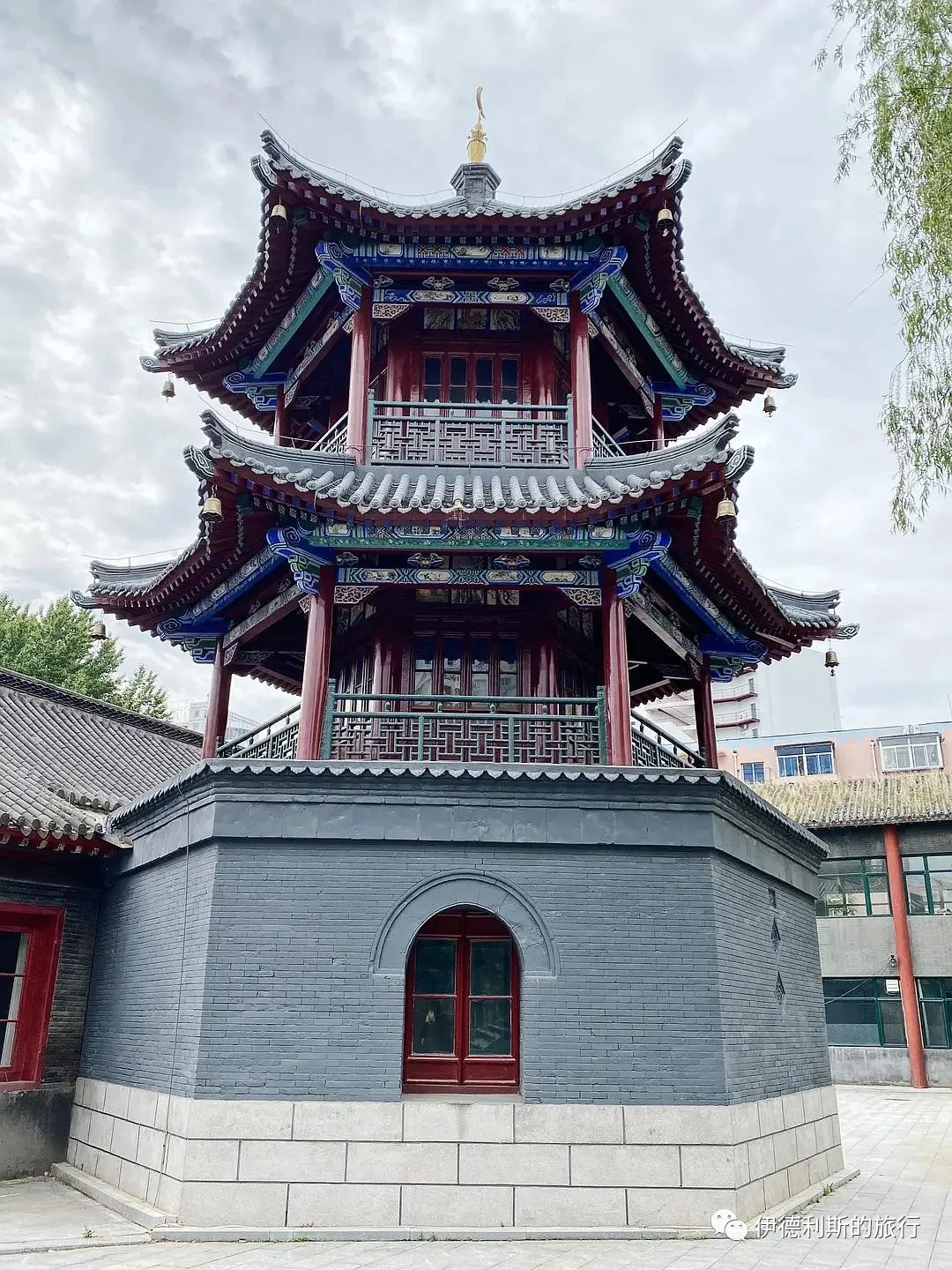
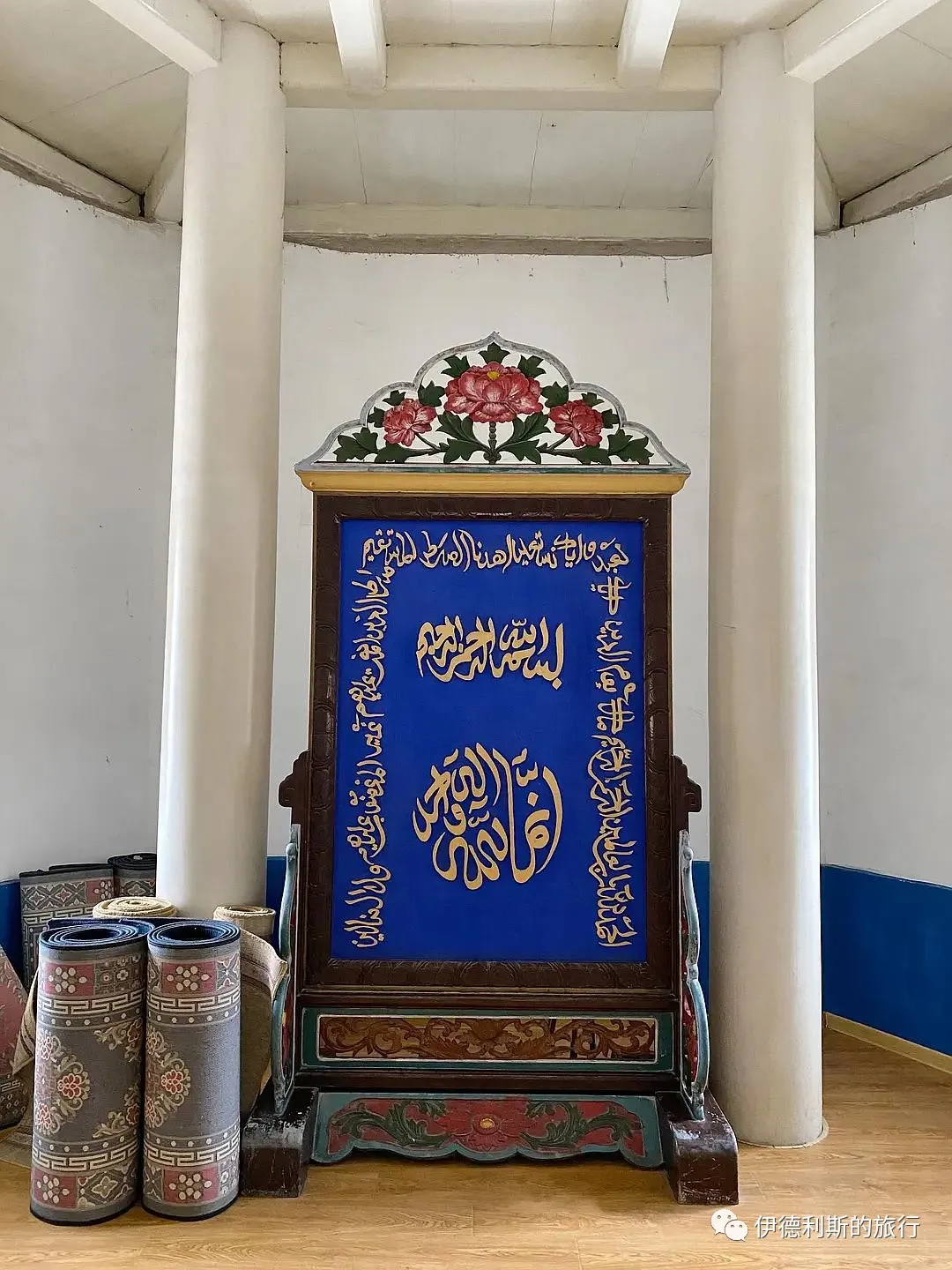
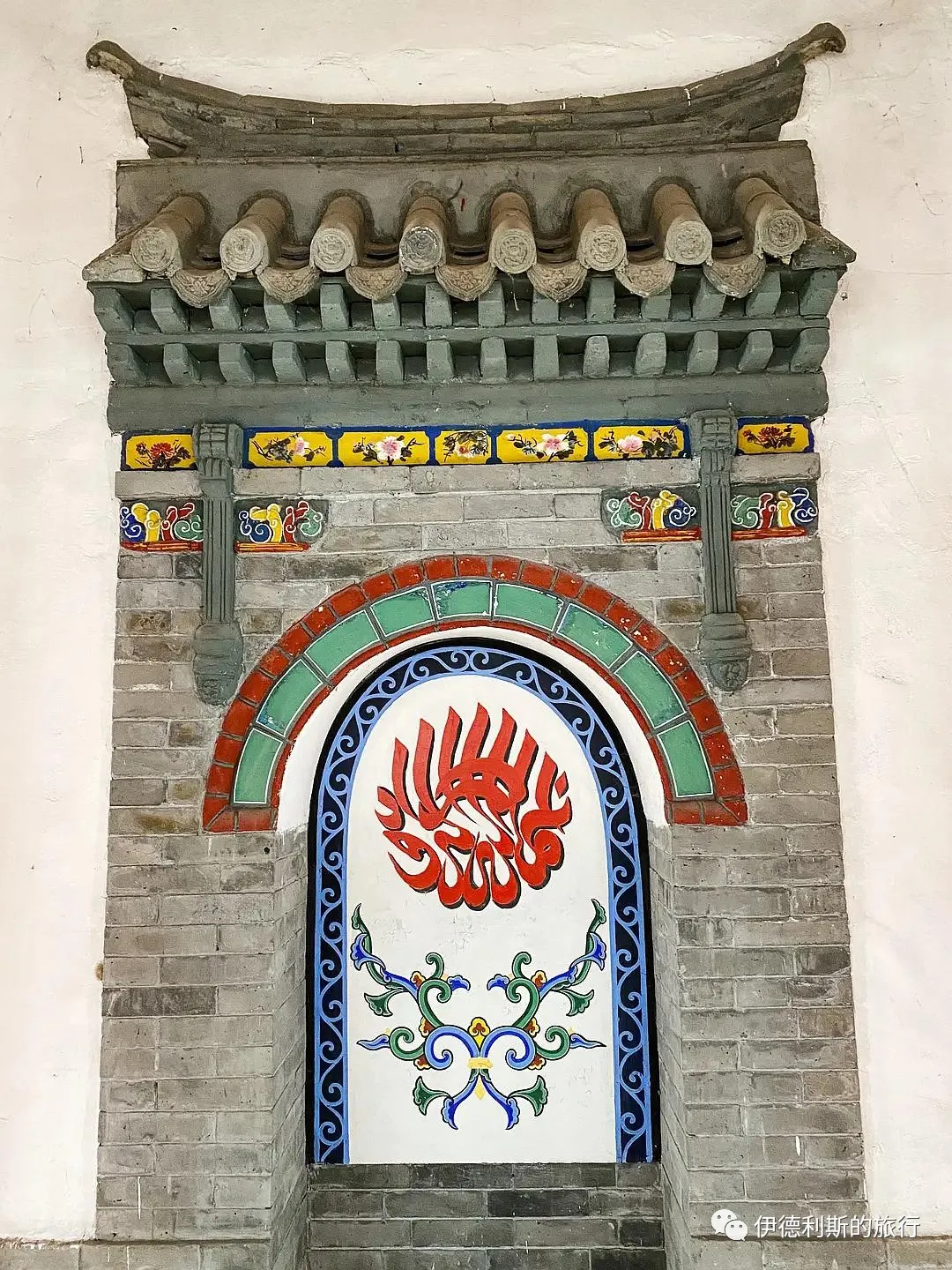
The mihrab of the South Mosque is very unusual; instead of a traditional niche, it uses a "great spirit tablet" design, which is a unique local feature.
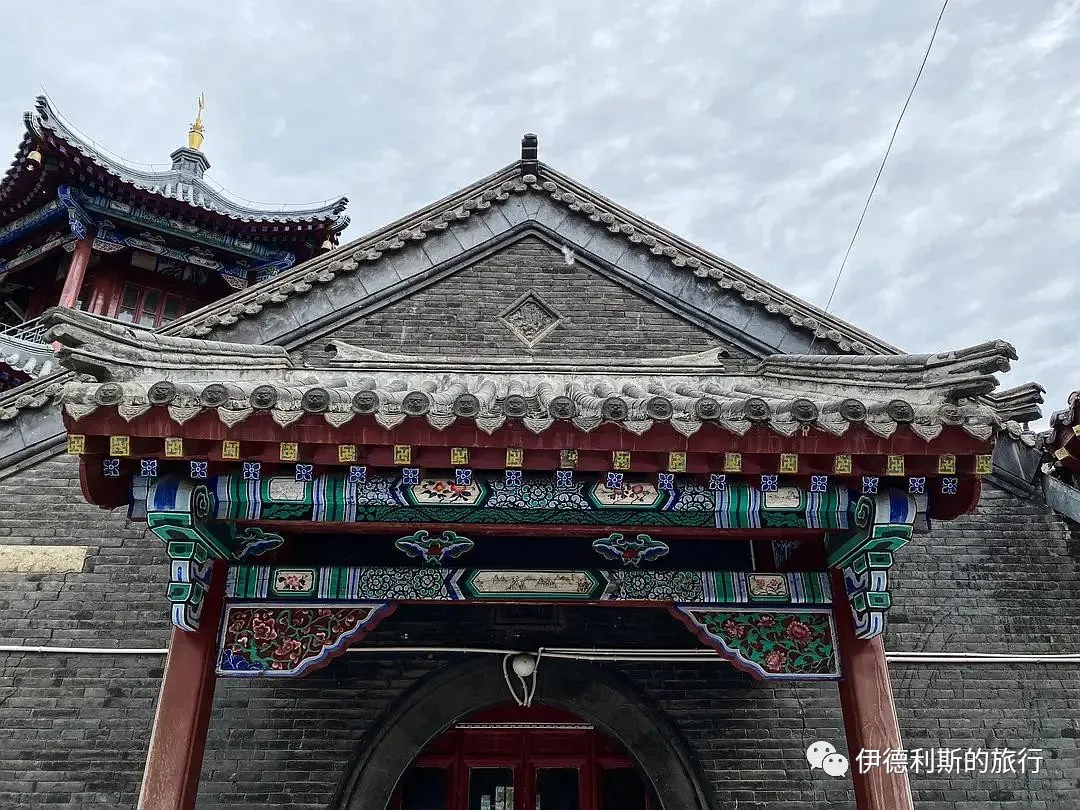
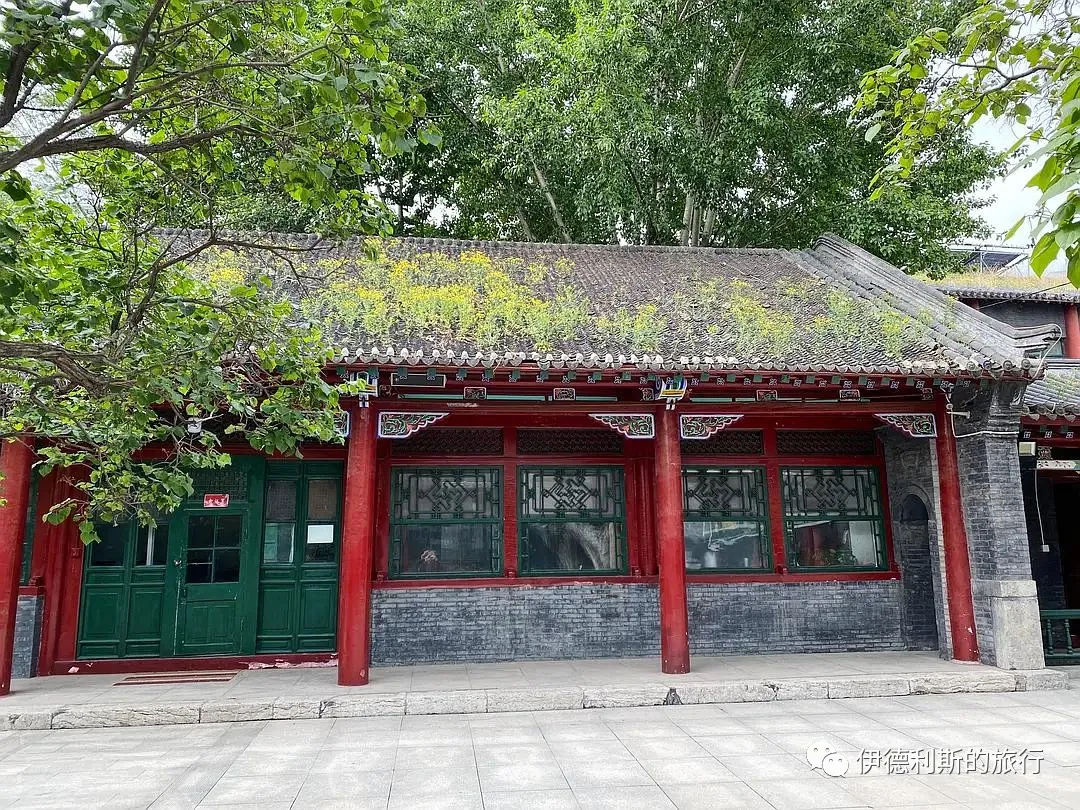
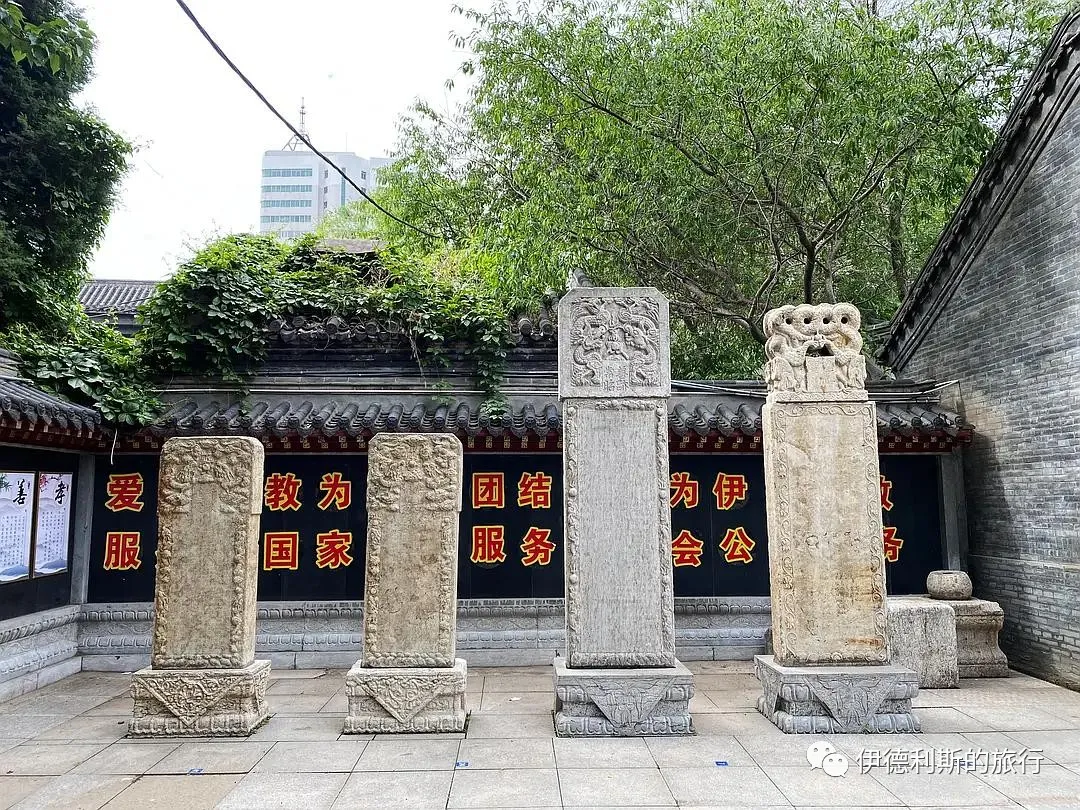
Shenyang East Mosque.
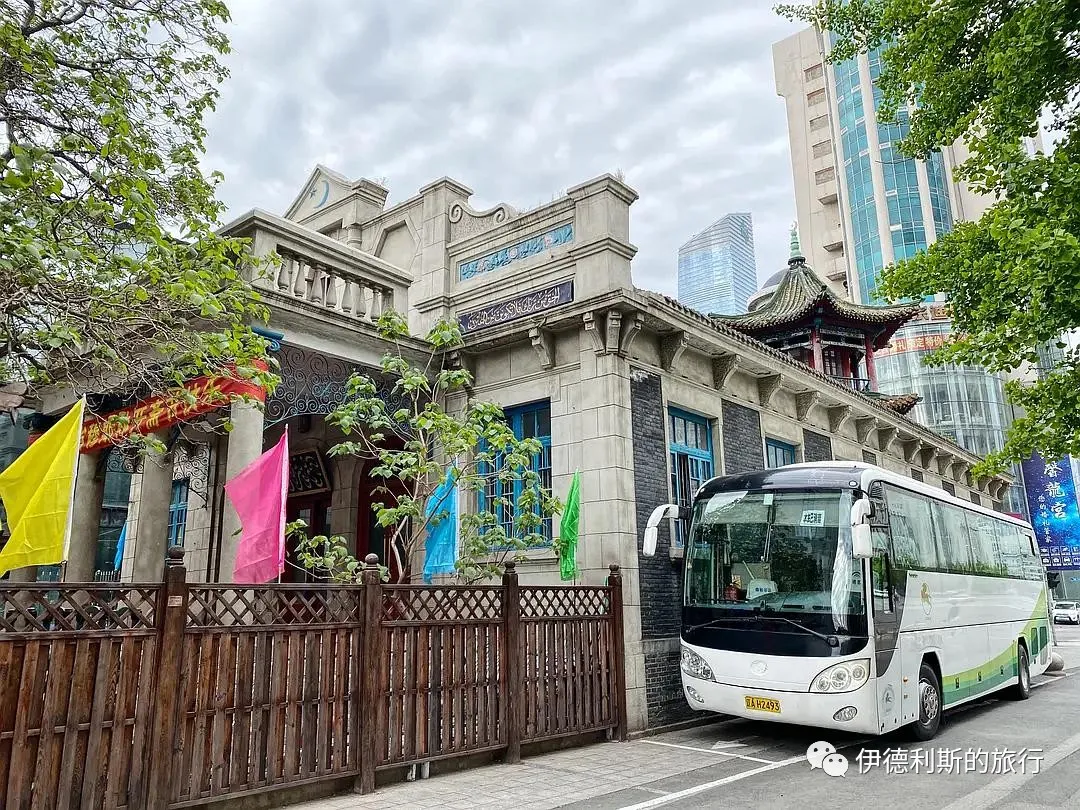
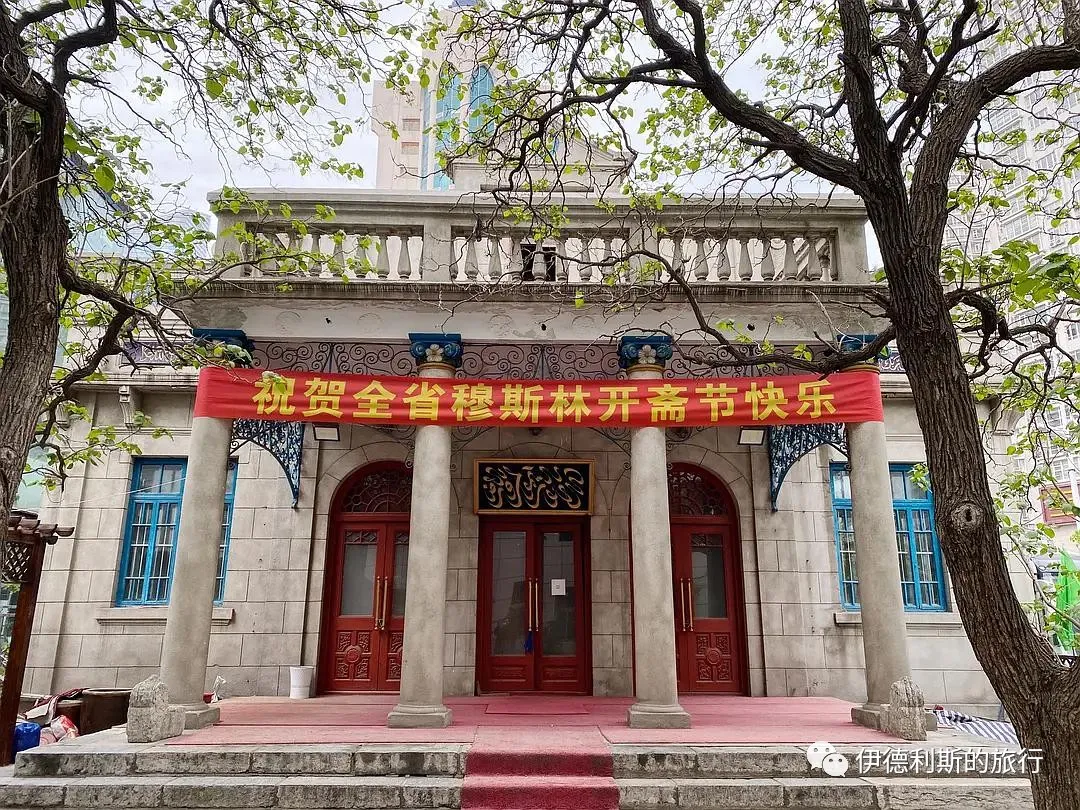
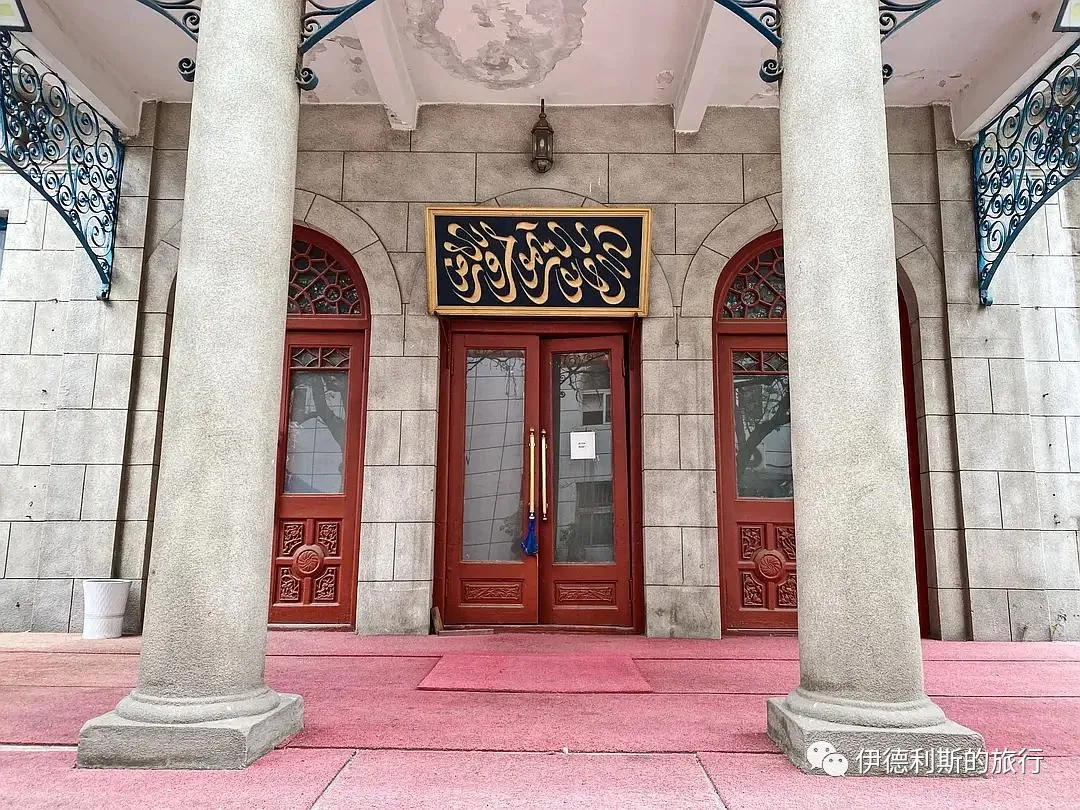
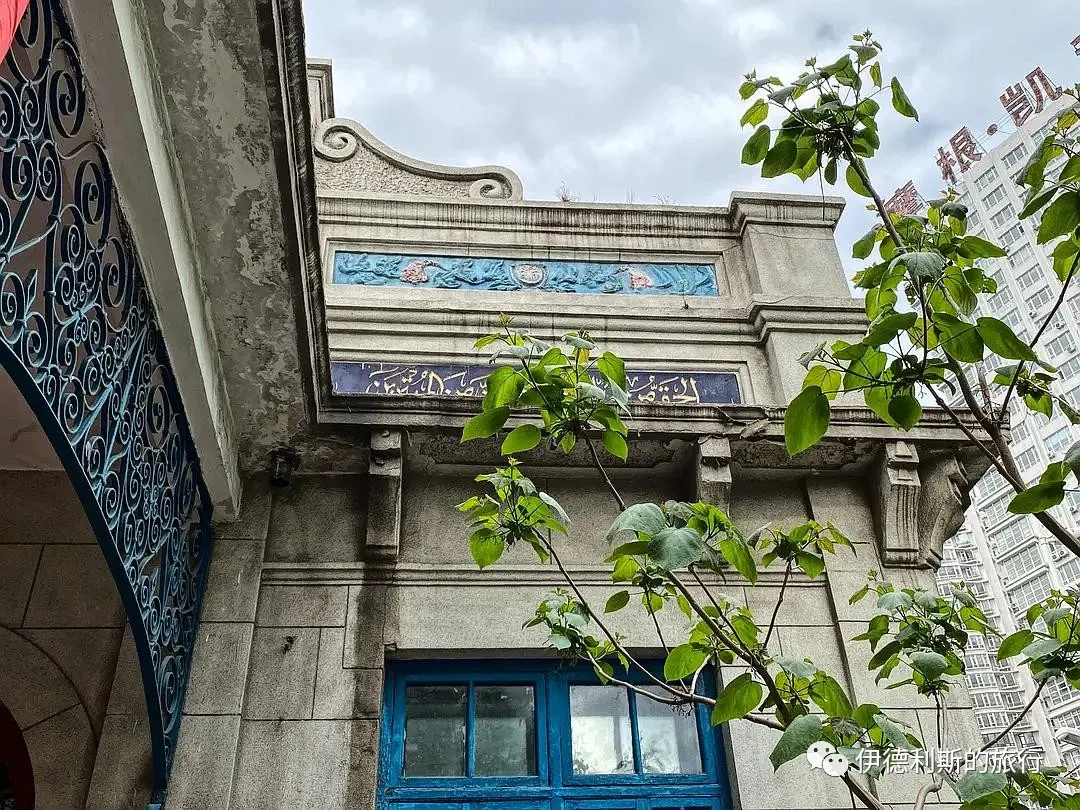
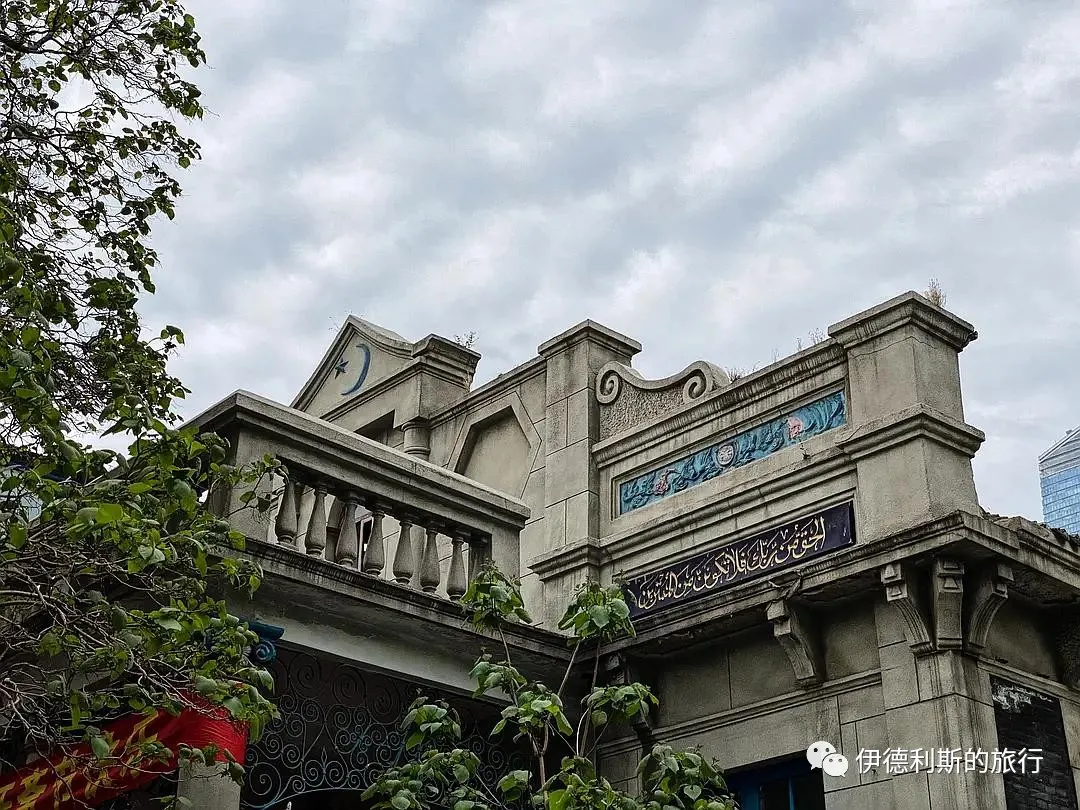
Shenyang East Mosque was built in 1803. In 1935, the prayer hall was rebuilt in a Western style, while the moon-viewing tower (wangyuelou) kept its original Chinese style. The East Mosque was occupied in 1958, returned in 1980, and became the Shenyang Islamic Institute in 1988.
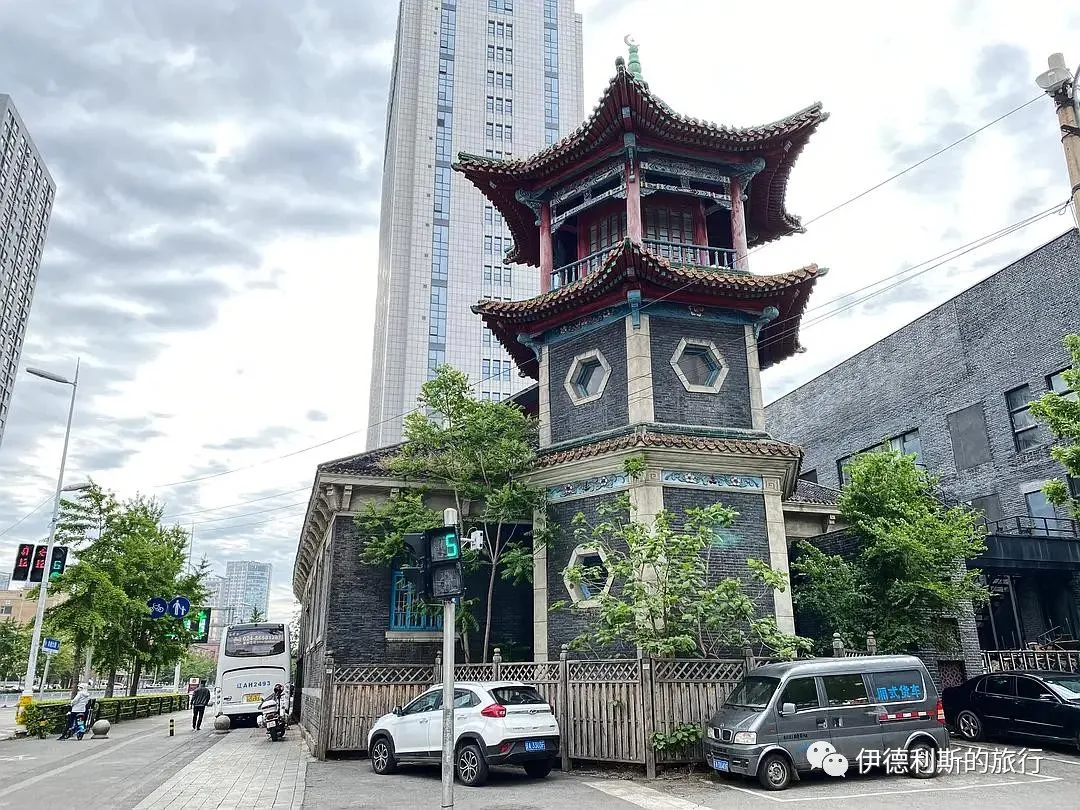
Kaiyuan Old City Mosque
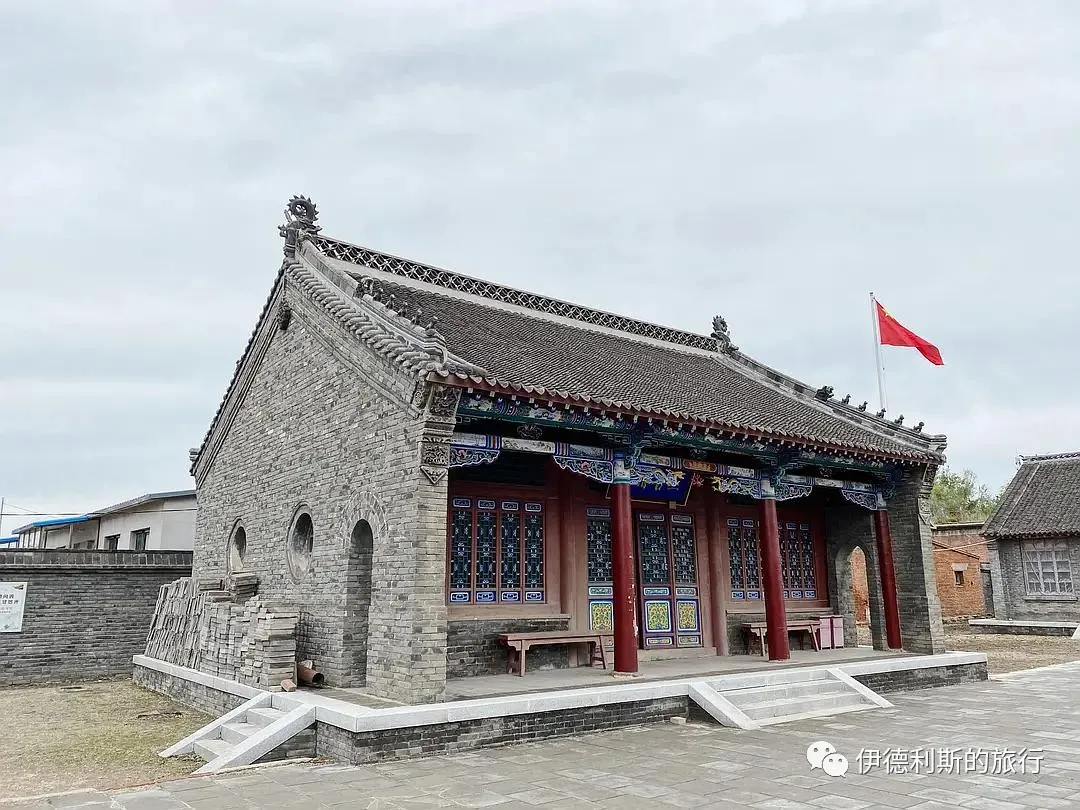
Take a train from Shenyang to Kaiyuan, then take a taxi to the Kaiyuan Old City. Located inside the East Gate of the old city, the Kaiyuan Old City Mosque was first built in 1406 (the fourth year of the Yongle reign of the Ming Dynasty) and is the oldest mosque in Northeast China.
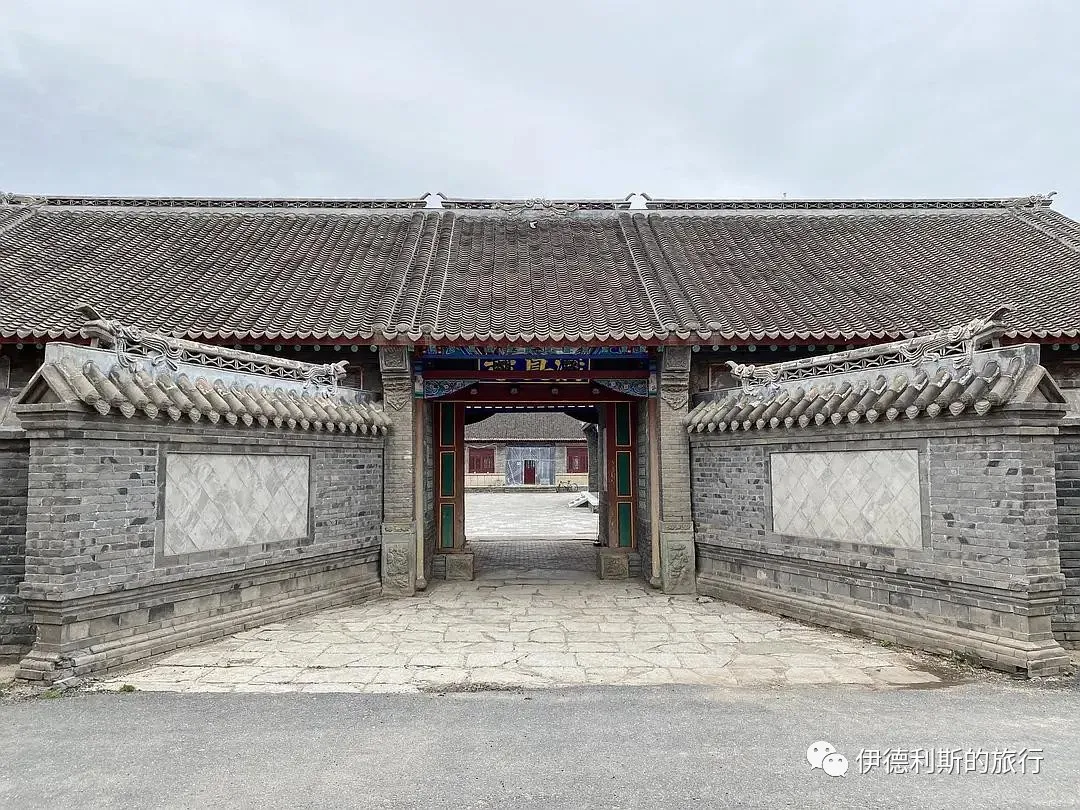
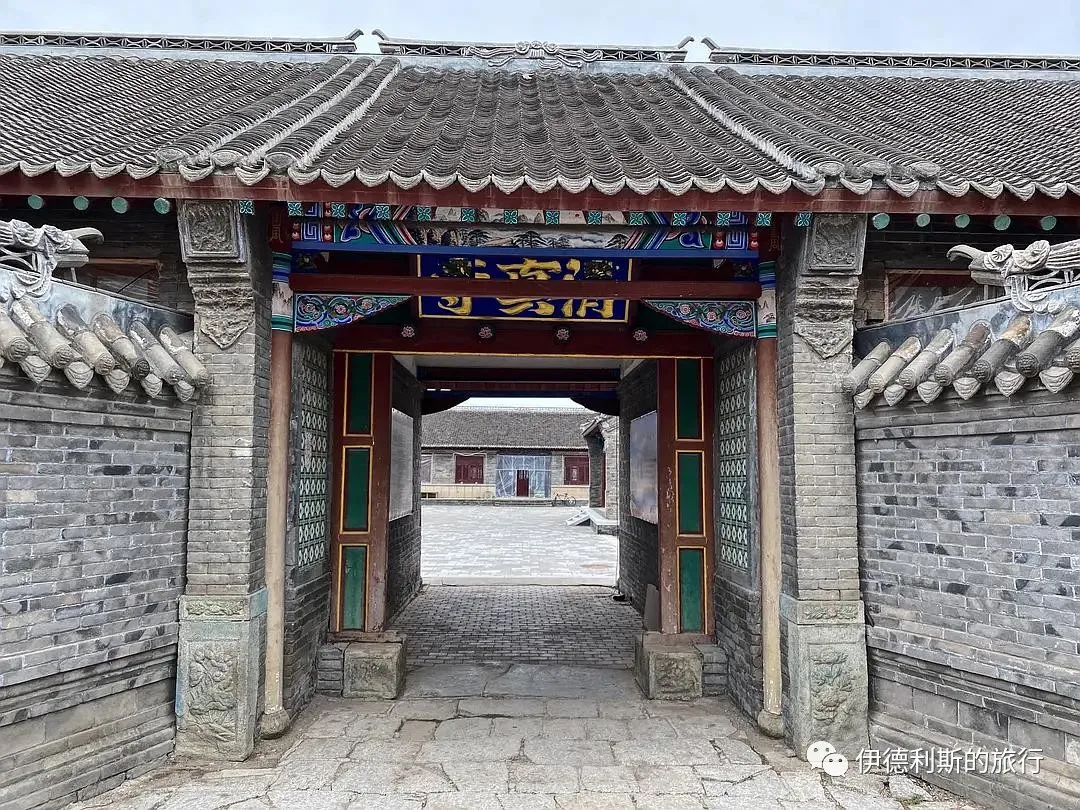
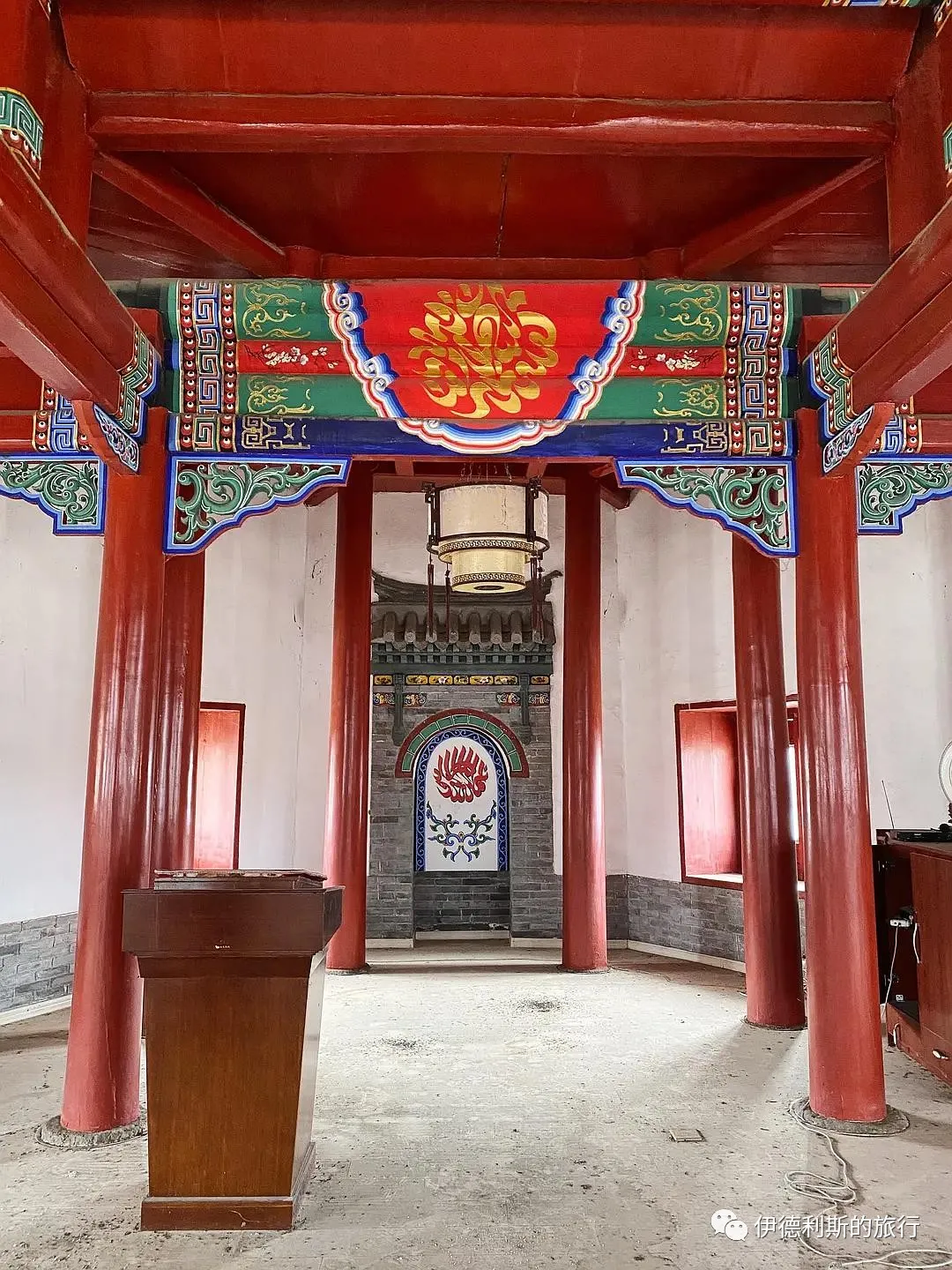
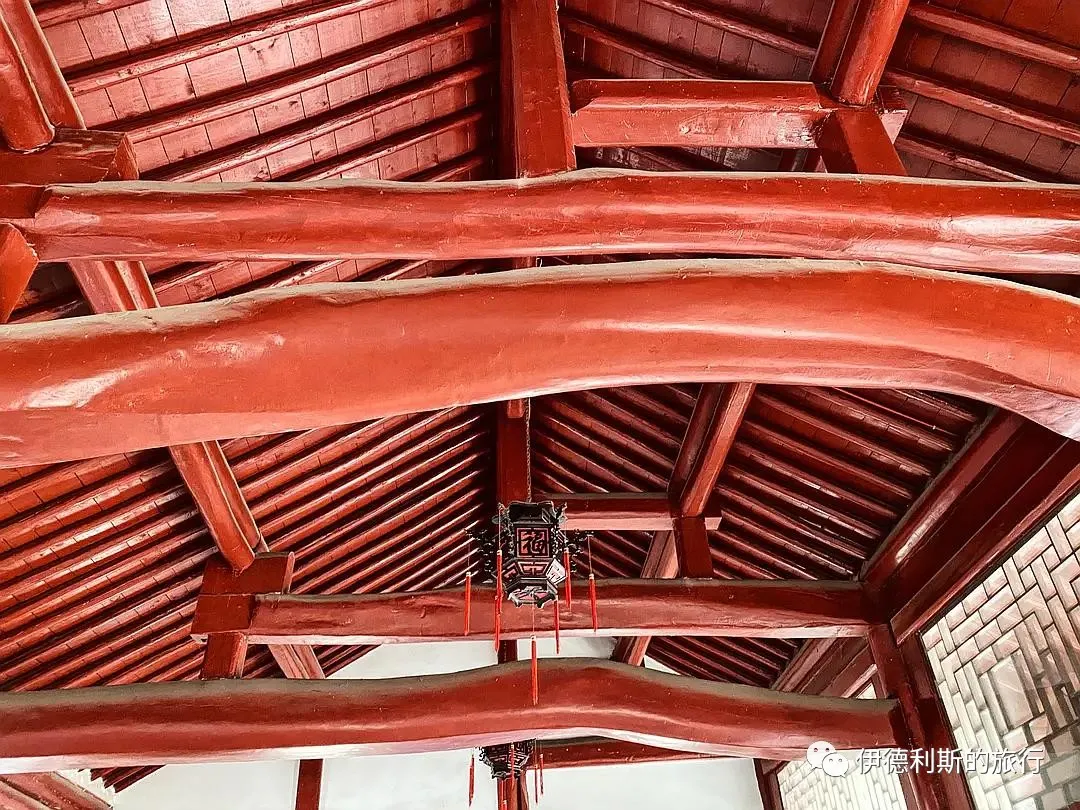
The current main prayer hall follows the style of the 1680 (the 19th year of the Kangxi reign) reconstruction, consisting of a small porch (juanpeng), the main hall, and a hexagonal pavilion-style rear hall (yaodian), similar in style to the South Mosque in Shenyang.
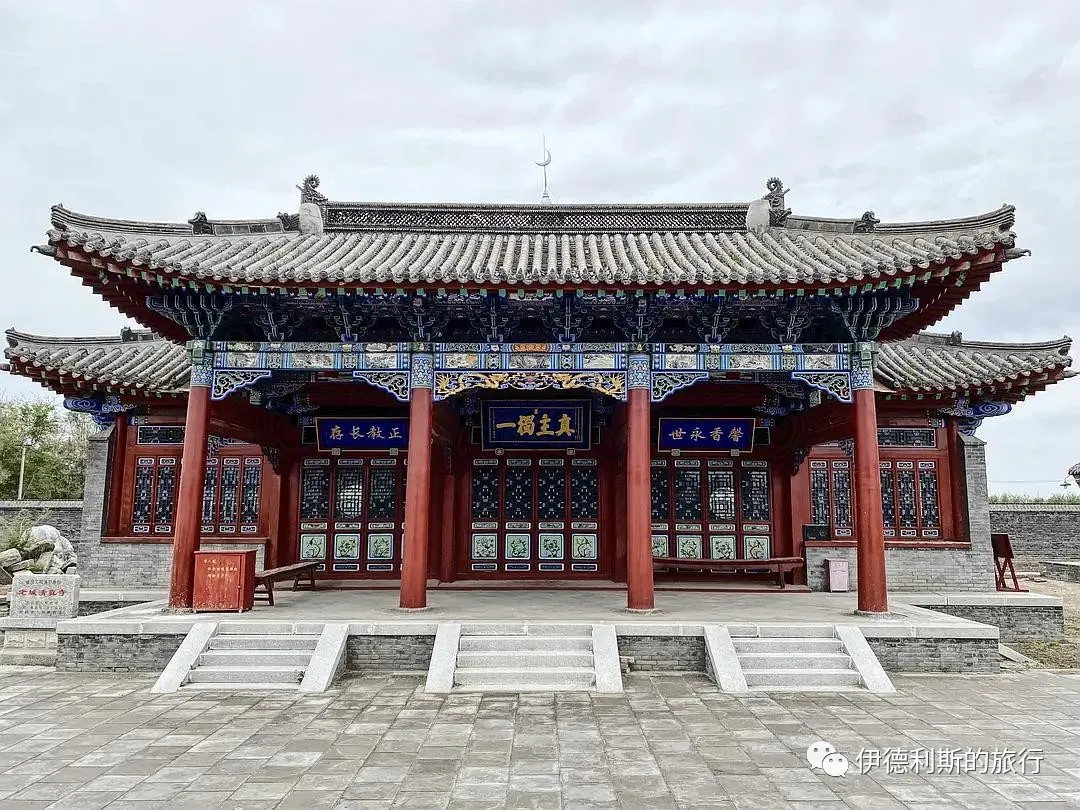
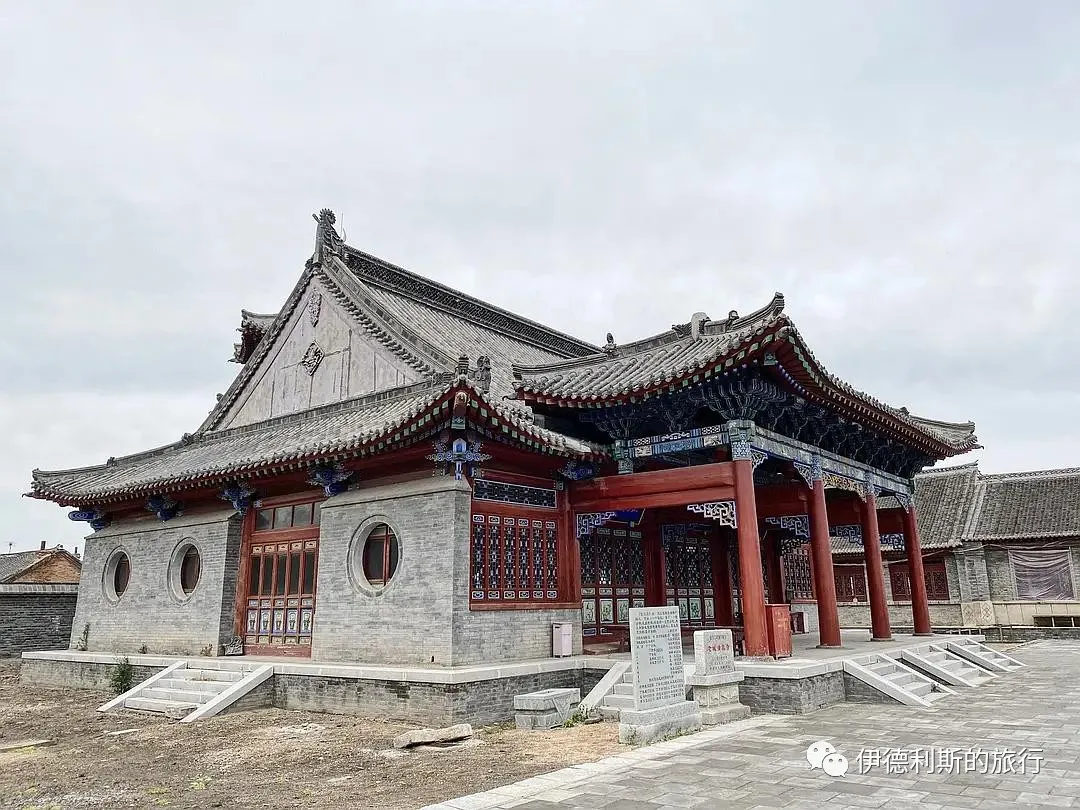
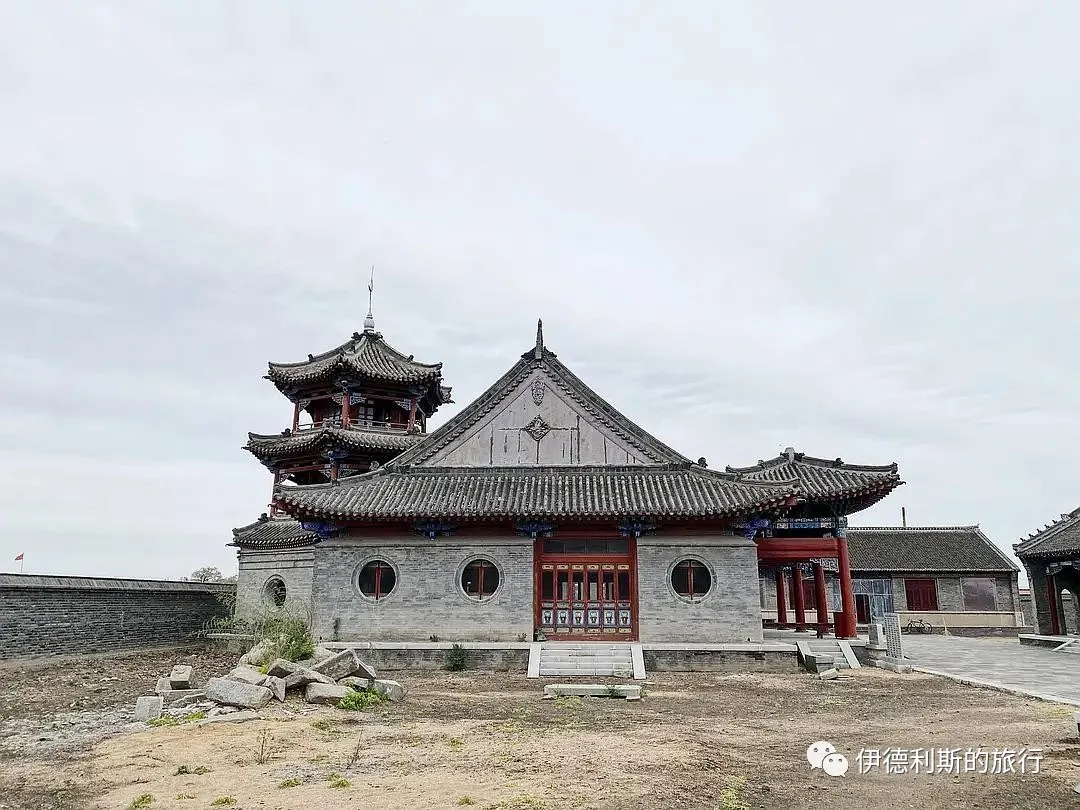
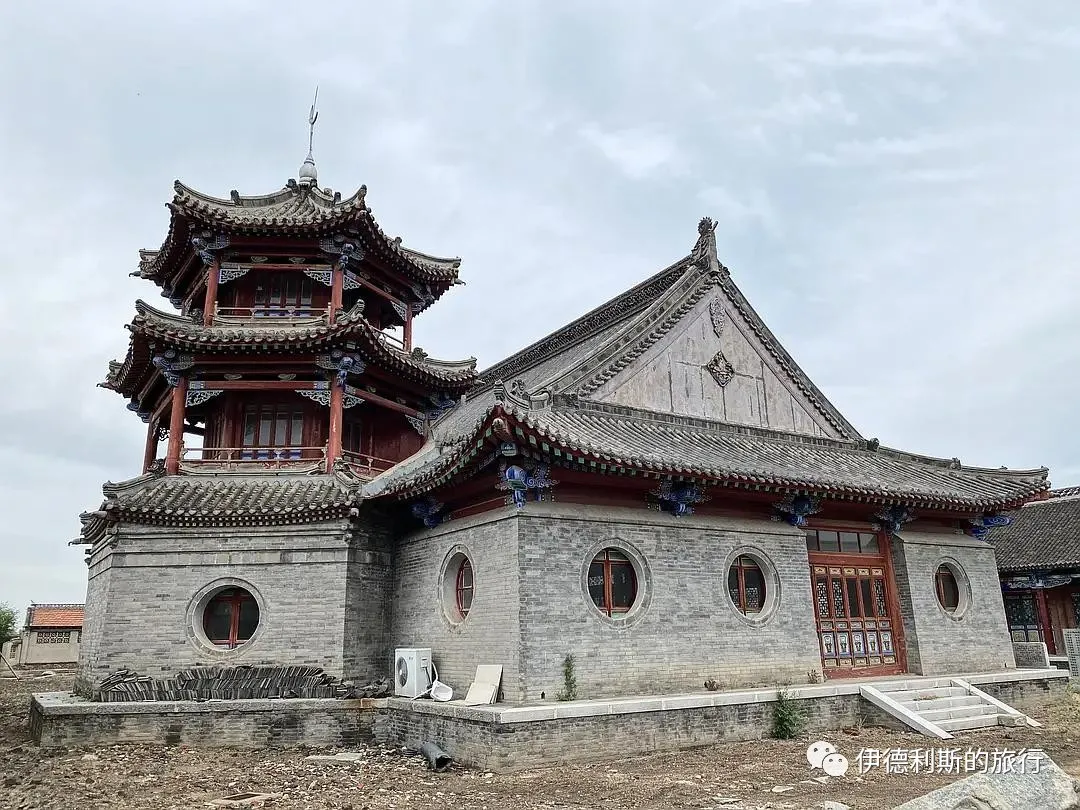
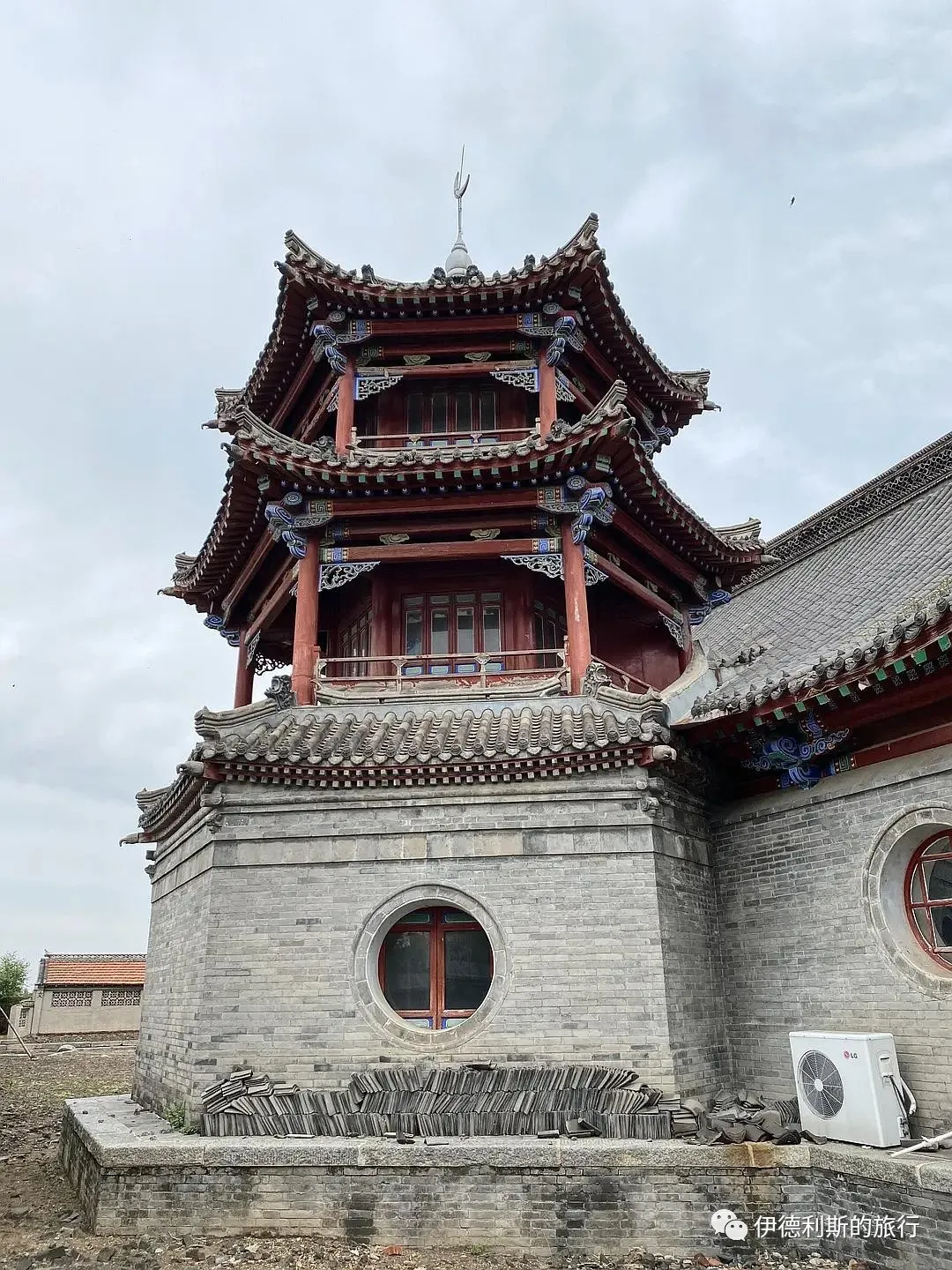
Porch (juanpeng)
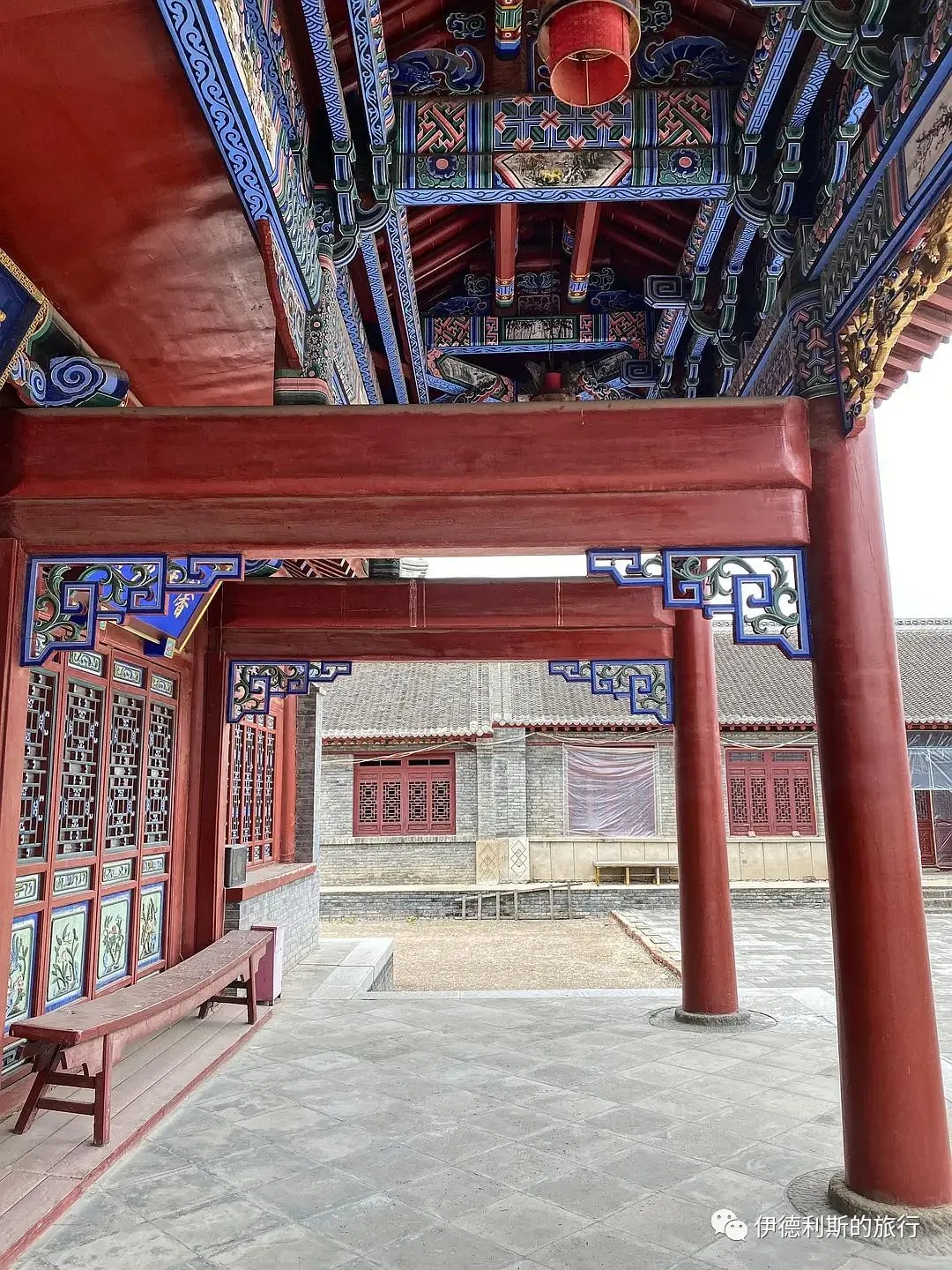
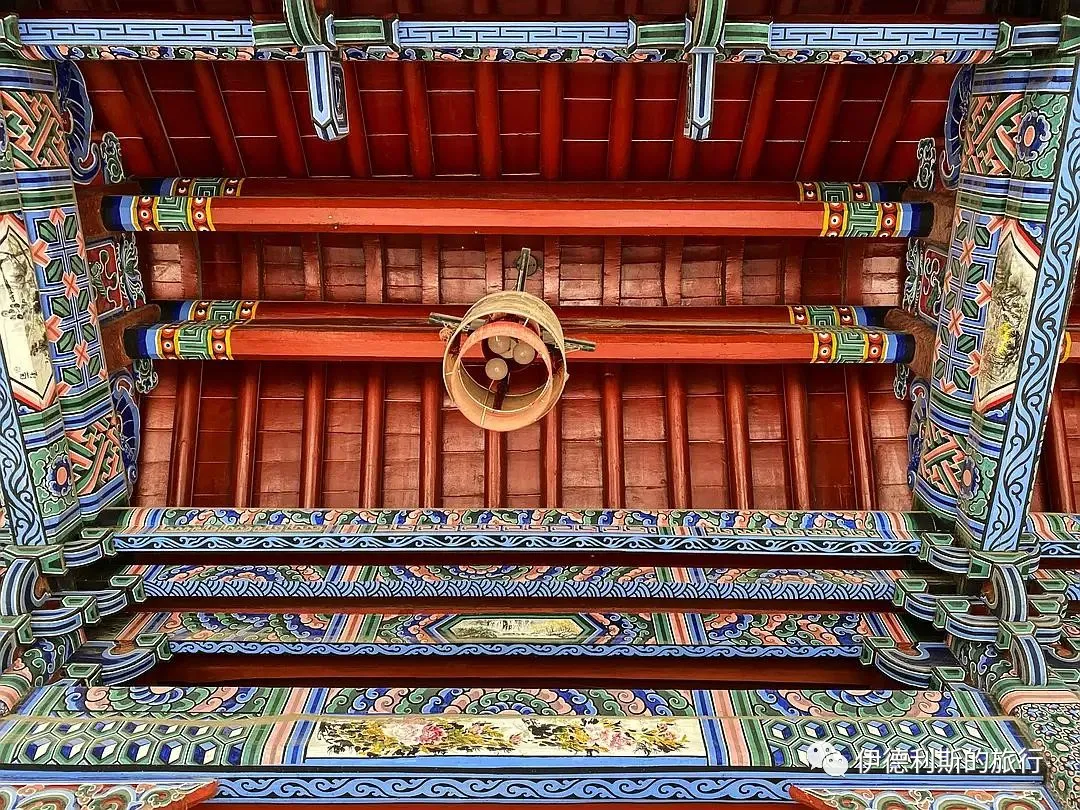
The Old City Mosque once had many plaques and couplets, but only the 'Allah is One' (Zhenzhu Duyi) plaque, gifted by the Kaiyuan County government in 1832 (the 12th year of the Daoguang reign), remains hanging above the main hall.
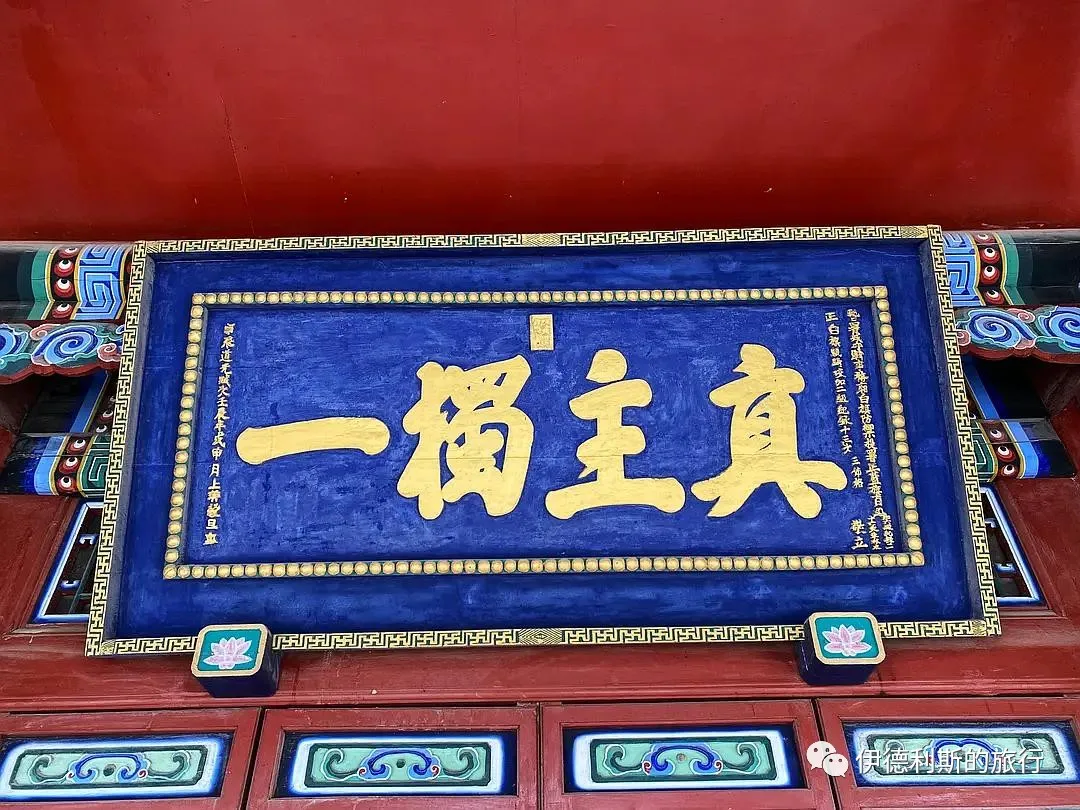
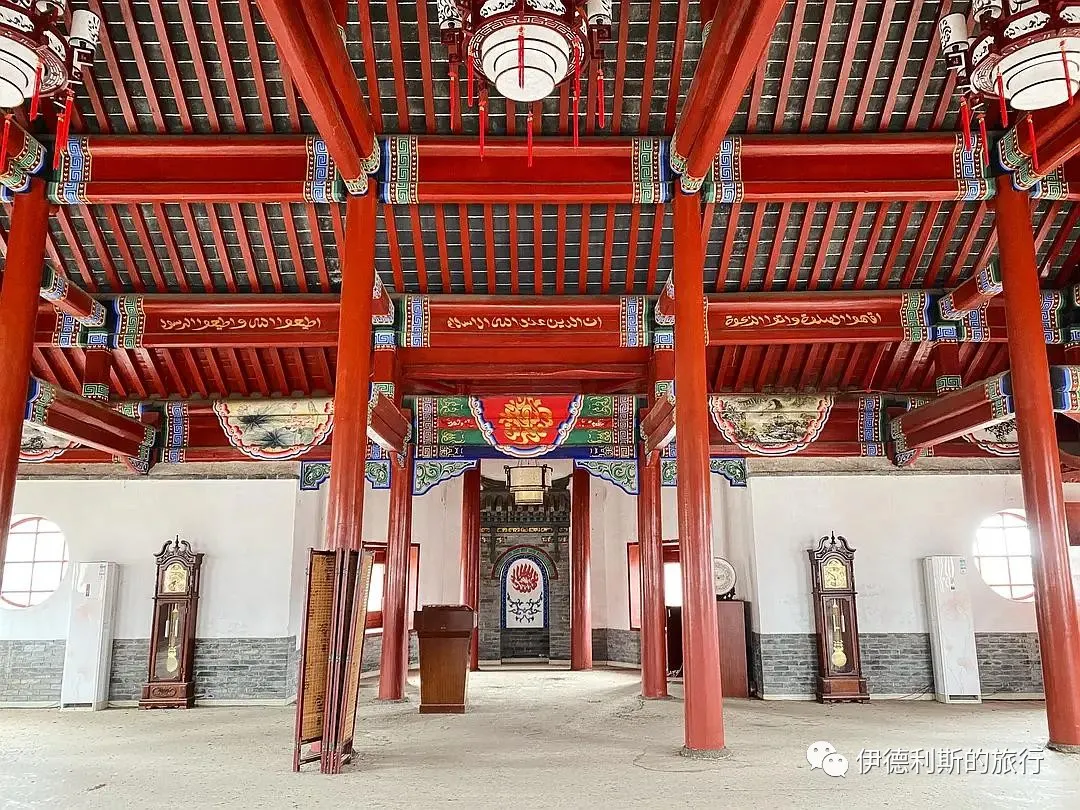
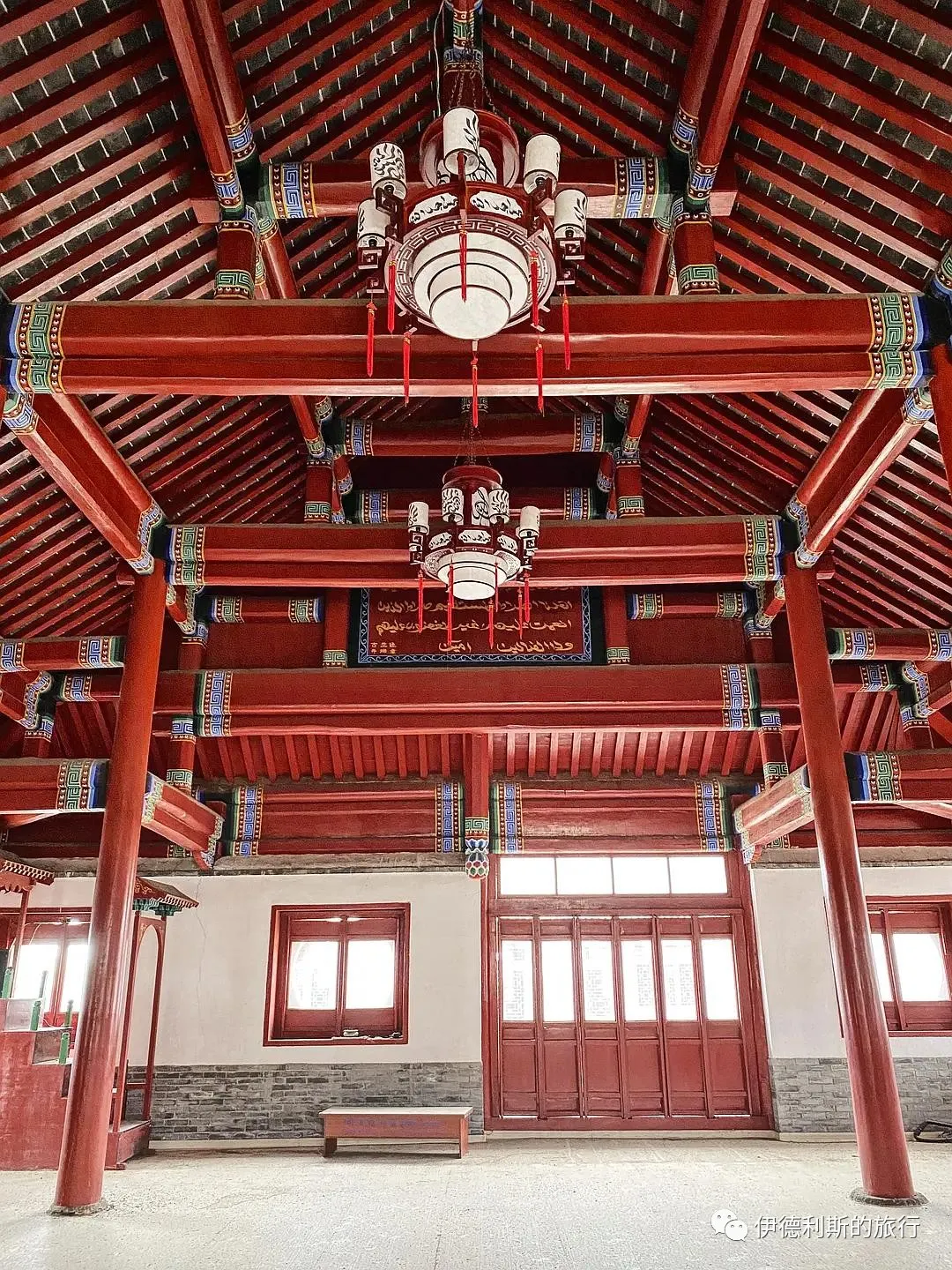
Inside the main hall
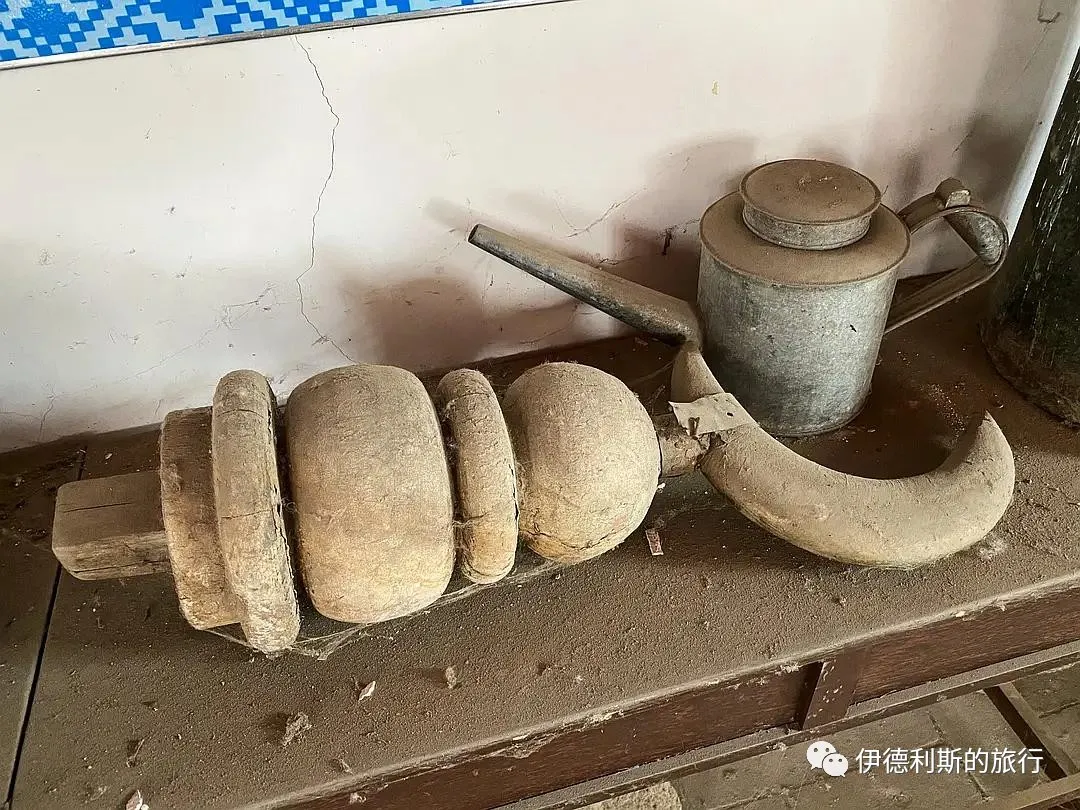
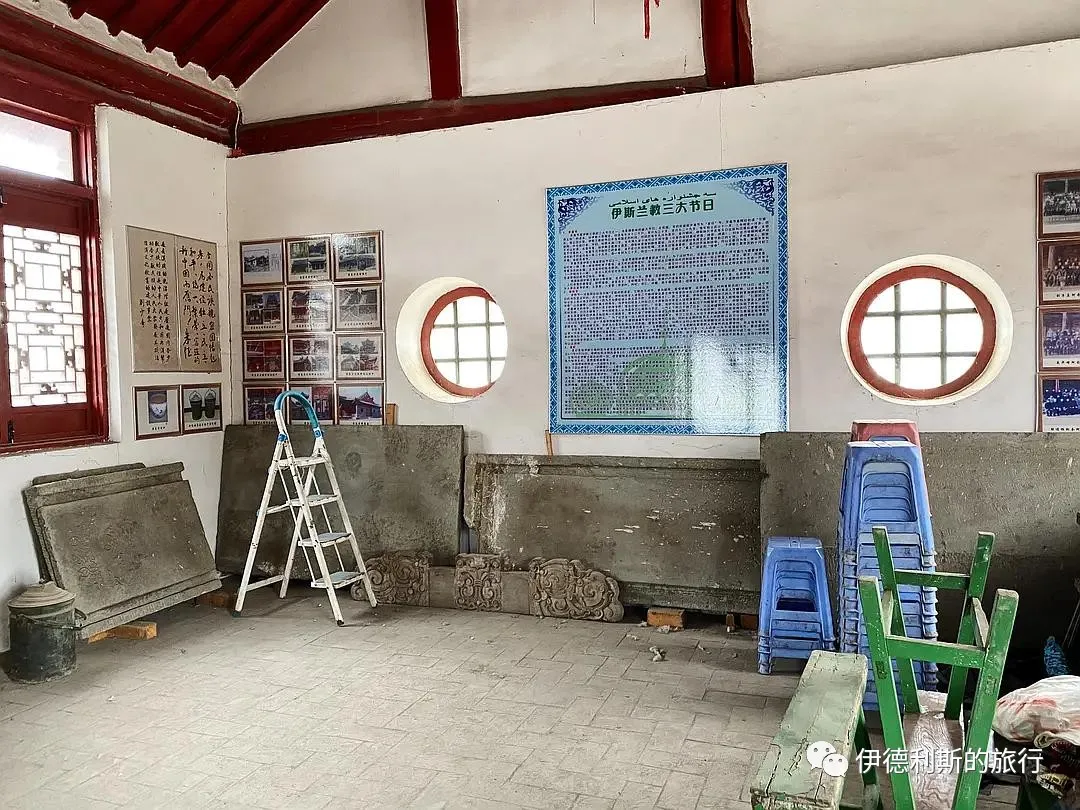
Old items stored in the mosque's reception hall include roof drip tiles, eave tiles, ridge beasts, and carved wooden railings from the main hall, the finial from the moon-viewing tower (wangyuelou) of the rear hall, and a plaque inscribed with 'Silk and Gauze' (Lingluo Shajuan).
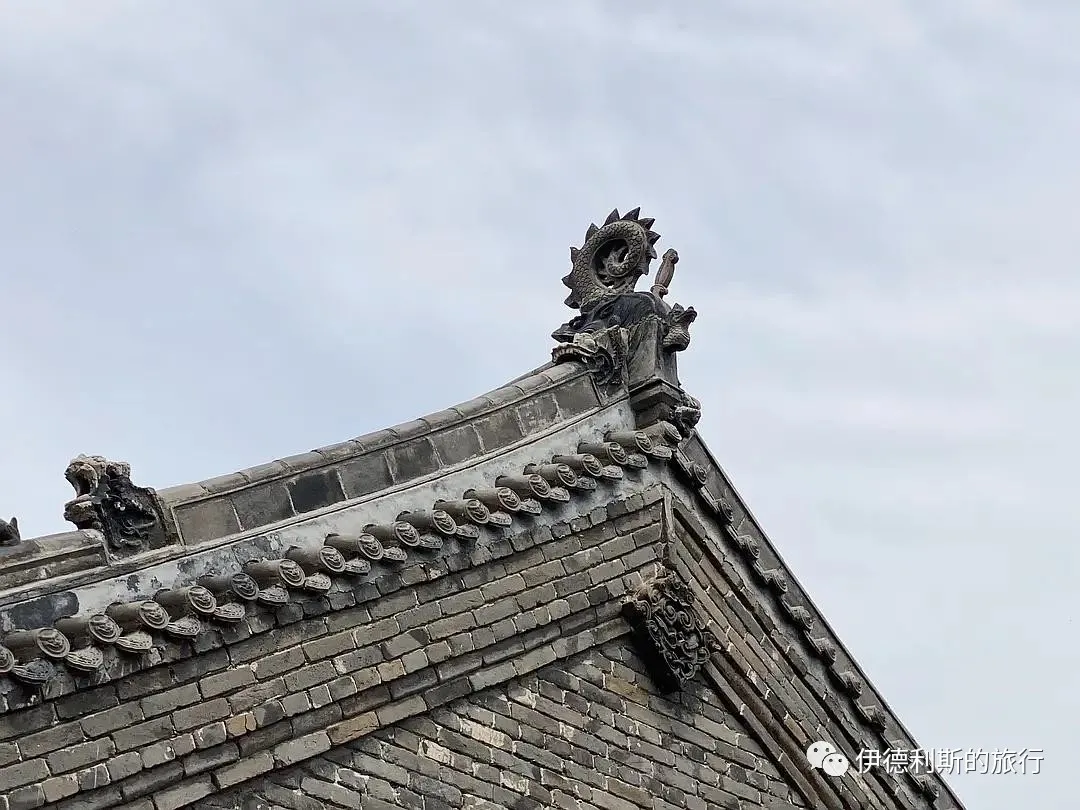
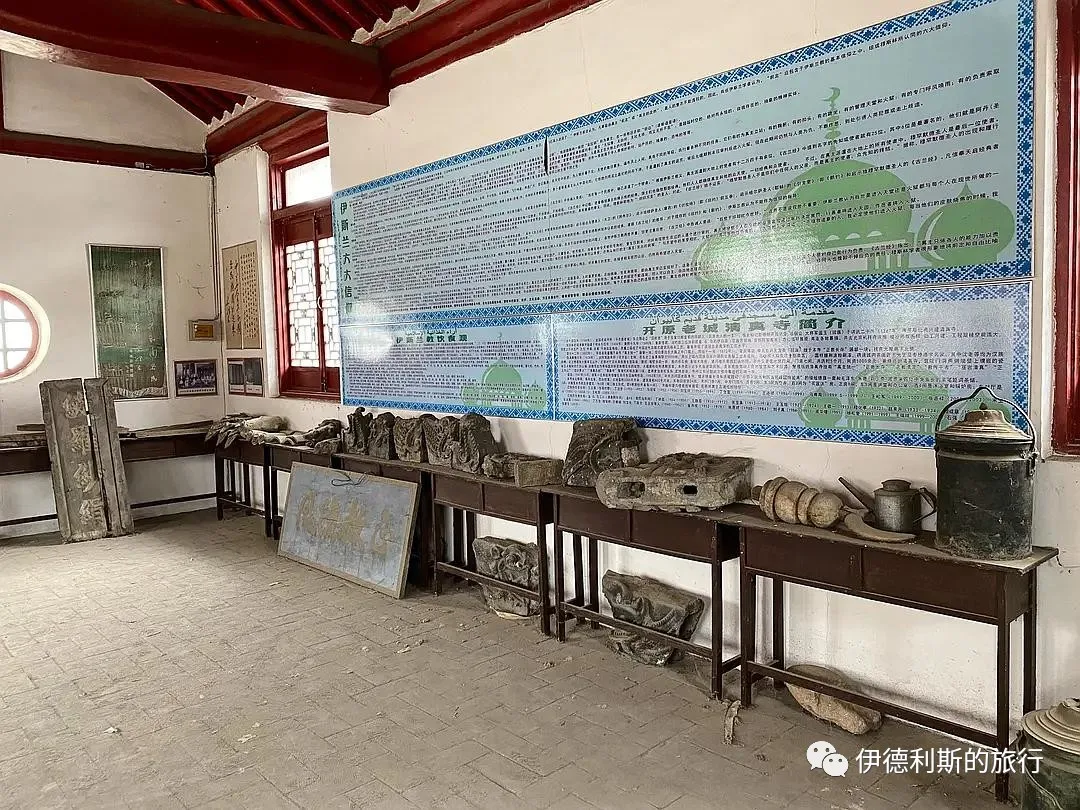
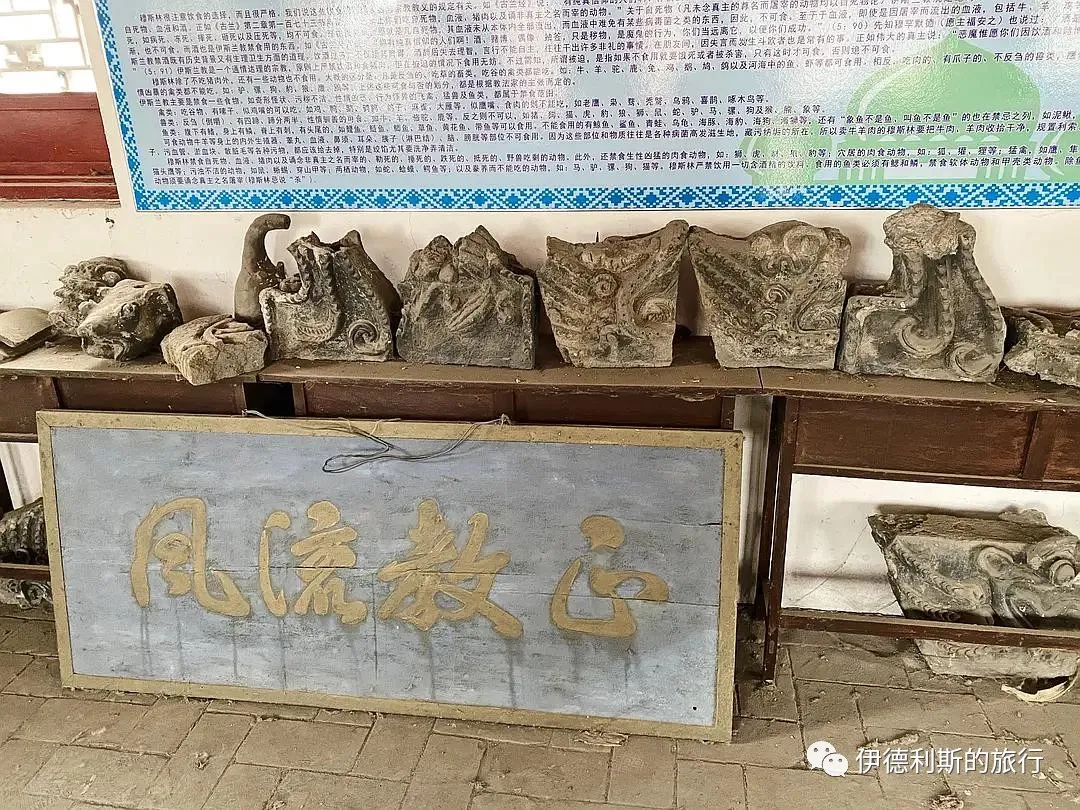
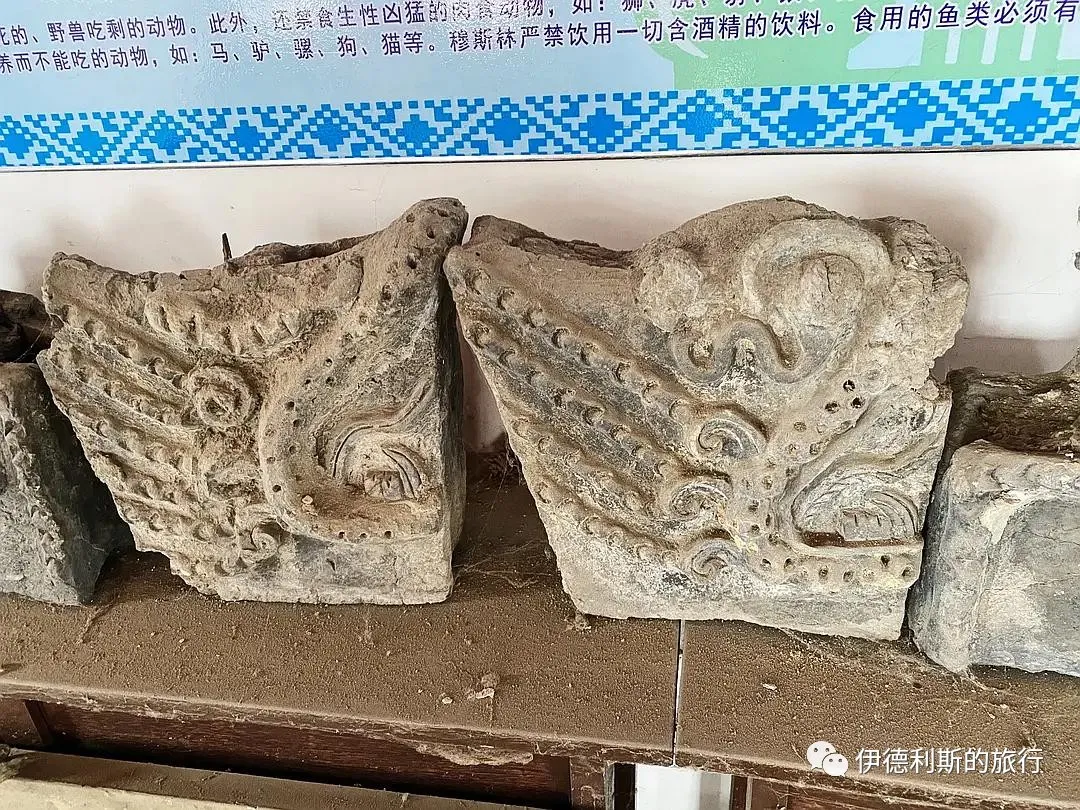
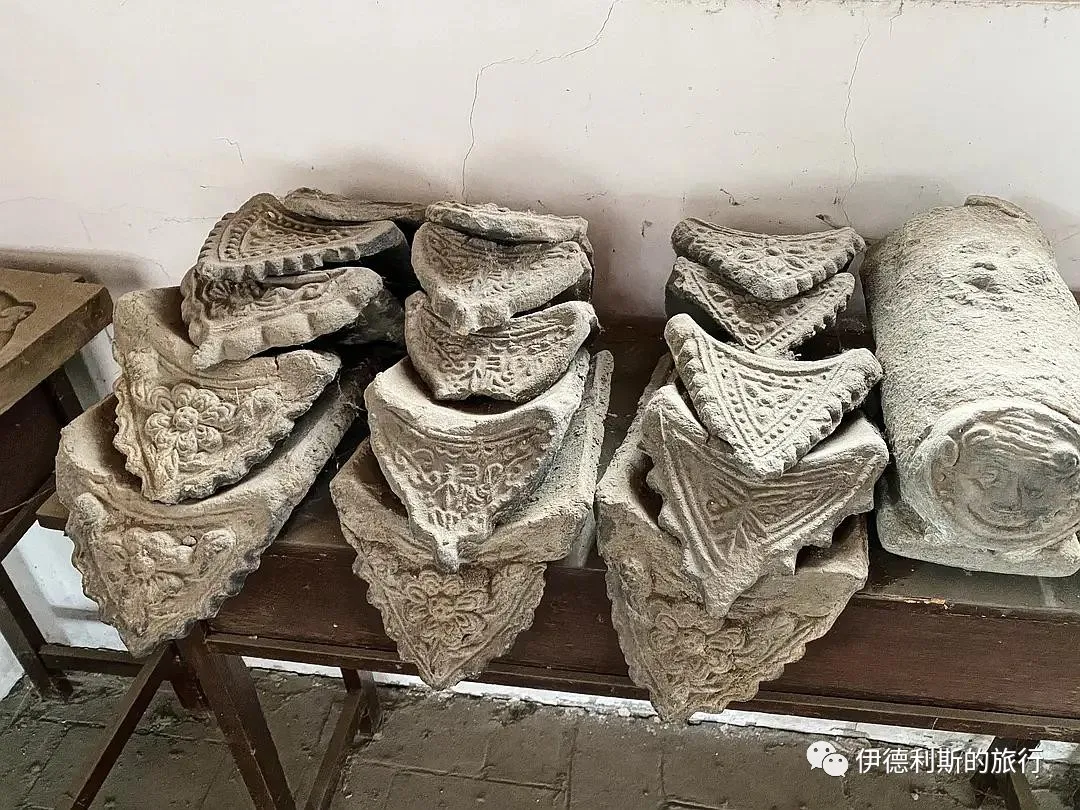
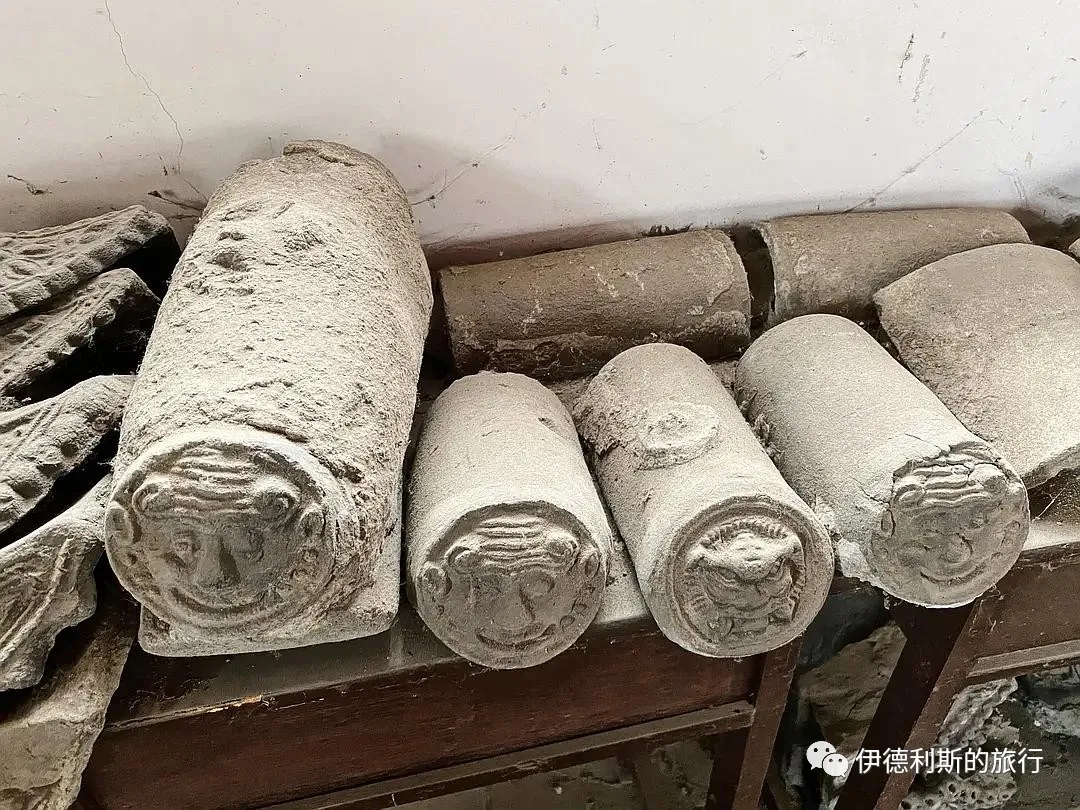
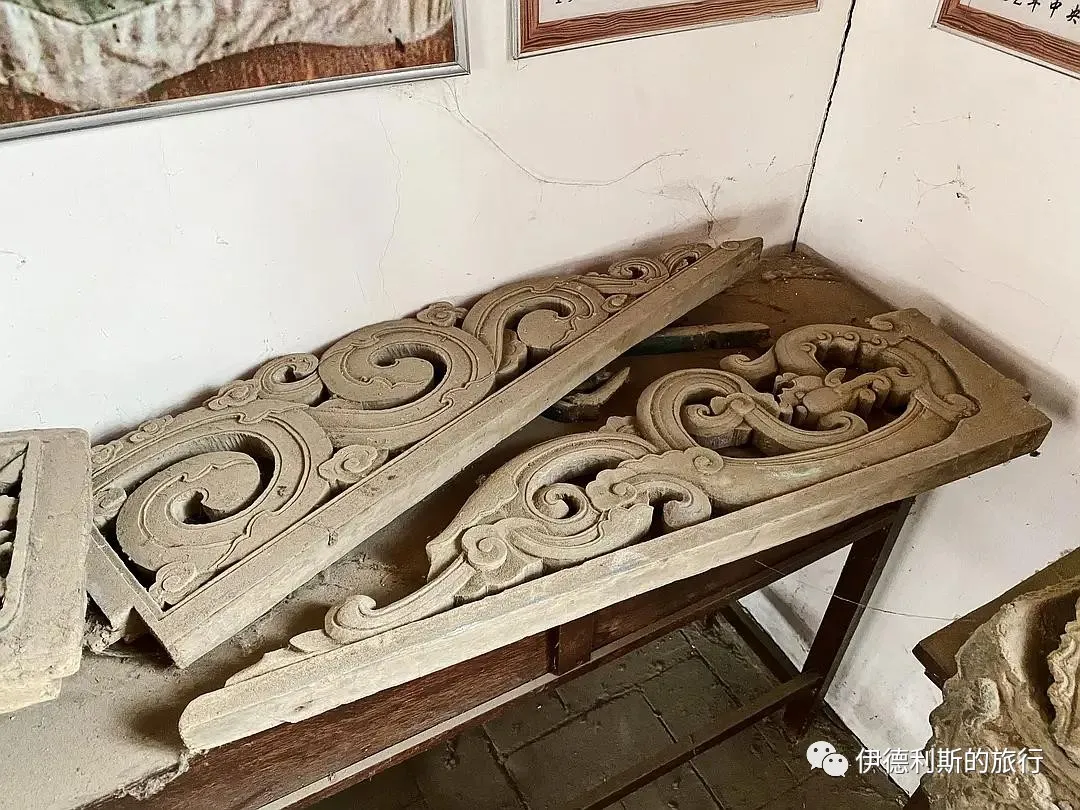
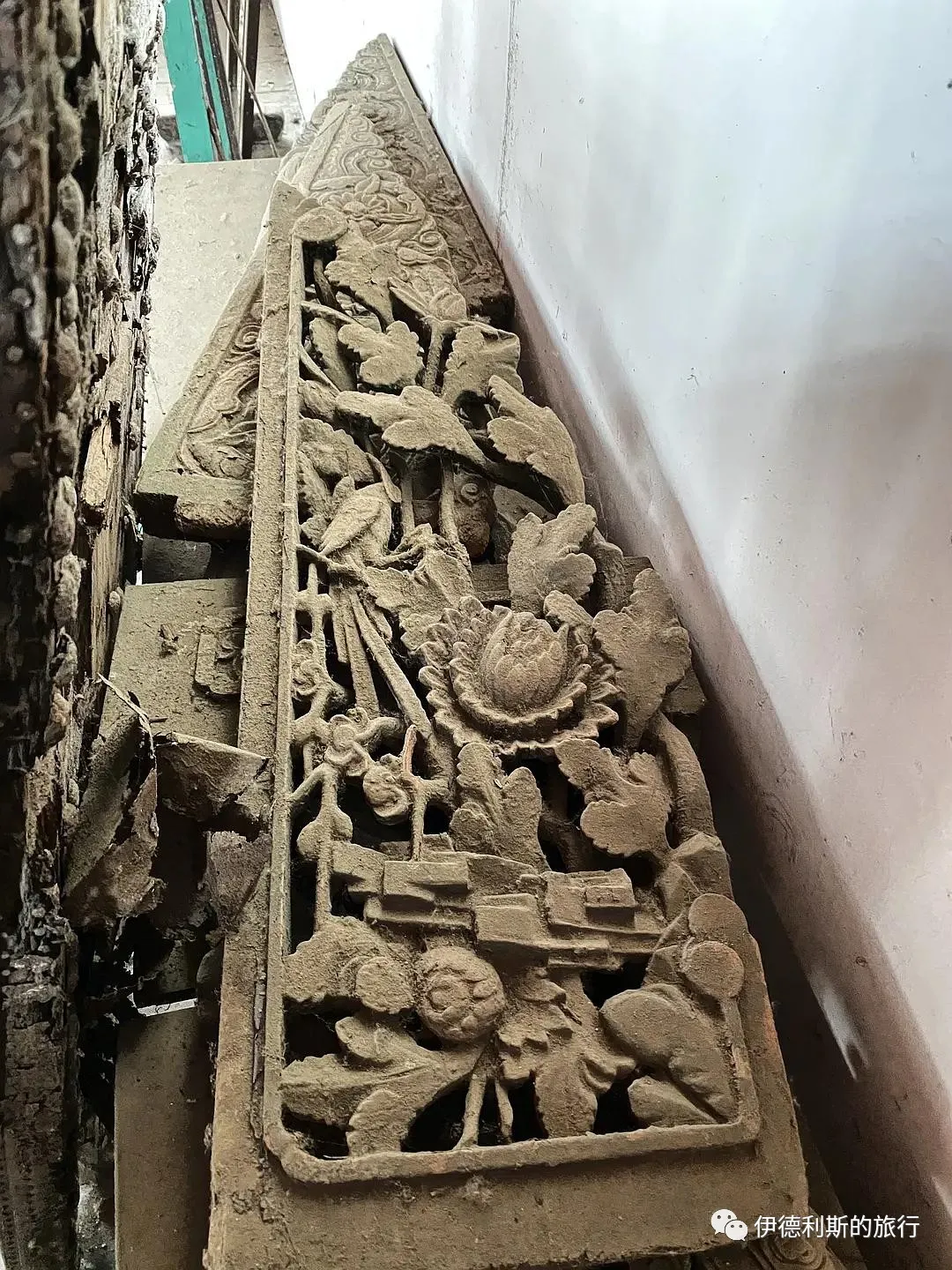
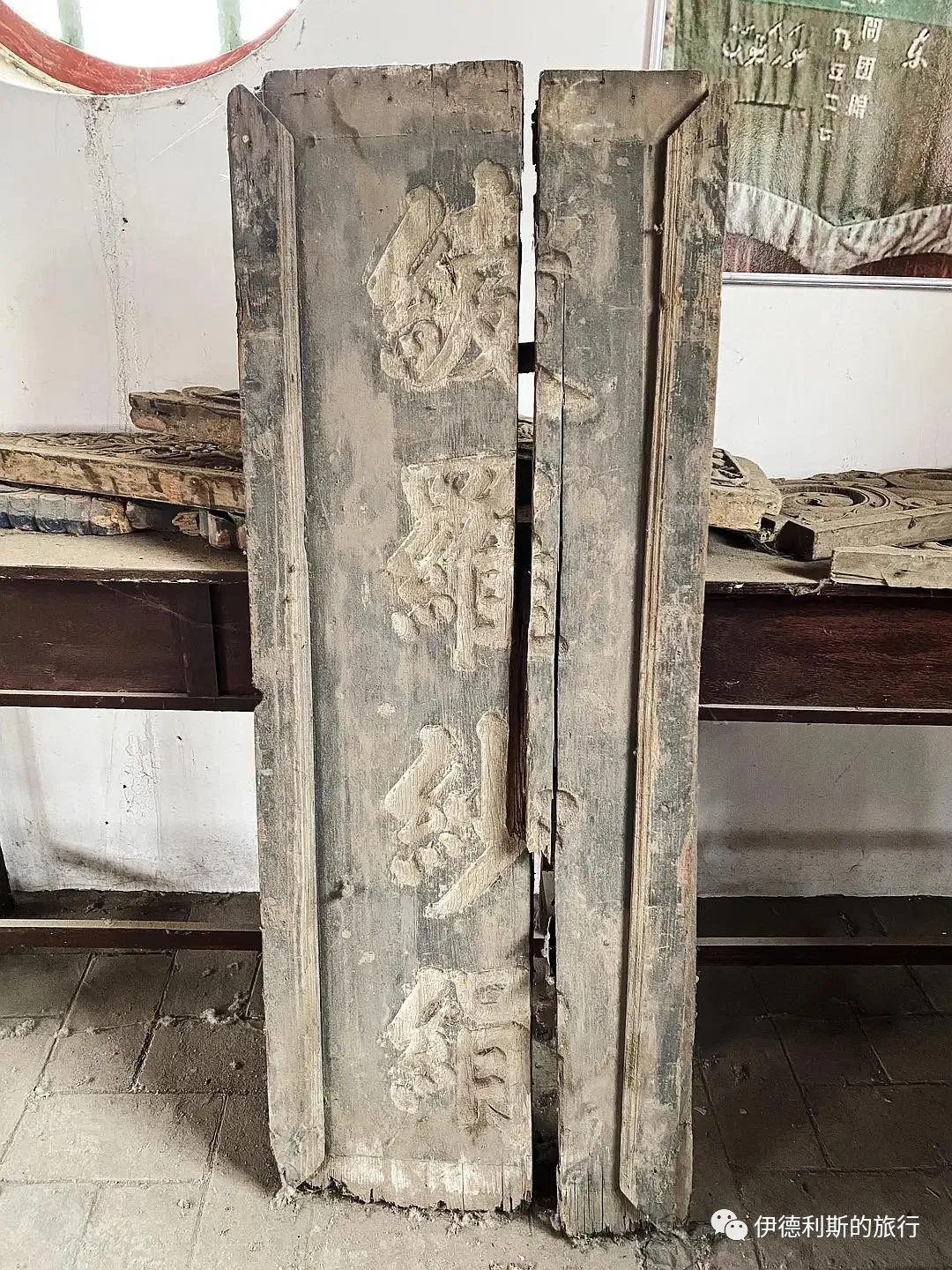
Wood carvings and stone engravings stored in the reception hall.
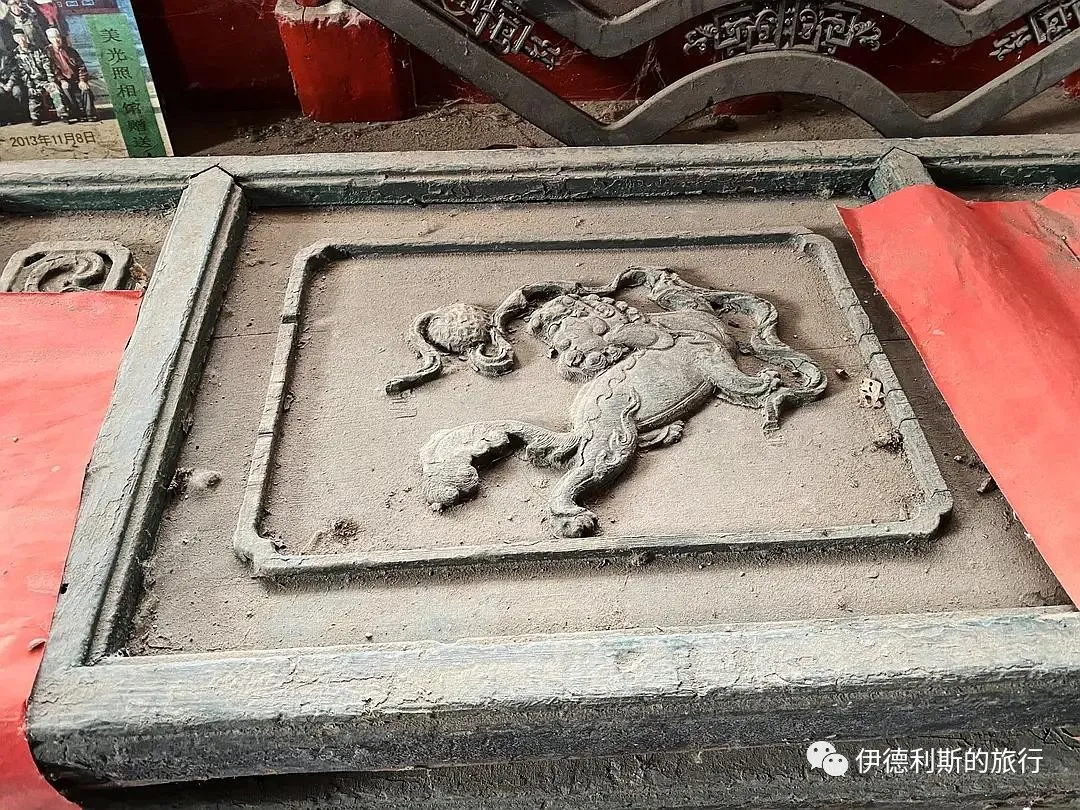
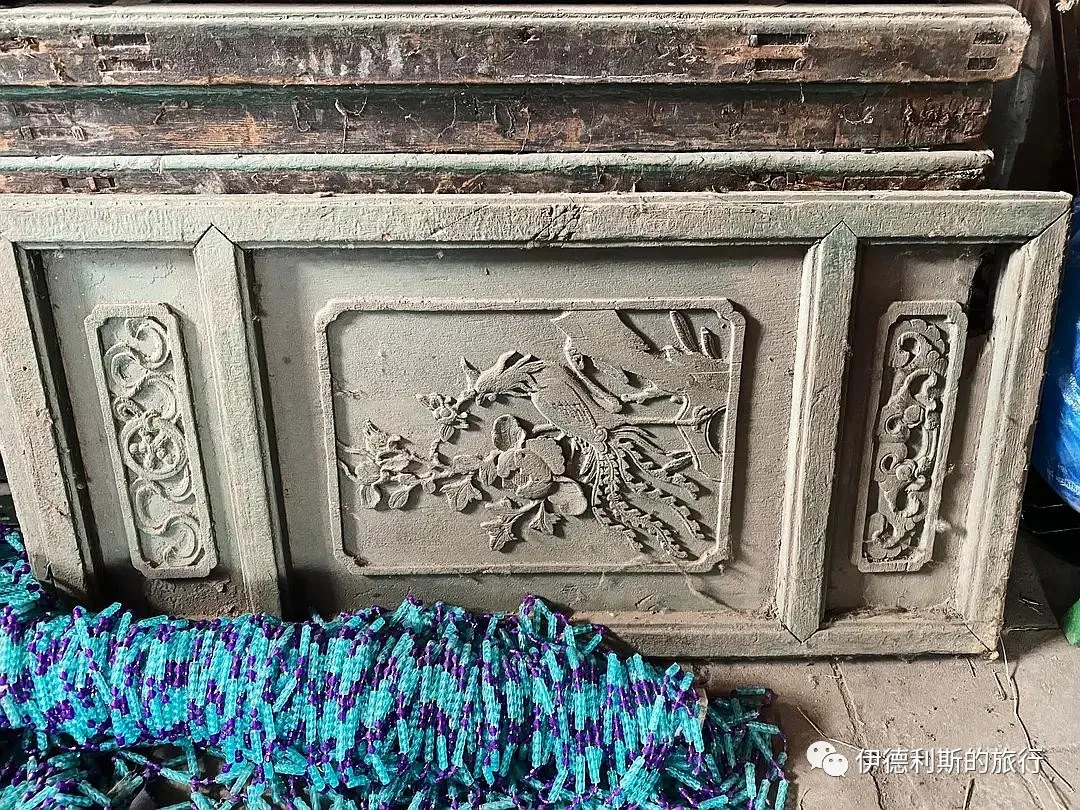
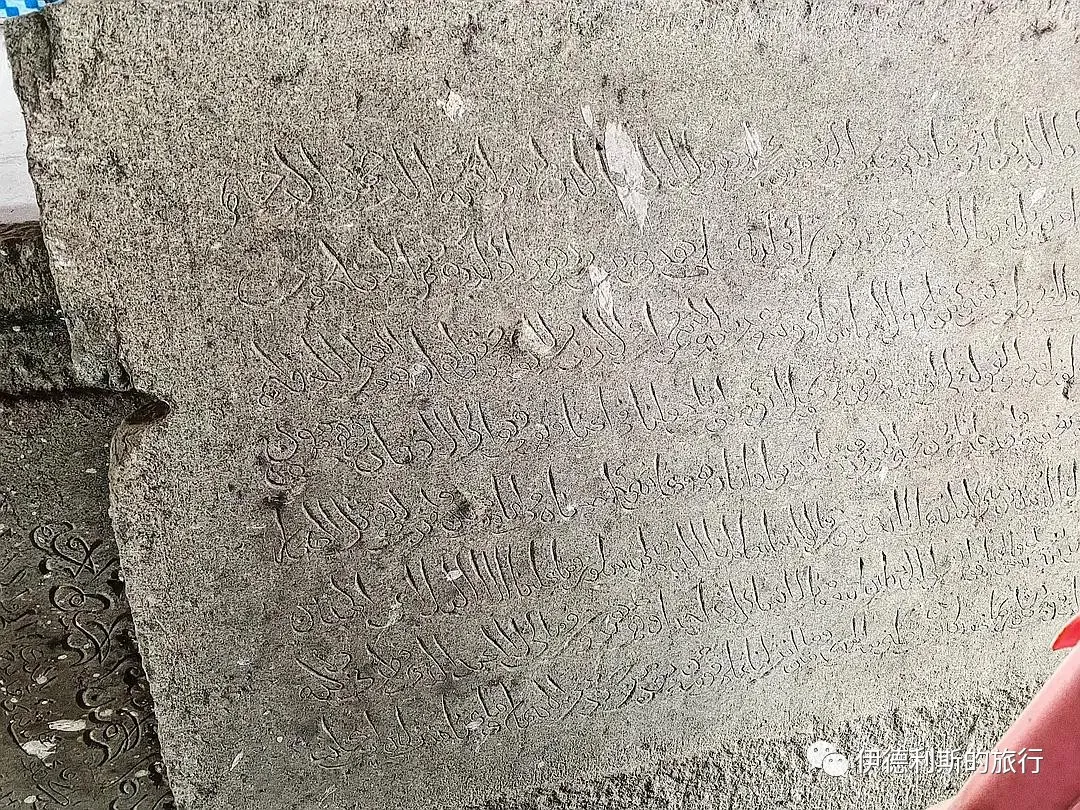
Very exquisite calligraphy
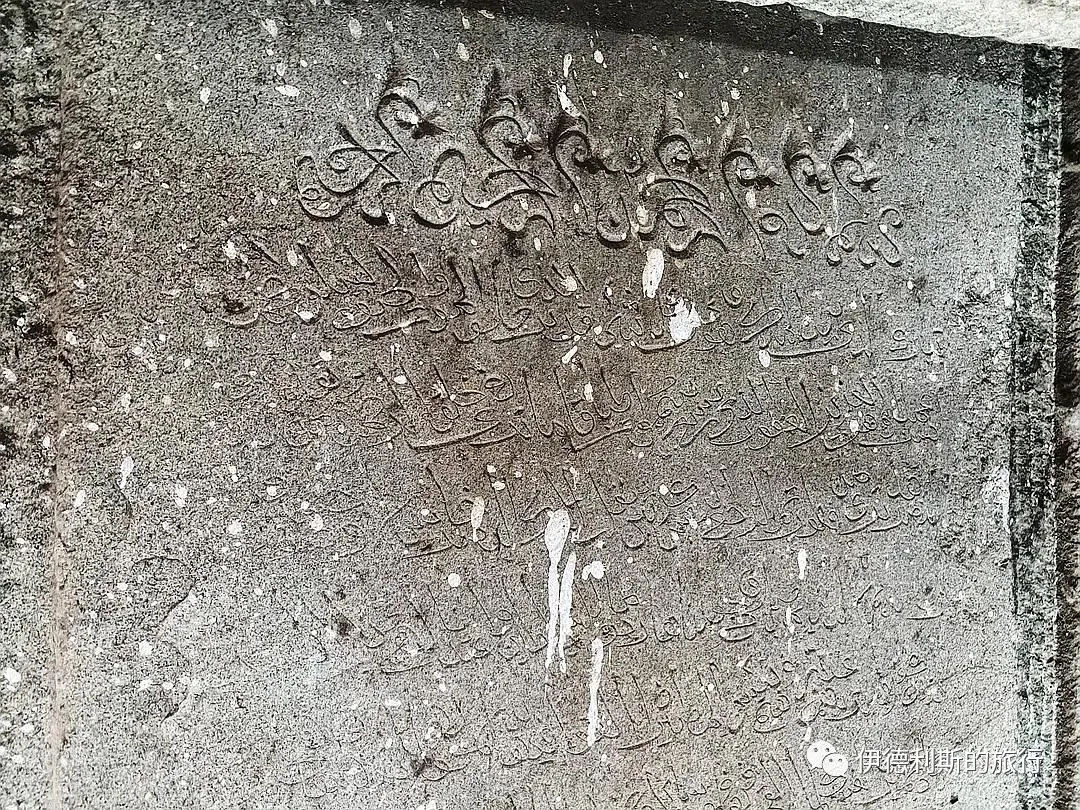
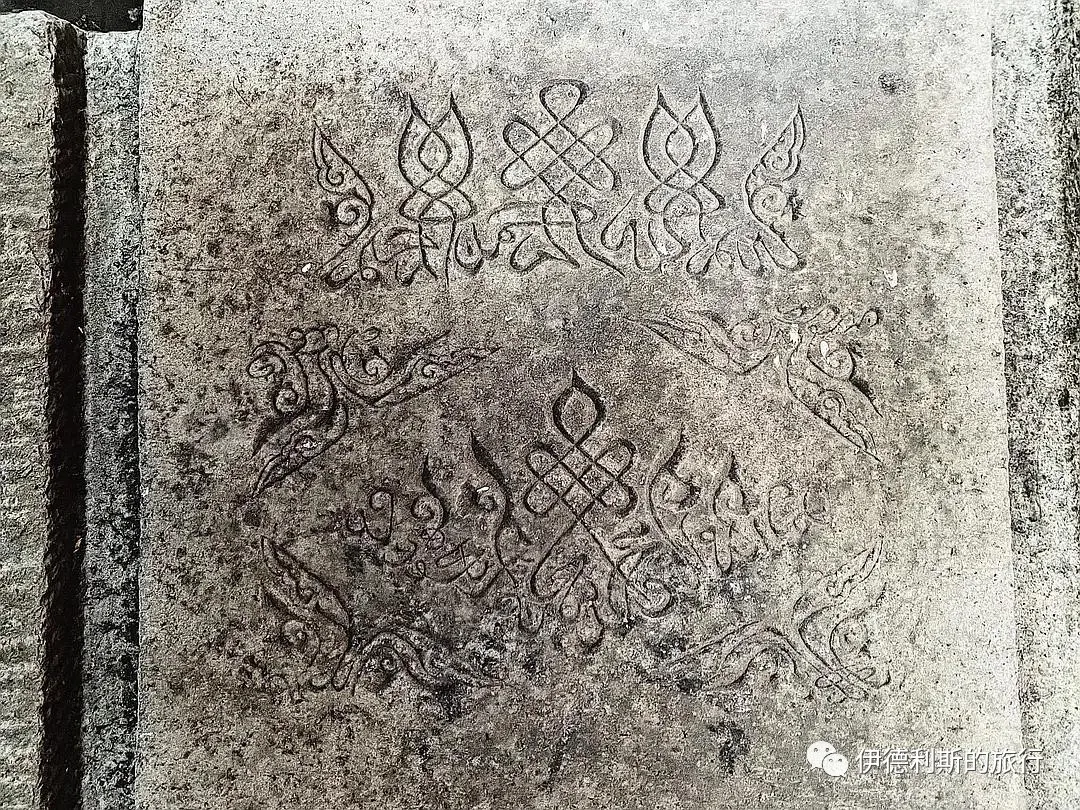
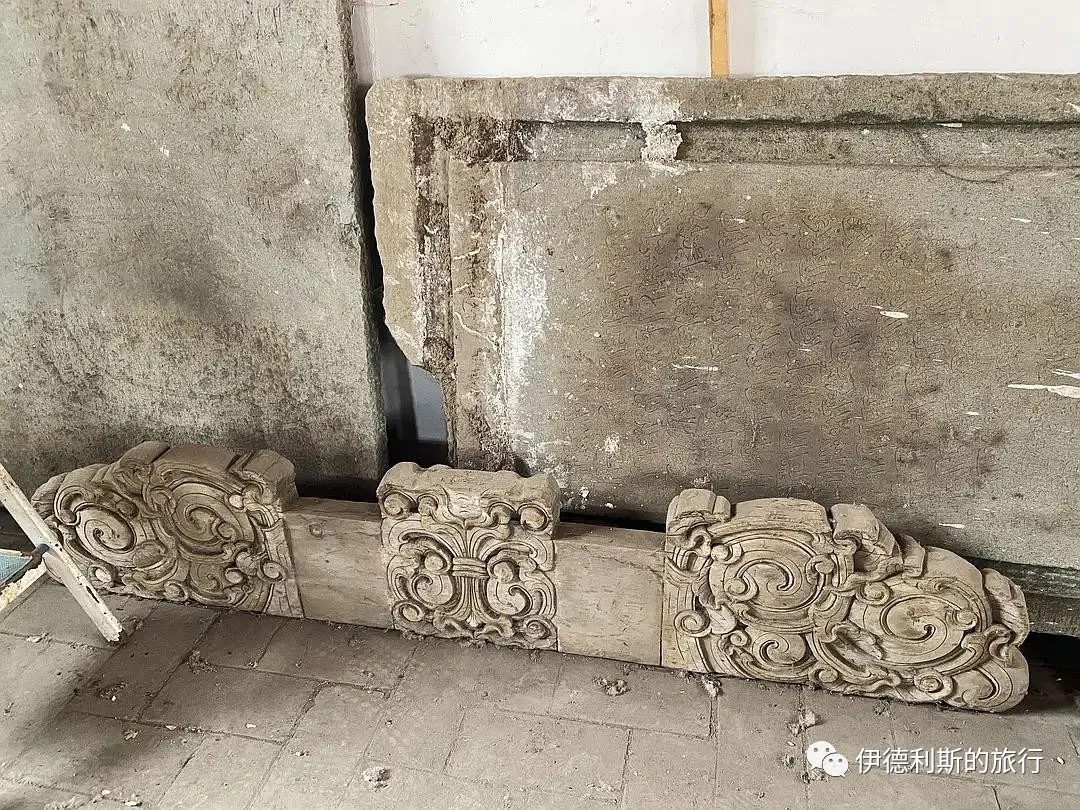
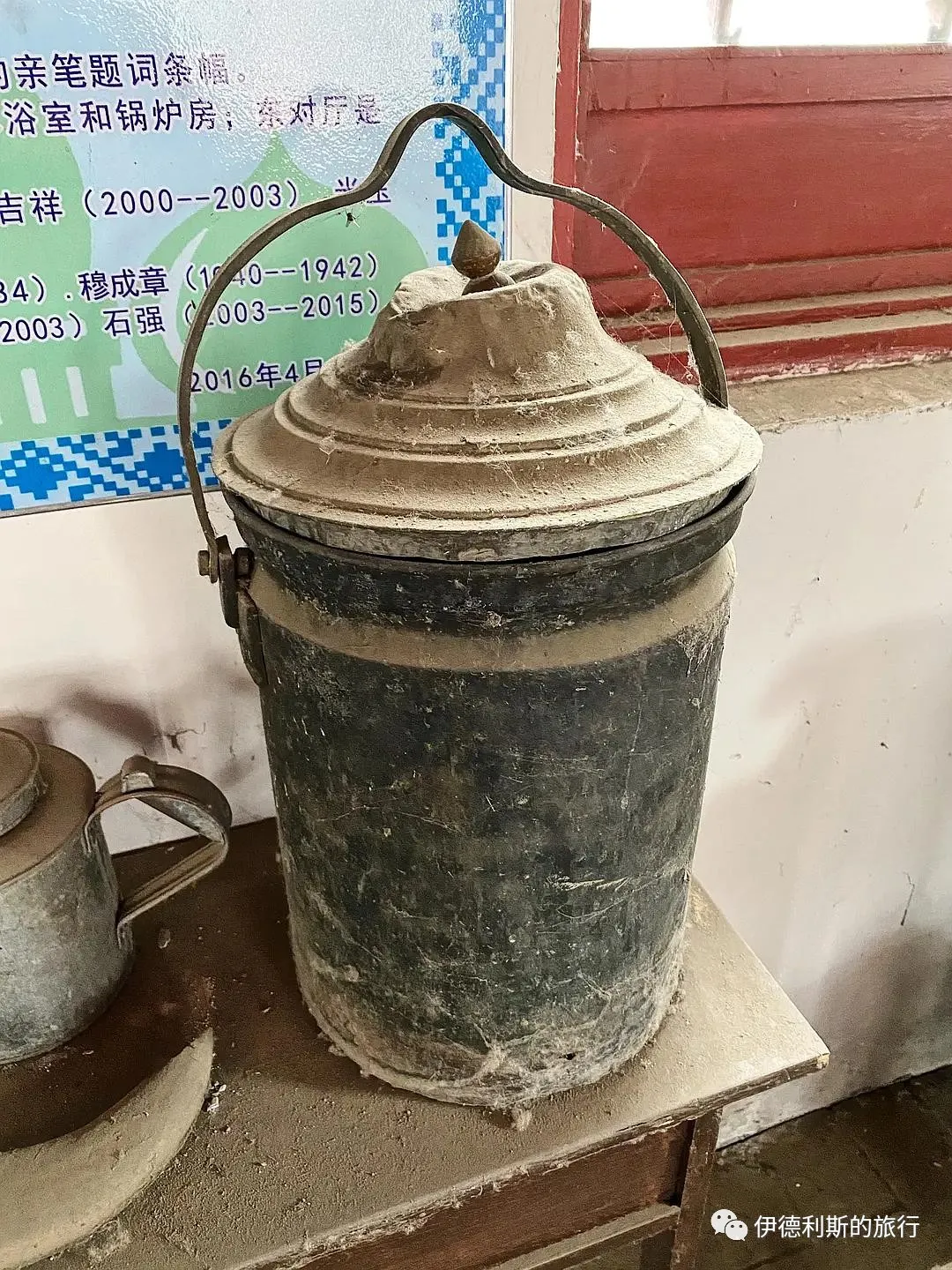
Fengcheng Mosque
Fengcheng Mosque was first built in 1775 (the 40th year of the Qianlong reign), renovated in 1862 (the first year of the Tongzhi reign), expanded with a north lecture hall and side rooms in 1876 (the second year of the Guangxu reign), and finally reached its current size after the moon-viewing tower was added in 1890 (the 16th year of the Guangxu reign).
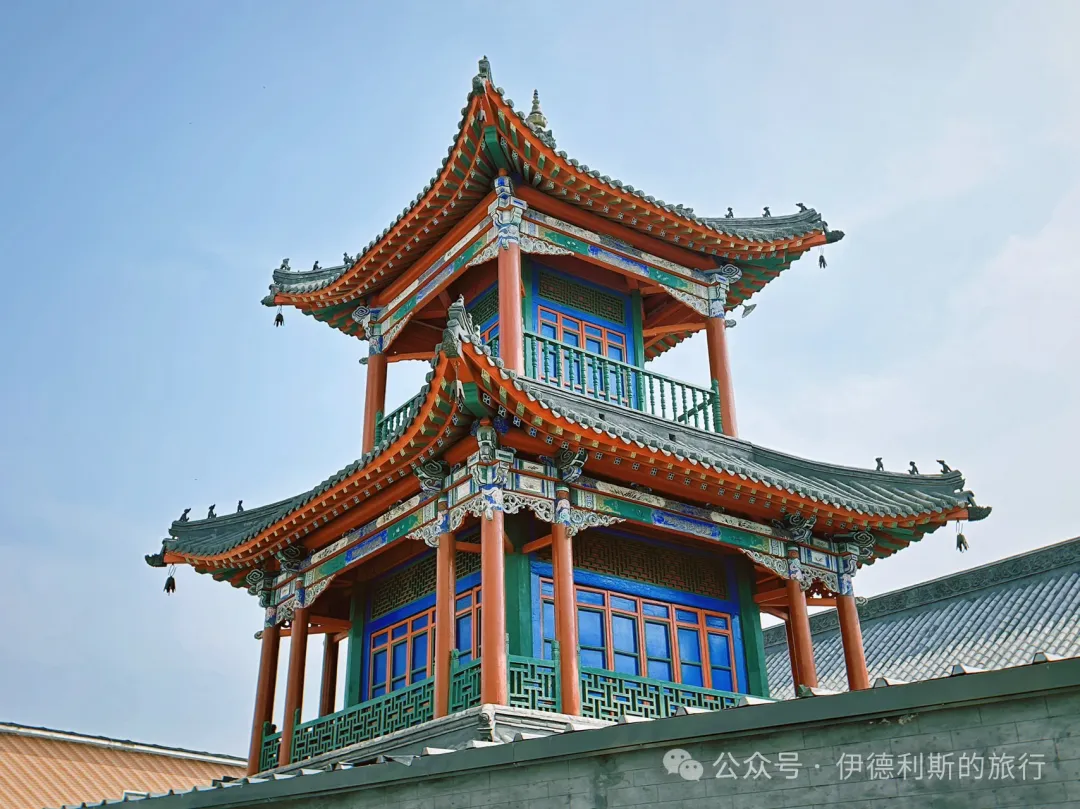
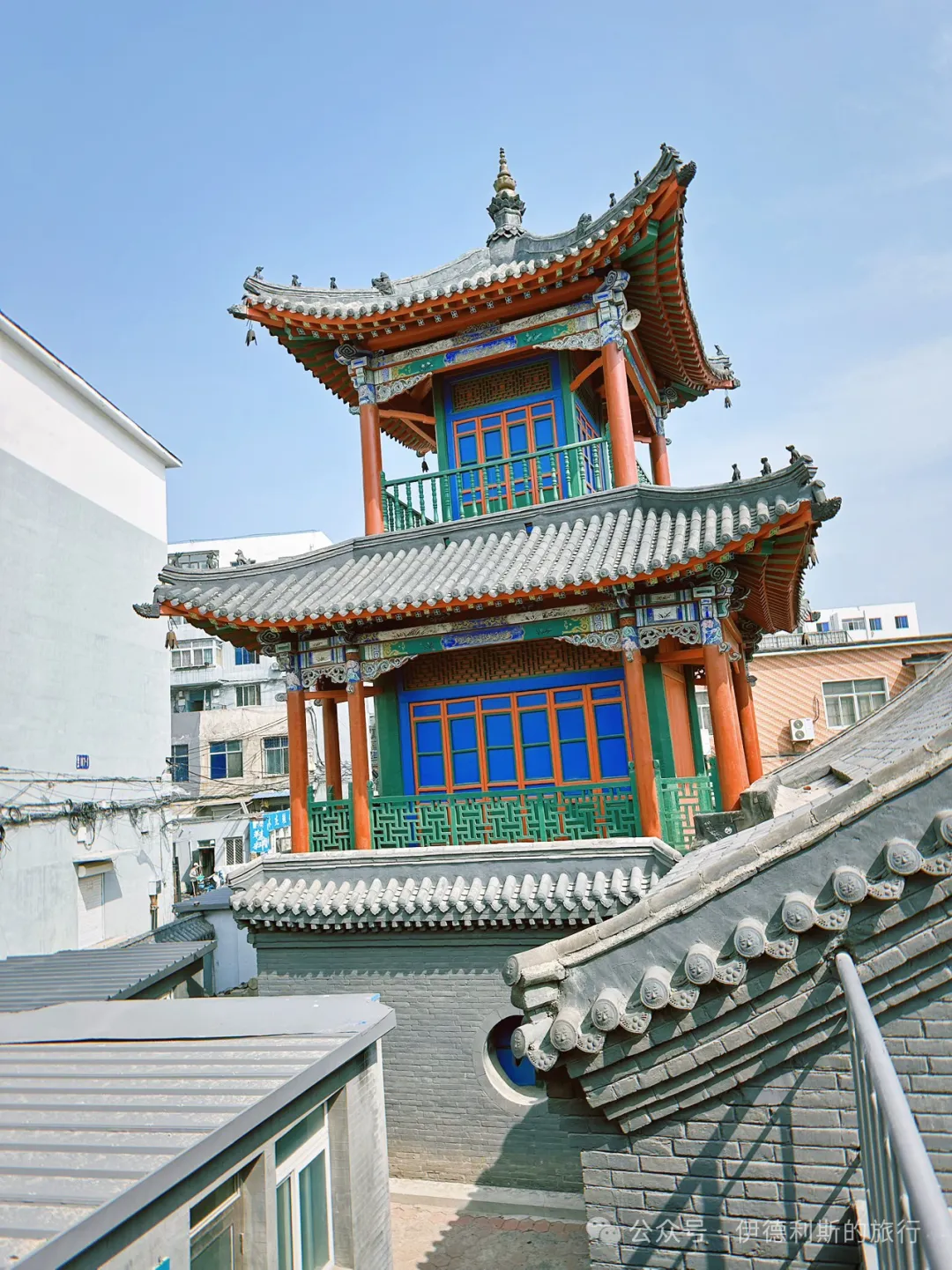
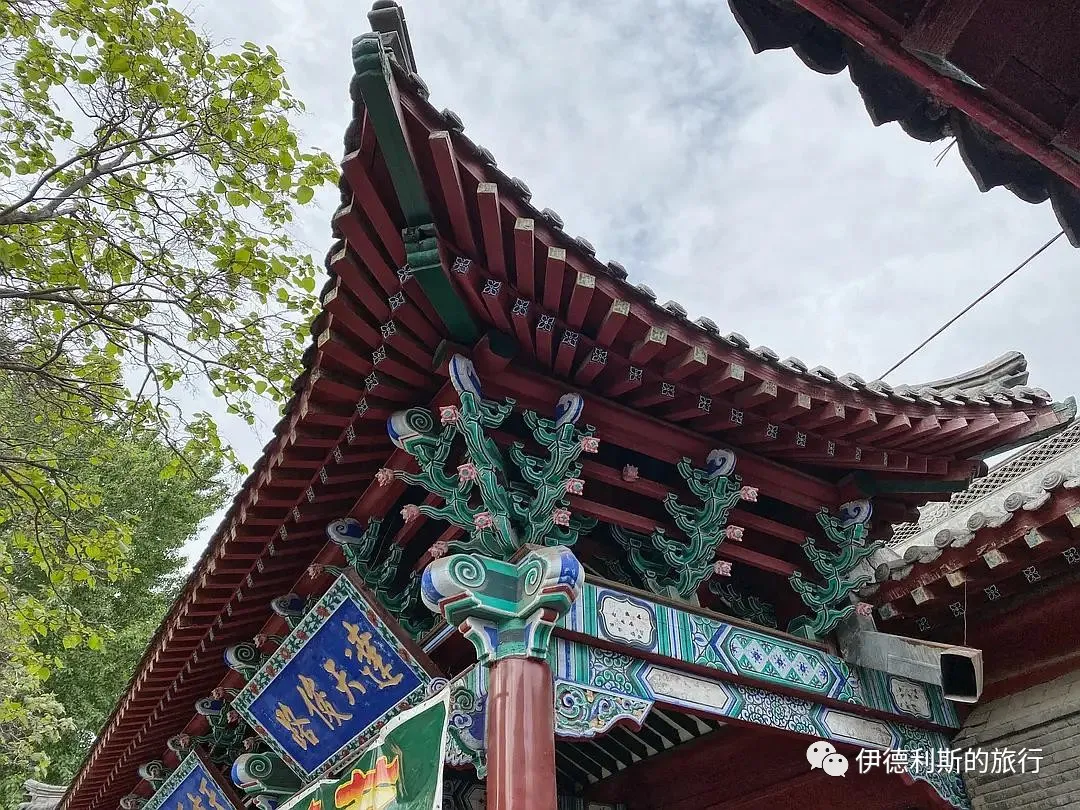
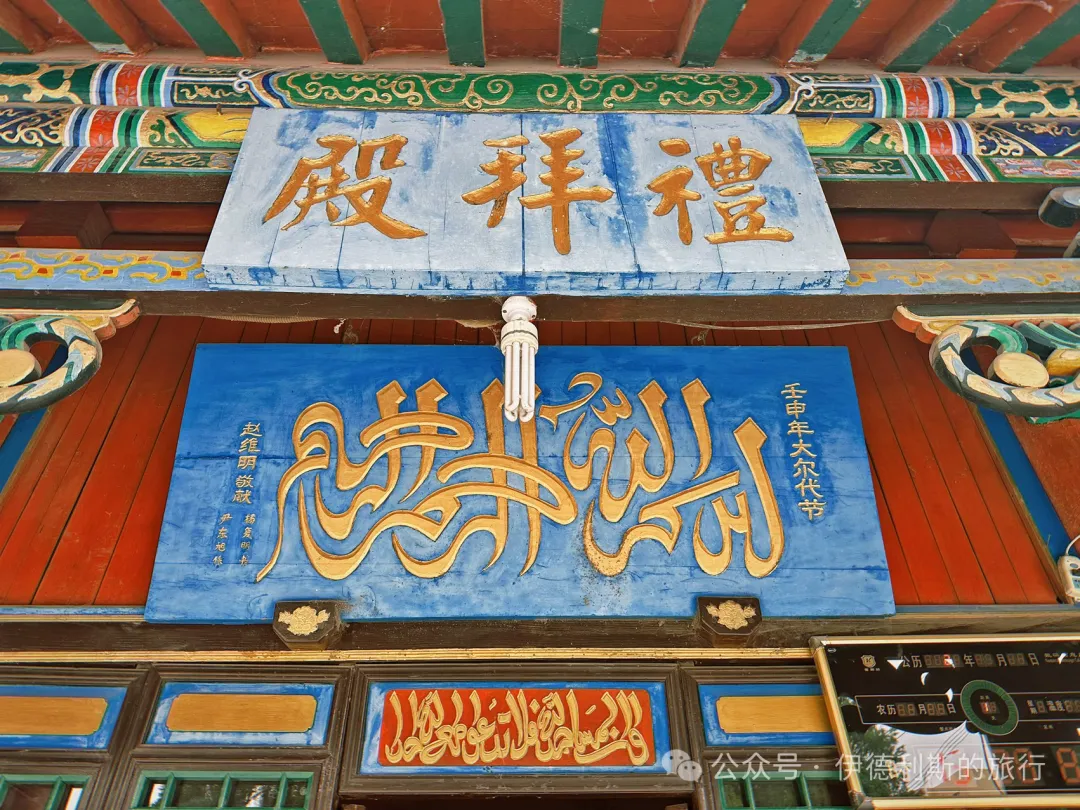
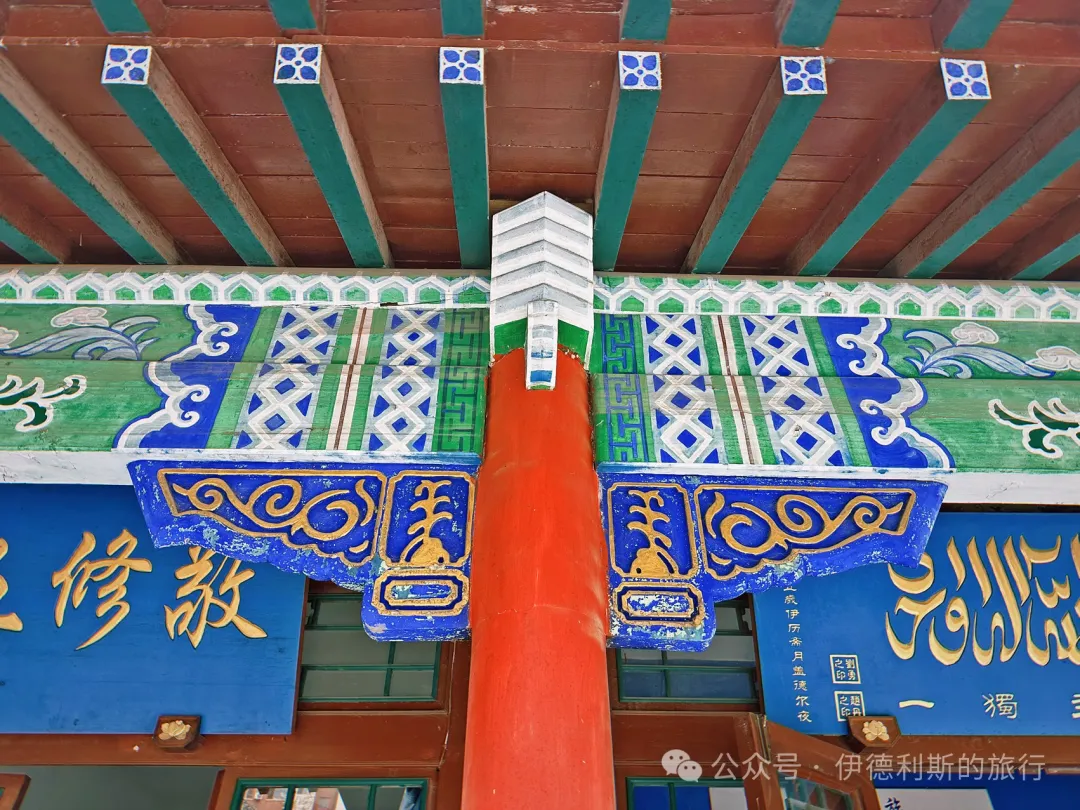
The most distinctive feature of Fengcheng Mosque is the moon-viewing tower, built during the Guangxu reign, which has a double-eaved, four-cornered pyramidal roof, flying eaves, brackets, and intricately carved decorative brackets (que-ti).
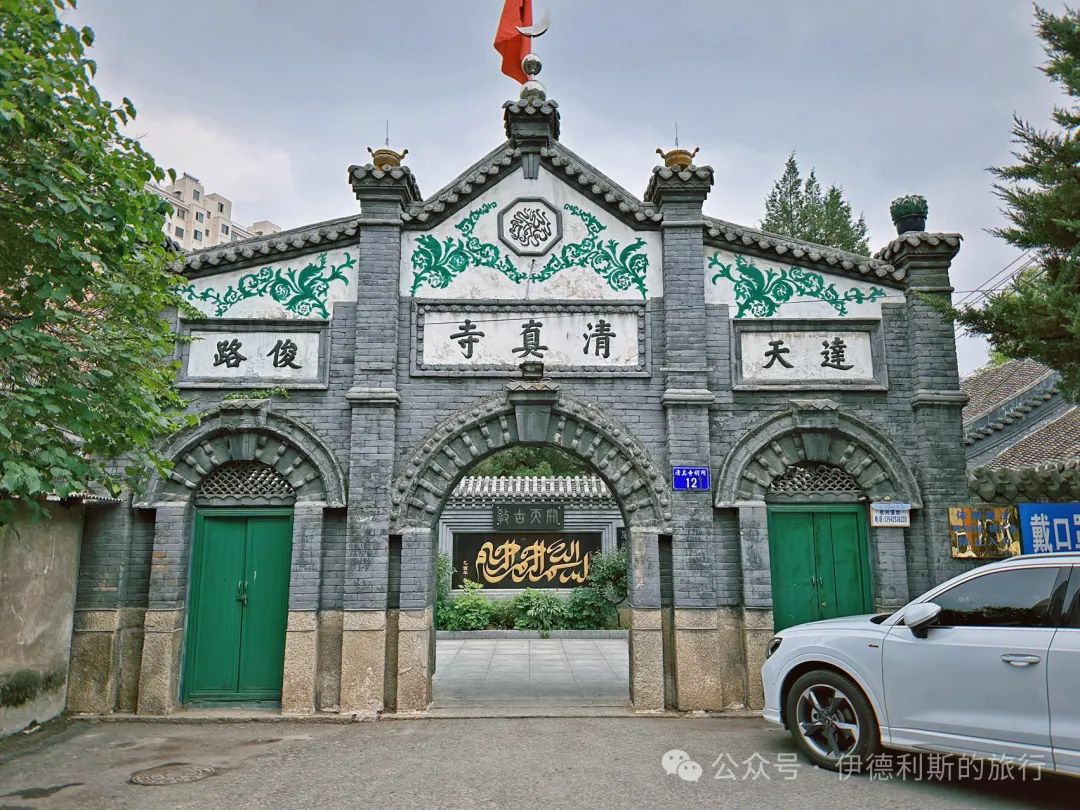
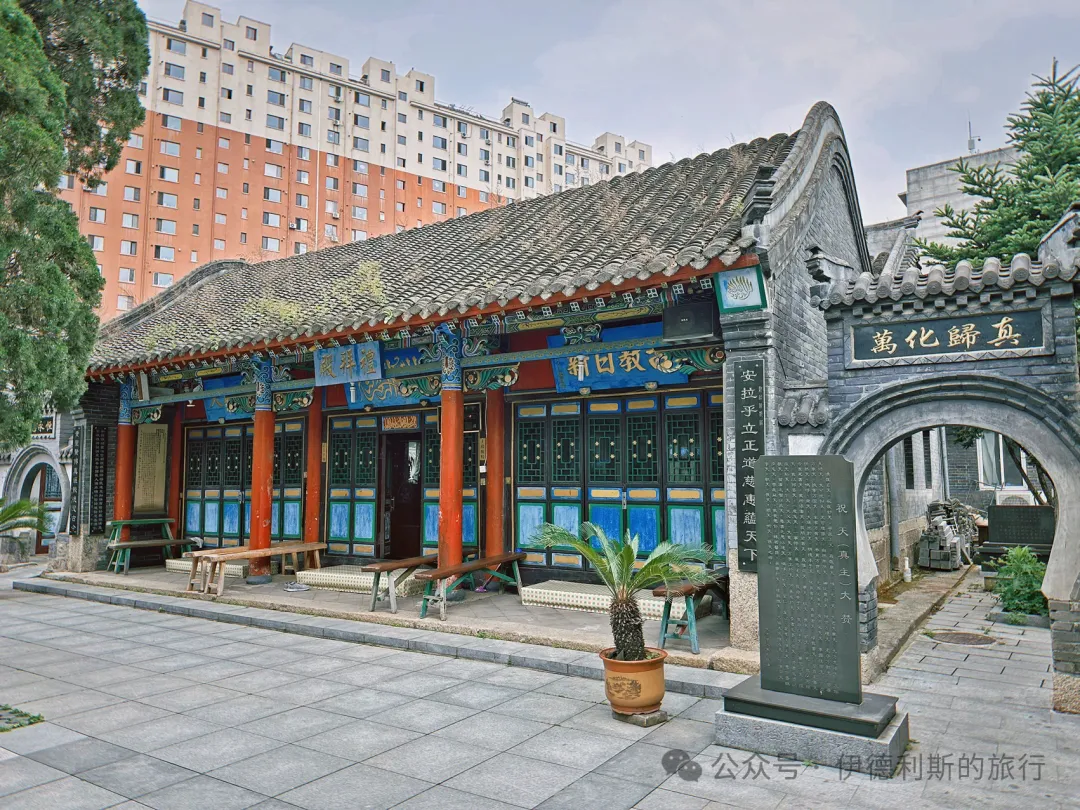
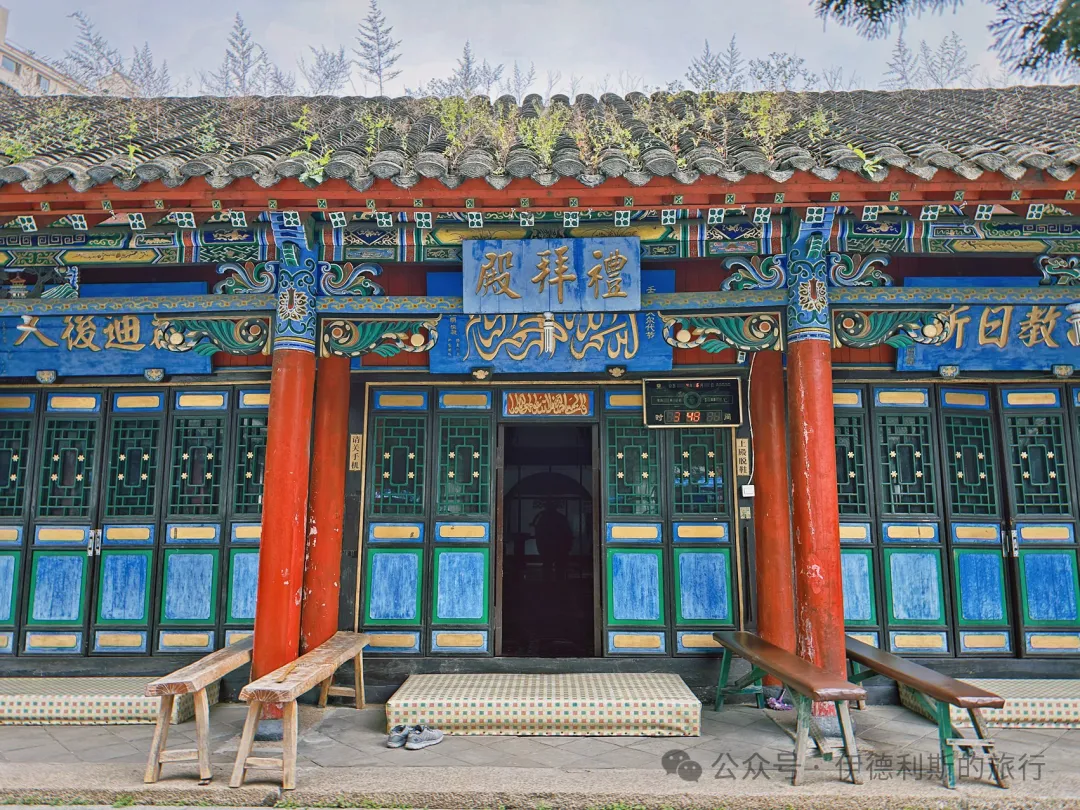
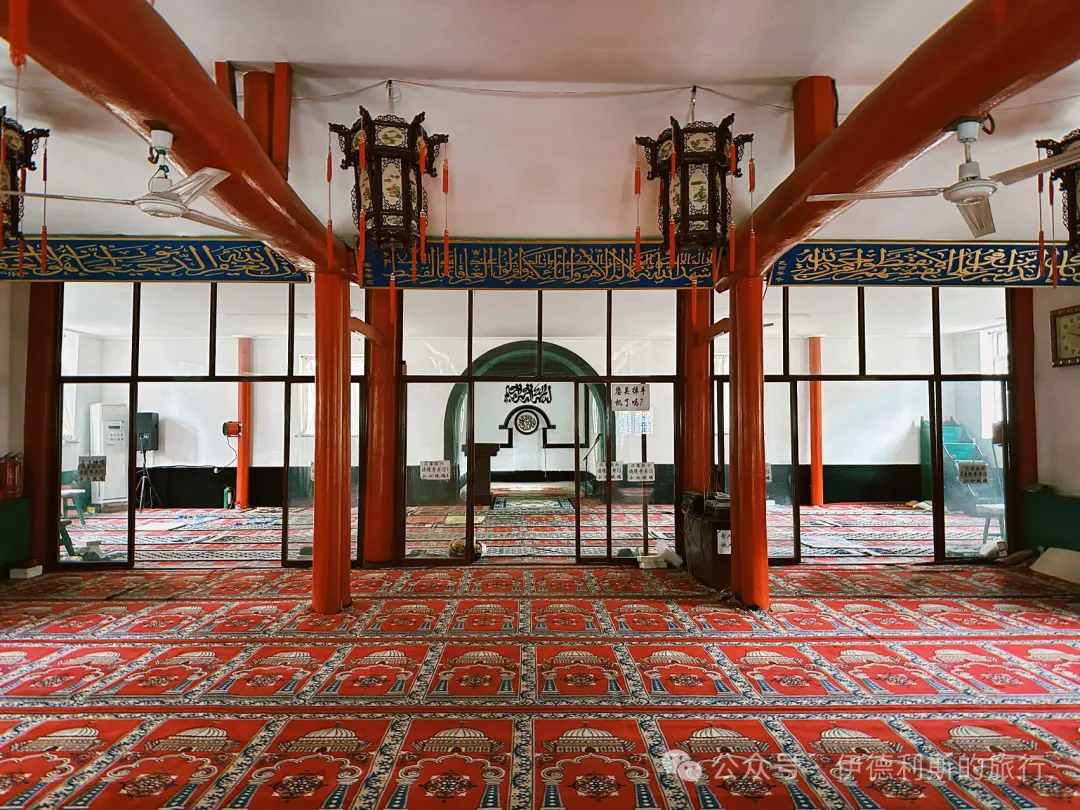
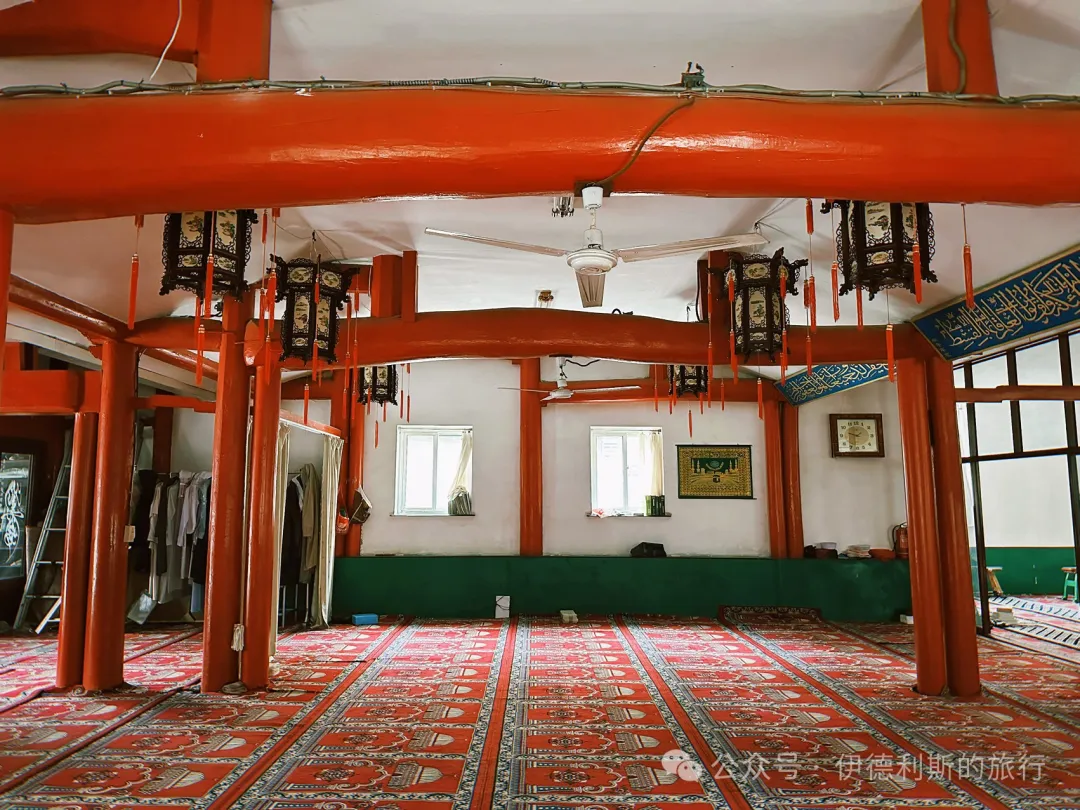
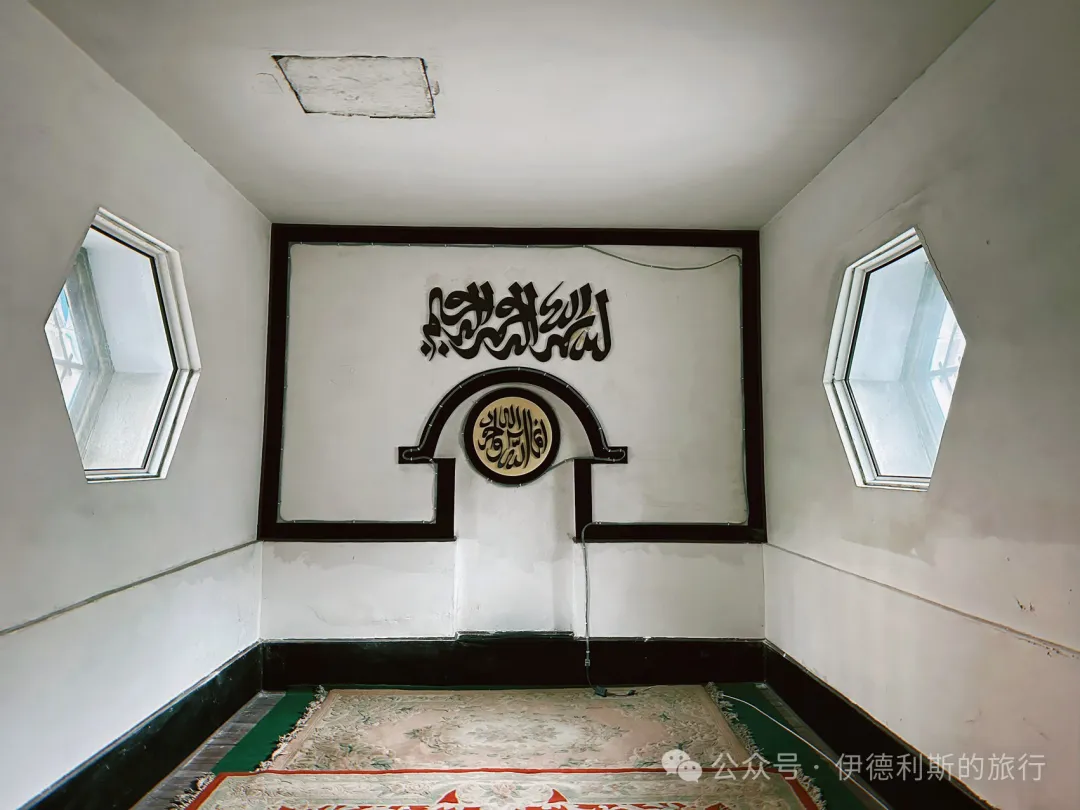
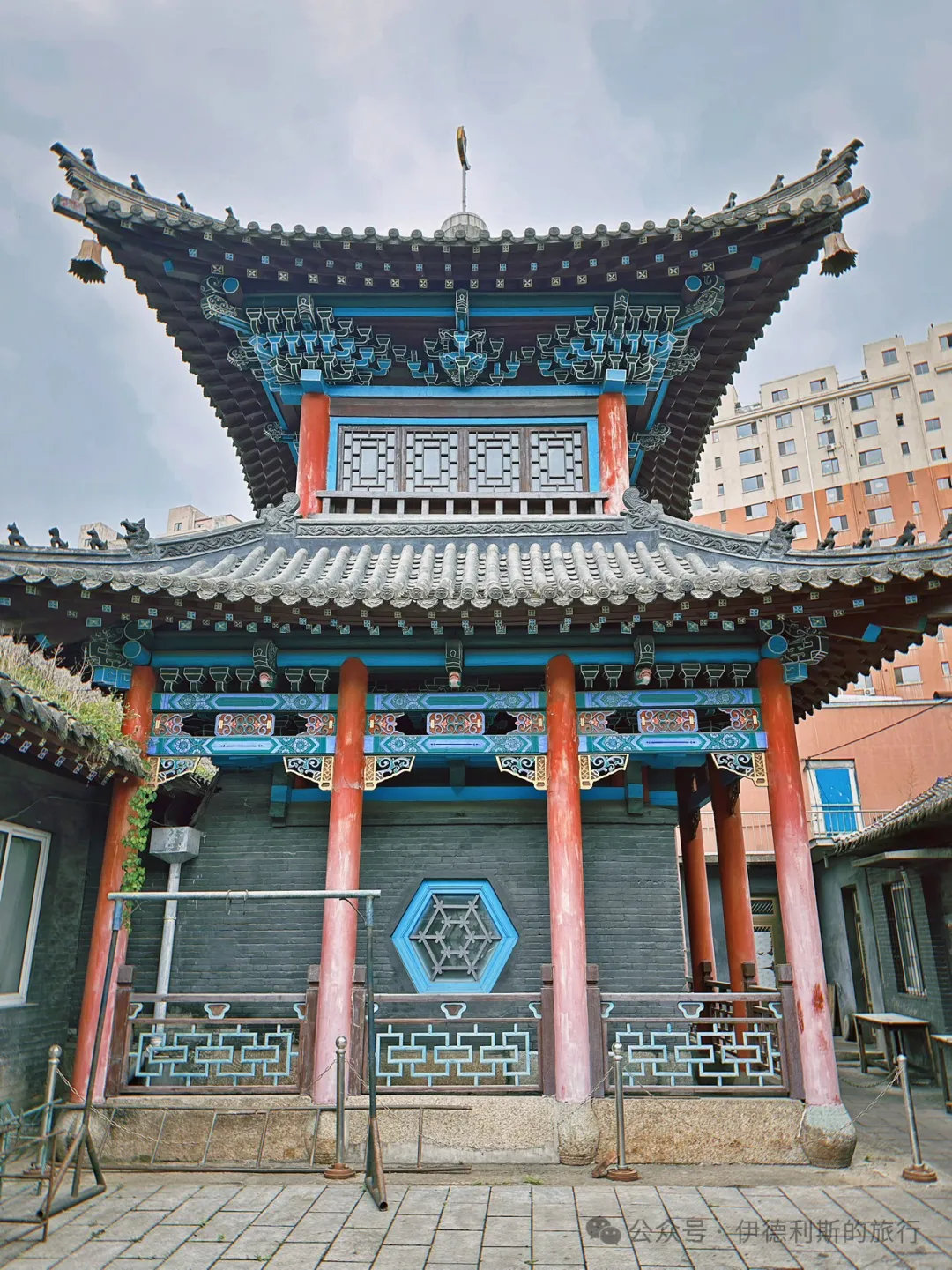
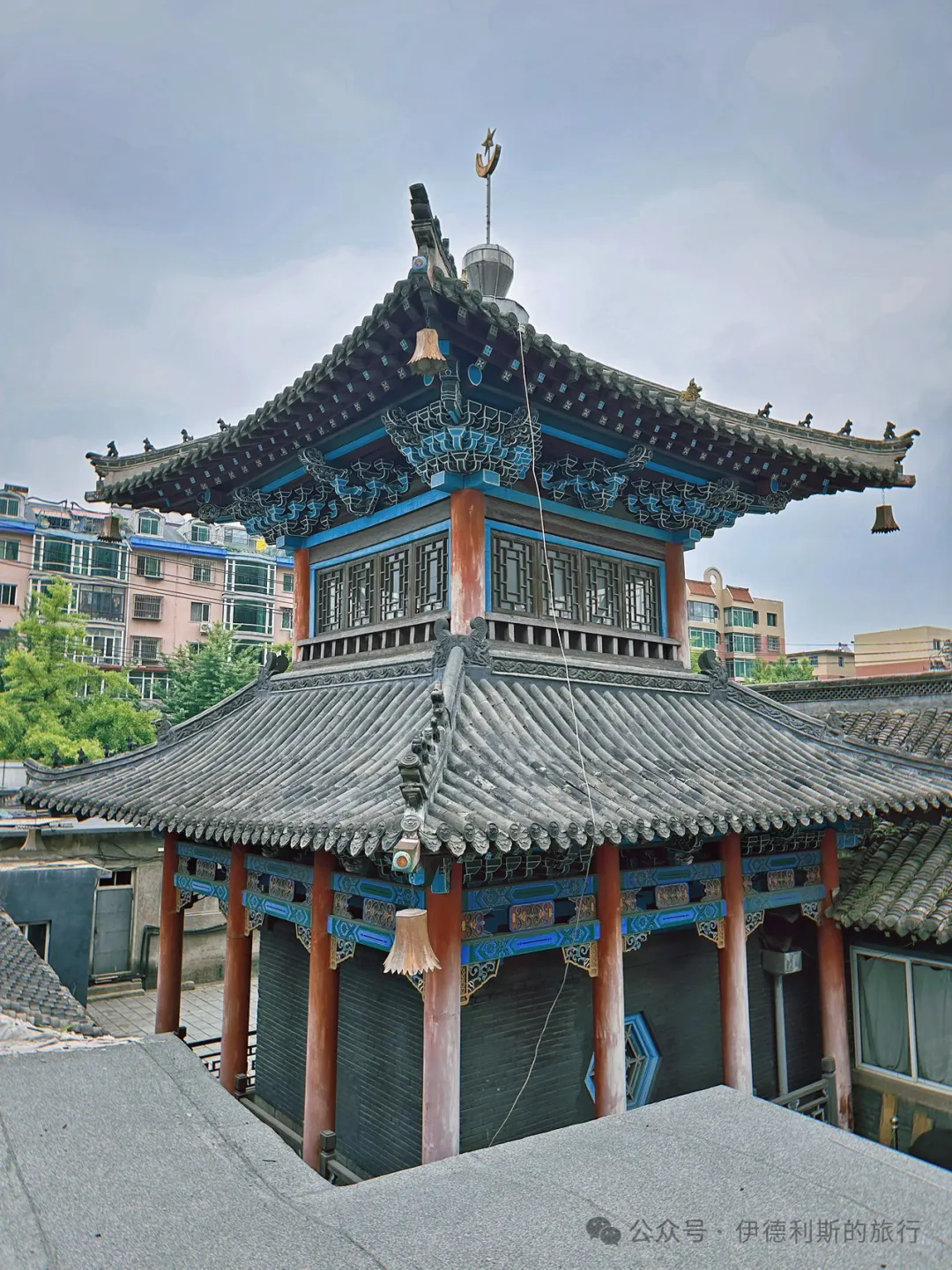
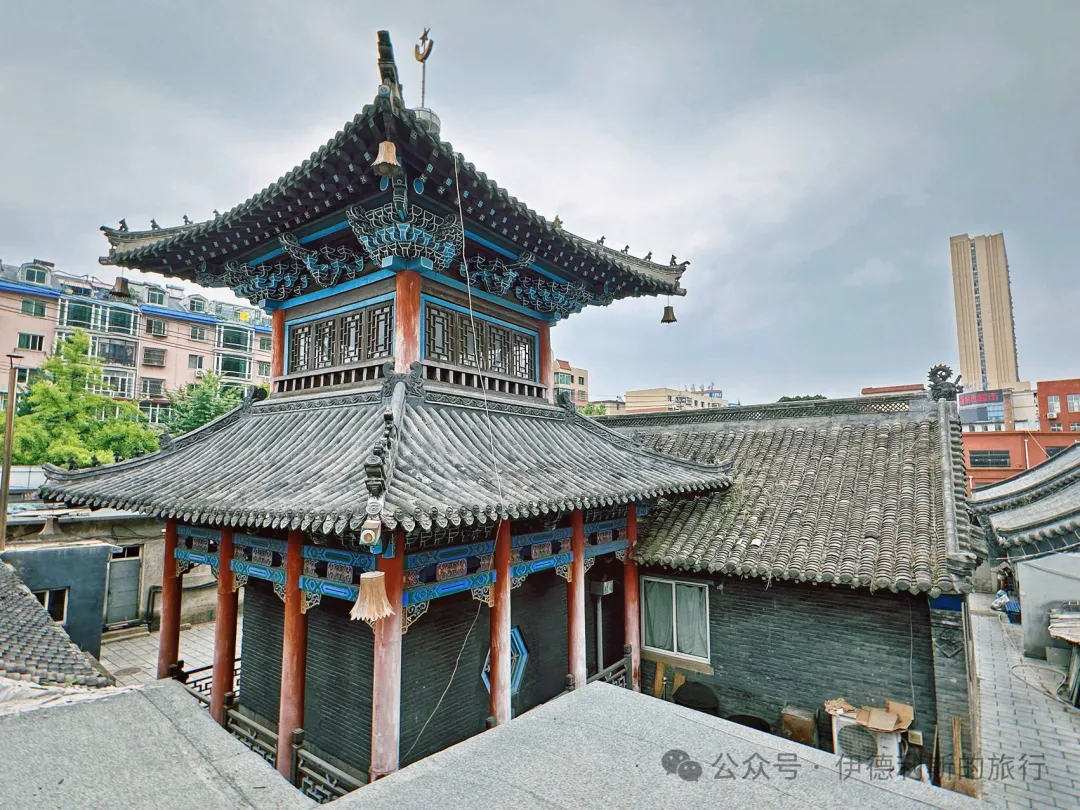
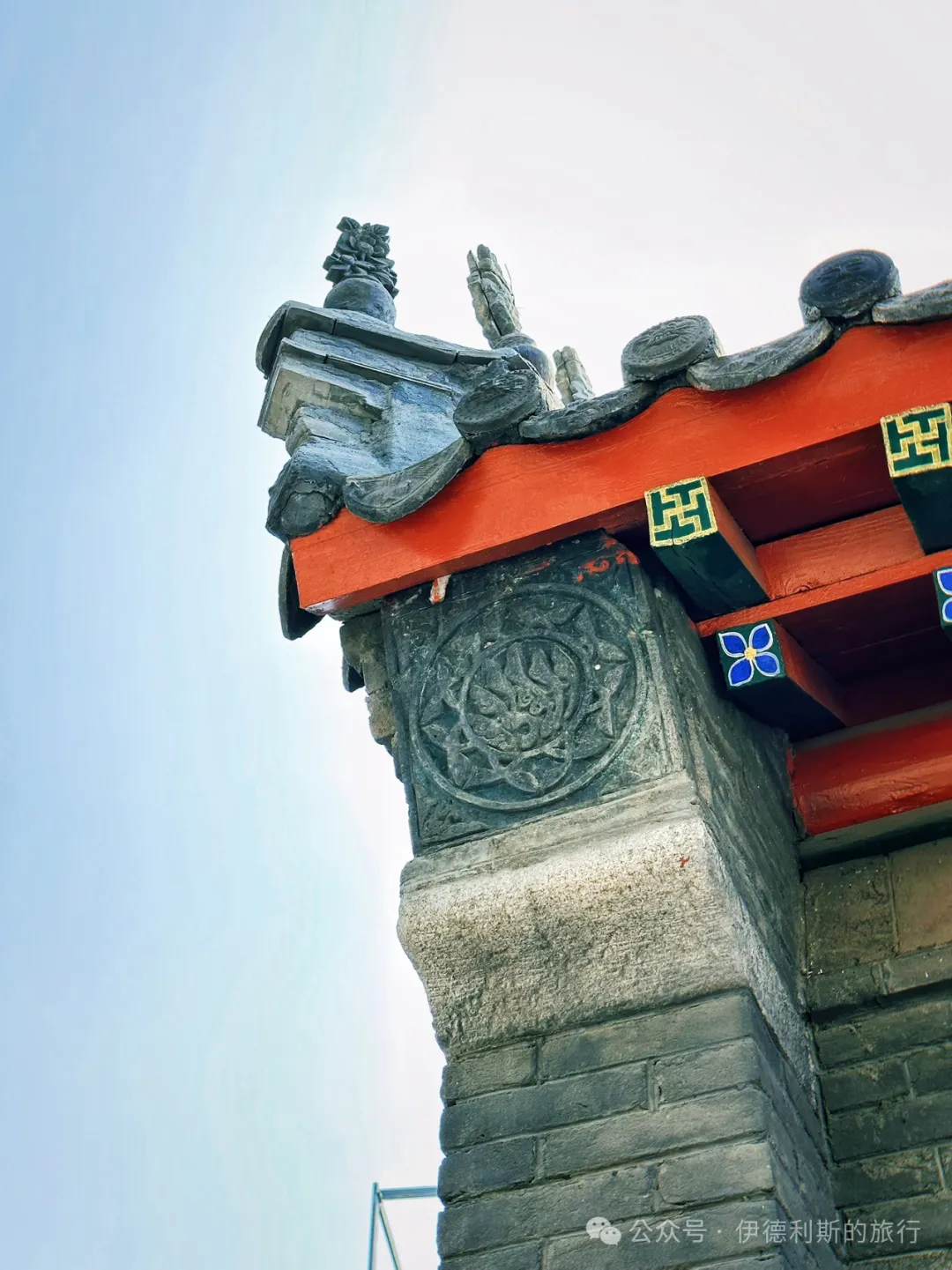
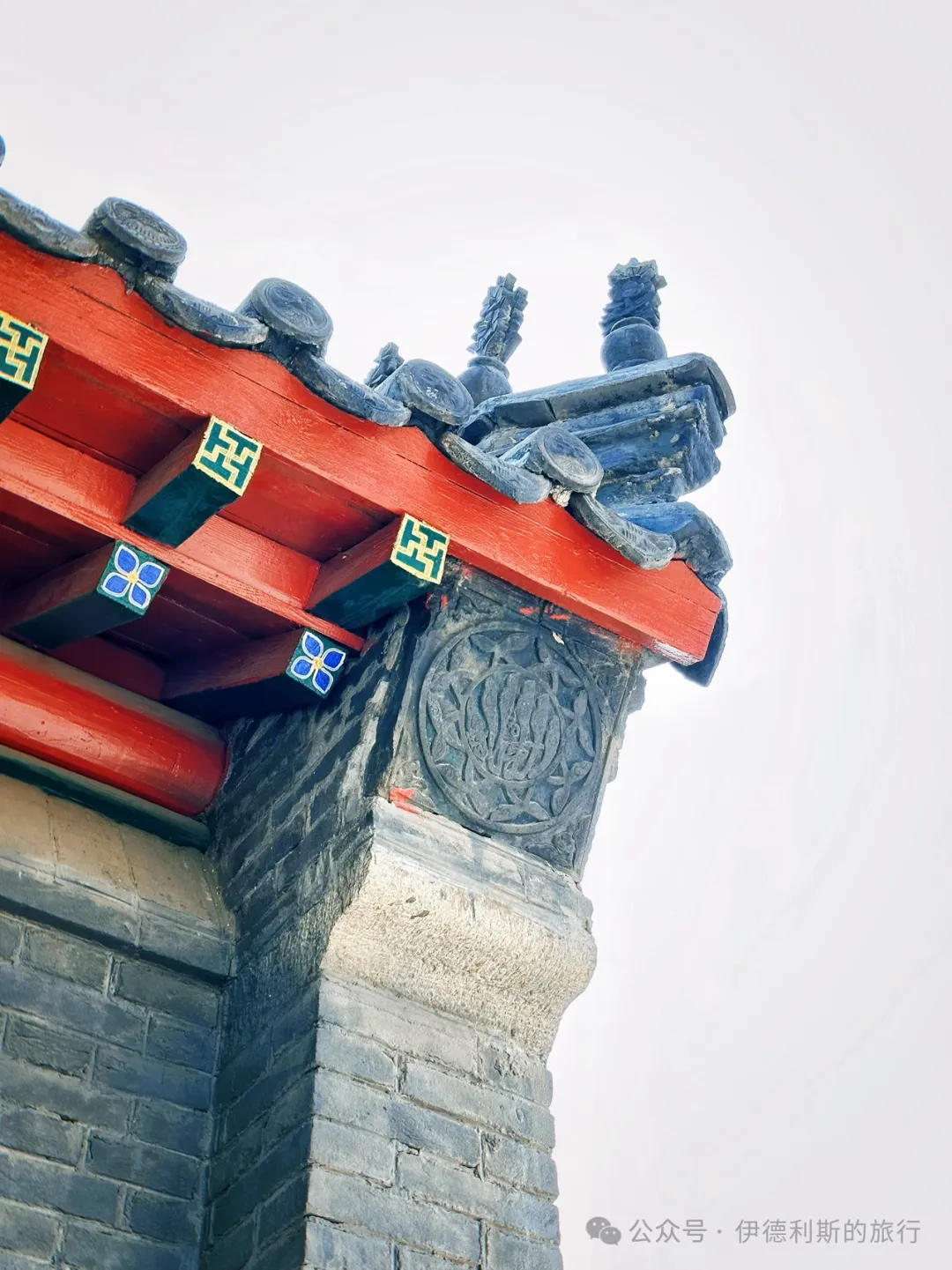
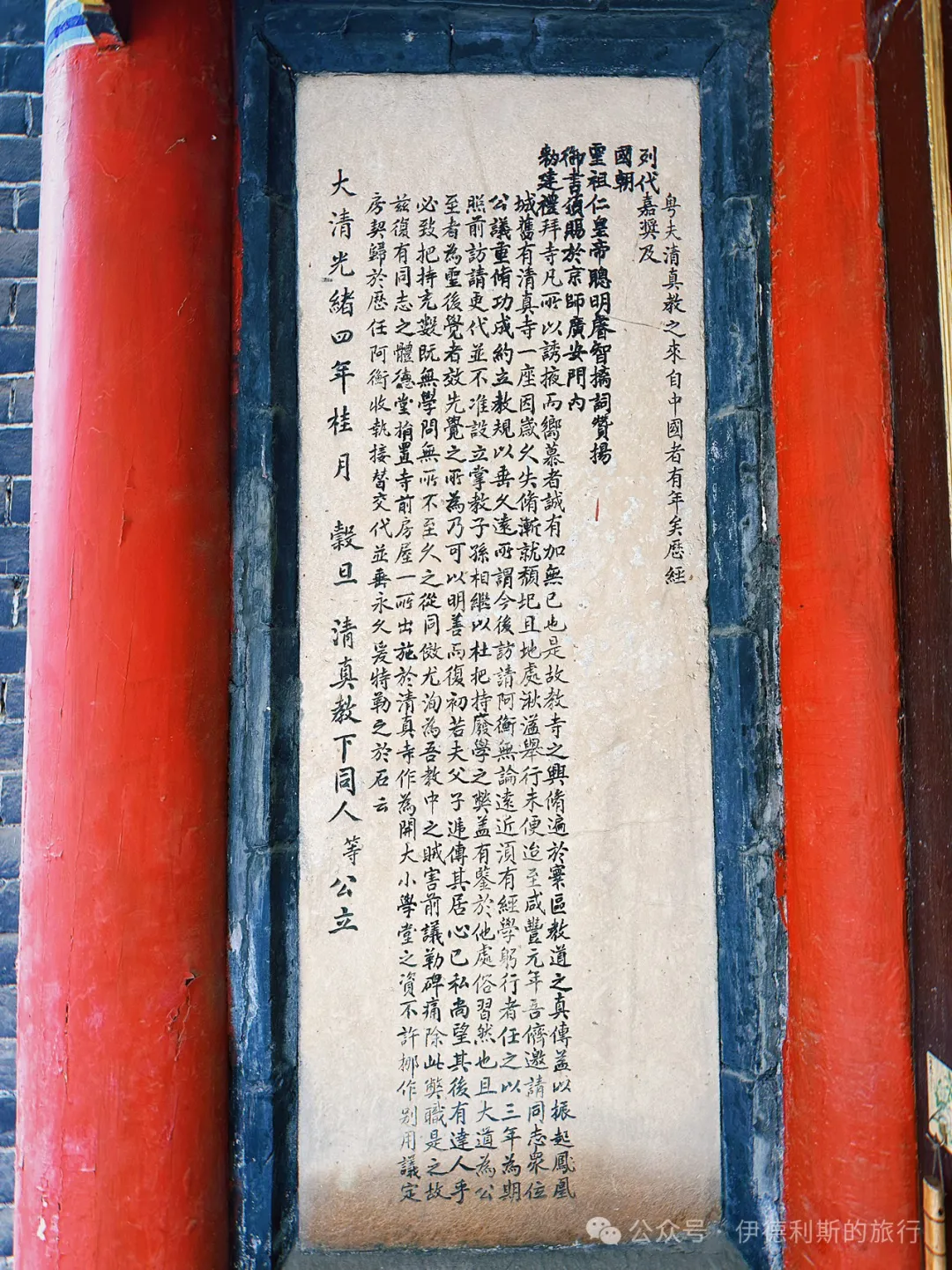
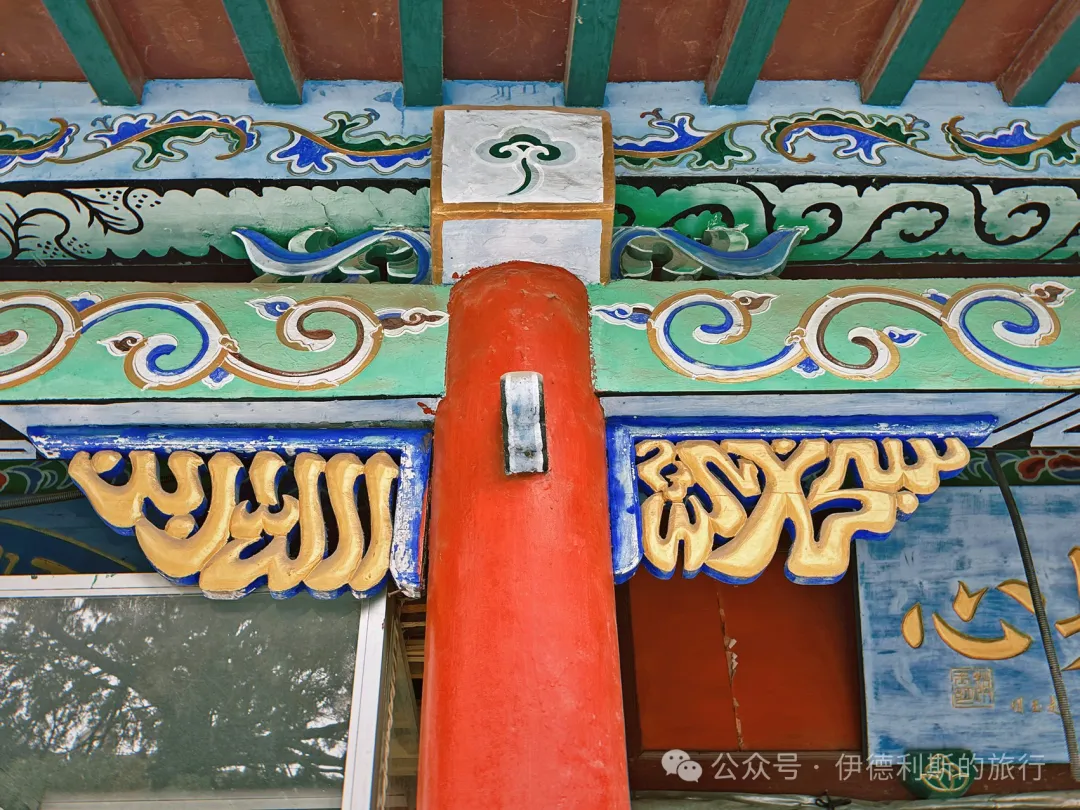
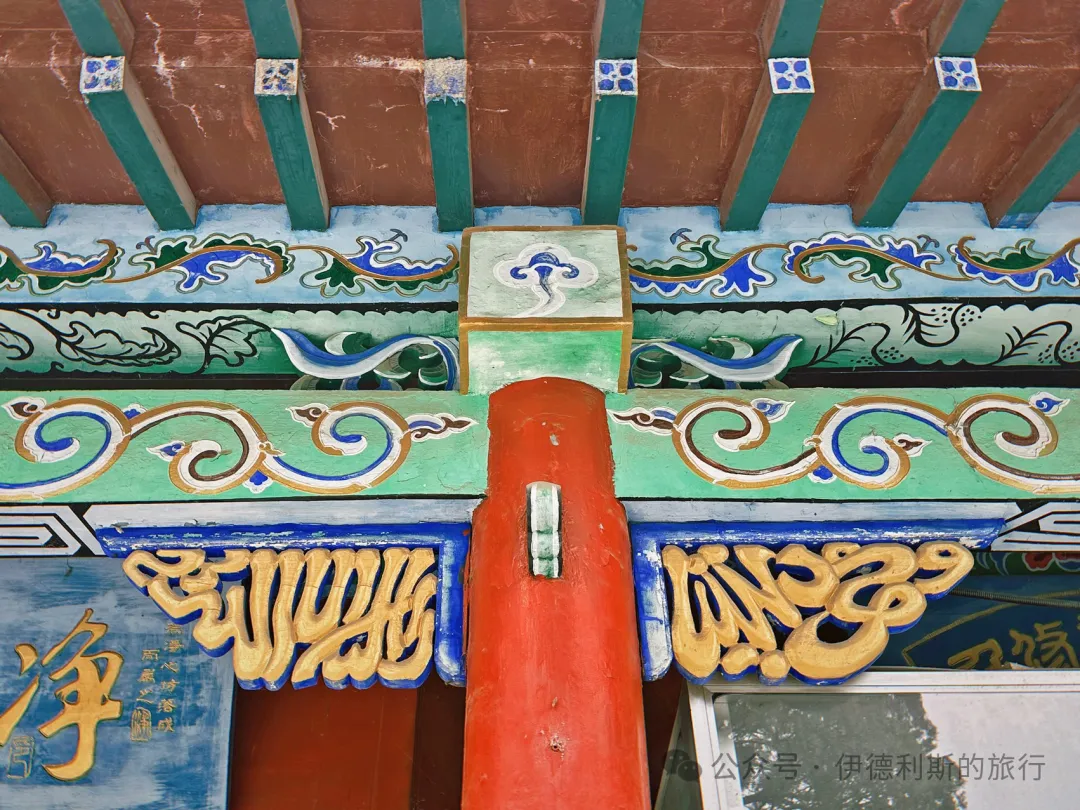
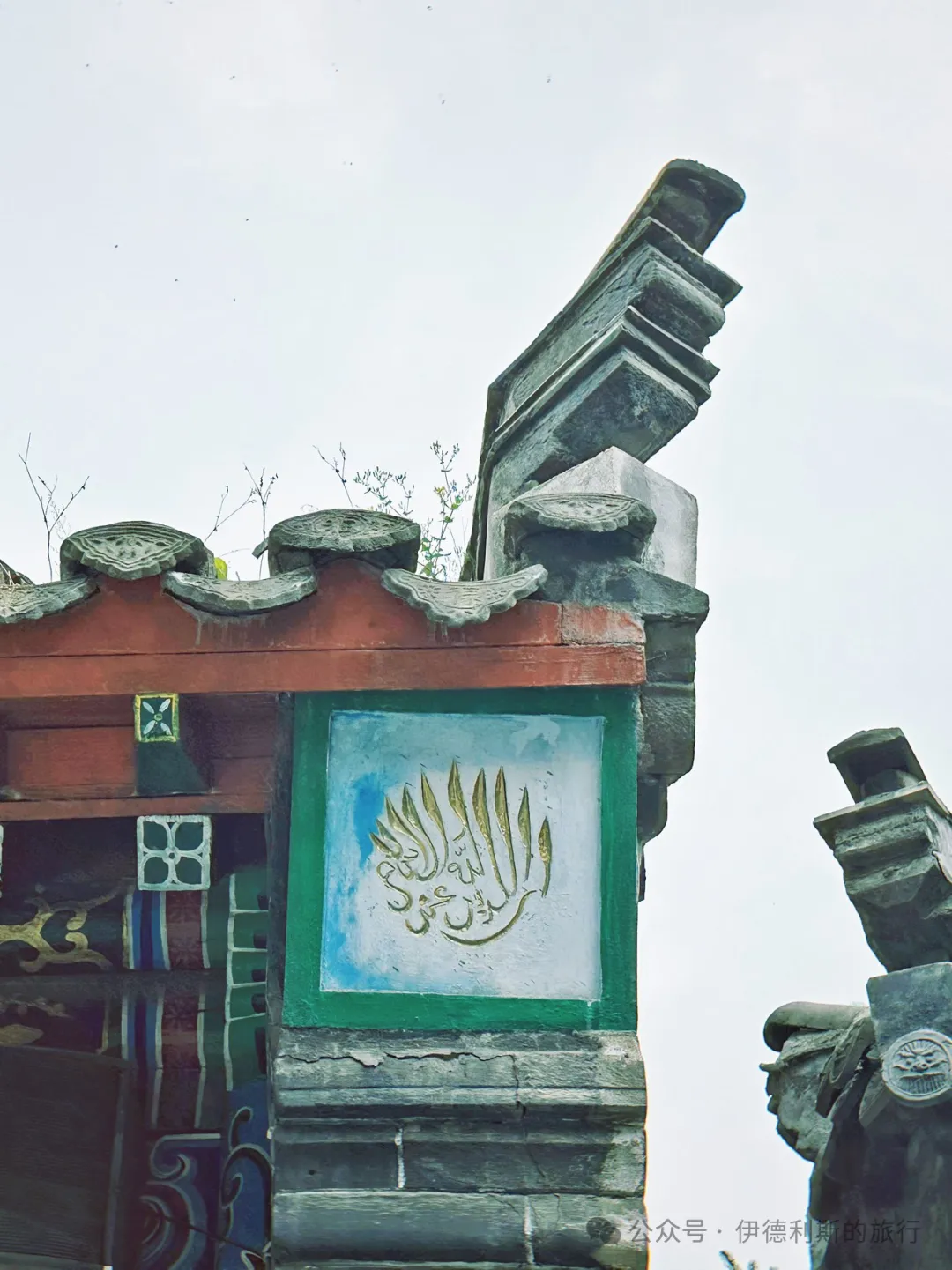
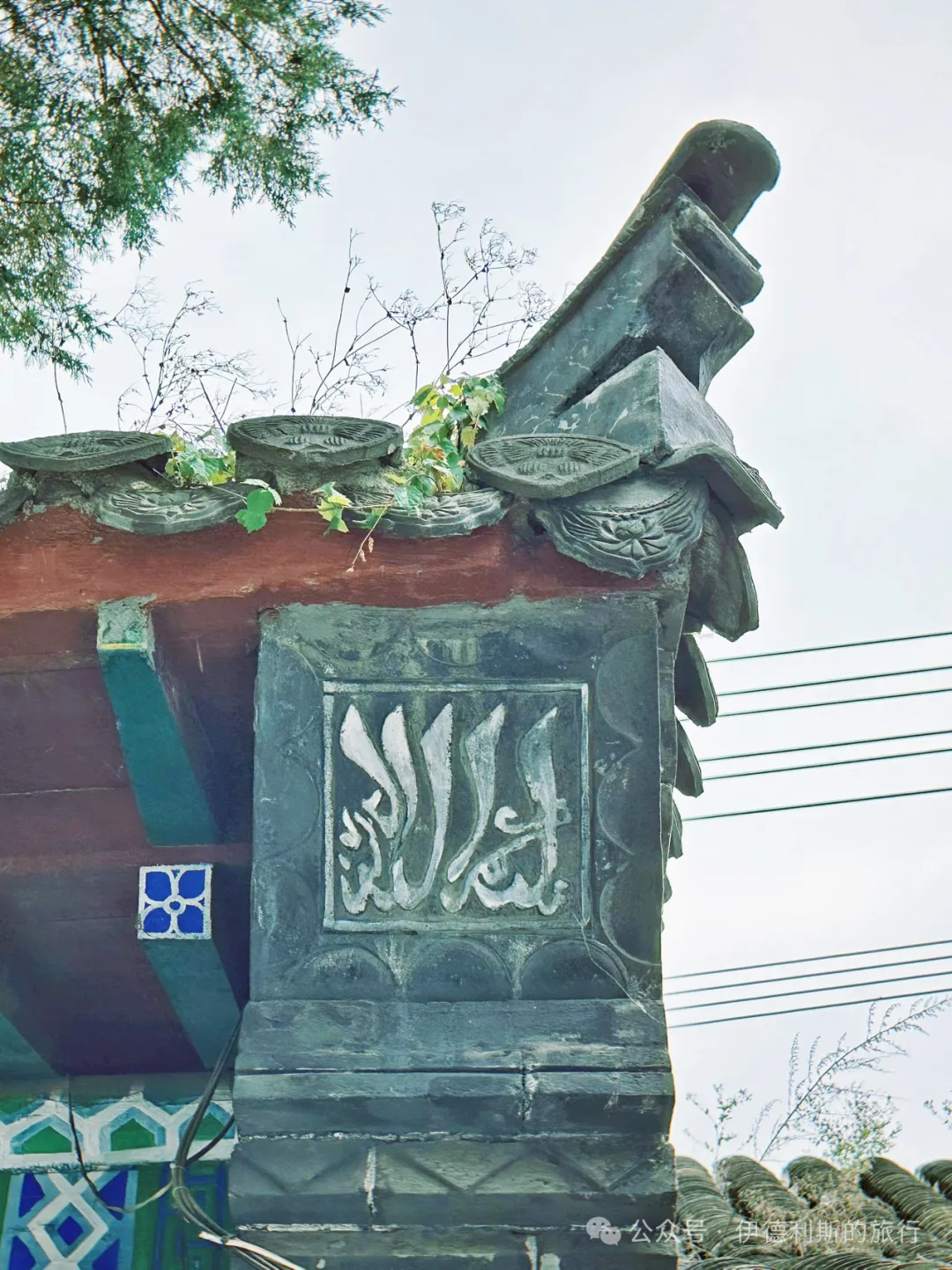
The mosque features 300-year-old Chinese junipers, a stele from the Guangxu renovation, and very exquisite wood and brick calligraphy carvings on the brackets and wall corners.
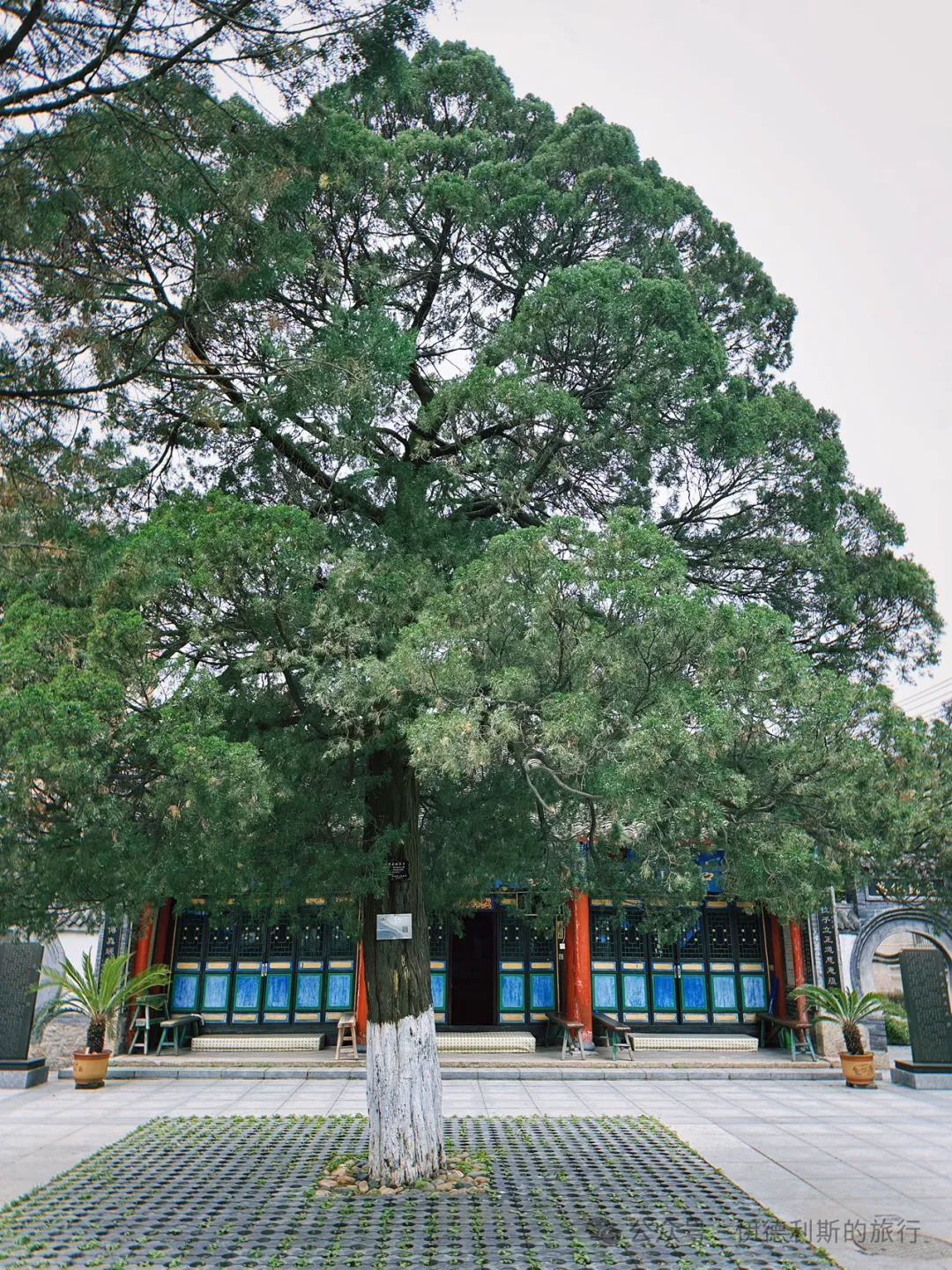
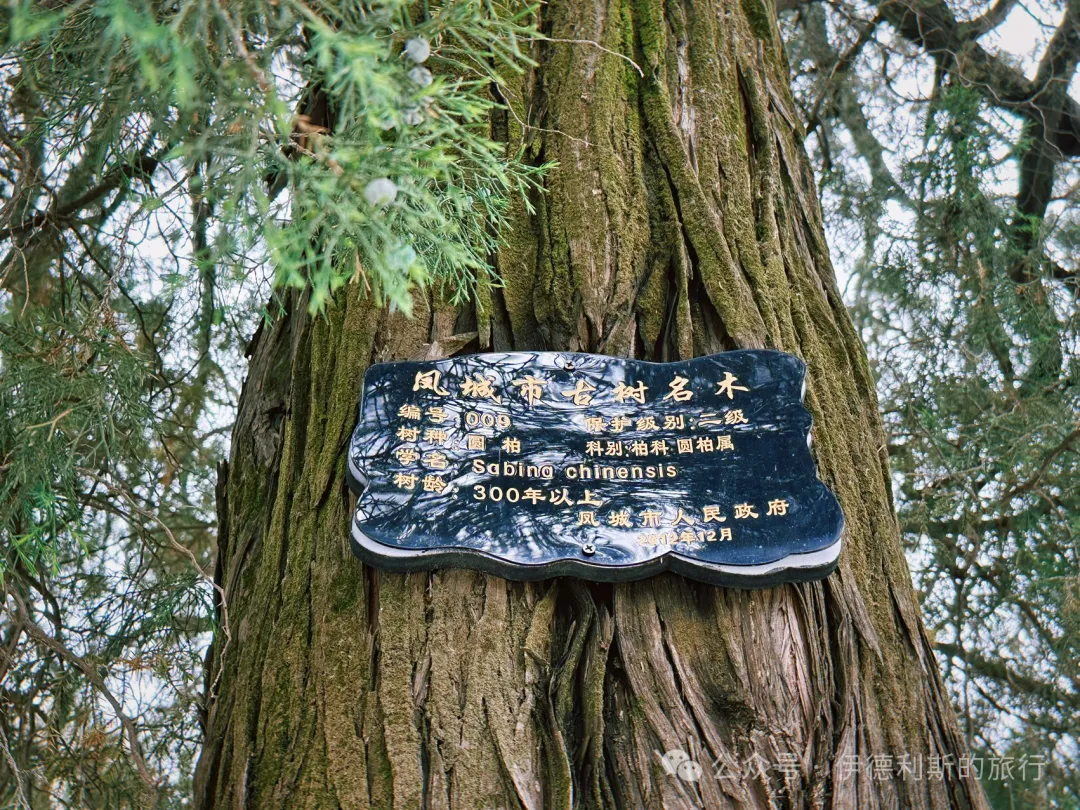
Fuzhou Mosque
Fuzhou is a thousand-year-old city established during the Liao Dynasty. It was a major commercial hub in southern Liaoning from the Ming and Qing dynasties onwards, filled with merchants, until it was gradually replaced by Wafangdian along the South Manchuria Railway in modern times.
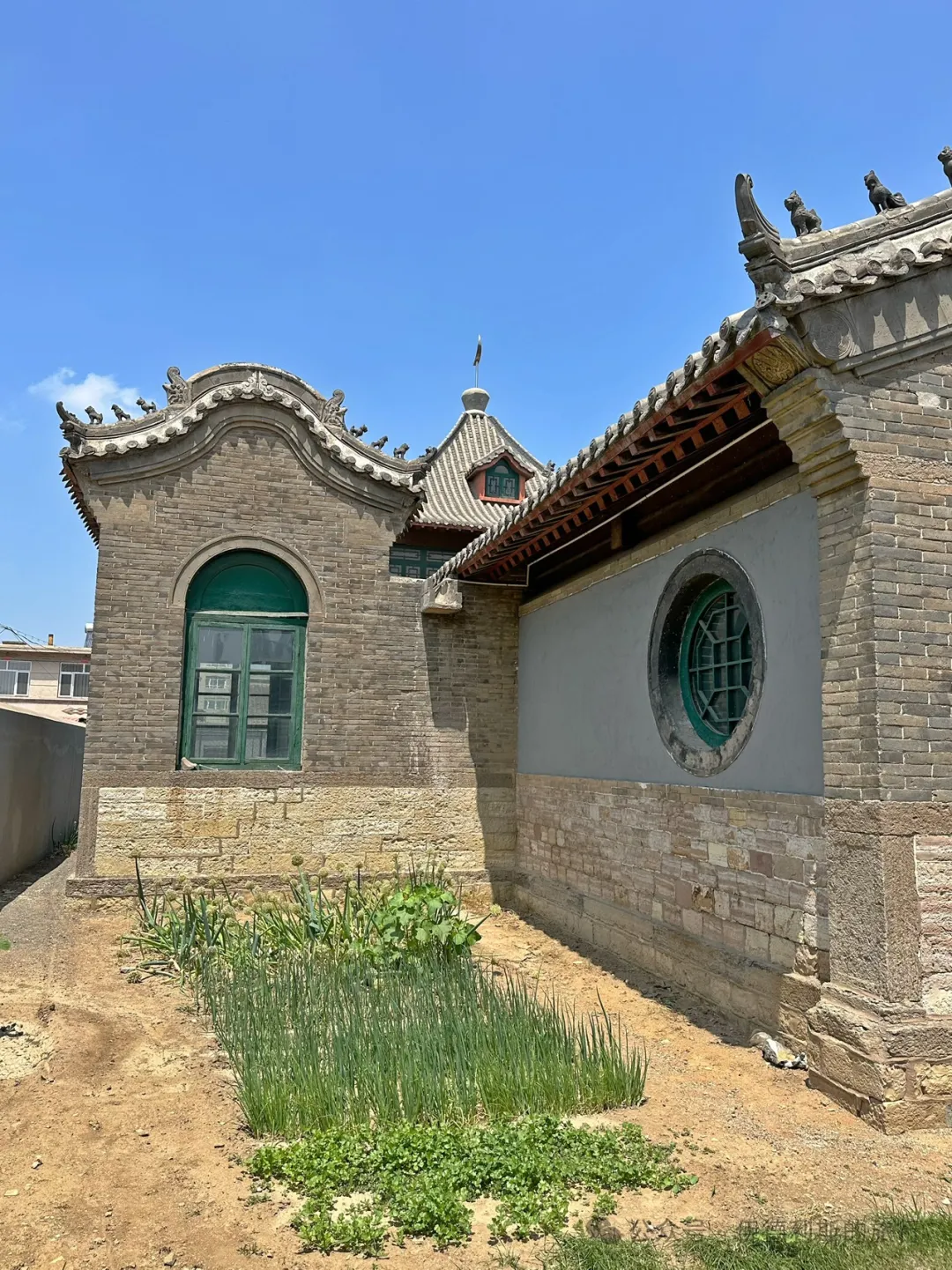
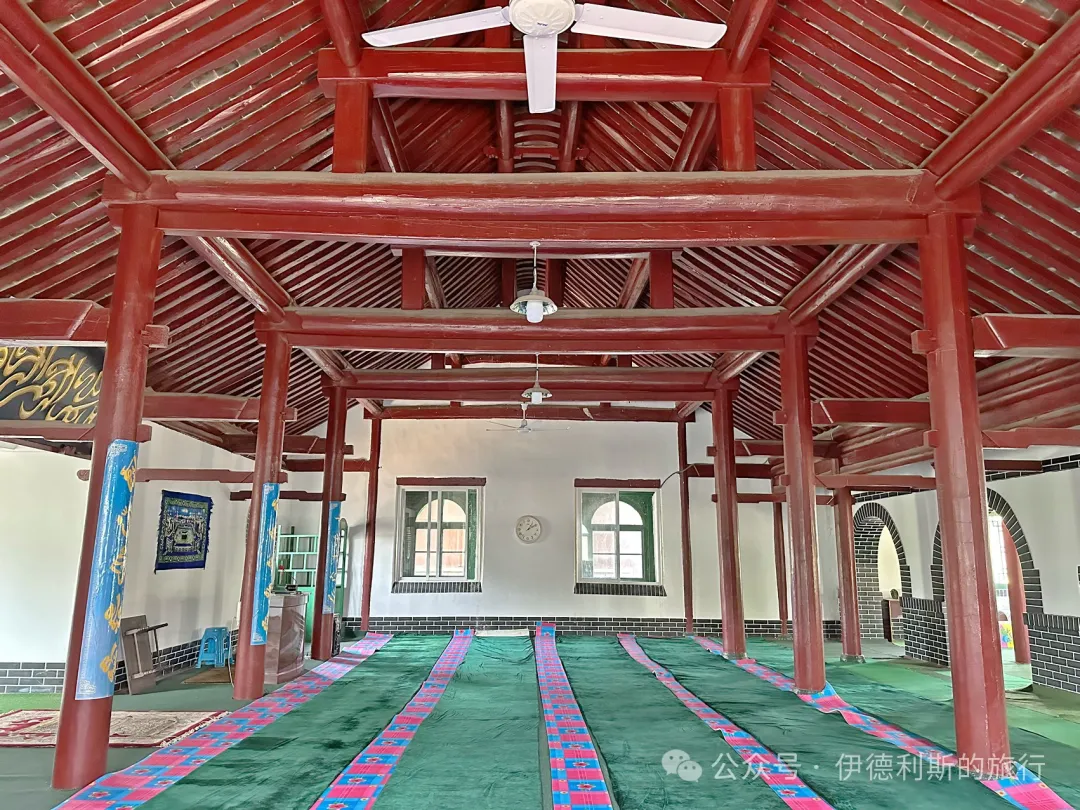
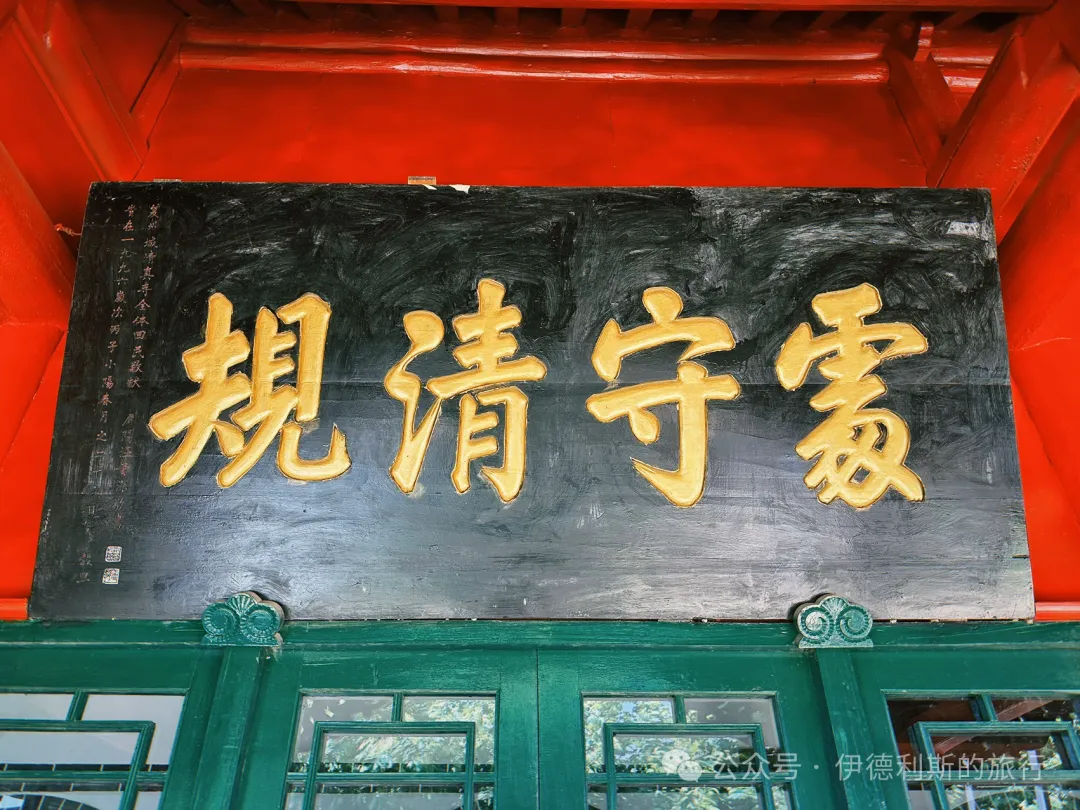
Around 1641 (the sixth year of the Chongde reign of the Qing Dynasty), Hui Muslims from the four major surnames of Yin, Ma, Dai, and Hui migrated from Cangzhou, Hebei to Fuzhou, and later established Fuzhou Mosque in the southwest of the city in 1649 (the sixth year of the Shunzhi reign). Three thatched rooms were built as the main hall in 1656 (the 13th year of the Shunzhi reign), which was rebuilt in 1774 (the 39th year of the Qianlong reign) and expanded again in 1880 (the sixth year of the Guangxu reign), still with a thatched roof. In 1920, the front porch and rear hall were expanded, and the roof was changed to blue brick tiles, resulting in its current form.
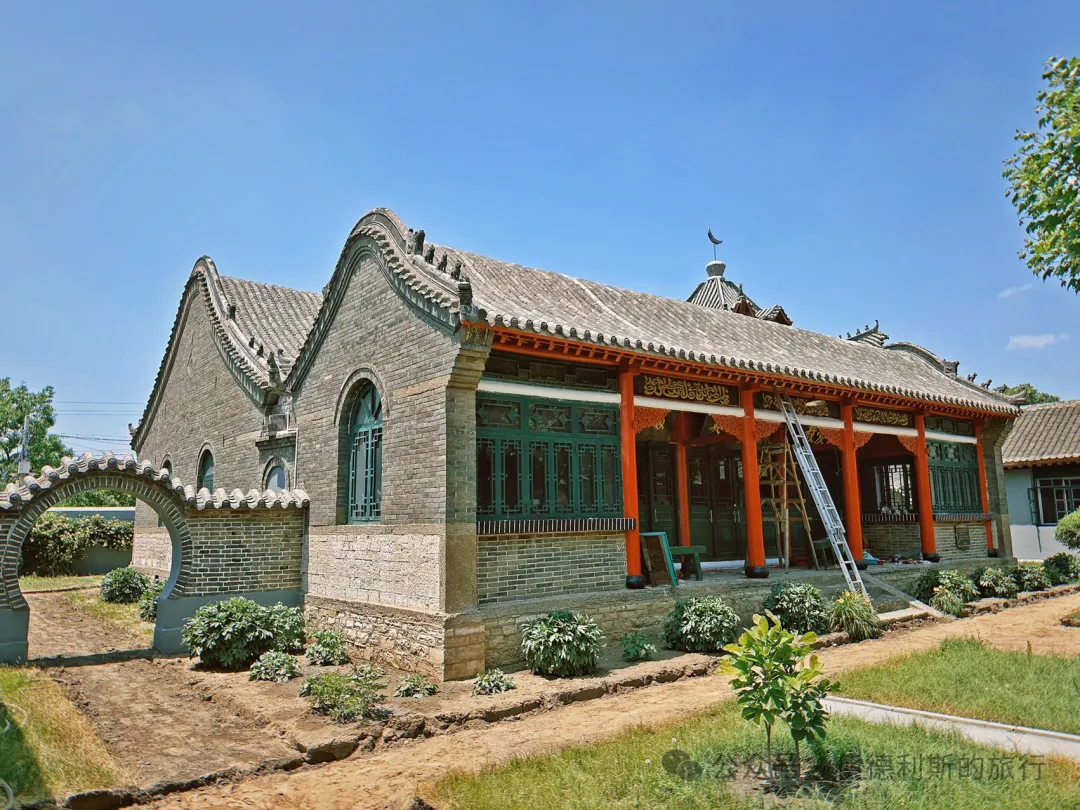
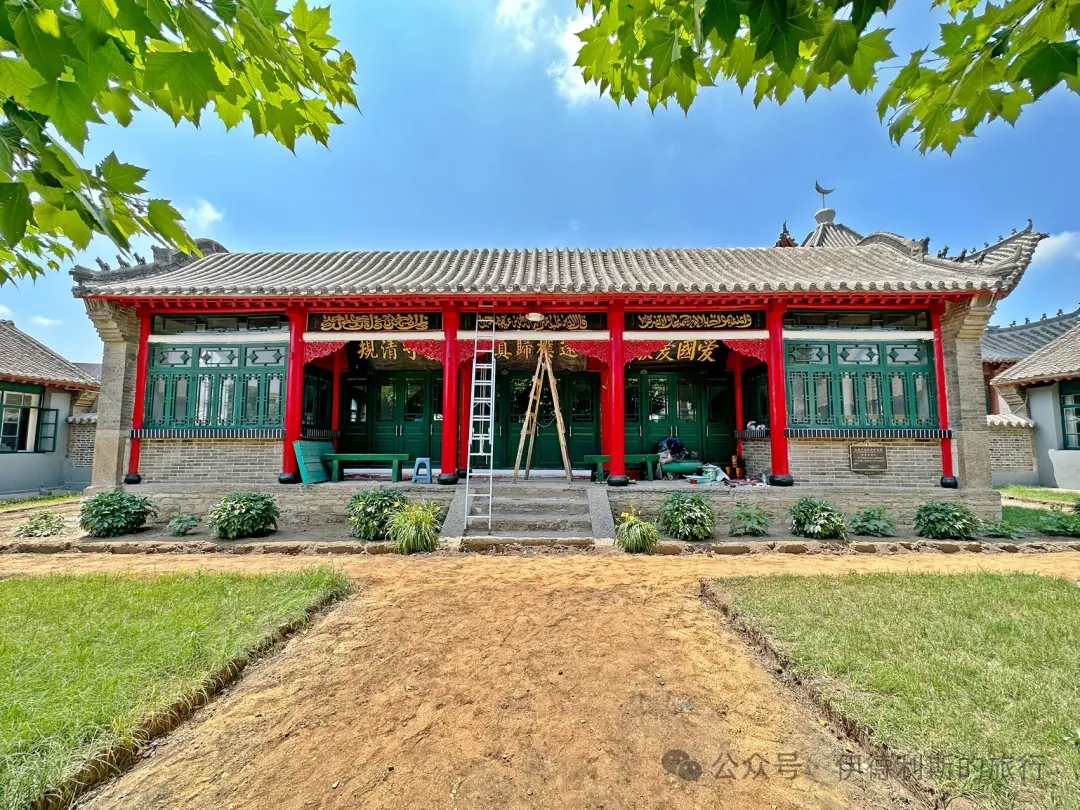
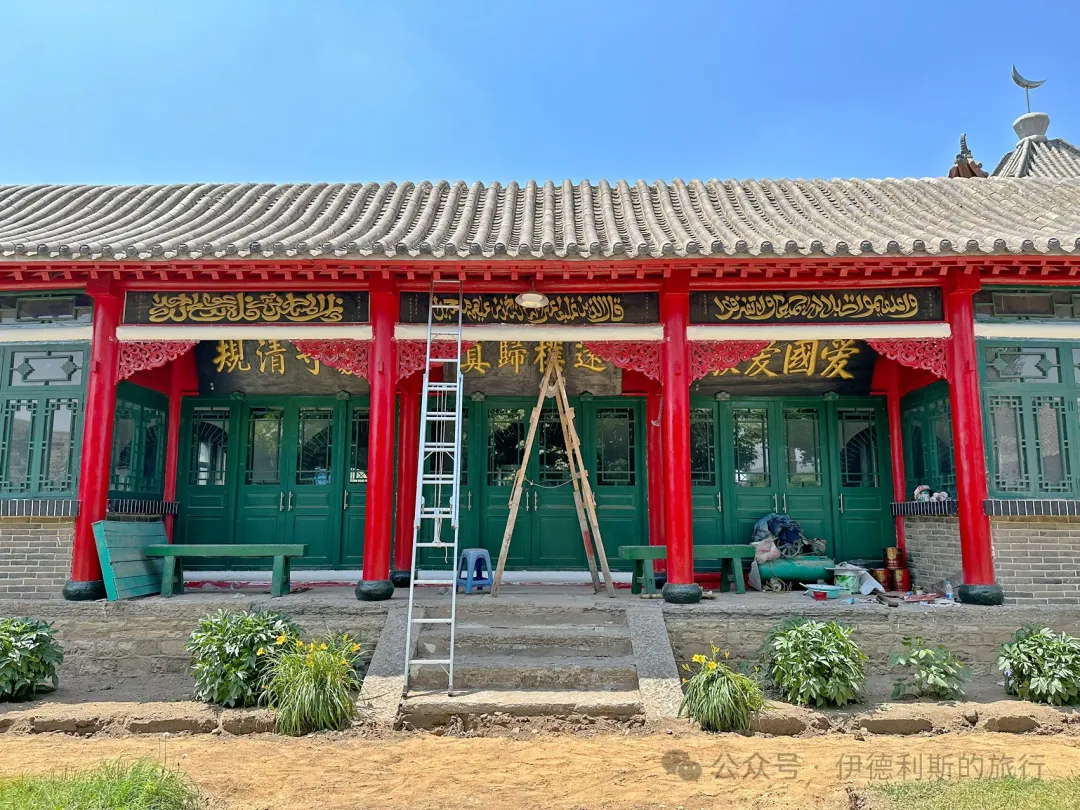
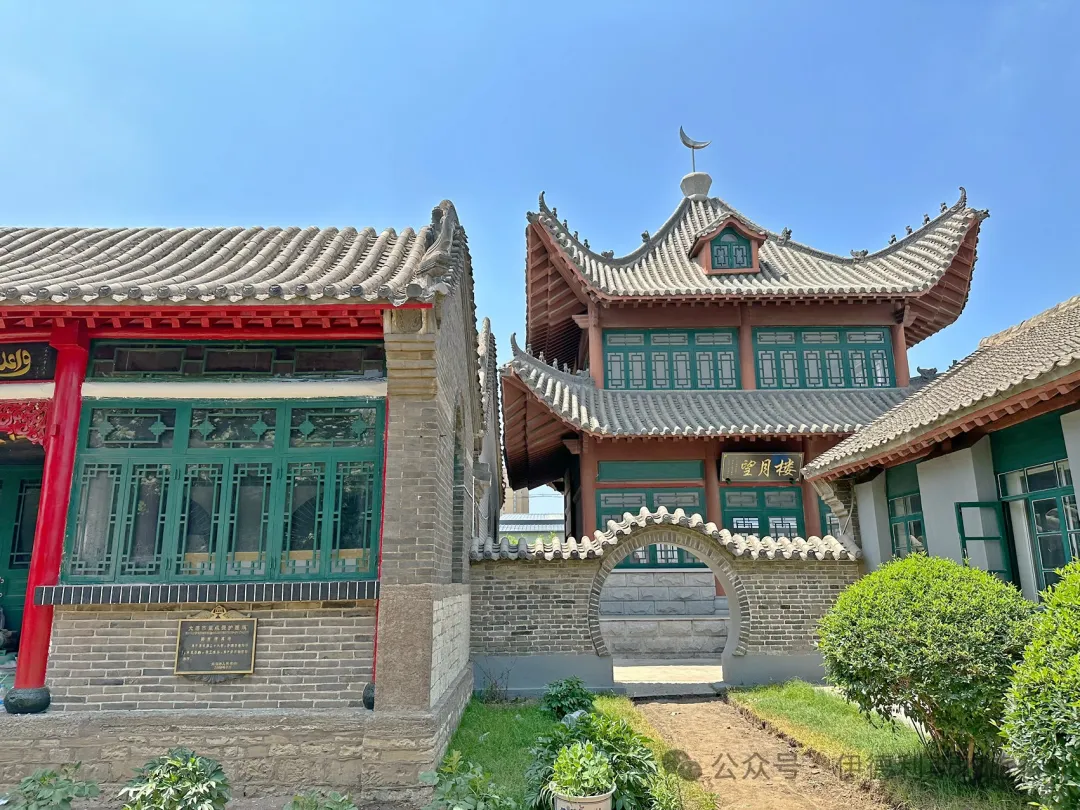
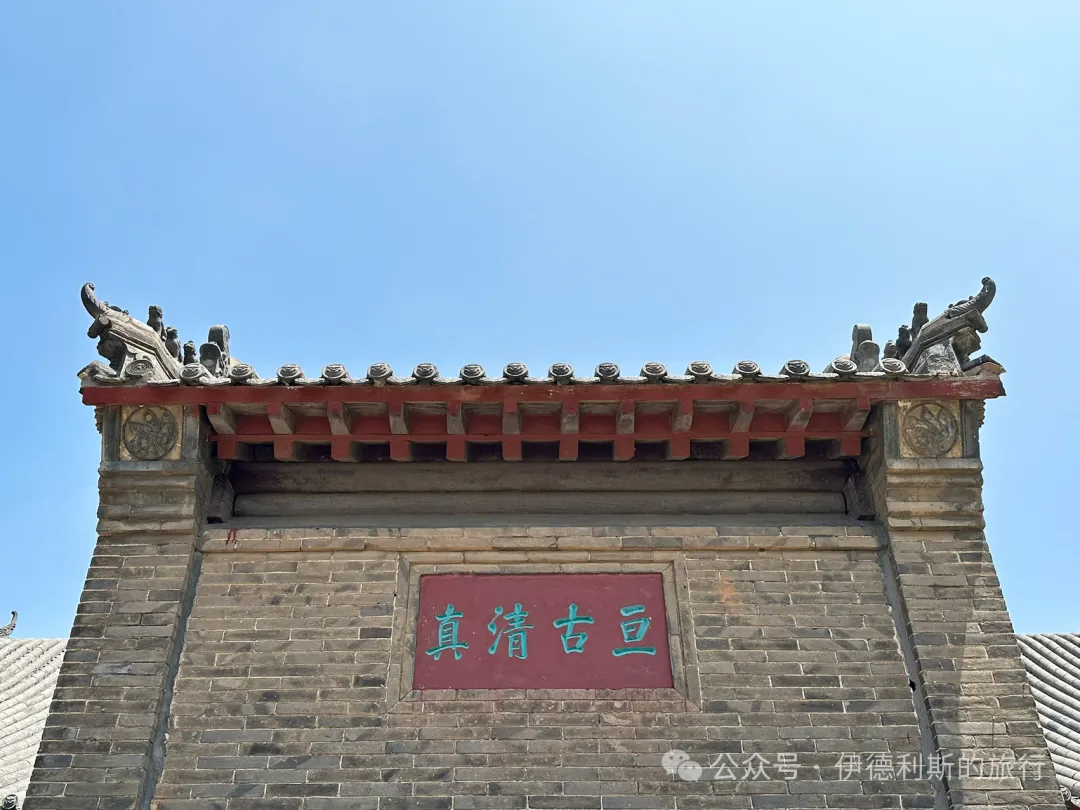
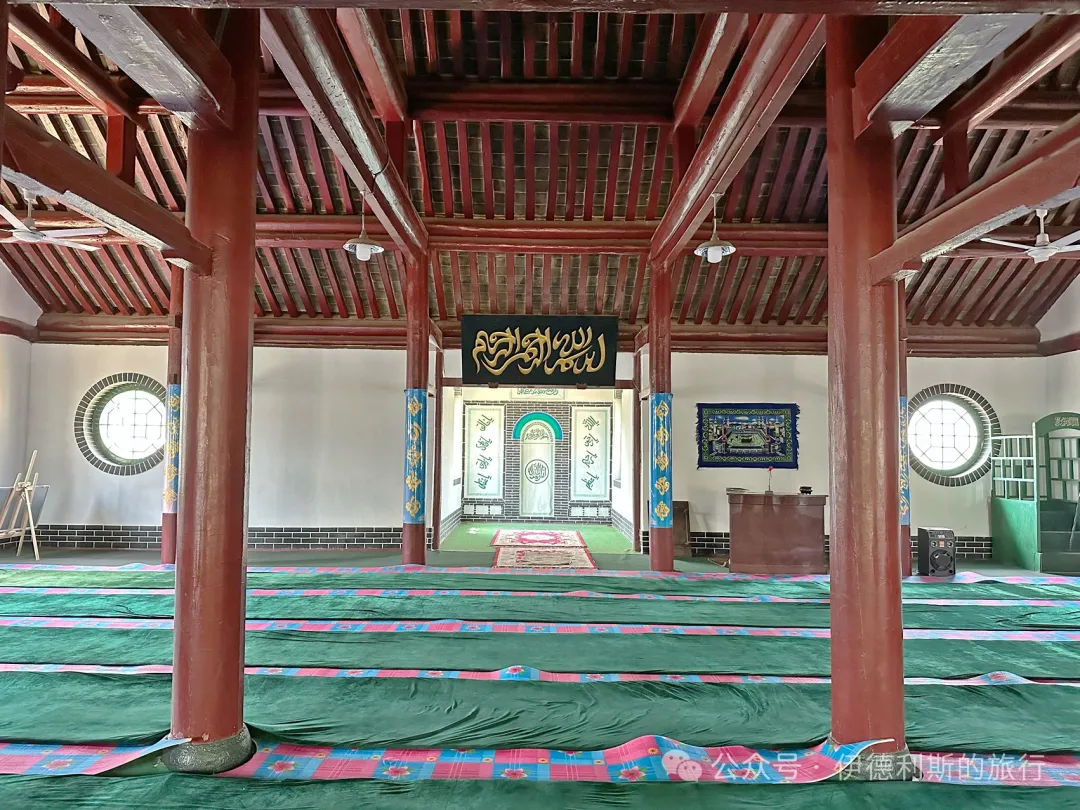
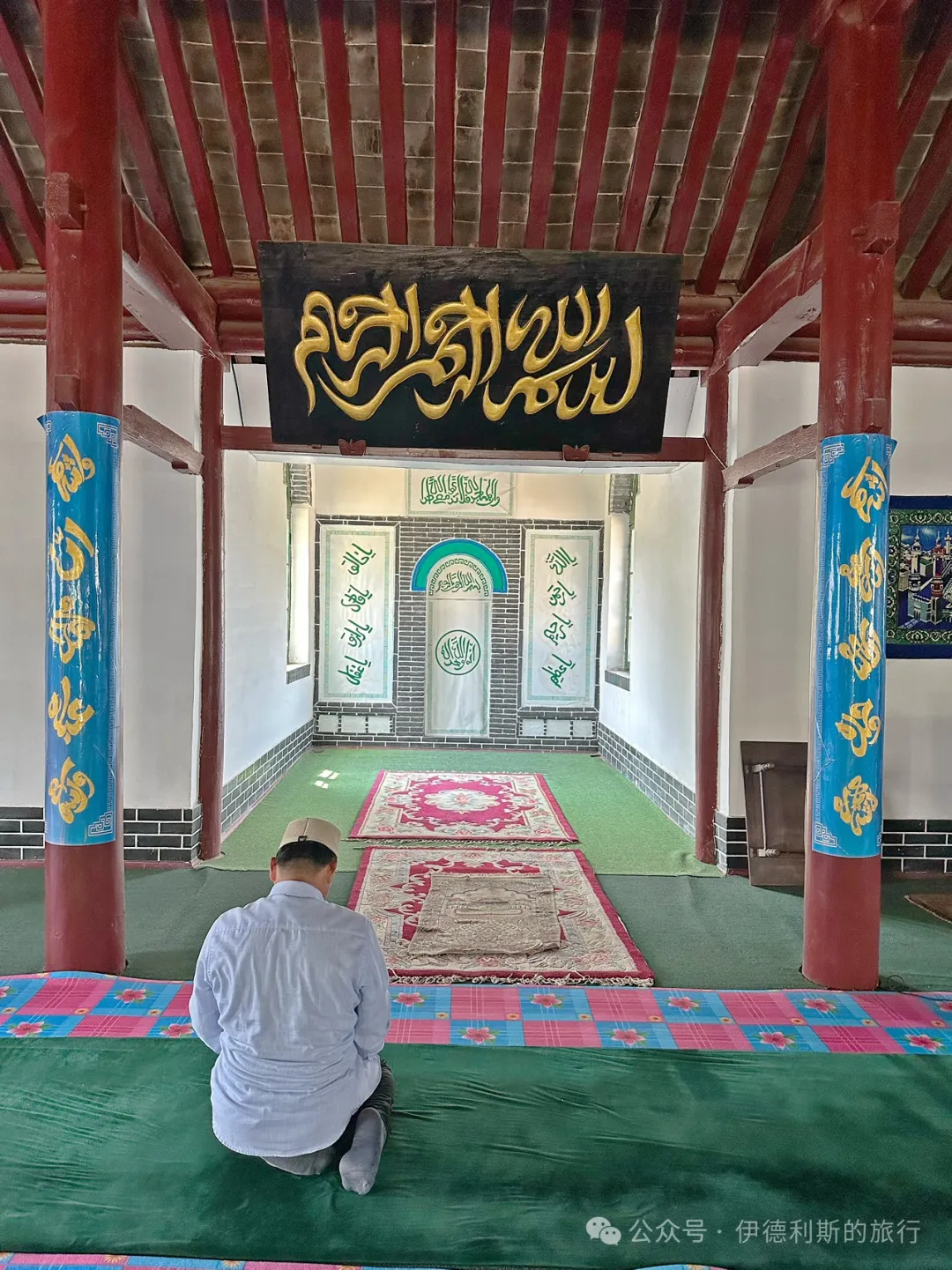
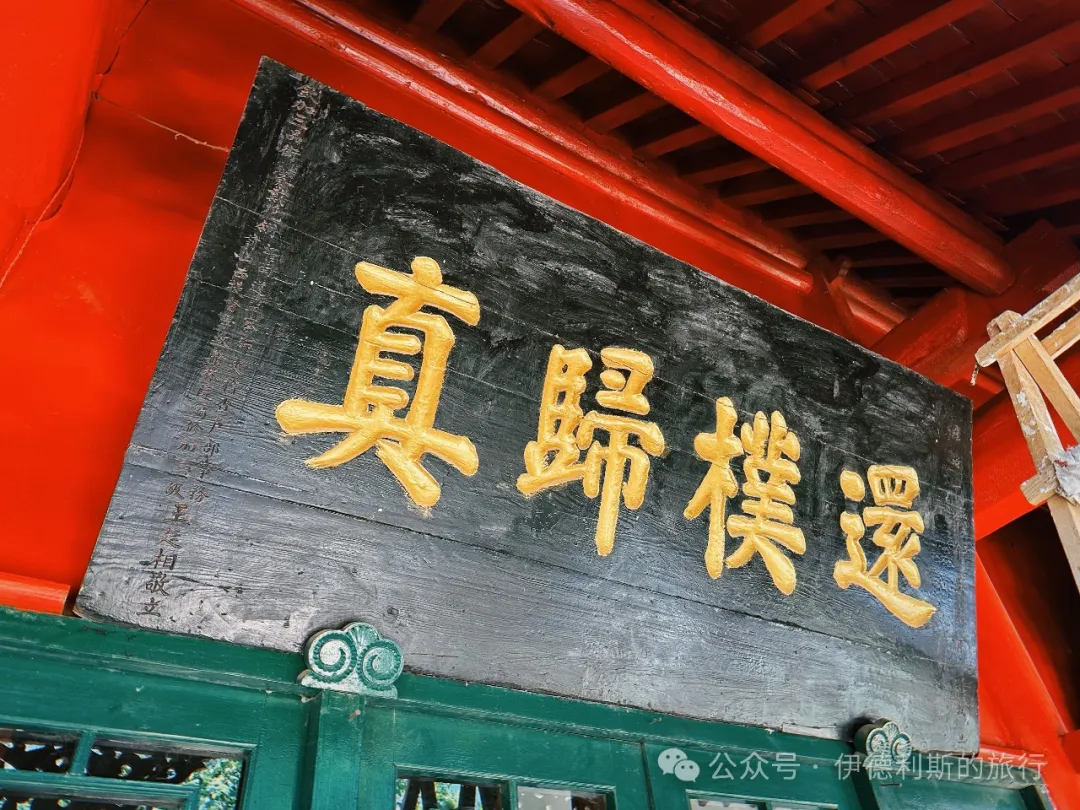
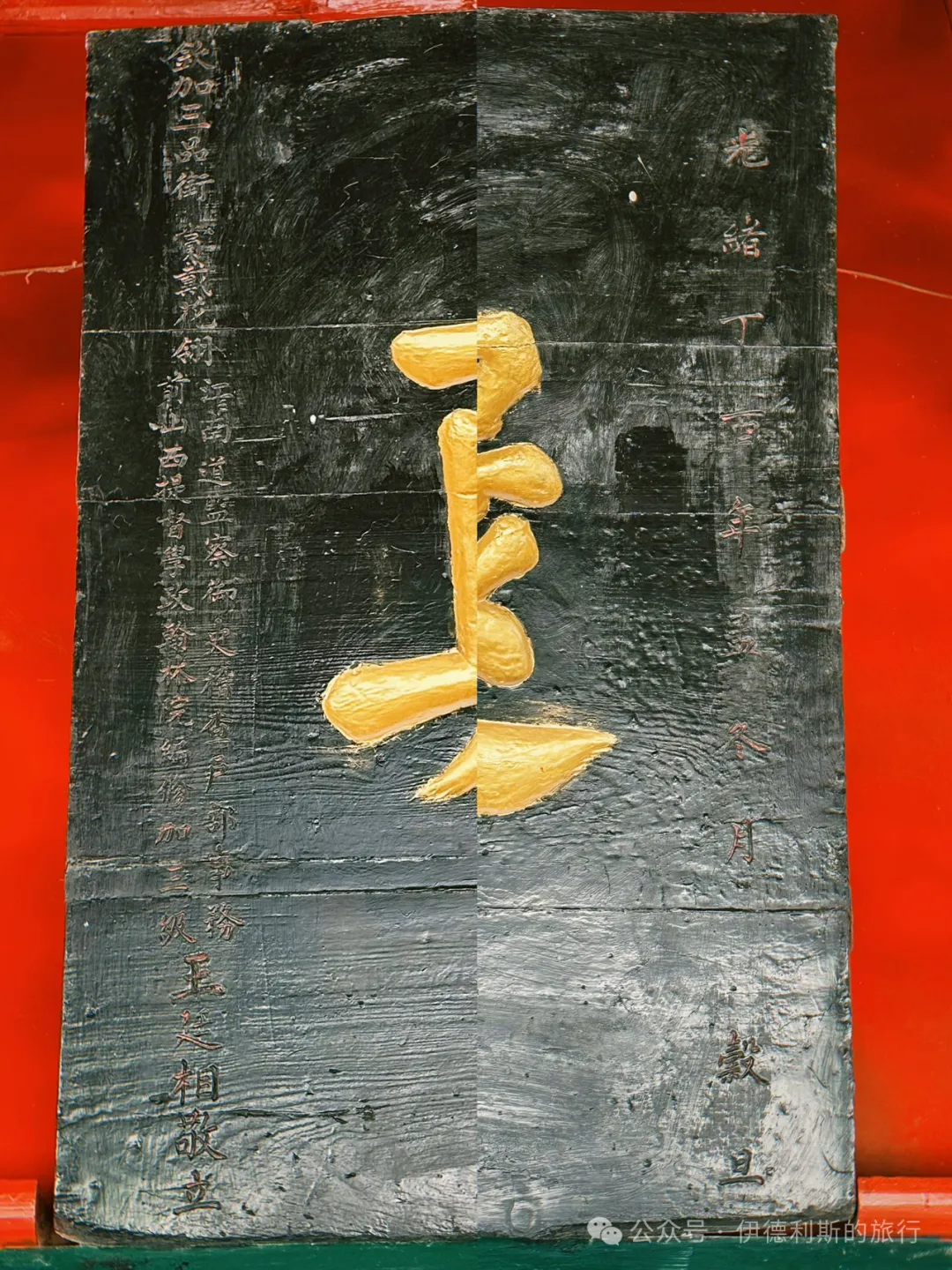
Hanging in front of the Fuzhou Mosque main hall is a 'Return to Simplicity and Truth' (Huanpu Guizhen) plaque, respectfully presented in 1897 (the 23rd year of the Guangxu reign) by Wang Tingxiang, a third-rank official and imperial censor.
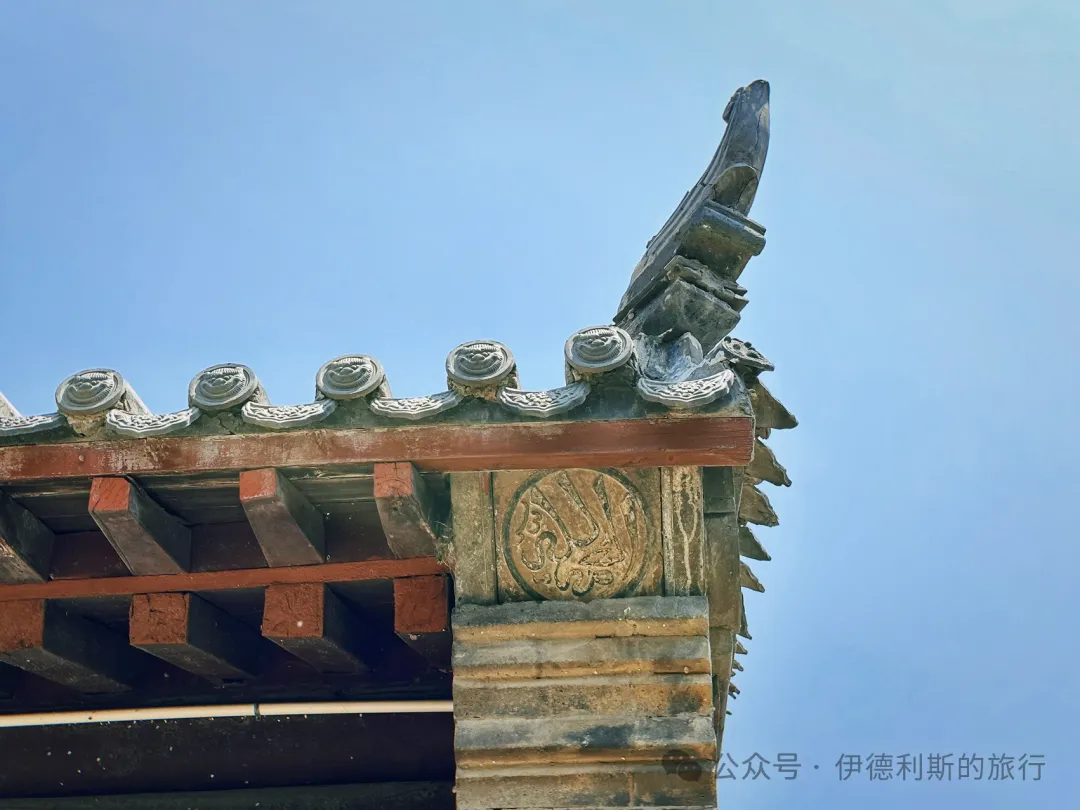
Additionally, there are brick carvings of traditional calligraphy featuring dua on the wall corners.
Summary: This second part of the Liaoning mosque series continues through old mosque communities in the province, including buildings rebuilt or altered across the Qing Dynasty, Republic of China era, and later decades. The article records mosque origins, prayer hall structures, community elders, steles, and architectural details still visible today.
The main gate and side rooms of Xinmin Mosque. Above the main gate hangs a plaque reading "Correct Yourself, Correct Others," presented in 1883 by Liu Dianyuan, a military officer with the rank of Blue Feather Guard.
There are three plaques in front of the main prayer hall. The first plaque, "The One and Only for Eternity," was presented in 1873 by Zhang Delu, a military official; Ha Zhongguang, a hereditary noble; and Ma Shaochun, a local magistrate.
The second plaque, "Be Pure, Be One," was presented in 1883 by Ding Chunxi, a military commander and decorated hero.
The third plaque, "Sincere Intentions and Respectful Heart," was presented in 1883 by Zuo Baogui, a high-ranking military commander in charge of the Fengtian camp. Zuo Baogui was a famous general in the late Qing Dynasty and a hero in the war against Japan. He led troops to guard Fengtian in 1875 and began commanding the Fengtian army in 1880. Zuo Baogui was stationed in Fengtian for twenty years. During this time, he was devoted to his faith, supported public welfare and education, donated to build many mosques, set up schools and soup kitchens, and wrote plaques for many mosques.
The mihrab, minbar, and roof gables of the Xinmin Mosque main hall feature beautiful calligraphy. This is a traditional Chinese calligraphy style that originated in Shandong during the Ming and Qing dynasties and became popular in Northeast China through the Shandong school.
Qing Dynasty door stones and stone tablets are piled up in the backyard of Xinmin Mosque. A tablet from the Tongzhi era contains a contract for a cemetery, including the names of donors and the boundaries of the land. The inscription also provides a rare mention of the now-vanished Xinmin North Mosque. Xinmin North Mosque was built in 1853. Its kiln-style prayer hall had a moon-viewing tower (wangyuelou) with double eaves, but it was destroyed in the 1960s and 1970s.
Shenyang South Mosque.
Shenyang South Mosque was built in 1636. The ancestors of the Tie family who founded it were Hui Muslims who came to the interior of China during the Mongol western campaigns. In the early Ming Dynasty, Tie Xuan served as a government official in Jinan. During the Jingnan Campaign in 1400, Tie Xuan led the defense of Jinan. The Prince of Yan, Zhu Di, attacked for three months without success. It was not until 1402, after the Prince of Yan captured Nanjing and returned north, that Jinan finally fell. Tie Xuan was captured and executed. After Tie Xuan passed away, his second son, Tie Fushu, fled outside the Great Wall and moved from Jinzhou to Shenyang between 1573 and 1620.
The original Shenyang South Mosque was quite simple. In 1662, Tie Kui expanded it into a large mosque and invited the famous imam She Yuanshan from Beijing to teach there. After Imam She's student Tie Hongji finished his studies, he became the leader. From then on, the position of imam at the South Mosque was passed down through the Tie family for 11 generations, with the last imam, Tie Zizhang, serving until 1956.
The rear hall of the mosque was expanded in 1902. The main hall is not the traditional T-shape but features a structure with a rolled-shed roof, a front hall, a rear hall, and a hexagonal kiln-style prayer hall. This style of adding a pavilion-like kiln hall to the rear is common in Northeast China.
The mihrab of the South Mosque is very unusual; instead of a traditional niche, it uses a "great spirit tablet" design, which is a unique local feature.
Shenyang East Mosque.
Shenyang East Mosque was built in 1803. In 1935, the prayer hall was rebuilt in a Western style, while the moon-viewing tower (wangyuelou) kept its original Chinese style. The East Mosque was occupied in 1958, returned in 1980, and became the Shenyang Islamic Institute in 1988.
Kaiyuan Old City Mosque
Take a train from Shenyang to Kaiyuan, then take a taxi to the Kaiyuan Old City. Located inside the East Gate of the old city, the Kaiyuan Old City Mosque was first built in 1406 (the fourth year of the Yongle reign of the Ming Dynasty) and is the oldest mosque in Northeast China.
The current main prayer hall follows the style of the 1680 (the 19th year of the Kangxi reign) reconstruction, consisting of a small porch (juanpeng), the main hall, and a hexagonal pavilion-style rear hall (yaodian), similar in style to the South Mosque in Shenyang.
Porch (juanpeng)
The Old City Mosque once had many plaques and couplets, but only the 'Allah is One' (Zhenzhu Duyi) plaque, gifted by the Kaiyuan County government in 1832 (the 12th year of the Daoguang reign), remains hanging above the main hall.
Inside the main hall
Old items stored in the mosque's reception hall include roof drip tiles, eave tiles, ridge beasts, and carved wooden railings from the main hall, the finial from the moon-viewing tower (wangyuelou) of the rear hall, and a plaque inscribed with 'Silk and Gauze' (Lingluo Shajuan).
Wood carvings and stone engravings stored in the reception hall.
Very exquisite calligraphy
Fengcheng Mosque
Fengcheng Mosque was first built in 1775 (the 40th year of the Qianlong reign), renovated in 1862 (the first year of the Tongzhi reign), expanded with a north lecture hall and side rooms in 1876 (the second year of the Guangxu reign), and finally reached its current size after the moon-viewing tower was added in 1890 (the 16th year of the Guangxu reign).
The most distinctive feature of Fengcheng Mosque is the moon-viewing tower, built during the Guangxu reign, which has a double-eaved, four-cornered pyramidal roof, flying eaves, brackets, and intricately carved decorative brackets (que-ti).
The mosque features 300-year-old Chinese junipers, a stele from the Guangxu renovation, and very exquisite wood and brick calligraphy carvings on the brackets and wall corners.
Fuzhou Mosque
Fuzhou is a thousand-year-old city established during the Liao Dynasty. It was a major commercial hub in southern Liaoning from the Ming and Qing dynasties onwards, filled with merchants, until it was gradually replaced by Wafangdian along the South Manchuria Railway in modern times.
Around 1641 (the sixth year of the Chongde reign of the Qing Dynasty), Hui Muslims from the four major surnames of Yin, Ma, Dai, and Hui migrated from Cangzhou, Hebei to Fuzhou, and later established Fuzhou Mosque in the southwest of the city in 1649 (the sixth year of the Shunzhi reign). Three thatched rooms were built as the main hall in 1656 (the 13th year of the Shunzhi reign), which was rebuilt in 1774 (the 39th year of the Qianlong reign) and expanded again in 1880 (the sixth year of the Guangxu reign), still with a thatched roof. In 1920, the front porch and rear hall were expanded, and the roof was changed to blue brick tiles, resulting in its current form.
Hanging in front of the Fuzhou Mosque main hall is a 'Return to Simplicity and Truth' (Huanpu Guizhen) plaque, respectfully presented in 1897 (the 23rd year of the Guangxu reign) by Wang Tingxiang, a third-rank official and imperial censor.
Additionally, there are brick carvings of traditional calligraphy featuring dua on the wall corners.
