
Halal Travel Guide: Liaoning - 12 Historic Mosques, Part 1
Reposted from the web
Summary: This first part of the Liaoning mosque series traces historic Hui Muslim mosques, migration routes, and community life across the province. The article preserves founding dates, architectural layouts, imam and elder stories, old inscriptions, and photos of prayer halls, gates, and carved details.
I am sharing 12 ancient mosque (qingzhensi) buildings I visited in Liaoning, moving in a clockwise direction.
Lingyuan Mosque: First built during the Qianlong reign.
Suizhong Mosque: First built in 1737, moved in 1797, and renovated in 1927.
Luyang Mosque: First built in 1531 and rebuilt in 1925.
Beizhen Mosque: First built in 1522 and expanded in 1617.
Xinlitun Mosque: First built in 1842 and rebuilt in 1873.
Xinmin Mosque: First built in 1765 and rebuilt in 1883.
Shenyang South Mosque: First built in 1636, with expansions in 1662 and 1902.
Shenyang East Mosque: First built in 1803 and renovated in 1935.
Kaiyuan Old City Mosque: First built in 1406 and rebuilt in 1680.
Fengcheng Mosque: First built in 1775 and expanded in 1890.
Fuzhou Mosque: First built in 1649 and expanded in 1920.
Qingdui Mosque: First built during the Daoguang reign, rebuilt in 1895, and expanded in 1920.
Lingyuan Mosque
Lingyuan sits at the border of Hebei, Liaoning, and Inner Mongolia. It was originally called Tazigou. Since the Qianlong reign, Hui Muslims from Shandong and Hebei kept traveling through the gaps in the Great Wall near Xifengkou to reach the northeast. Lingyuan was their first stop after leaving the pass, and some Hui Muslims settled there.
Lingyuan Mosque was built during the Qianlong reign. According to the stone inscriptions inside, a Hui Muslim doctor named Zhang Lichen and others cured the illness of a Mongol prince from the Harqin Left Banner. The prince's mansion then provided the land and silver to build the Lingyuan Mosque.
Main gate
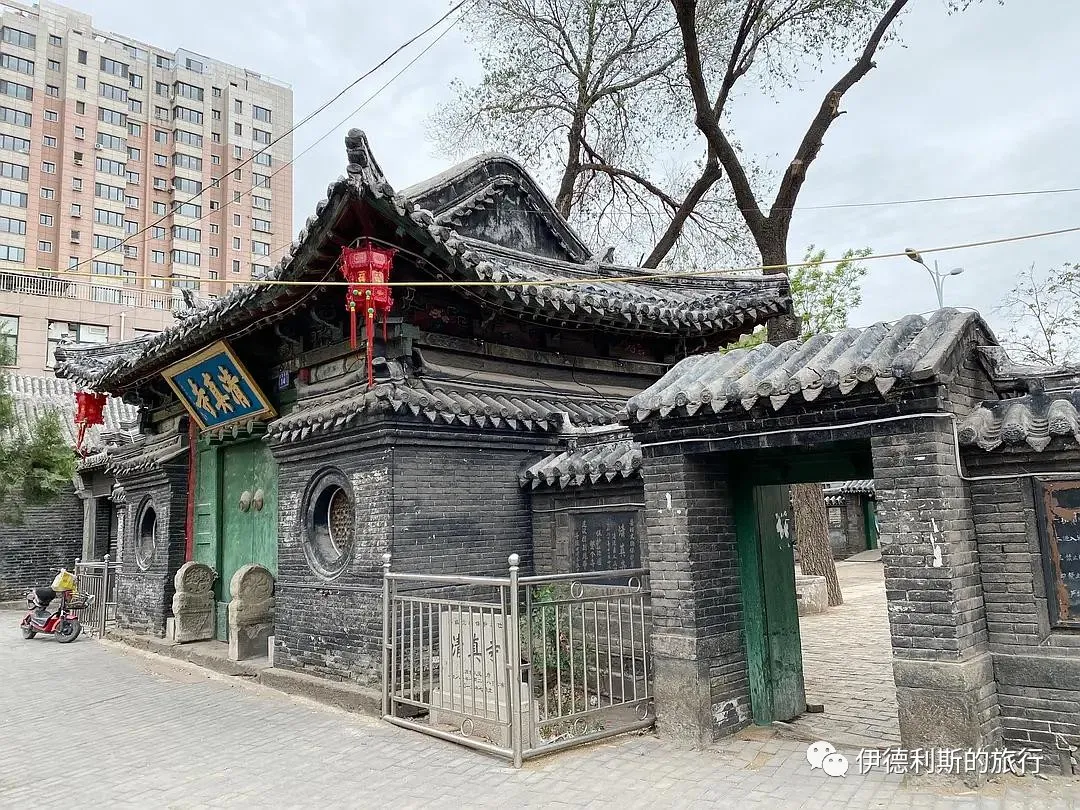
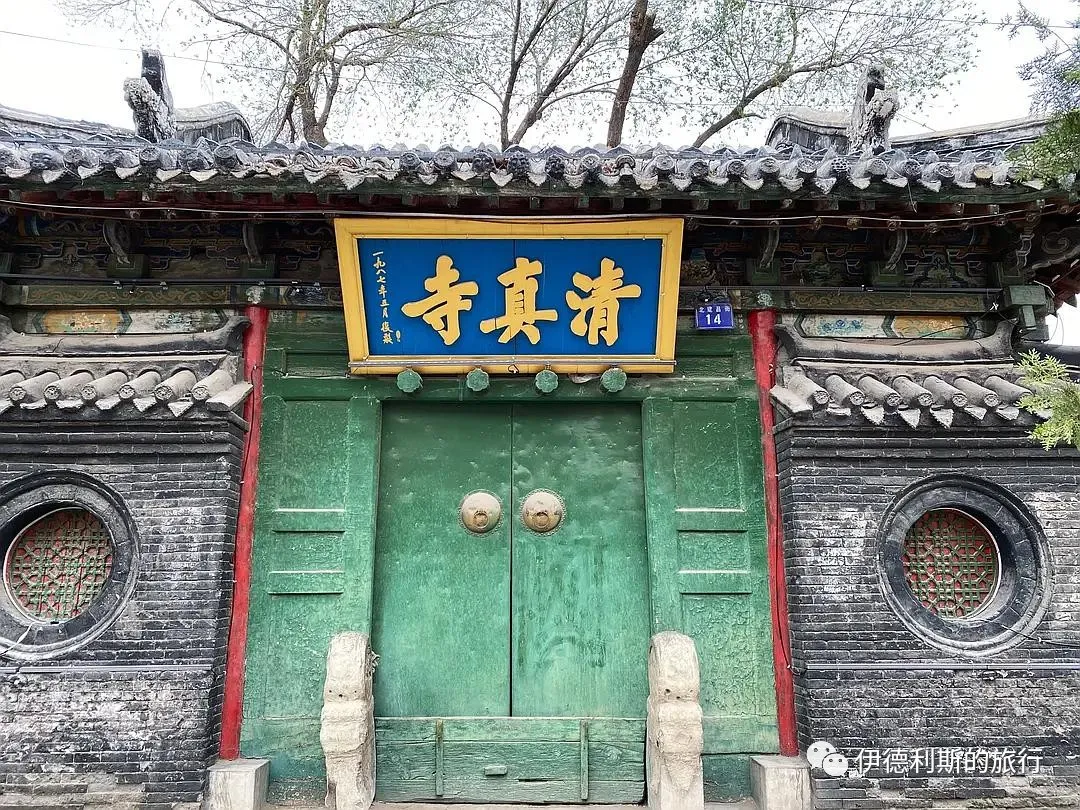
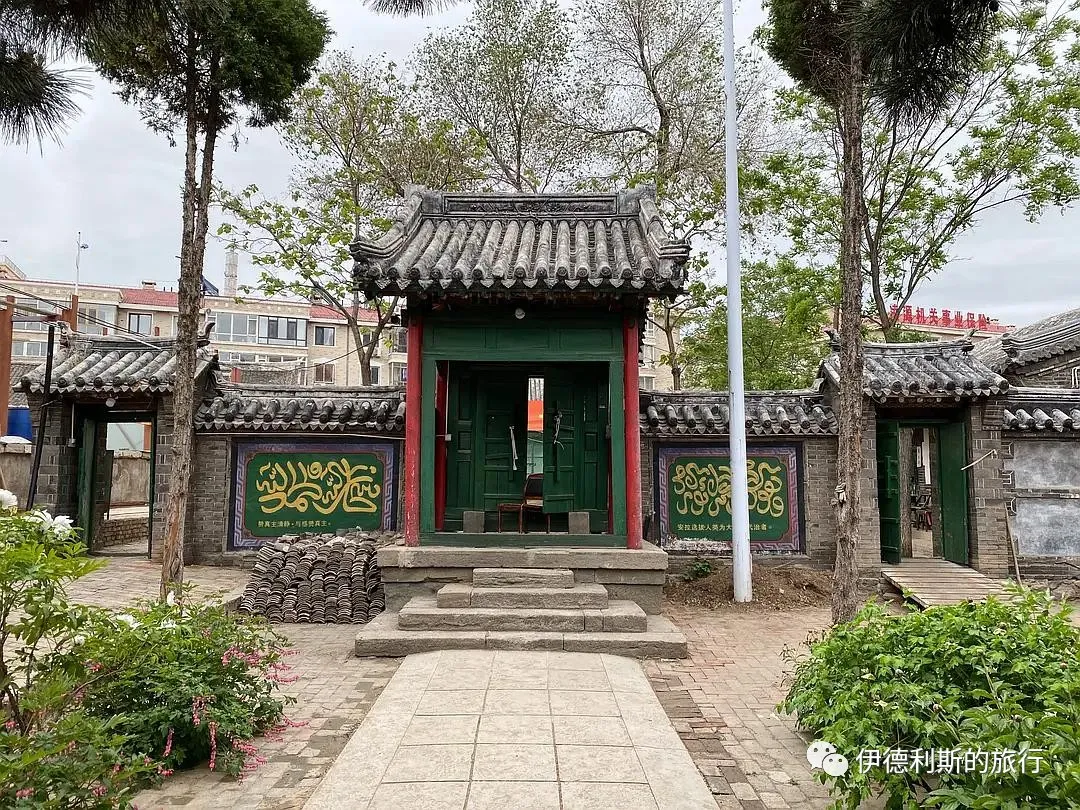
Hanging flower gate (chuihuamen)
The prayer hall consists of a porch, a main hall, and a rear niche (yaodian), just like traditional northern styles, but the architectural details are very different from styles found inside the pass.
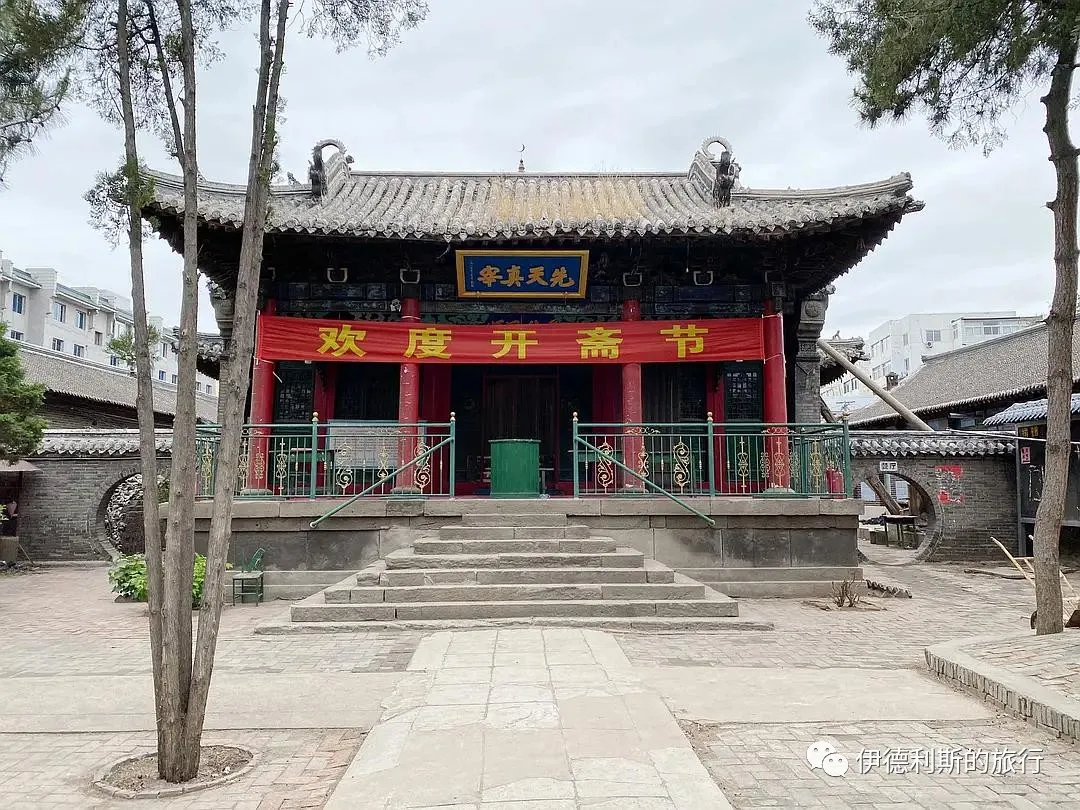
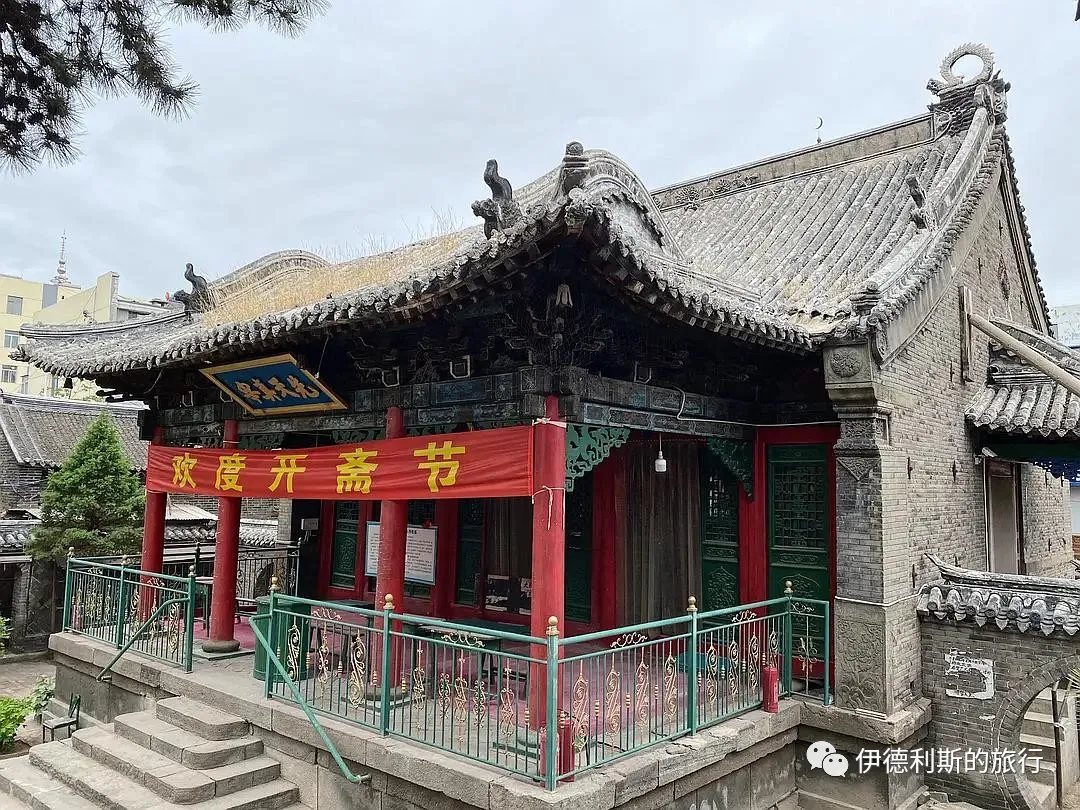
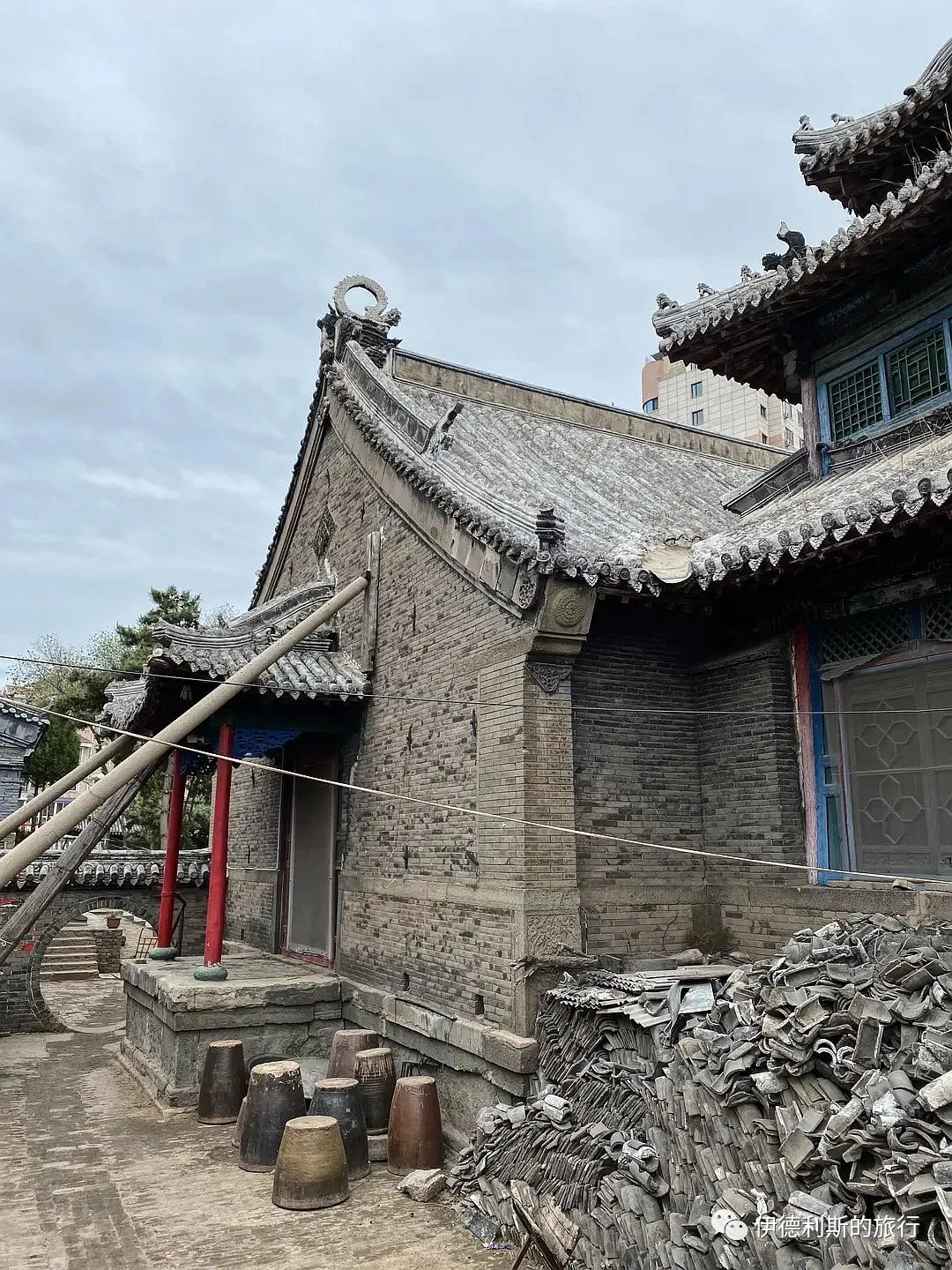
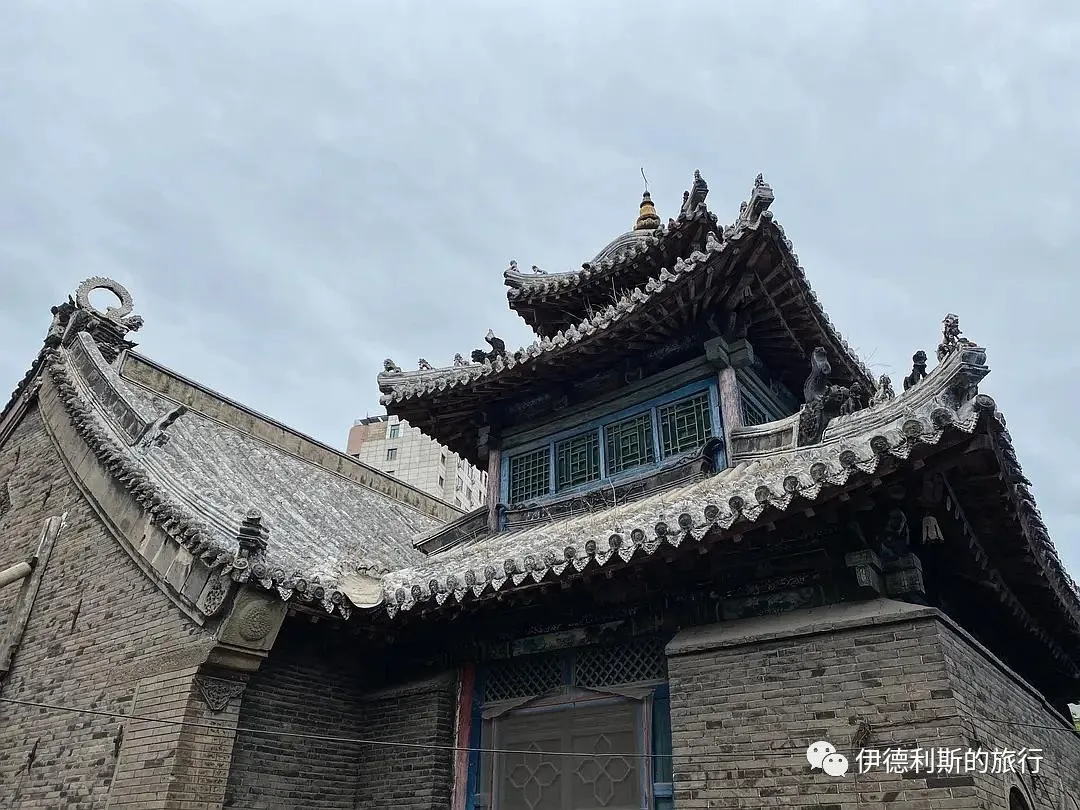
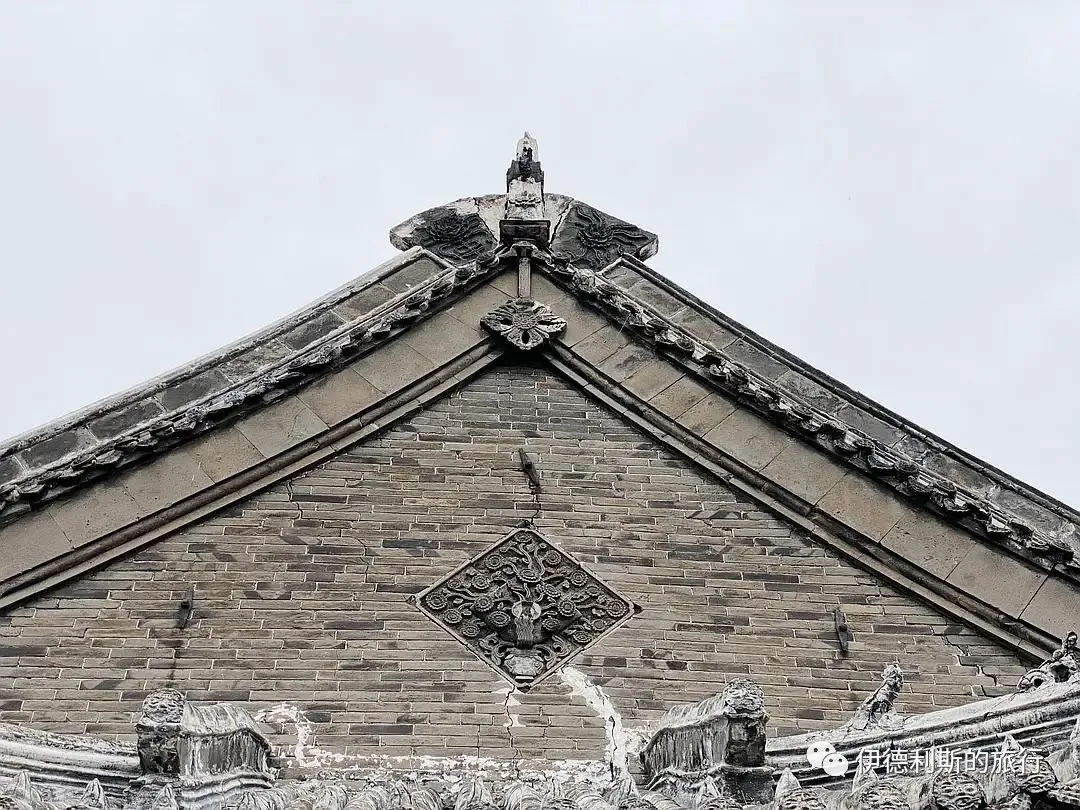
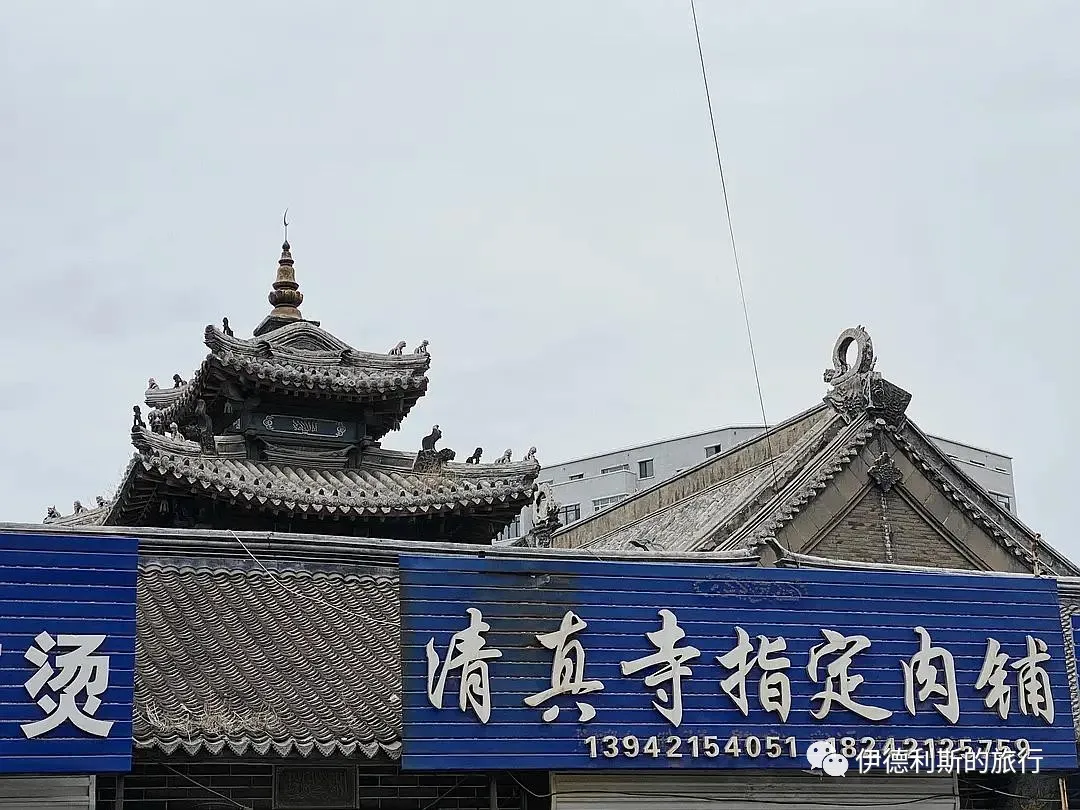
The main hall has cracks due to years of neglect and is currently closed. Namaz is now held in a room nearby.
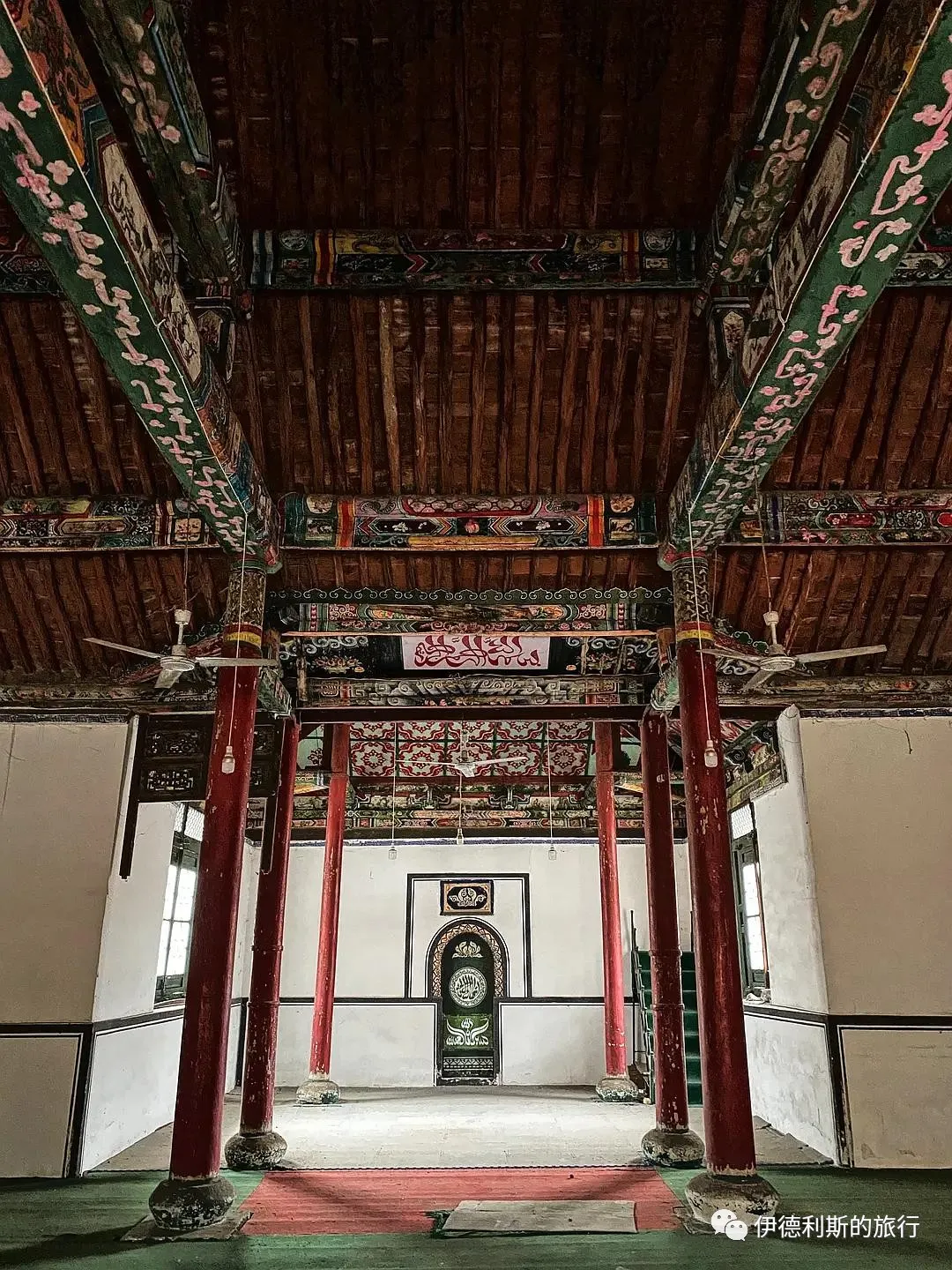
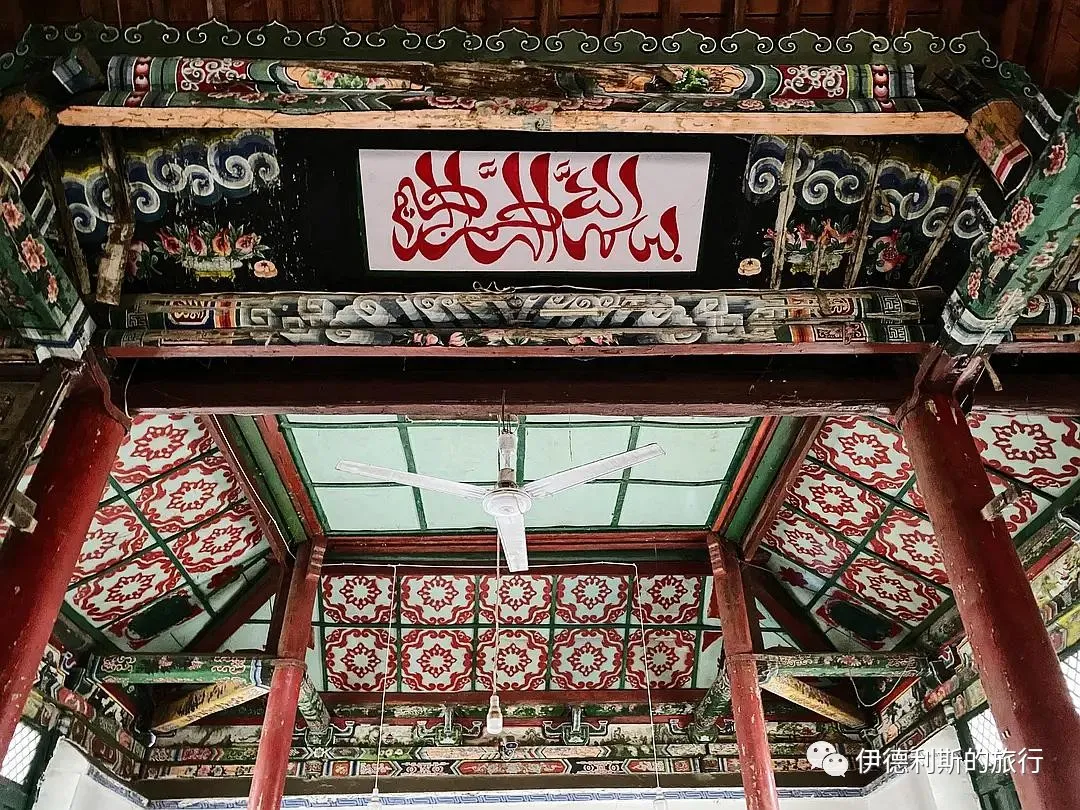
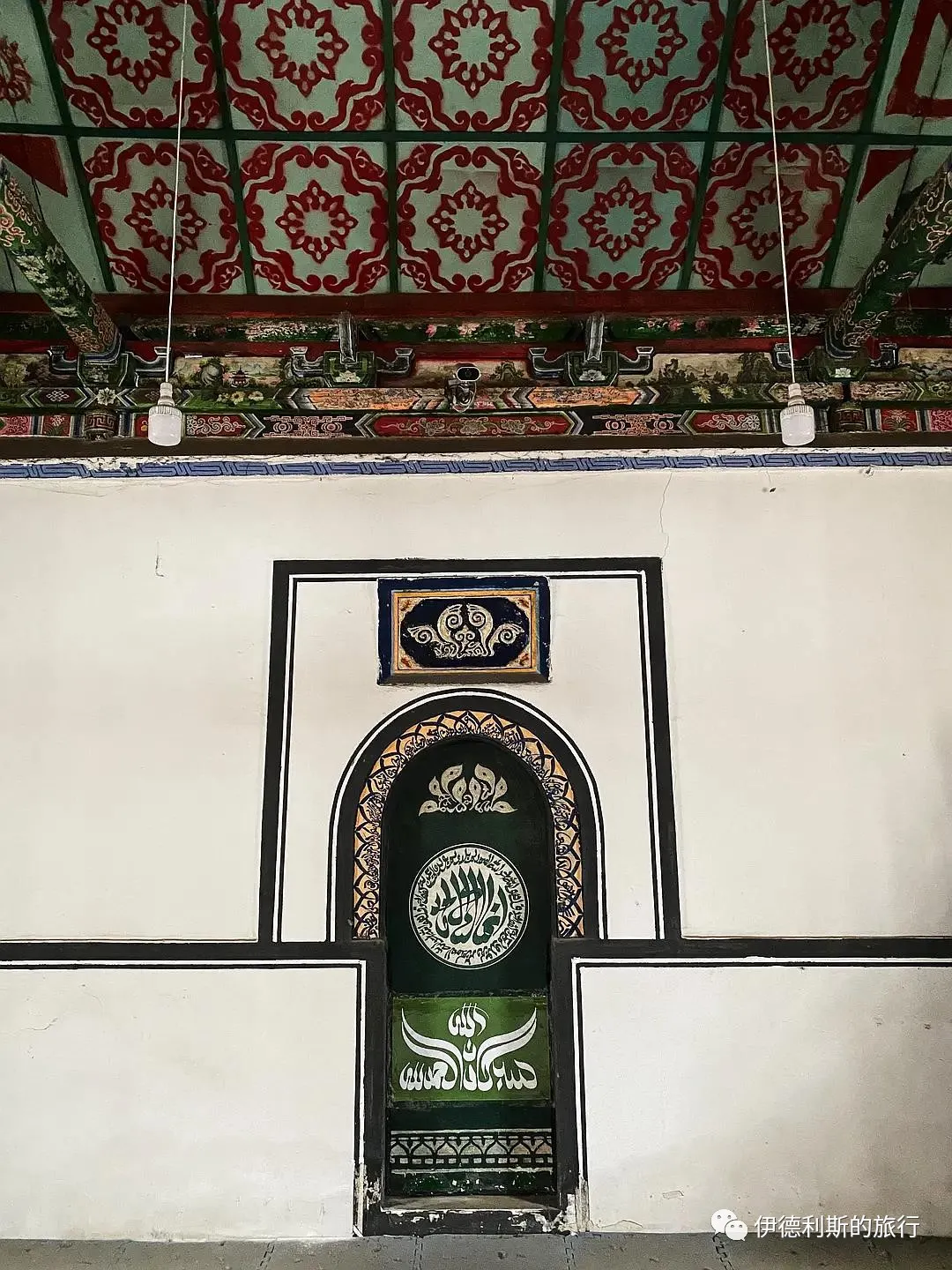
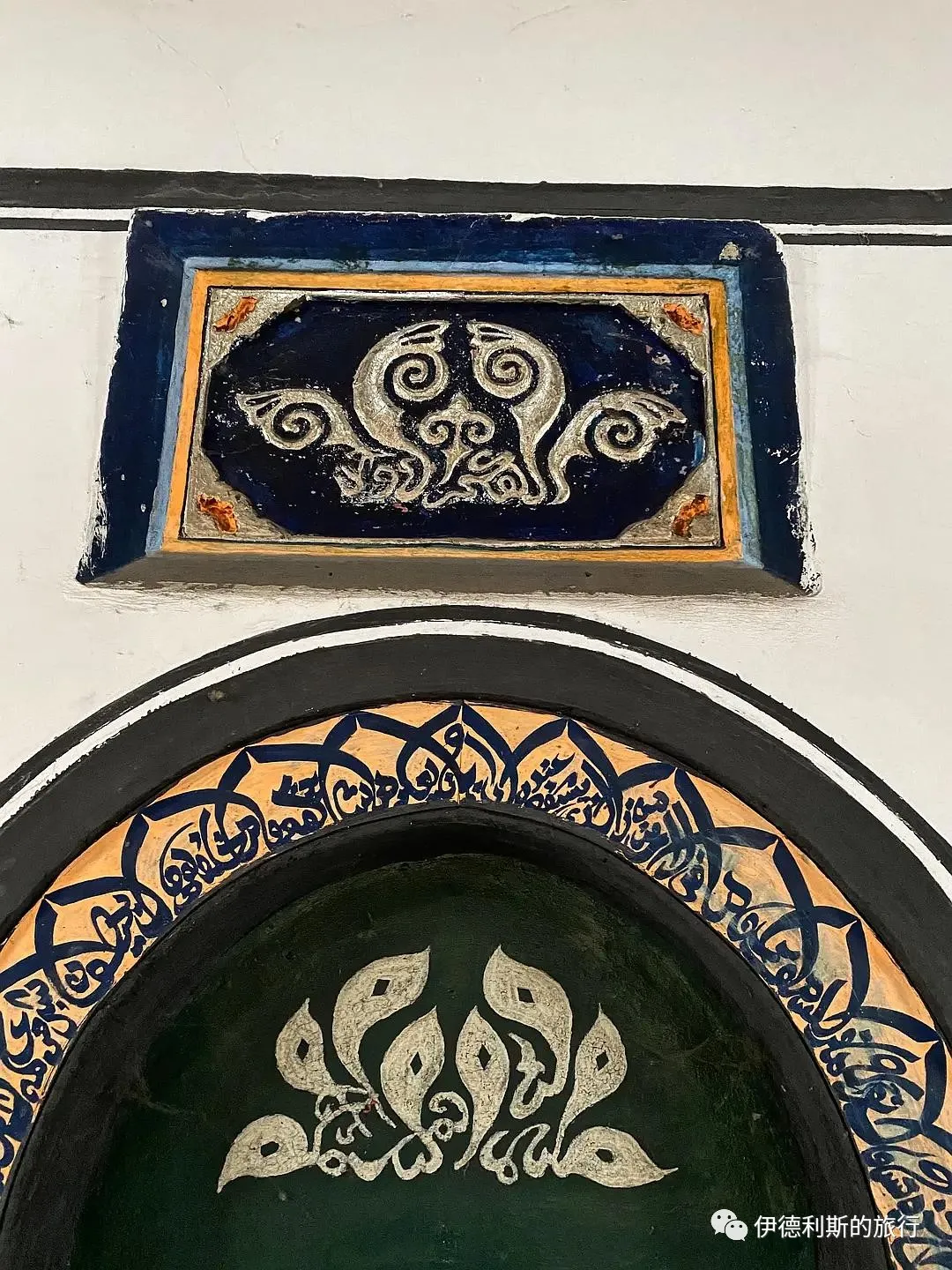
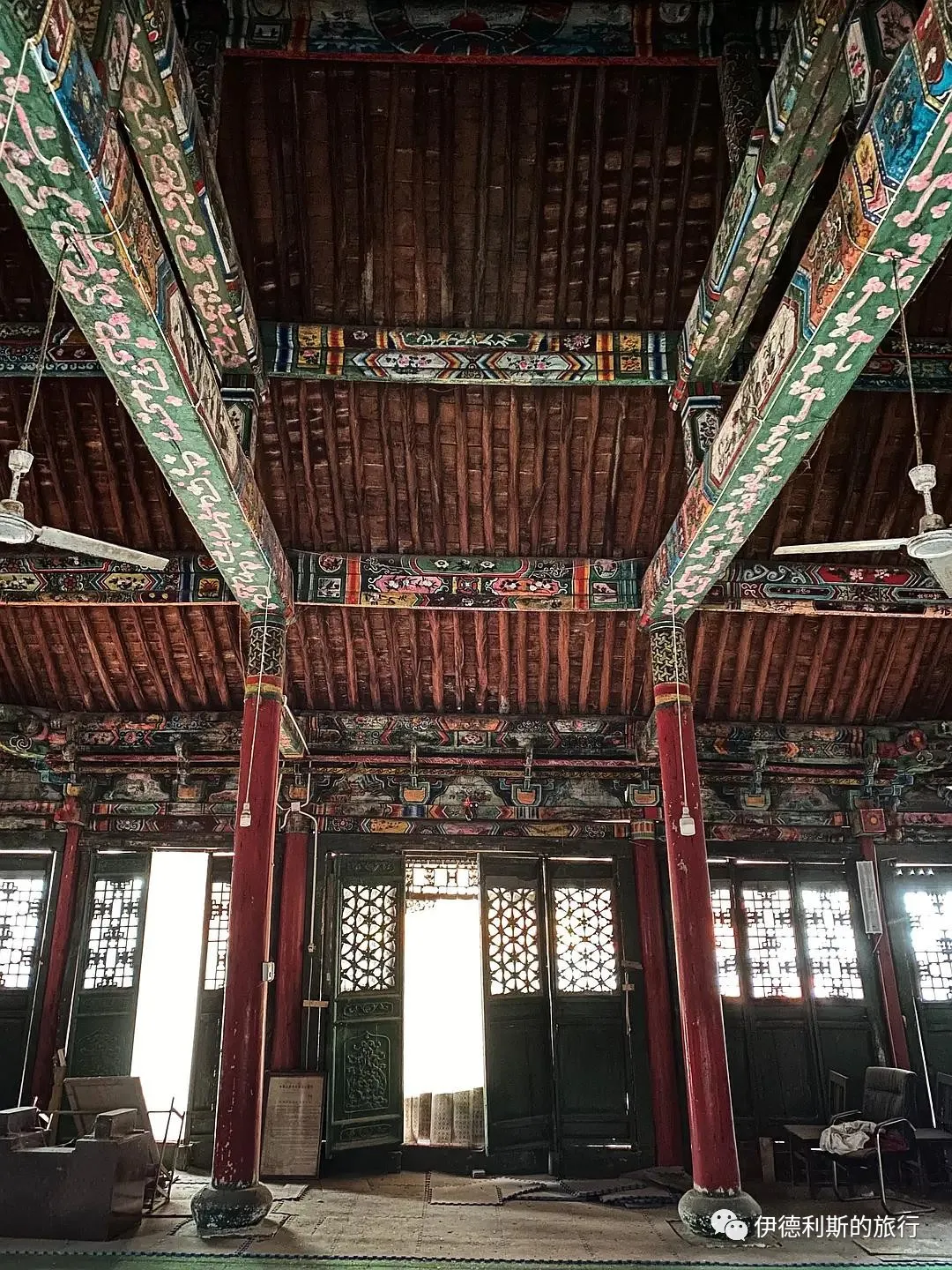
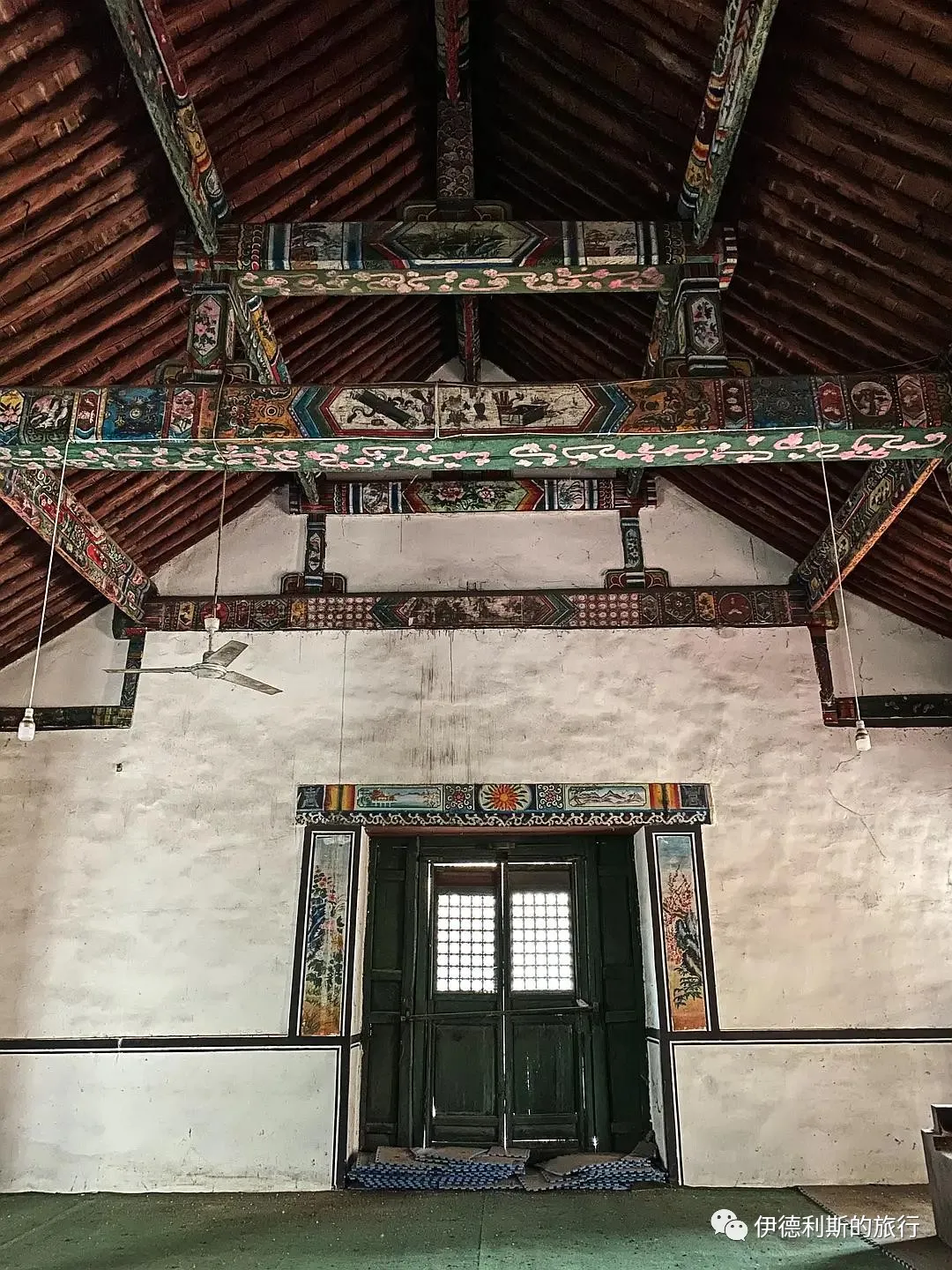
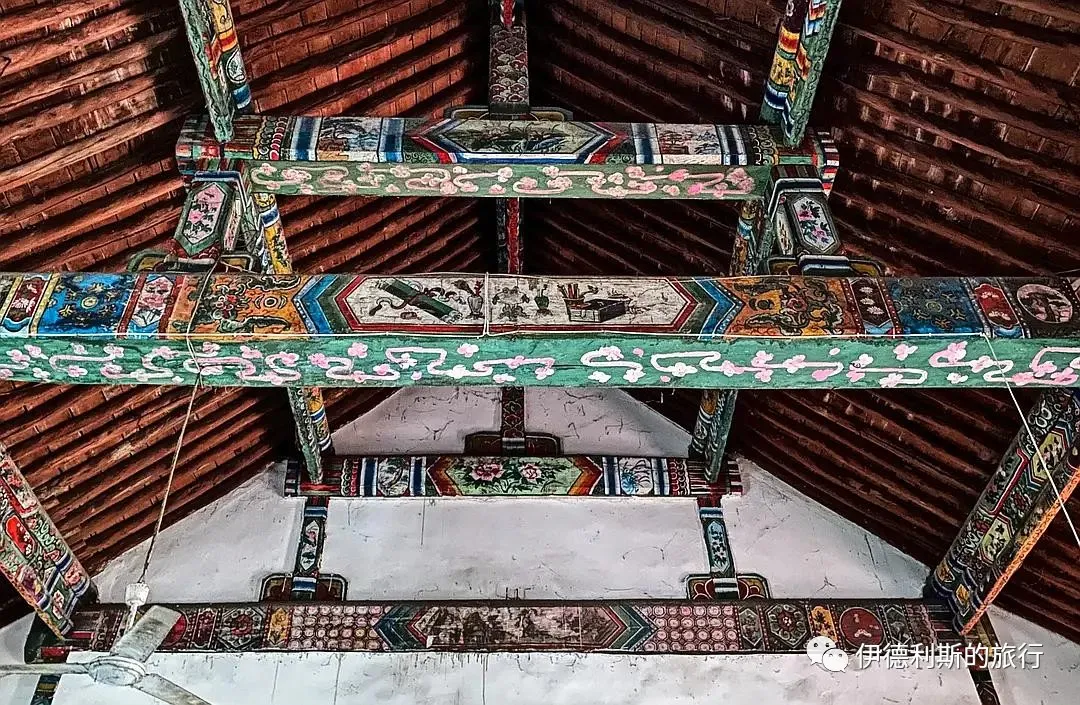
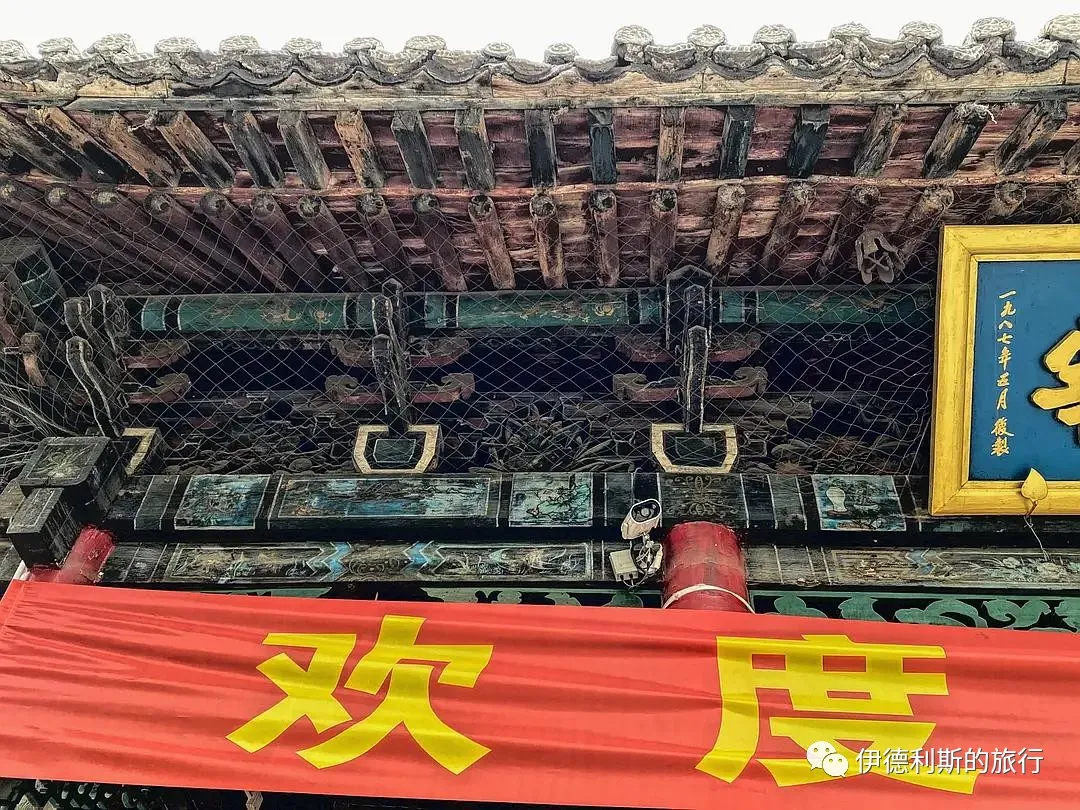
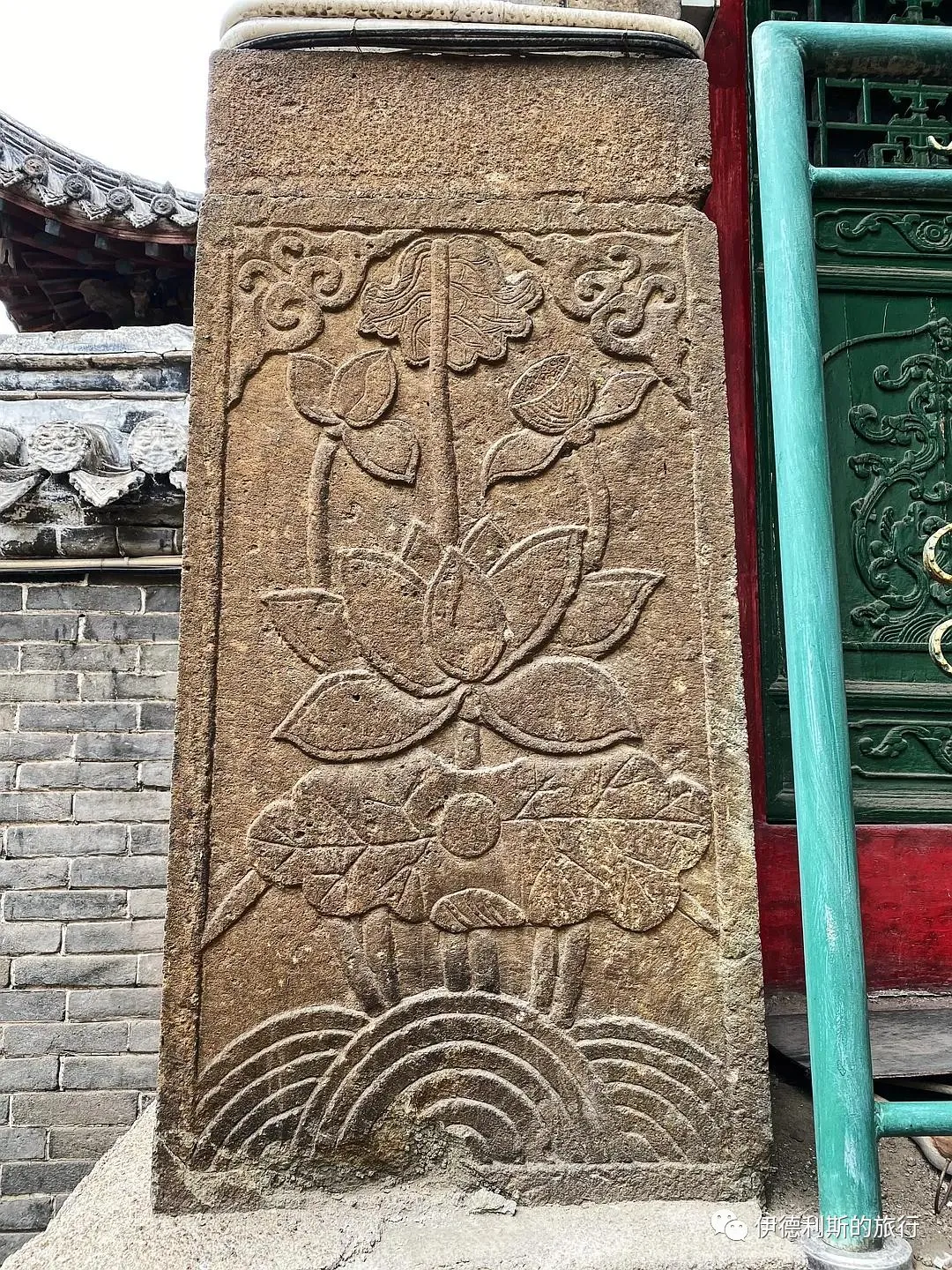
Side rooms (xiangfang)
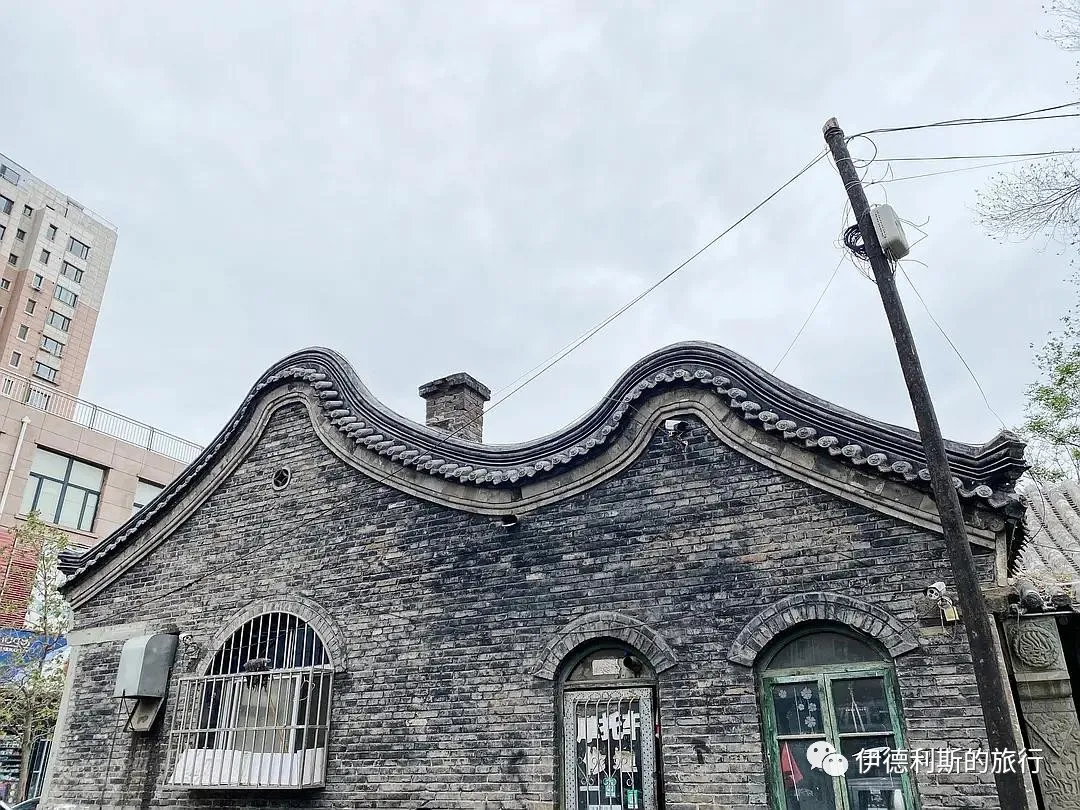
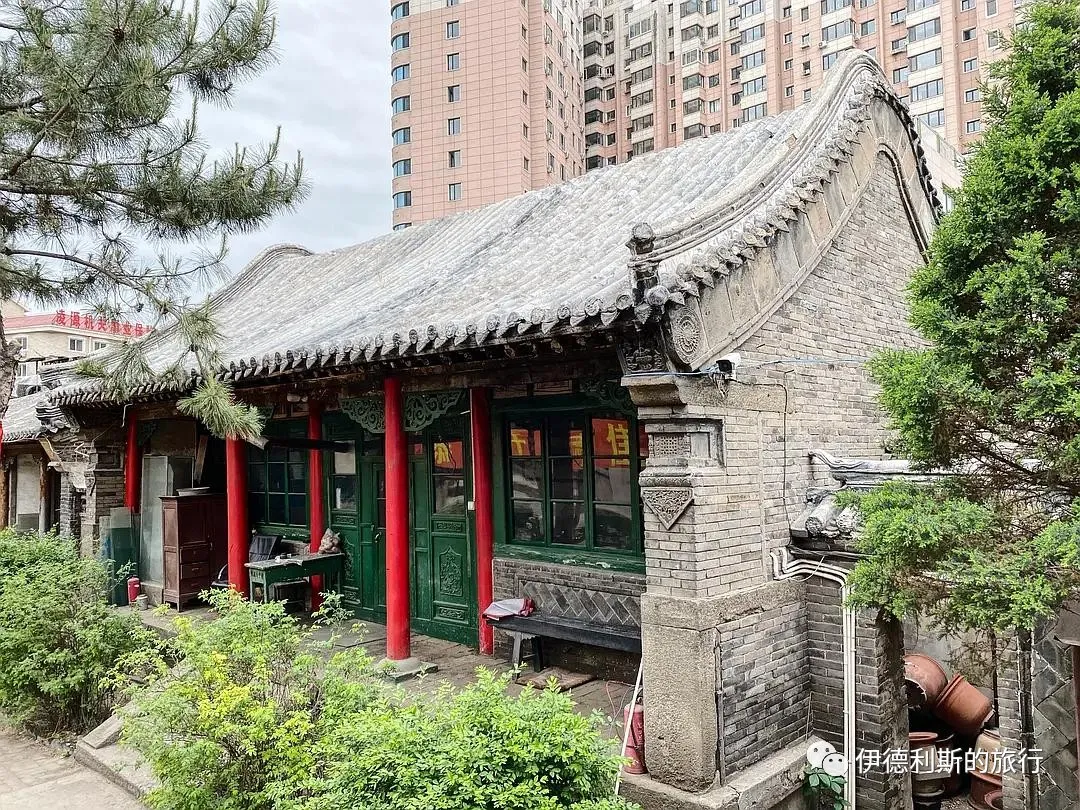
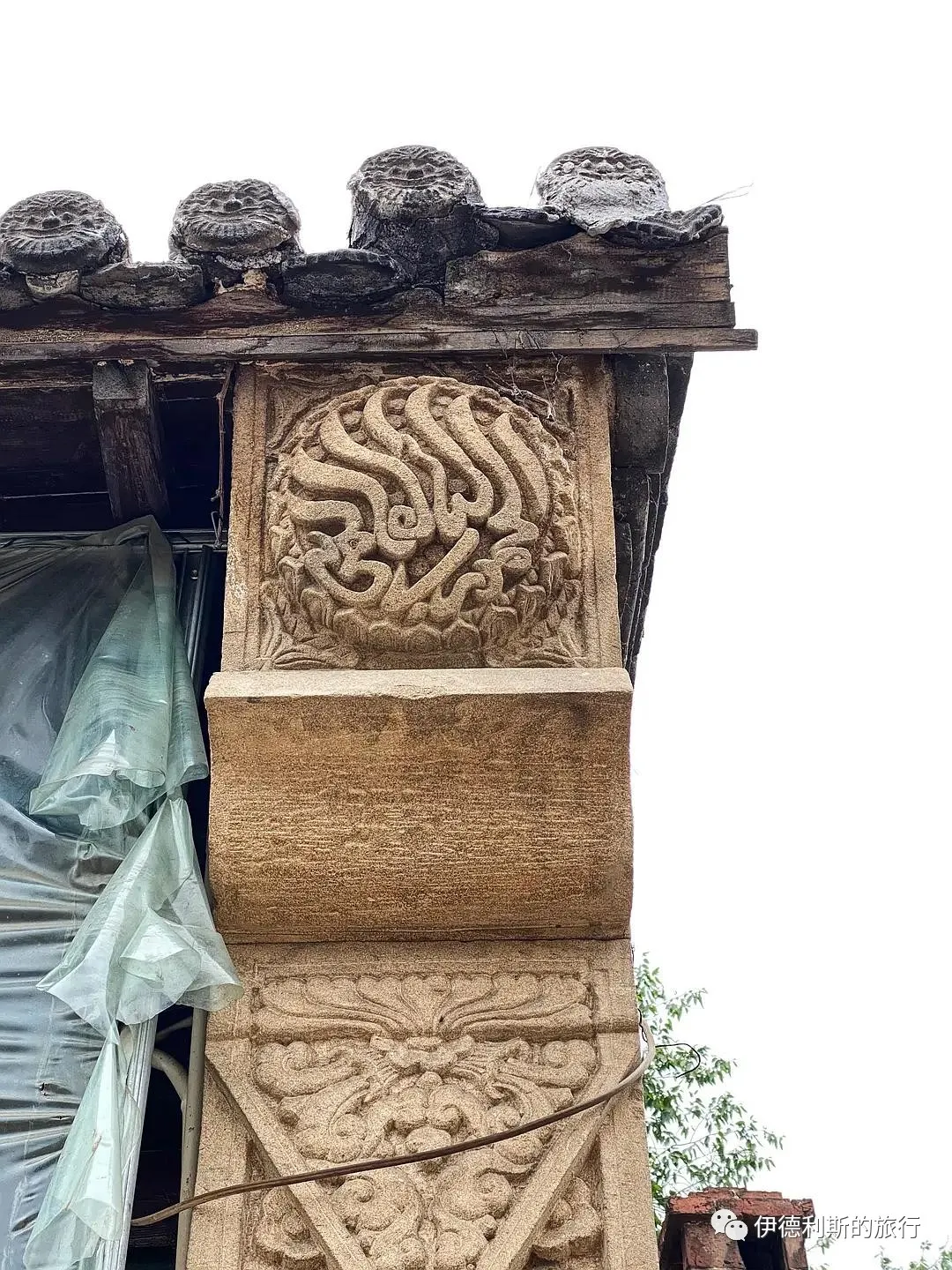
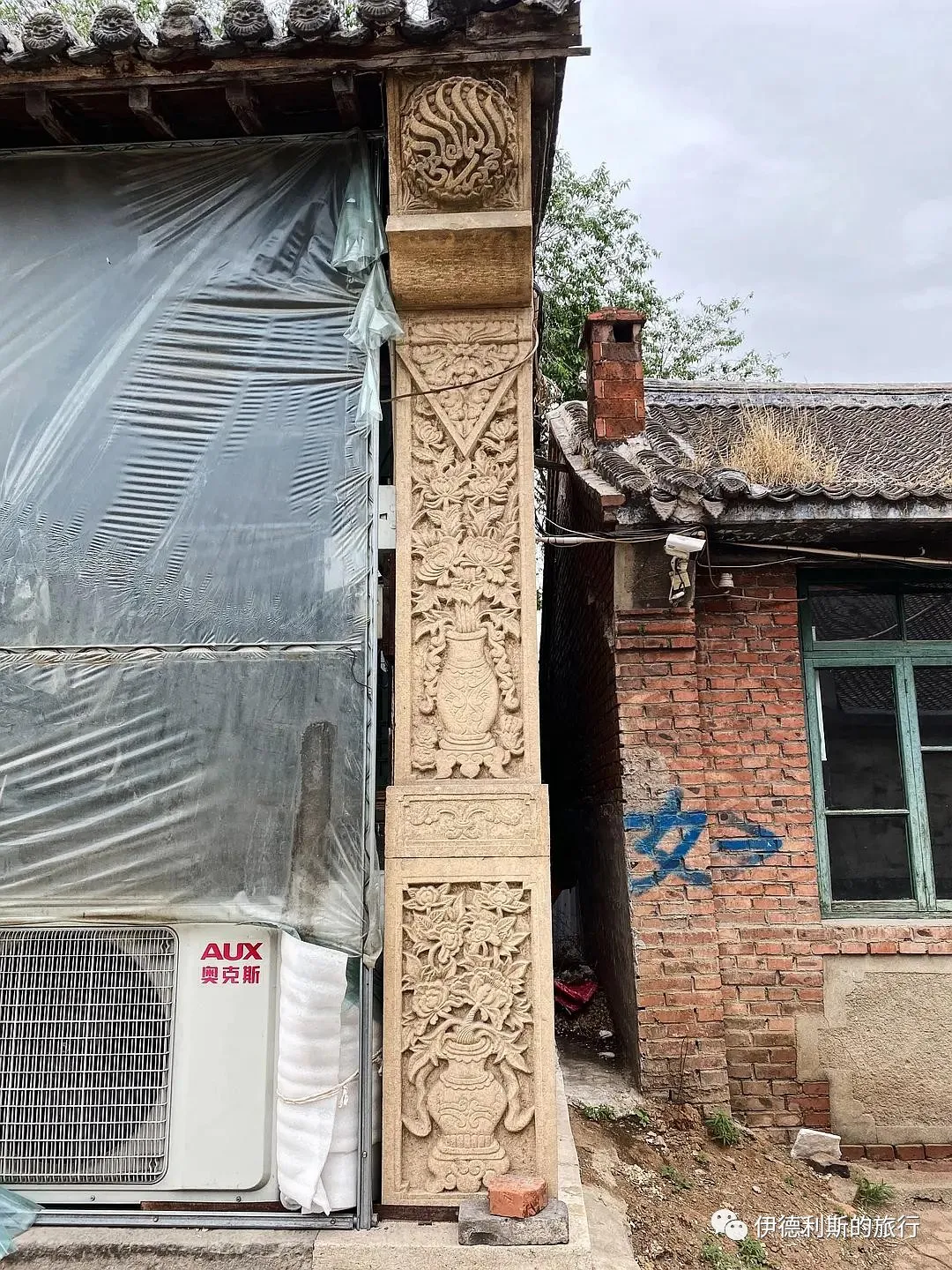
Suizhong Mosque
Suizhong is right next to Shanhai Pass and is the southwestern-most county in Liaoning. Starting in the 18th century, more than ten families of Hui Muslims, including the Zhang, Ding, Li, and Jin families, moved to Suizhong from Hebei Province. The first mosque was built in 1737 (the second year of the Qianlong reign) below the Kuixing Tower in the southeast of Suizhong city, and it was moved to its current location inside the West Gate in 1797 (the third year of the Jiaqing reign).
The Suizhong mosque was renovated between 1924 and 1927, suffered severe damage in the 1960s, and was restored again between 1981 and 1984.
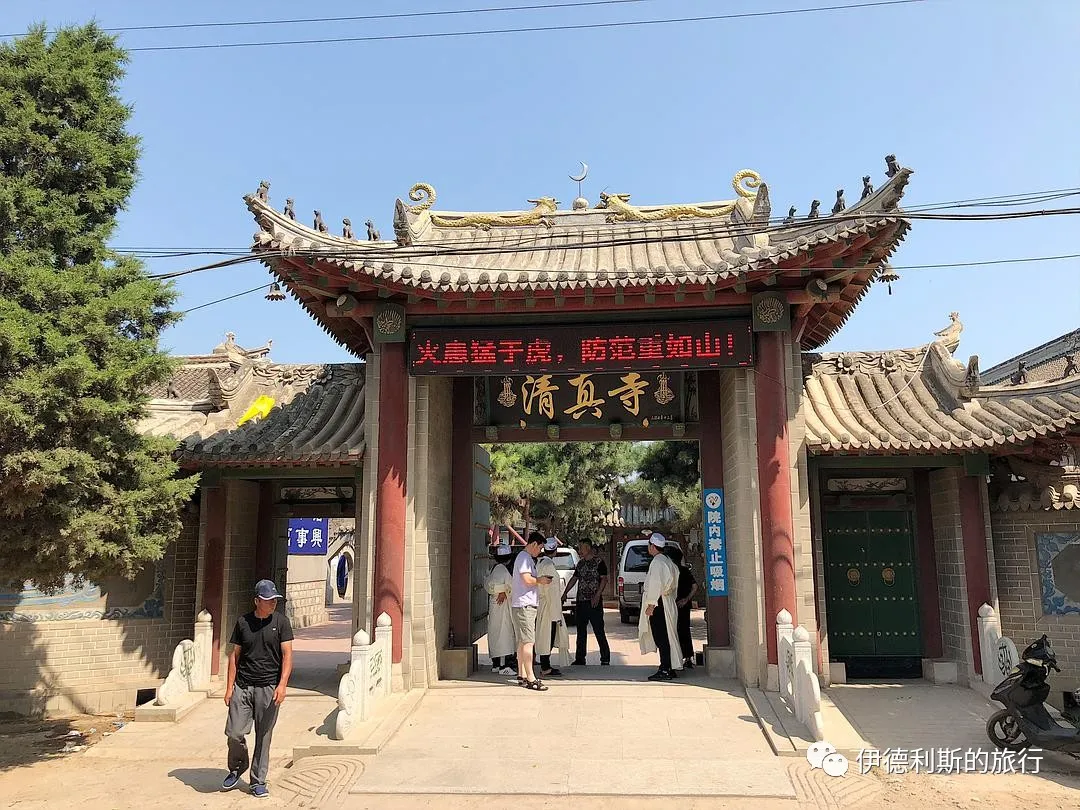
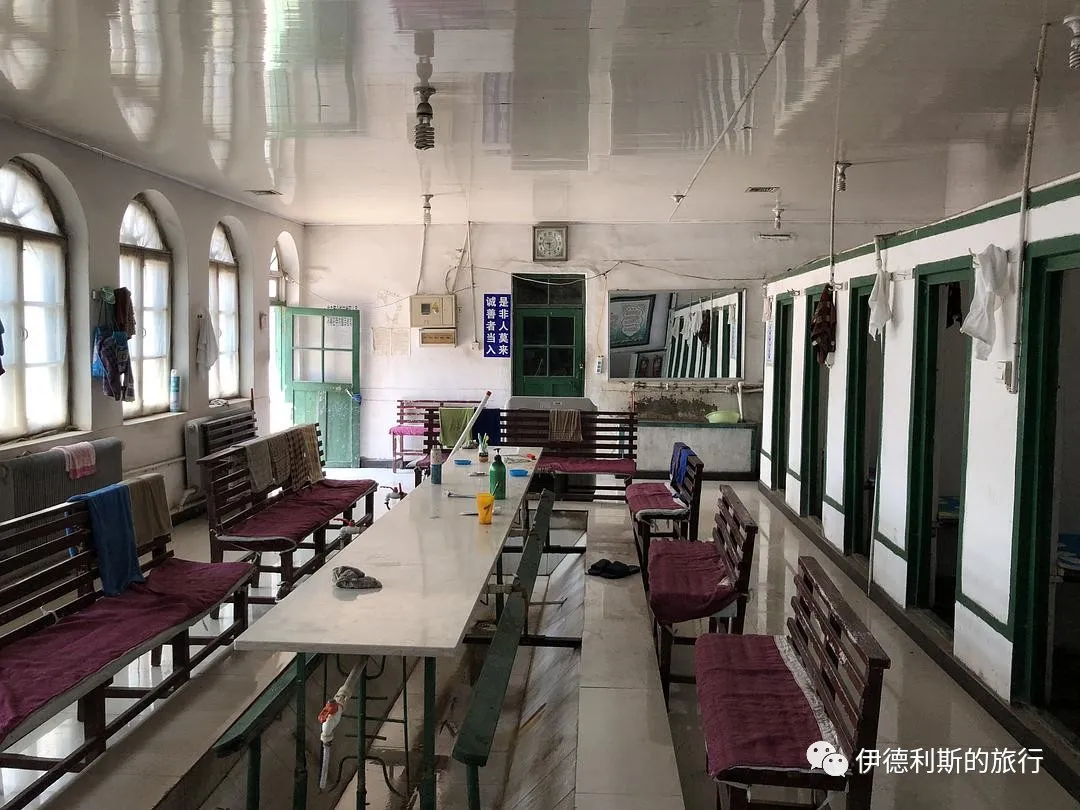
Turn left after entering the gate to find the ablution room (shuifang).
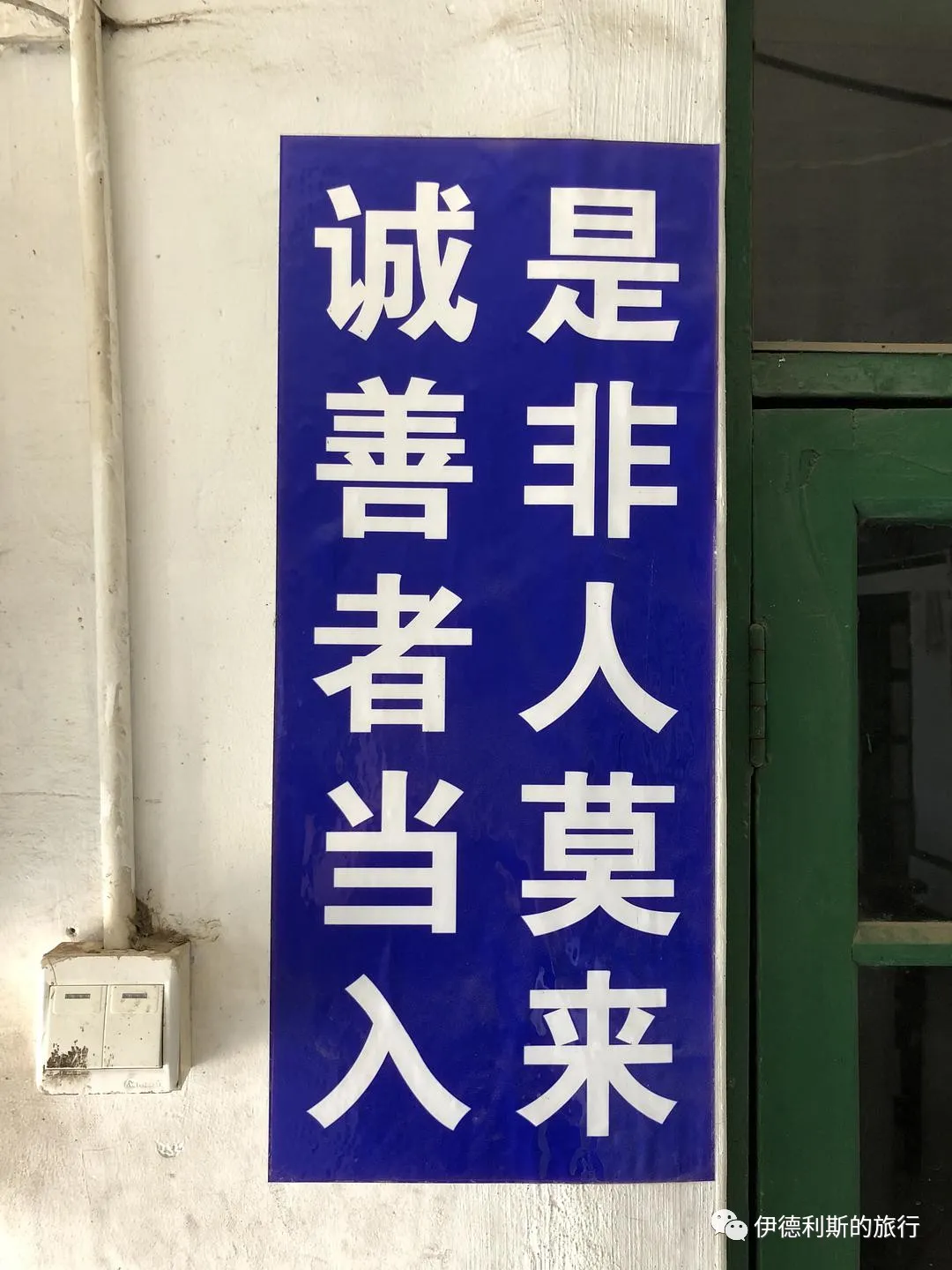
Calligraphy in the ablution room (shuifang).
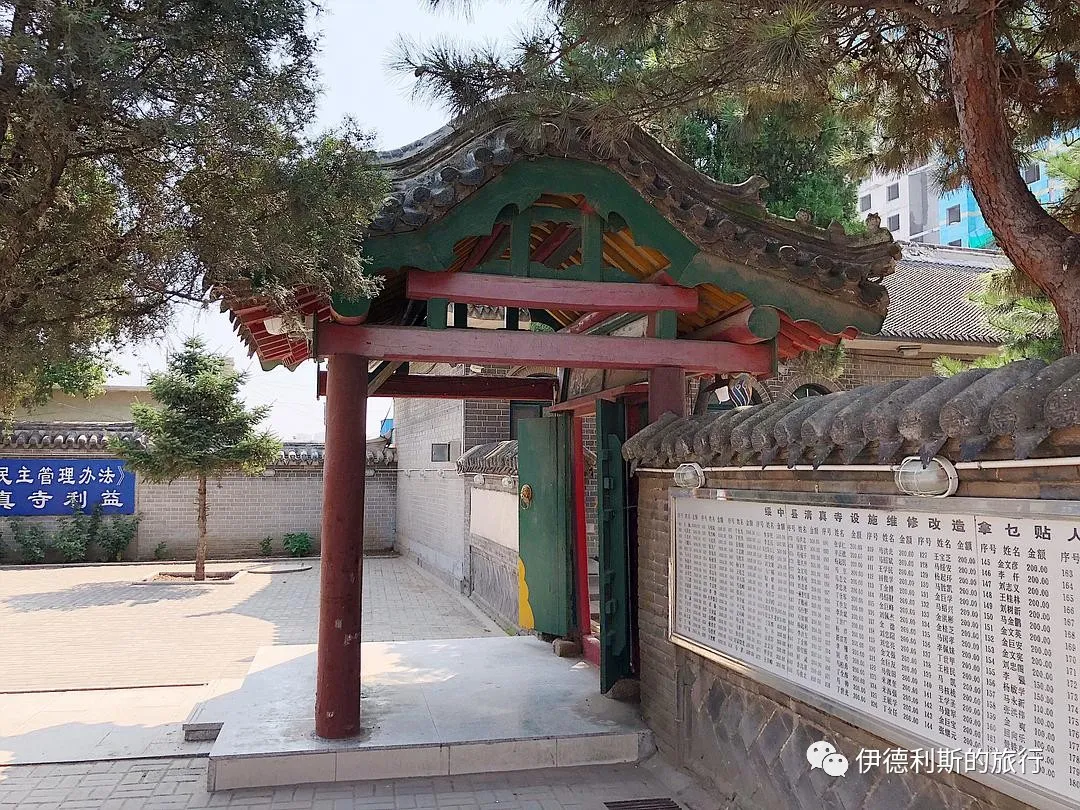
Opposite the main gate is the second gate.
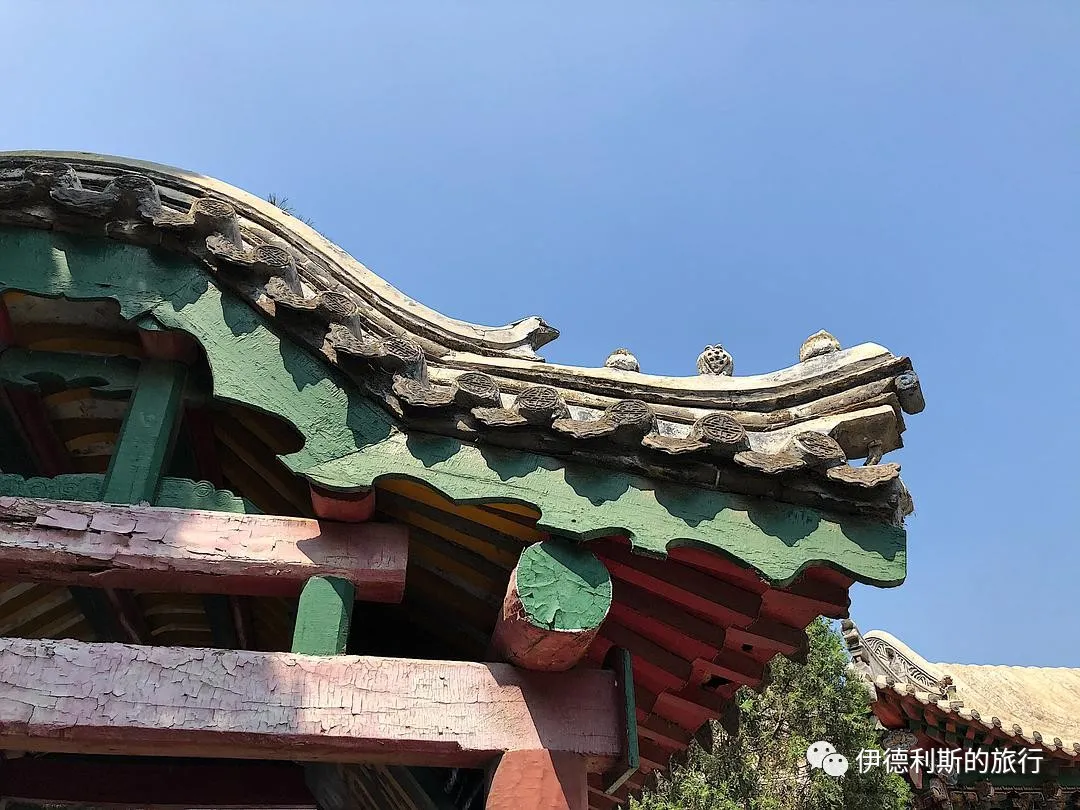
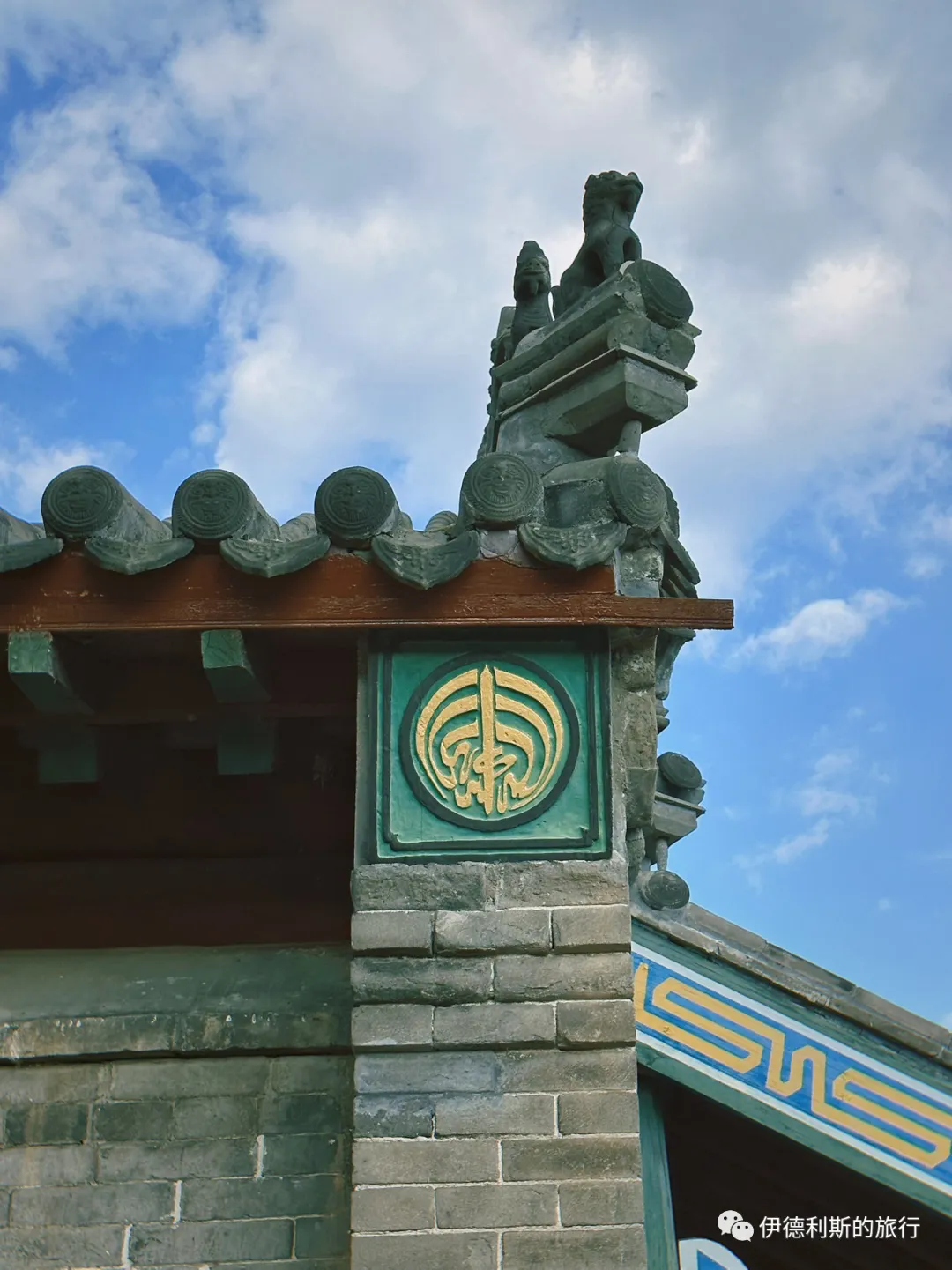
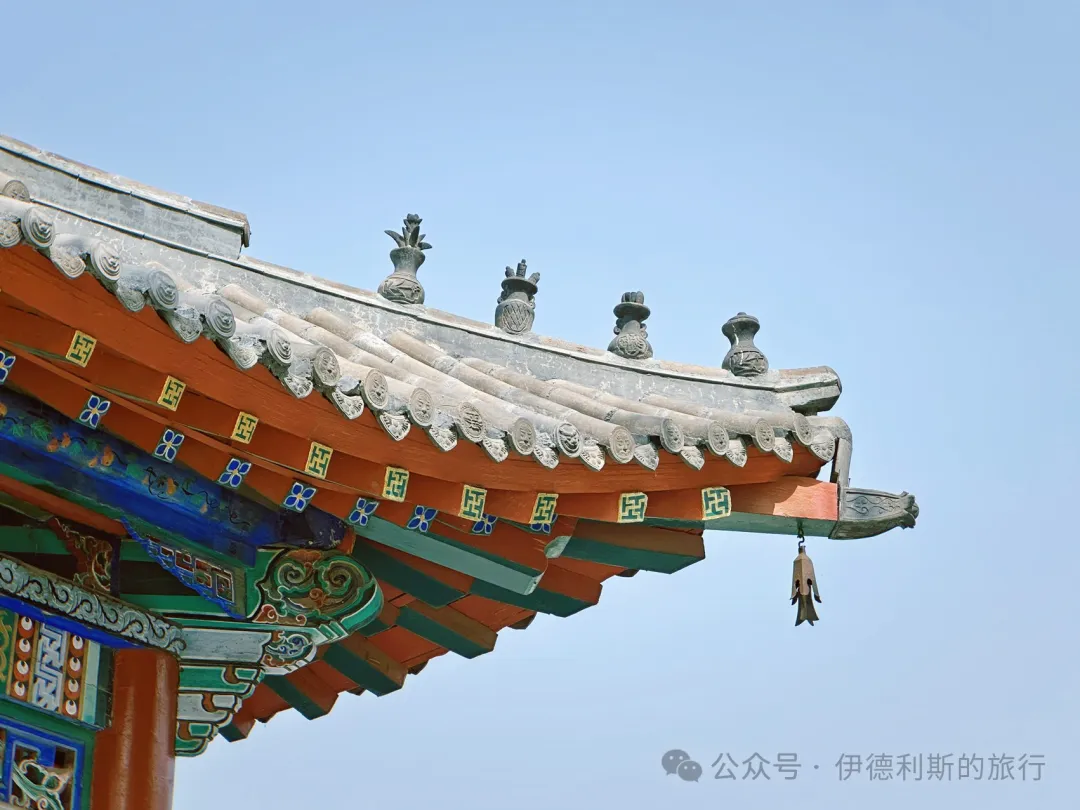
A vase-shaped ornament on the porch roof (juanpeng).
Inside the second gate is the main prayer hall.
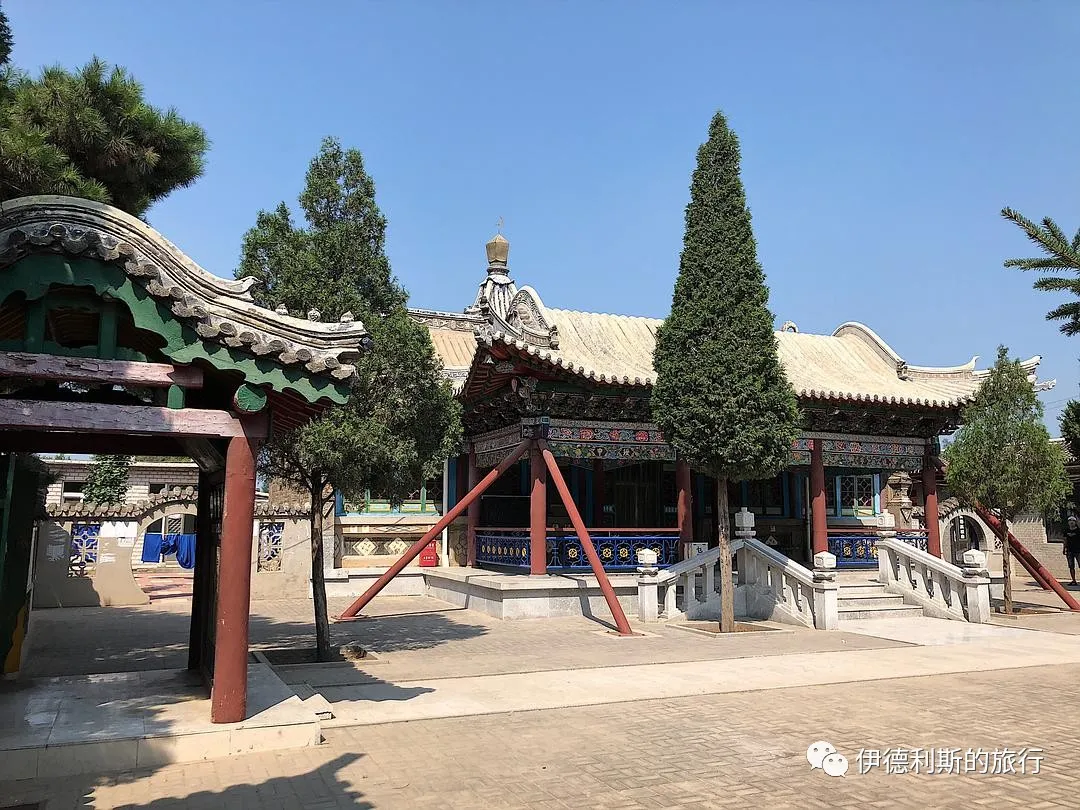
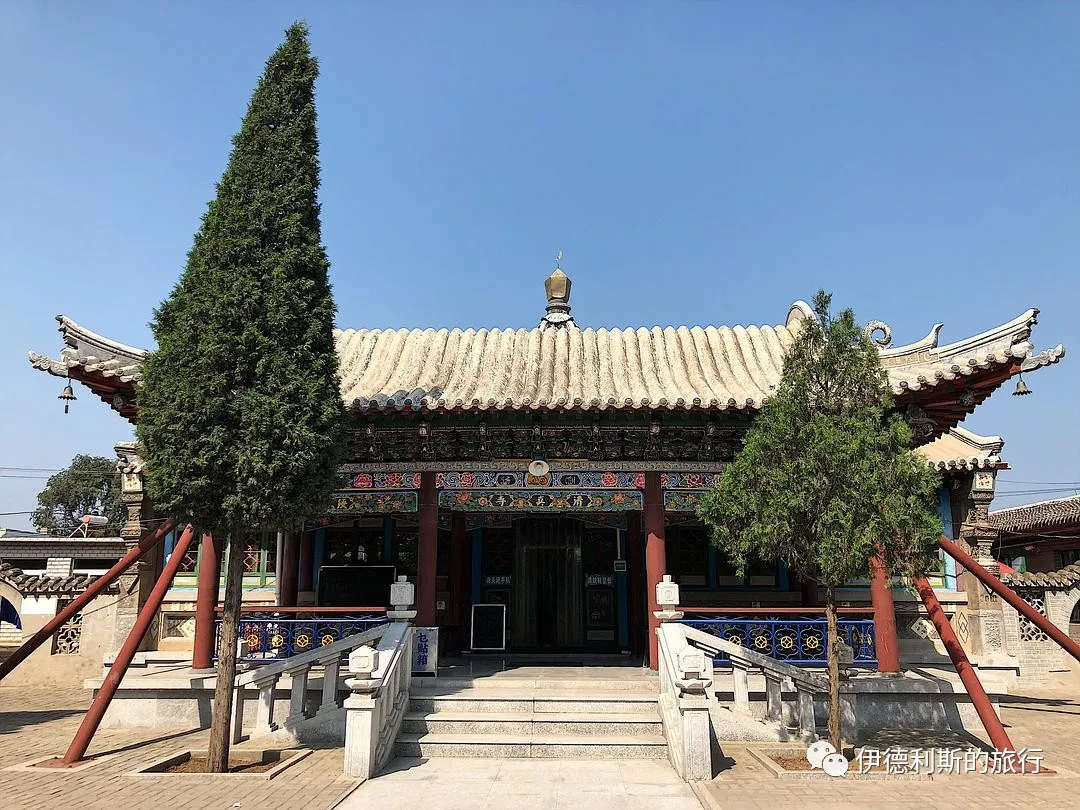
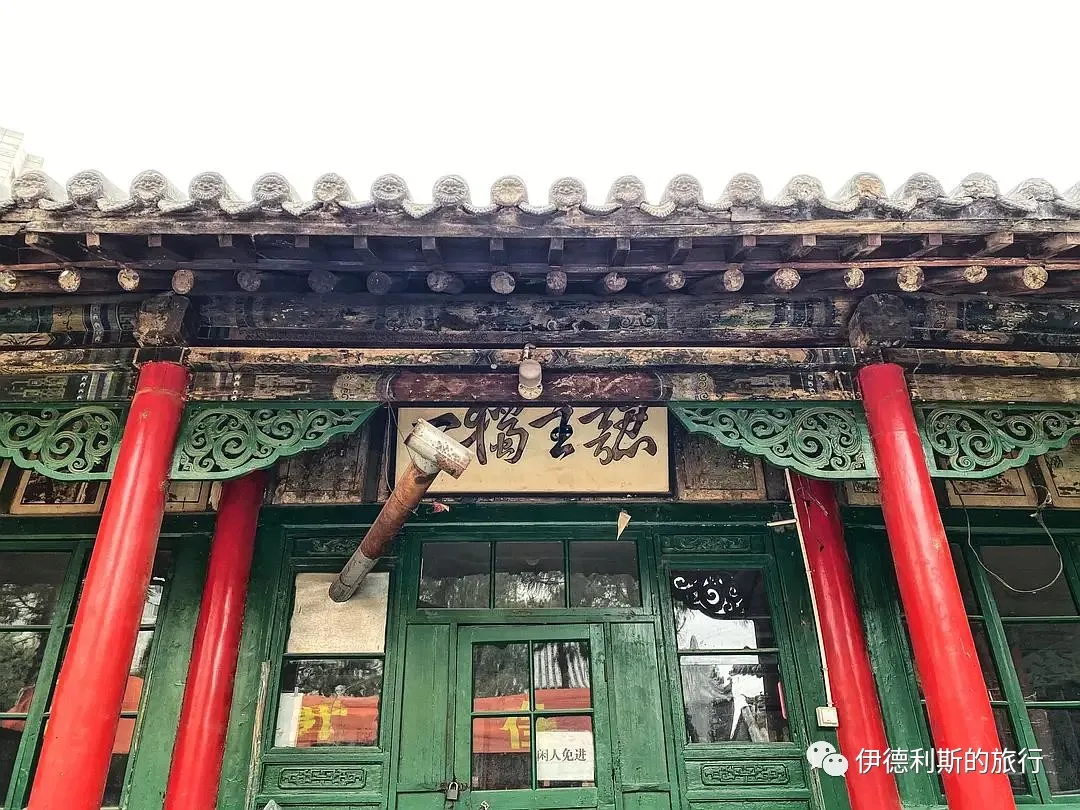
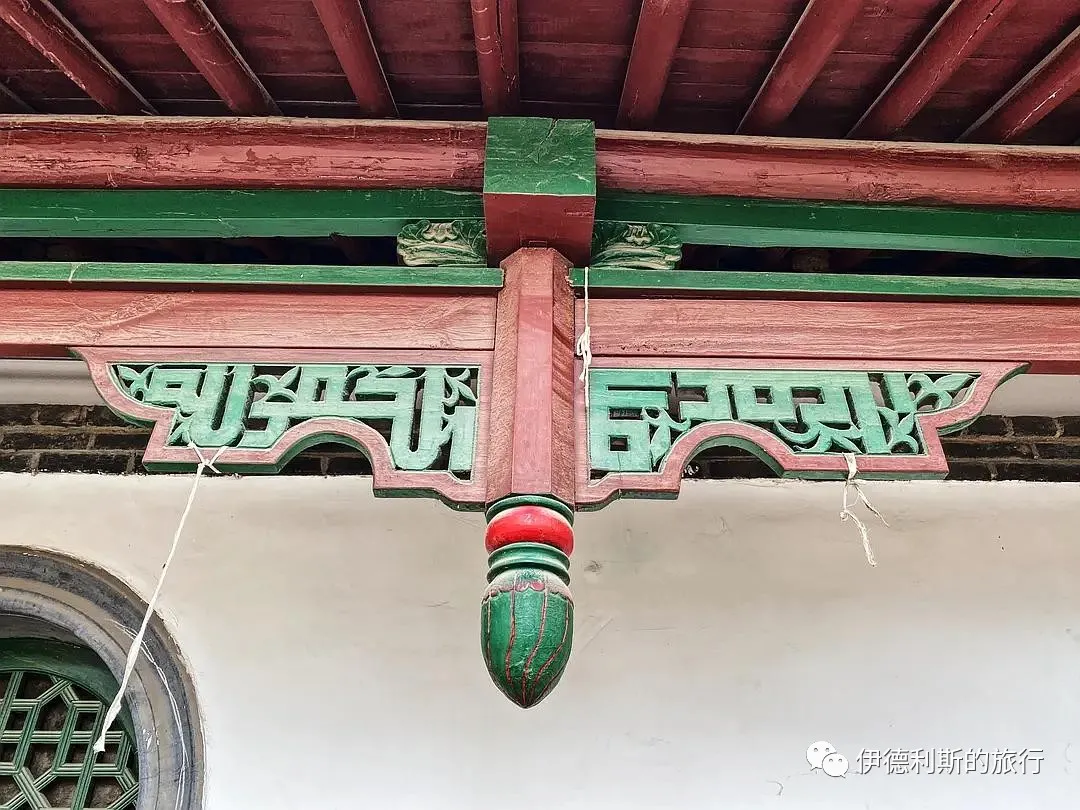
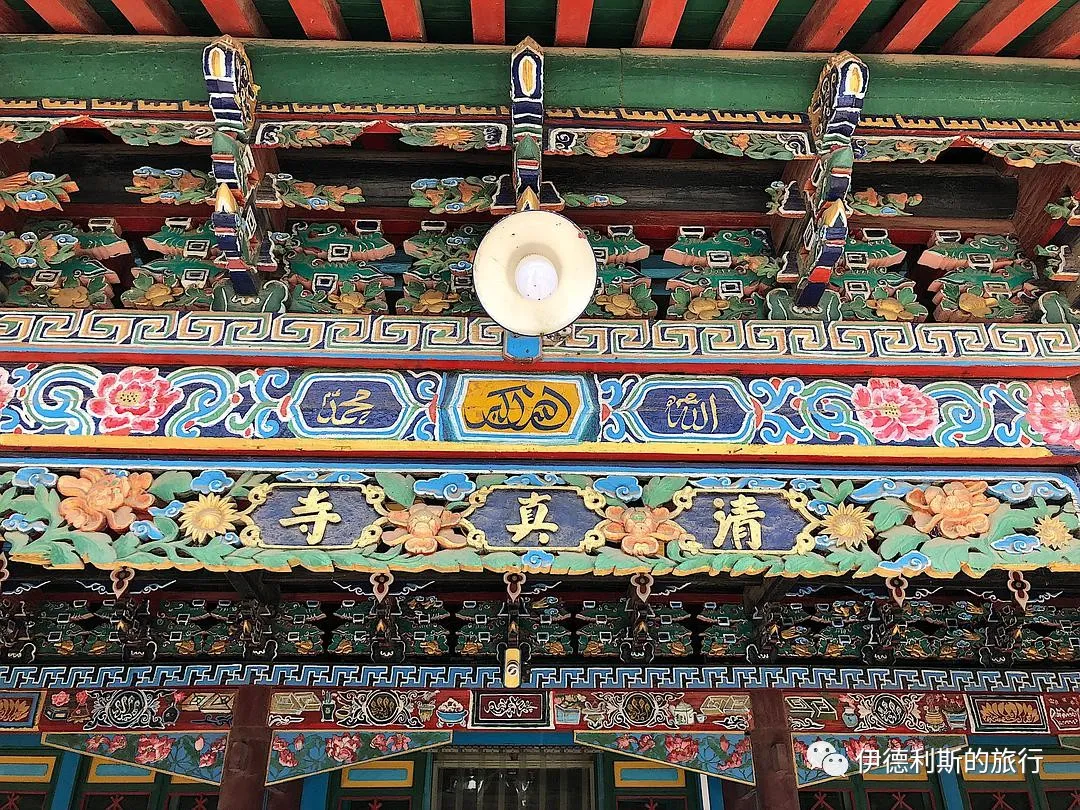
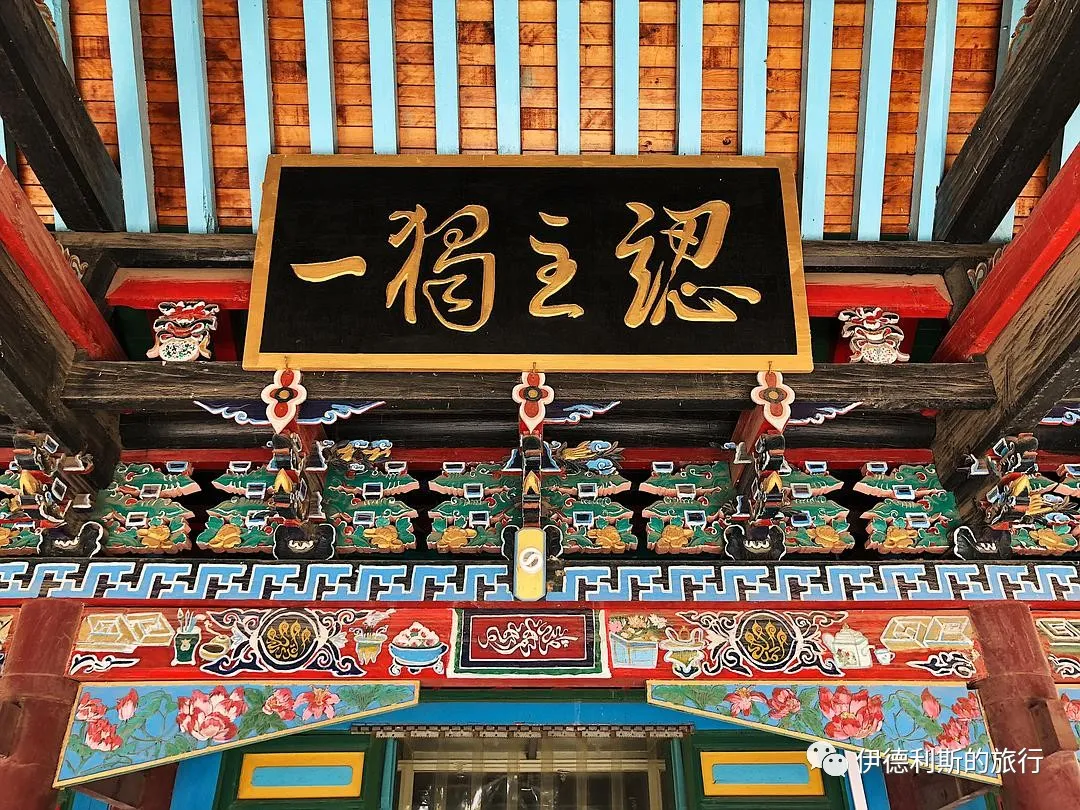
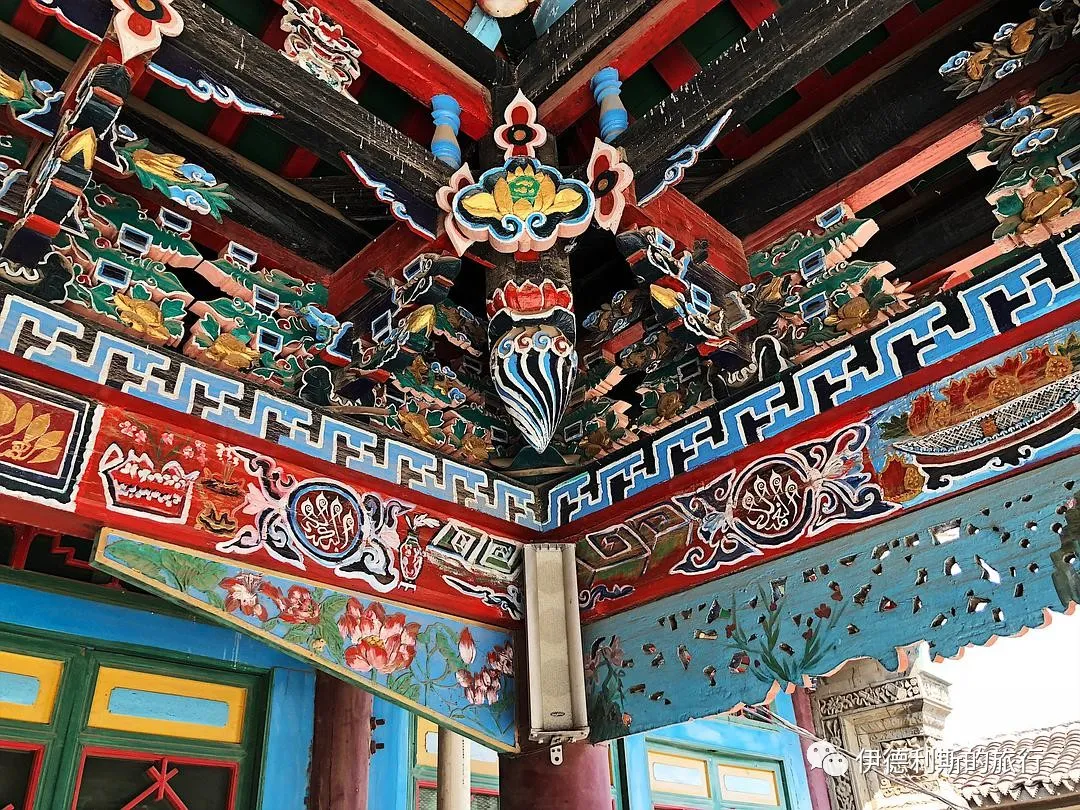
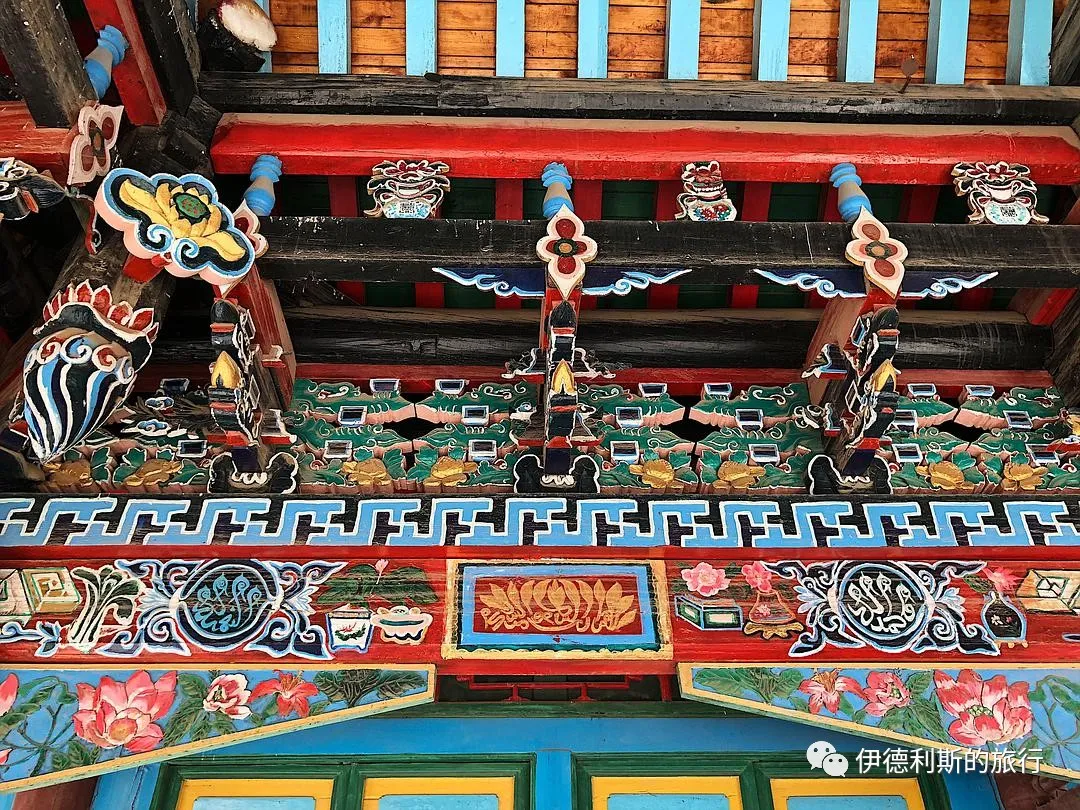
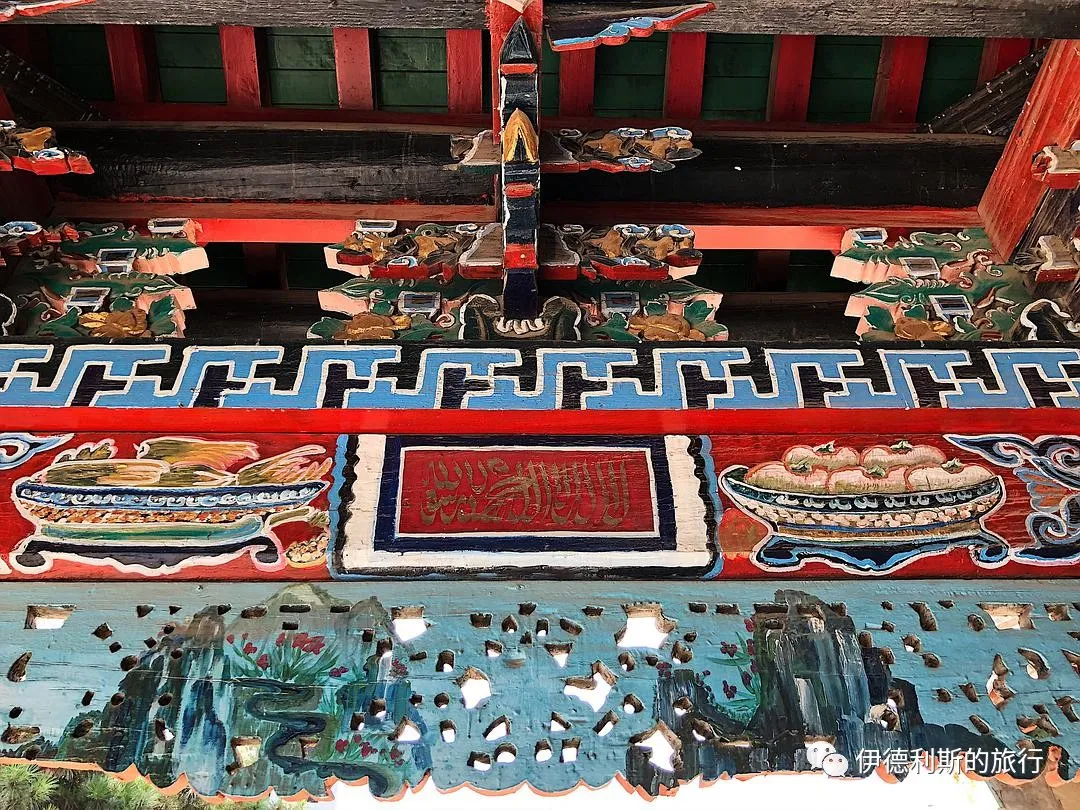
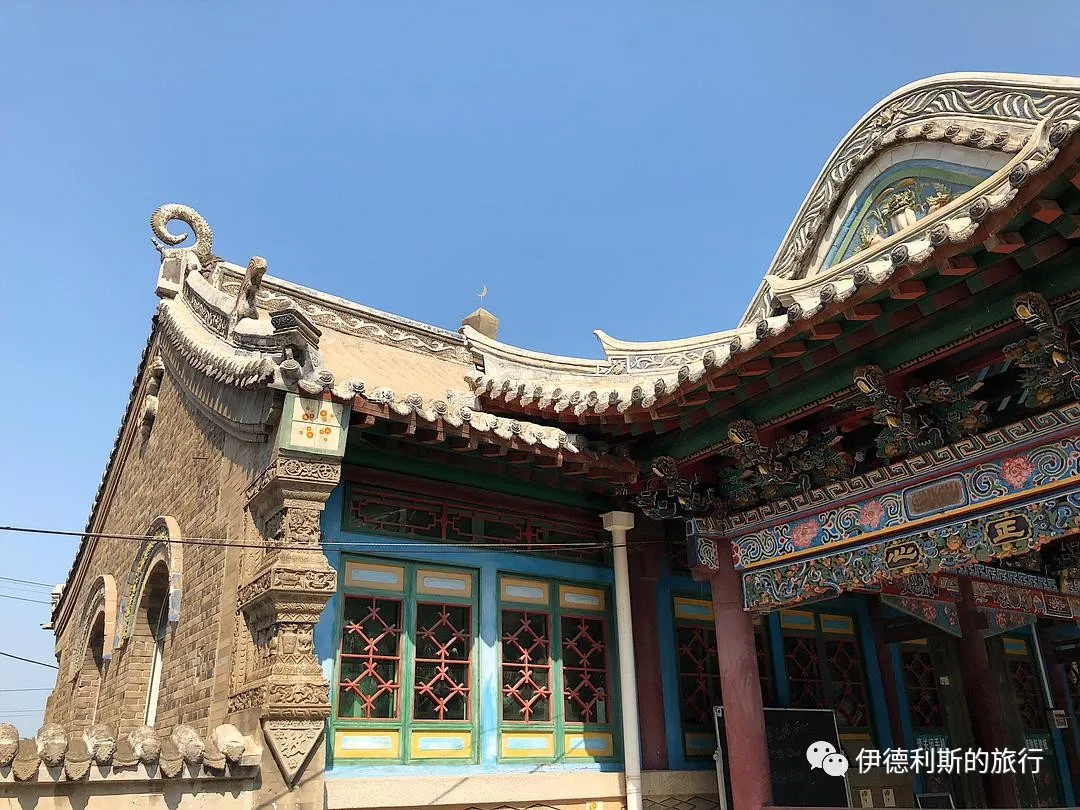
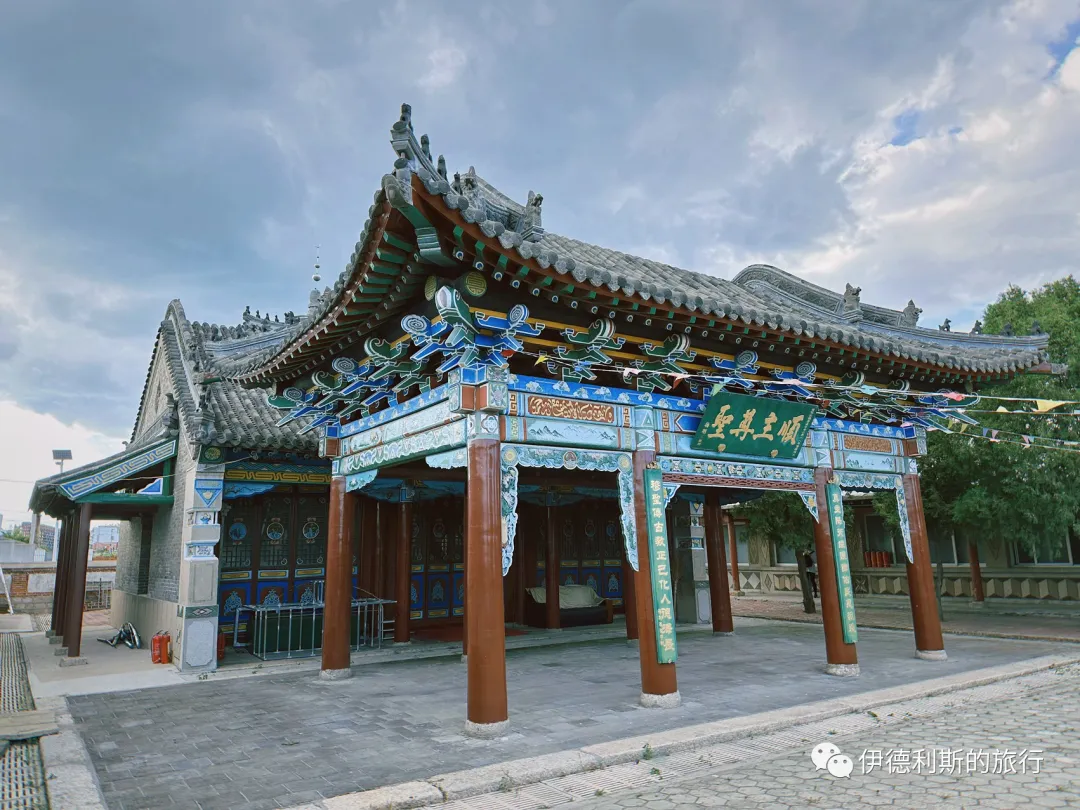
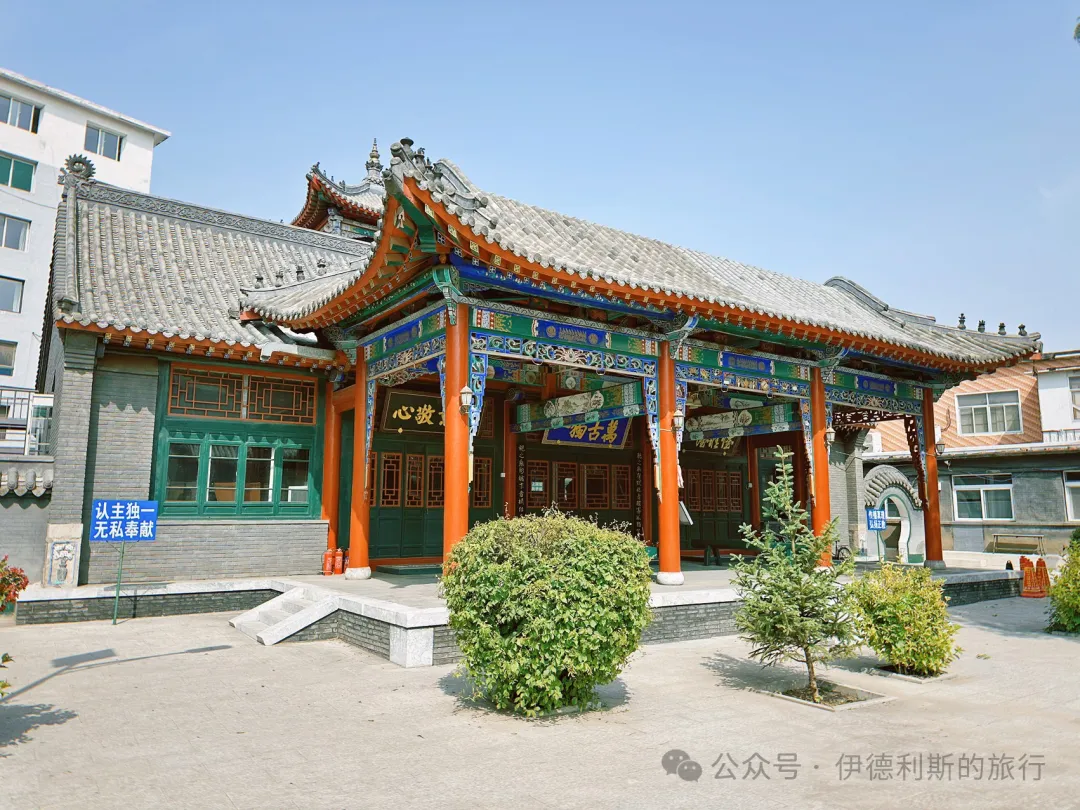
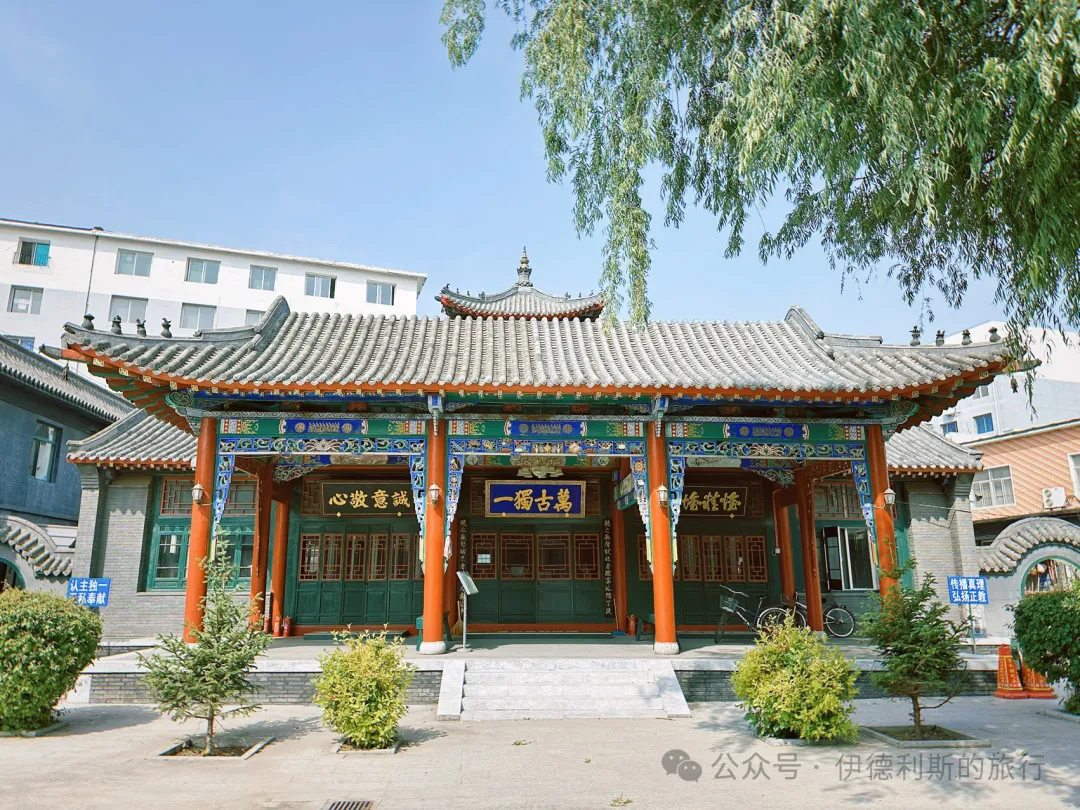
The porch (baoxia) in front of the main prayer hall is the most distinctive part of the mosque, and it is the most brightly colored mosque porch I have ever seen.
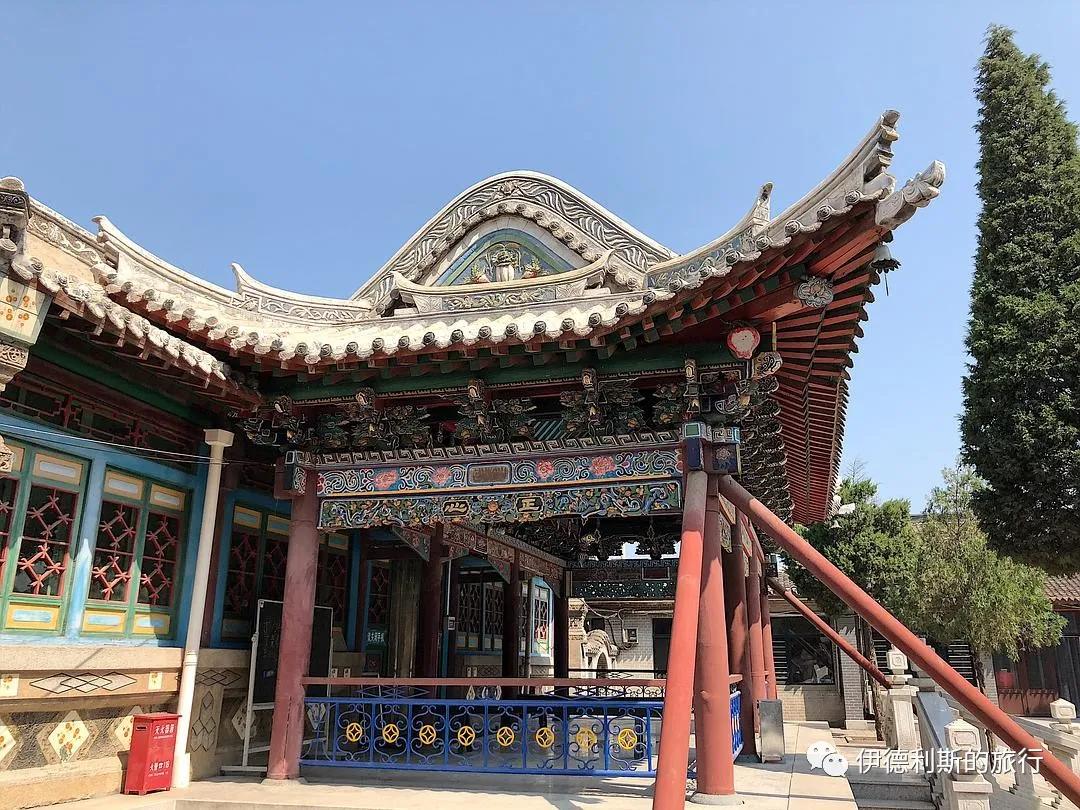
The front says "Mosque" (Qingzhensi), and the two sides are inscribed with "Rectify the Heart" (Zhengxin) and "Sincerity" (Chengyi).
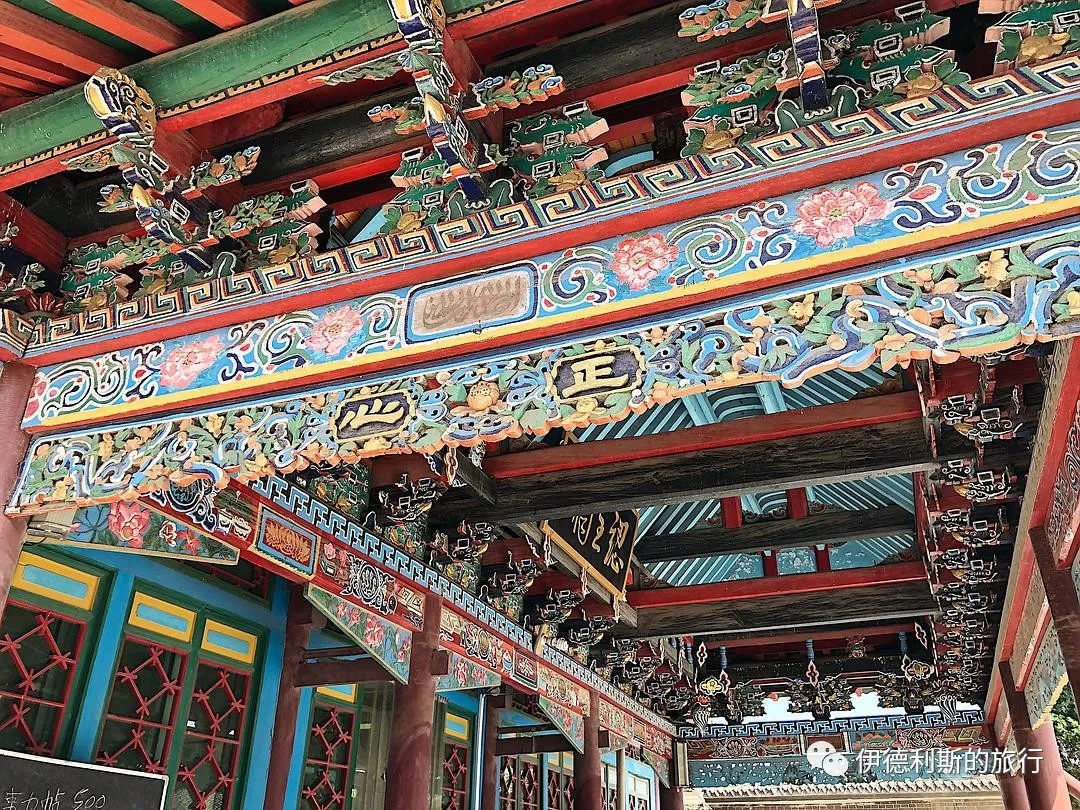
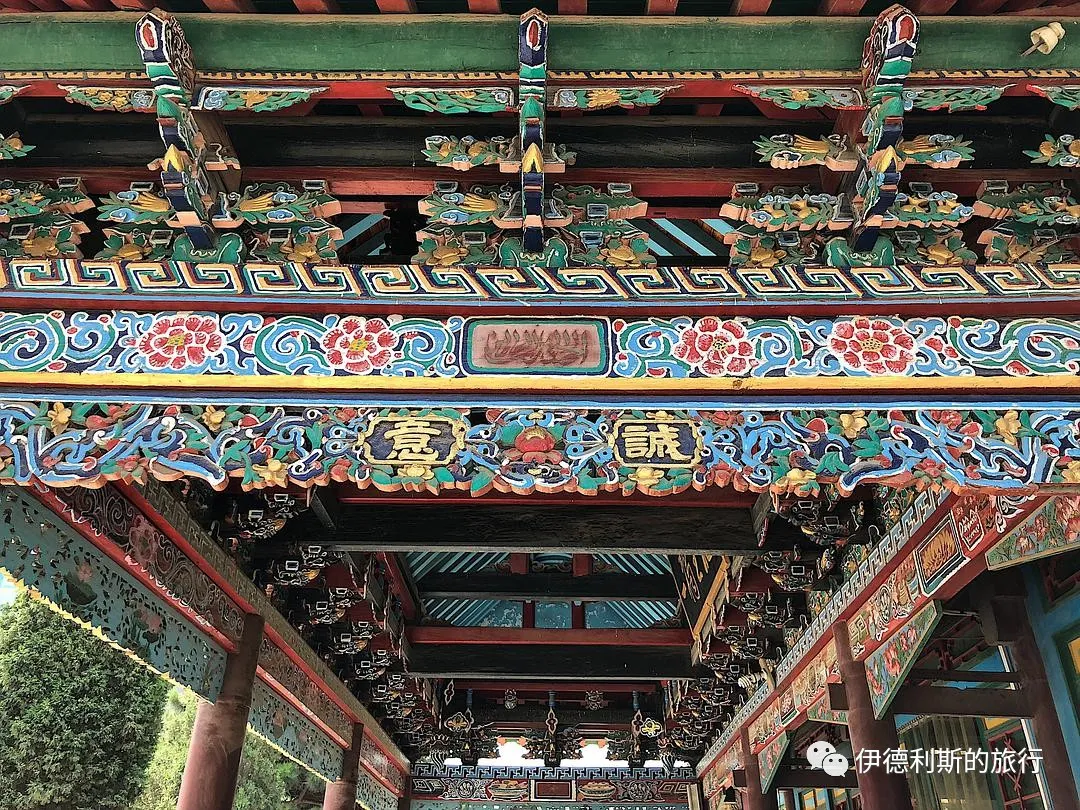
A plaque reading "Recognize the Oneness of Allah" (Renzhu Duyi).
Details of the patterns.
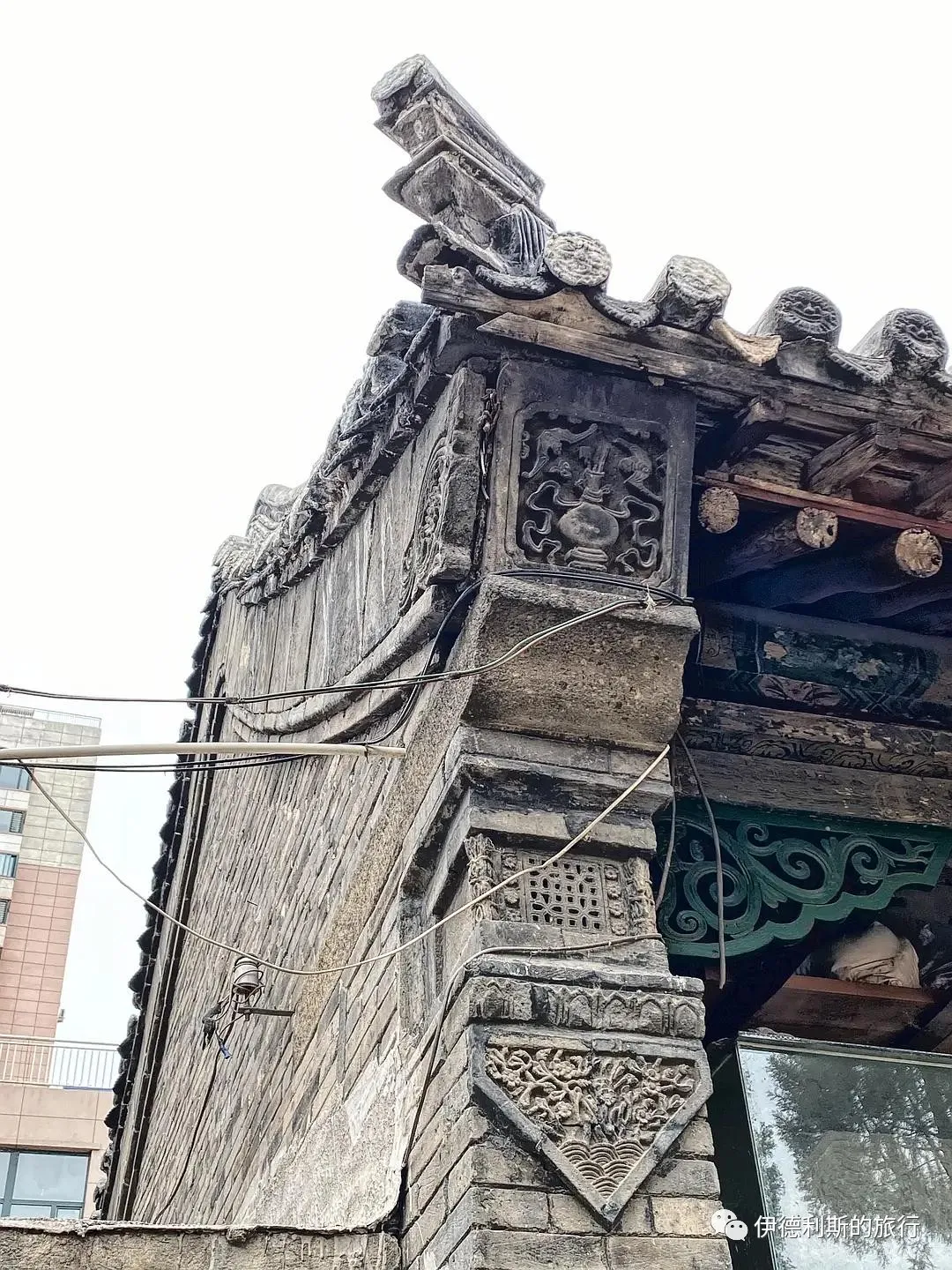
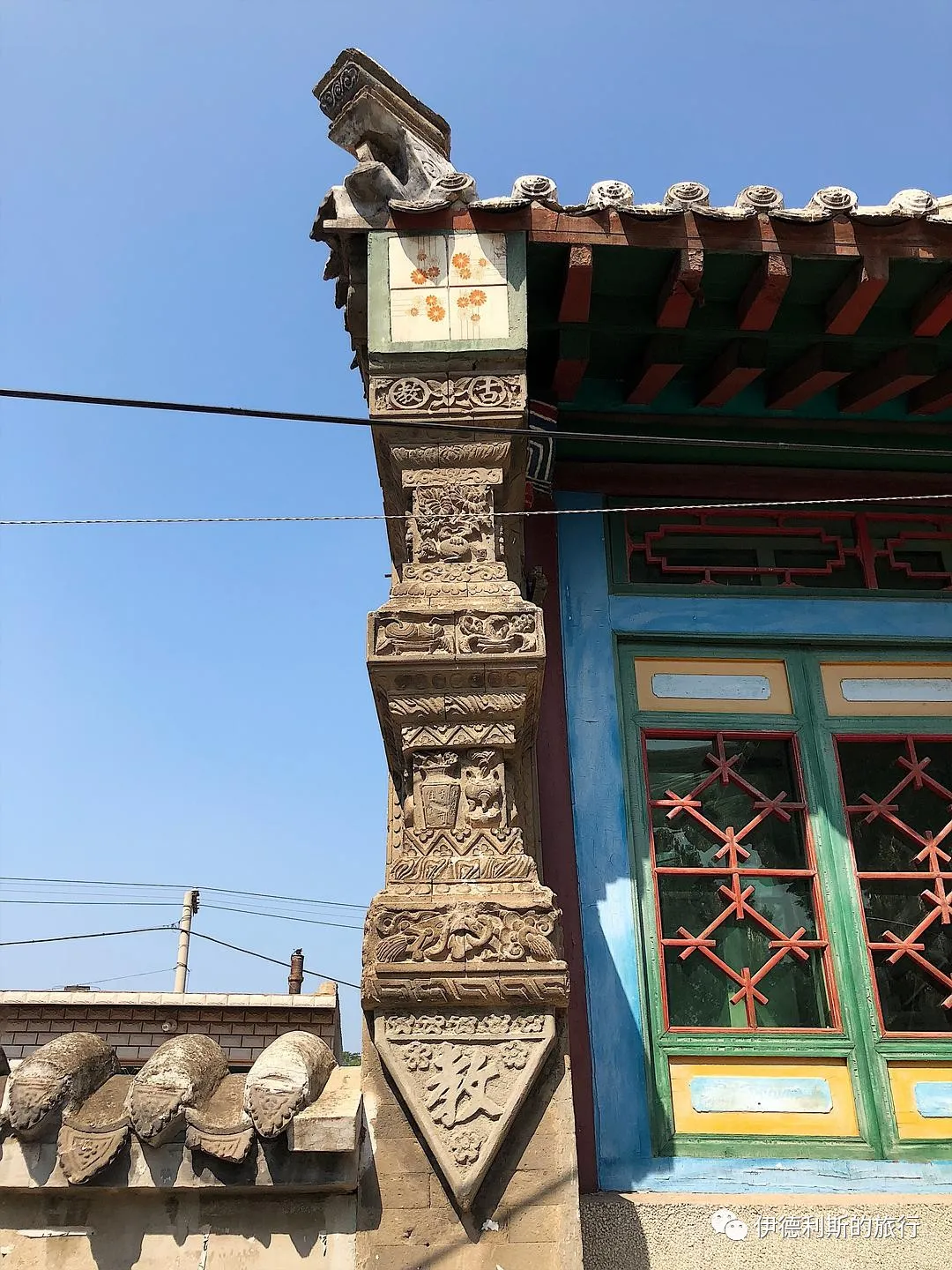
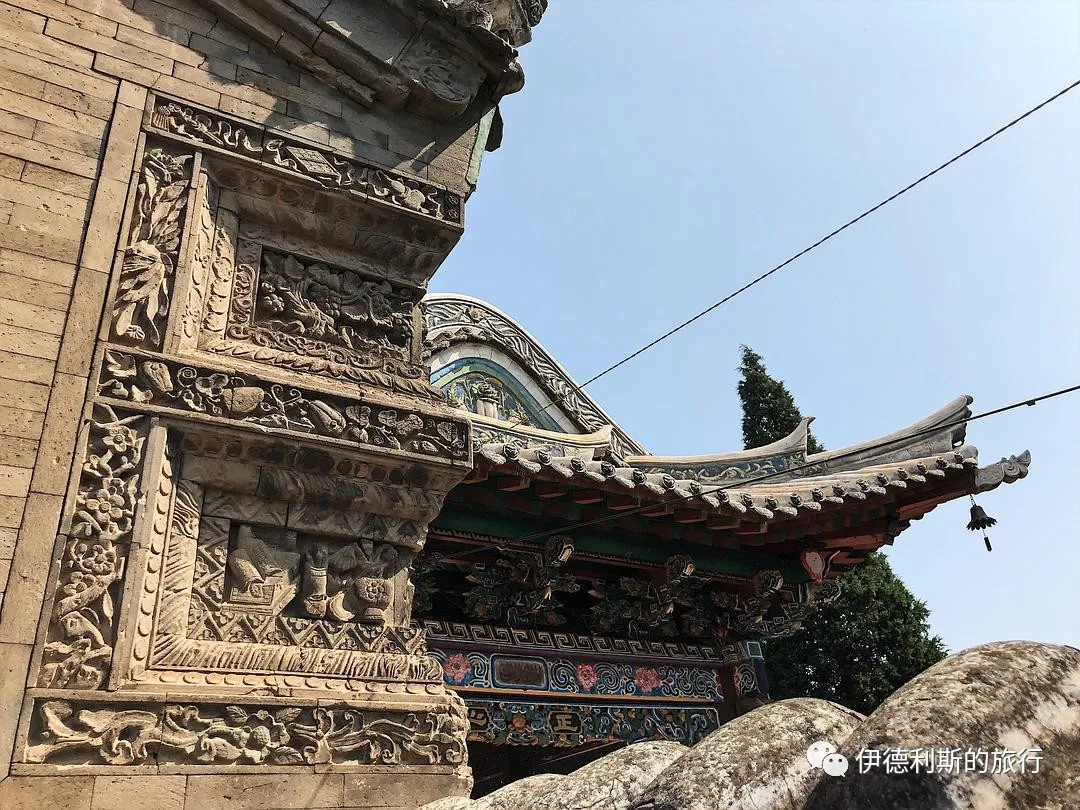
Behind the porch (baoxia) is the main prayer hall, which features very delicate brick carvings.
The large character for "religion" (jiao) at the bottom is new work, while the brick carvings above are likely original.
You can take a close look at the content of the brick carvings, which include scrolls, painting tubes, incense bottles, and even a chessboard and various fruits.
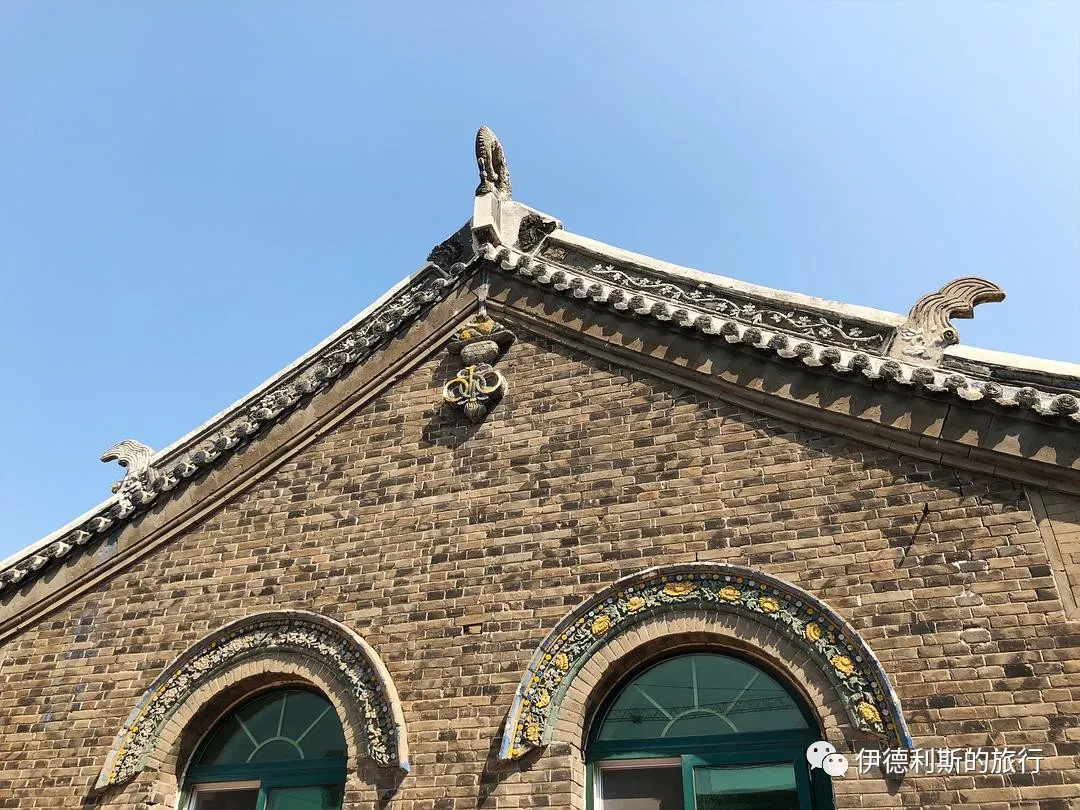
Traditional Hui Muslim paintings on the door of the main prayer hall.
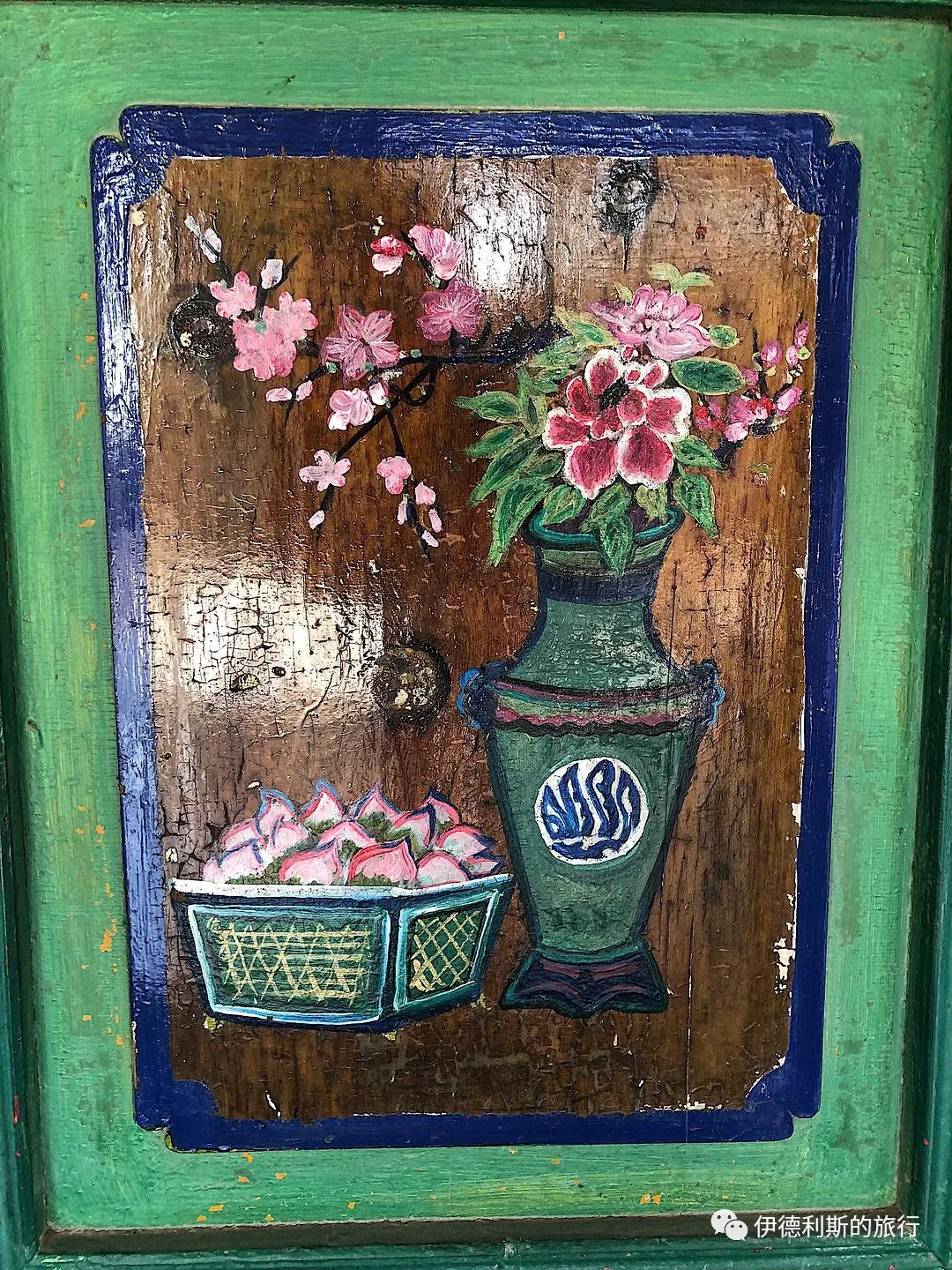
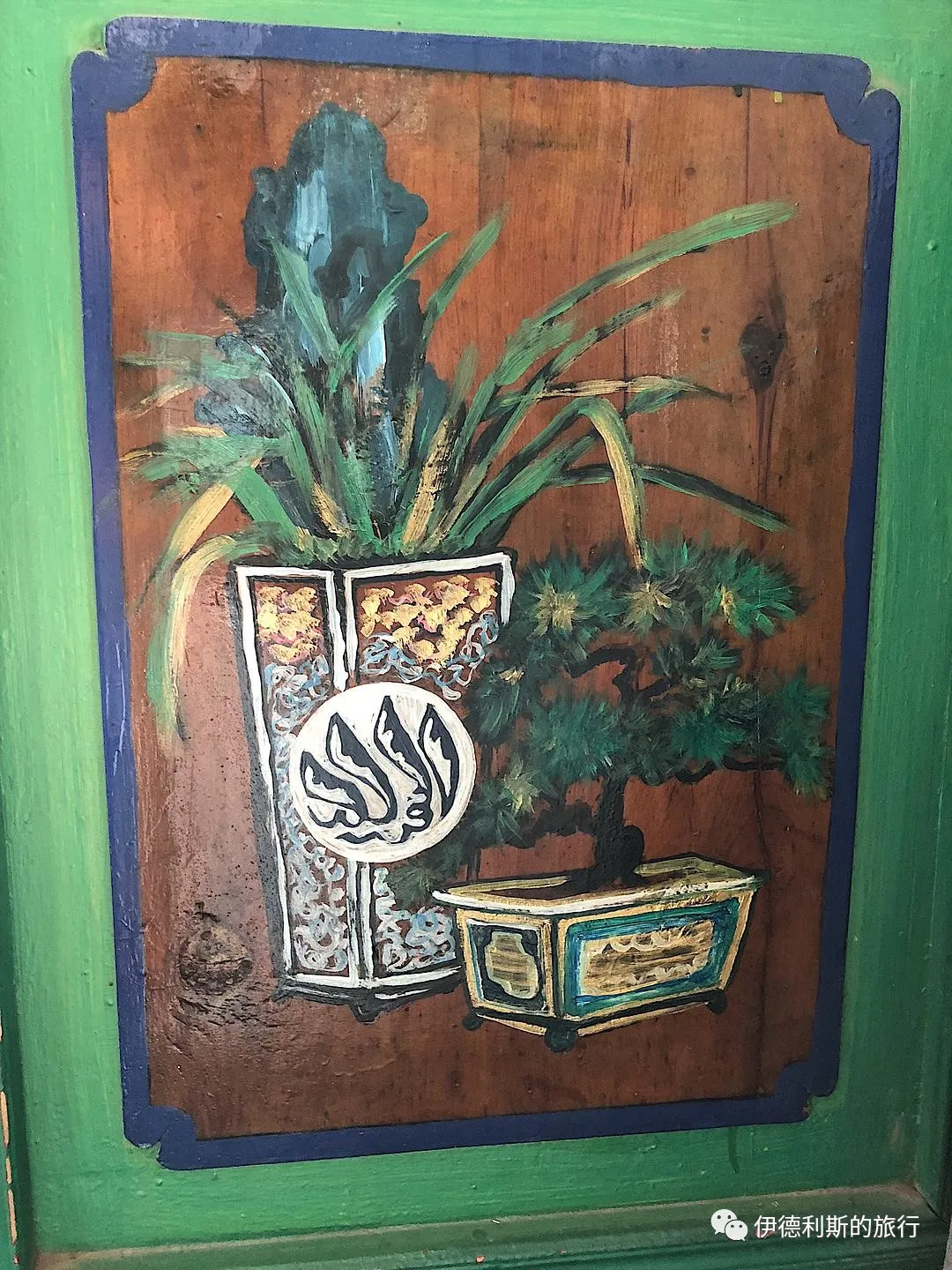
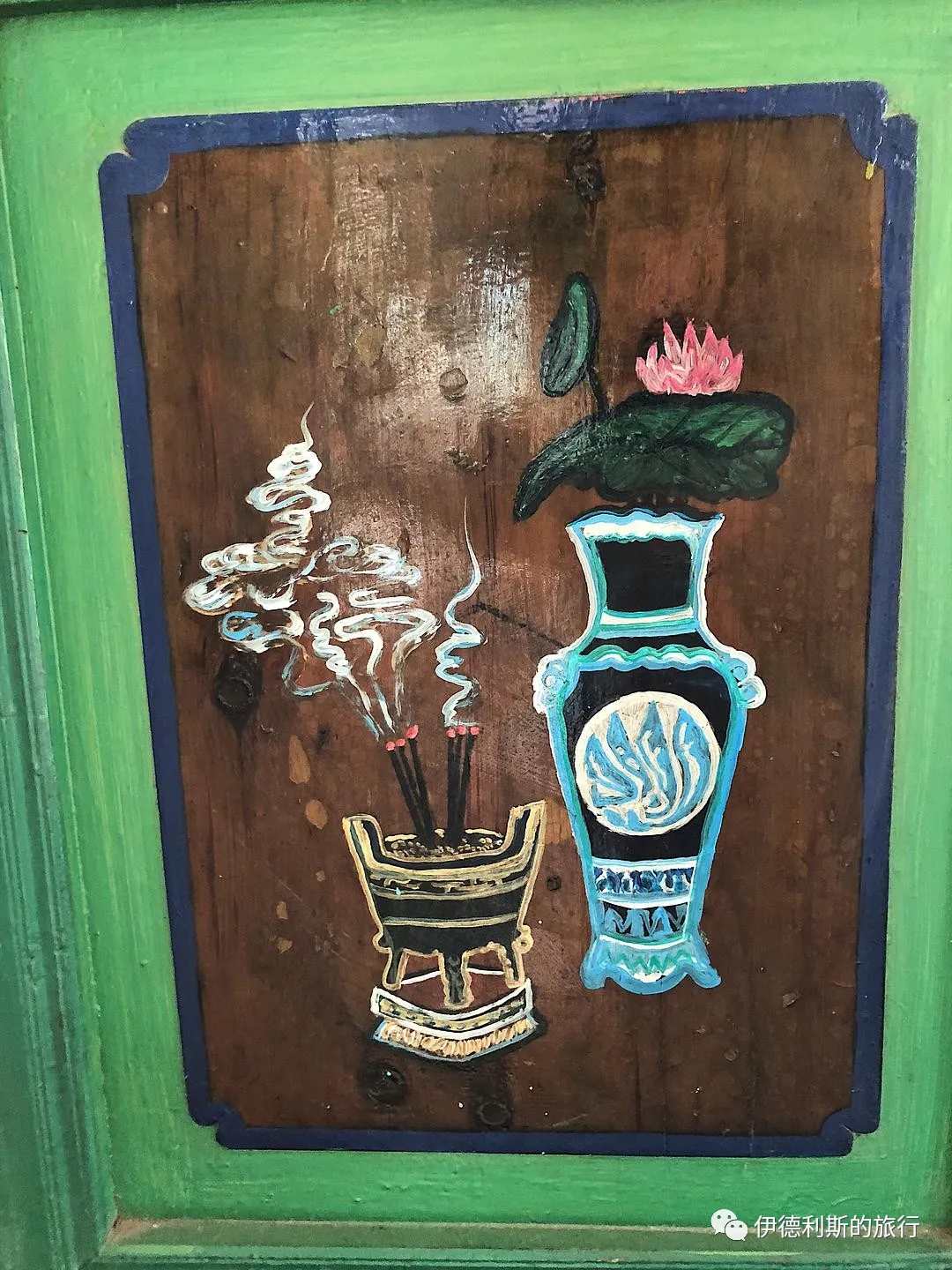
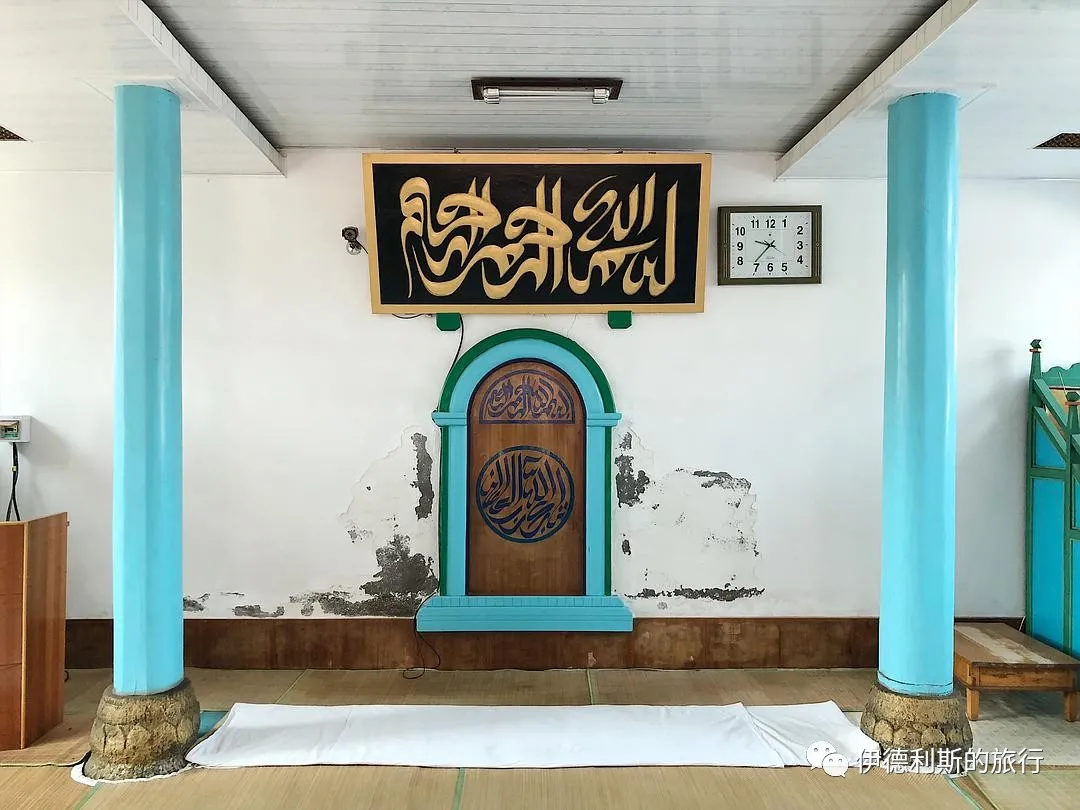
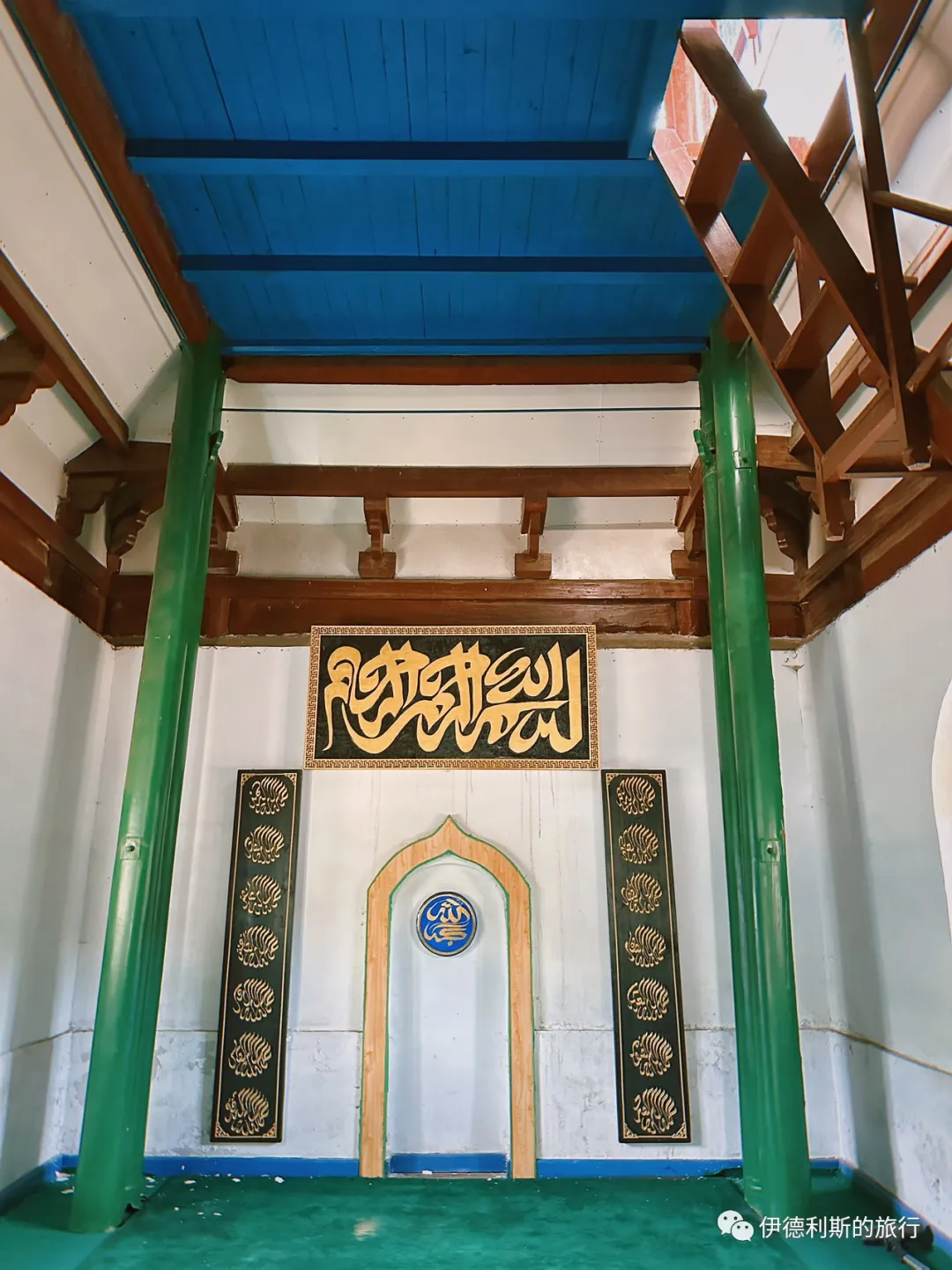
The interior of the main prayer hall was likely rearranged after the 1980s, and both the mihrab and minbar are very simple.
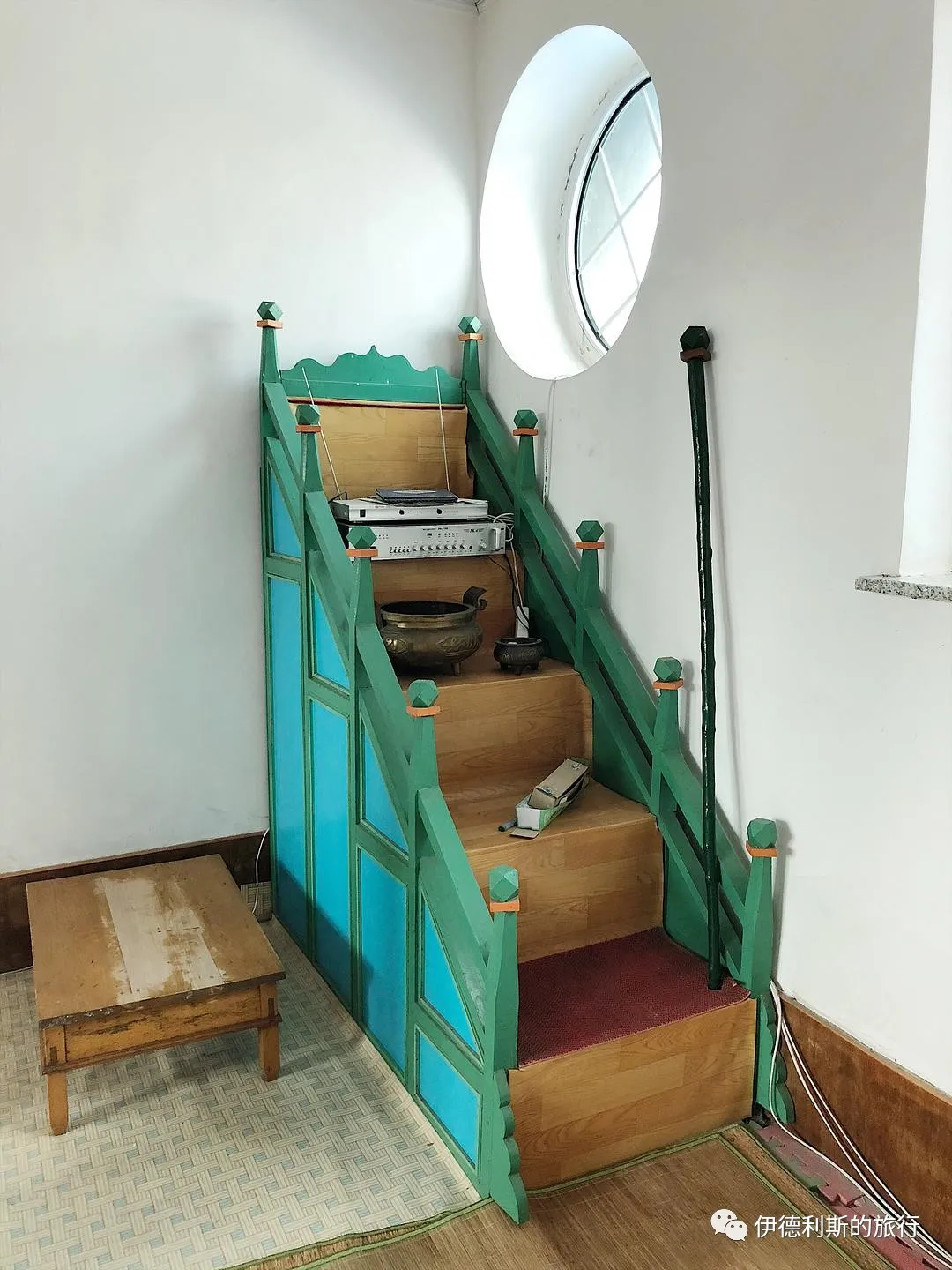
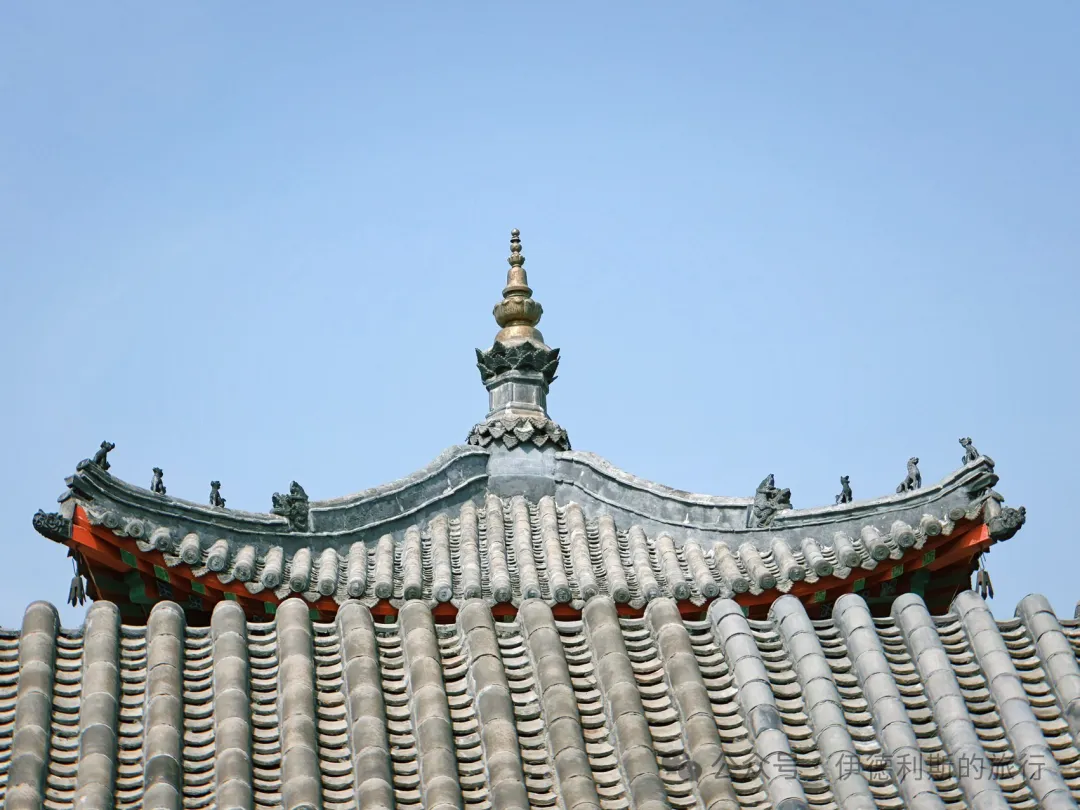
Above the rear kiln hall (yaodian) of the main prayer hall is the moon-sighting tower (wangyuelou).
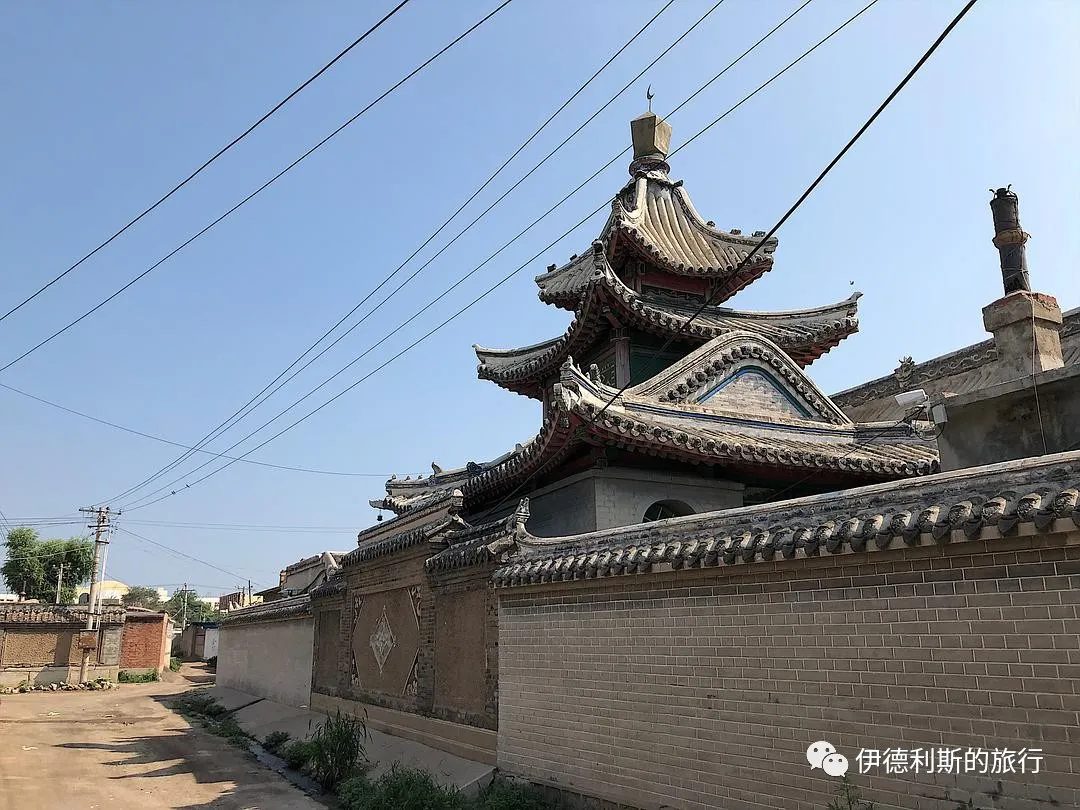
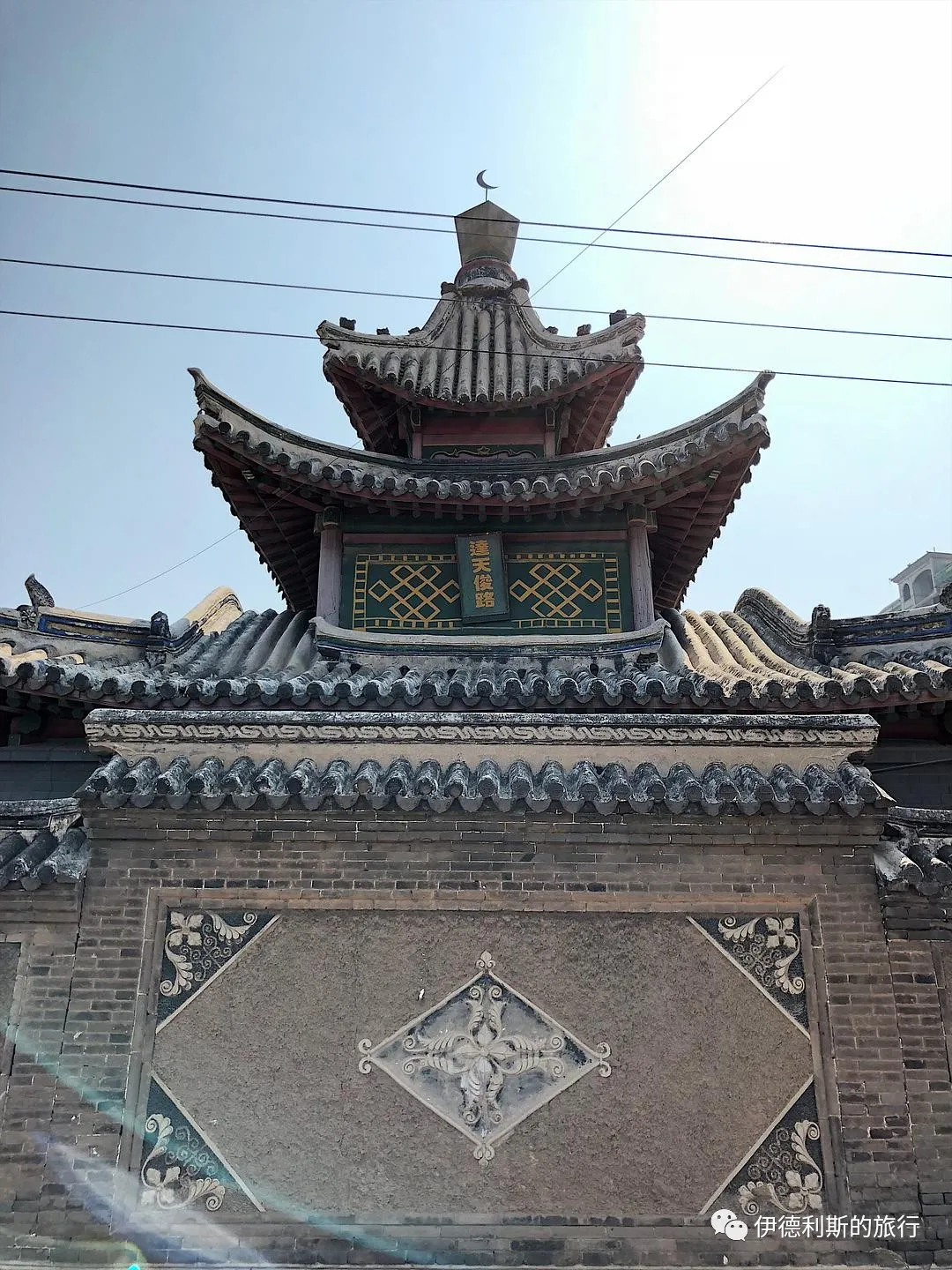
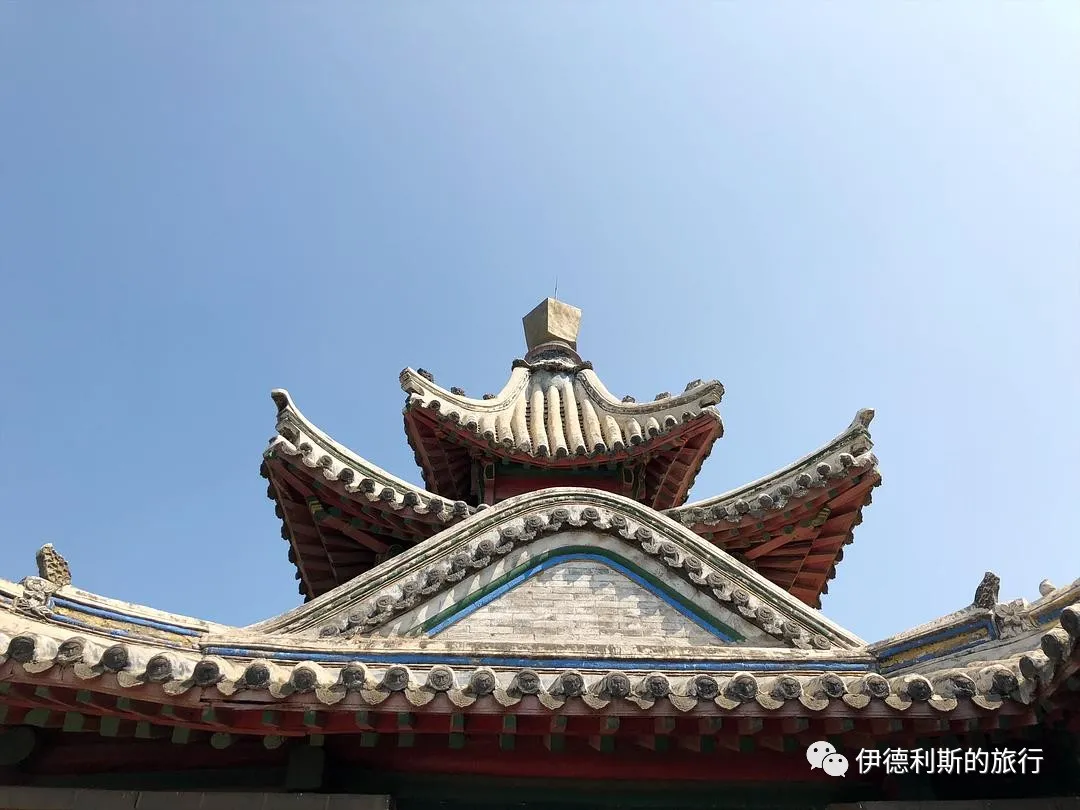
Luyang Mosque.
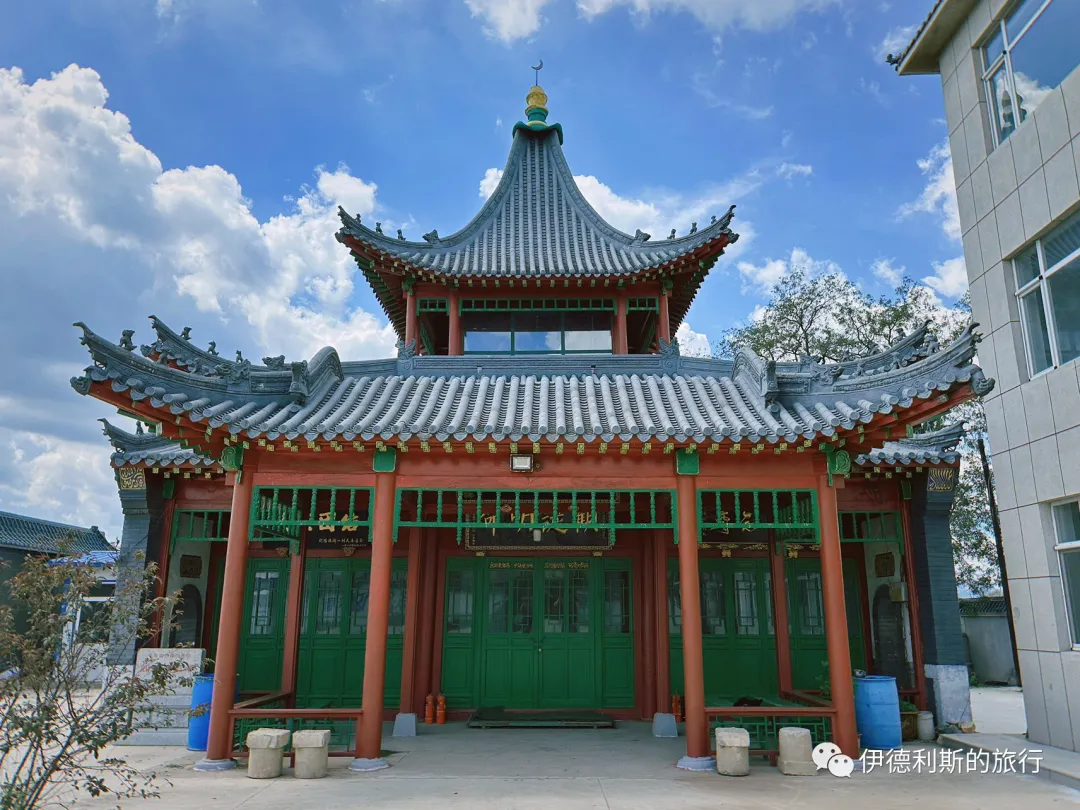
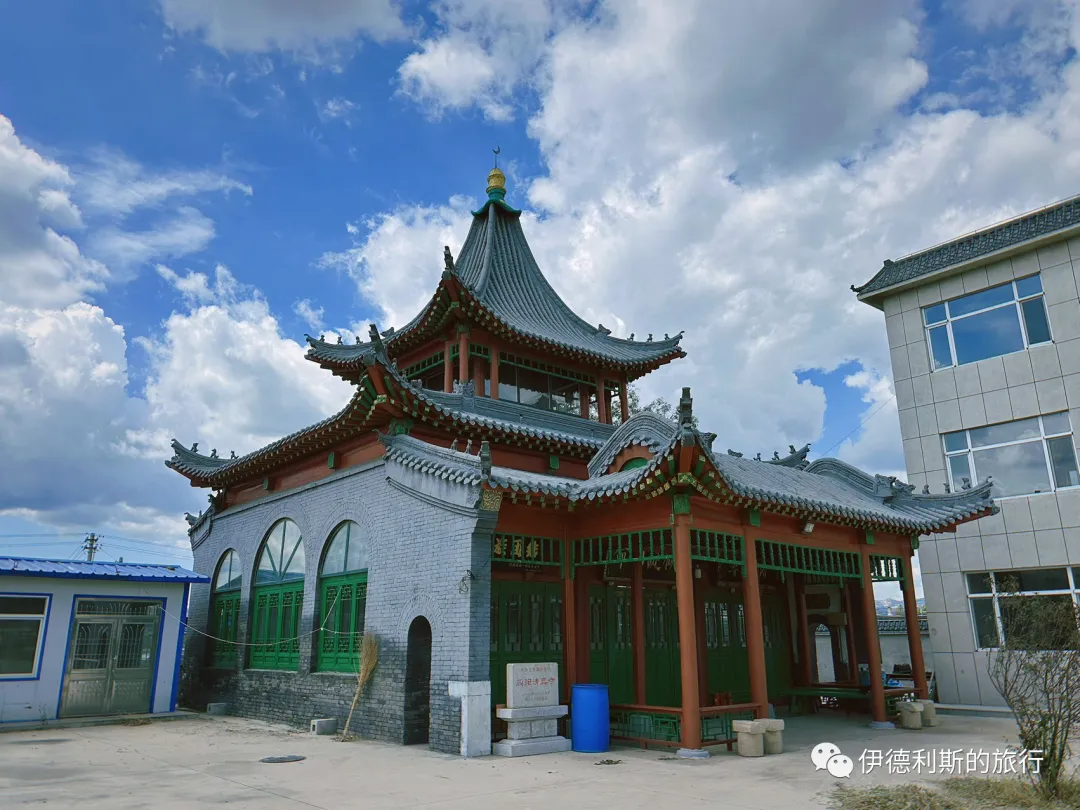
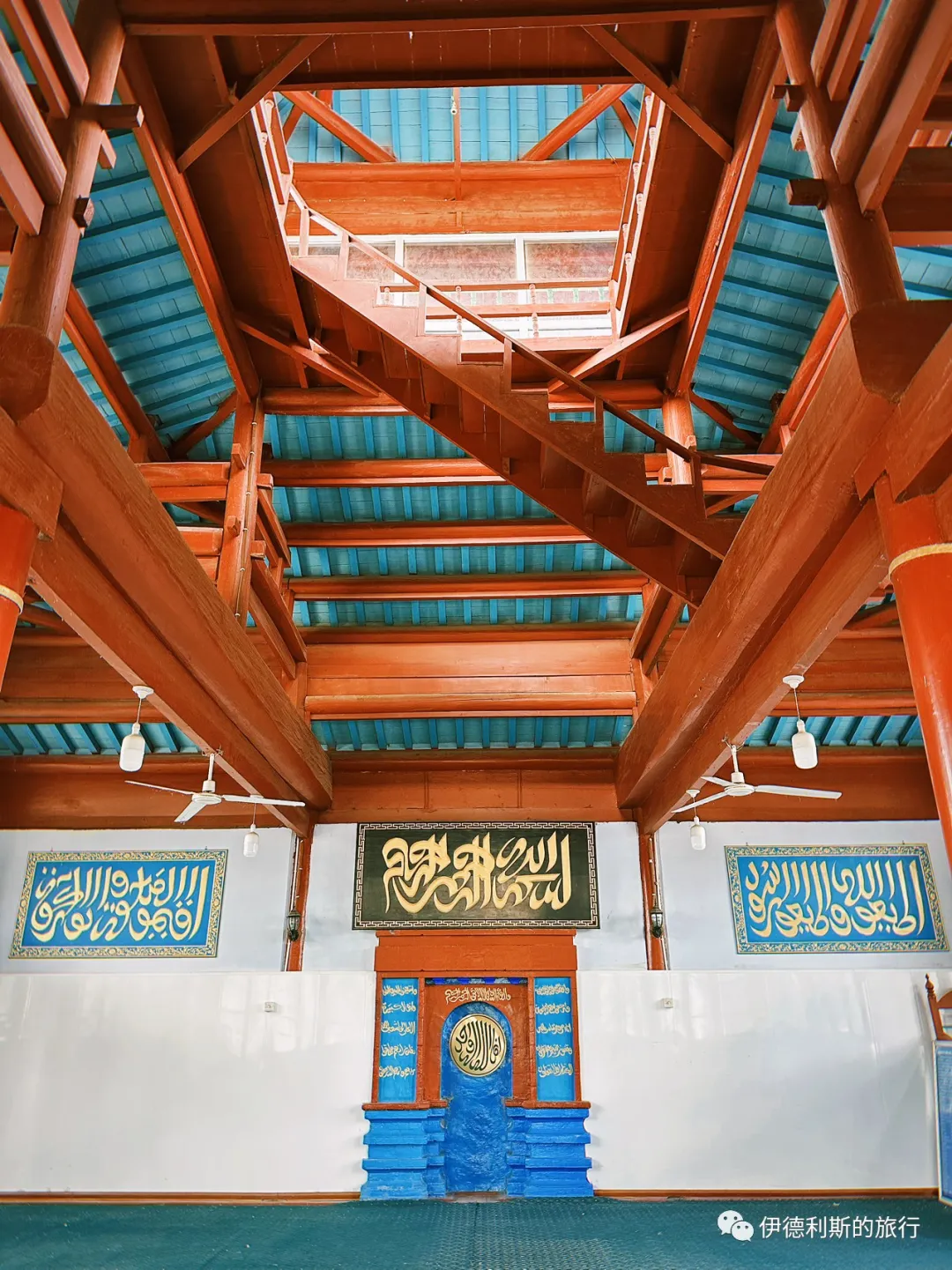
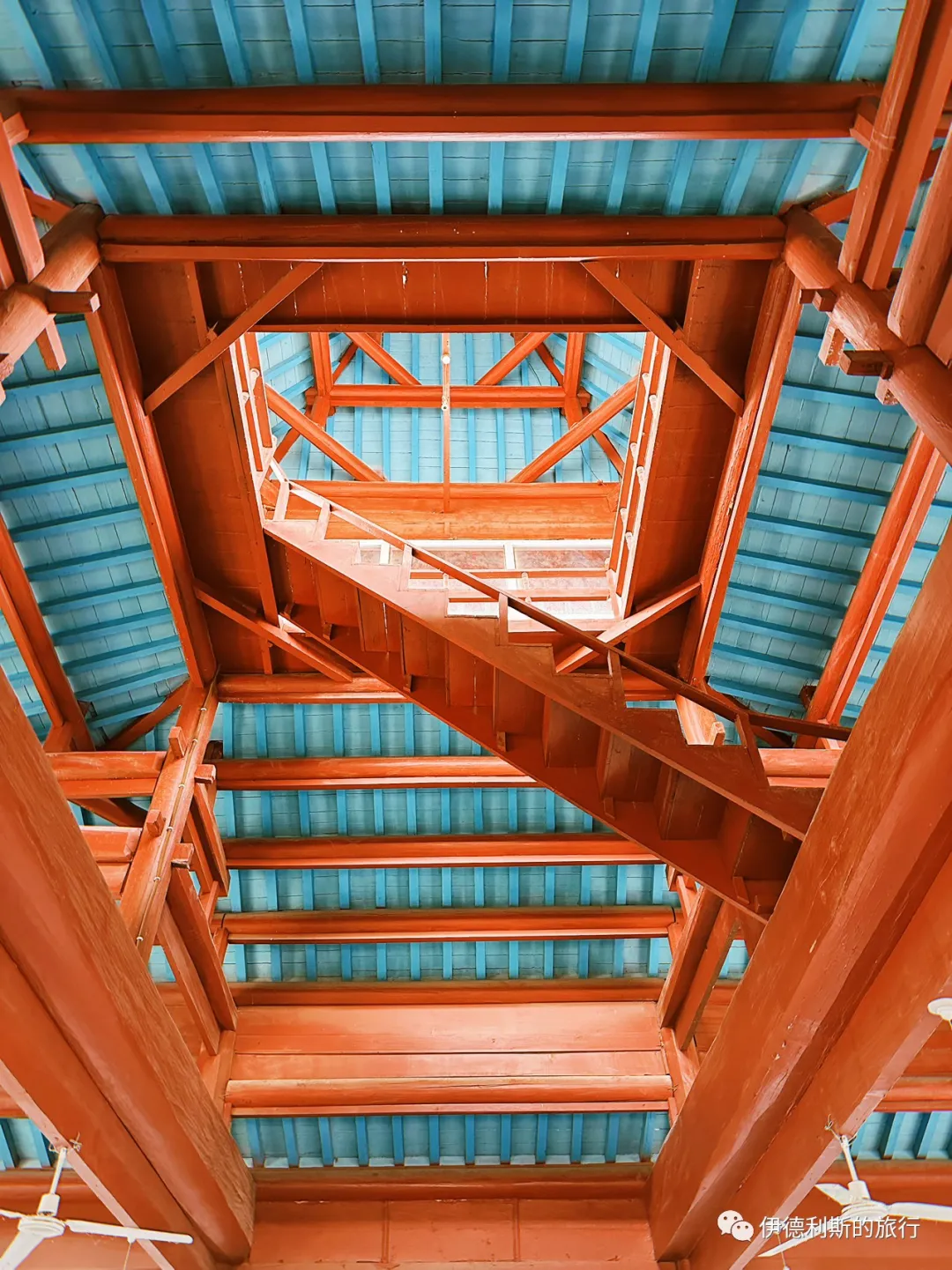
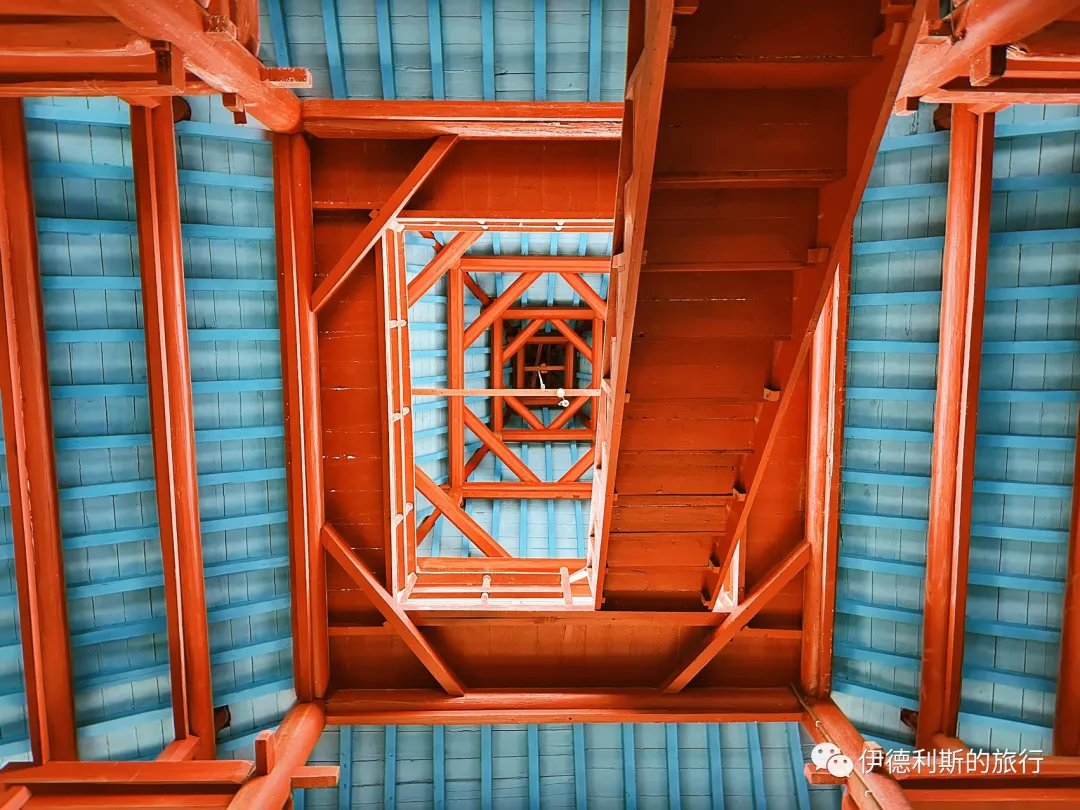
Luyang Town is located east of Jinzhou, not far from Goubangzi, the home of the famous Goubangzi smoked chicken. Luyang Mosque was first built in 1531 (the tenth year of the Ming Jiajing reign), renovated during the Qing Xianfeng period, and rebuilt into its current form between 1922 and 1925. During the reconstruction, Manager Wang of the Luyang Enliyong pastry shop was in charge of construction, and he invited Yang Peiran (Yuchun), who was a brigade commander in the Northeast Army at the time, to help raise funds. People say when the two main beams for the hall were transported from the Goubangzi train station to Luyang, they were pulled by over a dozen oxen, moving step by step for more than half a month. Work stopped several times to prepare materials, and it finally took two and a half years to complete.
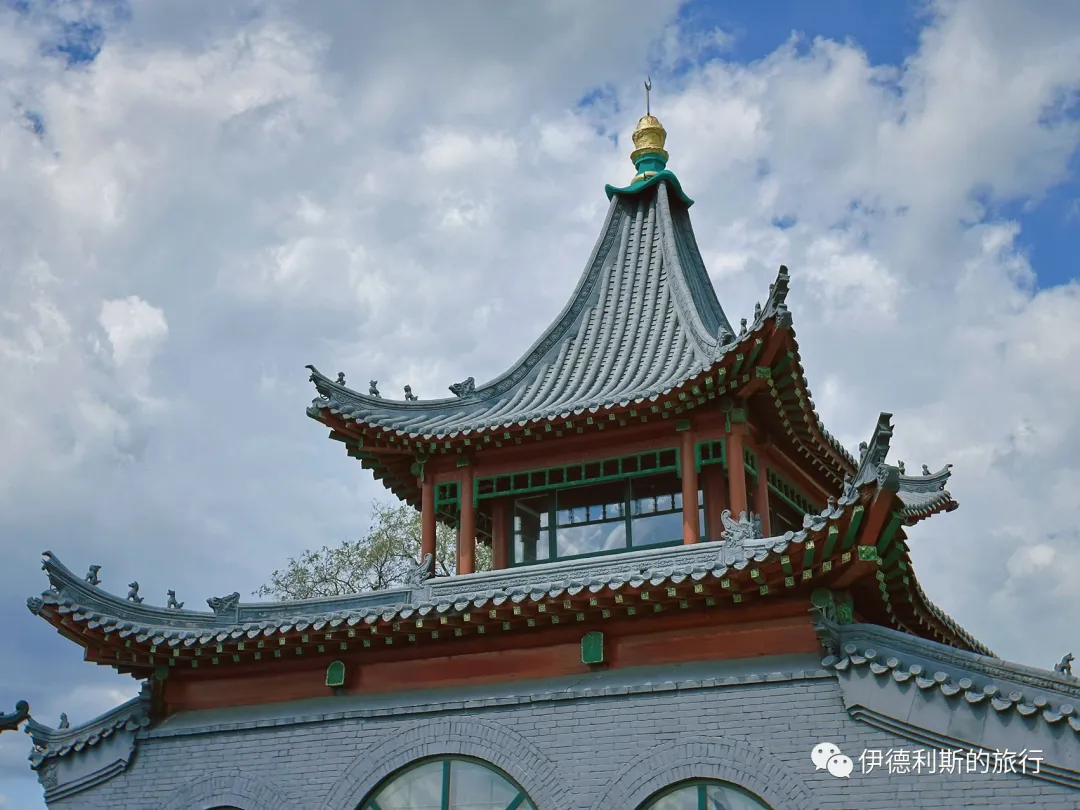
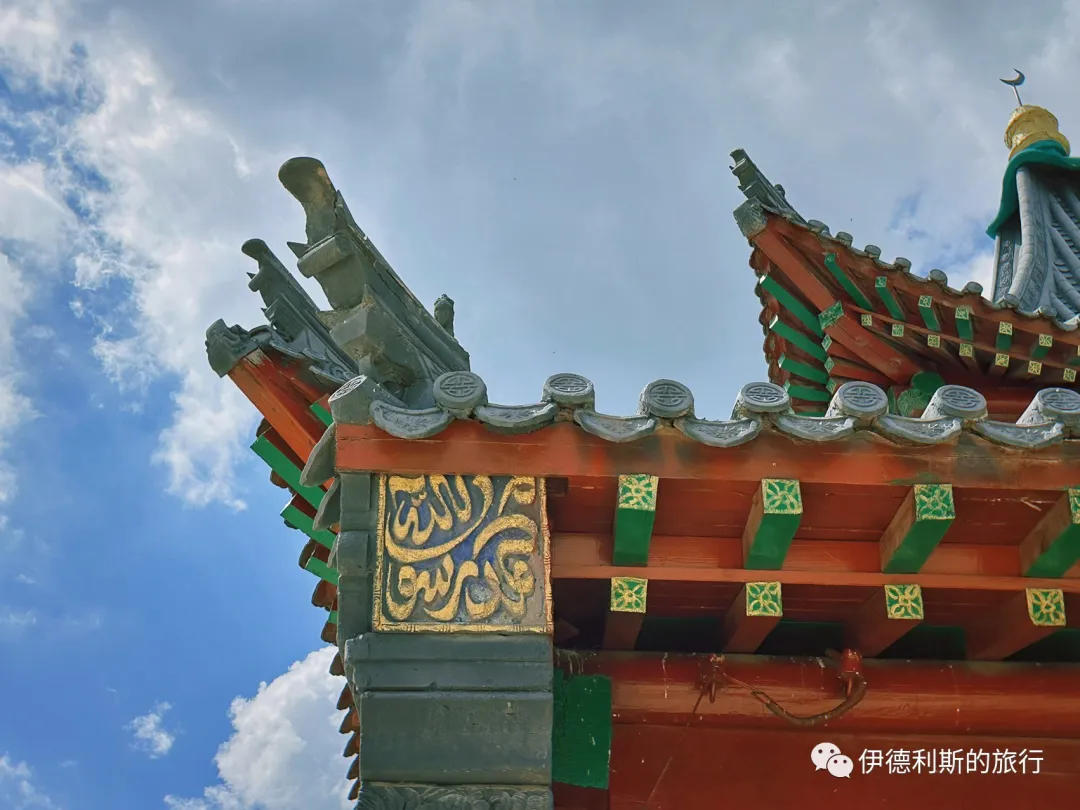
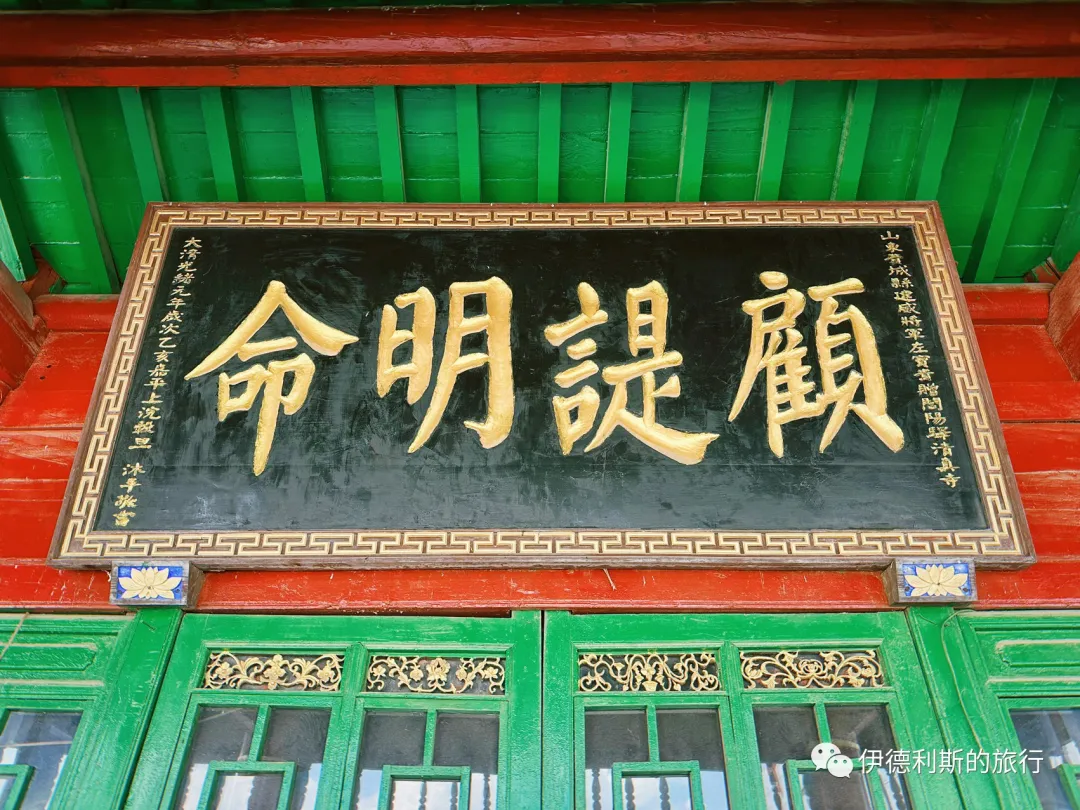
Luyang Mosque is a rare historic mosque in China that places the moon-sighting tower (wangyuelou) directly above the main prayer hall, and you can climb up to sight the moon using a wooden ladder inside the hall. A plaque inscribed by the anti-Japanese hero General Zuo Baogui, reading 'Gu Shi Ming Ming,' originally hung in front of the main hall. Sadly, it was destroyed along with other plaques during the Cultural Revolution. The current plaque was re-inscribed in 1984.
Beizhen Mosque
Beizhen Mosque is located outside the Xiaonan Gate of Beizhen in Jinzhou. It was first built in 1522 (the first year of the Jiajing reign of the Ming Dynasty), expanded in 1617 (the 45th year of the Wanli reign), and renovated again in 1798 (the third year of the Jiaqing reign). Historically, Beizhen Mosque was inside the south city of Guangning. When the city was renovated during the Qianlong reign, the south city was abandoned. The south city wall gradually disappeared, and later Guangning City was renamed Beizhen City, turning Beizhen Mosque from a city mosque into one located outside the city walls.
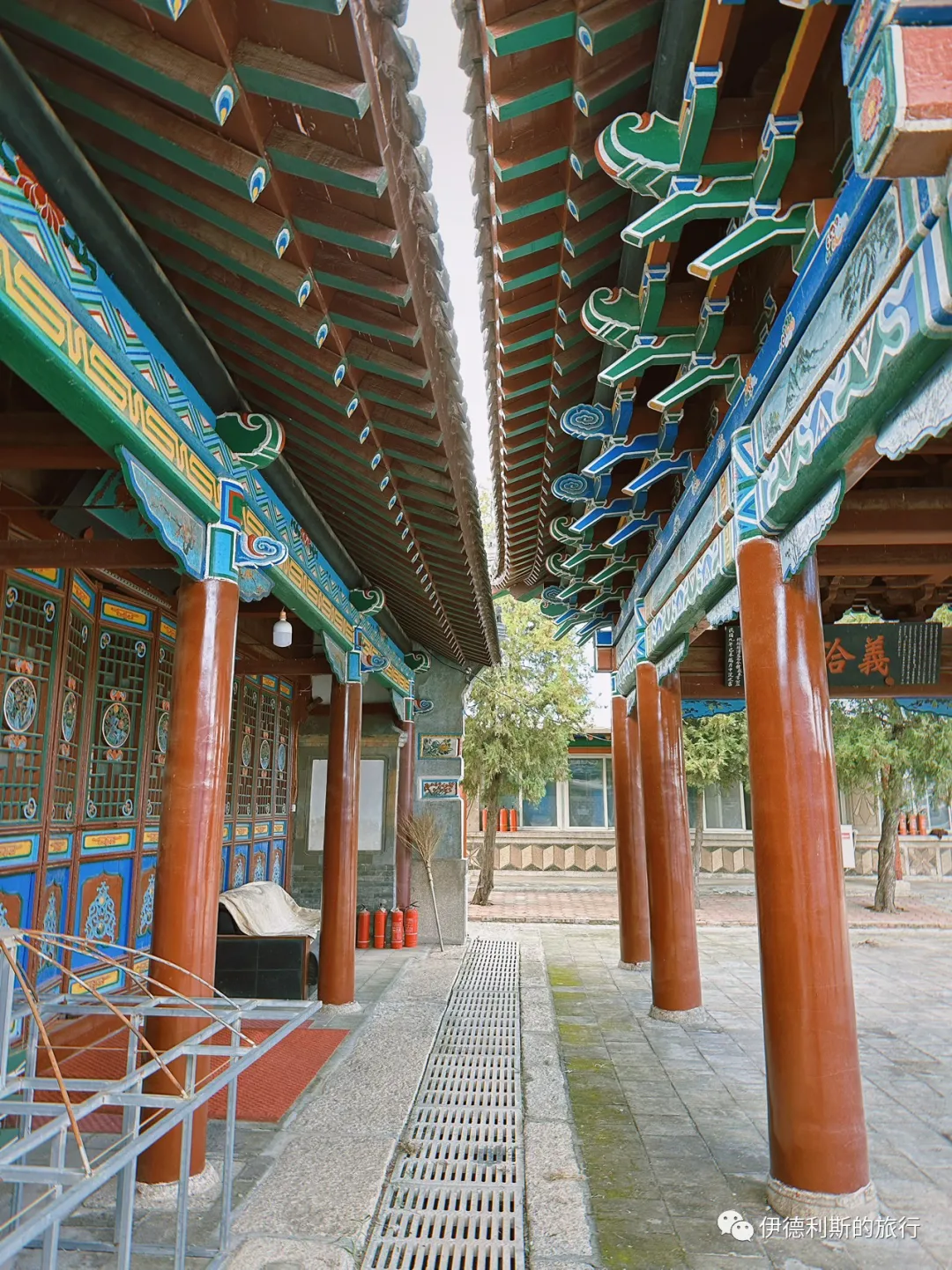
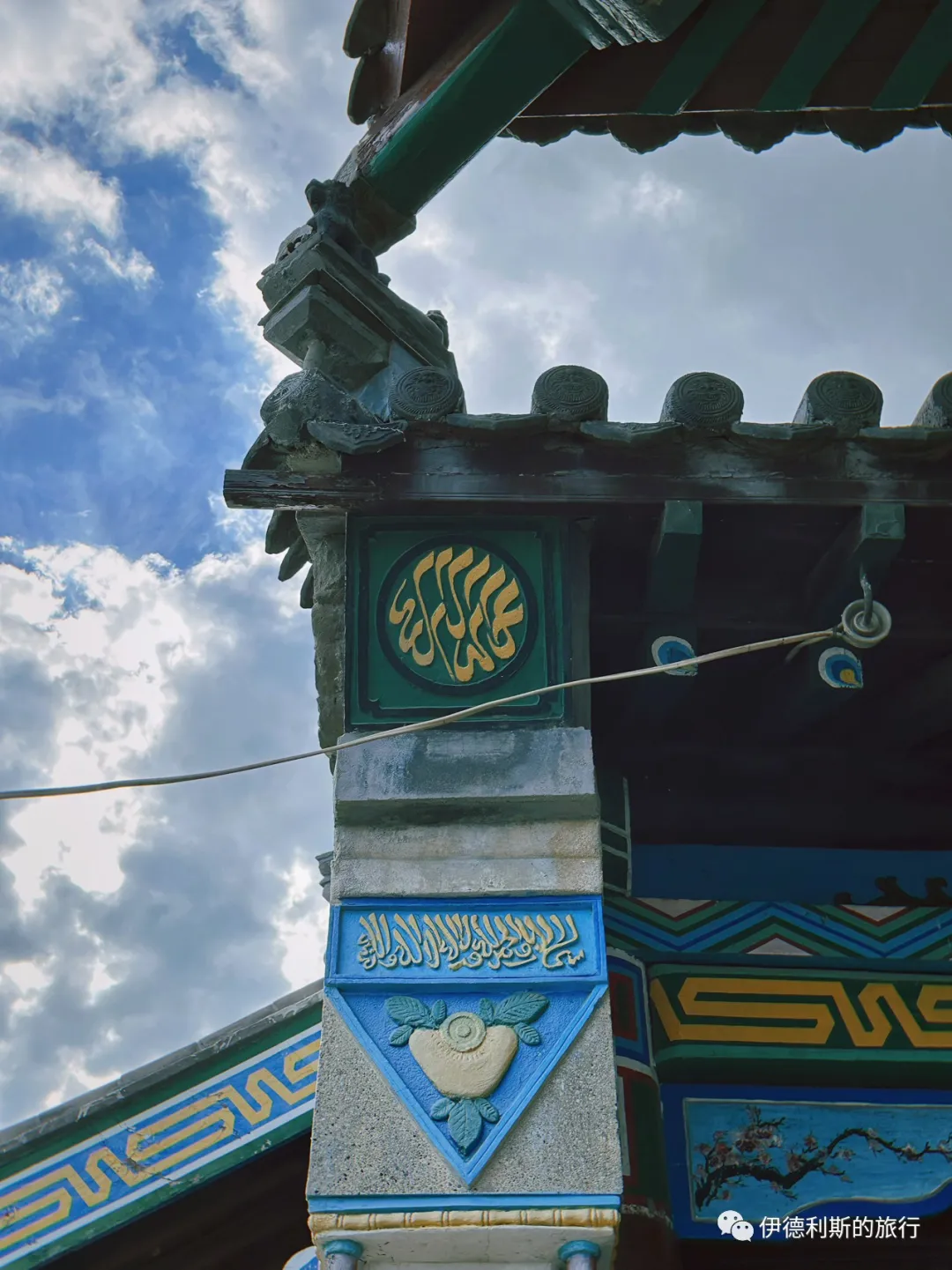
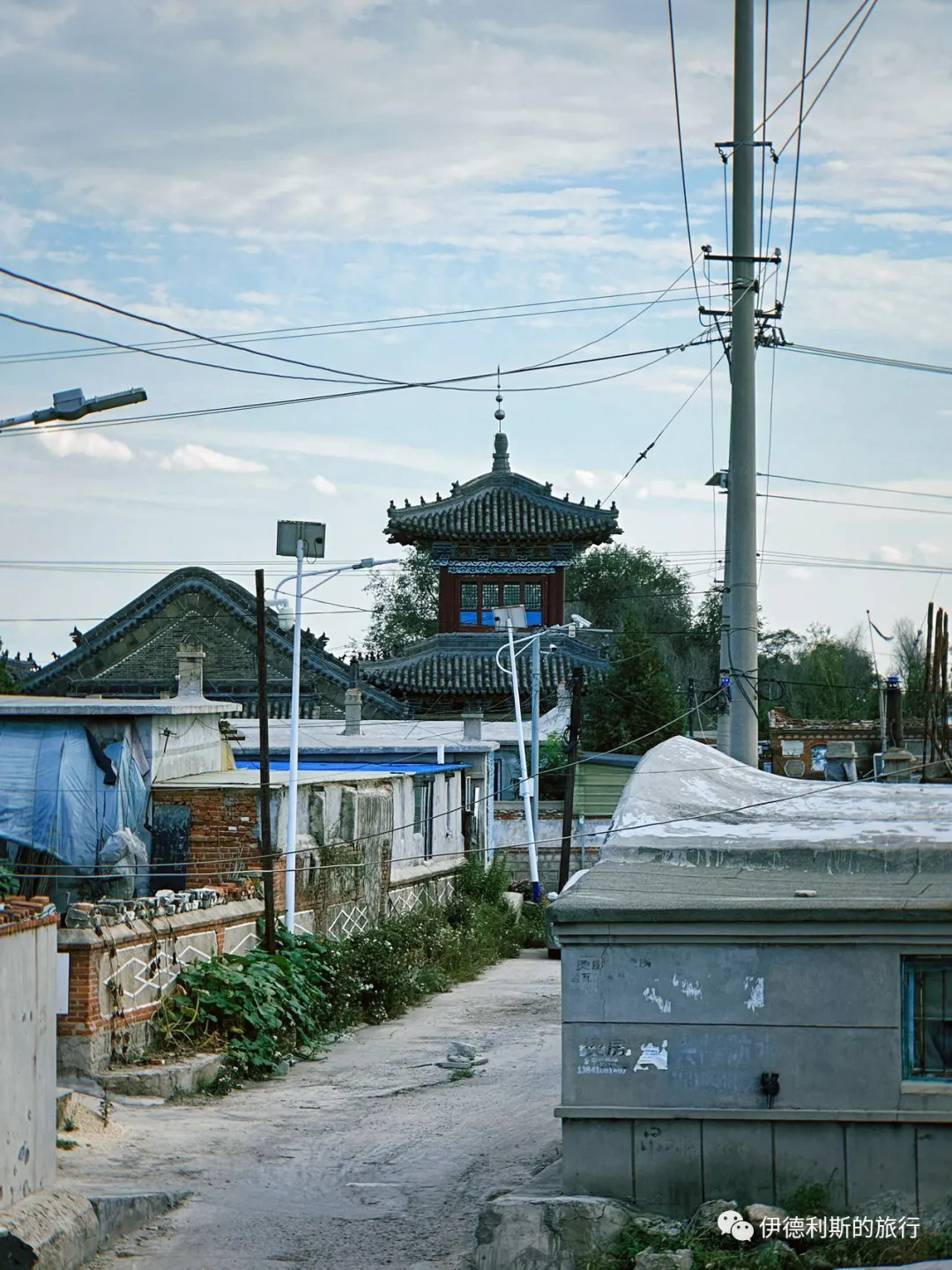
Beizhen Mosque follows the traditional northern mosque structure of a porch (juanpeng), main hall, and rear hall (yaodian), but it is unique because the porch and the main hall are separate and not connected. The beams and brackets of the building feature painted floral patterns and exquisite wood carvings.
Plaques currently preserved at Beizhen Mosque
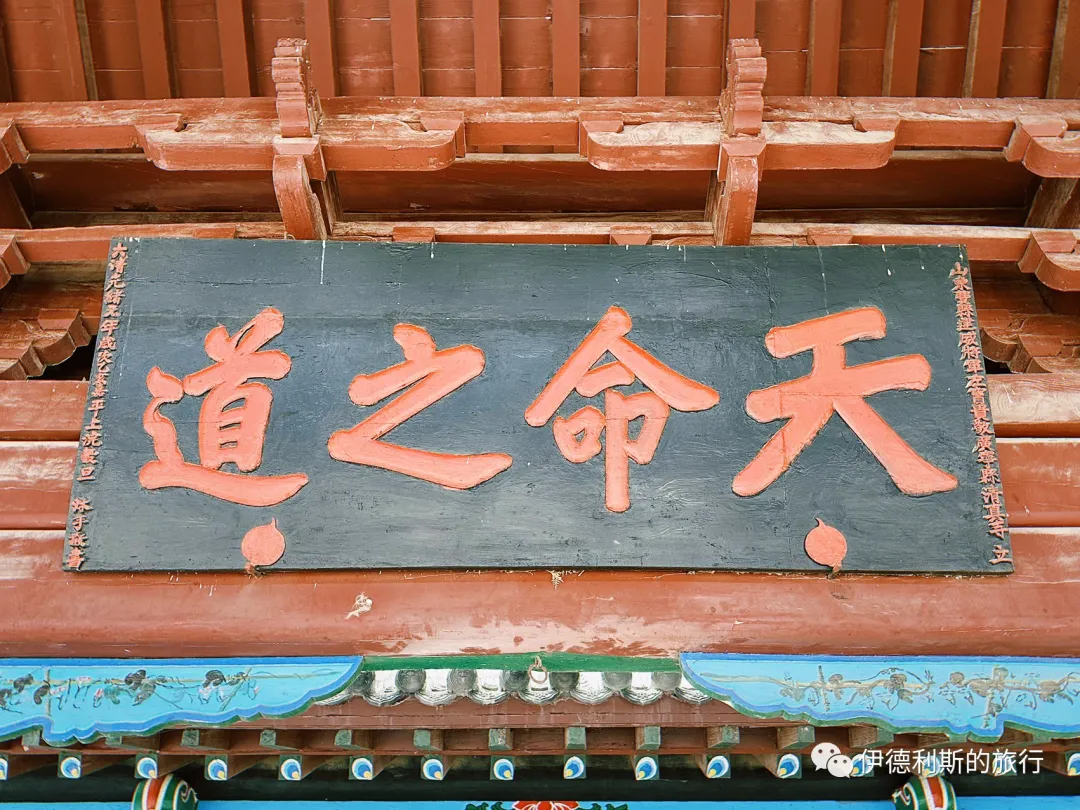
The Way of Heaven's Mandate: Respectfully presented to Guangning County Mosque by General Wuwei of Fei County, Shandong, Zuo Baogui, in the first year of the Guangxu reign of the Great Qing Dynasty (1875), during the first ten days of the twelfth lunar month. This was presented by the famous anti-Japanese general Zuo Baogui while he was passing through Beizhen on his way to fight in the war in Korea.
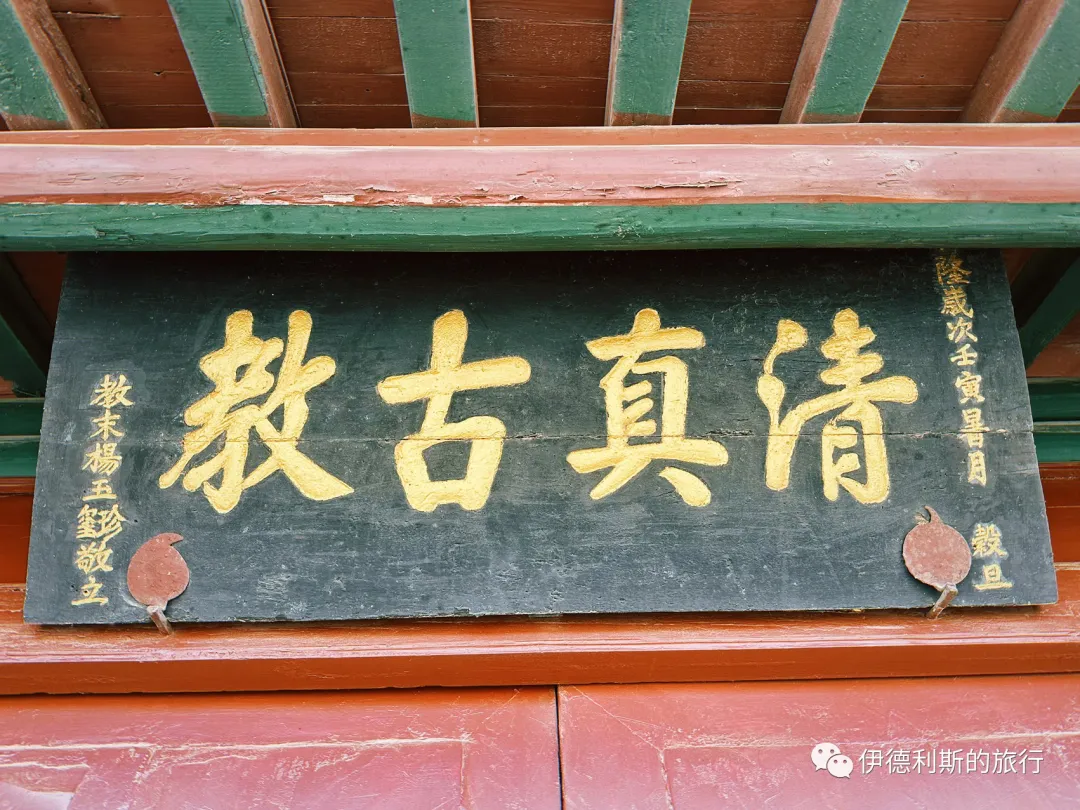
Ancient Islamic Faith: Respectfully erected by followers Yang Yuxi and Yang Yuzhen in the first ten days of the seventh lunar month in the year of Yiyin (1795) of the Qianlong reign.
Everlasting Golden Daylily: Presented by Xu Guangzhang, an official of Guangning County, Jinzhou Prefecture, and Bai Yongfu, a local officer, in the first ten days of the fourth lunar month in the year of Yisi (1845) of the Daoguang reign.
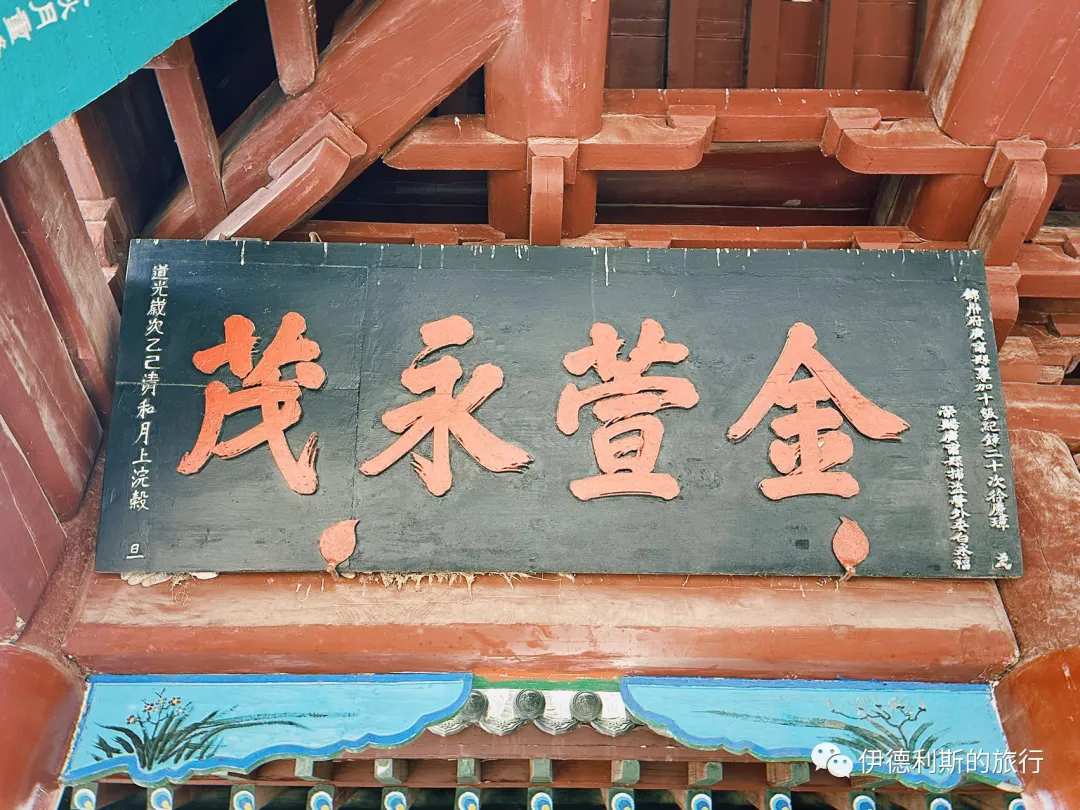
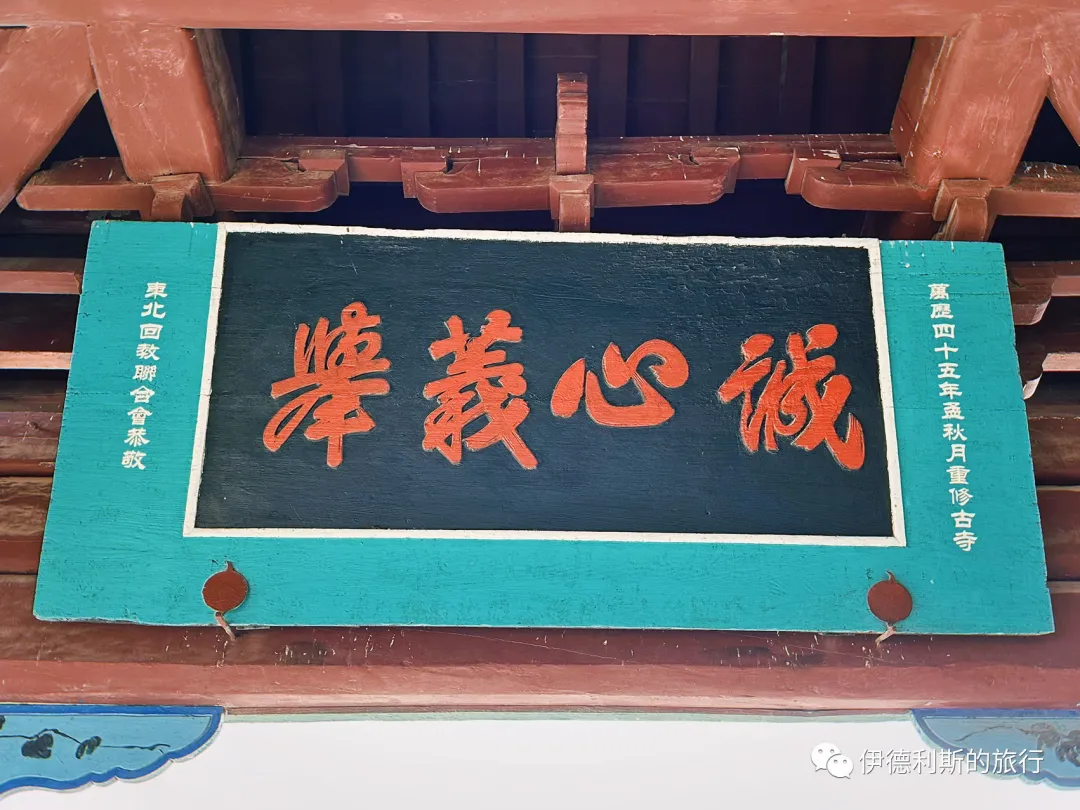
Sincere Righteous Act: The ancient mosque was renovated in the autumn of 1617 (the 45th year of the Wanli reign), respectfully presented by the Northeast Islamic Association.
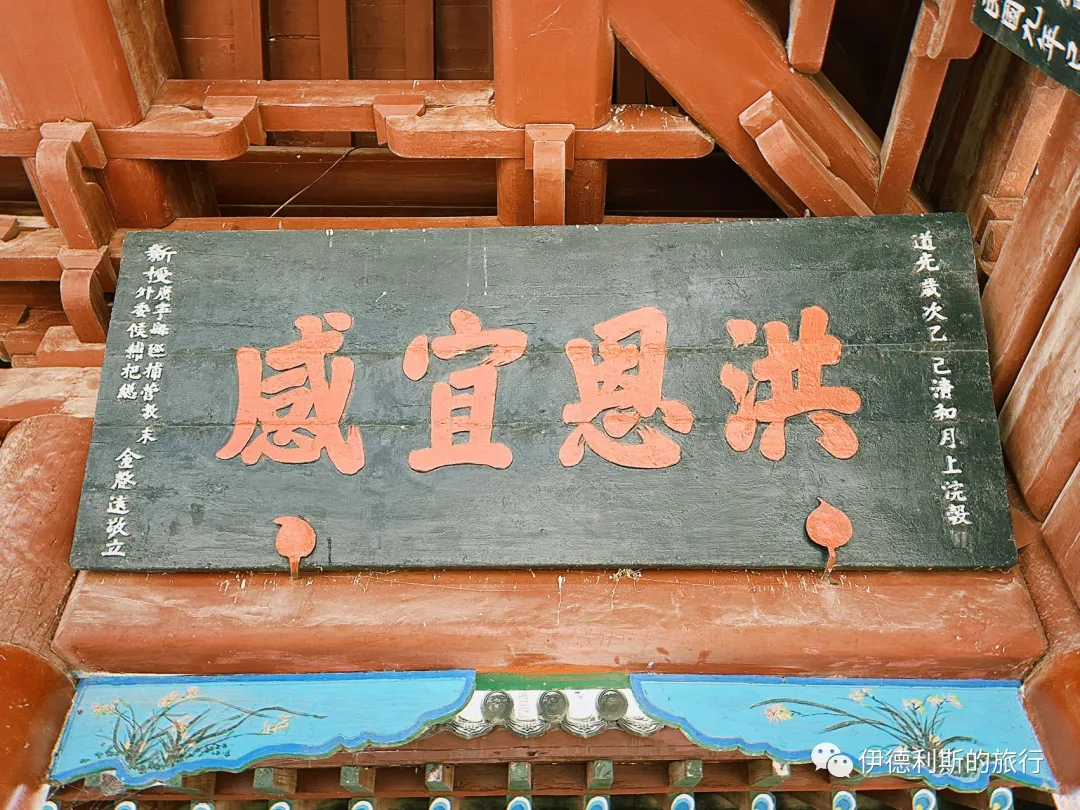
Gratitude for Great Kindness: Respectfully erected in the first ten days of the fourth lunar month in the year of Yisi (1845) of the Daoguang reign by Jin Qiyuan, a follower and newly appointed patrol officer of Guangning County.
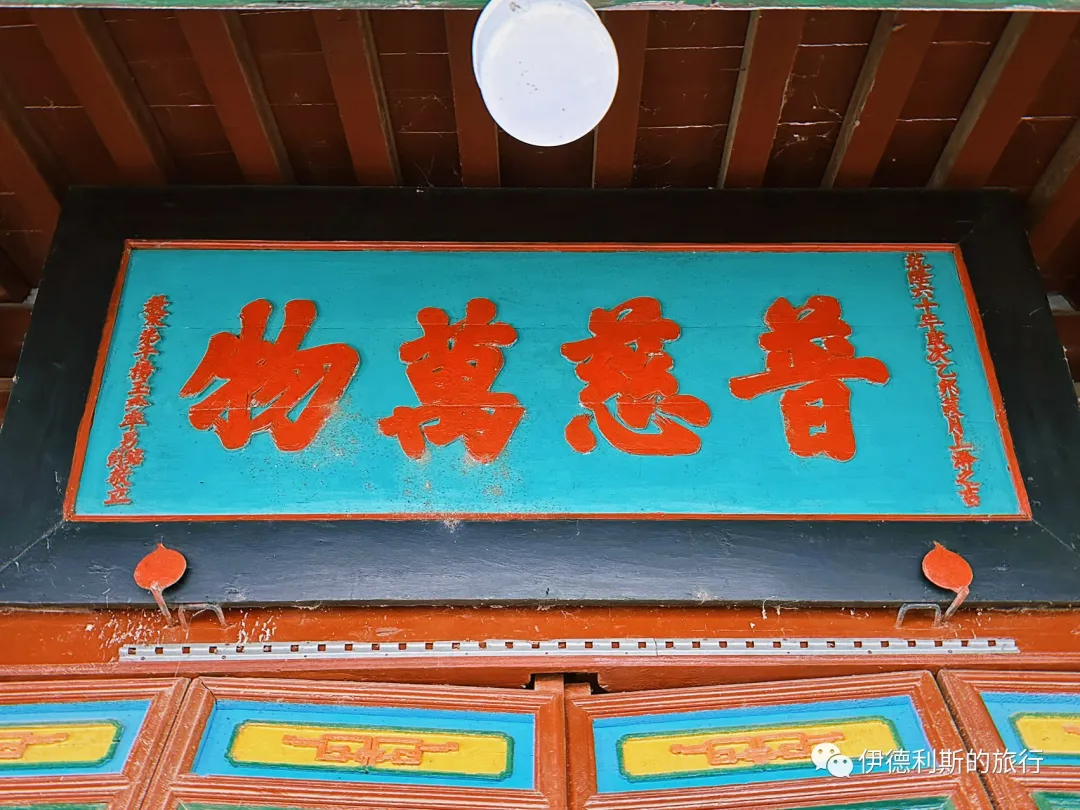
Universal Mercy for All Things: Respectfully erected in the year of Yimao (1794) of the Qianlong reign by follower Yang Yuzhen and his son Jianming.
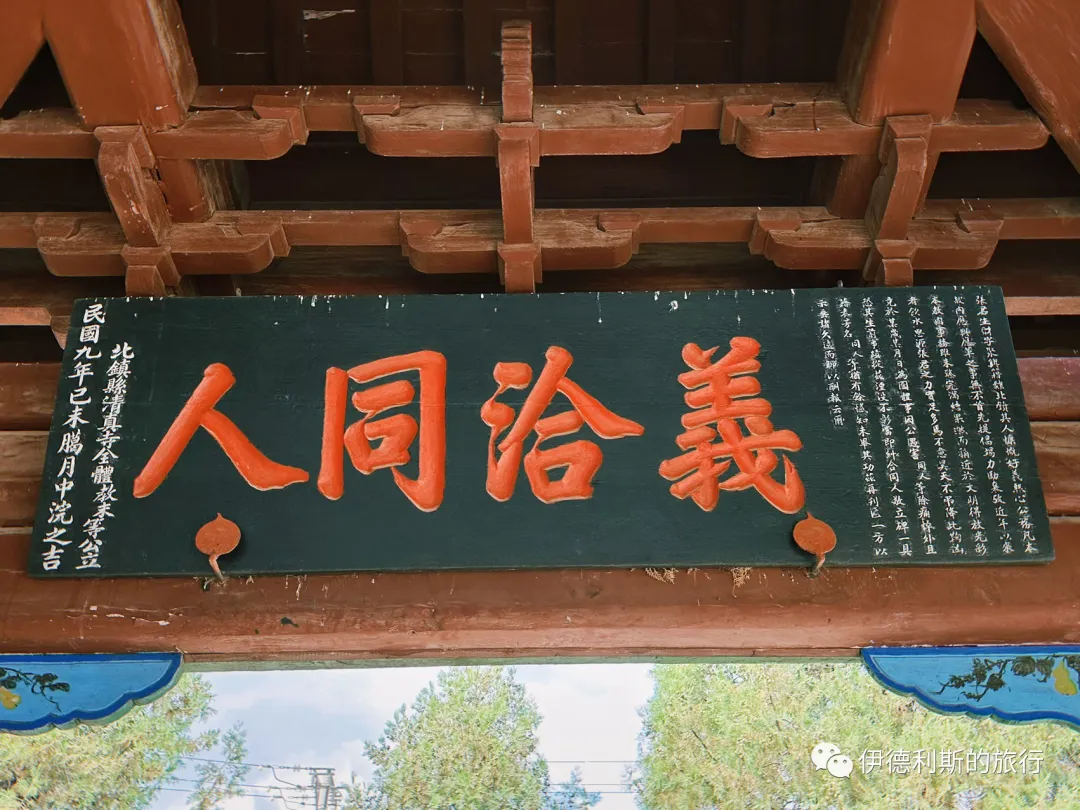
Righteousness Among Peers: Mr. Zhang, whose wealth-generating name was Juxing. He was a registered resident of Beizhen. He was generous, righteous, and enthusiastic about public affairs. Whenever there was something in our faith that needed to be done or reformed, he was always the first to advocate for it and support it with all his might. Because of this, in recent years, although the affairs of our faith have not reached perfection, they have moved closer to civilization and begun to shine. When drinking water, one must think of the source; Mr. Zhang's contribution is truly worthy of praise. Unexpectedly, Heaven did not grant him a long life, and he was killed in the line of duty for the sake of the country on a certain day of a certain month. Beyond our deep grief, we feared his life's deeds would be forgotten, so we gathered together to erect a stone tablet to honor his name. We still felt a sense of regret, knowing that a tablet might not fully capture his merits. We have now carved this plaque to ensure his memory lasts for a long time and to serve as a small token of our gratitude. The Beizhen County Mosque was established by the entire congregation, on a lucky day in the middle of the twelfth lunar month in the ninth year of the Republic of China (1920).
Xinlitun Mosque
Xinlitun is an ancient town in Jinzhou, western Liaoning, known as the 'First Town Beyond the Border'. During the Daoguang era of the Qing Dynasty, Hui Muslims from Jinzhou, Yixian, Heishan, Yingkou, and other places settled in Xinlitun and built the Xinlitun Mosque in 1842 (the 22nd year of Daoguang).
On the 15th day of the first lunar month in 1873 (the 12th year of Tongzhi), Xinlitun held a stilt-walking festival. During the event, a conflict broke out between the Manchu leader Dashan (Fifth Master) and Hui Muslims including Liu Hua, Zhao Guang'en, and Wang Yao, which escalated into a clash between the Manchu and Hui communities, eventually leading to the burning of the Xinlitun Mosque. Afterward, both the Manchu and Hui communities learned from the incident and decided to rebuild the Xinlitun Mosque. After several years of preparation, General Zuo Baogui, an anti-Japanese hero and commander of the Fengtian Army, led the effort by donating 300 taels of silver to complete the reconstruction.
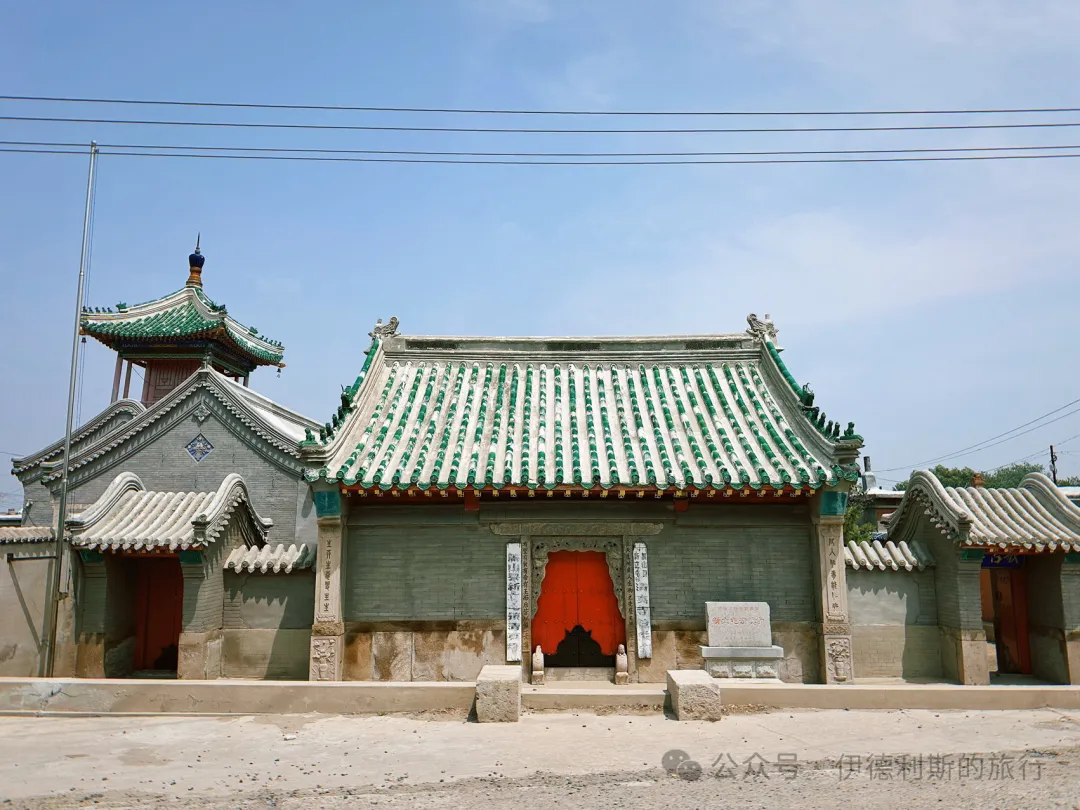
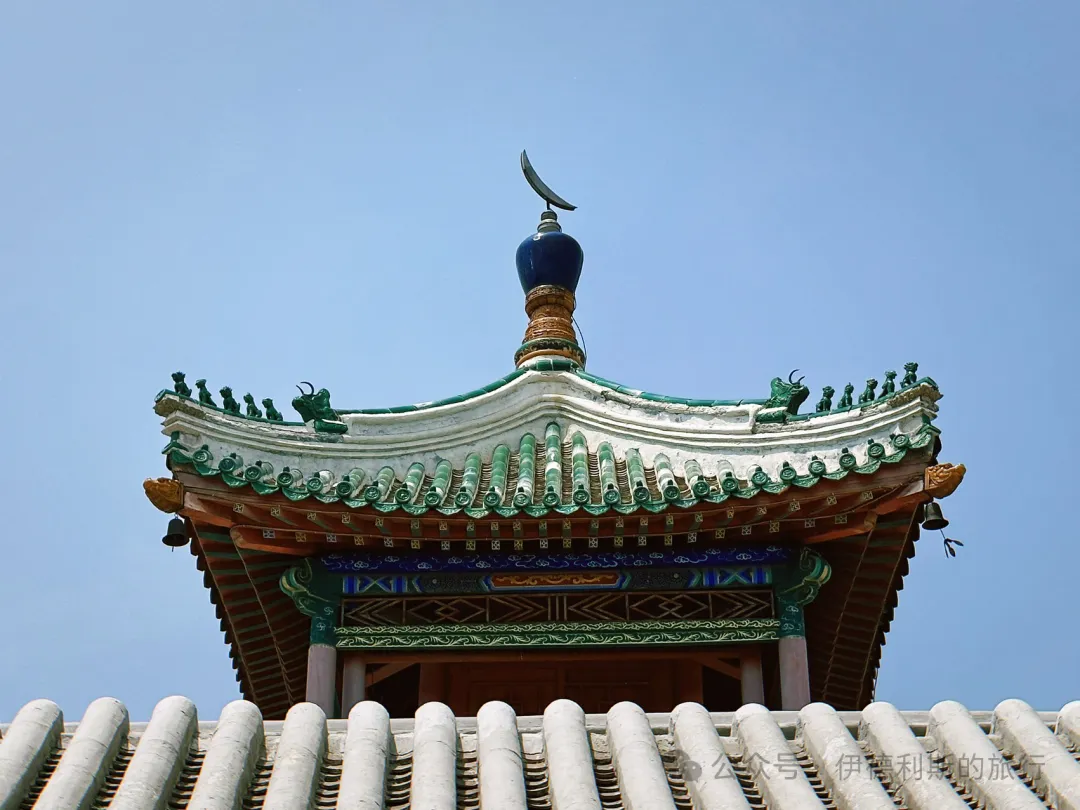
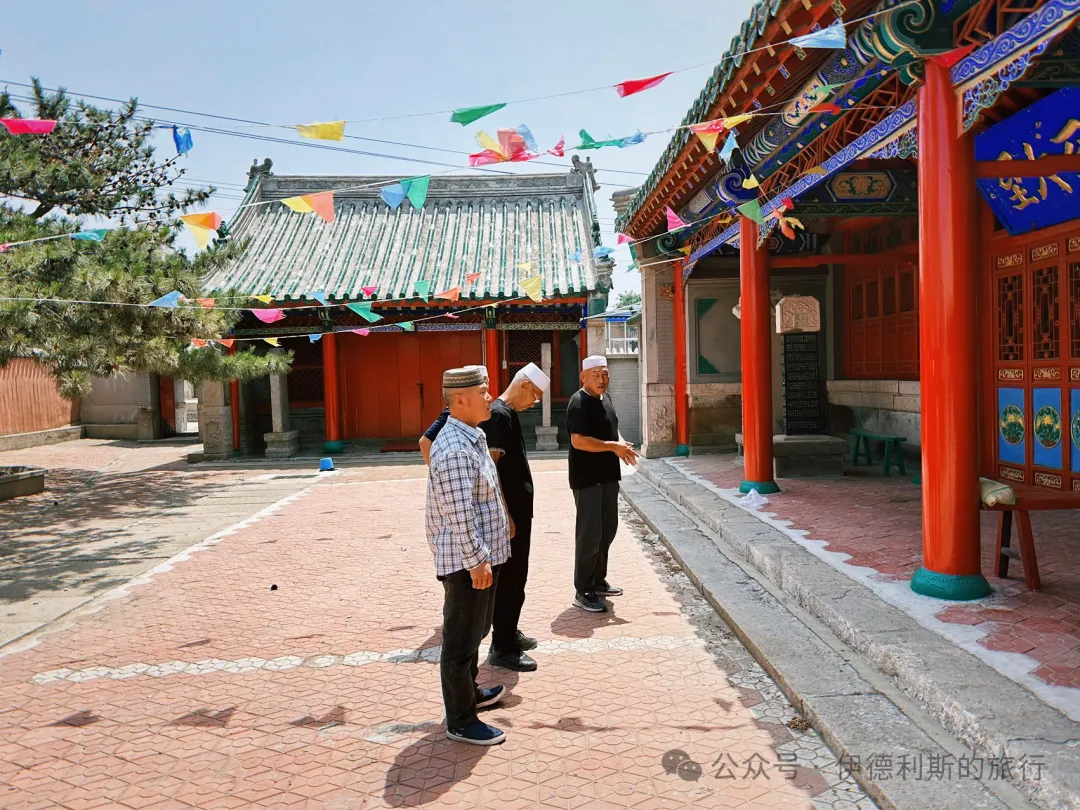
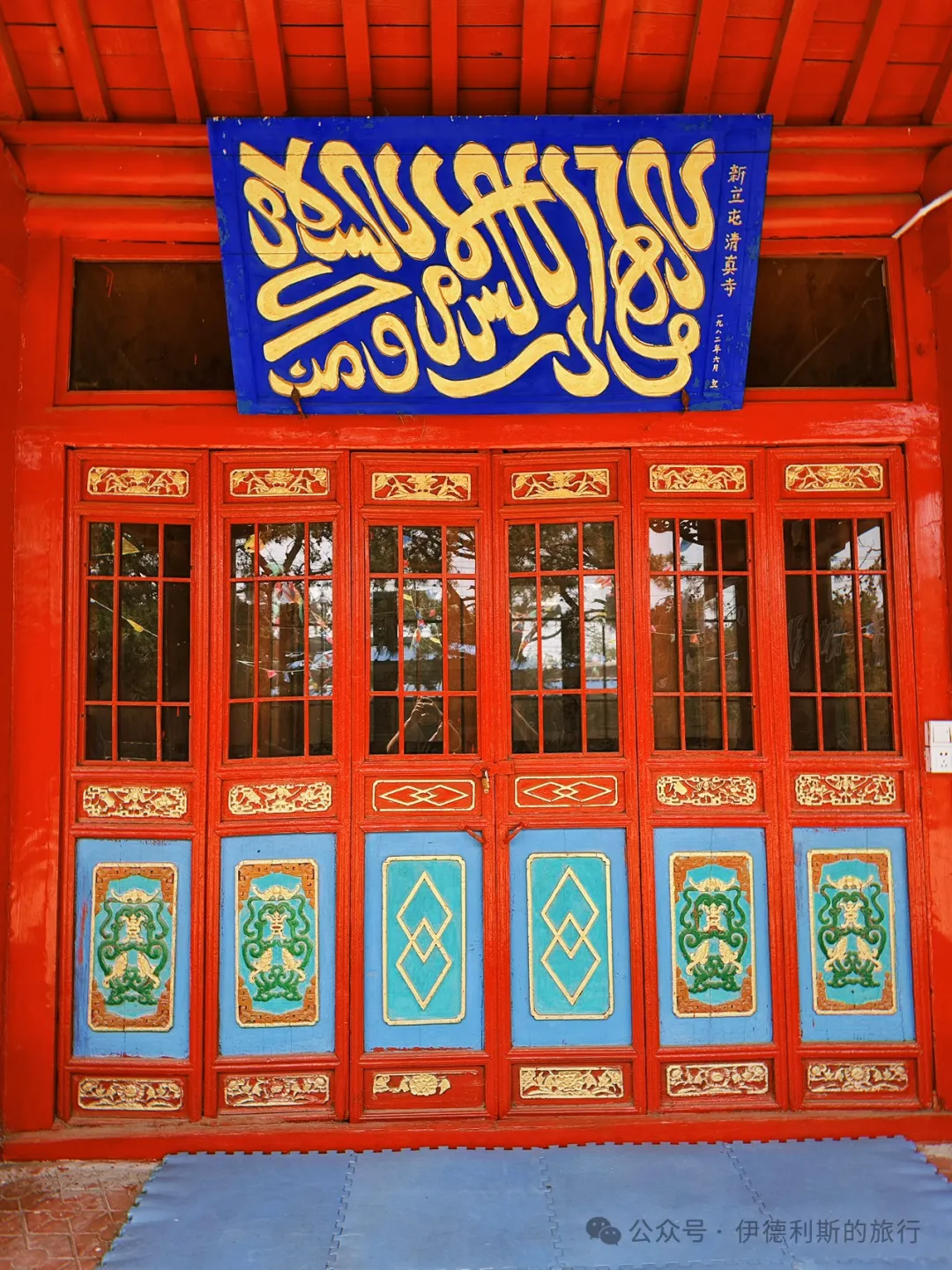
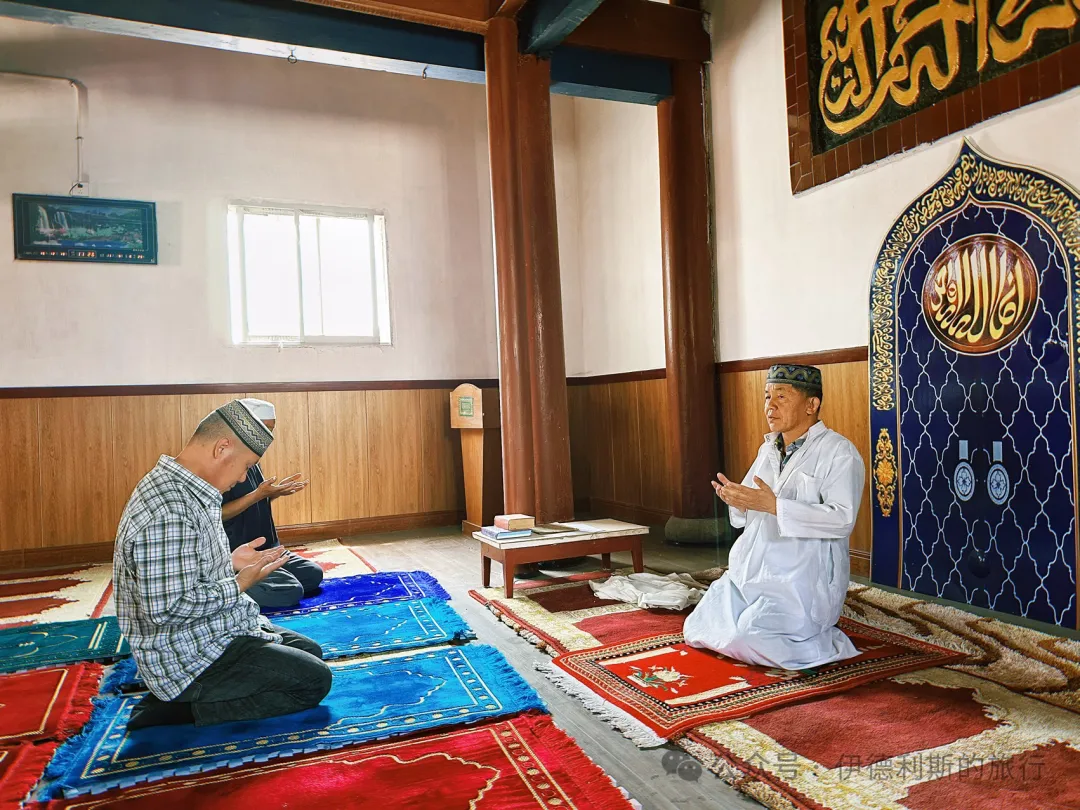
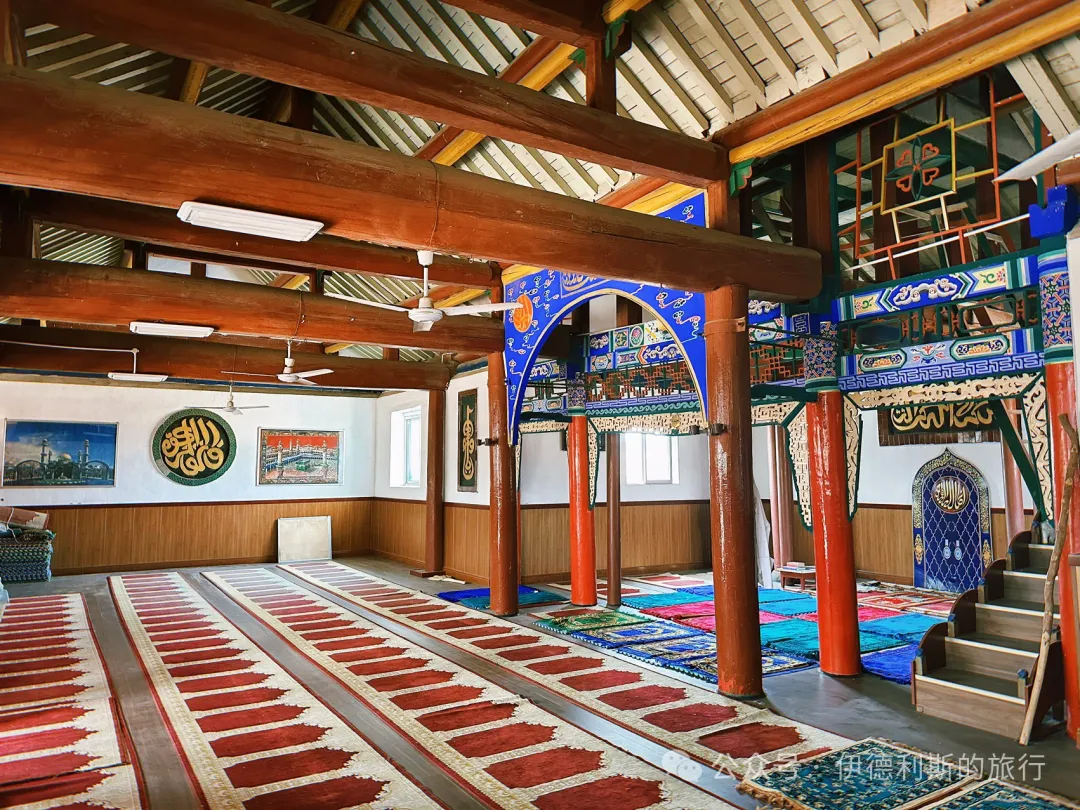
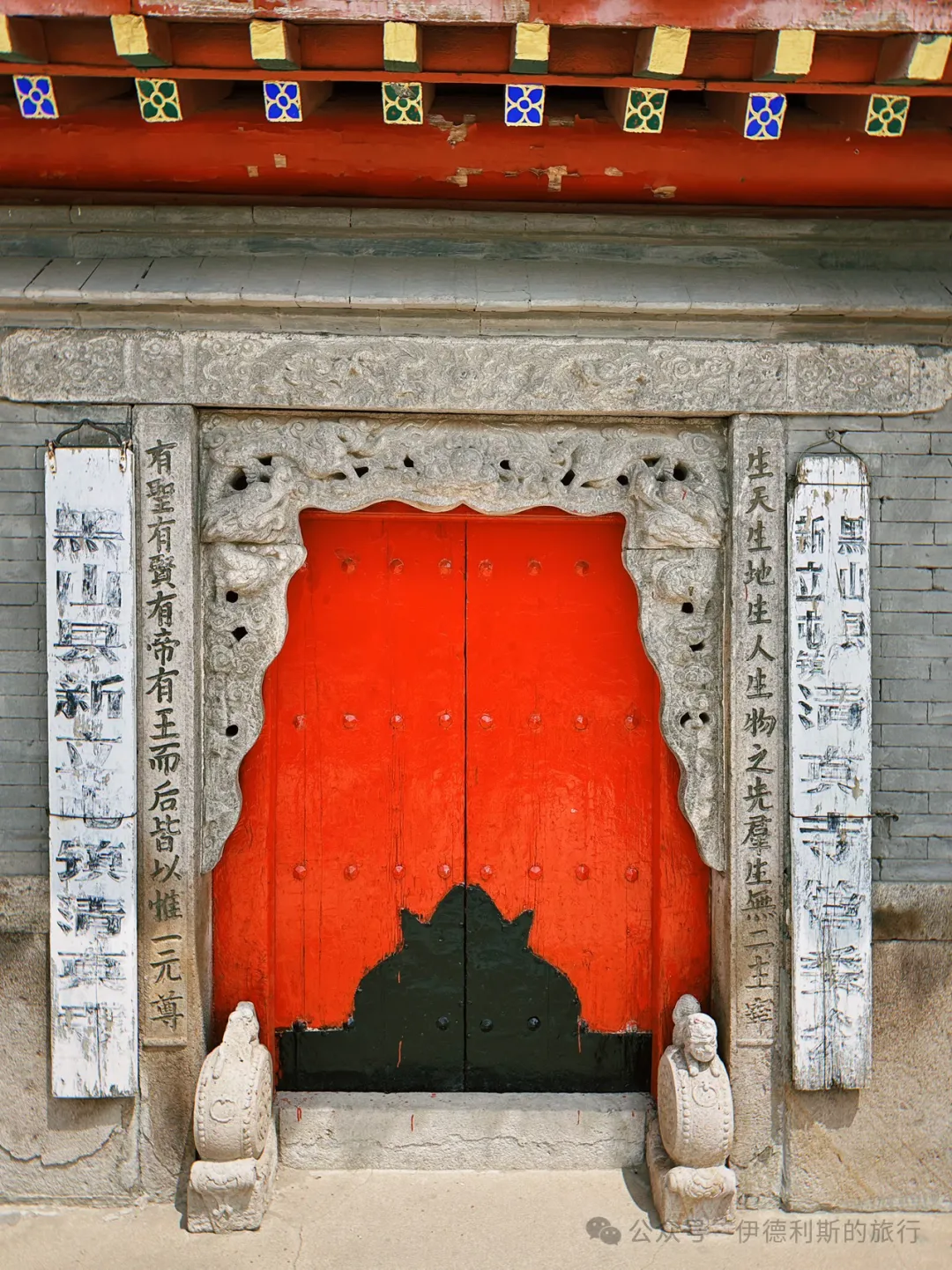
The main gate of the Xinlitun Mosque features two couplets: 'Transforming people and things, it can transform all; giving life to heaven and earth, it gives life to all.'
The light that gives life to heaven, earth, people, and all living things, the one Lord of all creation.
Saints, sages, emperors, and kings all follow the one and only supreme authority.
Above the main gate, there is also a stone carving of two dragons playing with a pearl.
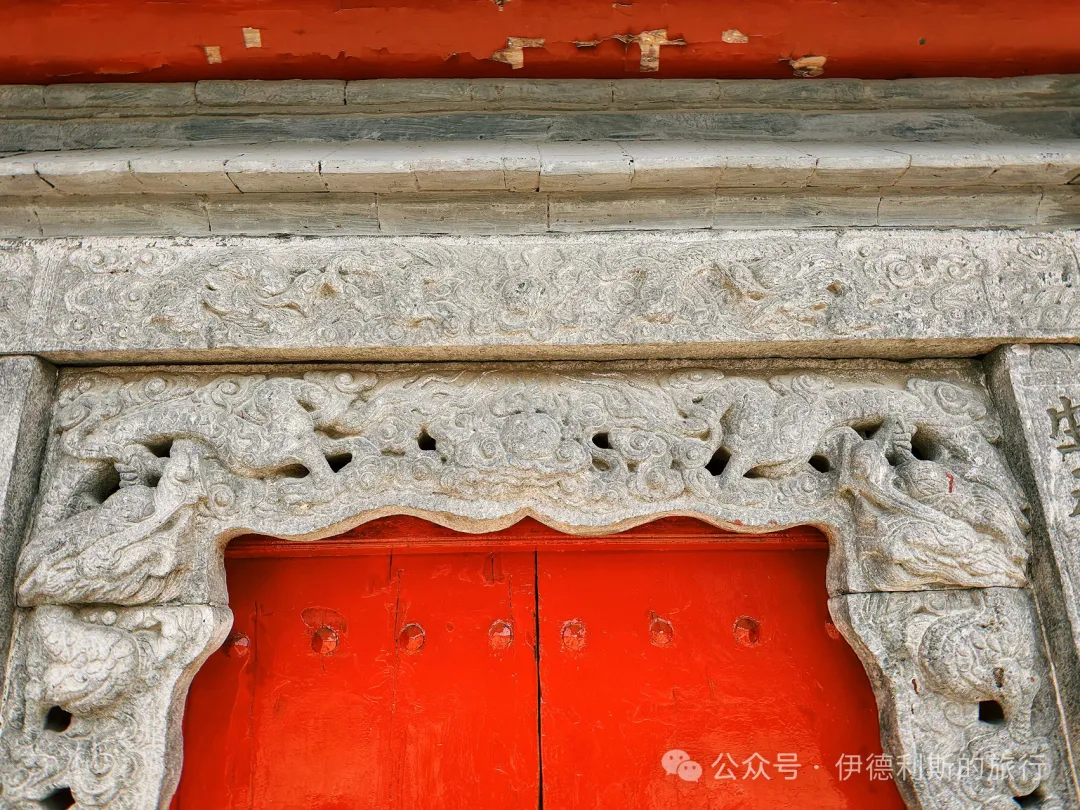
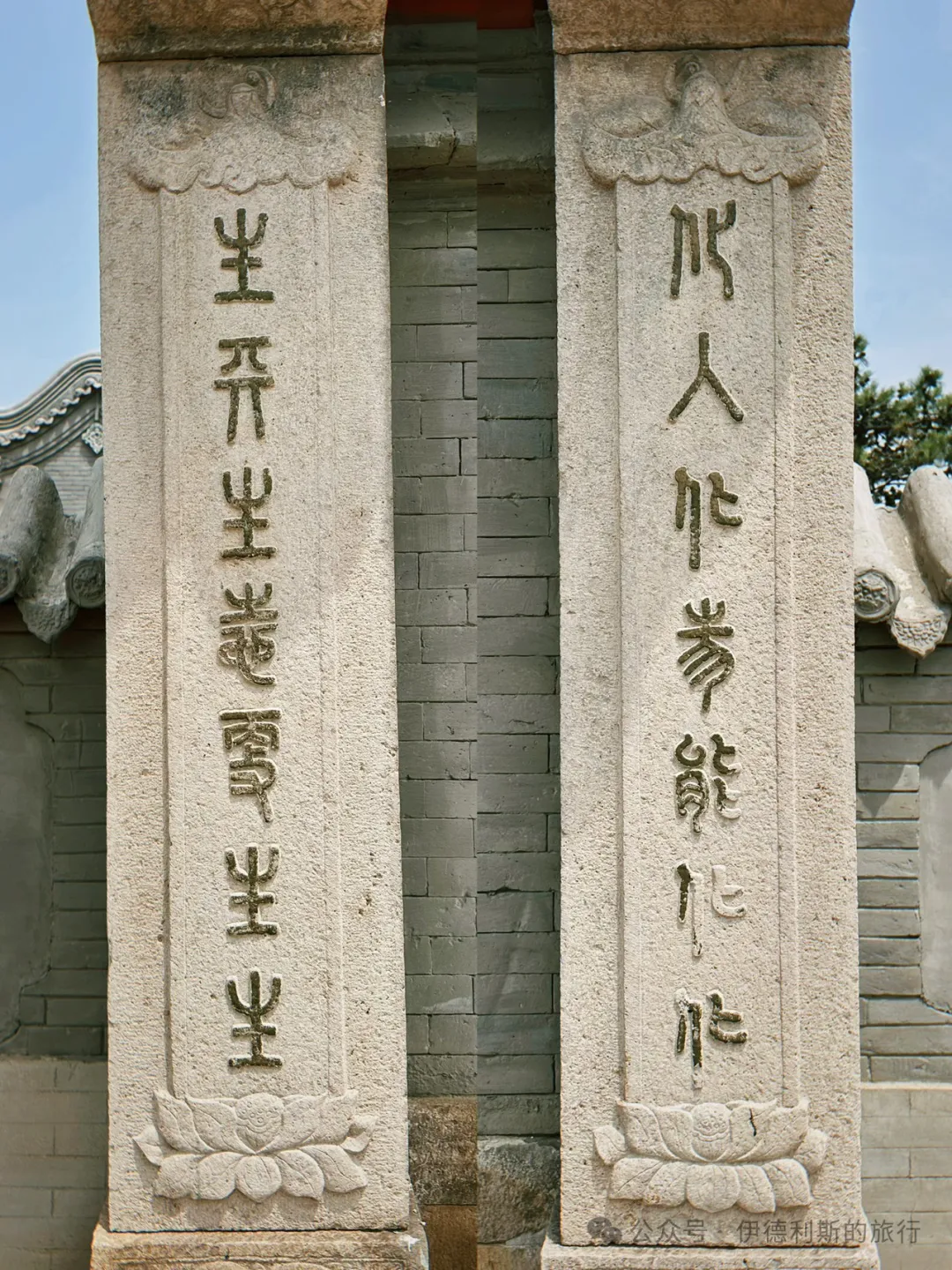
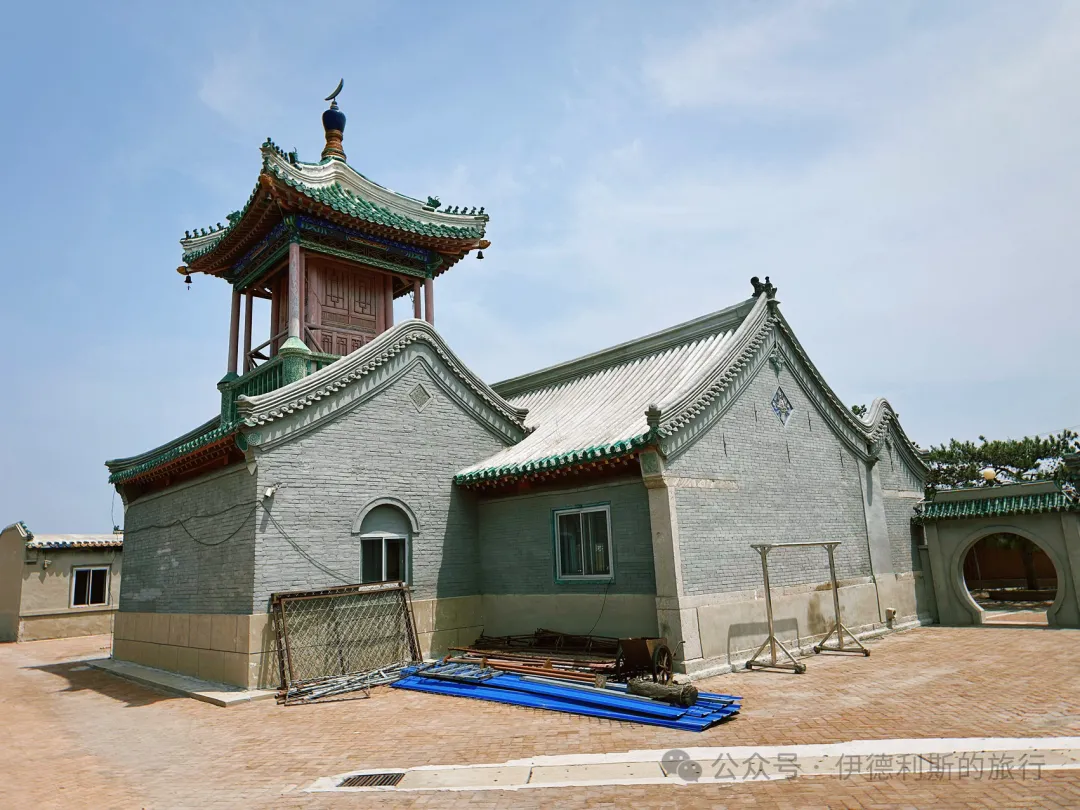
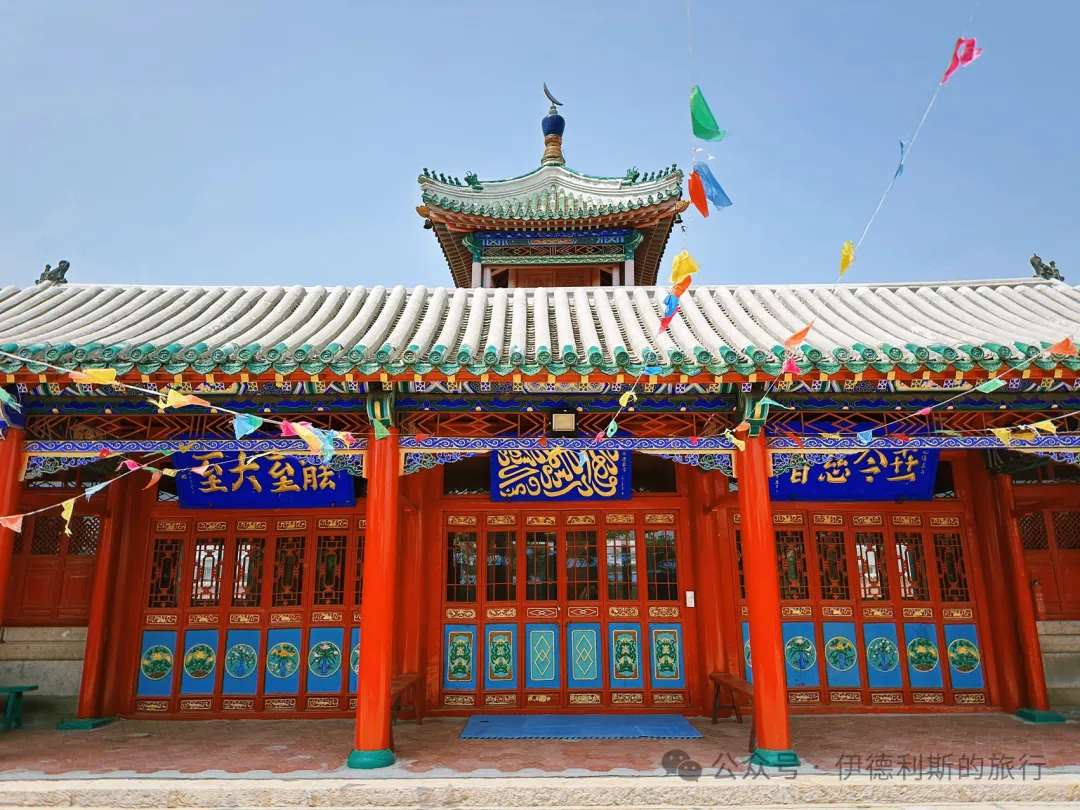
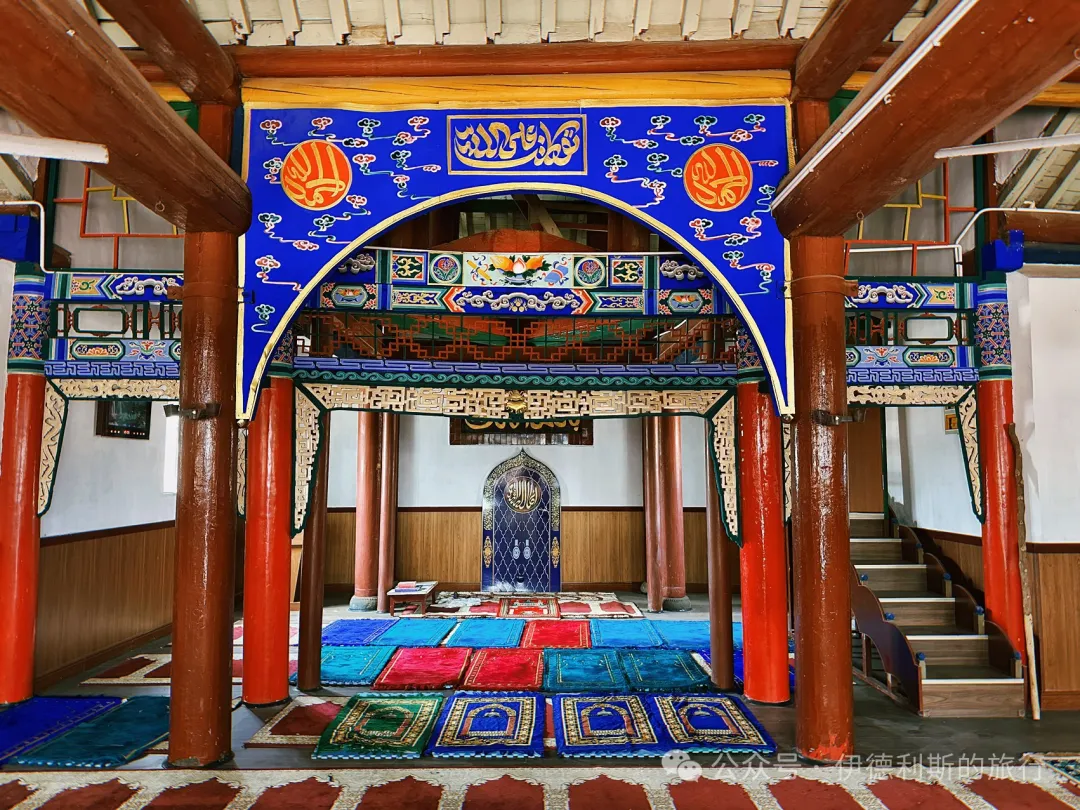
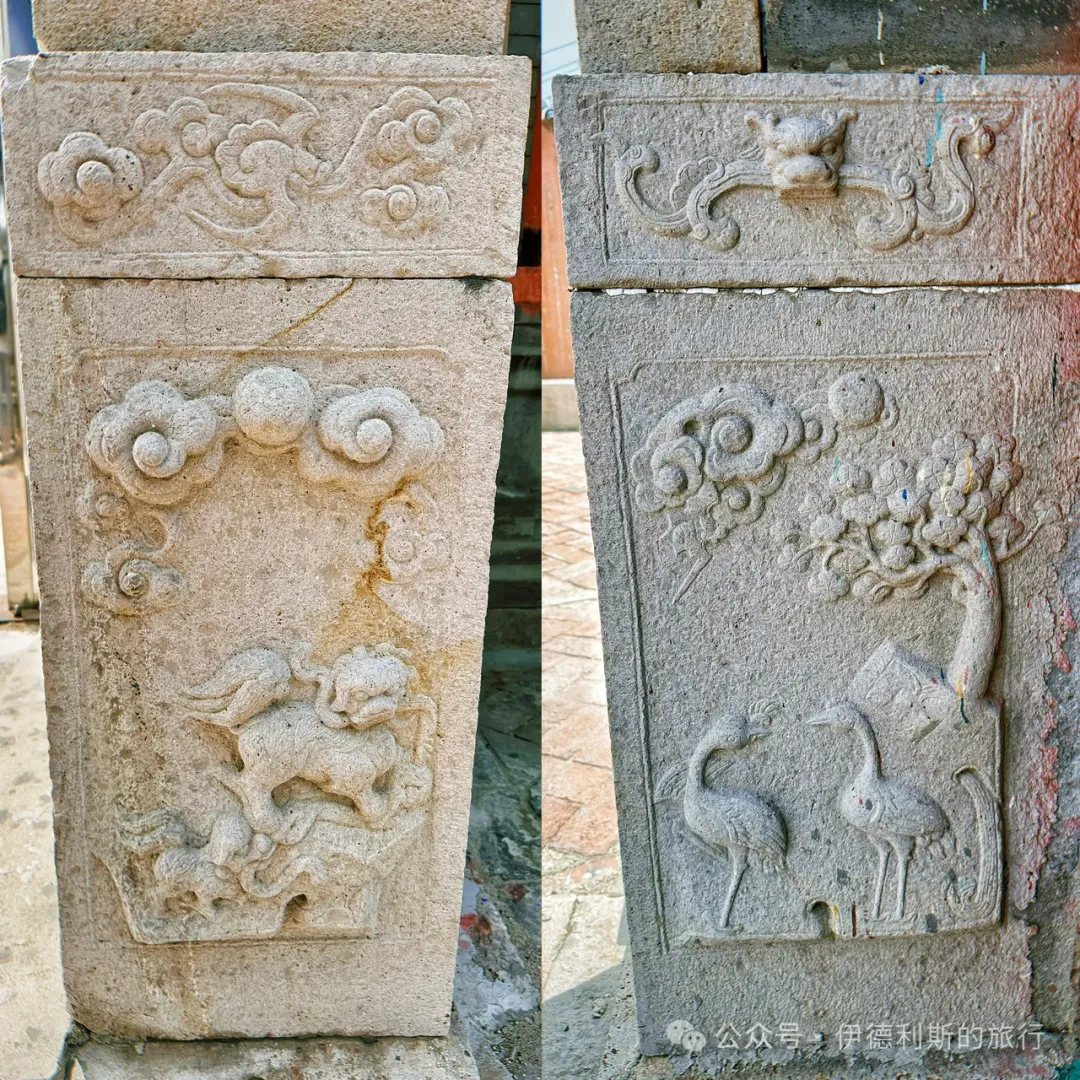
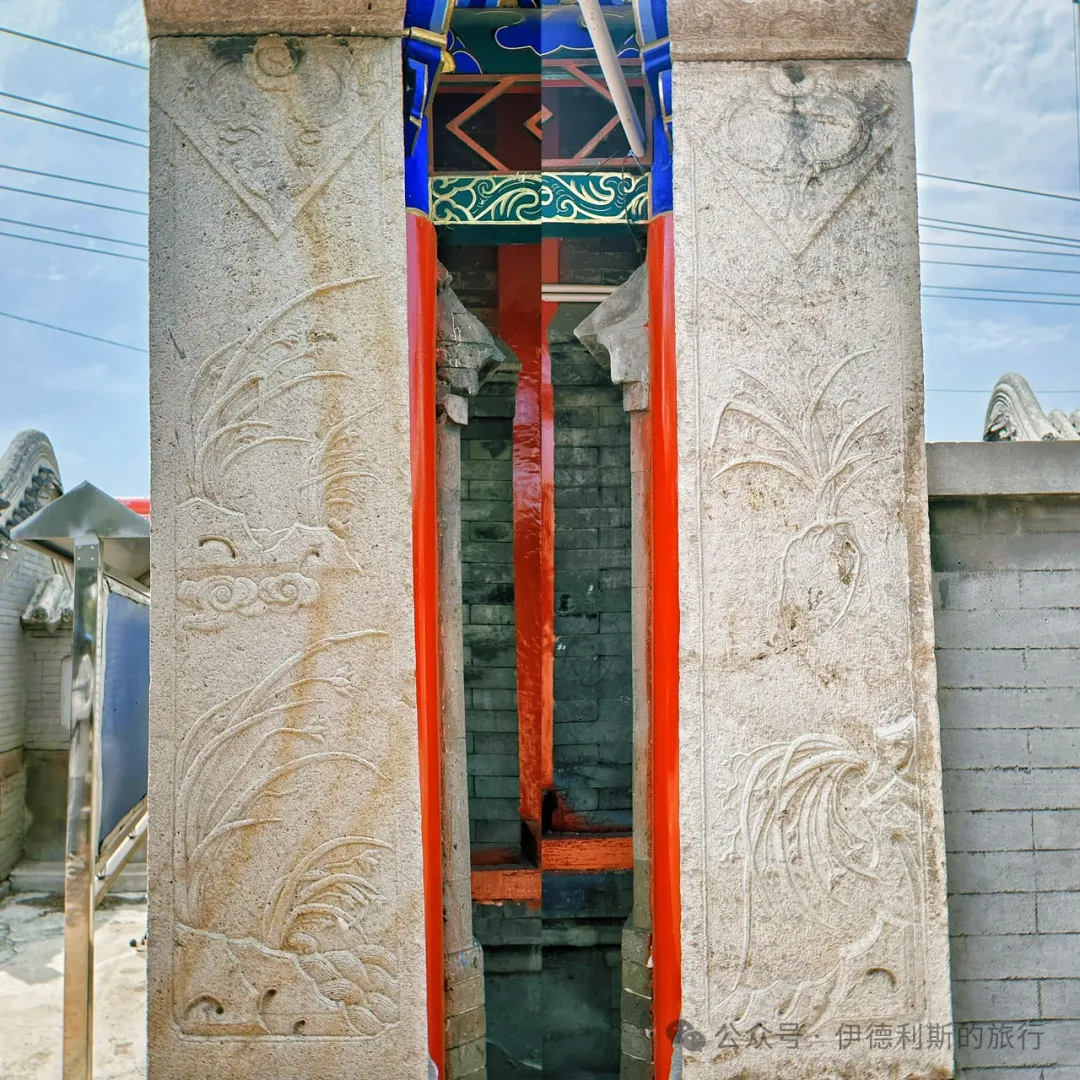
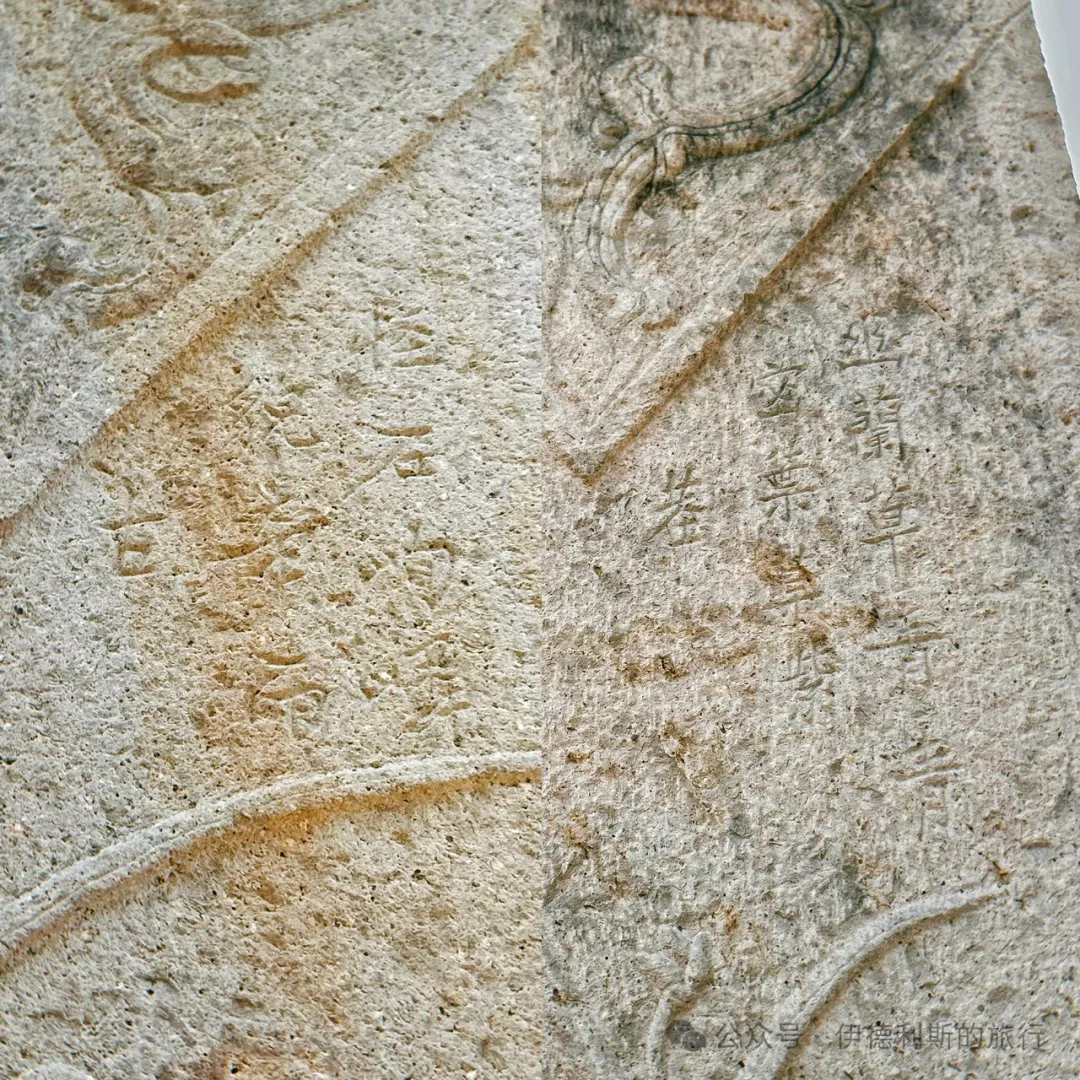
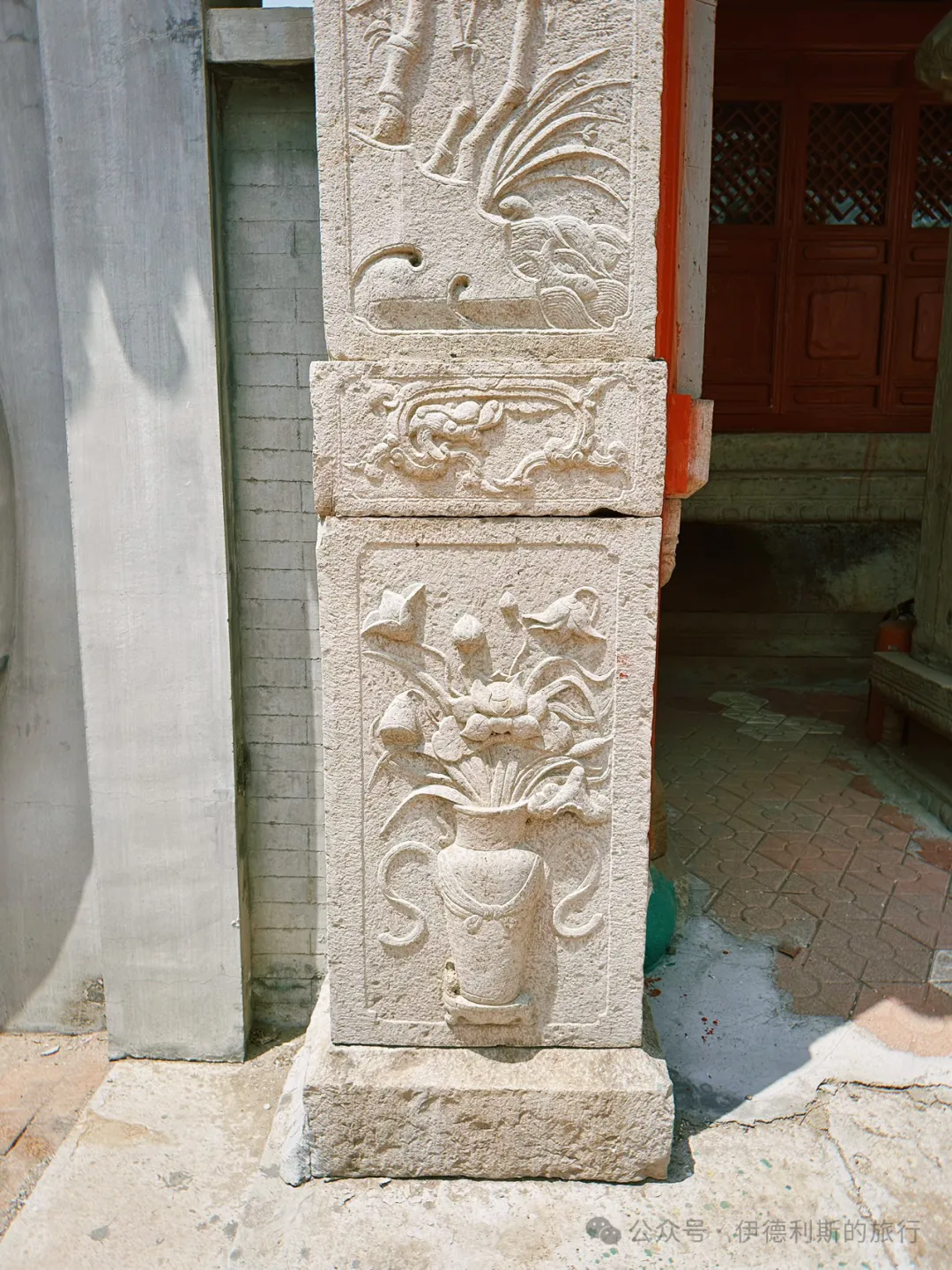
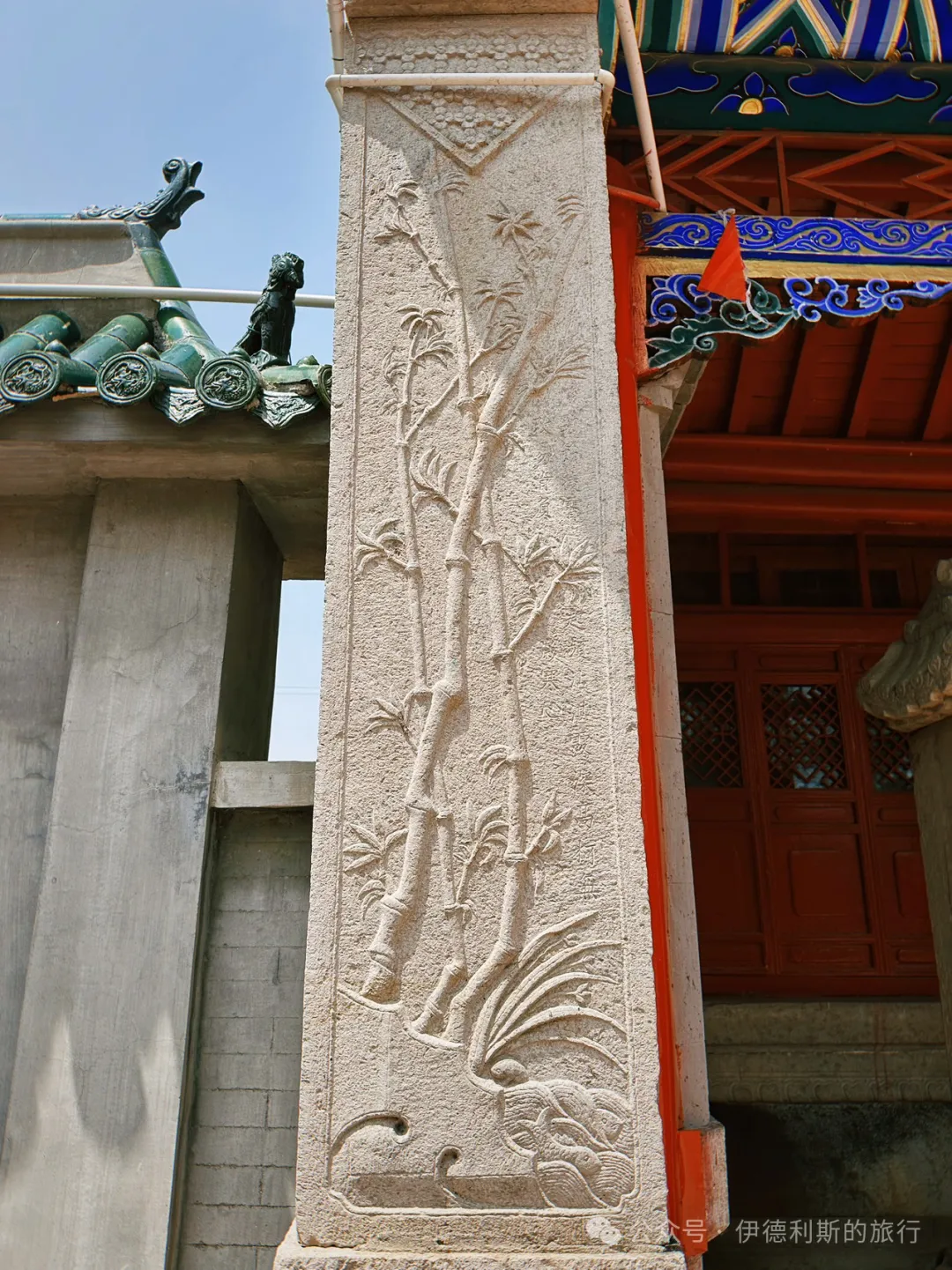
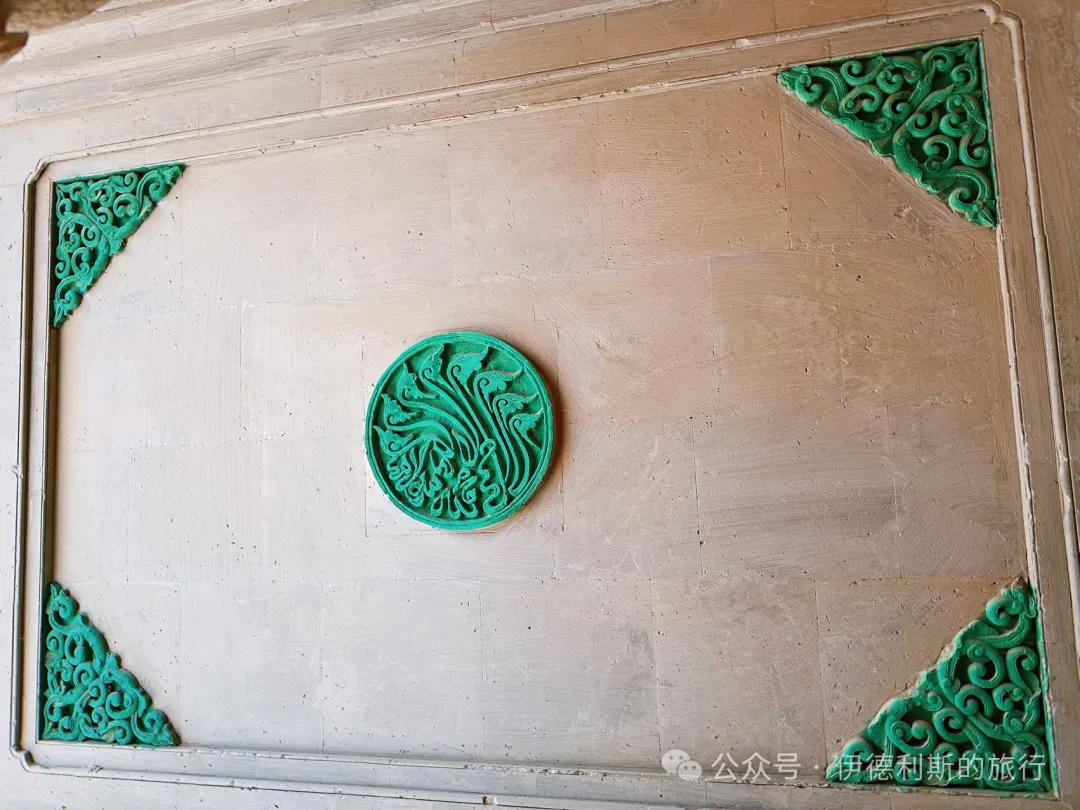
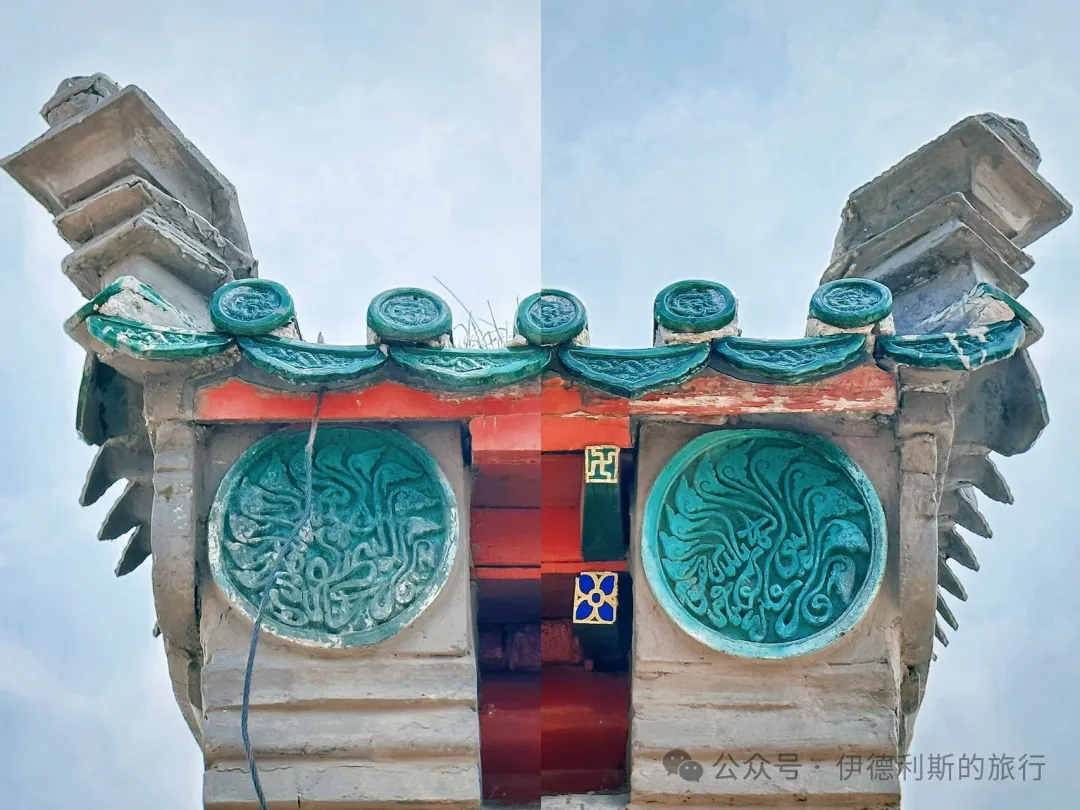
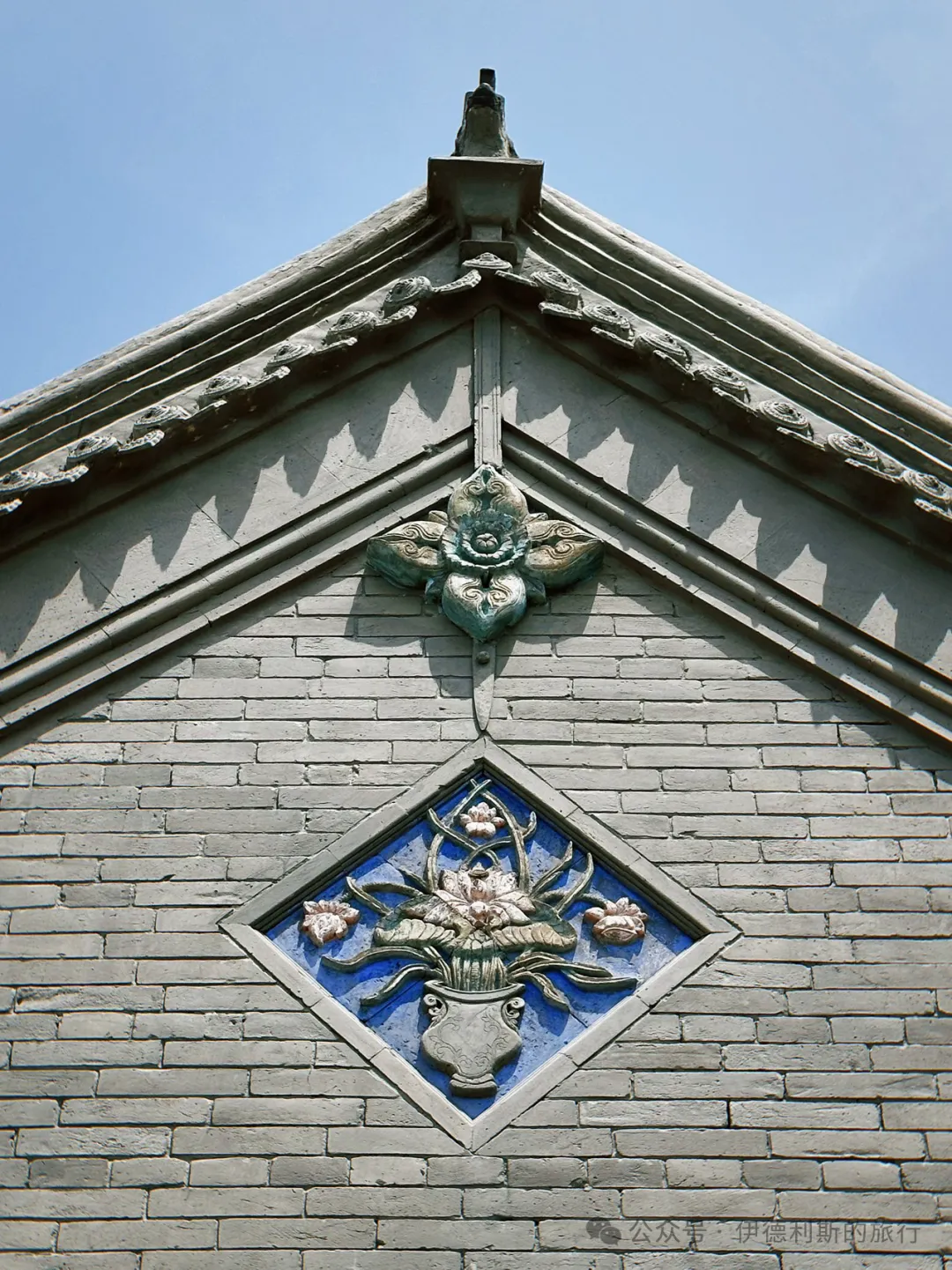
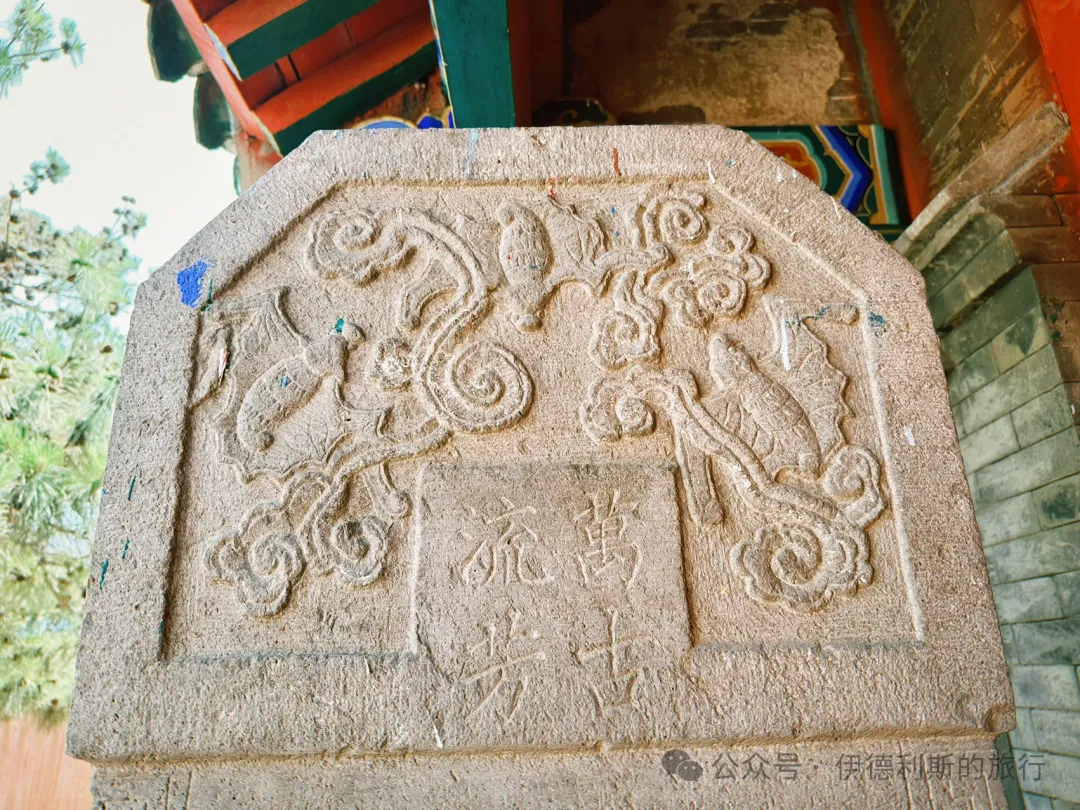
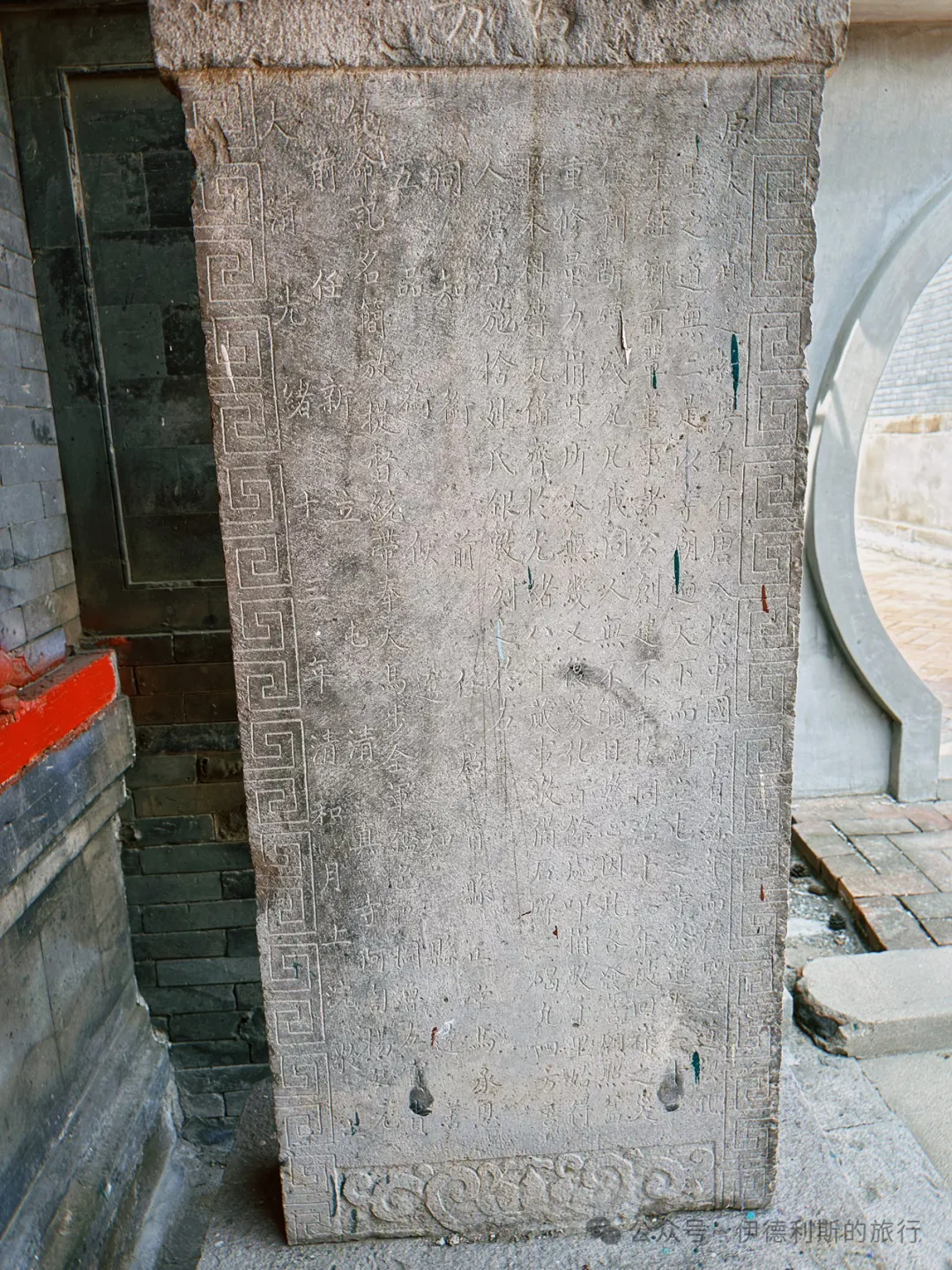
The brick and stone carvings at the Xinlitun Mosque are very exquisite and feature various traditional patterns. The stone carvings on both sides of the main prayer hall feature inscriptions, which is very rare for an ancient mosque.
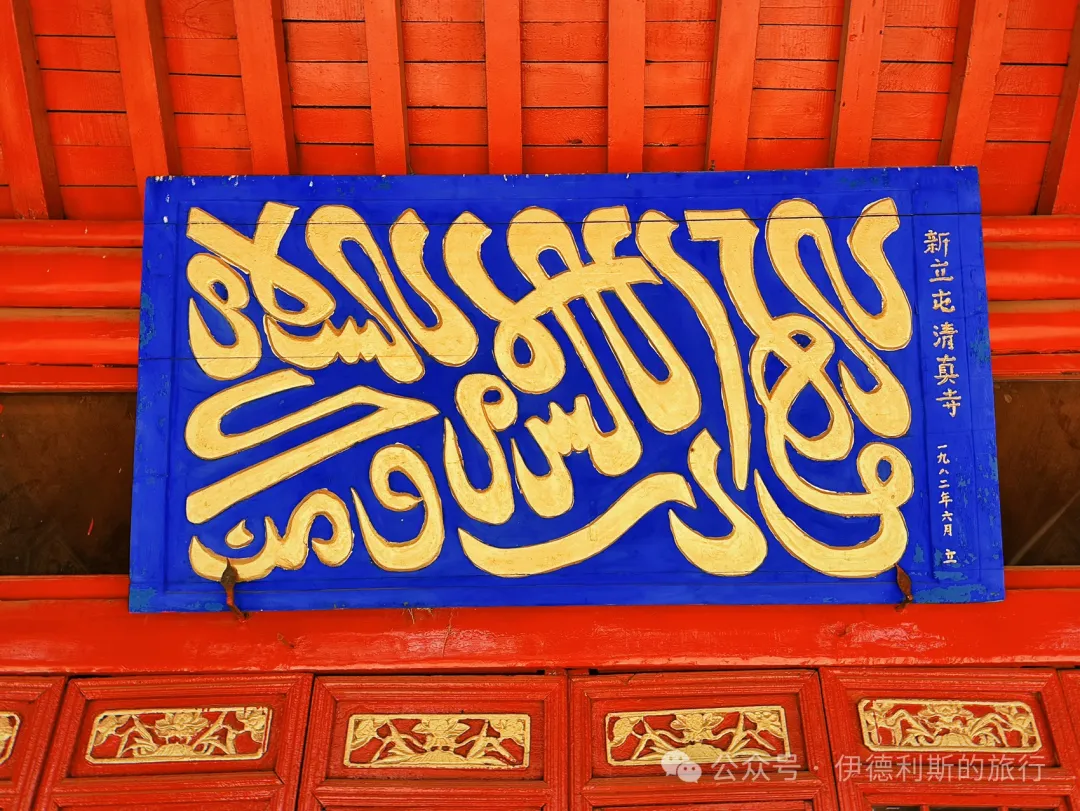
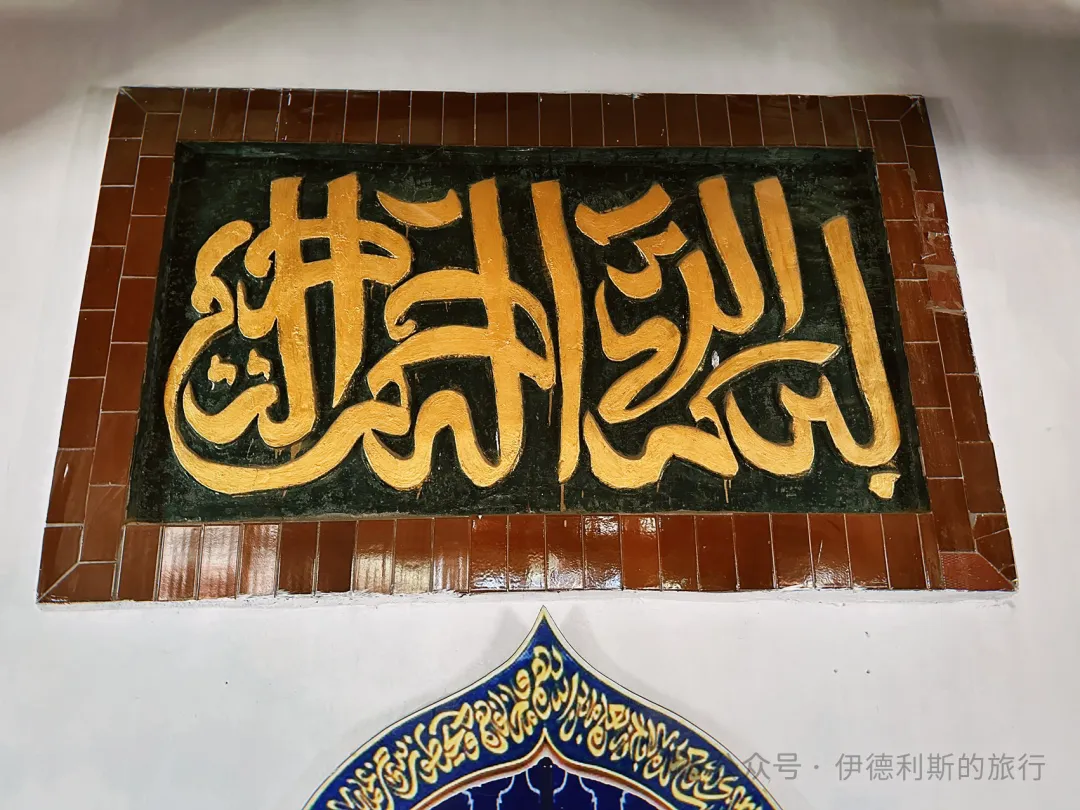
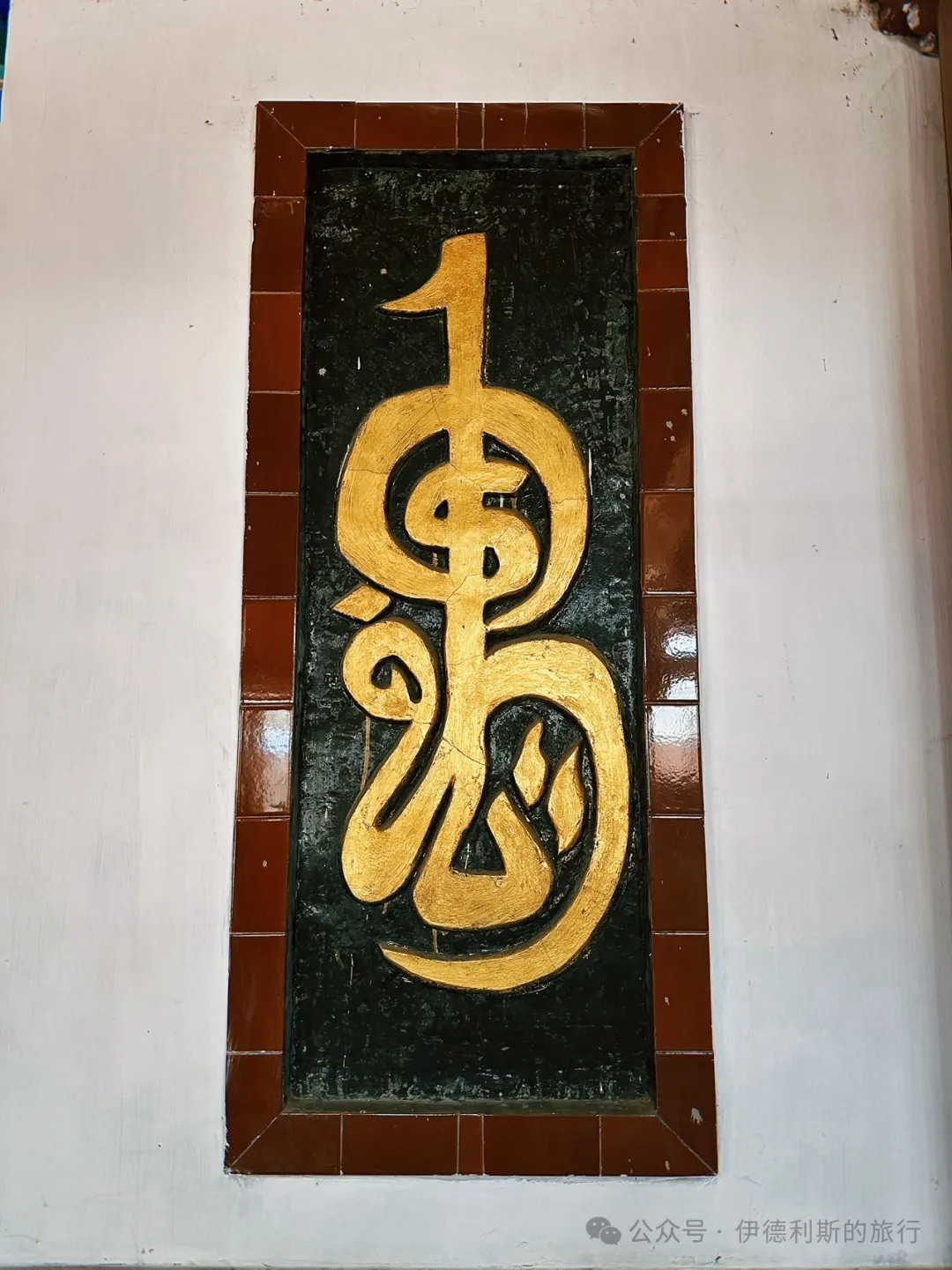
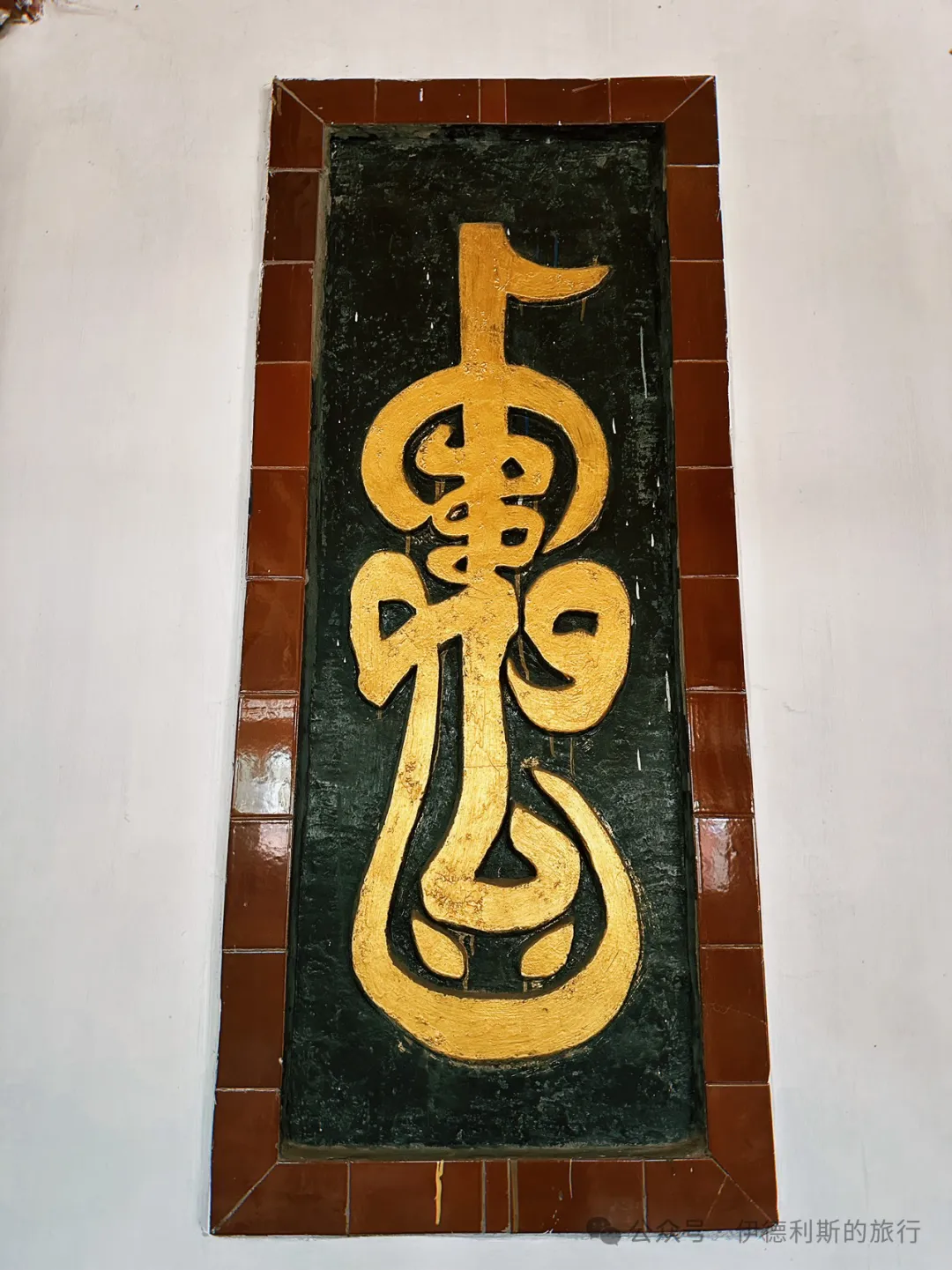
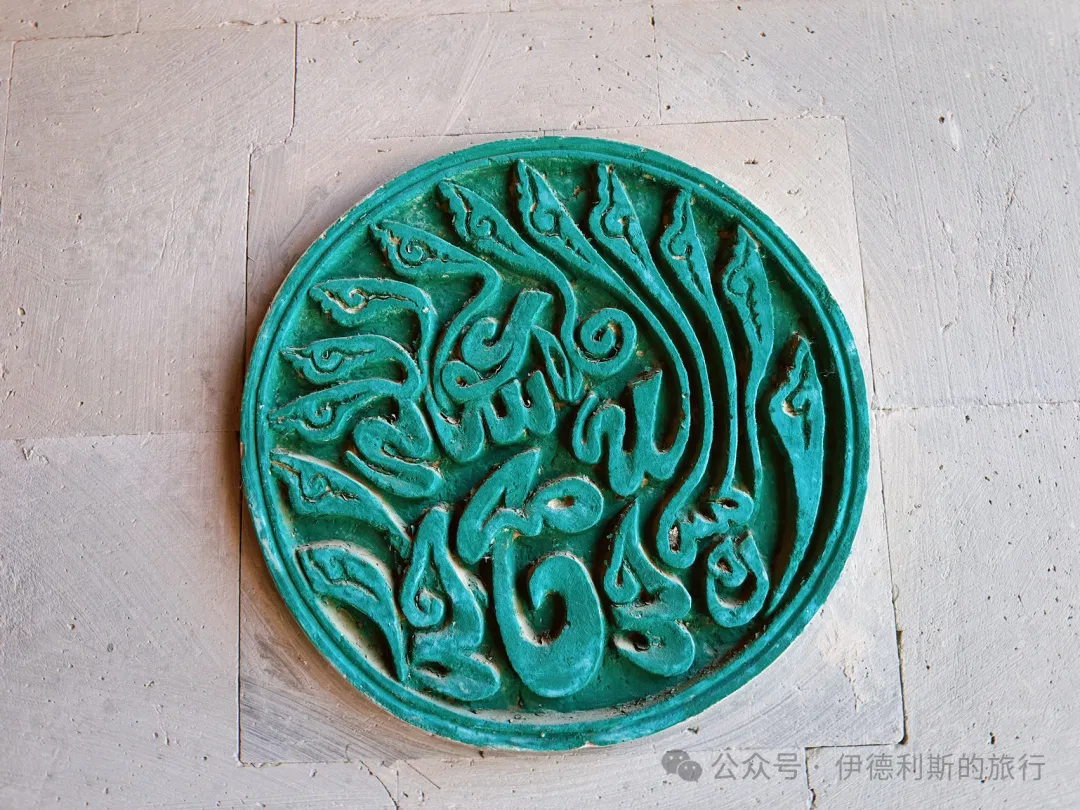
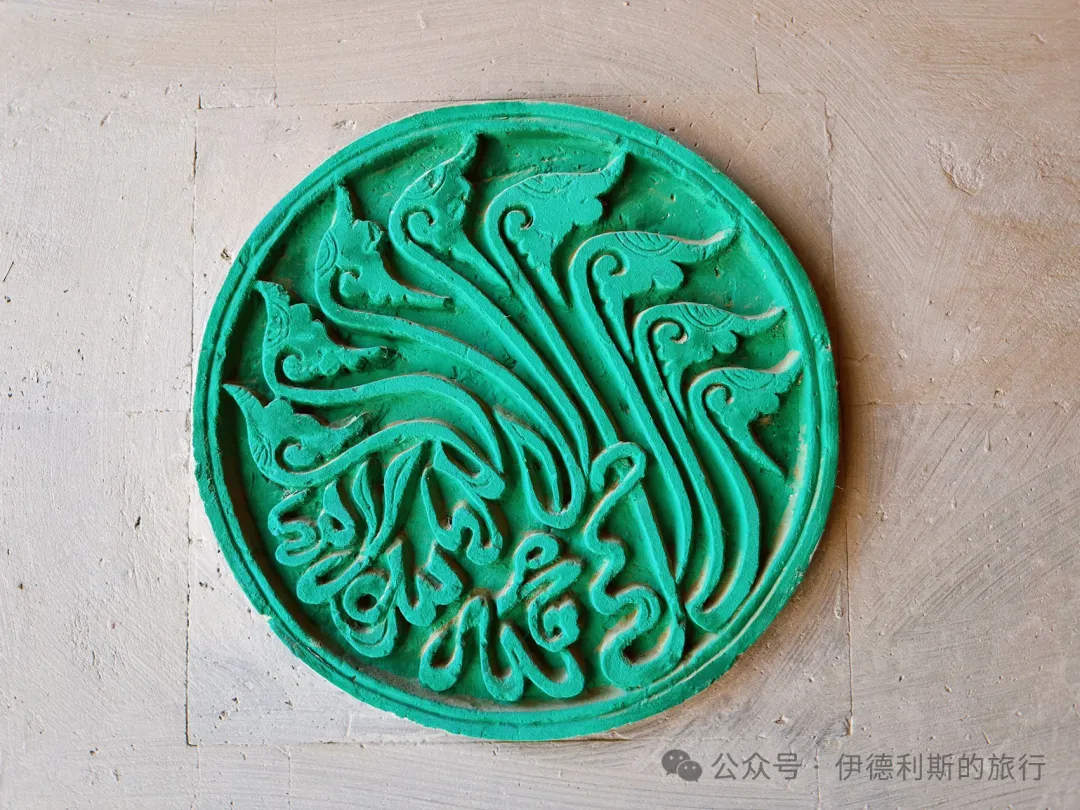
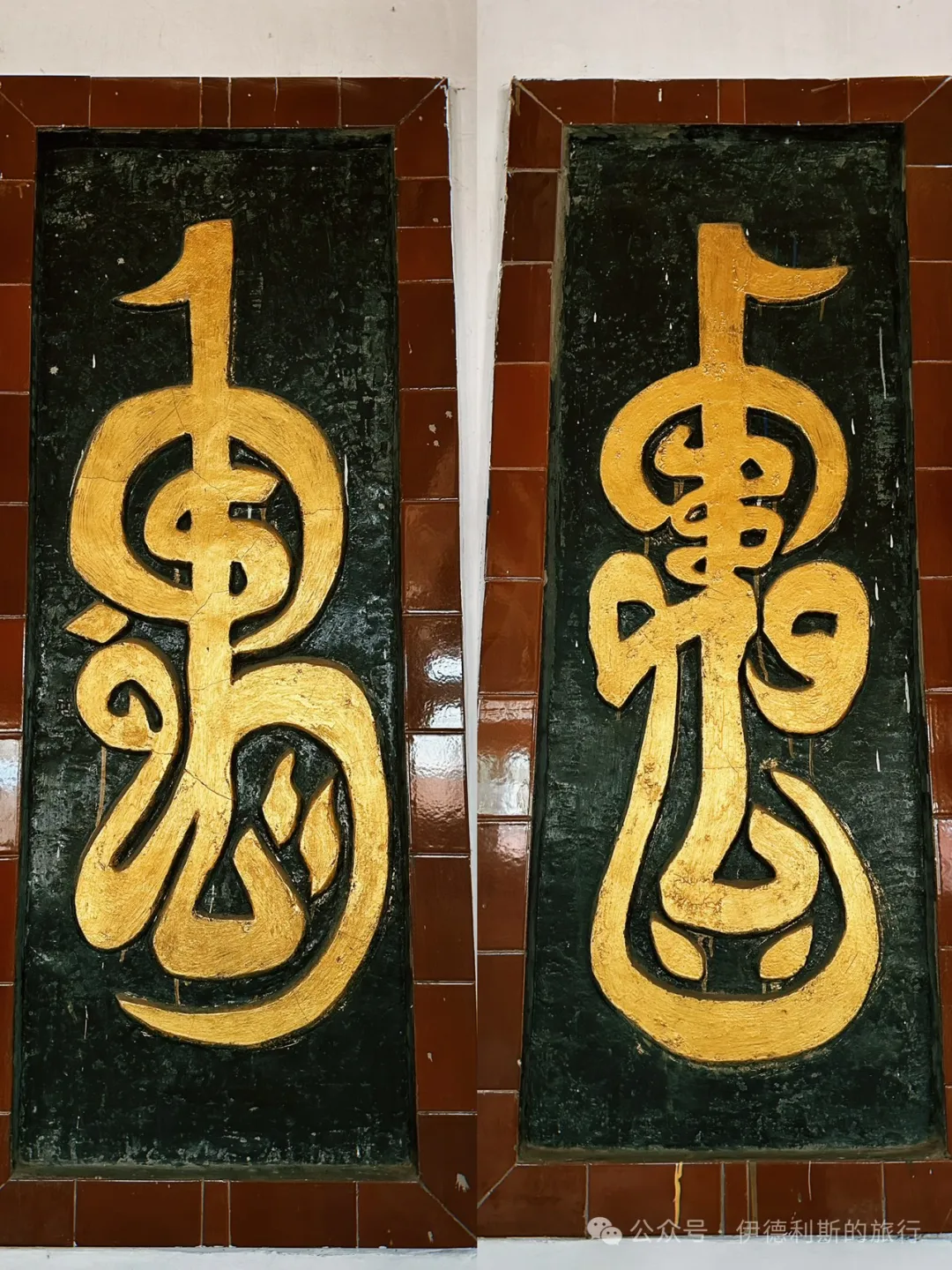
The traditional calligraphy at the Xinlitun Mosque includes both the 'miaohui' (tracing) style and the 'kuanbi' (broad-brush) style, both of which are very distinctive. The plaque in the center of the main prayer hall was handwritten in 1983 by Imam Bai Hexi. Imam Bai was born in 1911 in Pingquan, Hebei, and studied under the famous Great Imam Liu Pinyi from Hebei.
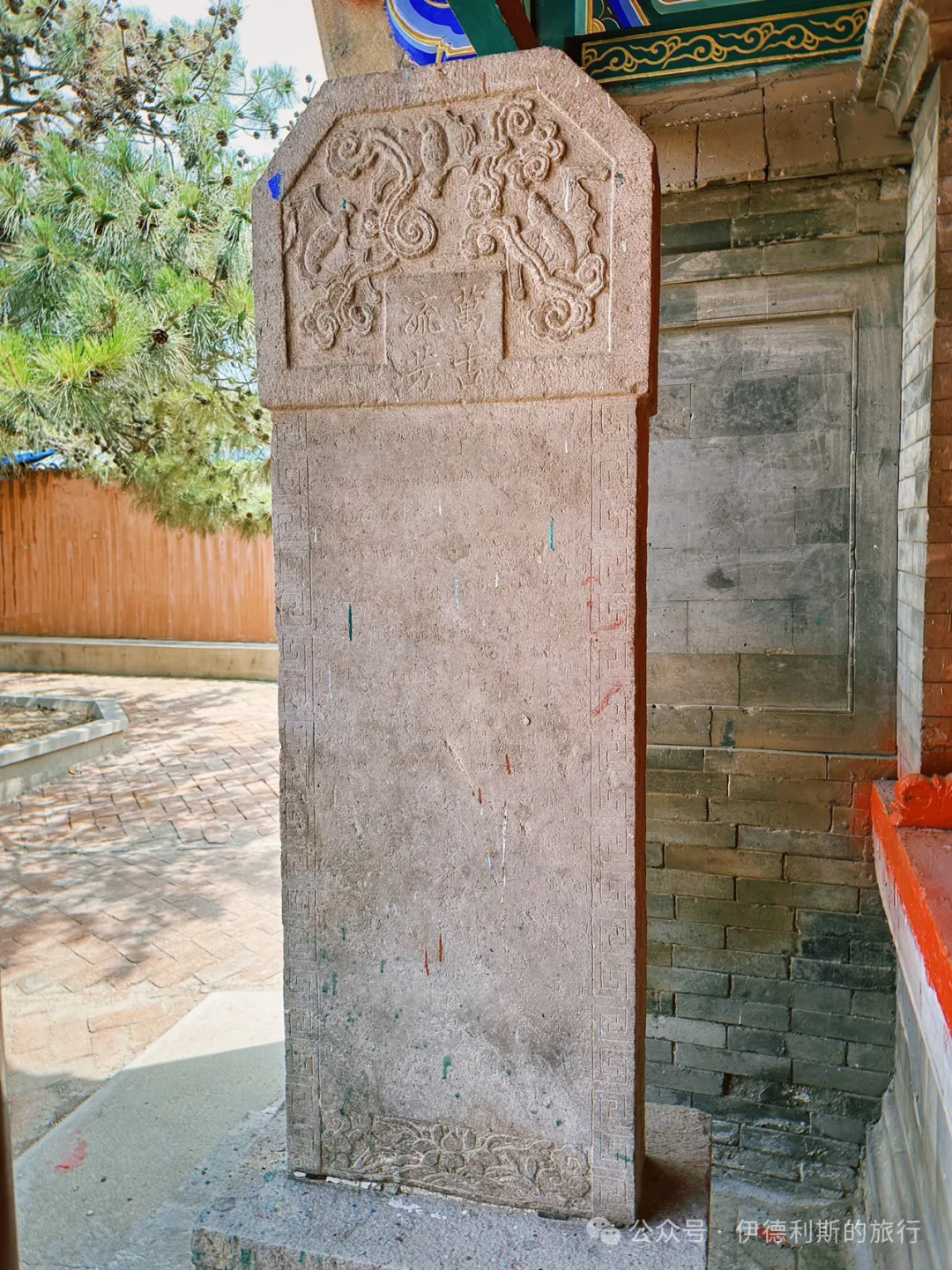
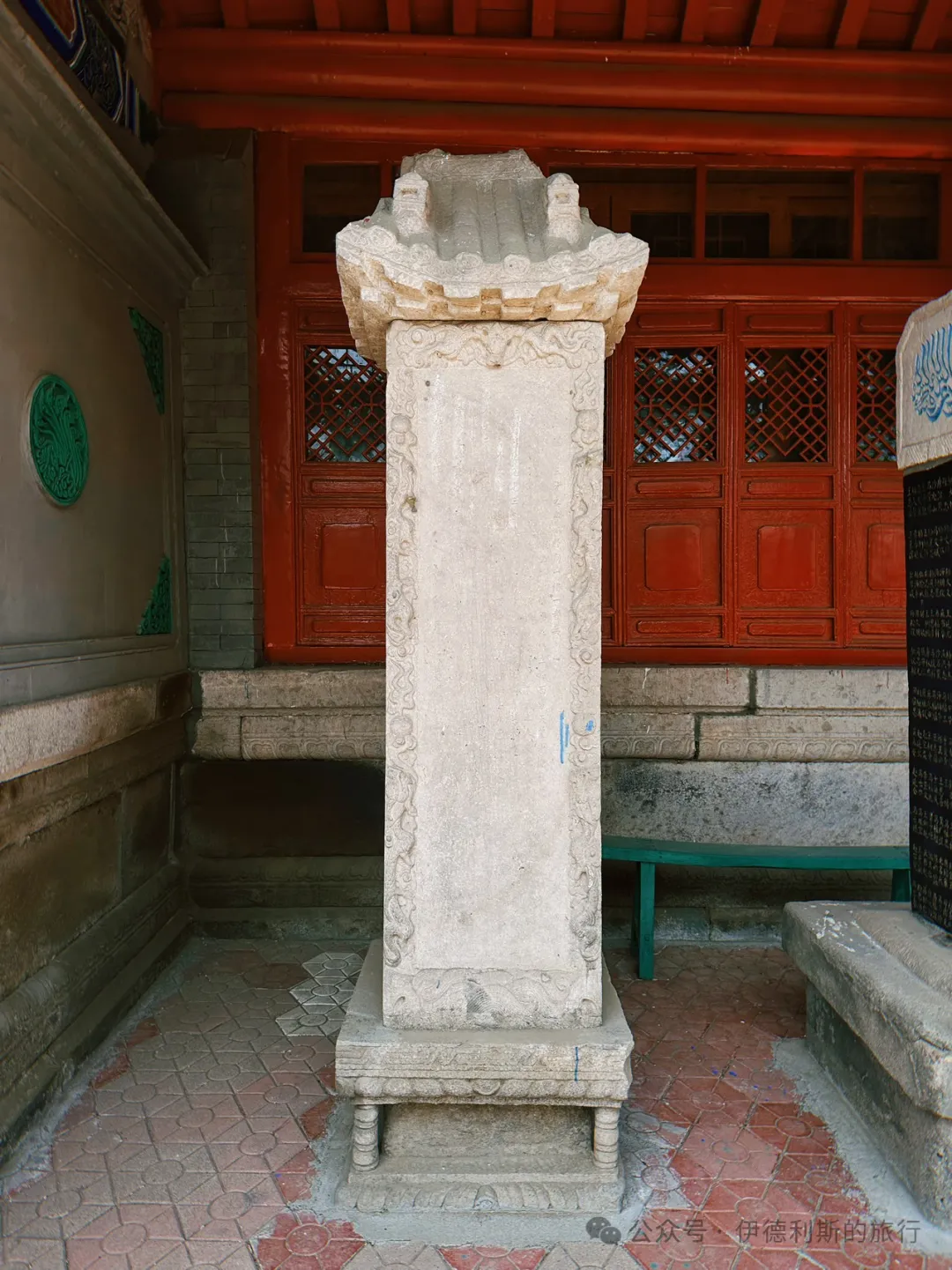
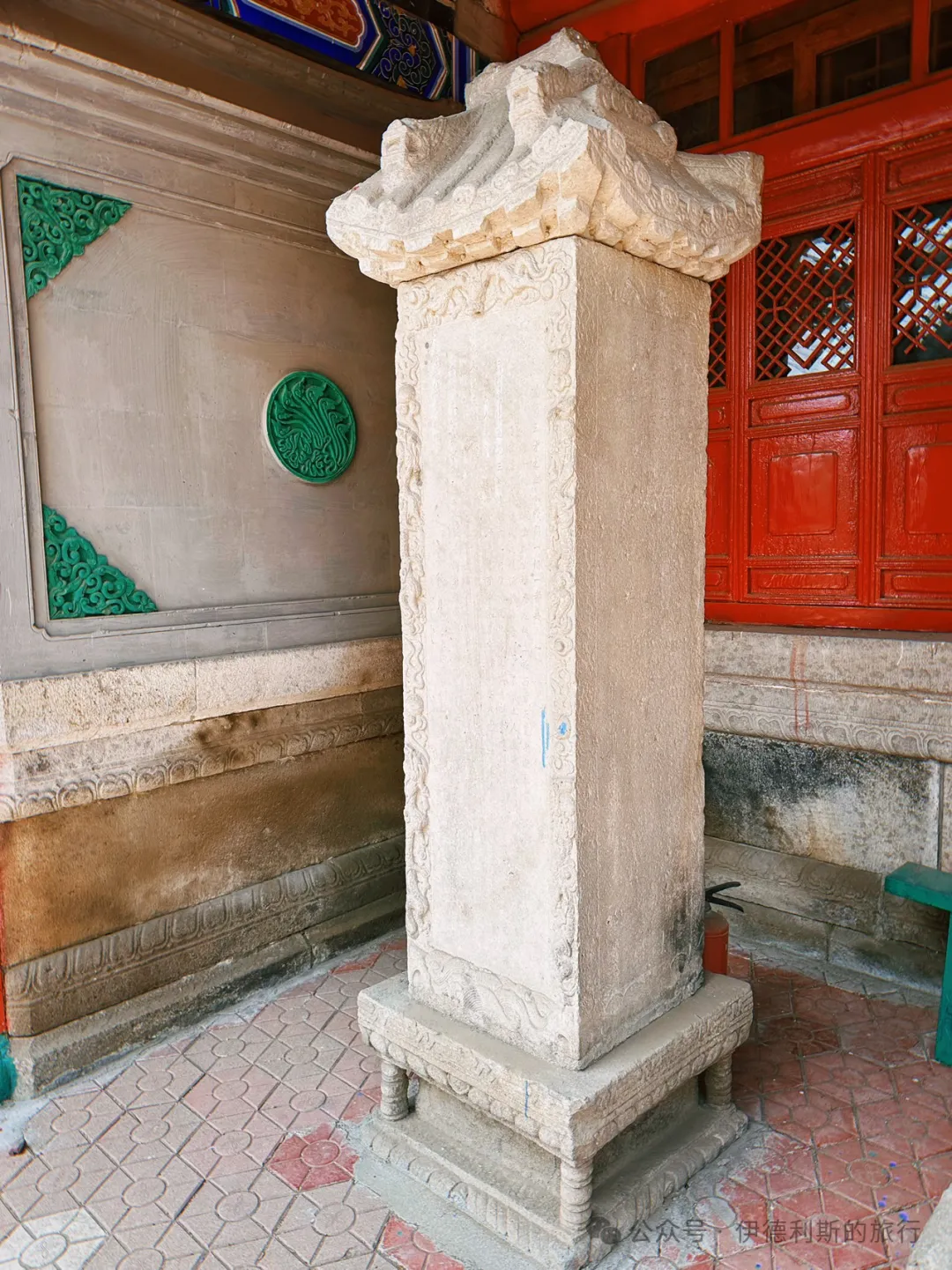
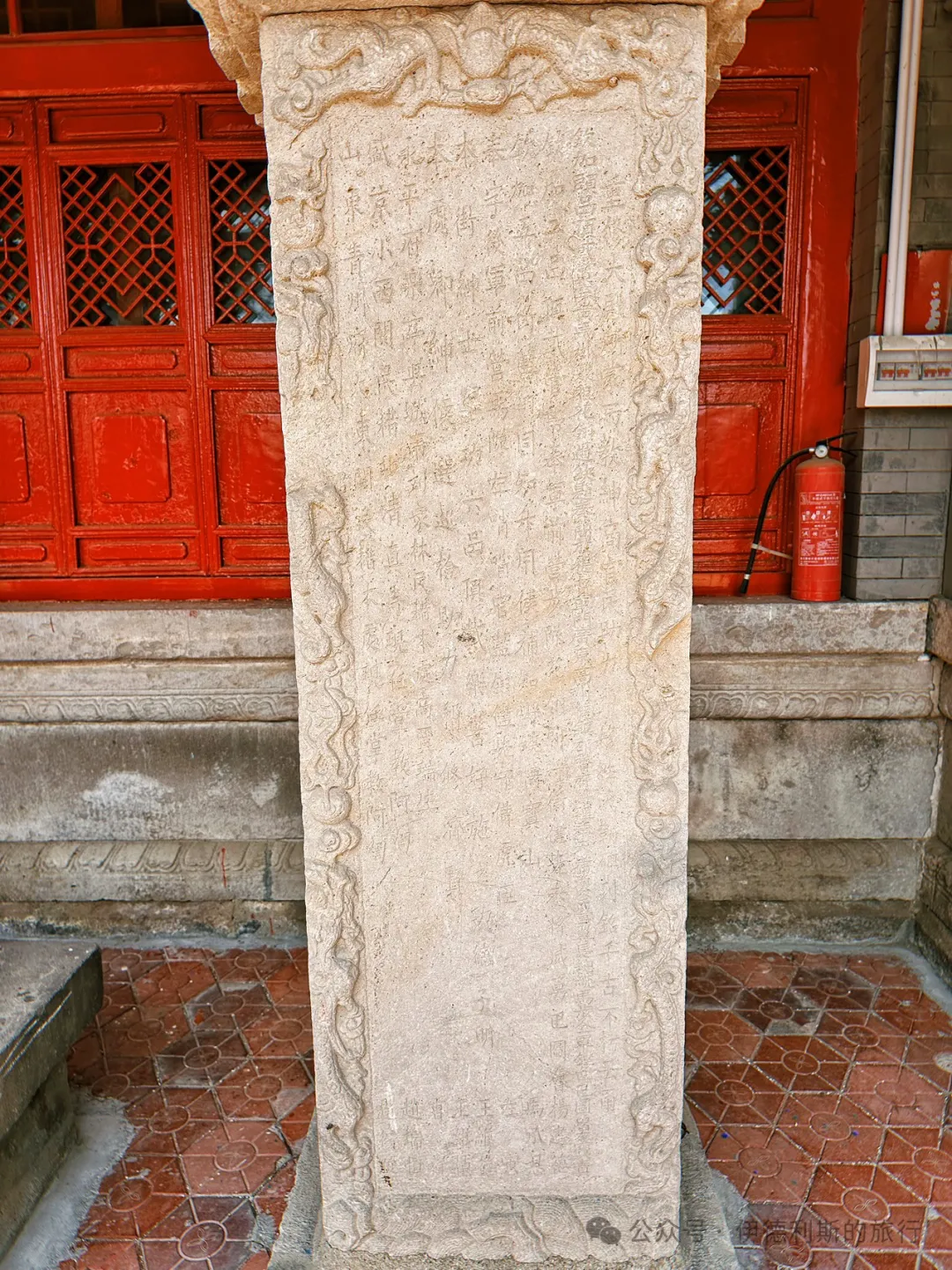
In front of the main prayer hall of the Xinlitun Mosque, there are four steles from the Guangxu era renovation, which contain detailed information about the donors. The 'Stele for the Renovation of the Xinlitun Mosque' from the 13th year of Guangxu (1887) lists not only the name of the anti-Japanese hero and Fengtian Army commander General Zuo Baogui but also the Manchu leader Dashan, who was involved in the earlier conflict, symbolizing the resolution of Manchu-Hui tensions in Xinlitun during the Guangxu era.
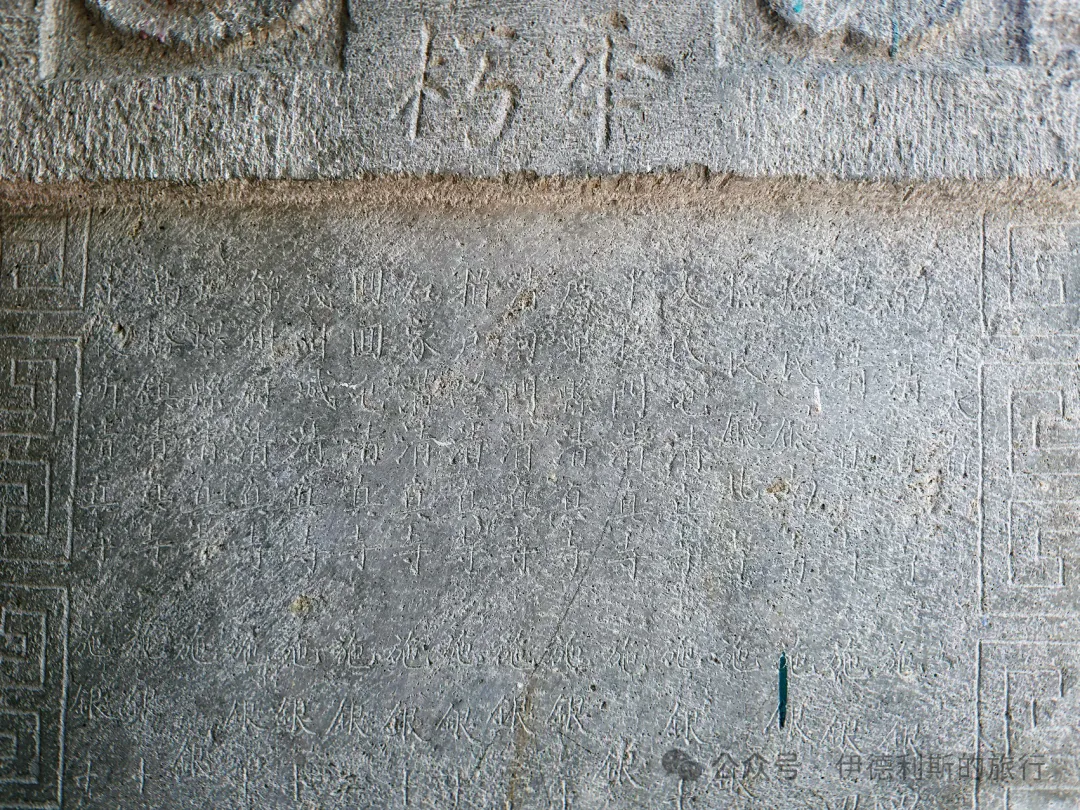
The 'Stele of Donor Names and Silver Amounts for the Mosque Renovation' lists a number of contributing mosques that was the highest in Northeast China, showing the close connections between the various mosque communities in the region at that time.
Fengtian Province: South Mosque, North Mosque, Fumin Hall South Mosque, Fumin Hall North Mosque, Huimin Tun Mosque, Banlamen Mosque, Guangning Mosque, Qinghemen Mosque, Shaohuying Mosque, Shijiagou Mosque, Huihui Tun Mosque, Yizhou City Mosque, Jinzhou Prefecture Mosque, Hongluoxian Mosque, Gaoqiao Town Mosque, Zhonghousuo Mosque, Shanhaiguan Mosque, Laogongwo Three Mosques, Tieling Mosque, Kaiyuan Mosque, Fakumen Mosque.
Jilin Province: West Mosque, East Mosque, North Mosque, Manjia Tun Mosque, Yitong Prefecture Mosque, Yingchengzi Mosque, Ashiha Mosque, Wula Street Mosque, Shanqianhuai Mosque, Kaoshan Tun Mosque, Nong'an City Mosque, Taipingzhuang Mosque, Xiaohelong Mosque.
Kulu Street: Public Council, Zhou Junkui, various shop guests, and the Mosque.
Beyond the Northern Border: Shaodang Firm, Niuzhuang City, Haizhou City, Gaizhou City, Fuzhou City, Liaoyang City, Fenghuang City, Xiuyan, Tianzhuangtai, Shegouying, Pikou, Dengshang, Fujia Tun, Bajiaotai, Tongliu Two Forts.
Xinmin Mosque
Xinmin is in the northwest part of Shenyang. In the early years of the Qianlong reign of the Qing Dynasty, many new immigrants came here to farm during the migration to the northeast, which is how the name Xinmin started. During the Qianlong reign, many Hui Muslims came to Xinmin. In 1765, they built Xinmin Mosque in Nanyingzi. Xinmin Mosque burned down in 1866. It was rebuilt in 1883, which is the structure we see today.
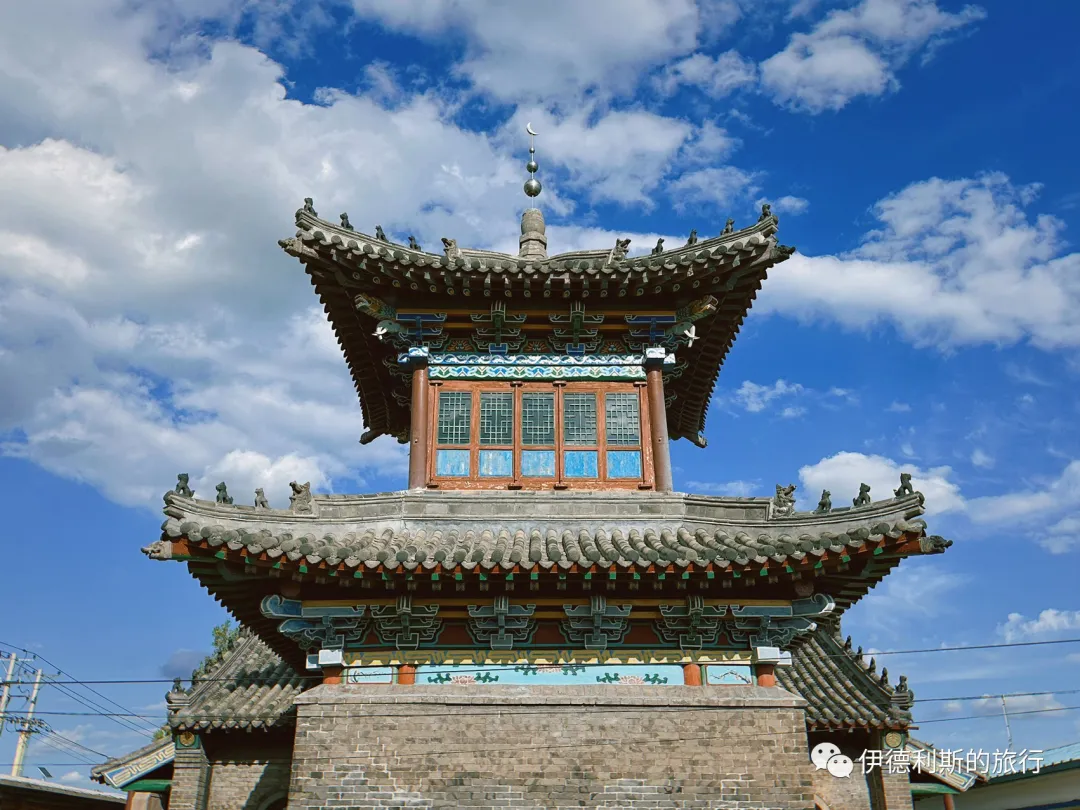
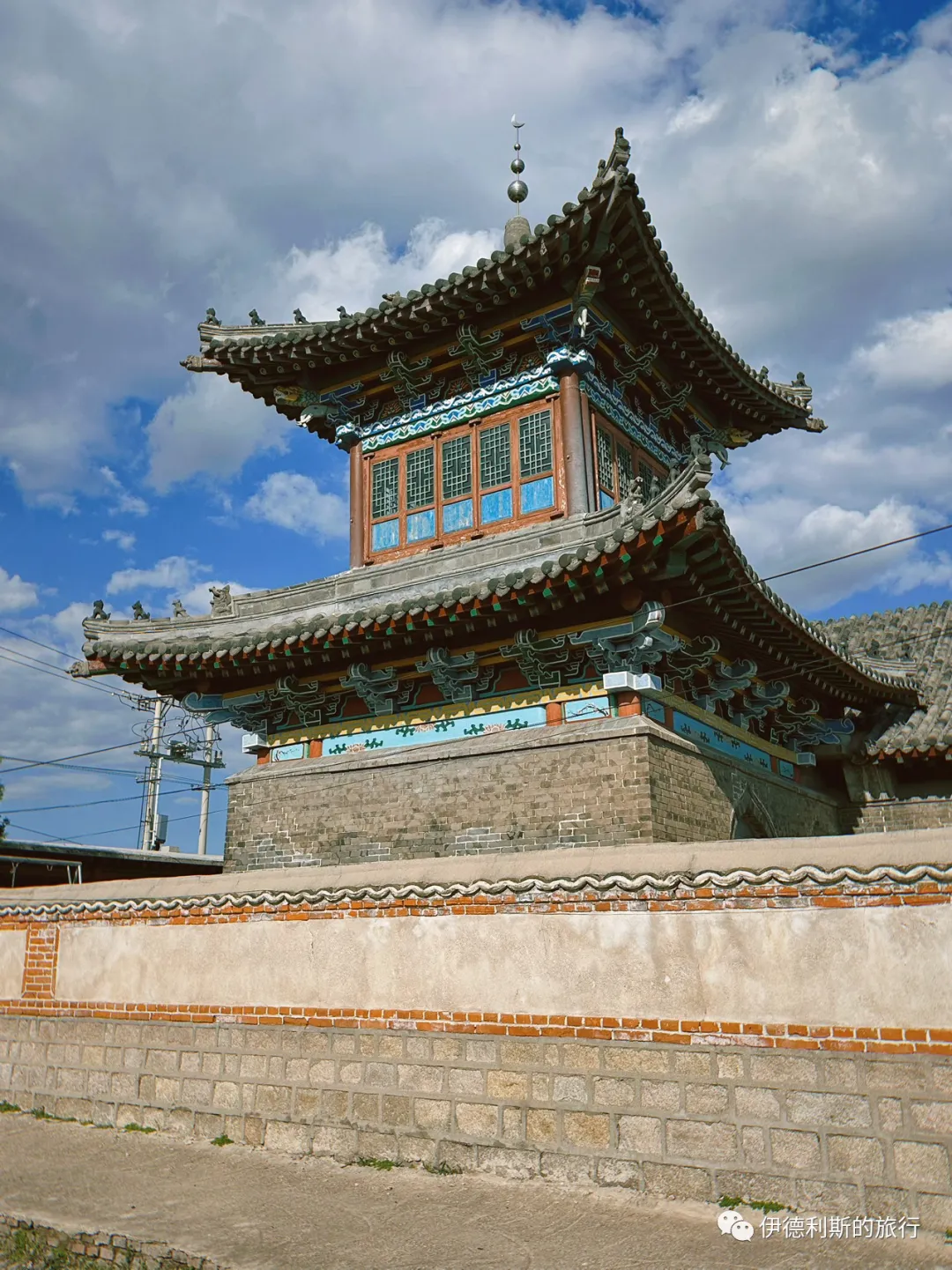
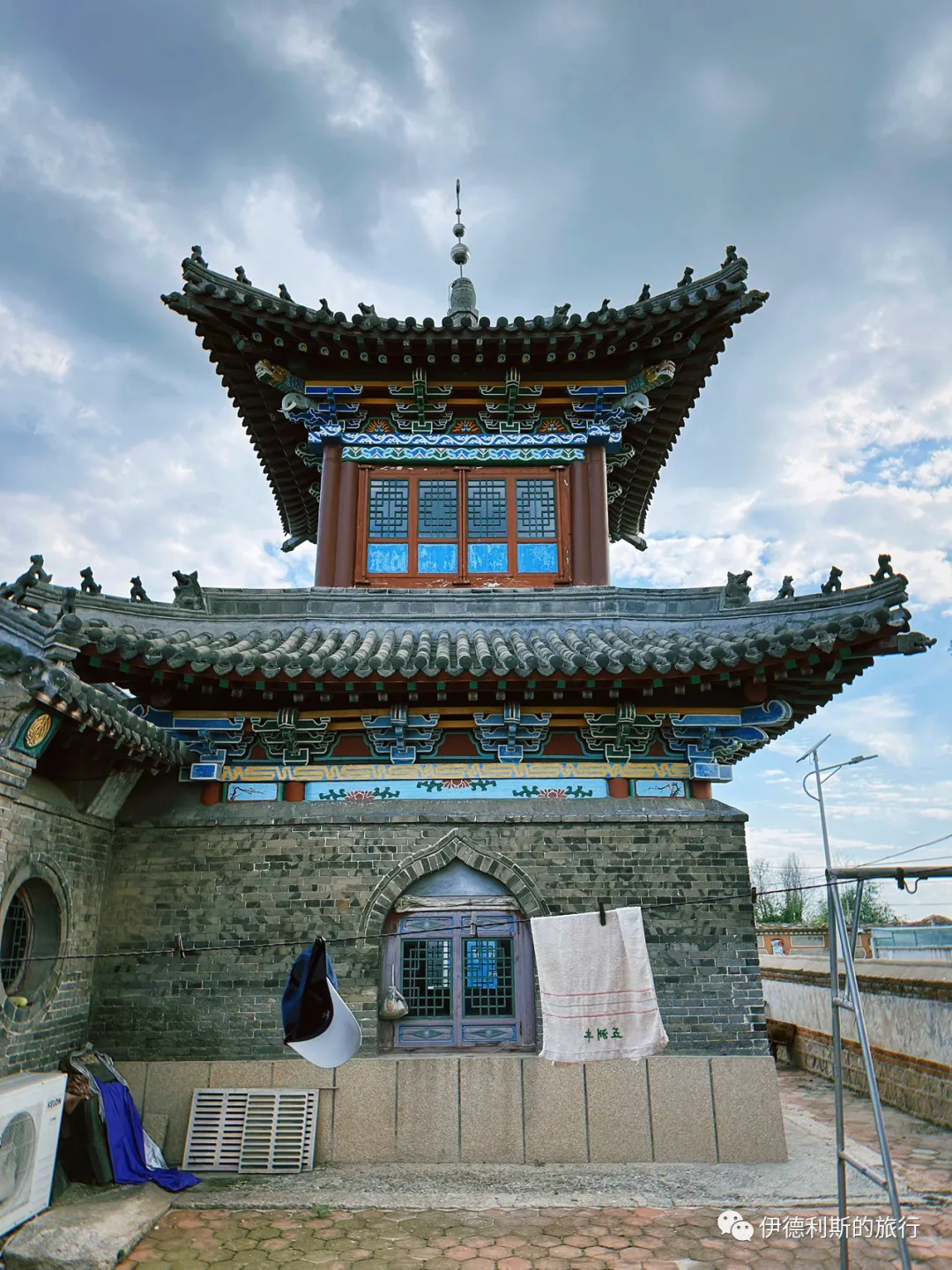
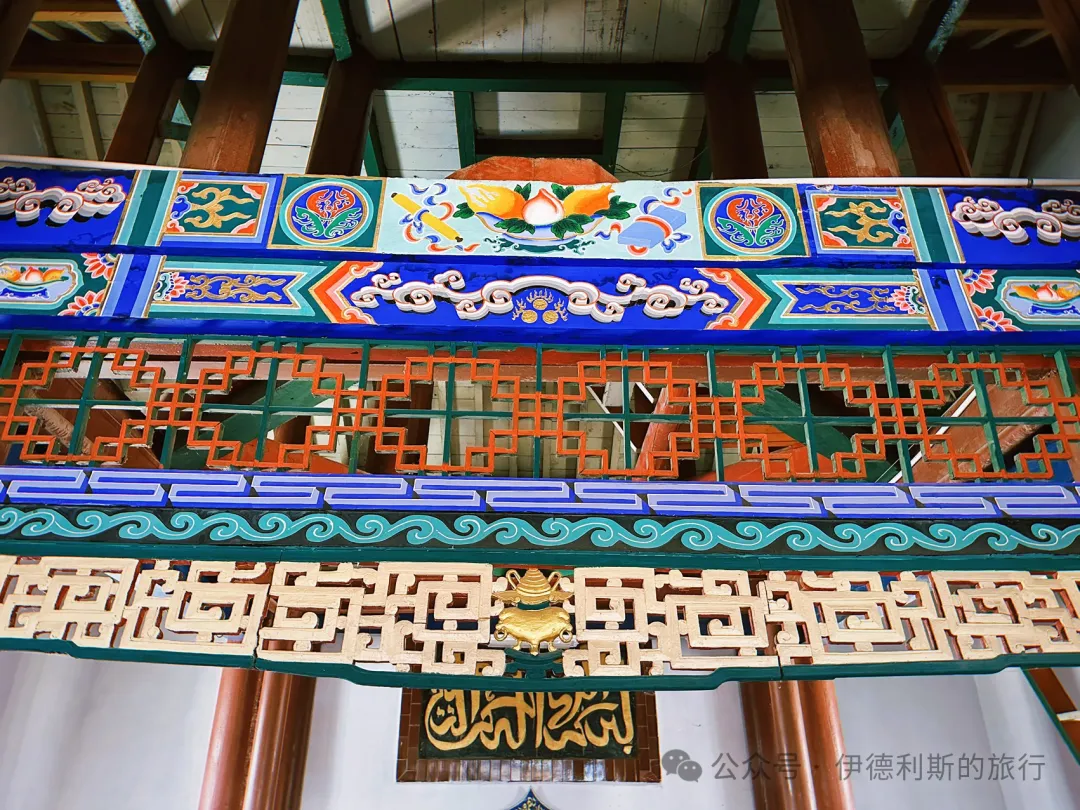
The main building of Xinmin Mosque consists of a porch (juanpeng), the main prayer hall, the rear kiln hall (yaodian), and the Moon-Watching Tower (wangyuelou) on top of the kiln hall. The Moon-Watching Tower has a double-eaved roof with four corners coming to a point, and it has a 1.5-meter-tall copper spire on top. The beams of the porch are painted with Suzhou-style patterns, and the wooden screens feature delicate openwork carvings.
Summary: This first part of the Liaoning mosque series traces historic Hui Muslim mosques, migration routes, and community life across the province. The article preserves founding dates, architectural layouts, imam and elder stories, old inscriptions, and photos of prayer halls, gates, and carved details.
I am sharing 12 ancient mosque (qingzhensi) buildings I visited in Liaoning, moving in a clockwise direction.
Lingyuan Mosque: First built during the Qianlong reign.
Suizhong Mosque: First built in 1737, moved in 1797, and renovated in 1927.
Luyang Mosque: First built in 1531 and rebuilt in 1925.
Beizhen Mosque: First built in 1522 and expanded in 1617.
Xinlitun Mosque: First built in 1842 and rebuilt in 1873.
Xinmin Mosque: First built in 1765 and rebuilt in 1883.
Shenyang South Mosque: First built in 1636, with expansions in 1662 and 1902.
Shenyang East Mosque: First built in 1803 and renovated in 1935.
Kaiyuan Old City Mosque: First built in 1406 and rebuilt in 1680.
Fengcheng Mosque: First built in 1775 and expanded in 1890.
Fuzhou Mosque: First built in 1649 and expanded in 1920.
Qingdui Mosque: First built during the Daoguang reign, rebuilt in 1895, and expanded in 1920.
Lingyuan Mosque
Lingyuan sits at the border of Hebei, Liaoning, and Inner Mongolia. It was originally called Tazigou. Since the Qianlong reign, Hui Muslims from Shandong and Hebei kept traveling through the gaps in the Great Wall near Xifengkou to reach the northeast. Lingyuan was their first stop after leaving the pass, and some Hui Muslims settled there.
Lingyuan Mosque was built during the Qianlong reign. According to the stone inscriptions inside, a Hui Muslim doctor named Zhang Lichen and others cured the illness of a Mongol prince from the Harqin Left Banner. The prince's mansion then provided the land and silver to build the Lingyuan Mosque.
Main gate
Hanging flower gate (chuihuamen)
The prayer hall consists of a porch, a main hall, and a rear niche (yaodian), just like traditional northern styles, but the architectural details are very different from styles found inside the pass.
The main hall has cracks due to years of neglect and is currently closed. Namaz is now held in a room nearby.
Side rooms (xiangfang)
Suizhong Mosque
Suizhong is right next to Shanhai Pass and is the southwestern-most county in Liaoning. Starting in the 18th century, more than ten families of Hui Muslims, including the Zhang, Ding, Li, and Jin families, moved to Suizhong from Hebei Province. The first mosque was built in 1737 (the second year of the Qianlong reign) below the Kuixing Tower in the southeast of Suizhong city, and it was moved to its current location inside the West Gate in 1797 (the third year of the Jiaqing reign).
The Suizhong mosque was renovated between 1924 and 1927, suffered severe damage in the 1960s, and was restored again between 1981 and 1984.
Turn left after entering the gate to find the ablution room (shuifang).
Calligraphy in the ablution room (shuifang).
Opposite the main gate is the second gate.
A vase-shaped ornament on the porch roof (juanpeng).
Inside the second gate is the main prayer hall.
The porch (baoxia) in front of the main prayer hall is the most distinctive part of the mosque, and it is the most brightly colored mosque porch I have ever seen.
The front says "Mosque" (Qingzhensi), and the two sides are inscribed with "Rectify the Heart" (Zhengxin) and "Sincerity" (Chengyi).
A plaque reading "Recognize the Oneness of Allah" (Renzhu Duyi).
Details of the patterns.
Behind the porch (baoxia) is the main prayer hall, which features very delicate brick carvings.
The large character for "religion" (jiao) at the bottom is new work, while the brick carvings above are likely original.
You can take a close look at the content of the brick carvings, which include scrolls, painting tubes, incense bottles, and even a chessboard and various fruits.
Traditional Hui Muslim paintings on the door of the main prayer hall.
The interior of the main prayer hall was likely rearranged after the 1980s, and both the mihrab and minbar are very simple.
Above the rear kiln hall (yaodian) of the main prayer hall is the moon-sighting tower (wangyuelou).
Luyang Mosque.
Luyang Town is located east of Jinzhou, not far from Goubangzi, the home of the famous Goubangzi smoked chicken. Luyang Mosque was first built in 1531 (the tenth year of the Ming Jiajing reign), renovated during the Qing Xianfeng period, and rebuilt into its current form between 1922 and 1925. During the reconstruction, Manager Wang of the Luyang Enliyong pastry shop was in charge of construction, and he invited Yang Peiran (Yuchun), who was a brigade commander in the Northeast Army at the time, to help raise funds. People say when the two main beams for the hall were transported from the Goubangzi train station to Luyang, they were pulled by over a dozen oxen, moving step by step for more than half a month. Work stopped several times to prepare materials, and it finally took two and a half years to complete.
Luyang Mosque is a rare historic mosque in China that places the moon-sighting tower (wangyuelou) directly above the main prayer hall, and you can climb up to sight the moon using a wooden ladder inside the hall. A plaque inscribed by the anti-Japanese hero General Zuo Baogui, reading 'Gu Shi Ming Ming,' originally hung in front of the main hall. Sadly, it was destroyed along with other plaques during the Cultural Revolution. The current plaque was re-inscribed in 1984.
Beizhen Mosque
Beizhen Mosque is located outside the Xiaonan Gate of Beizhen in Jinzhou. It was first built in 1522 (the first year of the Jiajing reign of the Ming Dynasty), expanded in 1617 (the 45th year of the Wanli reign), and renovated again in 1798 (the third year of the Jiaqing reign). Historically, Beizhen Mosque was inside the south city of Guangning. When the city was renovated during the Qianlong reign, the south city was abandoned. The south city wall gradually disappeared, and later Guangning City was renamed Beizhen City, turning Beizhen Mosque from a city mosque into one located outside the city walls.
Beizhen Mosque follows the traditional northern mosque structure of a porch (juanpeng), main hall, and rear hall (yaodian), but it is unique because the porch and the main hall are separate and not connected. The beams and brackets of the building feature painted floral patterns and exquisite wood carvings.
Plaques currently preserved at Beizhen Mosque
The Way of Heaven's Mandate: Respectfully presented to Guangning County Mosque by General Wuwei of Fei County, Shandong, Zuo Baogui, in the first year of the Guangxu reign of the Great Qing Dynasty (1875), during the first ten days of the twelfth lunar month. This was presented by the famous anti-Japanese general Zuo Baogui while he was passing through Beizhen on his way to fight in the war in Korea.
Ancient Islamic Faith: Respectfully erected by followers Yang Yuxi and Yang Yuzhen in the first ten days of the seventh lunar month in the year of Yiyin (1795) of the Qianlong reign.
Everlasting Golden Daylily: Presented by Xu Guangzhang, an official of Guangning County, Jinzhou Prefecture, and Bai Yongfu, a local officer, in the first ten days of the fourth lunar month in the year of Yisi (1845) of the Daoguang reign.
Sincere Righteous Act: The ancient mosque was renovated in the autumn of 1617 (the 45th year of the Wanli reign), respectfully presented by the Northeast Islamic Association.
Gratitude for Great Kindness: Respectfully erected in the first ten days of the fourth lunar month in the year of Yisi (1845) of the Daoguang reign by Jin Qiyuan, a follower and newly appointed patrol officer of Guangning County.
Universal Mercy for All Things: Respectfully erected in the year of Yimao (1794) of the Qianlong reign by follower Yang Yuzhen and his son Jianming.
Righteousness Among Peers: Mr. Zhang, whose wealth-generating name was Juxing. He was a registered resident of Beizhen. He was generous, righteous, and enthusiastic about public affairs. Whenever there was something in our faith that needed to be done or reformed, he was always the first to advocate for it and support it with all his might. Because of this, in recent years, although the affairs of our faith have not reached perfection, they have moved closer to civilization and begun to shine. When drinking water, one must think of the source; Mr. Zhang's contribution is truly worthy of praise. Unexpectedly, Heaven did not grant him a long life, and he was killed in the line of duty for the sake of the country on a certain day of a certain month. Beyond our deep grief, we feared his life's deeds would be forgotten, so we gathered together to erect a stone tablet to honor his name. We still felt a sense of regret, knowing that a tablet might not fully capture his merits. We have now carved this plaque to ensure his memory lasts for a long time and to serve as a small token of our gratitude. The Beizhen County Mosque was established by the entire congregation, on a lucky day in the middle of the twelfth lunar month in the ninth year of the Republic of China (1920).
Xinlitun Mosque
Xinlitun is an ancient town in Jinzhou, western Liaoning, known as the 'First Town Beyond the Border'. During the Daoguang era of the Qing Dynasty, Hui Muslims from Jinzhou, Yixian, Heishan, Yingkou, and other places settled in Xinlitun and built the Xinlitun Mosque in 1842 (the 22nd year of Daoguang).
On the 15th day of the first lunar month in 1873 (the 12th year of Tongzhi), Xinlitun held a stilt-walking festival. During the event, a conflict broke out between the Manchu leader Dashan (Fifth Master) and Hui Muslims including Liu Hua, Zhao Guang'en, and Wang Yao, which escalated into a clash between the Manchu and Hui communities, eventually leading to the burning of the Xinlitun Mosque. Afterward, both the Manchu and Hui communities learned from the incident and decided to rebuild the Xinlitun Mosque. After several years of preparation, General Zuo Baogui, an anti-Japanese hero and commander of the Fengtian Army, led the effort by donating 300 taels of silver to complete the reconstruction.
The main gate of the Xinlitun Mosque features two couplets: 'Transforming people and things, it can transform all; giving life to heaven and earth, it gives life to all.'
The light that gives life to heaven, earth, people, and all living things, the one Lord of all creation.
Saints, sages, emperors, and kings all follow the one and only supreme authority.
Above the main gate, there is also a stone carving of two dragons playing with a pearl.
The brick and stone carvings at the Xinlitun Mosque are very exquisite and feature various traditional patterns. The stone carvings on both sides of the main prayer hall feature inscriptions, which is very rare for an ancient mosque.
The traditional calligraphy at the Xinlitun Mosque includes both the 'miaohui' (tracing) style and the 'kuanbi' (broad-brush) style, both of which are very distinctive. The plaque in the center of the main prayer hall was handwritten in 1983 by Imam Bai Hexi. Imam Bai was born in 1911 in Pingquan, Hebei, and studied under the famous Great Imam Liu Pinyi from Hebei.
In front of the main prayer hall of the Xinlitun Mosque, there are four steles from the Guangxu era renovation, which contain detailed information about the donors. The 'Stele for the Renovation of the Xinlitun Mosque' from the 13th year of Guangxu (1887) lists not only the name of the anti-Japanese hero and Fengtian Army commander General Zuo Baogui but also the Manchu leader Dashan, who was involved in the earlier conflict, symbolizing the resolution of Manchu-Hui tensions in Xinlitun during the Guangxu era.
The 'Stele of Donor Names and Silver Amounts for the Mosque Renovation' lists a number of contributing mosques that was the highest in Northeast China, showing the close connections between the various mosque communities in the region at that time.
Fengtian Province: South Mosque, North Mosque, Fumin Hall South Mosque, Fumin Hall North Mosque, Huimin Tun Mosque, Banlamen Mosque, Guangning Mosque, Qinghemen Mosque, Shaohuying Mosque, Shijiagou Mosque, Huihui Tun Mosque, Yizhou City Mosque, Jinzhou Prefecture Mosque, Hongluoxian Mosque, Gaoqiao Town Mosque, Zhonghousuo Mosque, Shanhaiguan Mosque, Laogongwo Three Mosques, Tieling Mosque, Kaiyuan Mosque, Fakumen Mosque.
Jilin Province: West Mosque, East Mosque, North Mosque, Manjia Tun Mosque, Yitong Prefecture Mosque, Yingchengzi Mosque, Ashiha Mosque, Wula Street Mosque, Shanqianhuai Mosque, Kaoshan Tun Mosque, Nong'an City Mosque, Taipingzhuang Mosque, Xiaohelong Mosque.
Kulu Street: Public Council, Zhou Junkui, various shop guests, and the Mosque.
Beyond the Northern Border: Shaodang Firm, Niuzhuang City, Haizhou City, Gaizhou City, Fuzhou City, Liaoyang City, Fenghuang City, Xiuyan, Tianzhuangtai, Shegouying, Pikou, Dengshang, Fujia Tun, Bajiaotai, Tongliu Two Forts.
Xinmin Mosque
Xinmin is in the northwest part of Shenyang. In the early years of the Qianlong reign of the Qing Dynasty, many new immigrants came here to farm during the migration to the northeast, which is how the name Xinmin started. During the Qianlong reign, many Hui Muslims came to Xinmin. In 1765, they built Xinmin Mosque in Nanyingzi. Xinmin Mosque burned down in 1866. It was rebuilt in 1883, which is the structure we see today.
The main building of Xinmin Mosque consists of a porch (juanpeng), the main prayer hall, the rear kiln hall (yaodian), and the Moon-Watching Tower (wangyuelou) on top of the kiln hall. The Moon-Watching Tower has a double-eaved roof with four corners coming to a point, and it has a 1.5-meter-tall copper spire on top. The beams of the porch are painted with Suzhou-style patterns, and the wooden screens feature delicate openwork carvings.
