
Halal Travel Guide: Yangon - 23 Mosque Quarters, Part One
Reposted from the web
Summary: This first part of the Yangon mosque guide records visits to twenty-three mosques in and around the old city, including Indian Sunni, Indian Shia, and Yunnan Hui Muslim sites. It keeps the source's mosque sequence, community background, architecture, and historical observations.
A detailed introduction to the twenty-three mosques in Yangon, Myanmar (Part 1)
On this trip to Yangon, I visited twenty-three mosques in the old city and surrounding areas. Eighteen belong to Indian Sunni Muslims, four to Indian Shia Muslims, and one belongs to Hui Muslims from Yunnan.
I have already introduced the Shia and Hui mosques in Yangon in my articles 'The Largest Shia Mosque in Southeast Asia—Yangon' and 'Hui Mosques and Hui Food in Yangon, Myanmar.' This time, I will introduce the eighteen Indian Sunni mosques in Yangon.
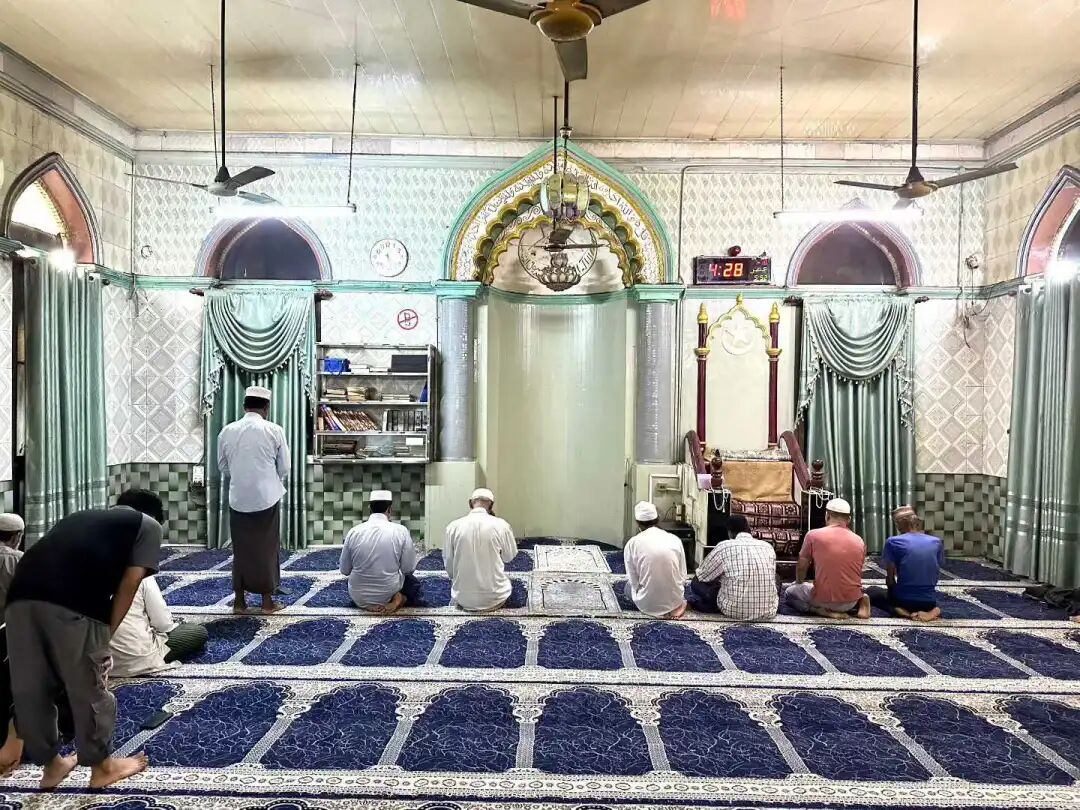
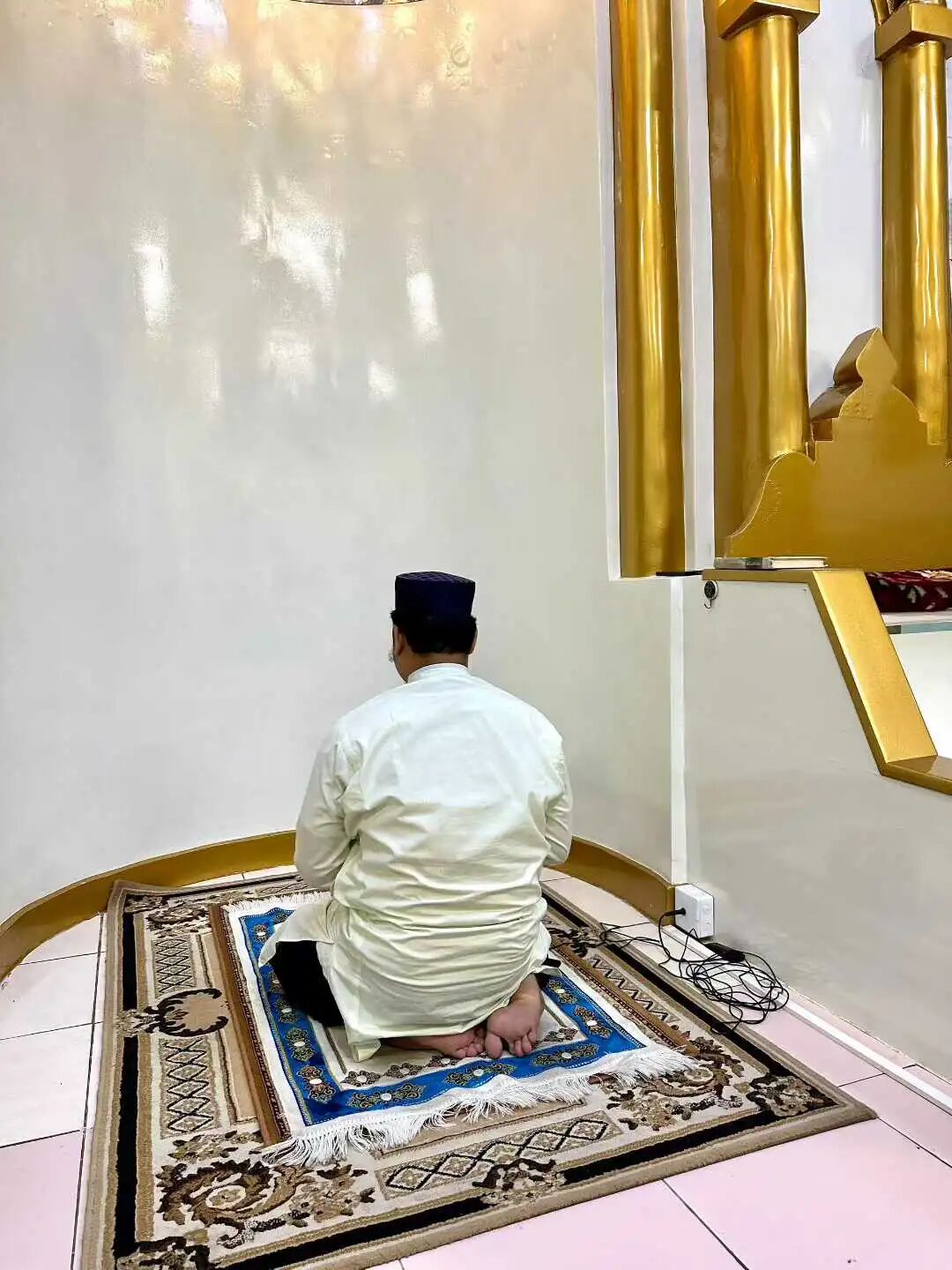
Although I have visited Southeast Asia many times, countries like Thailand, Vietnam, Malaysia, and Indonesia follow the Shafi'i school of thought. Their prayer movements and timings are different from ours, and I often felt out of place during namaz. This time, I finally reached a Hanafi region in Southeast Asia: Yangon, Myanmar. The prayer movements of the brothers (dosti) in Yangon are exactly the same as those of the Hui Muslims, so I felt very at home in the mosques every time.
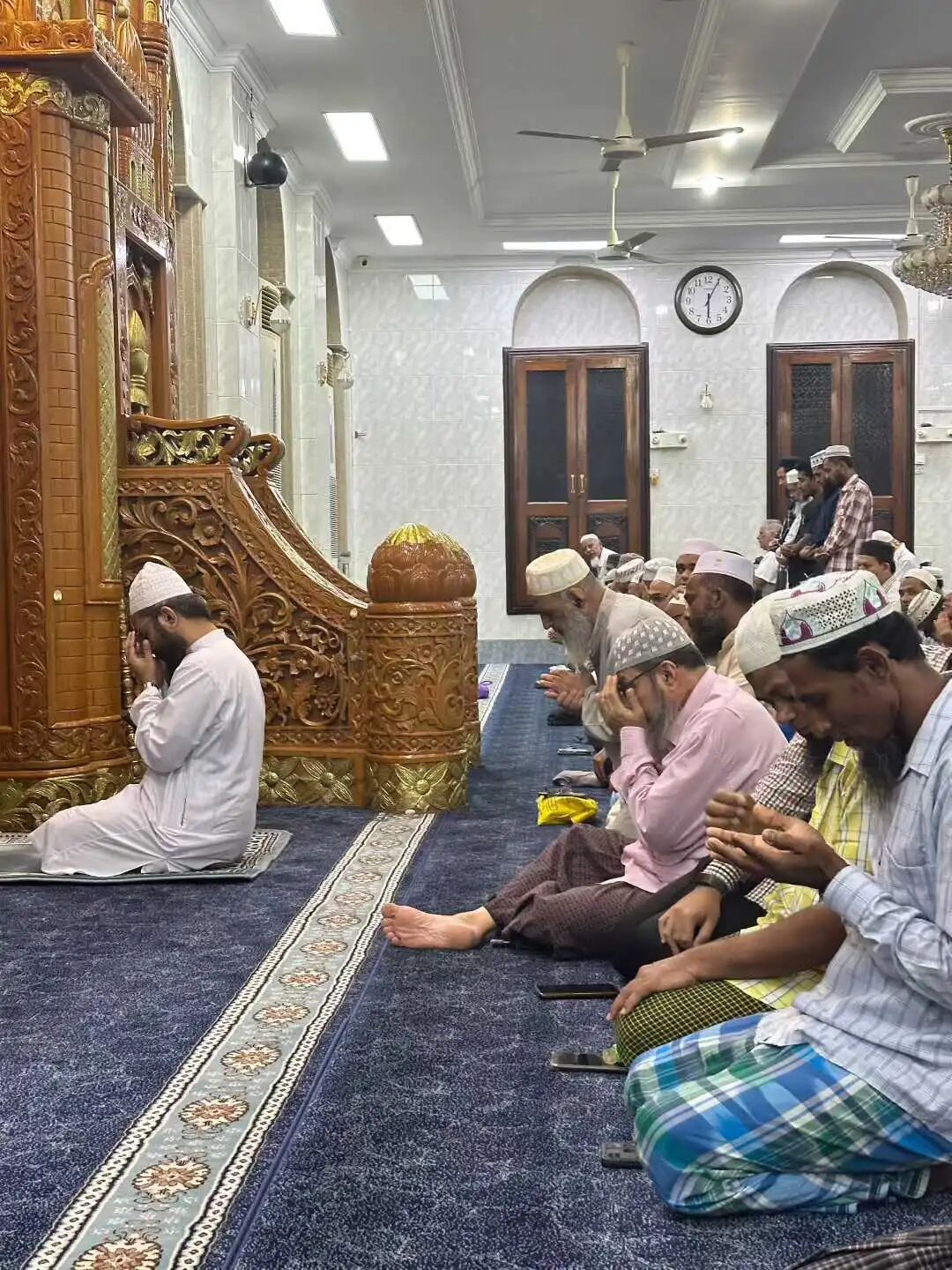
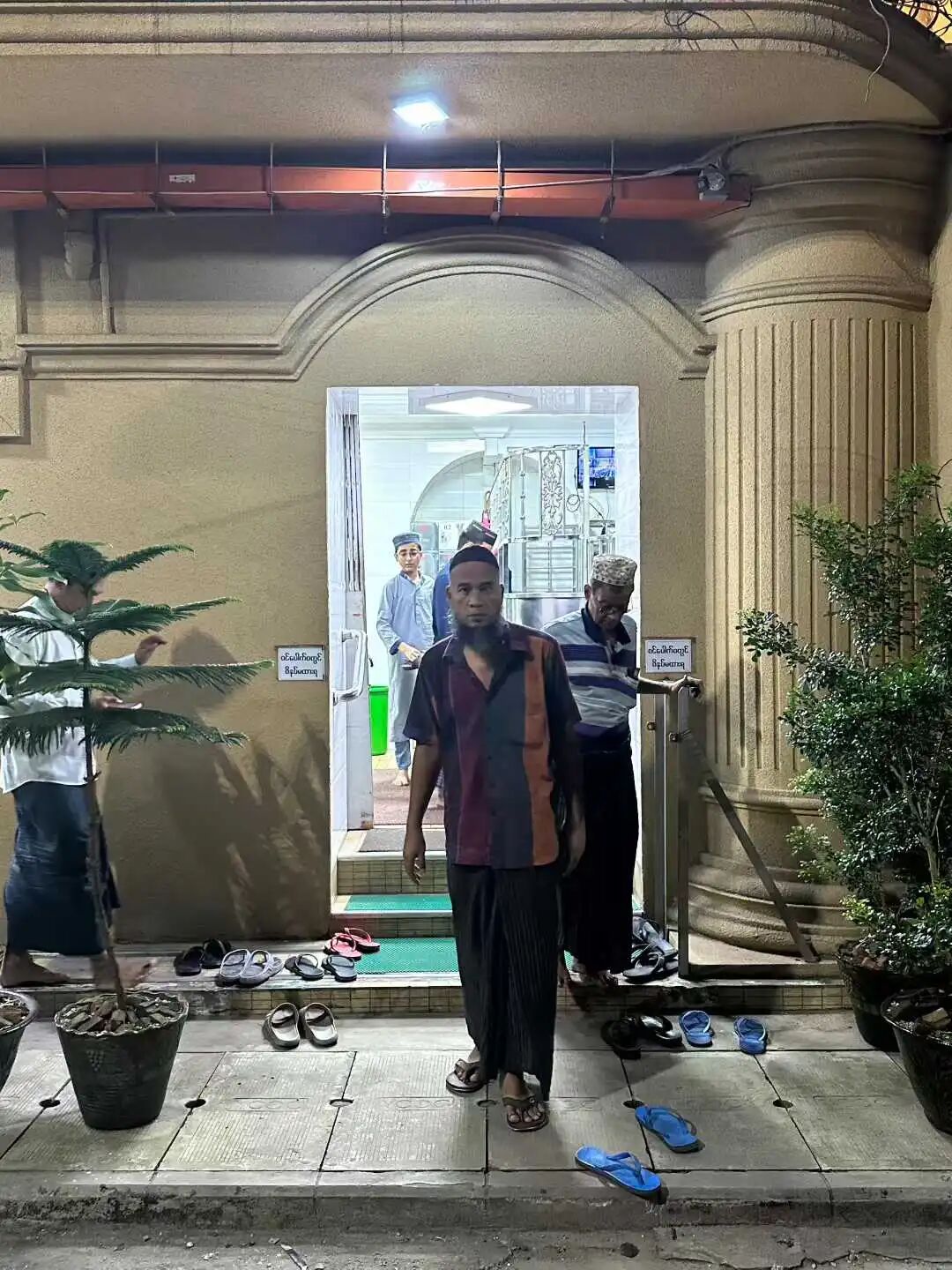
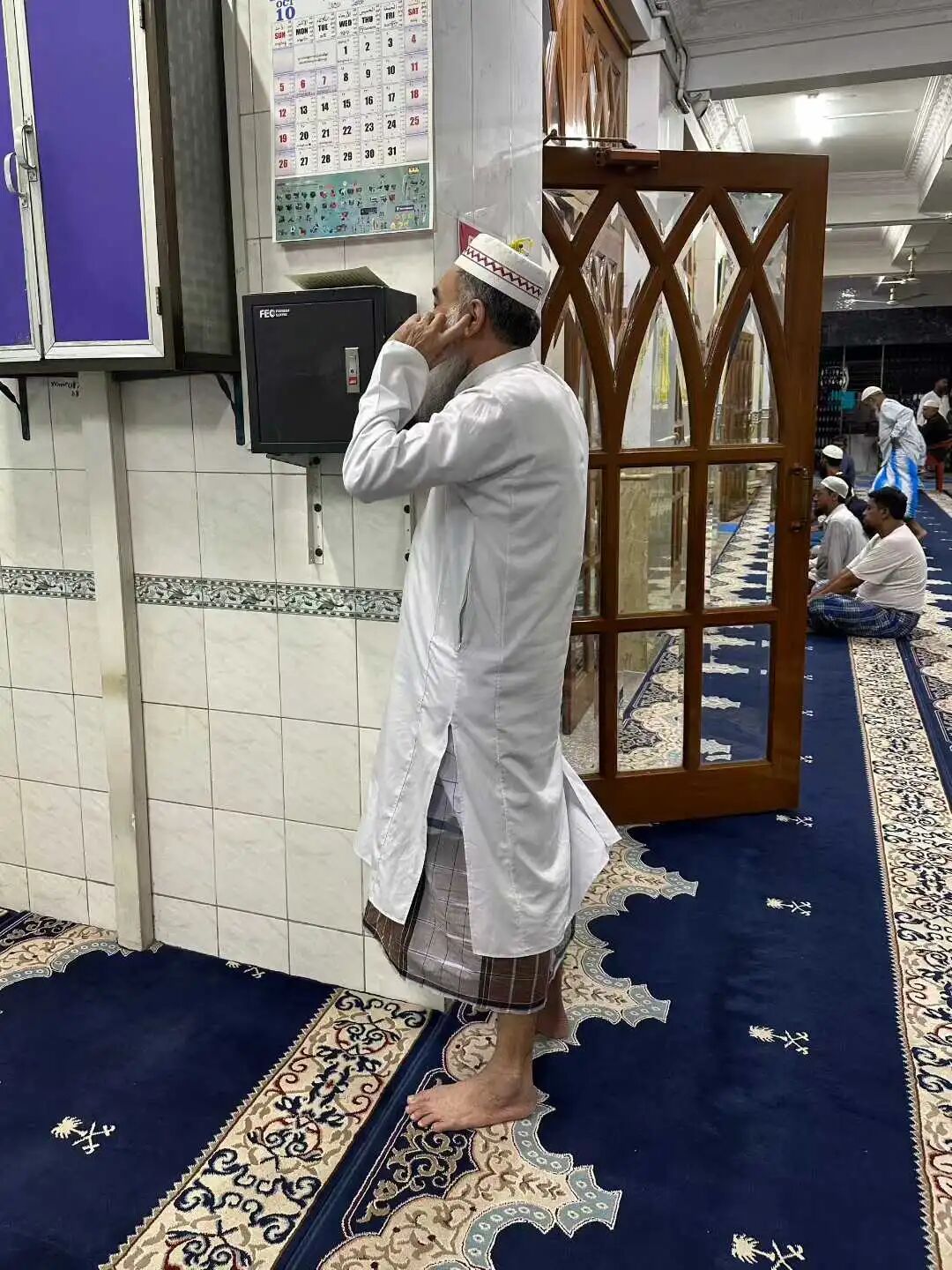
There is another special feature in Yangon's mosques: almost every mosque has a shoe storage area with a brother (dosti) specifically in charge of looking after the shoes. This man has a great memory. After you finish your namaz, he will bring your shoes out and hand them to you before you even ask. He never mixes up anyone's shoes. Also, he does not accept any tips at all. In India and Egypt, I have always been charged a tip for shoe storage. That is why some brothers (dosti) in India would rather carry a bag for their shoes than use a storage service.
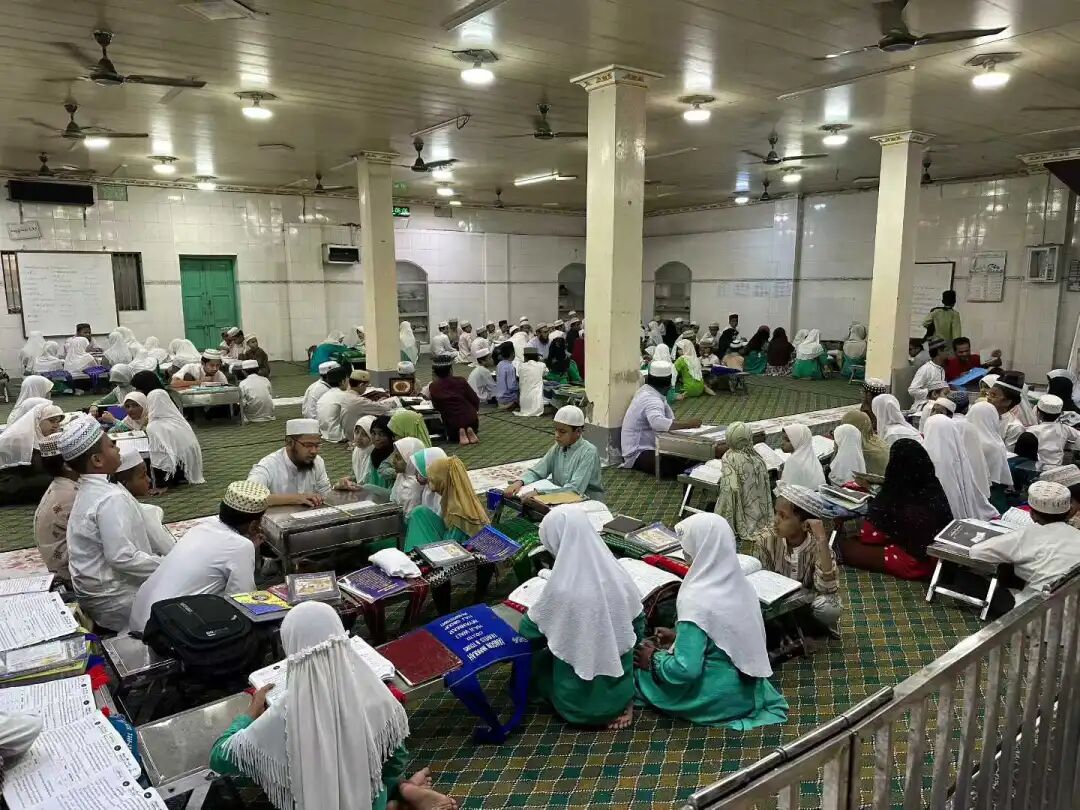
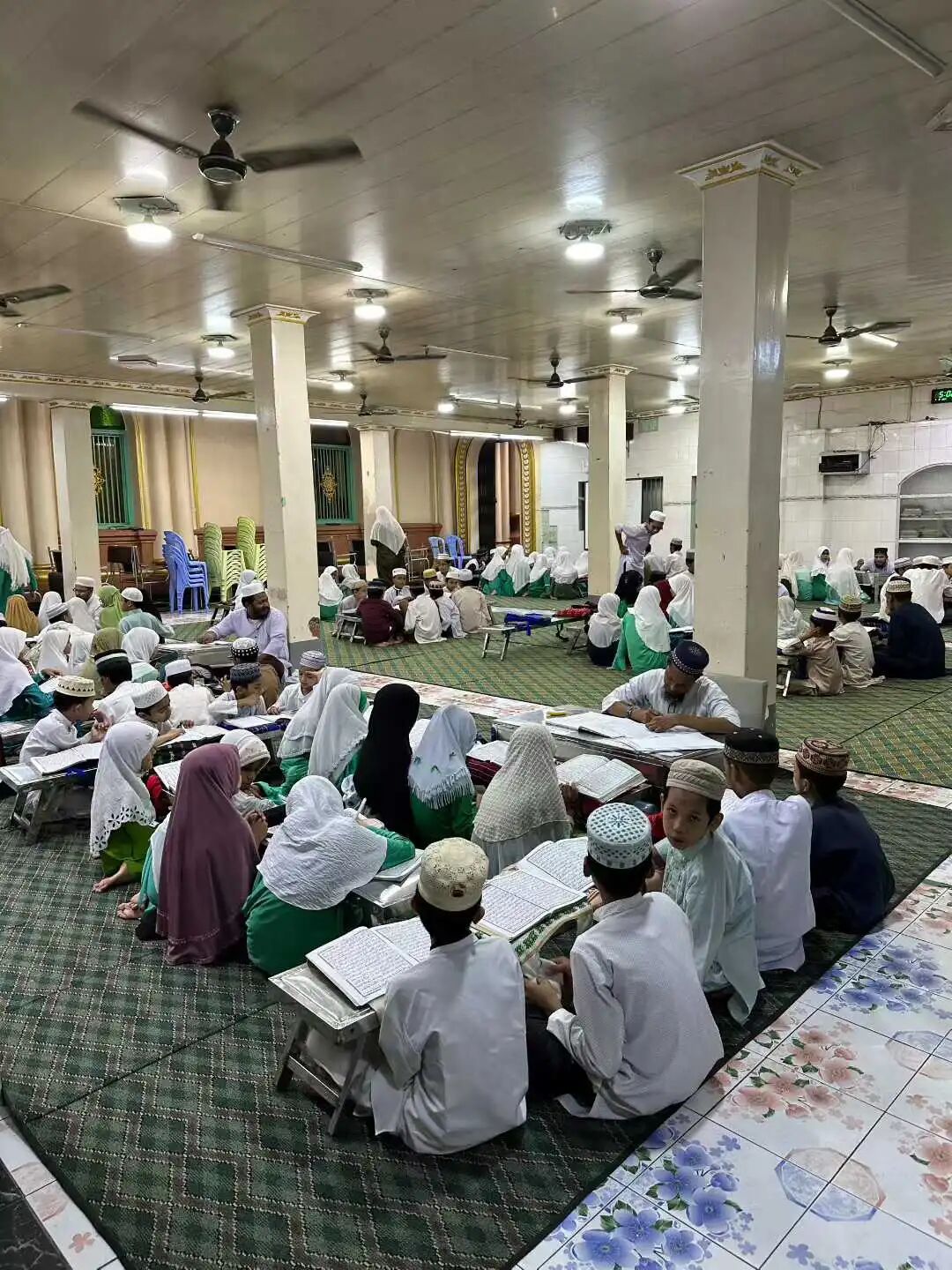
In the mosques of Yangon, the time between the afternoon prayer (dhuhr) and the late afternoon prayer (asr) is for studying scripture. Both adults and children sit in a circle to learn from the imam, and the atmosphere is wonderful.
Unlike in Malaysia, mosques in Yangon are not open all day and are usually locked outside of the five prayer times. This made visiting them more difficult, but alhamdulillah, I managed to visit most of the ones I wanted to see.
Indian brothers (dosti) have been settled in Yangon for 200 years. After the First Anglo-Burmese War in 1826, merchants from British India began traveling to Myanmar for business. The first to arrive in Yangon were Gujarati merchants from Surat in western India. In 1826, they built the Surti Sunni Jumu'ah Mosque in Yangon. In the same year, two officers from the Konbaung Dynasty of Myanmar also built the Triangle Mosque in Yangon. These were the first two mosques in the city.
After the British occupied Yangon in 1853, brothers (dosti) from Gujarat, Bengal, and the Tamil and Andhra regions of South India arrived in Yangon one after another. Many Gujarati merchants opened companies and built mosques in Yangon. The Mamusa family alone built two. Because the British made Yangon part of the Bengal Presidency of British India, a wave of Bengali immigration to Yangon began. The Bengali community also built three mosques in Yangon. At the same time, Tamils from South India followed the Indian Ocean monsoon winds across the Bay of Bengal to Yangon and also built two mosques.
Below, I will introduce the eighteen Indian Sunni mosques in Yangon one by one.
The Sunni Jumu'ah Bengali Mosque is located next to the Sule Pagoda in the center of Yangon's old city. It was founded by Bengali brothers (dosti) in 1862. After the British occupied Yangon in 1852, they made it part of the Bengal Presidency of British India, which triggered a wave of Bengali immigration to Yangon.
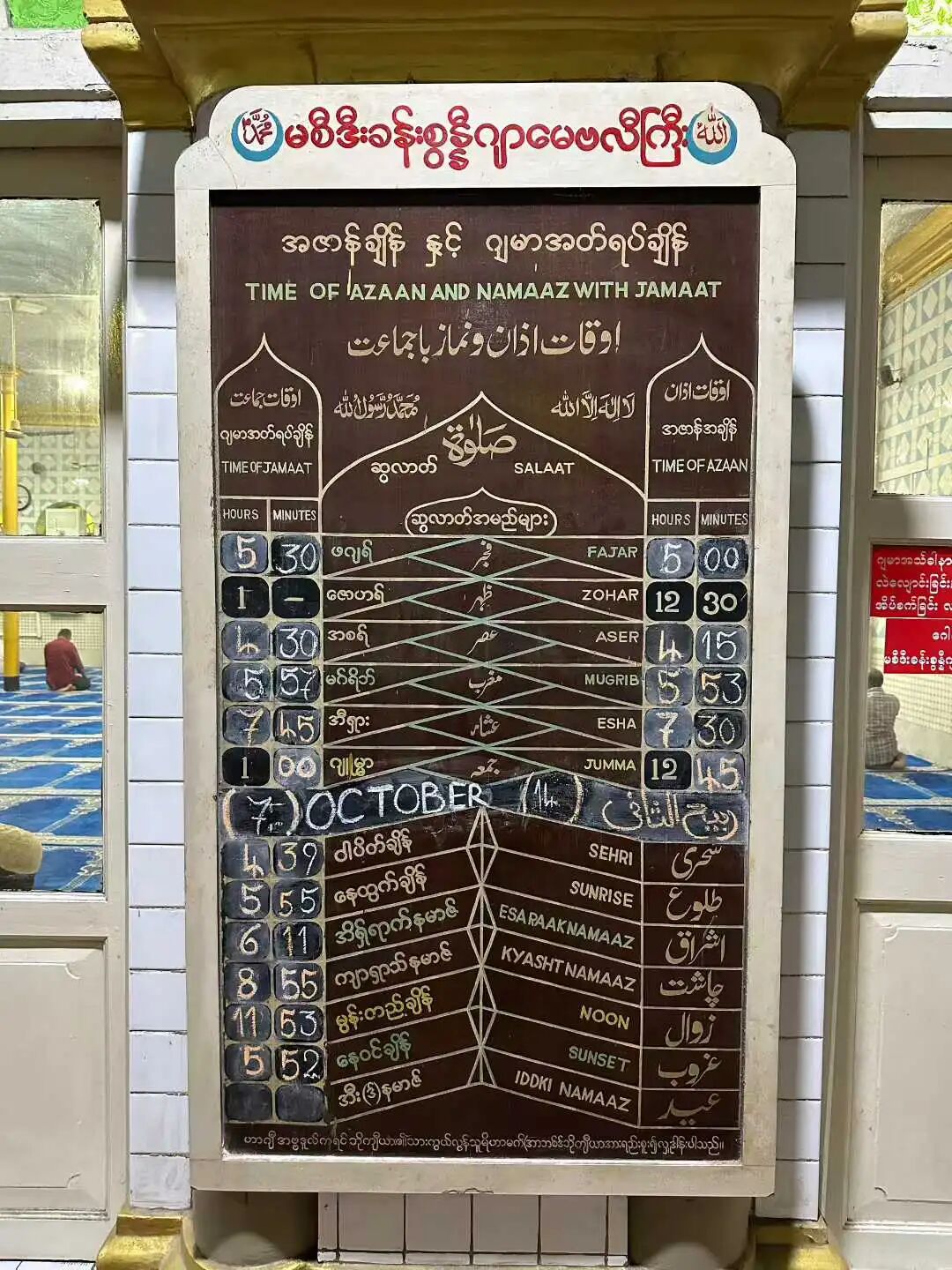
The Bengali Mosque was originally a wooden structure. It was rebuilt as a brick building in 1902 and renovated into the current tiled building in 1992. Now, you can see Arabic, English, Bengali, and Burmese on the gate and the prayer schedule. Because it is in the center of Yangon's old town and due to the Rohingya issue, some Burmese nationalist groups have long wanted to tear down the Bengali Mosque.
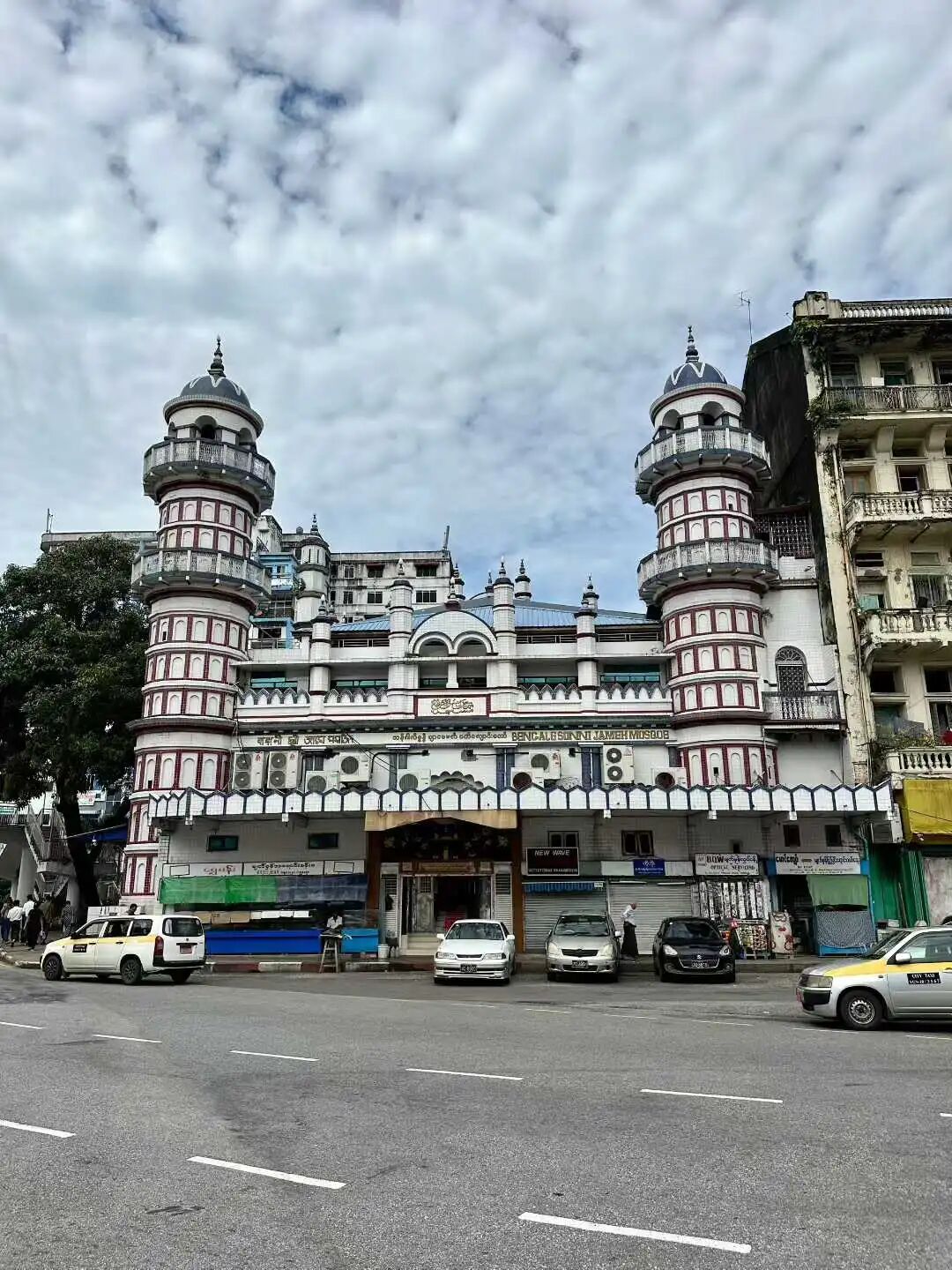
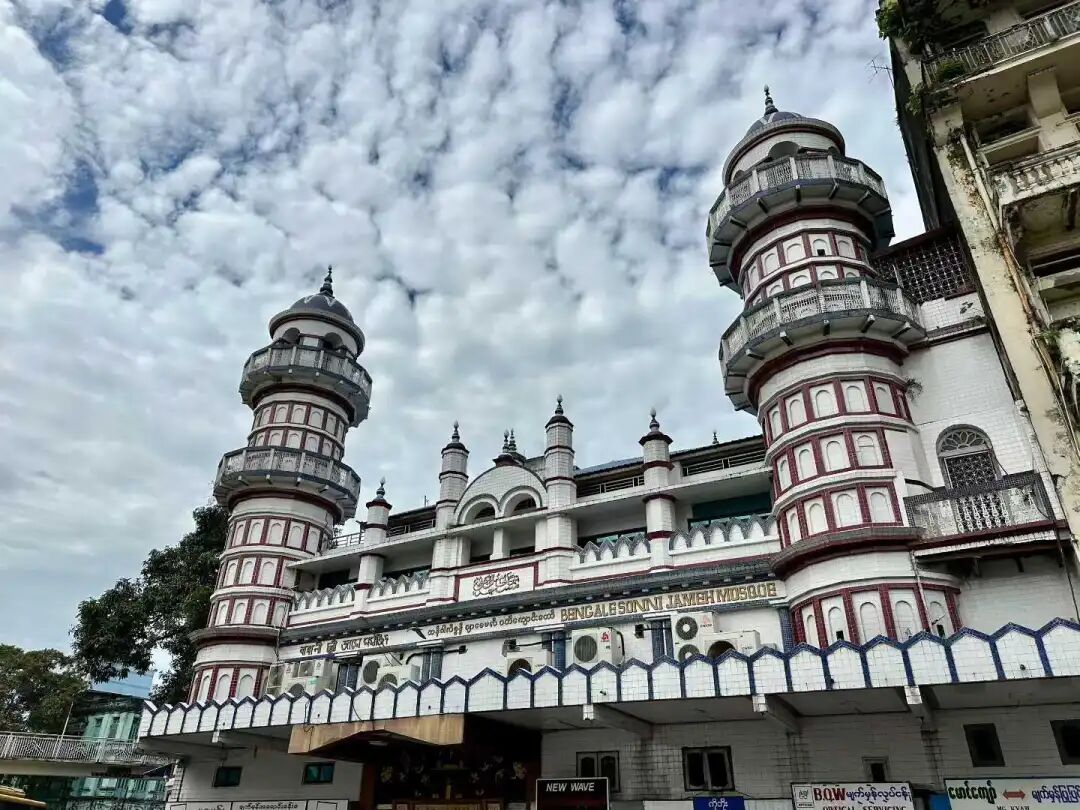
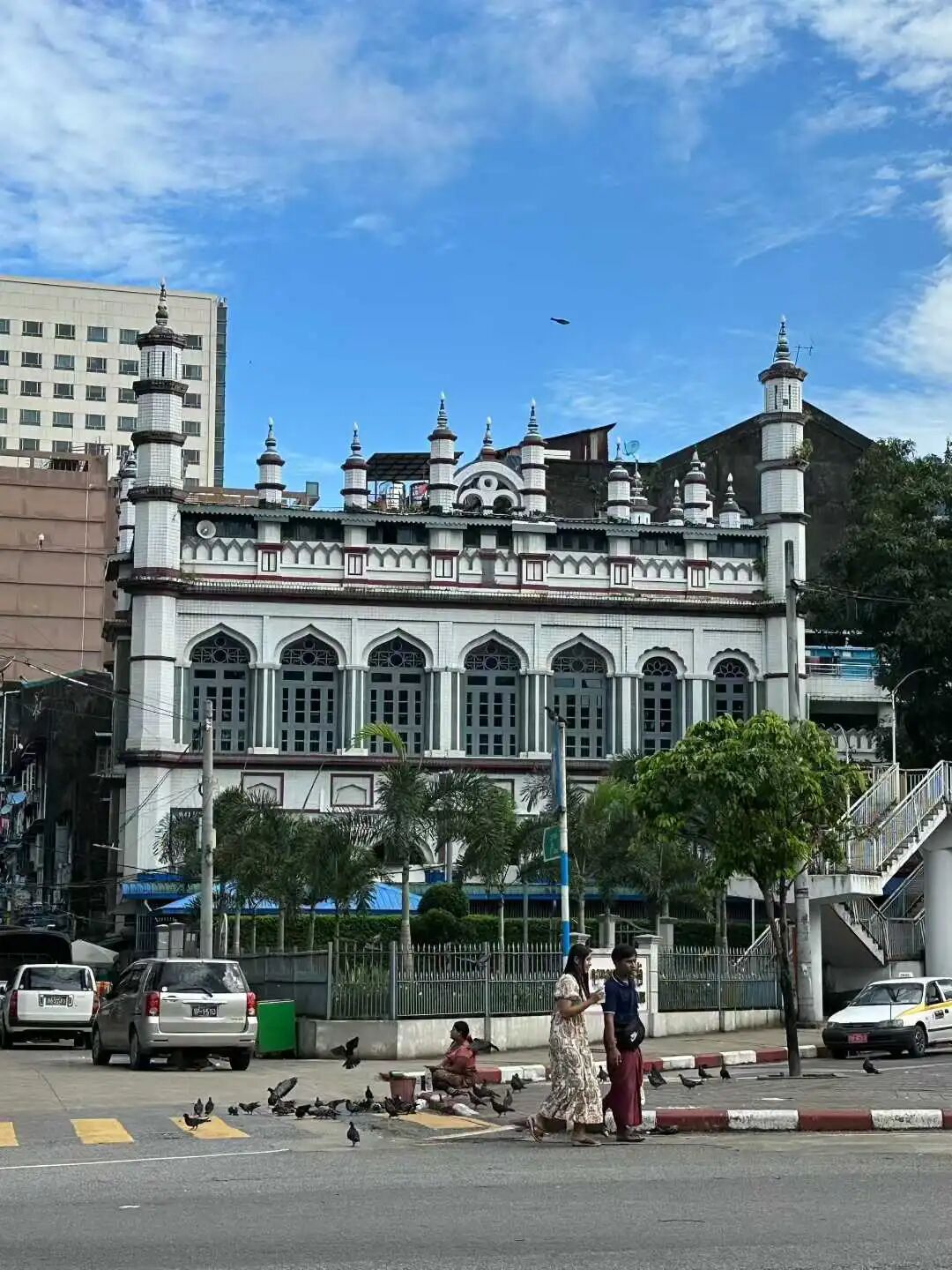
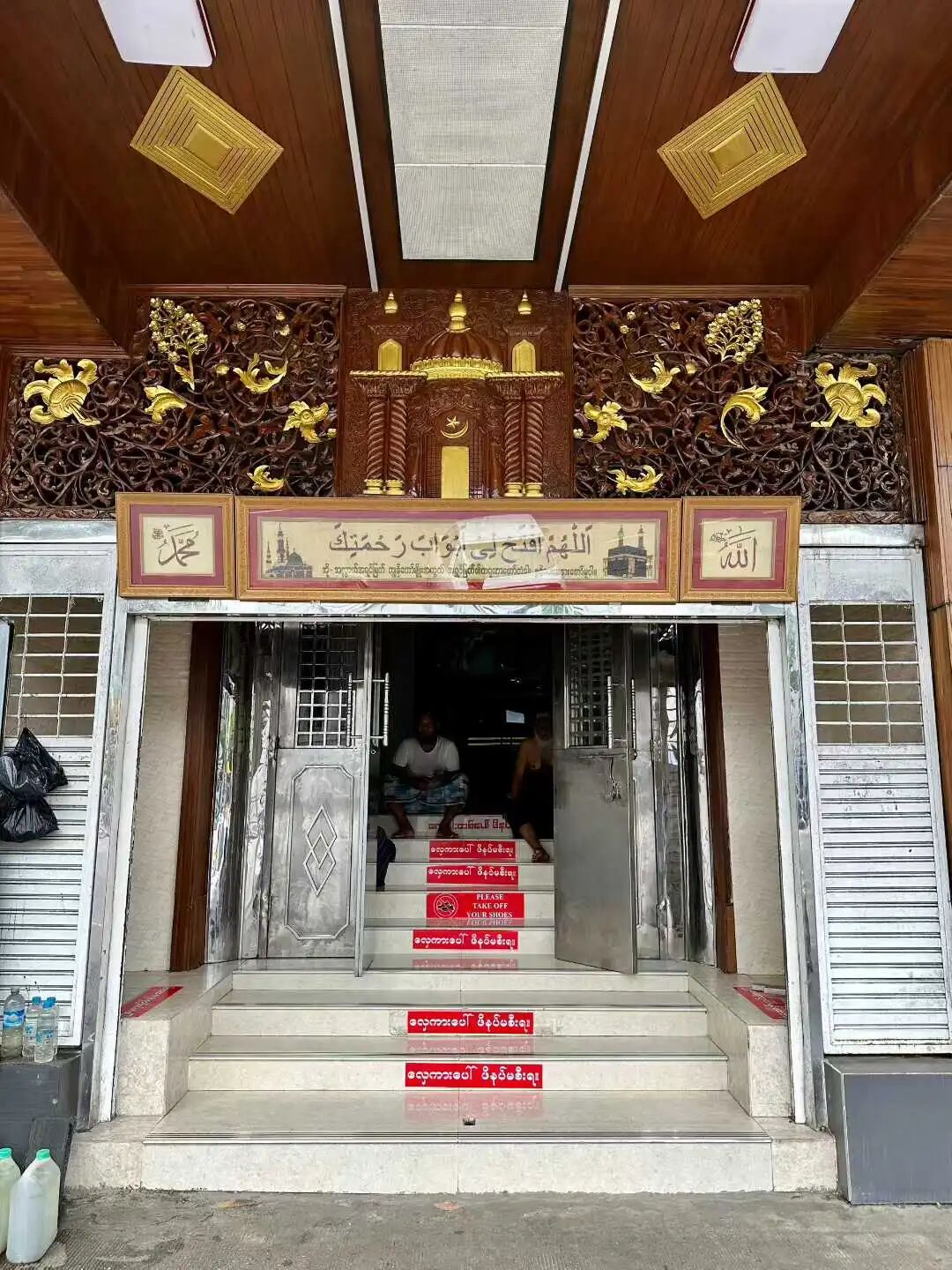
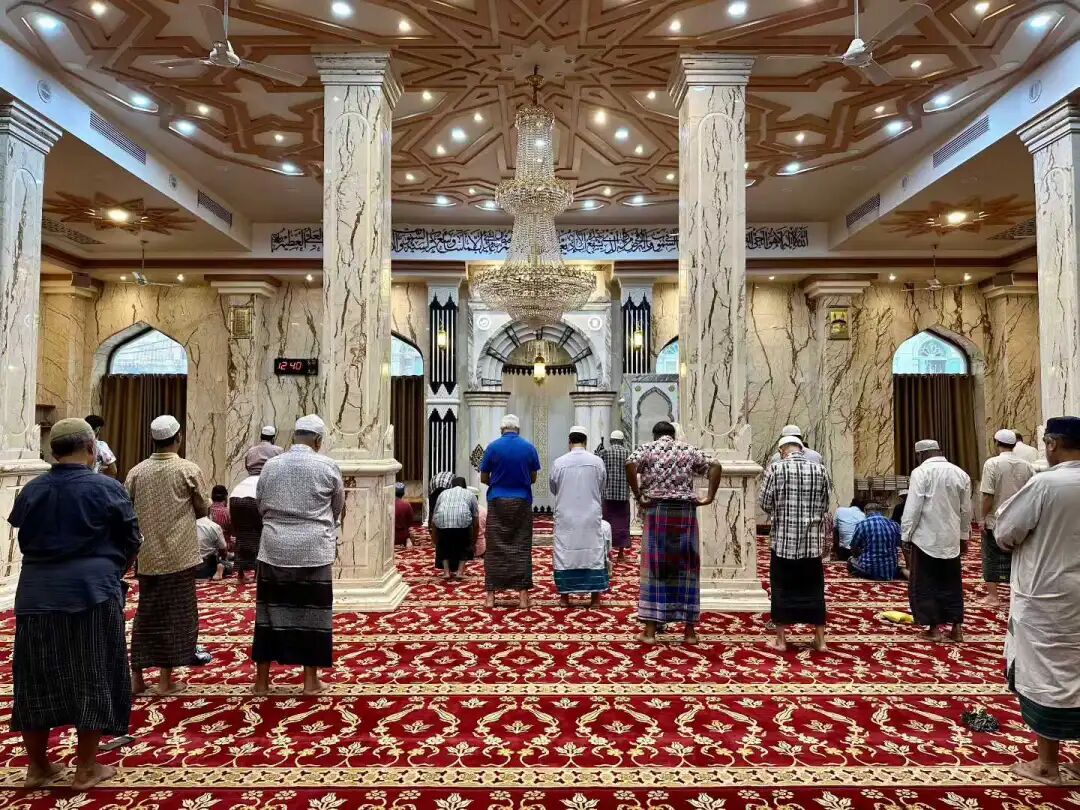
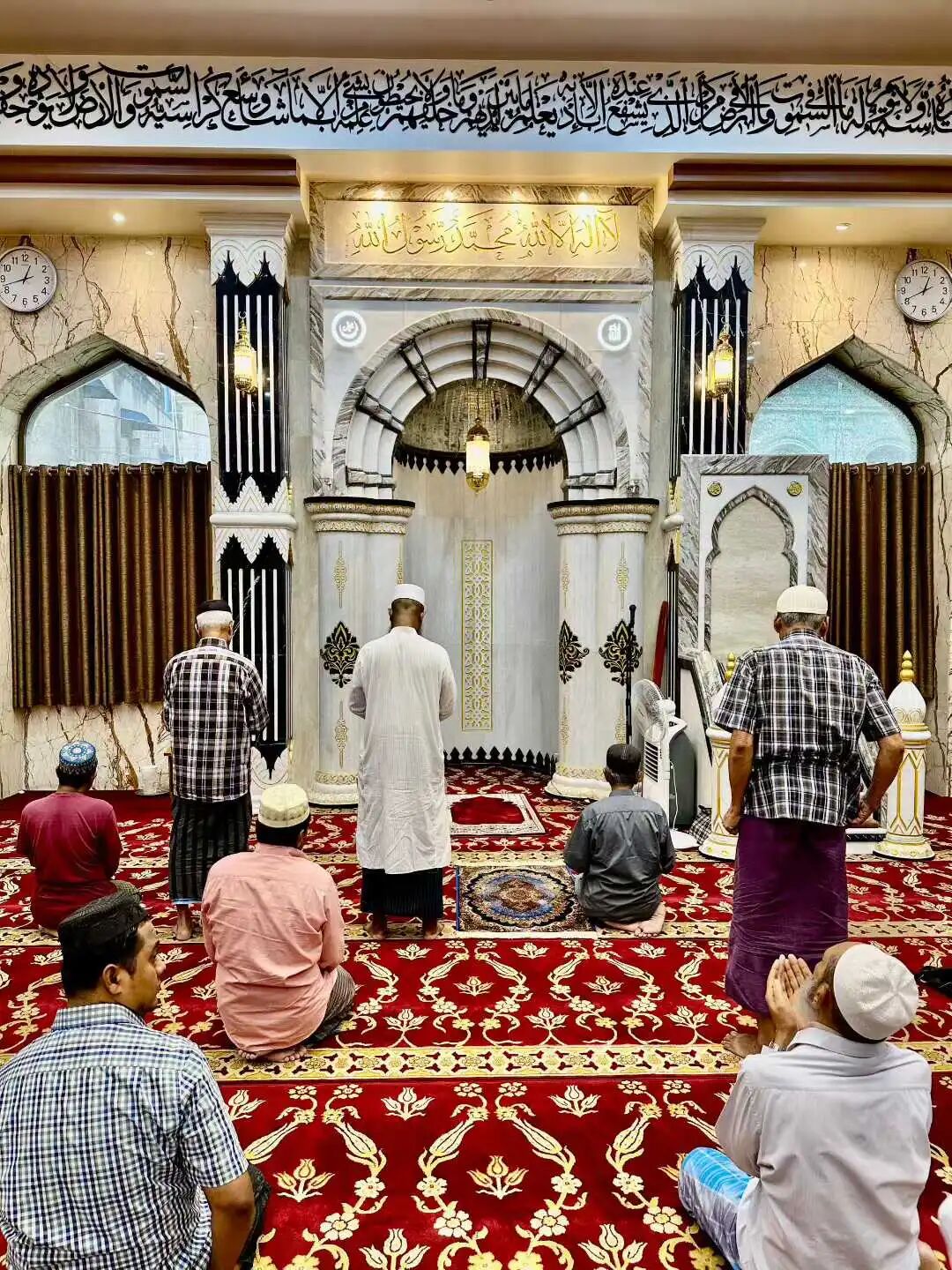
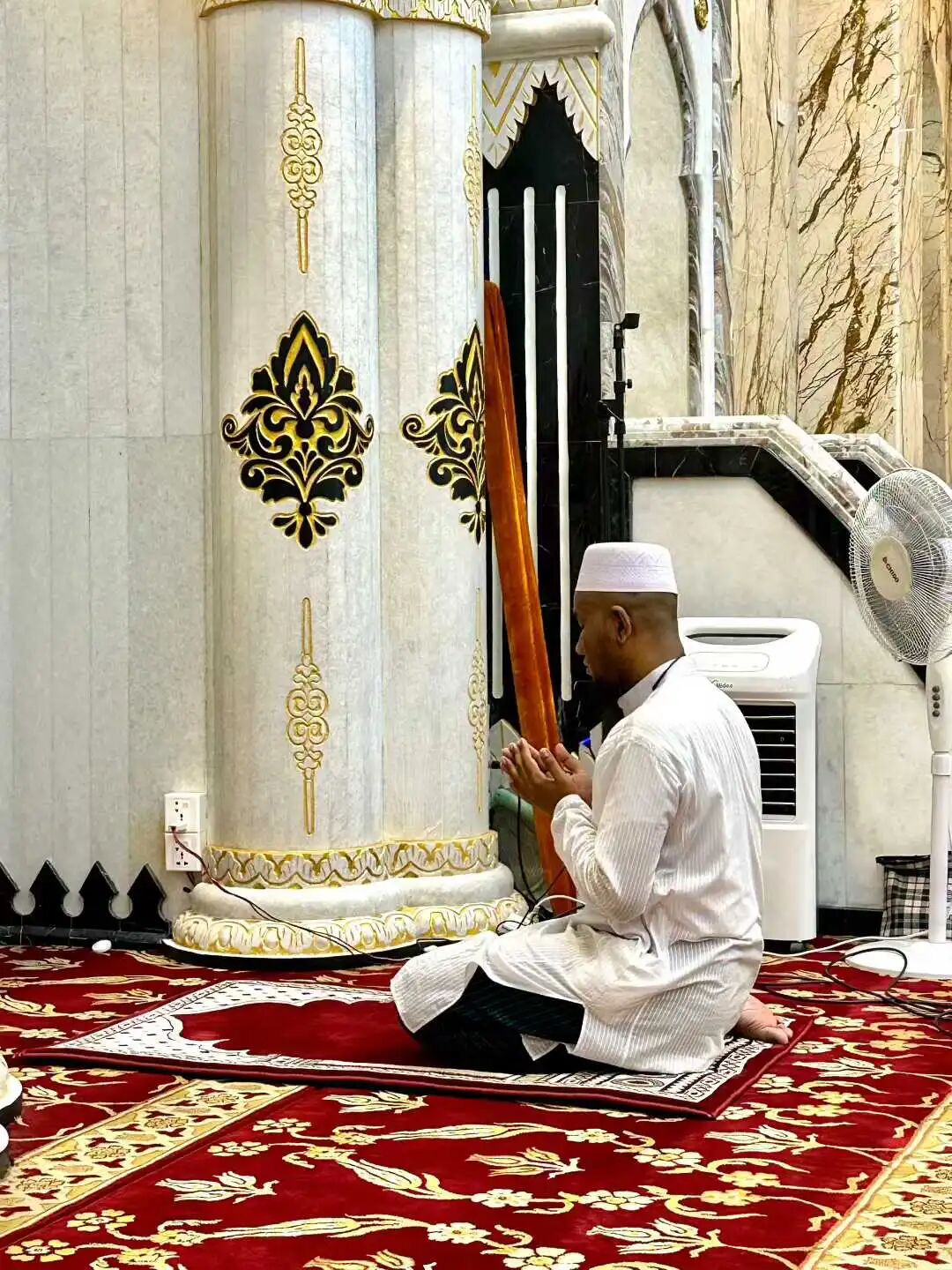
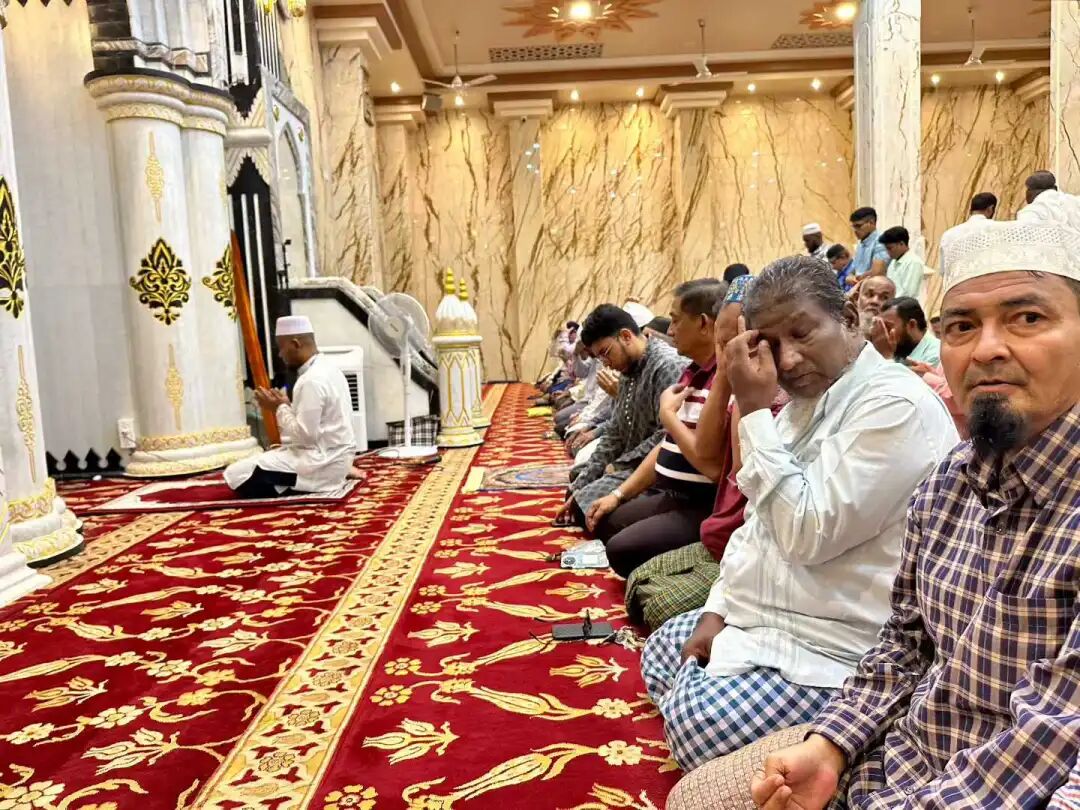
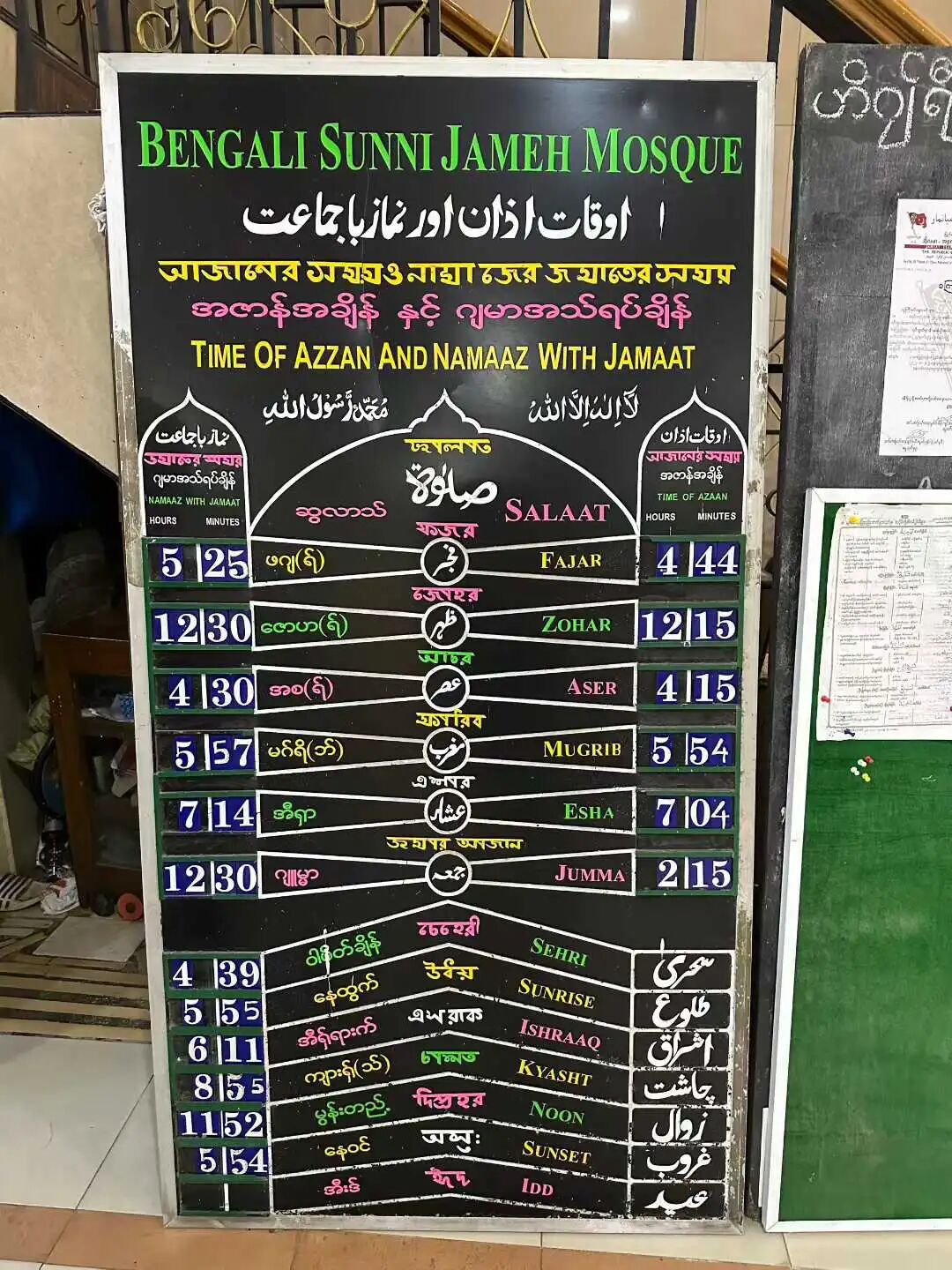
The Bengali Mosque (Bengali Dosti) was the second Sunni Friday mosque built in Yangon in 1932. It is located on 91st Street in the northern part of the old town, right next to the railway. The mosque looks very grand, and its minaret decorations are also quite ornate.
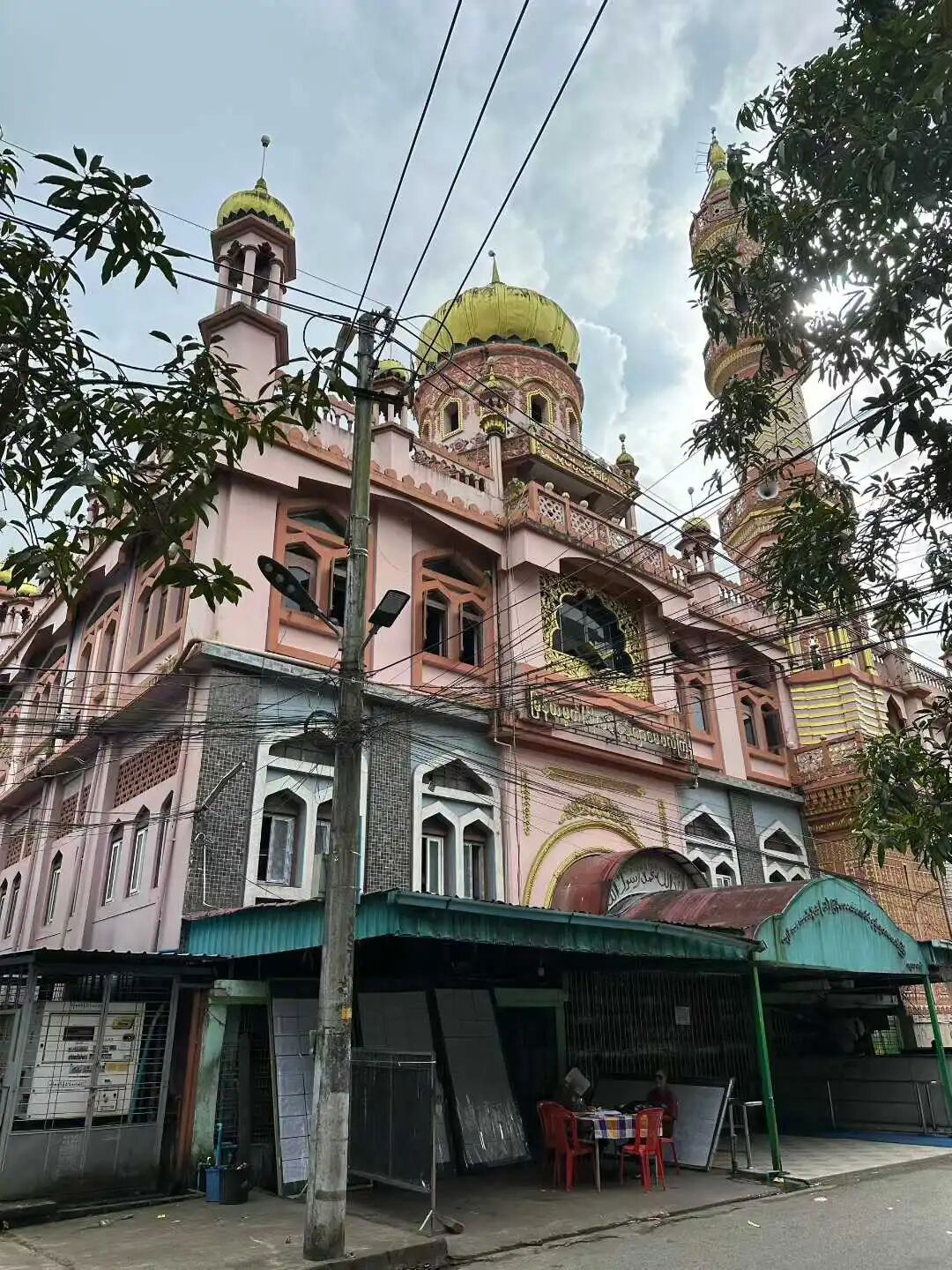
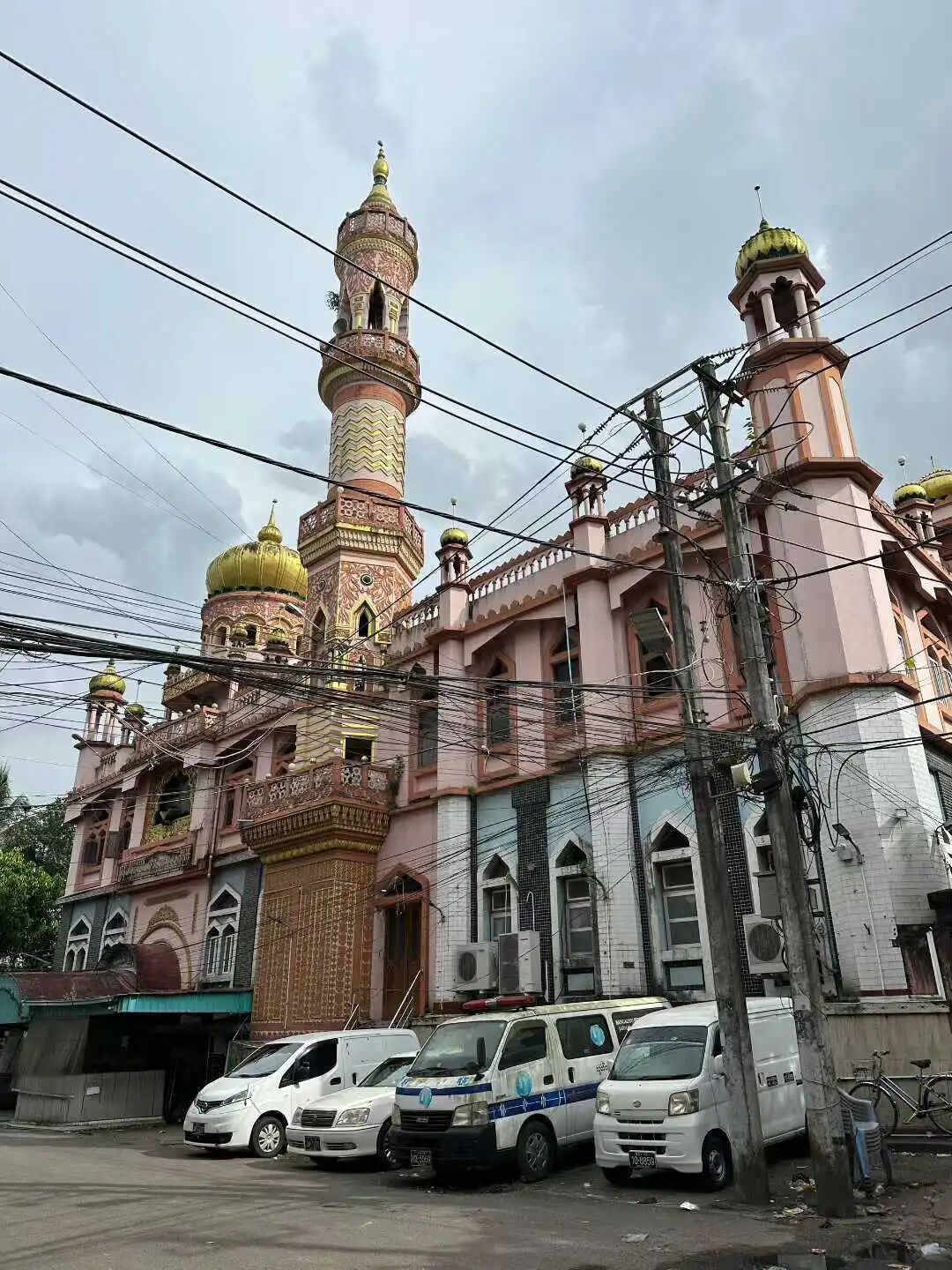
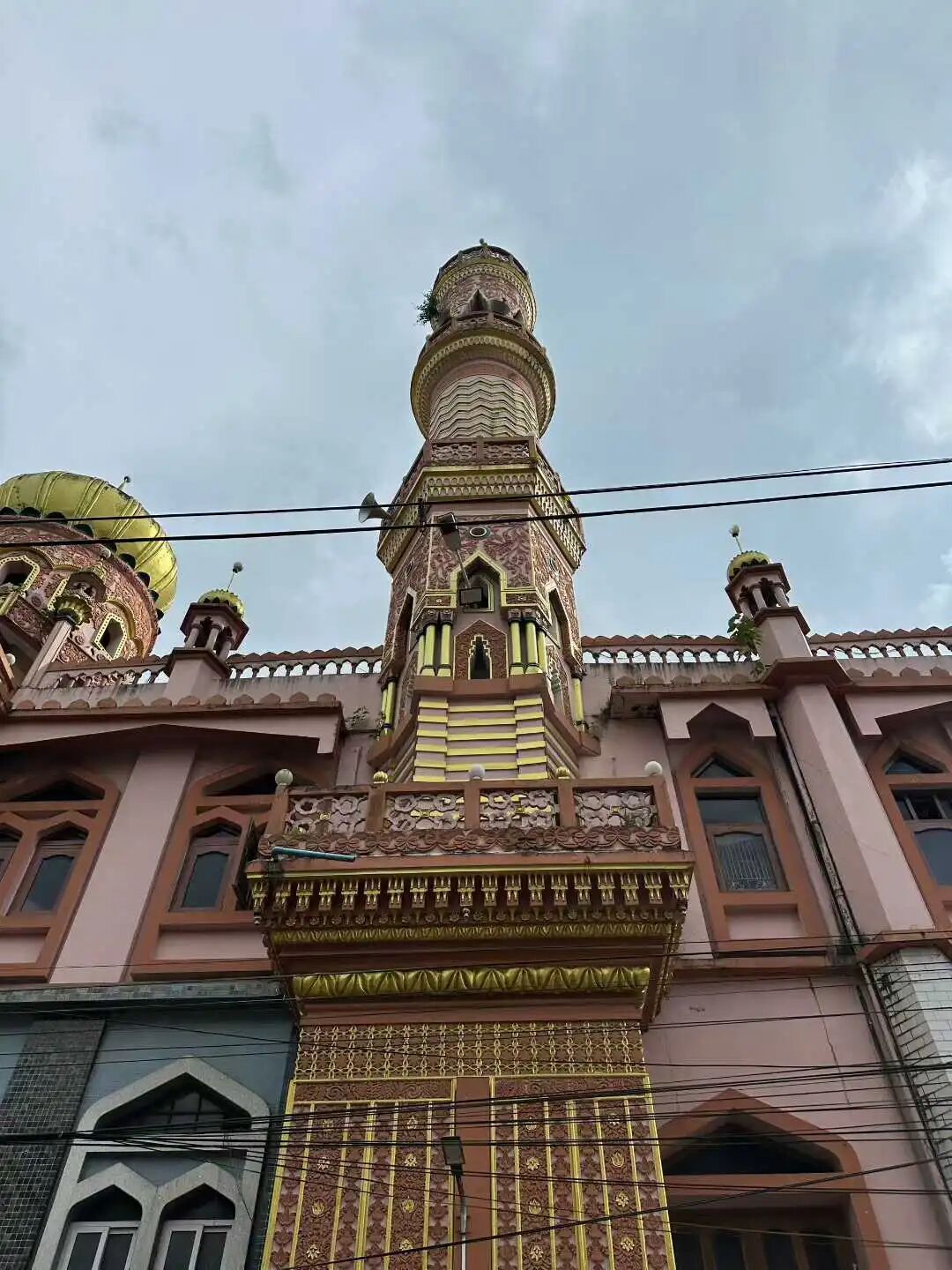
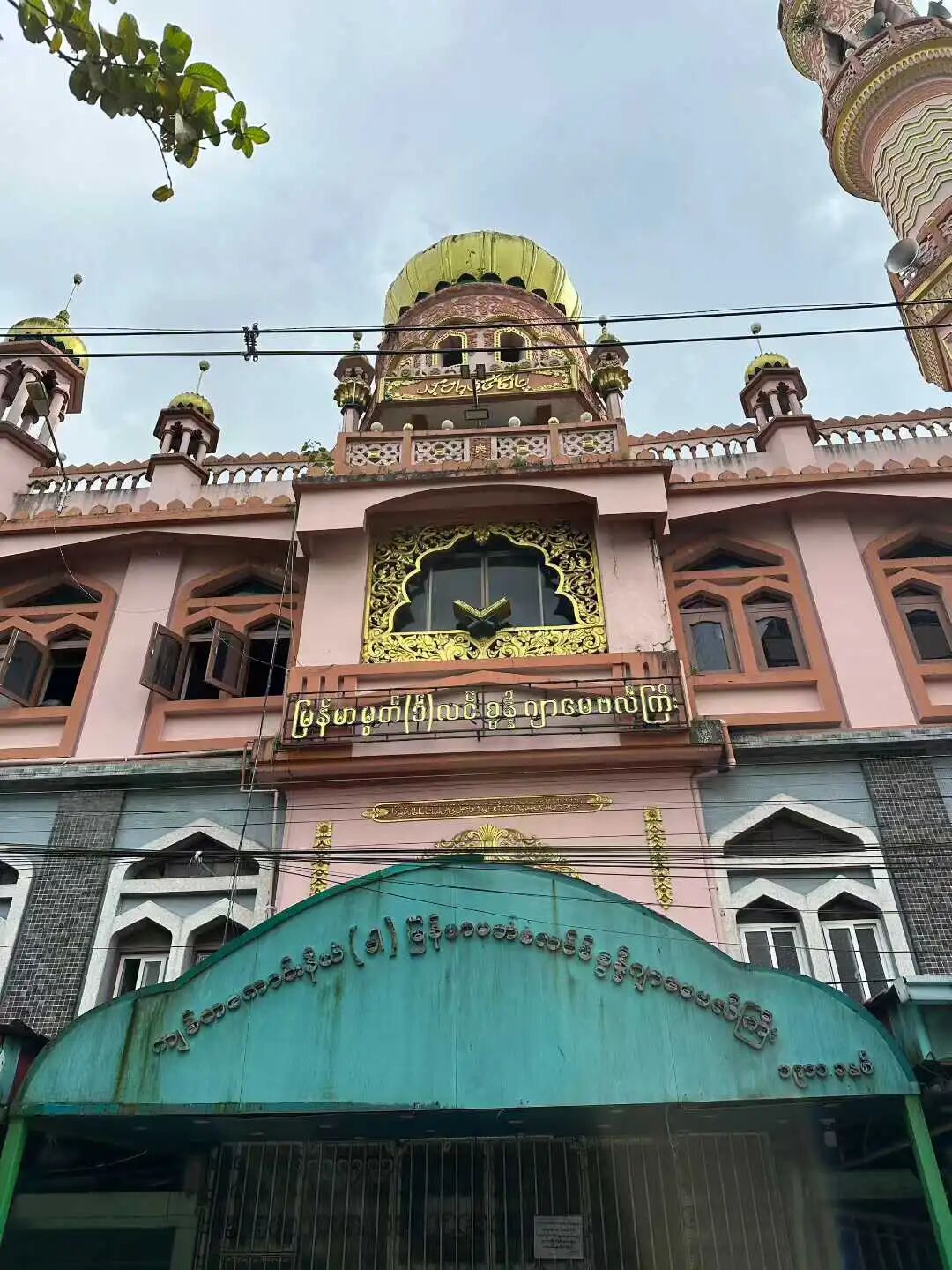
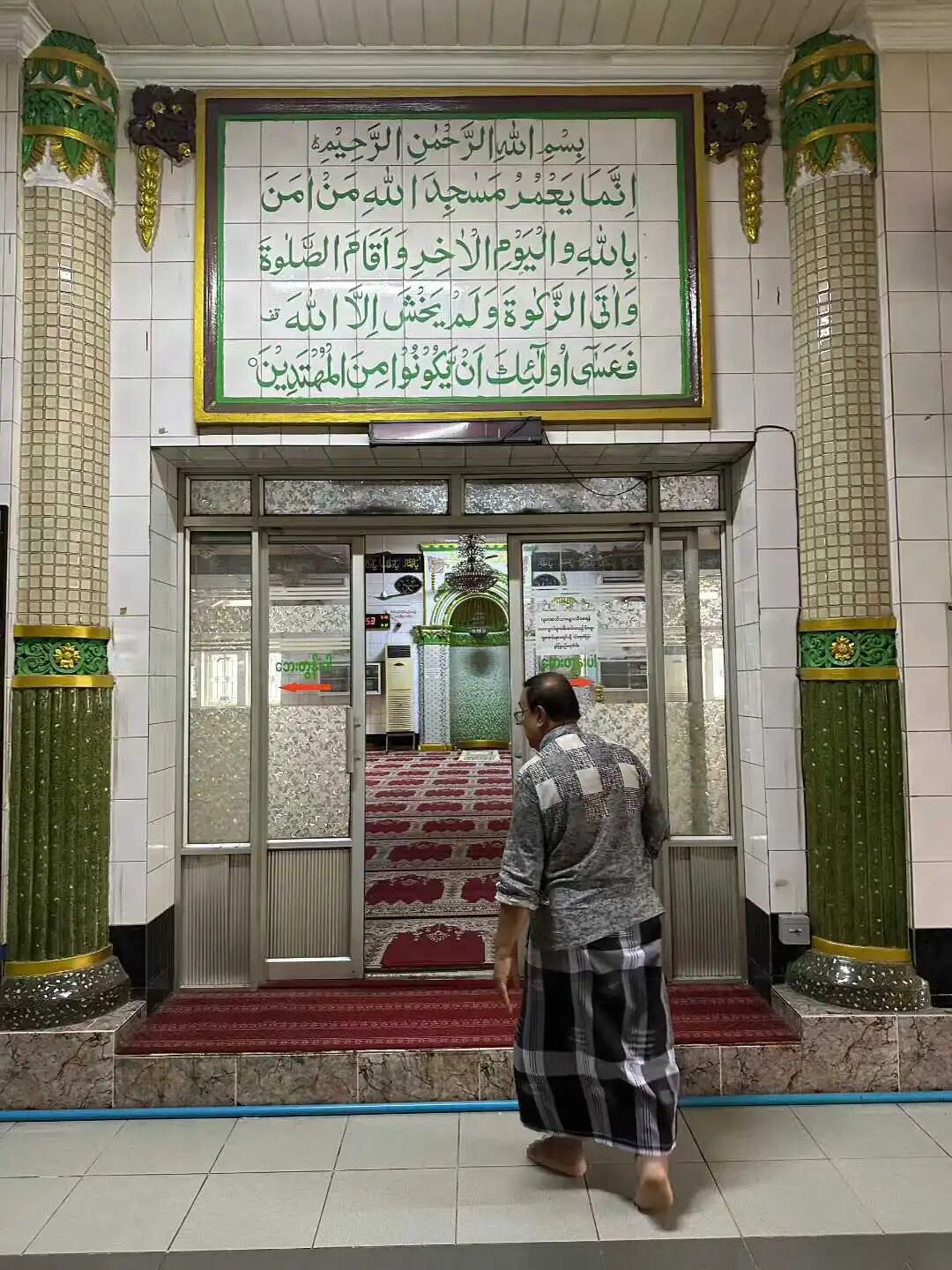
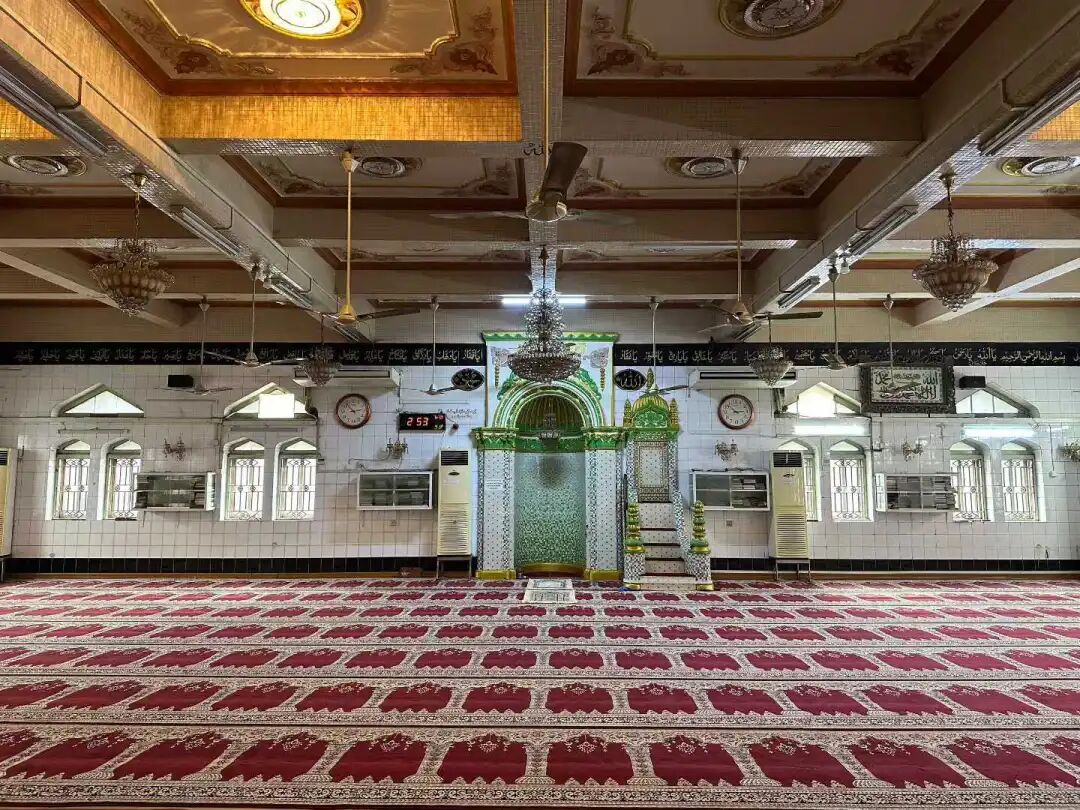
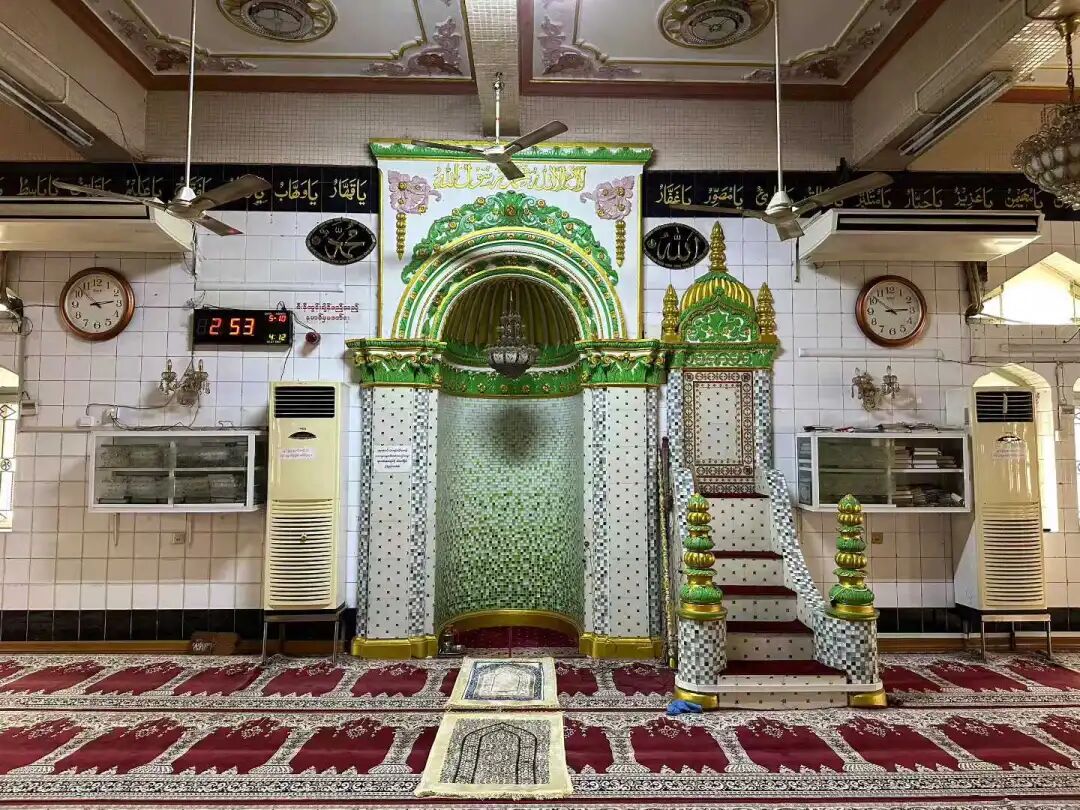
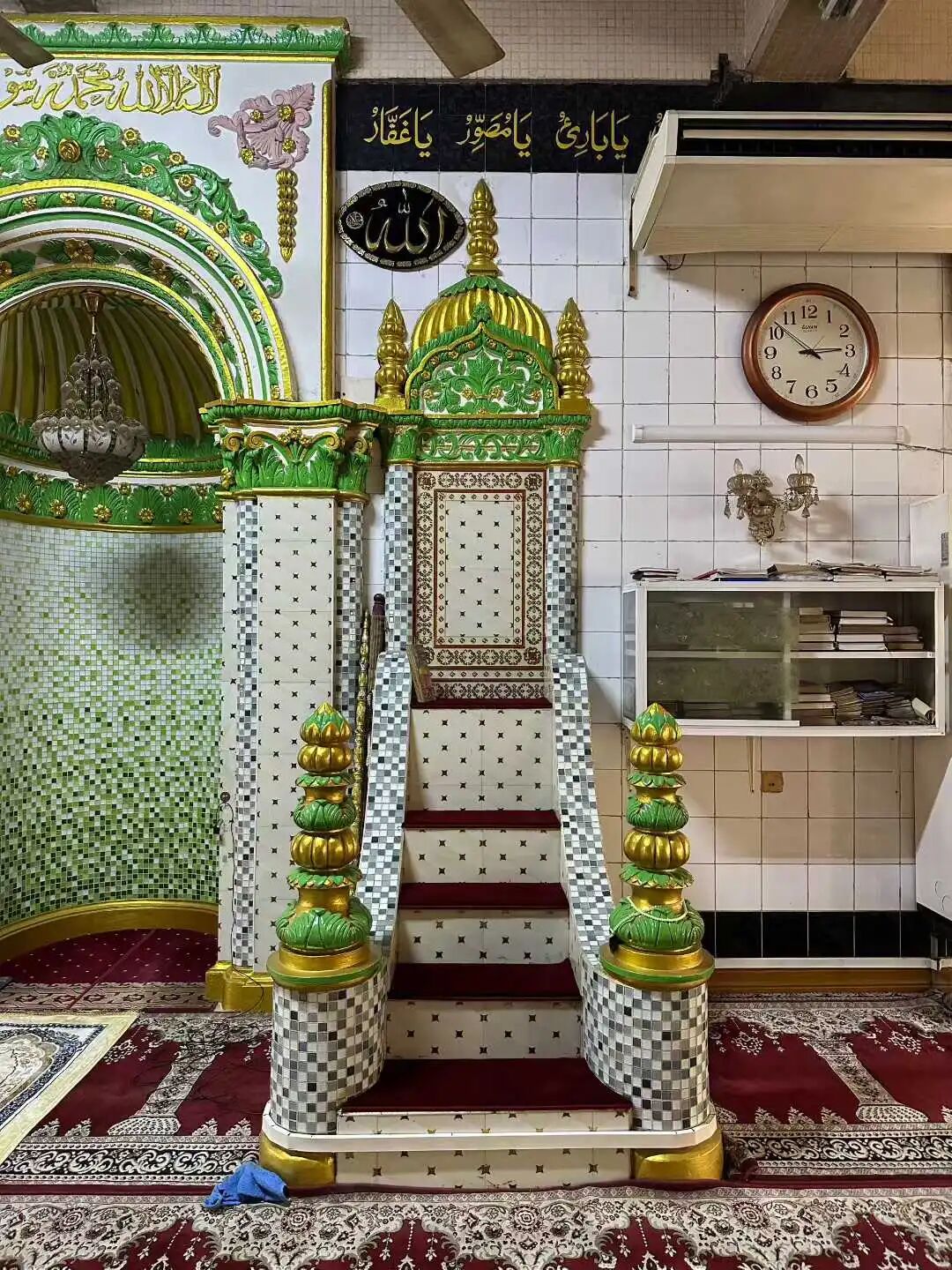
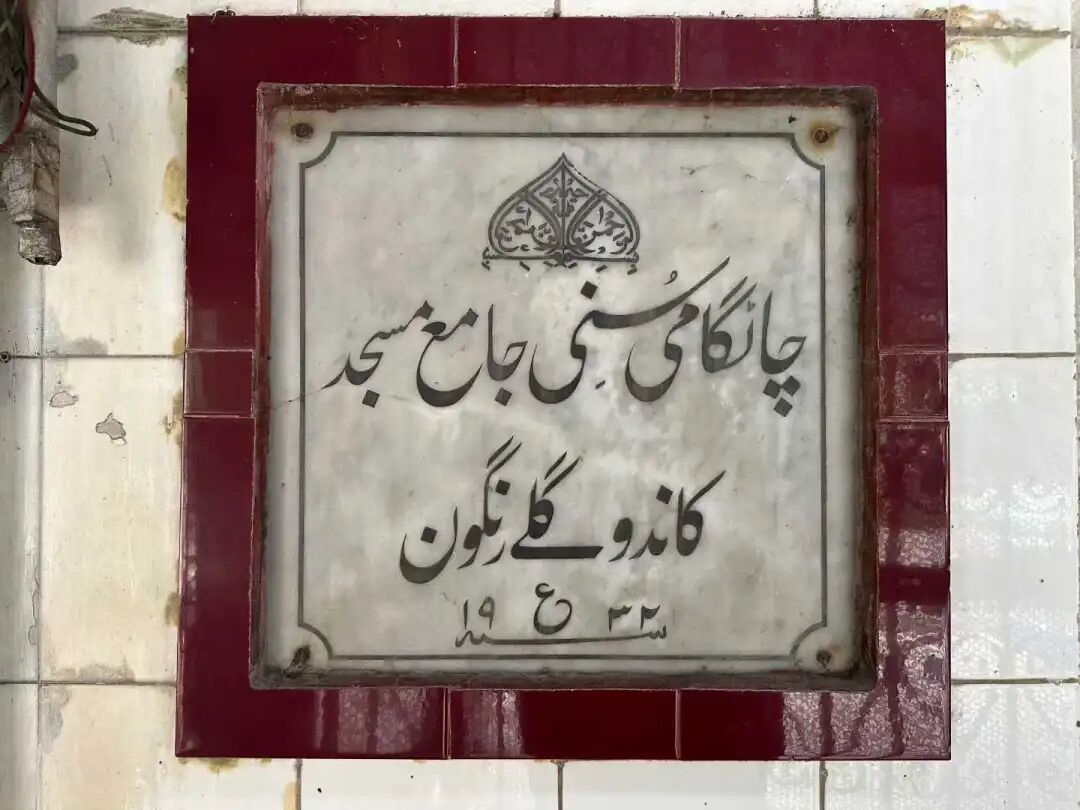
The Chulia Friday Mosque is in Yangon's Indian quarter, not far west of the Bengali Mosque. It was built in 1856 by South Indian Tamil Dosti. The name Chulia comes from the Chola dynasty that once ruled the Tamils. Long ago, Tamil Dosti followed the Indian Ocean monsoon winds across the Bay of Bengal to the coasts of Southeast Asia. The Jamae Mosque in Singapore's Chinatown was built by Tamils in 1826. After the British occupied Yangon in 1852, the number of Tamils immigrating to Yangon kept growing, and the Chulia Friday Mosque was established as a result.
The Chulia Friday Mosque was originally a wooden structure. It was rebuilt as a brick building in 1869, and in 1936, it was rebuilt into its current form by the Iranian-Armenian contractor AC Martin. AC Martin built many structures in Yangon, including the General Post Office.
There is a water well inside the Chulia Friday Mosque, and whenever there is a water shortage, it provides water for the Indian quarter. In 1941, the Japanese military bombed Yangon on a large scale, and the Chulia Friday Mosque was also damaged. Later, a porch was built in 1955, and the main hall was built in 1963. Currently, the shops on the first floor of the main hall are very busy, and the second floor can host wedding banquets. When we visited, there were wedding banquets being held every morning.
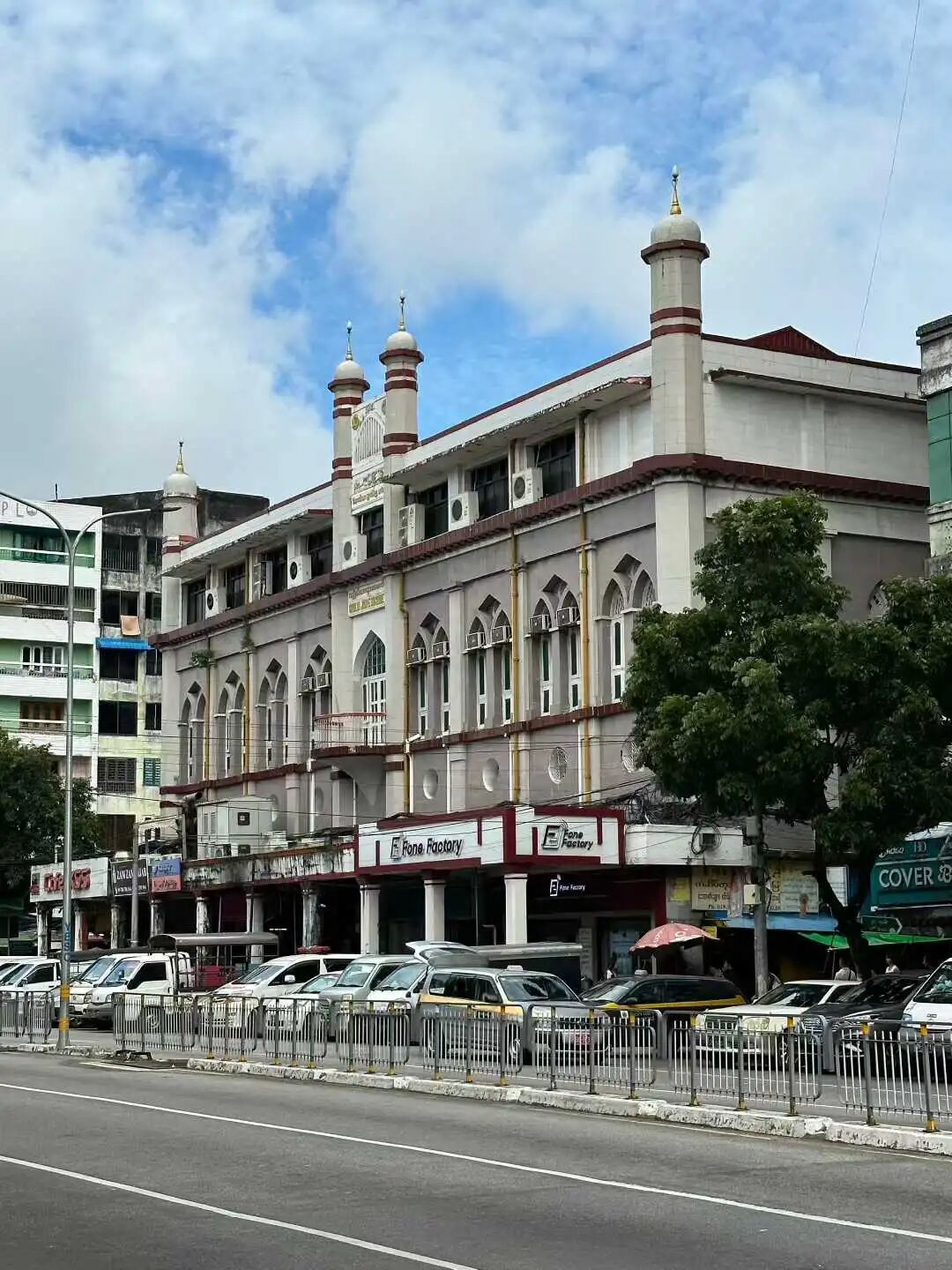
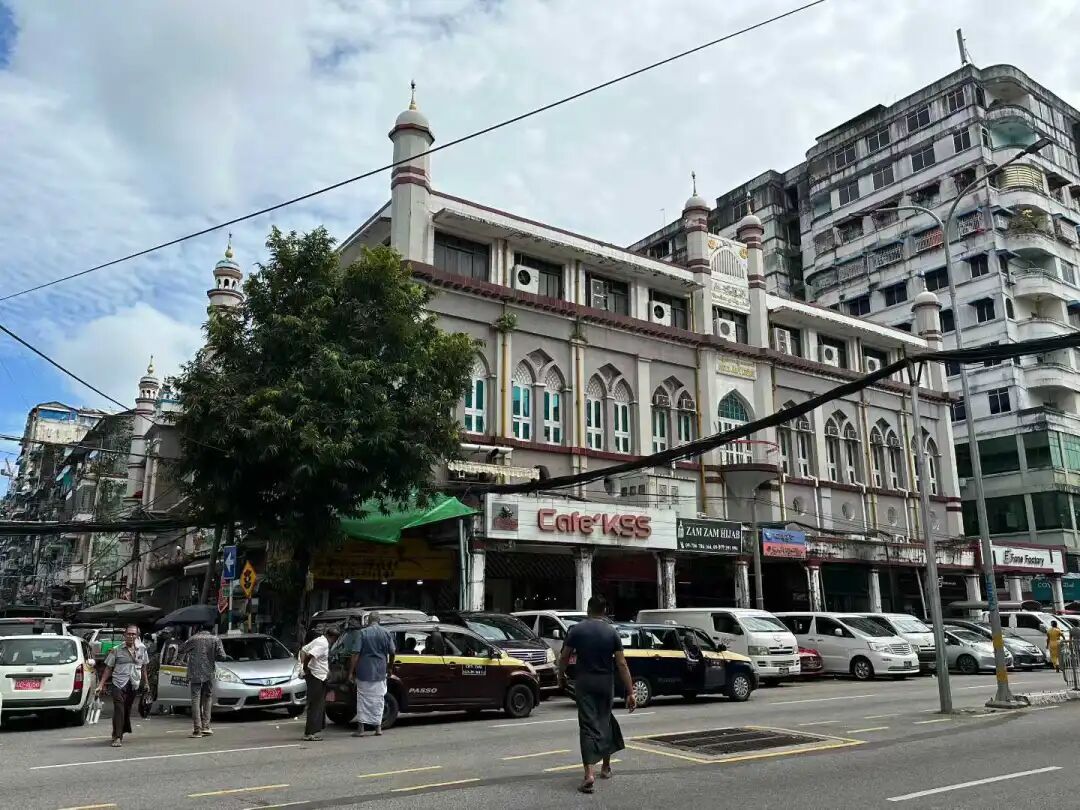
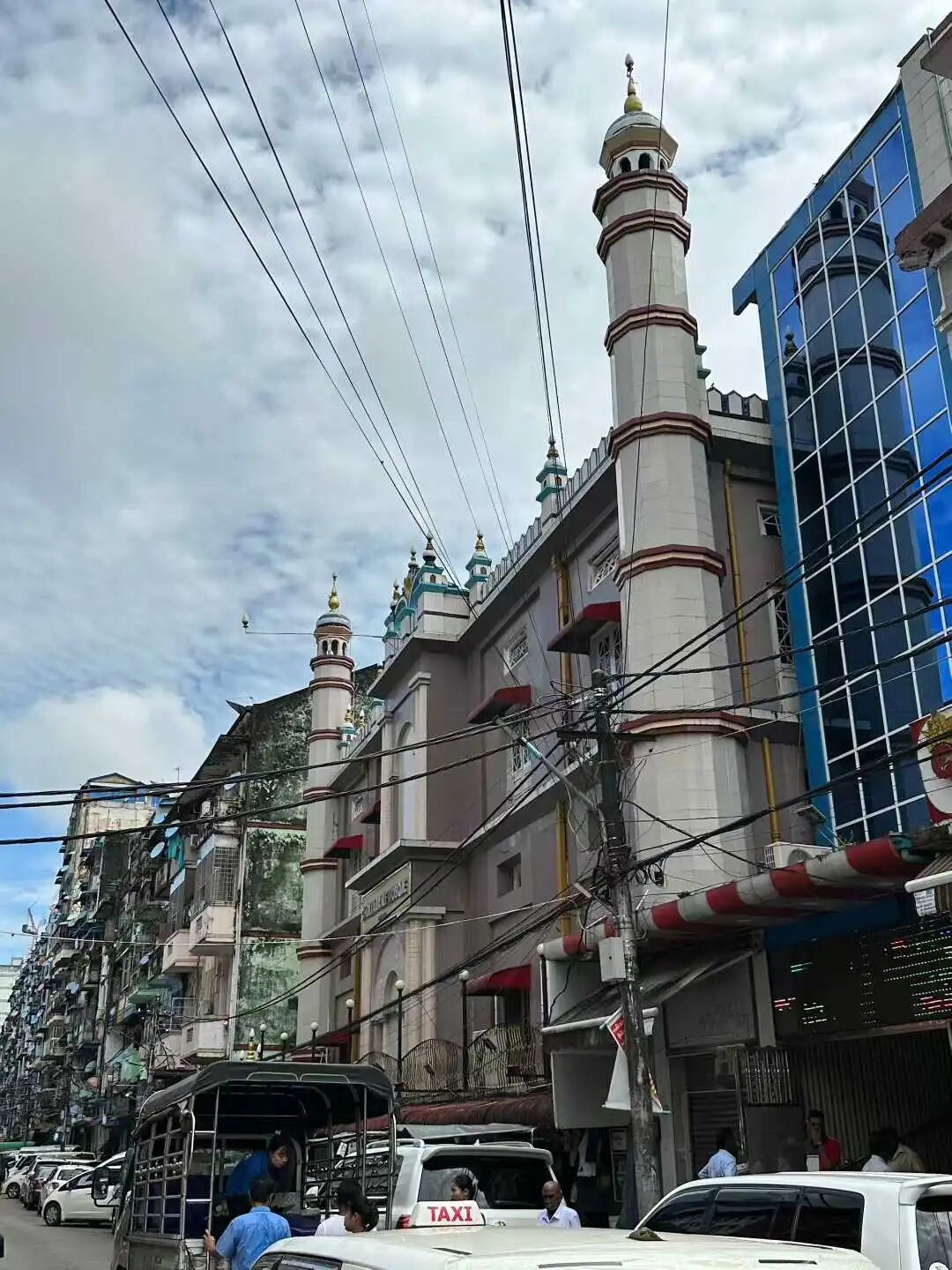
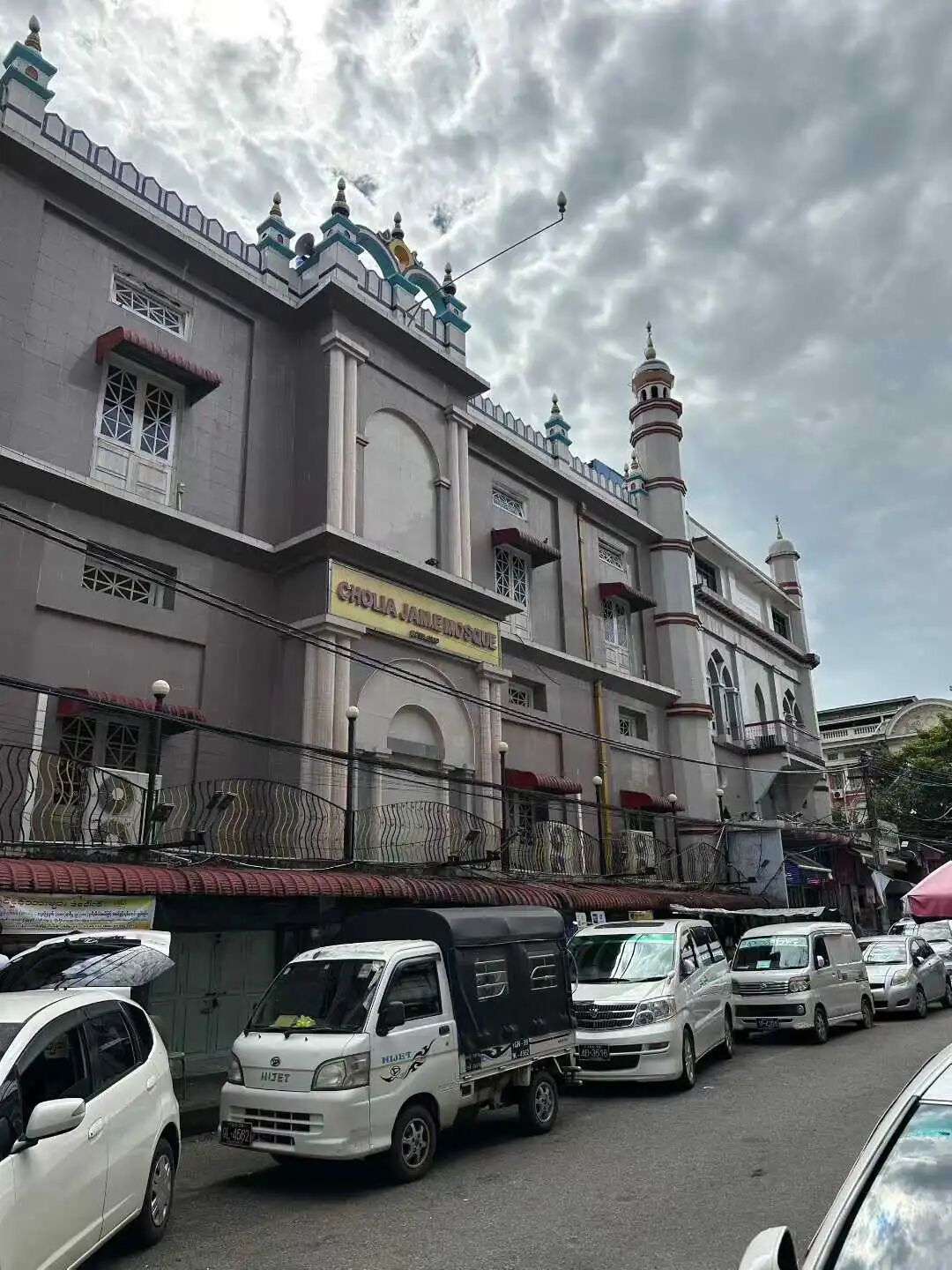
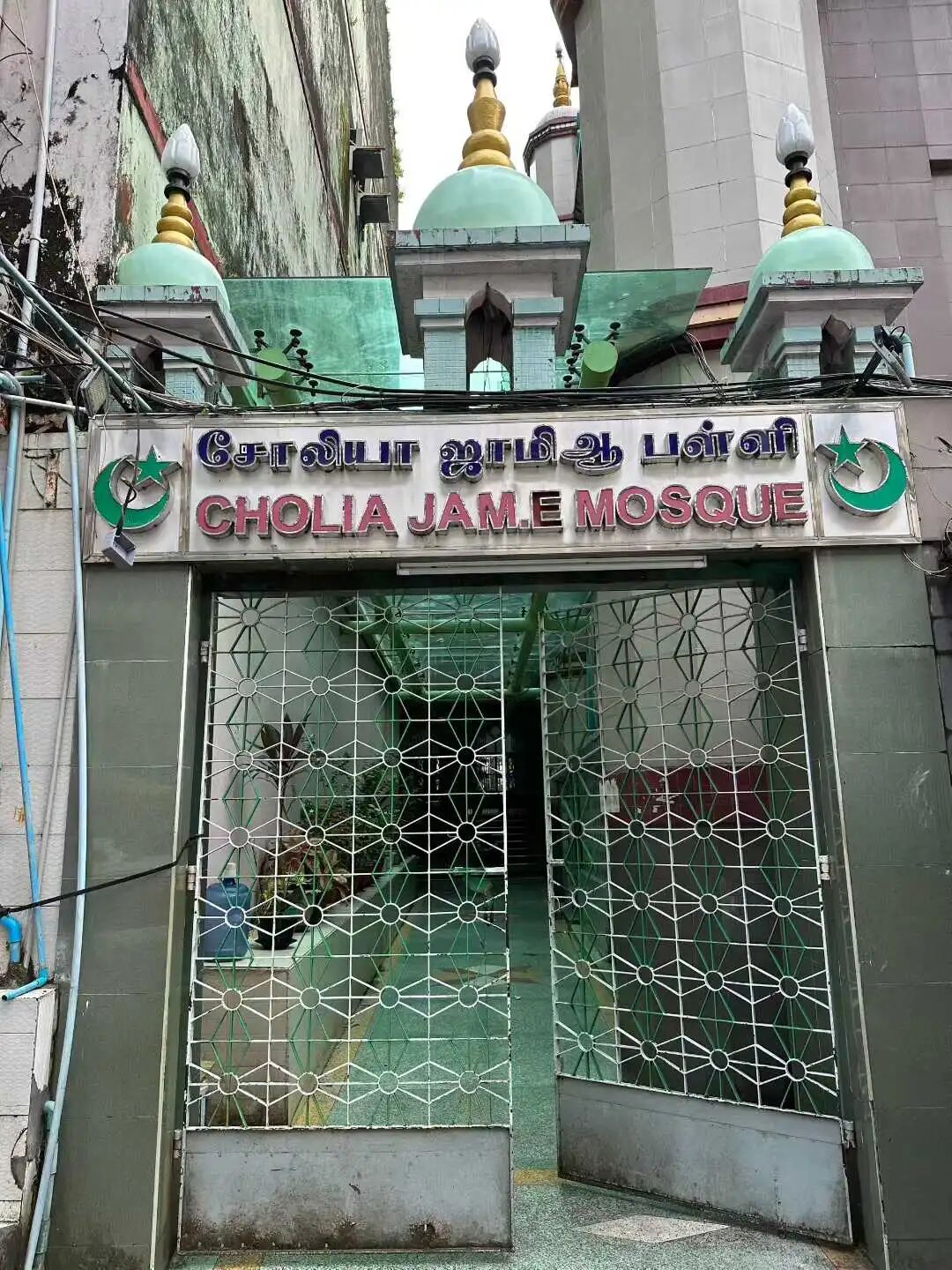
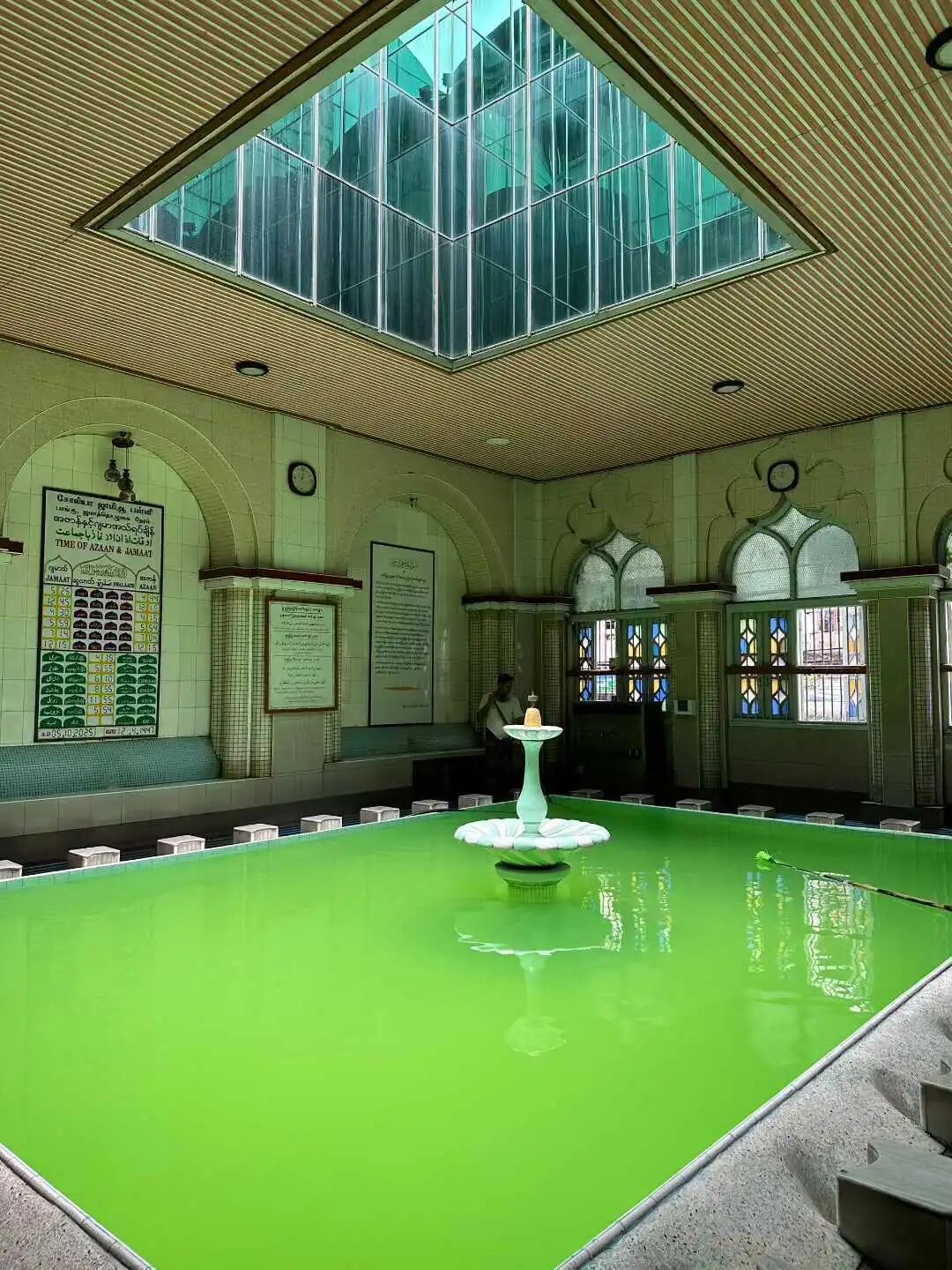
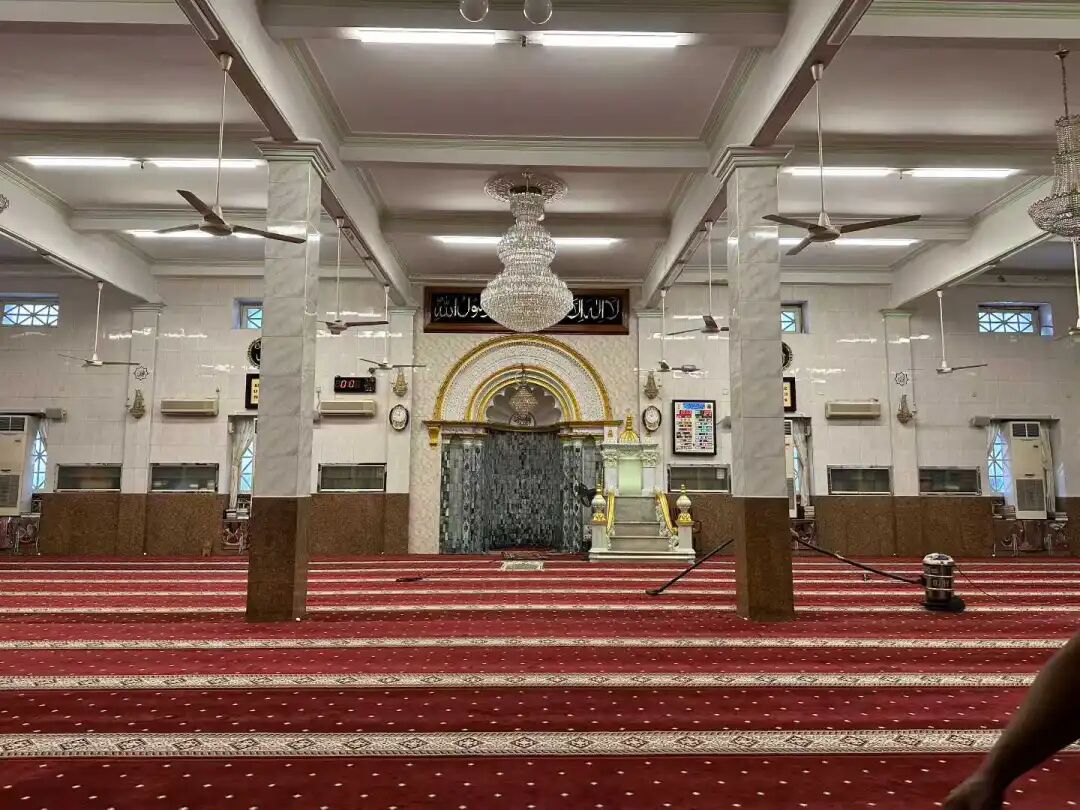
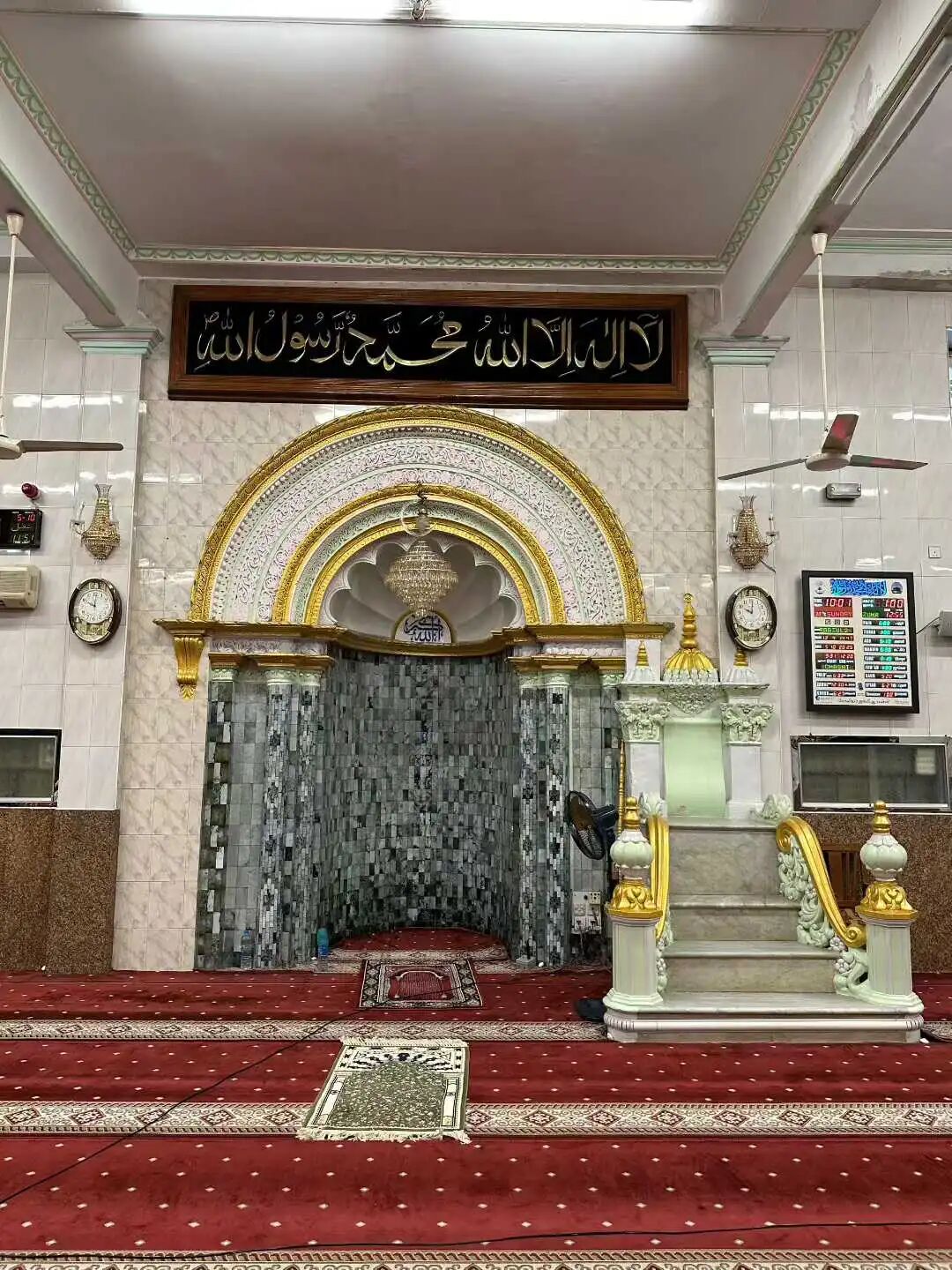
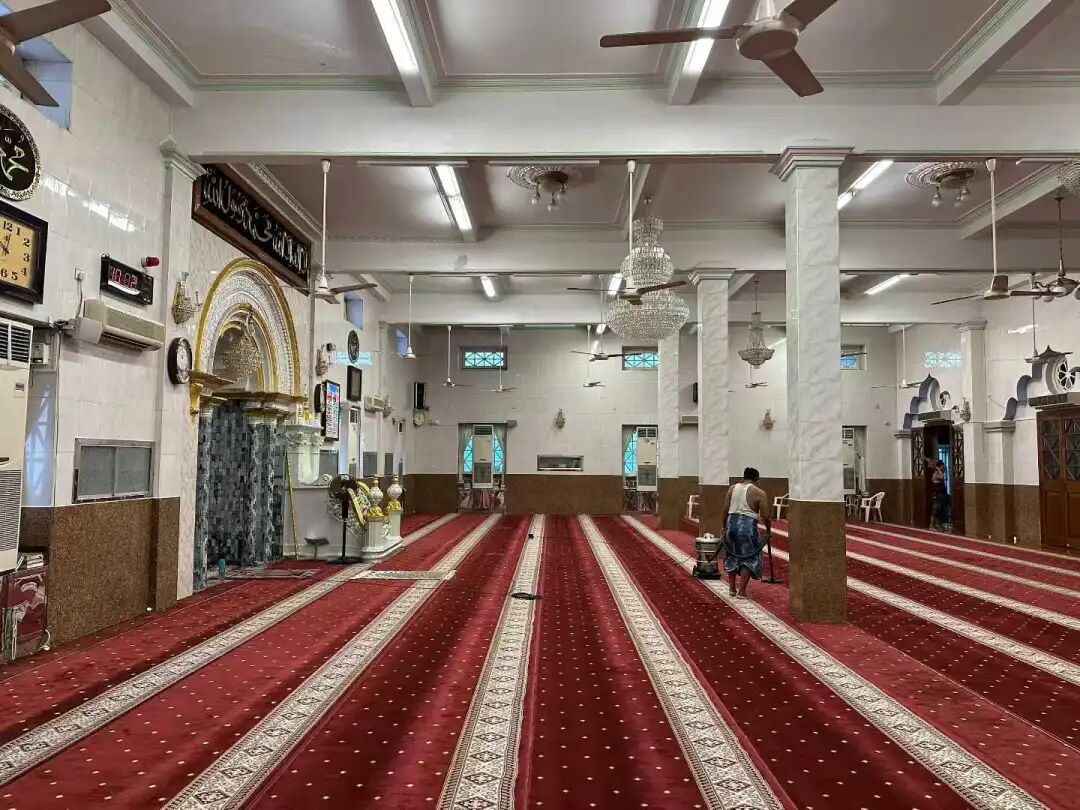
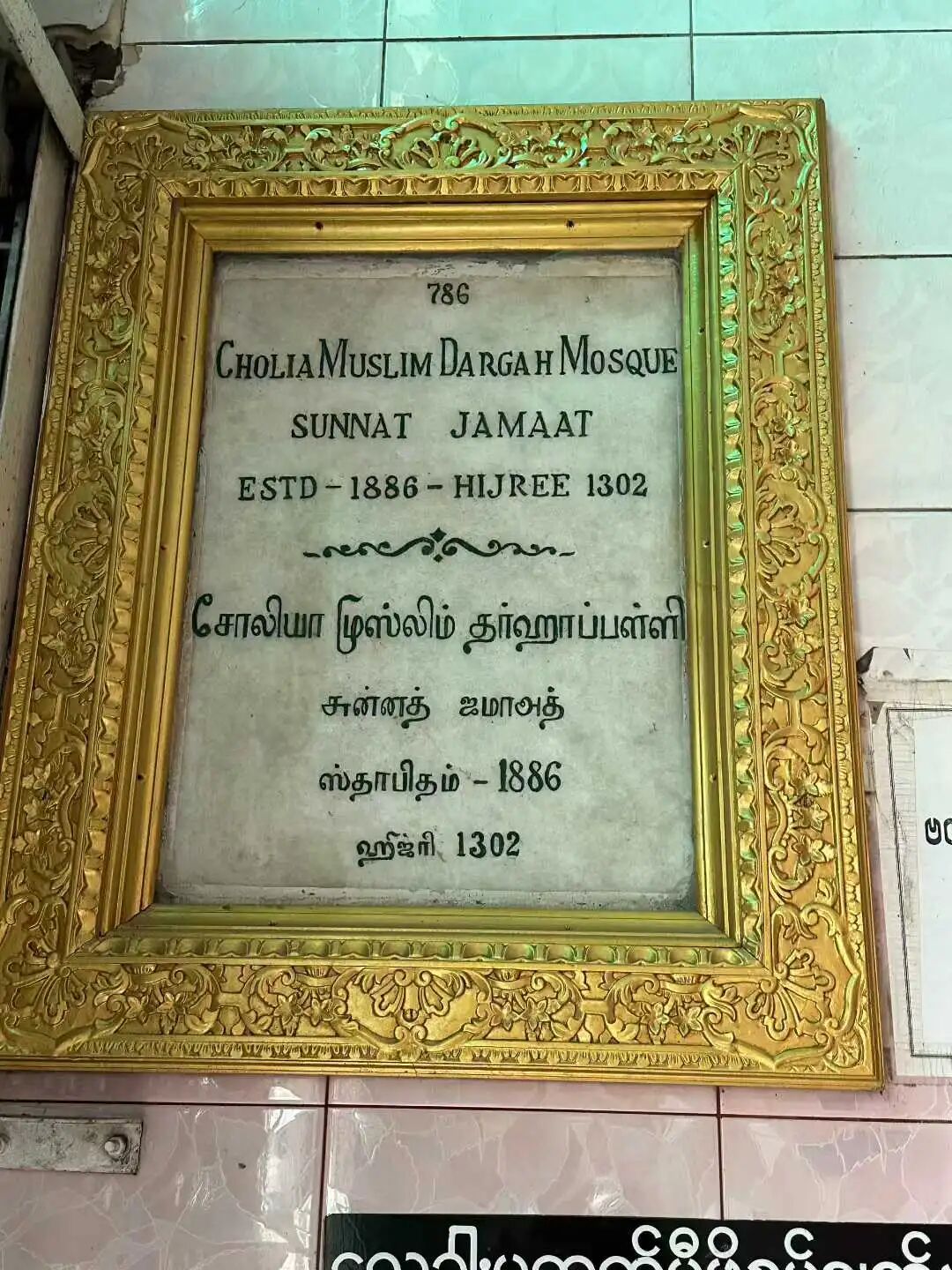
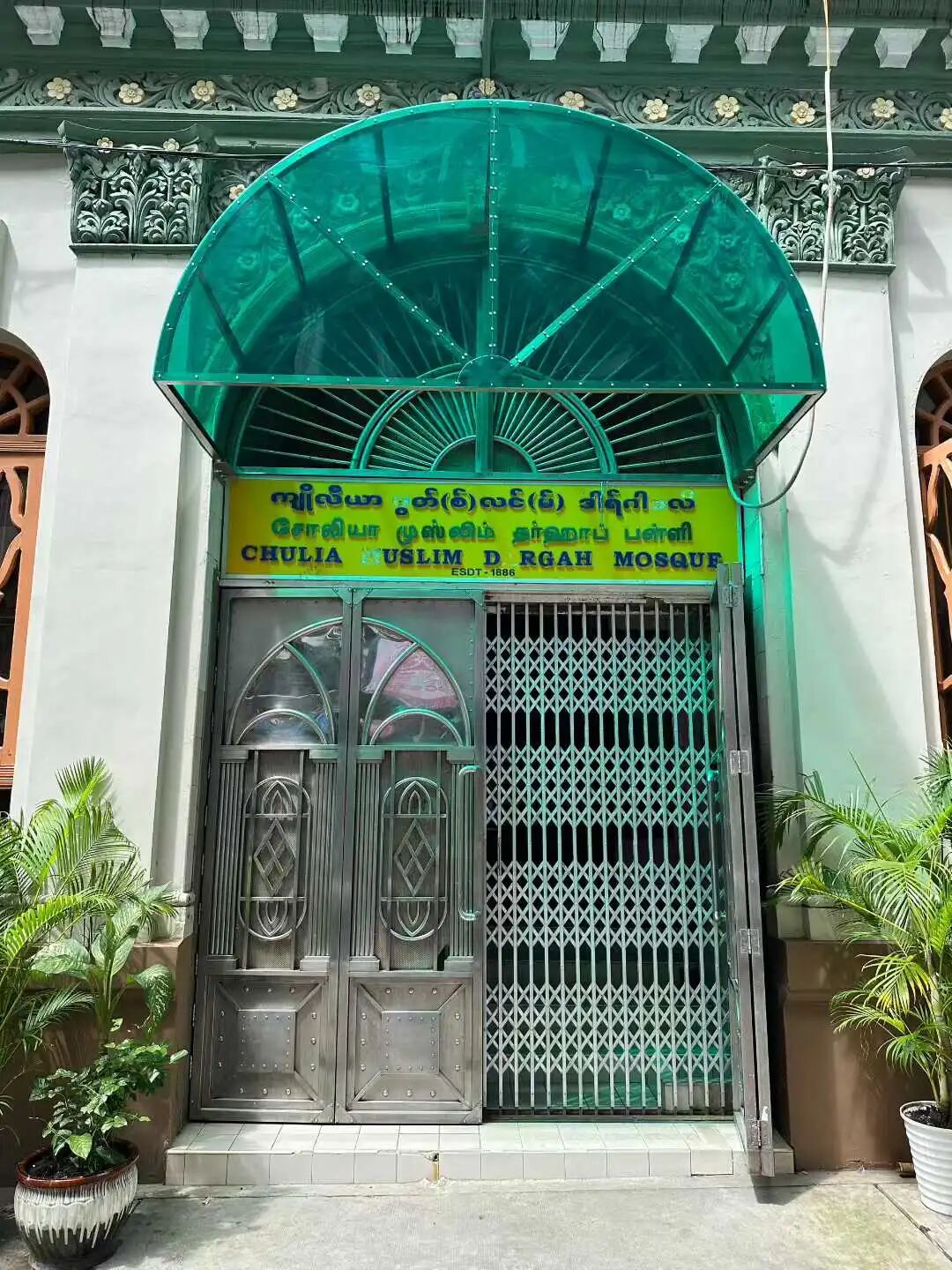
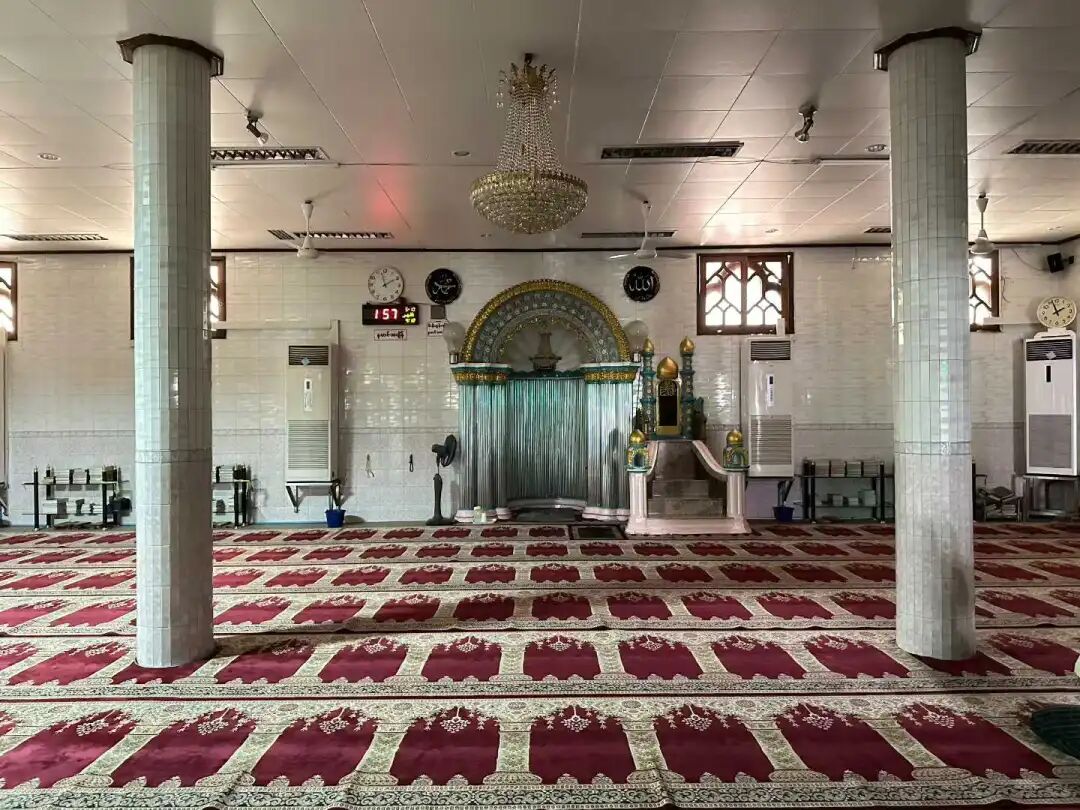
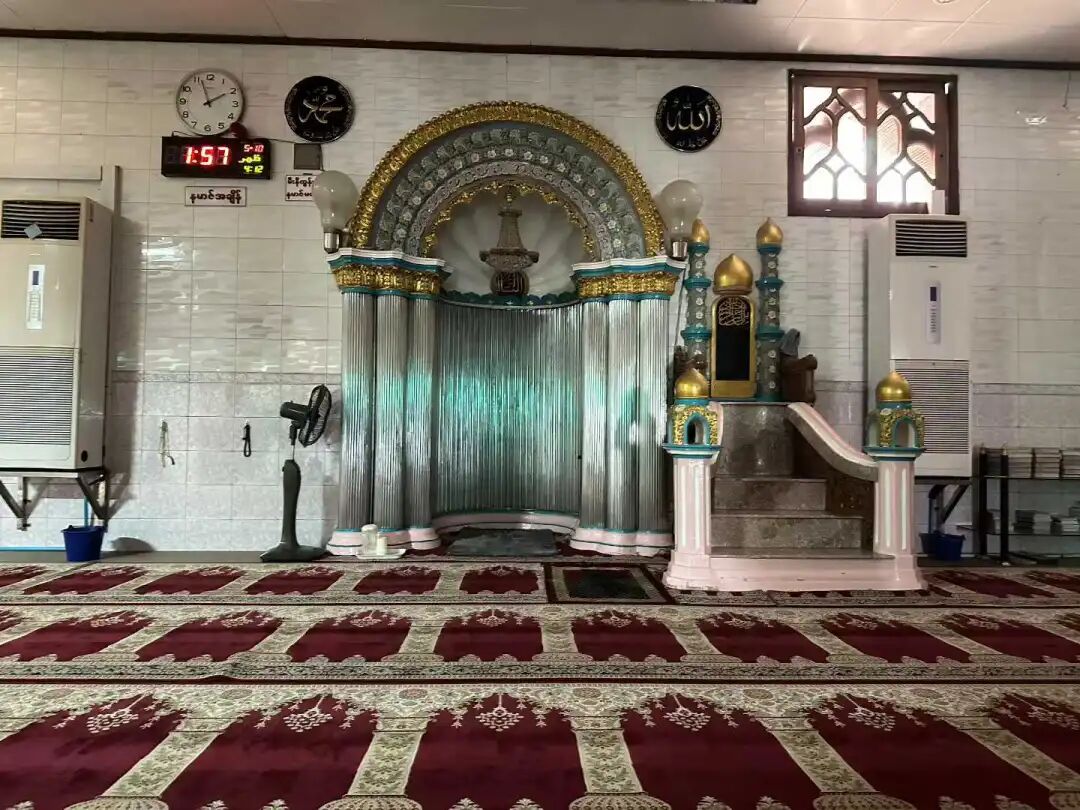
The Chulia Muslim Dargah Mosque is located opposite Bogyoke Aung San Market in the northern part of Yangon's old town. It is the second mosque built in Yangon by South Indian Tamil Dosti. It was funded by a Tamil couple born in Myanmar, Kassim Kaderlt and Daw Nyein Mae, in 1886, and renovated into its current appearance in 1995.
The original meaning of Dargah in Persian is 'portal,' which later evolved to mean a Sufi gongbei shrine. However, I did not find any gongbei or shrine inside the mosque.
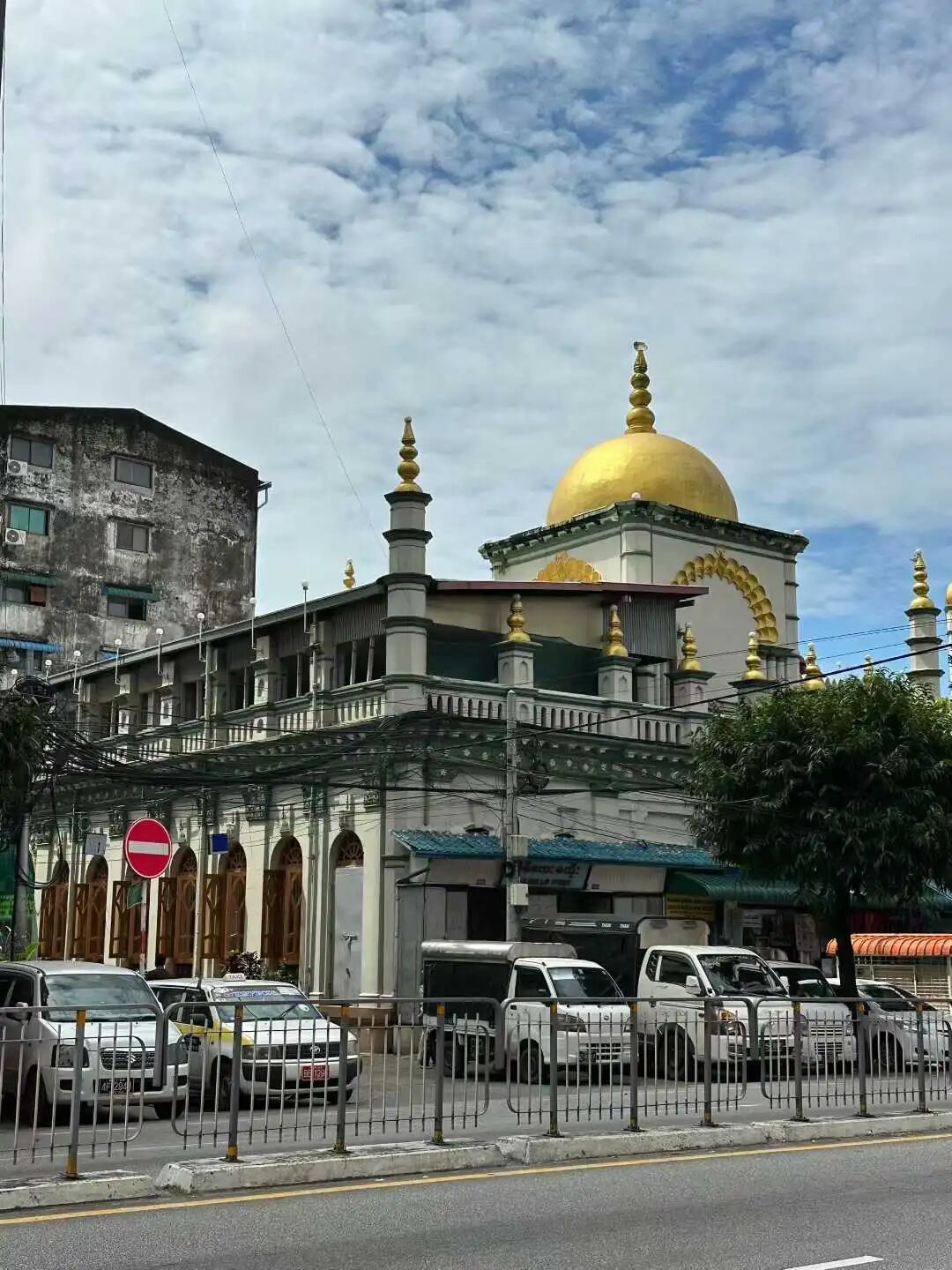
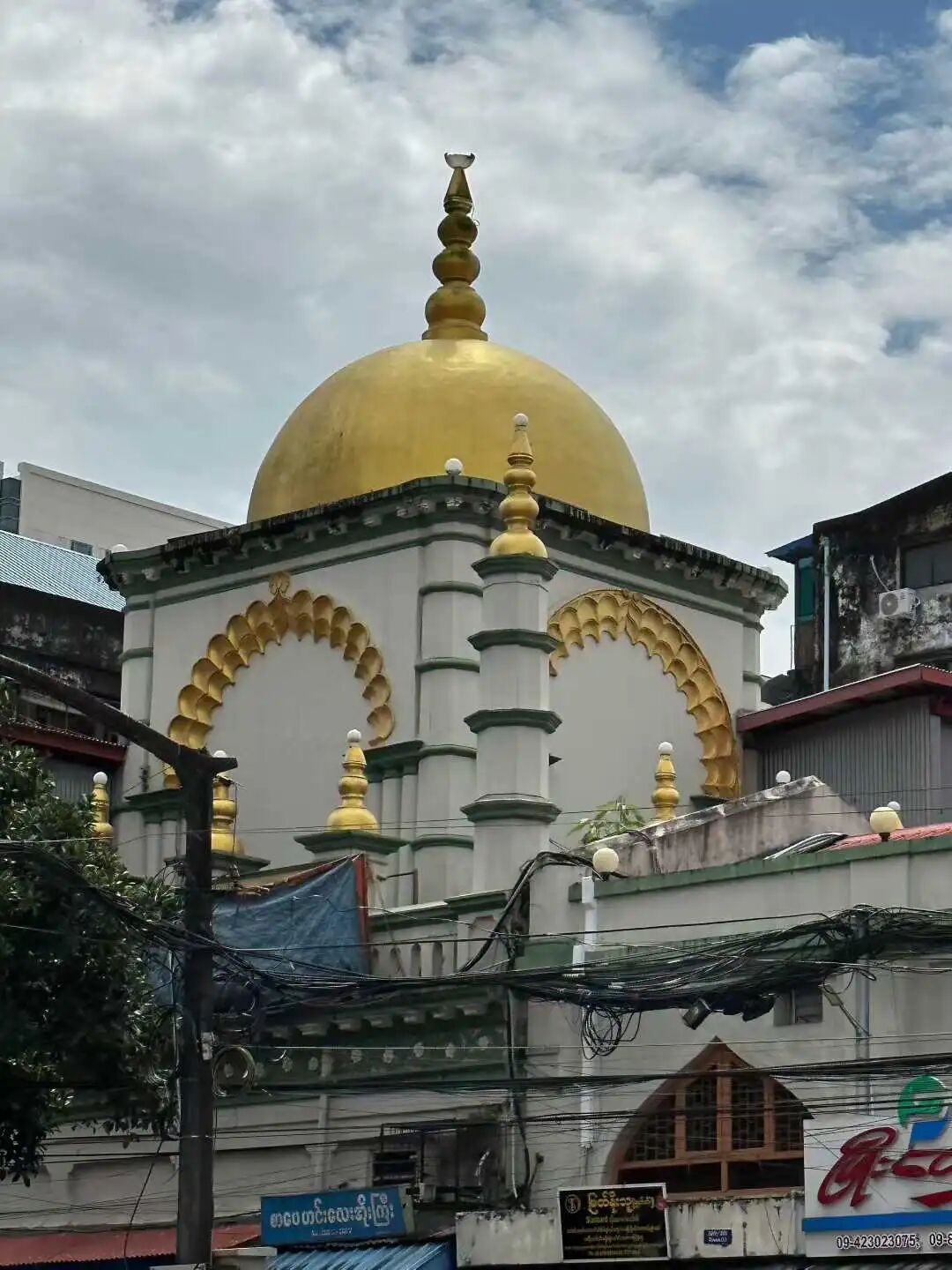
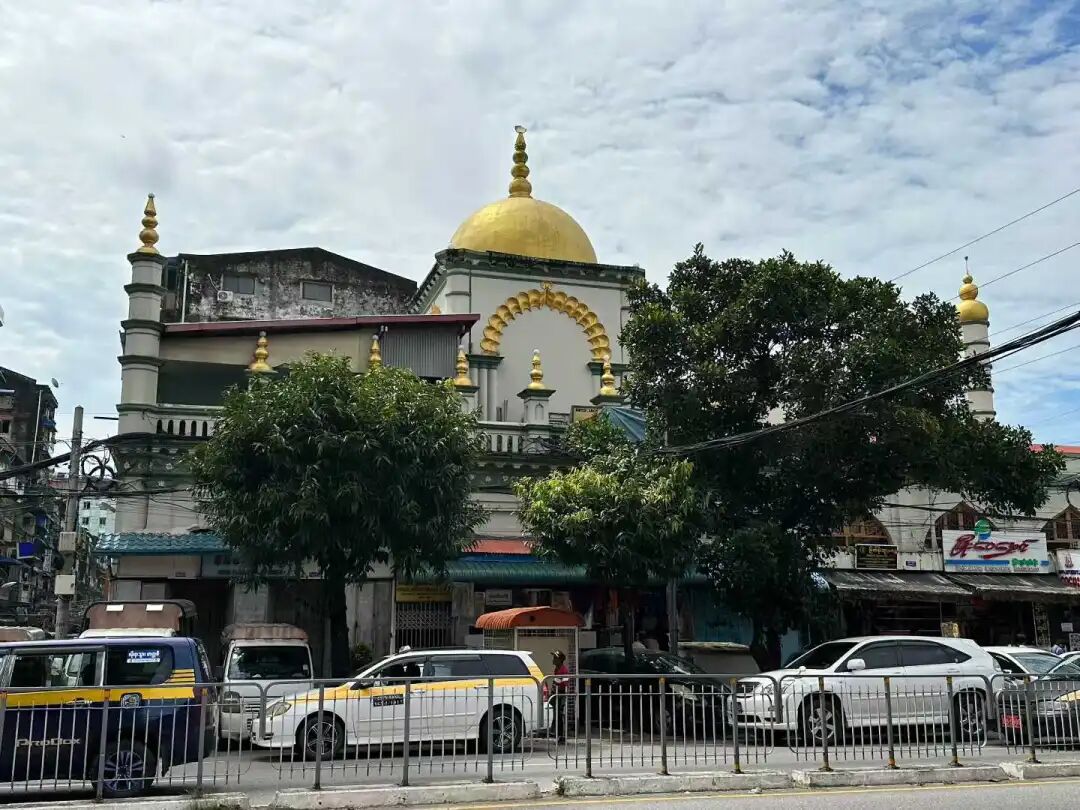
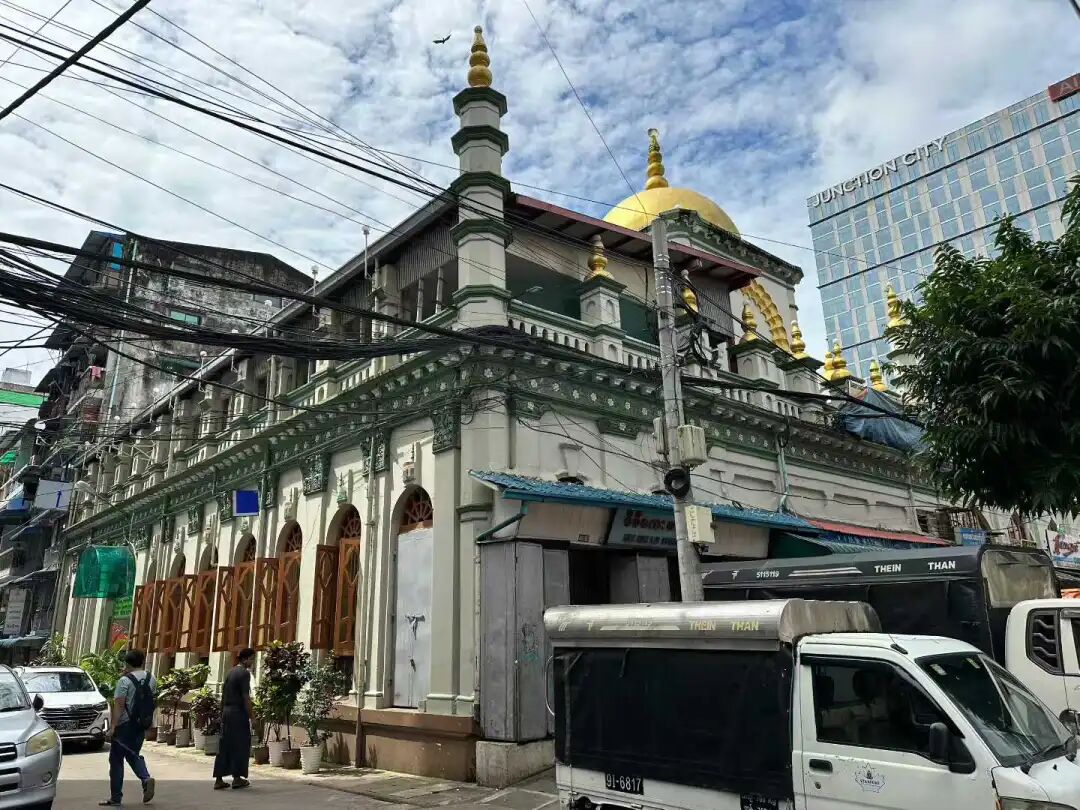
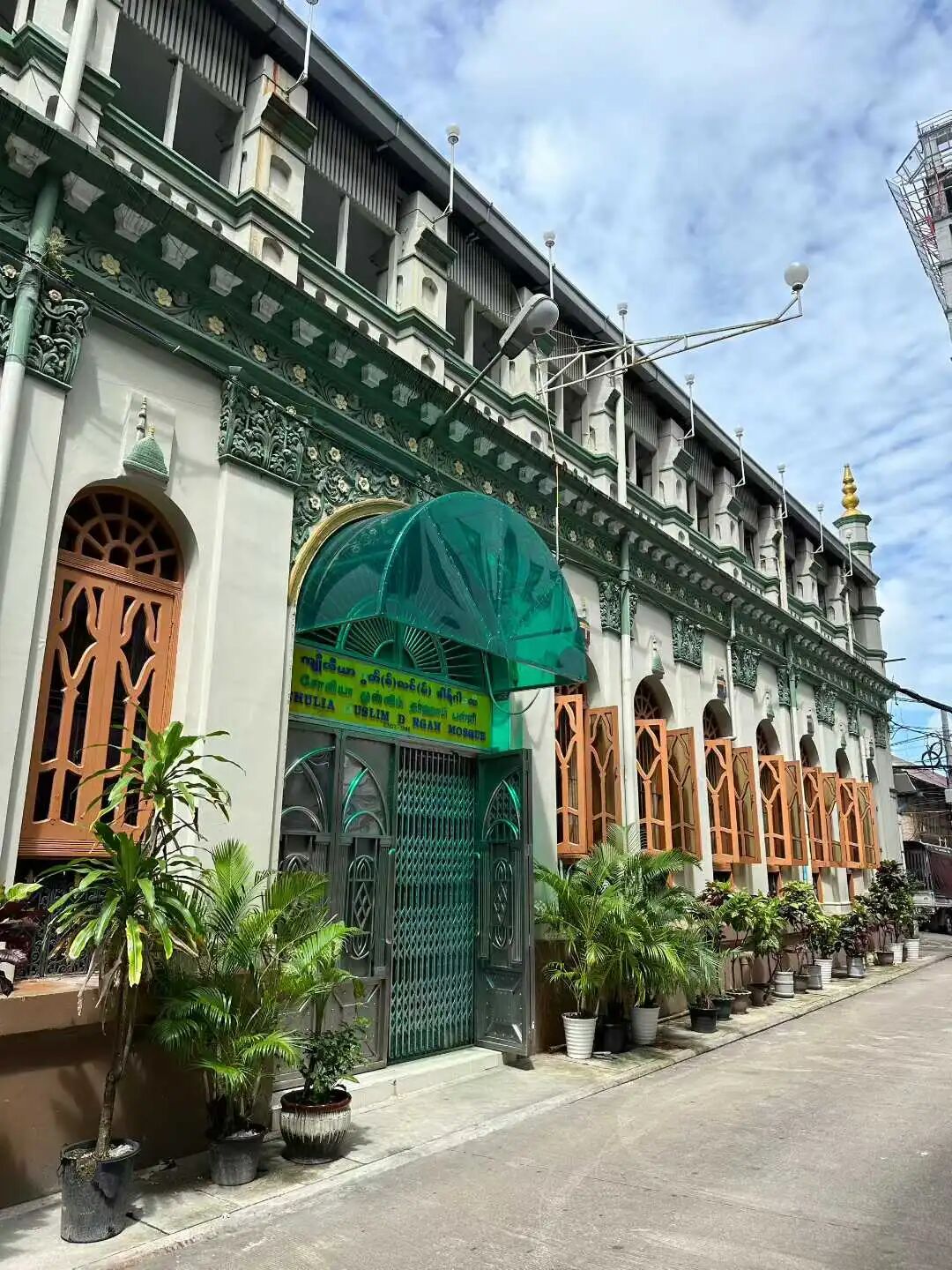
The Surti Sunni Friday Mosque is located on Mogul Street in the Indian quarter of Yangon's old town. It was first built in 1826 by Gujarati merchants from Surat in western India, but it was destroyed during the British invasion of Yangon in 1852. In the 1860s, the wealthy Gujarati company Sooratee Bara Bazaar led the reconstruction of the Surti Mosque, and it officially opened in 1871.
Many of Yangon's Gujarati Dosti came from the town of Rander near Surat. Historically, this was an important port in western India. As early as the 13th century, a large number of Arab merchants from Kufa, Iraq, lived there, and by the 16th century, the port was piled high with Sumatran spices and Chinese porcelain. After the 19th century, Gujarati merchants from Rander began to go to Yangon for business. Currently, many old houses in Rander are built of Burmese teak, and restaurants in Rander even serve a snack called Yangon paratha.
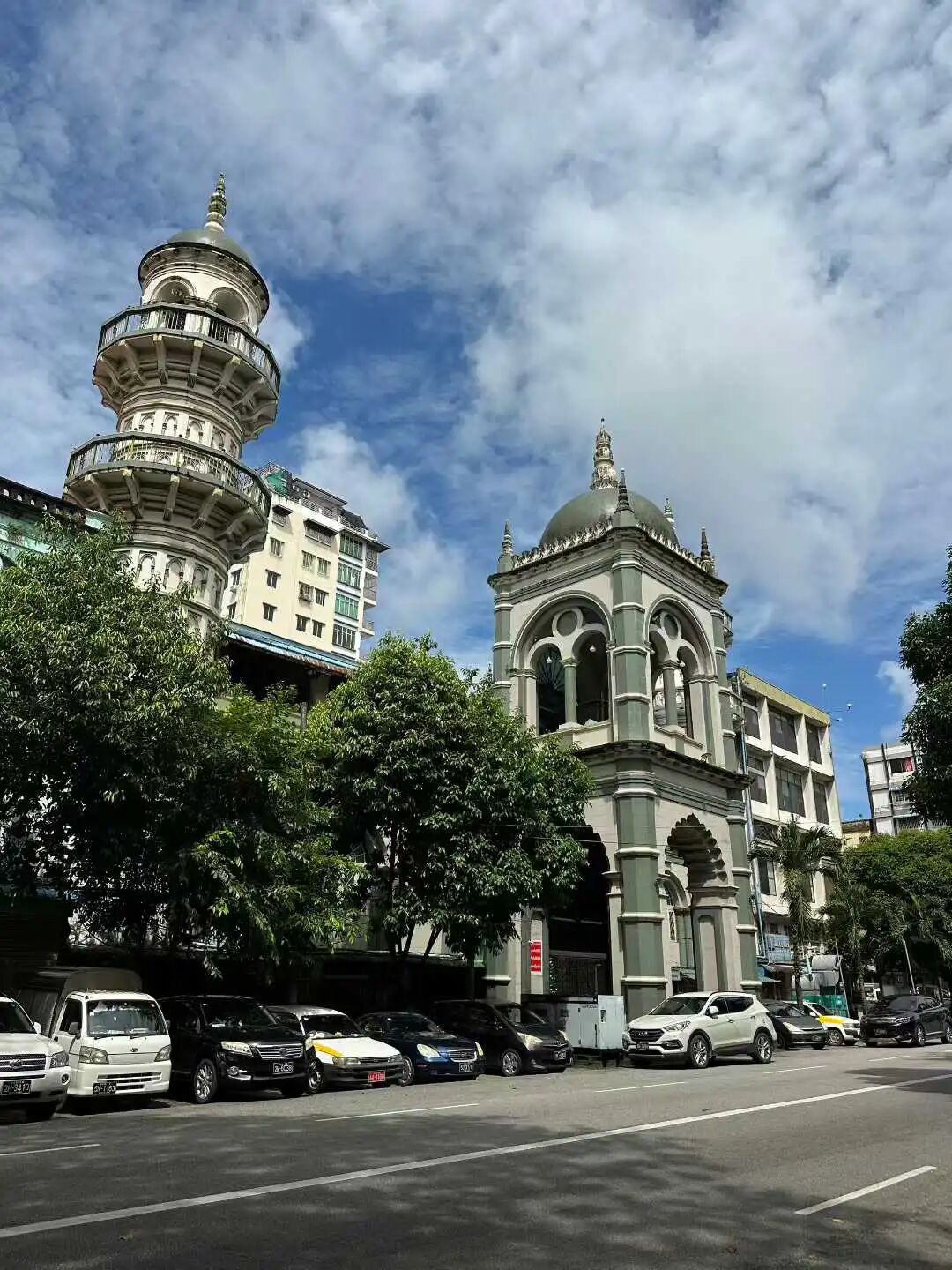
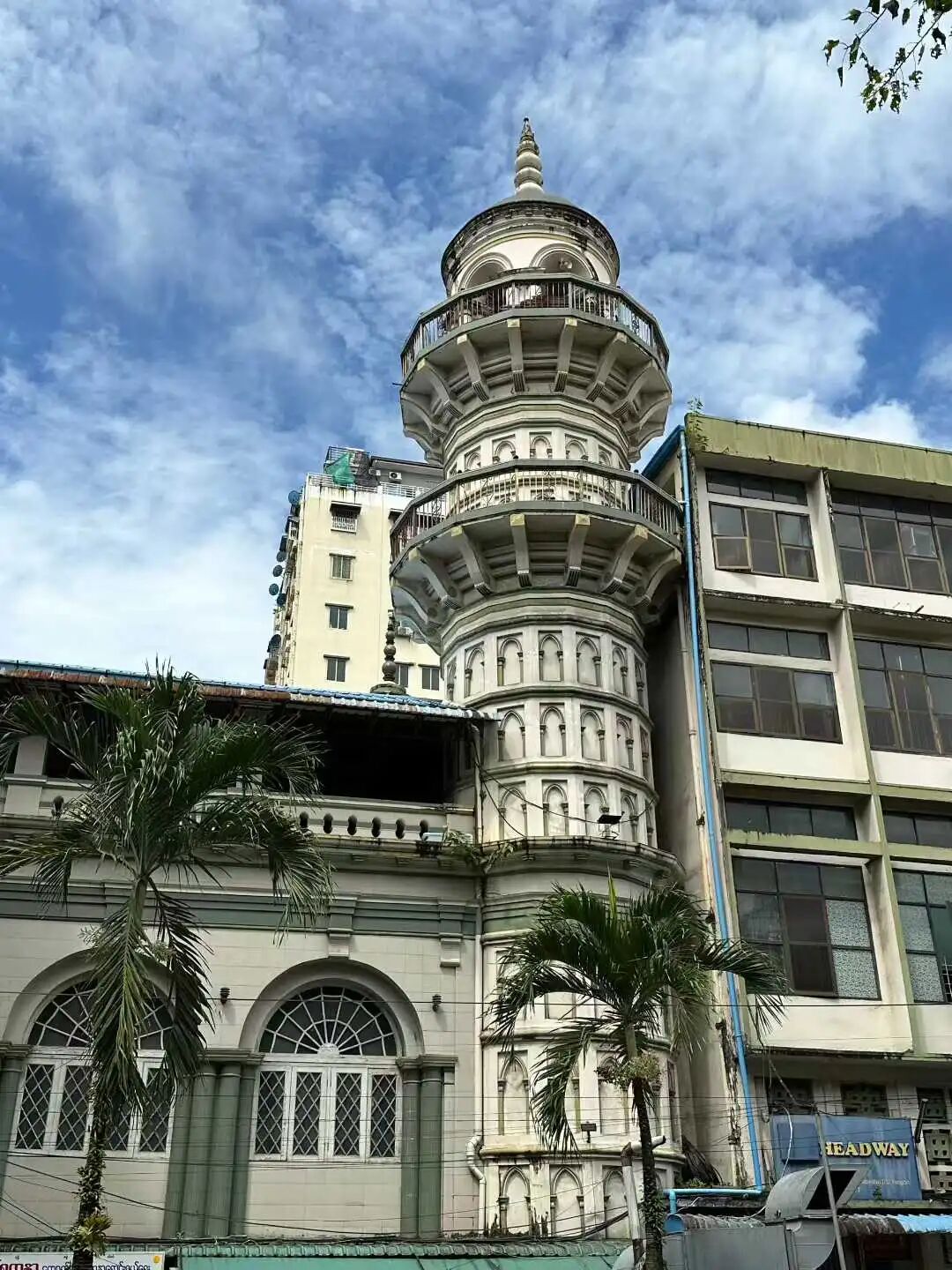
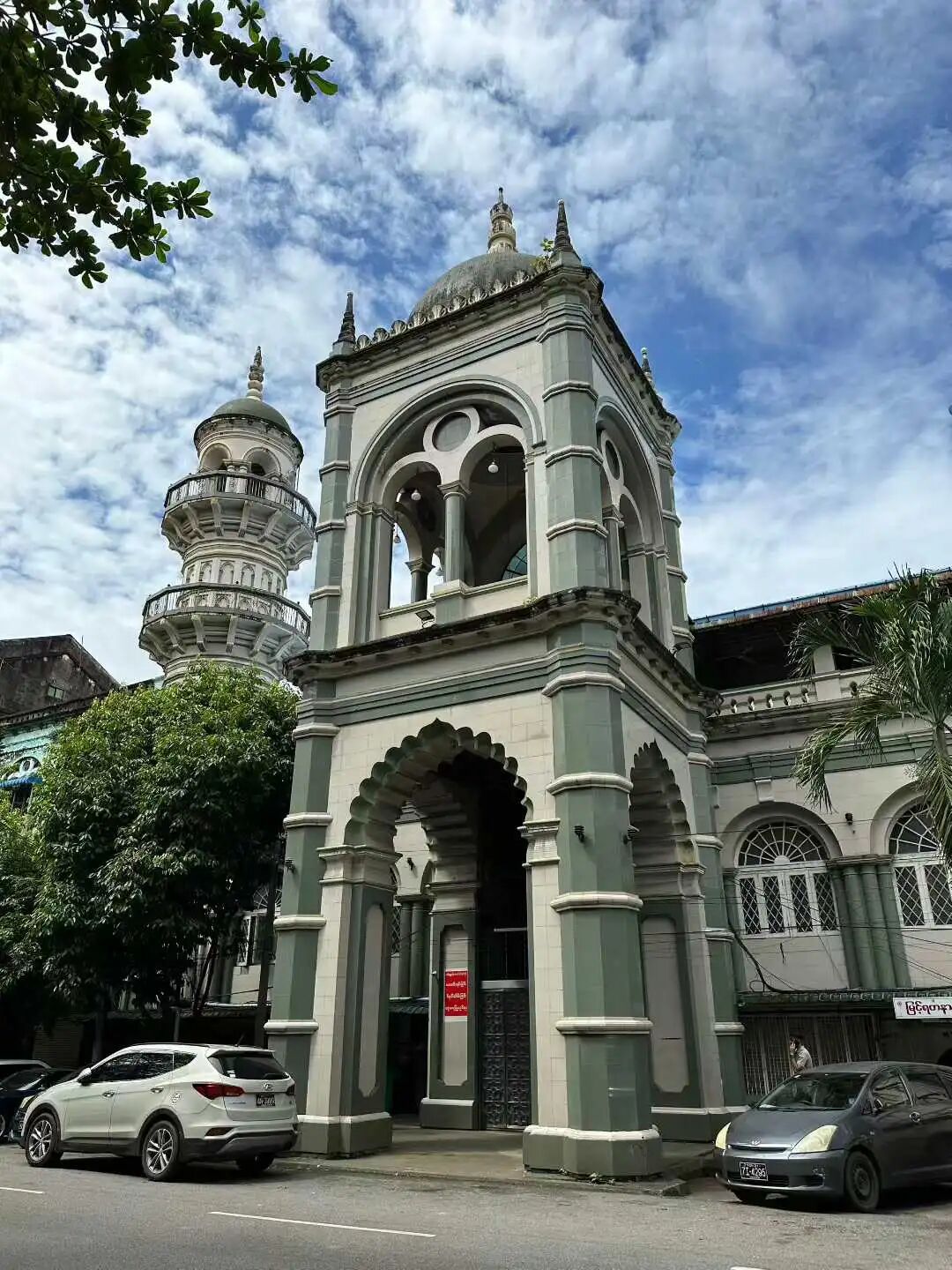
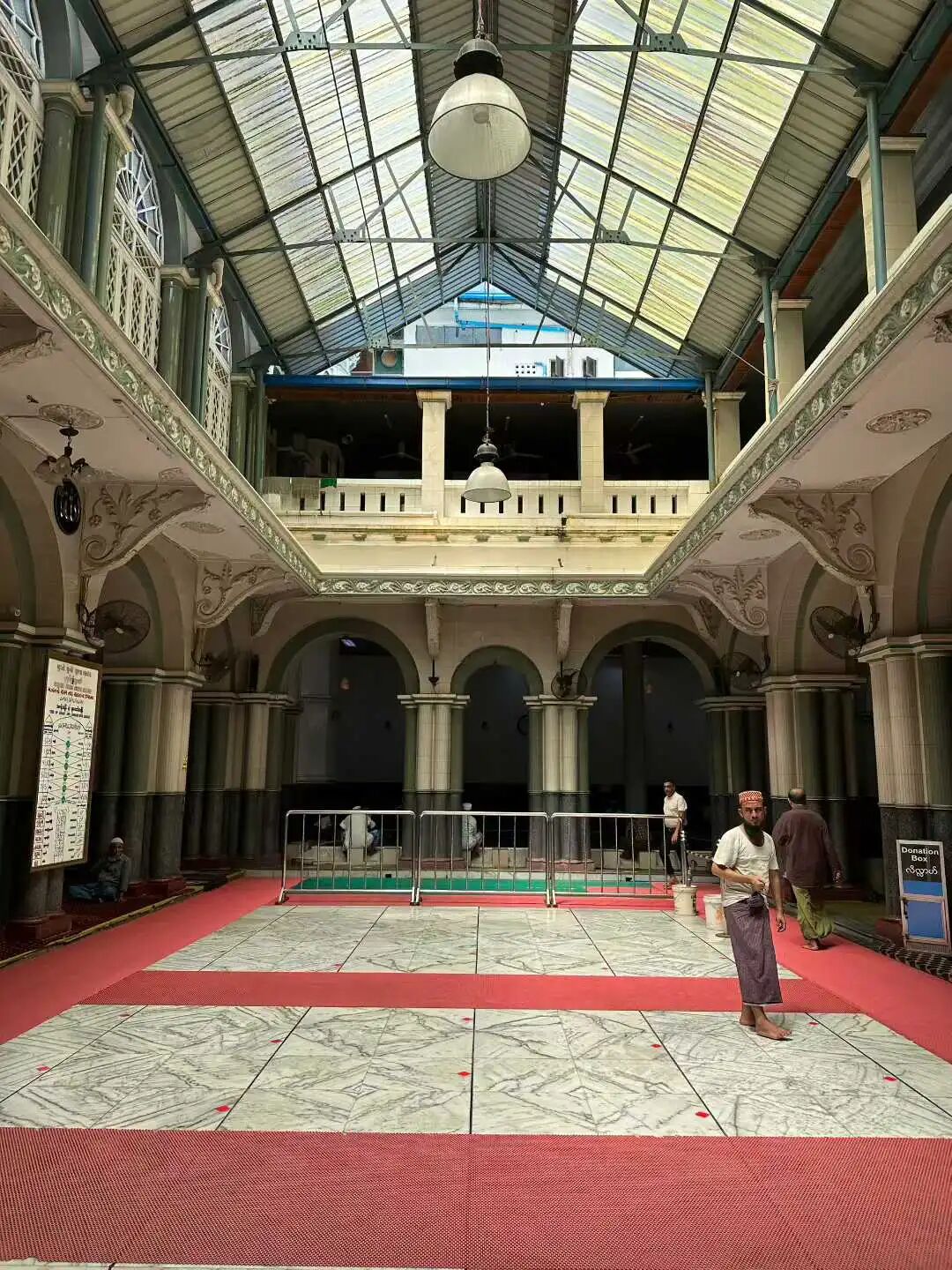
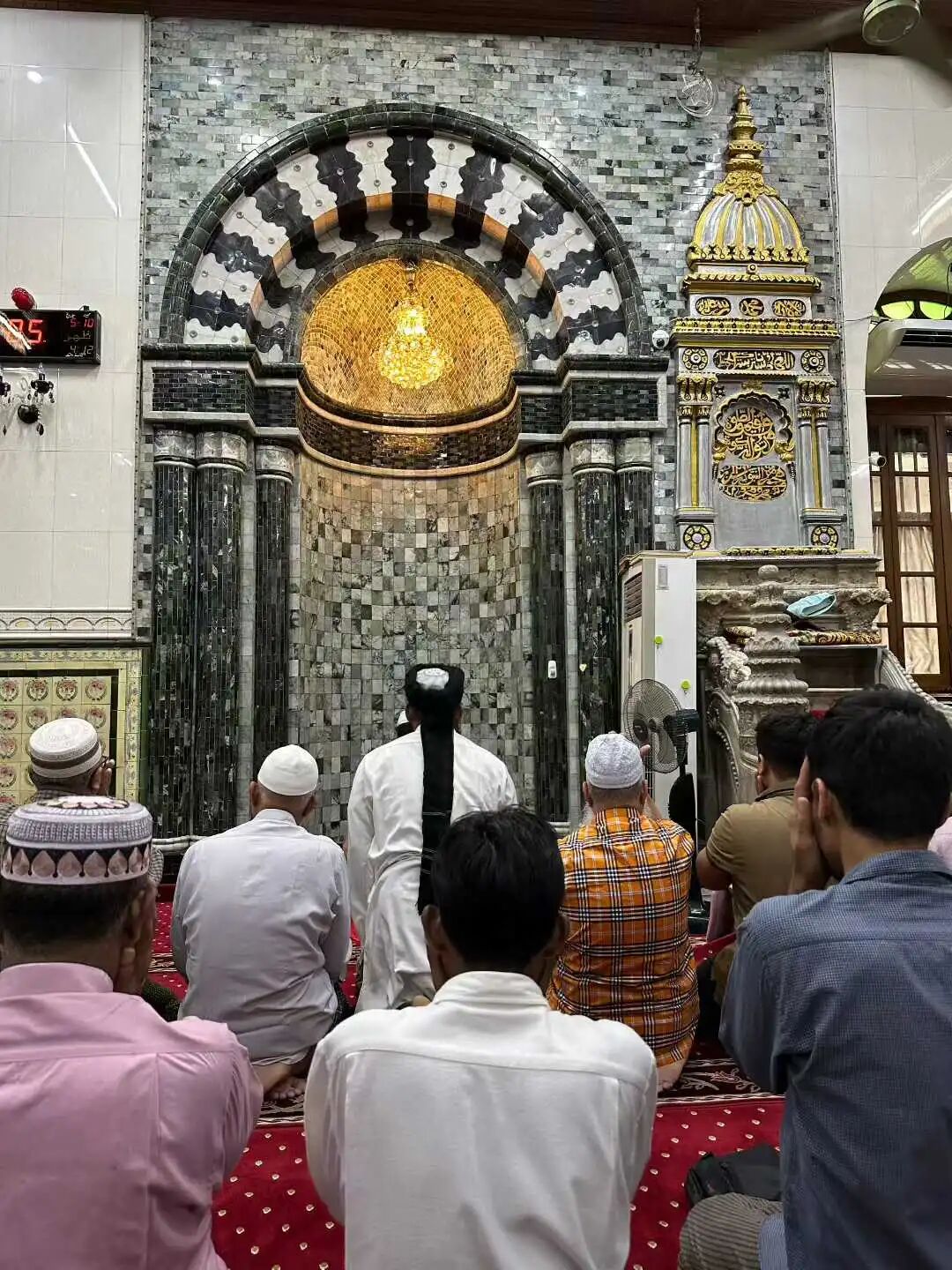
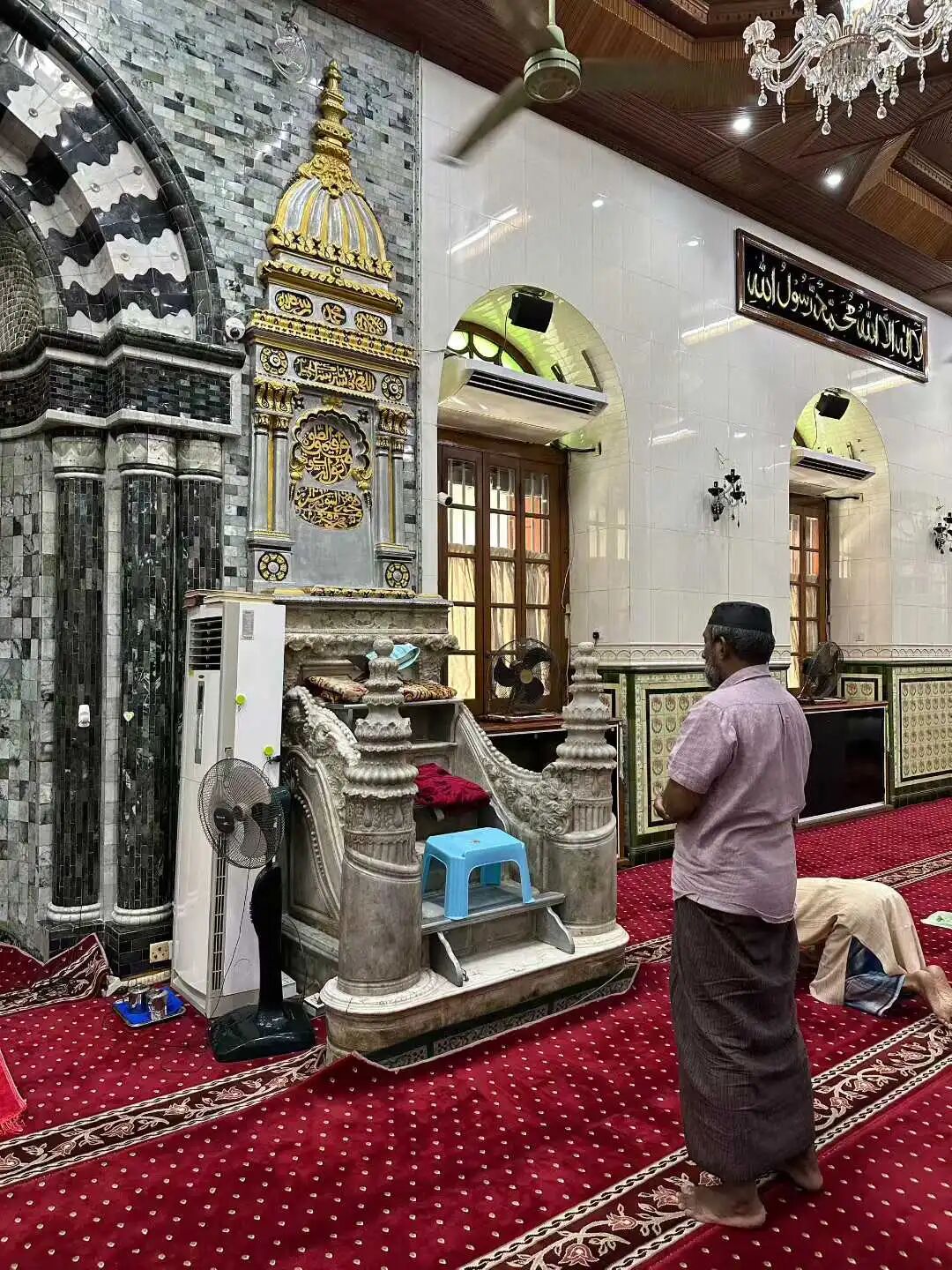
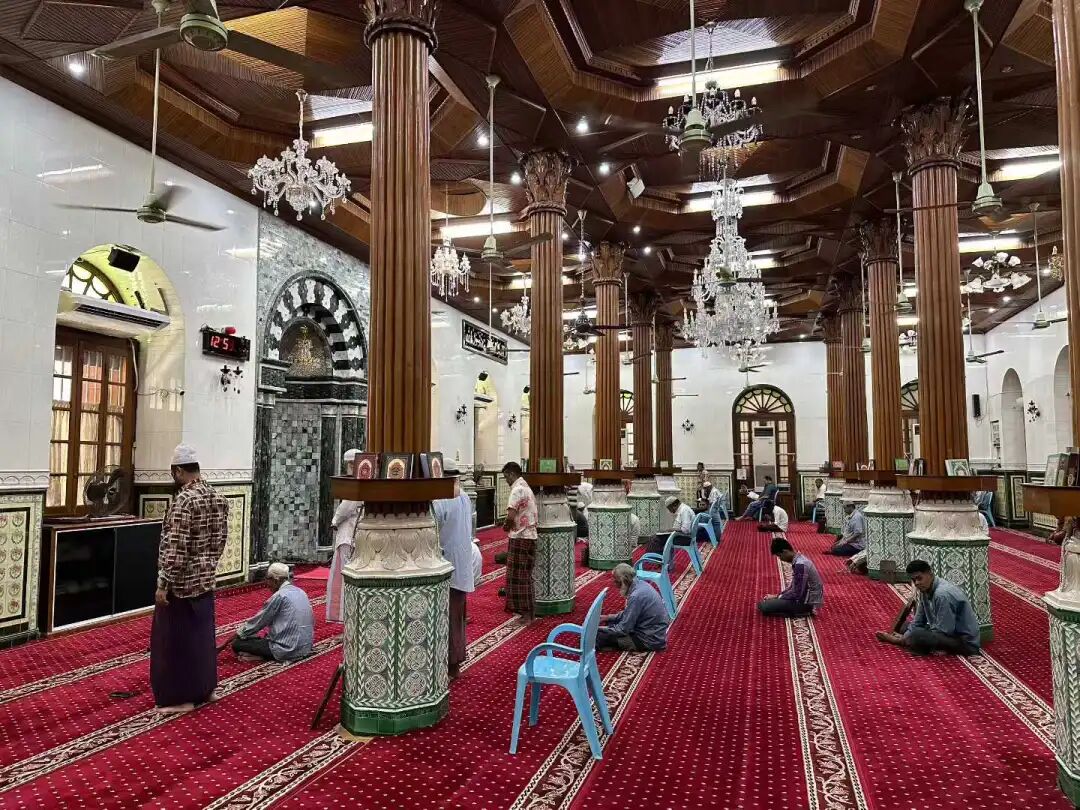
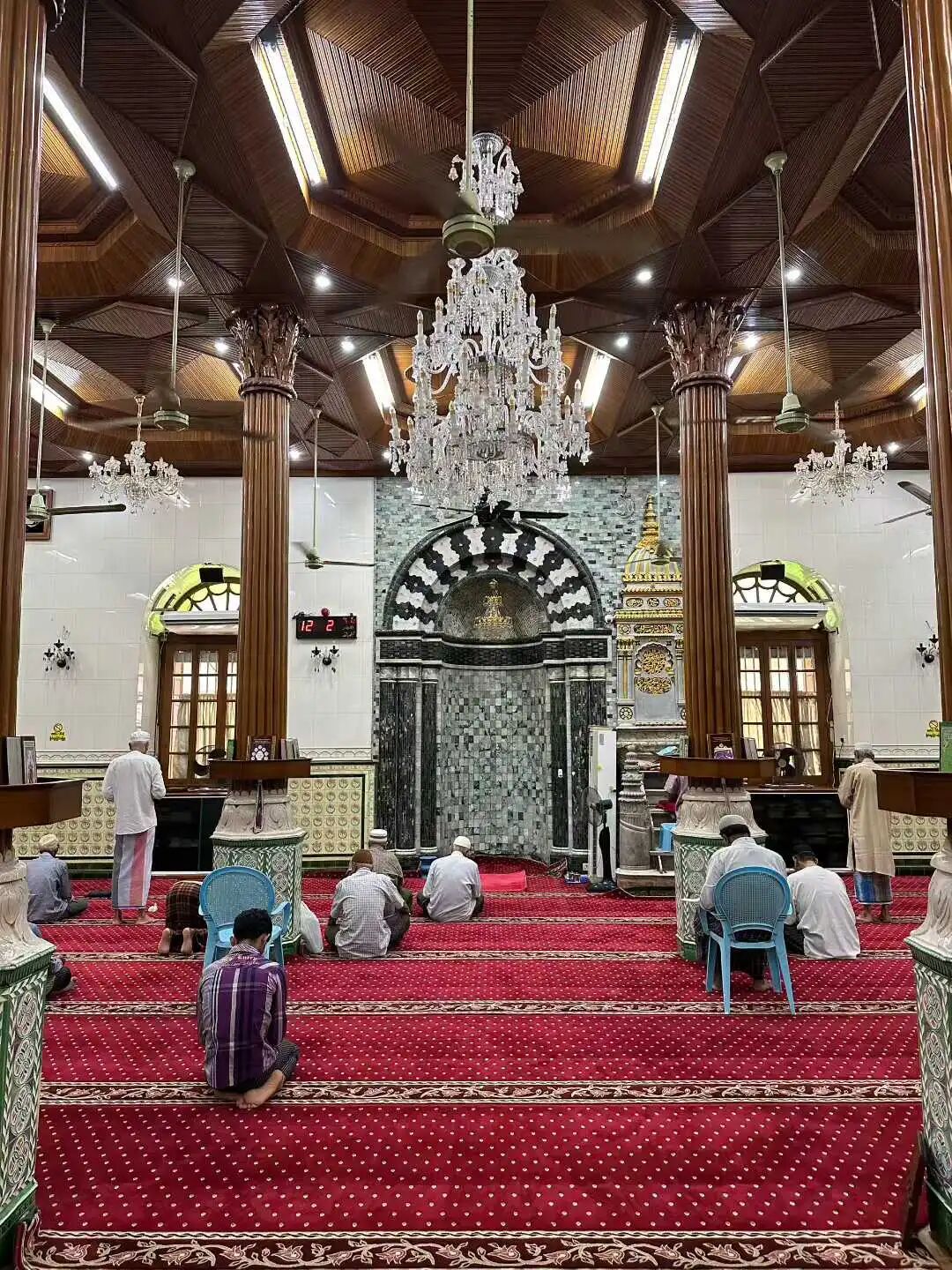
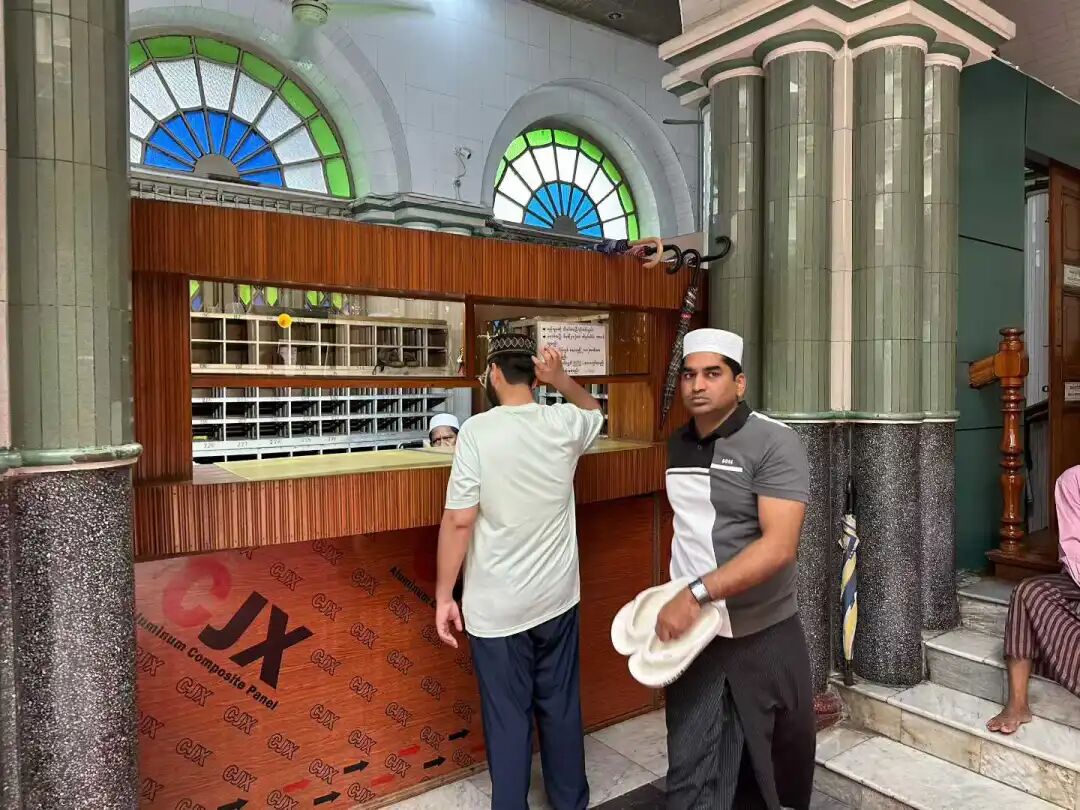
The Muhammadiyah Madrasa in Yangon, Myanmar, is located opposite the Surti Sunni Friday Mosque. It was first built in 1855 by Gujarati merchants from the town of Rander in Surat, western India. Before 1900, the madrasa only taught religious knowledge and Urdu. In 1900, it officially introduced English education, and in 1909, it officially transformed into the comprehensive Rander High School.
Although it was founded by wealthy Gujarati Dosti merchants, the school was open to everyone. Sunnis, Shias, Christians, Hindus, and Buddhists could all enroll. By 1927, all the teachers except for the principal were British. Before 1948, the school was supported by the British and taught in English. After 1948, it switched to teaching in Burmese, and after 1965, the government officially took over the school.
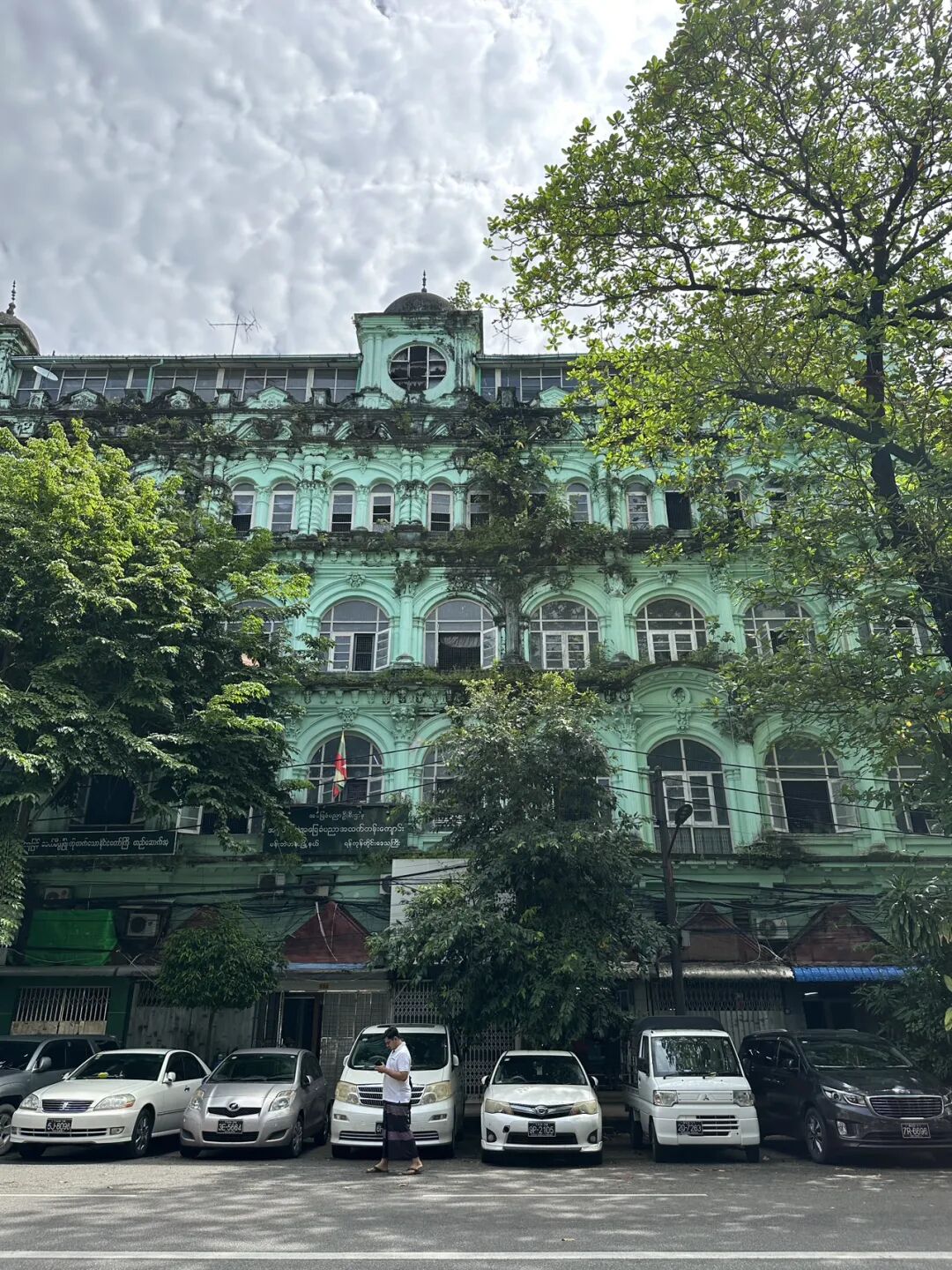
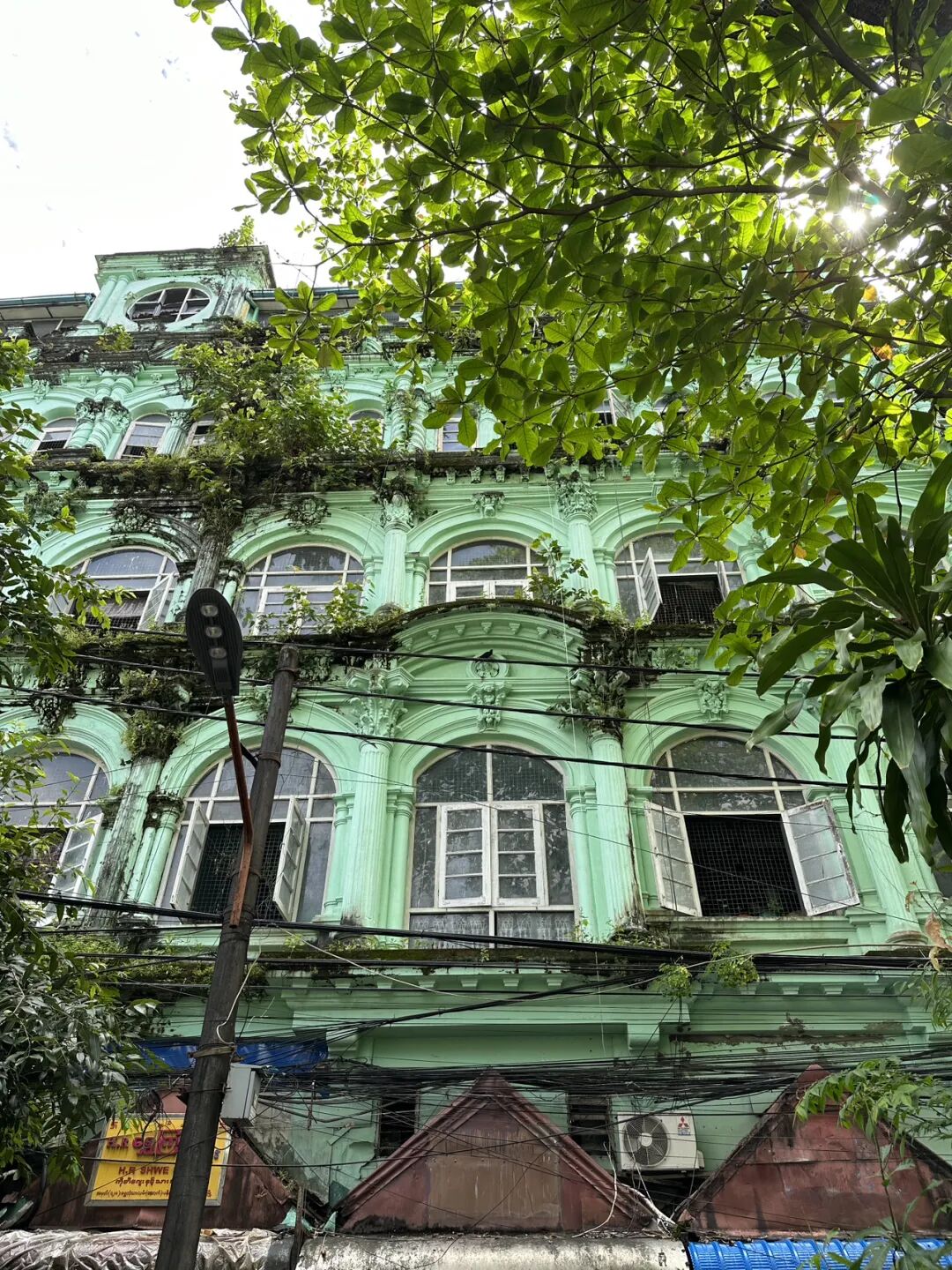
The Mamsa Mosque is located on 26th Street in the Indian quarter of Yangon's old town. It was built in 1923 by the Mamsa family, who were Gujarati merchants from Surat in western India. The Mamsa family gained a great deal of wealth by investing in real estate and still collects rent from more than 150 buildings today.
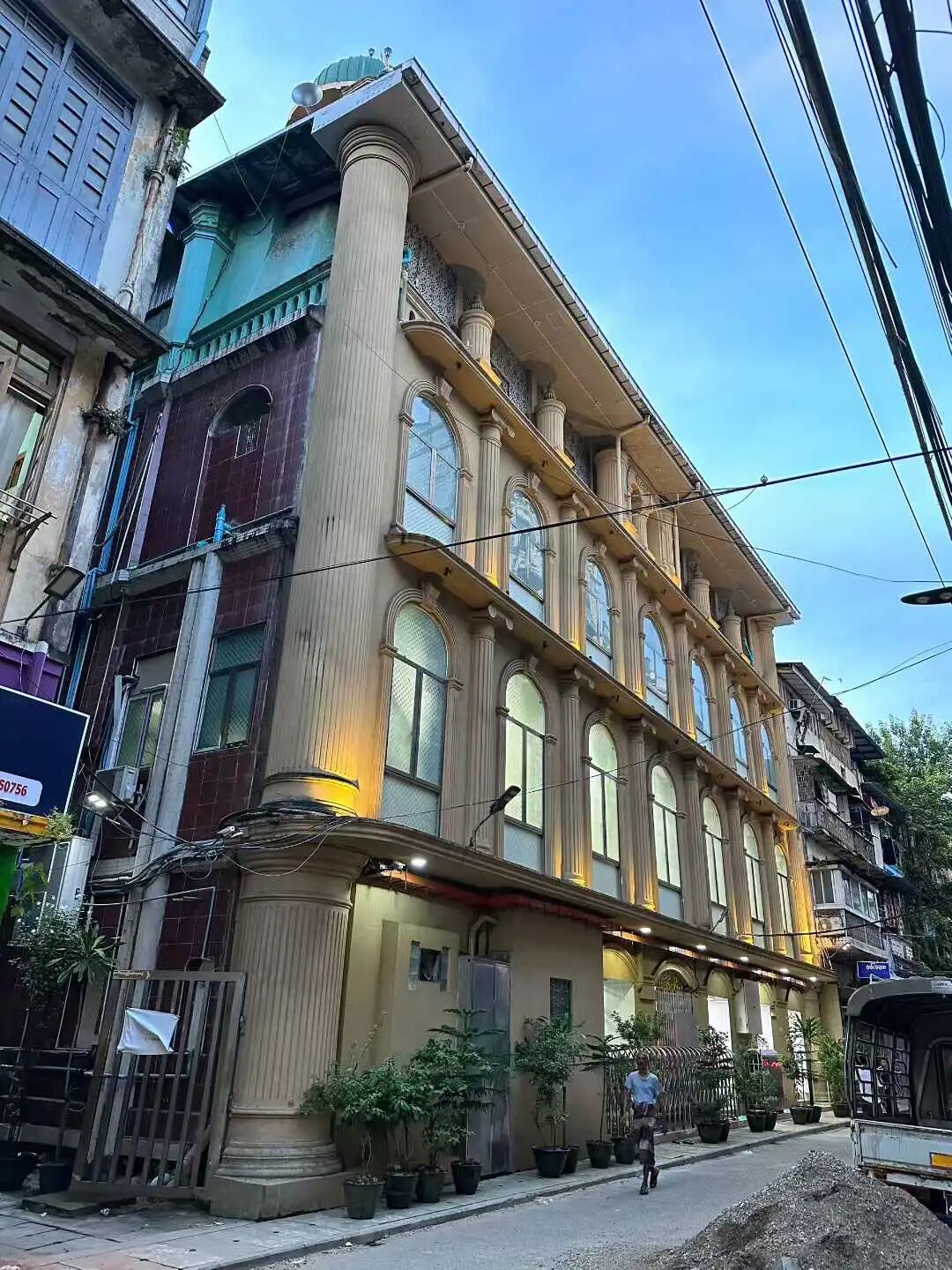
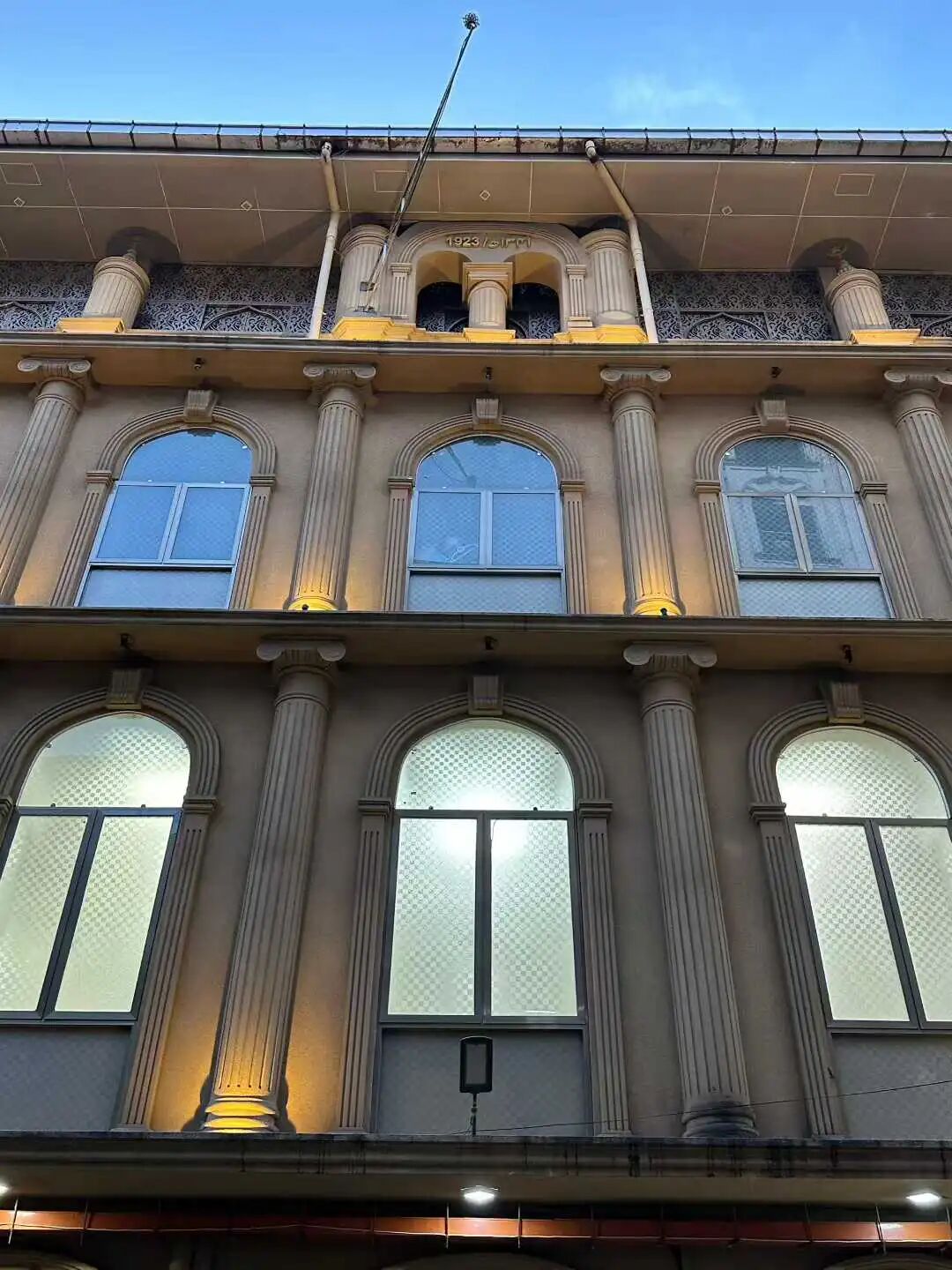
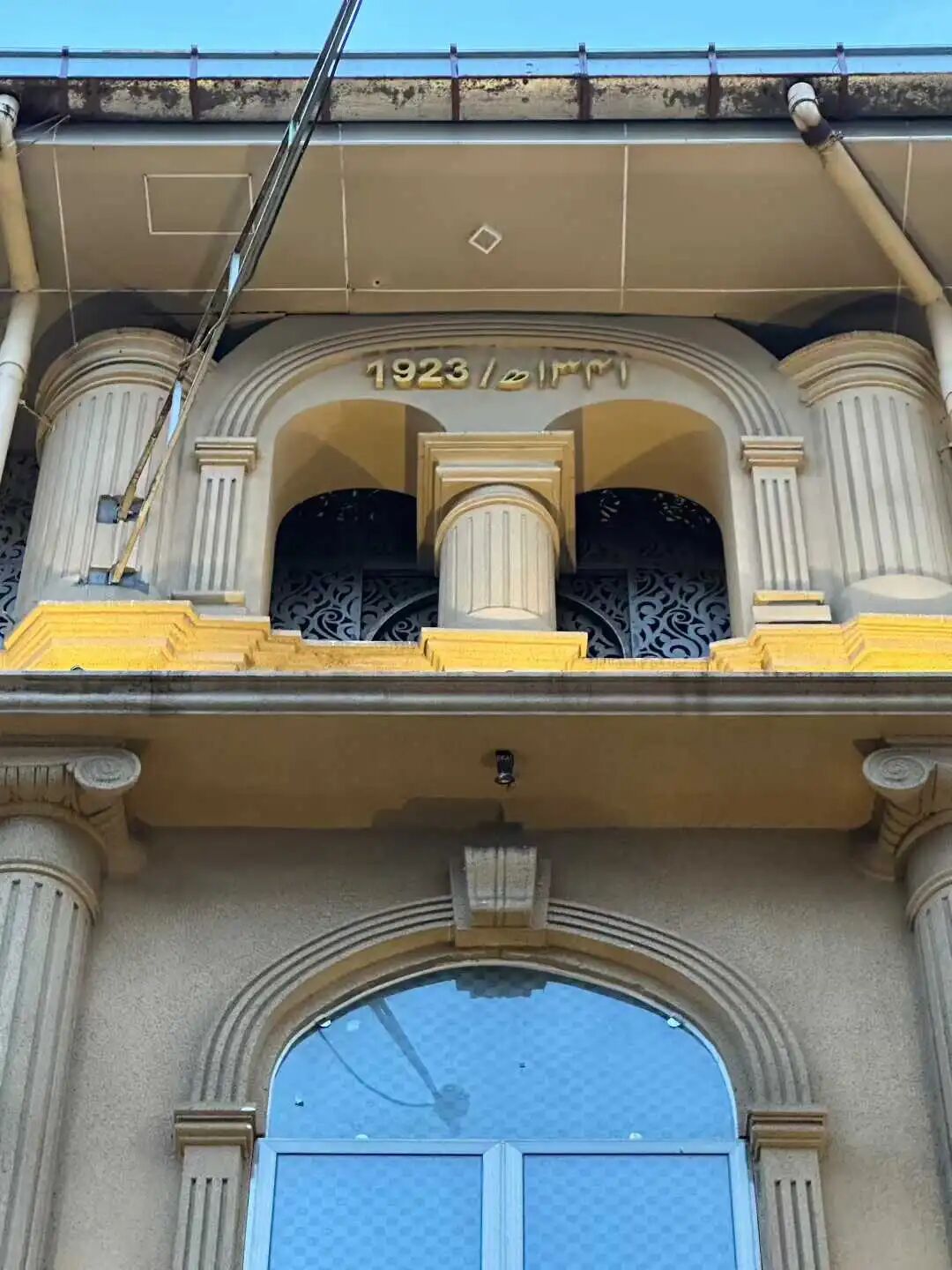
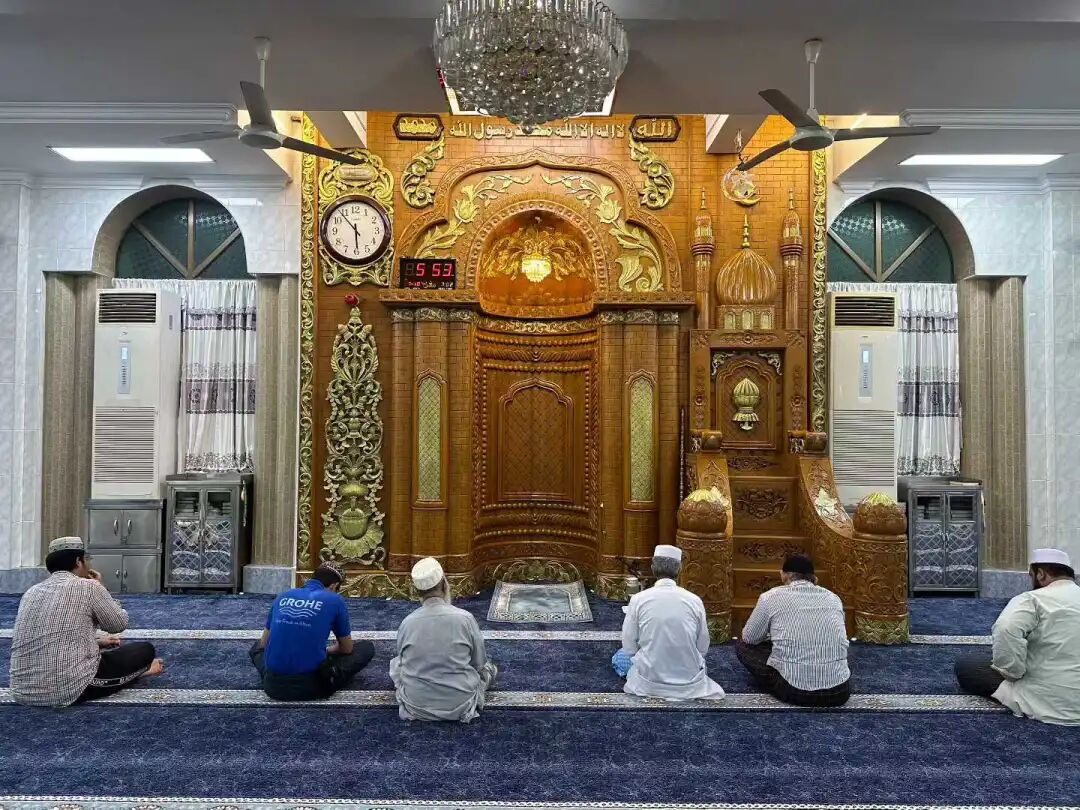
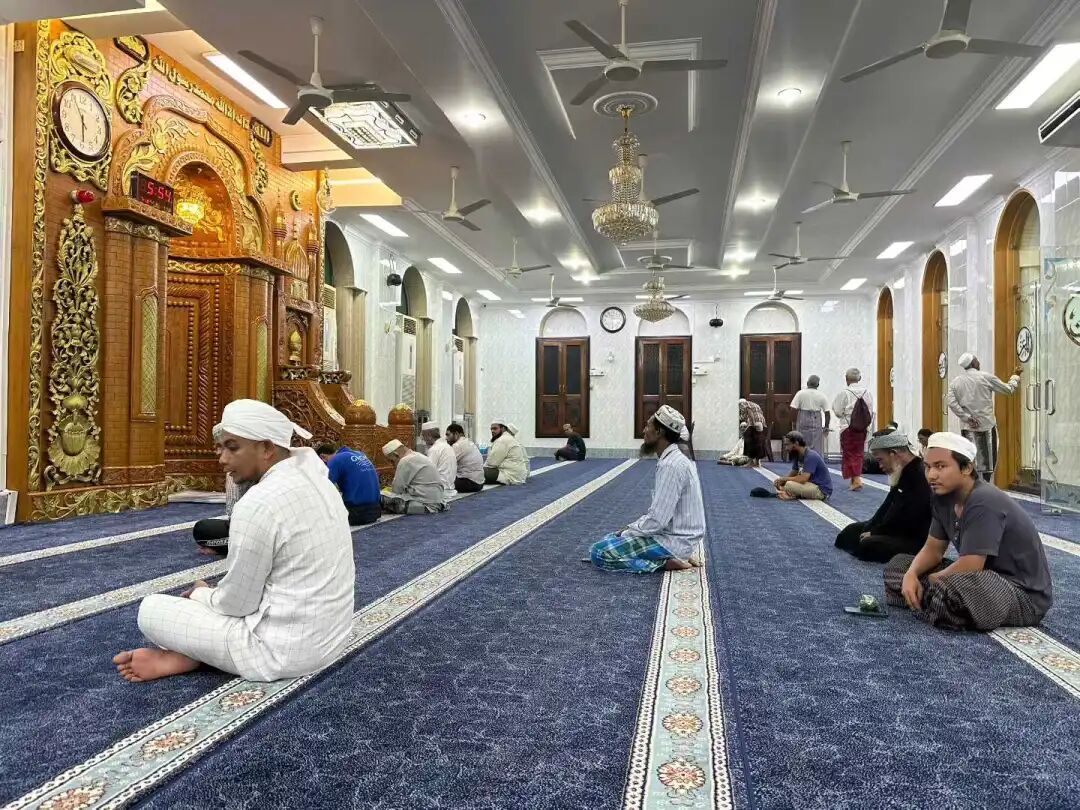
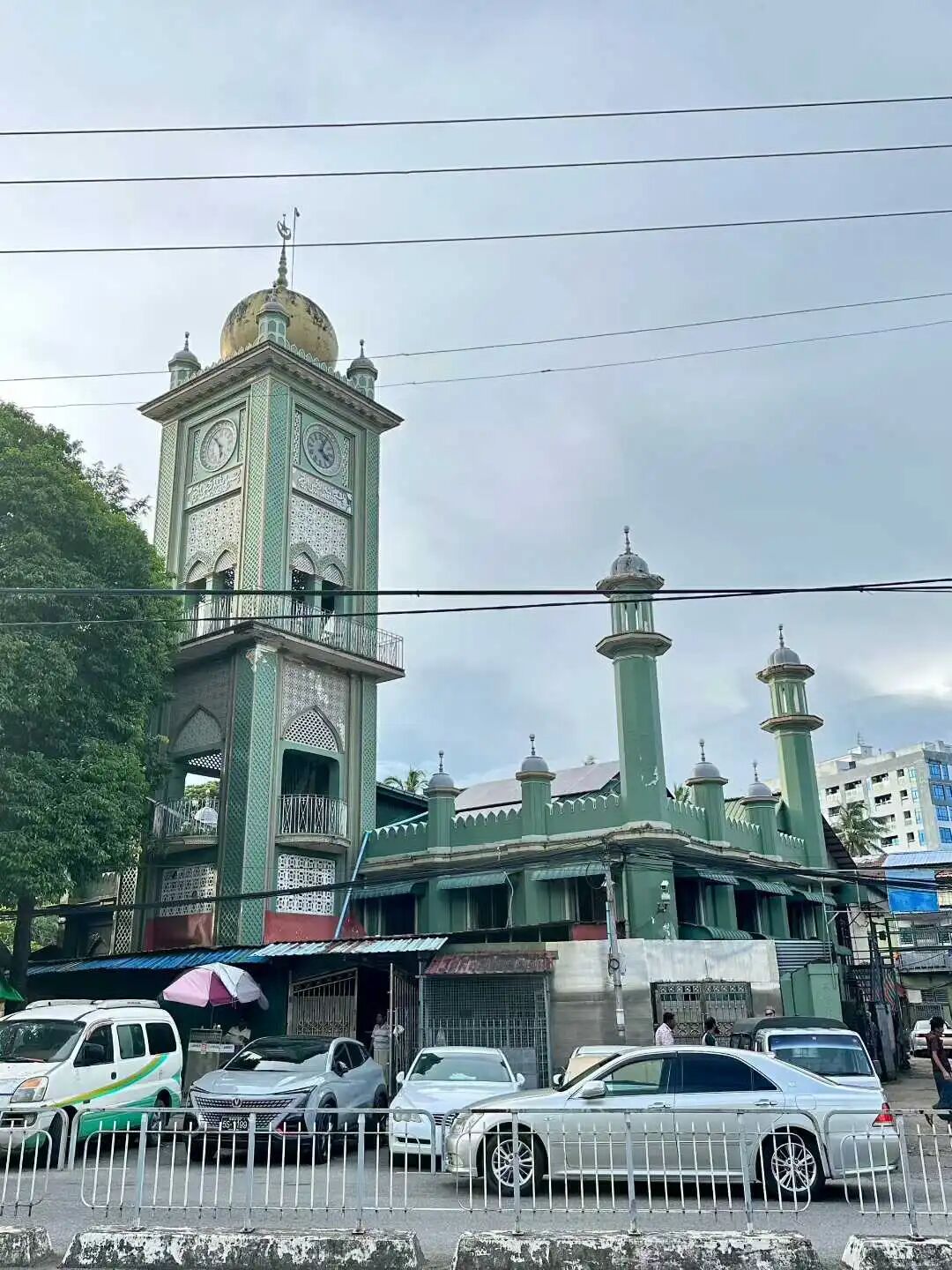
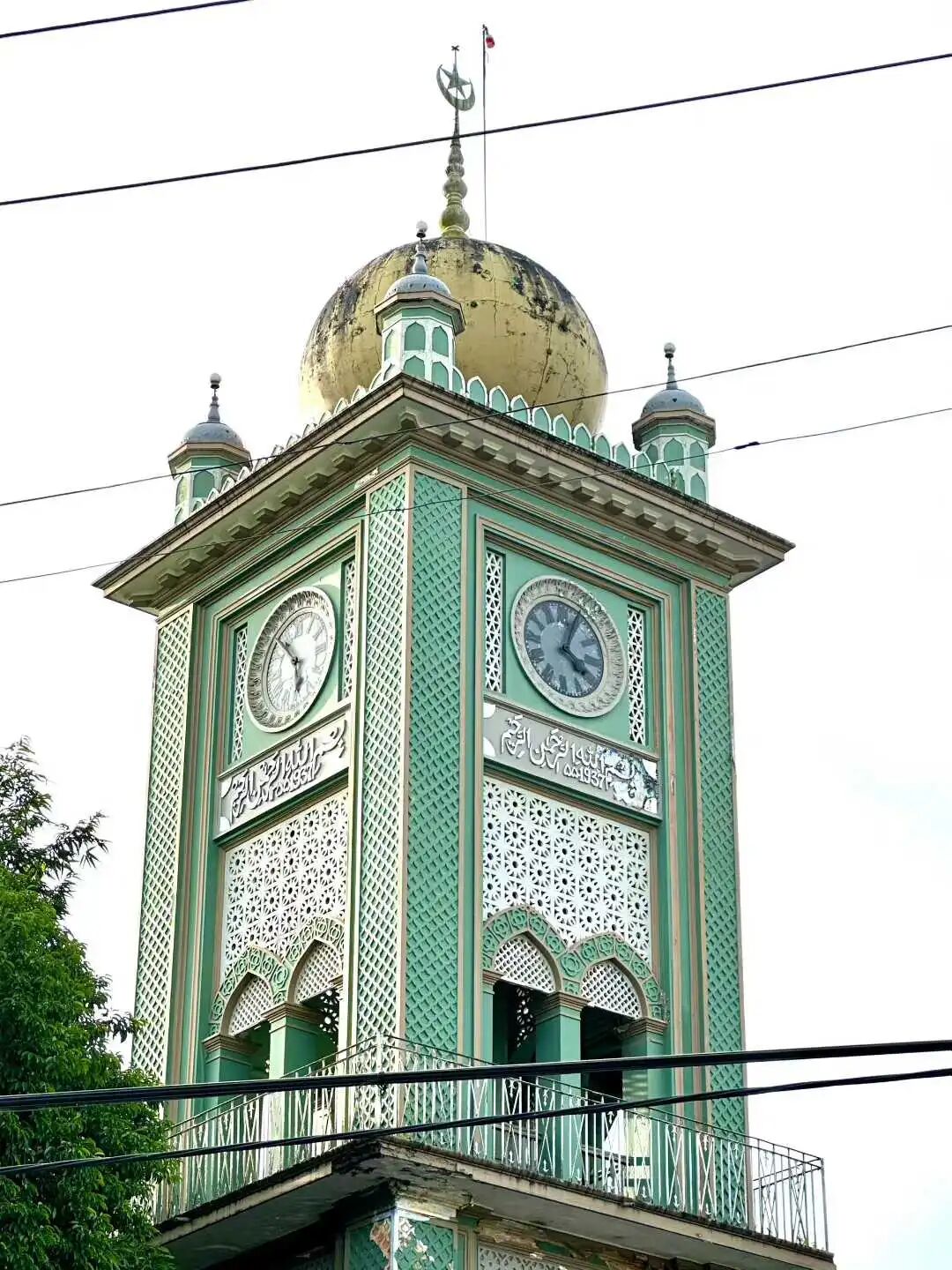
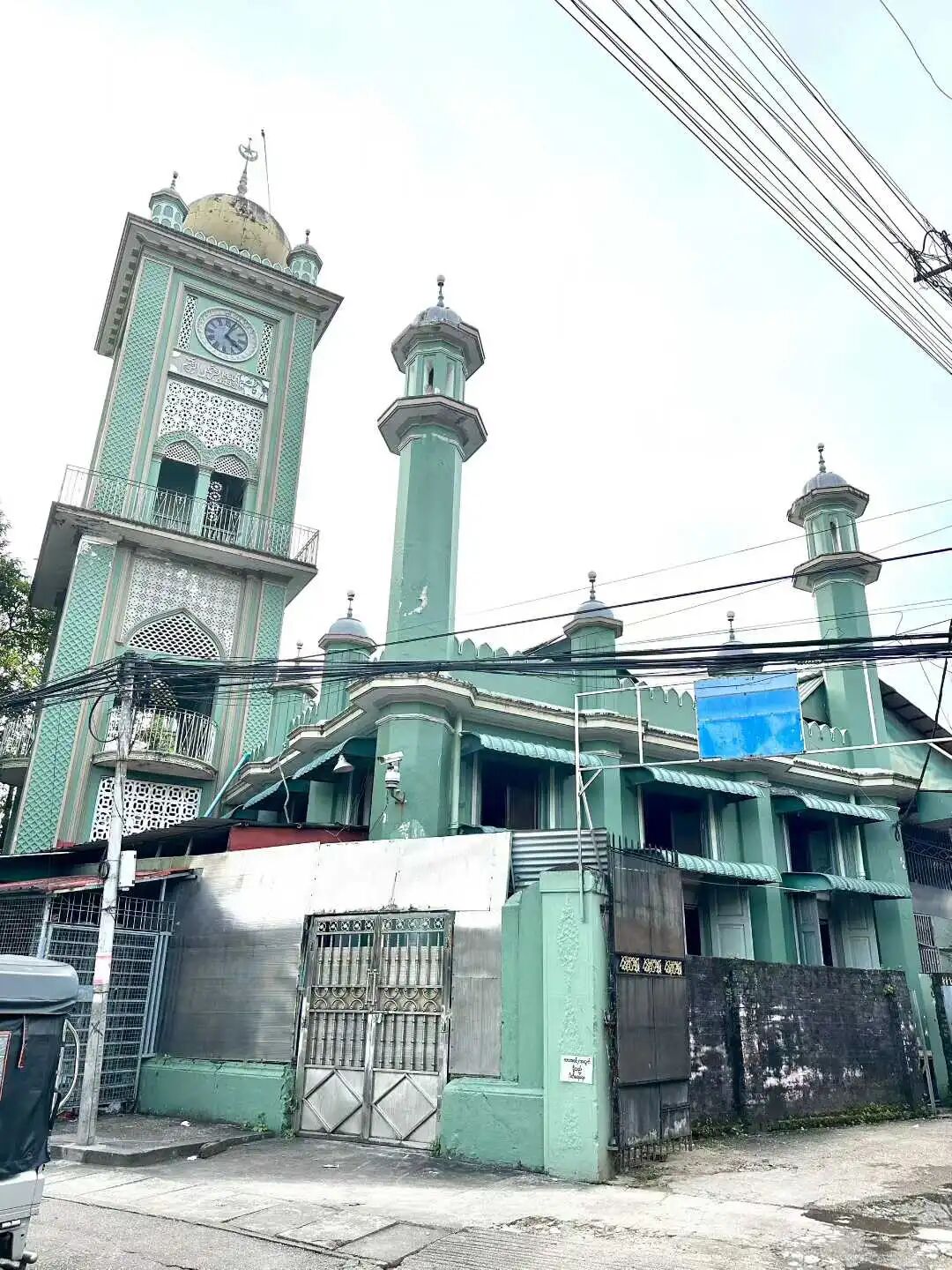
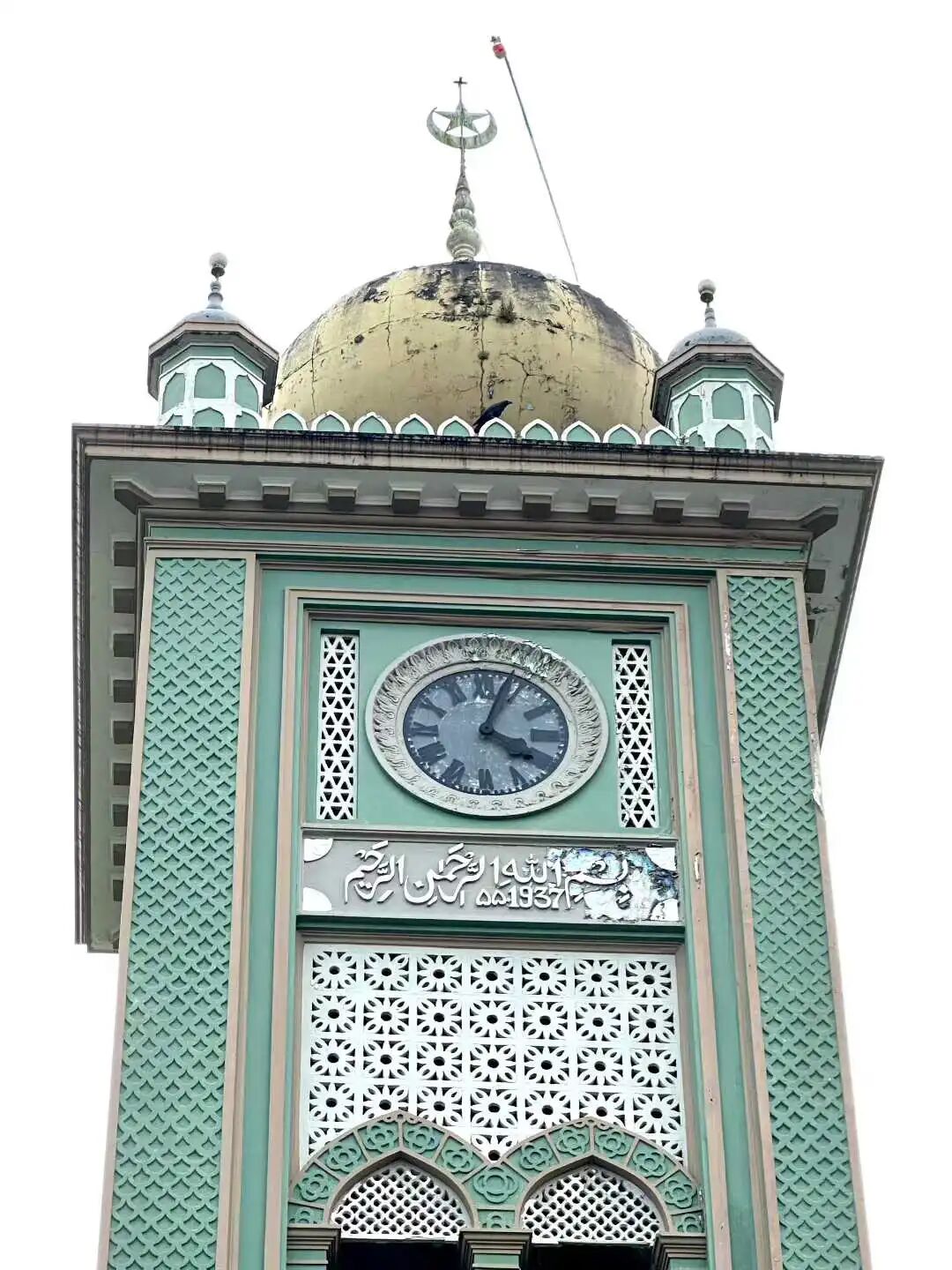
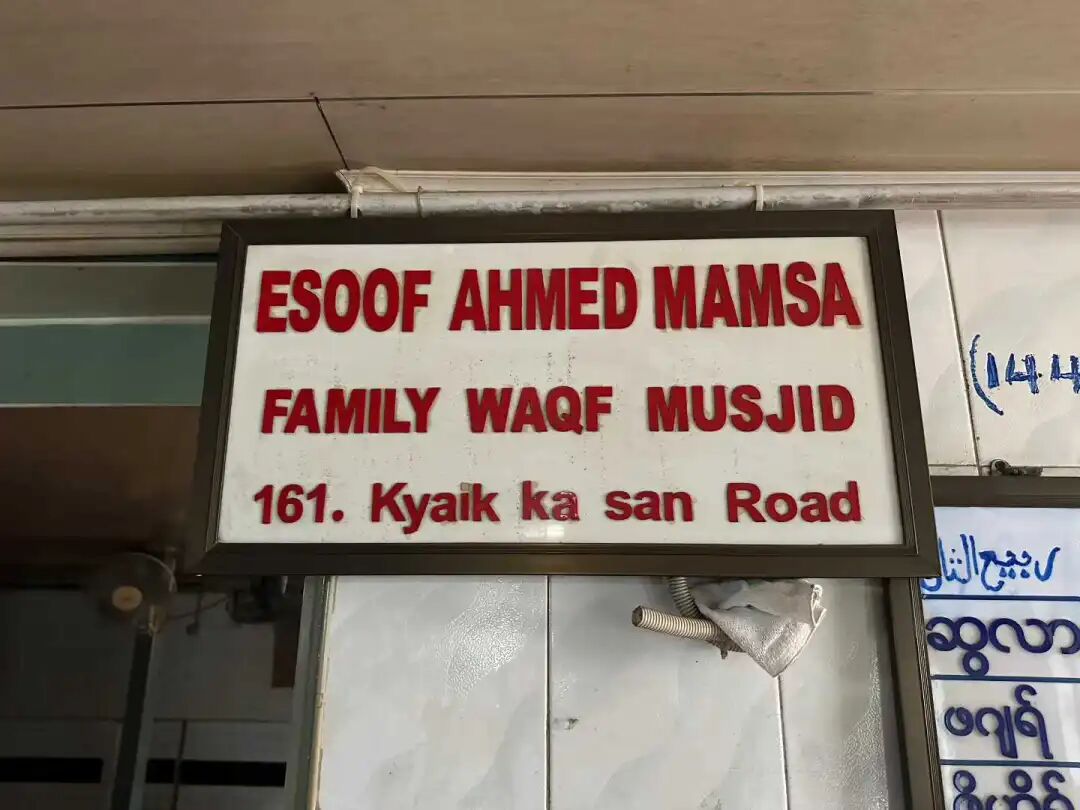
The Esof Ahmed Mamsa Family Mosque is in Tamwe Township, north of Yangon's old city. The Mamsa family, merchants from Gujarat, India, built it in 1937. In 1995, they renovated it to its current look using rent collected from family-owned properties.
The mosque has a tall clock tower facing the street. At the top is a clock made by the old Berlin, Germany, watchmaker C. F. Rochlitz, which still works today. If you look closely at the clock tower, you can still see bullet holes left from when the Japanese army invaded Yangon in 1942. The German company C. F. Rochlitz started in 1824 and specialized in clocks for towers. It won many international awards in the 19th century and stayed under the Rochlitz family until it was bought in 1984.
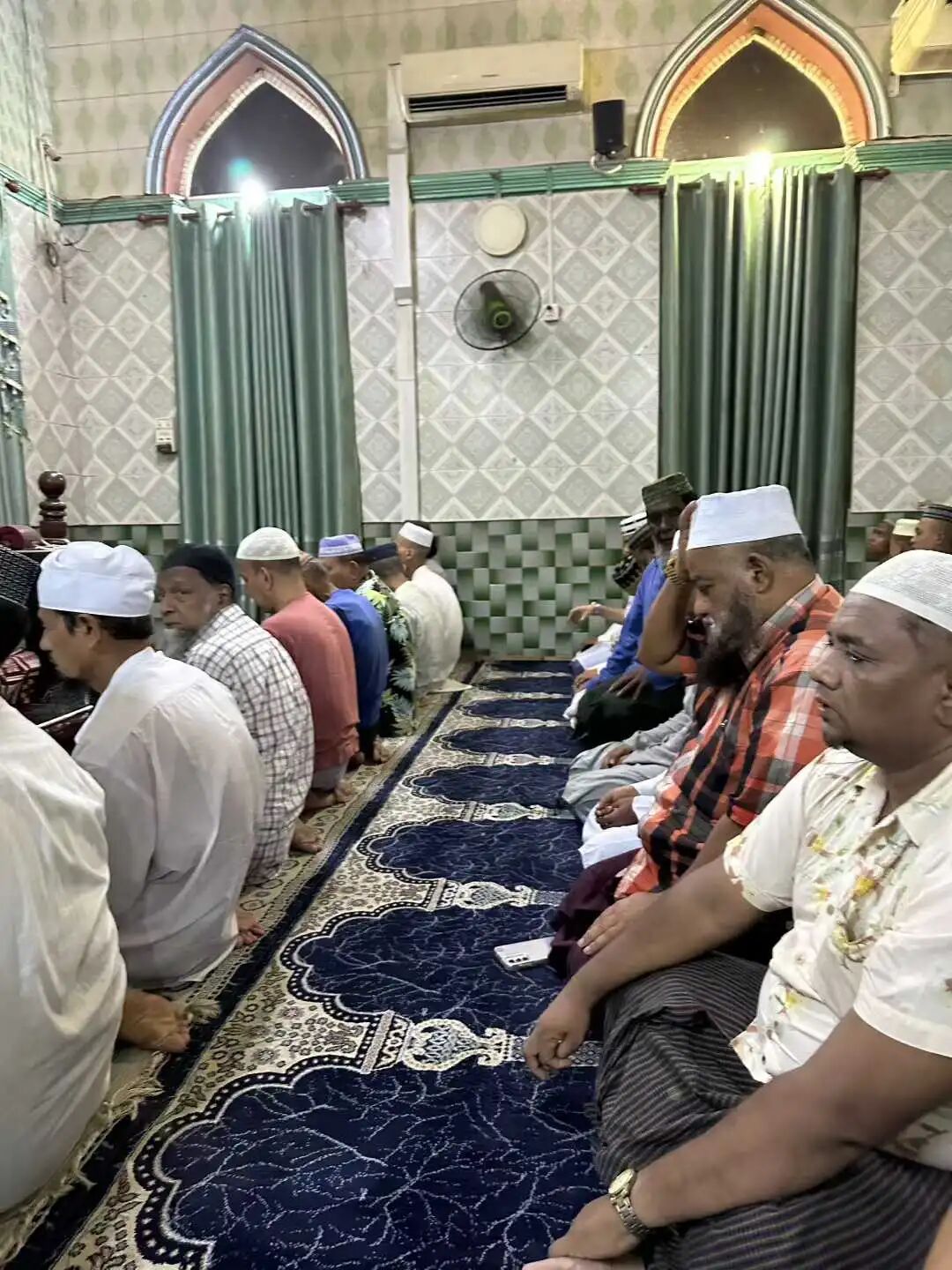
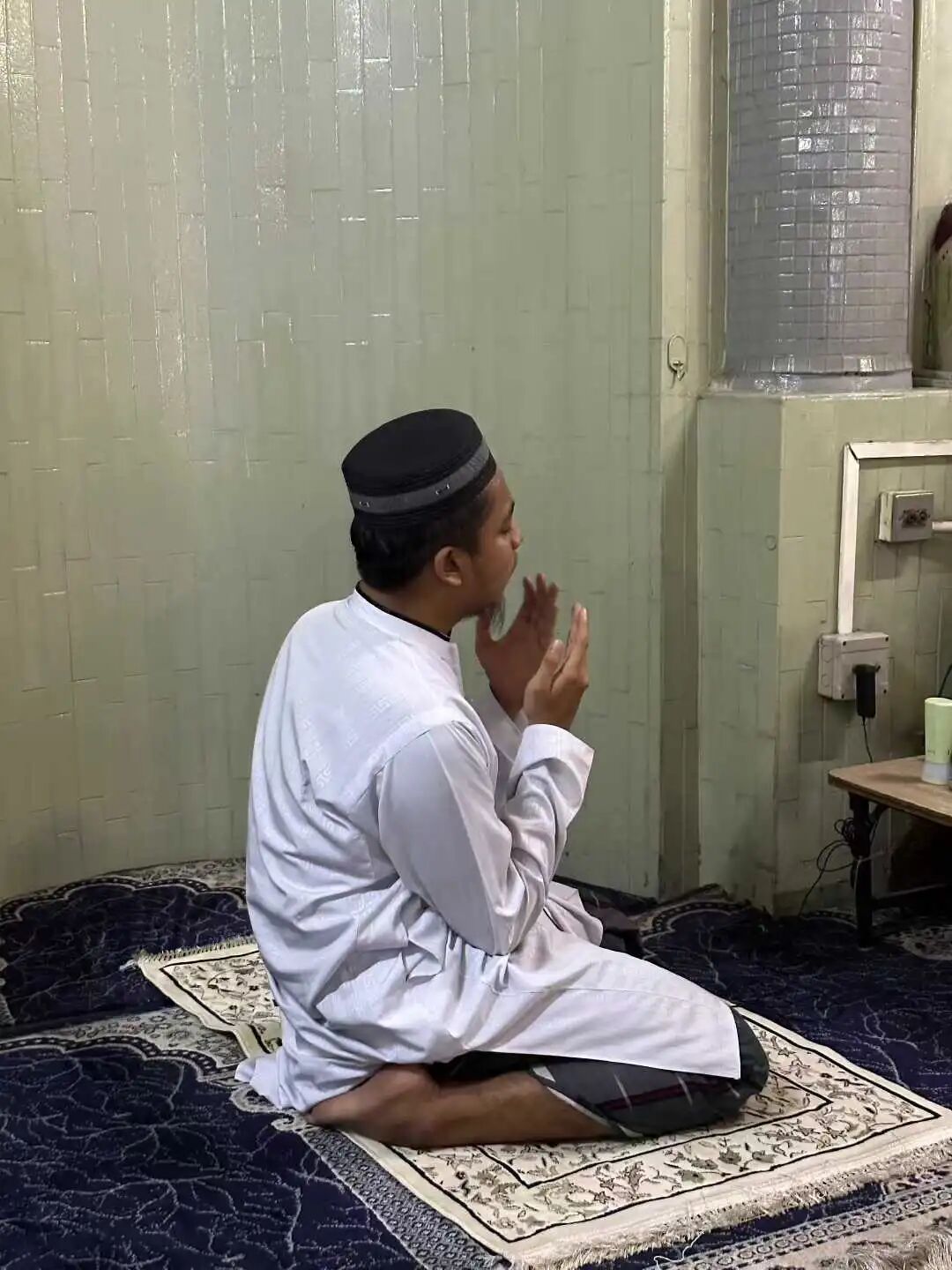
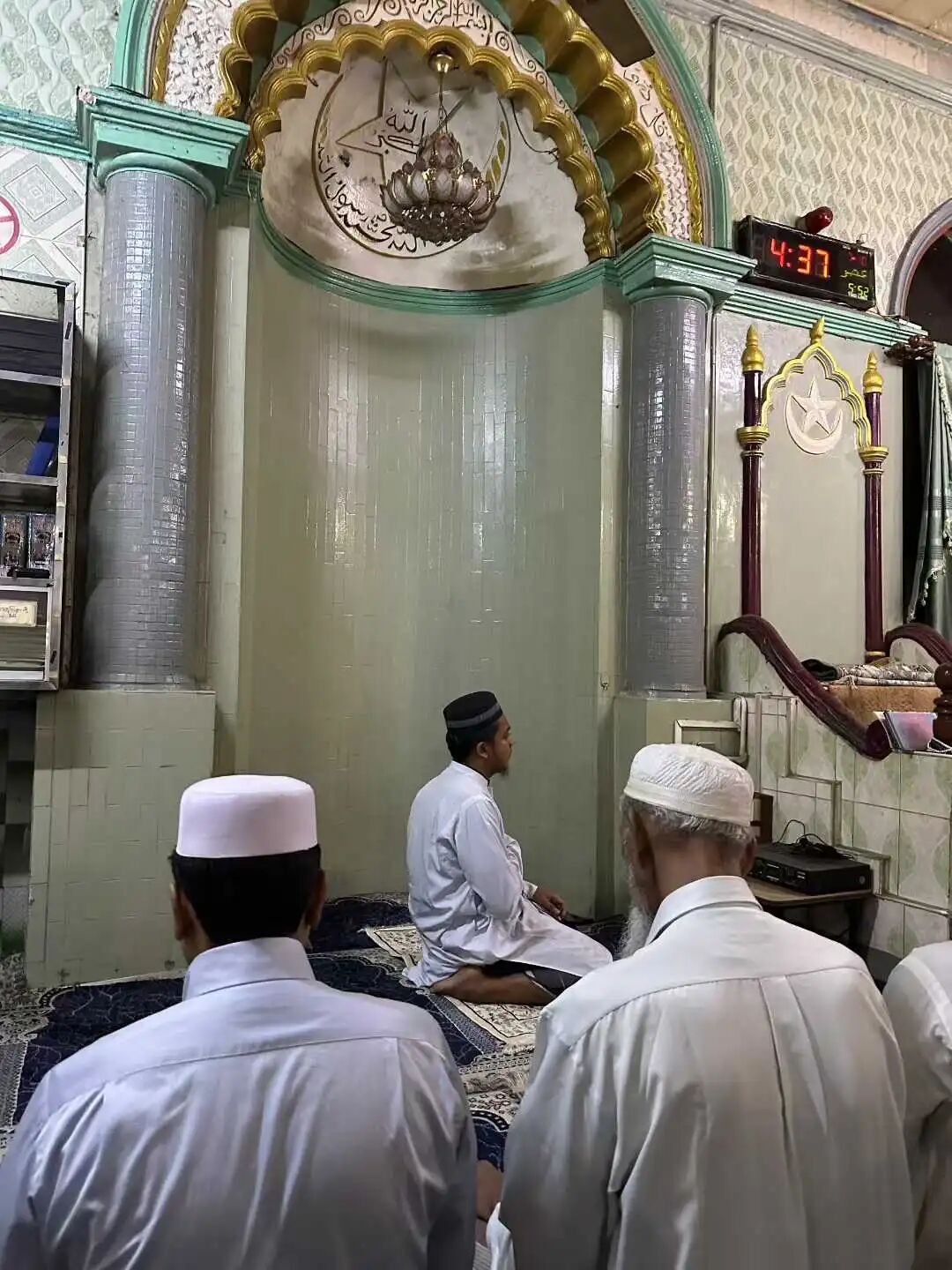
The Narsapuri Moja Sunni Jame Mosque is in the middle of Mogul Street in Yangon's old Indian quarter, north of the Surti Mosque. Friends (dosti) from Andhra Pradesh on the southeast coast of India first built it in 1855, and it was rebuilt into its current form in the 1890s.
Unlike northern India, where the faith spread through occupation, the faith in southern India mostly grew through merchants and Sufi saints. The dosti from Andhra Pradesh speak a special Deccan Urdu. Compared to northern Urdu, it keeps more ancient words from the pre-Mughal era and adds many loanwords from local Deccan languages like Telugu and Tamil.
The mosque is named after Narsapur, a coastal city in Andhra Pradesh, India. The dosti from Andhra Pradesh in Yangon boarded ships there to come to Yangon. The Dutch used Narsapur as a port in the 17th century. By the 18th century, it became an important Indian trade port and shipbuilding center, exporting large amounts of teak to the world.
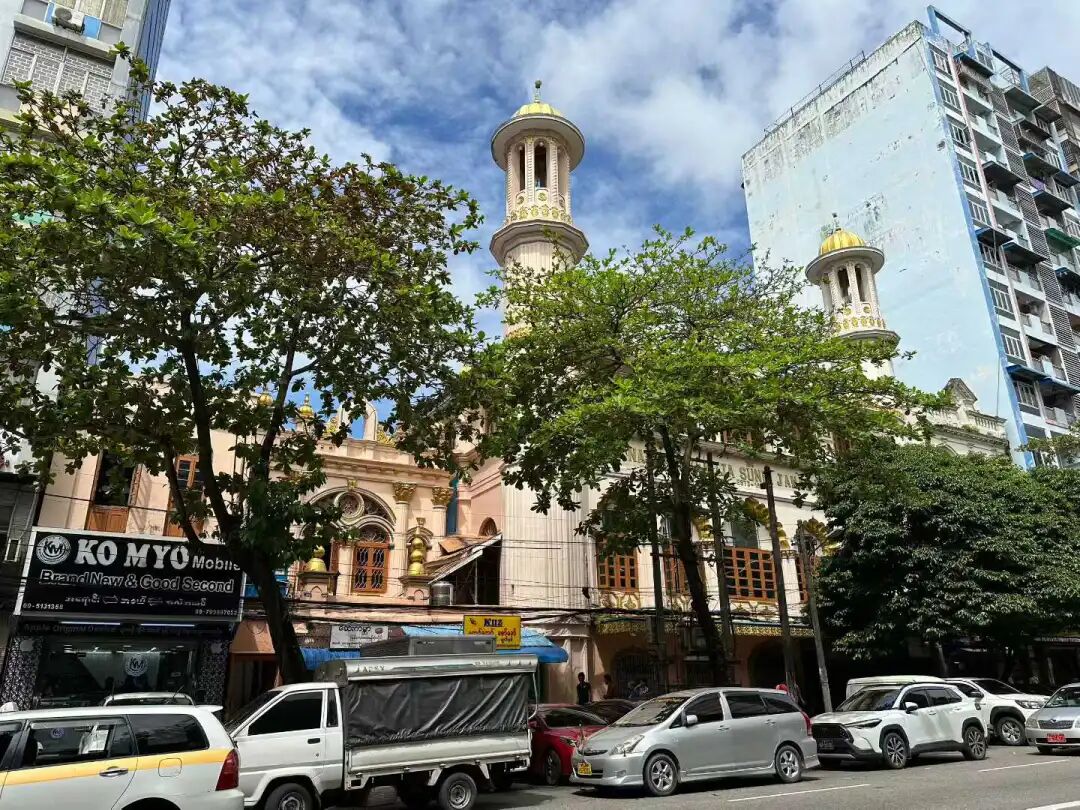
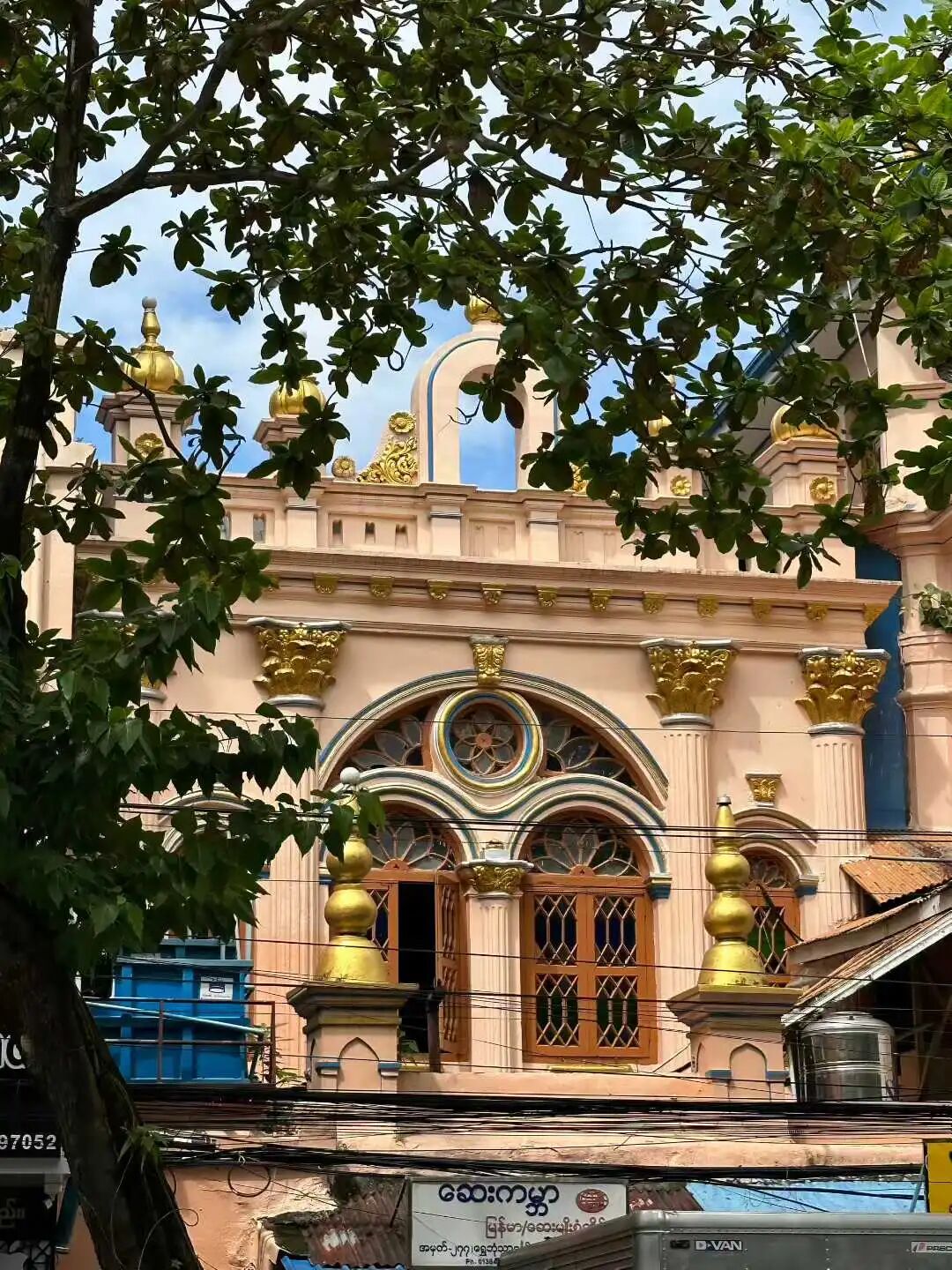
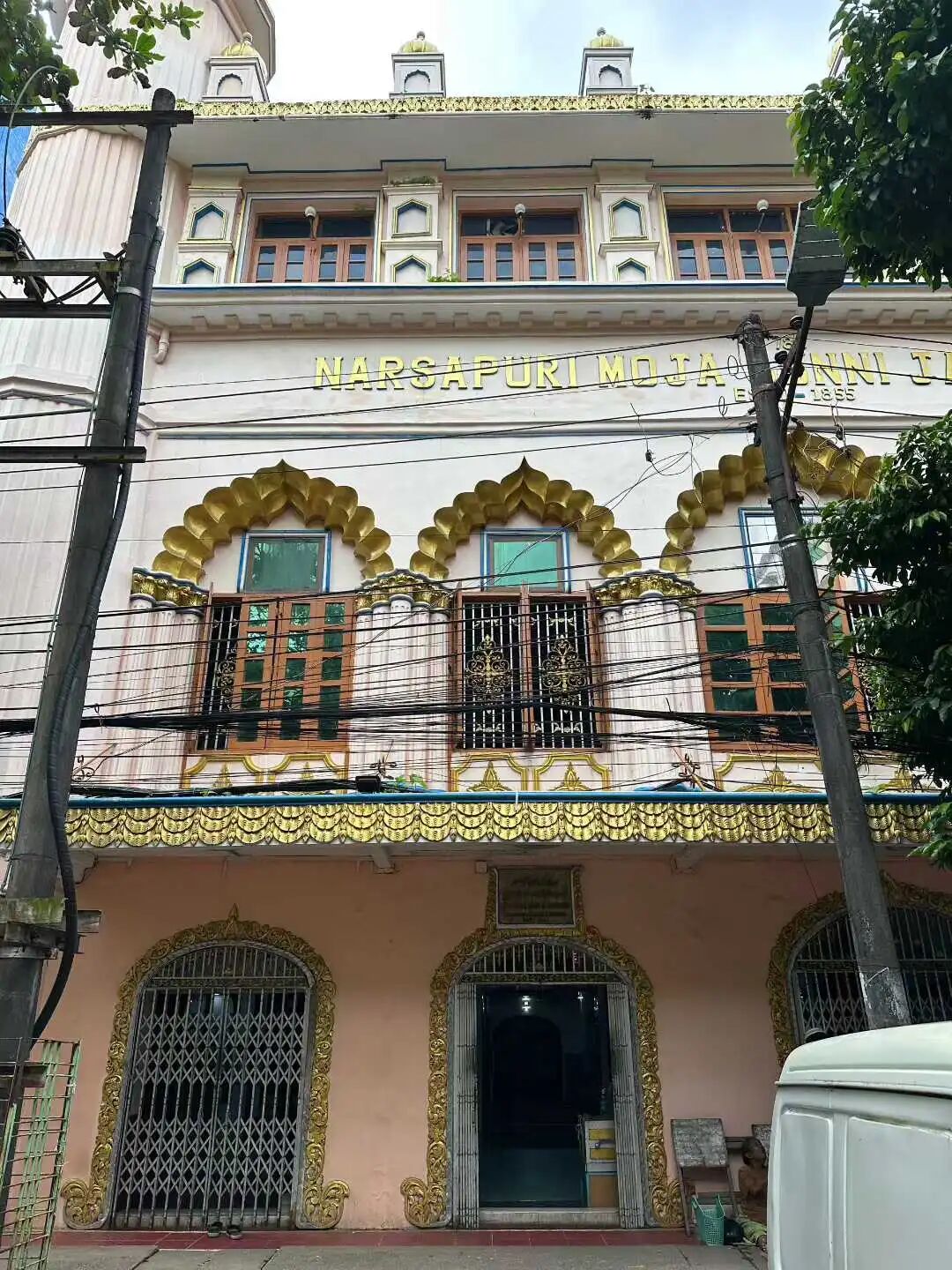
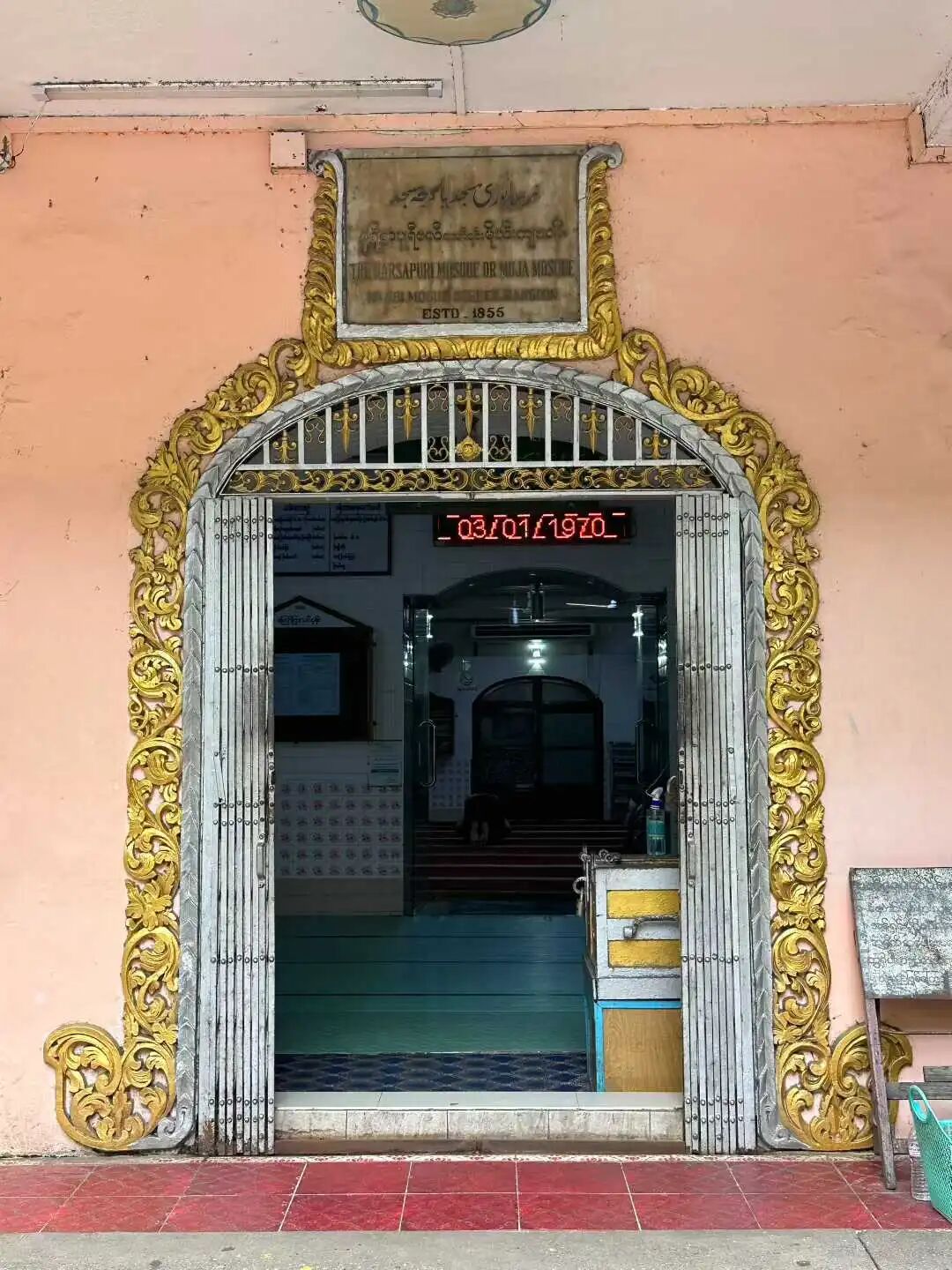
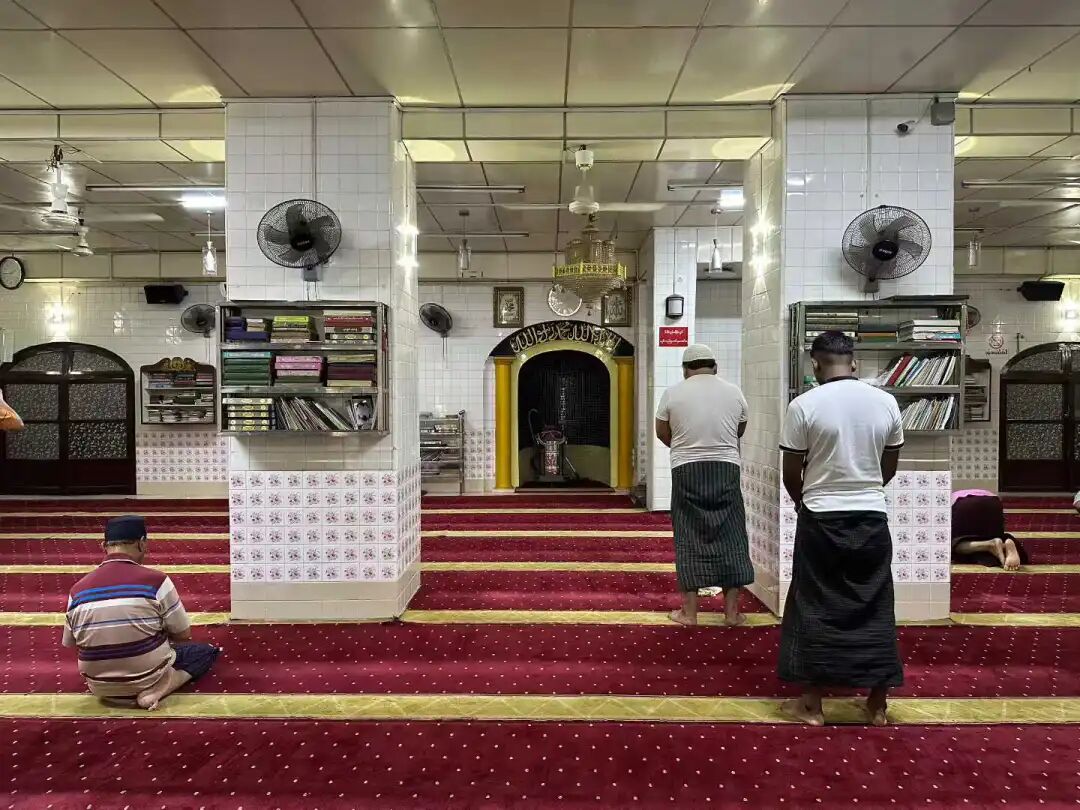
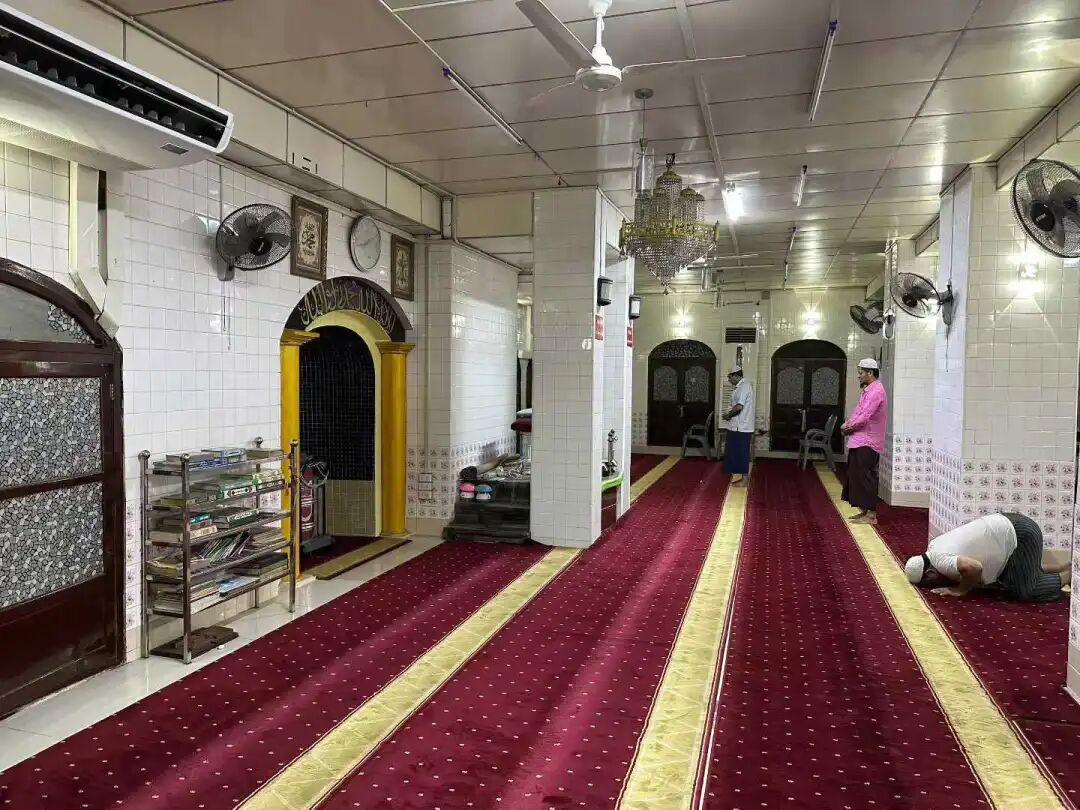
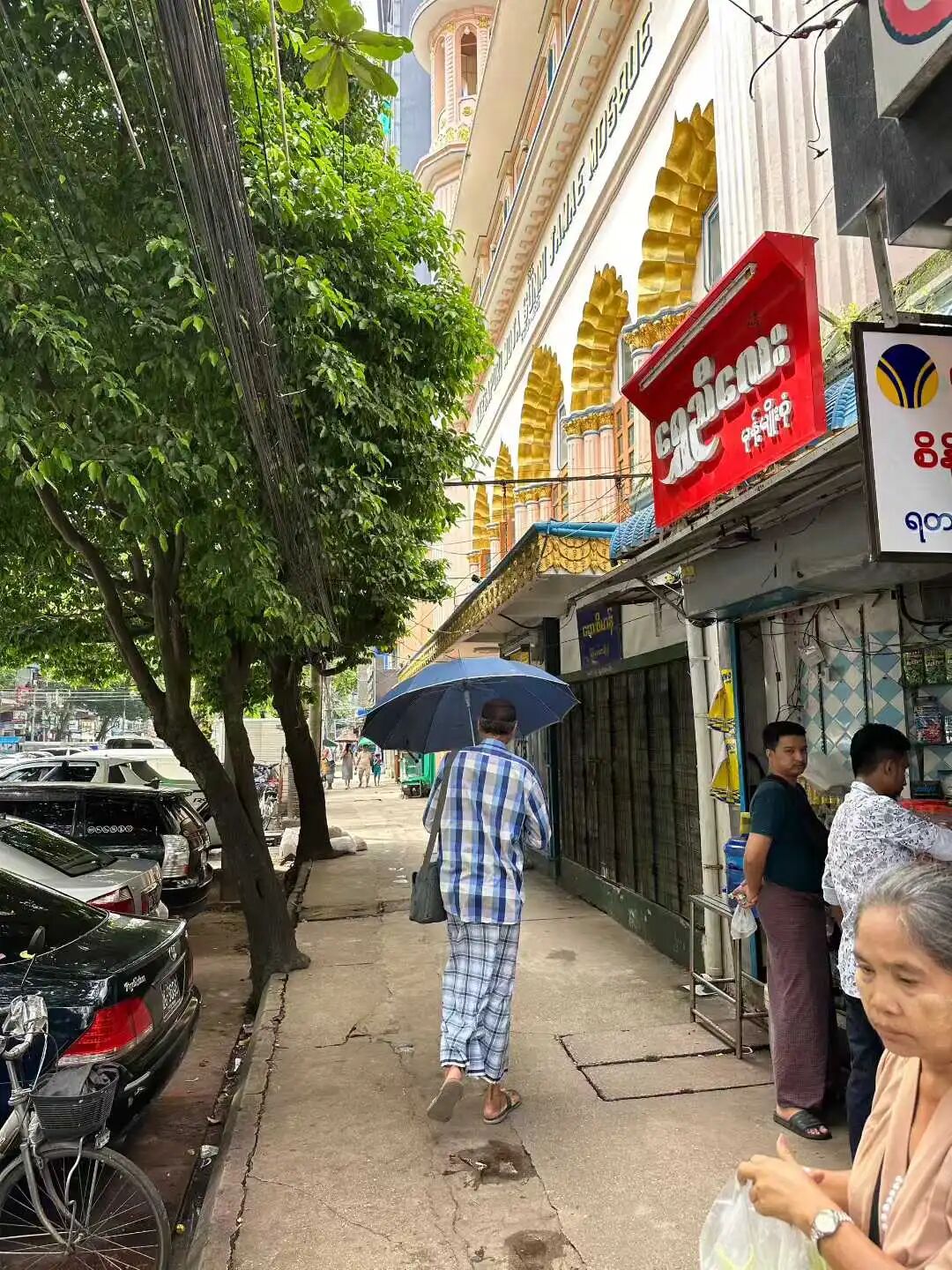
The Gulam Ariff Mosque is on Lanmadaw Road in Yangon's Chinatown. The Indian real estate developer Gulam Ariff built it in 1888. Gulam Ariff owned a famous real estate company in Yangon. This mosque has fewer people, but it provides great convenience for the dosti who live and work near Chinatown.
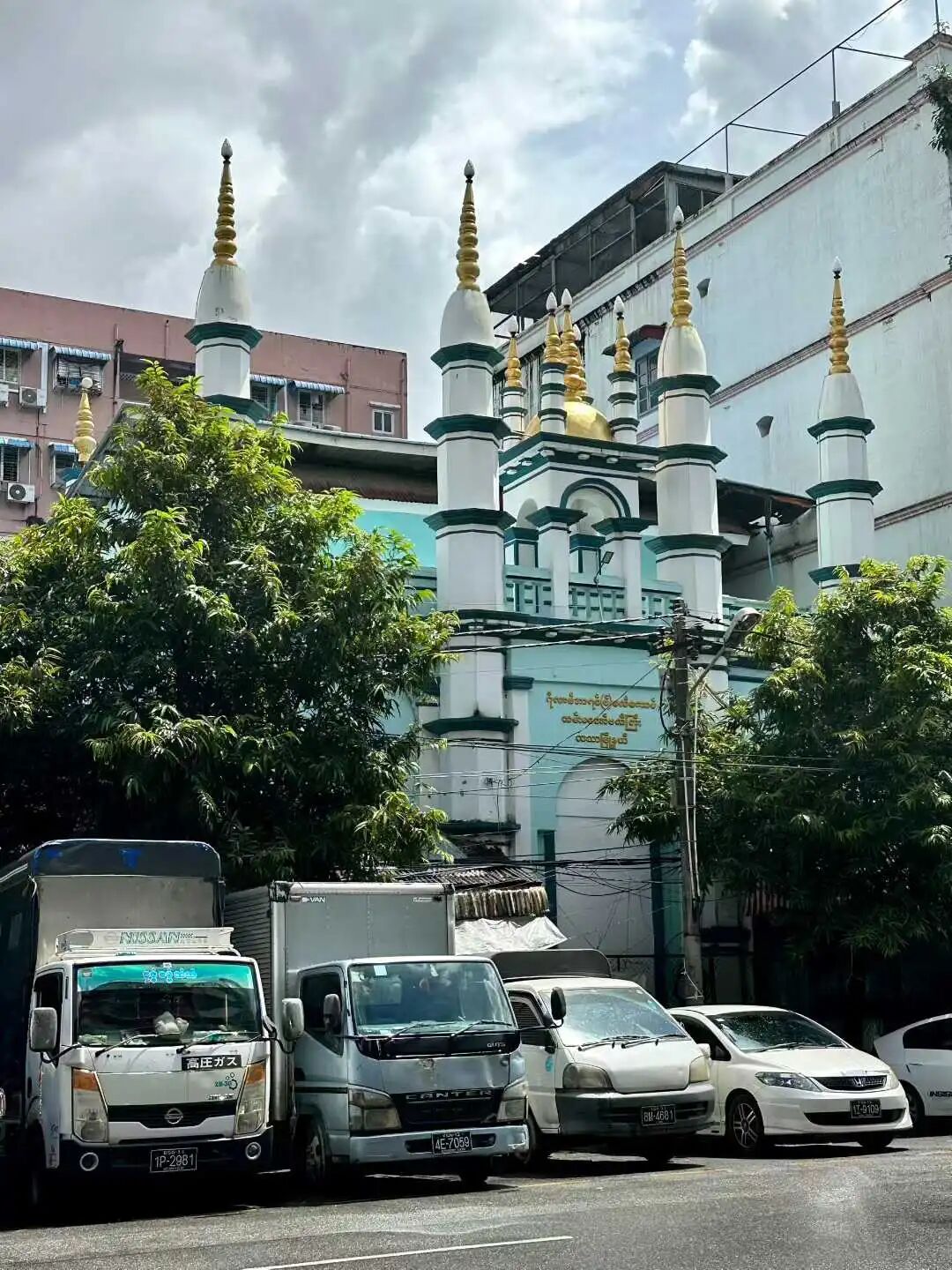
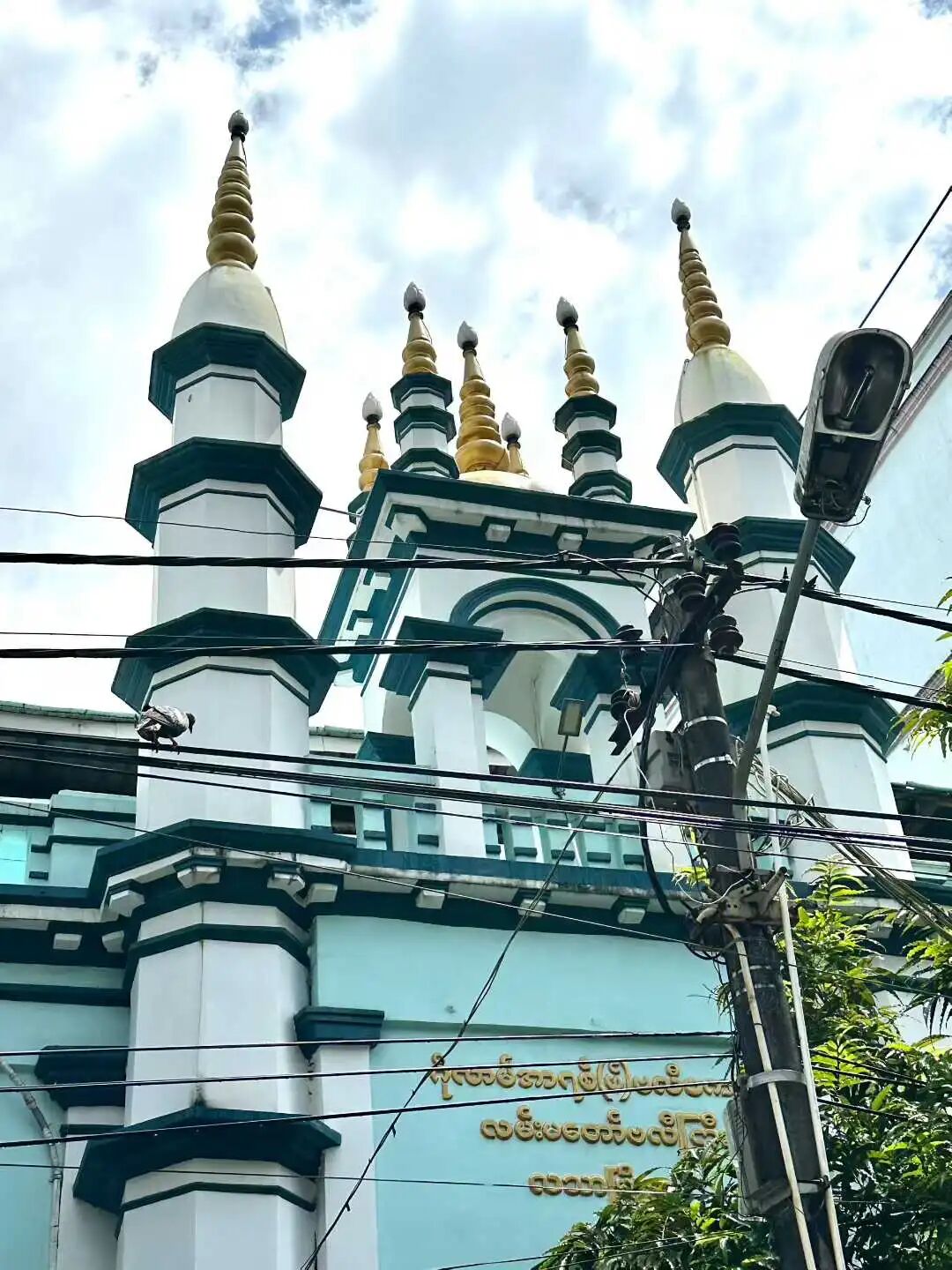
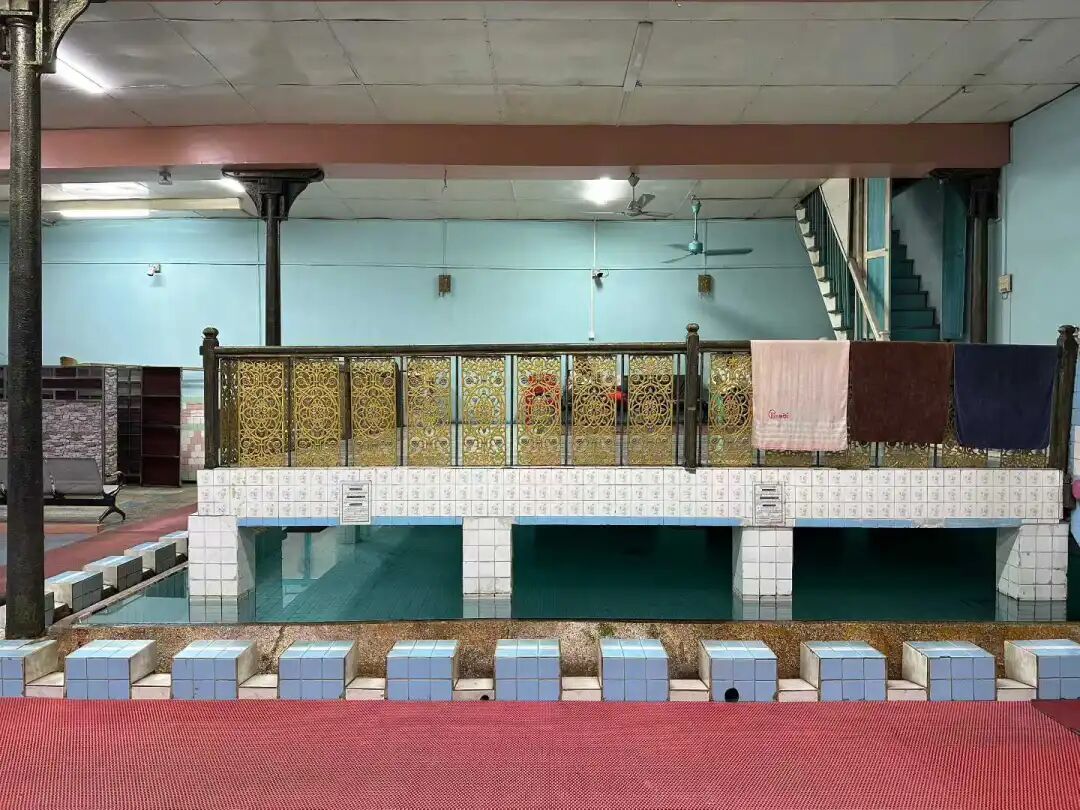
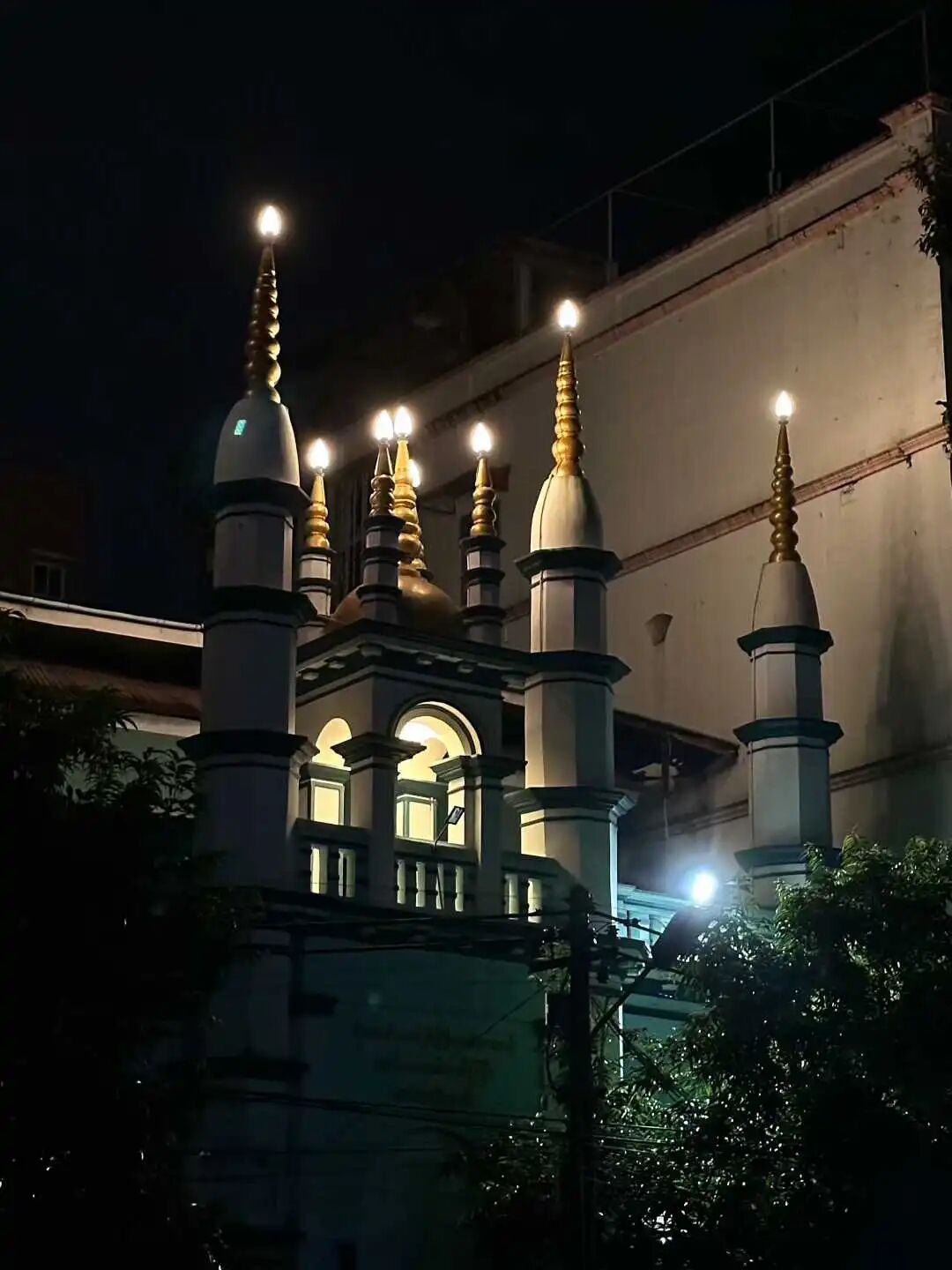
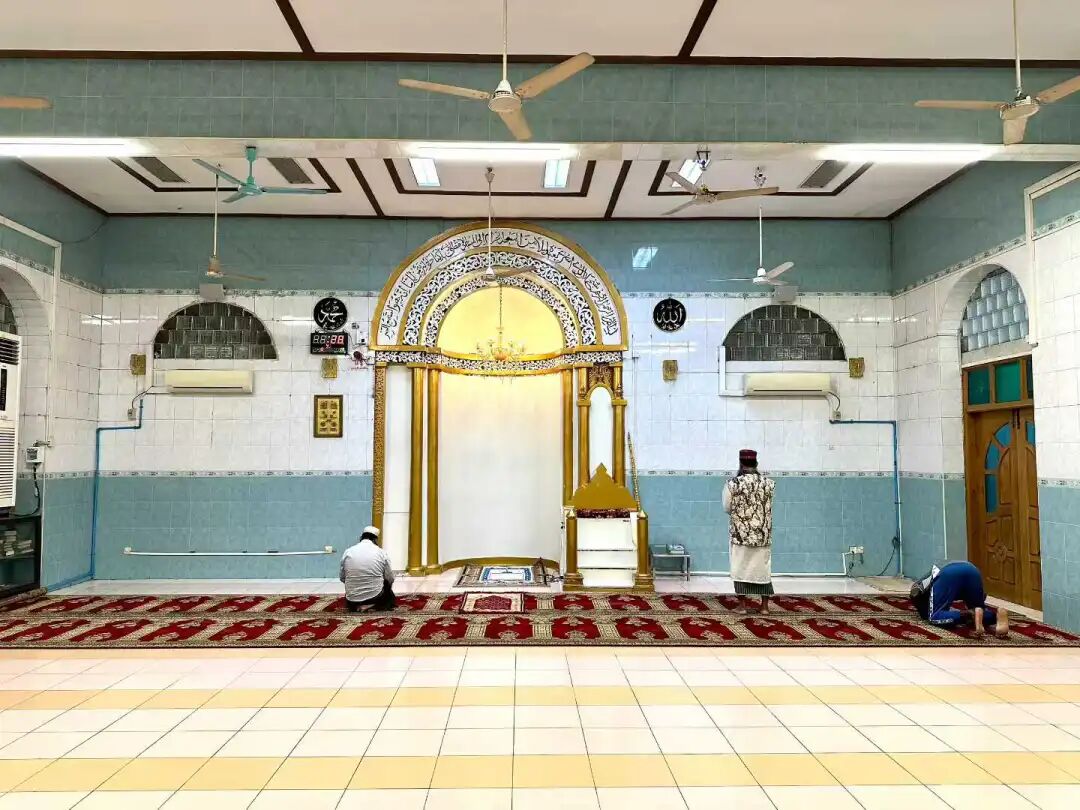
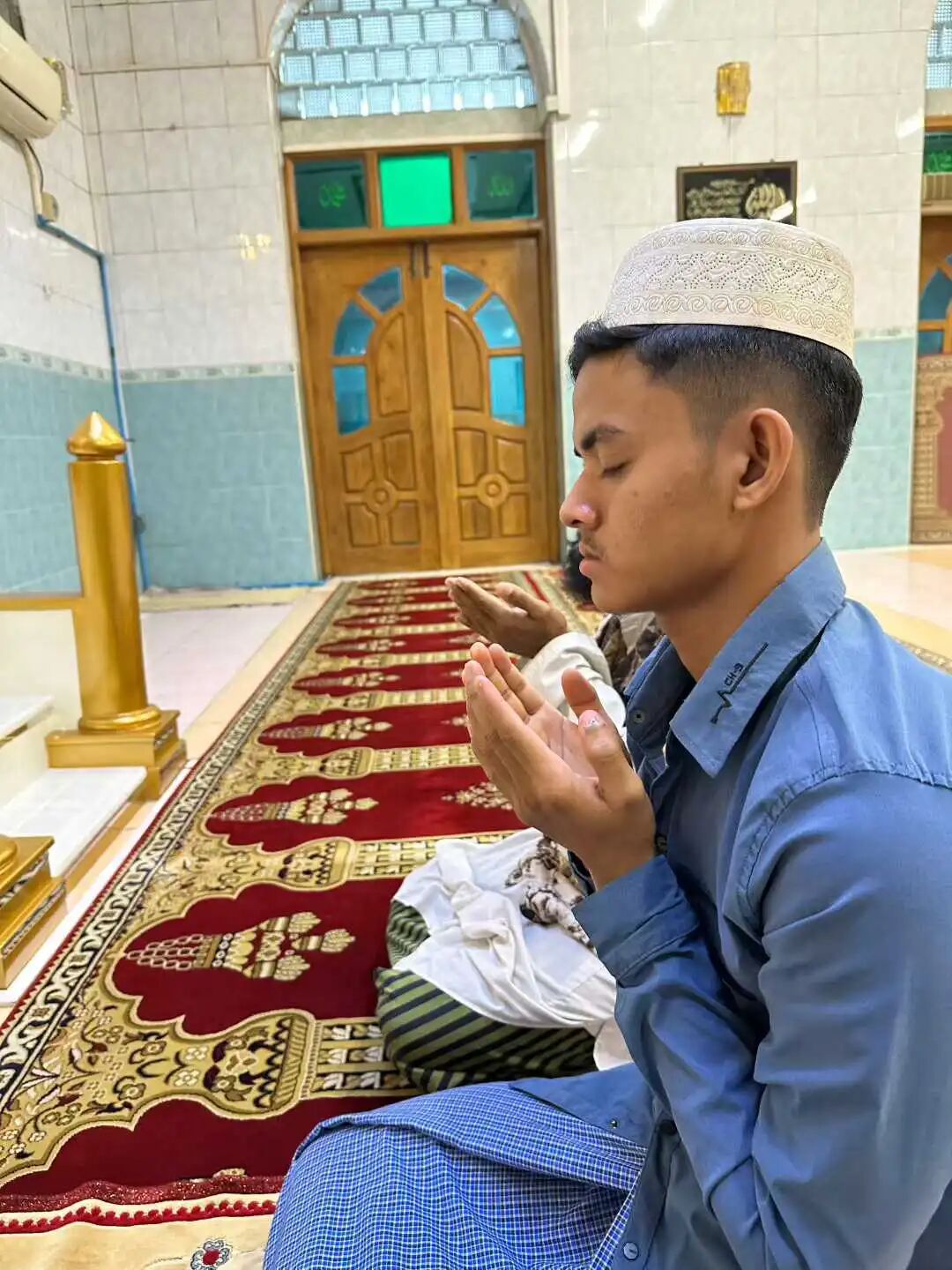
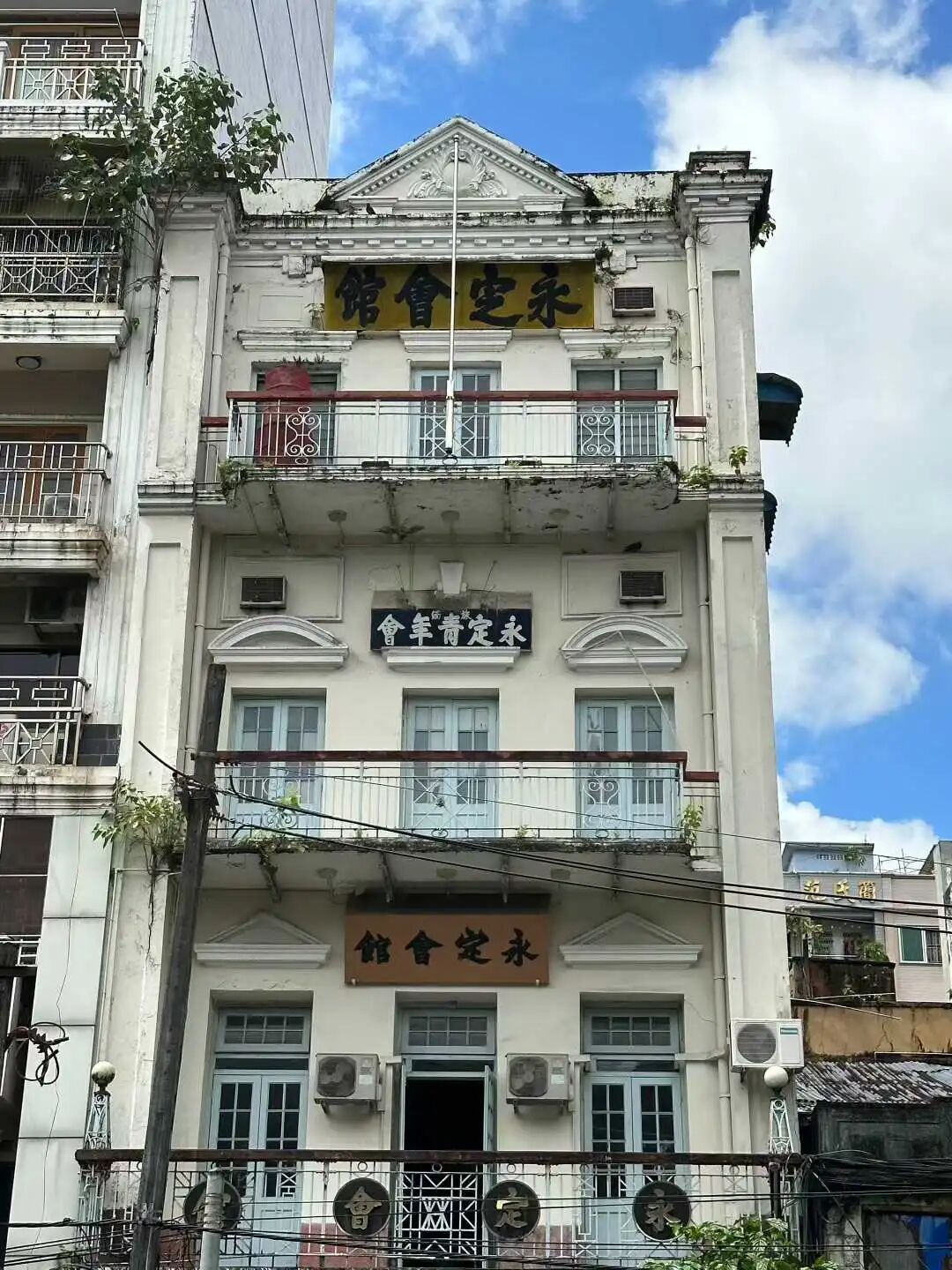
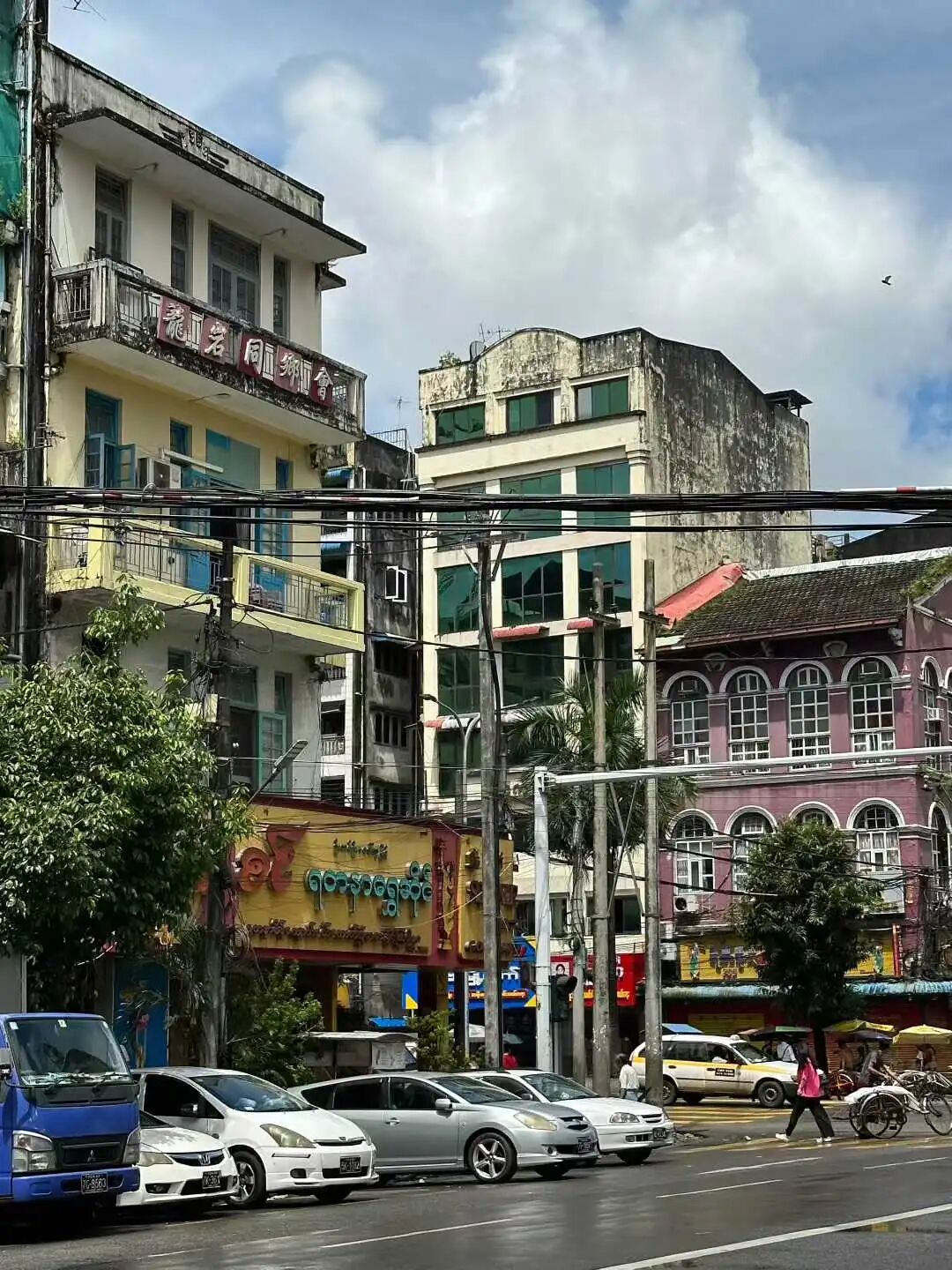
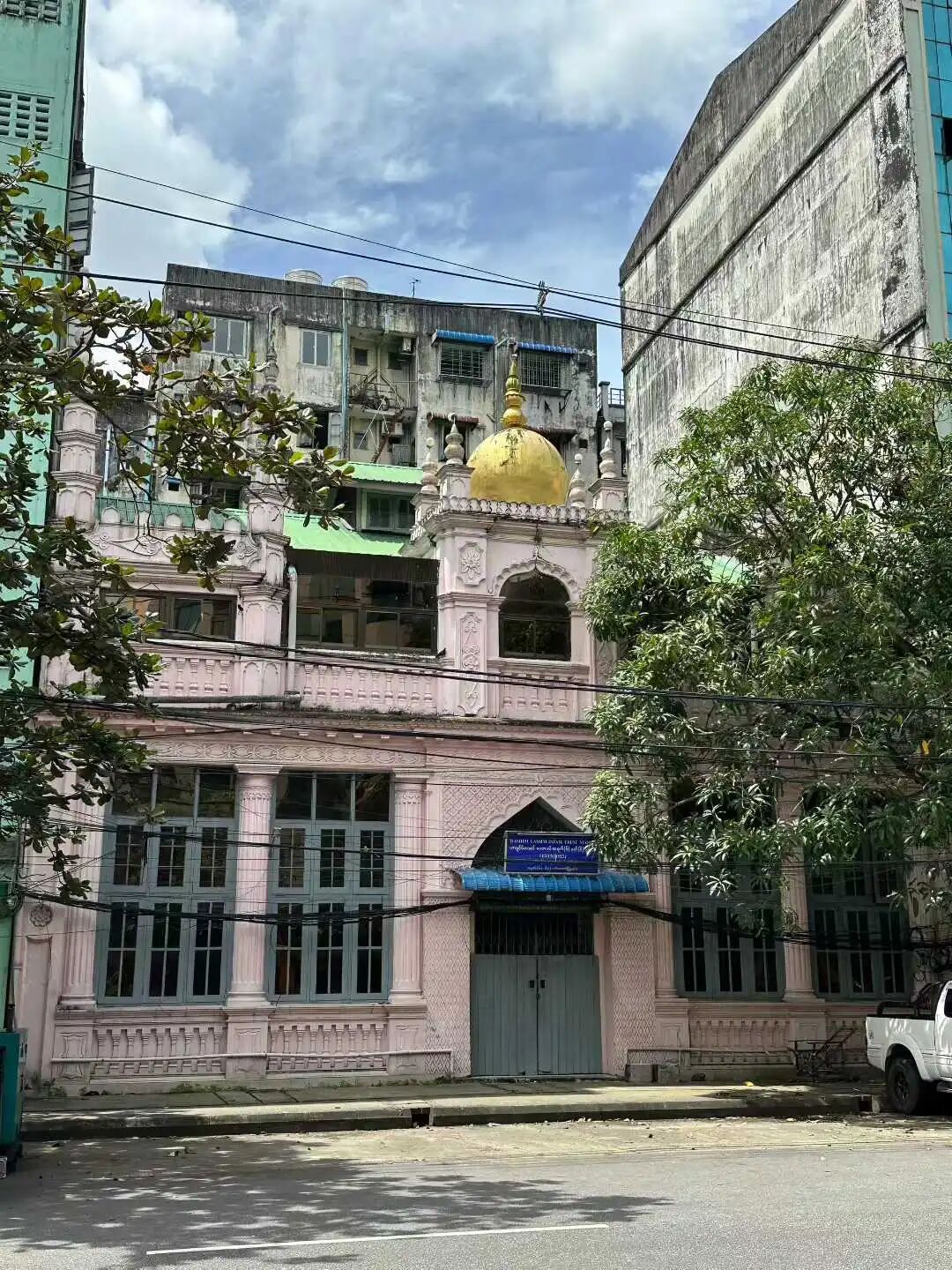
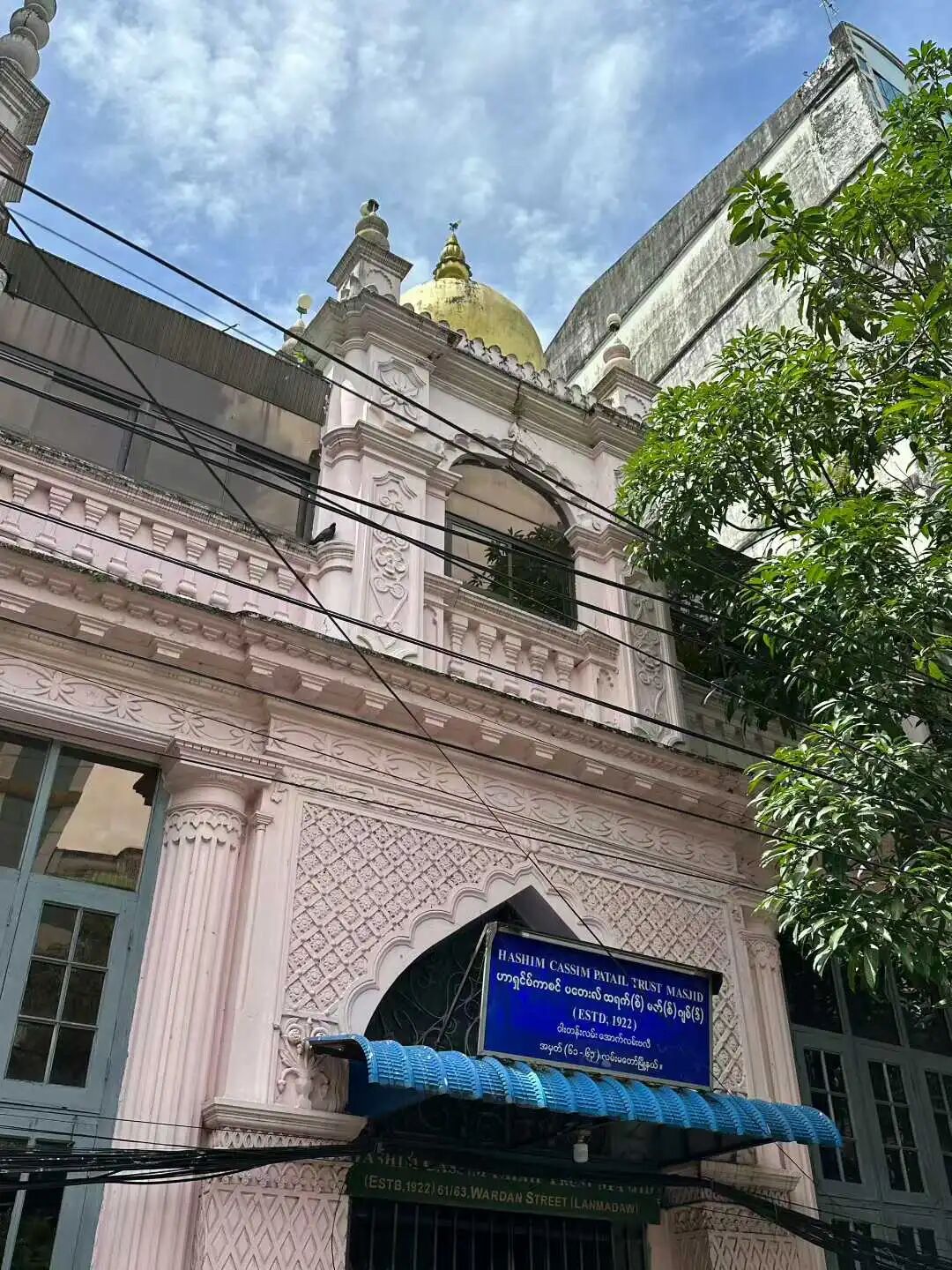
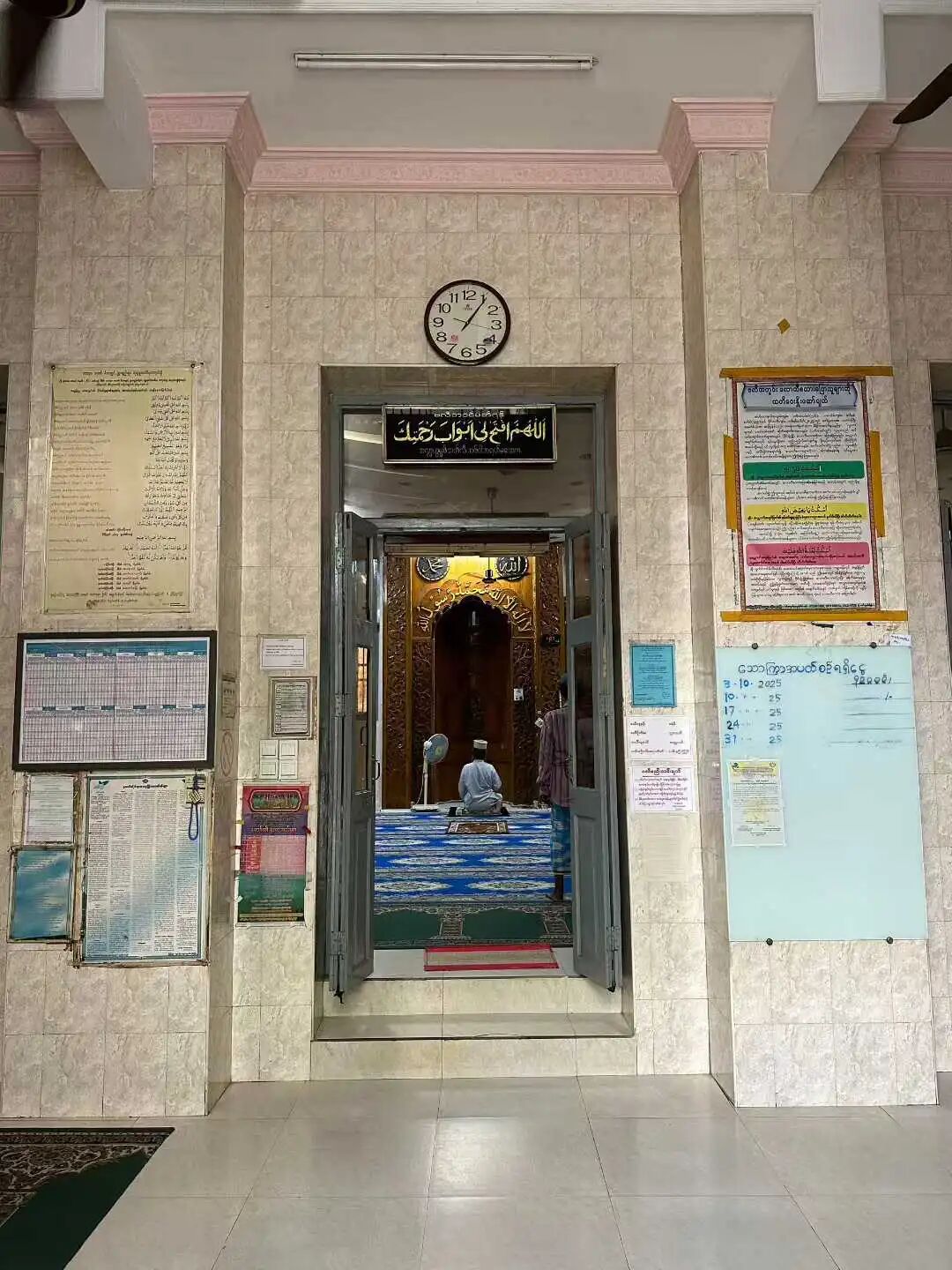
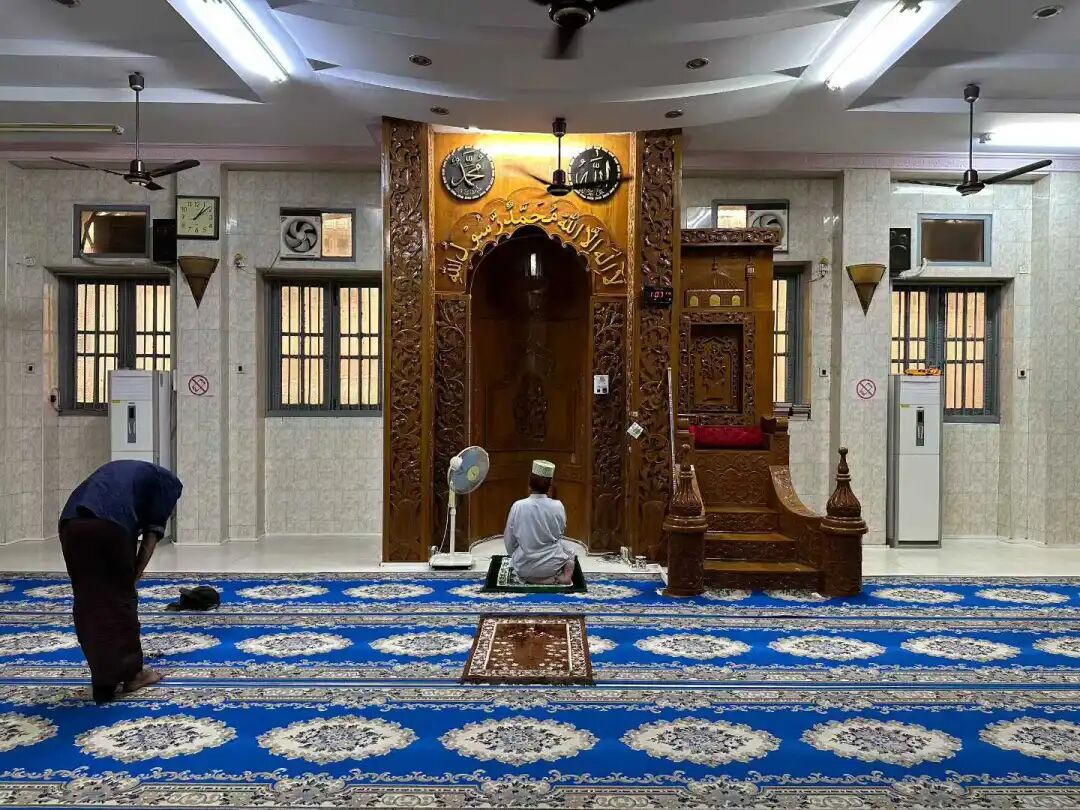
The Hashim Kasim Patel Trust Mosque is on the far west side of Yangon's old city. The Kasim Patel family from Surat, India, built it in 1922, and the family still manages it today.
After the First Anglo-Burmese War in 1826, merchants from British India began traveling to Myanmar for business. The Kasim Patel family moved from Mumbai, India, to Myanmar in the 1830s. They first worked in the silk trade in Mawlamyine. After the British occupied Yangon in 1853, they moved to Yangon to open shops. The family started a company named after the eldest son, Hashim Kasim Patel. They also ran the Gulam Ariff Company and the Boglay Bazzar Company. From the late 19th century to the early 20th century, the Kasim Patel family held a very high status among the Gujarati dosti in Yangon.
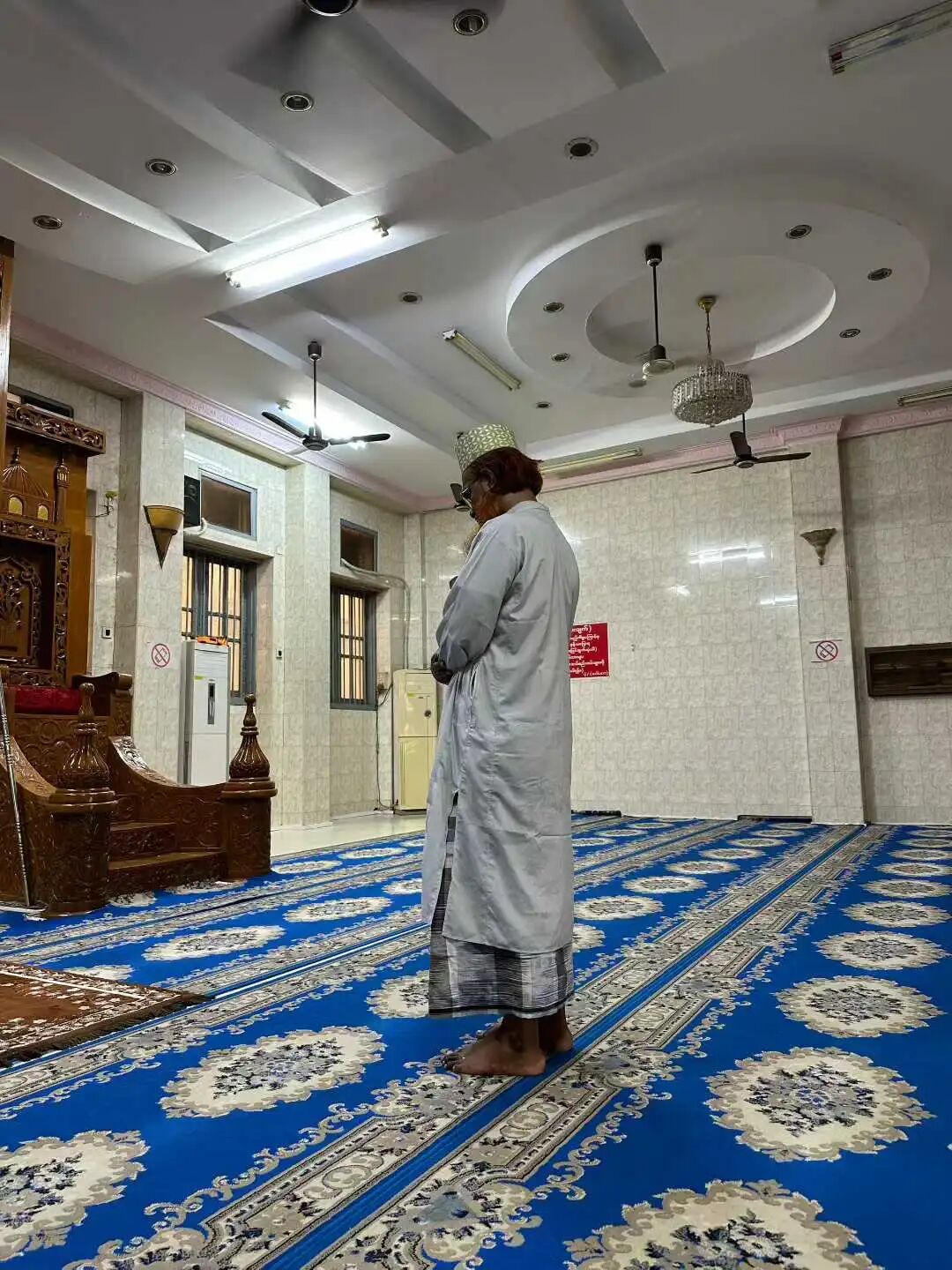
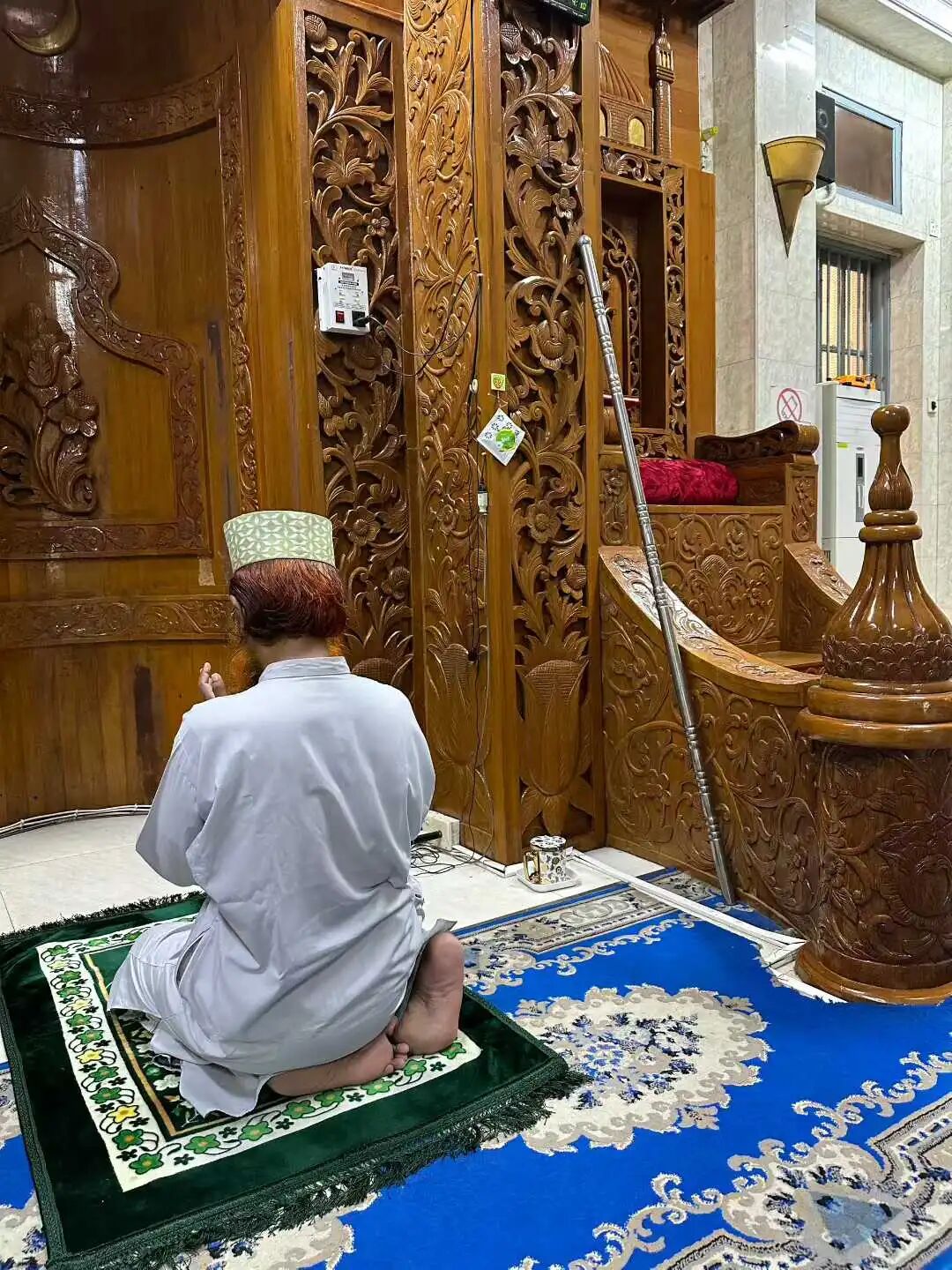
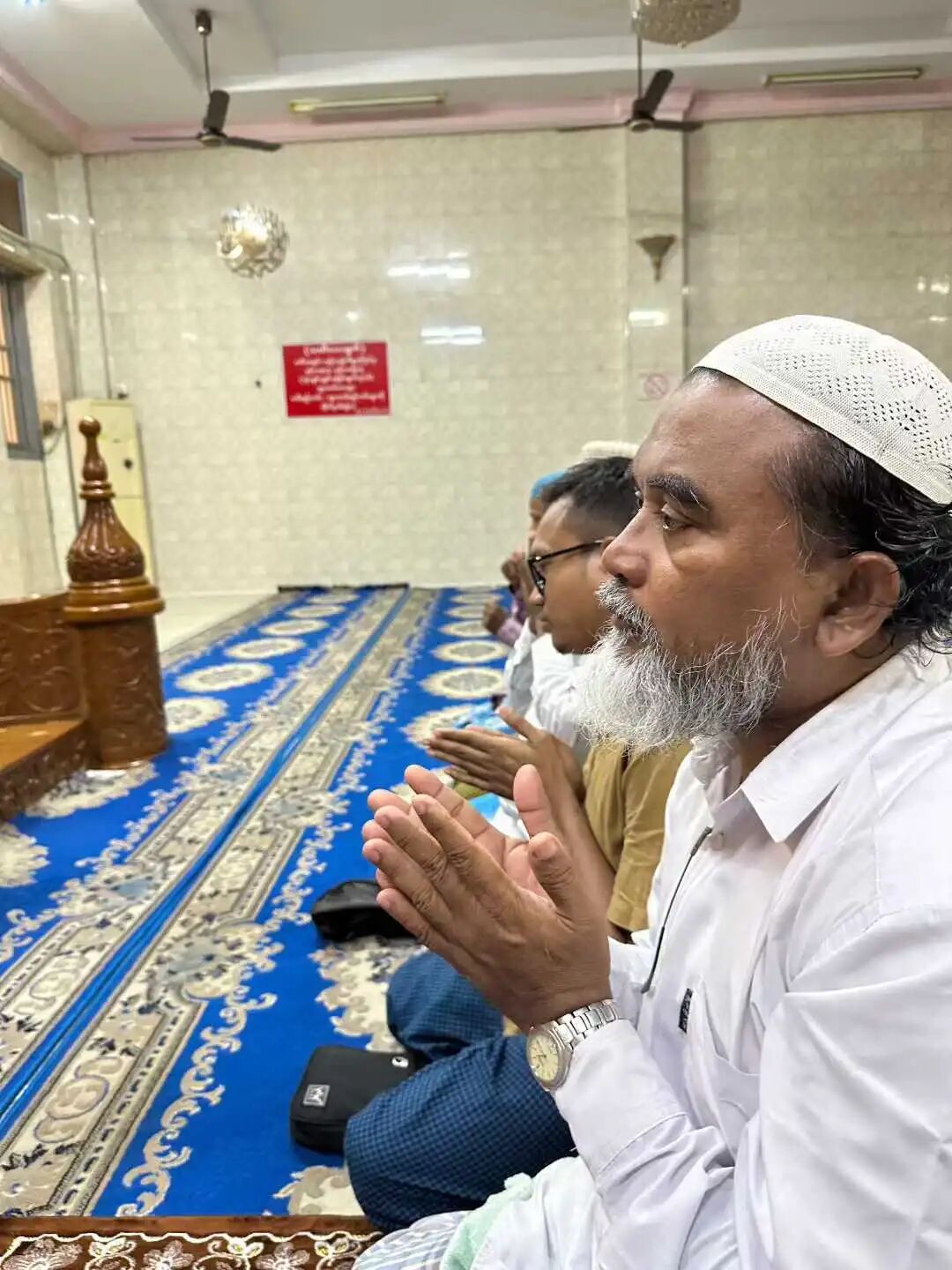
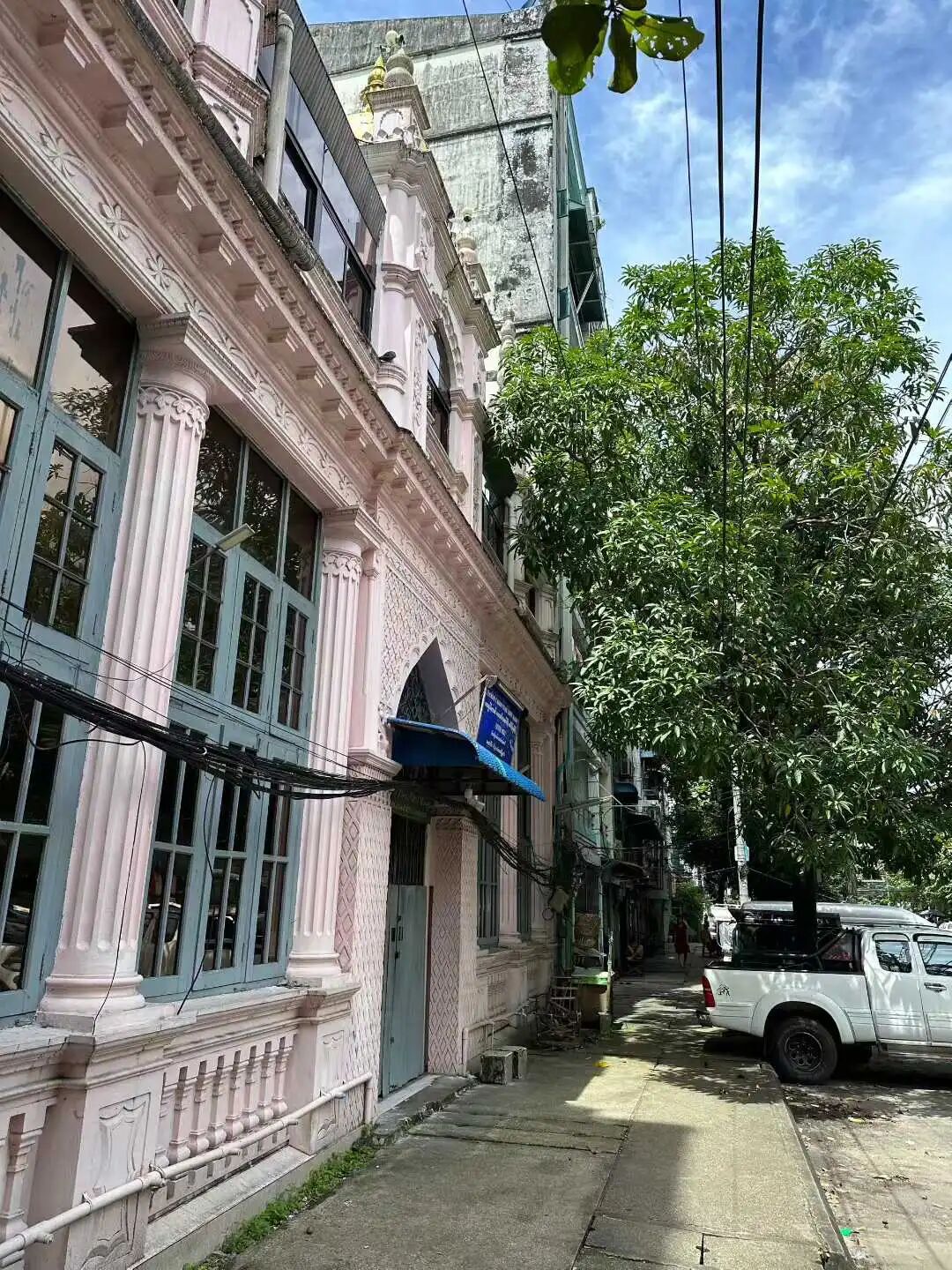
The Chittagong Sunni Arkaty Chota Mosque is on 40th Street on the east side of Yangon's old city. Dosti from Chittagong, Bangladesh, built it. Chittagong is an ancient natural port in Bangladesh. It has been an important passage for the southern Silk Road since ancient times. Arab merchants began trading there in the 9th century, and the famous traveler Ibn Battuta and Zheng He's fleet both visited. After 1666, the Mughal Empire ruled Chittagong. During this time, Chittagong developed quickly and became a shipbuilding center. After 1823, the British occupied both Chittagong and Lower Myanmar, and the dosti from Chittagong began moving to Myanmar to make a living.
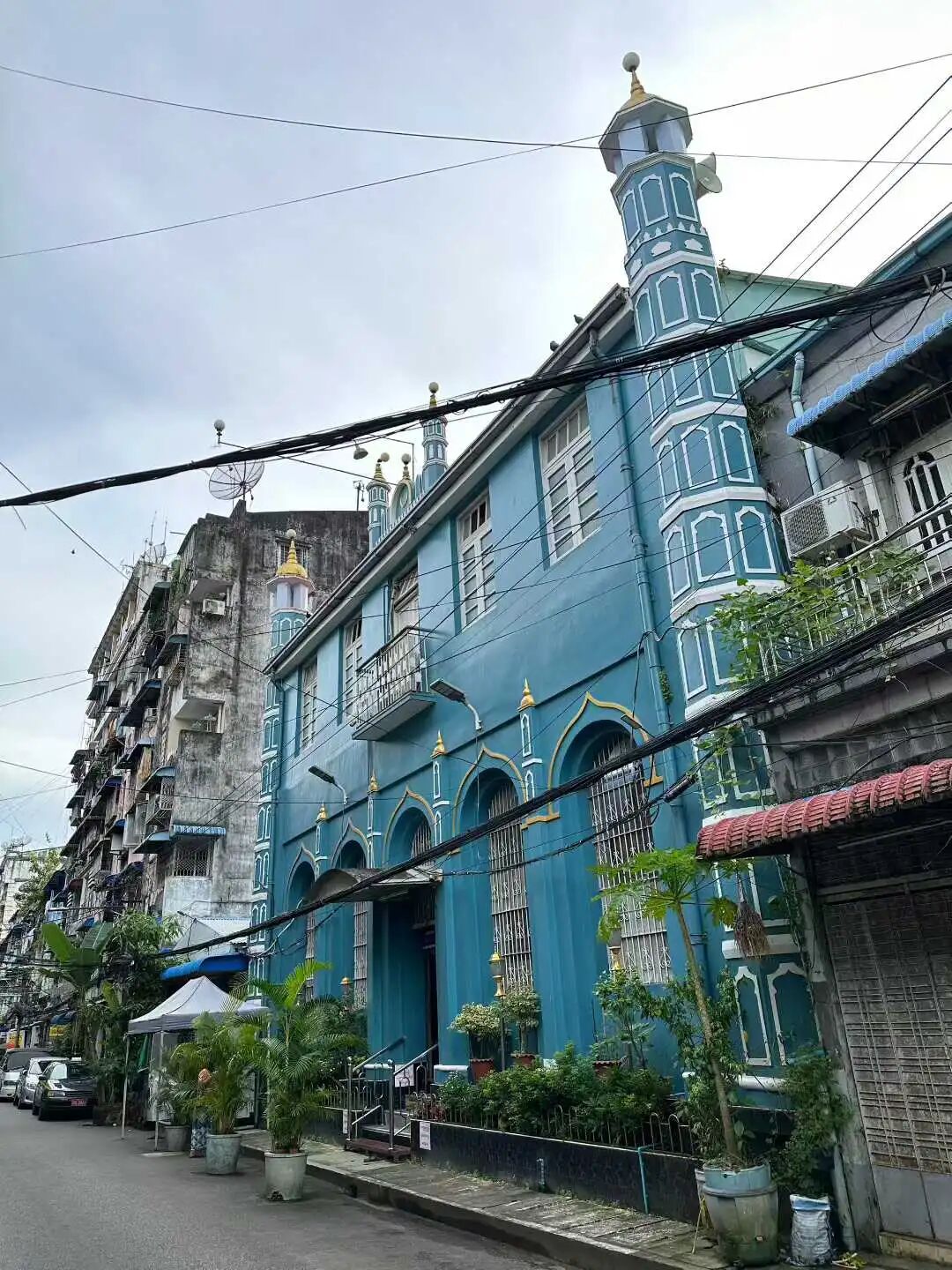
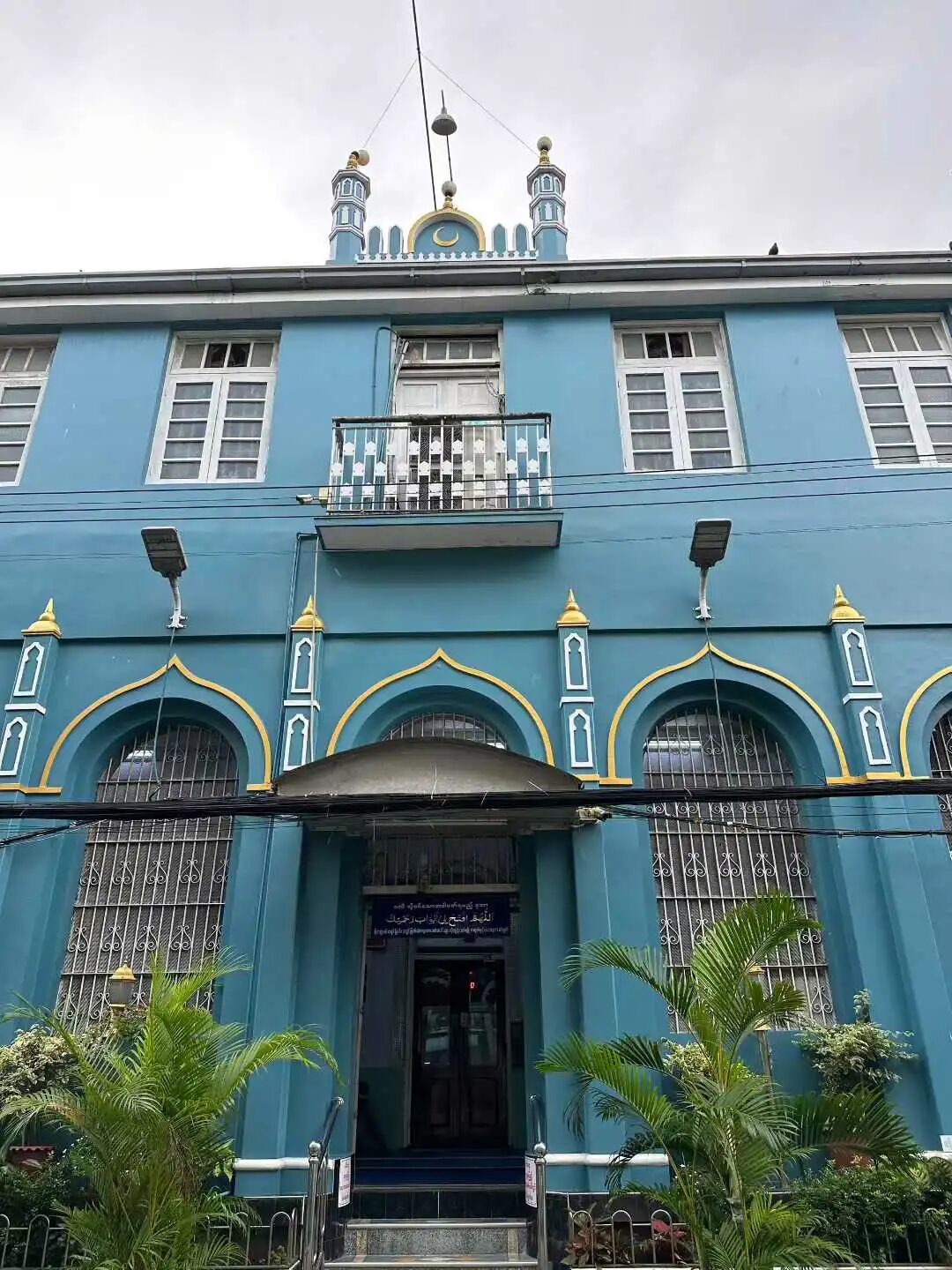
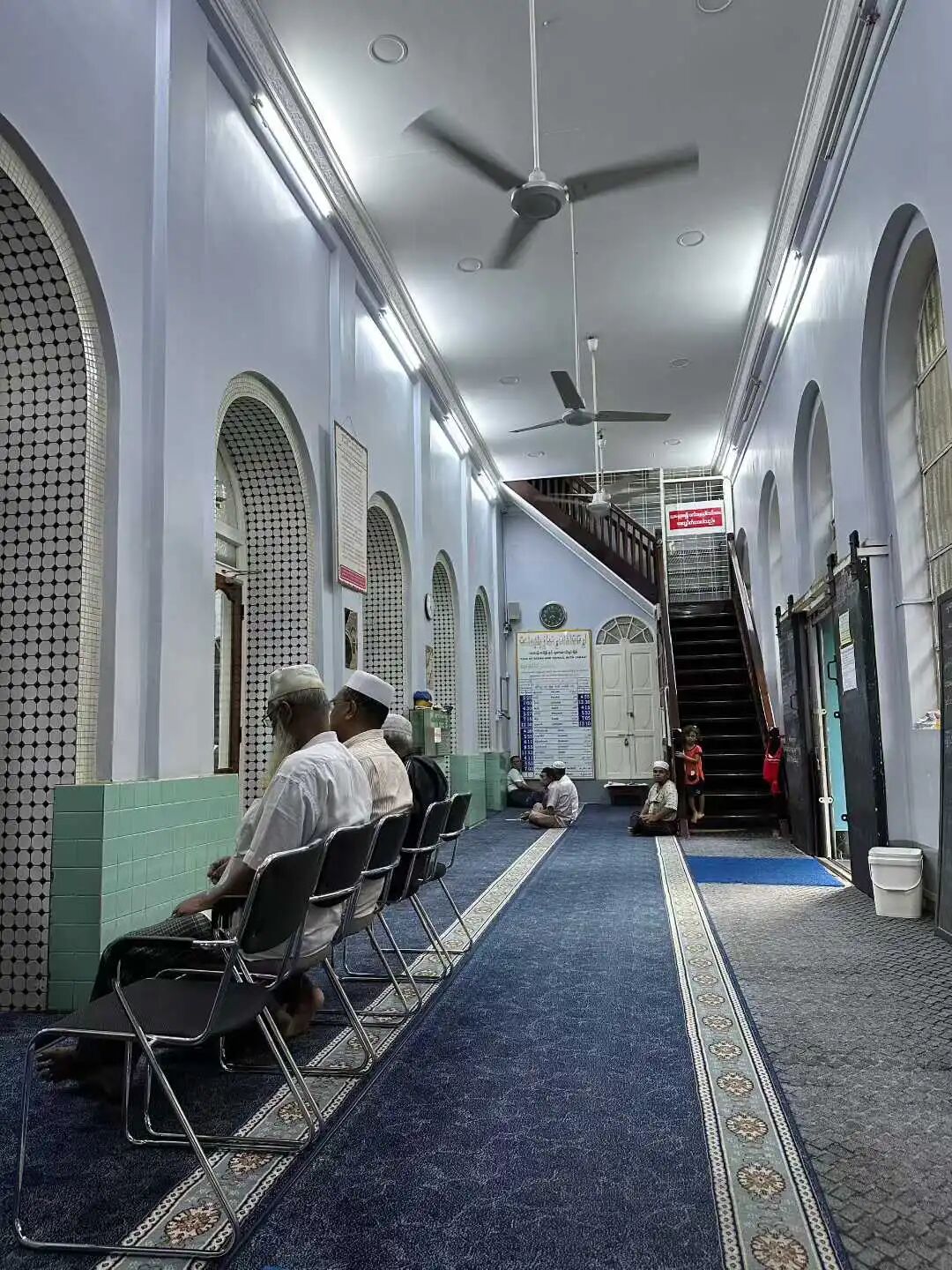
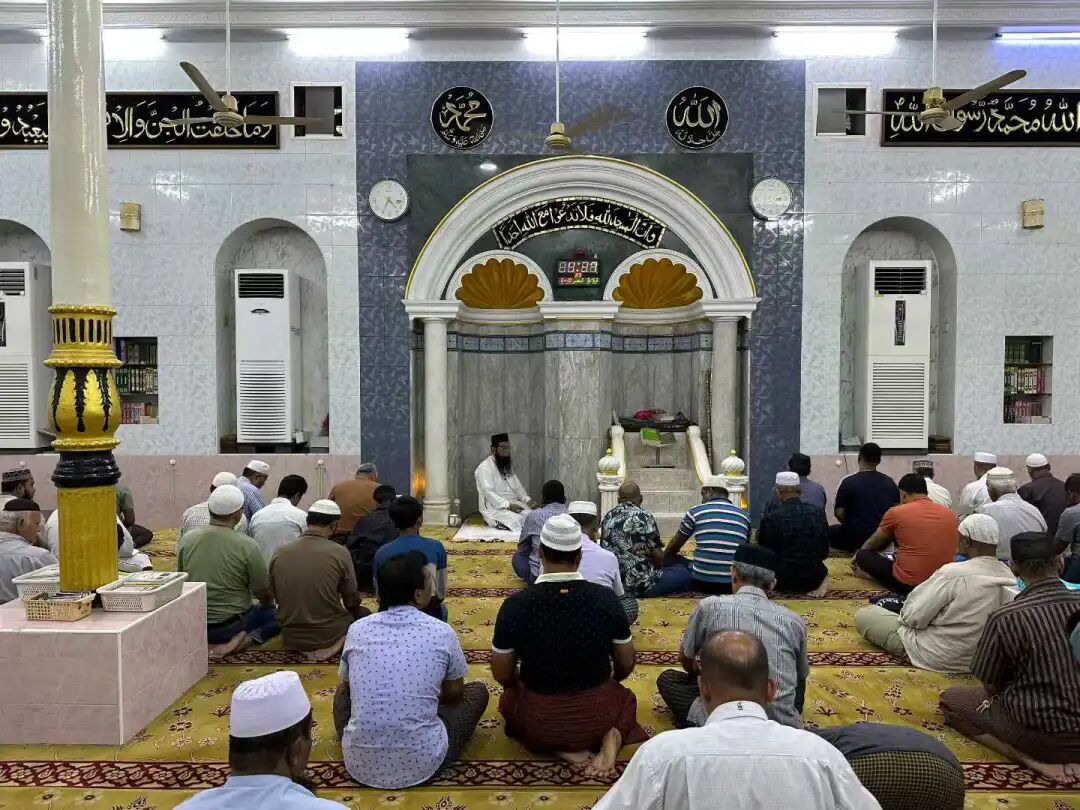
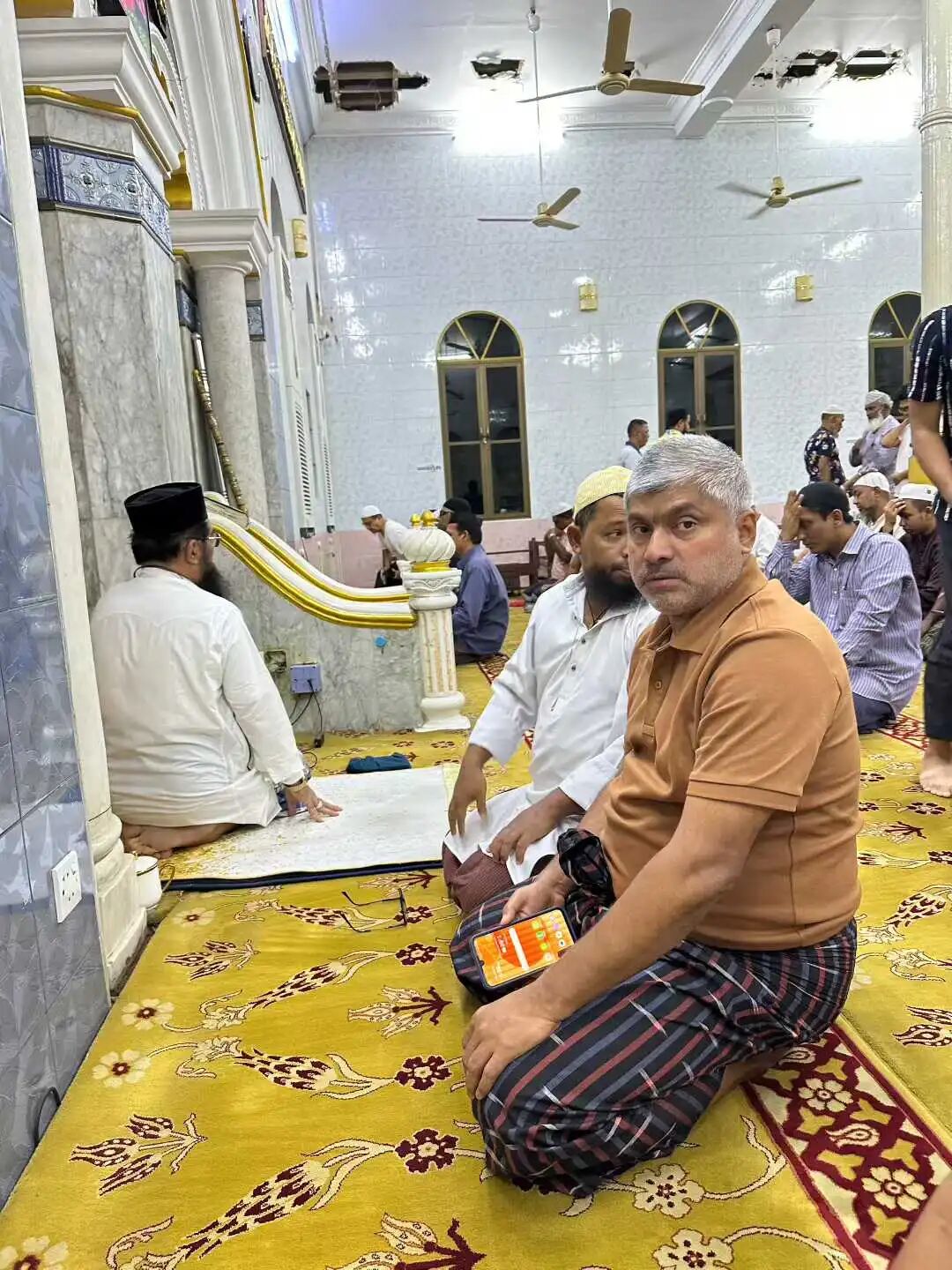
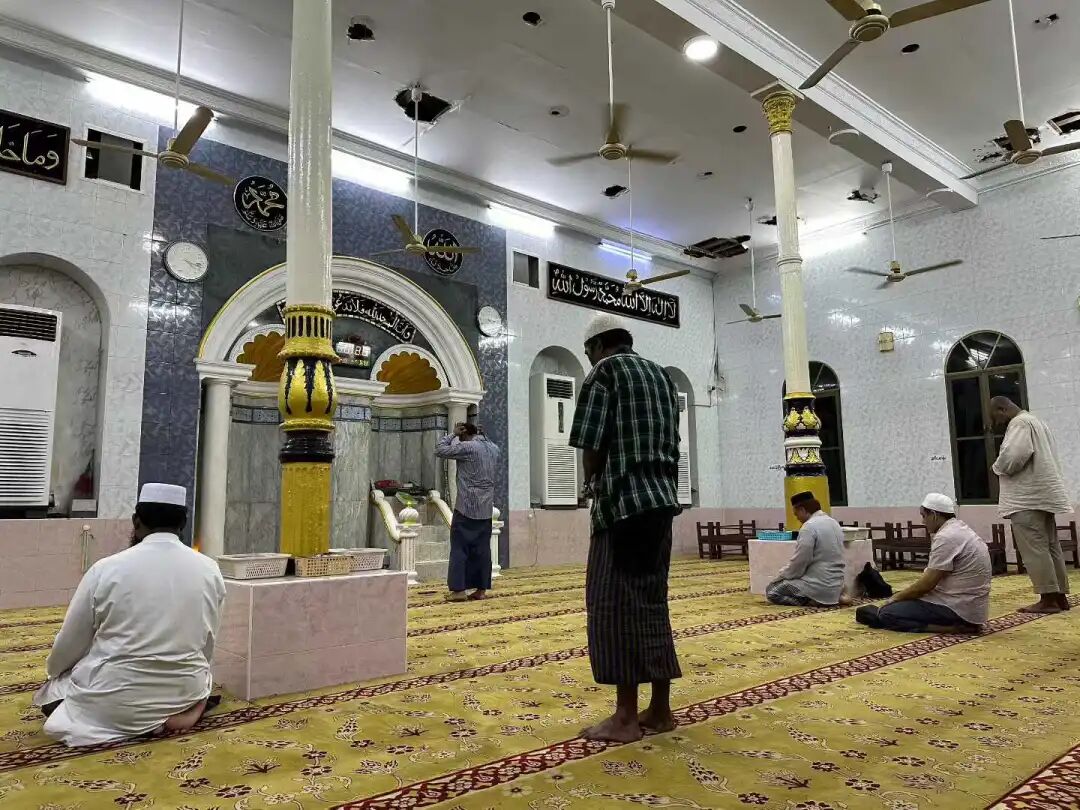
The Triangle Mosque is on Upper Pansodan Road, north of Yangon's old city. It is one of the oldest mosques in Yangon. Two officers of King Bagyidaw (who reigned from 1819 to 1837) of the Konbaung Dynasty, U Shwe Thie and U Shwe Mie, built it in 1826. This mosque was badly damaged during the Japanese invasion of Yangon in World War II, but it was later renovated.
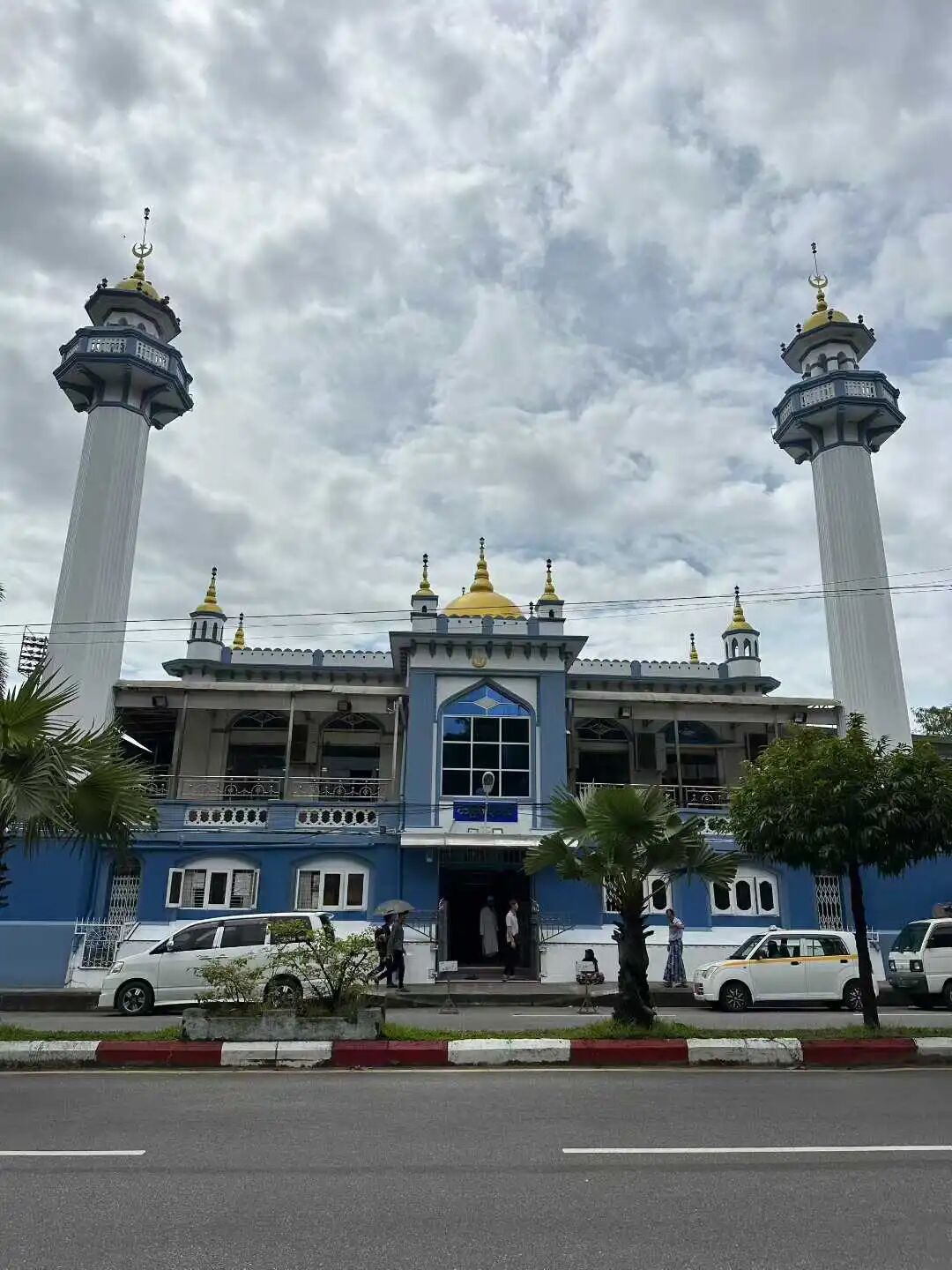
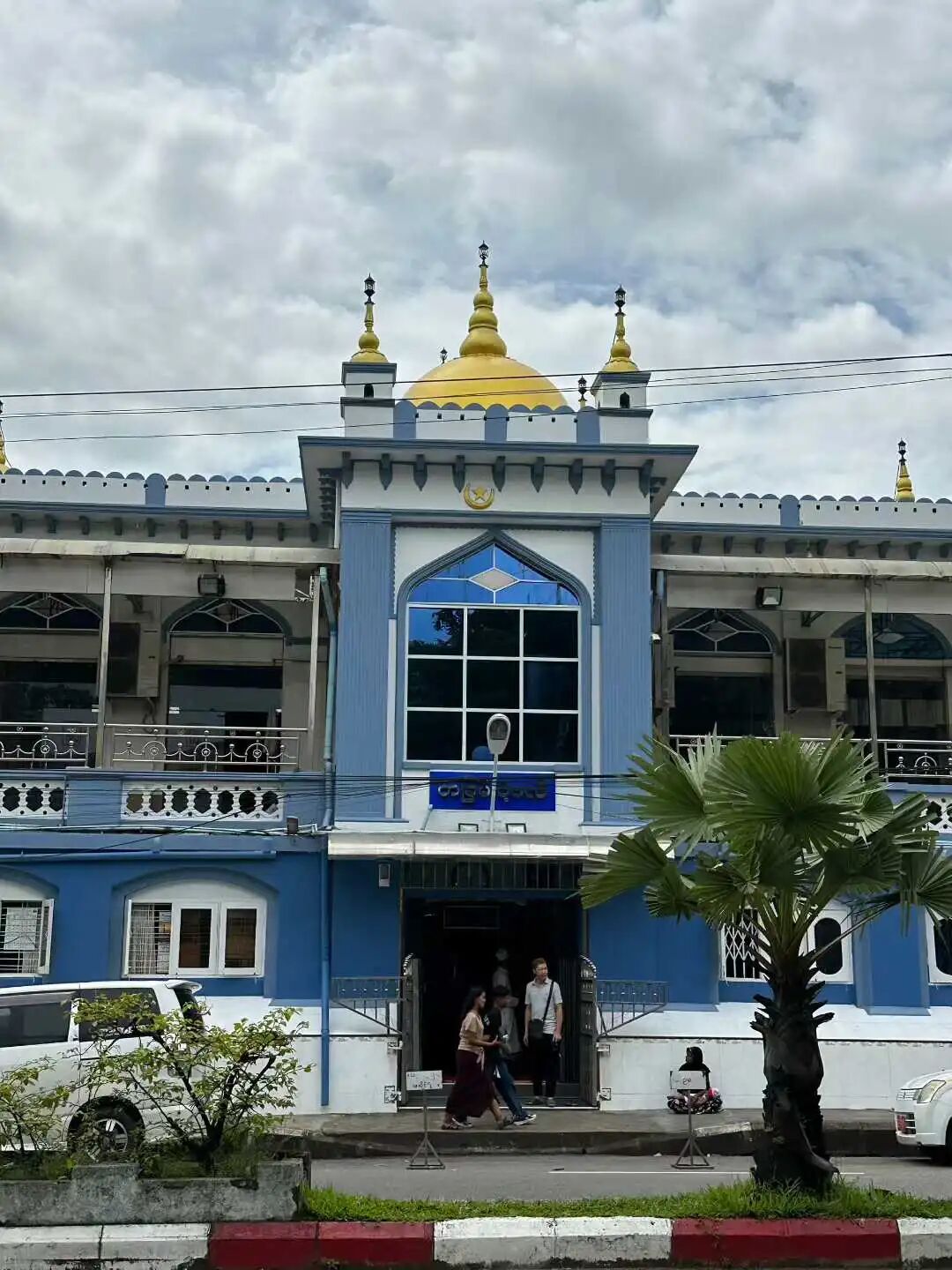
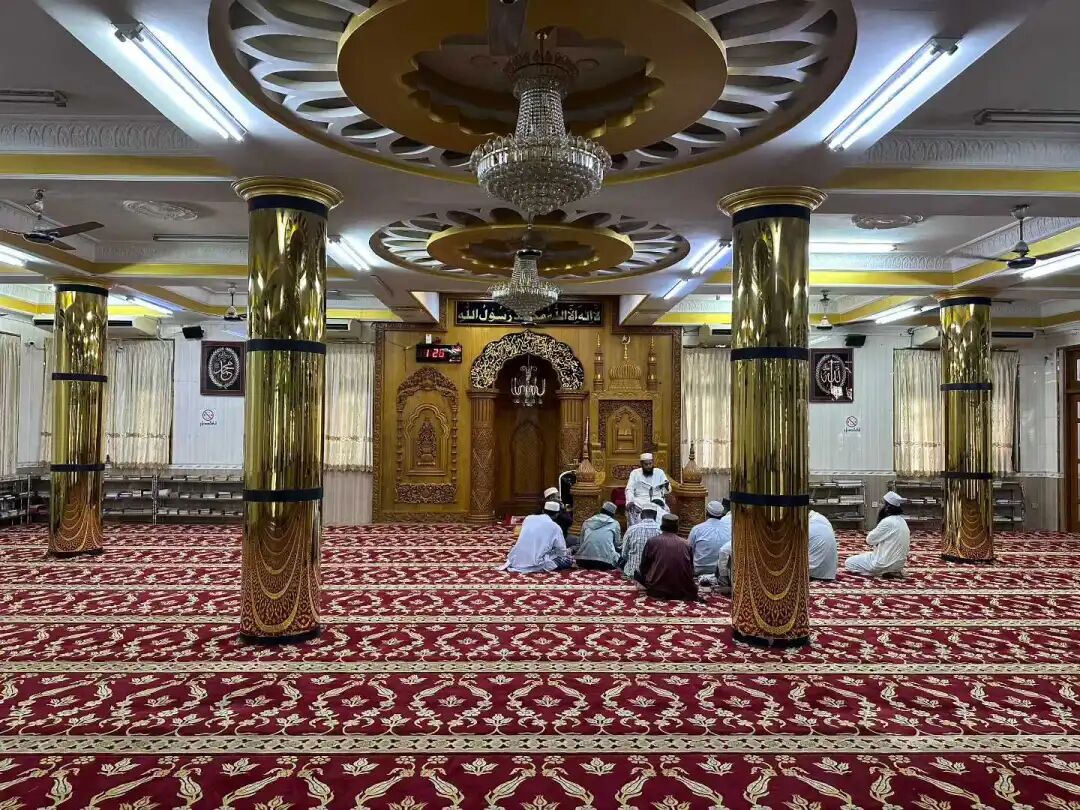
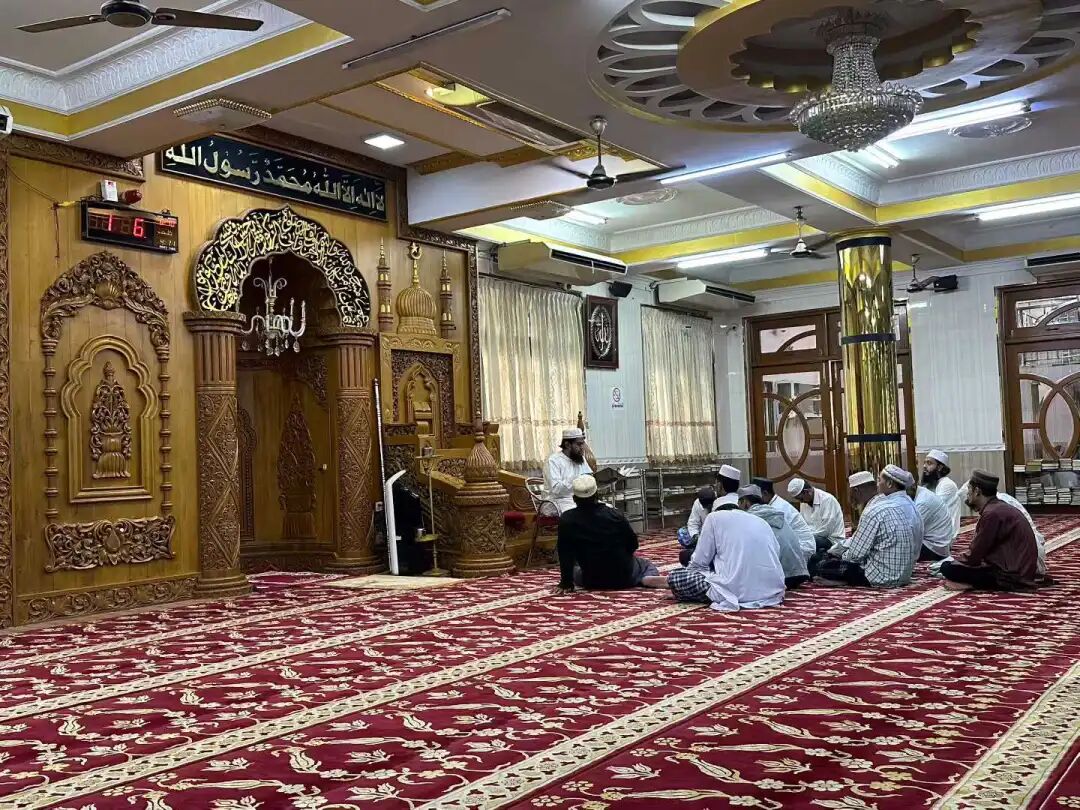
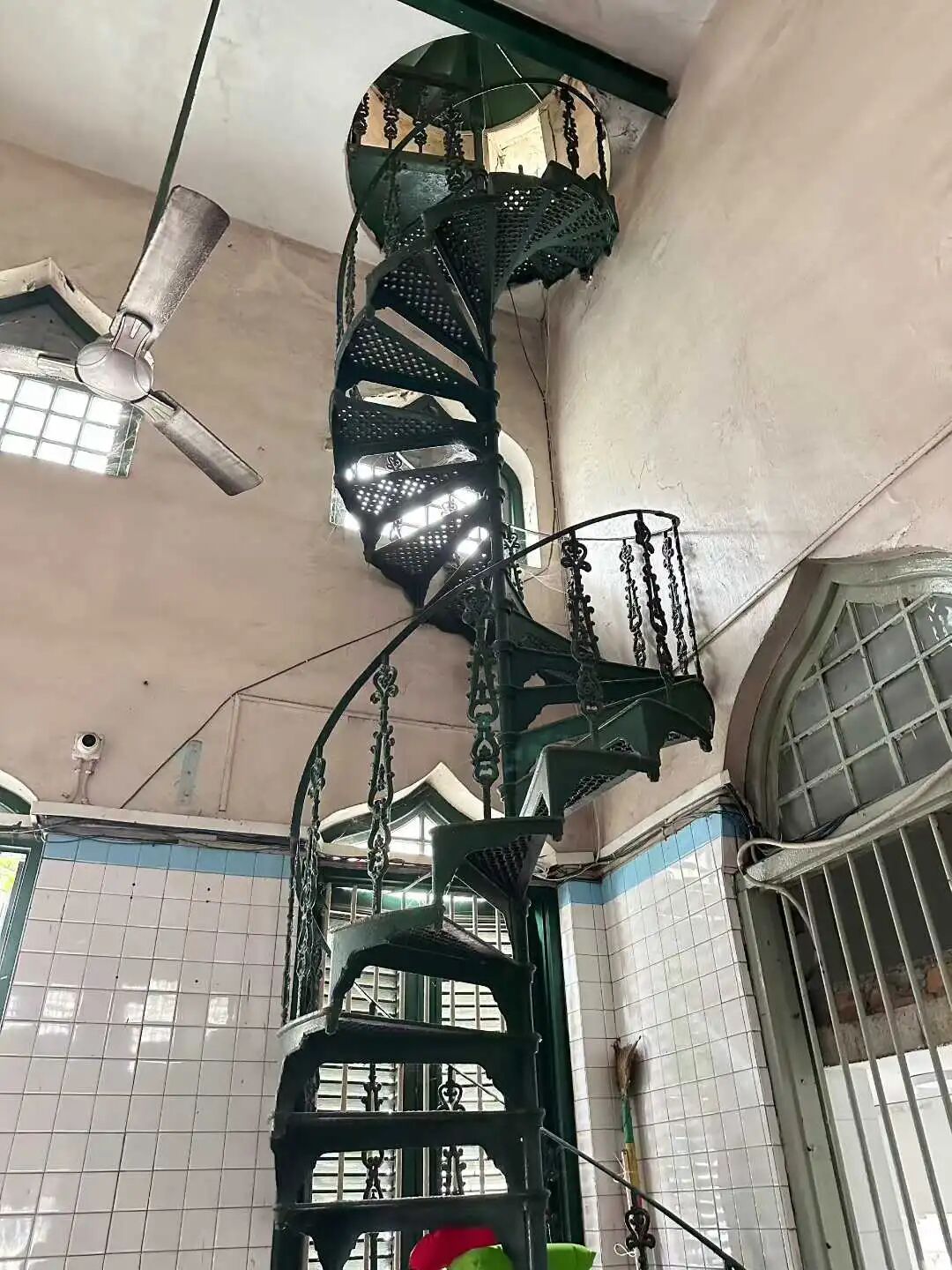
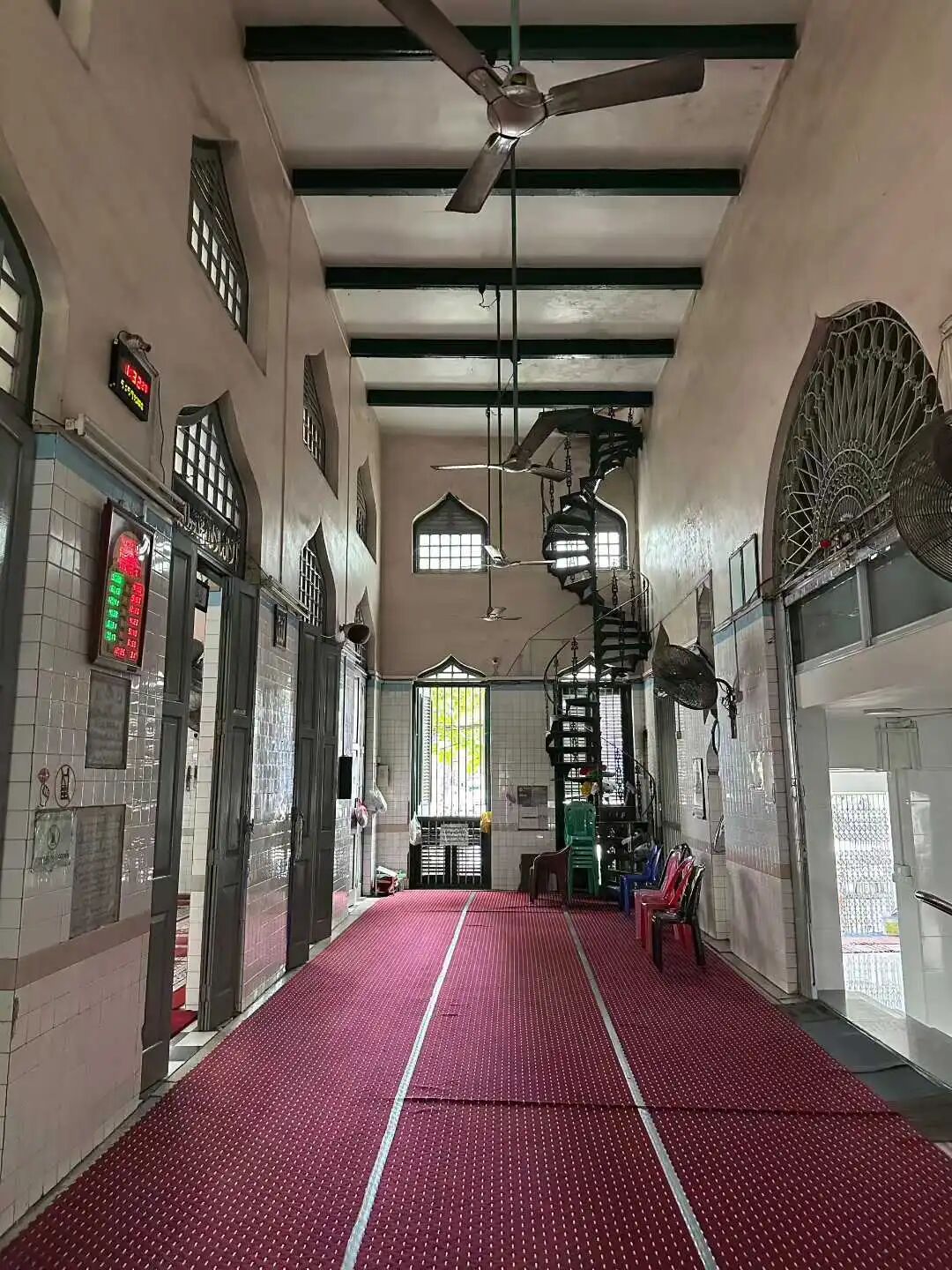
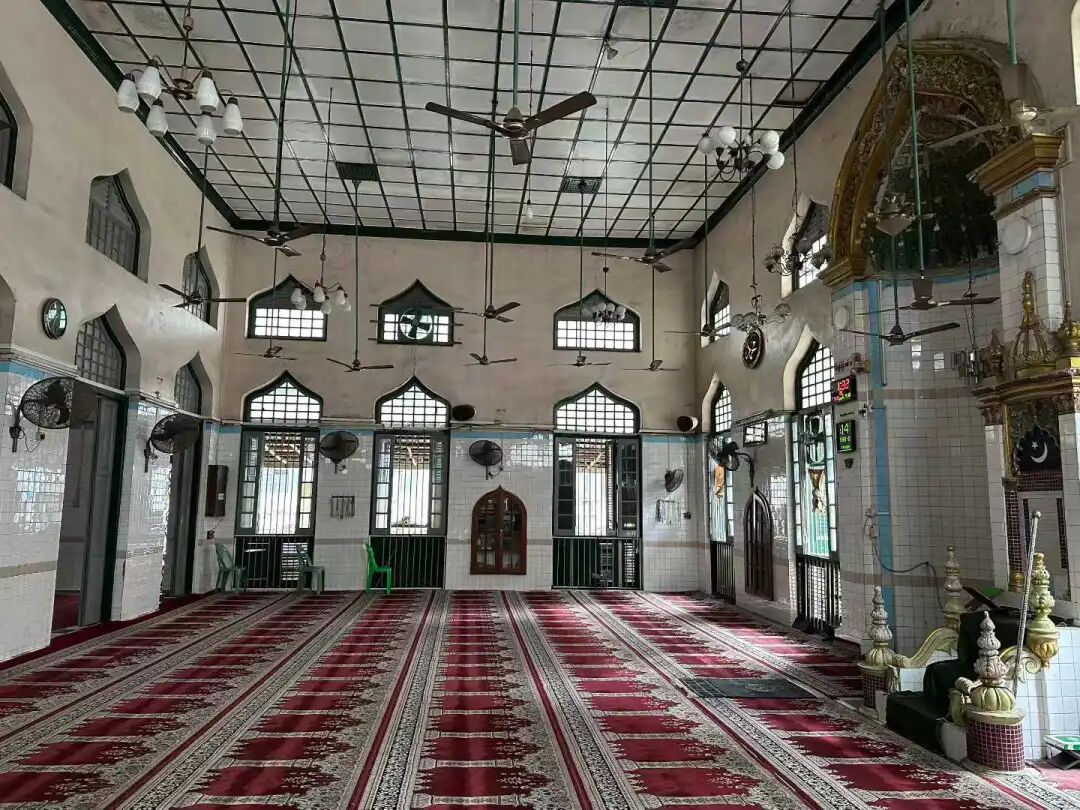
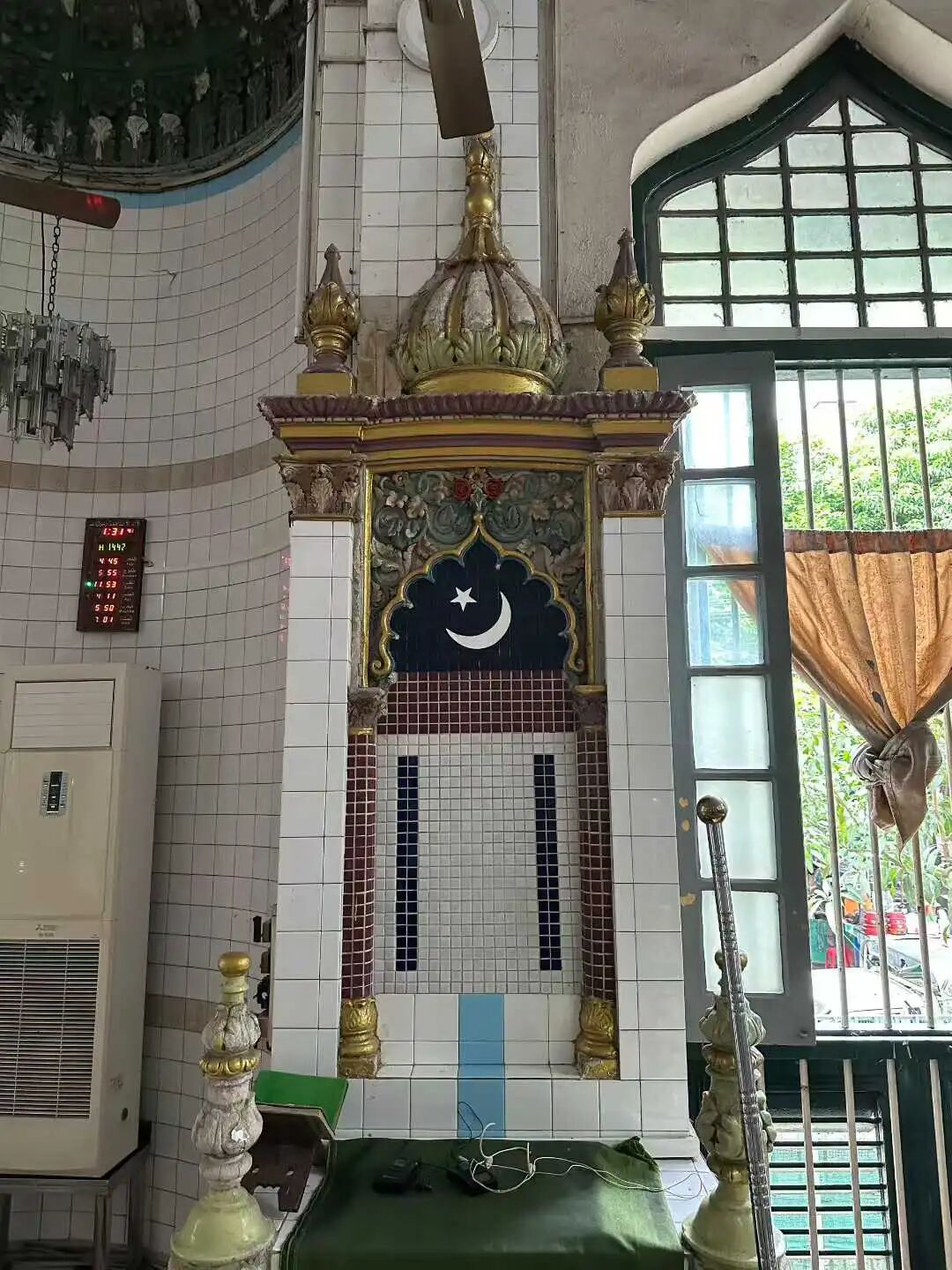
The Mayin Gon Jame Mosque is in Sanchaung Township, north of Yangon's old city. It was first built in 1930. The spiral staircase inside the mosque was provided by Cowie Brothers, an exporter from Glasgow, Scotland. The company's founder, Charles, was once a manager at the Rangoon Oil Company and exported many goods to Myanmar from the late 19th to the early 20th century.
Mogul Street Jumu'ah Mosque (Mogul Street Jumu'ah Mosque) is located at the very busy Mogul Street intersection. Surrounded by many shopping malls, it is known as the New York Times Square of Yangon. Every Friday, many friends (dost) come to the mosque for Jumu'ah prayers. Although the mosque director has been applying to expand the mosque, it has never been approved due to the current situation.
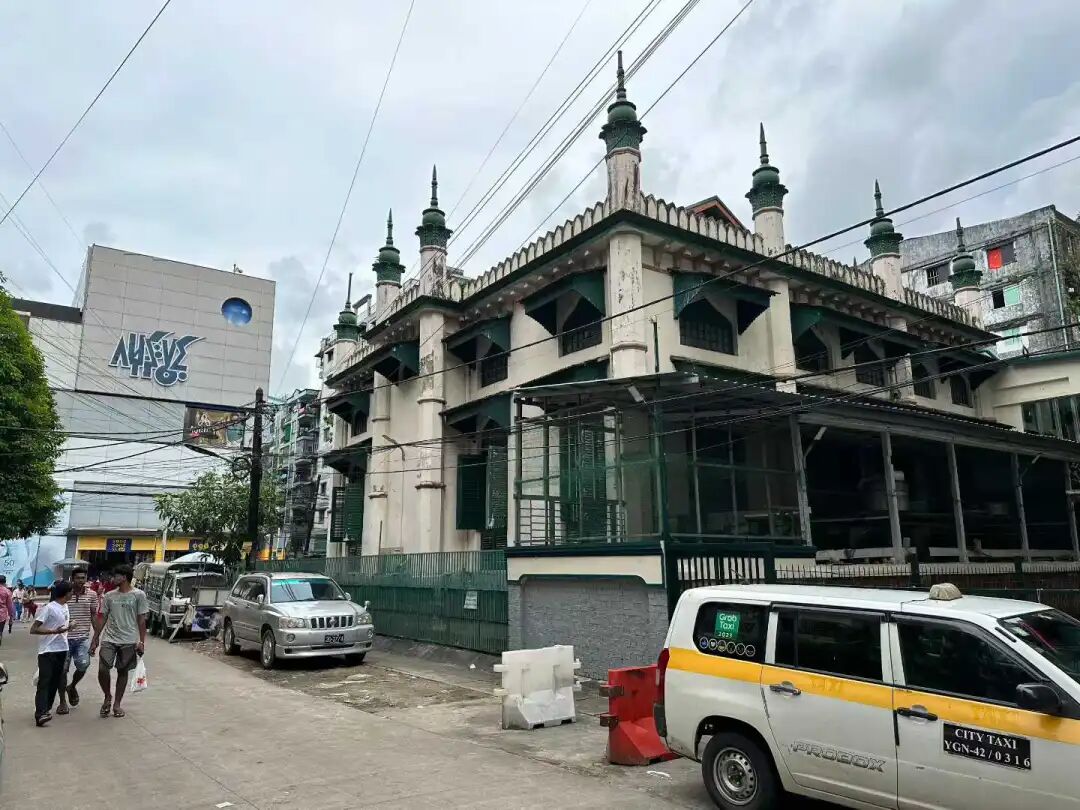
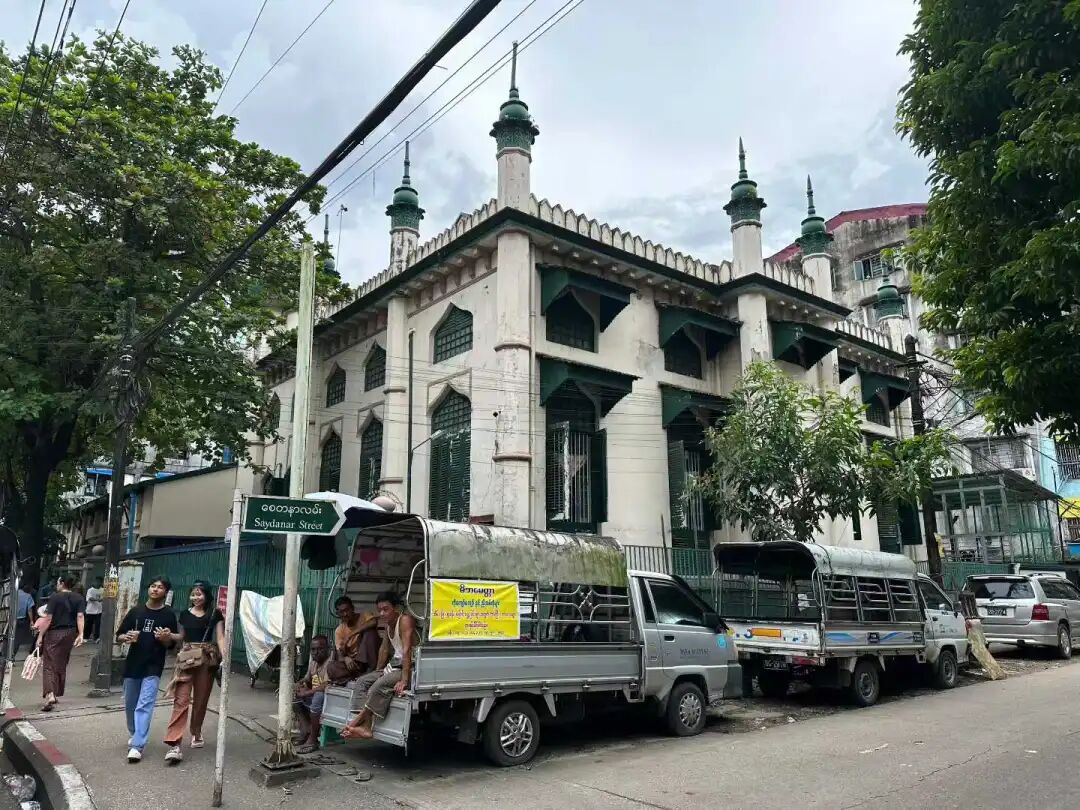
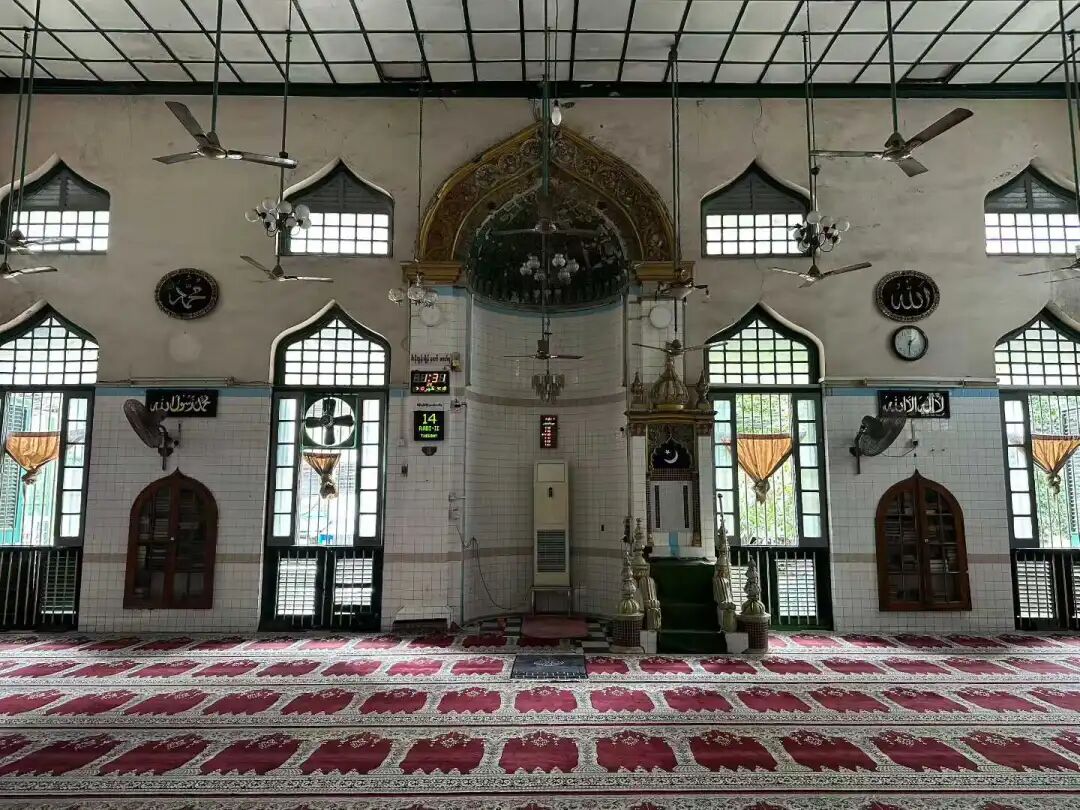
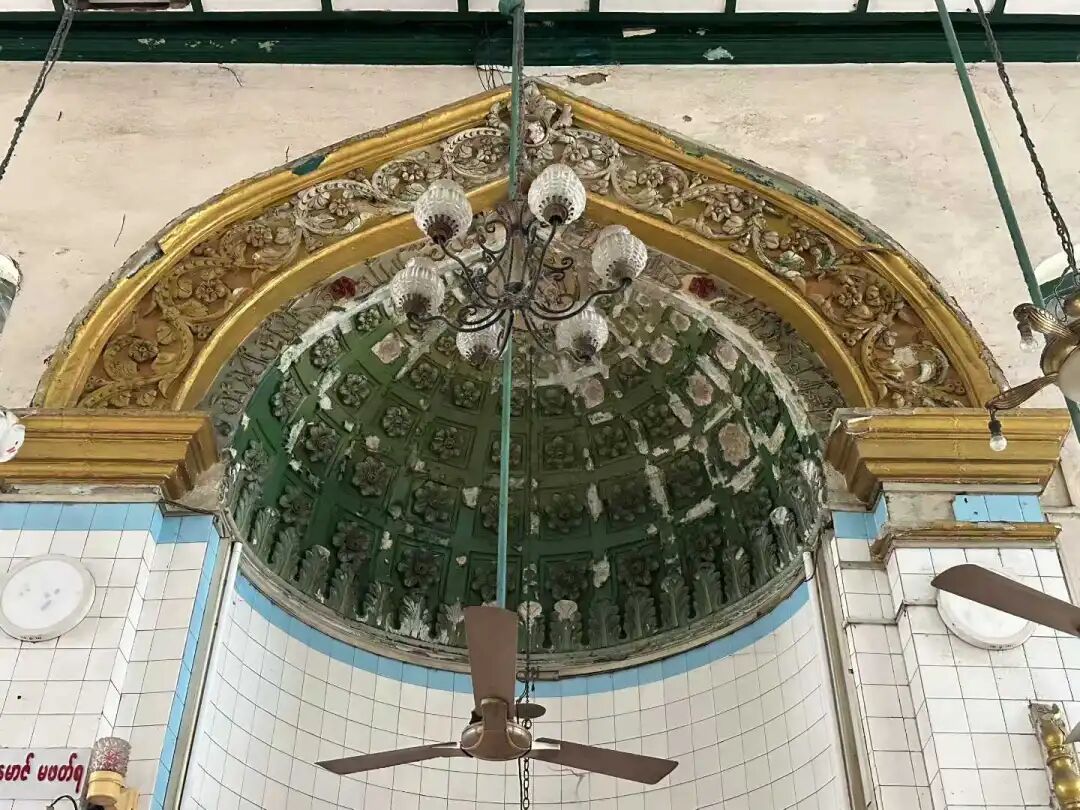
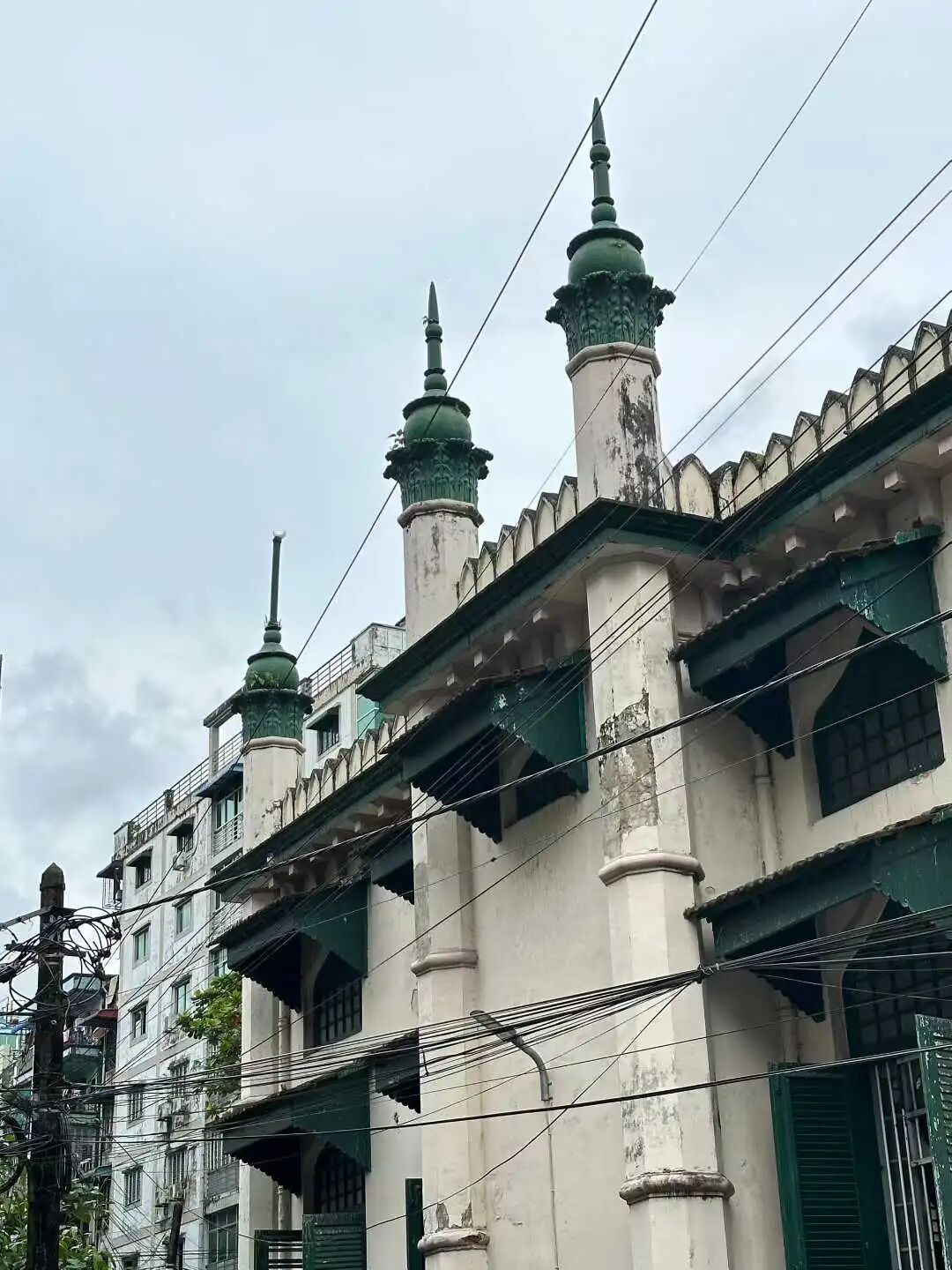
Musmeah Yeshua Sunni Jumu'ah Mosque (Musmeah Yeshua Sunni Jumu'ah Mosque) is located in the Tamwe Township in northern Yangon. It was founded in 1908 by the Indian businessman Musmeah Yeshua. The top of the main hall features twenty-two intricate domes and small towers, making it the most distinctive mosque in Yangon. Despite damage from two earthquakes, most of the original design of the main hall, including the stained glass windows imported from India, has been preserved to this day.
According to newspaper records from the early 20th century, Musmeah Yeshua was once a famous gang leader in Yangon. At that time, two major Indian families in Yangon, led by Musmeah and Mamusa, were long-term rivals, which led to many gang incidents. The Straits Times reported on December 21, 1923, that Musmeah Yeshua himself clashed with a rival gang called the Sultans. He was injured by a series of glass soda bottles thrown from a roof and was later forced to apply to the police for protective custody.
In every mosque in Yangon, the time between the dawn prayer (fajr) and the sunrise prayer (shuruq) is for studying the Quran. Adults and children learn the Quran sentence by sentence in the mosque, which is the best time to experience the religious atmosphere of Yangon.
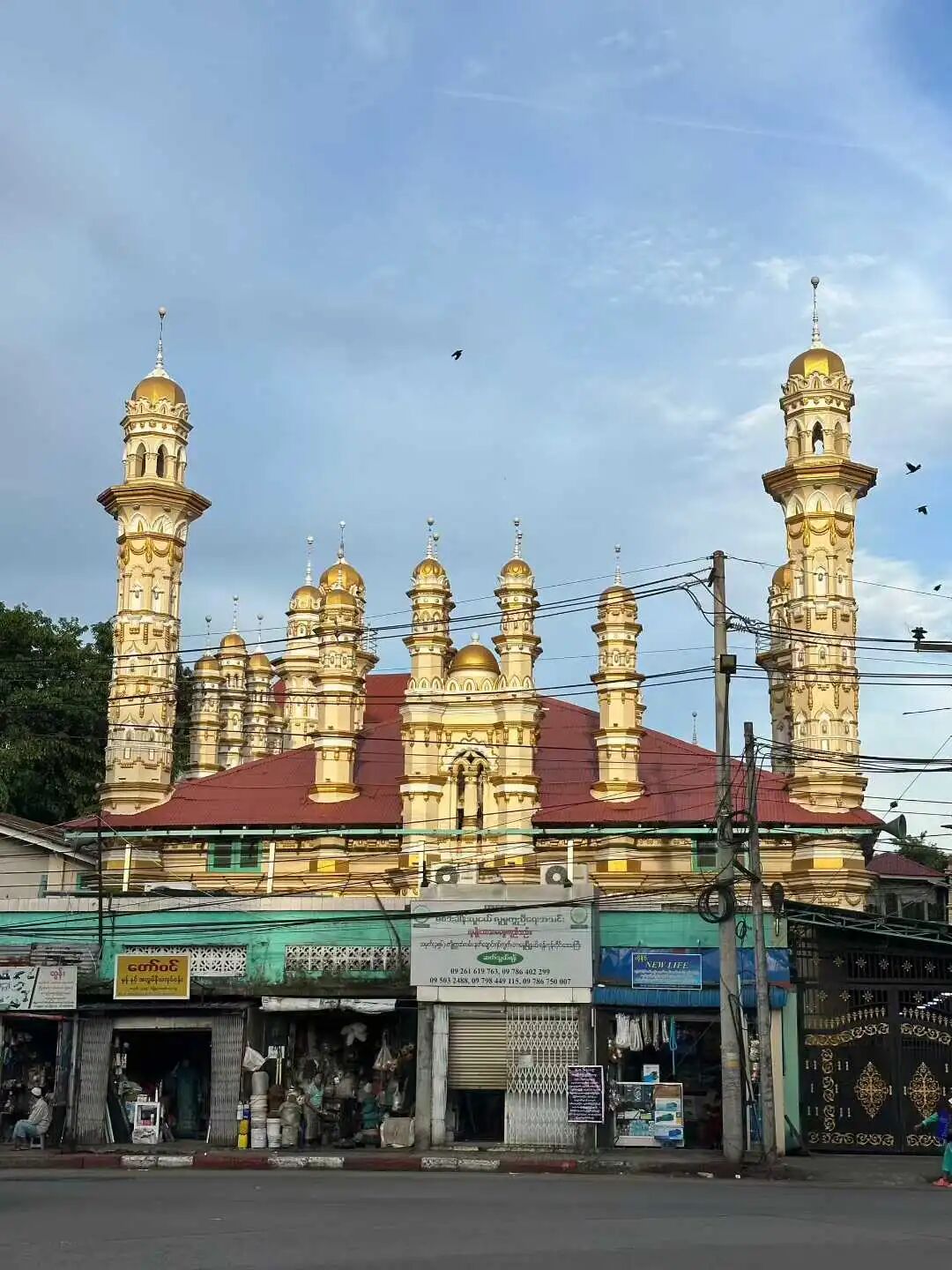
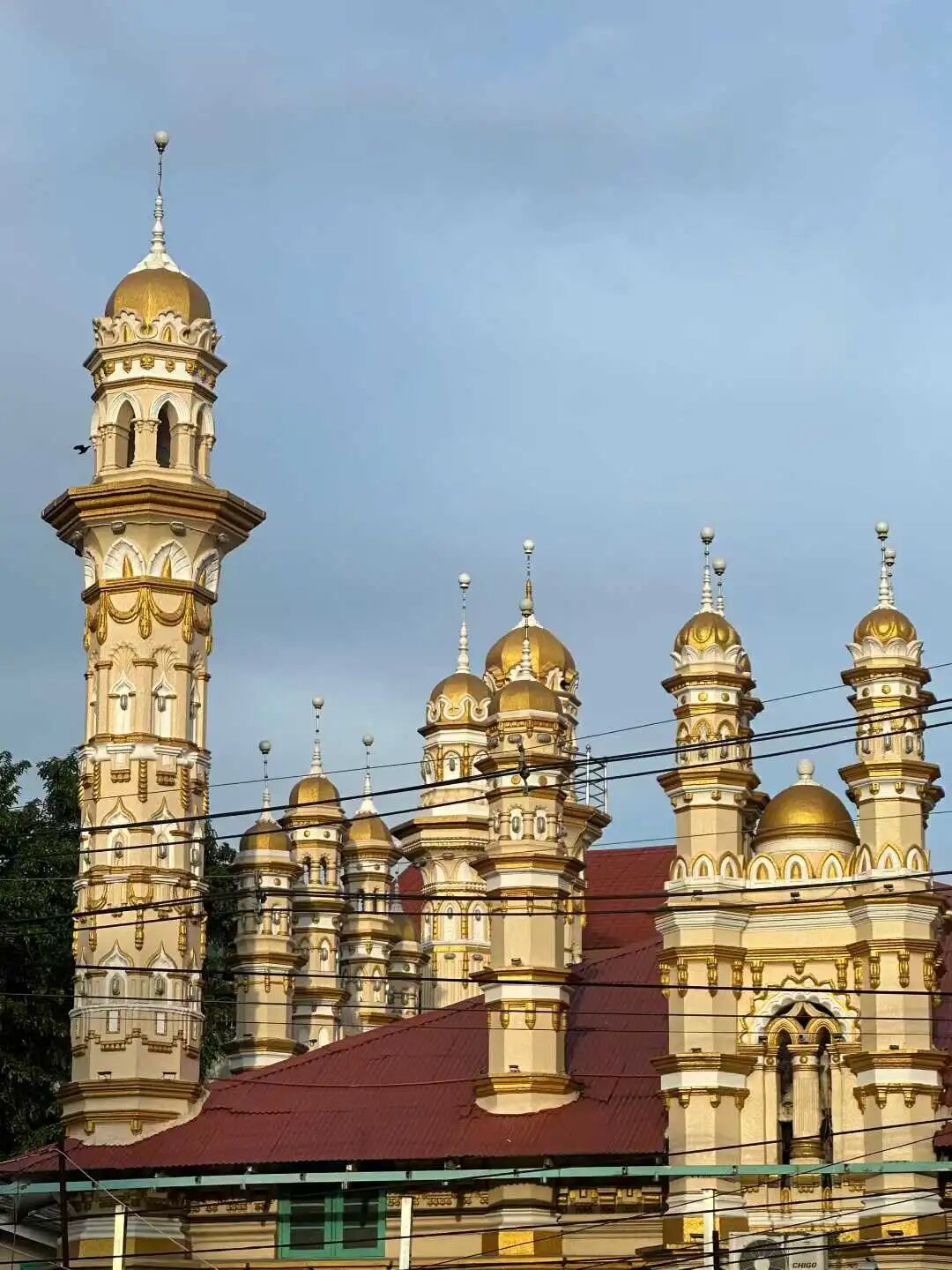
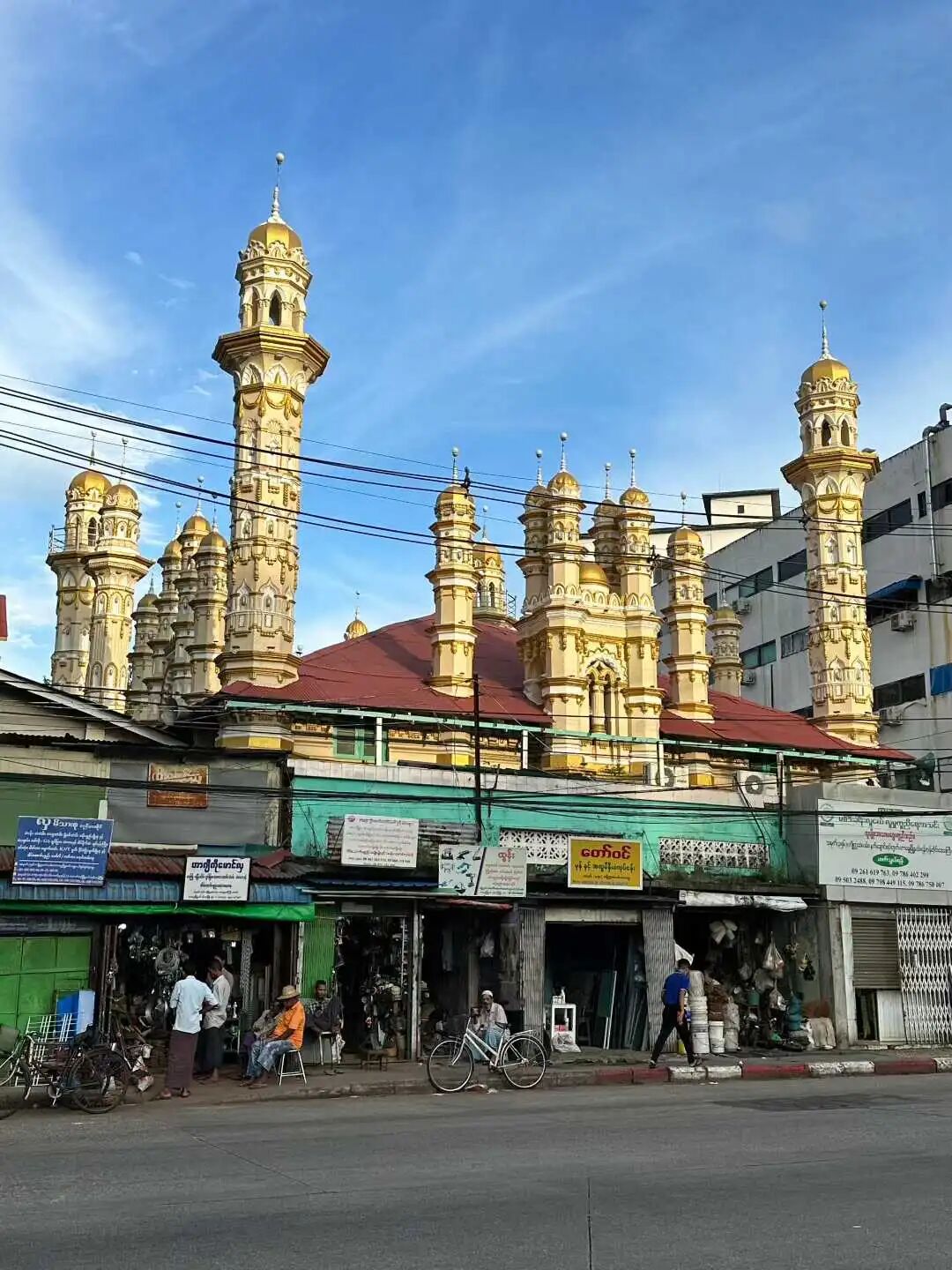
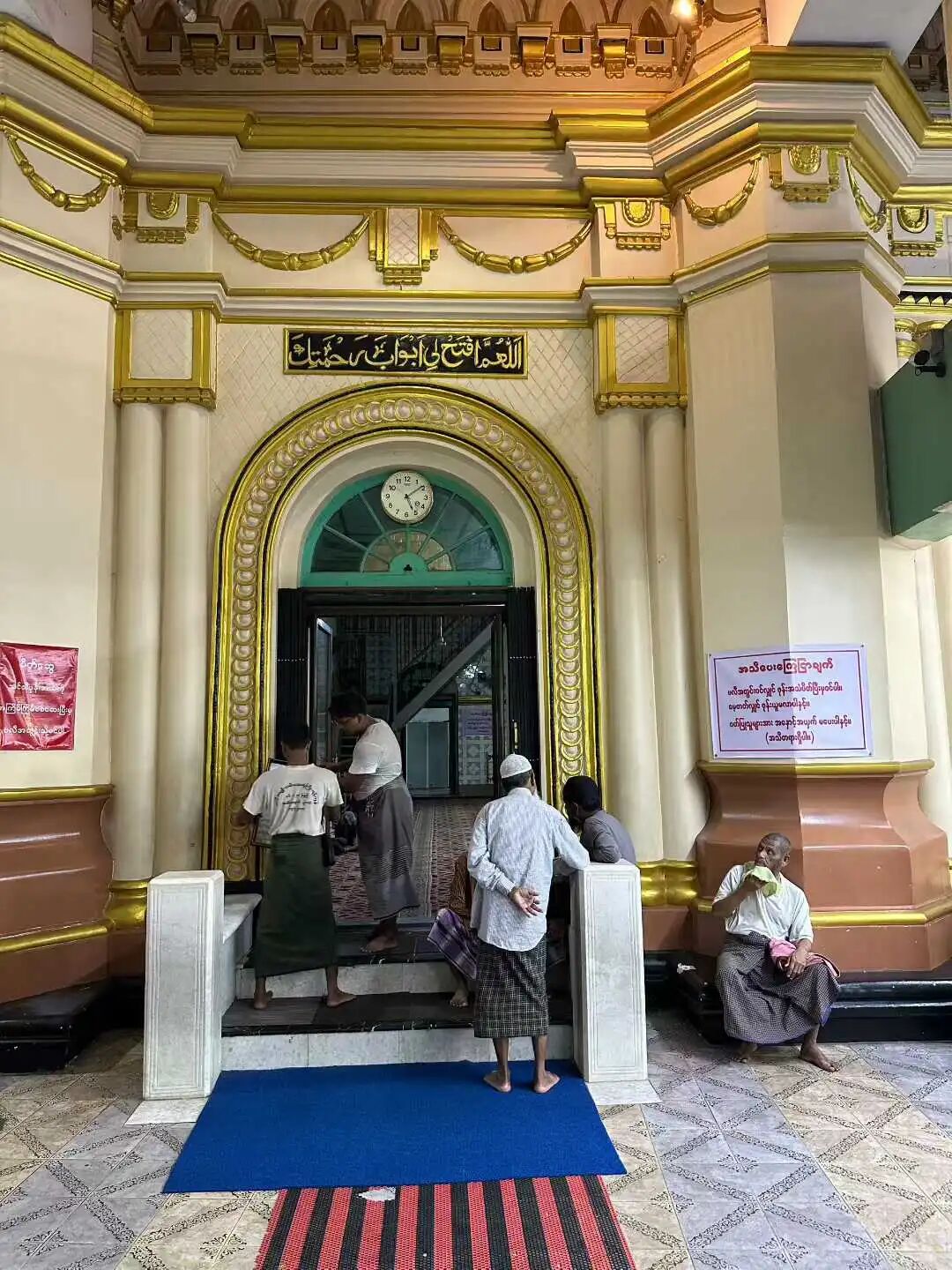
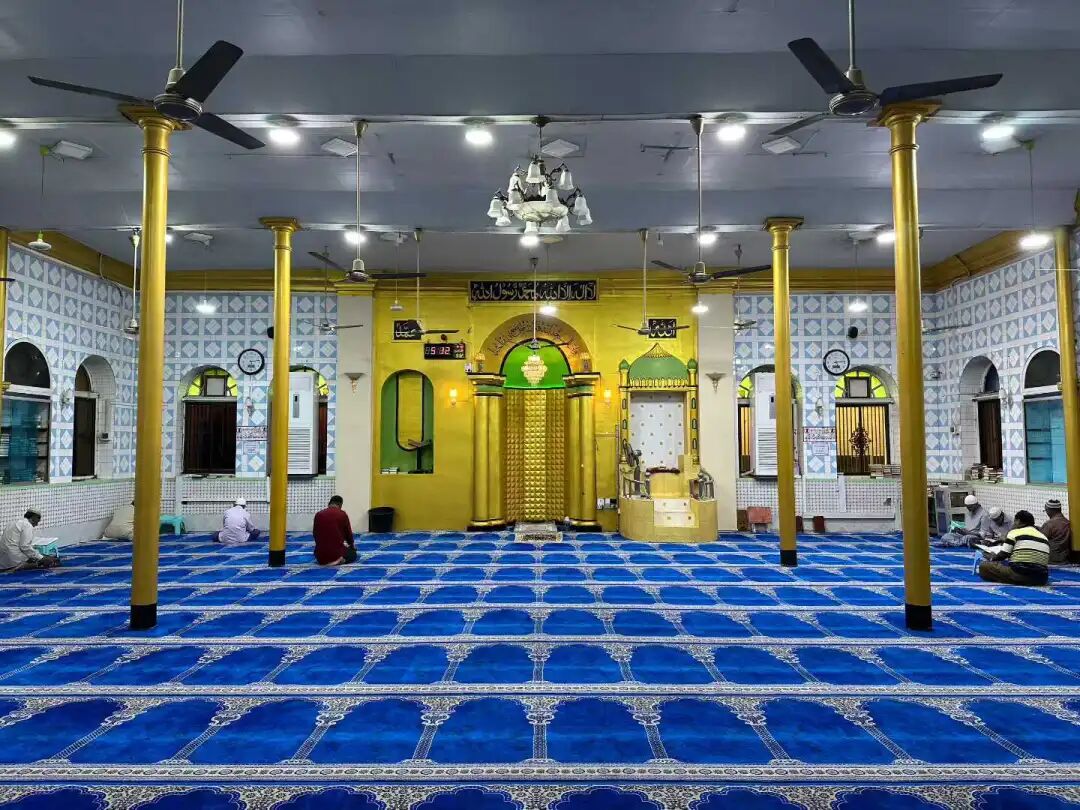
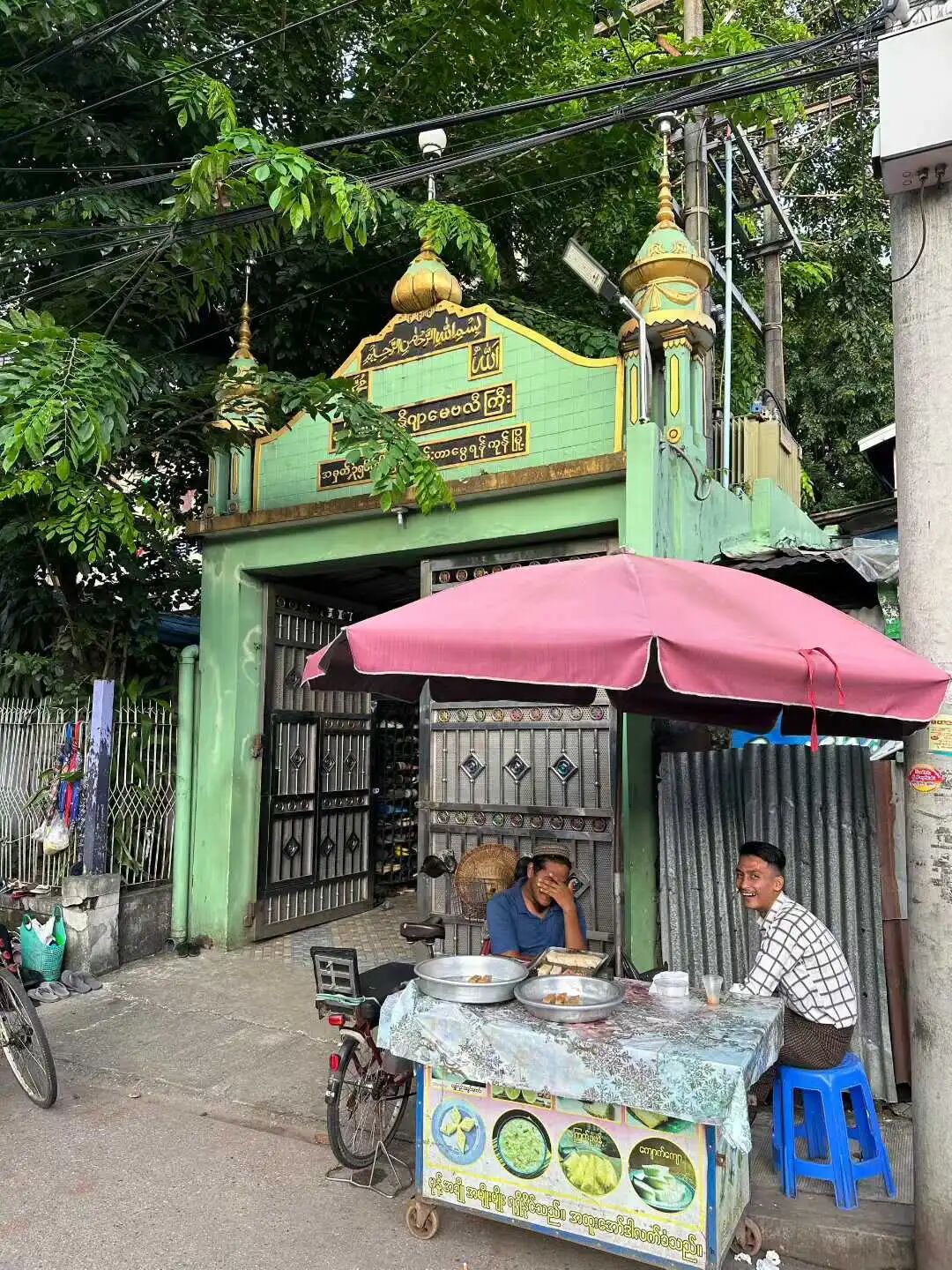
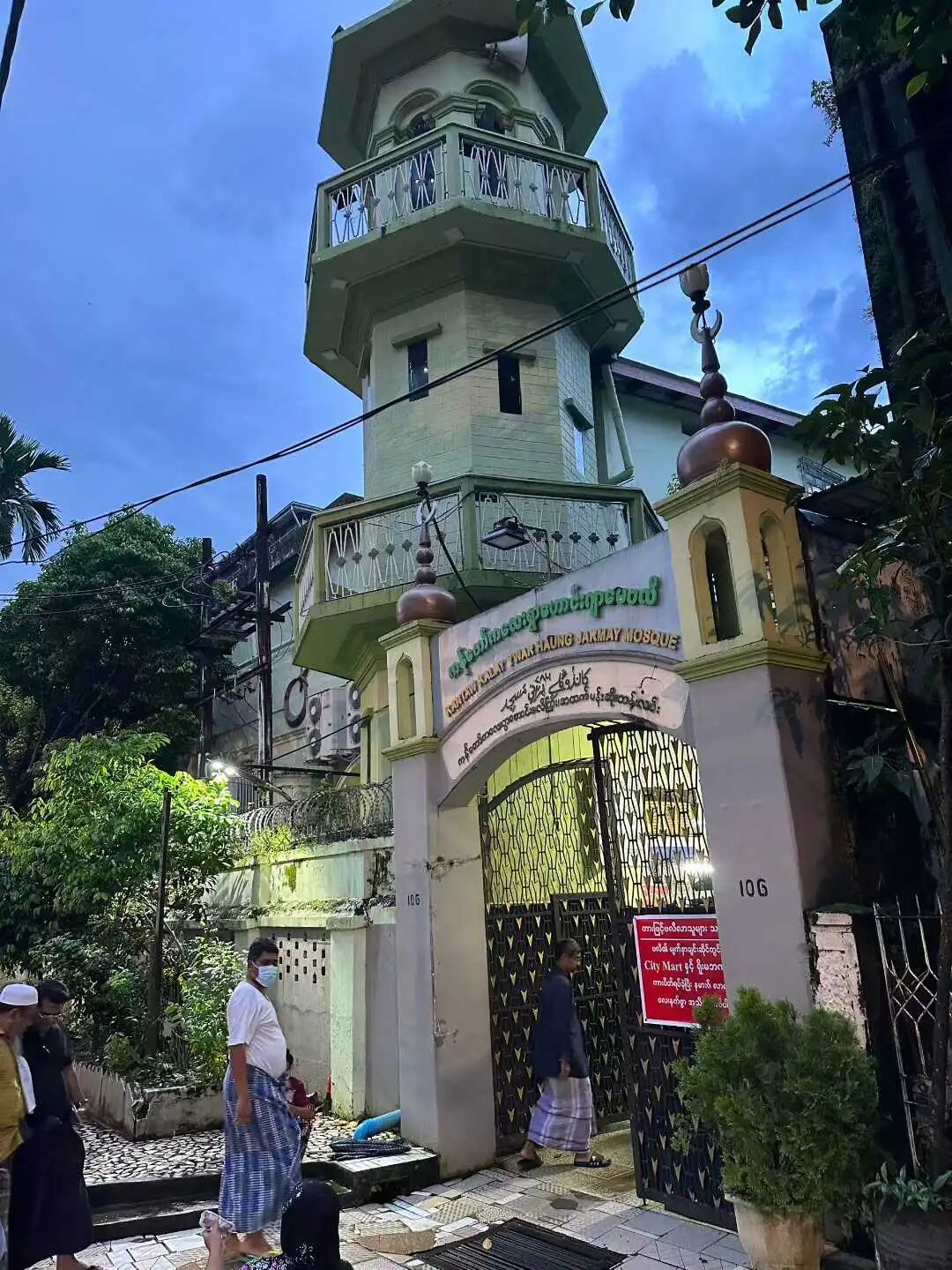
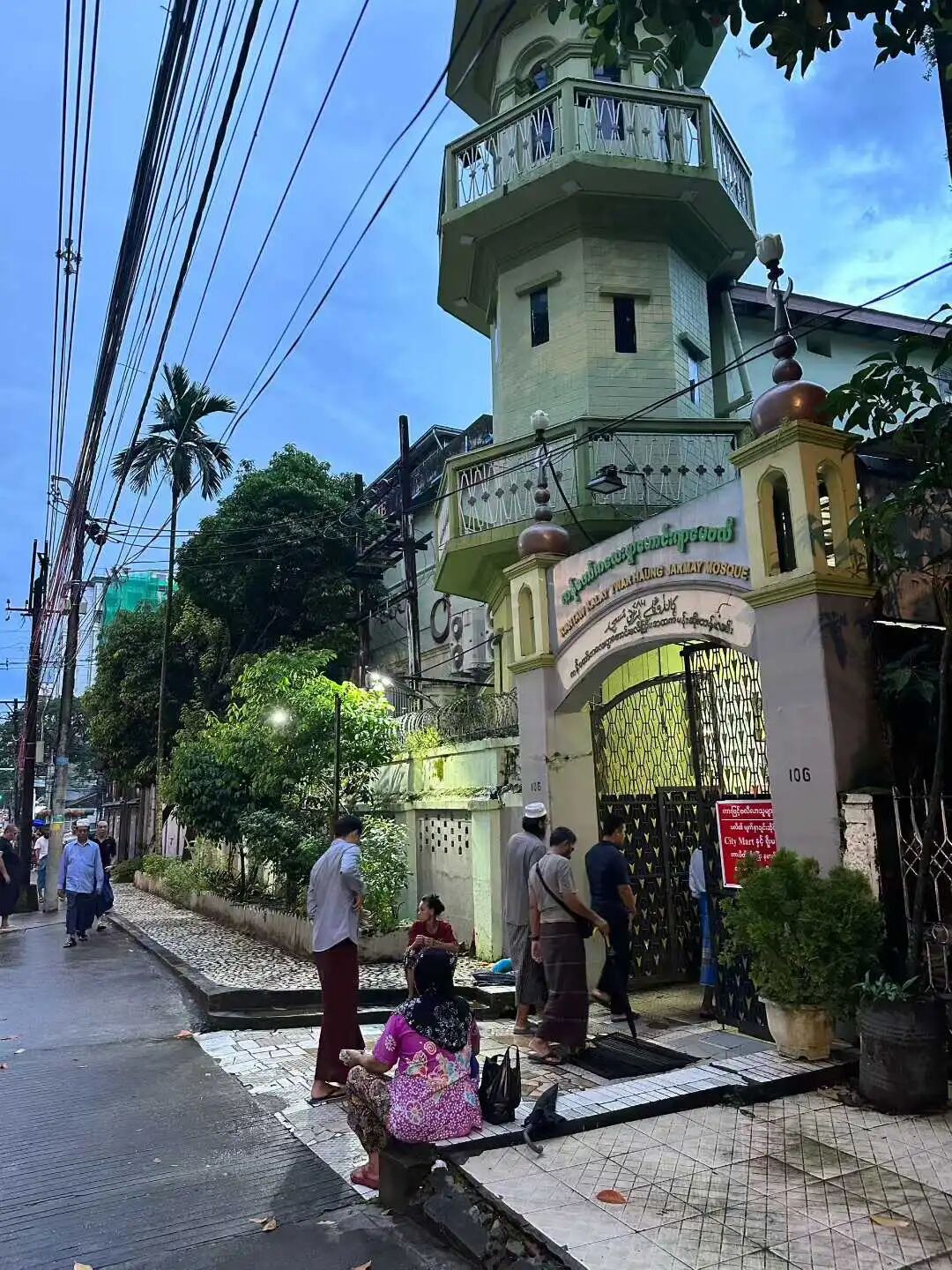
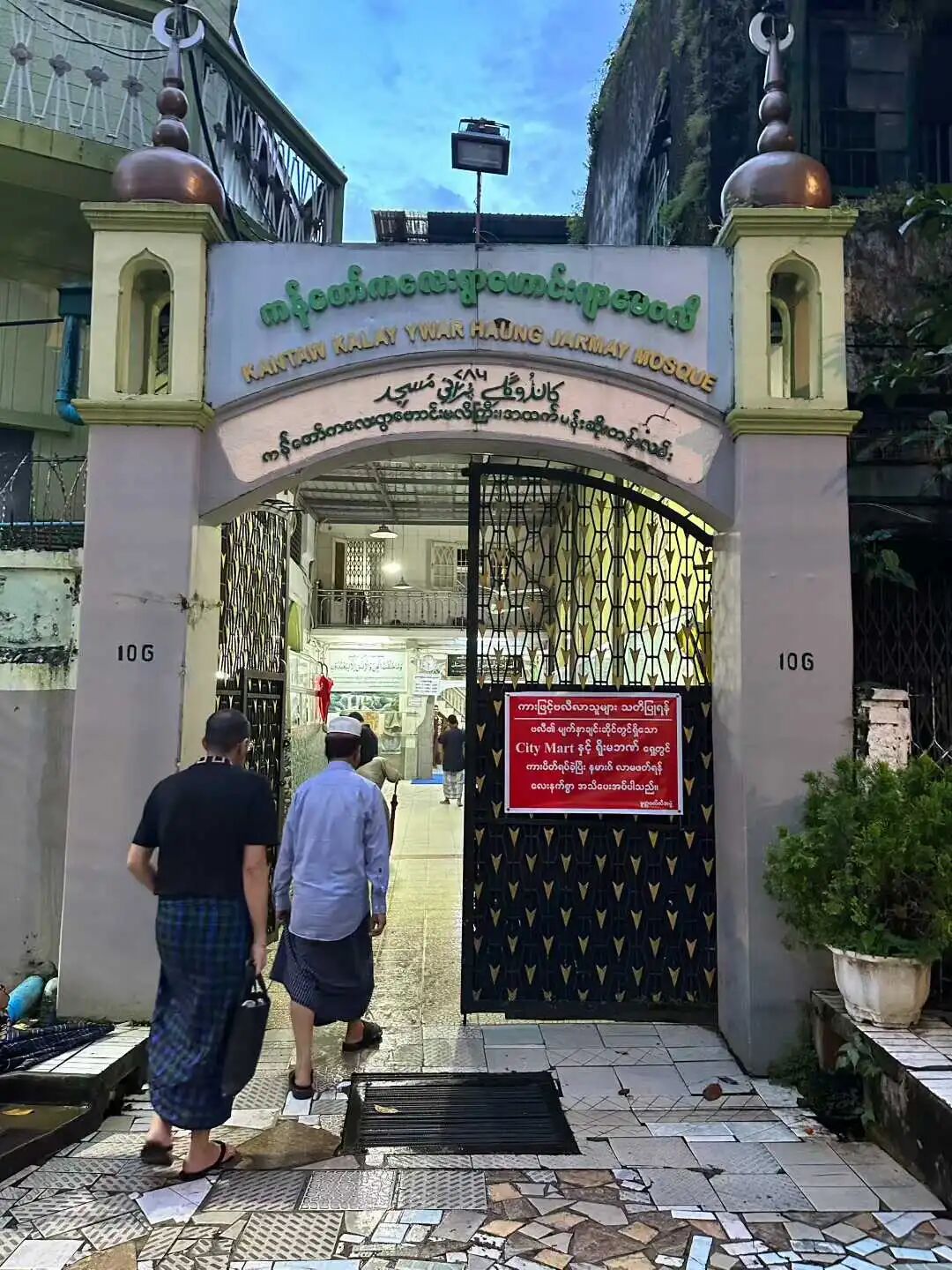
Kantaw Kalay Ywar Houng Mosque is located on Upper Pansodan Road, north of the old city of Yangon and not far north of the Triangle Mosque. Its founding date is unknown, and it was rebuilt into its current structure in 1940. This is another area in Yangon outside the Indian quarter where Indian friends (dost) live. Yunnan Hui Muslims also live here, so there is a lot of delicious food on the street, much like Shuncheng Street in Kunming or Niujie in Beijing.
Summary: This first part of the Yangon mosque guide records visits to twenty-three mosques in and around the old city, including Indian Sunni, Indian Shia, and Yunnan Hui Muslim sites. It keeps the source's mosque sequence, community background, architecture, and historical observations.
A detailed introduction to the twenty-three mosques in Yangon, Myanmar (Part 1)
On this trip to Yangon, I visited twenty-three mosques in the old city and surrounding areas. Eighteen belong to Indian Sunni Muslims, four to Indian Shia Muslims, and one belongs to Hui Muslims from Yunnan.
I have already introduced the Shia and Hui mosques in Yangon in my articles 'The Largest Shia Mosque in Southeast Asia—Yangon' and 'Hui Mosques and Hui Food in Yangon, Myanmar.' This time, I will introduce the eighteen Indian Sunni mosques in Yangon.
Although I have visited Southeast Asia many times, countries like Thailand, Vietnam, Malaysia, and Indonesia follow the Shafi'i school of thought. Their prayer movements and timings are different from ours, and I often felt out of place during namaz. This time, I finally reached a Hanafi region in Southeast Asia: Yangon, Myanmar. The prayer movements of the brothers (dosti) in Yangon are exactly the same as those of the Hui Muslims, so I felt very at home in the mosques every time.
There is another special feature in Yangon's mosques: almost every mosque has a shoe storage area with a brother (dosti) specifically in charge of looking after the shoes. This man has a great memory. After you finish your namaz, he will bring your shoes out and hand them to you before you even ask. He never mixes up anyone's shoes. Also, he does not accept any tips at all. In India and Egypt, I have always been charged a tip for shoe storage. That is why some brothers (dosti) in India would rather carry a bag for their shoes than use a storage service.
In the mosques of Yangon, the time between the afternoon prayer (dhuhr) and the late afternoon prayer (asr) is for studying scripture. Both adults and children sit in a circle to learn from the imam, and the atmosphere is wonderful.
Unlike in Malaysia, mosques in Yangon are not open all day and are usually locked outside of the five prayer times. This made visiting them more difficult, but alhamdulillah, I managed to visit most of the ones I wanted to see.
Indian brothers (dosti) have been settled in Yangon for 200 years. After the First Anglo-Burmese War in 1826, merchants from British India began traveling to Myanmar for business. The first to arrive in Yangon were Gujarati merchants from Surat in western India. In 1826, they built the Surti Sunni Jumu'ah Mosque in Yangon. In the same year, two officers from the Konbaung Dynasty of Myanmar also built the Triangle Mosque in Yangon. These were the first two mosques in the city.
After the British occupied Yangon in 1853, brothers (dosti) from Gujarat, Bengal, and the Tamil and Andhra regions of South India arrived in Yangon one after another. Many Gujarati merchants opened companies and built mosques in Yangon. The Mamusa family alone built two. Because the British made Yangon part of the Bengal Presidency of British India, a wave of Bengali immigration to Yangon began. The Bengali community also built three mosques in Yangon. At the same time, Tamils from South India followed the Indian Ocean monsoon winds across the Bay of Bengal to Yangon and also built two mosques.
Below, I will introduce the eighteen Indian Sunni mosques in Yangon one by one.
The Sunni Jumu'ah Bengali Mosque is located next to the Sule Pagoda in the center of Yangon's old city. It was founded by Bengali brothers (dosti) in 1862. After the British occupied Yangon in 1852, they made it part of the Bengal Presidency of British India, which triggered a wave of Bengali immigration to Yangon.
The Bengali Mosque was originally a wooden structure. It was rebuilt as a brick building in 1902 and renovated into the current tiled building in 1992. Now, you can see Arabic, English, Bengali, and Burmese on the gate and the prayer schedule. Because it is in the center of Yangon's old town and due to the Rohingya issue, some Burmese nationalist groups have long wanted to tear down the Bengali Mosque.
The Bengali Mosque (Bengali Dosti) was the second Sunni Friday mosque built in Yangon in 1932. It is located on 91st Street in the northern part of the old town, right next to the railway. The mosque looks very grand, and its minaret decorations are also quite ornate.
The Chulia Friday Mosque is in Yangon's Indian quarter, not far west of the Bengali Mosque. It was built in 1856 by South Indian Tamil Dosti. The name Chulia comes from the Chola dynasty that once ruled the Tamils. Long ago, Tamil Dosti followed the Indian Ocean monsoon winds across the Bay of Bengal to the coasts of Southeast Asia. The Jamae Mosque in Singapore's Chinatown was built by Tamils in 1826. After the British occupied Yangon in 1852, the number of Tamils immigrating to Yangon kept growing, and the Chulia Friday Mosque was established as a result.
The Chulia Friday Mosque was originally a wooden structure. It was rebuilt as a brick building in 1869, and in 1936, it was rebuilt into its current form by the Iranian-Armenian contractor AC Martin. AC Martin built many structures in Yangon, including the General Post Office.
There is a water well inside the Chulia Friday Mosque, and whenever there is a water shortage, it provides water for the Indian quarter. In 1941, the Japanese military bombed Yangon on a large scale, and the Chulia Friday Mosque was also damaged. Later, a porch was built in 1955, and the main hall was built in 1963. Currently, the shops on the first floor of the main hall are very busy, and the second floor can host wedding banquets. When we visited, there were wedding banquets being held every morning.
The Chulia Muslim Dargah Mosque is located opposite Bogyoke Aung San Market in the northern part of Yangon's old town. It is the second mosque built in Yangon by South Indian Tamil Dosti. It was funded by a Tamil couple born in Myanmar, Kassim Kaderlt and Daw Nyein Mae, in 1886, and renovated into its current appearance in 1995.
The original meaning of Dargah in Persian is 'portal,' which later evolved to mean a Sufi gongbei shrine. However, I did not find any gongbei or shrine inside the mosque.
The Surti Sunni Friday Mosque is located on Mogul Street in the Indian quarter of Yangon's old town. It was first built in 1826 by Gujarati merchants from Surat in western India, but it was destroyed during the British invasion of Yangon in 1852. In the 1860s, the wealthy Gujarati company Sooratee Bara Bazaar led the reconstruction of the Surti Mosque, and it officially opened in 1871.
Many of Yangon's Gujarati Dosti came from the town of Rander near Surat. Historically, this was an important port in western India. As early as the 13th century, a large number of Arab merchants from Kufa, Iraq, lived there, and by the 16th century, the port was piled high with Sumatran spices and Chinese porcelain. After the 19th century, Gujarati merchants from Rander began to go to Yangon for business. Currently, many old houses in Rander are built of Burmese teak, and restaurants in Rander even serve a snack called Yangon paratha.
The Muhammadiyah Madrasa in Yangon, Myanmar, is located opposite the Surti Sunni Friday Mosque. It was first built in 1855 by Gujarati merchants from the town of Rander in Surat, western India. Before 1900, the madrasa only taught religious knowledge and Urdu. In 1900, it officially introduced English education, and in 1909, it officially transformed into the comprehensive Rander High School.
Although it was founded by wealthy Gujarati Dosti merchants, the school was open to everyone. Sunnis, Shias, Christians, Hindus, and Buddhists could all enroll. By 1927, all the teachers except for the principal were British. Before 1948, the school was supported by the British and taught in English. After 1948, it switched to teaching in Burmese, and after 1965, the government officially took over the school.
The Mamsa Mosque is located on 26th Street in the Indian quarter of Yangon's old town. It was built in 1923 by the Mamsa family, who were Gujarati merchants from Surat in western India. The Mamsa family gained a great deal of wealth by investing in real estate and still collects rent from more than 150 buildings today.
The Esof Ahmed Mamsa Family Mosque is in Tamwe Township, north of Yangon's old city. The Mamsa family, merchants from Gujarat, India, built it in 1937. In 1995, they renovated it to its current look using rent collected from family-owned properties.
The mosque has a tall clock tower facing the street. At the top is a clock made by the old Berlin, Germany, watchmaker C. F. Rochlitz, which still works today. If you look closely at the clock tower, you can still see bullet holes left from when the Japanese army invaded Yangon in 1942. The German company C. F. Rochlitz started in 1824 and specialized in clocks for towers. It won many international awards in the 19th century and stayed under the Rochlitz family until it was bought in 1984.
The Narsapuri Moja Sunni Jame Mosque is in the middle of Mogul Street in Yangon's old Indian quarter, north of the Surti Mosque. Friends (dosti) from Andhra Pradesh on the southeast coast of India first built it in 1855, and it was rebuilt into its current form in the 1890s.
Unlike northern India, where the faith spread through occupation, the faith in southern India mostly grew through merchants and Sufi saints. The dosti from Andhra Pradesh speak a special Deccan Urdu. Compared to northern Urdu, it keeps more ancient words from the pre-Mughal era and adds many loanwords from local Deccan languages like Telugu and Tamil.
The mosque is named after Narsapur, a coastal city in Andhra Pradesh, India. The dosti from Andhra Pradesh in Yangon boarded ships there to come to Yangon. The Dutch used Narsapur as a port in the 17th century. By the 18th century, it became an important Indian trade port and shipbuilding center, exporting large amounts of teak to the world.
The Gulam Ariff Mosque is on Lanmadaw Road in Yangon's Chinatown. The Indian real estate developer Gulam Ariff built it in 1888. Gulam Ariff owned a famous real estate company in Yangon. This mosque has fewer people, but it provides great convenience for the dosti who live and work near Chinatown.
The Hashim Kasim Patel Trust Mosque is on the far west side of Yangon's old city. The Kasim Patel family from Surat, India, built it in 1922, and the family still manages it today.
After the First Anglo-Burmese War in 1826, merchants from British India began traveling to Myanmar for business. The Kasim Patel family moved from Mumbai, India, to Myanmar in the 1830s. They first worked in the silk trade in Mawlamyine. After the British occupied Yangon in 1853, they moved to Yangon to open shops. The family started a company named after the eldest son, Hashim Kasim Patel. They also ran the Gulam Ariff Company and the Boglay Bazzar Company. From the late 19th century to the early 20th century, the Kasim Patel family held a very high status among the Gujarati dosti in Yangon.
The Chittagong Sunni Arkaty Chota Mosque is on 40th Street on the east side of Yangon's old city. Dosti from Chittagong, Bangladesh, built it. Chittagong is an ancient natural port in Bangladesh. It has been an important passage for the southern Silk Road since ancient times. Arab merchants began trading there in the 9th century, and the famous traveler Ibn Battuta and Zheng He's fleet both visited. After 1666, the Mughal Empire ruled Chittagong. During this time, Chittagong developed quickly and became a shipbuilding center. After 1823, the British occupied both Chittagong and Lower Myanmar, and the dosti from Chittagong began moving to Myanmar to make a living.
The Triangle Mosque is on Upper Pansodan Road, north of Yangon's old city. It is one of the oldest mosques in Yangon. Two officers of King Bagyidaw (who reigned from 1819 to 1837) of the Konbaung Dynasty, U Shwe Thie and U Shwe Mie, built it in 1826. This mosque was badly damaged during the Japanese invasion of Yangon in World War II, but it was later renovated.
The Mayin Gon Jame Mosque is in Sanchaung Township, north of Yangon's old city. It was first built in 1930. The spiral staircase inside the mosque was provided by Cowie Brothers, an exporter from Glasgow, Scotland. The company's founder, Charles, was once a manager at the Rangoon Oil Company and exported many goods to Myanmar from the late 19th to the early 20th century.
Mogul Street Jumu'ah Mosque (Mogul Street Jumu'ah Mosque) is located at the very busy Mogul Street intersection. Surrounded by many shopping malls, it is known as the New York Times Square of Yangon. Every Friday, many friends (dost) come to the mosque for Jumu'ah prayers. Although the mosque director has been applying to expand the mosque, it has never been approved due to the current situation.
Musmeah Yeshua Sunni Jumu'ah Mosque (Musmeah Yeshua Sunni Jumu'ah Mosque) is located in the Tamwe Township in northern Yangon. It was founded in 1908 by the Indian businessman Musmeah Yeshua. The top of the main hall features twenty-two intricate domes and small towers, making it the most distinctive mosque in Yangon. Despite damage from two earthquakes, most of the original design of the main hall, including the stained glass windows imported from India, has been preserved to this day.
According to newspaper records from the early 20th century, Musmeah Yeshua was once a famous gang leader in Yangon. At that time, two major Indian families in Yangon, led by Musmeah and Mamusa, were long-term rivals, which led to many gang incidents. The Straits Times reported on December 21, 1923, that Musmeah Yeshua himself clashed with a rival gang called the Sultans. He was injured by a series of glass soda bottles thrown from a roof and was later forced to apply to the police for protective custody.
In every mosque in Yangon, the time between the dawn prayer (fajr) and the sunrise prayer (shuruq) is for studying the Quran. Adults and children learn the Quran sentence by sentence in the mosque, which is the best time to experience the religious atmosphere of Yangon.
Kantaw Kalay Ywar Houng Mosque is located on Upper Pansodan Road, north of the old city of Yangon and not far north of the Triangle Mosque. Its founding date is unknown, and it was rebuilt into its current structure in 1940. This is another area in Yangon outside the Indian quarter where Indian friends (dost) live. Yunnan Hui Muslims also live here, so there is a lot of delicious food on the street, much like Shuncheng Street in Kunming or Niujie in Beijing.
