
Islamic Art Guide: Hanoi - Muslim Artifacts at Vietnam Museum
Reposted from the web
Summary: The Vietnam Museum of Ethnology in Hanoi holds Islamic and Muslim-related objects connected to Vietnam and the wider region. This exhibition note preserves the source's artifact details, museum context, captions, and cultural observations in a clean English version.
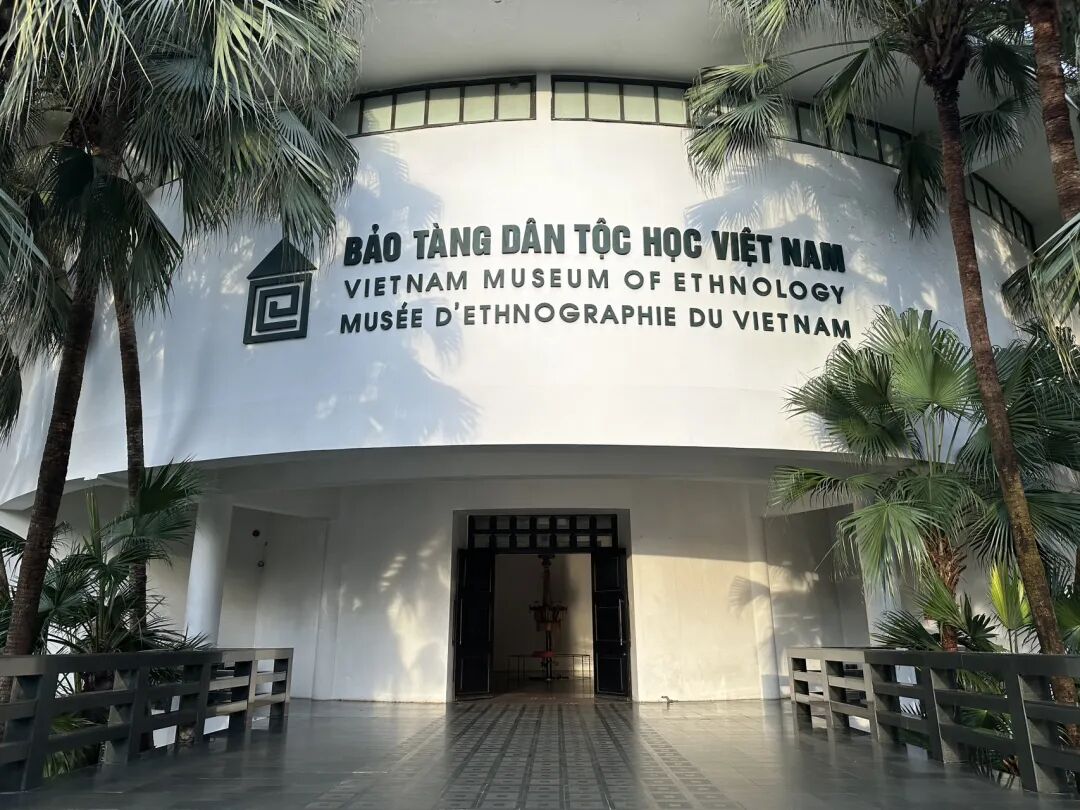
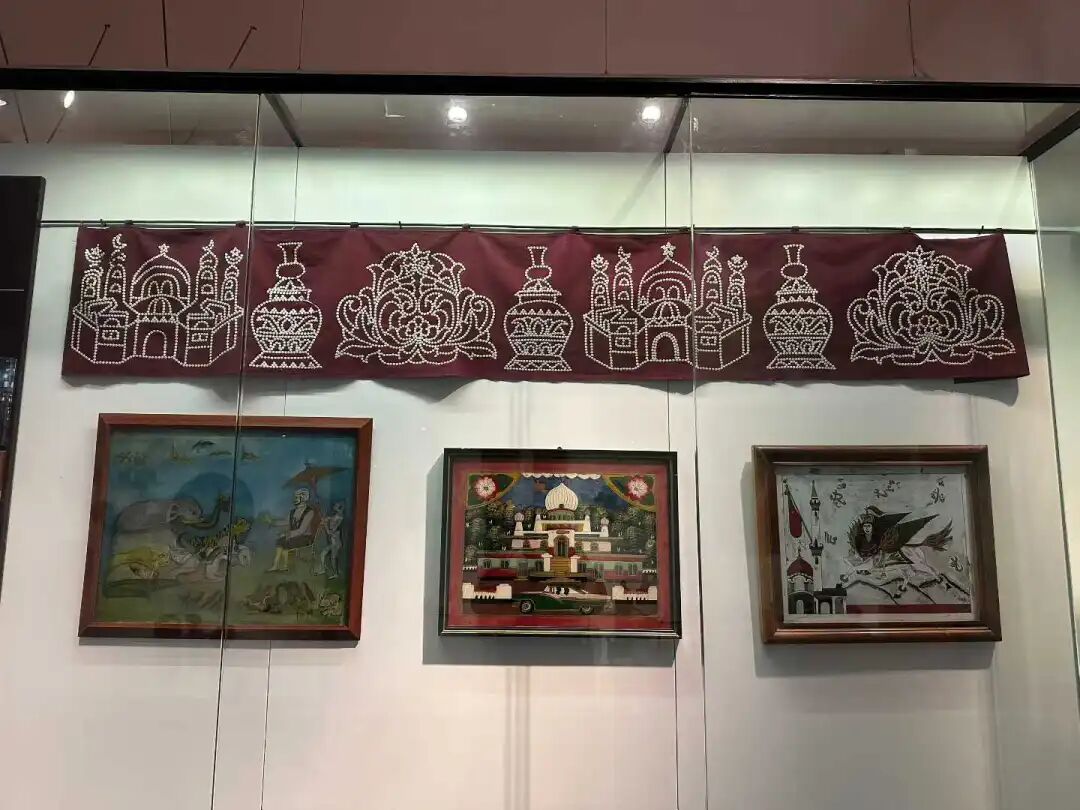
The Vietnam Museum of Ethnology is in Hanoi, the capital of Vietnam. The main building opened in 1997 and focuses on introducing Vietnam's various ethnic groups. A new exhibition hall opened in 2013, expanding the collection to include artifacts from other ethnic groups in Southeast Asia and the rest of Asia. I previously shared the museum's collection of Javanese glass paintings in my post titled 'Exhibition Notes: Javanese Glass Paintings at the Vietnam Museum of Ethnology.' This time, I am sharing other items in the collection related to the faith.
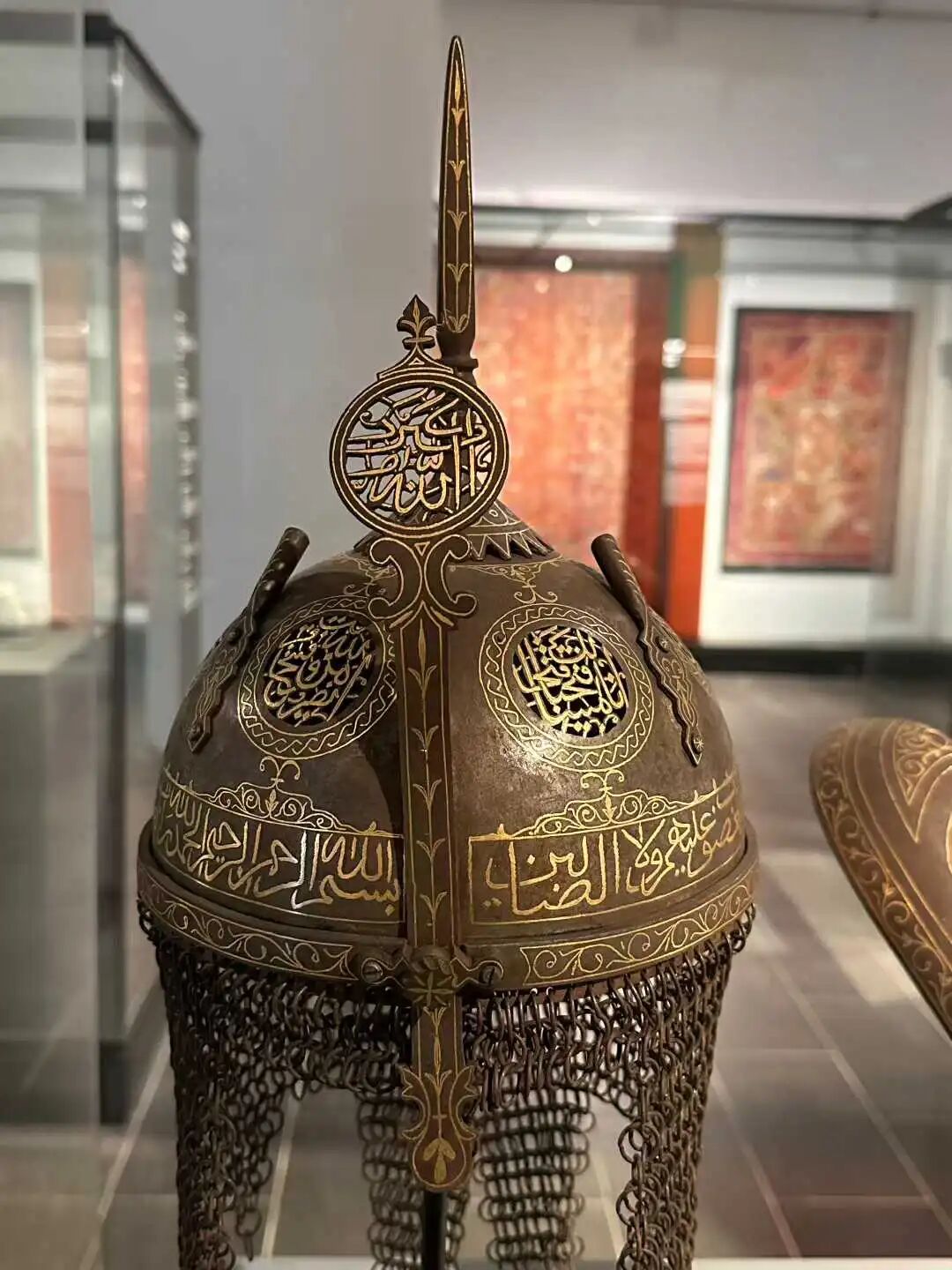
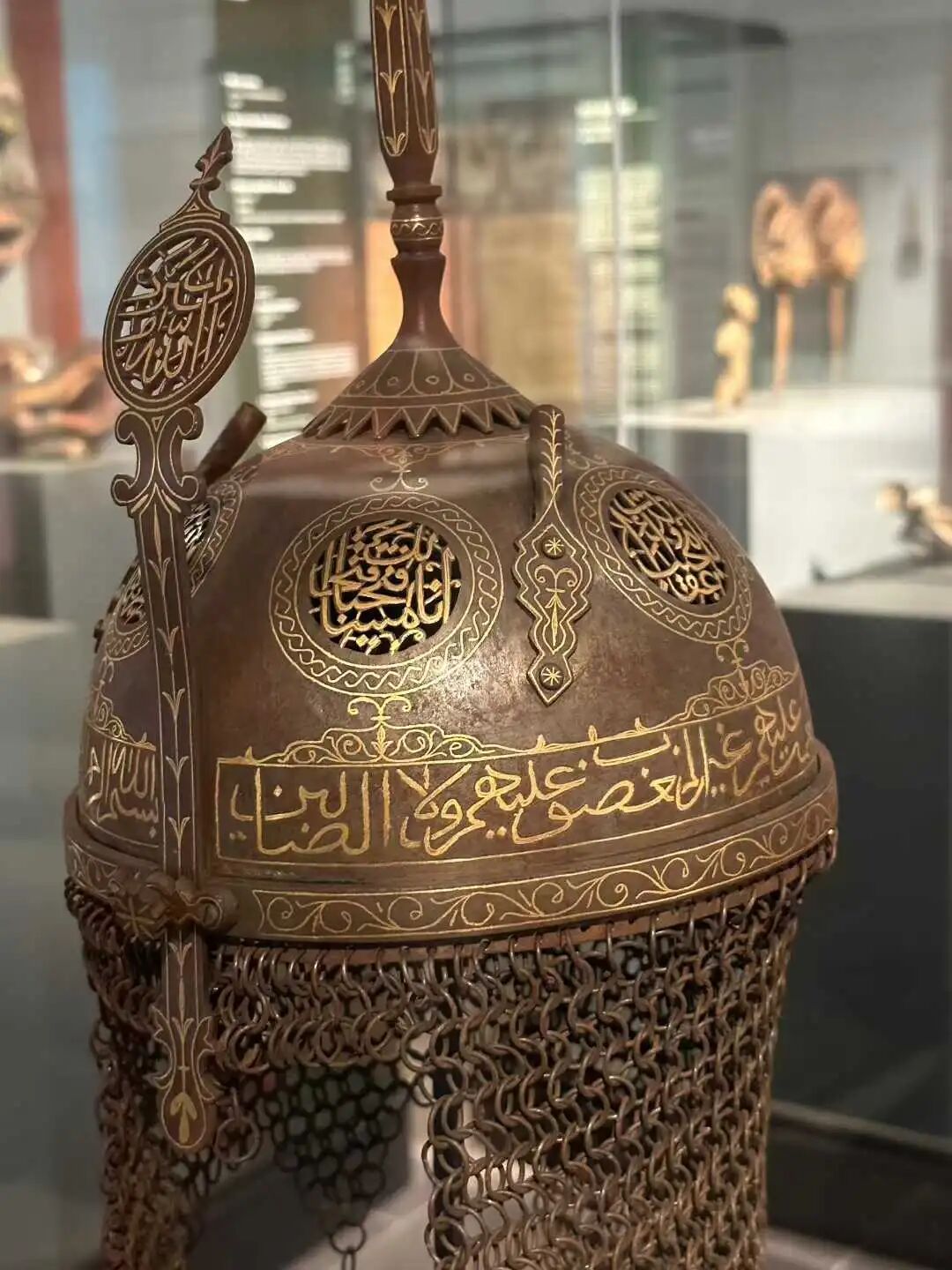
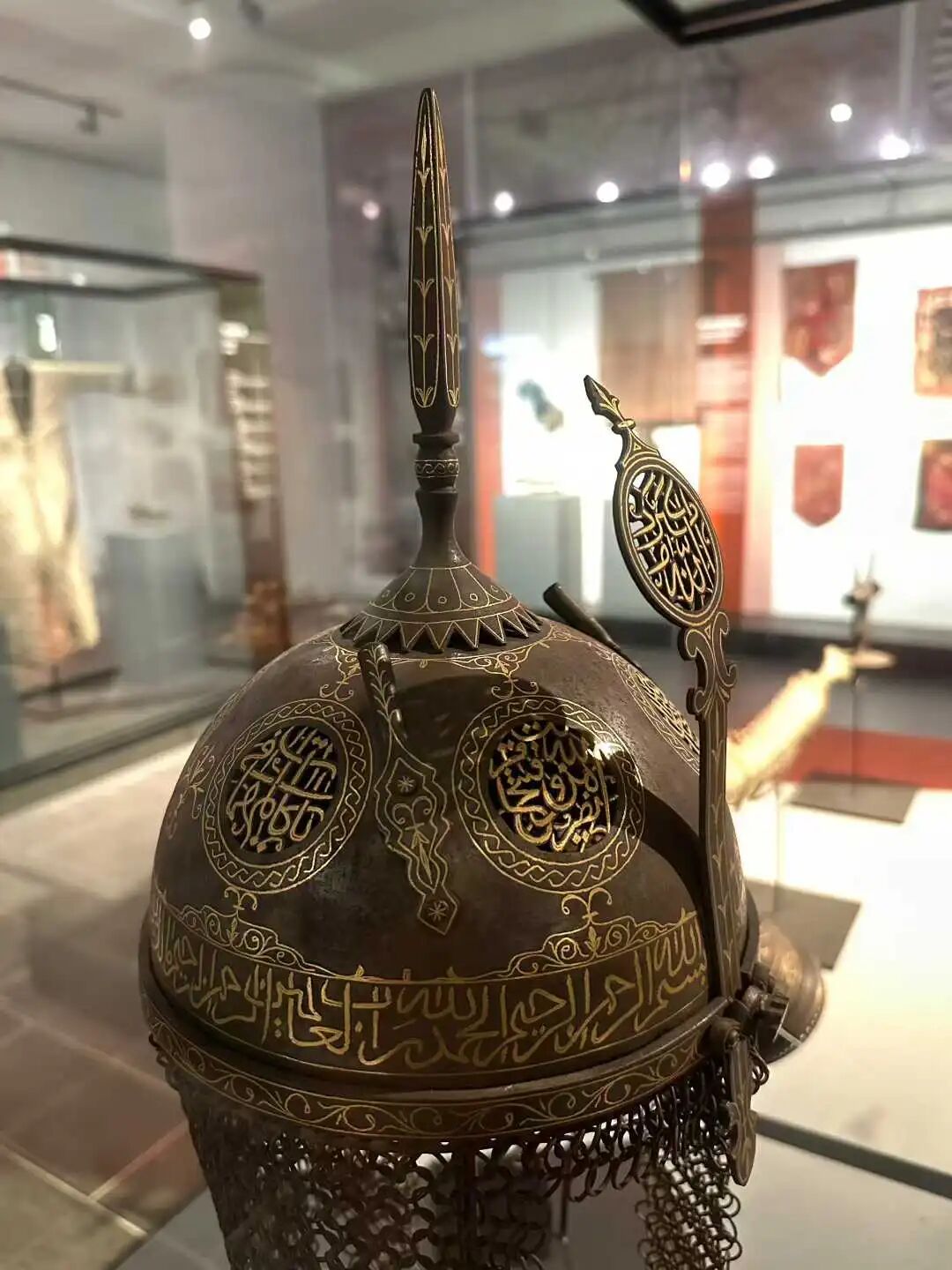
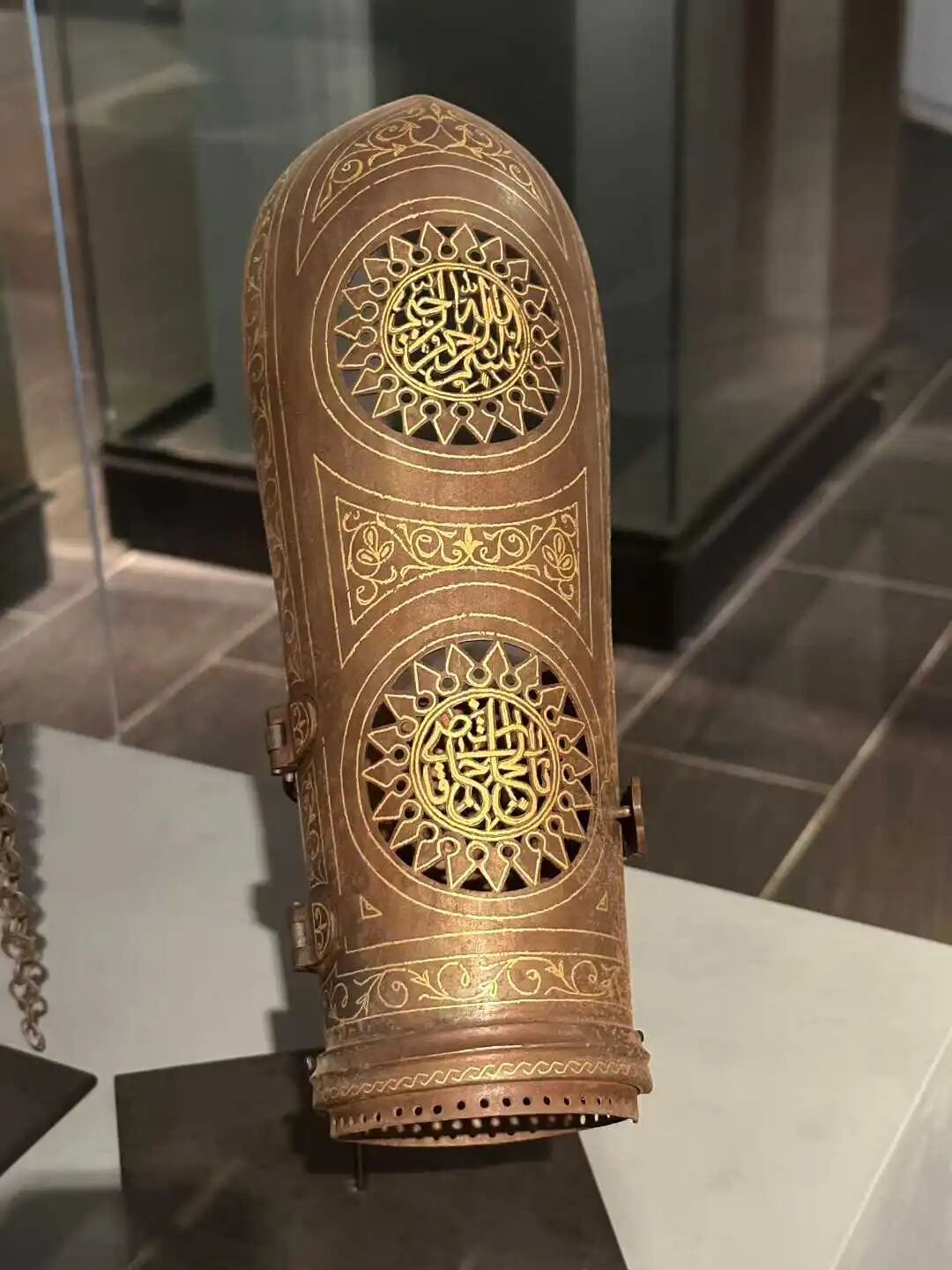
This 18th-century Damascus steel armor is from the Mughal Empire in North India. Its style is the same as Persian work and uses gold inlay techniques.
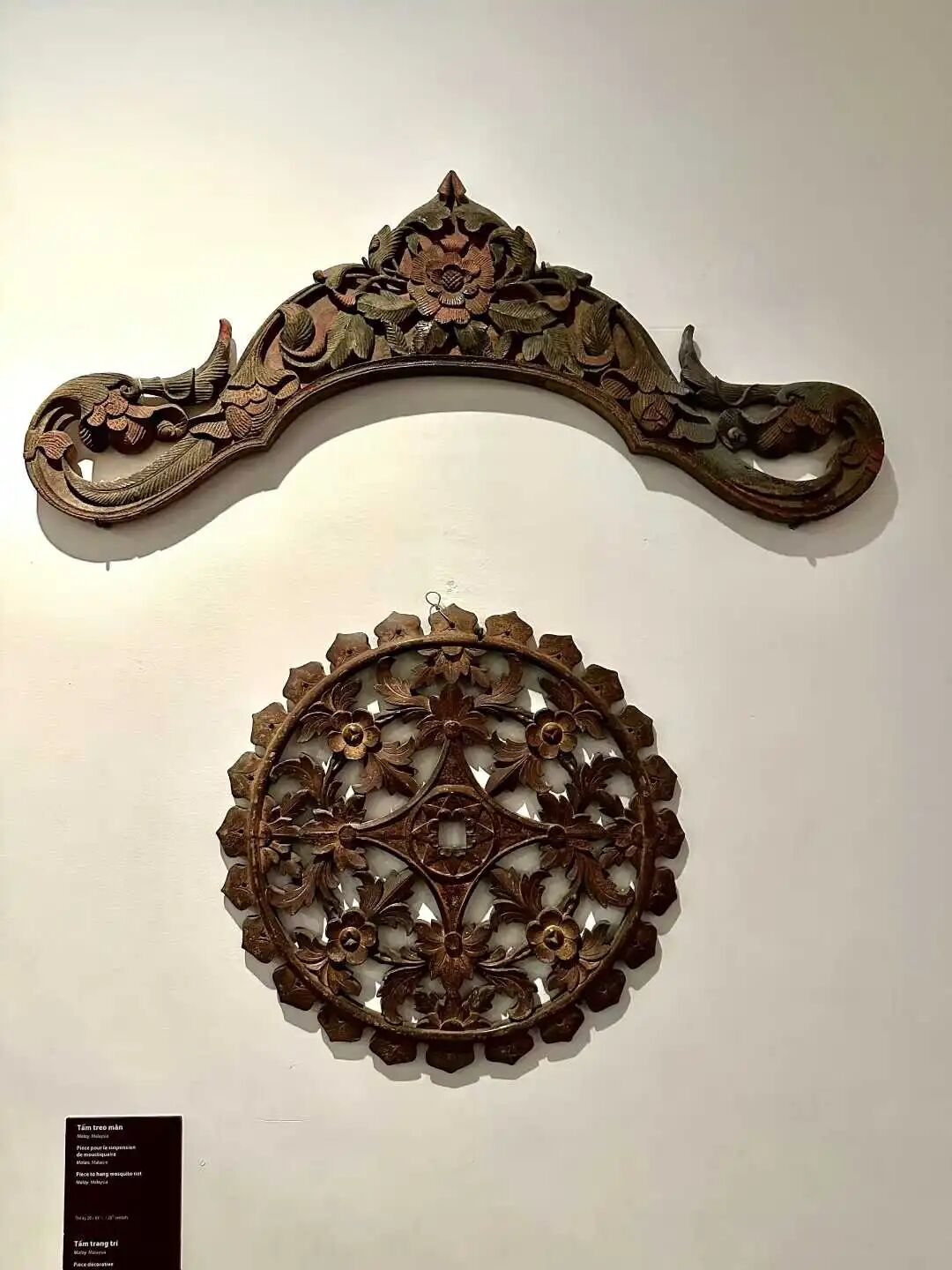
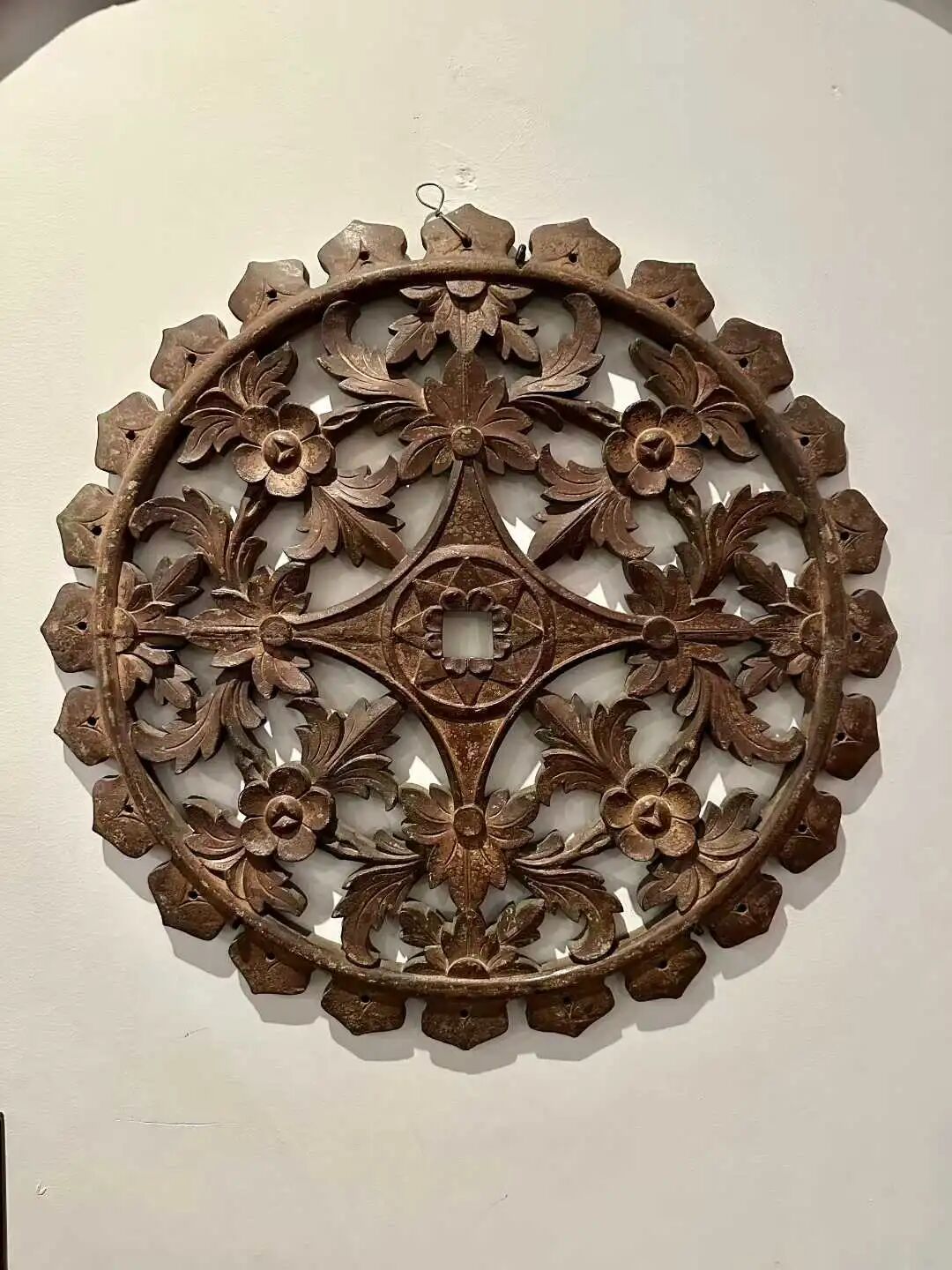
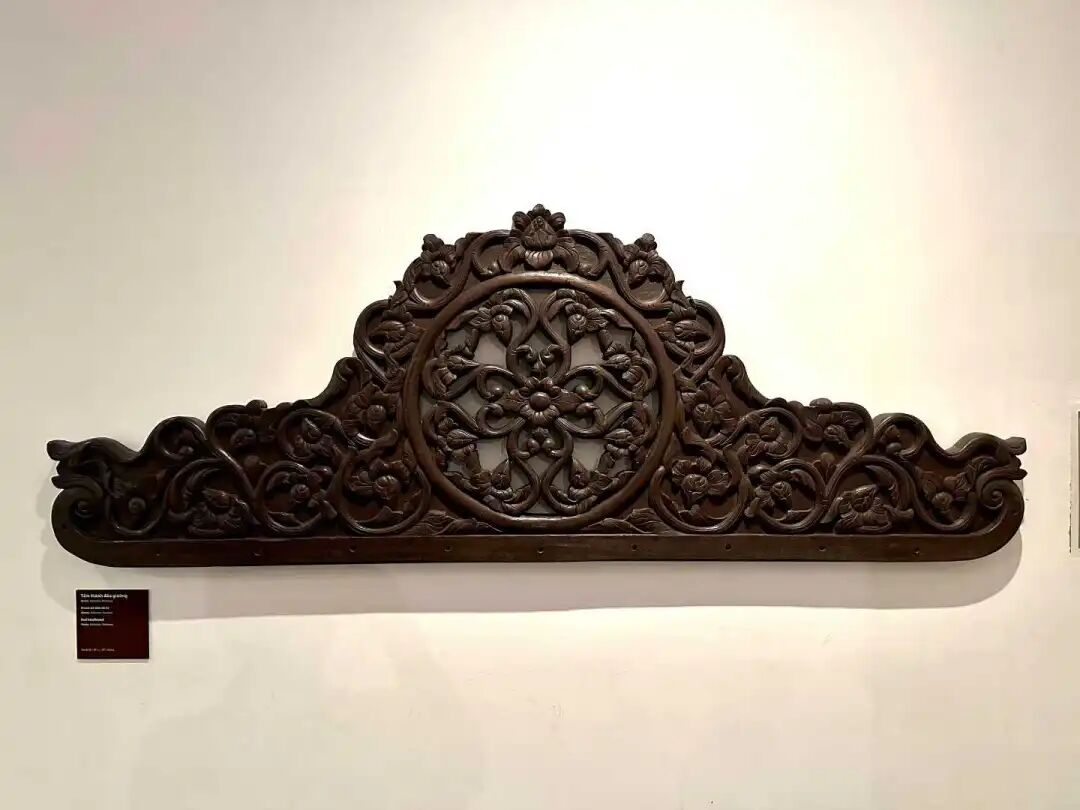
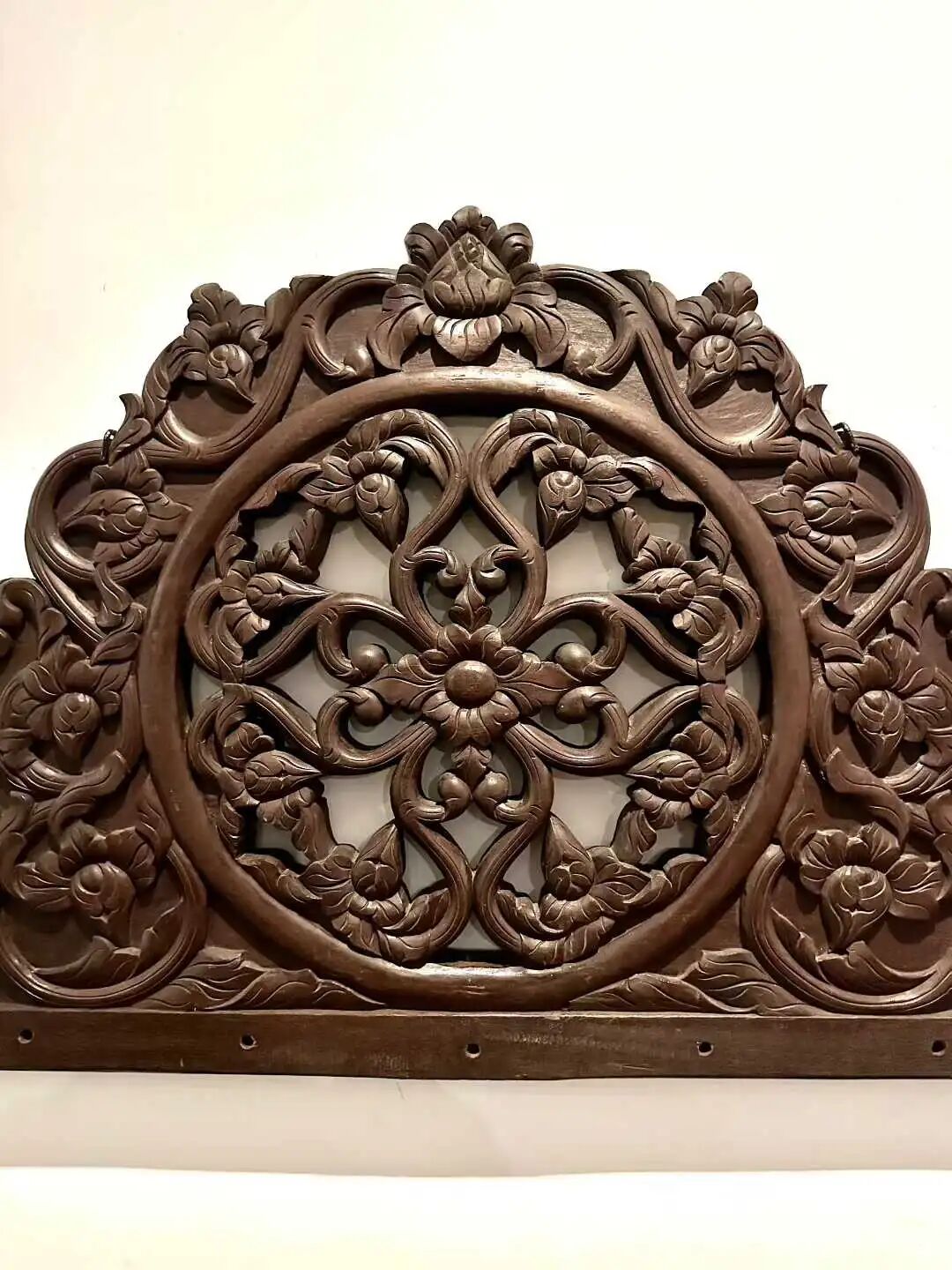
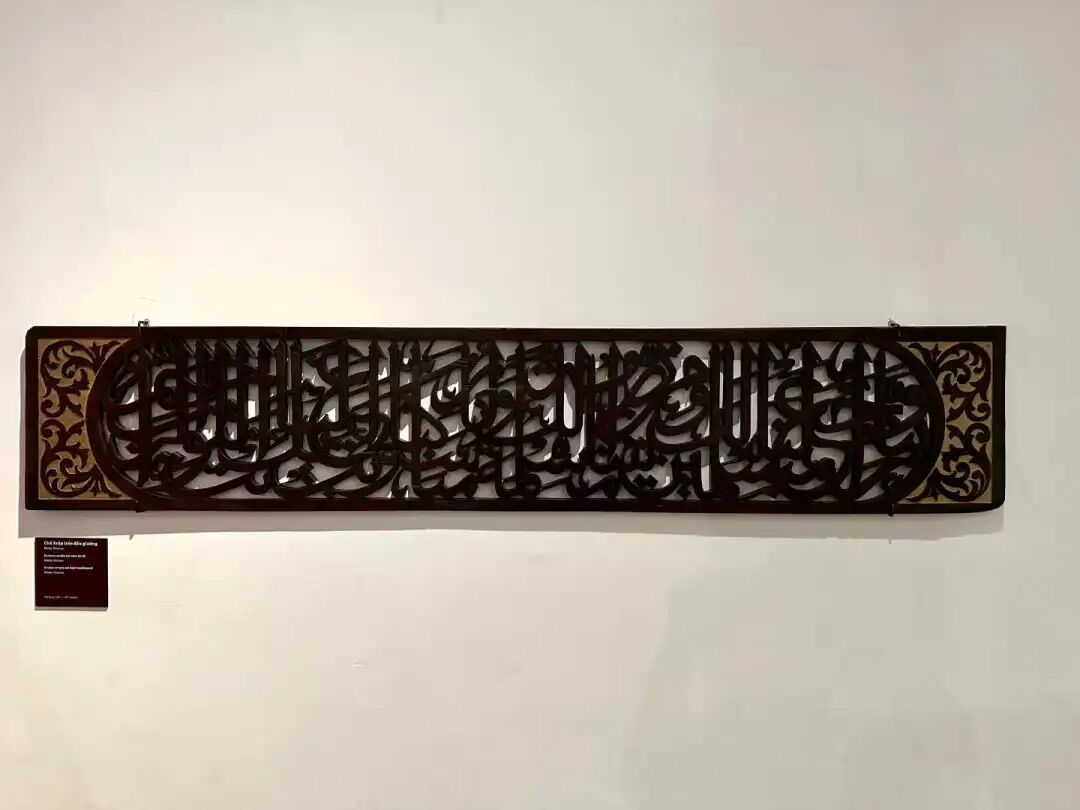
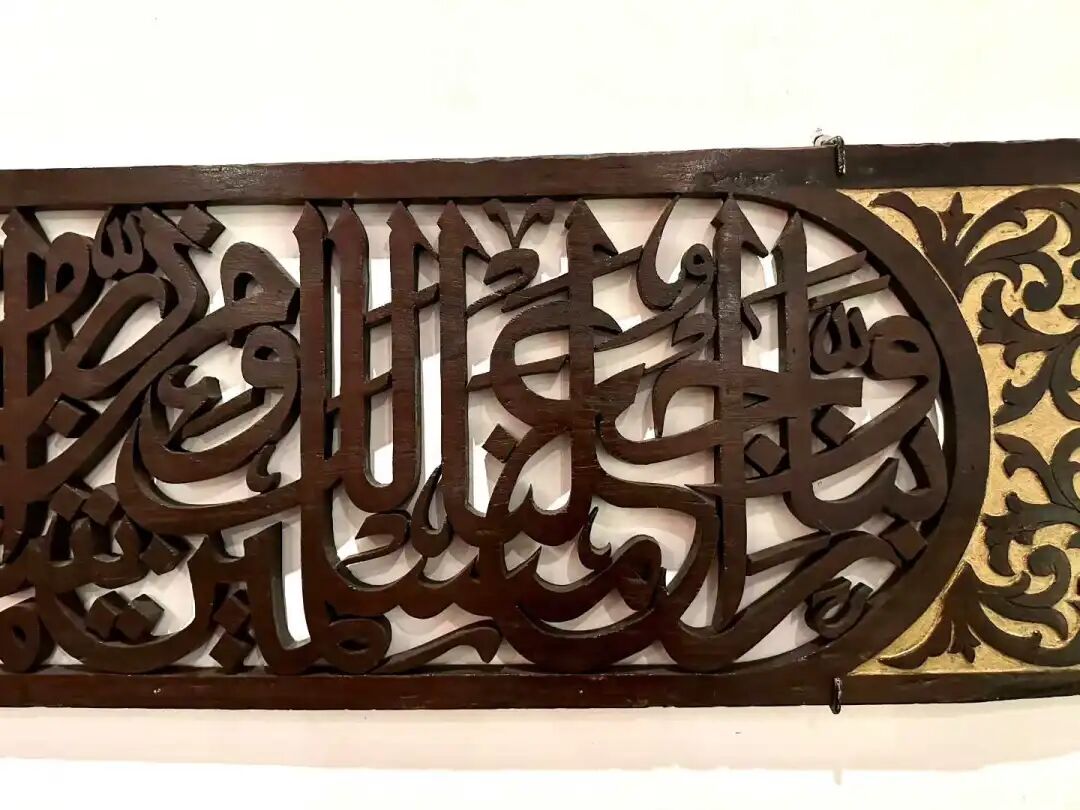
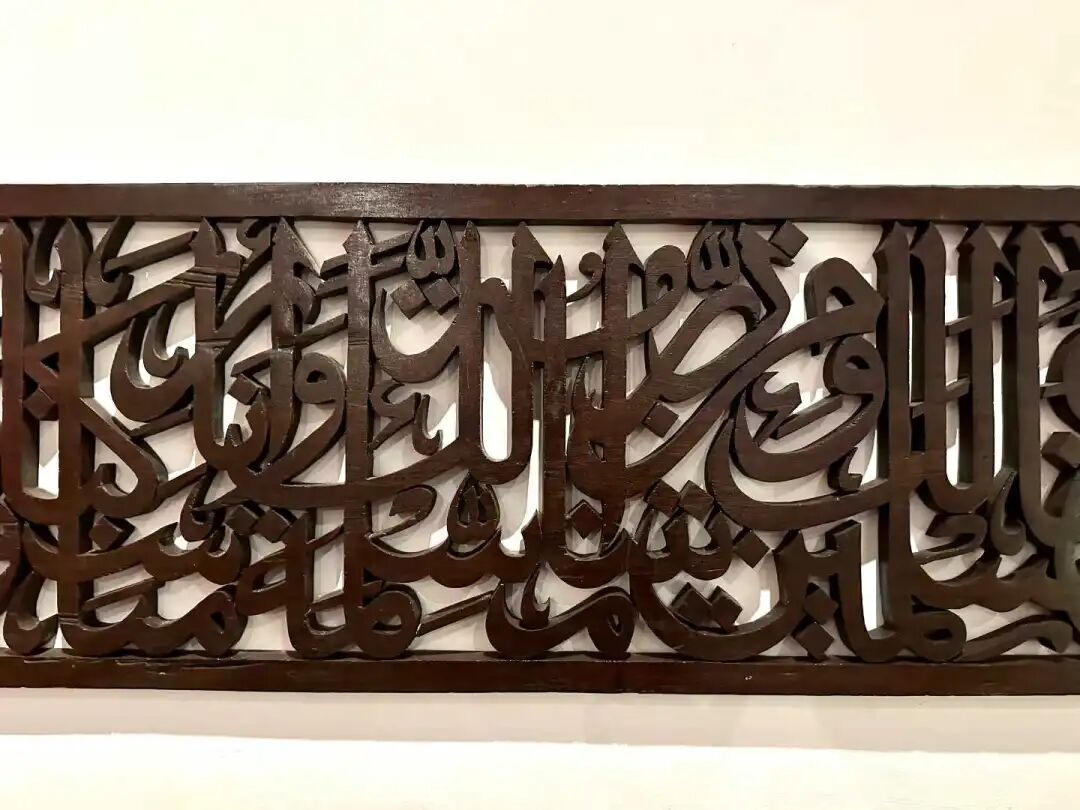
A 20th-century traditional Malay wood carving.
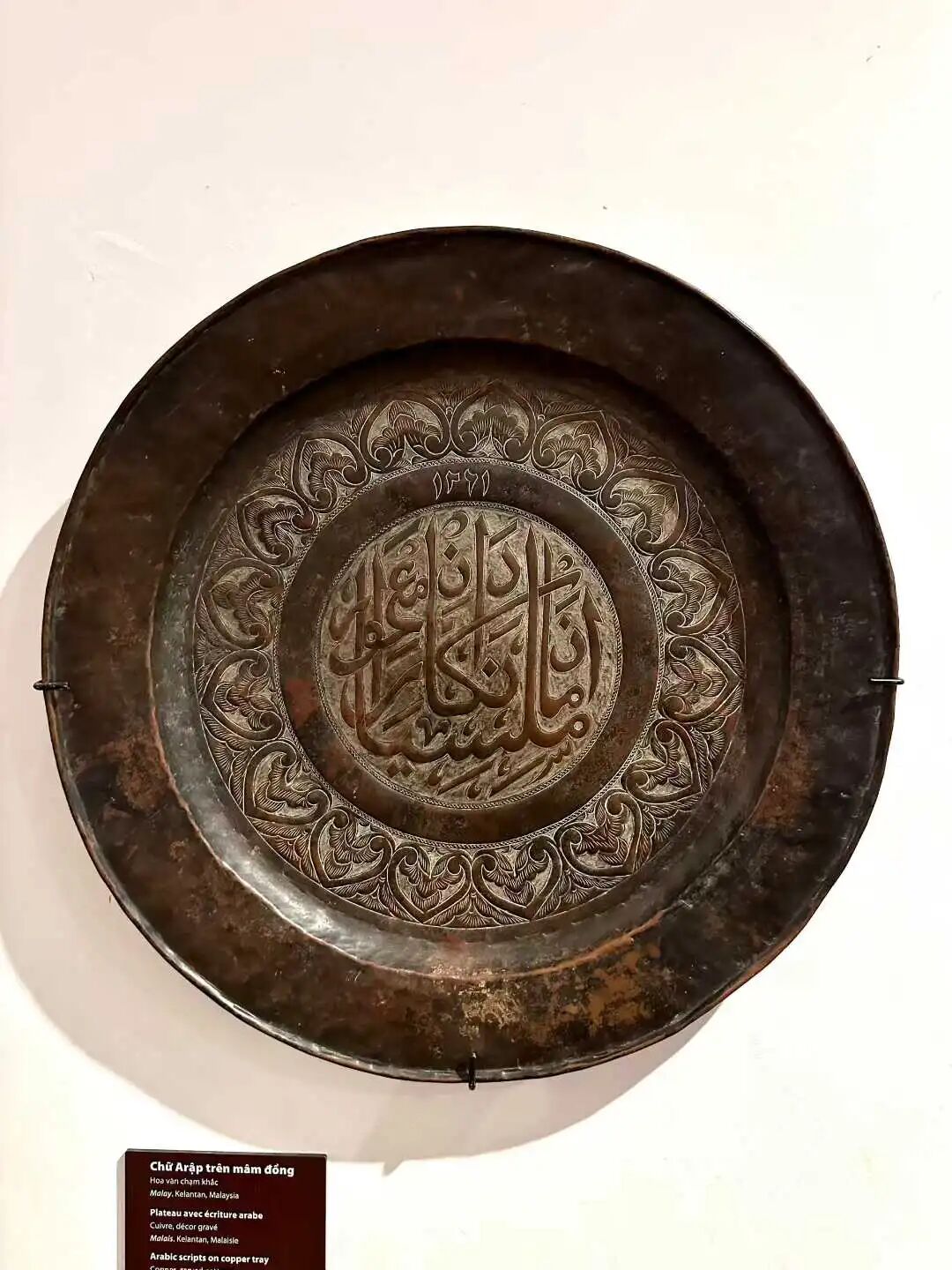
This copper tray is from Kelantan, Malaysia, and is engraved with the year 1261, which corresponds to 1845 AD.
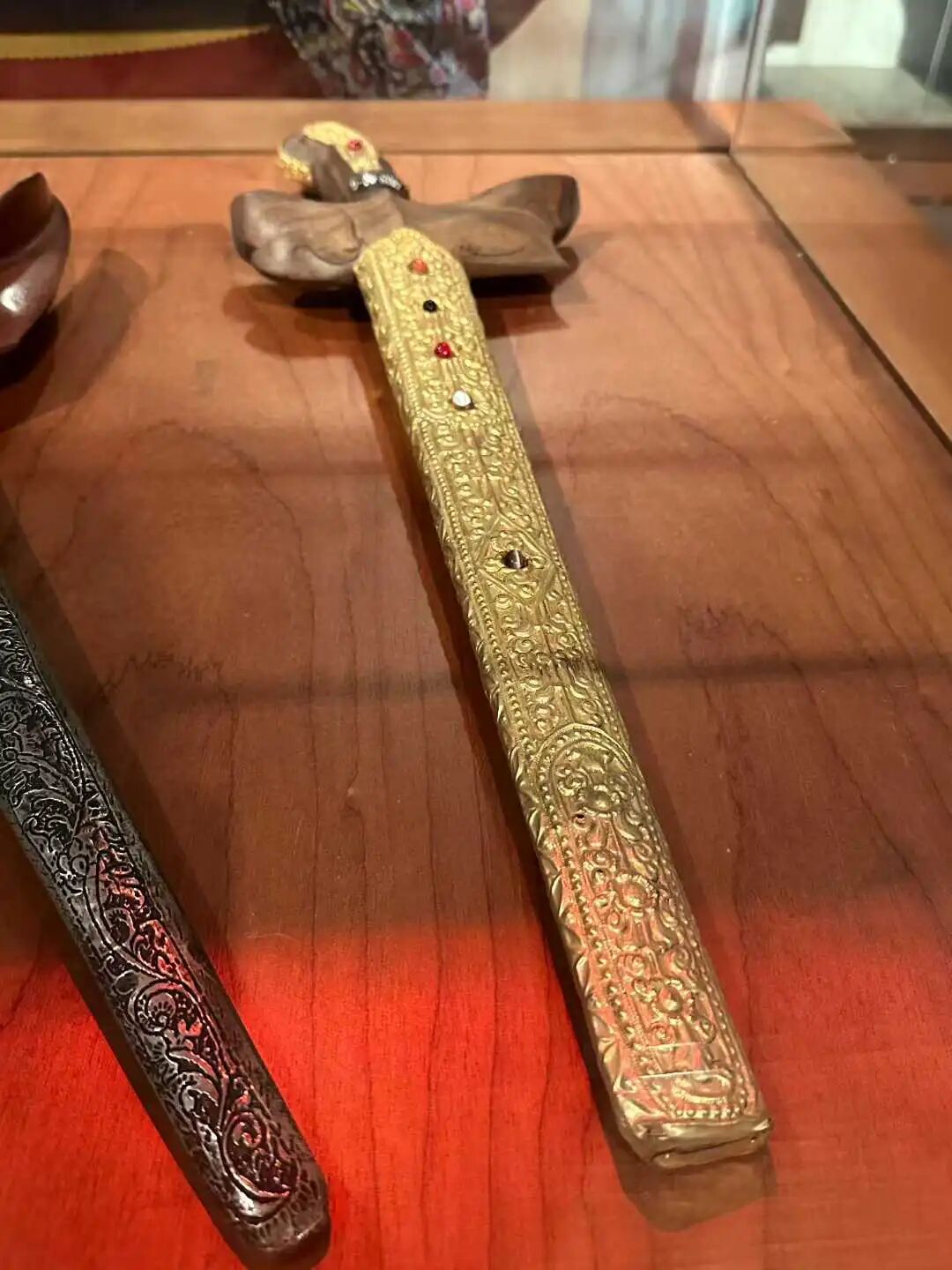
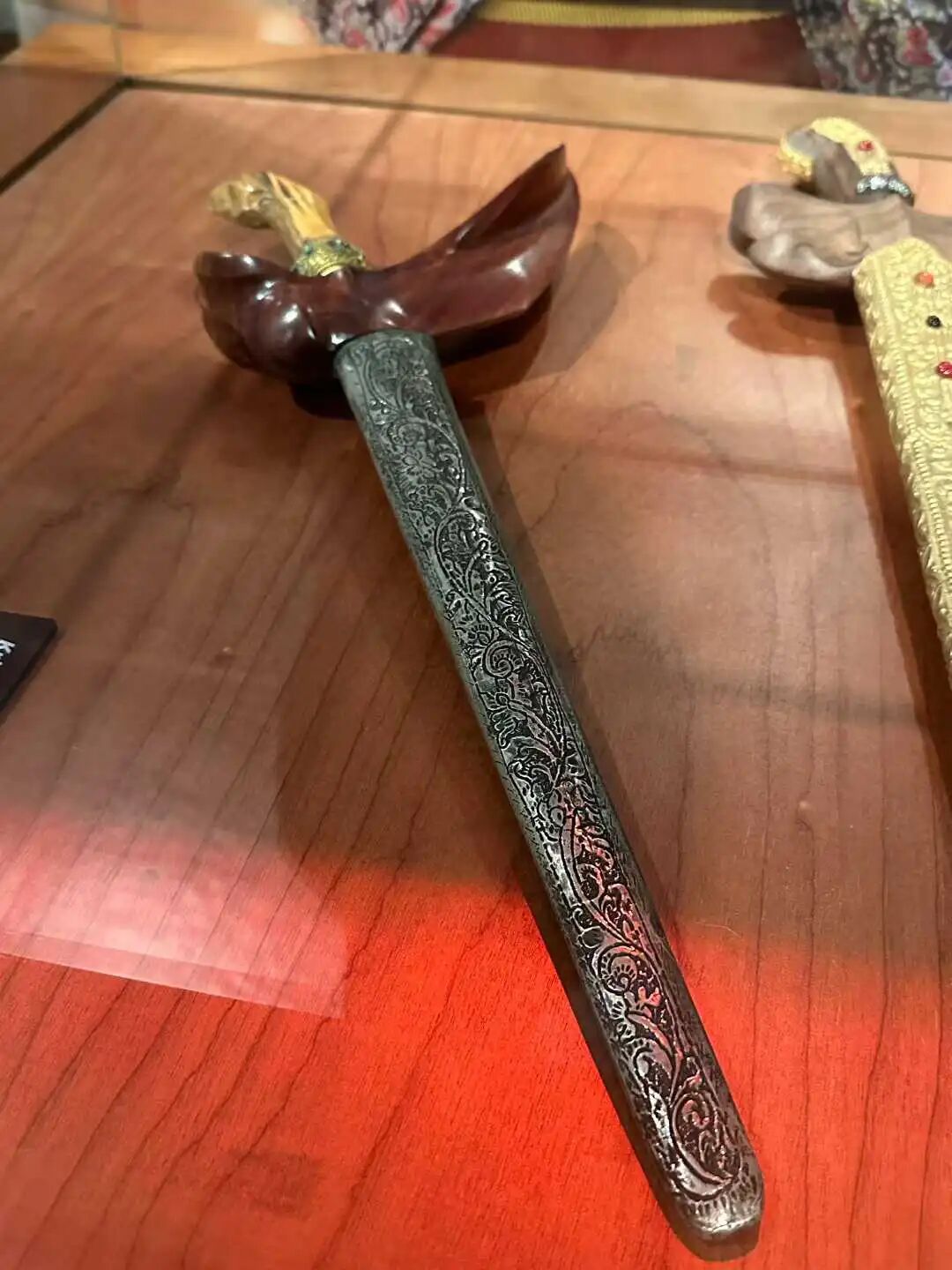
A Javanese dagger known as a kris.
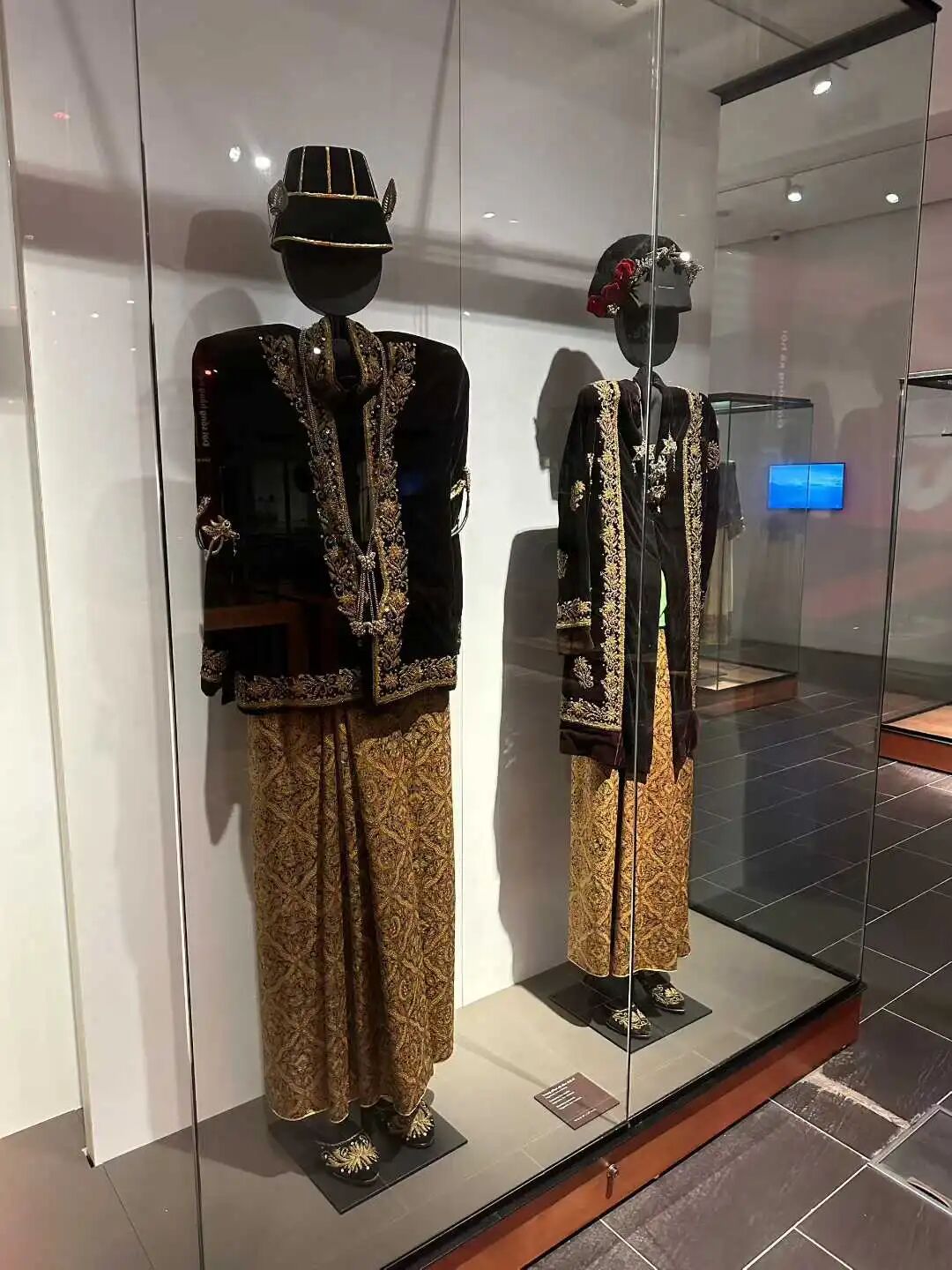
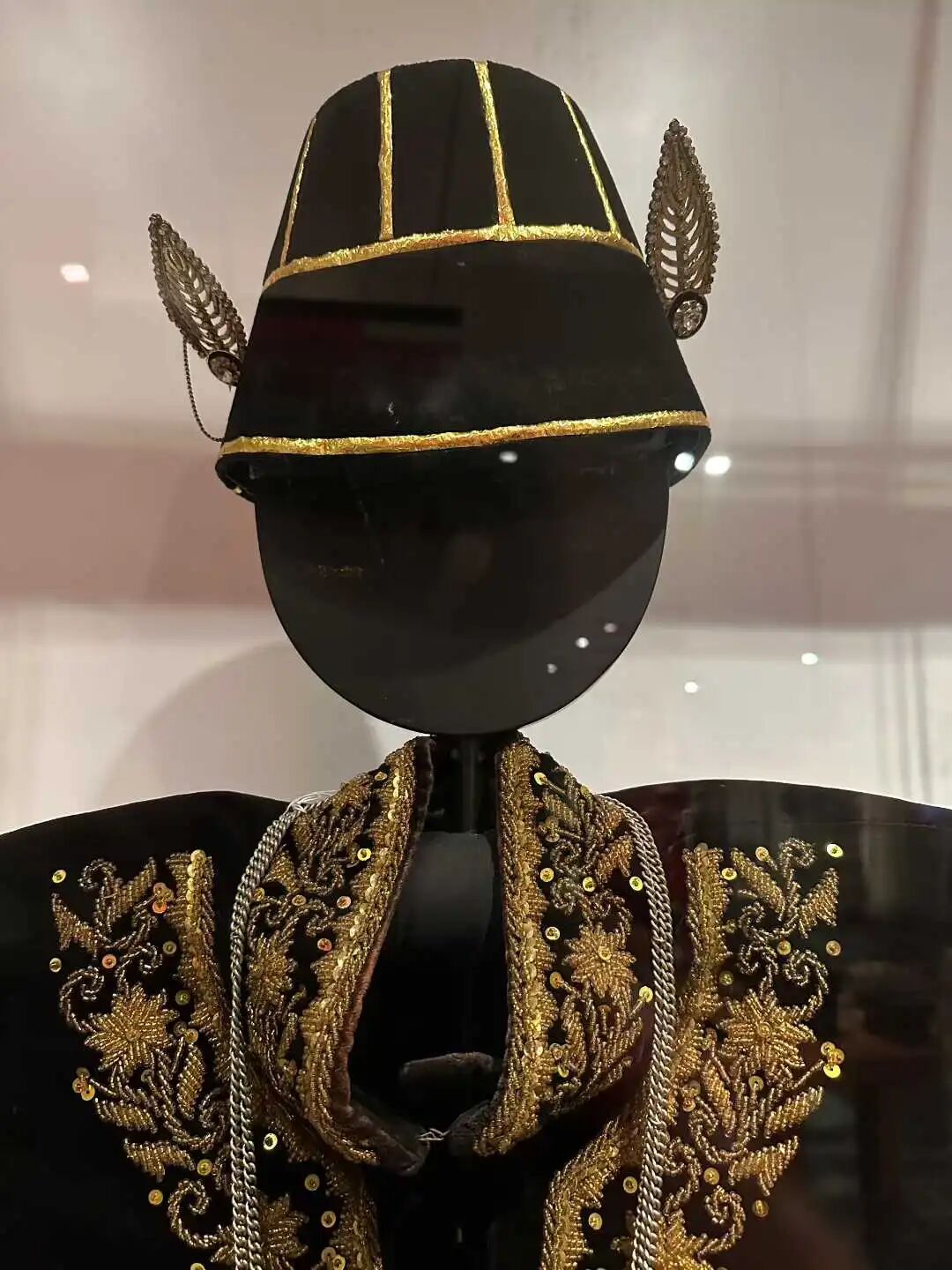
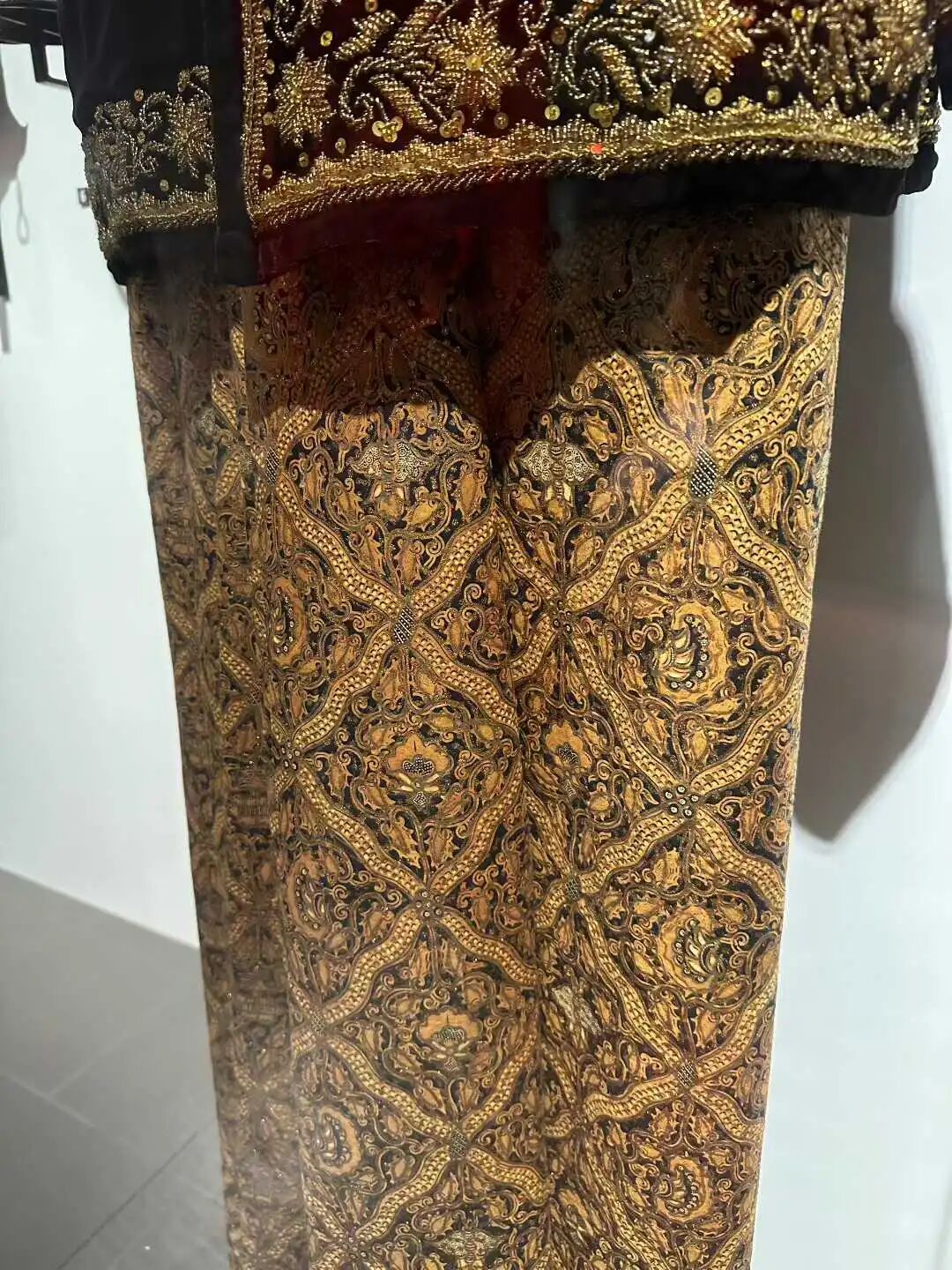
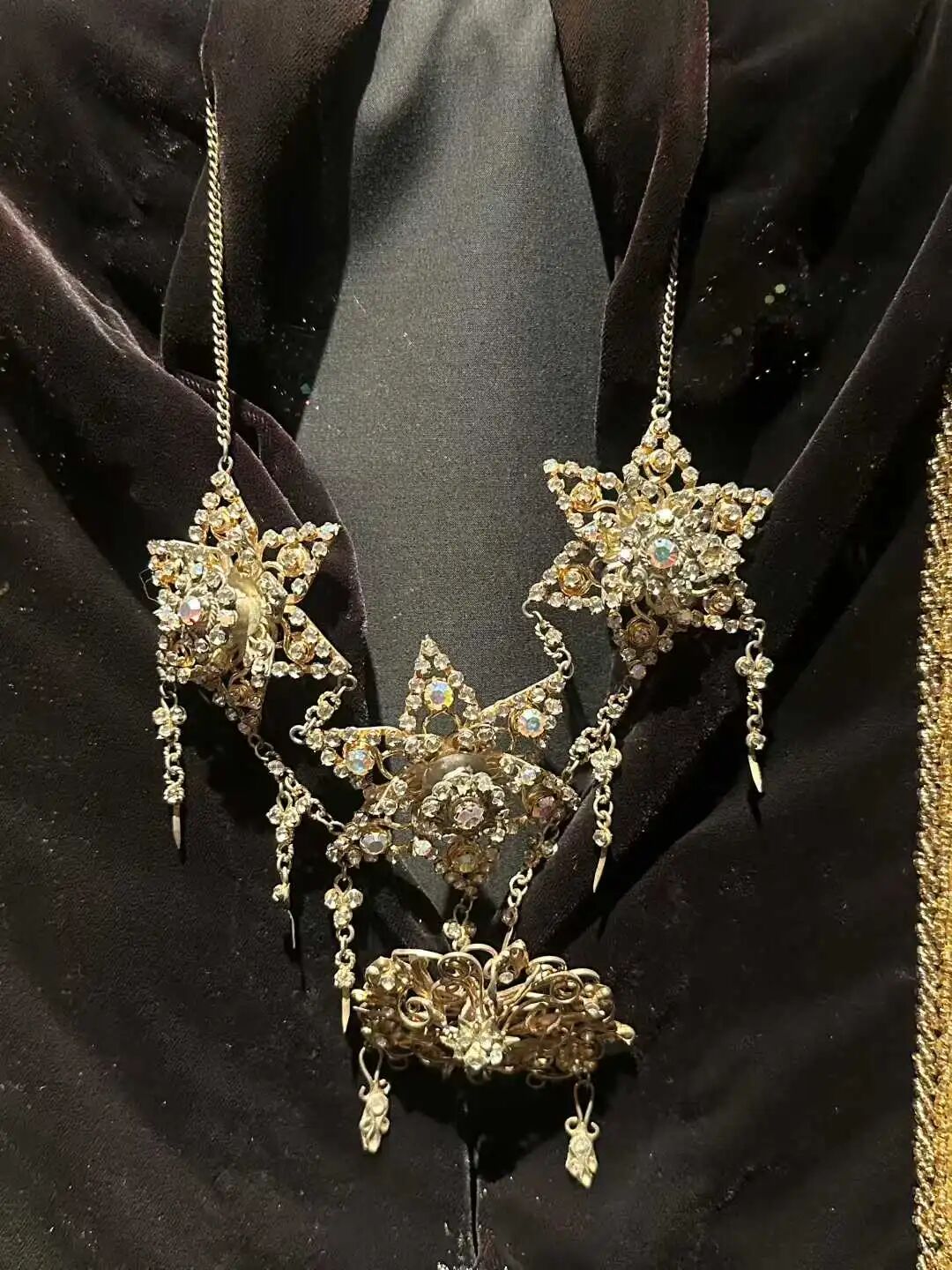
Wedding attire from Yogyakarta, Java.
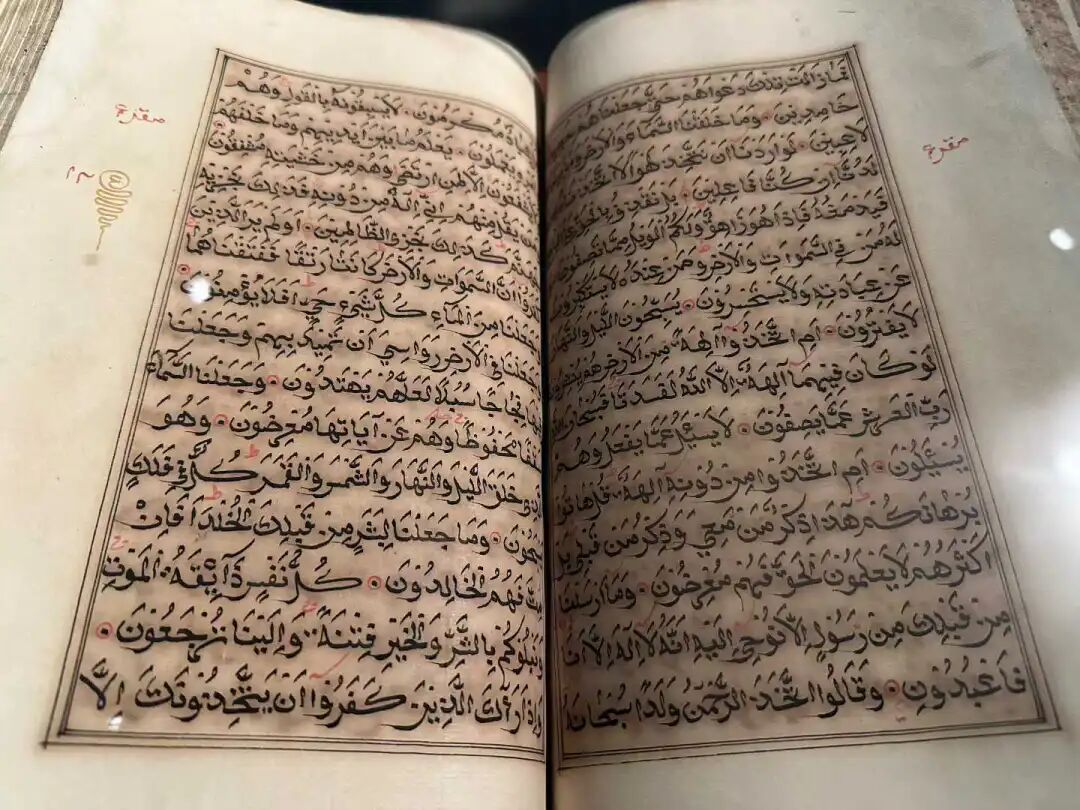
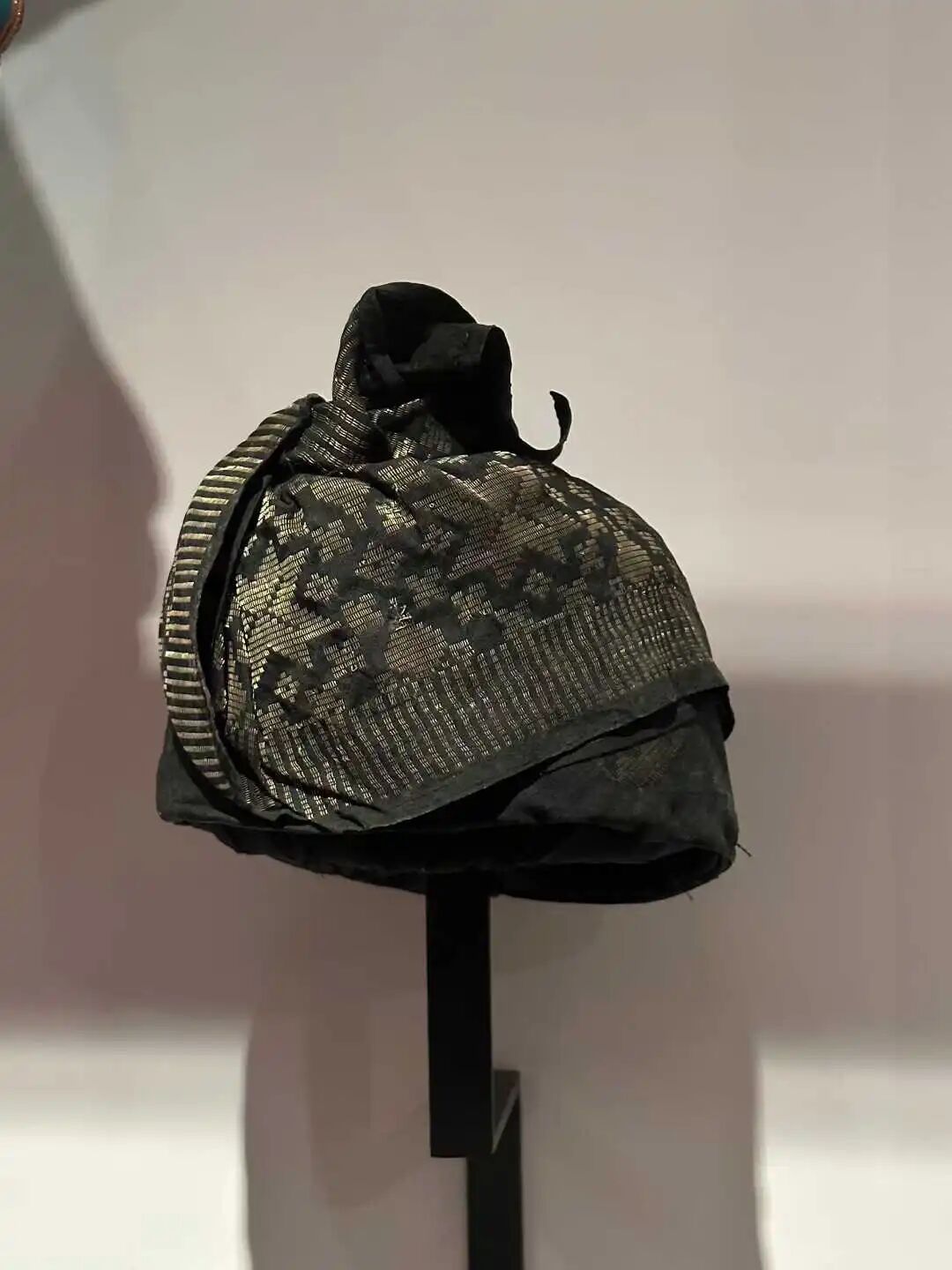
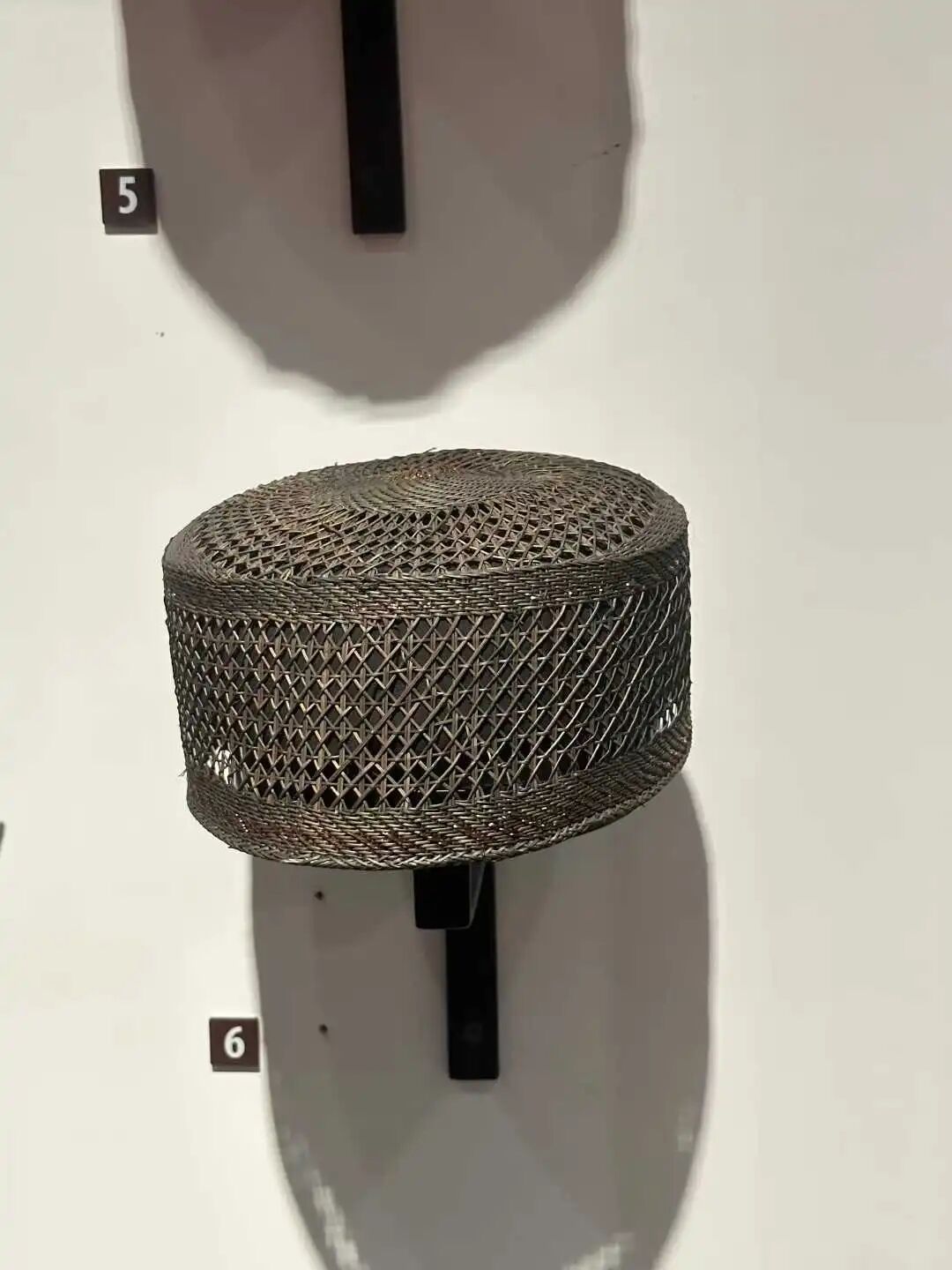
Malay religious books and a cap.
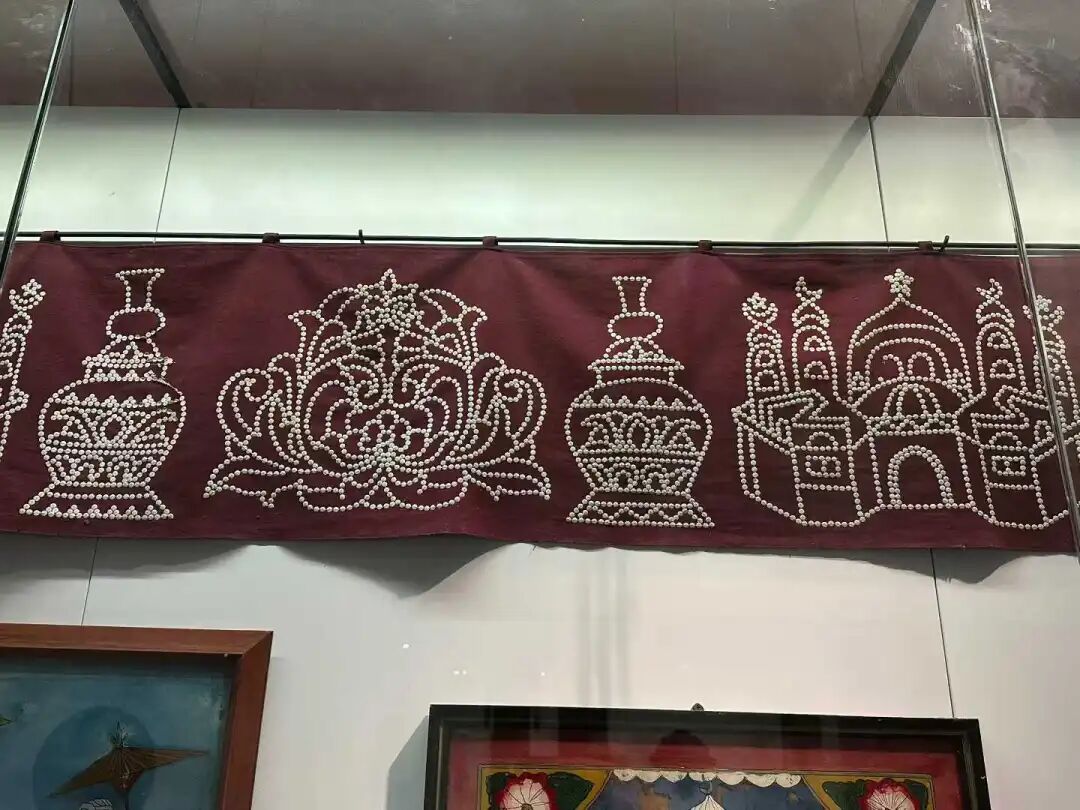
Decorations used during a funeral for the Maranao people of the Philippines. The Maranao people mainly live in the Lake Lanao region of Mindanao in the southern Philippines. They are an important Muslim ethnic group in the Philippines and hold a dominant position in the country's Islamic culture.
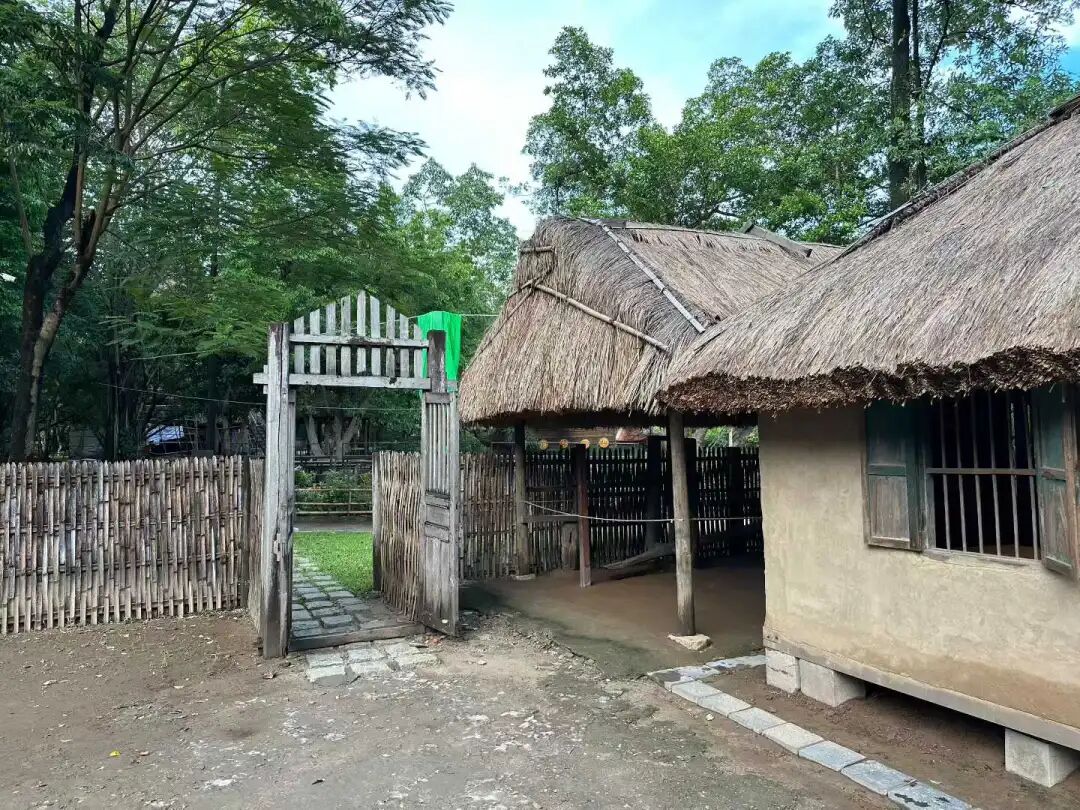
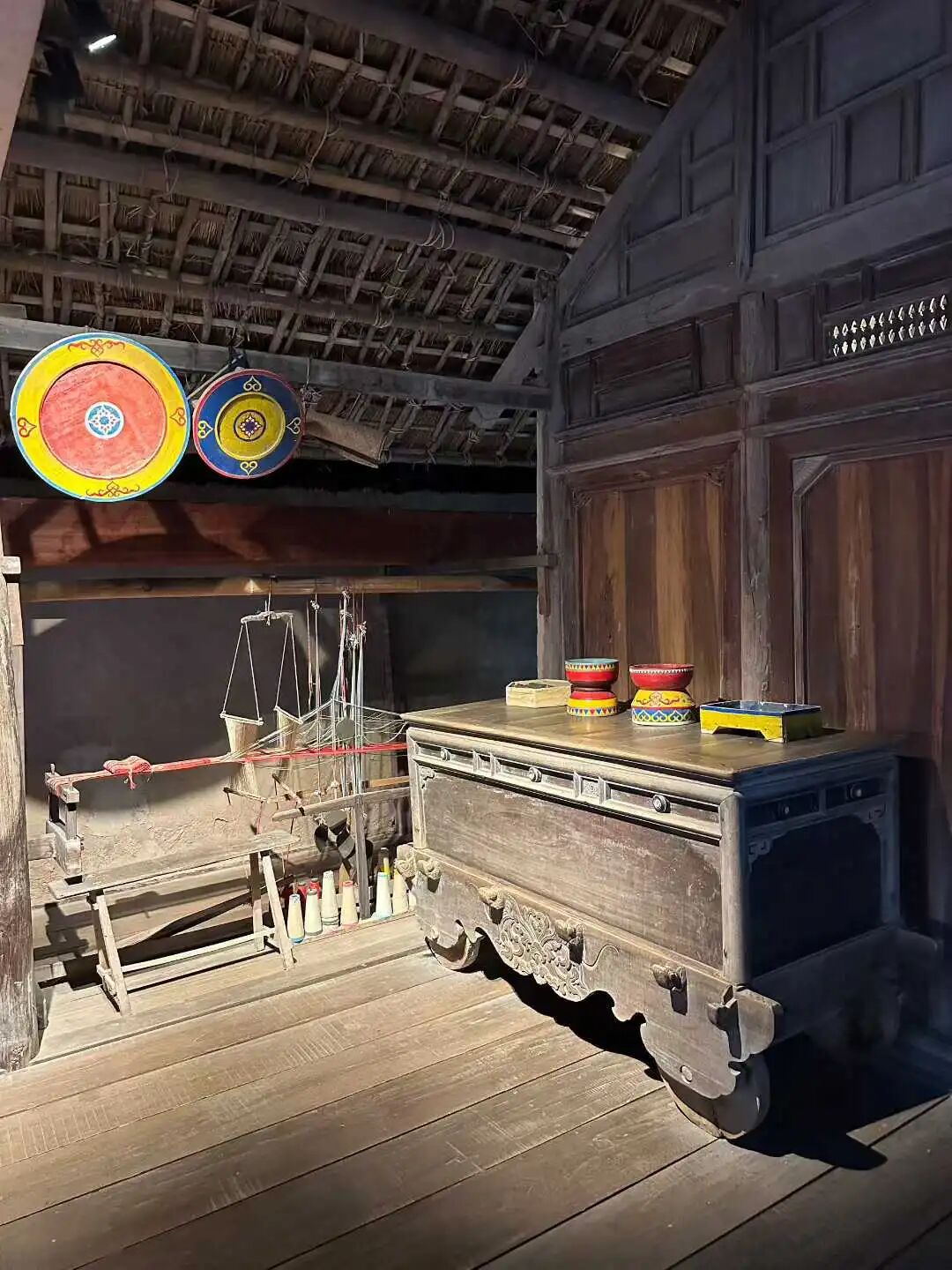
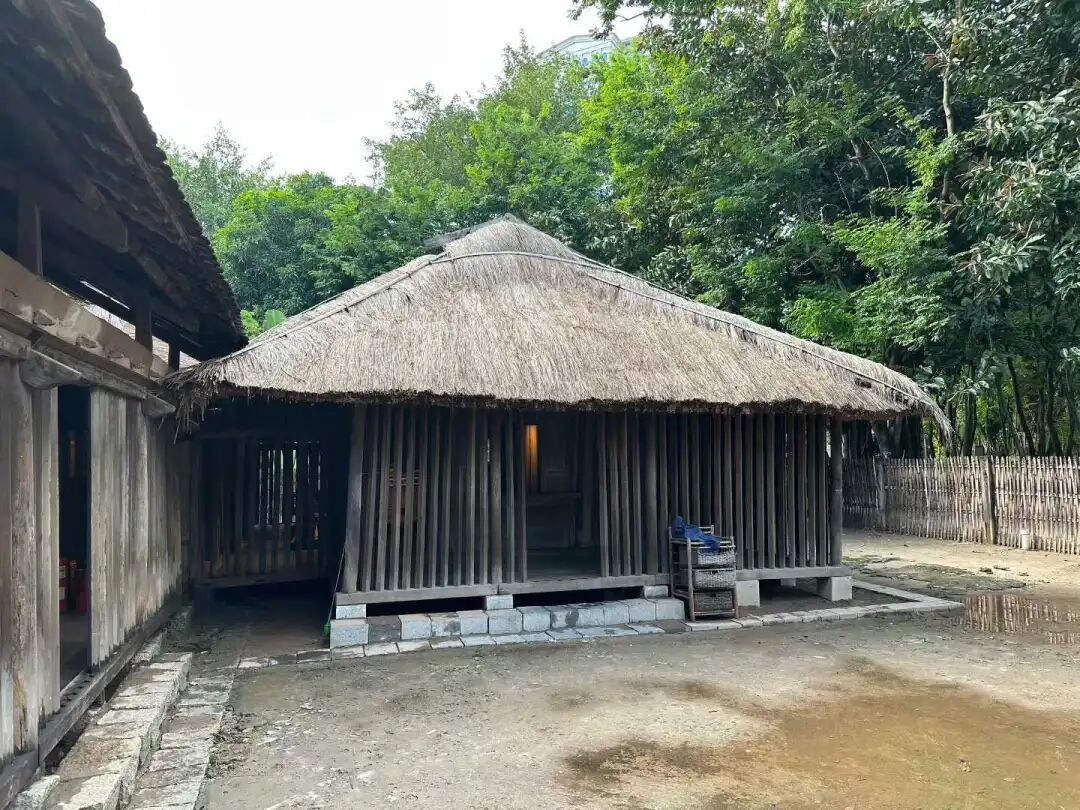
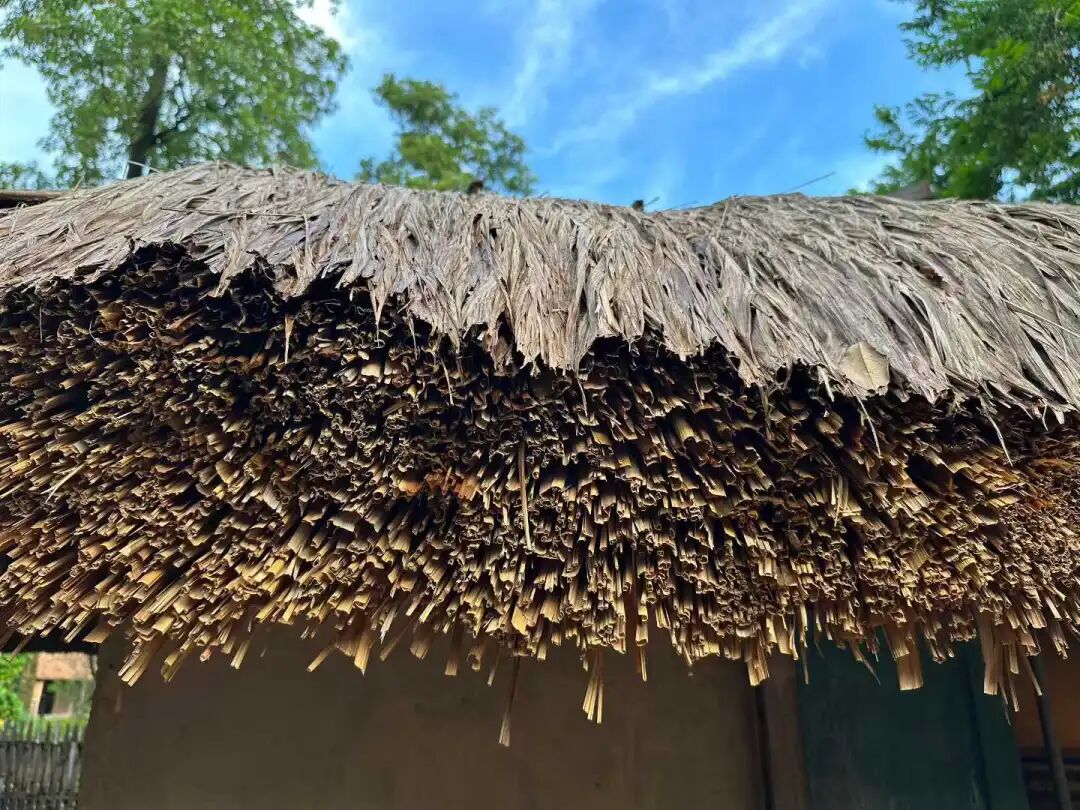
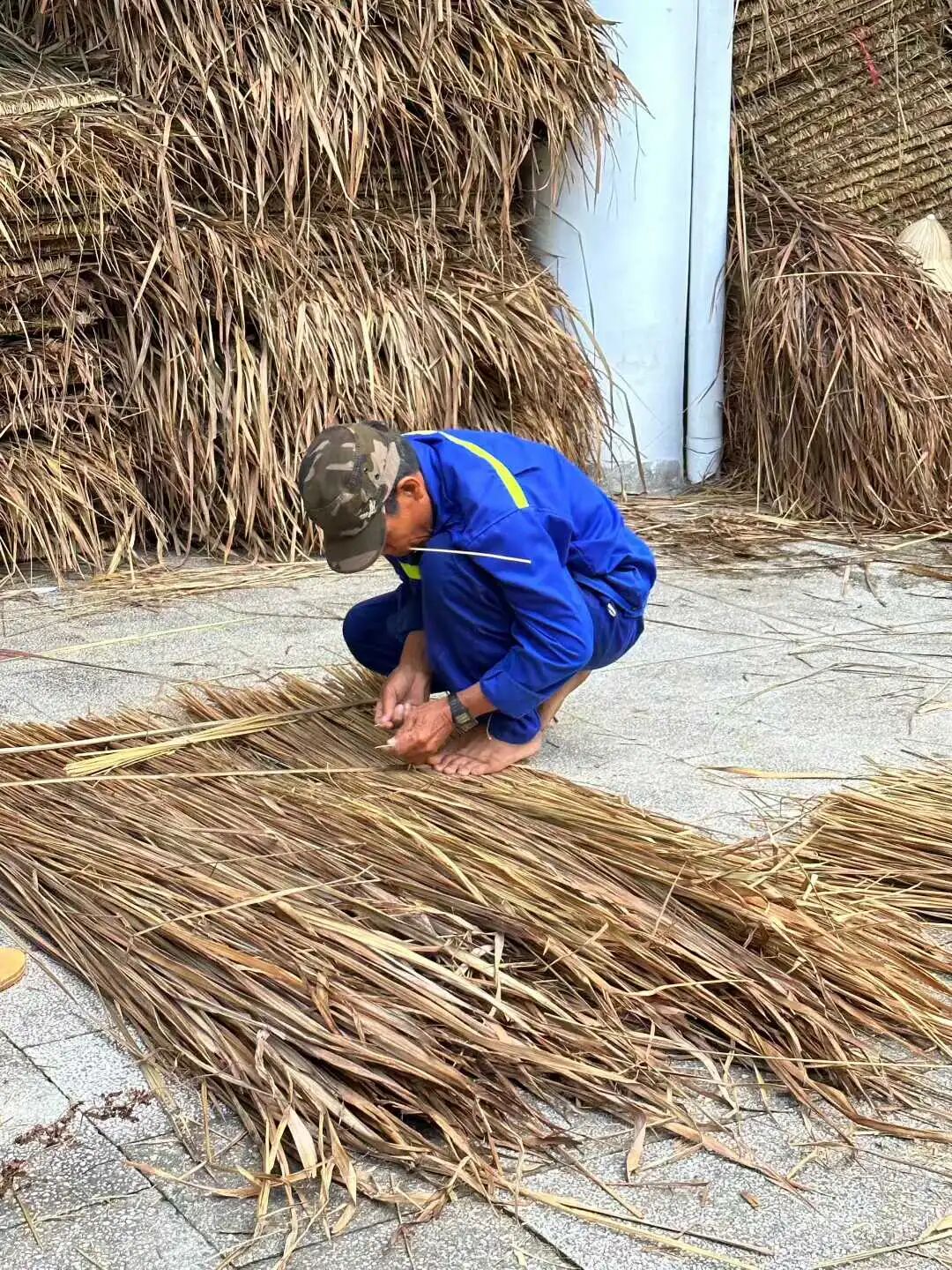
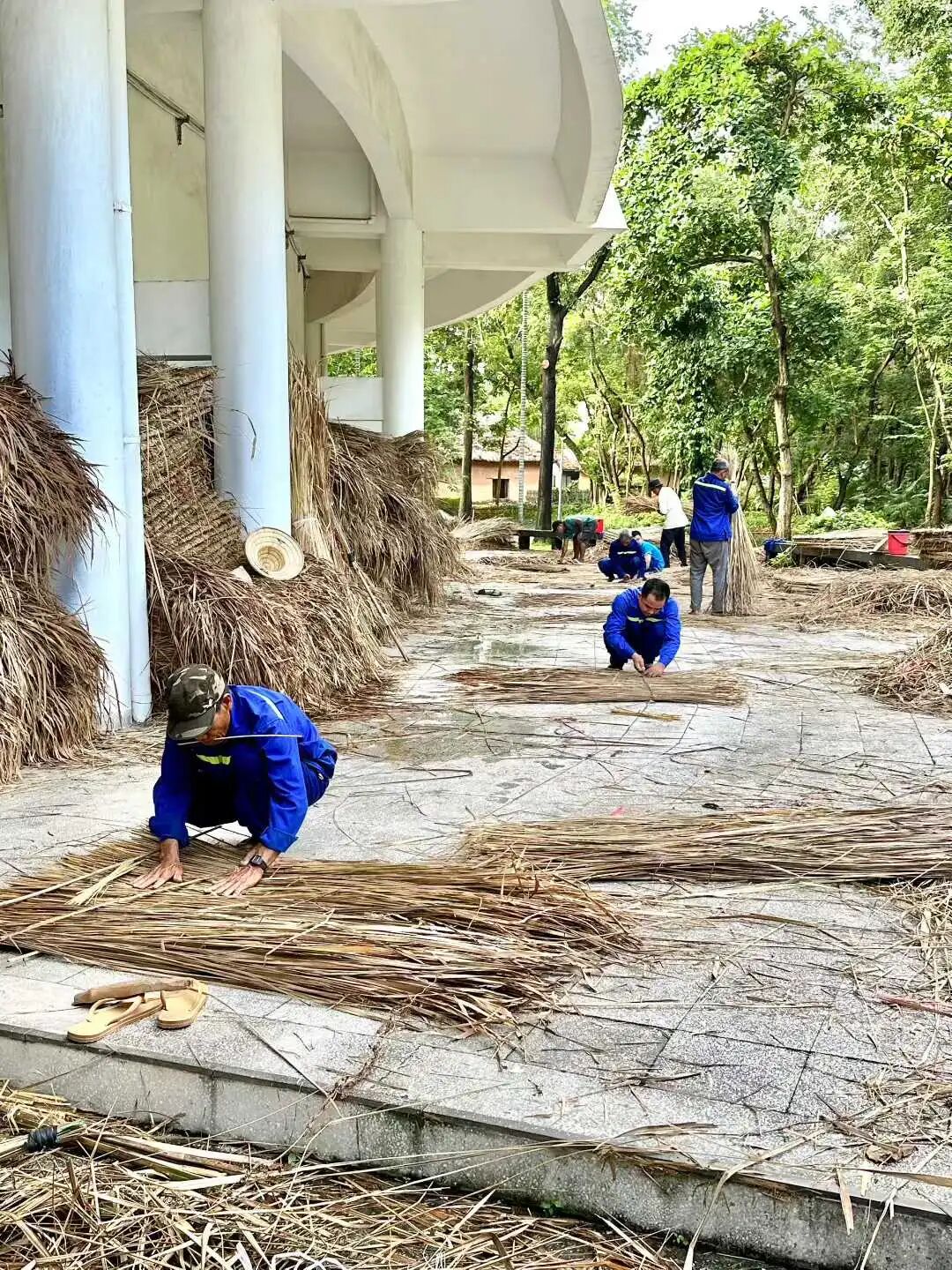
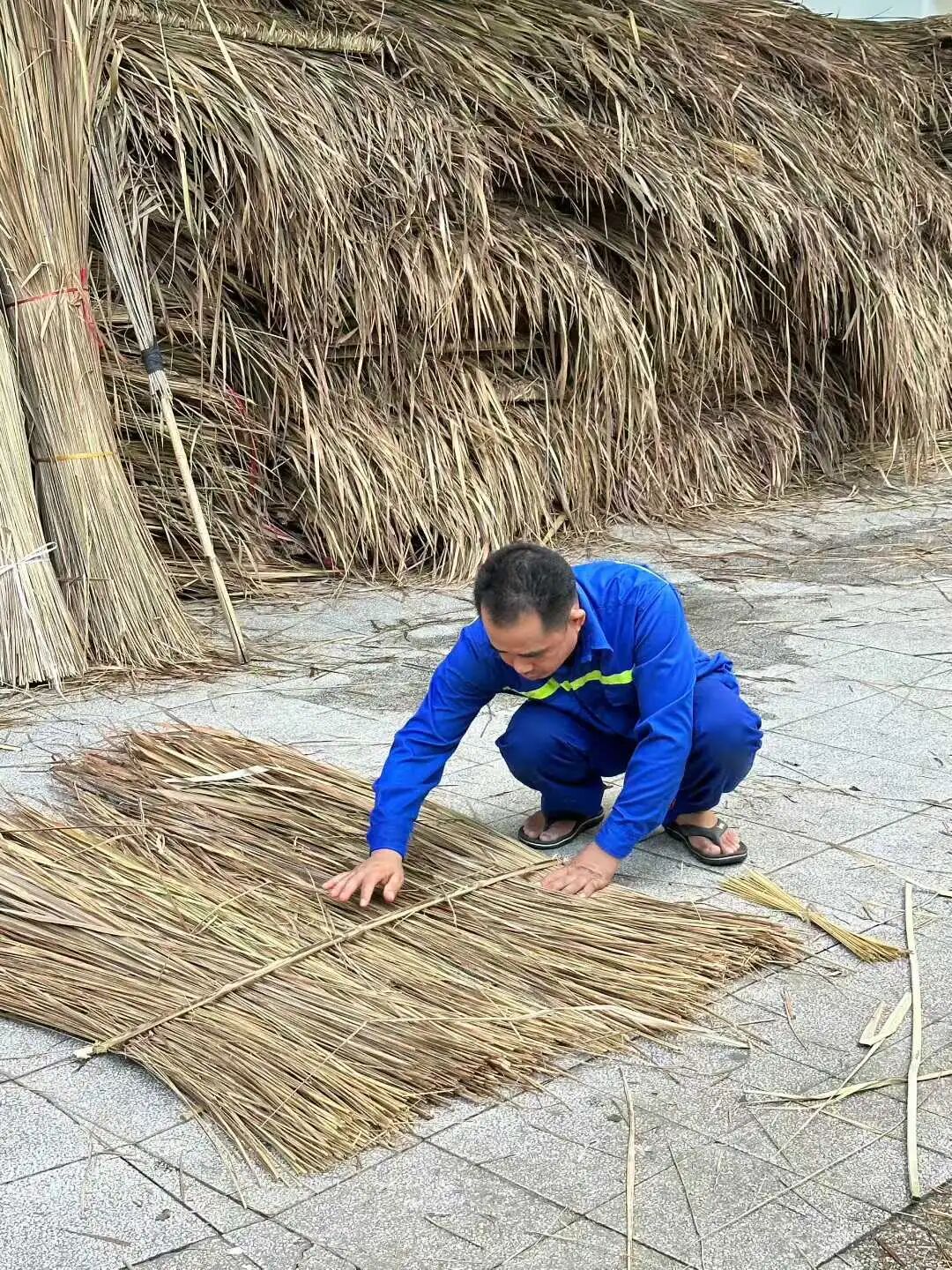
The museum courtyard displays a traditional Cham thatched-roof compound. Its design comes from the region where the ancient Champa Kingdom was located in southern Vietnam. I also happened to see the craftsmen working on the thatch.
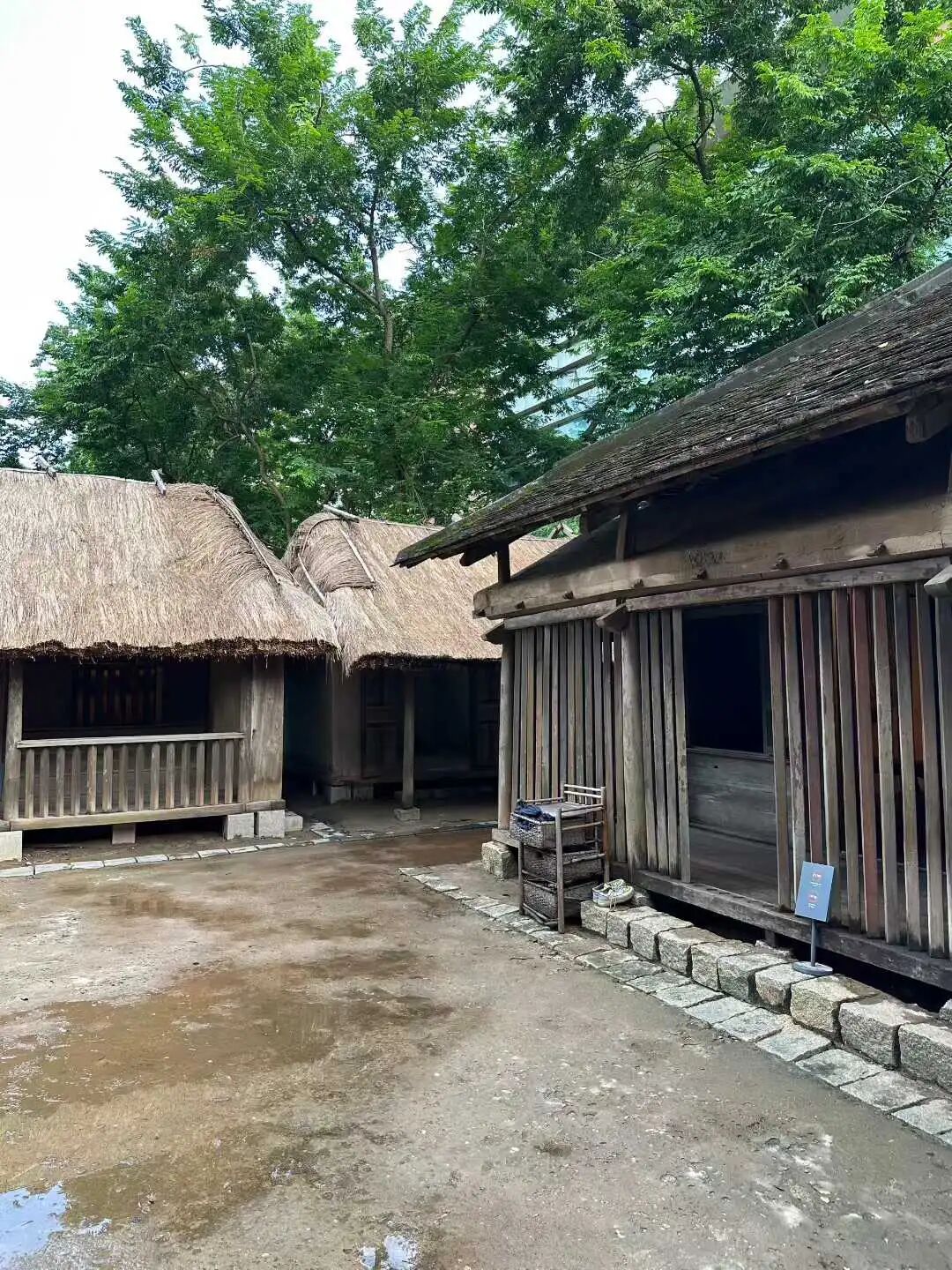
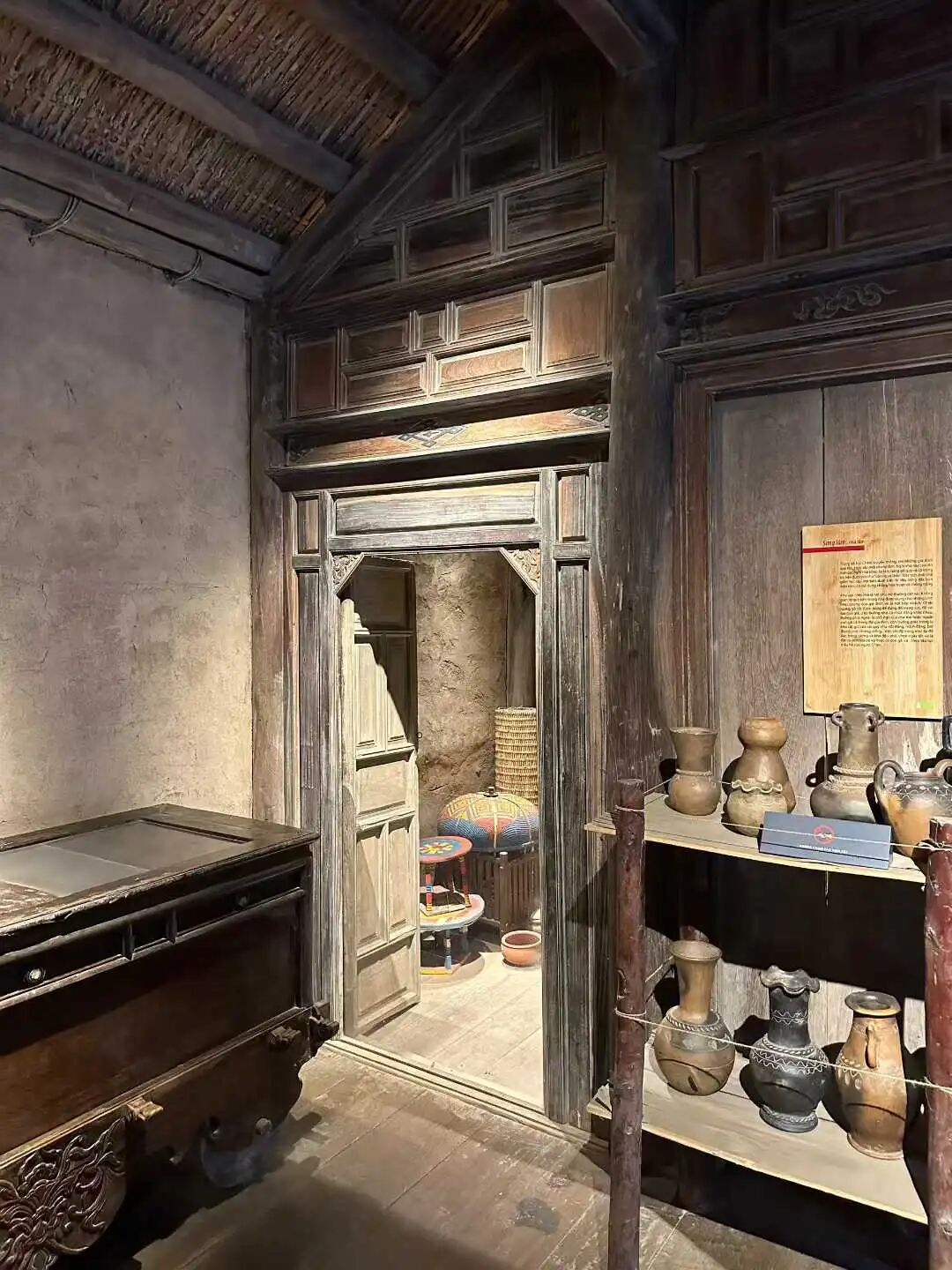
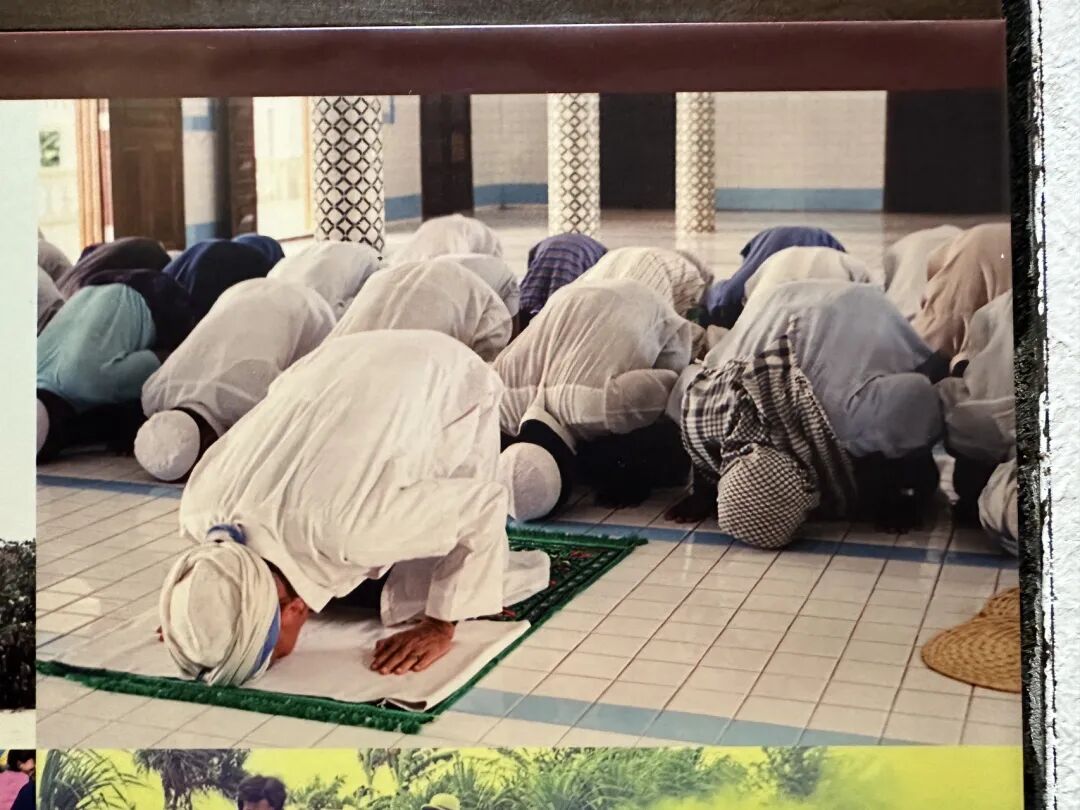
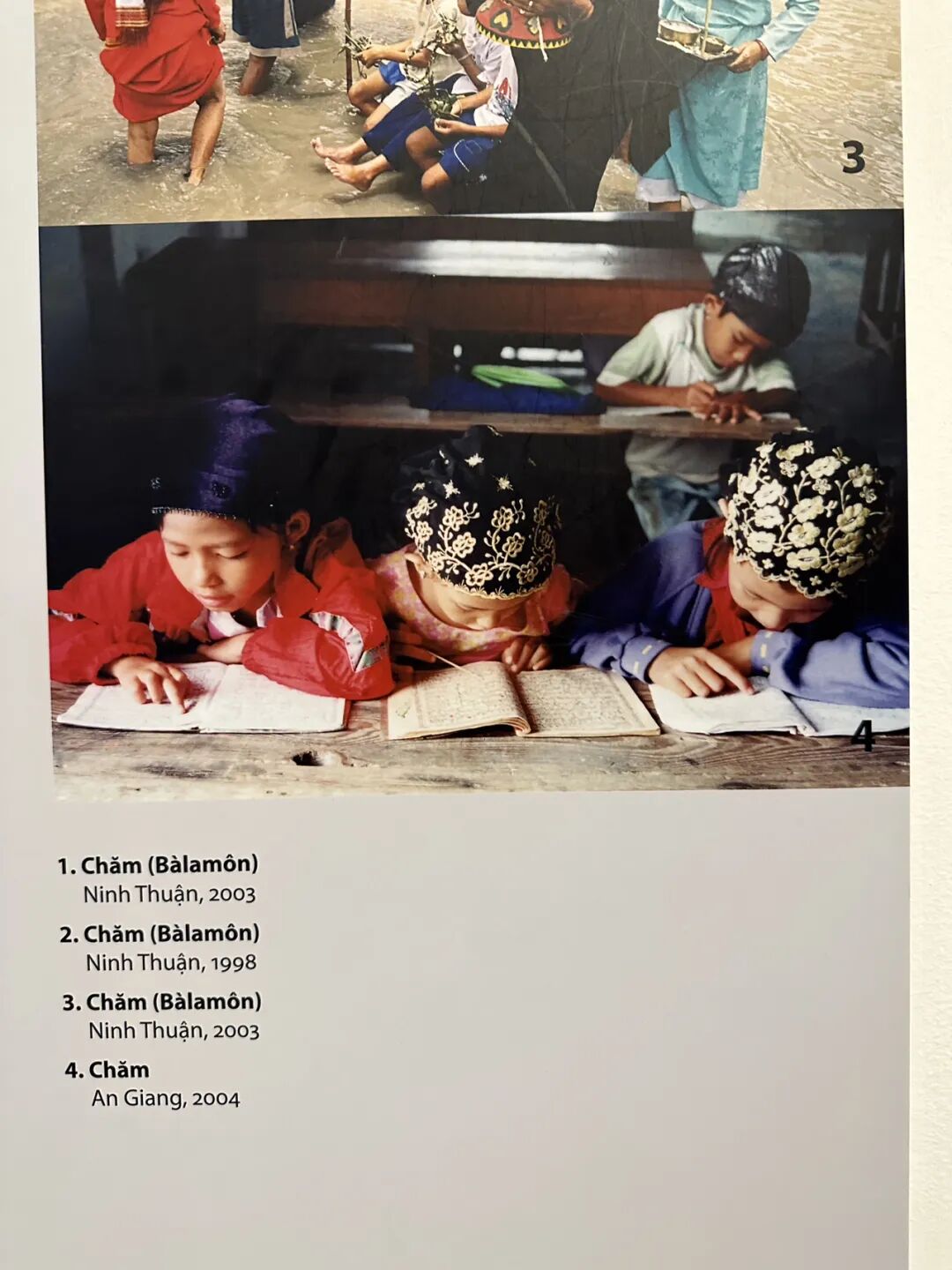
Photos of the Cham people performing acts of worship and studying.
Summary: The Vietnam Museum of Ethnology in Hanoi holds Islamic and Muslim-related objects connected to Vietnam and the wider region. This exhibition note preserves the source's artifact details, museum context, captions, and cultural observations in a clean English version.
The Vietnam Museum of Ethnology is in Hanoi, the capital of Vietnam. The main building opened in 1997 and focuses on introducing Vietnam's various ethnic groups. A new exhibition hall opened in 2013, expanding the collection to include artifacts from other ethnic groups in Southeast Asia and the rest of Asia. I previously shared the museum's collection of Javanese glass paintings in my post titled 'Exhibition Notes: Javanese Glass Paintings at the Vietnam Museum of Ethnology.' This time, I am sharing other items in the collection related to the faith.
This 18th-century Damascus steel armor is from the Mughal Empire in North India. Its style is the same as Persian work and uses gold inlay techniques.
A 20th-century traditional Malay wood carving.
This copper tray is from Kelantan, Malaysia, and is engraved with the year 1261, which corresponds to 1845 AD.
A Javanese dagger known as a kris.
Wedding attire from Yogyakarta, Java.
Malay religious books and a cap.
Decorations used during a funeral for the Maranao people of the Philippines. The Maranao people mainly live in the Lake Lanao region of Mindanao in the southern Philippines. They are an important Muslim ethnic group in the Philippines and hold a dominant position in the country's Islamic culture.
The museum courtyard displays a traditional Cham thatched-roof compound. Its design comes from the region where the ancient Champa Kingdom was located in southern Vietnam. I also happened to see the craftsmen working on the thatch.
Photos of the Cham people performing acts of worship and studying.
