
Halal Travel Guide: Yangon Indian Quarter - Muslim Food and Hotels
Reposted from the web
Summary: Yangon's Indian Quarter offers halal restaurants, Muslim hotels, South Asian food, and practical lodging options tied to the city's colonial-era Indian Muslim history. This guide keeps the source's restaurant names, dishes, hotel notes, streets, and travel tips in one long English article.
A guide to eating and staying in the Indian Quarter of Yangon, Myanmar.
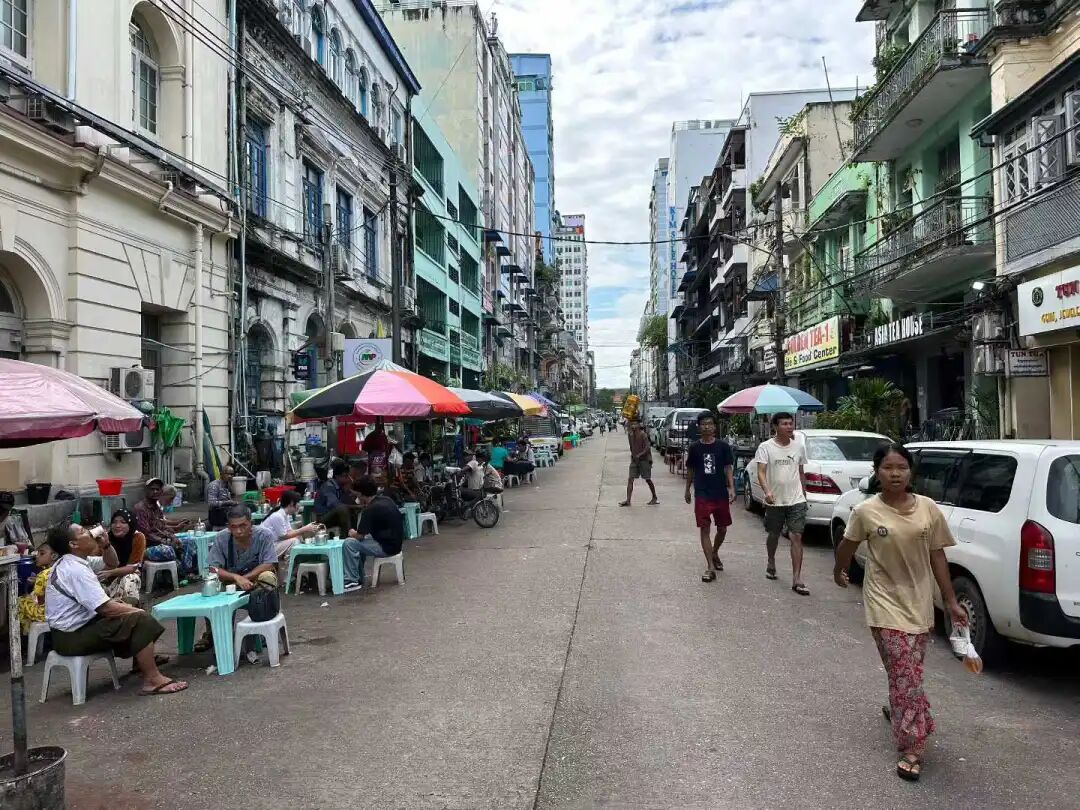
Although Yangon is now the largest city in Myanmar, it was known as an Indian city 100 years ago during the British Burma period. Indians began settling in Yangon after the First Anglo-Burmese War in 1826, and by the late 19th century, their population had already surpassed that of the Burmese people. In 1901, there were nearly 120,000 people of Indian descent in Yangon, while the Burmese population was only about 70,000. The Indian community in Yangon's old town mainly lived between Sule Pagoda and Chinatown, an area commonly known as the Indian Quarter, which is full of Indian culture.
We stayed at The Eravati Hotel by the Yangon River, which is very close to the Indian Quarter and makes dining very convenient.
The building housing this hotel is the New Law Courts building, constructed by British architect Thomas Oliphant Foster between 1927 and 1931.
Between 1942 and 1945, this place was used as the headquarters for the notorious Japanese Kempeitai, where many people suffered torture. British Army Major Hugh Seagrim trained Karen guerrillas to resist the Japanese after the invasion and constantly harassed the Japanese army. Due to the Japanese army's massive retaliatory actions against the Karen people, he was forced to surrender and was then imprisoned in this building. He refused the threats and inducements of the Japanese army here and was eventually heroically executed.
After 1948, it became a police station building, continuing to imprison and interrogate dissidents; before the renovation, people could still see the prison cells on the building.
It was renovated into a heritage hotel in 2014, having previously operated as a Kempinski and a Rosewood hotel, and is now The Eravati Hotel.
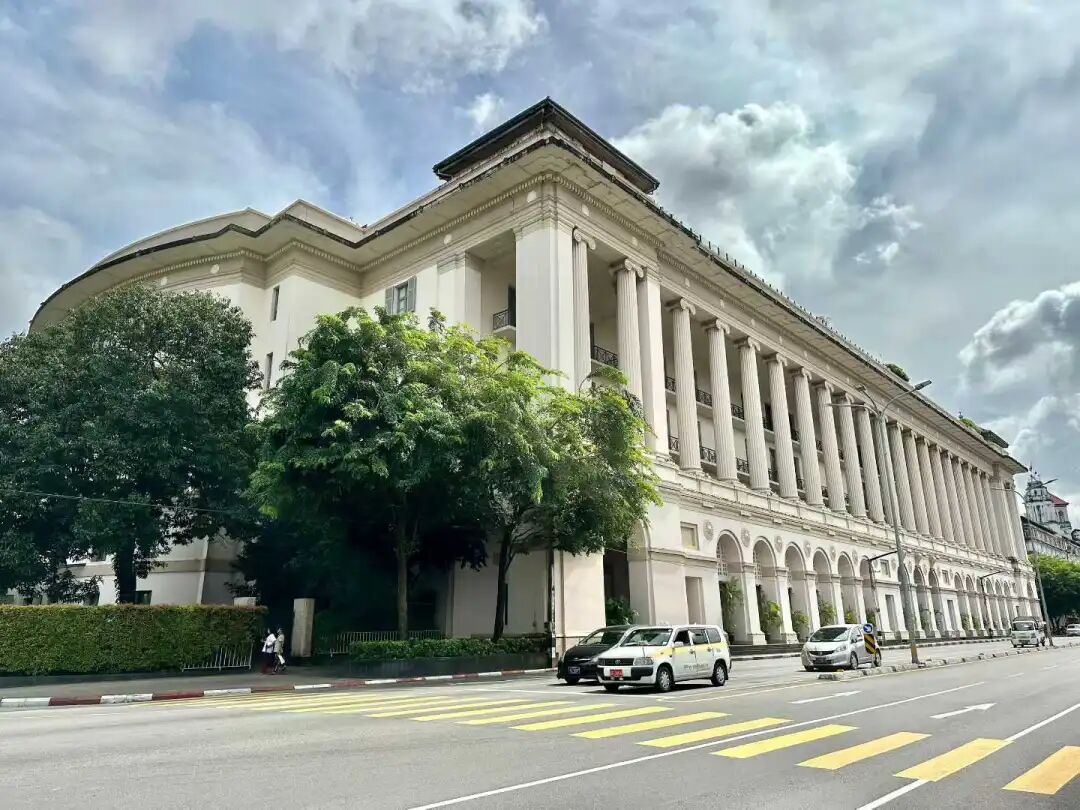
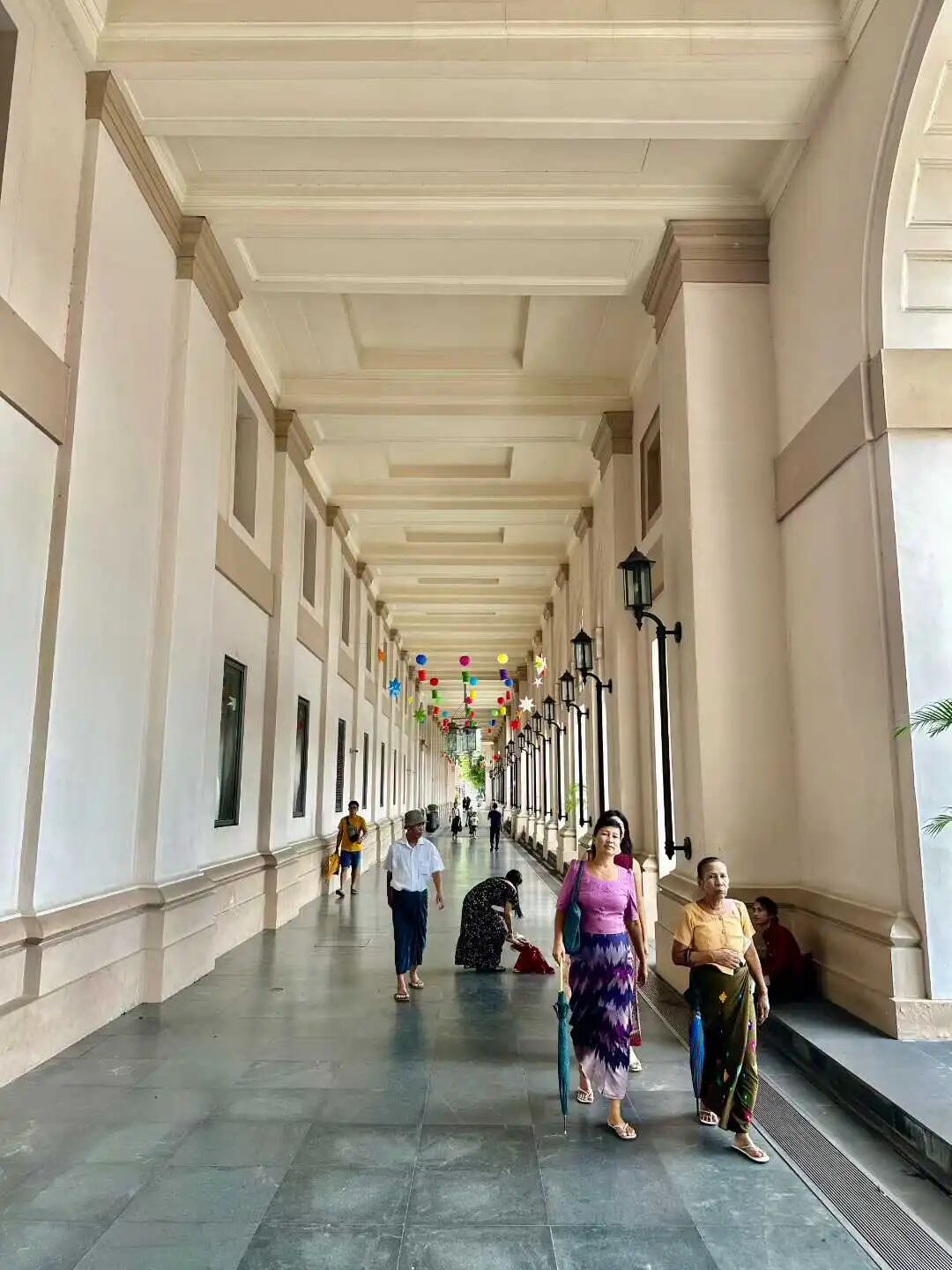
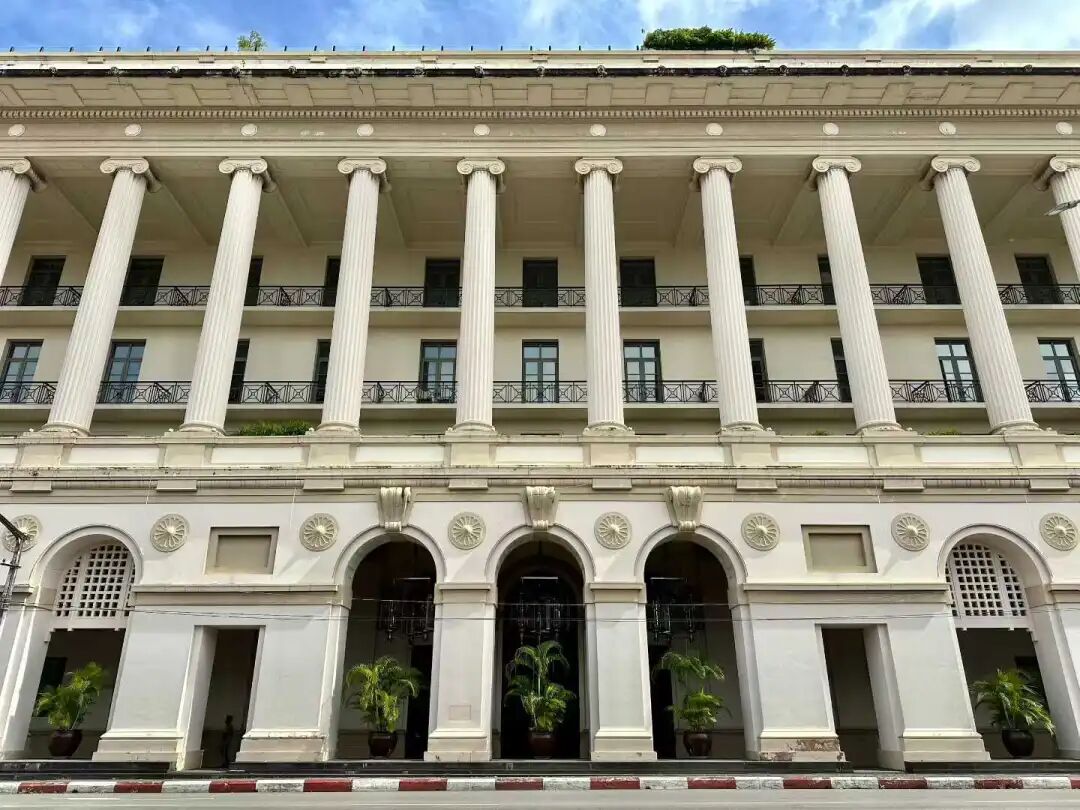
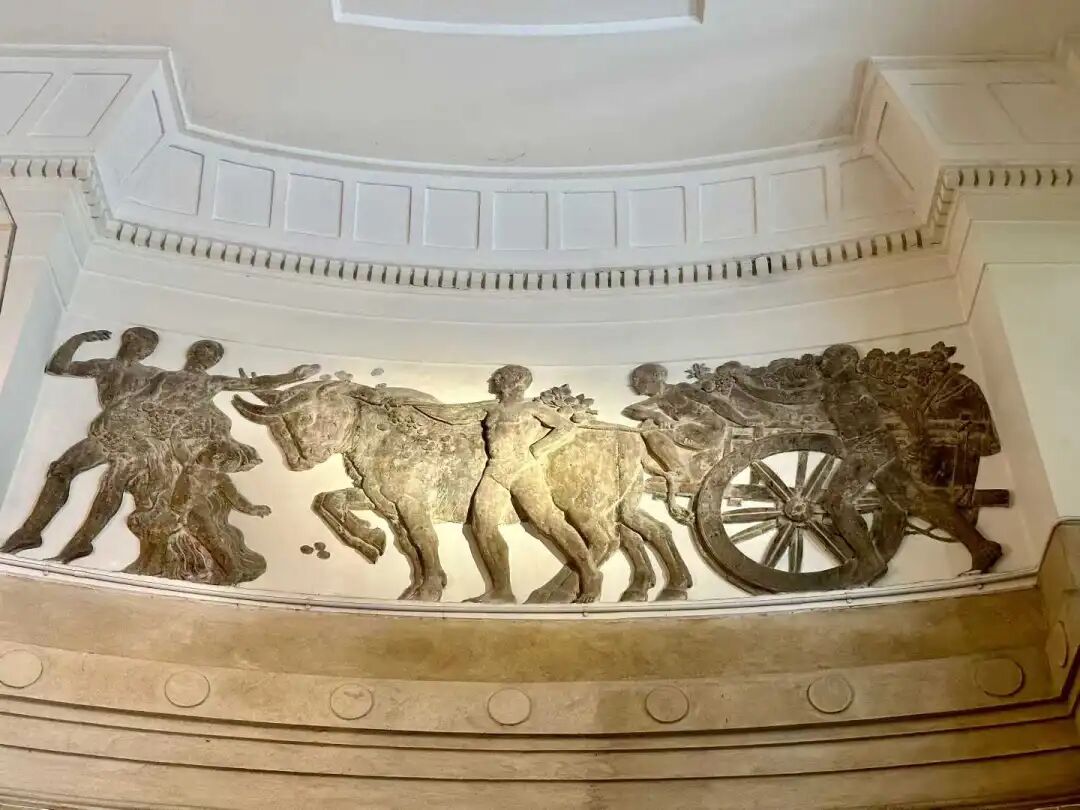
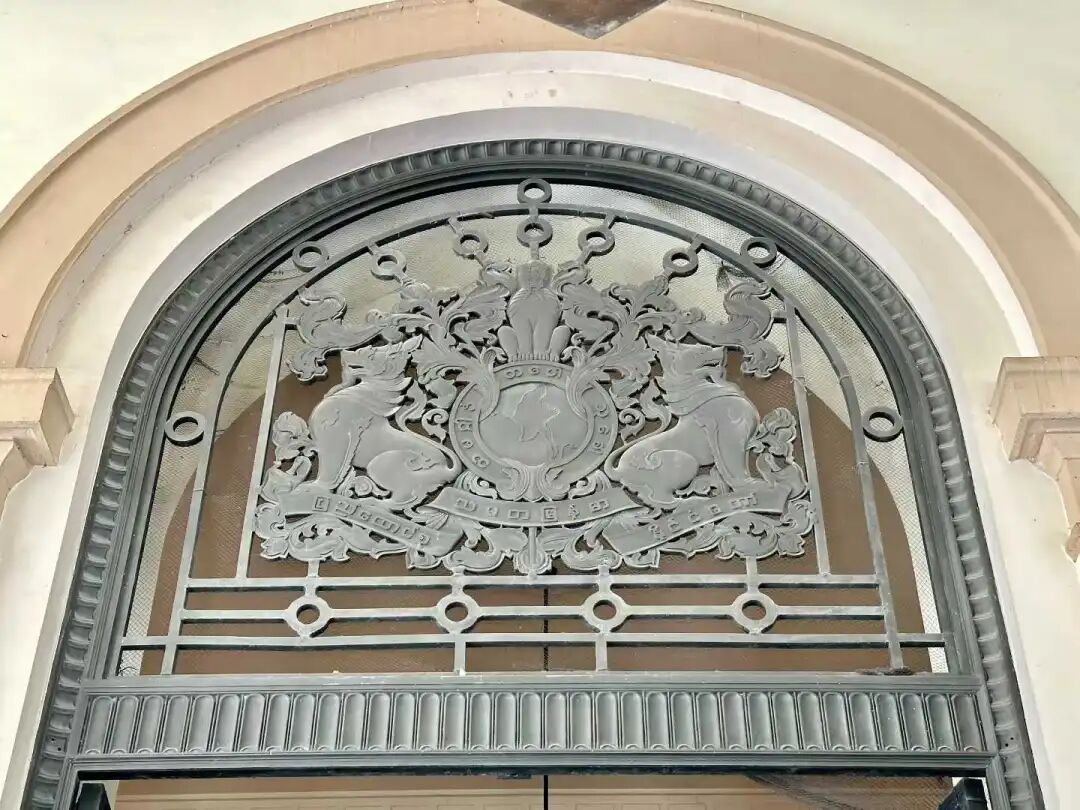
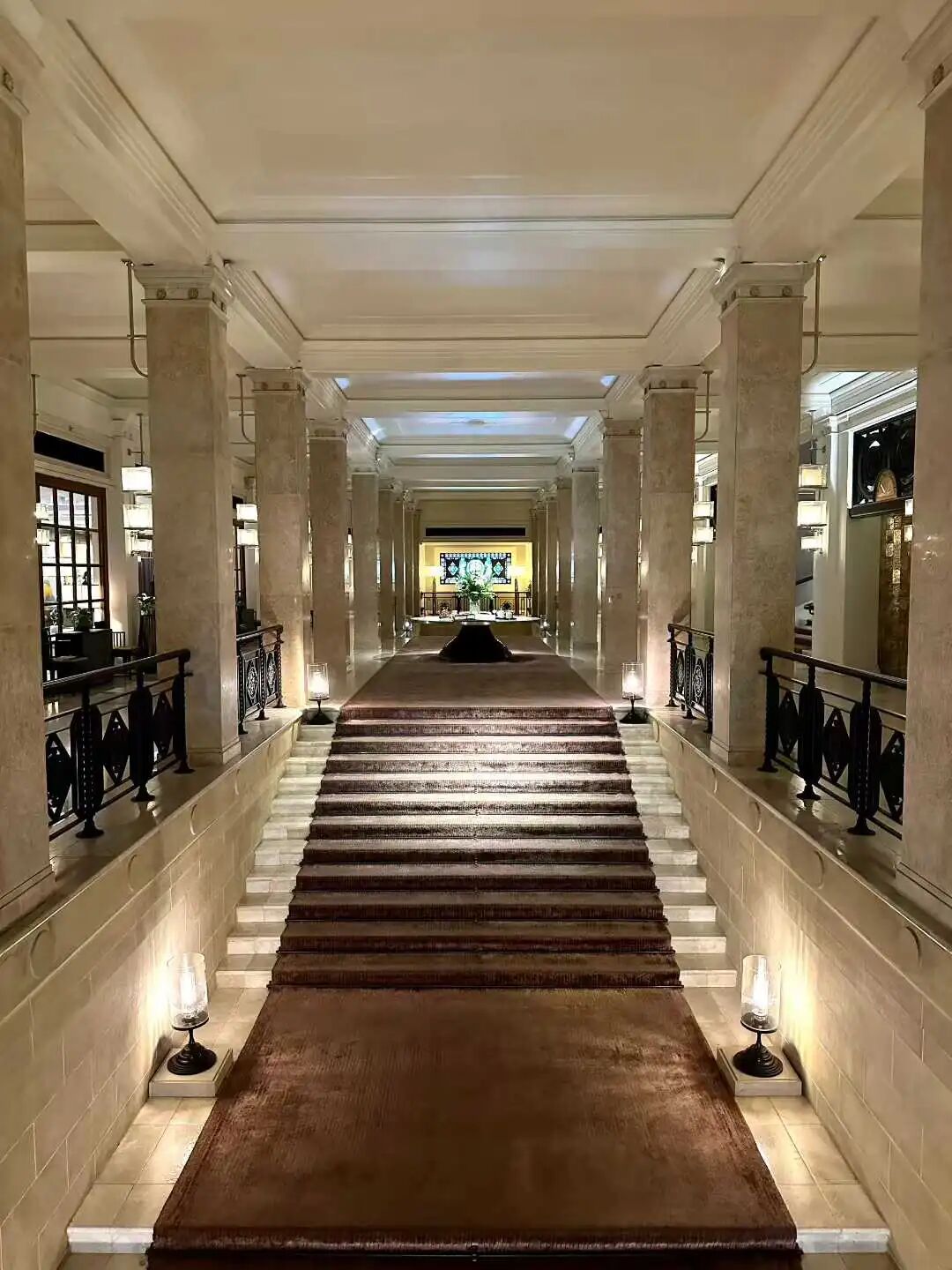
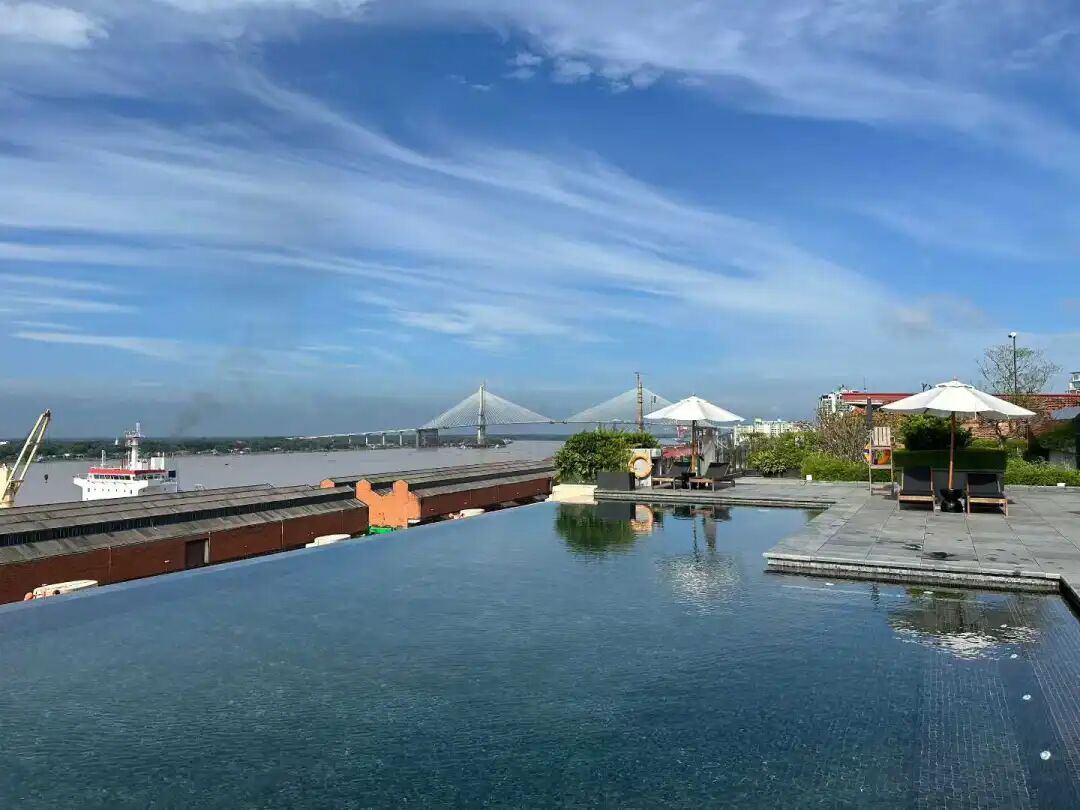
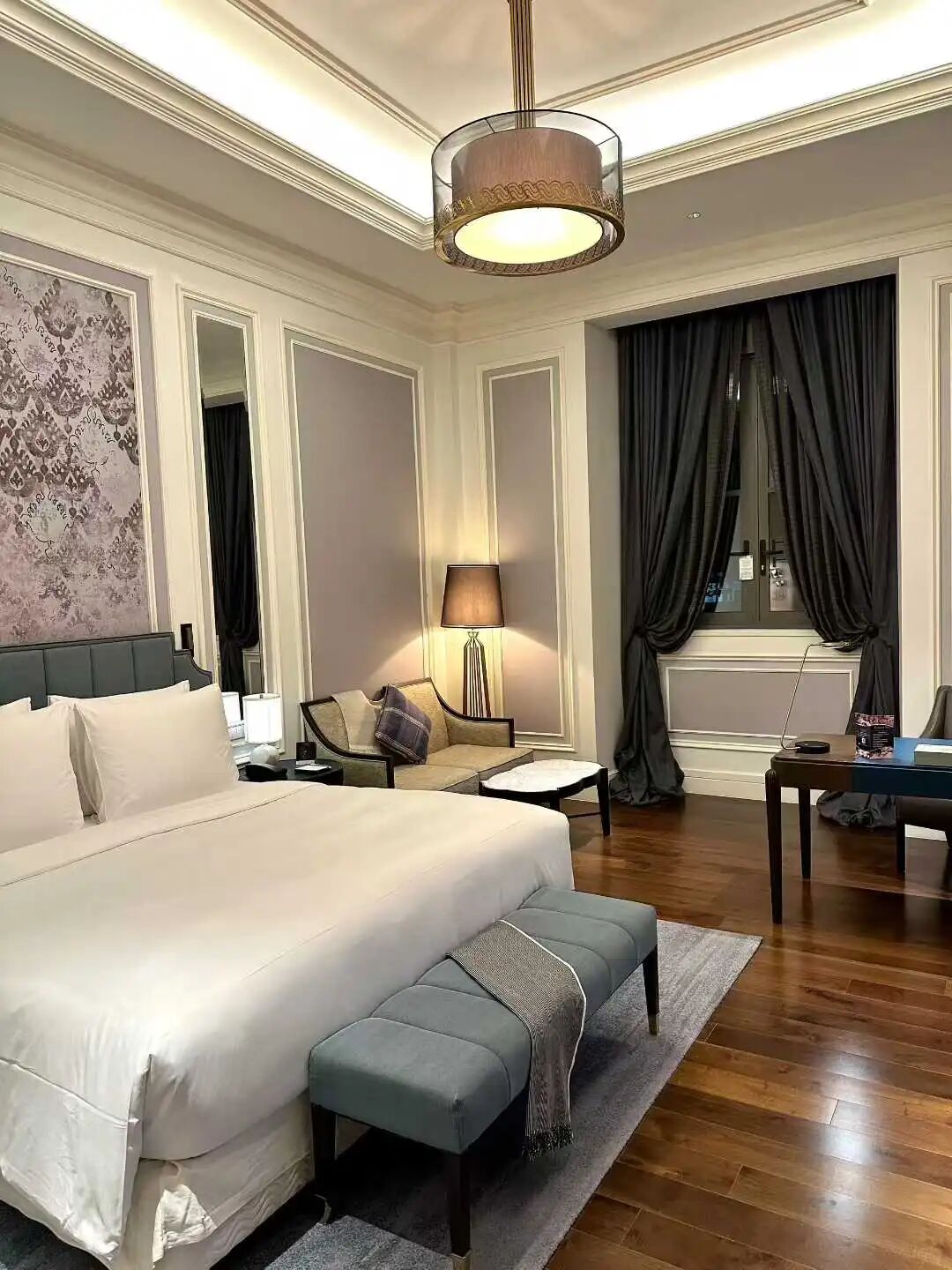
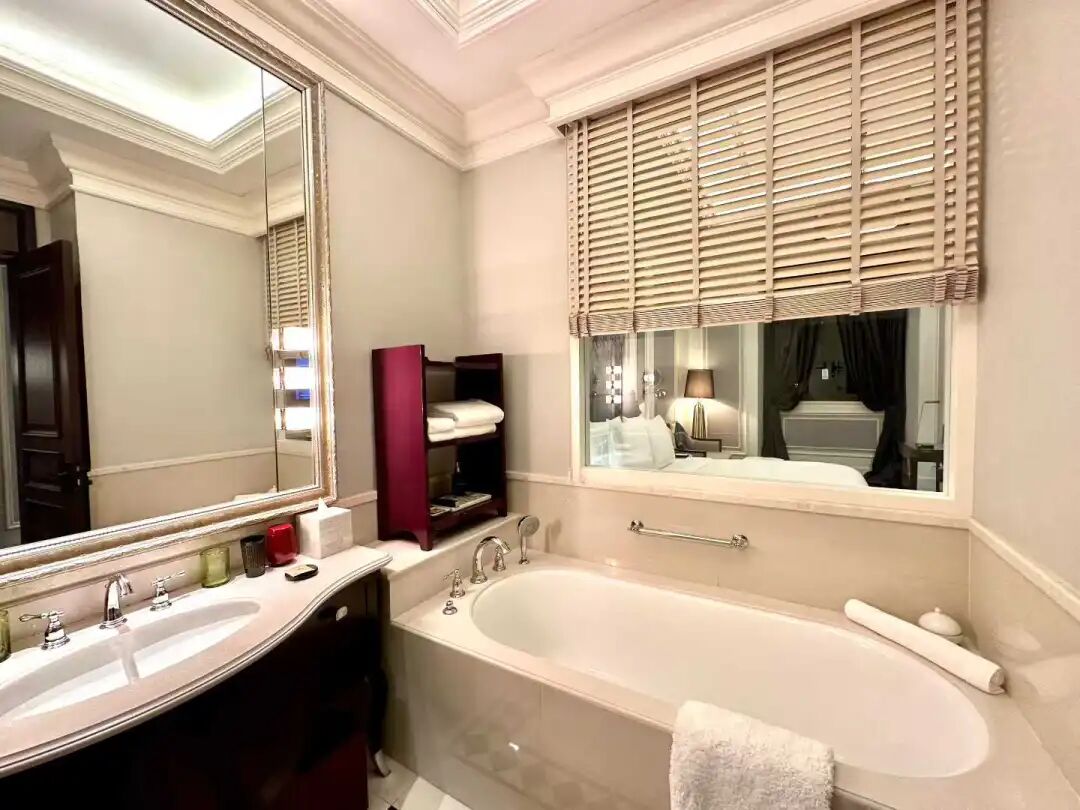
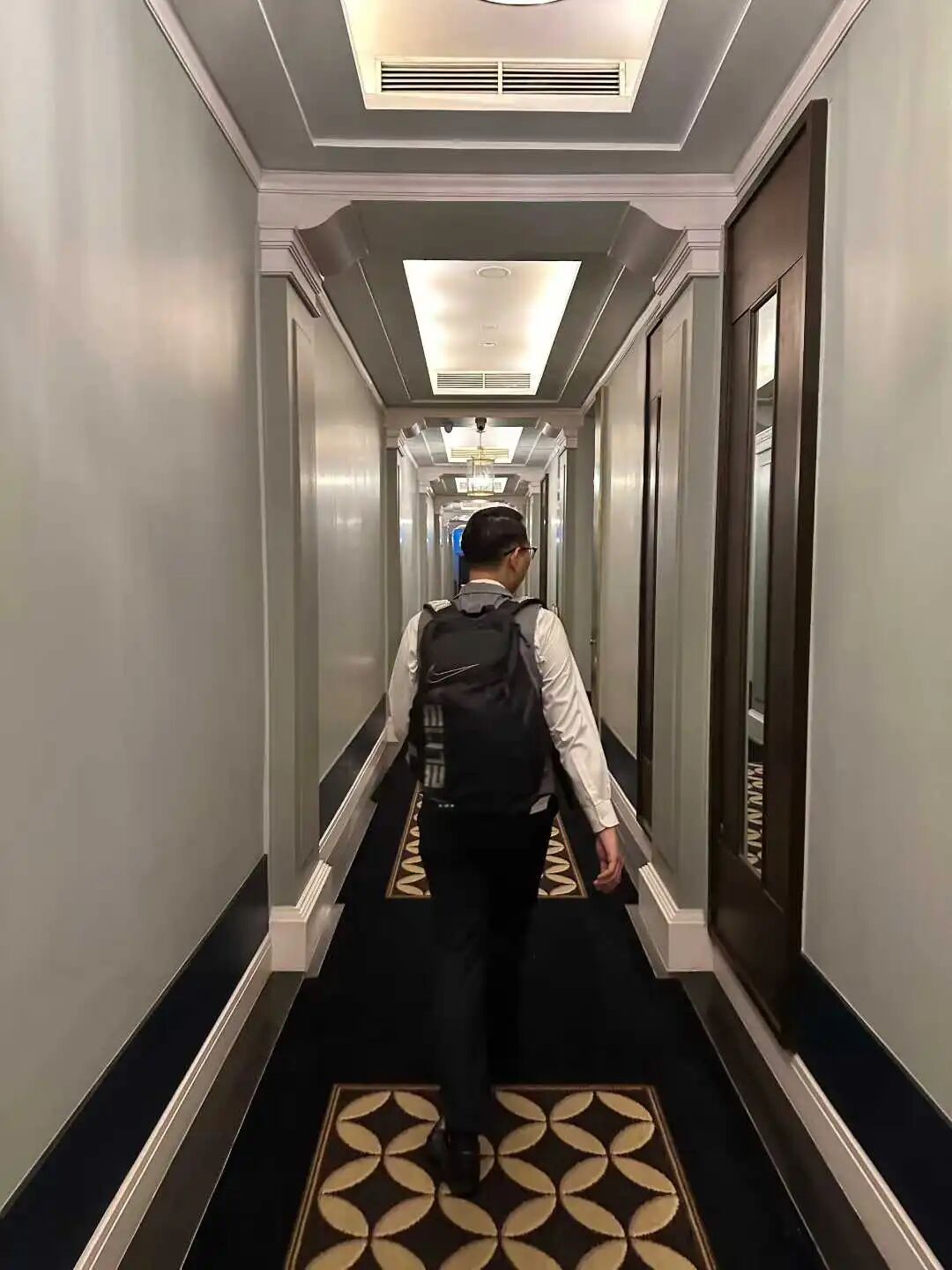
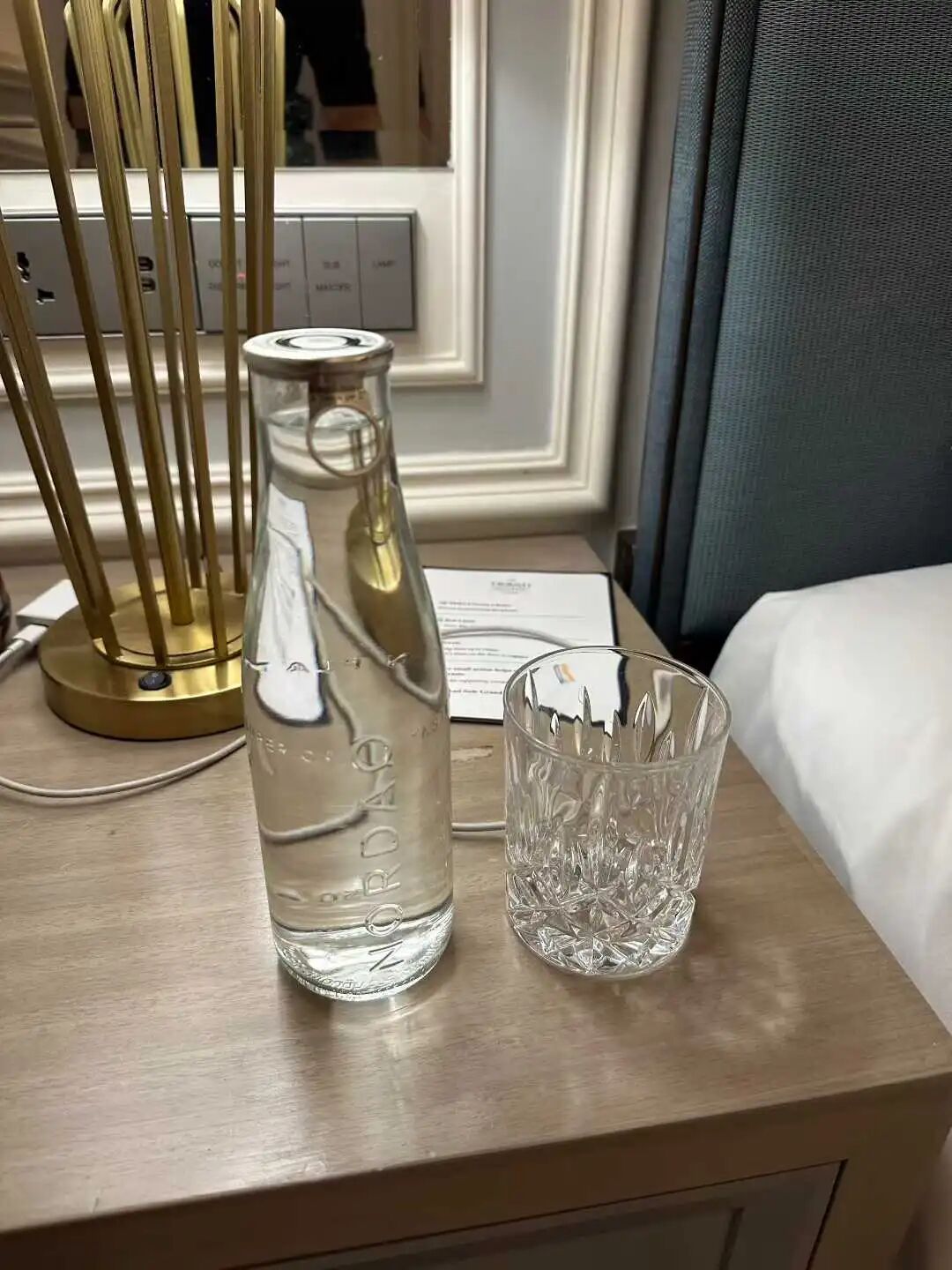
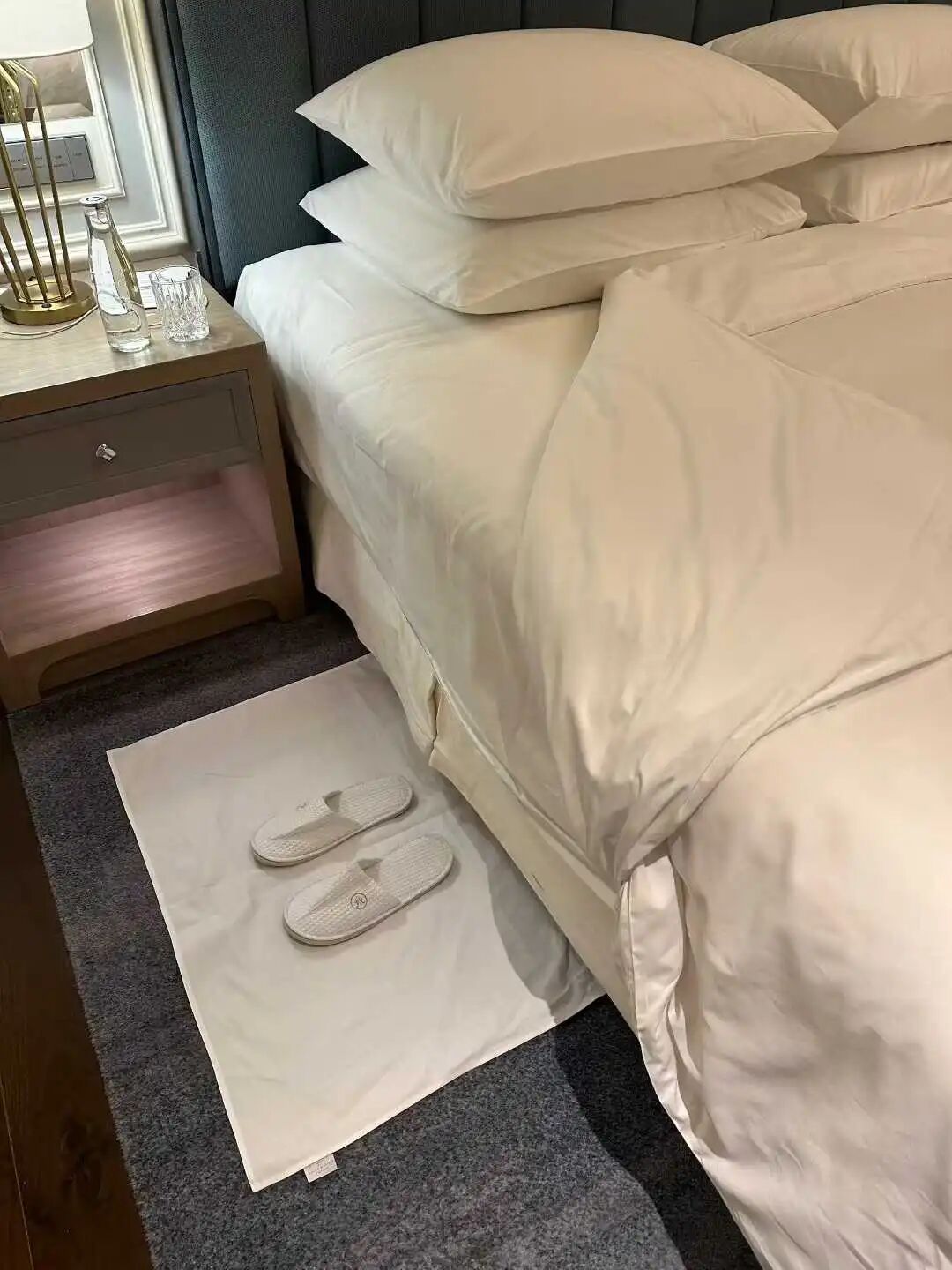
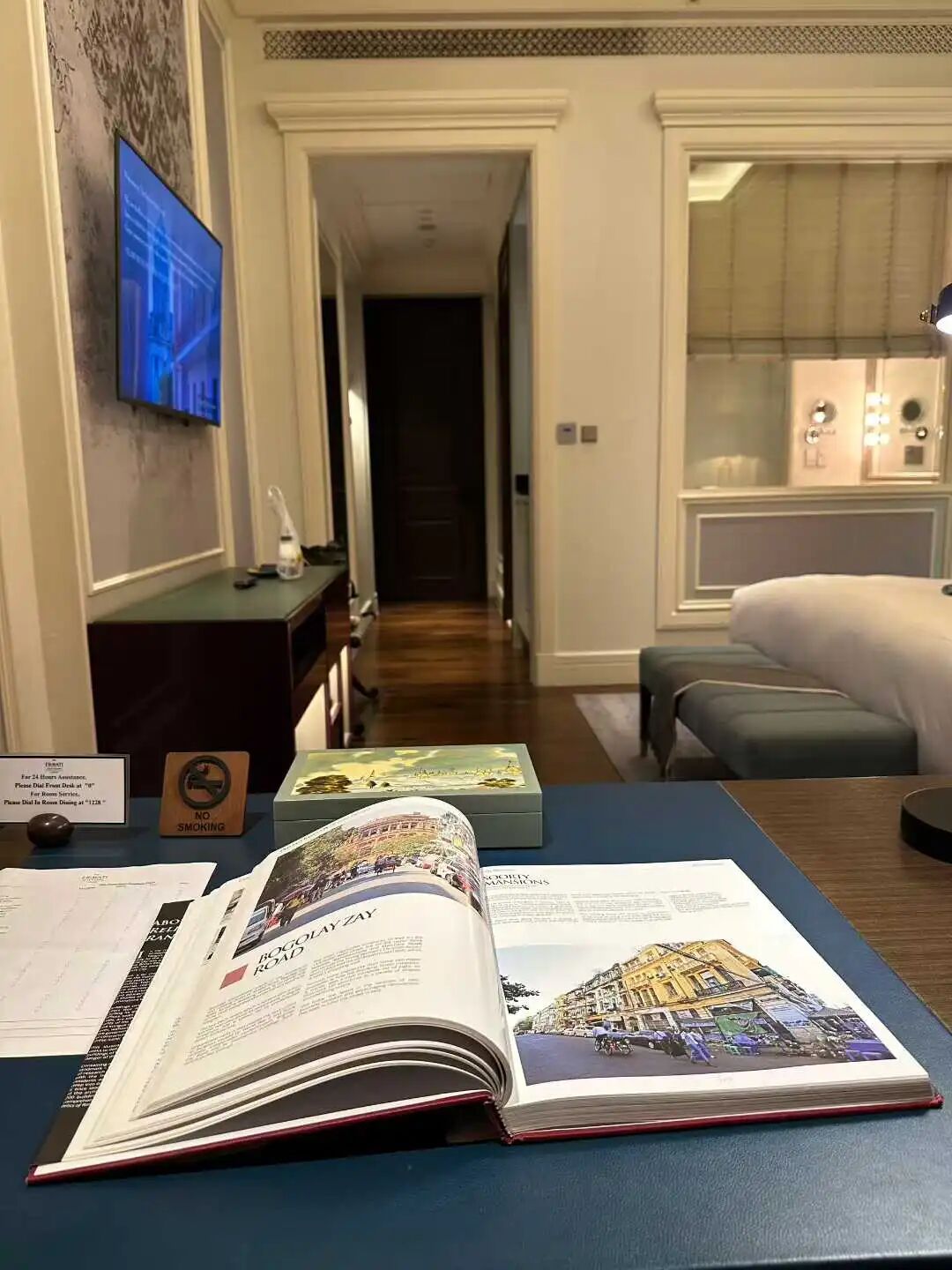
The Eravati Hotel is truly one of the best value hotels I have ever stayed in, and the service is excellent. From the front door, all the staff are always smiling and take the initiative to open doors. When checking in, a staff member carried our bags the whole way, and they did not accept tips. There are two glass bottles of water in the room, and you can ask for two more after finishing them. After cleaning the room, they would fold back the corner of the quilt and place the slippers by the side of the bed. The coffee provided is high-quality Myanmar coffee. There were several large picture books in the room, one of which covered the historical sites of Yangon, which was very helpful for my mosque-visiting trip. Another book was a collection of poems by a Burmese poet, which also included English translations and was very interesting.
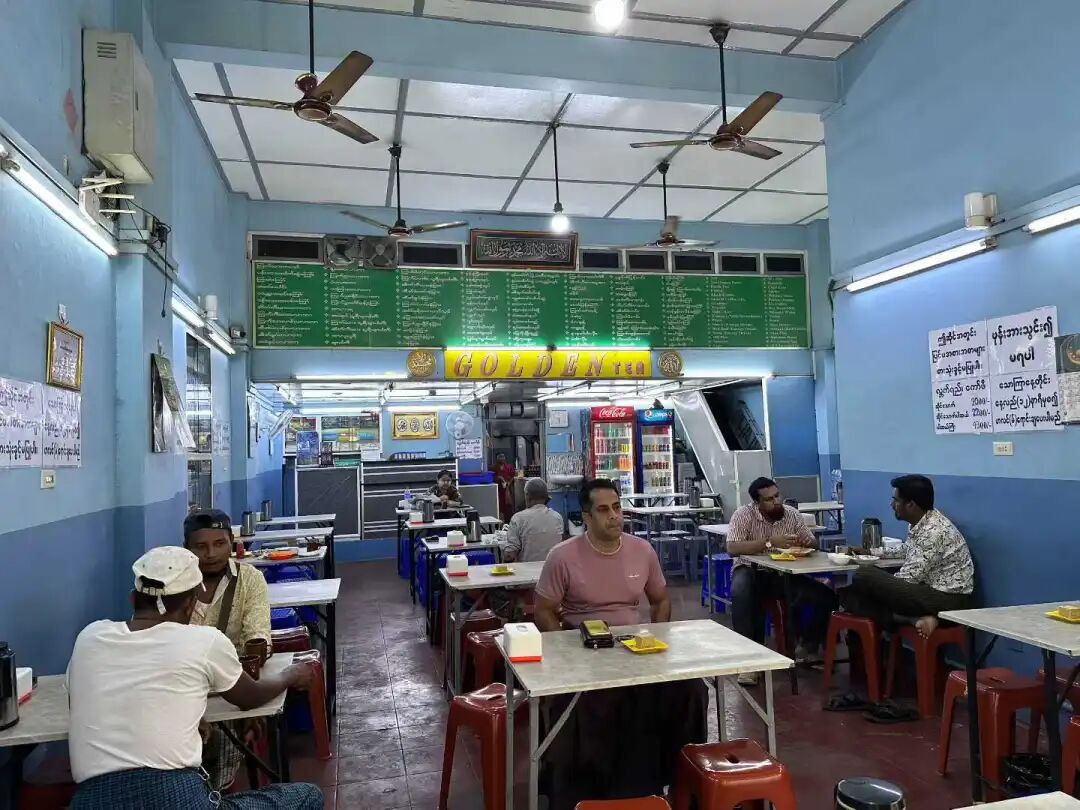
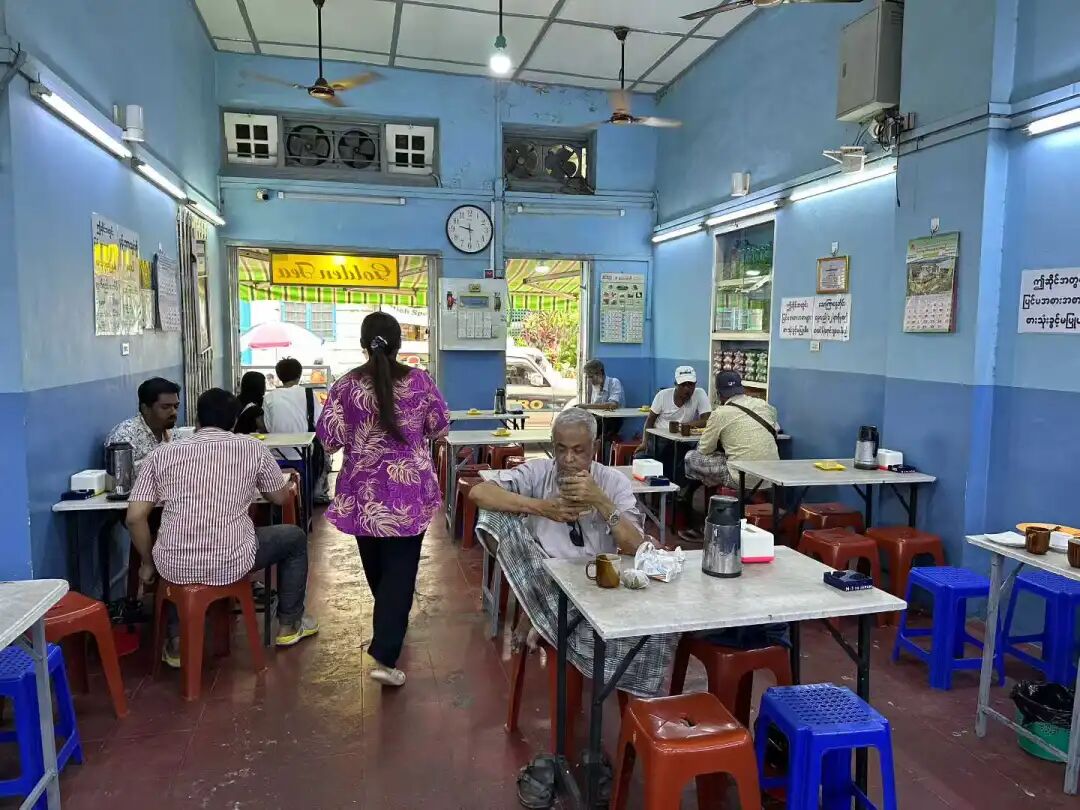
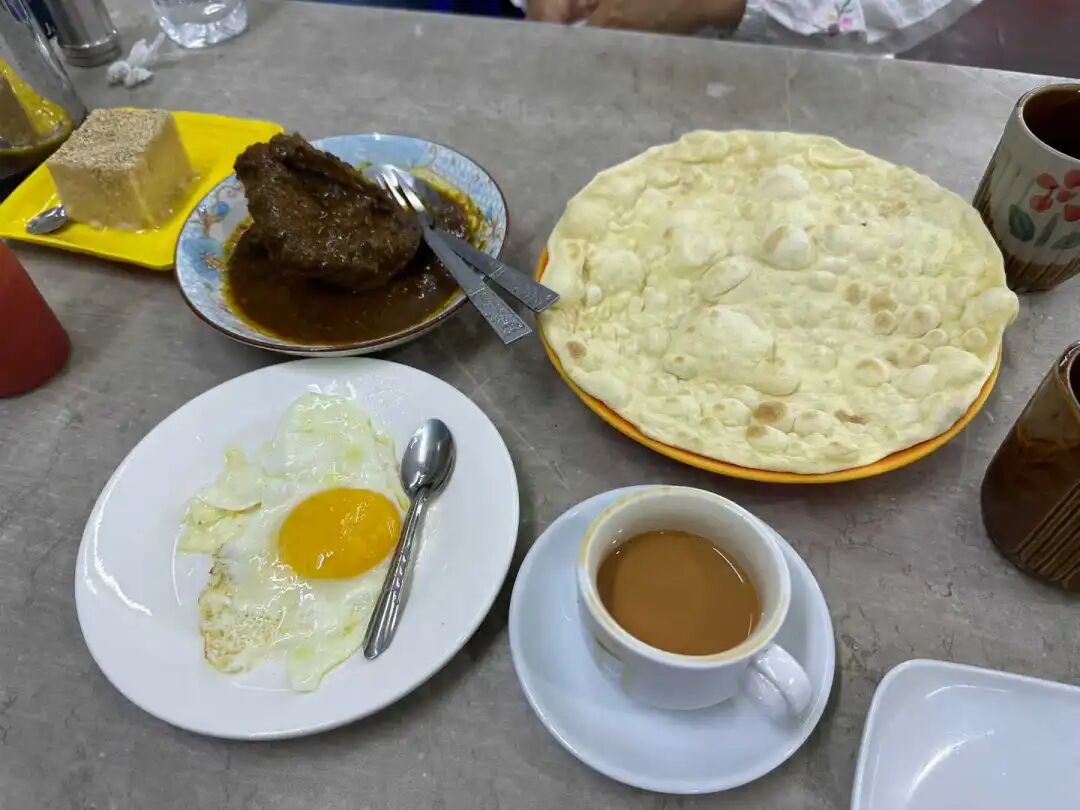
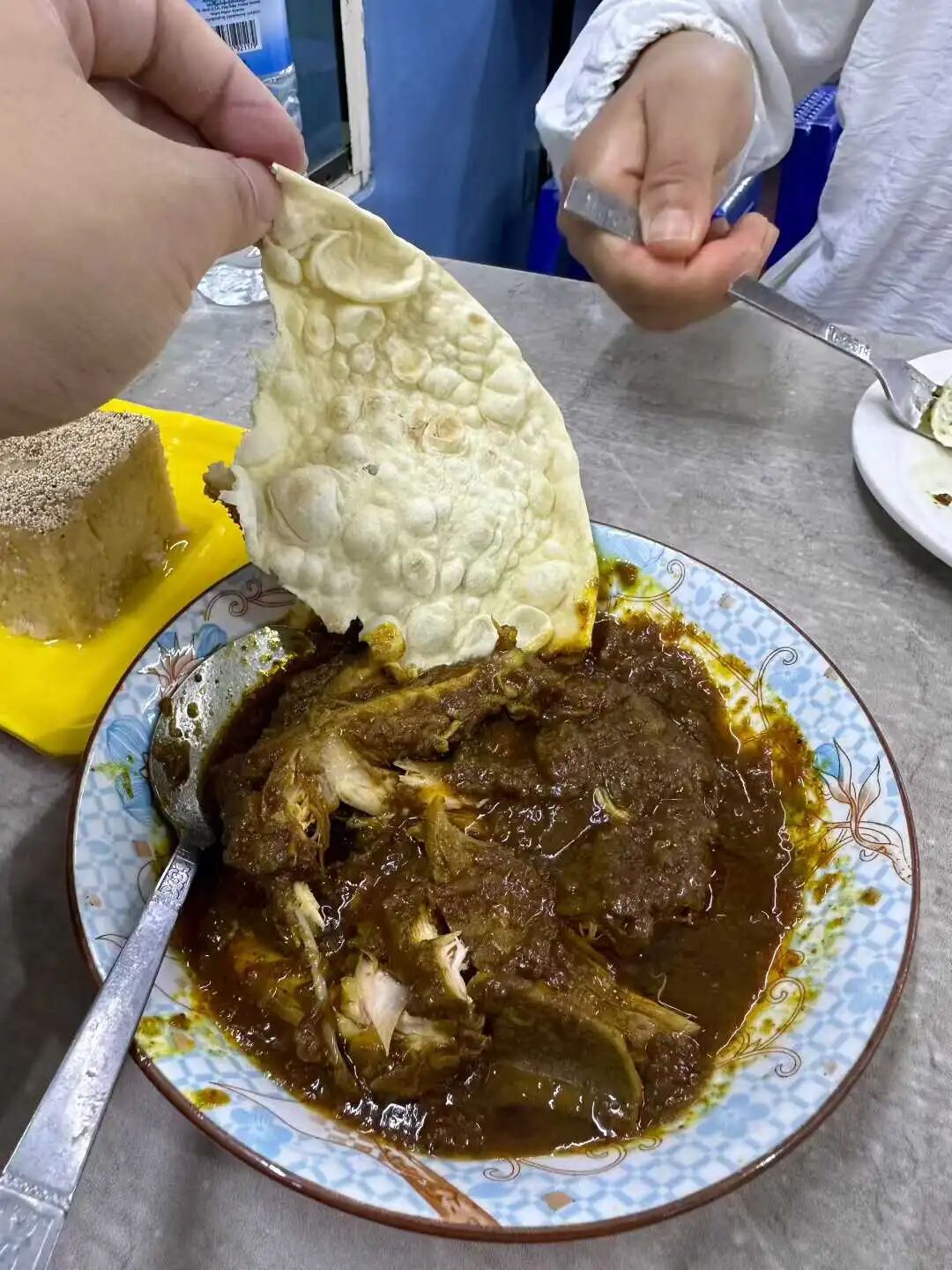
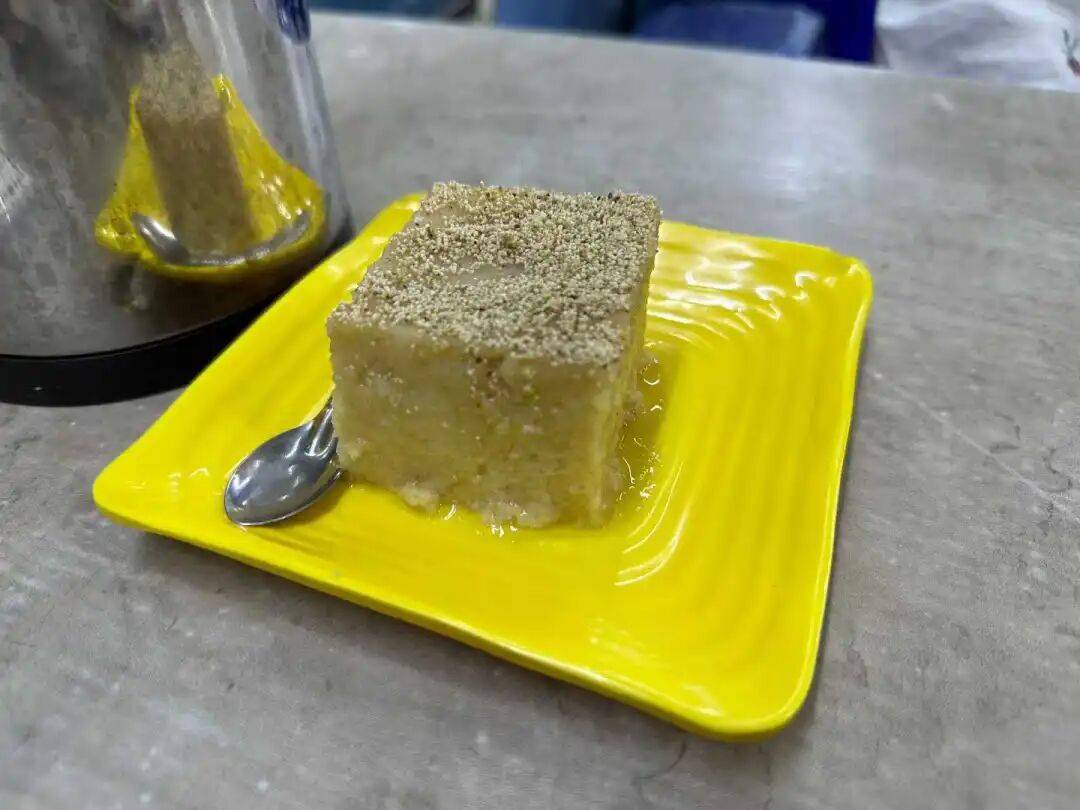
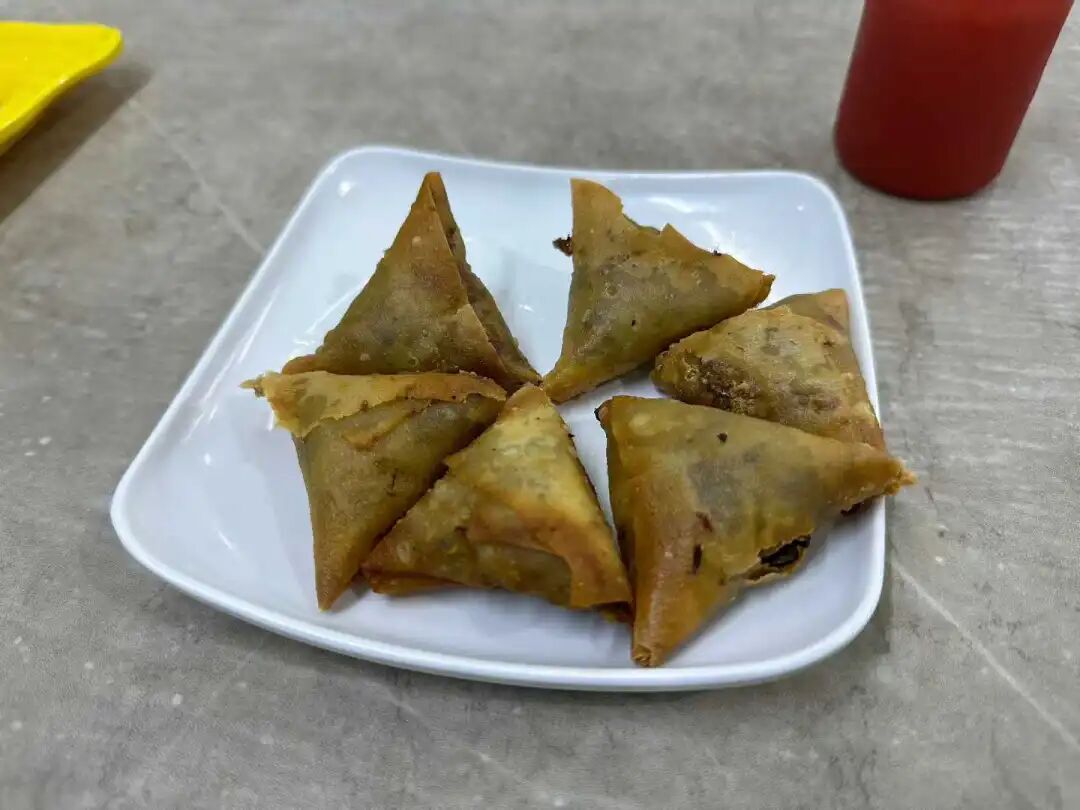
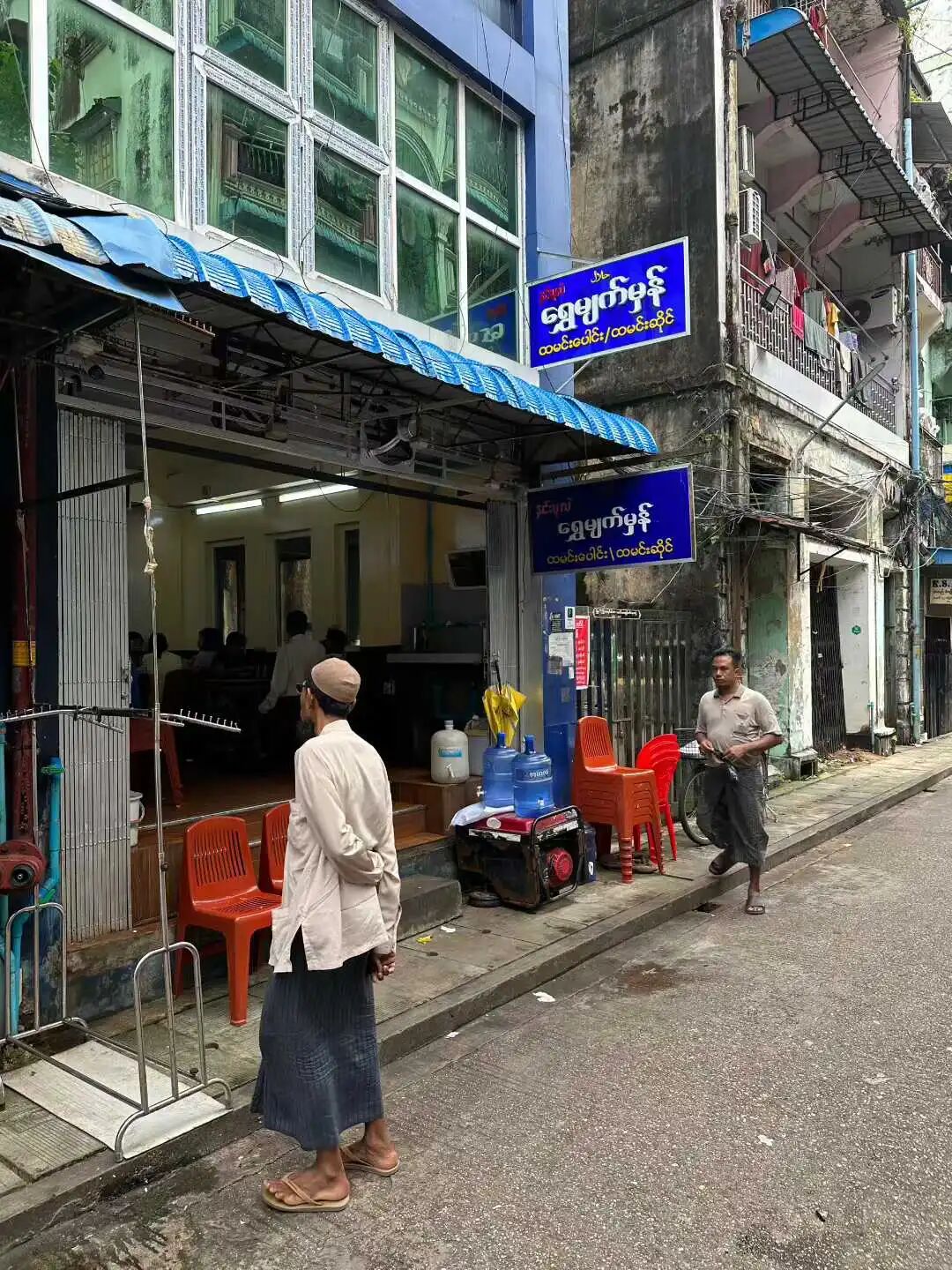
In the morning, we had breakfast at Golden Tea in the Indian Quarter; they serve a classic South Asian style breakfast of chicken curry with naan, fried eggs, sweet milk tea, and rice cakes. The curry puffs (samosa) here are fried to be crispier, and the texture is not exactly the same as those in India.
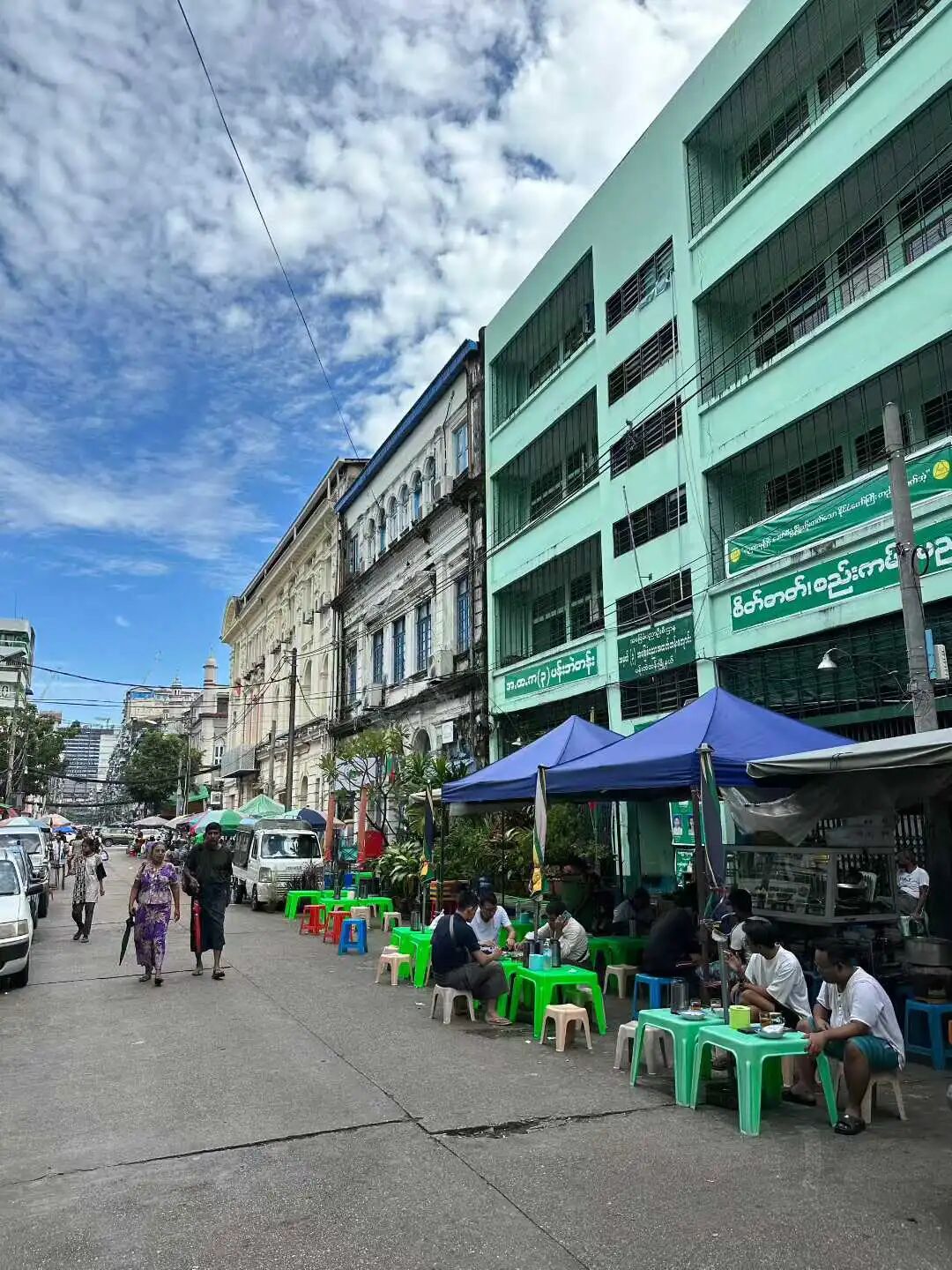
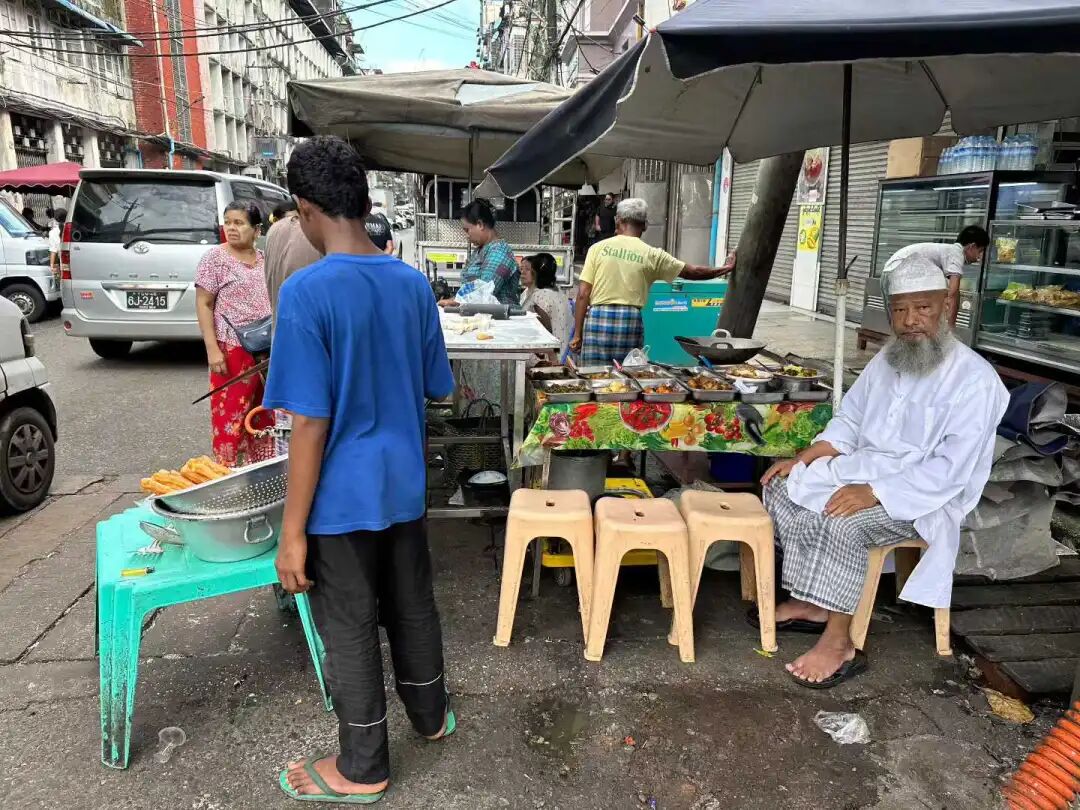
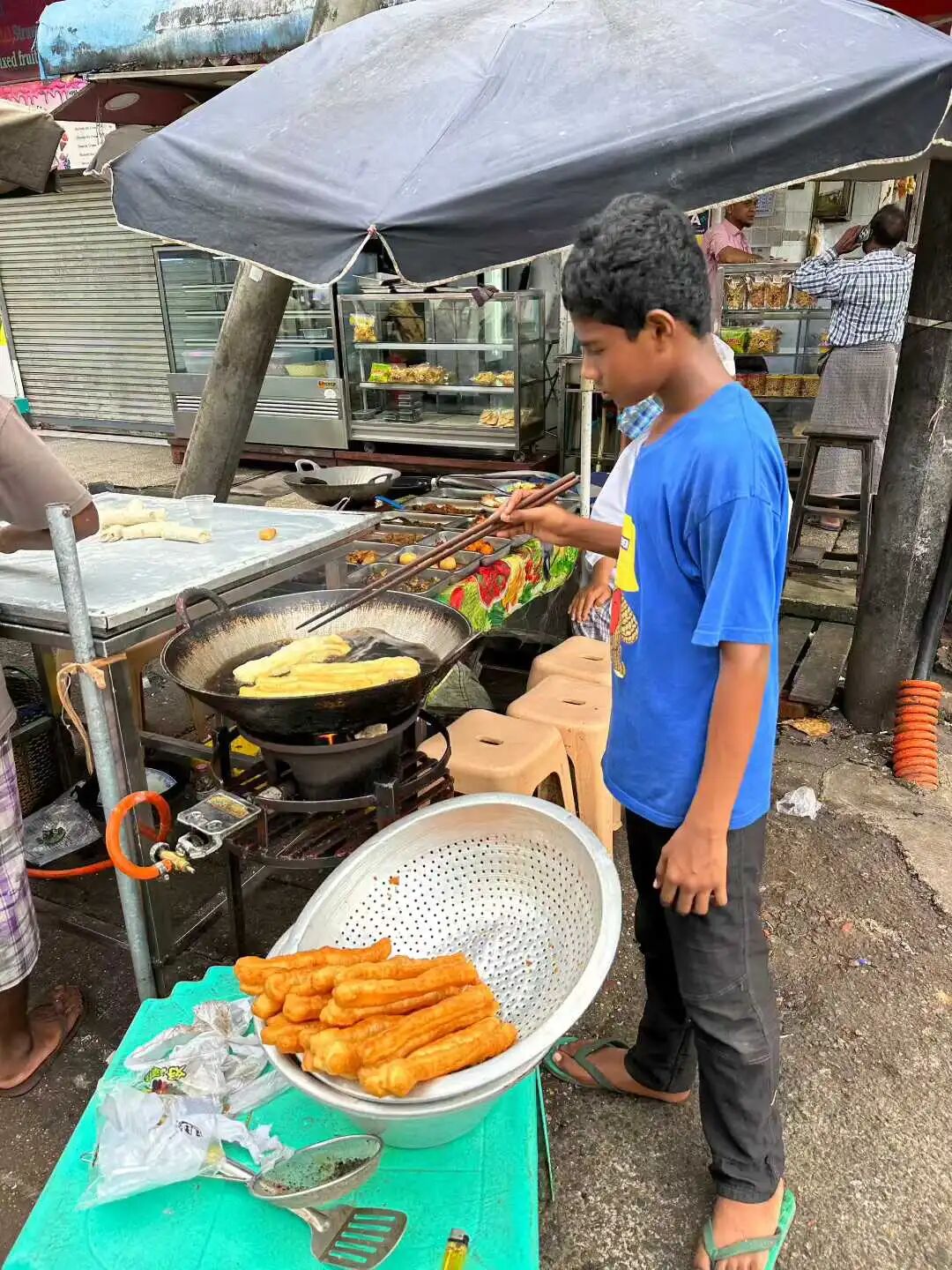
There are also many fried food stalls on the streets of the Indian Quarter, and the fried dough sticks (youtiao) are very similar to those in China.
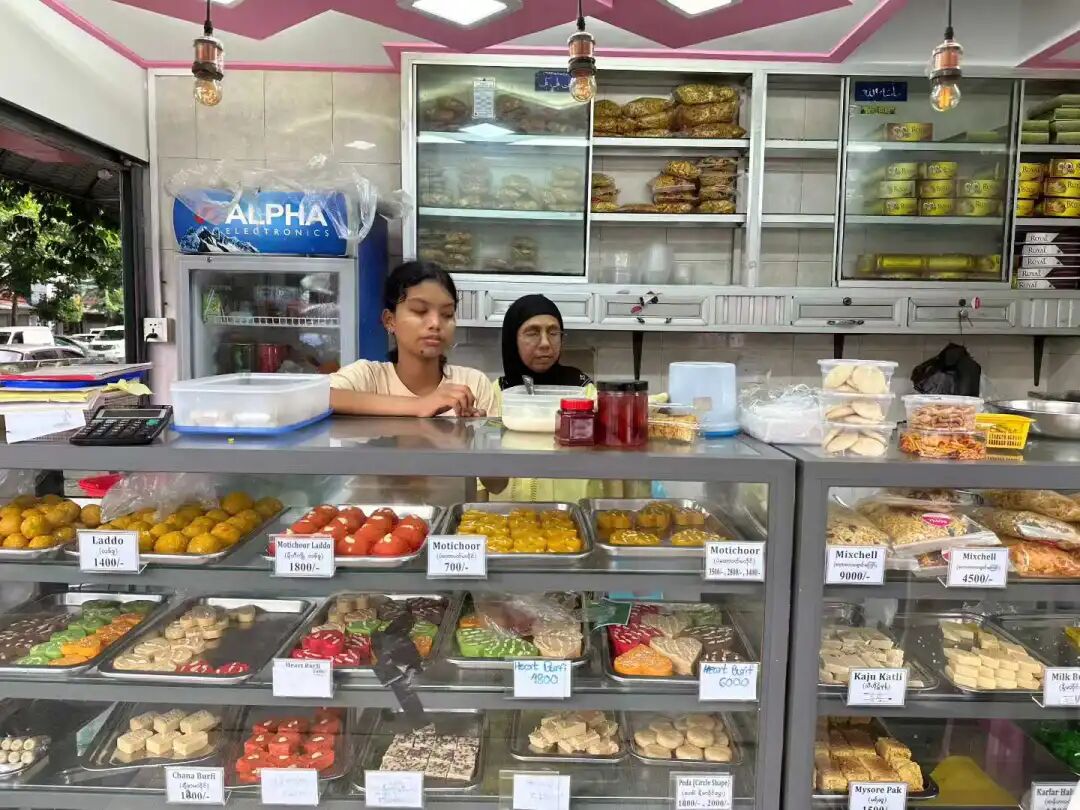
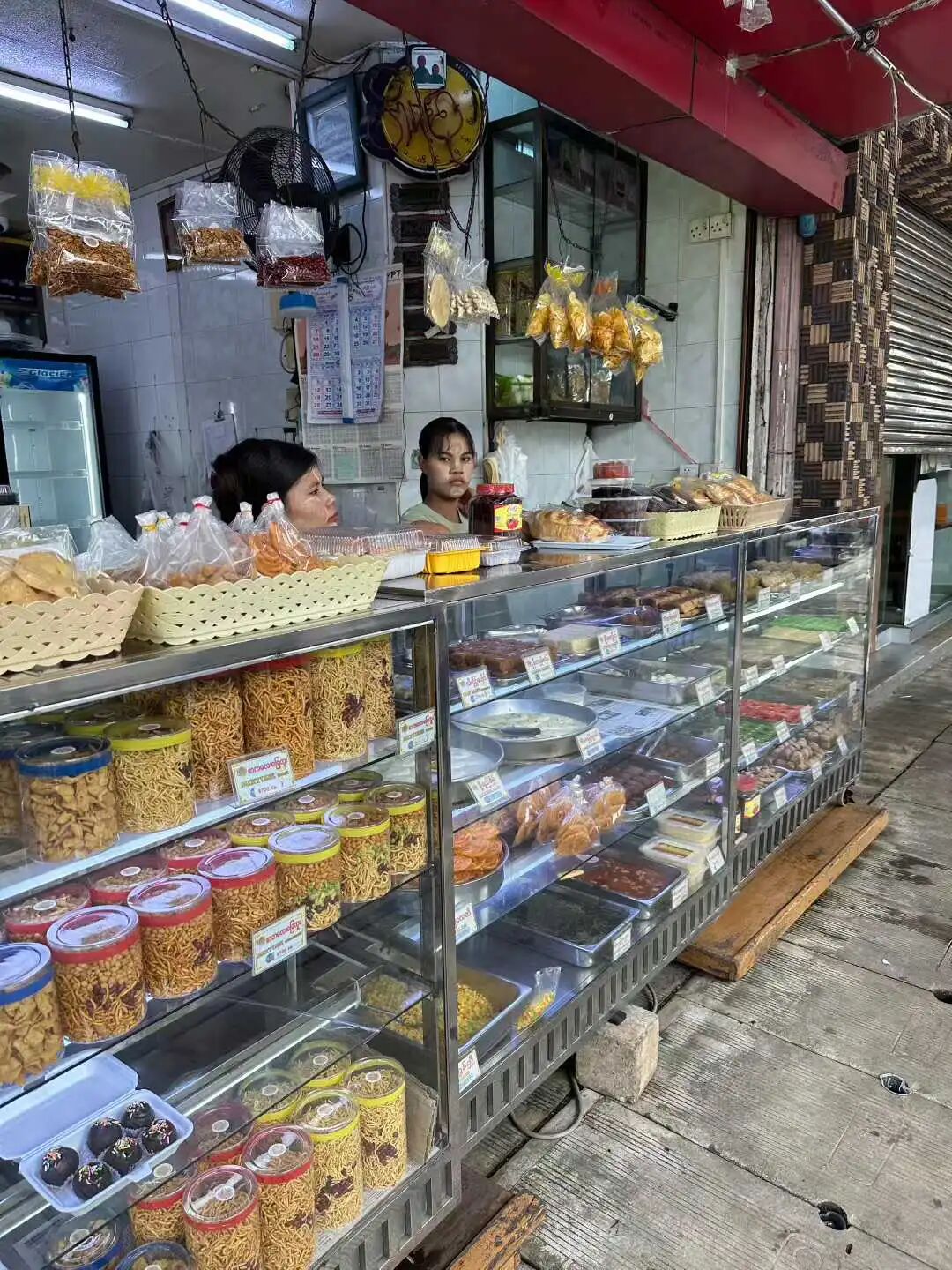
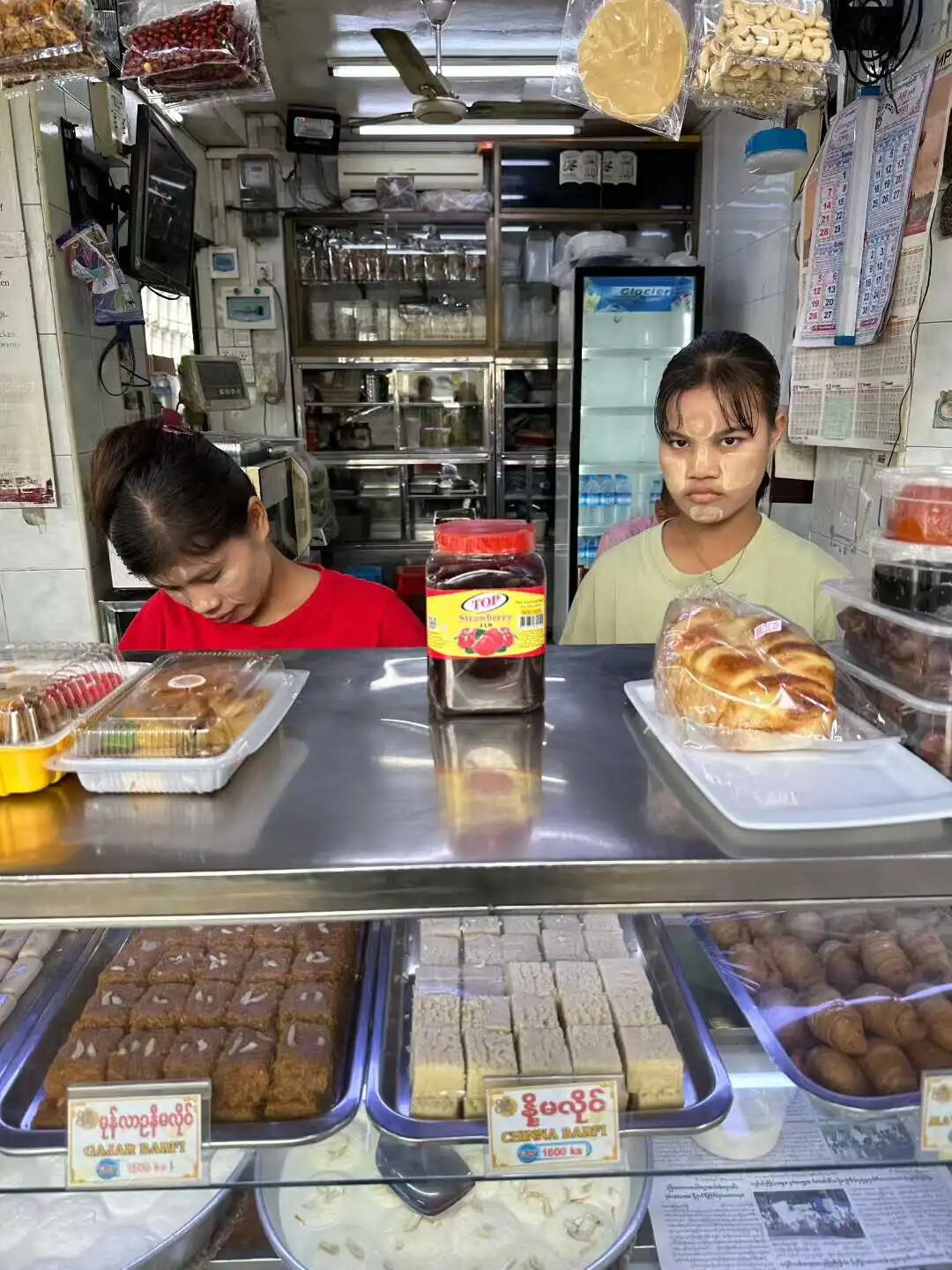
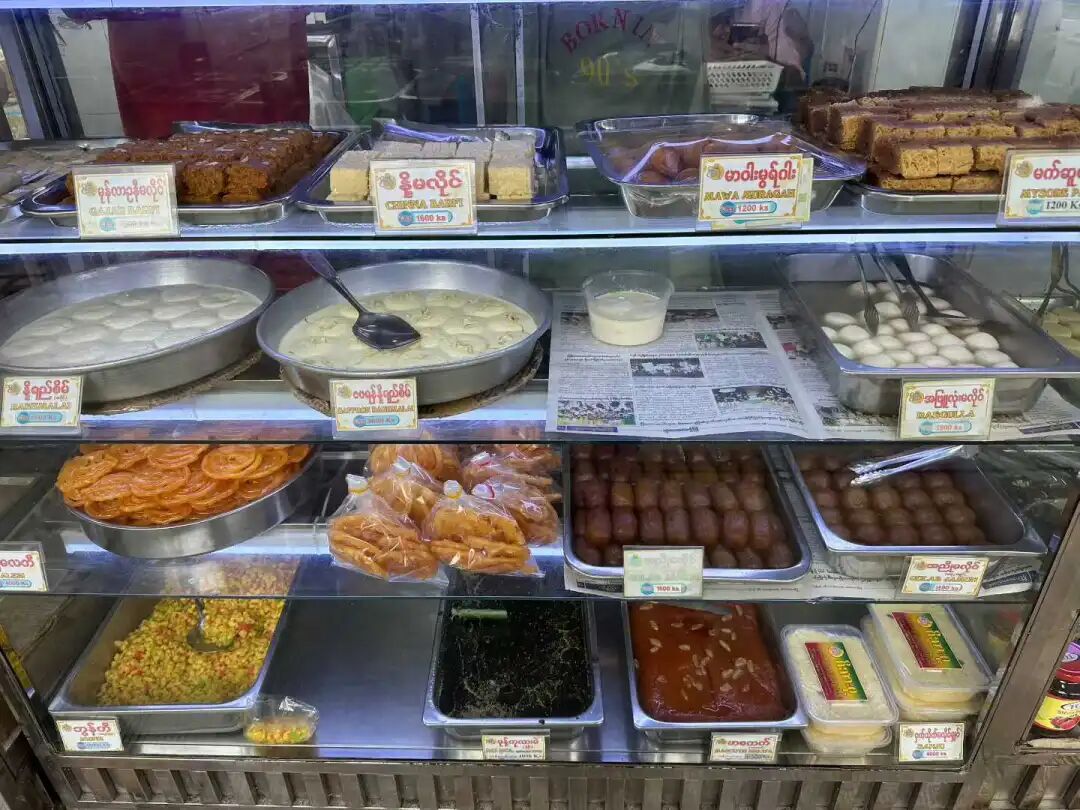
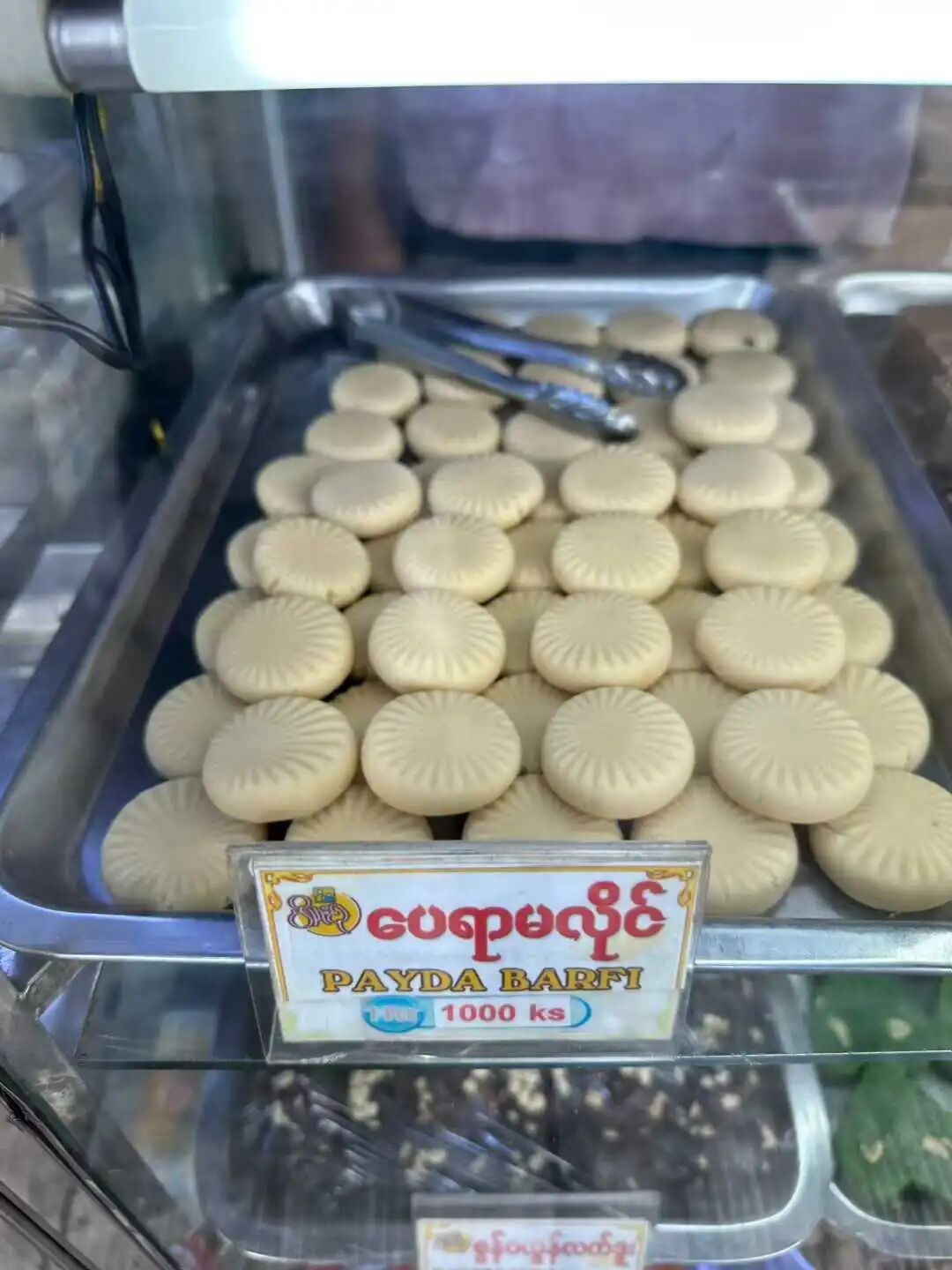
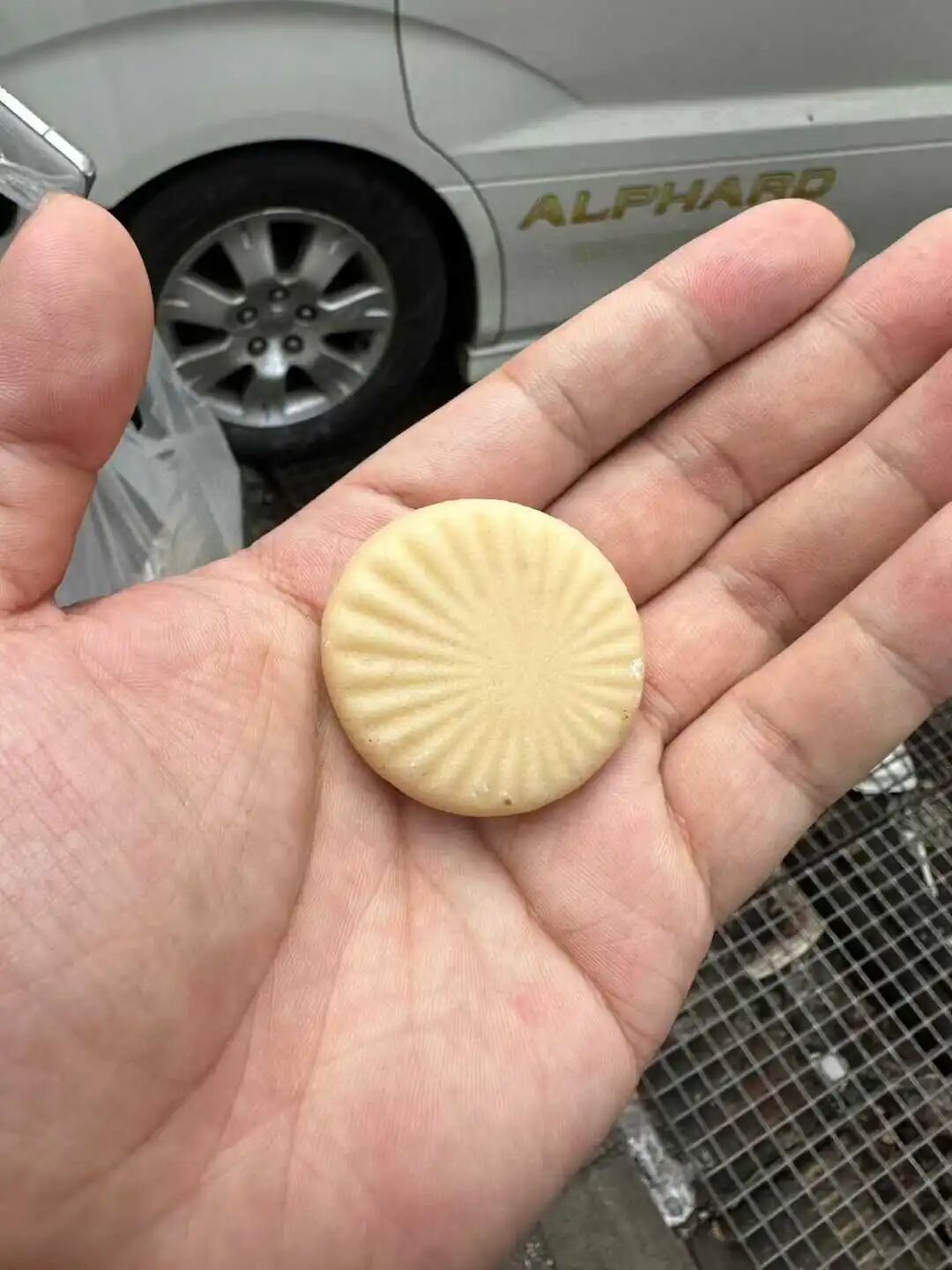
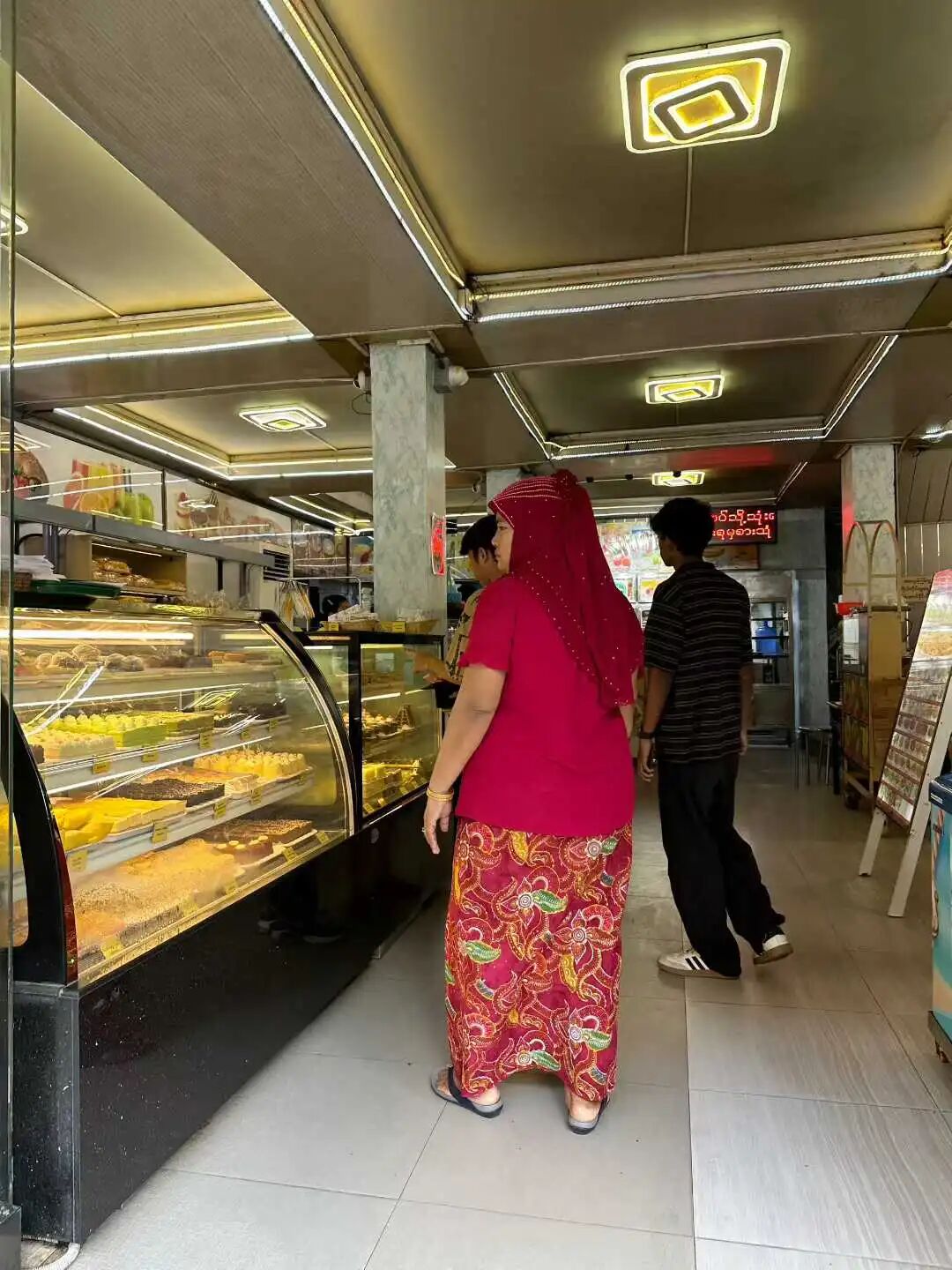
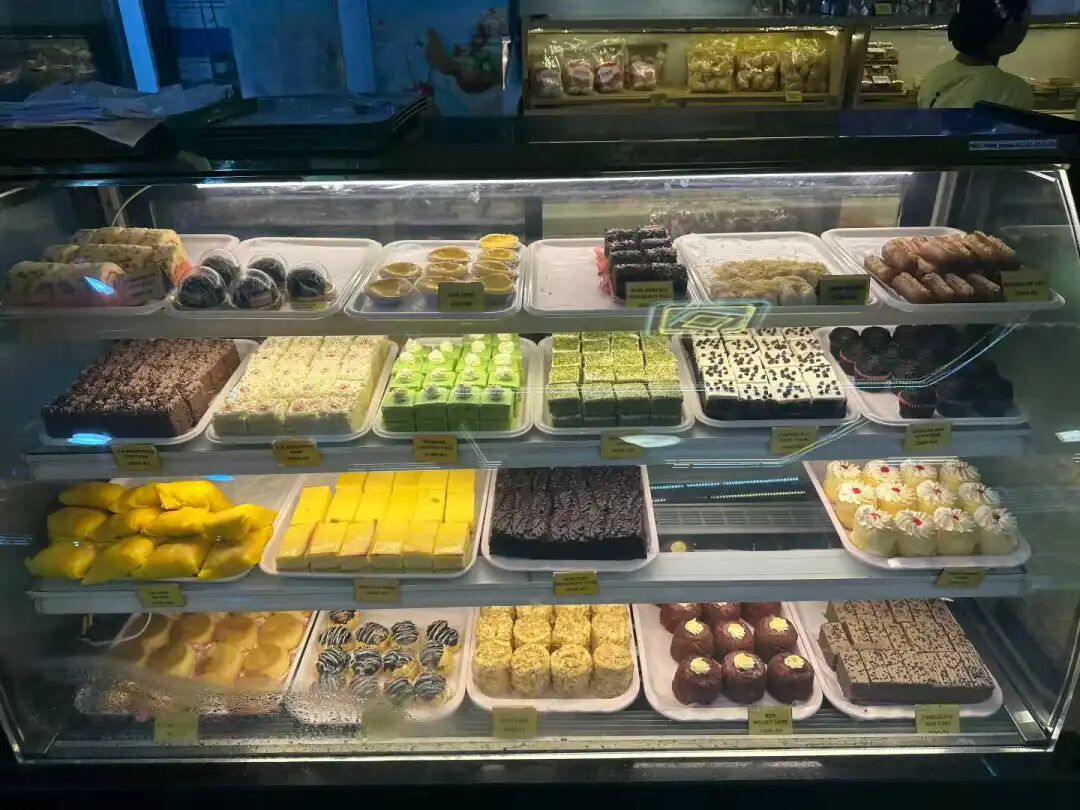
The Indian quarter in Yangon has pastry shops with a huge variety of sweets.
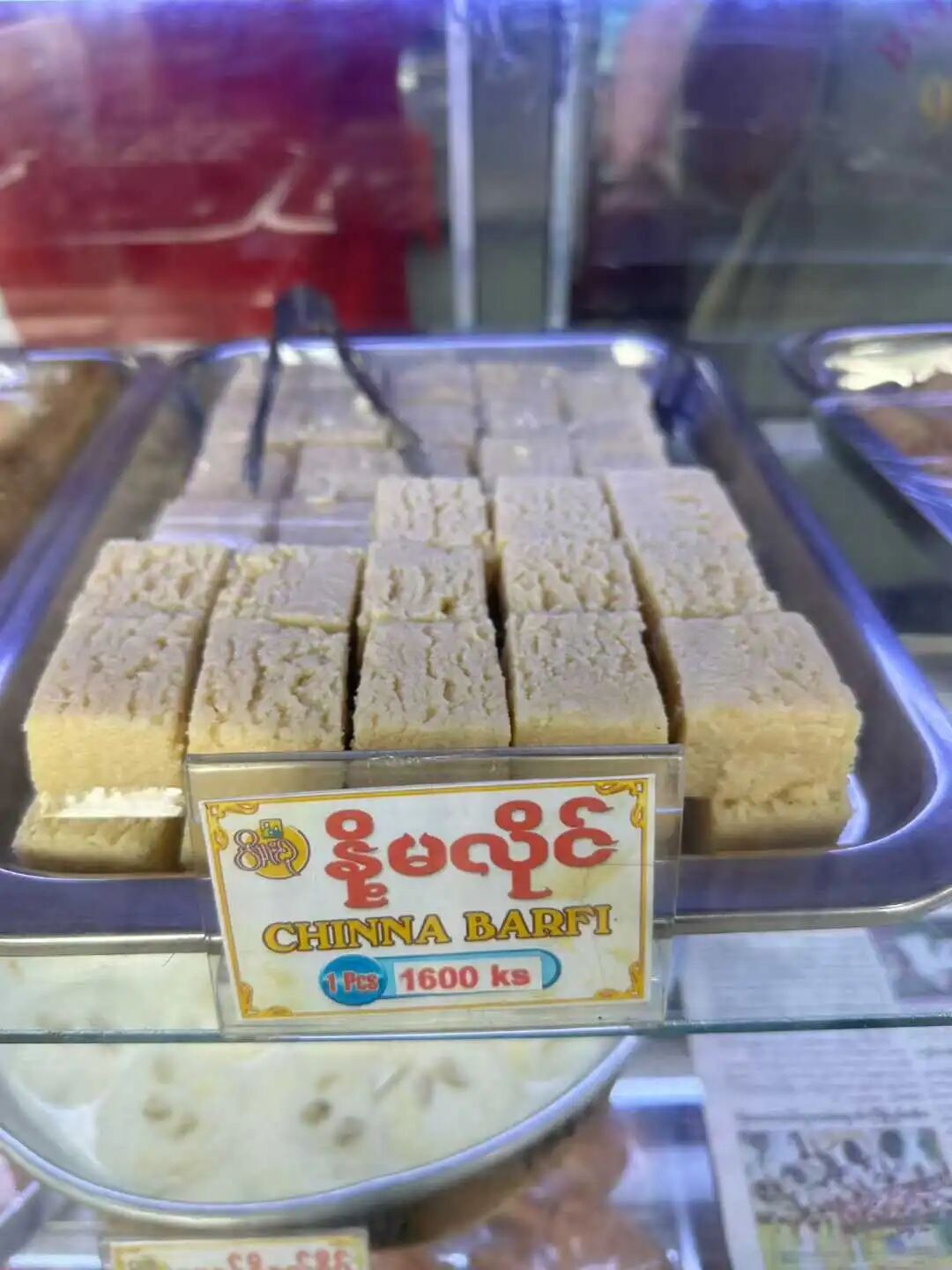
Chana Barfi is a chickpea pastry made by cooking a dairy product called khoa with sugar and letting it cool. Barf means snow in Persian. This pastry started in Persia, came to India with the Mughal Empire in the 16th century, and was brought to Myanmar by Indian immigrants in the 19th century.
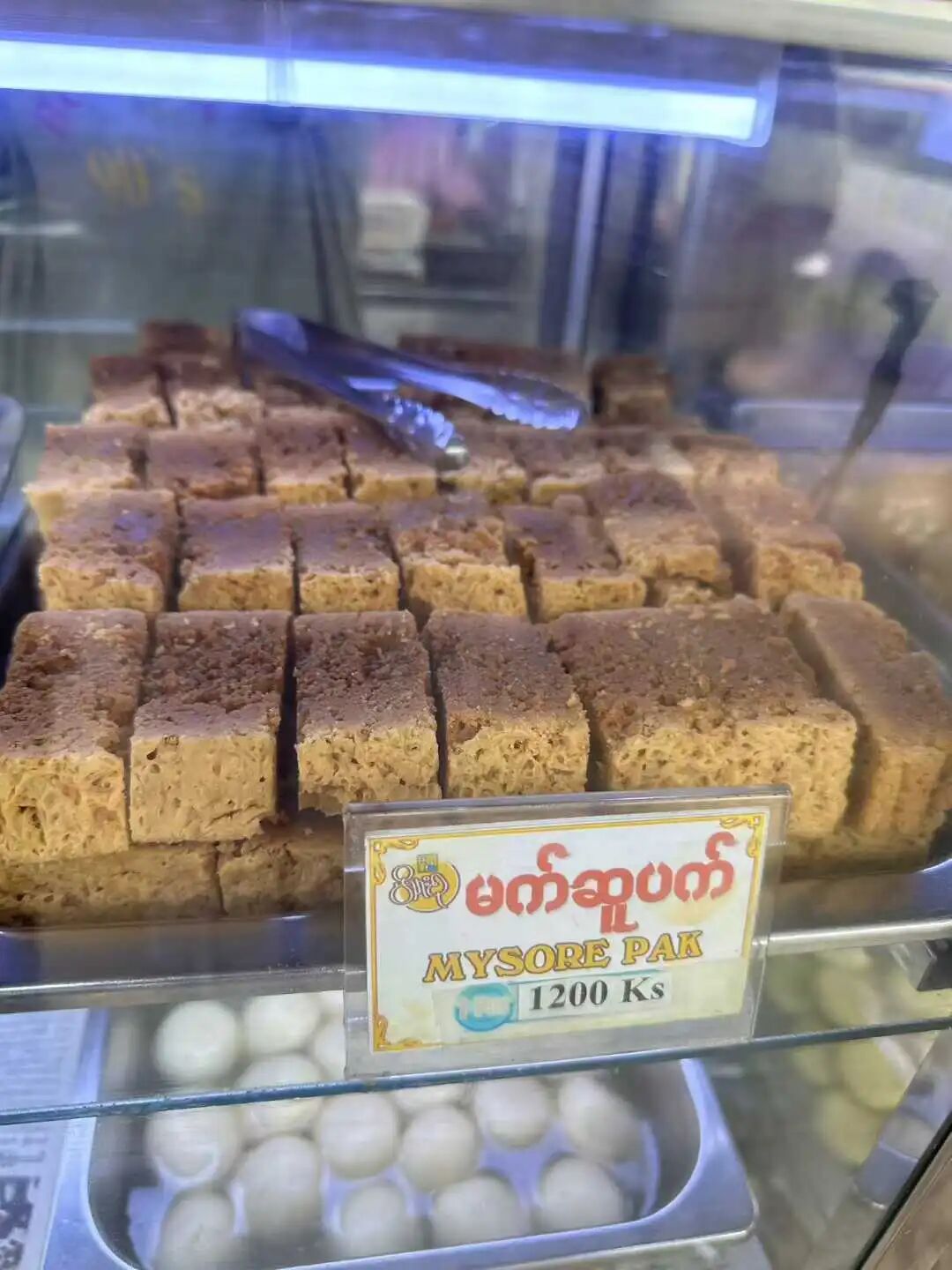
Mysore pak is a South Indian-style ghee pastry that is very common at weddings and festivals in South India. This pastry began in the early 20th century at the royal palace of the Kingdom of Mysore in South India. The Maharaja Krishna Raja Wadiyar IV (who reigned from 1902 to 1940) loved food, and his palace chef Kakasura Madappa invented this golden, soft, and very fragrant pastry. After the partition of India and Pakistan in 1947, it was brought to Pakistan and Bangladesh, and later to Yangon.
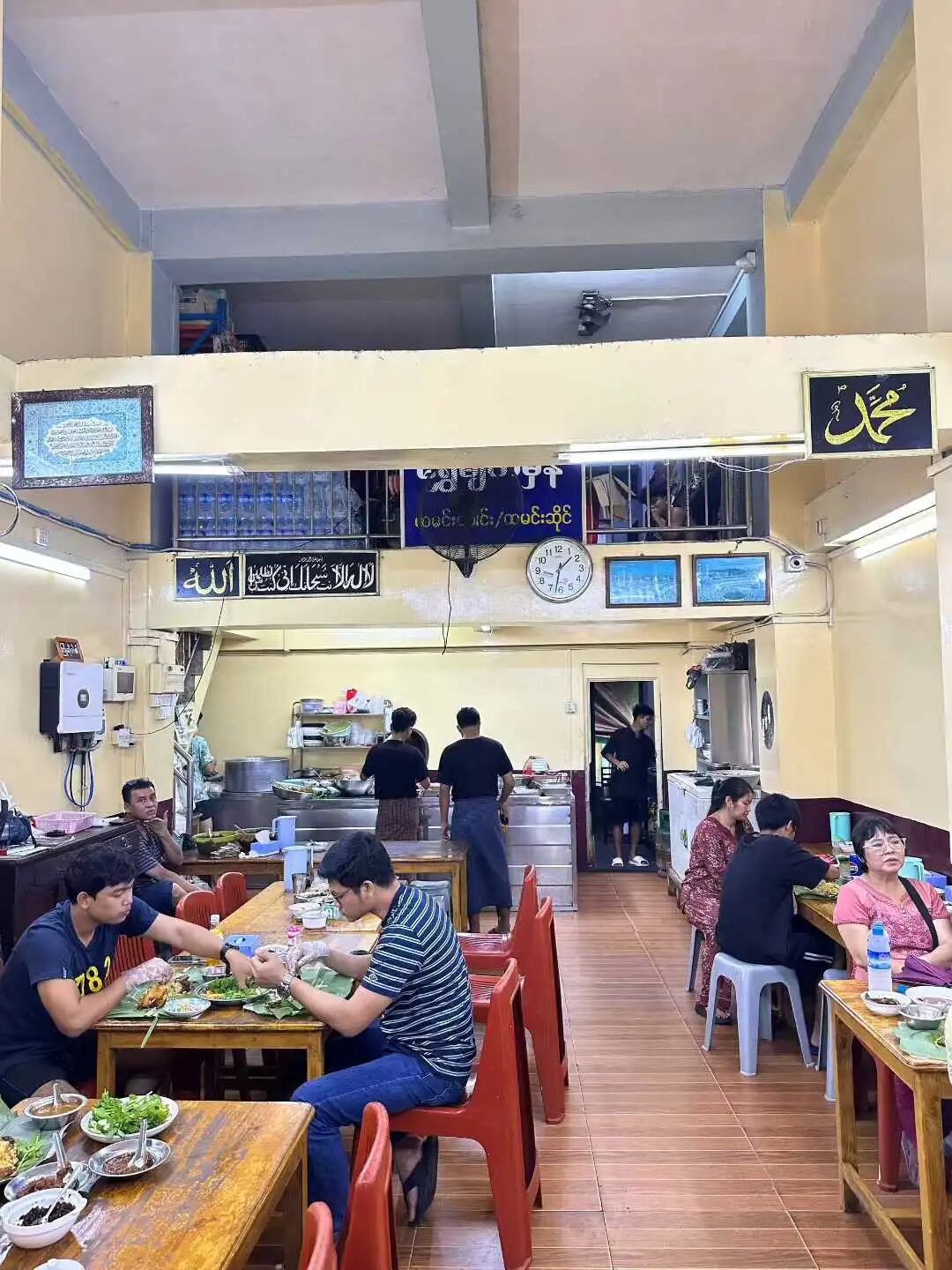
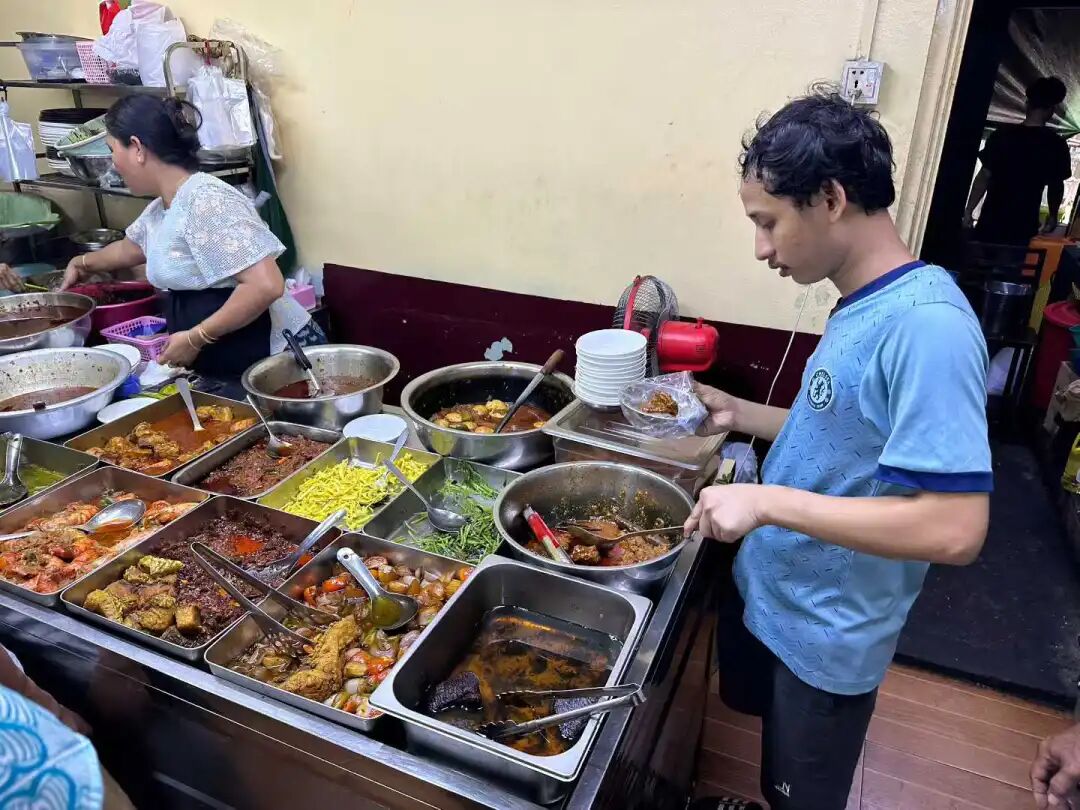
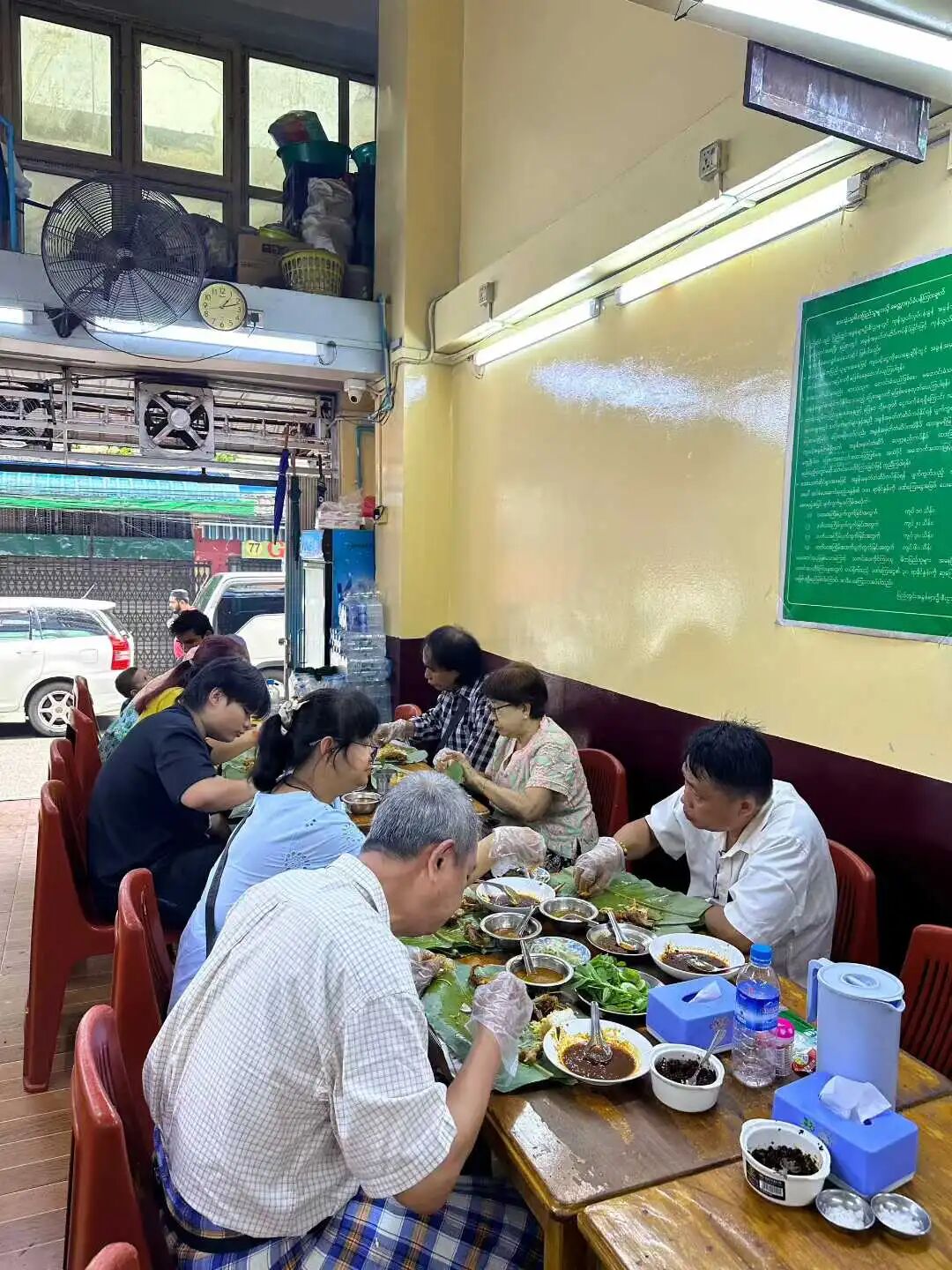
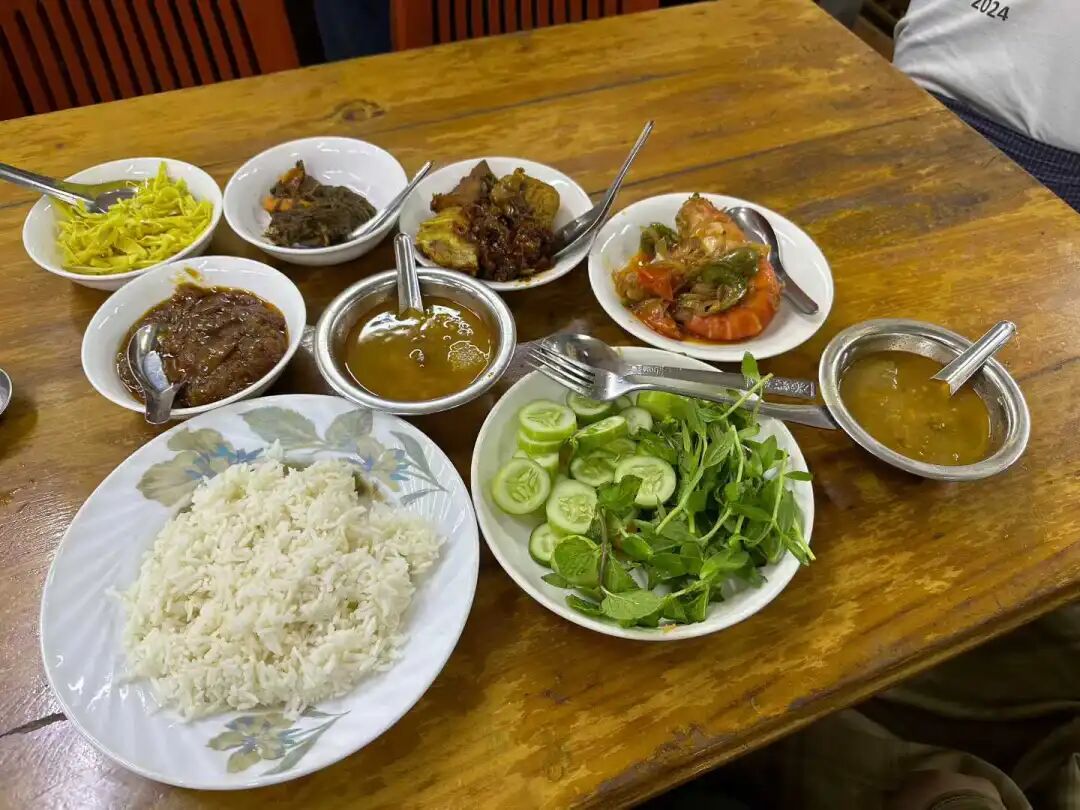
The banana leaf hand-eating restaurant on 28th Street in Yangon's Indian quarter is very busy and attracts many customers. We went to the front counter to pick our dishes, which included curry and large shrimp. You can get more curry sauce after you finish.
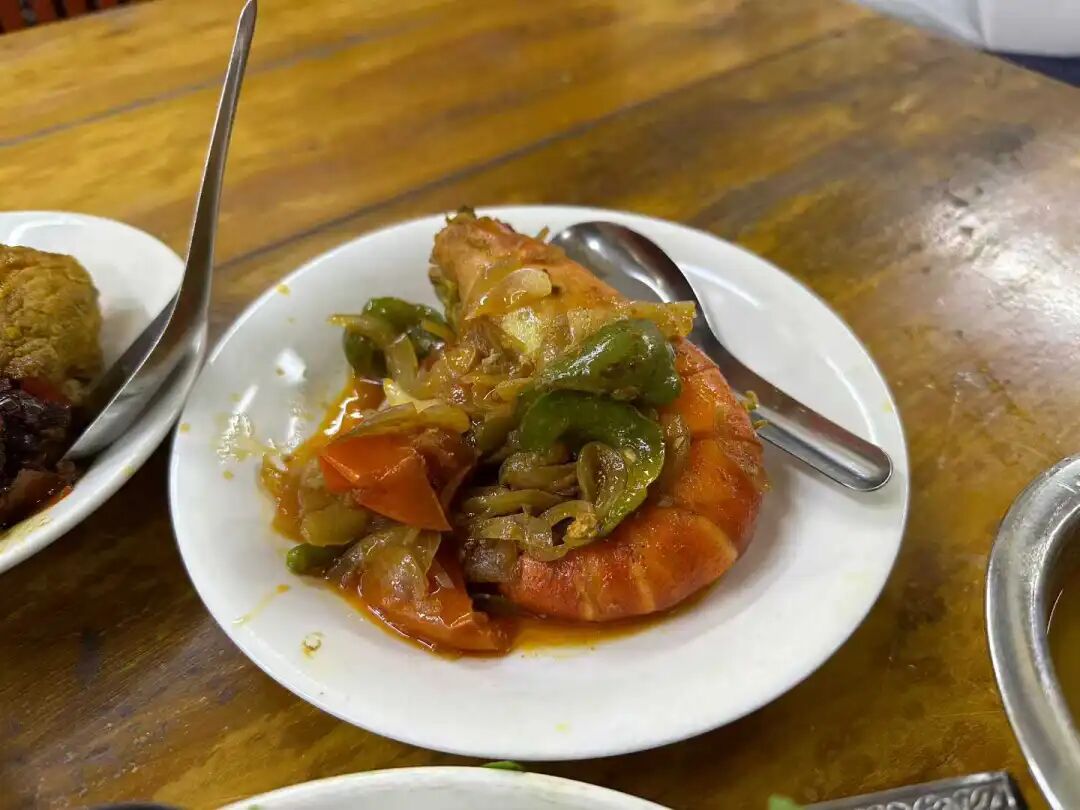
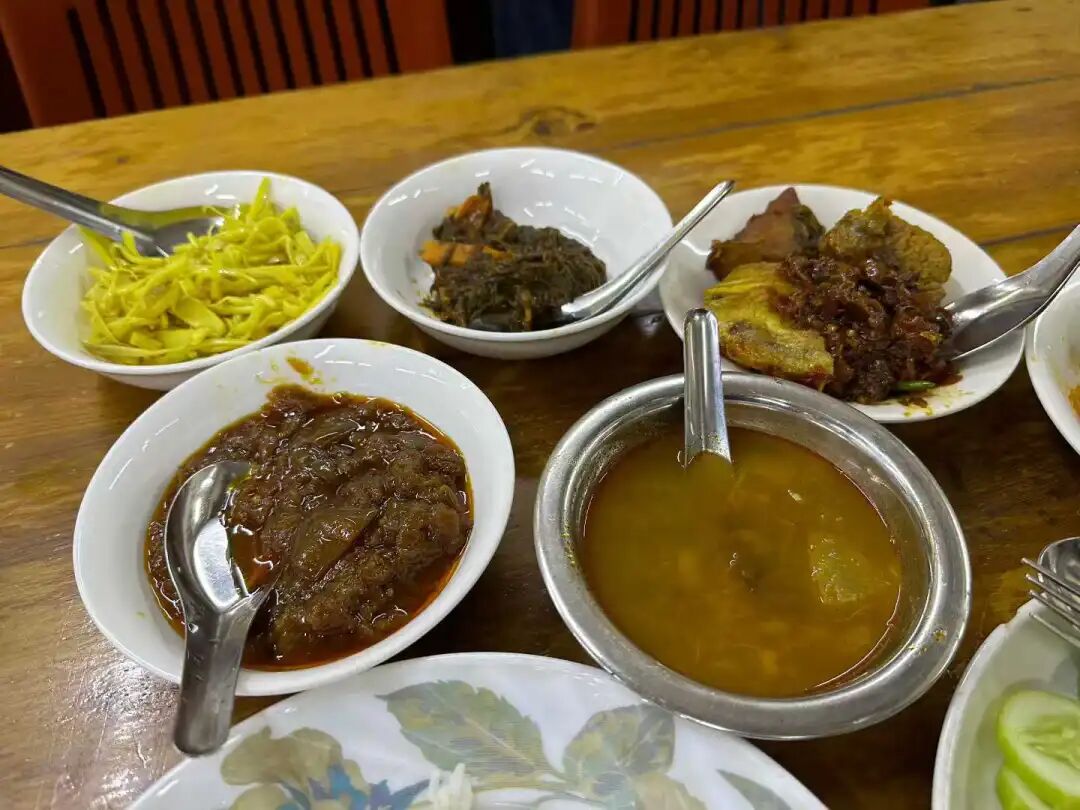
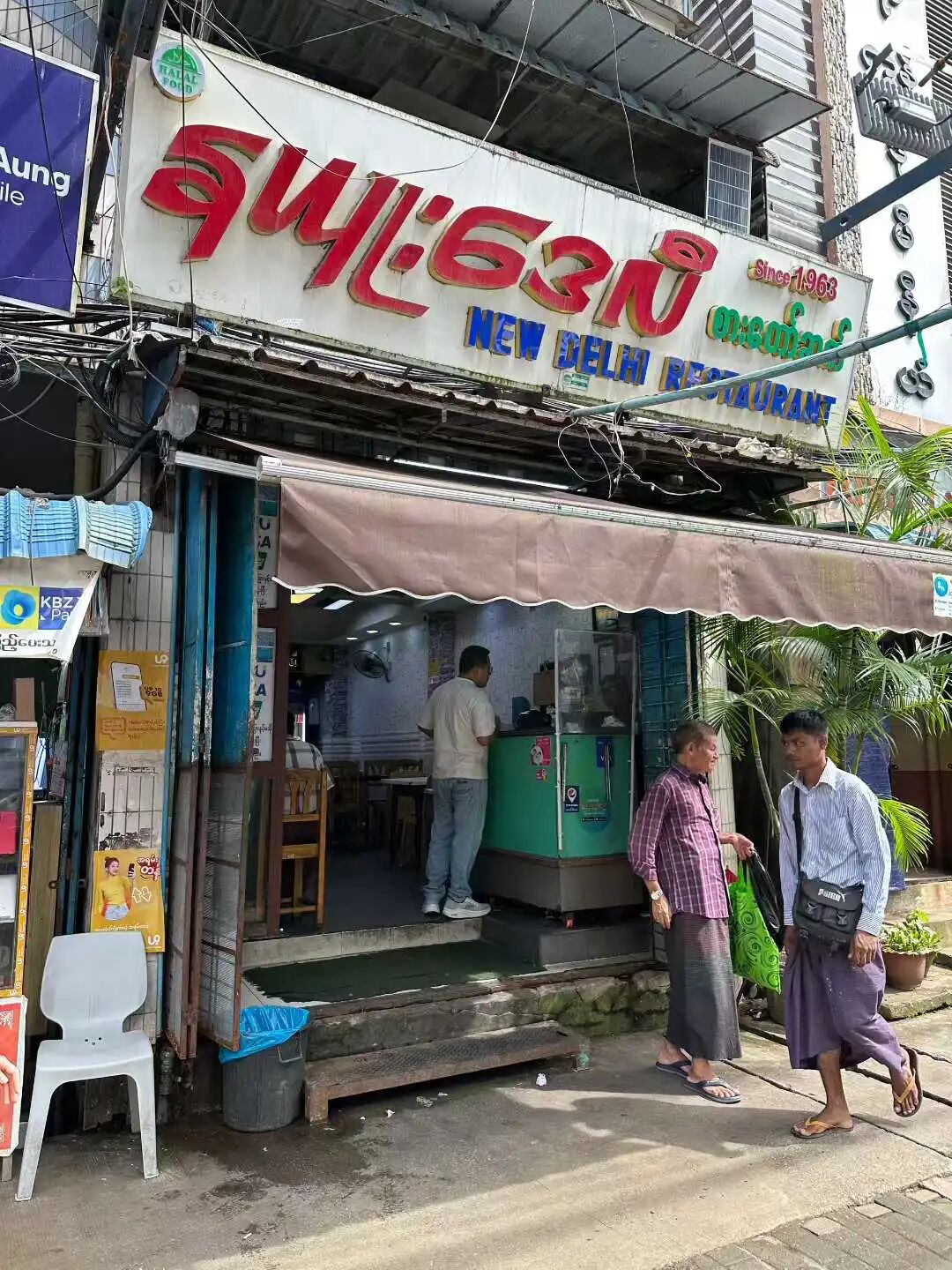
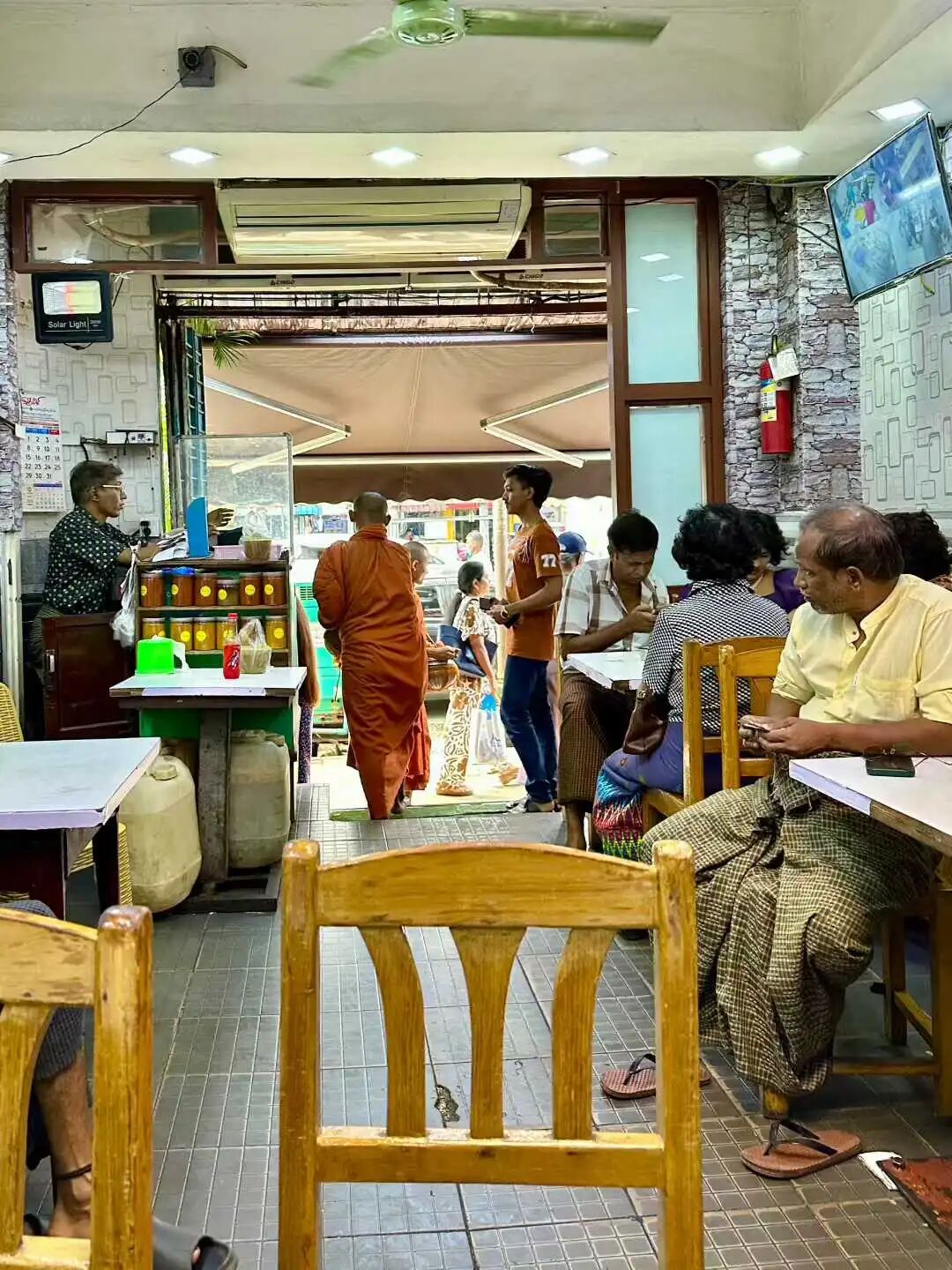
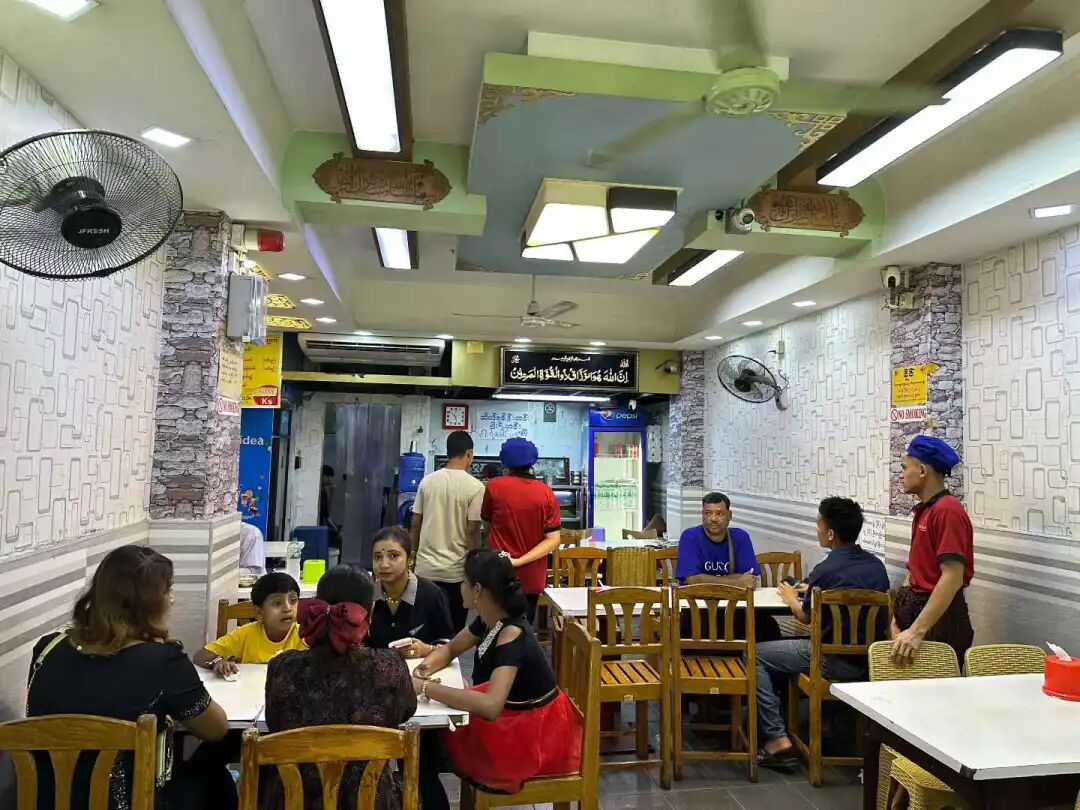
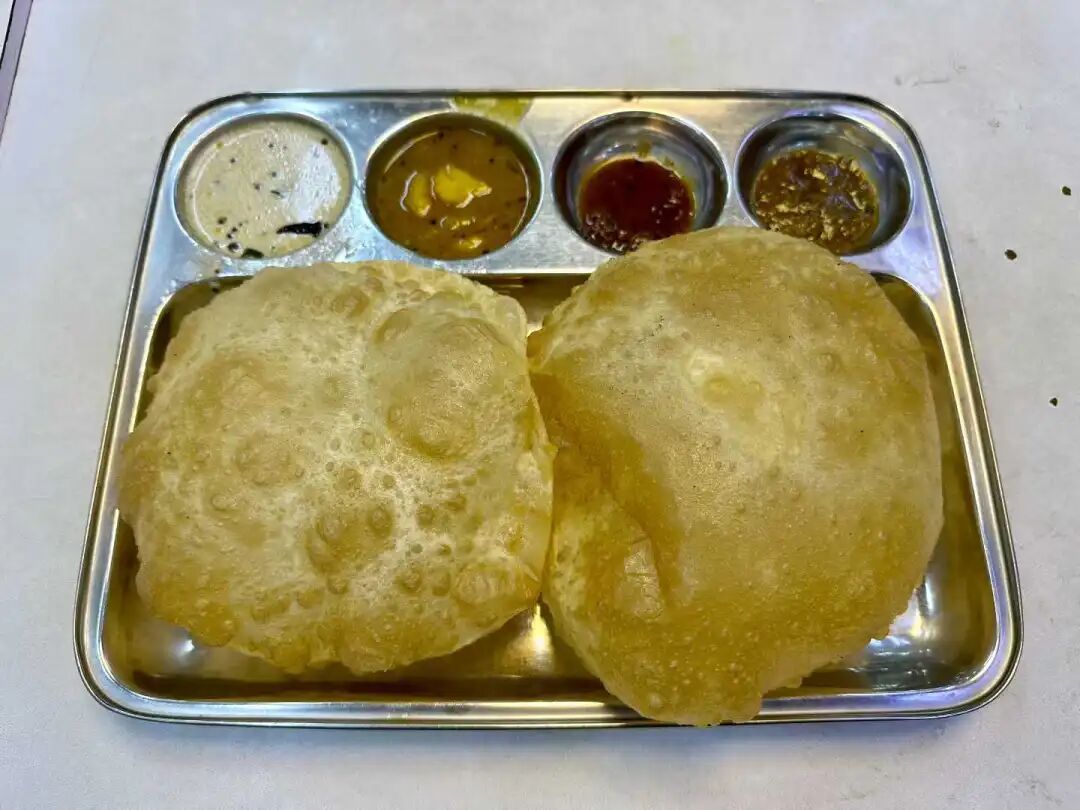
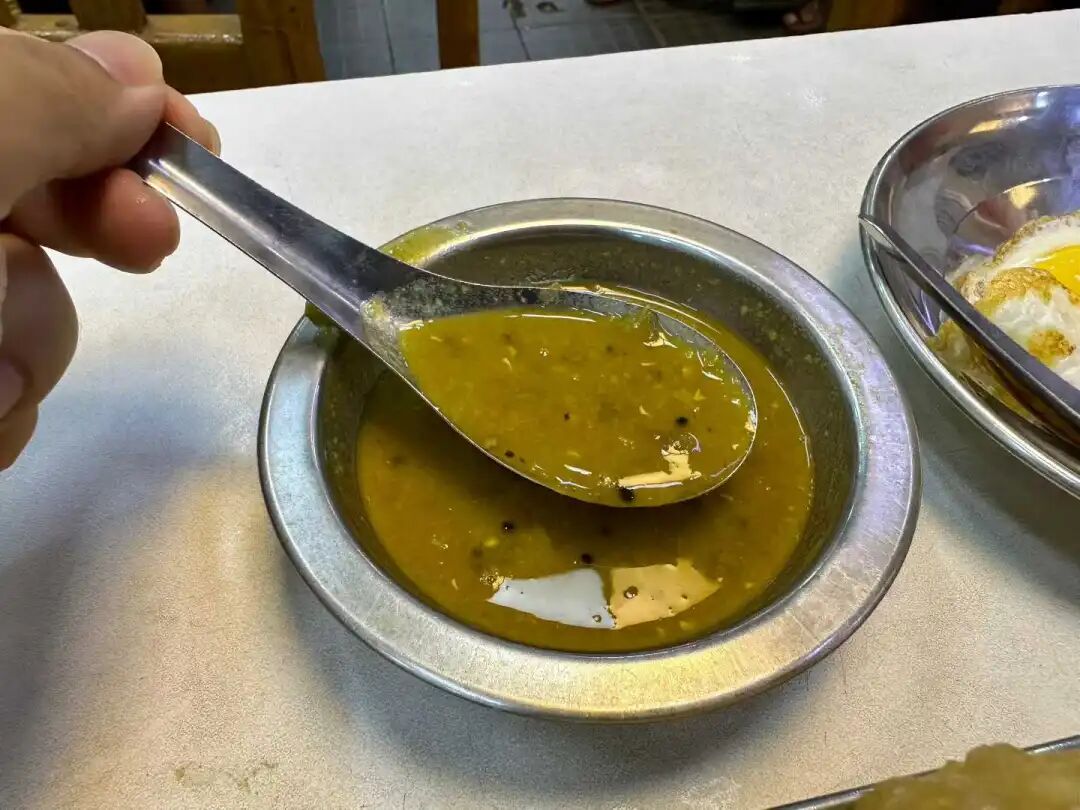
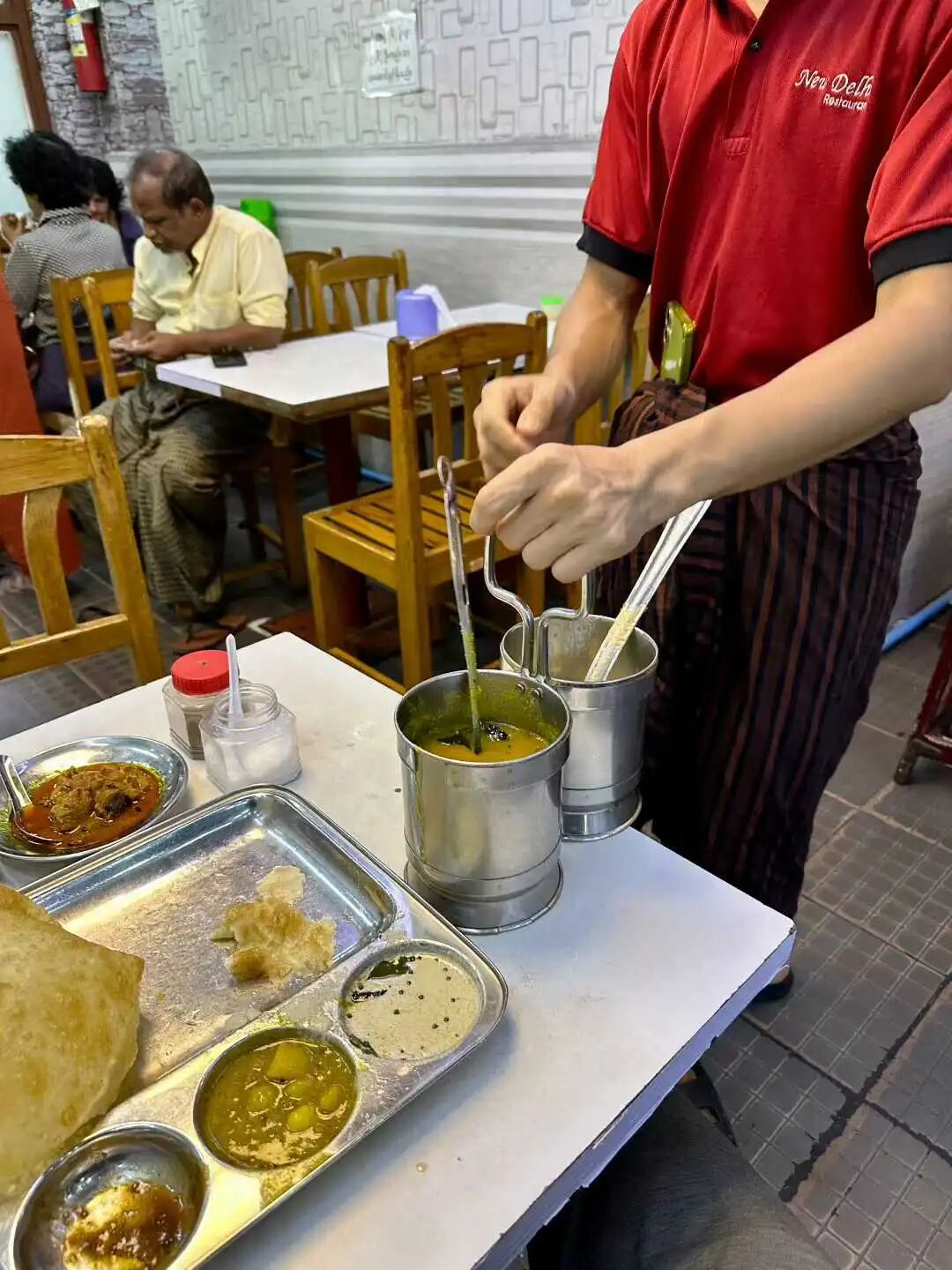
The long-standing New Delhi restaurant in Yangon's Indian quarter opened in 1963 and has been around for 62 years. We had fried bread (puri), chicken curry, and sweet milk tea there in the morning. When you order a main dish, they serve it with coconut milk, potatoes, and two types of vegetable curry. You can get unlimited refills of the two vegetable curries, and the waiter walks around with a curry pot to ask every table.
The word puri comes from the Sanskrit word pūrikā, which means fried. To make it, wheat flour is kneaded into dough and fried in ghee or vegetable oil until golden brown. As it fries, the water inside turns to steam and expands, causing the dough to puff up into a round ball. If you poke the dough with a fork before frying, the steam escapes through the hole, and the finished puri turns out flatter.
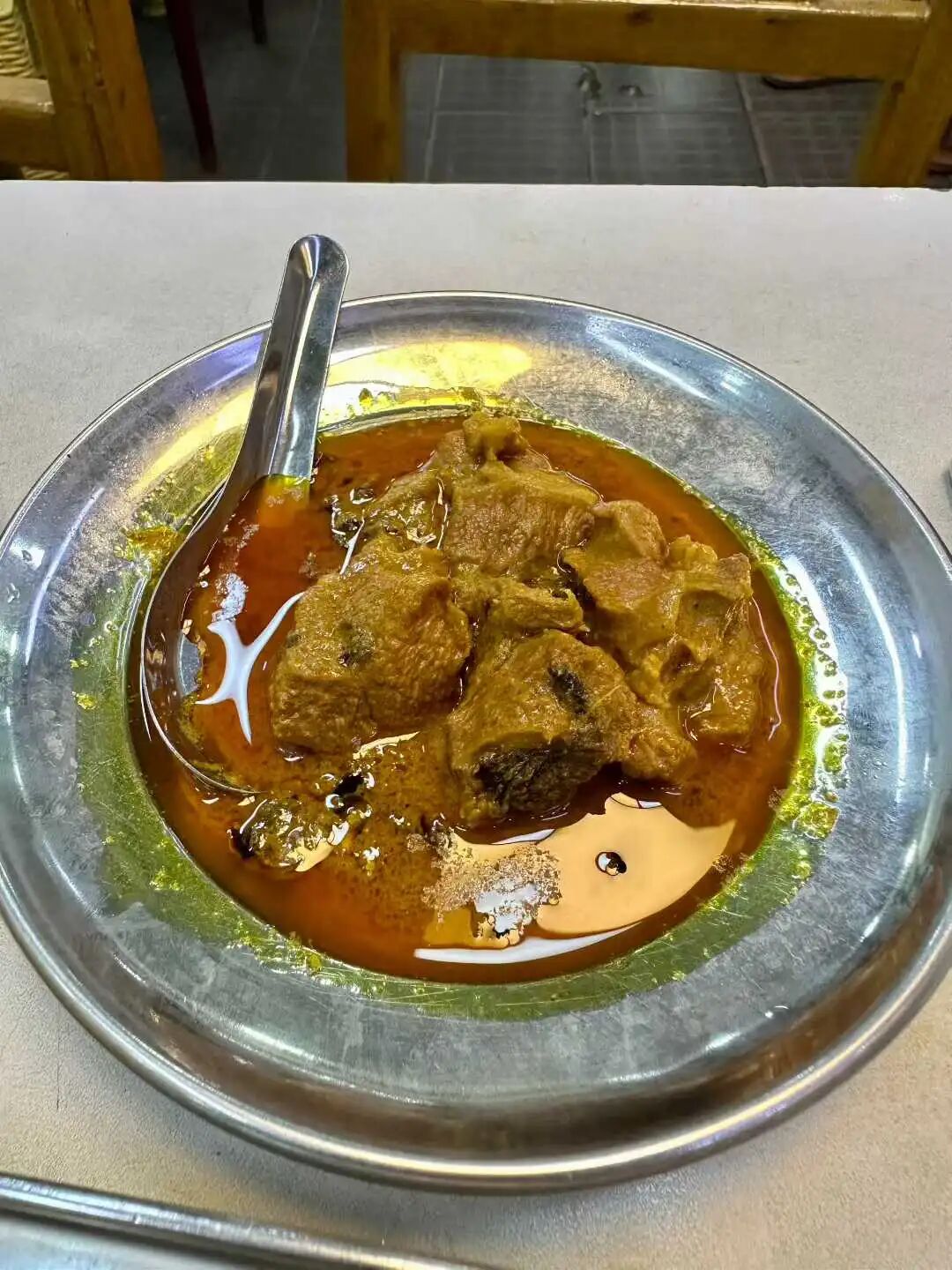
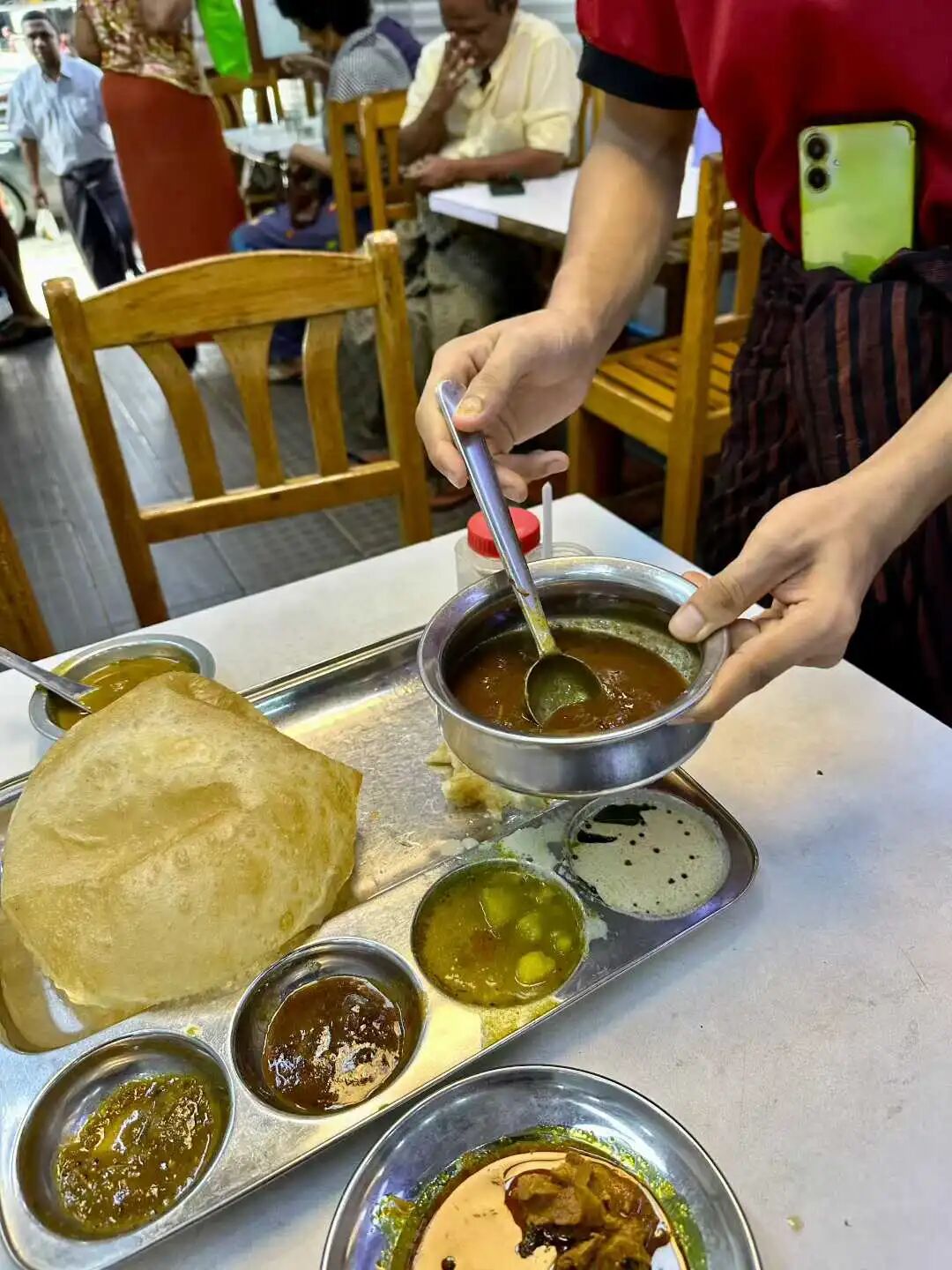
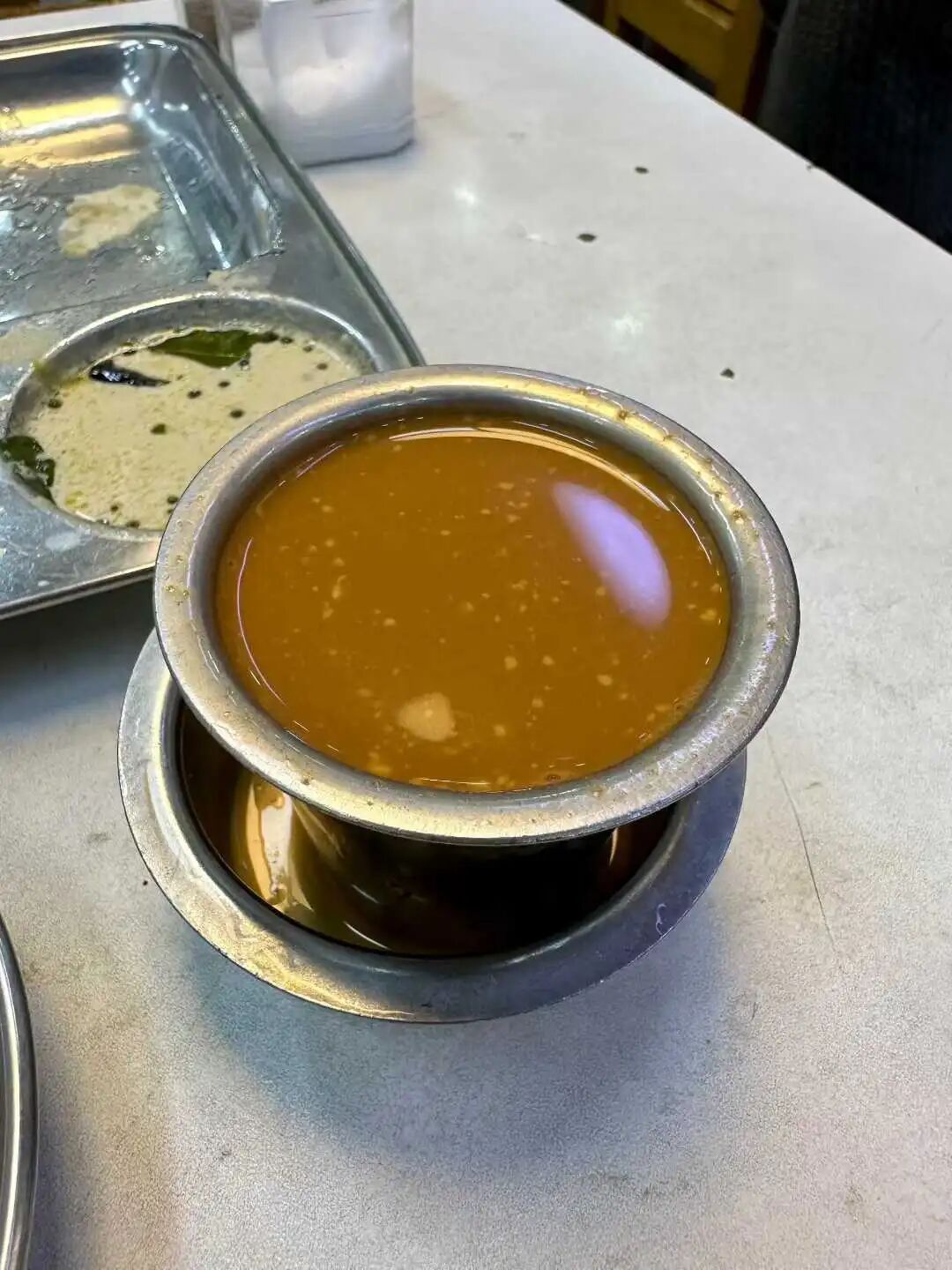
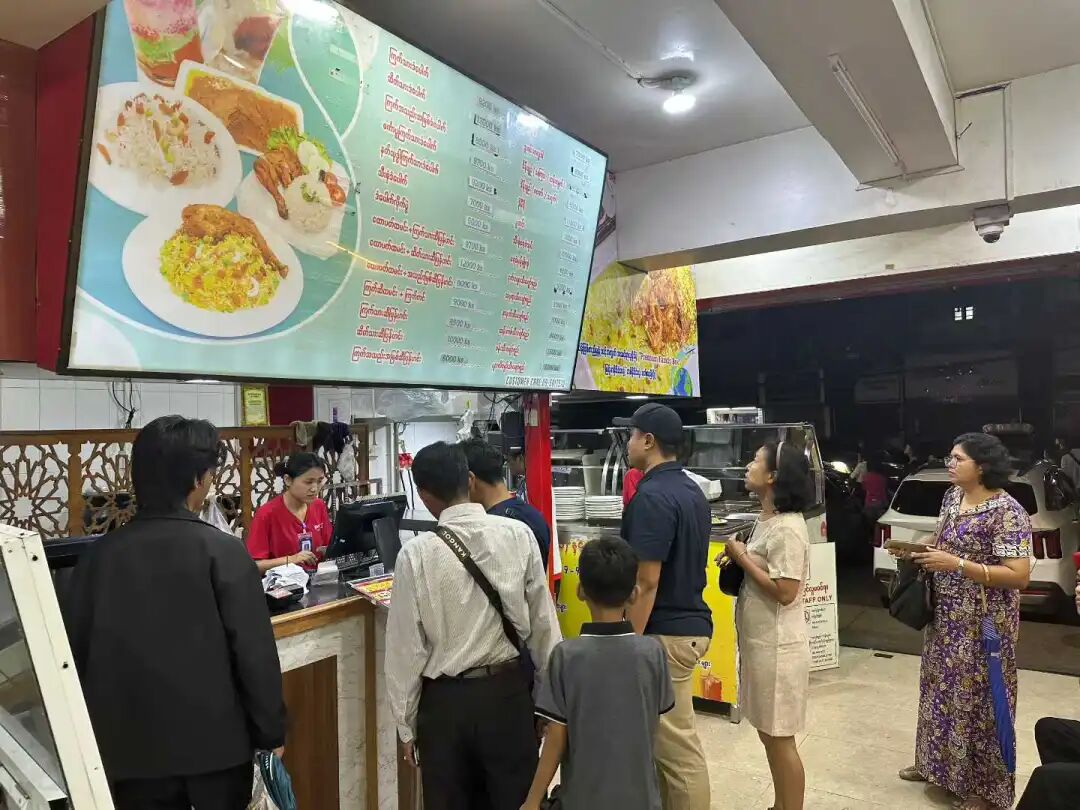
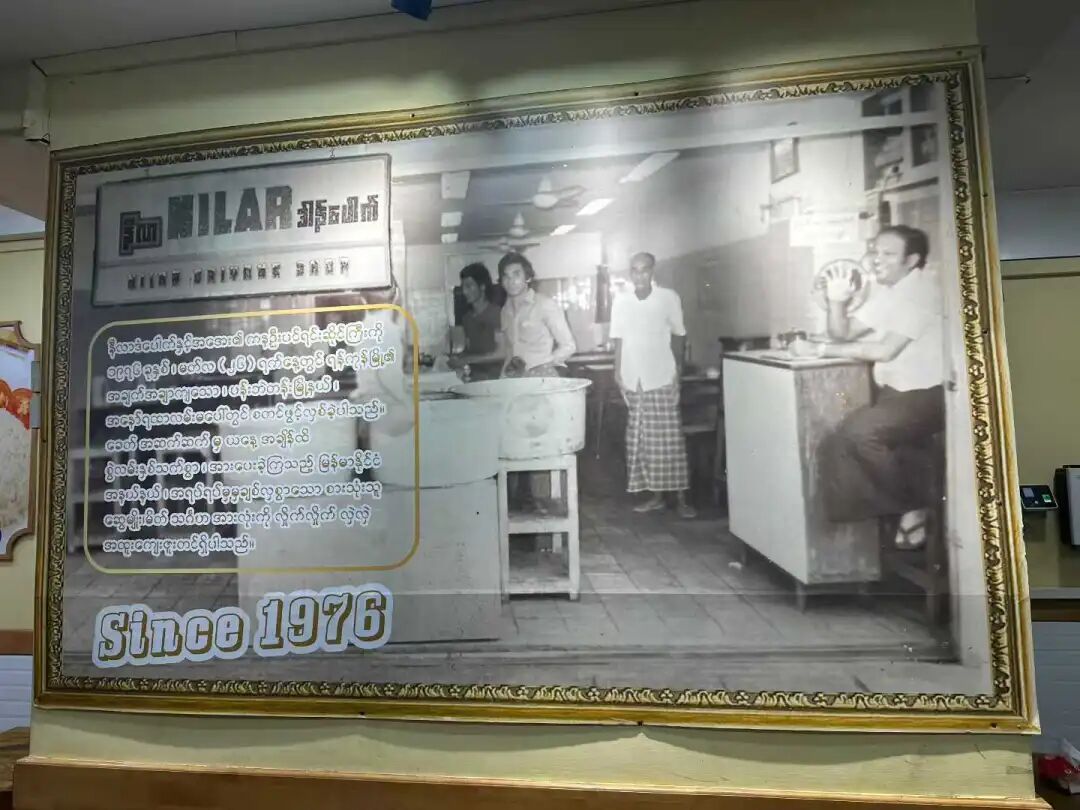
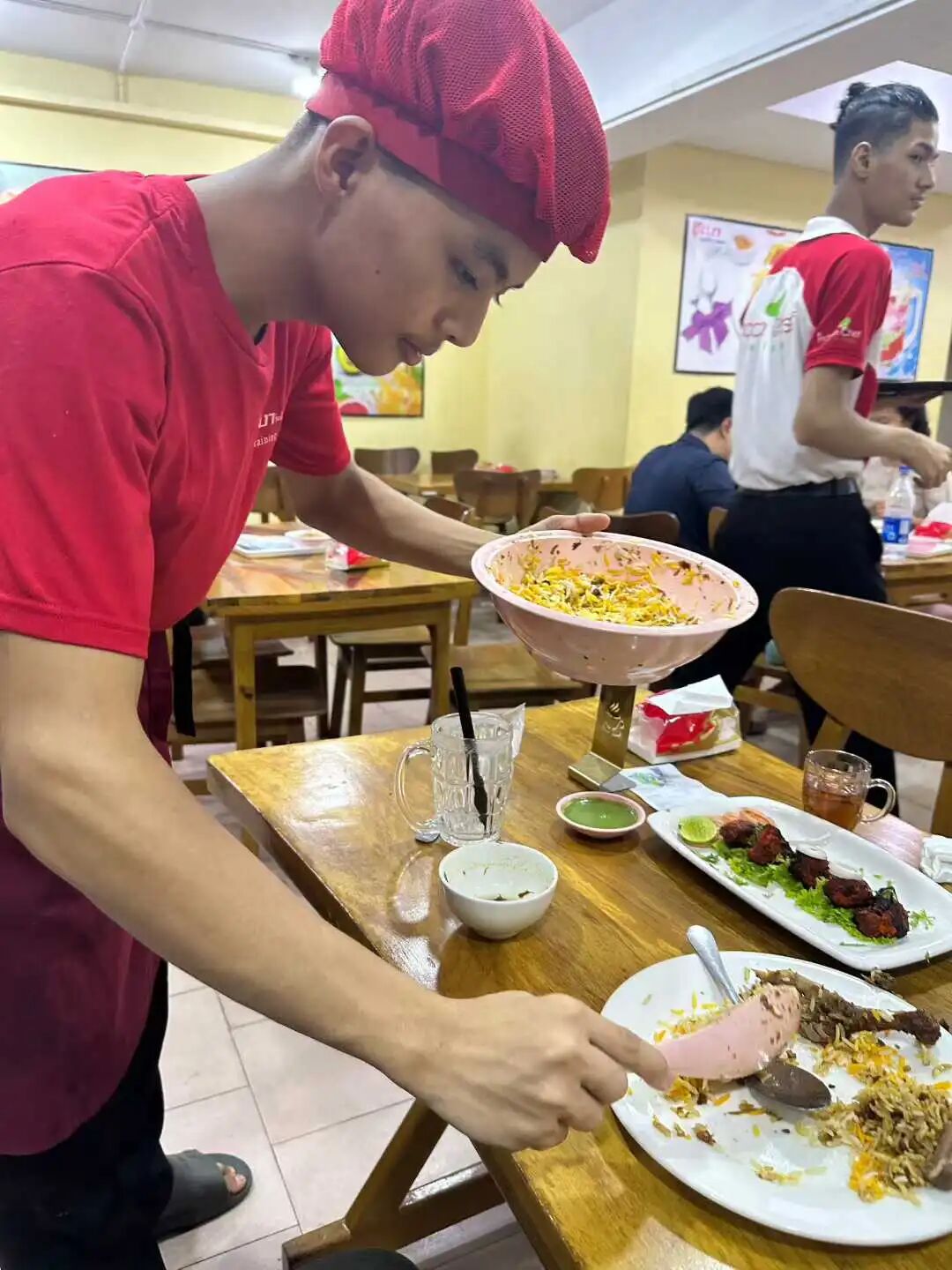
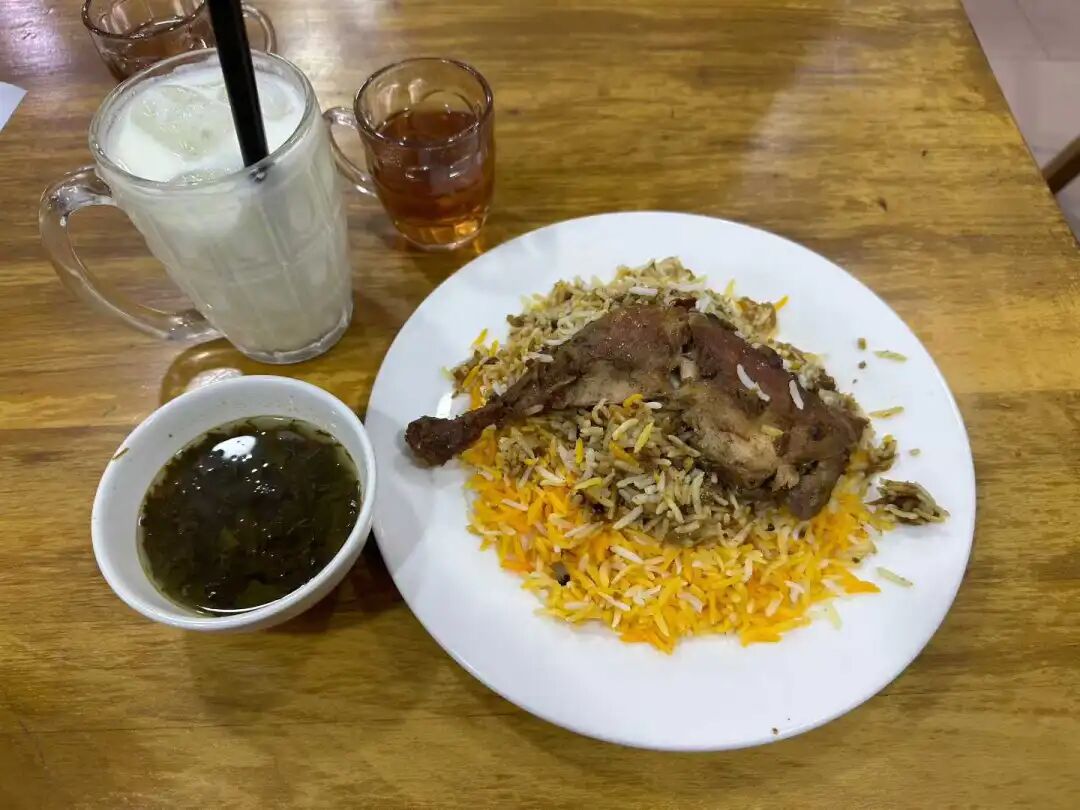
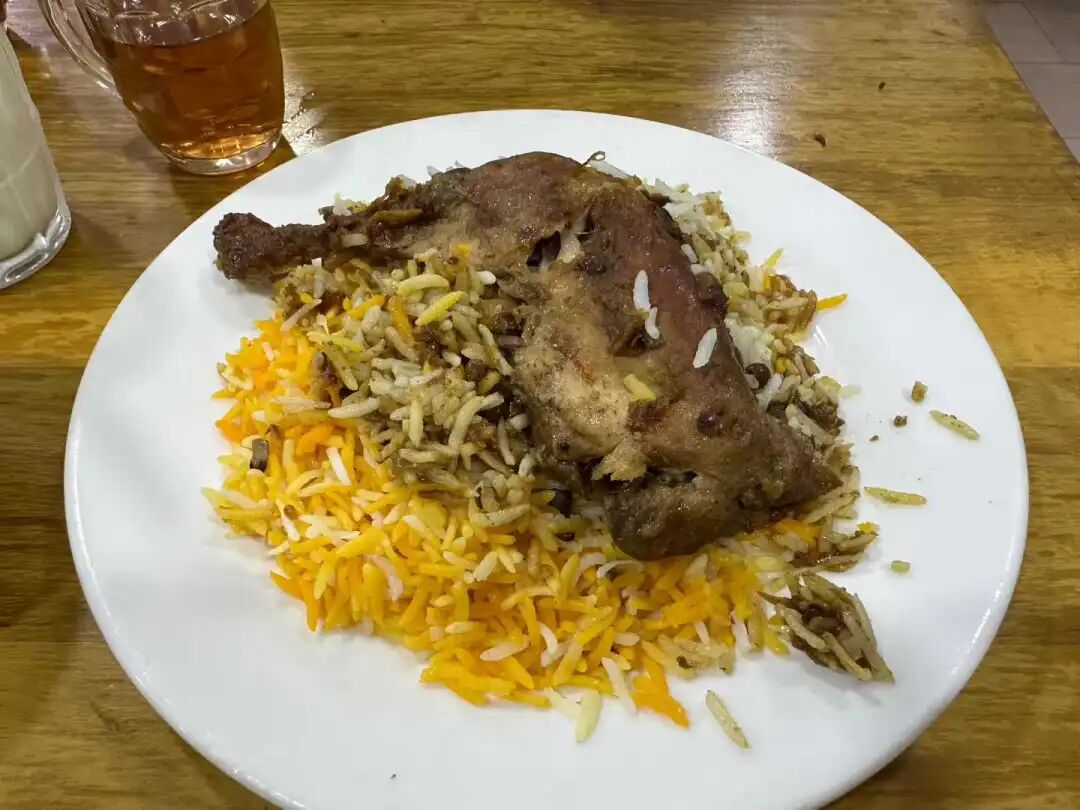
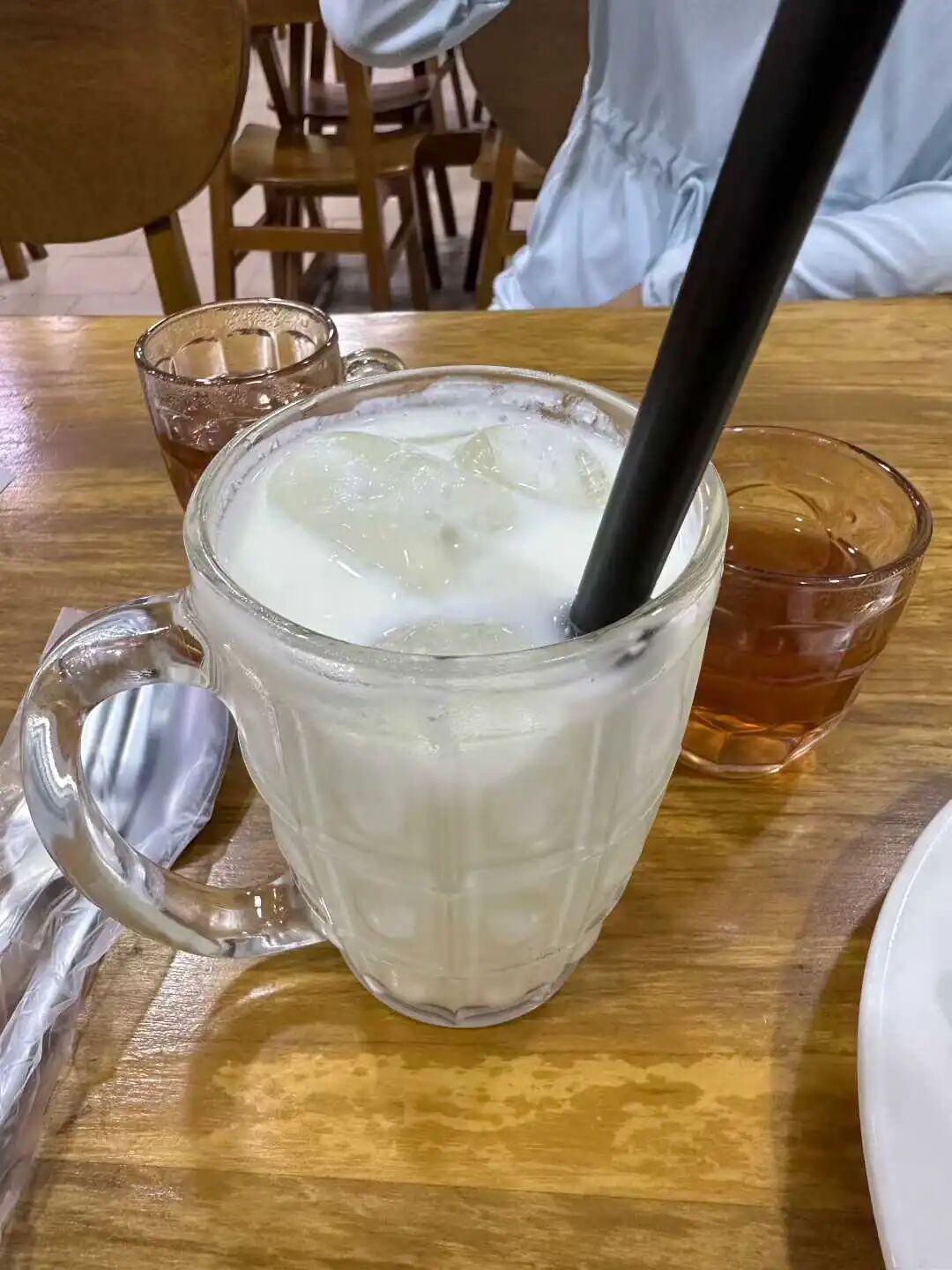
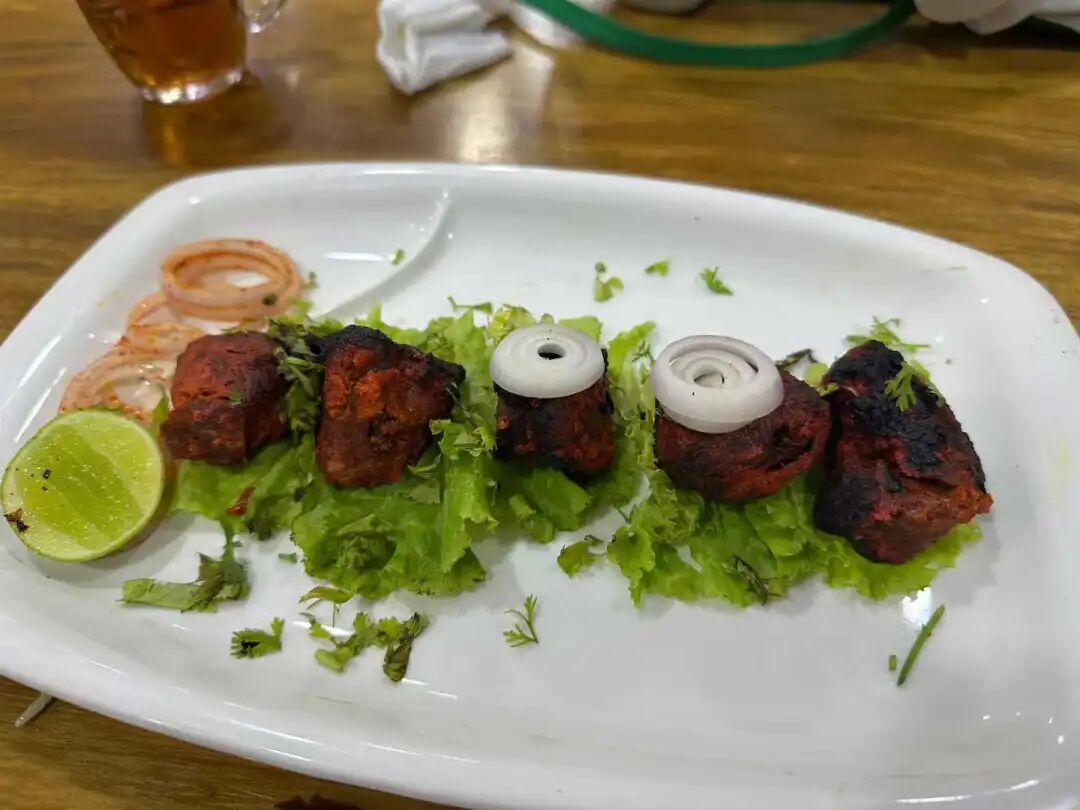
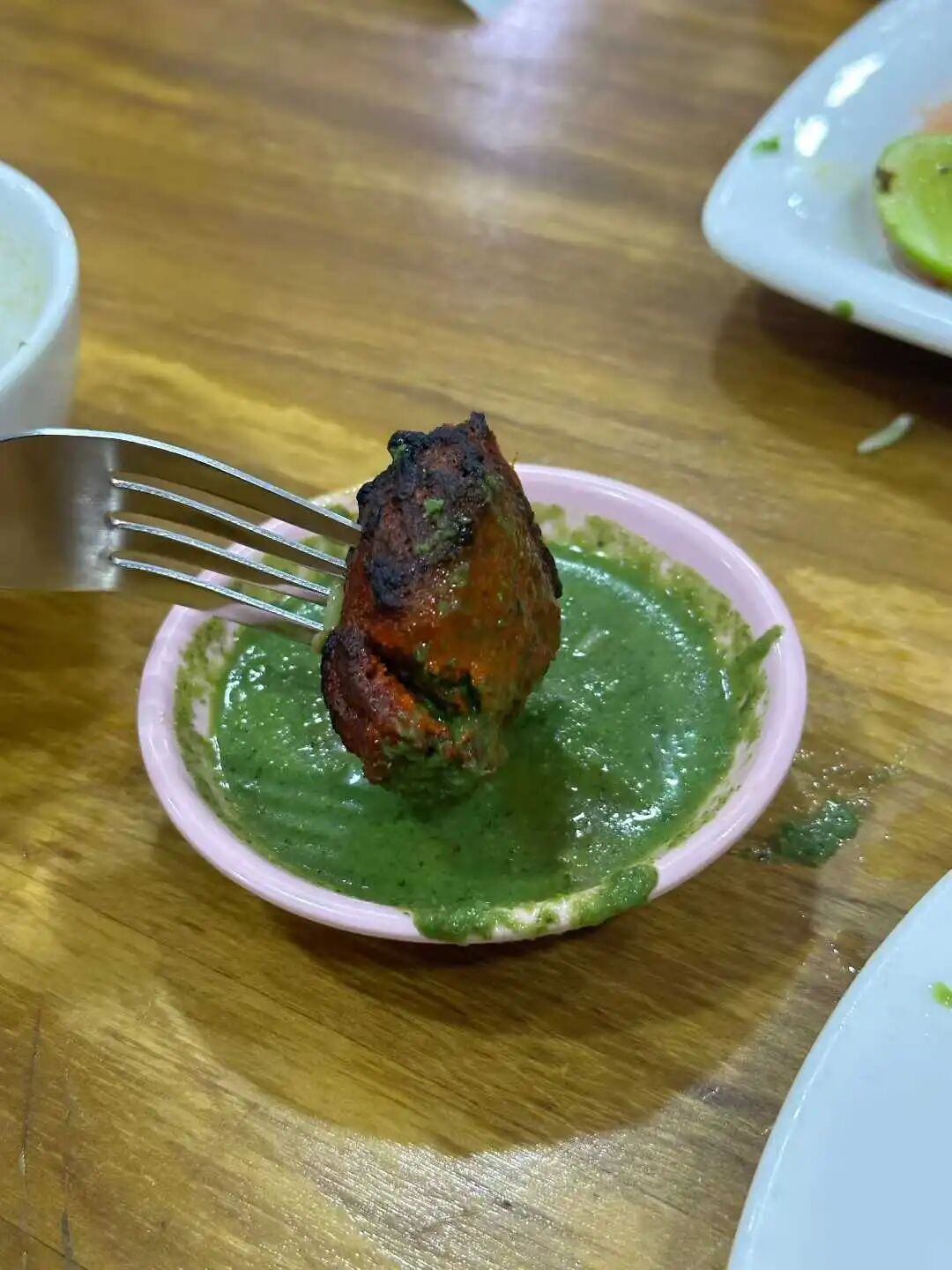
The famous Indian restaurant Nilar Biryani in Yangon opened on Anawrahta Road in the Indian quarter in 1976 and now has 30 branches. We had their signature chicken biryani rice and lamb tikka skewers at the main store on Anawrahta Road for dinner, and we also ordered yogurt lassi. You can also get unlimited refills of their biryani rice. A waiter walks around with a pot of rice to ask every table, and you can choose between two flavors: one is lighter, and the other has a stronger spice flavor. They also have a large barrel of tea that you can help yourself to.
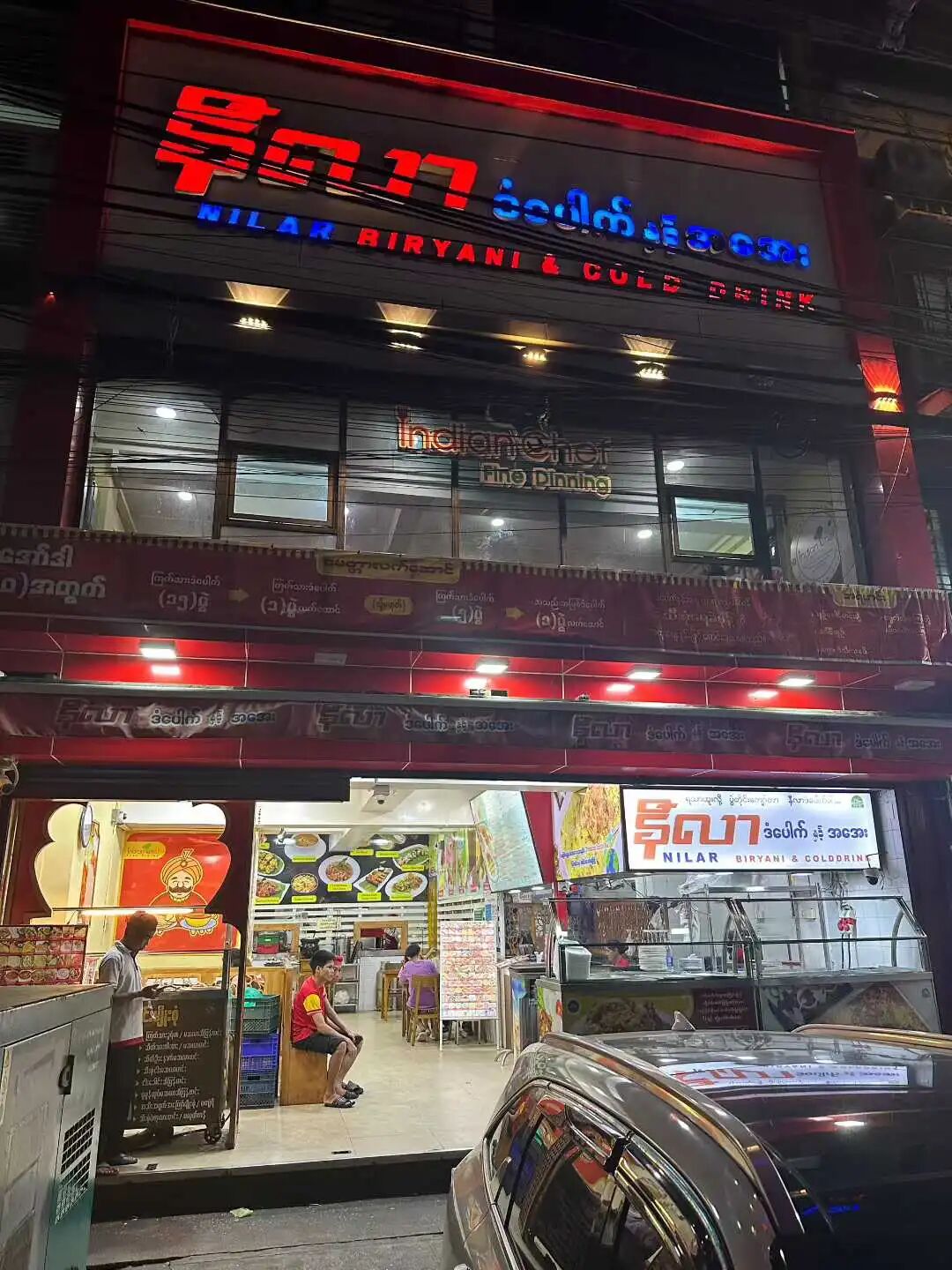
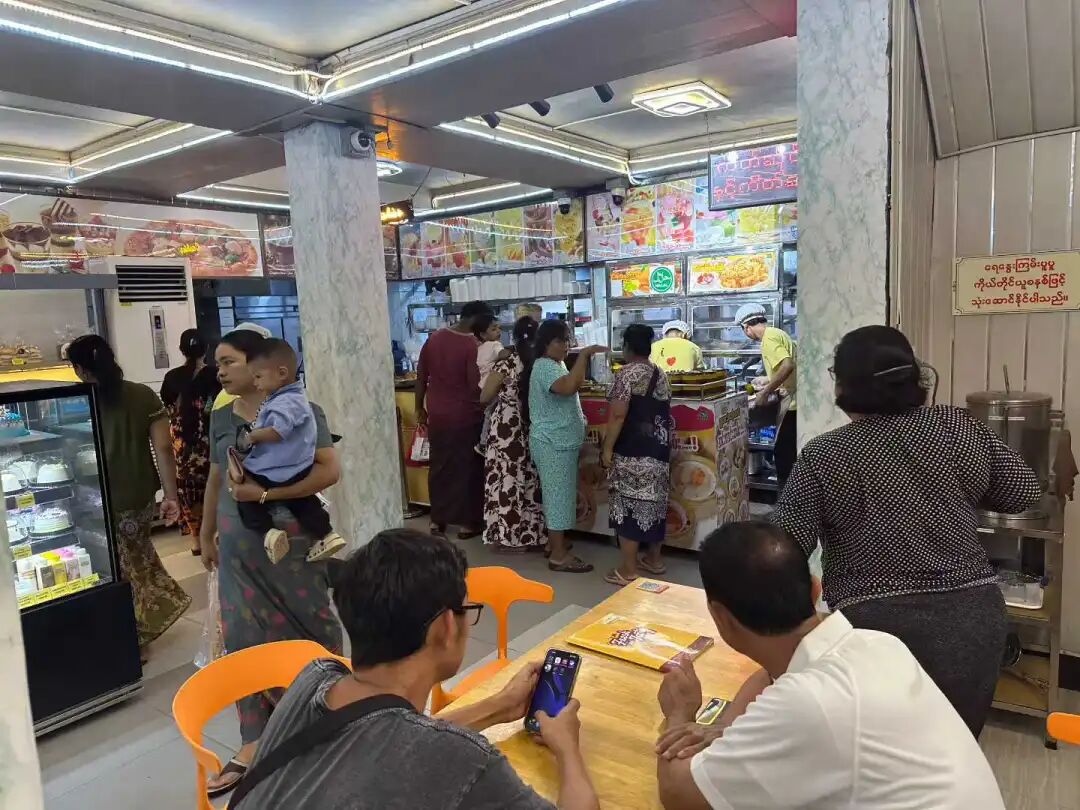
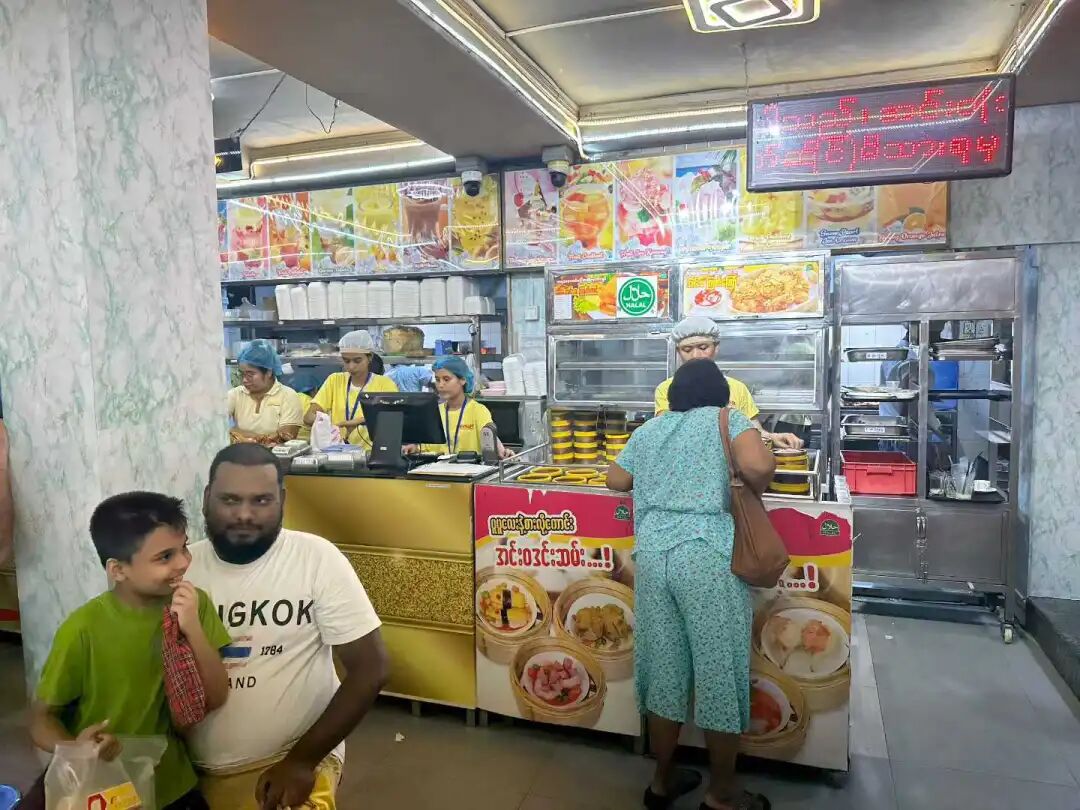
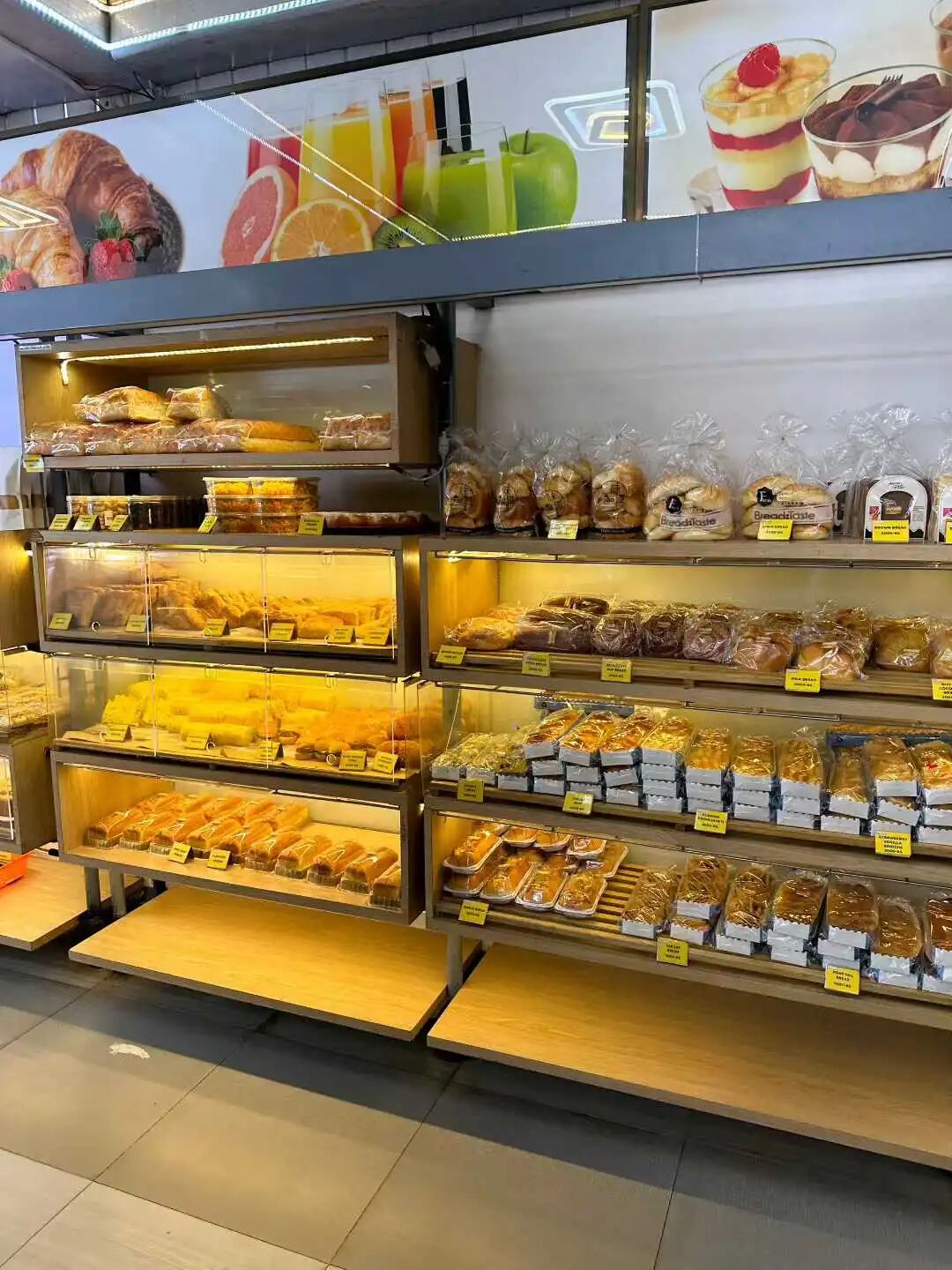
Innwa Cold Drinks and Confectionary is a sub-brand of the Yangon Indian restaurant chain Nilar Biryani, and it opened not far from the Nilar Biryani main store in 1999. They have all kinds of Western-style pastries, fast food, steamed snacks, and various cold drinks.
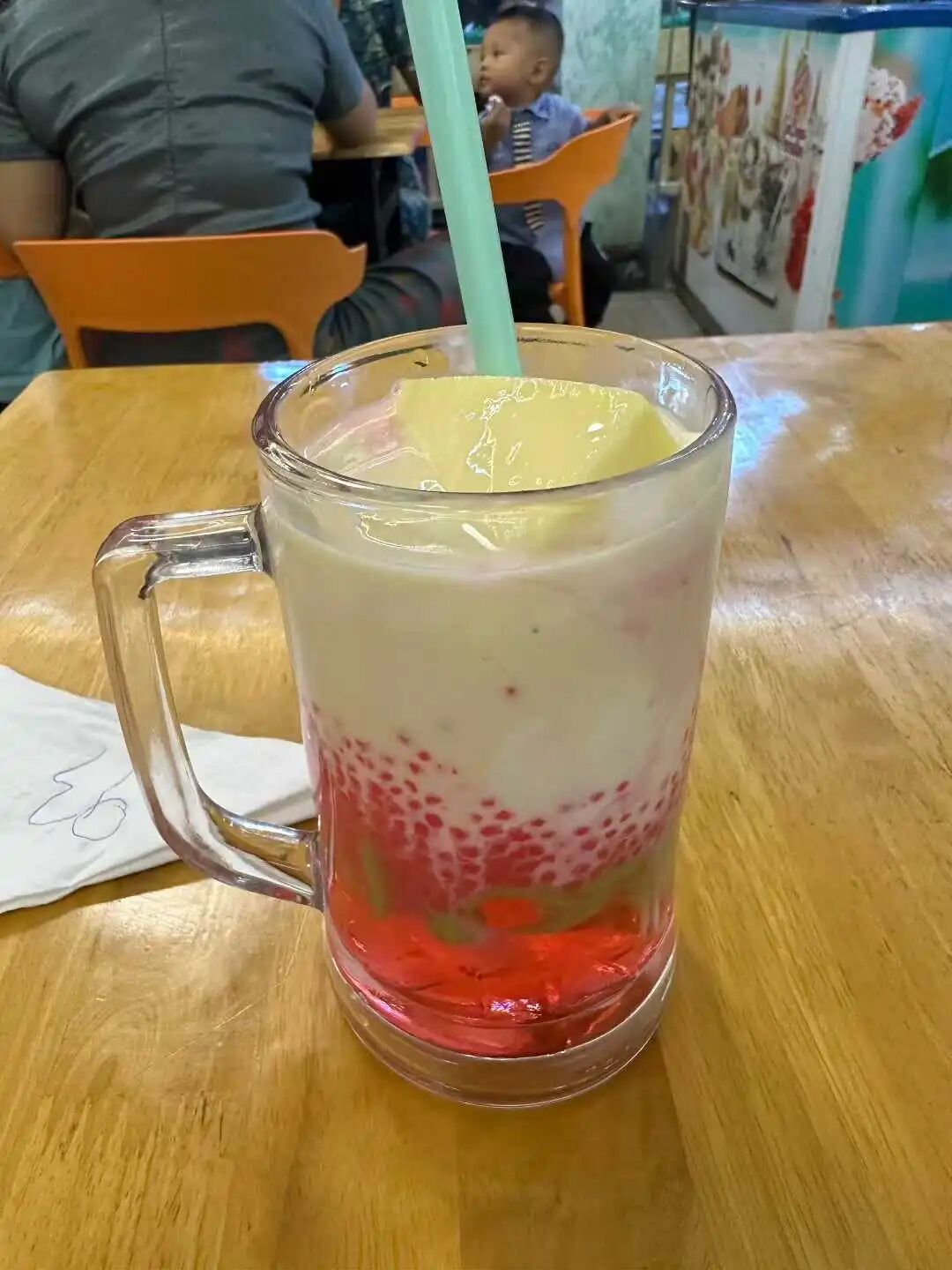
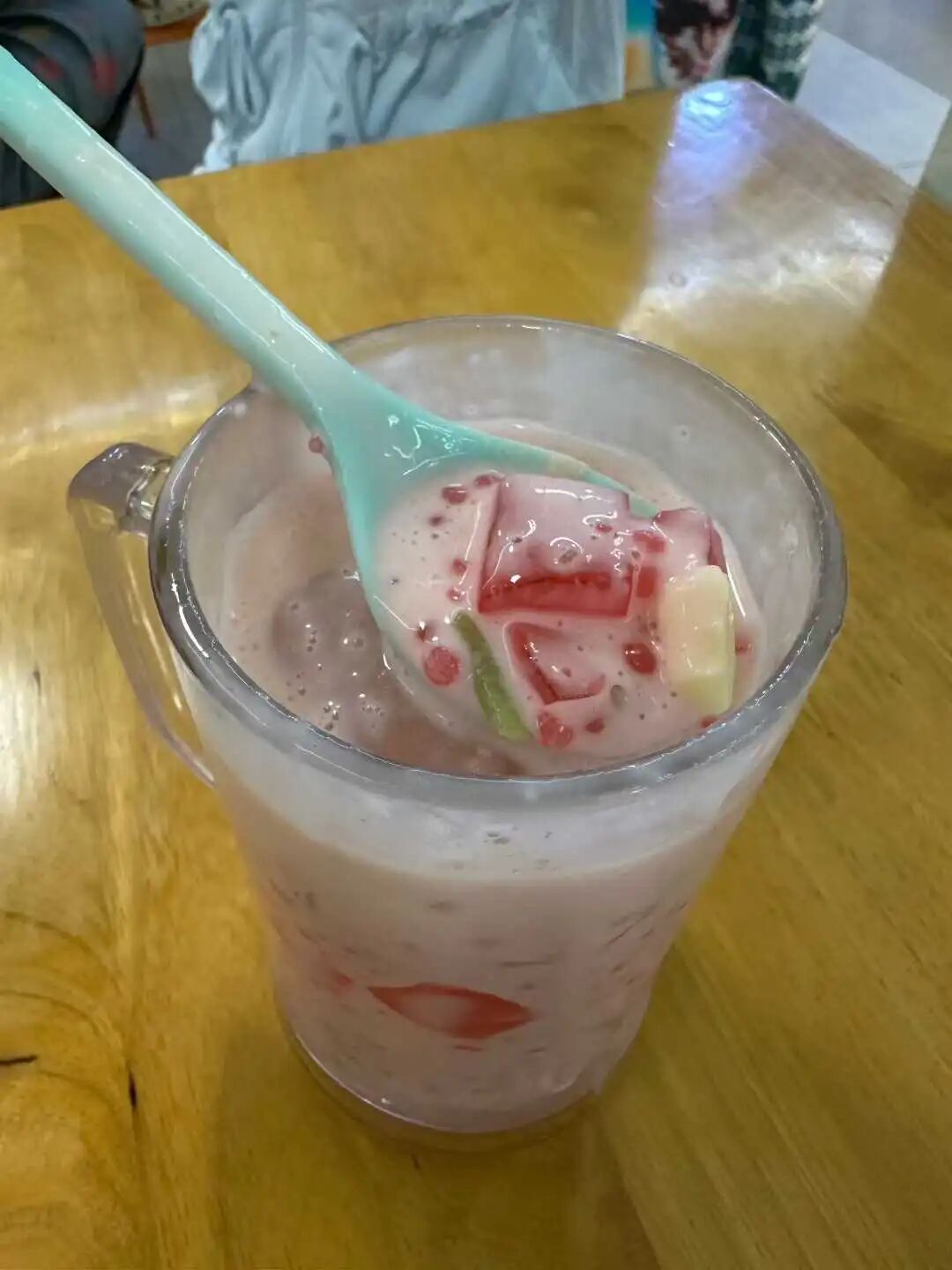
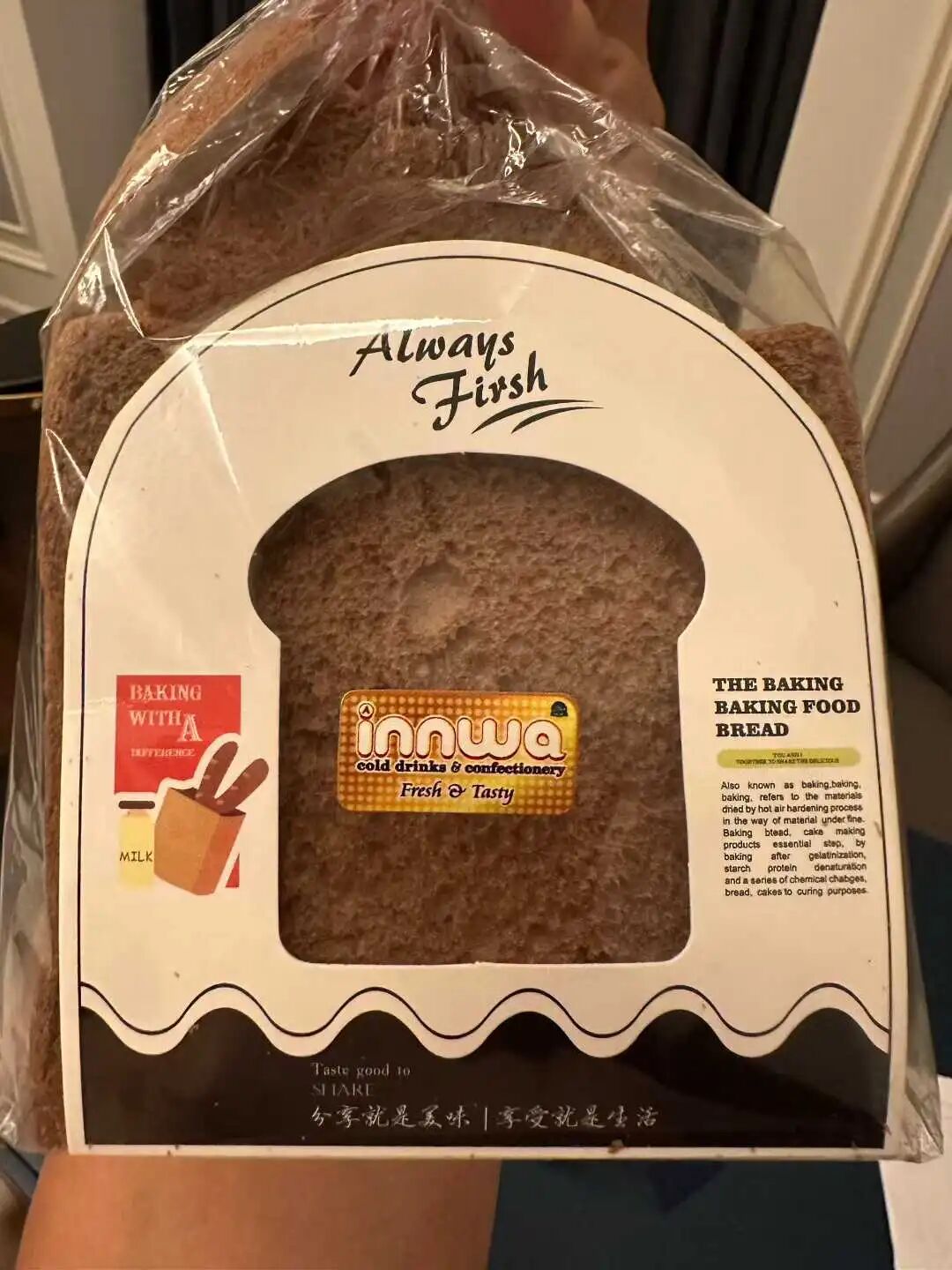
We bought several types of bread there and drank the classic Indian beverage faluda, which is the same as the paoluda found in Yunnan. Faluda originated from the Persian drink paloodeh, which means refined. Since there is no P in Arabic, it was changed to faloodeh in that language. The Indian faluda was inherited and developed by the Mughal Empire. It is made by mixing rose syrup, basil seeds, and milk, and is topped with ice cream. After falooda (faluda) arrived in Myanmar, grass jelly was added to it. More refined versions also include sago, jelly, and bits of fruit.

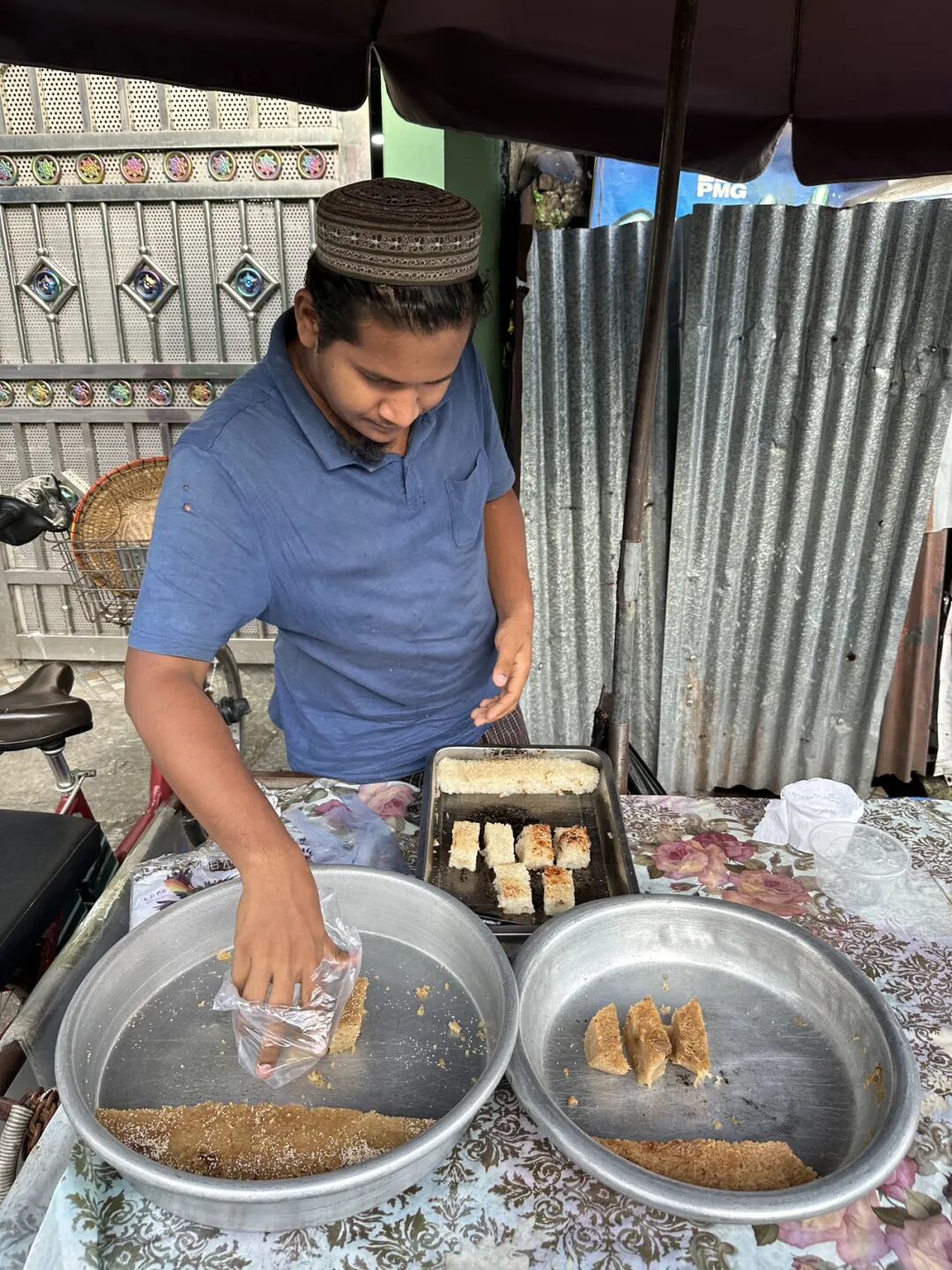
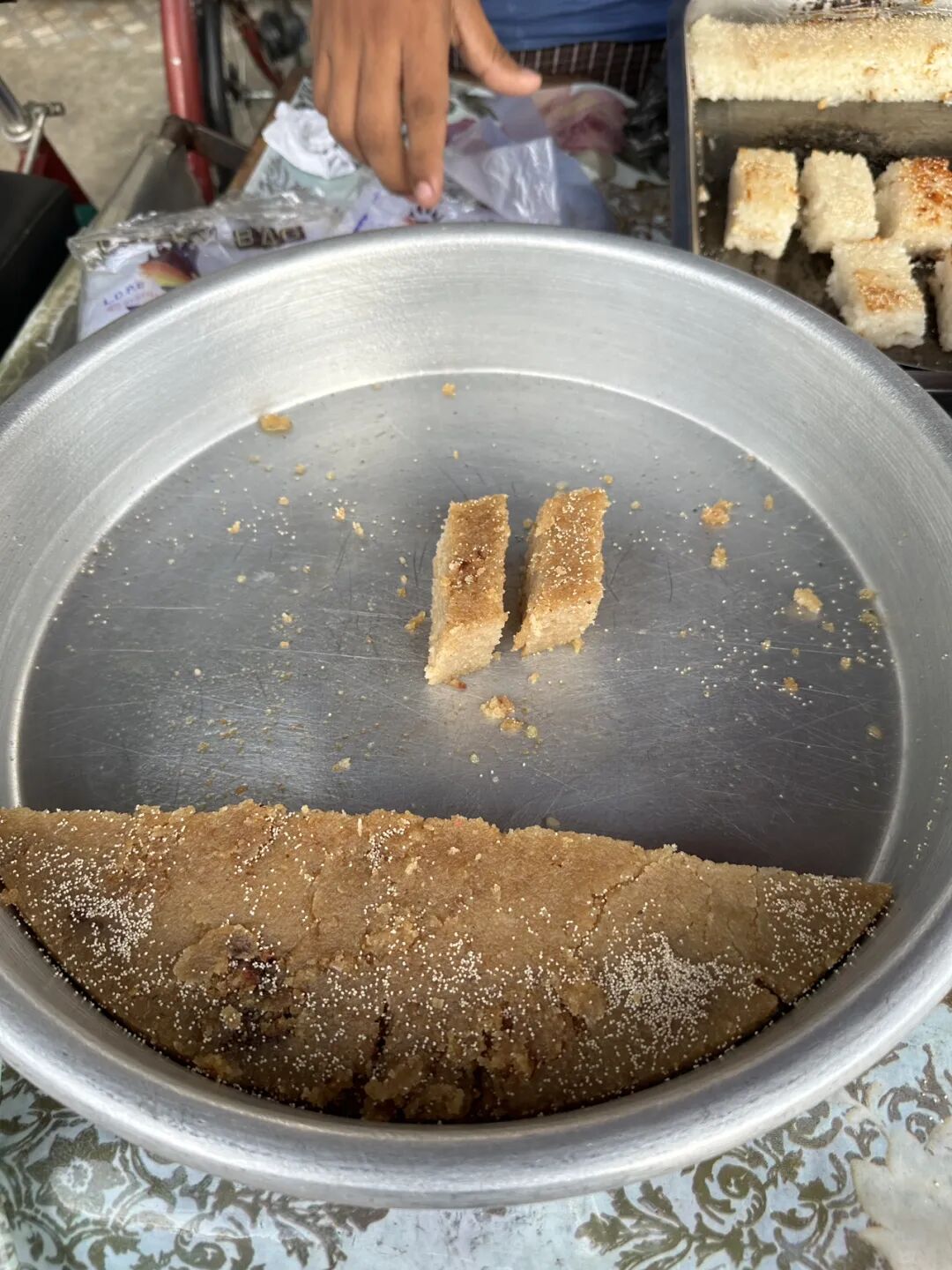
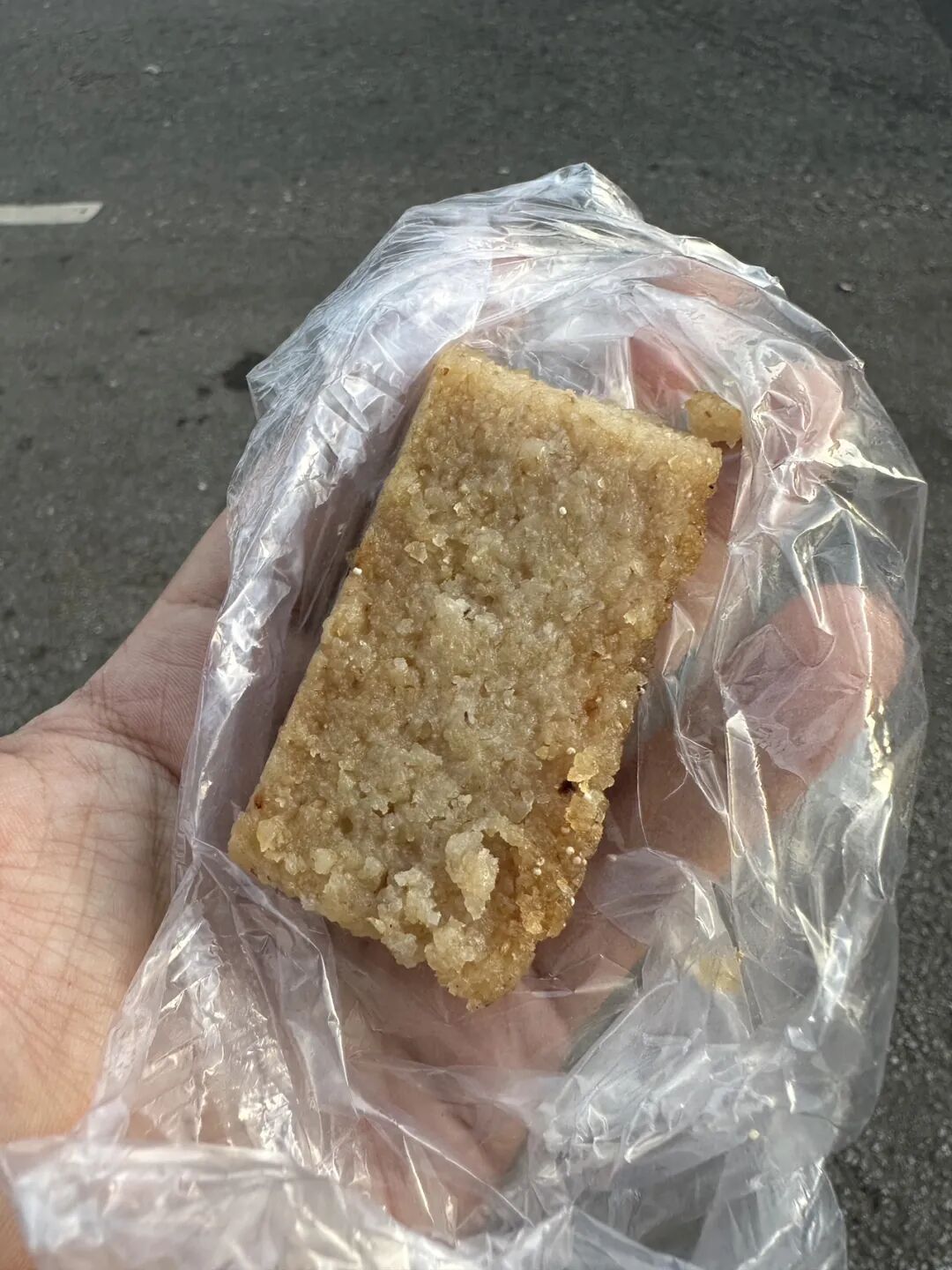
Halwa fudge sold by Indian street vendors in Yangon. Halwa originated in Persia and later spread throughout the Middle East and South Asia. South Asian halwa is made from semolina. It feels oily to the touch and has just the right amount of sweetness.
Summary: Yangon's Indian Quarter offers halal restaurants, Muslim hotels, South Asian food, and practical lodging options tied to the city's colonial-era Indian Muslim history. This guide keeps the source's restaurant names, dishes, hotel notes, streets, and travel tips in one long English article.
A guide to eating and staying in the Indian Quarter of Yangon, Myanmar.
Although Yangon is now the largest city in Myanmar, it was known as an Indian city 100 years ago during the British Burma period. Indians began settling in Yangon after the First Anglo-Burmese War in 1826, and by the late 19th century, their population had already surpassed that of the Burmese people. In 1901, there were nearly 120,000 people of Indian descent in Yangon, while the Burmese population was only about 70,000. The Indian community in Yangon's old town mainly lived between Sule Pagoda and Chinatown, an area commonly known as the Indian Quarter, which is full of Indian culture.
We stayed at The Eravati Hotel by the Yangon River, which is very close to the Indian Quarter and makes dining very convenient.
The building housing this hotel is the New Law Courts building, constructed by British architect Thomas Oliphant Foster between 1927 and 1931.
Between 1942 and 1945, this place was used as the headquarters for the notorious Japanese Kempeitai, where many people suffered torture. British Army Major Hugh Seagrim trained Karen guerrillas to resist the Japanese after the invasion and constantly harassed the Japanese army. Due to the Japanese army's massive retaliatory actions against the Karen people, he was forced to surrender and was then imprisoned in this building. He refused the threats and inducements of the Japanese army here and was eventually heroically executed.
After 1948, it became a police station building, continuing to imprison and interrogate dissidents; before the renovation, people could still see the prison cells on the building.
It was renovated into a heritage hotel in 2014, having previously operated as a Kempinski and a Rosewood hotel, and is now The Eravati Hotel.
The Eravati Hotel is truly one of the best value hotels I have ever stayed in, and the service is excellent. From the front door, all the staff are always smiling and take the initiative to open doors. When checking in, a staff member carried our bags the whole way, and they did not accept tips. There are two glass bottles of water in the room, and you can ask for two more after finishing them. After cleaning the room, they would fold back the corner of the quilt and place the slippers by the side of the bed. The coffee provided is high-quality Myanmar coffee. There were several large picture books in the room, one of which covered the historical sites of Yangon, which was very helpful for my mosque-visiting trip. Another book was a collection of poems by a Burmese poet, which also included English translations and was very interesting.
In the morning, we had breakfast at Golden Tea in the Indian Quarter; they serve a classic South Asian style breakfast of chicken curry with naan, fried eggs, sweet milk tea, and rice cakes. The curry puffs (samosa) here are fried to be crispier, and the texture is not exactly the same as those in India.
There are also many fried food stalls on the streets of the Indian Quarter, and the fried dough sticks (youtiao) are very similar to those in China.
The Indian quarter in Yangon has pastry shops with a huge variety of sweets.
Chana Barfi is a chickpea pastry made by cooking a dairy product called khoa with sugar and letting it cool. Barf means snow in Persian. This pastry started in Persia, came to India with the Mughal Empire in the 16th century, and was brought to Myanmar by Indian immigrants in the 19th century.
Mysore pak is a South Indian-style ghee pastry that is very common at weddings and festivals in South India. This pastry began in the early 20th century at the royal palace of the Kingdom of Mysore in South India. The Maharaja Krishna Raja Wadiyar IV (who reigned from 1902 to 1940) loved food, and his palace chef Kakasura Madappa invented this golden, soft, and very fragrant pastry. After the partition of India and Pakistan in 1947, it was brought to Pakistan and Bangladesh, and later to Yangon.
The banana leaf hand-eating restaurant on 28th Street in Yangon's Indian quarter is very busy and attracts many customers. We went to the front counter to pick our dishes, which included curry and large shrimp. You can get more curry sauce after you finish.
The long-standing New Delhi restaurant in Yangon's Indian quarter opened in 1963 and has been around for 62 years. We had fried bread (puri), chicken curry, and sweet milk tea there in the morning. When you order a main dish, they serve it with coconut milk, potatoes, and two types of vegetable curry. You can get unlimited refills of the two vegetable curries, and the waiter walks around with a curry pot to ask every table.
The word puri comes from the Sanskrit word pūrikā, which means fried. To make it, wheat flour is kneaded into dough and fried in ghee or vegetable oil until golden brown. As it fries, the water inside turns to steam and expands, causing the dough to puff up into a round ball. If you poke the dough with a fork before frying, the steam escapes through the hole, and the finished puri turns out flatter.
The famous Indian restaurant Nilar Biryani in Yangon opened on Anawrahta Road in the Indian quarter in 1976 and now has 30 branches. We had their signature chicken biryani rice and lamb tikka skewers at the main store on Anawrahta Road for dinner, and we also ordered yogurt lassi. You can also get unlimited refills of their biryani rice. A waiter walks around with a pot of rice to ask every table, and you can choose between two flavors: one is lighter, and the other has a stronger spice flavor. They also have a large barrel of tea that you can help yourself to.
Innwa Cold Drinks and Confectionary is a sub-brand of the Yangon Indian restaurant chain Nilar Biryani, and it opened not far from the Nilar Biryani main store in 1999. They have all kinds of Western-style pastries, fast food, steamed snacks, and various cold drinks.
We bought several types of bread there and drank the classic Indian beverage faluda, which is the same as the paoluda found in Yunnan. Faluda originated from the Persian drink paloodeh, which means refined. Since there is no P in Arabic, it was changed to faloodeh in that language. The Indian faluda was inherited and developed by the Mughal Empire. It is made by mixing rose syrup, basil seeds, and milk, and is topped with ice cream. After falooda (faluda) arrived in Myanmar, grass jelly was added to it. More refined versions also include sago, jelly, and bits of fruit.
Halwa fudge sold by Indian street vendors in Yangon. Halwa originated in Persia and later spread throughout the Middle East and South Asia. South Asian halwa is made from semolina. It feels oily to the touch and has just the right amount of sweetness.
