
Halal Food Guide: Yangon - Burmese Muslim Cuisine and Dost Friends
Reposted from the web
Summary: This Yangon food account introduces Burmese Muslim cuisine through local Muslim friends, or dost, and records dishes shaped by Burmese, South Asian, and Muslim community life. It keeps the source's restaurant names, food descriptions, community terms, and personal route details.
Today, six Muslim groups live in Myanmar. Five of these are the Yunnan Hui Muslims (Panthay) in northern and eastern Myanmar, the Malays (Pathu) in the far south, the Kaman people who are descendants of the Rakhine royal archers, the Rohingya in Rakhine State, and the Indian-descended people who settled in large cities like Yangon during the British colonial period. The sixth group is the Burmese Muslims (Zerbadi), who were the first to settle in Myanmar, speak Burmese, and identify as Burmese.
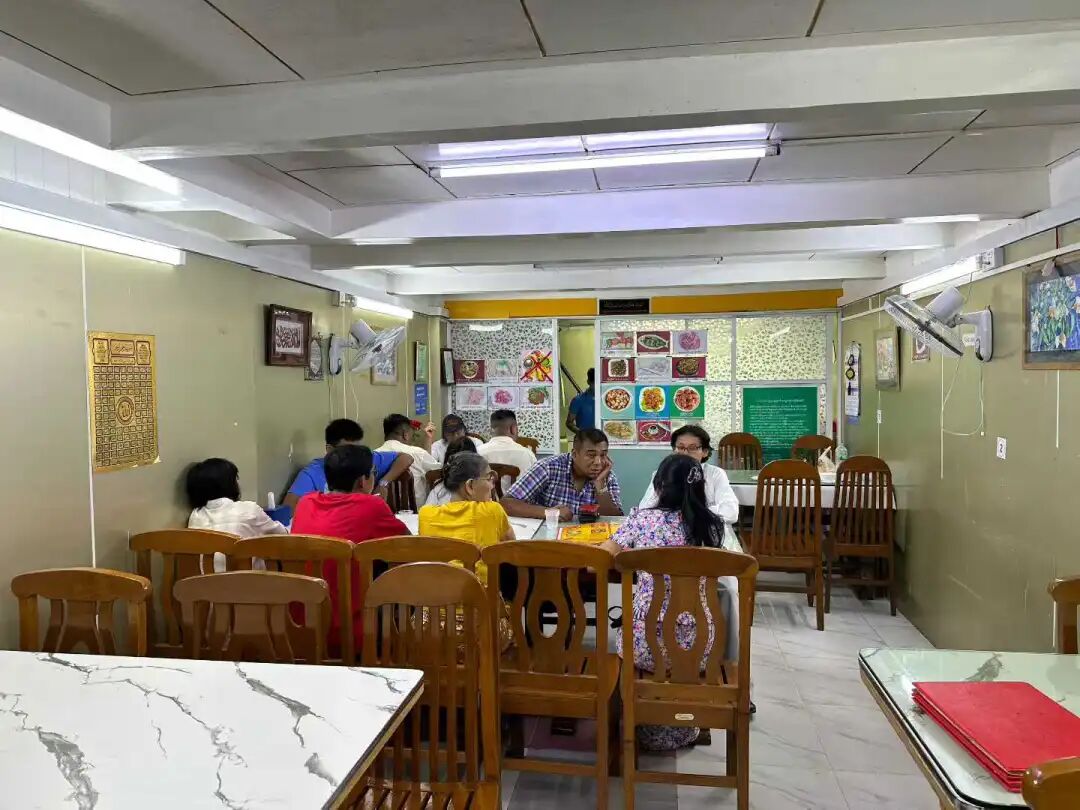
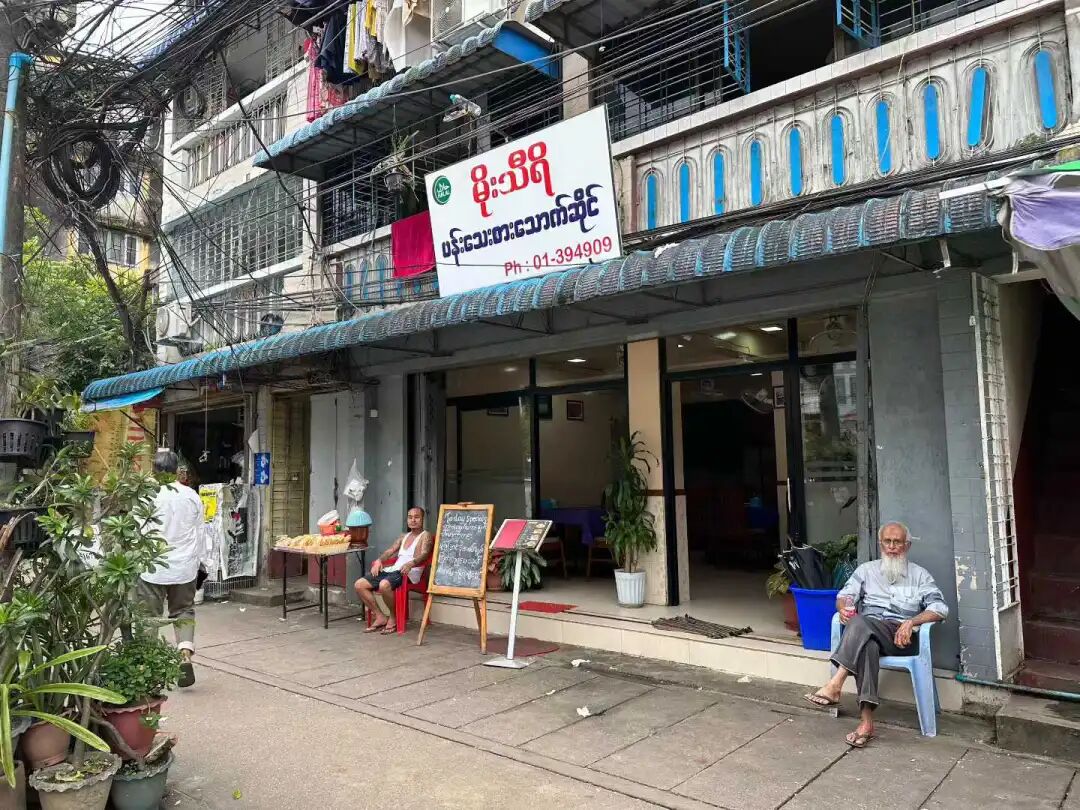
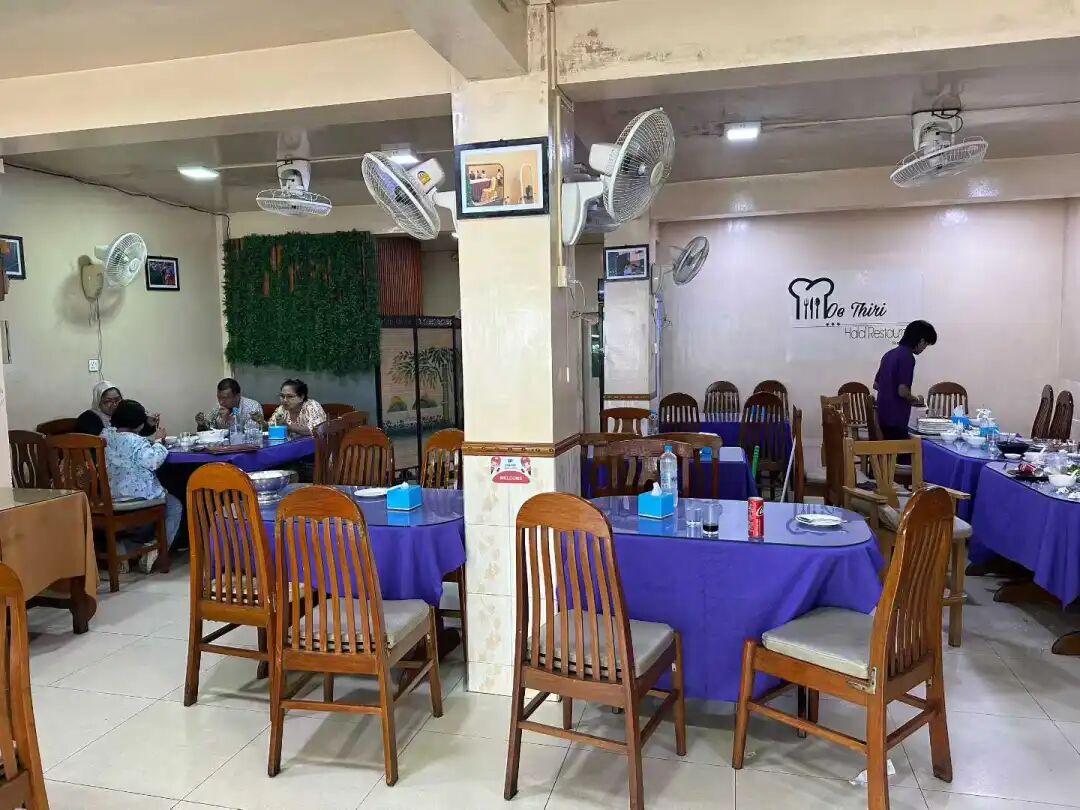
Although Yangon does not have a mosque specifically for the Burmese Muslims, there are several restaurants run by them on Daw Thein Tin Street, known as the "Muslim Street," where you can taste their cuisine.
Compared to Indian restaurants, Burmese Muslim restaurants offer a wider variety of dishes, including various stir-fries, braised dishes, and soups. The food is relatively light, and they provide chopsticks, making the experience feel more like the Yunnan Hui Muslim restaurants in Myanmar.
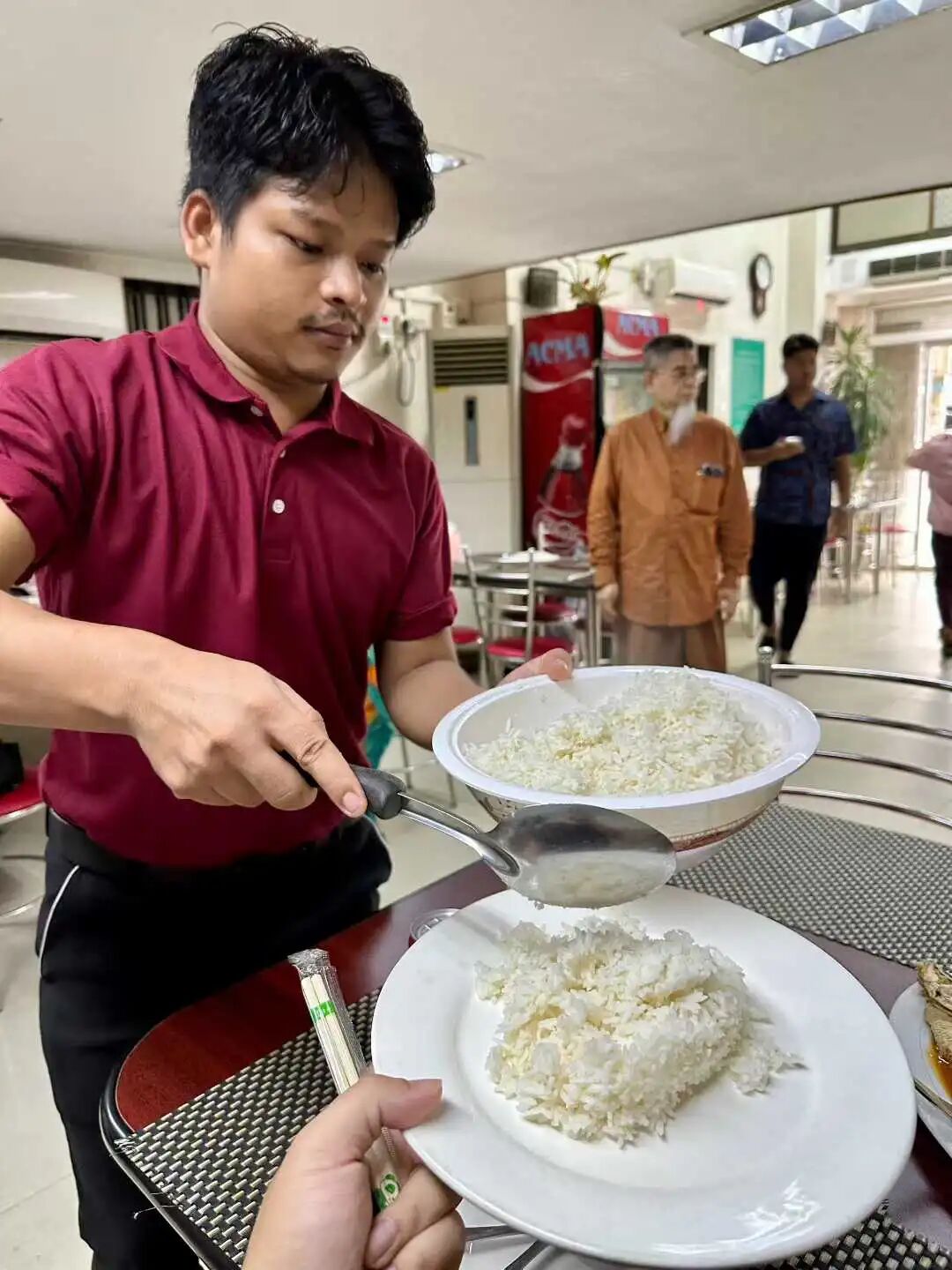
The young Burmese man at the shop is very enthusiastic. Rice is unlimited, and he walks around with a rice pot, proactively adding more to your bowl when he sees you are running low.
As an important hub on the Maritime Silk Road connecting the Persian Gulf, the Malay Archipelago, and China, Arab and Persian merchants were trading in Myanmar's coastal ports as early as the 9th century. The first Arab trading post appeared in Bago at that time, and many Arab merchant ships docked there.
For the next few hundred years, Bago was the center of Islam in Myanmar. Many British and Portuguese travelers in the 16th century recorded the development of Islam in Bago during this period. The Burmese Muslims in Bago exported sugar, lacquerware, and rubies, and imported cotton and silk. After the 15th century, Tanintharyi grew into an important trading port in Myanmar. Many European sailors described it as a Muslim city that traded with Malacca, Bengal, and Mecca. Because the Indian Ocean monsoon made it impossible to sail between mid-May and mid-November each year, some Arab, Persian, and Indian merchants married local Burmese women while stranded in Myanmar. Their descendants became the main source of the Burmese Muslims. They were called "Pathi," which means "Persian."
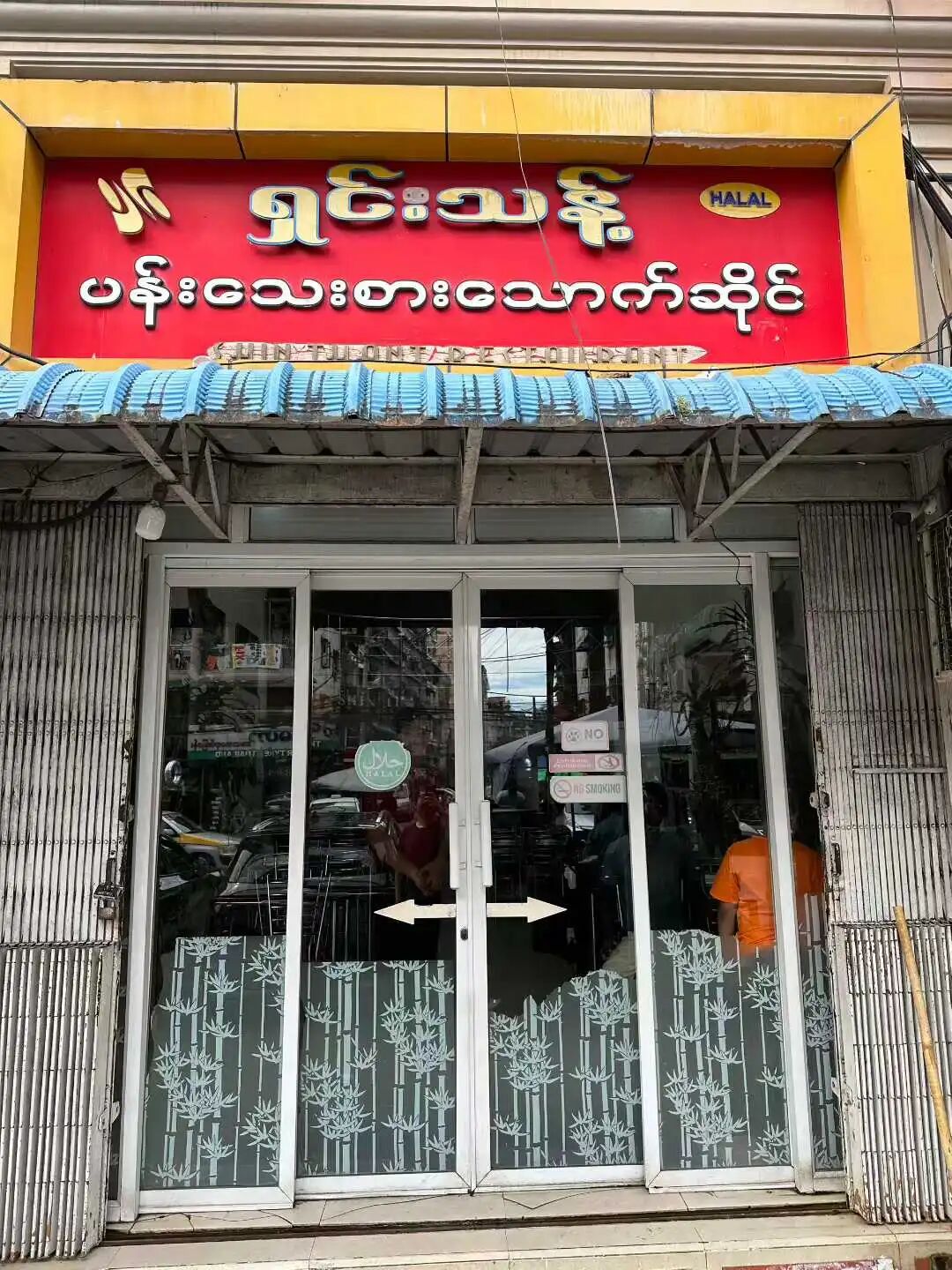
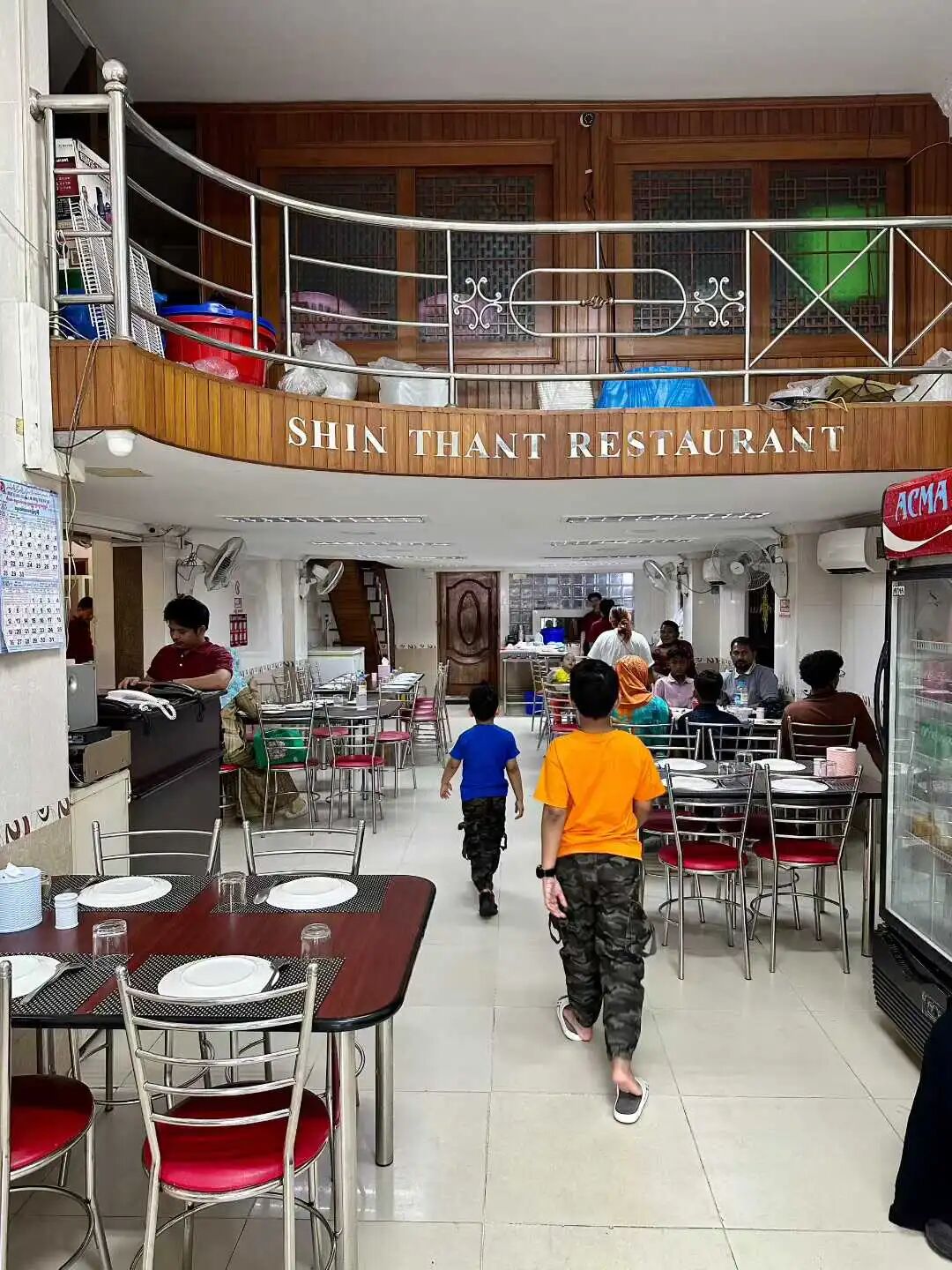
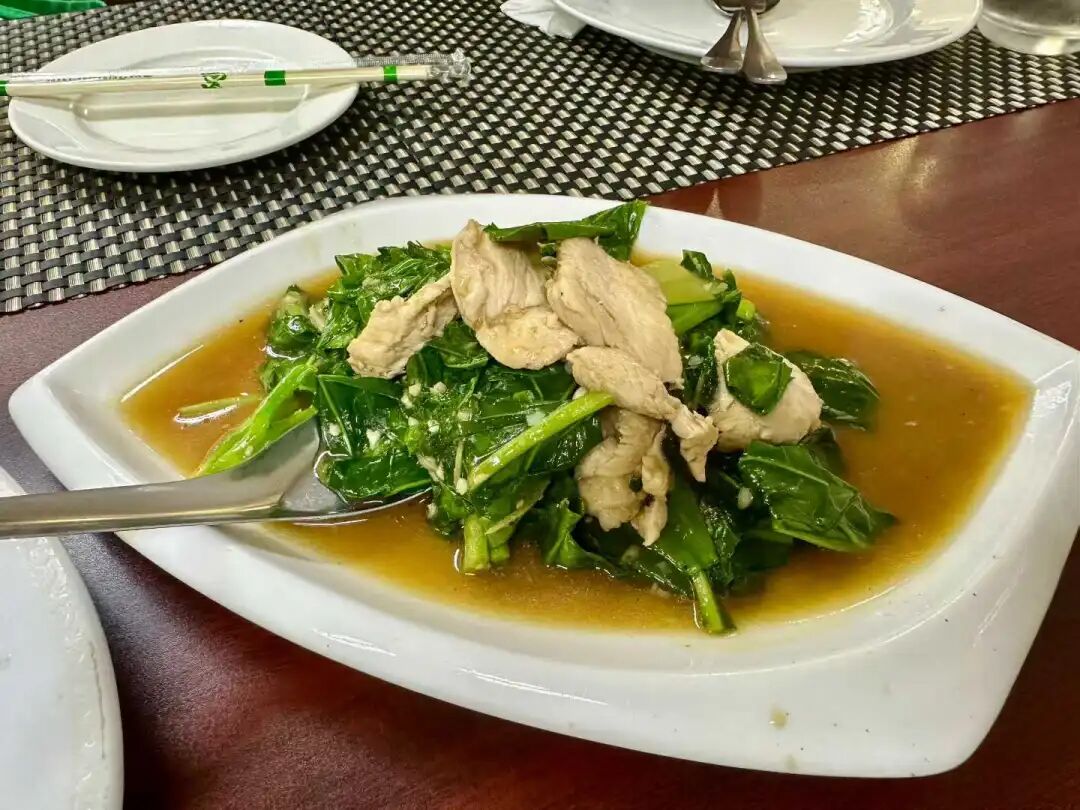
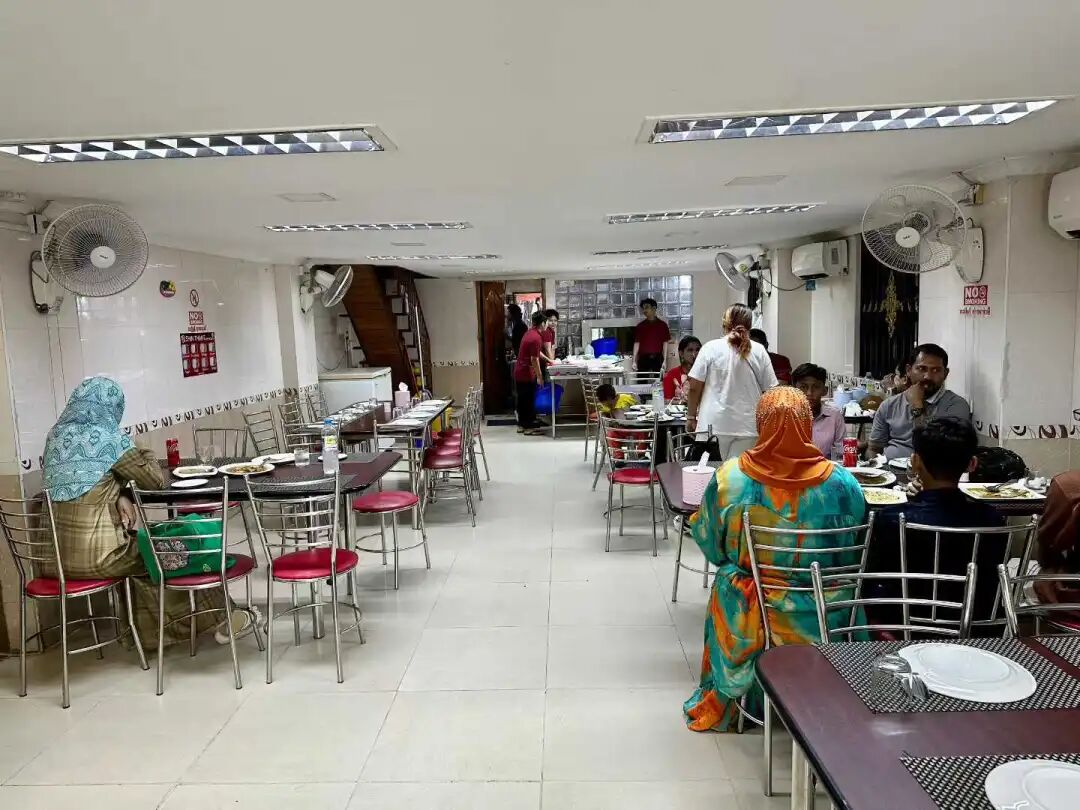
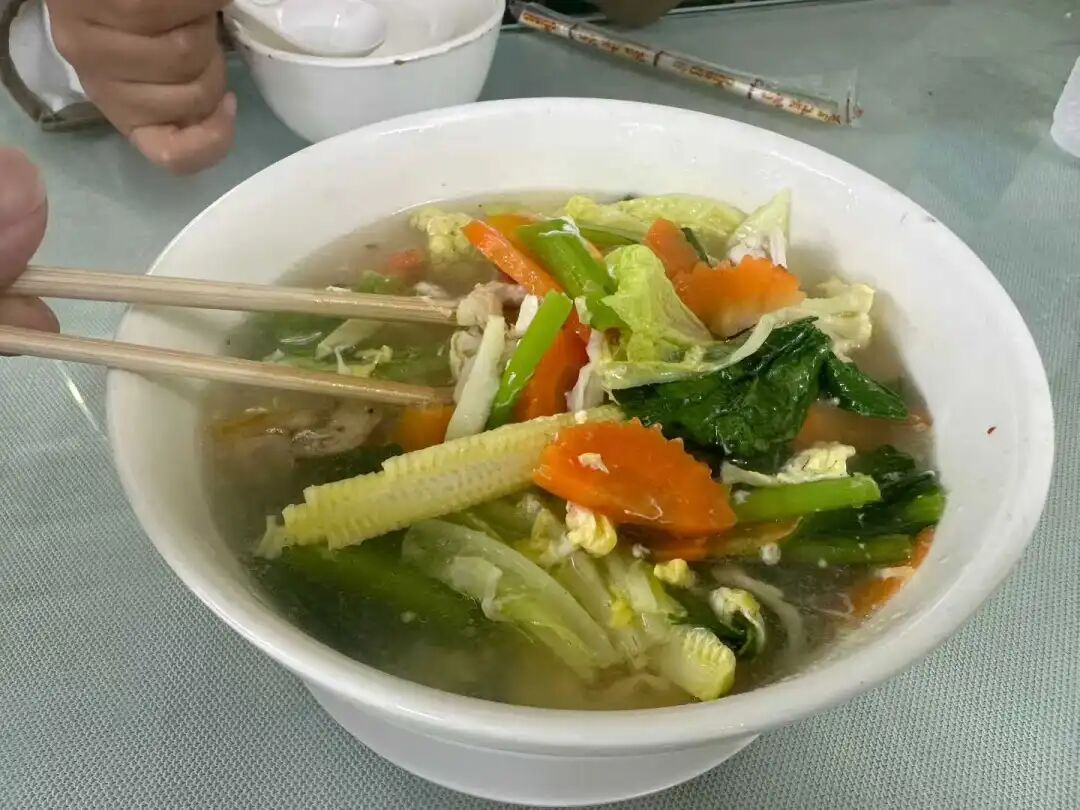
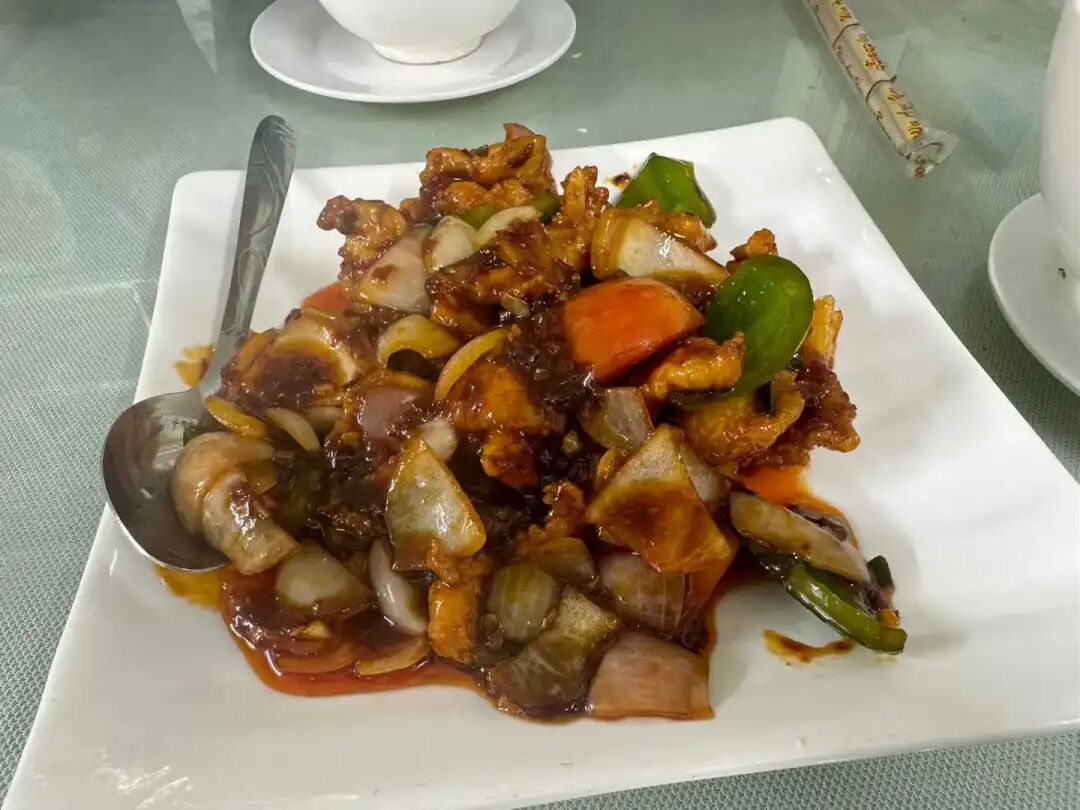
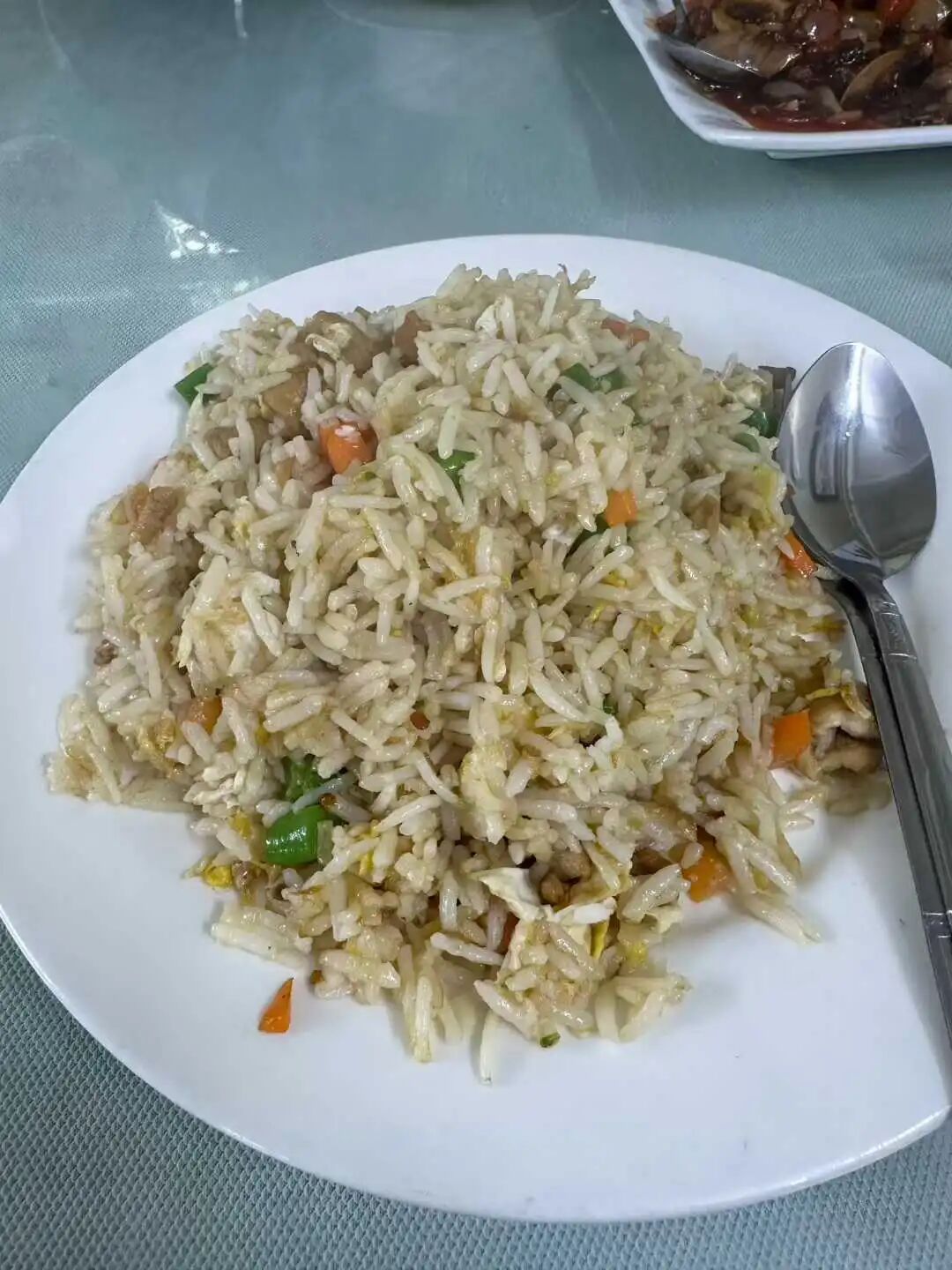
Another Burmese Muslim restaurant on Yangon's Muslim Street serves mixed vegetable soup, spicy diced chicken, and fried rice, with flavors that suit Chinese tastes very well.
Besides coastal merchants, many Burmese Muslims served as mercenaries for the Kingdom of Myanmar. They were recorded many times in documents from the 11th to 19th centuries, including officers, sailors, riflemen, and artillerymen, with many even serving in the royal guard. some Burmese Muslims served as messengers in the Burmese royal court. The King of Myanmar used Persian for foreign relations. Even during the First Anglo-Burmese War in 1824, communication between the British and the Burmese was still conducted in Persian. After the 16th century, Muslim soldiers captured in various wars were settled by the Kingdom of Myanmar in villages across Upper Myanmar. They quickly integrated into the Burmese environment, giving up their own languages, customs, and clothing, but they remained firm in their Islamic faith.
In 1855, Henry Yule came to the Konbaung Dynasty in Upper Myanmar as the secretary of the British mission sent by the Governor-General of India. He described that 8,000 to 9,000 Burmese Muslims, known as "Pathi," lived in the capital at that time, and some claimed to have been settled there for five or six hundred years. According to his description, they were indistinguishable from the Burmese in appearance, wore Burmese clothing, spoke Burmese, and had the same living habits as the Burmese. Although their marriages involved a "Nikah" (Islamic marriage contract) as required by their faith, there were no arranged marriages. Relationships could be established before getting parental consent, which surprised the Indian Muslims in the mission. They could recite scriptures, but most did not understand the meaning. Most people insisted on attending Jumu'ah (Friday prayer) every week, but few performed the five daily prayers. Some imams in the city would give sermons (wa'z) and teach scriptures in Burmese. What the Indian Muslims in the mission found most unacceptable was the open dress and lifestyle of Burmese Muslim women, who would worship in the same hall as men, which was not the case in India.
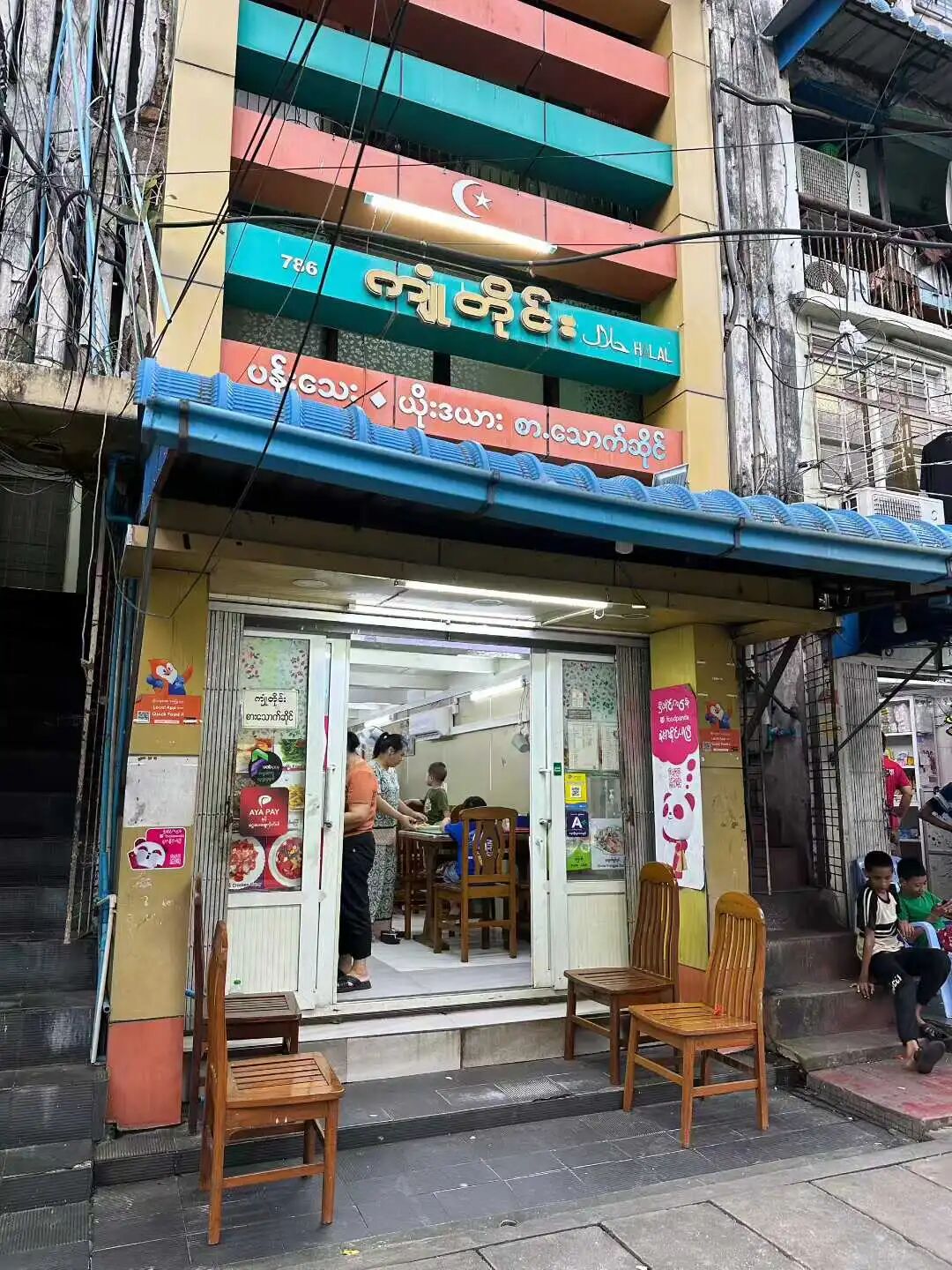
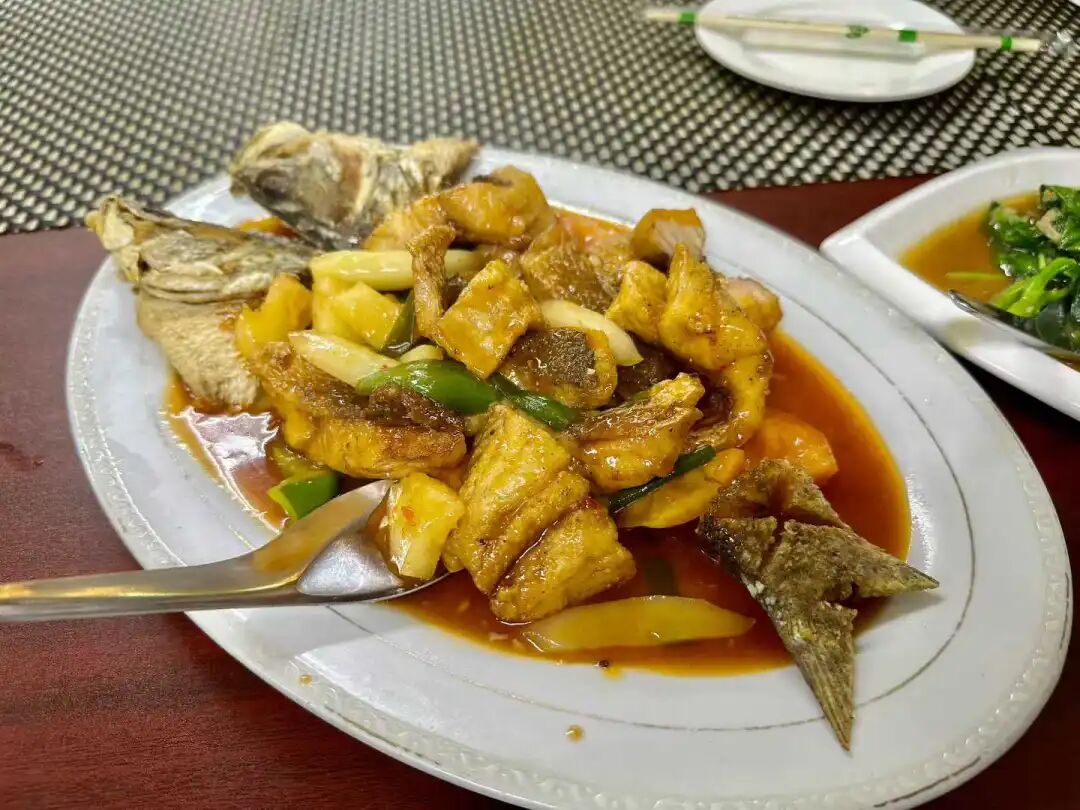
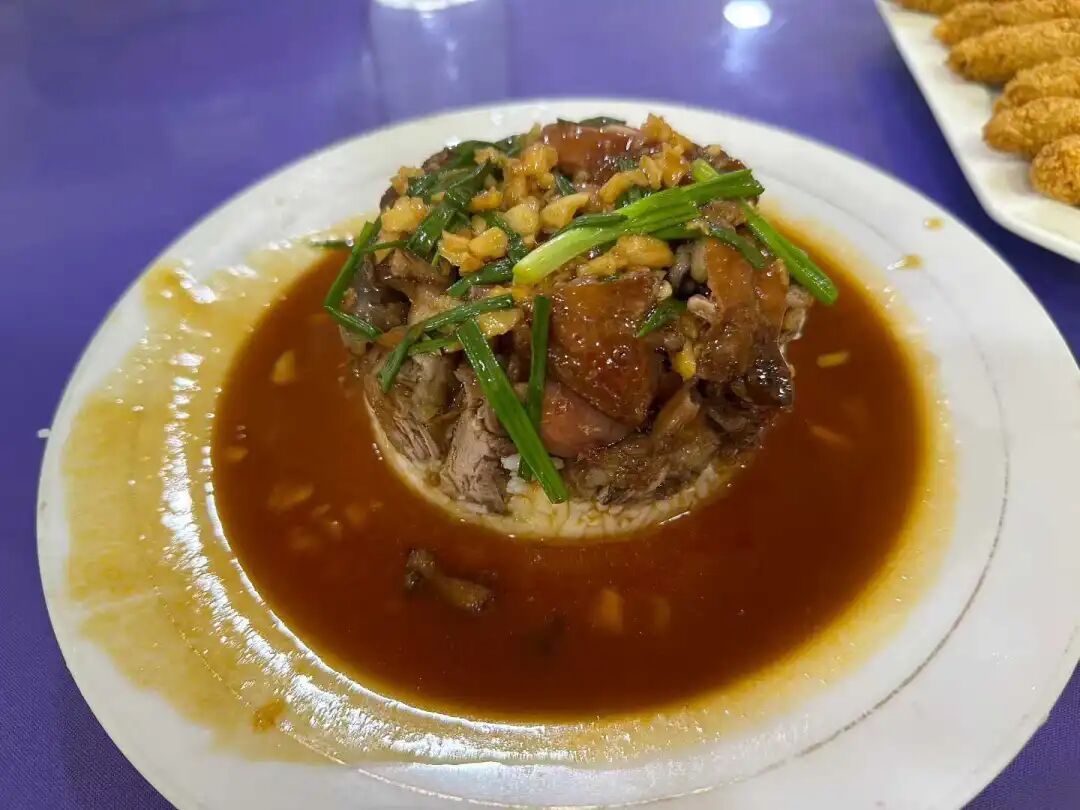
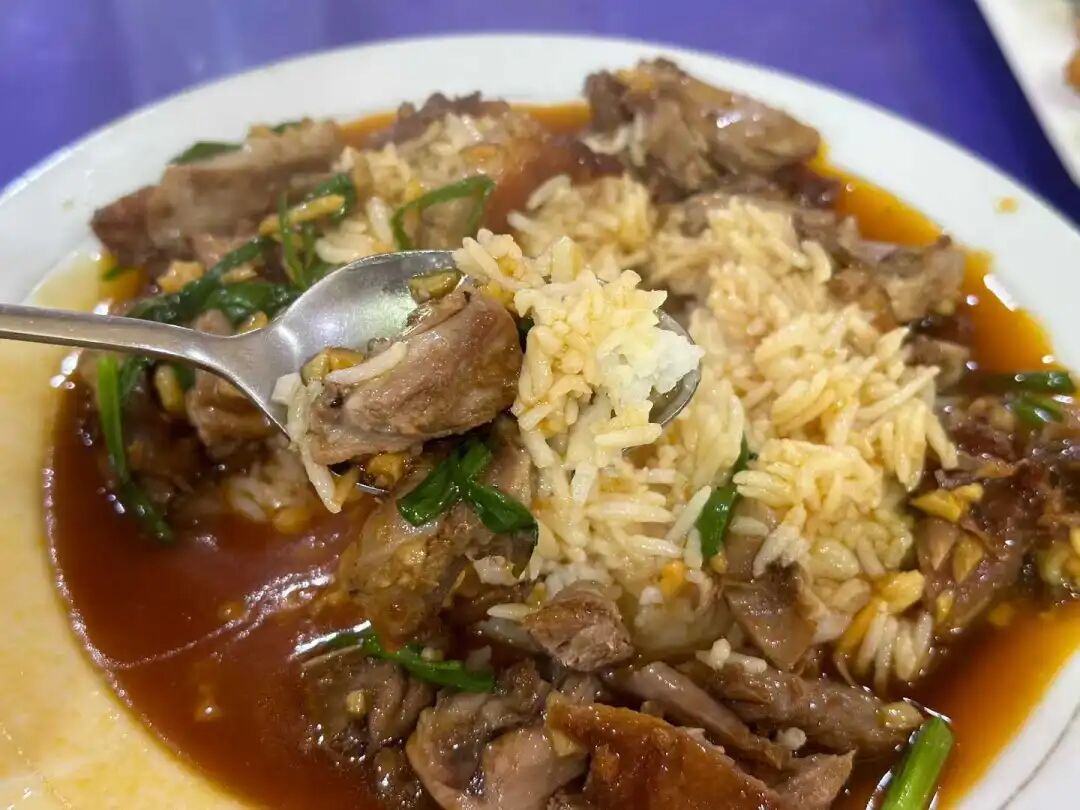
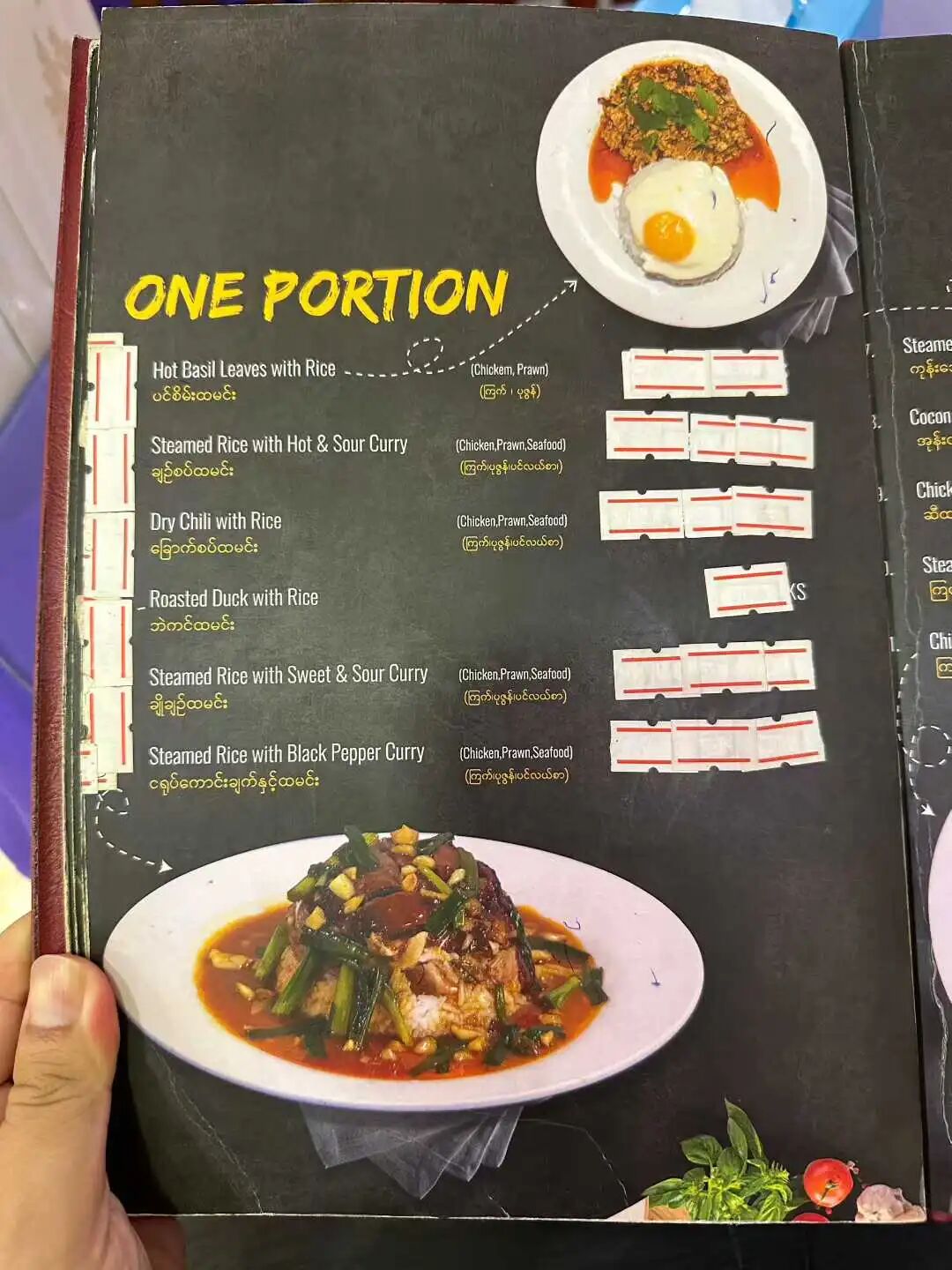
This Burmese Muslim restaurant on Yangon's Muslim Street specializes in roast duck. I ordered a plate of roast duck rice, which was quite delicious, especially the sauce, which went perfectly with the rice. The owner of the shop is a man with tattoos. Burmese Muslims (dosti) have had a tradition of tattooing for hundreds of years, just like Burmese Buddhists. This is something Indian Muslims (dosti) find hard to believe.
After the British fully occupied Burma in 1885, more Indian Muslims moved to major Burmese cities. At that time, both they and Burmese Muslims were called mixed-race people (Kalar or Zerbadi). However, Burmese Muslims strongly rejected this label and tried to distinguish themselves from Indian Muslims. In 1915, Indian Muslims formed an education association and required that Islamic schools must teach Urdu. Burmese Muslims opposed this. In 1927, they established the All-Burma Burmese Muslim Education Organization, which advocated for teaching Islamic studies in the Burmese language.
Burmese Muslims began searching for their own identity in the 1930s. This started because the Indian population in Yangon surged. In 1930, a conflict between Indian and Burmese dockworkers over loading jobs triggered anti-Indian riots throughout Yangon. In the 1930s, Burmese Muslims published two important books: "Old Traditions of Burmese Muslims" by Hbo Chey and "A Brief History of Burmese Muslims" by Mya. The books mention that Burmese Muslims have lived in peace with Burmese Buddhists for a long time, and that past Burmese kings gave them the same rights as Buddhists.
In 1938, Burmese Muslims formed the Muslim Awakening Organization to push for social recognition of the Burmese Muslim identity. The most prominent representative of Burmese Muslims at the time was U Razak. He was the Minister of Education and National Planning in Aung San's cabinet and the chairman of the Burmese Muslim Congress. He worked hard to call for unity between Burmese Muslims and Buddhists, but he was assassinated alongside Aung San in 1947. Pe Khin served as the Burmese ambassador to Pakistan, Thailand, the United Nations, Egypt, Russia, and Singapore between 1947 and 1972. After 1945, he was actively involved in the Burmese Muslim Congress and was a patron of the Burmese Islamic Council and Muslim organizations.
After U Razak was assassinated, no new representative leader emerged for the Burmese Muslims. After Ne Win took power in 1962, all Burmese Muslims were dismissed from the military. In 1963, the Hajj pilgrimage was banned, and Burmese Muslims were quickly marginalized. Since then, Burmese Muslims have gradually downplayed their identity. They appear no different from other Burmese people in public, but they continue their religious practices at home.
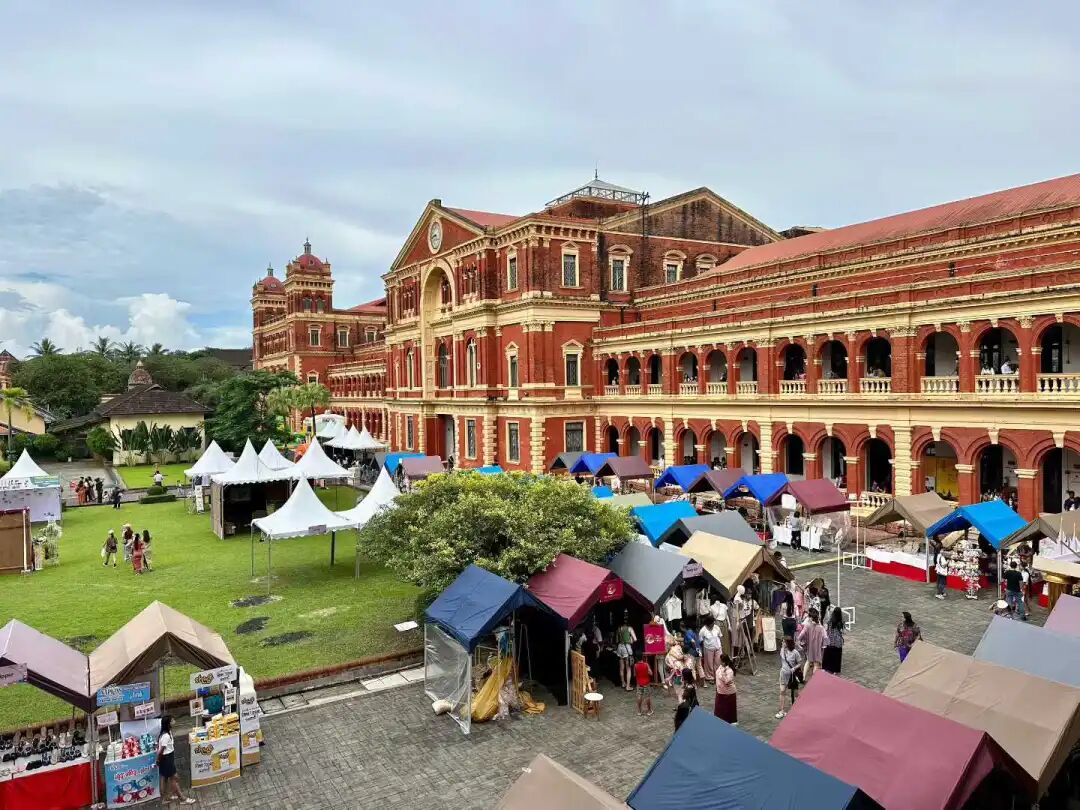
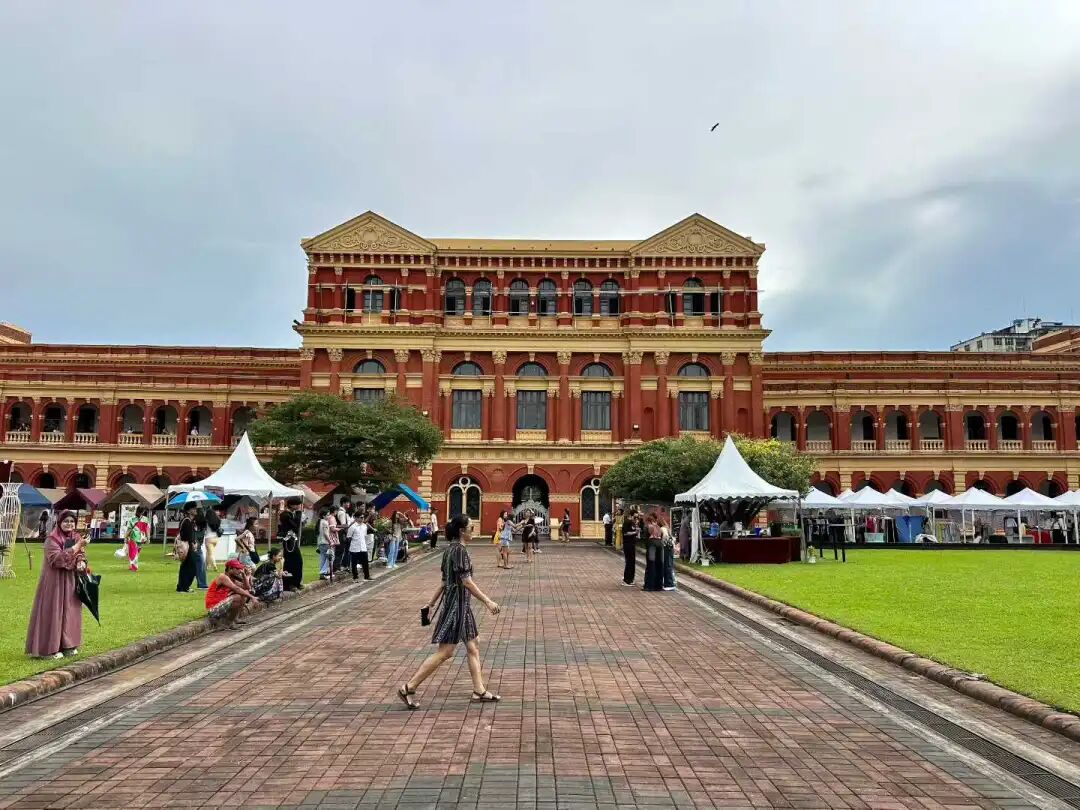
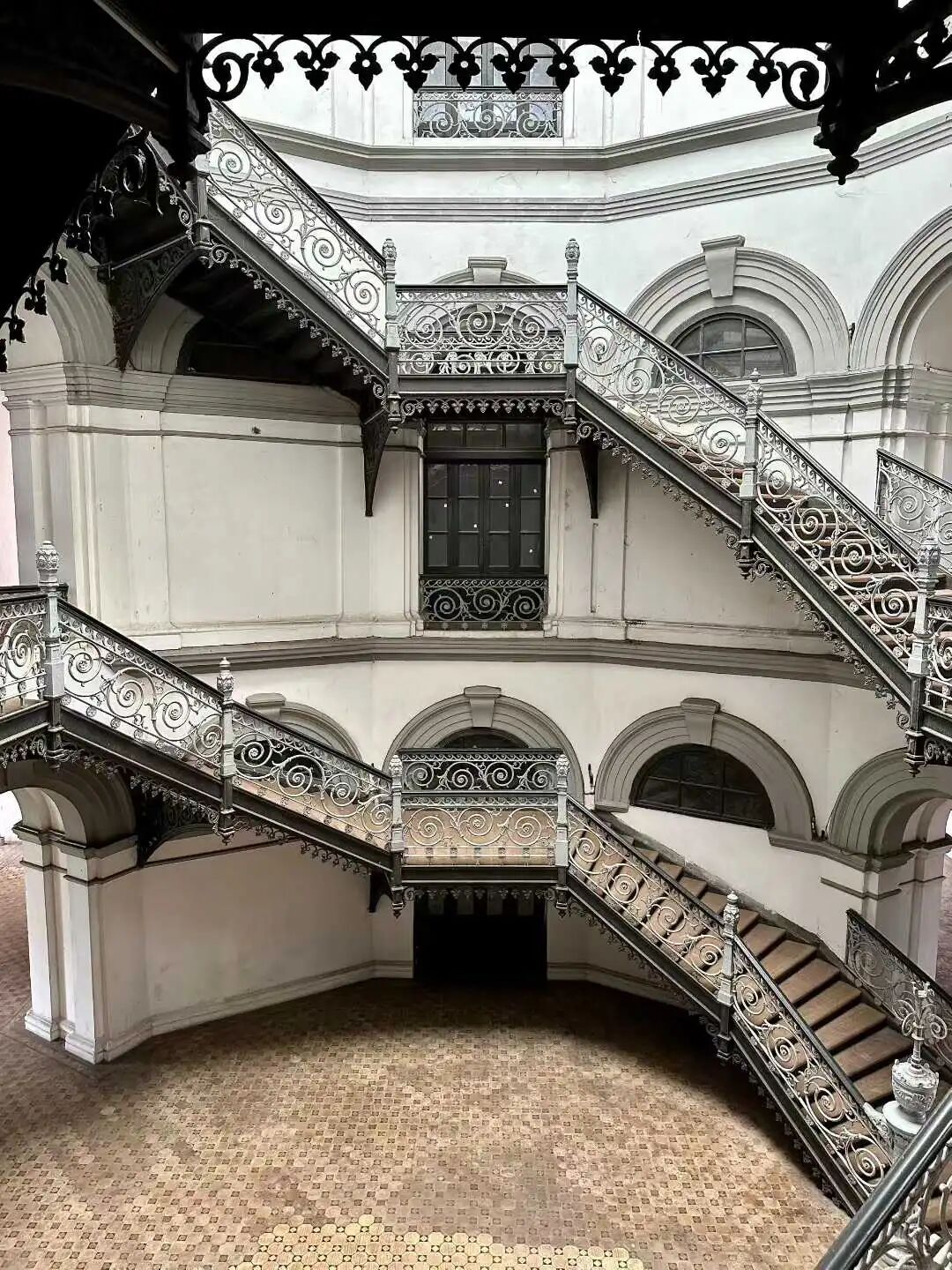
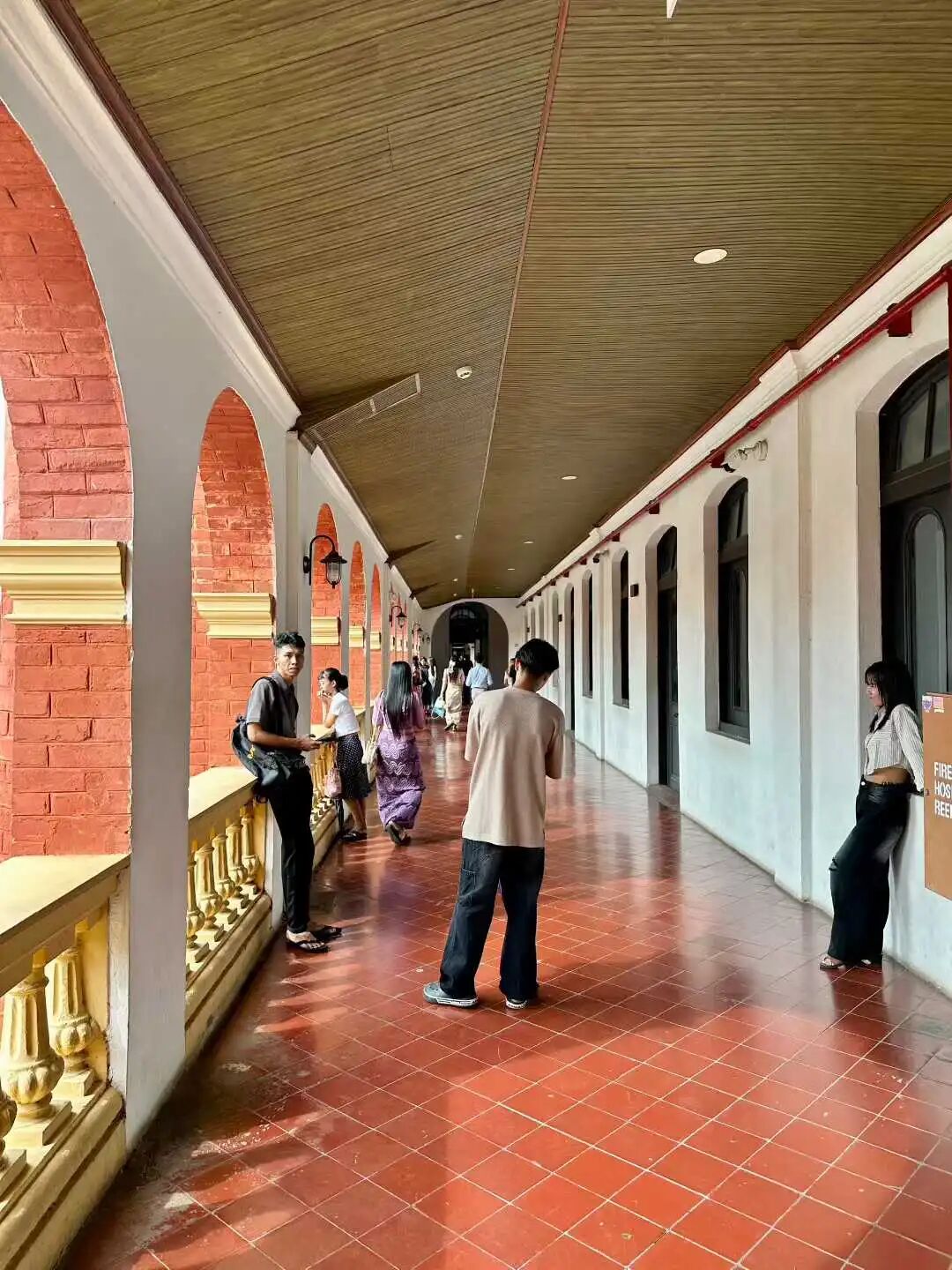
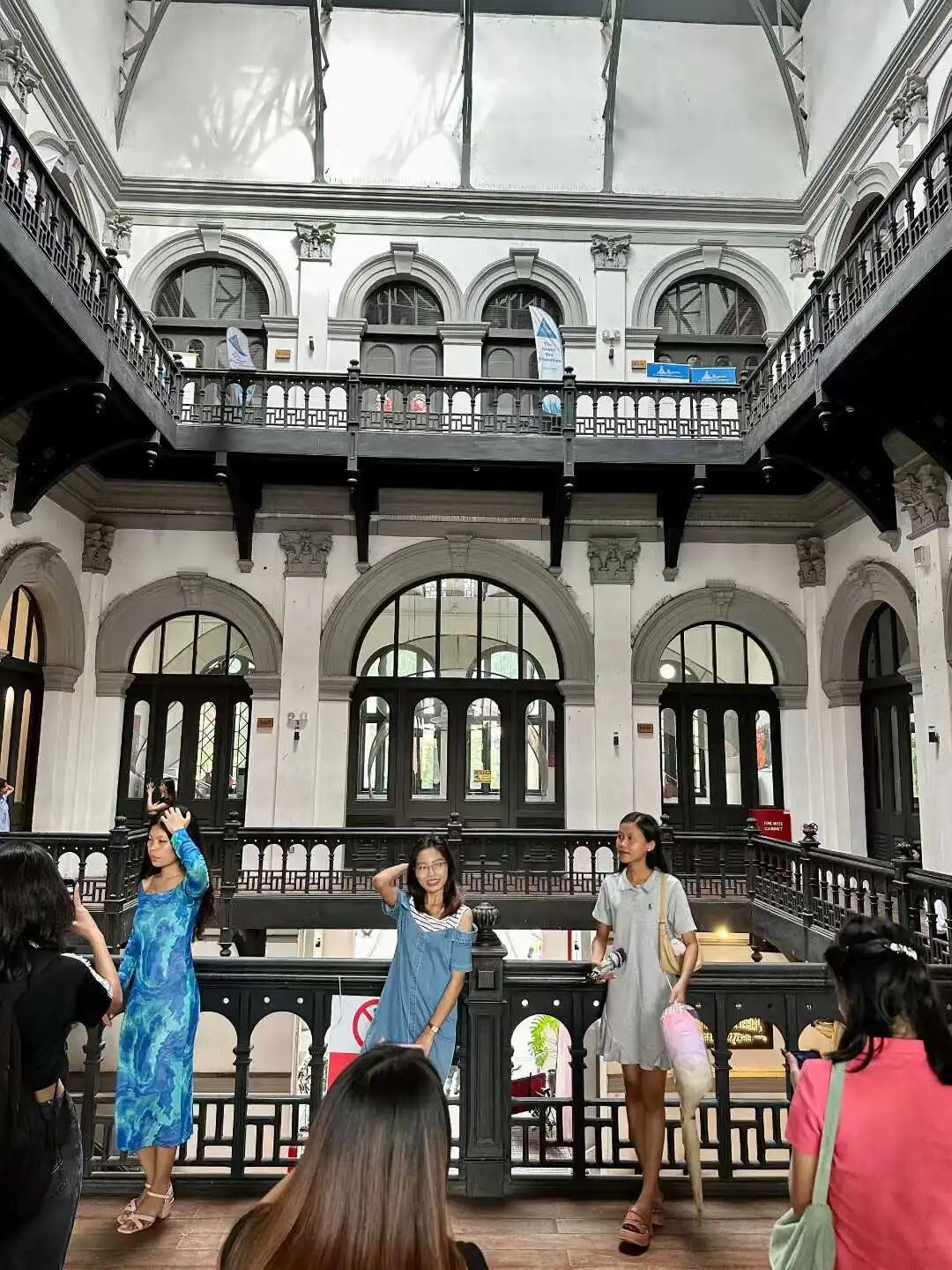
The Secretariat Building is located in the center of old Yangon and was the administrative hub during the British colonial period. Built between 1889 and 1905, the building is a grand Victorian-style complex. On July 19, 1947, Aung San, the "Father of Modern Burma," and six cabinet members were killed here. This group included U Razak, the most important modern leader of the Burmese Muslims. After that, the attempt by Burmese Muslims to distinguish themselves from Indian Muslims and gain equal status with Burmese Buddhists gradually failed, eventually leading to their marginalization after 1962.
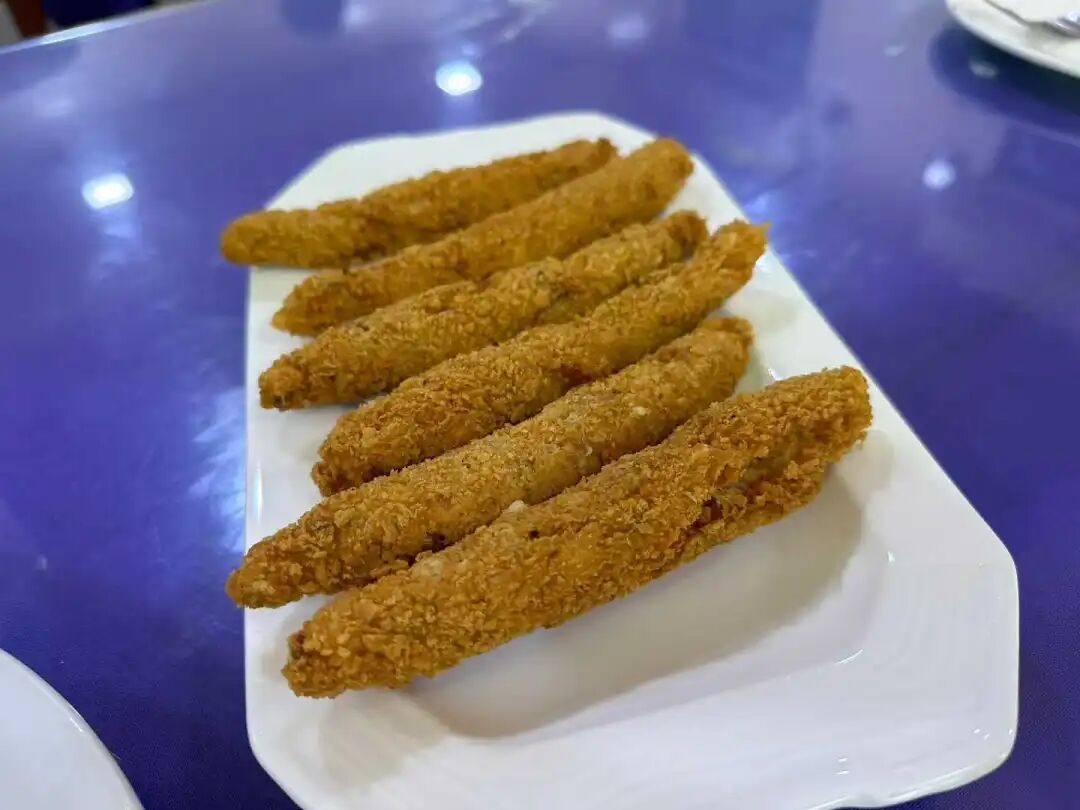
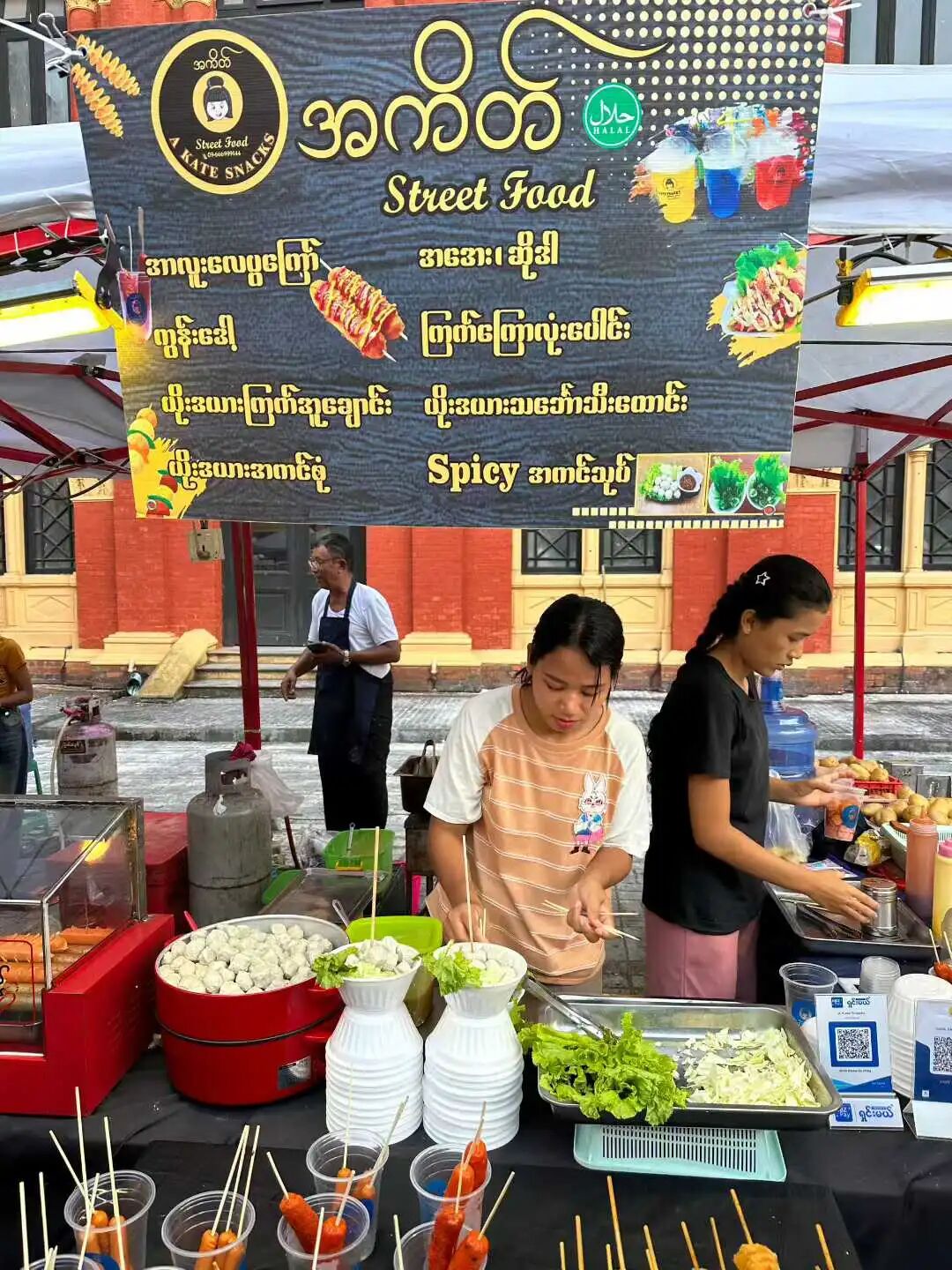
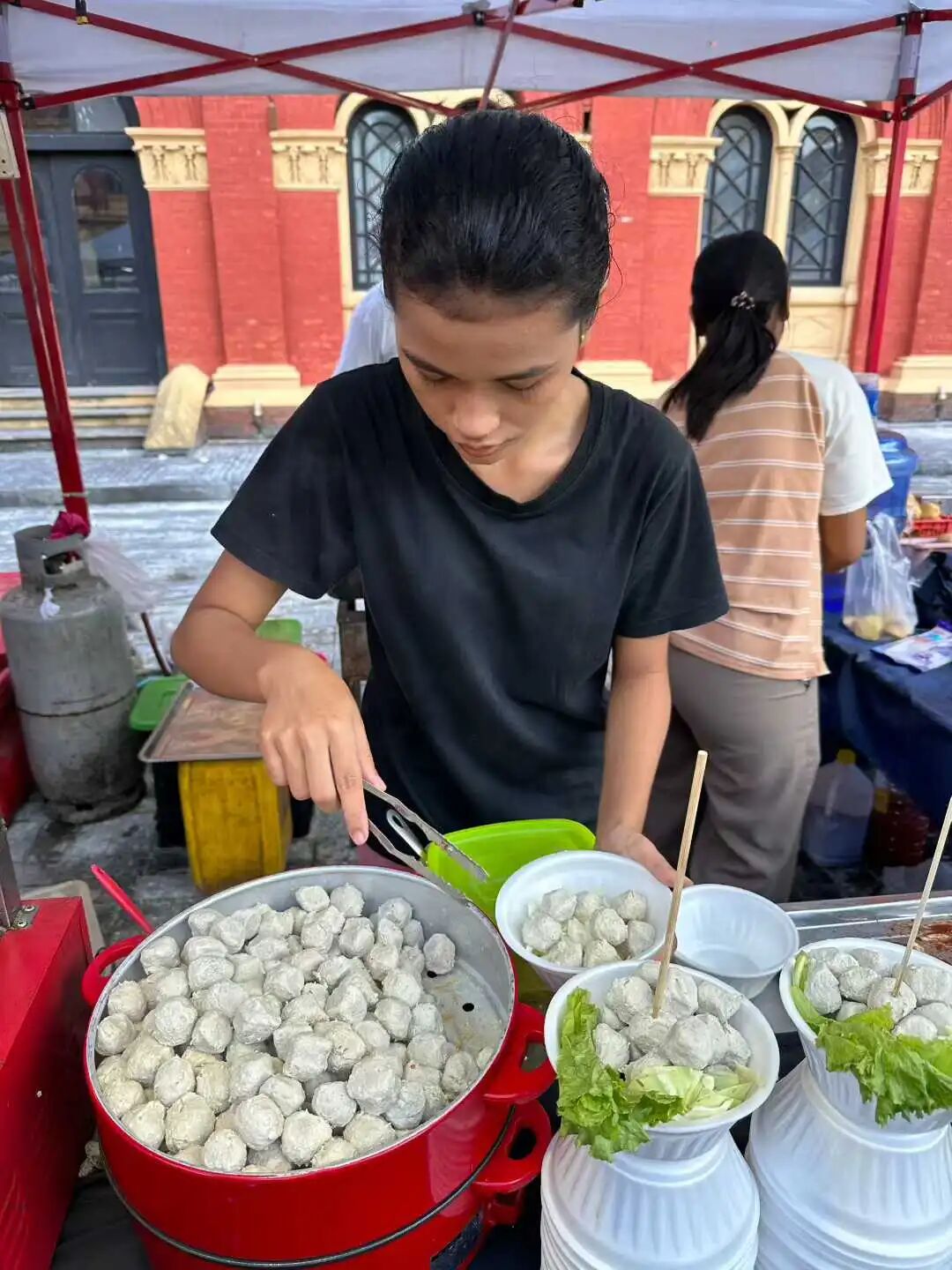
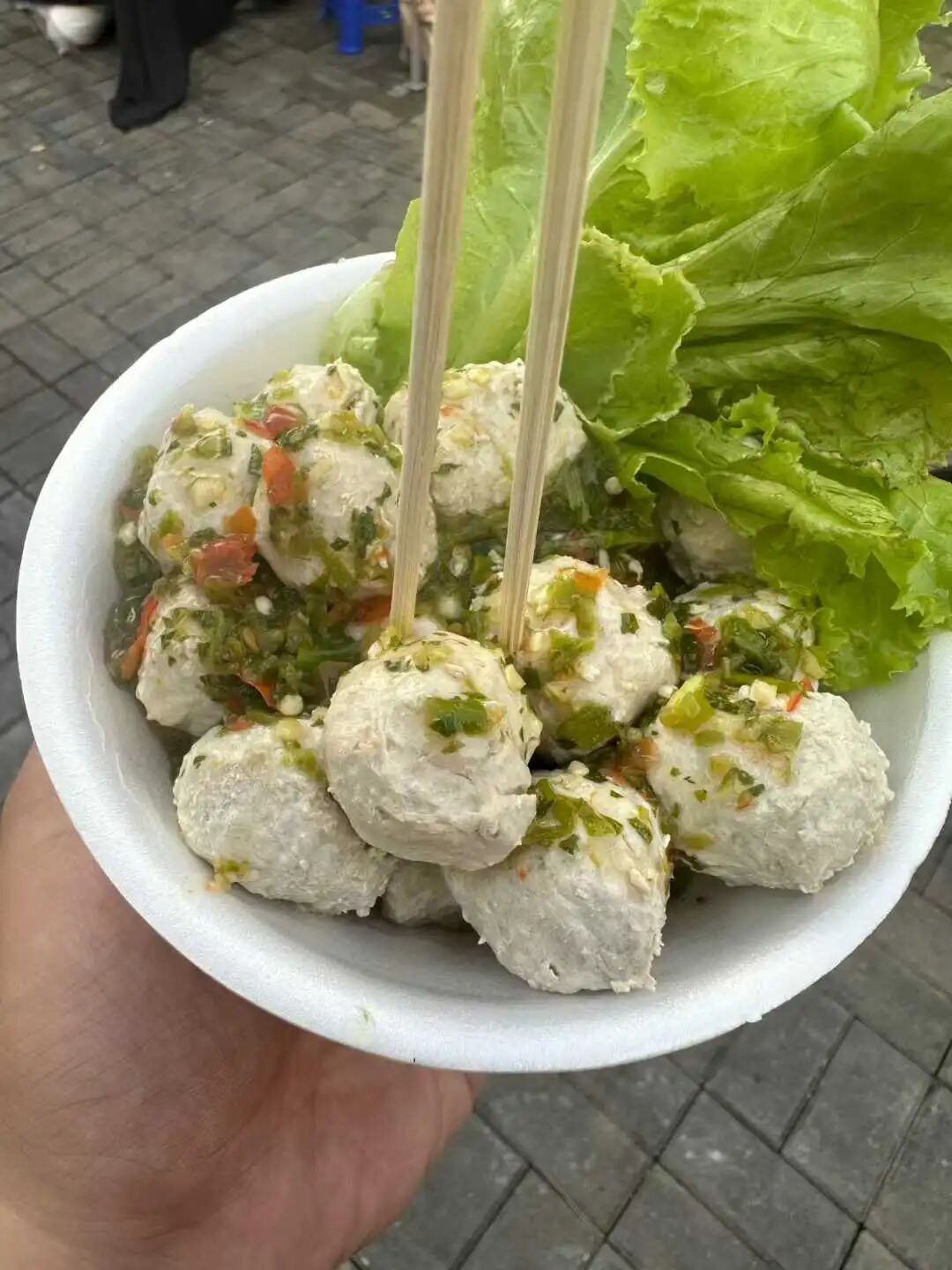
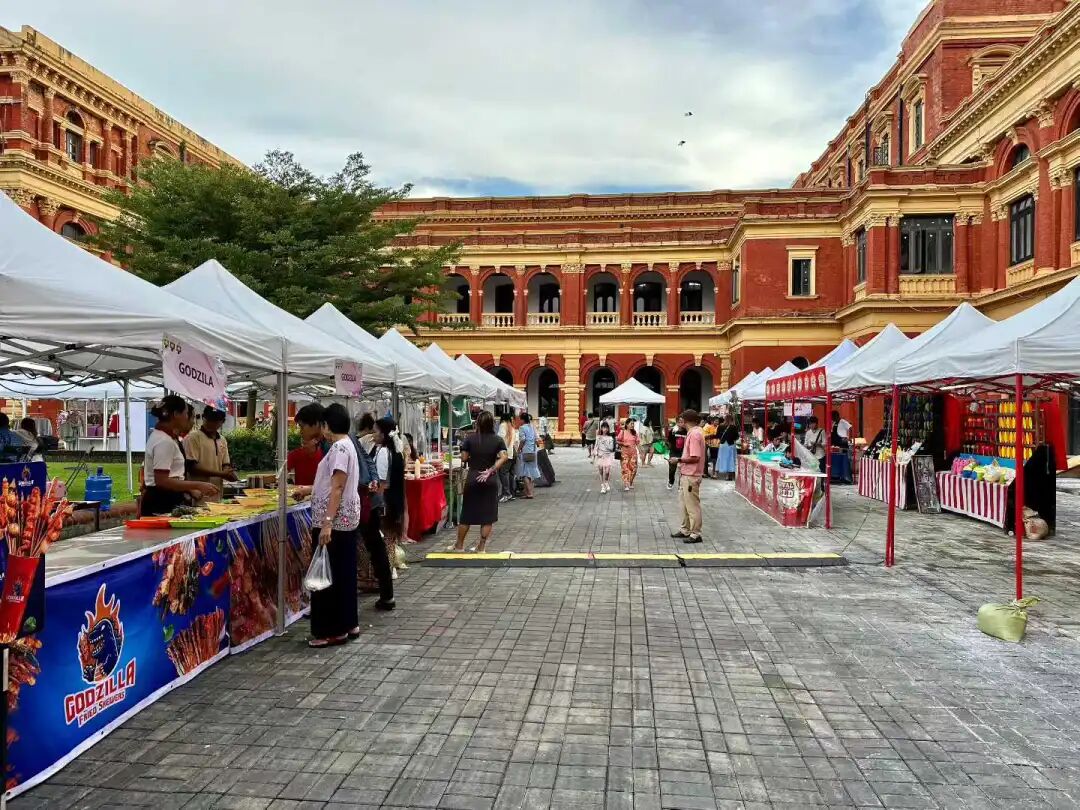
When we visited the Secretariat Building, there happened to be a market inside. We also ate a local Burmese Muslim snack, super spicy chicken meatballs, which made us cry from the heat.
Summary: This Yangon food account introduces Burmese Muslim cuisine through local Muslim friends, or dost, and records dishes shaped by Burmese, South Asian, and Muslim community life. It keeps the source's restaurant names, food descriptions, community terms, and personal route details.
Today, six Muslim groups live in Myanmar. Five of these are the Yunnan Hui Muslims (Panthay) in northern and eastern Myanmar, the Malays (Pathu) in the far south, the Kaman people who are descendants of the Rakhine royal archers, the Rohingya in Rakhine State, and the Indian-descended people who settled in large cities like Yangon during the British colonial period. The sixth group is the Burmese Muslims (Zerbadi), who were the first to settle in Myanmar, speak Burmese, and identify as Burmese.
Although Yangon does not have a mosque specifically for the Burmese Muslims, there are several restaurants run by them on Daw Thein Tin Street, known as the "Muslim Street," where you can taste their cuisine.
Compared to Indian restaurants, Burmese Muslim restaurants offer a wider variety of dishes, including various stir-fries, braised dishes, and soups. The food is relatively light, and they provide chopsticks, making the experience feel more like the Yunnan Hui Muslim restaurants in Myanmar.
The young Burmese man at the shop is very enthusiastic. Rice is unlimited, and he walks around with a rice pot, proactively adding more to your bowl when he sees you are running low.
As an important hub on the Maritime Silk Road connecting the Persian Gulf, the Malay Archipelago, and China, Arab and Persian merchants were trading in Myanmar's coastal ports as early as the 9th century. The first Arab trading post appeared in Bago at that time, and many Arab merchant ships docked there.
For the next few hundred years, Bago was the center of Islam in Myanmar. Many British and Portuguese travelers in the 16th century recorded the development of Islam in Bago during this period. The Burmese Muslims in Bago exported sugar, lacquerware, and rubies, and imported cotton and silk. After the 15th century, Tanintharyi grew into an important trading port in Myanmar. Many European sailors described it as a Muslim city that traded with Malacca, Bengal, and Mecca. Because the Indian Ocean monsoon made it impossible to sail between mid-May and mid-November each year, some Arab, Persian, and Indian merchants married local Burmese women while stranded in Myanmar. Their descendants became the main source of the Burmese Muslims. They were called "Pathi," which means "Persian."
Another Burmese Muslim restaurant on Yangon's Muslim Street serves mixed vegetable soup, spicy diced chicken, and fried rice, with flavors that suit Chinese tastes very well.
Besides coastal merchants, many Burmese Muslims served as mercenaries for the Kingdom of Myanmar. They were recorded many times in documents from the 11th to 19th centuries, including officers, sailors, riflemen, and artillerymen, with many even serving in the royal guard. some Burmese Muslims served as messengers in the Burmese royal court. The King of Myanmar used Persian for foreign relations. Even during the First Anglo-Burmese War in 1824, communication between the British and the Burmese was still conducted in Persian. After the 16th century, Muslim soldiers captured in various wars were settled by the Kingdom of Myanmar in villages across Upper Myanmar. They quickly integrated into the Burmese environment, giving up their own languages, customs, and clothing, but they remained firm in their Islamic faith.
In 1855, Henry Yule came to the Konbaung Dynasty in Upper Myanmar as the secretary of the British mission sent by the Governor-General of India. He described that 8,000 to 9,000 Burmese Muslims, known as "Pathi," lived in the capital at that time, and some claimed to have been settled there for five or six hundred years. According to his description, they were indistinguishable from the Burmese in appearance, wore Burmese clothing, spoke Burmese, and had the same living habits as the Burmese. Although their marriages involved a "Nikah" (Islamic marriage contract) as required by their faith, there were no arranged marriages. Relationships could be established before getting parental consent, which surprised the Indian Muslims in the mission. They could recite scriptures, but most did not understand the meaning. Most people insisted on attending Jumu'ah (Friday prayer) every week, but few performed the five daily prayers. Some imams in the city would give sermons (wa'z) and teach scriptures in Burmese. What the Indian Muslims in the mission found most unacceptable was the open dress and lifestyle of Burmese Muslim women, who would worship in the same hall as men, which was not the case in India.
This Burmese Muslim restaurant on Yangon's Muslim Street specializes in roast duck. I ordered a plate of roast duck rice, which was quite delicious, especially the sauce, which went perfectly with the rice. The owner of the shop is a man with tattoos. Burmese Muslims (dosti) have had a tradition of tattooing for hundreds of years, just like Burmese Buddhists. This is something Indian Muslims (dosti) find hard to believe.
After the British fully occupied Burma in 1885, more Indian Muslims moved to major Burmese cities. At that time, both they and Burmese Muslims were called mixed-race people (Kalar or Zerbadi). However, Burmese Muslims strongly rejected this label and tried to distinguish themselves from Indian Muslims. In 1915, Indian Muslims formed an education association and required that Islamic schools must teach Urdu. Burmese Muslims opposed this. In 1927, they established the All-Burma Burmese Muslim Education Organization, which advocated for teaching Islamic studies in the Burmese language.
Burmese Muslims began searching for their own identity in the 1930s. This started because the Indian population in Yangon surged. In 1930, a conflict between Indian and Burmese dockworkers over loading jobs triggered anti-Indian riots throughout Yangon. In the 1930s, Burmese Muslims published two important books: "Old Traditions of Burmese Muslims" by Hbo Chey and "A Brief History of Burmese Muslims" by Mya. The books mention that Burmese Muslims have lived in peace with Burmese Buddhists for a long time, and that past Burmese kings gave them the same rights as Buddhists.
In 1938, Burmese Muslims formed the Muslim Awakening Organization to push for social recognition of the Burmese Muslim identity. The most prominent representative of Burmese Muslims at the time was U Razak. He was the Minister of Education and National Planning in Aung San's cabinet and the chairman of the Burmese Muslim Congress. He worked hard to call for unity between Burmese Muslims and Buddhists, but he was assassinated alongside Aung San in 1947. Pe Khin served as the Burmese ambassador to Pakistan, Thailand, the United Nations, Egypt, Russia, and Singapore between 1947 and 1972. After 1945, he was actively involved in the Burmese Muslim Congress and was a patron of the Burmese Islamic Council and Muslim organizations.
After U Razak was assassinated, no new representative leader emerged for the Burmese Muslims. After Ne Win took power in 1962, all Burmese Muslims were dismissed from the military. In 1963, the Hajj pilgrimage was banned, and Burmese Muslims were quickly marginalized. Since then, Burmese Muslims have gradually downplayed their identity. They appear no different from other Burmese people in public, but they continue their religious practices at home.
The Secretariat Building is located in the center of old Yangon and was the administrative hub during the British colonial period. Built between 1889 and 1905, the building is a grand Victorian-style complex. On July 19, 1947, Aung San, the "Father of Modern Burma," and six cabinet members were killed here. This group included U Razak, the most important modern leader of the Burmese Muslims. After that, the attempt by Burmese Muslims to distinguish themselves from Indian Muslims and gain equal status with Burmese Buddhists gradually failed, eventually leading to their marginalization after 1962.
When we visited the Secretariat Building, there happened to be a market inside. We also ate a local Burmese Muslim snack, super spicy chicken meatballs, which made us cry from the heat.
