
Hidden Islamic Art in Damascus: Umayyad Mosque Mosaics and the Barada Panel
Reposted from the web
Summary: The Great Mosque of Damascus is famous for Umayyad-era mosaics, including the Barada Panel restored by the Mamluk Sultan Baibars in 1270. This account keeps the source's art history, chemical study notes, scholarly interpretations, mosaic locations, and photographs.
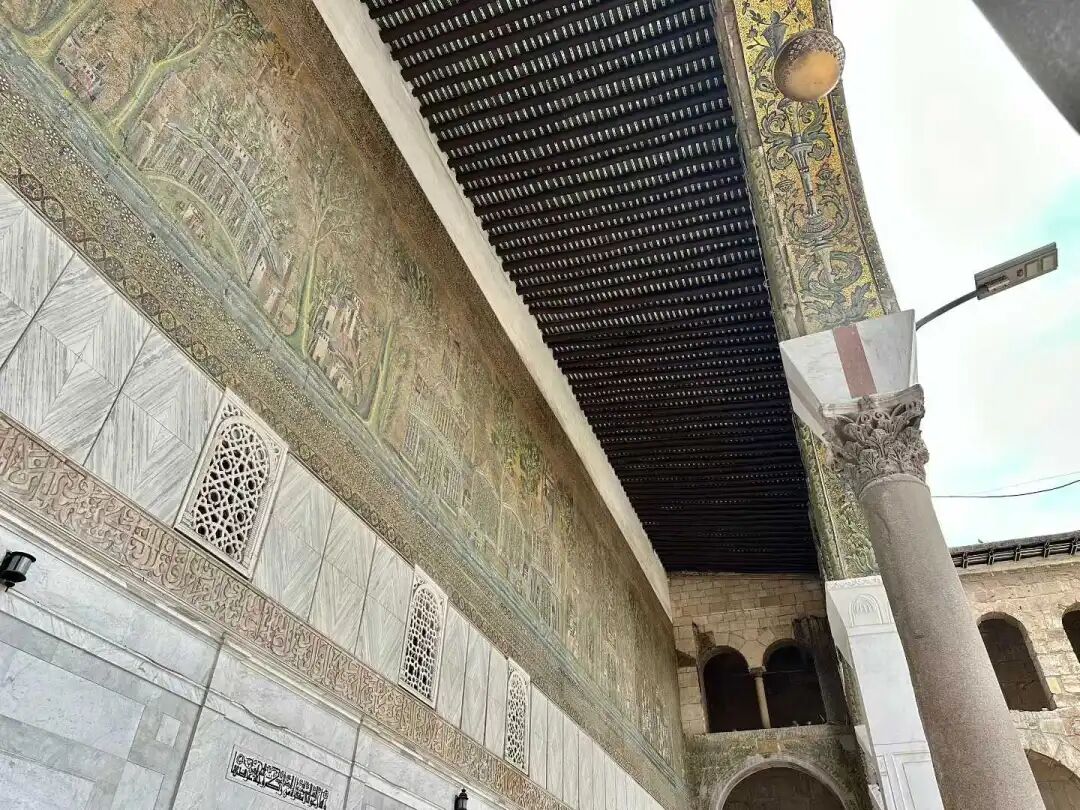
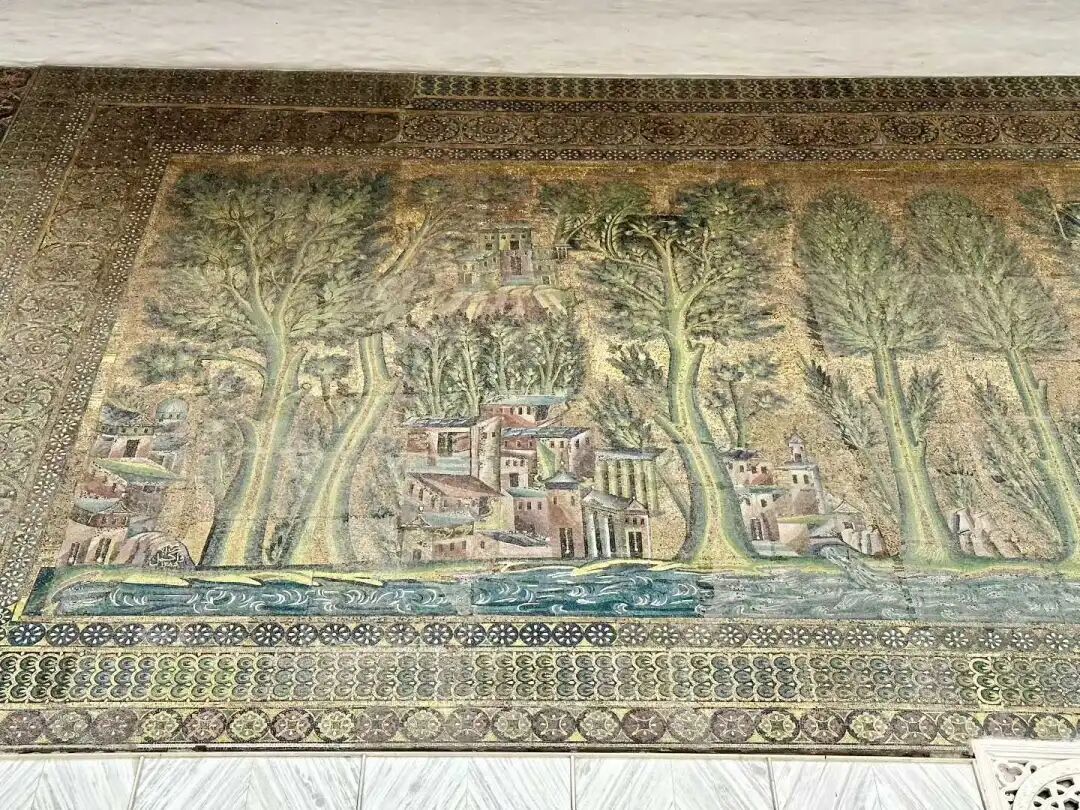
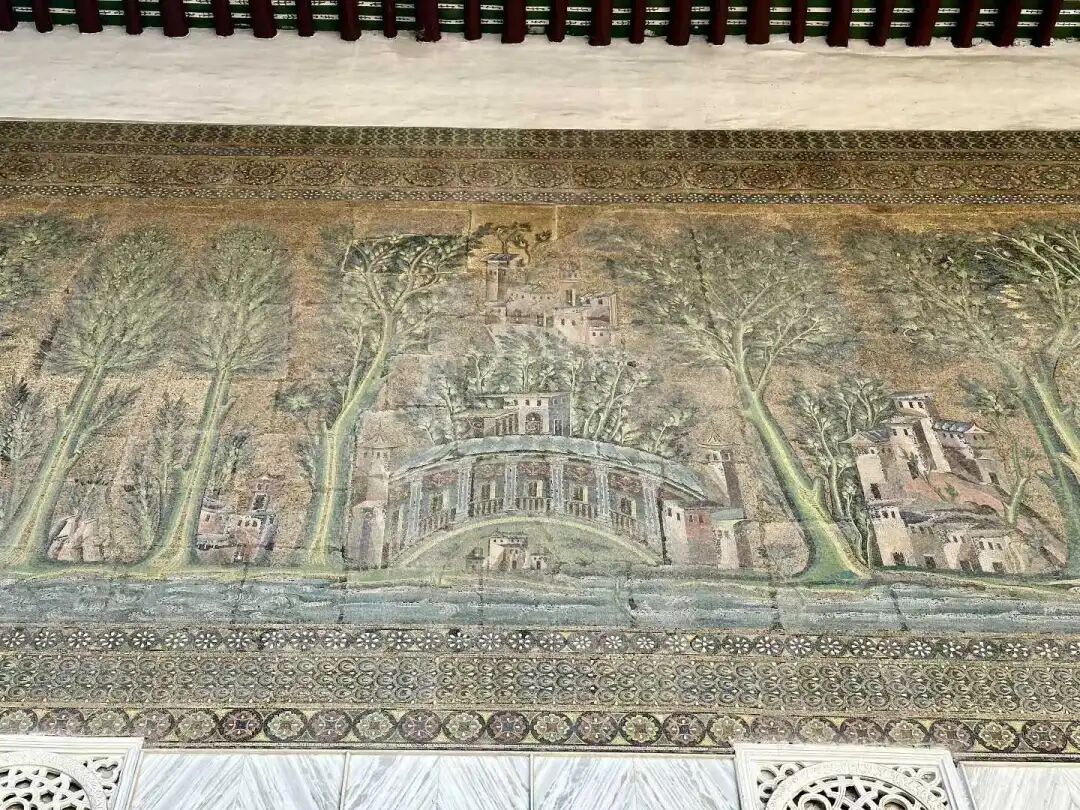
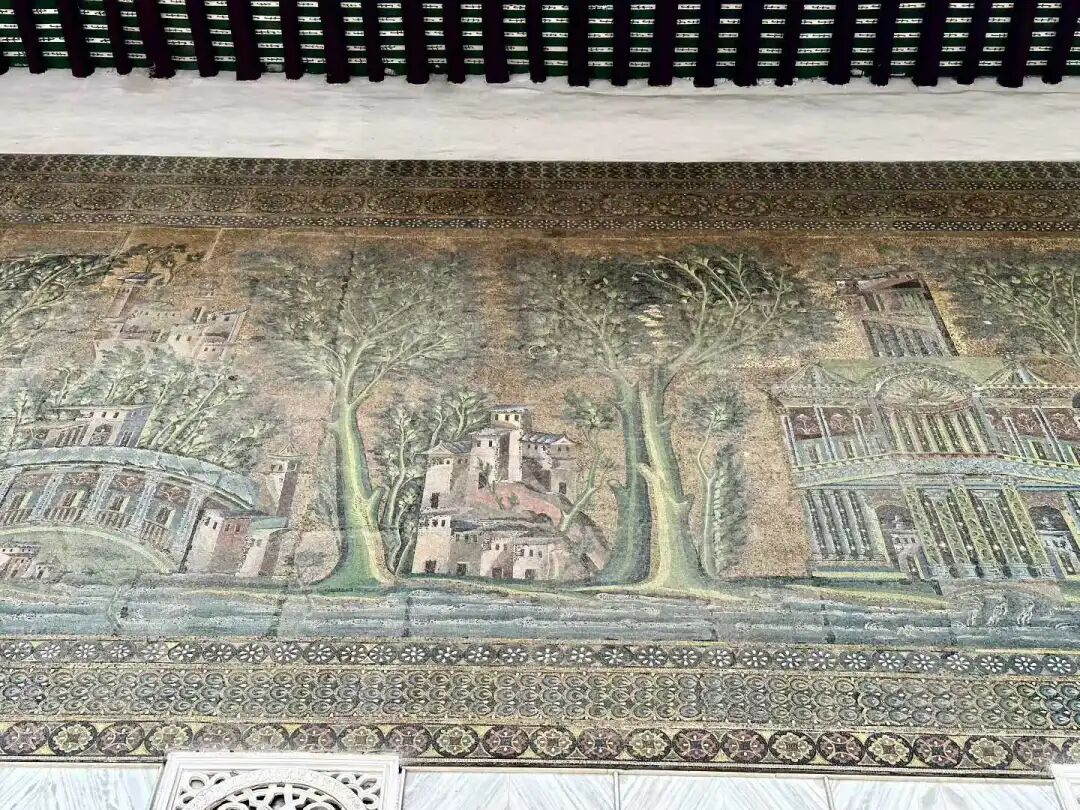
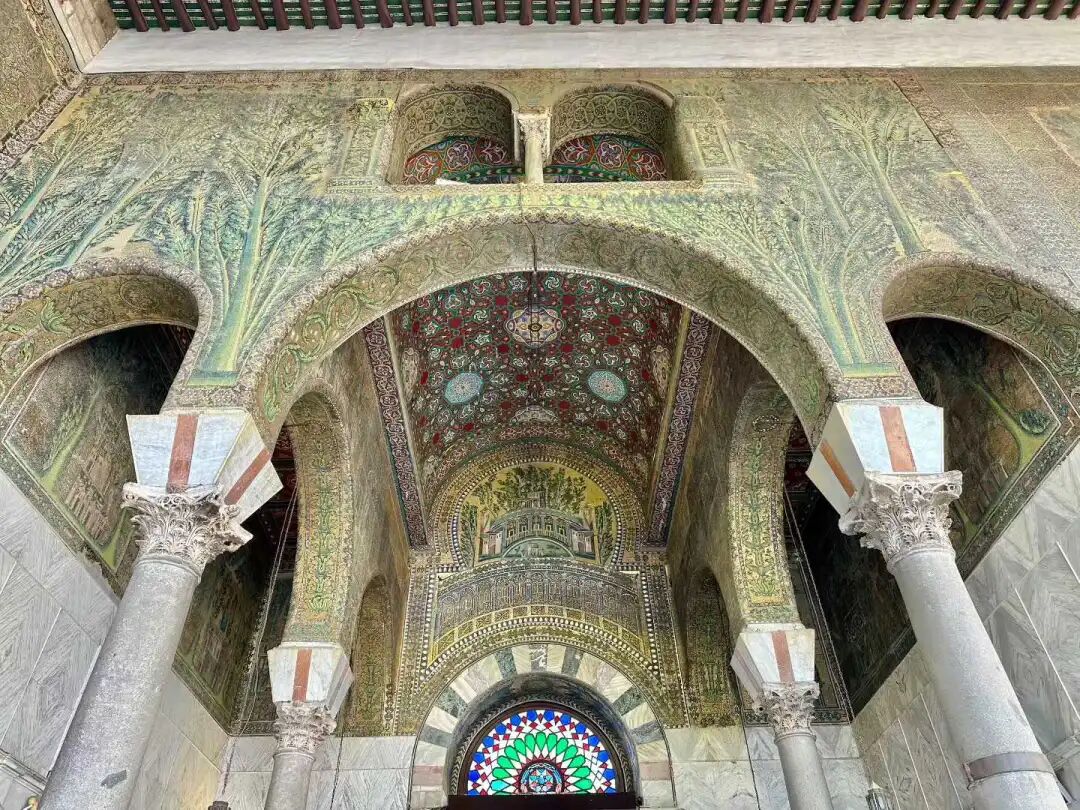
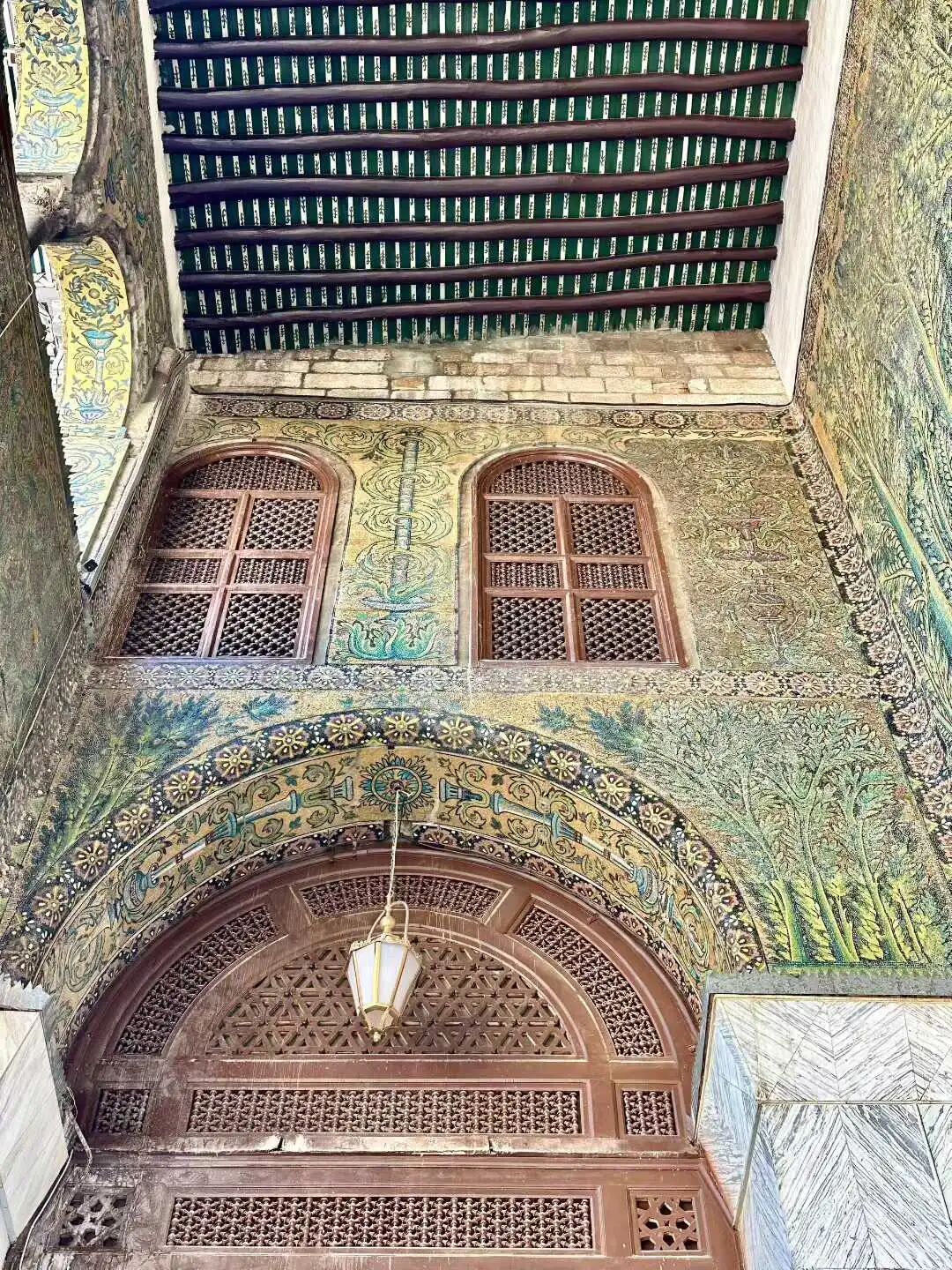
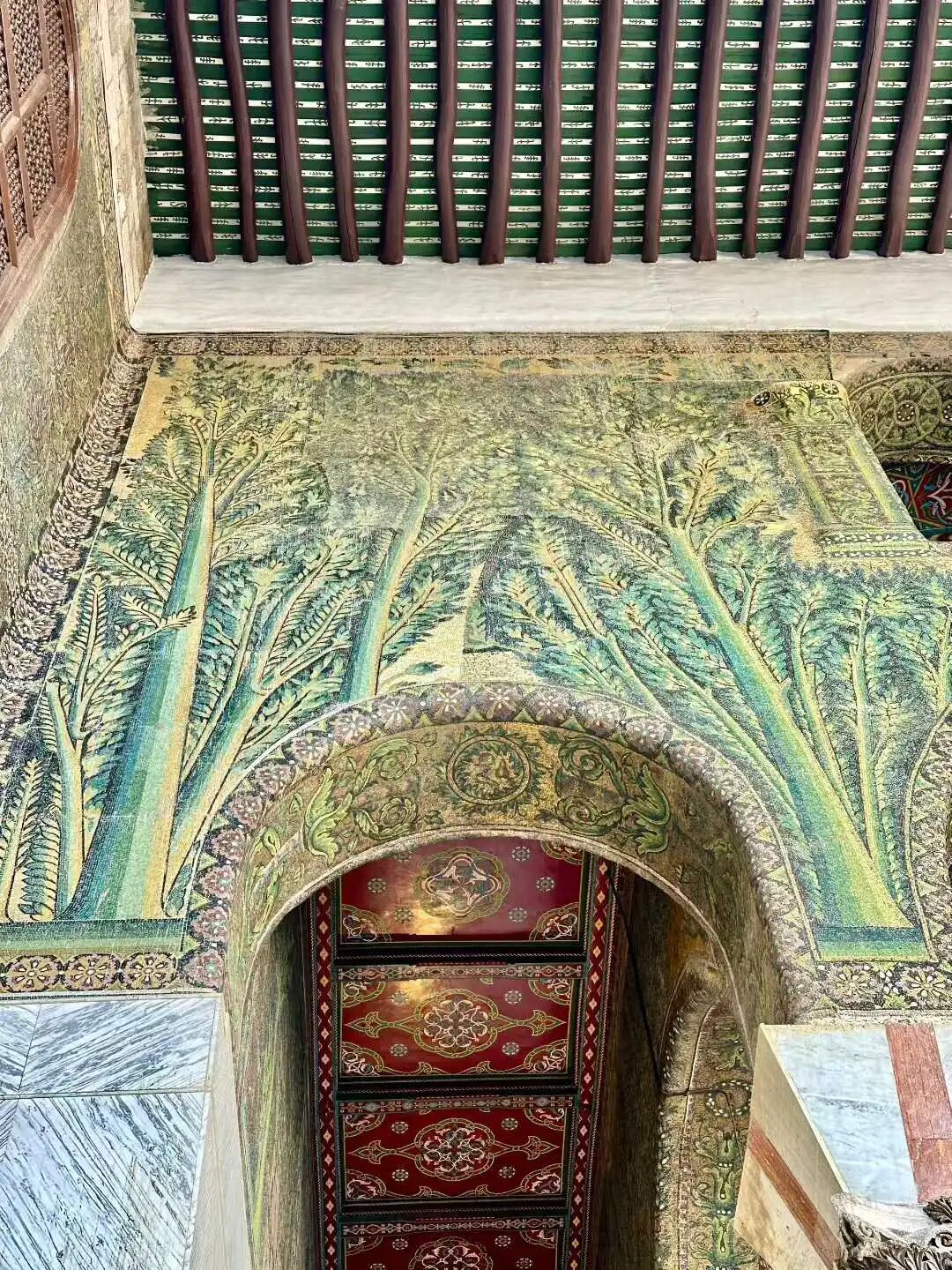
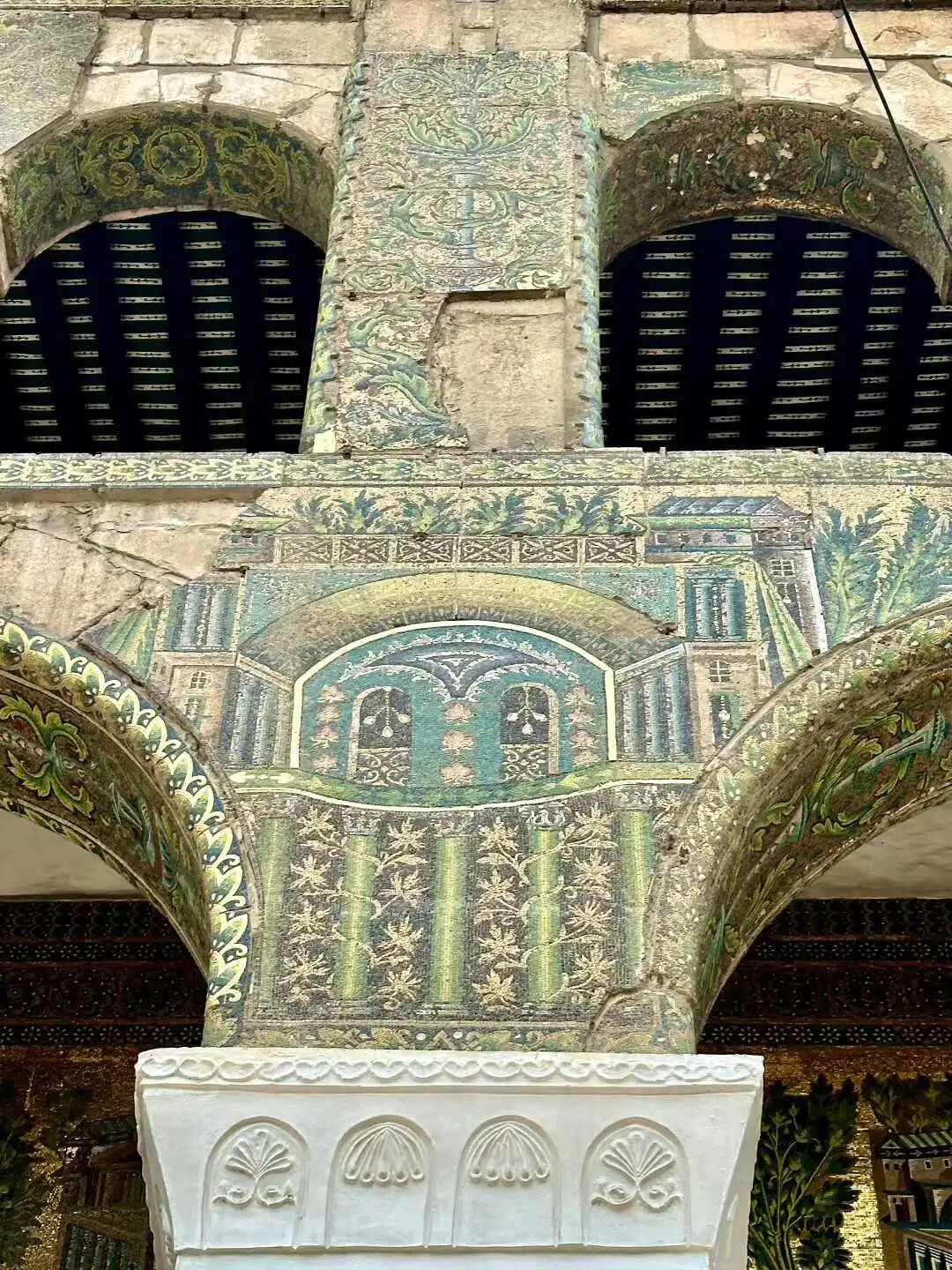
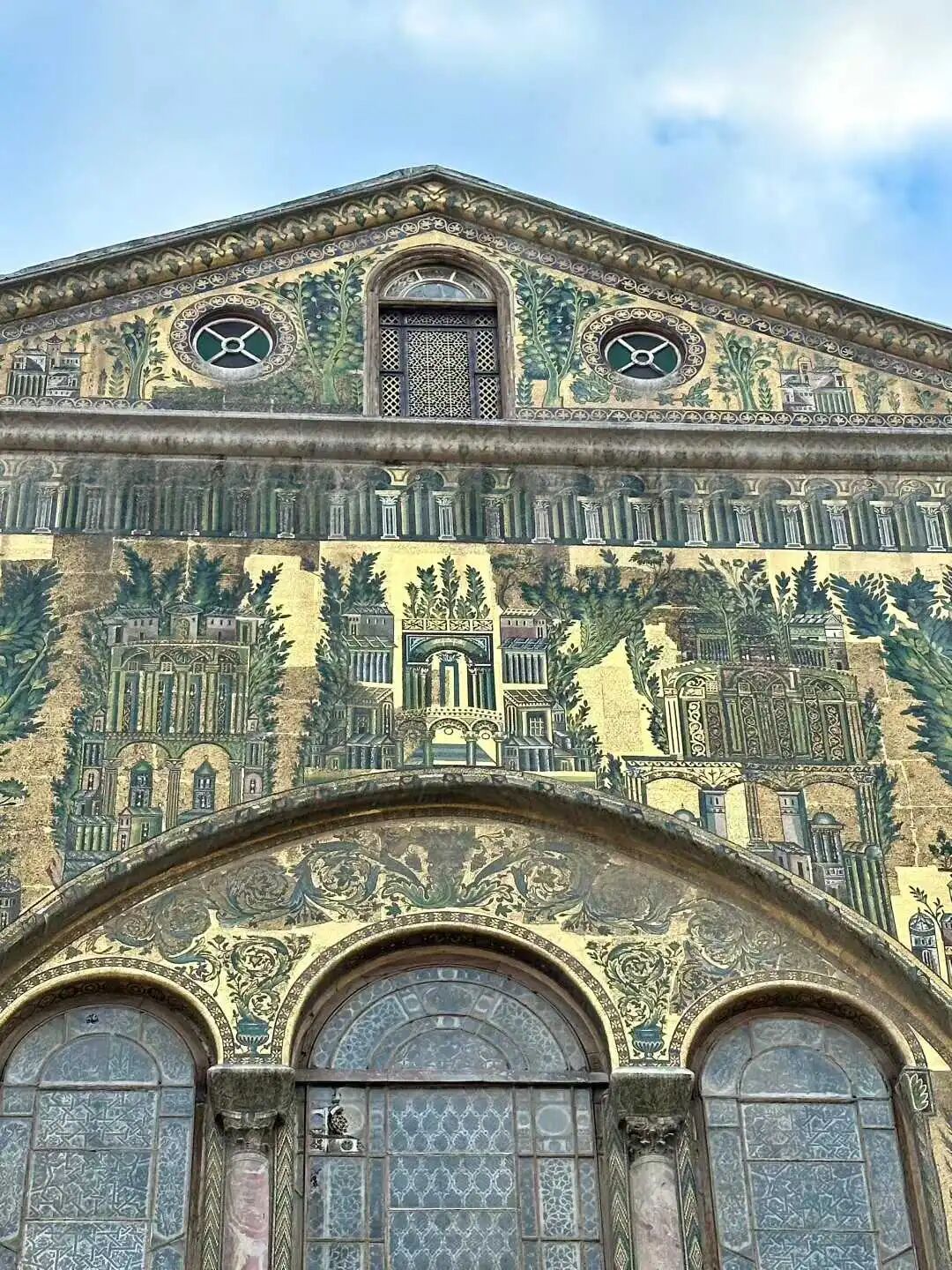
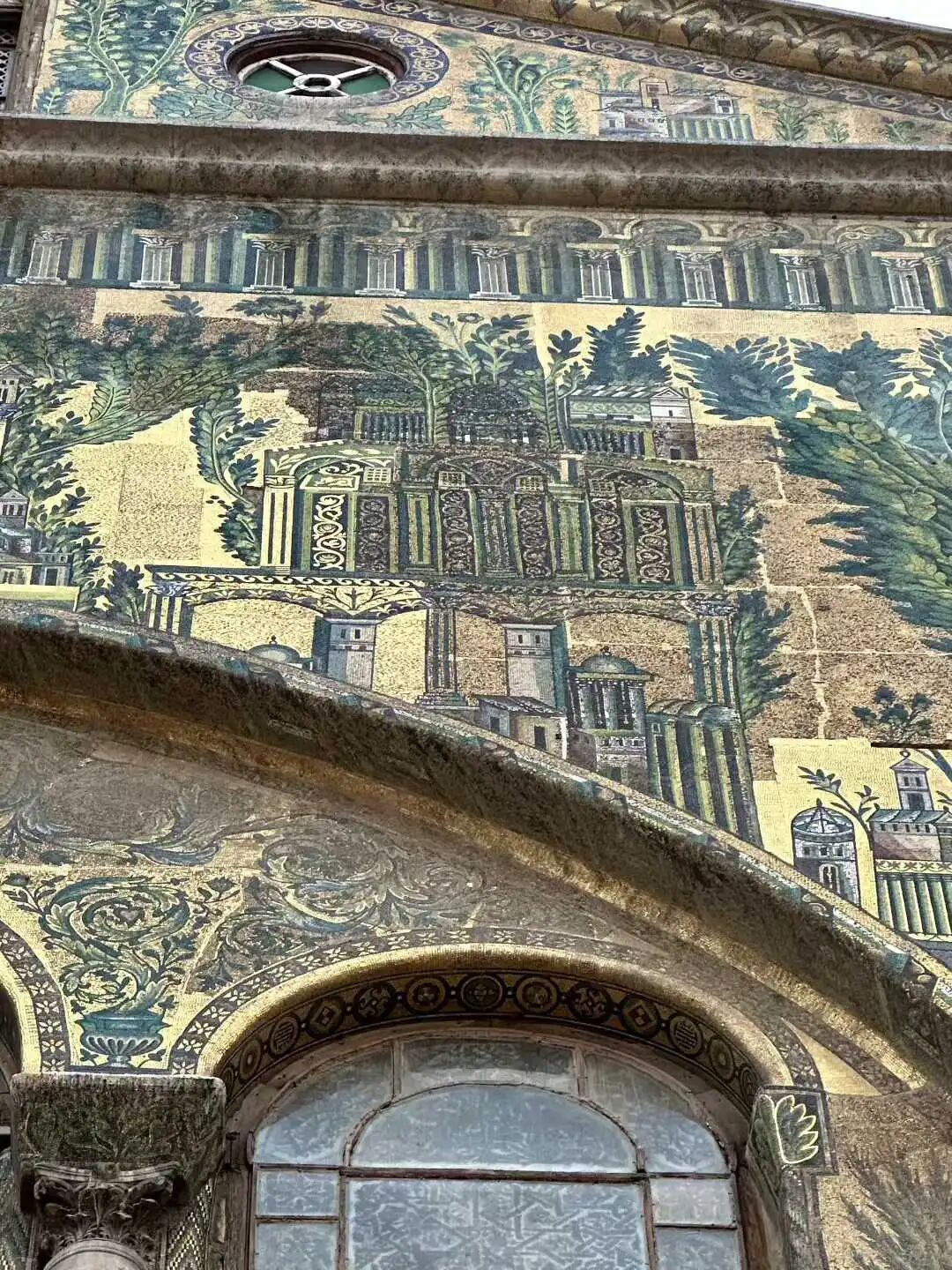
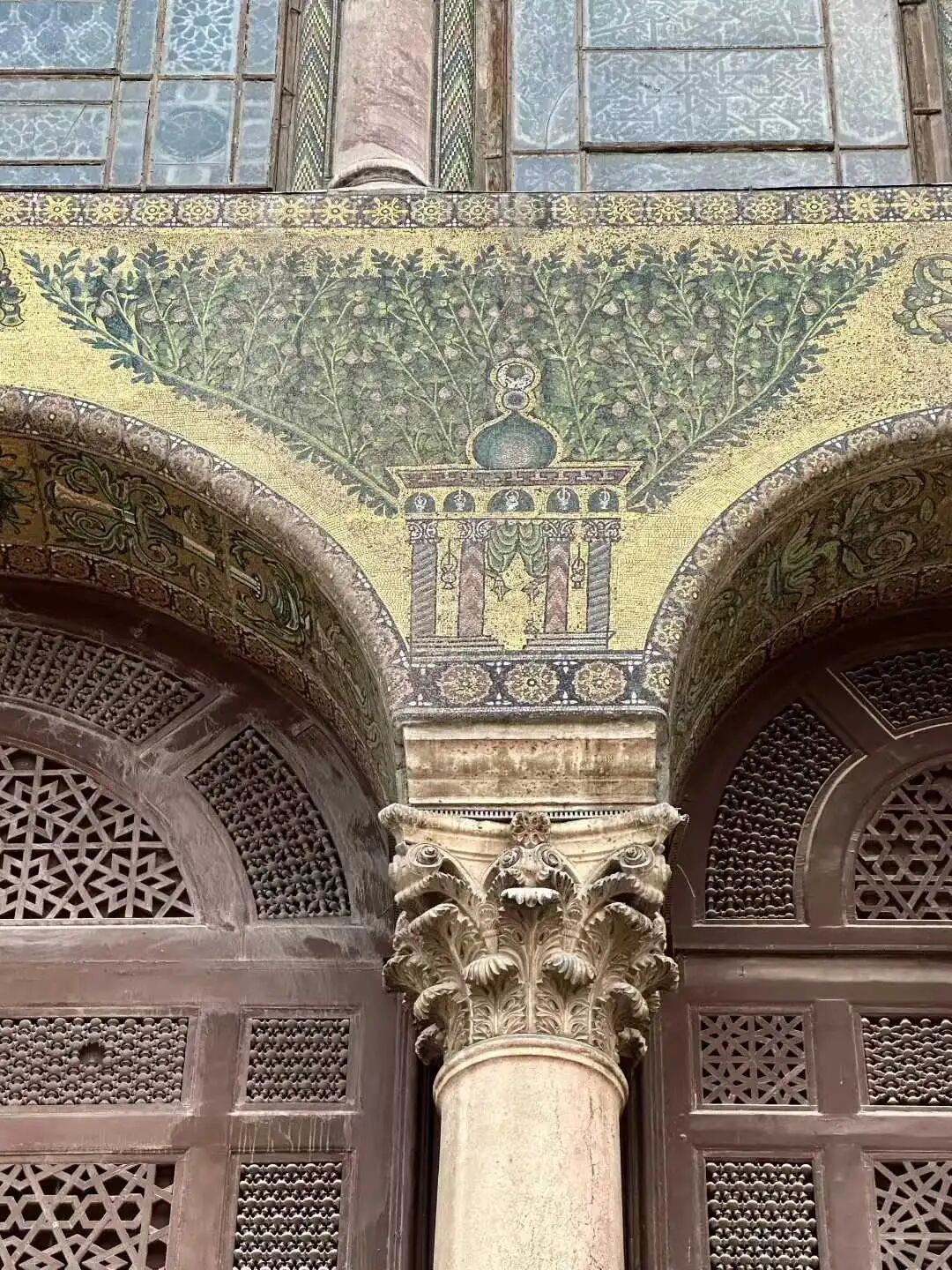
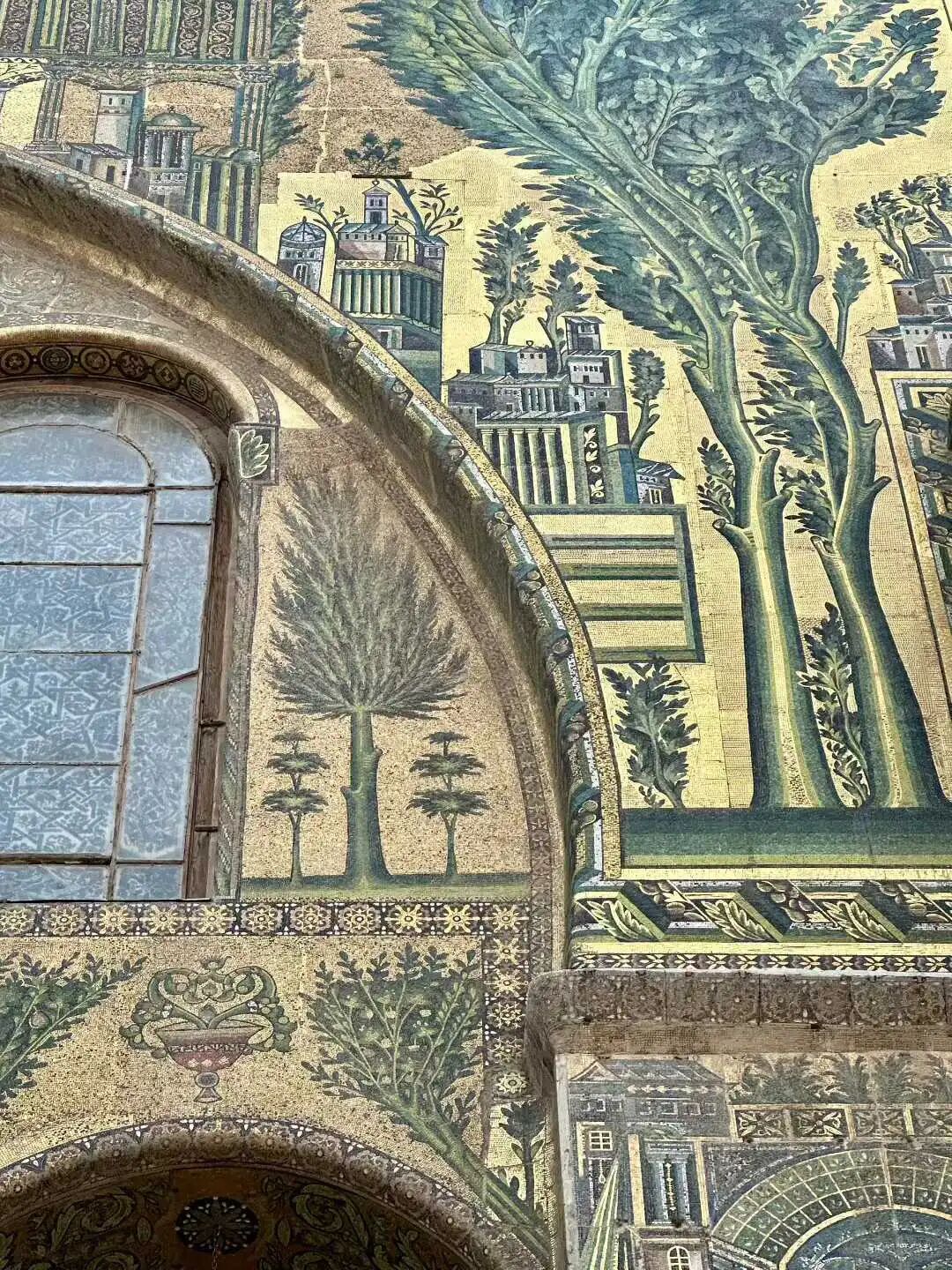
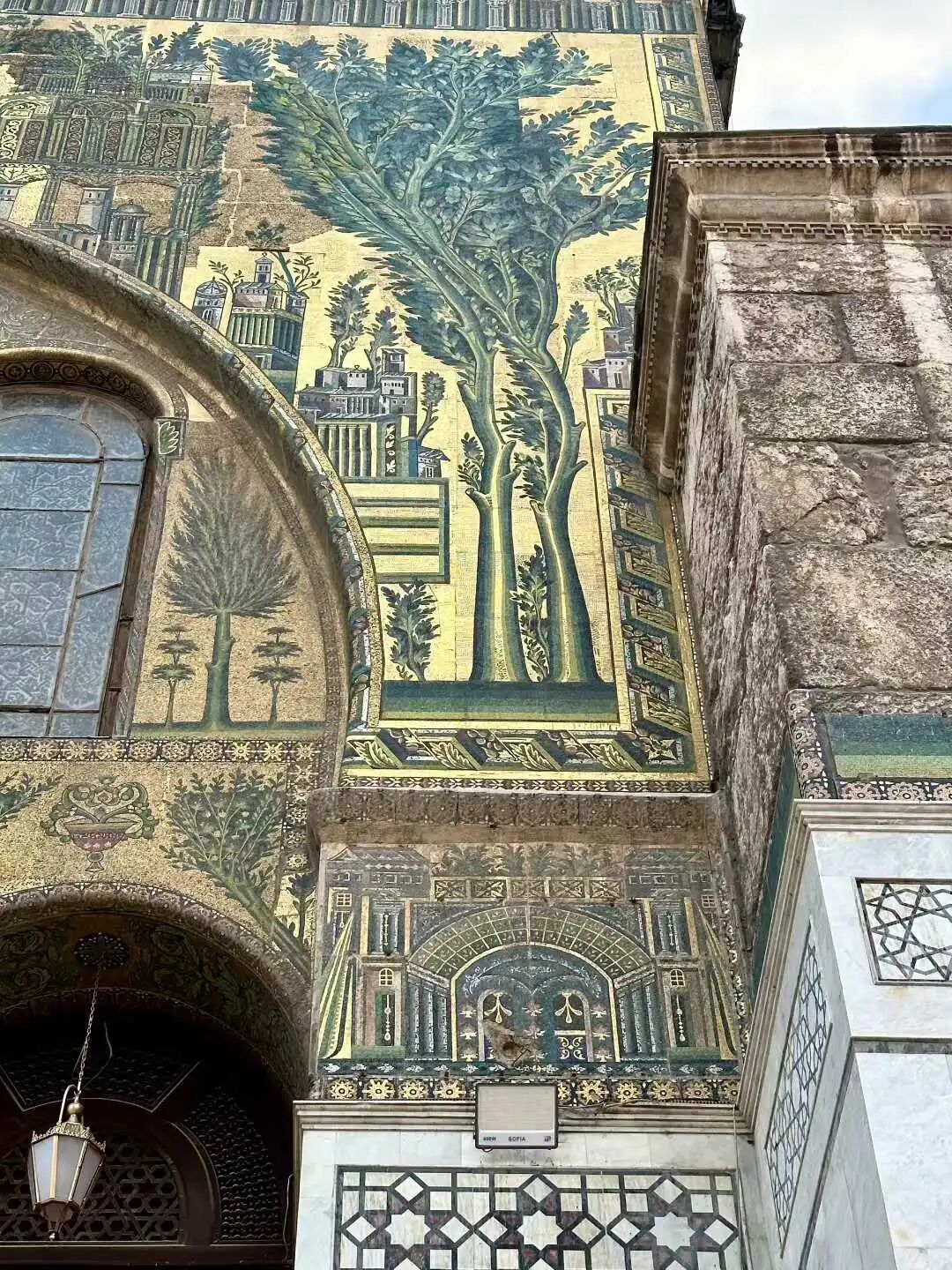
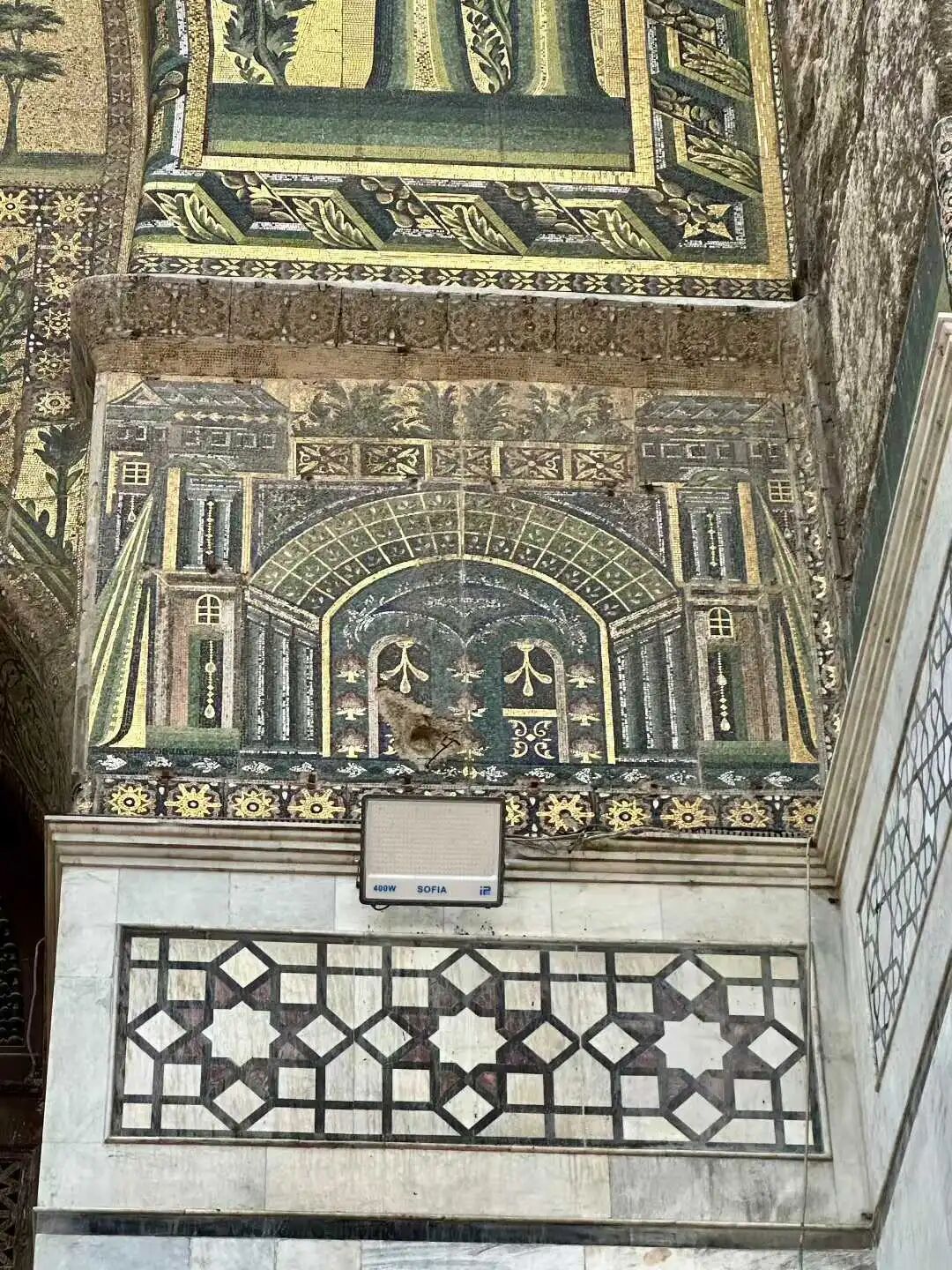
The Great Mosque of Damascus is world-famous for its rich Umayyad-era mosaic decorations. These mosaics use a late Roman style to depict various natural landscapes and buildings, showing a typical naturalistic style.
Some Arabic historical sources suggest the craftsmen and materials for the mosaics came from the Byzantine capital of Constantinople, but a 2022 chemical analysis study showed that most of the mosaics were actually produced in Egypt. Although these mosaic images show traces of Byzantine style, some scholars believe their style better matches mosaic craftsmanship from Syria, Palestine, and Egypt.
There has also been a long-standing debate about the meaning of the mosaic images. Some views suggest they represent the known world at that time, others think they depict Damascus and the Barada River, and some believe they show scenes of Paradise. Currently, there is relatively more evidence for the Paradise view, and the landscapes without human figures fit the idea of an empty Paradise waiting for people to arrive after the Day of Resurrection.
In 1270, the Mamluk Sultan Baibars carried out a large-scale restoration of the mosaics at the Great Mosque of Damascus, especially the Barada Panel in the western portico. The Barada River is the main river flowing through Damascus. This panel is believed to depict a town landscape along the Barada River.
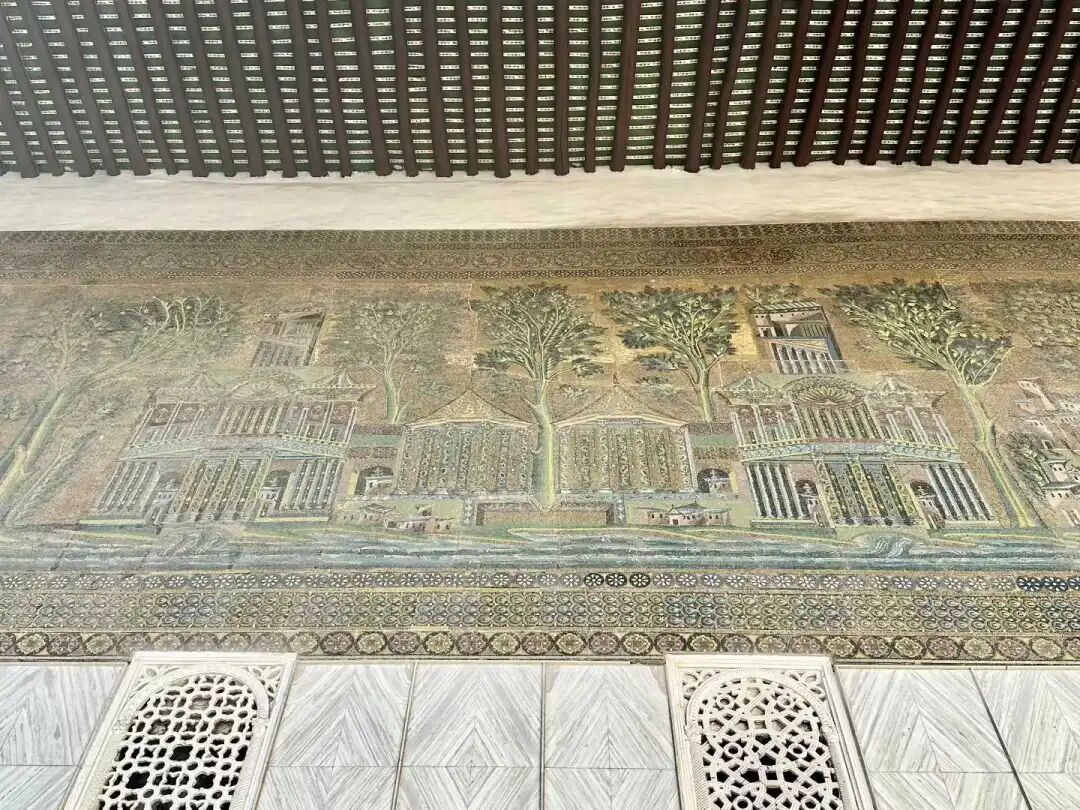
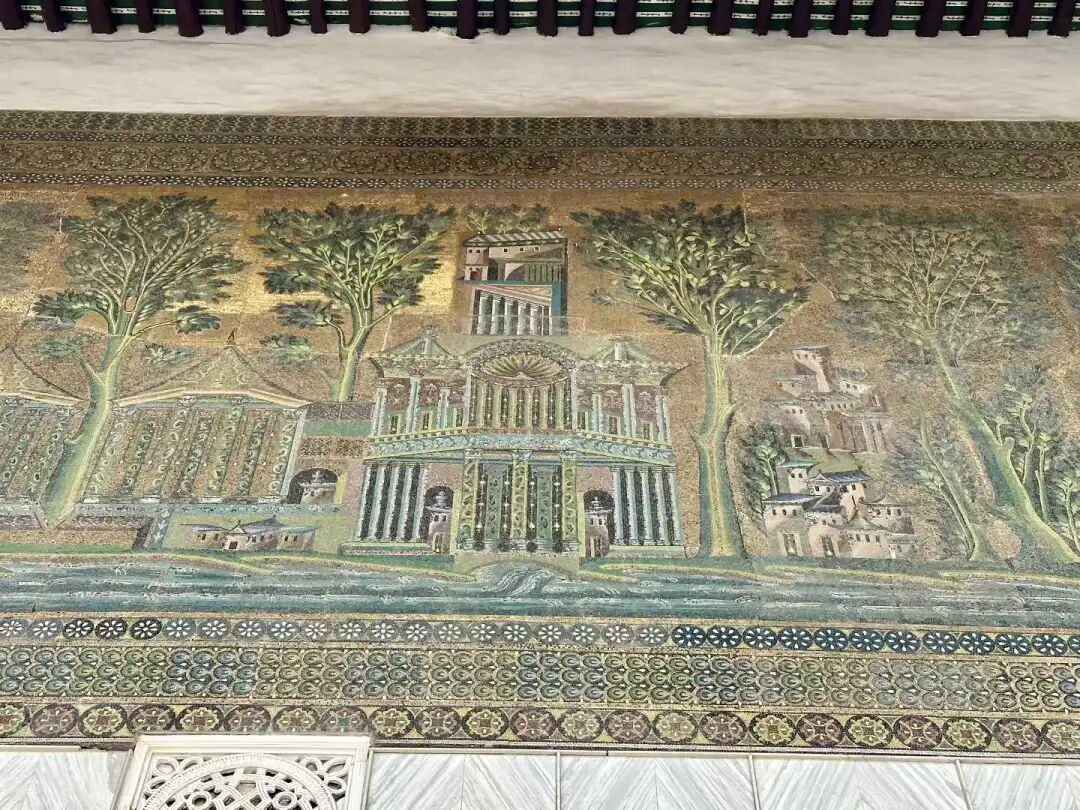
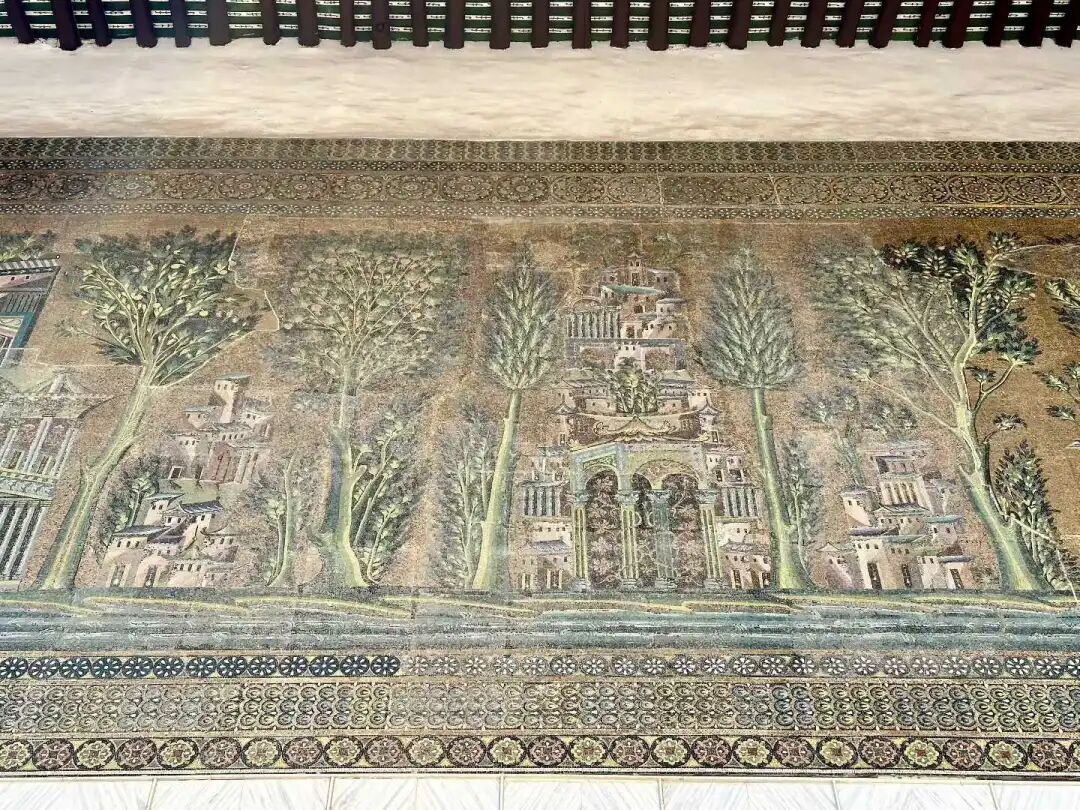
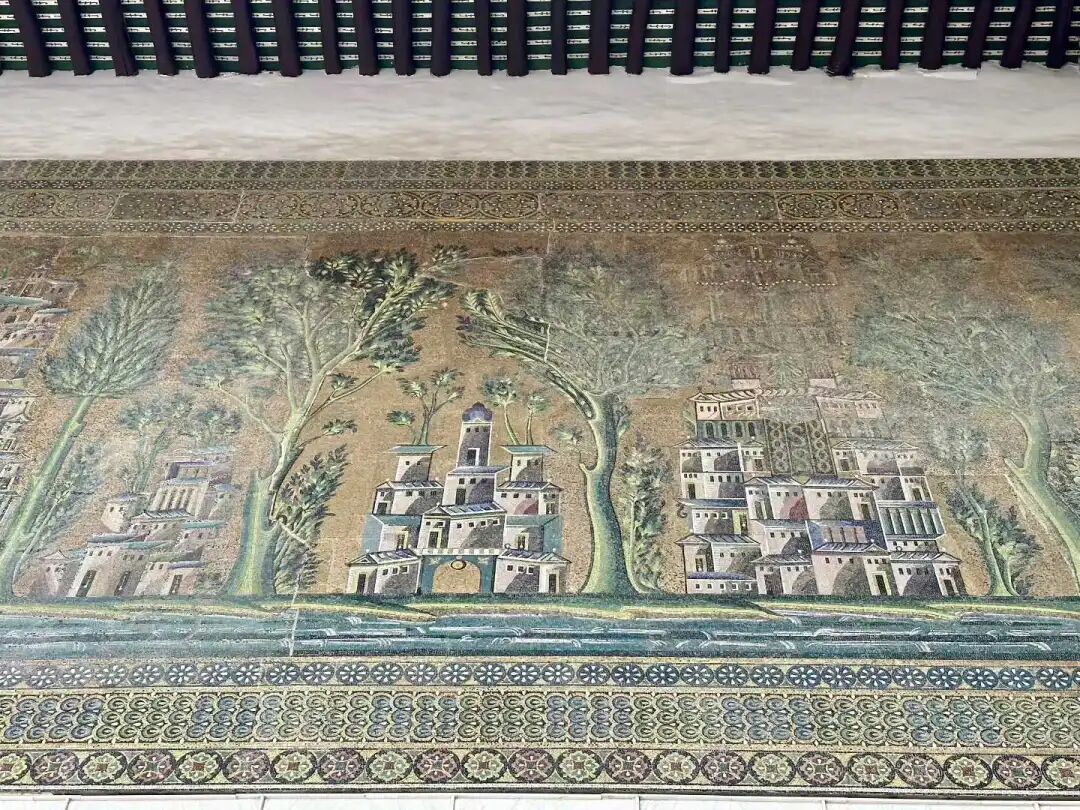
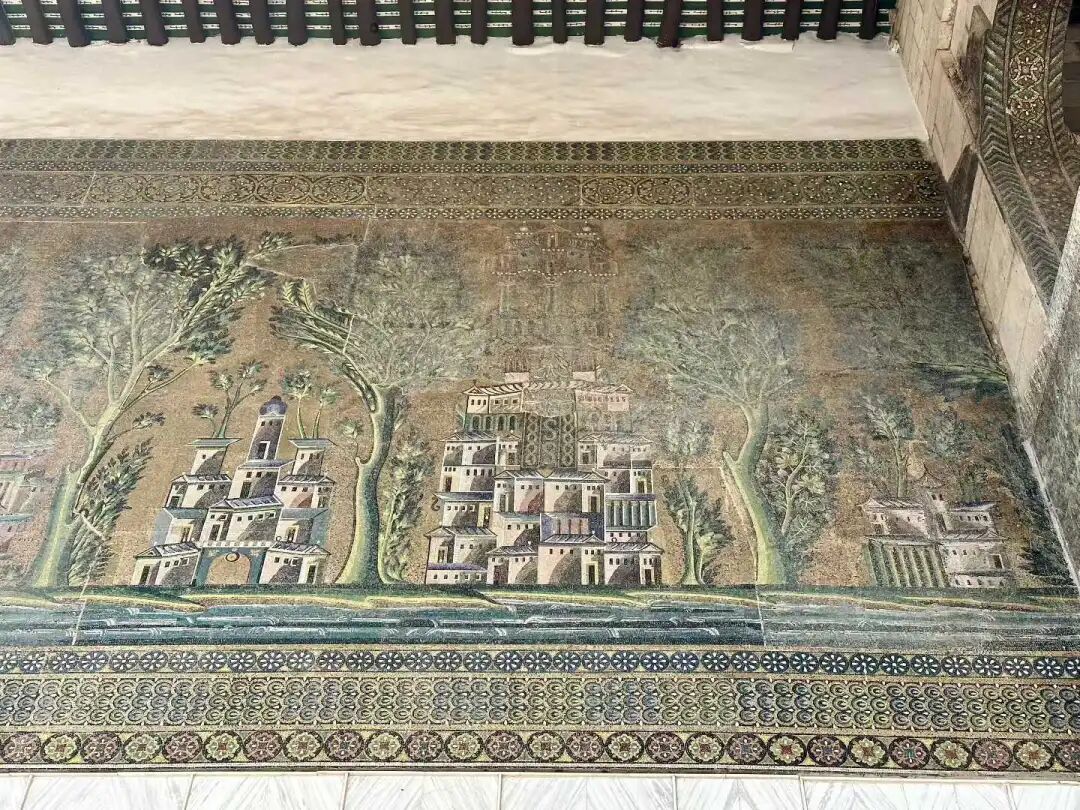
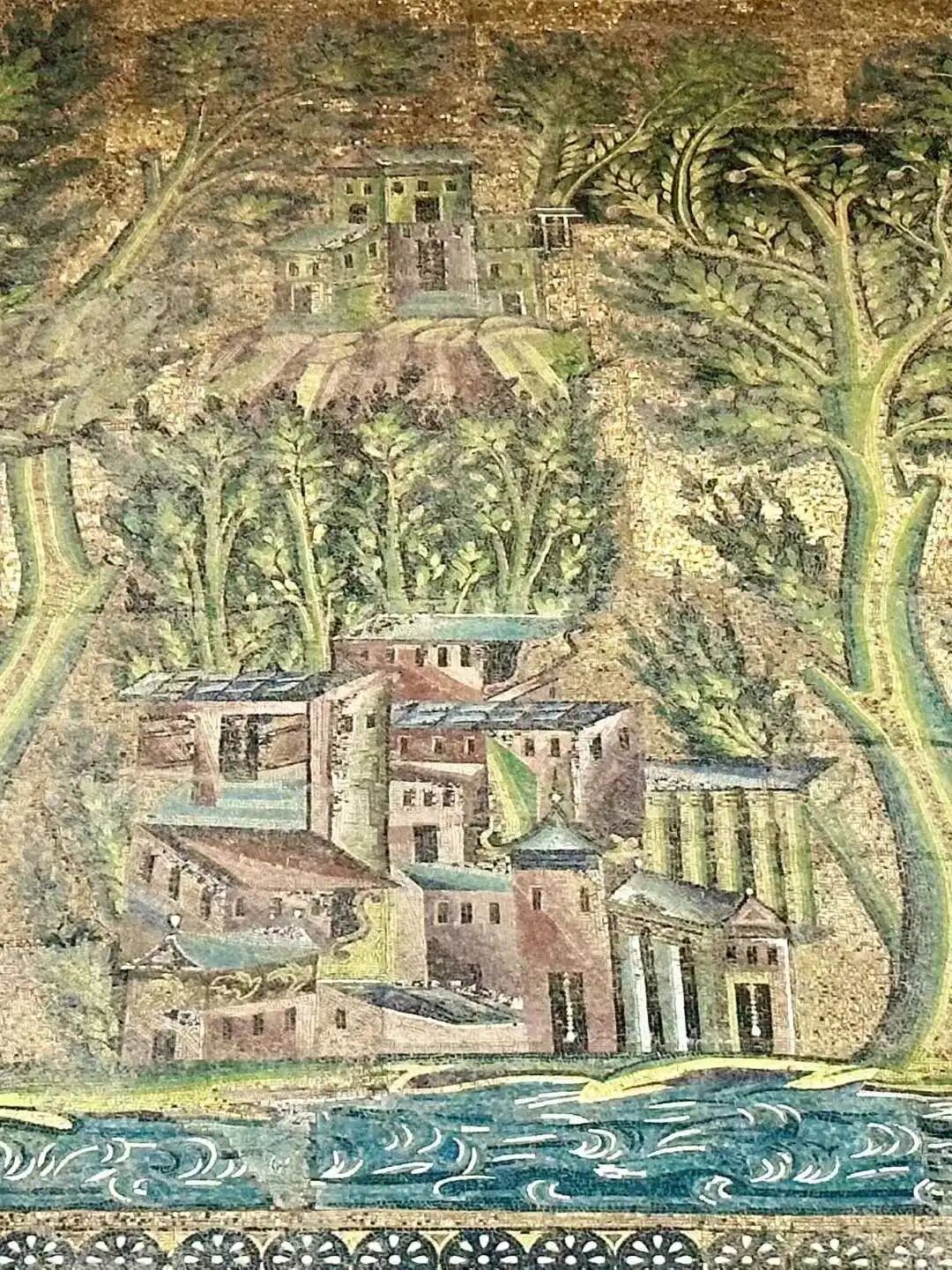
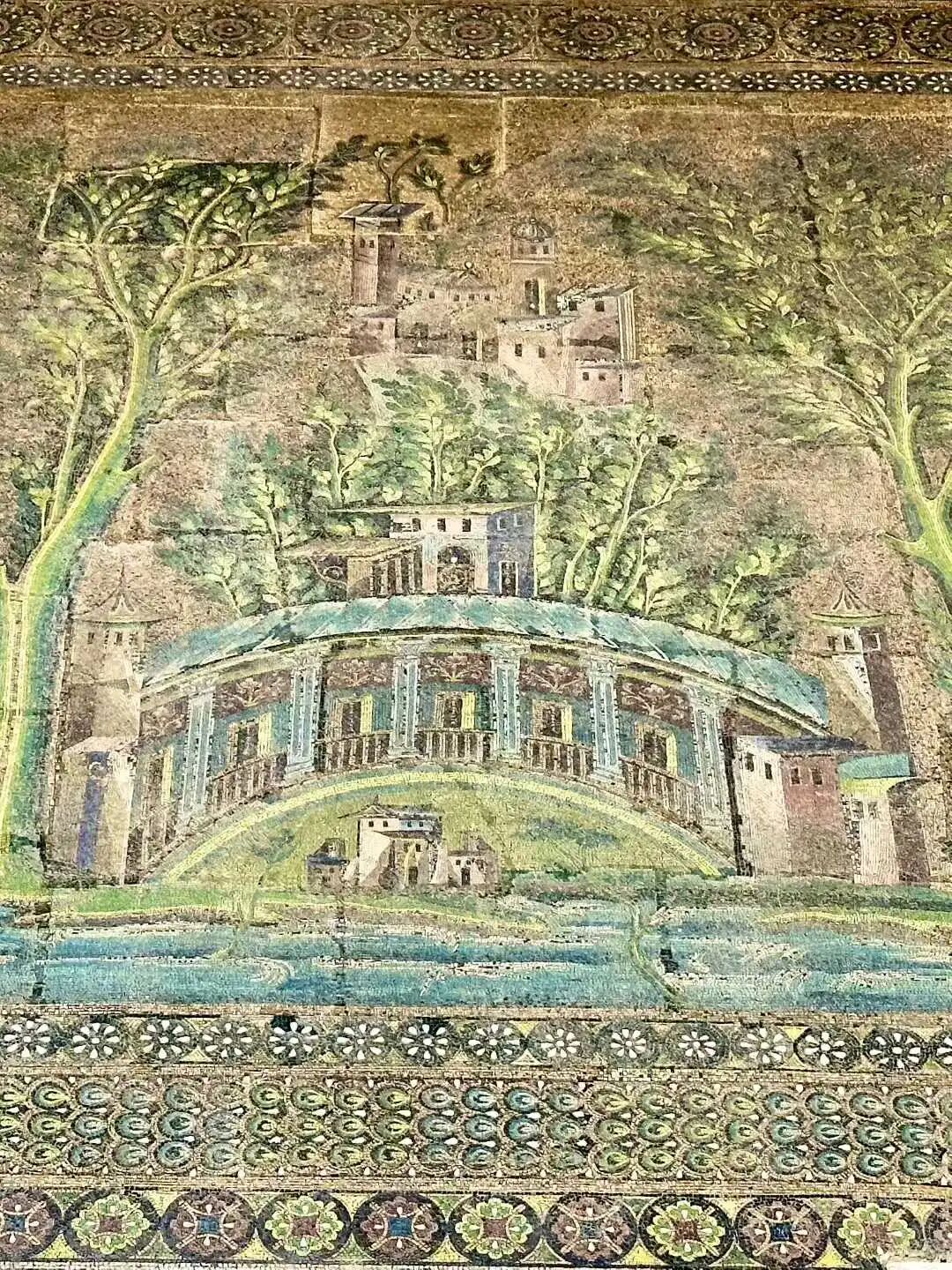
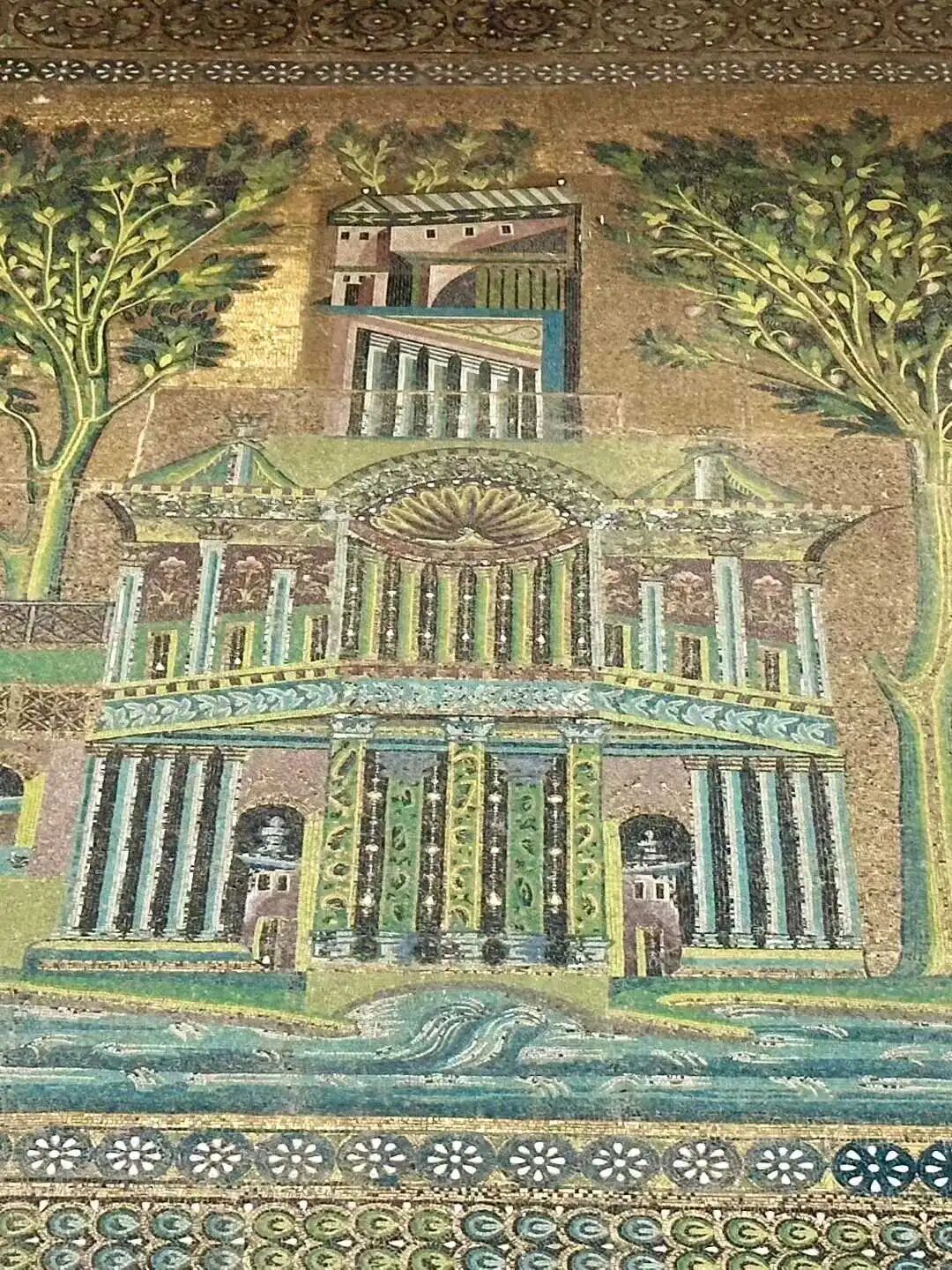
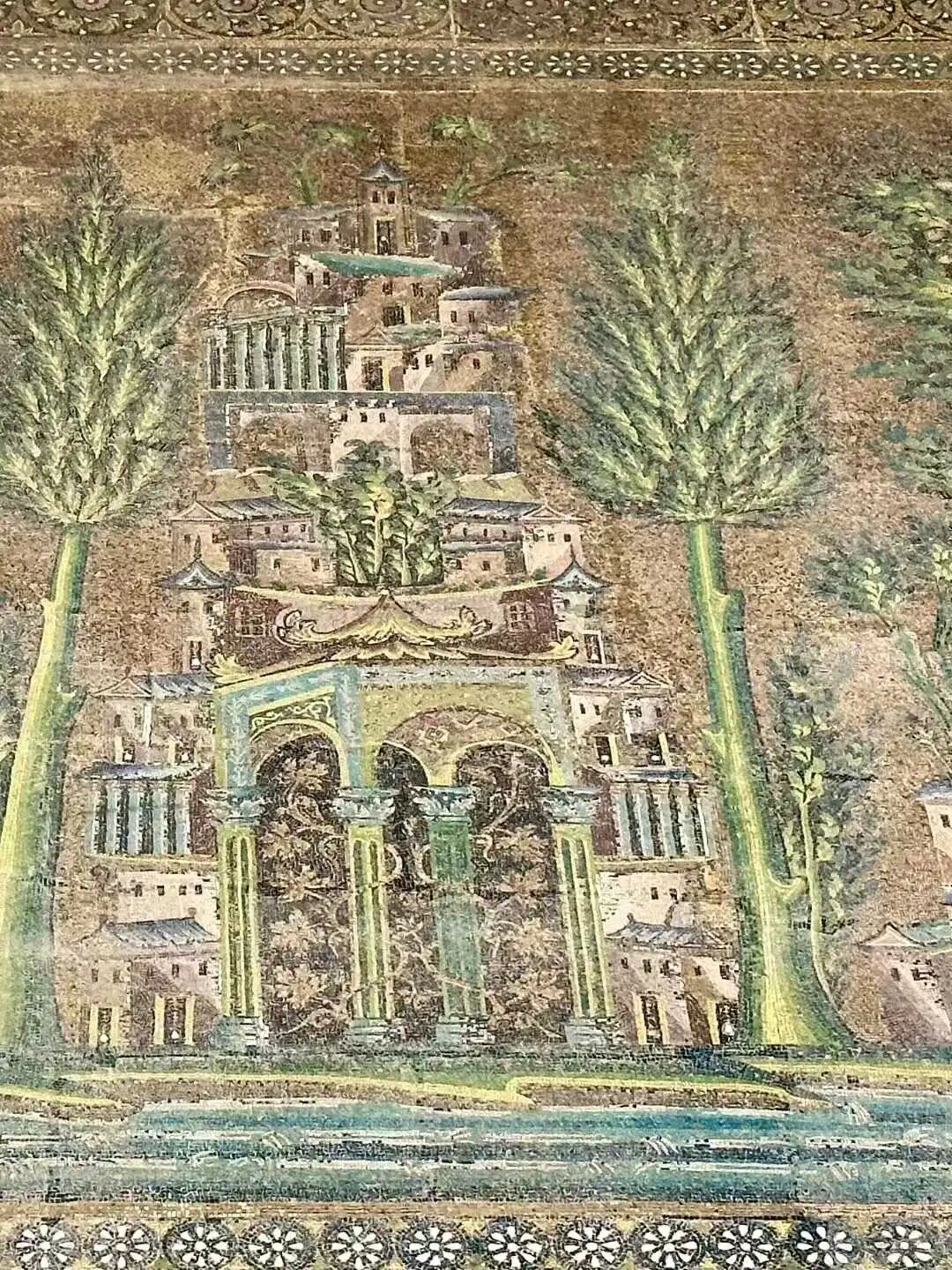
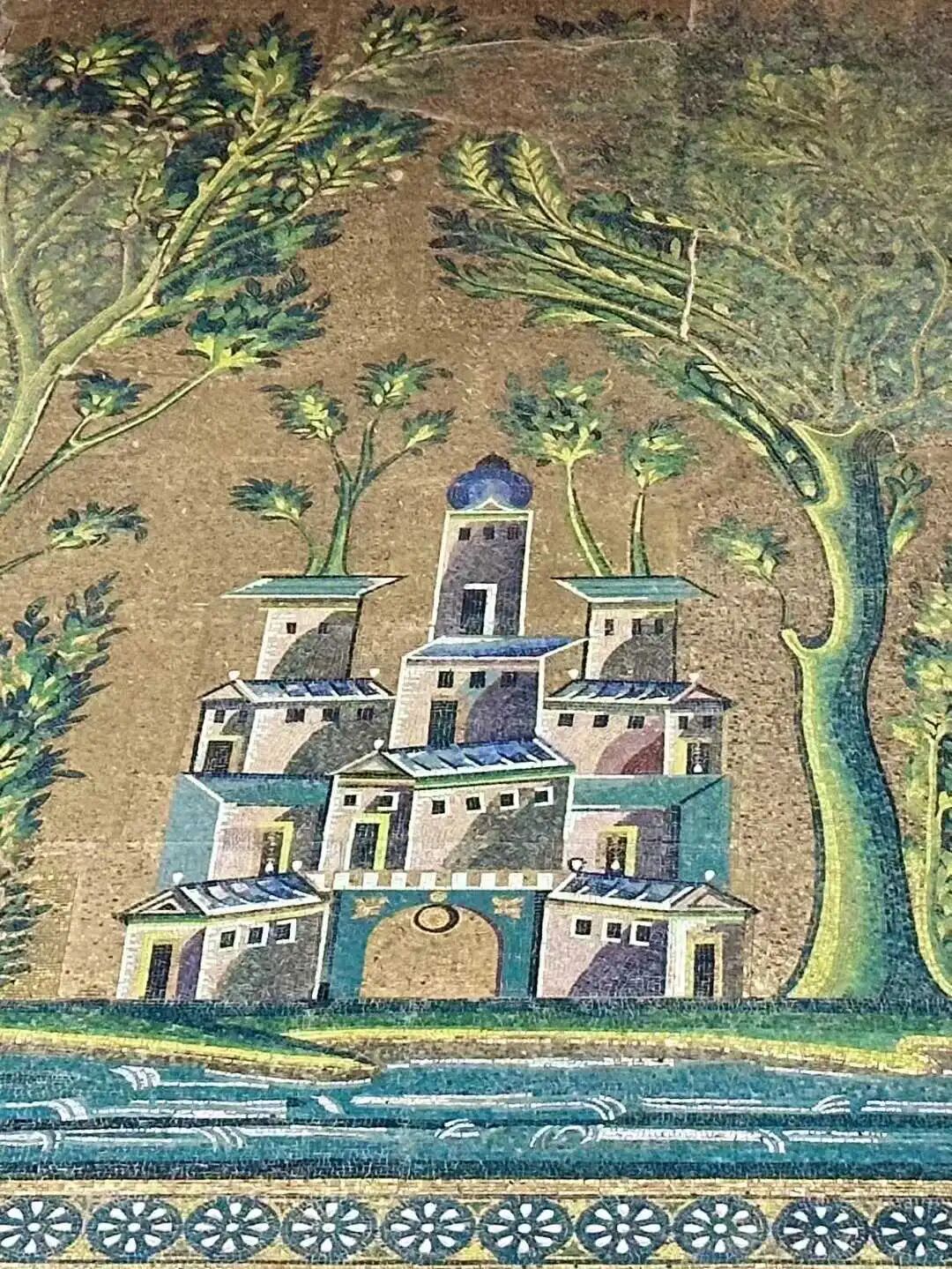
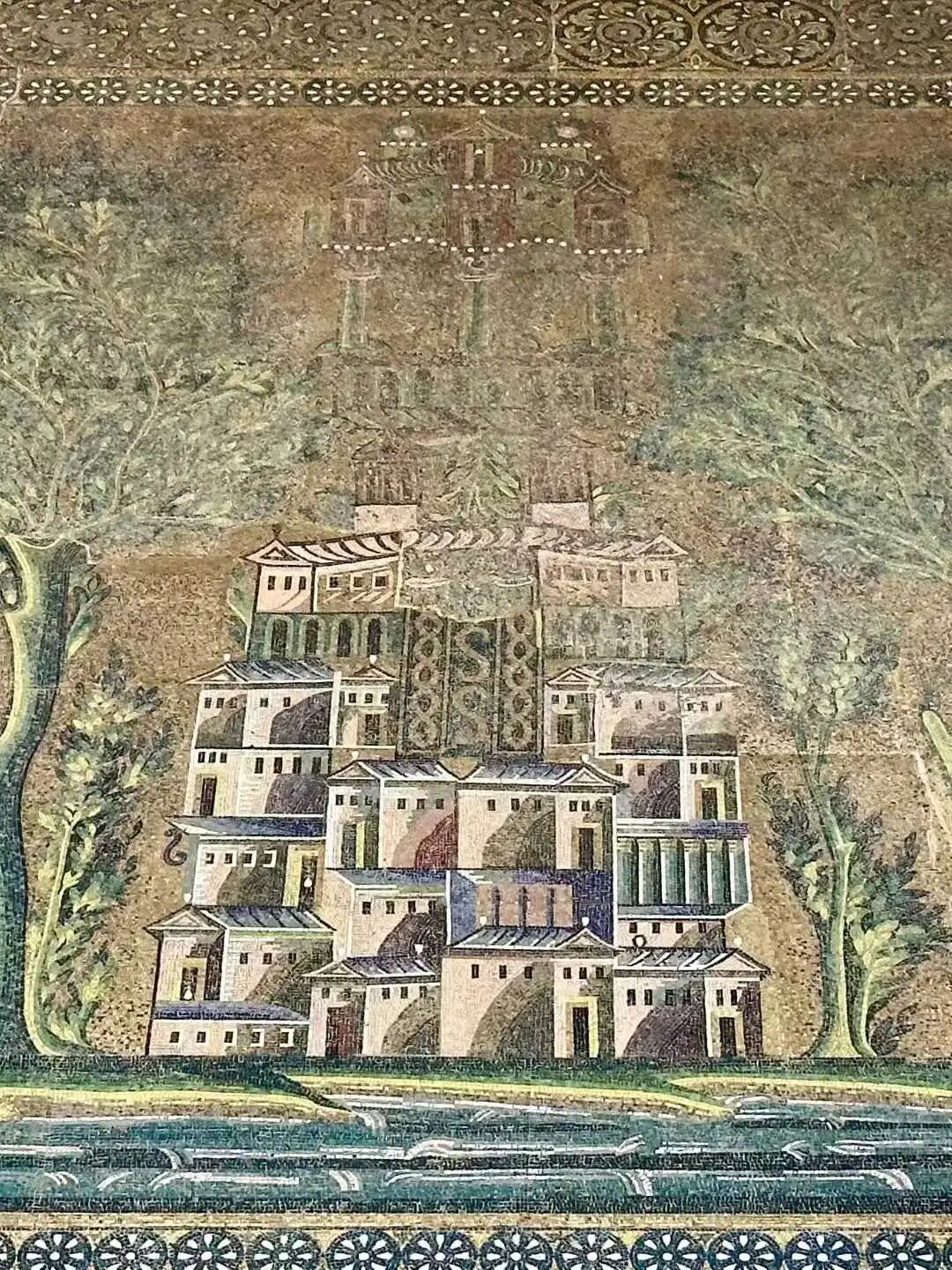
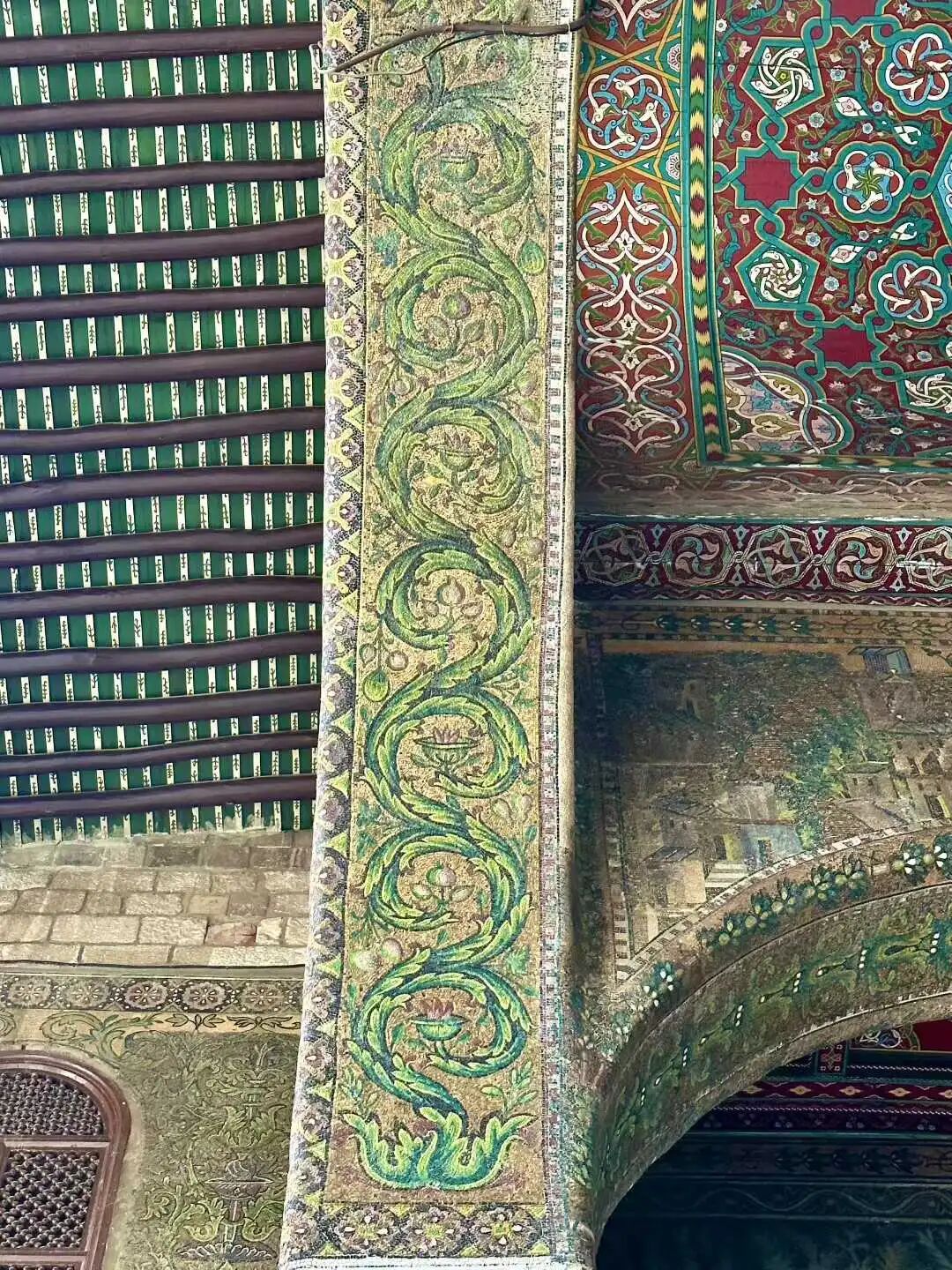
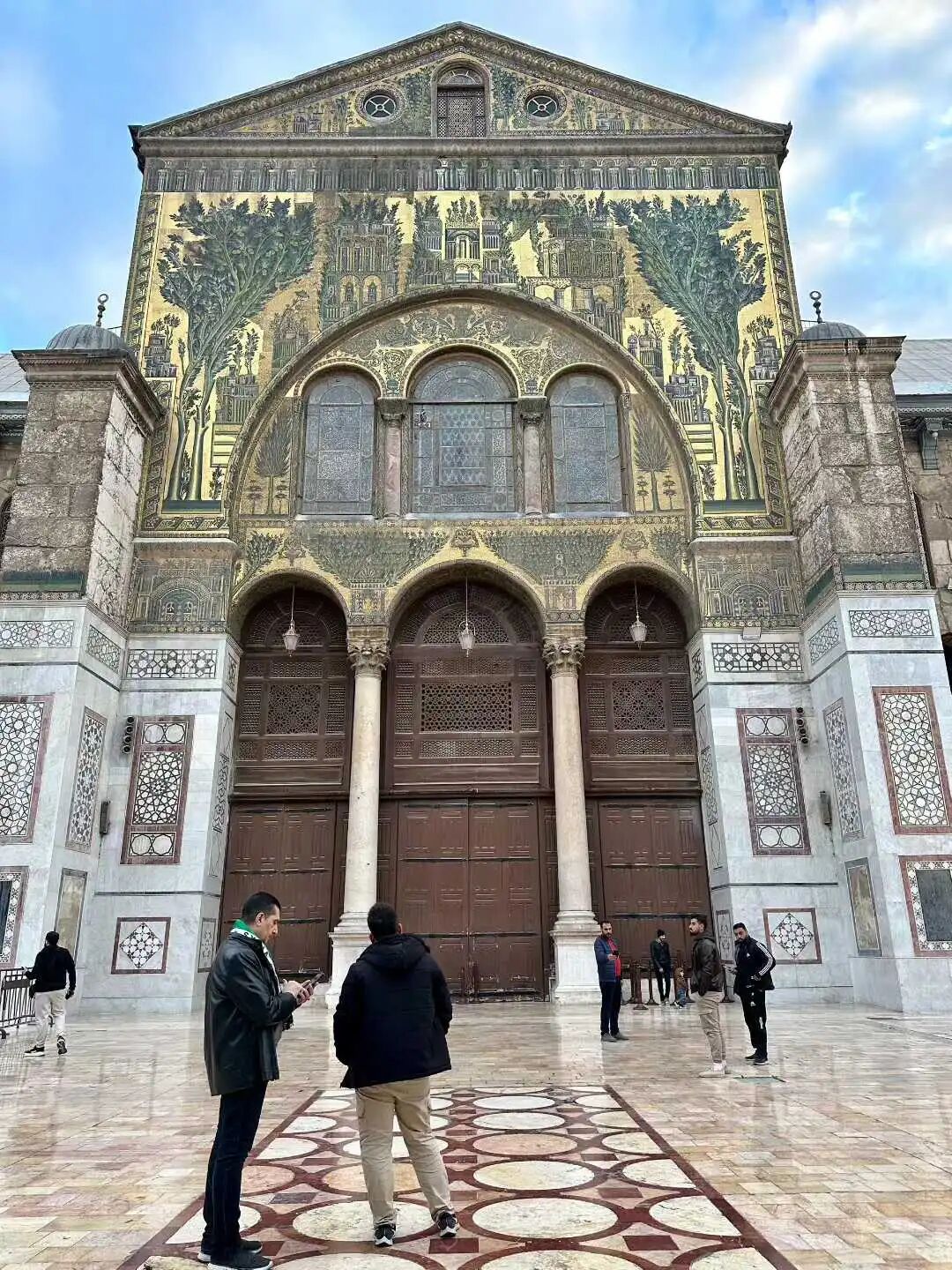
Mosaic decorations in the central hall of the west gate.
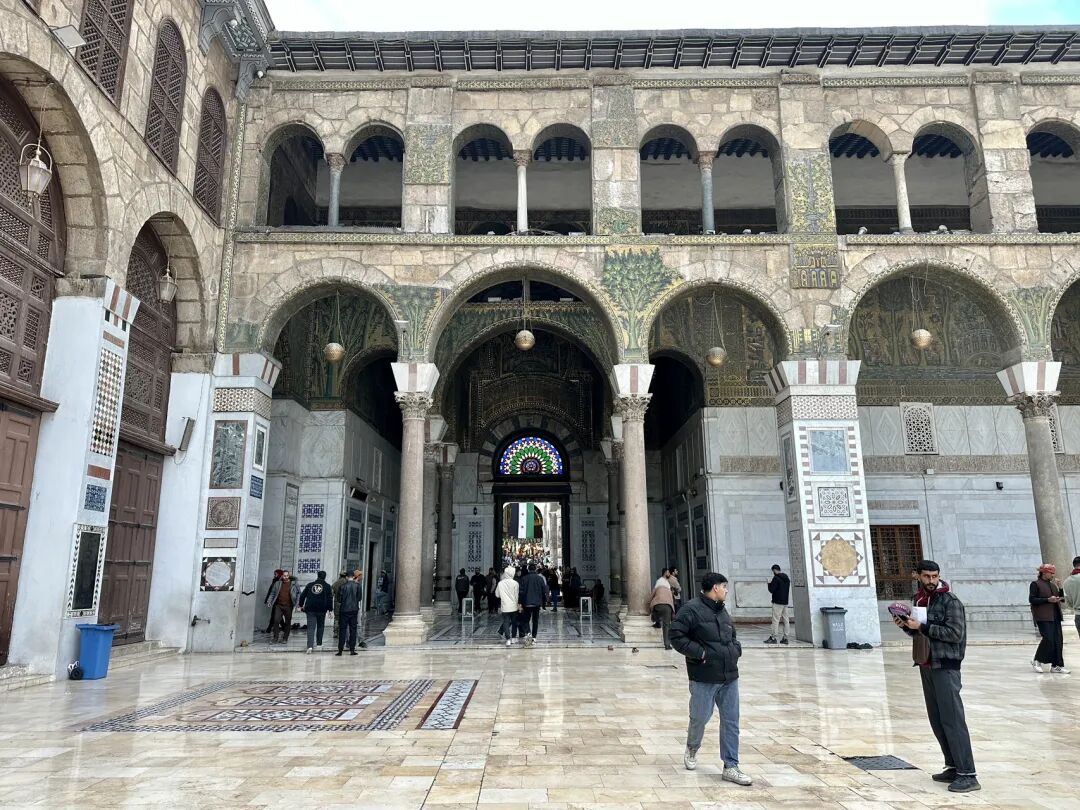
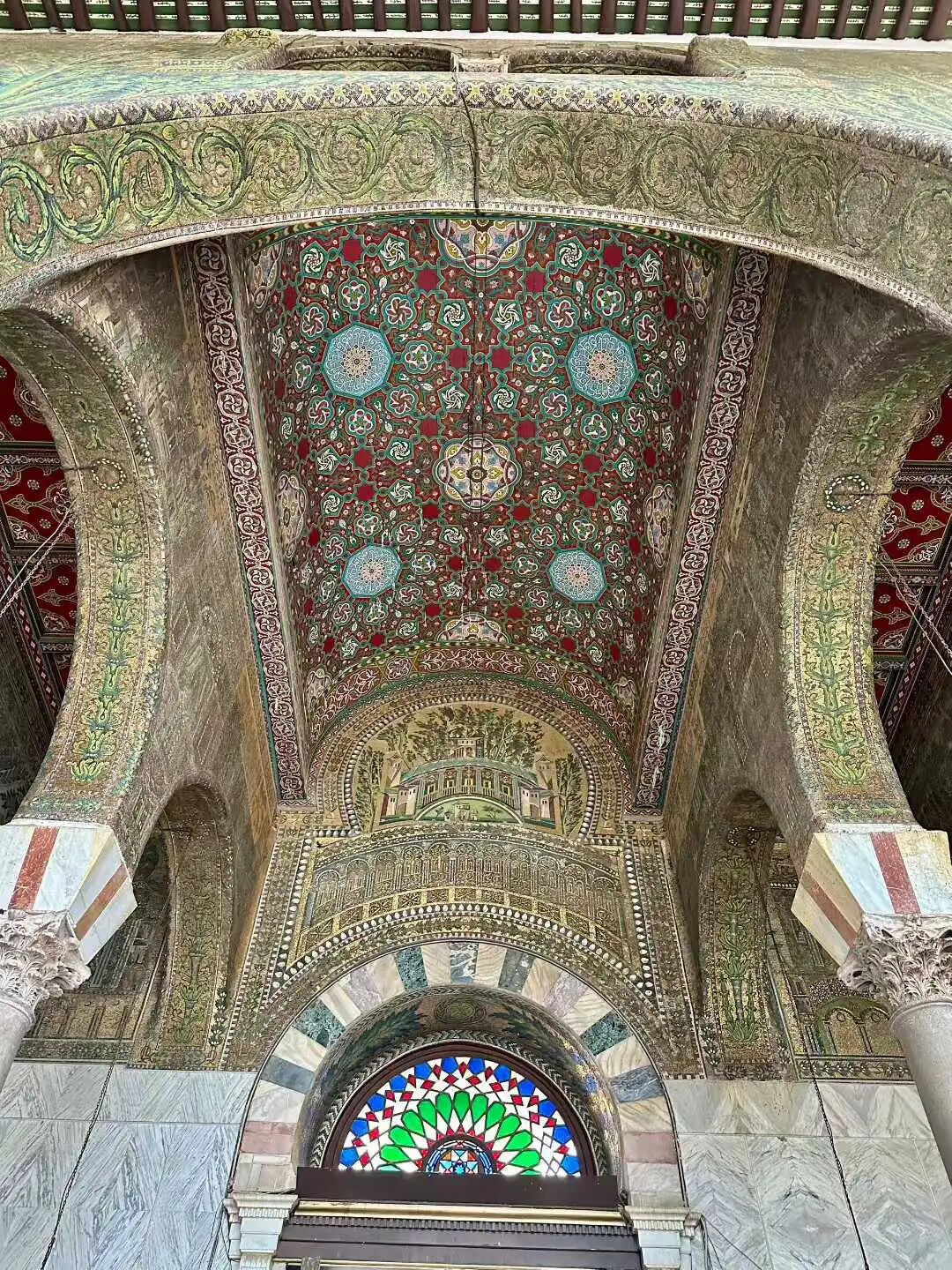
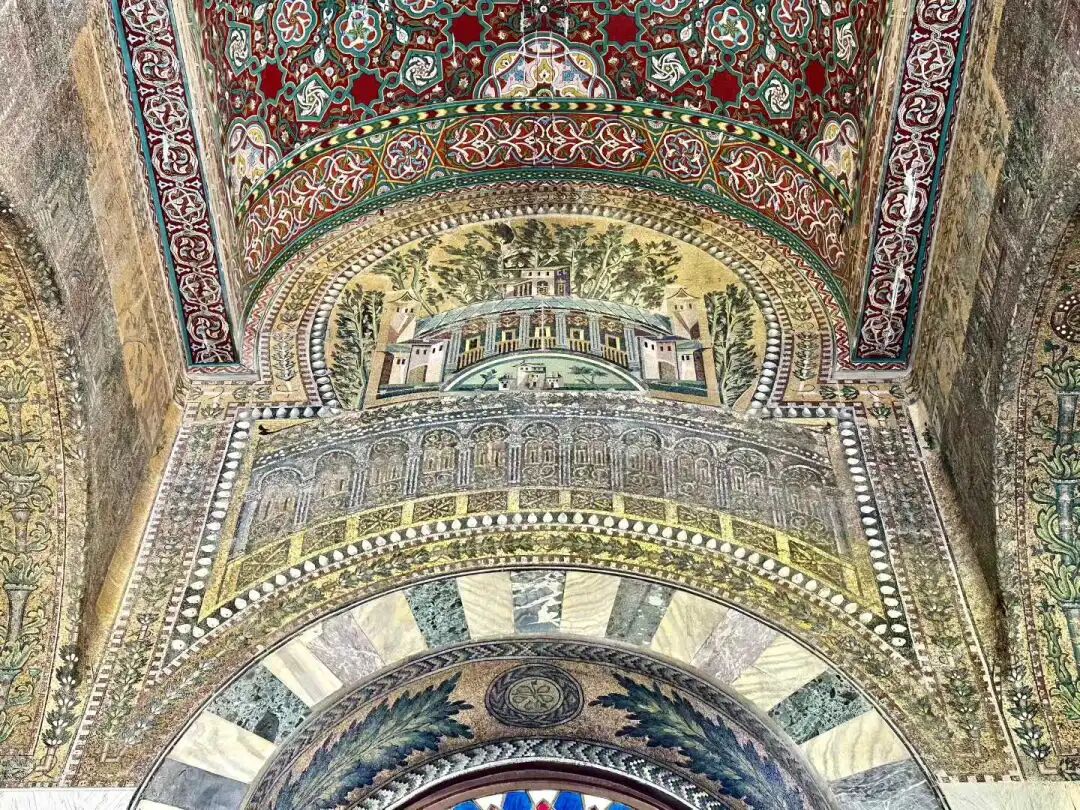
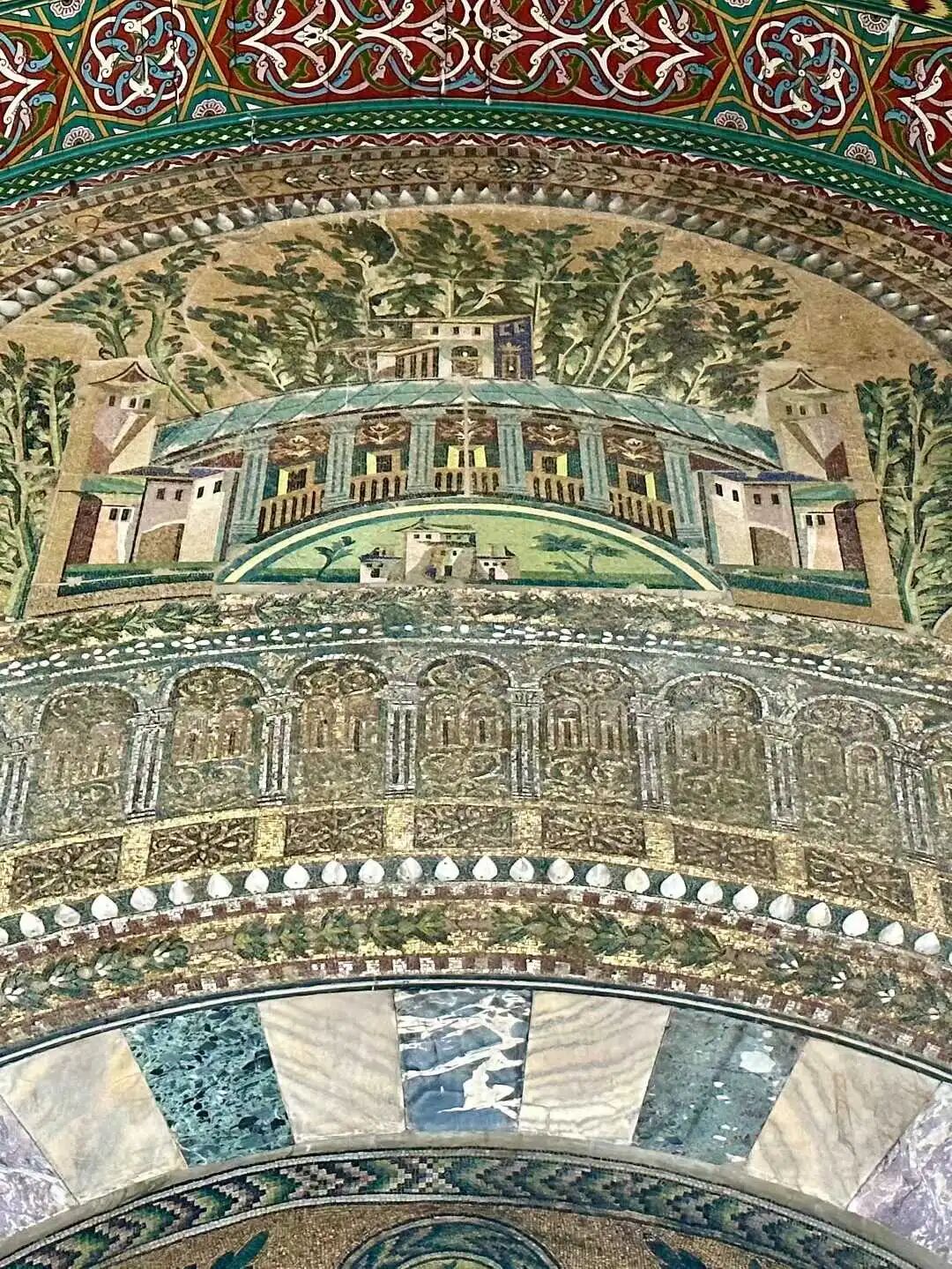
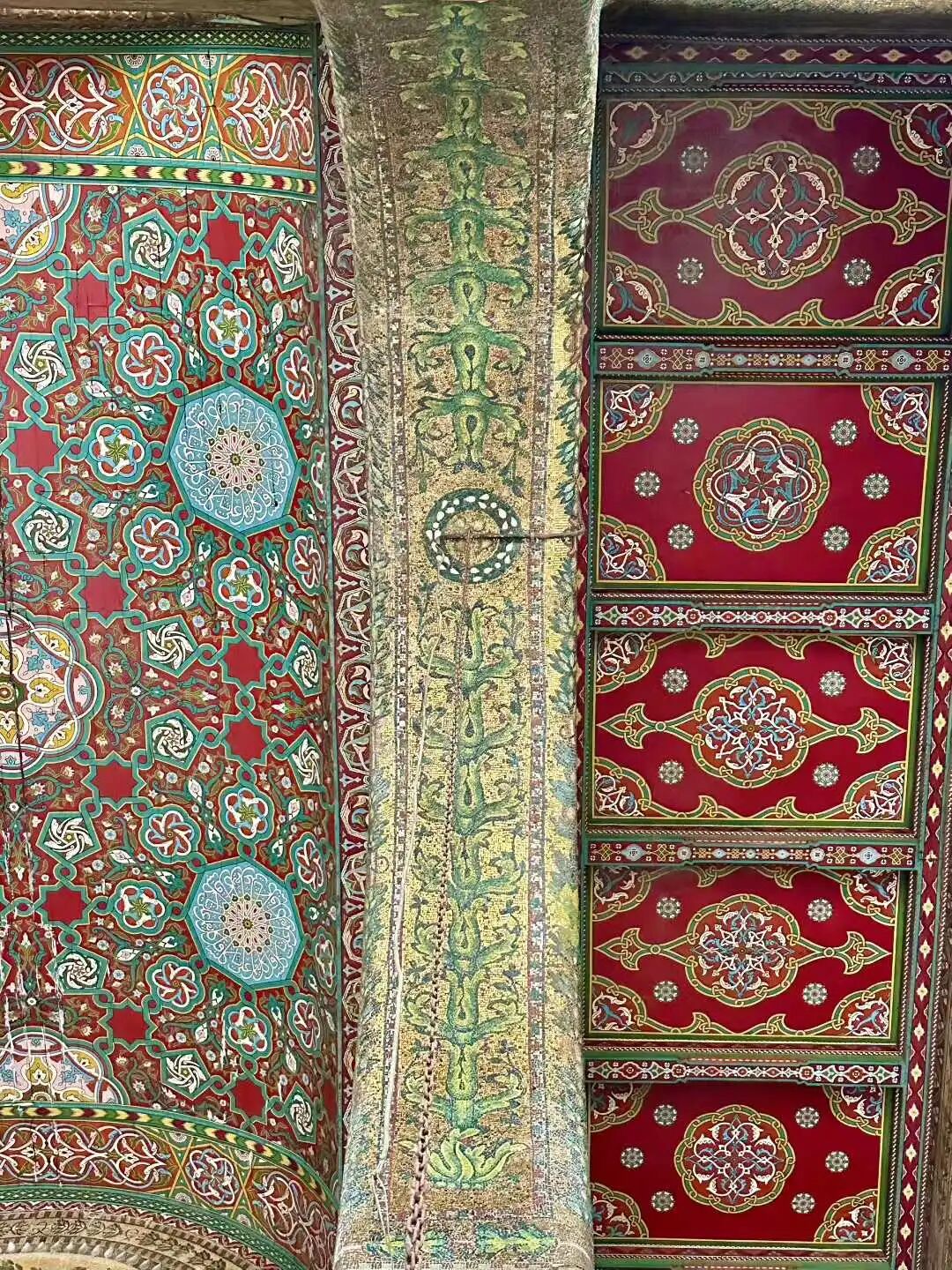
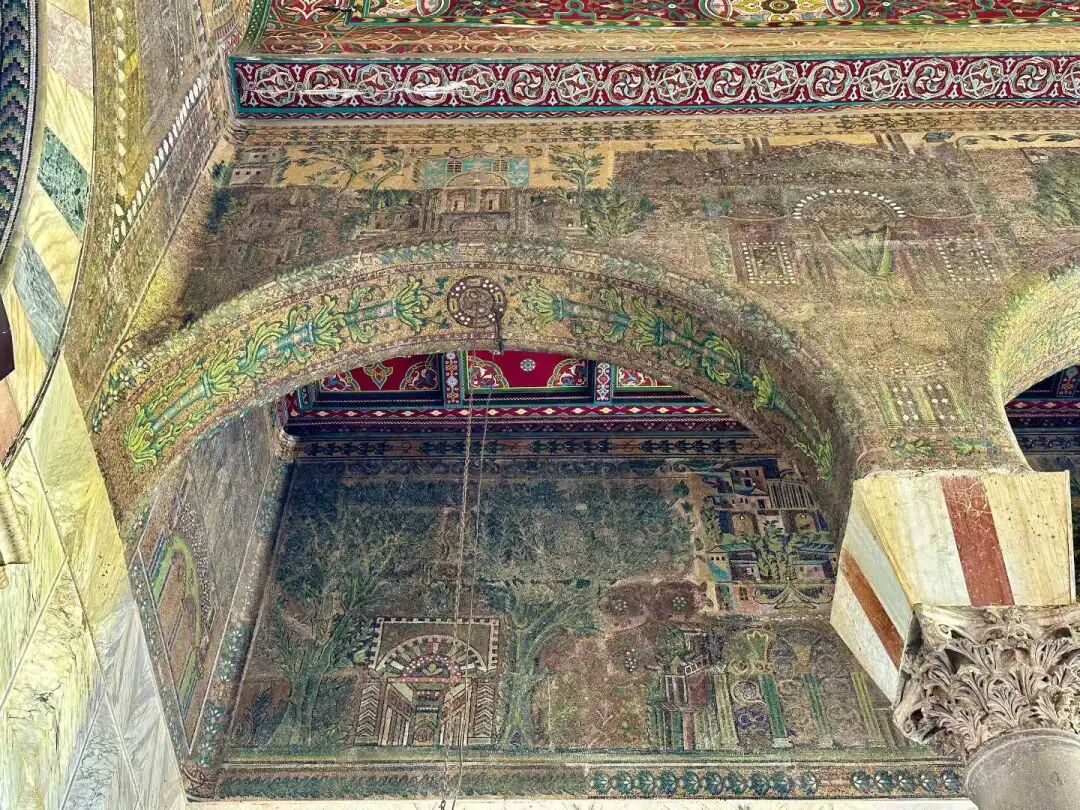
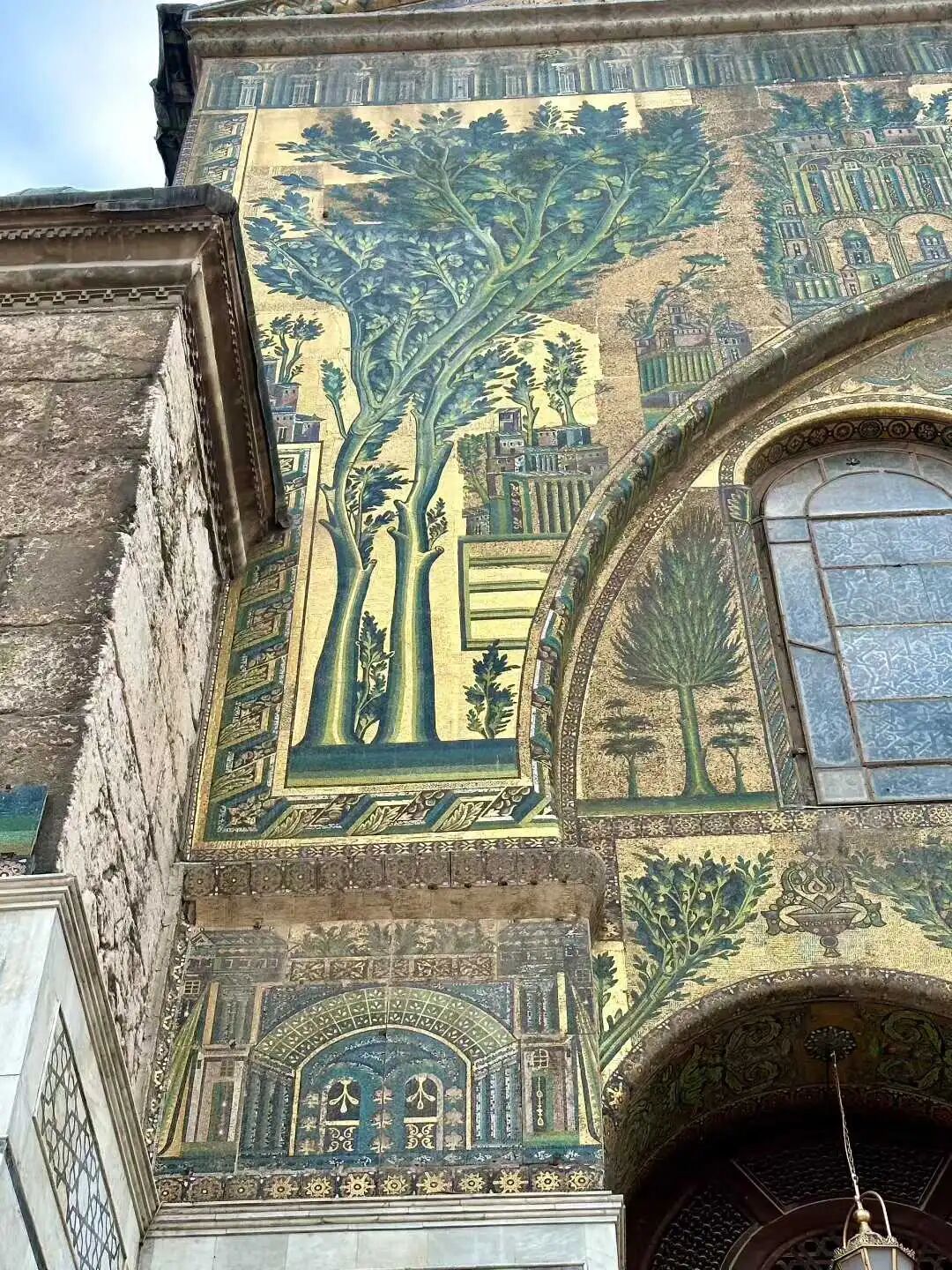
Mosaic decorations on the north and south sides of the west gate hall.
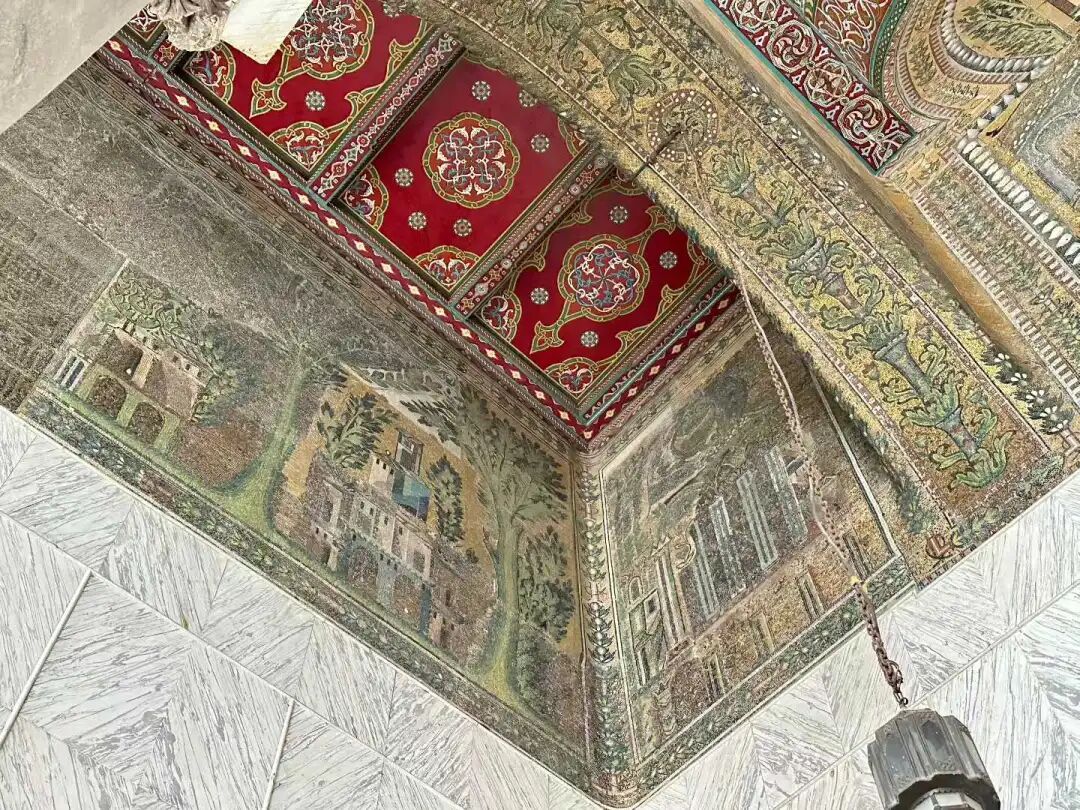
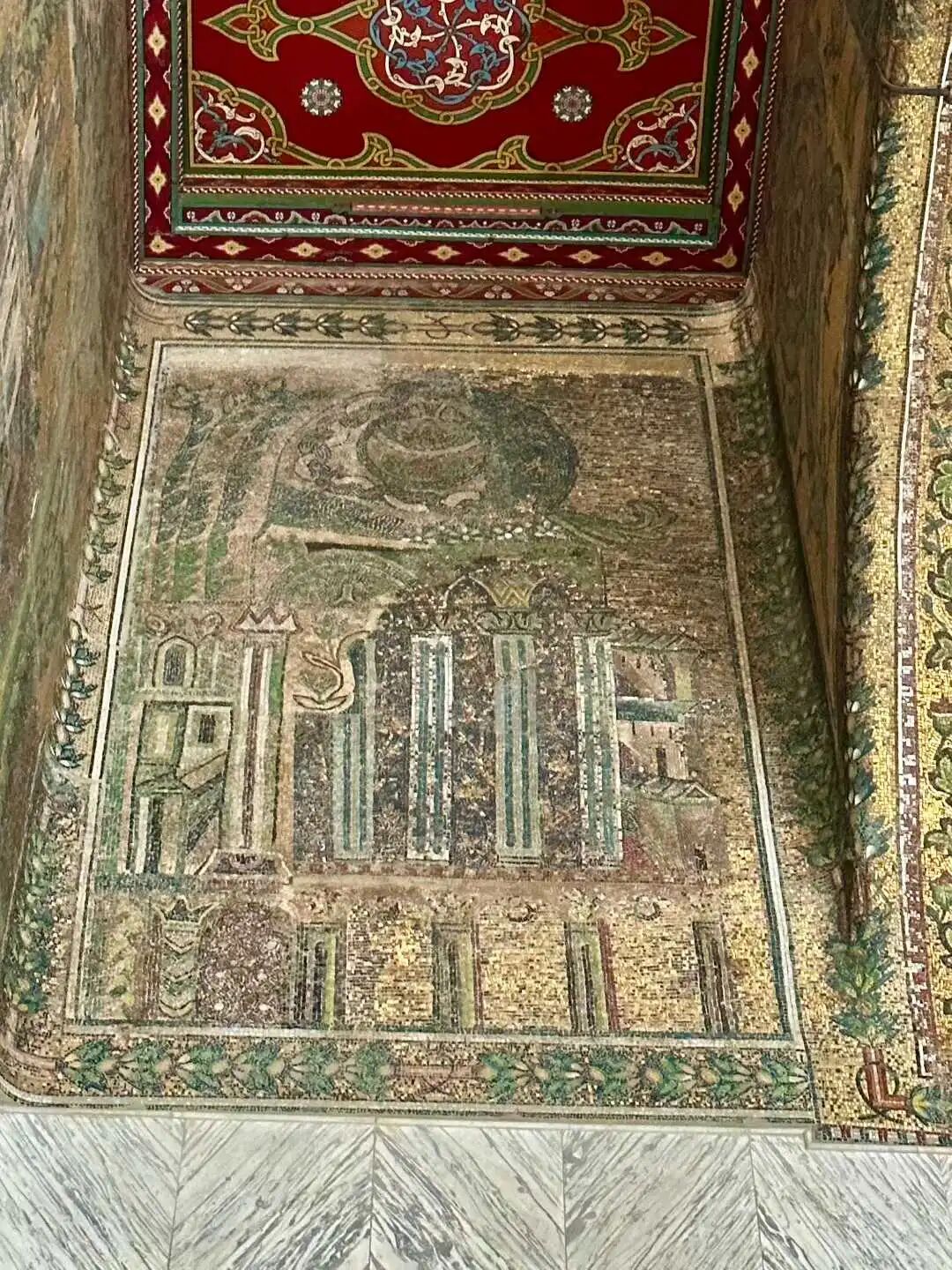
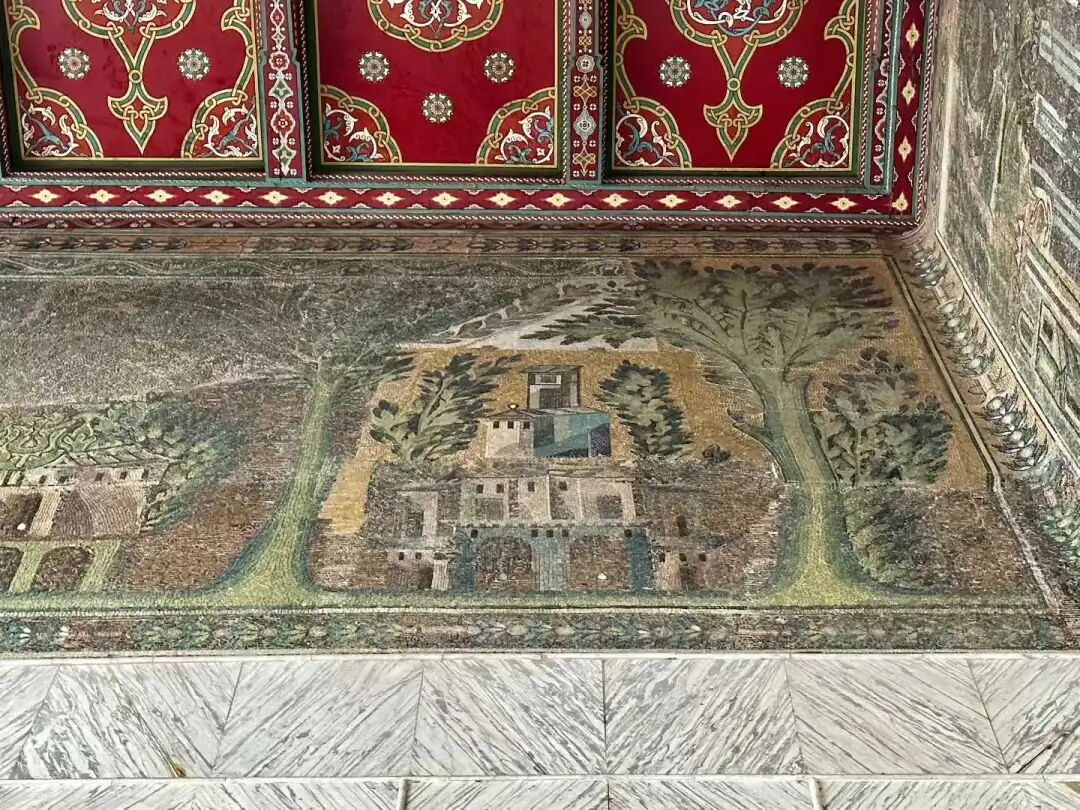
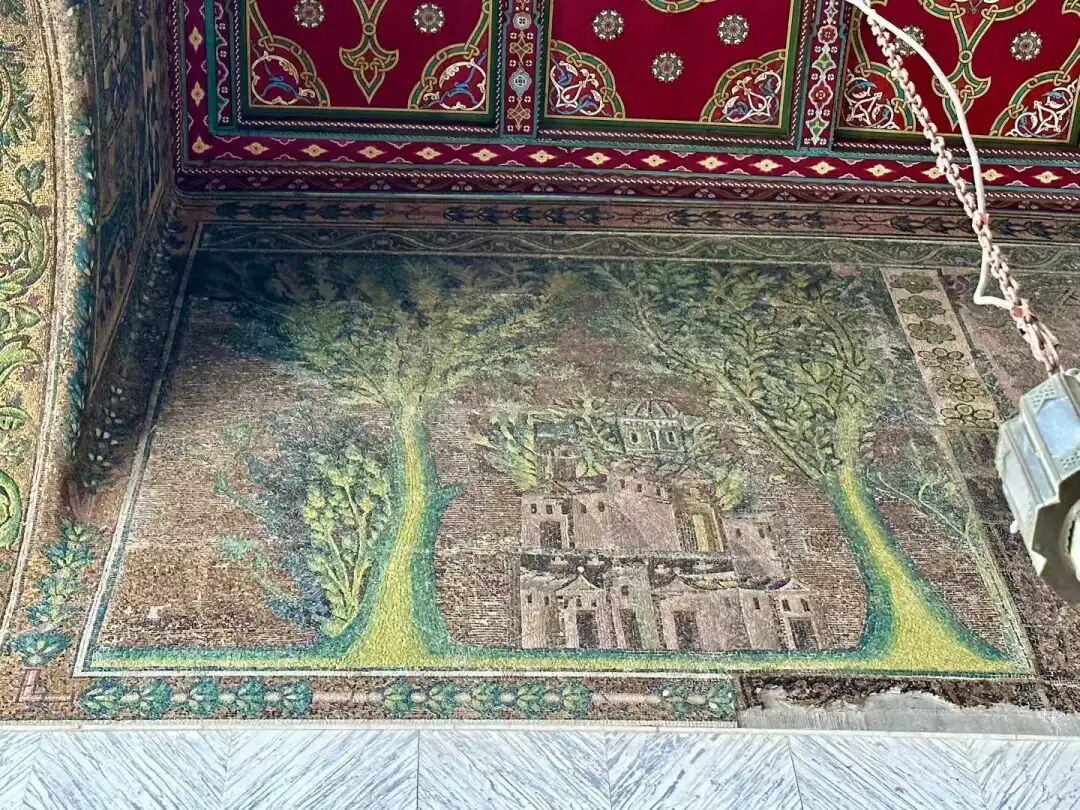
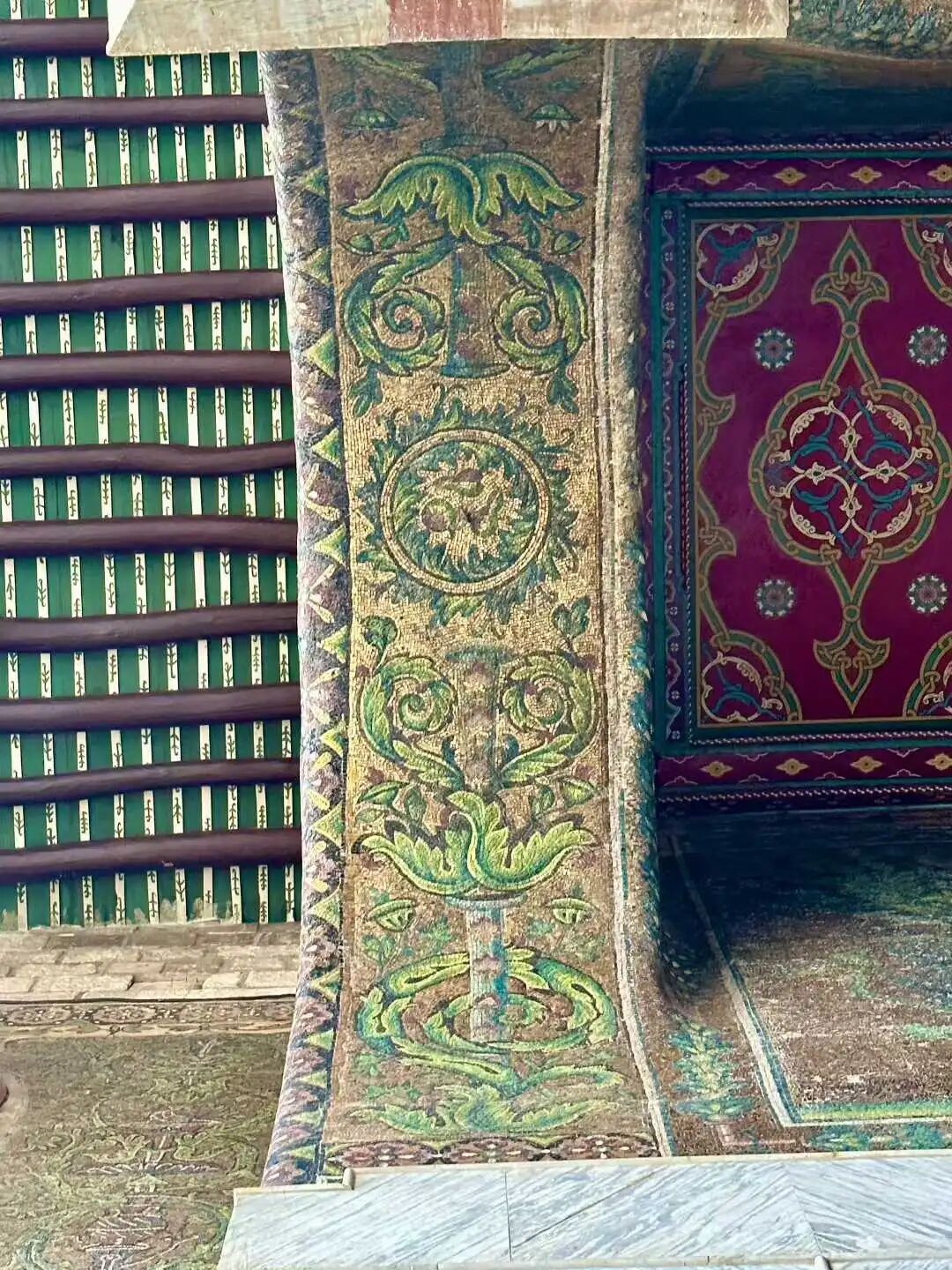
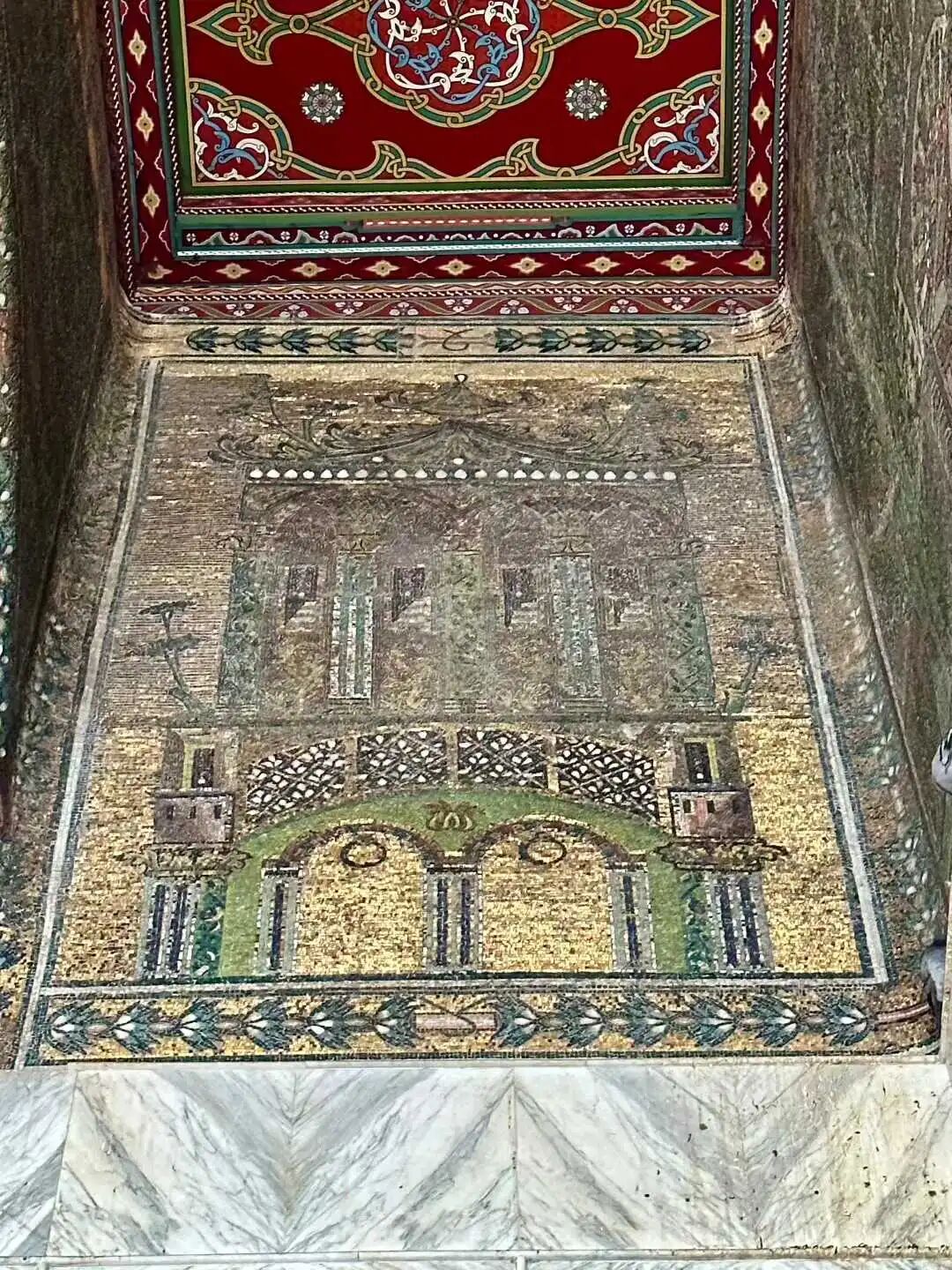
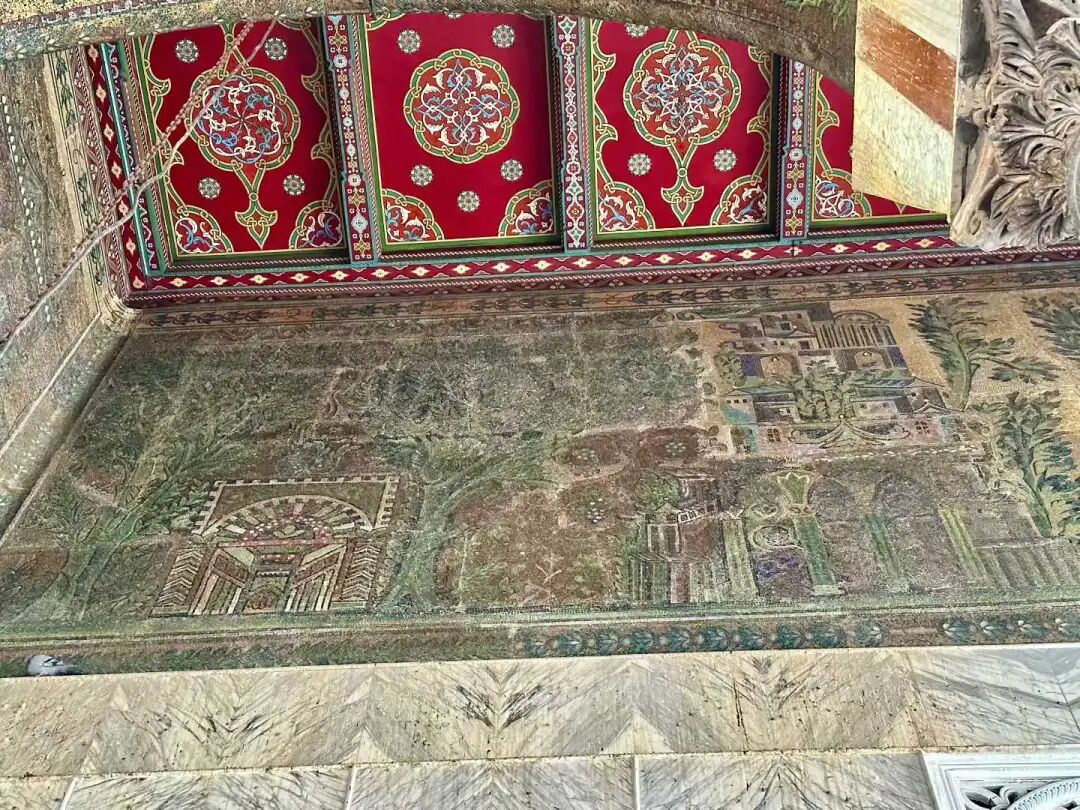
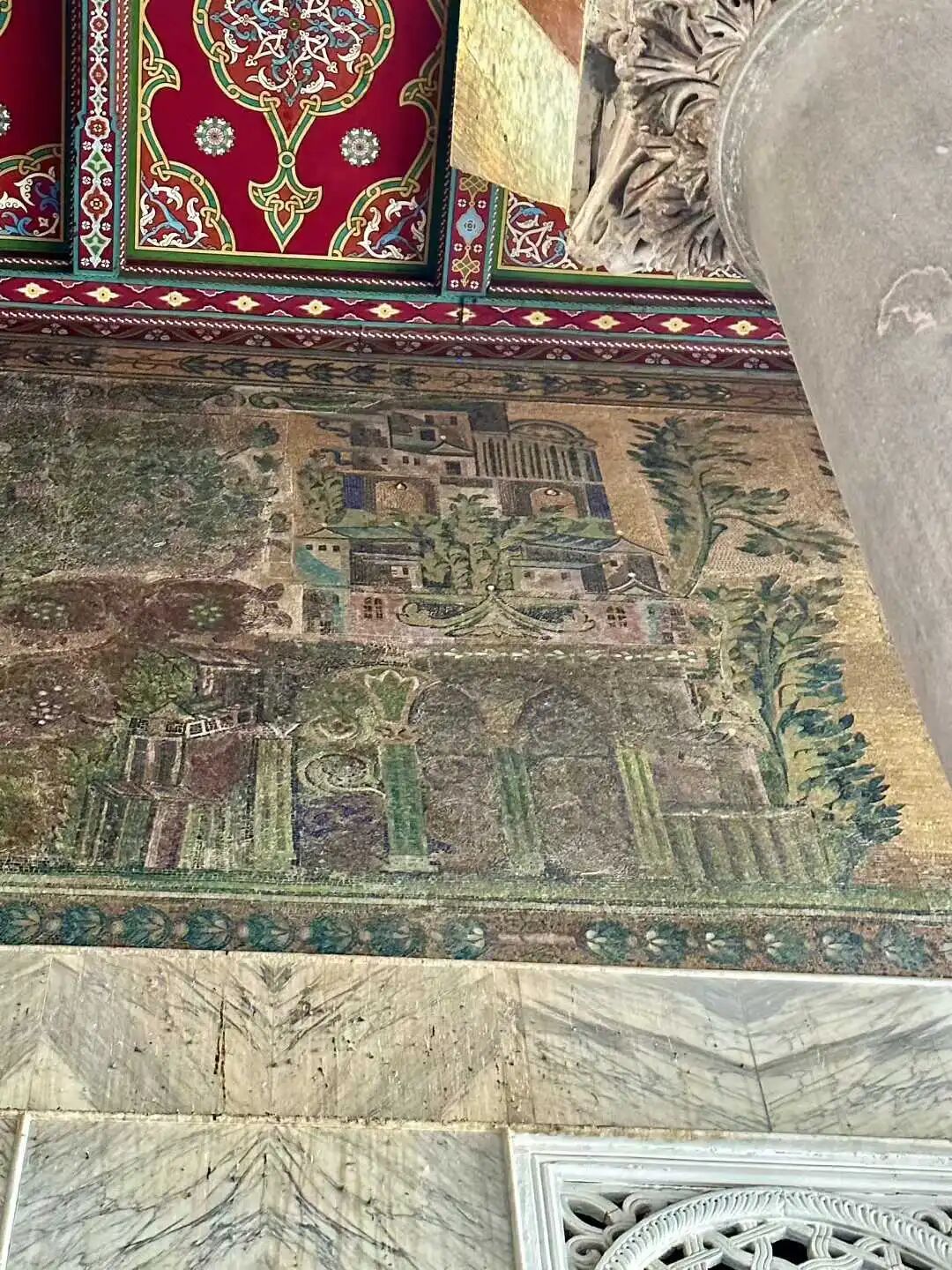
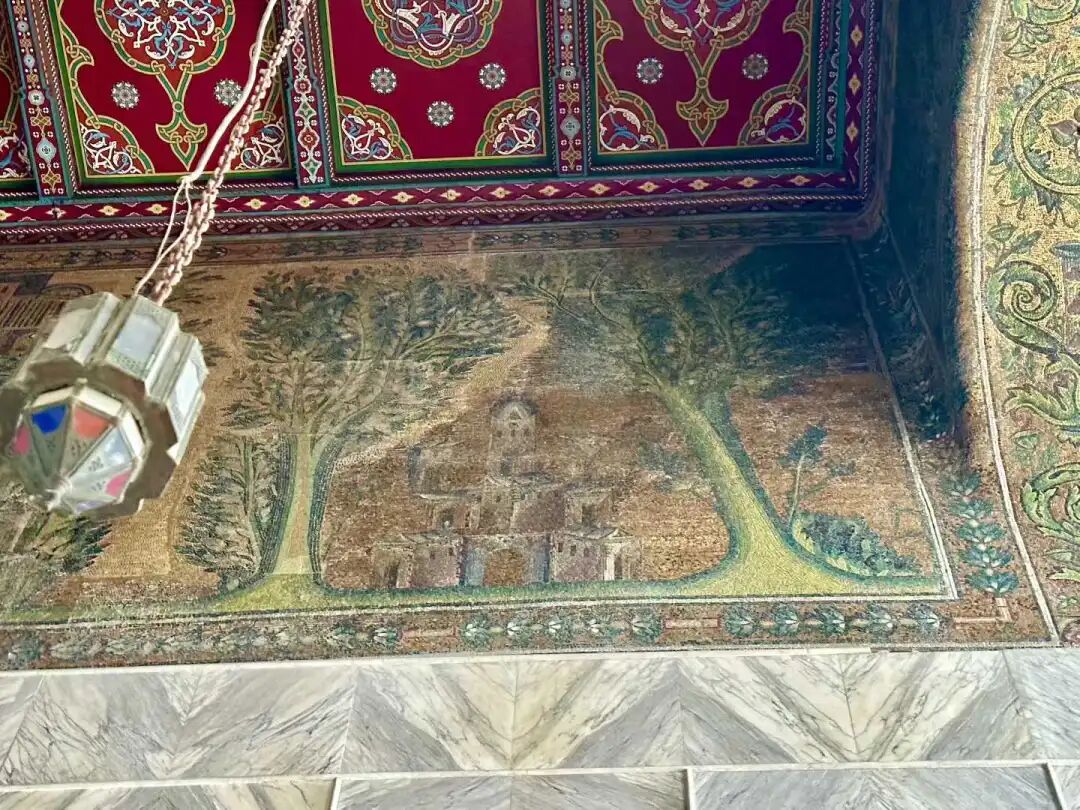
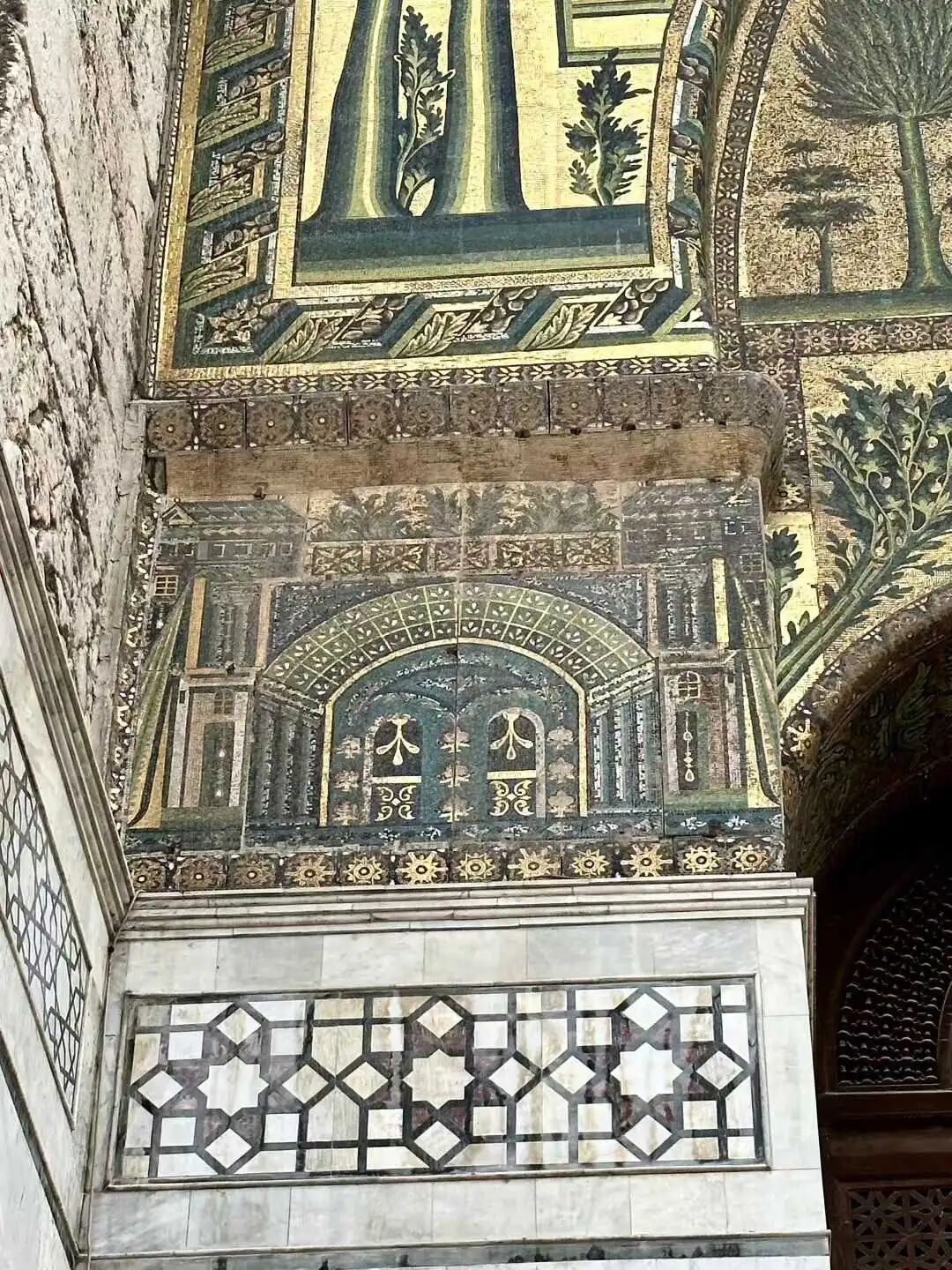
Mosaic decorations in the west portico.
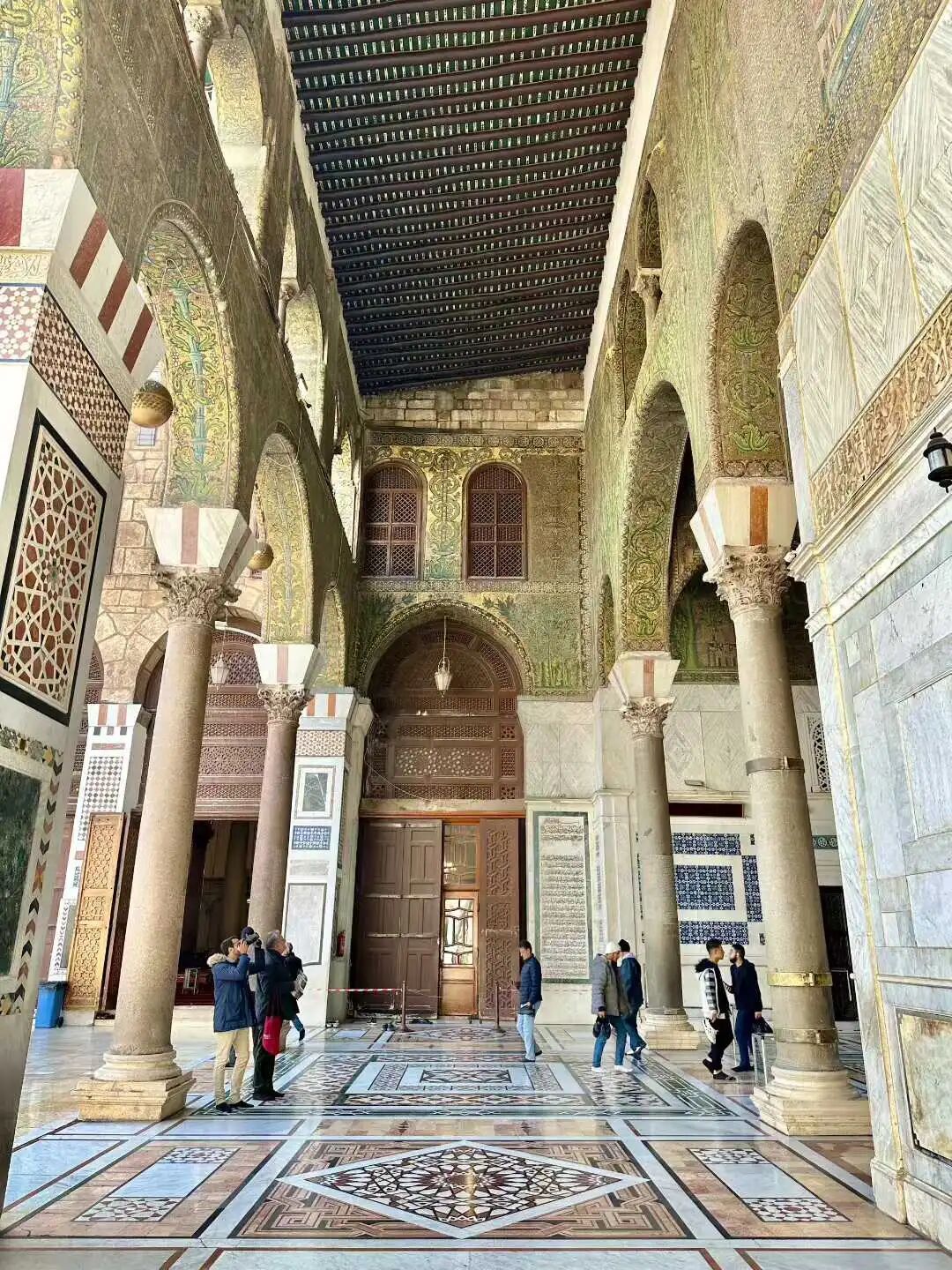
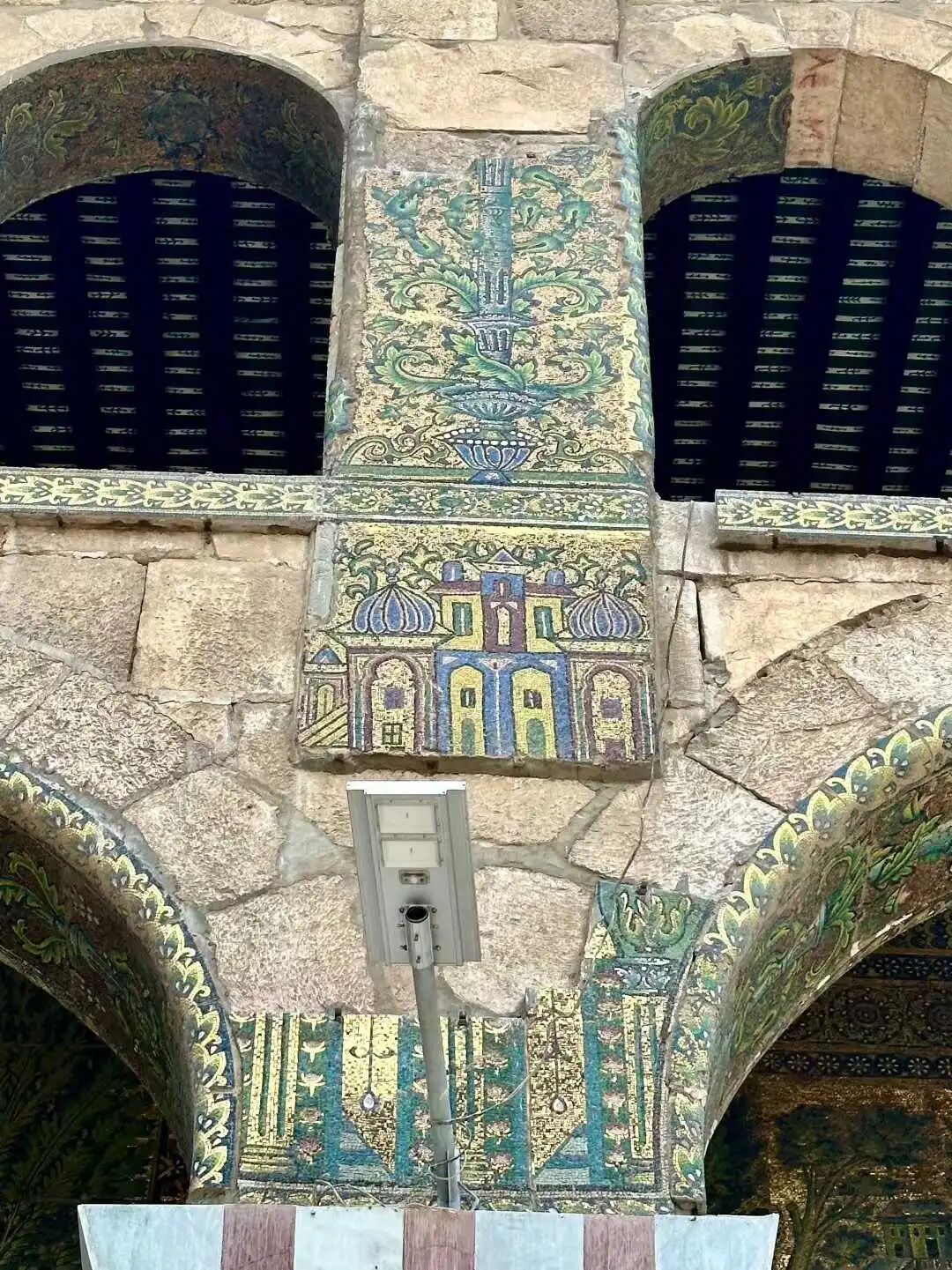
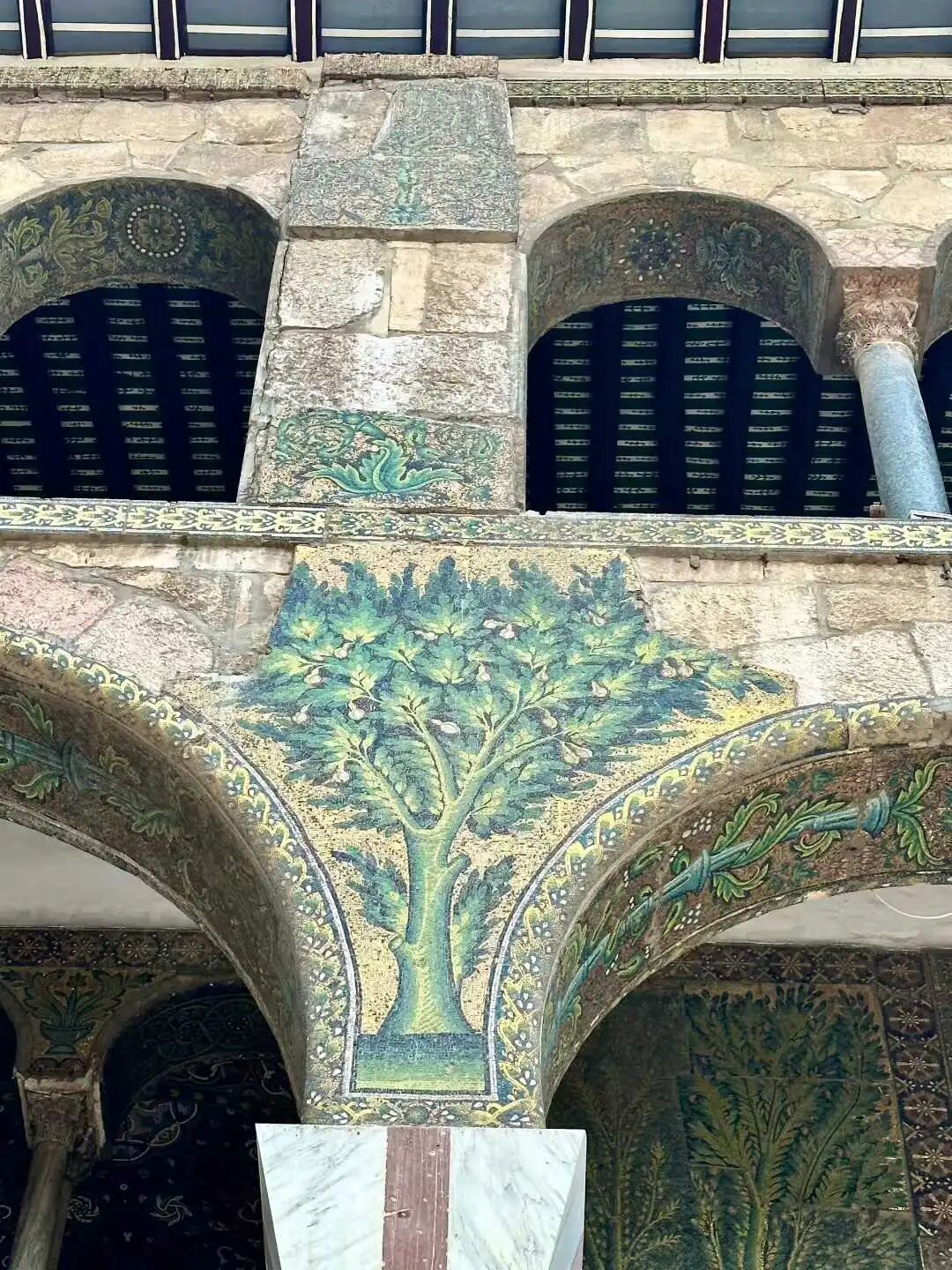
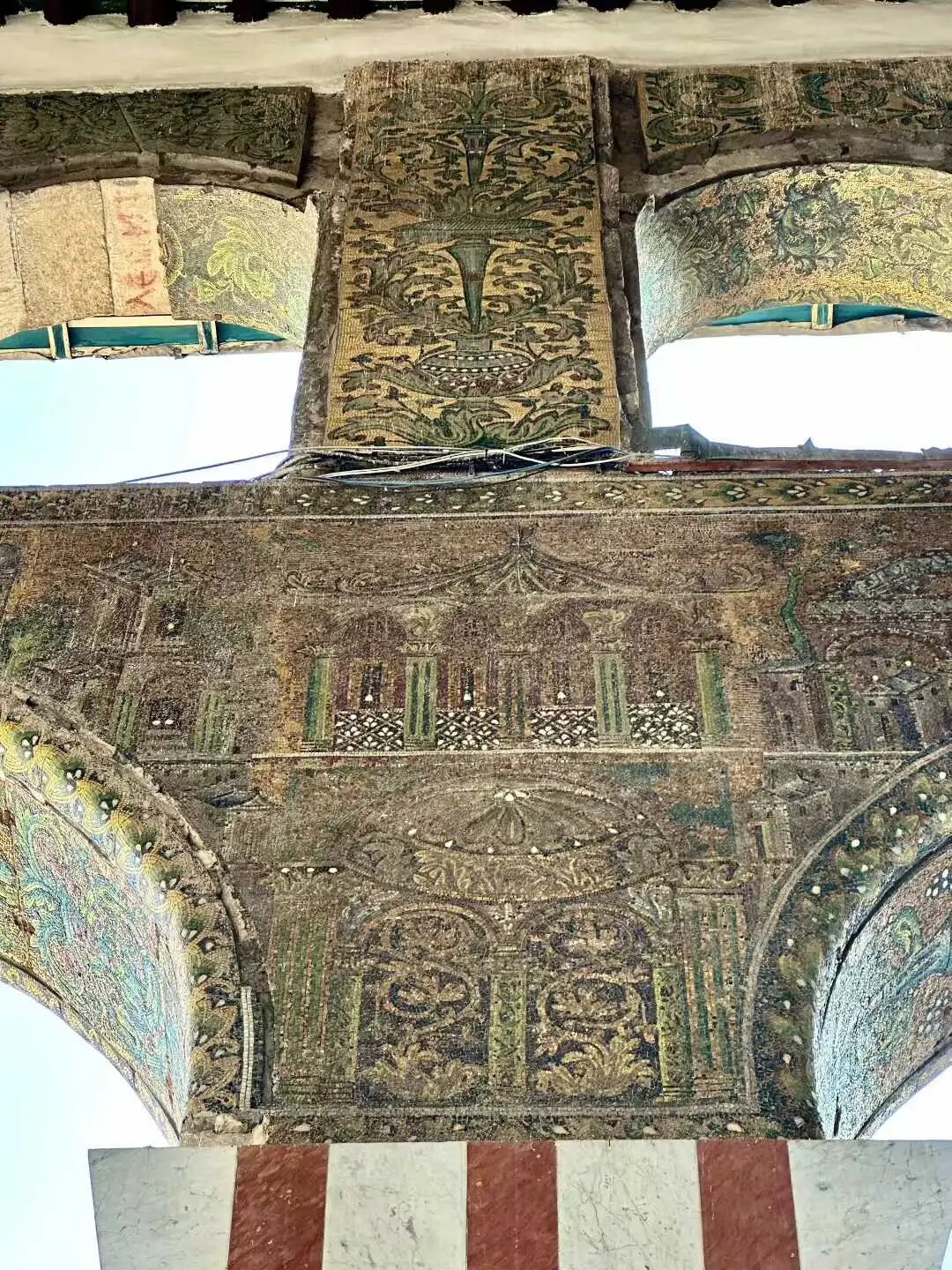
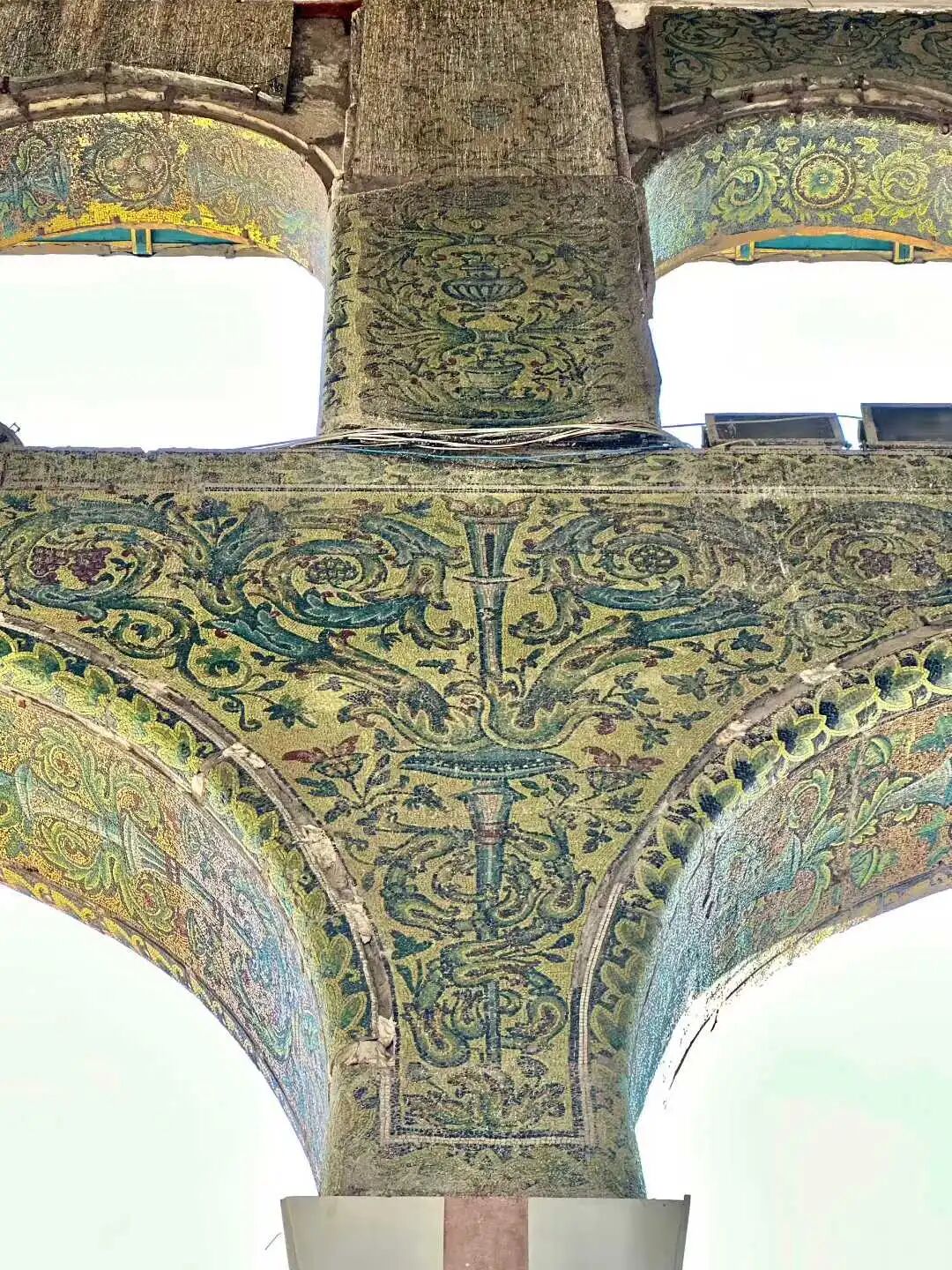
Mosaic decorations on the main entrance of the prayer hall; the dark parts are original, and the bright parts were restored later.
Summary: The Great Mosque of Damascus is famous for Umayyad-era mosaics, including the Barada Panel restored by the Mamluk Sultan Baibars in 1270. This account keeps the source's art history, chemical study notes, scholarly interpretations, mosaic locations, and photographs.
The Great Mosque of Damascus is world-famous for its rich Umayyad-era mosaic decorations. These mosaics use a late Roman style to depict various natural landscapes and buildings, showing a typical naturalistic style.
Some Arabic historical sources suggest the craftsmen and materials for the mosaics came from the Byzantine capital of Constantinople, but a 2022 chemical analysis study showed that most of the mosaics were actually produced in Egypt. Although these mosaic images show traces of Byzantine style, some scholars believe their style better matches mosaic craftsmanship from Syria, Palestine, and Egypt.
There has also been a long-standing debate about the meaning of the mosaic images. Some views suggest they represent the known world at that time, others think they depict Damascus and the Barada River, and some believe they show scenes of Paradise. Currently, there is relatively more evidence for the Paradise view, and the landscapes without human figures fit the idea of an empty Paradise waiting for people to arrive after the Day of Resurrection.
In 1270, the Mamluk Sultan Baibars carried out a large-scale restoration of the mosaics at the Great Mosque of Damascus, especially the Barada Panel in the western portico. The Barada River is the main river flowing through Damascus. This panel is believed to depict a town landscape along the Barada River.
Mosaic decorations in the central hall of the west gate.
Mosaic decorations on the north and south sides of the west gate hall.
Mosaic decorations in the west portico.
Mosaic decorations on the main entrance of the prayer hall; the dark parts are original, and the bright parts were restored later.
