
Hidden Mosques in Yibin: Sichuan Hui Muslim History, Old Streets and Local Food
Reposted from the web
Summary: This Yibin travel account follows old mosques, riverside streets, Hui Muslim history, and local halal food notes from the next stop on a Spring Festival road trip through Sichuan.
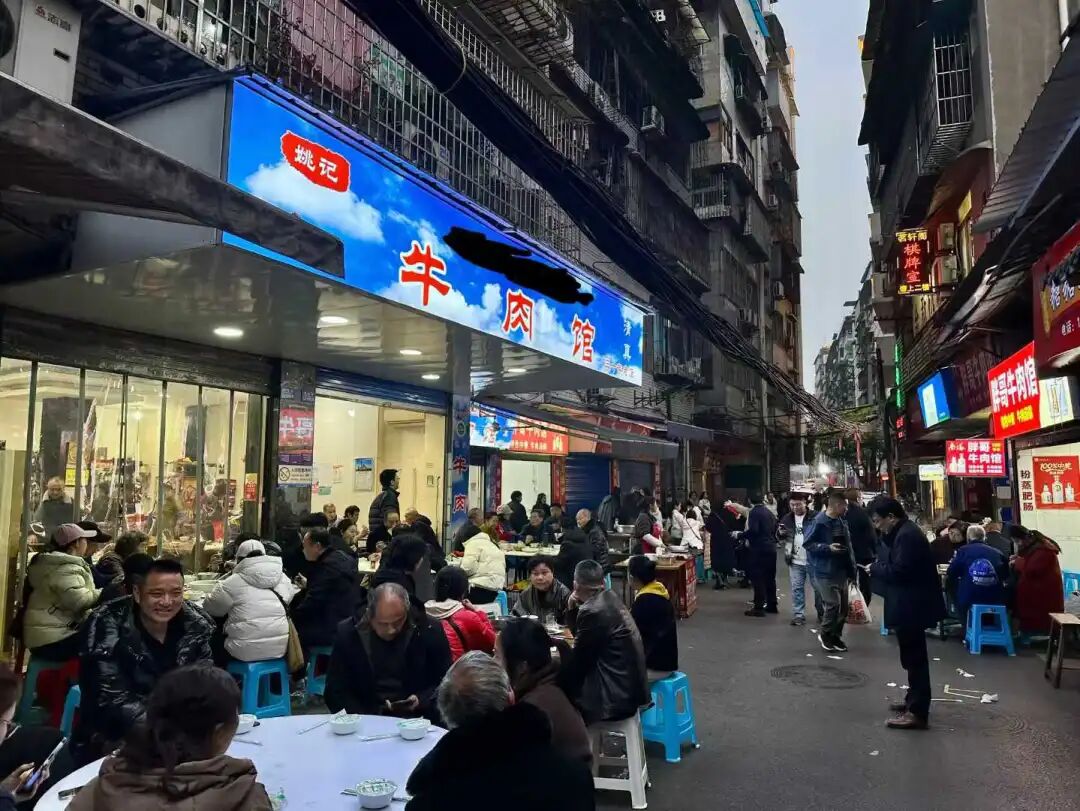
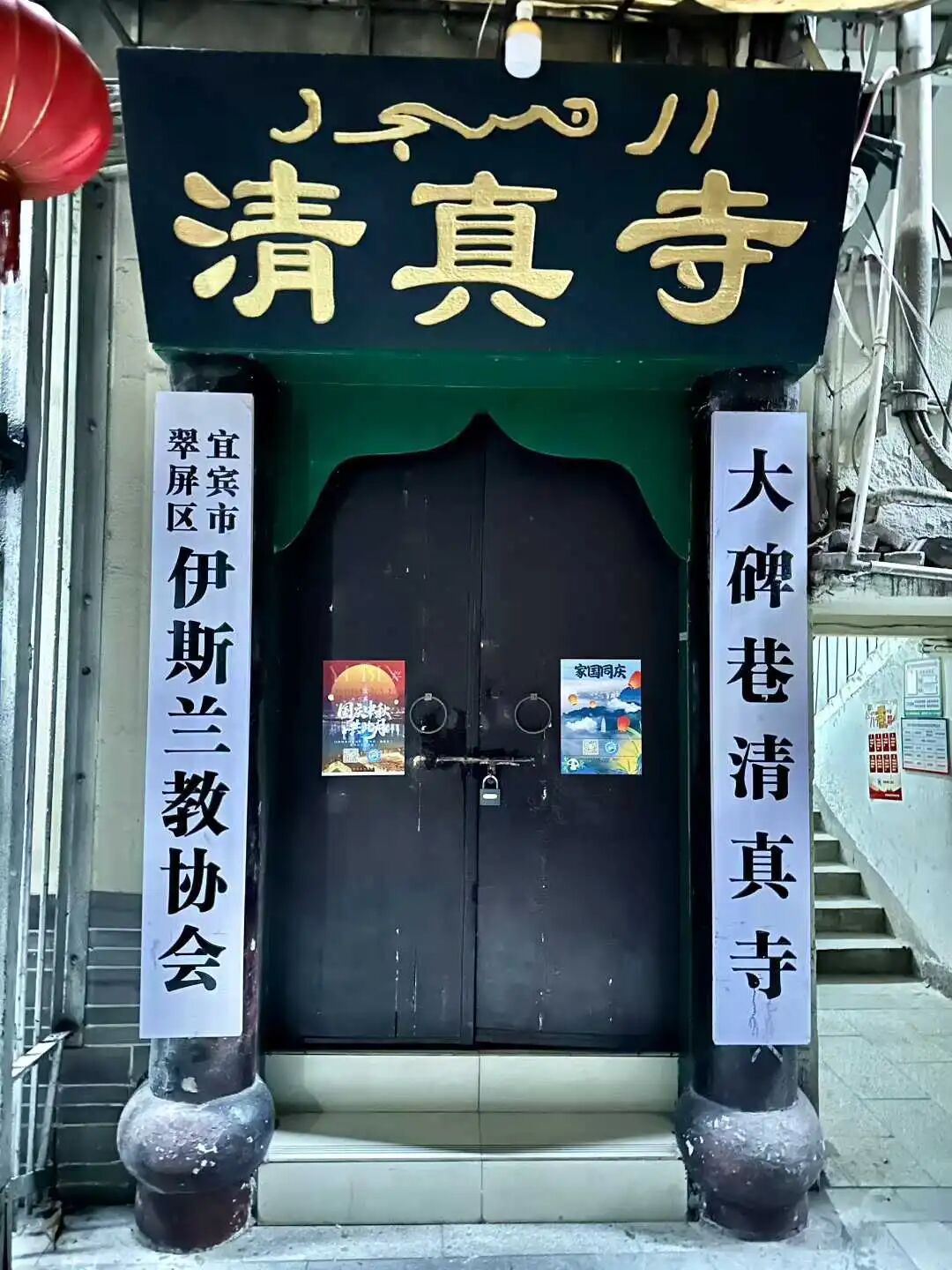
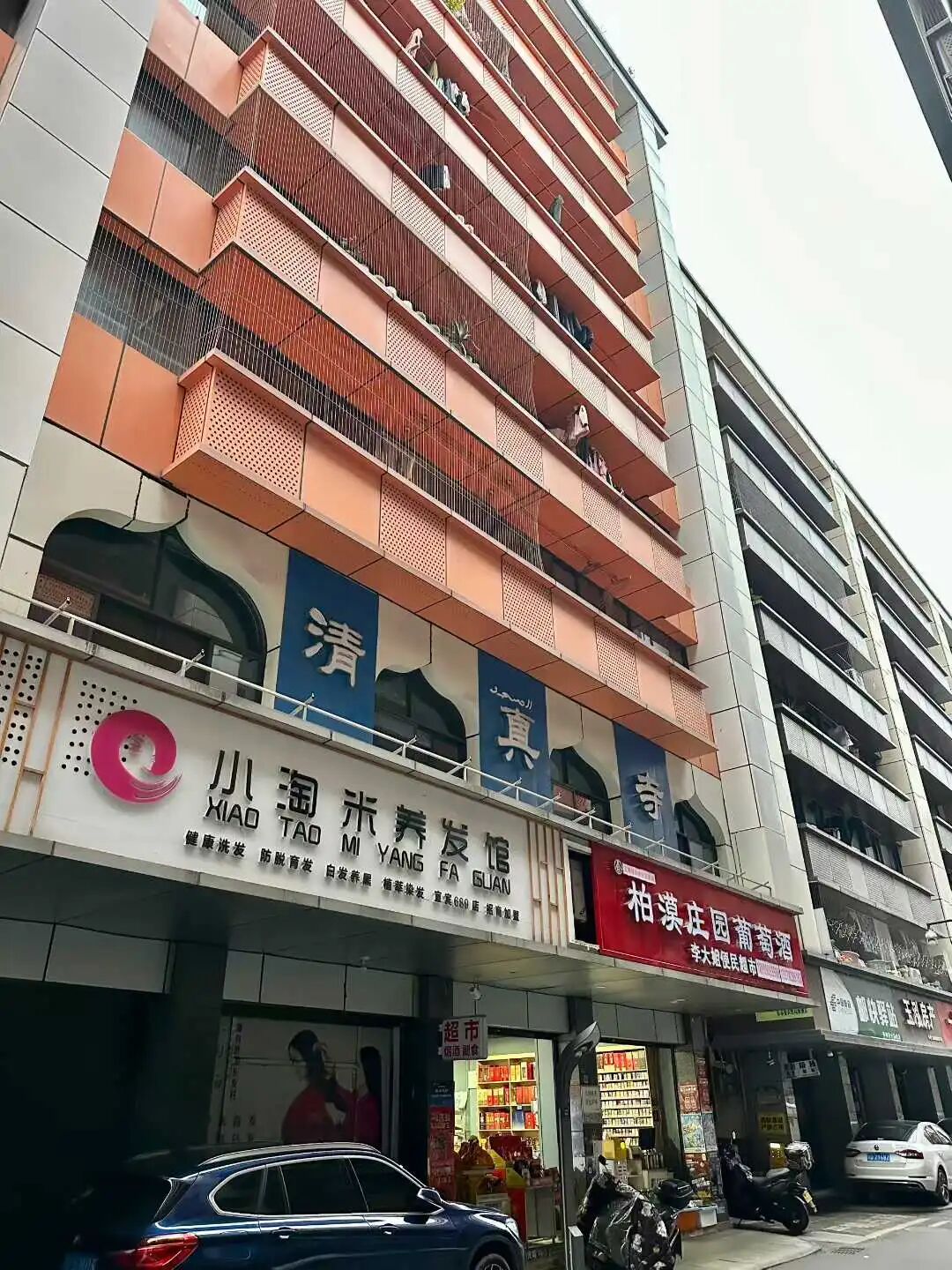
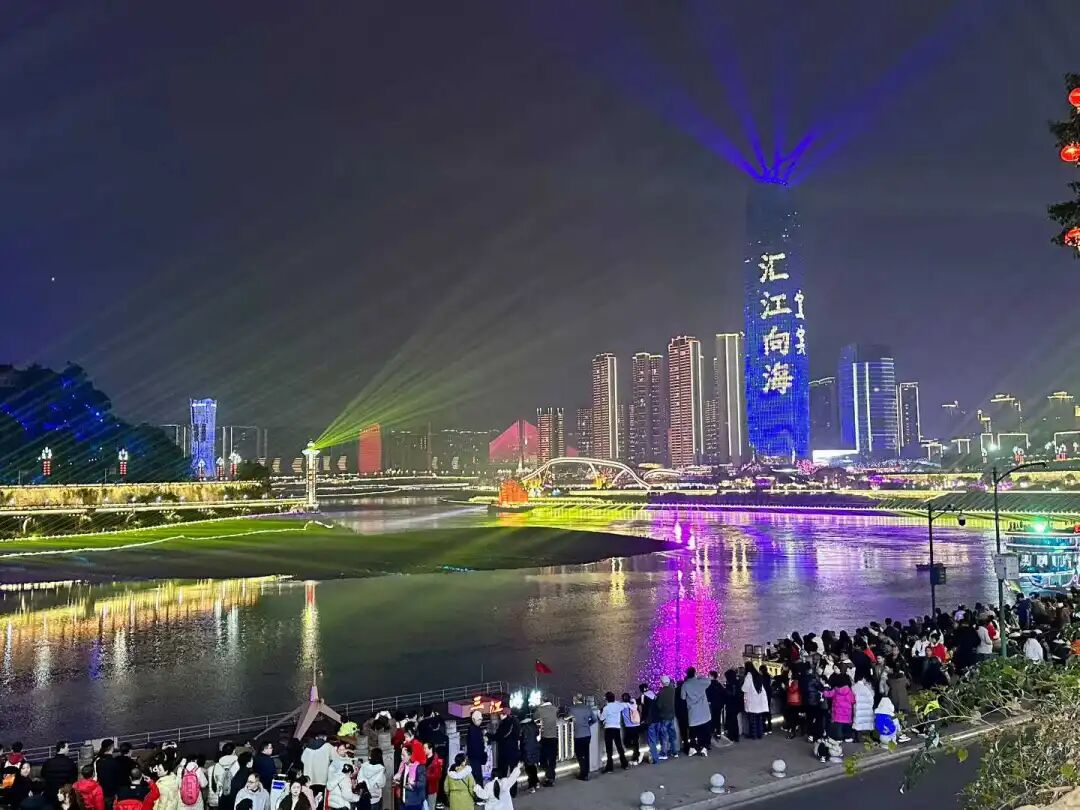
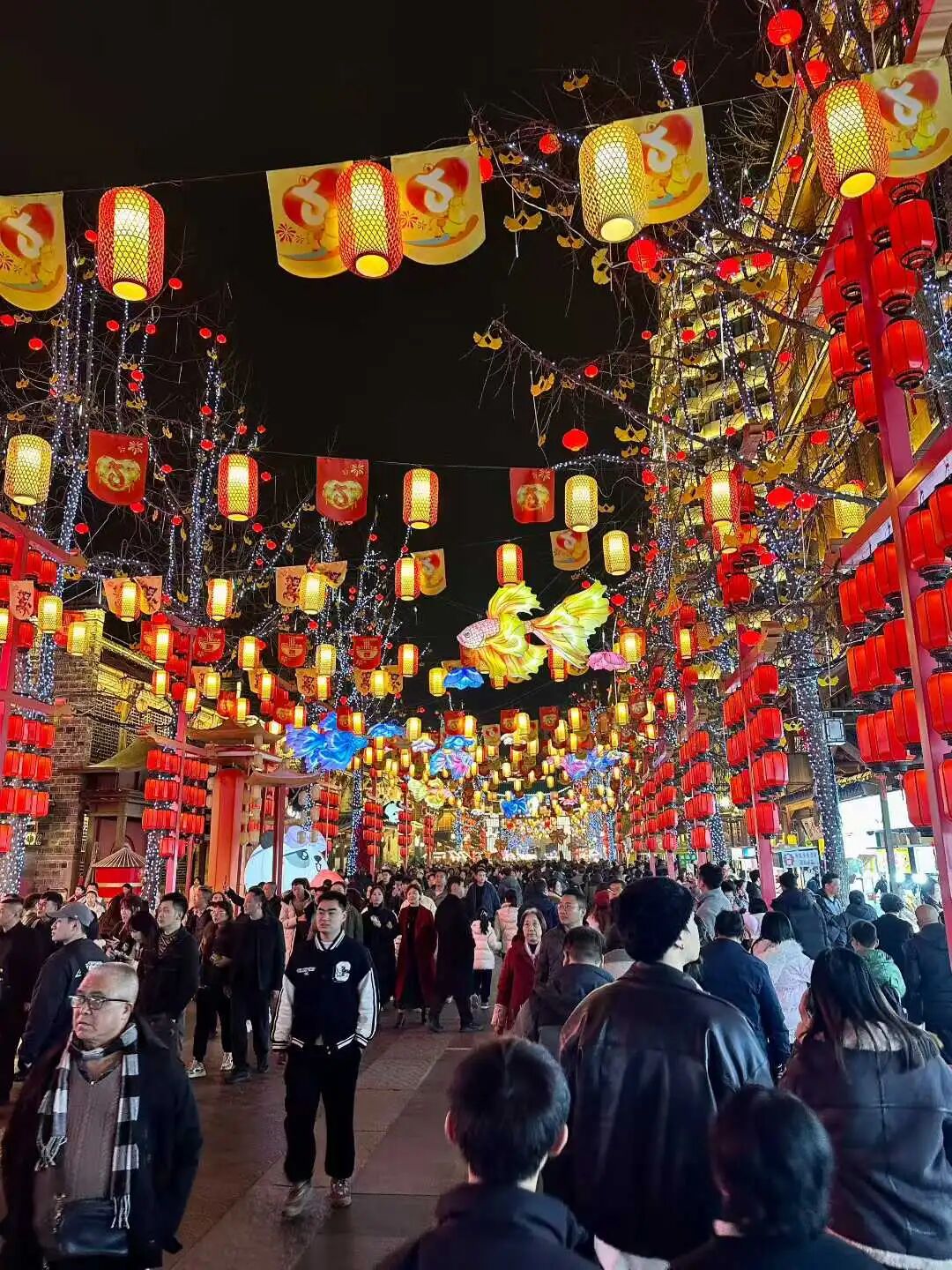
On the afternoon of February 17, I drove south from Luocheng for an hour and a half and arrived at the old town in the Cuiping District of Yibin, right by the Yangtze River. Parking in Yibin's old town is very difficult during the Spring Festival. I found a spot on the side of the road near the Dabeixiang Mosque, but unfortunately, the imam, Imam Su, was not there at the time. I went to Yao's Beef Restaurant (Yaoji Niurouguan) on nearby Xuesheng Street for dinner instead. Yao's Beef Restaurant was packed that night. I waited nearly an hour after ordering before I could eat. They ran out of ingredients several times, and the owner said they hadn't prepared enough. I didn't expect business to be this good on the first day of the Lunar New Year.
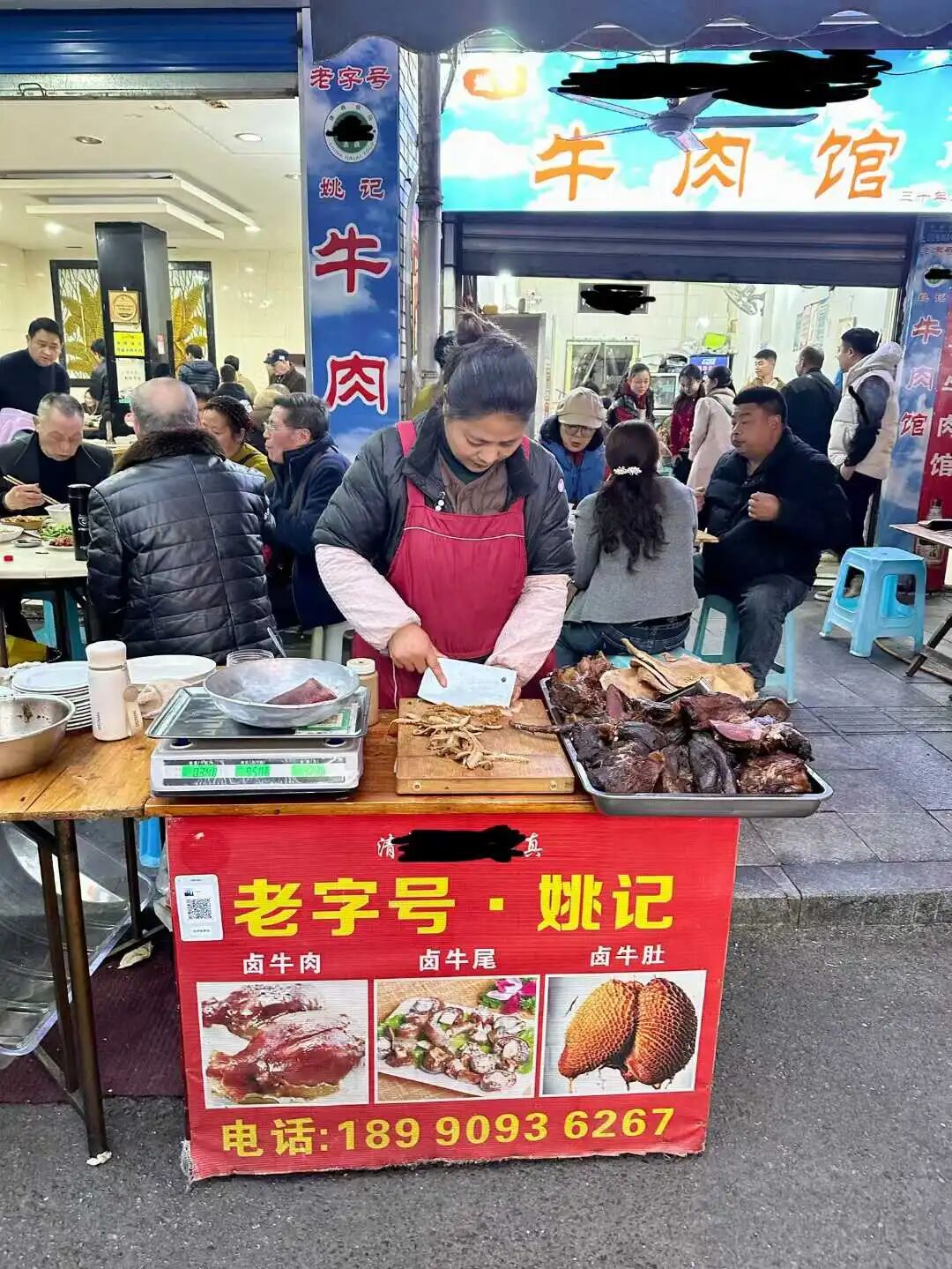
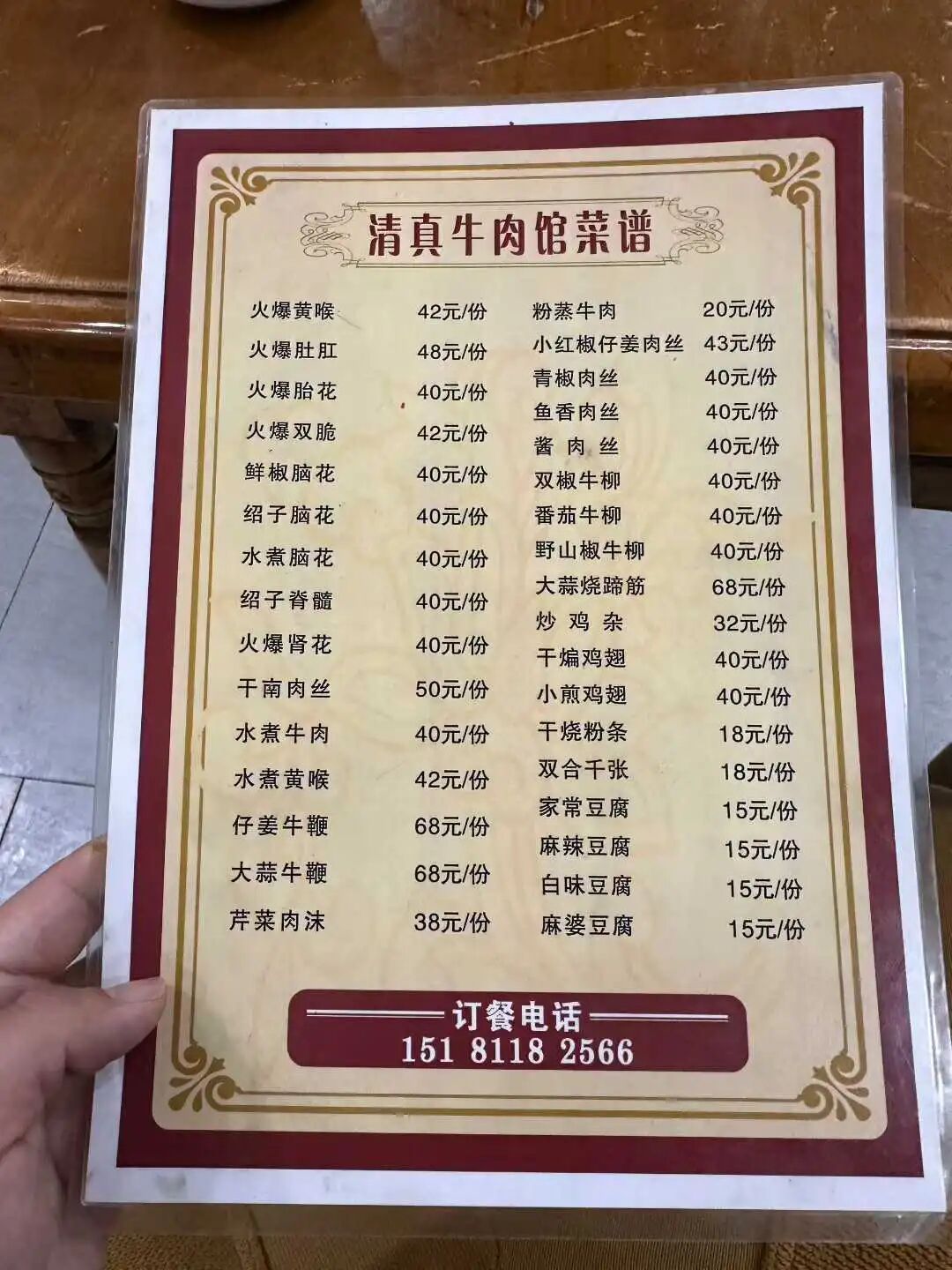
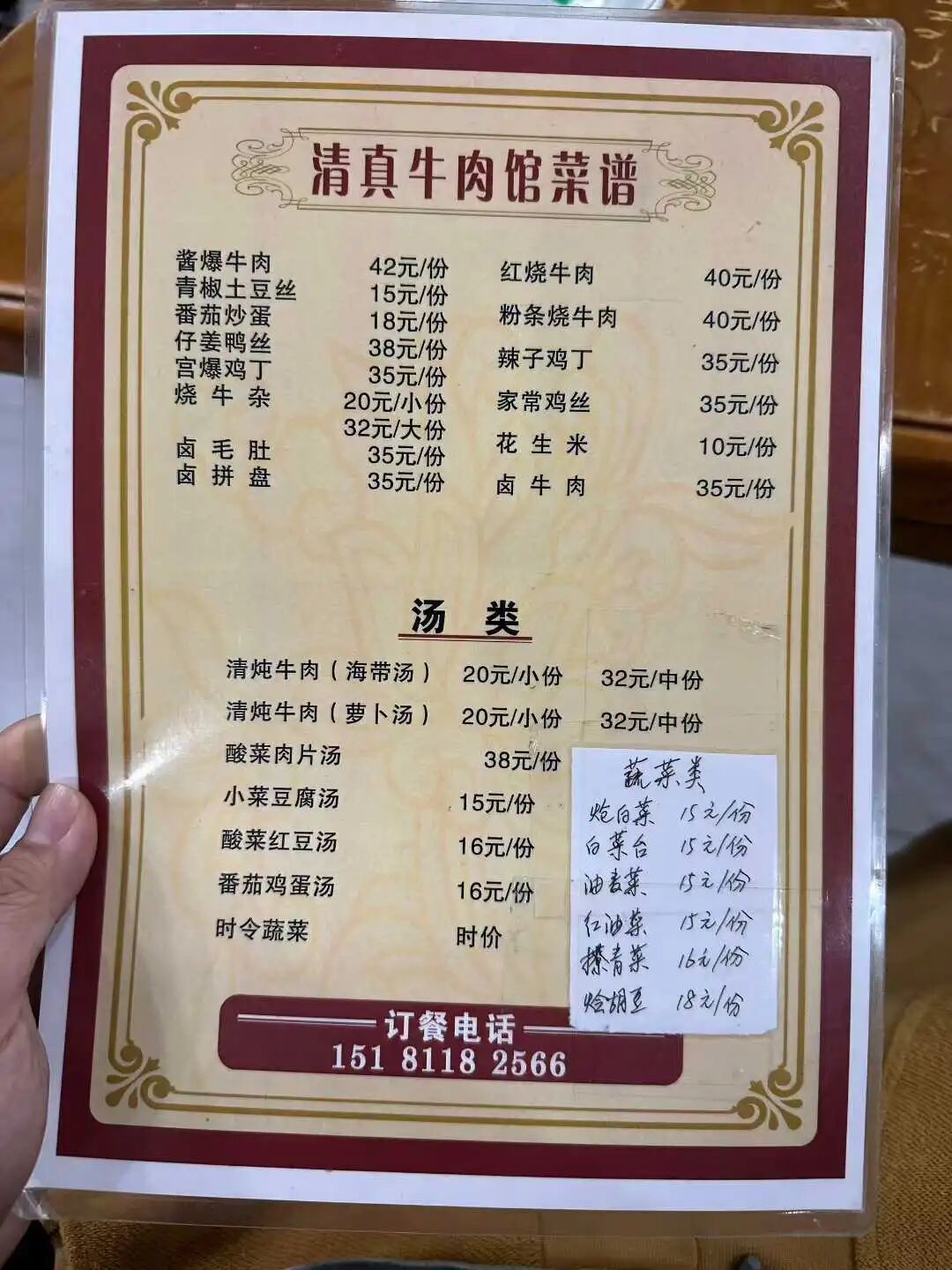
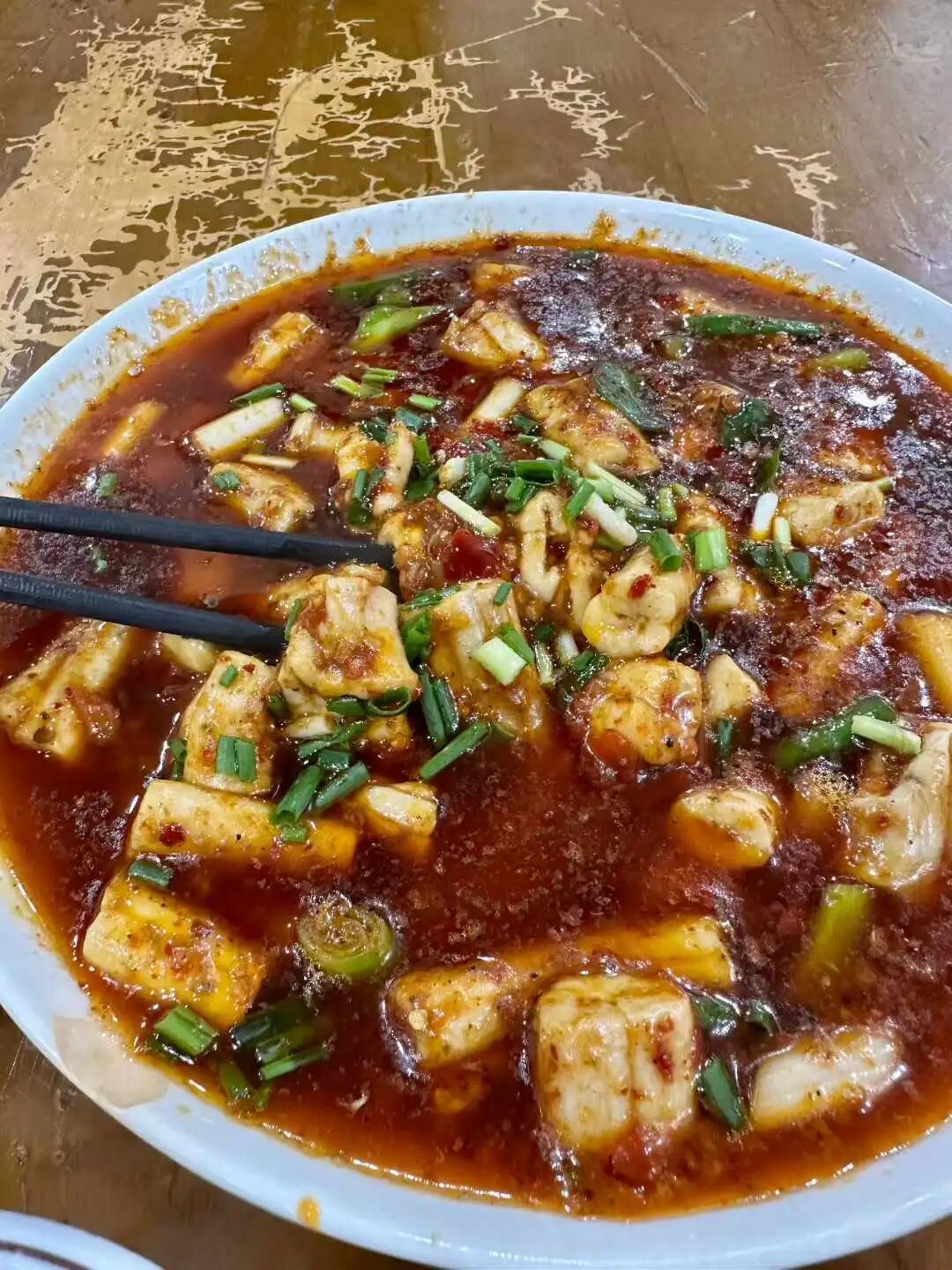
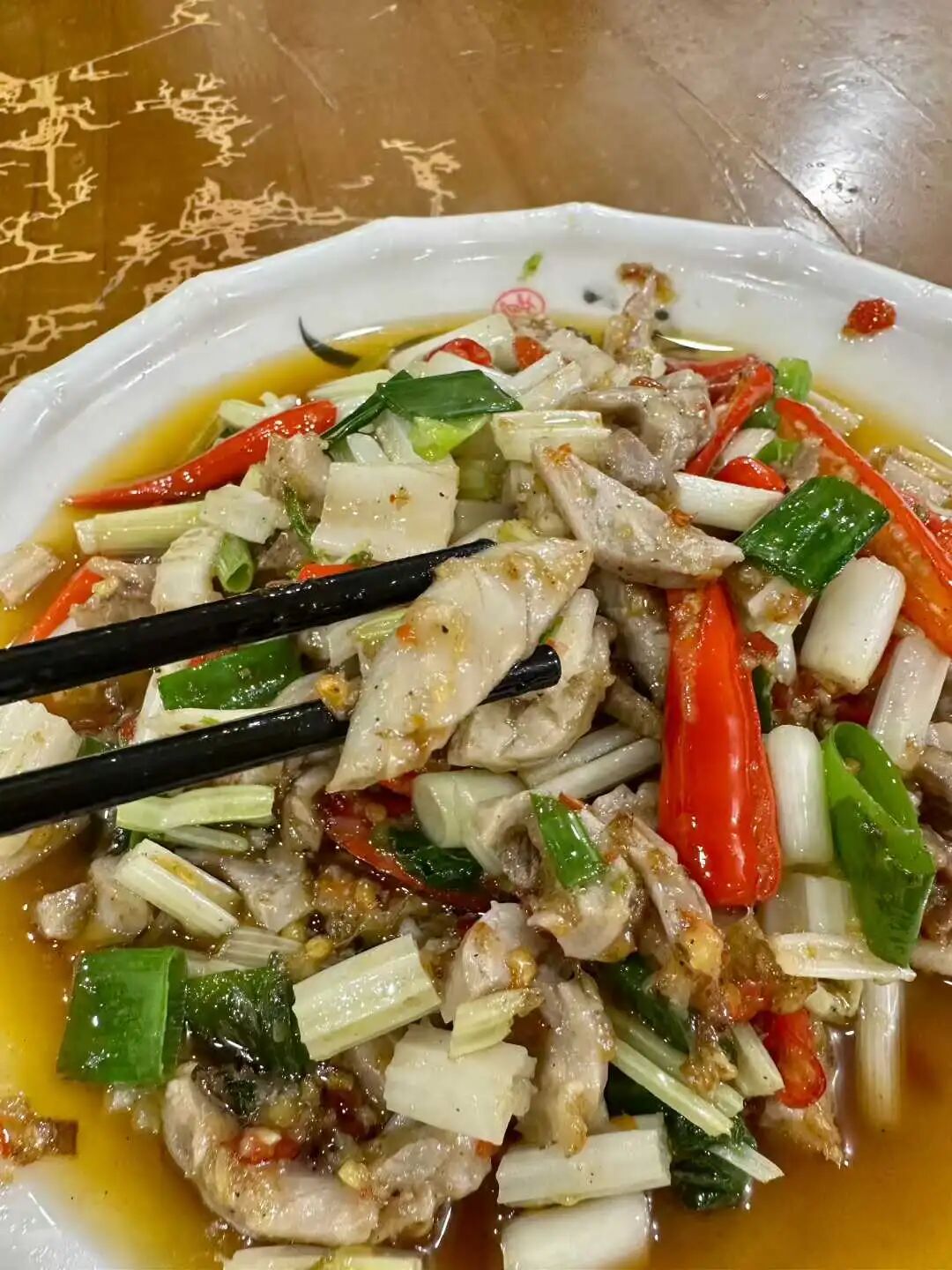
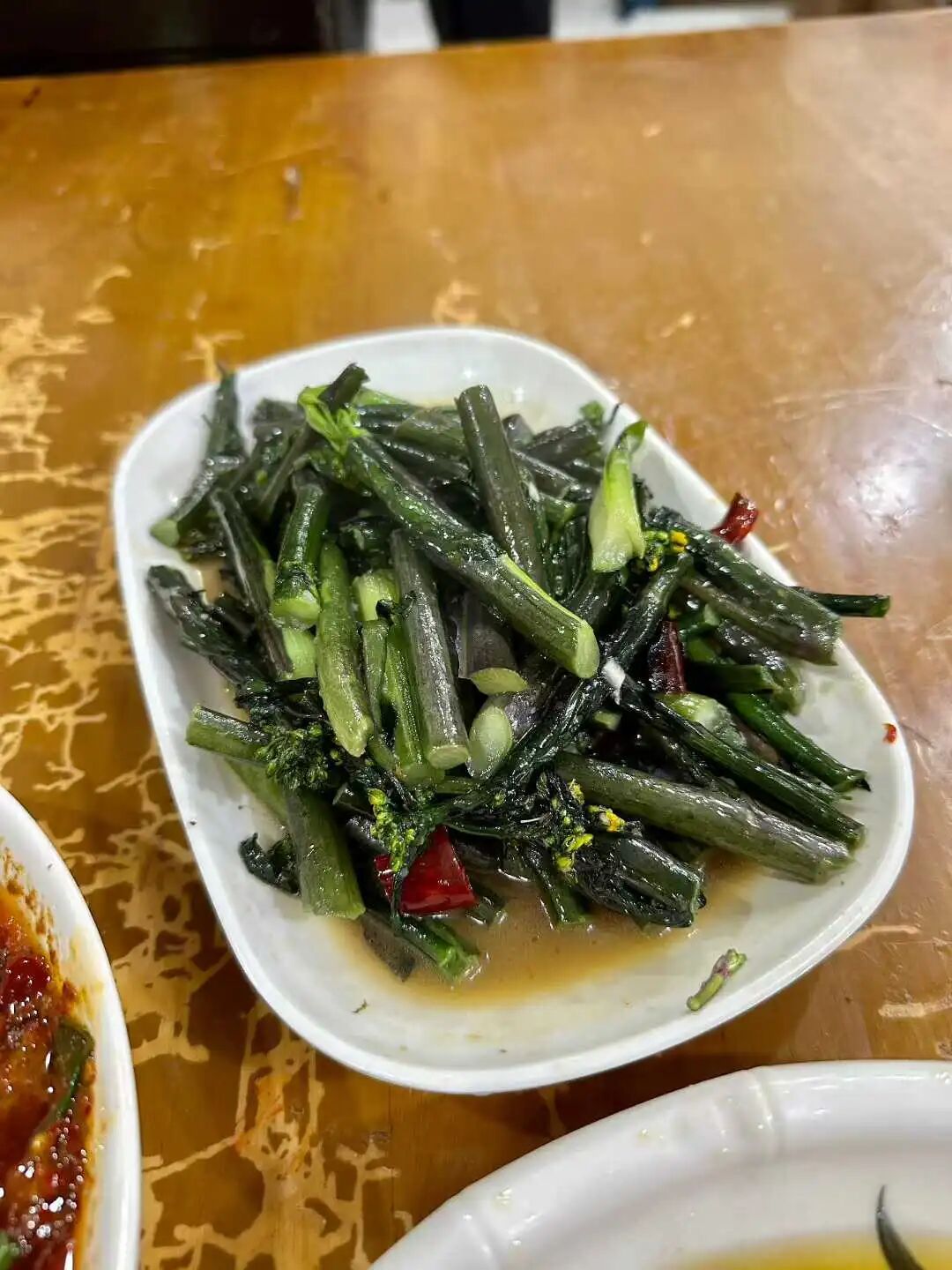
Yao's has been open for 30 years. Since the 1990s, they have been selling steamed beef with rice flour (fenzheng niurou), clear-stewed beef (qingdun niurou), and braised beef (hongshao niurou) on Xuesheng Street, standing out for their commitment to never using overnight meat. They serve the most authentic Yibin-style Sichuan cuisine, focusing on various stir-fried (huobao), minced meat topping (saozi), and water-boiled (shuizhu) dishes. I ordered stir-fried beef tripe (huobao taihua), minced meat with spinal cord (saozi jisu), and red oil greens (hongyoucai).
This was my first time hearing of taihua. I asked the server, and they said it is a type of beef tripe that is very crispy, bouncy, and chewy. It requires high heat and fast cooking to get that perfect wok aroma.
The minced meat with spinal cord melts in your mouth and is soft and creamy. The minced meat topping (saozi) is salty, fresh, spicy, and rich in sauce, making it perfect with rice.
Red oil greens are red vegetable stalks (hongcaitai), a classic vegetable dish in Yibin from autumn through early spring. They are stir-fried over high heat with garlic slices until just cooked, making them crispy, tender, slightly sweet, and fragrant. In Hui Muslim banquets, this is usually the final vegetable dish, balancing out the spicy stir-fried beef dishes.
The Dabeixiang Mosque in Yibin was first built in 1821 (the first year of the Daoguang reign). It was originally a traditional courtyard house in southern Sichuan, but after being demolished in 1993, it became a multi-story building. As early as the Qianlong reign, Hui Muslims with the surnames Su, Ma, Hai, Zhang, and Cai from Shaoyang, Hunan, moved to Yibin due to the 'Huguang fills Sichuan' migration. During the Jiaqing reign, a Hui Muslim named Li became wealthy running a money shop in Yibin, so he donated money to build the mosque on Dabeixiang in the first year of the Daoguang reign. During the Guangxu reign, a military official named Ma Chaoxuan retired from his post as a provincial commander and settled in Yibin, where he built a mosque on Shuijing Street in the north of the city. During the late Qing Dynasty and the Republic of China era, Ma Chaoxuan's descendant, Ma Pinsan, became the manager of the Dabeixiang Mosque and merged the northern city mosque into the Dabeixiang Mosque.
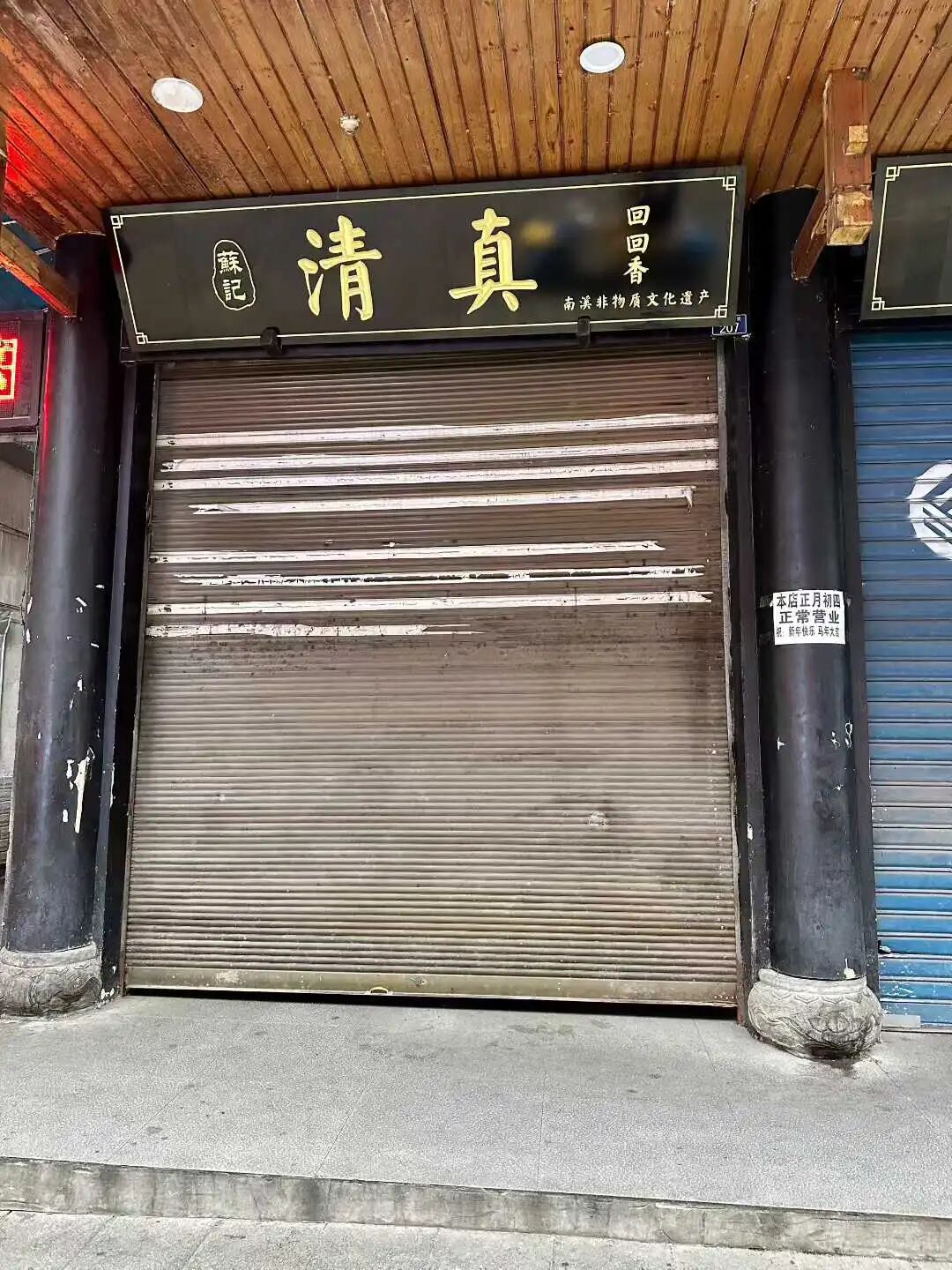
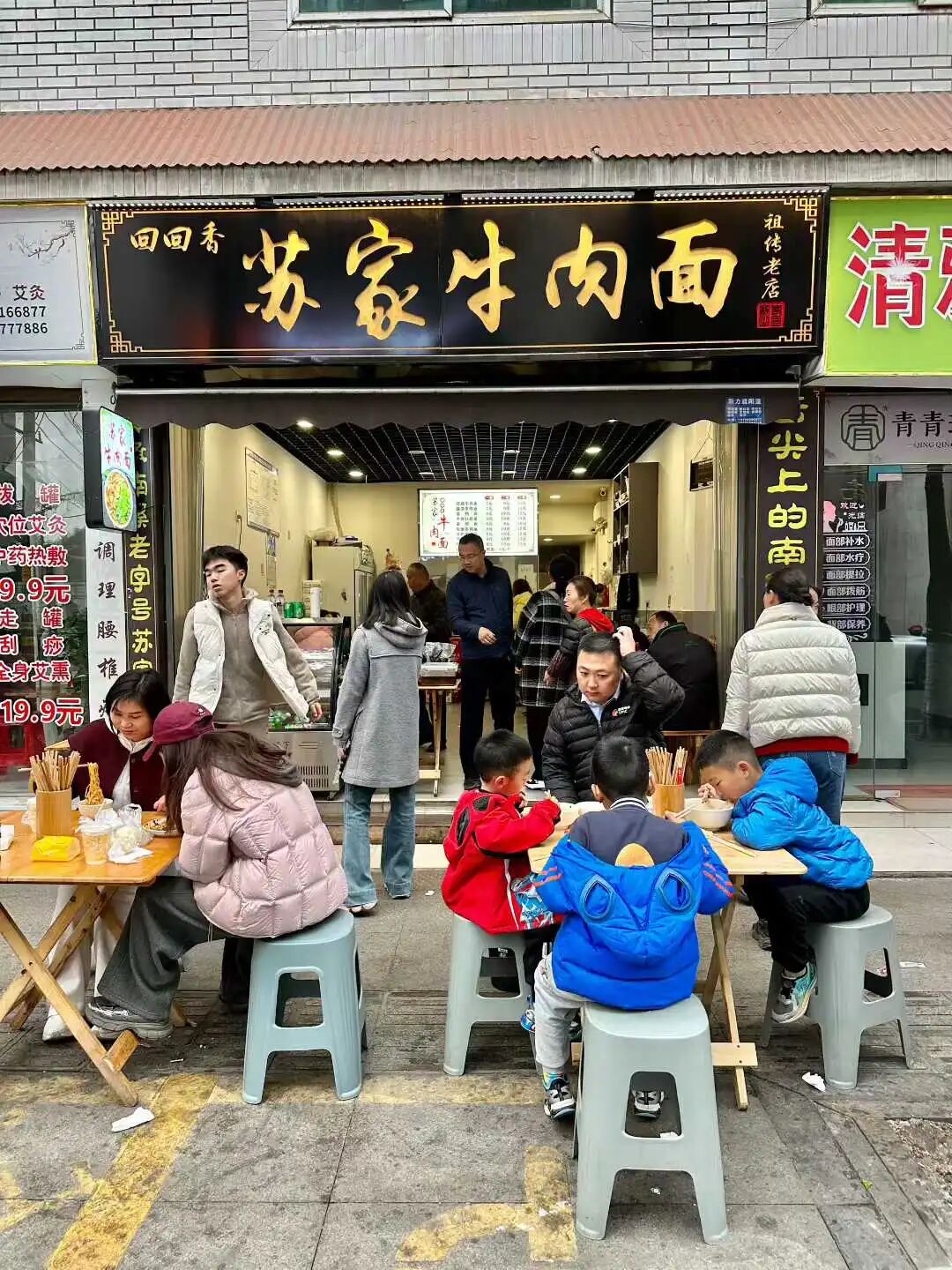
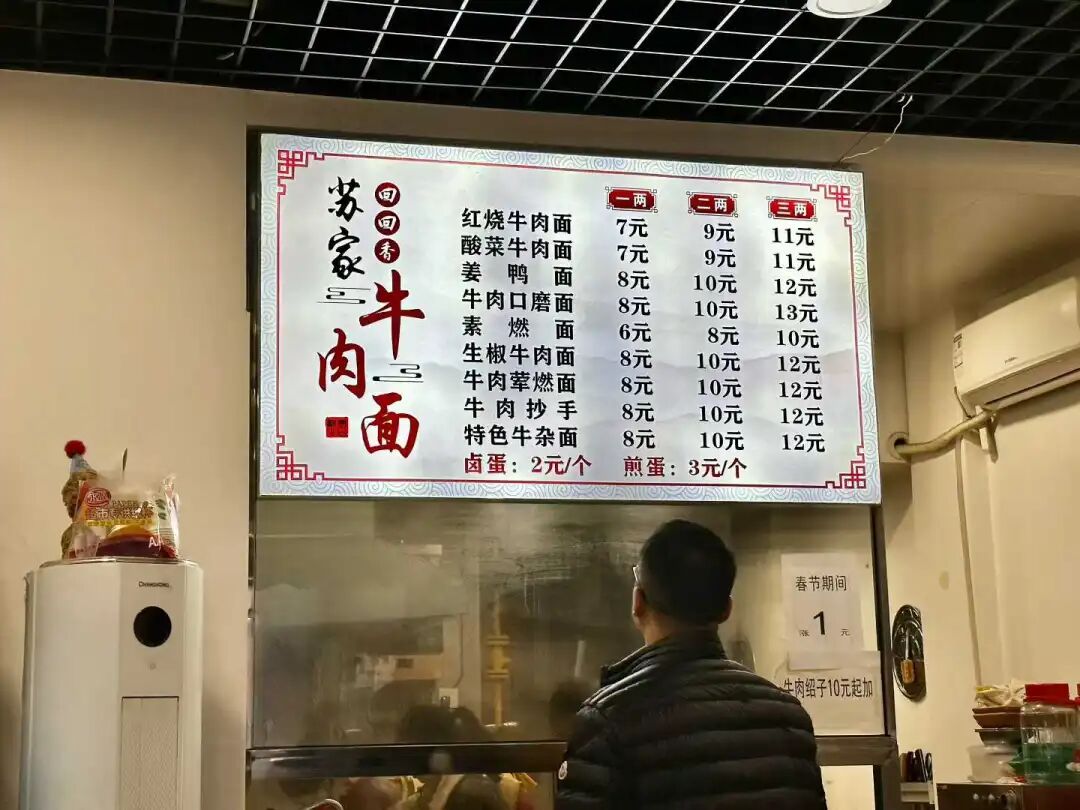
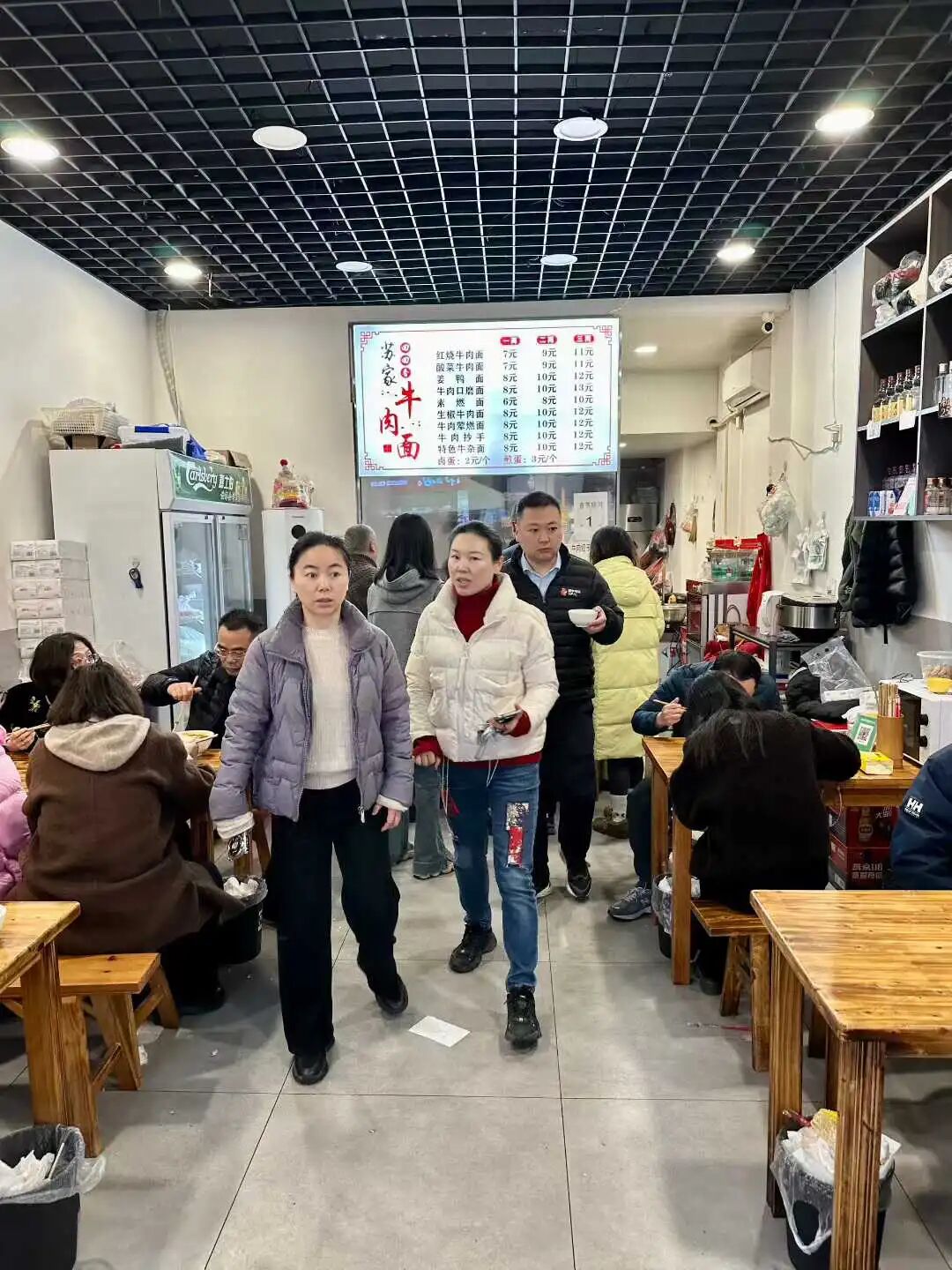
That night, I drove from the Cuiping District in Yibin's old town to Nanxi District, stayed the night, and planned to try the Yibin Hui Muslim-style meat-topped spicy noodles (hunranmian) the next morning. The most authentic Hui Muslim noodle shop in Nanxi is Su's Huihui Fragrance (Suji Huihuixiang) on Xiazheng Street. The meat they use is personally butchered by Imam Su from the Sujiaqiao Mosque. Unfortunately, Huihui Fragrance was closed when I arrived, so I went to another Su's Beef Noodle shop nearby, which is also run by local Hui Muslims surnamed Su.
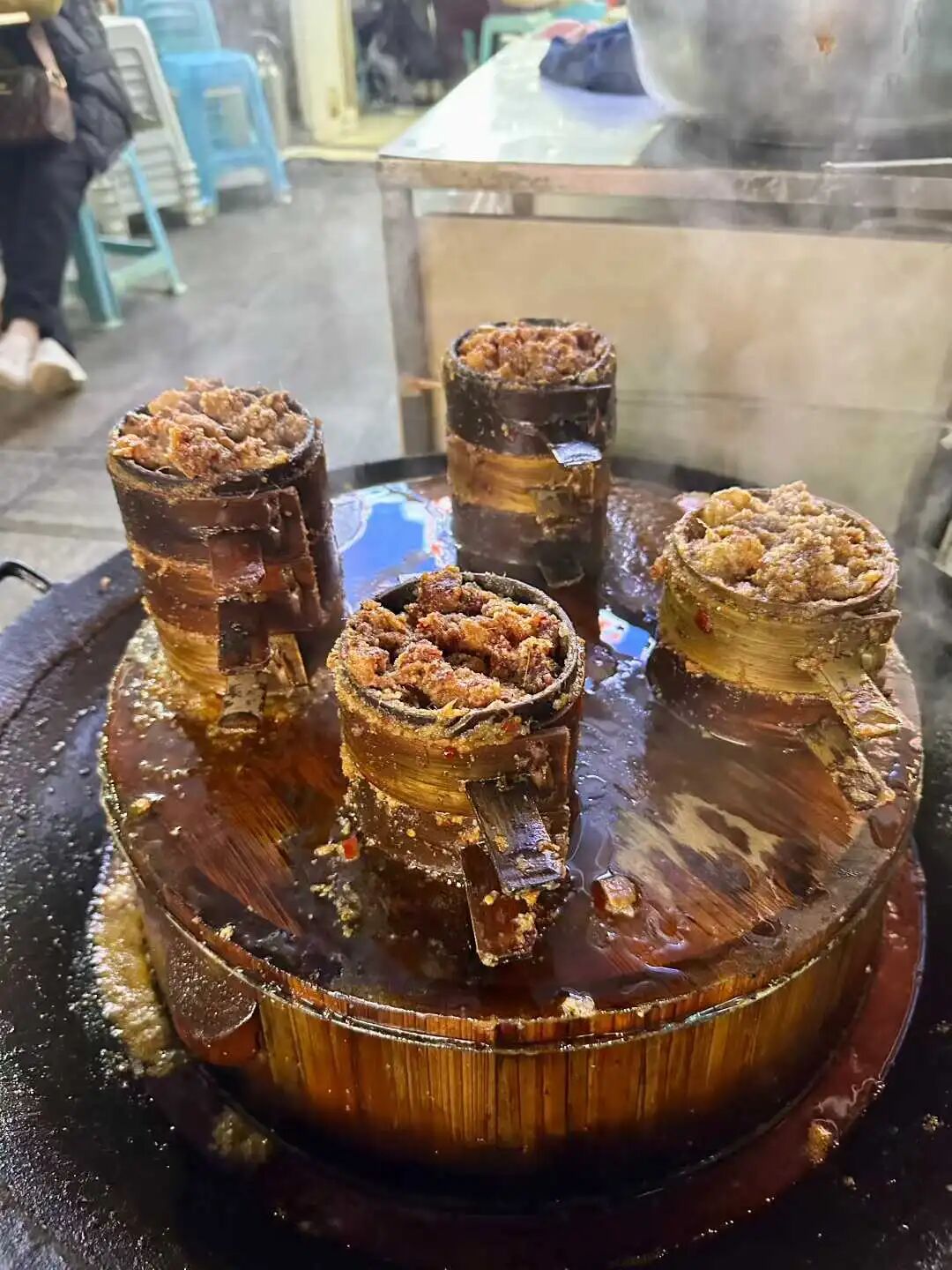
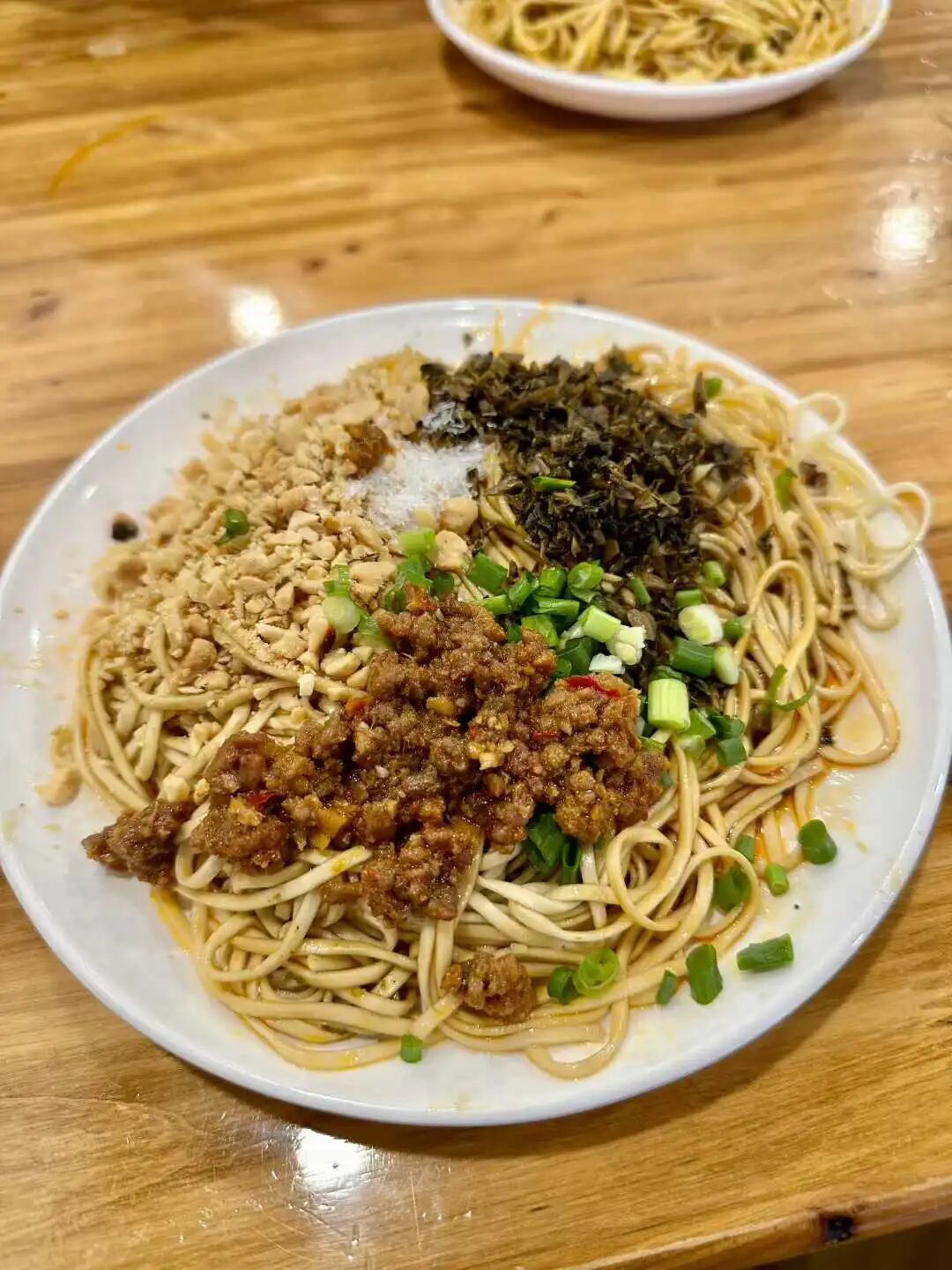
Beef hunranmian is a classic breakfast for Yibin Hui Muslims. It uses local Yibin flat, thin alkaline noodles (shuiezi jianshuimian) made from high-gluten flour and alkaline water. They are boiled until 80% cooked, drained, and tossed with cooked rapeseed oil to keep them separate and dry—this is the key to the 'ran' (burning/oily) style. The beef topping (saozi) is made by mincing beef and stir-frying it slowly in rapeseed oil with various spices until dry and fragrant. Then, they add secret red oil, Yibin preserved mustard greens (suimi yacai), freshly crushed peanuts, toasted sesame seeds, Sichuan peppercorn oil, and chopped green onions. When eating, you mix it quickly to use the residual heat to bring out all the aromas. Once you take a bite, the noodles are chewy and bouncy, the beef topping is dry and rich, the mustard greens are salty and fresh, the peanuts are crunchy, the red oil is spicy, and the peppercorn oil adds a slight numbing sensation. It is very dry and refreshing.
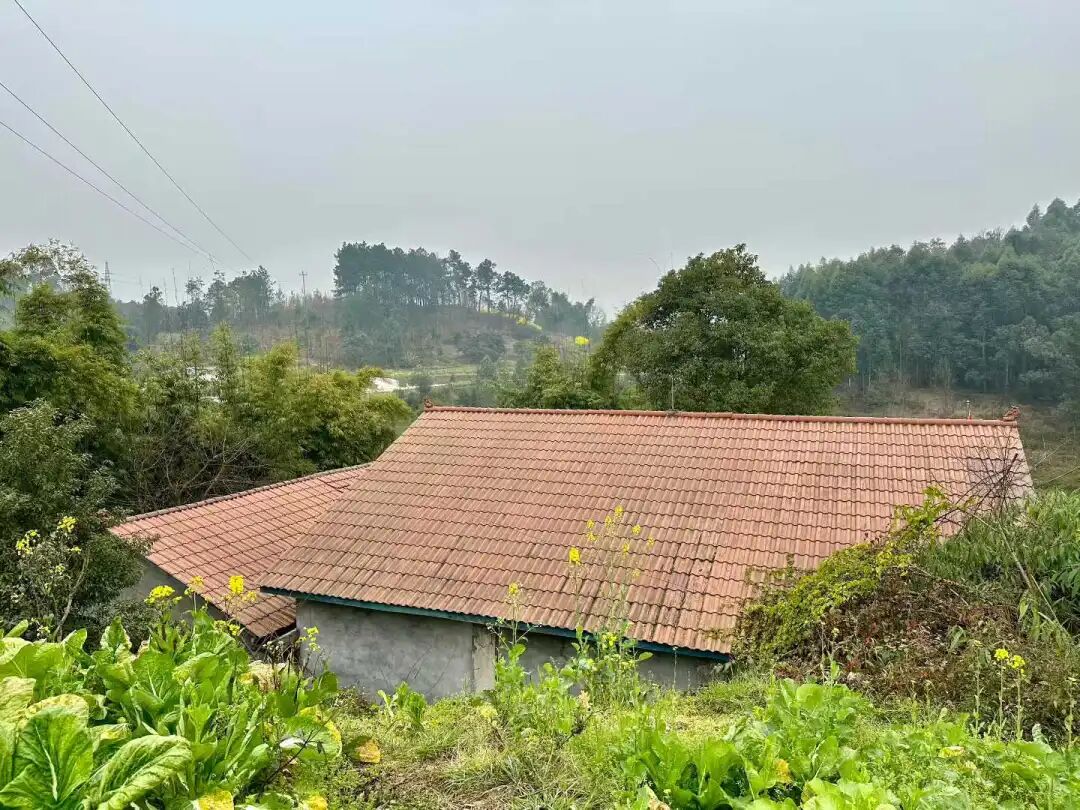
After breakfast, I drove for 1 hour and 10 minutes from Nanxi District to the Yunding Mosque in Liduan Town, deep in the mountains of Shu. The Yunding Mosque is surrounded by big mountains. The Hui Muslim village where the mosque is located sits on a high piece of land, as if it were above the clouds, which is how it got the name Yunding (Cloud Top) Mosque.
Yunding Mosque was first built during the Xianfeng era. The local Ma family, who are Hui Muslims, moved here from Shaoyang, Hunan, during the Qing Dynasty migration known as 'Huguang filling Sichuan'. Yunding Mosque was originally a traditional courtyard in the southern Sichuan style, but it was later rebuilt as a concrete building. I took photos of some old pictures of the mosque before its reconstruction from Imam Su at Dabeixiang Mosque. Because of building renovations, traditional mosque architecture in Sichuan is disappearing rapidly.
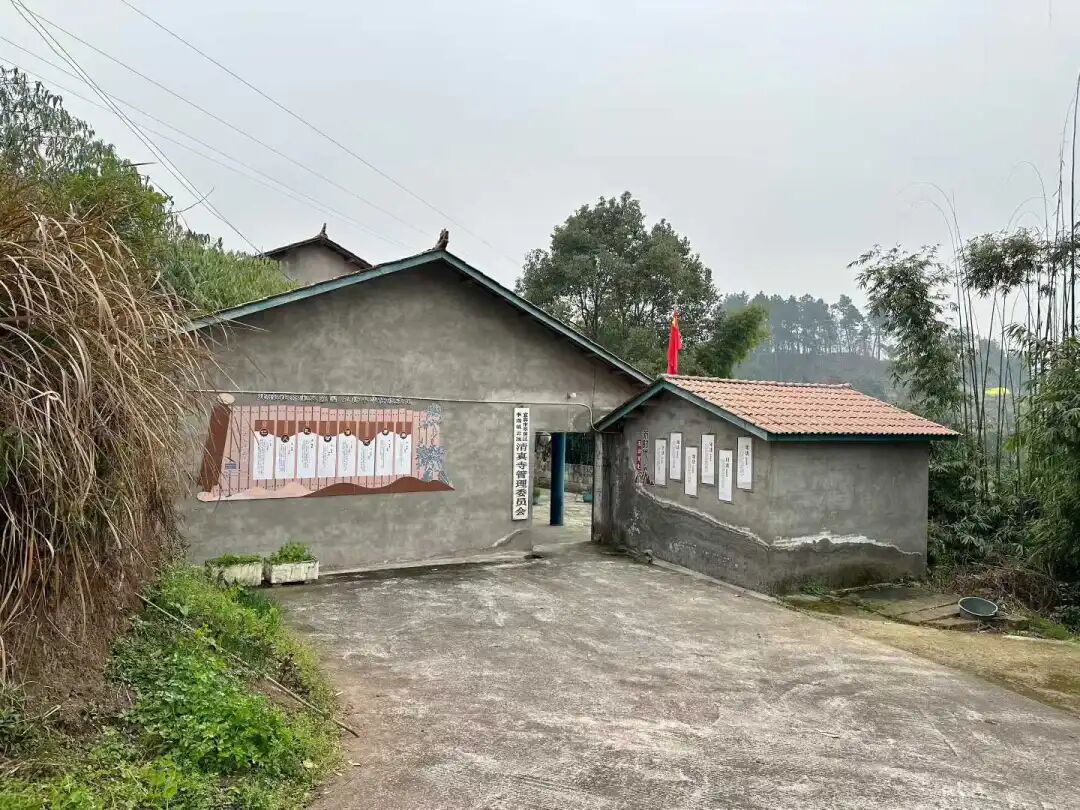
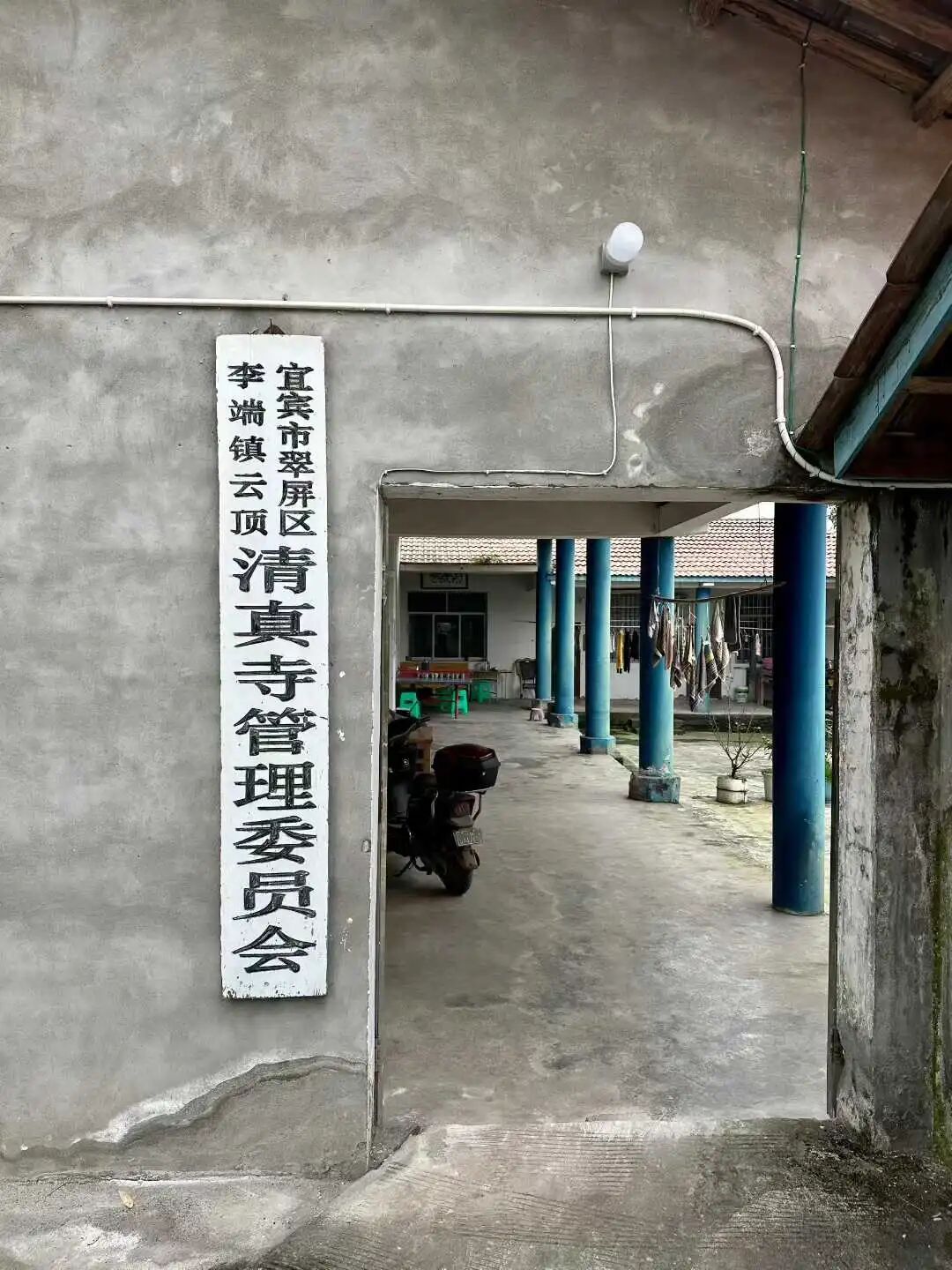
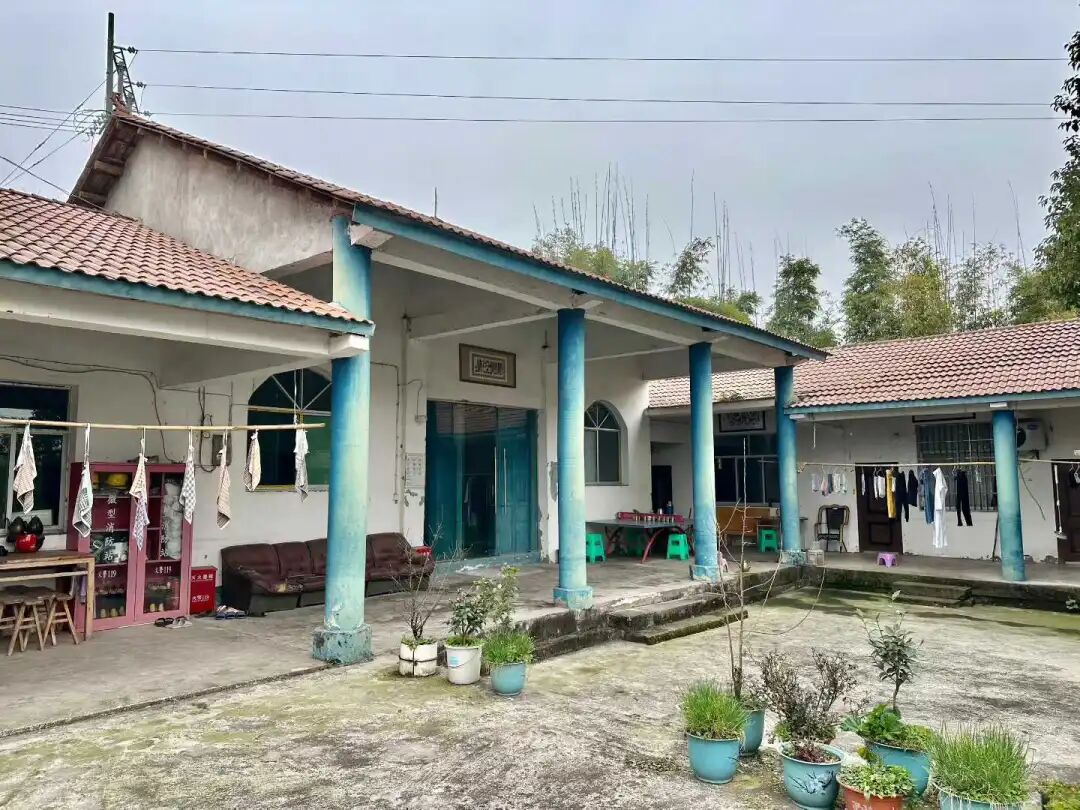
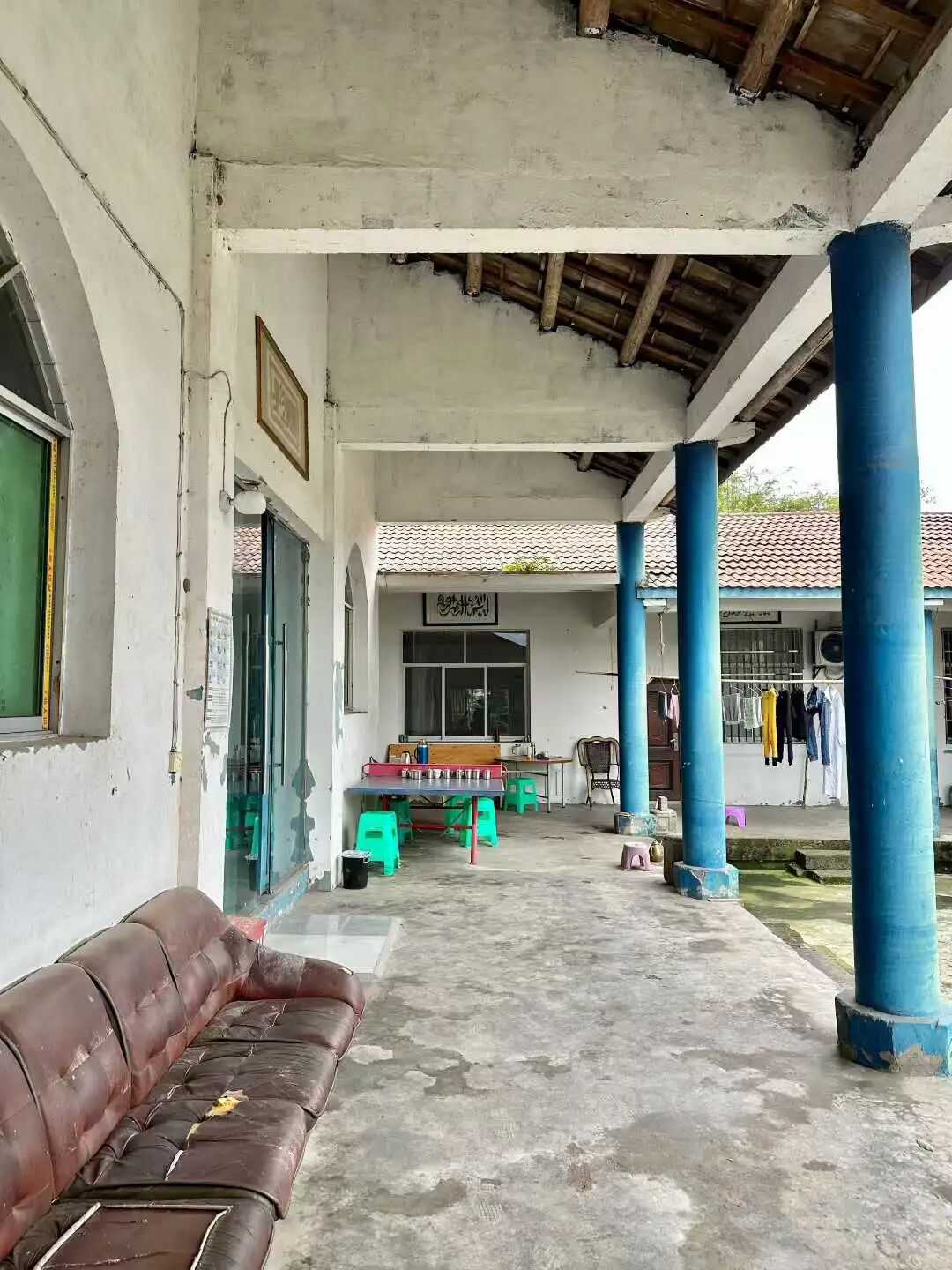
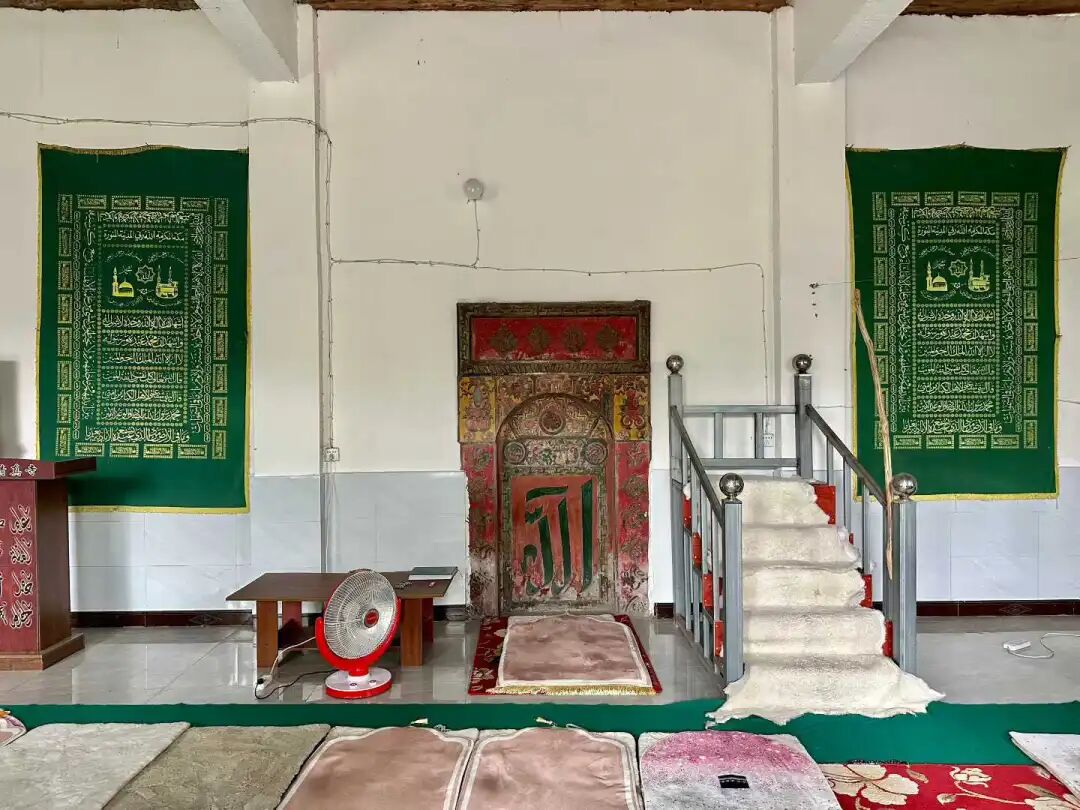
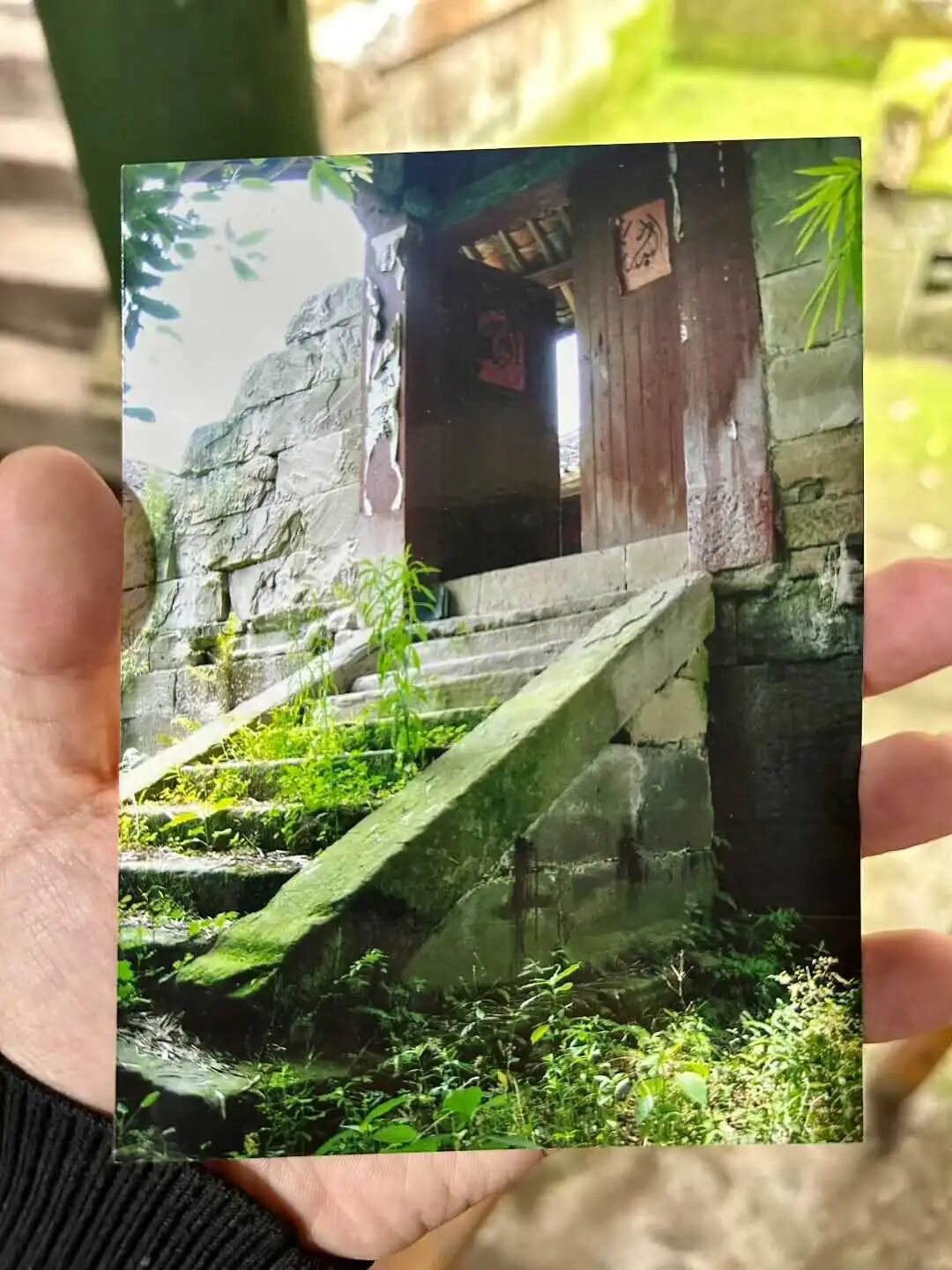
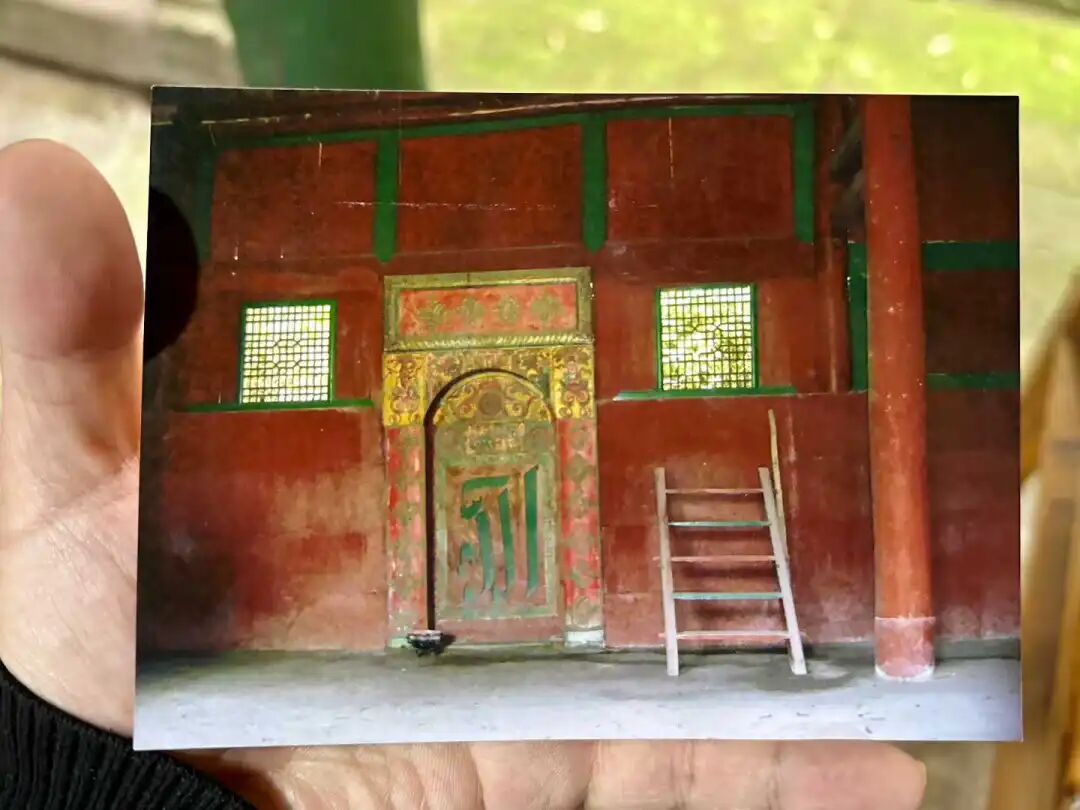
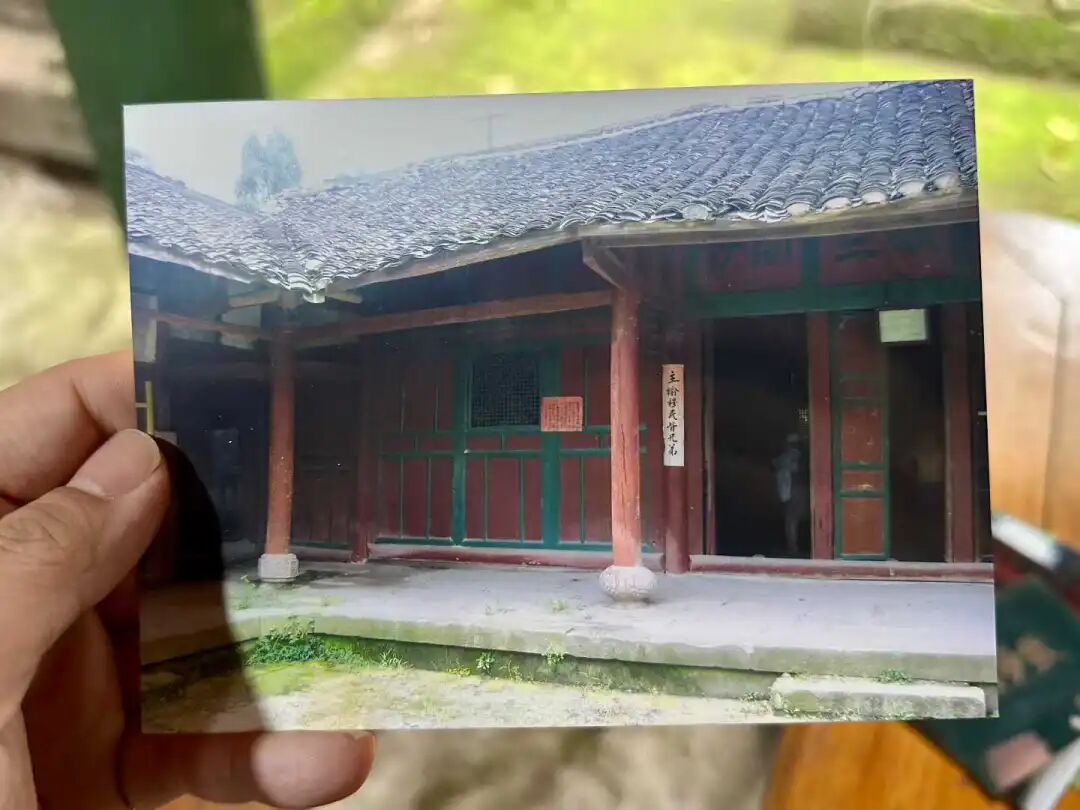
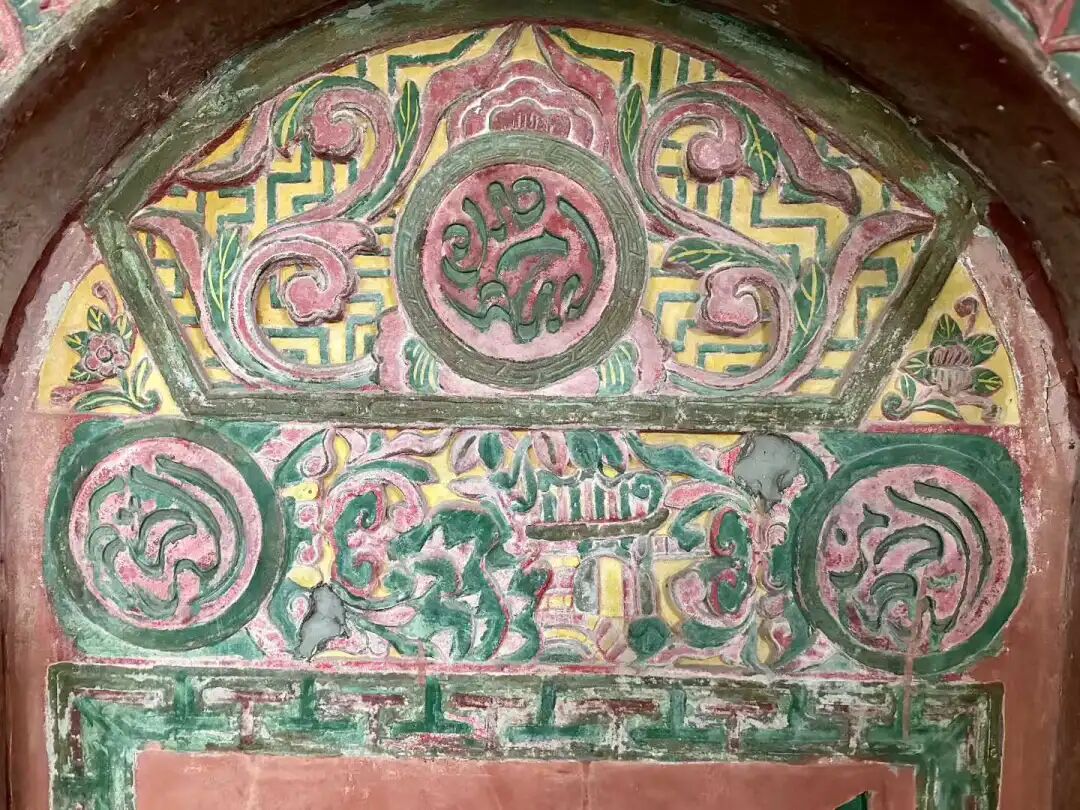
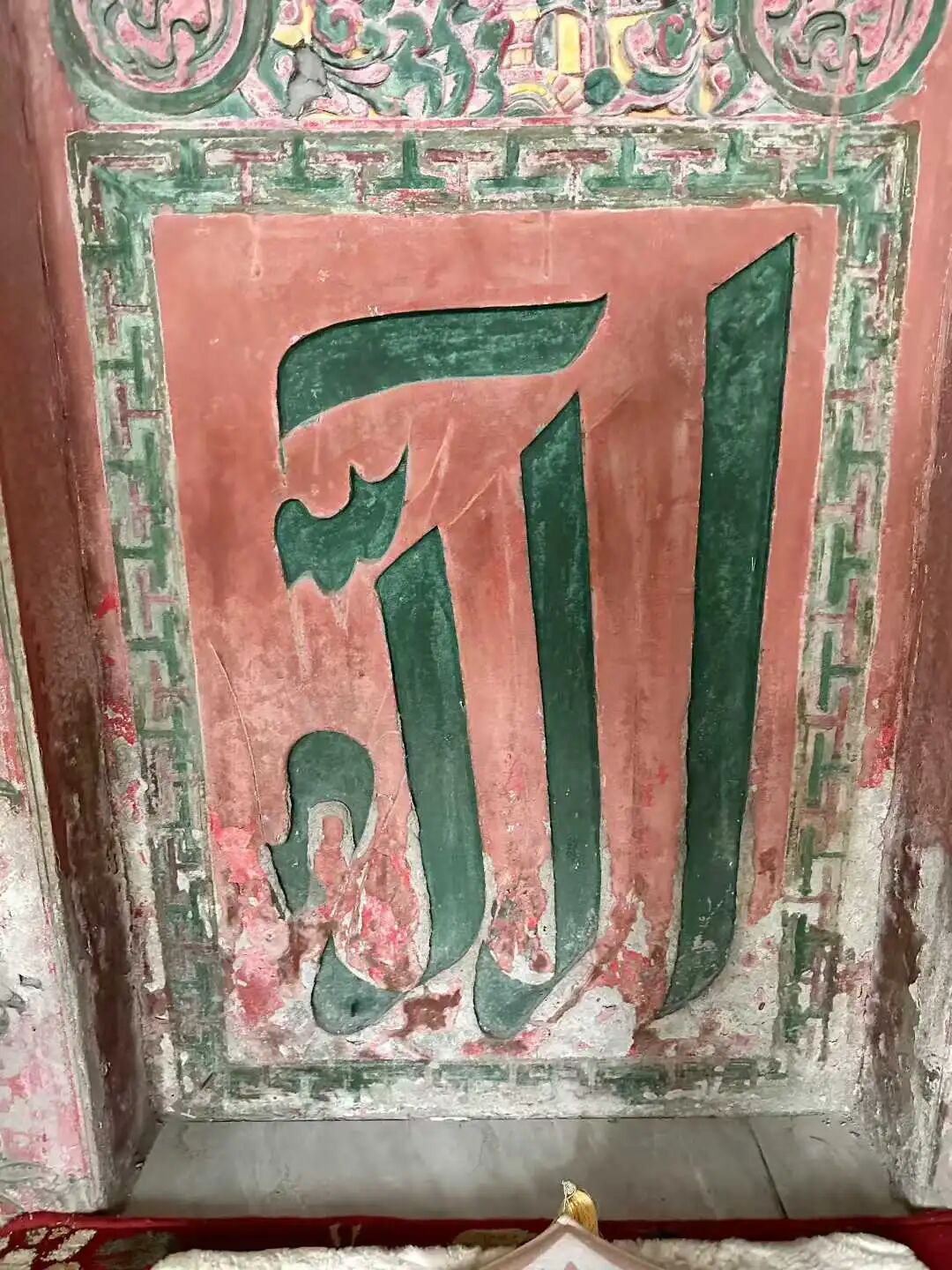
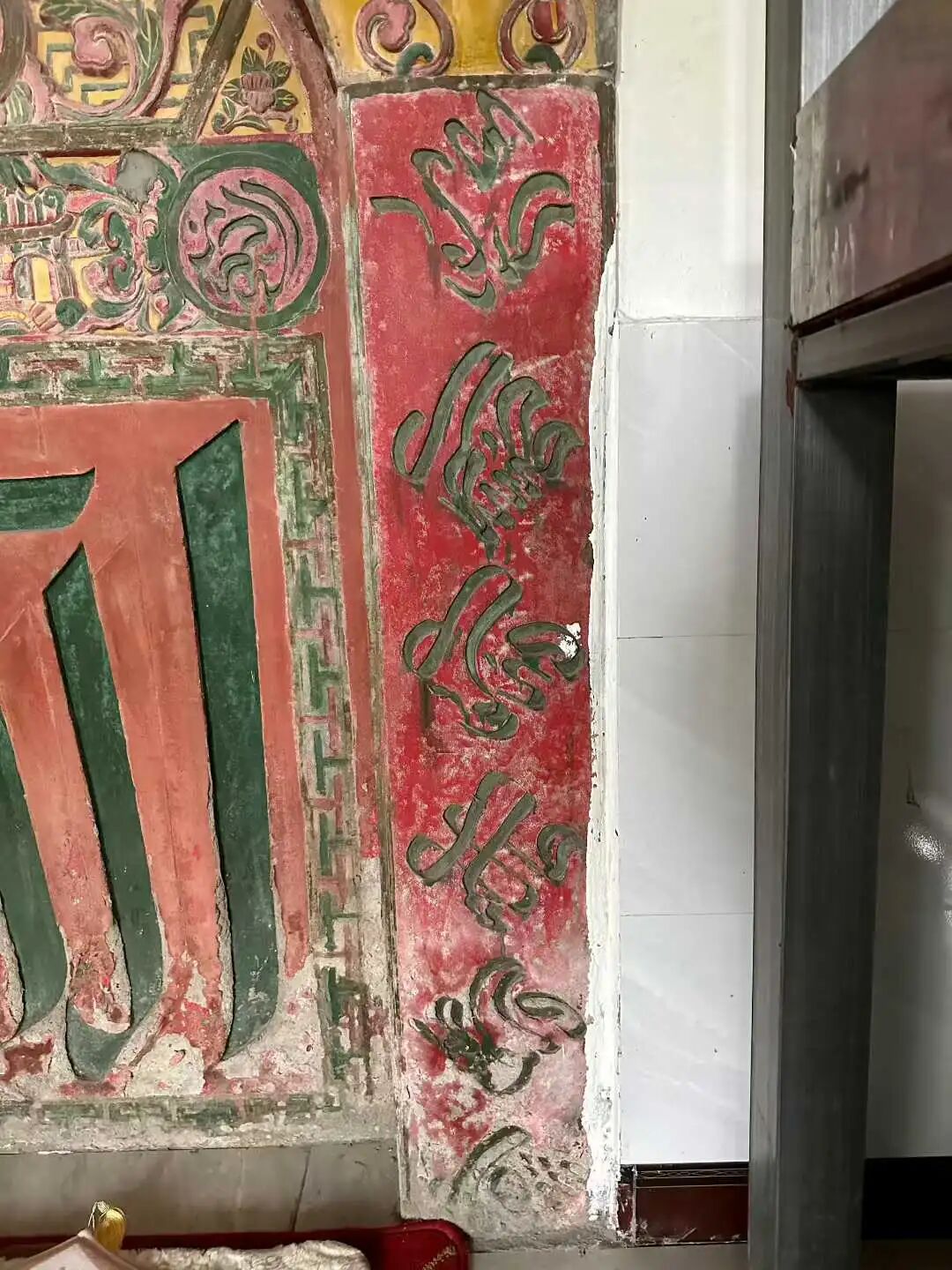
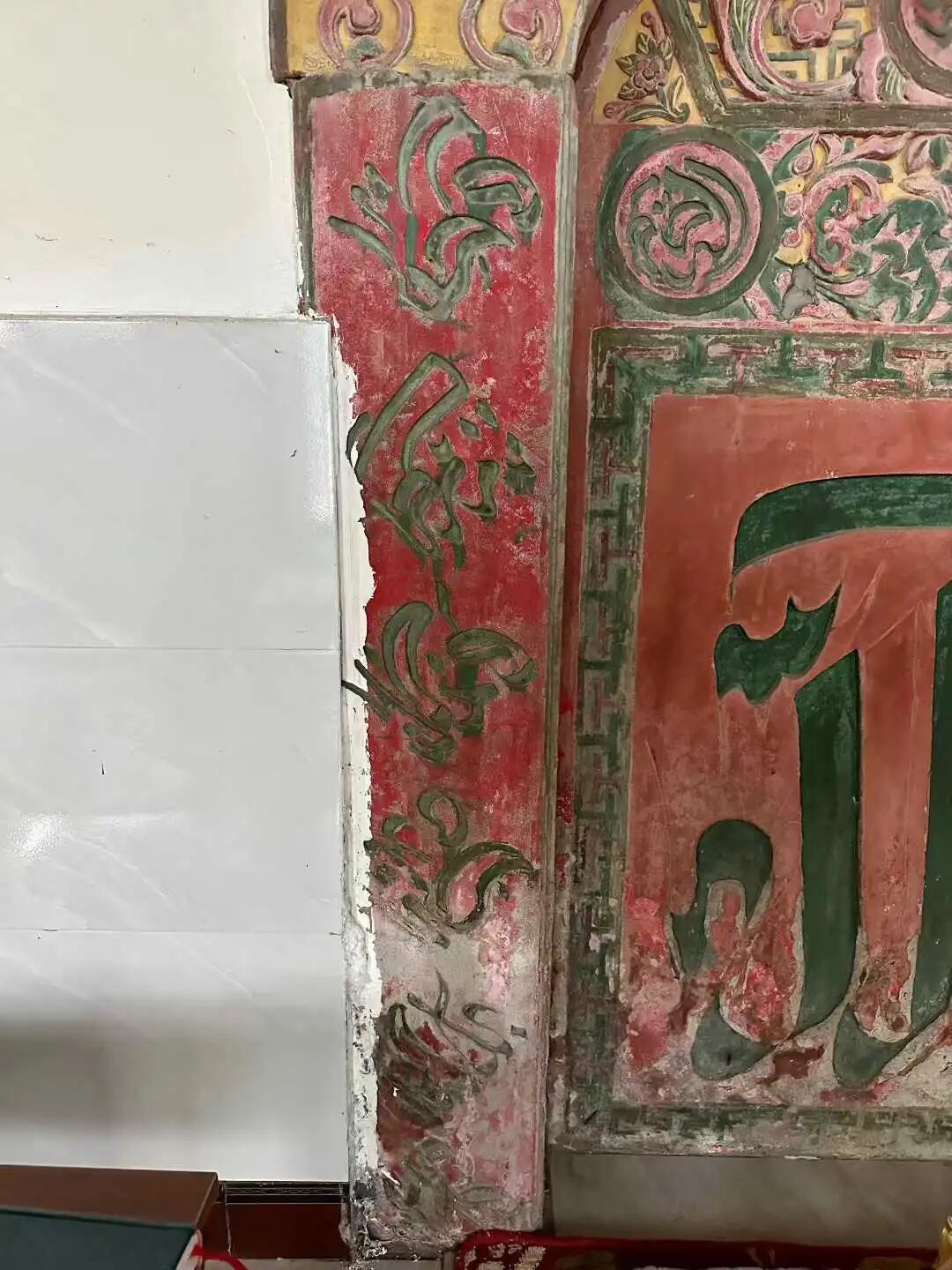
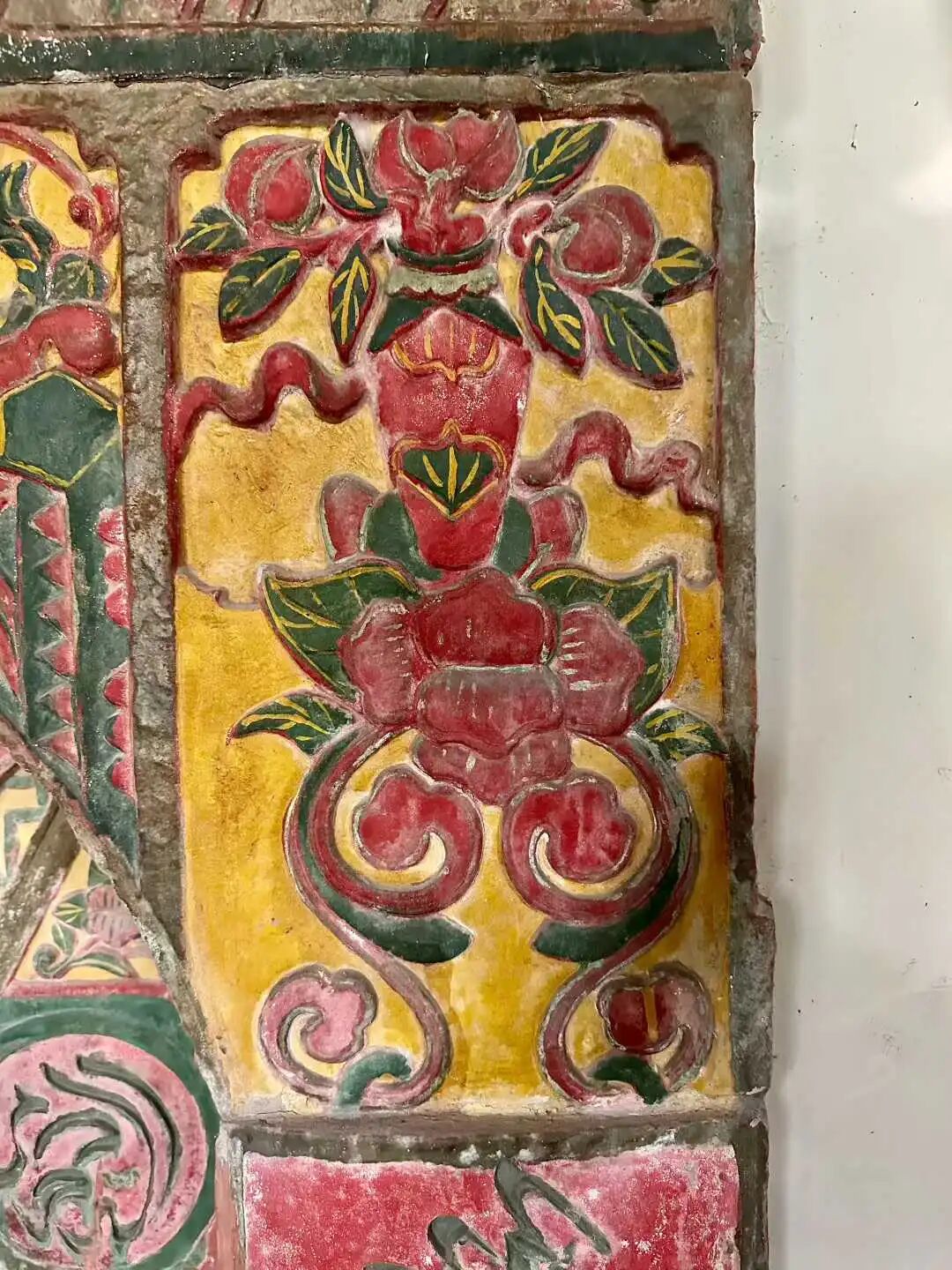
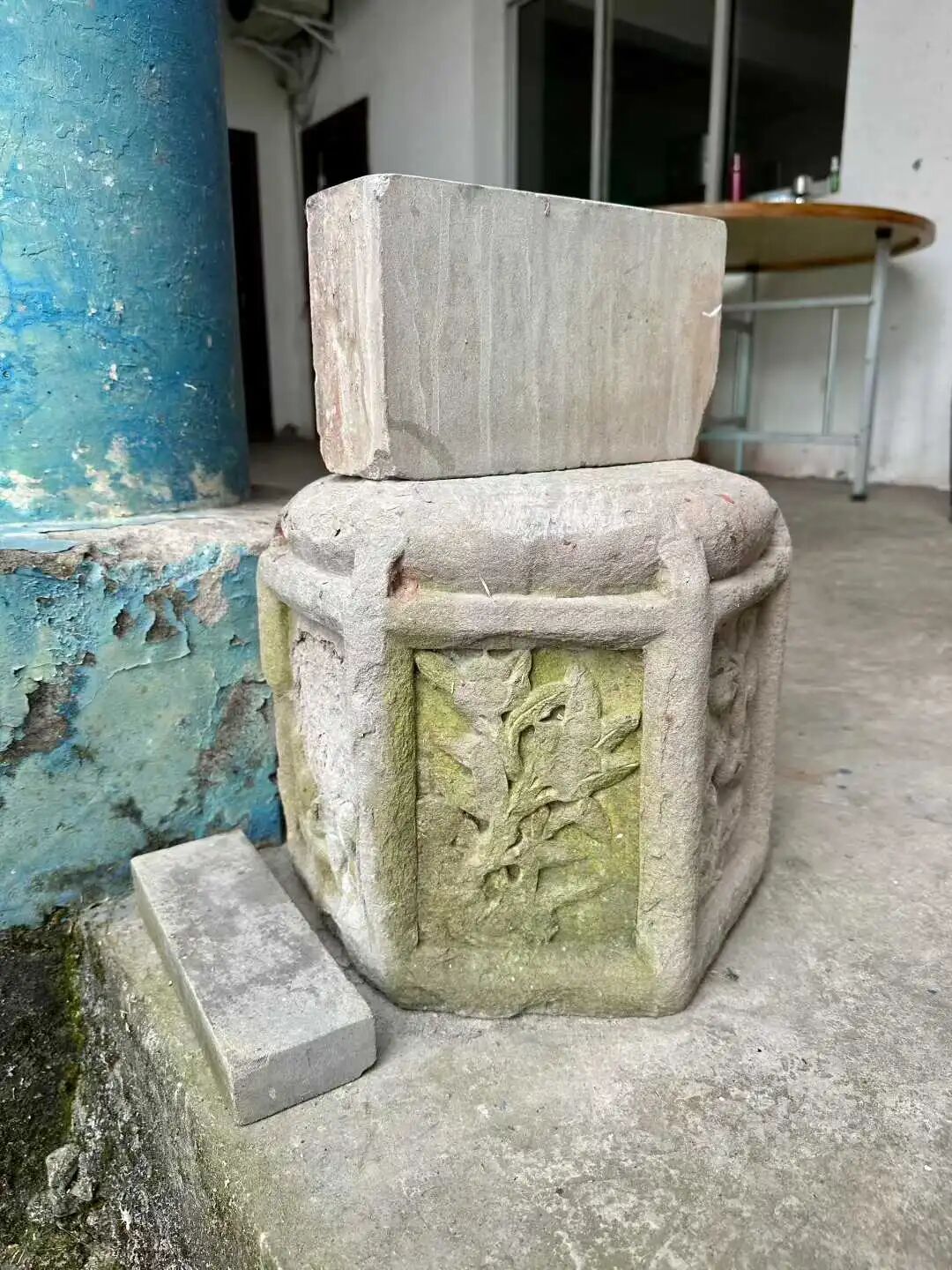
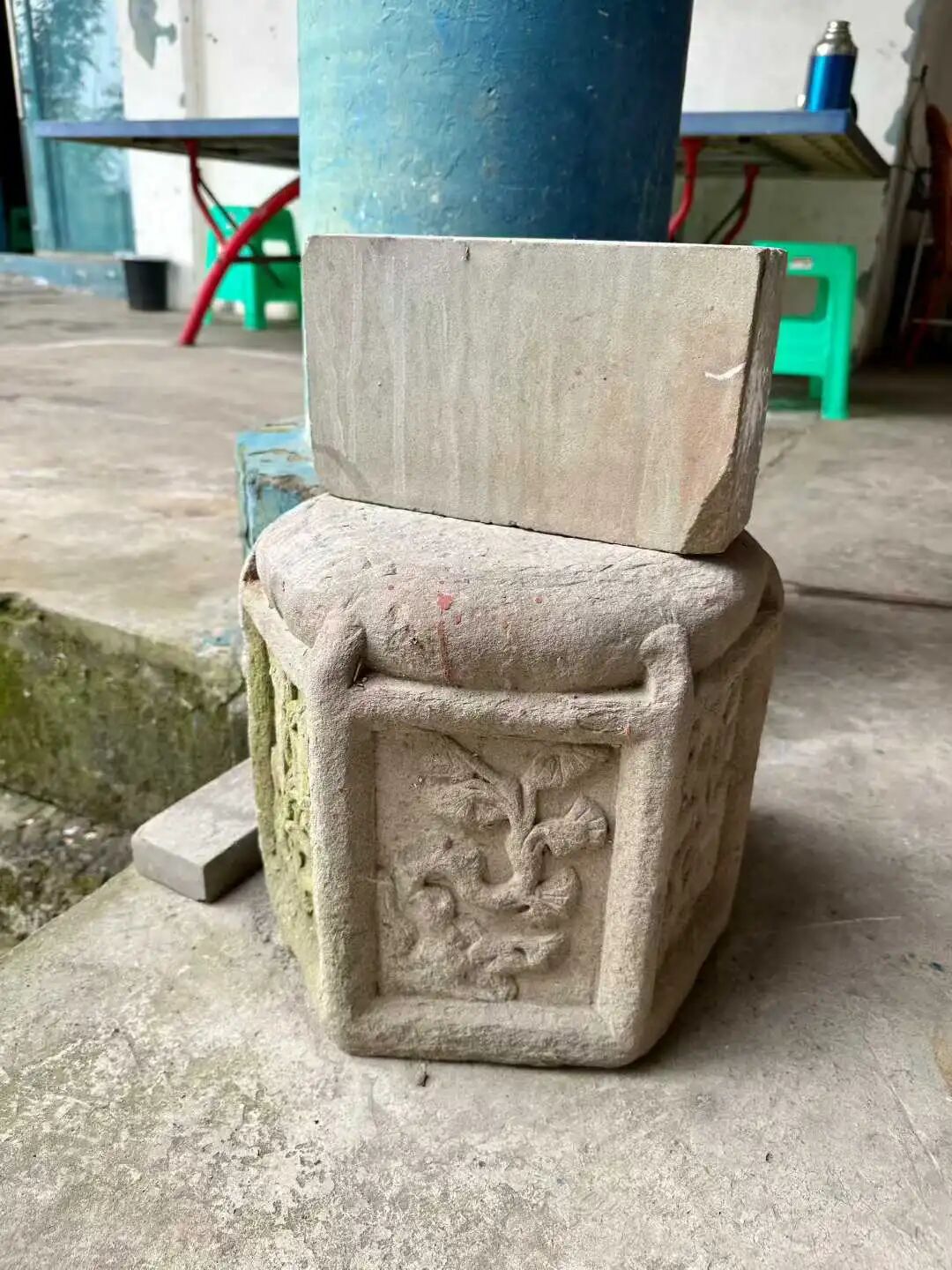
After the reconstruction of Yunding Mosque, only the Qing Dynasty mihrab and stone column bases remain. The mihrab has a very distinct southern Sichuan style and features many floral patterns.
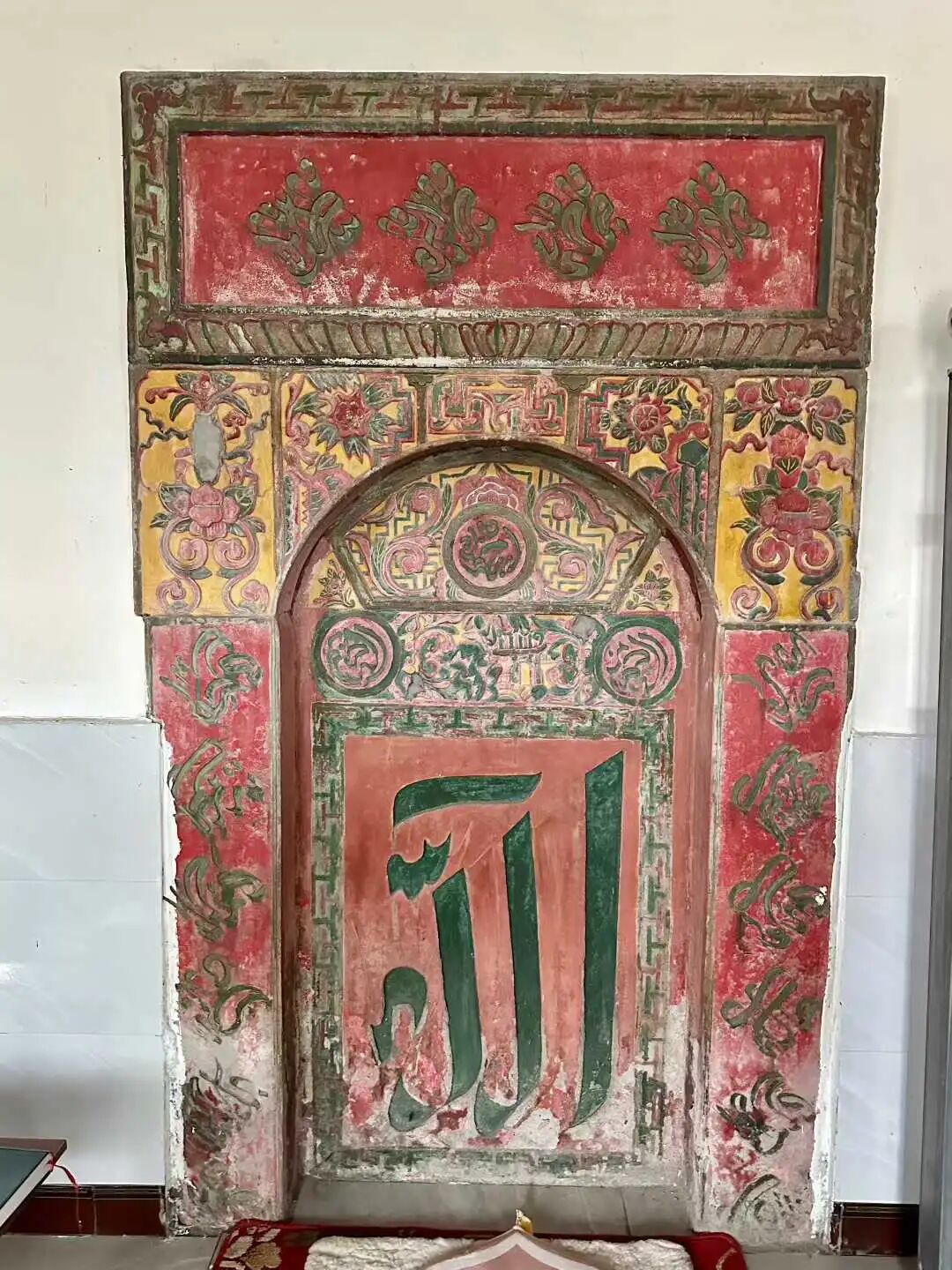
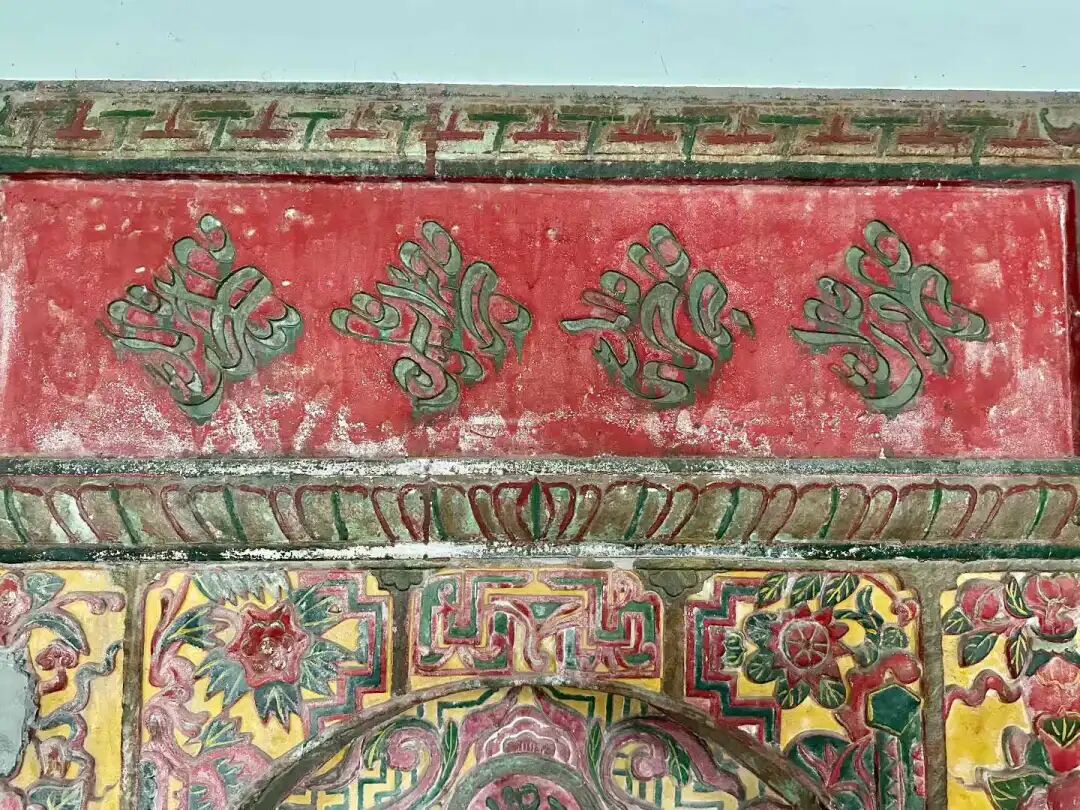
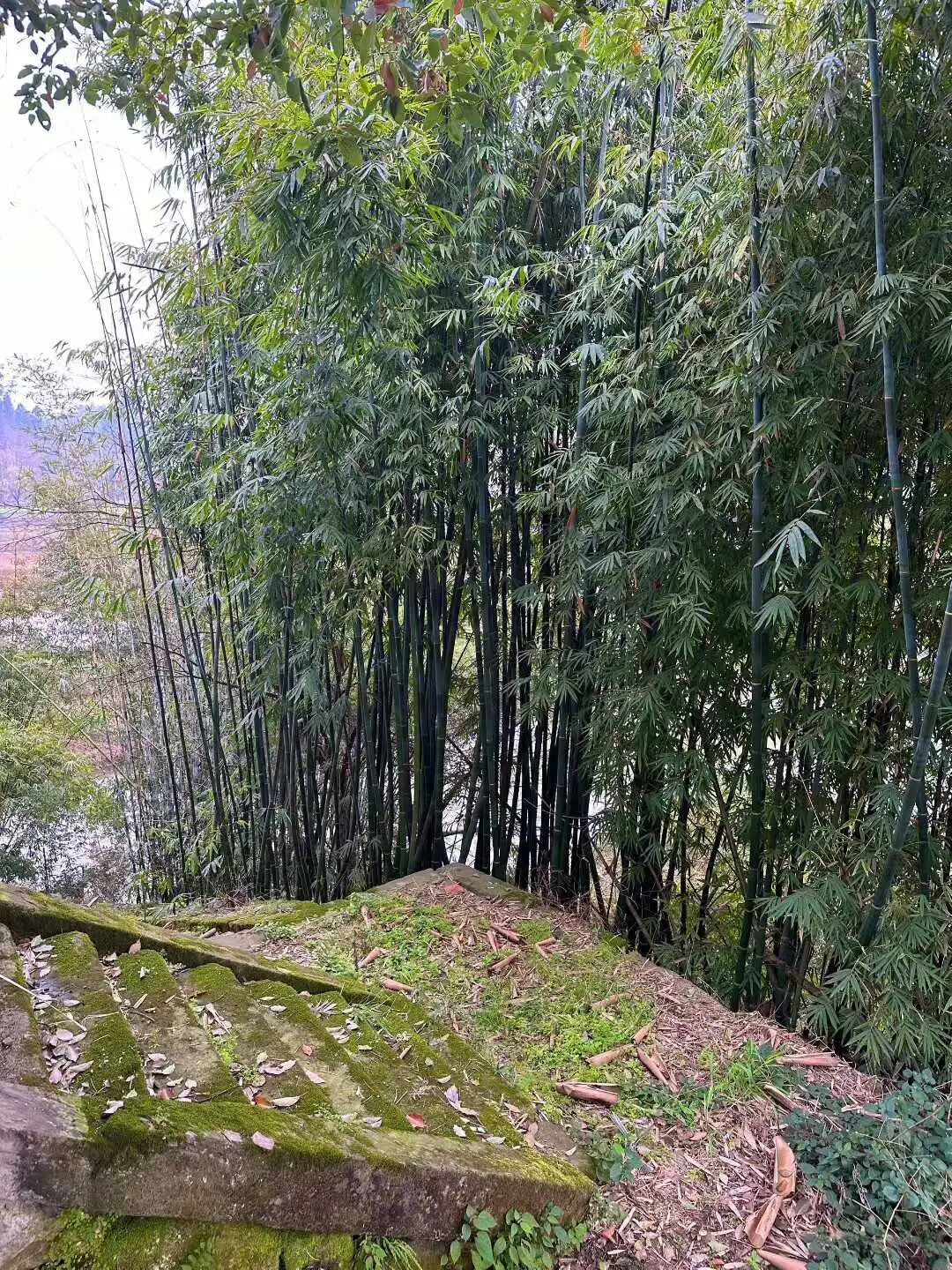
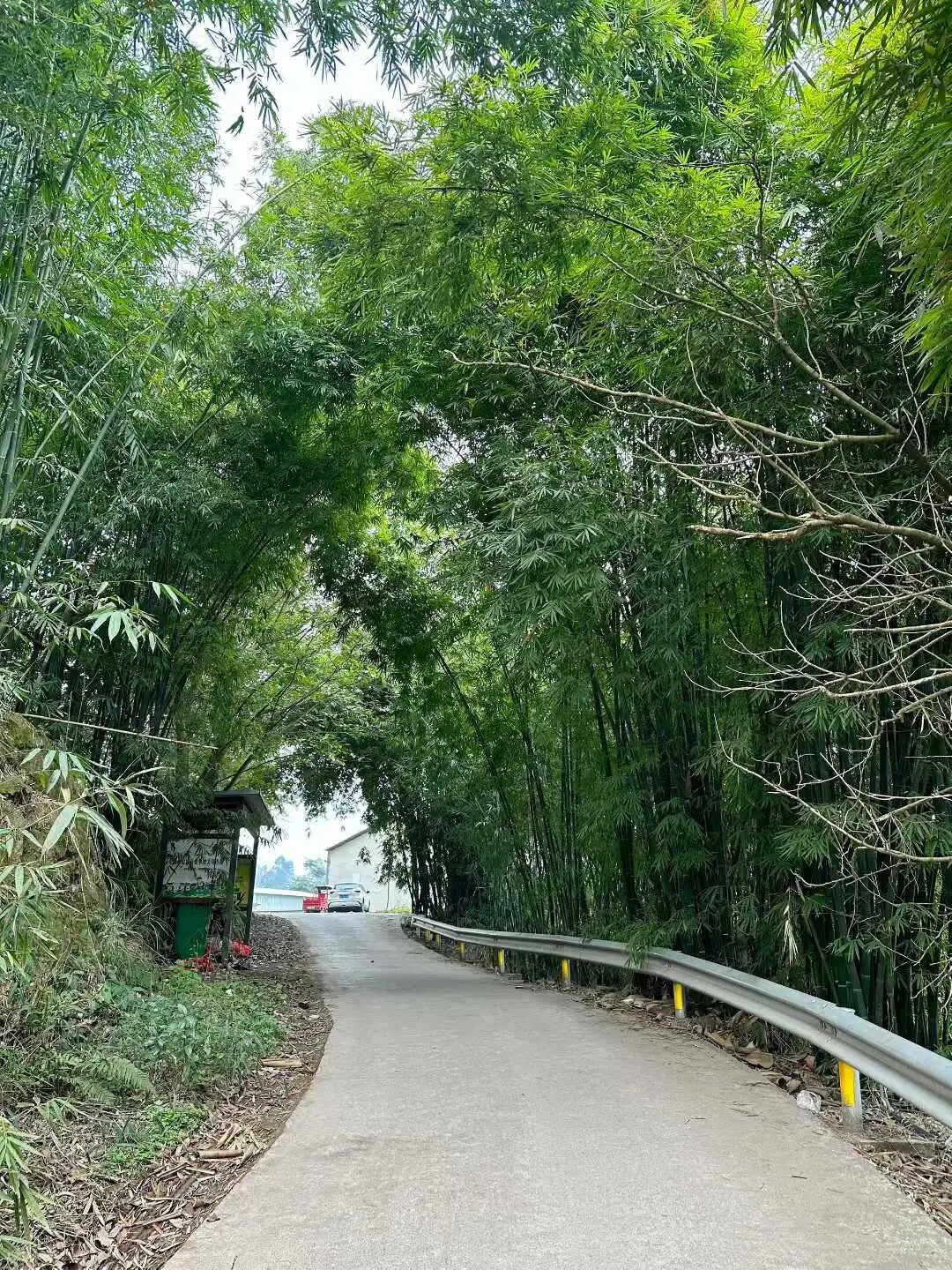
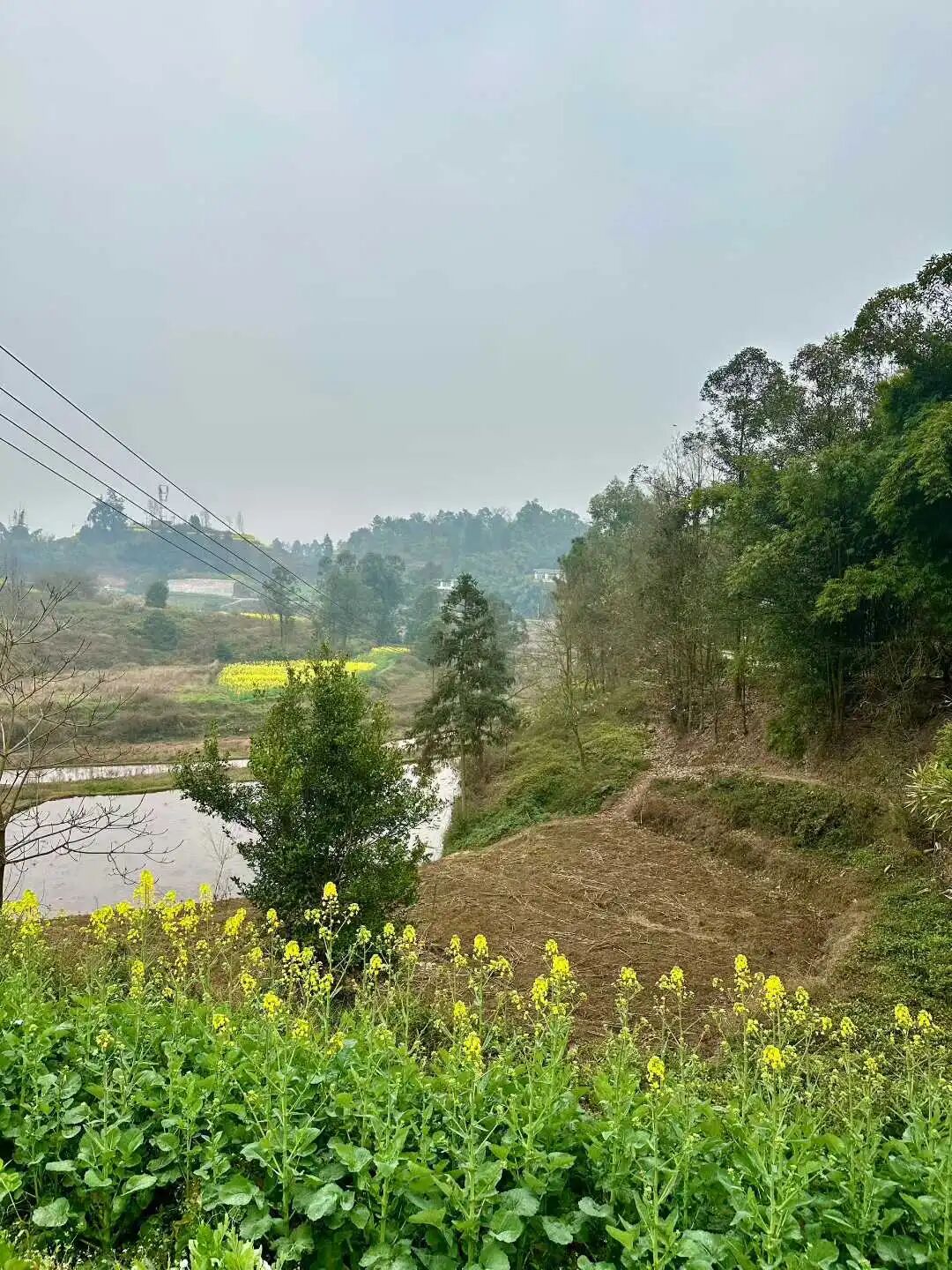
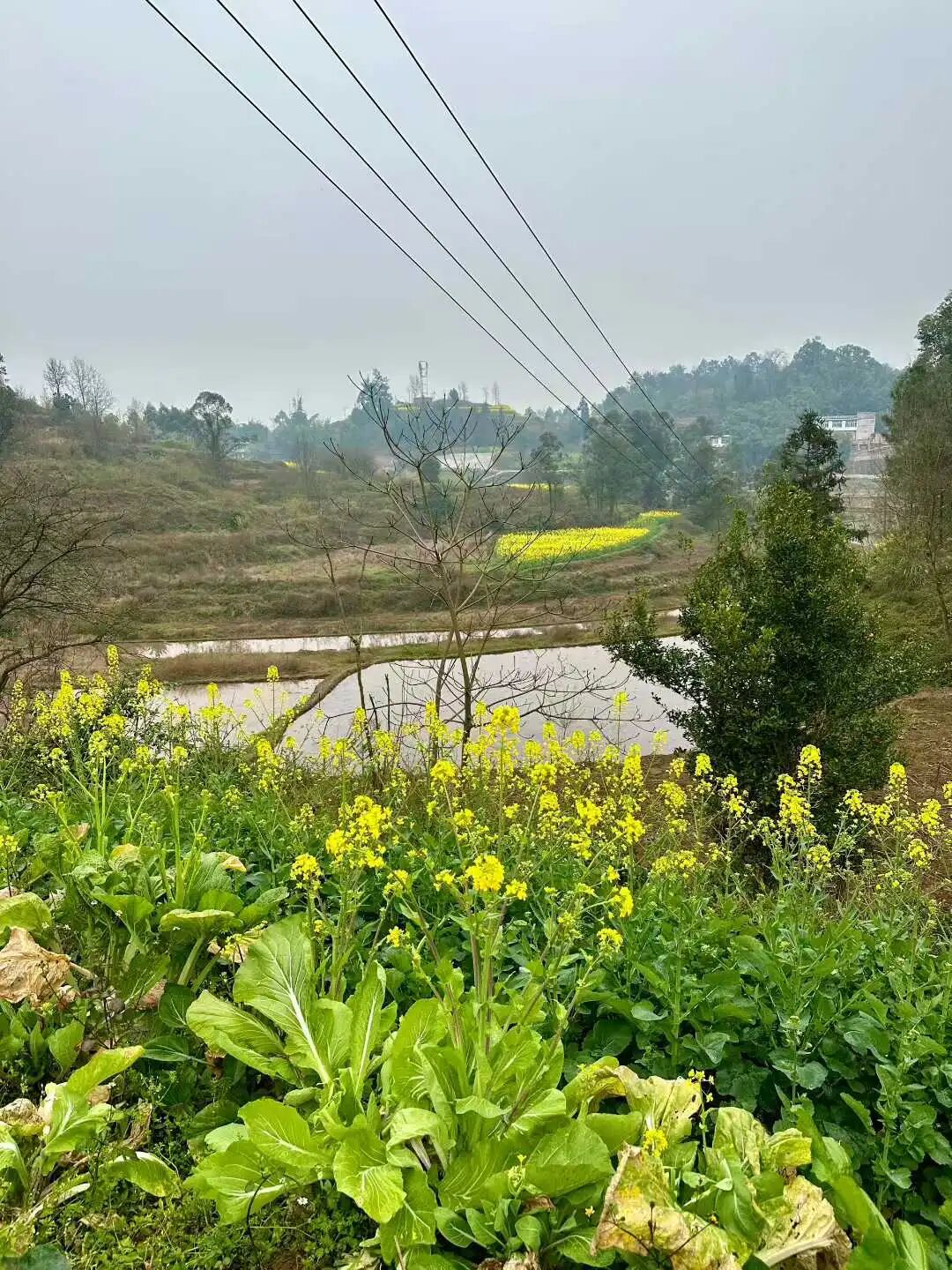
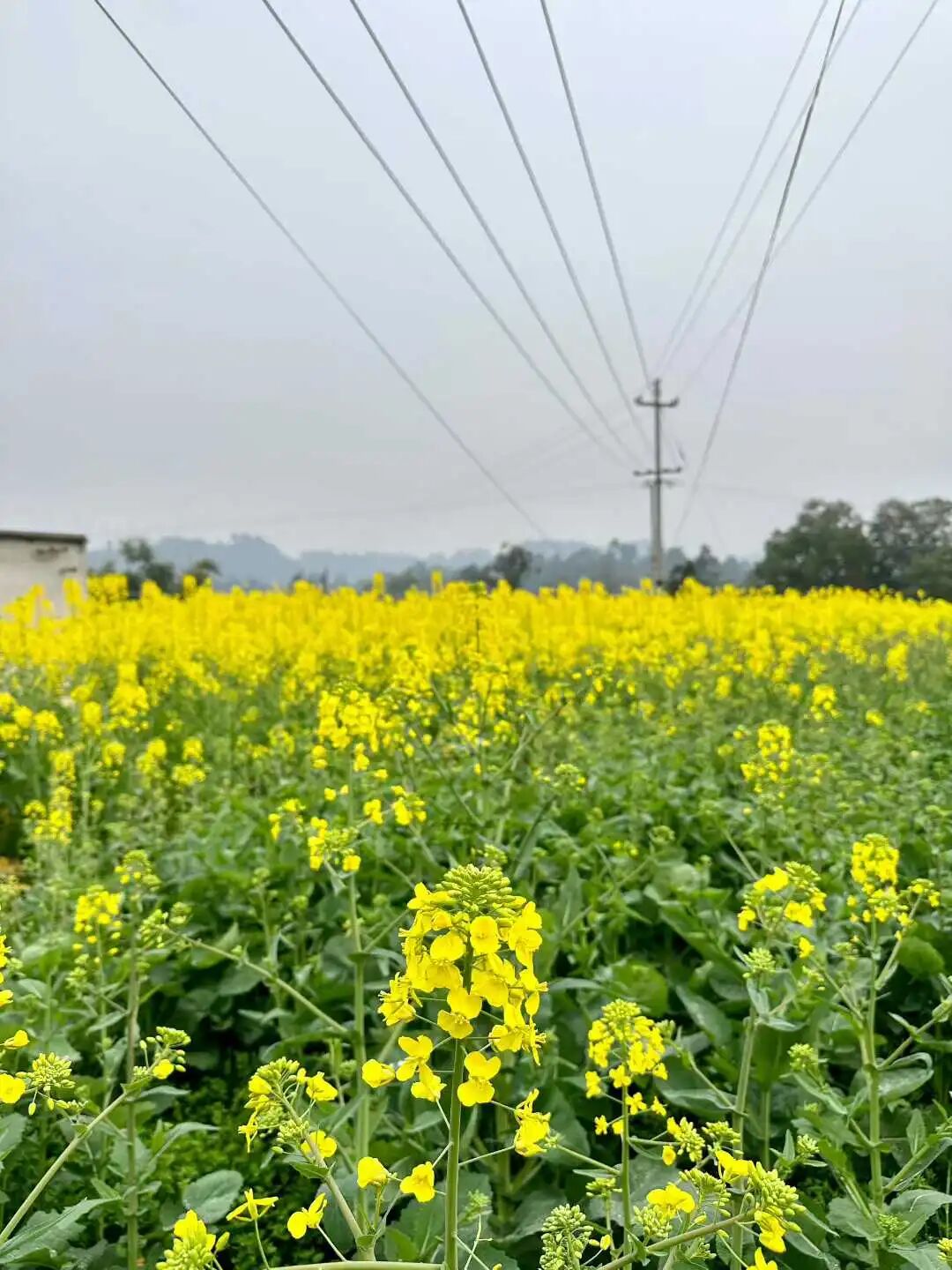
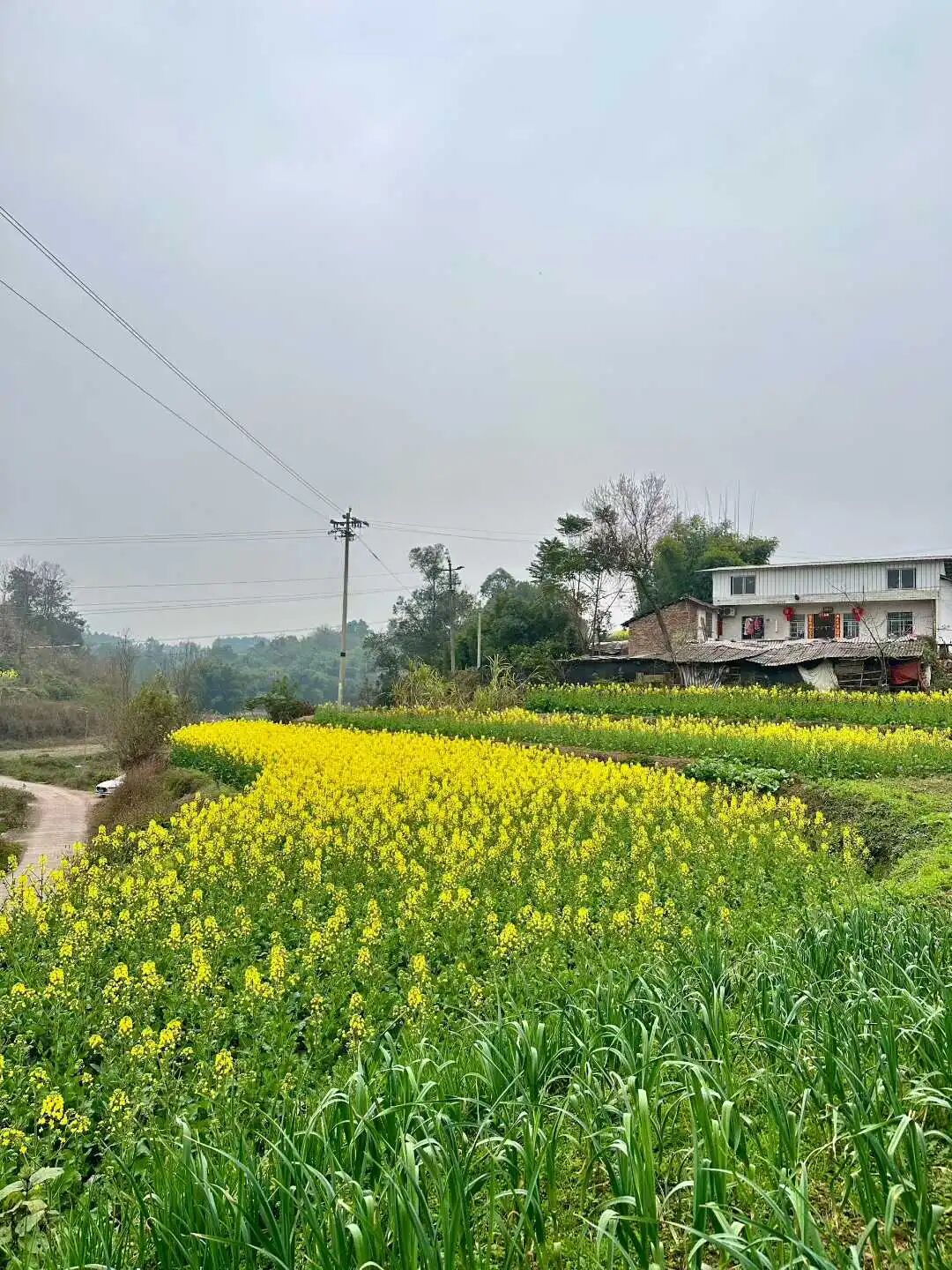
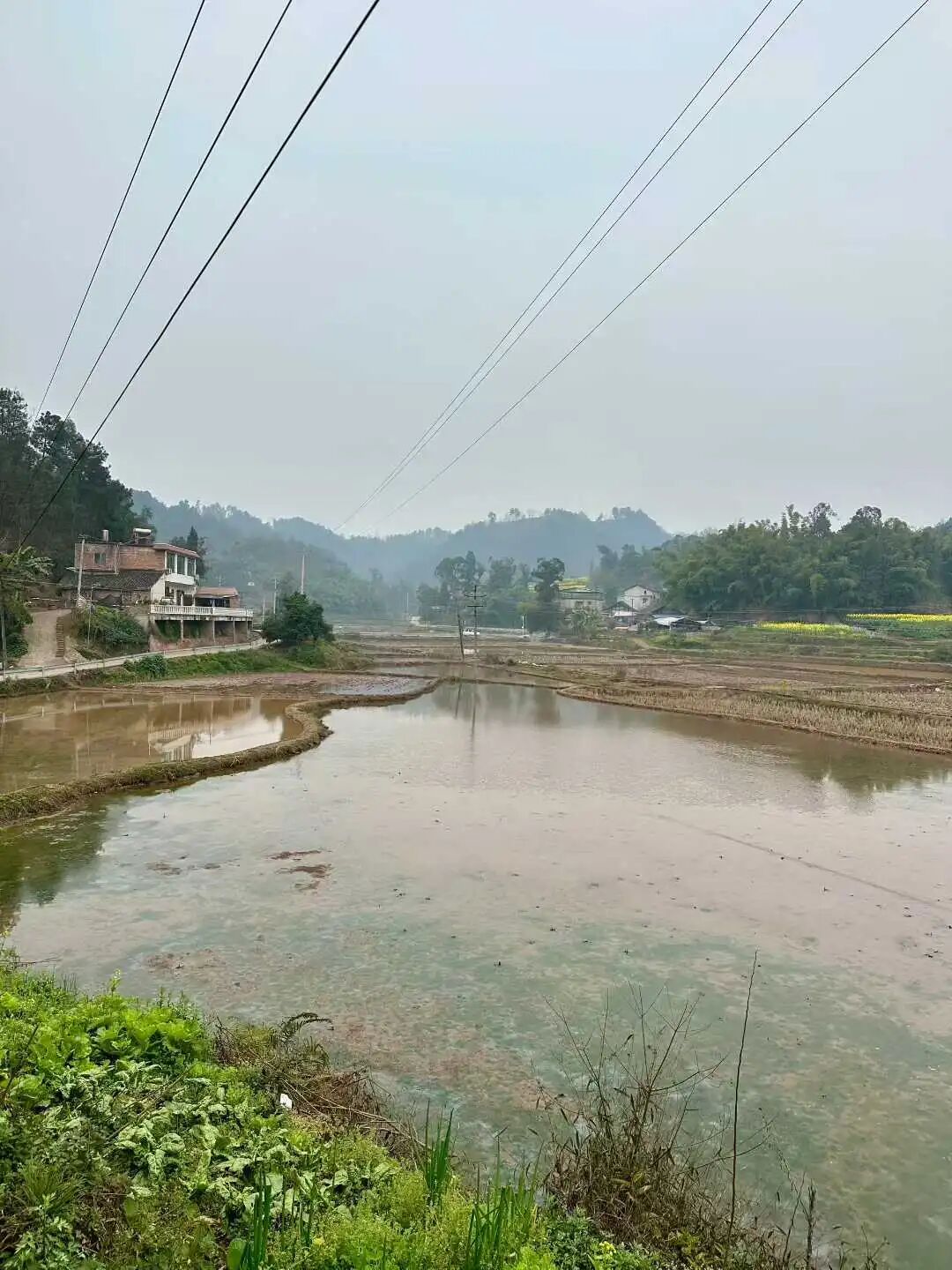
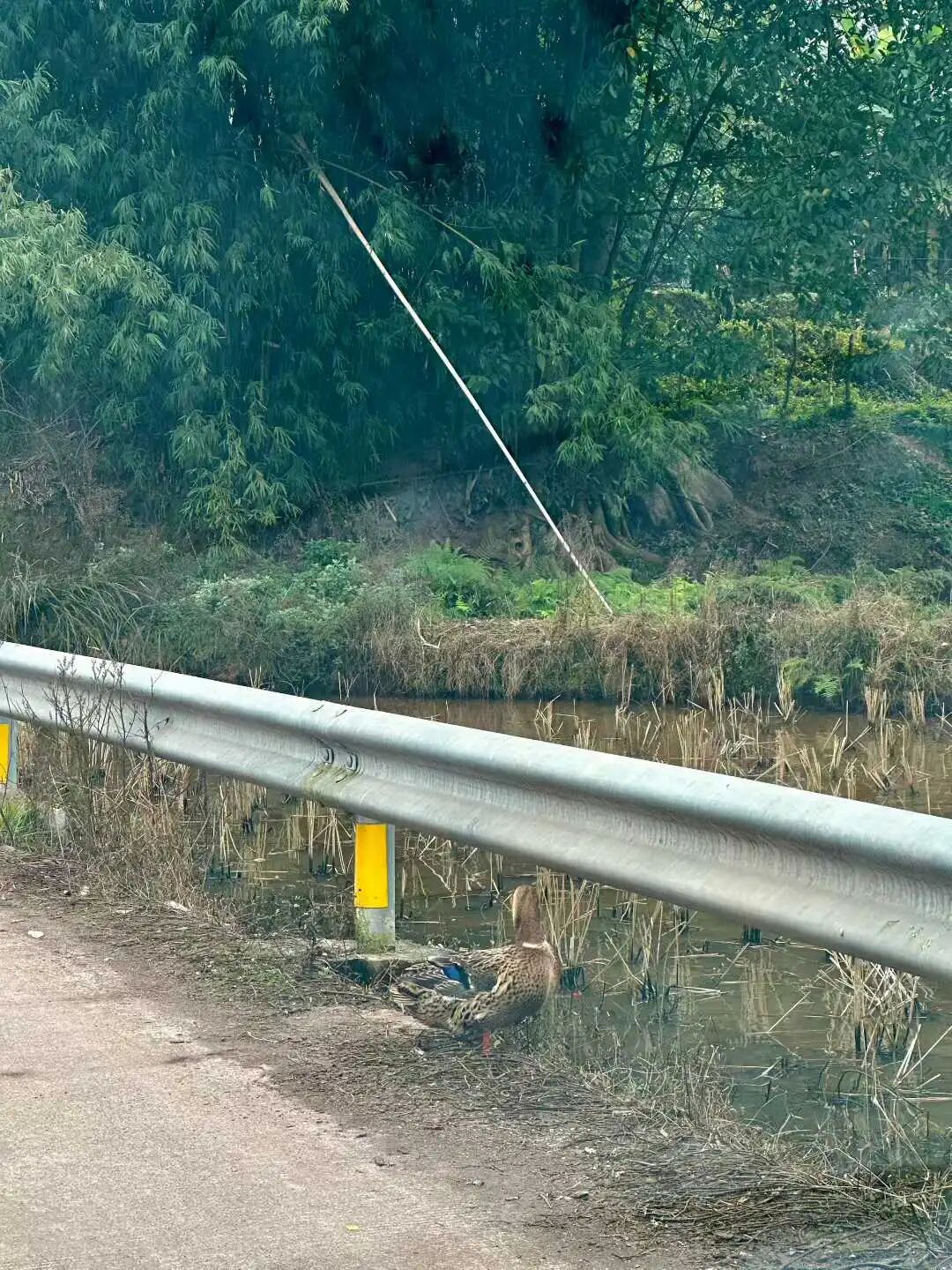
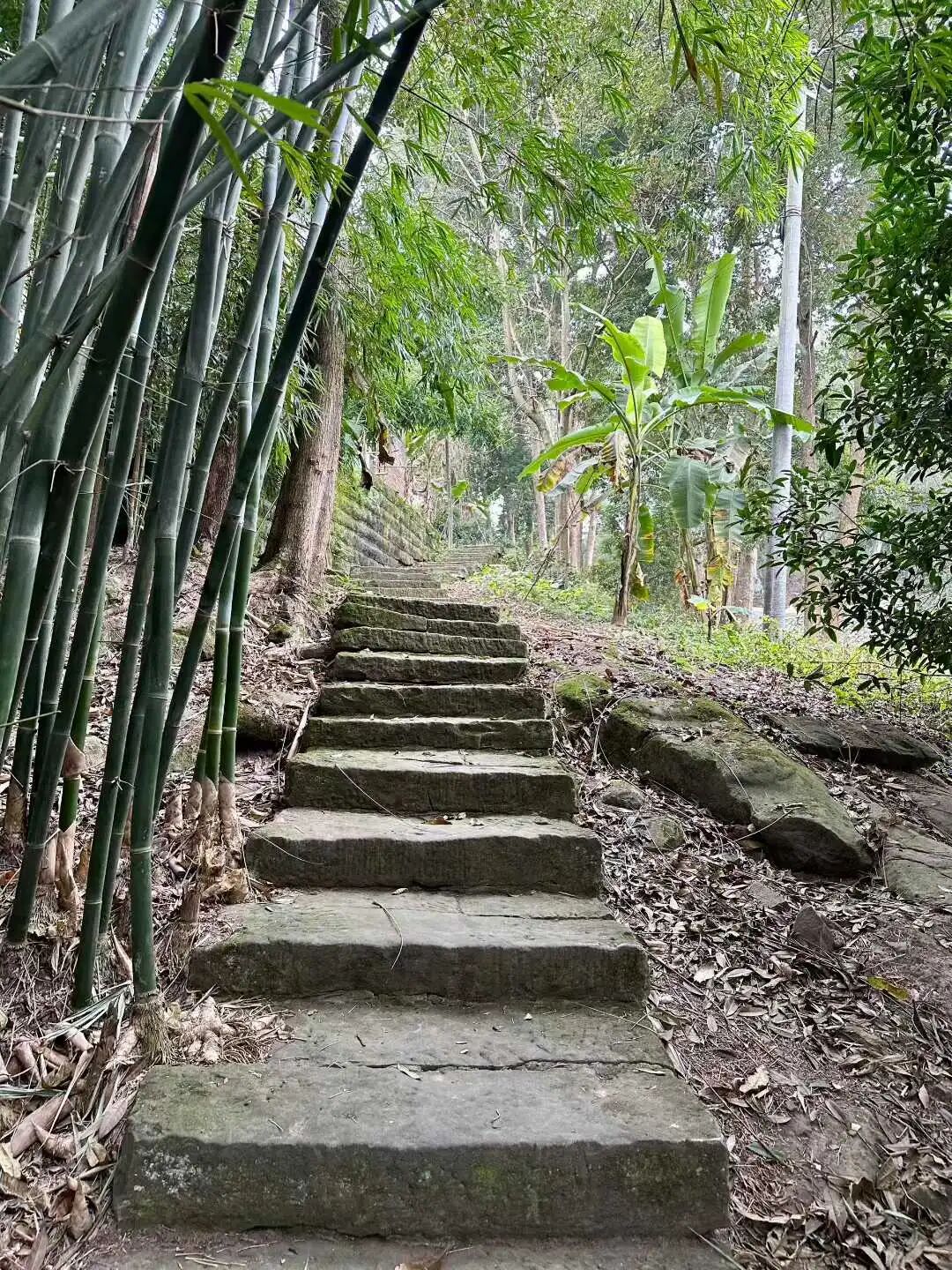
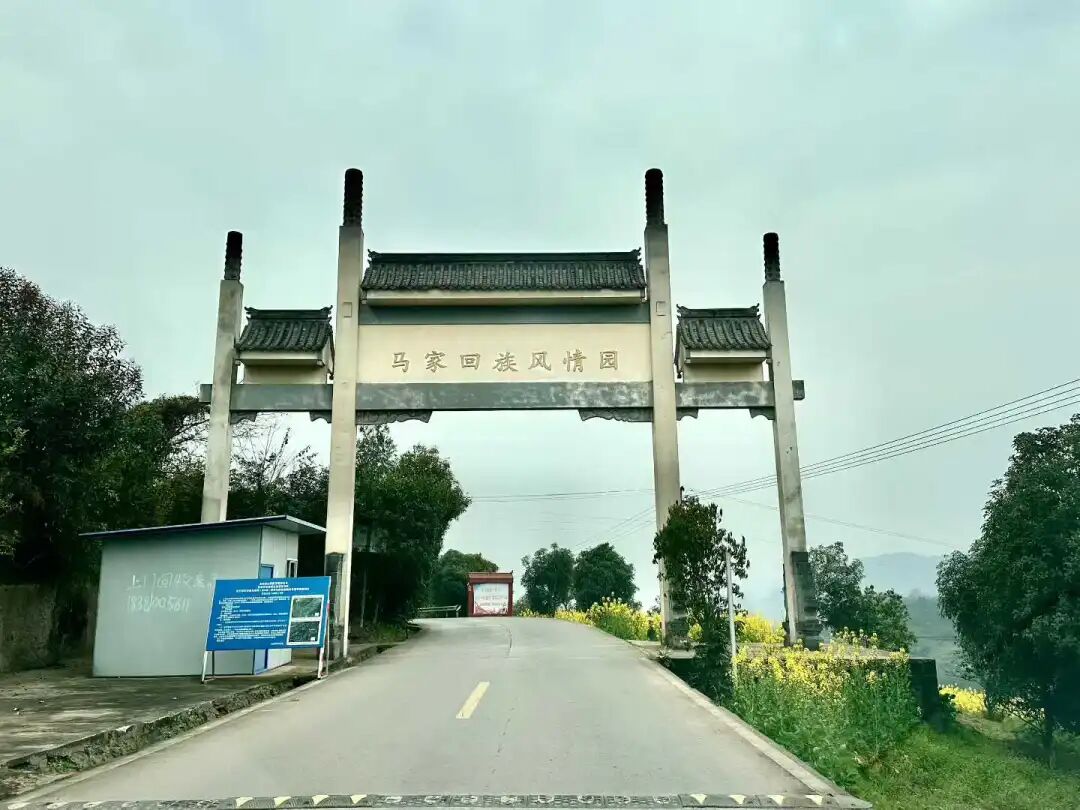
In early spring at Yunding Mosque, I walked through the front gate and straight into a sea of bamboo. The leaves were layered thick, and the wind made them rustle. The mosque is surrounded by fields of blooming rapeseed flowers. The golden waves of flowers spread along the gentle slopes, reaching the foot of the distant mountains and the edges of the fields, full of rural peace and vitality. In a nearby pond, the water is clear and bright, with little ducks playing on the surface from time to time. As I was driving away, I happened to see the ducks lining up to cross the road. They waddled along, looking very cute and charming.
Driving for another 50 minutes from Yunding Mosque, I arrived at Sujiaqiao Mosque in the Nanxi District. This area is now part of the Sanjiang New Area in Yibin. There are large industrial parks in the nearby Songjia Town, but Sujiaqiao remains hidden deep in the mountains.
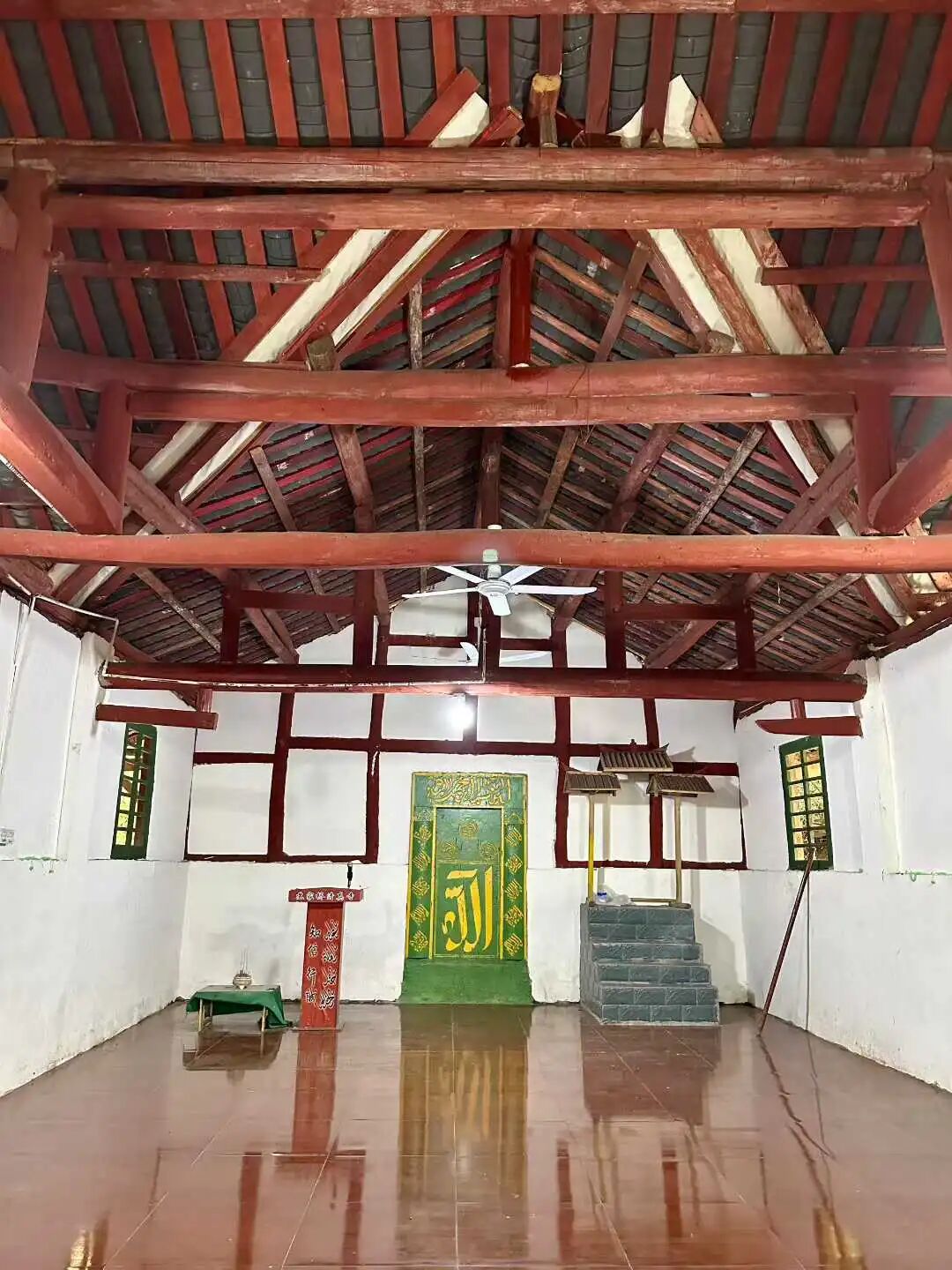
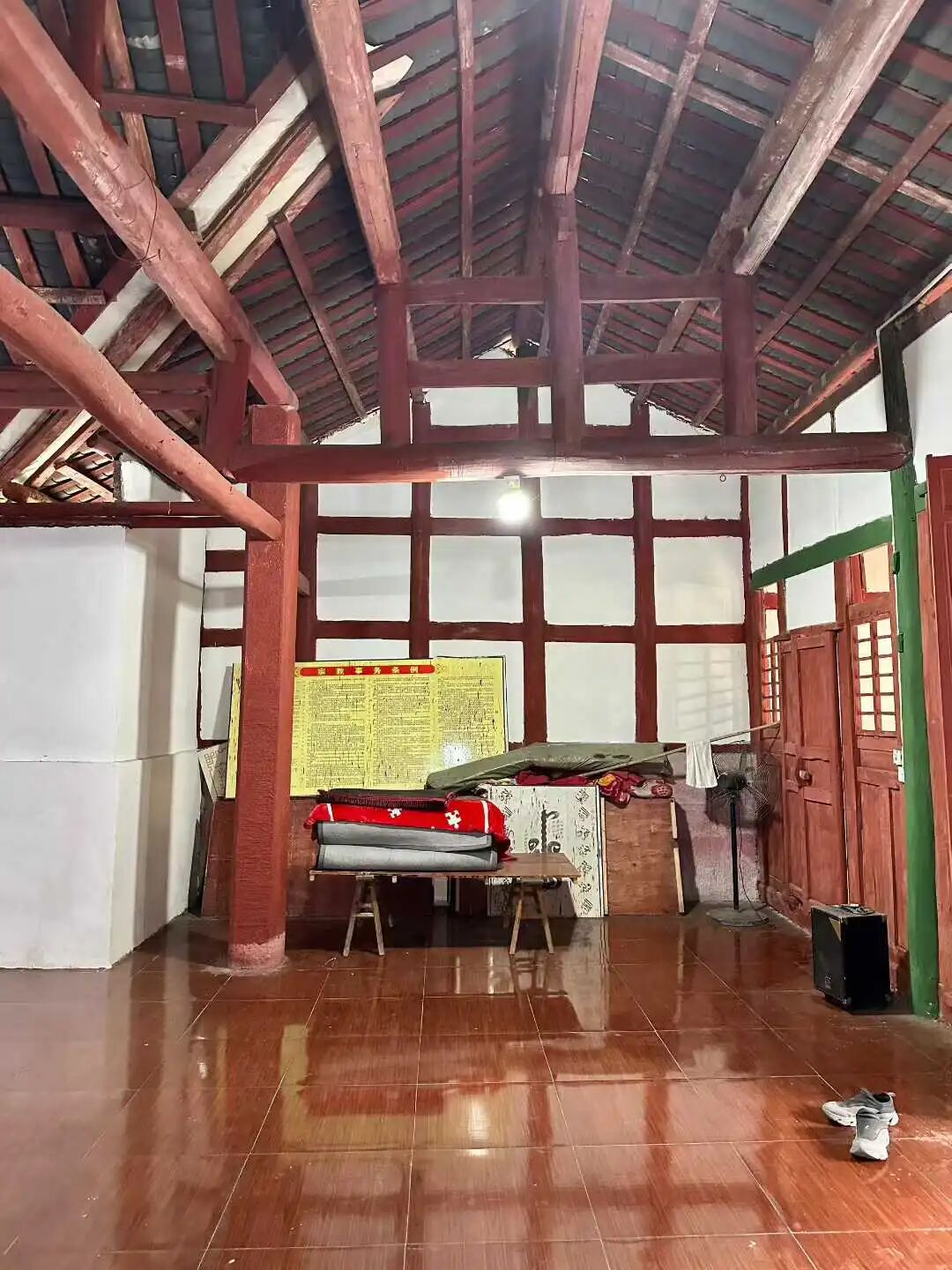
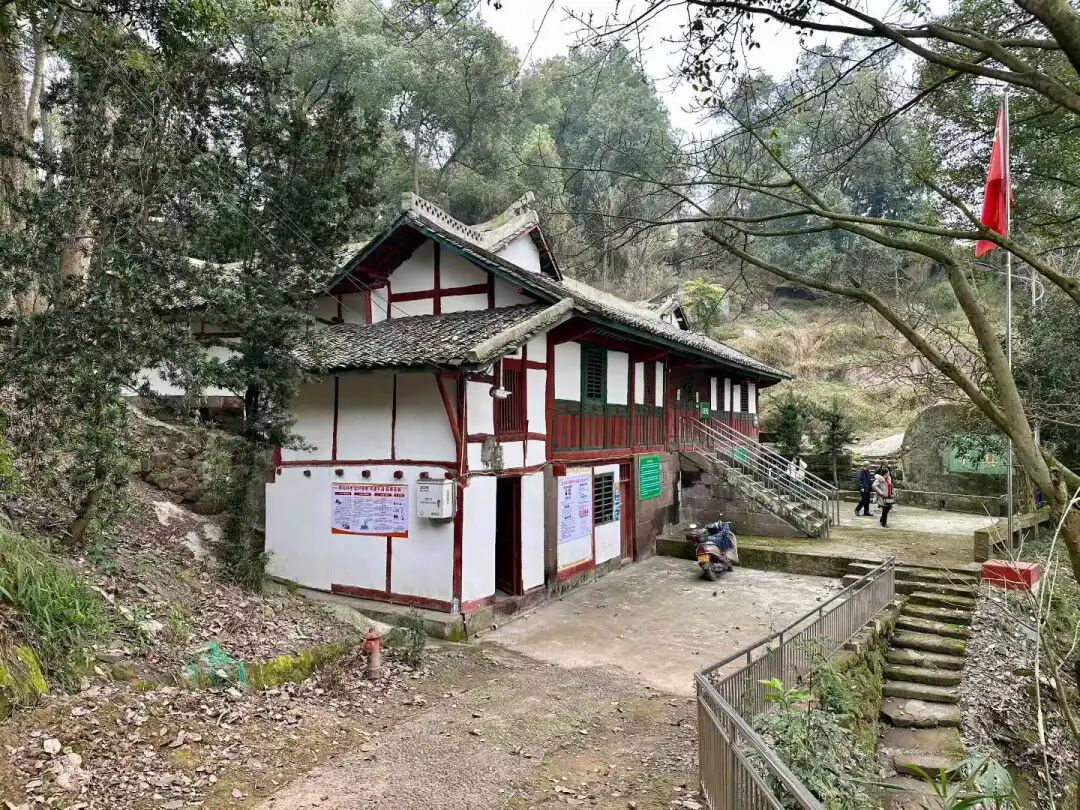
Sujiaqiao Mosque is the only traditional Hui mosque in Yibin that has been preserved to this day. The local Hui Muslims are mainly from the Su family, who moved here from Shaoyang, Hunan, during the 'Huguang filling Sichuan' migration in the Qianlong era. Sujiaqiao Mosque was first built in 1789 (the 54th year of the Qianlong reign) after Su Tianqi and others bought land in Qinjiagou. In 1799 (the 4th year of the Jiaqing reign), the community gave grain to Su Xinhan to manage for ten years. With the profits, they bought land from the Yin family and moved the mosque to its current site. In 1822 (the 2nd year of the Daoguang reign), two corridors were added. It was renovated in 1837 (the 17th year of the Daoguang reign). In 1864 (the 3rd year of the Tongzhi reign), Imam Su Liangchun led the effort, and with donations from Su Shunfang and other community members, the main hall was expanded. In 1944, Su Cailun led another renovation of the main hall.
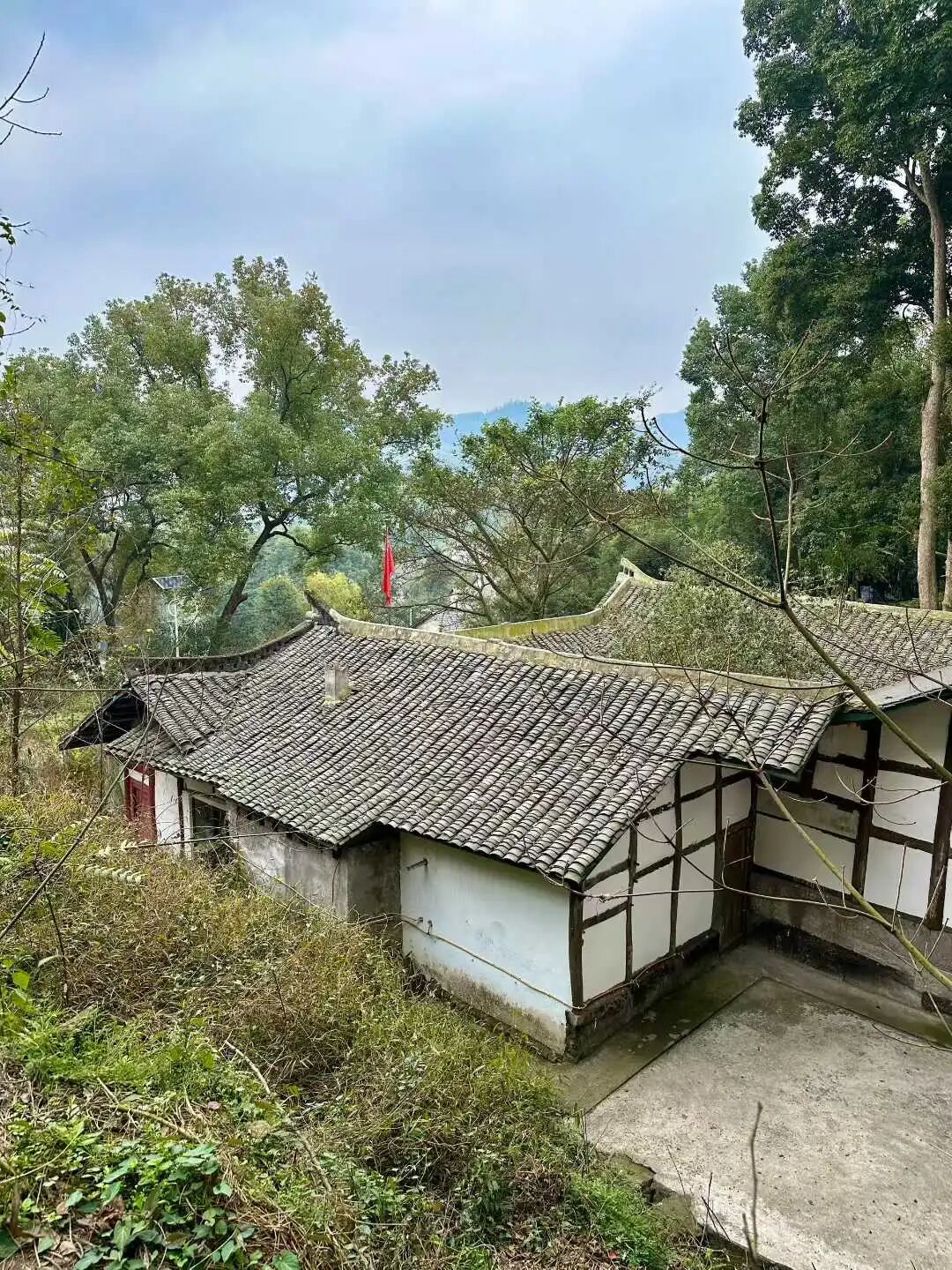
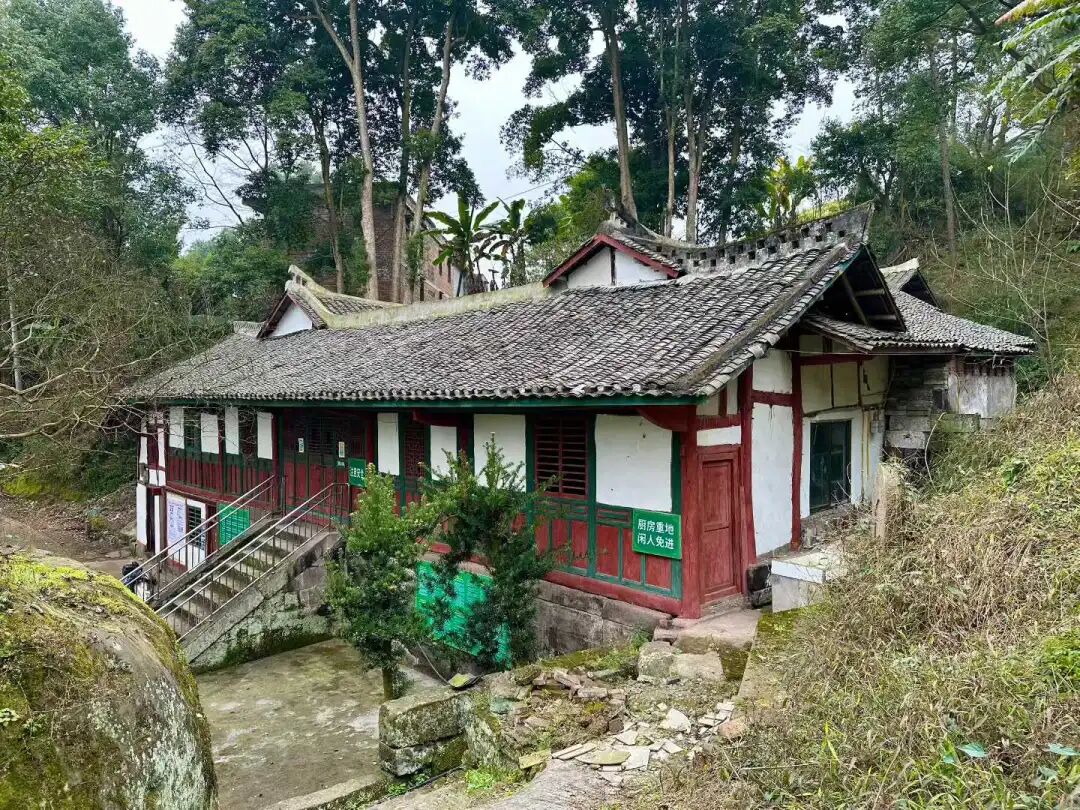
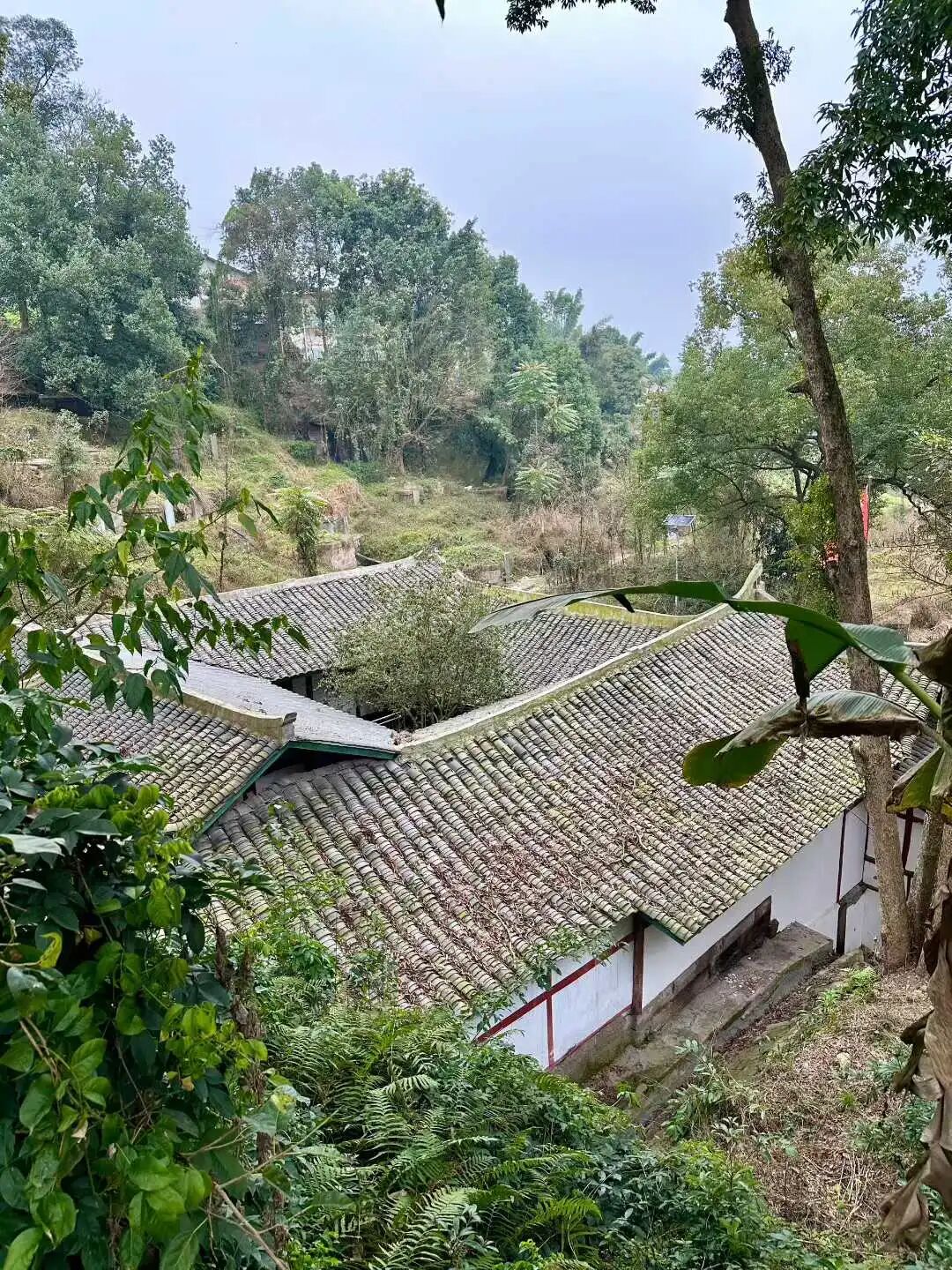
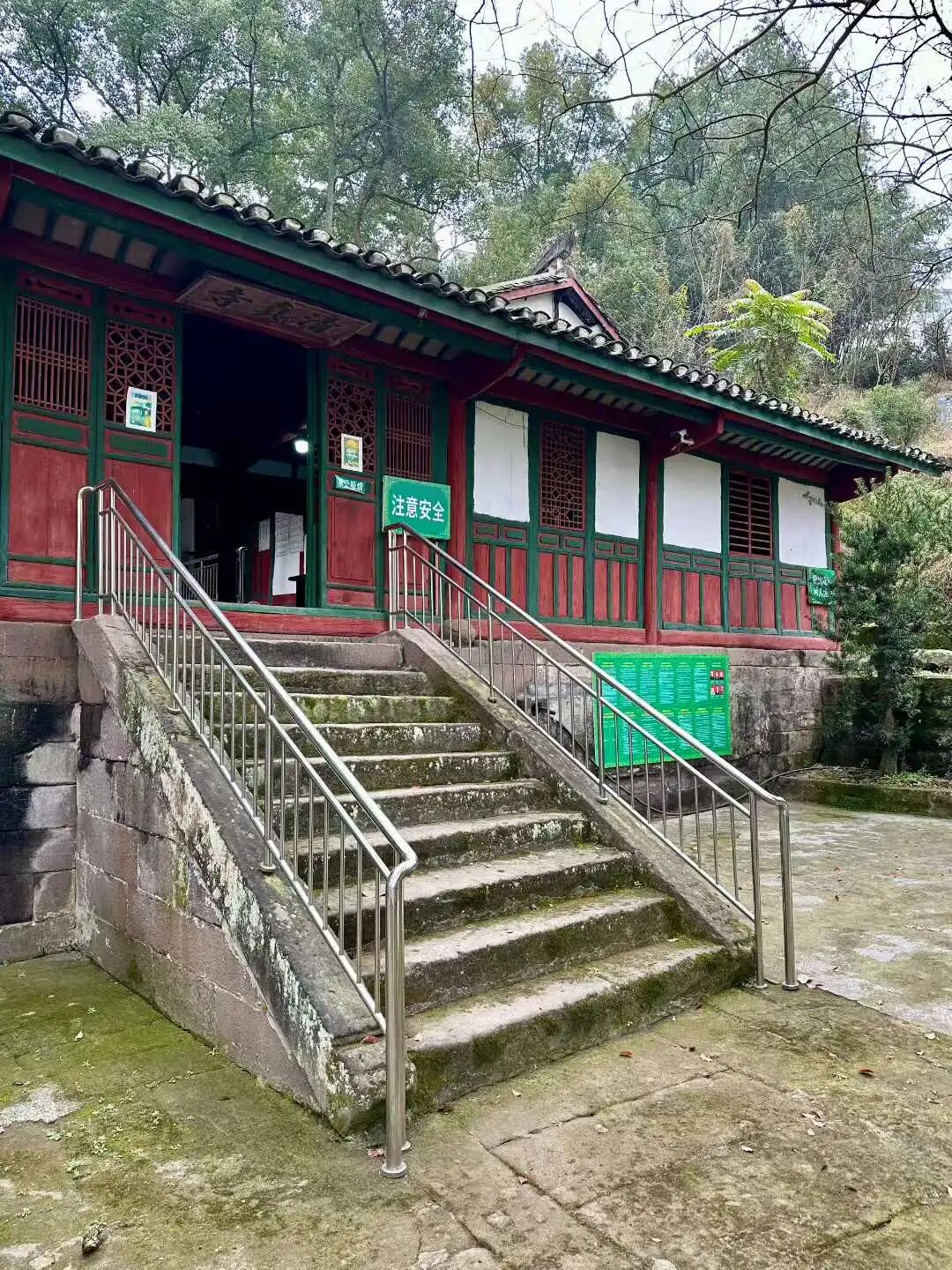
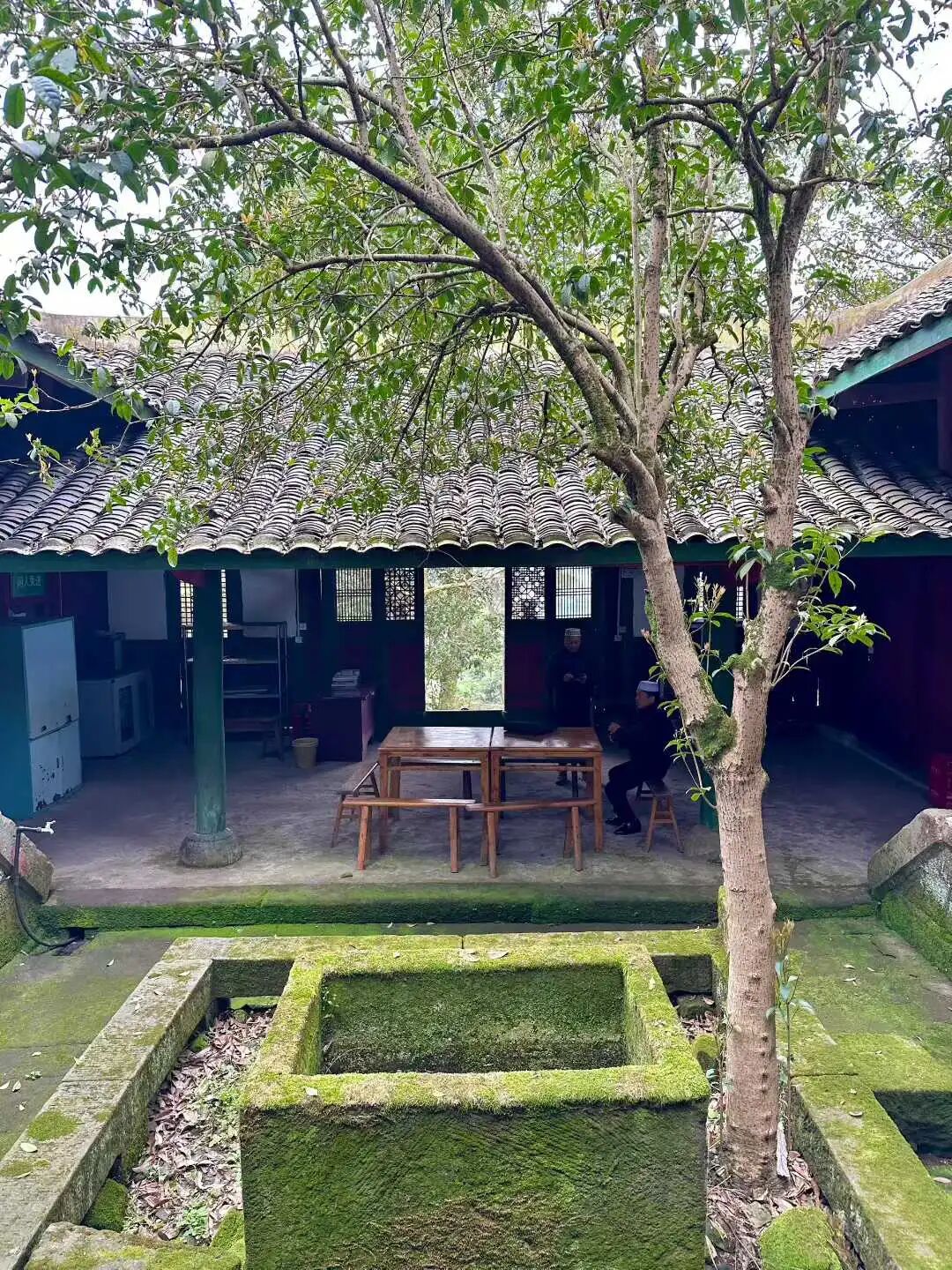
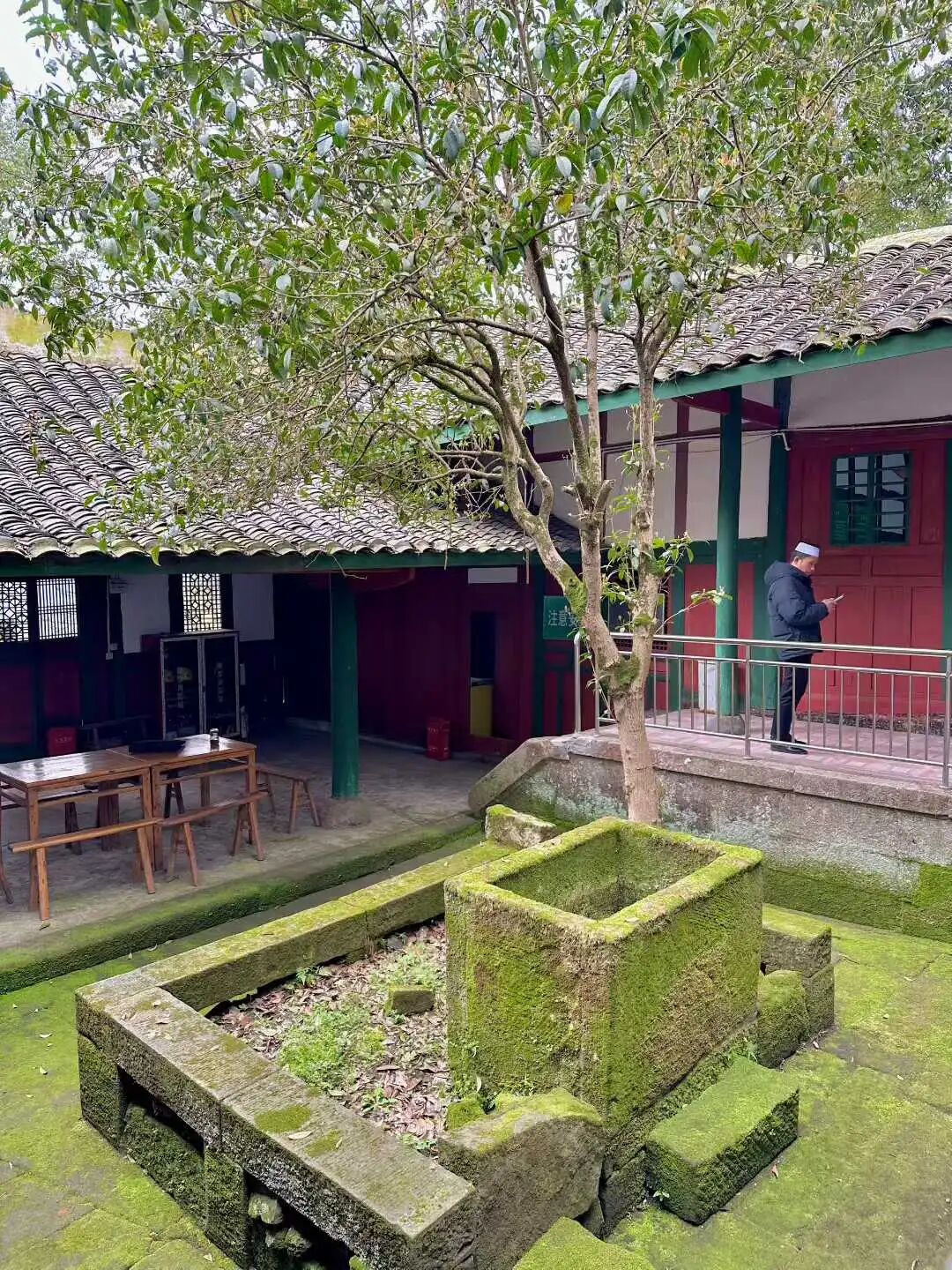
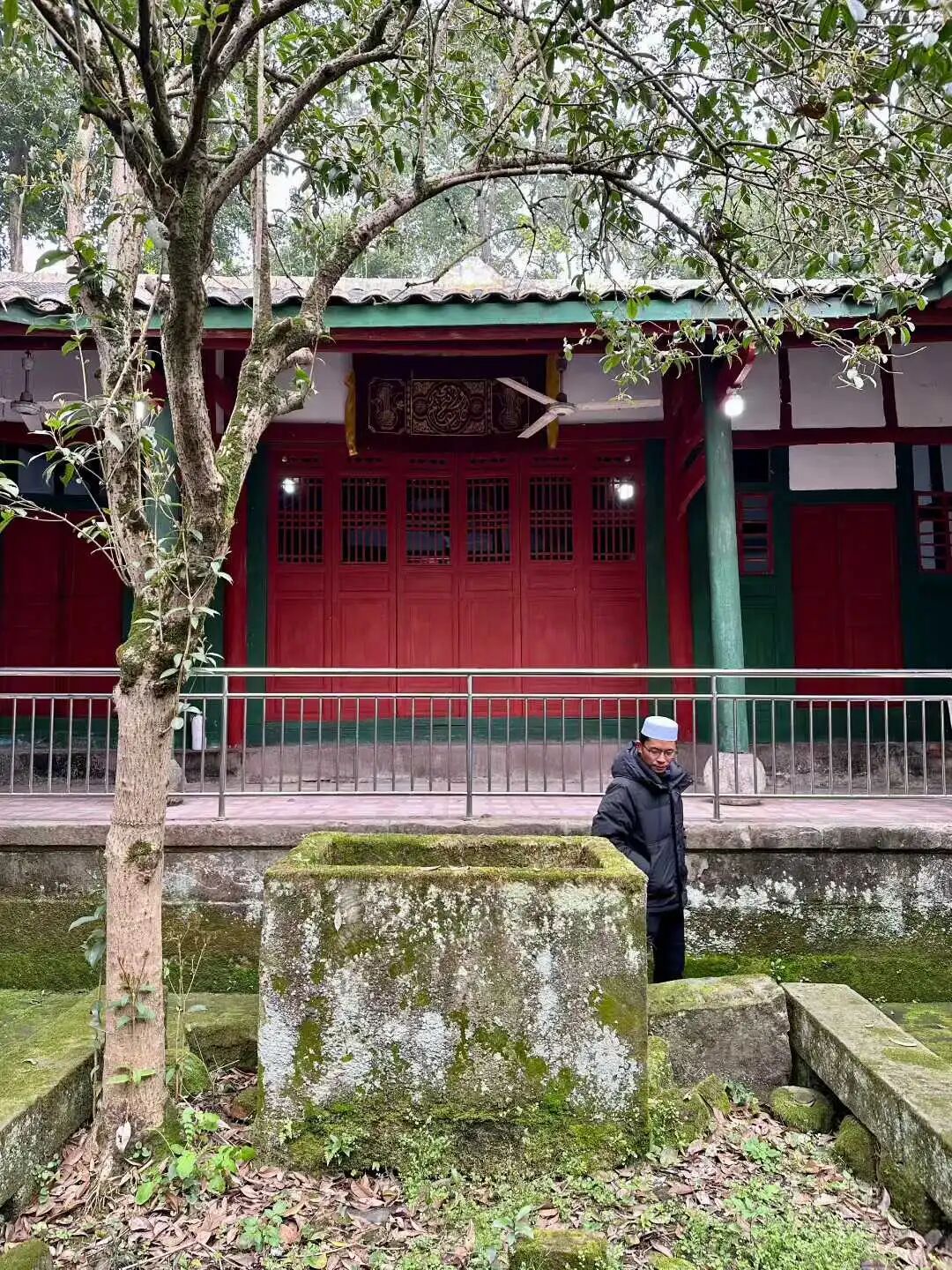
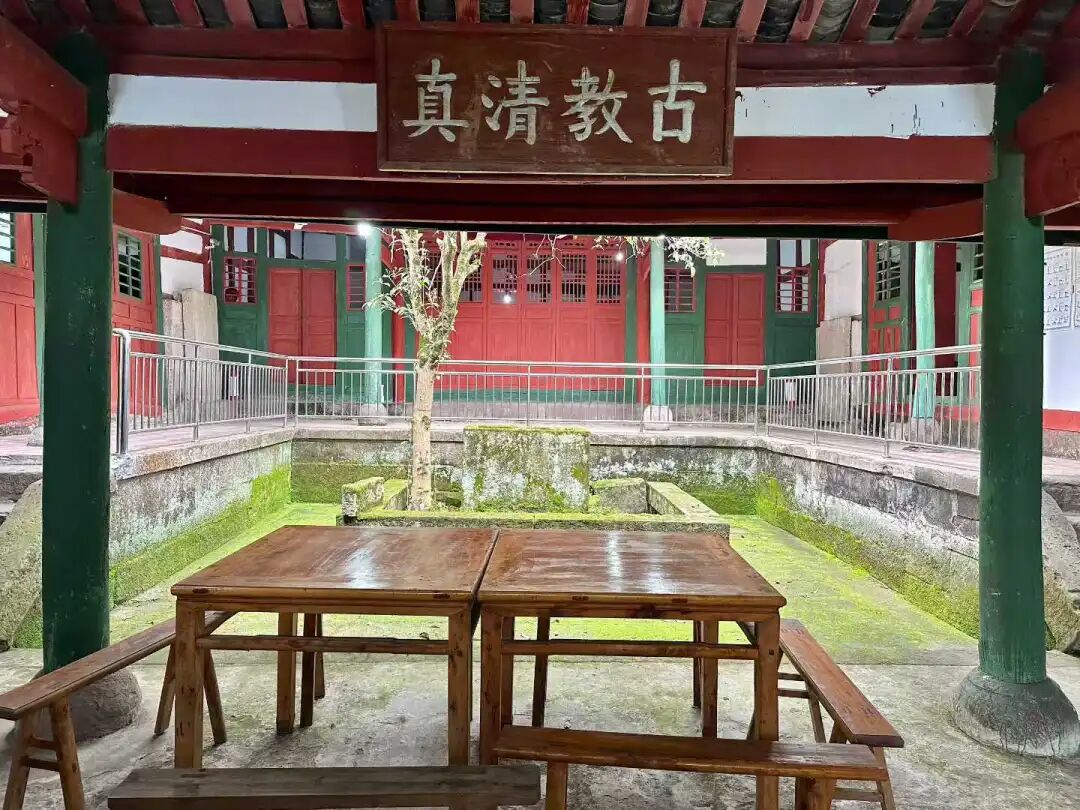
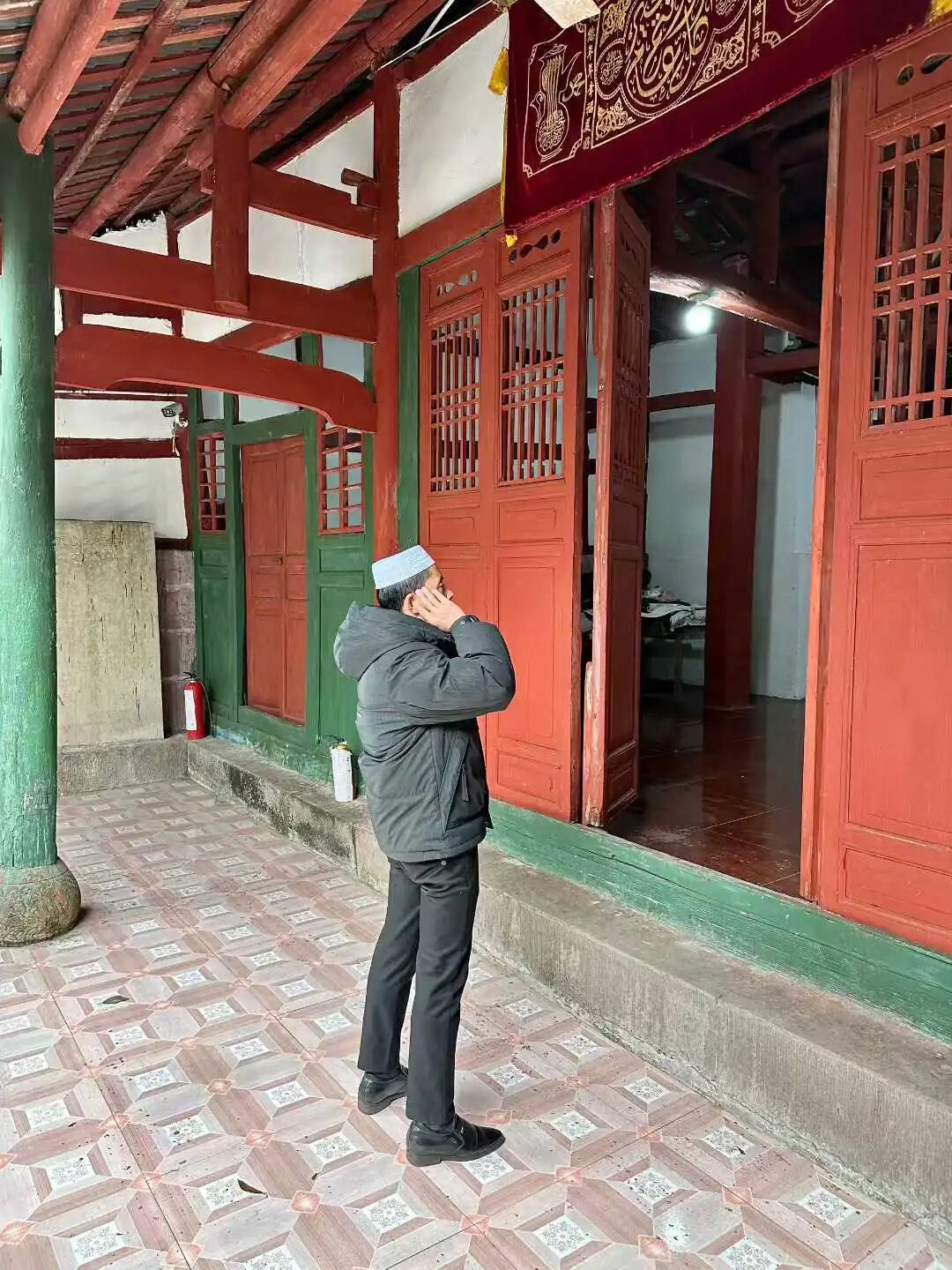
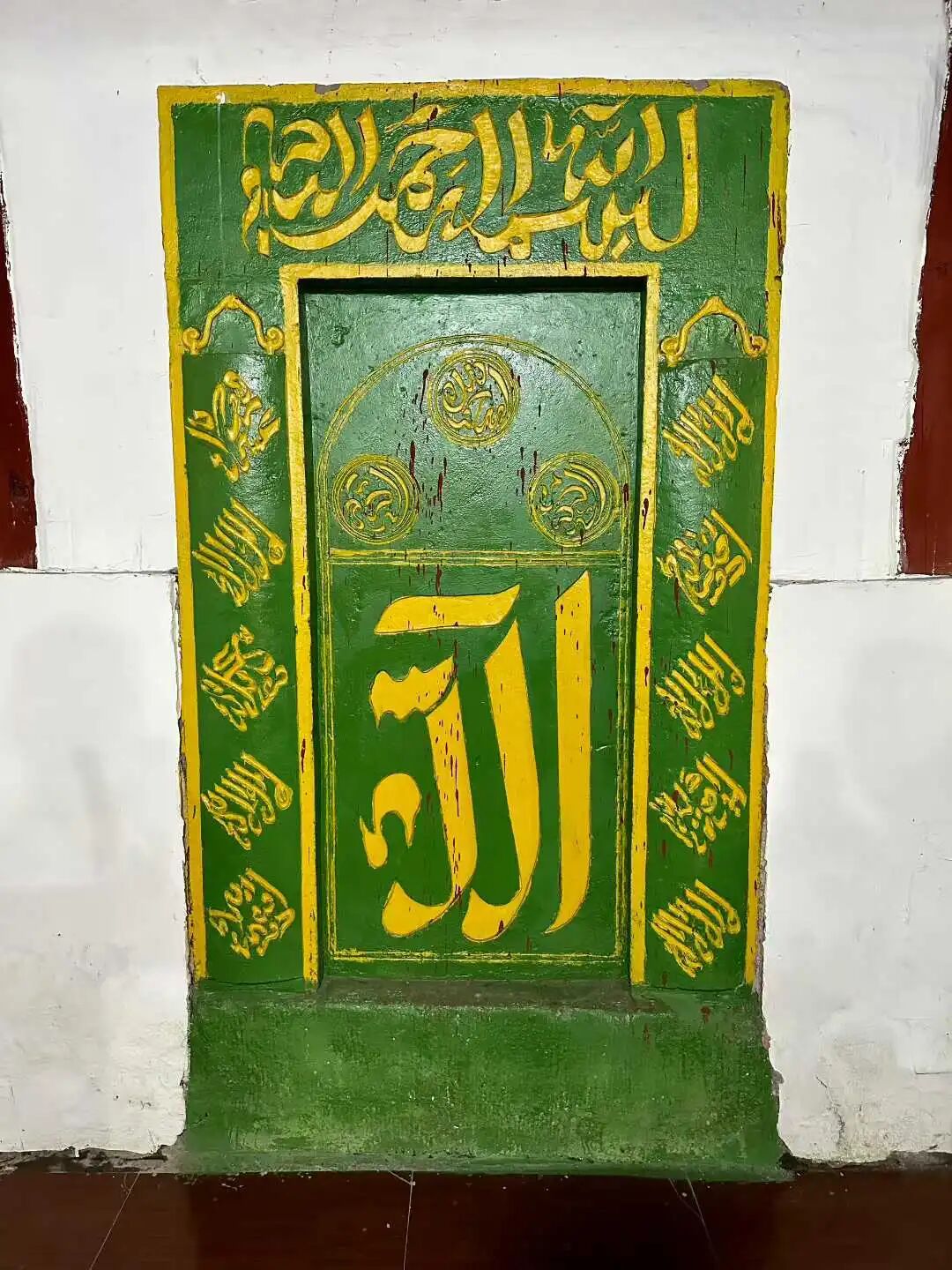
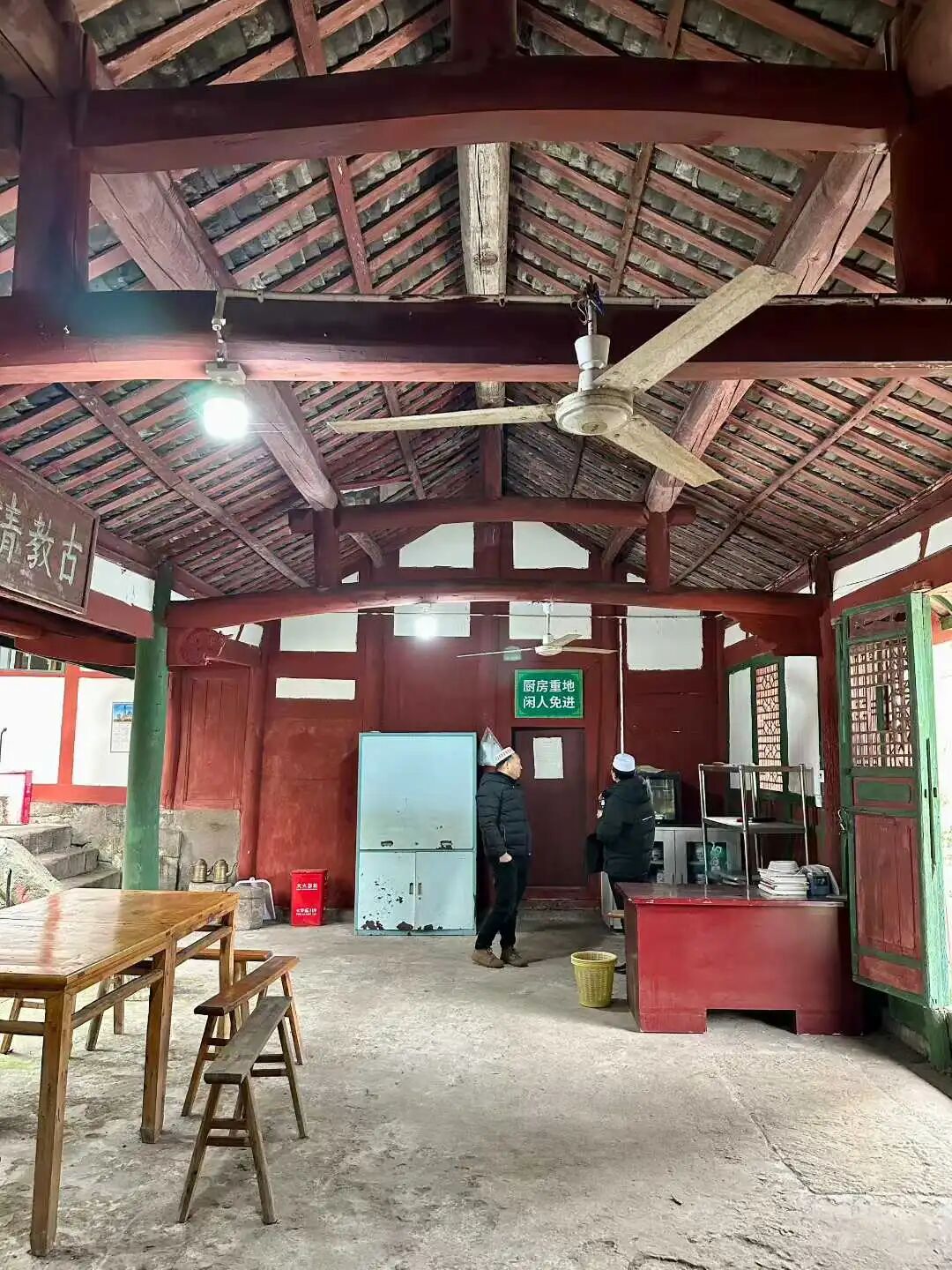
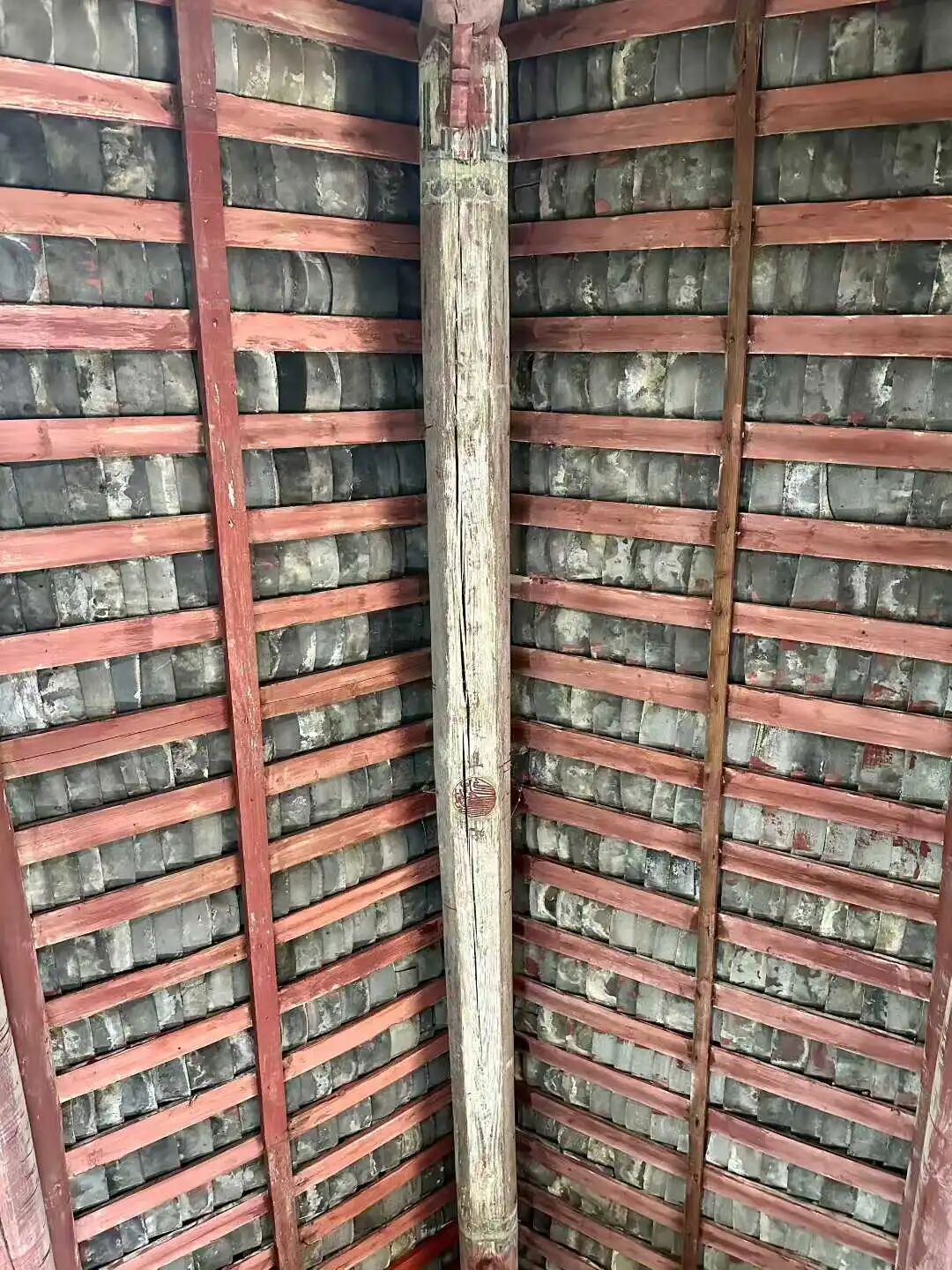
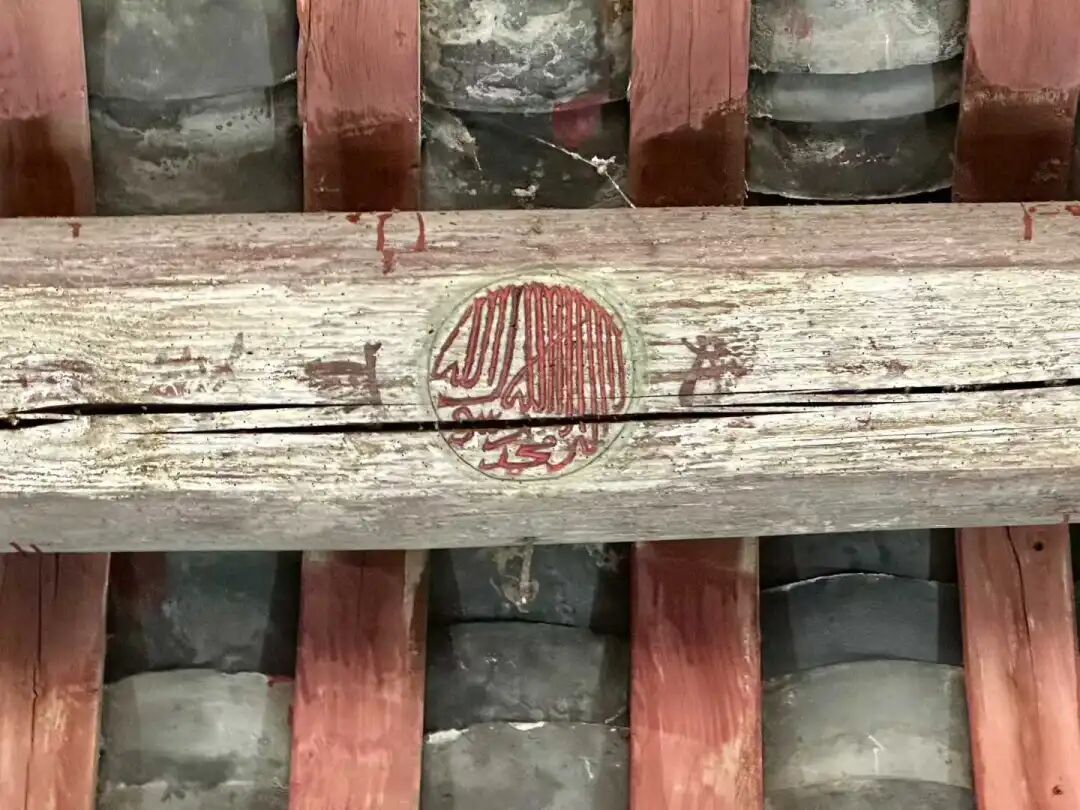
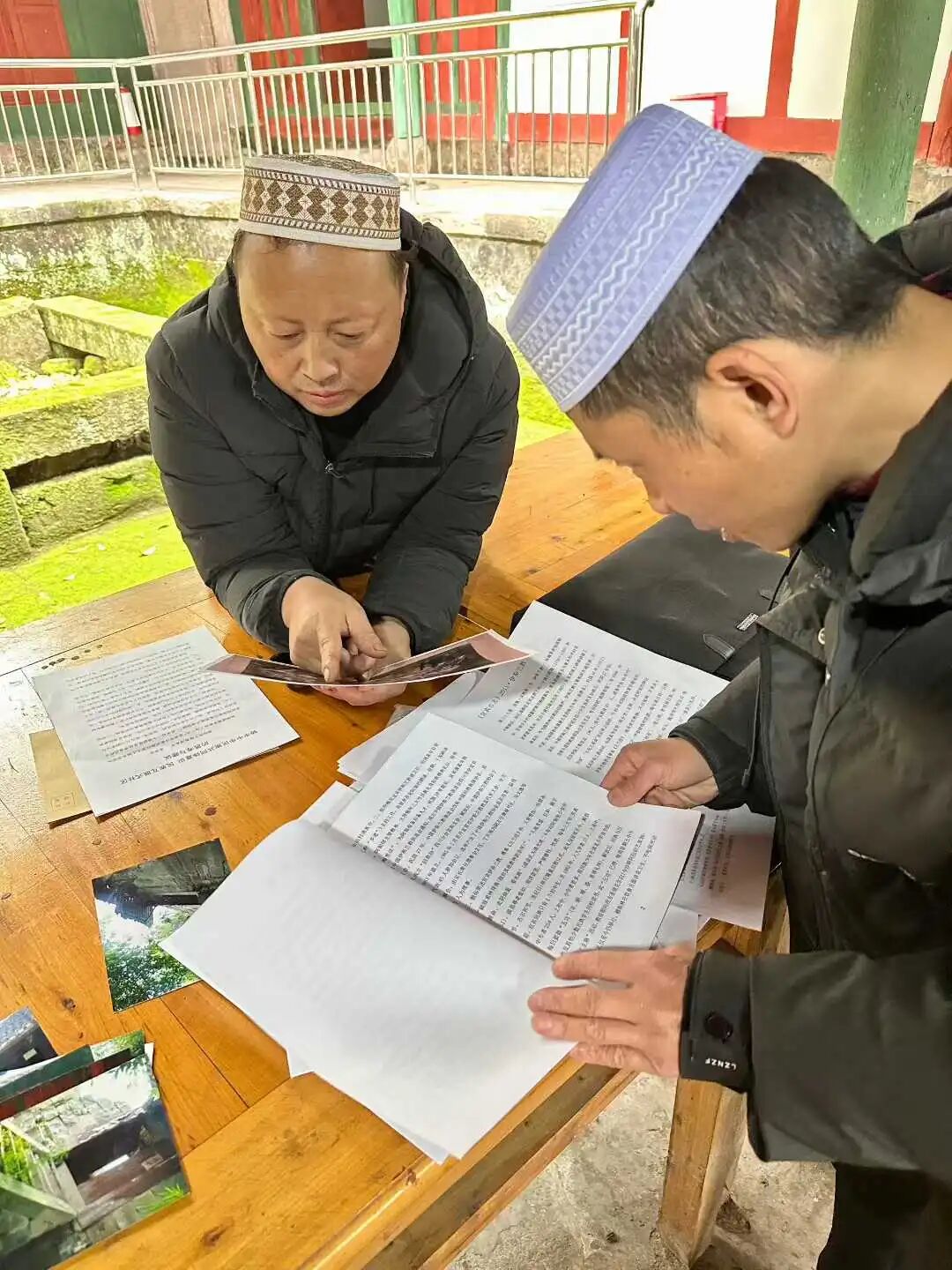
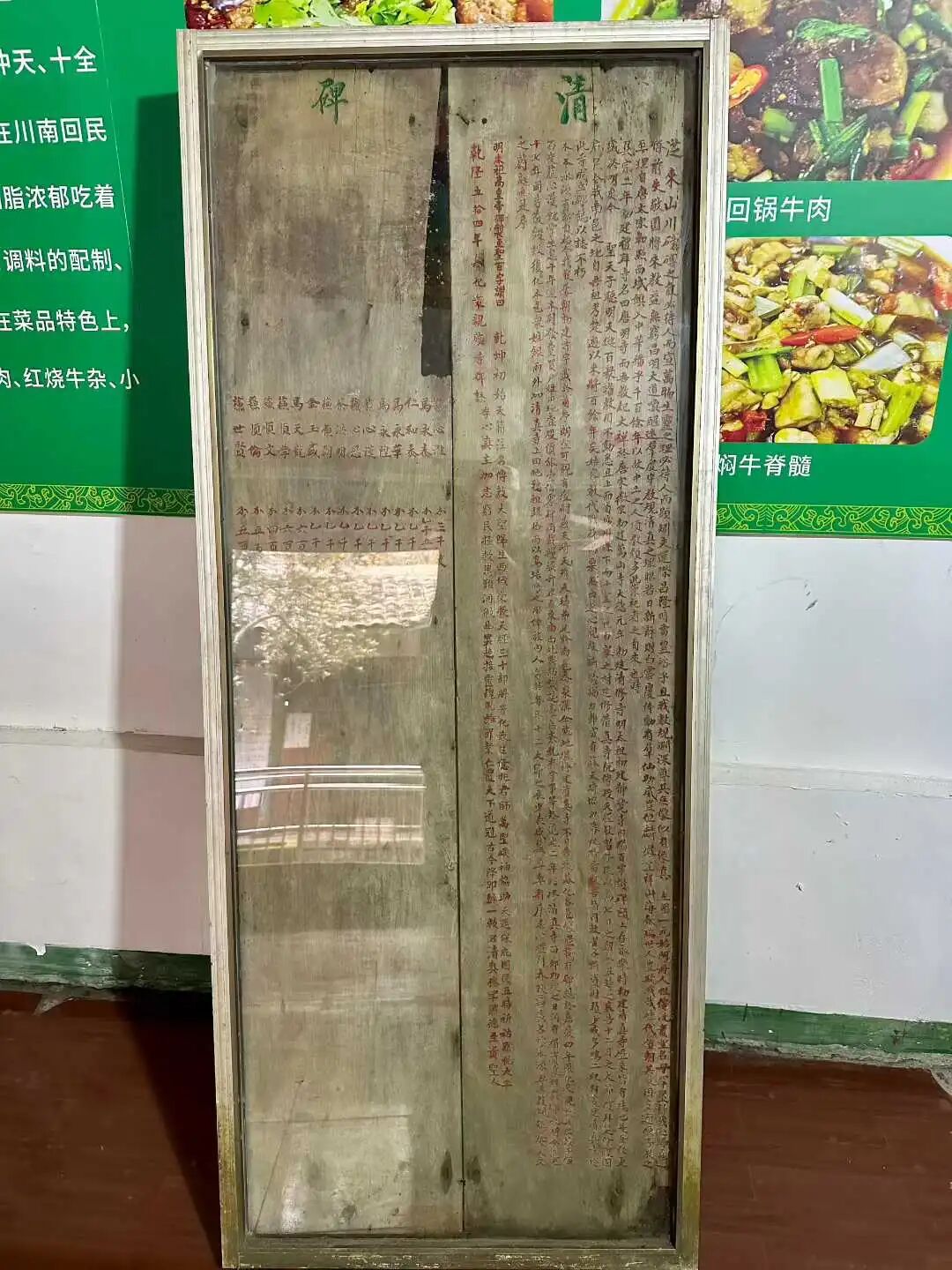
The main hall of Sujiaqiao Mosque also preserves a precious Qing Dynasty mihrab, and there is an inscription from 1866 (the 5th year of the Tongzhi reign) on the main beam of the entrance hall. I met two Imams named Su from Sujiaqiao Mosque and Dabeixiang Mosque, and I learned a lot about the local religious situation in Yibin from them. The two Imams showed me the stone tablet from the Daoguang renovation kept in the mosque. Unfortunately, it was damaged during a difficult period, and only the last part of the donor list remains. You can still see the surnames Su, Ma, Jin, and Cai, as well as a business named Renhetai.
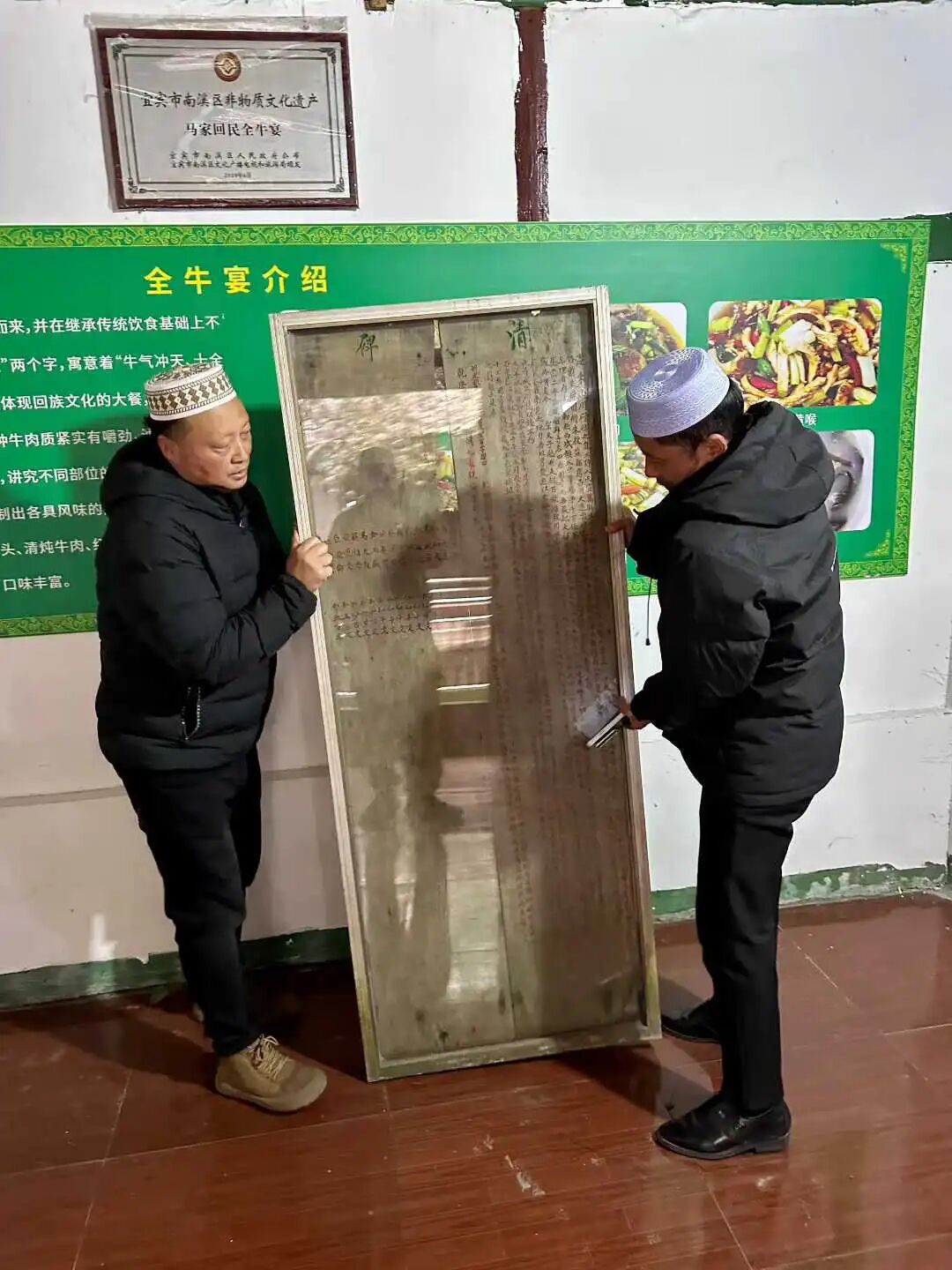
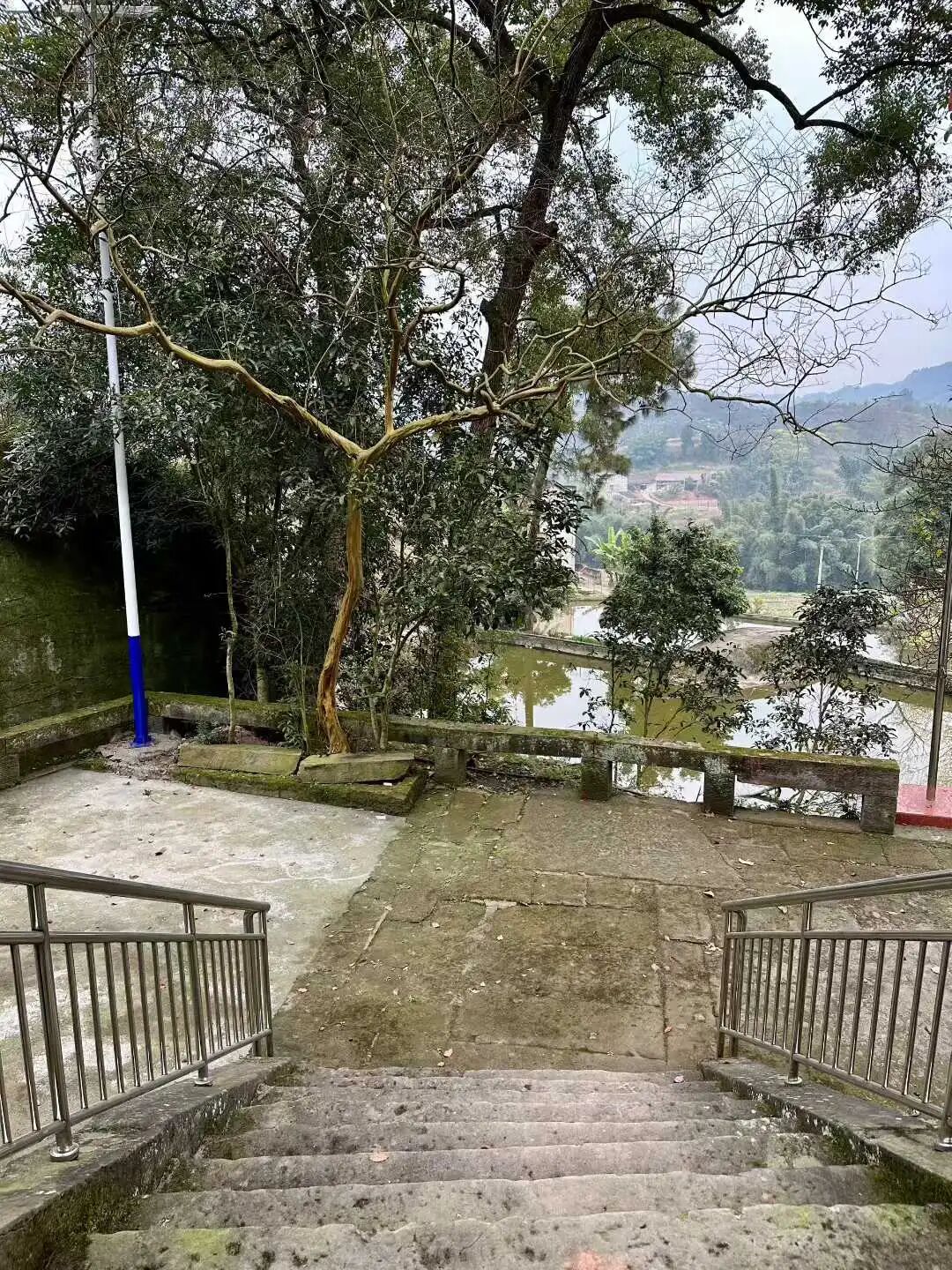
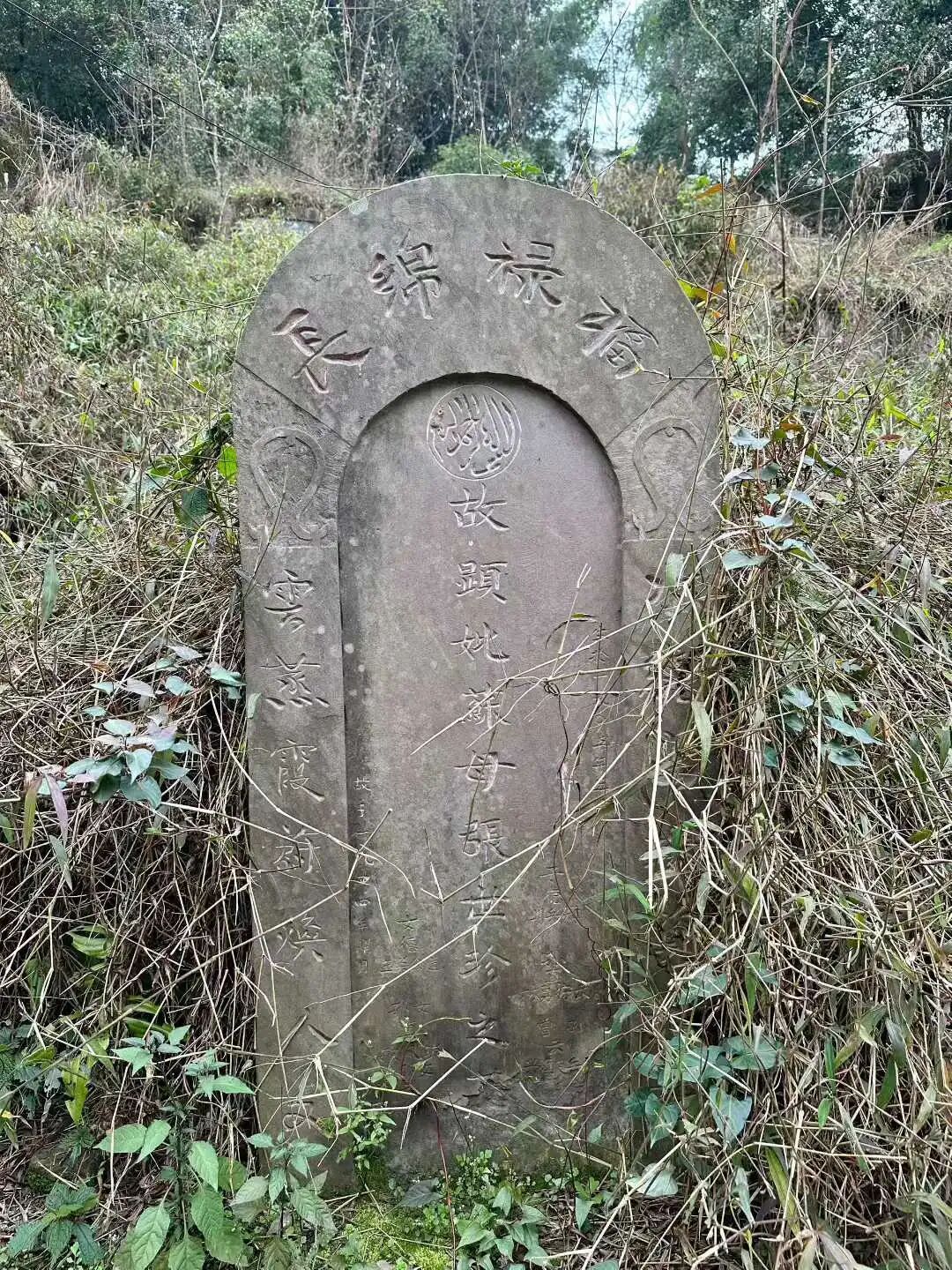
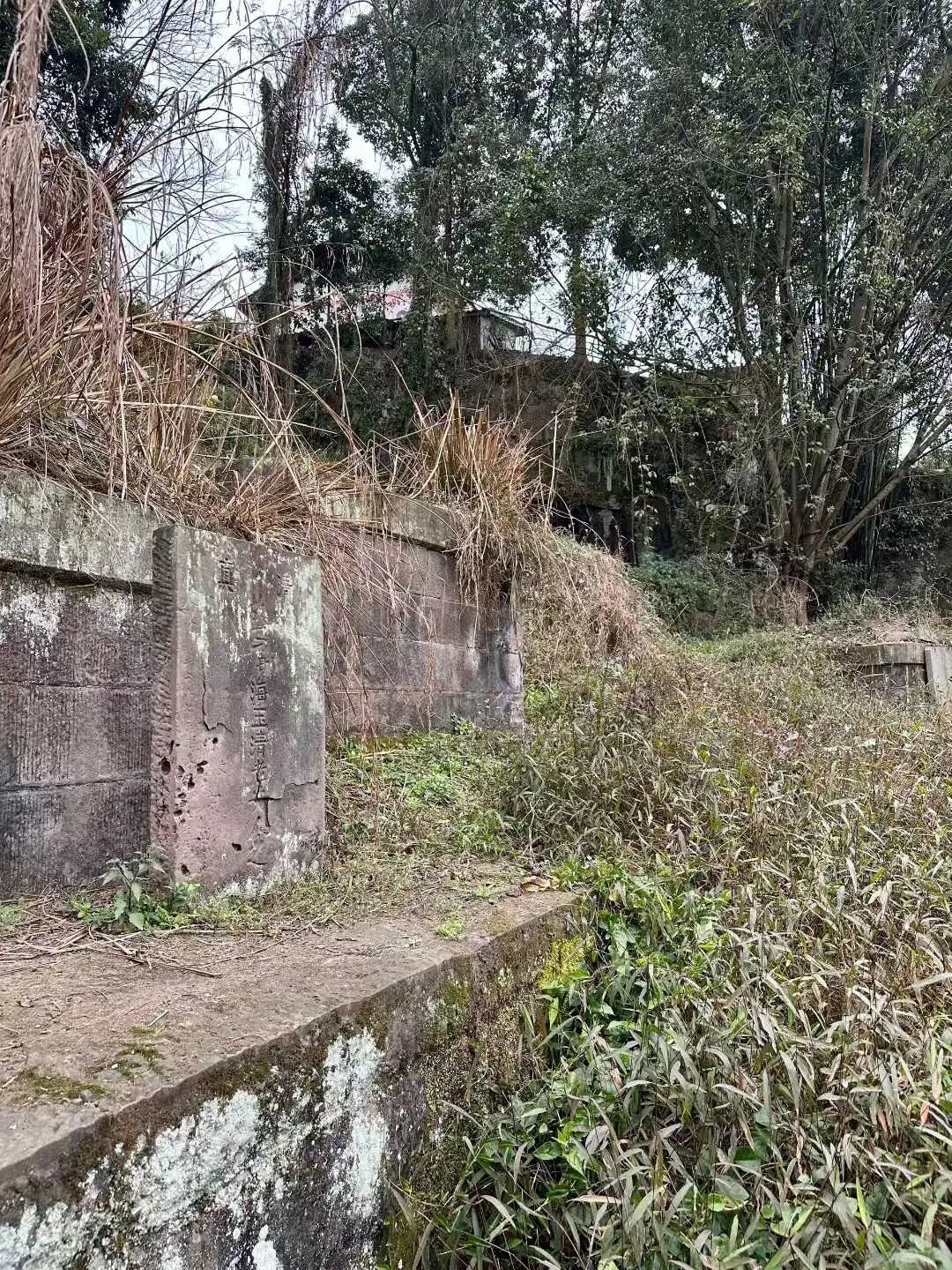
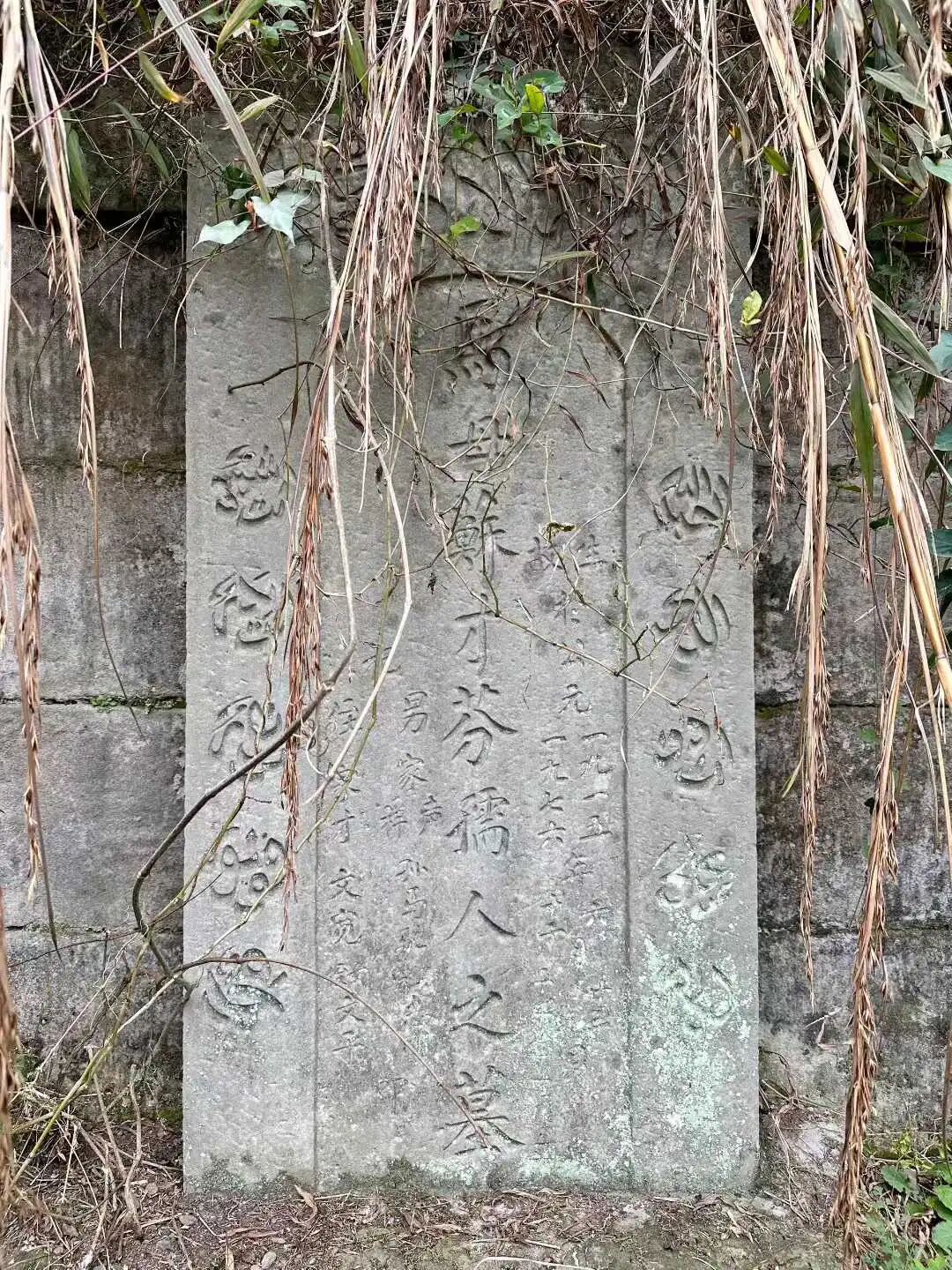
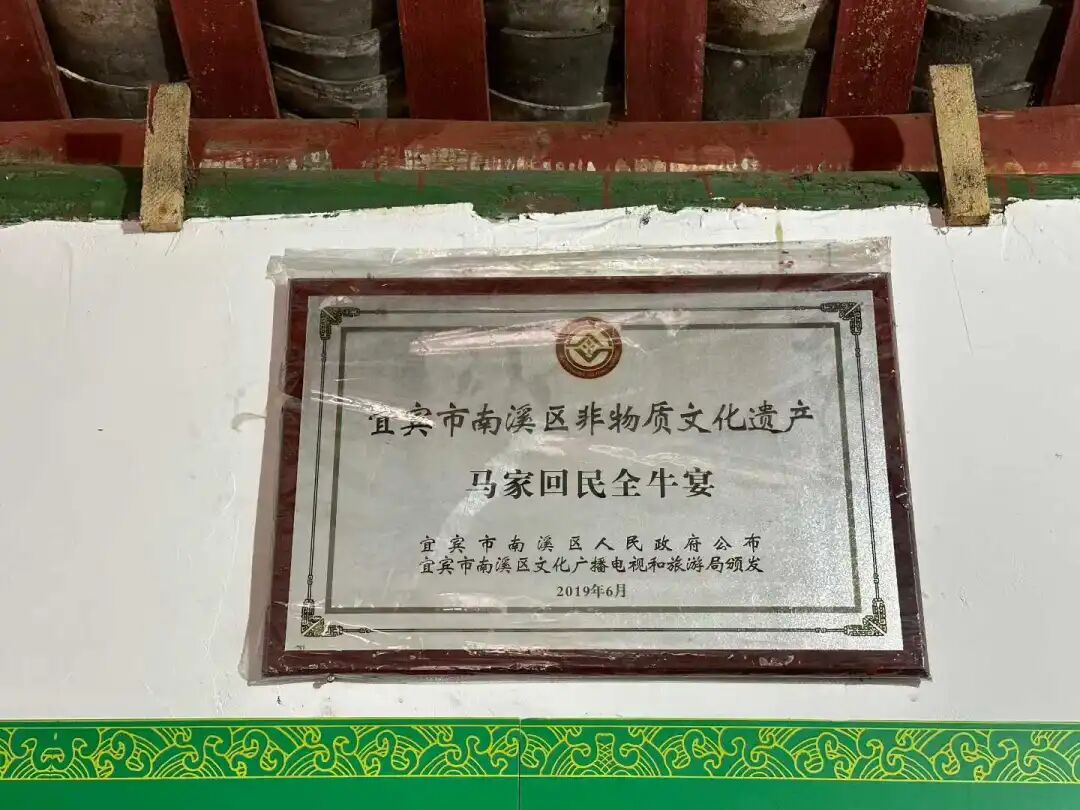
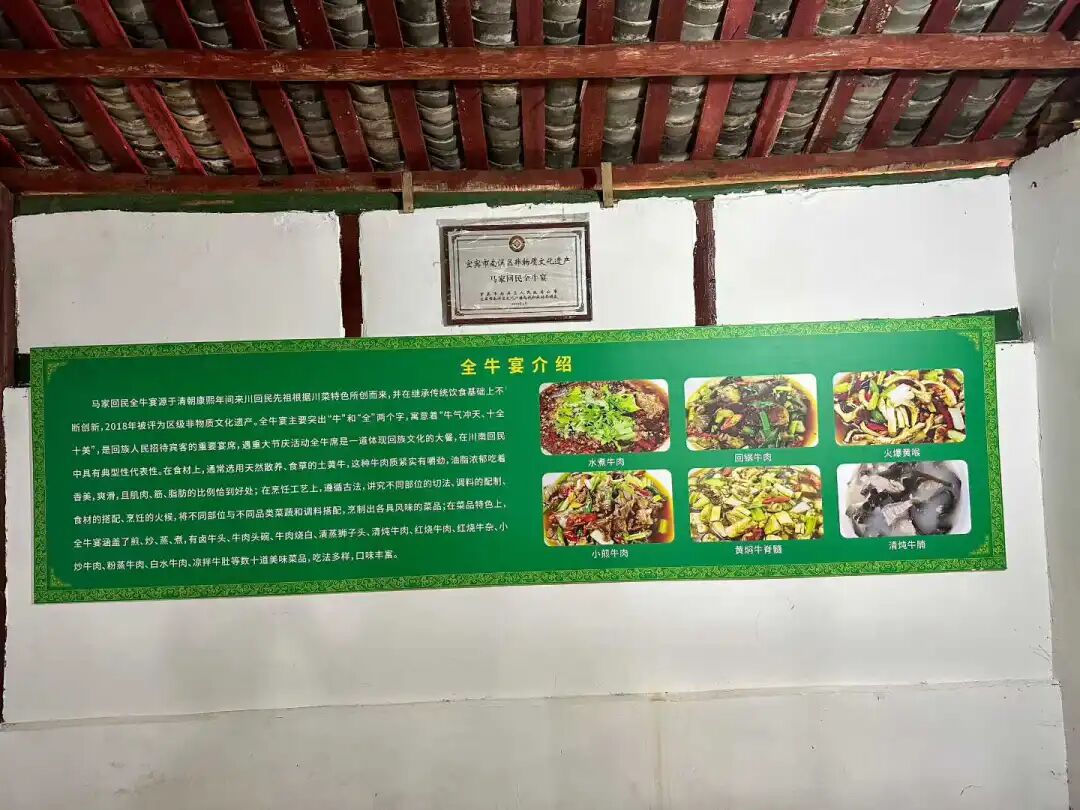
Behind Sujiaqiao Mosque is a cemetery for Hui Muslims. When I arrived, Imam Su was leading the local Hui Muslims in visiting the graves. The Sujiaqiao Hui Muslim whole-cow feast was named a Nanxi District intangible cultural heritage in 2018. However, because of the remote location, there are no restaurants run by Hui Muslims here. If you want to experience the local food, it is best to come to the mosque during holidays.
Summary: This Yibin travel account follows old mosques, riverside streets, Hui Muslim history, and local halal food notes from the next stop on a Spring Festival road trip through Sichuan.
On the afternoon of February 17, I drove south from Luocheng for an hour and a half and arrived at the old town in the Cuiping District of Yibin, right by the Yangtze River. Parking in Yibin's old town is very difficult during the Spring Festival. I found a spot on the side of the road near the Dabeixiang Mosque, but unfortunately, the imam, Imam Su, was not there at the time. I went to Yao's Beef Restaurant (Yaoji Niurouguan) on nearby Xuesheng Street for dinner instead. Yao's Beef Restaurant was packed that night. I waited nearly an hour after ordering before I could eat. They ran out of ingredients several times, and the owner said they hadn't prepared enough. I didn't expect business to be this good on the first day of the Lunar New Year.
Yao's has been open for 30 years. Since the 1990s, they have been selling steamed beef with rice flour (fenzheng niurou), clear-stewed beef (qingdun niurou), and braised beef (hongshao niurou) on Xuesheng Street, standing out for their commitment to never using overnight meat. They serve the most authentic Yibin-style Sichuan cuisine, focusing on various stir-fried (huobao), minced meat topping (saozi), and water-boiled (shuizhu) dishes. I ordered stir-fried beef tripe (huobao taihua), minced meat with spinal cord (saozi jisu), and red oil greens (hongyoucai).
This was my first time hearing of taihua. I asked the server, and they said it is a type of beef tripe that is very crispy, bouncy, and chewy. It requires high heat and fast cooking to get that perfect wok aroma.
The minced meat with spinal cord melts in your mouth and is soft and creamy. The minced meat topping (saozi) is salty, fresh, spicy, and rich in sauce, making it perfect with rice.
Red oil greens are red vegetable stalks (hongcaitai), a classic vegetable dish in Yibin from autumn through early spring. They are stir-fried over high heat with garlic slices until just cooked, making them crispy, tender, slightly sweet, and fragrant. In Hui Muslim banquets, this is usually the final vegetable dish, balancing out the spicy stir-fried beef dishes.
The Dabeixiang Mosque in Yibin was first built in 1821 (the first year of the Daoguang reign). It was originally a traditional courtyard house in southern Sichuan, but after being demolished in 1993, it became a multi-story building. As early as the Qianlong reign, Hui Muslims with the surnames Su, Ma, Hai, Zhang, and Cai from Shaoyang, Hunan, moved to Yibin due to the 'Huguang fills Sichuan' migration. During the Jiaqing reign, a Hui Muslim named Li became wealthy running a money shop in Yibin, so he donated money to build the mosque on Dabeixiang in the first year of the Daoguang reign. During the Guangxu reign, a military official named Ma Chaoxuan retired from his post as a provincial commander and settled in Yibin, where he built a mosque on Shuijing Street in the north of the city. During the late Qing Dynasty and the Republic of China era, Ma Chaoxuan's descendant, Ma Pinsan, became the manager of the Dabeixiang Mosque and merged the northern city mosque into the Dabeixiang Mosque.
That night, I drove from the Cuiping District in Yibin's old town to Nanxi District, stayed the night, and planned to try the Yibin Hui Muslim-style meat-topped spicy noodles (hunranmian) the next morning. The most authentic Hui Muslim noodle shop in Nanxi is Su's Huihui Fragrance (Suji Huihuixiang) on Xiazheng Street. The meat they use is personally butchered by Imam Su from the Sujiaqiao Mosque. Unfortunately, Huihui Fragrance was closed when I arrived, so I went to another Su's Beef Noodle shop nearby, which is also run by local Hui Muslims surnamed Su.
Beef hunranmian is a classic breakfast for Yibin Hui Muslims. It uses local Yibin flat, thin alkaline noodles (shuiezi jianshuimian) made from high-gluten flour and alkaline water. They are boiled until 80% cooked, drained, and tossed with cooked rapeseed oil to keep them separate and dry—this is the key to the 'ran' (burning/oily) style. The beef topping (saozi) is made by mincing beef and stir-frying it slowly in rapeseed oil with various spices until dry and fragrant. Then, they add secret red oil, Yibin preserved mustard greens (suimi yacai), freshly crushed peanuts, toasted sesame seeds, Sichuan peppercorn oil, and chopped green onions. When eating, you mix it quickly to use the residual heat to bring out all the aromas. Once you take a bite, the noodles are chewy and bouncy, the beef topping is dry and rich, the mustard greens are salty and fresh, the peanuts are crunchy, the red oil is spicy, and the peppercorn oil adds a slight numbing sensation. It is very dry and refreshing.
After breakfast, I drove for 1 hour and 10 minutes from Nanxi District to the Yunding Mosque in Liduan Town, deep in the mountains of Shu. The Yunding Mosque is surrounded by big mountains. The Hui Muslim village where the mosque is located sits on a high piece of land, as if it were above the clouds, which is how it got the name Yunding (Cloud Top) Mosque.
Yunding Mosque was first built during the Xianfeng era. The local Ma family, who are Hui Muslims, moved here from Shaoyang, Hunan, during the Qing Dynasty migration known as 'Huguang filling Sichuan'. Yunding Mosque was originally a traditional courtyard in the southern Sichuan style, but it was later rebuilt as a concrete building. I took photos of some old pictures of the mosque before its reconstruction from Imam Su at Dabeixiang Mosque. Because of building renovations, traditional mosque architecture in Sichuan is disappearing rapidly.
After the reconstruction of Yunding Mosque, only the Qing Dynasty mihrab and stone column bases remain. The mihrab has a very distinct southern Sichuan style and features many floral patterns.
In early spring at Yunding Mosque, I walked through the front gate and straight into a sea of bamboo. The leaves were layered thick, and the wind made them rustle. The mosque is surrounded by fields of blooming rapeseed flowers. The golden waves of flowers spread along the gentle slopes, reaching the foot of the distant mountains and the edges of the fields, full of rural peace and vitality. In a nearby pond, the water is clear and bright, with little ducks playing on the surface from time to time. As I was driving away, I happened to see the ducks lining up to cross the road. They waddled along, looking very cute and charming.
Driving for another 50 minutes from Yunding Mosque, I arrived at Sujiaqiao Mosque in the Nanxi District. This area is now part of the Sanjiang New Area in Yibin. There are large industrial parks in the nearby Songjia Town, but Sujiaqiao remains hidden deep in the mountains.
Sujiaqiao Mosque is the only traditional Hui mosque in Yibin that has been preserved to this day. The local Hui Muslims are mainly from the Su family, who moved here from Shaoyang, Hunan, during the 'Huguang filling Sichuan' migration in the Qianlong era. Sujiaqiao Mosque was first built in 1789 (the 54th year of the Qianlong reign) after Su Tianqi and others bought land in Qinjiagou. In 1799 (the 4th year of the Jiaqing reign), the community gave grain to Su Xinhan to manage for ten years. With the profits, they bought land from the Yin family and moved the mosque to its current site. In 1822 (the 2nd year of the Daoguang reign), two corridors were added. It was renovated in 1837 (the 17th year of the Daoguang reign). In 1864 (the 3rd year of the Tongzhi reign), Imam Su Liangchun led the effort, and with donations from Su Shunfang and other community members, the main hall was expanded. In 1944, Su Cailun led another renovation of the main hall.
The main hall of Sujiaqiao Mosque also preserves a precious Qing Dynasty mihrab, and there is an inscription from 1866 (the 5th year of the Tongzhi reign) on the main beam of the entrance hall. I met two Imams named Su from Sujiaqiao Mosque and Dabeixiang Mosque, and I learned a lot about the local religious situation in Yibin from them. The two Imams showed me the stone tablet from the Daoguang renovation kept in the mosque. Unfortunately, it was damaged during a difficult period, and only the last part of the donor list remains. You can still see the surnames Su, Ma, Jin, and Cai, as well as a business named Renhetai.
Behind Sujiaqiao Mosque is a cemetery for Hui Muslims. When I arrived, Imam Su was leading the local Hui Muslims in visiting the graves. The Sujiaqiao Hui Muslim whole-cow feast was named a Nanxi District intangible cultural heritage in 2018. However, because of the remote location, there are no restaurants run by Hui Muslims here. If you want to experience the local food, it is best to come to the mosque during holidays.
