
Nowruz in Beijing: Persian New Year Food, Music and Muslim Community Celebration
Reposted from the web
Summary: This Beijing Nowruz account records a Persian New Year gathering with food, music, guests from many countries, and the cultural details of the celebration as described in the source.
March 21st this year is the Persian New Year. Many countries influenced by Persian culture celebrate the Nowruz festival during this time, including Afghanistan, Albania, Azerbaijan, India, Iran, Iraq (Kurdish region), Syria (Kurdish region), Kazakhstan, Kyrgyzstan, Pakistan, Tajikistan, Turkey (Kurdish region), Turkmenistan, and Uzbekistan.
After the Afghan Taliban came to power in 2022, they stated that Nowruz would not be a public holiday, but they still allowed celebrations to take place. In Albania, Sunni Muslims, Catholics, and Orthodox Christians celebrate Nowruz together to welcome the arrival of spring. Shia Muslims believe that Nowruz is the day Imam Ali became Caliph, so they place special importance on it, performing special acts of worship and offering blessings.
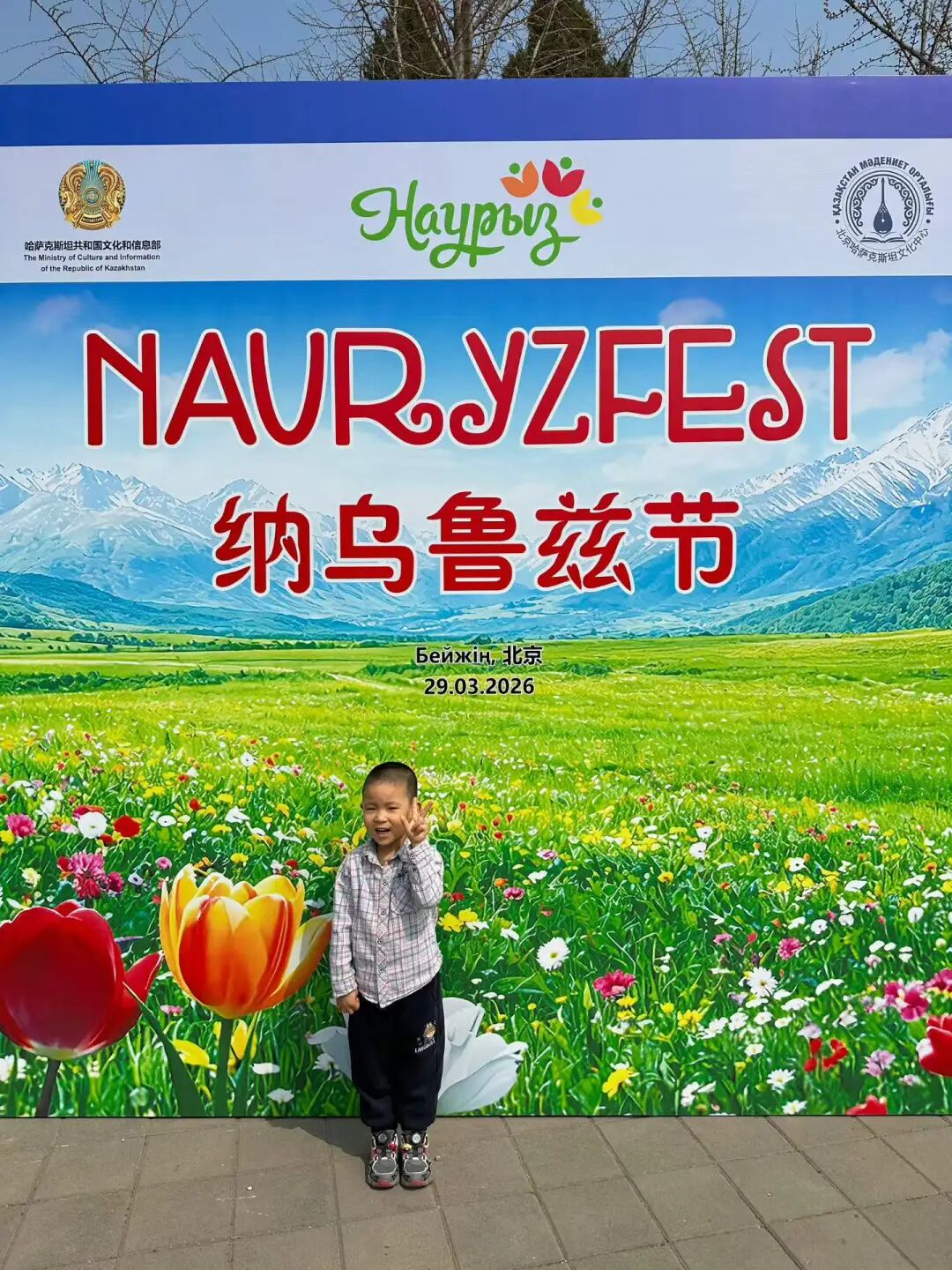
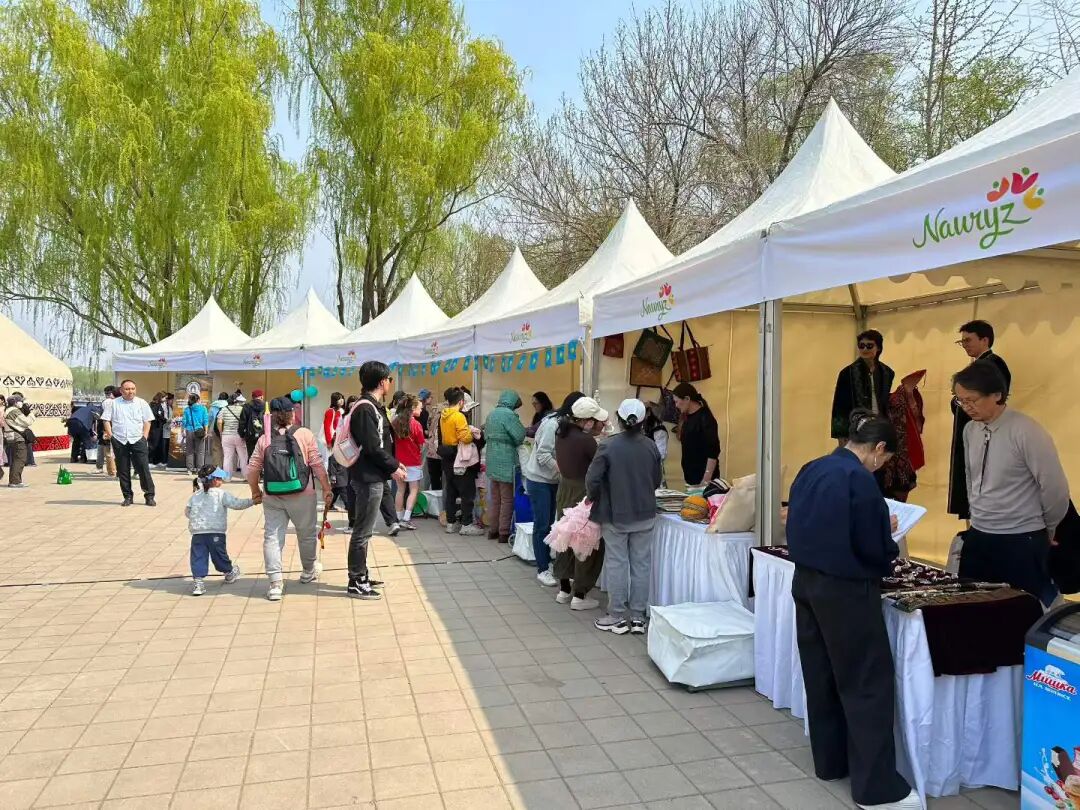
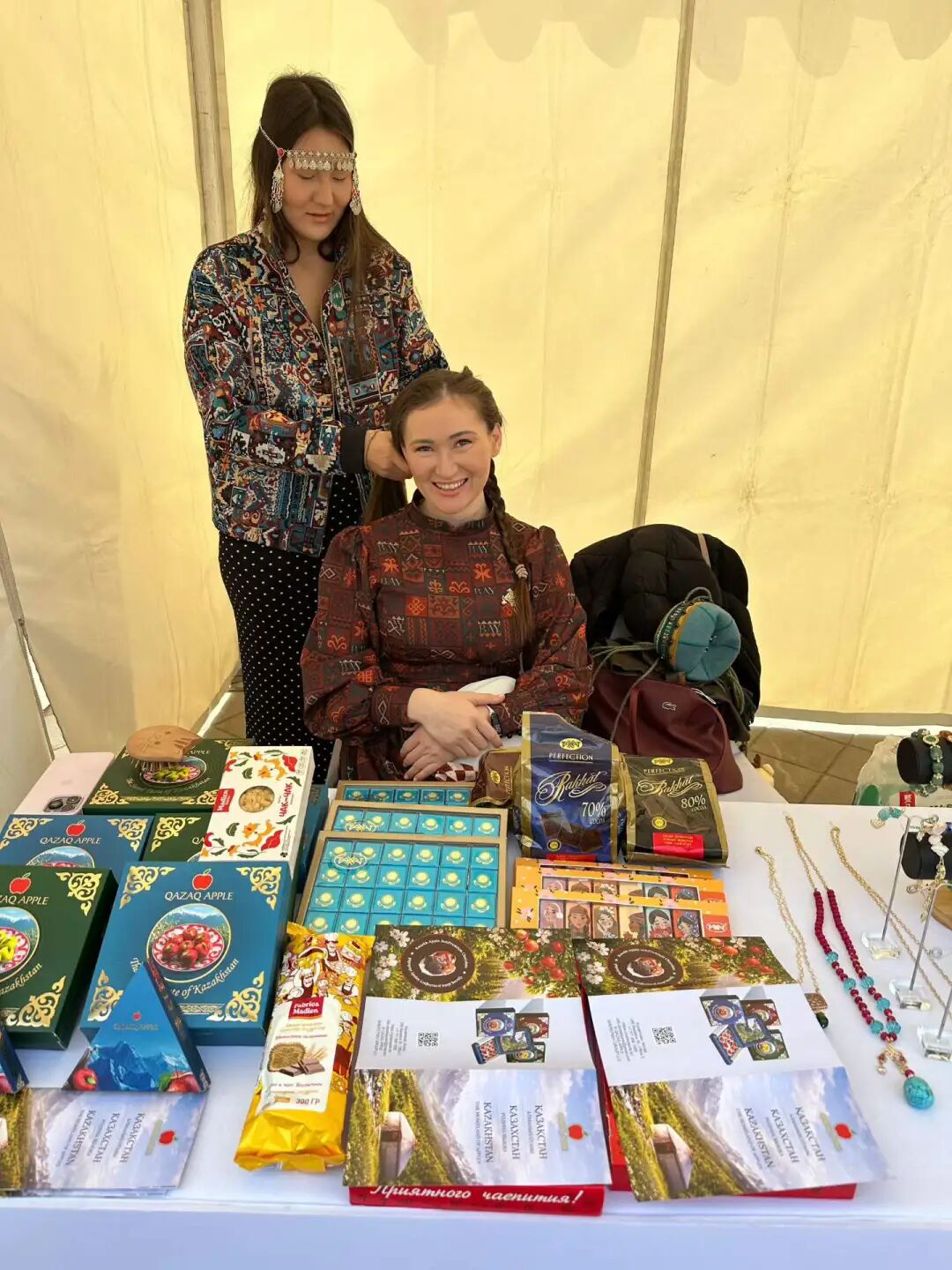
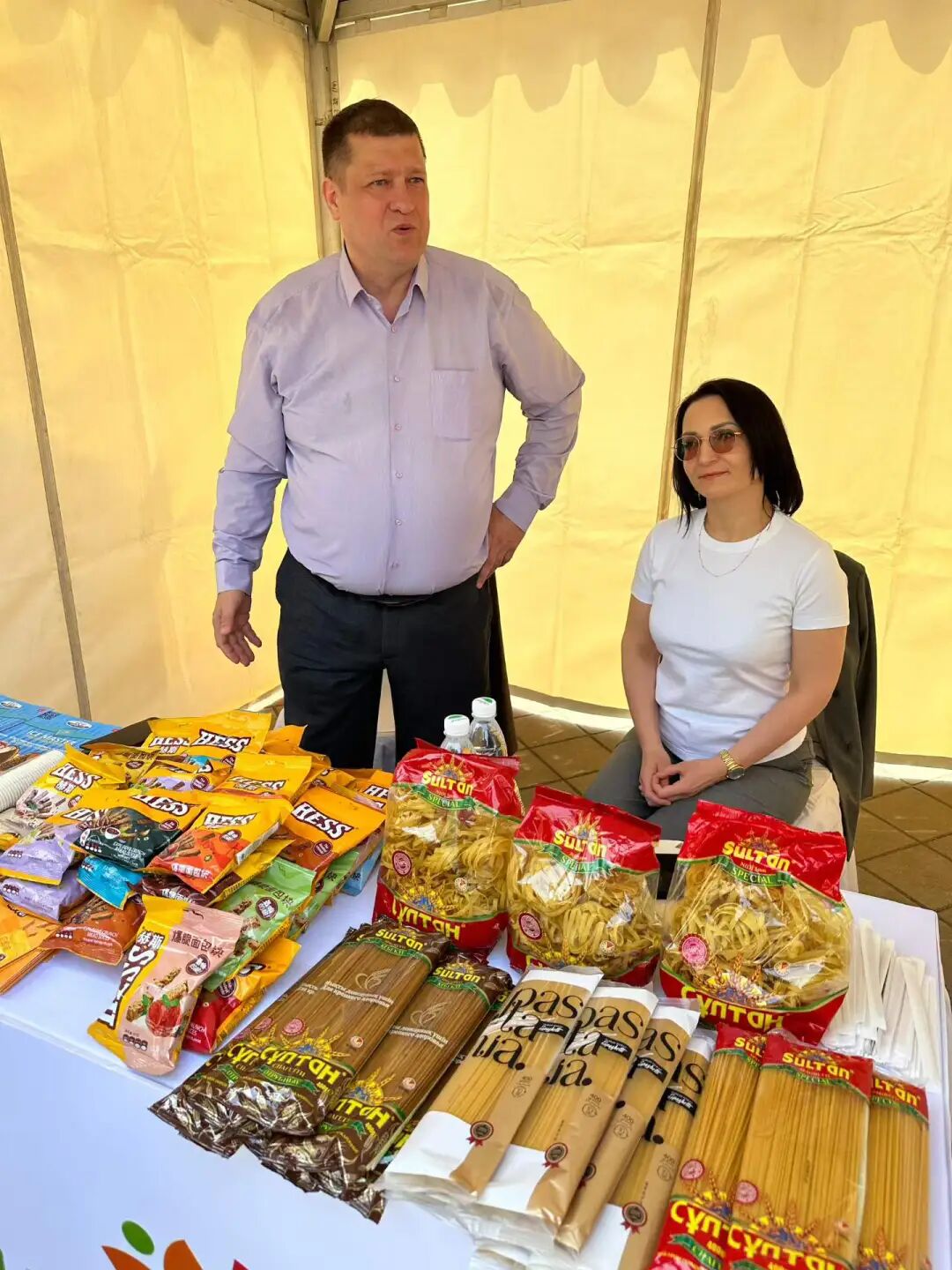
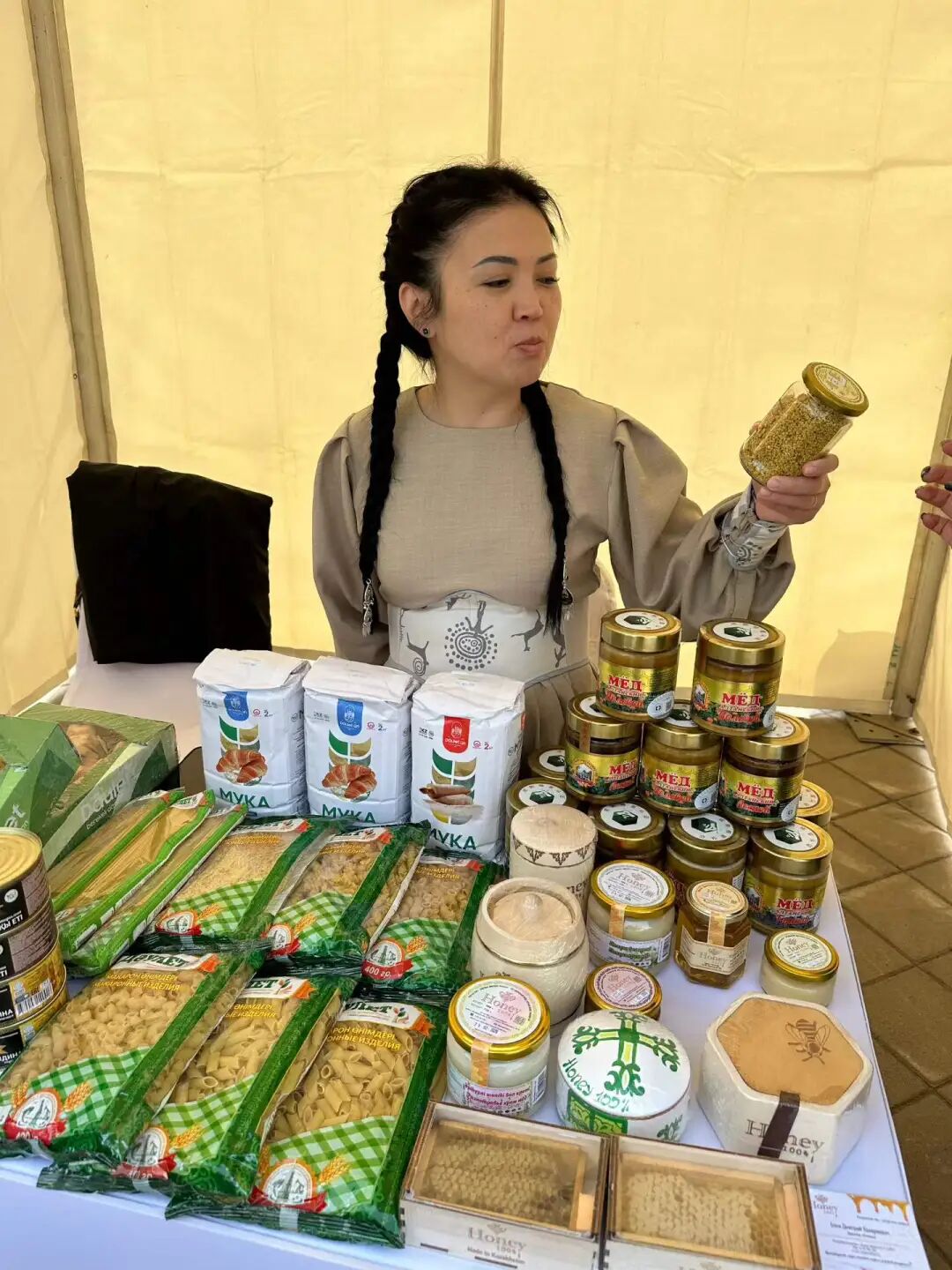
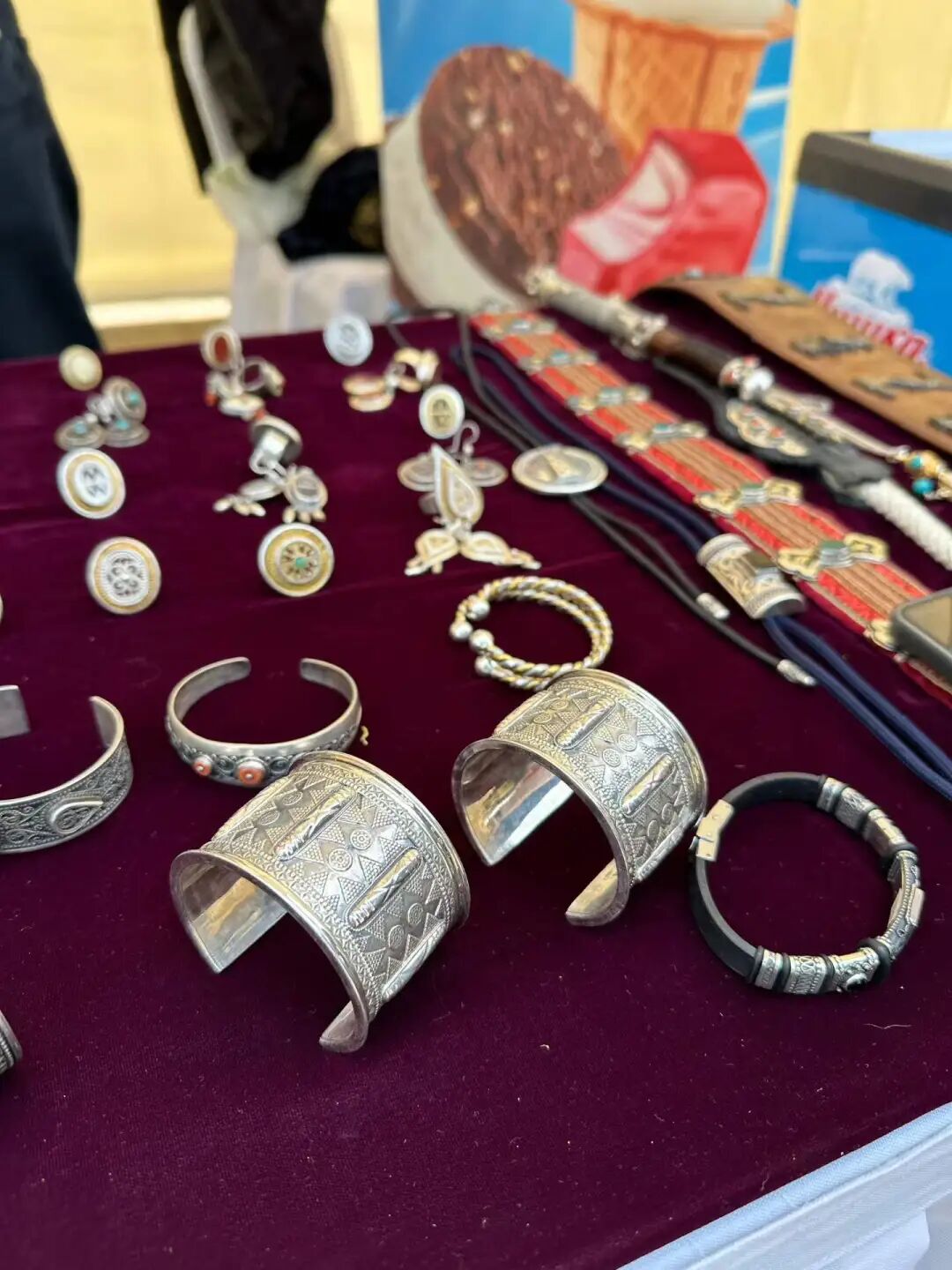
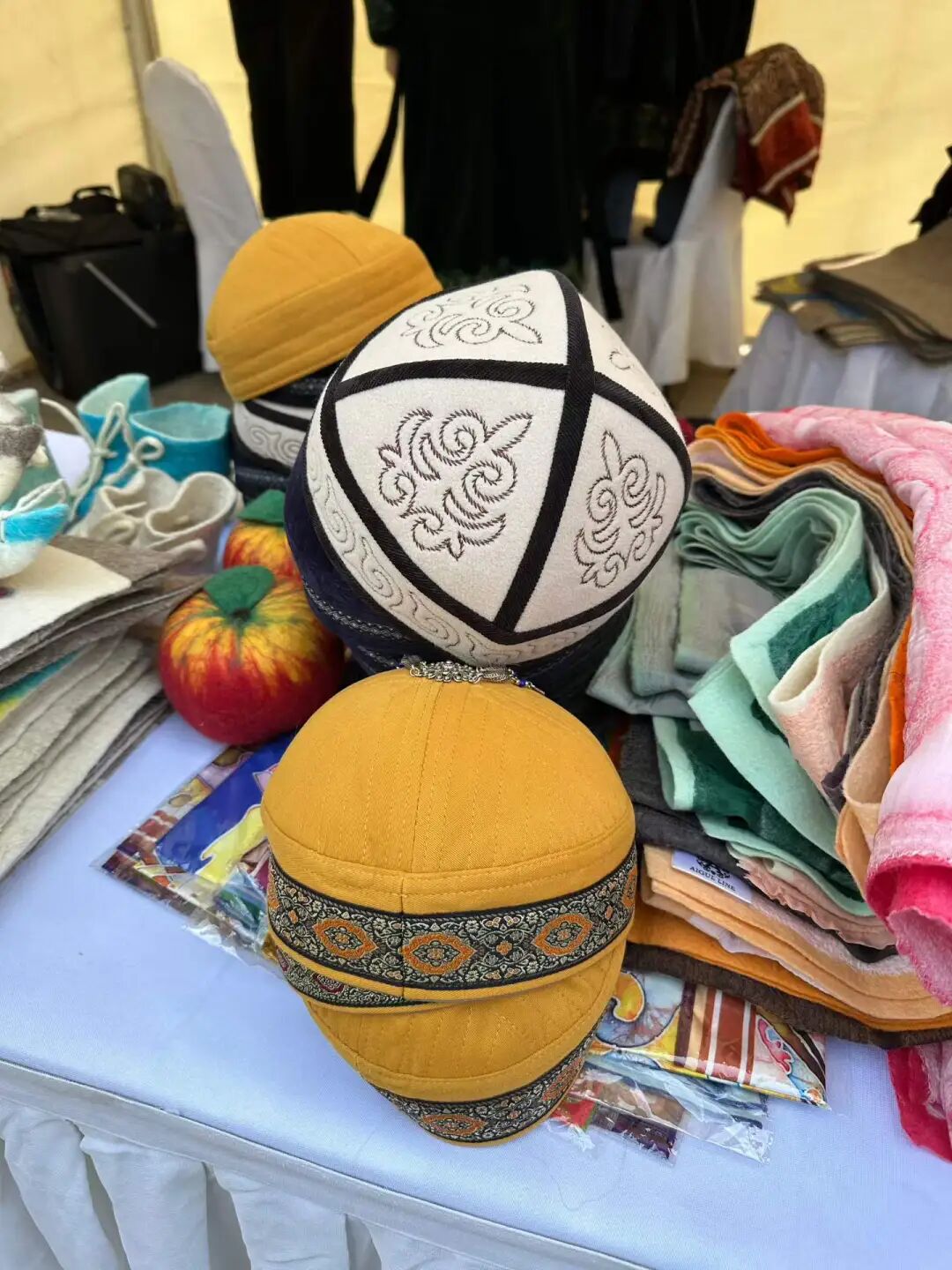
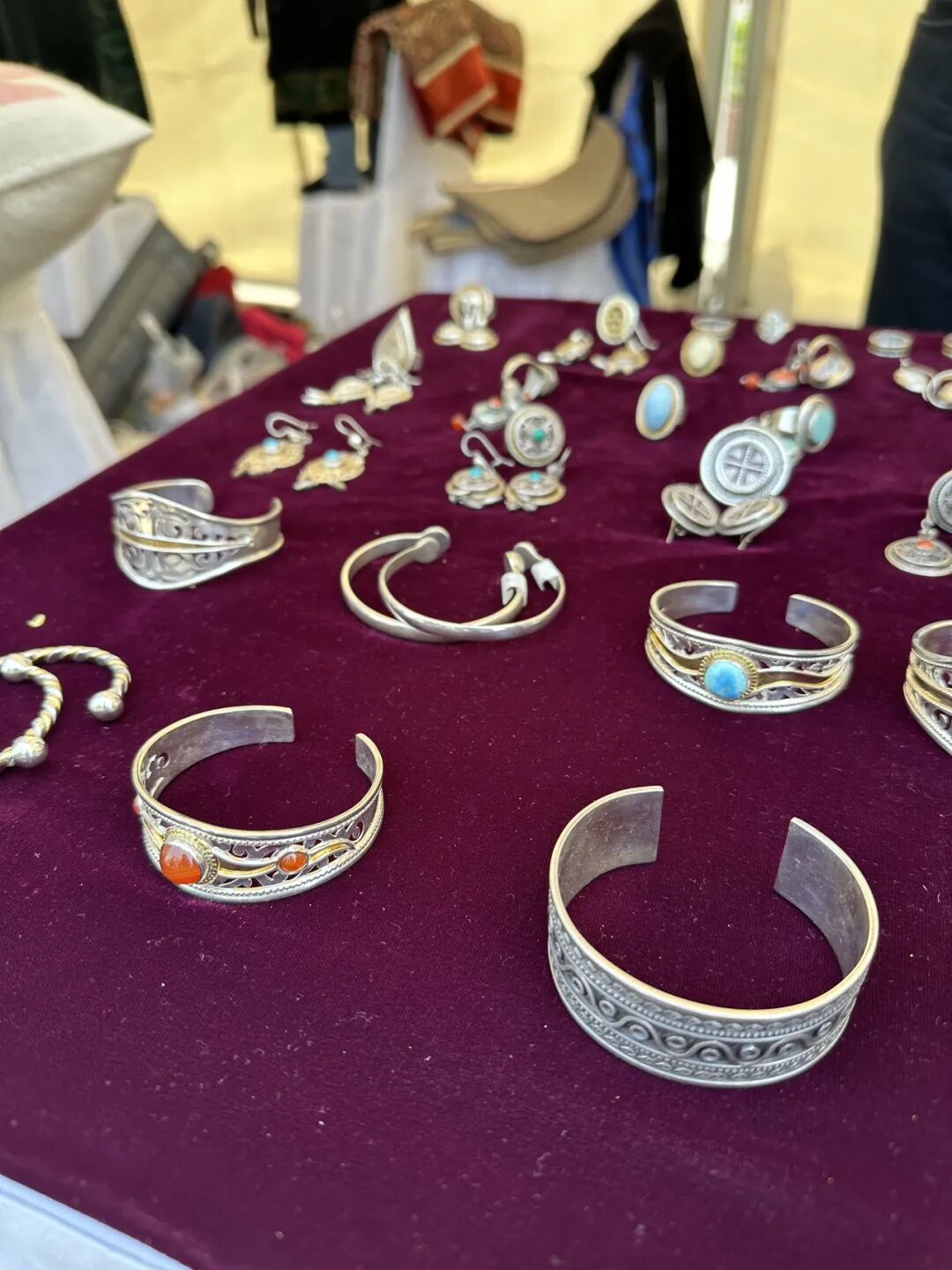
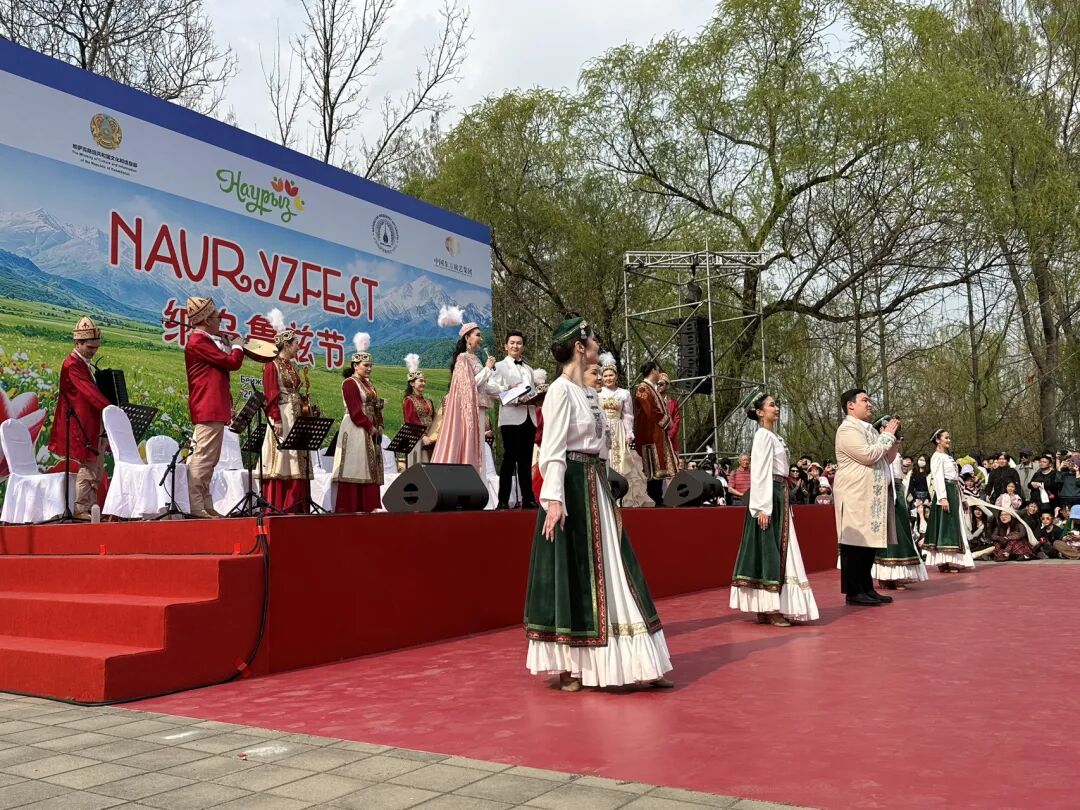
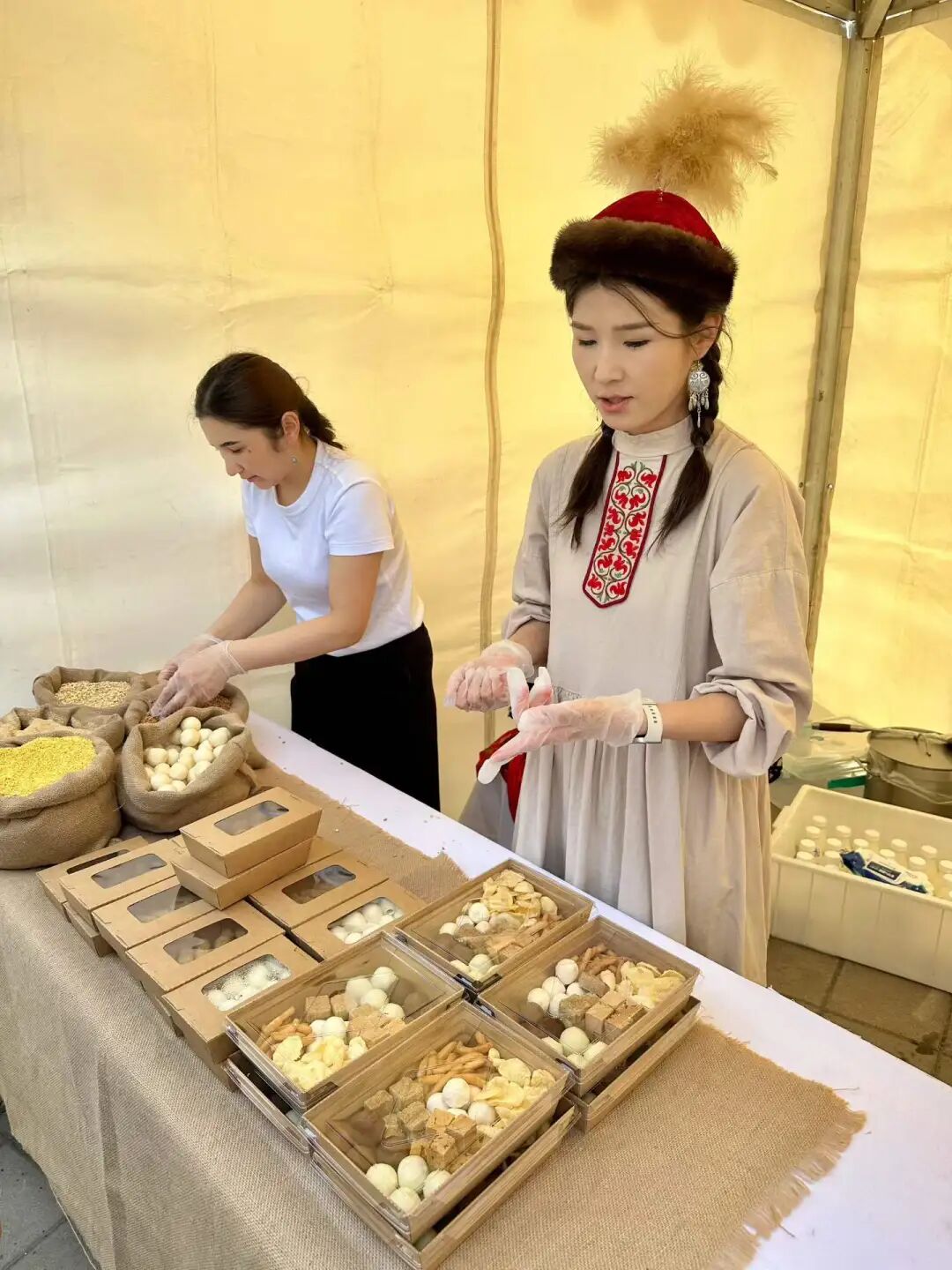
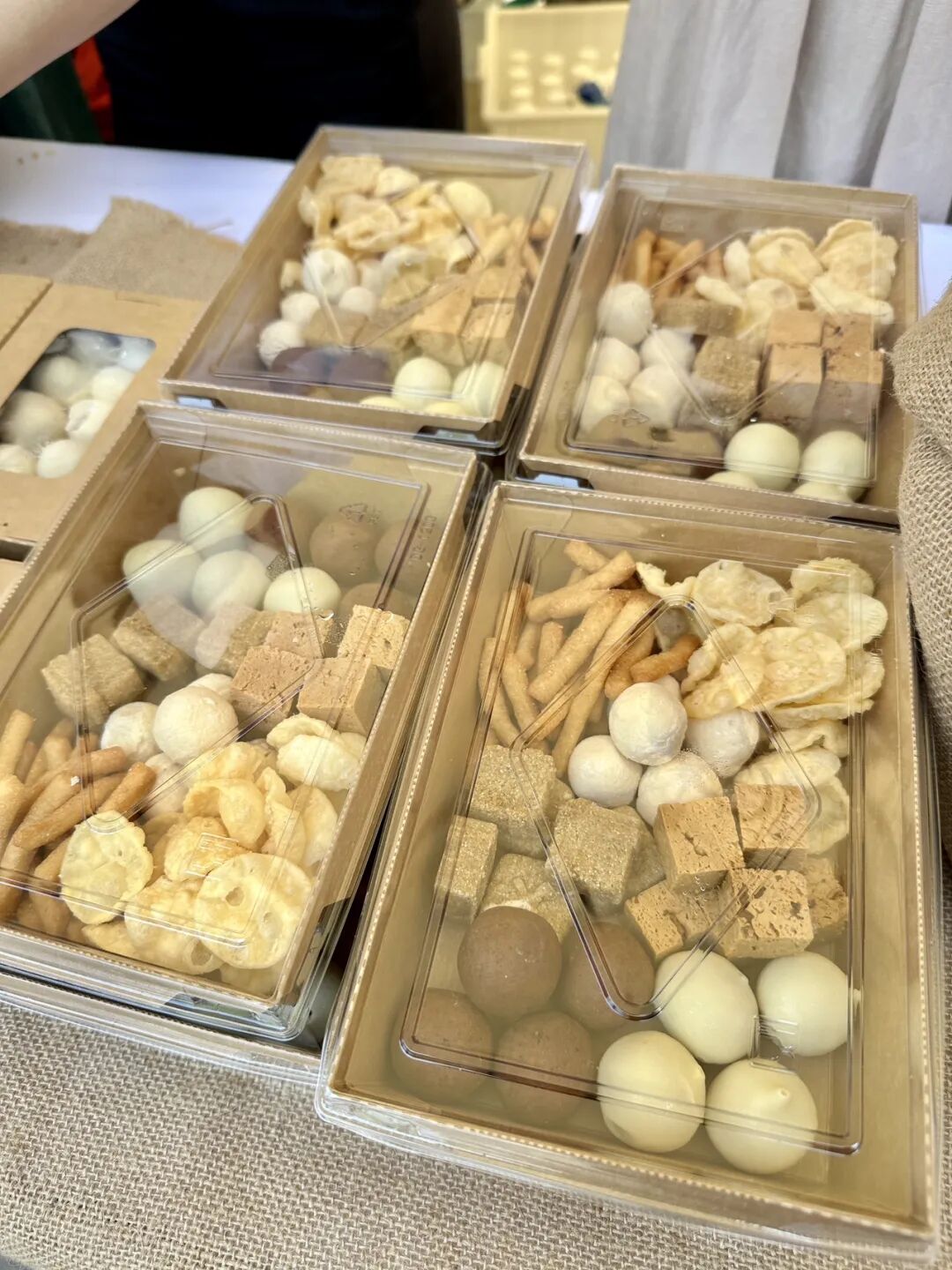
On Sunday, March 29th, the Embassy of Kazakhstan in China, the Ministry of Culture and Information of Kazakhstan, and the Kazakhstan Cultural Center in Beijing held a Nowruz festival event at Chaoyang Park in Beijing. They invited national-level orchestras and dance troupes from Kazakhstan, along with many Kazakh cultural products, festive foods, and traditional clothing. It was a great opportunity to learn about Nowruz and Kazakh culture.
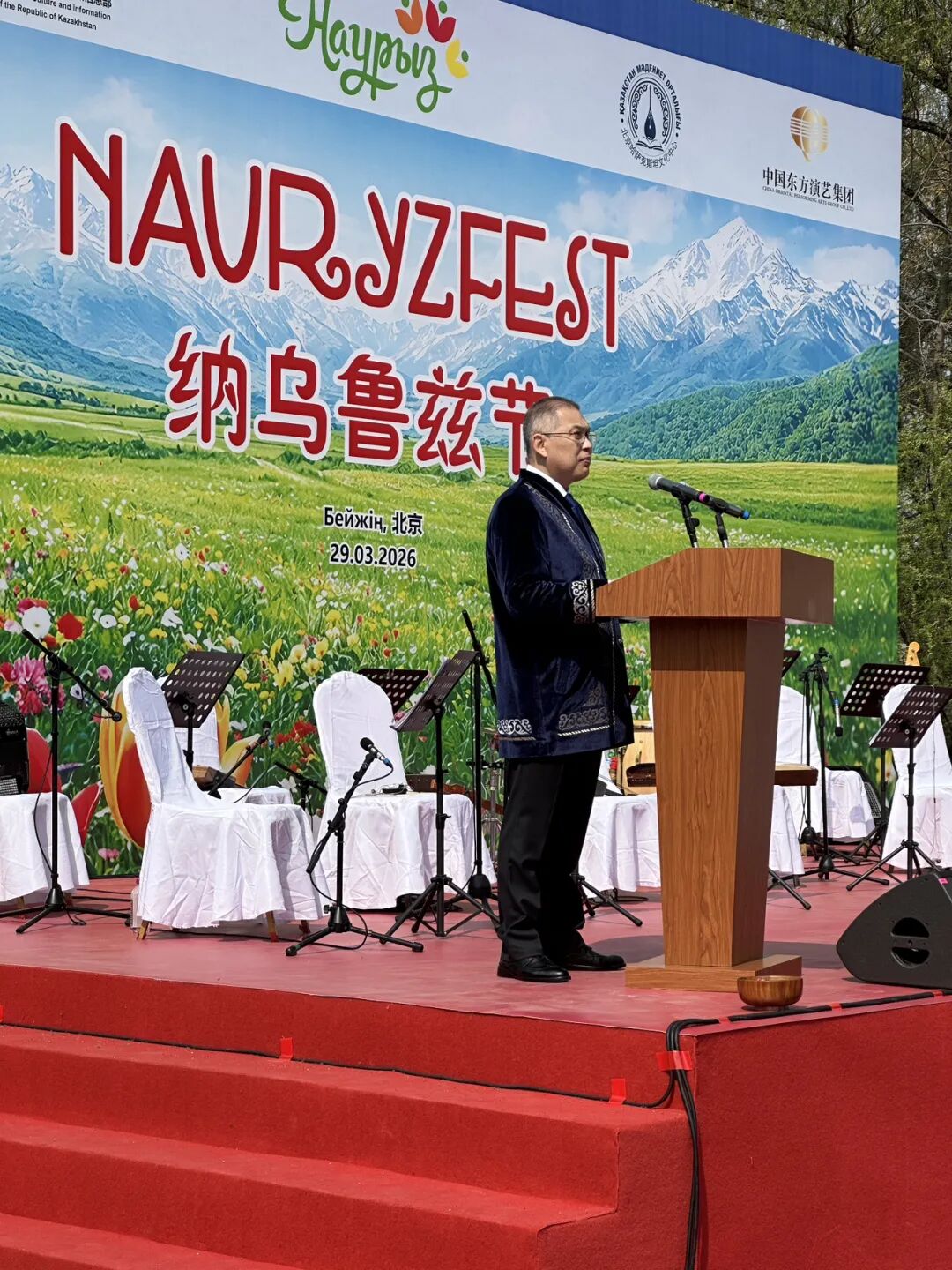
Speech by the Ambassador of Kazakhstan to China.
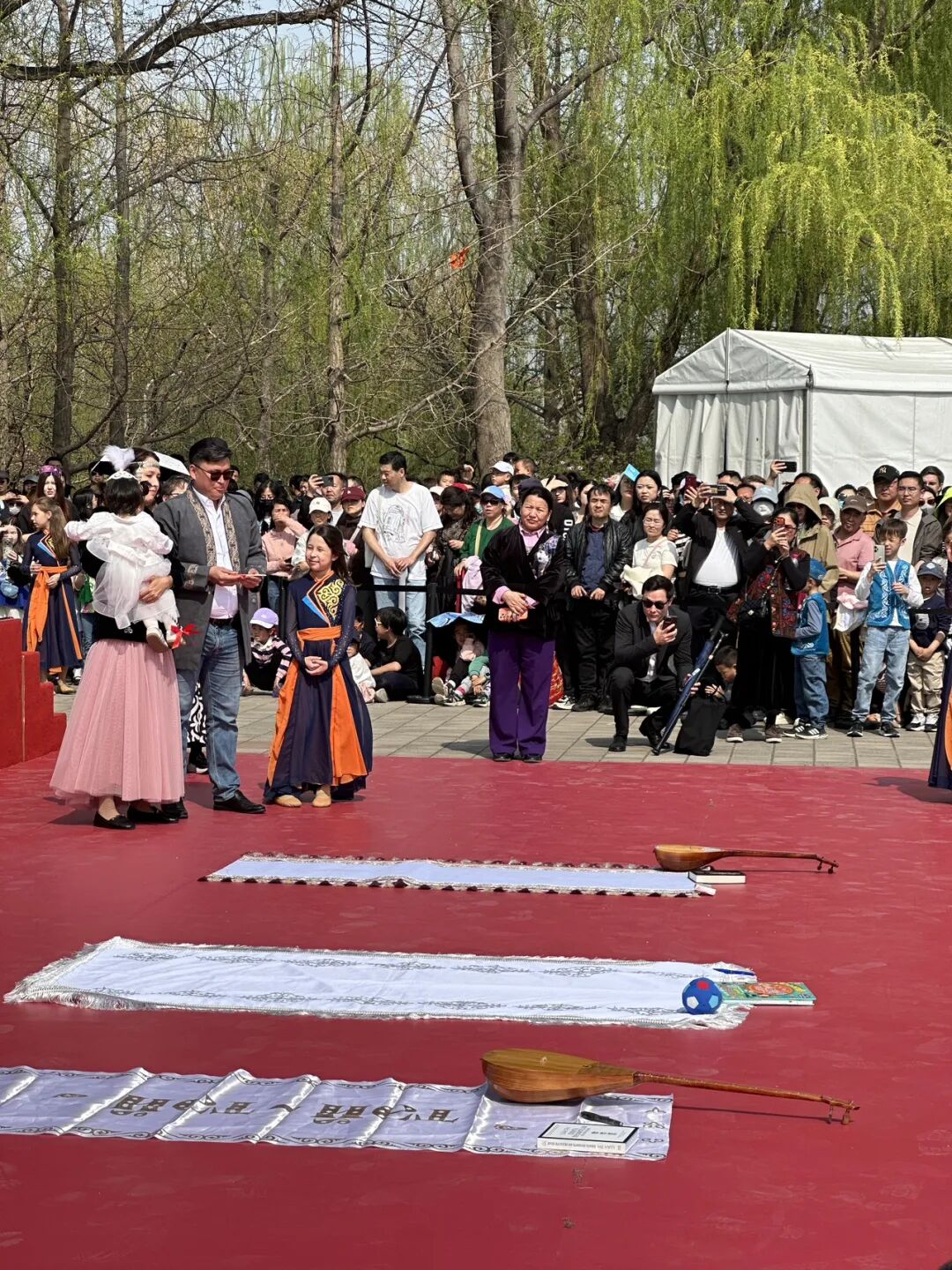
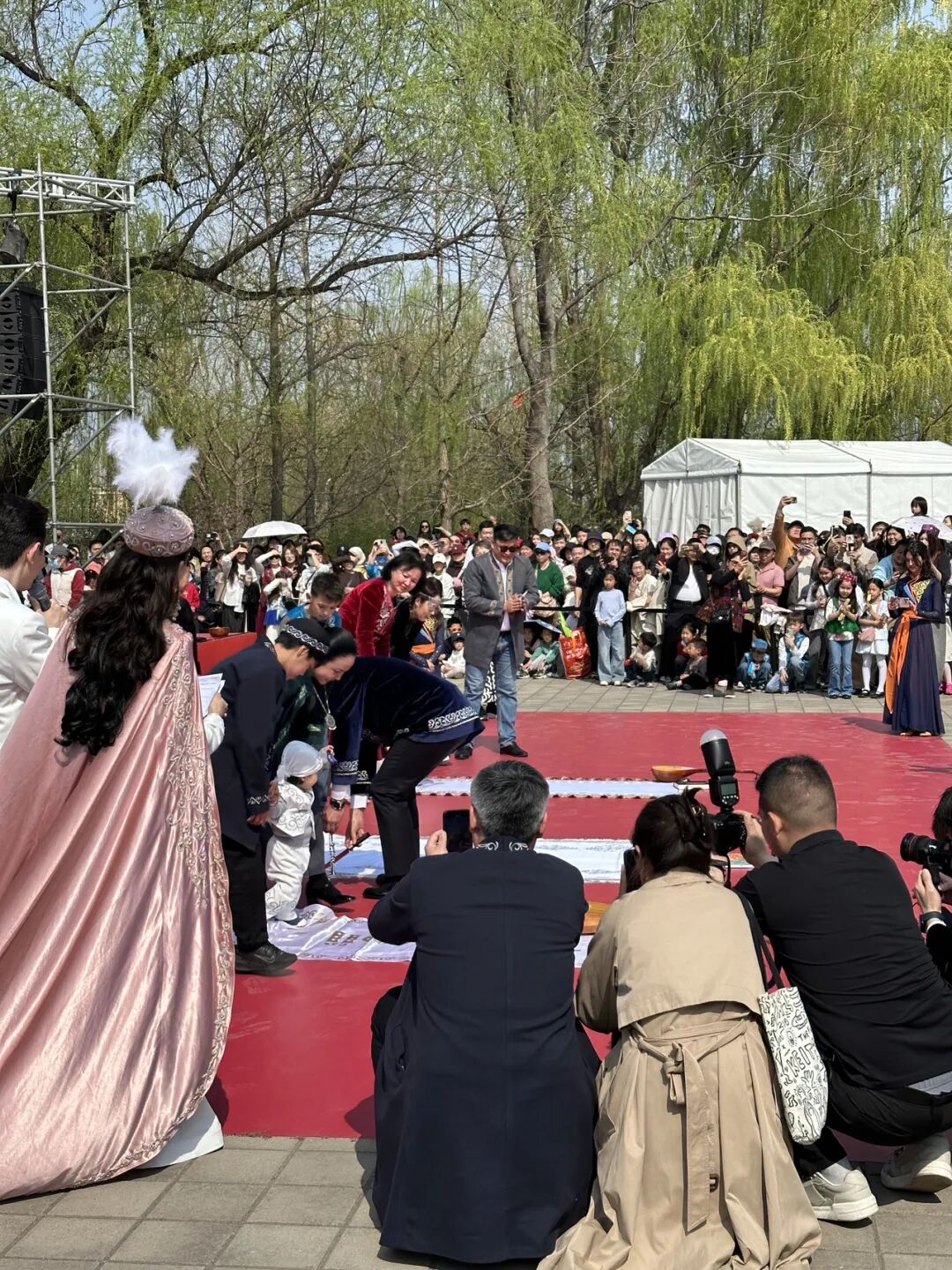
This shows the Kazakh first-steps ceremony (Tusau Keser). It is a life-initiation ritual held when a Kazakh baby turns one year old. The core of the ceremony is cutting the rope tied to the child's legs, which symbolizes breaking free from constraints and starting a path toward an independent life. After the rope is cut, an elder leads the child forward. Items like books, pens, a two-stringed lute (dombra), coins, and knives are placed on the ground for the child to grab, similar to the traditional 'grabbing the first birthday gift' custom. Finally, everyone offers blessings to the child and tosses candies, dried yogurt balls (kurt), and coins into the air.
The event featured Kazakhstan's top orchestra, Astana Sazy (Rhythm of Astana). Here are a few clips of them accompanying excellent Kazakh singers.
Astana Sazy is the national folk orchestra of Kazakhstan, affiliated with the state performance organization 'Kazakh Concert.' It is the core group for promoting traditional music and cultural diplomacy in Kazakhstan. The orchestra uses traditional Kazakh instruments like the zither (jetigen), the two-stringed lute (dombra), and the bowed string instrument (kobyz). Rooted in Kazakh nomadic culture, they are famous for playing folk music.
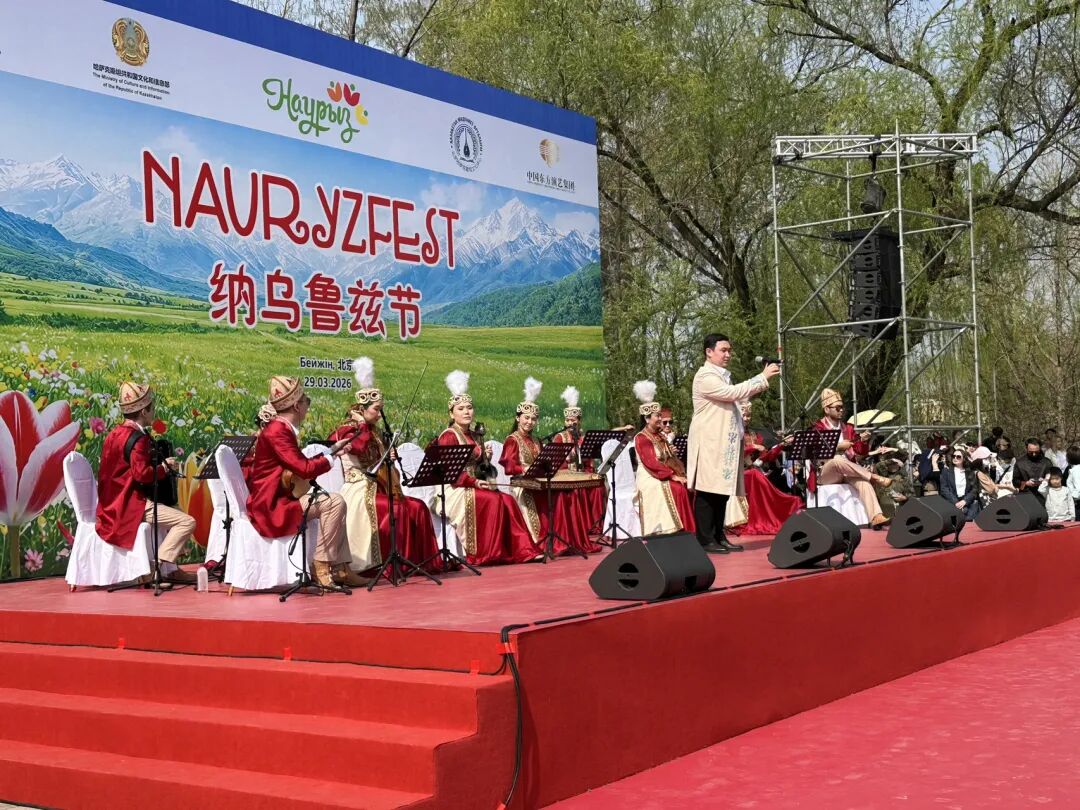
A wonderful performance by two Kazakh musicians playing and singing with the two-stringed lute (dombra).
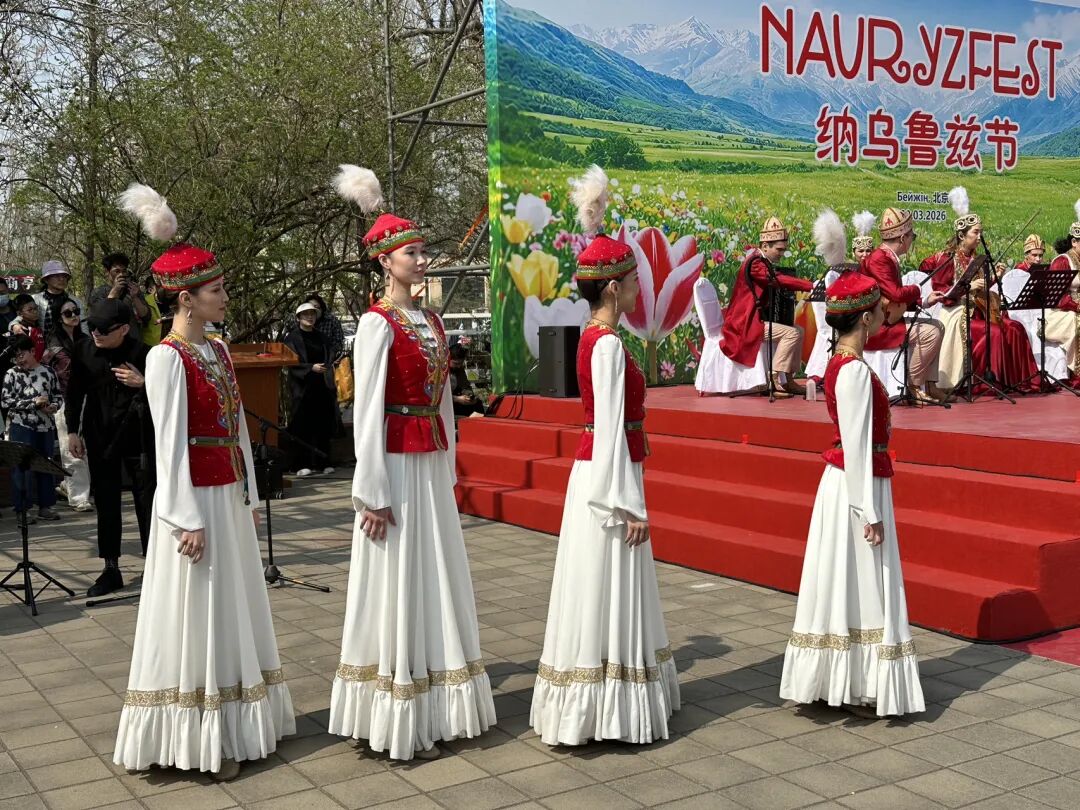
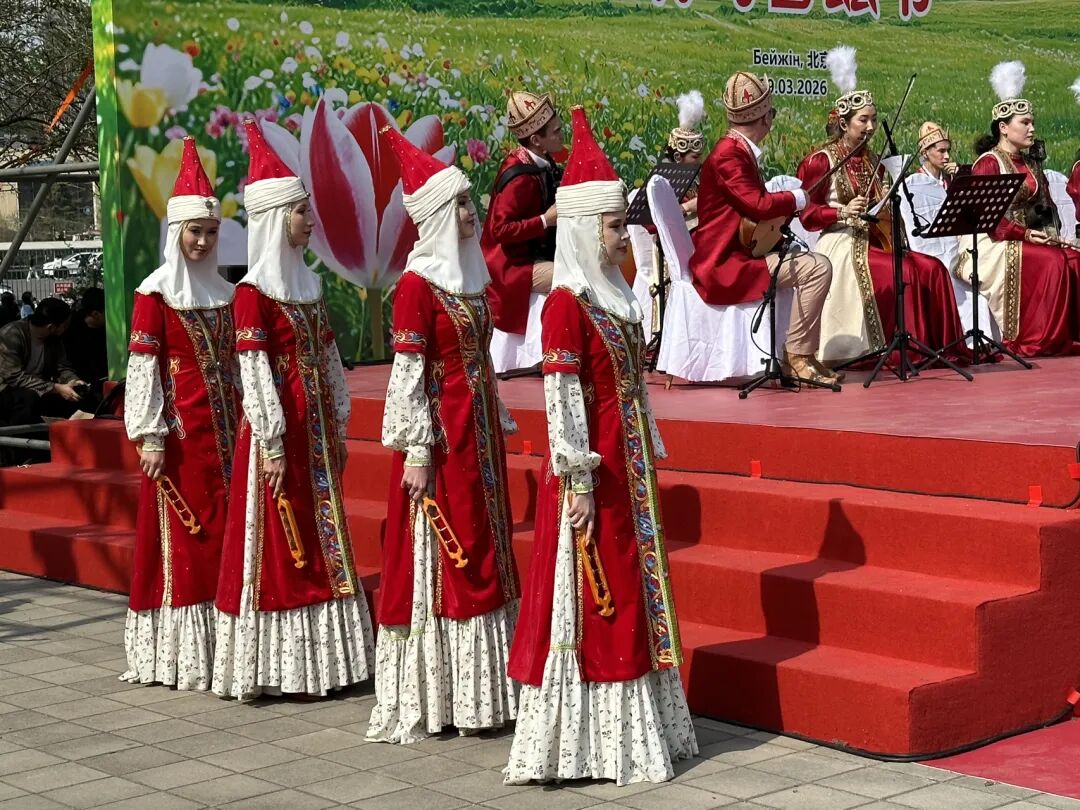
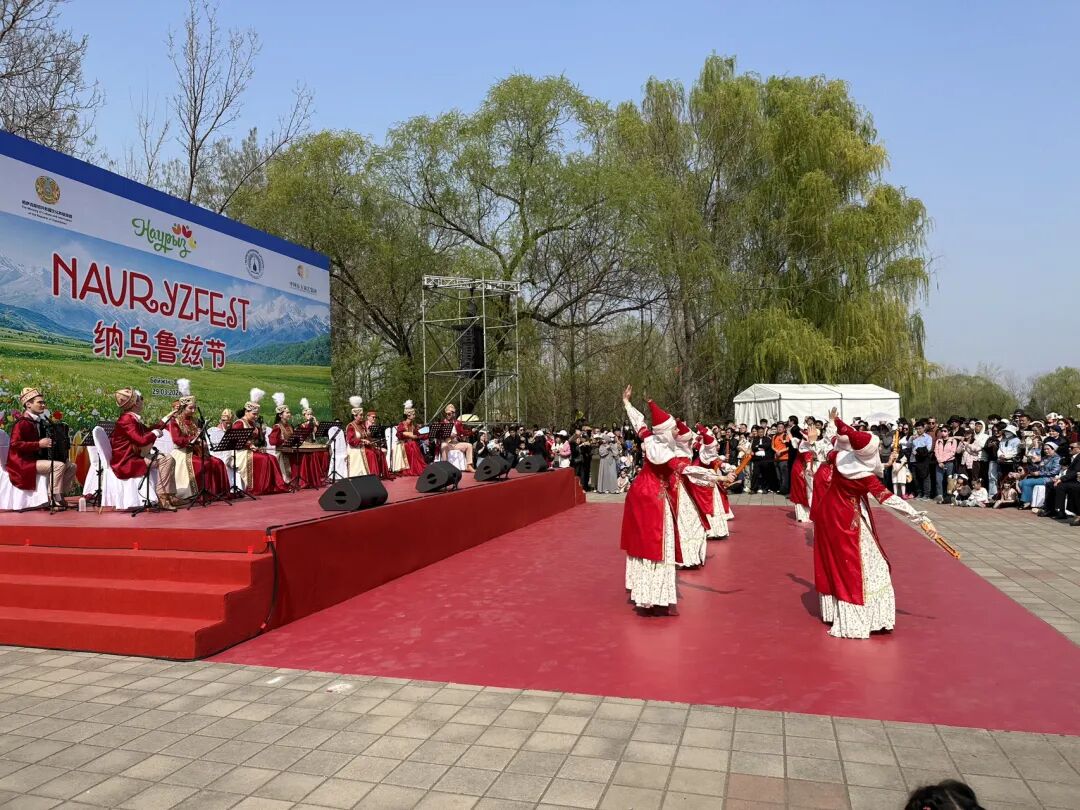
The event featured the national-level Kazakh folk song and dance troupe, Gulder Ensemble. The troupe was formed in 1969. It started as an all-female group and debuted with the dance drama 'Steppe Movement,' which was praised as 'a bouquet picked from the snowy peaks of Alatau scattered across the stage.' In the 1970s, the troupe traveled throughout the Soviet Union and later went abroad, touring in Belgium, Germany, Malaysia, and Cuba, training a group of legendary Kazakh dancers. The troupe was quiet for a time until it was relaunched in 2023 with a new lineup at the Kazakhstan Central Concert Hall, allowing a new generation of audiences to experience the charm of traditional Kazakh folk dance.
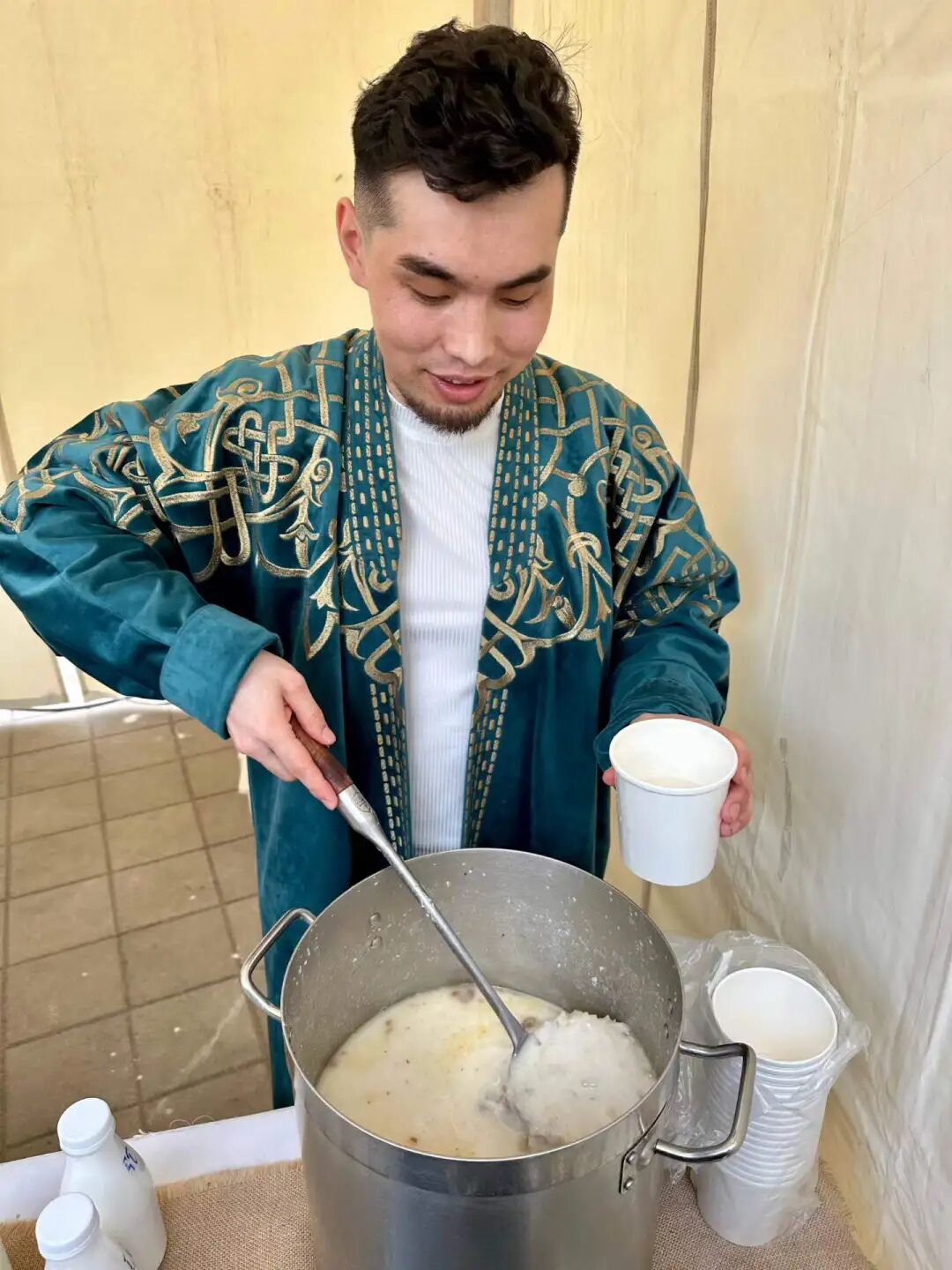
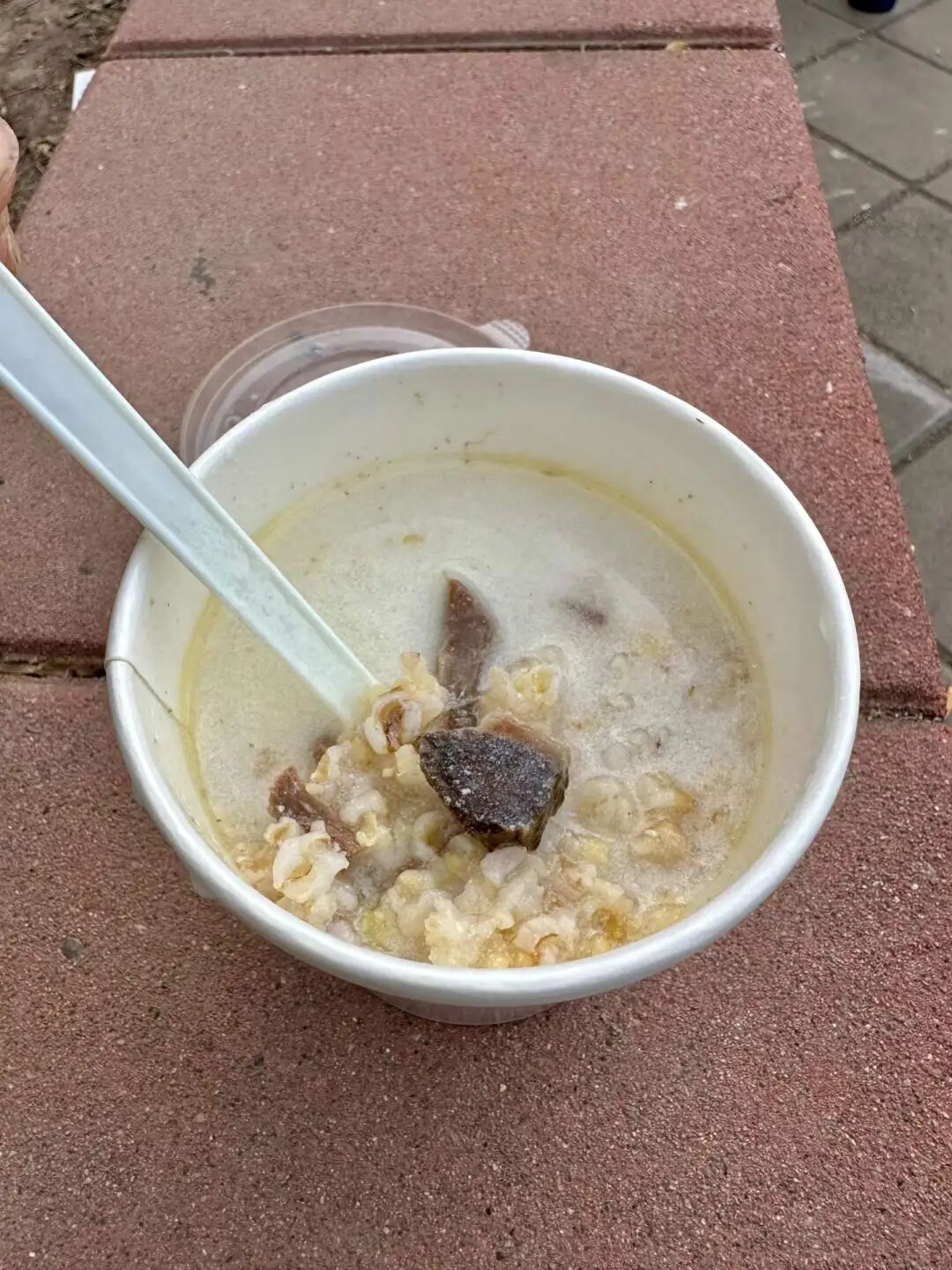
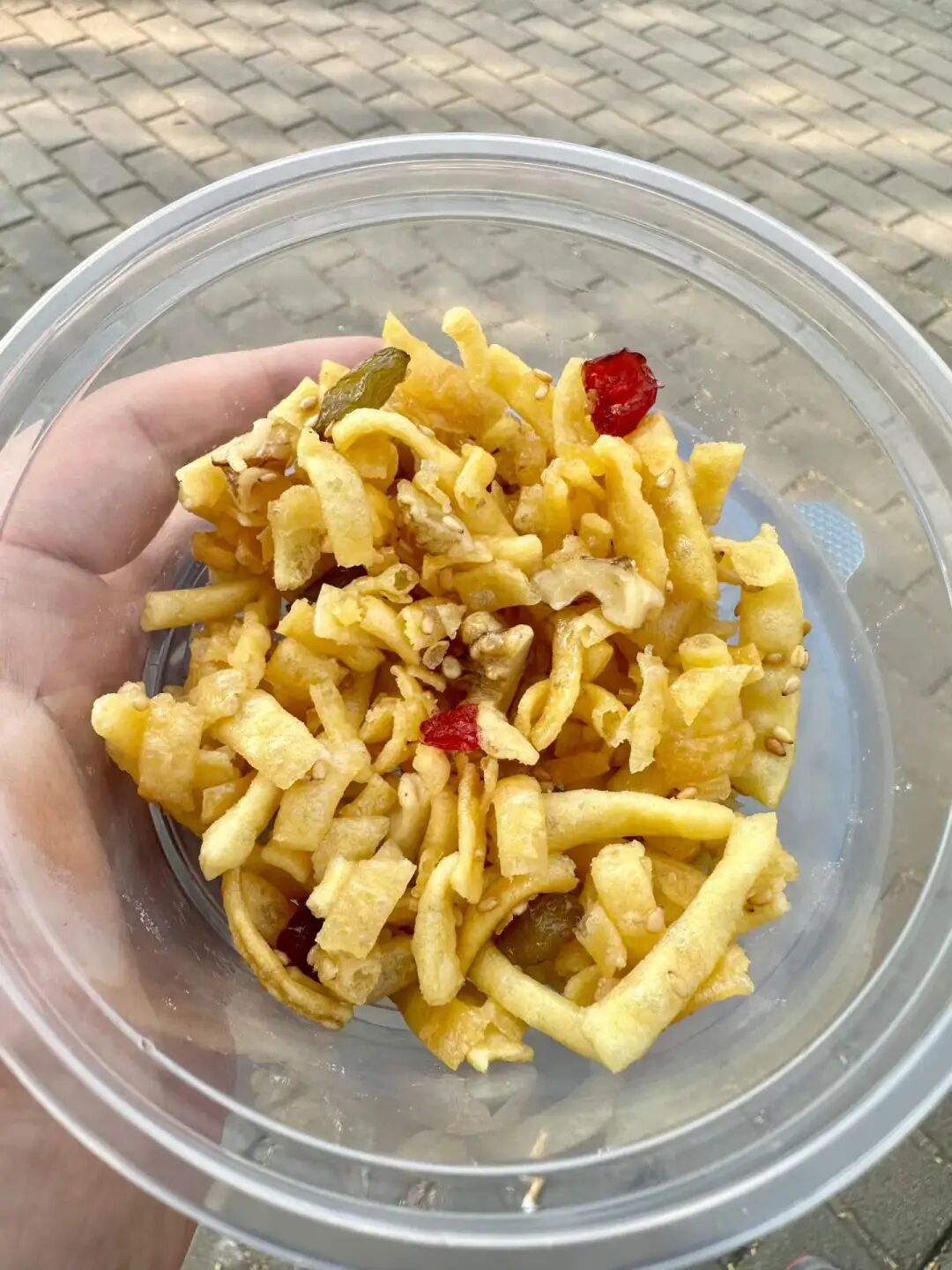
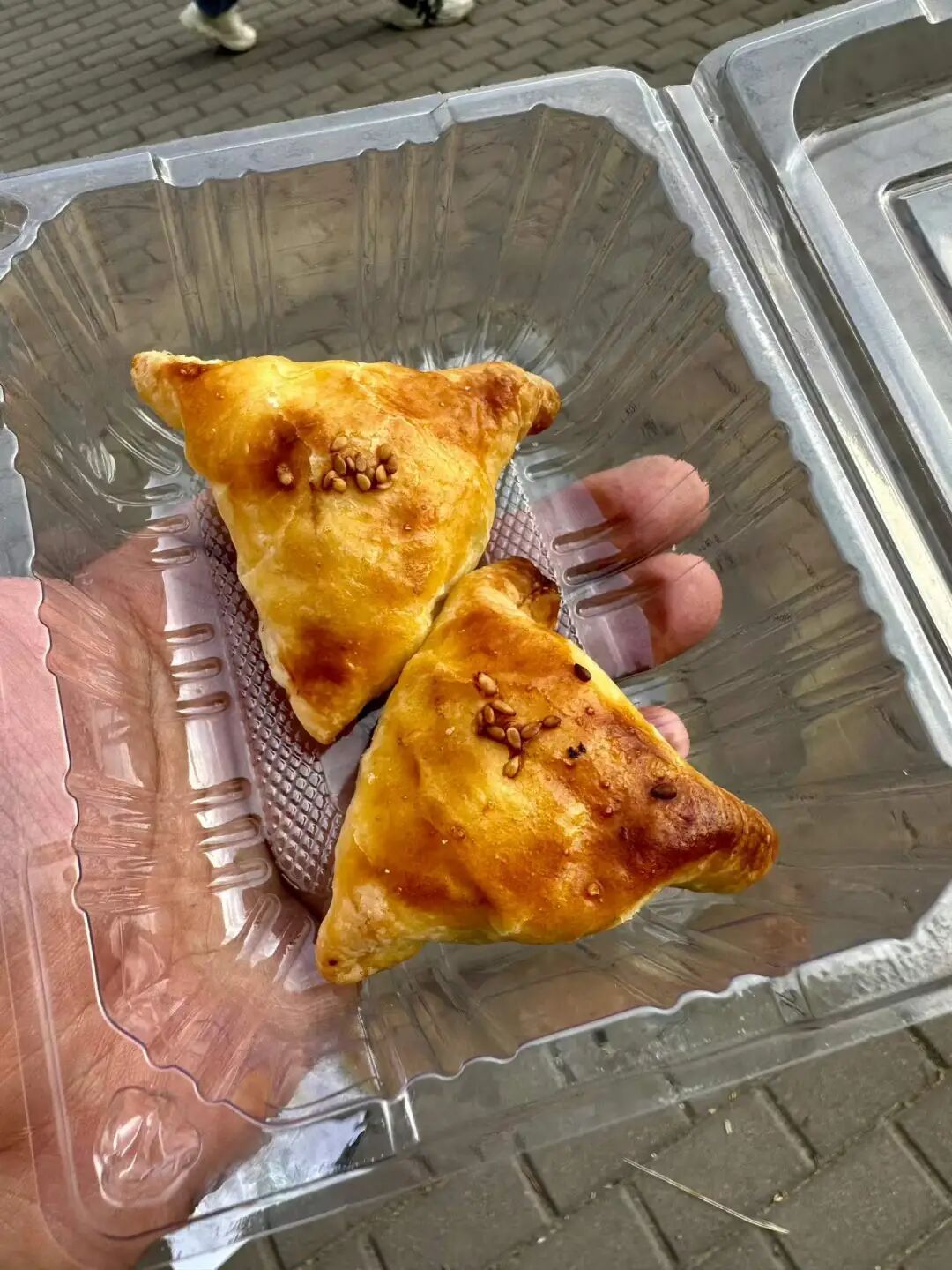
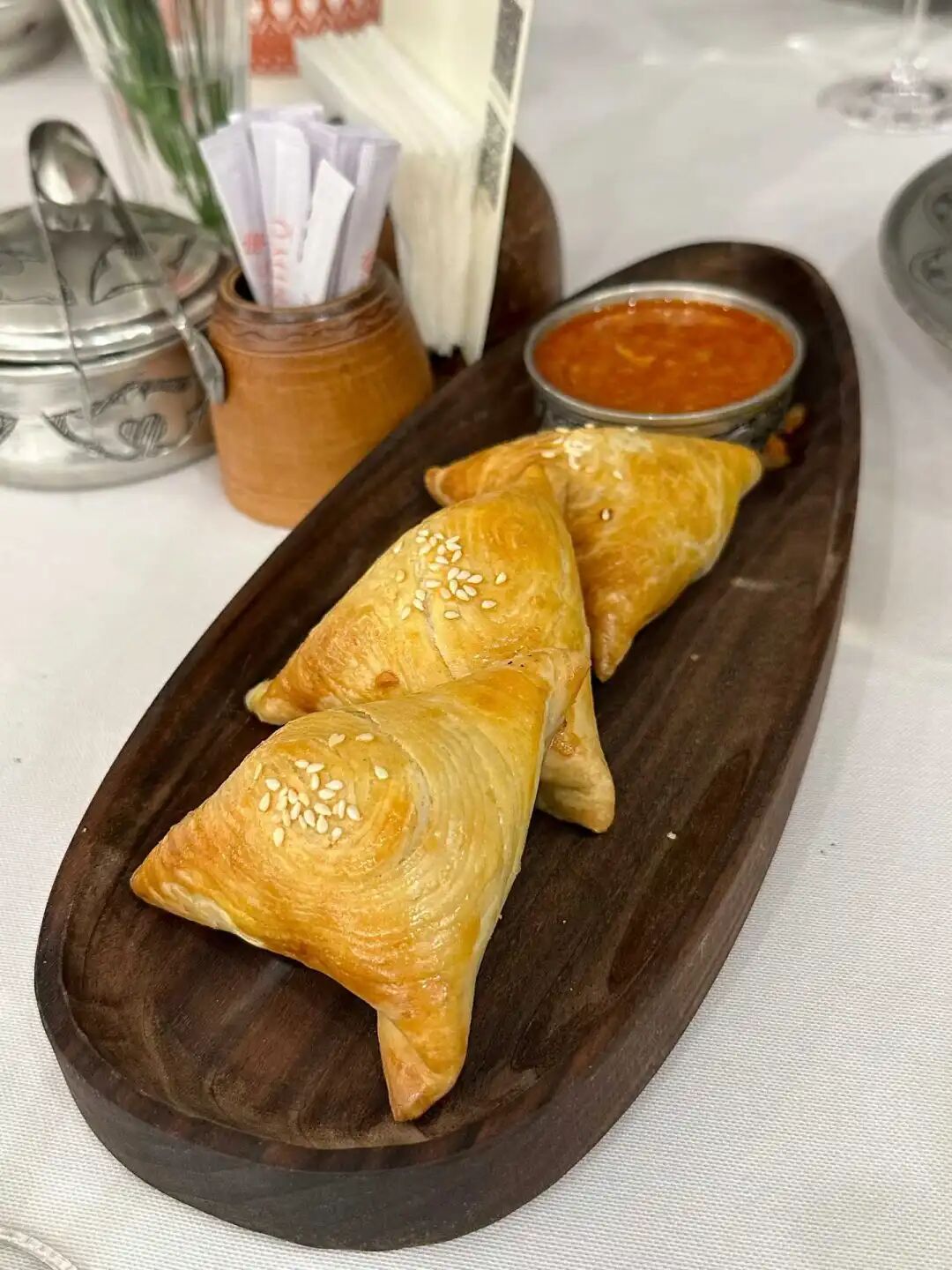
We drank Nowruz porridge (Nauryz Kozhe) and boiled fruit drink (Compote), and ate Kazakh fried dough pastry (Shek-Shek) and chicken baked buns (Samsa).
Nowruz porridge can only be eaten once a year during the Nowruz festival. Kazakh Nowruz porridge must contain at least seven ingredients, including barley, rice, wheat, smoked horse meat, dried yogurt balls (kurt), salt, and water. These foods are made with winter-slaughtered meat and stored grain, expressing the wish for abundance year after year.
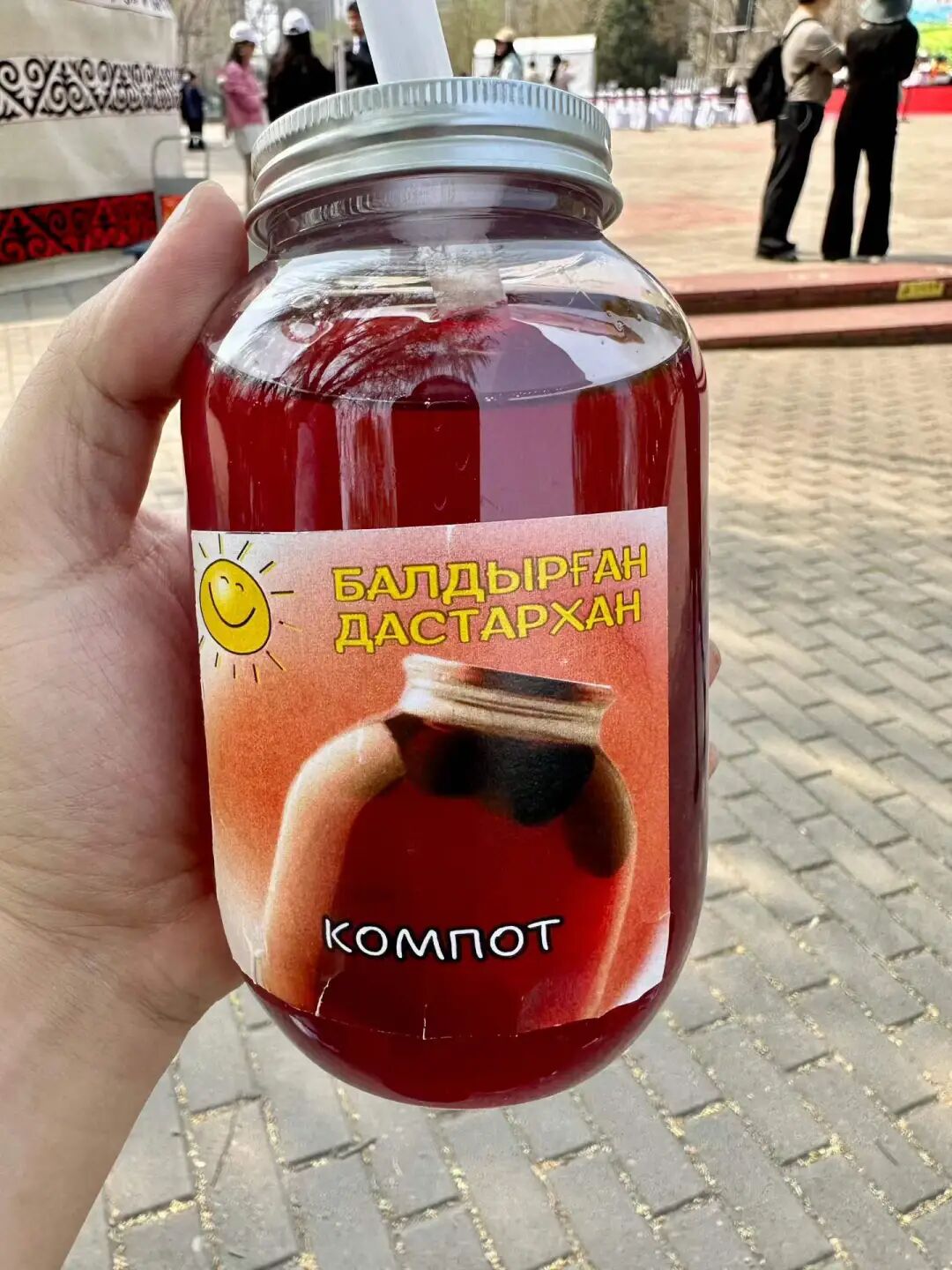
Compote is made by boiling water with sugar and fruits like plums, cherries, or apples. In summer, fresh fruit is used, and in winter, dried fruit is used. I drank water boiled with dried apples, which is a drink frequently served at Kazakh banquets and in daily life.
Fried dough pastry (Shek-Shek) is a must-have snack for Kazakh weddings, Nowruz, and other festivals, symbolizing sweetness, reunion, and a good harvest. To make it, flour is mixed with eggs, rolled into strips, cut into pieces, and fried until golden and crispy. Then, honey syrup is drizzled over it, and it is sprinkled with nuts and dried fruit after cooling. Honey cake (chak-chak) is very common in Tatarstan and among other Central Asian peoples. The Tatars call it chak-chak, and I even visited a chak-chak museum in Kazan.
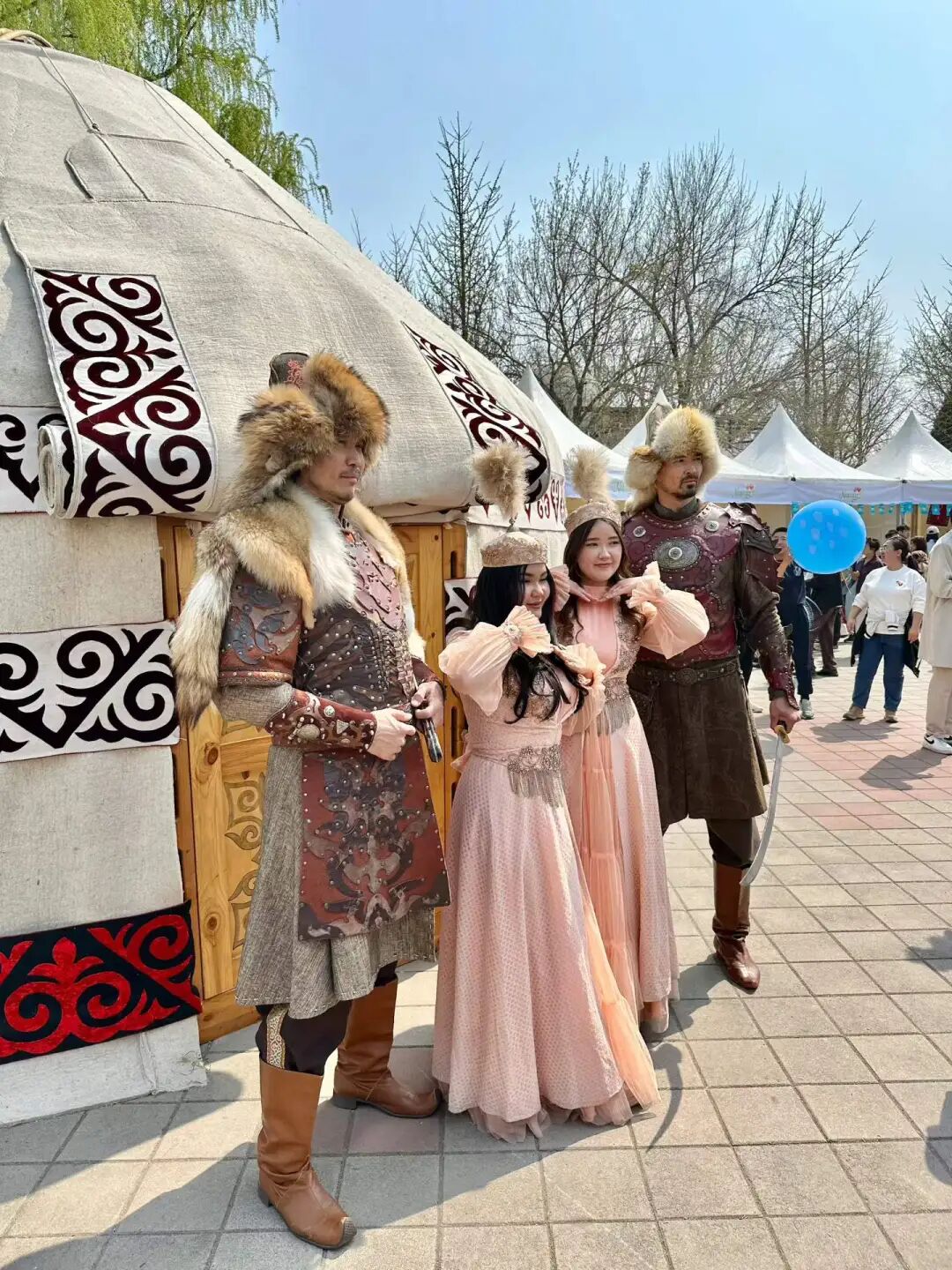
Everyone took turns taking photos with the Kazakh warriors, who were at least two meters tall.
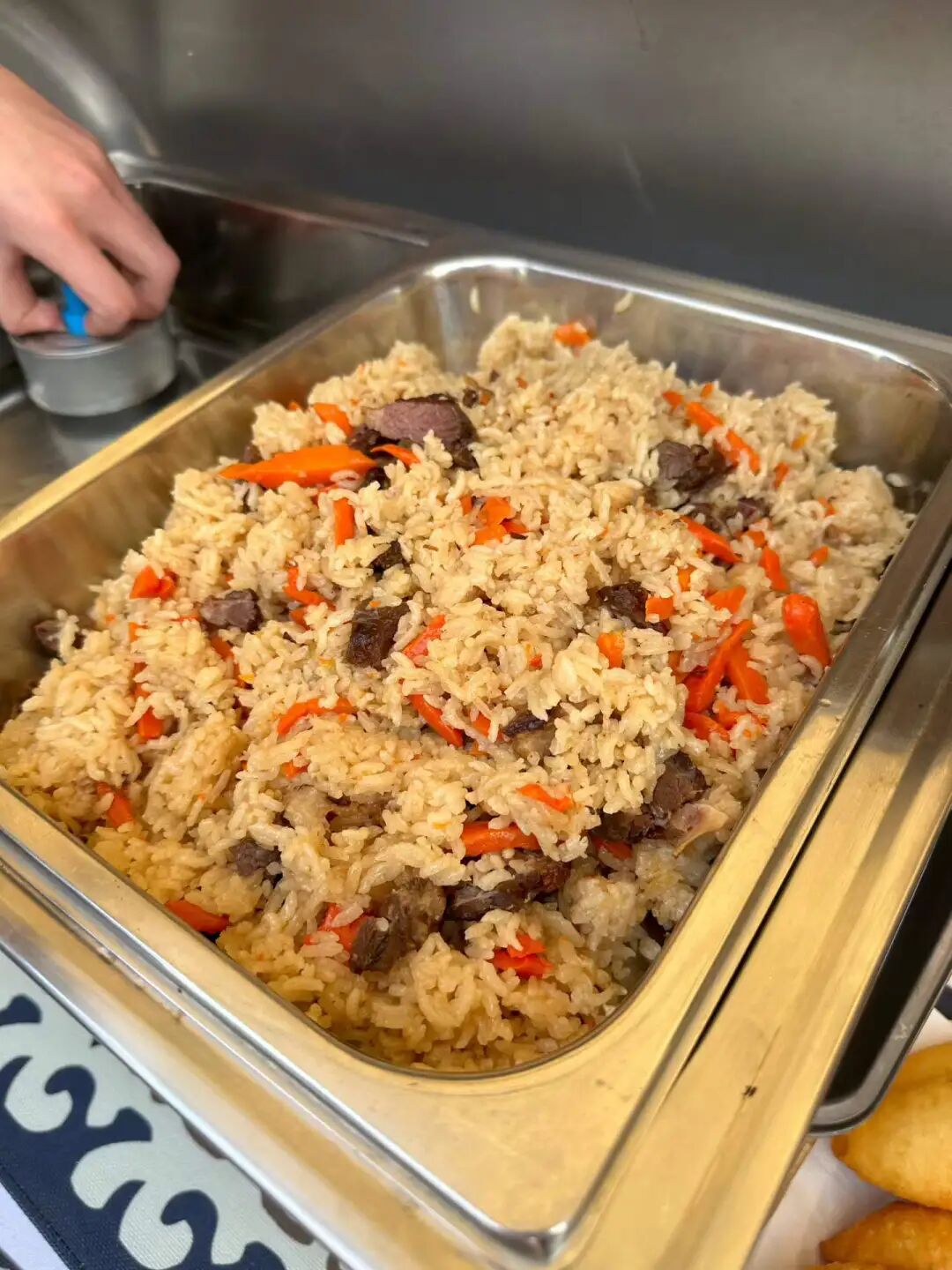
Kazakh shredded meat pilaf (plov) is full of carrots.
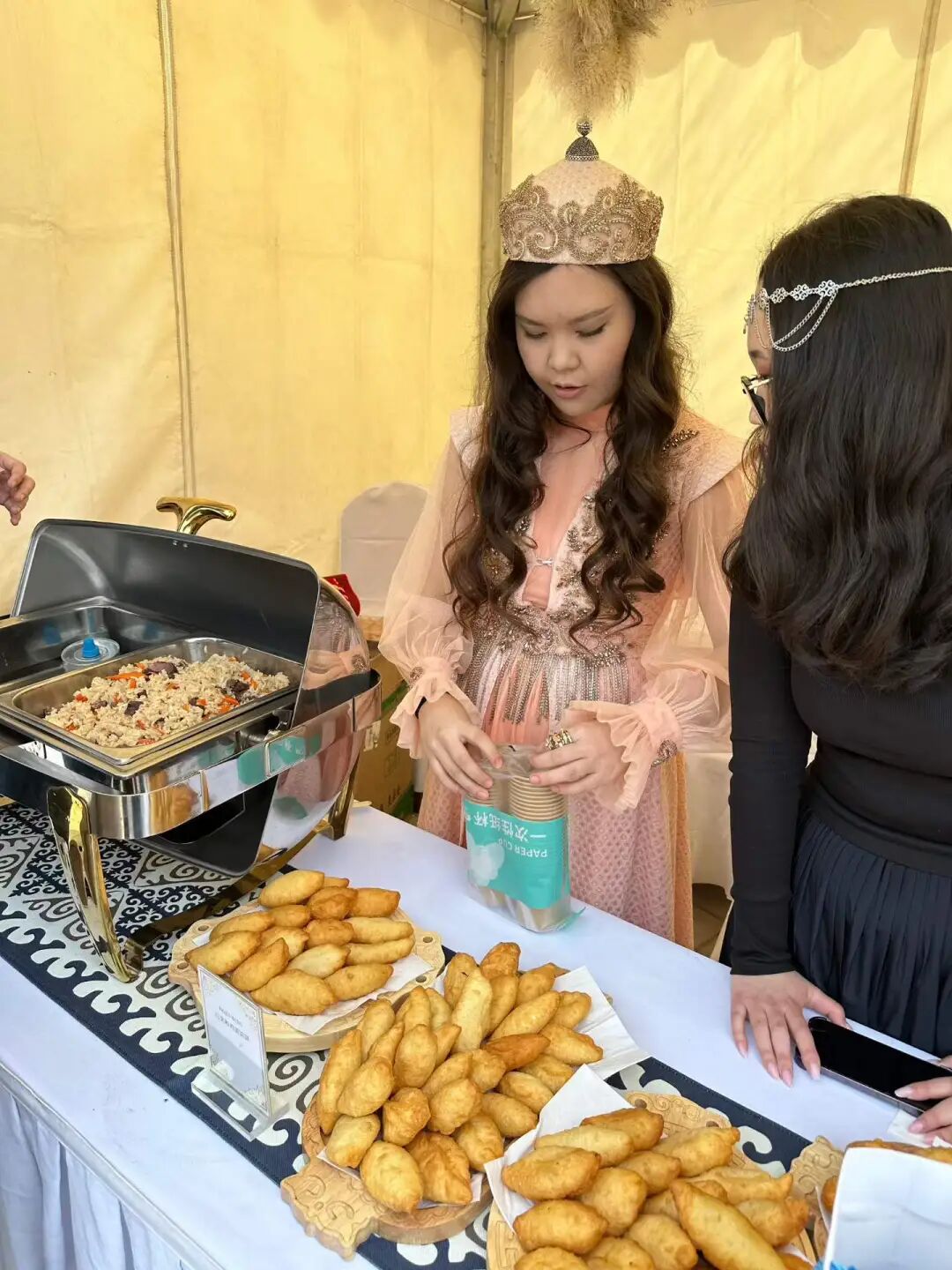
Fried dough puffs (baursak).
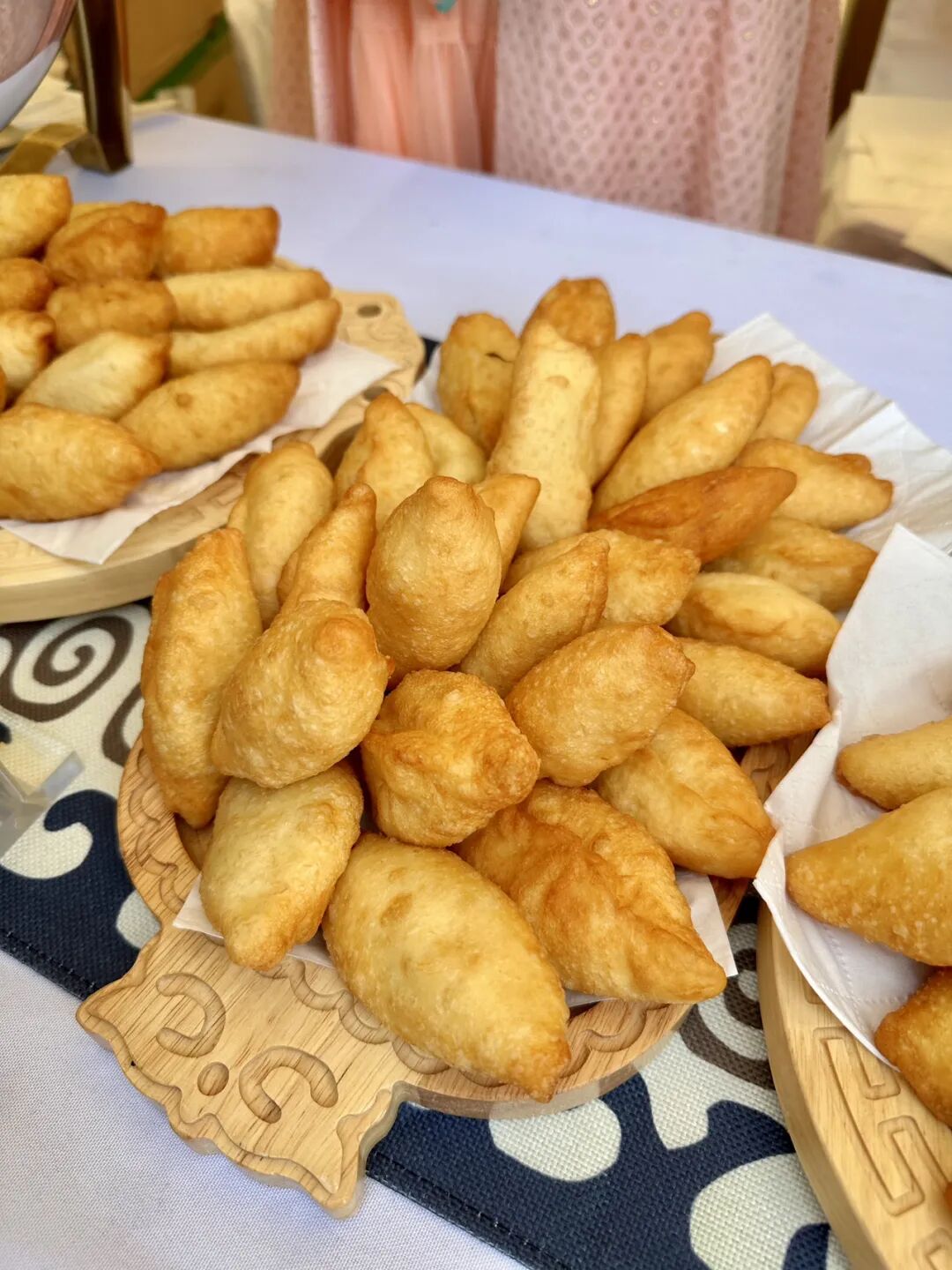
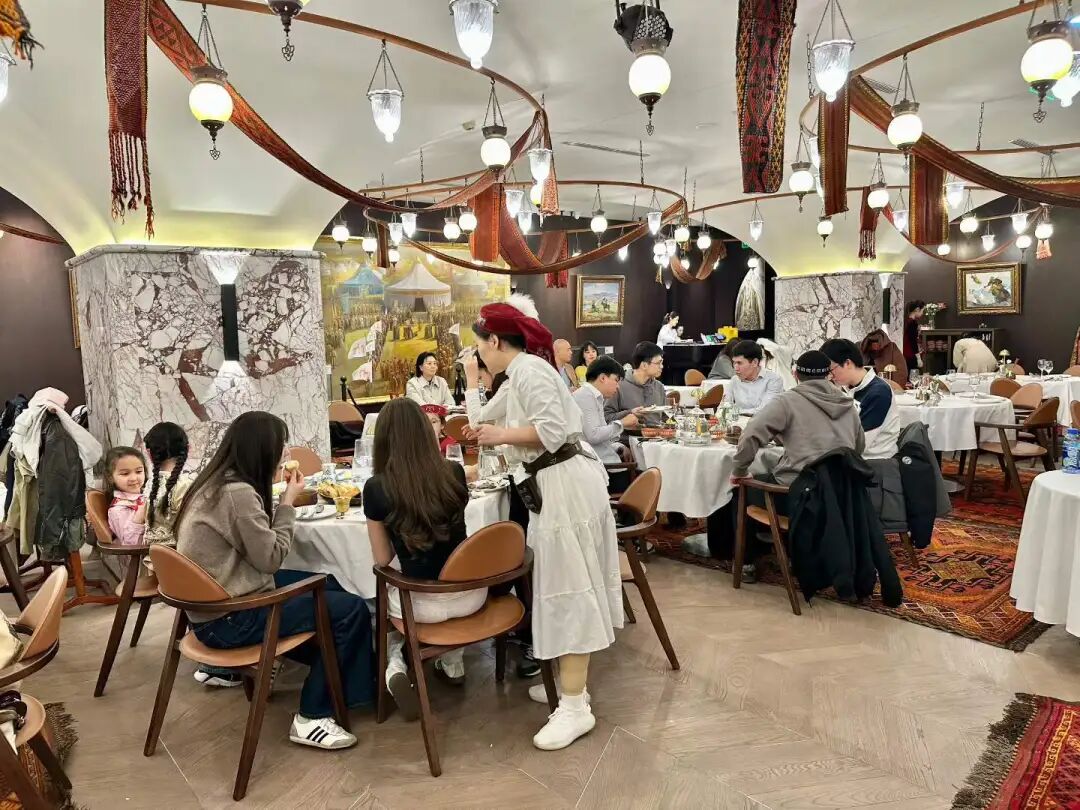
During the Nowruz festival, the Kazakh restaurant Sandyq in Beijing hosts traditional Kazakh music performances every night at 7:30, and they give away free fried dough puffs (baursak) and Nowruz porridge.
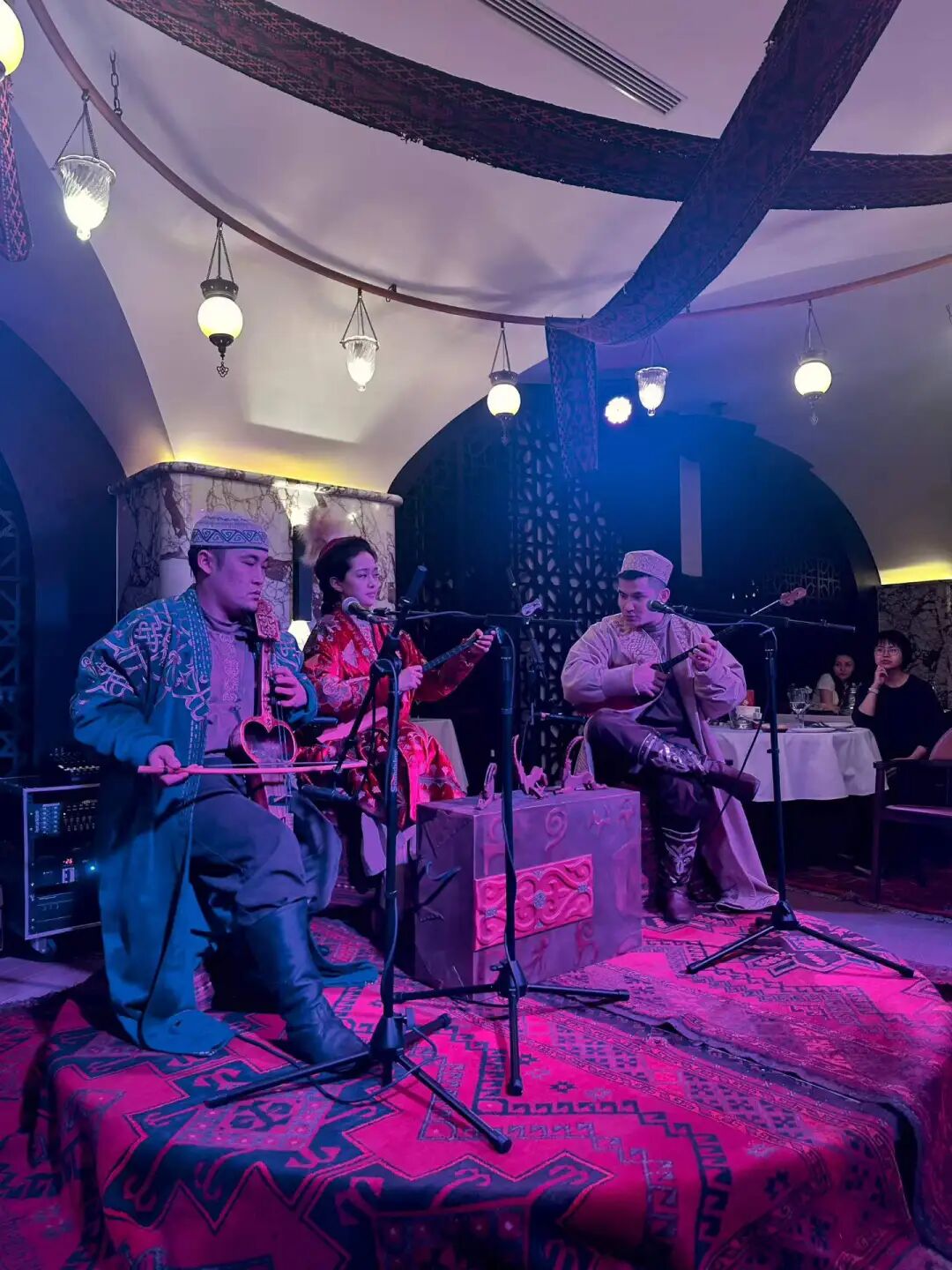
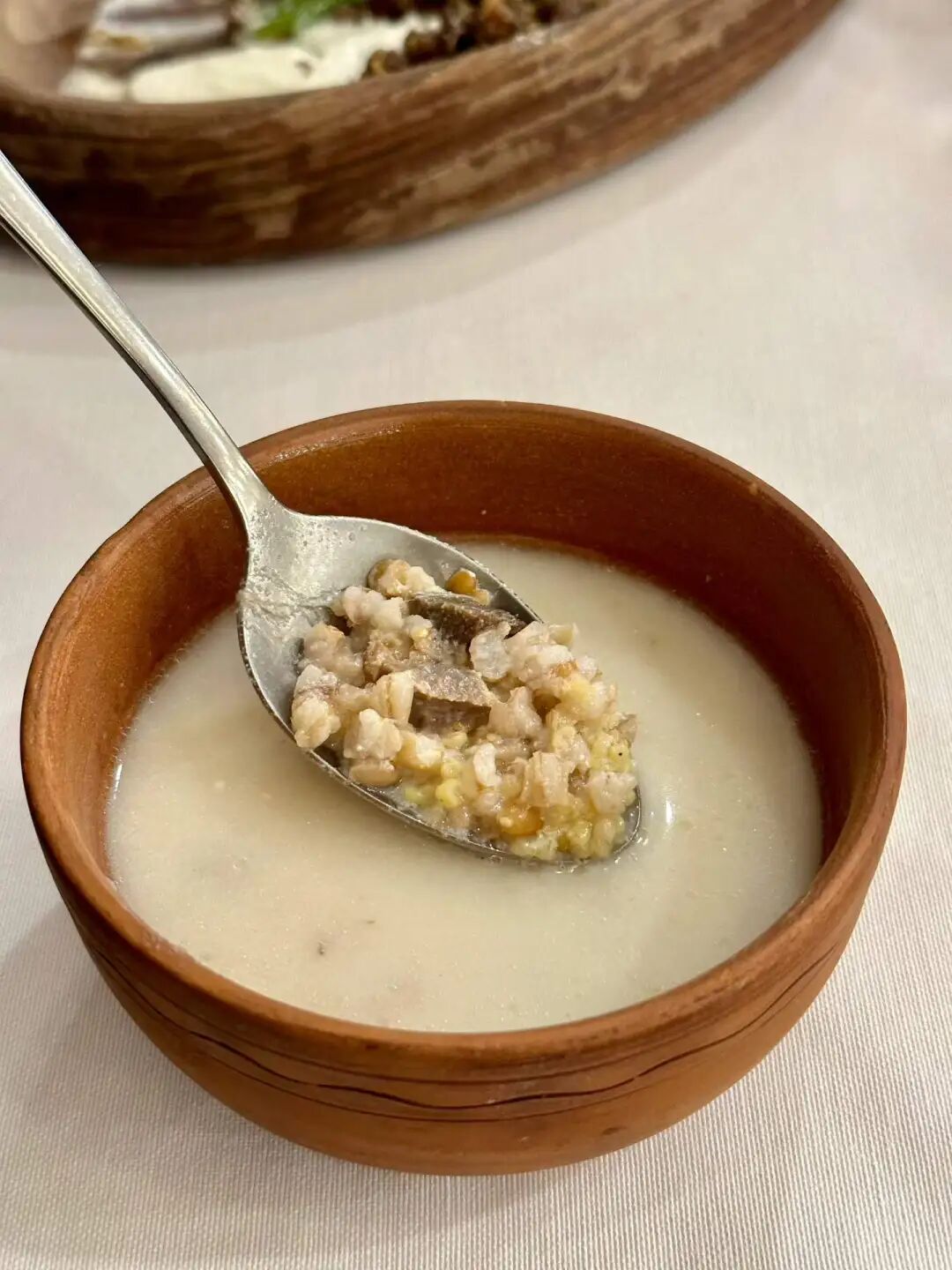
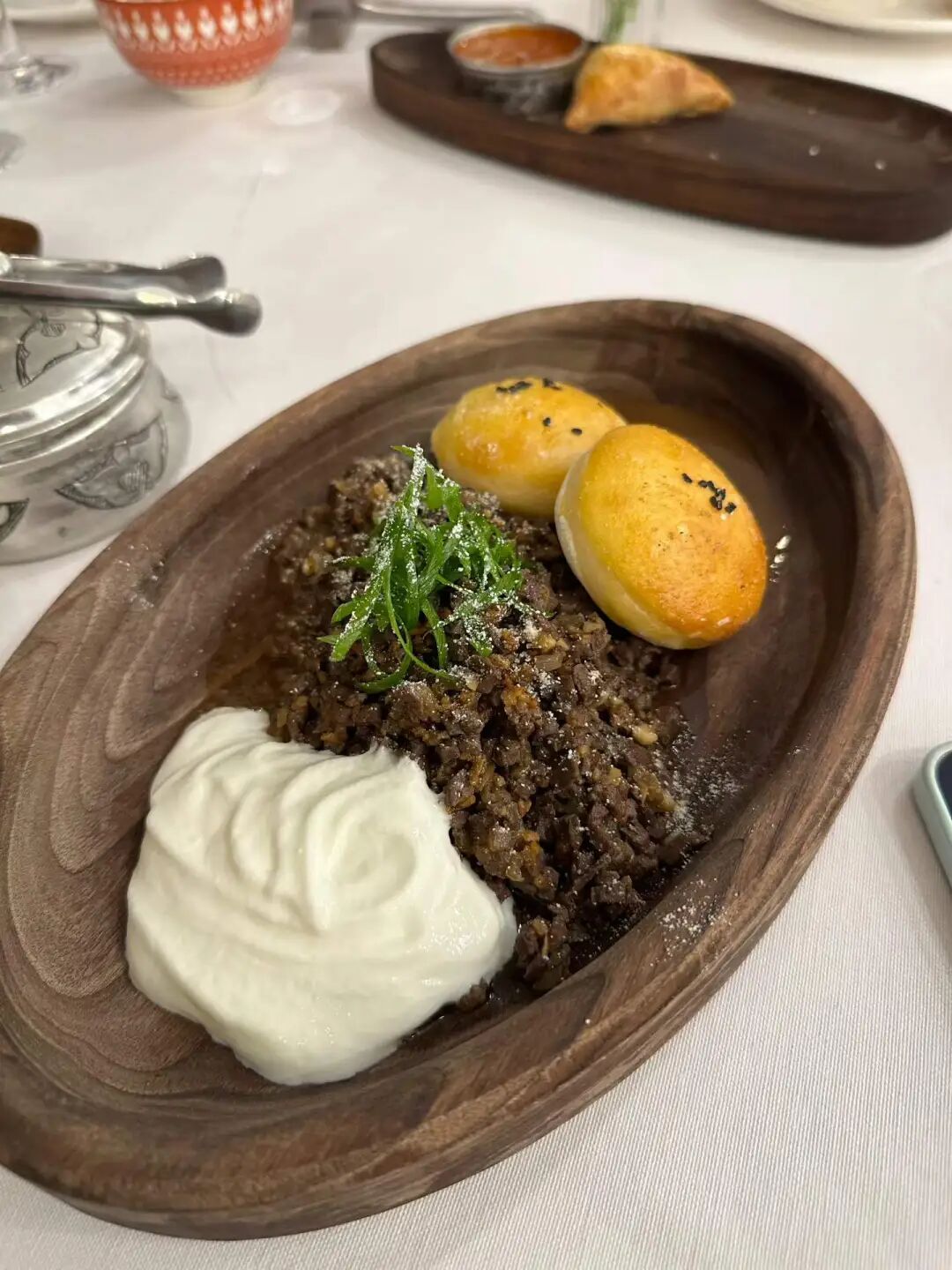
We also ate sheep tail and liver (kuyryk bauyr), meat-filled pies (baramysh), horse meat noodle soup (tomyrtqa), and millet milk tea (talqan), which are all classic Kazakh dishes.
Kuyryk bauyr literally means sheep tail and liver. It is stir-fried with only salt and served with yogurt. This is a classic dish for Kazakh engagement ceremonies. After the bride's family slaughters a sheep, the elders serve the sheep tail and liver to the groom's guests while singing blessings. If you don't eat it, they might jokingly pretend to sew your clothes to the felt mat or smear oil on your face, symbolizing that the two families are officially joined and cannot back out. There is a Kazakh proverb that says, 'Only after eating the sheep tail and liver is the marriage officially set.'
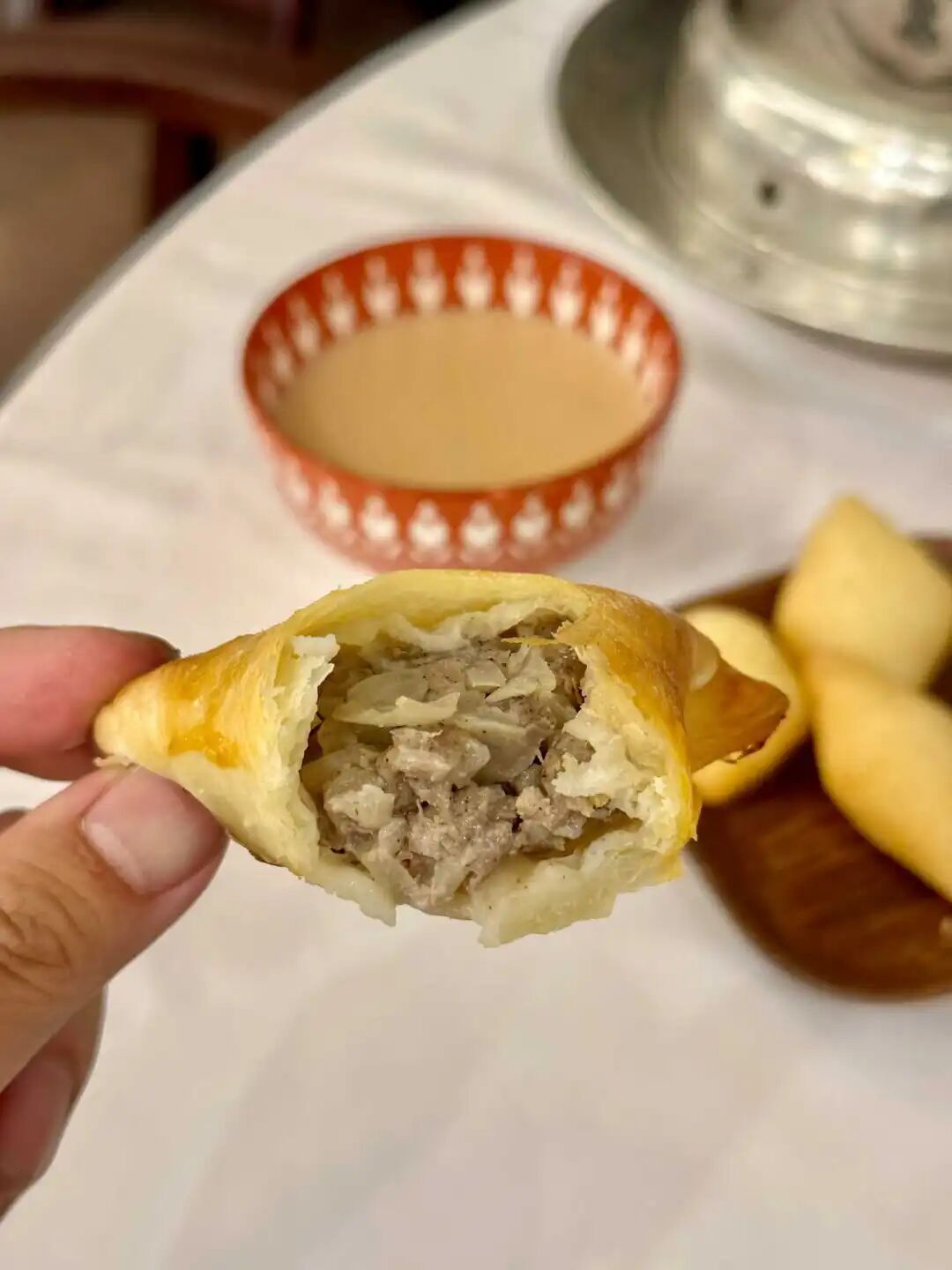
Meat-filled pie (baramysh) is a leavened dough pastry that originated with the Tatars and Bashkirs. It spread to the Kazakhs in the 19th century and became a classic street food during the Soviet era. Like baked buns (samsa), baramysh is filled with lamb and onions, but it uses leavened dough. The top is left open, the edges are pinched shut, and it is deep-fried until golden. It is best eaten dipped in tomato sauce and paired with milk tea.
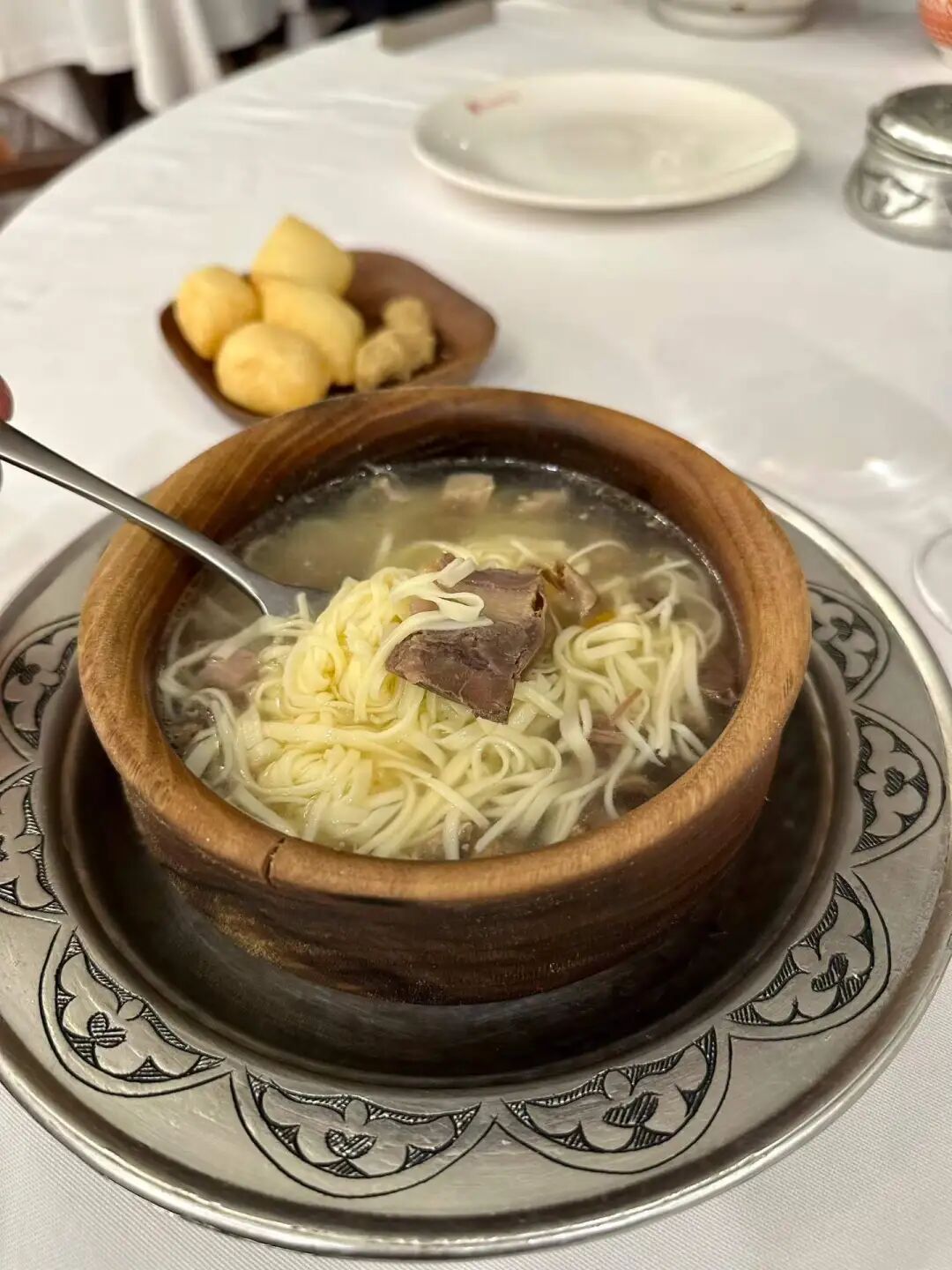
Horse meat noodle soup (tomyrtqa sorpasy) is the noodle soup version of meat and noodles (naryn), making it perfect for winter. This one-pot dish of boiled meat and noodles is perfect for festivals, hosting guests, and moving between nomadic pastures. To make it, boil the horse meat first, then cook the noodles in the broth. It is rich, salty, and savory, with the unique smoky flavor of smoked horse meat.
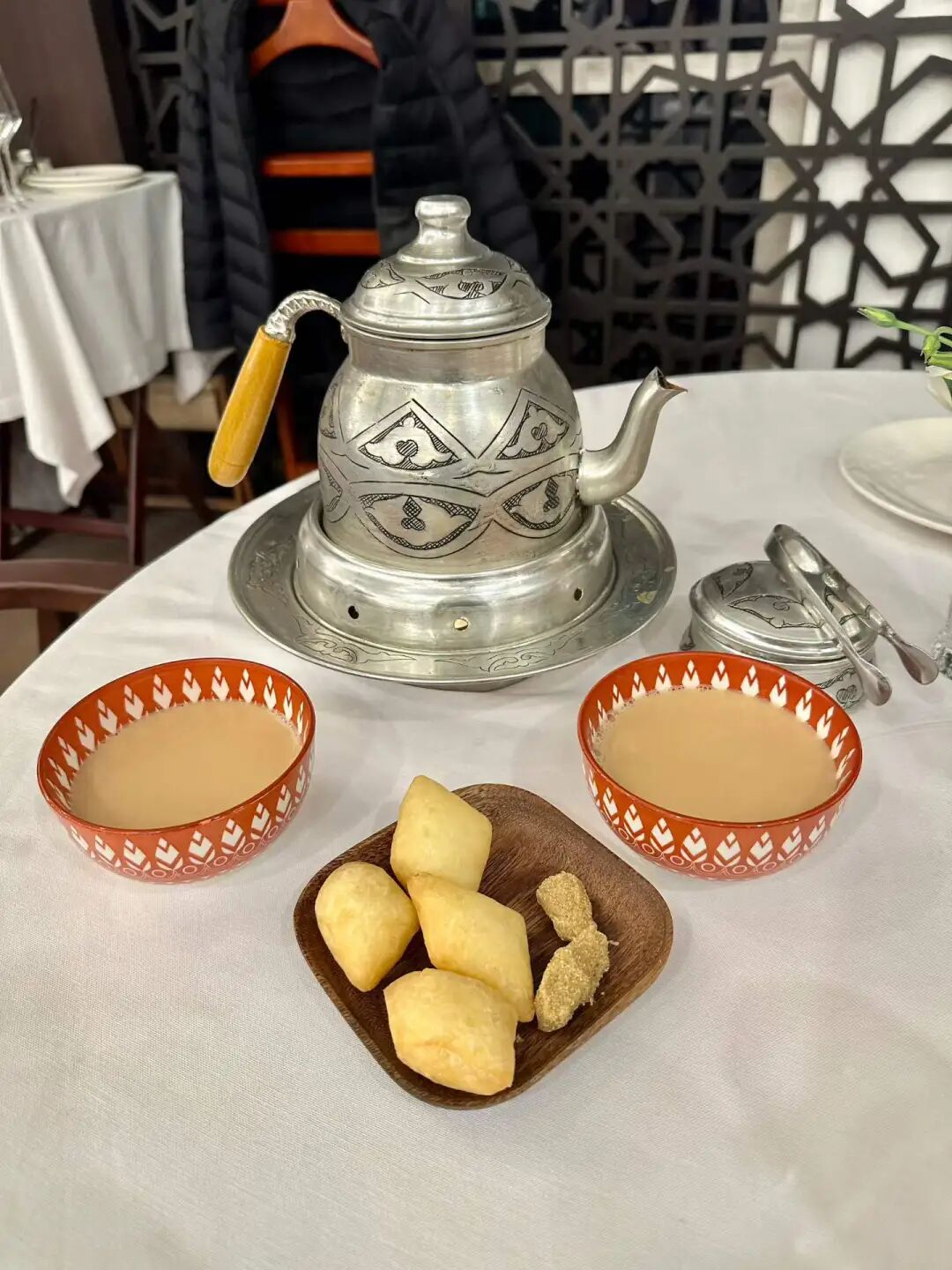
Kazakh millet milk tea (talqan) is made by boiling broomcorn millet, brick tea, milk, and salt. The golden millet grains are washed, roasted, and hulled to become crispy, adding a toasted grain aroma to the milk tea.
Summary: This Beijing Nowruz account records a Persian New Year gathering with food, music, guests from many countries, and the cultural details of the celebration as described in the source.
March 21st this year is the Persian New Year. Many countries influenced by Persian culture celebrate the Nowruz festival during this time, including Afghanistan, Albania, Azerbaijan, India, Iran, Iraq (Kurdish region), Syria (Kurdish region), Kazakhstan, Kyrgyzstan, Pakistan, Tajikistan, Turkey (Kurdish region), Turkmenistan, and Uzbekistan.
After the Afghan Taliban came to power in 2022, they stated that Nowruz would not be a public holiday, but they still allowed celebrations to take place. In Albania, Sunni Muslims, Catholics, and Orthodox Christians celebrate Nowruz together to welcome the arrival of spring. Shia Muslims believe that Nowruz is the day Imam Ali became Caliph, so they place special importance on it, performing special acts of worship and offering blessings.
On Sunday, March 29th, the Embassy of Kazakhstan in China, the Ministry of Culture and Information of Kazakhstan, and the Kazakhstan Cultural Center in Beijing held a Nowruz festival event at Chaoyang Park in Beijing. They invited national-level orchestras and dance troupes from Kazakhstan, along with many Kazakh cultural products, festive foods, and traditional clothing. It was a great opportunity to learn about Nowruz and Kazakh culture.
Speech by the Ambassador of Kazakhstan to China.
This shows the Kazakh first-steps ceremony (Tusau Keser). It is a life-initiation ritual held when a Kazakh baby turns one year old. The core of the ceremony is cutting the rope tied to the child's legs, which symbolizes breaking free from constraints and starting a path toward an independent life. After the rope is cut, an elder leads the child forward. Items like books, pens, a two-stringed lute (dombra), coins, and knives are placed on the ground for the child to grab, similar to the traditional 'grabbing the first birthday gift' custom. Finally, everyone offers blessings to the child and tosses candies, dried yogurt balls (kurt), and coins into the air.
The event featured Kazakhstan's top orchestra, Astana Sazy (Rhythm of Astana). Here are a few clips of them accompanying excellent Kazakh singers.
Astana Sazy is the national folk orchestra of Kazakhstan, affiliated with the state performance organization 'Kazakh Concert.' It is the core group for promoting traditional music and cultural diplomacy in Kazakhstan. The orchestra uses traditional Kazakh instruments like the zither (jetigen), the two-stringed lute (dombra), and the bowed string instrument (kobyz). Rooted in Kazakh nomadic culture, they are famous for playing folk music.
A wonderful performance by two Kazakh musicians playing and singing with the two-stringed lute (dombra).
The event featured the national-level Kazakh folk song and dance troupe, Gulder Ensemble. The troupe was formed in 1969. It started as an all-female group and debuted with the dance drama 'Steppe Movement,' which was praised as 'a bouquet picked from the snowy peaks of Alatau scattered across the stage.' In the 1970s, the troupe traveled throughout the Soviet Union and later went abroad, touring in Belgium, Germany, Malaysia, and Cuba, training a group of legendary Kazakh dancers. The troupe was quiet for a time until it was relaunched in 2023 with a new lineup at the Kazakhstan Central Concert Hall, allowing a new generation of audiences to experience the charm of traditional Kazakh folk dance.
We drank Nowruz porridge (Nauryz Kozhe) and boiled fruit drink (Compote), and ate Kazakh fried dough pastry (Shek-Shek) and chicken baked buns (Samsa).
Nowruz porridge can only be eaten once a year during the Nowruz festival. Kazakh Nowruz porridge must contain at least seven ingredients, including barley, rice, wheat, smoked horse meat, dried yogurt balls (kurt), salt, and water. These foods are made with winter-slaughtered meat and stored grain, expressing the wish for abundance year after year.
Compote is made by boiling water with sugar and fruits like plums, cherries, or apples. In summer, fresh fruit is used, and in winter, dried fruit is used. I drank water boiled with dried apples, which is a drink frequently served at Kazakh banquets and in daily life.
Fried dough pastry (Shek-Shek) is a must-have snack for Kazakh weddings, Nowruz, and other festivals, symbolizing sweetness, reunion, and a good harvest. To make it, flour is mixed with eggs, rolled into strips, cut into pieces, and fried until golden and crispy. Then, honey syrup is drizzled over it, and it is sprinkled with nuts and dried fruit after cooling. Honey cake (chak-chak) is very common in Tatarstan and among other Central Asian peoples. The Tatars call it chak-chak, and I even visited a chak-chak museum in Kazan.
Everyone took turns taking photos with the Kazakh warriors, who were at least two meters tall.
Kazakh shredded meat pilaf (plov) is full of carrots.
Fried dough puffs (baursak).
During the Nowruz festival, the Kazakh restaurant Sandyq in Beijing hosts traditional Kazakh music performances every night at 7:30, and they give away free fried dough puffs (baursak) and Nowruz porridge.
We also ate sheep tail and liver (kuyryk bauyr), meat-filled pies (baramysh), horse meat noodle soup (tomyrtqa), and millet milk tea (talqan), which are all classic Kazakh dishes.
Kuyryk bauyr literally means sheep tail and liver. It is stir-fried with only salt and served with yogurt. This is a classic dish for Kazakh engagement ceremonies. After the bride's family slaughters a sheep, the elders serve the sheep tail and liver to the groom's guests while singing blessings. If you don't eat it, they might jokingly pretend to sew your clothes to the felt mat or smear oil on your face, symbolizing that the two families are officially joined and cannot back out. There is a Kazakh proverb that says, 'Only after eating the sheep tail and liver is the marriage officially set.'
Meat-filled pie (baramysh) is a leavened dough pastry that originated with the Tatars and Bashkirs. It spread to the Kazakhs in the 19th century and became a classic street food during the Soviet era. Like baked buns (samsa), baramysh is filled with lamb and onions, but it uses leavened dough. The top is left open, the edges are pinched shut, and it is deep-fried until golden. It is best eaten dipped in tomato sauce and paired with milk tea.
Horse meat noodle soup (tomyrtqa sorpasy) is the noodle soup version of meat and noodles (naryn), making it perfect for winter. This one-pot dish of boiled meat and noodles is perfect for festivals, hosting guests, and moving between nomadic pastures. To make it, boil the horse meat first, then cook the noodles in the broth. It is rich, salty, and savory, with the unique smoky flavor of smoked horse meat.
Kazakh millet milk tea (talqan) is made by boiling broomcorn millet, brick tea, milk, and salt. The golden millet grains are washed, roasted, and hulled to become crispy, adding a toasted grain aroma to the milk tea.
