
Hidden Mosques in Guangyuan: Shanghe Street, Jialing River and Sichuan Hui Muslim History
Reposted from the web
Summary: This Guangyuan stop follows Shanghe Street by the Jialing River, old mosque history, Hui Muslim community details, and the next stage of a Spring Festival road trip through Sichuan.
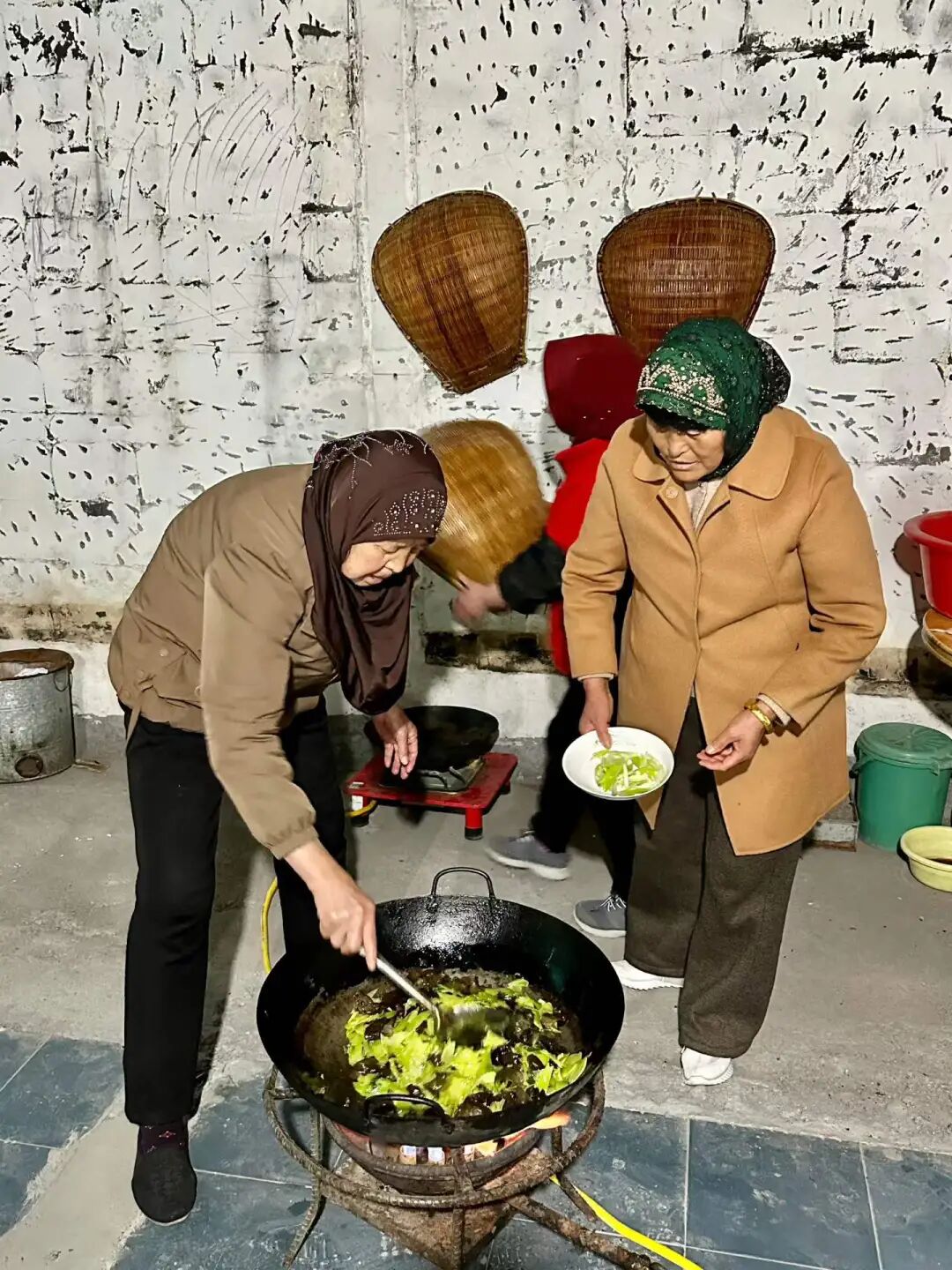
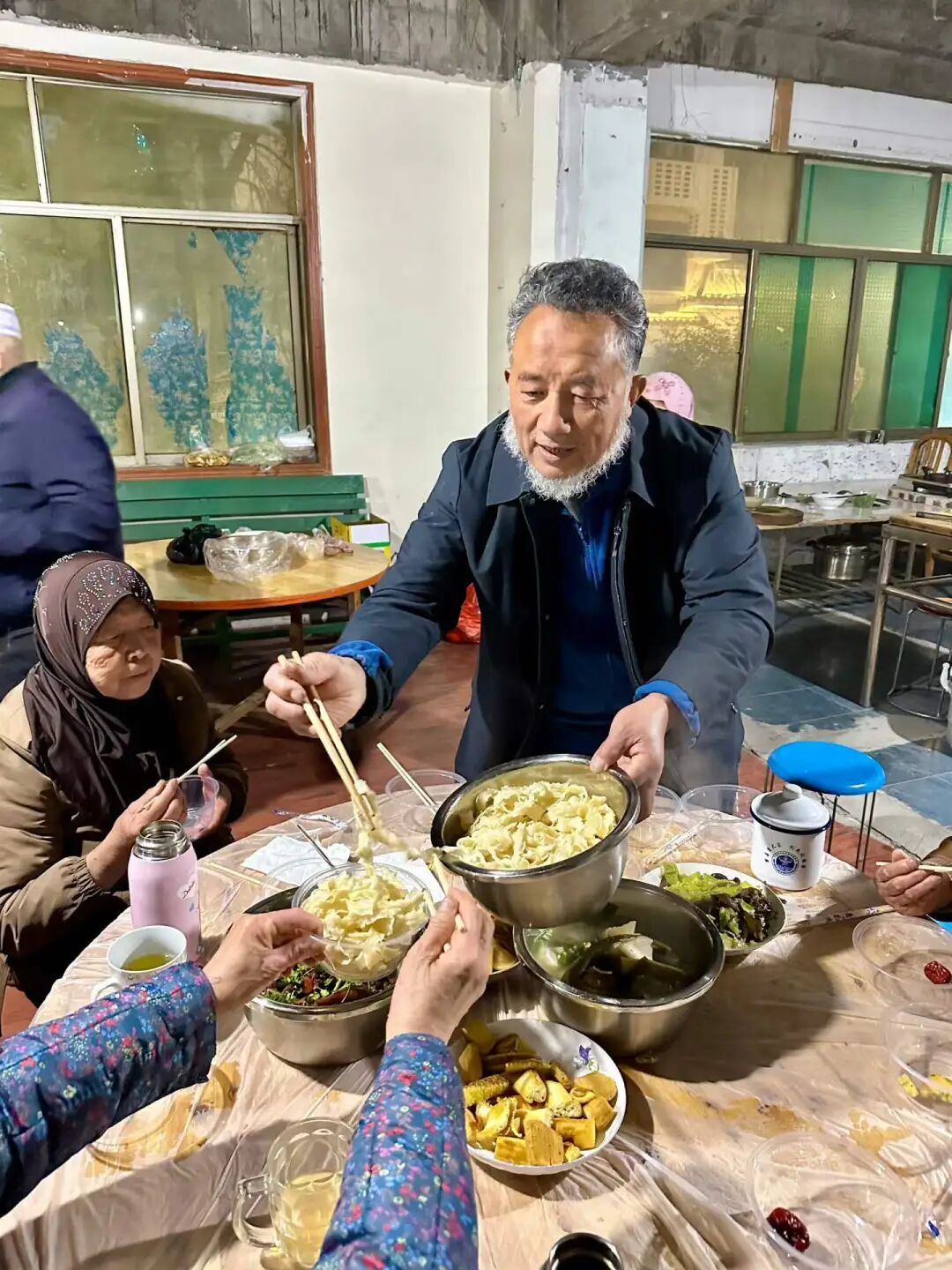
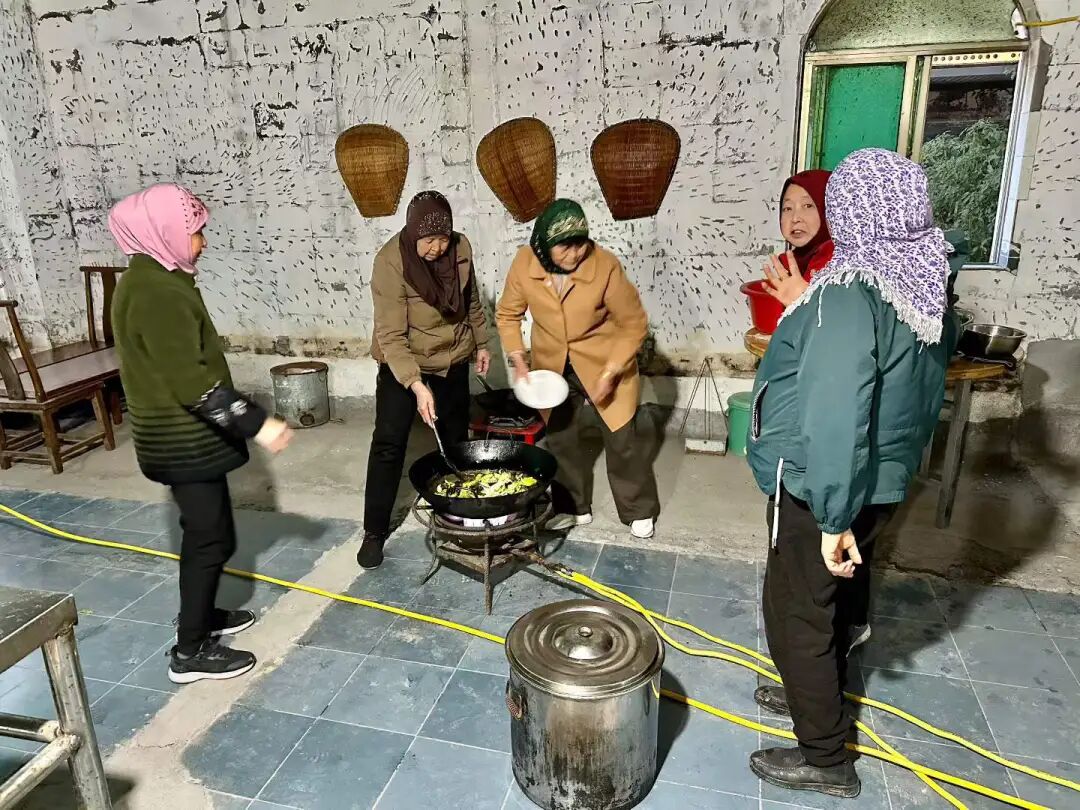
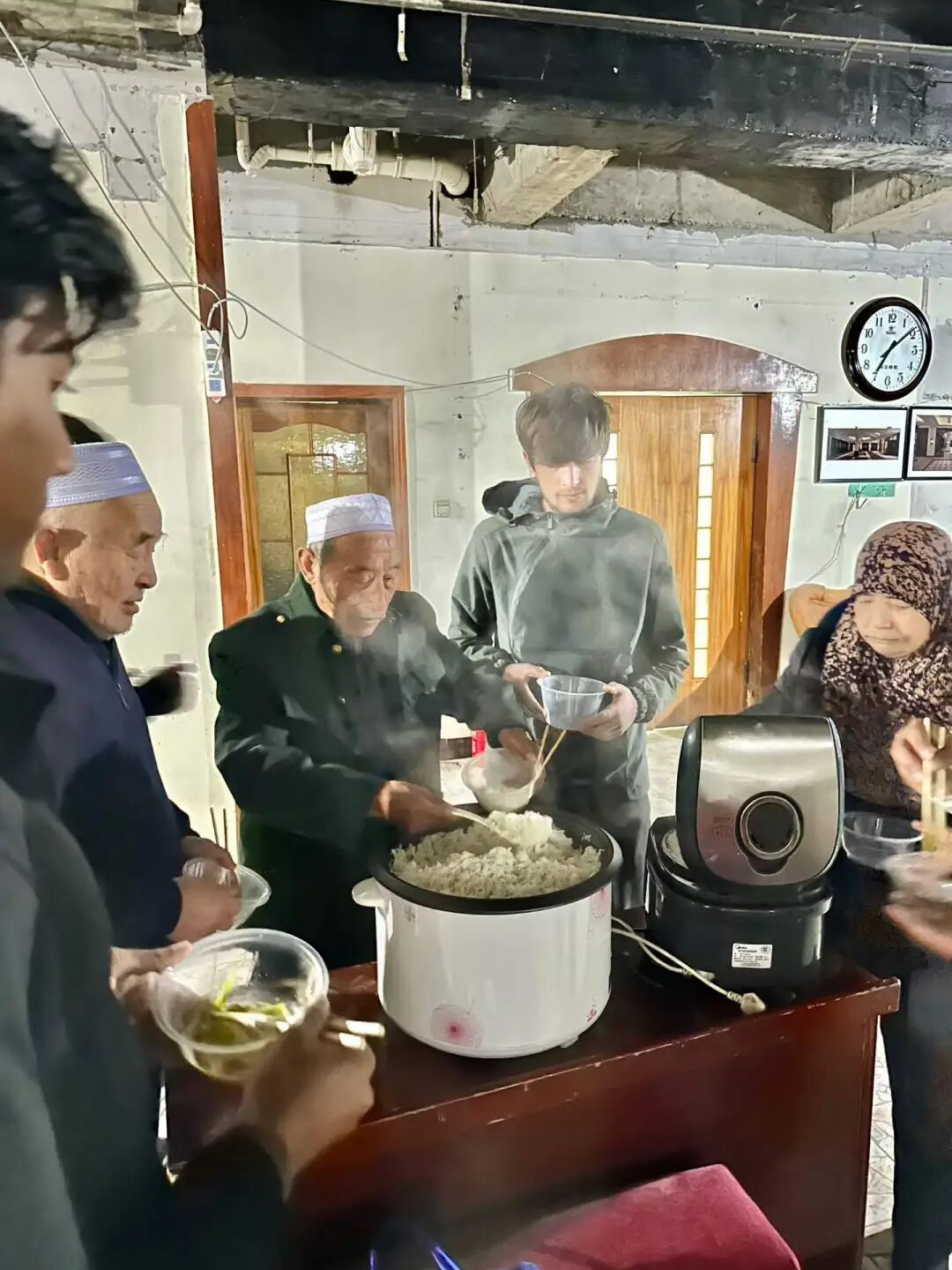
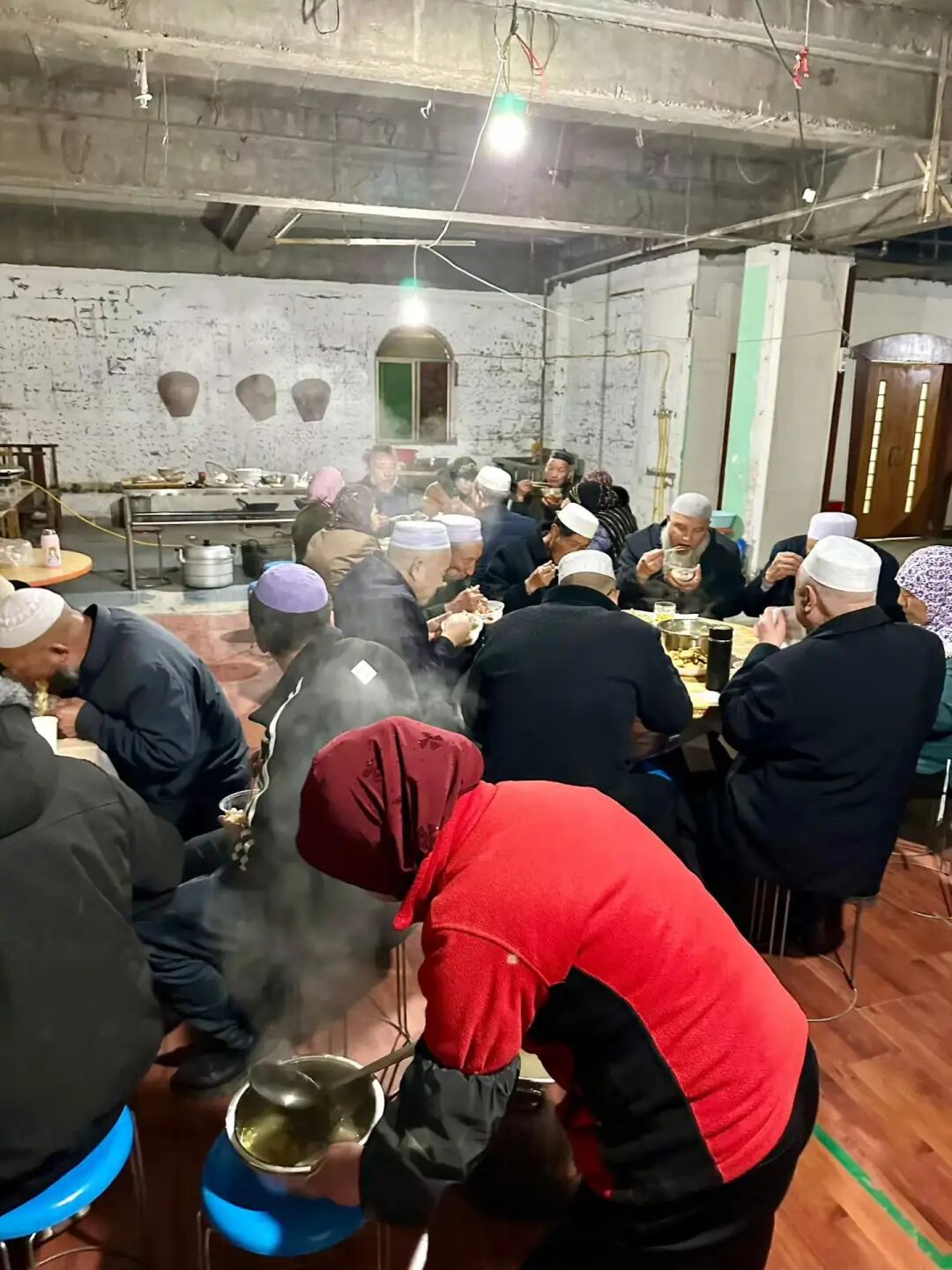
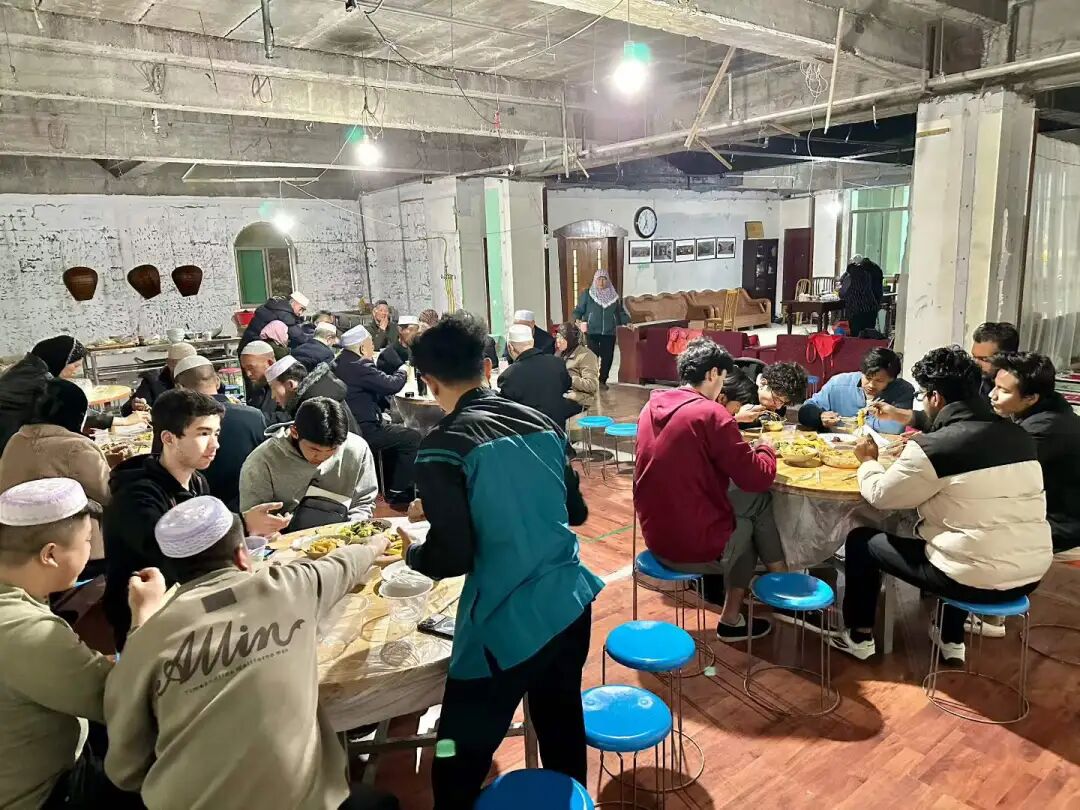
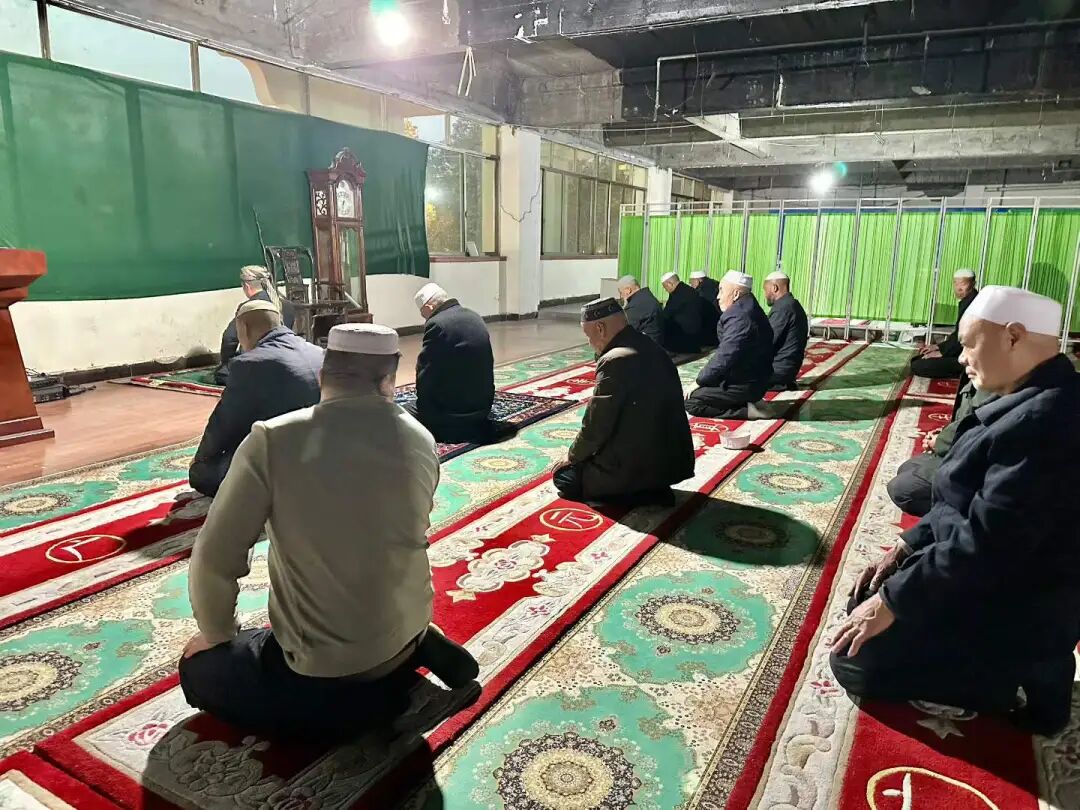
I traveled back along the Jialing River gorge from the Nine Wells, with river breezes and mountain shadows for company, and arrived at the Shanghe Street Mosque in Guangyuan just in time for iftar. The mosque was undergoing repairs during my visit, so prayers and iftar were held on the second floor. The layout was simple, but the atmosphere was incredibly quiet and solemn.
Guangyuan sits at the junction of Sichuan, Shaanxi, and Gansu provinces, serving as a key hub for water and land transport. The worshippers here are diverse, including friends (dost) from the northwest, international students studying here, and local elders who have lived here for generations. Their shared devotion creates a peaceful and inclusive environment.
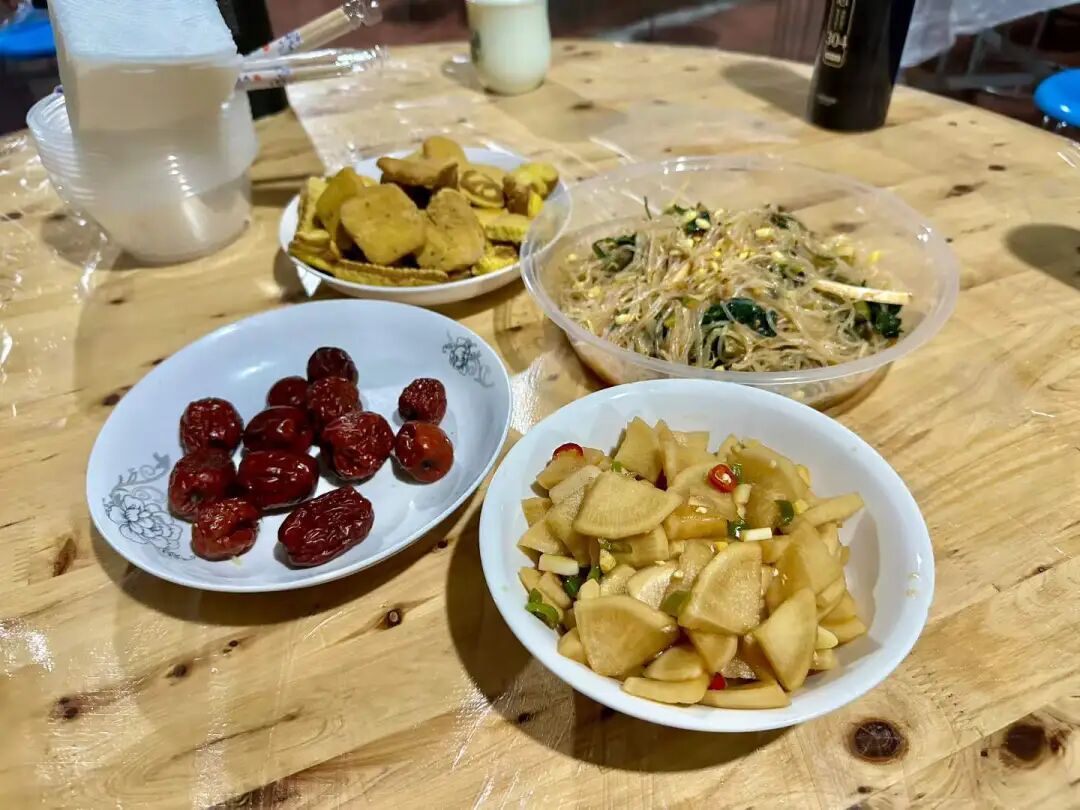
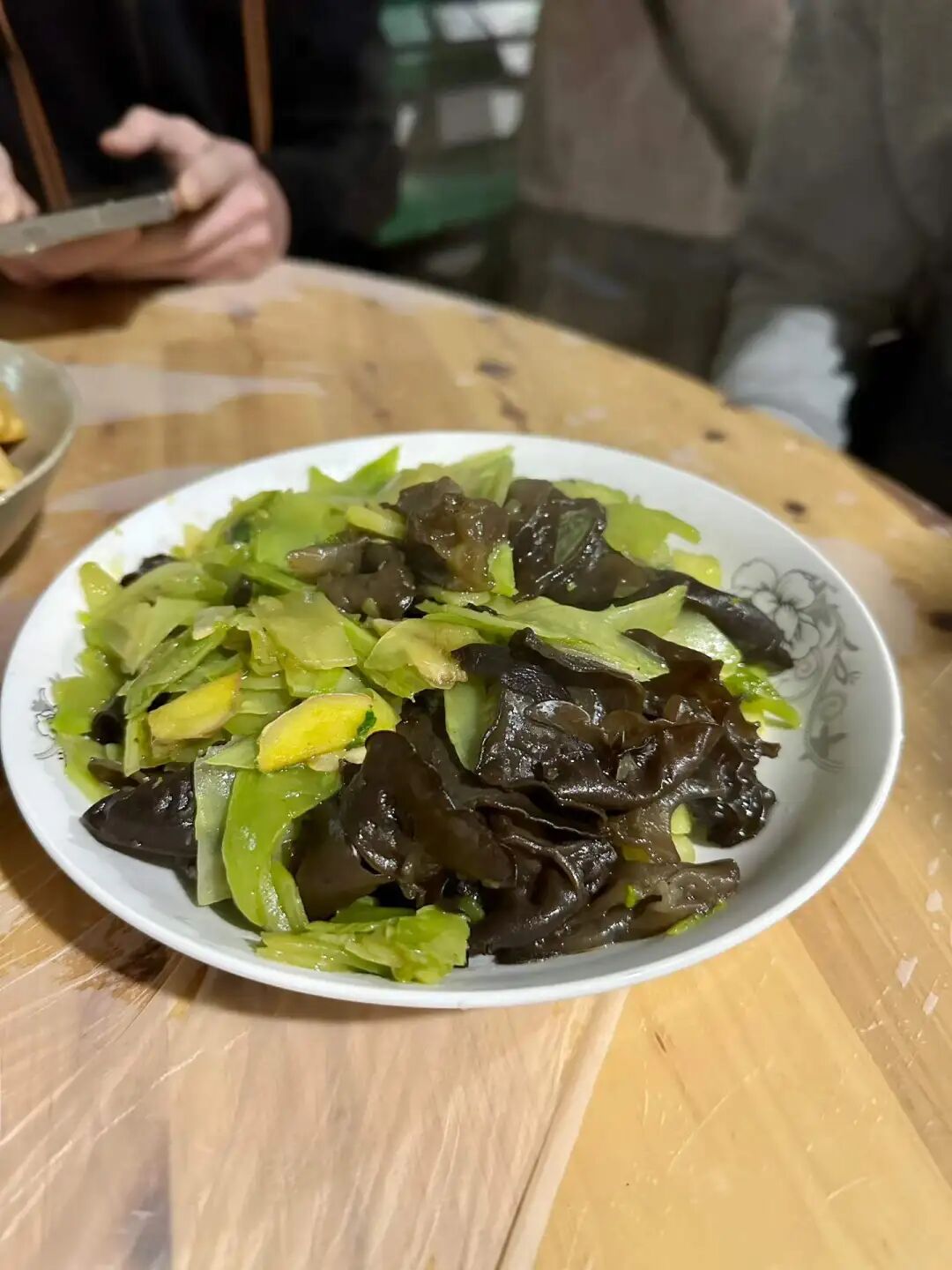
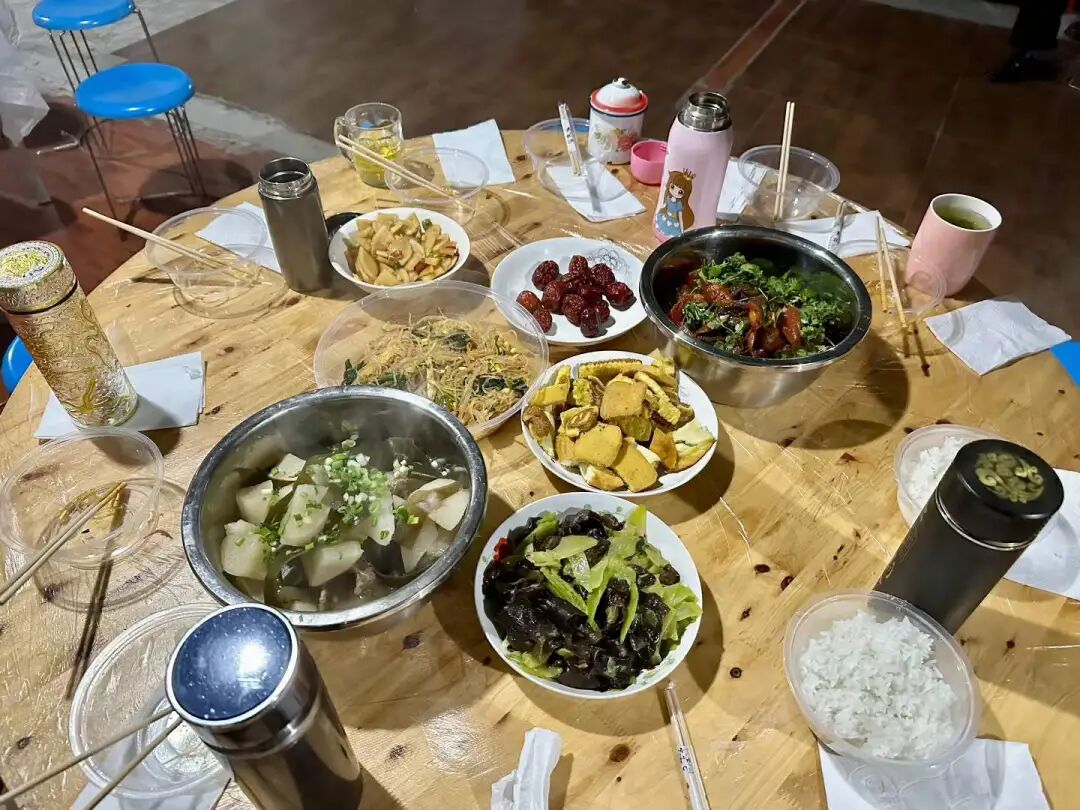
The iftar meal was simple and home-style: warm and flavorful beef stewed with carrots (huluobo dun niurou), refreshing stir-fried wood ear mushrooms with asparagus lettuce (wosun chao mu'er), light and soothing kelp stewed with white radish (bailuobo dun haidai), plus cold glass noodles (liangban fensi) and pickled radish. It was simple, solid, steady, and healing.
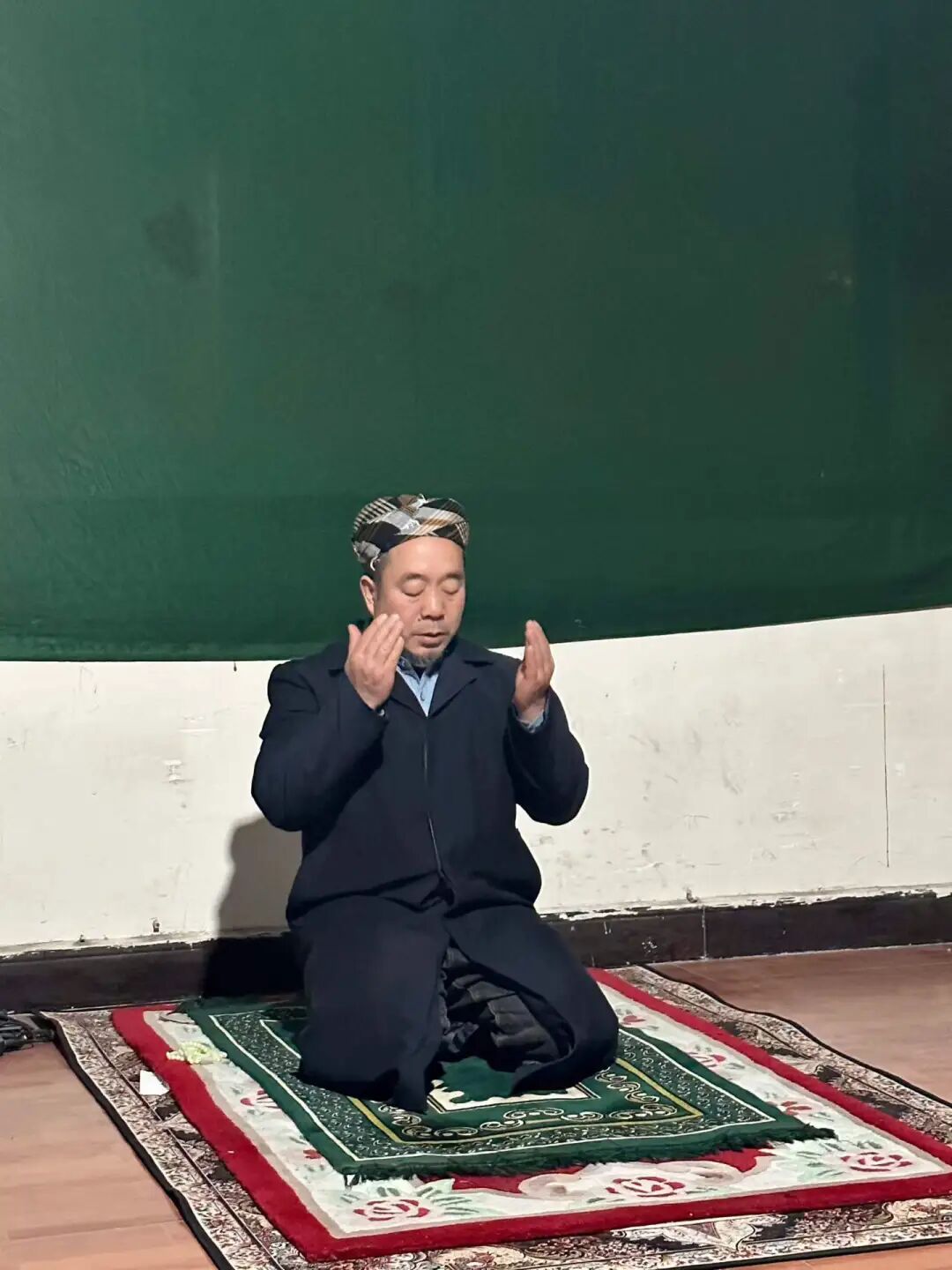
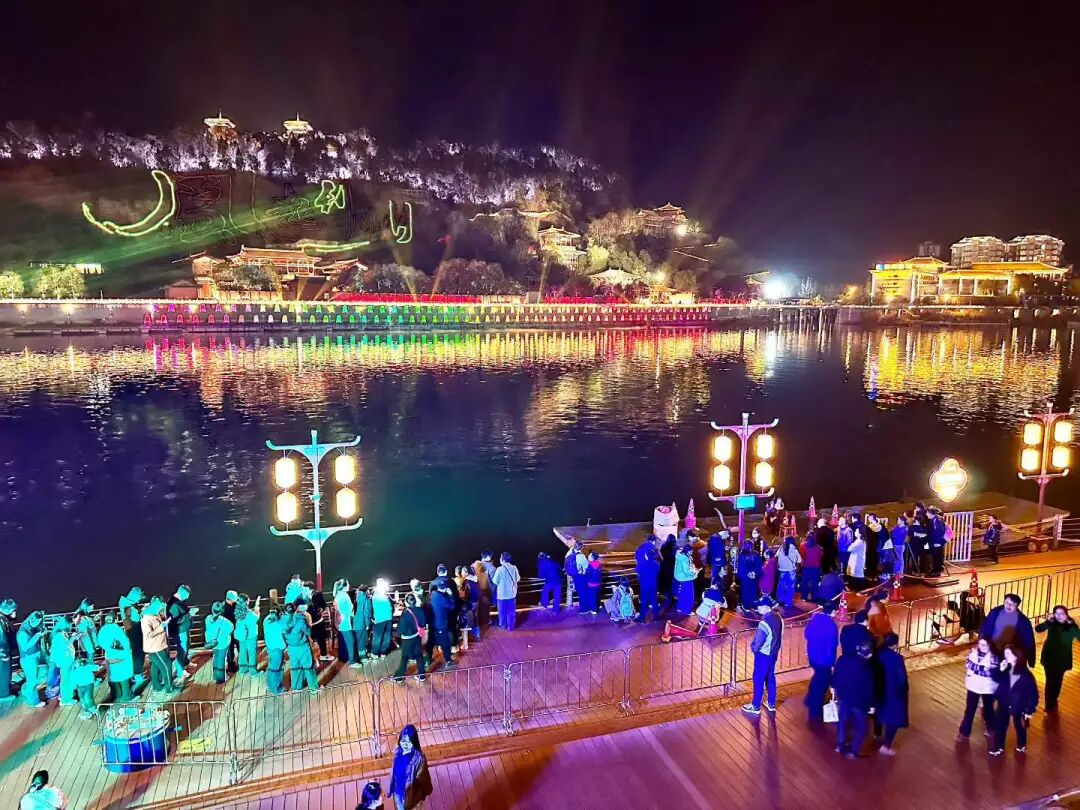
The Shanghe Street Mosque in Guangyuan stands quietly by the Jialing River, right outside the bustling Jialing River Pedestrian Street. River breezes blow gently, and tourist boats shuttle back and forth at the pier in a constant stream, full of the lively noise of the city. Stepping into the mosque to quietly perform Taraweeh prayers, I felt deeply moved. Just one window away, the world outside is filled with the hustle and bustle of traffic and the busy, worldly life. Inside the window is a clean and peaceful place for spiritual practice, a quiet harbor to rest one's heart. The noise of the world and the peace of the ancient mosque blend together, creating a moment of stillness and a spiritual home by the busy river.
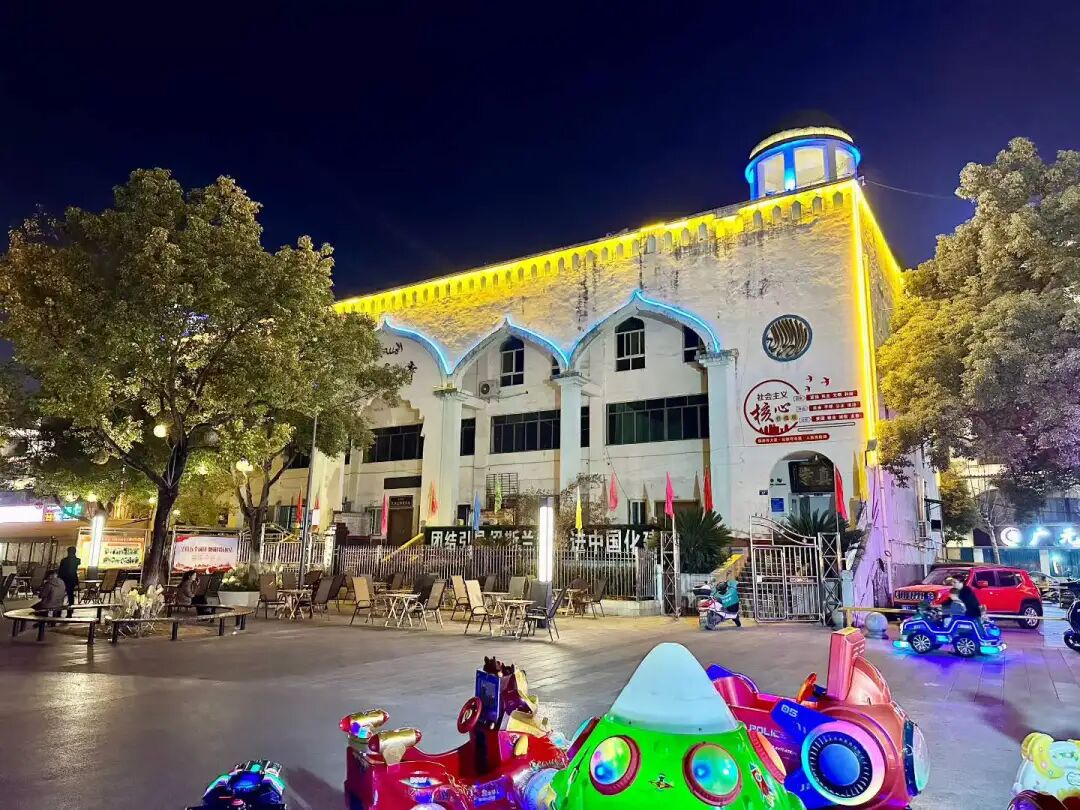
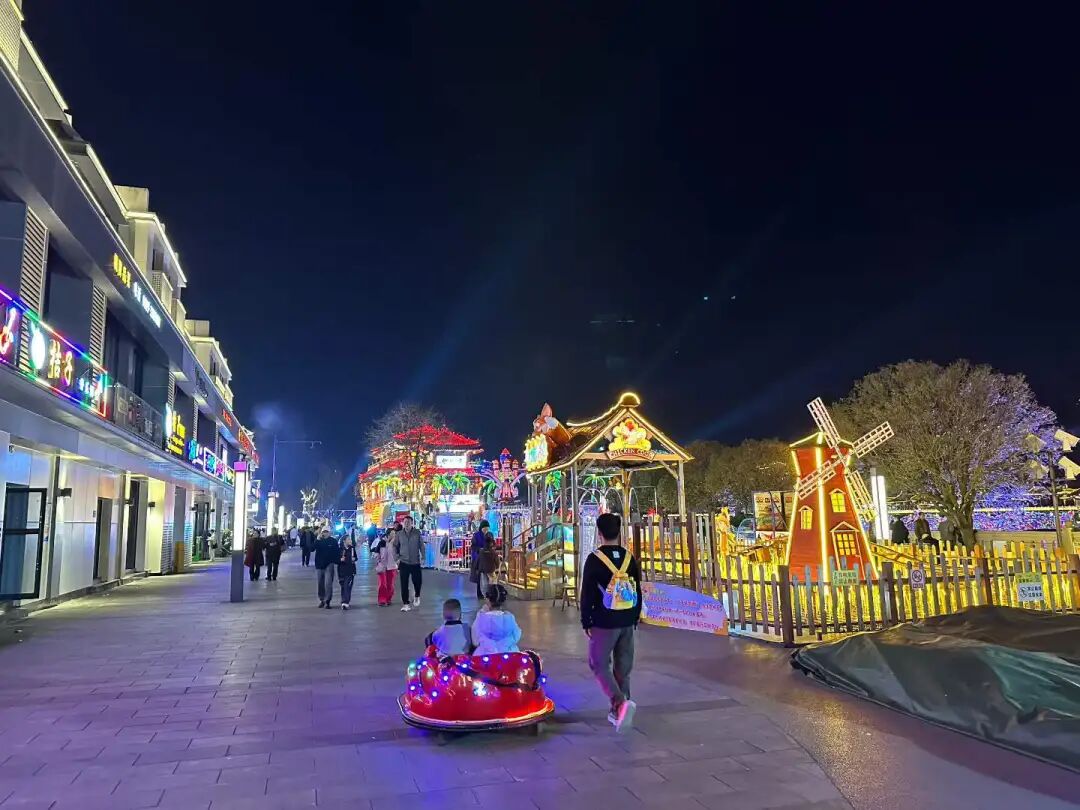
Guangyuan had a mosque built on East Street in the old city as early as the Yuan and Ming dynasties, but it was destroyed at the end of the Ming Dynasty. After the Qing Dynasty, the commercial center of Guangyuan gradually moved from East Street to the banks of the Jialing River. Therefore, local Hui Muslims built the Shanghe Street Mosque in 1721 (the 60th year of the Kangxi reign), though some say it started in 1674, and it was expanded in 1777 (the 42nd year of the Qianlong reign).
The mosque now houses nine precious plaques from the Qing Dynasty and the Republic of China era. In the 1960s and 1970s, these plaques were covered with layers of paper and painted red with slogans about national unity, which is how they survived. These nine plaques are now hung on the walls of the stairs and corridors inside the mosque.
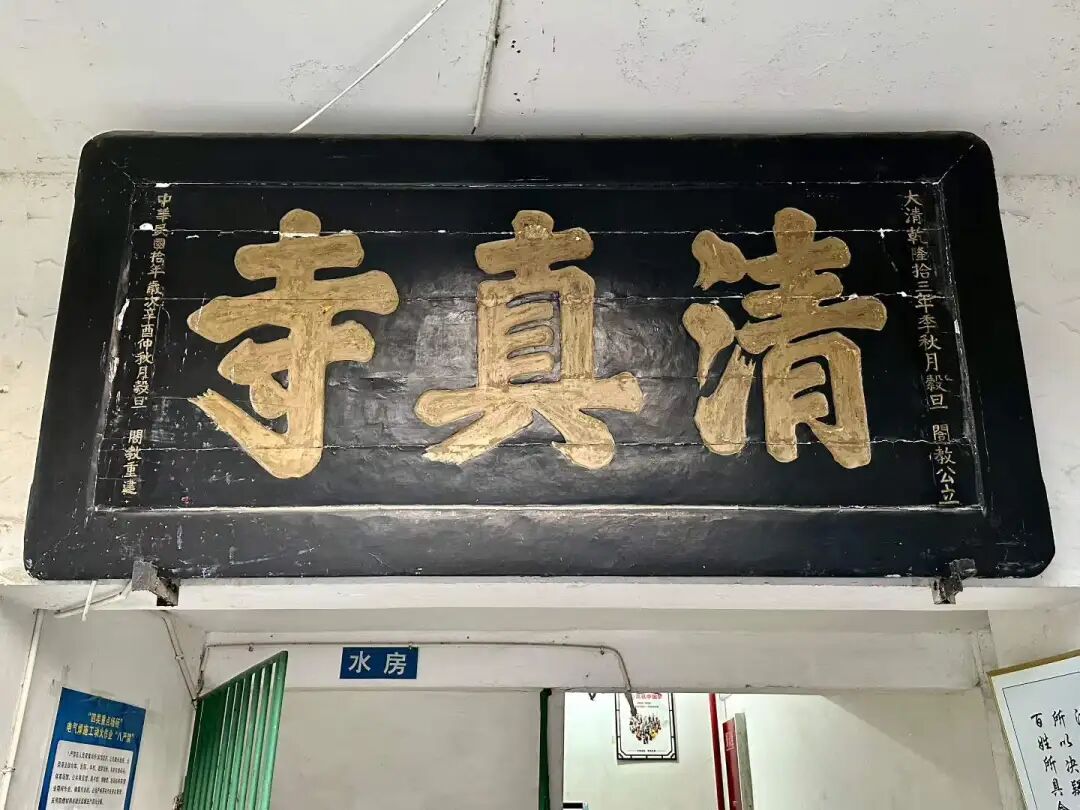
The 'Mosque' (Qingzhensi) plaque from 1748 (the 13th year of the Qianlong reign) was rebuilt by the community in the 10th year of the Republic of China.
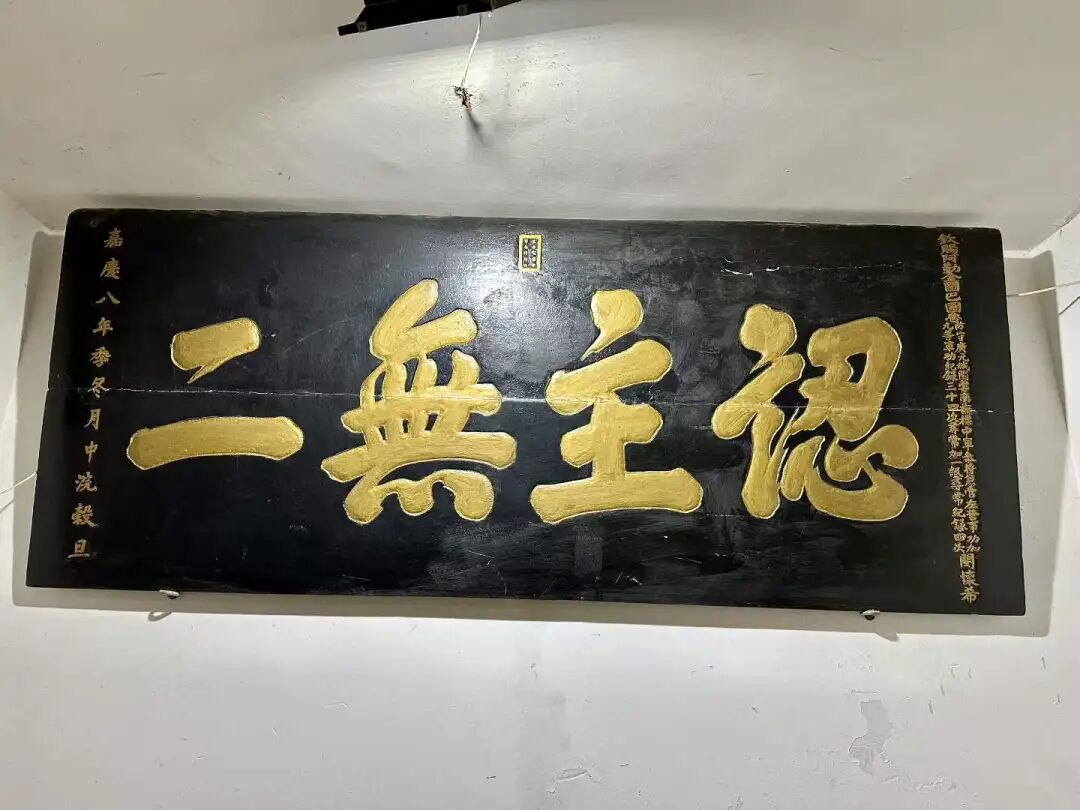
The 'Recognize Allah as One' (Renzhu Wu'er) plaque from 1803 (the 8th year of the Jiaqing reign) was presented by the imperial-appointed Baturu Min Huaixi.
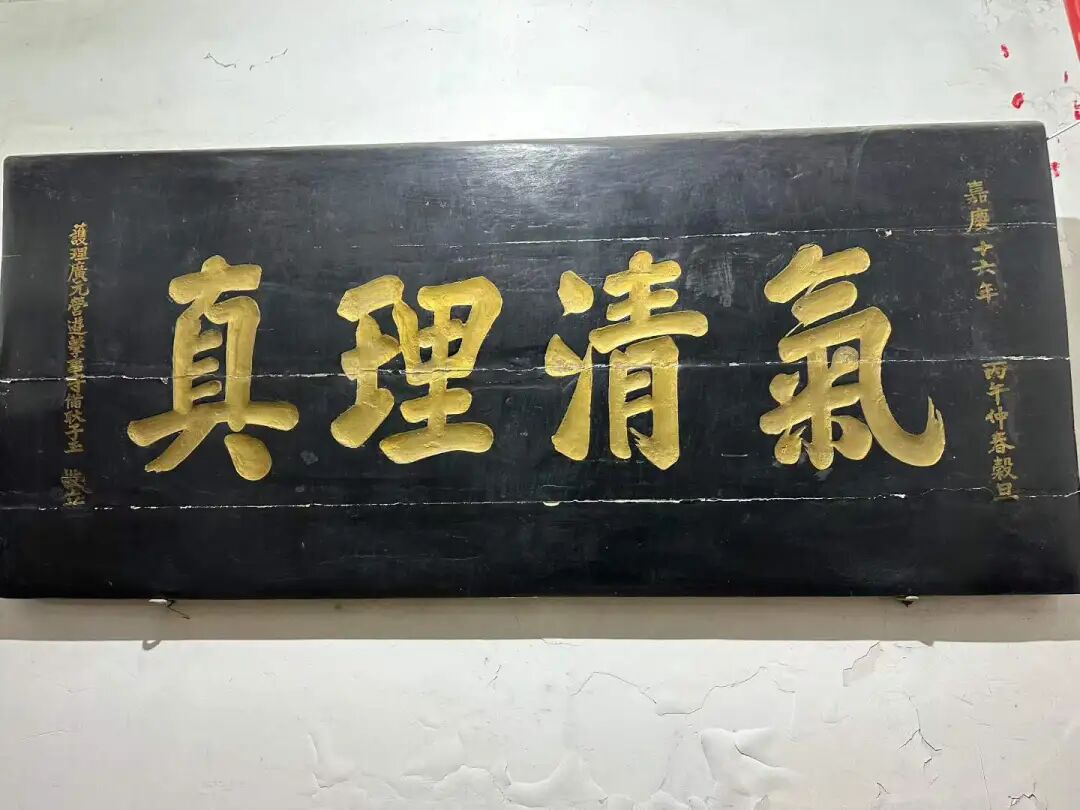
The 'Pure and True' (Qi Qing Li Zhen) plaque from 1811 (the 16th year of the Jiaqing reign) was set up by Geng Ziyu, a garrison commander in Guangyuan.
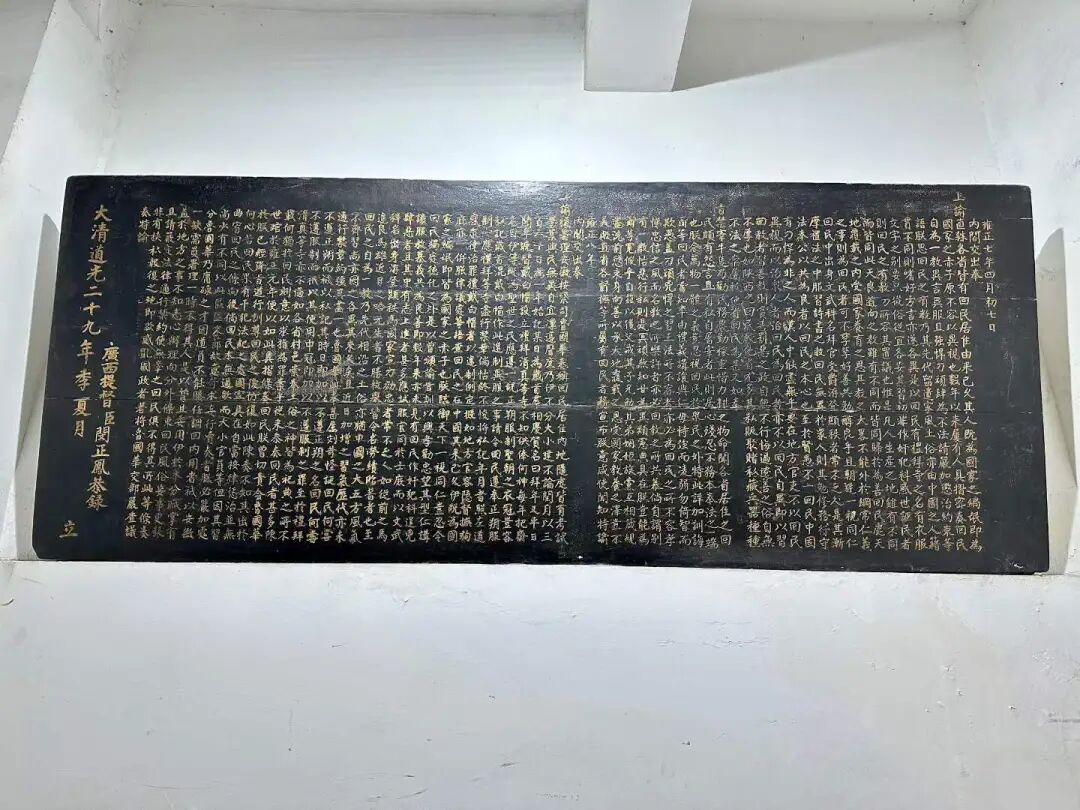
The small-character stone plaque from 1849 (the 29th year of the Daoguang reign) was written by Min Zhengfeng, the Governor of Guangxi, and records the historical facts of religious policy disputes regarding Hui Muslims during the Yongzheng reign and the imperial court's protection of Islam.
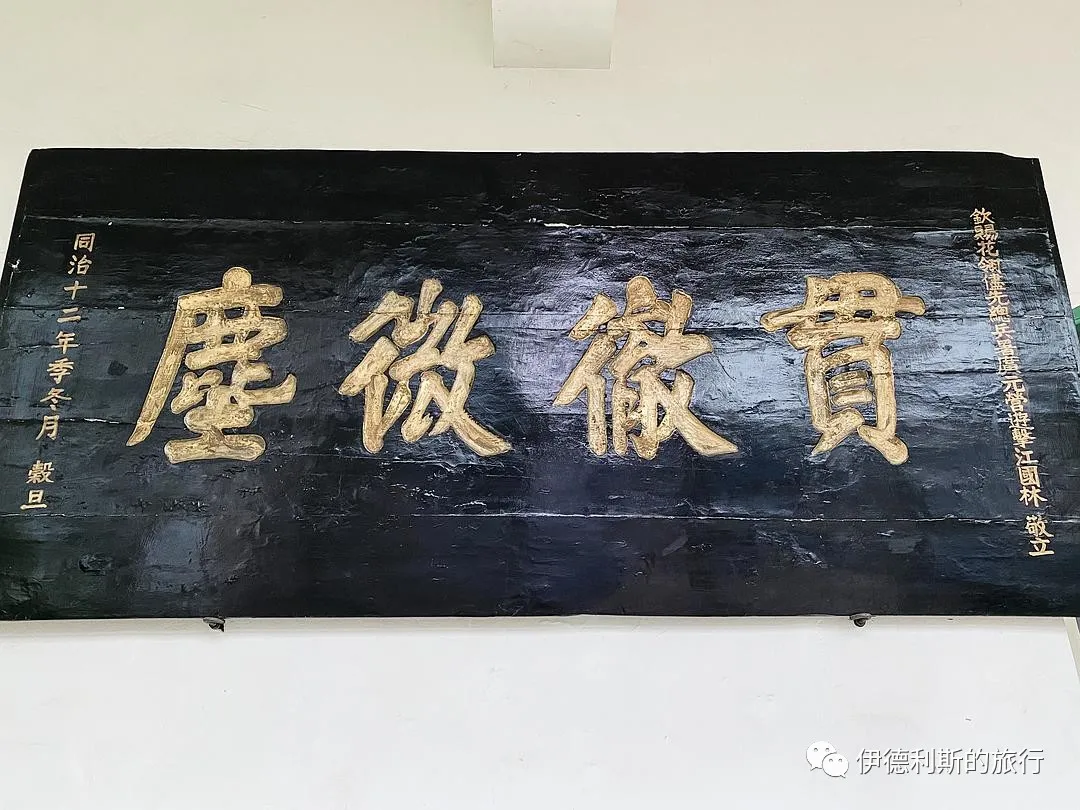
The 'Penetrating the Dust' (Guanche Weichen) plaque from 1873 (the 12th year of the Tongzhi reign) was set up by Jiang Guolin, an imperial-appointed garrison commander in Guangyuan.
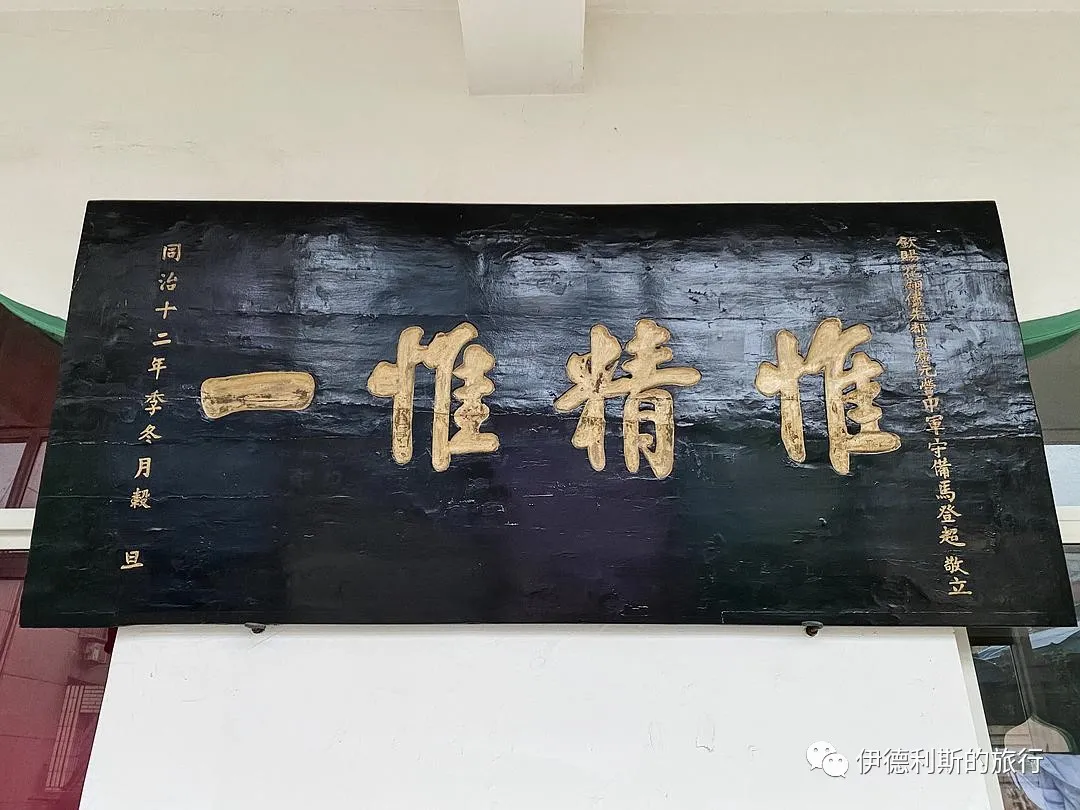
The 'Only Pure and Only One' (Wei Jing Wei Yi) plaque from 1873 (the 12th year of the Tongzhi reign) was set up by Ma Dengchao, an imperial-appointed garrison officer in Guangyuan.
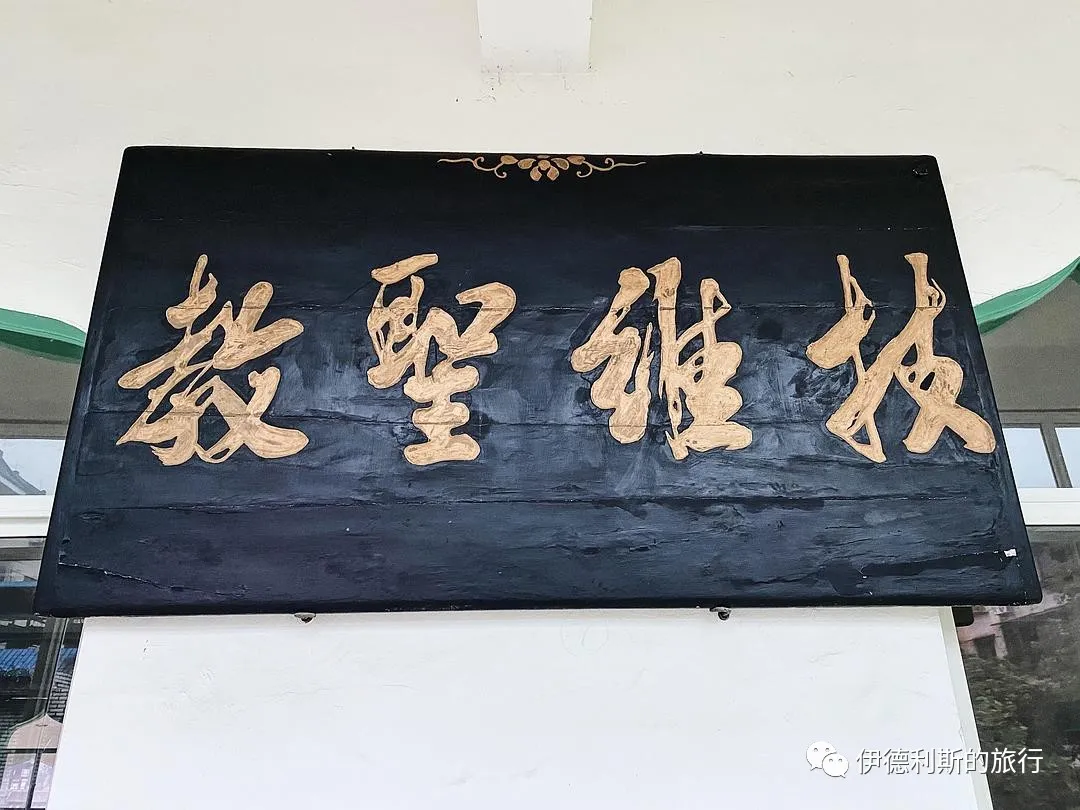
The 'Branch of the Holy Religion' (Zhi Wei Sheng Jiao) plaque from the Guangxu reign was presented by Mu Xiangfu, a garrison commander in Guangyuan.
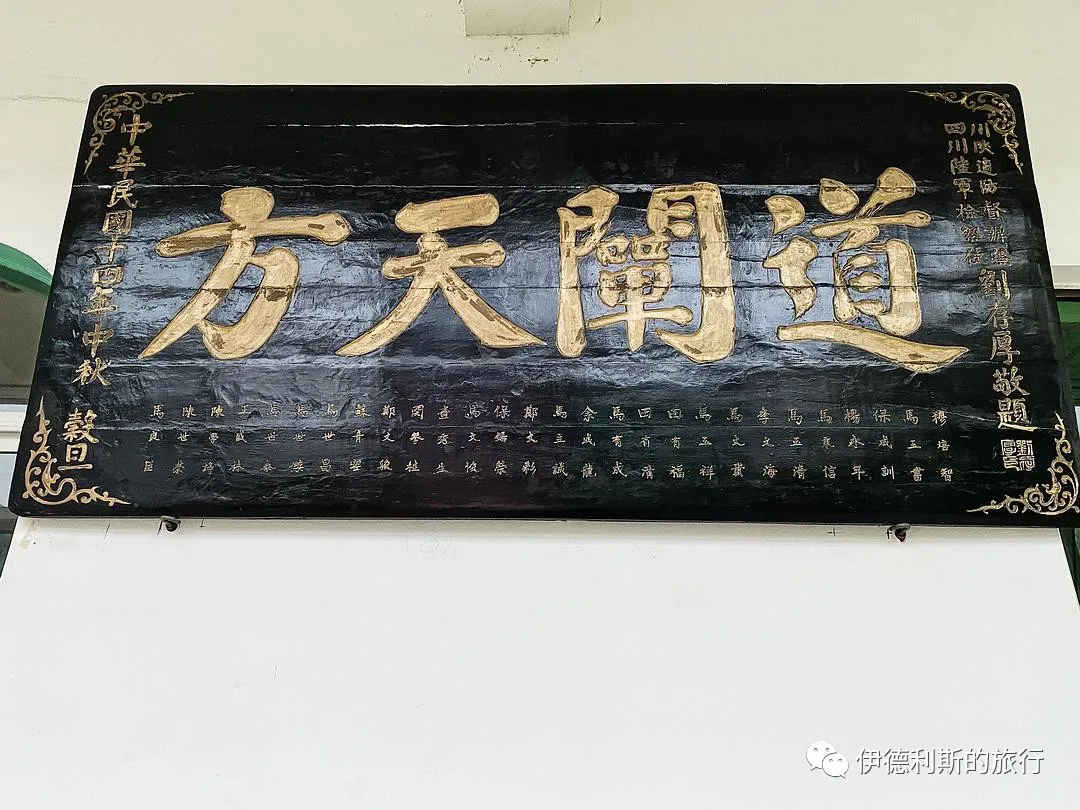
The 'Spreading the Faith' (Dao Chan Tian Fang) plaque from 1925 was inscribed by Liu Cunhou, the Commissioner of Sichuan-Shaanxi Border Defense and Inspector of the Sichuan Army.
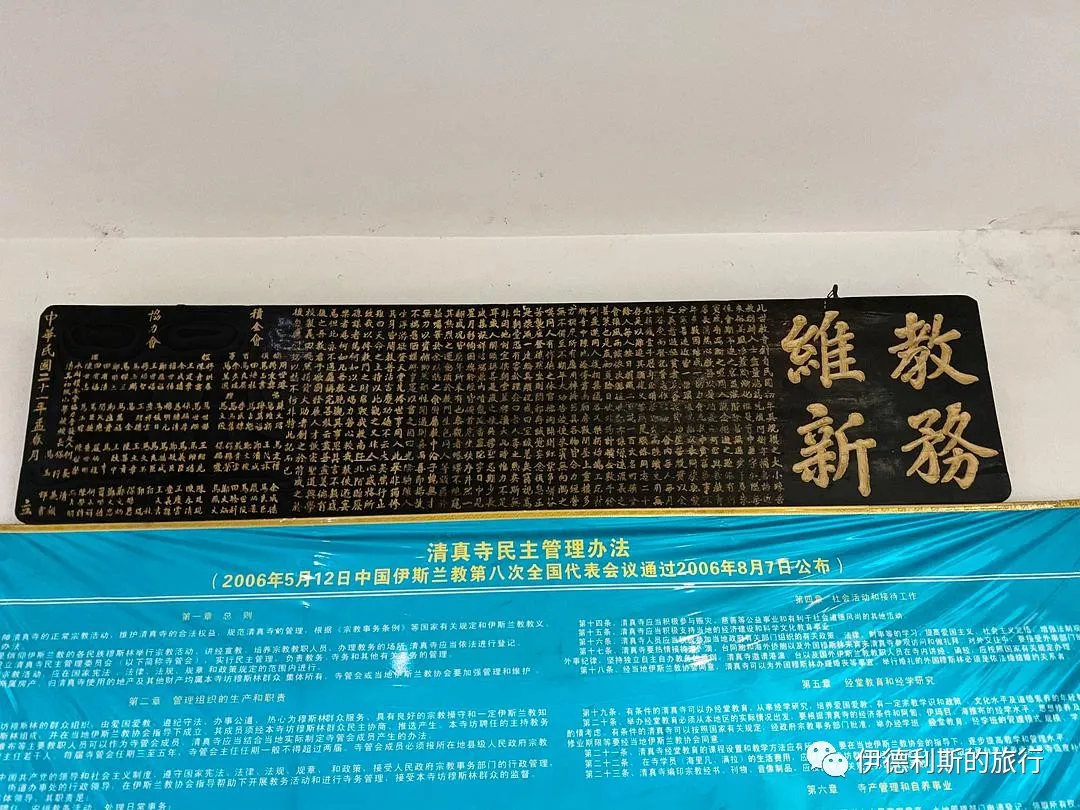
The 'Renewing Religious Affairs' (Jiaowu Weixin) plaque from 1932 was set up by the Guangyuan Hui Muslim Funeral Assistance Association.
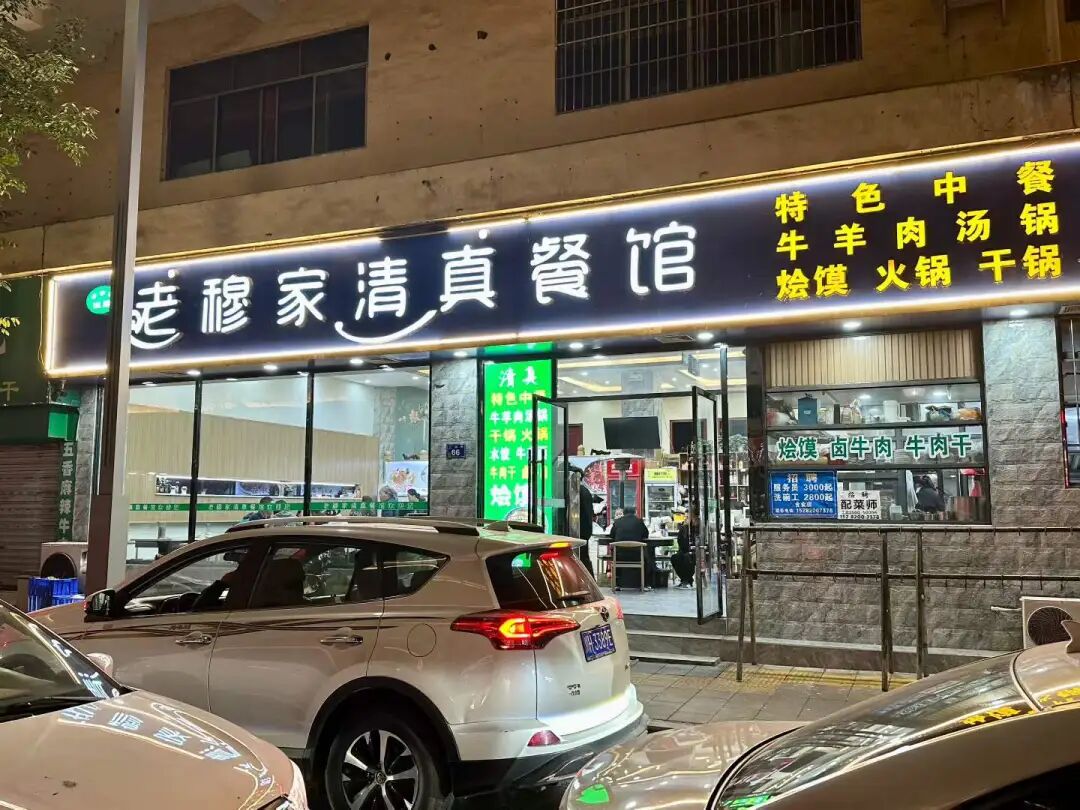
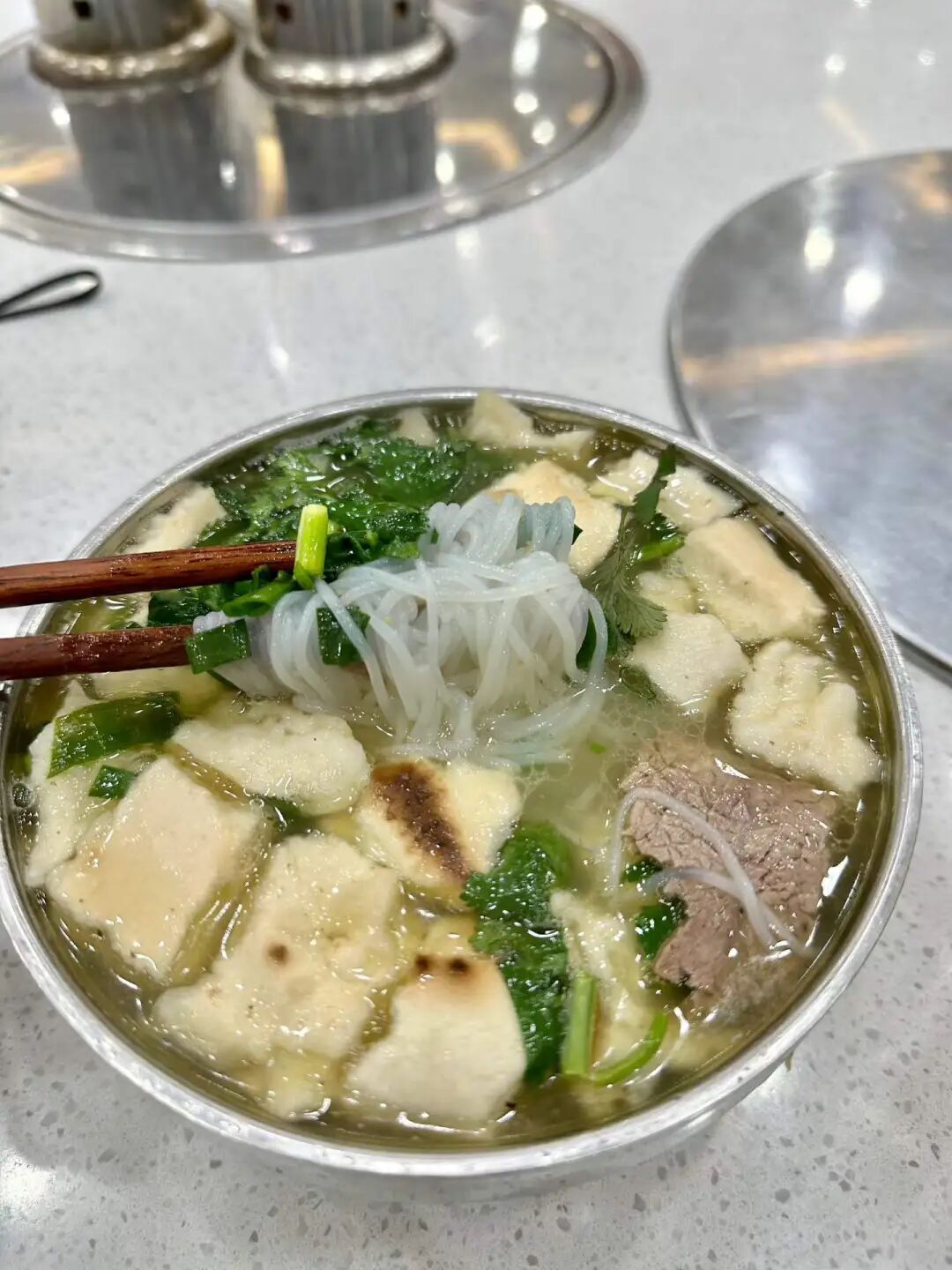
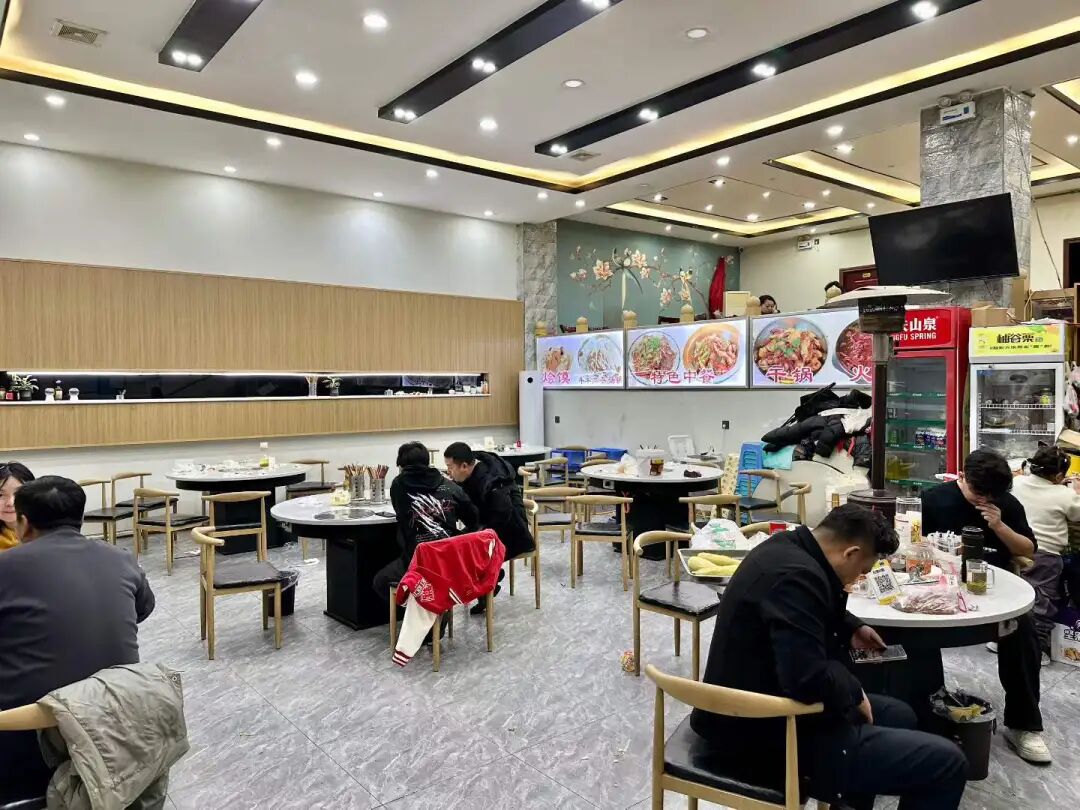
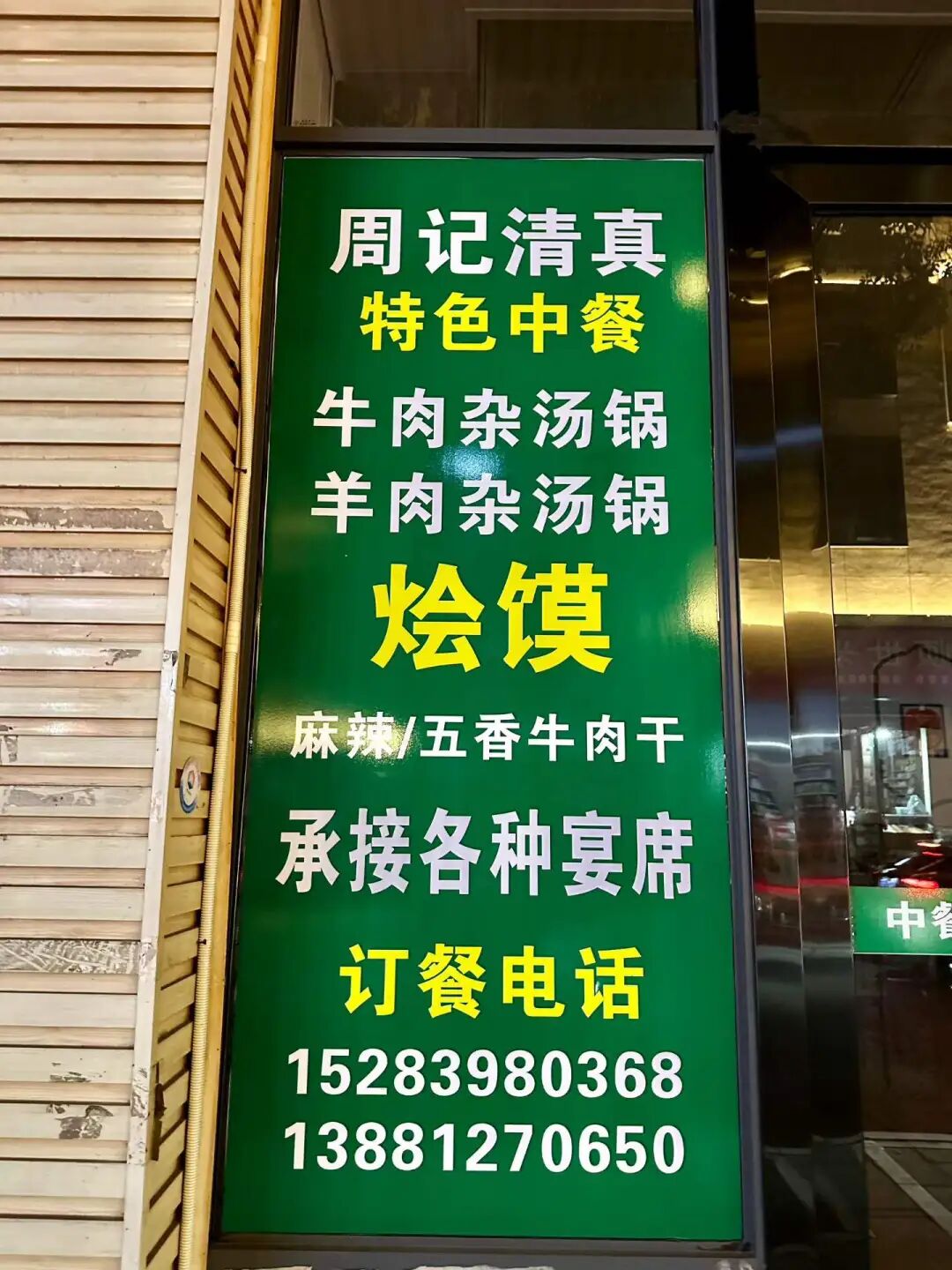
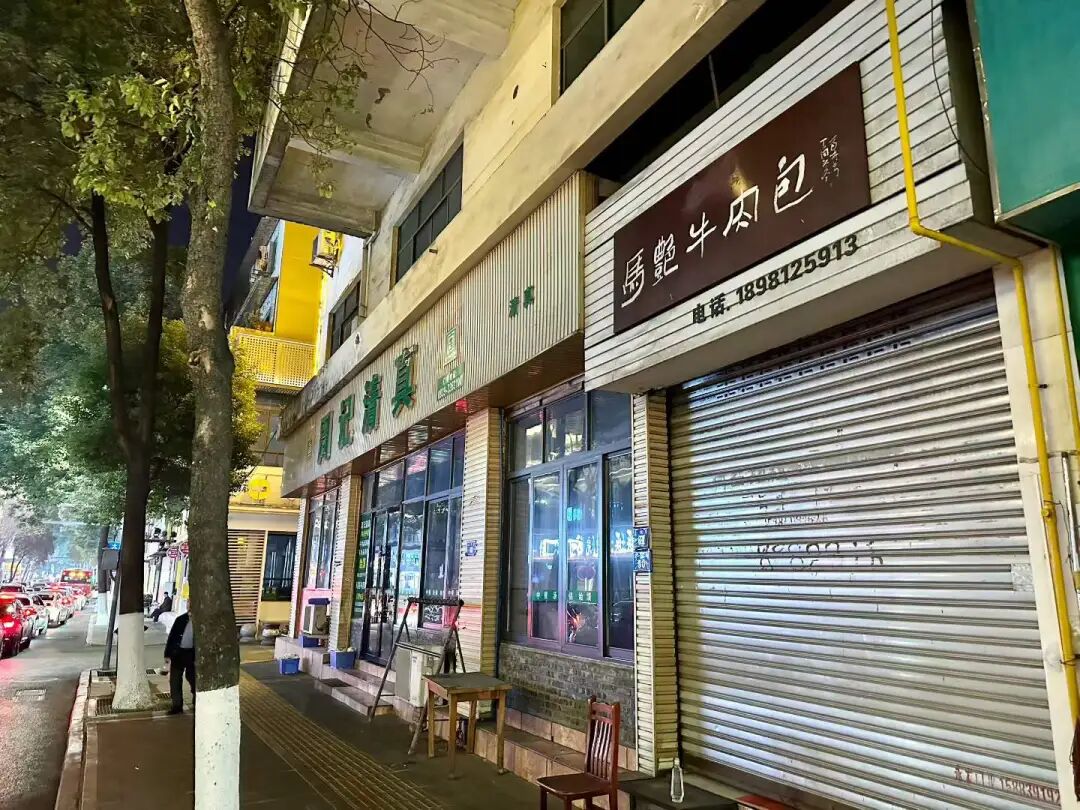
After finishing the Taraweeh prayers, I went behind the mosque to have some beef stew with flatbread (huimo). Because Guangyuan is close to Shaanxi and Gansu, the locals love eating huimo, which makes their food different from the rest of Sichuan. Guangyuan huimo is very different from Shaanxi-style soaked flatbread (paomo) because the bread is served in large, soft chunks that do not fall apart. The broth is made from beef bones and includes plenty of glass noodles. It is popular to eat huimo for breakfast in Guangyuan, but restaurants actually sell it all day long. Zhouji and Lao Mu Jia on Shanghe Street both serve huimo, and Lao Mu Jia stays open later.
The Mu-surname Hui Muslims in Guangyuan migrated from Shaanxi and Gansu along the Jialing River during the mid-Qing Dynasty. Most live in Mujiapo in Datian Town, and they run restaurants in places like the Guangyuan city center and Jiange County where you can taste local Hui Muslim specialties.
Summary: This Guangyuan stop follows Shanghe Street by the Jialing River, old mosque history, Hui Muslim community details, and the next stage of a Spring Festival road trip through Sichuan.
I traveled back along the Jialing River gorge from the Nine Wells, with river breezes and mountain shadows for company, and arrived at the Shanghe Street Mosque in Guangyuan just in time for iftar. The mosque was undergoing repairs during my visit, so prayers and iftar were held on the second floor. The layout was simple, but the atmosphere was incredibly quiet and solemn.
Guangyuan sits at the junction of Sichuan, Shaanxi, and Gansu provinces, serving as a key hub for water and land transport. The worshippers here are diverse, including friends (dost) from the northwest, international students studying here, and local elders who have lived here for generations. Their shared devotion creates a peaceful and inclusive environment.
The iftar meal was simple and home-style: warm and flavorful beef stewed with carrots (huluobo dun niurou), refreshing stir-fried wood ear mushrooms with asparagus lettuce (wosun chao mu'er), light and soothing kelp stewed with white radish (bailuobo dun haidai), plus cold glass noodles (liangban fensi) and pickled radish. It was simple, solid, steady, and healing.
The Shanghe Street Mosque in Guangyuan stands quietly by the Jialing River, right outside the bustling Jialing River Pedestrian Street. River breezes blow gently, and tourist boats shuttle back and forth at the pier in a constant stream, full of the lively noise of the city. Stepping into the mosque to quietly perform Taraweeh prayers, I felt deeply moved. Just one window away, the world outside is filled with the hustle and bustle of traffic and the busy, worldly life. Inside the window is a clean and peaceful place for spiritual practice, a quiet harbor to rest one's heart. The noise of the world and the peace of the ancient mosque blend together, creating a moment of stillness and a spiritual home by the busy river.
Guangyuan had a mosque built on East Street in the old city as early as the Yuan and Ming dynasties, but it was destroyed at the end of the Ming Dynasty. After the Qing Dynasty, the commercial center of Guangyuan gradually moved from East Street to the banks of the Jialing River. Therefore, local Hui Muslims built the Shanghe Street Mosque in 1721 (the 60th year of the Kangxi reign), though some say it started in 1674, and it was expanded in 1777 (the 42nd year of the Qianlong reign).
The mosque now houses nine precious plaques from the Qing Dynasty and the Republic of China era. In the 1960s and 1970s, these plaques were covered with layers of paper and painted red with slogans about national unity, which is how they survived. These nine plaques are now hung on the walls of the stairs and corridors inside the mosque.
The 'Mosque' (Qingzhensi) plaque from 1748 (the 13th year of the Qianlong reign) was rebuilt by the community in the 10th year of the Republic of China.
The 'Recognize Allah as One' (Renzhu Wu'er) plaque from 1803 (the 8th year of the Jiaqing reign) was presented by the imperial-appointed Baturu Min Huaixi.
The 'Pure and True' (Qi Qing Li Zhen) plaque from 1811 (the 16th year of the Jiaqing reign) was set up by Geng Ziyu, a garrison commander in Guangyuan.
The small-character stone plaque from 1849 (the 29th year of the Daoguang reign) was written by Min Zhengfeng, the Governor of Guangxi, and records the historical facts of religious policy disputes regarding Hui Muslims during the Yongzheng reign and the imperial court's protection of Islam.
The 'Penetrating the Dust' (Guanche Weichen) plaque from 1873 (the 12th year of the Tongzhi reign) was set up by Jiang Guolin, an imperial-appointed garrison commander in Guangyuan.
The 'Only Pure and Only One' (Wei Jing Wei Yi) plaque from 1873 (the 12th year of the Tongzhi reign) was set up by Ma Dengchao, an imperial-appointed garrison officer in Guangyuan.
The 'Branch of the Holy Religion' (Zhi Wei Sheng Jiao) plaque from the Guangxu reign was presented by Mu Xiangfu, a garrison commander in Guangyuan.
The 'Spreading the Faith' (Dao Chan Tian Fang) plaque from 1925 was inscribed by Liu Cunhou, the Commissioner of Sichuan-Shaanxi Border Defense and Inspector of the Sichuan Army.
The 'Renewing Religious Affairs' (Jiaowu Weixin) plaque from 1932 was set up by the Guangyuan Hui Muslim Funeral Assistance Association.
After finishing the Taraweeh prayers, I went behind the mosque to have some beef stew with flatbread (huimo). Because Guangyuan is close to Shaanxi and Gansu, the locals love eating huimo, which makes their food different from the rest of Sichuan. Guangyuan huimo is very different from Shaanxi-style soaked flatbread (paomo) because the bread is served in large, soft chunks that do not fall apart. The broth is made from beef bones and includes plenty of glass noodles. It is popular to eat huimo for breakfast in Guangyuan, but restaurants actually sell it all day long. Zhouji and Lao Mu Jia on Shanghe Street both serve huimo, and Lao Mu Jia stays open later.
The Mu-surname Hui Muslims in Guangyuan migrated from Shaanxi and Gansu along the Jialing River during the mid-Qing Dynasty. Most live in Mujiapo in Datian Town, and they run restaurants in places like the Guangyuan city center and Jiange County where you can taste local Hui Muslim specialties.
