
Best Hui Muslim Food in Shaoyang: Hunan Rice Noodles, Beef and Local Halal Dishes
Reposted from the web
Summary: This Shaoyang halal food guide follows Hui Muslim food in Hunan, including rice noodles, beef dishes, local snacks, and the author’s mosque-and-food route through the city.
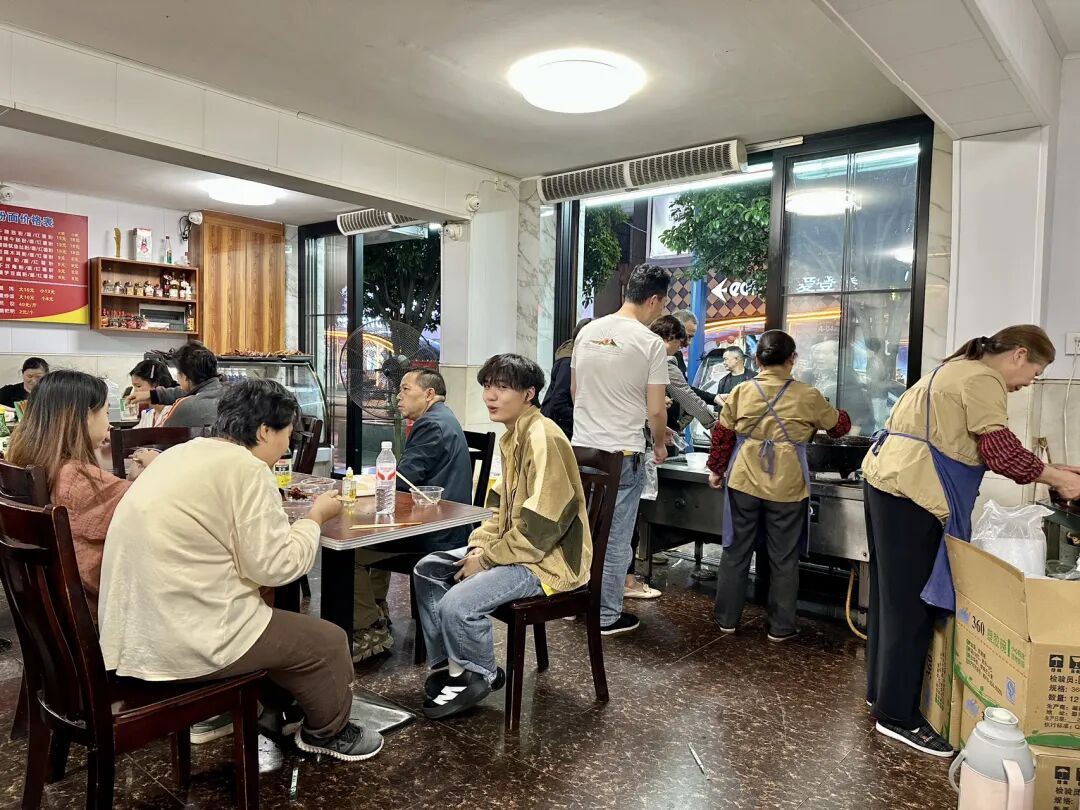
On May 1st, I arrived in Shaoyang from Changsha, Hunan, in the evening to slurp authentic Shaoyang rice noodles (shaoyang fen) at the long-standing Hui Muslim Restaurant No. 1 on Dongfeng Road.
The two most famous Hui Muslim noodle shops in Shaoyang are Hui Muslim Restaurant No. 1 on Dongfeng Road and Hui Muslim Restaurant No. 2 on Hongqi Road. Both grew out of the Shaoyang Hui Muslim Canteen, which was formed in 1956 during the public-private partnership era by elders from the Shaoyang South Mosque and East Mosque. In 1960, the Shaoyang Hui Muslim Canteen split into Hui Muslim Canteen No. 1 on Dongfeng Road and Hui Muslim Canteen No. 2 on Hongqi Road. After restructuring in 1982, they were renamed Hui Muslim Restaurant No. 1 and Hui Muslim Restaurant No. 2. Today, both shops operate at their original locations, serving traditional Shaoyang Hui Muslim noodles and various snacks.
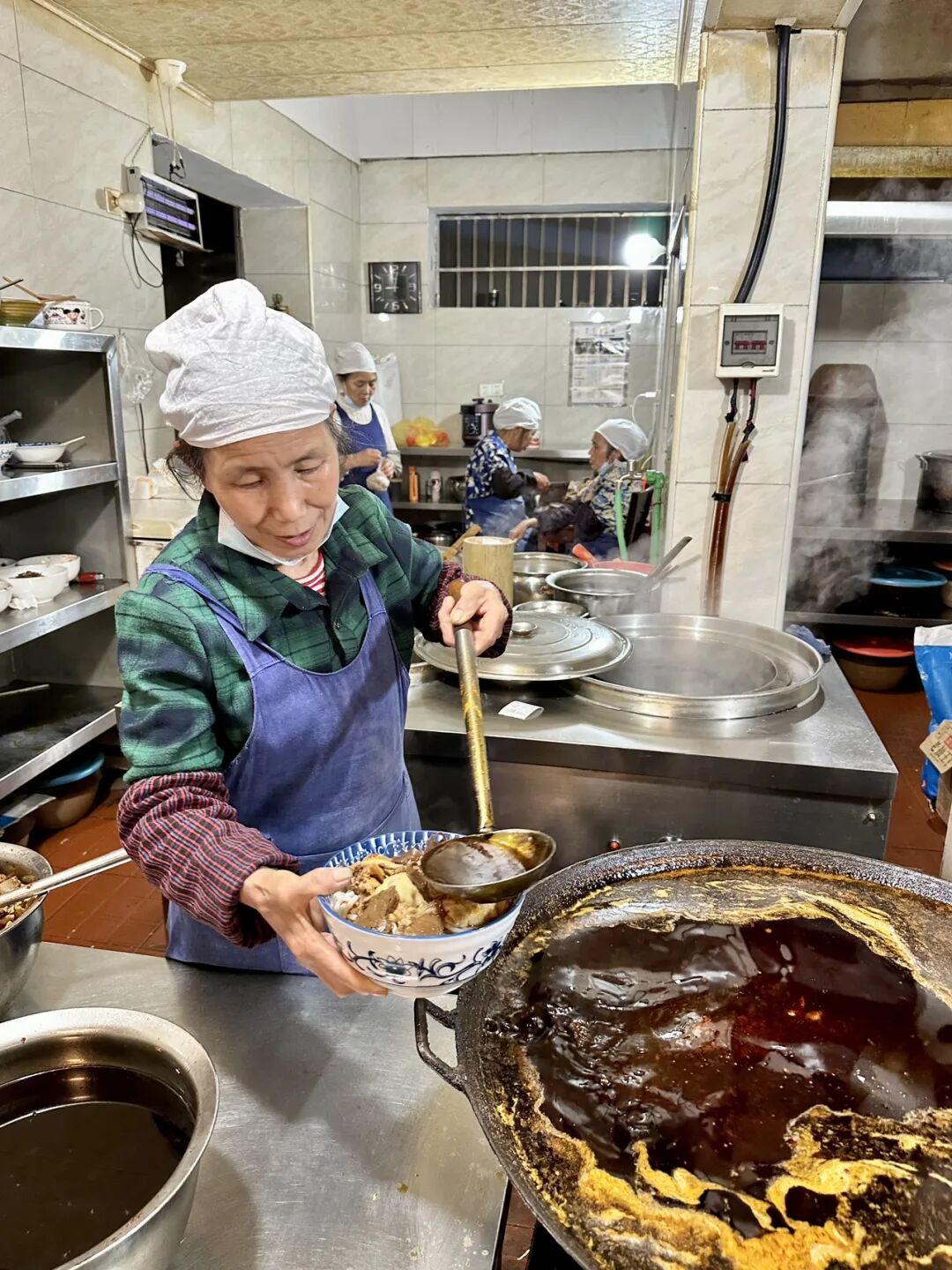
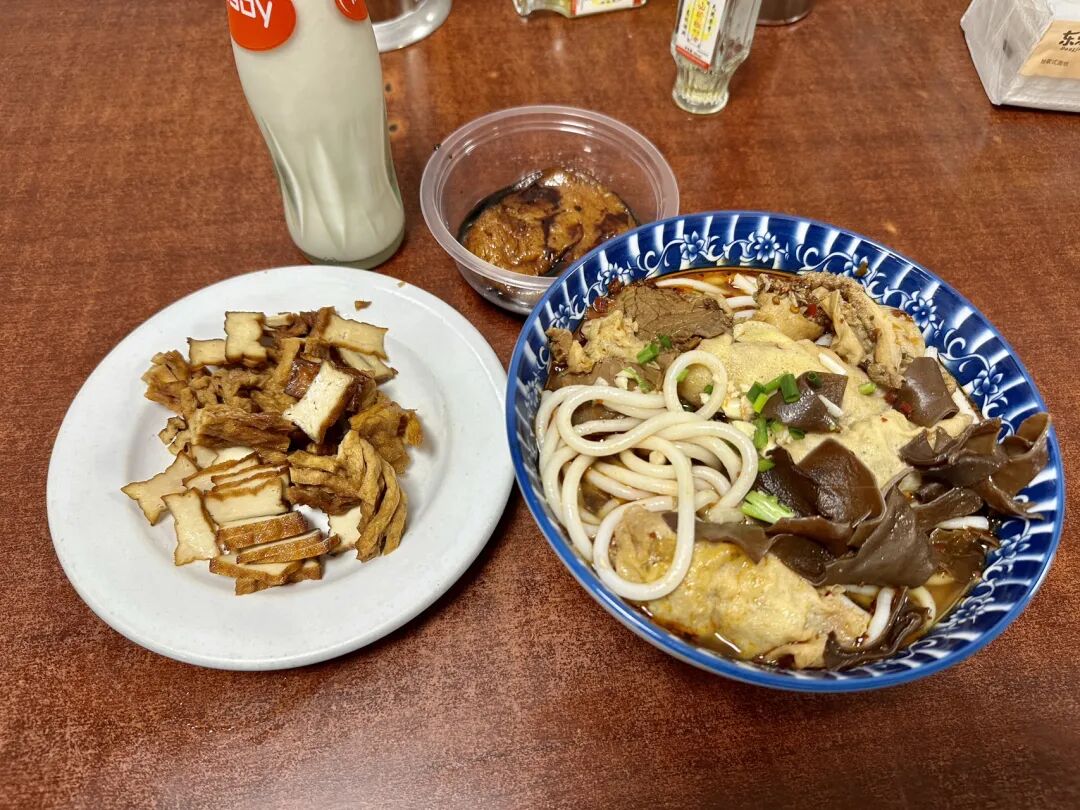
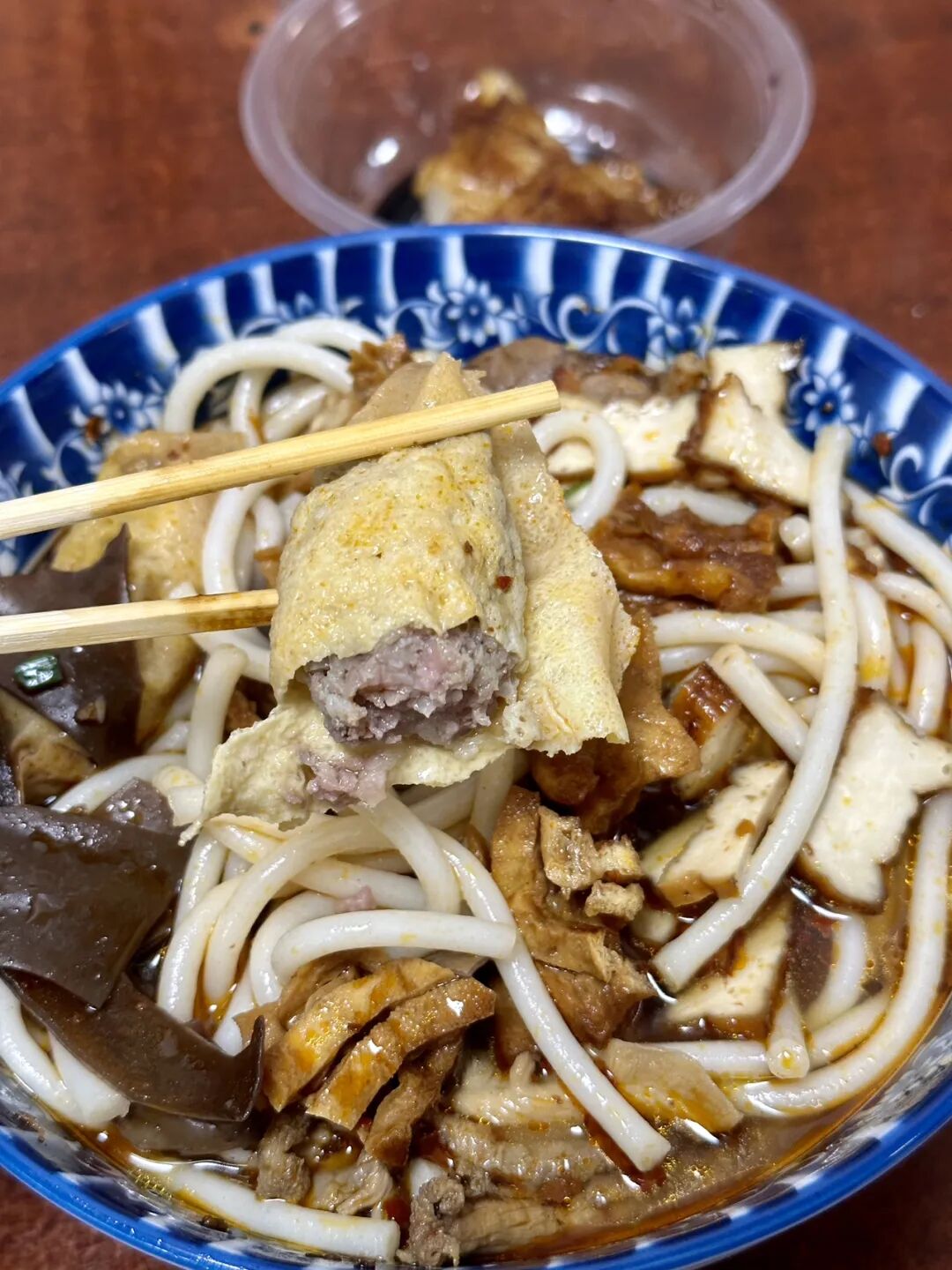
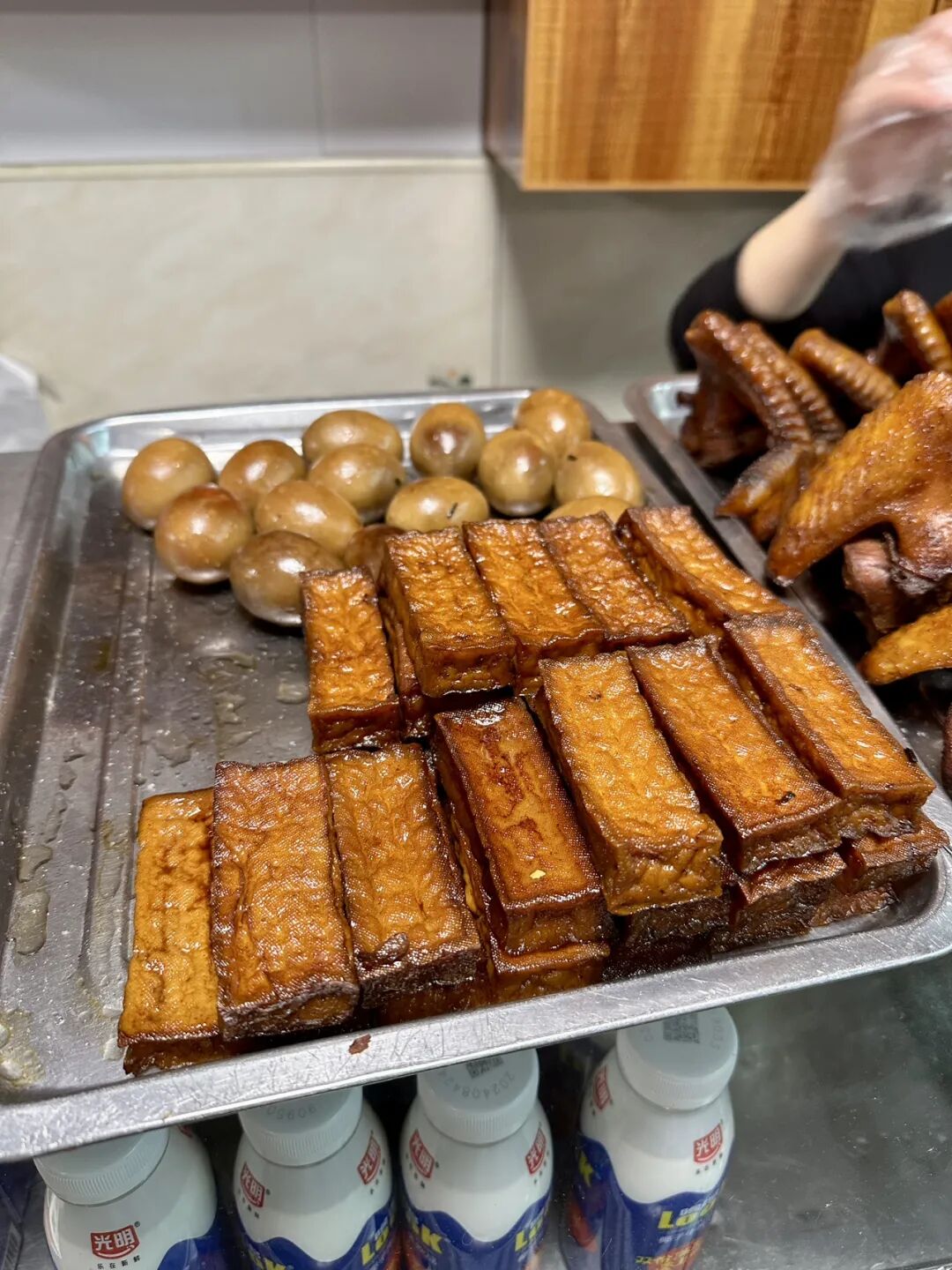
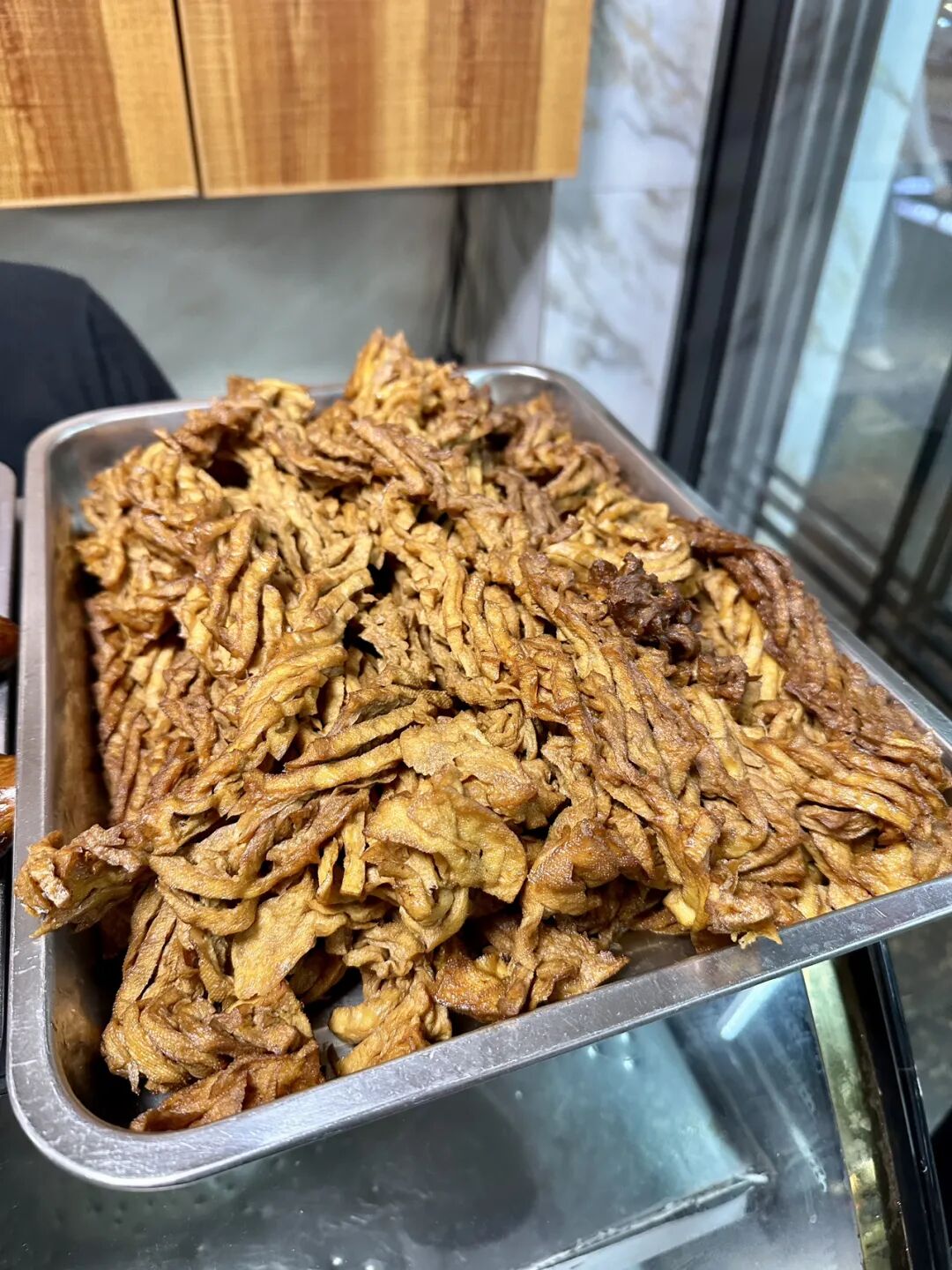
Shaoyang noodles are known for being thick, round, and chewy, served in bright red chili oil. The Hui Muslim version is especially famous for its slow-cooked beef bone broth and large slices of beef. I ordered the top-tier three-delicacy noodles, which included beef egg dumplings, beef tripe, and large slices of beef, plus dried butterfly-shaped tofu (hudiegan) and pressed tofu (xianggan). This was my first time trying Hunan beef egg dumplings. They tasted great and felt very healthy. The beef tripe was chewy but not tough, and the beef was delicious. I asked the lady making the noodles for a mild spice level, and the heat was just right.
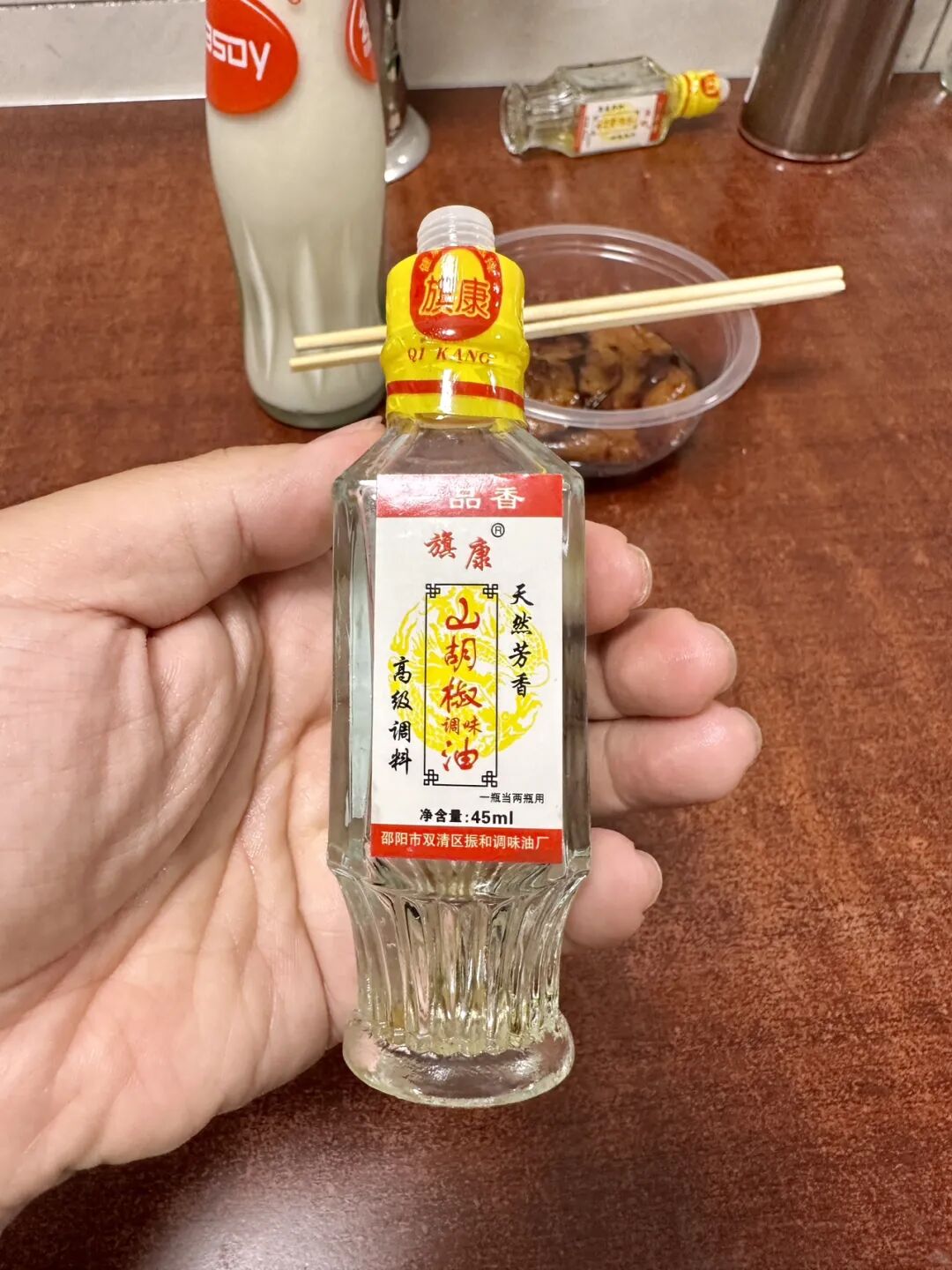
The soul of Shaoyang noodles is the local mountain pepper oil (shanhujiao you). It is made by mixing mountain spice (shancangzi) with vegetable oil, giving it a crisp lemon scent with hints of mint and ginger.
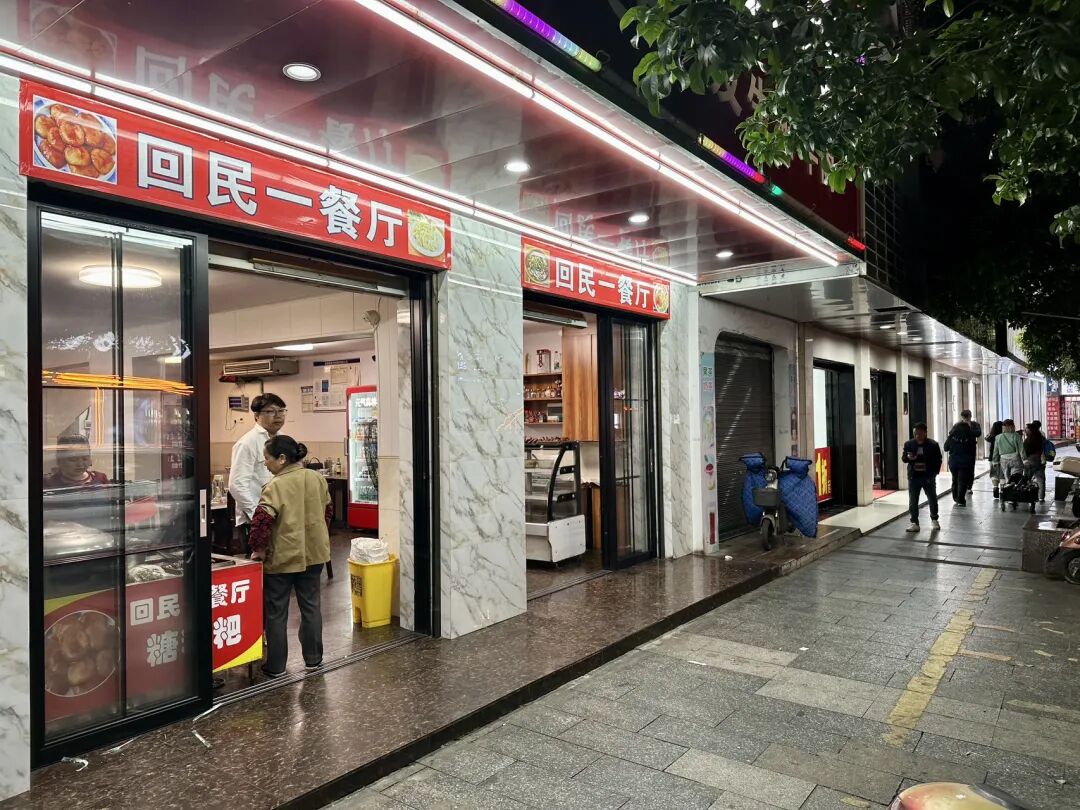
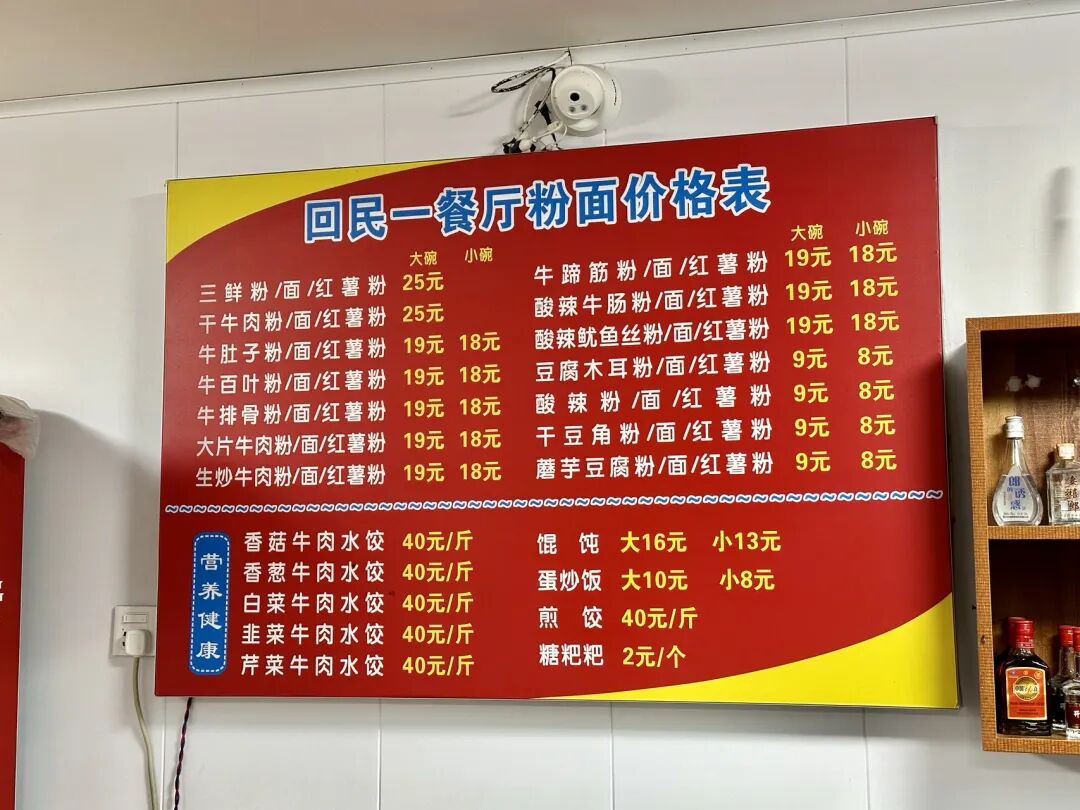
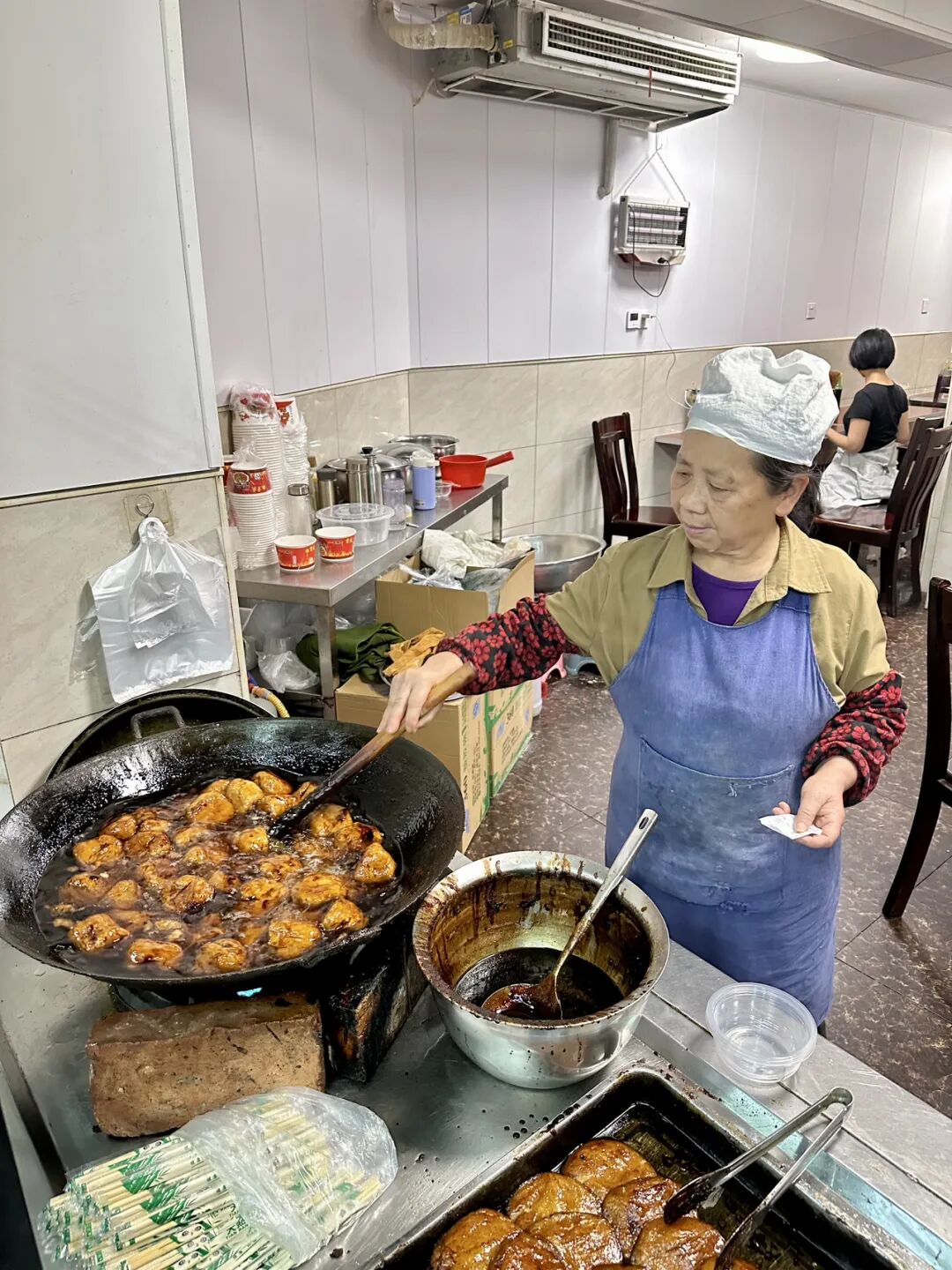
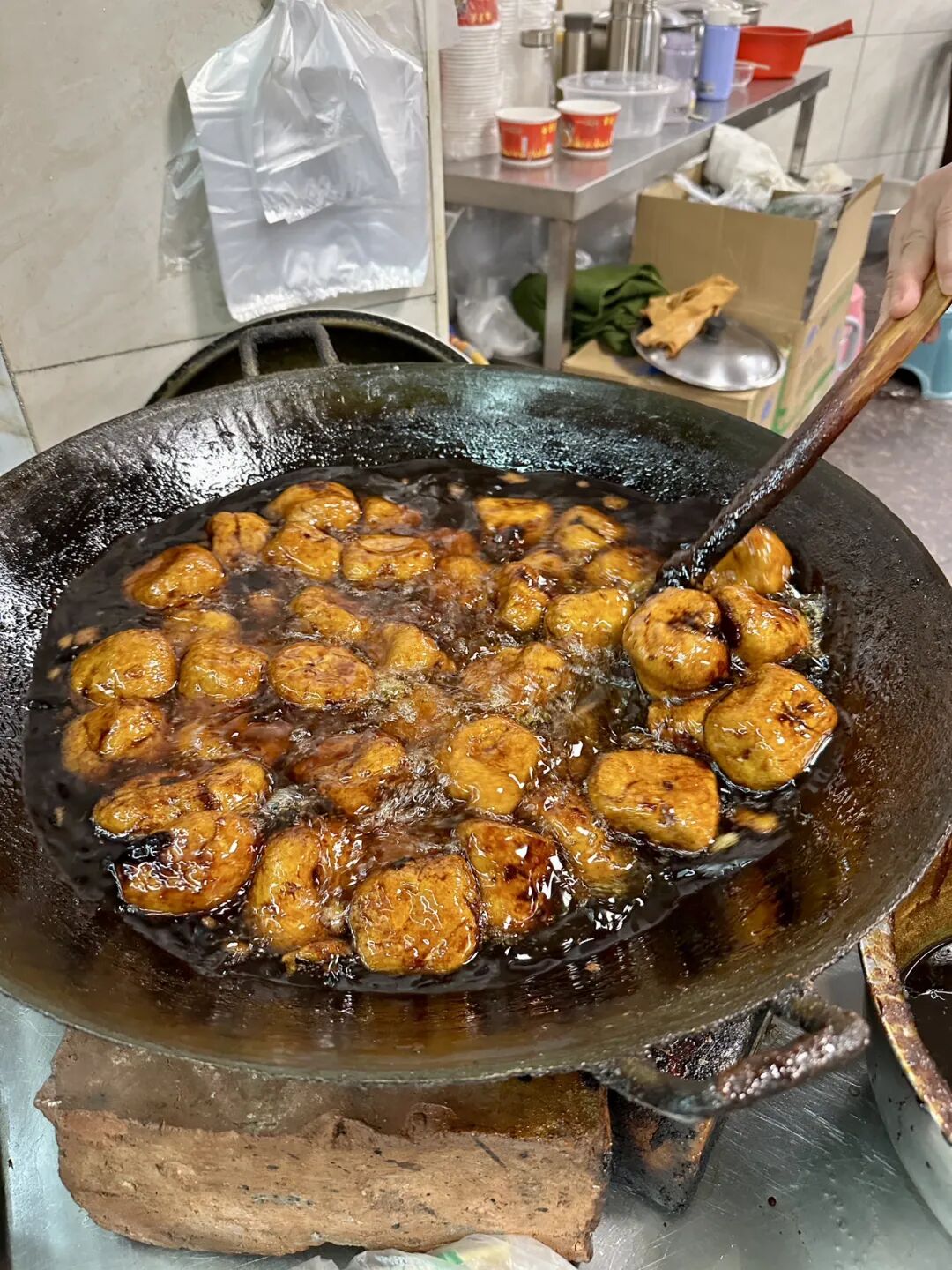
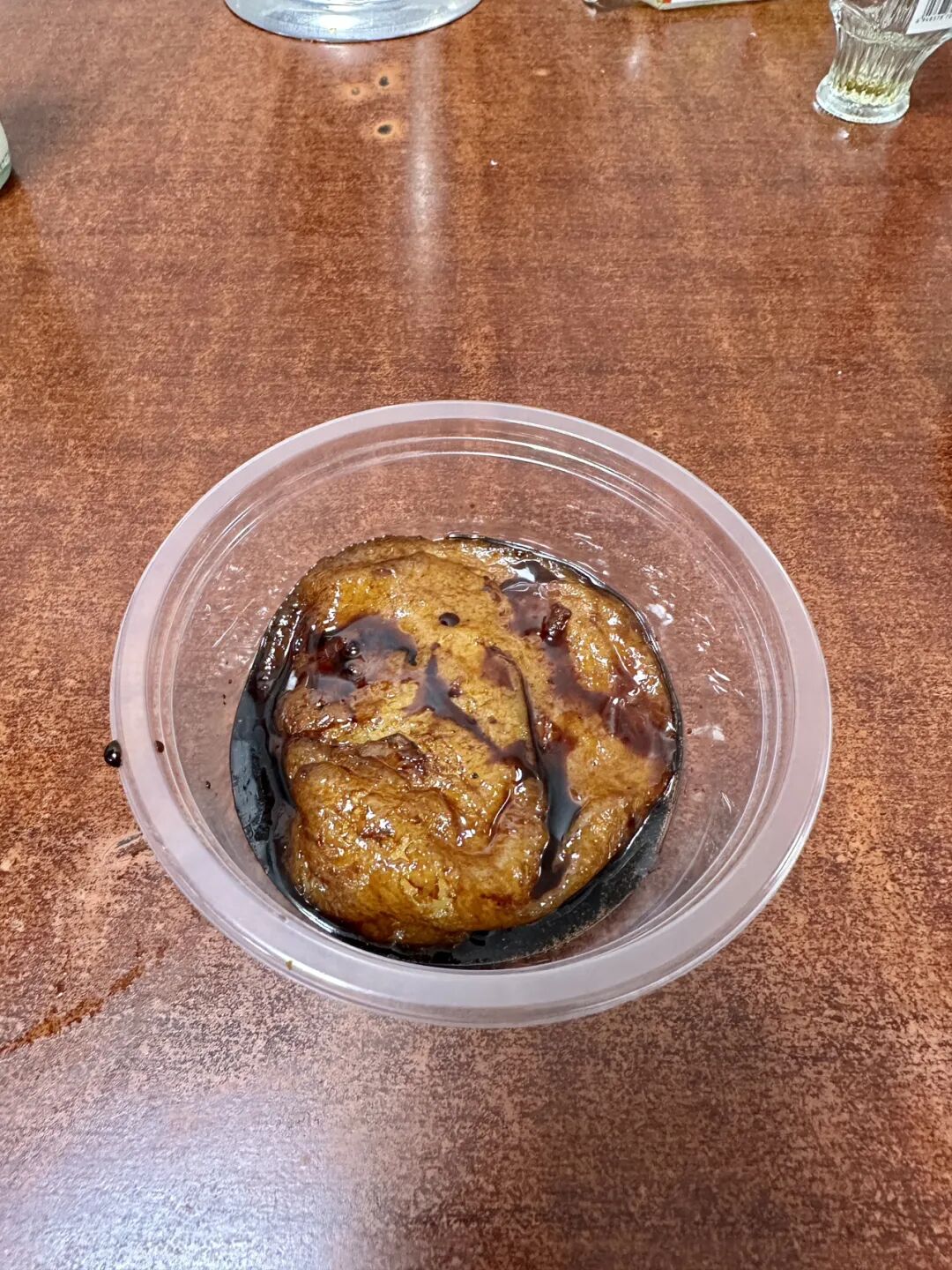
Another very popular item at the shop is the freshly fried brown sugar rice cake (hongtang baba). Brown sugar is a Shaoyang specialty. The local sugarcane has high sugar content, and the white frost on the surface is very nutritious. The resulting brown sugar is sweet but not cloying, with a rich, lingering sweetness and a unique sugarcane aroma. The brown sugar rice cakes cost two yuan each, and many people out for an evening stroll buy them to eat.
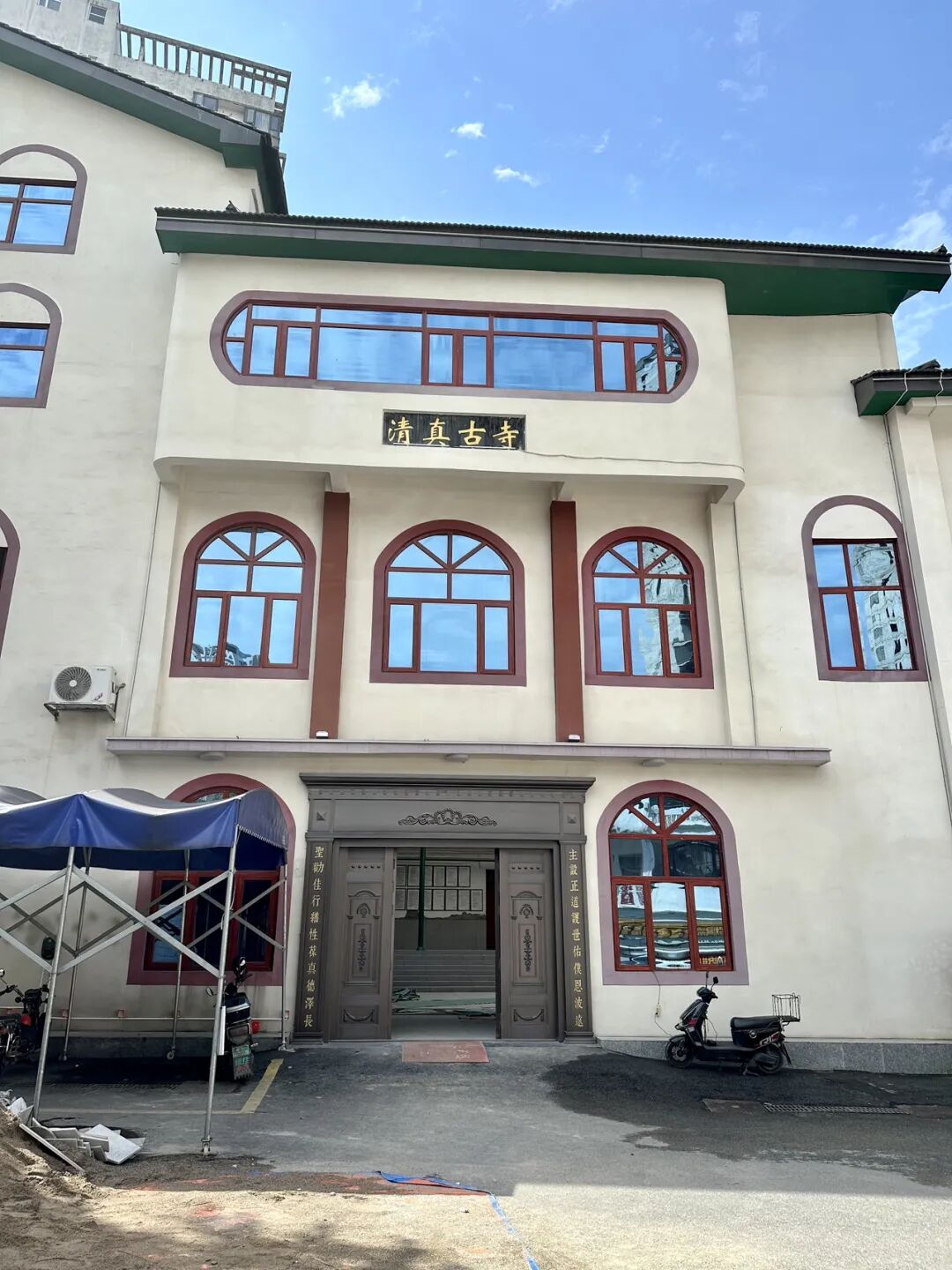
Near Hui Muslim Restaurant No. 1 is the Shaoyang East Mosque. This is the oldest Hui mosque in Hunan, first built in 1368 (the first year of the Hongwu reign of the Ming Dynasty), which is why it is called the ancient mosque or old mosque.
In the first year of the Hongwu reign, the first Hui Muslim families to move to Shaoyang were the Ma, Zhang, and Su families. In the second year, the Hai and Cai families arrived, forming the five founding families of the Shaoyang East Mosque. The ancestor of the Ma family, Ma Cheng, was originally from Taixing, Jiangsu. During the Yuan Dynasty, he served as an official in the Privy Council. In the first year of the Hongwu reign, he retired and moved to Shaoyang. Because his descendants were granted the hereditary title of 'Hundred-Household' official, they became known as the Hundred-Household Ma family. The ancestor of the Zhang family, Pu Luode, was originally from Sanhe, Langfang, Hebei. In the first year of the Hongwu reign, he was appointed as a commander in the Baoqing Guard and moved to Shaoyang. The Ming Emperor gave him the surname Zhang. The ancestor of the Su family, Su Tong, was originally from Beijing. During the Hongwu reign, he was appointed as a commander and moved to Shaoyang. The ancestor of the Hai family, Hai Mengshi, was originally from Shunyi District, Beijing. In the second year of the Hongwu reign, he was appointed to the Baoqing Guard and later settled in Hai Family Lane in Shaoyang. At the end of the Yuan Dynasty, the Cai family ancestor lived in the Hui Muslim camp outside the south gate of Nanjing. In the second year of the Hongwu reign, he was appointed as a commander and moved to Shaoyang.
The original location of the Shaoyang East Mosque is unknown. It is only known that it was moved from near the ancient Baihe Mosque in Tianjiawan Third Lane inside the city to the cattle slaughtering area (niuping) at the north end of Goutoupo, facing the Shaofu Street entrance. Because the cattle slaughtering area was near a Buddhist nunnery, it faced frequent interference, and the building was too small. In 1743 (the eighth year of the Qianlong reign), they traded land with the Gao and Liu families from Zhangjiachong outside the city and rebuilt it at the current location of the East Mosque.
The Shaoyang East Mosque was renovated in 1836 (the sixteenth year of the Daoguang reign), bombed by the Japanese army in 1944, and repaired in 1954. The main hall collapsed again in 1986, was rebuilt in 1990, and took on its current appearance after a Sinicization renovation in 2021.
The Zhangjiachong entrance near the Shaoyang East Mosque has always been the main hub for Hui Muslim food businesses. During the Republic of China era, it was home to halal eateries like Sihailou, Shuangfaguan, Dongheguan, Dongheyuan, Cuixiangyuan, and Fengfayuan, where a bowl of rice noodles paired with a bowl of rice was the popular meal. In 1956, these eateries were brought under the management of the city's catering company, which became the predecessor to today's Hui Muslim Restaurant No. 1.
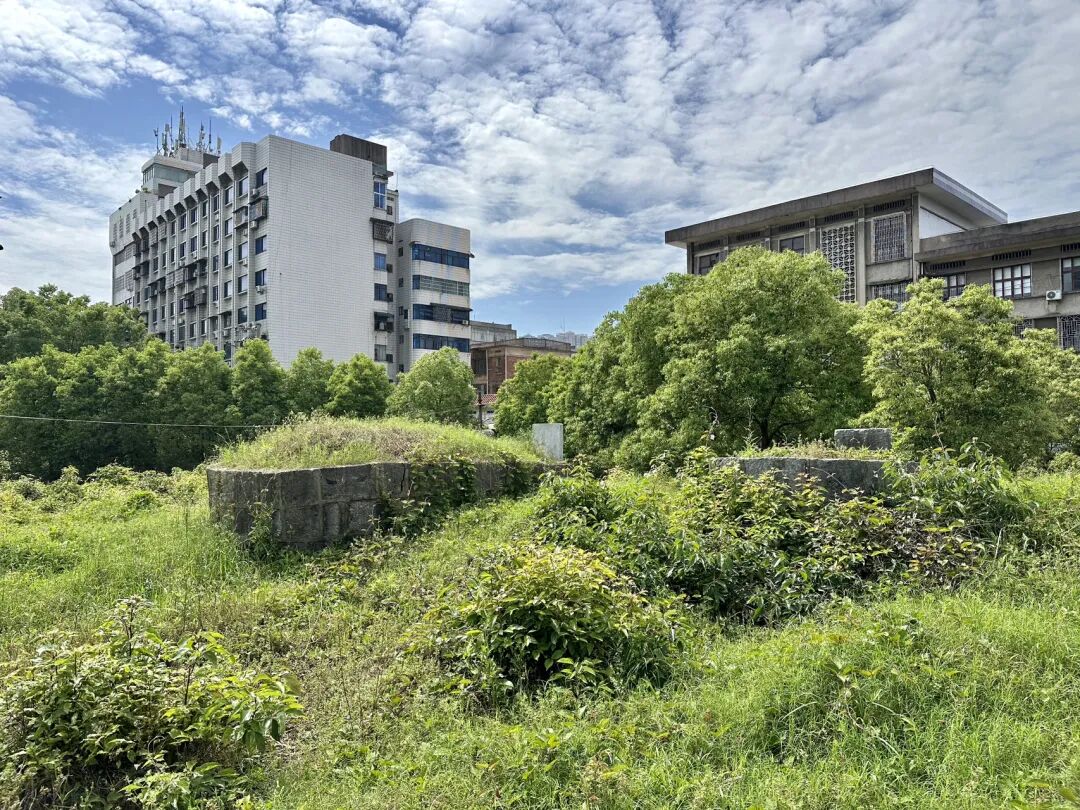
The cemetery for the Ma, Zhang, and Hai families of Shaoyang Hui Muslims is located at the west end of Xihu Bridge. The Shaoyang South Mosque moved next to the cemetery in 1992, and the area has since become a major gathering place for Shaoyang's Hui Muslims.
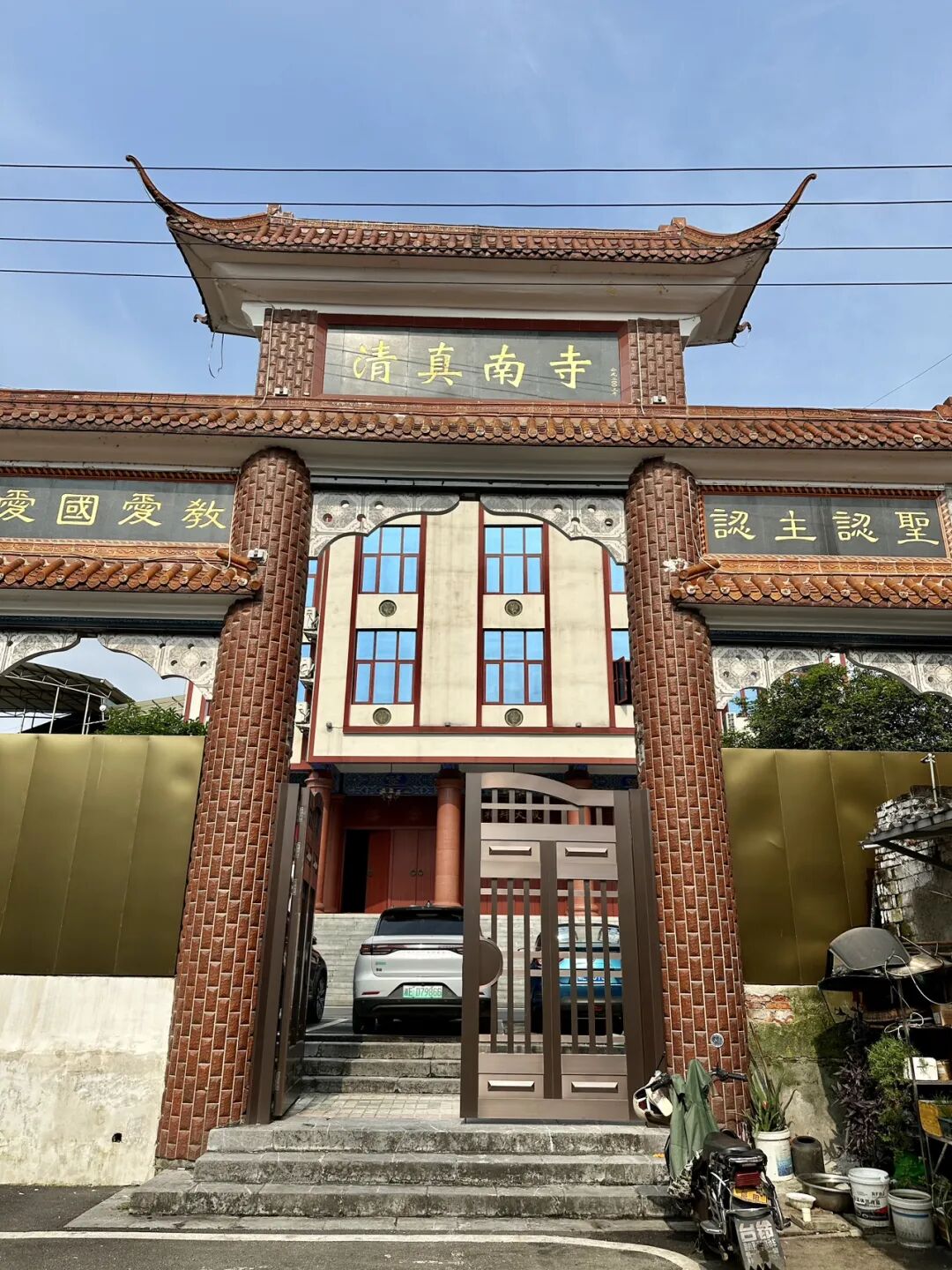
The Shaoyang South Mosque was originally located at Jinjiatai outside the South Gate. It was built in 1914 under the leadership of Ma Xiangwu and other local Hui Muslims, with Ma Linyi donating a significant amount of funds. In 1985, due to the construction of National Highway 207, the South Mosque was moved next to the Hui Muslim cemetery and rebuilt to its original size. The original contractor cut corners, leaving the main hall unusable. It was demolished and rebuilt, and the current structure was officially completed in 1992.
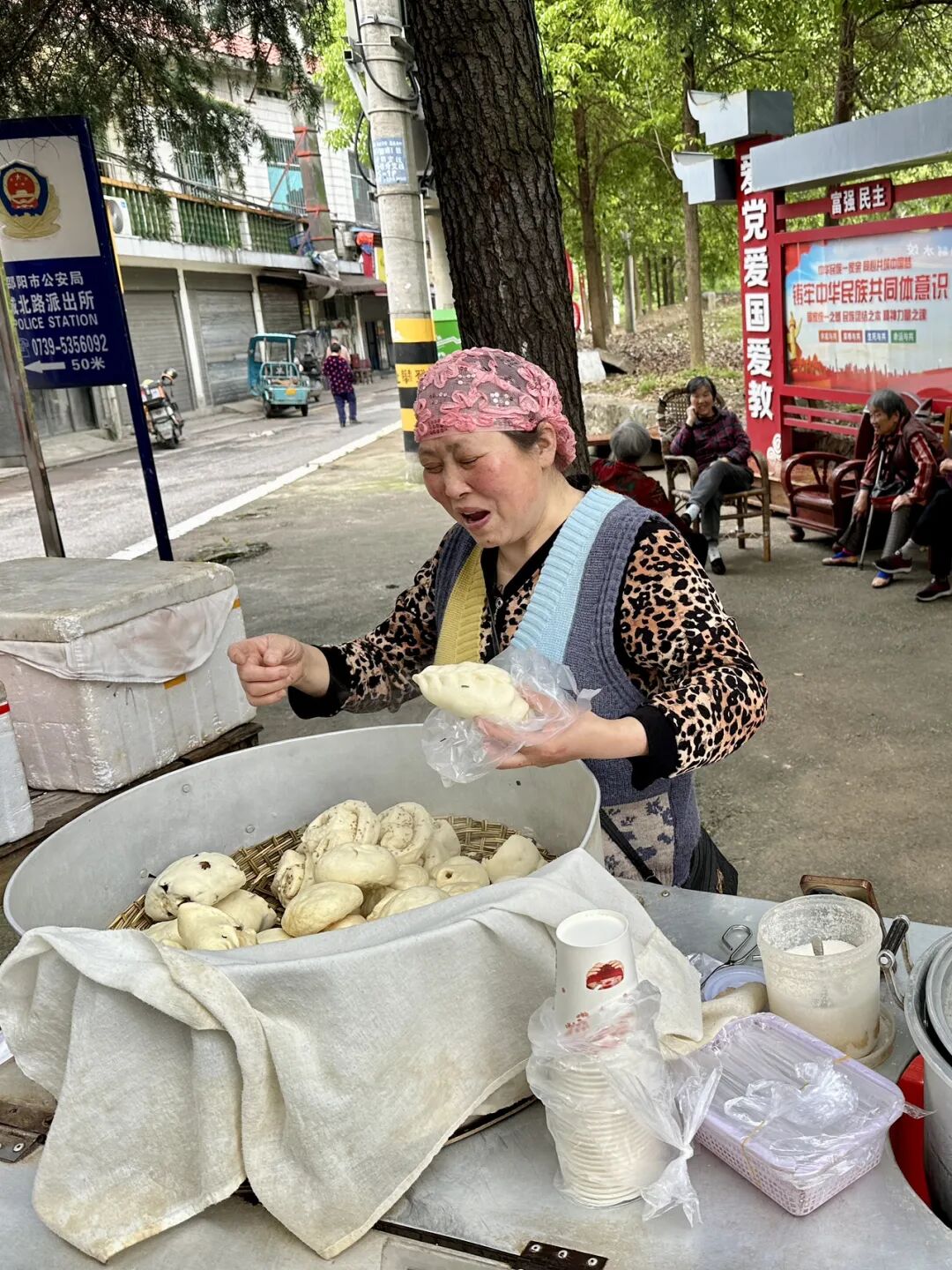
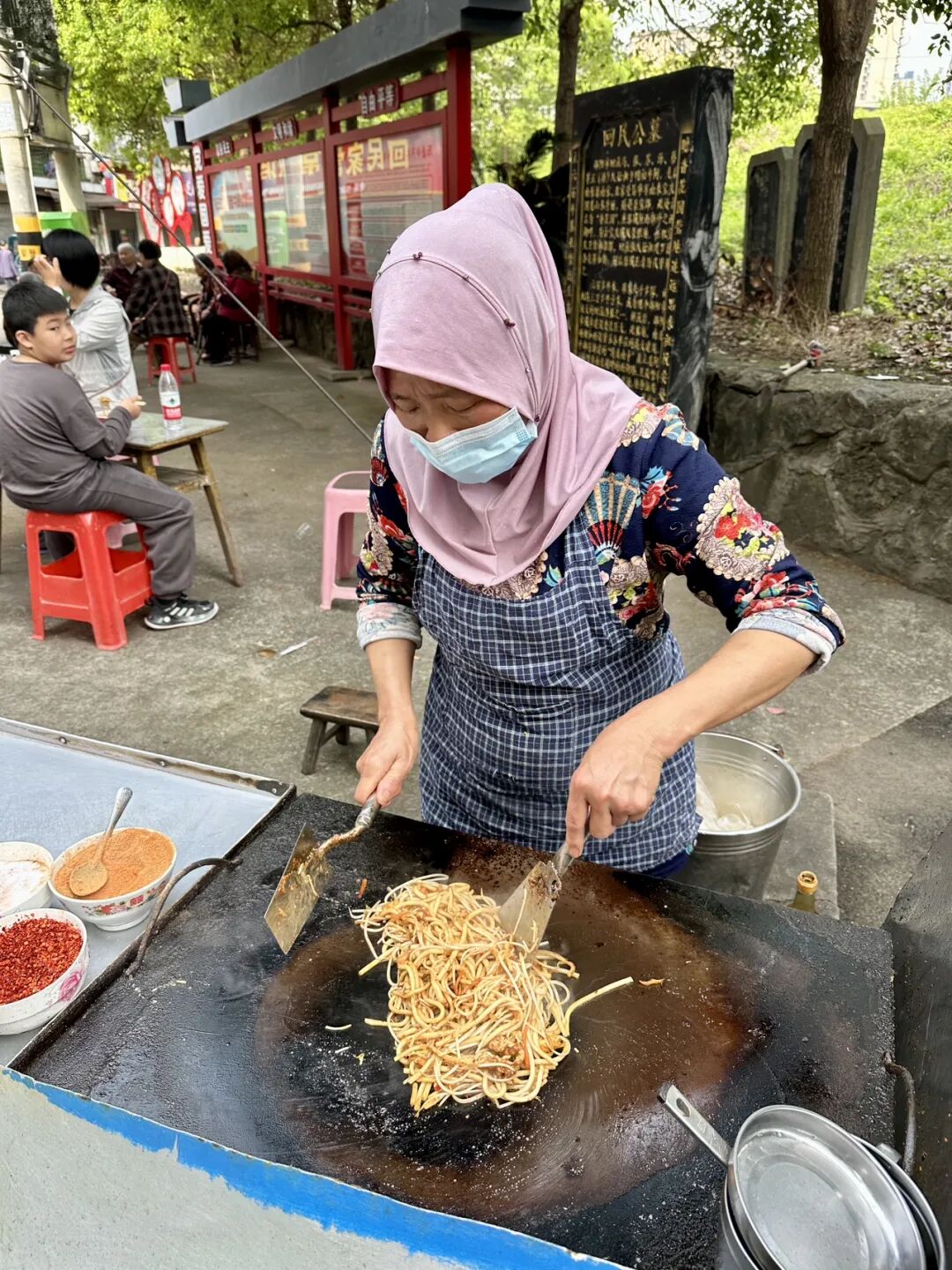
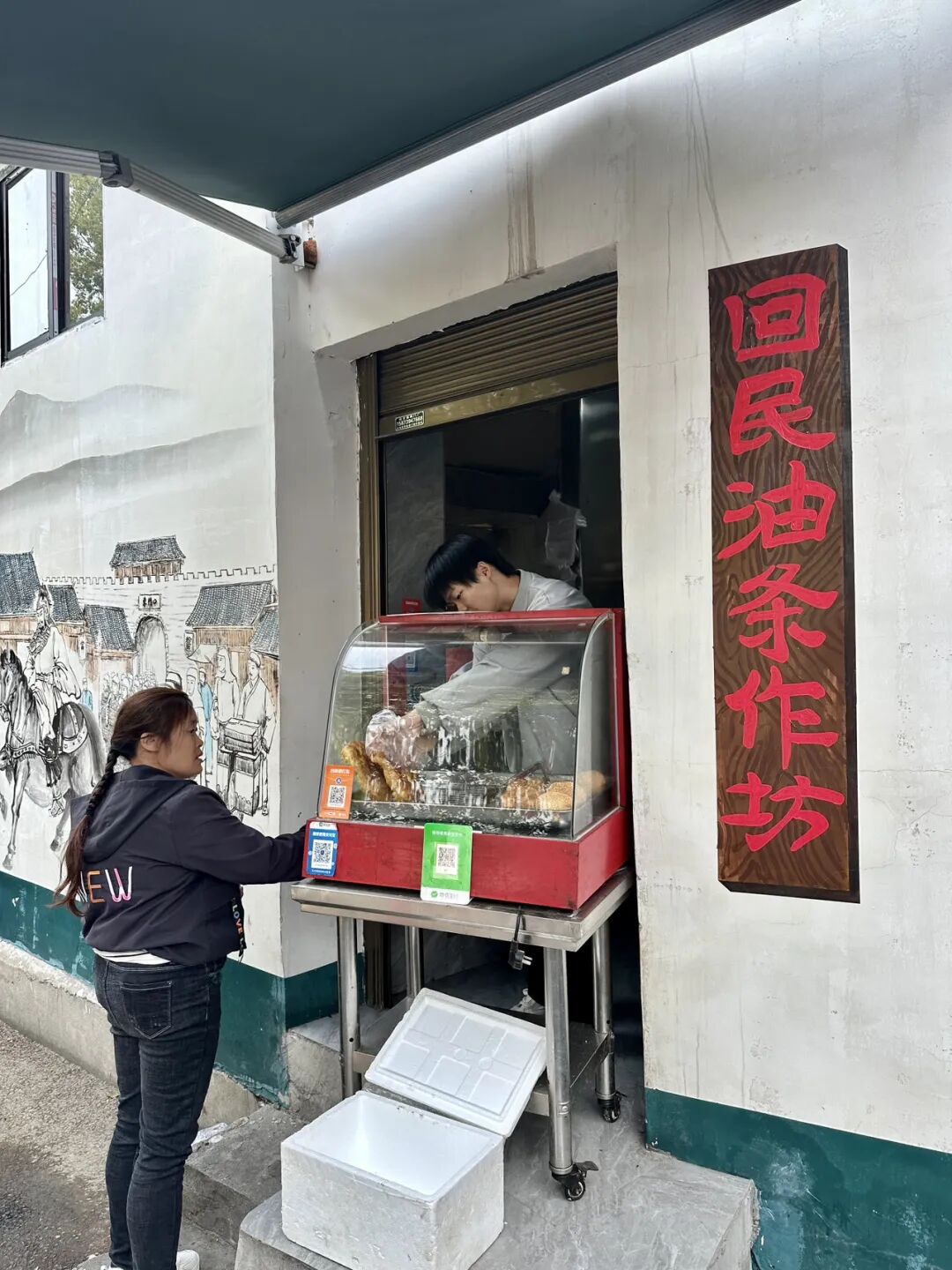
The entrance to the Shaoyang South Mosque is likely the most convenient place for Shaoyang Hui Muslims to grab a meal. In the morning, the street is filled with vendors selling steamed buns (baozi), mung bean porridge, stir-fried rice noodles, and deep-fried dough sticks (youtiao), along with the standard beef rice noodles.
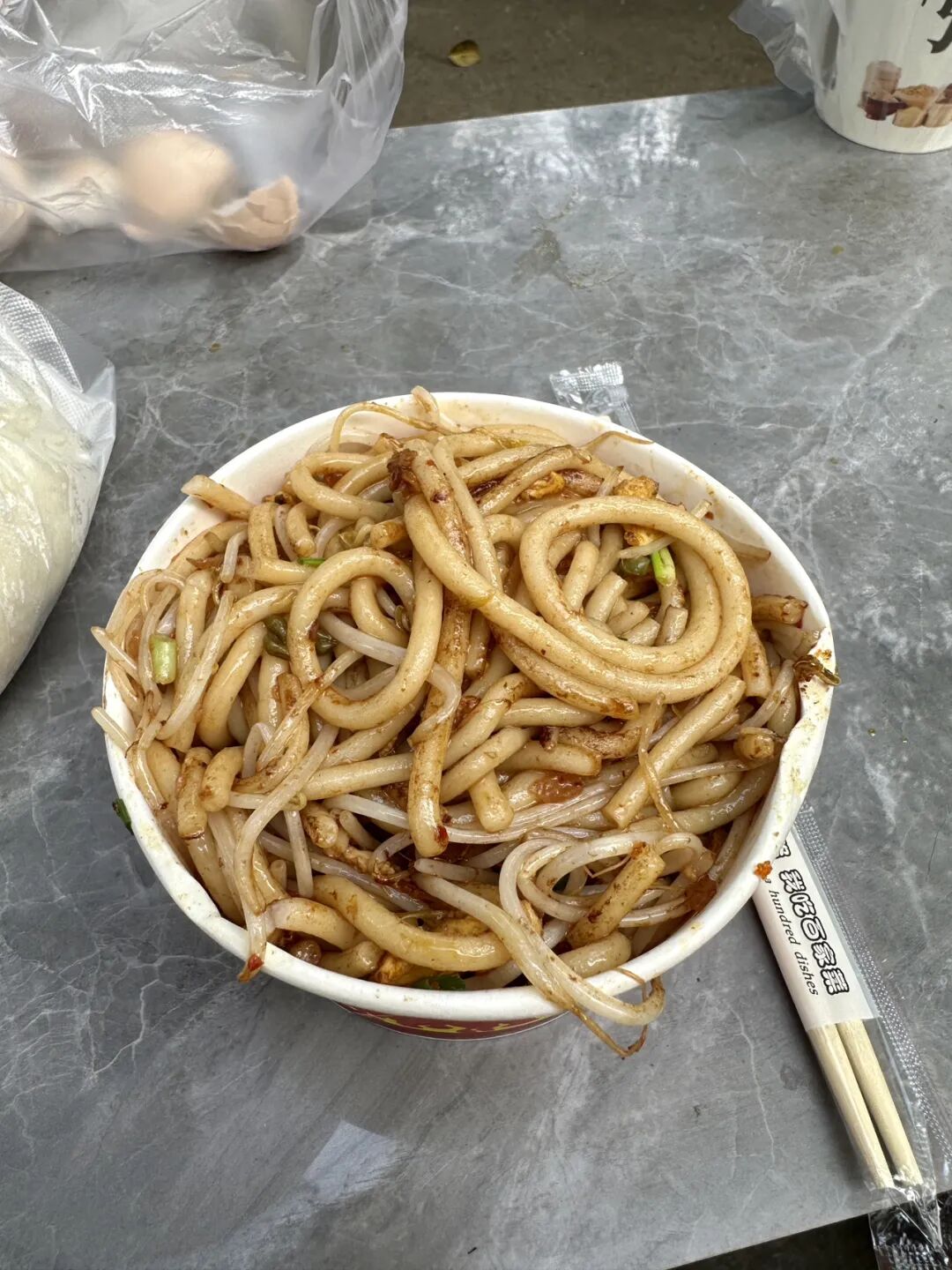
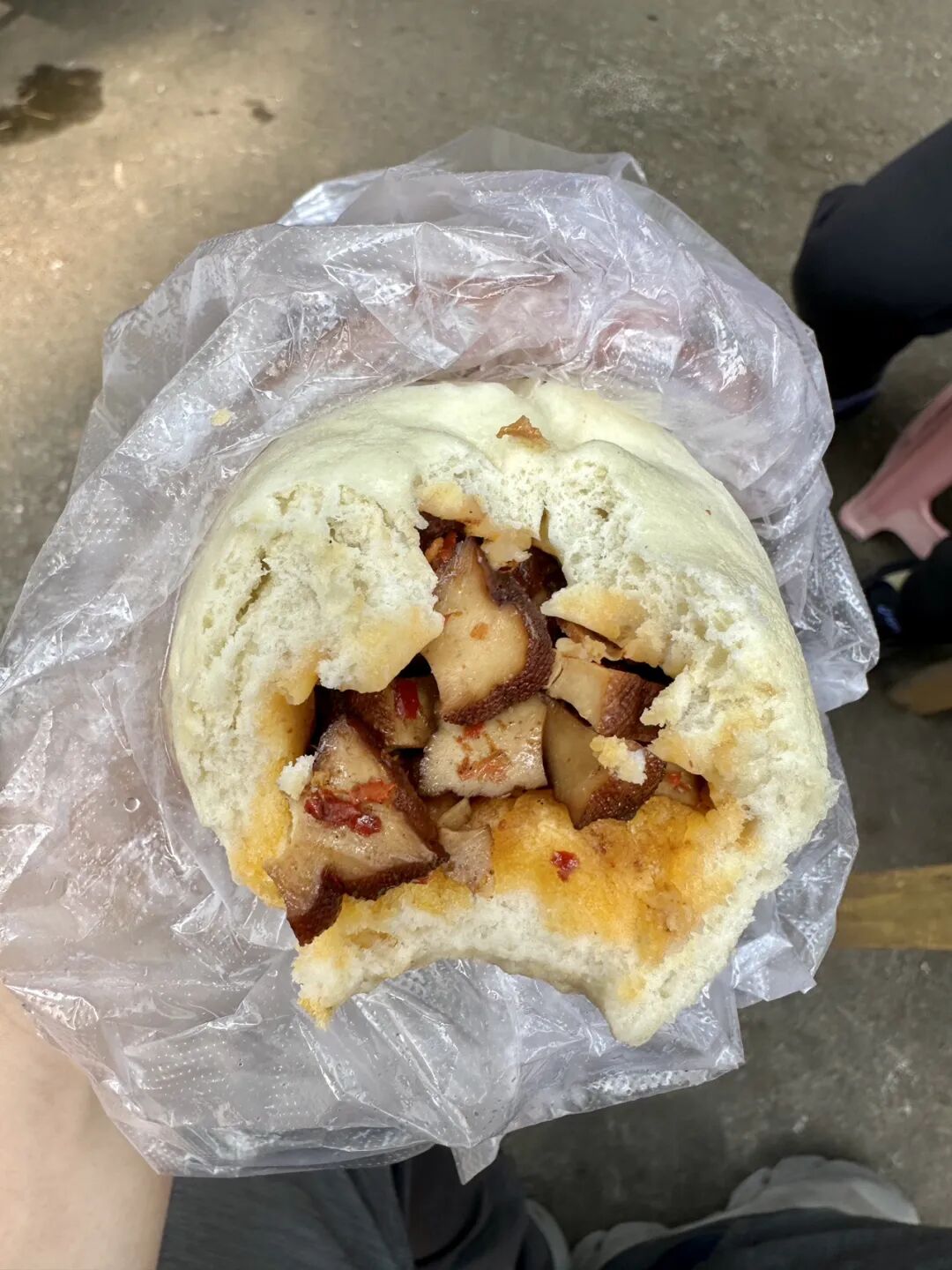
A standout item at the steamed bun stall is the spicy dried tofu (dougan) bun. The filling is made of diced dried tofu, fresh chili, mountain pepper oil, and spicy chili oil, wrapped in dough leavened with sourdough starter, making it soft yet chewy. The stir-fried rice noodles use thick, round Shaoyang-style noodles, flash-fried over high heat until spicy and flavorful.
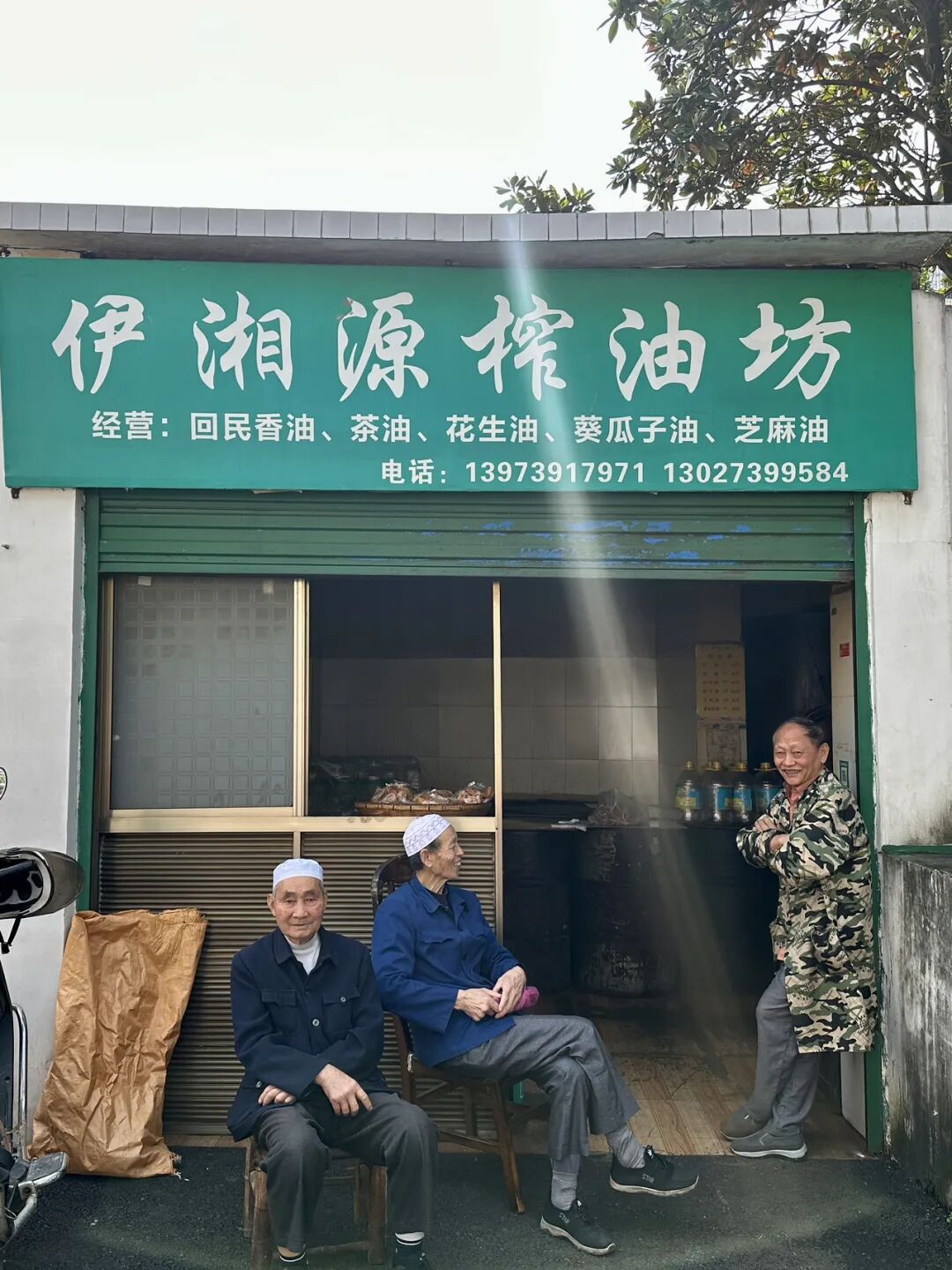
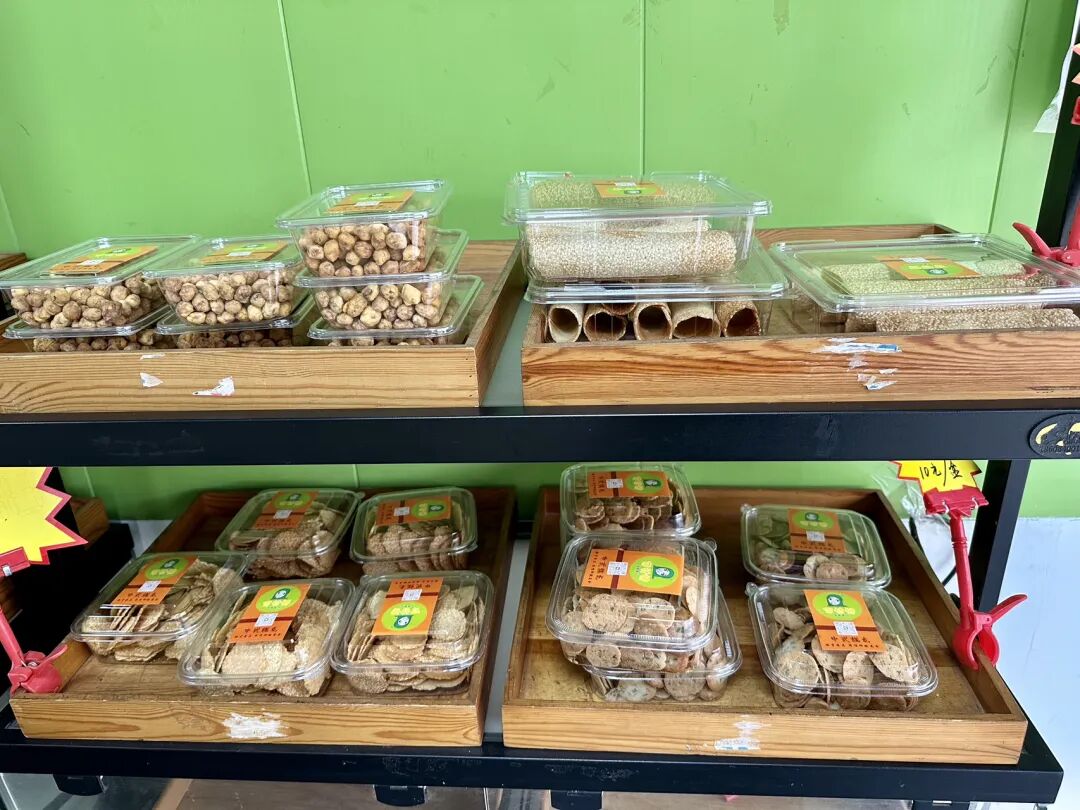
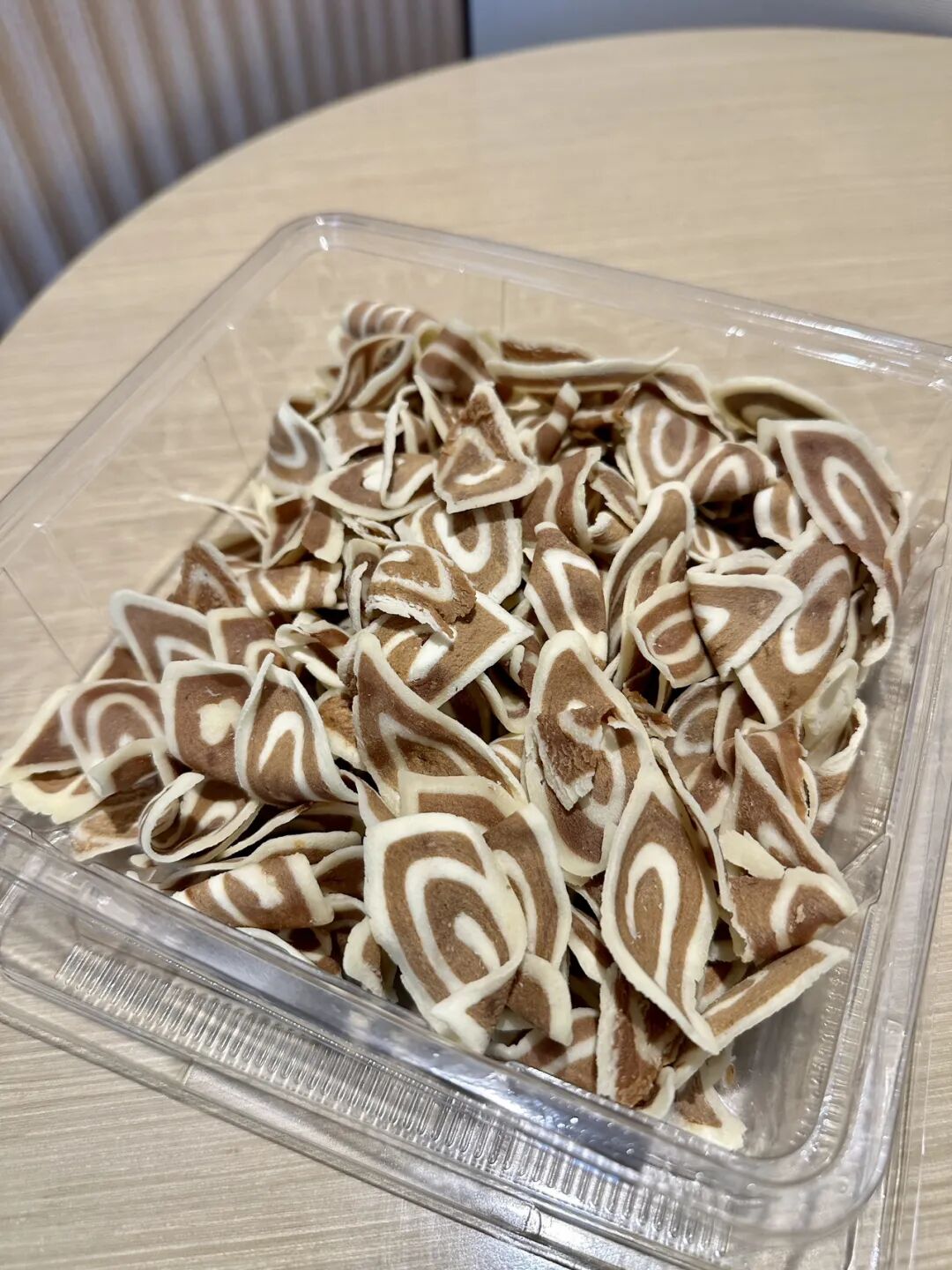
We also bought cat ear pastries (mao'erduo) at the Ma Girl Pastry Shop by the mosque entrance, which are flavored with brown sugar. Shaoyang brown sugar is very famous and has a unique sugarcane aroma.
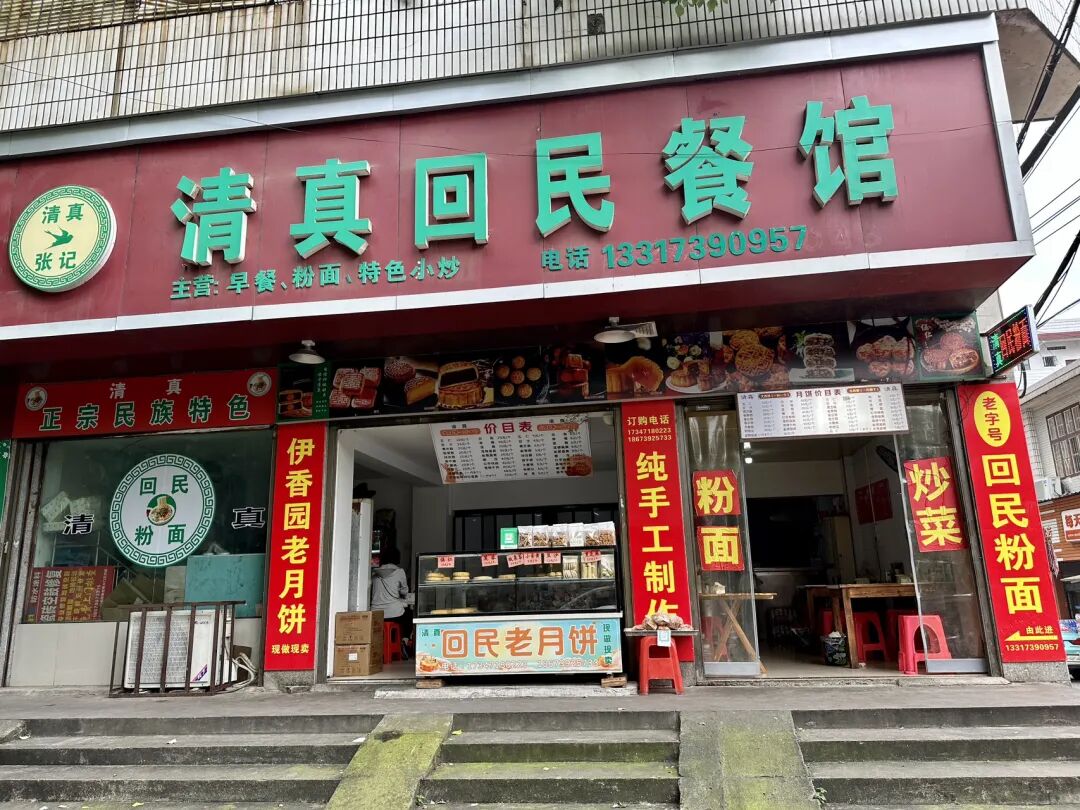
We had lunch at the Zhang Family Hui Muslim Restaurant by the Shaoyang South Mosque, where you can find the most classic Shaoyang Hui Muslim stir-fry dishes.
Shaoyang Hui Muslim cuisine focuses on beef, covering almost every edible part of the cow, from basic stir-fried beef to beef hoof, beef tendon, beef tripe, beef omasum, and their signature large slices of beef. They offer hot stir-fry methods like small-batch frying, iron-plate cooking, and toothpick beef, as well as soups like beef omasum soup. If you want spicy food, you can order stir-fried beef with chili, sour and spicy chicken giblets, stir-fried chili with fermented black beans, or steamed fish with Lao Gan Ma sauce. If you prefer less spice, you can ask the staff for mild or no spice, which makes it easy for northerners to enjoy.
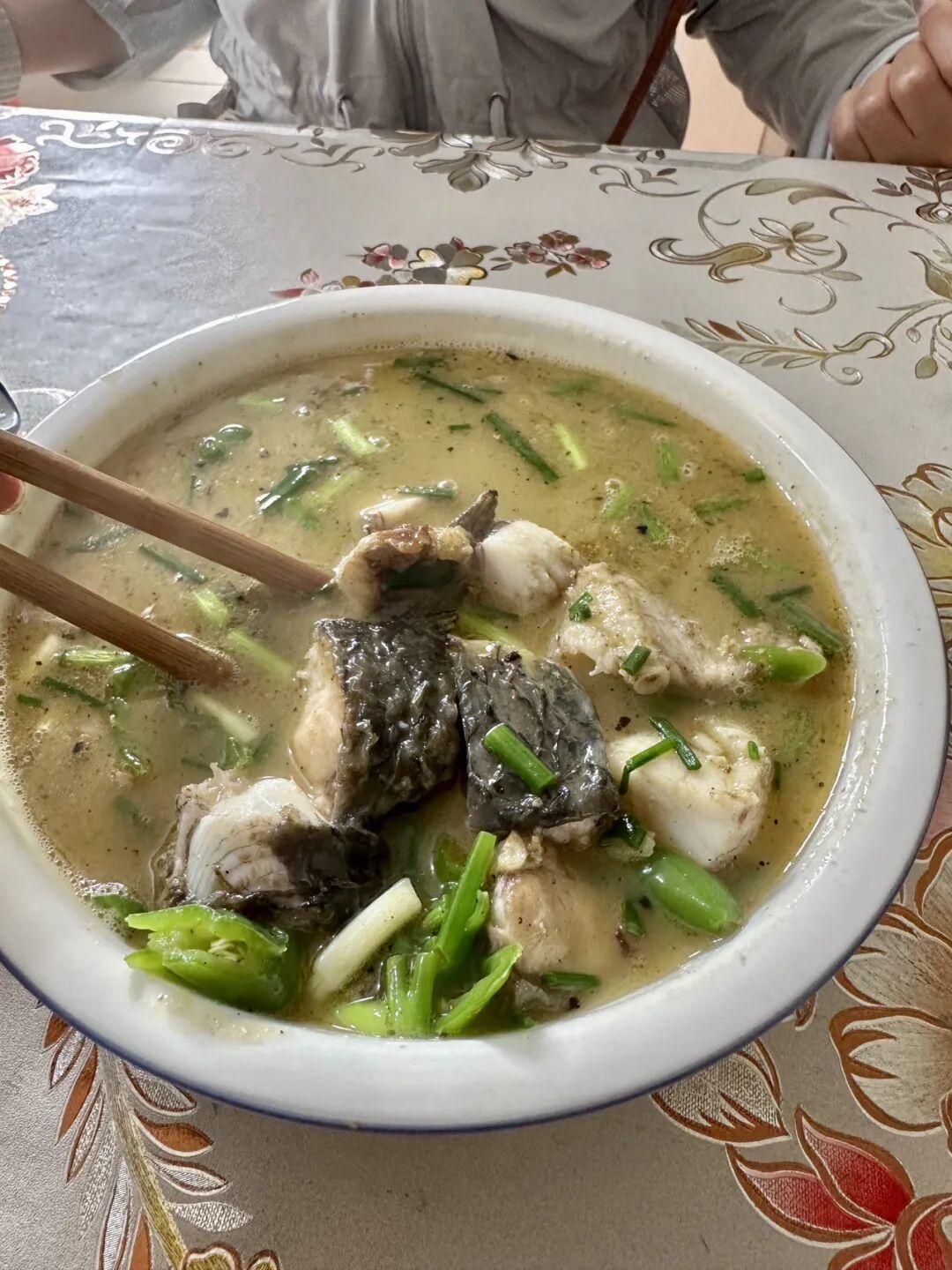
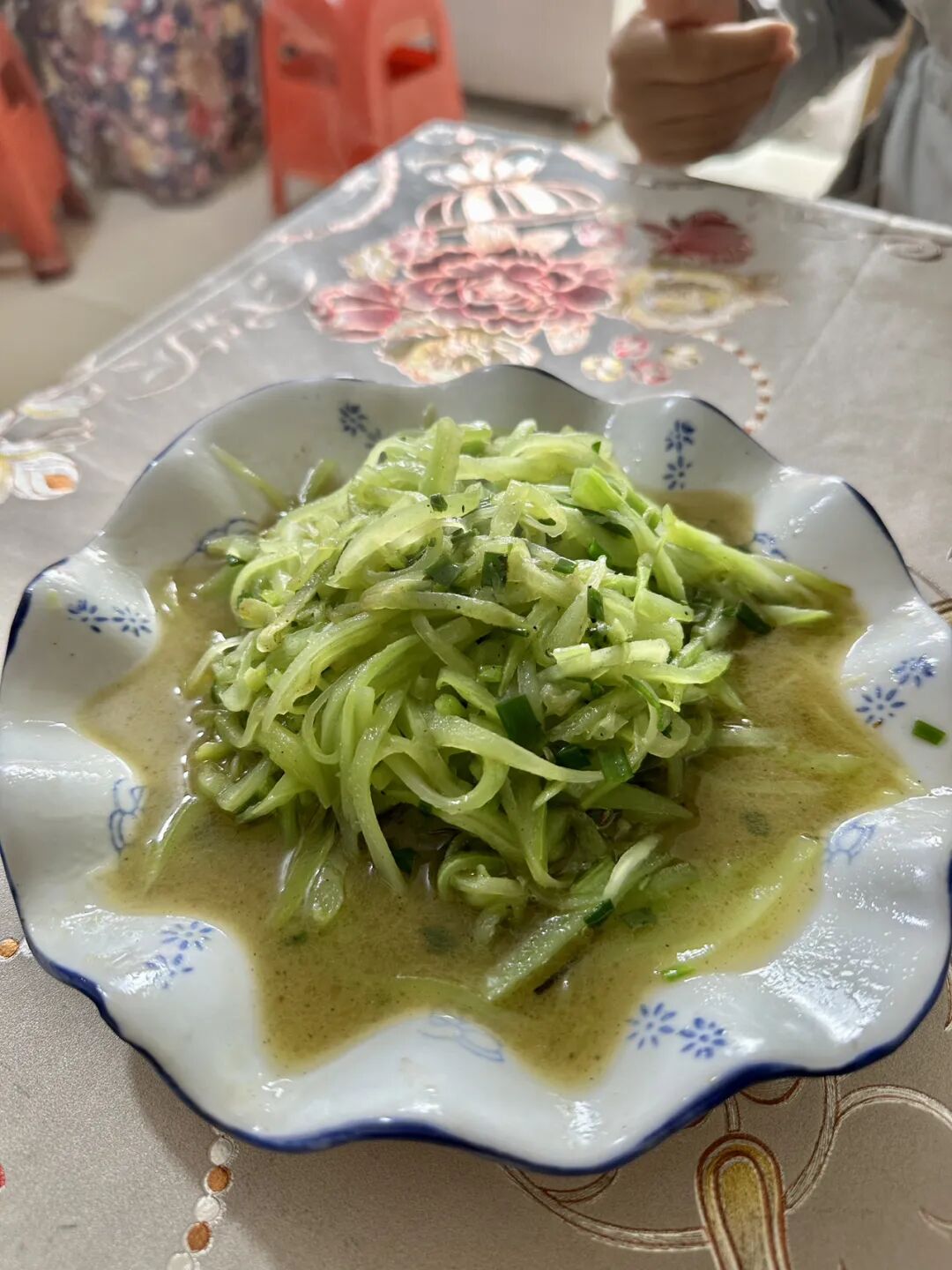
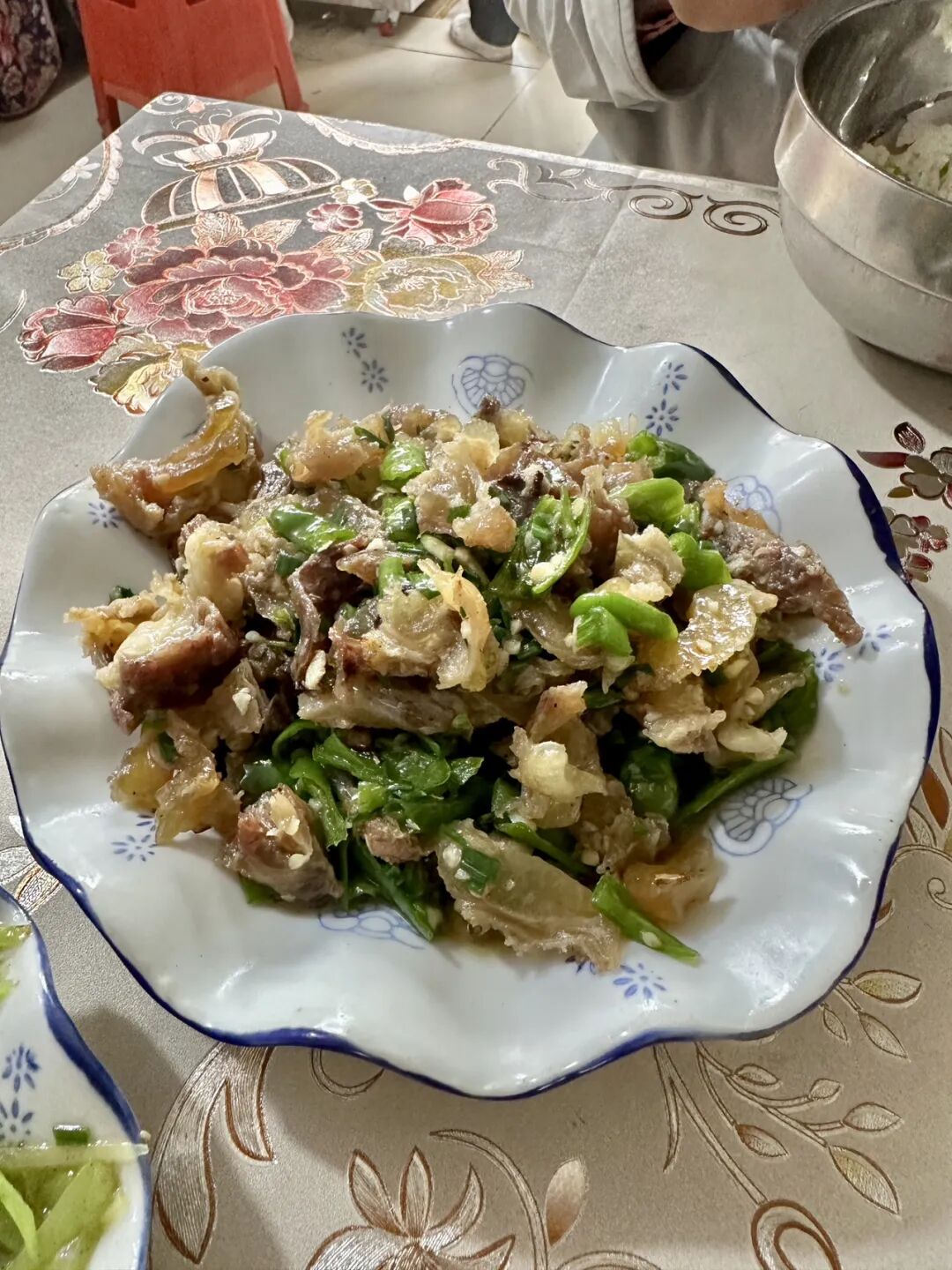
We ordered stir-fried beef hoof, home-style grass carp, and stir-fried asparagus lettuce (wosun). The beef hoof was stir-fried with green chili, just like the stir-fried beef, but the hoof felt a bit tough and hard to chew. The asparagus lettuce was the best part—very fresh and tender. The kind you buy in Beijing supermarkets can't compare. They use a lot of rapeseed oil for vegetables here, which I think adds great flavor, but those who prefer lighter food should mention it beforehand. The home-style grass carp had quite a few bones, but the meat was excellent and lacked the fishy smell often found in northern grass carp. I usually don't like grass carp in Beijing, but I ordered it after the owner said the Hunan grass carp was good, and it turned out to be delicious.
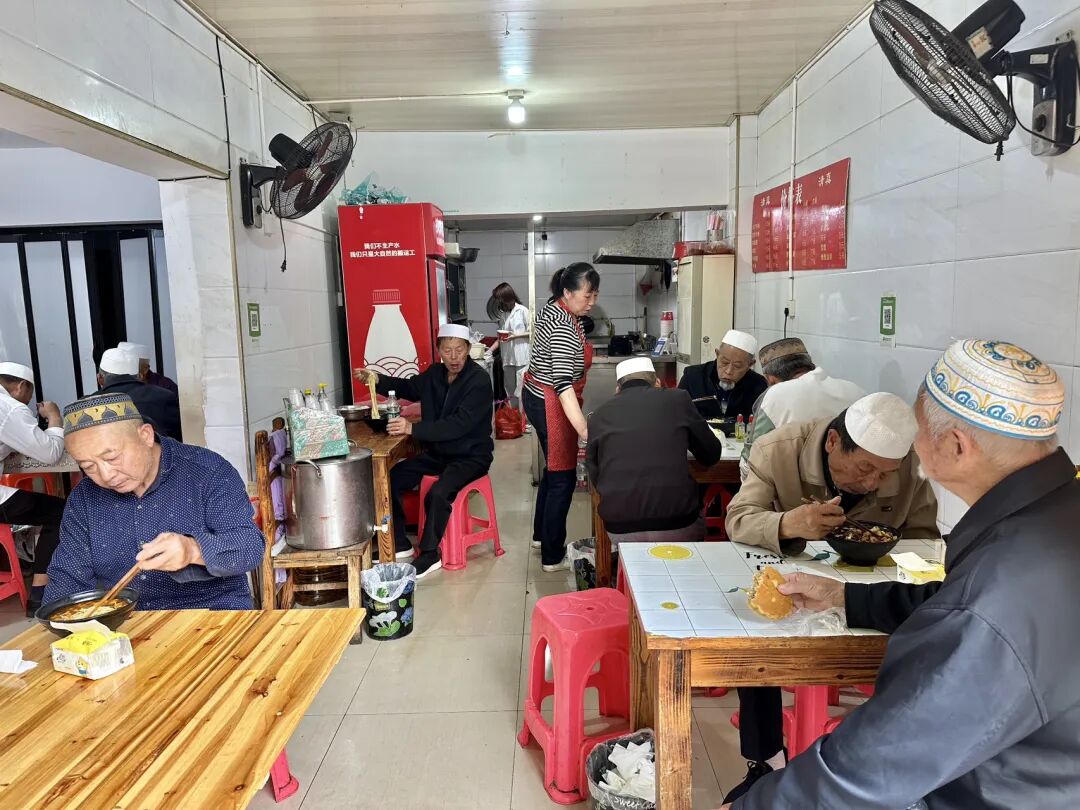
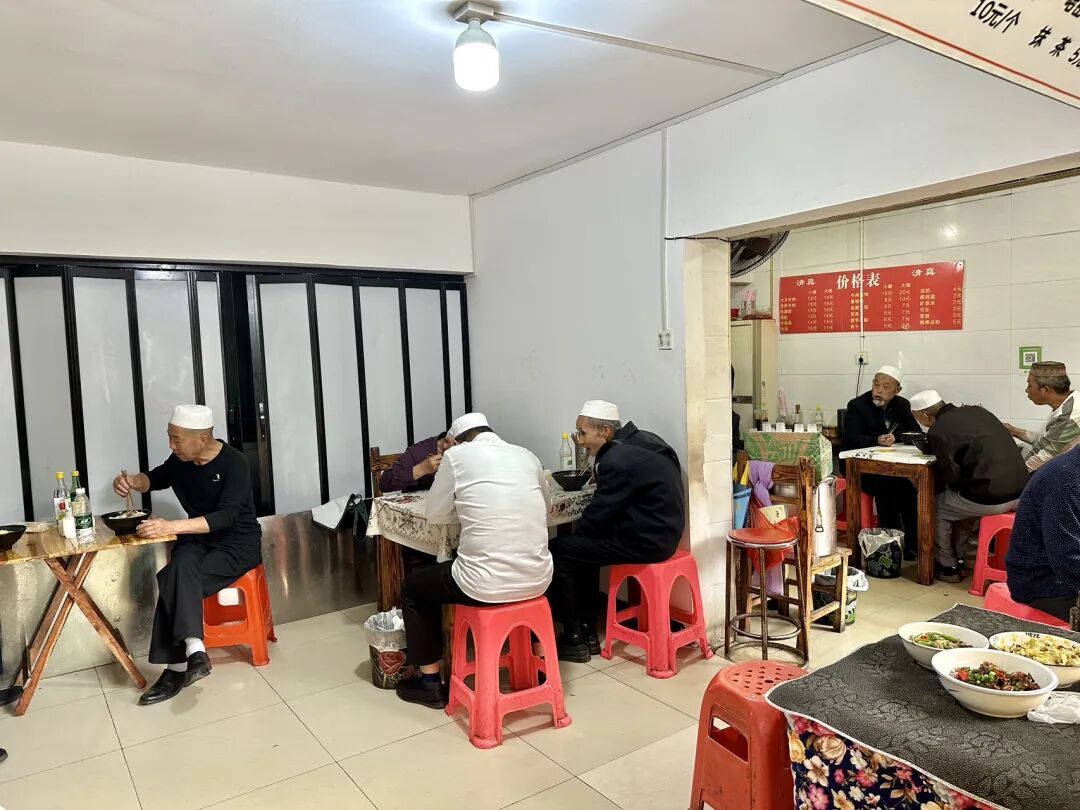
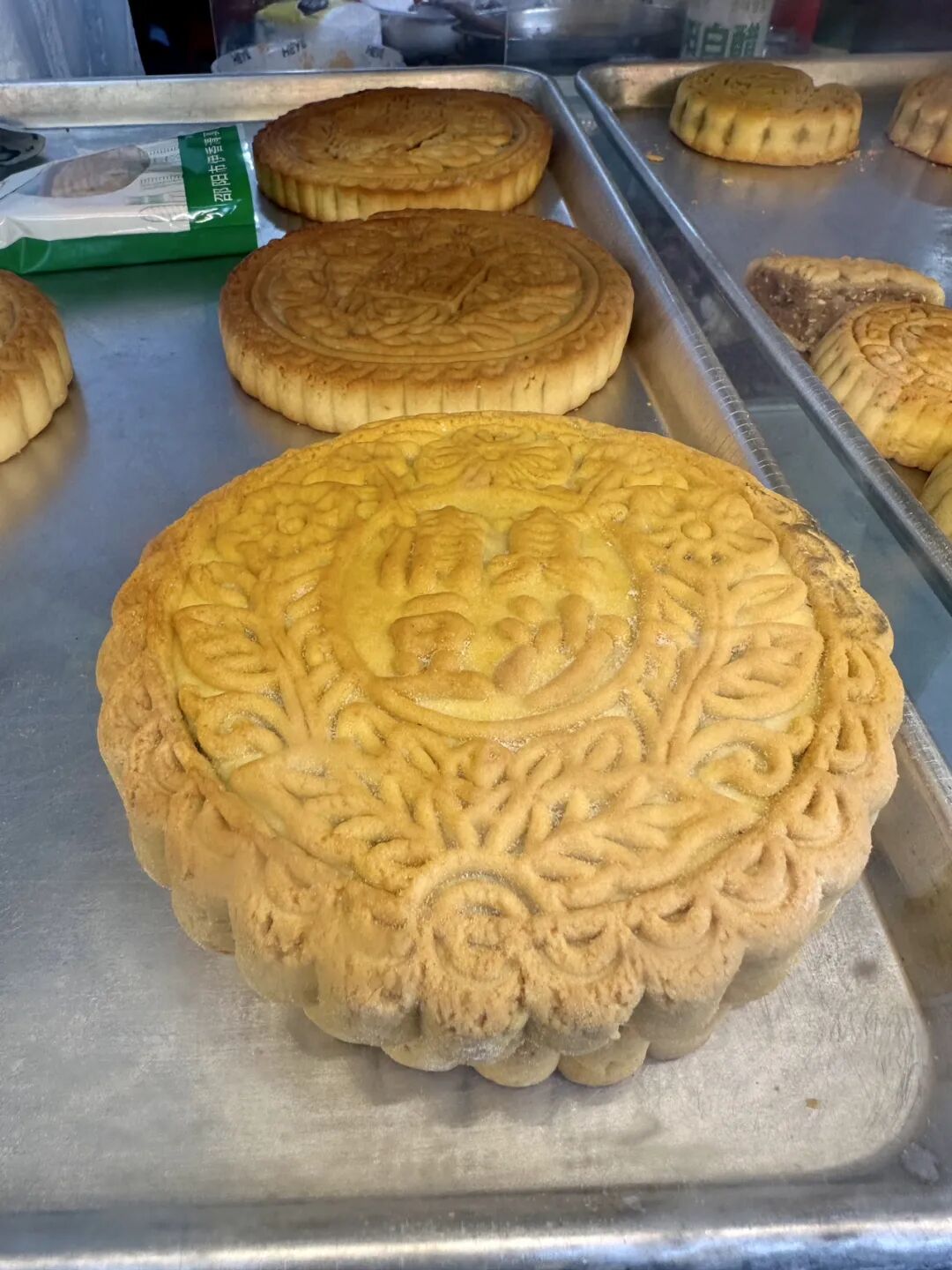
They are very observant of their faith, and the mosque's imam (pieshen) even came to eat there at noon. After prayers, the elders from the mosque all came to the shop for noodles, which shows that the locals really trust this place. Their mooncakes (yuebing) are also very popular. While we were eating, we saw several groups of people come by just to buy them. The local Shaoyang mooncakes are just too big. After finishing one, you feel like you do not need to eat a meal.
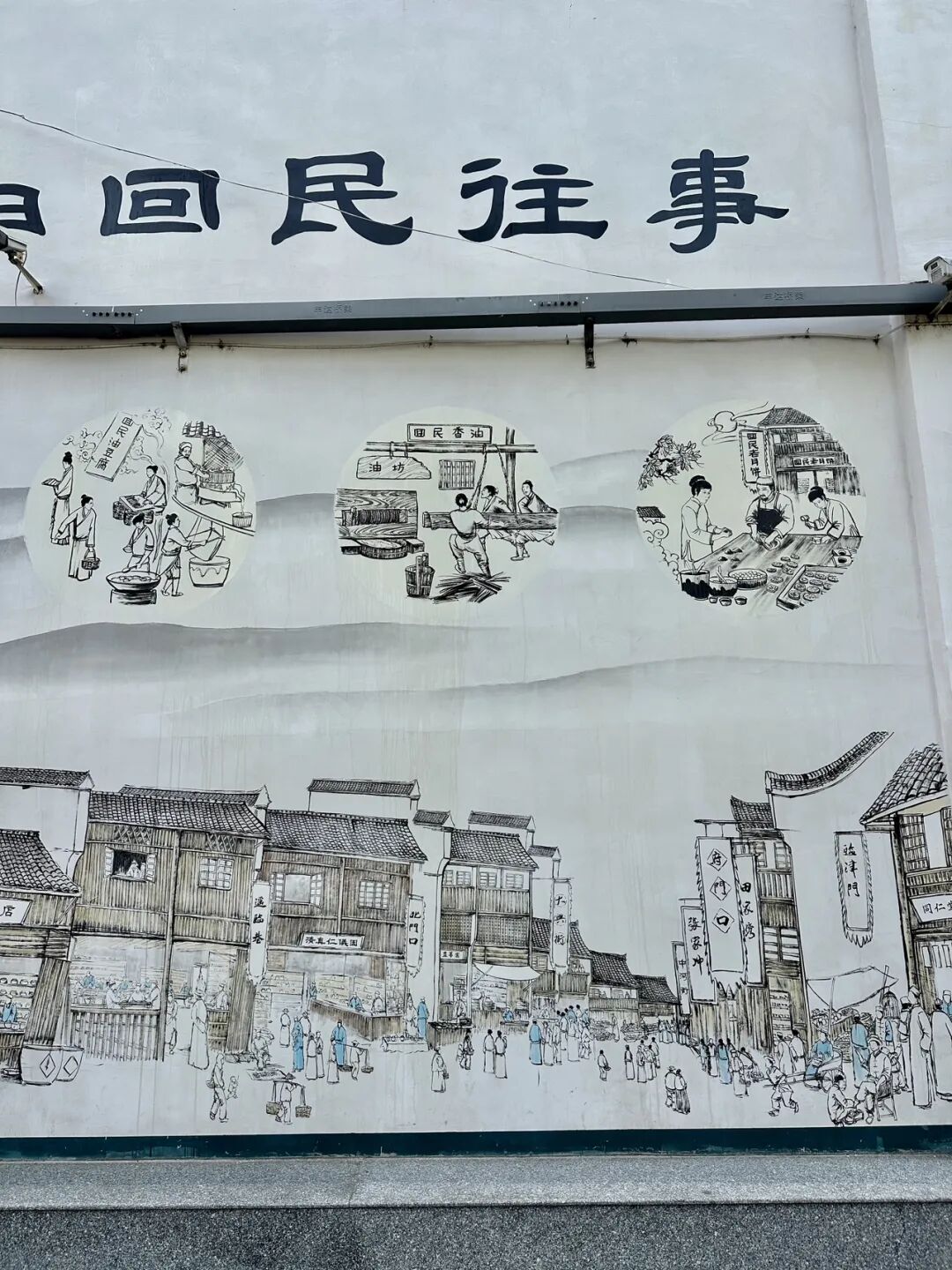
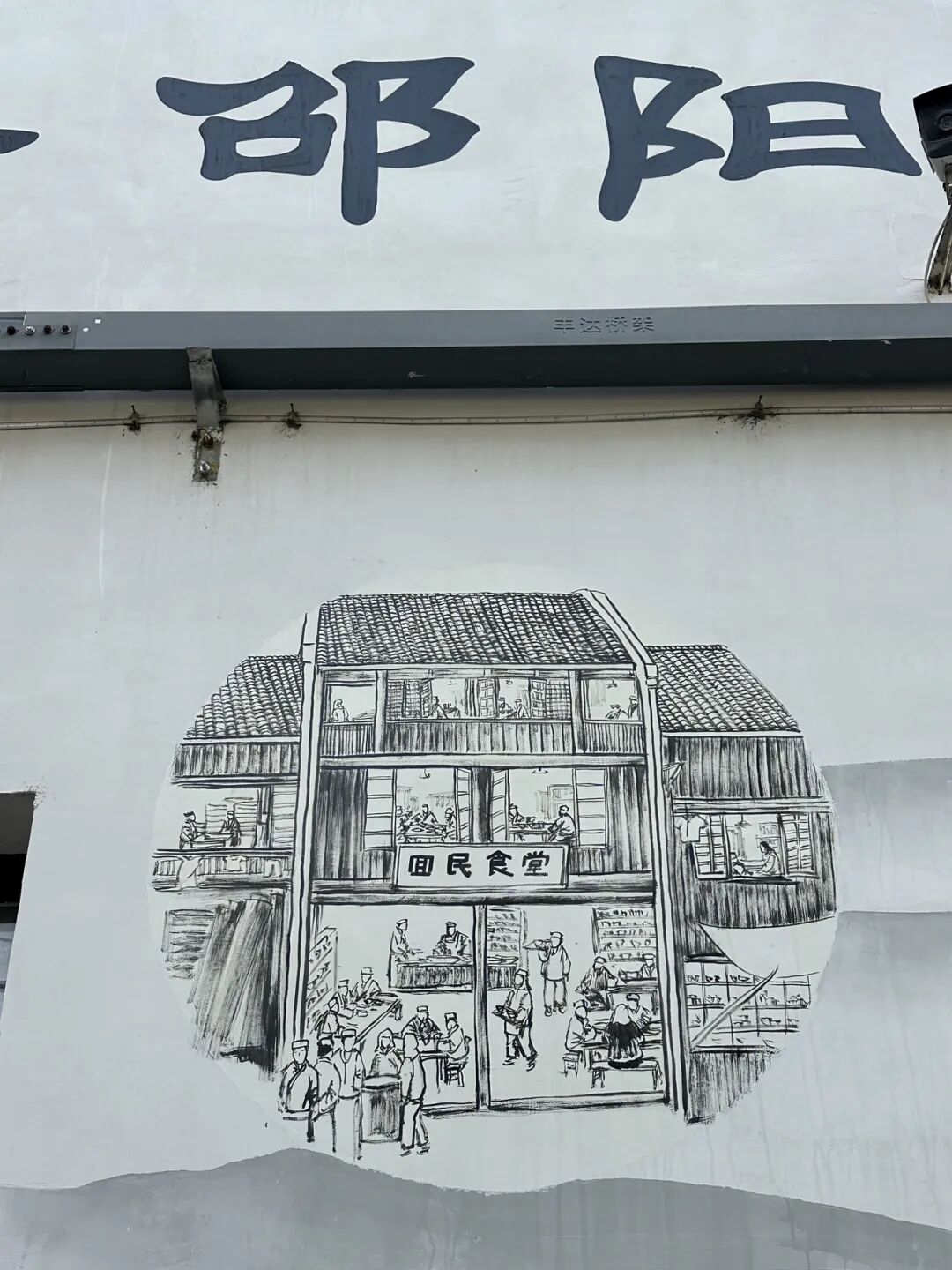
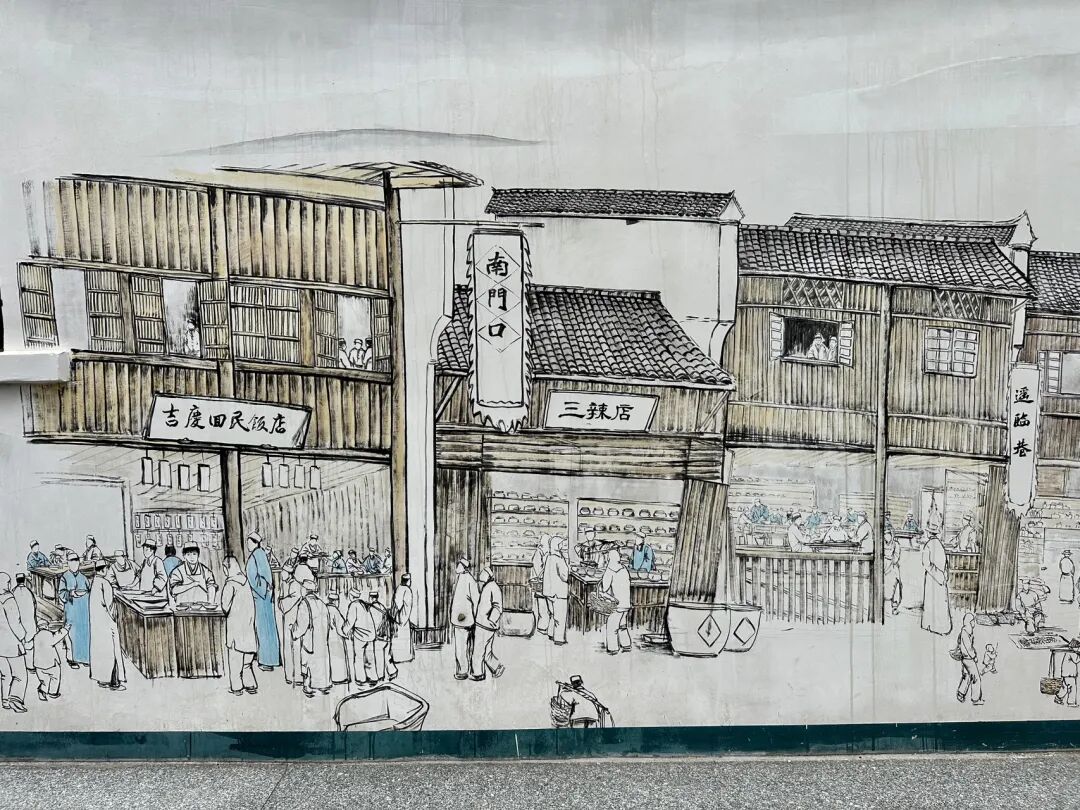
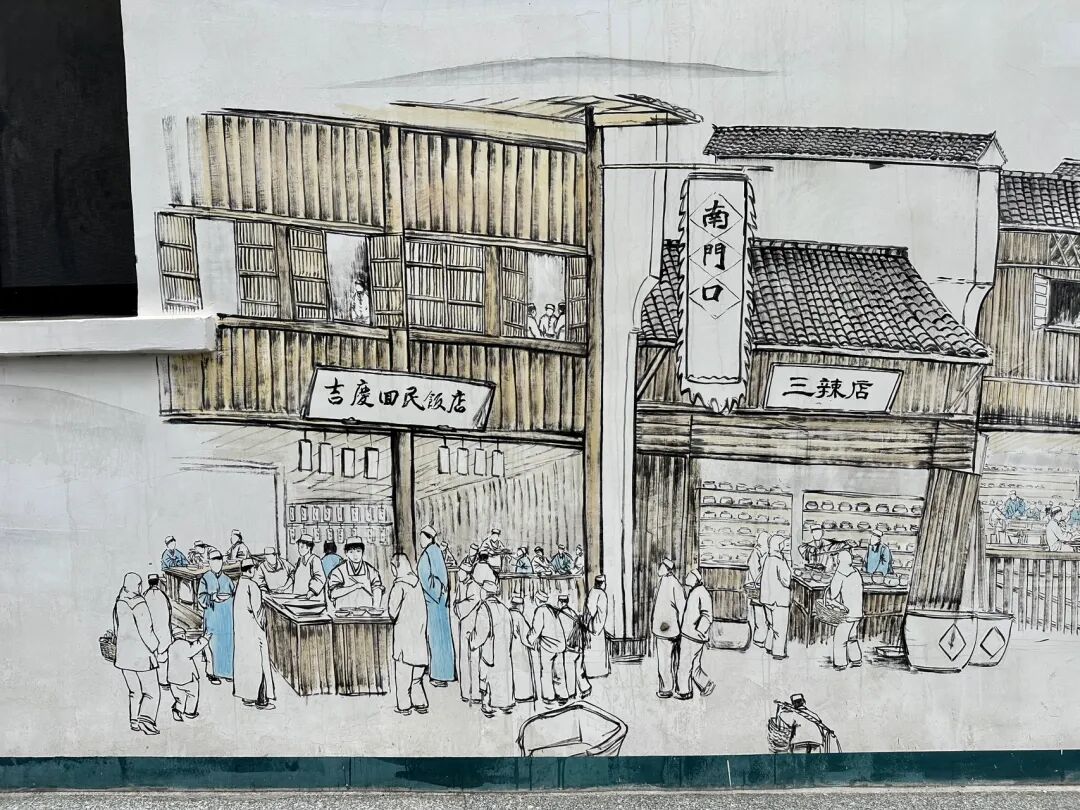
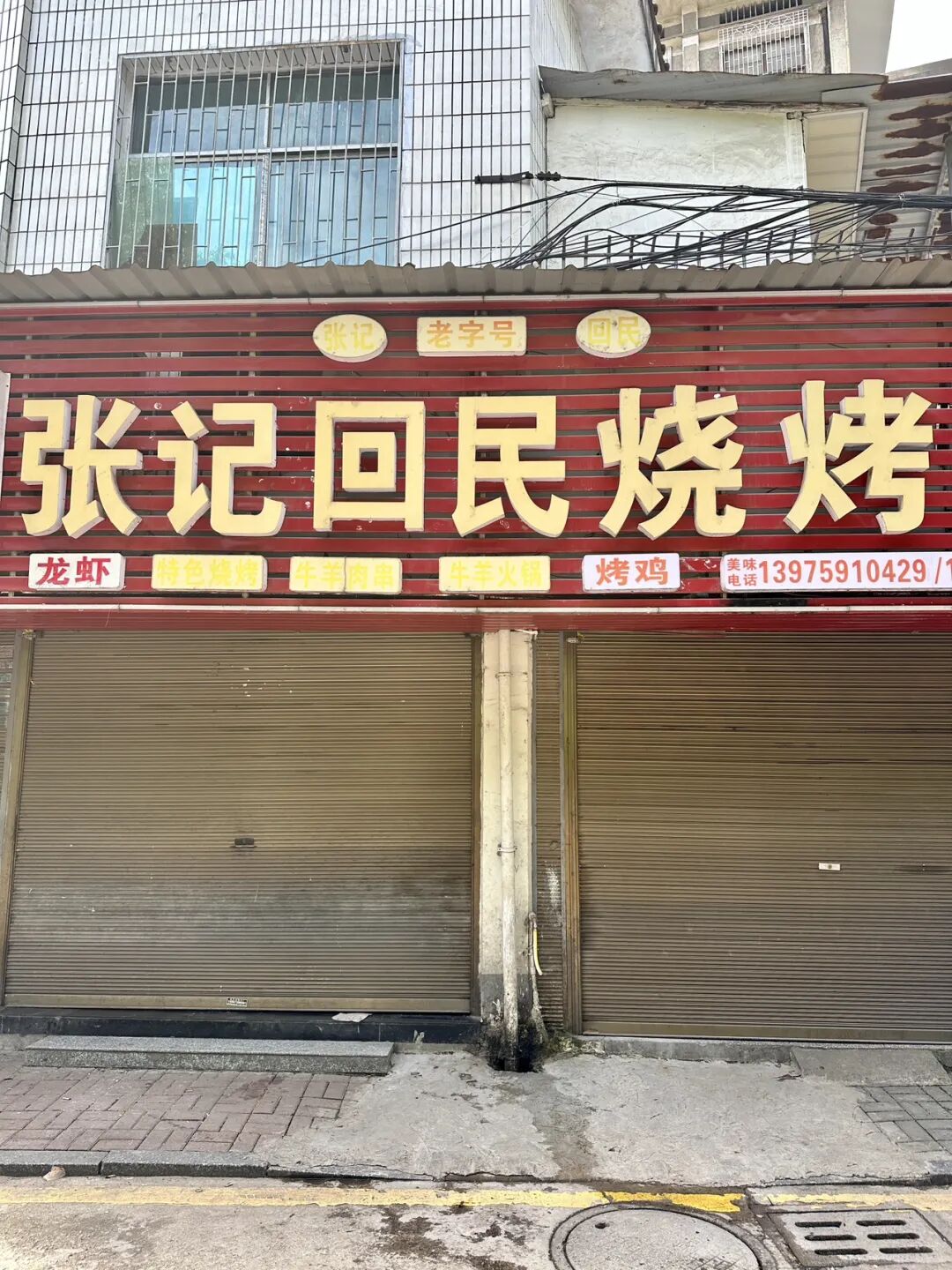
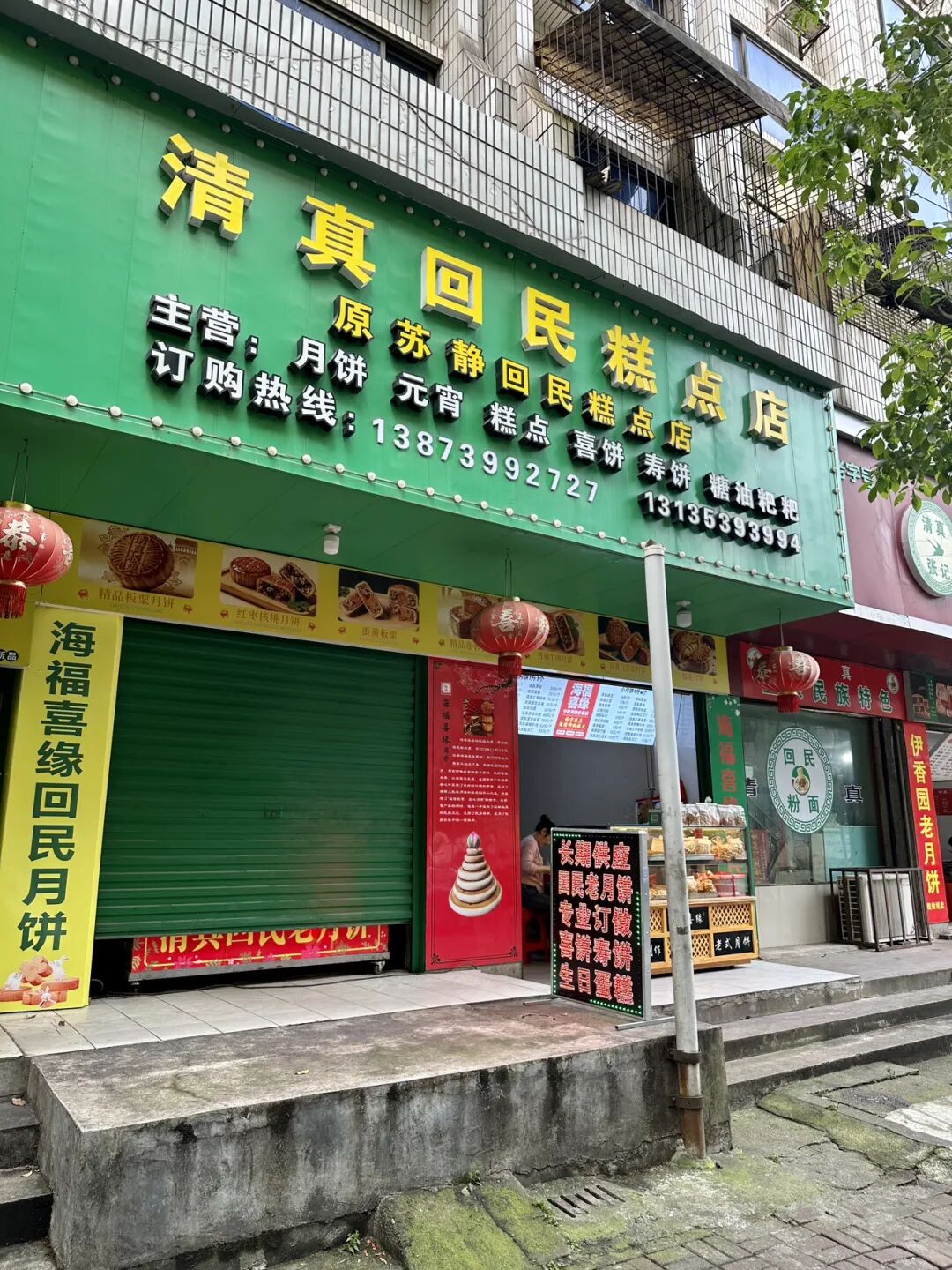
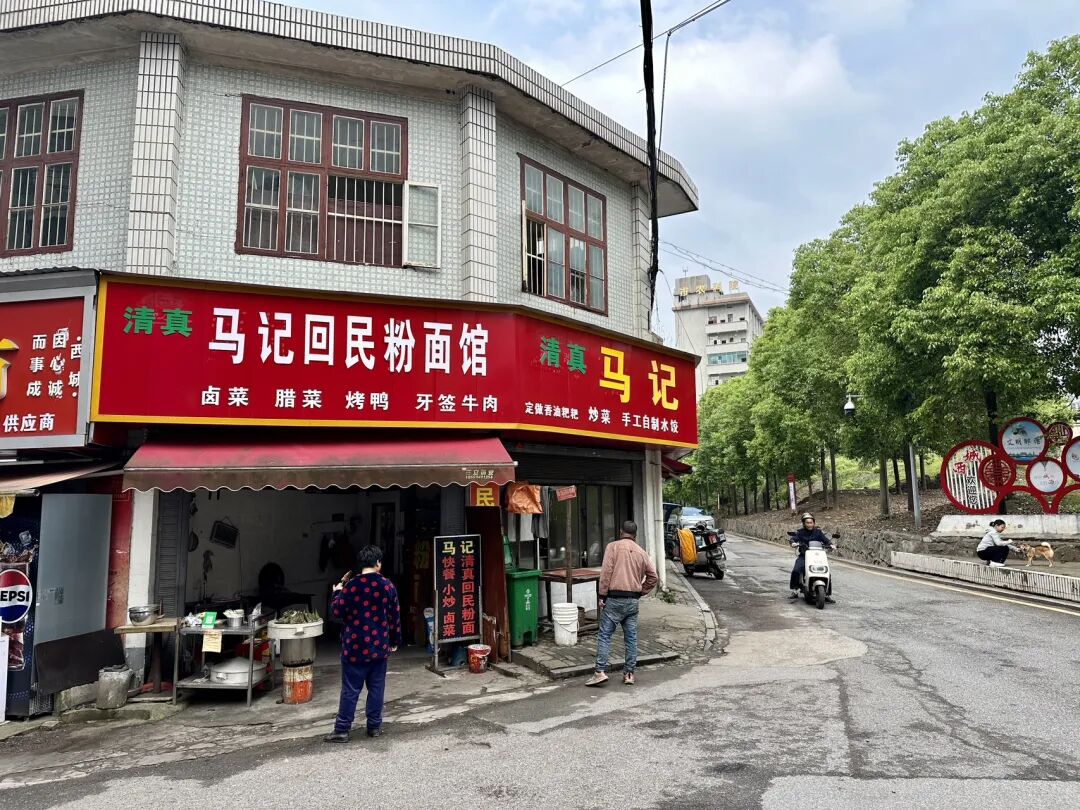
The wall at the entrance of the South Mosque (Nansi) in Shaoyang features a series of paintings about the history of local Hui Muslims. The images include traditional Hui mooncakes, Hui sesame oil (xiangyou), Hui fried tofu (youdoufu), a Hui canteen, the Jiqing Hui Restaurant, and the Nanmenkou Three Spices Shop. There are many other shops near the entrance of the South Mosque, such as Zhang's Hui Barbecue, a pastry shop run by a Hui person named Su, and Ma's Hui Noodle Shop. There is also a hotel for ethnic minorities inside the South Mosque courtyard, making it very convenient for eating and staying.
Summary: This Shaoyang halal food guide follows Hui Muslim food in Hunan, including rice noodles, beef dishes, local snacks, and the author’s mosque-and-food route through the city.
On May 1st, I arrived in Shaoyang from Changsha, Hunan, in the evening to slurp authentic Shaoyang rice noodles (shaoyang fen) at the long-standing Hui Muslim Restaurant No. 1 on Dongfeng Road.
The two most famous Hui Muslim noodle shops in Shaoyang are Hui Muslim Restaurant No. 1 on Dongfeng Road and Hui Muslim Restaurant No. 2 on Hongqi Road. Both grew out of the Shaoyang Hui Muslim Canteen, which was formed in 1956 during the public-private partnership era by elders from the Shaoyang South Mosque and East Mosque. In 1960, the Shaoyang Hui Muslim Canteen split into Hui Muslim Canteen No. 1 on Dongfeng Road and Hui Muslim Canteen No. 2 on Hongqi Road. After restructuring in 1982, they were renamed Hui Muslim Restaurant No. 1 and Hui Muslim Restaurant No. 2. Today, both shops operate at their original locations, serving traditional Shaoyang Hui Muslim noodles and various snacks.
Shaoyang noodles are known for being thick, round, and chewy, served in bright red chili oil. The Hui Muslim version is especially famous for its slow-cooked beef bone broth and large slices of beef. I ordered the top-tier three-delicacy noodles, which included beef egg dumplings, beef tripe, and large slices of beef, plus dried butterfly-shaped tofu (hudiegan) and pressed tofu (xianggan). This was my first time trying Hunan beef egg dumplings. They tasted great and felt very healthy. The beef tripe was chewy but not tough, and the beef was delicious. I asked the lady making the noodles for a mild spice level, and the heat was just right.
The soul of Shaoyang noodles is the local mountain pepper oil (shanhujiao you). It is made by mixing mountain spice (shancangzi) with vegetable oil, giving it a crisp lemon scent with hints of mint and ginger.
Another very popular item at the shop is the freshly fried brown sugar rice cake (hongtang baba). Brown sugar is a Shaoyang specialty. The local sugarcane has high sugar content, and the white frost on the surface is very nutritious. The resulting brown sugar is sweet but not cloying, with a rich, lingering sweetness and a unique sugarcane aroma. The brown sugar rice cakes cost two yuan each, and many people out for an evening stroll buy them to eat.
Near Hui Muslim Restaurant No. 1 is the Shaoyang East Mosque. This is the oldest Hui mosque in Hunan, first built in 1368 (the first year of the Hongwu reign of the Ming Dynasty), which is why it is called the ancient mosque or old mosque.
In the first year of the Hongwu reign, the first Hui Muslim families to move to Shaoyang were the Ma, Zhang, and Su families. In the second year, the Hai and Cai families arrived, forming the five founding families of the Shaoyang East Mosque. The ancestor of the Ma family, Ma Cheng, was originally from Taixing, Jiangsu. During the Yuan Dynasty, he served as an official in the Privy Council. In the first year of the Hongwu reign, he retired and moved to Shaoyang. Because his descendants were granted the hereditary title of 'Hundred-Household' official, they became known as the Hundred-Household Ma family. The ancestor of the Zhang family, Pu Luode, was originally from Sanhe, Langfang, Hebei. In the first year of the Hongwu reign, he was appointed as a commander in the Baoqing Guard and moved to Shaoyang. The Ming Emperor gave him the surname Zhang. The ancestor of the Su family, Su Tong, was originally from Beijing. During the Hongwu reign, he was appointed as a commander and moved to Shaoyang. The ancestor of the Hai family, Hai Mengshi, was originally from Shunyi District, Beijing. In the second year of the Hongwu reign, he was appointed to the Baoqing Guard and later settled in Hai Family Lane in Shaoyang. At the end of the Yuan Dynasty, the Cai family ancestor lived in the Hui Muslim camp outside the south gate of Nanjing. In the second year of the Hongwu reign, he was appointed as a commander and moved to Shaoyang.
The original location of the Shaoyang East Mosque is unknown. It is only known that it was moved from near the ancient Baihe Mosque in Tianjiawan Third Lane inside the city to the cattle slaughtering area (niuping) at the north end of Goutoupo, facing the Shaofu Street entrance. Because the cattle slaughtering area was near a Buddhist nunnery, it faced frequent interference, and the building was too small. In 1743 (the eighth year of the Qianlong reign), they traded land with the Gao and Liu families from Zhangjiachong outside the city and rebuilt it at the current location of the East Mosque.
The Shaoyang East Mosque was renovated in 1836 (the sixteenth year of the Daoguang reign), bombed by the Japanese army in 1944, and repaired in 1954. The main hall collapsed again in 1986, was rebuilt in 1990, and took on its current appearance after a Sinicization renovation in 2021.
The Zhangjiachong entrance near the Shaoyang East Mosque has always been the main hub for Hui Muslim food businesses. During the Republic of China era, it was home to halal eateries like Sihailou, Shuangfaguan, Dongheguan, Dongheyuan, Cuixiangyuan, and Fengfayuan, where a bowl of rice noodles paired with a bowl of rice was the popular meal. In 1956, these eateries were brought under the management of the city's catering company, which became the predecessor to today's Hui Muslim Restaurant No. 1.
The cemetery for the Ma, Zhang, and Hai families of Shaoyang Hui Muslims is located at the west end of Xihu Bridge. The Shaoyang South Mosque moved next to the cemetery in 1992, and the area has since become a major gathering place for Shaoyang's Hui Muslims.
The Shaoyang South Mosque was originally located at Jinjiatai outside the South Gate. It was built in 1914 under the leadership of Ma Xiangwu and other local Hui Muslims, with Ma Linyi donating a significant amount of funds. In 1985, due to the construction of National Highway 207, the South Mosque was moved next to the Hui Muslim cemetery and rebuilt to its original size. The original contractor cut corners, leaving the main hall unusable. It was demolished and rebuilt, and the current structure was officially completed in 1992.
The entrance to the Shaoyang South Mosque is likely the most convenient place for Shaoyang Hui Muslims to grab a meal. In the morning, the street is filled with vendors selling steamed buns (baozi), mung bean porridge, stir-fried rice noodles, and deep-fried dough sticks (youtiao), along with the standard beef rice noodles.
A standout item at the steamed bun stall is the spicy dried tofu (dougan) bun. The filling is made of diced dried tofu, fresh chili, mountain pepper oil, and spicy chili oil, wrapped in dough leavened with sourdough starter, making it soft yet chewy. The stir-fried rice noodles use thick, round Shaoyang-style noodles, flash-fried over high heat until spicy and flavorful.
We also bought cat ear pastries (mao'erduo) at the Ma Girl Pastry Shop by the mosque entrance, which are flavored with brown sugar. Shaoyang brown sugar is very famous and has a unique sugarcane aroma.
We had lunch at the Zhang Family Hui Muslim Restaurant by the Shaoyang South Mosque, where you can find the most classic Shaoyang Hui Muslim stir-fry dishes.
Shaoyang Hui Muslim cuisine focuses on beef, covering almost every edible part of the cow, from basic stir-fried beef to beef hoof, beef tendon, beef tripe, beef omasum, and their signature large slices of beef. They offer hot stir-fry methods like small-batch frying, iron-plate cooking, and toothpick beef, as well as soups like beef omasum soup. If you want spicy food, you can order stir-fried beef with chili, sour and spicy chicken giblets, stir-fried chili with fermented black beans, or steamed fish with Lao Gan Ma sauce. If you prefer less spice, you can ask the staff for mild or no spice, which makes it easy for northerners to enjoy.
We ordered stir-fried beef hoof, home-style grass carp, and stir-fried asparagus lettuce (wosun). The beef hoof was stir-fried with green chili, just like the stir-fried beef, but the hoof felt a bit tough and hard to chew. The asparagus lettuce was the best part—very fresh and tender. The kind you buy in Beijing supermarkets can't compare. They use a lot of rapeseed oil for vegetables here, which I think adds great flavor, but those who prefer lighter food should mention it beforehand. The home-style grass carp had quite a few bones, but the meat was excellent and lacked the fishy smell often found in northern grass carp. I usually don't like grass carp in Beijing, but I ordered it after the owner said the Hunan grass carp was good, and it turned out to be delicious.
They are very observant of their faith, and the mosque's imam (pieshen) even came to eat there at noon. After prayers, the elders from the mosque all came to the shop for noodles, which shows that the locals really trust this place. Their mooncakes (yuebing) are also very popular. While we were eating, we saw several groups of people come by just to buy them. The local Shaoyang mooncakes are just too big. After finishing one, you feel like you do not need to eat a meal.
The wall at the entrance of the South Mosque (Nansi) in Shaoyang features a series of paintings about the history of local Hui Muslims. The images include traditional Hui mooncakes, Hui sesame oil (xiangyou), Hui fried tofu (youdoufu), a Hui canteen, the Jiqing Hui Restaurant, and the Nanmenkou Three Spices Shop. There are many other shops near the entrance of the South Mosque, such as Zhang's Hui Barbecue, a pastry shop run by a Hui person named Su, and Ma's Hui Noodle Shop. There is also a hotel for ethnic minorities inside the South Mosque courtyard, making it very convenient for eating and staying.
