
Hidden Halal Food in China: Anhui Mosques from Anqing to Hefei and Chuzhou
Reposted from the web
Summary: This Anhui halal travel account follows the original route through Anqing, Huainan, Hefei, and Chuzhou, preserving mosque notes, dishes, menus, and photos. It is cleaned for readers searching for hidden halal food and mosque travel in China.
Hui Muslims have a long history in Anhui. Records show Muslim activity in the region dating back to the Tang and Song dynasties. By the Yuan dynasty, Muslims began settling in Anhui in large numbers. During the Ming dynasty, famous Hui Muslim generals like Chang Yuchun and Lan Yu were both from Anhui. Anhui is now home to over 400,000 Hui Muslims and more than 200 mosques. They are mainly located in northern Anhui cities like Bengbu, Lu'an, Fuyang, Huainan, and Huaibei. Anqing and Shou County in Huainan each have a mosque listed as a Major Historical and Cultural Site Protected at the National Level.
1. Anqing
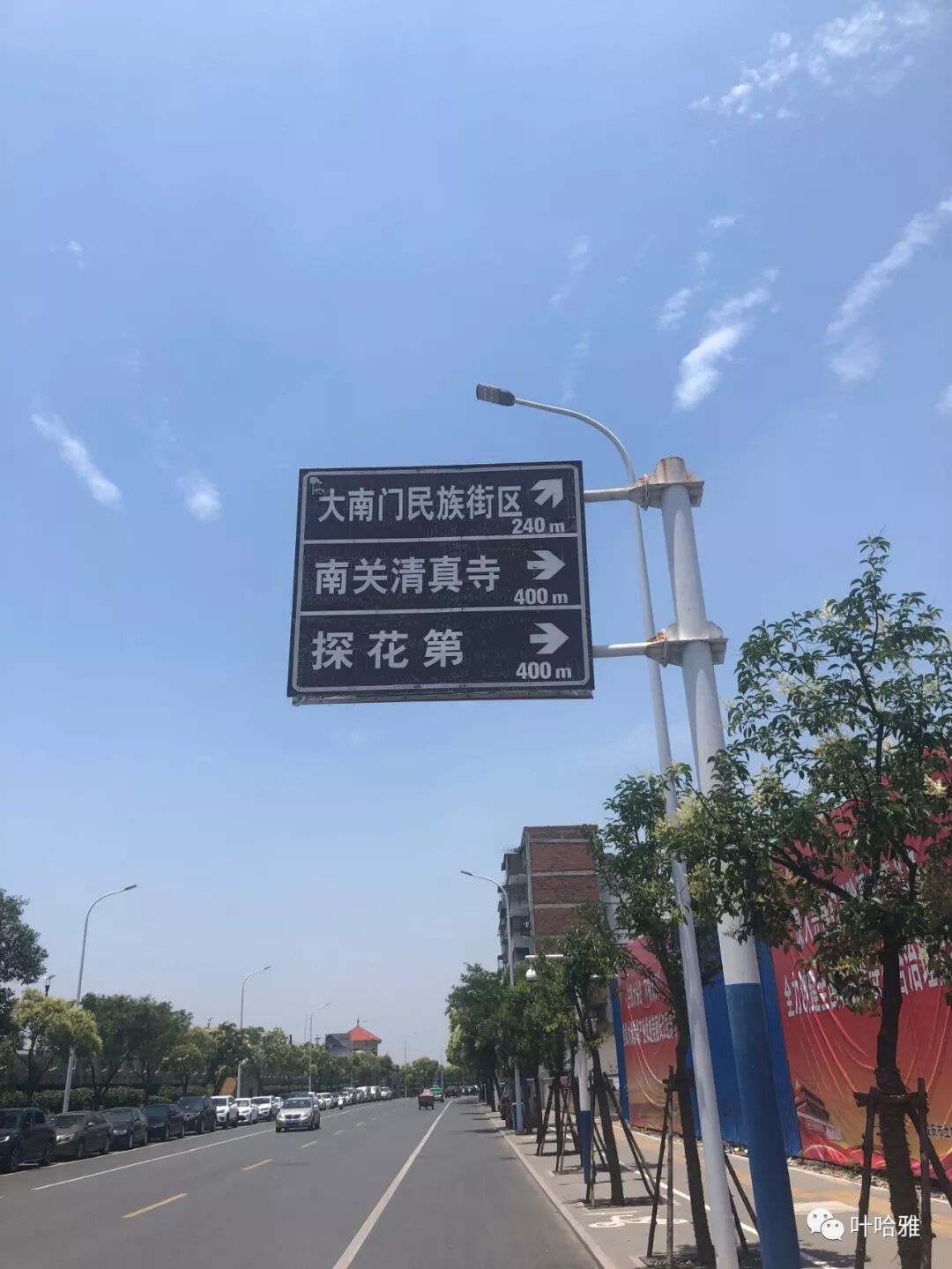
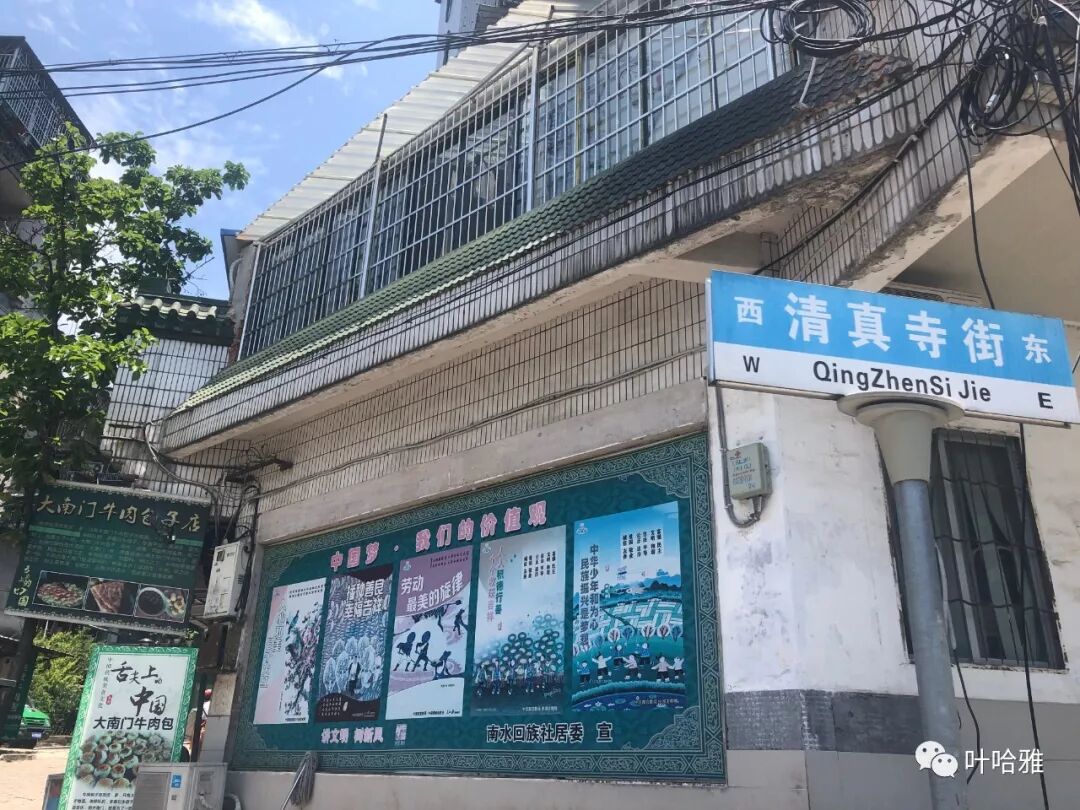
The Dananmen Ethnic Neighborhood in Anqing is a Hui Muslim residential area. It contains a Mosque Street (Qingzhensi Jie) lined with small shops selling halal food. The street is very short and only has a few businesses.
However, this street has a beef bun shop that is very popular locally and was once featured on the show A Bite of China. This Dananmen beef bun is a signature Anqing food. They start selling before dawn every morning and close by 10:00 a.m. It is a breakfast item, and many people come from far away to buy them, often purchasing one or two hundred at a time.
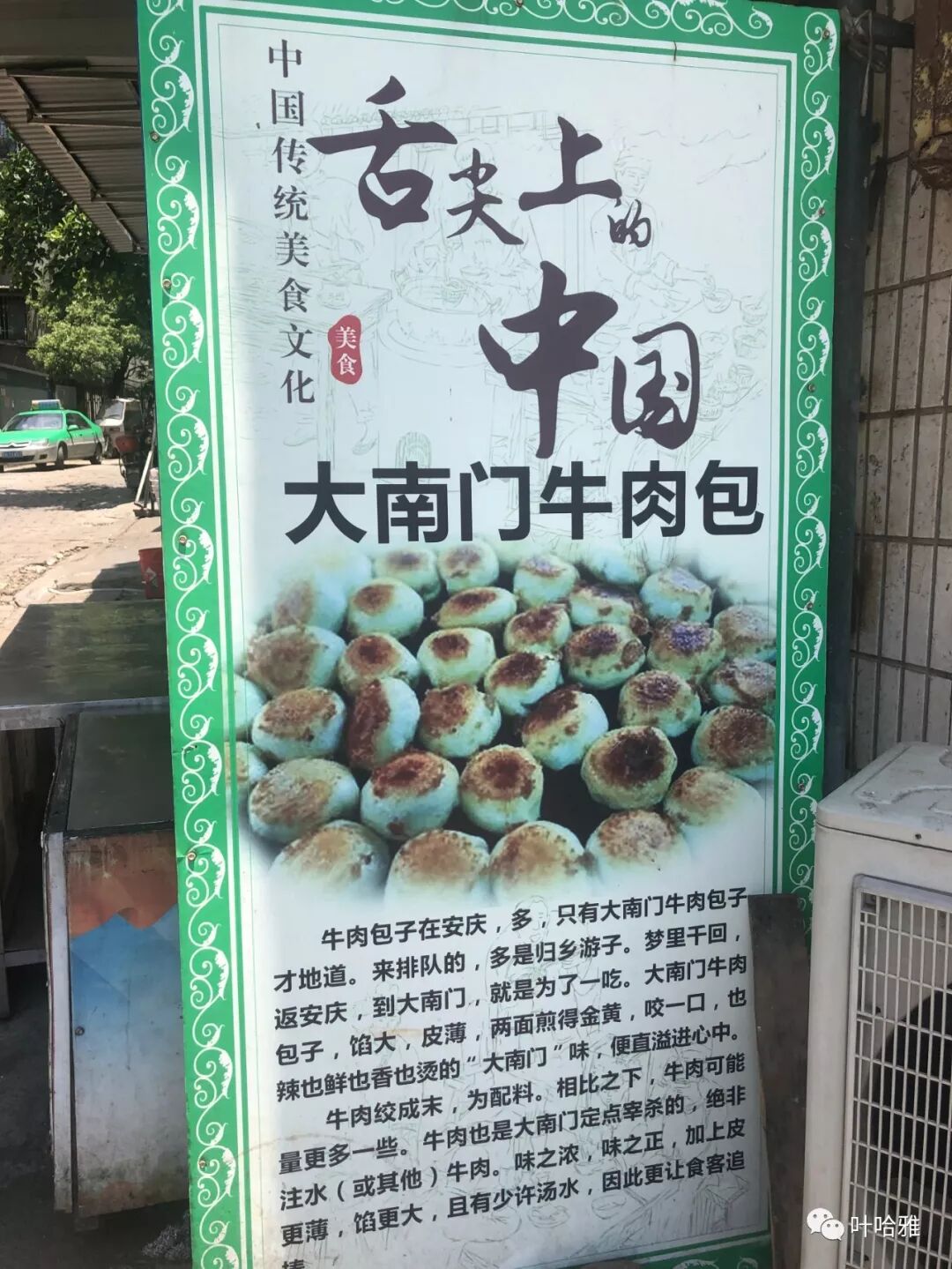
I arrived at noon and missed out on the beef buns. Based on online reviews, I believe the shop lives up to its reputation, but it is not easy to get a taste. People say you have to wait in line for one or two hours.
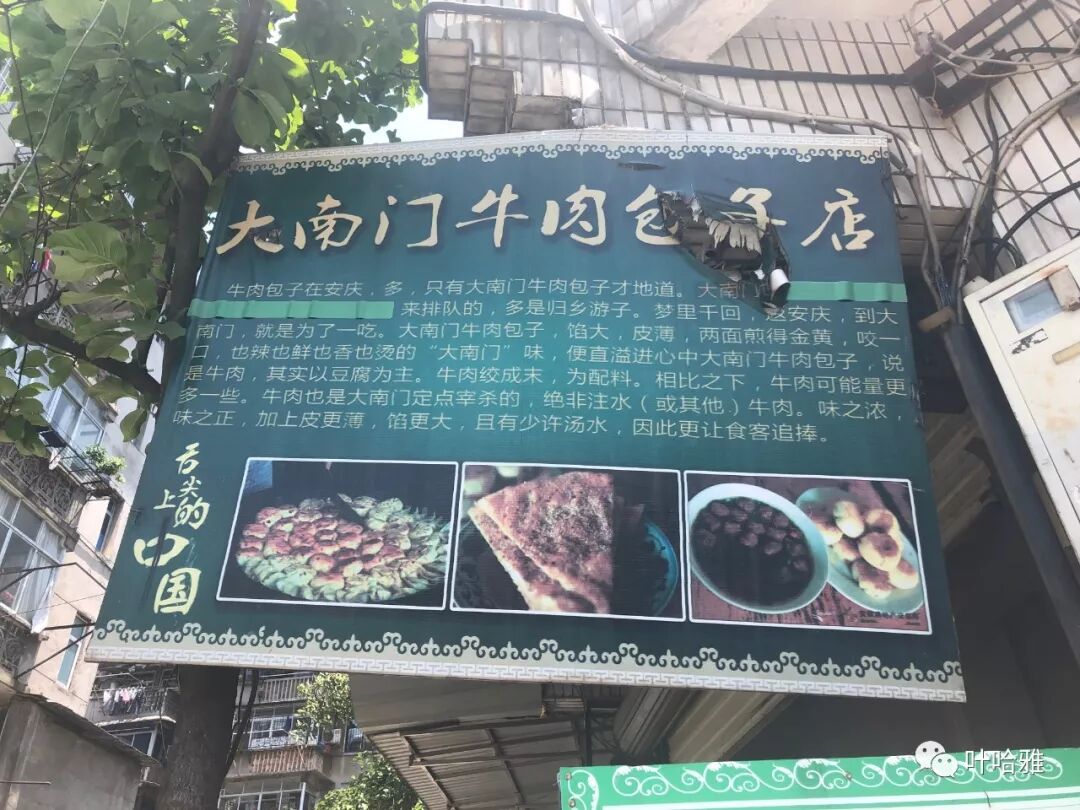
Since I missed the buns, I found it difficult to find anything else to eat. Local residents are not used to eating out at noon, so many restaurants were closed.
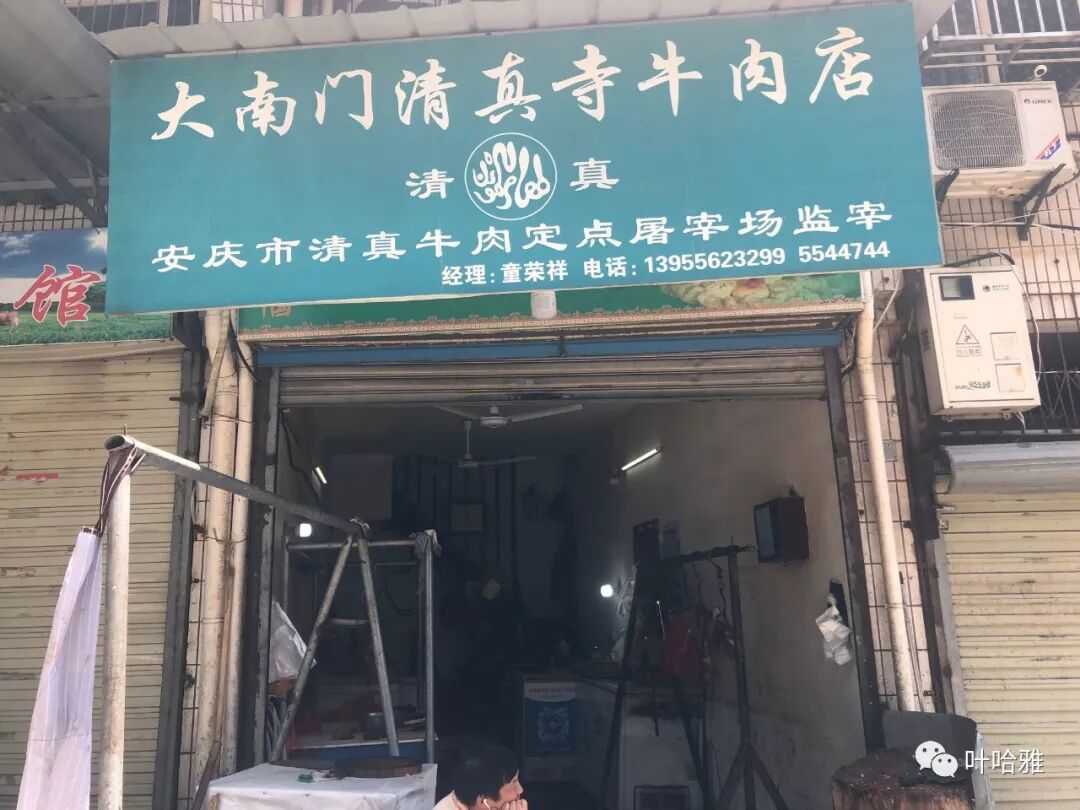
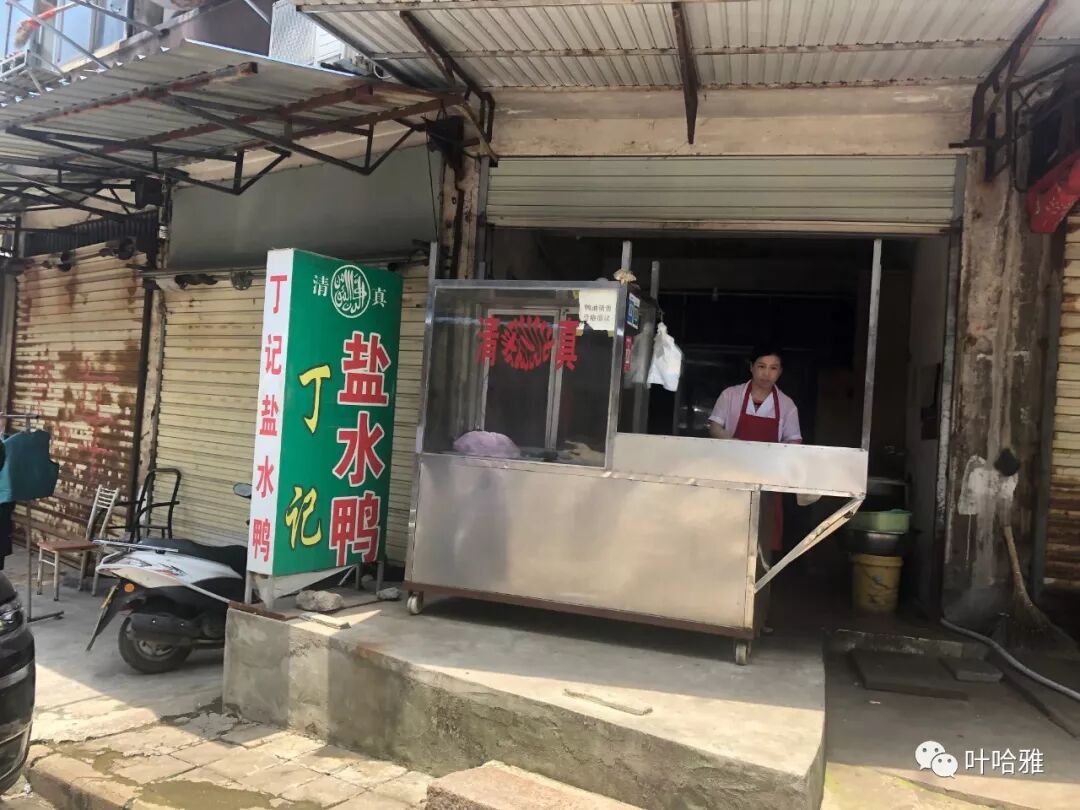
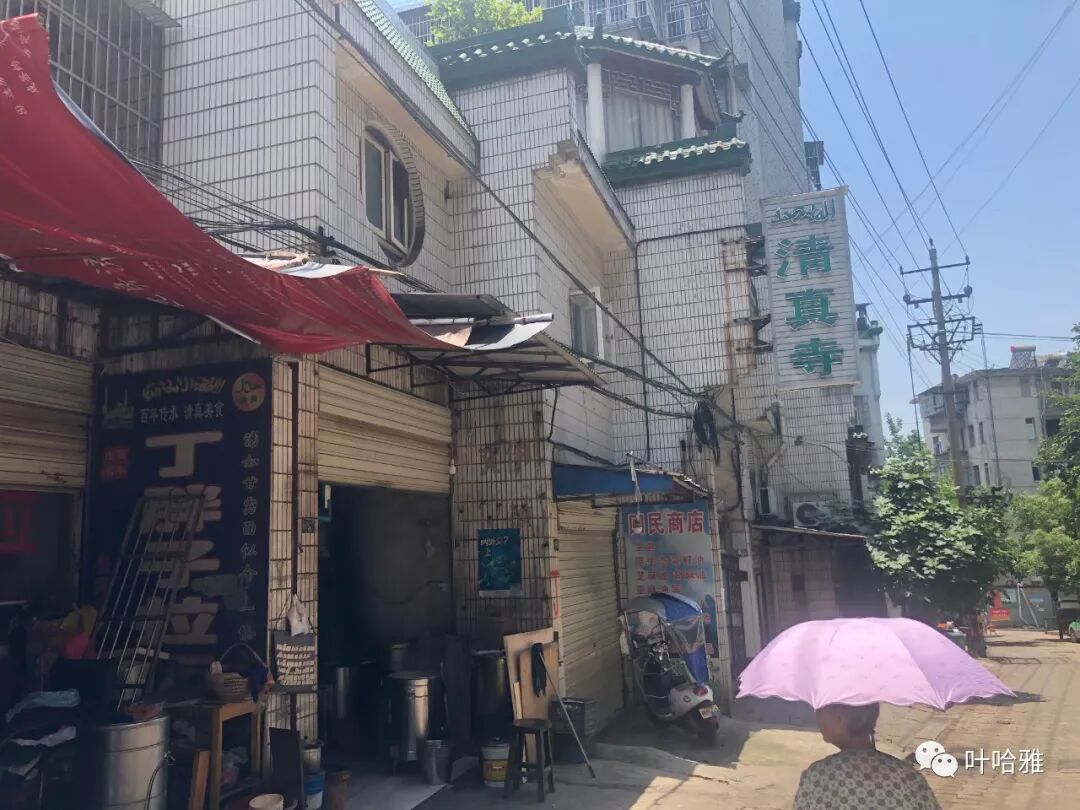
Only a few shops were open on this street, and they were all run by local Hui Muslims.
I met an elderly local community leader at the mosque. When he learned I had come all the way from Beijing, he treated me to a bowl of Anqing beef noodles at a shop in front of the mosque. This friend (dosti) is named Man. May Allah reward those who make things easy for travelers.
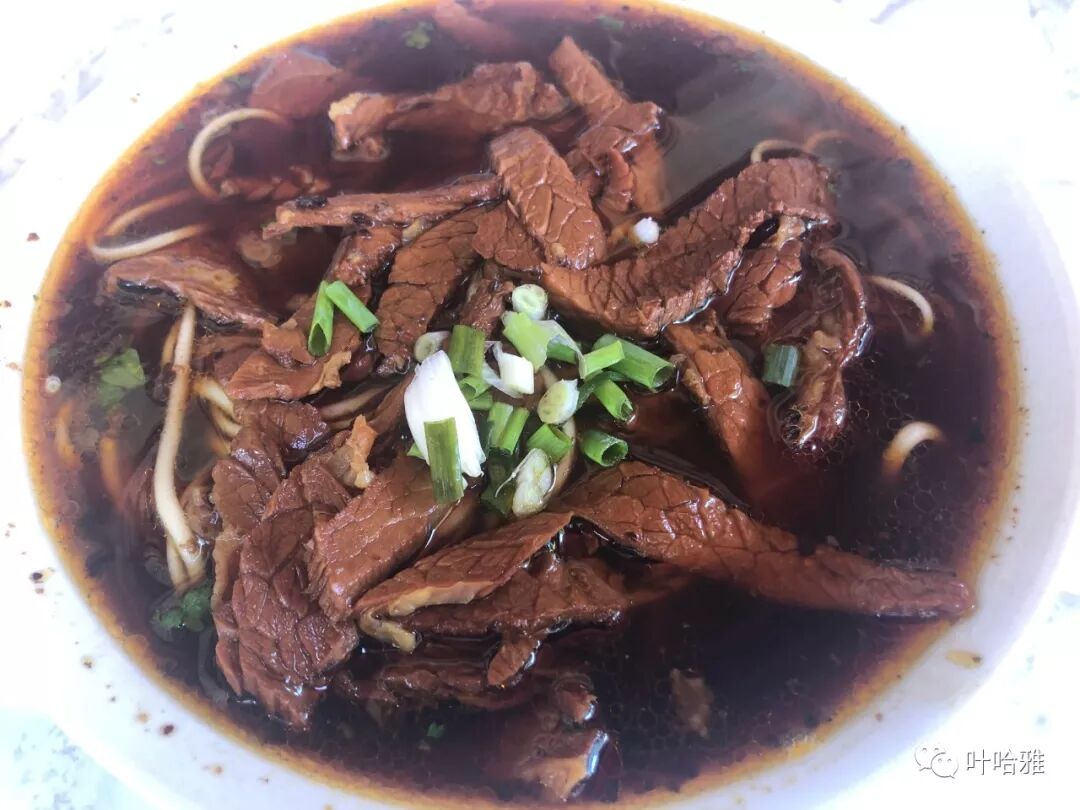
The beef noodles in Anqing have a generous amount of beef. The flavor is slightly spicy, and the broth is rich and fragrant.
Right next to the beef noodles is the entrance to the Anqing Nanguan Mosque. This mosque was built by Ma Yi, a second-rank commander-in-chief during the Ming Dynasty, and it is a Major Historical and Cultural Site Protected at the National Level.
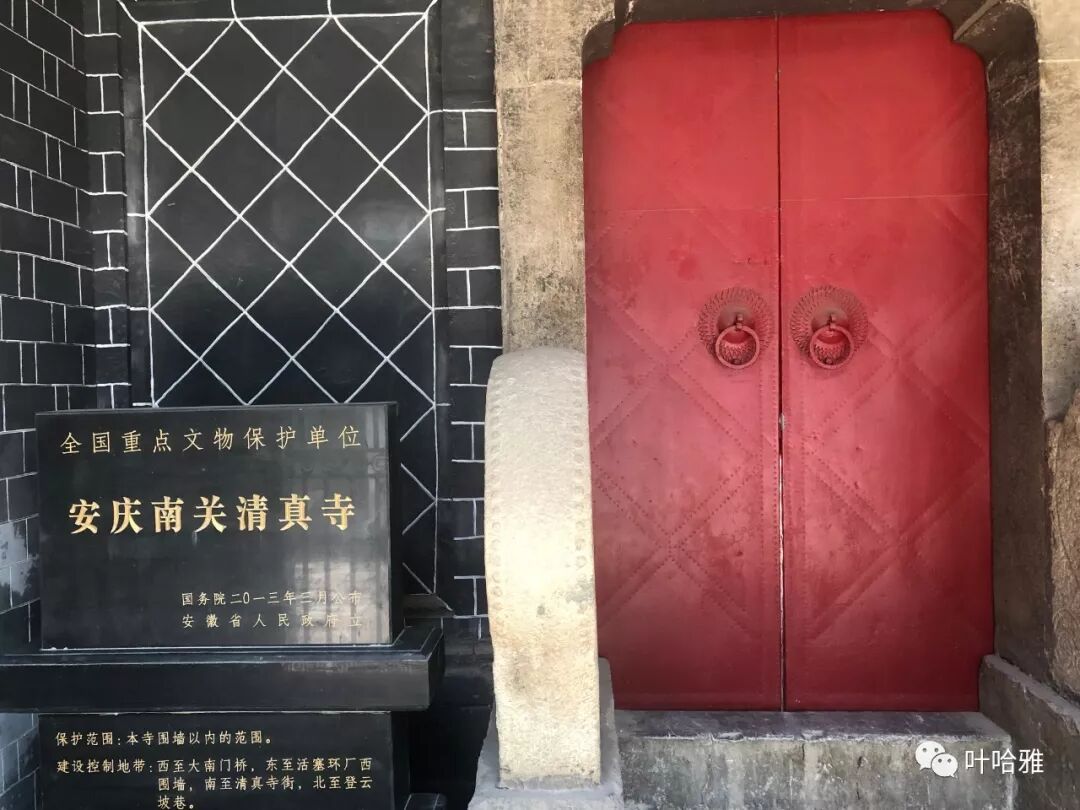
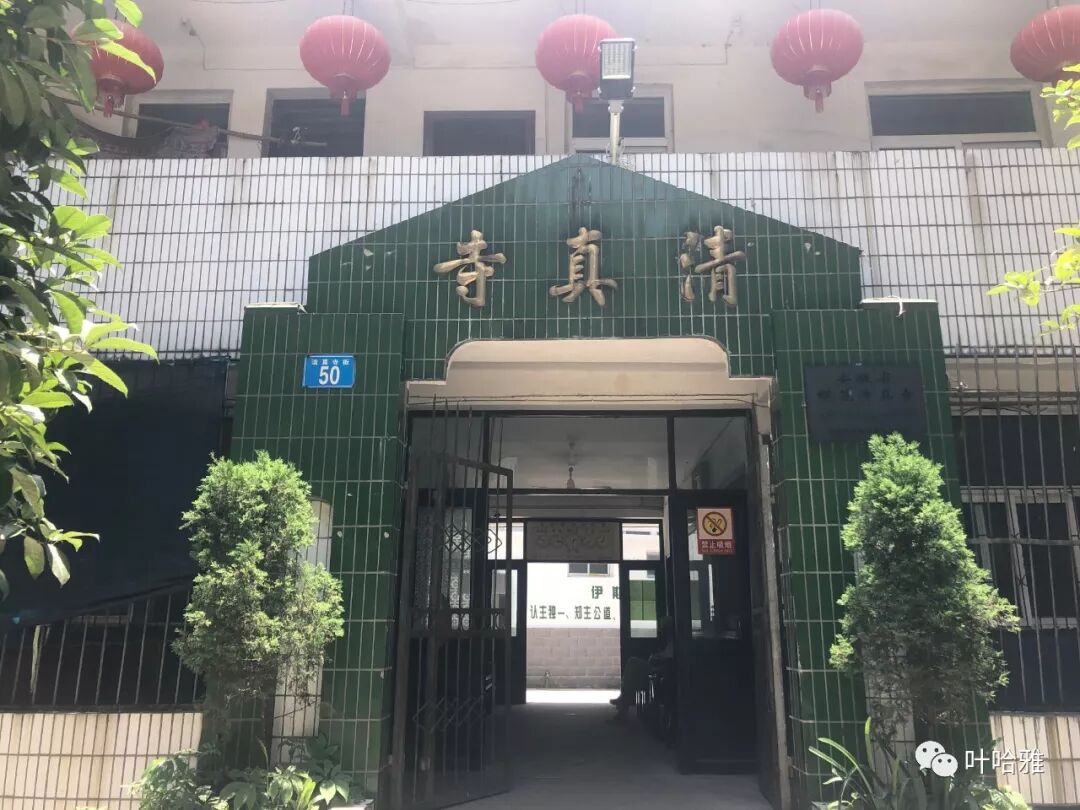
In 1381, Ming Dynasty General Ma Jucheng led Hui Muslim soldiers to garrison Anqing city and established the Anqing Garrison, which has a longer history than the Tianjin Garrison. The first mosque in Tianjin, the Jinjiayao Mosque, was also founded by Hui Muslims from the Anqing transport guild. To this day, many Hui Muslims in Tianjin still claim their ancestral home is Anqing Prefecture, and some of the Tianjin Hui Muslim dialect pronunciations originated from the Anqing Garrison.
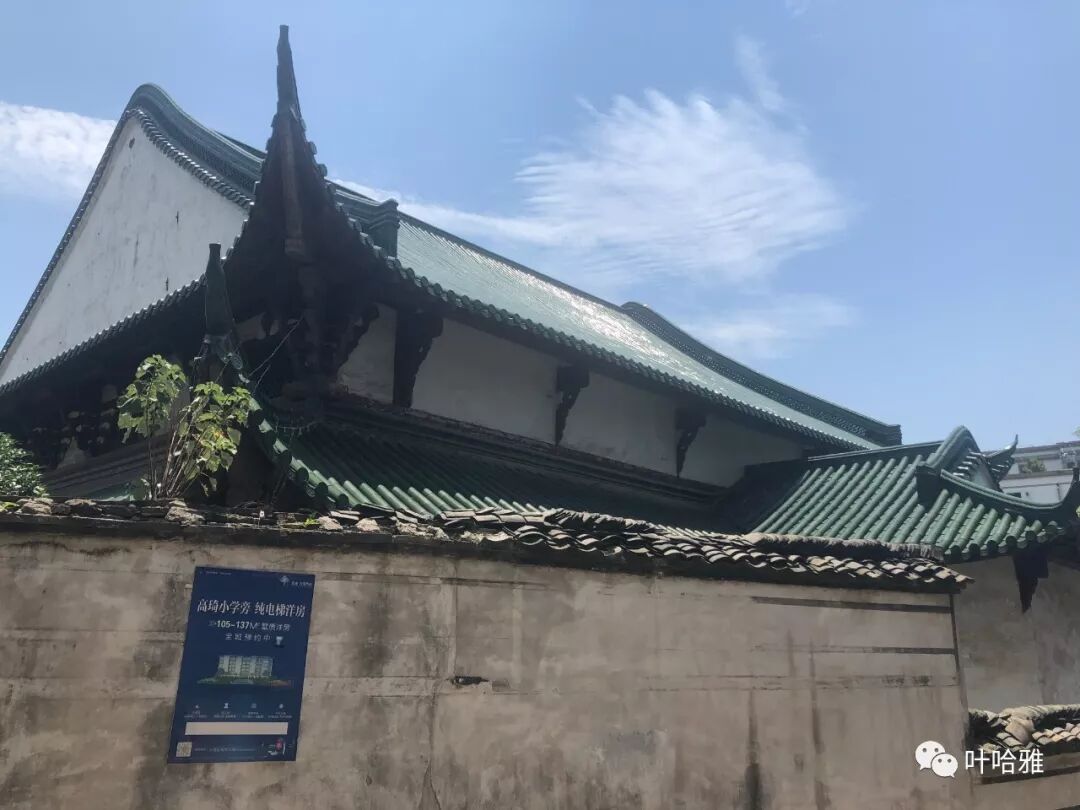
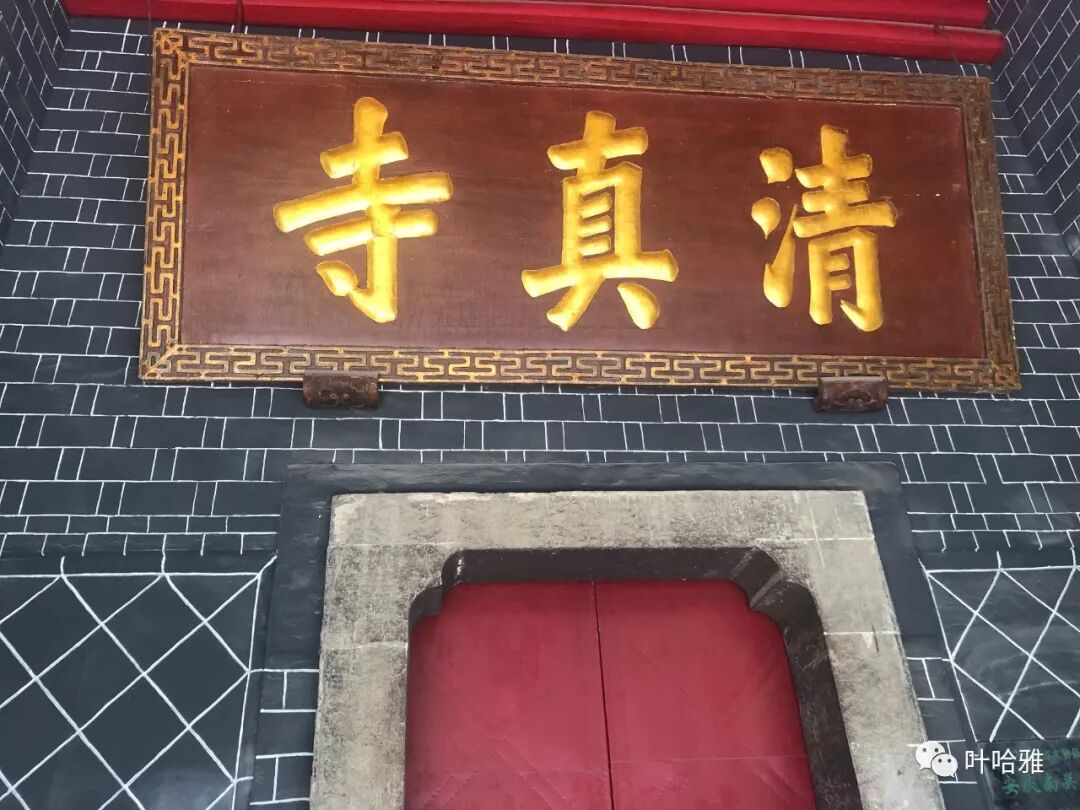
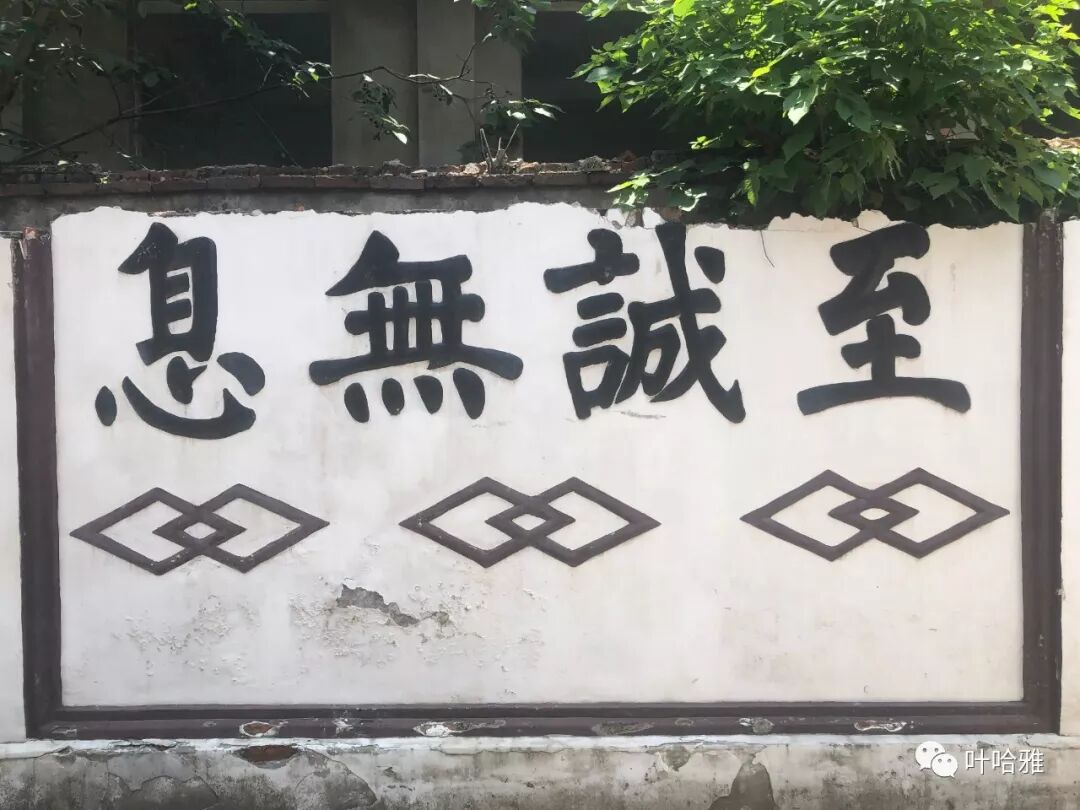
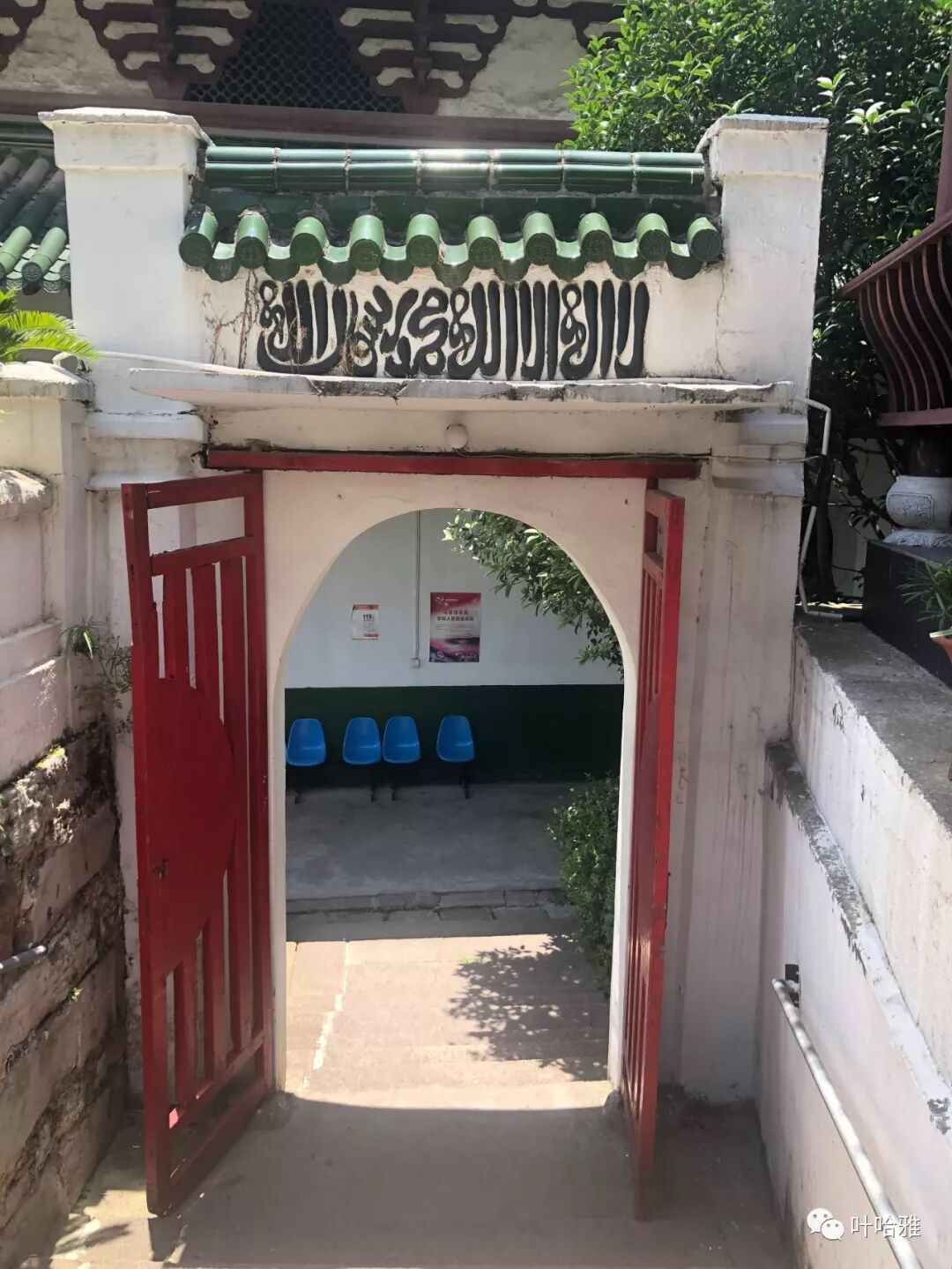
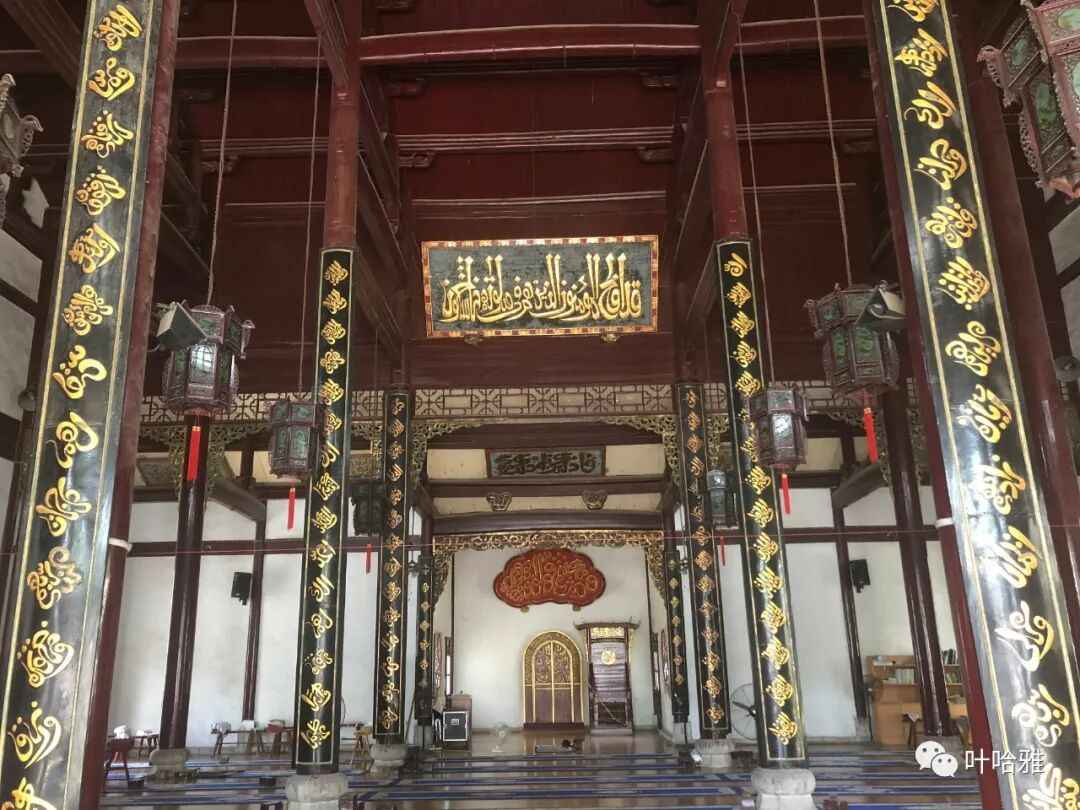
The ceiling height inside the main prayer hall is likely the highest in East China.
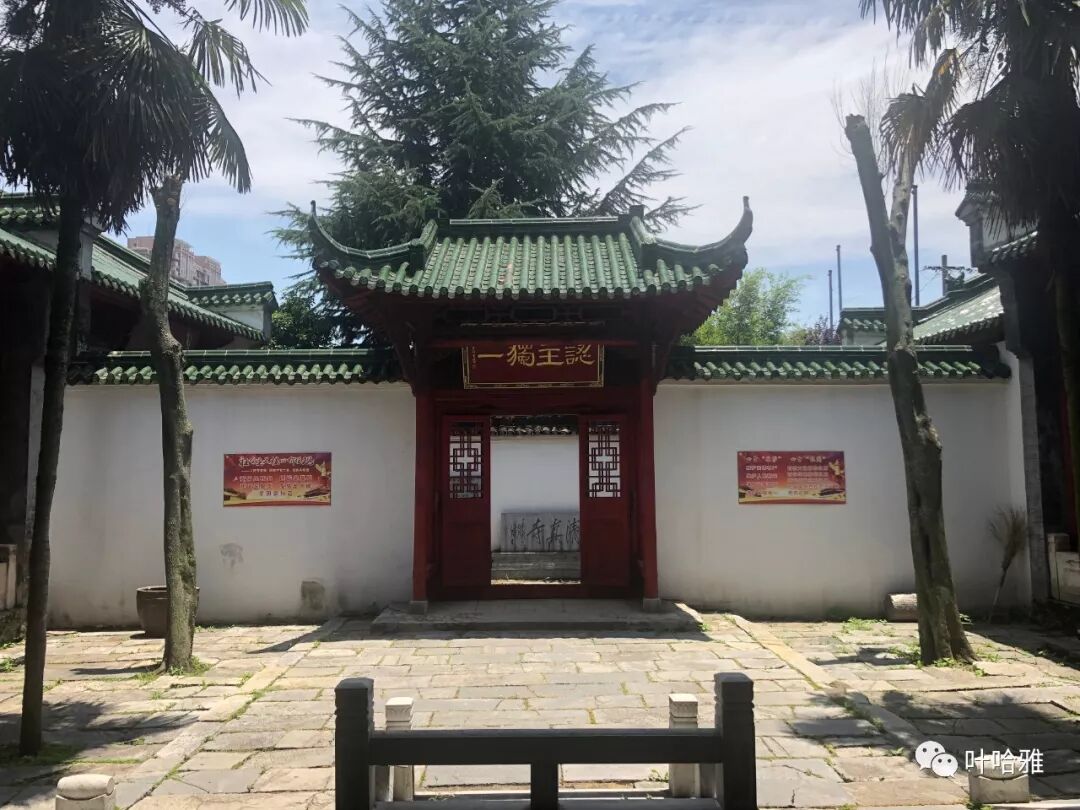
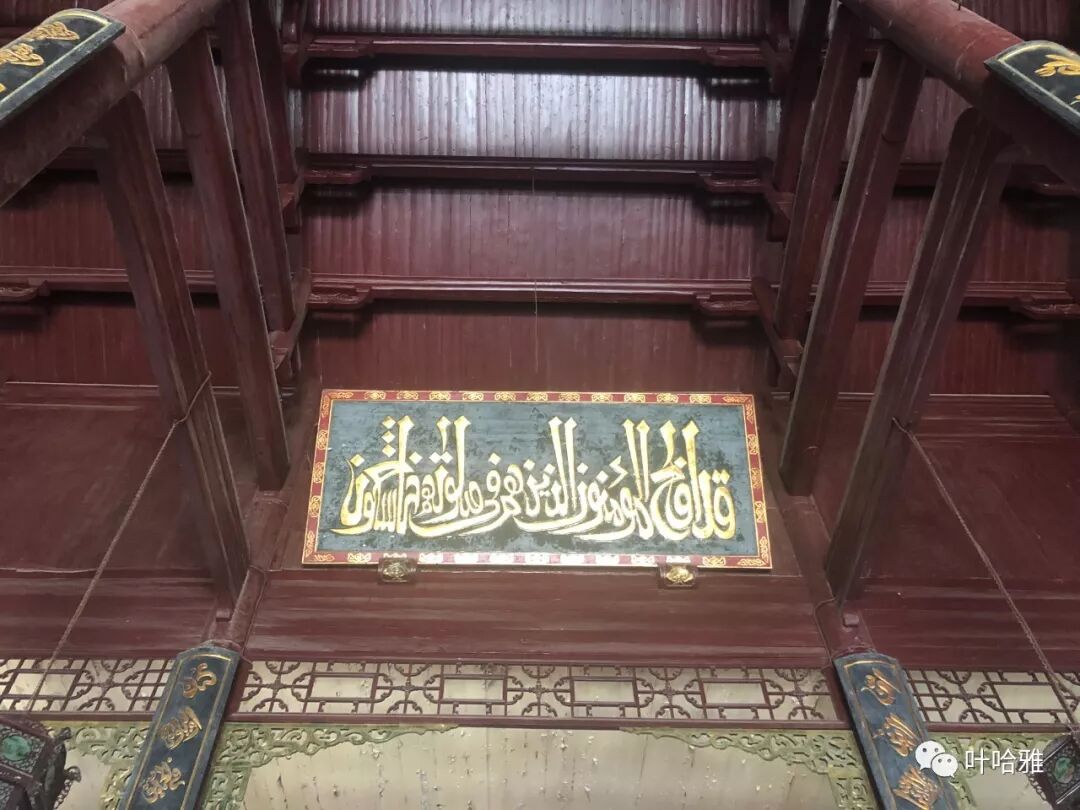
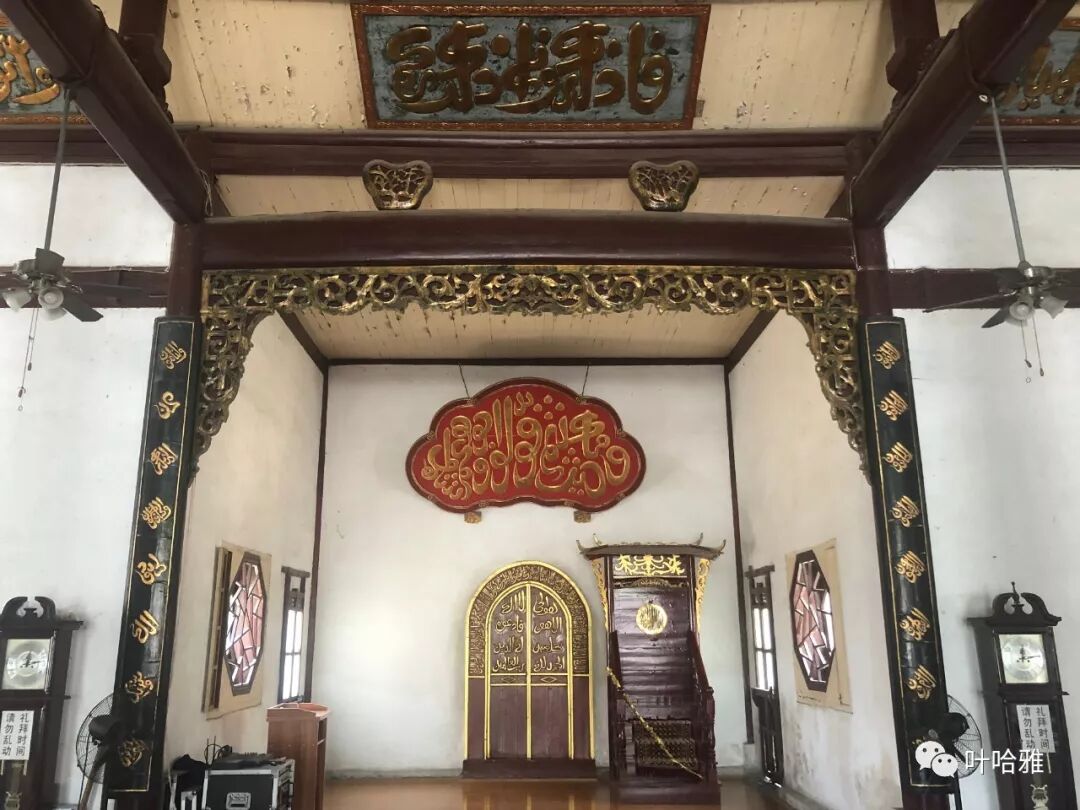
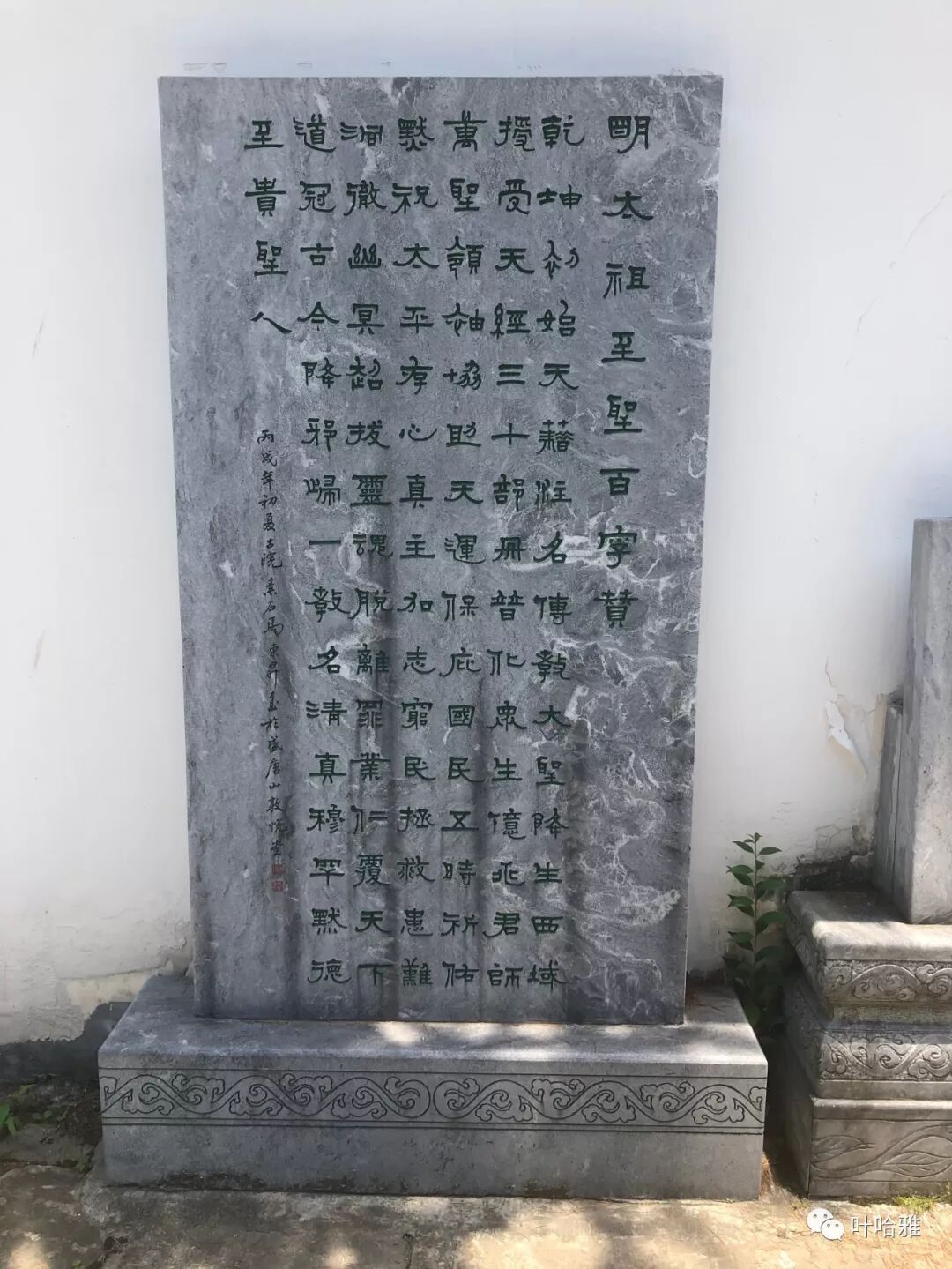
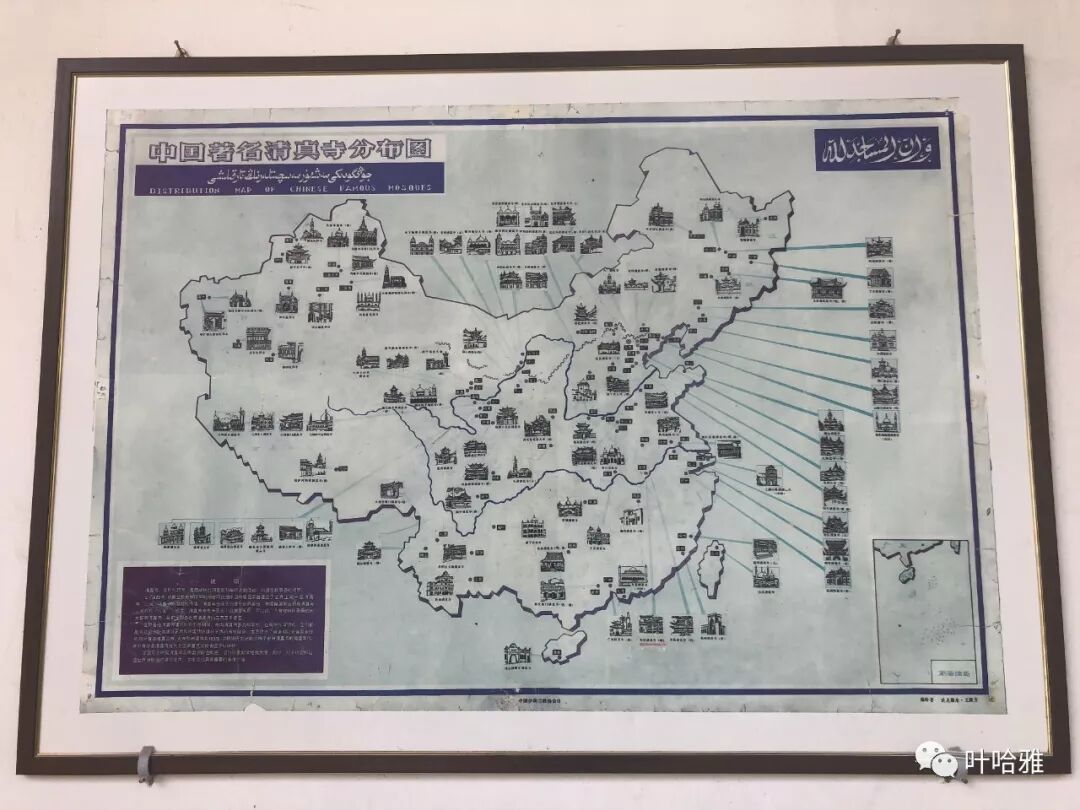
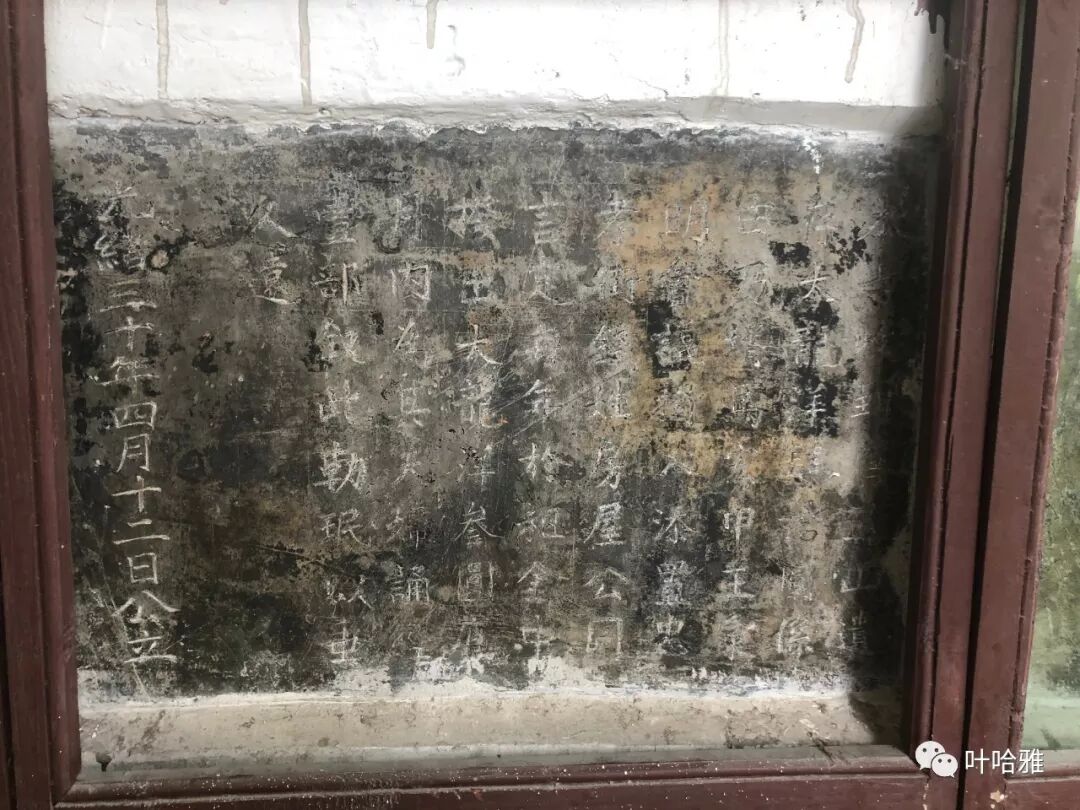
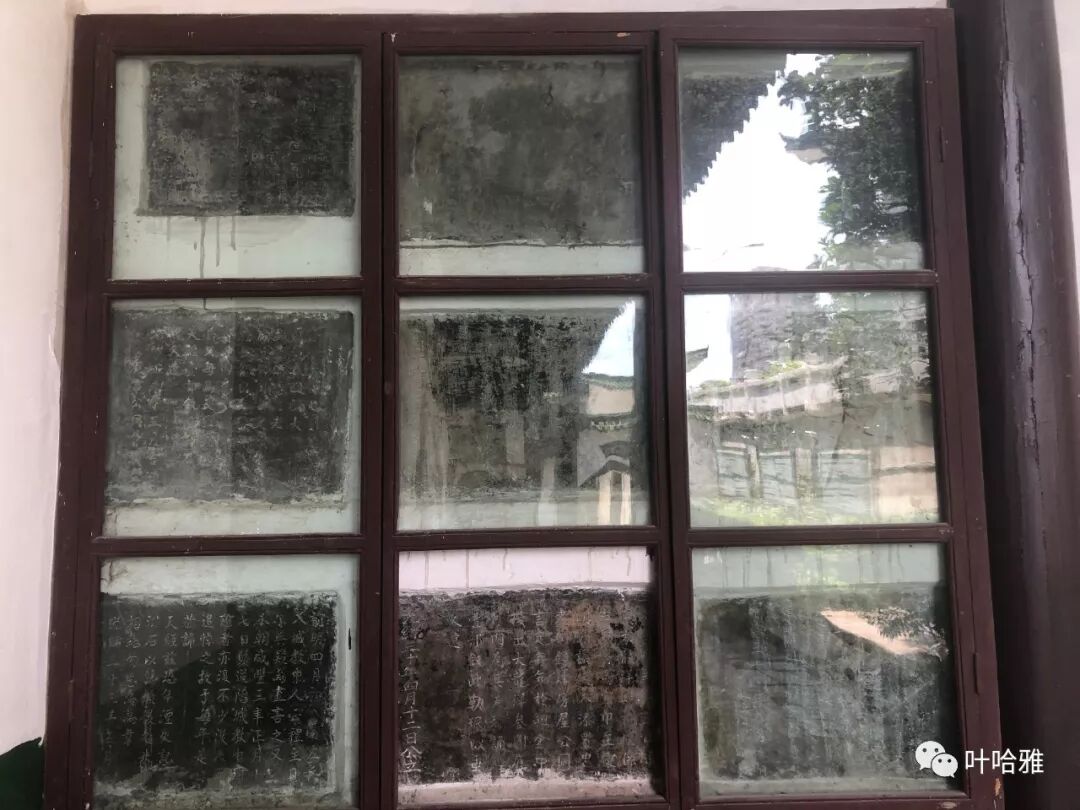
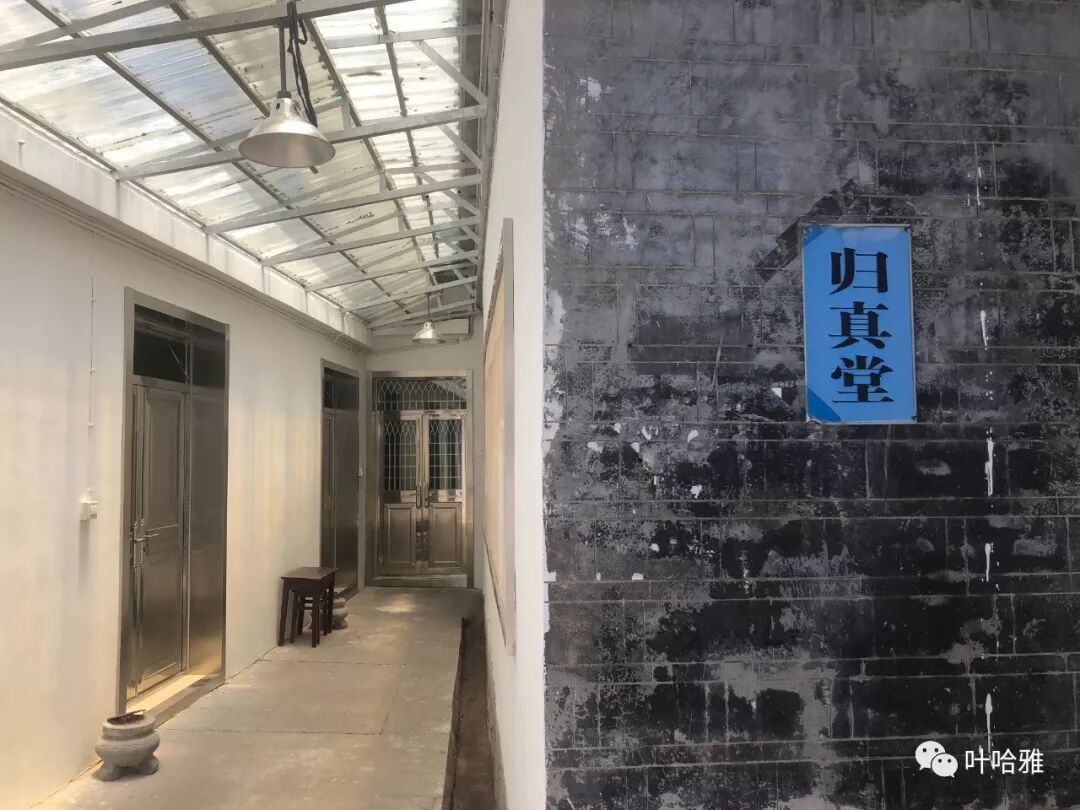
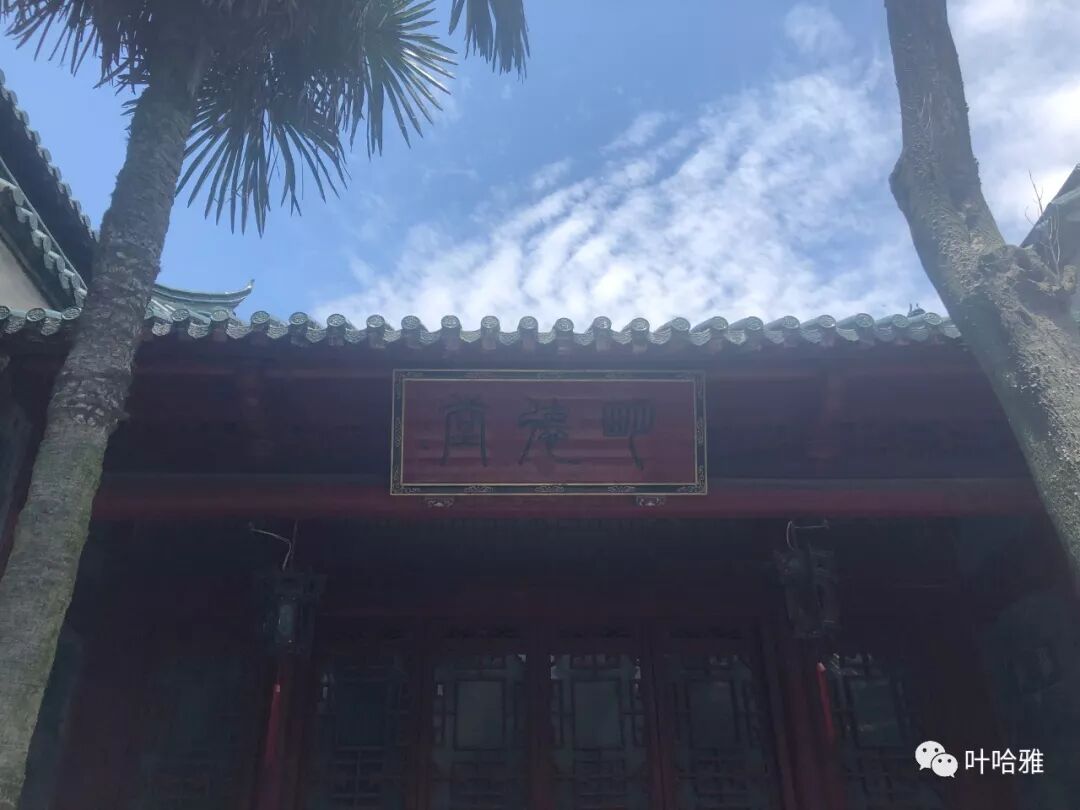
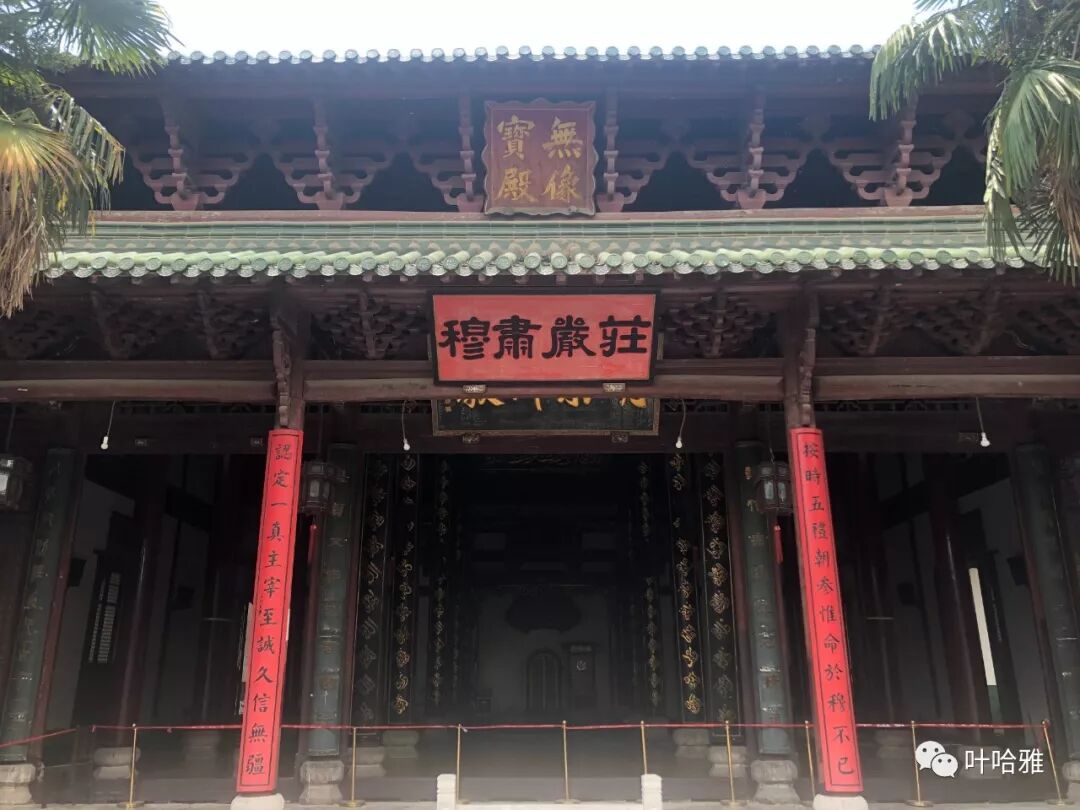
It is inscribed with the words 'Hall of No Images'.
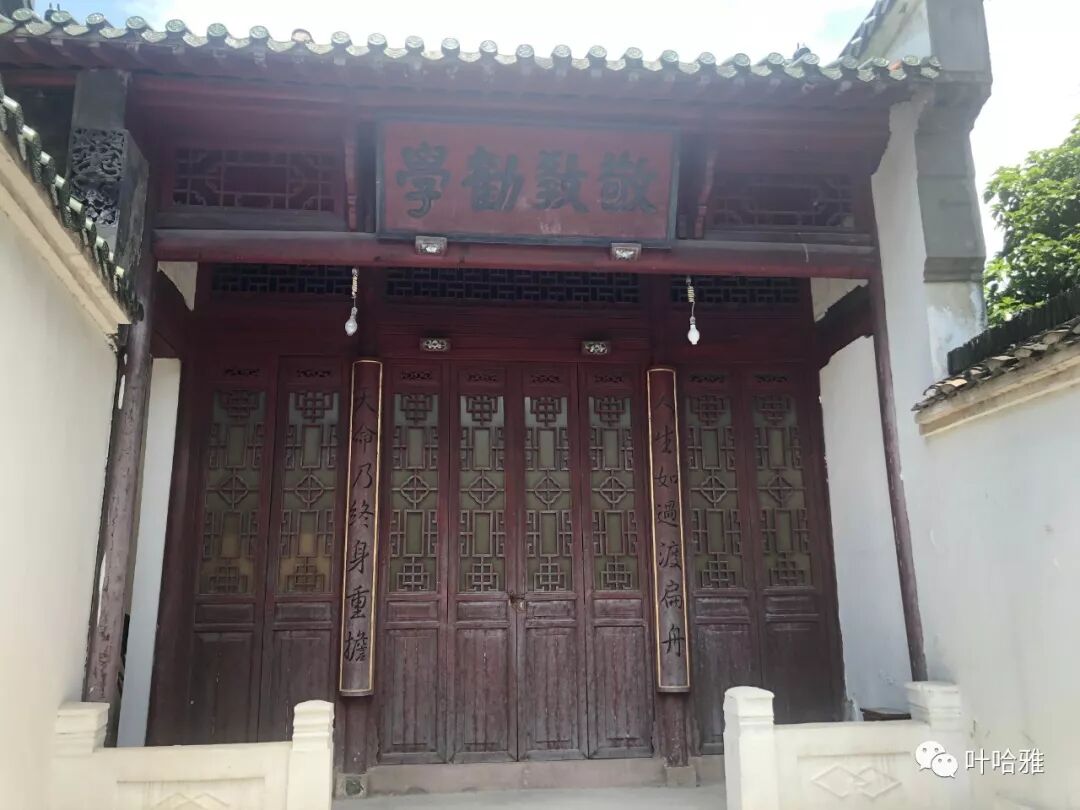
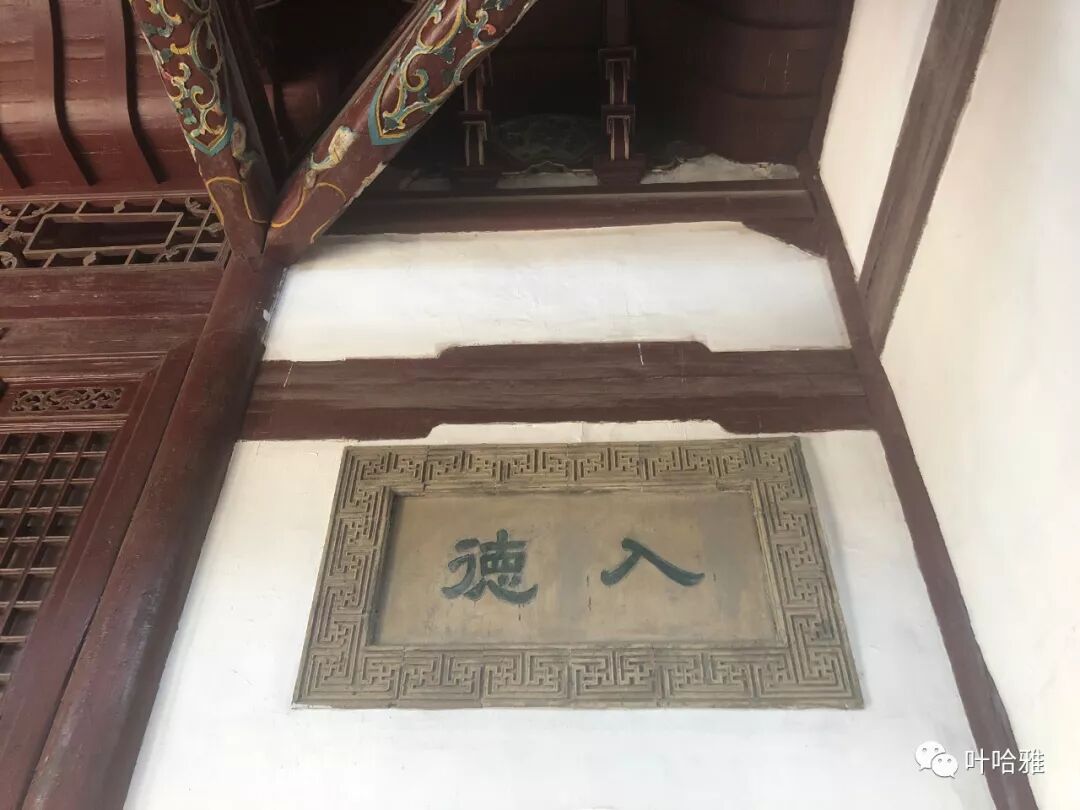
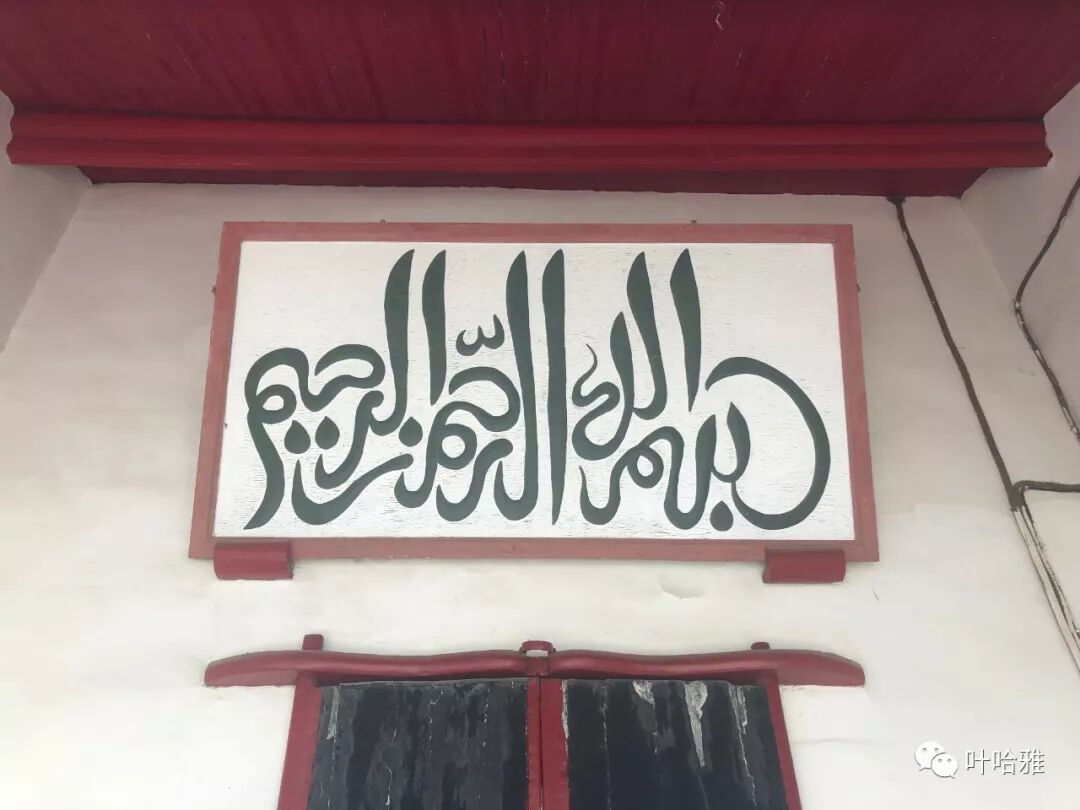
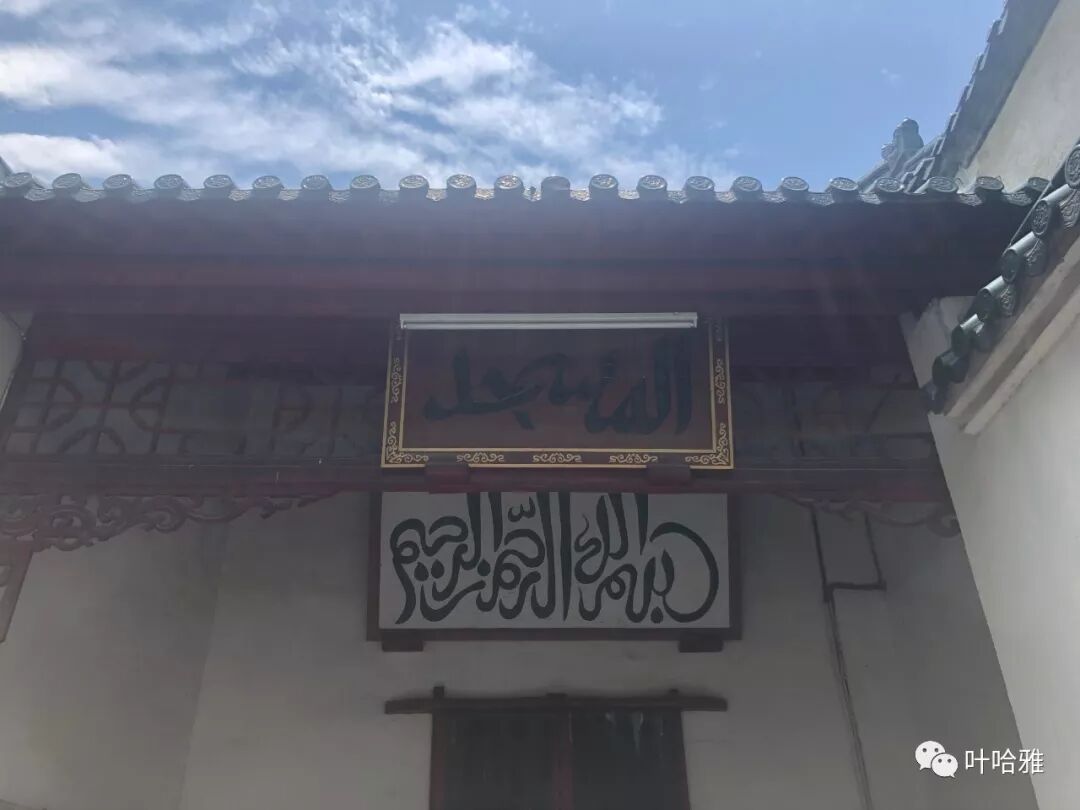
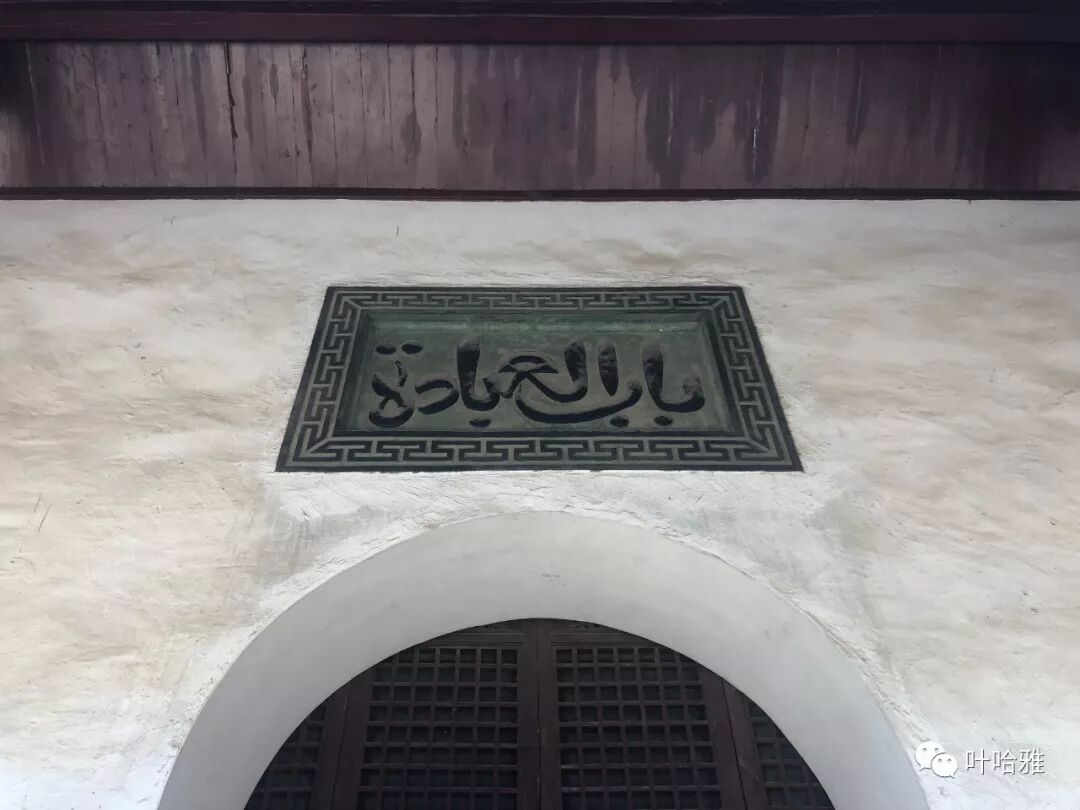
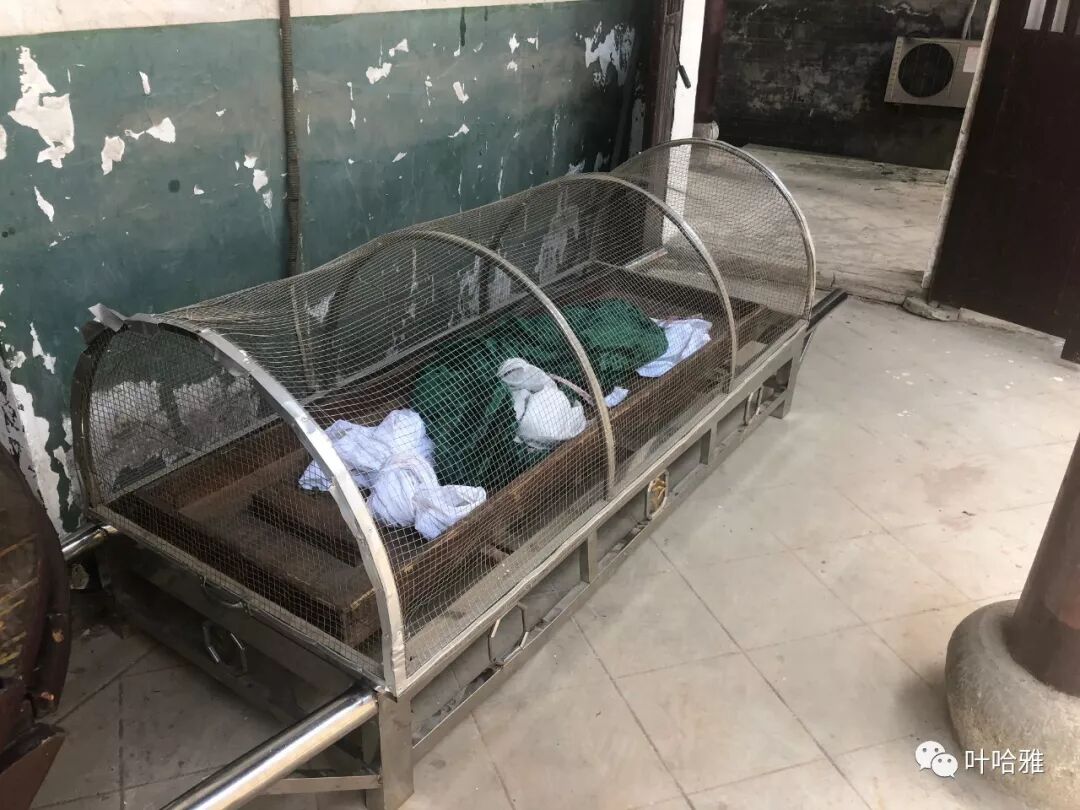
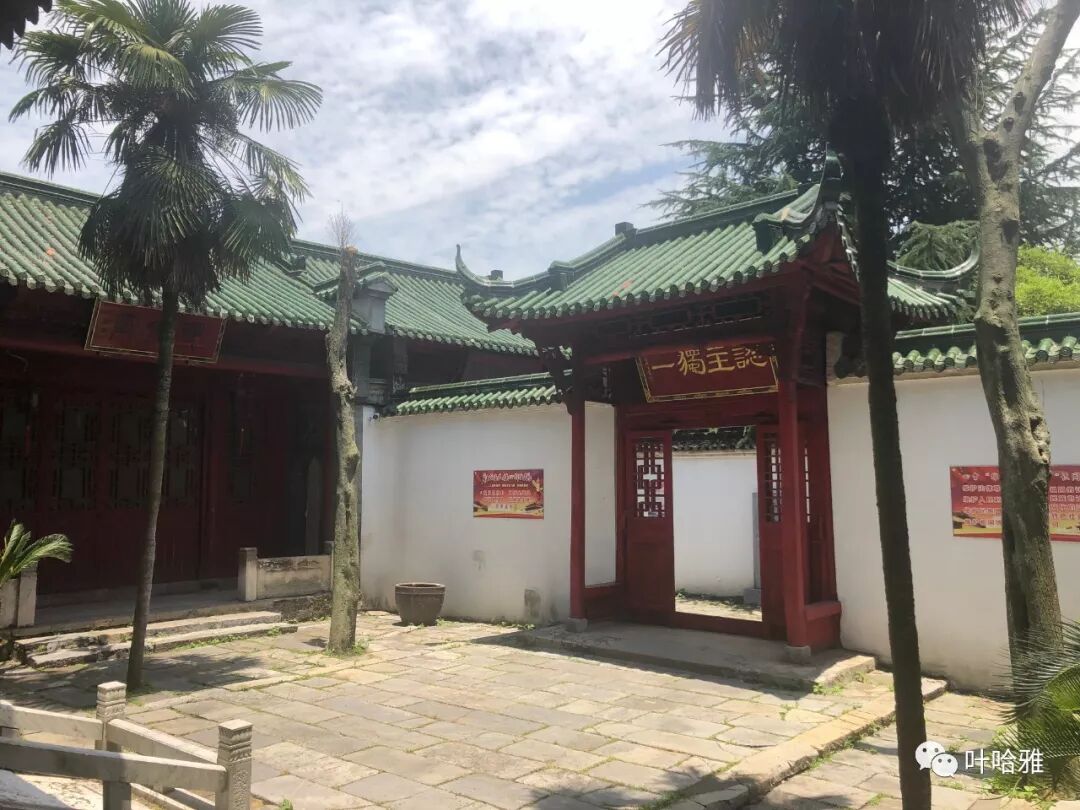
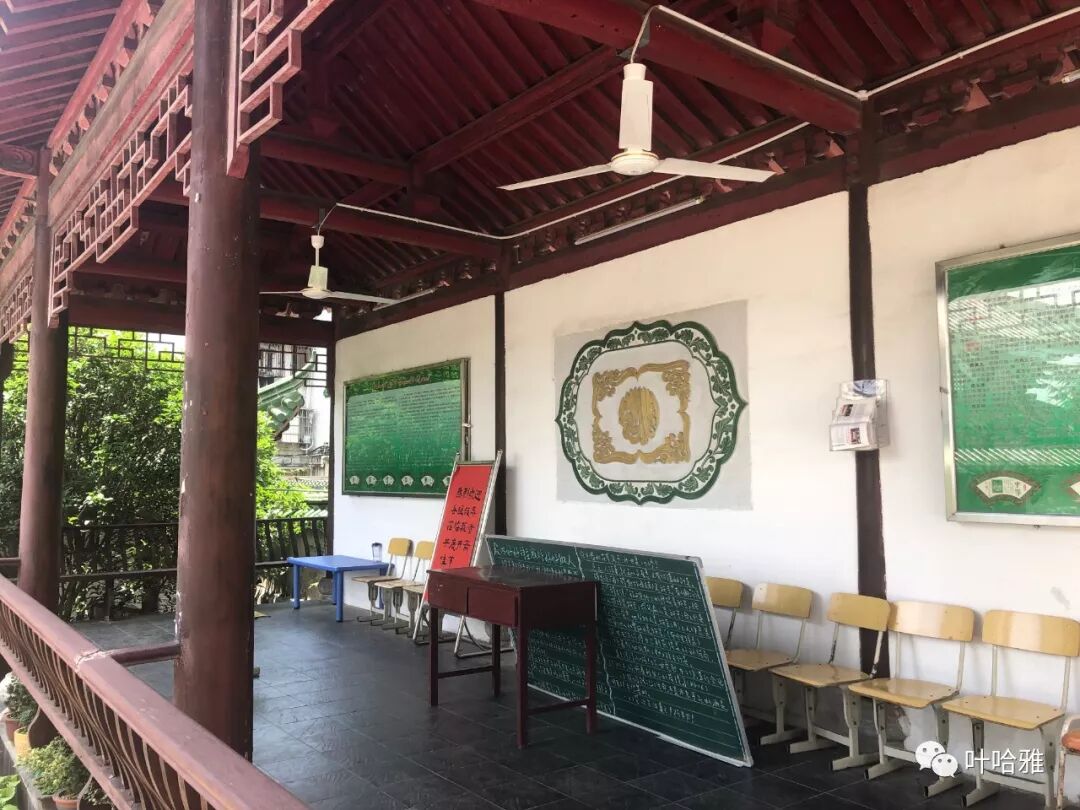
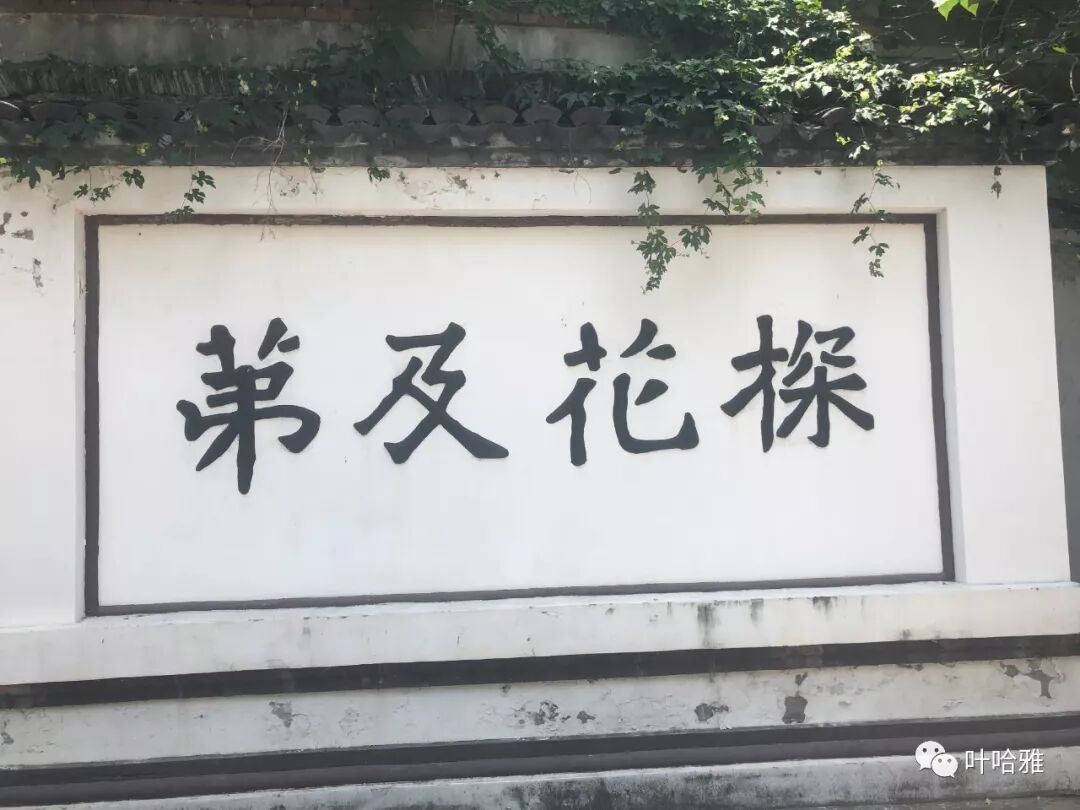
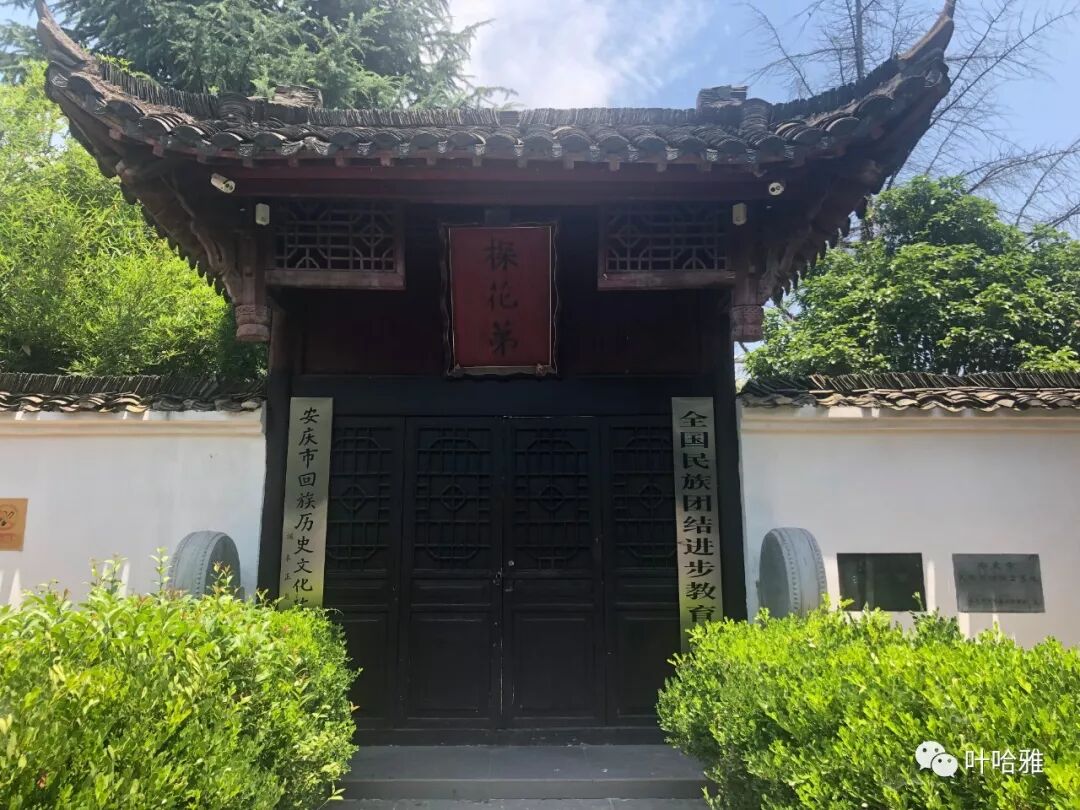
Tanhua Mansion is the common name for the Qingzhen Guoyuetang, which is part of the Anqing Mosque. After Ma Dayong, an eighth-generation descendant of the Anqing Ma family, placed third in the imperial martial examinations, the Yongzheng Emperor bestowed a golden plaque reading 'Tanhua Jidi' (Third Place Scholar) which hung high in the residence. After this, the Qingzhen Dunyuetang became commonly known as Tanhua Mansion. Today, the Qingzhen Guoyuetang serves as the Anqing Hui Muslim History Museum.
2. Shou County, Huainan
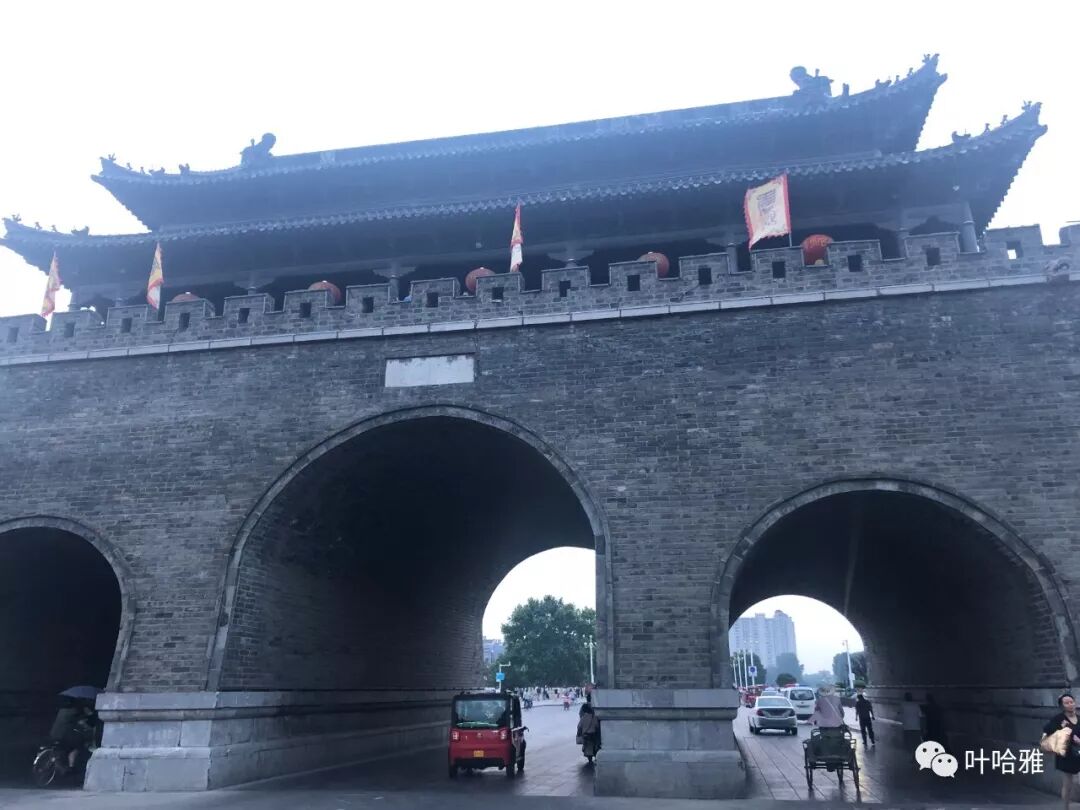
The ancient city of Shou County in Huainan is an area with a strong Islamic presence and a large Hui Muslim population. Local homes here feature distinct Hui Muslim decorations, such as couplets written in Arabic calligraphy posted on the doors.
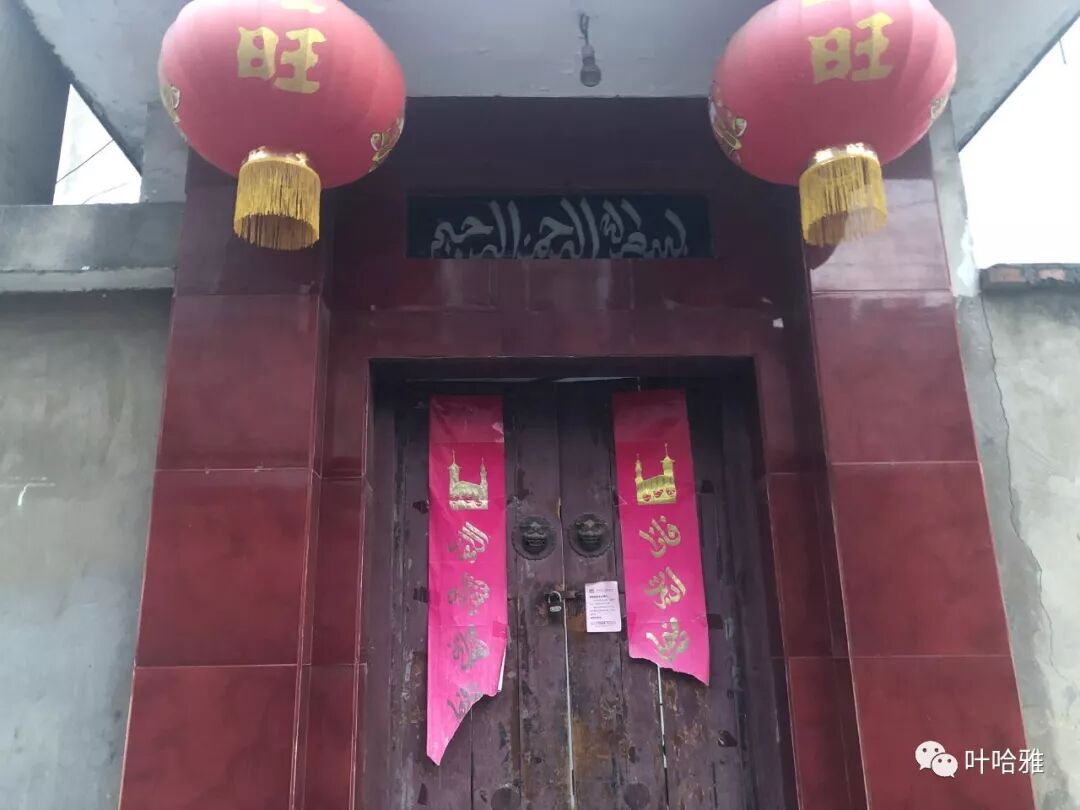
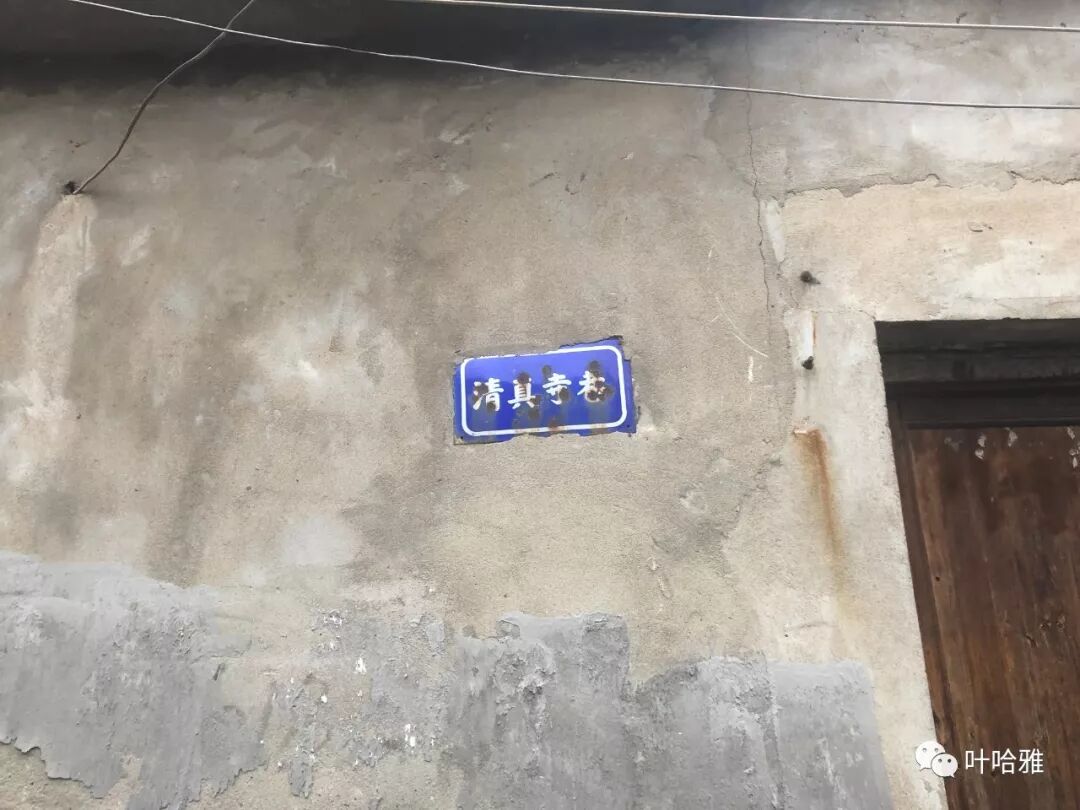
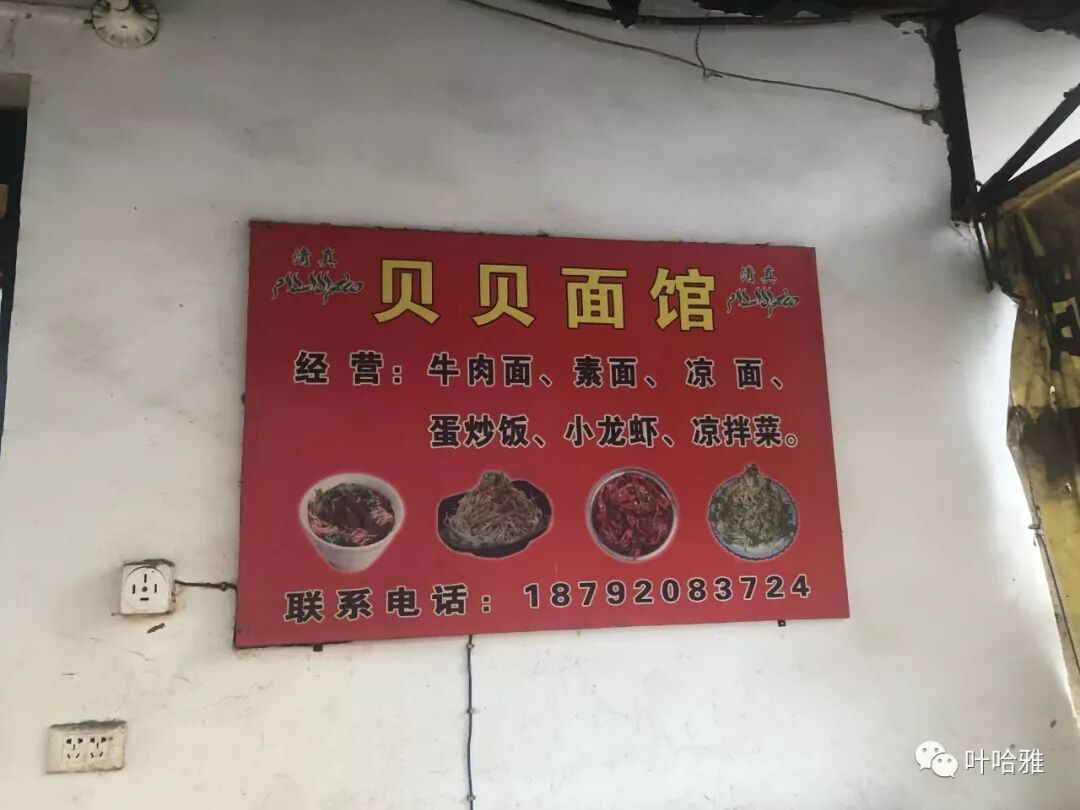
The halal food in the ancient city of Shou County focuses on local specialties, and Hui Muslims make up about one-third of the local population.
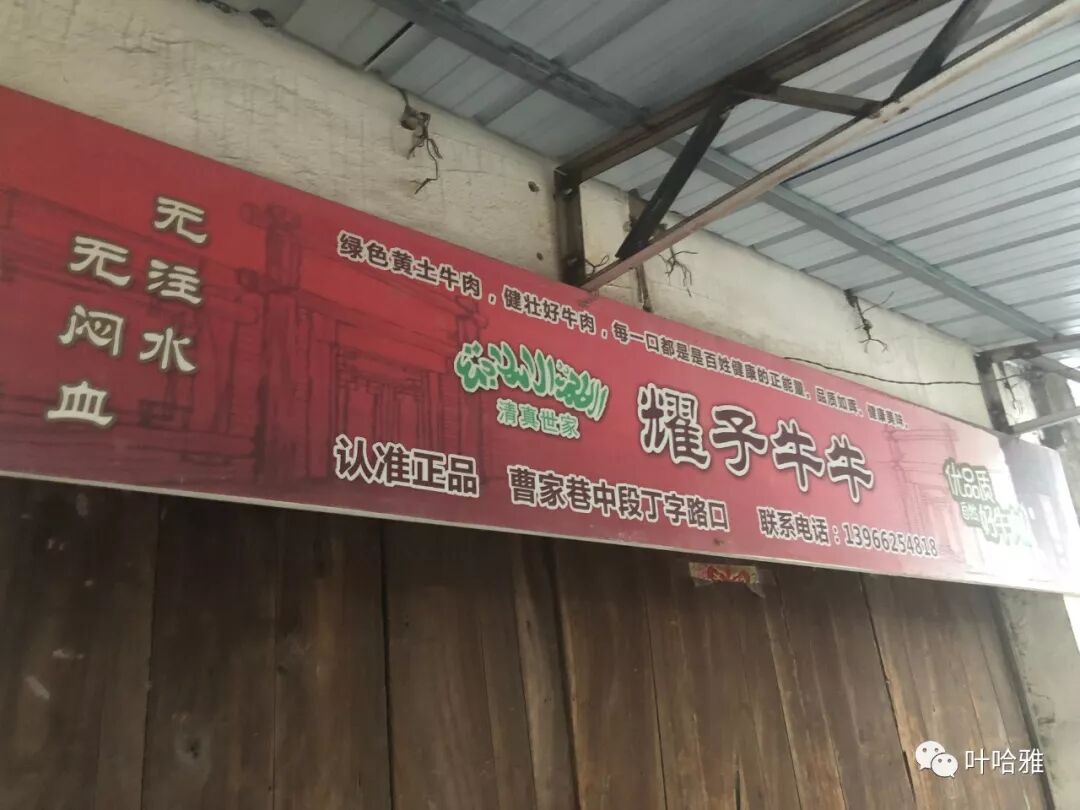
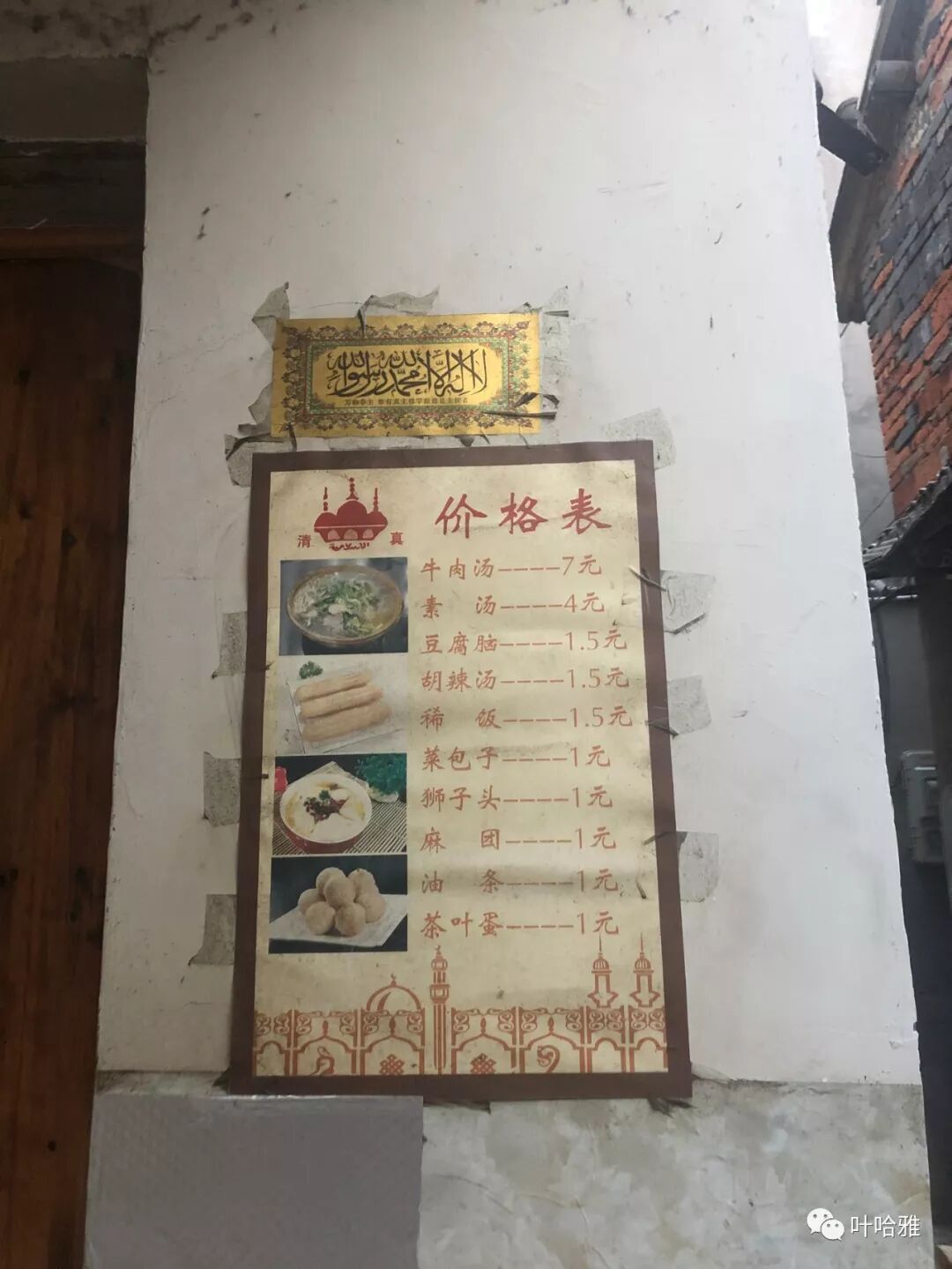
Beef soup (niuroutang) is a major local snack in Huainan. Near Renmin University of China in Beijing, there is a halal Hu Ji Huainan Beef Soup shop that is very authentic.
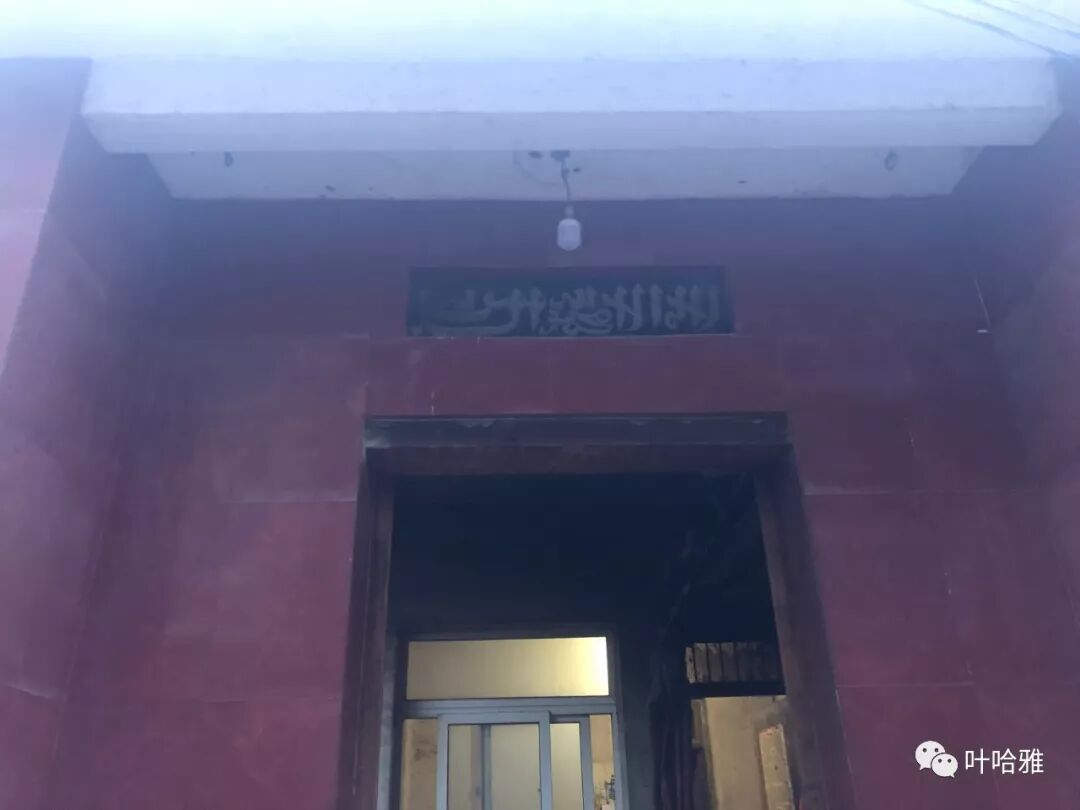
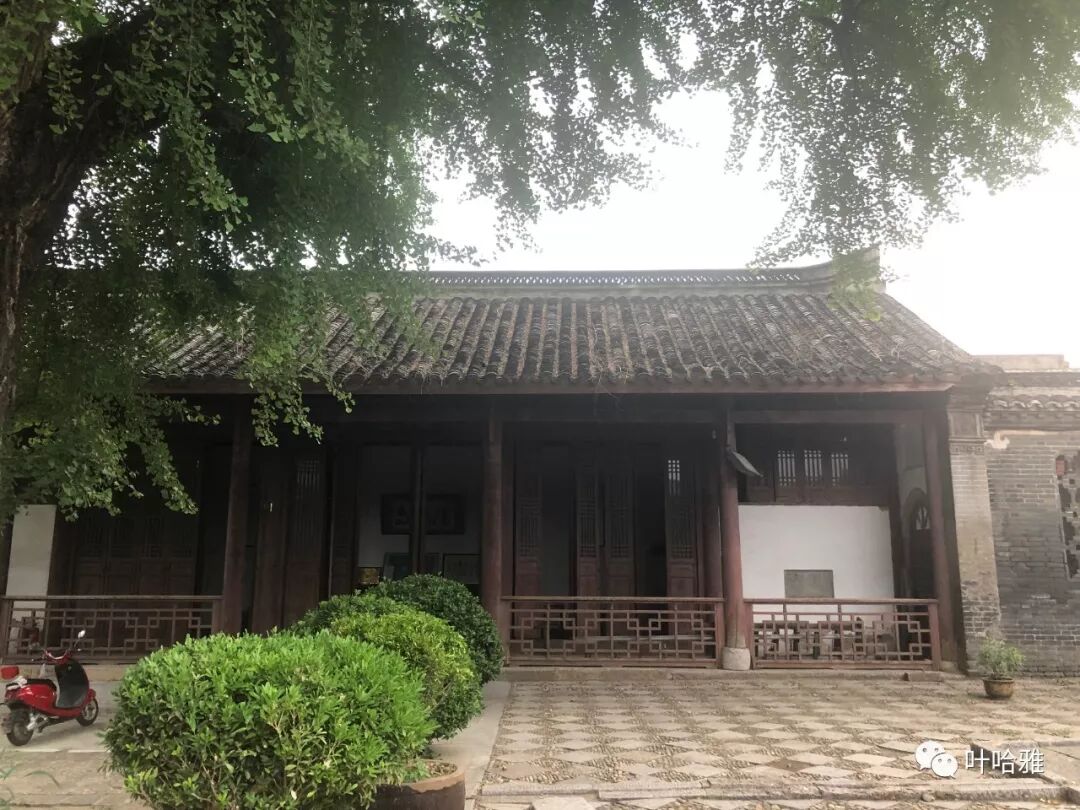
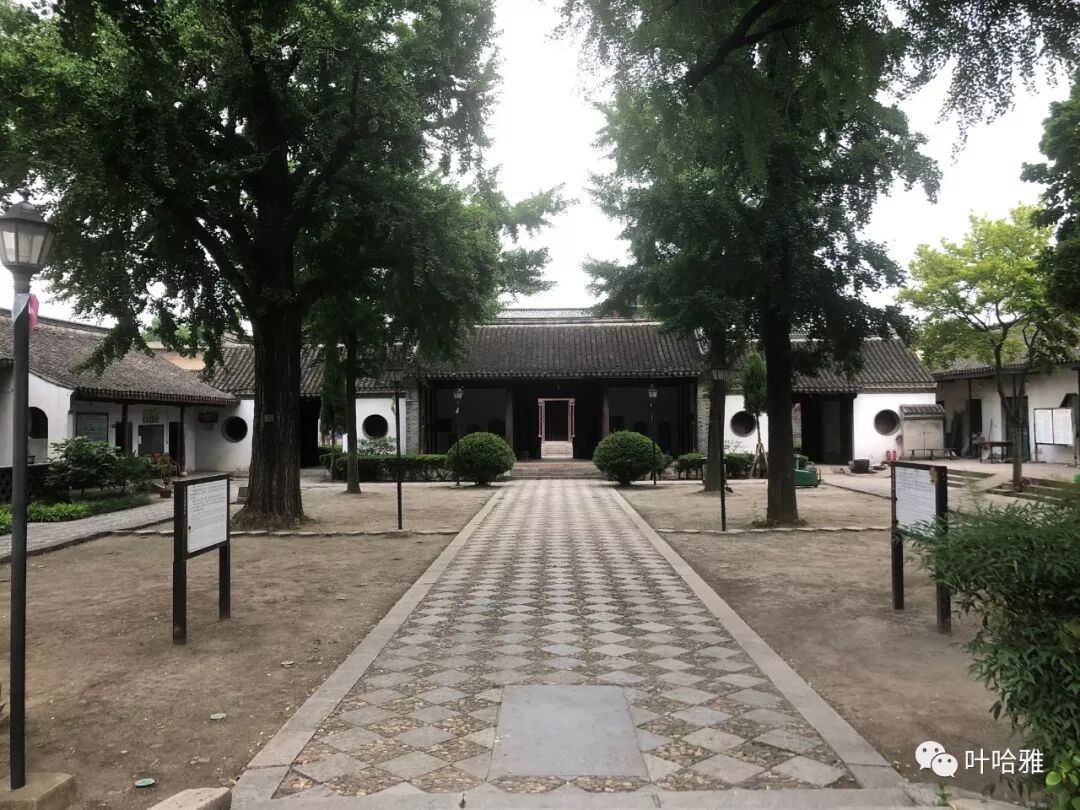
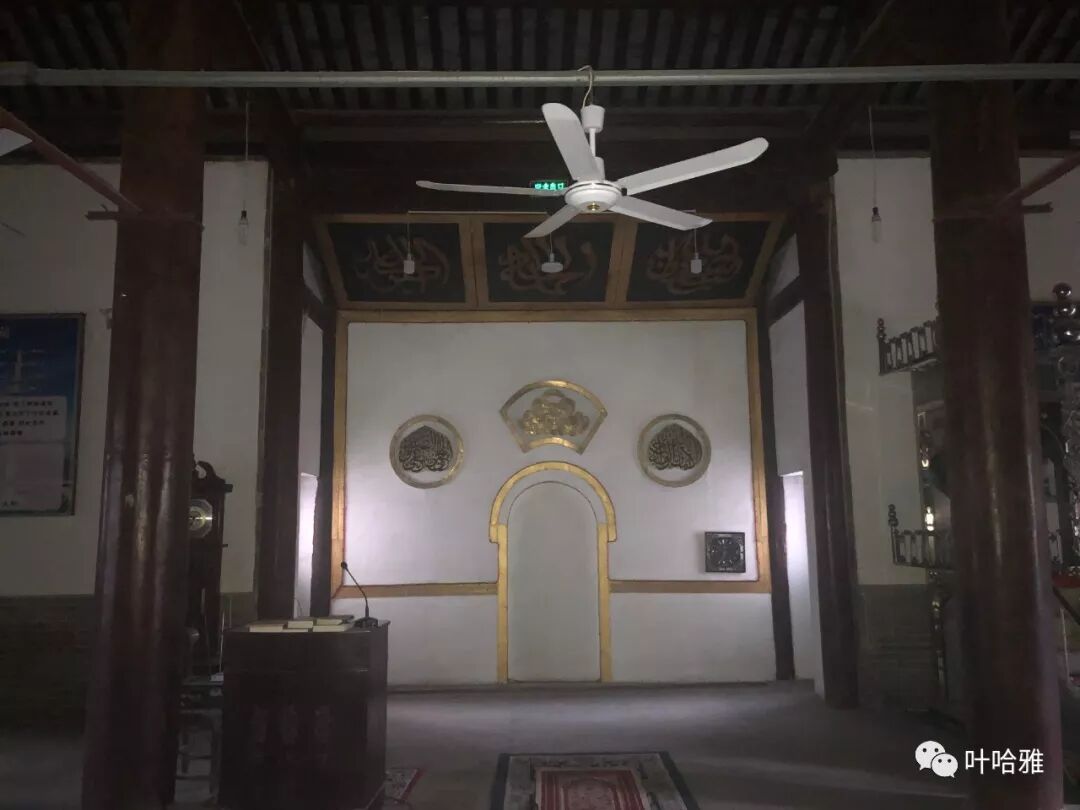
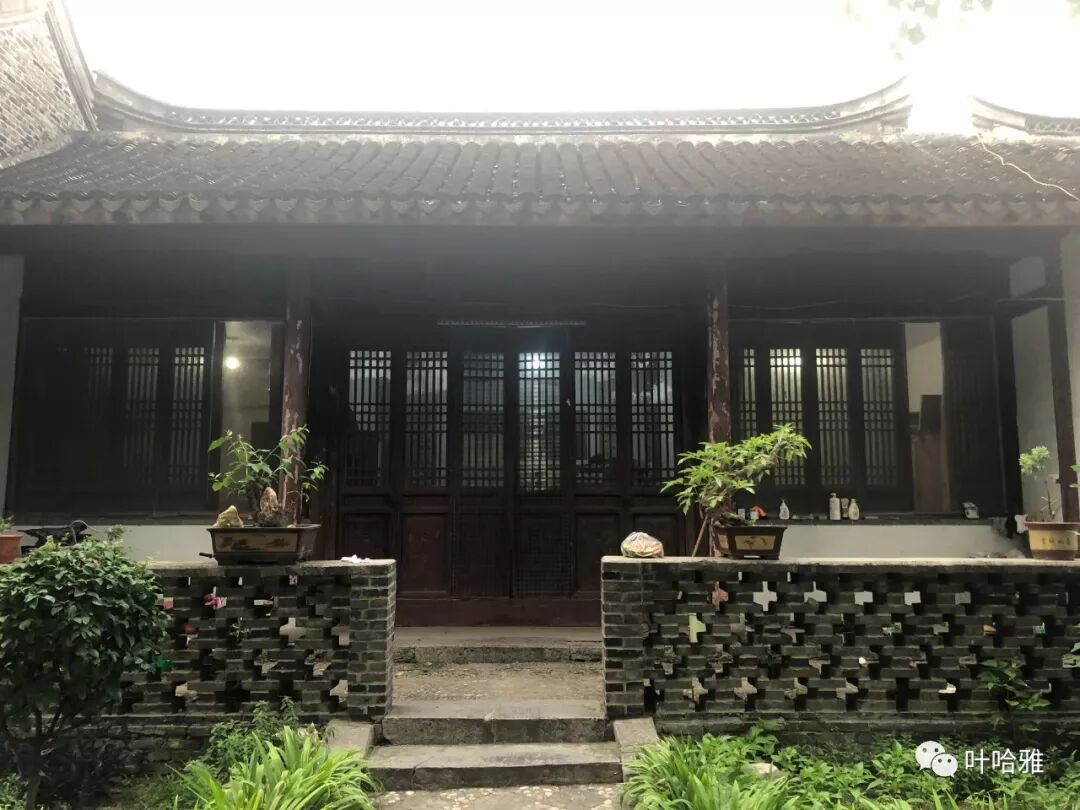
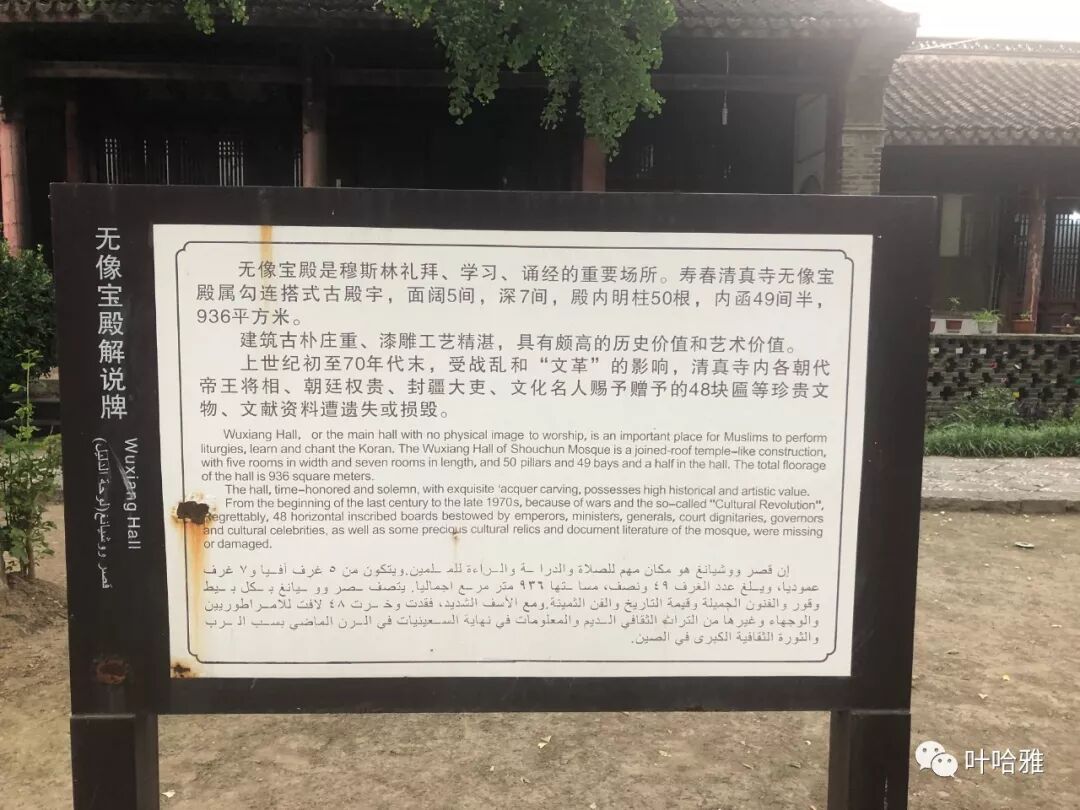
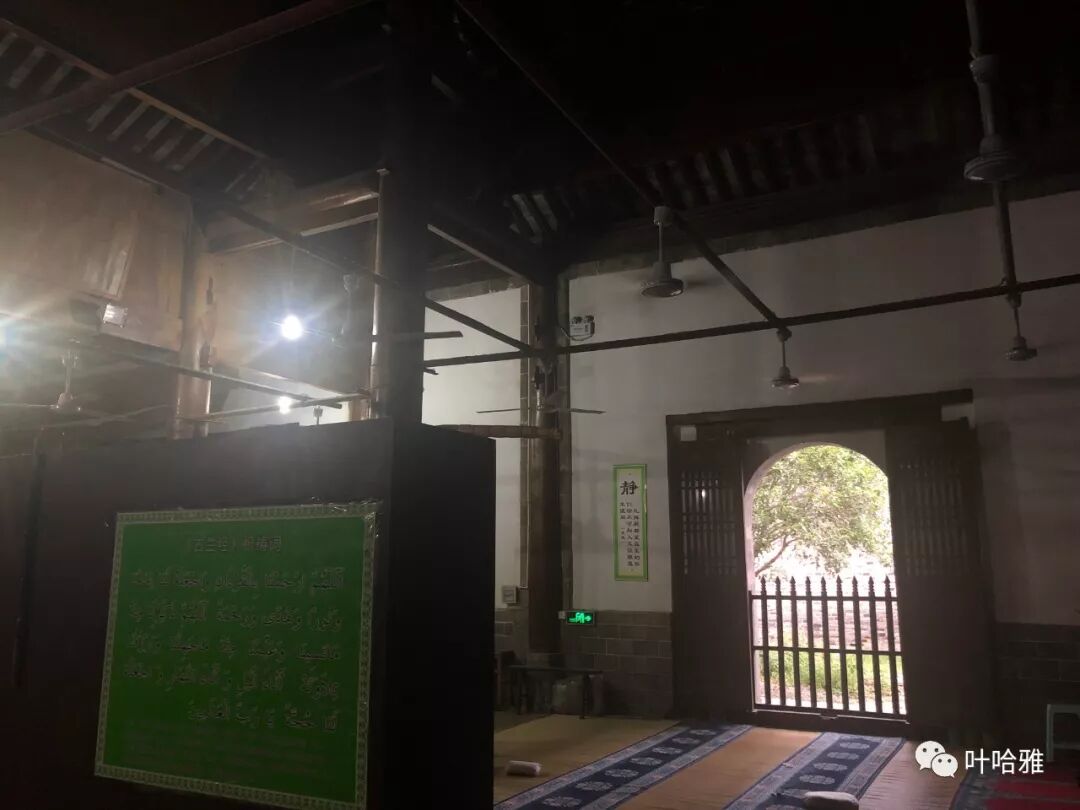
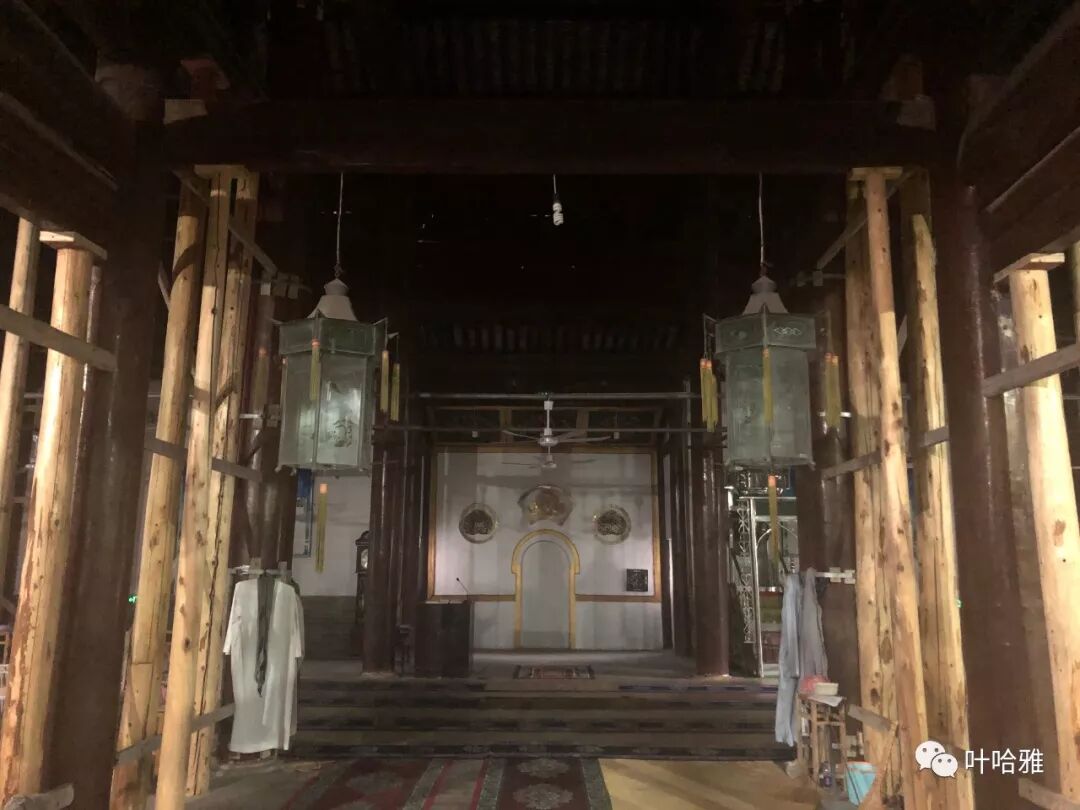
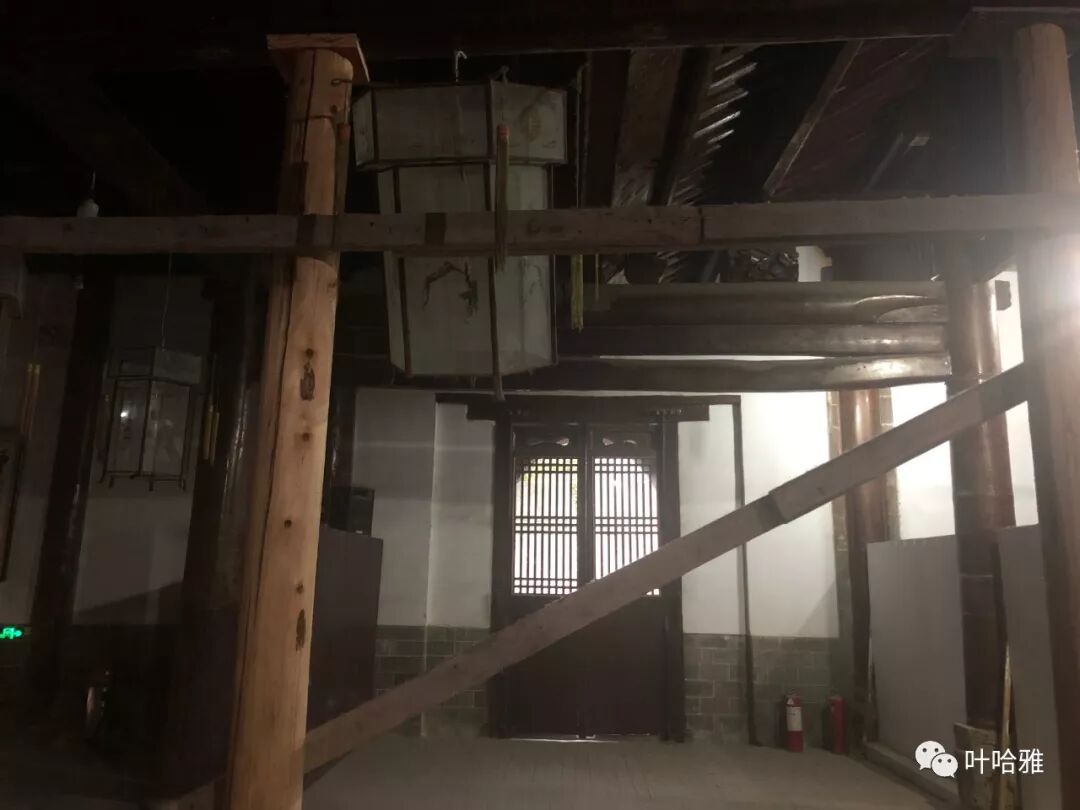
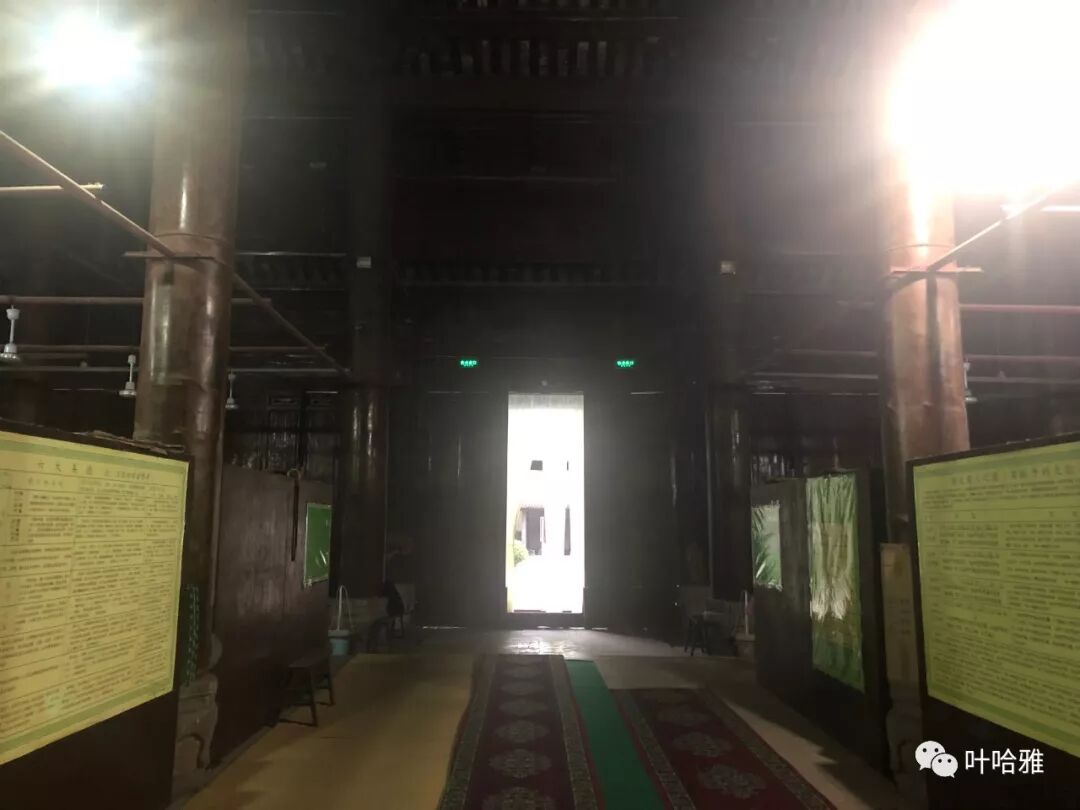
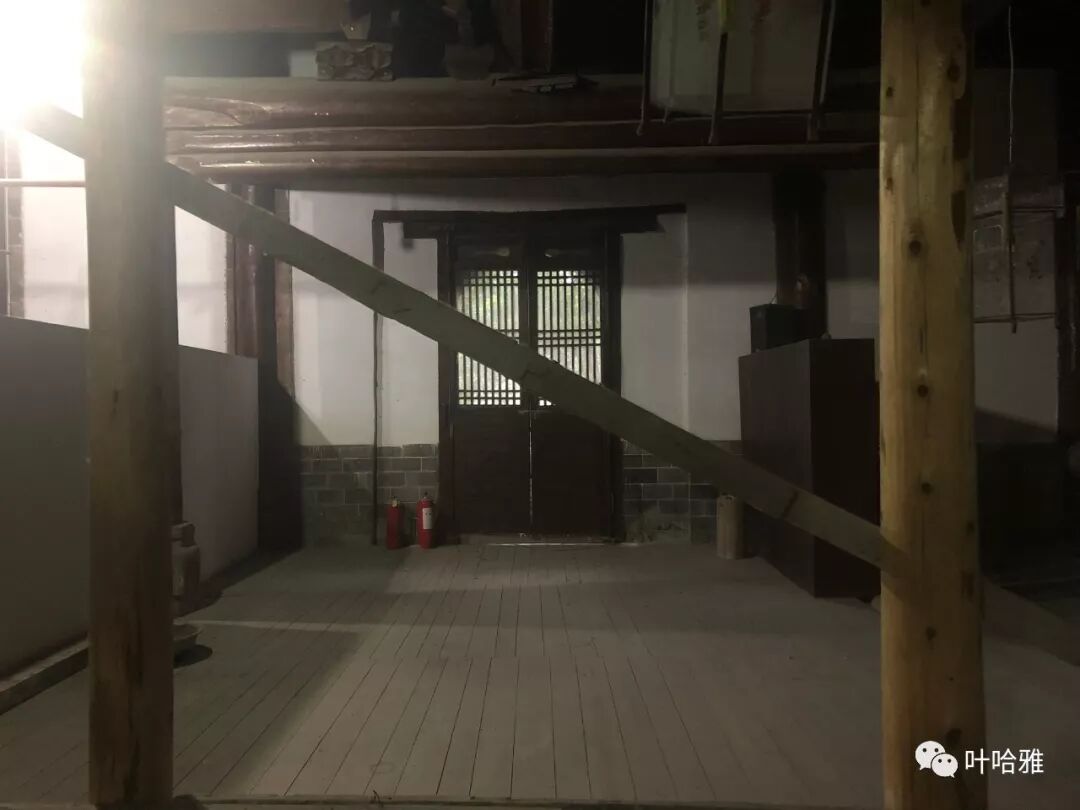
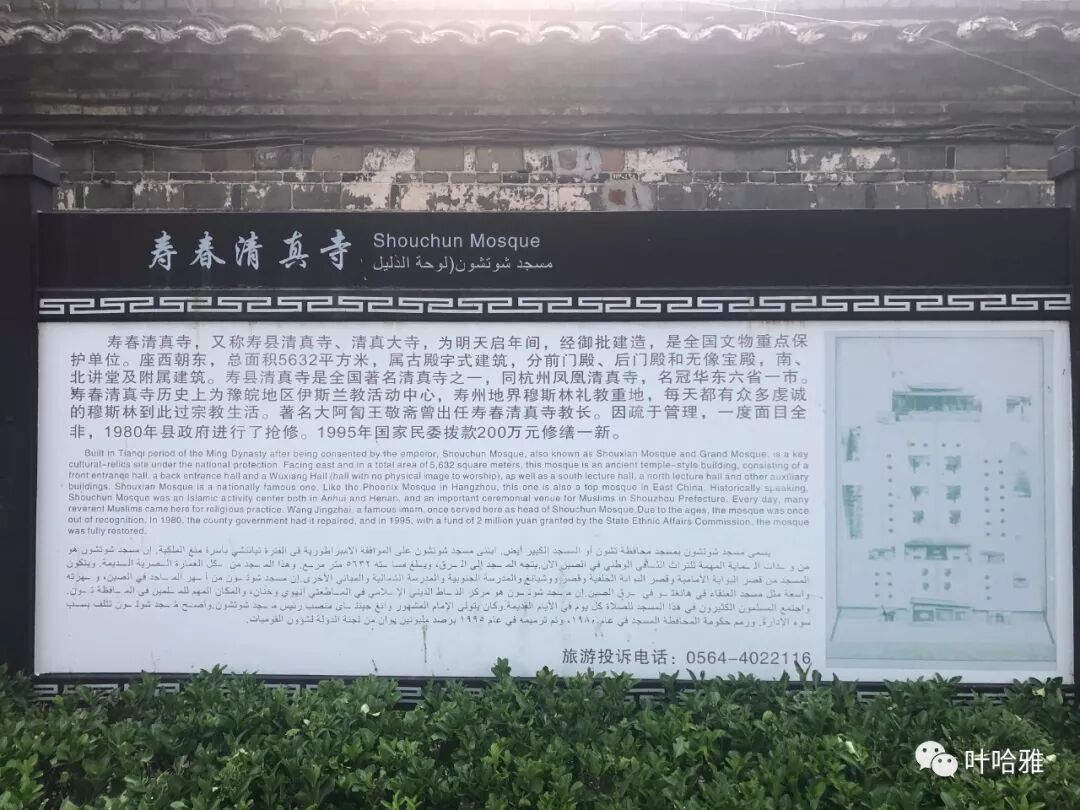
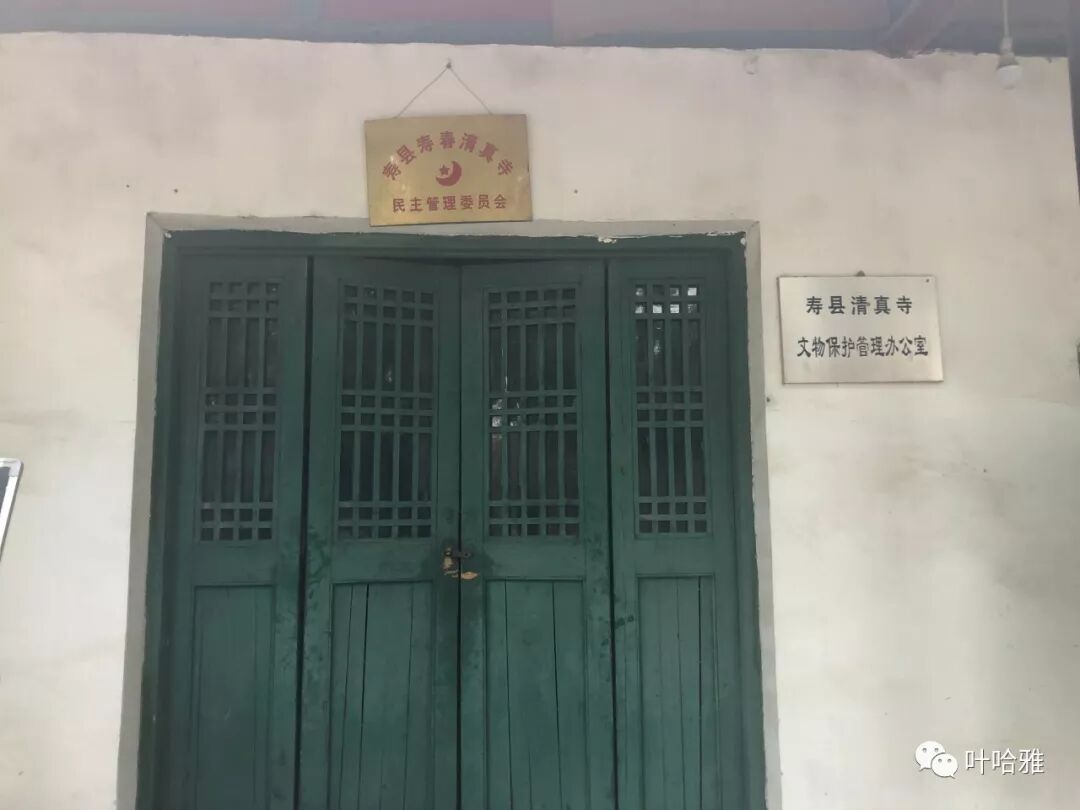
One of the main goals of this trip is the Shou County Mosque, which was first built during the Tianqi period of the Ming Dynasty (1621-1627) and is now a Major Historical and Cultural Site Protected at the National Level. The great imam Wang Jingzhai taught here for two months during the Republic of China era, but he was invited to Taiwan because he could not stand the harassment from the Eighth Route Army and because the Islamic community in Taiwan needed his help to revitalize their faith.
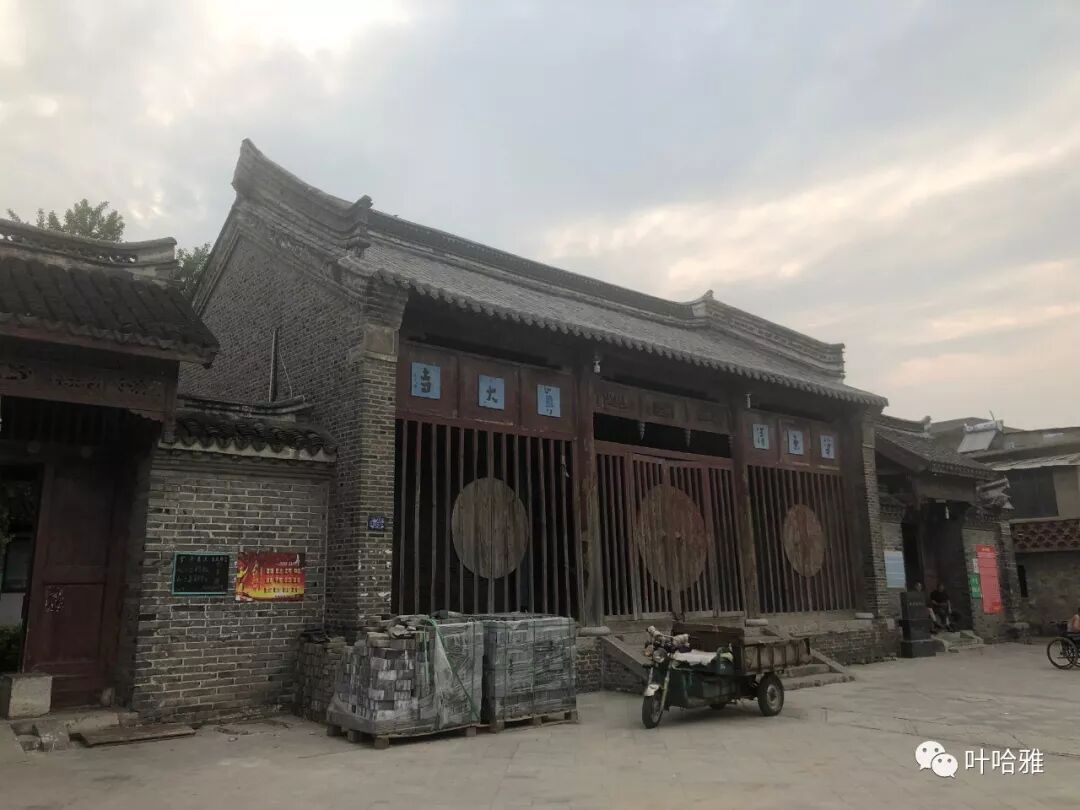
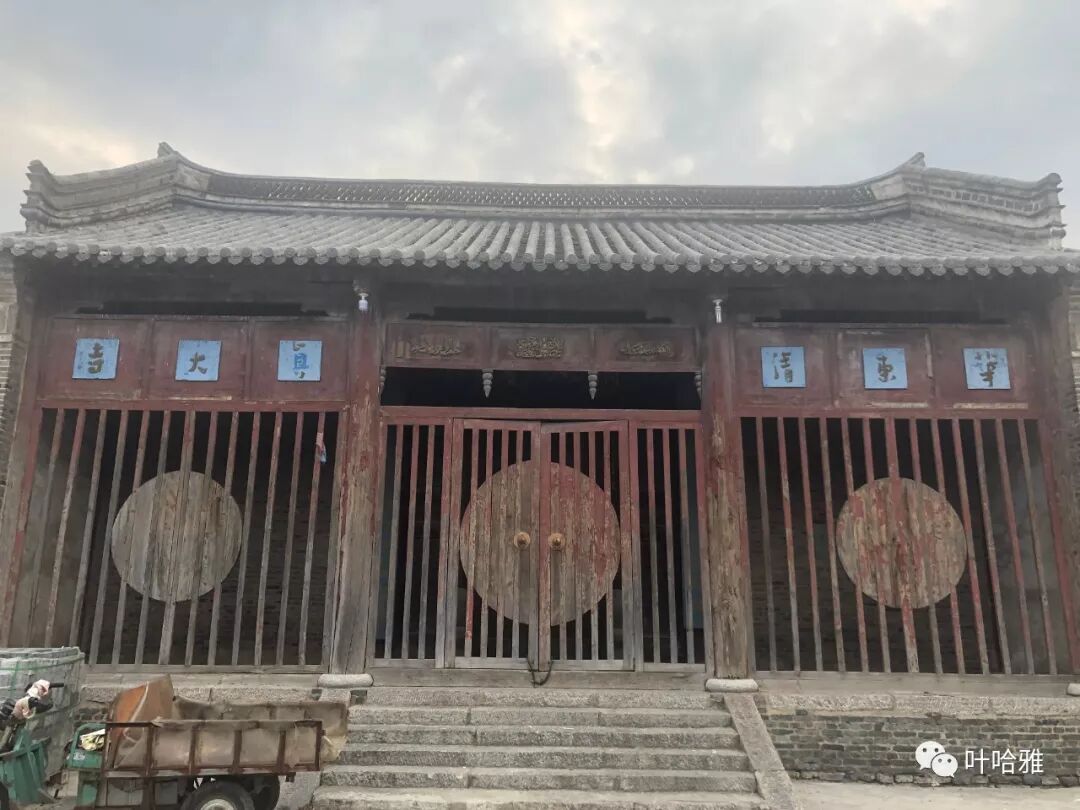
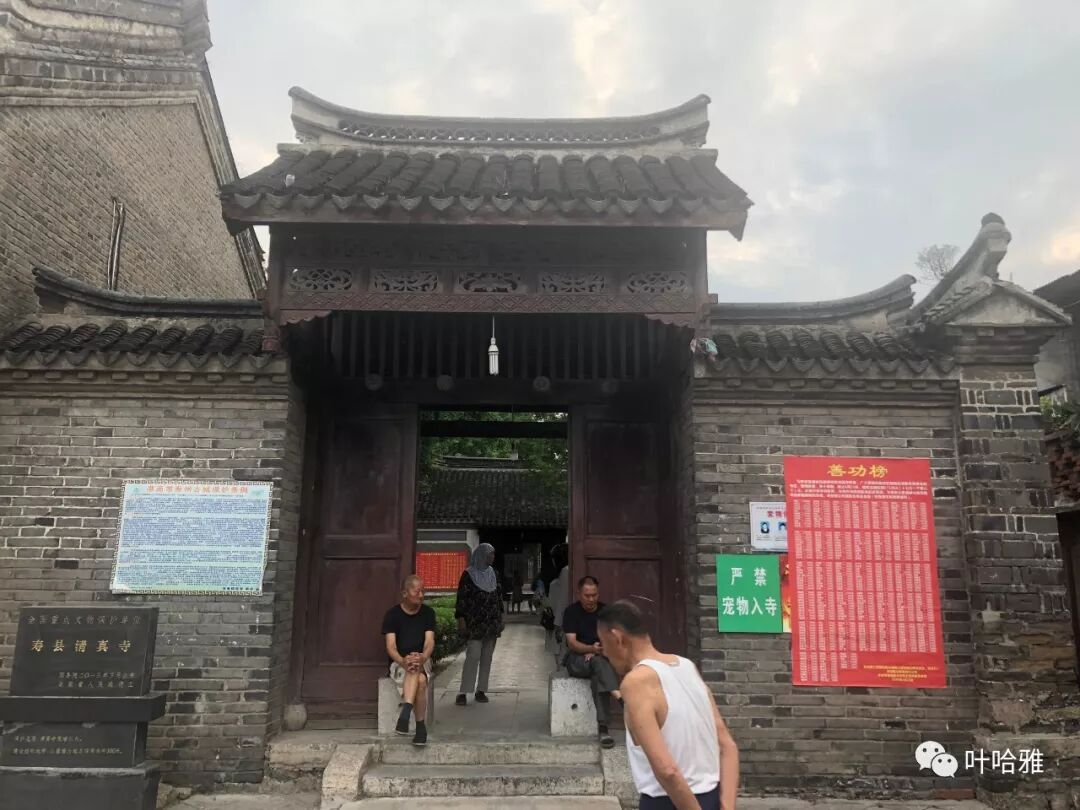
You can see many friends (dost) wearing headscarves in Shou County.
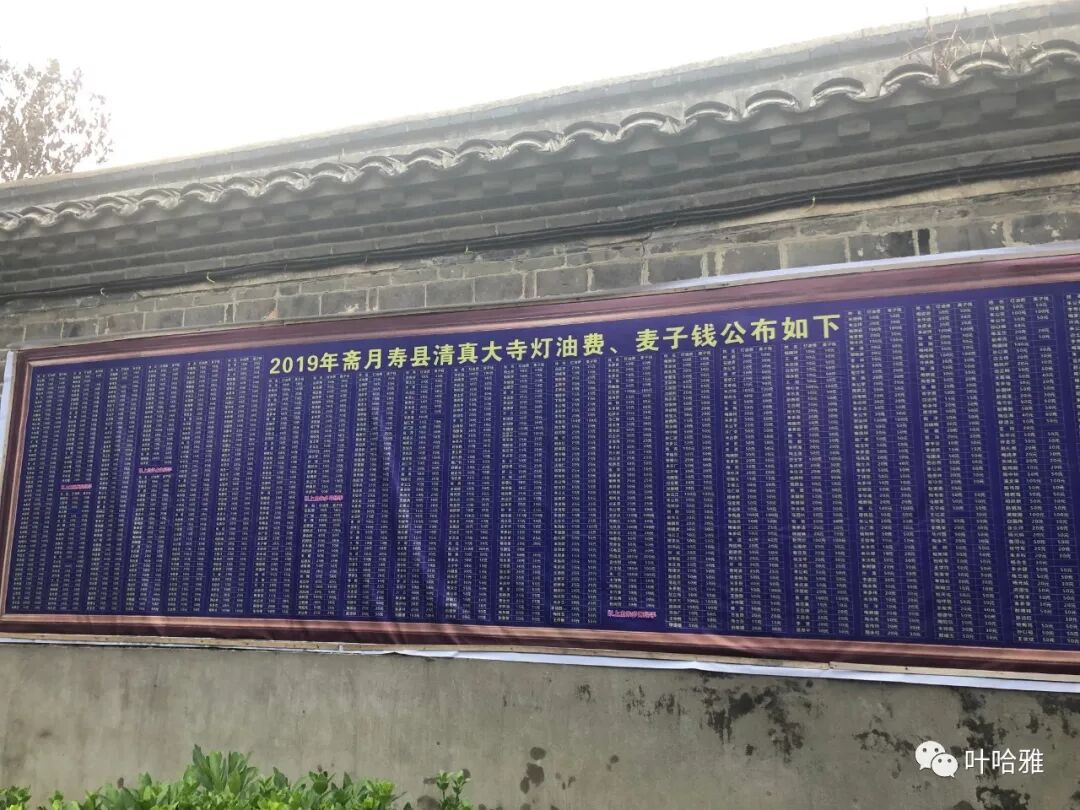
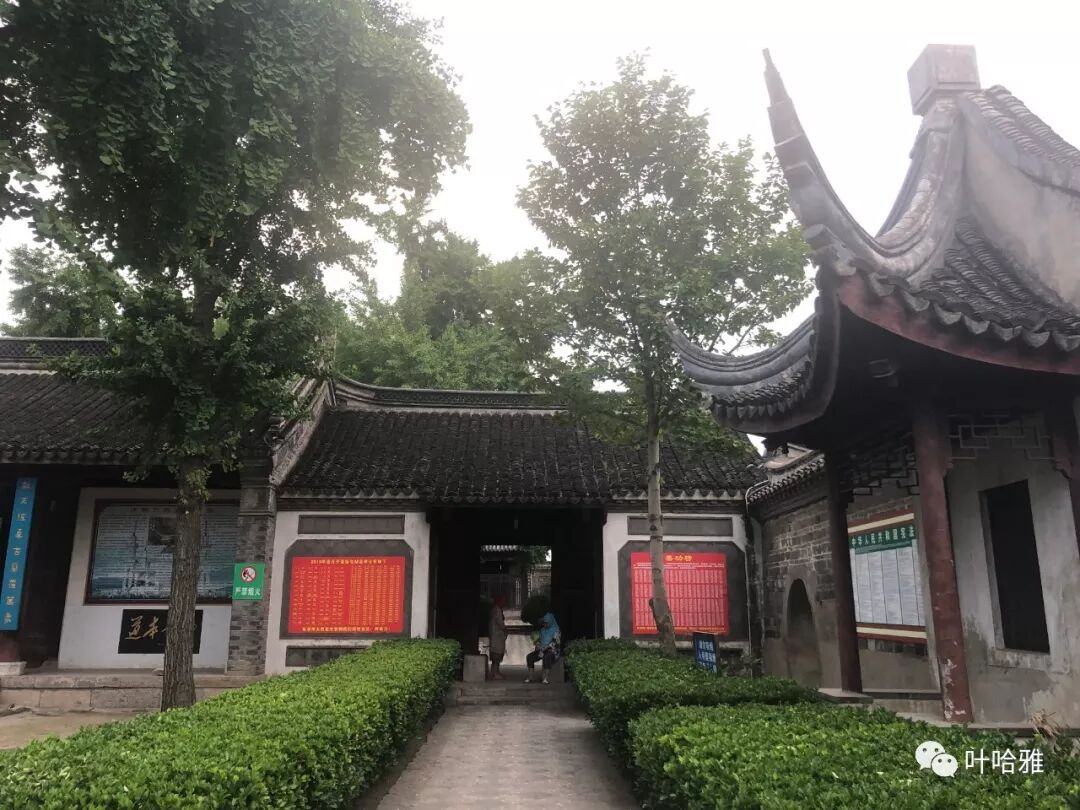
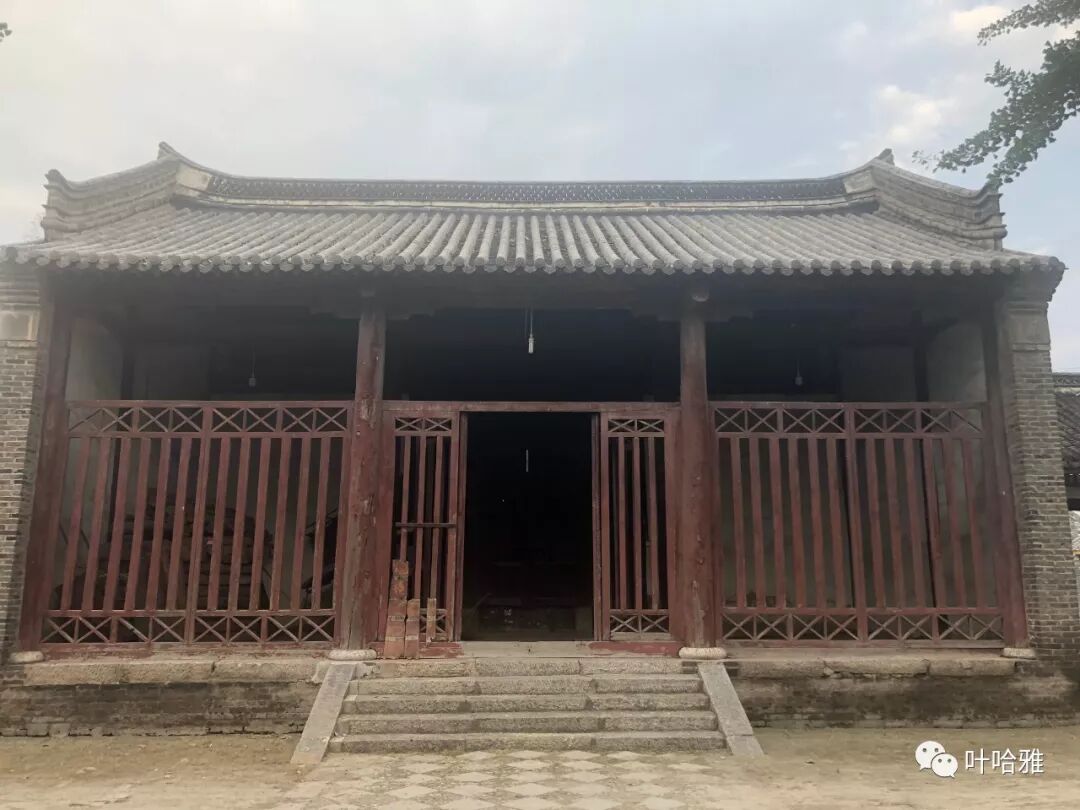
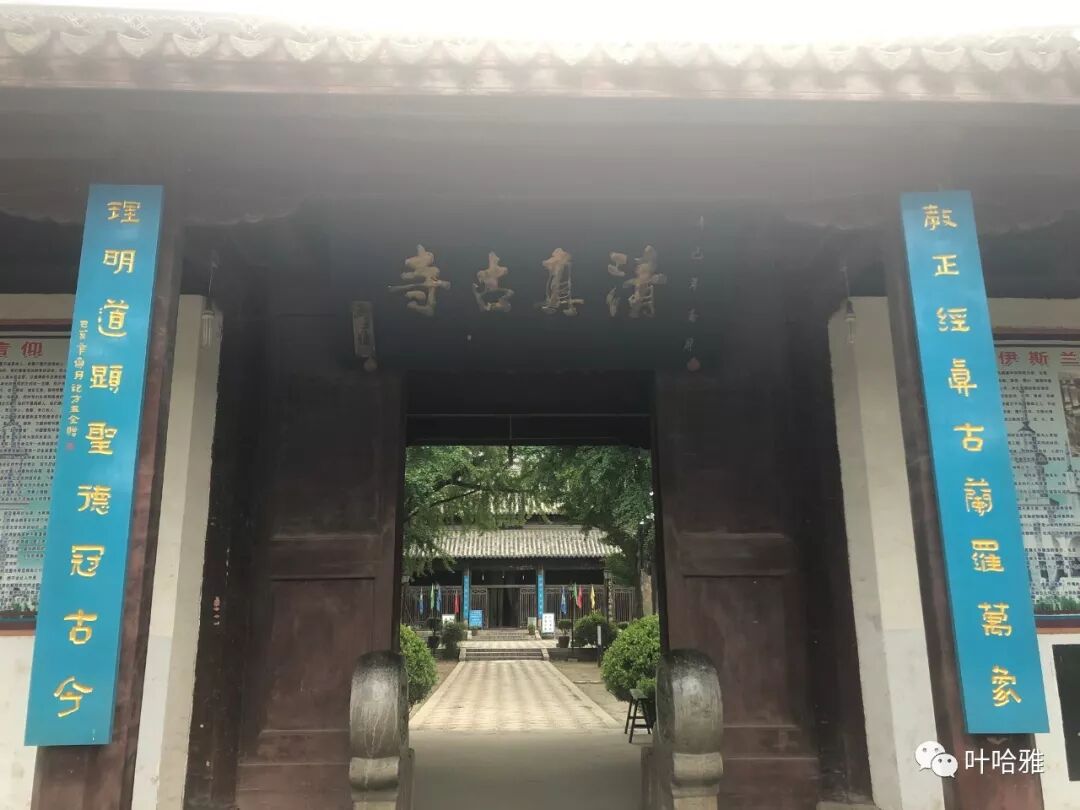
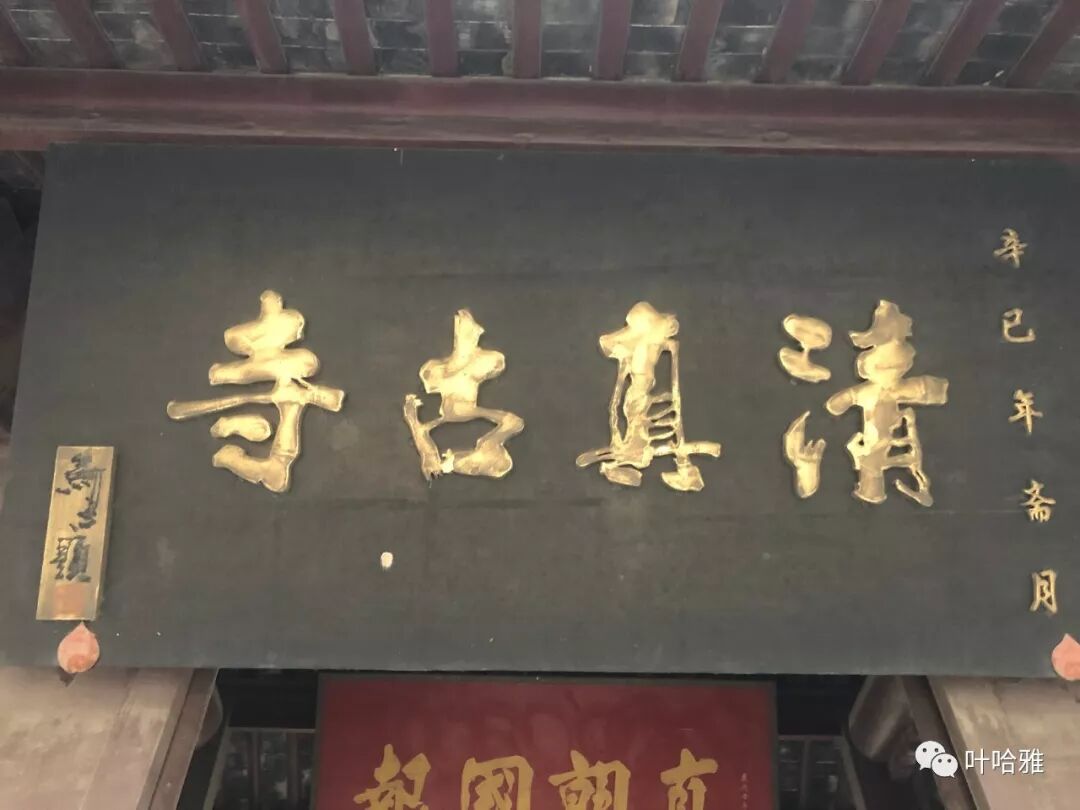
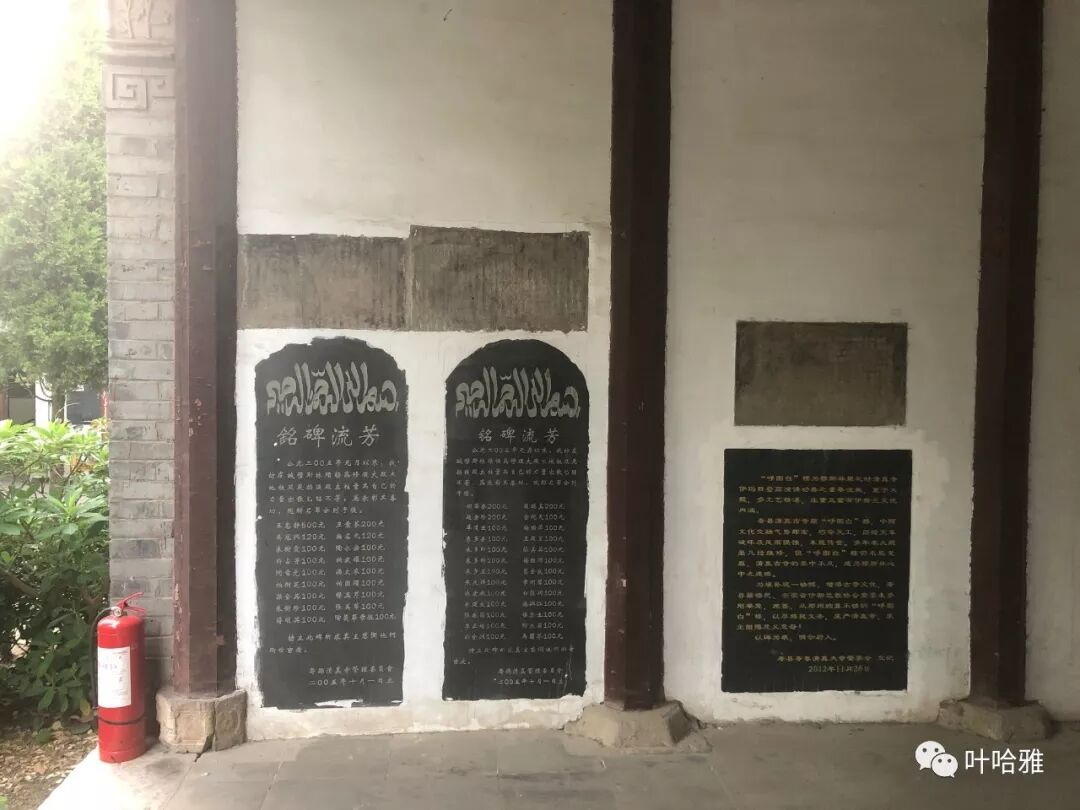
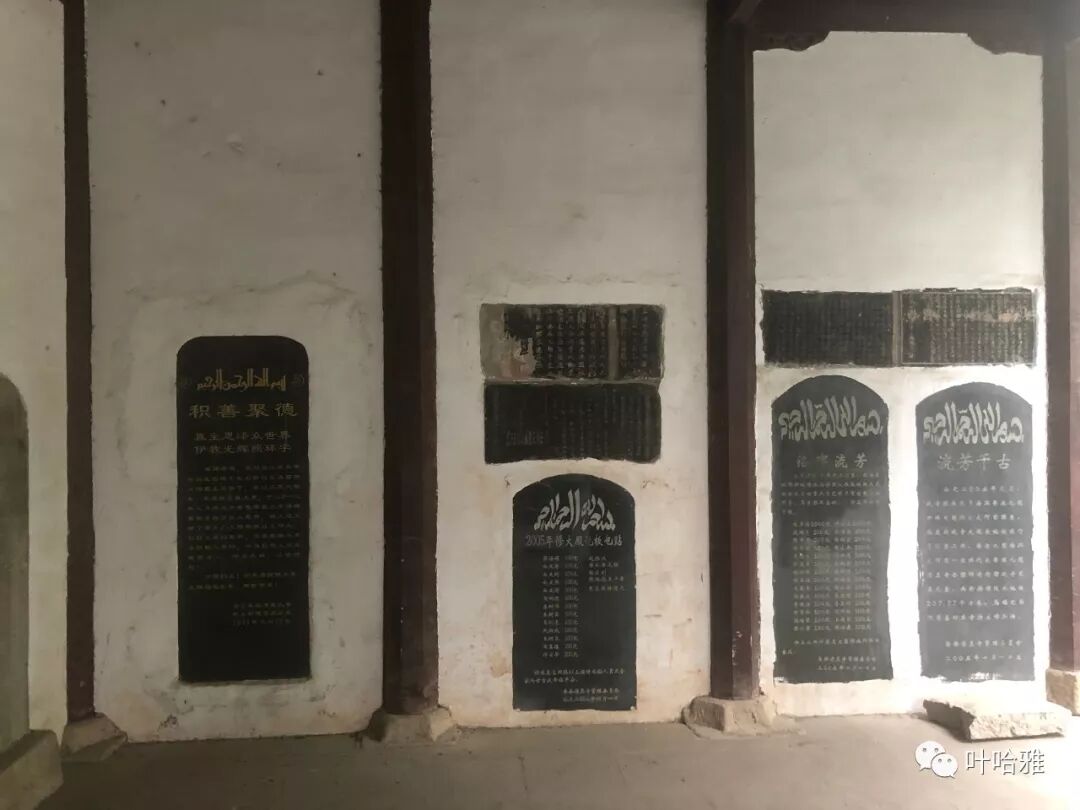
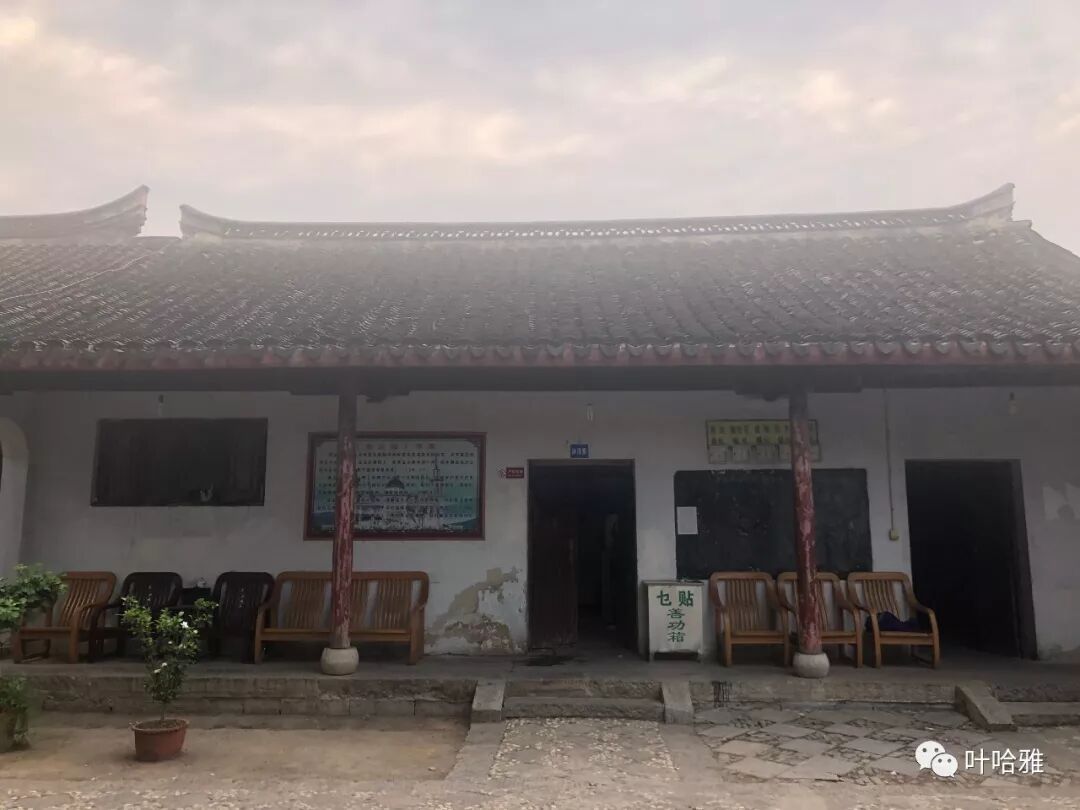
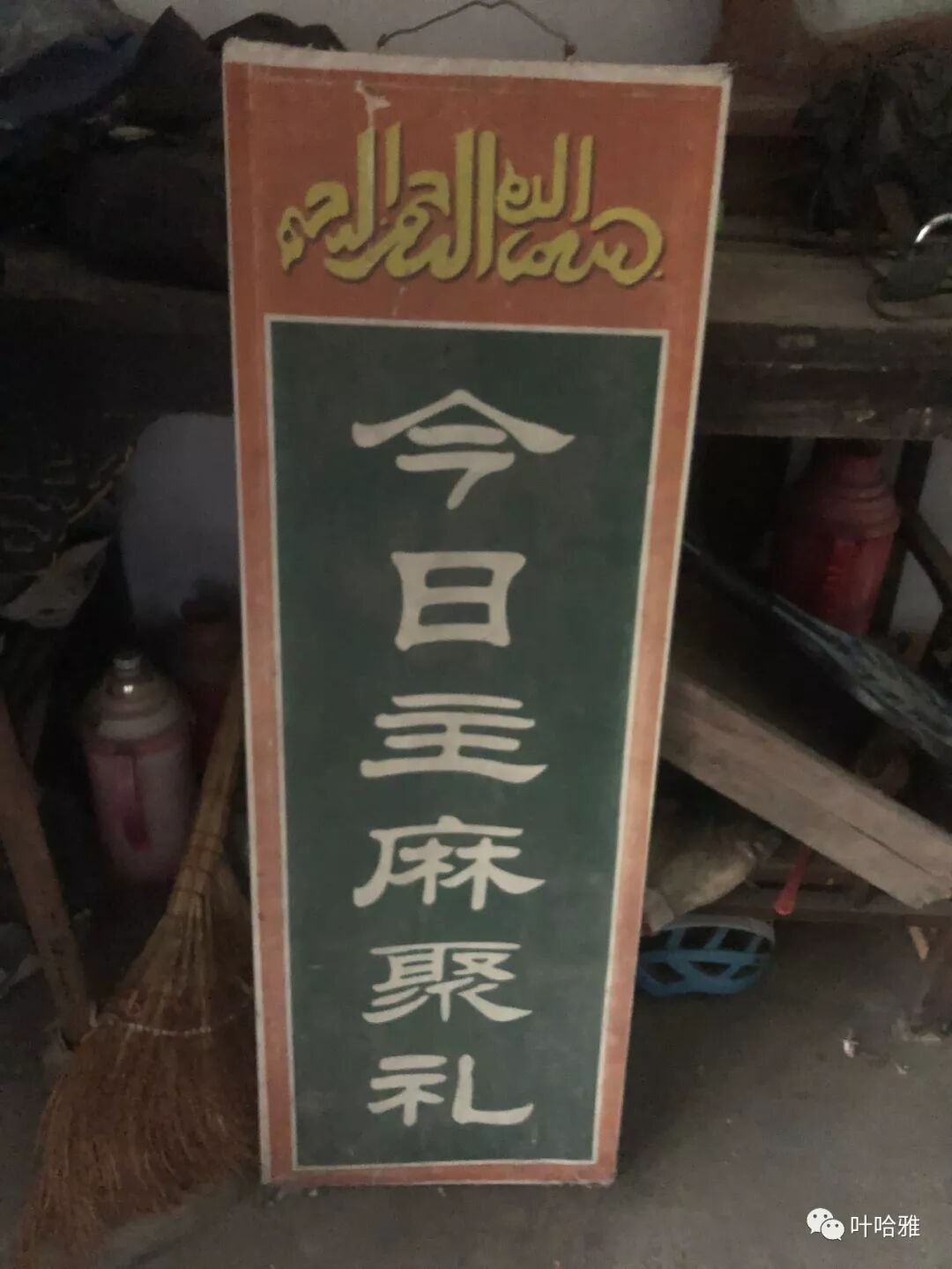
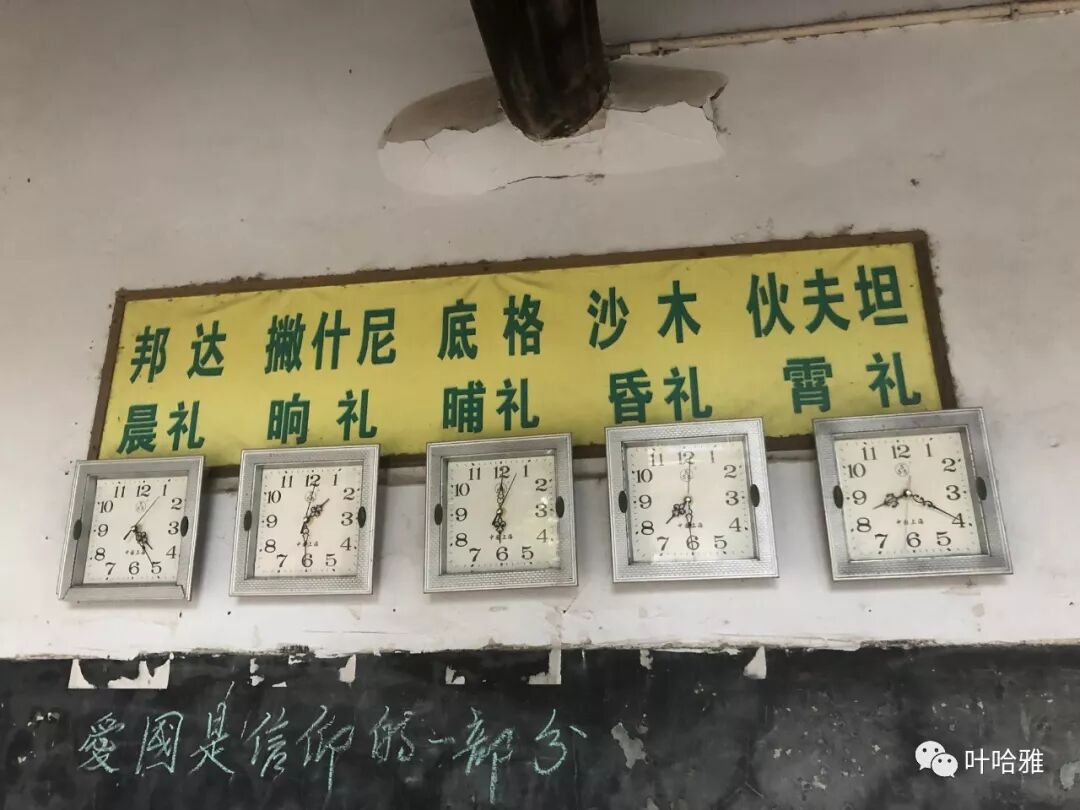
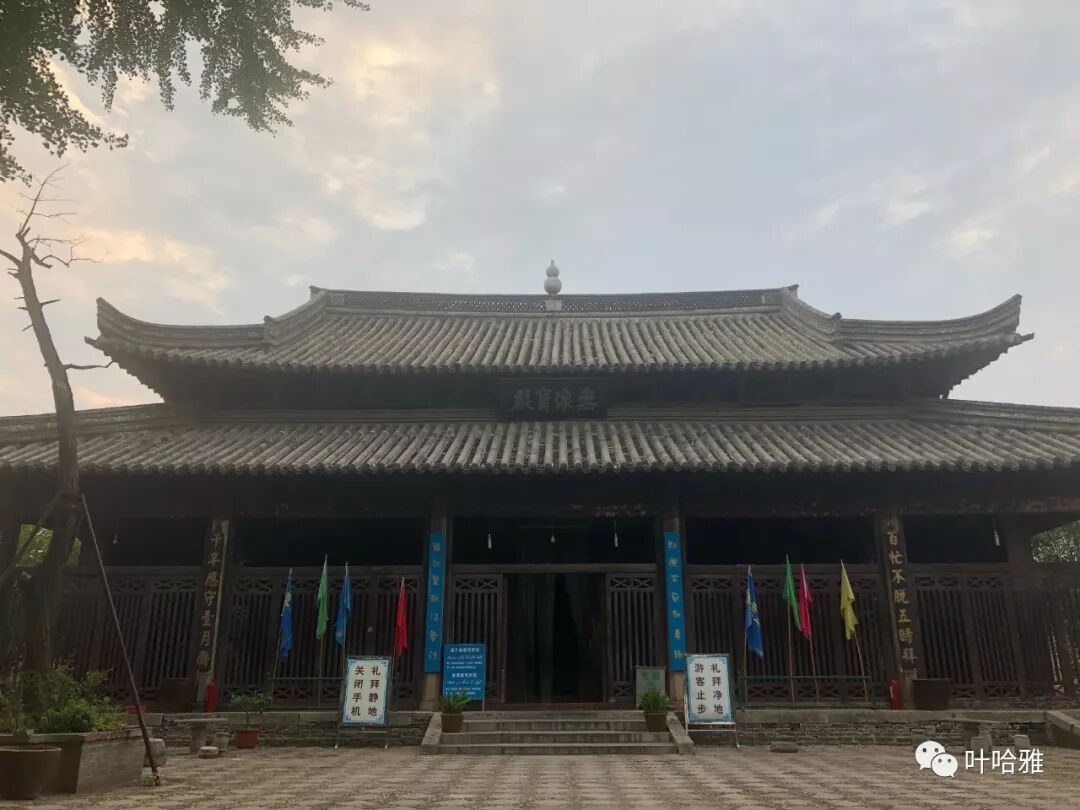
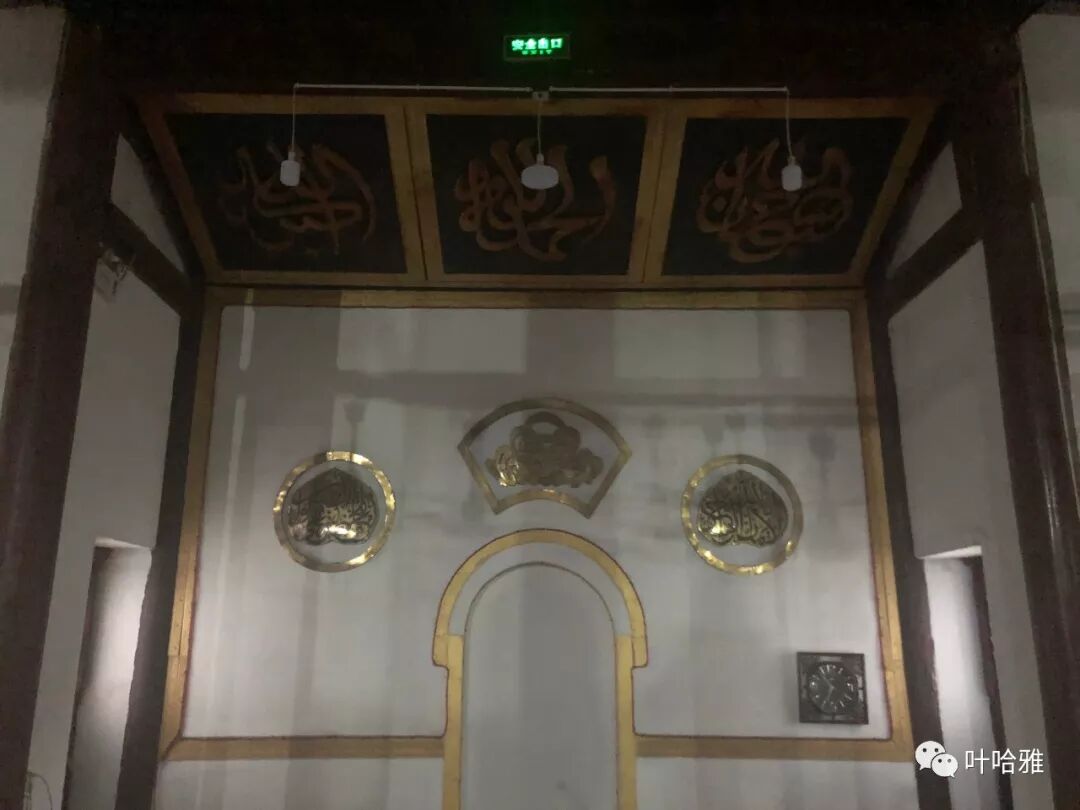
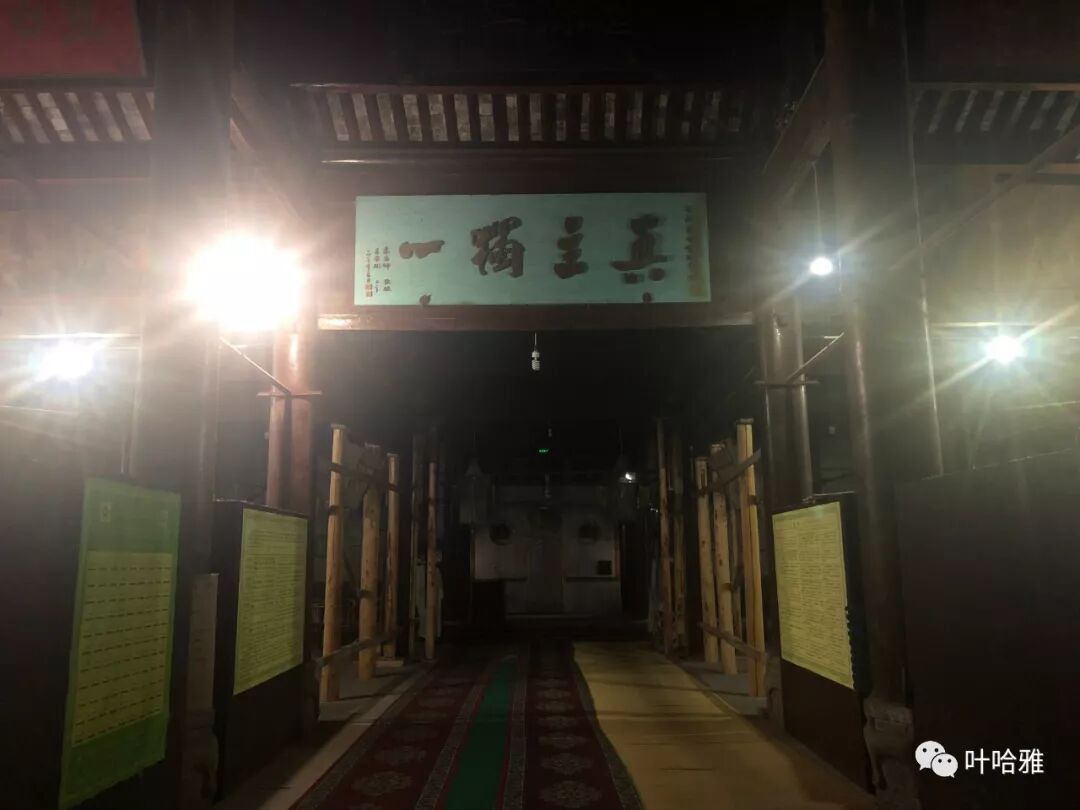
A plaque reading "Wuxiang Baodian" hangs in front of the main prayer hall, which is currently the largest mosque prayer hall in East China.
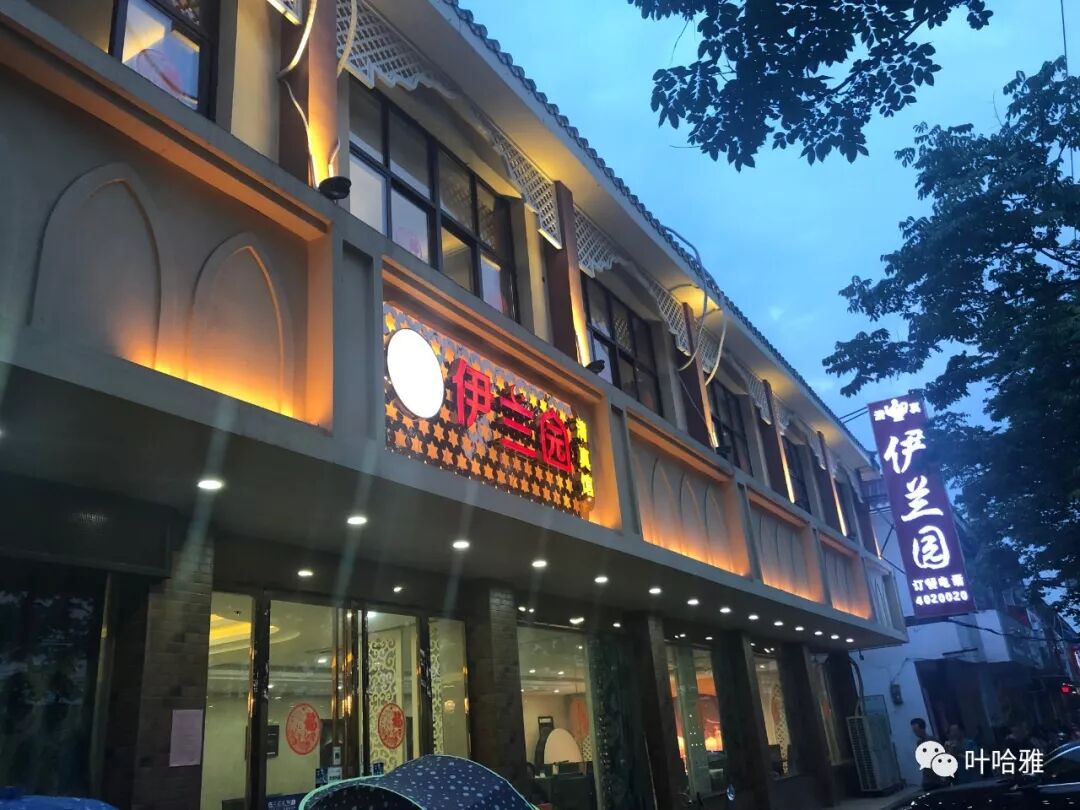
After visiting the mosque, I went to look for local halal food. This Yilan Garden is one of the larger local halal restaurants, specializing in local stir-fried dishes. When the staff learned I was a Hui Muslim, they kindly called me "laobiao," which is a term of endearment.
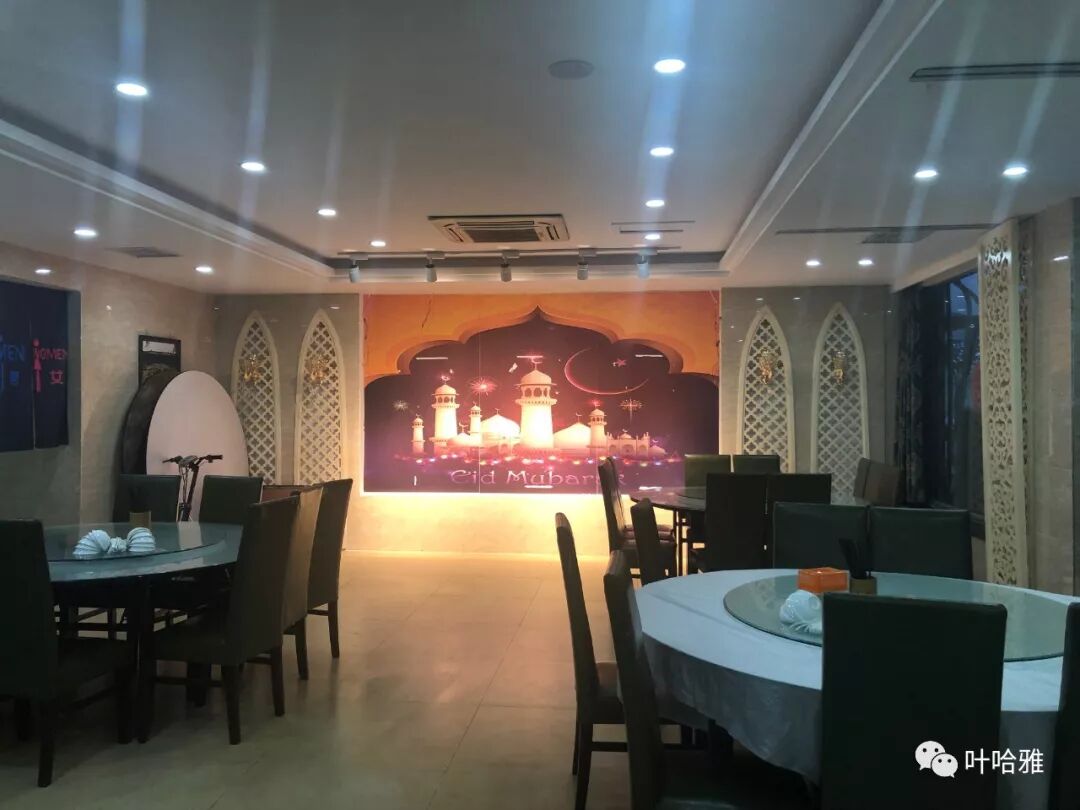
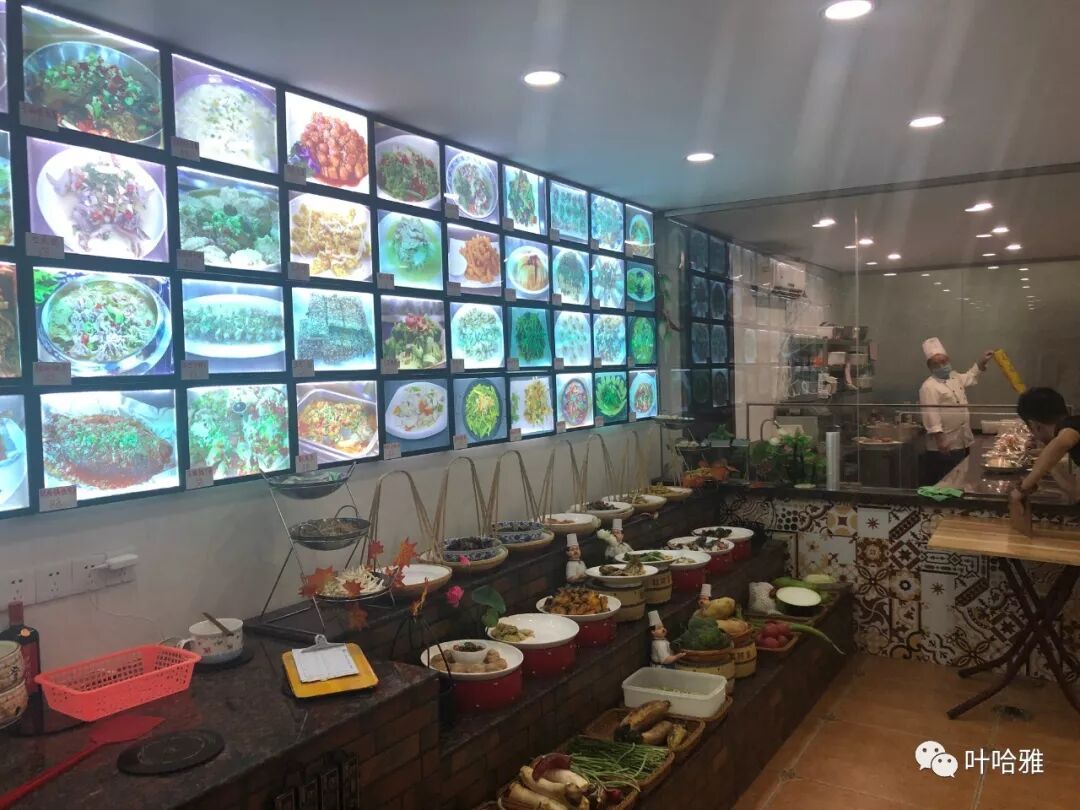
You have to go to the second floor to order, choosing from the pictures above and the ingredients displayed below. The server recommended I try the cold tofu and beef balls.
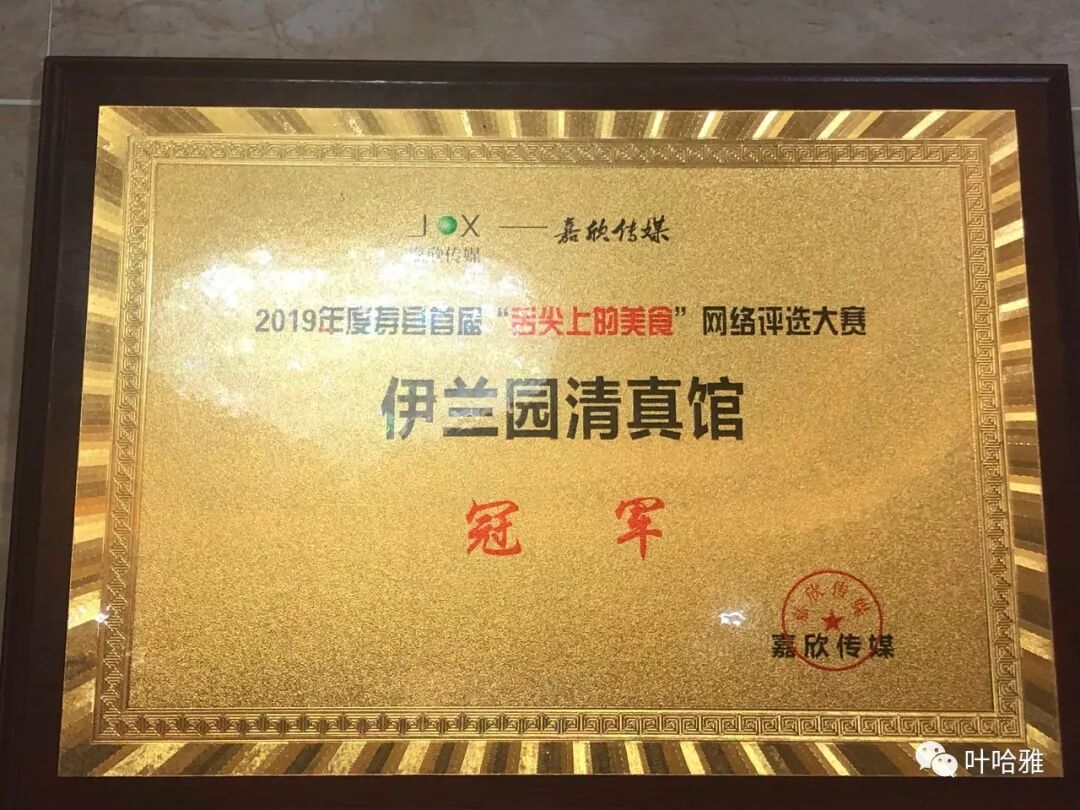
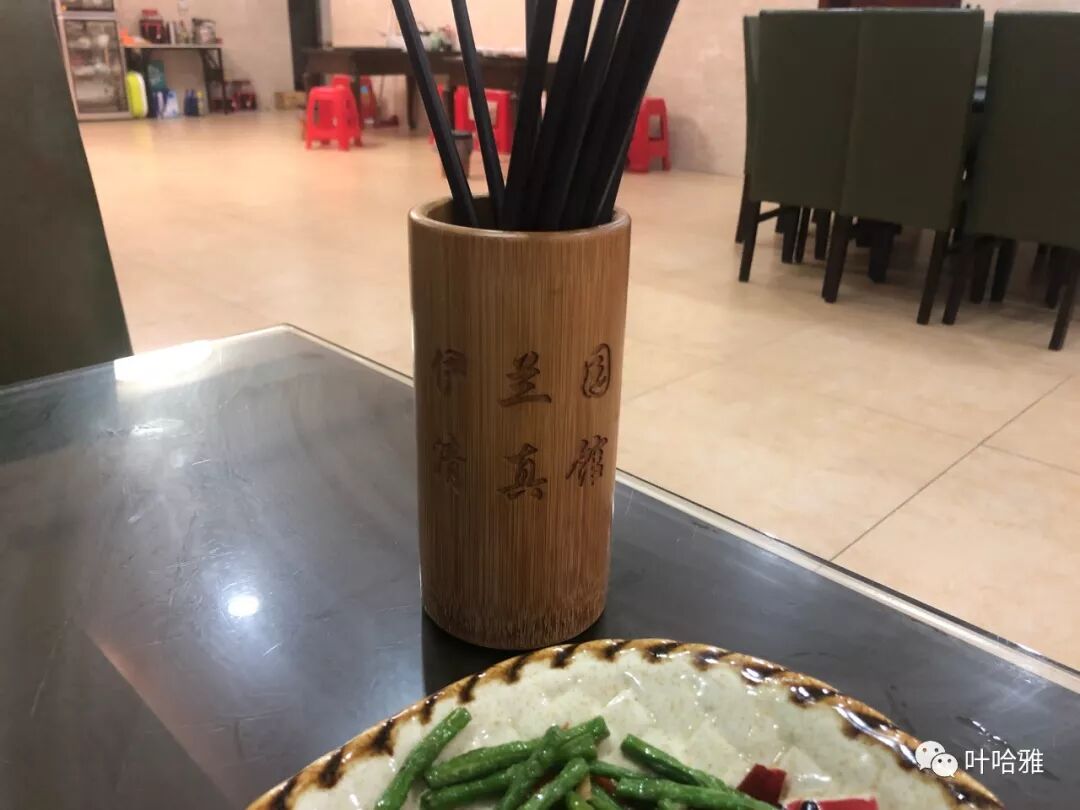
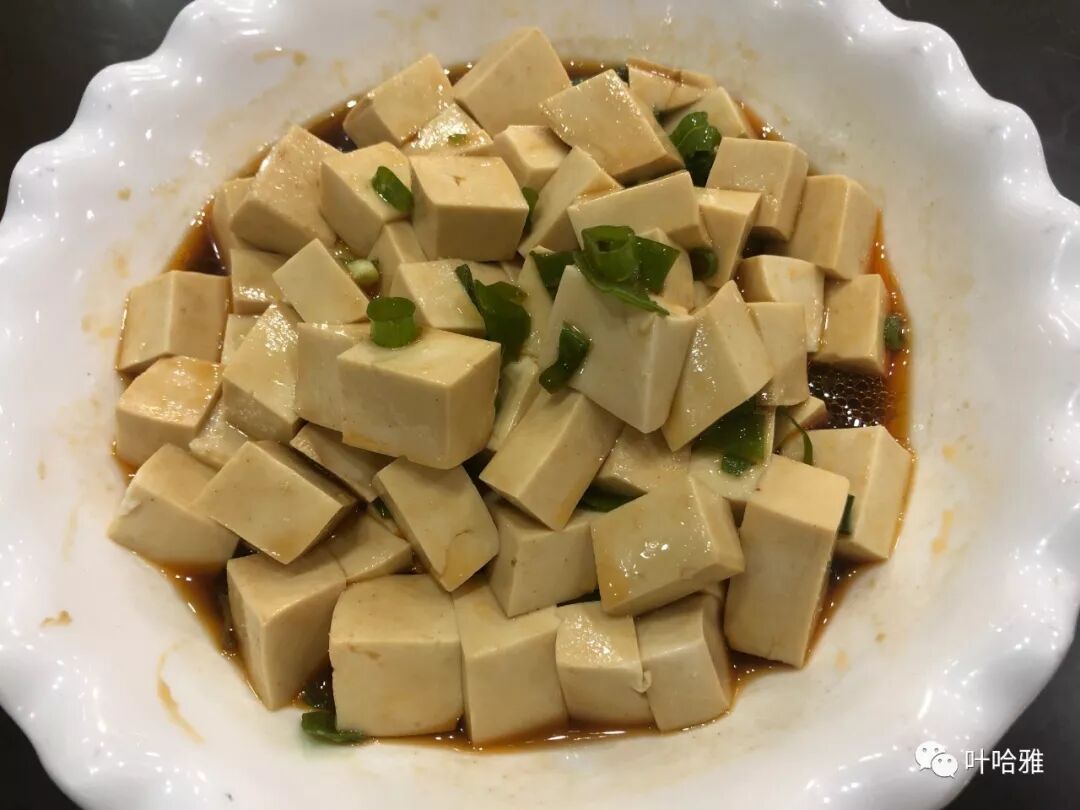
I have to say, the tofu in Shou County is delicious. It has a smooth texture and a fresh, pleasant taste. Locals say that while Huainan tofu is the most famous, it actually refers to Shou County tofu, and you can find high-quality tofu at any shop in Shou County.
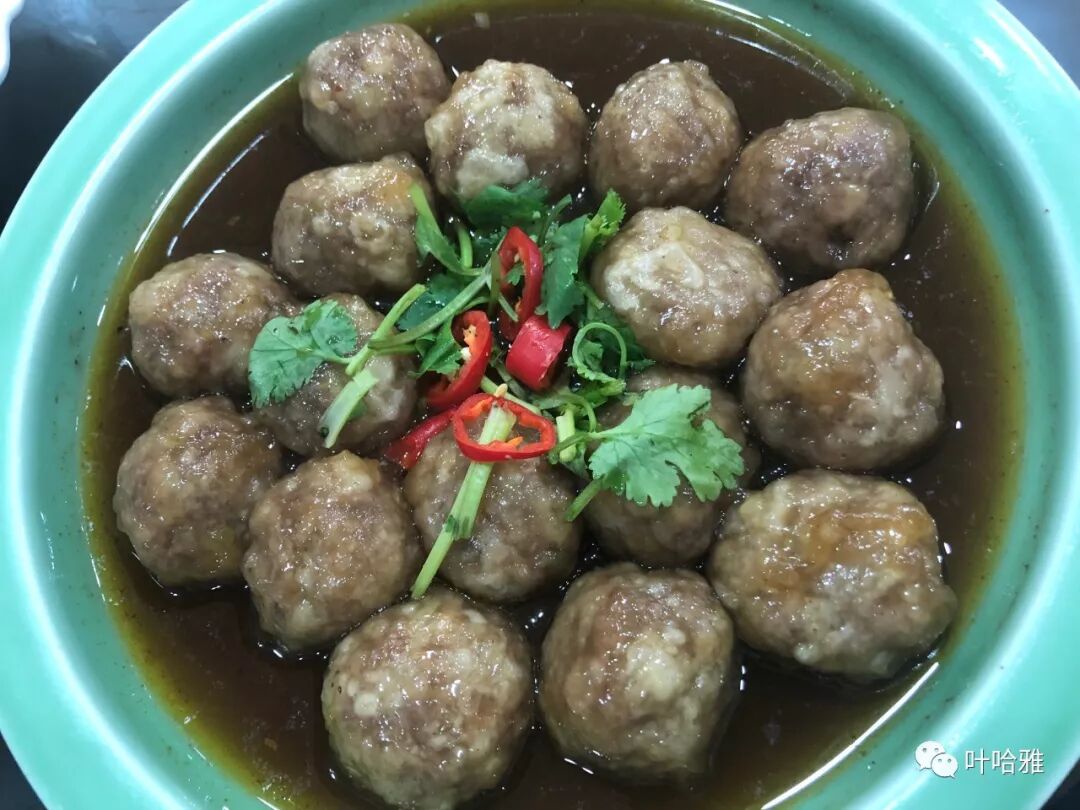
This is the beef ball. It looks like a meatball, but it is actually made like a sweet rice ball (tangyuan). The texture is also like a tangyuan, with a layer of meat jelly on the outside and filling inside. It is completely different from a meatball and tastes great.
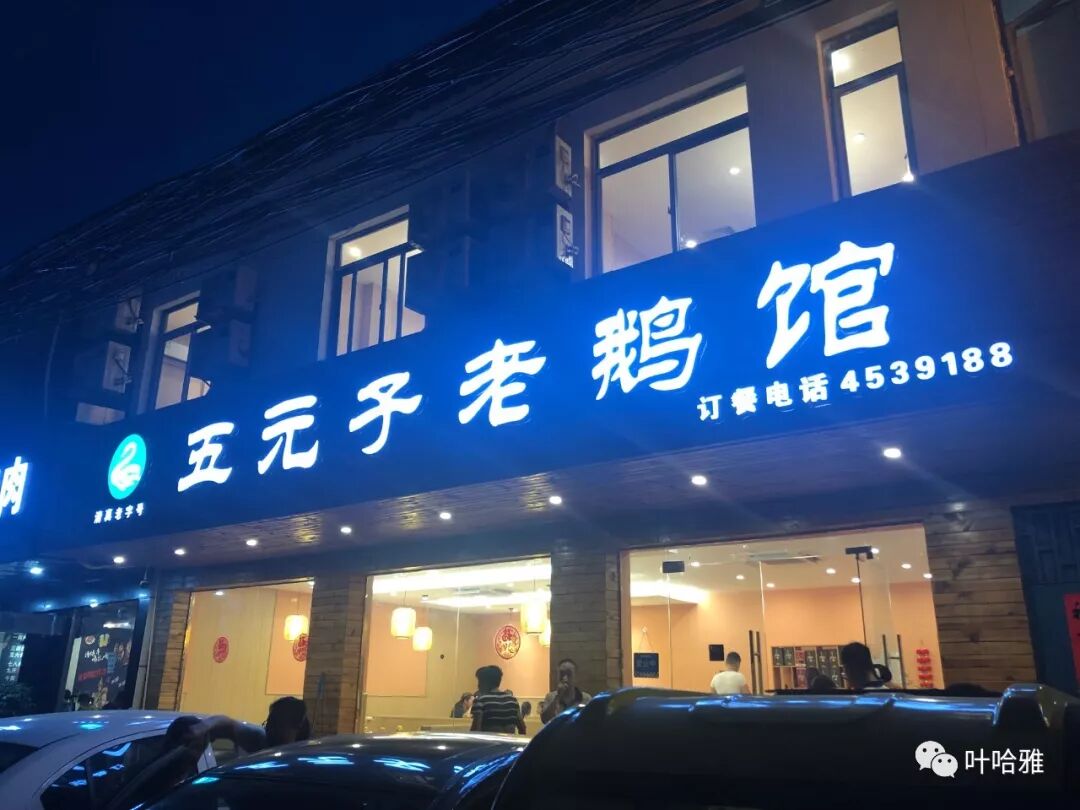
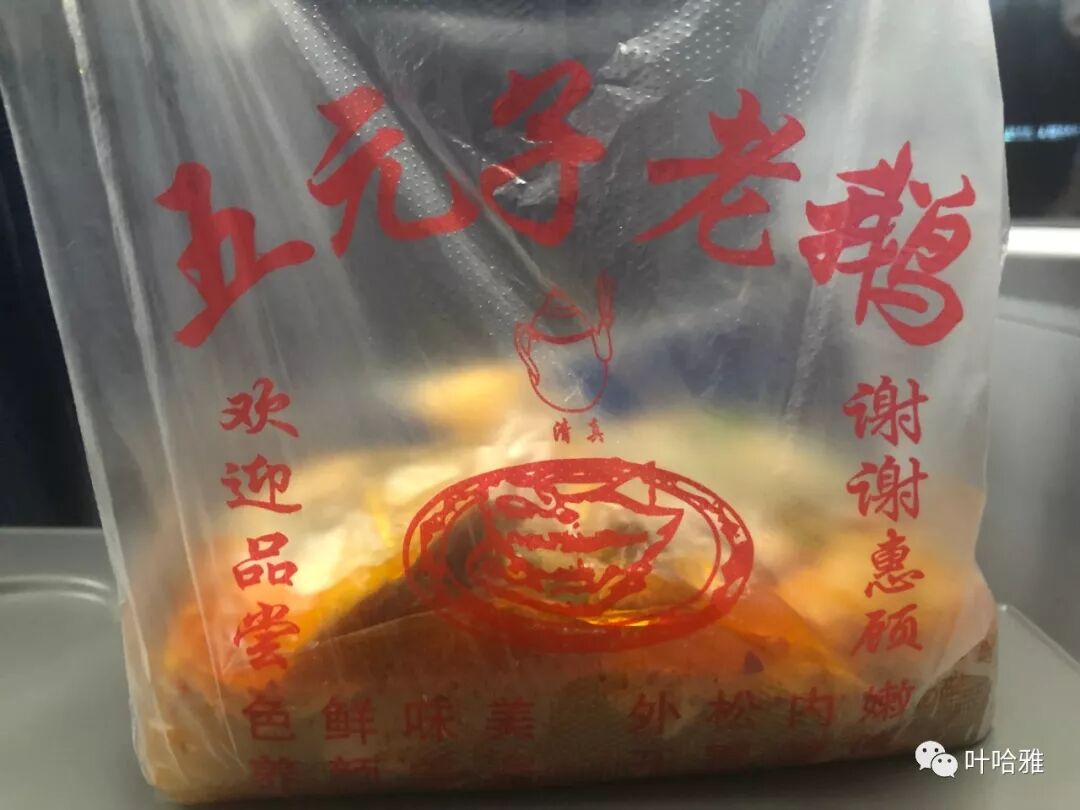
Wuyuanzi Old Goose is another famous Shou County dish. Wuyuanzi is the owner's nickname, but his real surname is Mei, which is one of the local Hui Muslim surnames.
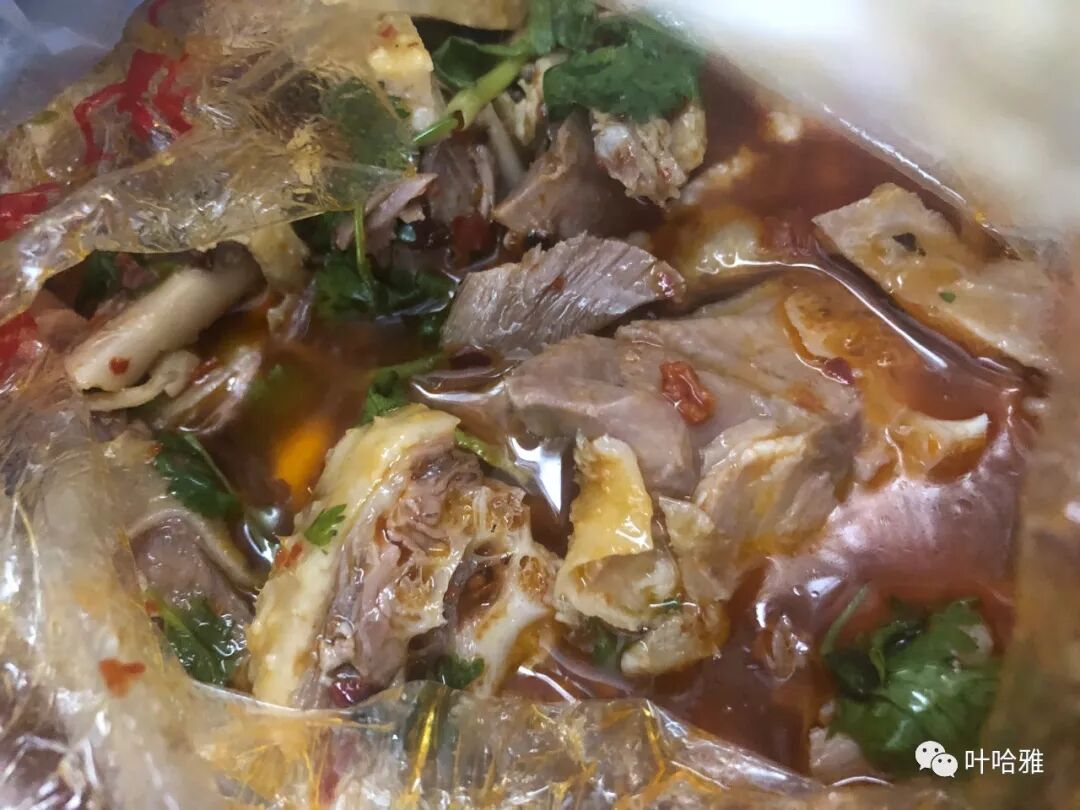
Because I was in a hurry, I bought a portion of braised old goose to go.
The old goose is spicy and fragrant. Wuyuanzi has opened several branches locally, which shows how popular it is.
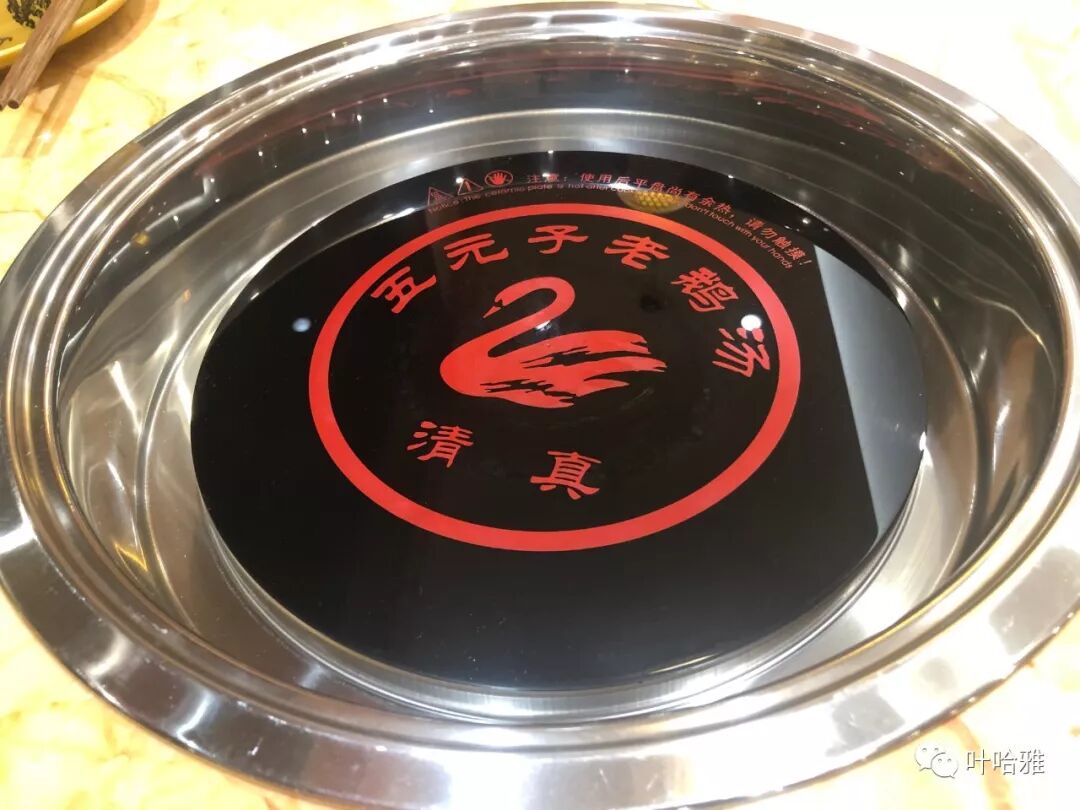
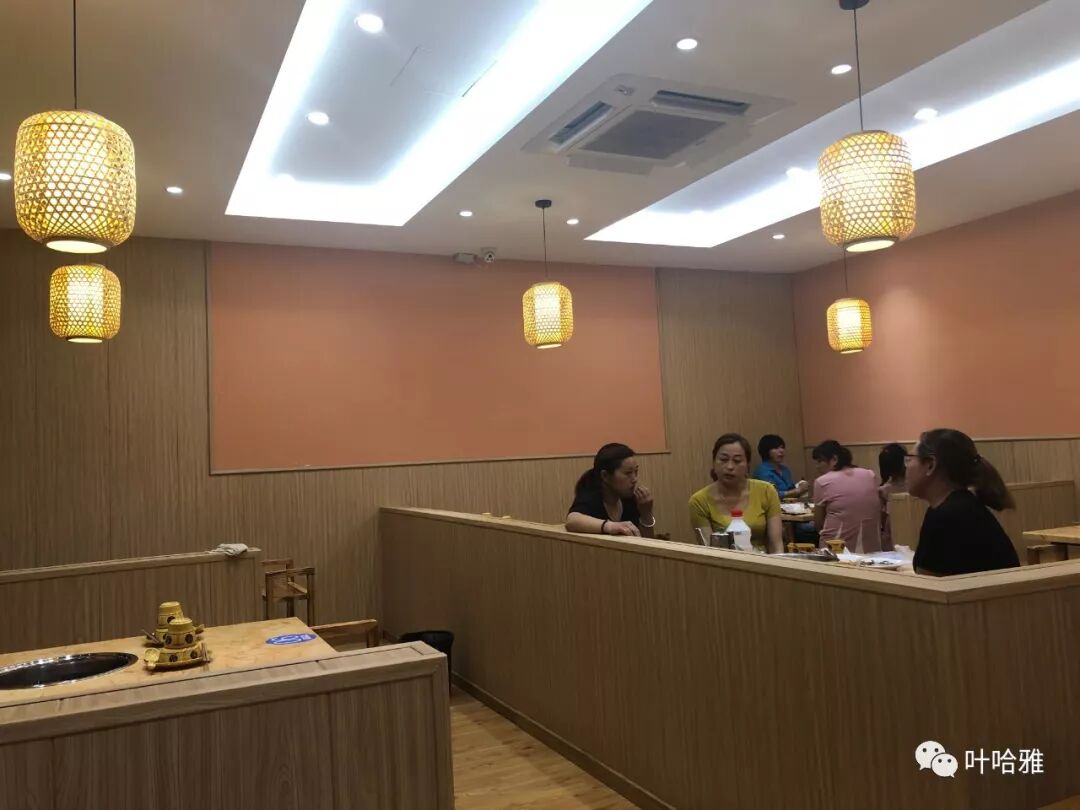
Another restaurant, Dadi Hui Muslim Restaurant, is right next to the Wuyuanzi Old Goose shop. It also serves local stir-fried dishes, and I was drawn to the soup pot (tangping) light box on their sign.
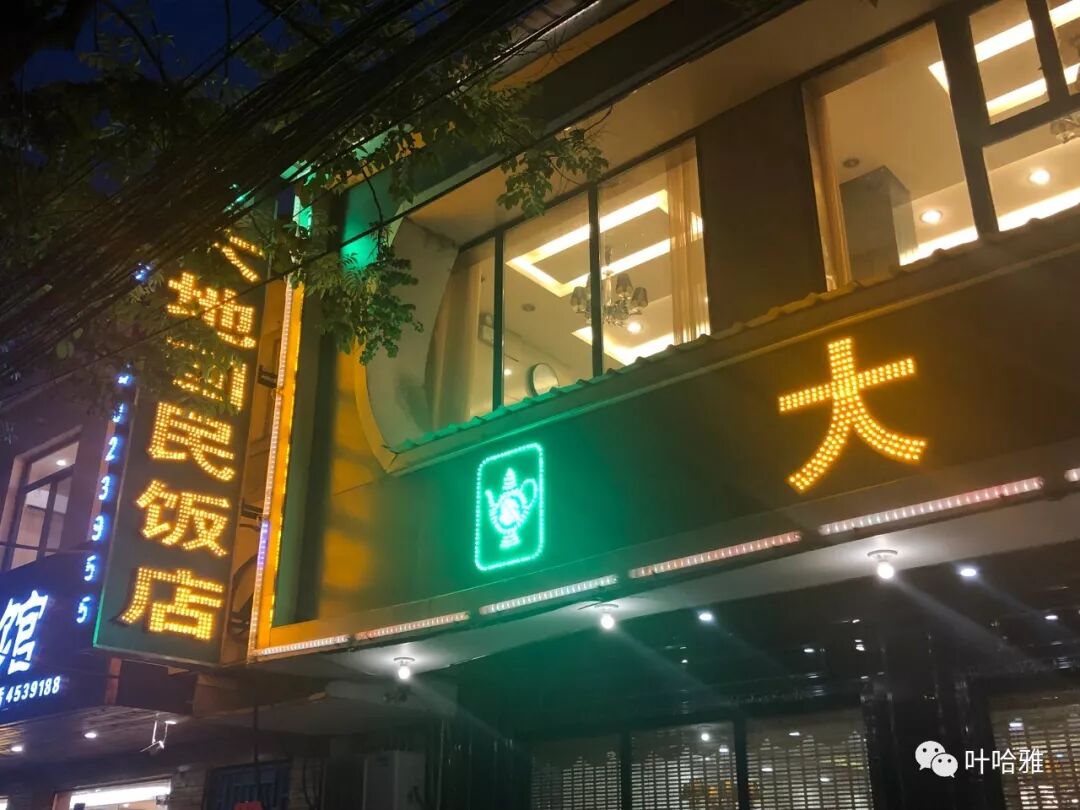
The restaurants mentioned above are all located along the ancient city walls of Shou County and are very easy to find. The ancient city is very lively at night with a thriving night market.
3. Hefei
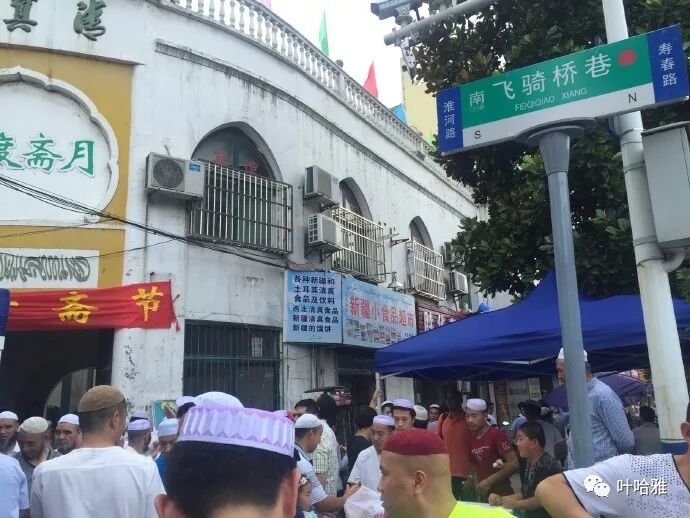
I have visited Hefei twice before and both times I ate near the Hefei mosque. The City Home (Chengshi Zhijia) halal restaurant, run by the Anhui Xingyue Halal Catering Management Company, used to be the largest halal restaurant in Hefei not far from the mosque. I ate there once, but the restaurant is now closed.
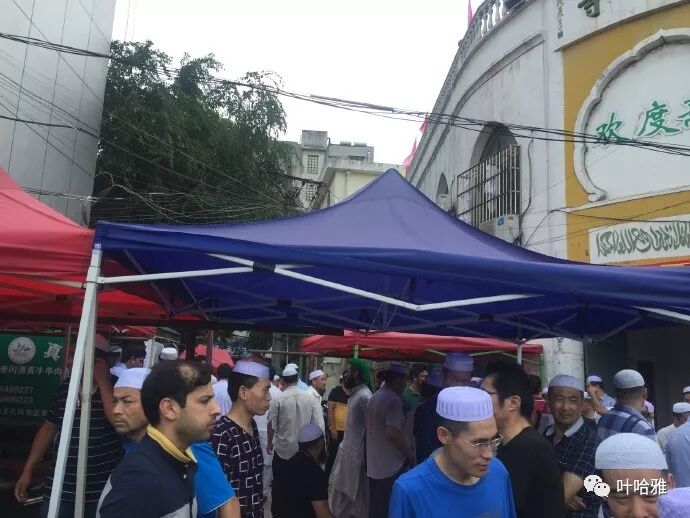
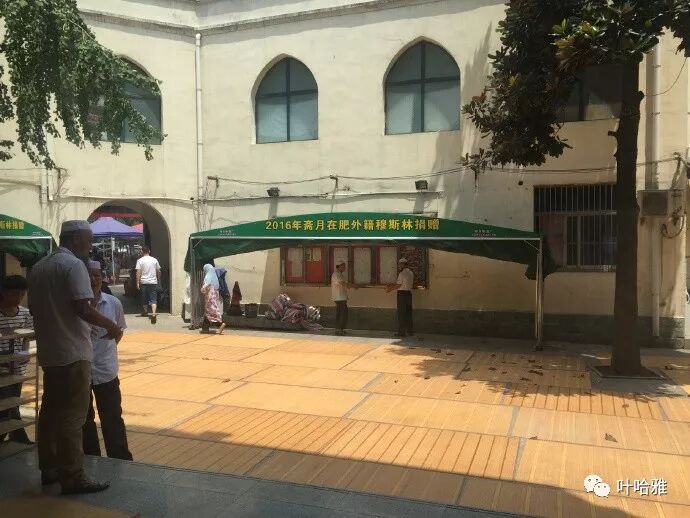
On Fridays, there is a market at the entrance of the Hefei mosque where you can buy snacks during Jumu'ah.
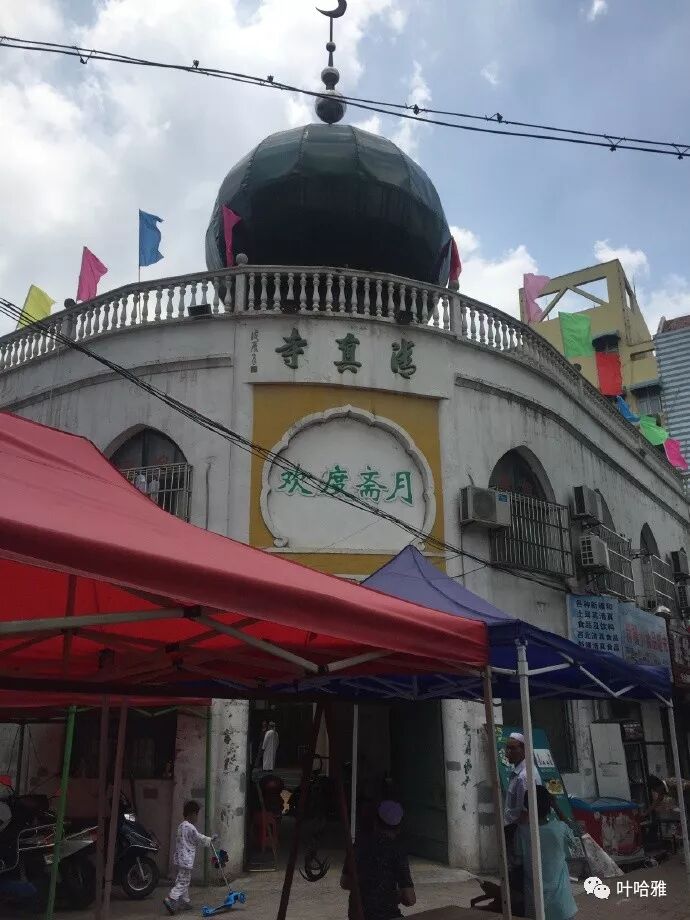
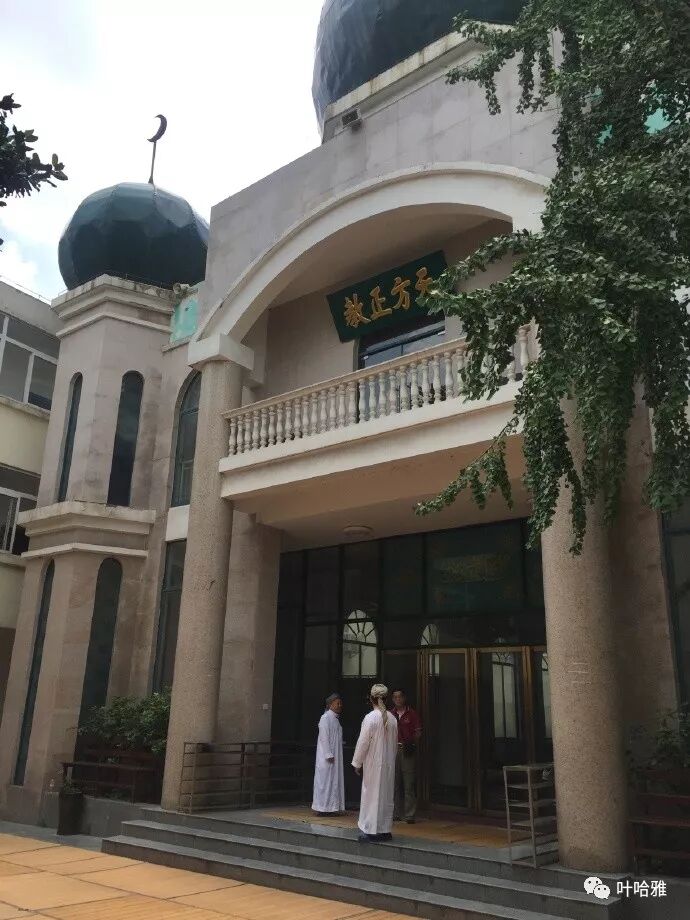
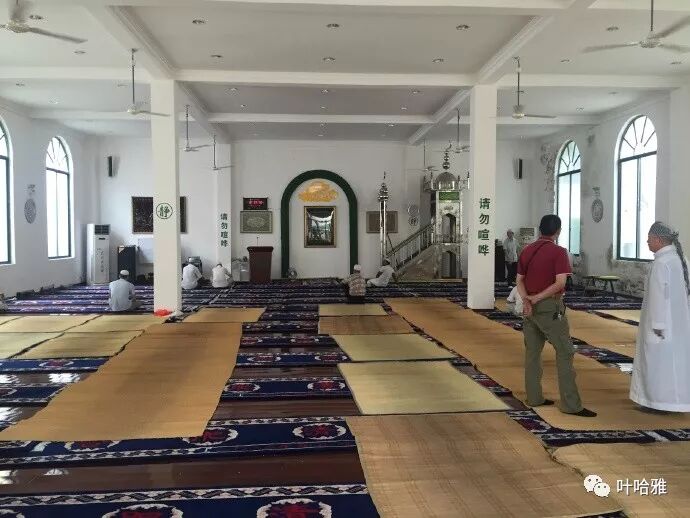
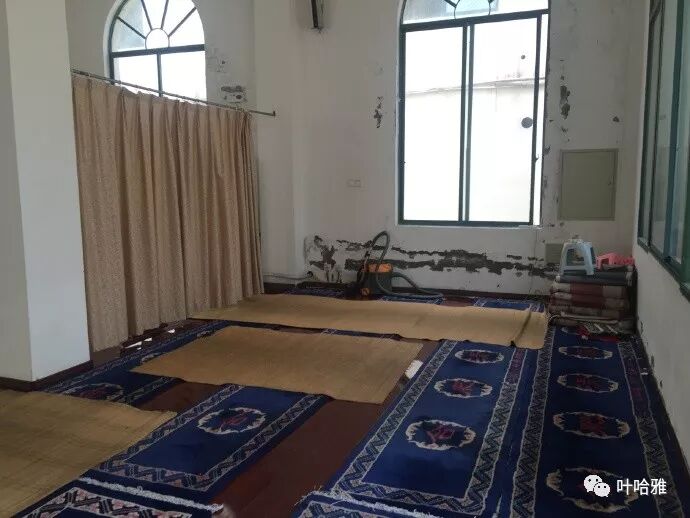
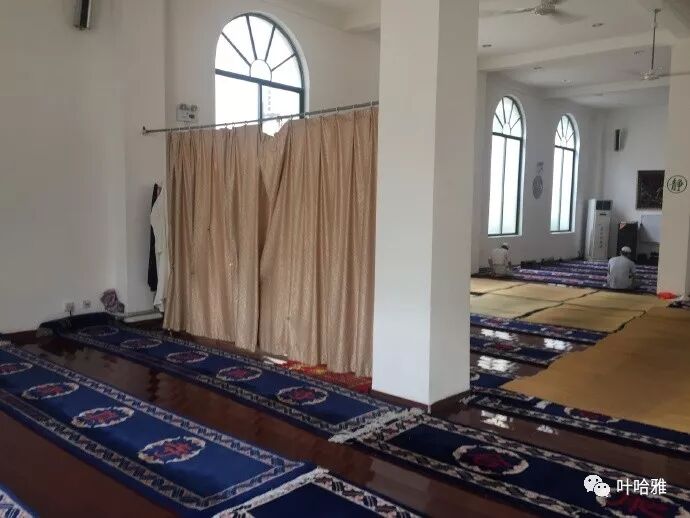
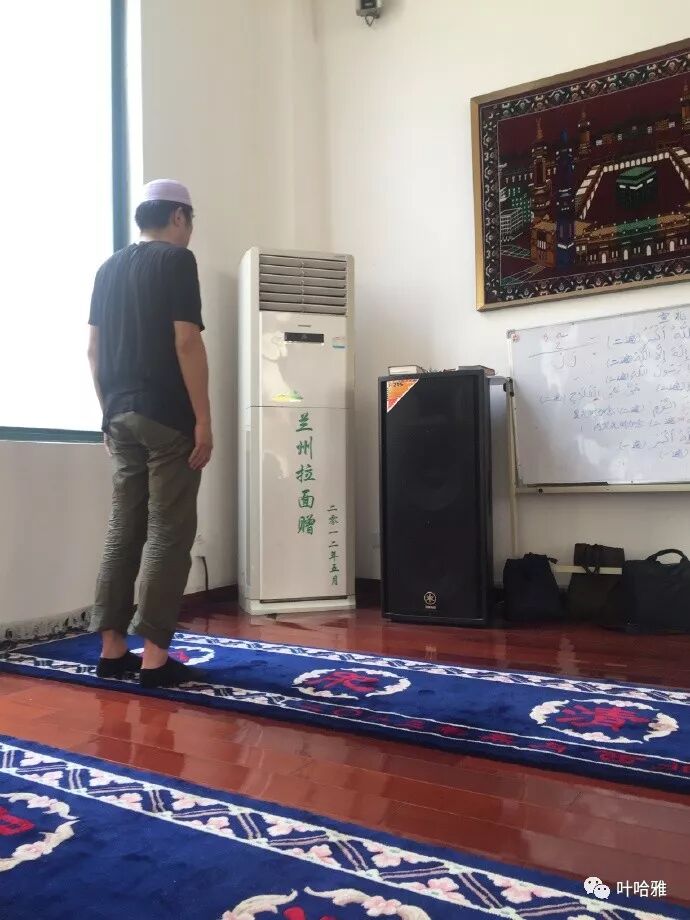
Lanzhou hand-pulled noodle shops (Lanzhou lamian guan) provide air conditioning. In many parts of the south, the operating costs of mosques are mostly funded by these noodle shops.
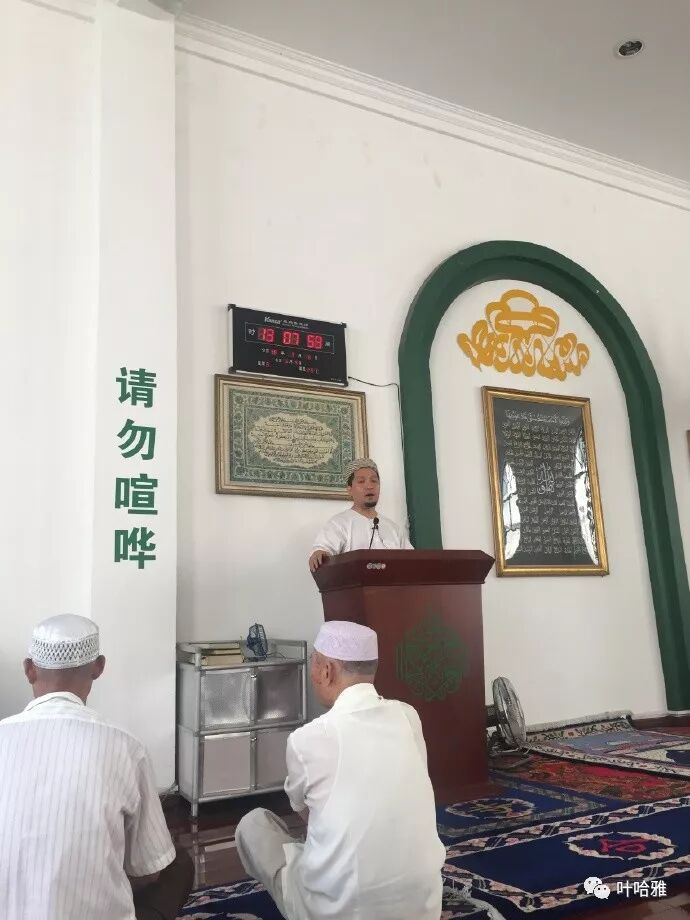
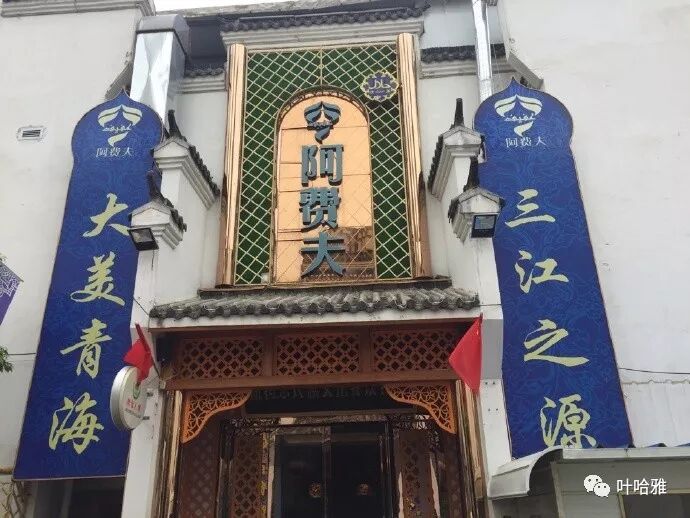
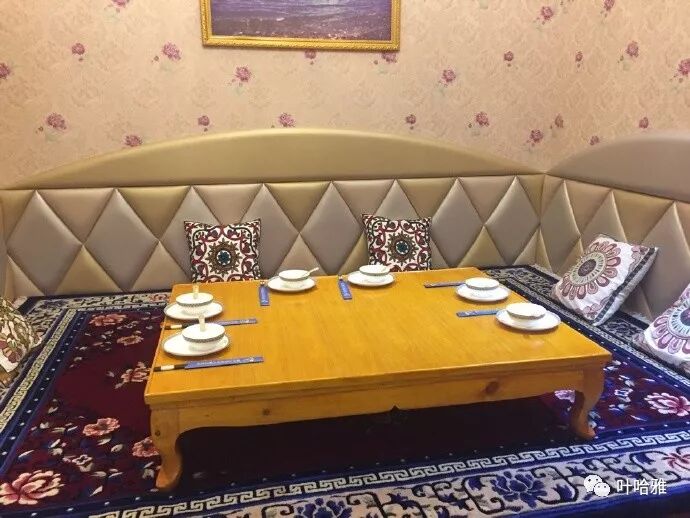
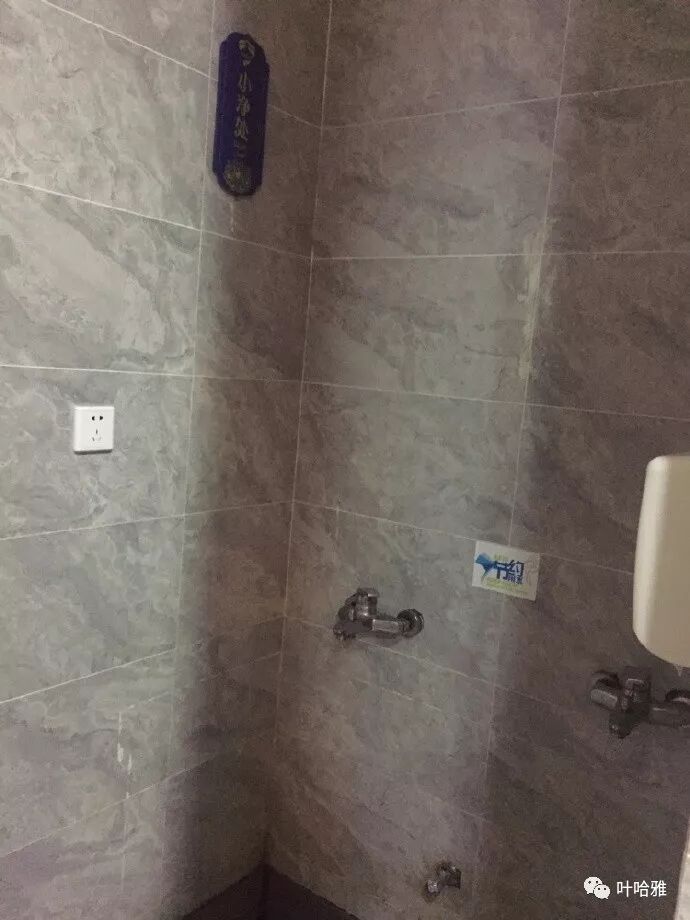
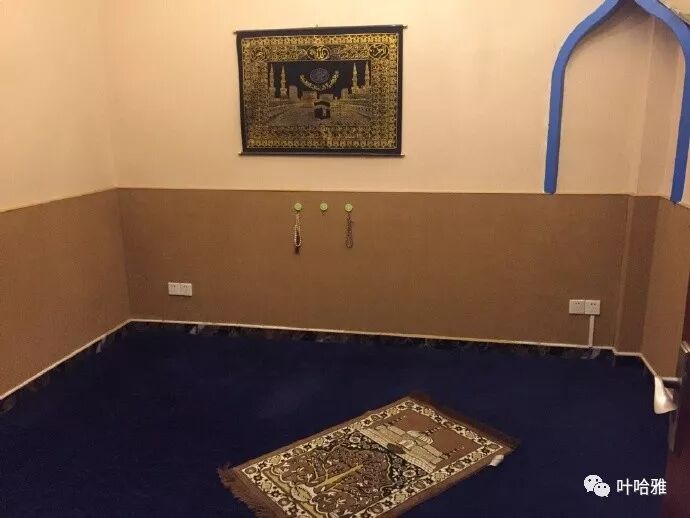
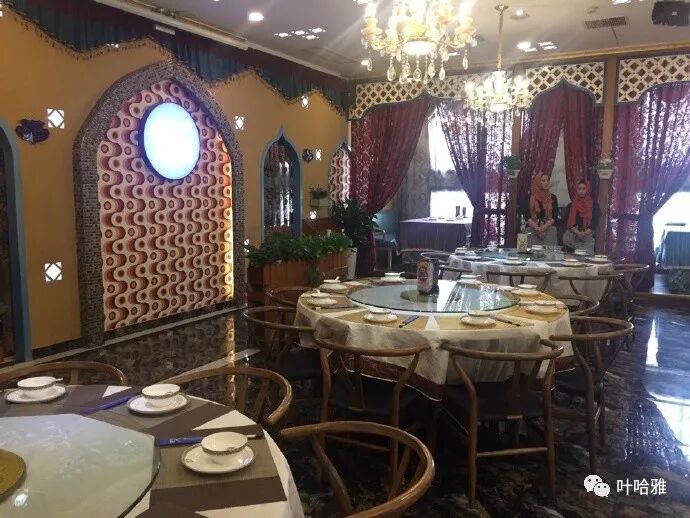
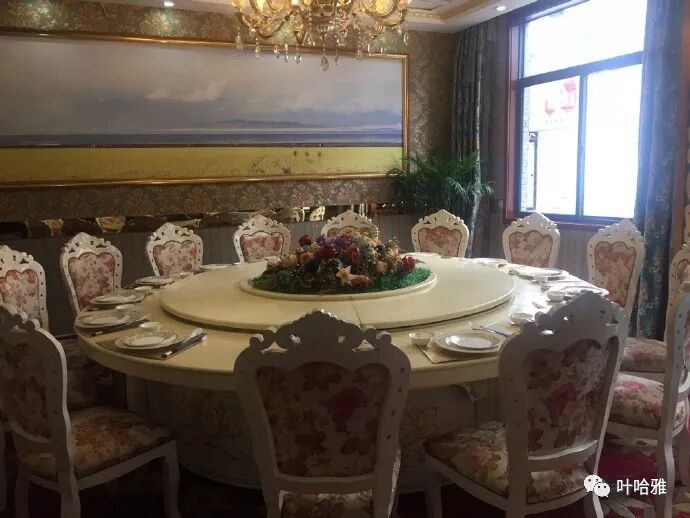
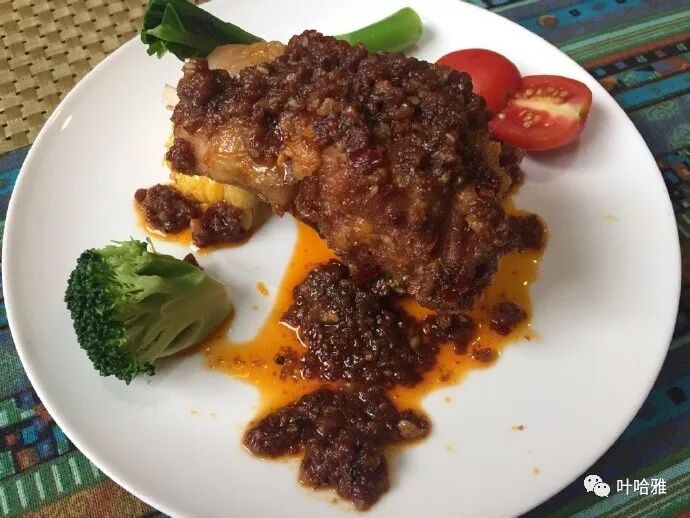
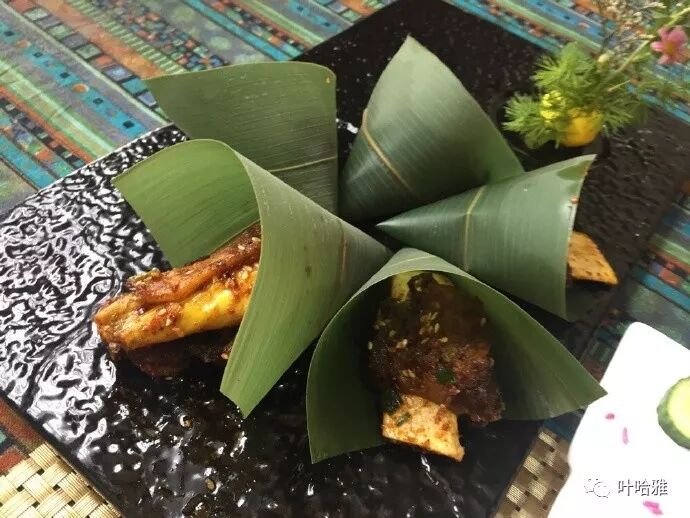
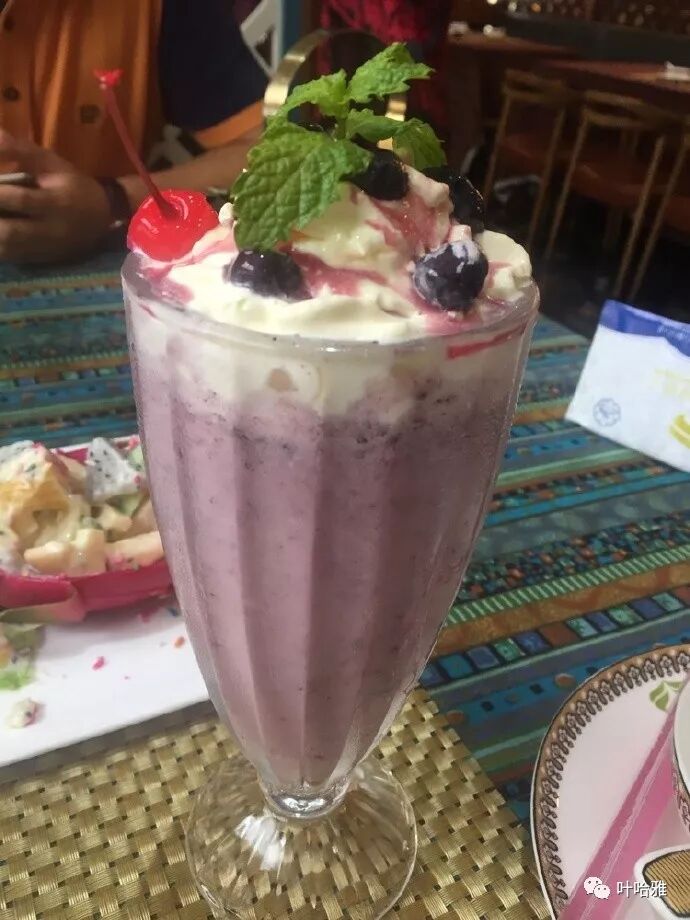
The best halal restaurant in Hefei now is Afef. Located on Houjie Street, the Afef Ethnic Culture Restaurant is currently the largest halal restaurant in Hefei. It is smoke-free and alcohol-free, spans two floors covering over 800 square meters, and includes a prayer room and a place for wudu. The environment is quite good. The staff includes Salar, Hui, Han, Dongxiang, and Uyghur people, showing harmony among the five ethnic groups. The food tastes authentic, the ingredients are high-quality, and the owner is very knowledgeable about the faith. Highly recommended.
4. Chuzhou
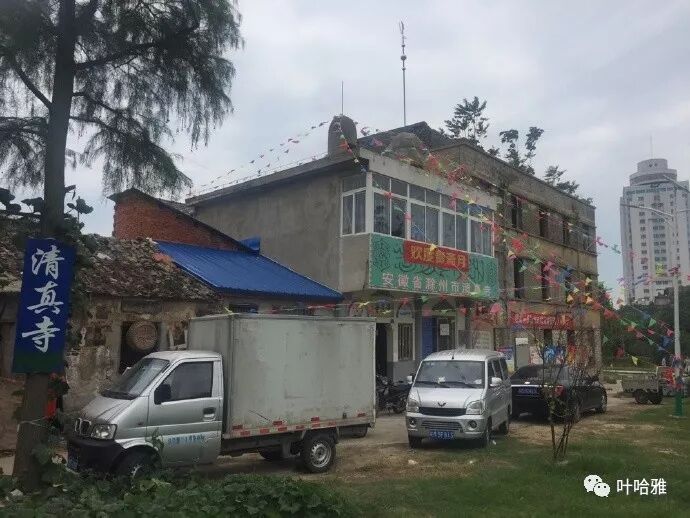
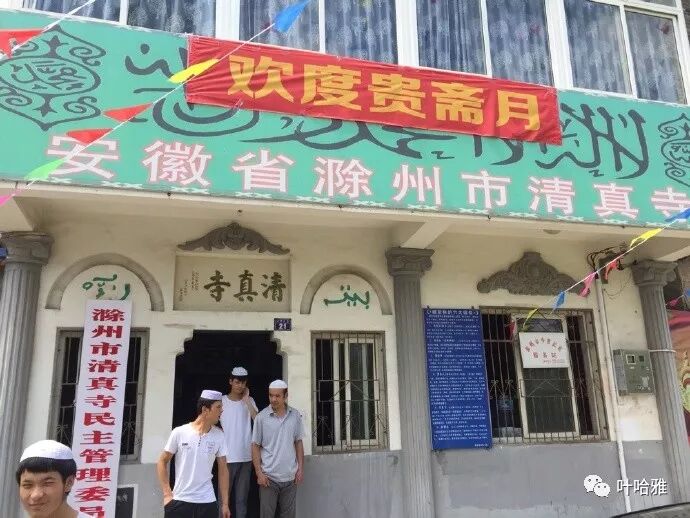
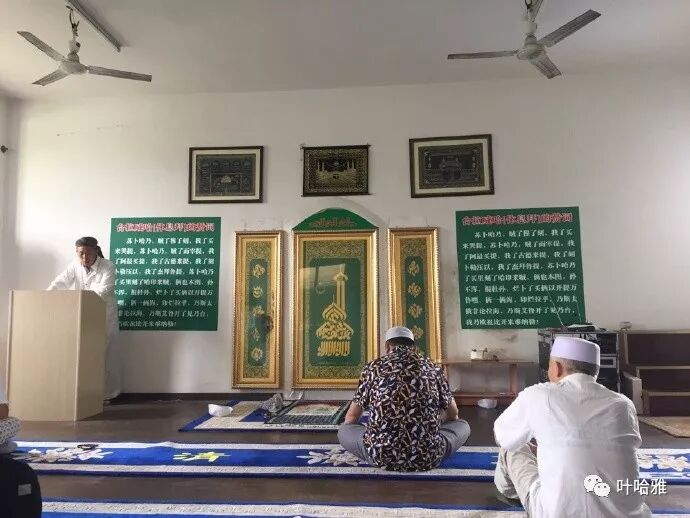
The Chuzhou mosque is not easy to find. It is located opposite the Christian church at Sipailou. It is a temporary building, and a new mosque is being planned. The old mosque had a history of over 600 years, but it was demolished after falling into disrepair.
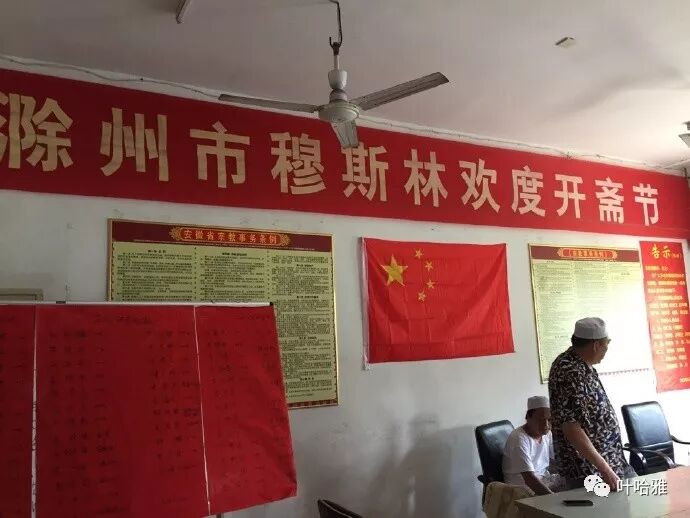
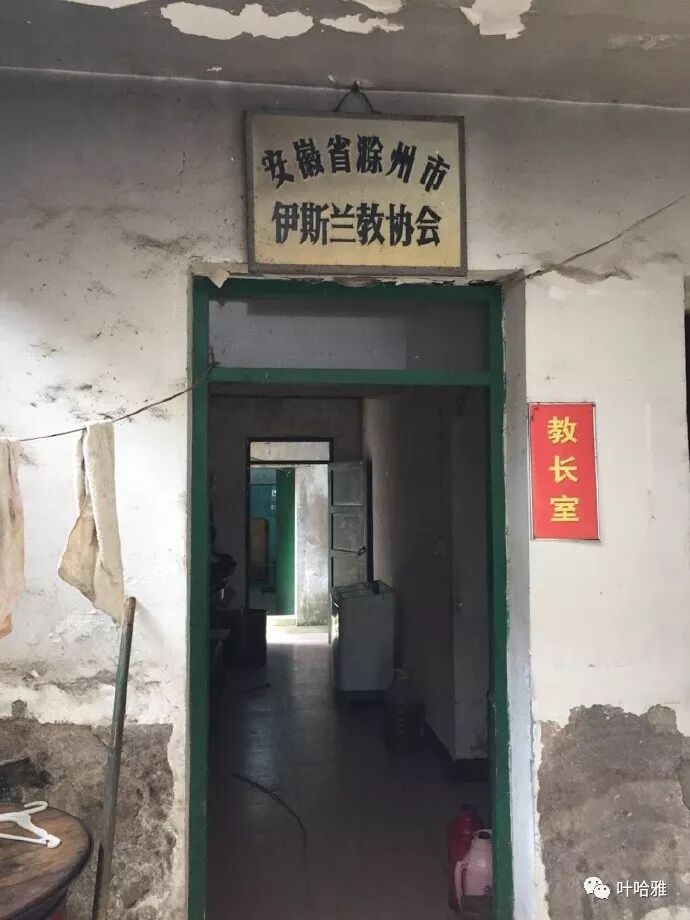
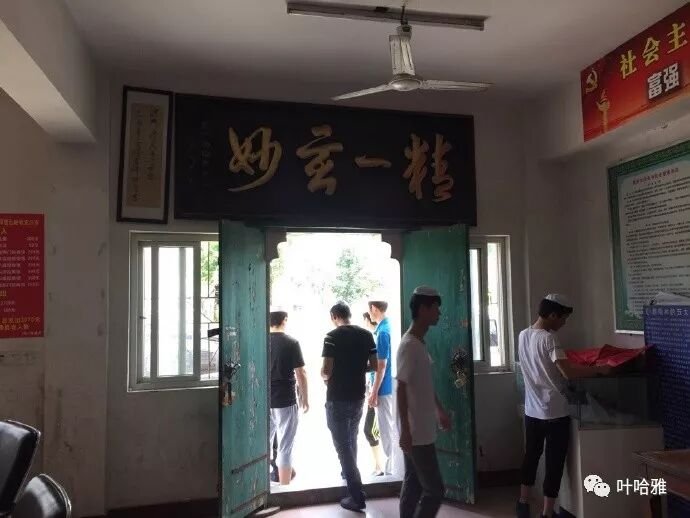
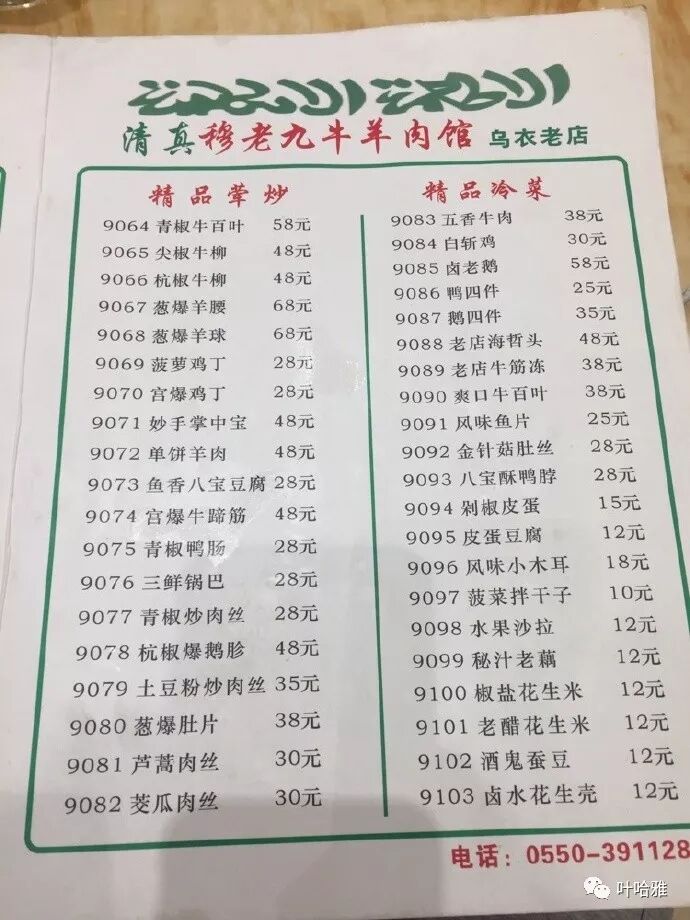
When you come to Chuzhou, you must eat at the Mu Lao Jiu Beef and Mutton Restaurant.
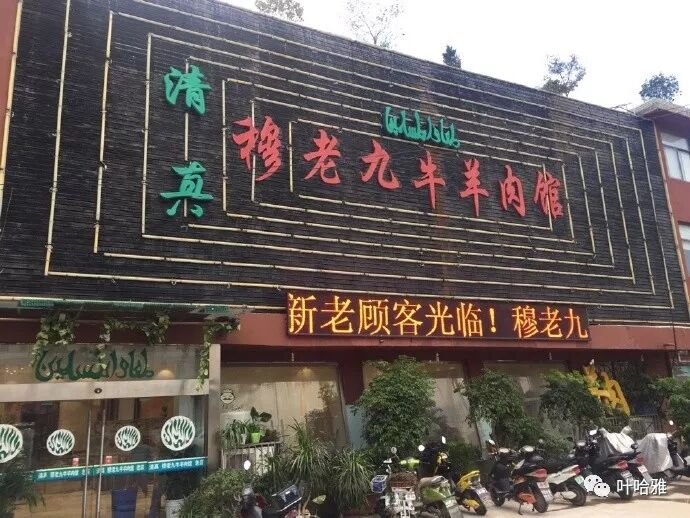
Mu Lao Jiu is a halal chain brand from Wuyi Town, Chuzhou, Anhui. The owner's surname is Mu, and he is a local Hui Muslim. This shop is very famous locally, and the pressed duck hot pot (banya huoguo) is one of their signature dishes.
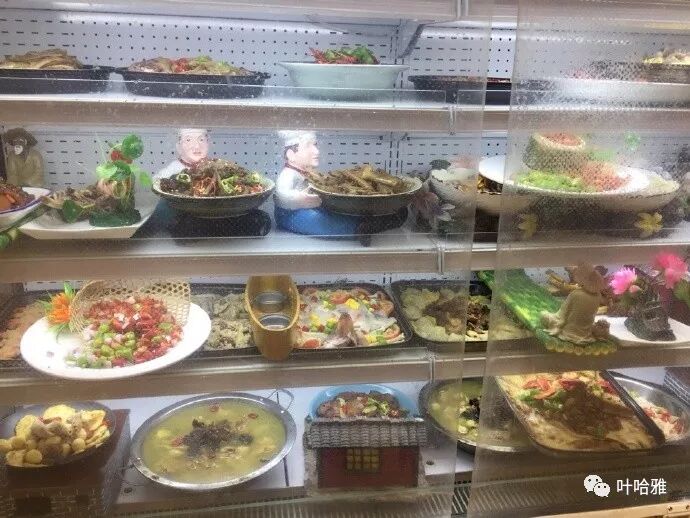
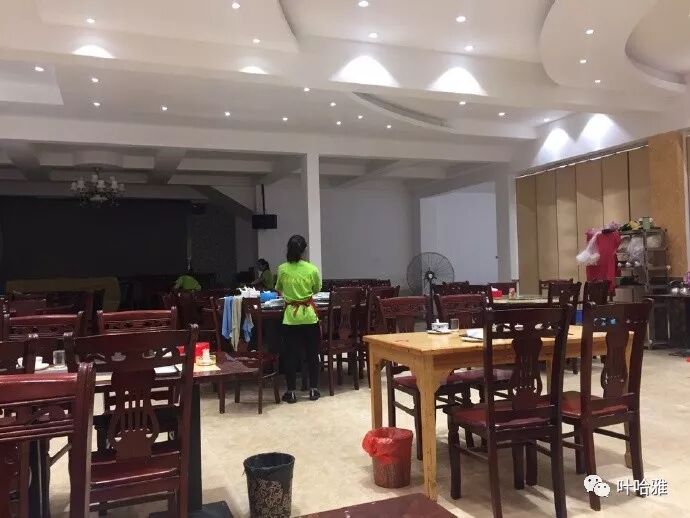
Mu Lao Jiu Beef and Mutton Restaurant started as a small shop in Wuyi Town, Nanqiao District. It entered Chuzhou city in the 1980s. Currently, it has franchise stores in Chuzhou, Lai'an County, Fengyang County, Mingguang City, as well as in Nanjing, Yixing, and Gaoyou in Jiangsu Province.
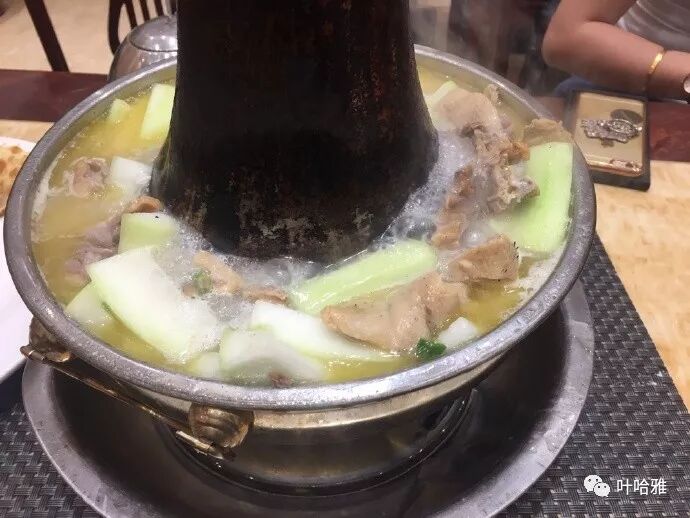
The pressed duck hot pot looks very similar to the earthen hot pot (tu huoguo) from Qinghai.
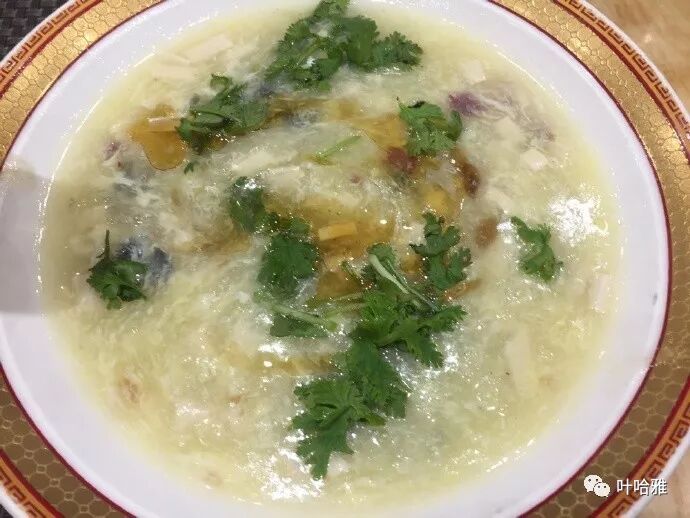
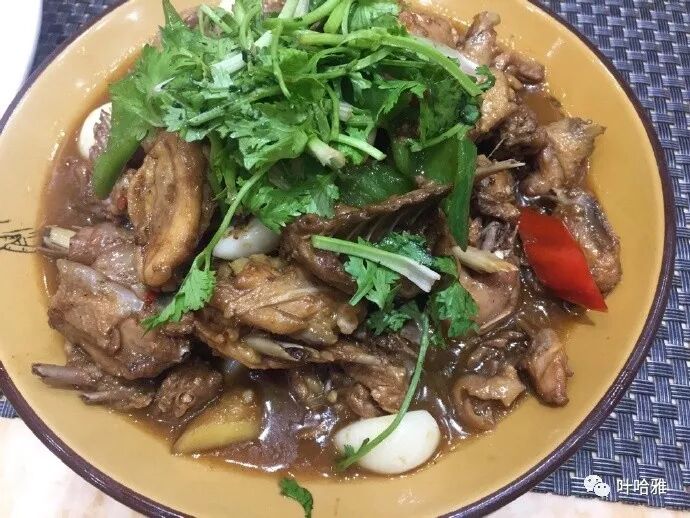
braised young chicken (hongshao ziji)
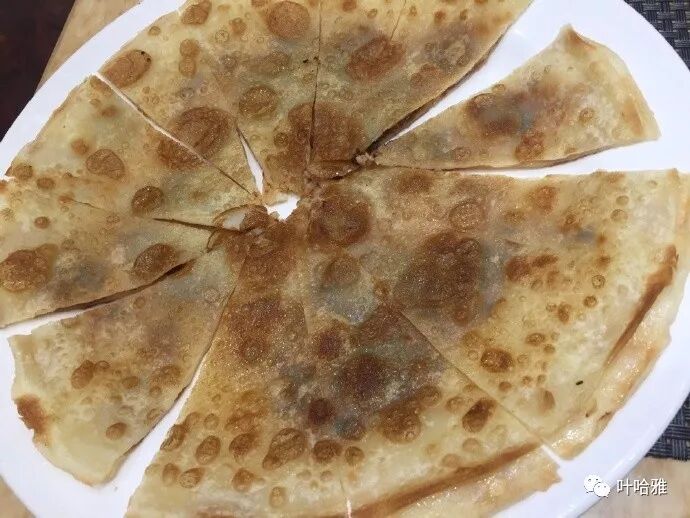
lamb meat pie (yangrou xianbing)
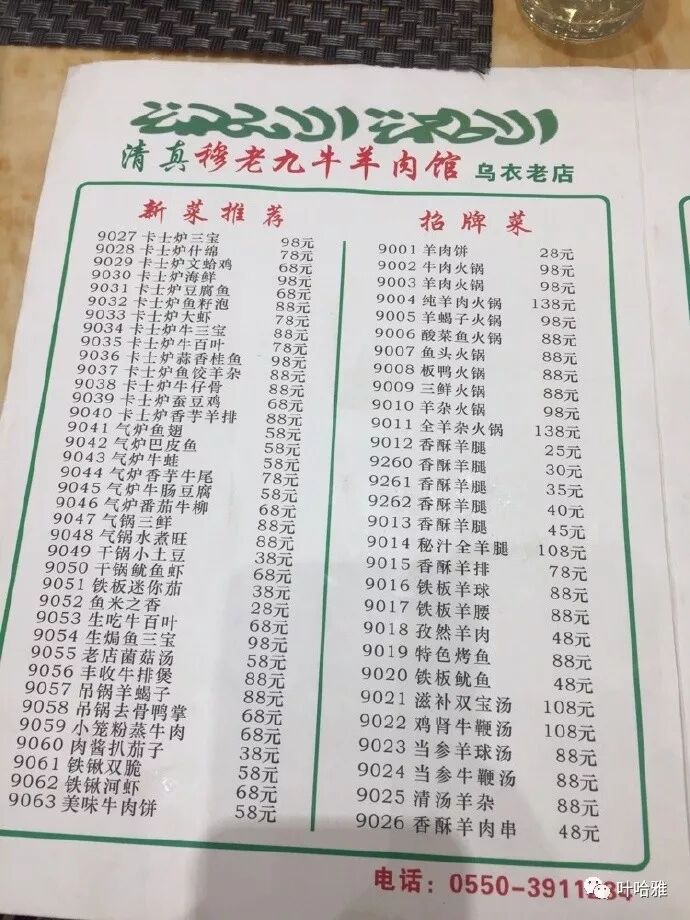
menu
This concludes my halal travel guide to Anhui. I have not yet visited places in Anhui with larger Hui Muslim populations like Lu'an and Bengbu, but I plan to visit them one by one when I have time.
Summary: This Anhui halal travel account follows the original route through Anqing, Huainan, Hefei, and Chuzhou, preserving mosque notes, dishes, menus, and photos. It is cleaned for readers searching for hidden halal food and mosque travel in China.
Hui Muslims have a long history in Anhui. Records show Muslim activity in the region dating back to the Tang and Song dynasties. By the Yuan dynasty, Muslims began settling in Anhui in large numbers. During the Ming dynasty, famous Hui Muslim generals like Chang Yuchun and Lan Yu were both from Anhui. Anhui is now home to over 400,000 Hui Muslims and more than 200 mosques. They are mainly located in northern Anhui cities like Bengbu, Lu'an, Fuyang, Huainan, and Huaibei. Anqing and Shou County in Huainan each have a mosque listed as a Major Historical and Cultural Site Protected at the National Level.
1. Anqing
The Dananmen Ethnic Neighborhood in Anqing is a Hui Muslim residential area. It contains a Mosque Street (Qingzhensi Jie) lined with small shops selling halal food. The street is very short and only has a few businesses.
However, this street has a beef bun shop that is very popular locally and was once featured on the show A Bite of China. This Dananmen beef bun is a signature Anqing food. They start selling before dawn every morning and close by 10:00 a.m. It is a breakfast item, and many people come from far away to buy them, often purchasing one or two hundred at a time.
I arrived at noon and missed out on the beef buns. Based on online reviews, I believe the shop lives up to its reputation, but it is not easy to get a taste. People say you have to wait in line for one or two hours.
Since I missed the buns, I found it difficult to find anything else to eat. Local residents are not used to eating out at noon, so many restaurants were closed.
Only a few shops were open on this street, and they were all run by local Hui Muslims.
I met an elderly local community leader at the mosque. When he learned I had come all the way from Beijing, he treated me to a bowl of Anqing beef noodles at a shop in front of the mosque. This friend (dosti) is named Man. May Allah reward those who make things easy for travelers.
The beef noodles in Anqing have a generous amount of beef. The flavor is slightly spicy, and the broth is rich and fragrant.
Right next to the beef noodles is the entrance to the Anqing Nanguan Mosque. This mosque was built by Ma Yi, a second-rank commander-in-chief during the Ming Dynasty, and it is a Major Historical and Cultural Site Protected at the National Level.
In 1381, Ming Dynasty General Ma Jucheng led Hui Muslim soldiers to garrison Anqing city and established the Anqing Garrison, which has a longer history than the Tianjin Garrison. The first mosque in Tianjin, the Jinjiayao Mosque, was also founded by Hui Muslims from the Anqing transport guild. To this day, many Hui Muslims in Tianjin still claim their ancestral home is Anqing Prefecture, and some of the Tianjin Hui Muslim dialect pronunciations originated from the Anqing Garrison.
The ceiling height inside the main prayer hall is likely the highest in East China.
It is inscribed with the words 'Hall of No Images'.
Tanhua Mansion is the common name for the Qingzhen Guoyuetang, which is part of the Anqing Mosque. After Ma Dayong, an eighth-generation descendant of the Anqing Ma family, placed third in the imperial martial examinations, the Yongzheng Emperor bestowed a golden plaque reading 'Tanhua Jidi' (Third Place Scholar) which hung high in the residence. After this, the Qingzhen Dunyuetang became commonly known as Tanhua Mansion. Today, the Qingzhen Guoyuetang serves as the Anqing Hui Muslim History Museum.
2. Shou County, Huainan
The ancient city of Shou County in Huainan is an area with a strong Islamic presence and a large Hui Muslim population. Local homes here feature distinct Hui Muslim decorations, such as couplets written in Arabic calligraphy posted on the doors.
The halal food in the ancient city of Shou County focuses on local specialties, and Hui Muslims make up about one-third of the local population.
Beef soup (niuroutang) is a major local snack in Huainan. Near Renmin University of China in Beijing, there is a halal Hu Ji Huainan Beef Soup shop that is very authentic.
One of the main goals of this trip is the Shou County Mosque, which was first built during the Tianqi period of the Ming Dynasty (1621-1627) and is now a Major Historical and Cultural Site Protected at the National Level. The great imam Wang Jingzhai taught here for two months during the Republic of China era, but he was invited to Taiwan because he could not stand the harassment from the Eighth Route Army and because the Islamic community in Taiwan needed his help to revitalize their faith.
You can see many friends (dost) wearing headscarves in Shou County.
A plaque reading "Wuxiang Baodian" hangs in front of the main prayer hall, which is currently the largest mosque prayer hall in East China.
After visiting the mosque, I went to look for local halal food. This Yilan Garden is one of the larger local halal restaurants, specializing in local stir-fried dishes. When the staff learned I was a Hui Muslim, they kindly called me "laobiao," which is a term of endearment.
You have to go to the second floor to order, choosing from the pictures above and the ingredients displayed below. The server recommended I try the cold tofu and beef balls.
I have to say, the tofu in Shou County is delicious. It has a smooth texture and a fresh, pleasant taste. Locals say that while Huainan tofu is the most famous, it actually refers to Shou County tofu, and you can find high-quality tofu at any shop in Shou County.
This is the beef ball. It looks like a meatball, but it is actually made like a sweet rice ball (tangyuan). The texture is also like a tangyuan, with a layer of meat jelly on the outside and filling inside. It is completely different from a meatball and tastes great.
Wuyuanzi Old Goose is another famous Shou County dish. Wuyuanzi is the owner's nickname, but his real surname is Mei, which is one of the local Hui Muslim surnames.
Because I was in a hurry, I bought a portion of braised old goose to go.
The old goose is spicy and fragrant. Wuyuanzi has opened several branches locally, which shows how popular it is.
Another restaurant, Dadi Hui Muslim Restaurant, is right next to the Wuyuanzi Old Goose shop. It also serves local stir-fried dishes, and I was drawn to the soup pot (tangping) light box on their sign.
The restaurants mentioned above are all located along the ancient city walls of Shou County and are very easy to find. The ancient city is very lively at night with a thriving night market.
3. Hefei
I have visited Hefei twice before and both times I ate near the Hefei mosque. The City Home (Chengshi Zhijia) halal restaurant, run by the Anhui Xingyue Halal Catering Management Company, used to be the largest halal restaurant in Hefei not far from the mosque. I ate there once, but the restaurant is now closed.
On Fridays, there is a market at the entrance of the Hefei mosque where you can buy snacks during Jumu'ah.
Lanzhou hand-pulled noodle shops (Lanzhou lamian guan) provide air conditioning. In many parts of the south, the operating costs of mosques are mostly funded by these noodle shops.
The best halal restaurant in Hefei now is Afef. Located on Houjie Street, the Afef Ethnic Culture Restaurant is currently the largest halal restaurant in Hefei. It is smoke-free and alcohol-free, spans two floors covering over 800 square meters, and includes a prayer room and a place for wudu. The environment is quite good. The staff includes Salar, Hui, Han, Dongxiang, and Uyghur people, showing harmony among the five ethnic groups. The food tastes authentic, the ingredients are high-quality, and the owner is very knowledgeable about the faith. Highly recommended.
4. Chuzhou
The Chuzhou mosque is not easy to find. It is located opposite the Christian church at Sipailou. It is a temporary building, and a new mosque is being planned. The old mosque had a history of over 600 years, but it was demolished after falling into disrepair.
When you come to Chuzhou, you must eat at the Mu Lao Jiu Beef and Mutton Restaurant.
Mu Lao Jiu is a halal chain brand from Wuyi Town, Chuzhou, Anhui. The owner's surname is Mu, and he is a local Hui Muslim. This shop is very famous locally, and the pressed duck hot pot (banya huoguo) is one of their signature dishes.
Mu Lao Jiu Beef and Mutton Restaurant started as a small shop in Wuyi Town, Nanqiao District. It entered Chuzhou city in the 1980s. Currently, it has franchise stores in Chuzhou, Lai'an County, Fengyang County, Mingguang City, as well as in Nanjing, Yixing, and Gaoyou in Jiangsu Province.
The pressed duck hot pot looks very similar to the earthen hot pot (tu huoguo) from Qinghai.
braised young chicken (hongshao ziji)
lamb meat pie (yangrou xianbing)
menu
This concludes my halal travel guide to Anhui. I have not yet visited places in Anhui with larger Hui Muslim populations like Lu'an and Bengbu, but I plan to visit them one by one when I have time.
