

Halal Food China
Hidden Halal Food in China: Anhui Mosques from Anqing to Hefei and Chuzhou
Articles • ali2007fr posted the article • 0 comments • 172 views • 2026-05-21 11:00
Summary: This Anhui halal travel account follows the original route through Anqing, Huainan, Hefei, and Chuzhou, preserving mosque notes, dishes, menus, and photos. It is cleaned for readers searching for hidden halal food and mosque travel in China.
Hui Muslims have a long history in Anhui. Records show Muslim activity in the region dating back to the Tang and Song dynasties. By the Yuan dynasty, Muslims began settling in Anhui in large numbers. During the Ming dynasty, famous Hui Muslim generals like Chang Yuchun and Lan Yu were both from Anhui. Anhui is now home to over 400,000 Hui Muslims and more than 200 mosques. They are mainly located in northern Anhui cities like Bengbu, Lu'an, Fuyang, Huainan, and Huaibei. Anqing and Shou County in Huainan each have a mosque listed as a Major Historical and Cultural Site Protected at the National Level.
1. Anqing
The Dananmen Ethnic Neighborhood in Anqing is a Hui Muslim residential area. It contains a Mosque Street (Qingzhensi Jie) lined with small shops selling halal food. The street is very short and only has a few businesses.
However, this street has a beef bun shop that is very popular locally and was once featured on the show A Bite of China. This Dananmen beef bun is a signature Anqing food. They start selling before dawn every morning and close by 10:00 a.m. It is a breakfast item, and many people come from far away to buy them, often purchasing one or two hundred at a time.
I arrived at noon and missed out on the beef buns. Based on online reviews, I believe the shop lives up to its reputation, but it is not easy to get a taste. People say you have to wait in line for one or two hours.
Since I missed the buns, I found it difficult to find anything else to eat. Local residents are not used to eating out at noon, so many restaurants were closed.
Only a few shops were open on this street, and they were all run by local Hui Muslims.
I met an elderly local community leader at the mosque. When he learned I had come all the way from Beijing, he treated me to a bowl of Anqing beef noodles at a shop in front of the mosque. This friend (dosti) is named Man. May Allah reward those who make things easy for travelers.
The beef noodles in Anqing have a generous amount of beef. The flavor is slightly spicy, and the broth is rich and fragrant.
Right next to the beef noodles is the entrance to the Anqing Nanguan Mosque. This mosque was built by Ma Yi, a second-rank commander-in-chief during the Ming Dynasty, and it is a Major Historical and Cultural Site Protected at the National Level.
In 1381, Ming Dynasty General Ma Jucheng led Hui Muslim soldiers to garrison Anqing city and established the Anqing Garrison, which has a longer history than the Tianjin Garrison. The first mosque in Tianjin, the Jinjiayao Mosque, was also founded by Hui Muslims from the Anqing transport guild. To this day, many Hui Muslims in Tianjin still claim their ancestral home is Anqing Prefecture, and some of the Tianjin Hui Muslim dialect pronunciations originated from the Anqing Garrison.
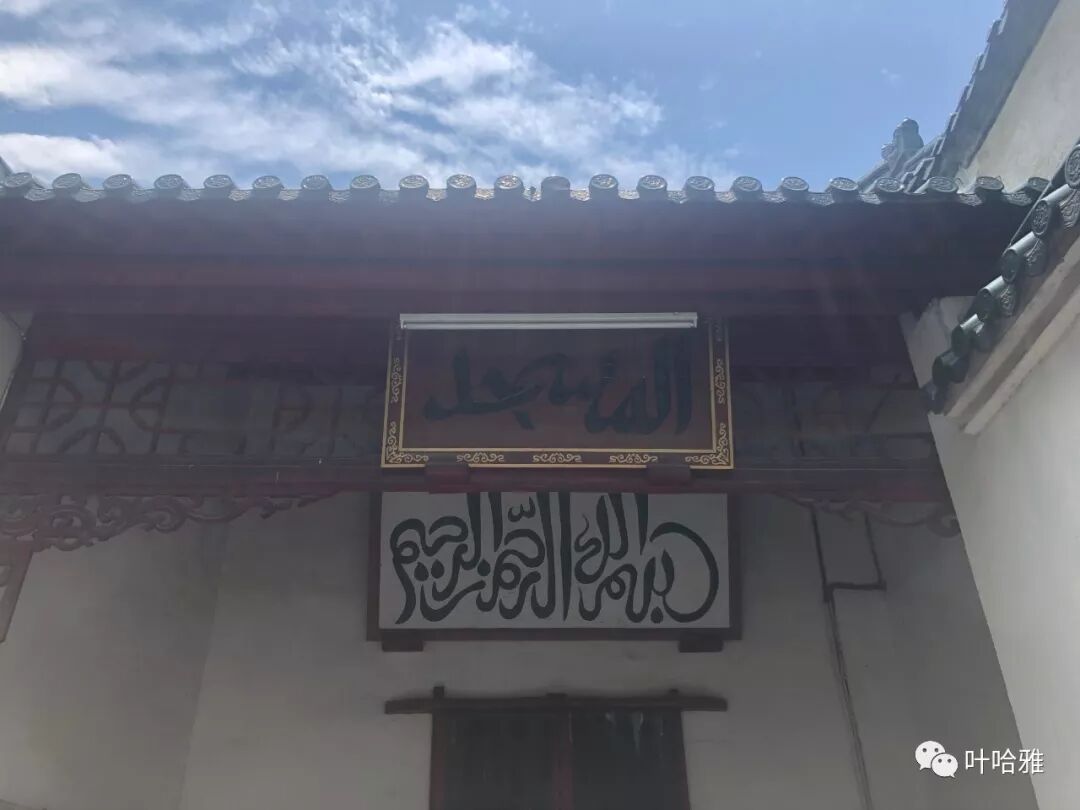
The ceiling height inside the main prayer hall is likely the highest in East China.
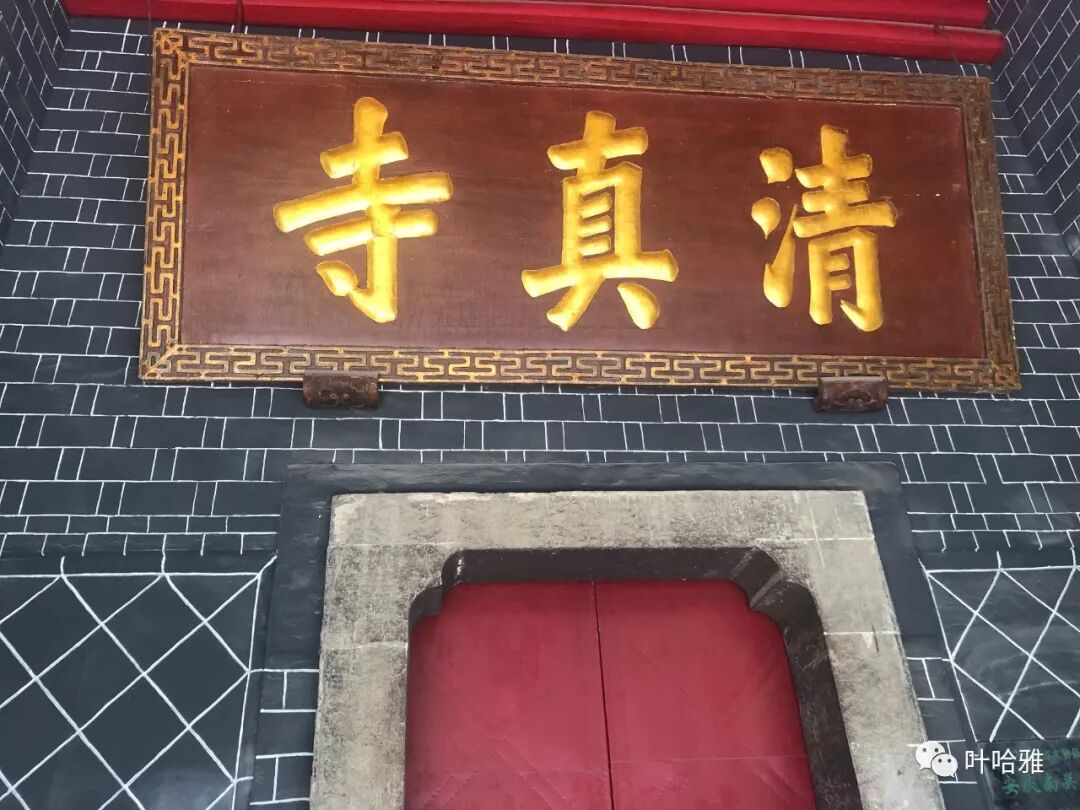
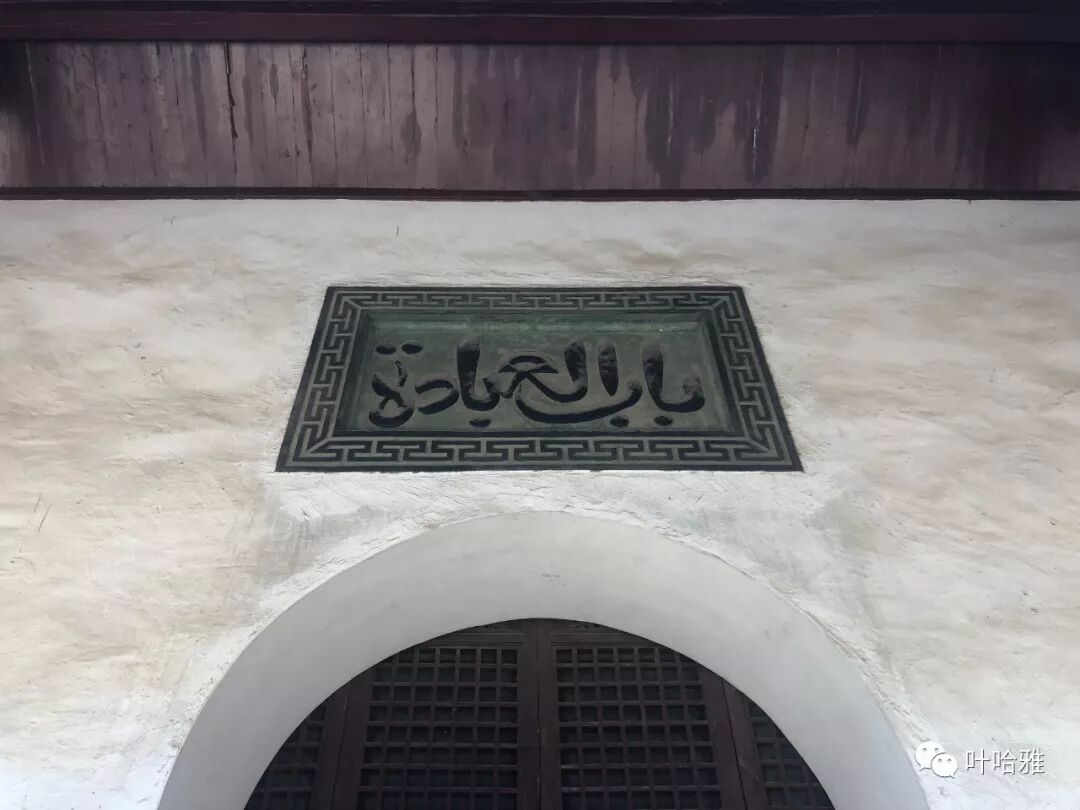
It is inscribed with the words 'Hall of No Images'.
Tanhua Mansion is the common name for the Qingzhen Guoyuetang, which is part of the Anqing Mosque. After Ma Dayong, an eighth-generation descendant of the Anqing Ma family, placed third in the imperial martial examinations, the Yongzheng Emperor bestowed a golden plaque reading 'Tanhua Jidi' (Third Place Scholar) which hung high in the residence. After this, the Qingzhen Dunyuetang became commonly known as Tanhua Mansion. Today, the Qingzhen Guoyuetang serves as the Anqing Hui Muslim History Museum.
2. Shou County, Huainan
The ancient city of Shou County in Huainan is an area with a strong Islamic presence and a large Hui Muslim population. Local homes here feature distinct Hui Muslim decorations, such as couplets written in Arabic calligraphy posted on the doors.
The halal food in the ancient city of Shou County focuses on local specialties, and Hui Muslims make up about one-third of the local population.
Beef soup (niuroutang) is a major local snack in Huainan. Near Renmin University of China in Beijing, there is a halal Hu Ji Huainan Beef Soup shop that is very authentic.
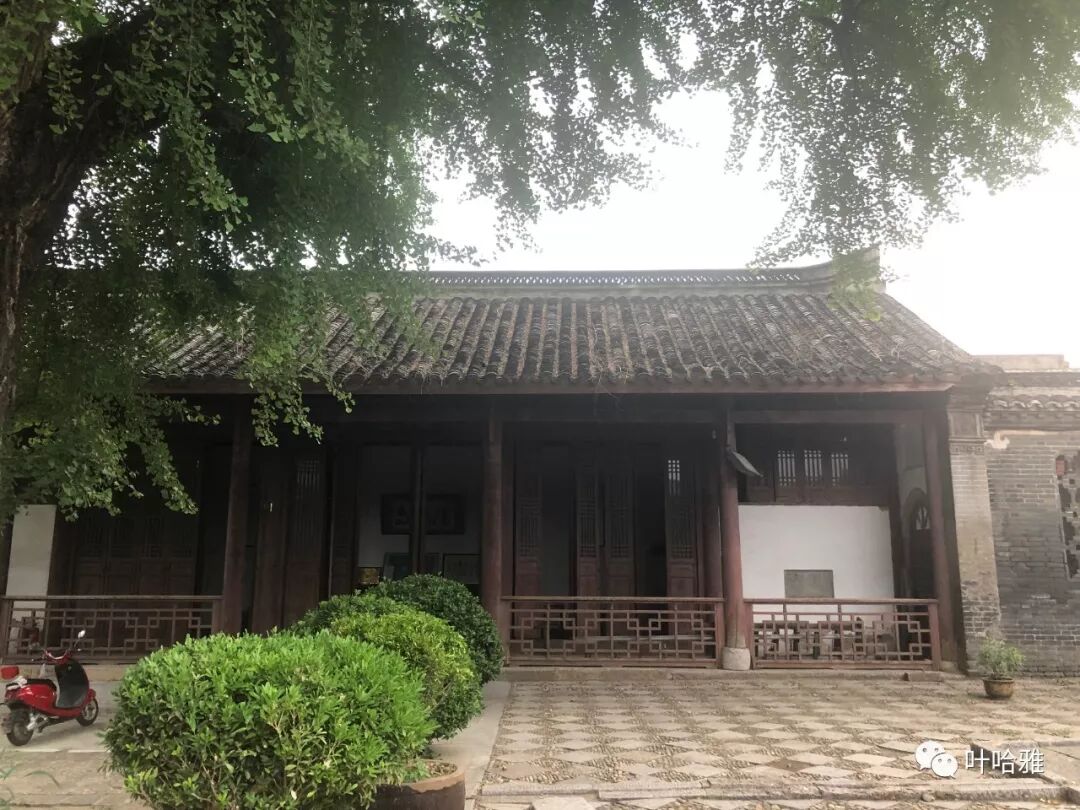
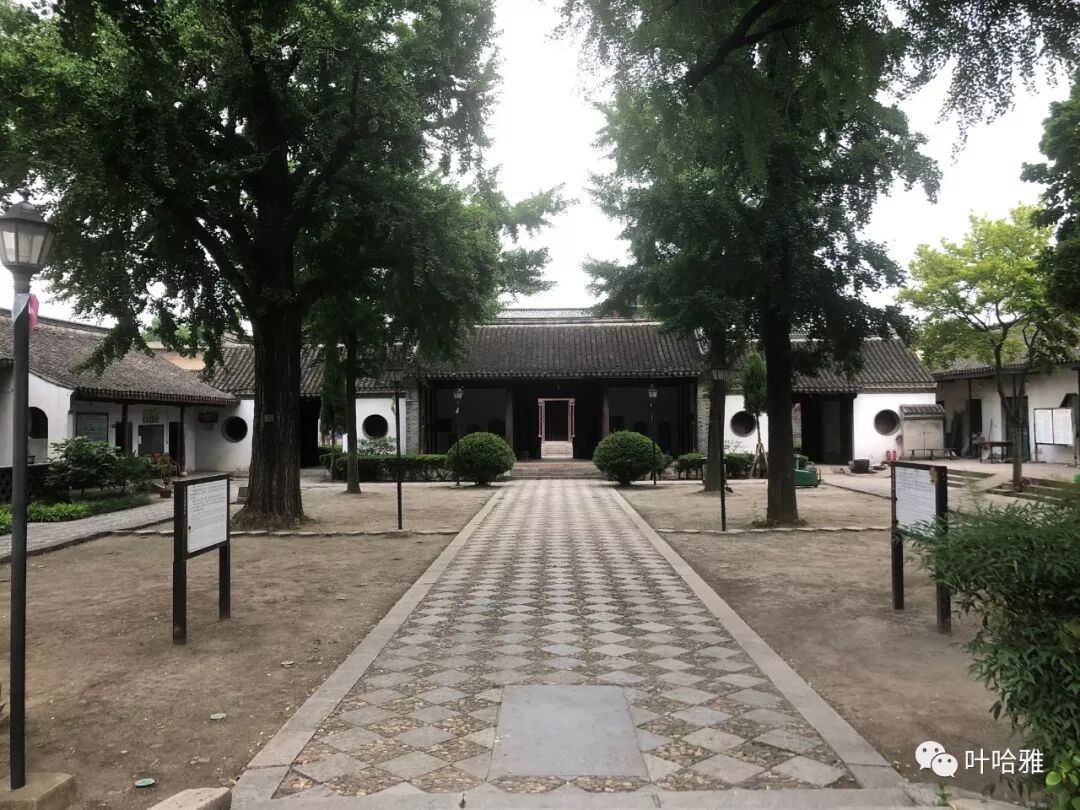
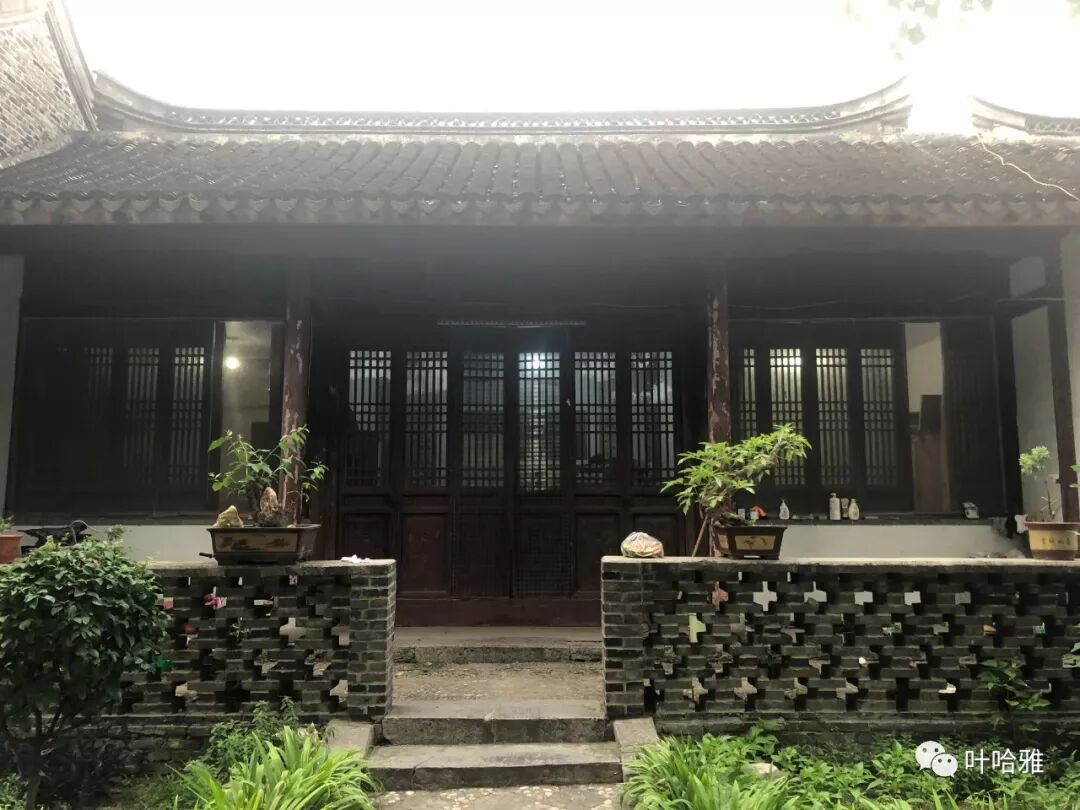
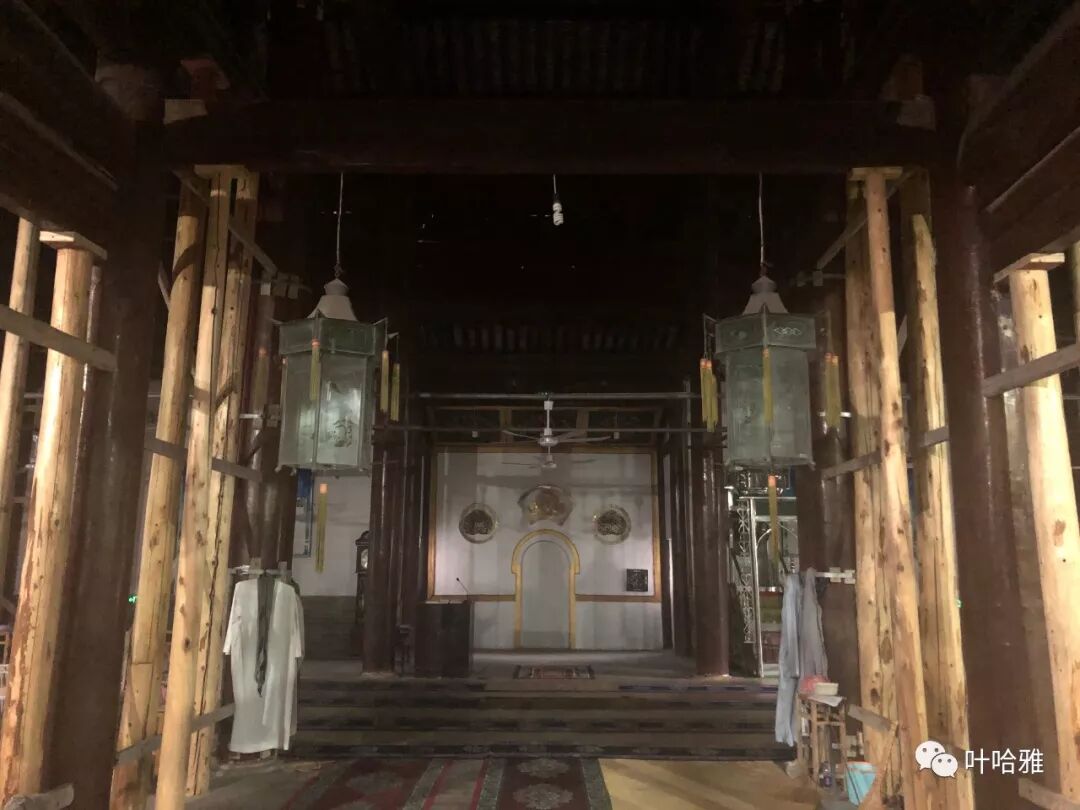
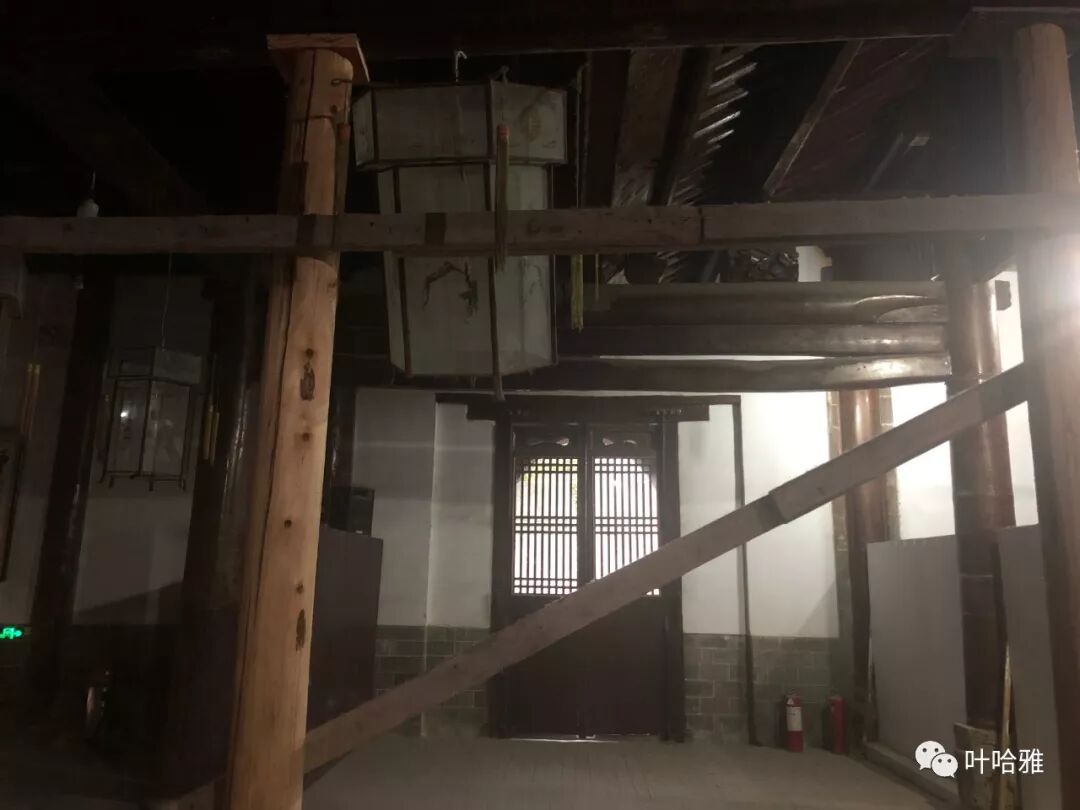
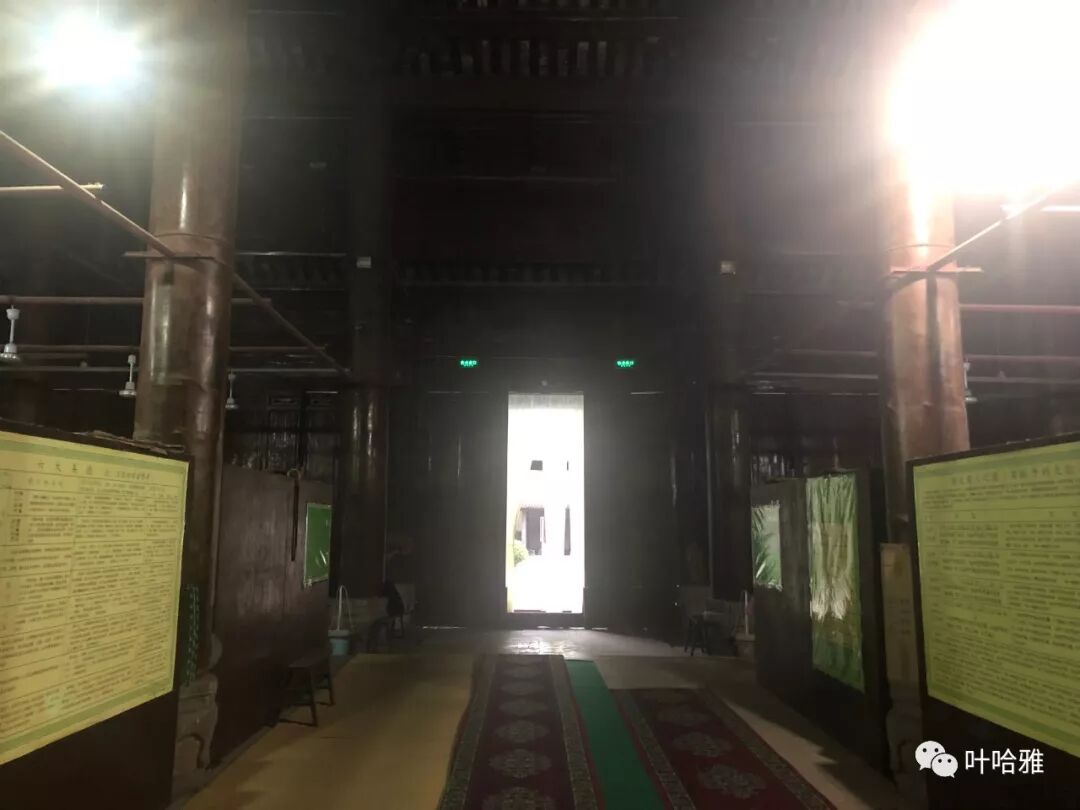
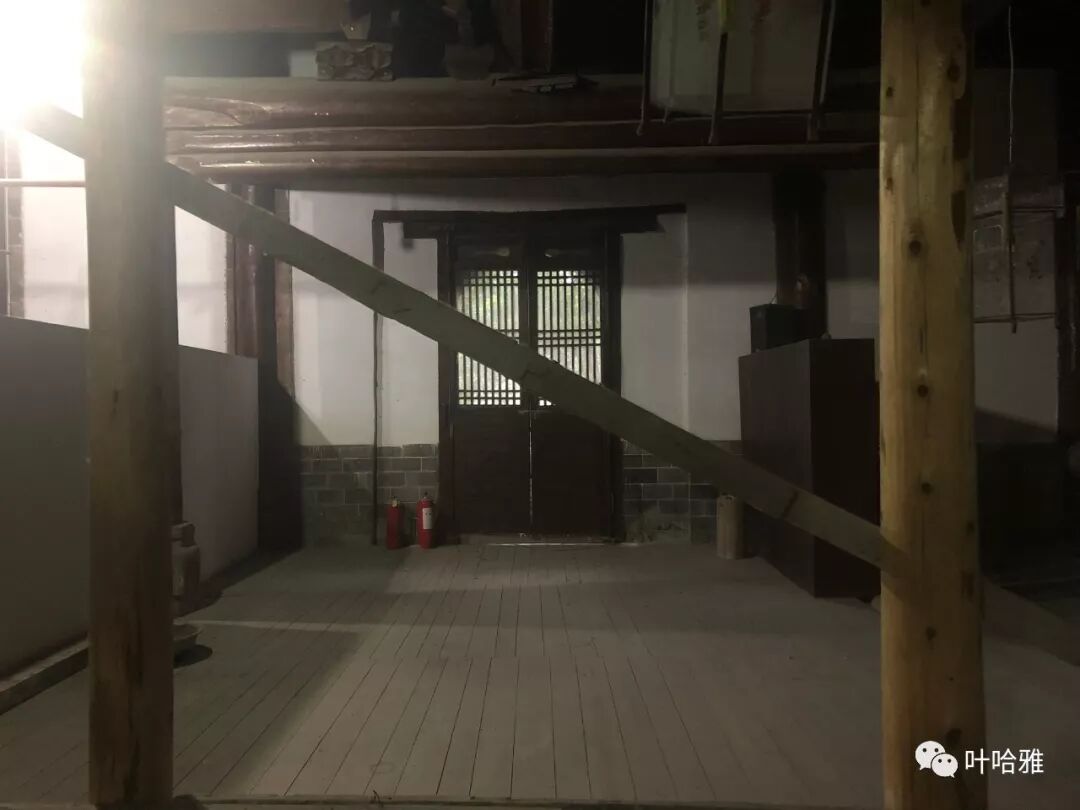
One of the main goals of this trip is the Shou County Mosque, which was first built during the Tianqi period of the Ming Dynasty (1621-1627) and is now a Major Historical and Cultural Site Protected at the National Level. The great imam Wang Jingzhai taught here for two months during the Republic of China era, but he was invited to Taiwan because he could not stand the harassment from the Eighth Route Army and because the Islamic community in Taiwan needed his help to revitalize their faith.
You can see many friends (dost) wearing headscarves in Shou County.
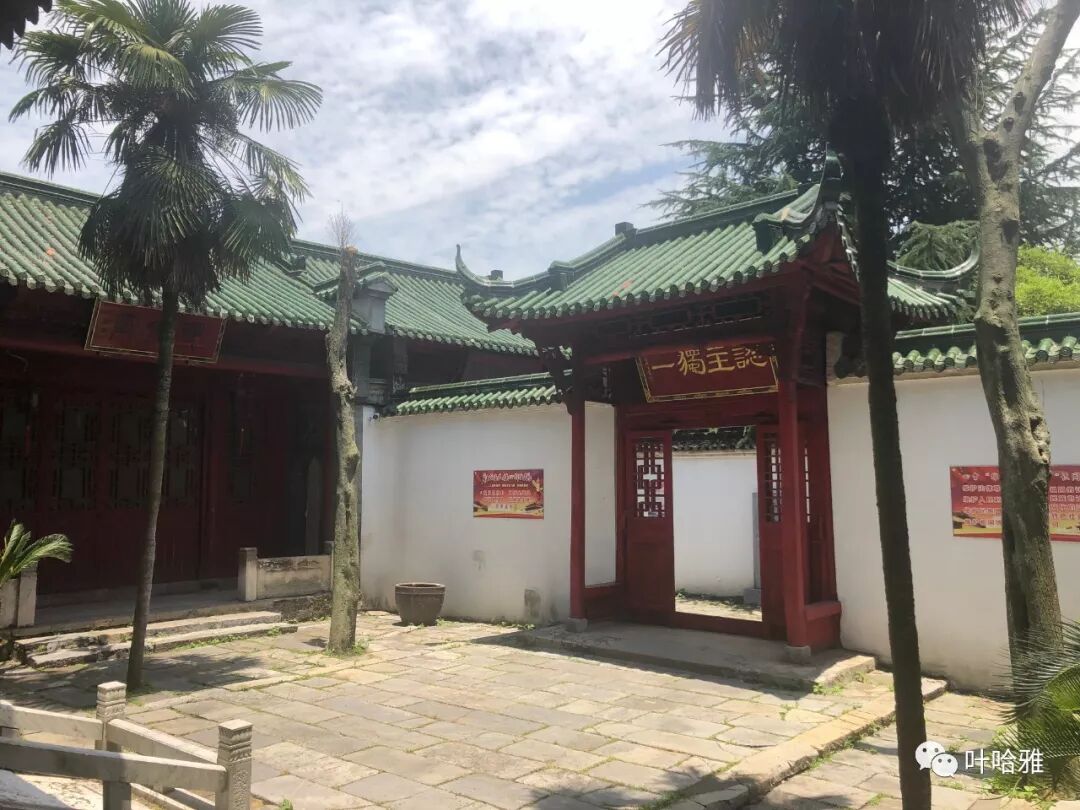
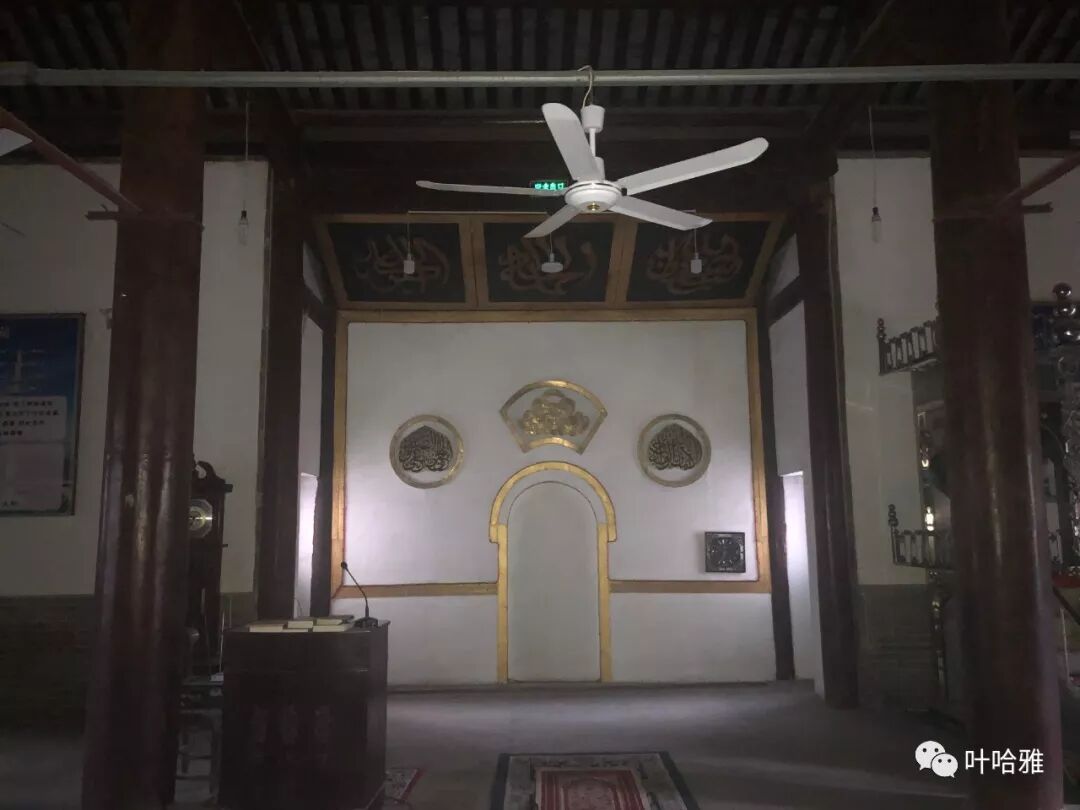
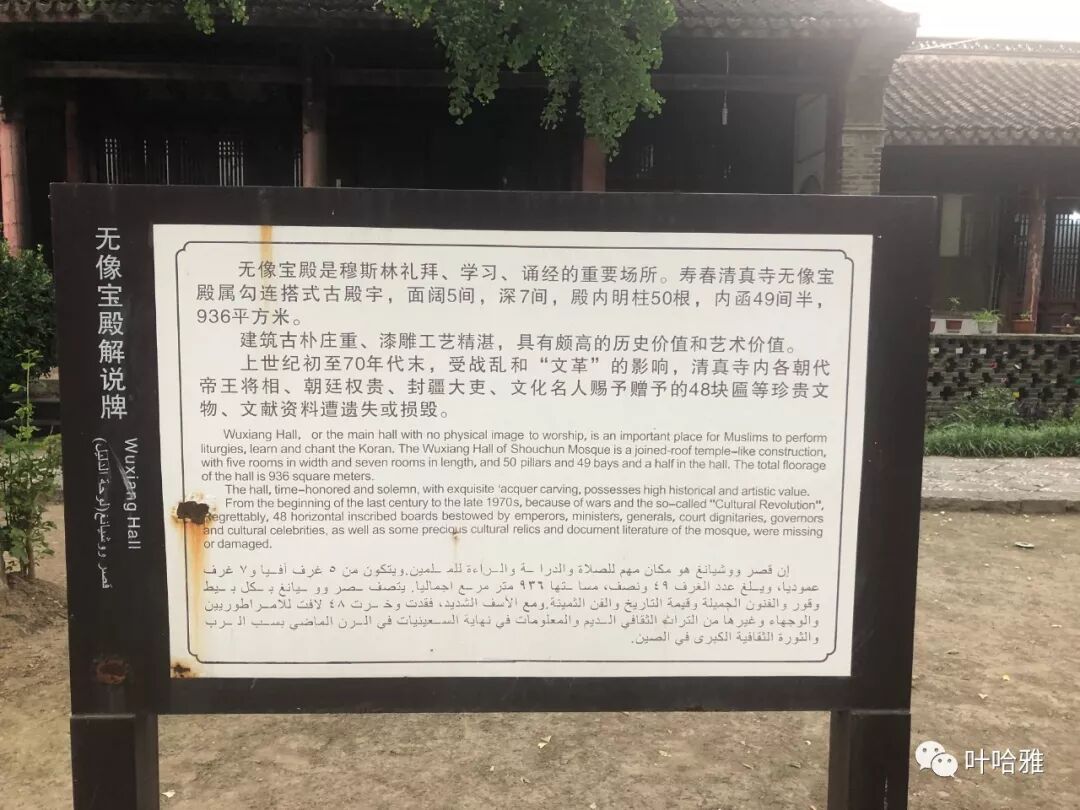
A plaque reading "Wuxiang Baodian" hangs in front of the main prayer hall, which is currently the largest mosque prayer hall in East China.
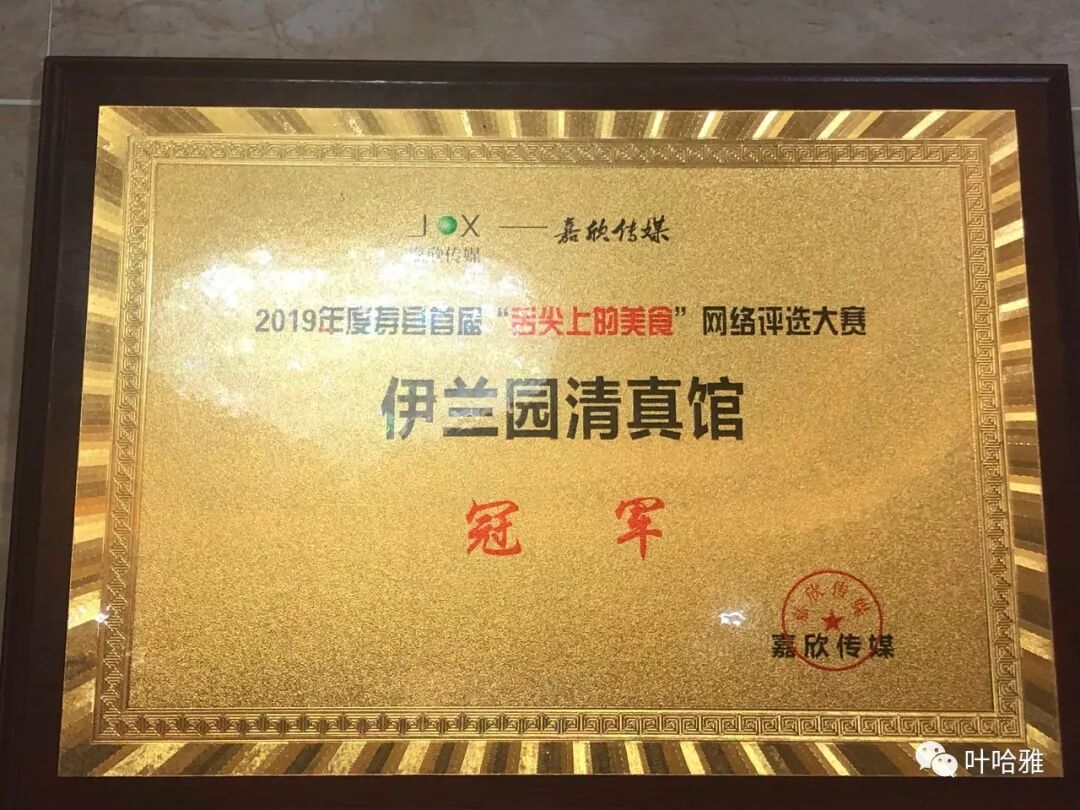
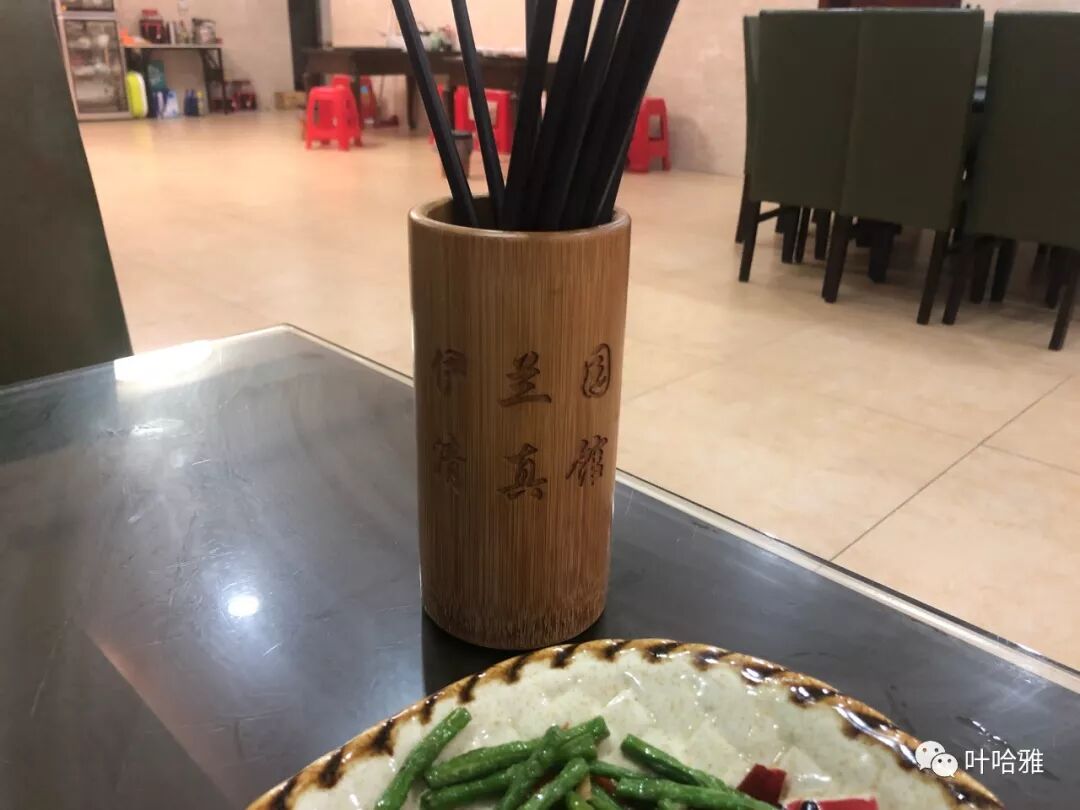
After visiting the mosque, I went to look for local halal food. This Yilan Garden is one of the larger local halal restaurants, specializing in local stir-fried dishes. When the staff learned I was a Hui Muslim, they kindly called me "laobiao," which is a term of endearment.
You have to go to the second floor to order, choosing from the pictures above and the ingredients displayed below. The server recommended I try the cold tofu and beef balls.
I have to say, the tofu in Shou County is delicious. It has a smooth texture and a fresh, pleasant taste. Locals say that while Huainan tofu is the most famous, it actually refers to Shou County tofu, and you can find high-quality tofu at any shop in Shou County.
This is the beef ball. It looks like a meatball, but it is actually made like a sweet rice ball (tangyuan). The texture is also like a tangyuan, with a layer of meat jelly on the outside and filling inside. It is completely different from a meatball and tastes great.
Wuyuanzi Old Goose is another famous Shou County dish. Wuyuanzi is the owner's nickname, but his real surname is Mei, which is one of the local Hui Muslim surnames.
Because I was in a hurry, I bought a portion of braised old goose to go.
The old goose is spicy and fragrant. Wuyuanzi has opened several branches locally, which shows how popular it is.
Another restaurant, Dadi Hui Muslim Restaurant, is right next to the Wuyuanzi Old Goose shop. It also serves local stir-fried dishes, and I was drawn to the soup pot (tangping) light box on their sign.
The restaurants mentioned above are all located along the ancient city walls of Shou County and are very easy to find. The ancient city is very lively at night with a thriving night market.
3. Hefei
I have visited Hefei twice before and both times I ate near the Hefei mosque. The City Home (Chengshi Zhijia) halal restaurant, run by the Anhui Xingyue Halal Catering Management Company, used to be the largest halal restaurant in Hefei not far from the mosque. I ate there once, but the restaurant is now closed.
On Fridays, there is a market at the entrance of the Hefei mosque where you can buy snacks during Jumu'ah.
Lanzhou hand-pulled noodle shops (Lanzhou lamian guan) provide air conditioning. In many parts of the south, the operating costs of mosques are mostly funded by these noodle shops.
The best halal restaurant in Hefei now is Afef. Located on Houjie Street, the Afef Ethnic Culture Restaurant is currently the largest halal restaurant in Hefei. It is smoke-free and alcohol-free, spans two floors covering over 800 square meters, and includes a prayer room and a place for wudu. The environment is quite good. The staff includes Salar, Hui, Han, Dongxiang, and Uyghur people, showing harmony among the five ethnic groups. The food tastes authentic, the ingredients are high-quality, and the owner is very knowledgeable about the faith. Highly recommended.
4. Chuzhou
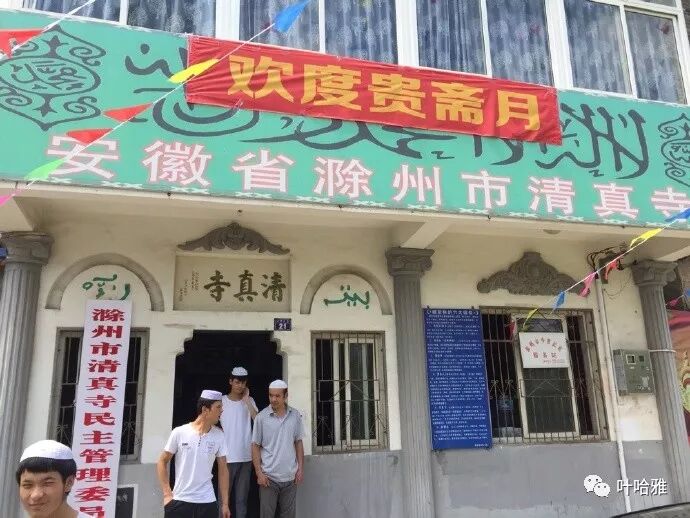
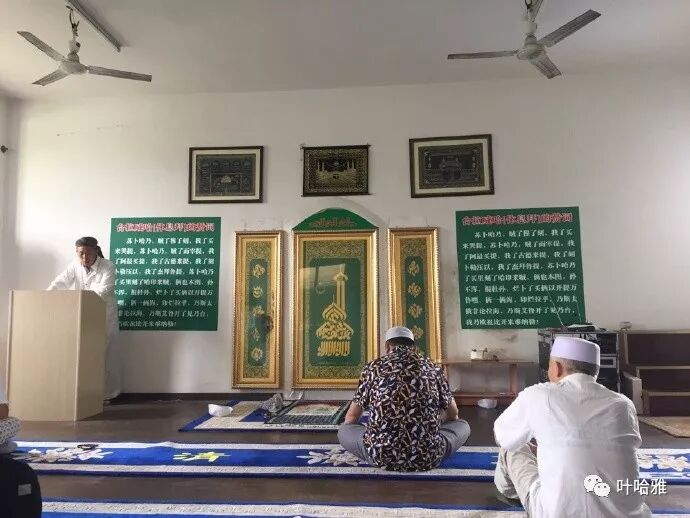
The Chuzhou mosque is not easy to find. It is located opposite the Christian church at Sipailou. It is a temporary building, and a new mosque is being planned. The old mosque had a history of over 600 years, but it was demolished after falling into disrepair.
When you come to Chuzhou, you must eat at the Mu Lao Jiu Beef and Mutton Restaurant.
Mu Lao Jiu is a halal chain brand from Wuyi Town, Chuzhou, Anhui. The owner's surname is Mu, and he is a local Hui Muslim. This shop is very famous locally, and the pressed duck hot pot (banya huoguo) is one of their signature dishes.
Mu Lao Jiu Beef and Mutton Restaurant started as a small shop in Wuyi Town, Nanqiao District. It entered Chuzhou city in the 1980s. Currently, it has franchise stores in Chuzhou, Lai'an County, Fengyang County, Mingguang City, as well as in Nanjing, Yixing, and Gaoyou in Jiangsu Province.
The pressed duck hot pot looks very similar to the earthen hot pot (tu huoguo) from Qinghai.
braised young chicken (hongshao ziji)
lamb meat pie (yangrou xianbing)
menu
This concludes my halal travel guide to Anhui. I have not yet visited places in Anhui with larger Hui Muslim populations like Lu'an and Bengbu, but I plan to visit them one by one when I have time. view all
Summary: This Anhui halal travel account follows the original route through Anqing, Huainan, Hefei, and Chuzhou, preserving mosque notes, dishes, menus, and photos. It is cleaned for readers searching for hidden halal food and mosque travel in China.
Hui Muslims have a long history in Anhui. Records show Muslim activity in the region dating back to the Tang and Song dynasties. By the Yuan dynasty, Muslims began settling in Anhui in large numbers. During the Ming dynasty, famous Hui Muslim generals like Chang Yuchun and Lan Yu were both from Anhui. Anhui is now home to over 400,000 Hui Muslims and more than 200 mosques. They are mainly located in northern Anhui cities like Bengbu, Lu'an, Fuyang, Huainan, and Huaibei. Anqing and Shou County in Huainan each have a mosque listed as a Major Historical and Cultural Site Protected at the National Level.
1. Anqing
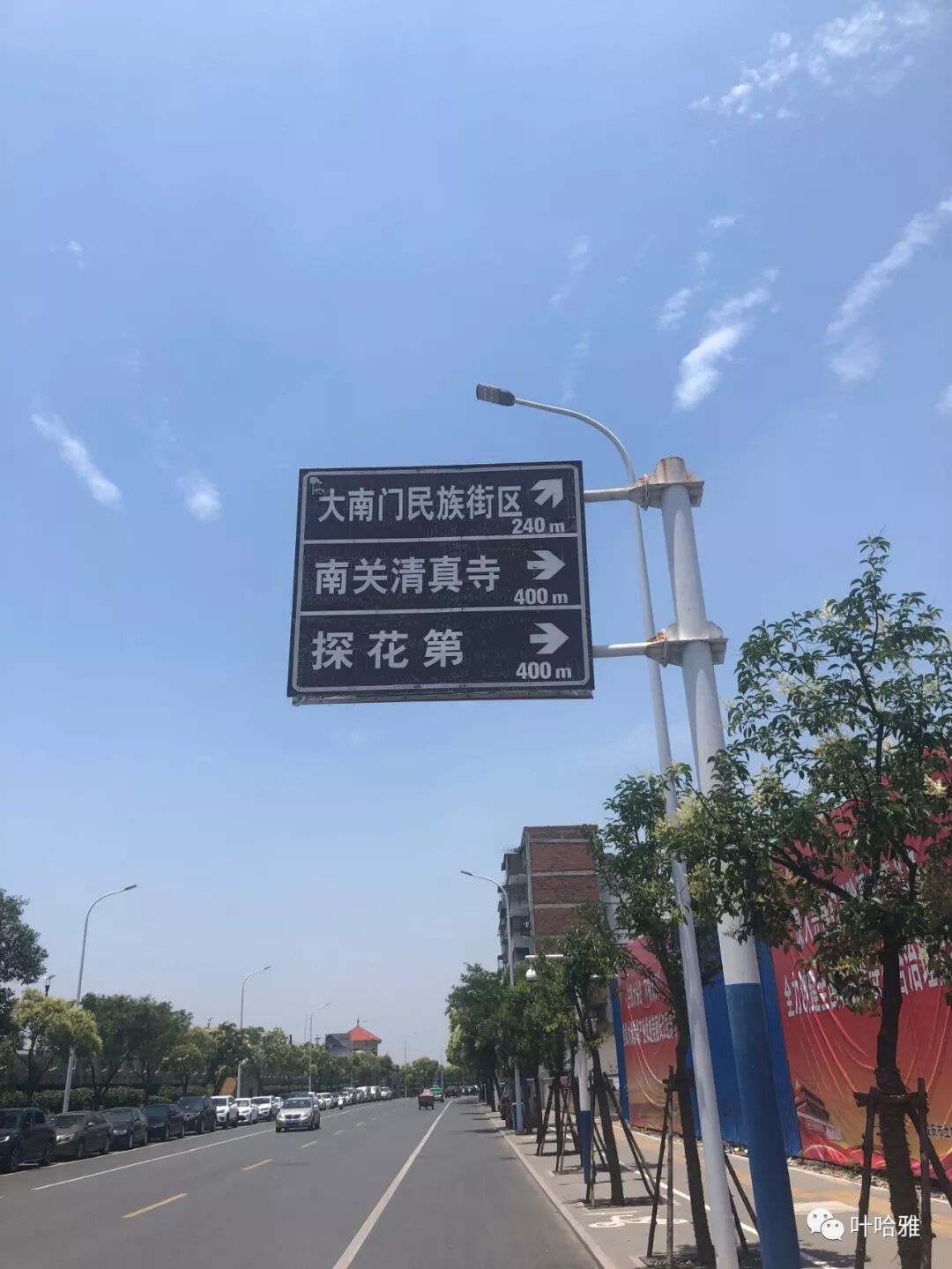
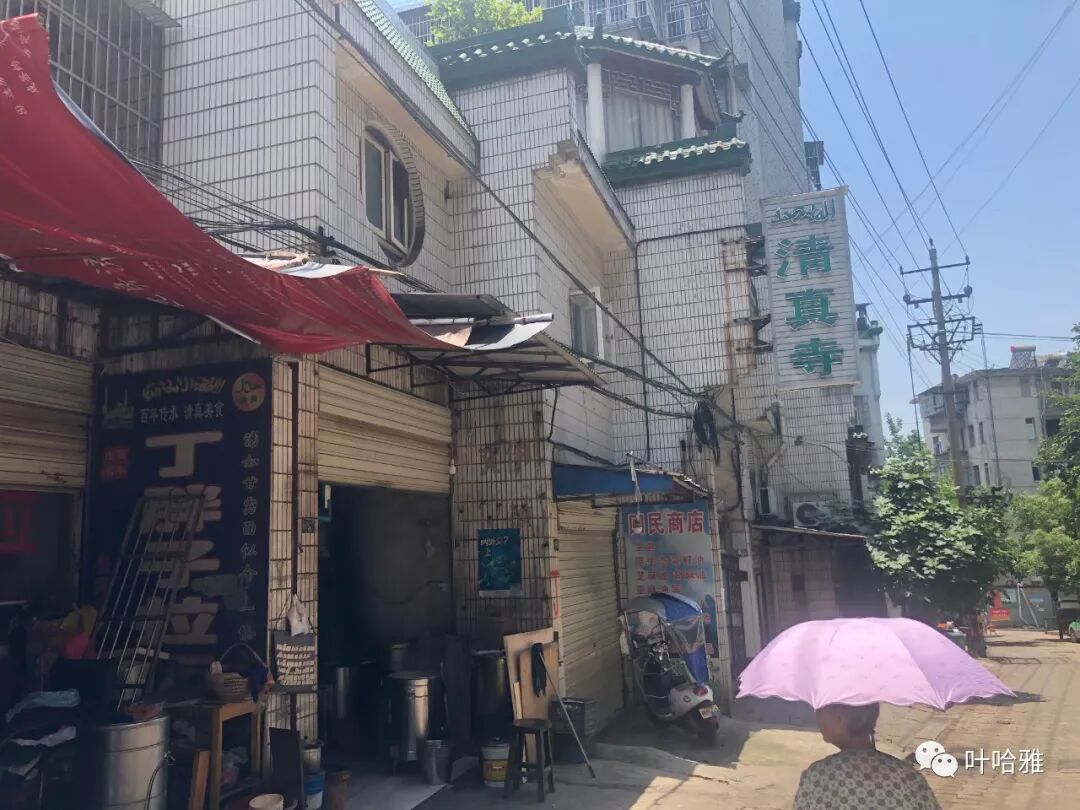
The Dananmen Ethnic Neighborhood in Anqing is a Hui Muslim residential area. It contains a Mosque Street (Qingzhensi Jie) lined with small shops selling halal food. The street is very short and only has a few businesses.
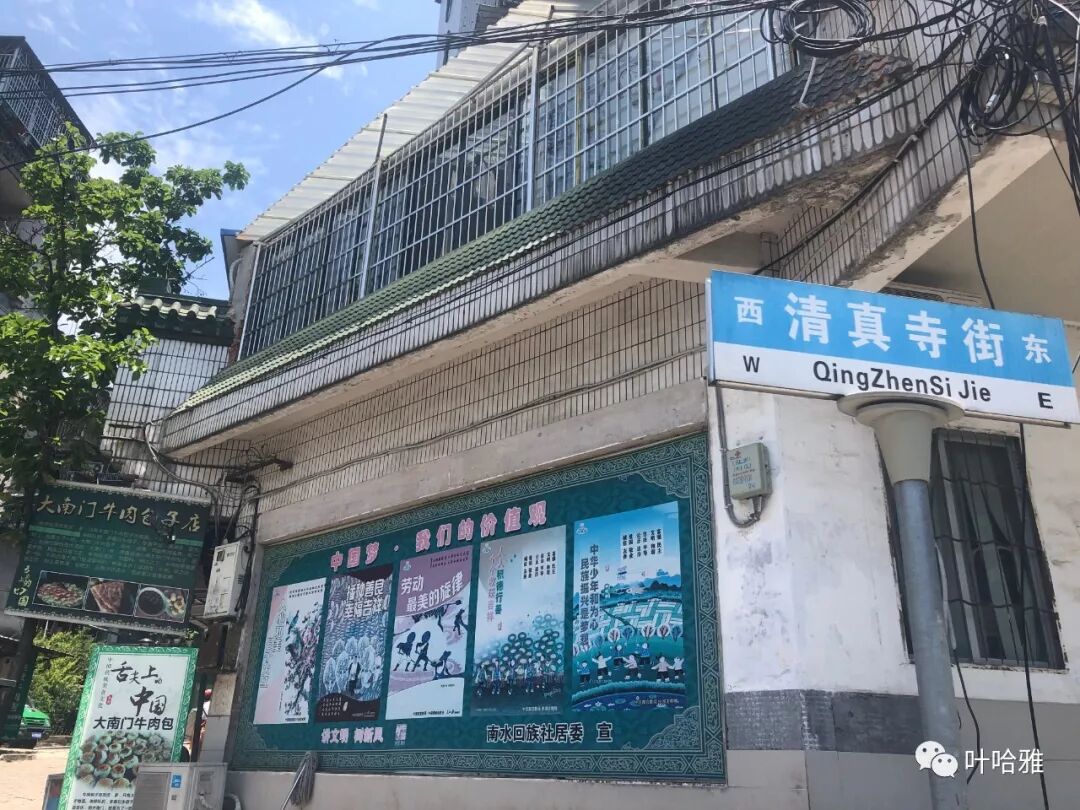
However, this street has a beef bun shop that is very popular locally and was once featured on the show A Bite of China. This Dananmen beef bun is a signature Anqing food. They start selling before dawn every morning and close by 10:00 a.m. It is a breakfast item, and many people come from far away to buy them, often purchasing one or two hundred at a time.
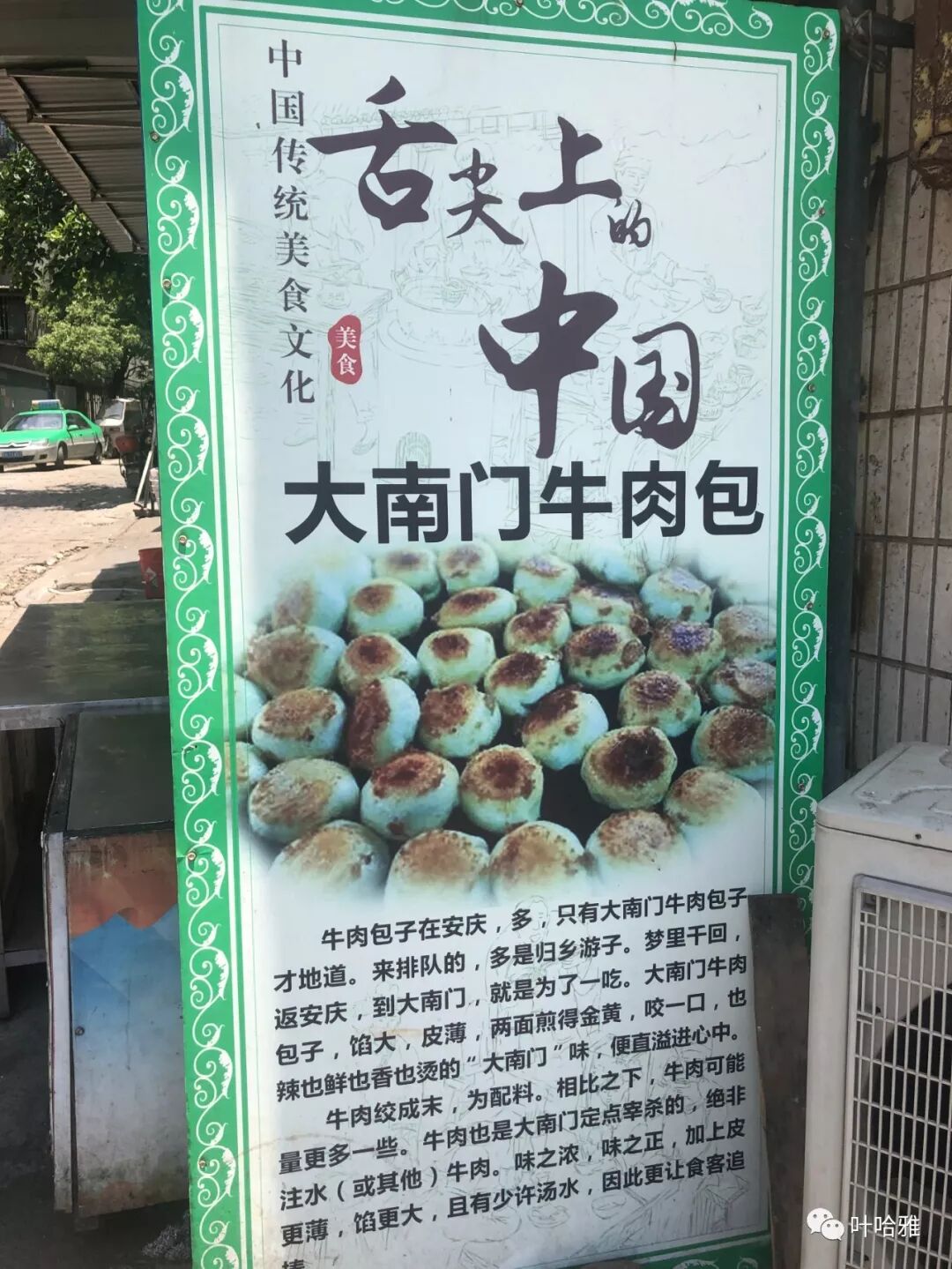
I arrived at noon and missed out on the beef buns. Based on online reviews, I believe the shop lives up to its reputation, but it is not easy to get a taste. People say you have to wait in line for one or two hours.
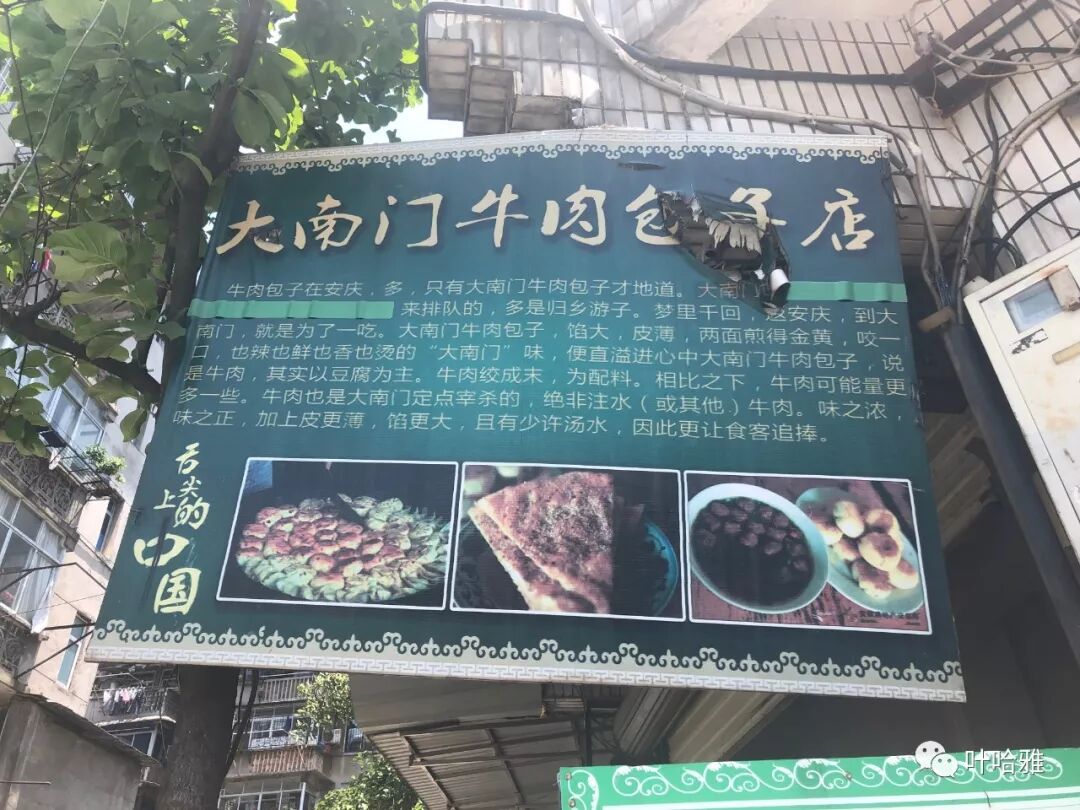
Since I missed the buns, I found it difficult to find anything else to eat. Local residents are not used to eating out at noon, so many restaurants were closed.
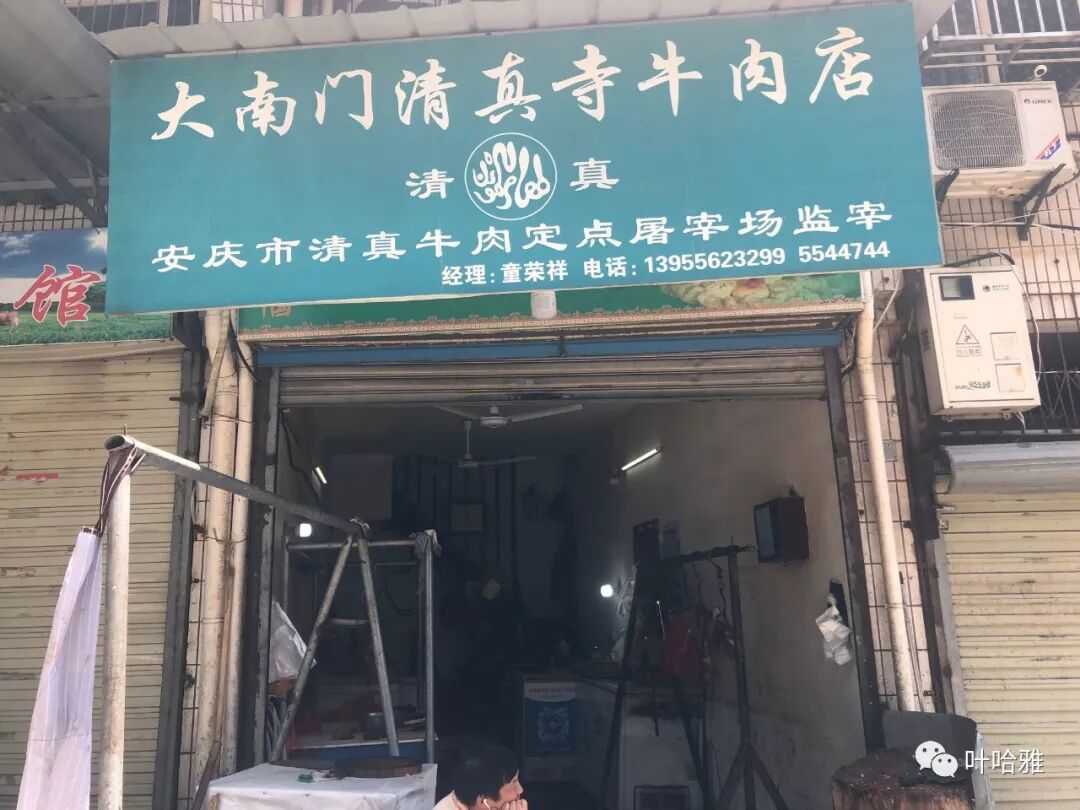
Only a few shops were open on this street, and they were all run by local Hui Muslims.
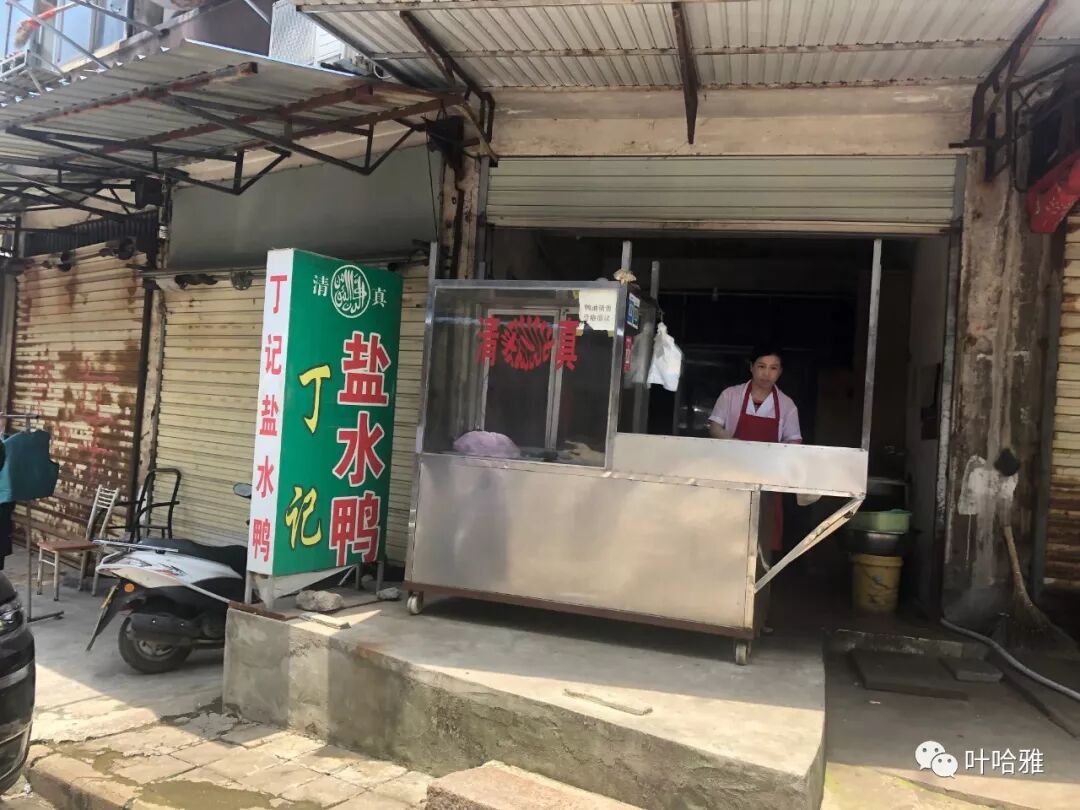
I met an elderly local community leader at the mosque. When he learned I had come all the way from Beijing, he treated me to a bowl of Anqing beef noodles at a shop in front of the mosque. This friend (dosti) is named Man. May Allah reward those who make things easy for travelers.
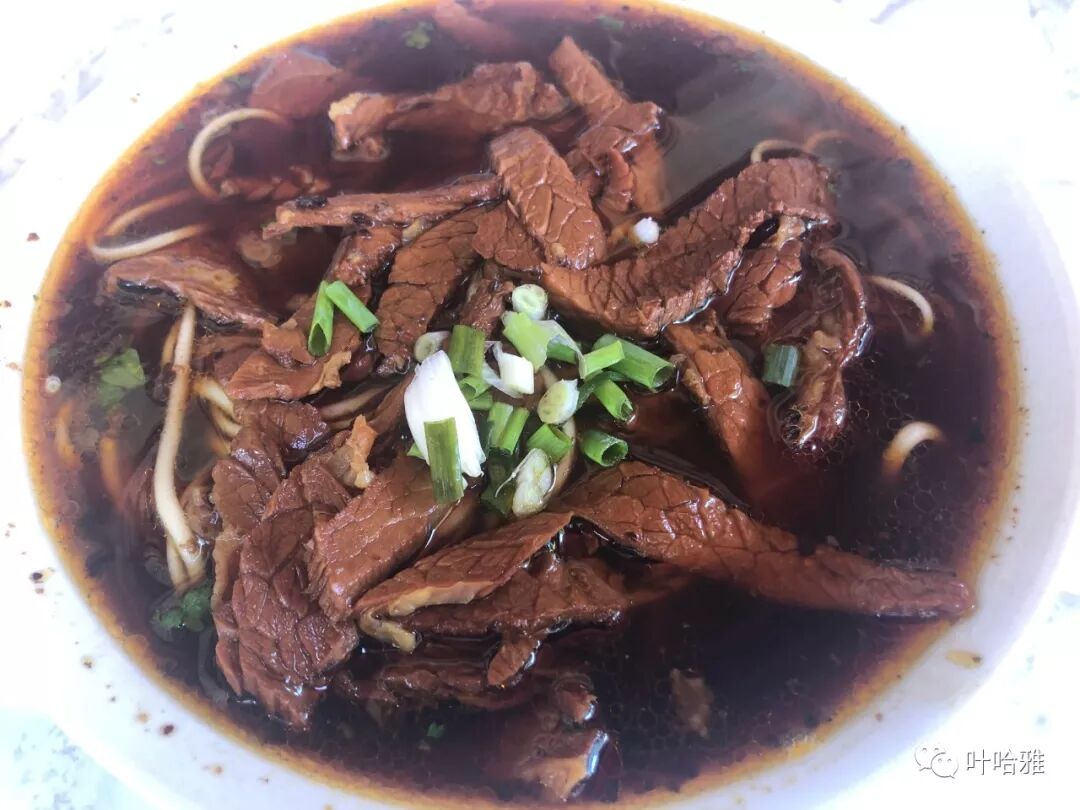
The beef noodles in Anqing have a generous amount of beef. The flavor is slightly spicy, and the broth is rich and fragrant.
Right next to the beef noodles is the entrance to the Anqing Nanguan Mosque. This mosque was built by Ma Yi, a second-rank commander-in-chief during the Ming Dynasty, and it is a Major Historical and Cultural Site Protected at the National Level.
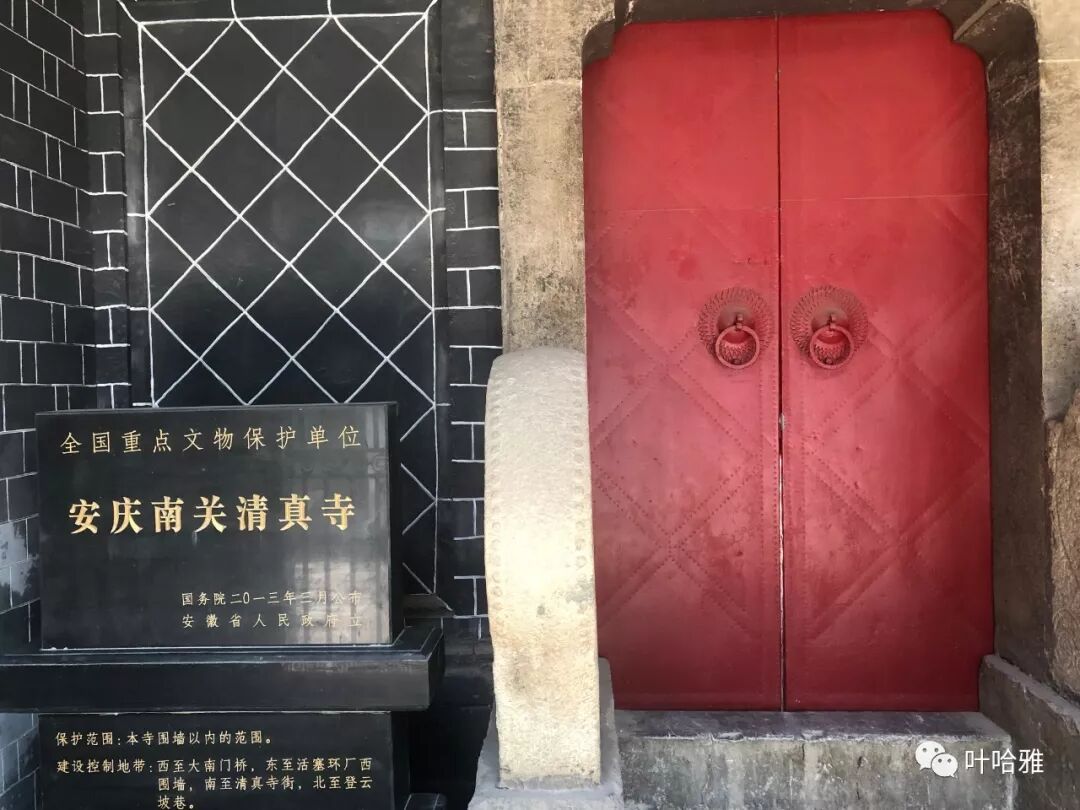
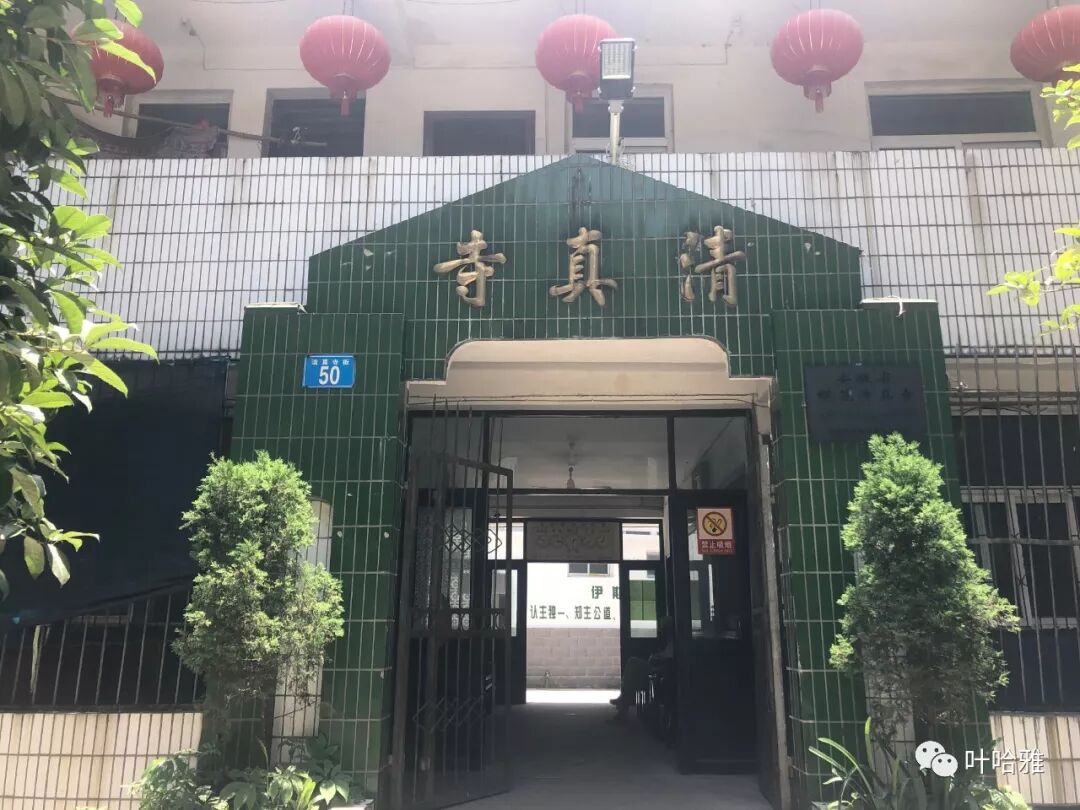
In 1381, Ming Dynasty General Ma Jucheng led Hui Muslim soldiers to garrison Anqing city and established the Anqing Garrison, which has a longer history than the Tianjin Garrison. The first mosque in Tianjin, the Jinjiayao Mosque, was also founded by Hui Muslims from the Anqing transport guild. To this day, many Hui Muslims in Tianjin still claim their ancestral home is Anqing Prefecture, and some of the Tianjin Hui Muslim dialect pronunciations originated from the Anqing Garrison.
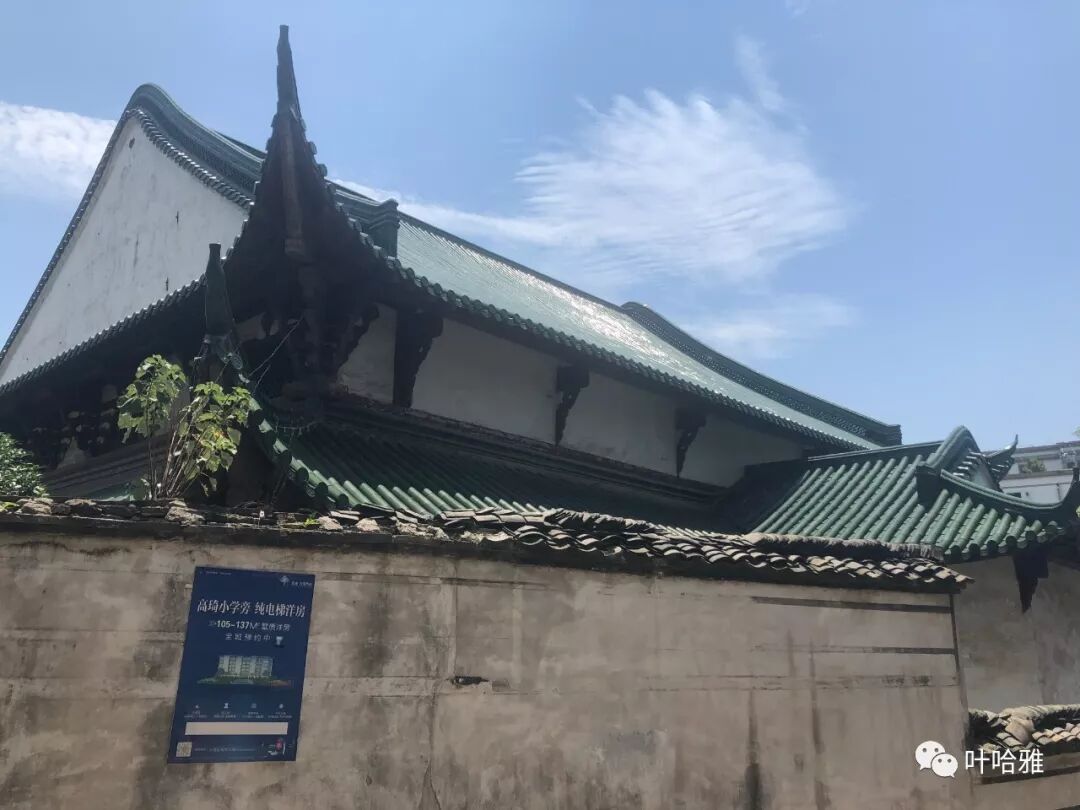
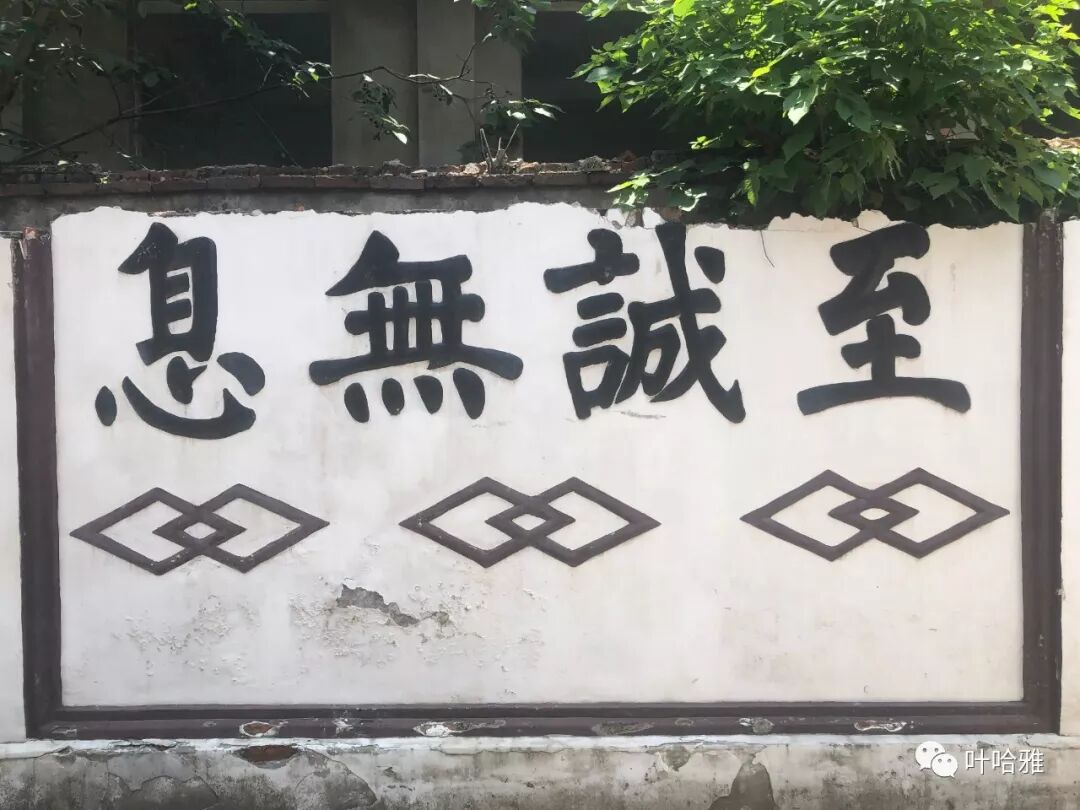
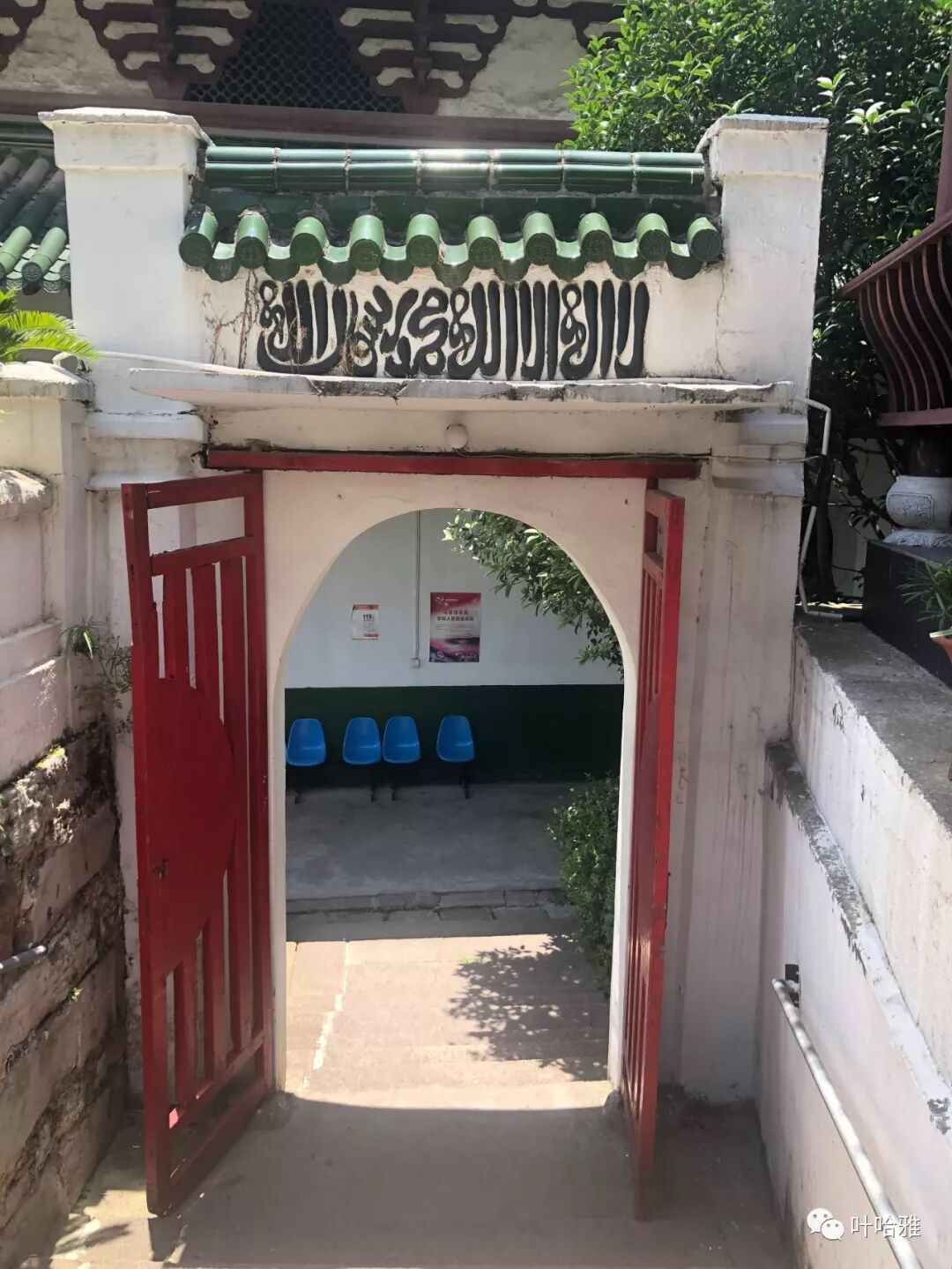
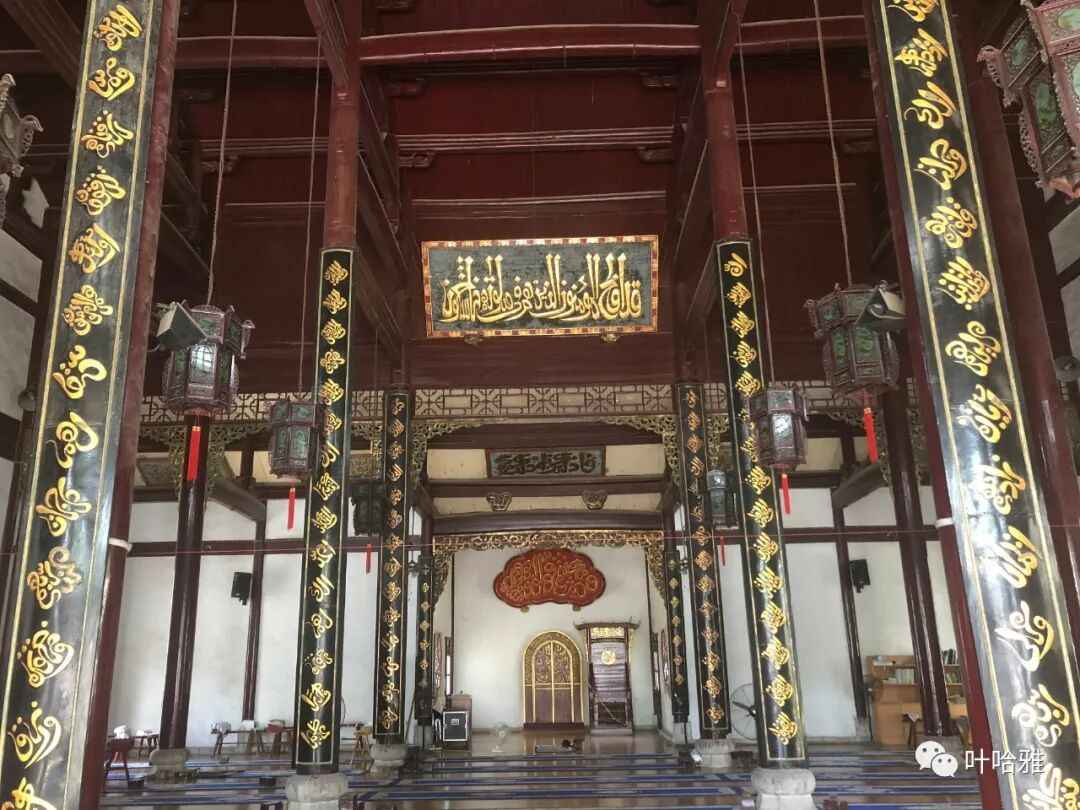
The ceiling height inside the main prayer hall is likely the highest in East China.
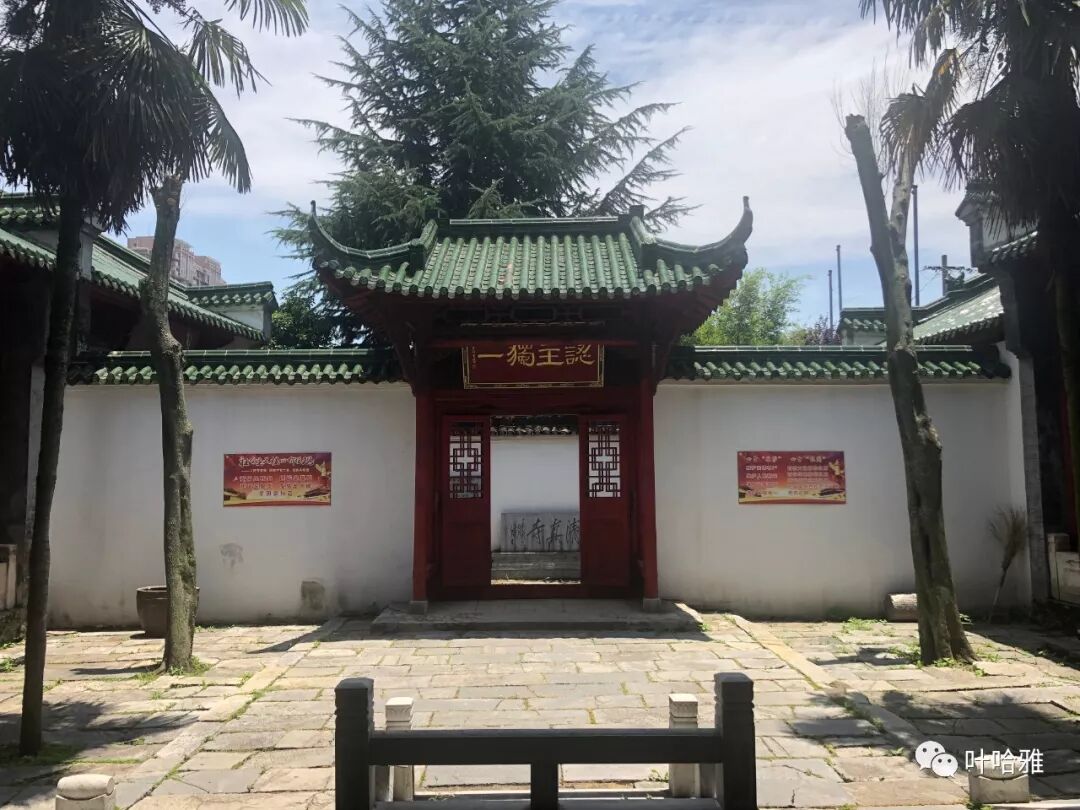
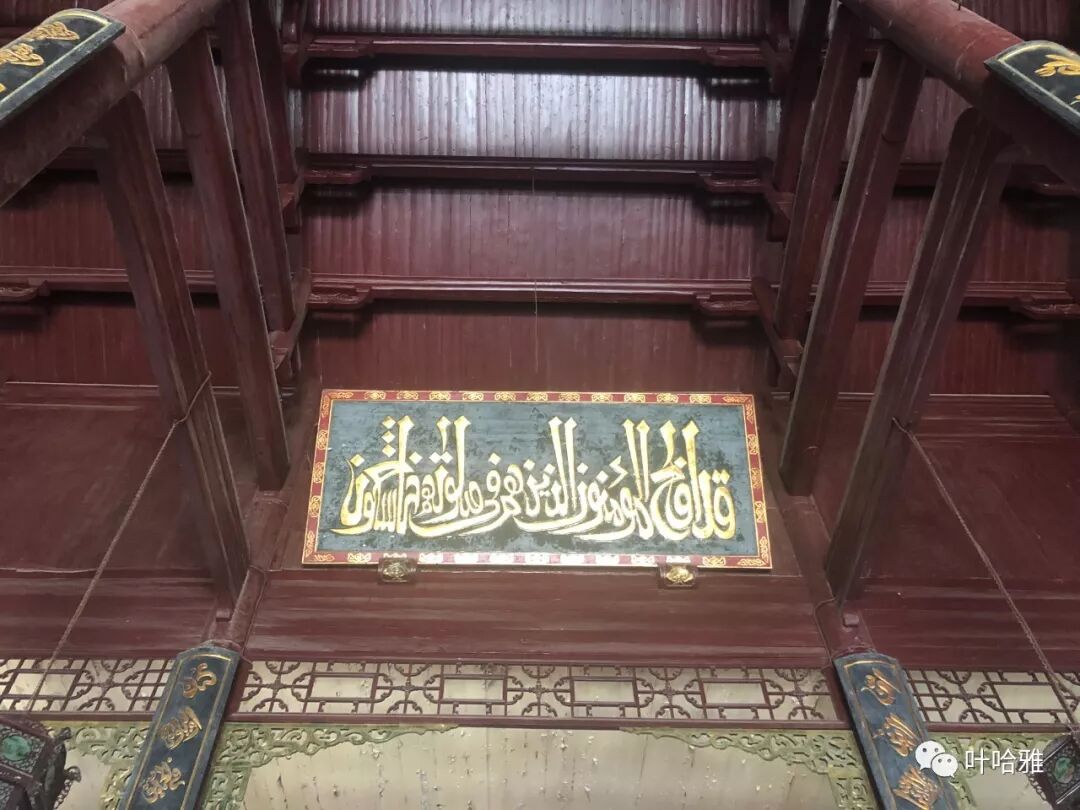
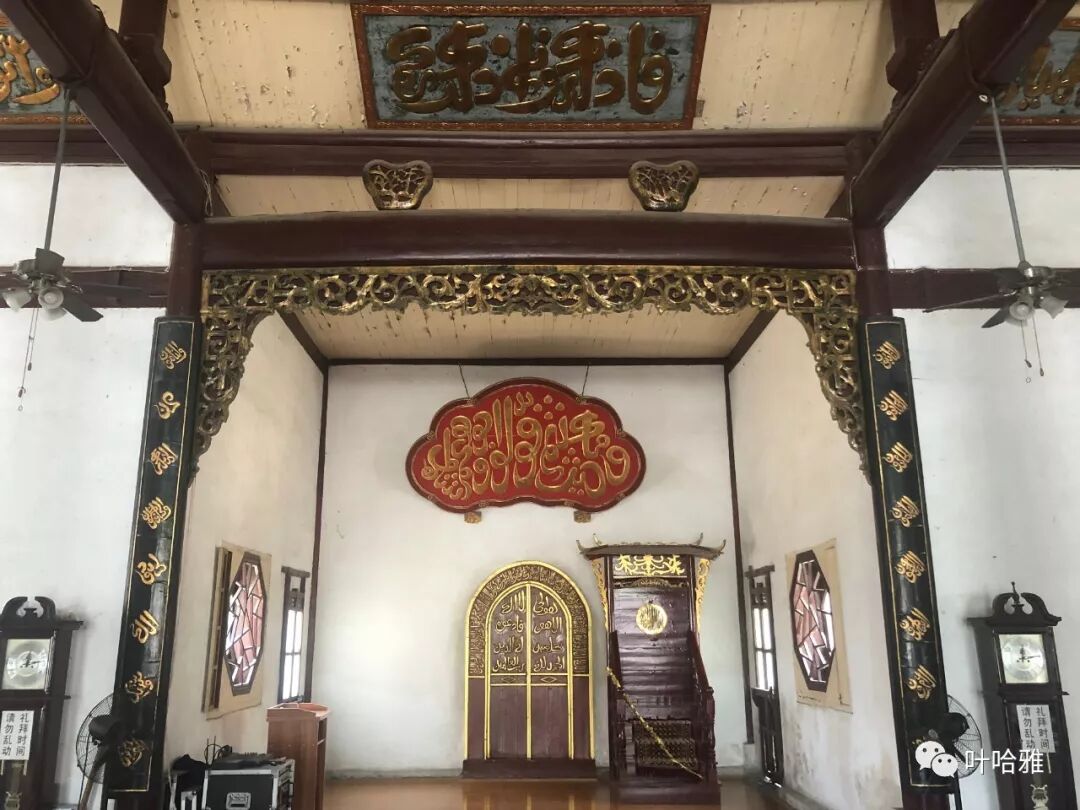
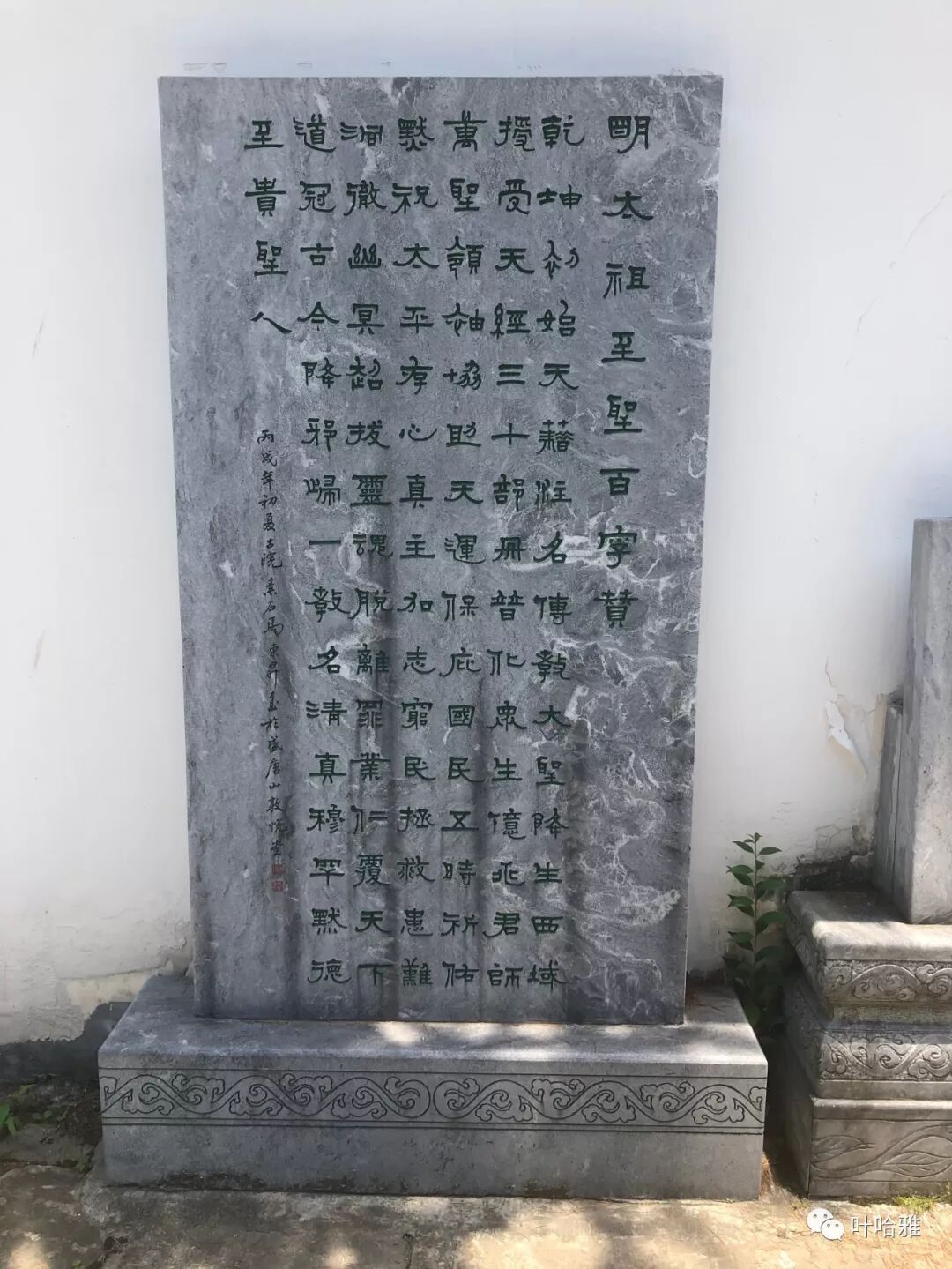
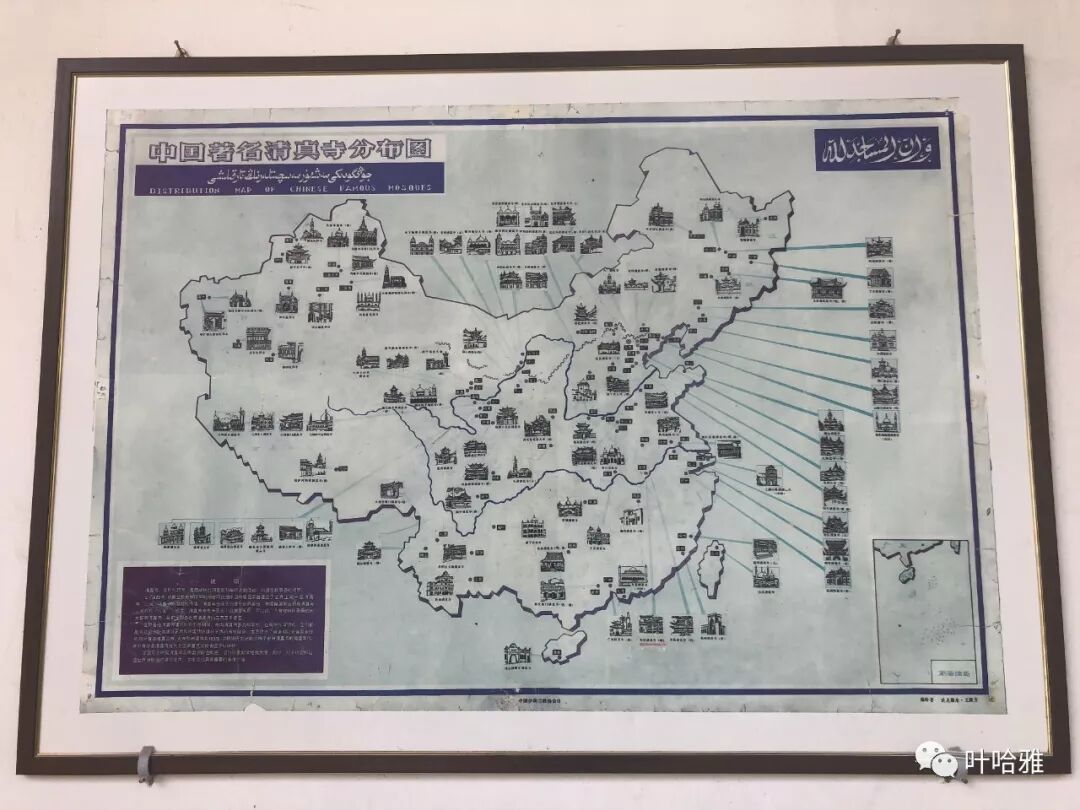
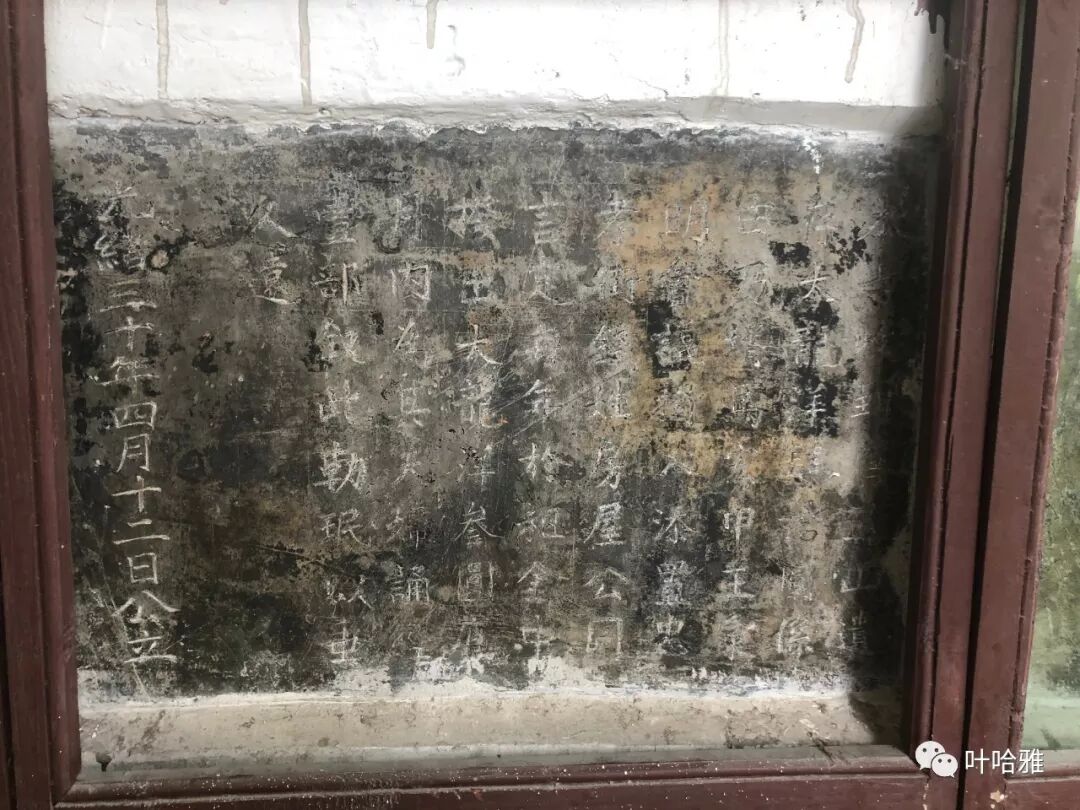
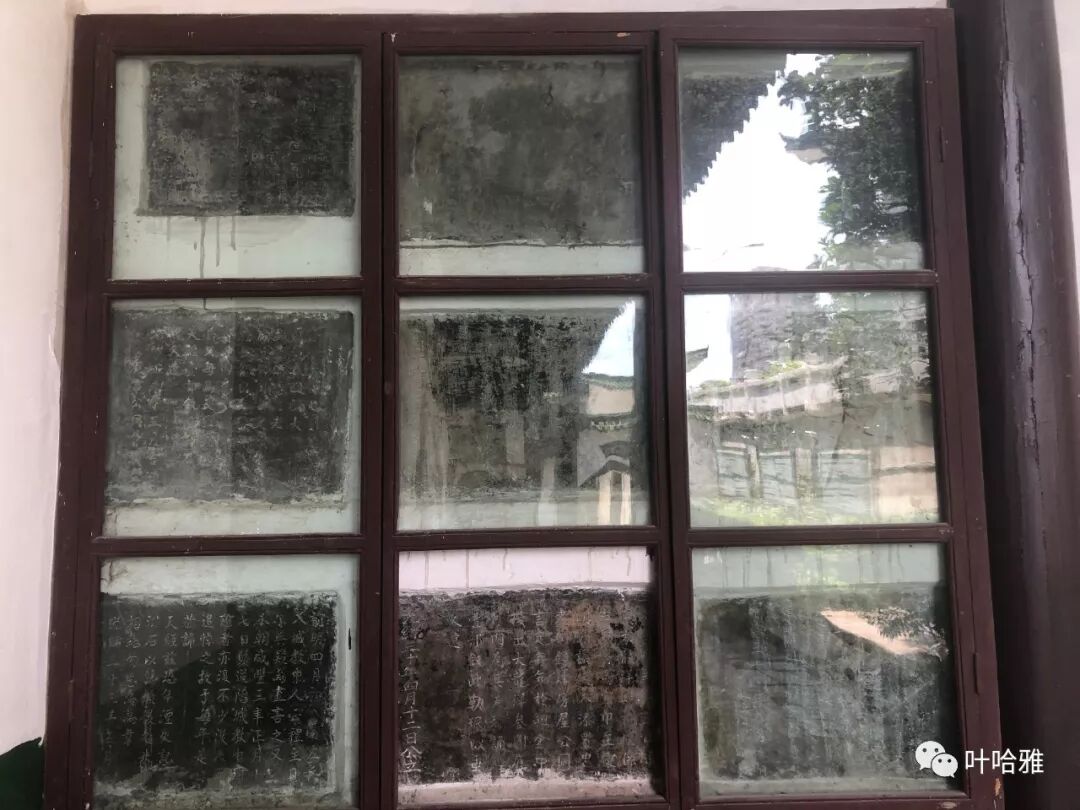
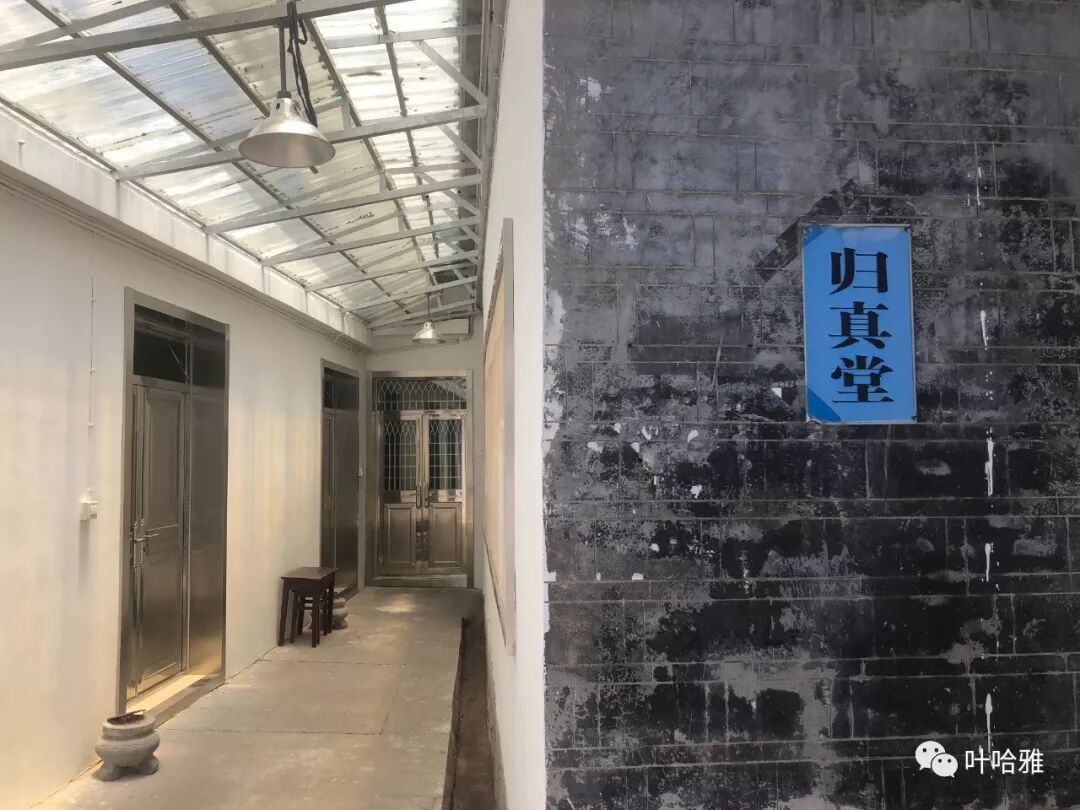
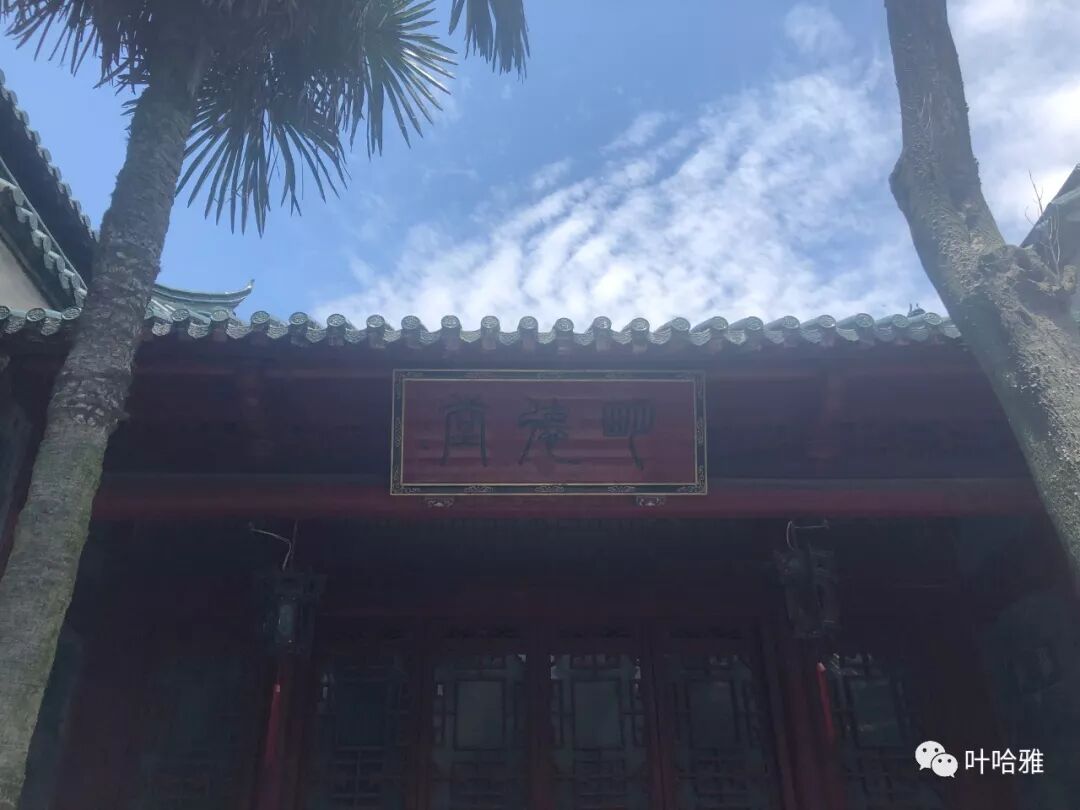
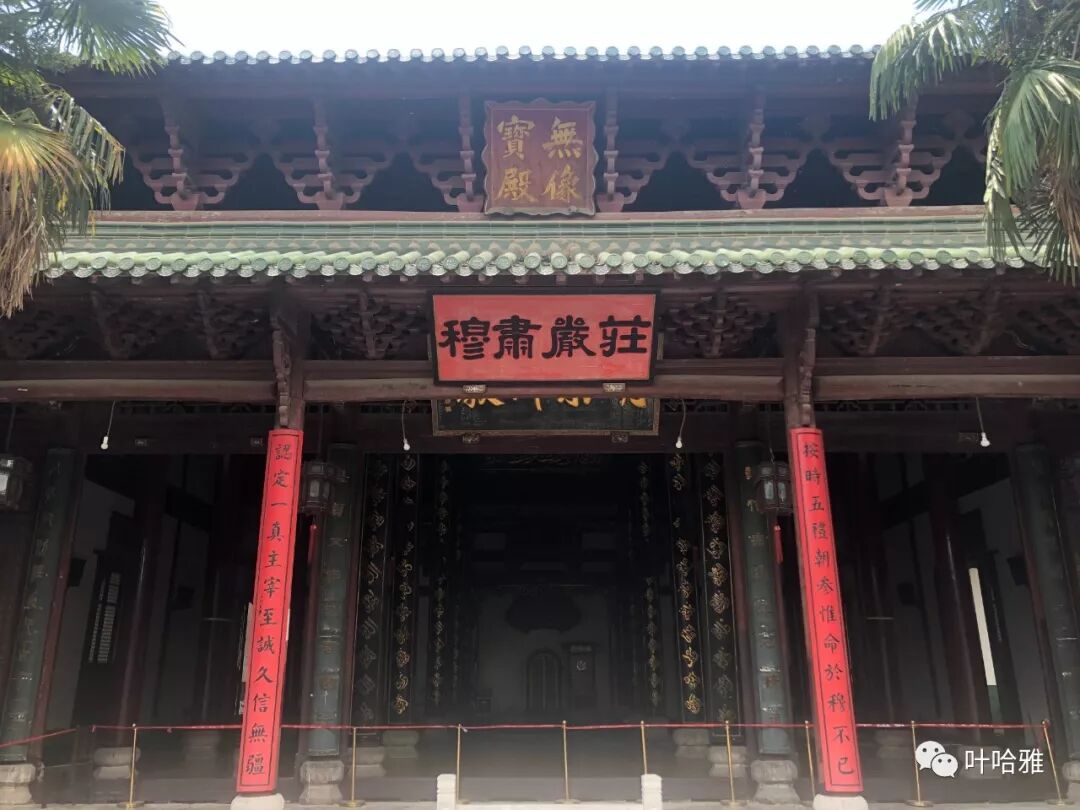
It is inscribed with the words 'Hall of No Images'.
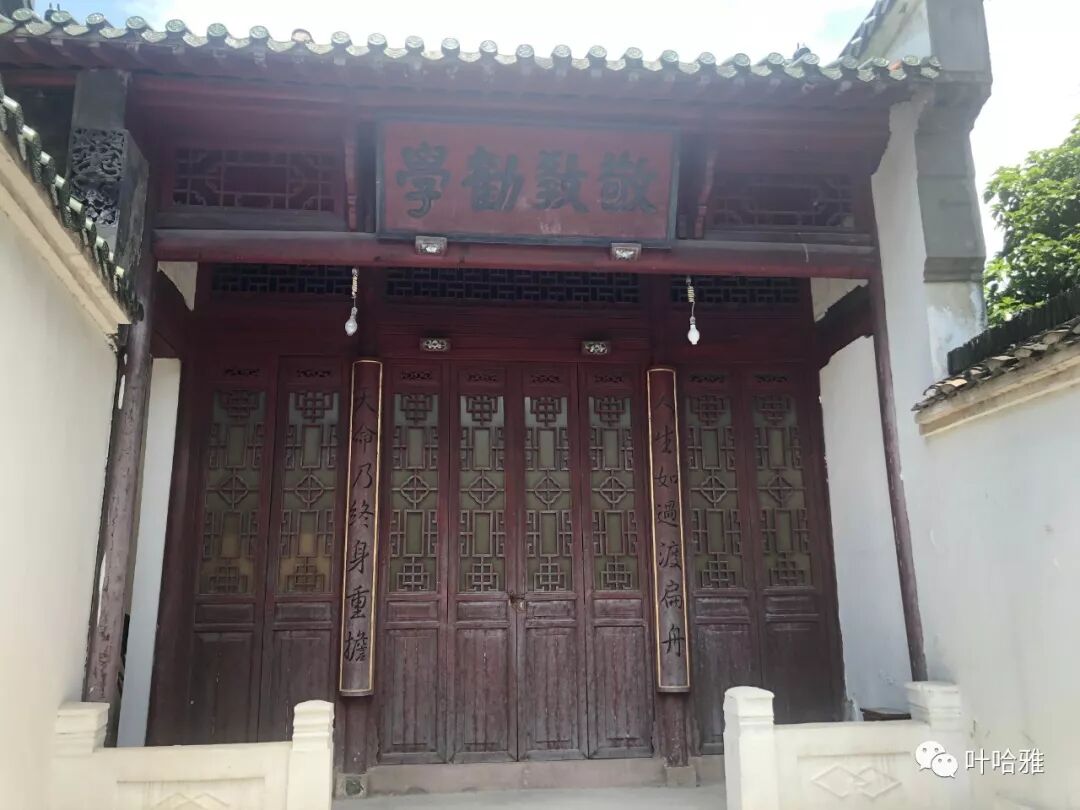
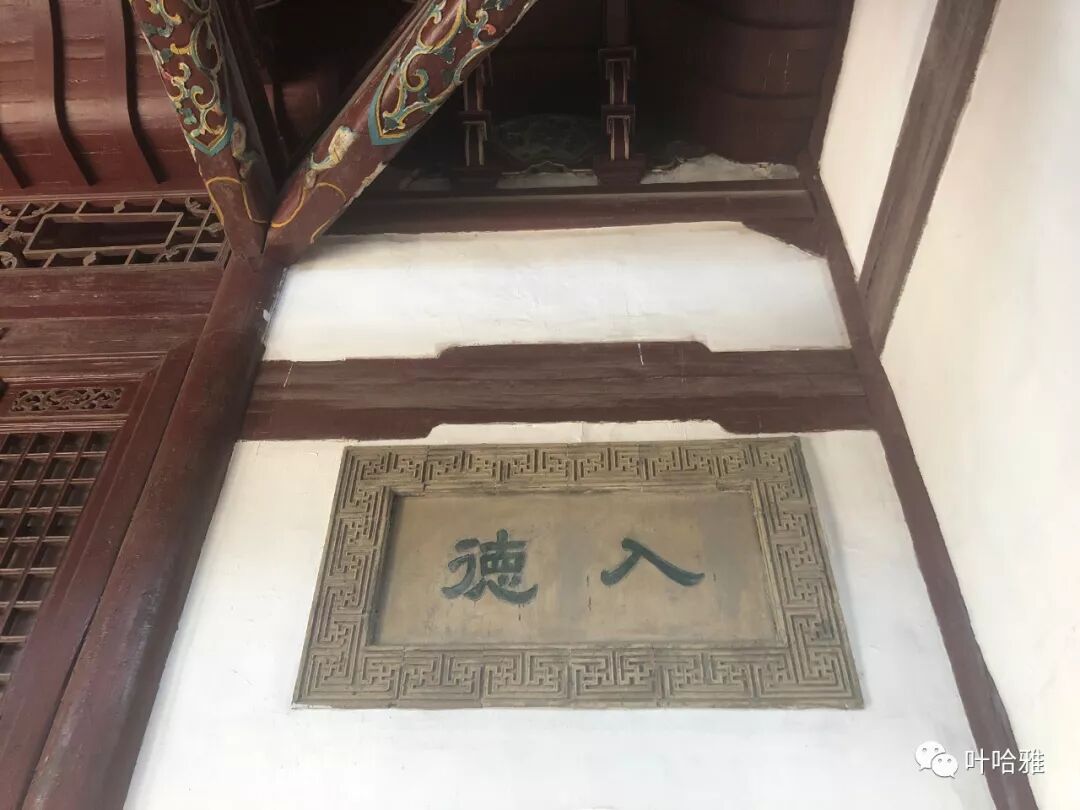
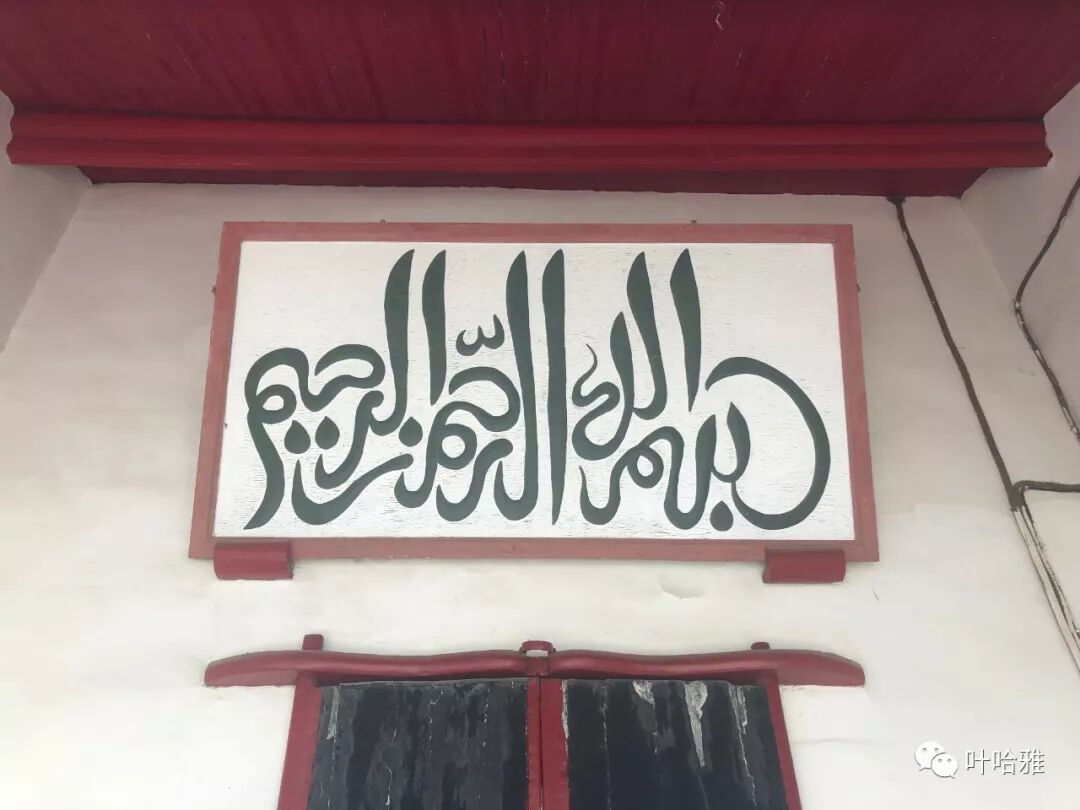
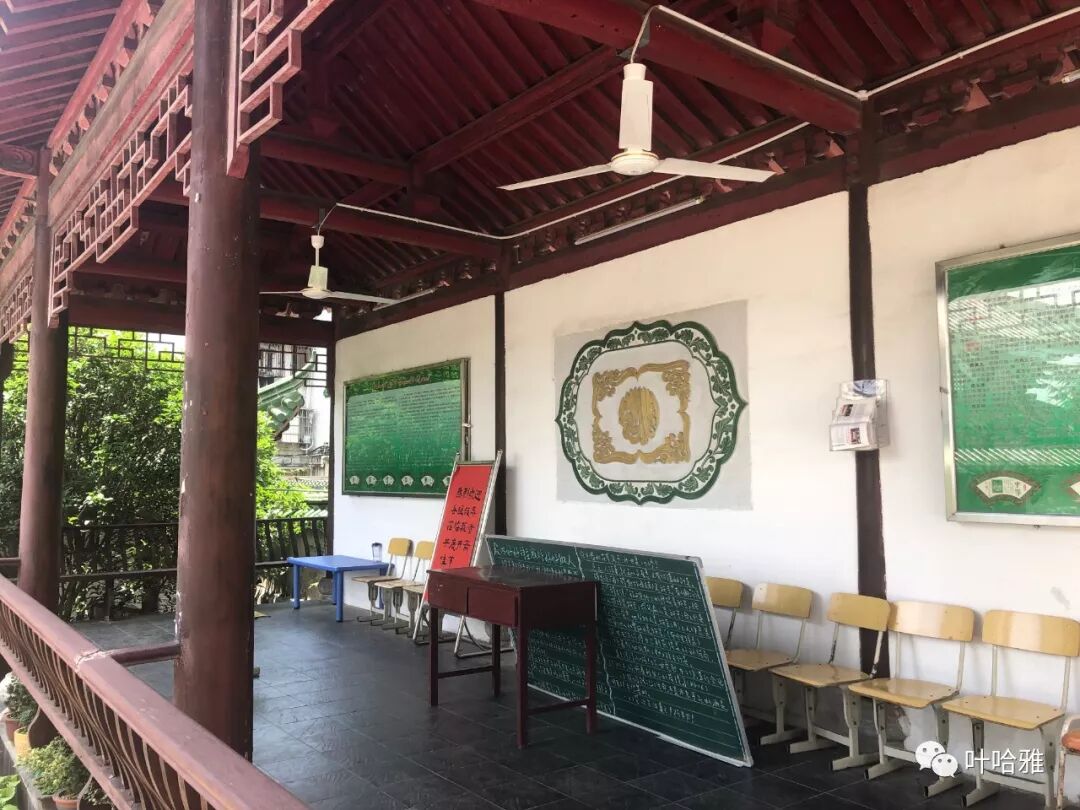
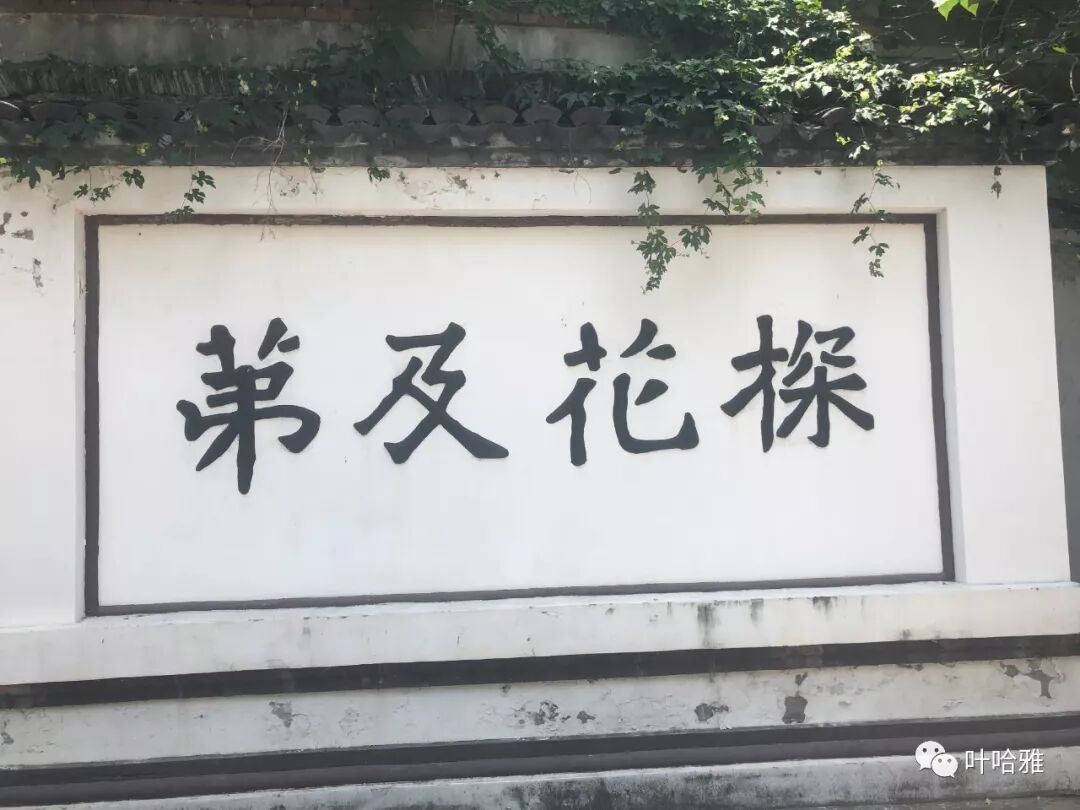
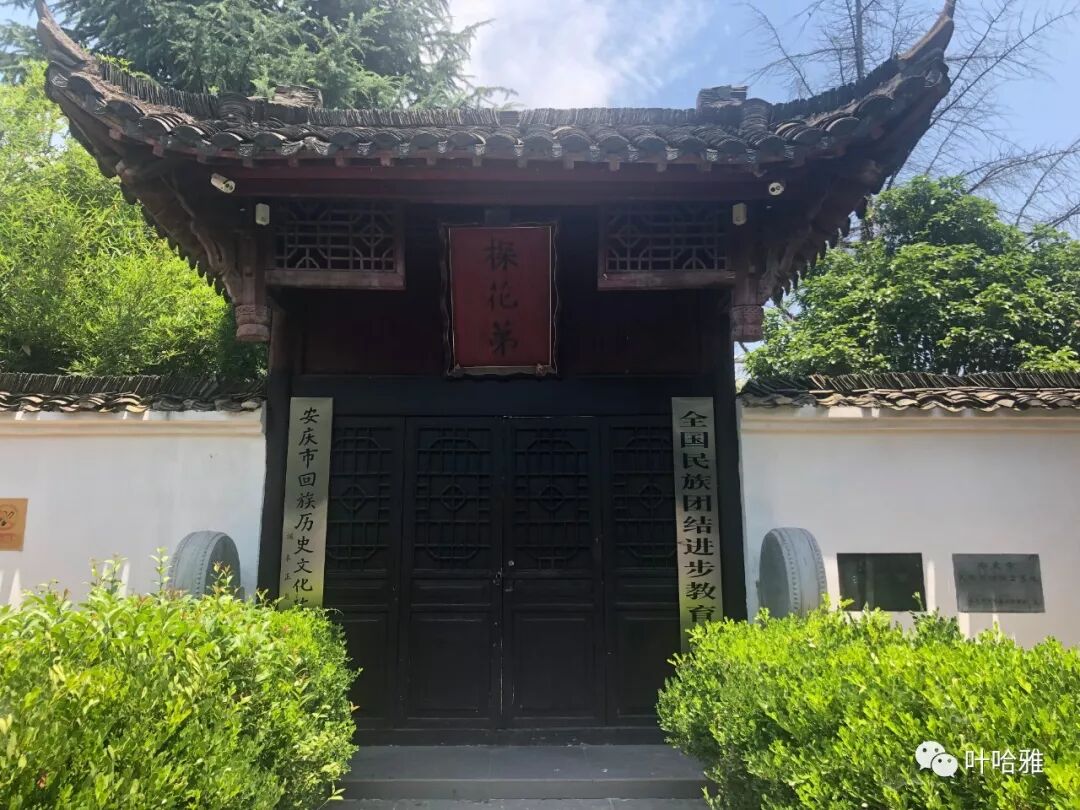
Tanhua Mansion is the common name for the Qingzhen Guoyuetang, which is part of the Anqing Mosque. After Ma Dayong, an eighth-generation descendant of the Anqing Ma family, placed third in the imperial martial examinations, the Yongzheng Emperor bestowed a golden plaque reading 'Tanhua Jidi' (Third Place Scholar) which hung high in the residence. After this, the Qingzhen Dunyuetang became commonly known as Tanhua Mansion. Today, the Qingzhen Guoyuetang serves as the Anqing Hui Muslim History Museum.
2. Shou County, Huainan
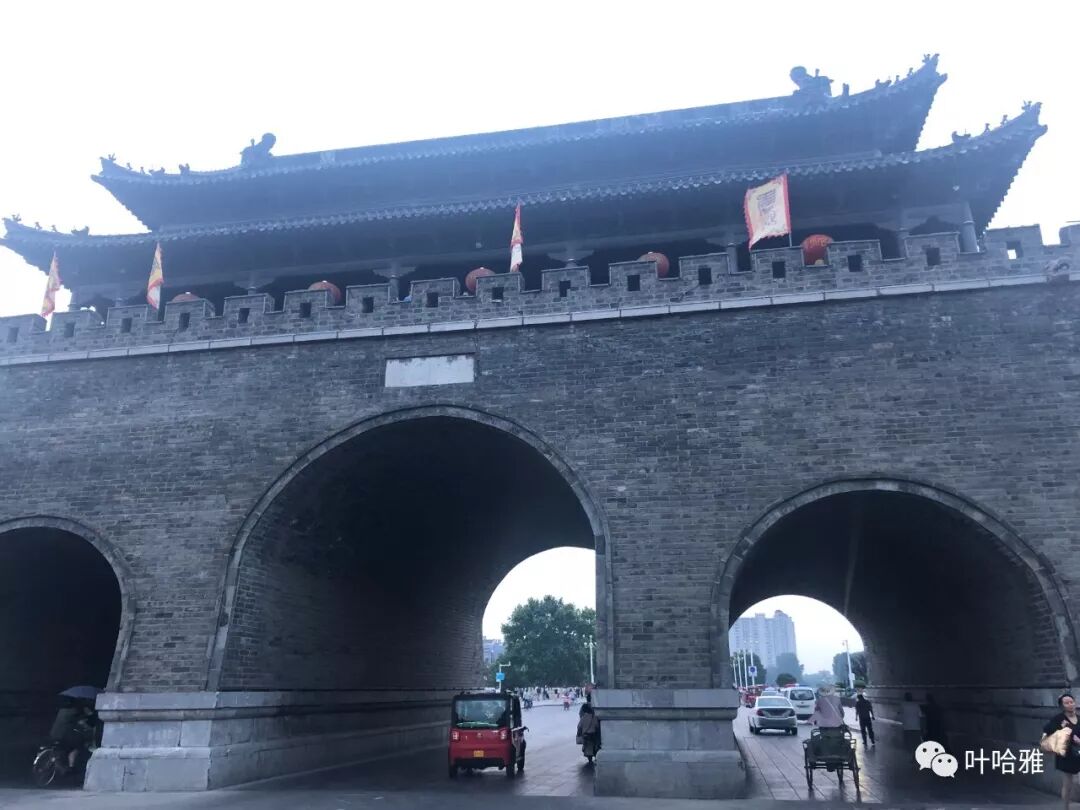
The ancient city of Shou County in Huainan is an area with a strong Islamic presence and a large Hui Muslim population. Local homes here feature distinct Hui Muslim decorations, such as couplets written in Arabic calligraphy posted on the doors.
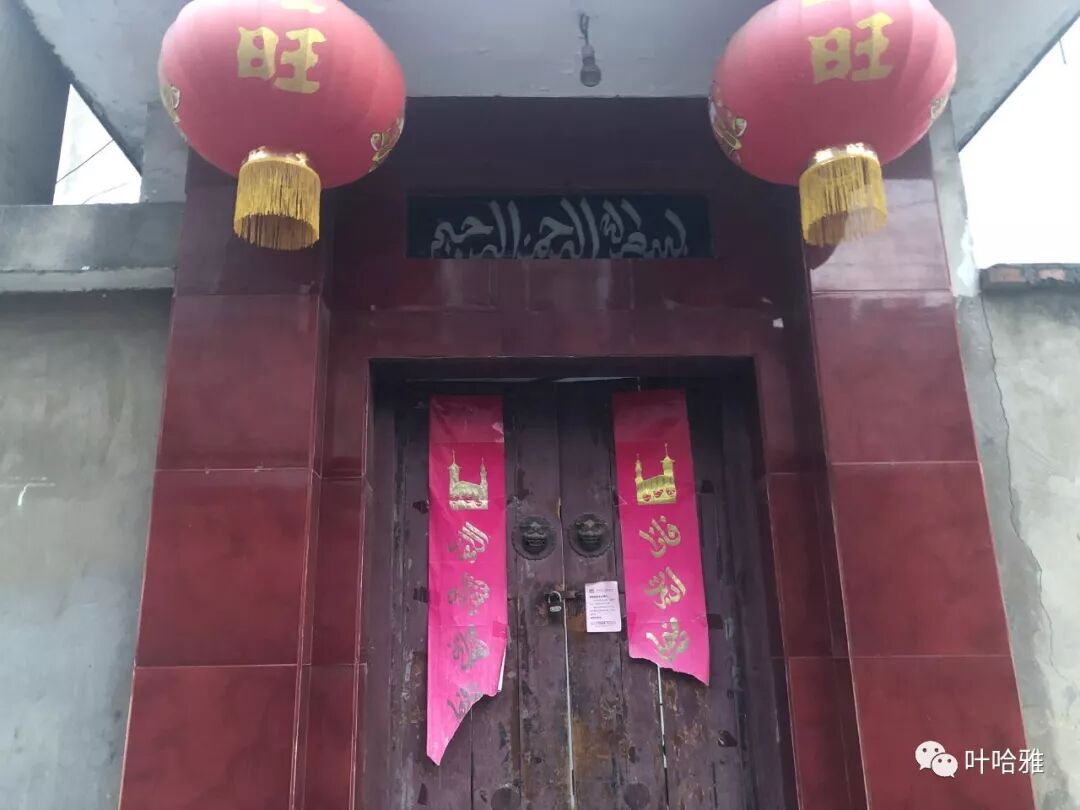
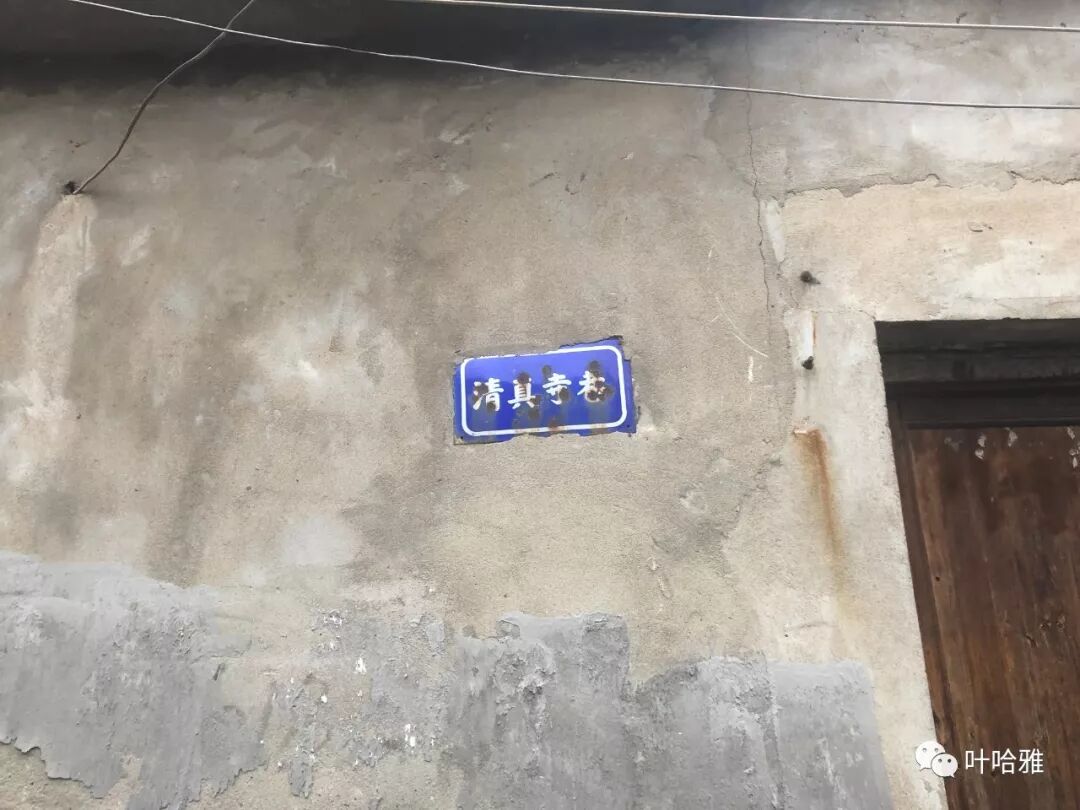
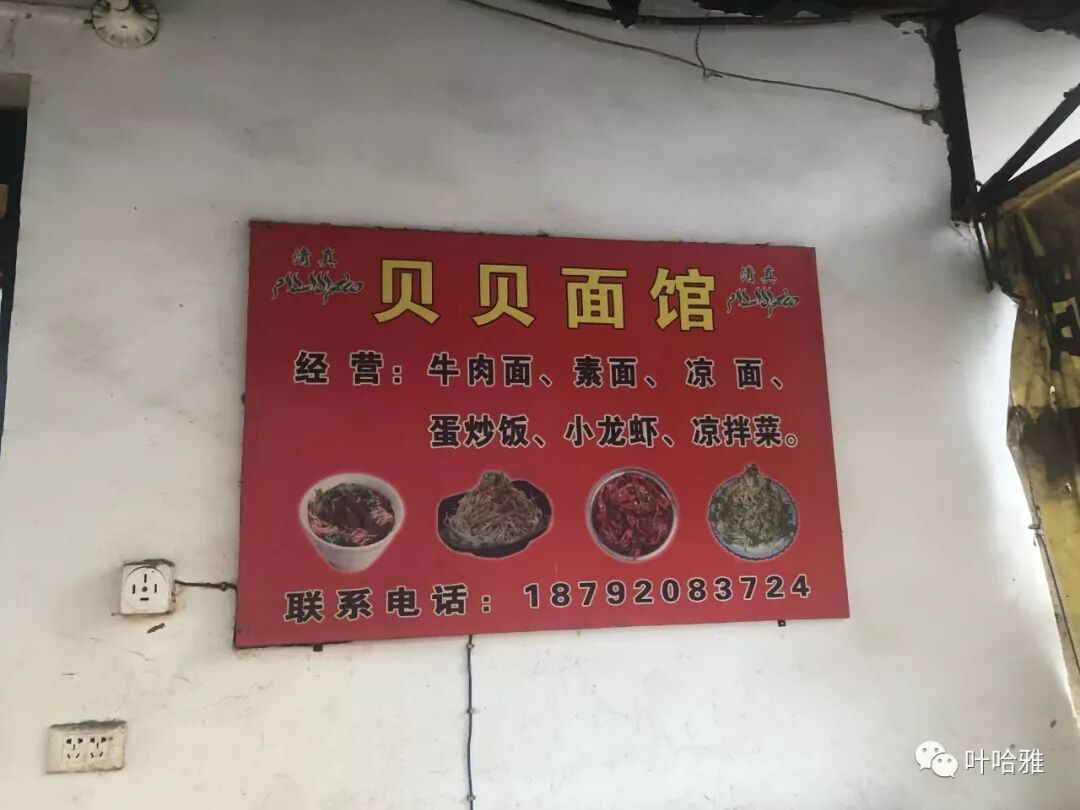
The halal food in the ancient city of Shou County focuses on local specialties, and Hui Muslims make up about one-third of the local population.
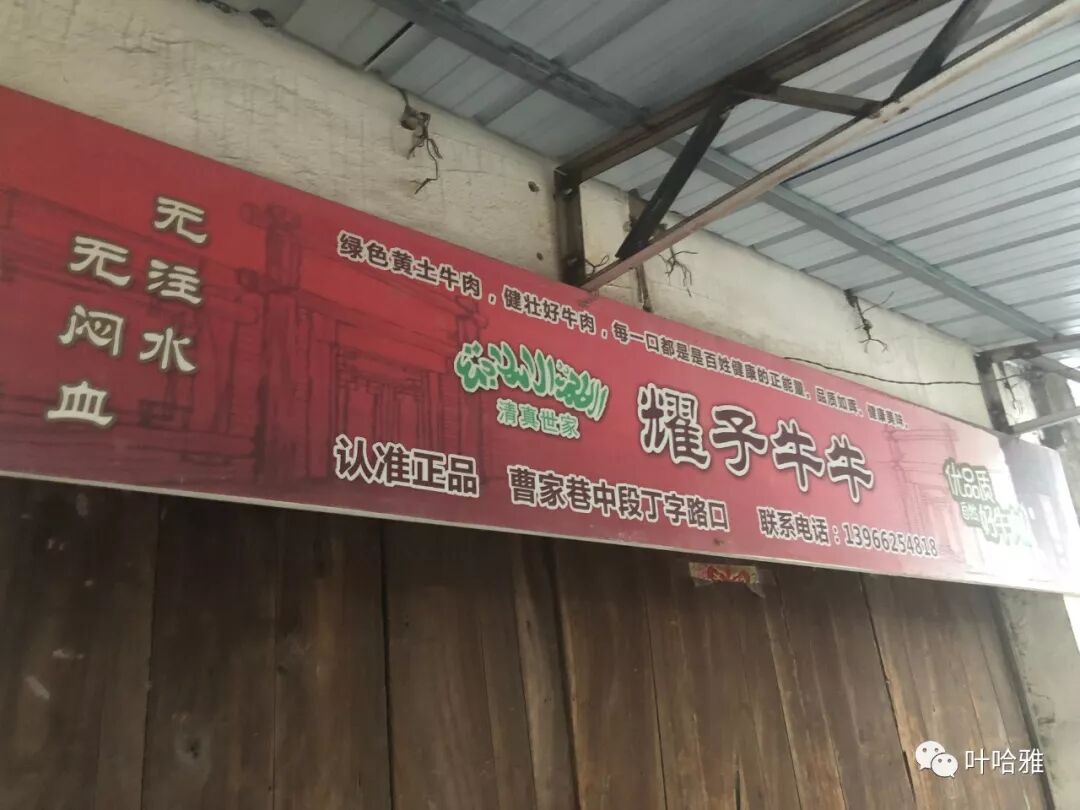
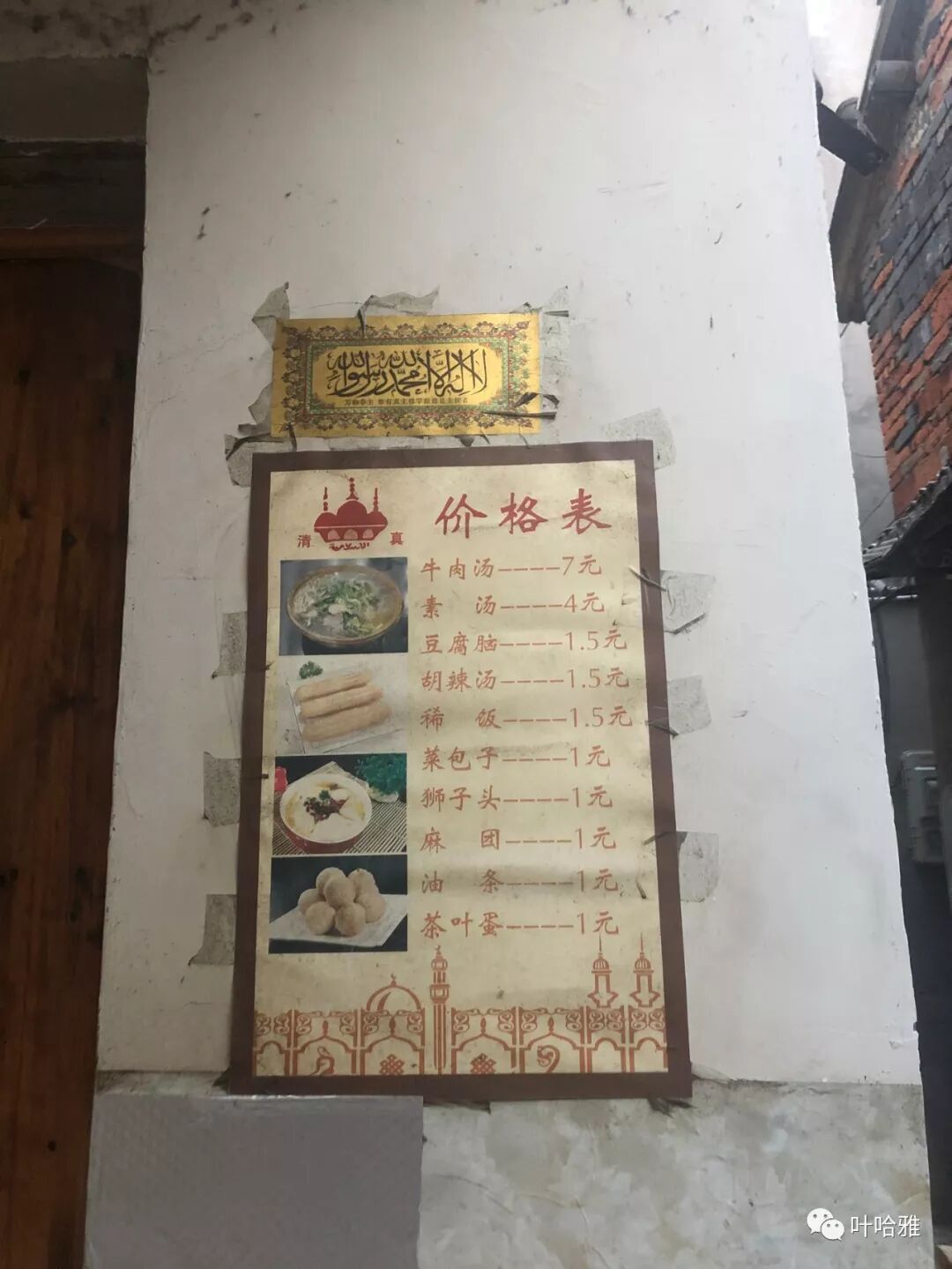
Beef soup (niuroutang) is a major local snack in Huainan. Near Renmin University of China in Beijing, there is a halal Hu Ji Huainan Beef Soup shop that is very authentic.
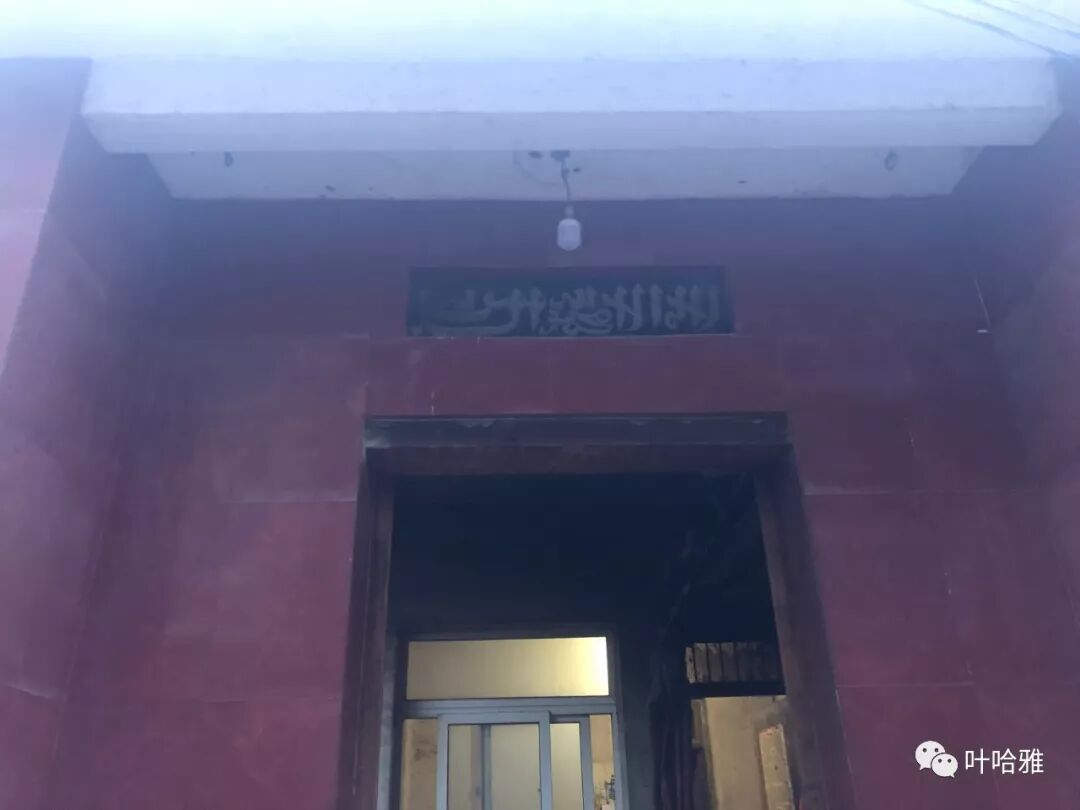
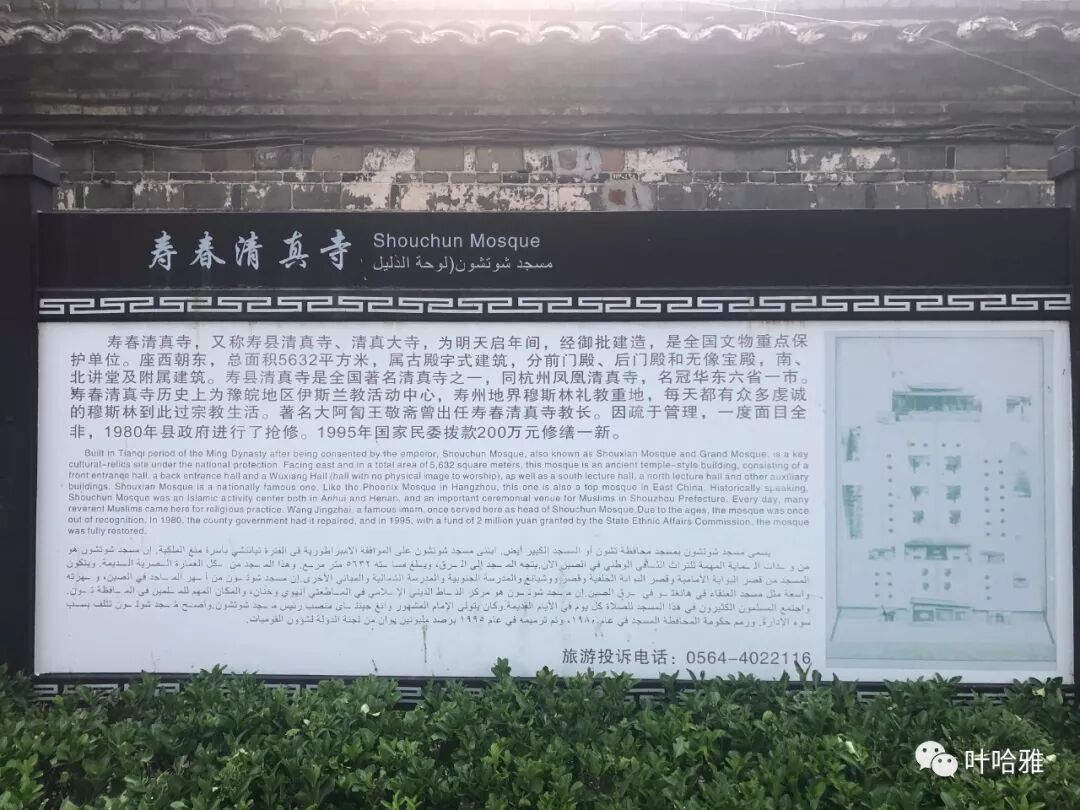
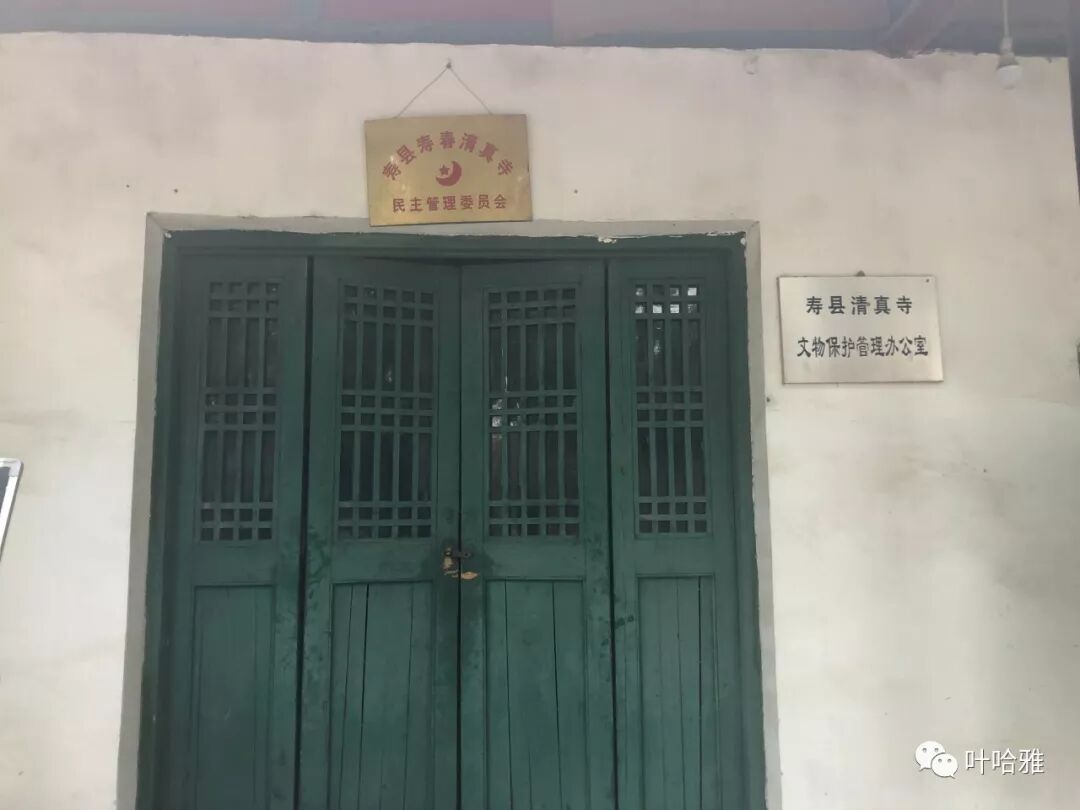
One of the main goals of this trip is the Shou County Mosque, which was first built during the Tianqi period of the Ming Dynasty (1621-1627) and is now a Major Historical and Cultural Site Protected at the National Level. The great imam Wang Jingzhai taught here for two months during the Republic of China era, but he was invited to Taiwan because he could not stand the harassment from the Eighth Route Army and because the Islamic community in Taiwan needed his help to revitalize their faith.
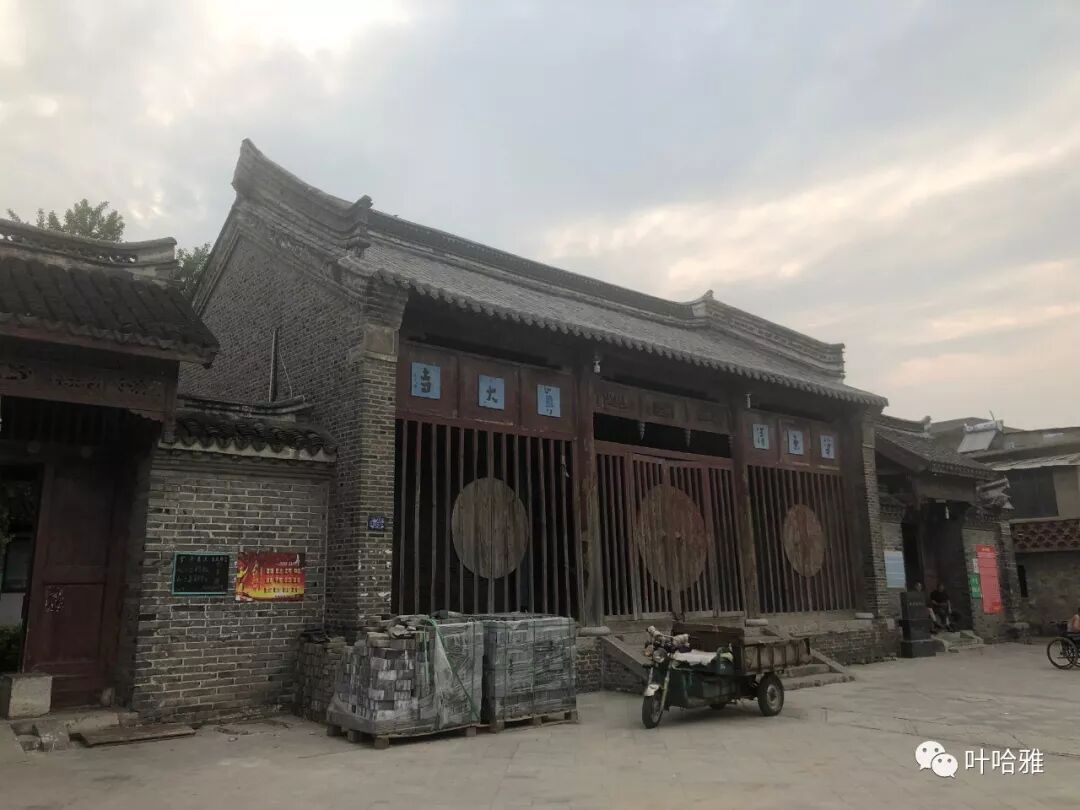
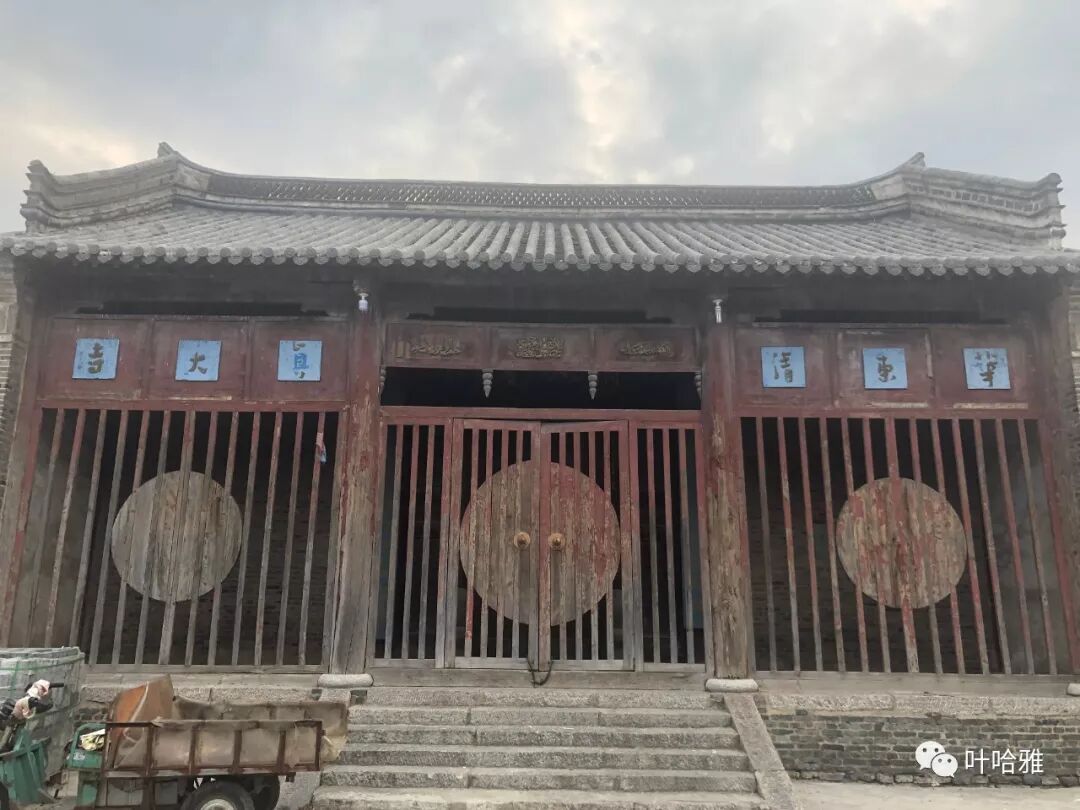
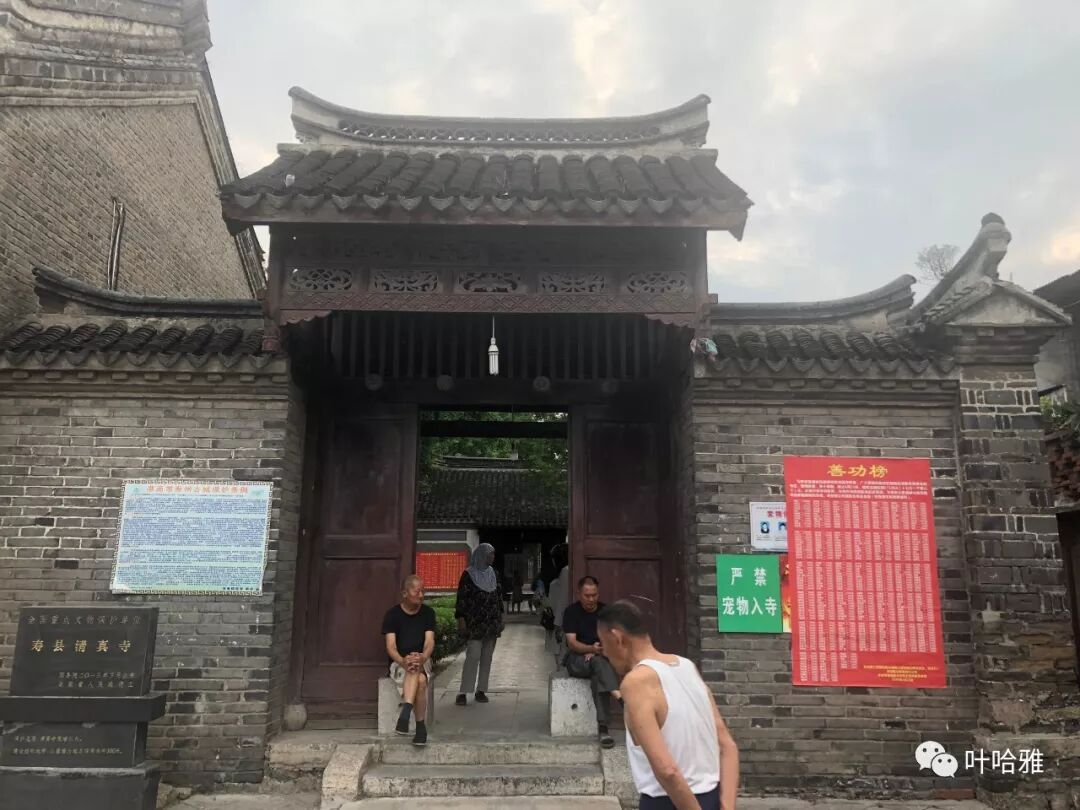
You can see many friends (dost) wearing headscarves in Shou County.
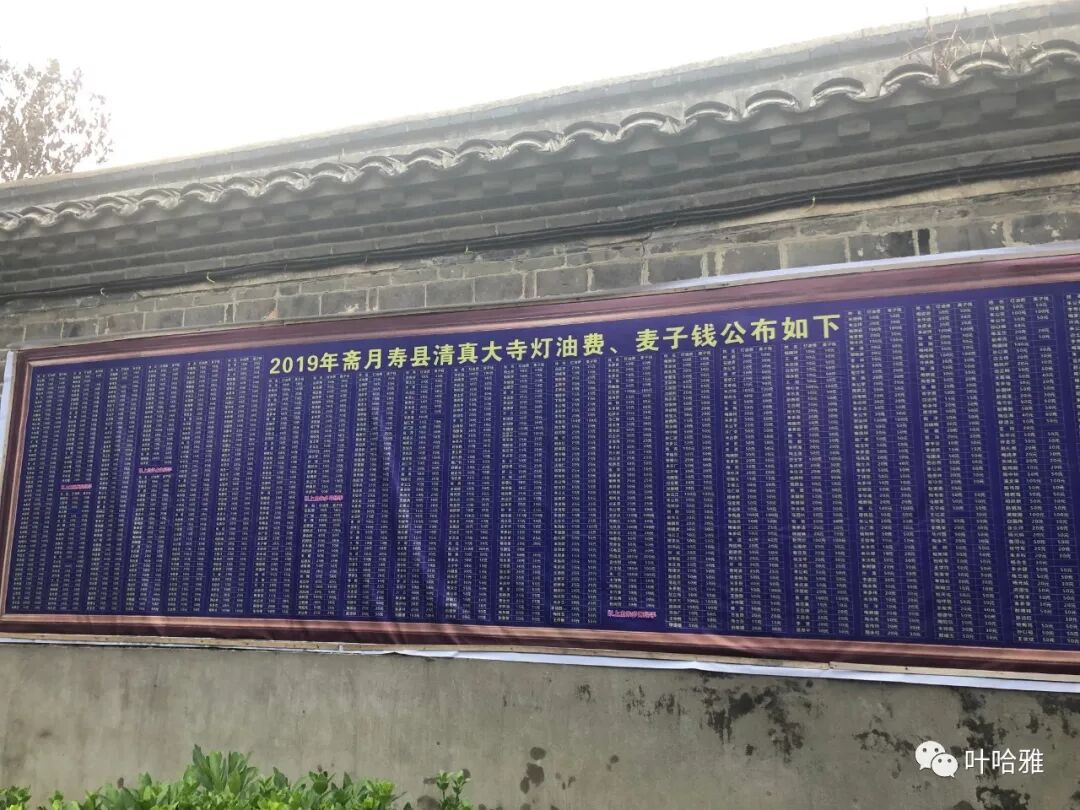
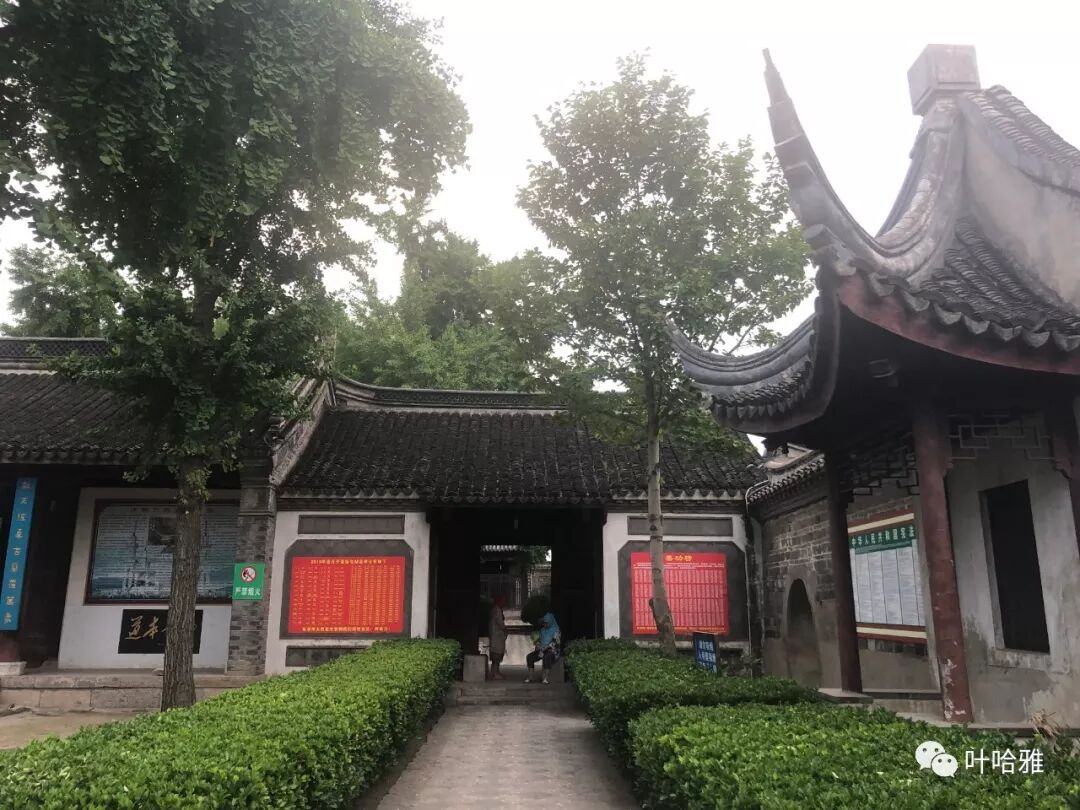
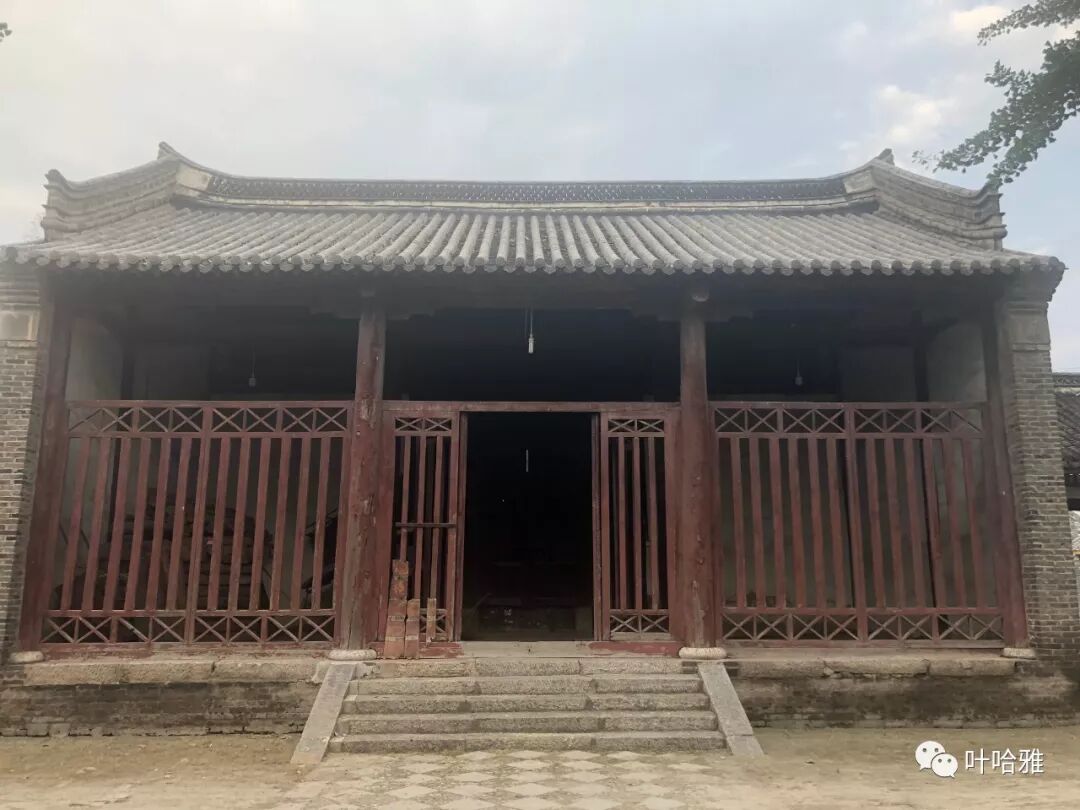
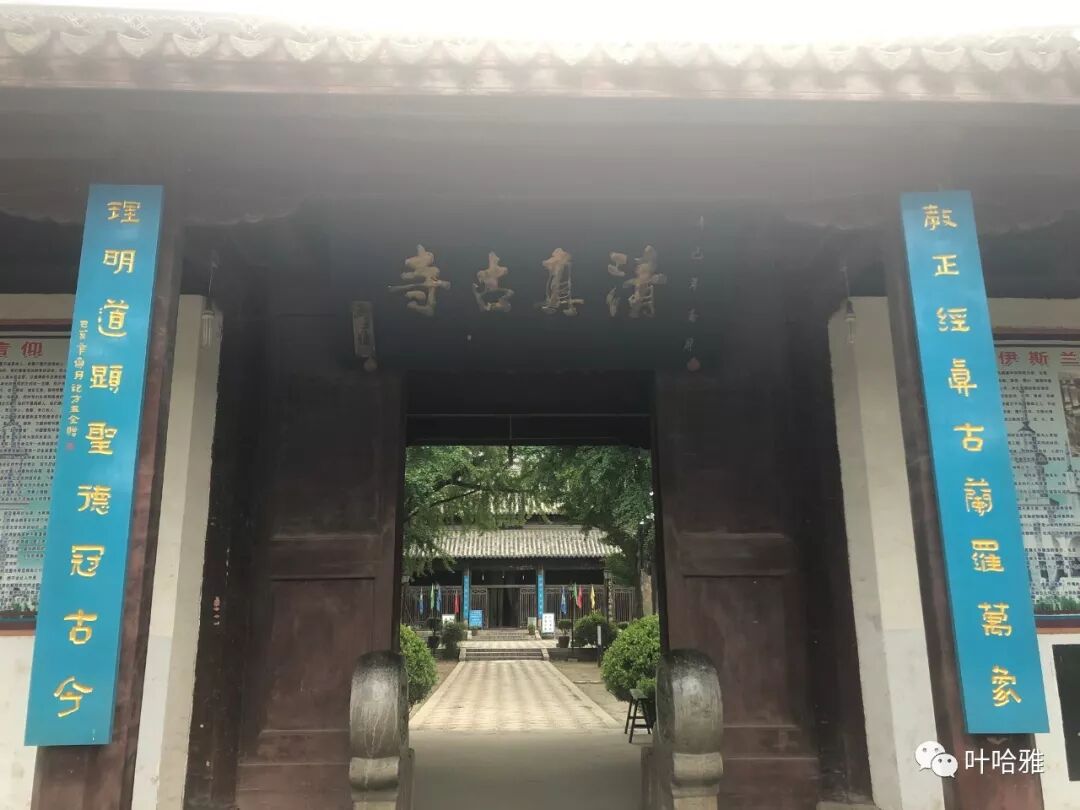
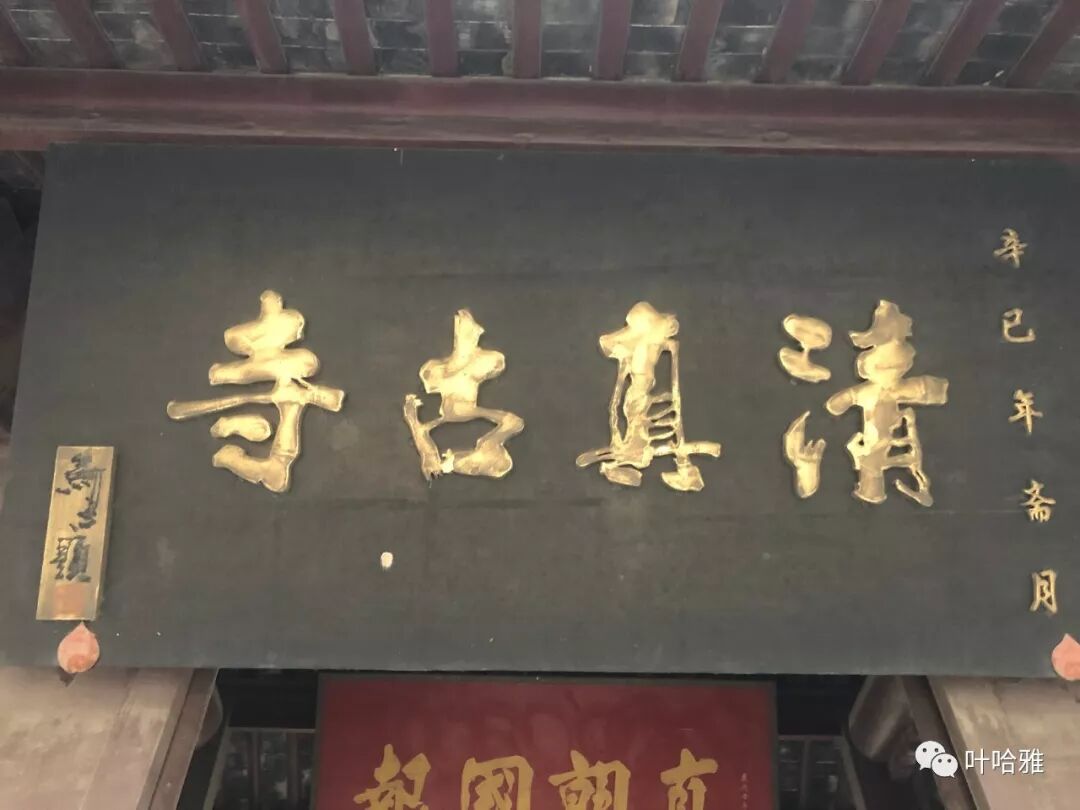
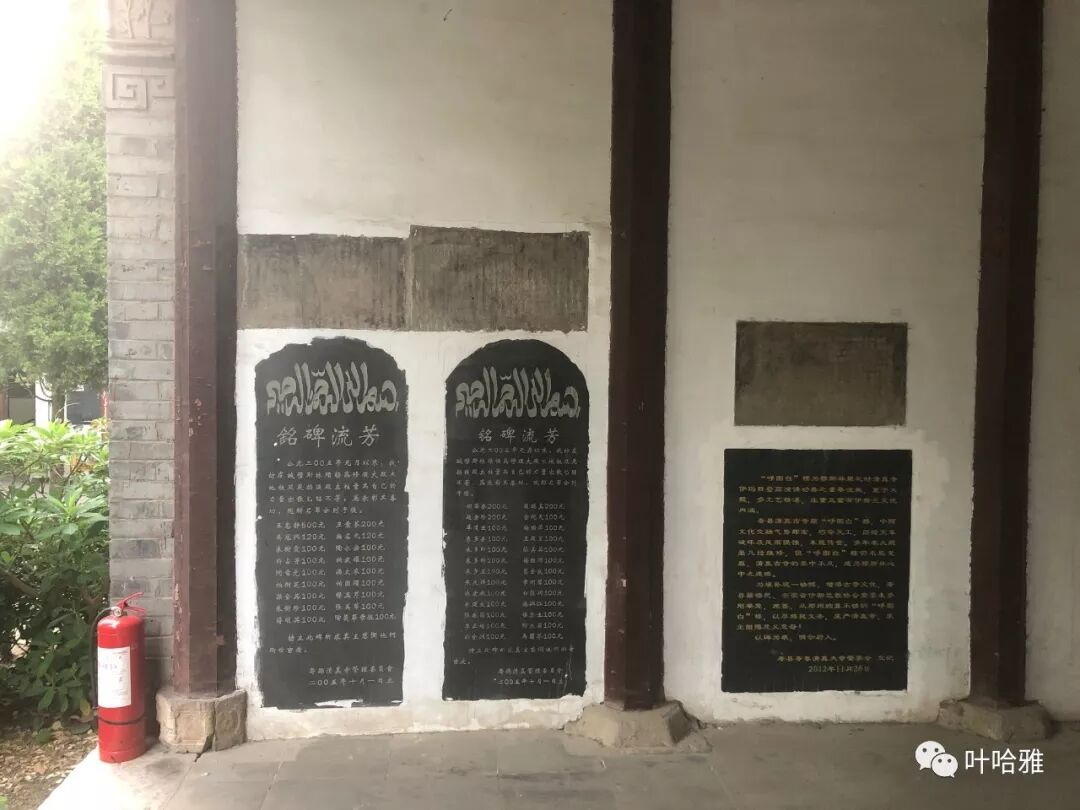
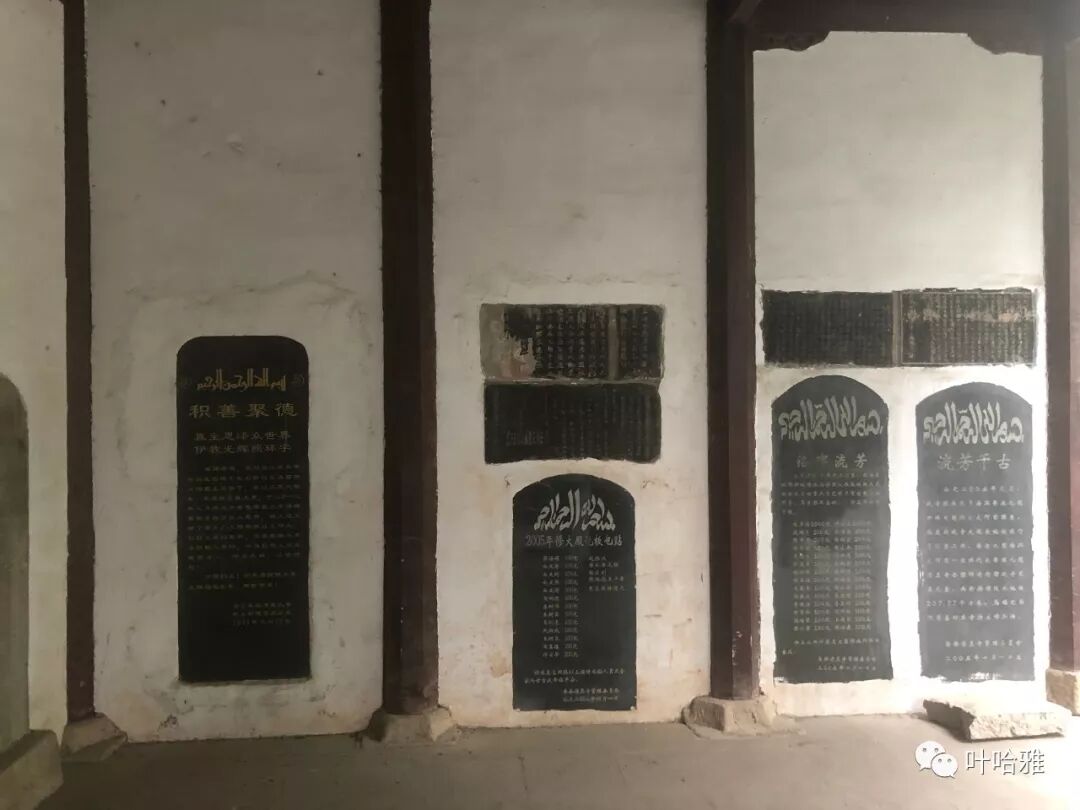
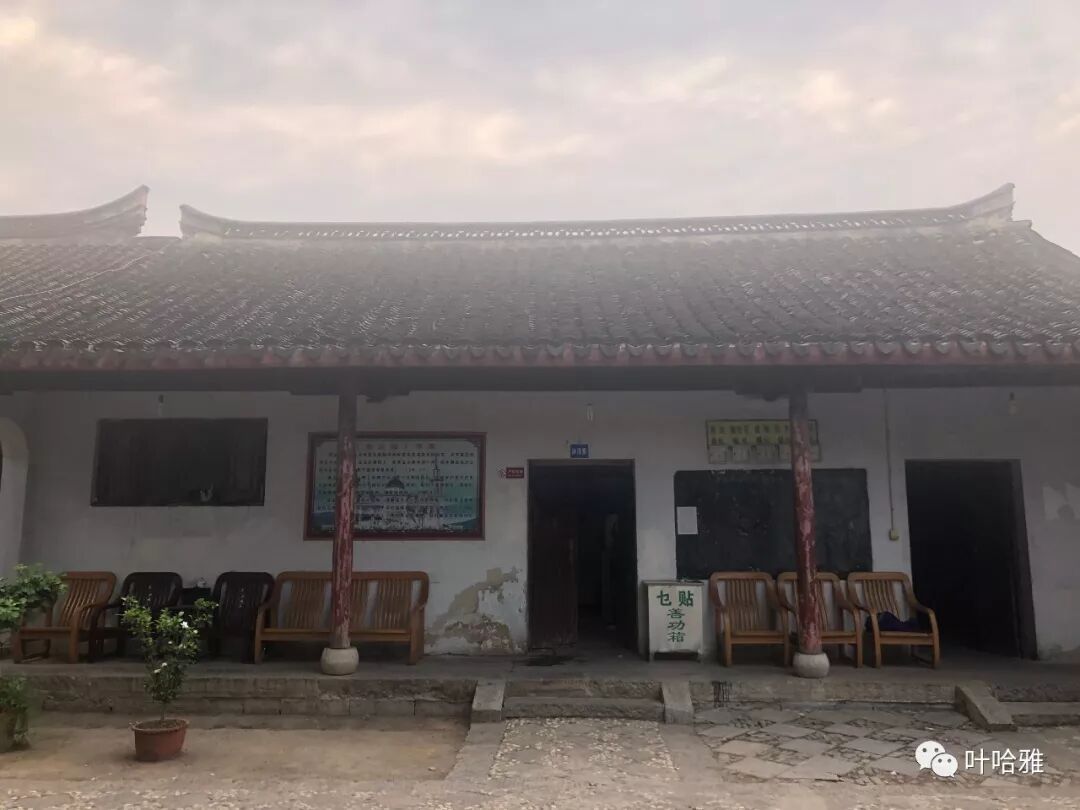
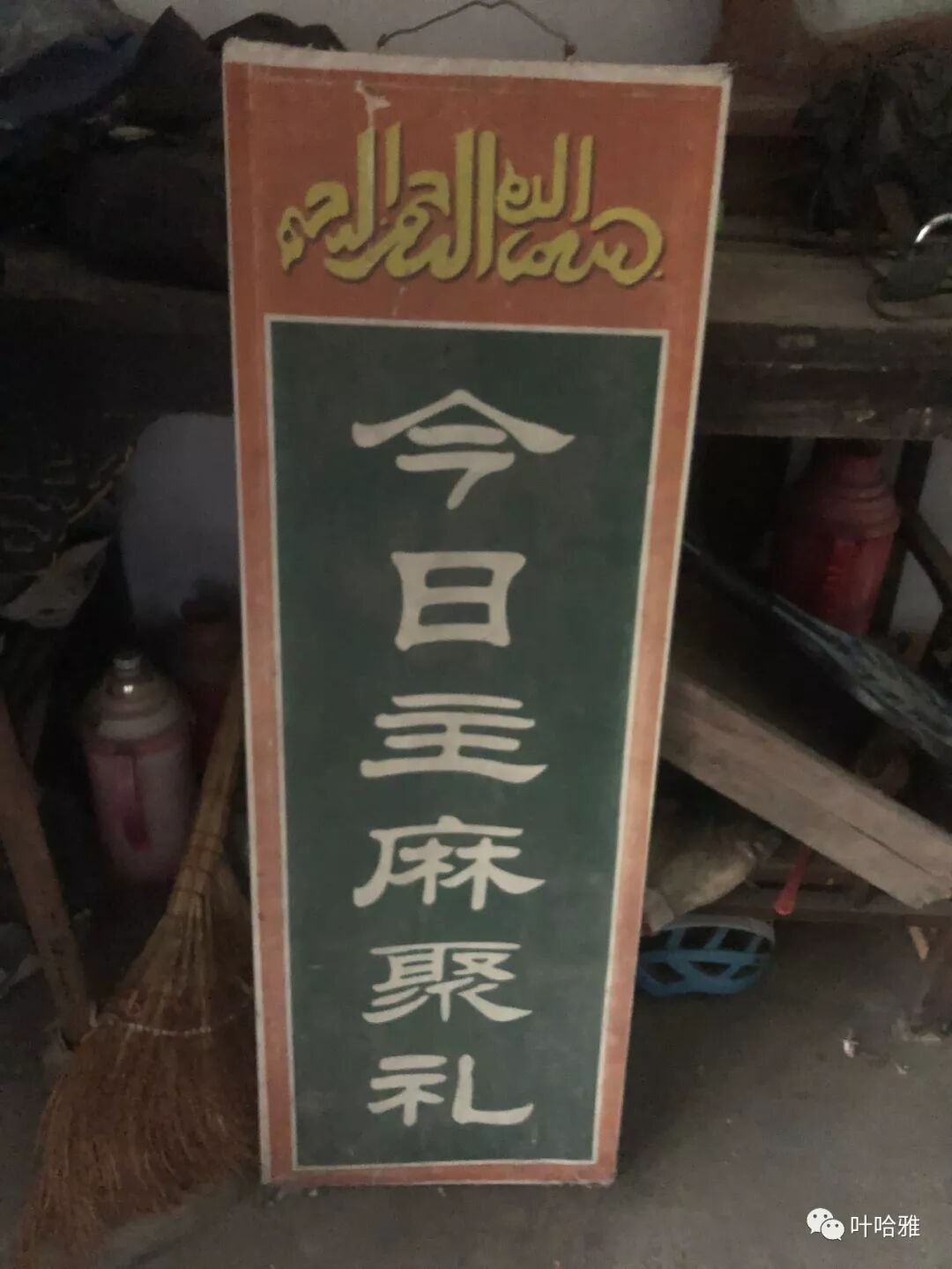
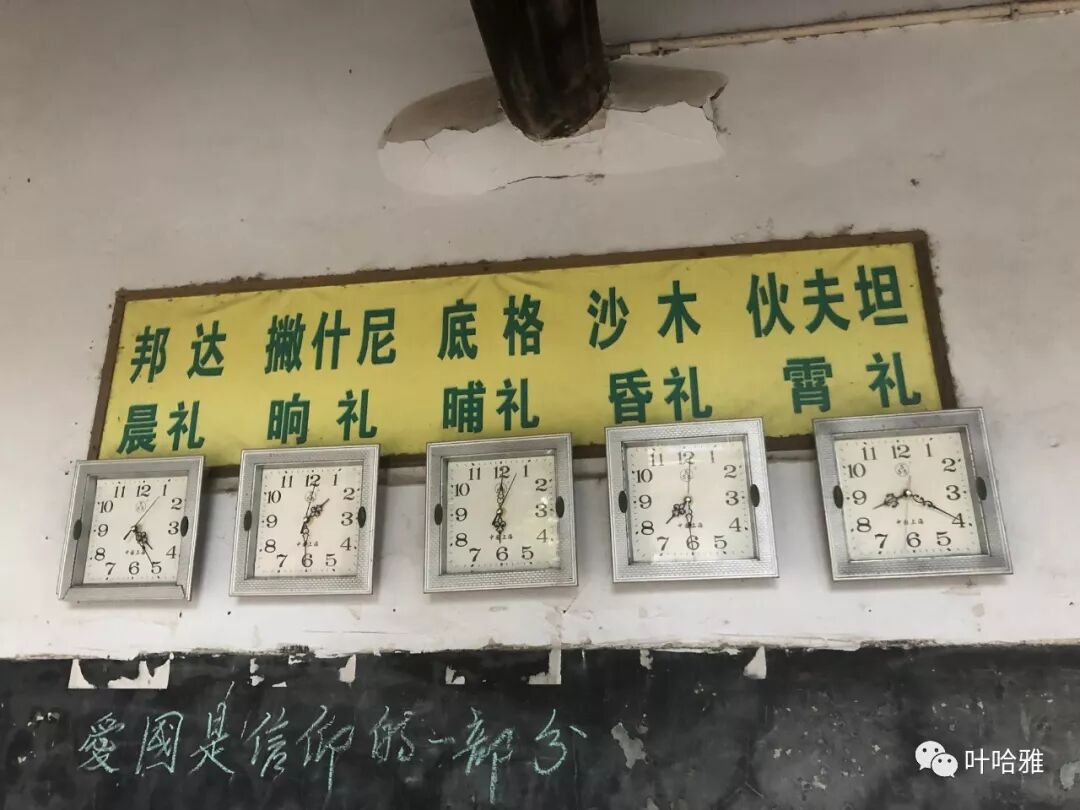
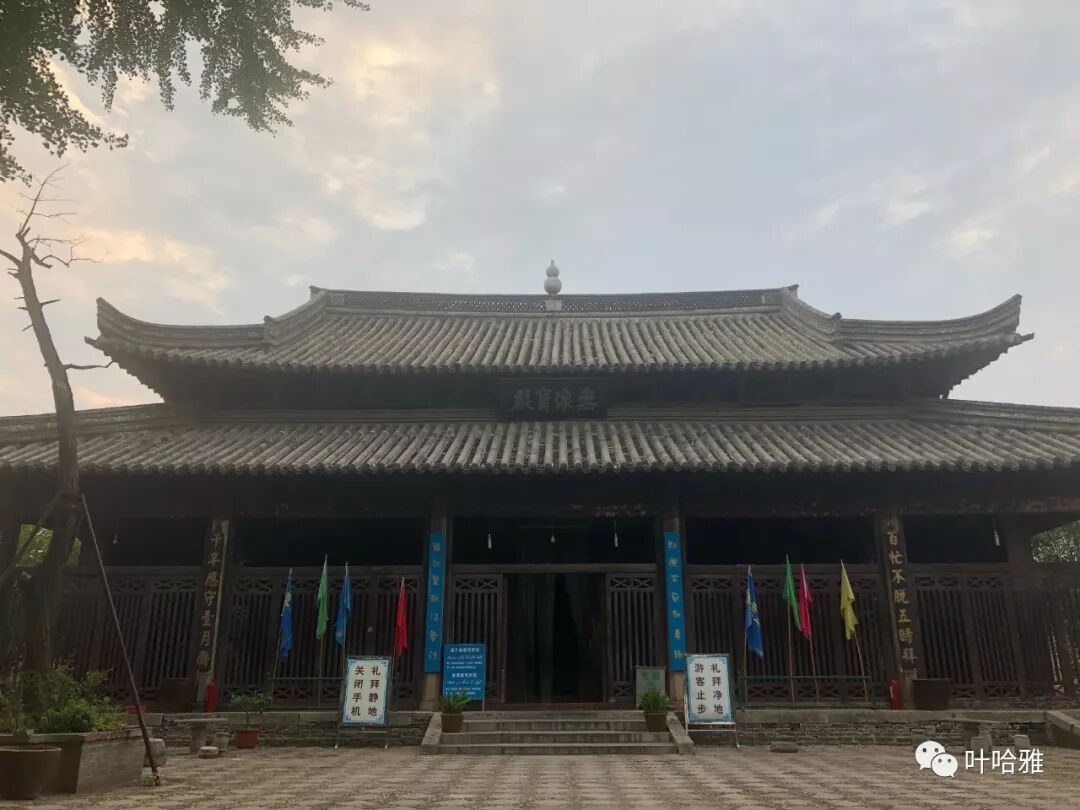
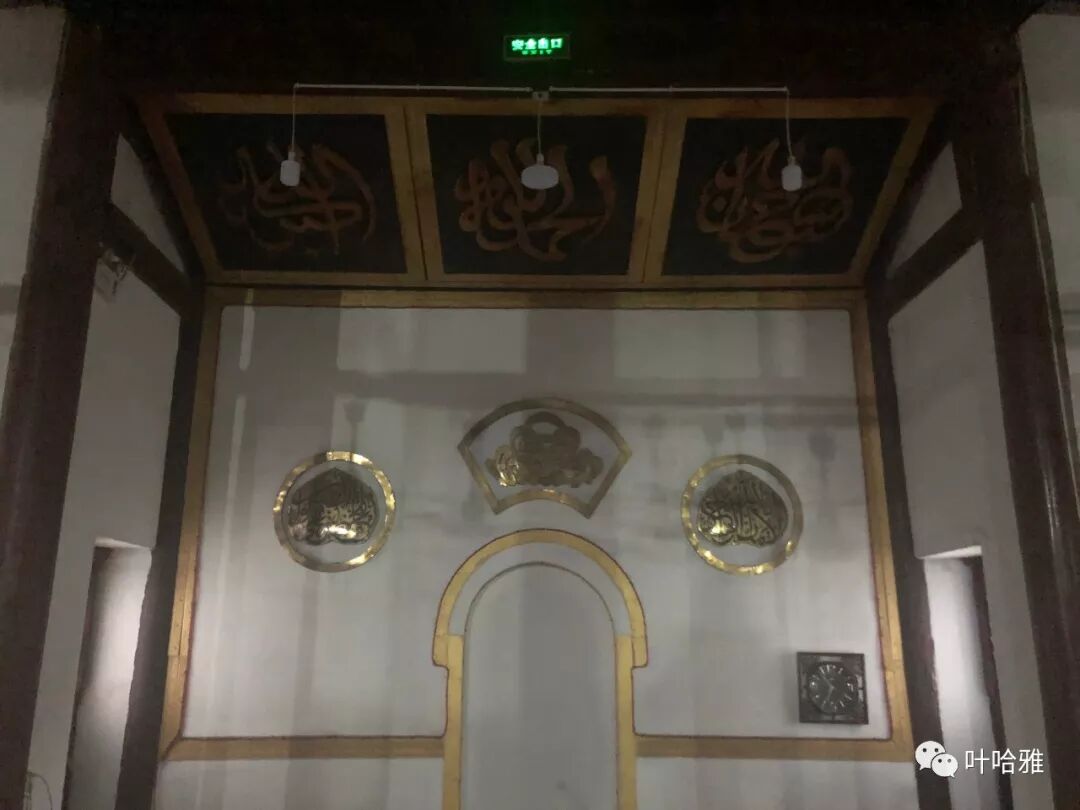
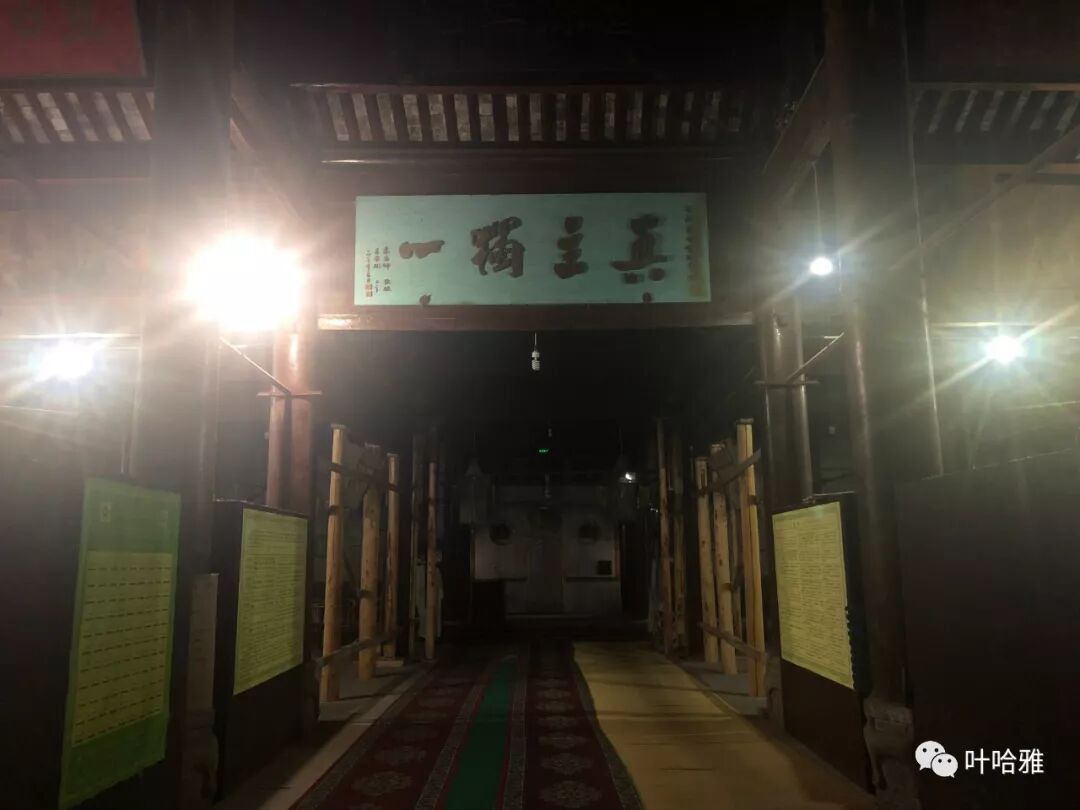
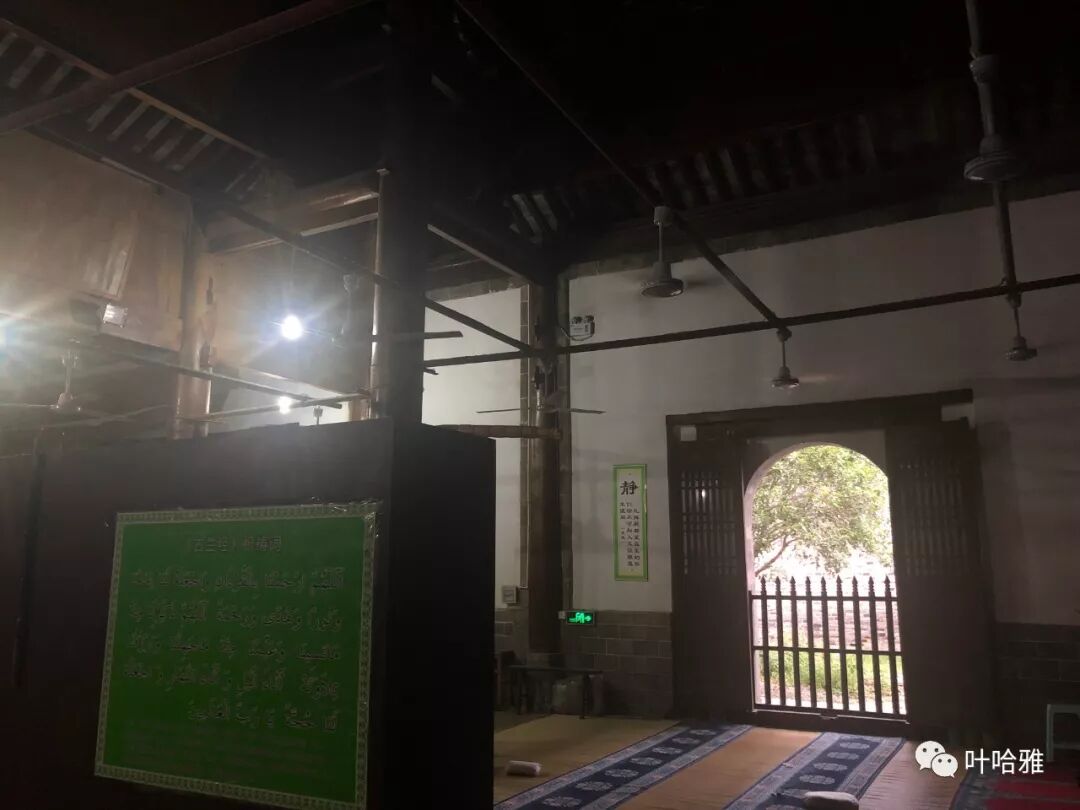
A plaque reading "Wuxiang Baodian" hangs in front of the main prayer hall, which is currently the largest mosque prayer hall in East China.
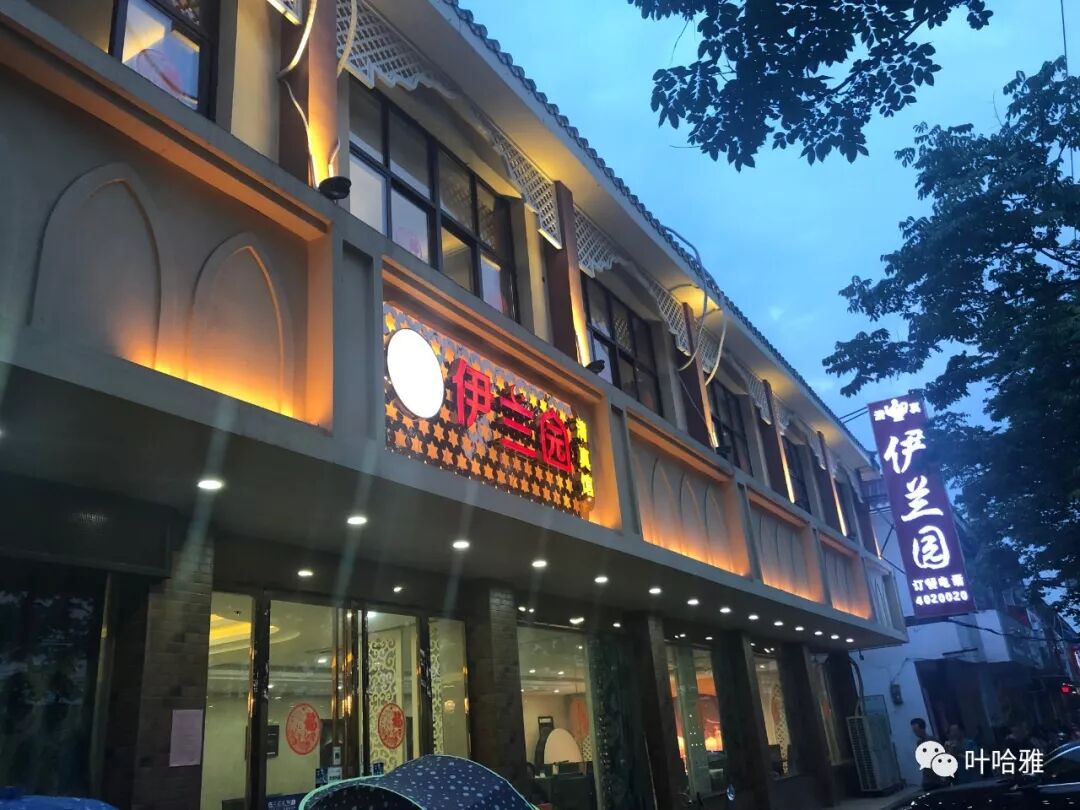
After visiting the mosque, I went to look for local halal food. This Yilan Garden is one of the larger local halal restaurants, specializing in local stir-fried dishes. When the staff learned I was a Hui Muslim, they kindly called me "laobiao," which is a term of endearment.
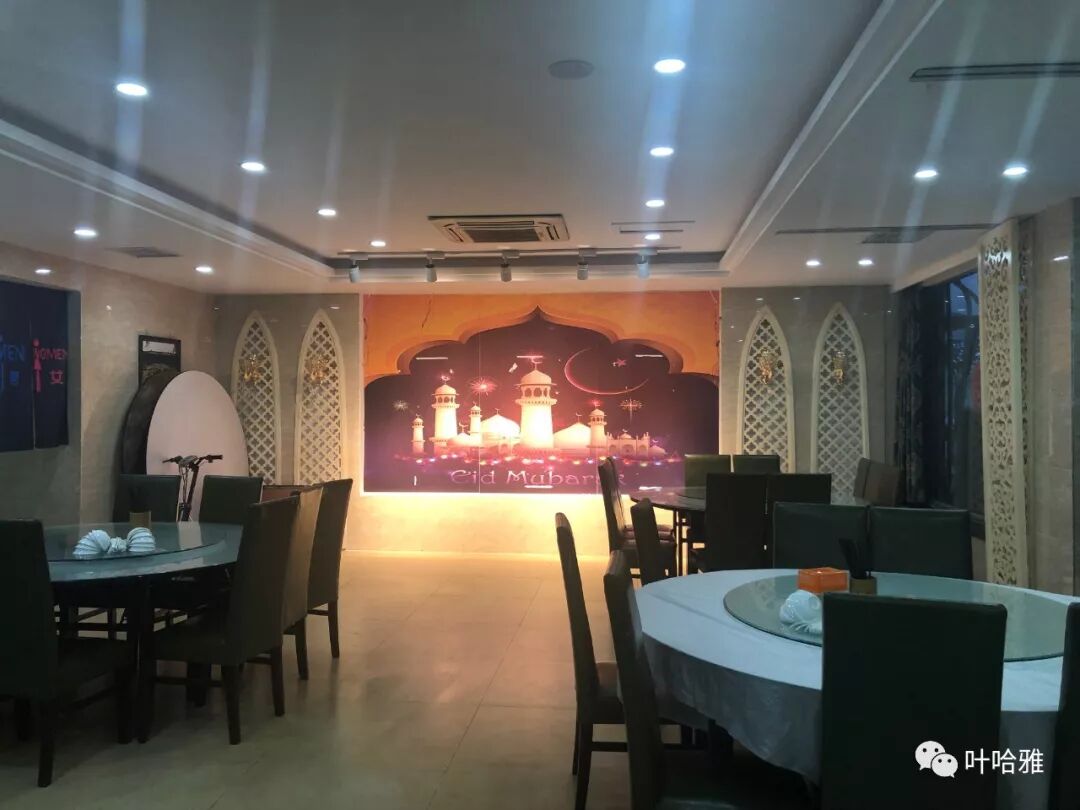
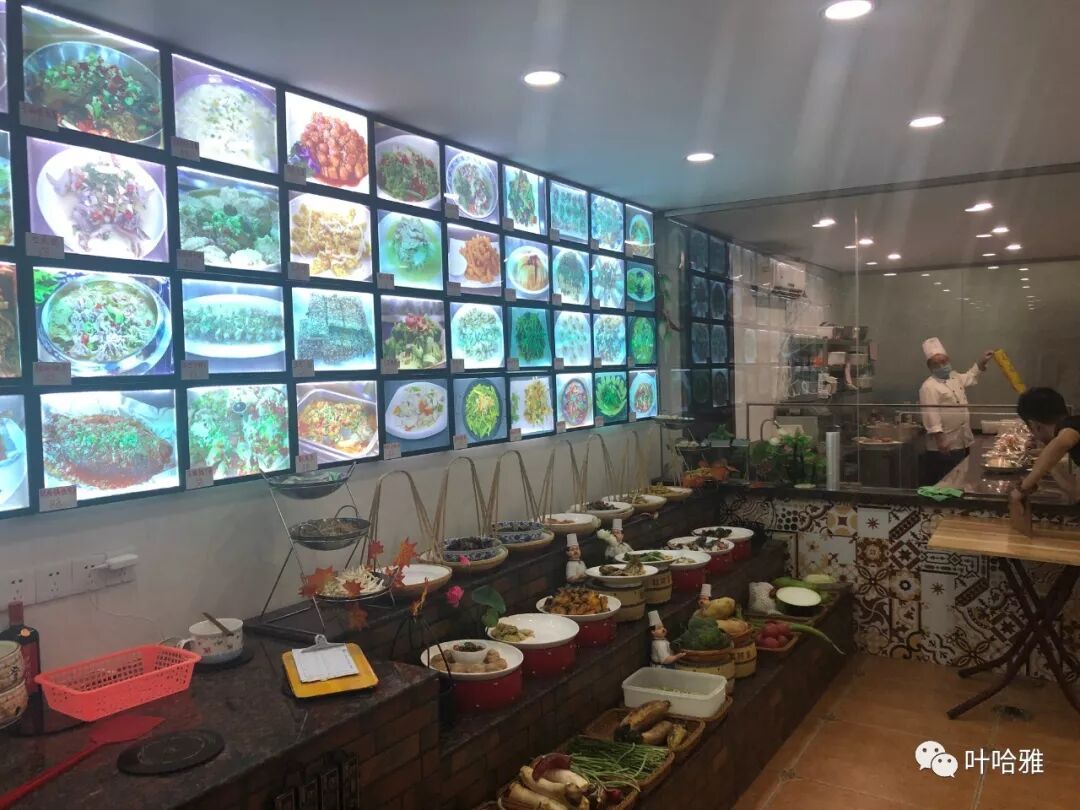
You have to go to the second floor to order, choosing from the pictures above and the ingredients displayed below. The server recommended I try the cold tofu and beef balls.
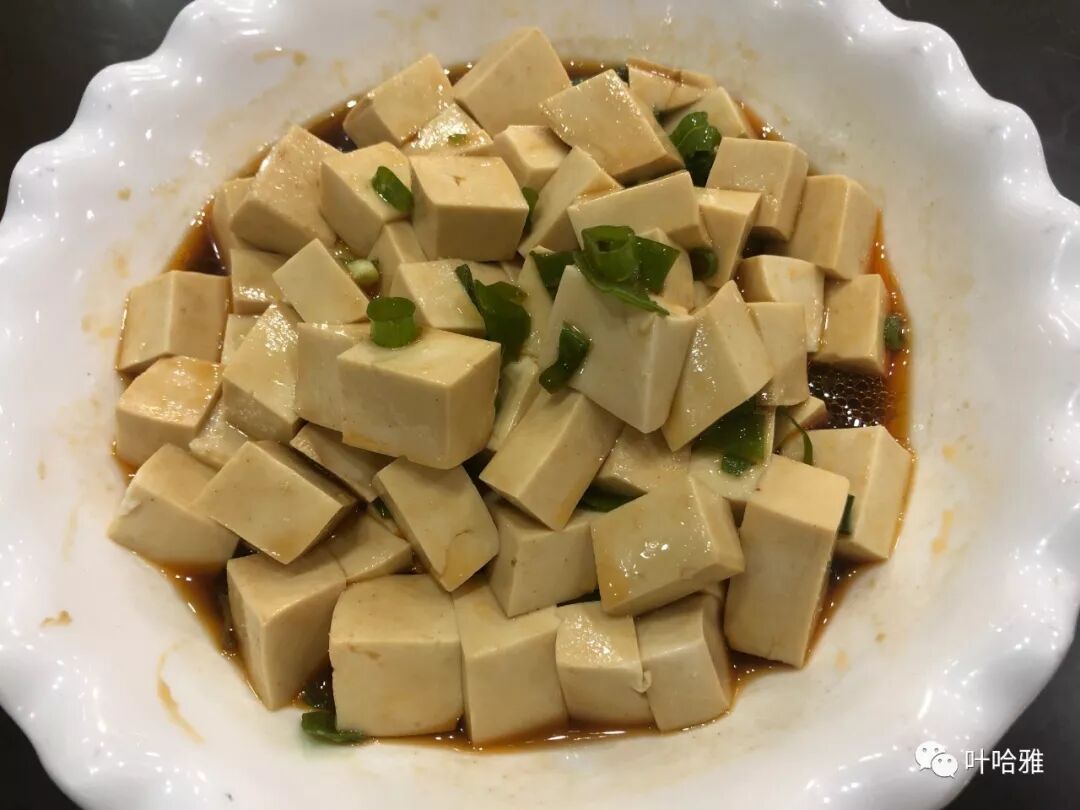
I have to say, the tofu in Shou County is delicious. It has a smooth texture and a fresh, pleasant taste. Locals say that while Huainan tofu is the most famous, it actually refers to Shou County tofu, and you can find high-quality tofu at any shop in Shou County.
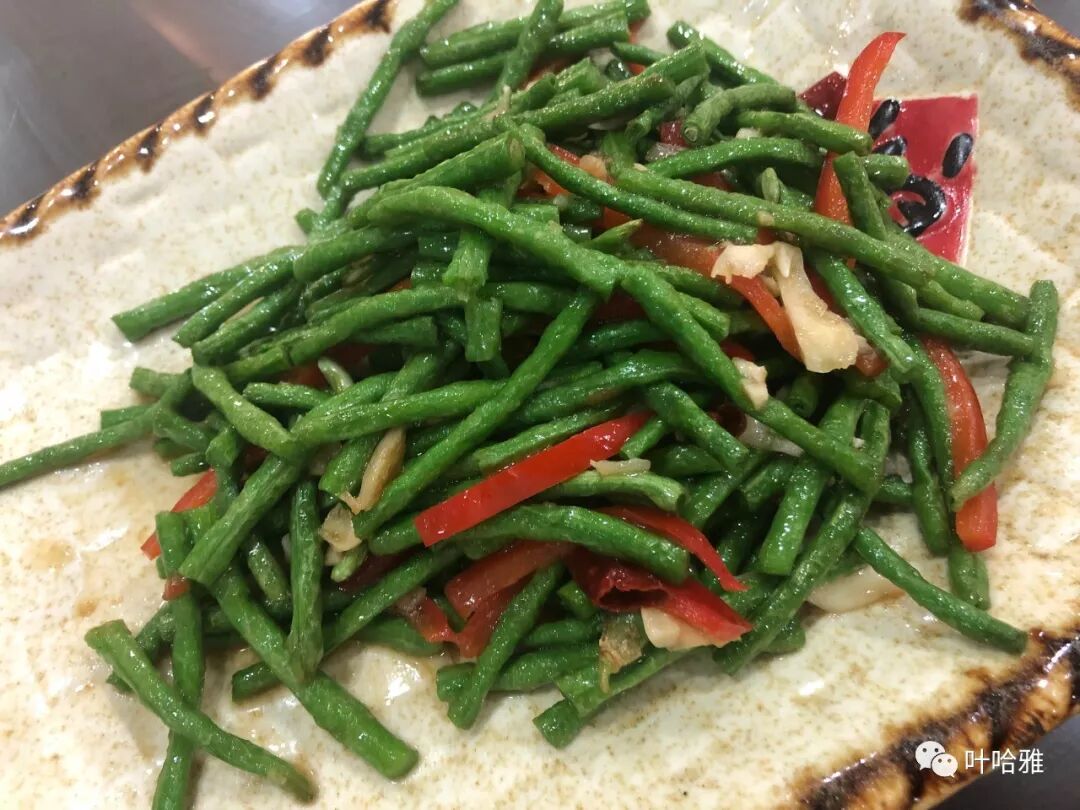
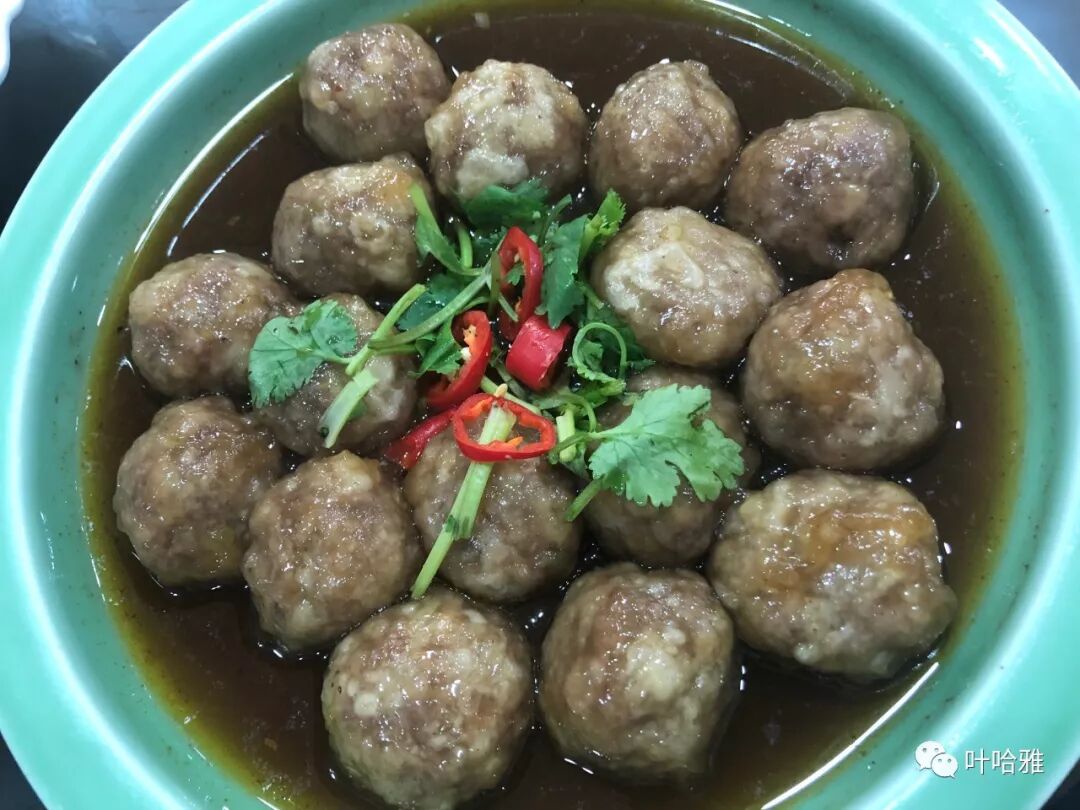
This is the beef ball. It looks like a meatball, but it is actually made like a sweet rice ball (tangyuan). The texture is also like a tangyuan, with a layer of meat jelly on the outside and filling inside. It is completely different from a meatball and tastes great.
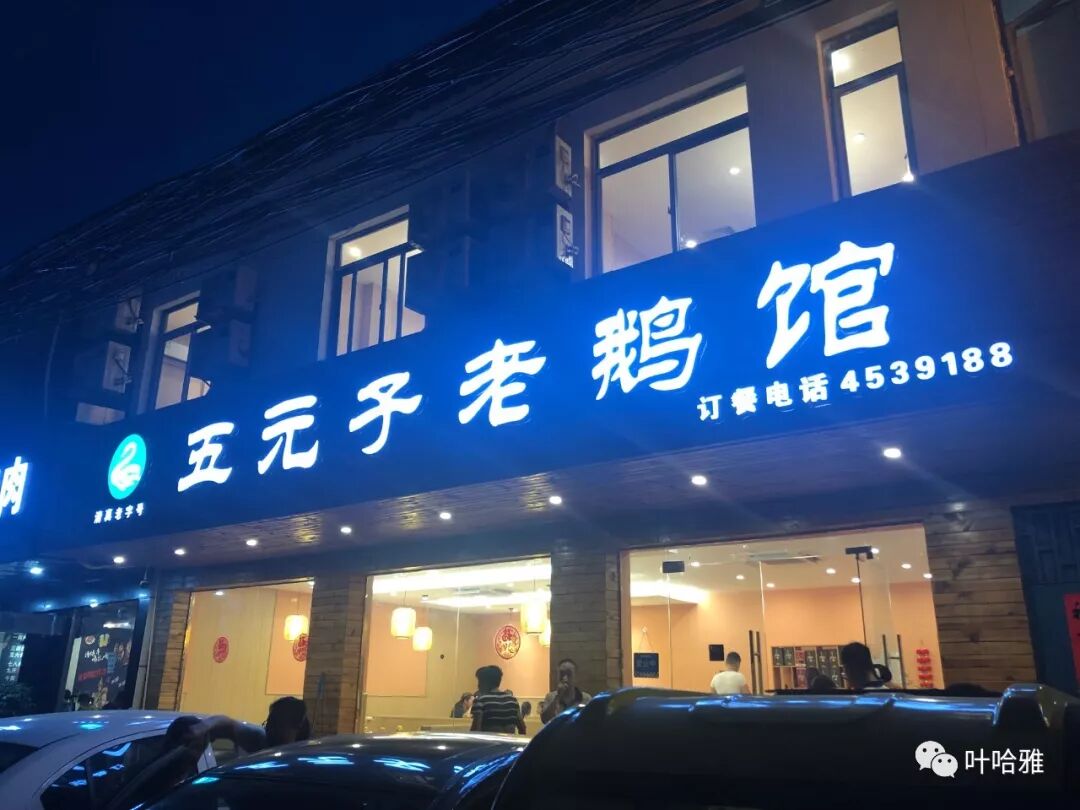
Wuyuanzi Old Goose is another famous Shou County dish. Wuyuanzi is the owner's nickname, but his real surname is Mei, which is one of the local Hui Muslim surnames.
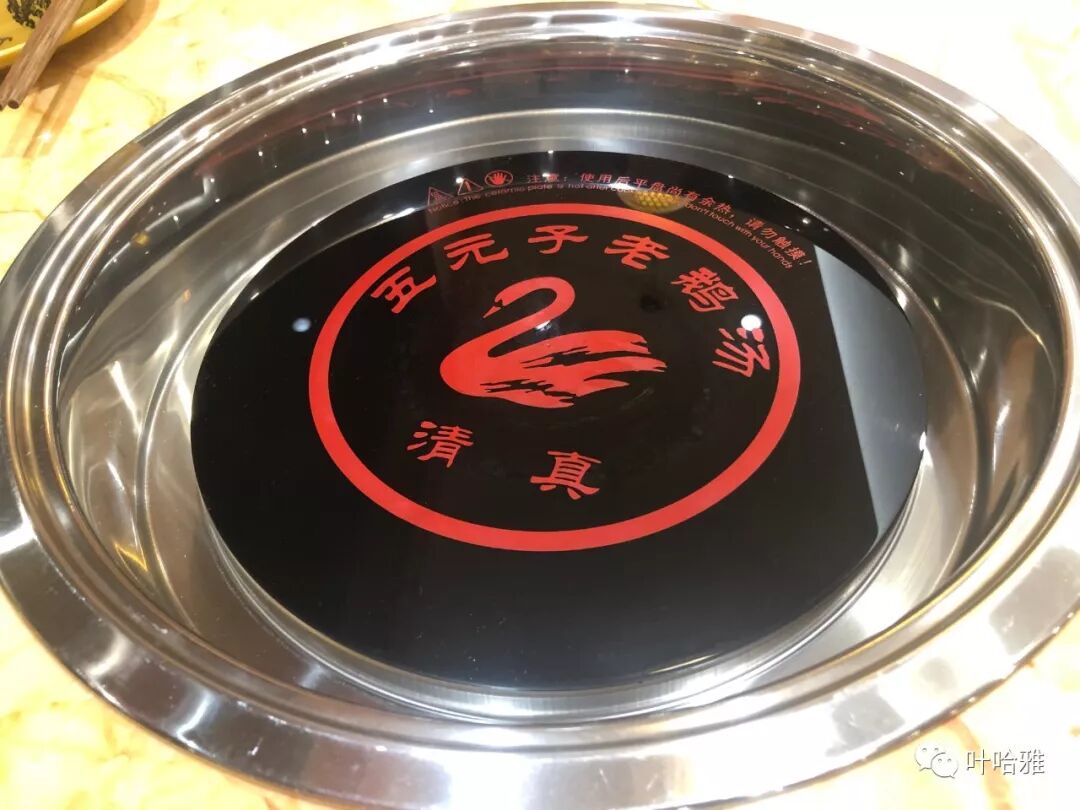
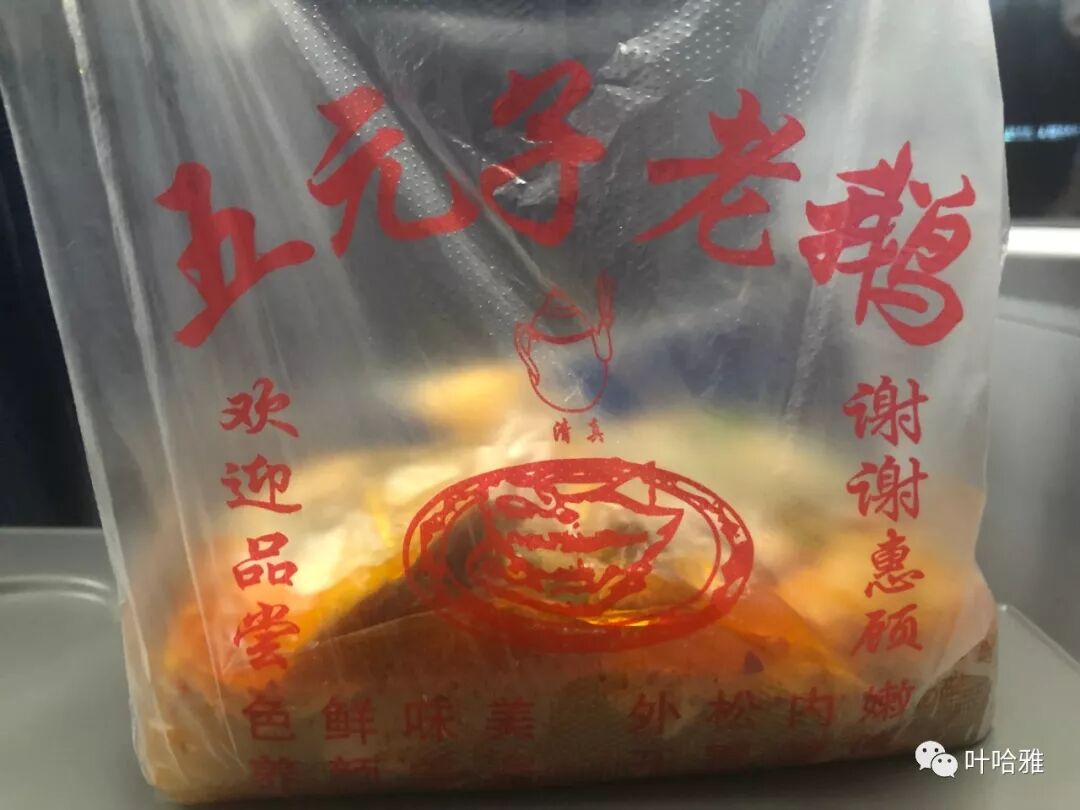
Because I was in a hurry, I bought a portion of braised old goose to go.
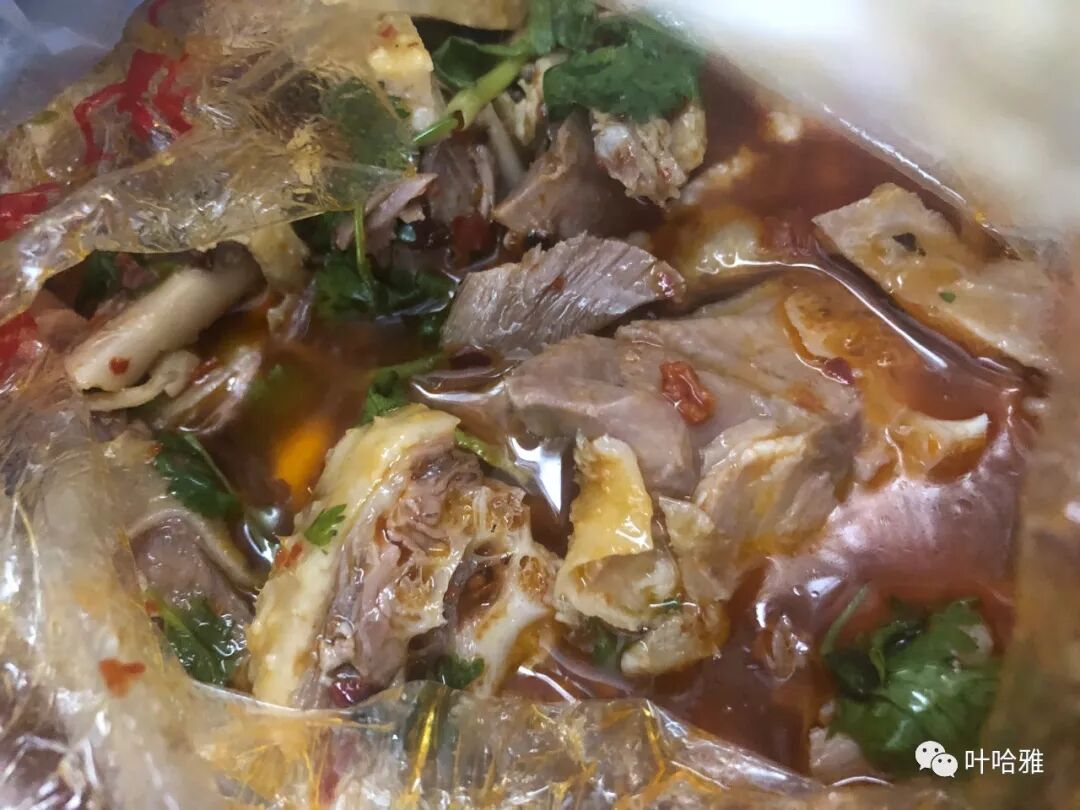
The old goose is spicy and fragrant. Wuyuanzi has opened several branches locally, which shows how popular it is.
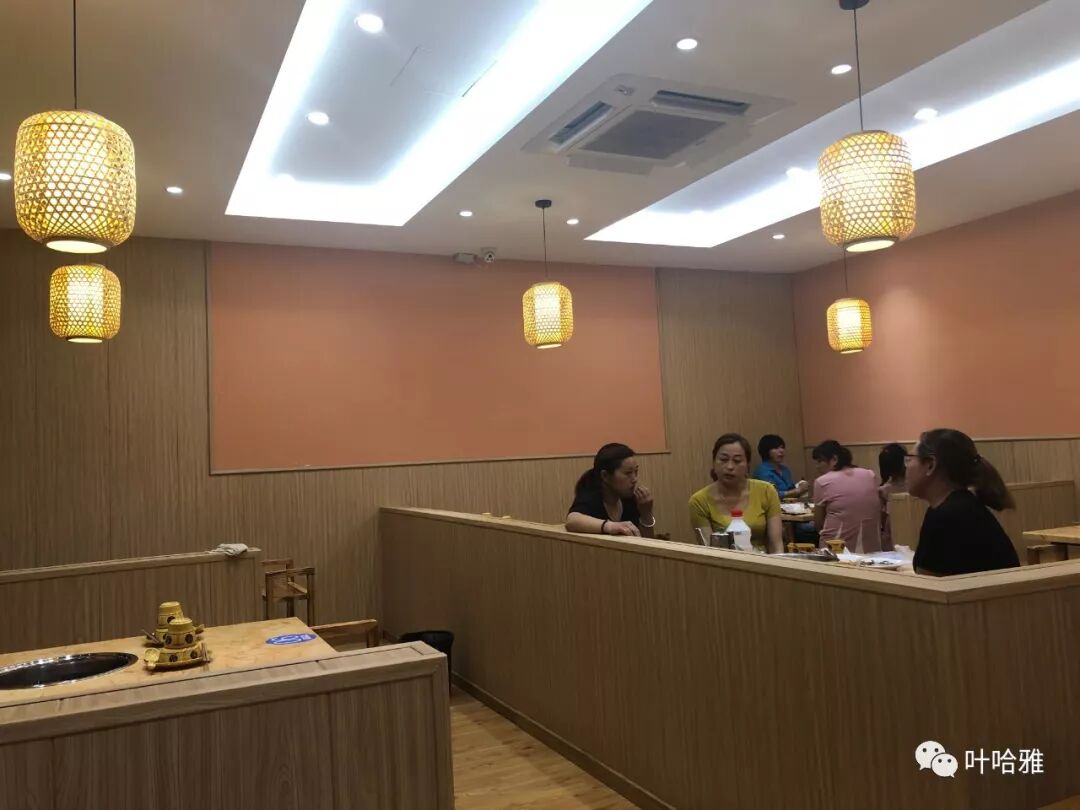
Another restaurant, Dadi Hui Muslim Restaurant, is right next to the Wuyuanzi Old Goose shop. It also serves local stir-fried dishes, and I was drawn to the soup pot (tangping) light box on their sign.
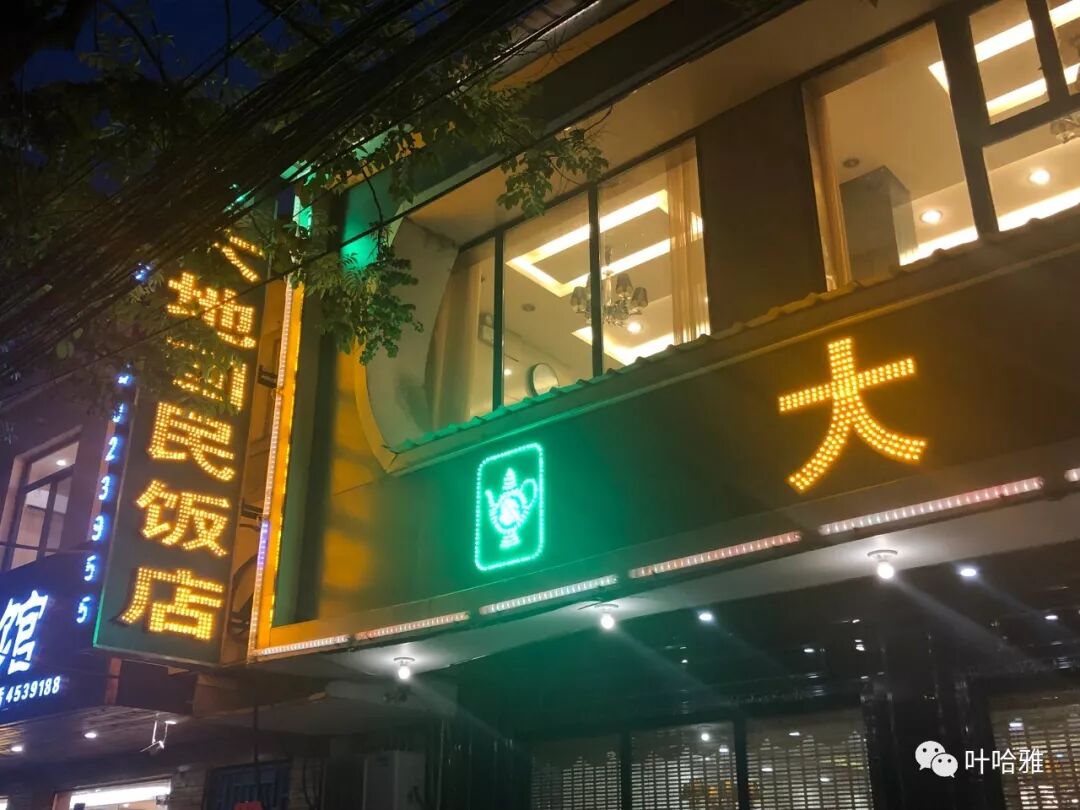
The restaurants mentioned above are all located along the ancient city walls of Shou County and are very easy to find. The ancient city is very lively at night with a thriving night market.
3. Hefei
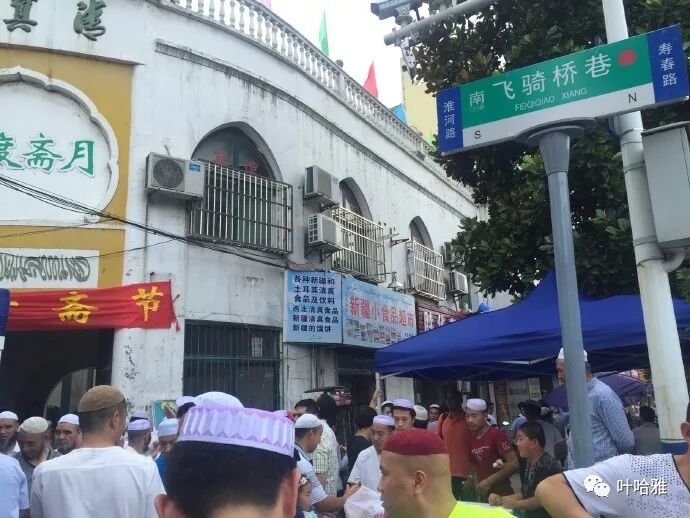
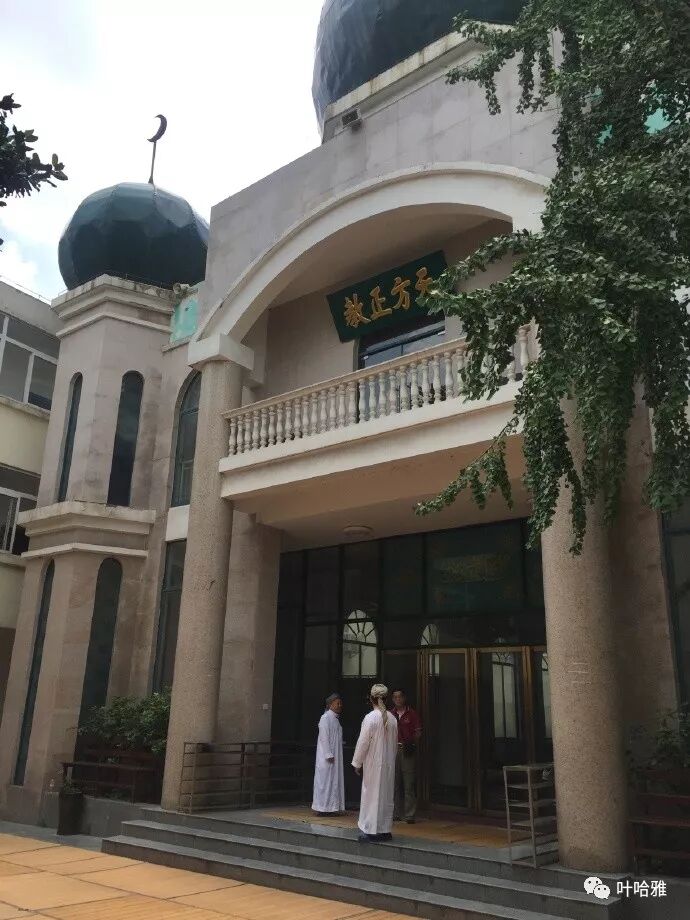
I have visited Hefei twice before and both times I ate near the Hefei mosque. The City Home (Chengshi Zhijia) halal restaurant, run by the Anhui Xingyue Halal Catering Management Company, used to be the largest halal restaurant in Hefei not far from the mosque. I ate there once, but the restaurant is now closed.
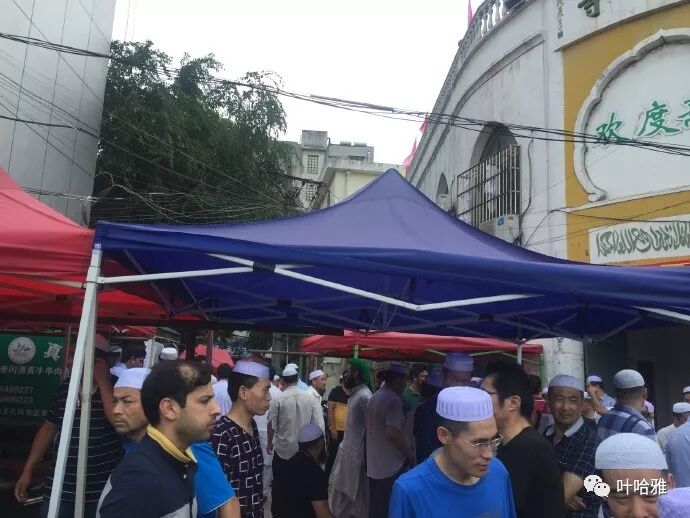
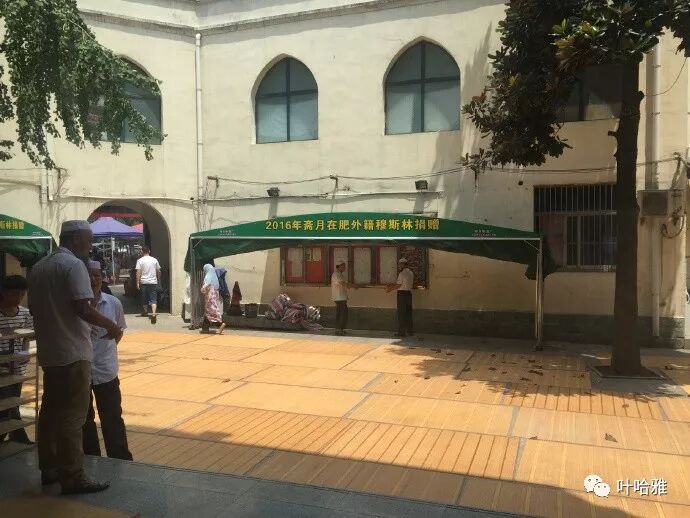
On Fridays, there is a market at the entrance of the Hefei mosque where you can buy snacks during Jumu'ah.
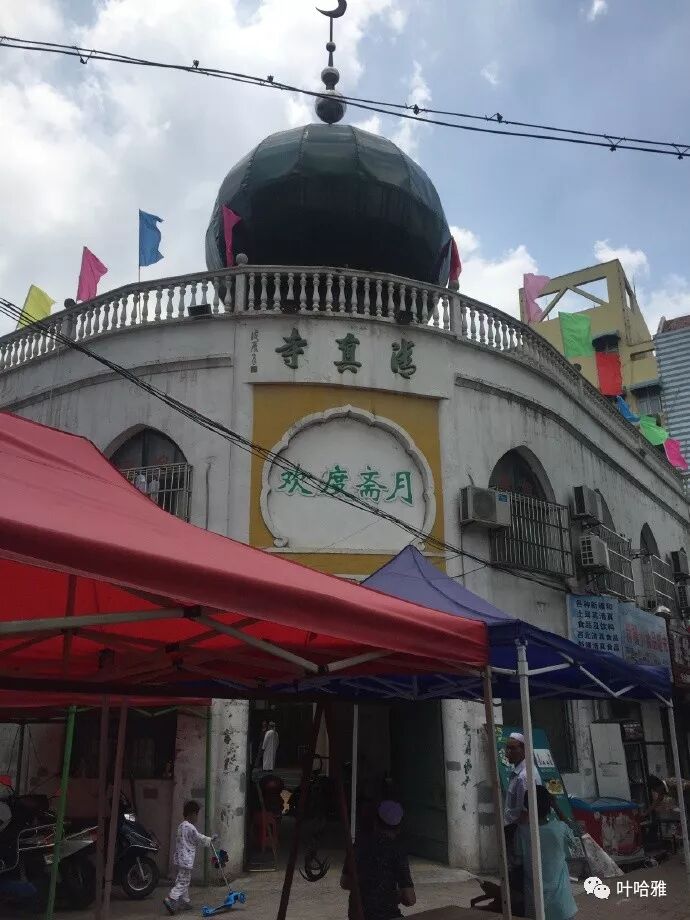
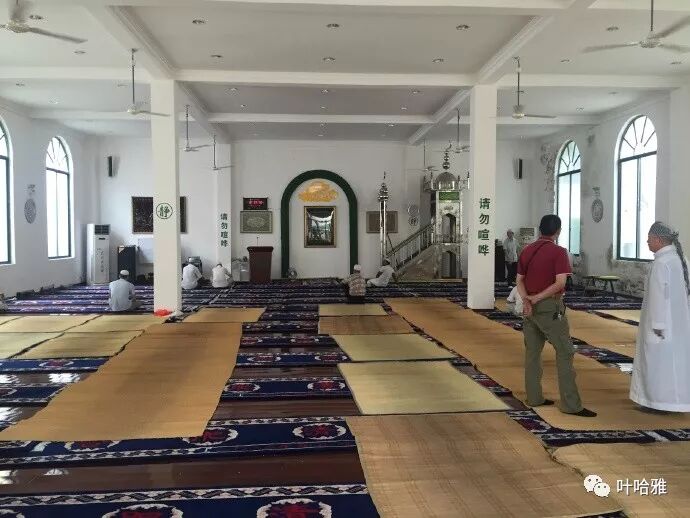
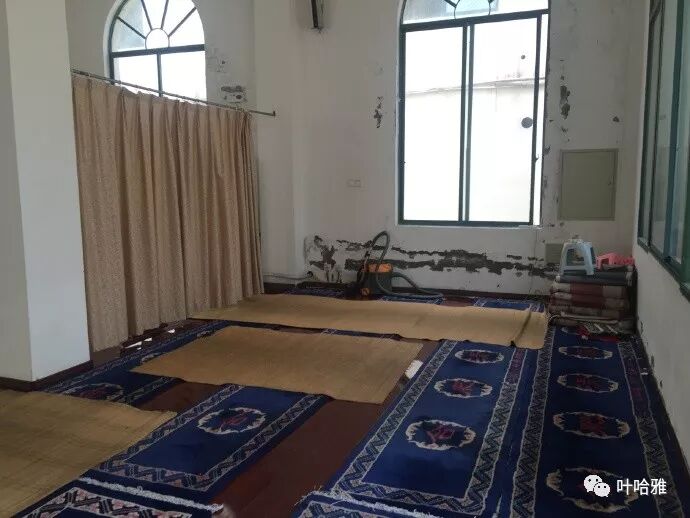
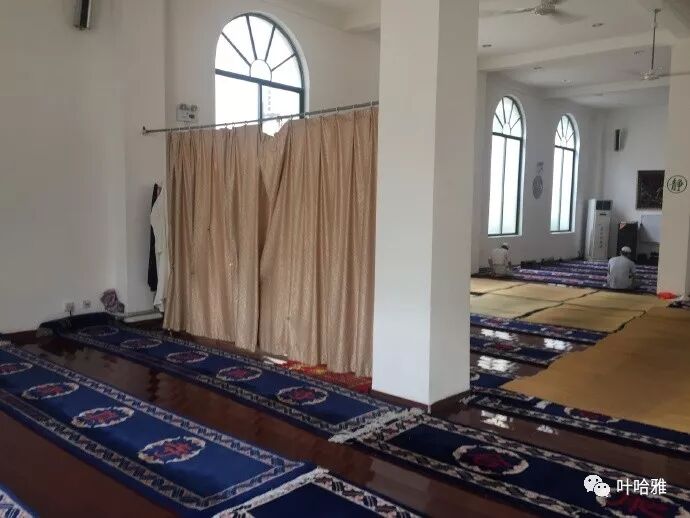
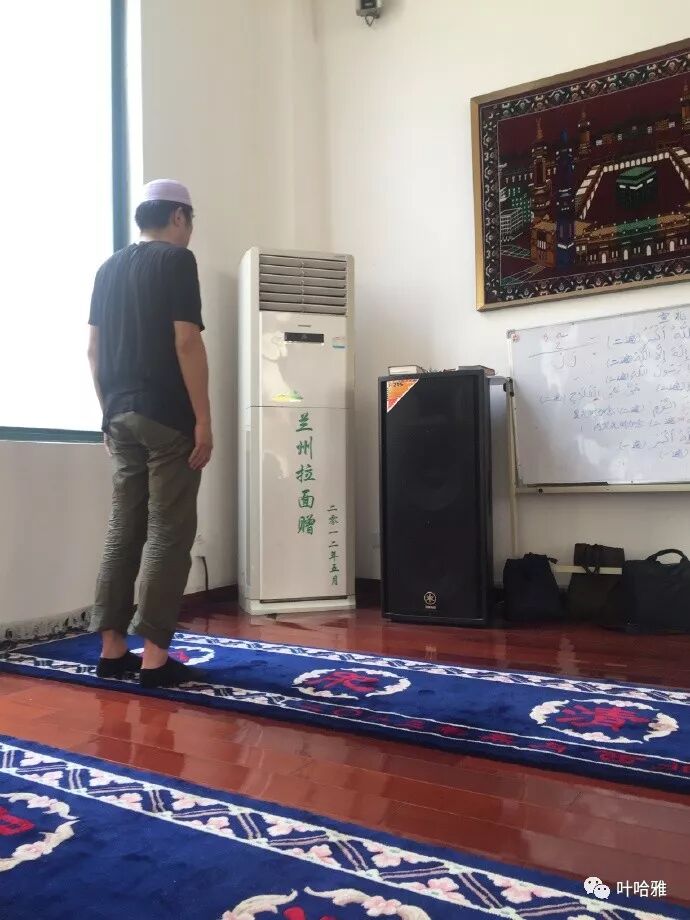
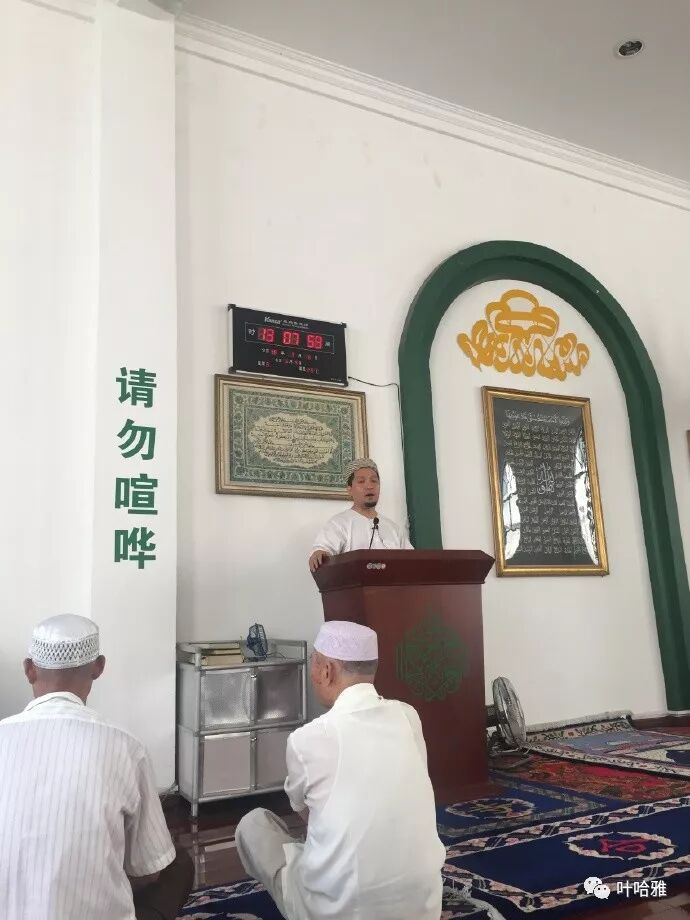
Lanzhou hand-pulled noodle shops (Lanzhou lamian guan) provide air conditioning. In many parts of the south, the operating costs of mosques are mostly funded by these noodle shops.
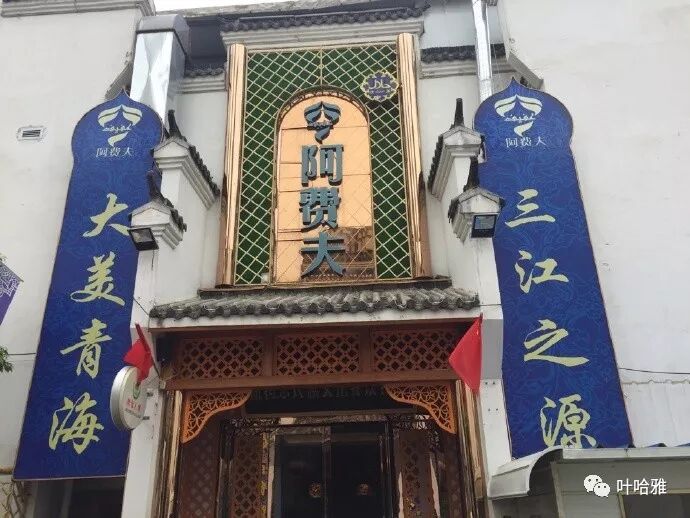
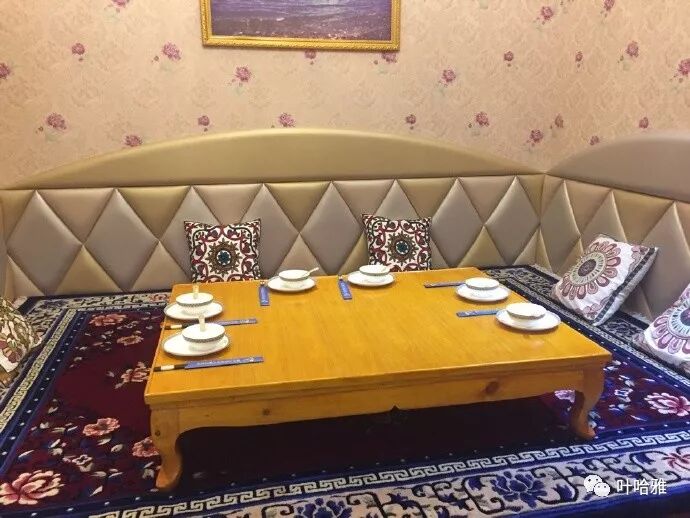
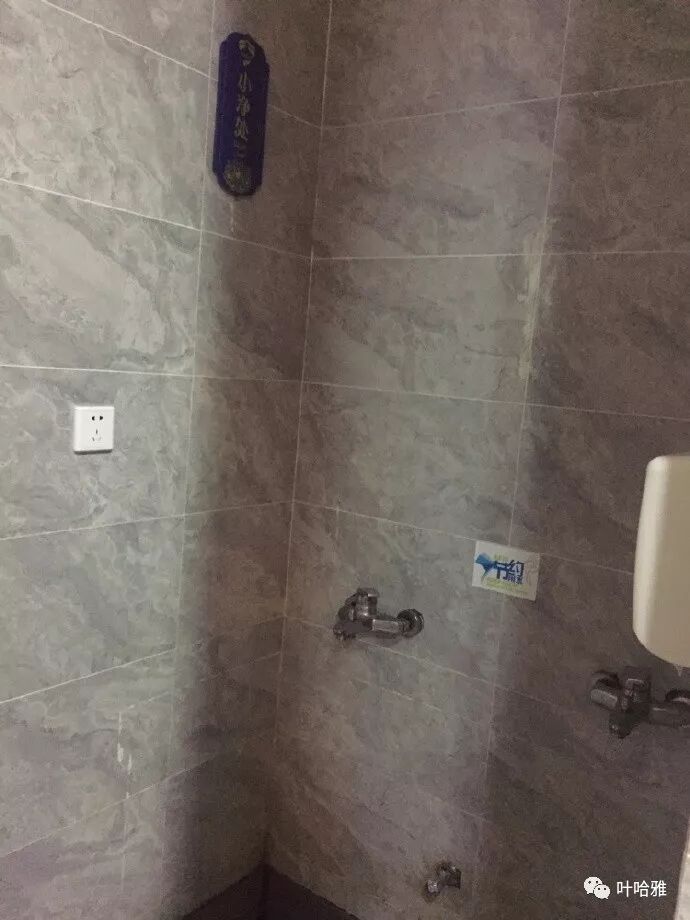
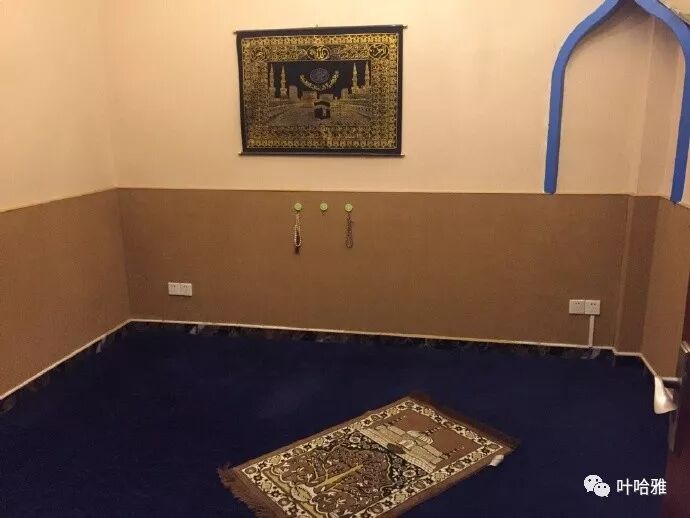
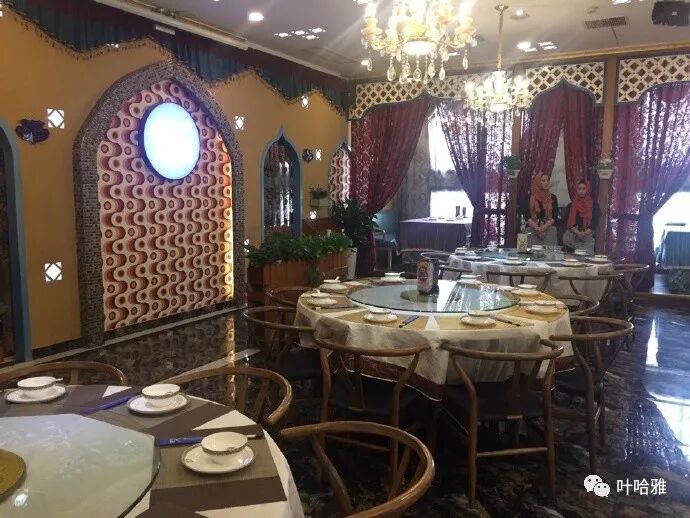
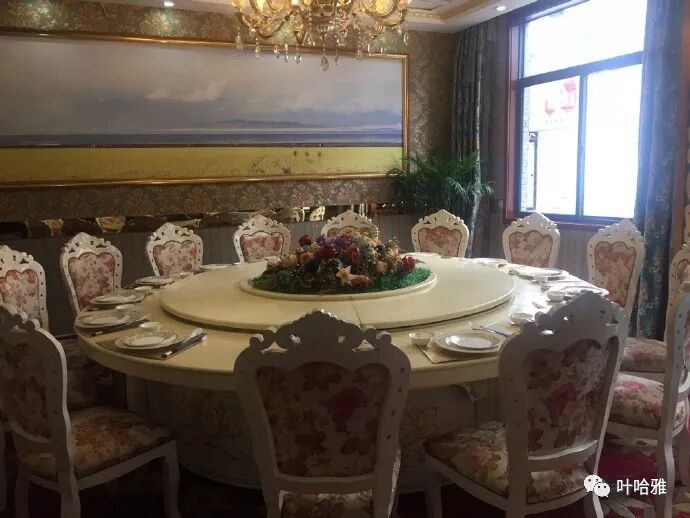
The best halal restaurant in Hefei now is Afef. Located on Houjie Street, the Afef Ethnic Culture Restaurant is currently the largest halal restaurant in Hefei. It is smoke-free and alcohol-free, spans two floors covering over 800 square meters, and includes a prayer room and a place for wudu. The environment is quite good. The staff includes Salar, Hui, Han, Dongxiang, and Uyghur people, showing harmony among the five ethnic groups. The food tastes authentic, the ingredients are high-quality, and the owner is very knowledgeable about the faith. Highly recommended.
4. Chuzhou
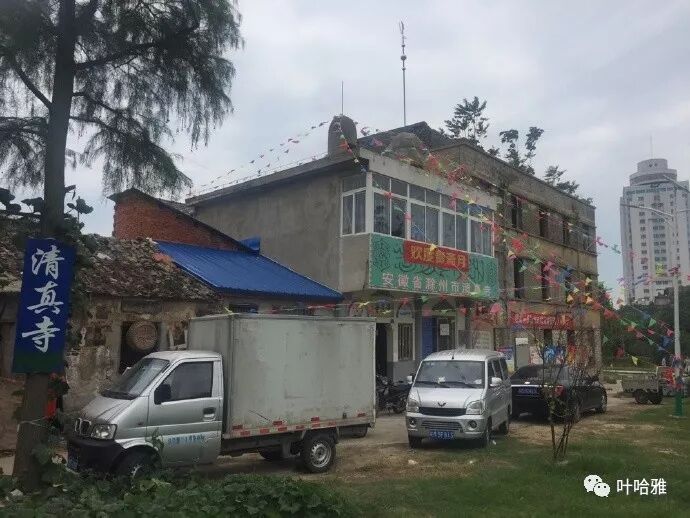
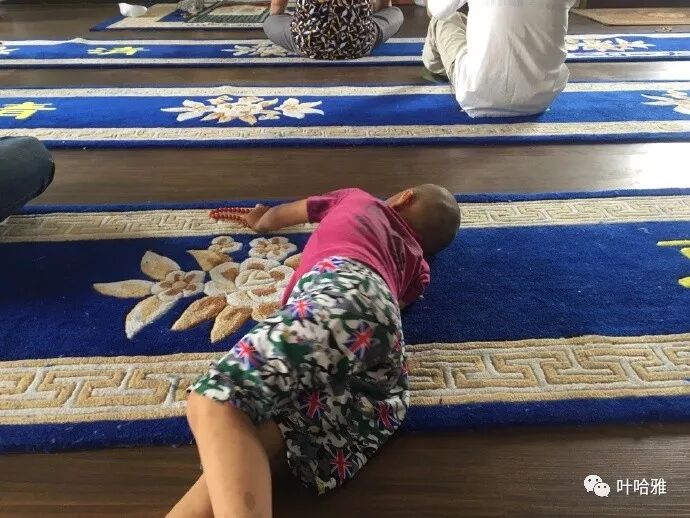
The Chuzhou mosque is not easy to find. It is located opposite the Christian church at Sipailou. It is a temporary building, and a new mosque is being planned. The old mosque had a history of over 600 years, but it was demolished after falling into disrepair.
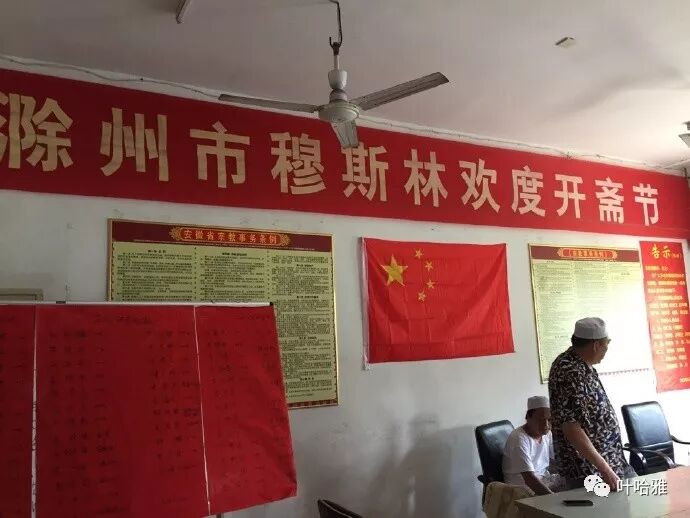
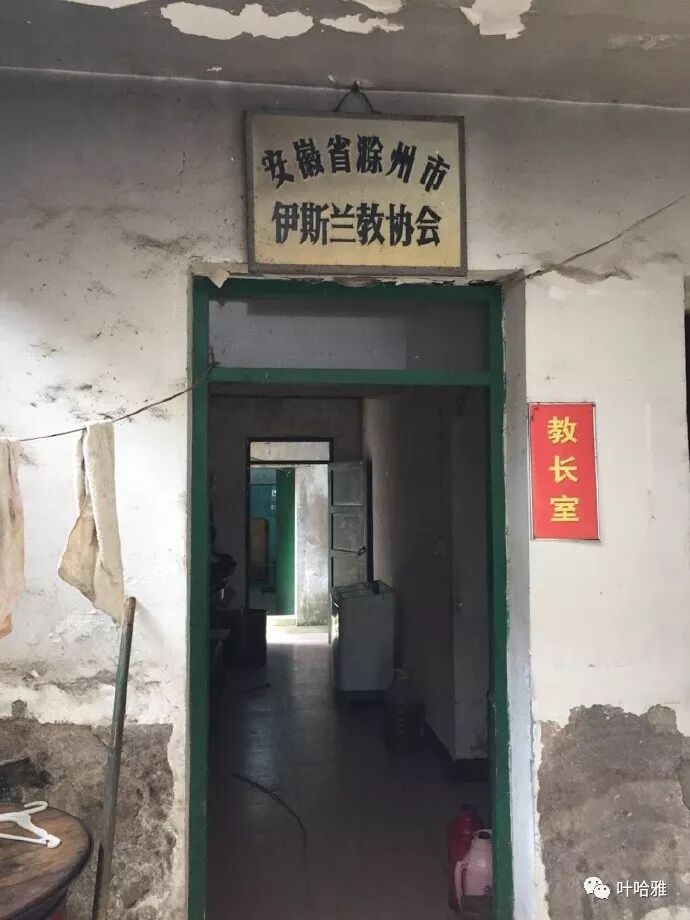
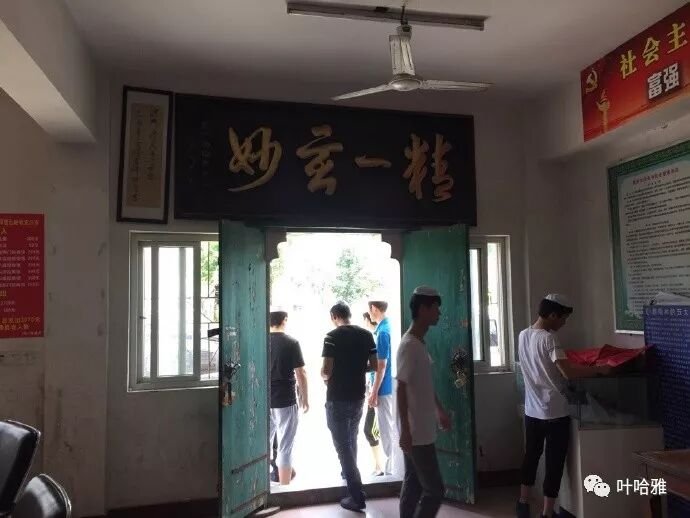
When you come to Chuzhou, you must eat at the Mu Lao Jiu Beef and Mutton Restaurant.
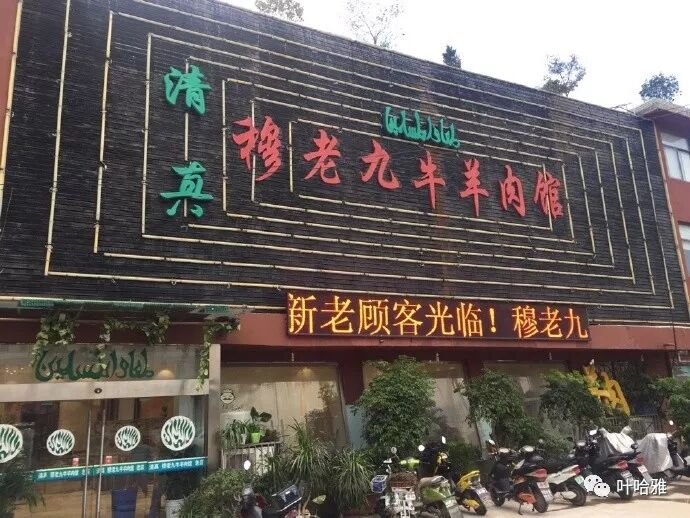
Mu Lao Jiu is a halal chain brand from Wuyi Town, Chuzhou, Anhui. The owner's surname is Mu, and he is a local Hui Muslim. This shop is very famous locally, and the pressed duck hot pot (banya huoguo) is one of their signature dishes.
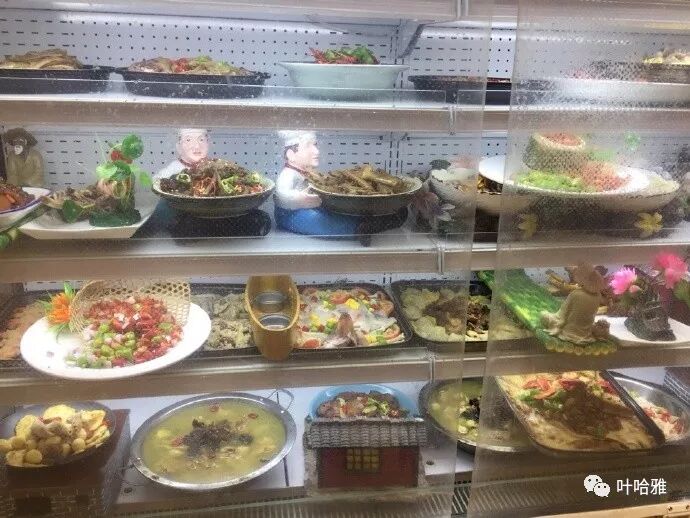
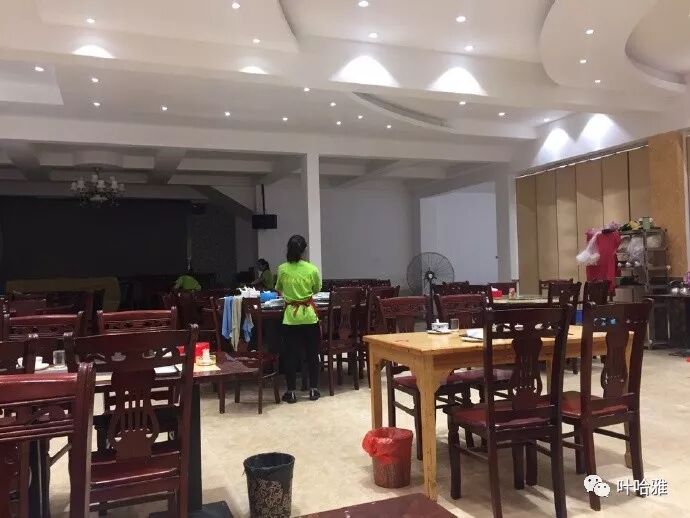
Mu Lao Jiu Beef and Mutton Restaurant started as a small shop in Wuyi Town, Nanqiao District. It entered Chuzhou city in the 1980s. Currently, it has franchise stores in Chuzhou, Lai'an County, Fengyang County, Mingguang City, as well as in Nanjing, Yixing, and Gaoyou in Jiangsu Province.
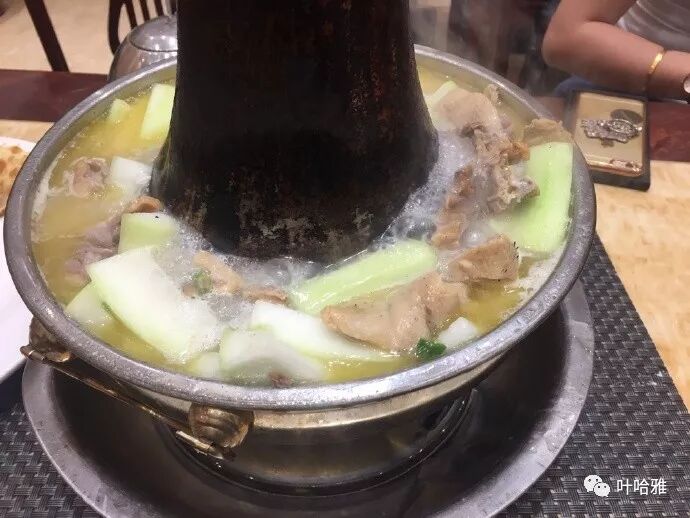
The pressed duck hot pot looks very similar to the earthen hot pot (tu huoguo) from Qinghai.
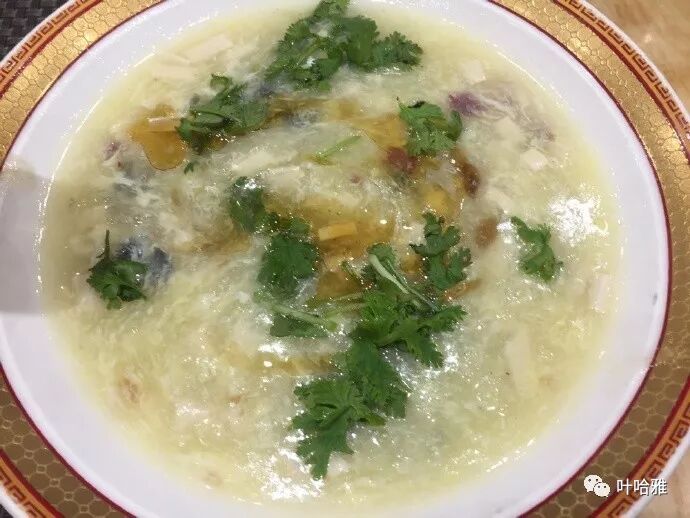
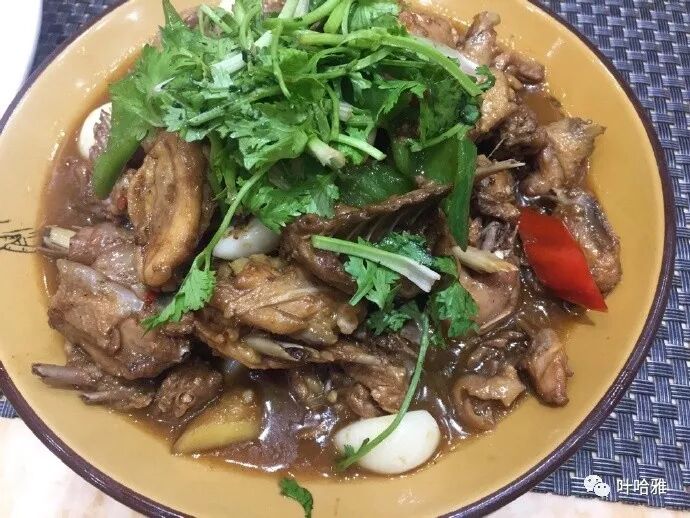
braised young chicken (hongshao ziji)
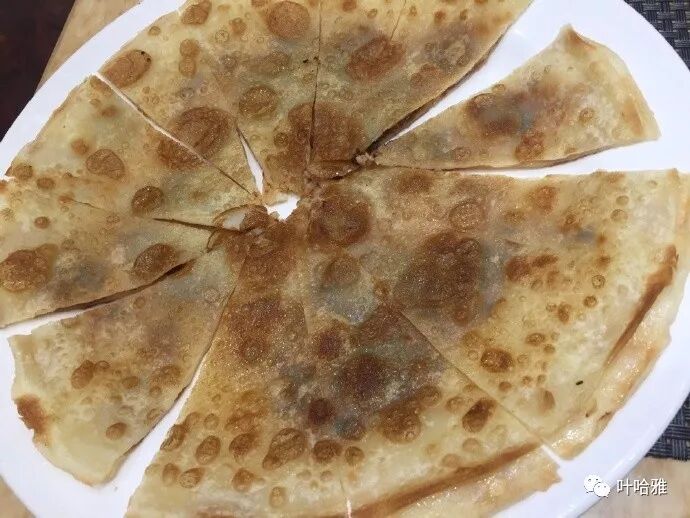
lamb meat pie (yangrou xianbing)
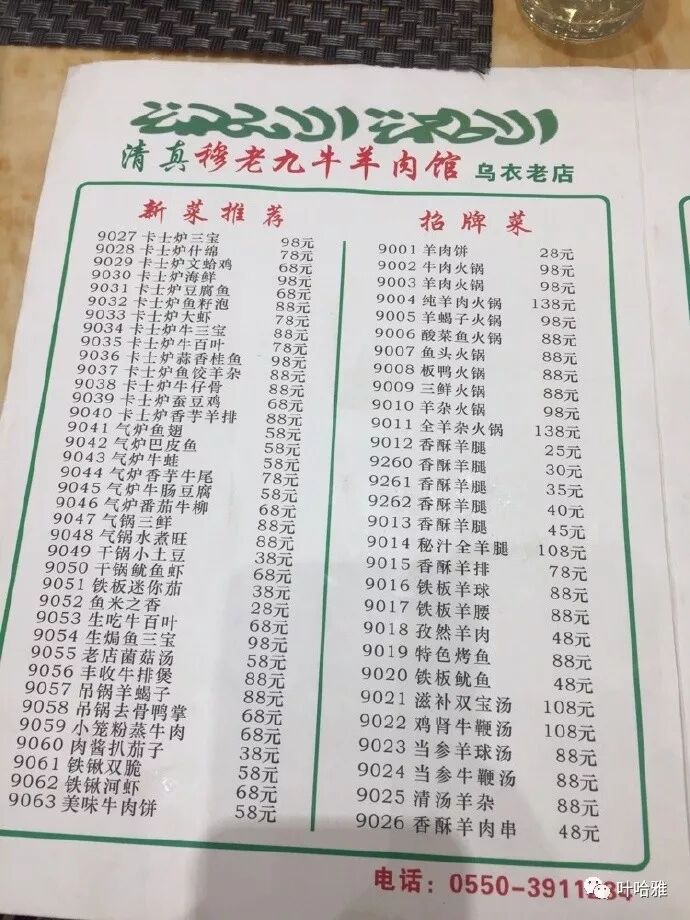
menu
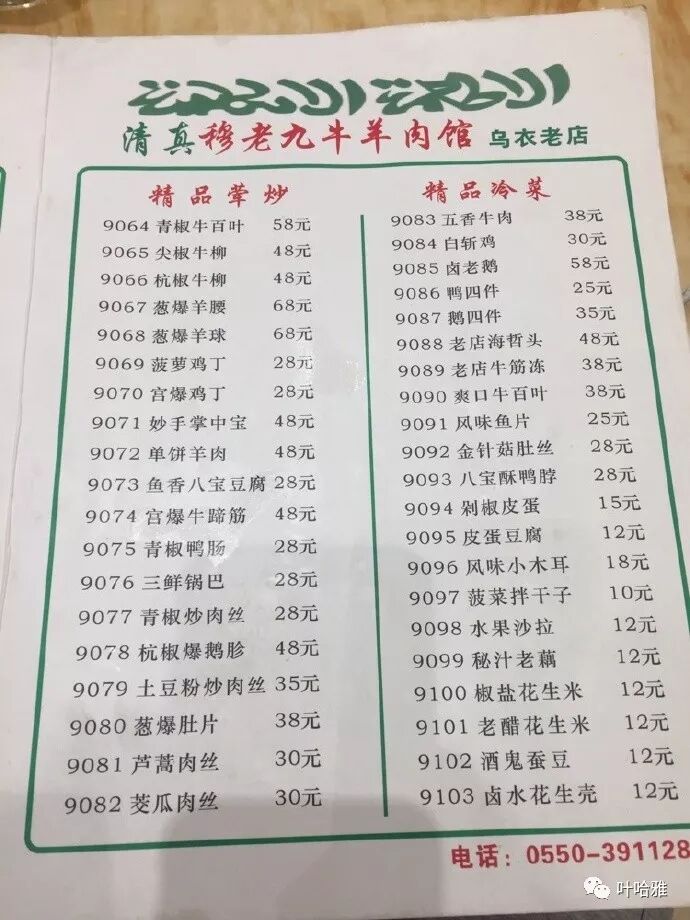
This concludes my halal travel guide to Anhui. I have not yet visited places in Anhui with larger Hui Muslim populations like Lu'an and Bengbu, but I plan to visit them one by one when I have time.
Muslim Travel Guide China 2026: Ningxia Yinchuan Mosques, Xihai'gu and Halal Food
Articles • ali2007fr posted the article • 0 comments • 143 views • 2026-05-21 11:00
Summary: This Ningxia Muslim travel guide keeps the original Yinchuan and Xihai'gu route, with mosques, local meals, gongbei sites, towns, and photos. It is written for readers looking for halal food in China and Muslim heritage in Ningxia.
After reading Zhang Chengzhi's History of the Soul, I became interested in the lives of Hui Muslims in the Xihai'gu region of Ningxia. I followed the footsteps of the book and set foot on the land of Ningxia. Xihai'gu is the short name for the three counties of Xiji, Haiyuan, and Guyuan in the Longdong mountainous area of southern Ningxia. It is also a synonym for the Muslim mountainous region in the eastern part of the Loess Plateau.
My first stop was Yinchuan, the capital of the Ningxia Hui Autonomous Region. Although Yinchuan is a provincial-level city, there are not many Hui Muslims here. Most of Ningxia's Hui Muslims live in the southern mountainous areas.
Yinchuan Nanguan Mosque
I arrived during Jumu'ah and rushed to the Nanguan Mosque to join the congregational prayer. The Yinchuan Nanguan Mosque was first built at the end of the Ming Dynasty and was rebuilt in the 1980s.
I visited Yinchuan in 2016. Today, mosques with this Central Asian-style dome are no longer allowed to be built. The dome is often mistaken for an Arab style. In fact, Arab-style buildings are square or look like tents. It is the architectural style of Roman, Persian, Turkish, and other Central Asian regions that features domes.
The imam gave a sermon (wa'z) in a heavy Northwest accent. I could not understand it, except for the Arabic words he used.
About 40 percent of the restaurants on the streets of Yinchuan are halal, but the vast majority sell alcohol. Only a few larger halal restaurants do not sell alcohol, and Xiaoye Shouzhua is one of them.
Xiaoye Hand-grabbed Lamb (Xiaoye Shouzhua)
You must eat hand-grabbed lamb (shouzhua yangrou) when you come to Ningxia. The best hand-grabbed lamb in Ningxia is in Wuzhong, and there is also the salt-lake sheep (tanyang) hand-grabbed lamb from Yanchi. Wuzhong is where most of Ningxia's halal food is concentrated, but my trip did not include Wuzhong. I ate the hand-grabbed lamb at Xiaoye, and it tasted very good.
If you want to find a high-end alcohol-free restaurant in Yinchuan, Xiaoye Shouzhua is the top choice.
There are two ways to eat hand-grabbed lamb (shouzhuayangrou): hot or cold. Xiaoye is famous for its cold version. People in central Ningxia eat a lot of lamb, and the lamb here is guaranteed to have no gamey smell.
Fish-flavored eggplant king (yuxiangqieziwang) is made from a large eggplant shaped like a fish.
Black bean tofu soup (heidoufutang).
Steamed flower rolls with chicken chunks (huajuanjikuai).
Eight-treasure sweet rice (babao tianfan) is a Ningxia specialty often served at Hui Muslim wedding banquets.
Eight-treasure tea (babaocha), also called three-piece tea (sanpaotai), is what people in the Northwest serve their guests. The name refers to the three-piece set consisting of a lidded teacup, a saucer, and a lid. People in the Northwest are very particular about how they drink tea.
Zhenbeipu Western Film Studio.
There are not many places to visit in Yinchuan. With limited time, I only chose the Zhenbeipu Western Film Studio and the China-Arab Axis. I loved the movie A Chinese Odyssey when I was a kid, and the film studio is where it was filmed, so I came to experience it. The China-Arab Axis was turned into a Chinese-style park two years after I visited, so I do not recommend it as it lacks character. When I tried to take a taxi there, the driver did not want to go, saying there was no one there and he would have to drive back empty. Now that it is a Chinese-style park, even fewer people go there.
The Western Film Studio is the filming location for many western movies. It was not easy to build a film base in this place.
One of the scenes from A Chinese Odyssey Part Two: Cinderella.
The scene from the 'love you for ten thousand years' bridge.
This is the execution platform where Tang Seng kept saying, 'How many brothers and sisters do you have?' Are your parents still alive? Say something. I just want to make one more friend before I die. Being a demon is just like being a human; you need a kind heart. Once you have a kind heart, you are no longer a demon, but a human-demon.
Yingbin Building (Yingbin Lou)
Yingbin Building (Yingbin Lou) is another famous restaurant in Yinchuan. It is a place for hot pot meat, but it is most famous for the ice cream sold at the entrance.
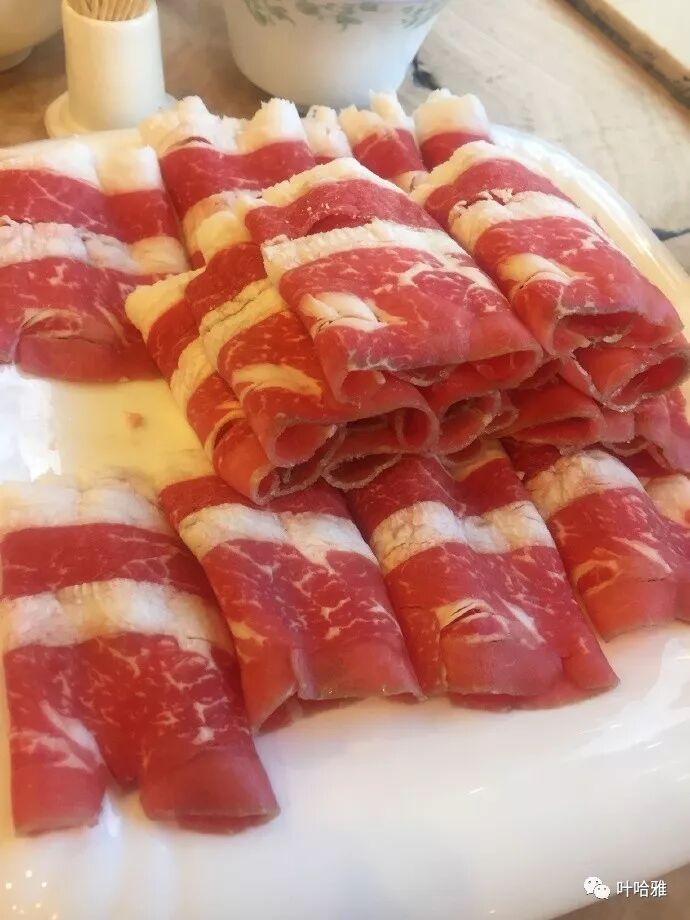
You cannot go wrong with hot pot lamb (shuan yangrou) in Ningxia because the lamb here is delicious.
Old Mao Hand-Grabbed Lamb (Lao Mao Shouzhua)
Old Mao Hand-Grabbed Lamb (Lao Mao Shouzhua) is one of the most famous hand-grabbed lamb brands in Yinchuan. During Ramadan last year, I ate some loose cold hand-grabbed lamb brought from Yinchuan in Beijing, and it really satisfied my craving. Remember to eat raw garlic with the hand-grabbed lamb; if you eat meat without garlic, the flavor is cut in half.
Yinchuan's Ox Street (Niujie). I have been to four Ox Streets. Besides the one in Beijing, there is also the Ox Street in Hohhot and the Ox Street in Karamay.
Zhongwei Dongguan Grand Mosque (Zhongwei Dongguan Qingzhen Dasi)
I left Yinchuan and took a car to the Zhongwei Dongguan Grand Mosque. The most convenient way to travel between cities in Ningxia is by private car. There are private cars at many intersections; you just wave them down, and they stop. The price is cheap, and even traveling across Ningxia from south to north costs no more than 80 yuan.
There are fewer Hui Muslims in Zhongwei than in Yinchuan. I rested briefly at the Dongguan Grand Mosque before heading to one of my destinations, the Honggang Gangzi Gongbei.
Haiyuan Yite Restaurant
I had a bowl of handmade noodle pieces (mianpian) at the Haiyuan Yite Restaurant next to the Zhongwei bus station. Since this year, not just in Ningxia, but also in places like Beijing and Henan where I have been, all halal restaurants must use this Chinese-style halal sign, and all Arabic script on the outside must be removed.
The Arabic on the menu has already been covered up.
The noodle soup is still very tasty. In Ningxia, for visitors, you just need to remember the names of the dishes you want to eat. You can walk into any restaurant you see by the road, and the taste won't be bad.
The Great Mosque (qingzhen dasi) of Xingren Town is currently undergoing Chinese-style renovations. Xingren Town is about a two-hour drive from Zhongwei. My destination was the Honggang Gangzi Gongbei, but no one at the Zhongwei station knew where it was. I asked a friend (dosti) from the Hongmen menhuan, and he told me I had to go to Xingren Town first, then take a car from there to the Honggang Gangzi Gongbei.
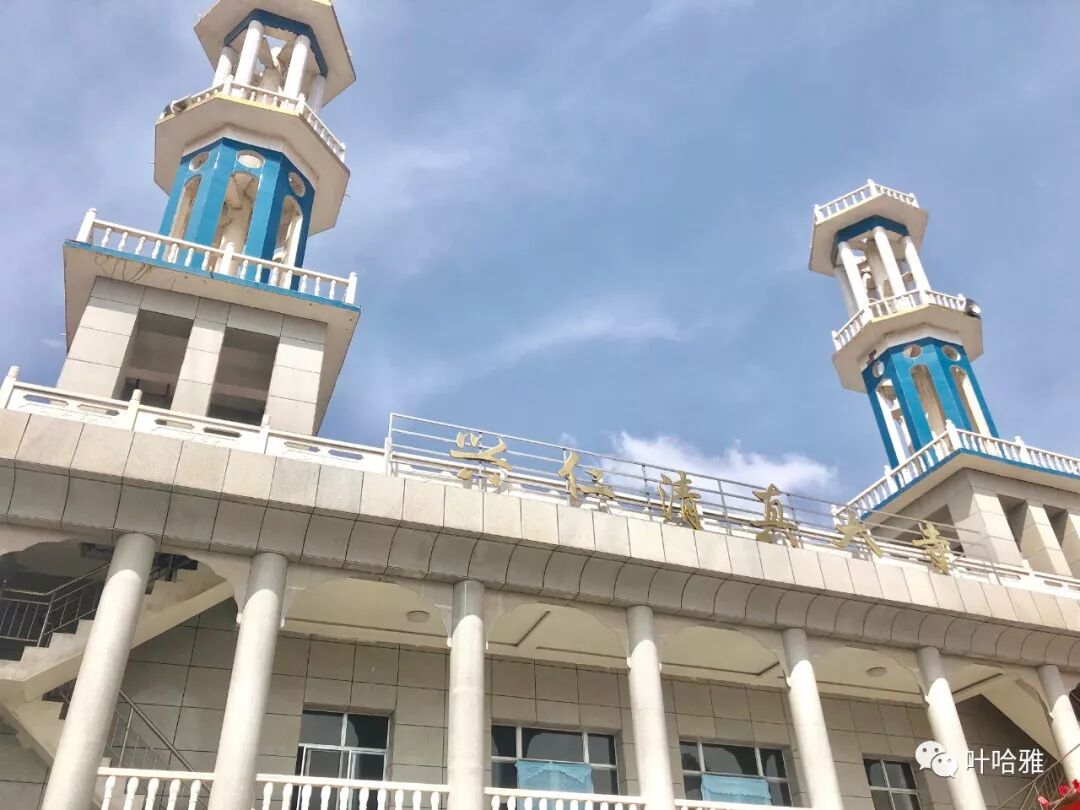
Xingren Great Mosque.
I caught a private car at an intersection near the mosque, paid 15 yuan, and after a half-hour ride, I arrived at the Honggang Gangzi Gongbei.
Honggang Gangzi Gongbei
The Honggang Gangzi Gongbei was first built in 1939. It is the tomb and prayer hall for Hong Shoulin (1852-1937), the founder of the Hongmen branch of the Khufiyya menhuan in Chinese Islam. It was damaged during the Cultural Revolution. In 1987, it was rebuilt and expanded under the leadership of Hong Weizong Haji, the third-generation successor of Hongmen and vice-chairman of the regional CPPCC. The entire complex includes a front gate, school, mosque, residential building, scripture chanting hall, bathing hall, dining hall, gongbei, main hall, domed tower, and monument. It covers over 20,000 square meters and is very spectacular.
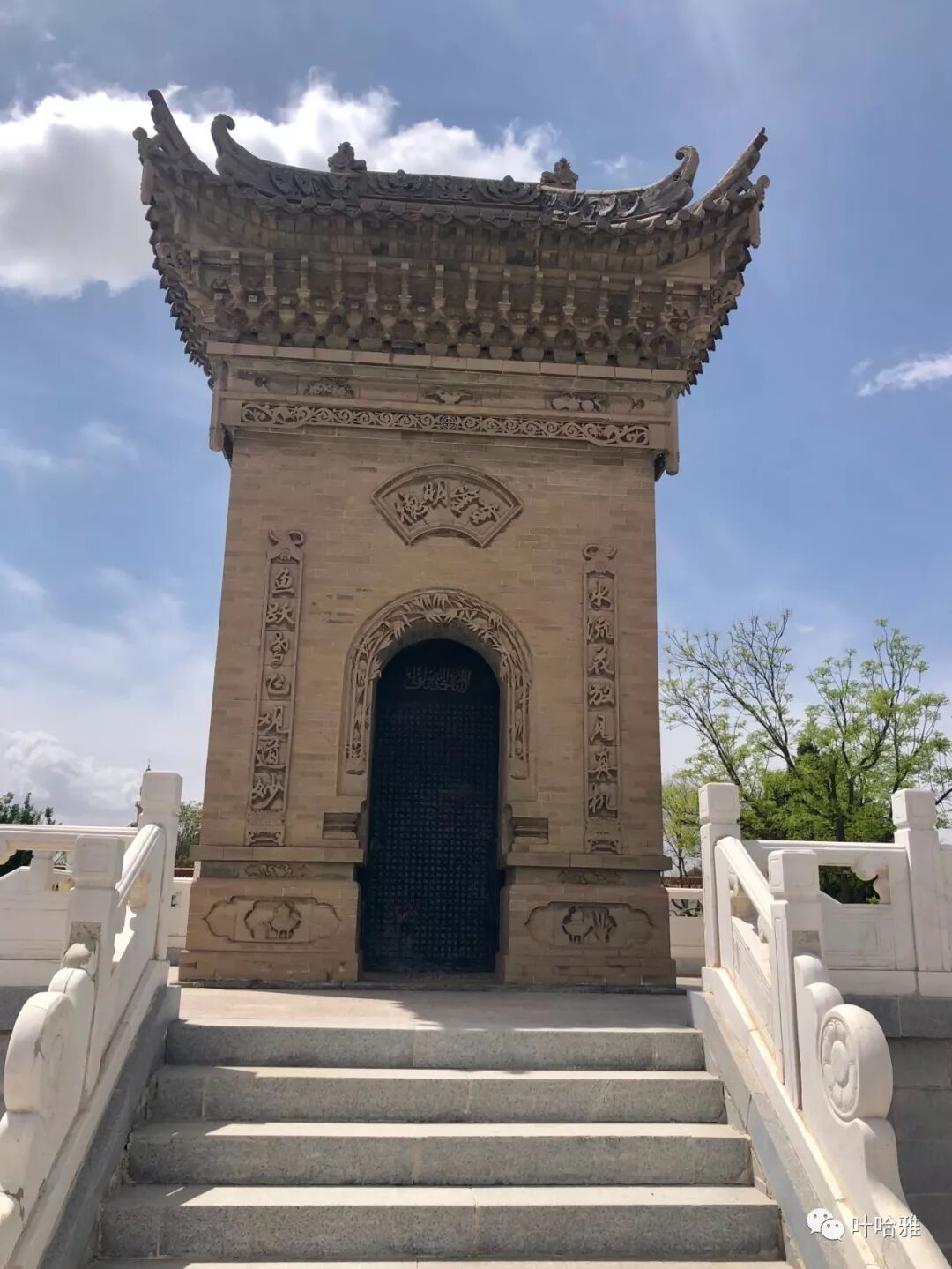
On the front of the Hong Shoulin monument pavilion: Hong Shoulin (courtesy name Hairu), also known as Shouling, with the religious name Sherefe Vendini Suwanglonglaxi. His ancestors were from Hongjiazhuang in Lutang, Jingtai County, Gansu Province. As a child, he fled to Tongxin Honggangzi and worked as a helper at the Zhuangtou Mosque. He used his spare time to listen to the imam teach scriptures. Because he was very bright, the imam chose him for advanced study, eventually training him to become a great imam. While in Lanzhou, he studied under the elder Zhuang from Liangzhou. Before the elder Zhuang passed away, he left a will naming Hong Shoulin as the successor to the Khufiyya. On the 29th day of the 11th lunar month in the 24th year of the Guangxu reign, during the 100-day memorial for the elder Zhuang of Liangzhou, the elder's wife asked for Hong Shoulin to be brought to her to take over the religious leadership. Hong Shoulin accepted the order, entered a quiet room for seven days, and then asked the old lady for the keys. He opened the door and found a golden seal of the Great Master Datong, a golden seal of the Master of Liangzhou Zhuang, a prayer rug, and a prayer bead string (tasbih). From then on, Hong Shoulin began his mission.
When Hong Shoulin was preaching in Lanzhou, he bought three acres of land in Xujiawan to bury the remains of the elders from Jiangoujing and Liangzhouzhuang. He built the Xujiawan gongbei there. He moved the remains of the Datong elder from Menyuan, Qinghai, to the main pavilion of the gongbei. He moved the remains of the Jiangoujing elder and his son from Jingtai County, Gansu, to the north side of the gongbei, and moved the remains of the Liangzhouzhuang elder from Datong, Qinghai, to the east side of the gongbei.
In 1936, when the Chinese Workers' and Peasants' Red Army went on their western expedition, Hong Shoulin worked closely with them. Because of this, founding Lieutenant General Tang Tianji gave him a silk banner that read 'Loving the People Like Heaven' and 100 sheep.
The entrance hall of the elder's tomb.
The front view of the ablution room (shuifang).
A full view of the ablution room (shuifang).
Laotian Hui Hometown Specialty Restaurant.
After finishing the grave visit, I walked toward the village entrance. A passing friend (dosti) offered me a ride, so I took his car to the Laotian Hui Hometown Specialty Restaurant to eat.
I had a bowl of steamed lamb (zheng yanggao rou), which came with rice and side dishes. It tasted great. After eating, I caught a private car at the intersection and paid 10 yuan to go to Tongxin.
Upon arriving in Tongxin, I went straight to the Tongxin Grand Mosque.
Tongxin Great Mosque
The Tongxin Grand Mosque is the oldest and largest mosque in Ningxia, and it is also a protected revolutionary site.
Legend says the Tongxin Grand Mosque was built during the Wanli period of the Ming Dynasty (1573–1620). It was rebuilt in the early Ming Dynasty on the site of an original lama mosque. According to ink inscriptions on the screen wall and the ridge purlin of the prayer hall, it was renovated twice, in 1791 during the Qianlong reign of the Qing Dynasty and in 1907 during the Guangxu reign.
In 1936, the Red Army held the founding meeting of the Shaan-Gan-Ning Province Yuhai County Hui Muslim Autonomous Government at the Tongxin Great Mosque.
After a short stay in Tongxin, I took a two-hour car ride to Guyuan County town. This is where you truly enter the central area of Xihaigu, where there are noticeably more Hui Muslims on the streets and halal restaurants everywhere.
Ruifeng Hotel
I stayed at a very good halal hotel in Guyuan County town called Ruifeng Hotel. It seems to be the most high-end dining and lodging group in the area. The owner is a Hui Muslim and they provide a halal breakfast.
I love eating this kind of steamed bun (baozi) from the Northwest; they not only look good but also taste delicious.
On the first floor of the hotel is a Sanying Mishi Braised Meat Restaurant, and stir-fried braised meat (chao huirou) is one of the local specialties.
Sanying Mishi Braised Meat Restaurant
You can eat stir-fried braised meat with rice or steamed flower rolls (huajuan). The meat is beef. Tongxin and Wuzhong are places where people eat lamb, but once you reach the Xihaigu area, beef becomes the main meat.
Looking out from my room, the Jiulong Road Mosque is right across the way, and the Xiyuan Mosque is in the upper left corner.
Jiulong Road Great Mosque
At the Jiulong Road Mosque, I asked a friend where to catch a ride to the Shagou gongbei. He told me this is an Ikhwan mosque and they do not visit graves, so he suggested I ask at the neighboring Khufiyya mosque instead.
Xiyuan Great Mosque
The Xiyuan Mosque in Guyuan belongs to the Khufiyya menhuan.
The mosque elders were very warm when they learned I was from Beijing. They invited me into their room as a guest and told me how to get a ride to the Shagou gongbei.
The next day, I took a taxi from the Guyuan bus station to the Shagou gongbei in Xiji County. I agreed on a price with the driver beforehand; the round trip was about 80 kilometers and cost 100 yuan.
The driver was a local Han man whose parents had moved to Guyuan as refugees years ago. He told me about how local Hui Muslims and Han residents get along. He even has relatives who married into Hui families, though after a divorce, the children followed their Han mother's way of life.
We had a friendly chat along the way, but the road conditions were very poor. It was all dirt roads, and my phone lost signal for a while. After an hour of bumping along, we arrived at the Shagou gongbei in Xiji County.
Shagou Gongbei
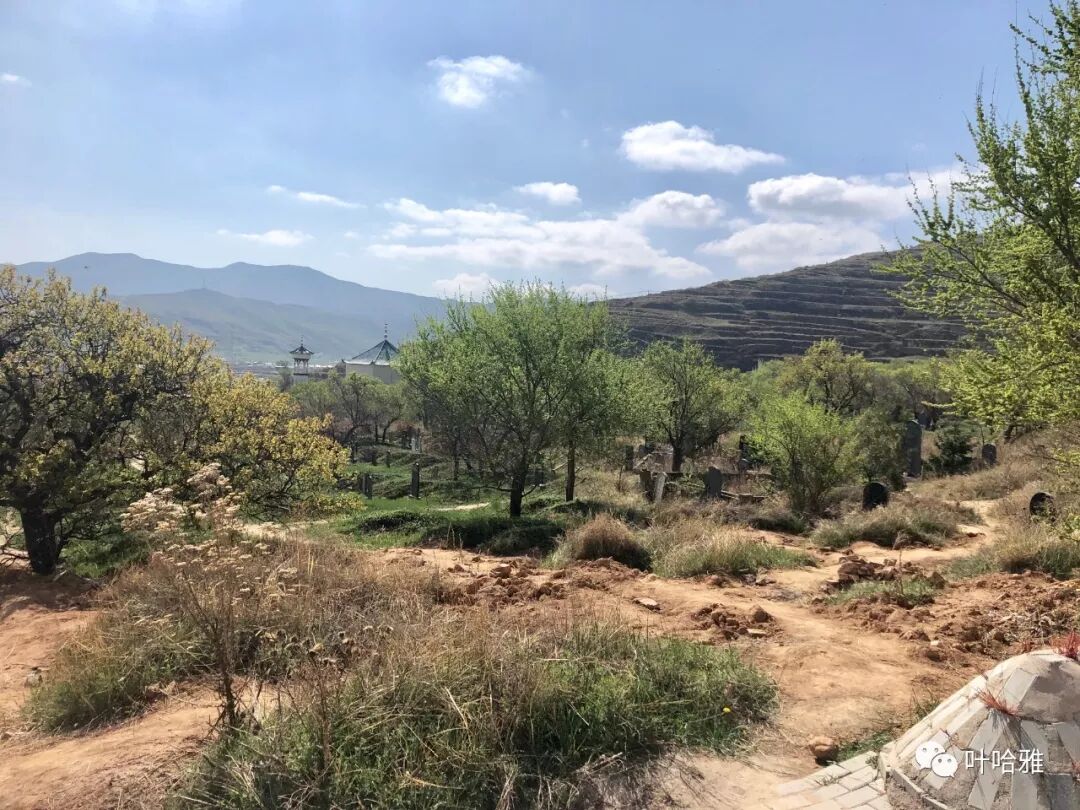
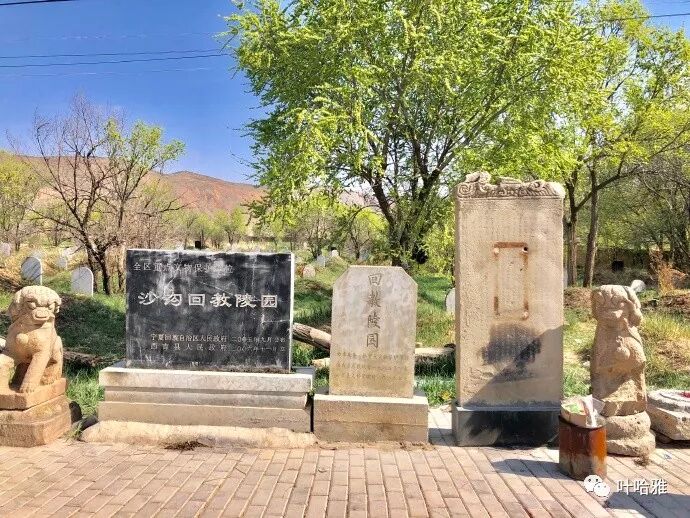
The Shagou gongbei was first built during the Guangxu reign of the Qing Dynasty. It covers over 300 mu and is mostly a burial ground for Muslim sages. Ma Yuanzhang, the seventh-generation leader of the Jahriyya menhuan, was once buried here. Ma Yuanzhang was born in 1853. He was the great-grandson of the Jahriyya founder Ma Mingxin and was respectfully called Shagou Taiye by the community. In the 9th year of the Republic of China (1920), a major earthquake hit Xiji, and Ma Yuanzhang passed away.
Ma Yuanzhang's younger brother, Ma Yuanchao, moved his remains to Xuanhuagang in Zhangjiachuan, Gansu, so that Ma Yuanzhang could be buried alongside Ma Hualong. After the passing of Great Master Ma Yuanzhang, his fourth son, Ma Zhenwu, took over the management of religious affairs in Xiji. Followers respectfully called him the Fourth Master, and his group is known as the Shagou faction. His jurisdiction included over 260 mosques (fang) in the Xi, Hai, Gu, Longde, and Jingning areas, over 130 in eastern Gansu, over 40 across Xinjiang, more than 10 in Yunnan and Guizhou, and another 10 or so in places like Jinan, Taierzhuang, Beijing, and the Jilin shipyard, totaling more than 450 mosques.
The tradition of the Jahriyya building a gongbei (a shrine for a Sufi saint) began with Great Master Ma Yuanzhang. Ma Yuanzhang built the Dongchuan Great Gongbei for Ma Mingxin at Dongshaomen in Lanzhou, and the Xuanhuagang Gongbei for Ma Hualong in Zhangjiachuan. Ma Yuanzhang was the first person to use the term menhuan (a Sufi order or lineage).
A clear feature of the Jahriyya menhuan is wearing a six-pointed cap, which represents their firm belief in the six articles of faith. Another clear feature is not growing a beard. This started in 1762 when the Jahriyya founder, Great Master Ma Mingxin, was leading the Friday prayer (Jumu'ah) at Zhanghagong Mosque in Xunhua. He met Ma Guobao, the second-generation leader of the Huasi menhuan. They argued over scripture, and the conflict grew. Ma Guobao accused the Jahriyya of being a cult to the Qing government, claiming their beards were a sign of anti-Qing activities. This led to persecution by the Qing government. Because of this, Ma Mingxin ordered his followers to stop growing beards, saying they would settle the dispute with Ma Guobao in the afterlife. Ma Guobao fell ill and passed away in 1773 while traveling to Baotou, at the age of 36.
It was not until the 46th year of the Qianlong reign that the two factions reached a reconciliation after participating in the anti-Qing struggle together.
The Jahriyya do not build minarets (bangkelou). Instead, they use a wooden clapper (bangzi) to signal the call to prayer (adhan). This was a hidden method adopted to avoid detection by officials when the Qing government strictly banned the Jahriyya.
The Jahriyya believe that if a follower lacks the funds for the Hajj pilgrimage, they can visit a gongbei or a daotang (a religious hall) as a substitute, which is why the Jahriyya place great importance on the gongbei.
After the grave visitation (youfen) at the Shagou Gongbei ended, I headed straight to Jingyuan County for an appointment. Jingyuan County can be called a 100% halal county. Over 90% of the local population are Hui Muslims. I did not see a single non-halal restaurant on the streets, though it was sparsely populated and many shops were closed.
I performed the celebration prayer (Eid prayer) at the Great Mosque of Yejiacun in Jingyuan County. The famous Liupan Mountain scenic area is right behind it, but I had no heart for sightseeing.
In the distance is Liupan Mountain. The temperature in Jingyuan County is a few degrees lower than in central Ningxia, and there is a large temperature difference between day and night. I came in May; daytime temperatures were in the low teens Celsius, but at night it would drop below 10 degrees. I heard it even snowed in June.
Before coming to Jingyuan County, friends told me I had to try the farm-style meals here. I met a local friend in Yejiacun Village to eat at a farm restaurant. Yejiacun is a village of Hui Muslims, and all the farm restaurants in the village are halal.
The traditional Northwest specialty dish, stirred flour paste (jiaotuan), tasted different from the one I had in Xunhua.
Wolf-tooth herb (langyabang) is a type of local wild vegetable.
Steamed flower rolls (huajuan) are made the way local villagers make them at home.
Steamed chicken is a classic home-cooked specialty in Jingyuan, Ningxia, usually only found in people's homes. If you want to try it in Beijing, you can order it one day in advance at Ali Restaurant, provided the chef from Jingyuan is working that day.
This huge table of food was enough for seven or eight people and cost less than 300 yuan. It had very distinct local flavors and was incredibly satisfying.
After finishing our farm-style feast in Yejiacun, we went back to Jingyuan County town. Following a friend's recommendation, I tried the most popular local yellow beef hot pot.
People in Jingyuan don't eat much lamb. Beef is their main meat, and the quality of Jingyuan beef is very high.
I drank a knock-off version of a soda, which seemed to be a copy of the Inner Mongolian brand Big Kiln Soda (Dayao Jiabin).
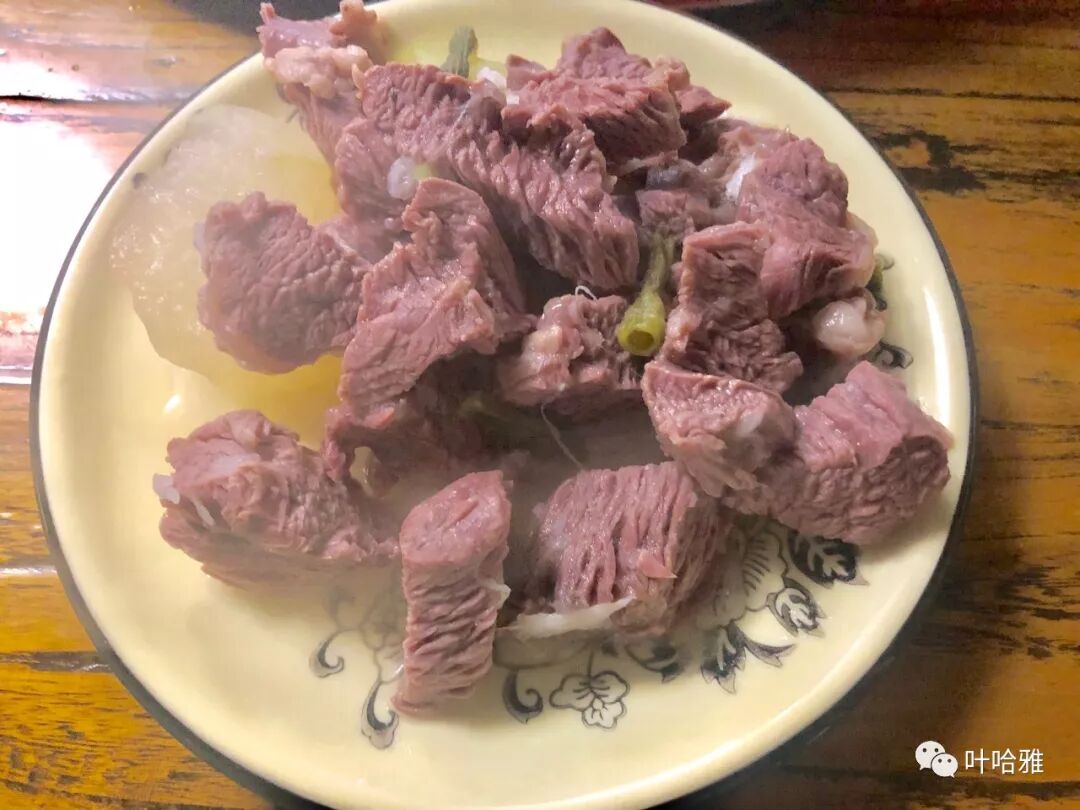
This pot was packed full of large chunks of yellow beef and only cost a little over 130 yuan. After eating the meat, you can keep adding vegetables to the pot.
After dinner, I walked around Jingyuan County town and saw that the largest local mosque had finished its Sinicization renovation, with the original dome removed.
There are no real ancient mosques left in Jingyuan County. The old ones fell into disrepair and have basically all been rebuilt.
You can still see what the Chengguan Great Mosque looked like on its stone monument.
The next morning, it drizzled in Jingyuan County. I had a crispy beef pancake (niuroubing) and porridge at a small shop near the bus station. This pancake is a local breakfast staple. You can also find it on Ox Street (Niujie) under the name Xi'an Palace Beef Pancake, but my friends in Xi'an say it is not a local dish there. Since Jingyuan is not far from Xi'an, I suspect the shop on Ox Street actually comes from Jingyuan.
I originally planned to go from Jingyuan County back to Guyuan Liupanshan Airport to fly to Xi'an, but a friend told me there was a direct bus to Xi'an. It turned out to be faster than flying, and it takes you straight to downtown Xi'an, whereas the plane only lands at Xianyang Airport. I took a four-hour bus ride to Xi'an, which led to my previous guide on eating and exploring the Muslim Quarter in Xi'an. view all
Summary: This Ningxia Muslim travel guide keeps the original Yinchuan and Xihai'gu route, with mosques, local meals, gongbei sites, towns, and photos. It is written for readers looking for halal food in China and Muslim heritage in Ningxia.
After reading Zhang Chengzhi's History of the Soul, I became interested in the lives of Hui Muslims in the Xihai'gu region of Ningxia. I followed the footsteps of the book and set foot on the land of Ningxia. Xihai'gu is the short name for the three counties of Xiji, Haiyuan, and Guyuan in the Longdong mountainous area of southern Ningxia. It is also a synonym for the Muslim mountainous region in the eastern part of the Loess Plateau.
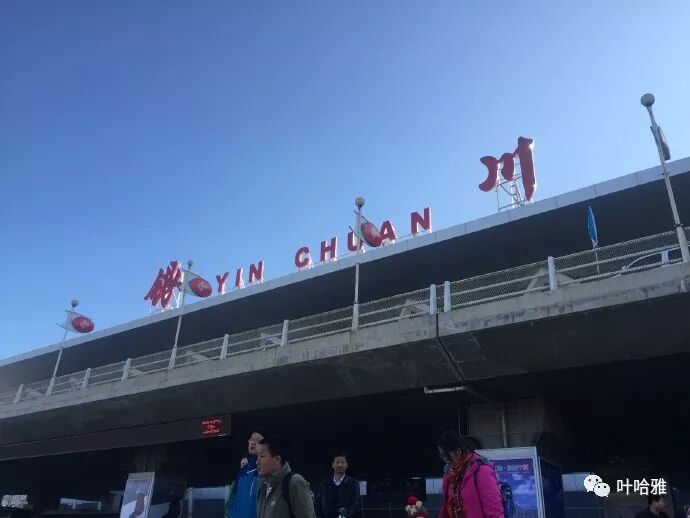
My first stop was Yinchuan, the capital of the Ningxia Hui Autonomous Region. Although Yinchuan is a provincial-level city, there are not many Hui Muslims here. Most of Ningxia's Hui Muslims live in the southern mountainous areas.
Yinchuan Nanguan Mosque
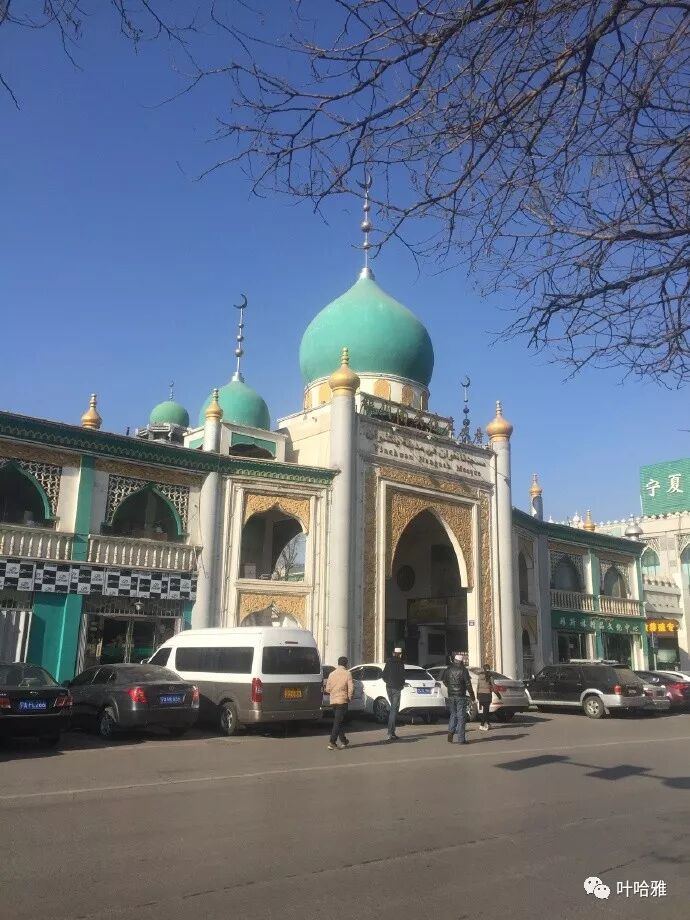
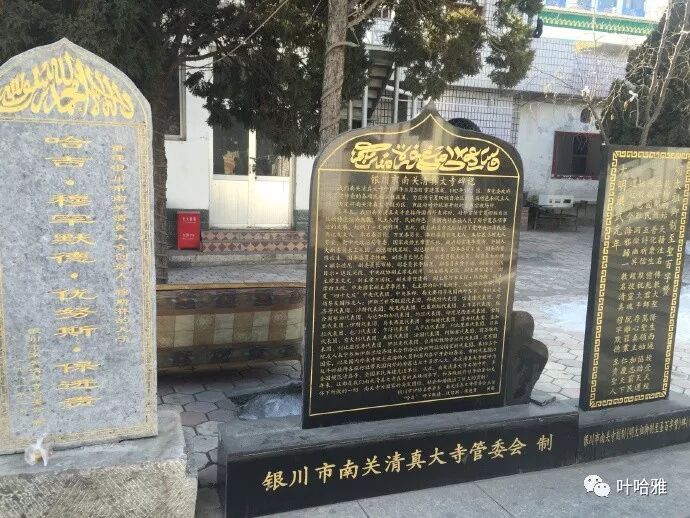
I arrived during Jumu'ah and rushed to the Nanguan Mosque to join the congregational prayer. The Yinchuan Nanguan Mosque was first built at the end of the Ming Dynasty and was rebuilt in the 1980s.
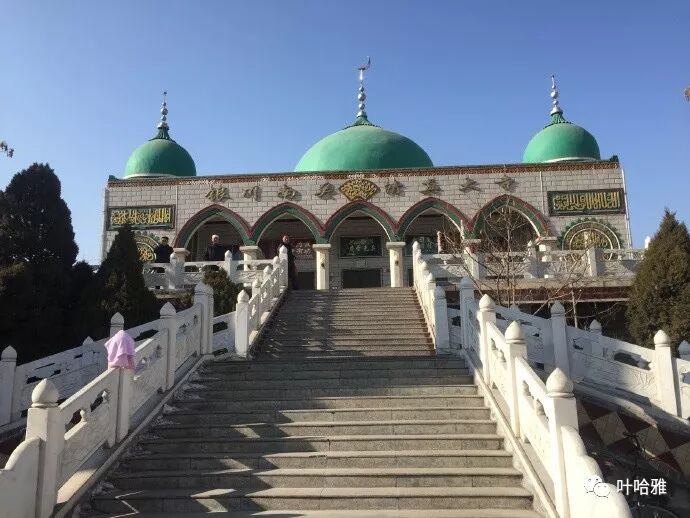
I visited Yinchuan in 2016. Today, mosques with this Central Asian-style dome are no longer allowed to be built. The dome is often mistaken for an Arab style. In fact, Arab-style buildings are square or look like tents. It is the architectural style of Roman, Persian, Turkish, and other Central Asian regions that features domes.
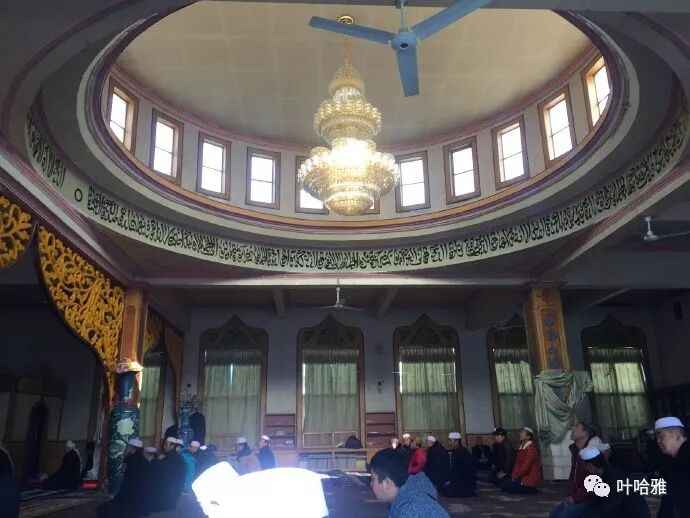
The imam gave a sermon (wa'z) in a heavy Northwest accent. I could not understand it, except for the Arabic words he used.
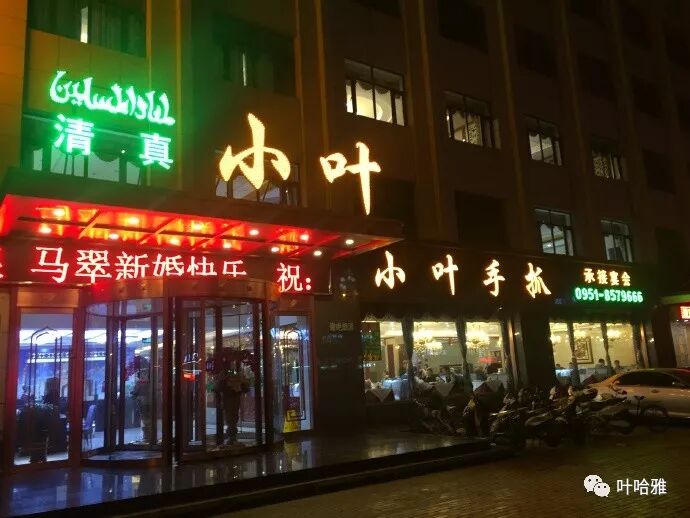
About 40 percent of the restaurants on the streets of Yinchuan are halal, but the vast majority sell alcohol. Only a few larger halal restaurants do not sell alcohol, and Xiaoye Shouzhua is one of them.
Xiaoye Hand-grabbed Lamb (Xiaoye Shouzhua)
You must eat hand-grabbed lamb (shouzhua yangrou) when you come to Ningxia. The best hand-grabbed lamb in Ningxia is in Wuzhong, and there is also the salt-lake sheep (tanyang) hand-grabbed lamb from Yanchi. Wuzhong is where most of Ningxia's halal food is concentrated, but my trip did not include Wuzhong. I ate the hand-grabbed lamb at Xiaoye, and it tasted very good.
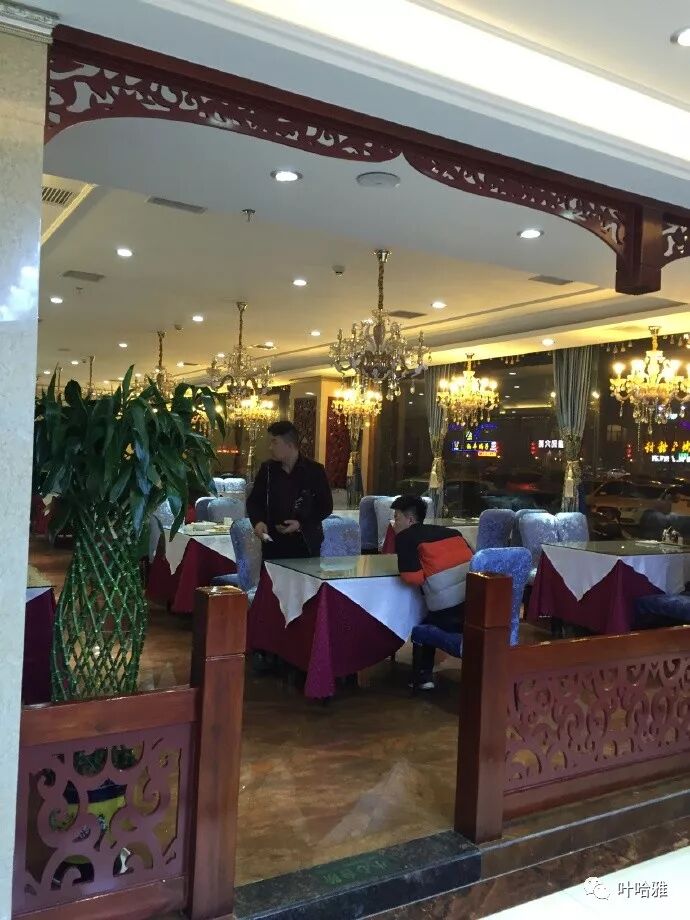
If you want to find a high-end alcohol-free restaurant in Yinchuan, Xiaoye Shouzhua is the top choice.
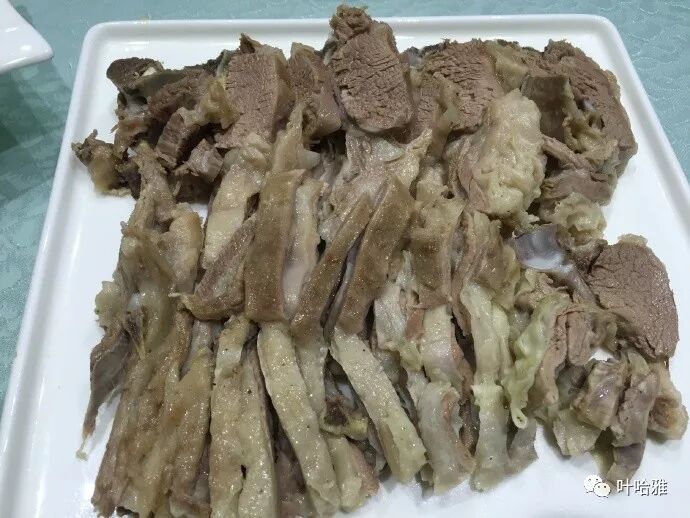
There are two ways to eat hand-grabbed lamb (shouzhuayangrou): hot or cold. Xiaoye is famous for its cold version. People in central Ningxia eat a lot of lamb, and the lamb here is guaranteed to have no gamey smell.
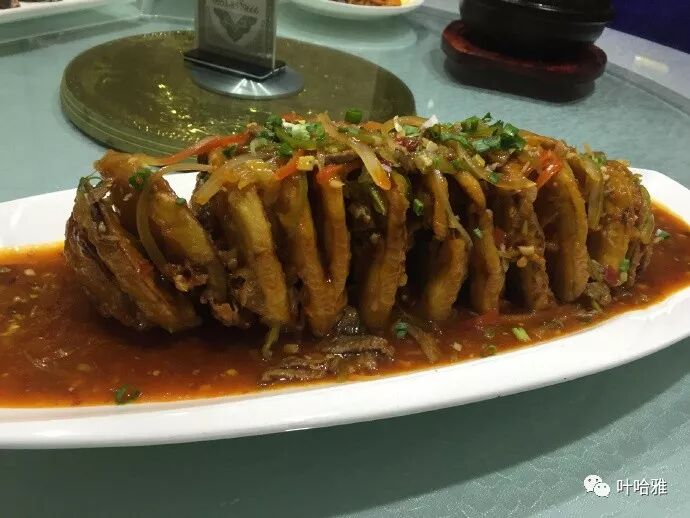
Fish-flavored eggplant king (yuxiangqieziwang) is made from a large eggplant shaped like a fish.
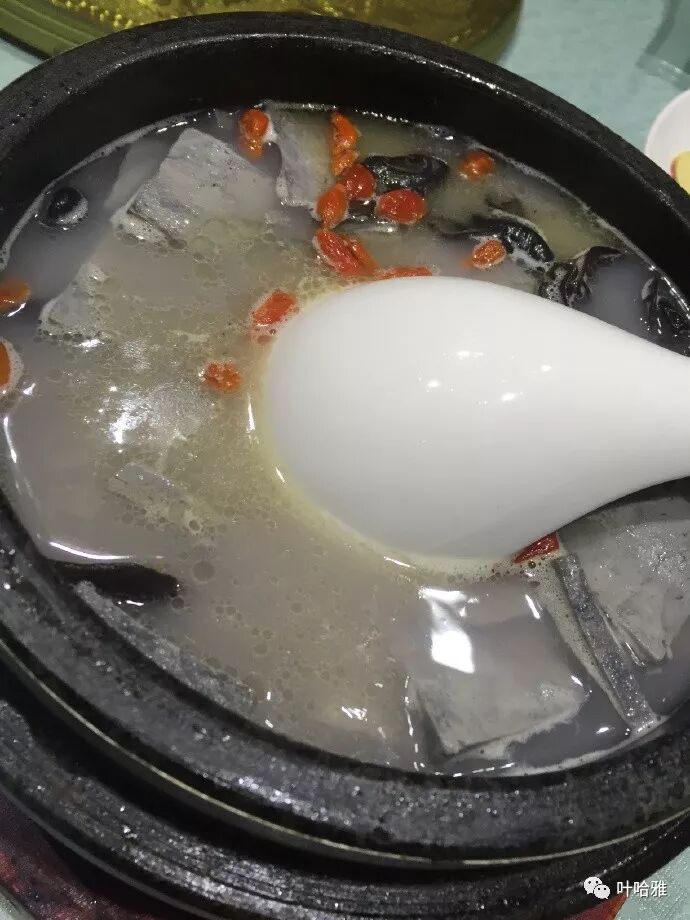
Black bean tofu soup (heidoufutang).
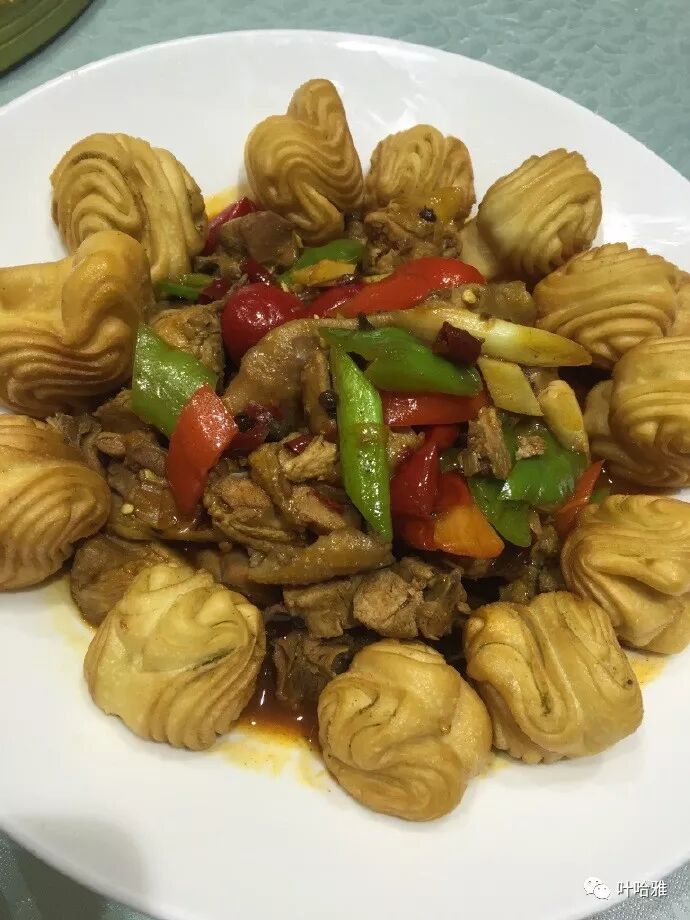
Steamed flower rolls with chicken chunks (huajuanjikuai).
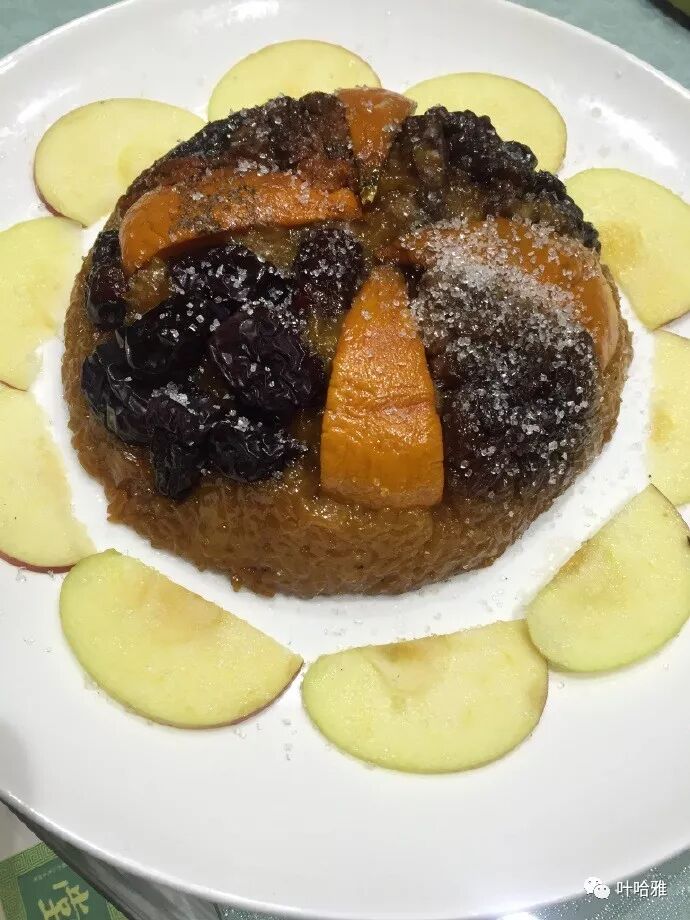
Eight-treasure sweet rice (babao tianfan) is a Ningxia specialty often served at Hui Muslim wedding banquets.
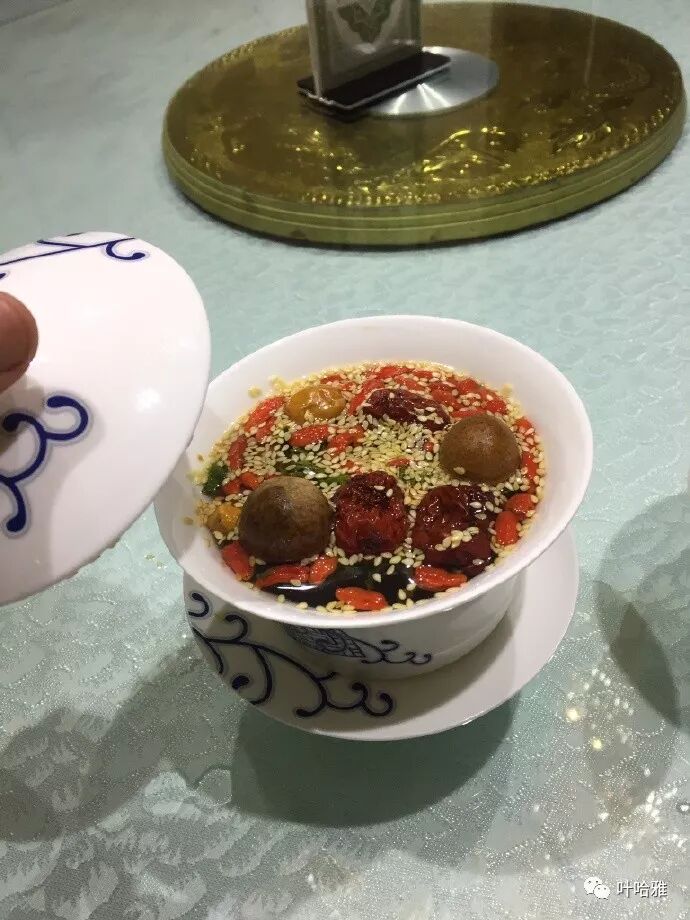
Eight-treasure tea (babaocha), also called three-piece tea (sanpaotai), is what people in the Northwest serve their guests. The name refers to the three-piece set consisting of a lidded teacup, a saucer, and a lid. People in the Northwest are very particular about how they drink tea.
Zhenbeipu Western Film Studio.
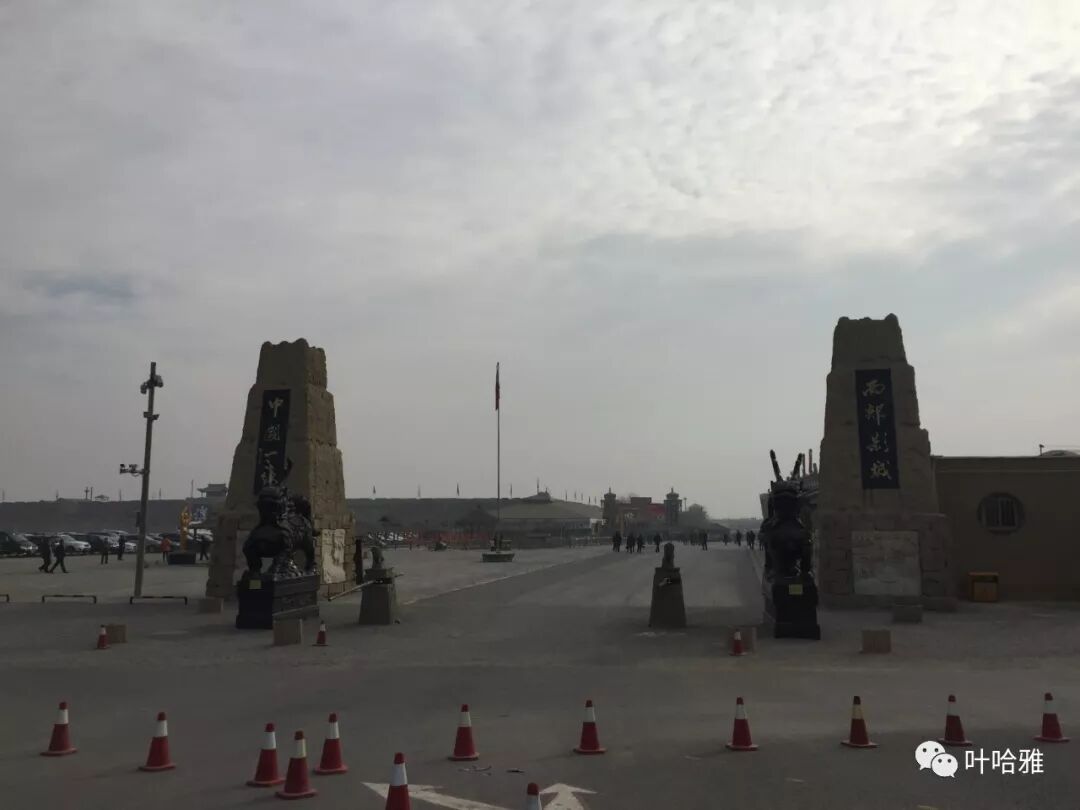
There are not many places to visit in Yinchuan. With limited time, I only chose the Zhenbeipu Western Film Studio and the China-Arab Axis. I loved the movie A Chinese Odyssey when I was a kid, and the film studio is where it was filmed, so I came to experience it. The China-Arab Axis was turned into a Chinese-style park two years after I visited, so I do not recommend it as it lacks character. When I tried to take a taxi there, the driver did not want to go, saying there was no one there and he would have to drive back empty. Now that it is a Chinese-style park, even fewer people go there.
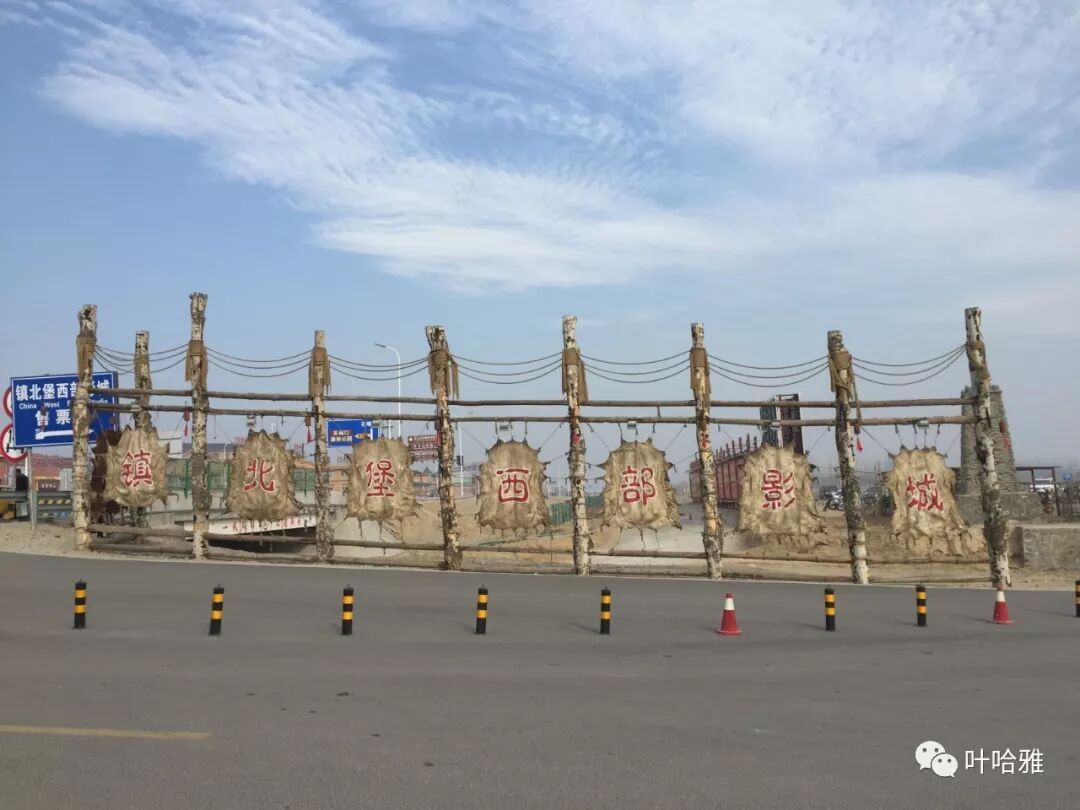
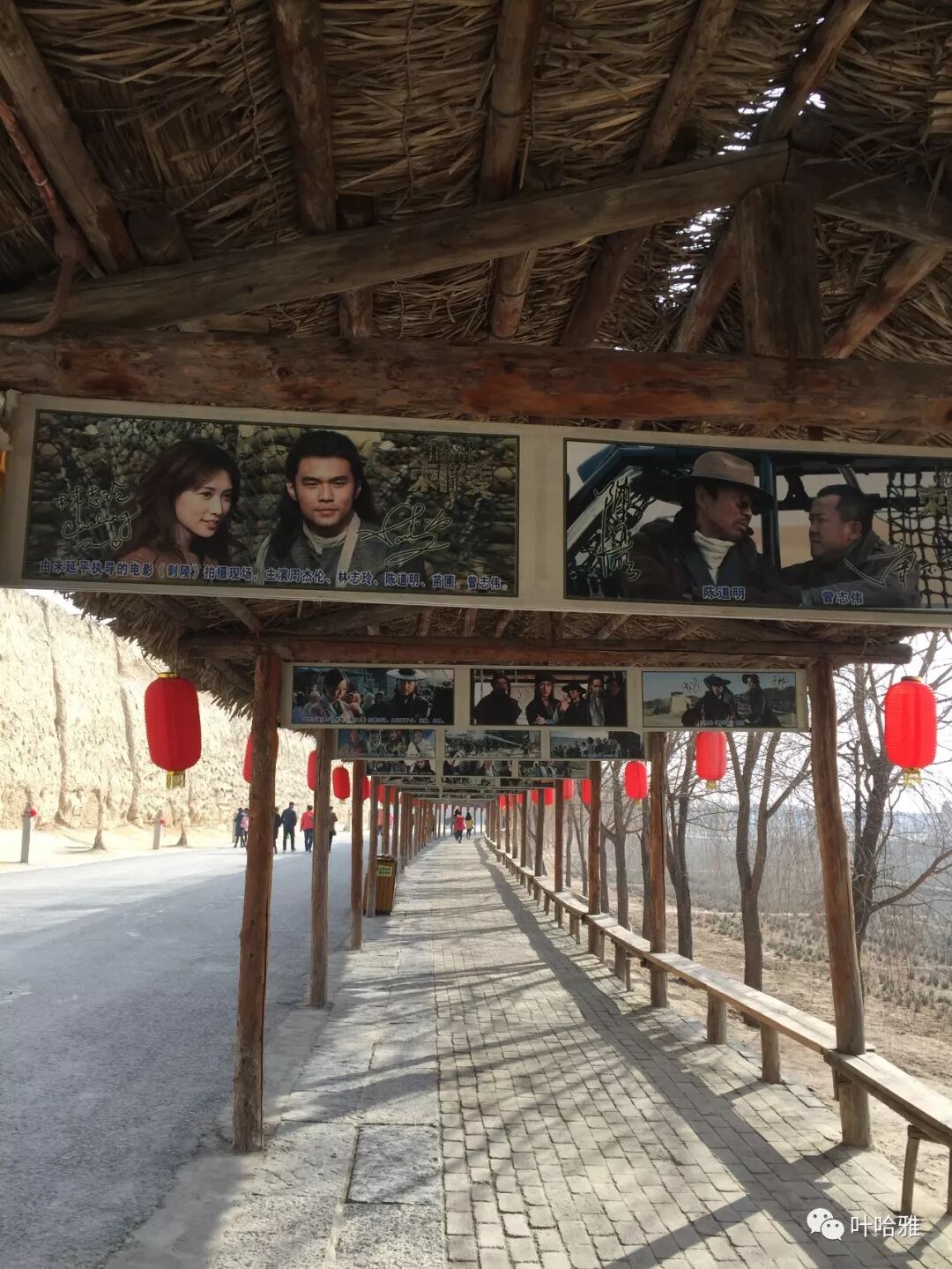
The Western Film Studio is the filming location for many western movies. It was not easy to build a film base in this place.
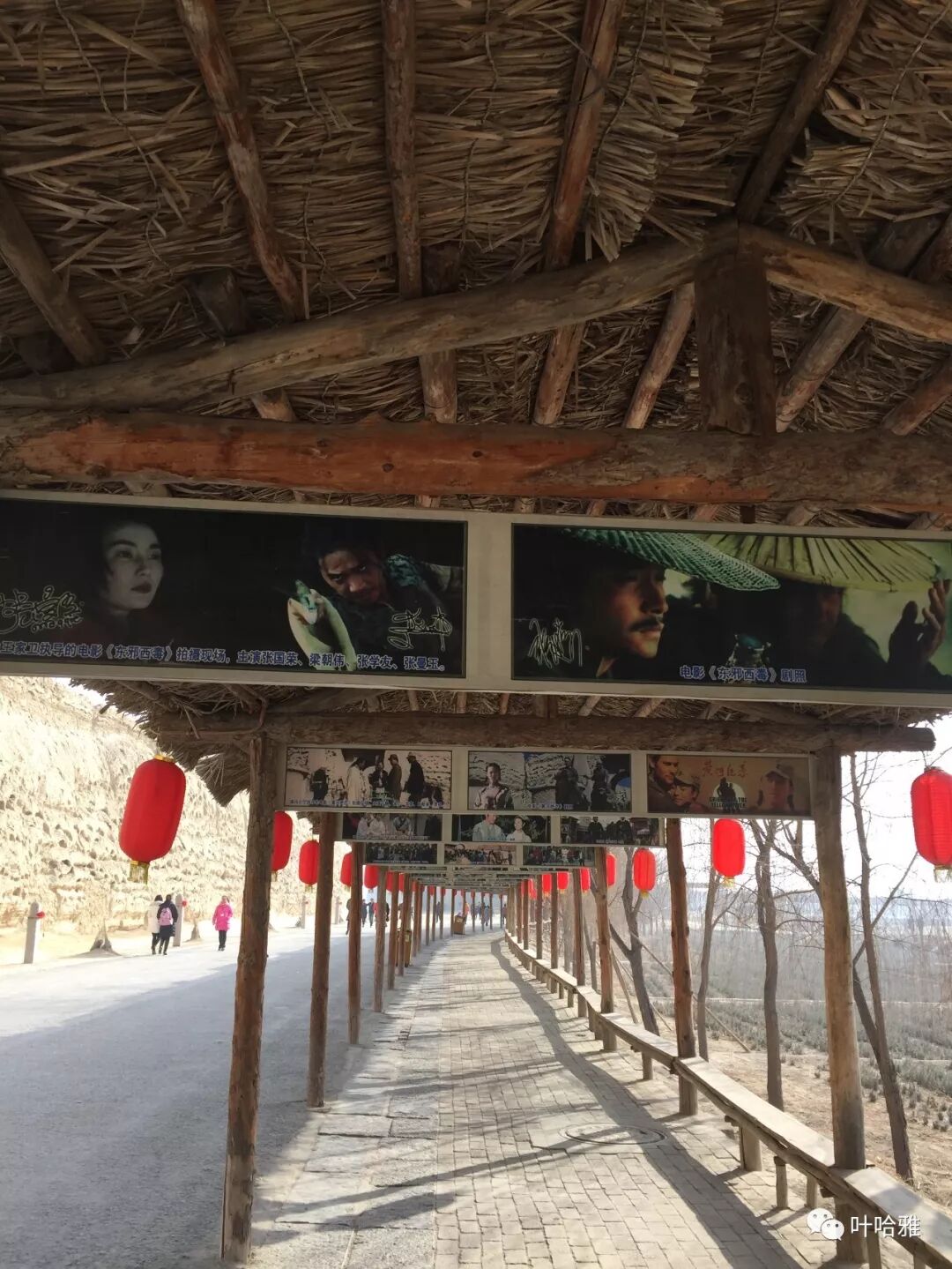
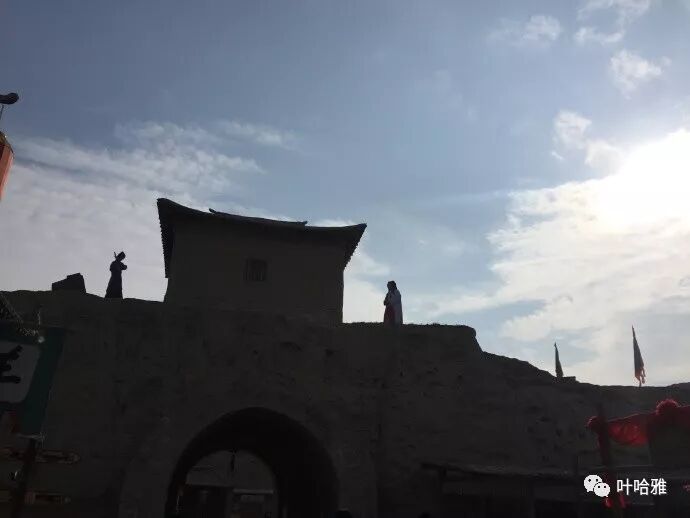
One of the scenes from A Chinese Odyssey Part Two: Cinderella.
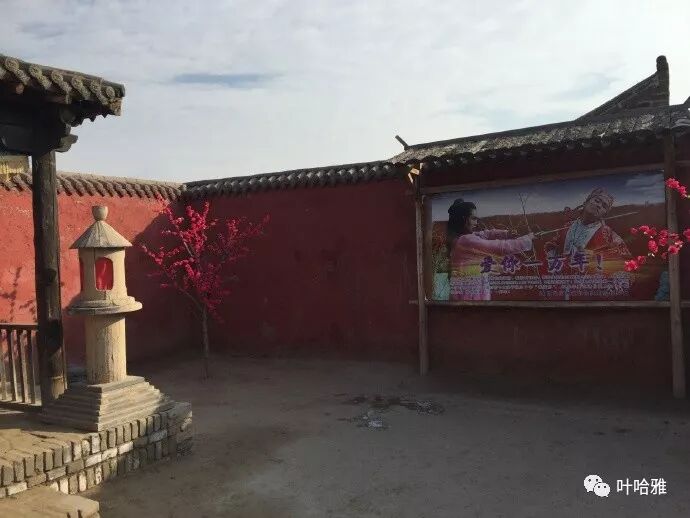
The scene from the 'love you for ten thousand years' bridge.
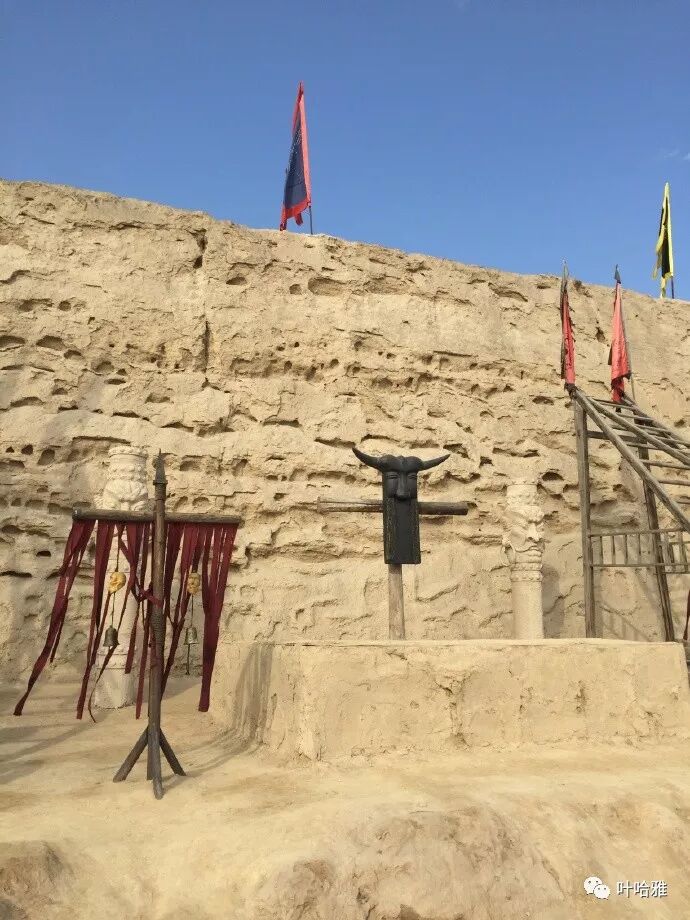
This is the execution platform where Tang Seng kept saying, 'How many brothers and sisters do you have?' Are your parents still alive? Say something. I just want to make one more friend before I die. Being a demon is just like being a human; you need a kind heart. Once you have a kind heart, you are no longer a demon, but a human-demon.
Yingbin Building (Yingbin Lou)
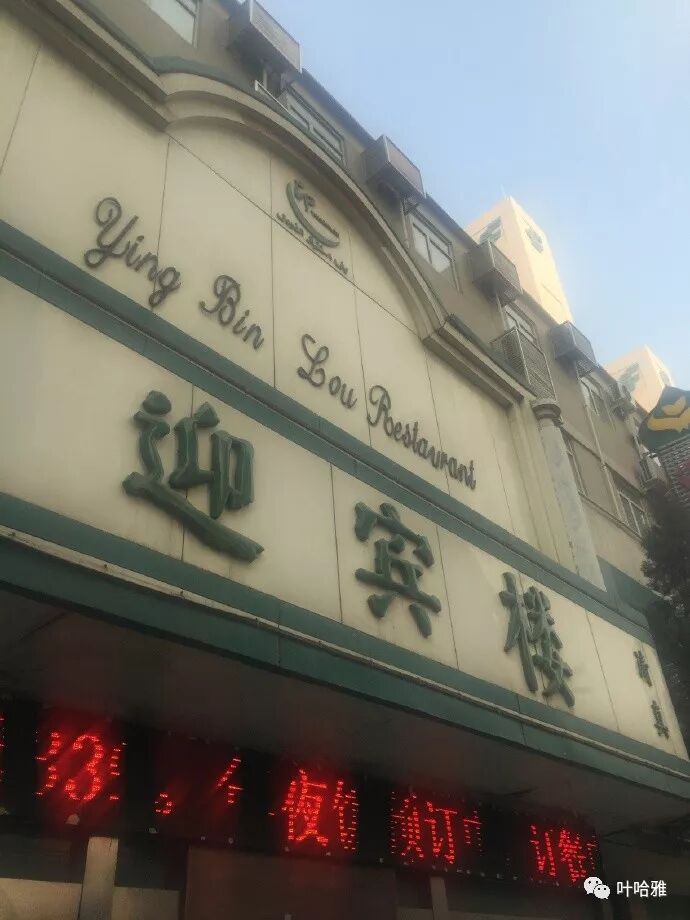
Yingbin Building (Yingbin Lou) is another famous restaurant in Yinchuan. It is a place for hot pot meat, but it is most famous for the ice cream sold at the entrance.
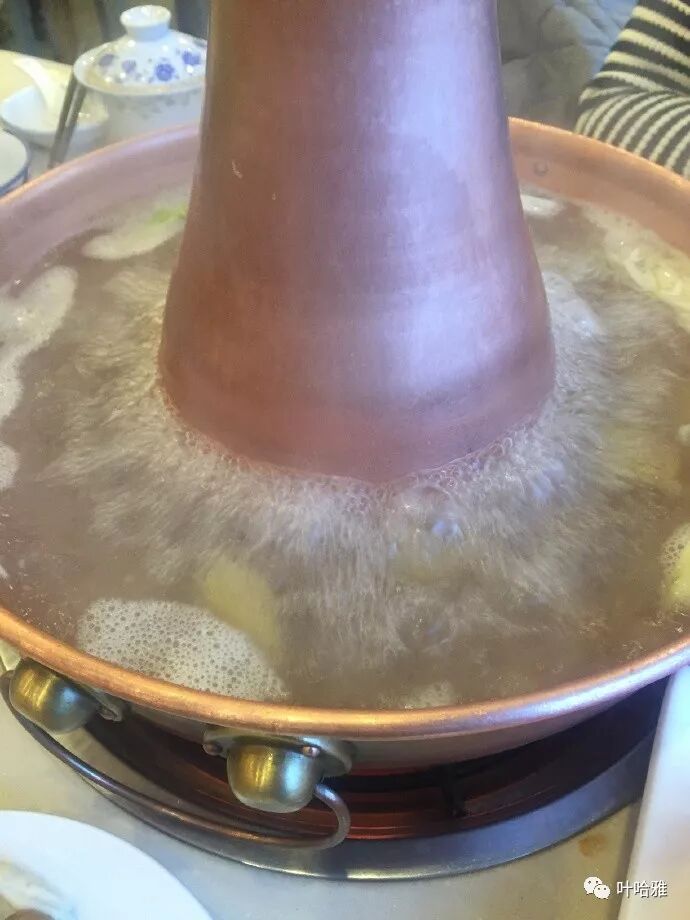
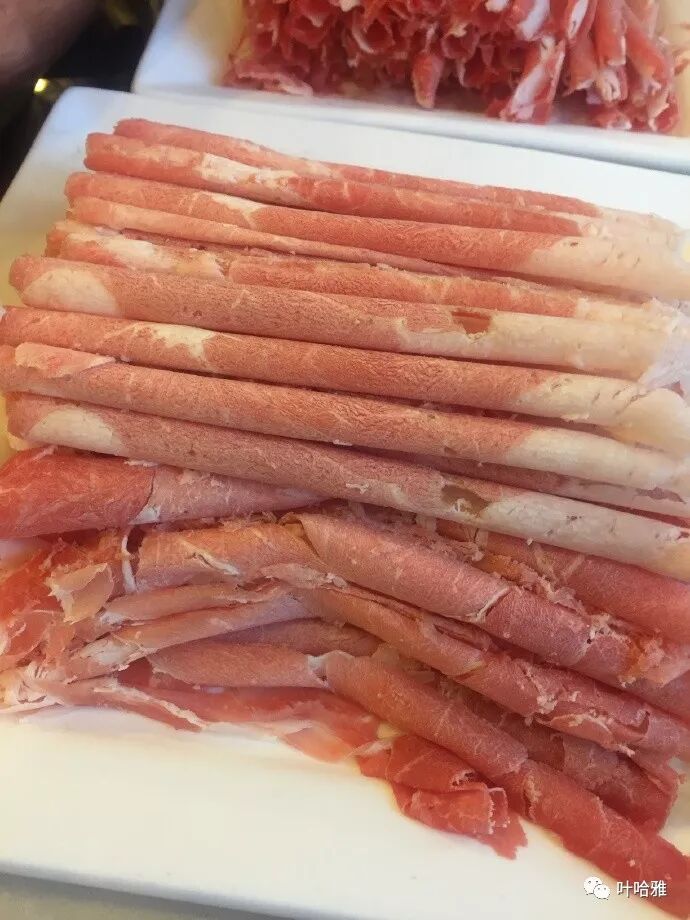
You cannot go wrong with hot pot lamb (shuan yangrou) in Ningxia because the lamb here is delicious.
Old Mao Hand-Grabbed Lamb (Lao Mao Shouzhua)
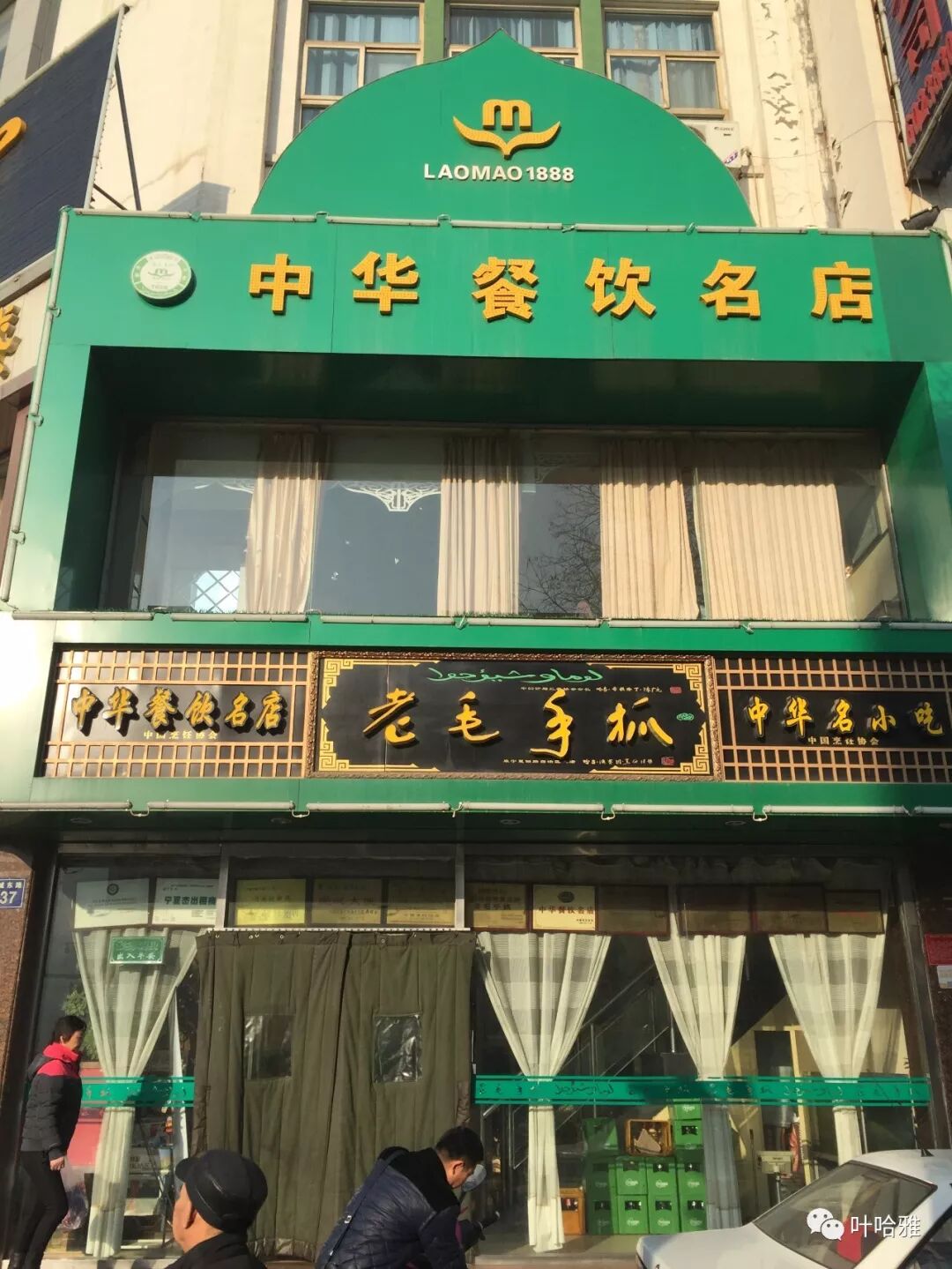
Old Mao Hand-Grabbed Lamb (Lao Mao Shouzhua) is one of the most famous hand-grabbed lamb brands in Yinchuan. During Ramadan last year, I ate some loose cold hand-grabbed lamb brought from Yinchuan in Beijing, and it really satisfied my craving. Remember to eat raw garlic with the hand-grabbed lamb; if you eat meat without garlic, the flavor is cut in half.
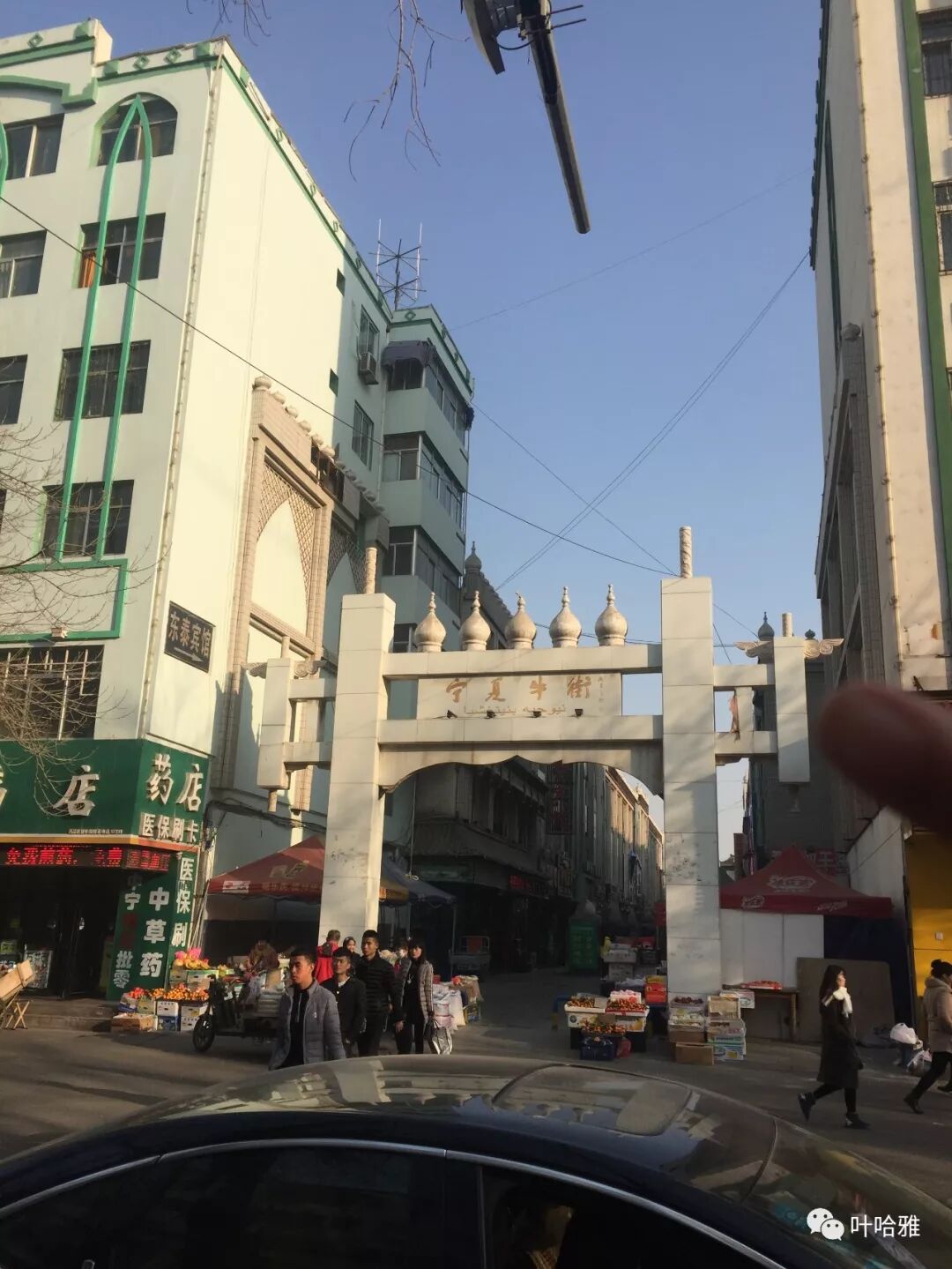
Yinchuan's Ox Street (Niujie). I have been to four Ox Streets. Besides the one in Beijing, there is also the Ox Street in Hohhot and the Ox Street in Karamay.
Zhongwei Dongguan Grand Mosque (Zhongwei Dongguan Qingzhen Dasi)
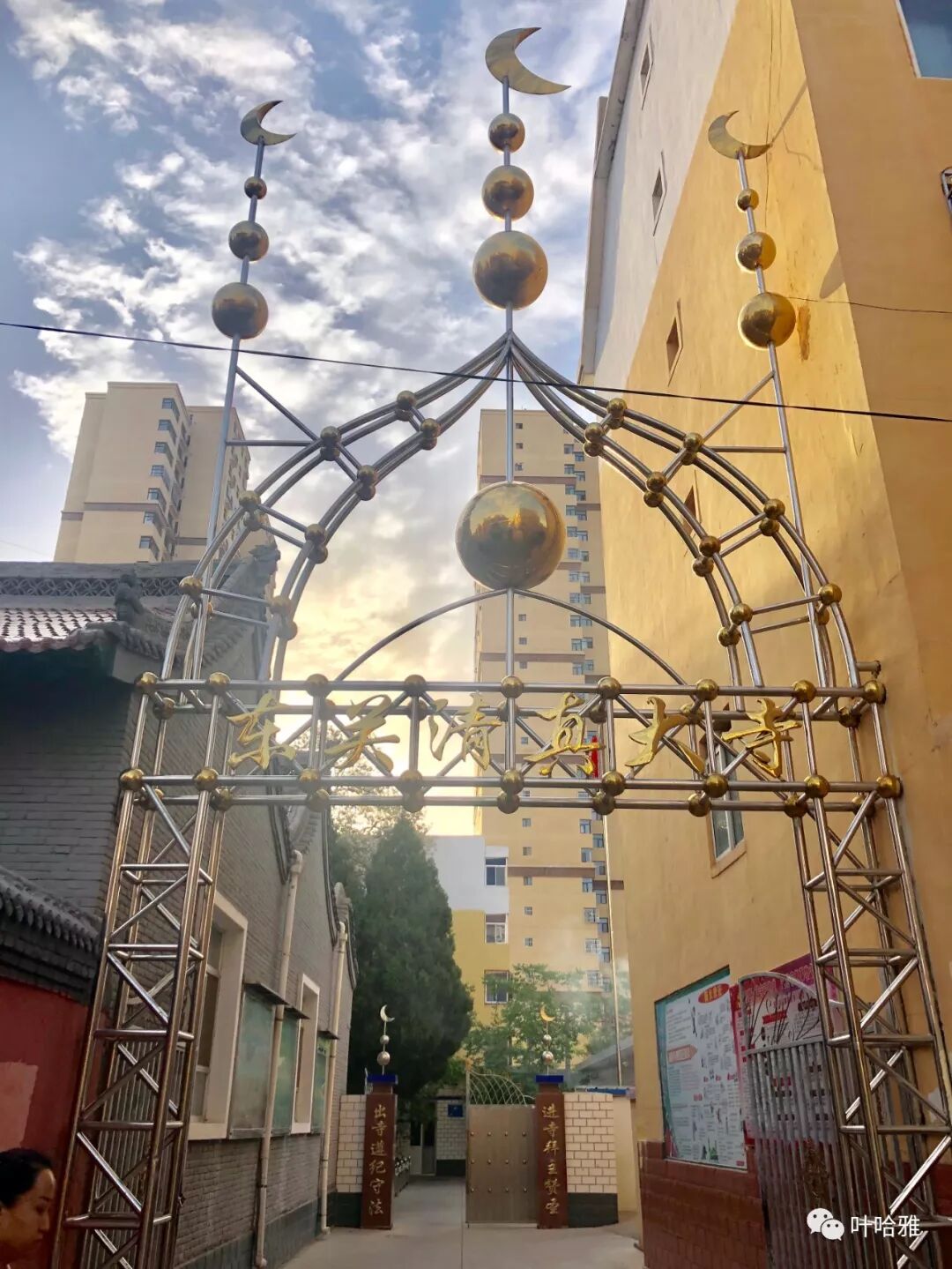
I left Yinchuan and took a car to the Zhongwei Dongguan Grand Mosque. The most convenient way to travel between cities in Ningxia is by private car. There are private cars at many intersections; you just wave them down, and they stop. The price is cheap, and even traveling across Ningxia from south to north costs no more than 80 yuan.
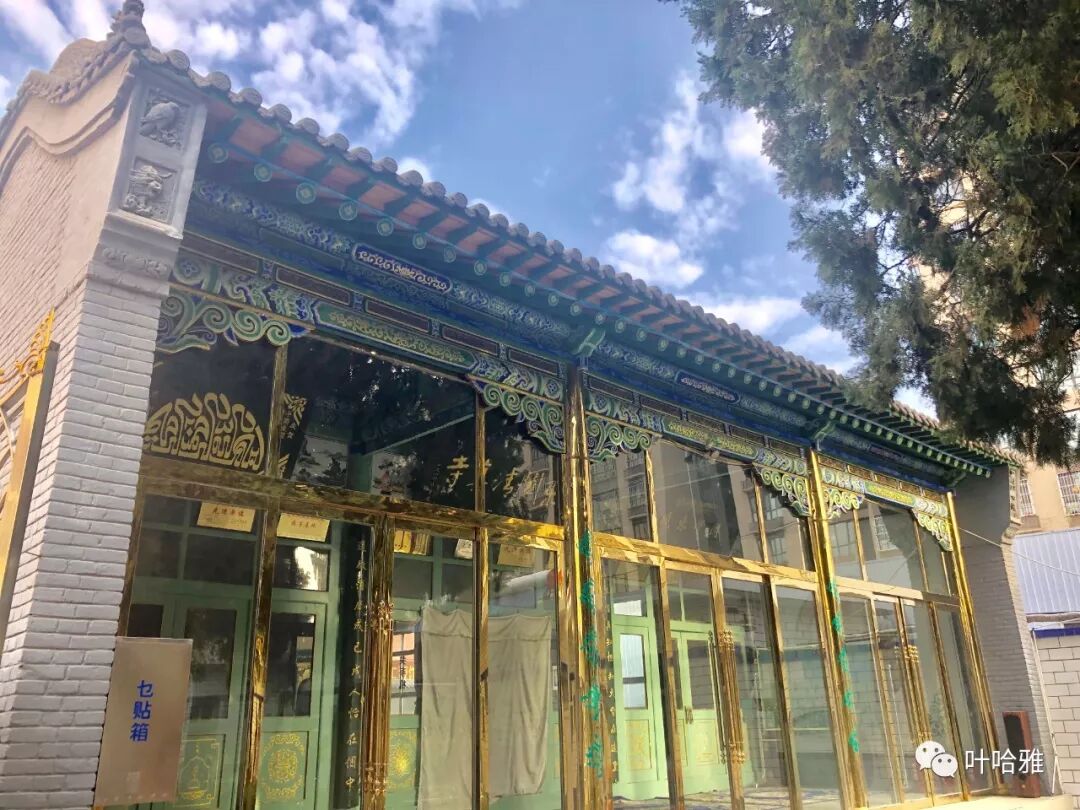
There are fewer Hui Muslims in Zhongwei than in Yinchuan. I rested briefly at the Dongguan Grand Mosque before heading to one of my destinations, the Honggang Gangzi Gongbei.
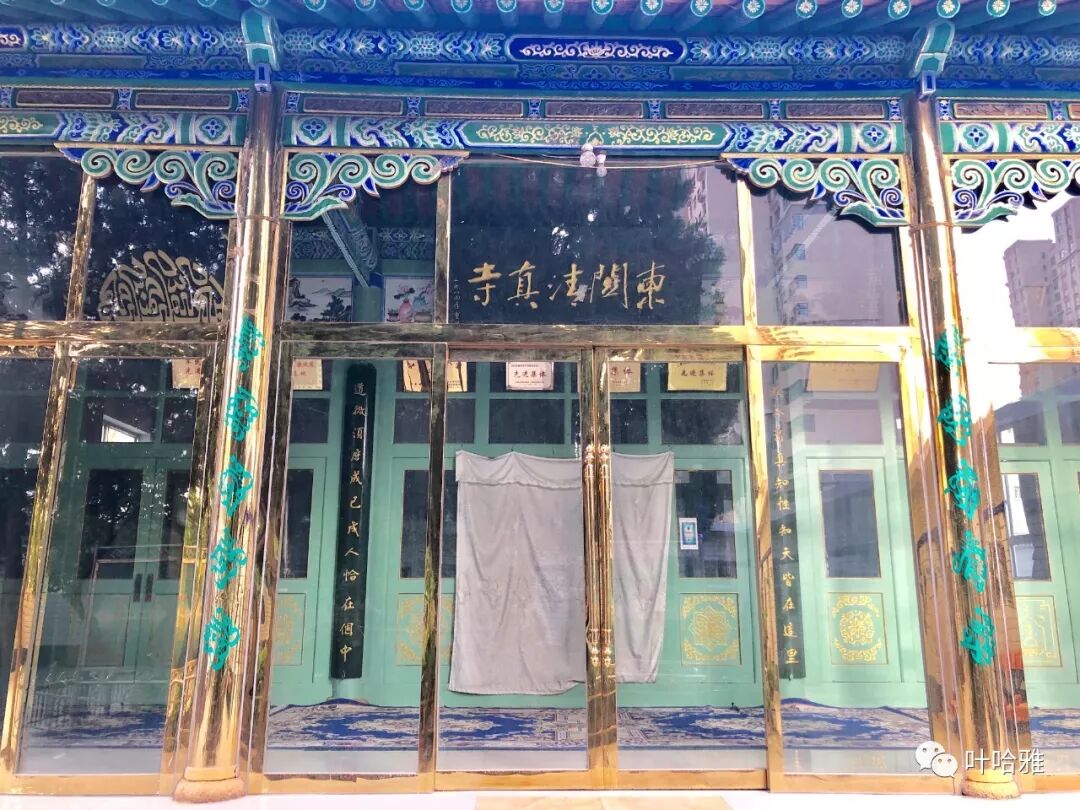
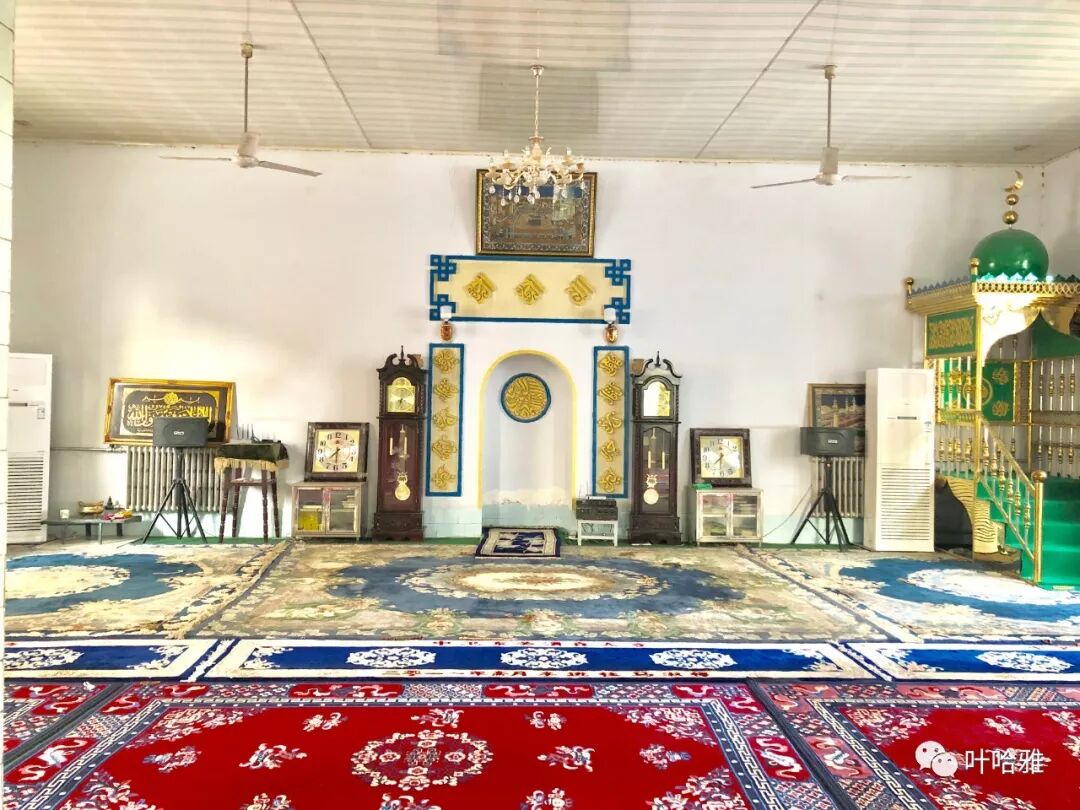
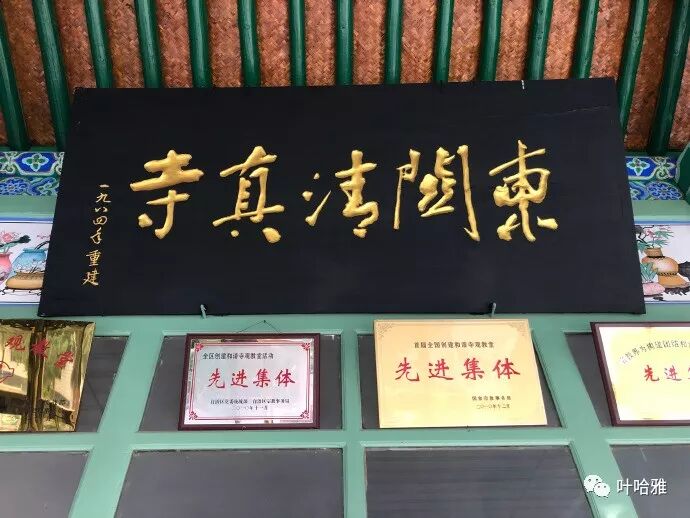
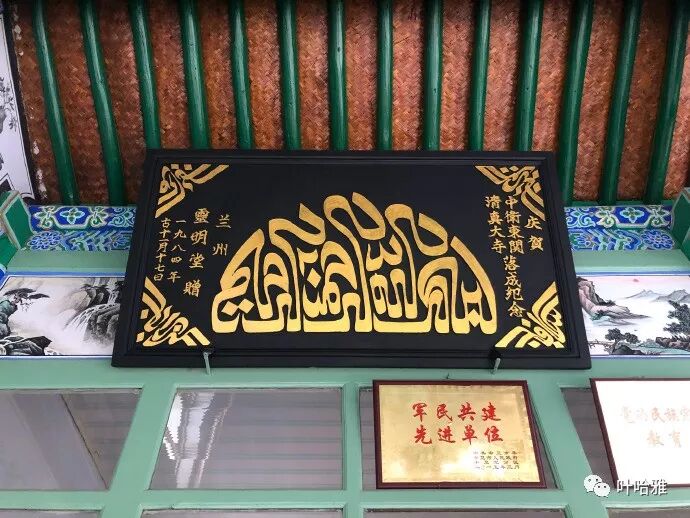
Haiyuan Yite Restaurant
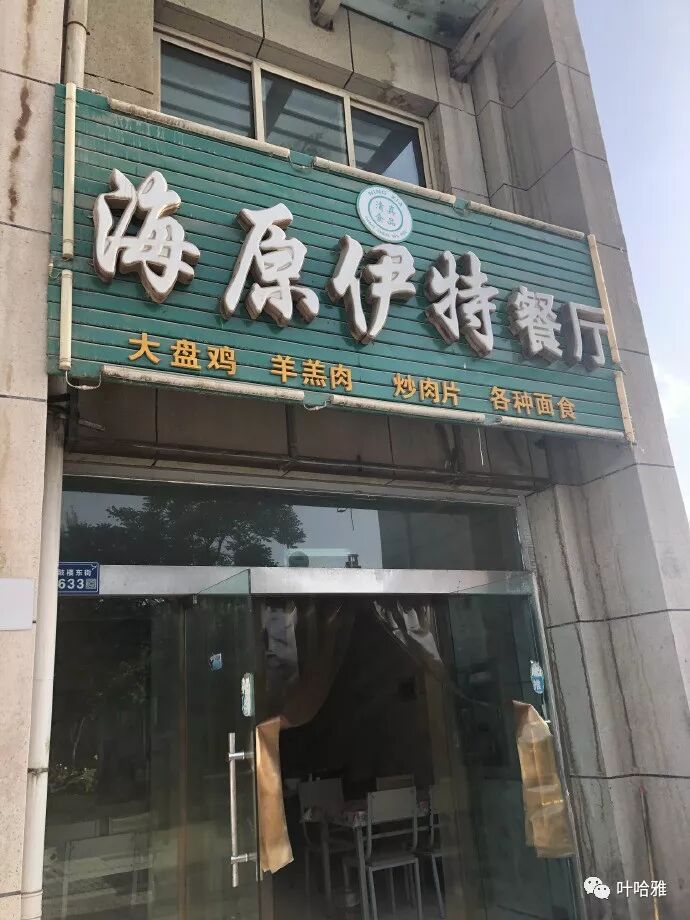
I had a bowl of handmade noodle pieces (mianpian) at the Haiyuan Yite Restaurant next to the Zhongwei bus station. Since this year, not just in Ningxia, but also in places like Beijing and Henan where I have been, all halal restaurants must use this Chinese-style halal sign, and all Arabic script on the outside must be removed.
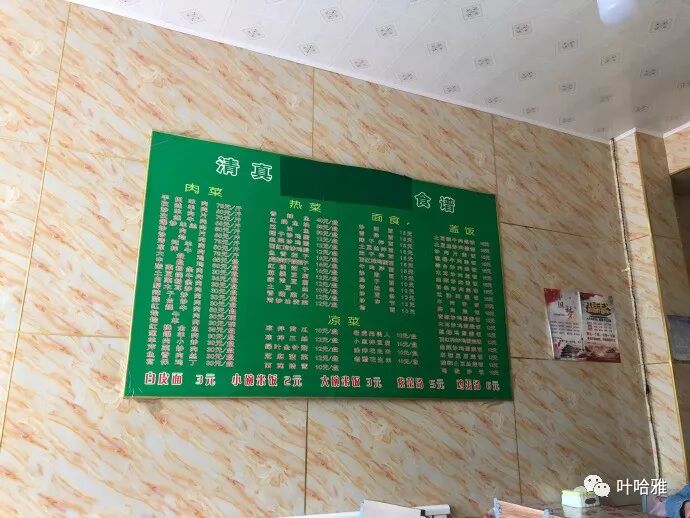
The Arabic on the menu has already been covered up.
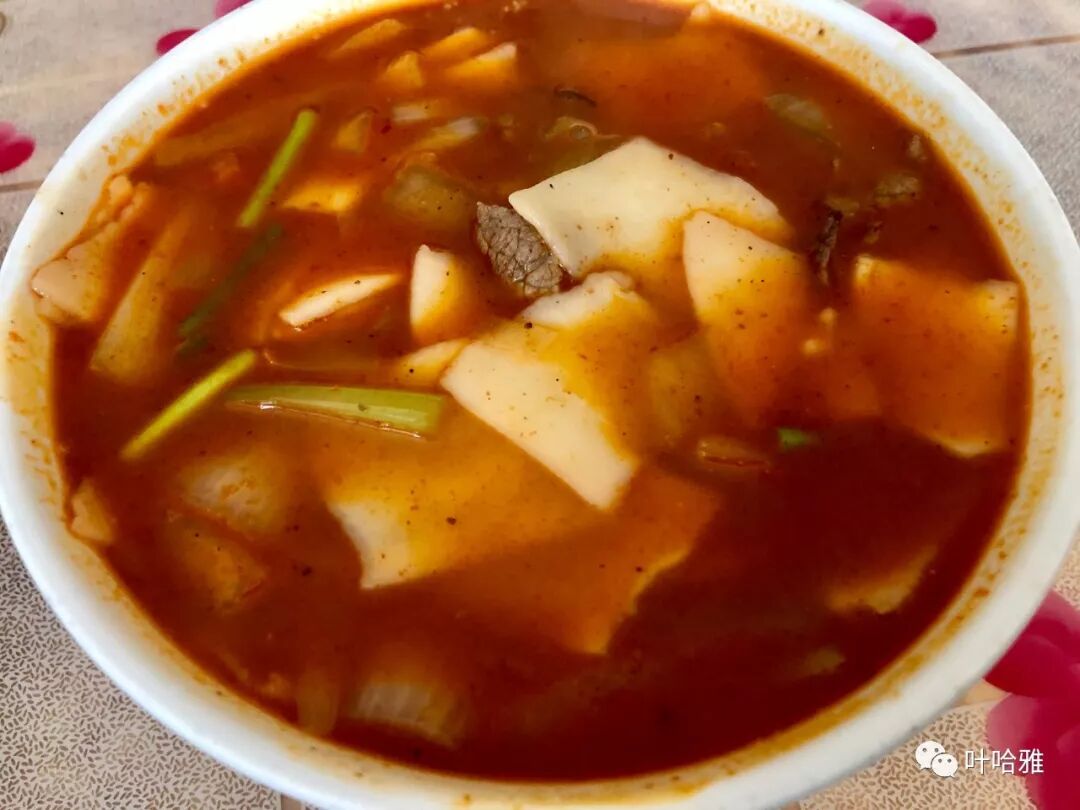
The noodle soup is still very tasty. In Ningxia, for visitors, you just need to remember the names of the dishes you want to eat. You can walk into any restaurant you see by the road, and the taste won't be bad.
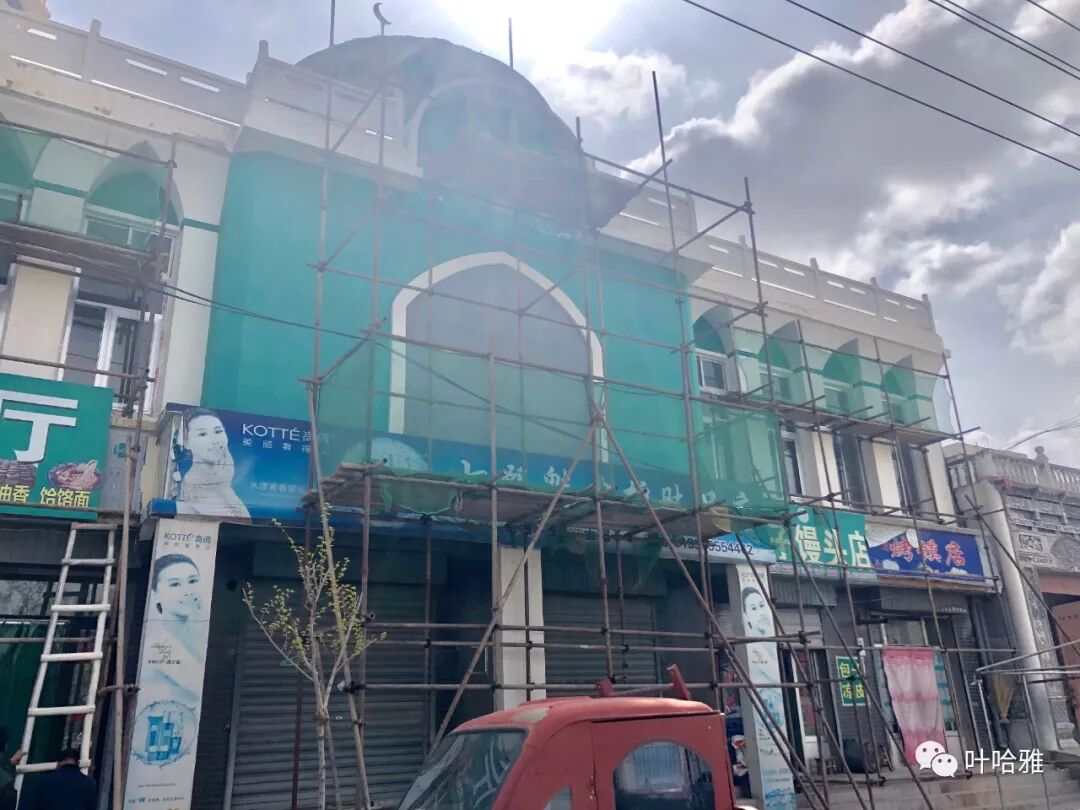
The Great Mosque (qingzhen dasi) of Xingren Town is currently undergoing Chinese-style renovations. Xingren Town is about a two-hour drive from Zhongwei. My destination was the Honggang Gangzi Gongbei, but no one at the Zhongwei station knew where it was. I asked a friend (dosti) from the Hongmen menhuan, and he told me I had to go to Xingren Town first, then take a car from there to the Honggang Gangzi Gongbei.
Xingren Great Mosque.
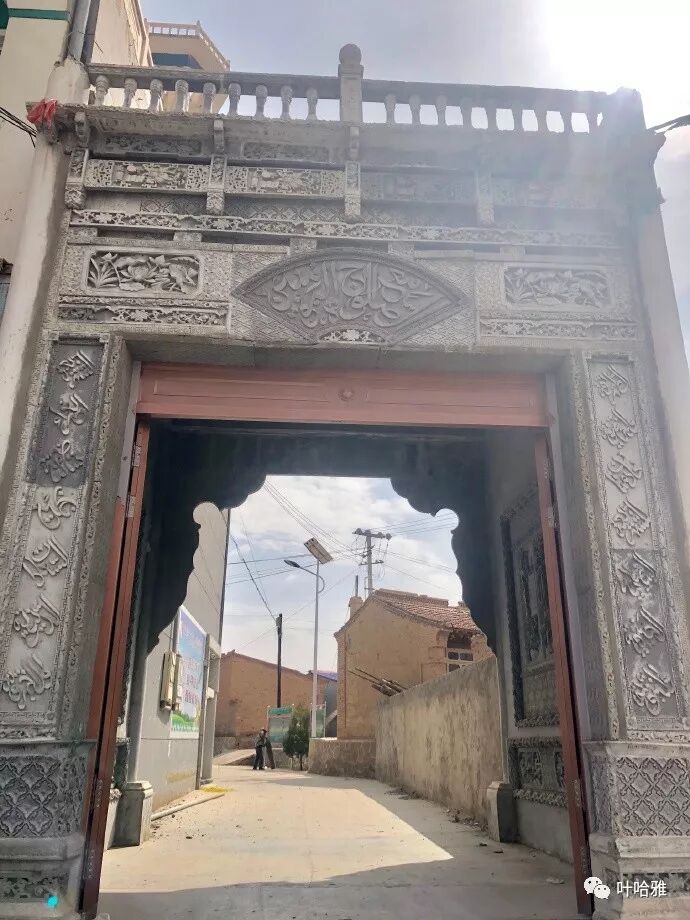
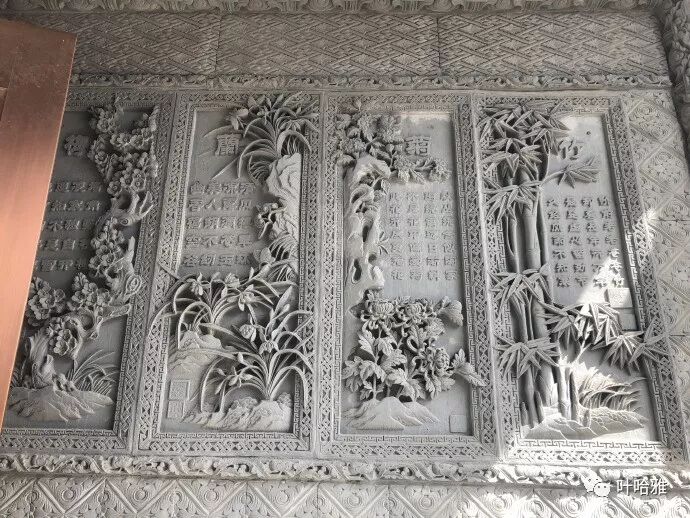
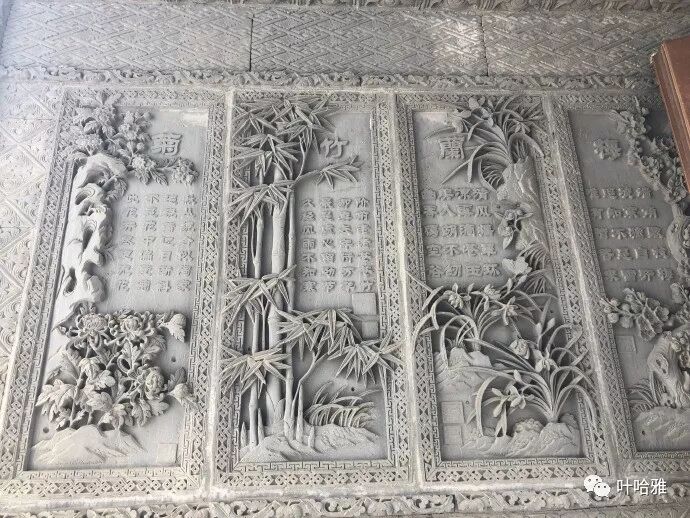
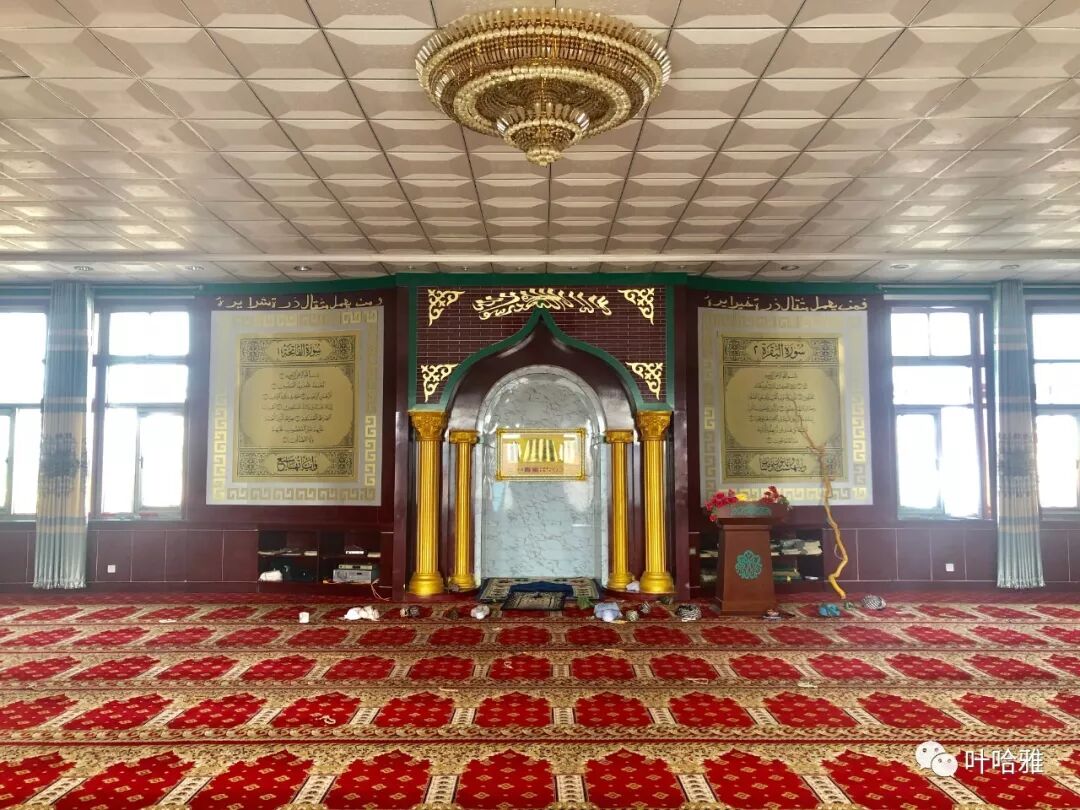
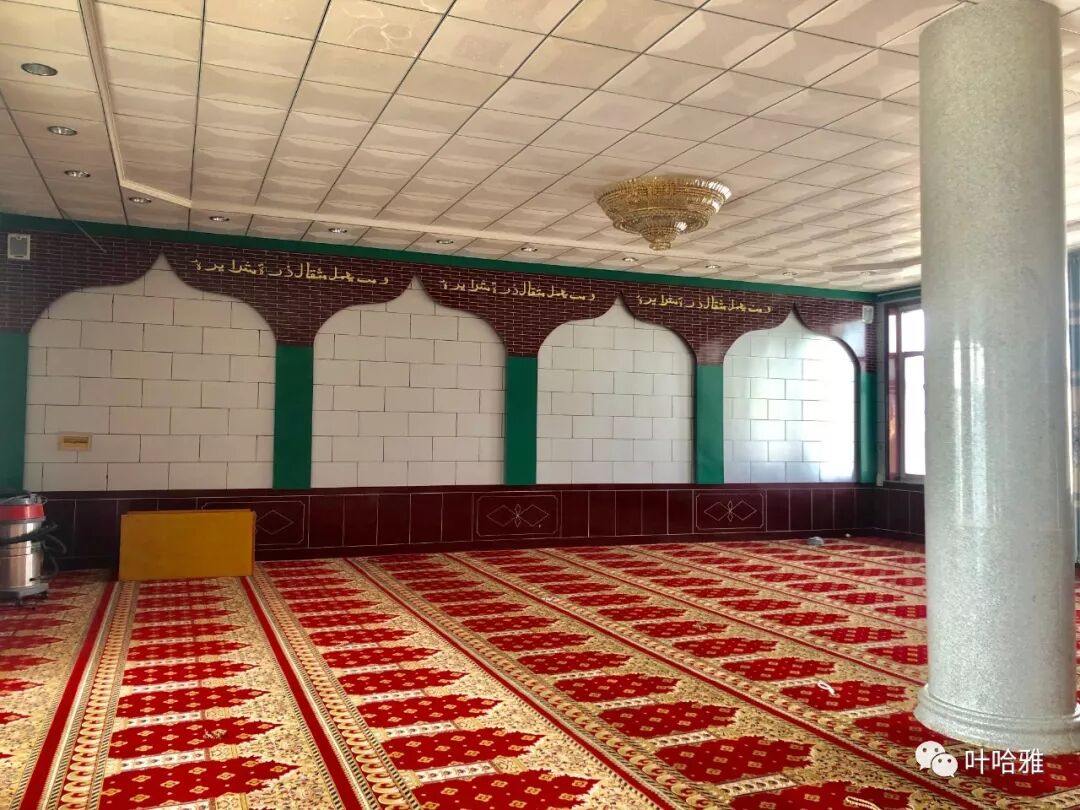
I caught a private car at an intersection near the mosque, paid 15 yuan, and after a half-hour ride, I arrived at the Honggang Gangzi Gongbei.
Honggang Gangzi Gongbei
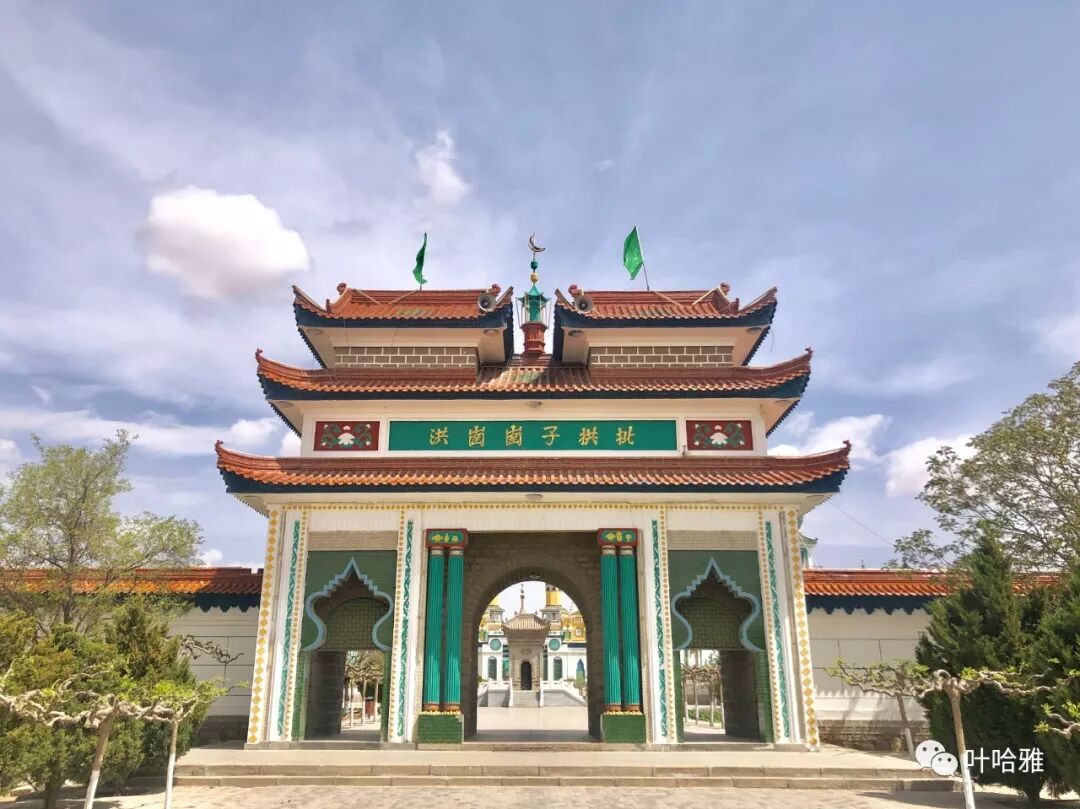
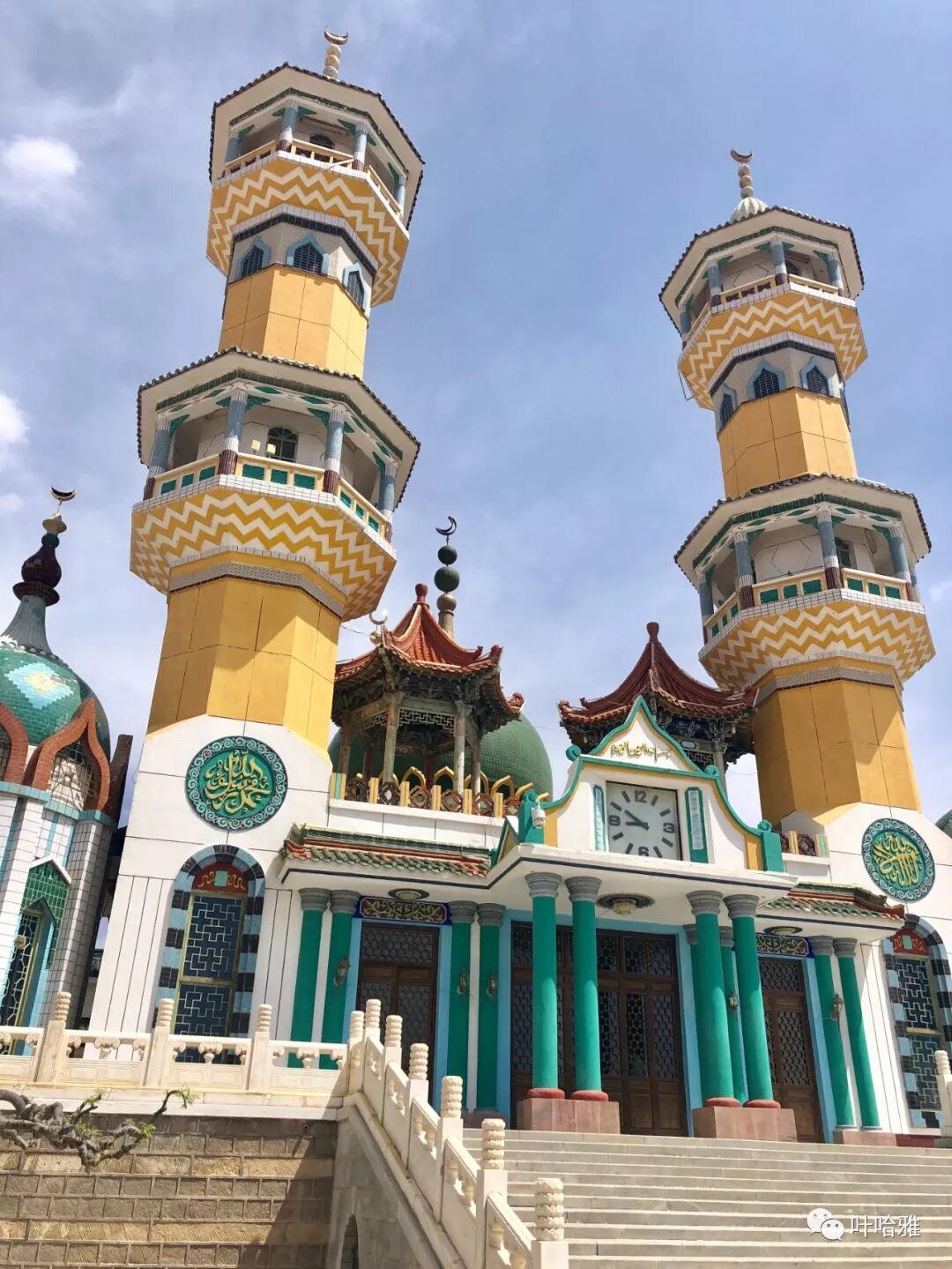
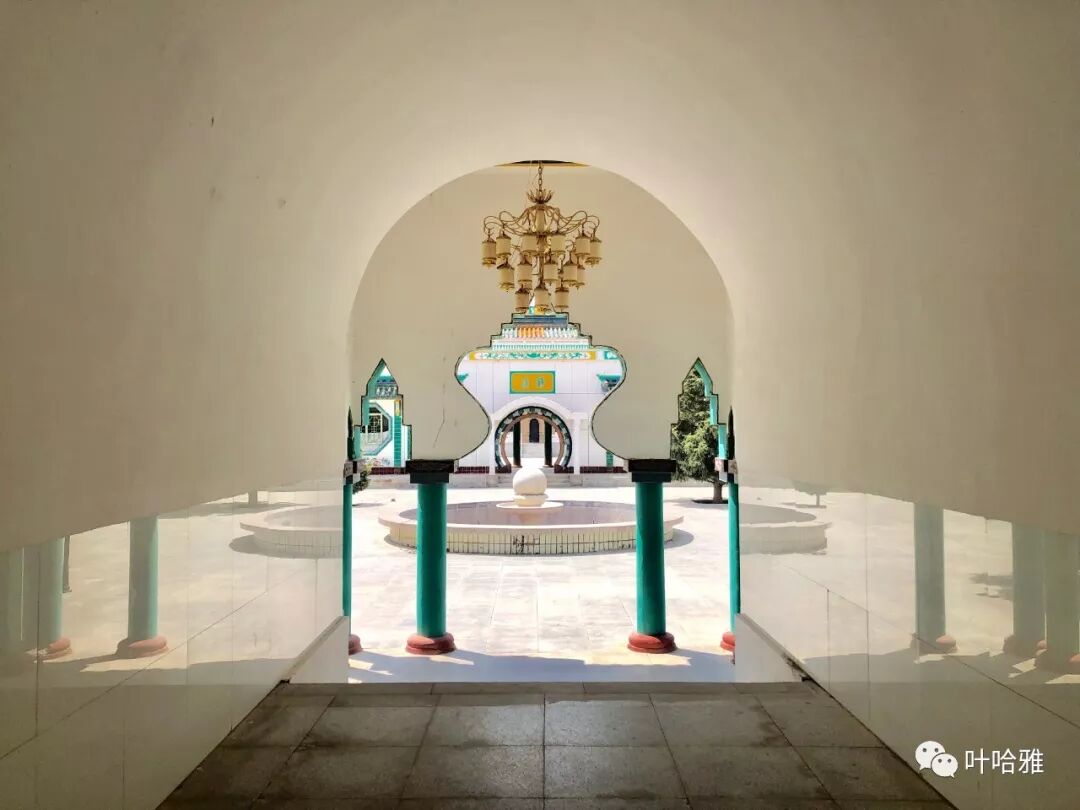
The Honggang Gangzi Gongbei was first built in 1939. It is the tomb and prayer hall for Hong Shoulin (1852-1937), the founder of the Hongmen branch of the Khufiyya menhuan in Chinese Islam. It was damaged during the Cultural Revolution. In 1987, it was rebuilt and expanded under the leadership of Hong Weizong Haji, the third-generation successor of Hongmen and vice-chairman of the regional CPPCC. The entire complex includes a front gate, school, mosque, residential building, scripture chanting hall, bathing hall, dining hall, gongbei, main hall, domed tower, and monument. It covers over 20,000 square meters and is very spectacular.
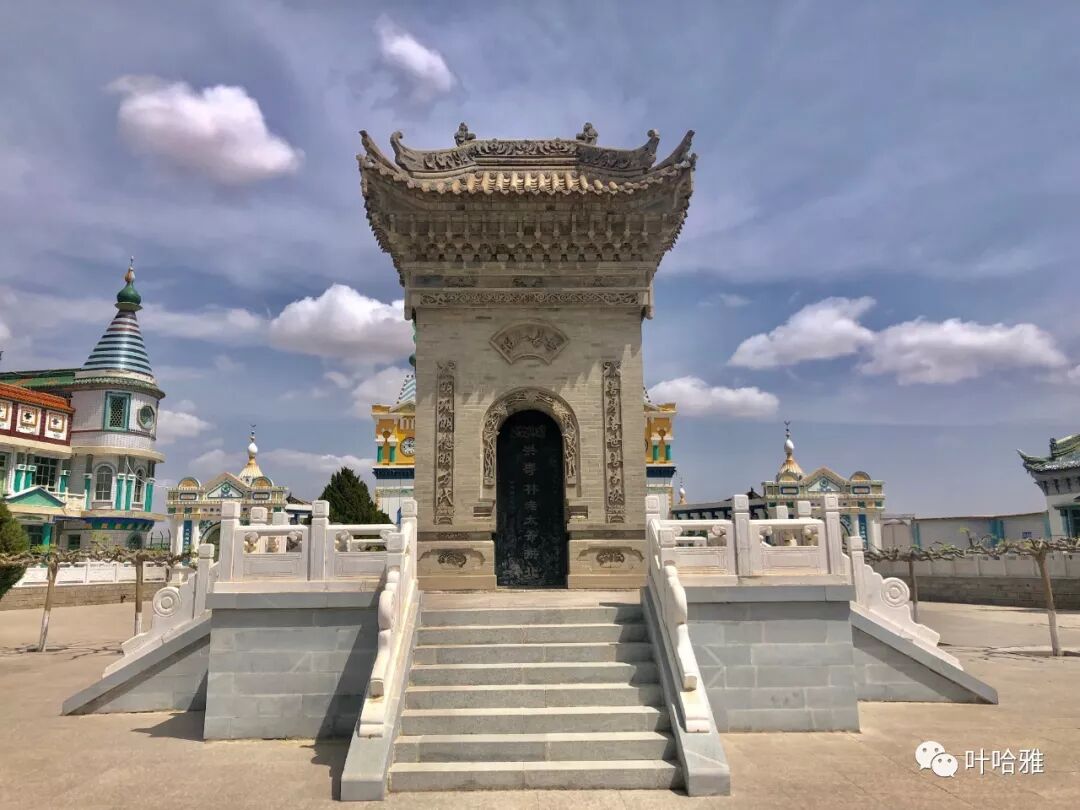
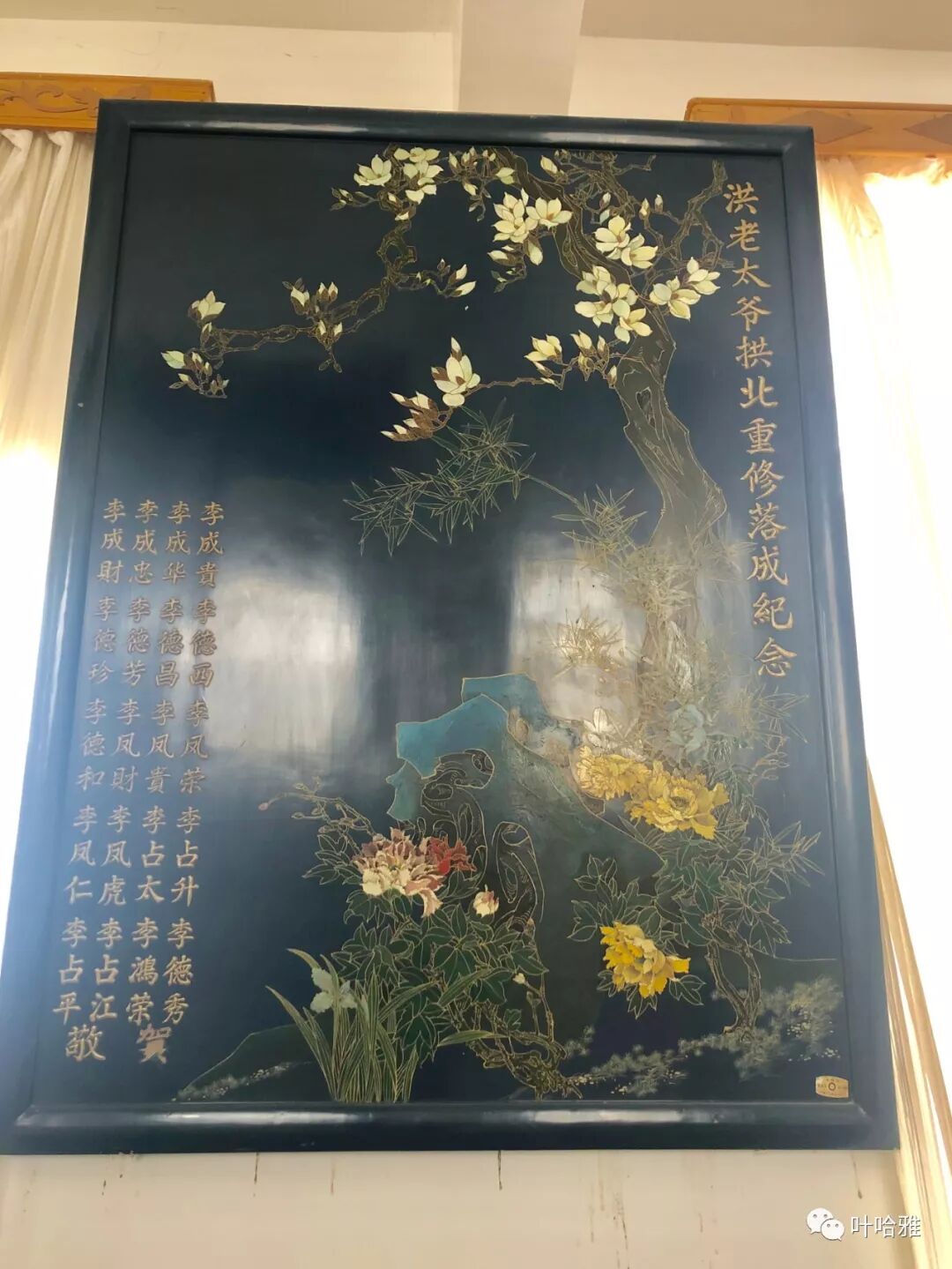
On the front of the Hong Shoulin monument pavilion: Hong Shoulin (courtesy name Hairu), also known as Shouling, with the religious name Sherefe Vendini Suwanglonglaxi. His ancestors were from Hongjiazhuang in Lutang, Jingtai County, Gansu Province. As a child, he fled to Tongxin Honggangzi and worked as a helper at the Zhuangtou Mosque. He used his spare time to listen to the imam teach scriptures. Because he was very bright, the imam chose him for advanced study, eventually training him to become a great imam. While in Lanzhou, he studied under the elder Zhuang from Liangzhou. Before the elder Zhuang passed away, he left a will naming Hong Shoulin as the successor to the Khufiyya. On the 29th day of the 11th lunar month in the 24th year of the Guangxu reign, during the 100-day memorial for the elder Zhuang of Liangzhou, the elder's wife asked for Hong Shoulin to be brought to her to take over the religious leadership. Hong Shoulin accepted the order, entered a quiet room for seven days, and then asked the old lady for the keys. He opened the door and found a golden seal of the Great Master Datong, a golden seal of the Master of Liangzhou Zhuang, a prayer rug, and a prayer bead string (tasbih). From then on, Hong Shoulin began his mission.
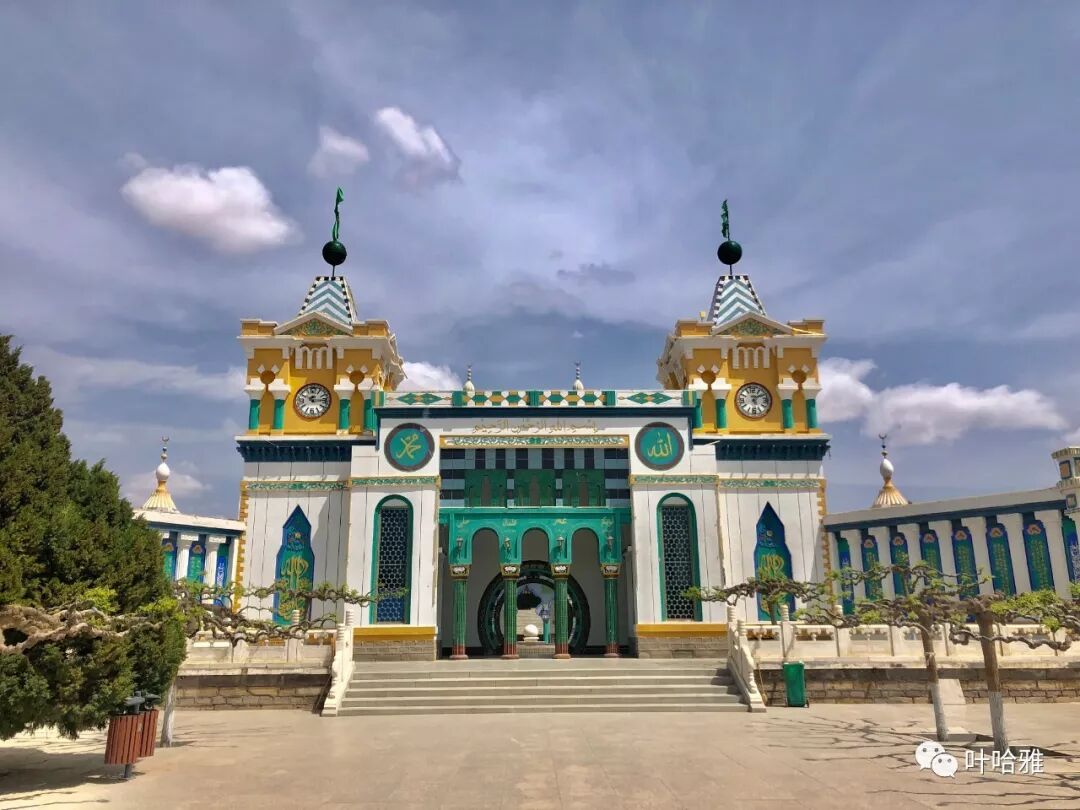
When Hong Shoulin was preaching in Lanzhou, he bought three acres of land in Xujiawan to bury the remains of the elders from Jiangoujing and Liangzhouzhuang. He built the Xujiawan gongbei there. He moved the remains of the Datong elder from Menyuan, Qinghai, to the main pavilion of the gongbei. He moved the remains of the Jiangoujing elder and his son from Jingtai County, Gansu, to the north side of the gongbei, and moved the remains of the Liangzhouzhuang elder from Datong, Qinghai, to the east side of the gongbei.
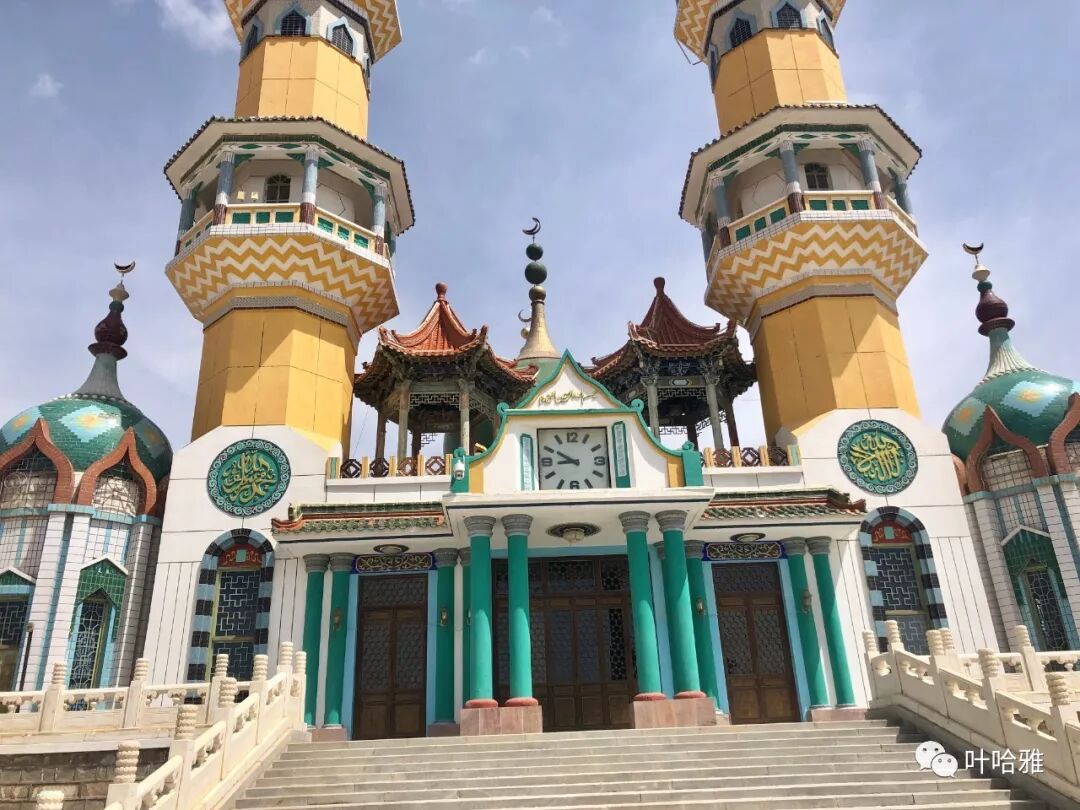
In 1936, when the Chinese Workers' and Peasants' Red Army went on their western expedition, Hong Shoulin worked closely with them. Because of this, founding Lieutenant General Tang Tianji gave him a silk banner that read 'Loving the People Like Heaven' and 100 sheep.
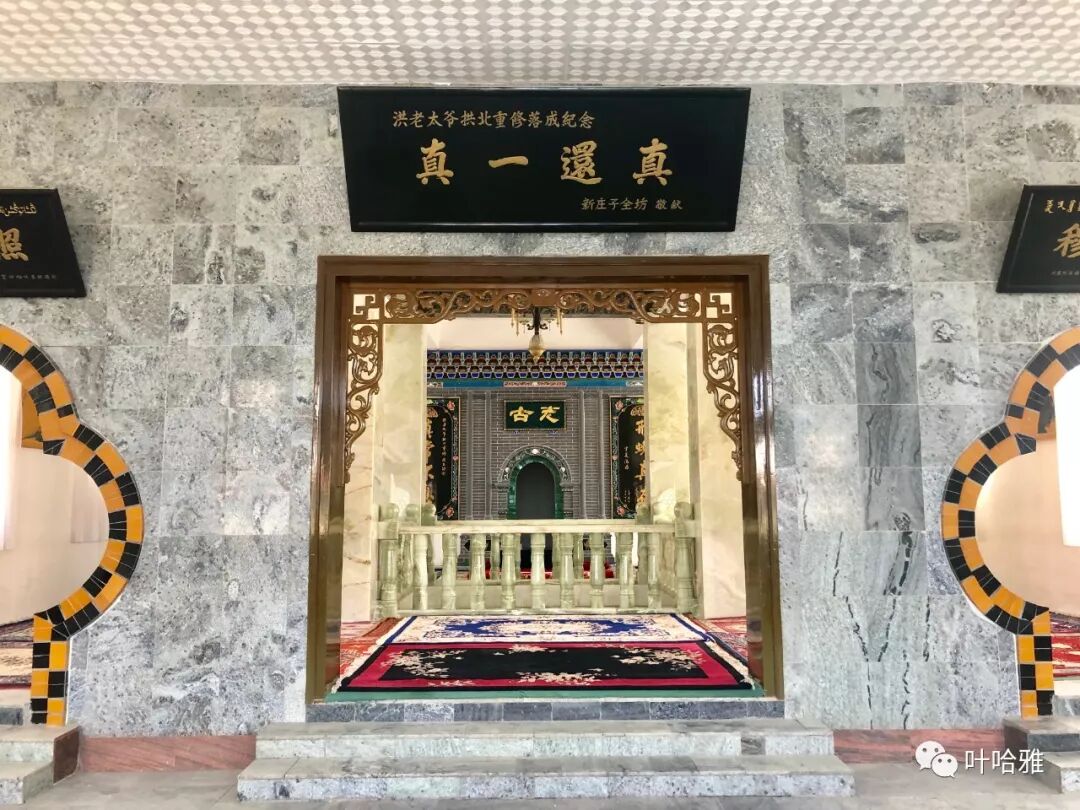
The entrance hall of the elder's tomb.
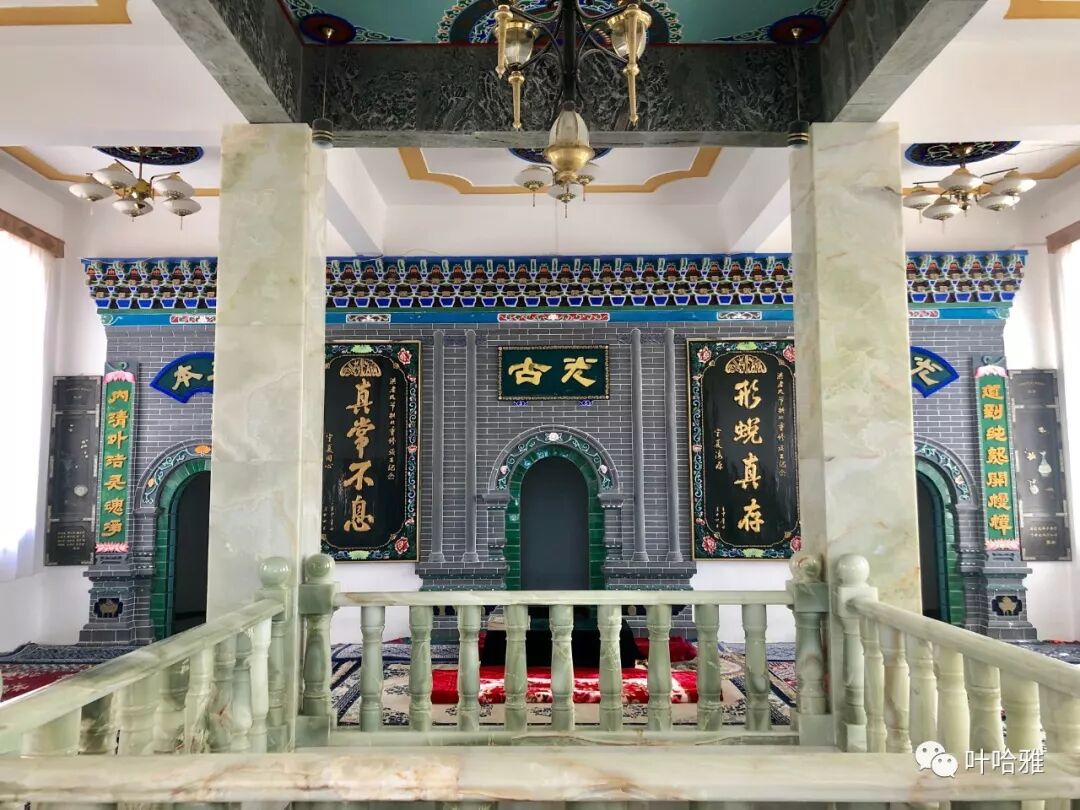
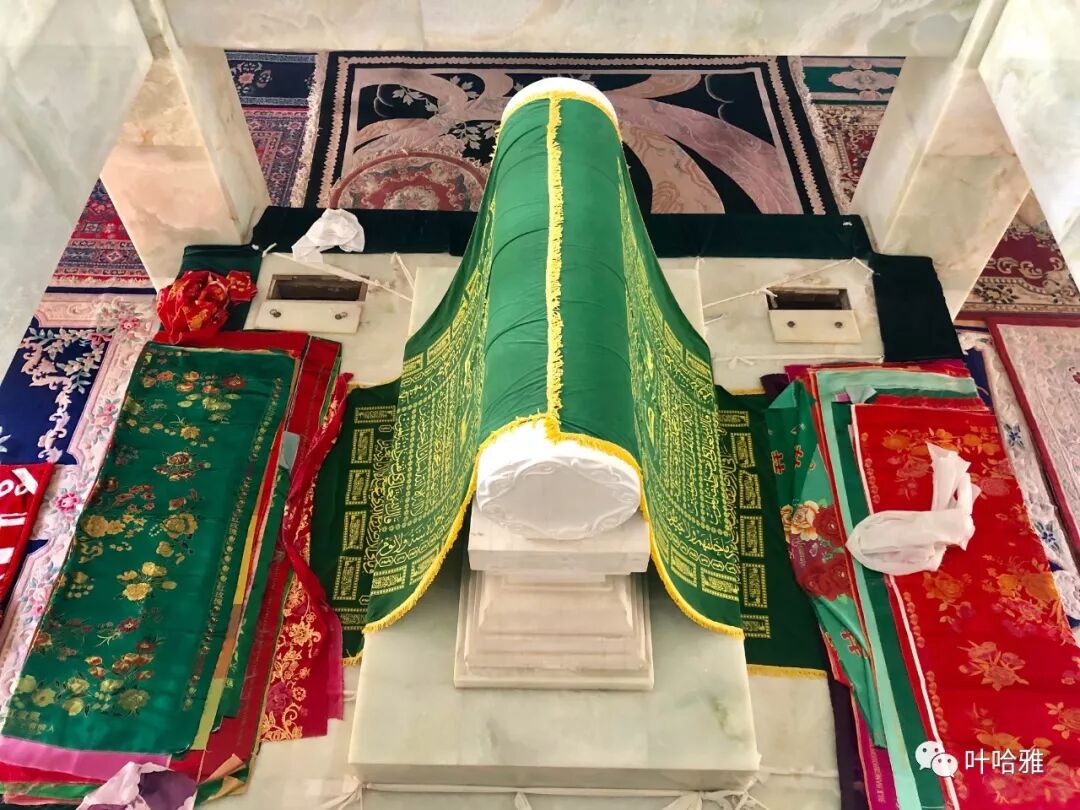
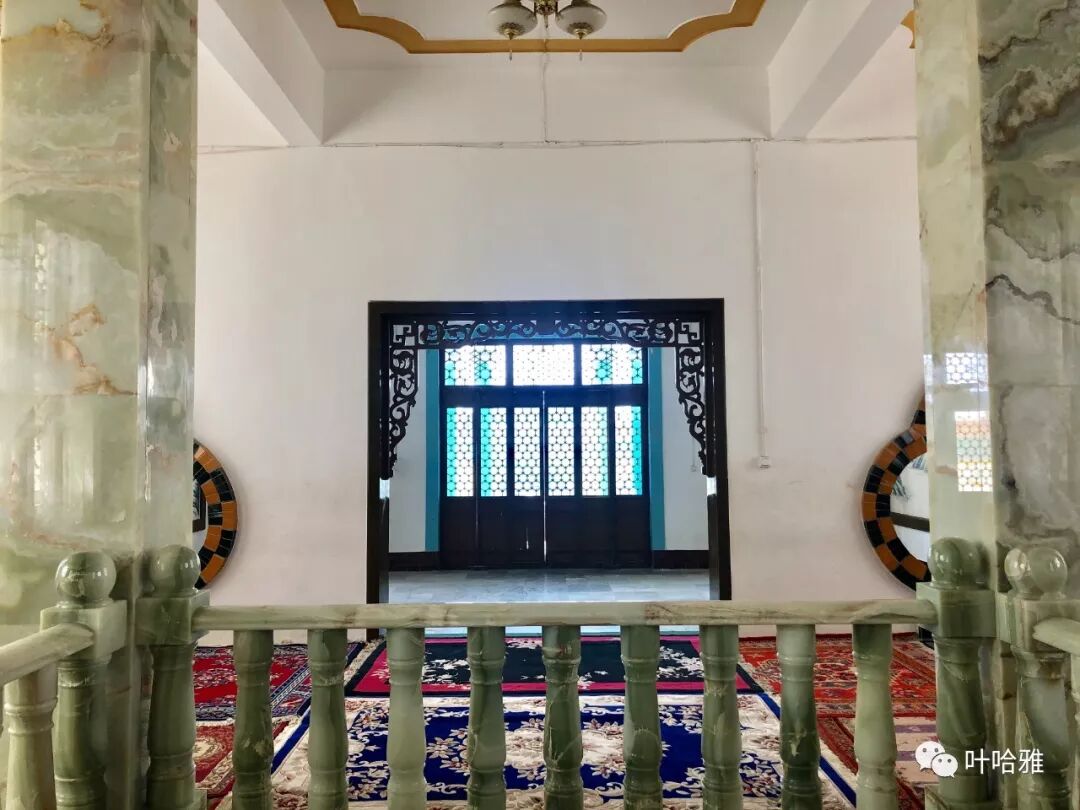
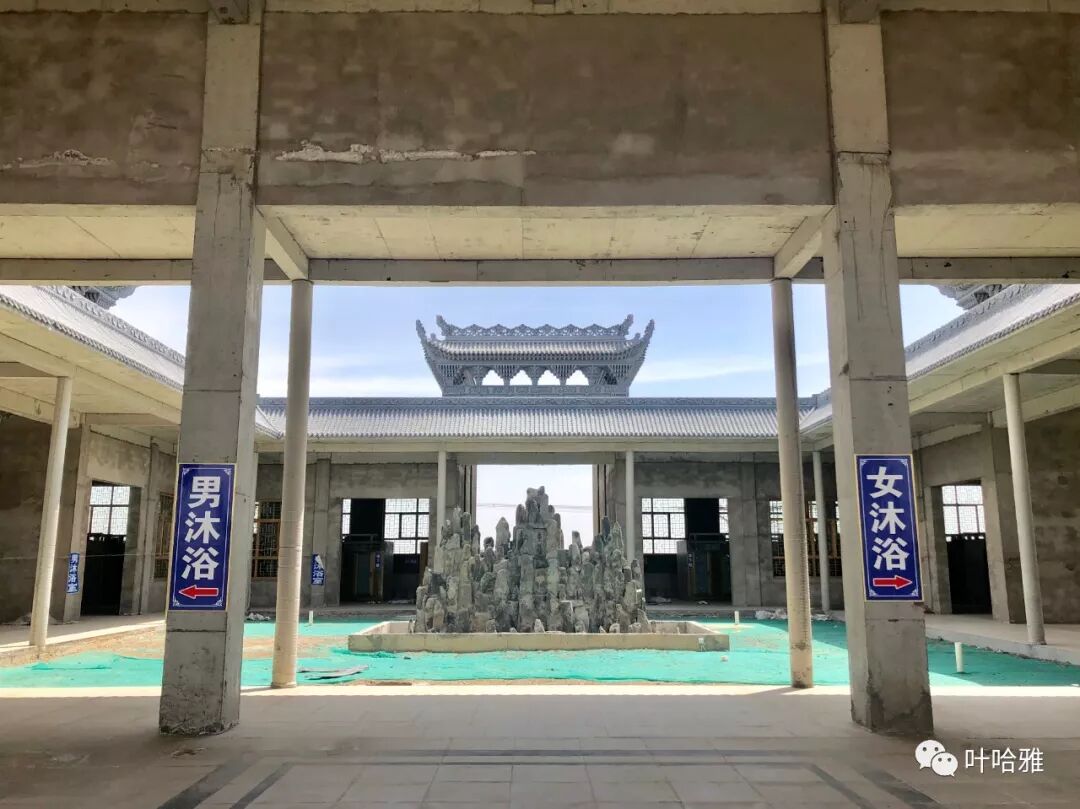
The front view of the ablution room (shuifang).
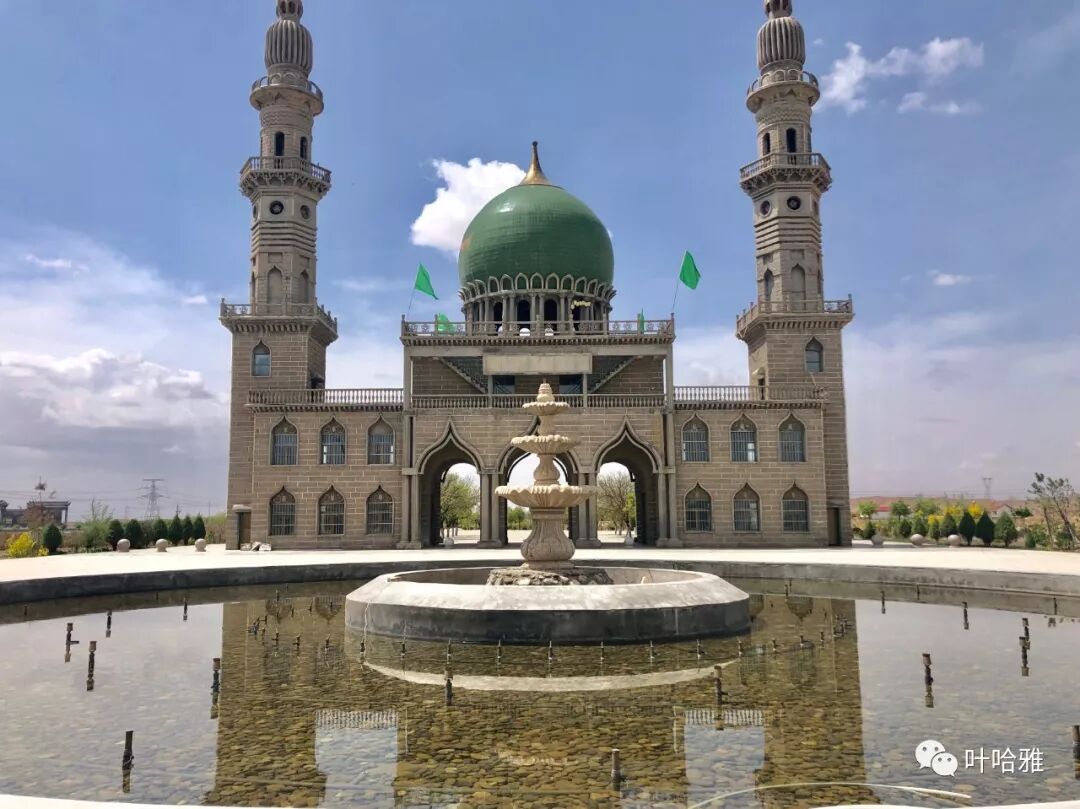
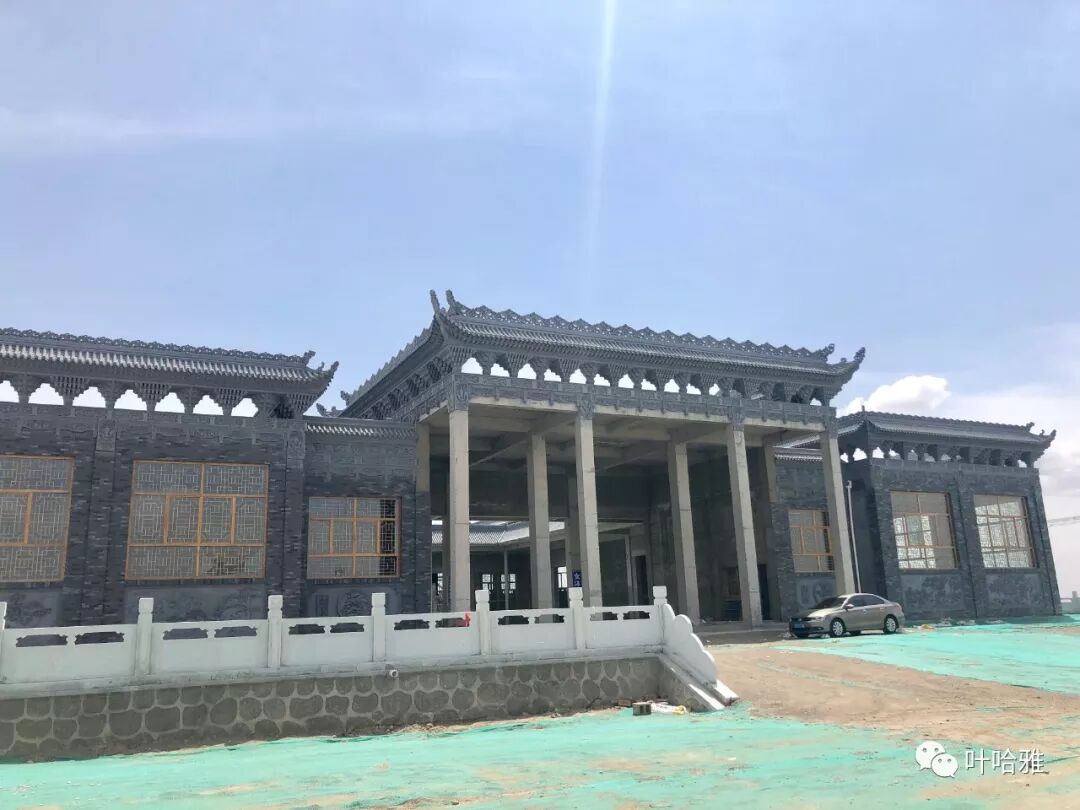
A full view of the ablution room (shuifang).
Laotian Hui Hometown Specialty Restaurant.
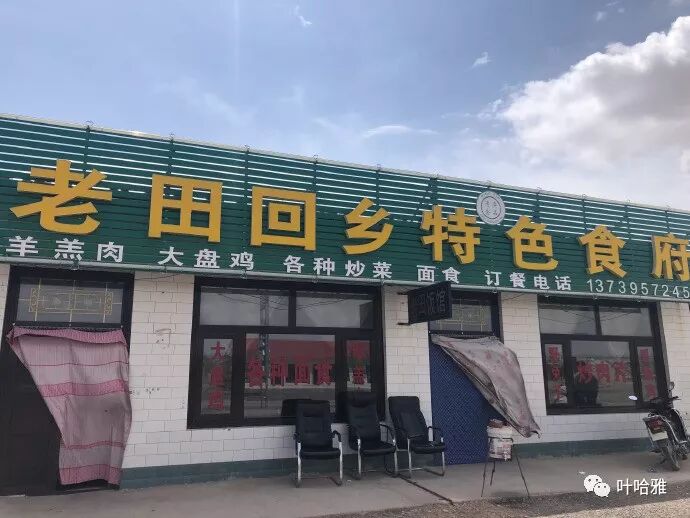
After finishing the grave visit, I walked toward the village entrance. A passing friend (dosti) offered me a ride, so I took his car to the Laotian Hui Hometown Specialty Restaurant to eat.
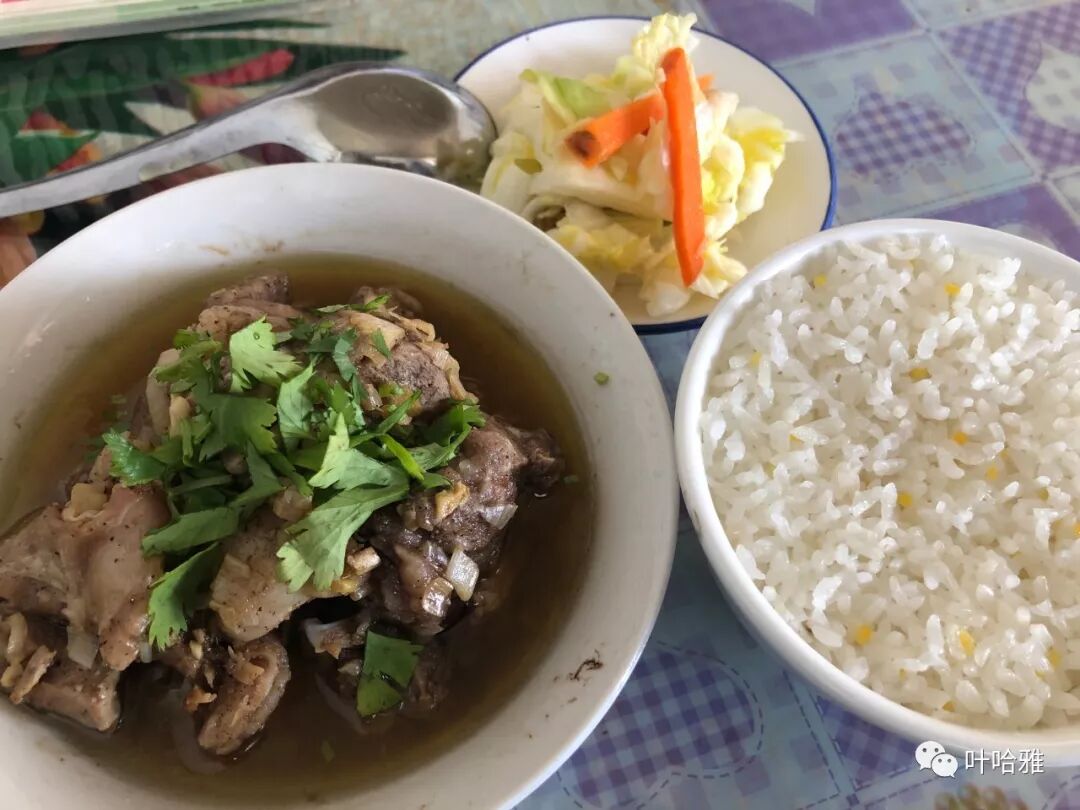
I had a bowl of steamed lamb (zheng yanggao rou), which came with rice and side dishes. It tasted great. After eating, I caught a private car at the intersection and paid 10 yuan to go to Tongxin.
Upon arriving in Tongxin, I went straight to the Tongxin Grand Mosque.
Tongxin Great Mosque
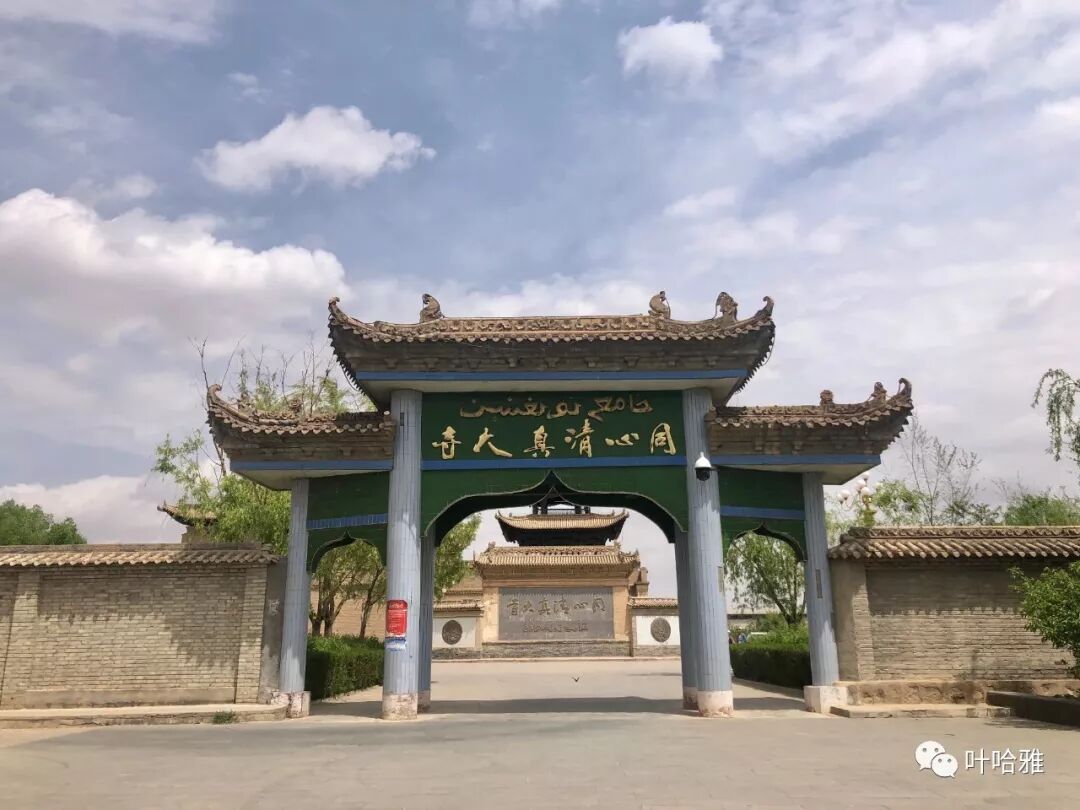
The Tongxin Grand Mosque is the oldest and largest mosque in Ningxia, and it is also a protected revolutionary site.
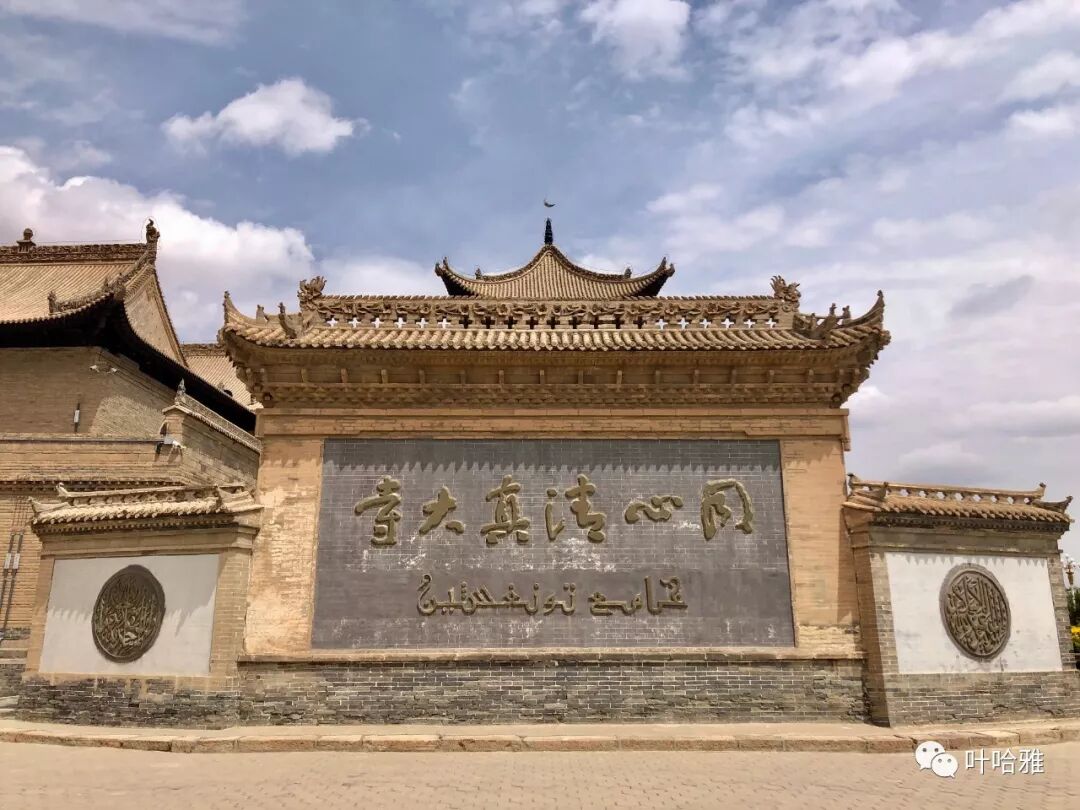
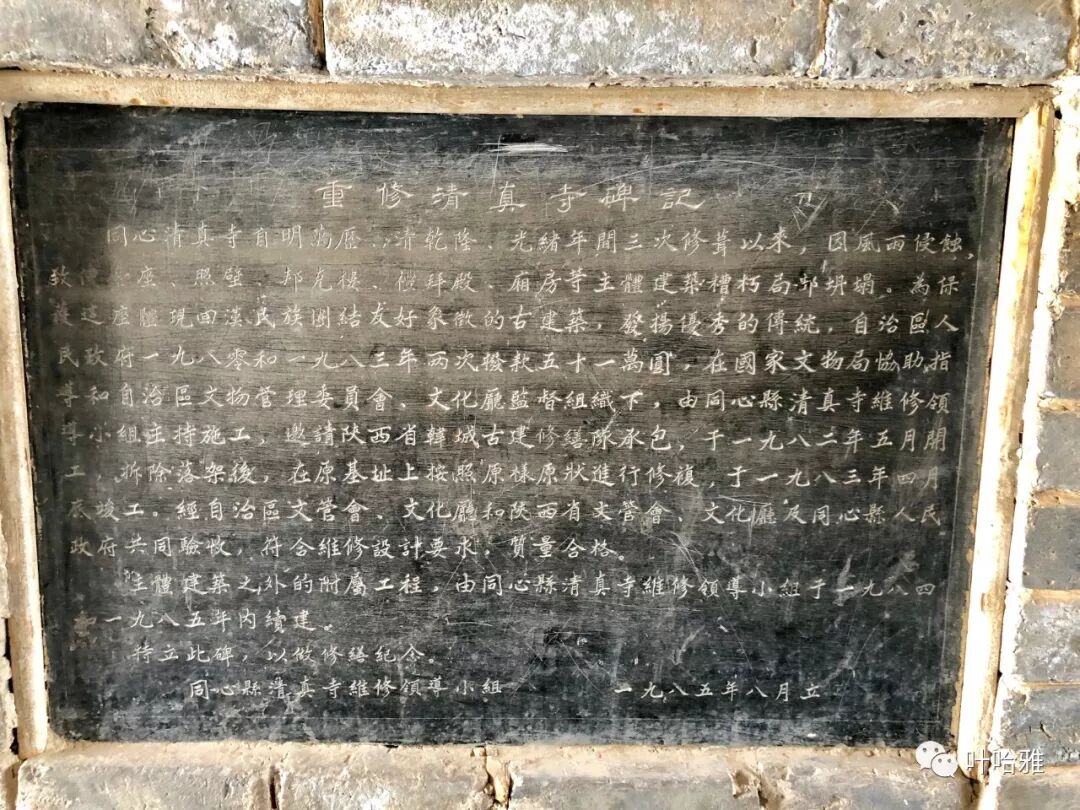
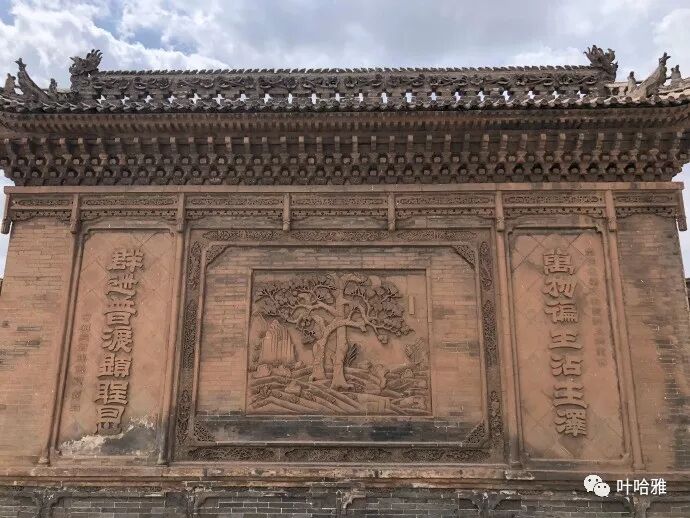
Legend says the Tongxin Grand Mosque was built during the Wanli period of the Ming Dynasty (1573–1620). It was rebuilt in the early Ming Dynasty on the site of an original lama mosque. According to ink inscriptions on the screen wall and the ridge purlin of the prayer hall, it was renovated twice, in 1791 during the Qianlong reign of the Qing Dynasty and in 1907 during the Guangxu reign.
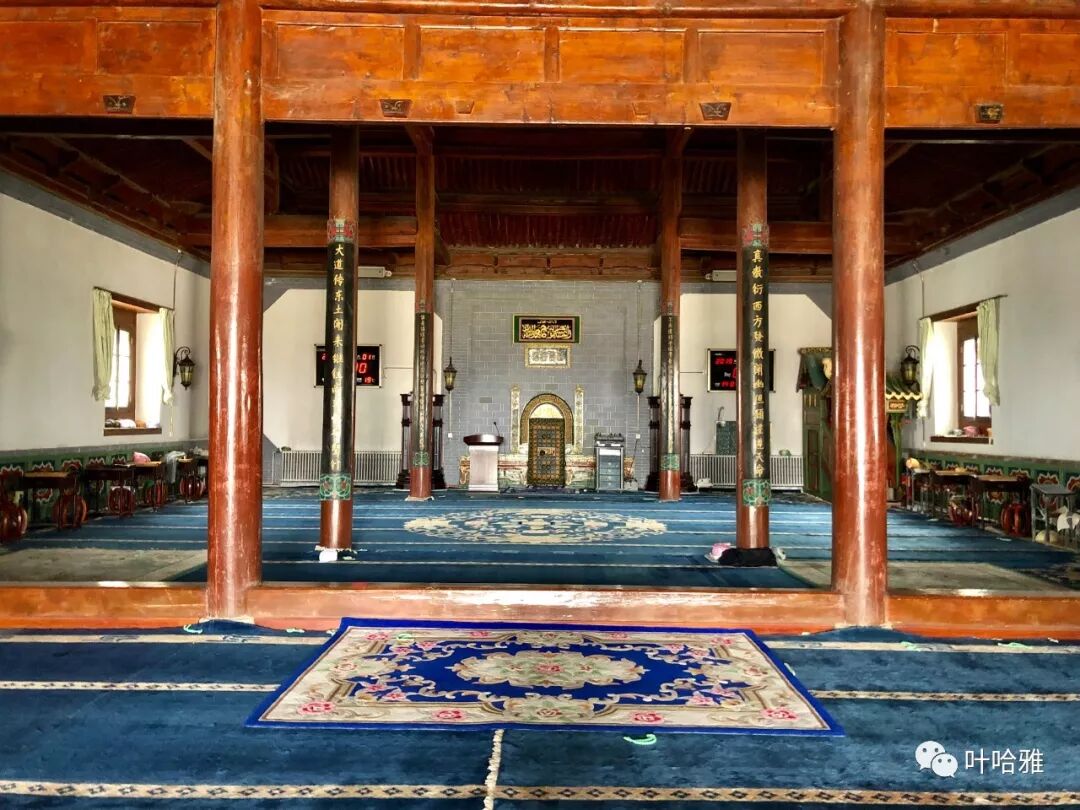
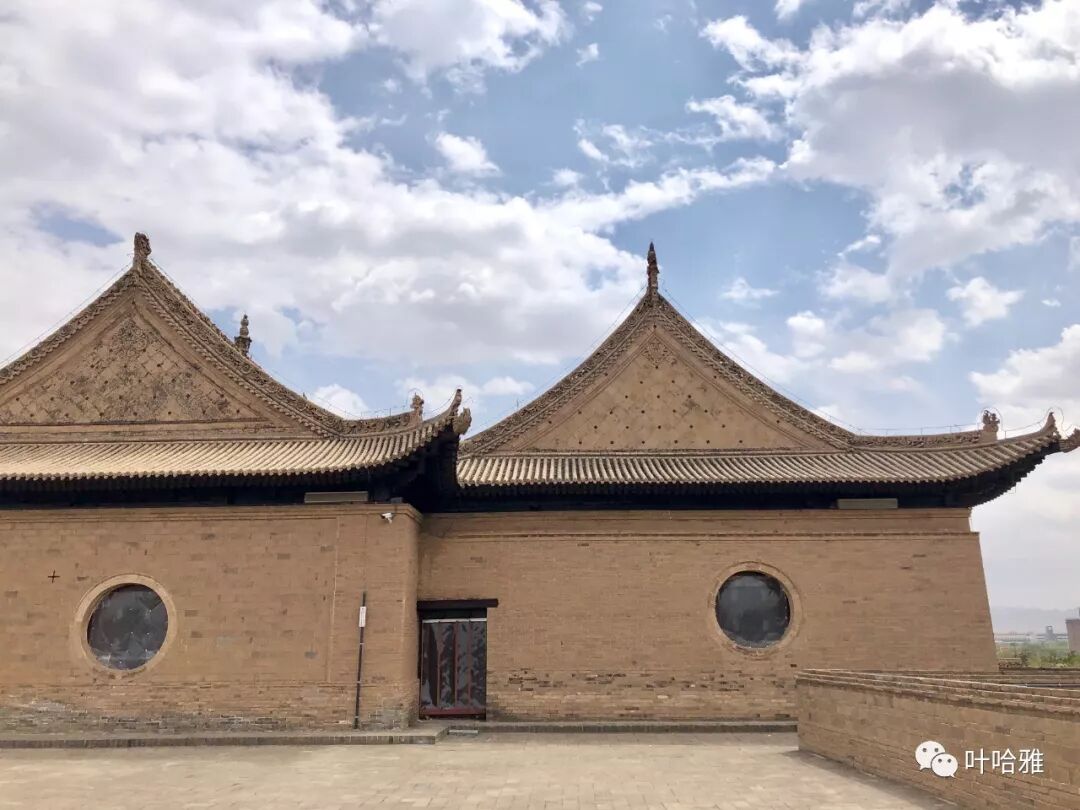
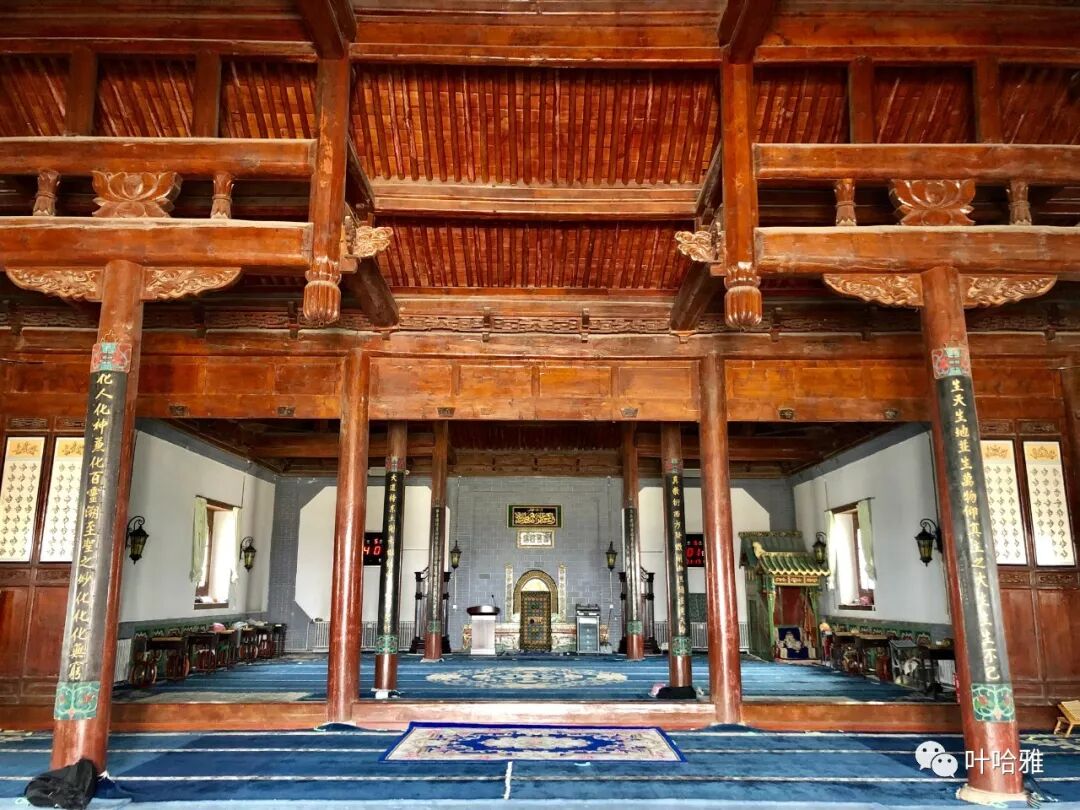
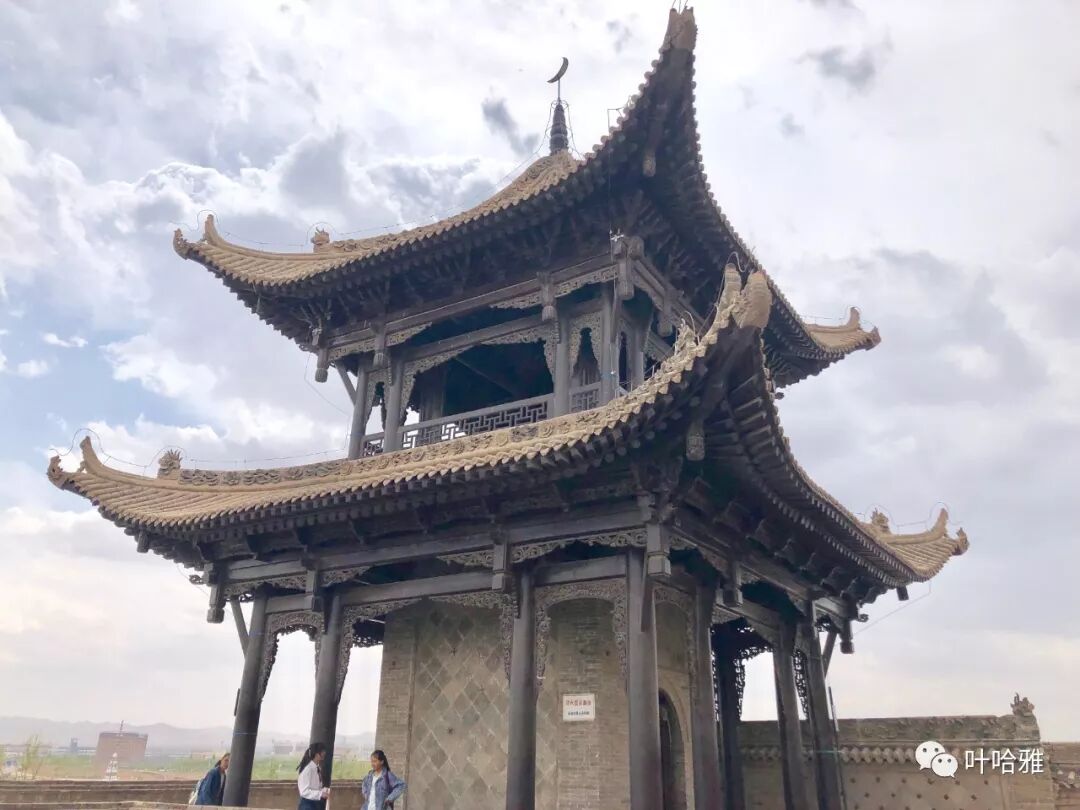
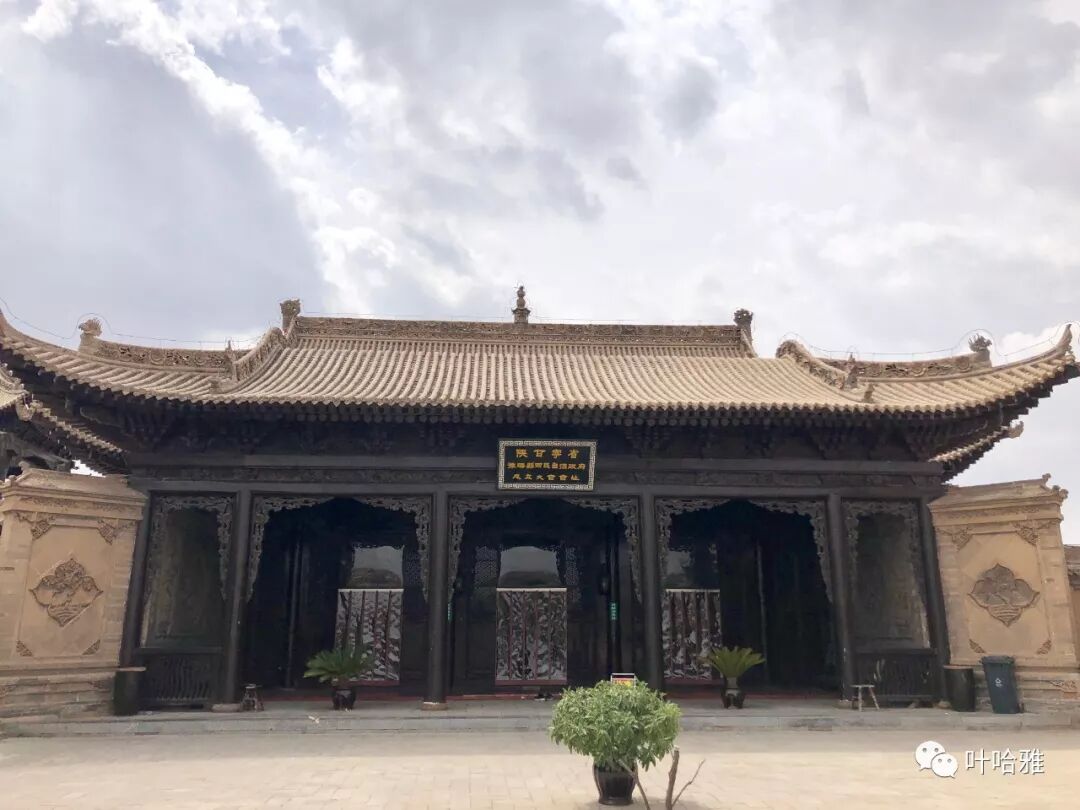
In 1936, the Red Army held the founding meeting of the Shaan-Gan-Ning Province Yuhai County Hui Muslim Autonomous Government at the Tongxin Great Mosque.
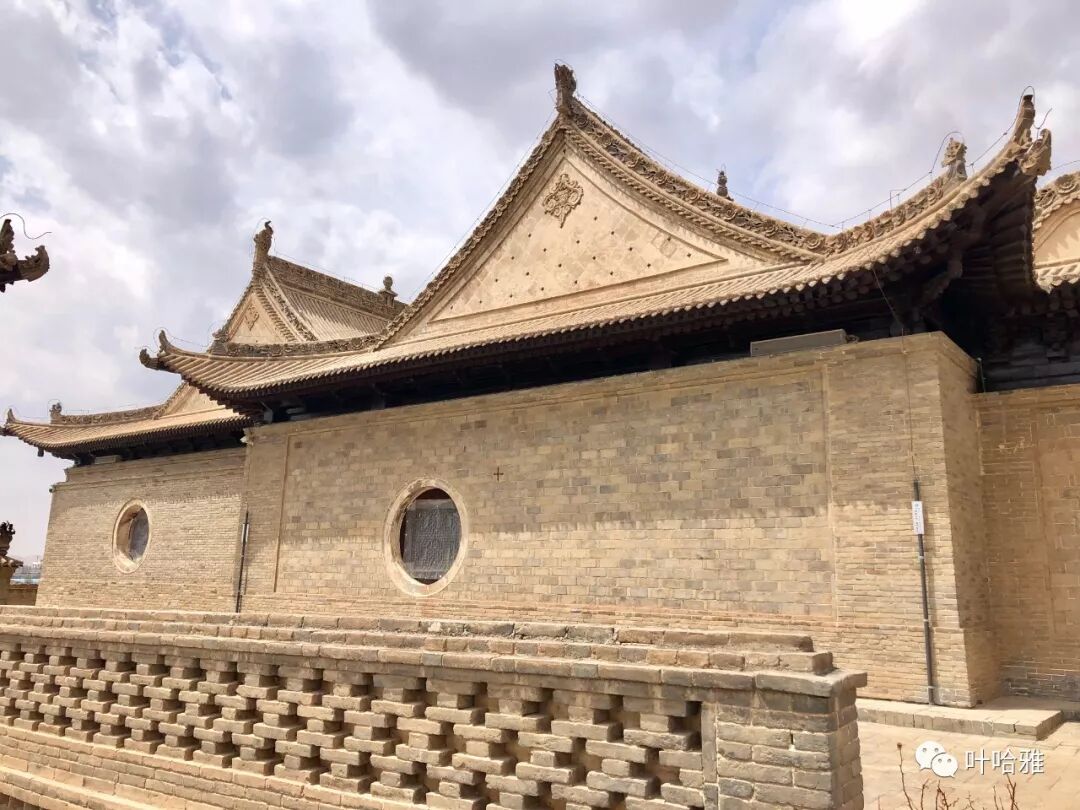
After a short stay in Tongxin, I took a two-hour car ride to Guyuan County town. This is where you truly enter the central area of Xihaigu, where there are noticeably more Hui Muslims on the streets and halal restaurants everywhere.
Ruifeng Hotel
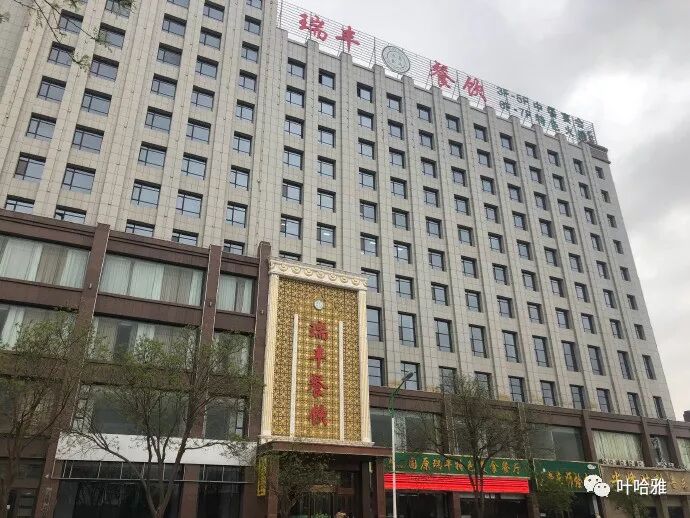
I stayed at a very good halal hotel in Guyuan County town called Ruifeng Hotel. It seems to be the most high-end dining and lodging group in the area. The owner is a Hui Muslim and they provide a halal breakfast.
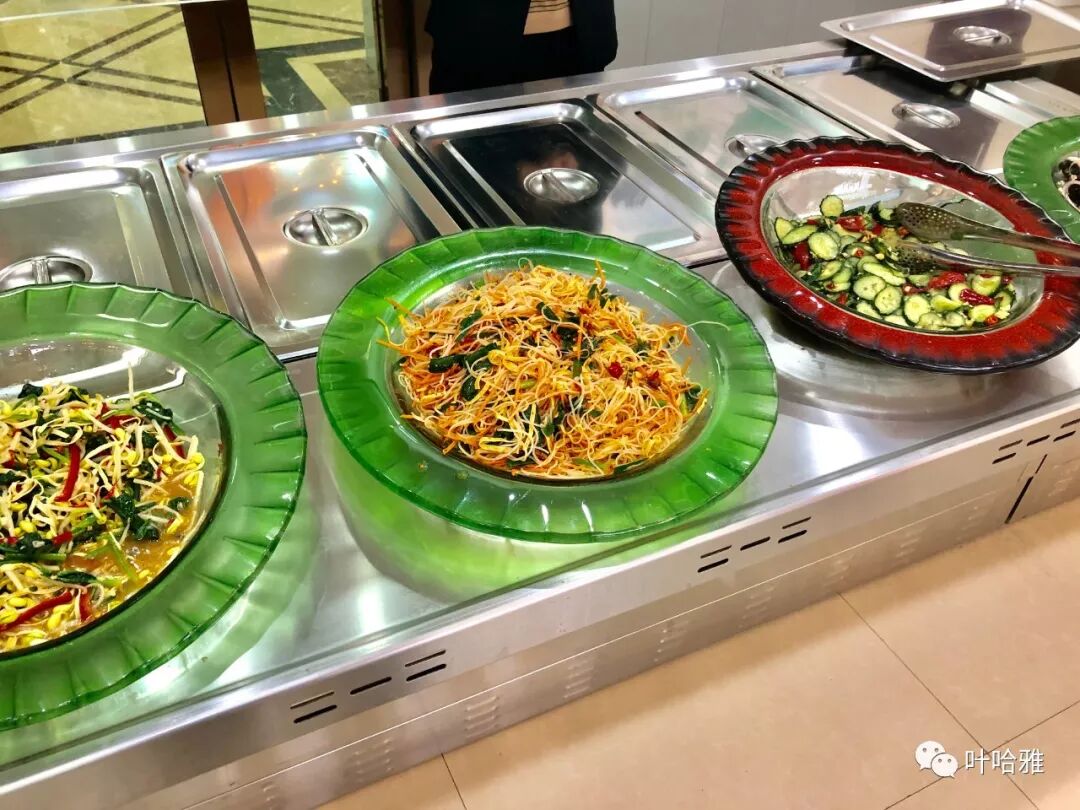
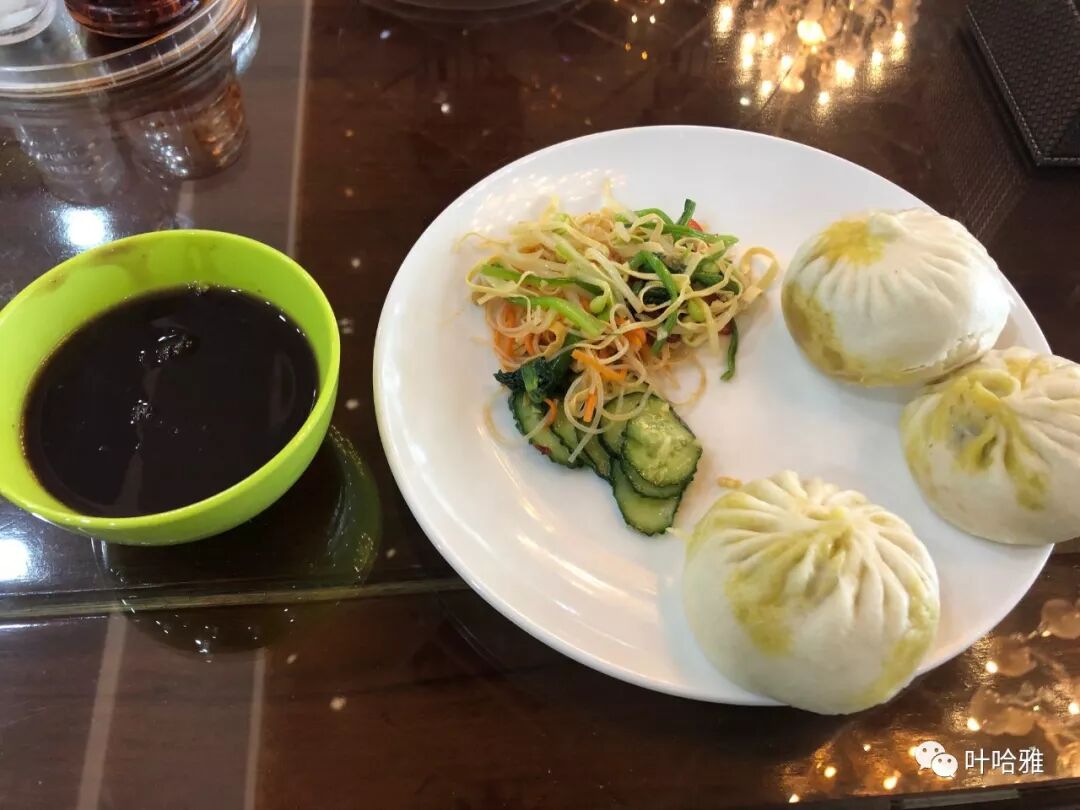
I love eating this kind of steamed bun (baozi) from the Northwest; they not only look good but also taste delicious.
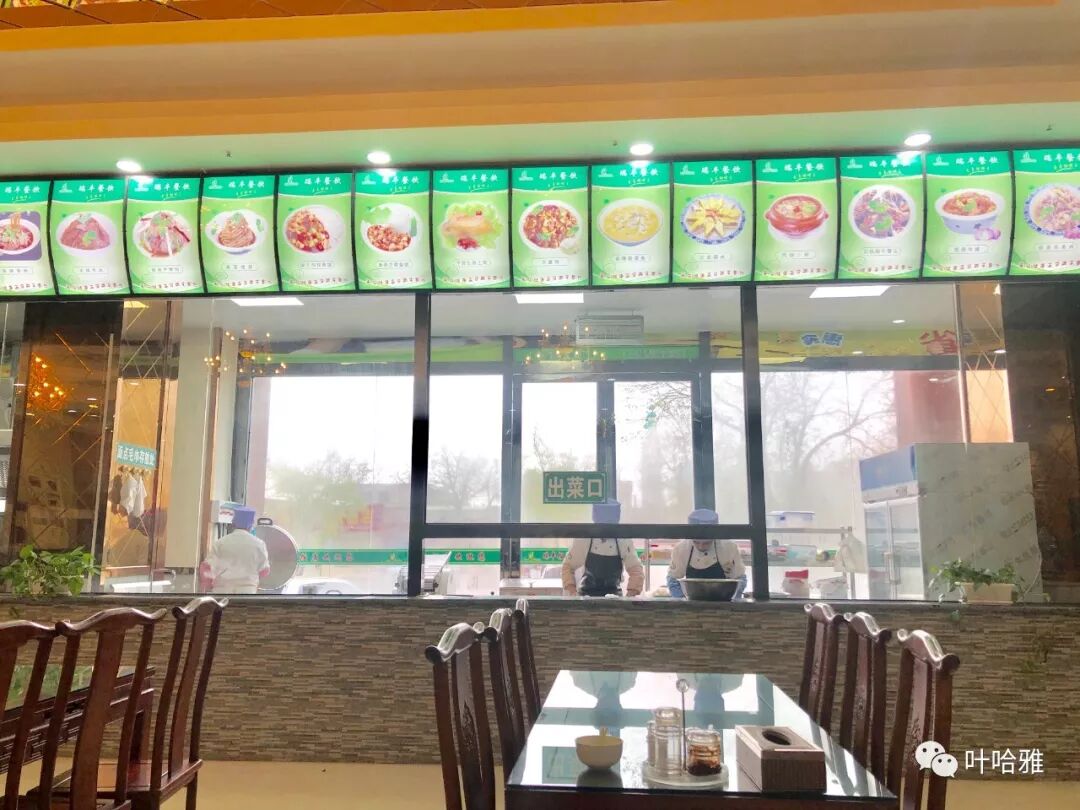
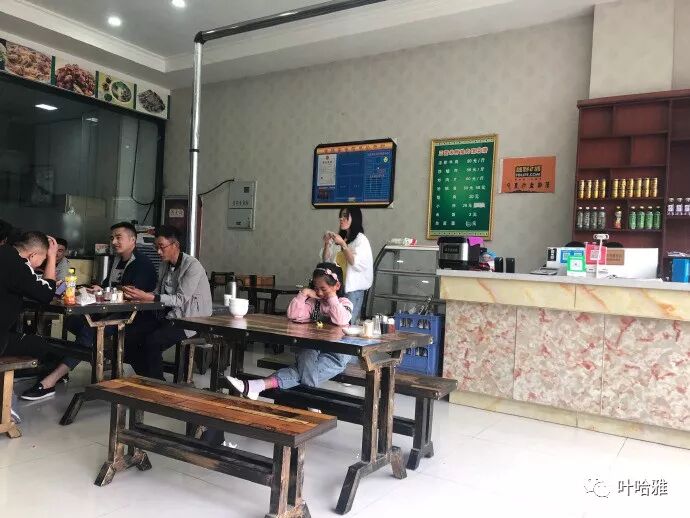
On the first floor of the hotel is a Sanying Mishi Braised Meat Restaurant, and stir-fried braised meat (chao huirou) is one of the local specialties.
Sanying Mishi Braised Meat Restaurant
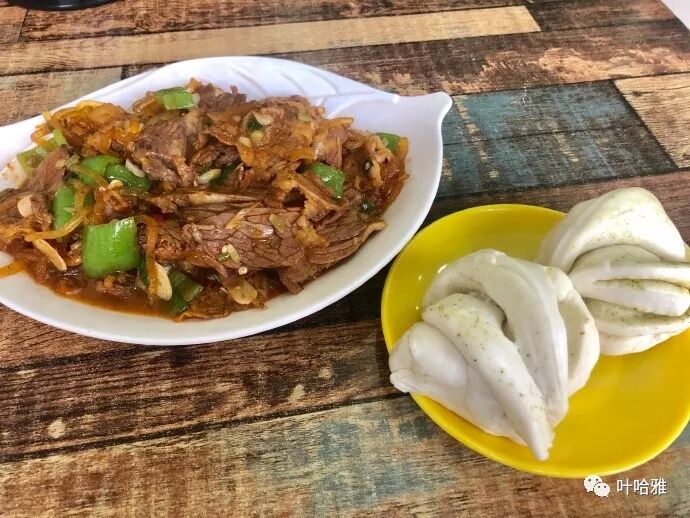
You can eat stir-fried braised meat with rice or steamed flower rolls (huajuan). The meat is beef. Tongxin and Wuzhong are places where people eat lamb, but once you reach the Xihaigu area, beef becomes the main meat.
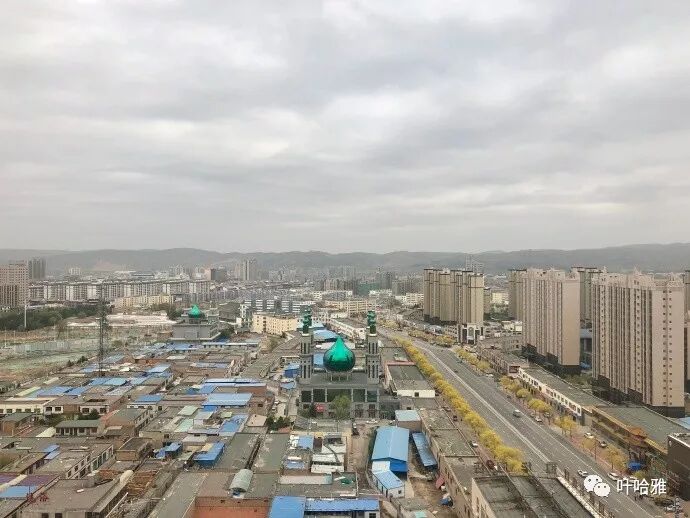
Looking out from my room, the Jiulong Road Mosque is right across the way, and the Xiyuan Mosque is in the upper left corner.
Jiulong Road Great Mosque
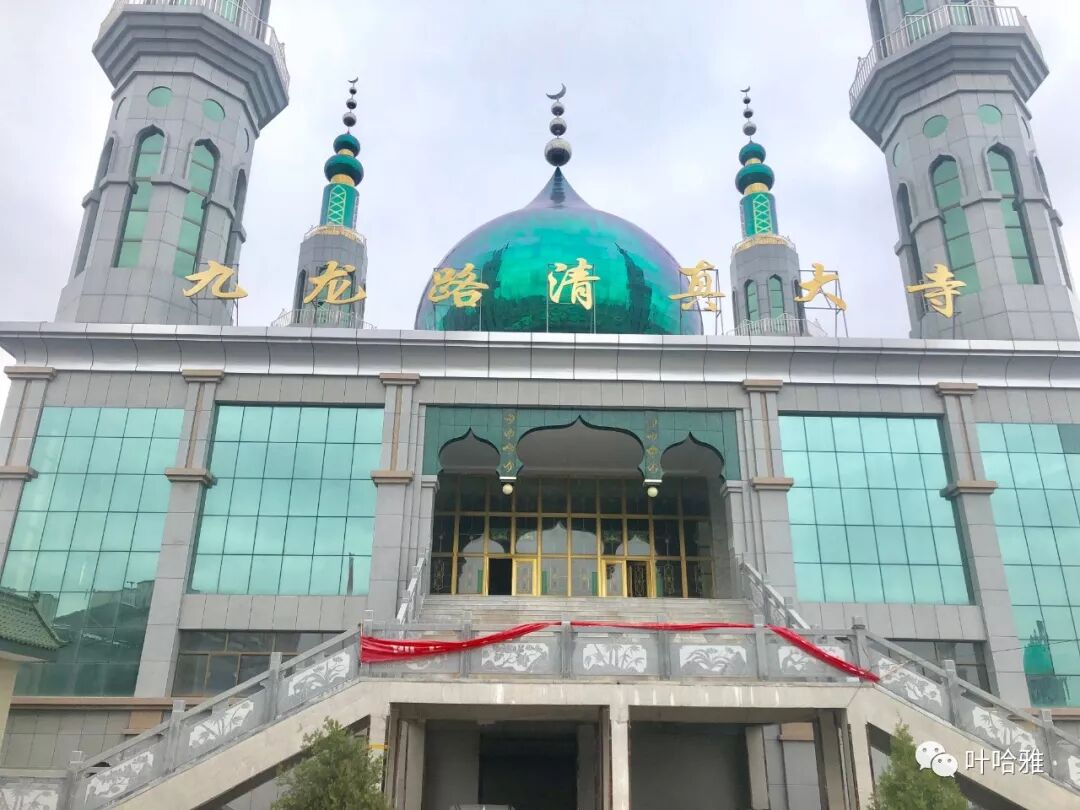
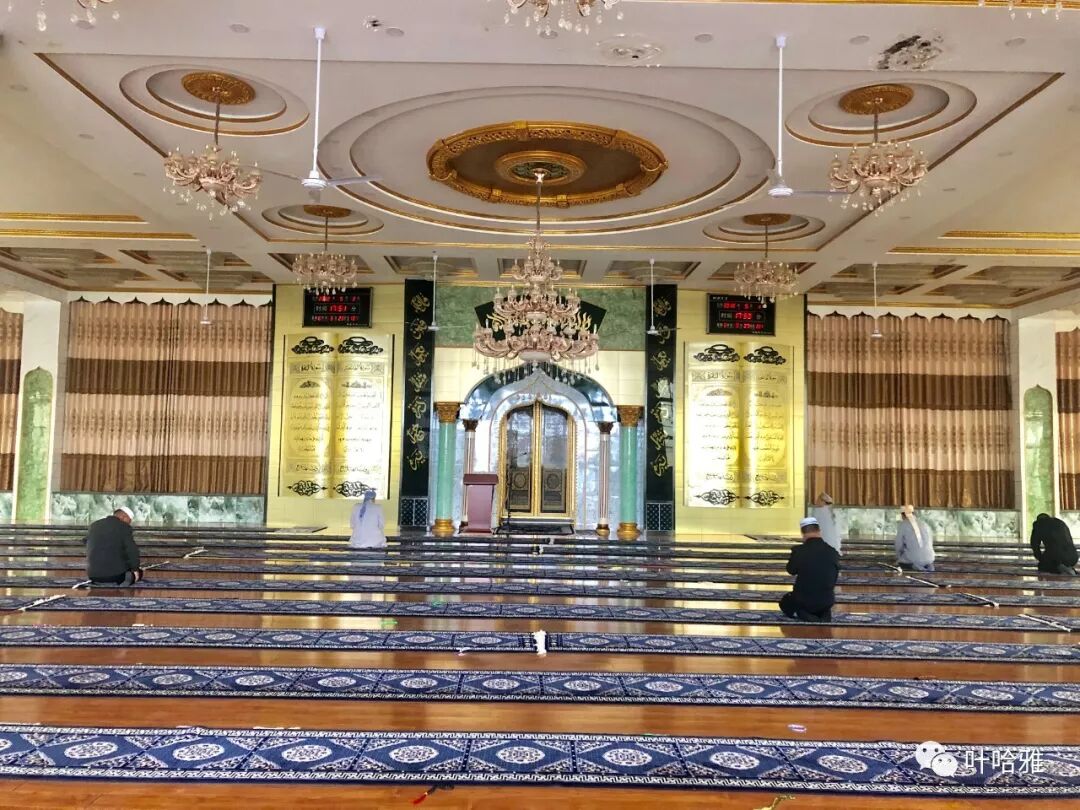
At the Jiulong Road Mosque, I asked a friend where to catch a ride to the Shagou gongbei. He told me this is an Ikhwan mosque and they do not visit graves, so he suggested I ask at the neighboring Khufiyya mosque instead.
Xiyuan Great Mosque
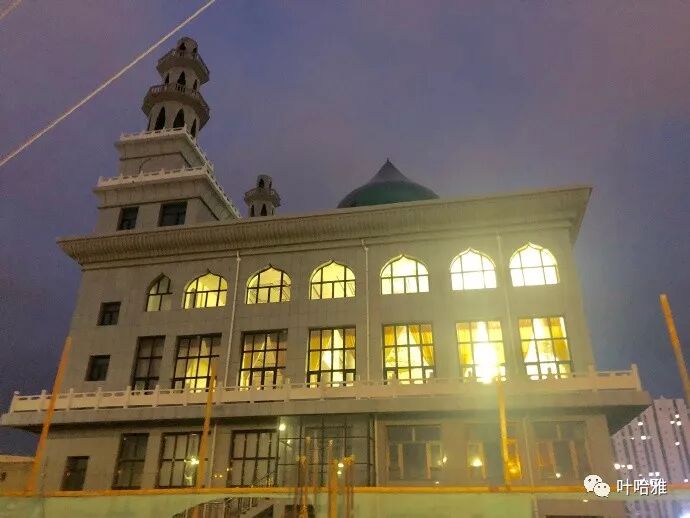
The Xiyuan Mosque in Guyuan belongs to the Khufiyya menhuan.
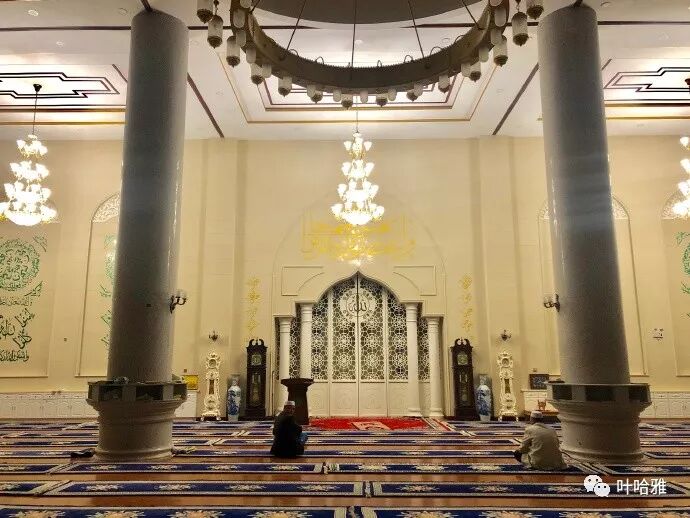
The mosque elders were very warm when they learned I was from Beijing. They invited me into their room as a guest and told me how to get a ride to the Shagou gongbei.
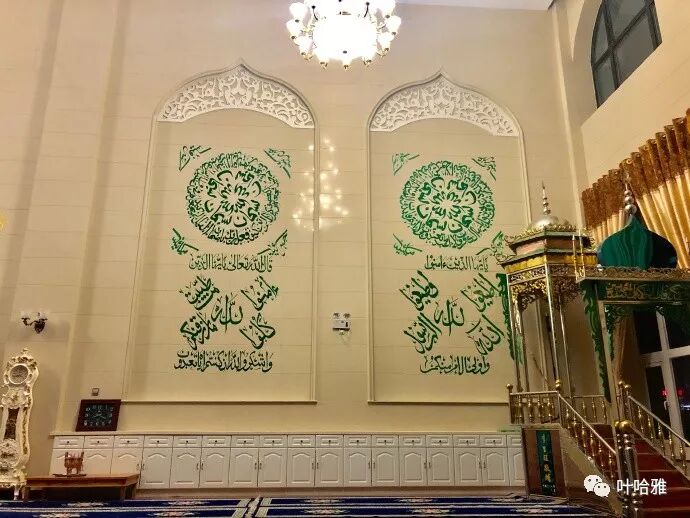
The next day, I took a taxi from the Guyuan bus station to the Shagou gongbei in Xiji County. I agreed on a price with the driver beforehand; the round trip was about 80 kilometers and cost 100 yuan.
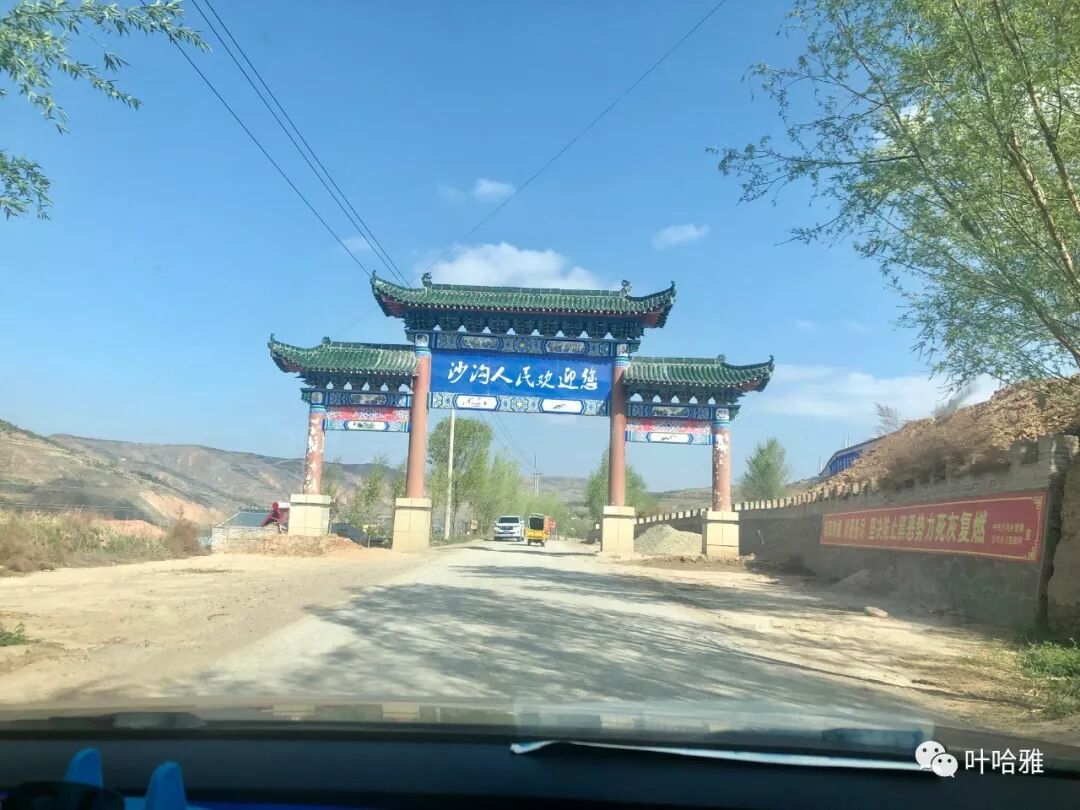
The driver was a local Han man whose parents had moved to Guyuan as refugees years ago. He told me about how local Hui Muslims and Han residents get along. He even has relatives who married into Hui families, though after a divorce, the children followed their Han mother's way of life.
We had a friendly chat along the way, but the road conditions were very poor. It was all dirt roads, and my phone lost signal for a while. After an hour of bumping along, we arrived at the Shagou gongbei in Xiji County.
Shagou Gongbei
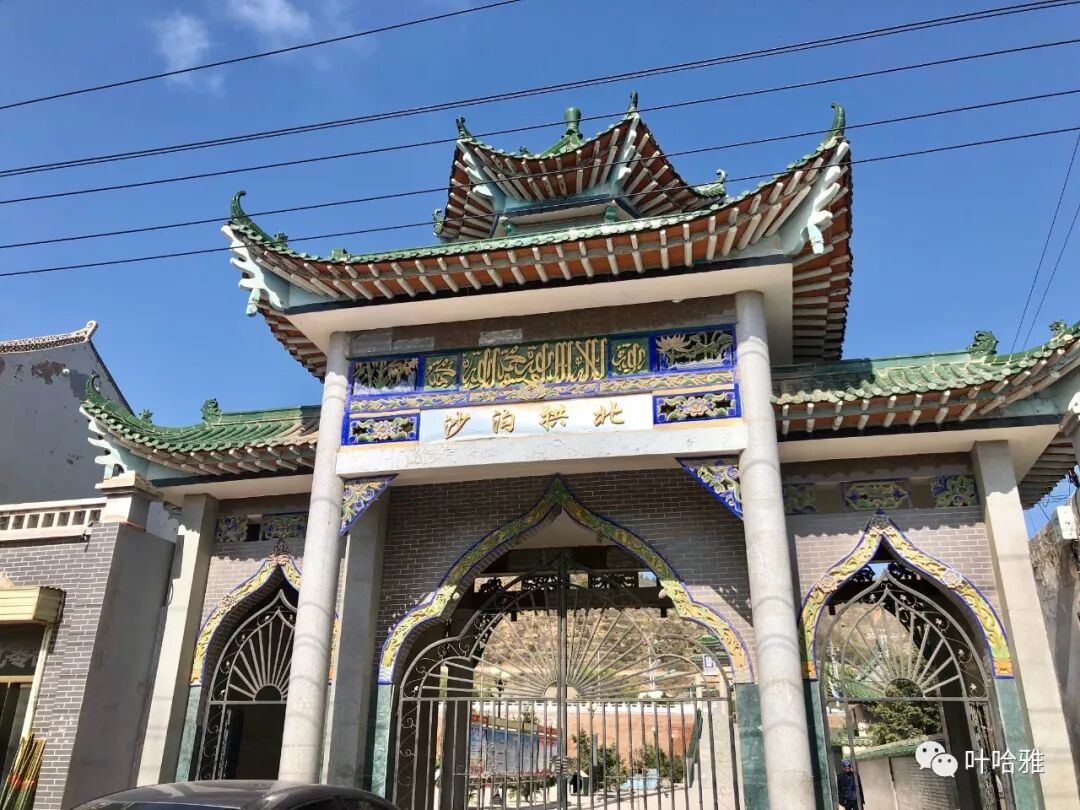
The Shagou gongbei was first built during the Guangxu reign of the Qing Dynasty. It covers over 300 mu and is mostly a burial ground for Muslim sages. Ma Yuanzhang, the seventh-generation leader of the Jahriyya menhuan, was once buried here. Ma Yuanzhang was born in 1853. He was the great-grandson of the Jahriyya founder Ma Mingxin and was respectfully called Shagou Taiye by the community. In the 9th year of the Republic of China (1920), a major earthquake hit Xiji, and Ma Yuanzhang passed away.
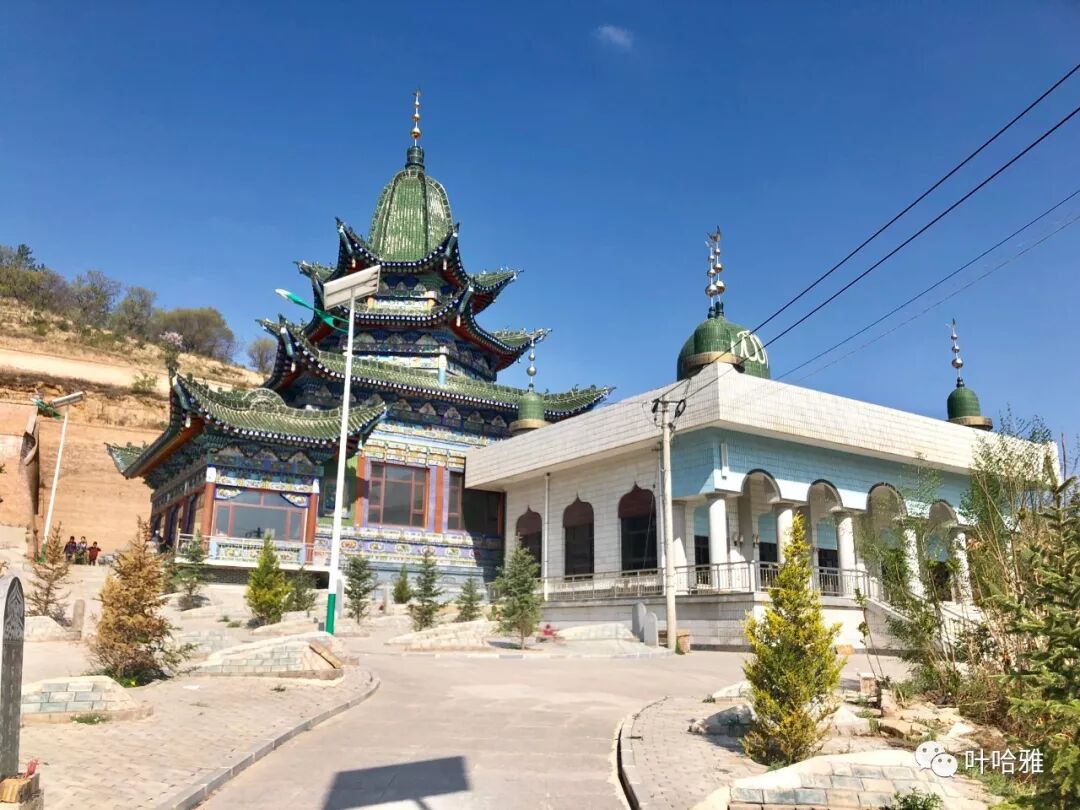
Ma Yuanzhang's younger brother, Ma Yuanchao, moved his remains to Xuanhuagang in Zhangjiachuan, Gansu, so that Ma Yuanzhang could be buried alongside Ma Hualong. After the passing of Great Master Ma Yuanzhang, his fourth son, Ma Zhenwu, took over the management of religious affairs in Xiji. Followers respectfully called him the Fourth Master, and his group is known as the Shagou faction. His jurisdiction included over 260 mosques (fang) in the Xi, Hai, Gu, Longde, and Jingning areas, over 130 in eastern Gansu, over 40 across Xinjiang, more than 10 in Yunnan and Guizhou, and another 10 or so in places like Jinan, Taierzhuang, Beijing, and the Jilin shipyard, totaling more than 450 mosques.
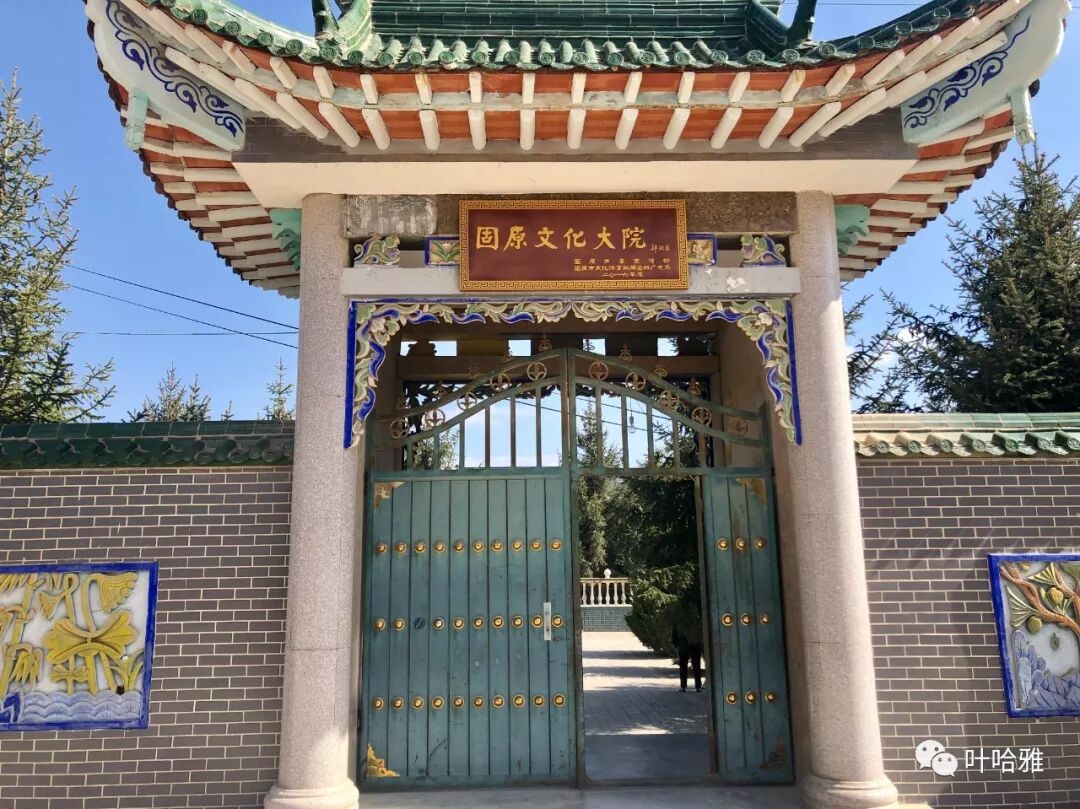
The tradition of the Jahriyya building a gongbei (a shrine for a Sufi saint) began with Great Master Ma Yuanzhang. Ma Yuanzhang built the Dongchuan Great Gongbei for Ma Mingxin at Dongshaomen in Lanzhou, and the Xuanhuagang Gongbei for Ma Hualong in Zhangjiachuan. Ma Yuanzhang was the first person to use the term menhuan (a Sufi order or lineage).
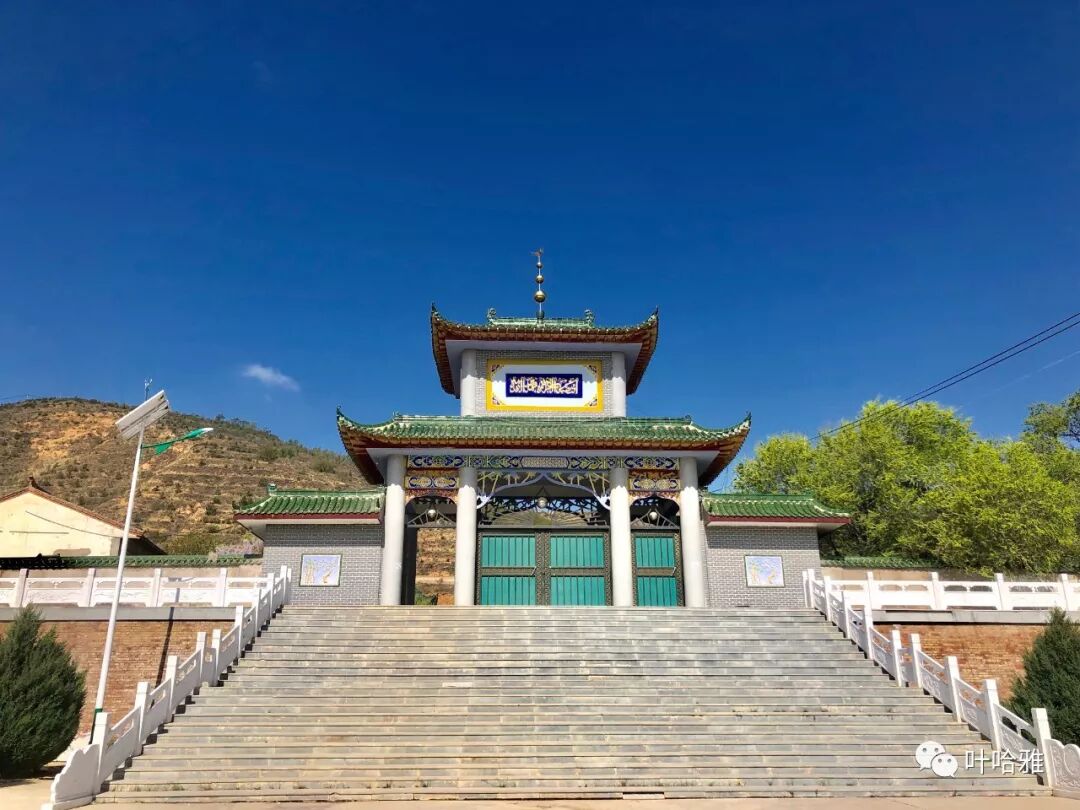
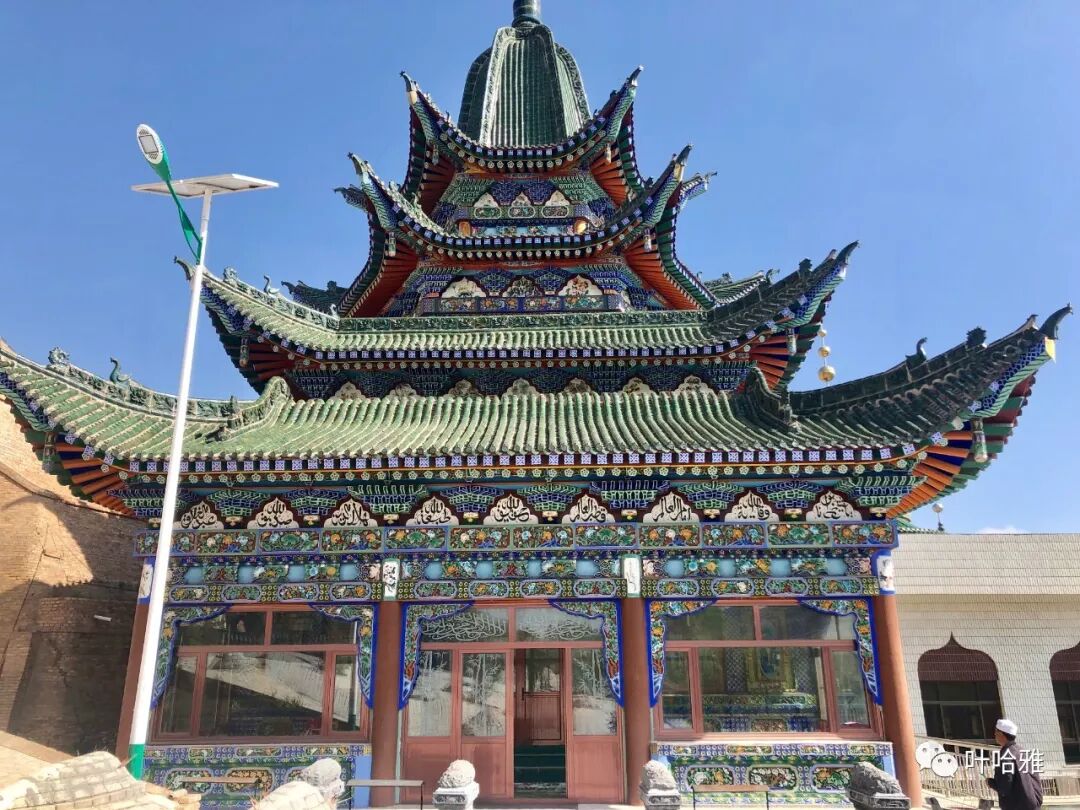
A clear feature of the Jahriyya menhuan is wearing a six-pointed cap, which represents their firm belief in the six articles of faith. Another clear feature is not growing a beard. This started in 1762 when the Jahriyya founder, Great Master Ma Mingxin, was leading the Friday prayer (Jumu'ah) at Zhanghagong Mosque in Xunhua. He met Ma Guobao, the second-generation leader of the Huasi menhuan. They argued over scripture, and the conflict grew. Ma Guobao accused the Jahriyya of being a cult to the Qing government, claiming their beards were a sign of anti-Qing activities. This led to persecution by the Qing government. Because of this, Ma Mingxin ordered his followers to stop growing beards, saying they would settle the dispute with Ma Guobao in the afterlife. Ma Guobao fell ill and passed away in 1773 while traveling to Baotou, at the age of 36.
It was not until the 46th year of the Qianlong reign that the two factions reached a reconciliation after participating in the anti-Qing struggle together.
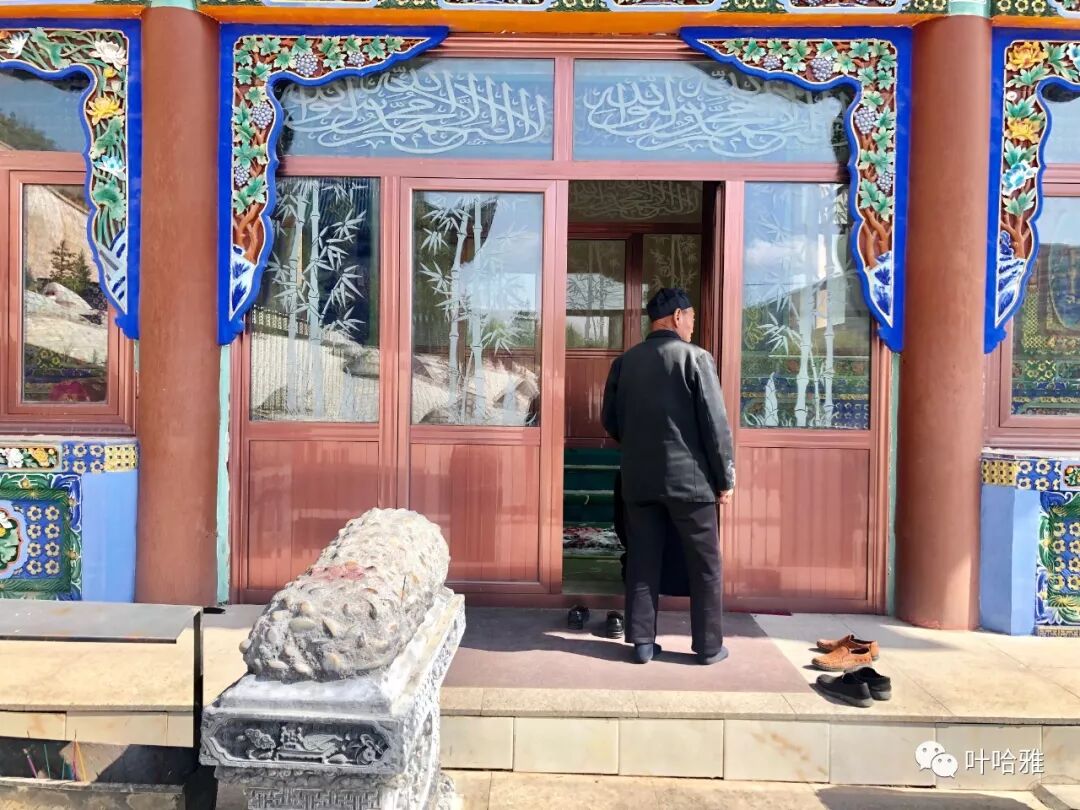
The Jahriyya do not build minarets (bangkelou). Instead, they use a wooden clapper (bangzi) to signal the call to prayer (adhan). This was a hidden method adopted to avoid detection by officials when the Qing government strictly banned the Jahriyya.
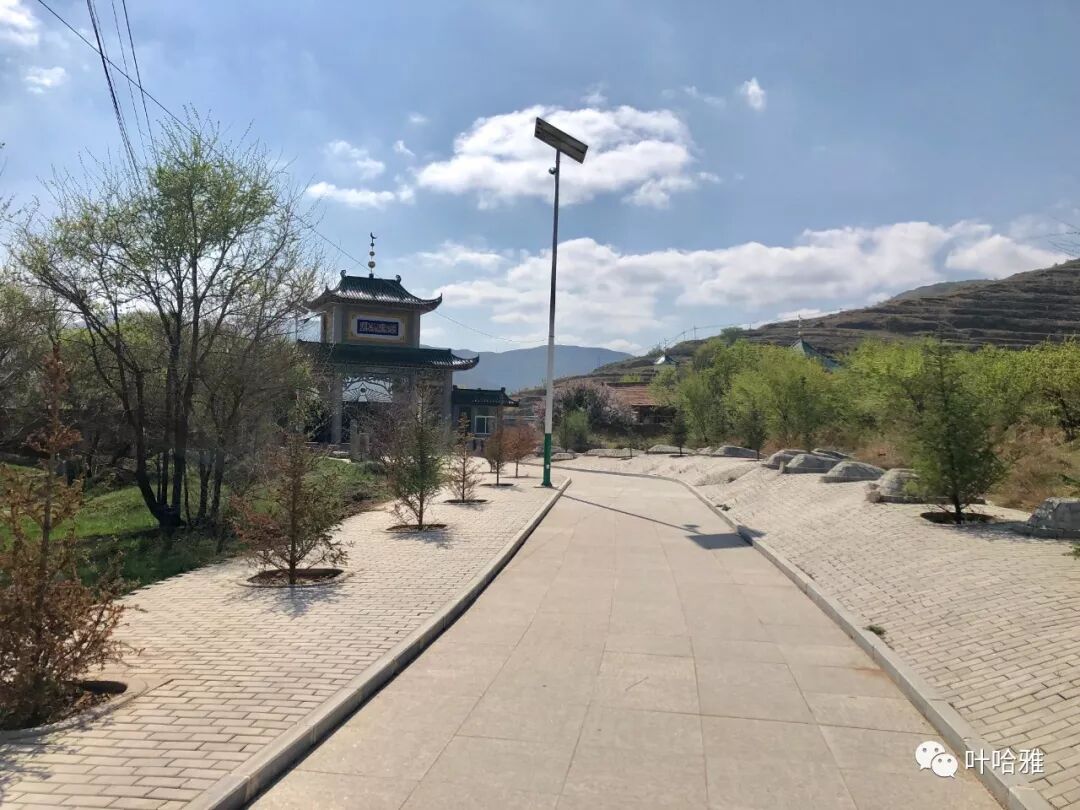
The Jahriyya believe that if a follower lacks the funds for the Hajj pilgrimage, they can visit a gongbei or a daotang (a religious hall) as a substitute, which is why the Jahriyya place great importance on the gongbei.
After the grave visitation (youfen) at the Shagou Gongbei ended, I headed straight to Jingyuan County for an appointment. Jingyuan County can be called a 100% halal county. Over 90% of the local population are Hui Muslims. I did not see a single non-halal restaurant on the streets, though it was sparsely populated and many shops were closed.
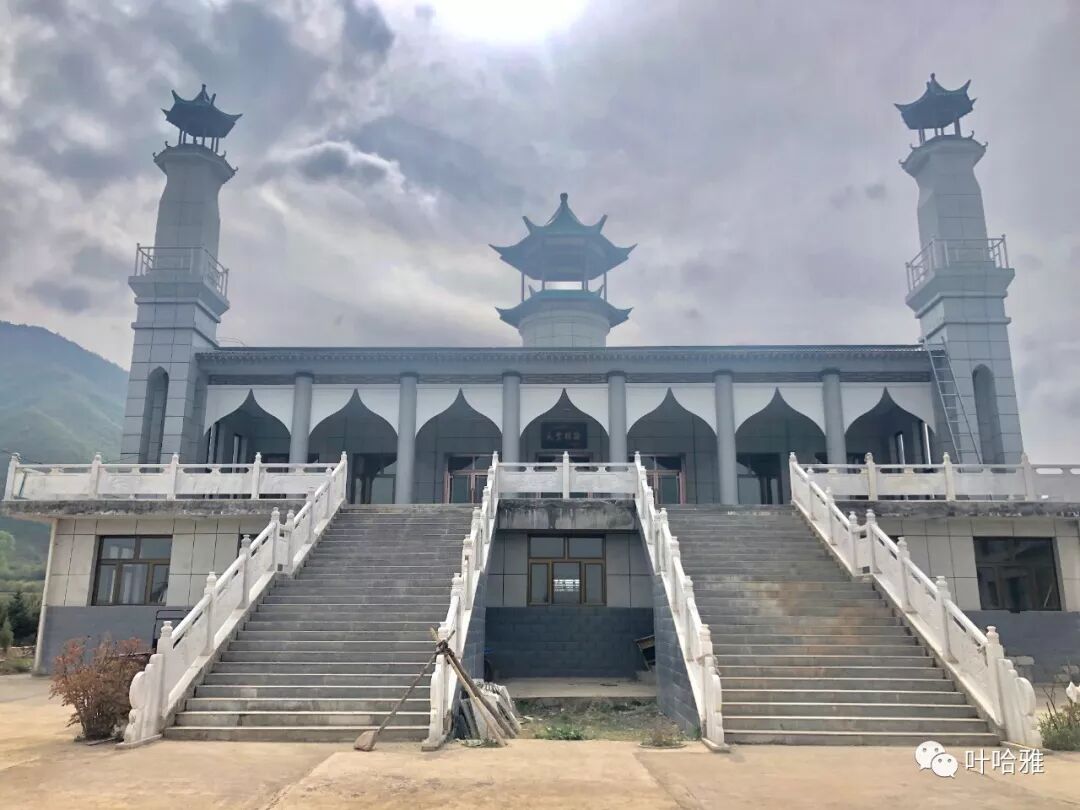
I performed the celebration prayer (Eid prayer) at the Great Mosque of Yejiacun in Jingyuan County. The famous Liupan Mountain scenic area is right behind it, but I had no heart for sightseeing.
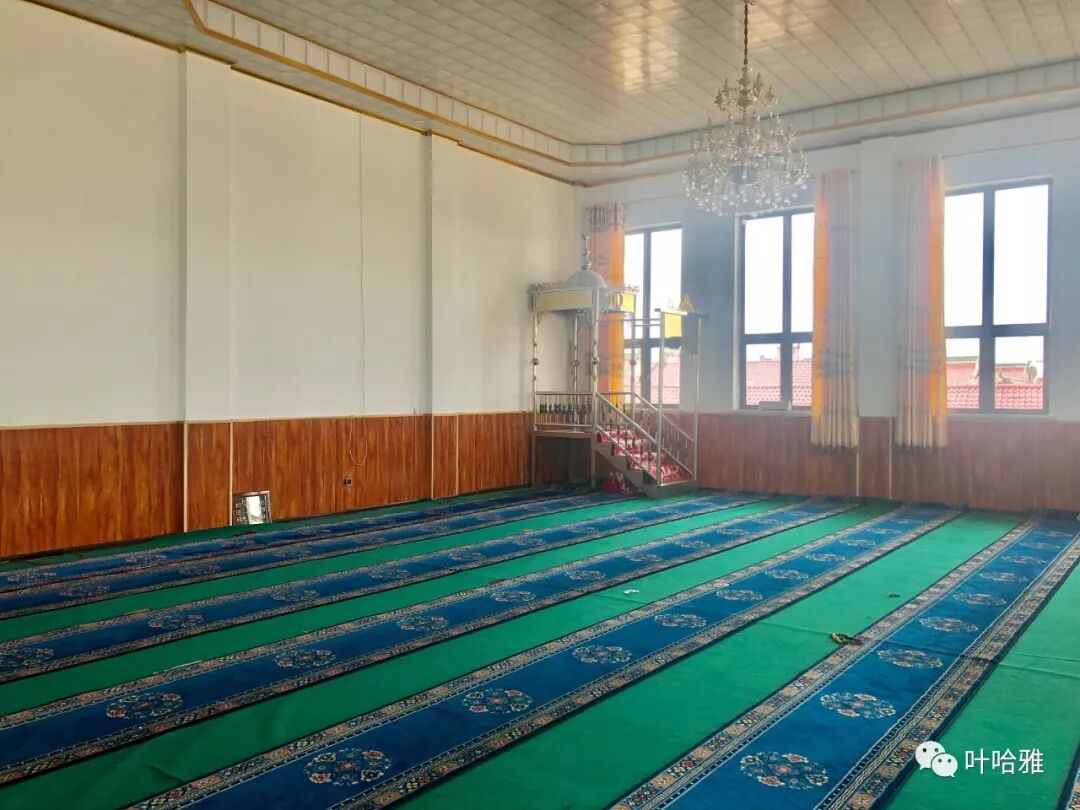
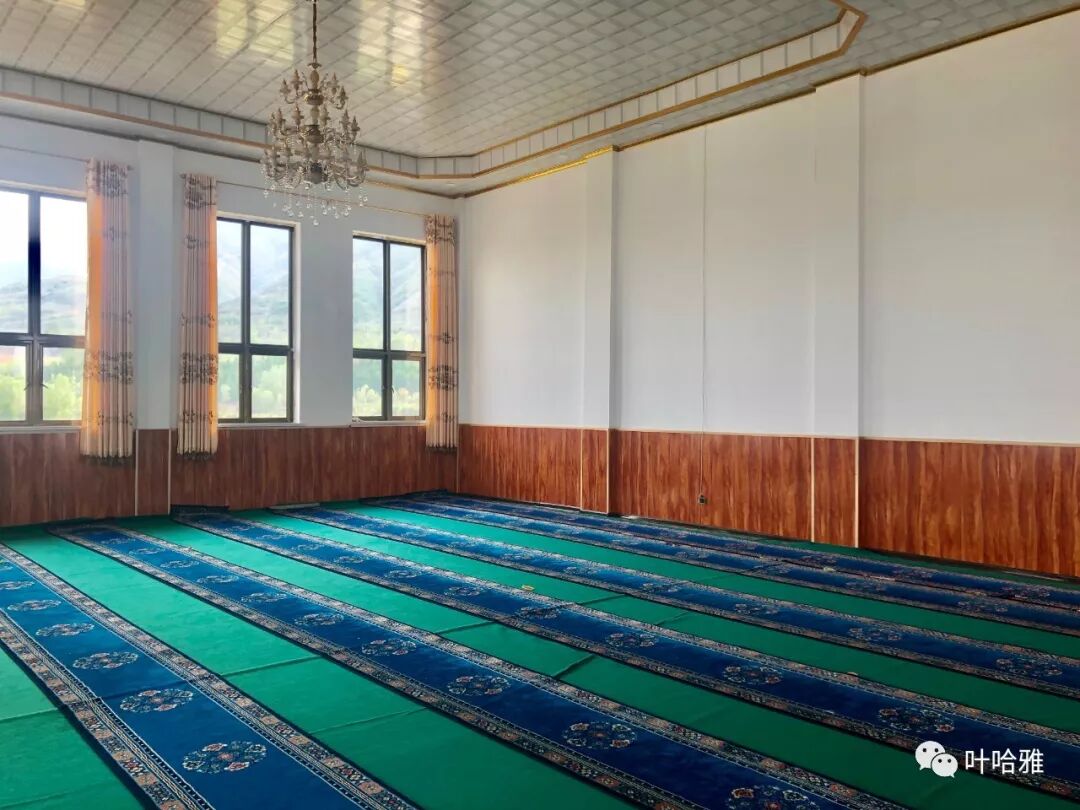
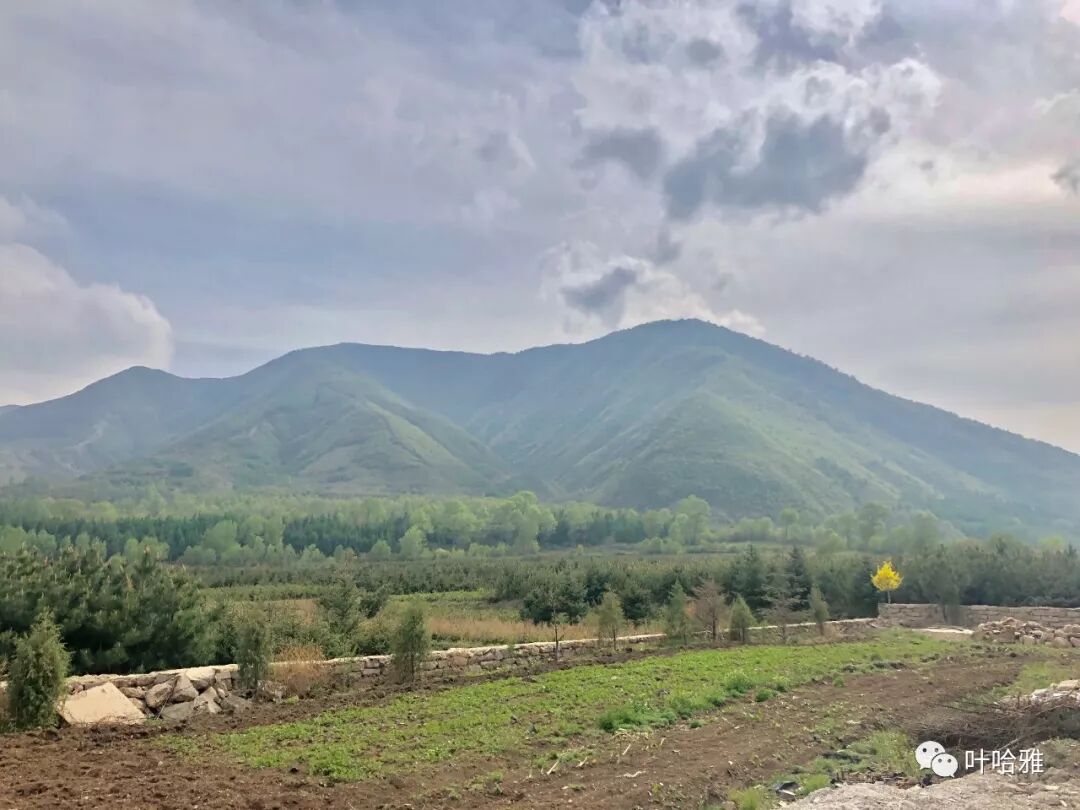
In the distance is Liupan Mountain. The temperature in Jingyuan County is a few degrees lower than in central Ningxia, and there is a large temperature difference between day and night. I came in May; daytime temperatures were in the low teens Celsius, but at night it would drop below 10 degrees. I heard it even snowed in June.
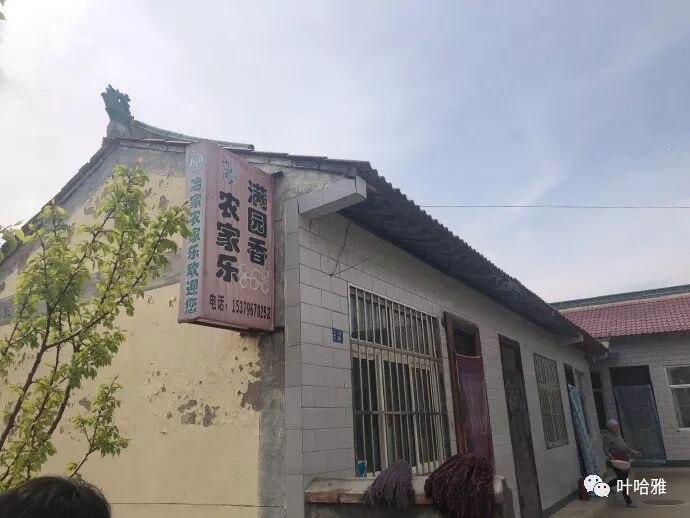
Before coming to Jingyuan County, friends told me I had to try the farm-style meals here. I met a local friend in Yejiacun Village to eat at a farm restaurant. Yejiacun is a village of Hui Muslims, and all the farm restaurants in the village are halal.
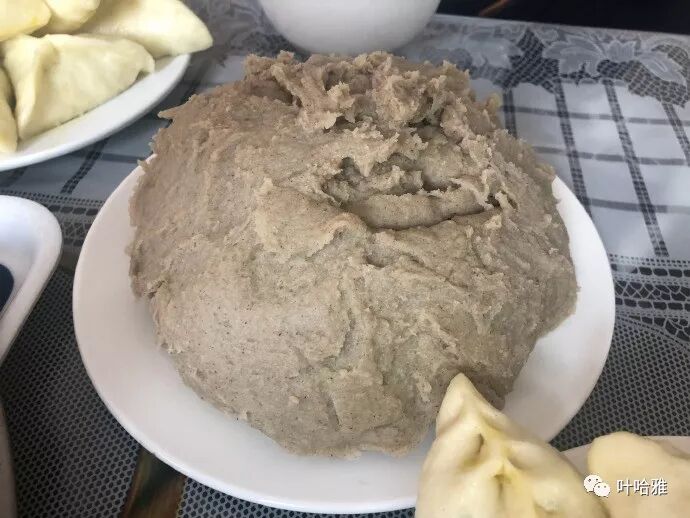
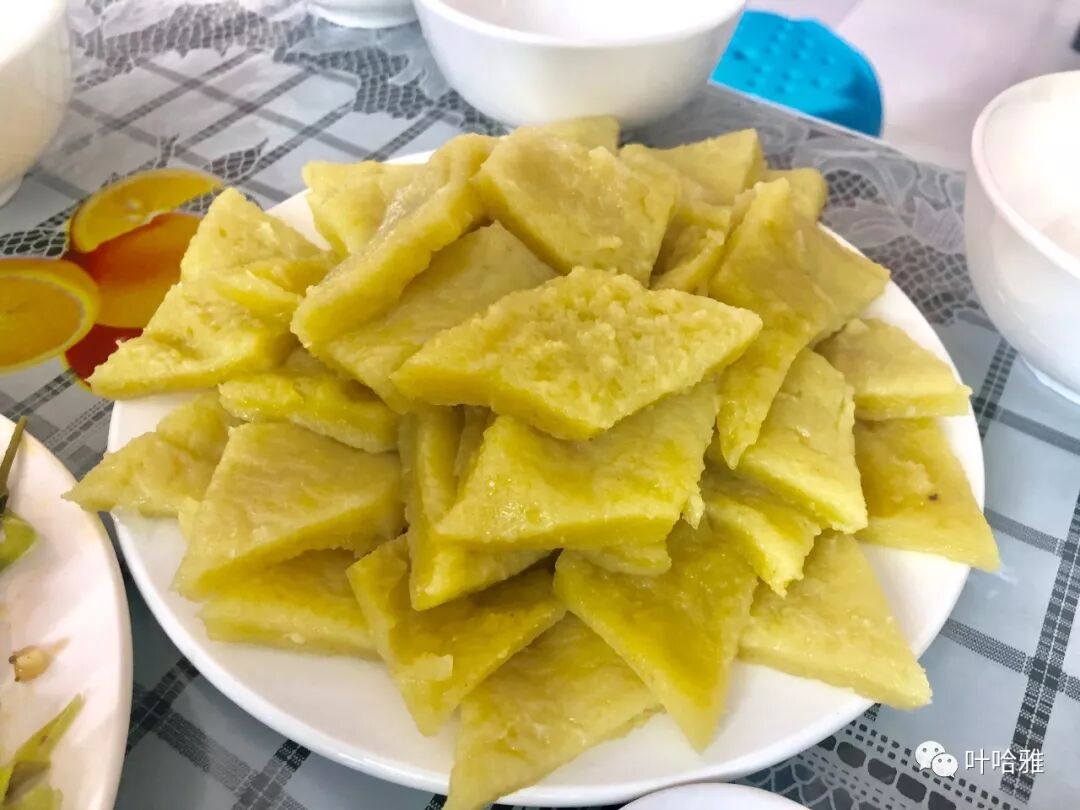
The traditional Northwest specialty dish, stirred flour paste (jiaotuan), tasted different from the one I had in Xunhua.
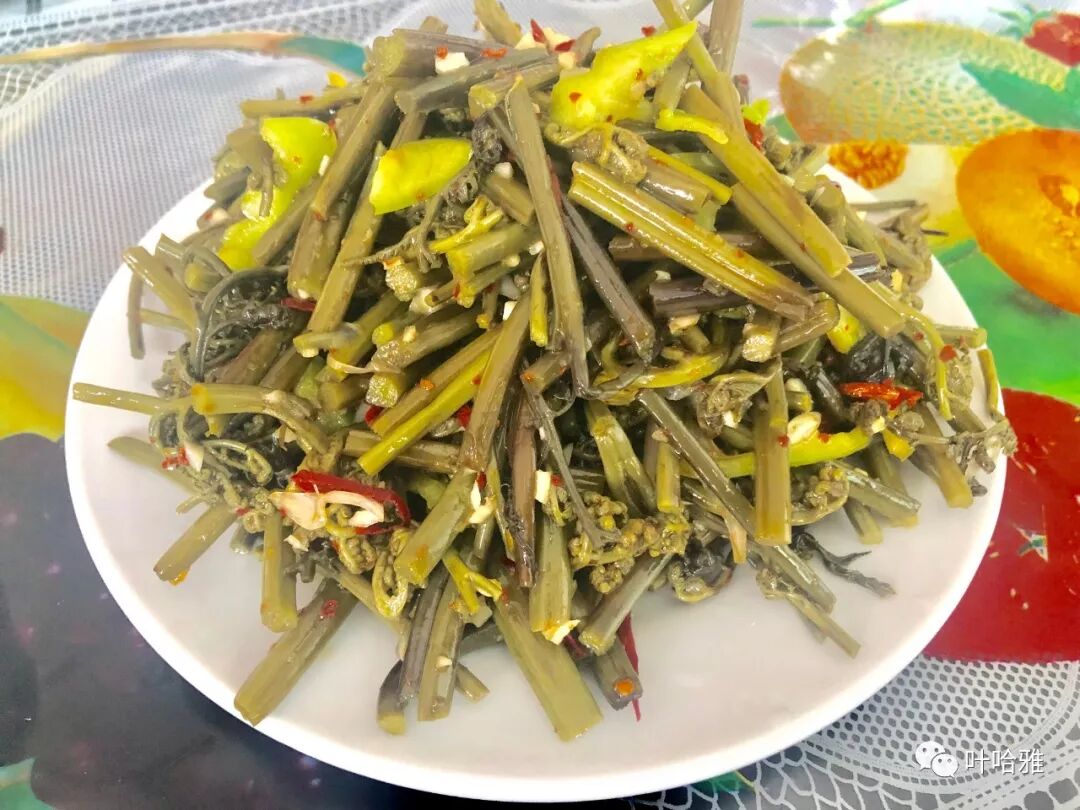
Wolf-tooth herb (langyabang) is a type of local wild vegetable.
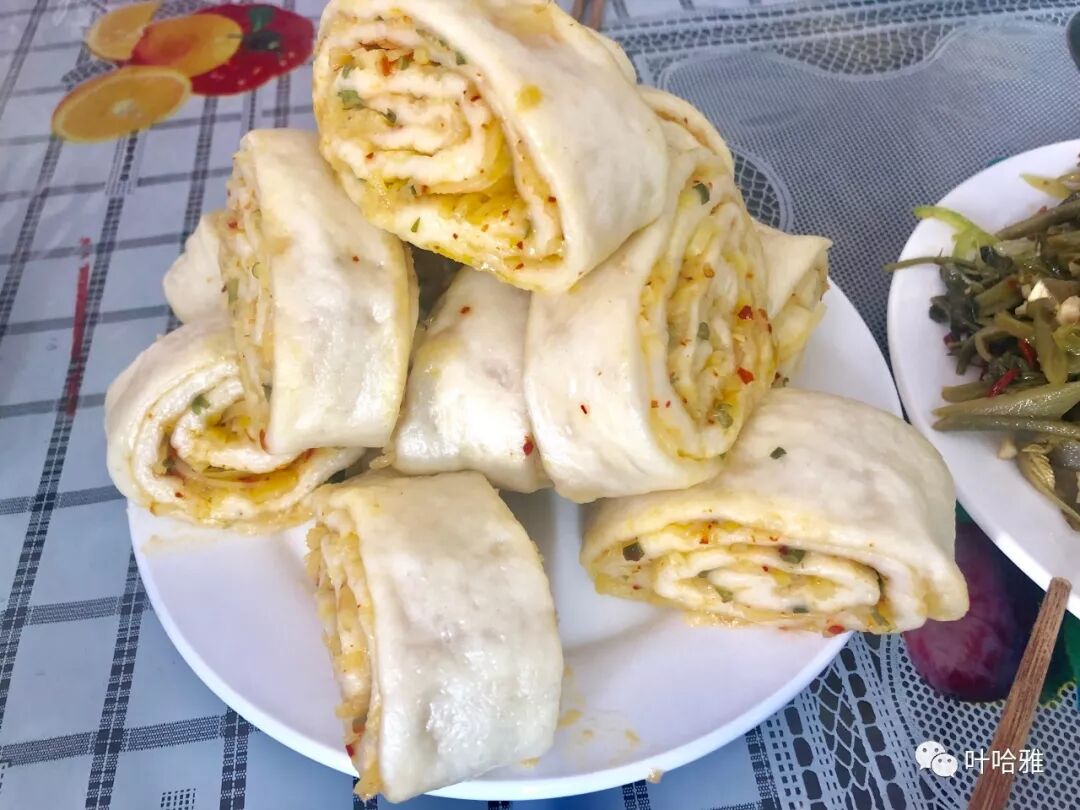
Steamed flower rolls (huajuan) are made the way local villagers make them at home.
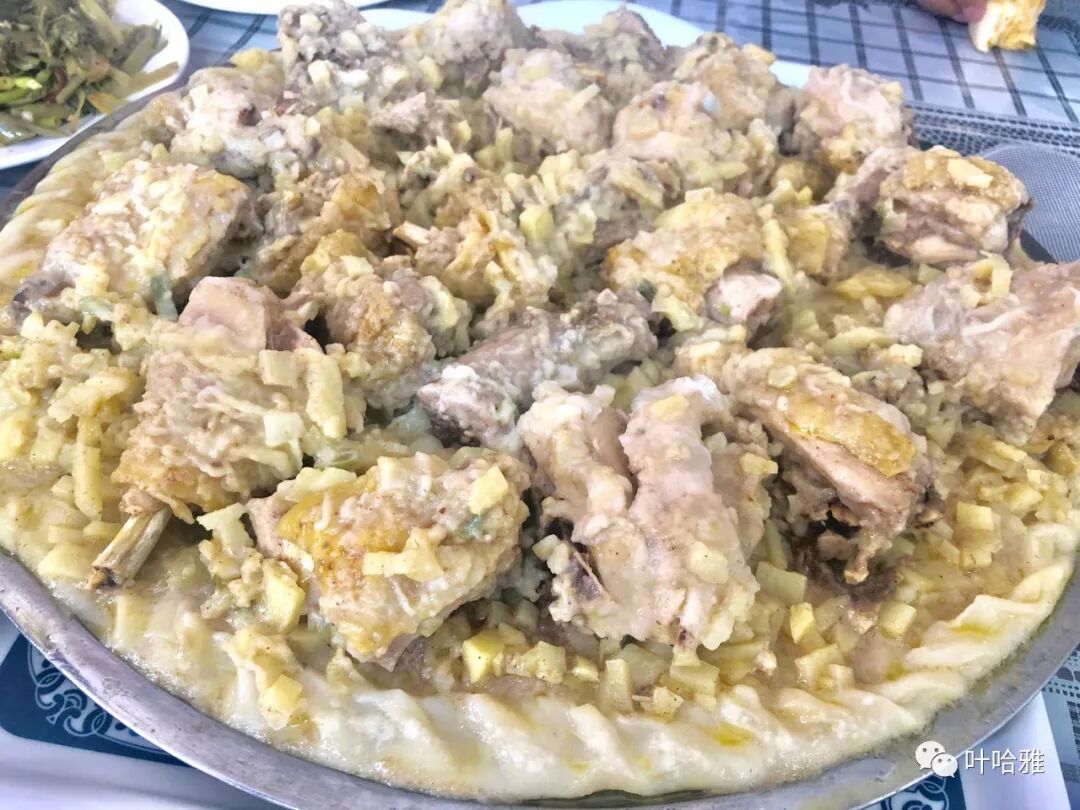
Steamed chicken is a classic home-cooked specialty in Jingyuan, Ningxia, usually only found in people's homes. If you want to try it in Beijing, you can order it one day in advance at Ali Restaurant, provided the chef from Jingyuan is working that day.
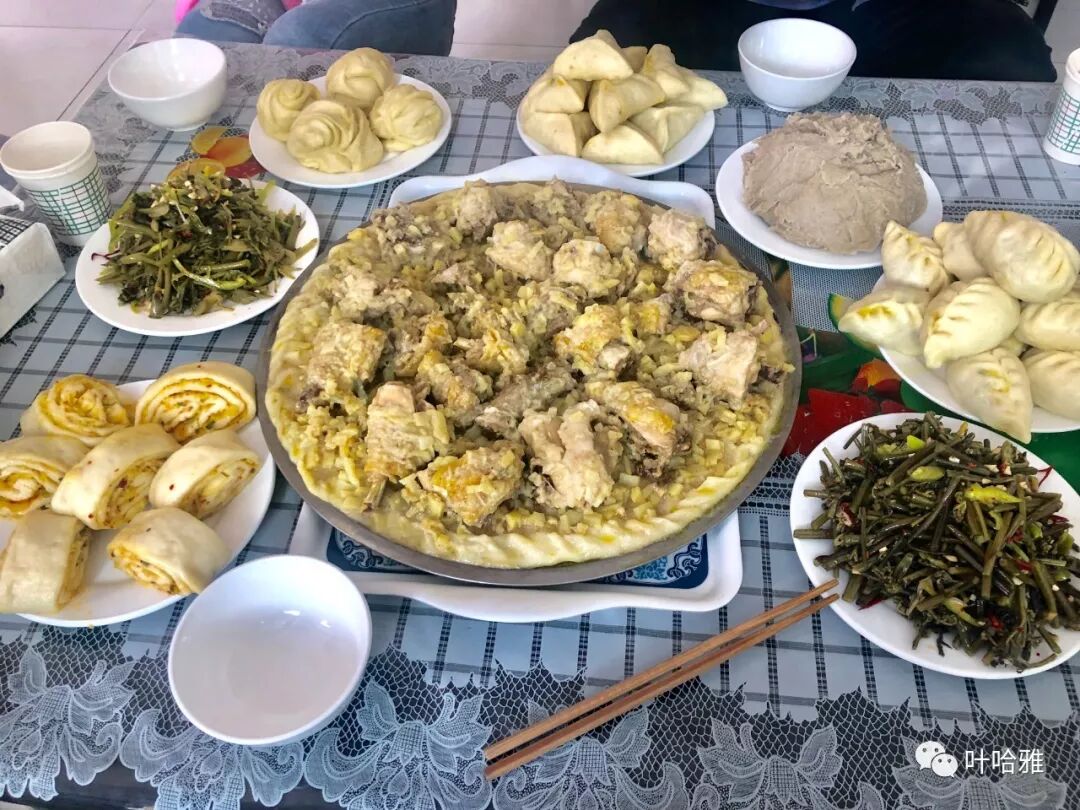
This huge table of food was enough for seven or eight people and cost less than 300 yuan. It had very distinct local flavors and was incredibly satisfying.
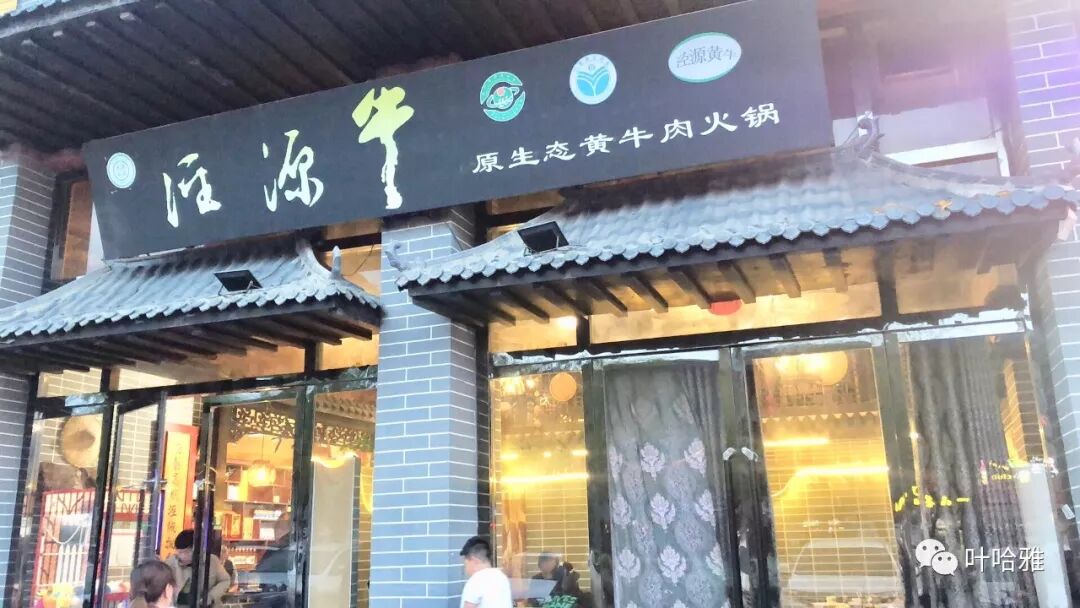
After finishing our farm-style feast in Yejiacun, we went back to Jingyuan County town. Following a friend's recommendation, I tried the most popular local yellow beef hot pot.
People in Jingyuan don't eat much lamb. Beef is their main meat, and the quality of Jingyuan beef is very high.
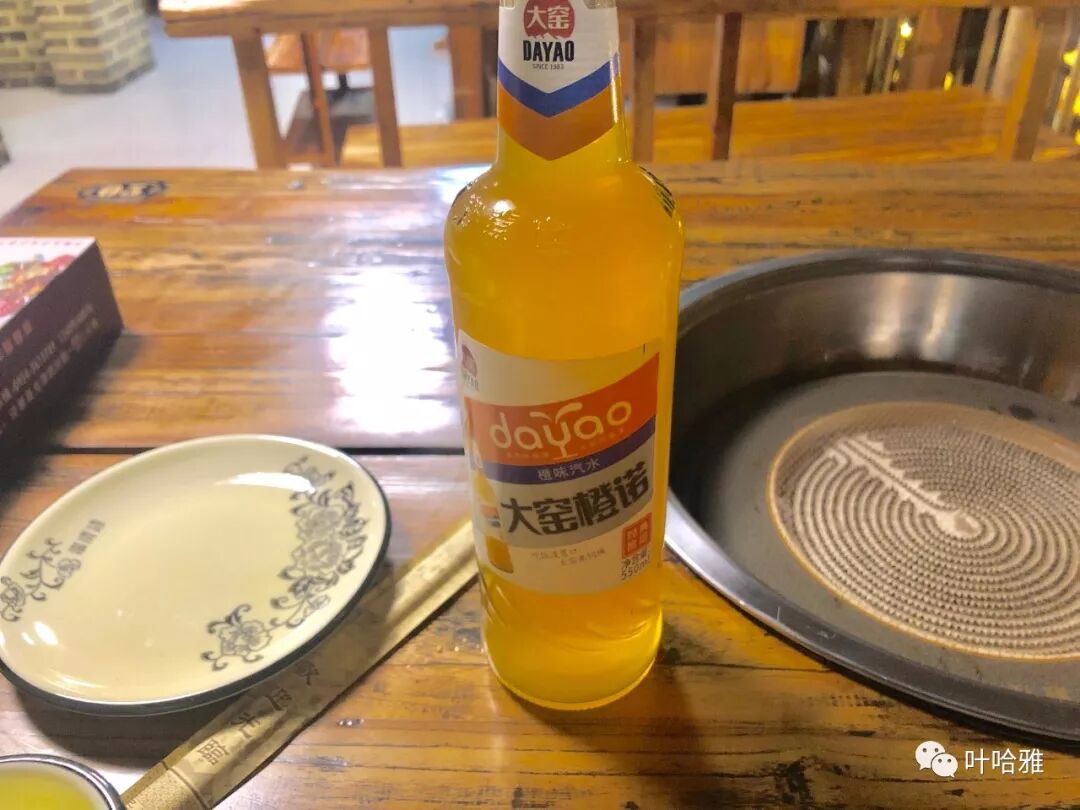
I drank a knock-off version of a soda, which seemed to be a copy of the Inner Mongolian brand Big Kiln Soda (Dayao Jiabin).
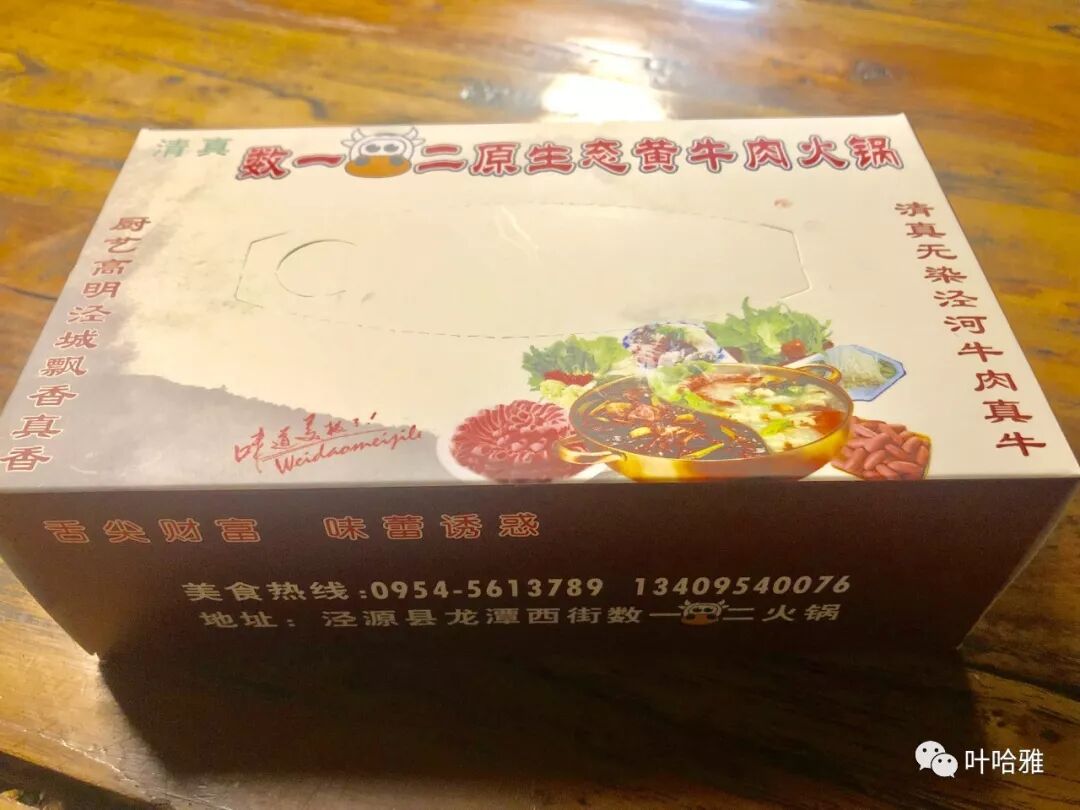
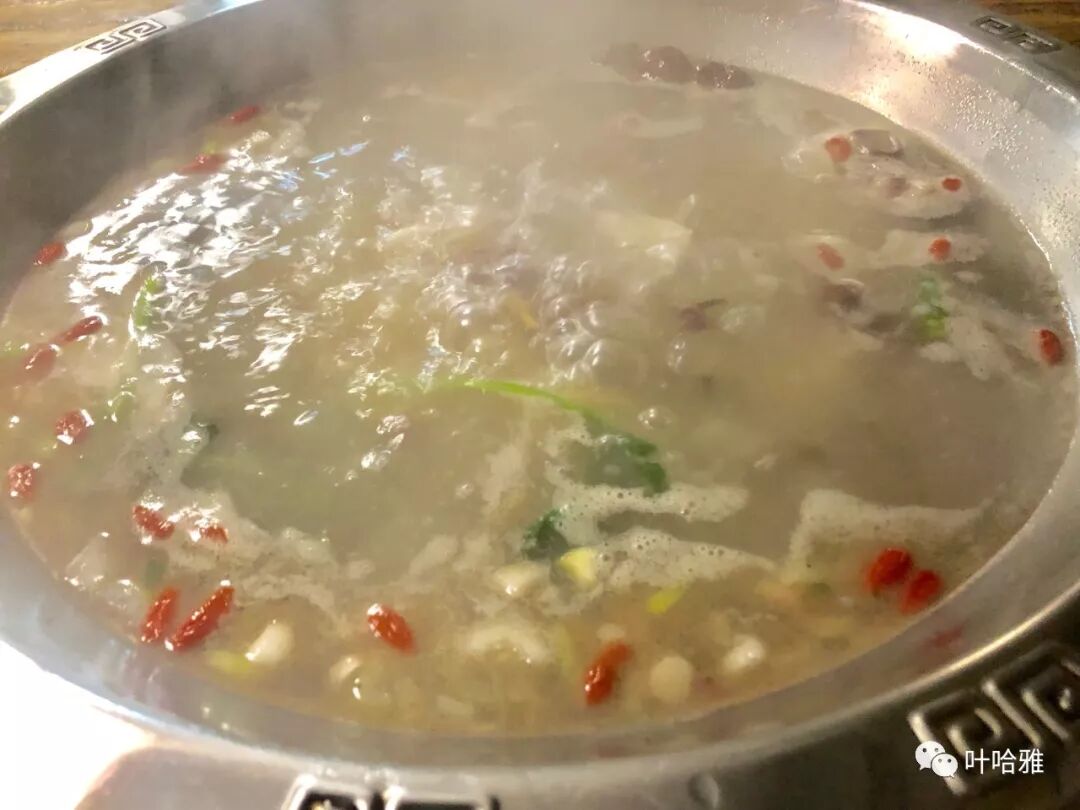
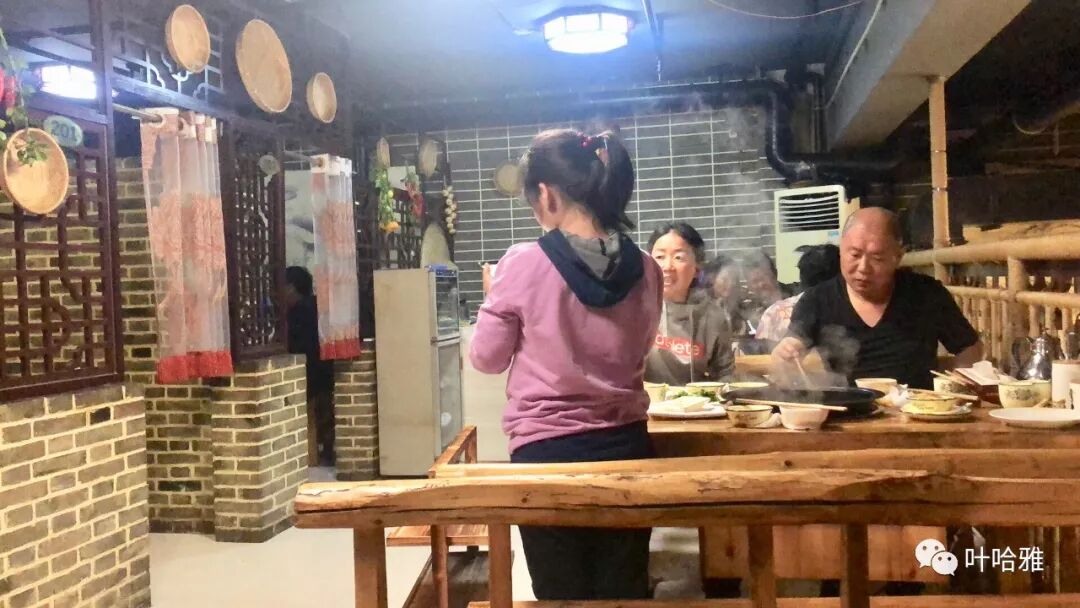
This pot was packed full of large chunks of yellow beef and only cost a little over 130 yuan. After eating the meat, you can keep adding vegetables to the pot.
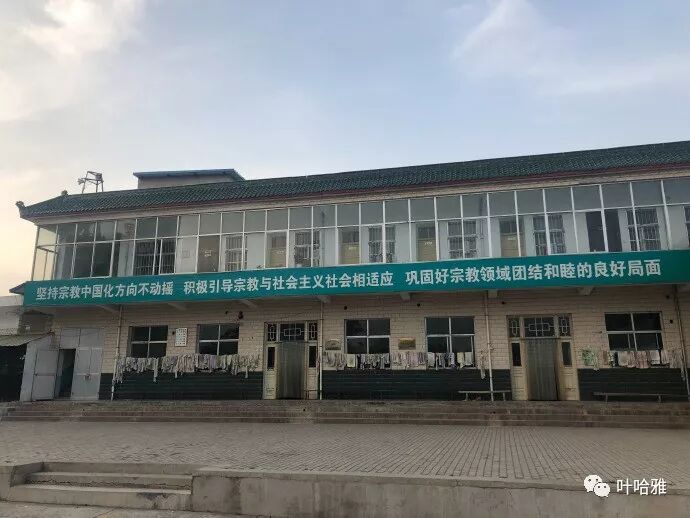
After dinner, I walked around Jingyuan County town and saw that the largest local mosque had finished its Sinicization renovation, with the original dome removed.
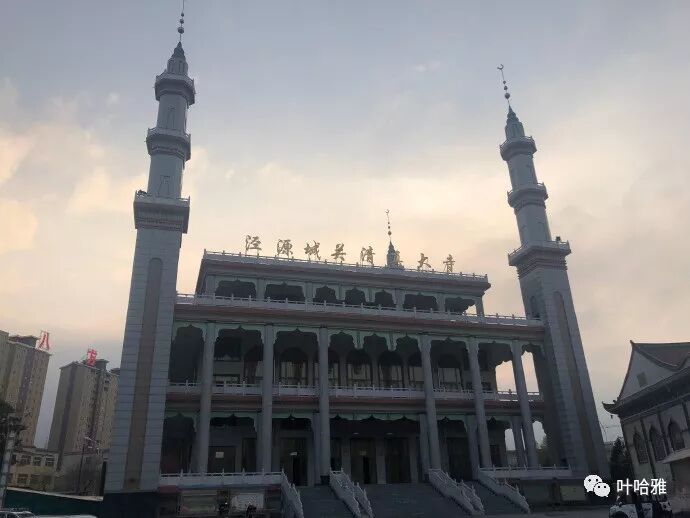
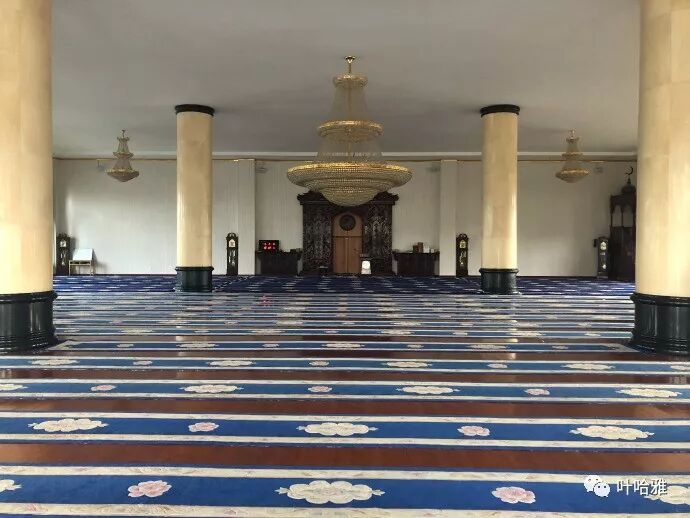
There are no real ancient mosques left in Jingyuan County. The old ones fell into disrepair and have basically all been rebuilt.
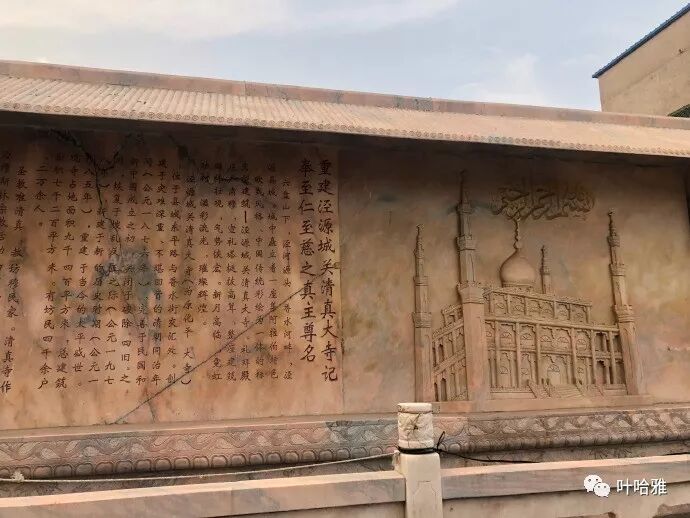
You can still see what the Chengguan Great Mosque looked like on its stone monument.
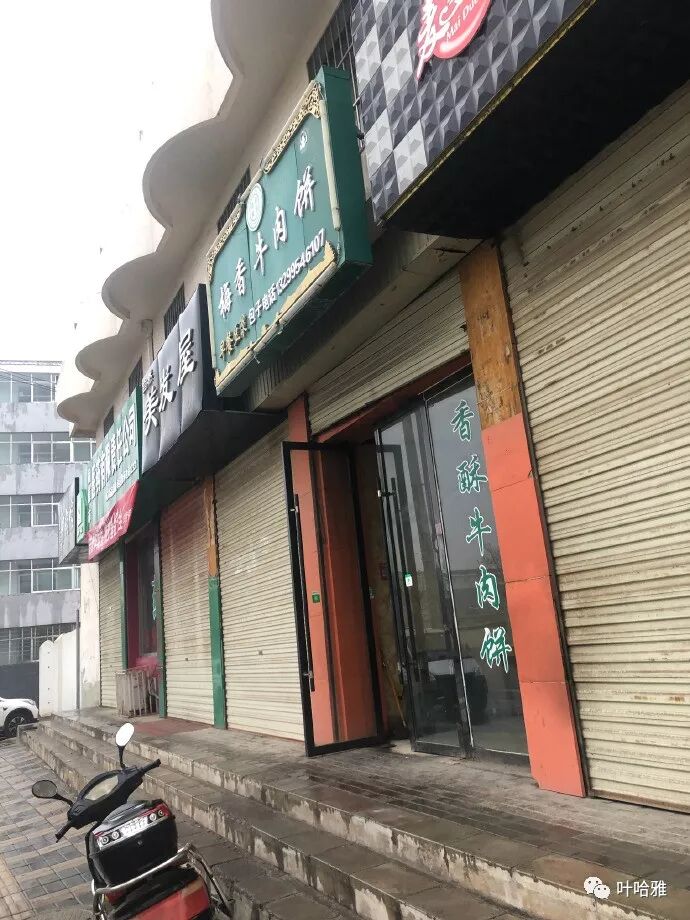
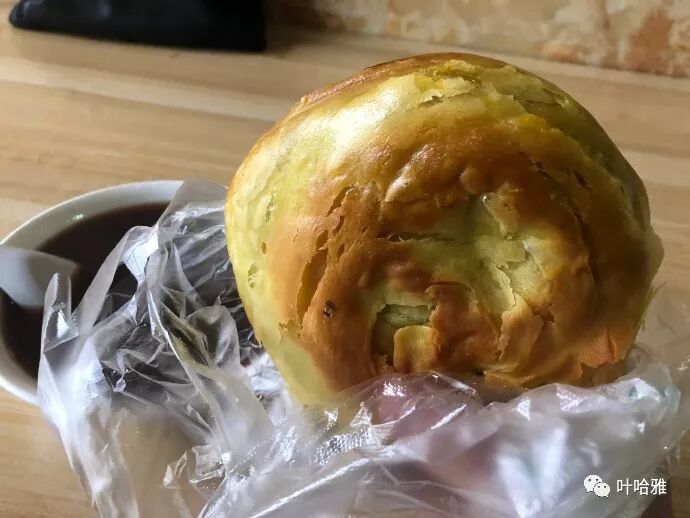
The next morning, it drizzled in Jingyuan County. I had a crispy beef pancake (niuroubing) and porridge at a small shop near the bus station. This pancake is a local breakfast staple. You can also find it on Ox Street (Niujie) under the name Xi'an Palace Beef Pancake, but my friends in Xi'an say it is not a local dish there. Since Jingyuan is not far from Xi'an, I suspect the shop on Ox Street actually comes from Jingyuan.
I originally planned to go from Jingyuan County back to Guyuan Liupanshan Airport to fly to Xi'an, but a friend told me there was a direct bus to Xi'an. It turned out to be faster than flying, and it takes you straight to downtown Xi'an, whereas the plane only lands at Xianyang Airport. I took a four-hour bus ride to Xi'an, which led to my previous guide on eating and exploring the Muslim Quarter in Xi'an.
Muslim Travel Guide China 2026: Ulanqab and Datong Mosques, Hotpot and Shaomai
Articles • ali2007fr posted the article • 0 comments • 182 views • 2026-05-21 10:59
Summary: This Muslim travel guide to Ulanqab and Datong follows the original winter route, including mosques, hotpot, shaomai, local restaurants, addresses, and photos. It keeps the China halal travel details in order for readers planning a similar trip.
A couple of days ago, a friend and I decided on a whim to go on a road trip. We scanned the map, weighed our options, and picked Ulanqab in Inner Mongolia as our destination. Ulanqab is the closest city in Inner Mongolia to Beijing, just over 300 kilometers away, making it a four-and-a-half-hour drive.
This is what the rest stops look like along the way. In Ulanqab, the daytime temperature in winter is around minus 8 degrees, and it drops to about minus 18 degrees at night.
The cold didn't affect our trip at all. For this short getaway, our main activities were swimming and working out at the hotel, and eating local specialties, so the whole trip was quite relaxing.
We left at 8:00 a.m. and arrived in Ulanqab at noon. Our first stop for lunch was Xiangshunyuan.
Xiangshunyuan
The cannon at the entrance is for guests celebrating their birthdays. It went off while I was eating, and the sound was so loud it really startled me.
This restaurant is considered large for Ulanqab, as most halal restaurants in Jining District are small. Since it was during the Spring Festival, many small shops wouldn't open until after the Lantern Festival.
The prices were quite cheap, and the overall cost of living in the city is low.
The first dish we ordered was cold oat noodles (youmian). Oat noodles are a local Inner Mongolian snack with a light and tasty flavor.
Caramelized milk skin (basi naipi) is another local specialty. You have to eat it while it's hot, or it gets too hard to pick up.
Stir-fried beef tripe with chili peppers, which was slightly spicy.
The signature beef dish has a layer of stewed beef on top and pumpkin underneath. It tastes a bit sweet, and the beef is stewed until very tender.
Stir-fried konjac with green beans is fresh and tasty.
Overall, this restaurant is good. It is in the city center and has a wide variety of dishes. We were all very satisfied, and for four people, it cost 60 yuan each.
Address: Southeast corner of Central Square, Wulan Street.
After checking into my hotel, I visited the Jining District Grand Mosque. The mosque is at 87 Chaoyang Street. You can see it from far away on a high spot after crossing a railway. This is the 239th mosque I have visited.
There are two mosques in Jining District. The other one is smaller, and the two are not far apart.
After performing two rak'ahs of prayer, I went to ask the imam about good local restaurants. This is one of my ways to find halal food. However, the imam said he had not been here long and only knew of a nearby ramen shop; he did not know about other places. Speaking of this, I remembered some small mosques I have visited in small towns. Those small mosques usually only have one imam. The imam's daily life is very monotonous. He leads the five daily prayers every day without a break all year round, and he cannot afford to get sick. He has no entertainment and just looks forward to a guest coming to the mosque so he can have someone to talk to.
Deshunzhai Halal Hot Pot.
Although mutton hot pot (shuan yangrou) is a Beijing specialty, its roots were invented by the Mongols. For a Beijing mutton hot pot place to do well, it must use lamb from Inner Mongolia.
This Deshunzhai Hot Pot is a local chain, and we chose to eat at the main branch.
Dayao Jiabin is a local drink from Inner Mongolia. There is also one called Zhencheng Jiabin. I once posted a picture on Weibo of myself drinking Zhencheng Jiabin in Baotou, and netizens pointed out that Zhencheng Jiabin is a fake.
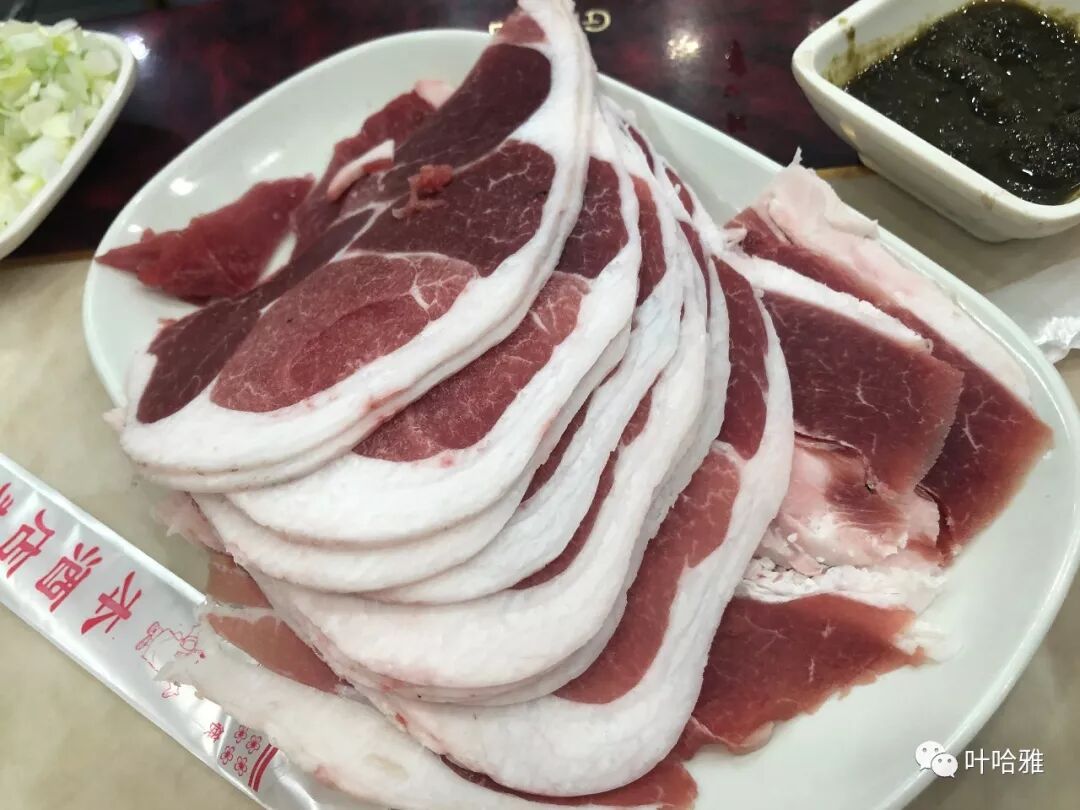
This was the most comfortable meal we had. The food tasted great, the meat was fresh and had no gamey smell, and the price was very affordable. The four of us bought a set meal for only 135 yuan. It included two plates of lamb, one plate of beef, and several portions of vegetables, meatballs, pickled cabbage (suancai), and hand-rolled noodles (shouganmian). If we ate like this in Beijing, it would cost at least 500 yuan.
We ate three servings of their hand-rolled noodles and added two extra portions of pickled cabbage. Everything was delicious. If I come back to Wumeng, I will definitely visit again.
Address: Opposite the component factory on Qima Road (opposite the former Dongpo Restaurant).
Lianying Shaomai Restaurant.
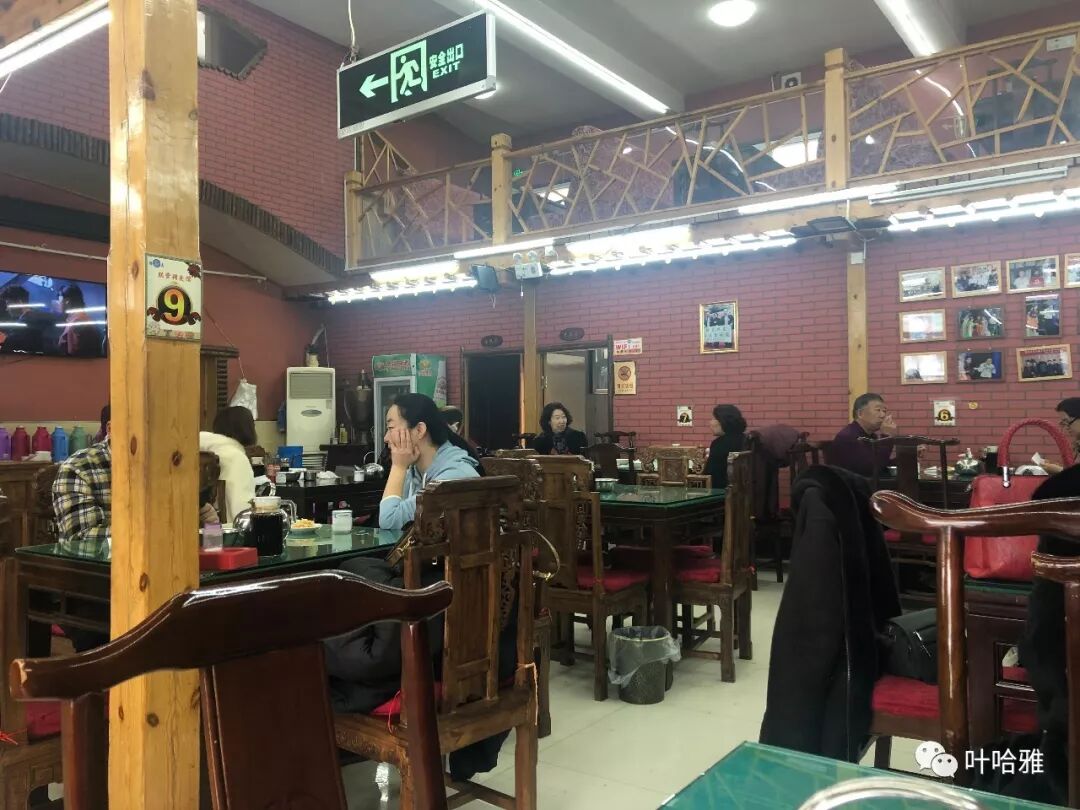
Steamed dumplings (shaomai) are also called shaomei. The most famous ones are from Hohhot. I found this Lianying Shaomai Restaurant on a local food recommendation list. It is located inside the Planning Commission compound in Jining District. I ate breakfast here for two days in a row.
Lianying Shaomai Restaurant only sells steamed dumplings. They have regular lamb, premium lamb leg, beef, and vegetarian mixed steamed dumplings.
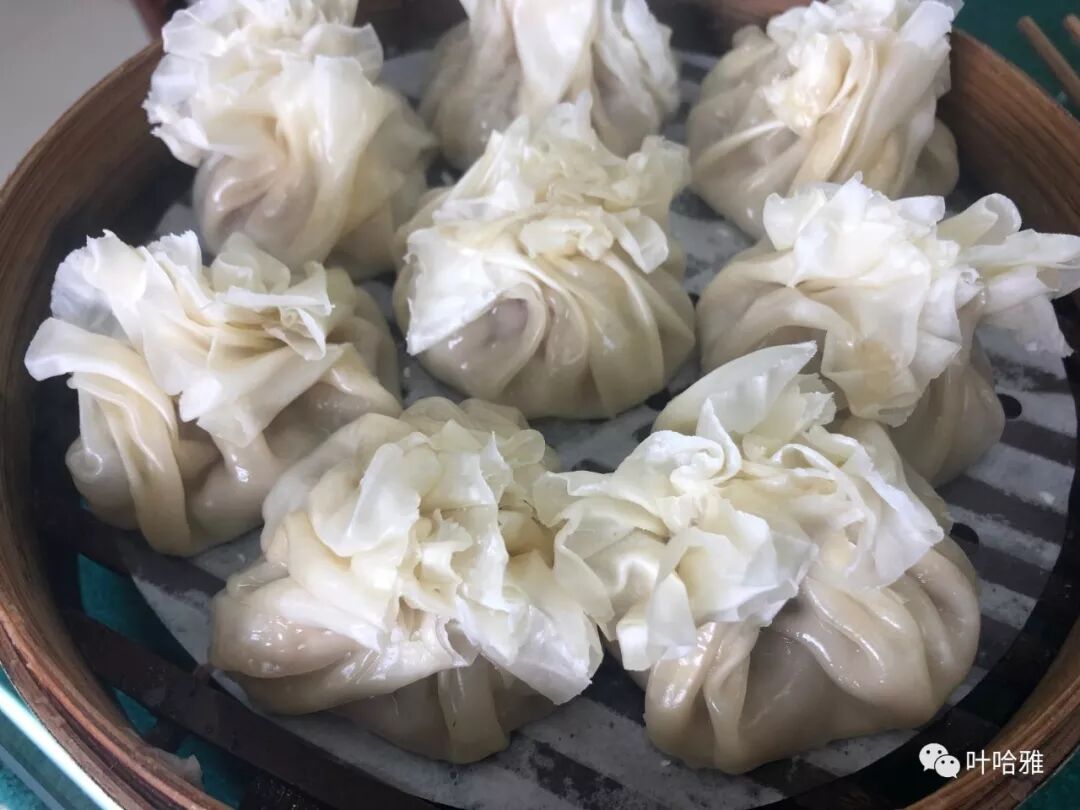
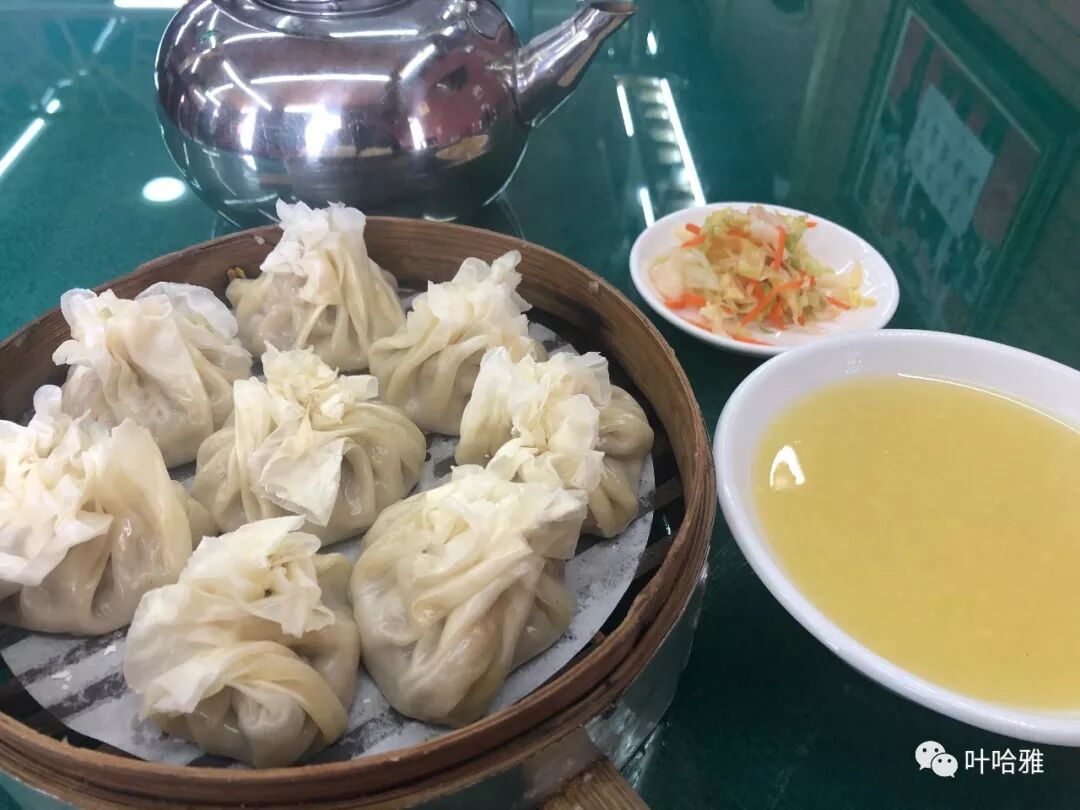
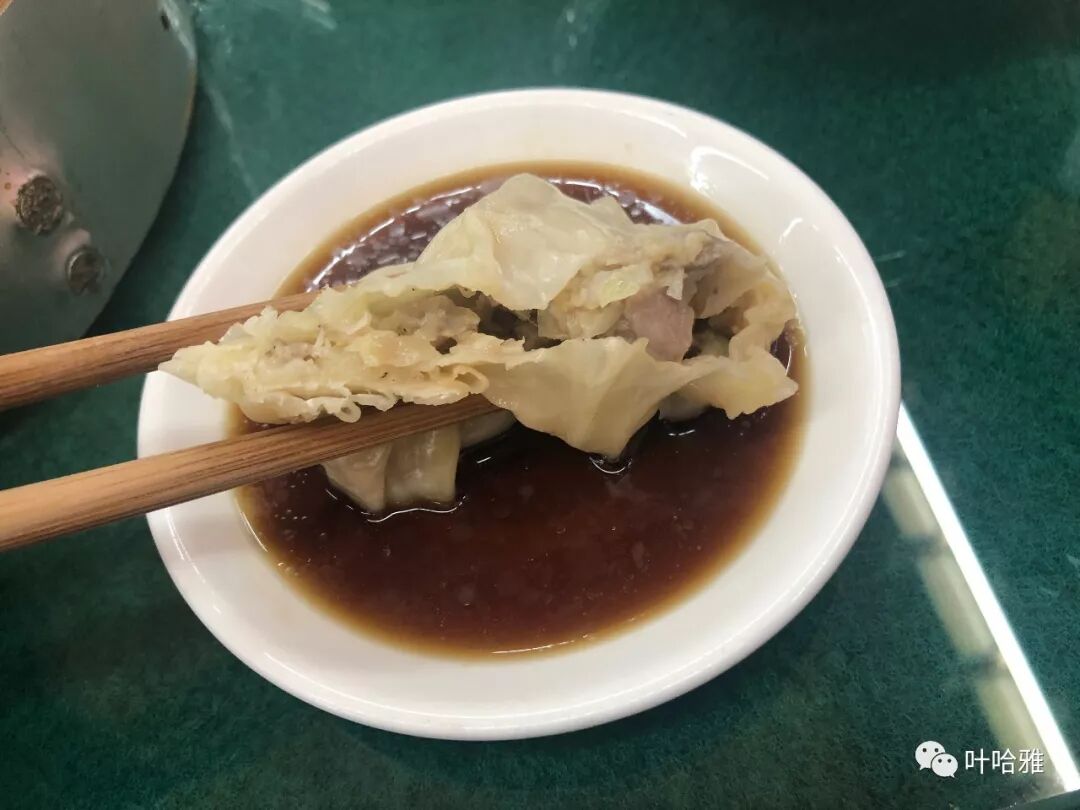
I tried every kind. My favorite was the lamb leg steamed dumplings, which cost 20 yuan per liang. One liang is one steamer basket. You get free porridge and side dishes when you eat steamed dumplings. People in Inner Mongolia are so generous.
The four of us finished 7 liang of steamed dumplings and wanted to order more at the end, but the waiter told us they were closed. Breakfast is served until 10 a.m., and then you have to wait until noon. If you want pan-fried steamed dumplings, you have to come early. Pan-fried steamed dumplings cost 2 yuan more per liang.
Address: Planning Commission Hotel, Jining District, Ulanqab City (west of Enhe Century Square).
Jingsheng Restaurant.
Finding this place was a total surprise because there was no halal information for it on Dazhong Dianping. We saw it while driving by. I do not understand why a restaurant with such a big sign has so little information on Dazhong Dianping. It seems locals do not use the app much, as many restaurants do not even have pictures online, which made me think they were closed. Seeing it in person was a complete surprise.
They have roast duck, but since we are guests from Beijing, we should stick to beef and lamb here.
The interior is very spacious and consists entirely of private rooms. It feels a lot like the restaurant layouts in Xining, offering privacy where no one disturbs each other.
The menu focuses on Northwest-style flavors.
I ordered the pilaf (zhuafan) from the menu, but they brought out eight-treasure sweet rice instead. I asked a friend from Inner Mongolia and learned that they call this kind of rice pilaf locally. But the real question is, how are you supposed to grab such sticky rice? Still, it tasted great.
I really loved this dish called hometown-style beef meatballs (huixiang niurouwan). Eating them tucked inside a soft steamed bun (momo) is incredibly delicious. The beef is tender and melts in your mouth.
Eating lamb in Inner Mongolia never disappoints. This roasted lamb leg was exceptionally tasty and cost less than half the price it would in Beijing.
Xingyuefang
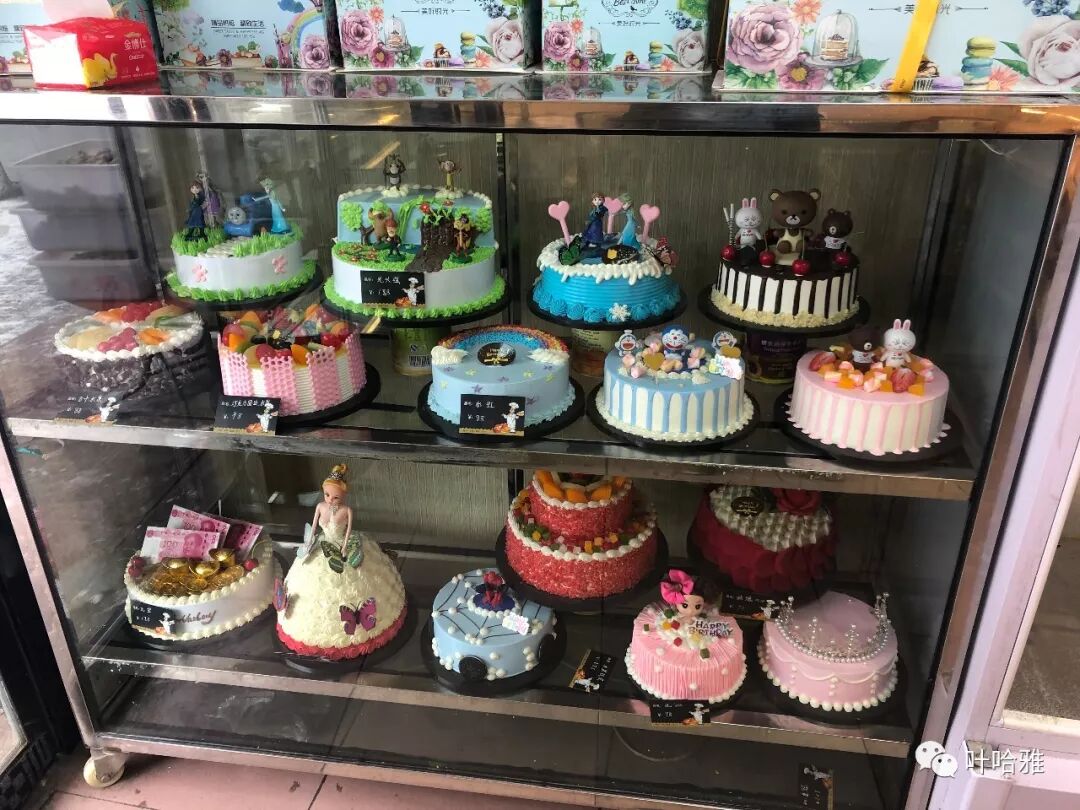
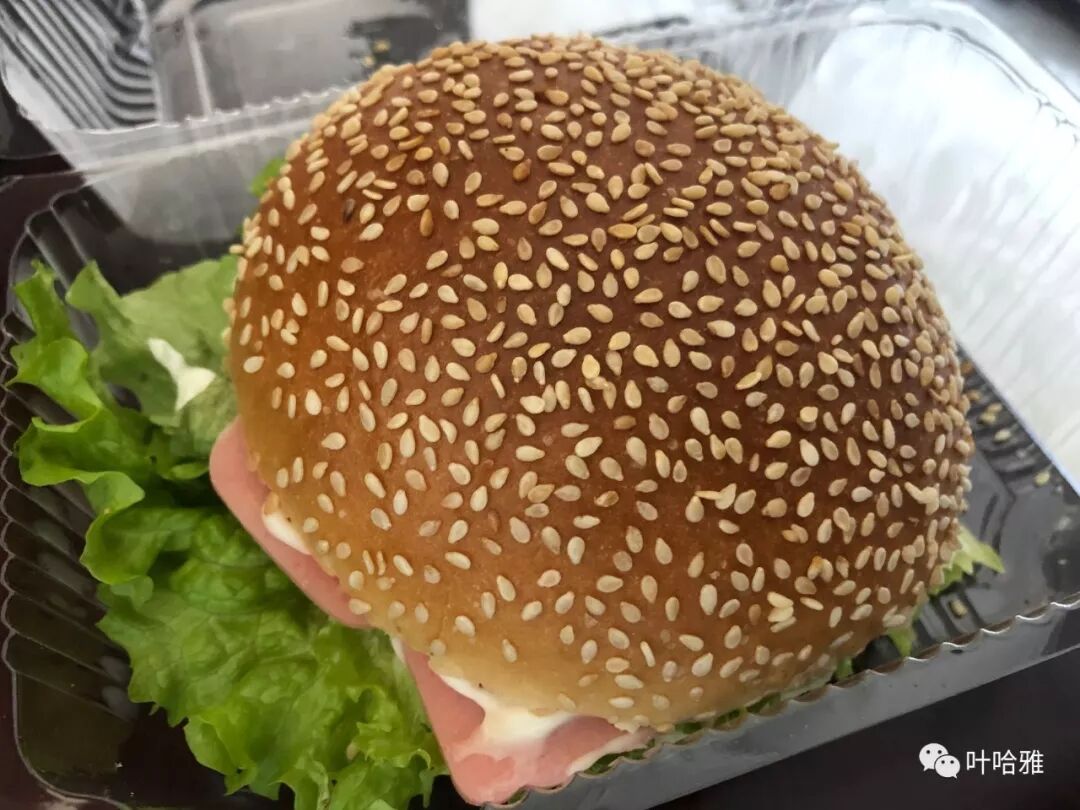
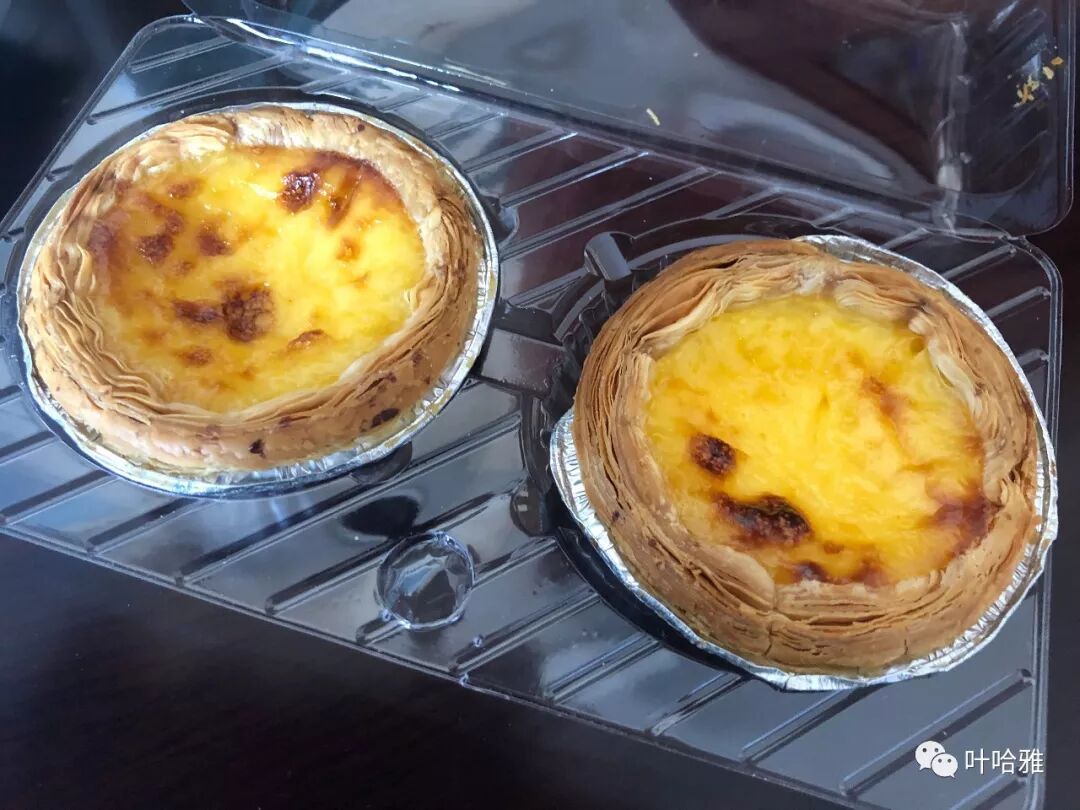
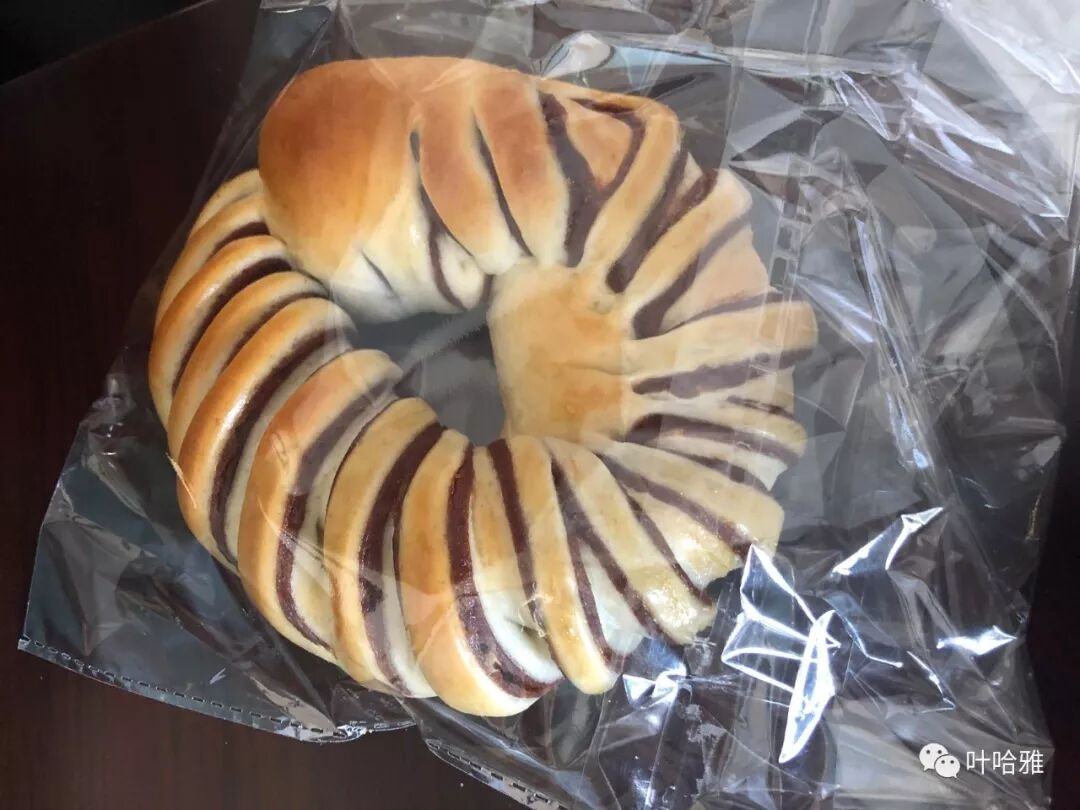
This is a local shop selling halal cakes and pastries. I first bought a burger, two egg tarts, and a caterpillar bread. When I paid, they told me it was 11 yuan total. I was surprised it was so cheap. After walking a few hundred meters, I thought I should buy more for the road, so I went back and bought more cakes and bread. The whole pile only cost 32 yuan.
Address: No. 34 Wulan Avenue, Wulan Road.
With our snacks all packed, we originally planned to return to Beijing in two days. Unexpectedly, a heavy snow hit Wumeng and closed the highway back to Beijing, so we had to detour through Datong, Shanxi, before heading back to Beijing.
Actually, on the way to Wumeng, I suggested visiting Datong to see the ancient mosque there. After all, Datong is only 110 kilometers from Wumeng, just over an hour's drive. My travel companions weren't interested, but with the snow, the GPS automatically routed us through Datong to get back to Beijing. We had to go whether we wanted to or not—it was meant to be.
Our trip to Datong was worth it and everyone gained something from the experience. My friends were very happy with the hotel facilities. Datong is a tourist city with a stronger economy than Wumeng, so the hotels are better. The hotel was also close to the scenic spots and made shopping easy.
The ancient city of Datong is in the distance. The Great Mosque of Datong (Datong Qingzhen Dasi) is inside the old city. This is the 240th mosque I have visited. This old mosque might be the oldest in China. Stone inscriptions inside say it was built in the second year of the Zhenguan era of the Tang Dynasty (628 AD), making it over 1,200 years old. Another theory based on the Ming and Qing architectural style suggests it might have been built during the Ming Dynasty.
The biggest halal restaurant in Datong is called Deyuelou, but we did not go there. Instead, we chose the top-rated local barbecue spot, Mom's Barbecue (Laoma Shaokao).
Mom's Barbecue (Laoma Shaokao)
The street where this shop is located is a barbecue street, and there are several other halal barbecue places nearby.
A local Datong barbecue specialty is small deep-fried skewers (xiao zhachuan).
This is old-style Datong eggplant (lao datong qiezi), a cold dish that everyone liked, so we ordered two portions.
The skewers were a bit salty overall, but I was very satisfied to find halal food in Datong.
Stir-fried clams (chao huaga) and dough drop soup (gedatang).
Address: 100 meters west of Dianjian Hospital on Kangle Street.
I also saw a few small shops in an alley not far from the Great Mosque. Interested friends can go and try them.
After staying one night in Datong, we drove back to the capital the next day. The trip was over 300 kilometers and we got home in four hours.
Friends (dost) who want to visit other cities in Inner Mongolia can check my old posts.
A halal food map for Ordos, Baotou, and Hohhot.
I have some good news. I have been running this official account for over three years, and I just learned today that I can set up the search function myself. I have finished adding keywords to all my articles. If you want to find halal food information for a specific city, just reply with the city name to this account. view all
Summary: This Muslim travel guide to Ulanqab and Datong follows the original winter route, including mosques, hotpot, shaomai, local restaurants, addresses, and photos. It keeps the China halal travel details in order for readers planning a similar trip.
A couple of days ago, a friend and I decided on a whim to go on a road trip. We scanned the map, weighed our options, and picked Ulanqab in Inner Mongolia as our destination. Ulanqab is the closest city in Inner Mongolia to Beijing, just over 300 kilometers away, making it a four-and-a-half-hour drive.
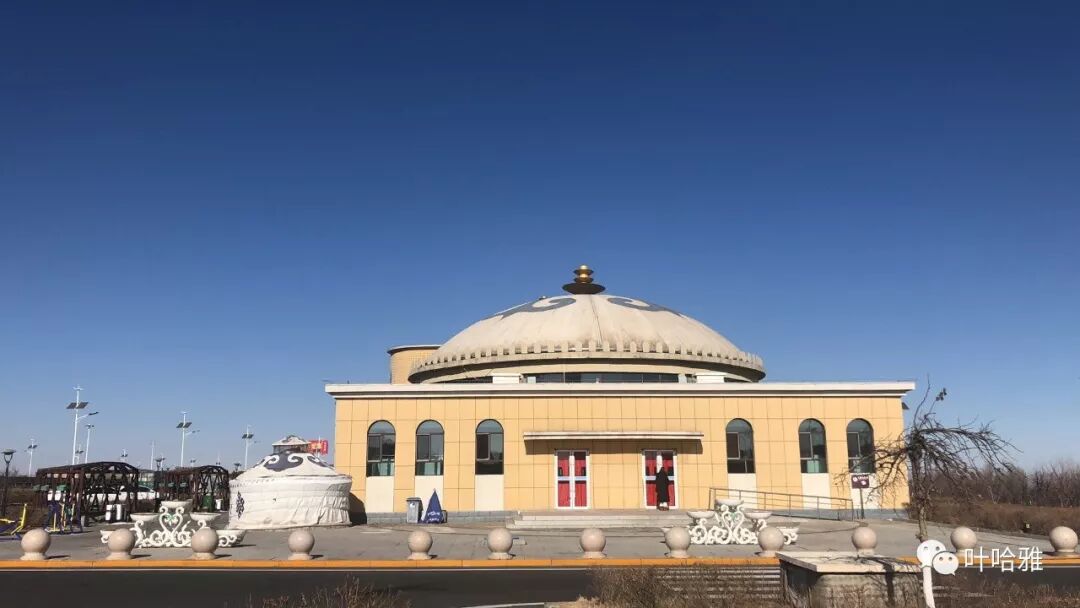
This is what the rest stops look like along the way. In Ulanqab, the daytime temperature in winter is around minus 8 degrees, and it drops to about minus 18 degrees at night.
The cold didn't affect our trip at all. For this short getaway, our main activities were swimming and working out at the hotel, and eating local specialties, so the whole trip was quite relaxing.
We left at 8:00 a.m. and arrived in Ulanqab at noon. Our first stop for lunch was Xiangshunyuan.
Xiangshunyuan
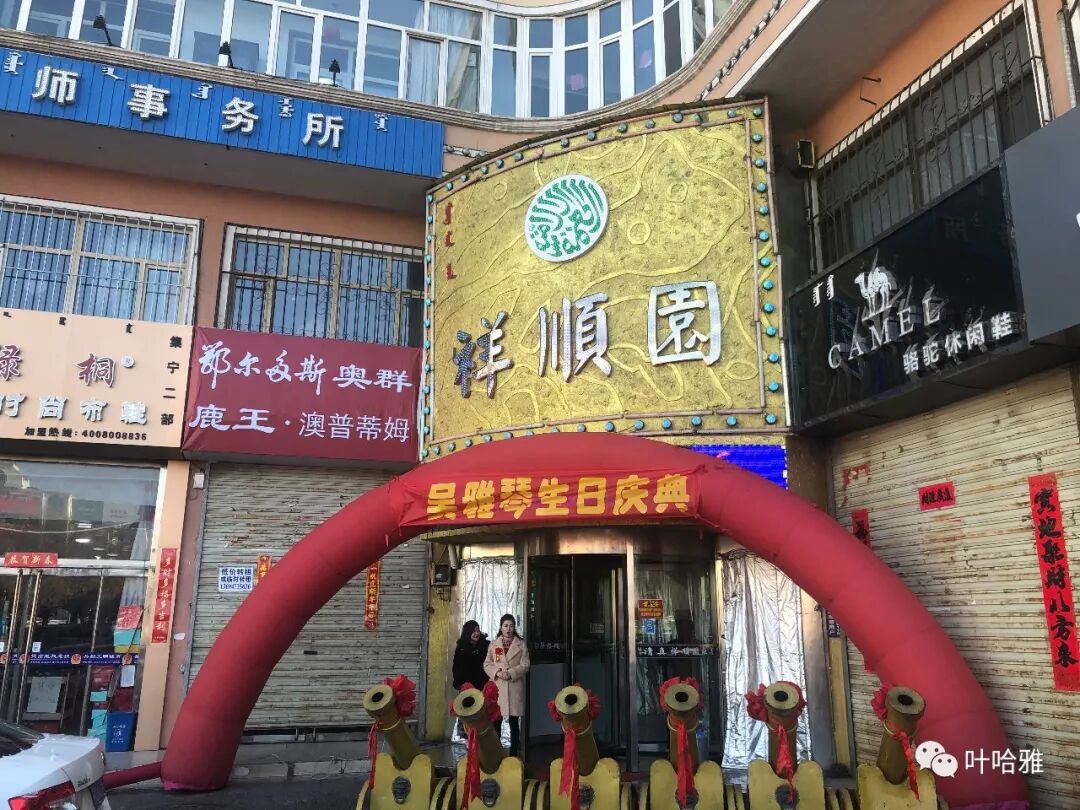
The cannon at the entrance is for guests celebrating their birthdays. It went off while I was eating, and the sound was so loud it really startled me.
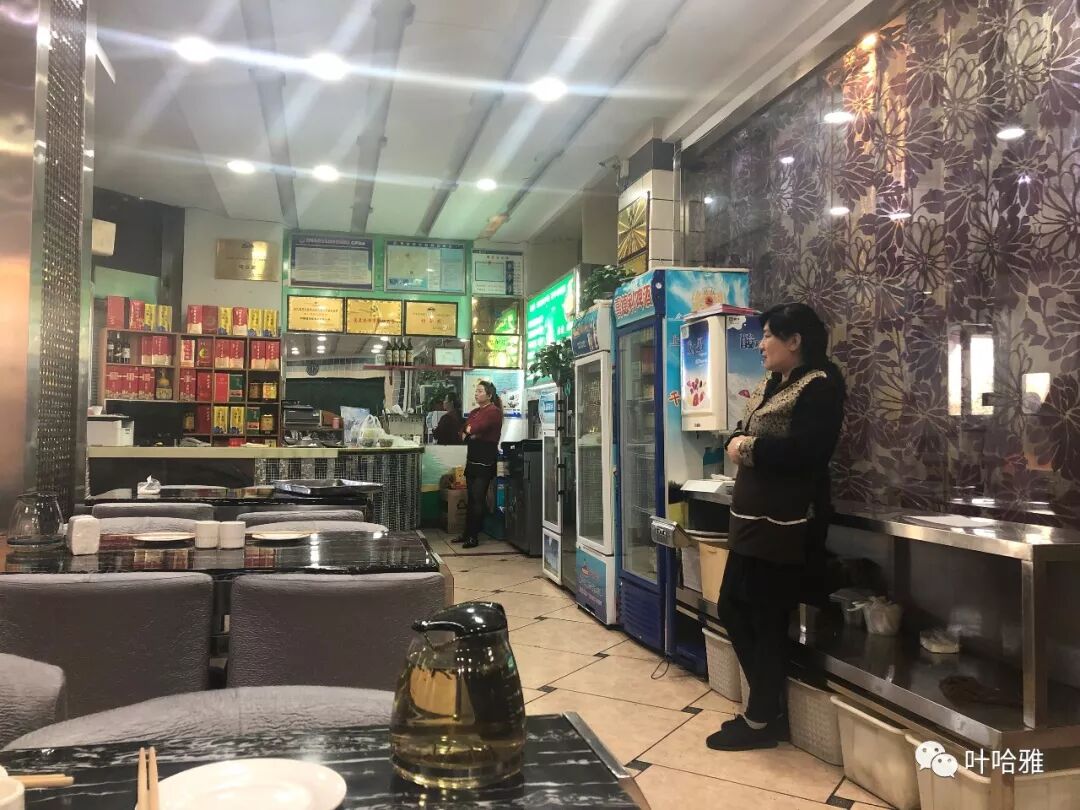
This restaurant is considered large for Ulanqab, as most halal restaurants in Jining District are small. Since it was during the Spring Festival, many small shops wouldn't open until after the Lantern Festival.
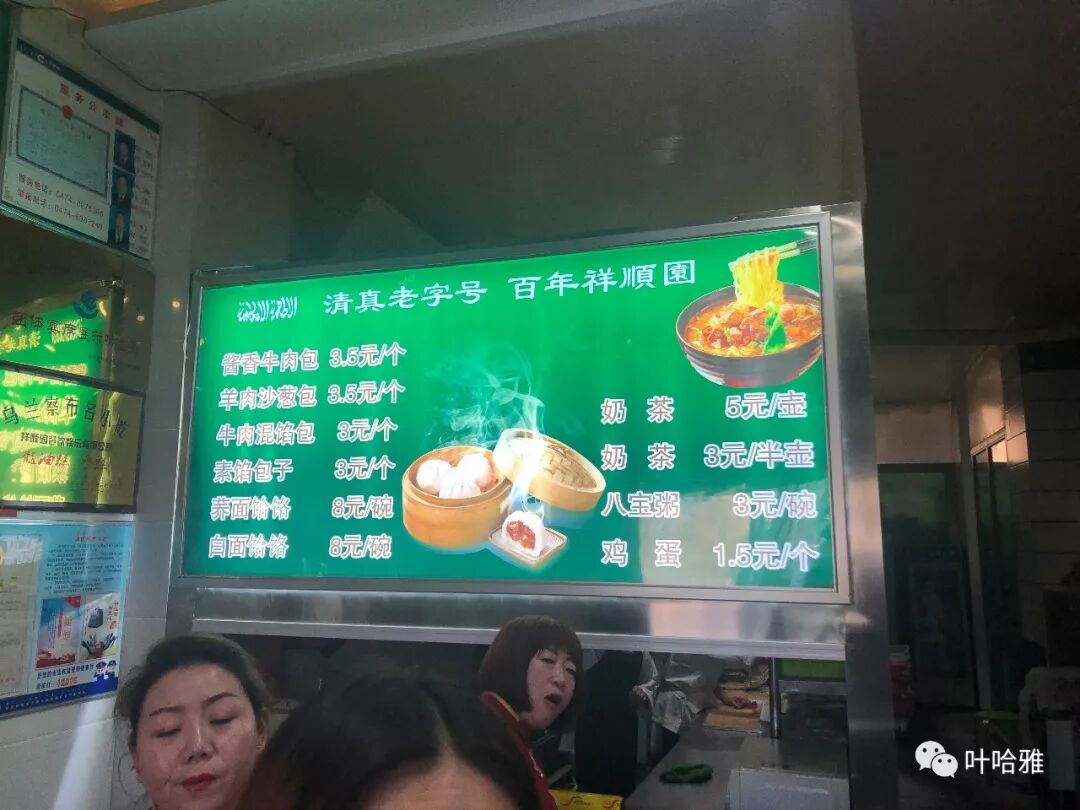
The prices were quite cheap, and the overall cost of living in the city is low.
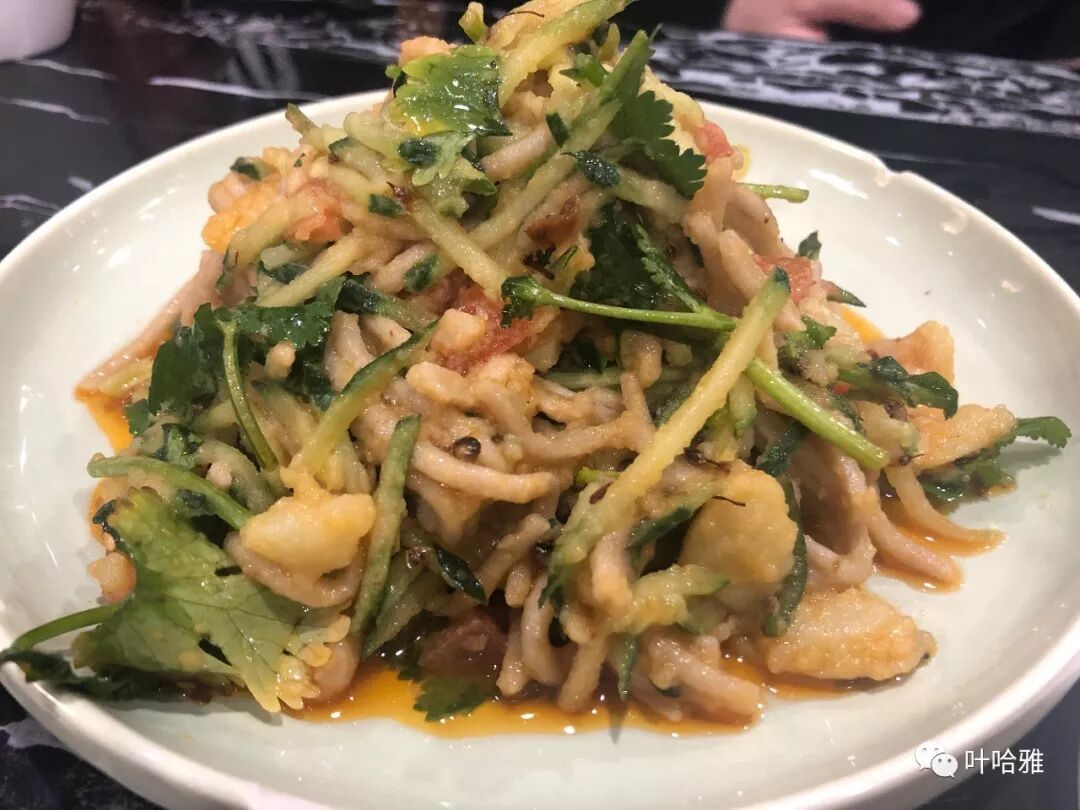
The first dish we ordered was cold oat noodles (youmian). Oat noodles are a local Inner Mongolian snack with a light and tasty flavor.
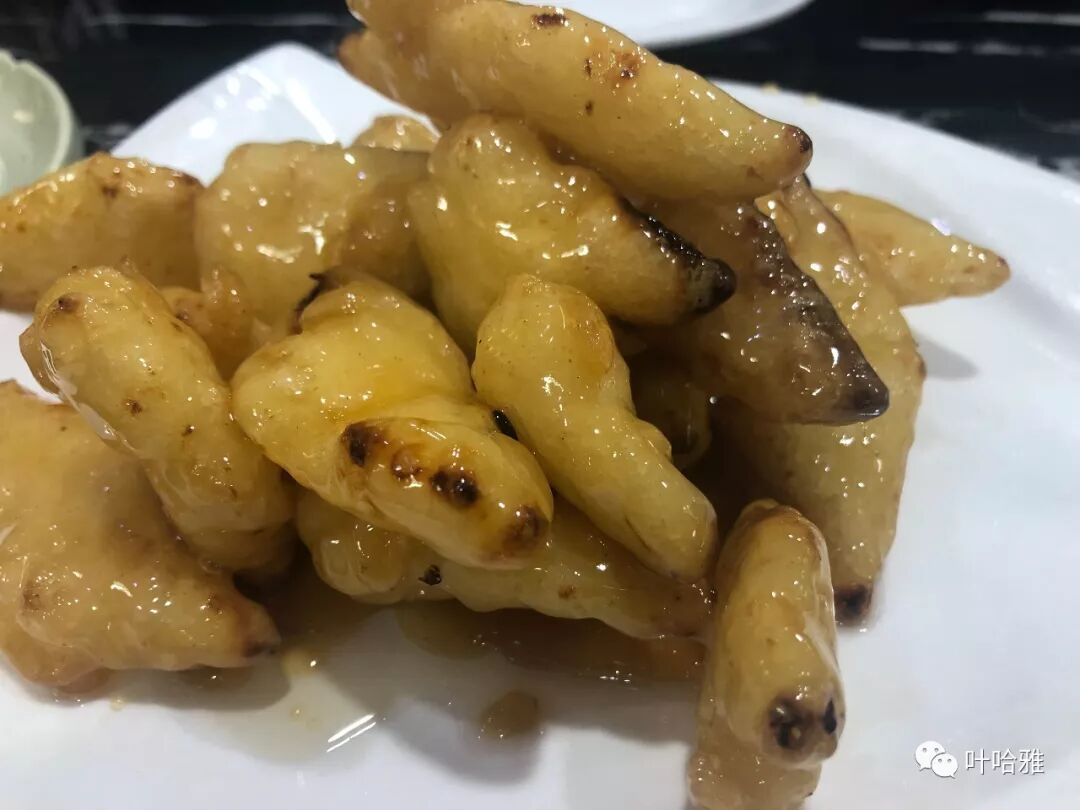
Caramelized milk skin (basi naipi) is another local specialty. You have to eat it while it's hot, or it gets too hard to pick up.
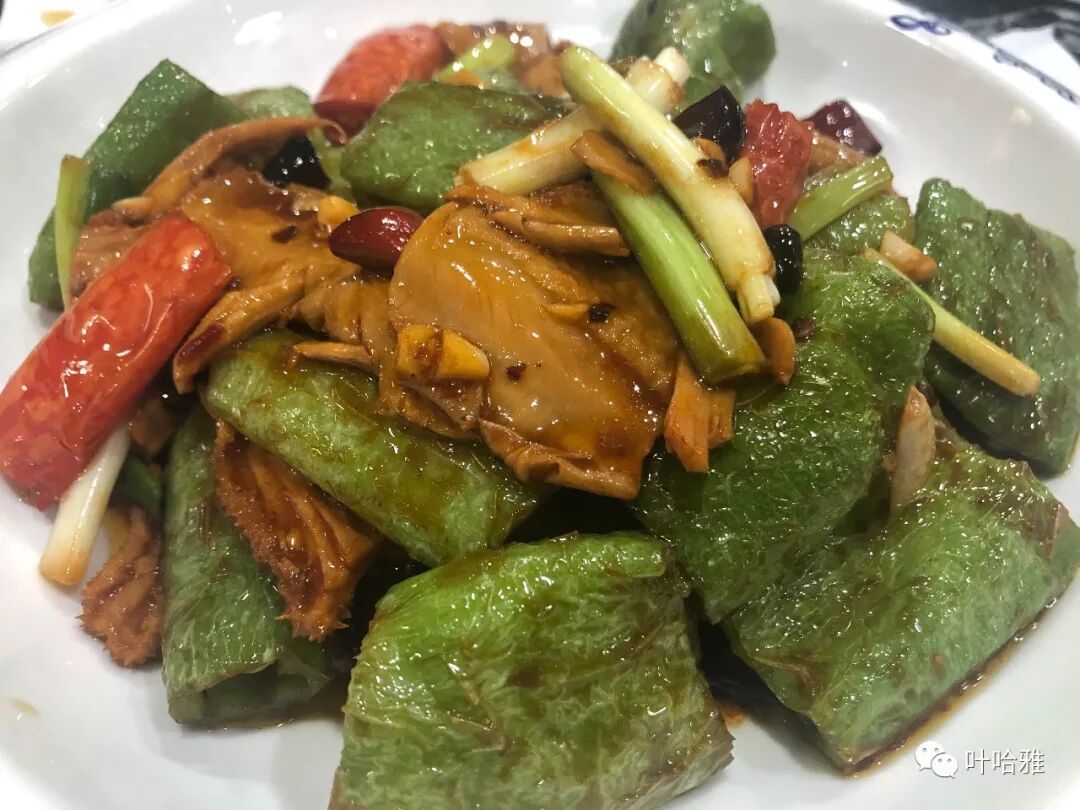
Stir-fried beef tripe with chili peppers, which was slightly spicy.
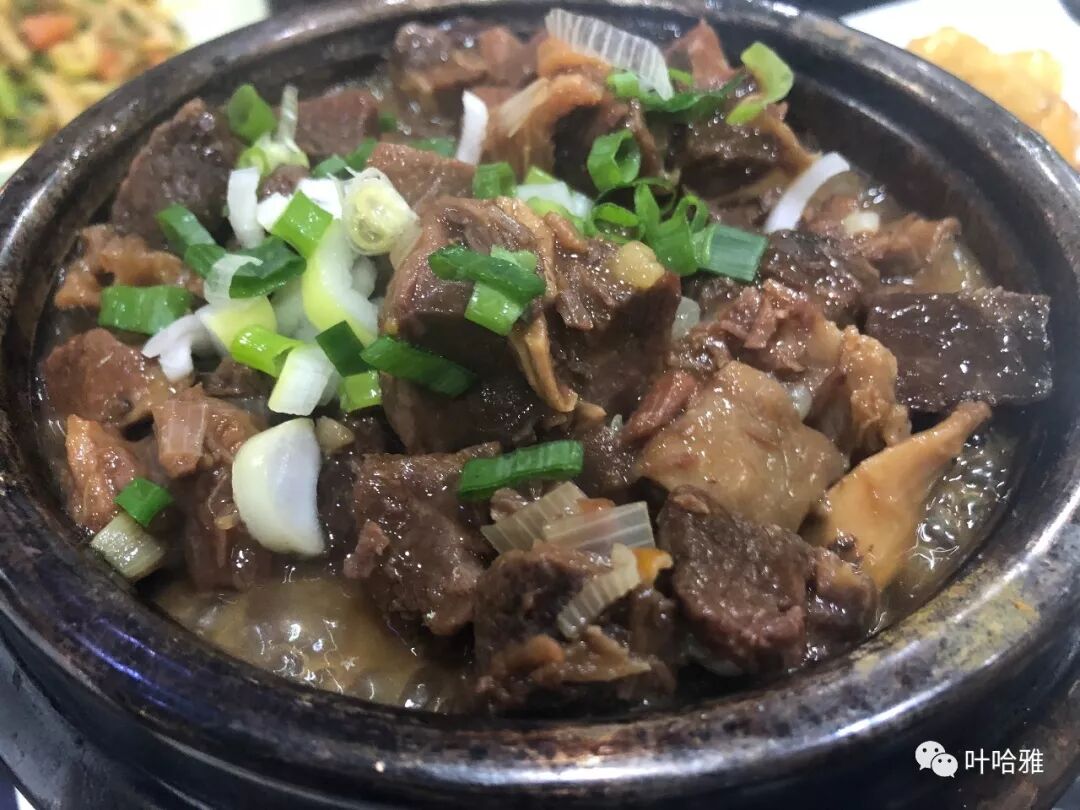
The signature beef dish has a layer of stewed beef on top and pumpkin underneath. It tastes a bit sweet, and the beef is stewed until very tender.
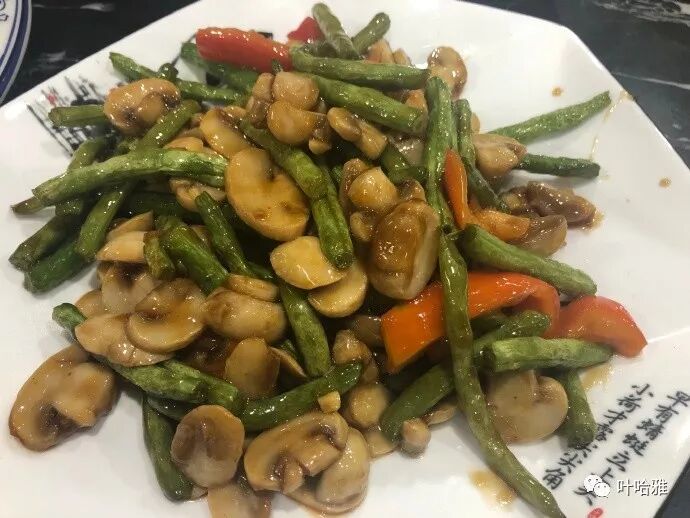
Stir-fried konjac with green beans is fresh and tasty.
Overall, this restaurant is good. It is in the city center and has a wide variety of dishes. We were all very satisfied, and for four people, it cost 60 yuan each.
Address: Southeast corner of Central Square, Wulan Street.
After checking into my hotel, I visited the Jining District Grand Mosque. The mosque is at 87 Chaoyang Street. You can see it from far away on a high spot after crossing a railway. This is the 239th mosque I have visited.
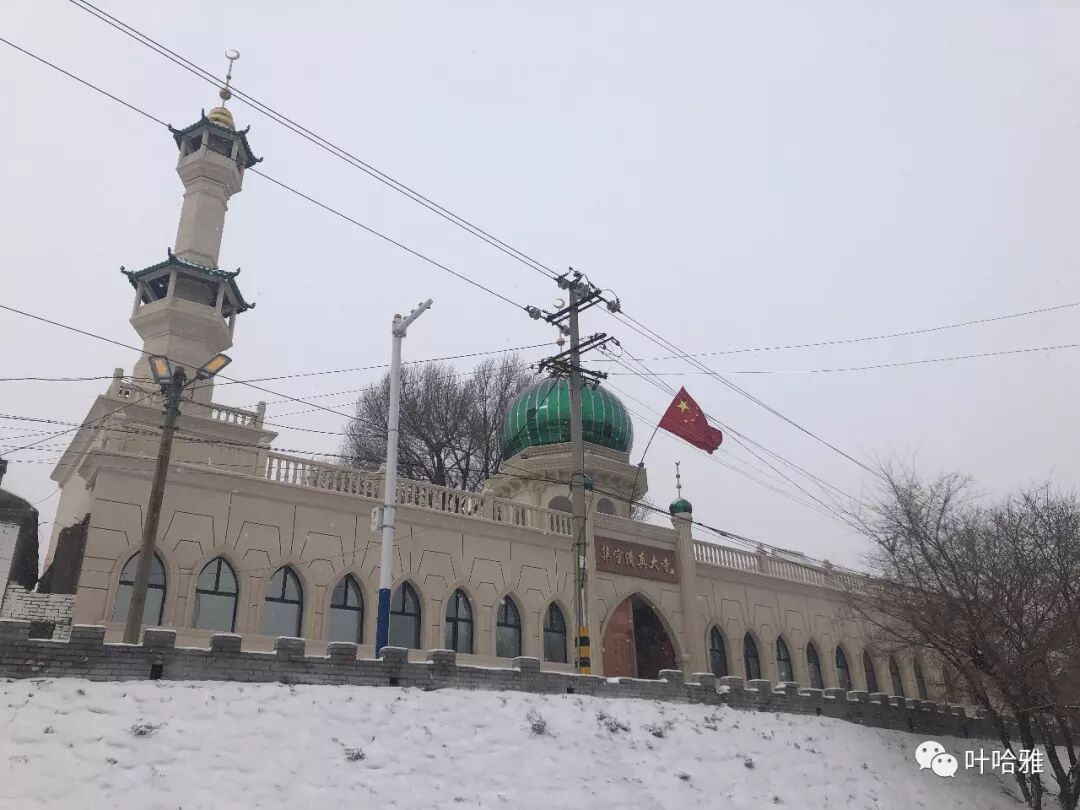
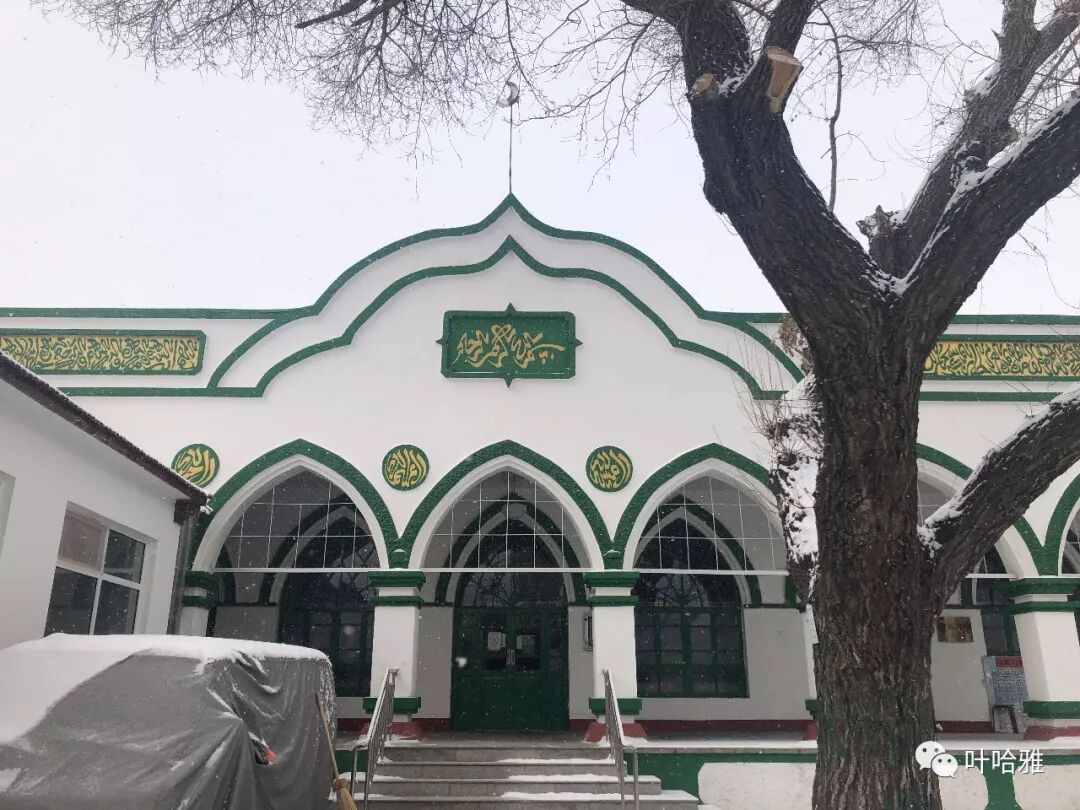
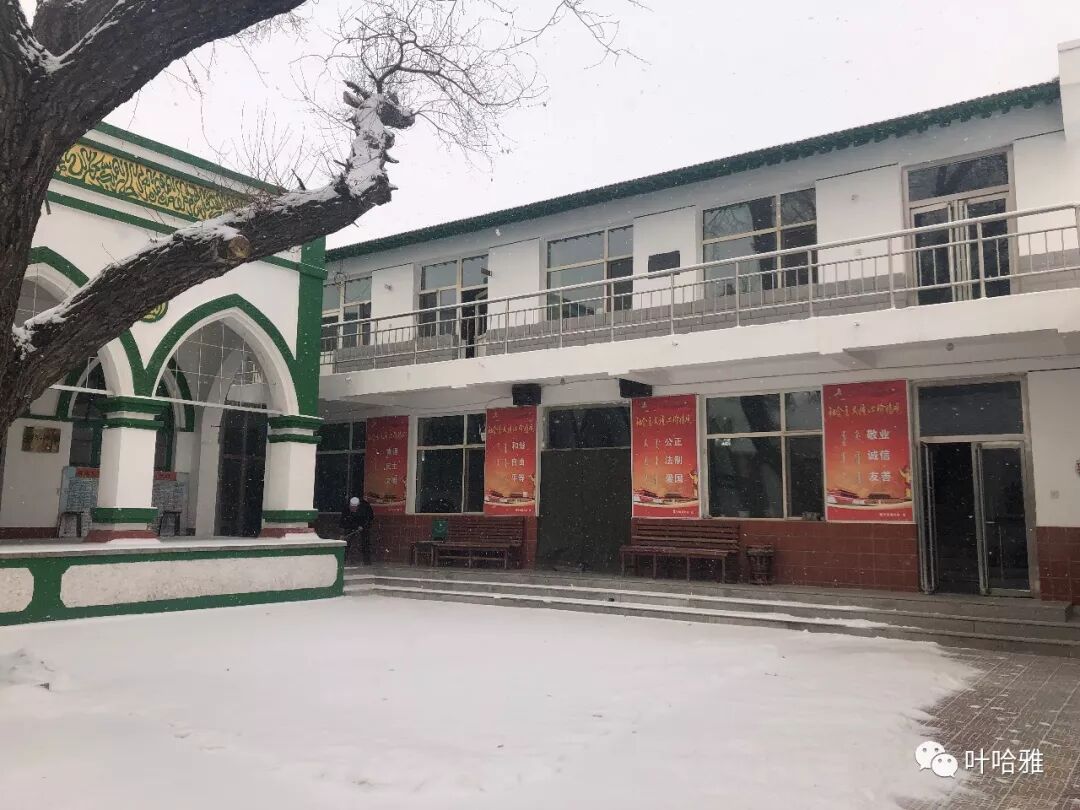
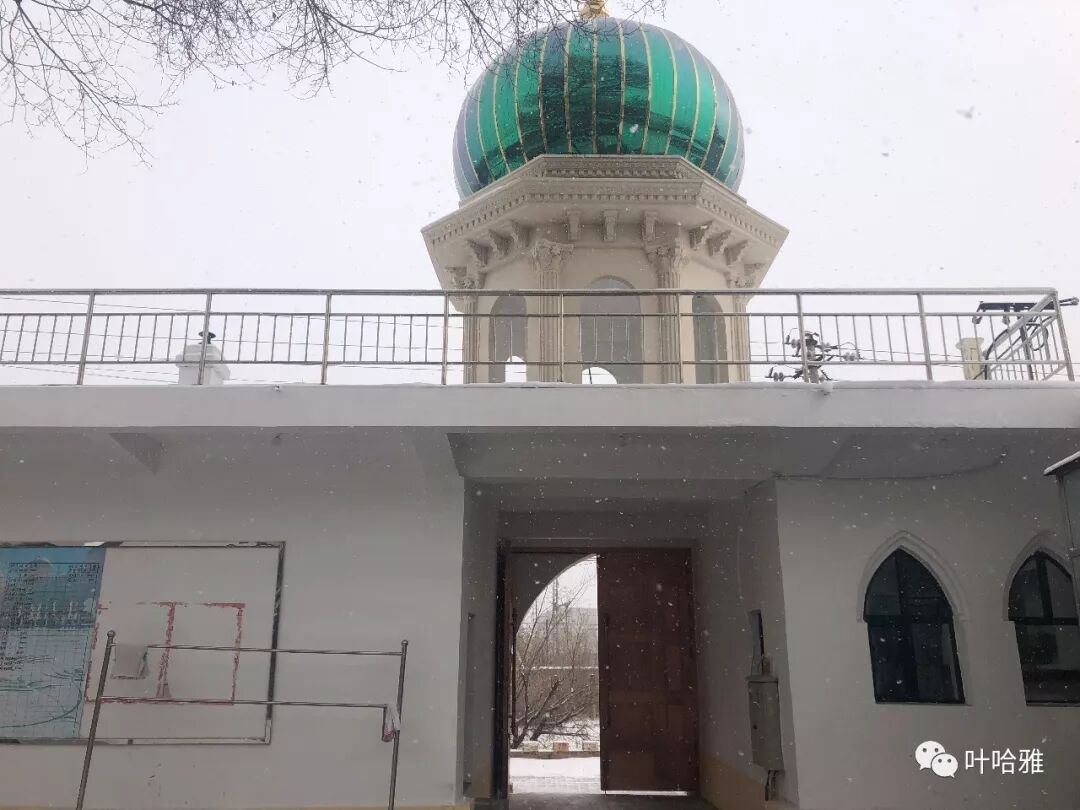
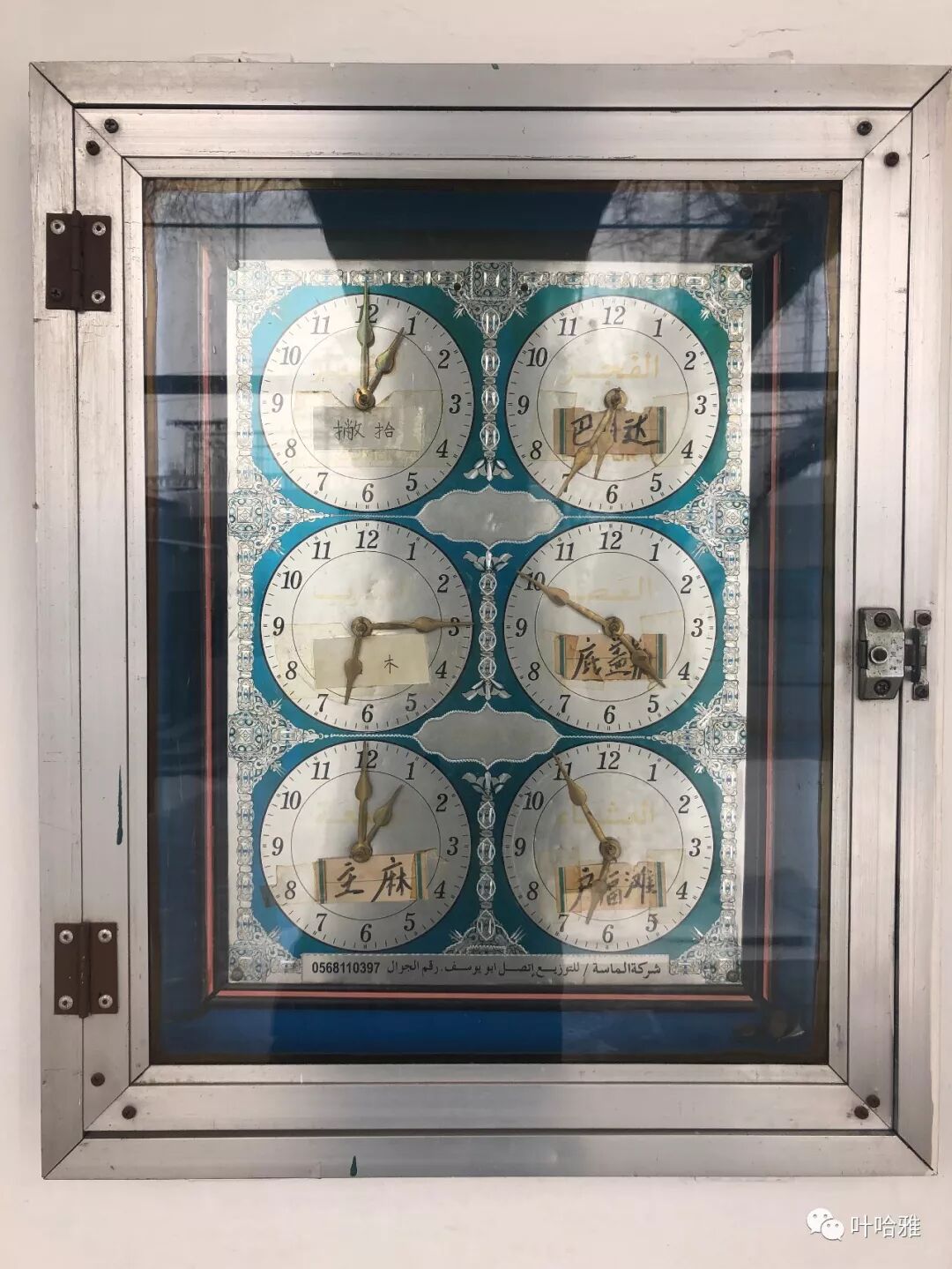
There are two mosques in Jining District. The other one is smaller, and the two are not far apart.
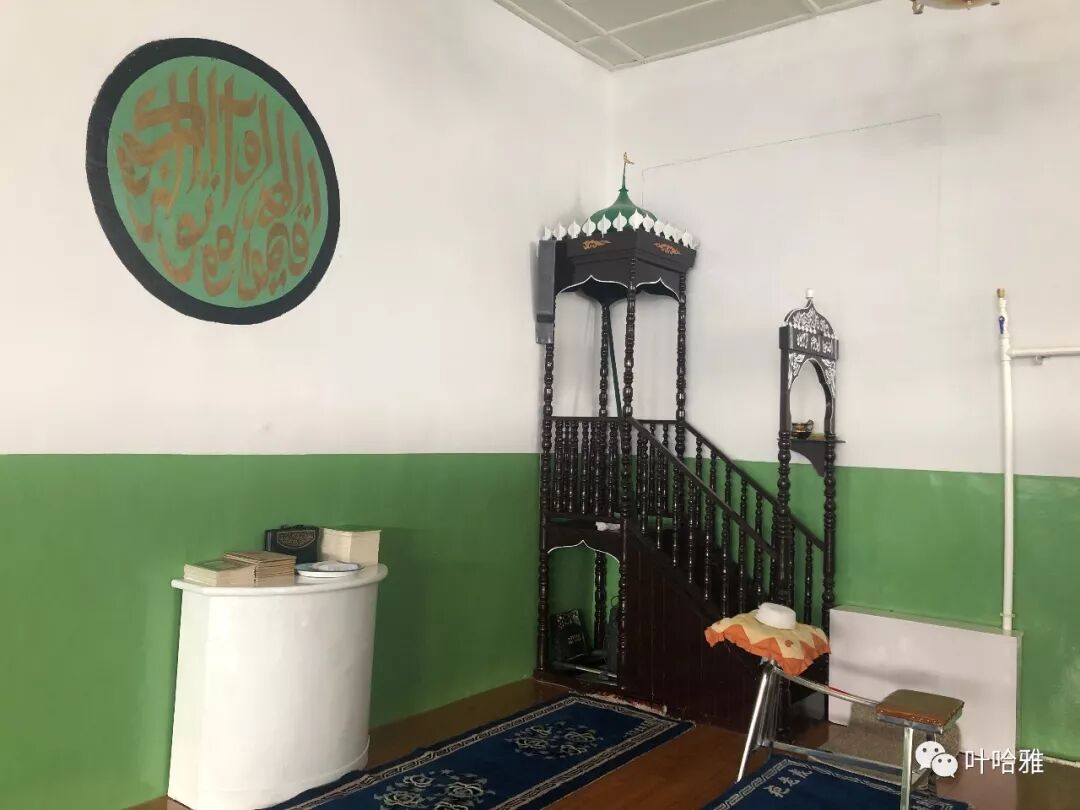
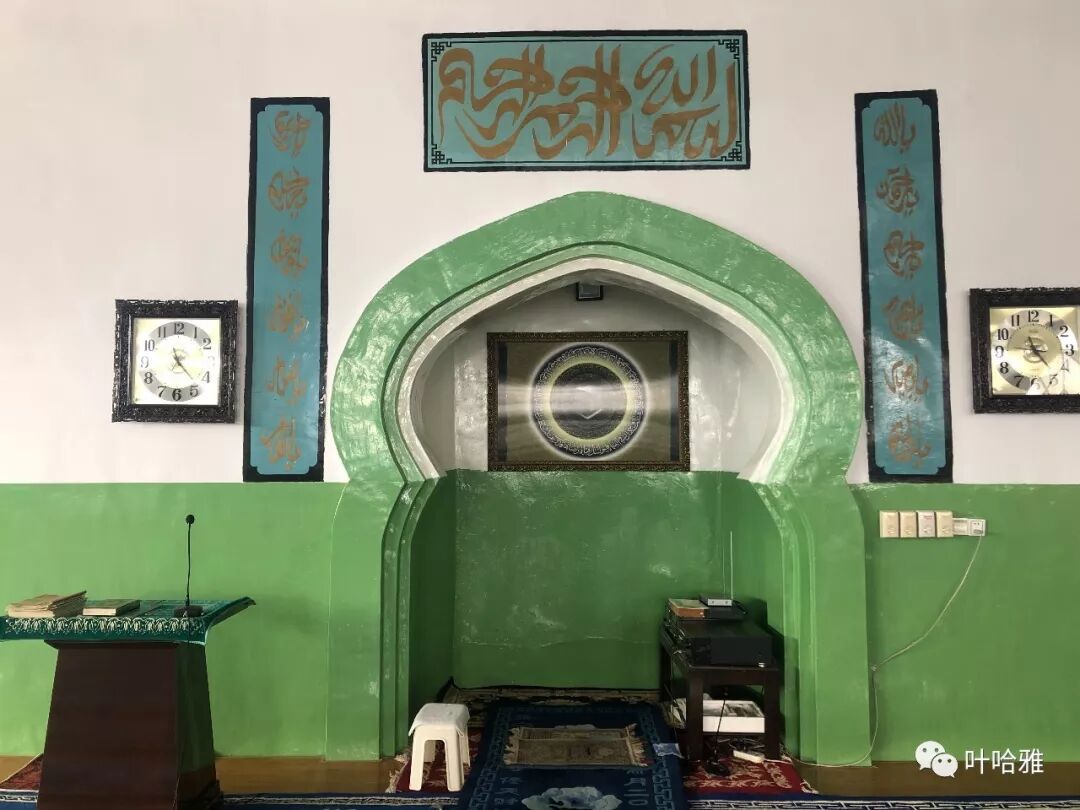
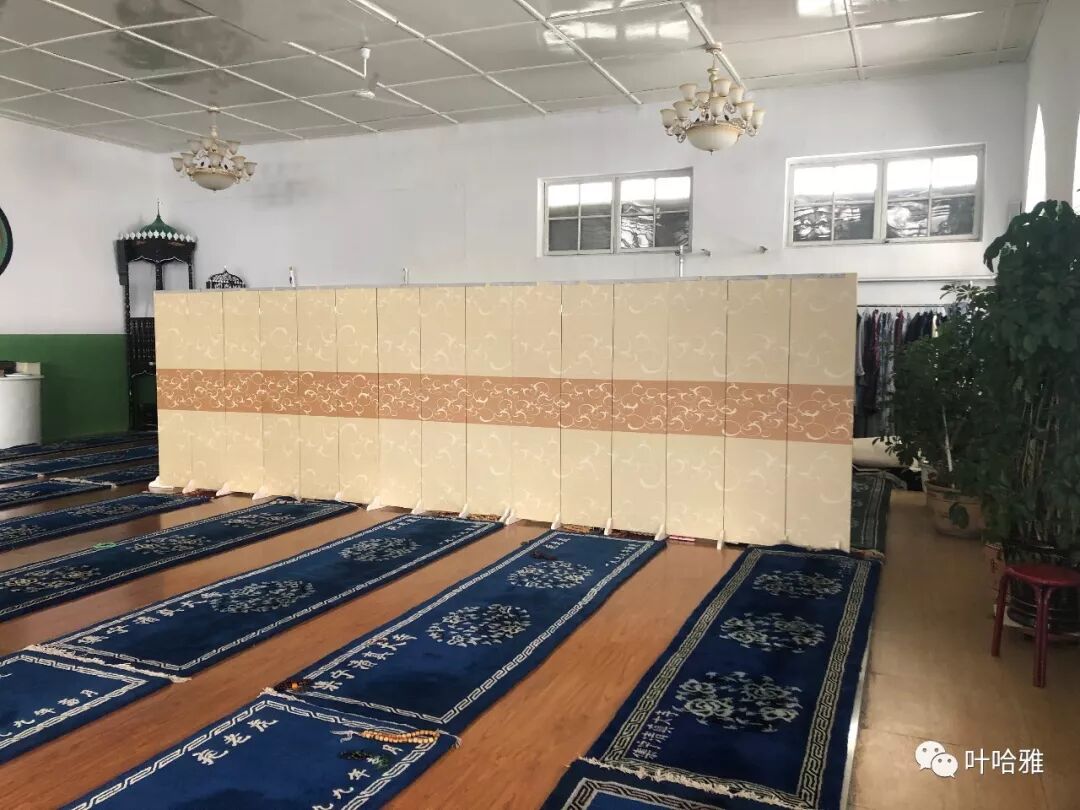
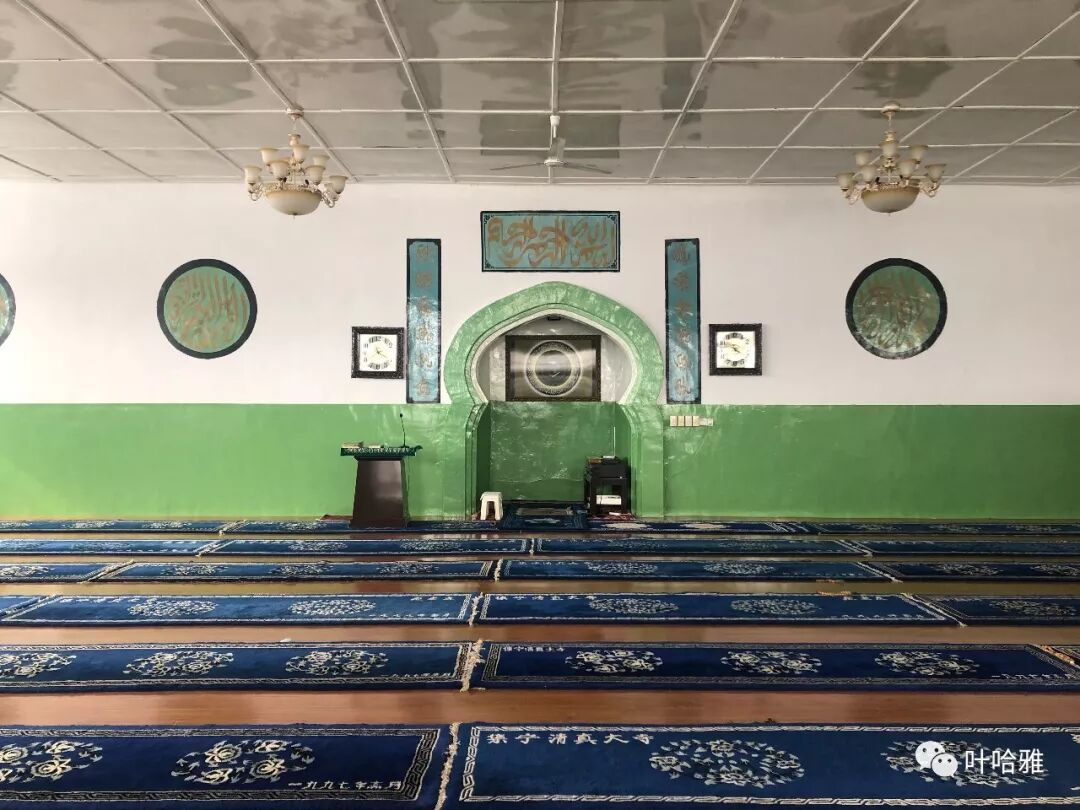
After performing two rak'ahs of prayer, I went to ask the imam about good local restaurants. This is one of my ways to find halal food. However, the imam said he had not been here long and only knew of a nearby ramen shop; he did not know about other places. Speaking of this, I remembered some small mosques I have visited in small towns. Those small mosques usually only have one imam. The imam's daily life is very monotonous. He leads the five daily prayers every day without a break all year round, and he cannot afford to get sick. He has no entertainment and just looks forward to a guest coming to the mosque so he can have someone to talk to.
Deshunzhai Halal Hot Pot.
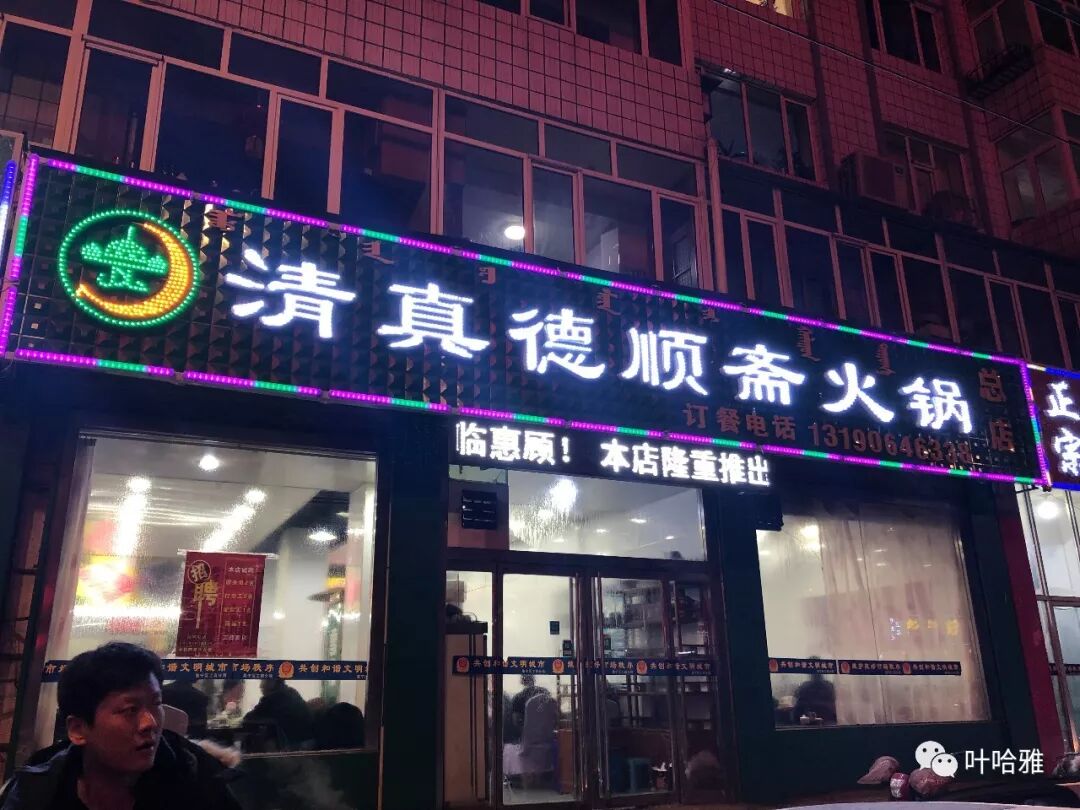
Although mutton hot pot (shuan yangrou) is a Beijing specialty, its roots were invented by the Mongols. For a Beijing mutton hot pot place to do well, it must use lamb from Inner Mongolia.
This Deshunzhai Hot Pot is a local chain, and we chose to eat at the main branch.
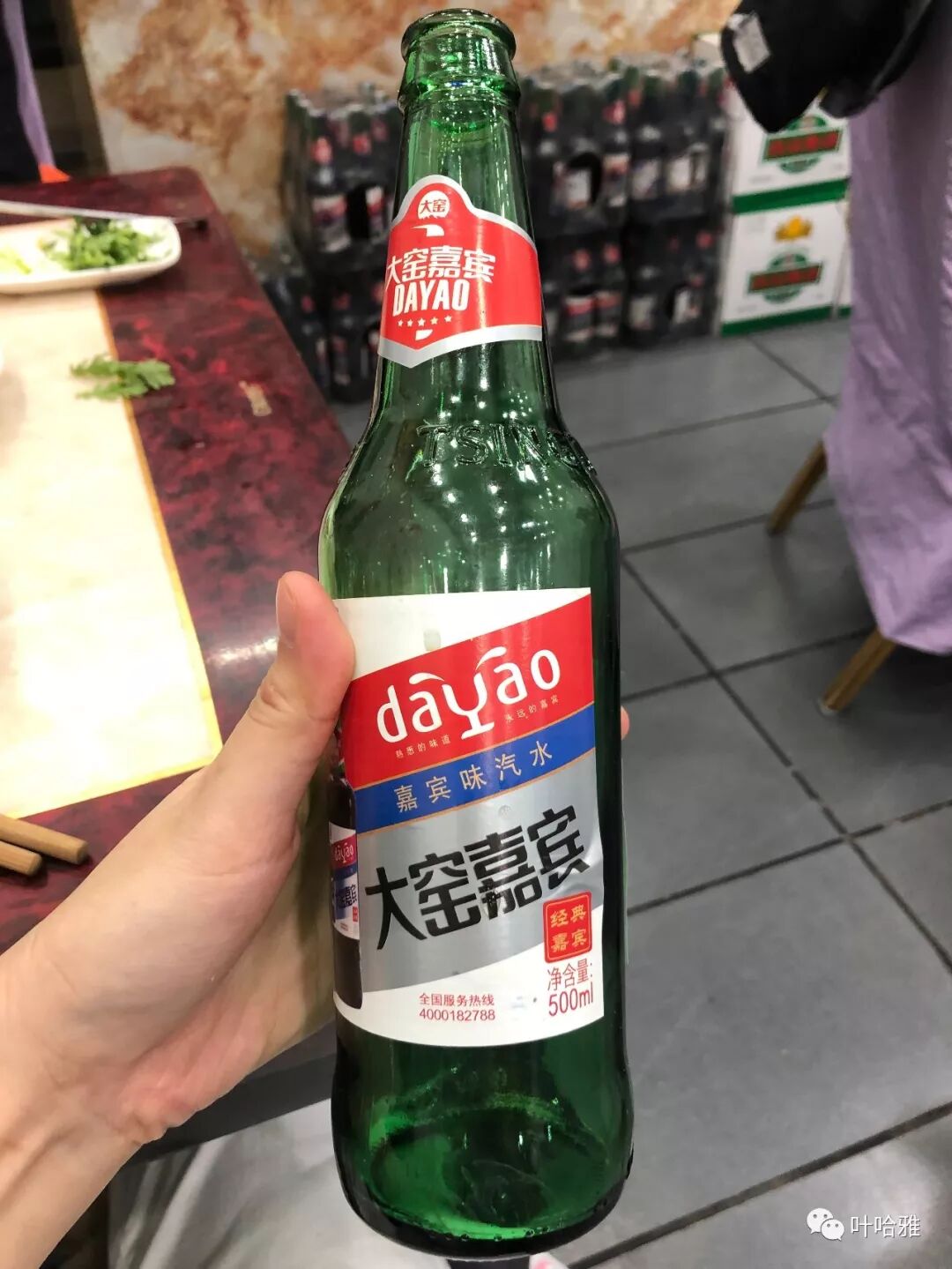
Dayao Jiabin is a local drink from Inner Mongolia. There is also one called Zhencheng Jiabin. I once posted a picture on Weibo of myself drinking Zhencheng Jiabin in Baotou, and netizens pointed out that Zhencheng Jiabin is a fake.
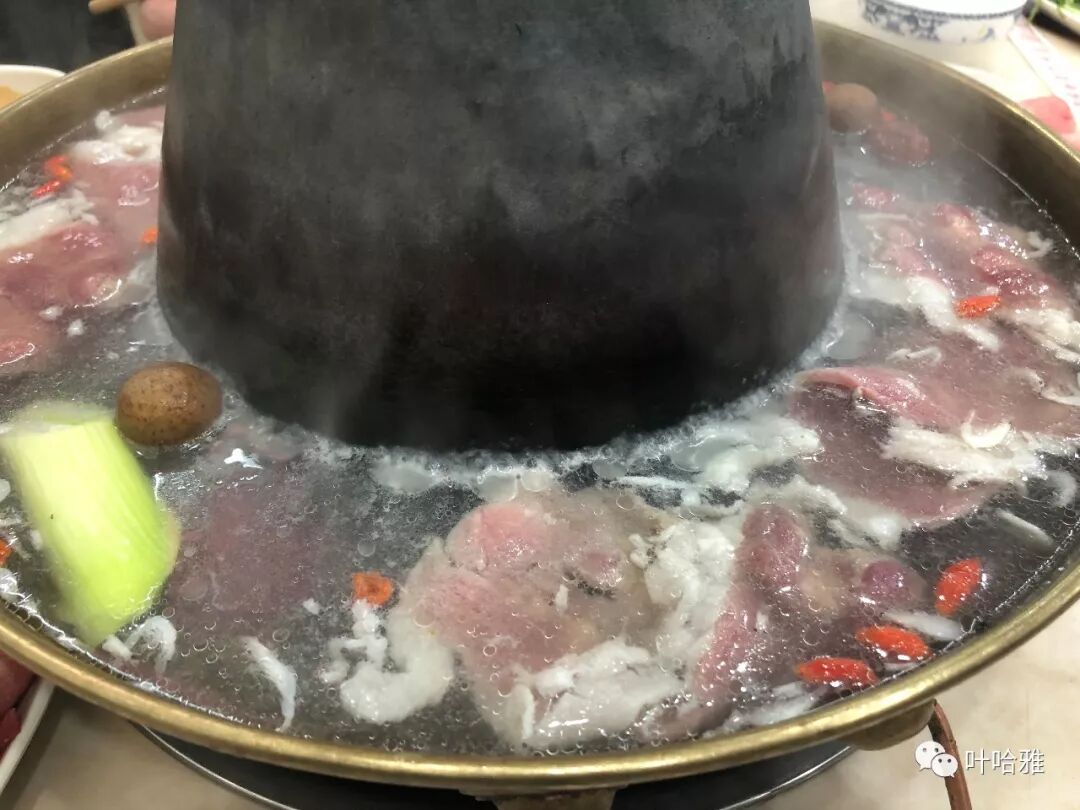
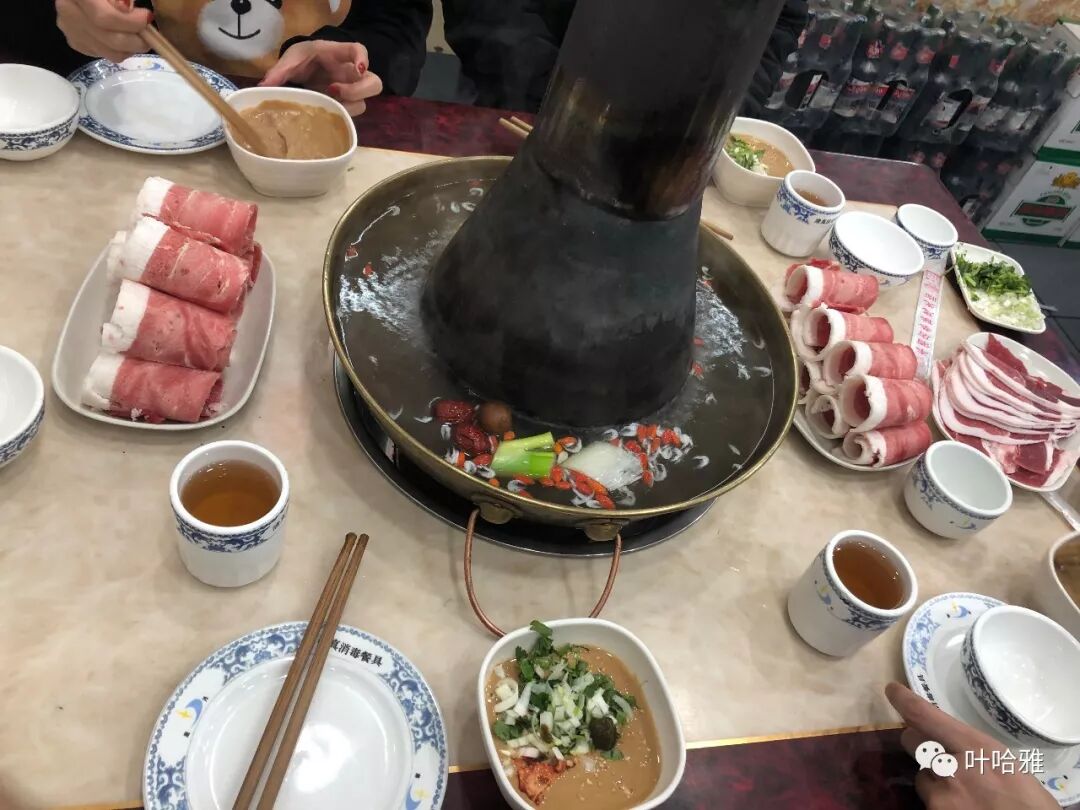
This was the most comfortable meal we had. The food tasted great, the meat was fresh and had no gamey smell, and the price was very affordable. The four of us bought a set meal for only 135 yuan. It included two plates of lamb, one plate of beef, and several portions of vegetables, meatballs, pickled cabbage (suancai), and hand-rolled noodles (shouganmian). If we ate like this in Beijing, it would cost at least 500 yuan.
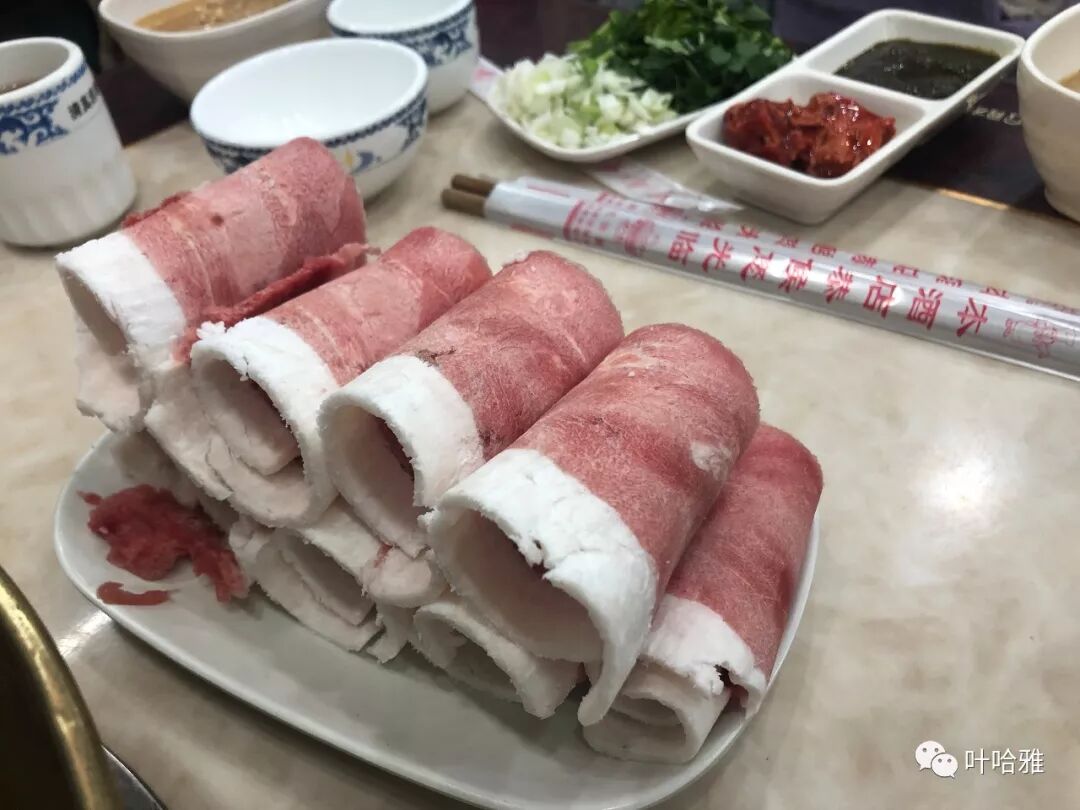
We ate three servings of their hand-rolled noodles and added two extra portions of pickled cabbage. Everything was delicious. If I come back to Wumeng, I will definitely visit again.
Address: Opposite the component factory on Qima Road (opposite the former Dongpo Restaurant).
Lianying Shaomai Restaurant.
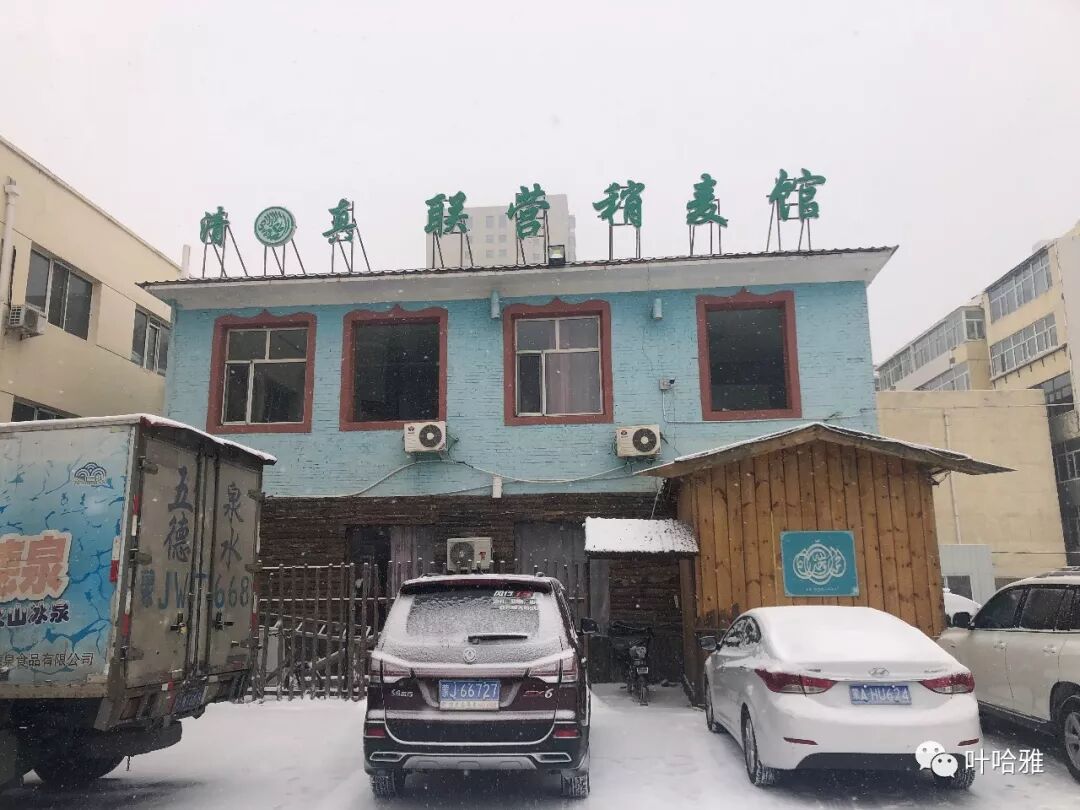
Steamed dumplings (shaomai) are also called shaomei. The most famous ones are from Hohhot. I found this Lianying Shaomai Restaurant on a local food recommendation list. It is located inside the Planning Commission compound in Jining District. I ate breakfast here for two days in a row.
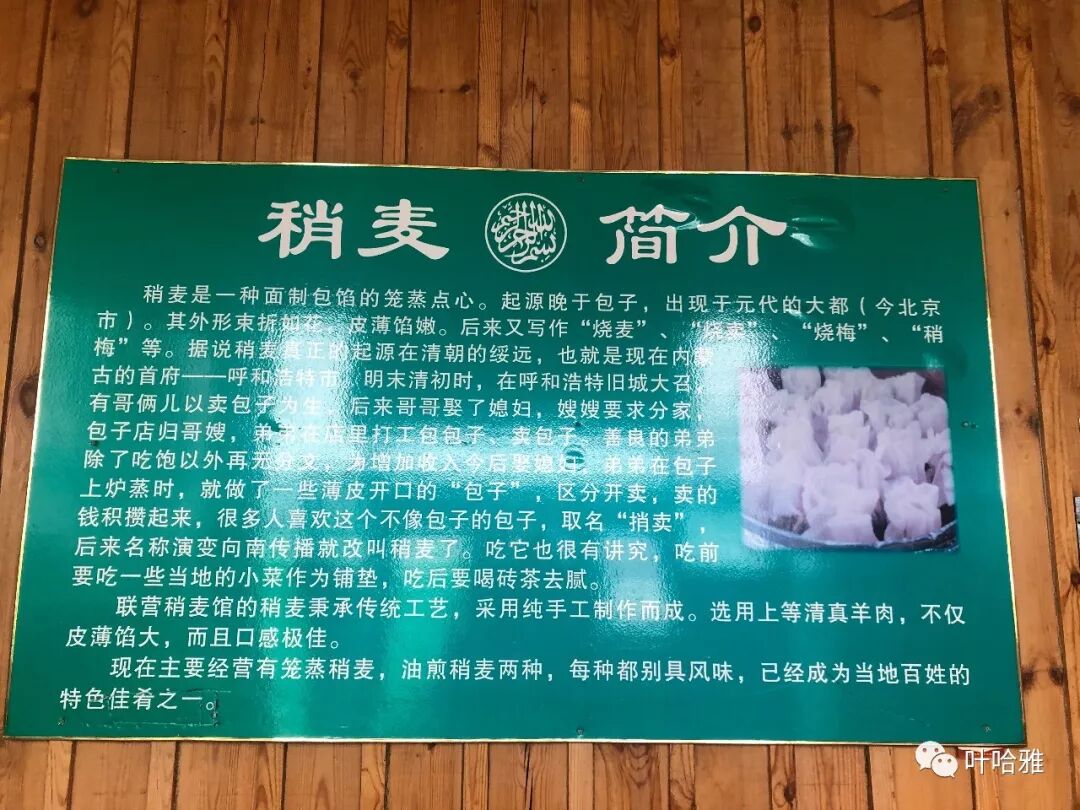
Lianying Shaomai Restaurant only sells steamed dumplings. They have regular lamb, premium lamb leg, beef, and vegetarian mixed steamed dumplings.
I tried every kind. My favorite was the lamb leg steamed dumplings, which cost 20 yuan per liang. One liang is one steamer basket. You get free porridge and side dishes when you eat steamed dumplings. People in Inner Mongolia are so generous.
The four of us finished 7 liang of steamed dumplings and wanted to order more at the end, but the waiter told us they were closed. Breakfast is served until 10 a.m., and then you have to wait until noon. If you want pan-fried steamed dumplings, you have to come early. Pan-fried steamed dumplings cost 2 yuan more per liang.
Address: Planning Commission Hotel, Jining District, Ulanqab City (west of Enhe Century Square).
Jingsheng Restaurant.
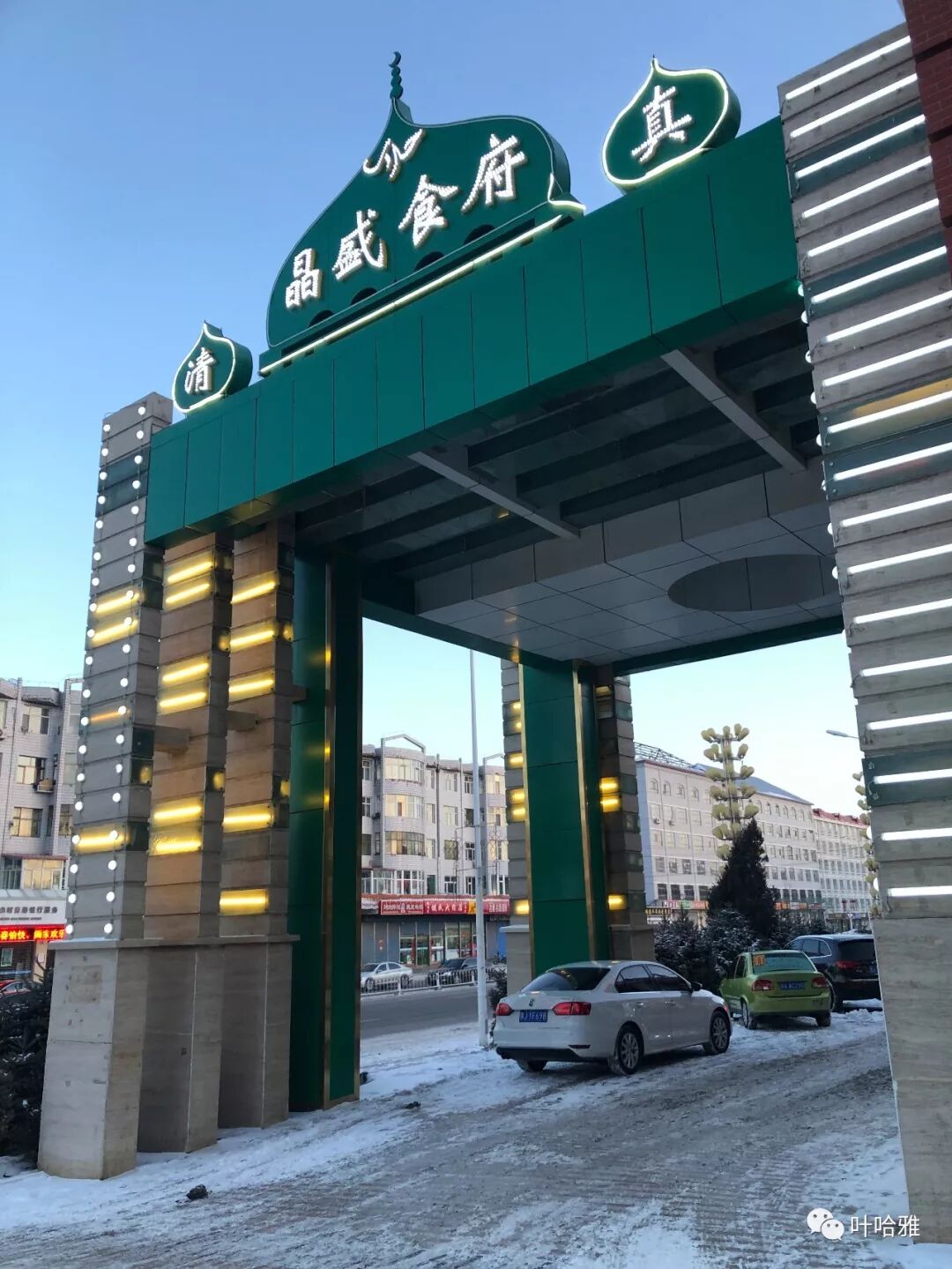
Finding this place was a total surprise because there was no halal information for it on Dazhong Dianping. We saw it while driving by. I do not understand why a restaurant with such a big sign has so little information on Dazhong Dianping. It seems locals do not use the app much, as many restaurants do not even have pictures online, which made me think they were closed. Seeing it in person was a complete surprise.
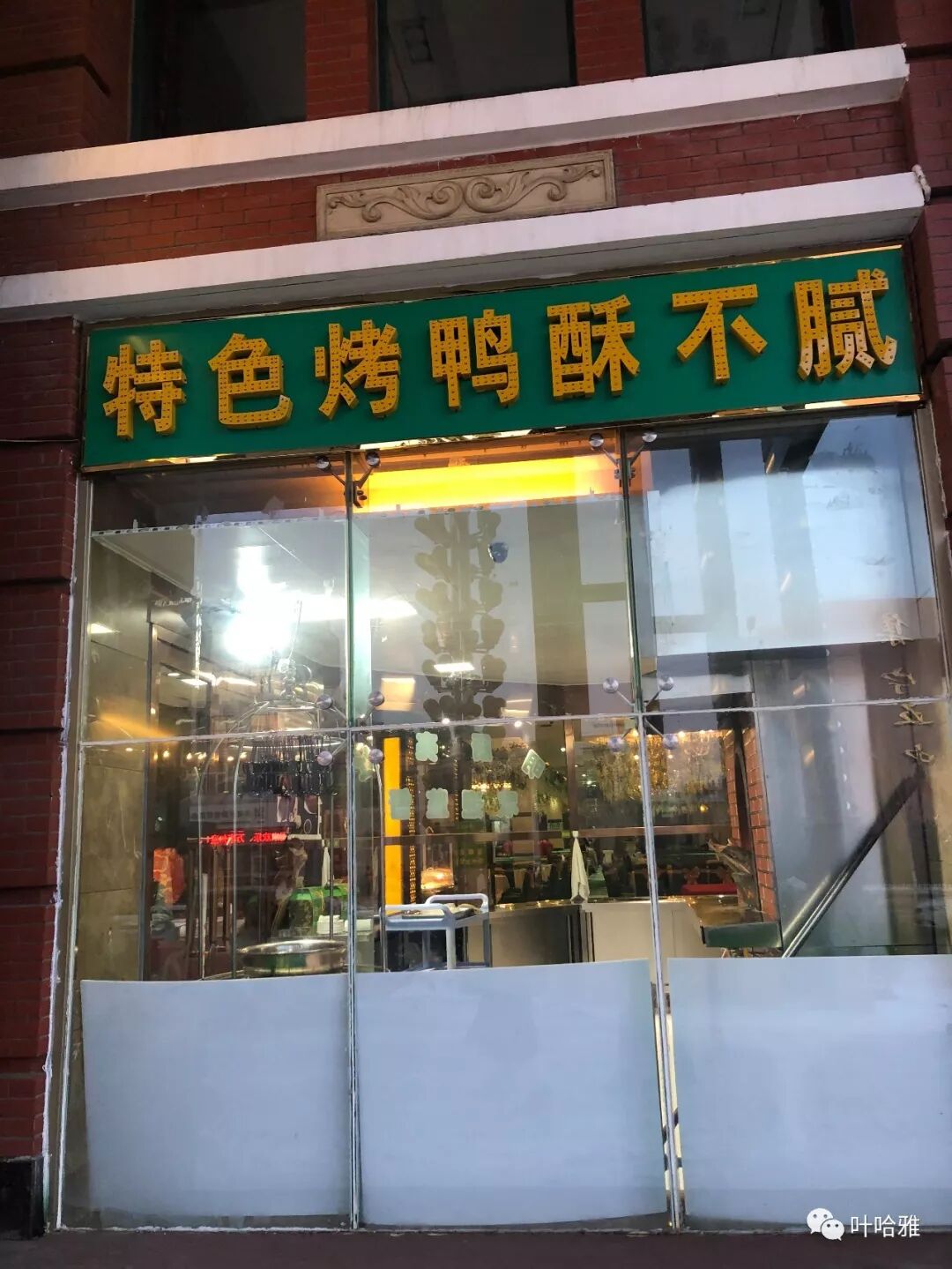
They have roast duck, but since we are guests from Beijing, we should stick to beef and lamb here.
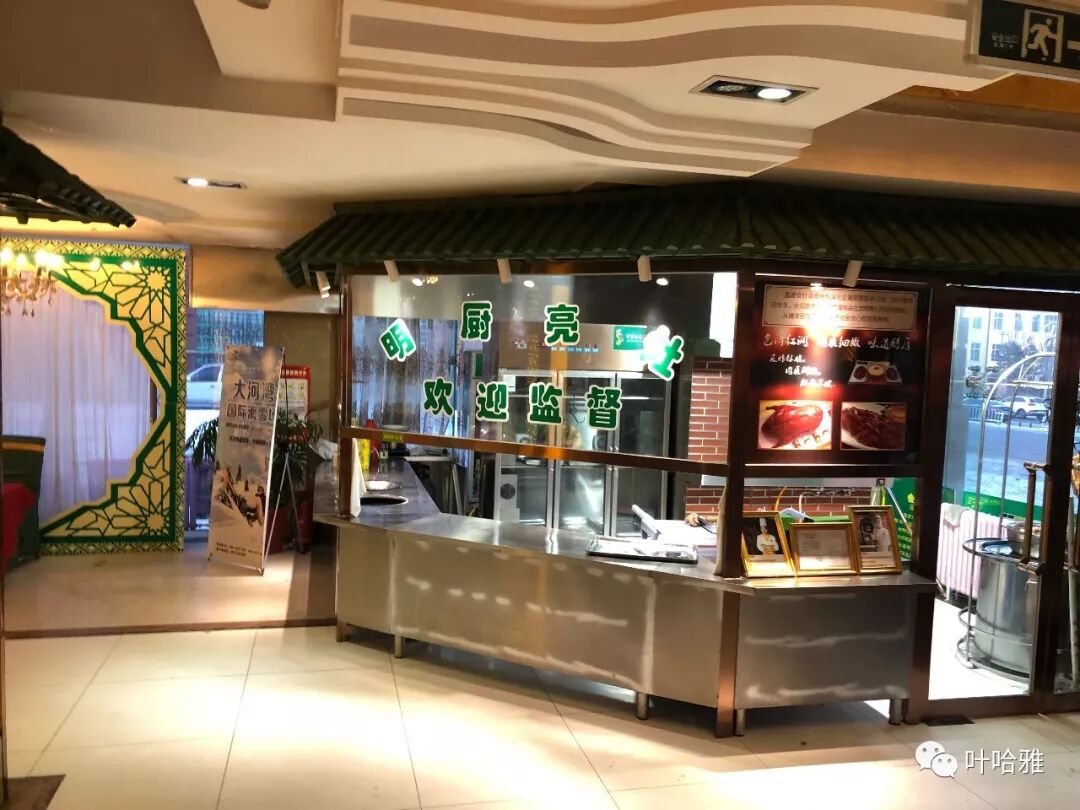
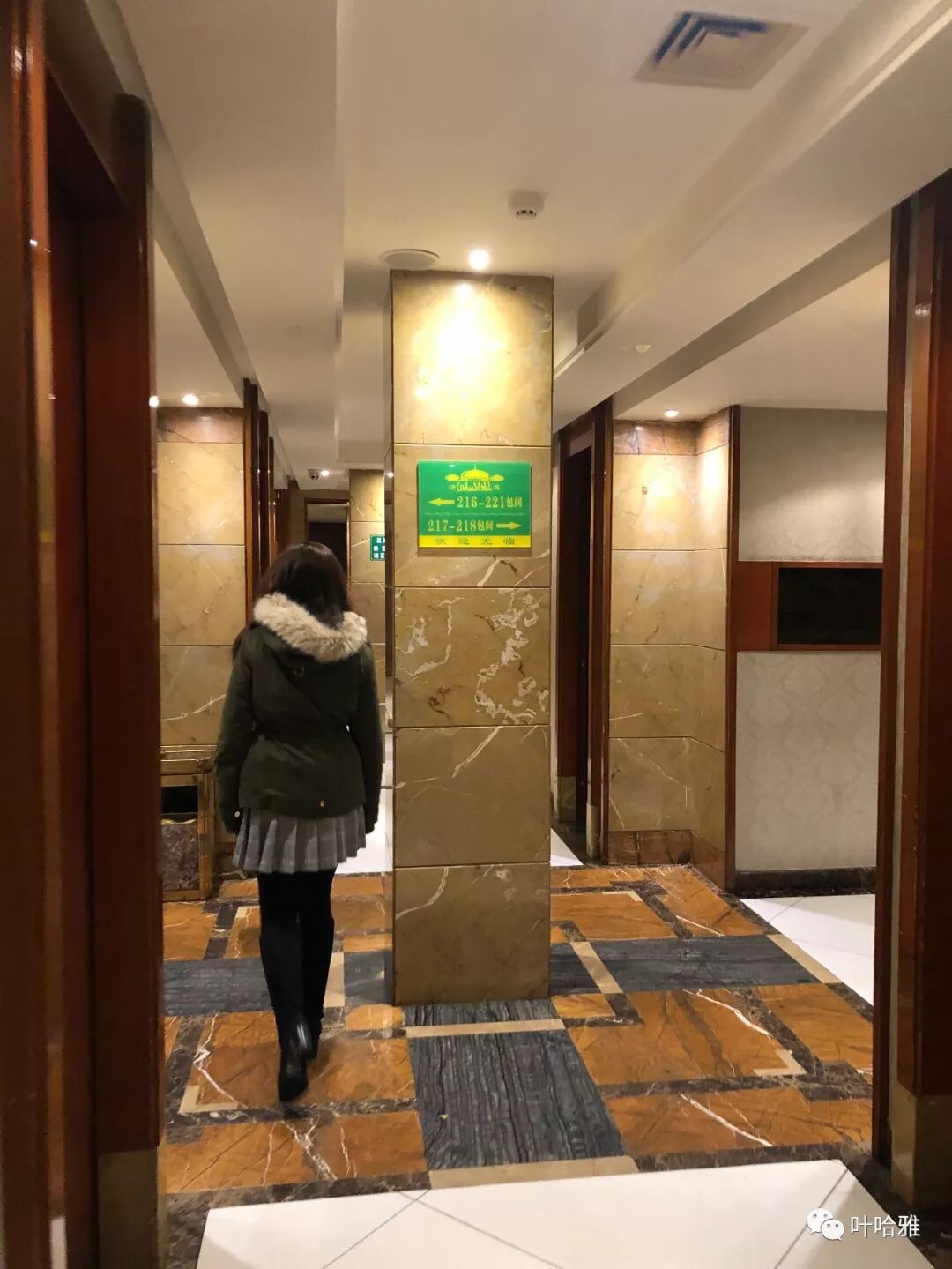
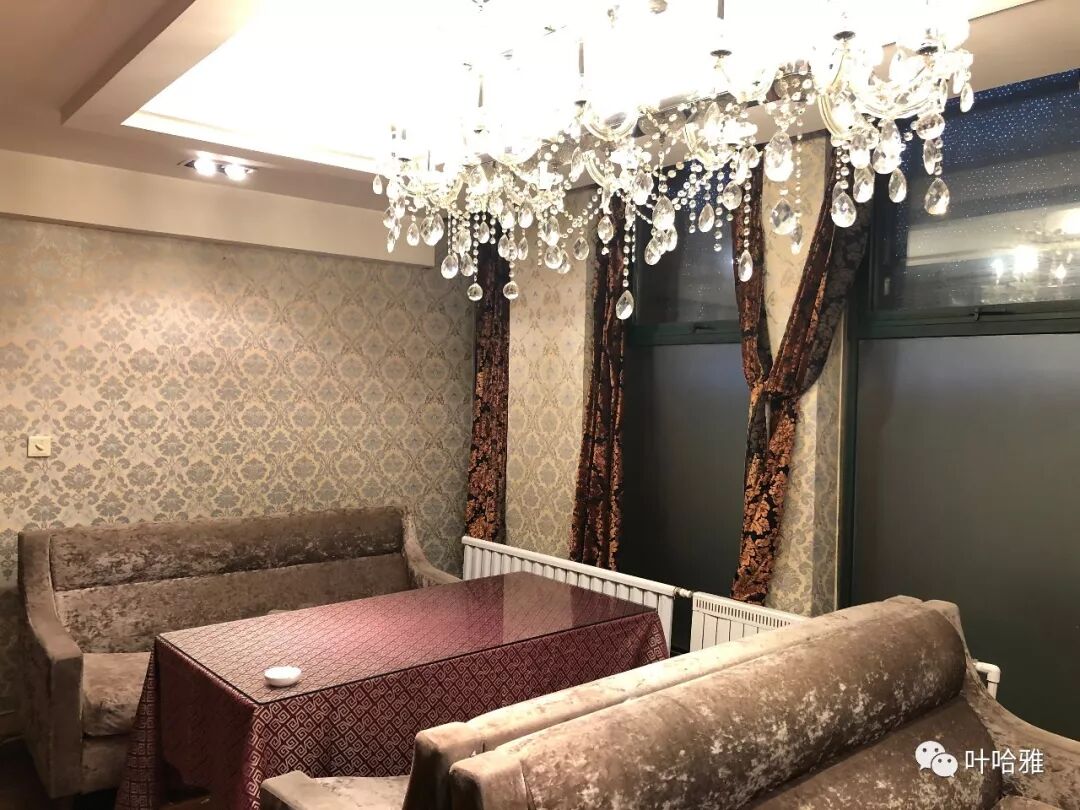
The interior is very spacious and consists entirely of private rooms. It feels a lot like the restaurant layouts in Xining, offering privacy where no one disturbs each other.
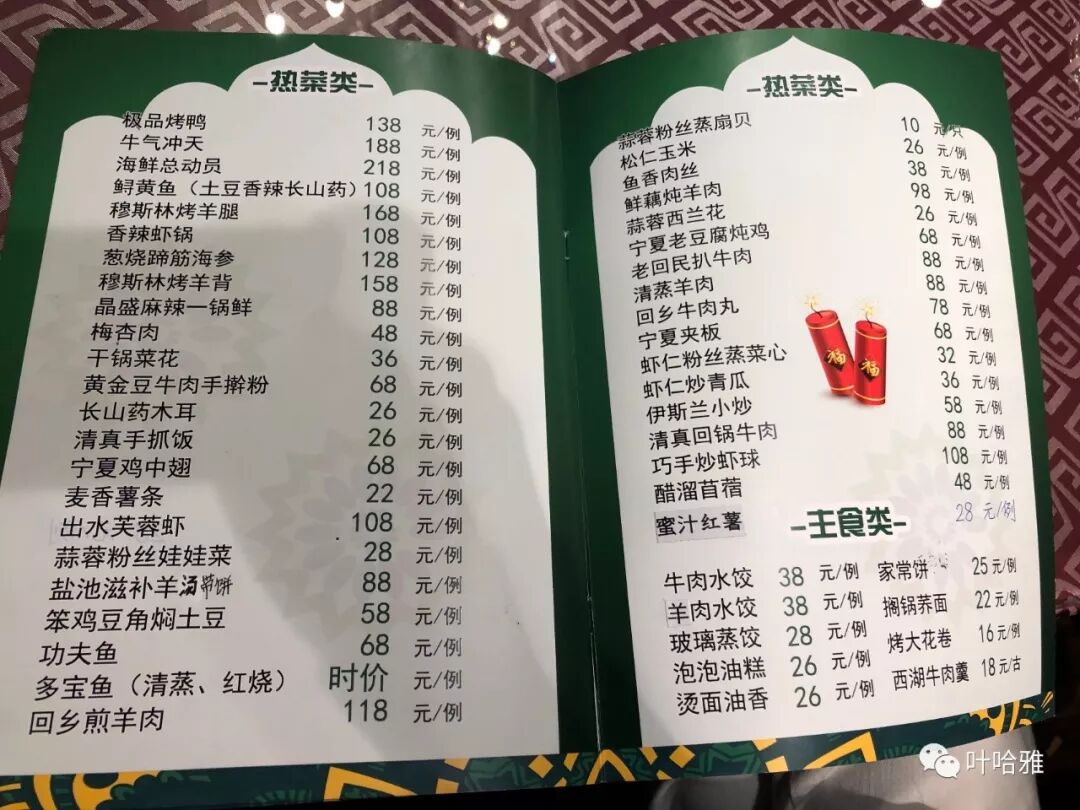
The menu focuses on Northwest-style flavors.
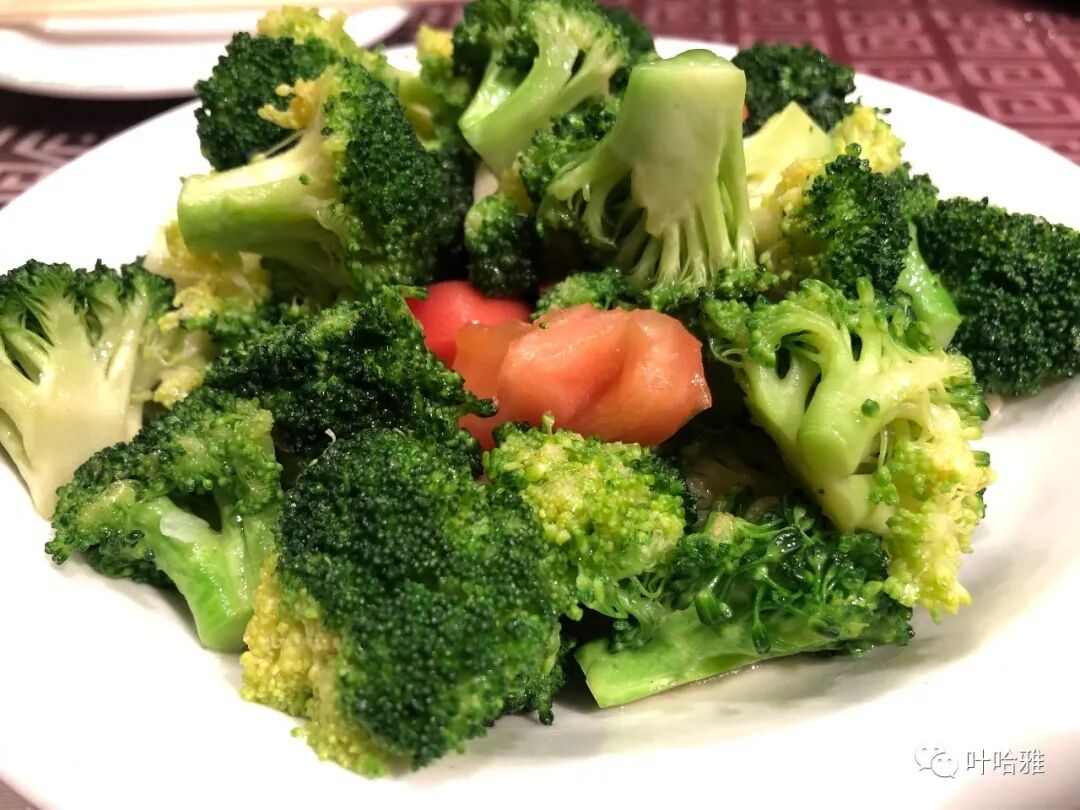
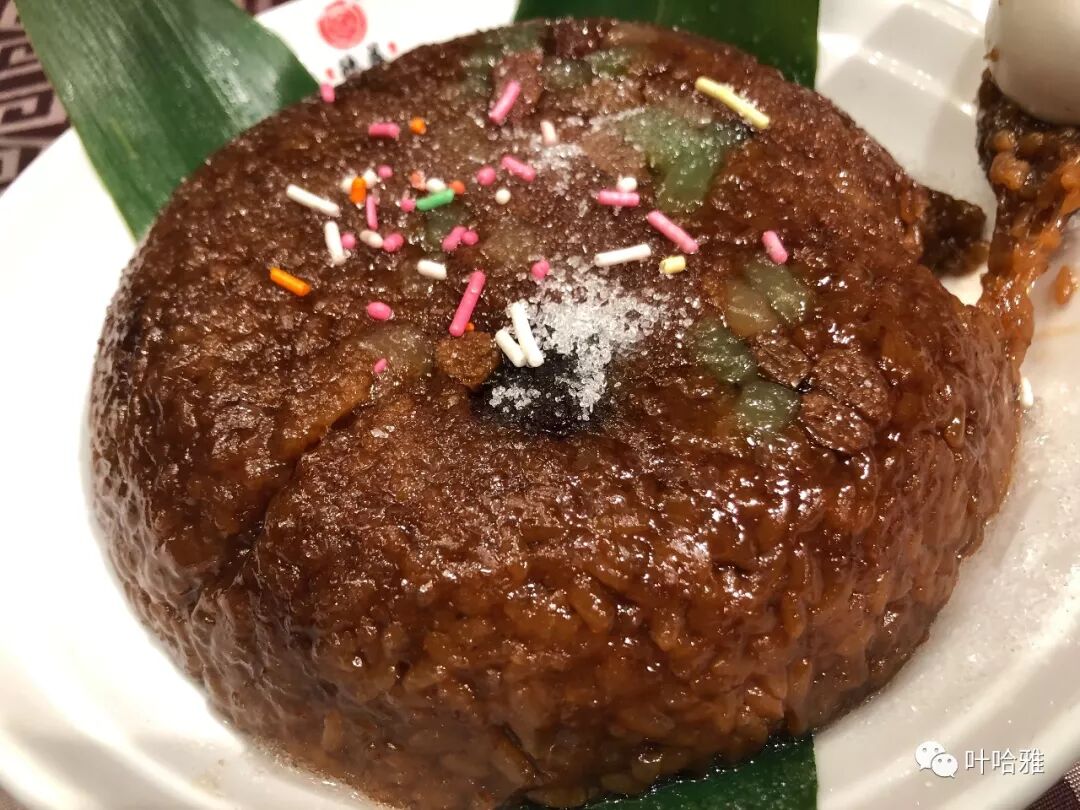
I ordered the pilaf (zhuafan) from the menu, but they brought out eight-treasure sweet rice instead. I asked a friend from Inner Mongolia and learned that they call this kind of rice pilaf locally. But the real question is, how are you supposed to grab such sticky rice? Still, it tasted great.
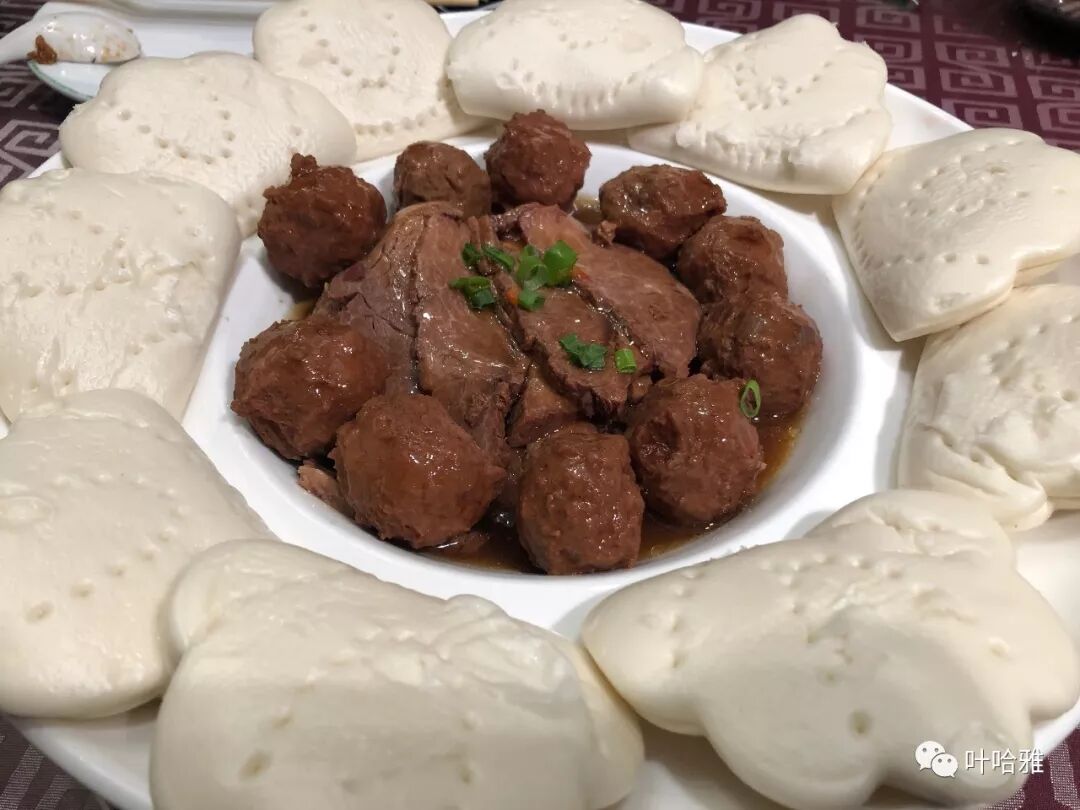
I really loved this dish called hometown-style beef meatballs (huixiang niurouwan). Eating them tucked inside a soft steamed bun (momo) is incredibly delicious. The beef is tender and melts in your mouth.
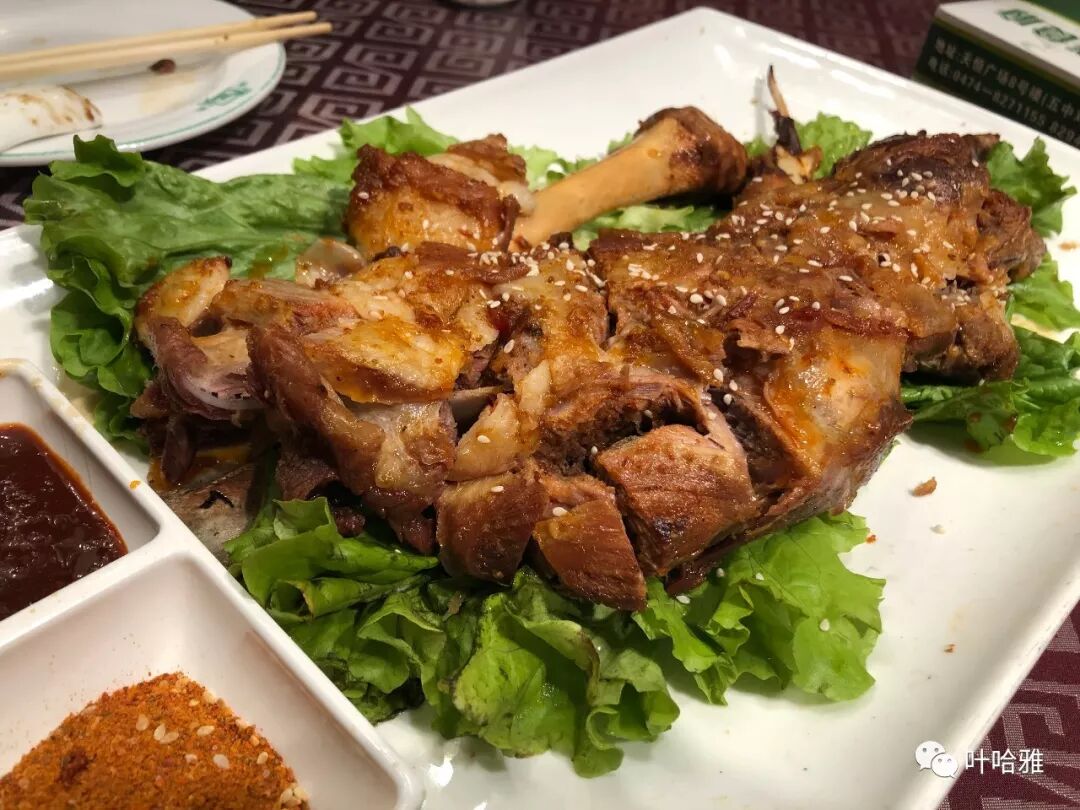
Eating lamb in Inner Mongolia never disappoints. This roasted lamb leg was exceptionally tasty and cost less than half the price it would in Beijing.
Xingyuefang
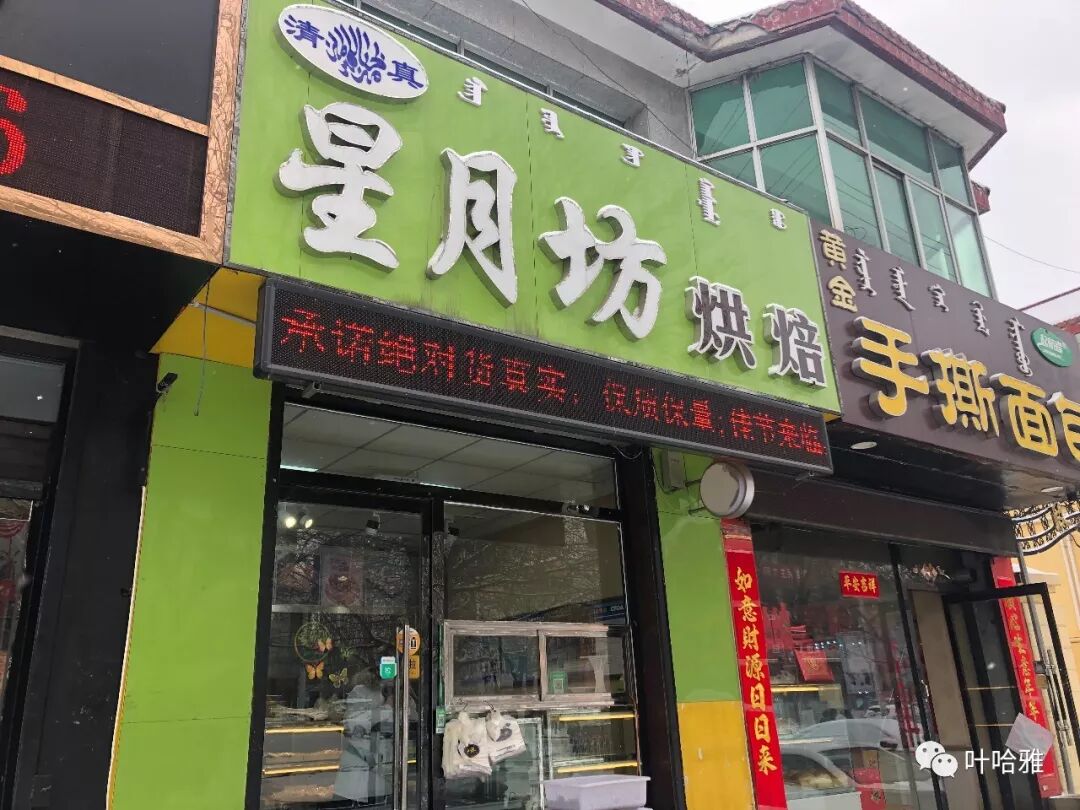
This is a local shop selling halal cakes and pastries. I first bought a burger, two egg tarts, and a caterpillar bread. When I paid, they told me it was 11 yuan total. I was surprised it was so cheap. After walking a few hundred meters, I thought I should buy more for the road, so I went back and bought more cakes and bread. The whole pile only cost 32 yuan.
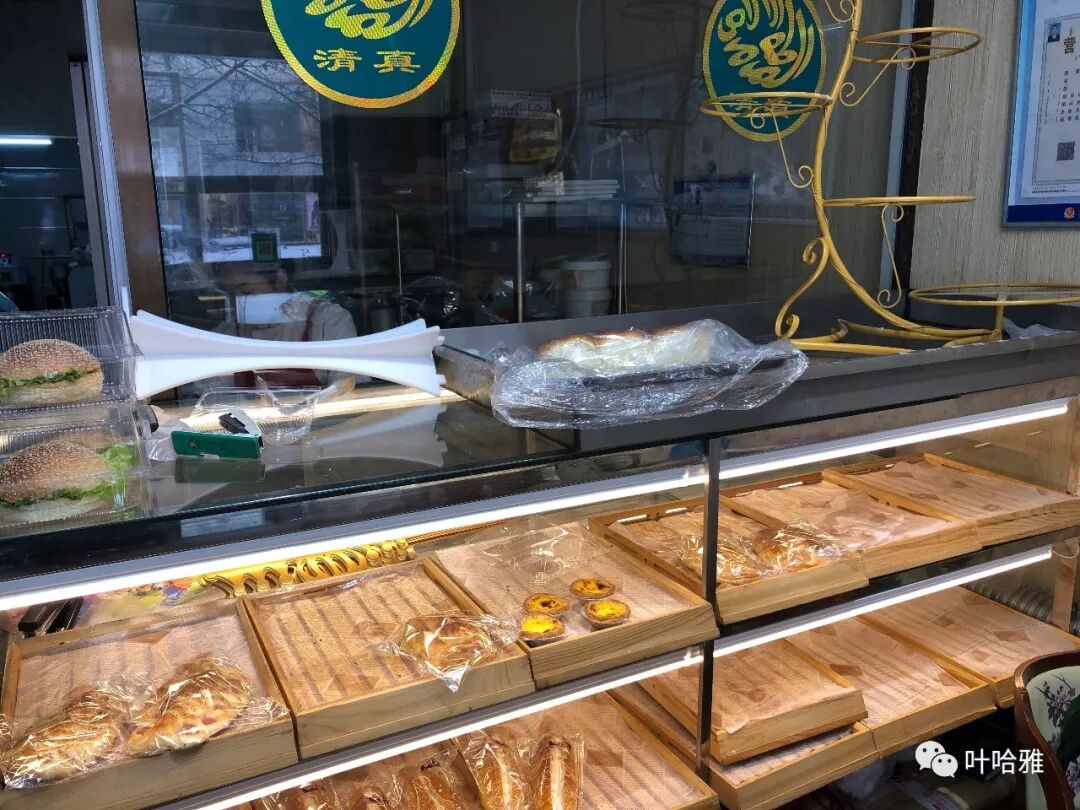
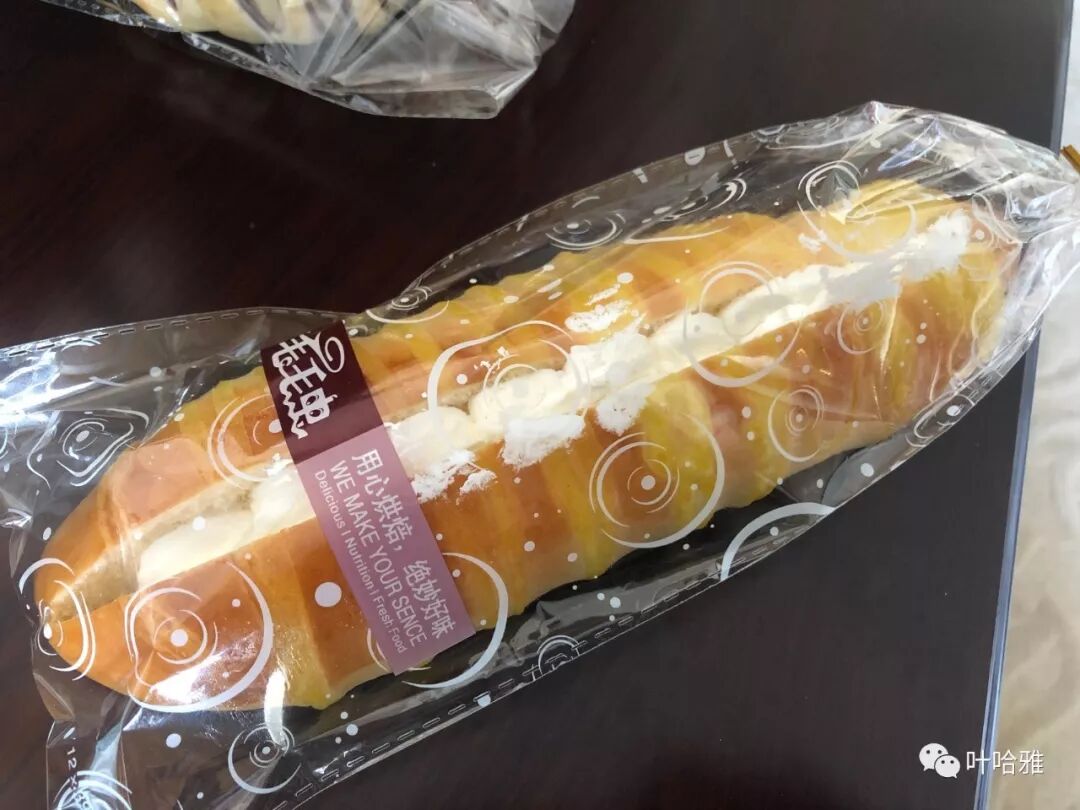
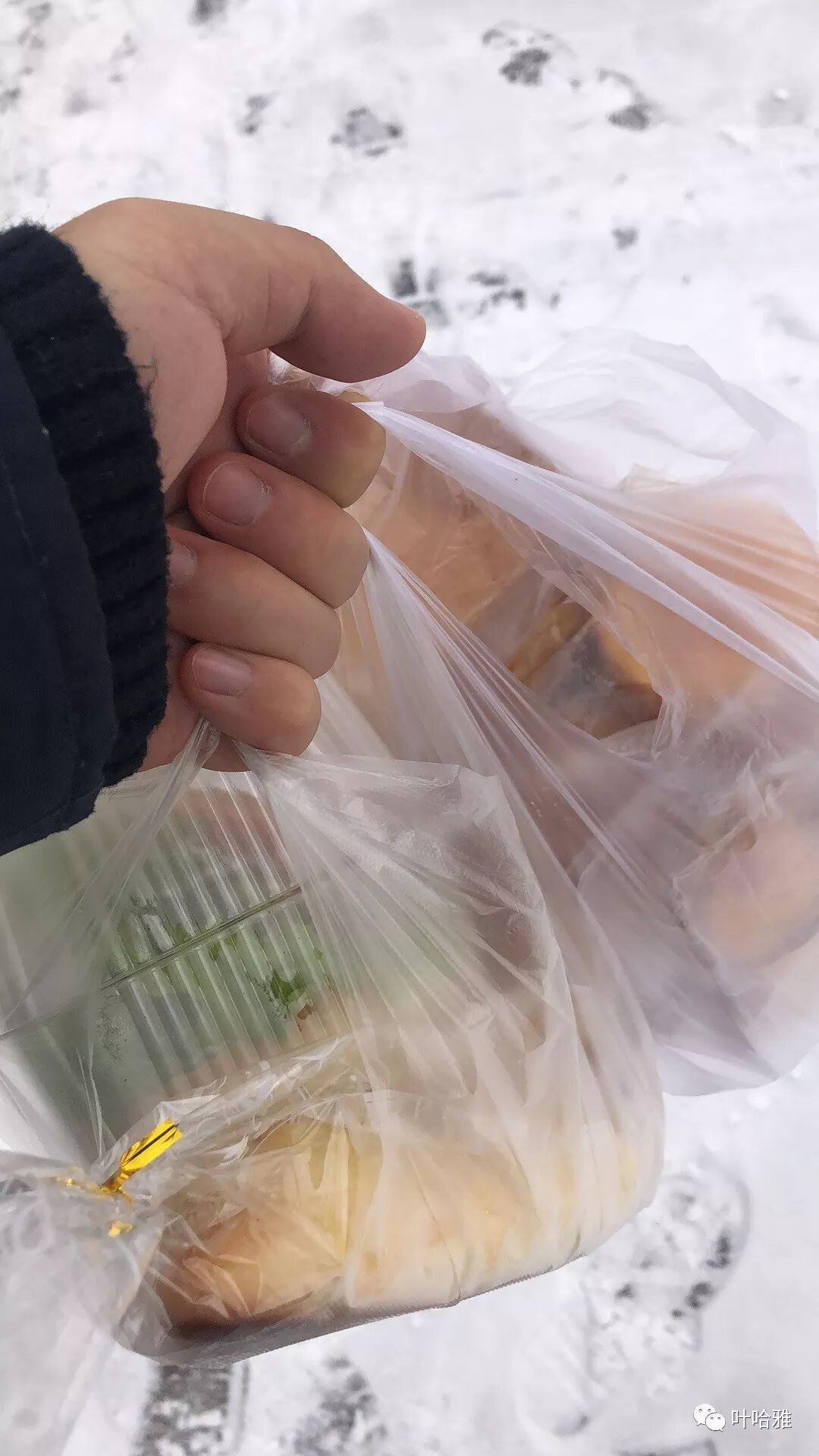
Address: No. 34 Wulan Avenue, Wulan Road.
With our snacks all packed, we originally planned to return to Beijing in two days. Unexpectedly, a heavy snow hit Wumeng and closed the highway back to Beijing, so we had to detour through Datong, Shanxi, before heading back to Beijing.
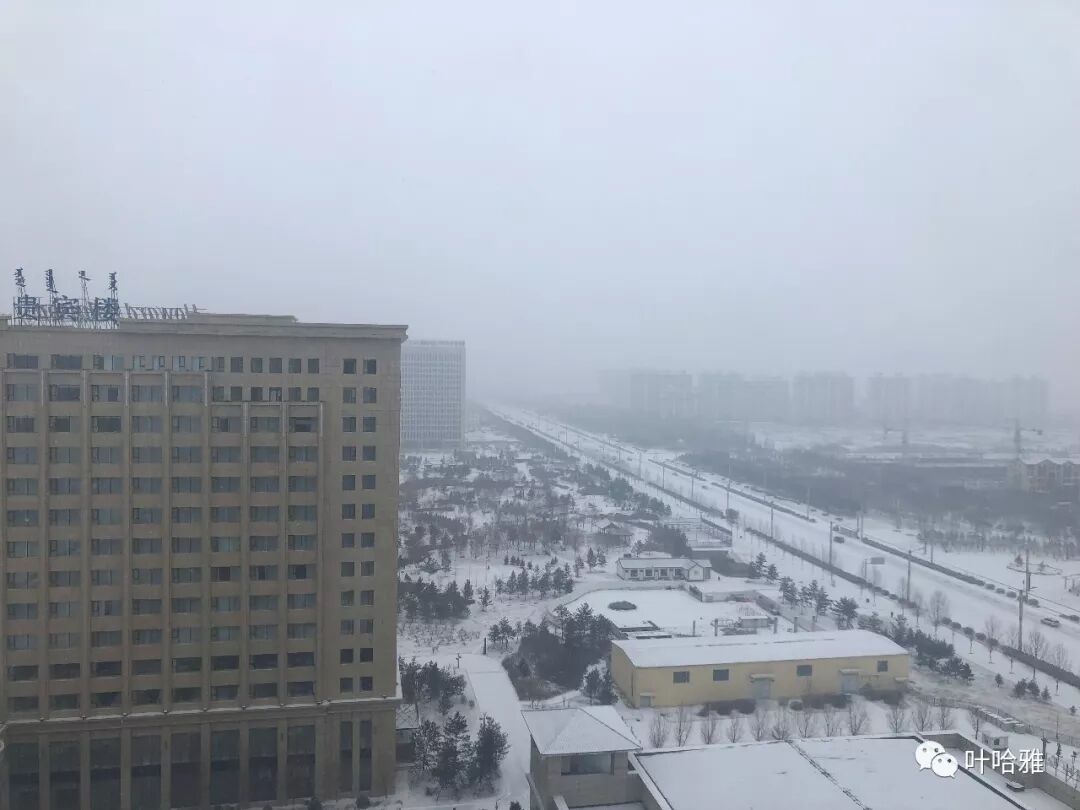
Actually, on the way to Wumeng, I suggested visiting Datong to see the ancient mosque there. After all, Datong is only 110 kilometers from Wumeng, just over an hour's drive. My travel companions weren't interested, but with the snow, the GPS automatically routed us through Datong to get back to Beijing. We had to go whether we wanted to or not—it was meant to be.
Our trip to Datong was worth it and everyone gained something from the experience. My friends were very happy with the hotel facilities. Datong is a tourist city with a stronger economy than Wumeng, so the hotels are better. The hotel was also close to the scenic spots and made shopping easy.
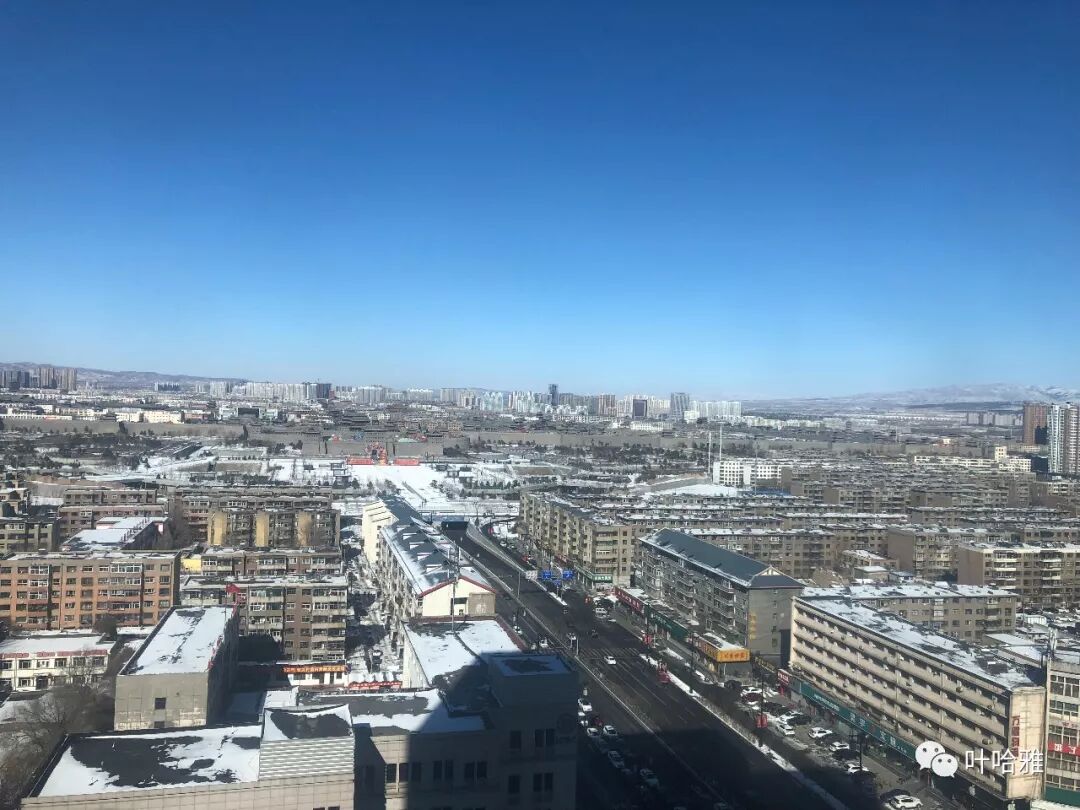
The ancient city of Datong is in the distance. The Great Mosque of Datong (Datong Qingzhen Dasi) is inside the old city. This is the 240th mosque I have visited. This old mosque might be the oldest in China. Stone inscriptions inside say it was built in the second year of the Zhenguan era of the Tang Dynasty (628 AD), making it over 1,200 years old. Another theory based on the Ming and Qing architectural style suggests it might have been built during the Ming Dynasty.
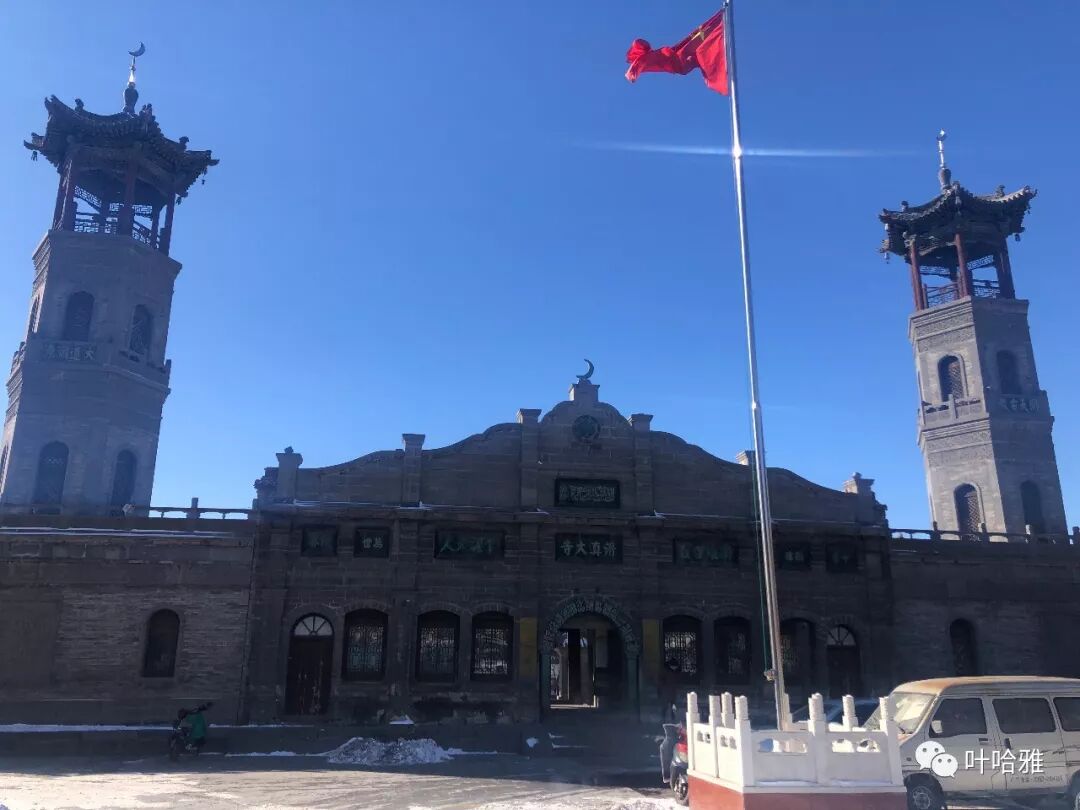
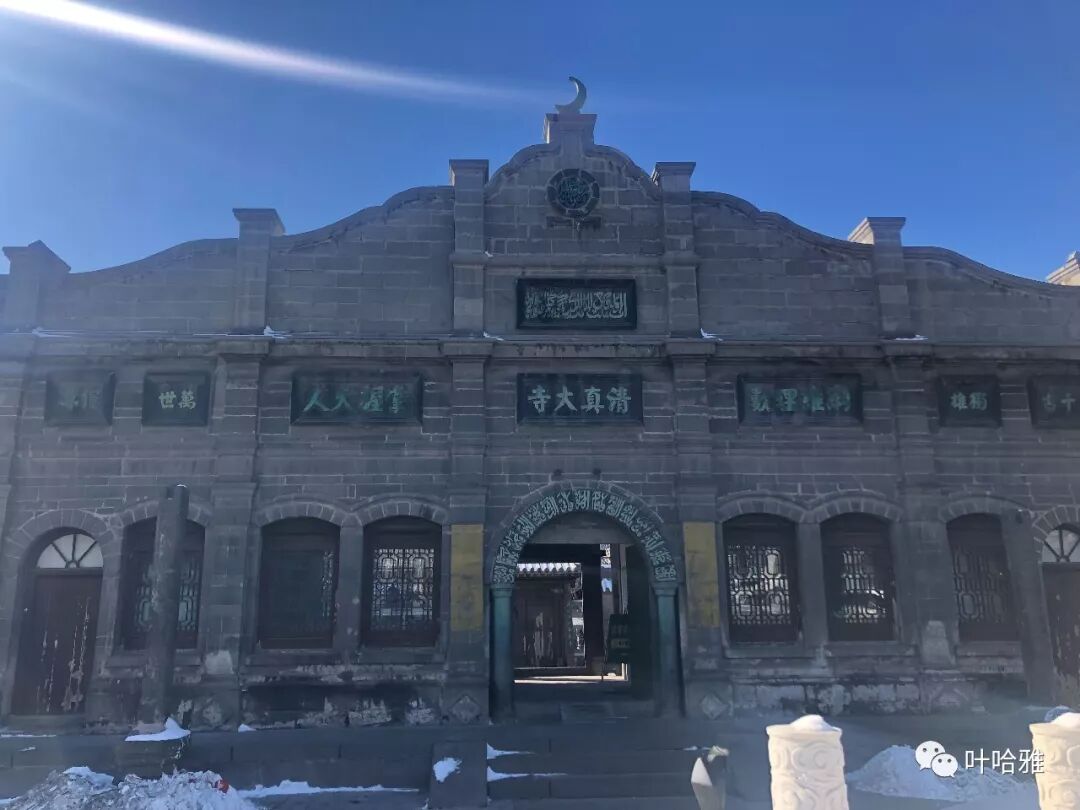
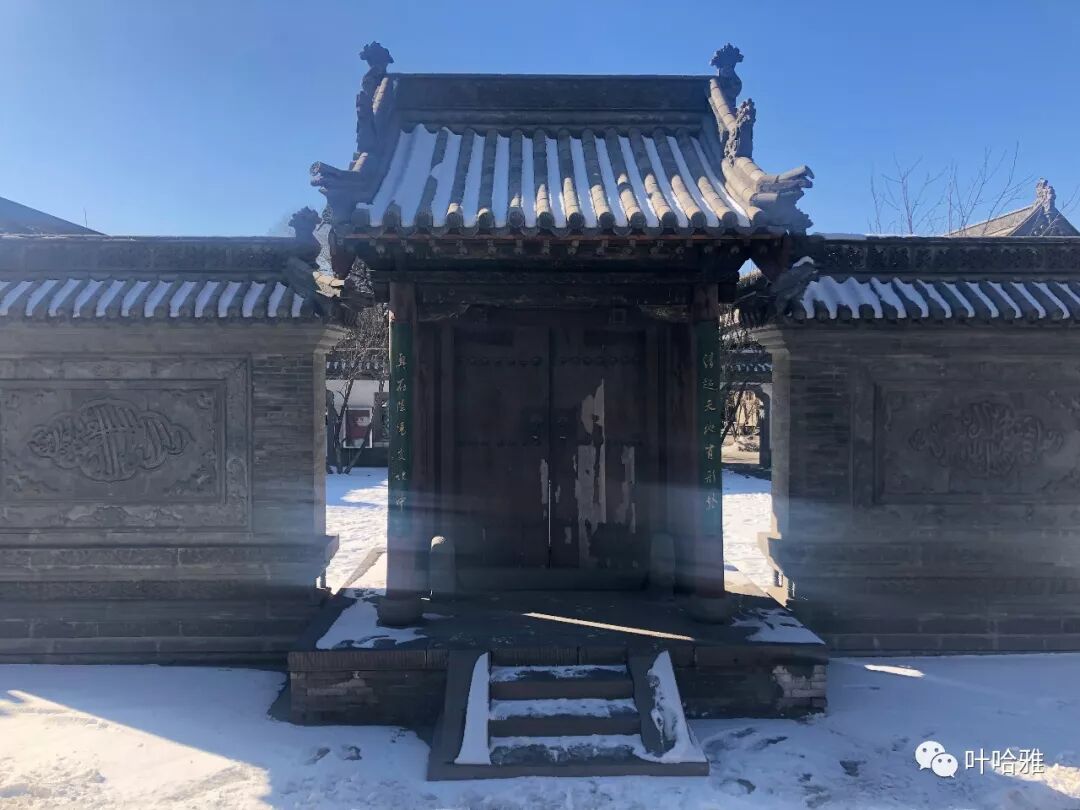
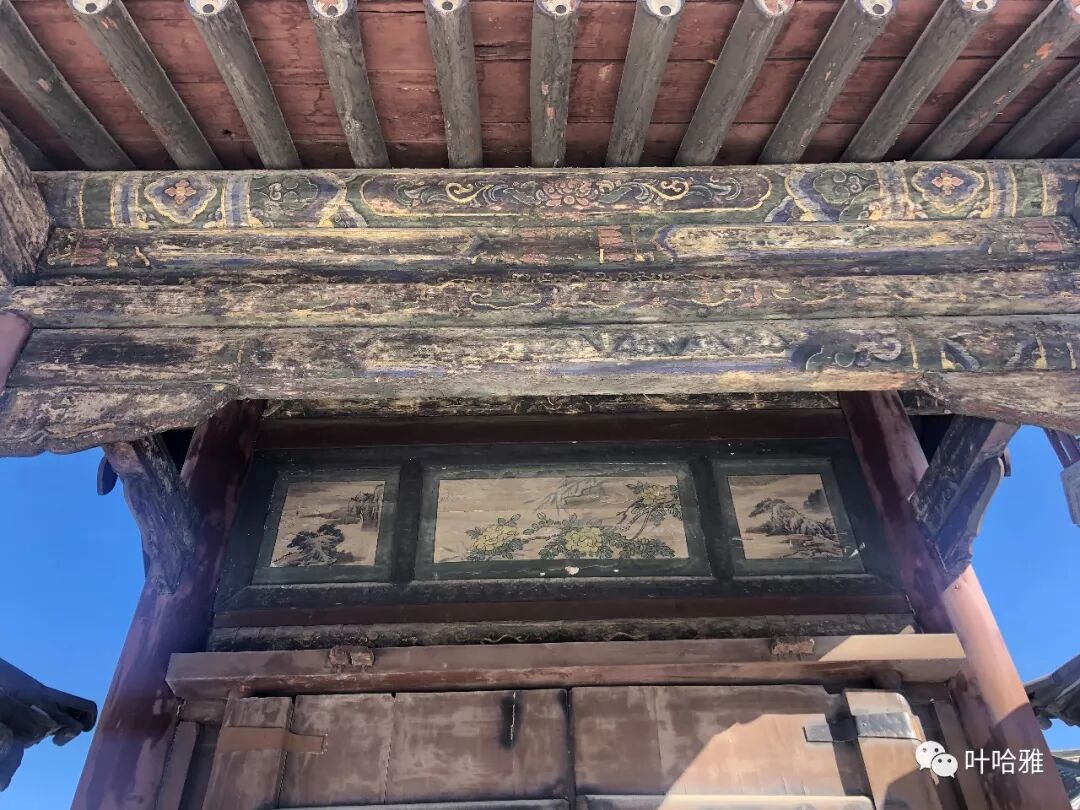
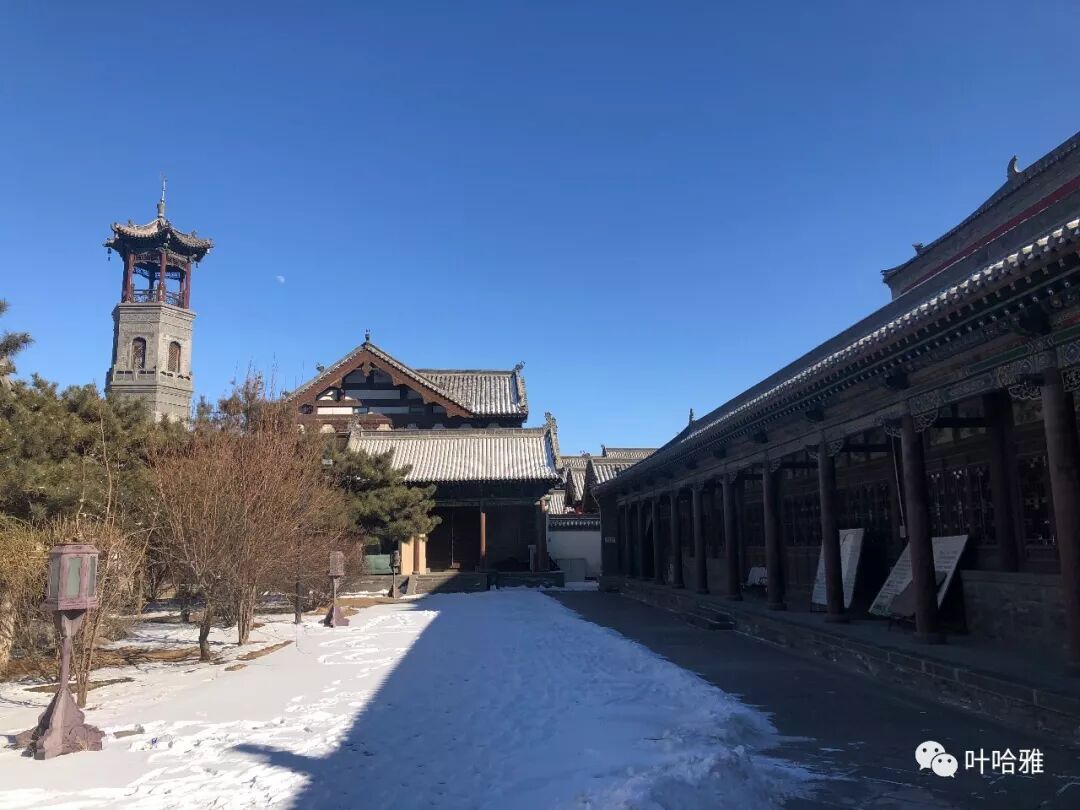
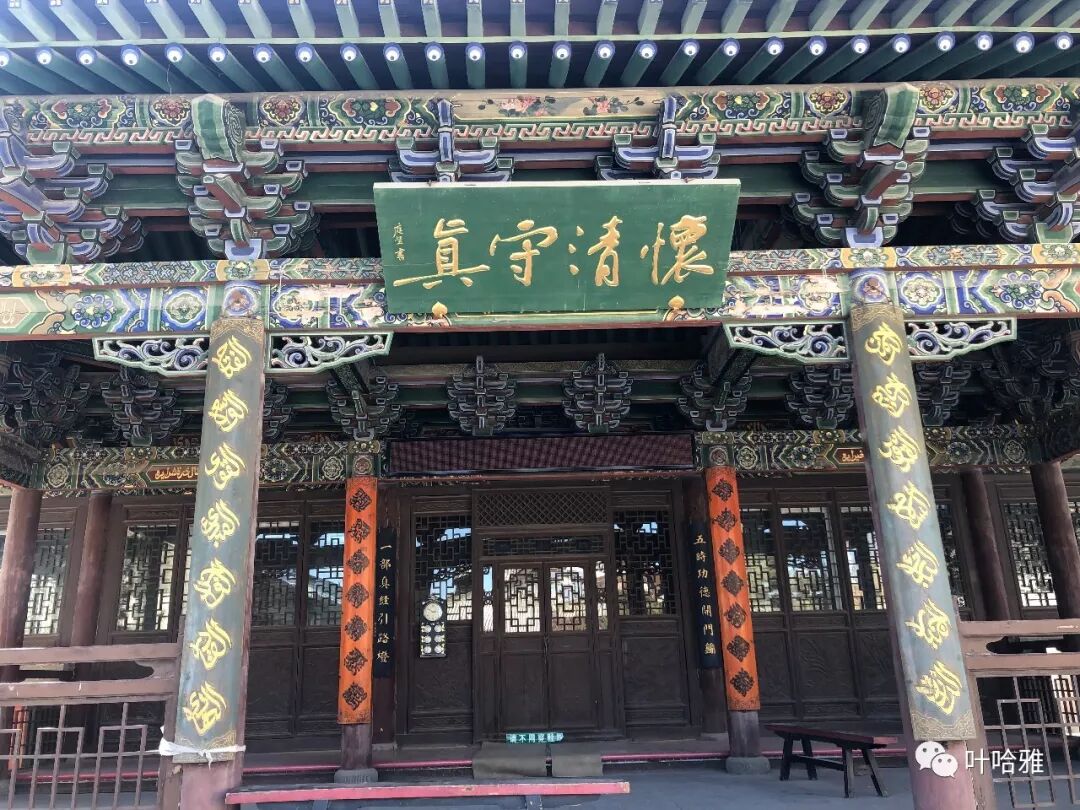
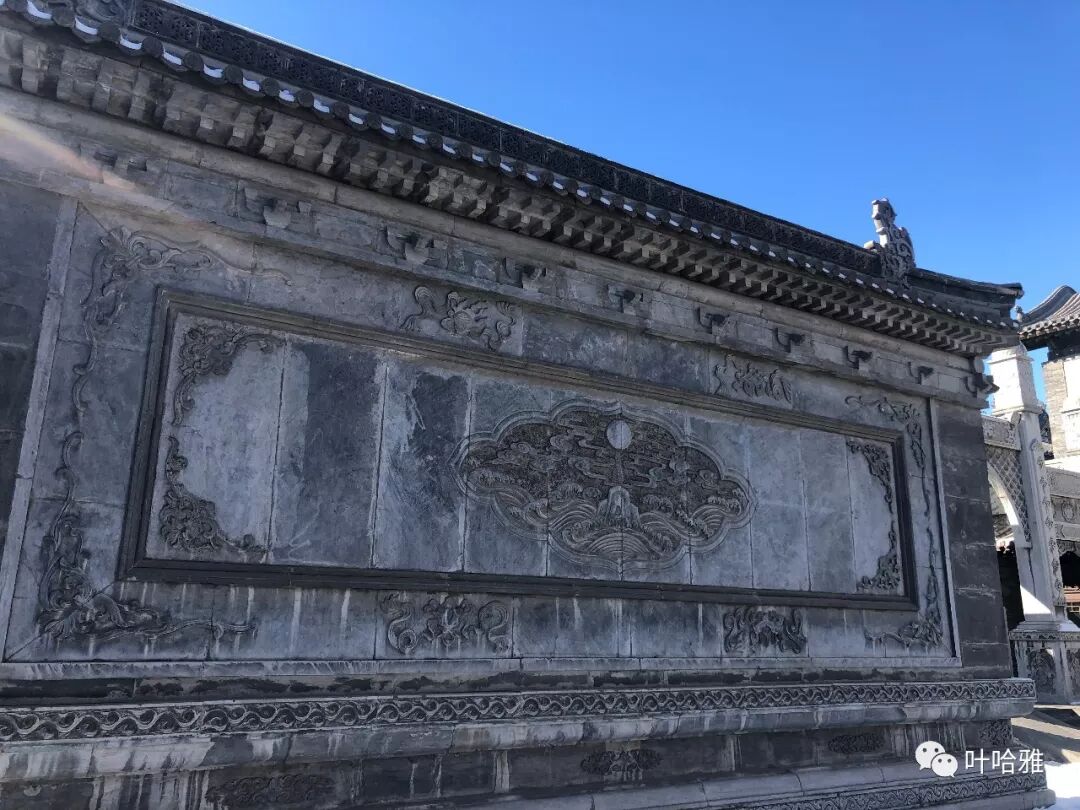
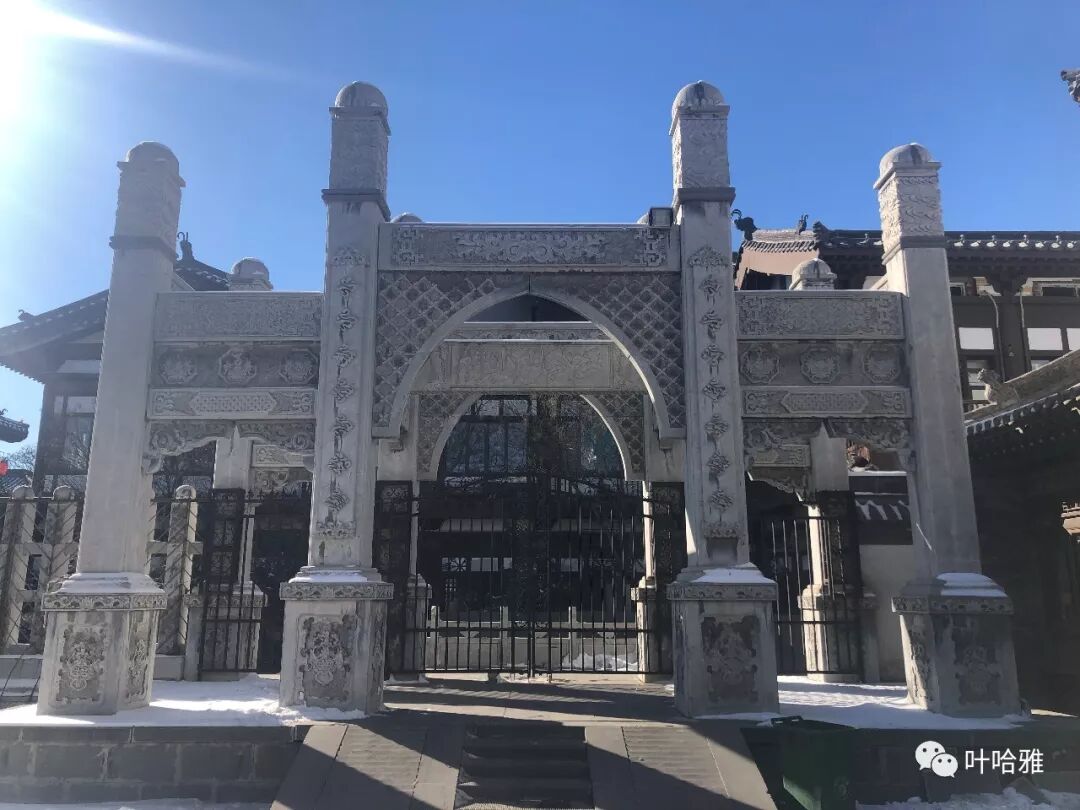
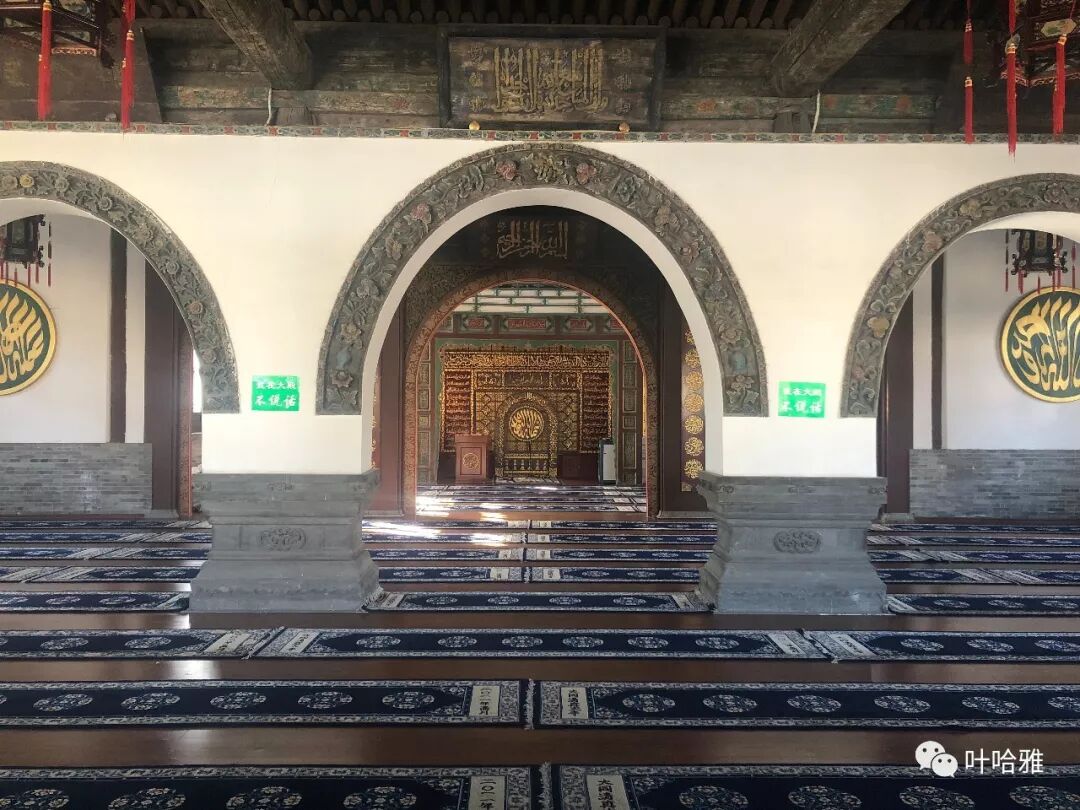
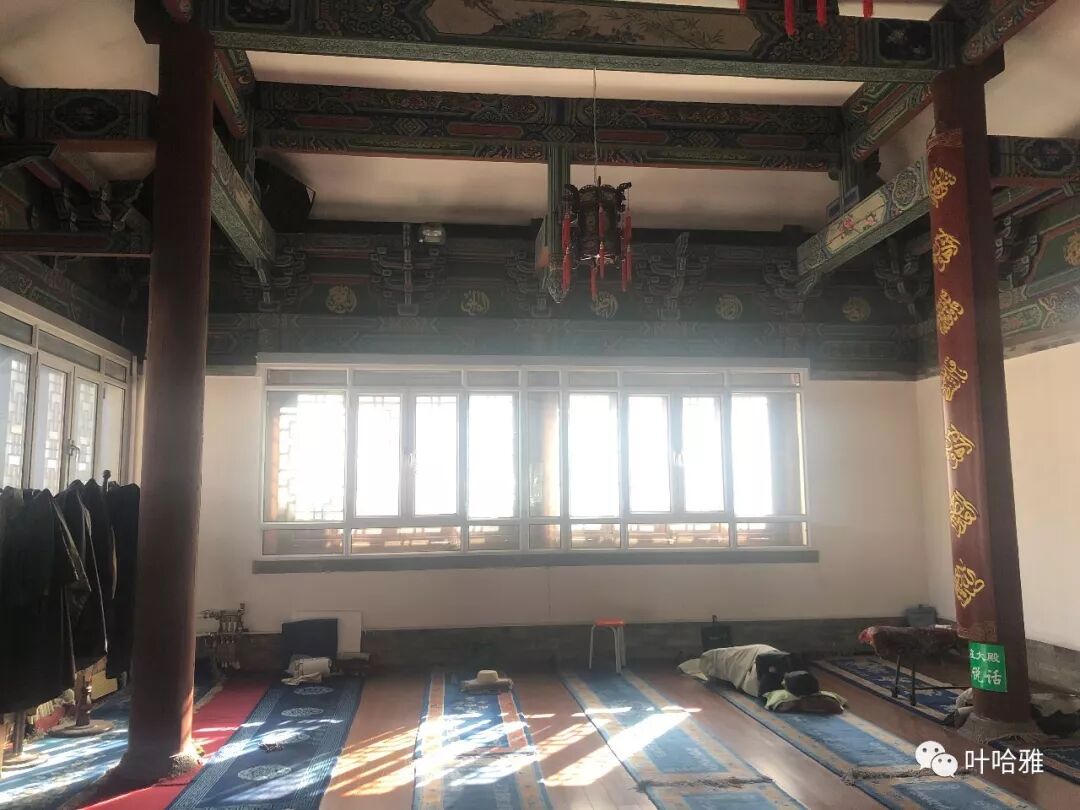
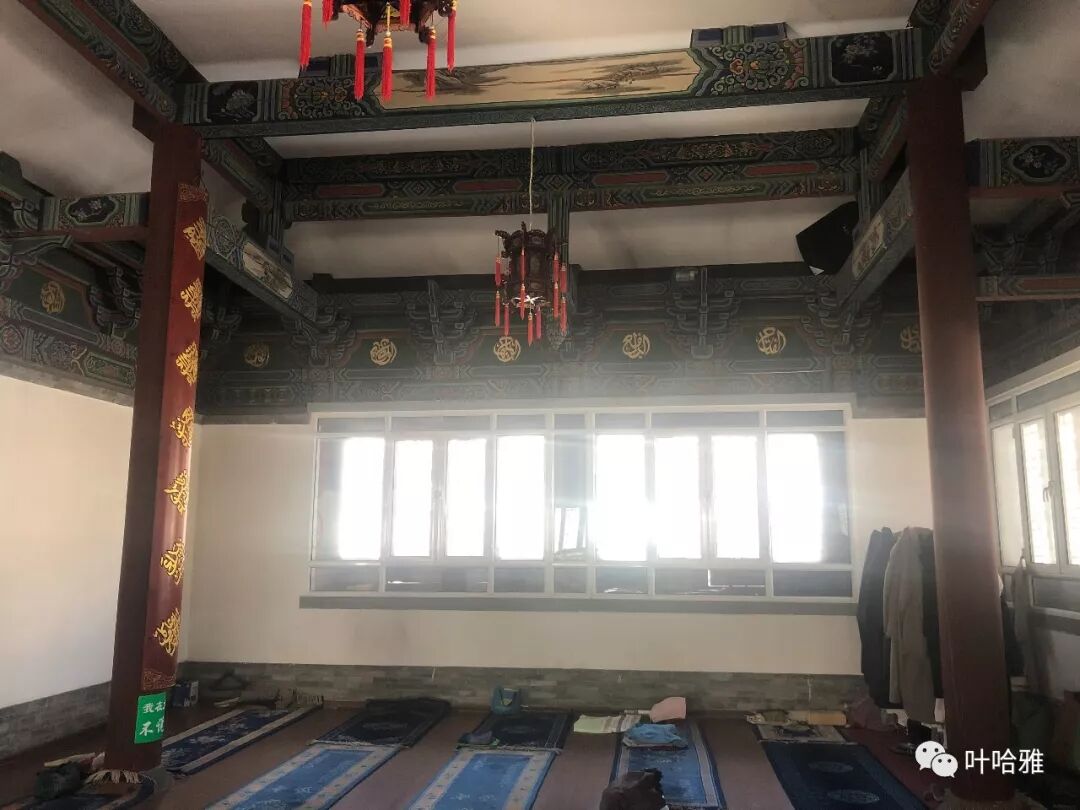
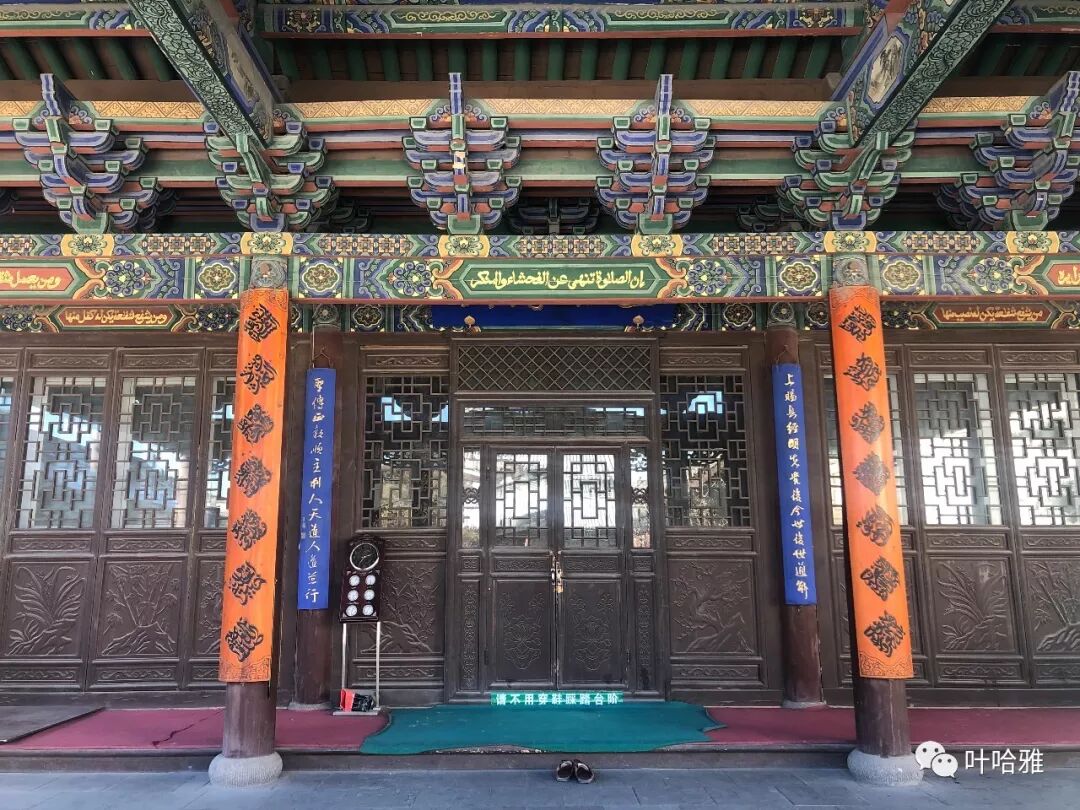
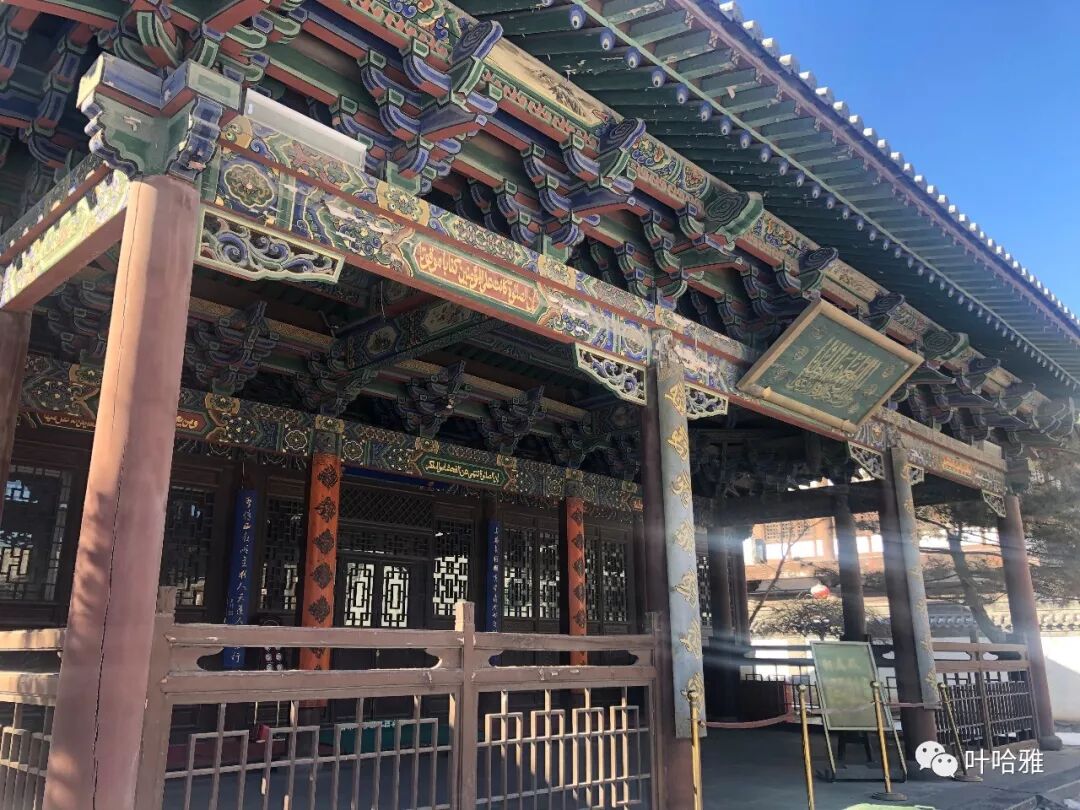
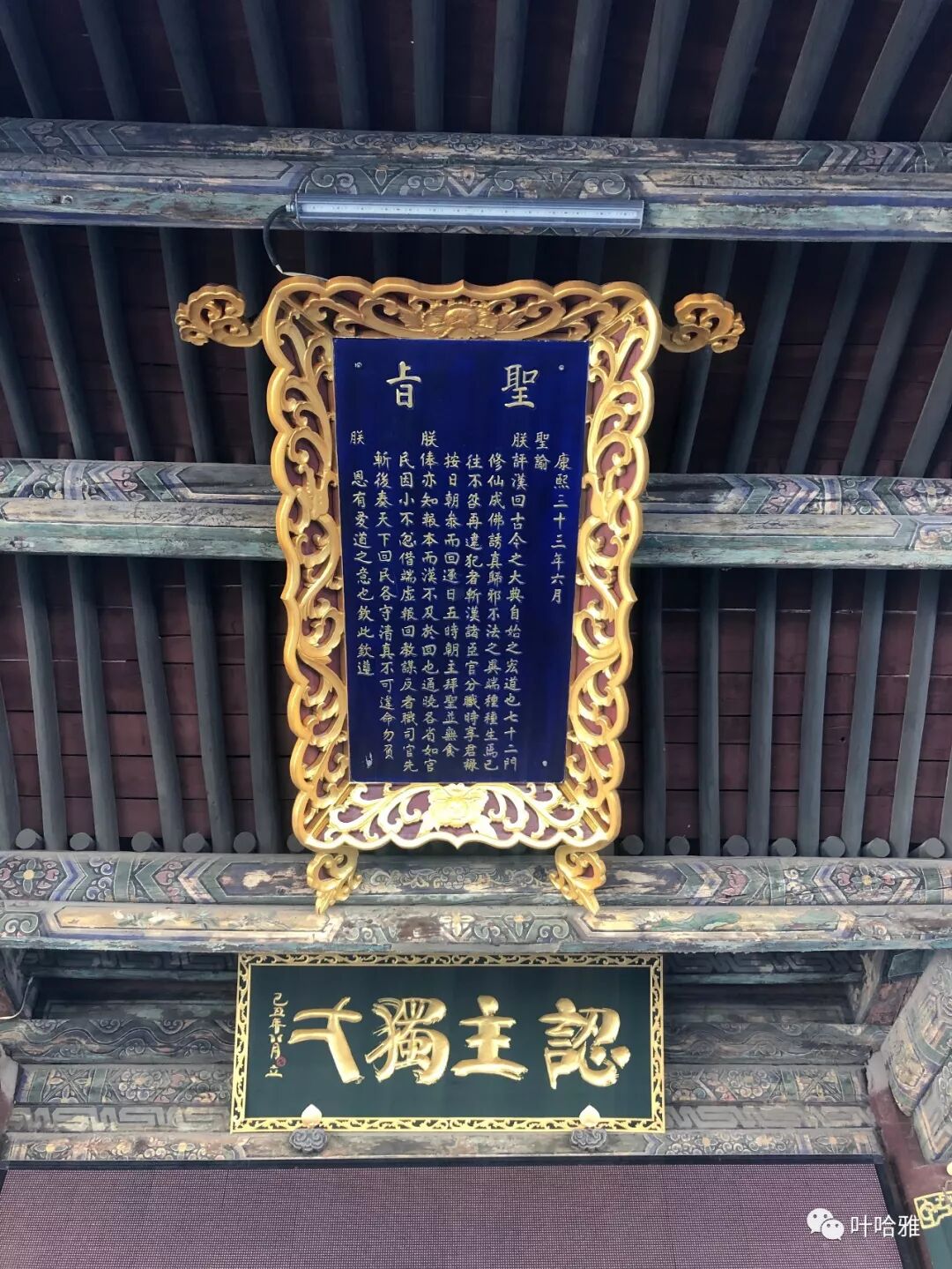
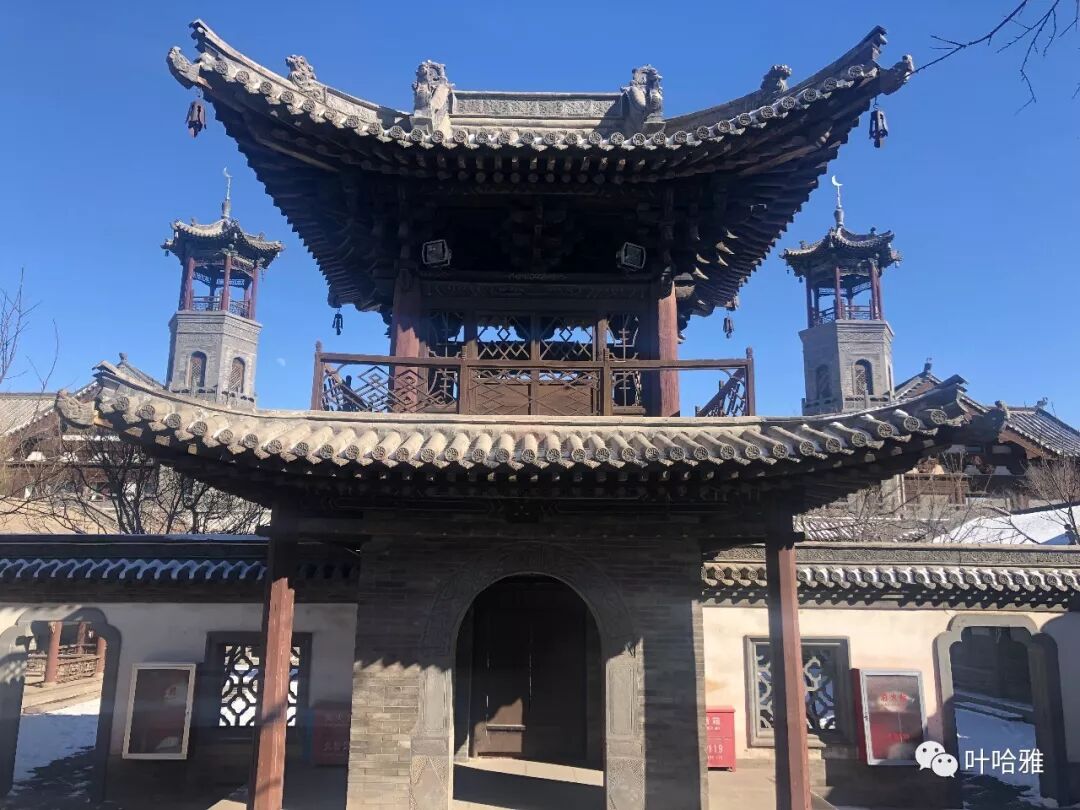
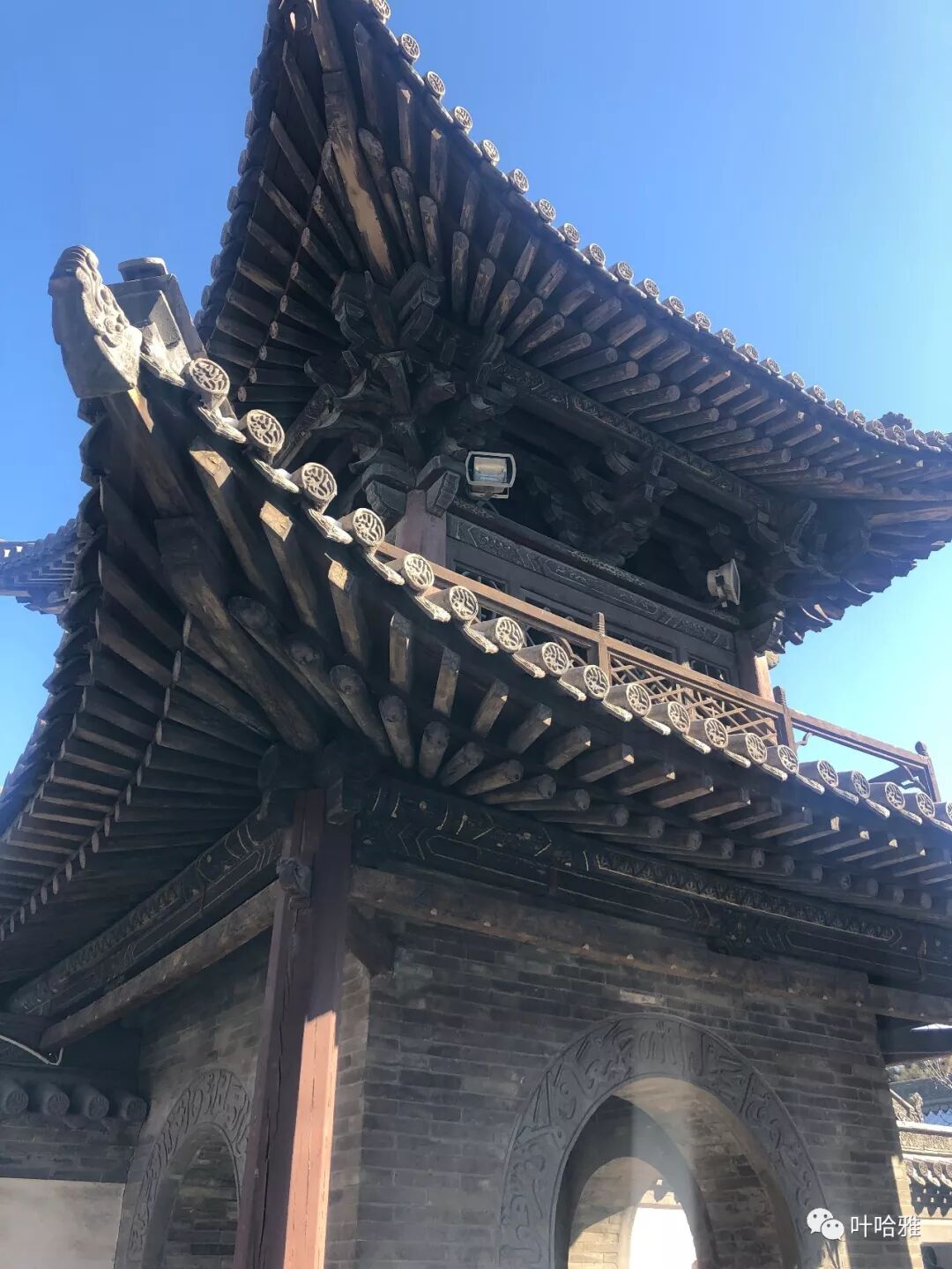
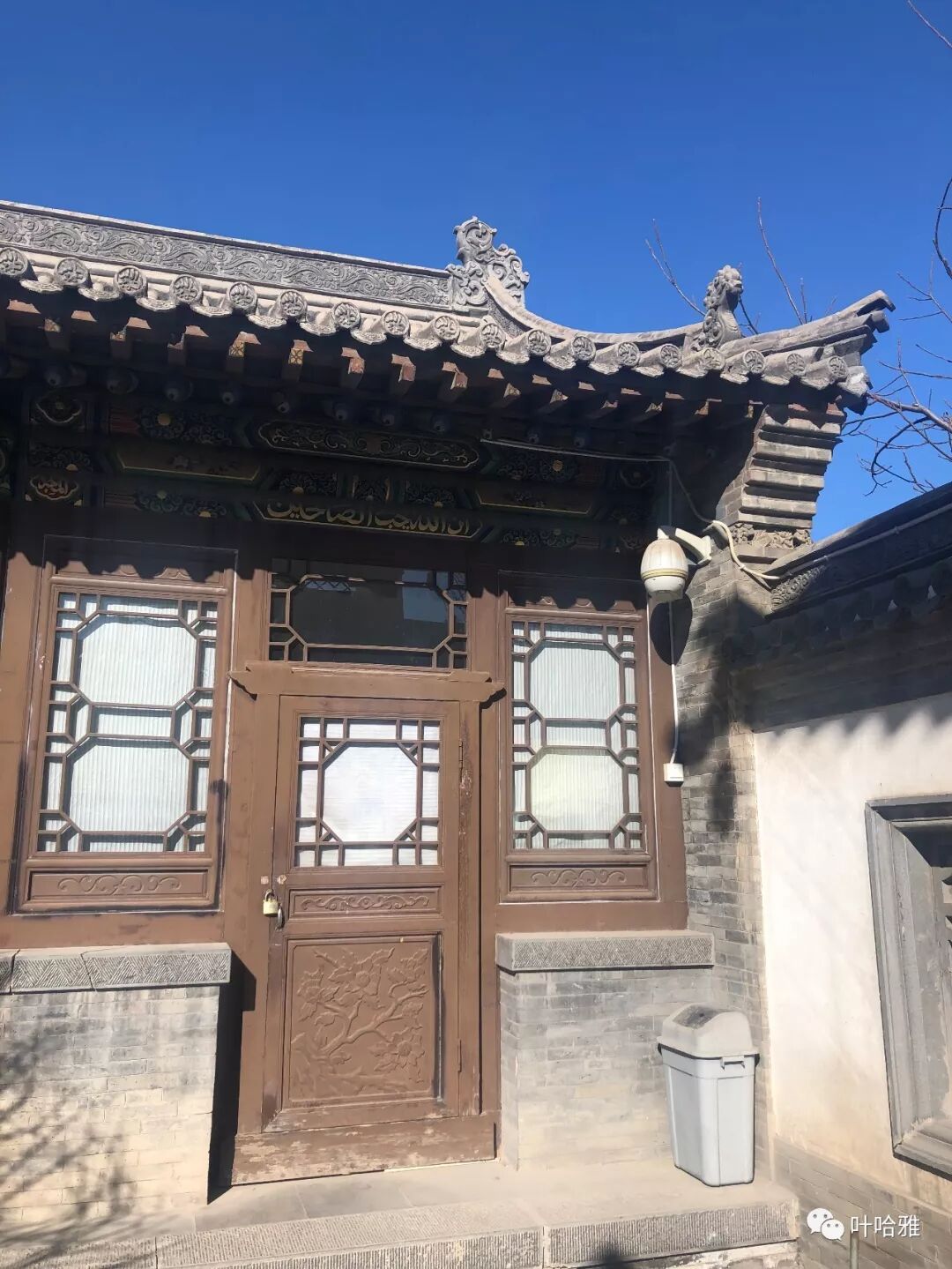
The biggest halal restaurant in Datong is called Deyuelou, but we did not go there. Instead, we chose the top-rated local barbecue spot, Mom's Barbecue (Laoma Shaokao).
Mom's Barbecue (Laoma Shaokao)
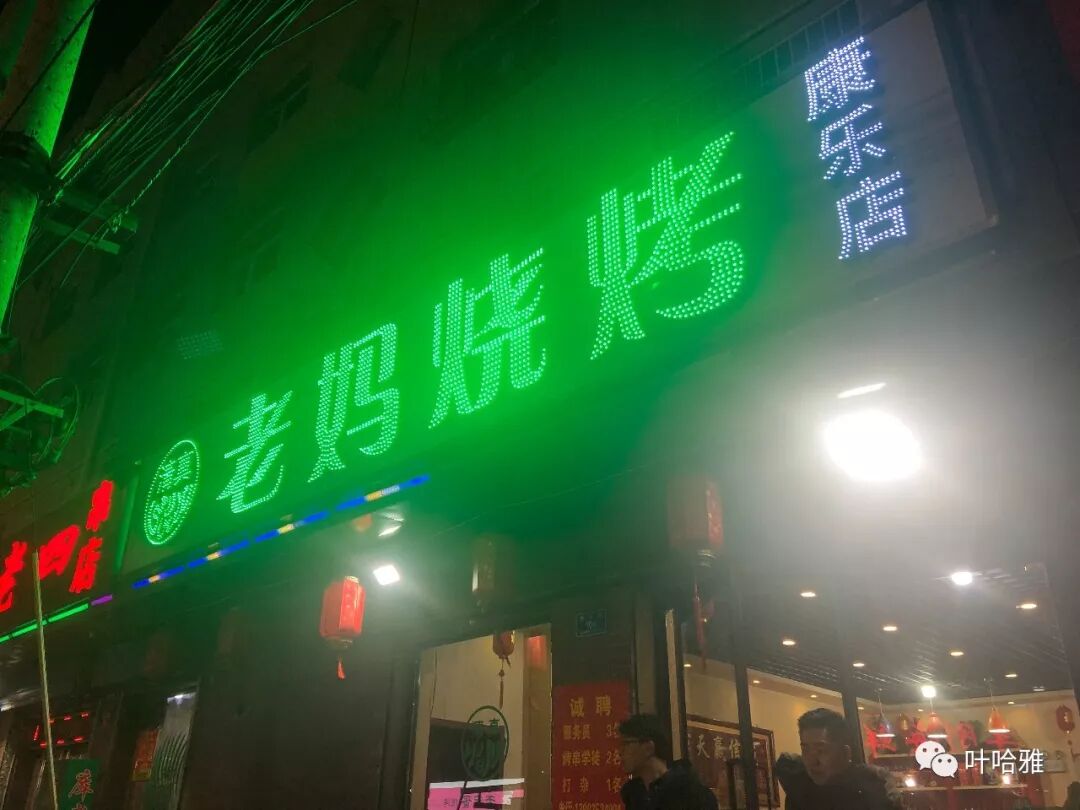
The street where this shop is located is a barbecue street, and there are several other halal barbecue places nearby.
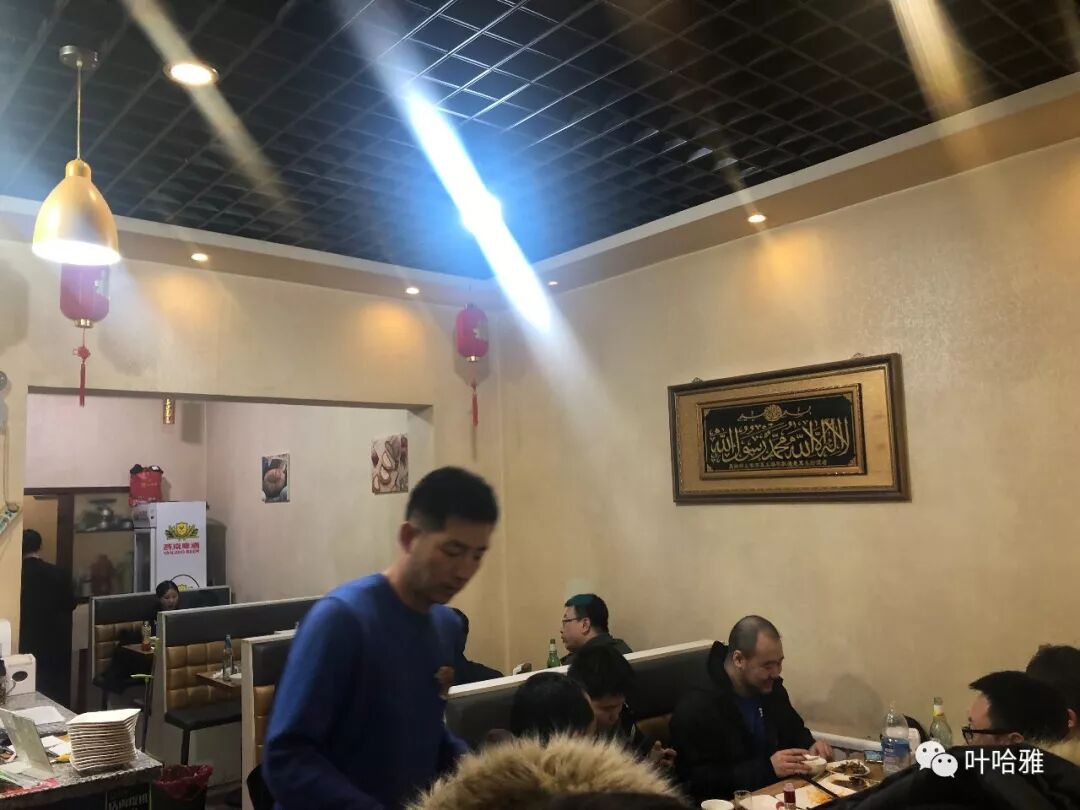
A local Datong barbecue specialty is small deep-fried skewers (xiao zhachuan).
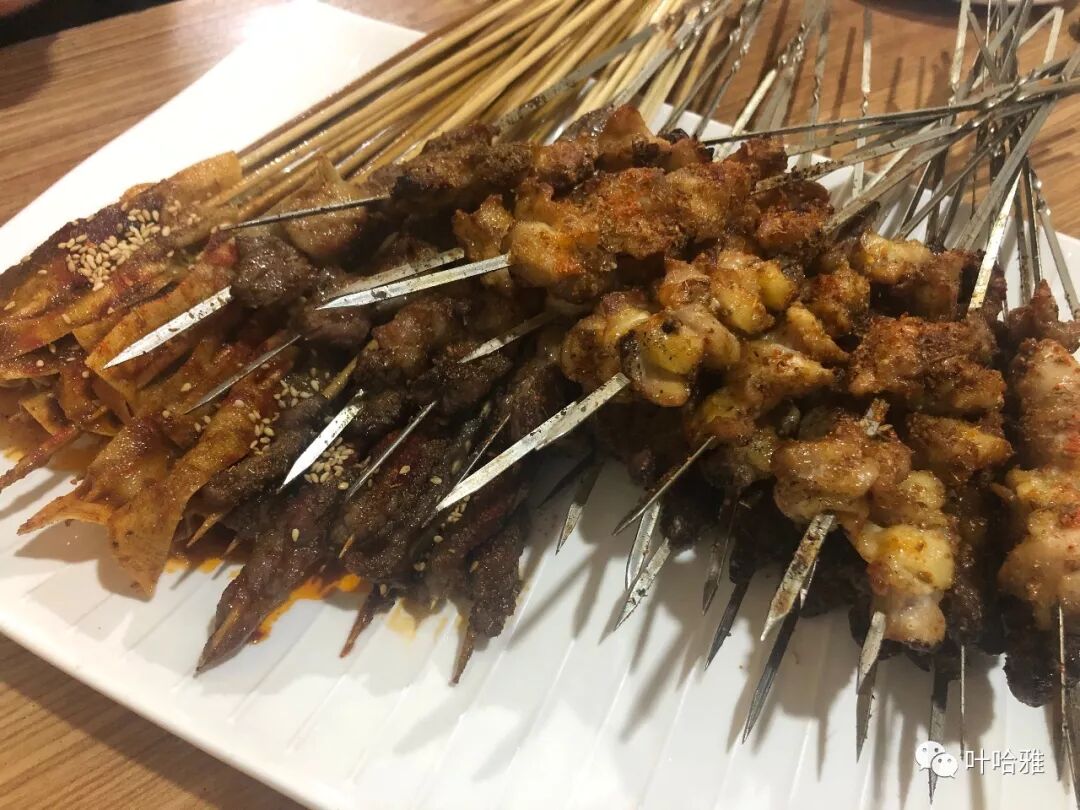
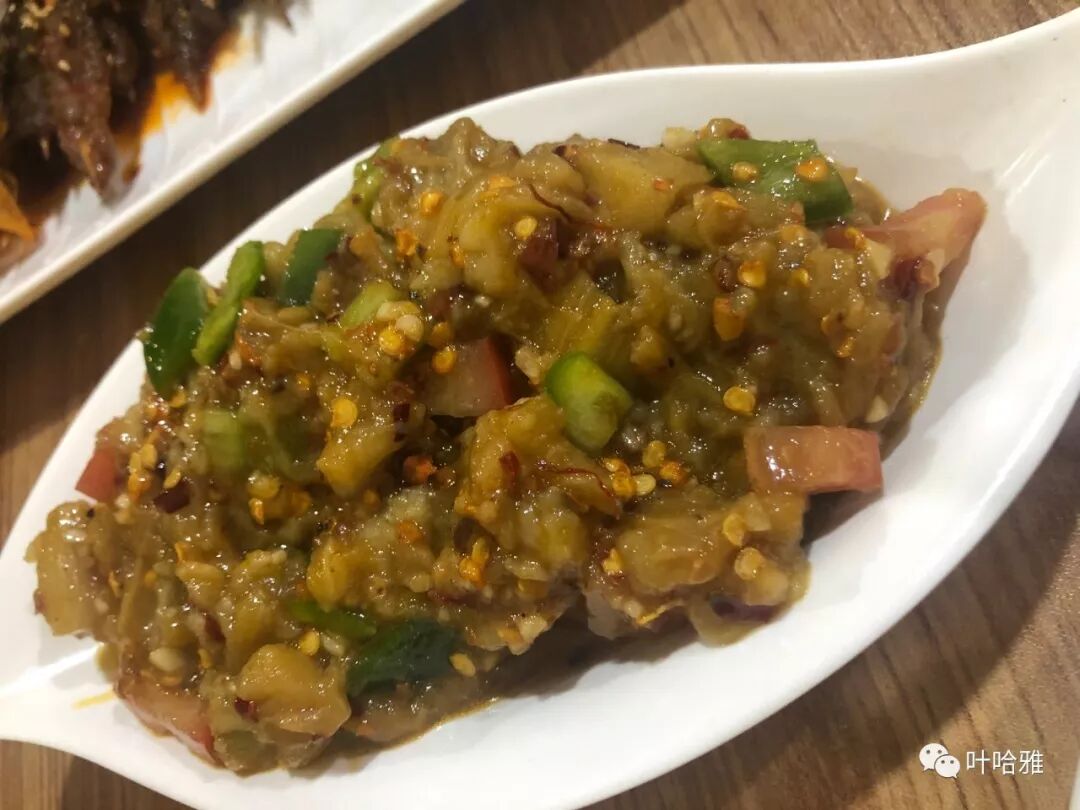
This is old-style Datong eggplant (lao datong qiezi), a cold dish that everyone liked, so we ordered two portions.
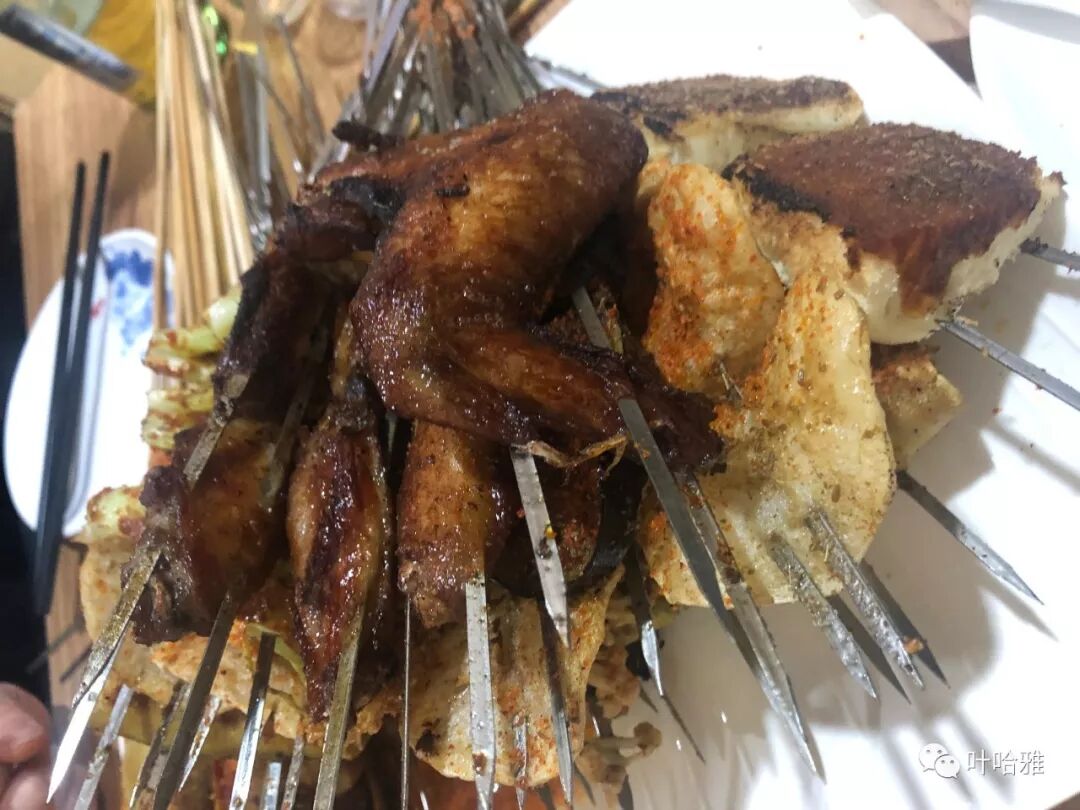
The skewers were a bit salty overall, but I was very satisfied to find halal food in Datong.
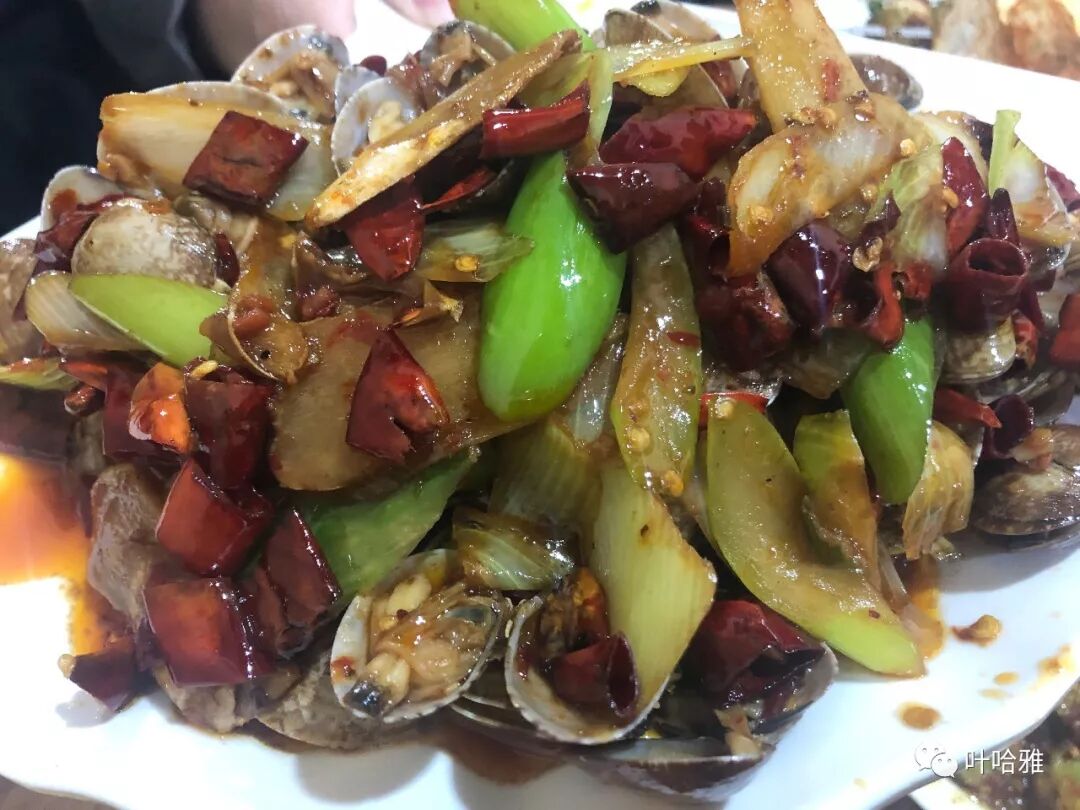
Stir-fried clams (chao huaga) and dough drop soup (gedatang).
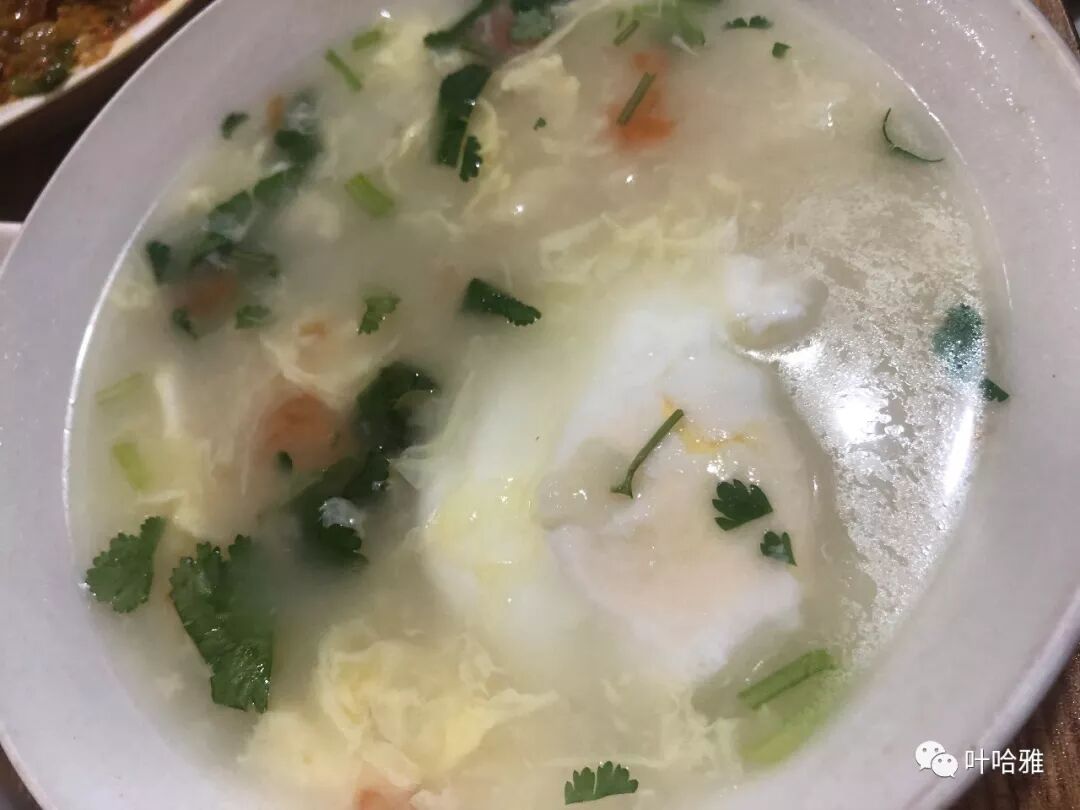
Address: 100 meters west of Dianjian Hospital on Kangle Street.
I also saw a few small shops in an alley not far from the Great Mosque. Interested friends can go and try them.
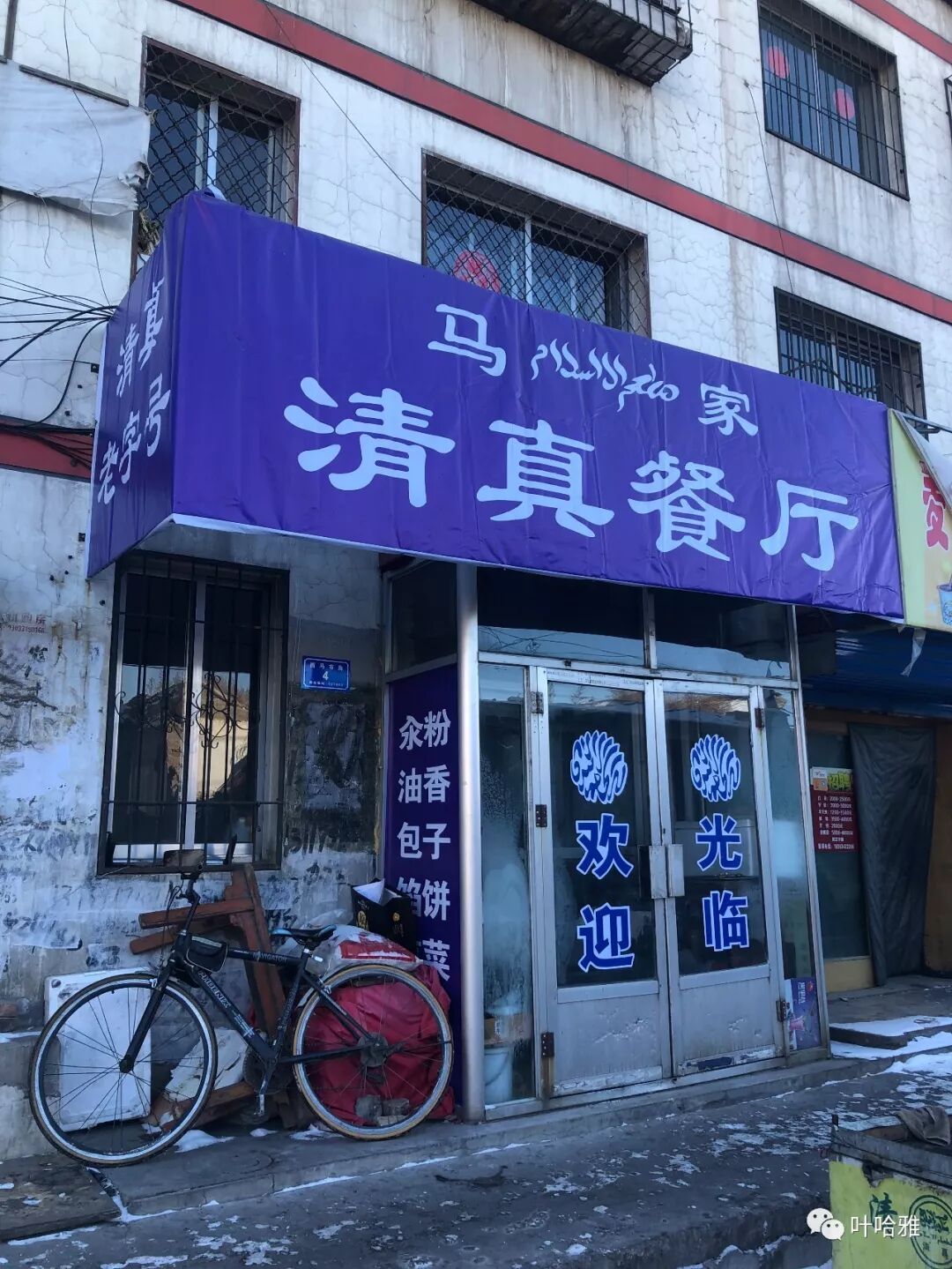
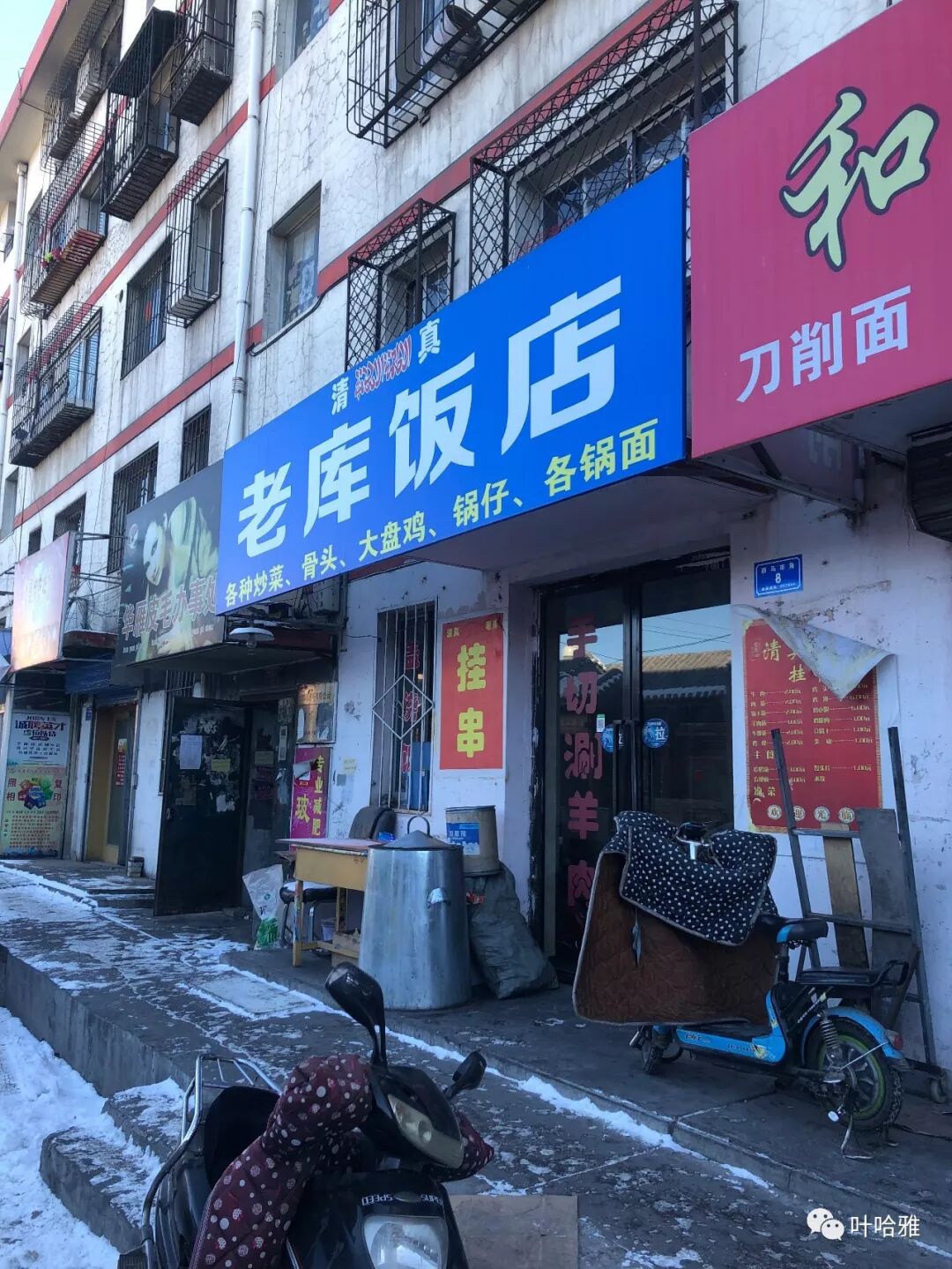
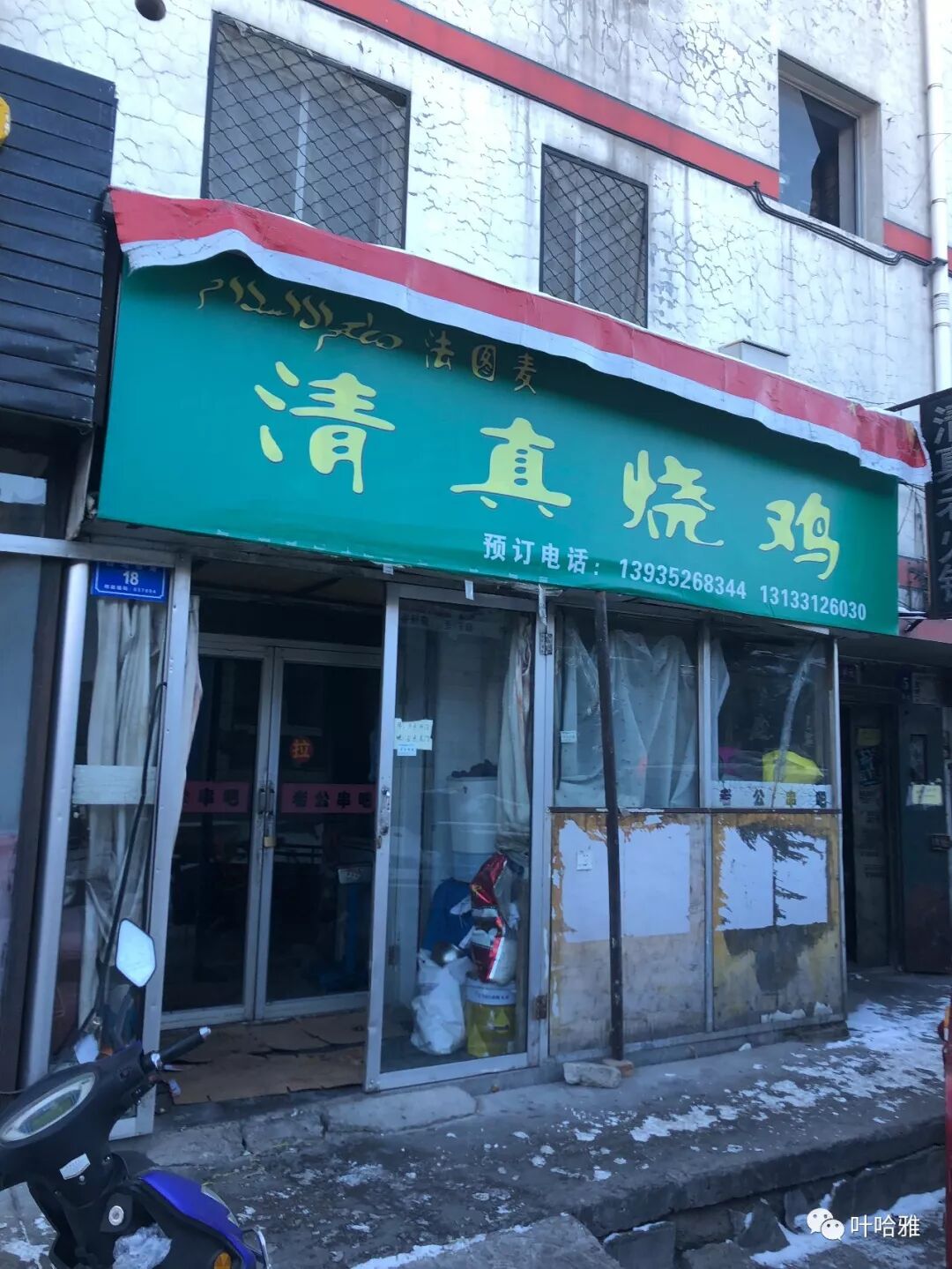
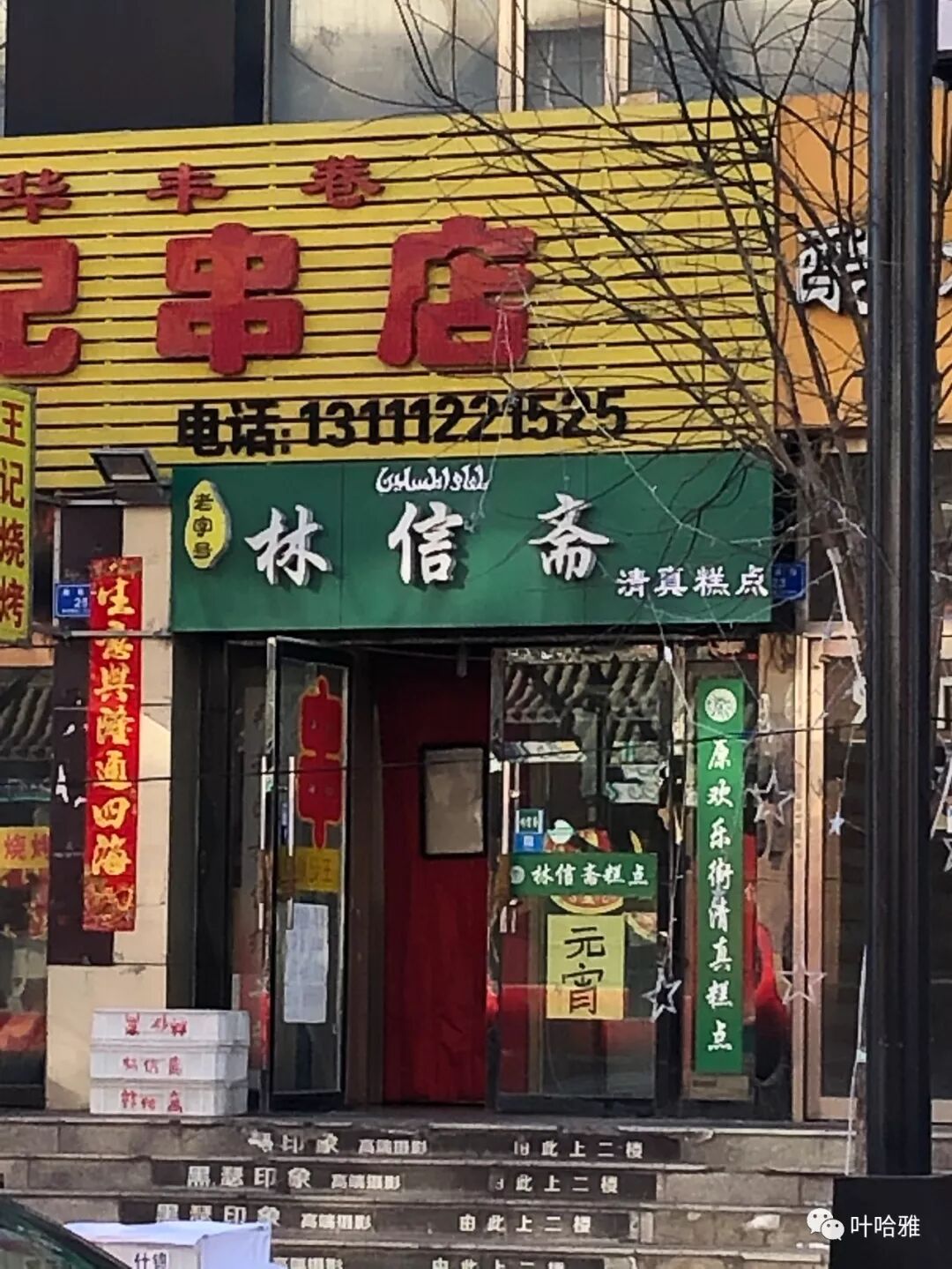
After staying one night in Datong, we drove back to the capital the next day. The trip was over 300 kilometers and we got home in four hours.
Friends (dost) who want to visit other cities in Inner Mongolia can check my old posts.
A halal food map for Ordos, Baotou, and Hohhot.
I have some good news. I have been running this official account for over three years, and I just learned today that I can set up the search function myself. I have finished adding keywords to all my articles. If you want to find halal food information for a specific city, just reply with the city name to this account.
Top Halal Food in China: Beijing Capital Hotpot, Northwest Feast & Muslim Restaurant Guide
Articles • ali2007fr posted the article • 0 comments • 144 views • 2026-05-21 10:01
Summary: A top Beijing halal food guide from the capital series, covering hotpot, Northwest banquet dishes, Muslim restaurants, addresses, and original food photos without changing the source order.
The deep-sea fish in the hot pot set meal is especially fresh and tender.
The spicy crayfish (mala xiaolongxia) is great for an appetizer in the summer.
Address: Ground floor shops, Binfen Ludi City, Gaomidian, Daxing District
32. Zhongfayuan Northwest Feast
This is a high-end Northwest Chinese restaurant. It feels a bit more upscale than Yanlanlou. It is a chain brand, and there is also one in Shenzhen.
The restaurant is very large, and the tables are spaced far apart, making it a good place for chatting.
The menu features traditional Northwest dishes, but they are prepared more delicately, and there are also fusion dishes.
The seasoning is just right, and the ingredients are high quality.
The average cost is about 150 yuan per person, and the service is excellent.
Address:
2nd Floor, Block C, Oriental Media Center, No. 4 Guanghua Road, Chaoyang District.
33. Yiyuan Gourmet Tea House
This restaurant is hard to find because there is no halal sign outside.
The sign is inside. The owner is a Hui Muslim, and the restaurant is mid-to-high end.
It is both a tea house and a restaurant with a classic Chinese decor style.
The restaurant focuses on Cantonese and Beijing cuisine. This is the famous Cantonese dish stir-fried beef noodles (ganchao niuhe).
Stewed beef brisket with tomato (xihongshi dun niunan).
Braised oxtail (hongshao niuwei).
Traditional Beijing snack pea flour cake (wandouhuang).
Chicken with chestnuts (lizi jikuai). The restaurant is generally good. The environment, service, and food quality are all above average. The average cost per person is about 100 yuan.
Address: First floor of New Town International, Chaoyang District.
34. Yijinyuan
This is arguably the most expensive halal restaurant in Beijing, located near the University of International Business and Economics.
The exterior has a courtyard style, and the interior is very luxurious.
The lobby looks like a royal mansion, surrounded by private dining rooms.
Boiled fish (shuizhu yu). This place serves fusion cuisine. Besides Northwest Chinese food, they also have Cantonese and Sichuan dishes.
The food tastes great and the service is good. The only downside is the high price. The average cost per person is about 250 yuan.
Address:
Inside the east gate of the Longze Yuyue scenic area at the Yuan Dynasty City Wall Relics Park, Beitucheng East Road, Chaoyang District.
35. Xi'an Jiasan Steamed Buns (baozi)
This is the Beijing branch of the famous Xi'an Jiasan soup-filled steamed bun (guantang baozi) shop.
They sell various Xi'an halal snacks, including crumbled flatbread in soup (paomo), barbecue, and steamed beef with rice flour (fenzheng niurou).
Three-treasure covered bowl tea (sanpaotai gaiwancha)
For the soup-filled steamed buns, you should take a small bite first to drink the broth before eating the rest of the bun.
I quite like eating this mixed vegetable stew (huicai).
Eight-treasure porridge (babaozhou).
Address: No. 1A, Baiyunguan Street, Xicheng District.
36. Meisi Coffee
This cafe opened recently. It is a casual spot serving Western food and only non-alcoholic drinks in a spacious setting.
The shop displays the Shahada, confirming it is a halal cafe. Coffee drinking was first invented by Muslims in Damascus, Syria, and it took another hundred years for the first European cafe to open in France.
Niujie has been missing a quiet, elegant place for dates. Now that this cafe is here, there is finally a place to go.
I ordered a beef burger. It had many thick layers, and people with small mouths cannot even take a full bite.
The Australian steak was served with dried vegetables on the side. I am not used to eating raw meat, so I asked for it well-done.
Pan-fried salmon is fresh and delicious.
The pasta tastes very authentic.
I took a picture of the menu, which includes pizza. I will come back to try it next time.
Address: 100 meters south of the main gate of the Niujie Mosque.
37. Tongshunzhai Restaurant
I came here for the ox head feast, but once I arrived, I learned that it takes 10 people to finish one ox head.
The courtyard is large and spacious, and all the seating is in private rooms.
I looked at the menu and saw only heavy meat dishes. The waiter said that for three grown men, one oxtail would be enough.
So I ordered two cold dishes, shredded vegetables in sauce (bansansi).
And tofu with scallions (xiao cong ban doufu).
When the oxtail arrived, I was shocked. It was a full half-meter long and stewed until very tender.
The lamb strips (yangrou tiao) seemed a bit extra; we really couldn't eat any more.
Address: South entrance of Doudian Village, Fangshan District, Beijing.
38. 36 Degrees North Latitude Hot Pot
A very refined Qinghai-style hot pot restaurant that opened recently.
The environment is beautiful, it is not crowded, and the service is warm.
The beef and lamb all come from Qinghai.
We had the split pot (yuanyang guo), and the spicy side was not particularly hot.
Freshly sliced secret-recipe beef tenderloin.
Marbled beef (xuehua fu niurou).
Highland barley flatbread (qingke bing).
Address: B1, Huacai Commercial Center, Wangjing.
39. Yilao Hundred Flavors Dipping Sauce Hot Pot
A newly opened modern-style hot pot restaurant in Changying.
The signature dipping sauces come in a wide variety and are beautifully presented.
Silky fowl meat rolls.
High-calcium lamb.
The staff recommends the hand-beaten beef, a Chaoshan specialty; you can watch the chef beat the beef on-site.
Durian pastry, which smells fragrant and has a strong durian flavor.
The average cost is about 130 yuan per person, and you can buy group-purchase vouchers.
Address: No. 13 Changying Guanzhuang Road.
40. Huayunlou Steamed Dumpling (shaomai) Restaurant
This is a full-service halal restaurant famous for its steamed dumplings (shaomai). It has a great online reputation, good service, and many private rooms. They give you canned fruit when you order, and the cold lamb liver is delicious.
Address: No. 2 Zhanqian Road, Shahe Town, Changping District
41. Badao Noodles
Friends (dost) who want halal Chongqing-style spicy noodles and other noodle dishes are in luck, as these are hard to find even in the Sichuan and Chongqing regions.
Address: 798 Art Zone, No. 4 Jiuxianqiao Road (opposite the UCCA Center for Contemporary Art)
42. China Hezhou Beef Hand-Pulled Noodles (lamian)
This is the only hand-pulled noodle (lamian) shop I recommend. I found this kind-hearted noodle shop next to Shilihe Subway Station. It is run by people from Hezhou, Gansu, and they provide free noodles to sanitation workers and people who cannot afford a meal. The business is extremely busy, with lines stretching outside the door. Just order at the noodle pickup window when you enter, and a bowl of noodles is ready in seconds. The taste is also excellent.
Address: North Gate of Super 8 Hotel, Zuoan Road, Zuoanmen, Chaoyang District (south of Hongshan Jiayuan) view all
Summary: A top Beijing halal food guide from the capital series, covering hotpot, Northwest banquet dishes, Muslim restaurants, addresses, and original food photos without changing the source order.
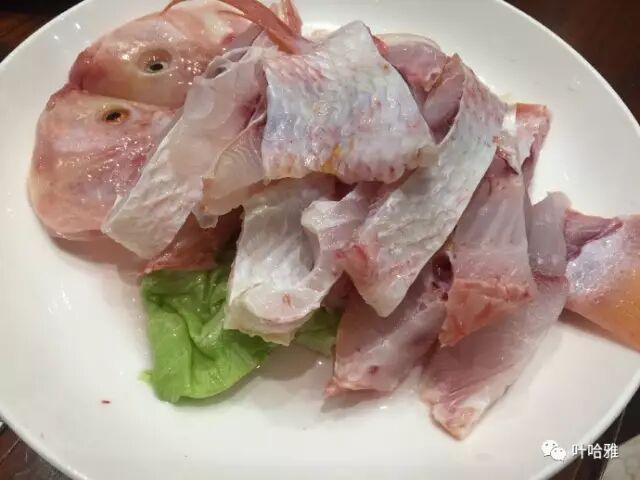
The deep-sea fish in the hot pot set meal is especially fresh and tender.
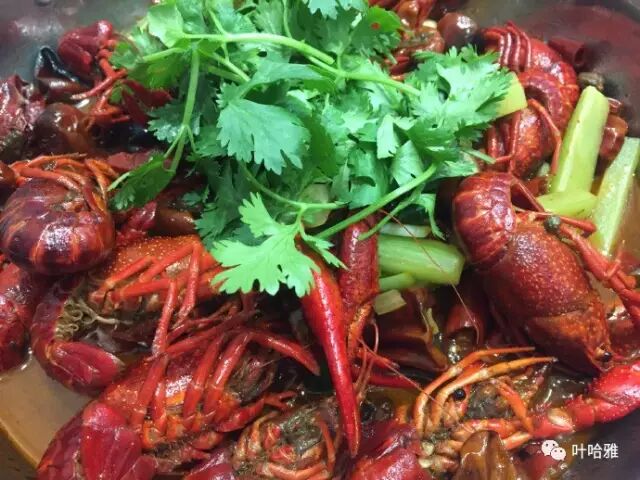
The spicy crayfish (mala xiaolongxia) is great for an appetizer in the summer.
Address: Ground floor shops, Binfen Ludi City, Gaomidian, Daxing District
32. Zhongfayuan Northwest Feast
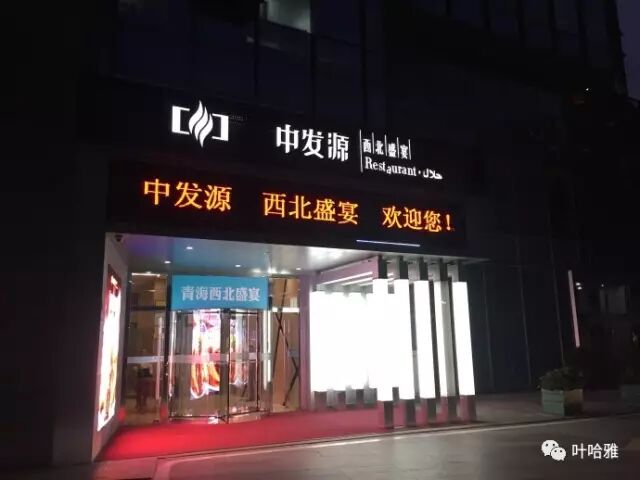
This is a high-end Northwest Chinese restaurant. It feels a bit more upscale than Yanlanlou. It is a chain brand, and there is also one in Shenzhen.
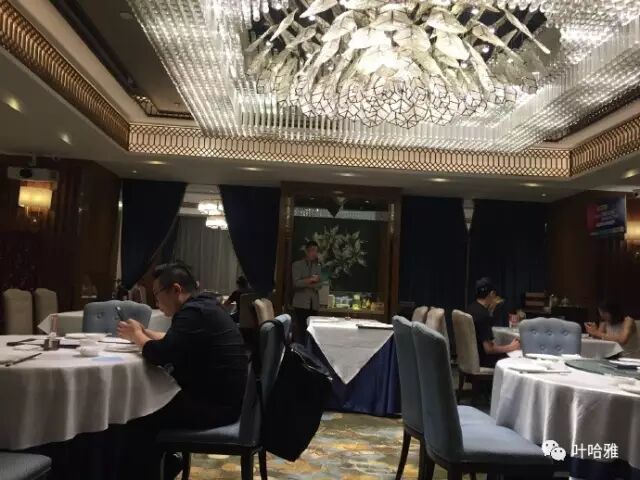
The restaurant is very large, and the tables are spaced far apart, making it a good place for chatting.
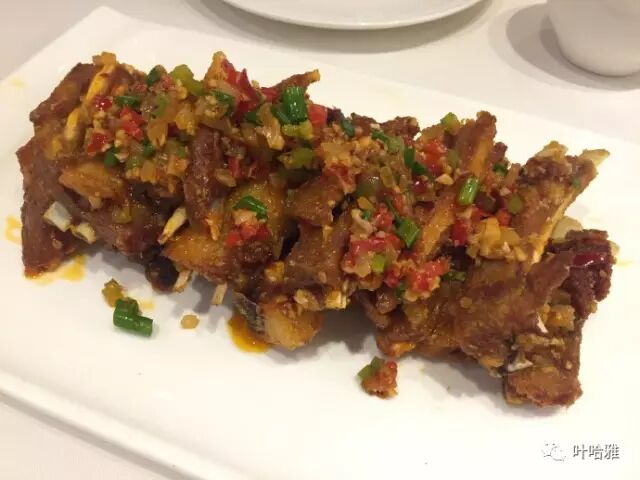
The menu features traditional Northwest dishes, but they are prepared more delicately, and there are also fusion dishes.
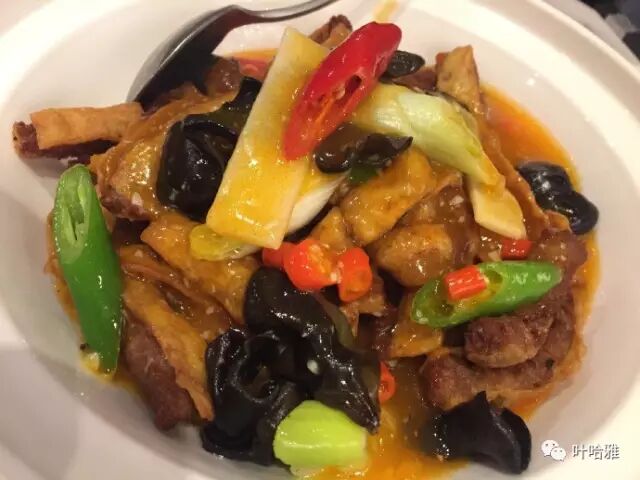
The seasoning is just right, and the ingredients are high quality.
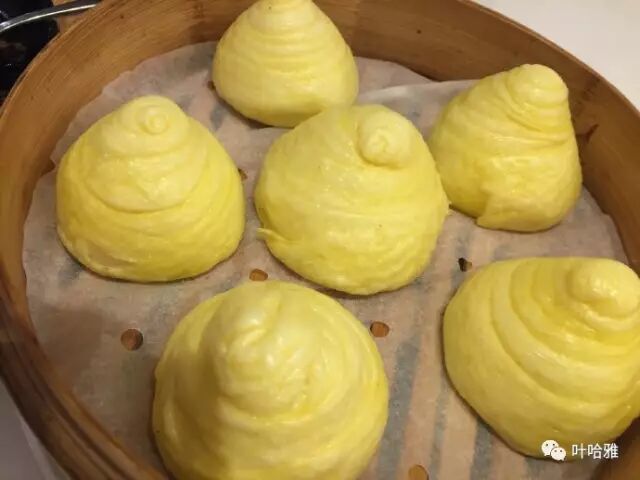
The average cost is about 150 yuan per person, and the service is excellent.
Address:
2nd Floor, Block C, Oriental Media Center, No. 4 Guanghua Road, Chaoyang District.
33. Yiyuan Gourmet Tea House
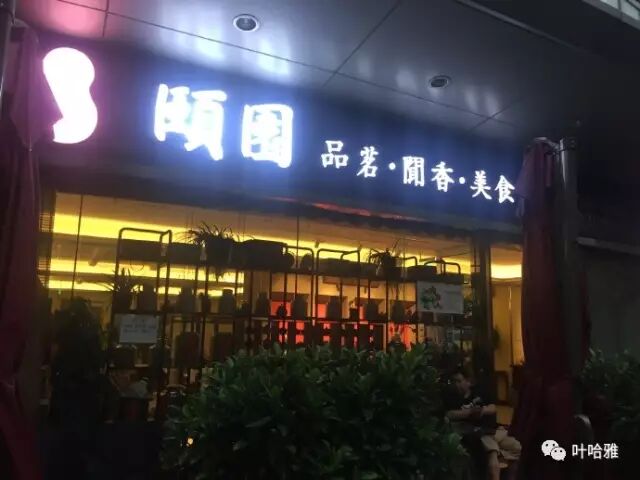
This restaurant is hard to find because there is no halal sign outside.
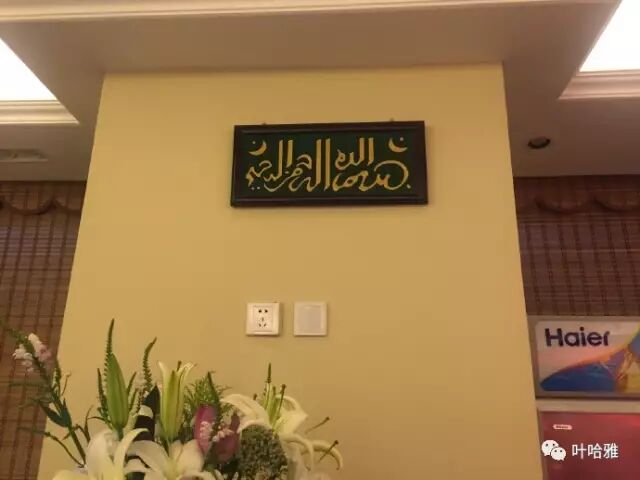
The sign is inside. The owner is a Hui Muslim, and the restaurant is mid-to-high end.
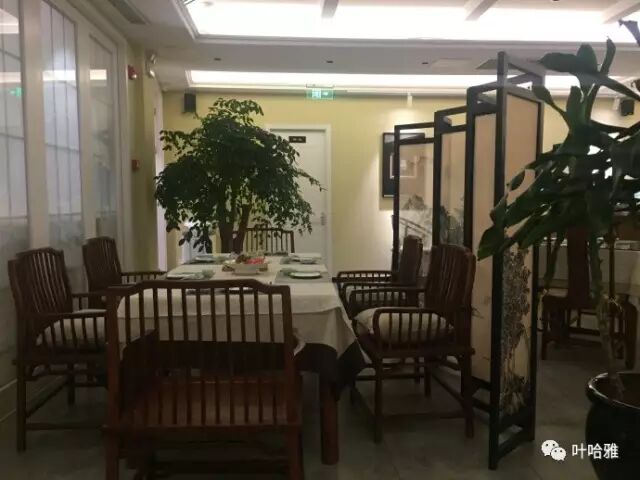
It is both a tea house and a restaurant with a classic Chinese decor style.
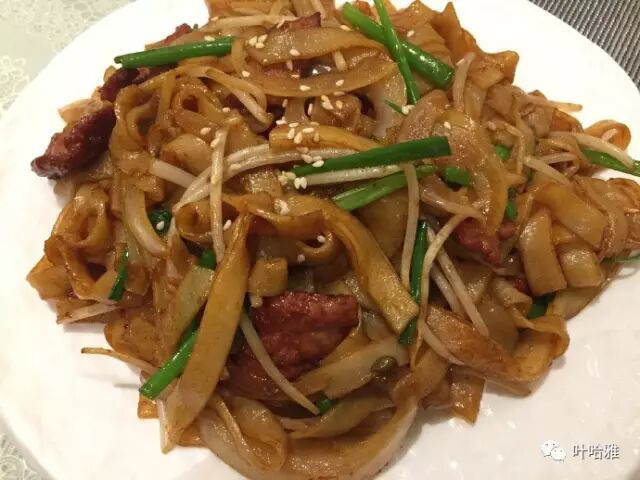
The restaurant focuses on Cantonese and Beijing cuisine. This is the famous Cantonese dish stir-fried beef noodles (ganchao niuhe).
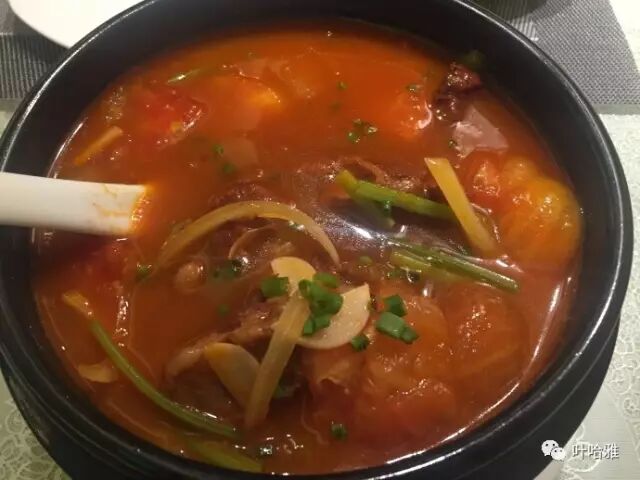
Stewed beef brisket with tomato (xihongshi dun niunan).
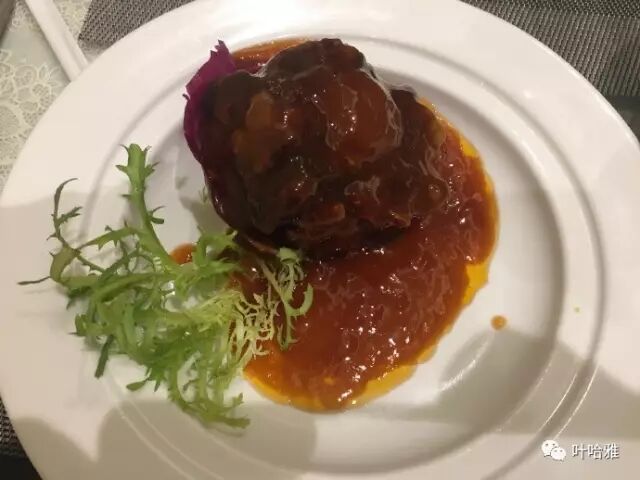
Braised oxtail (hongshao niuwei).
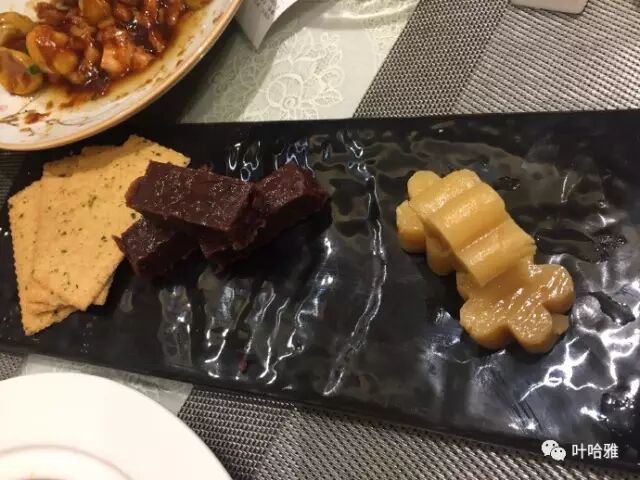
Traditional Beijing snack pea flour cake (wandouhuang).
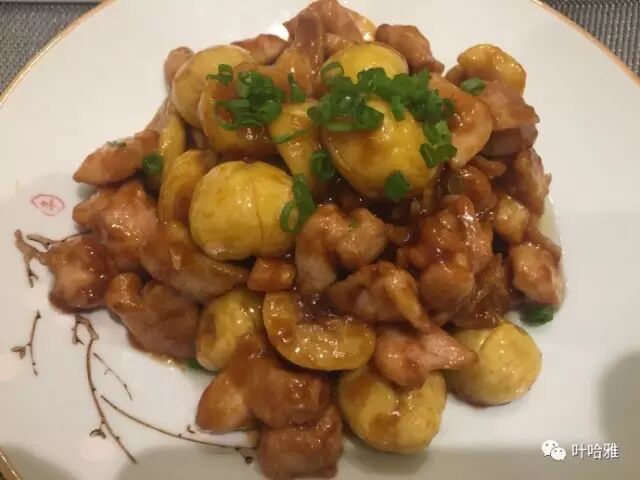
Chicken with chestnuts (lizi jikuai). The restaurant is generally good. The environment, service, and food quality are all above average. The average cost per person is about 100 yuan.
Address: First floor of New Town International, Chaoyang District.
34. Yijinyuan
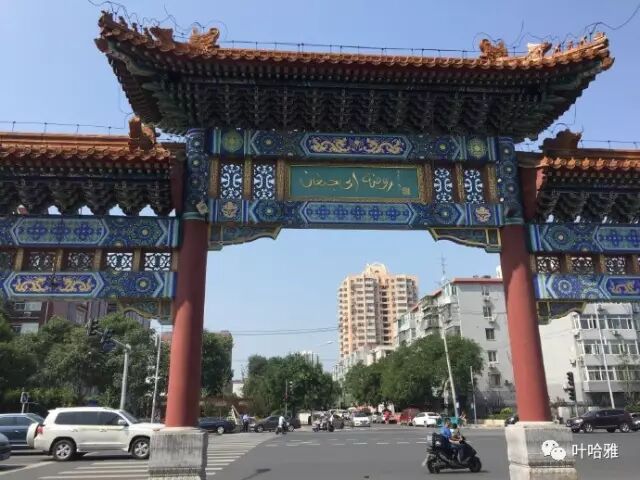
This is arguably the most expensive halal restaurant in Beijing, located near the University of International Business and Economics.
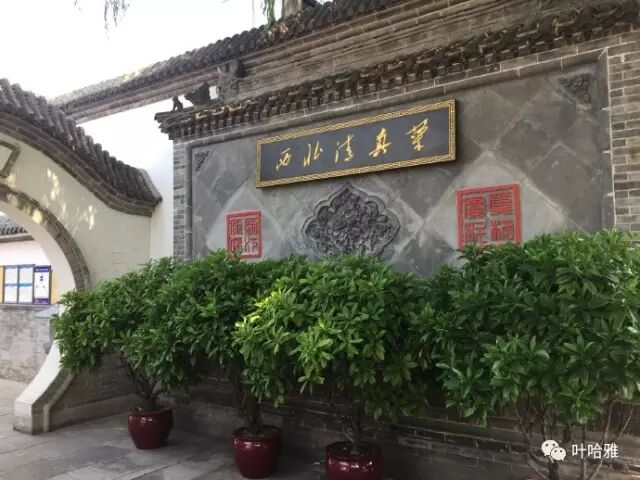
The exterior has a courtyard style, and the interior is very luxurious.
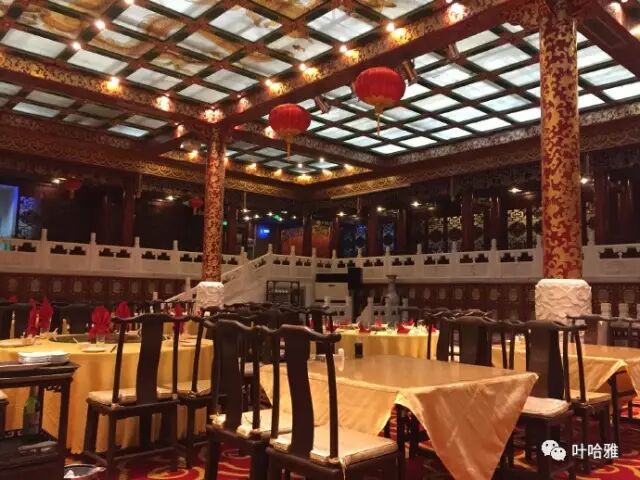
The lobby looks like a royal mansion, surrounded by private dining rooms.
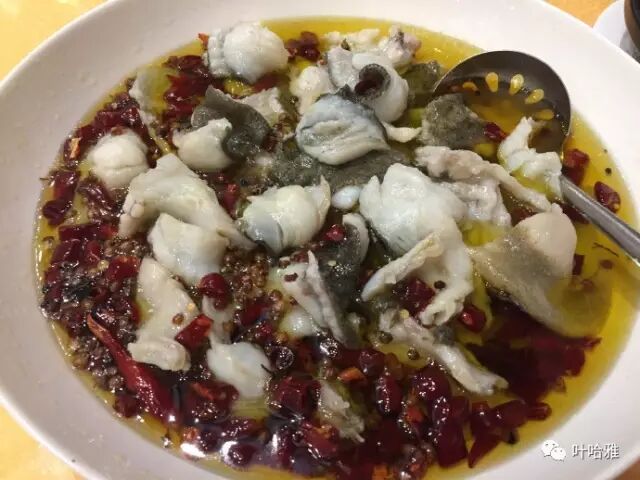
Boiled fish (shuizhu yu). This place serves fusion cuisine. Besides Northwest Chinese food, they also have Cantonese and Sichuan dishes.
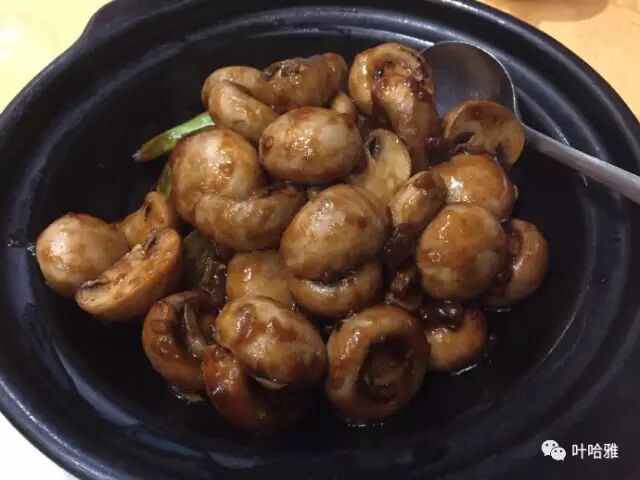
The food tastes great and the service is good. The only downside is the high price. The average cost per person is about 250 yuan.
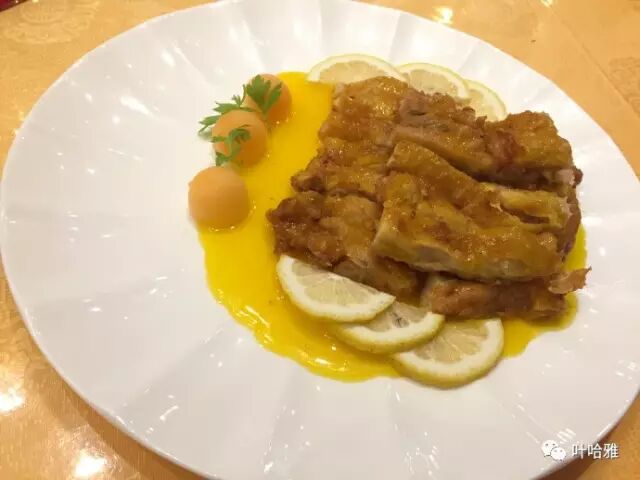
Address:
Inside the east gate of the Longze Yuyue scenic area at the Yuan Dynasty City Wall Relics Park, Beitucheng East Road, Chaoyang District.
35. Xi'an Jiasan Steamed Buns (baozi)
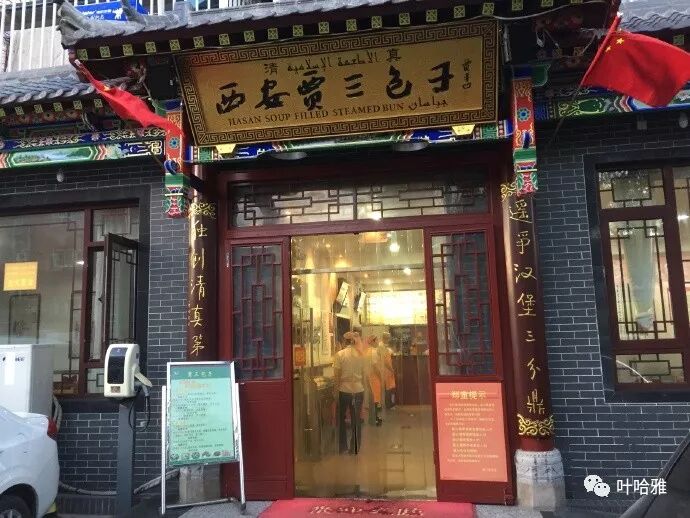
This is the Beijing branch of the famous Xi'an Jiasan soup-filled steamed bun (guantang baozi) shop.
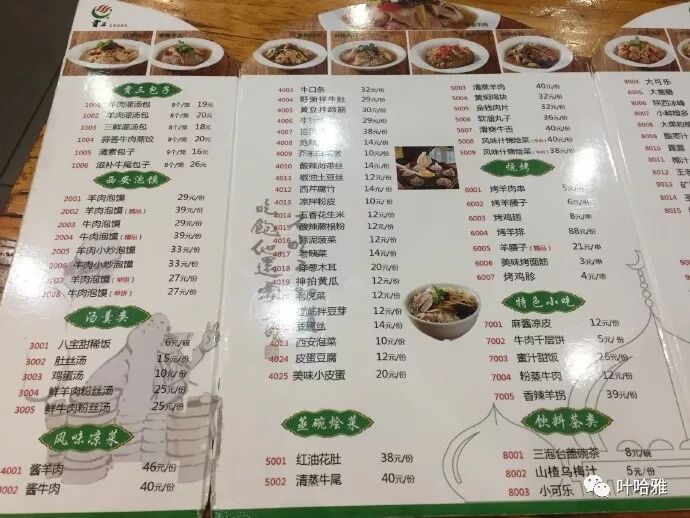
They sell various Xi'an halal snacks, including crumbled flatbread in soup (paomo), barbecue, and steamed beef with rice flour (fenzheng niurou).
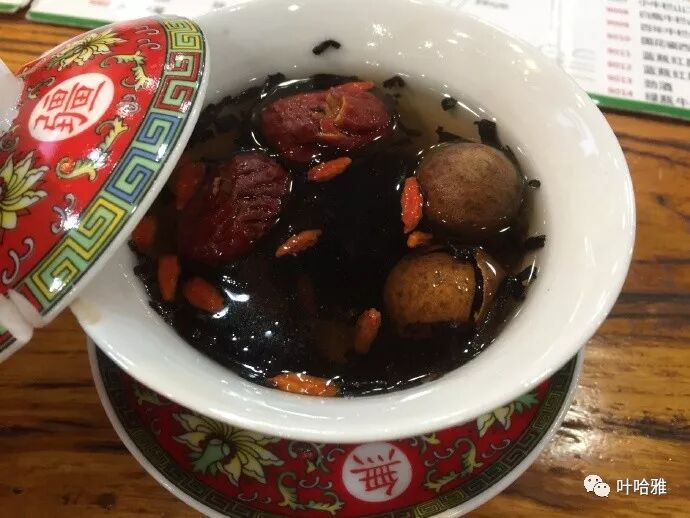
Three-treasure covered bowl tea (sanpaotai gaiwancha)
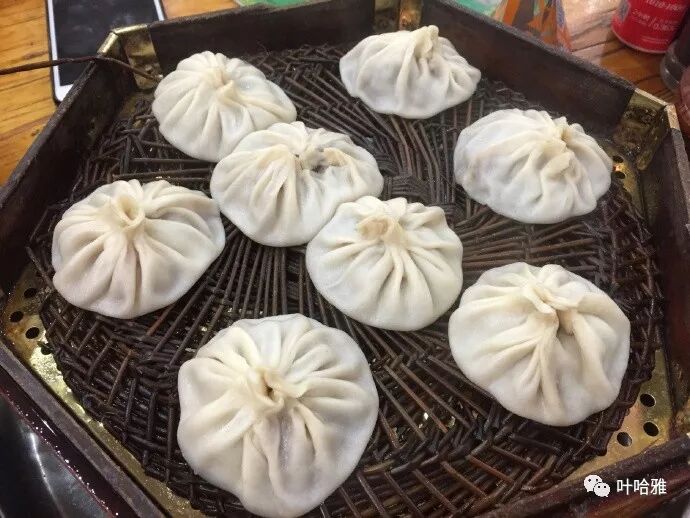
For the soup-filled steamed buns, you should take a small bite first to drink the broth before eating the rest of the bun.
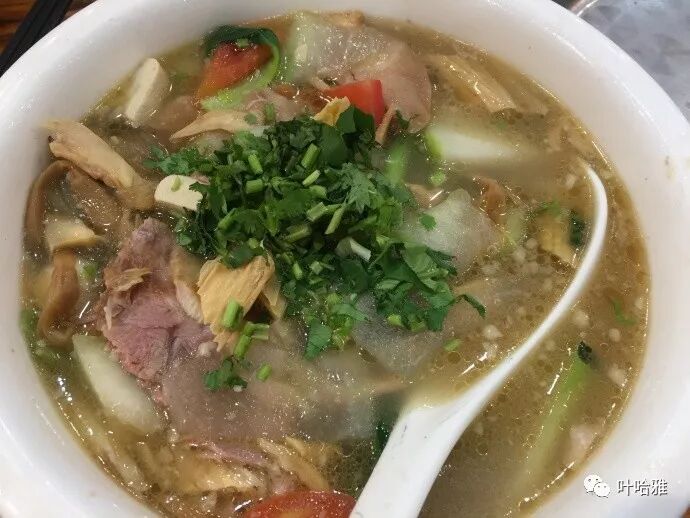
I quite like eating this mixed vegetable stew (huicai).
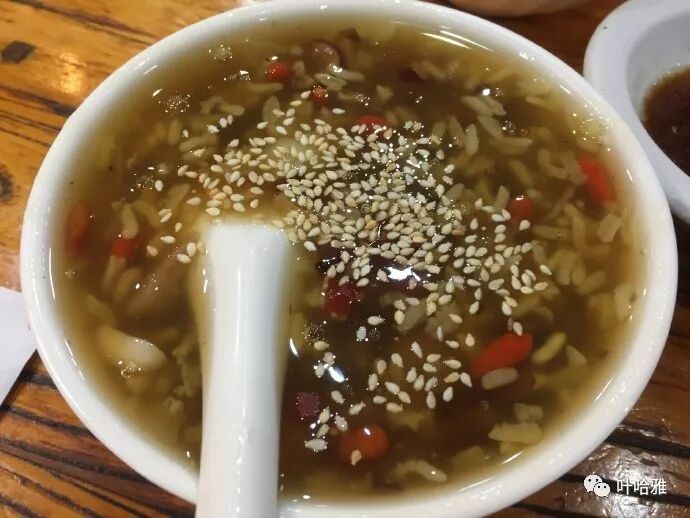
Eight-treasure porridge (babaozhou).
Address: No. 1A, Baiyunguan Street, Xicheng District.
36. Meisi Coffee
This cafe opened recently. It is a casual spot serving Western food and only non-alcoholic drinks in a spacious setting.
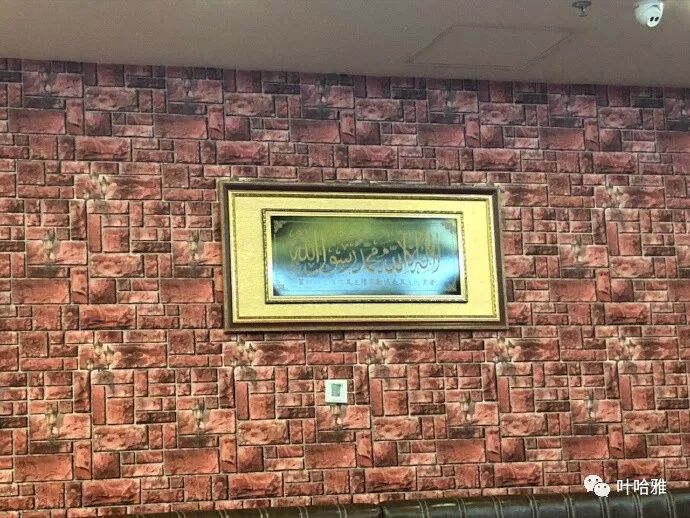
The shop displays the Shahada, confirming it is a halal cafe. Coffee drinking was first invented by Muslims in Damascus, Syria, and it took another hundred years for the first European cafe to open in France.
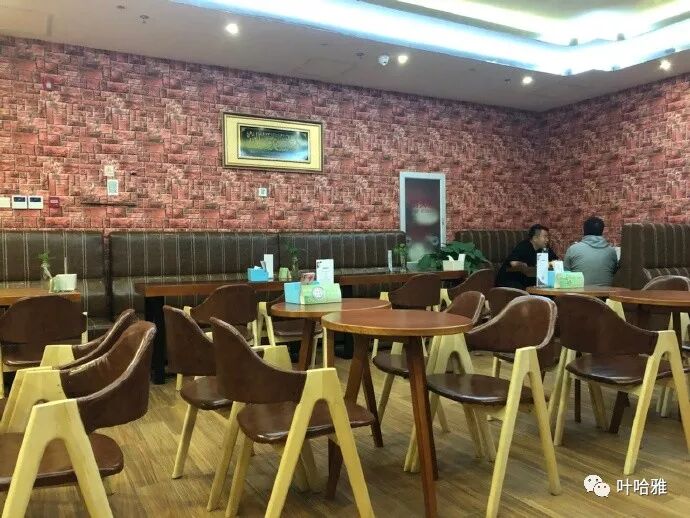
Niujie has been missing a quiet, elegant place for dates. Now that this cafe is here, there is finally a place to go.
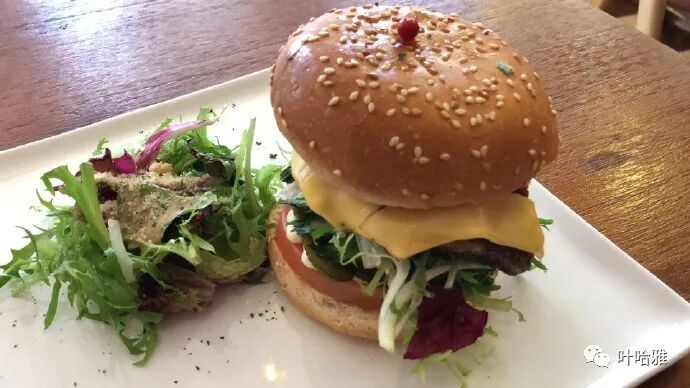
I ordered a beef burger. It had many thick layers, and people with small mouths cannot even take a full bite.
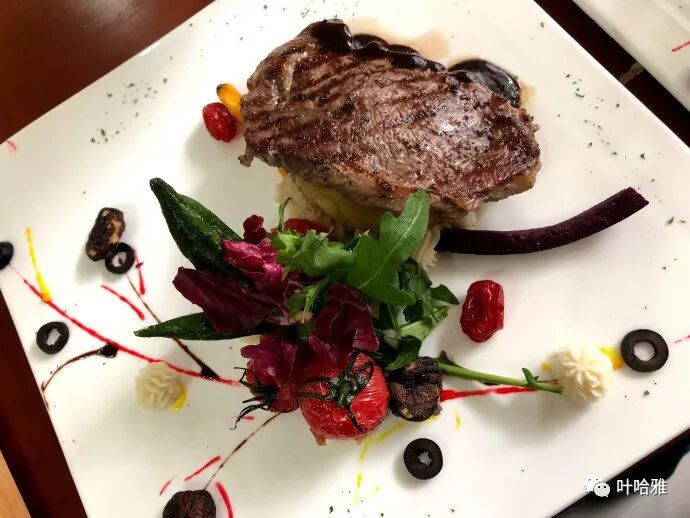
The Australian steak was served with dried vegetables on the side. I am not used to eating raw meat, so I asked for it well-done.
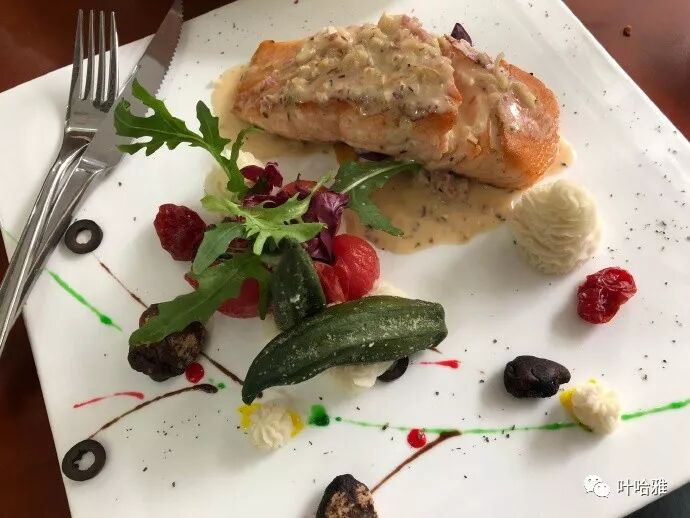
Pan-fried salmon is fresh and delicious.
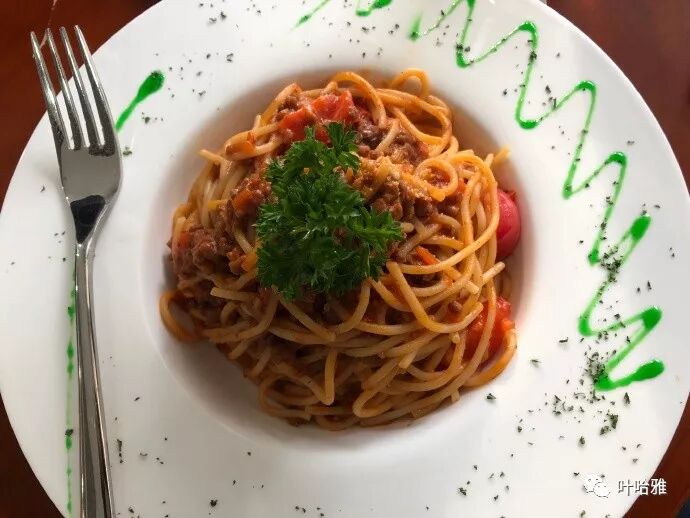
The pasta tastes very authentic.
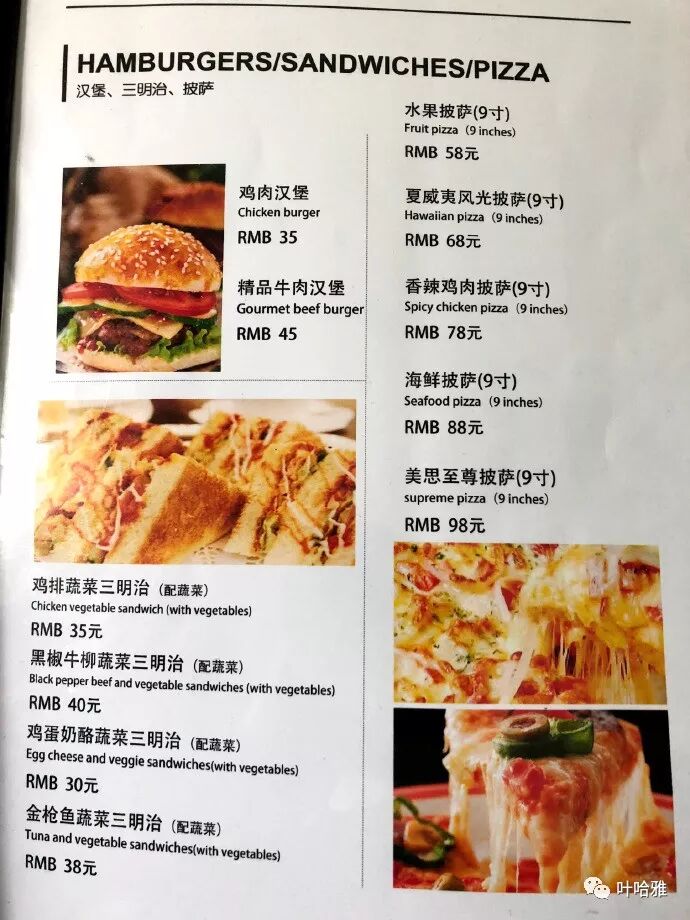
I took a picture of the menu, which includes pizza. I will come back to try it next time.
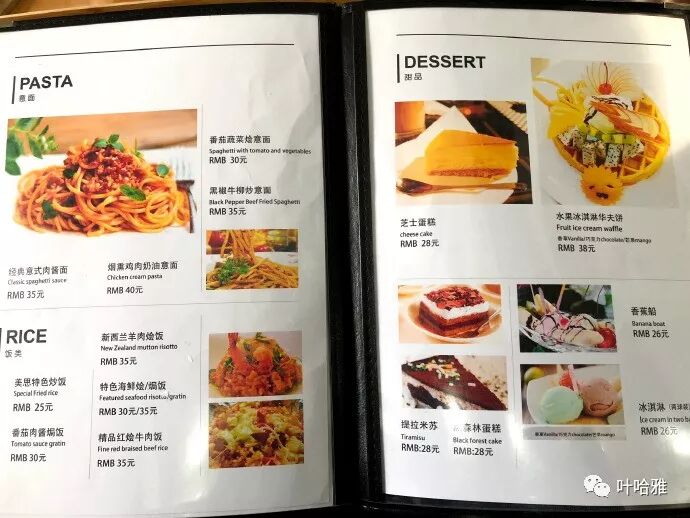
Address: 100 meters south of the main gate of the Niujie Mosque.
37. Tongshunzhai Restaurant
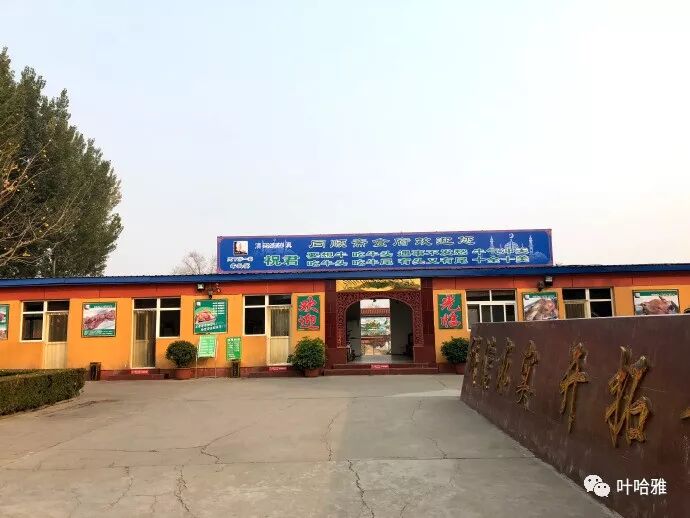
I came here for the ox head feast, but once I arrived, I learned that it takes 10 people to finish one ox head.
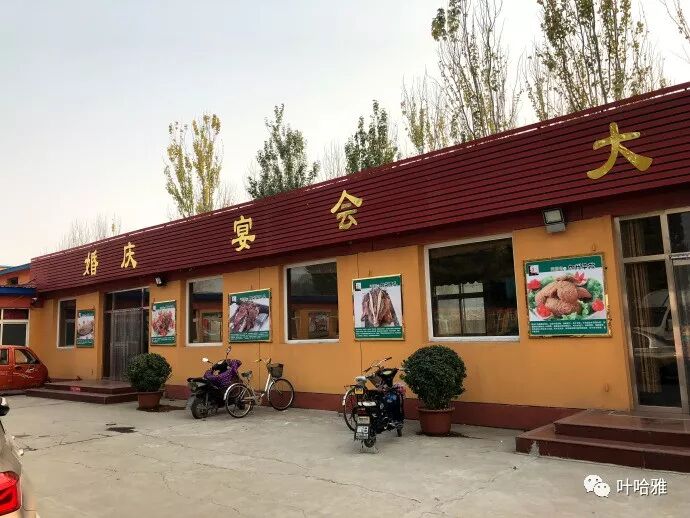
The courtyard is large and spacious, and all the seating is in private rooms.
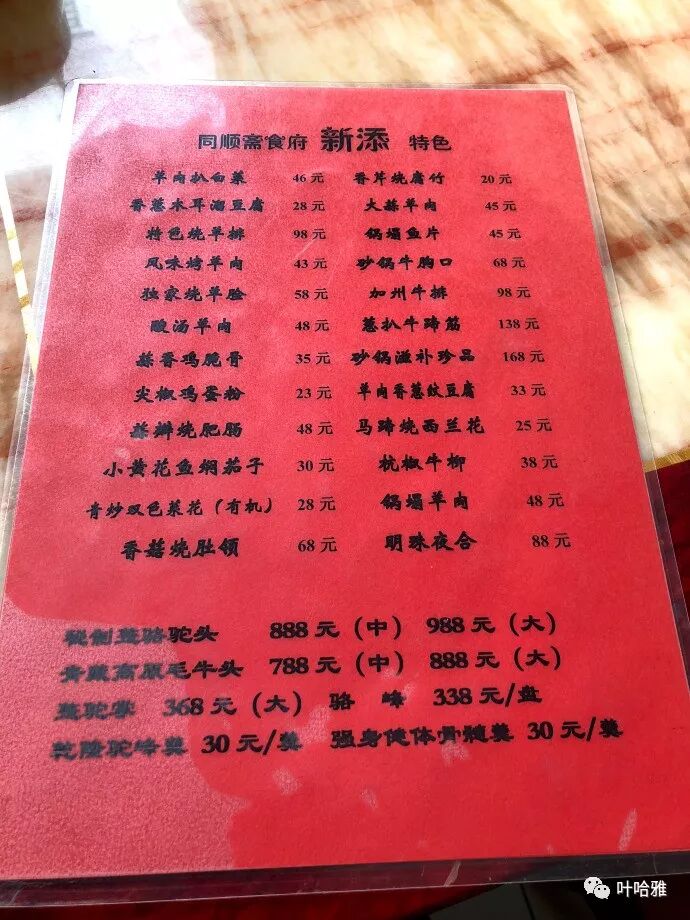
I looked at the menu and saw only heavy meat dishes. The waiter said that for three grown men, one oxtail would be enough.
So I ordered two cold dishes, shredded vegetables in sauce (bansansi).
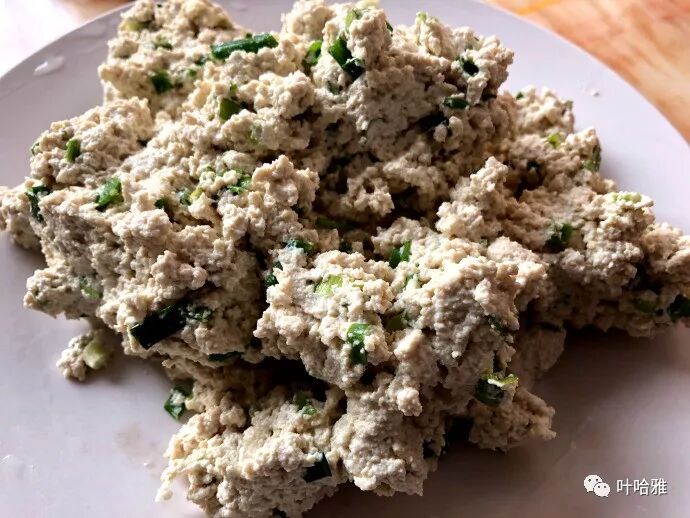
And tofu with scallions (xiao cong ban doufu).
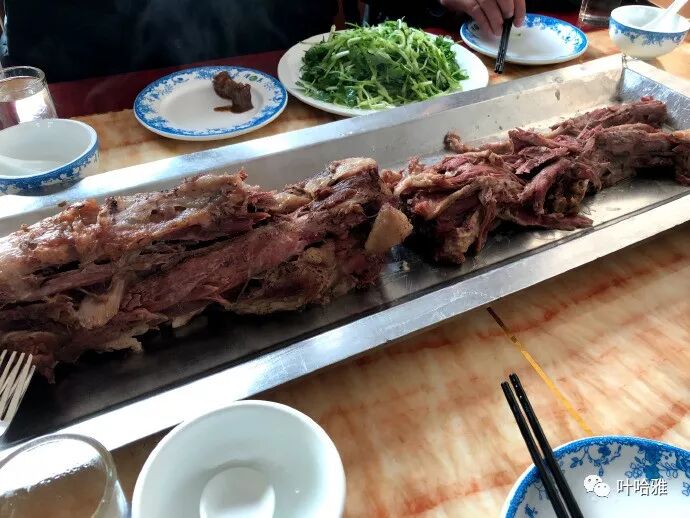
When the oxtail arrived, I was shocked. It was a full half-meter long and stewed until very tender.
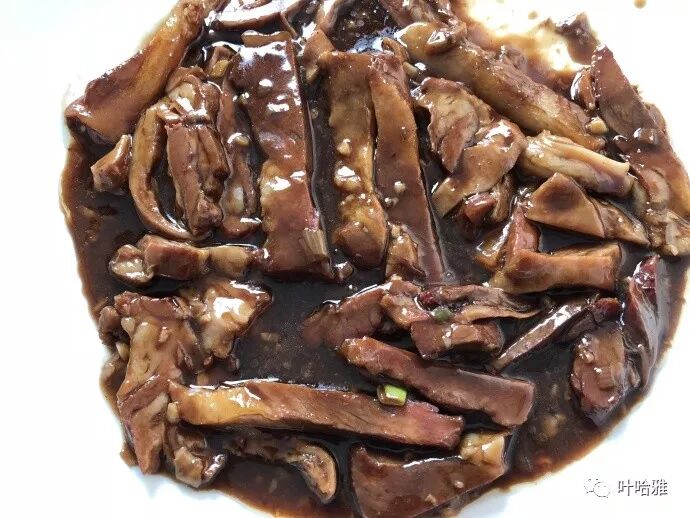
The lamb strips (yangrou tiao) seemed a bit extra; we really couldn't eat any more.
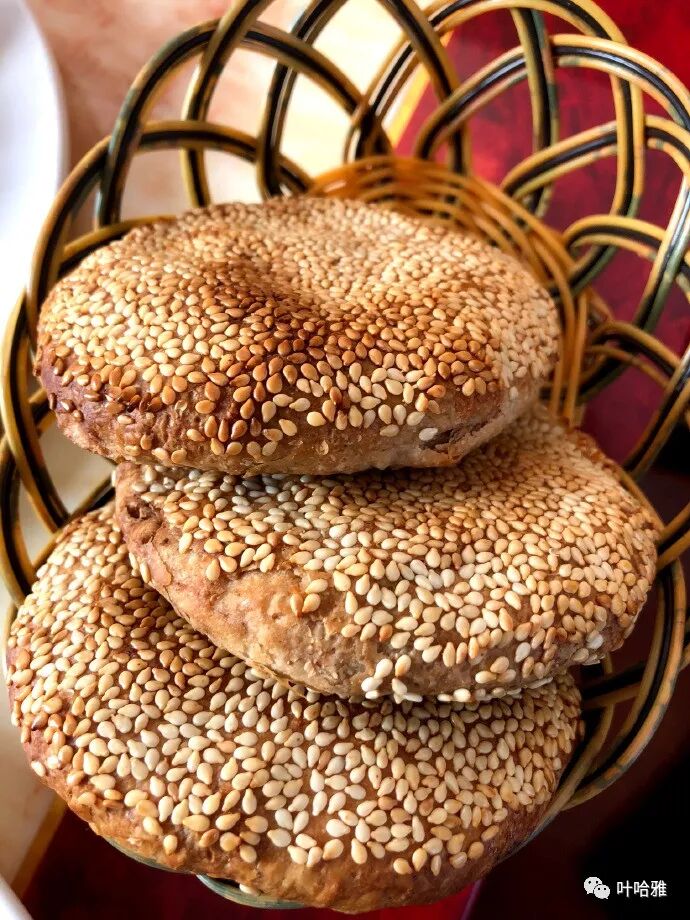
Address: South entrance of Doudian Village, Fangshan District, Beijing.
38. 36 Degrees North Latitude Hot Pot
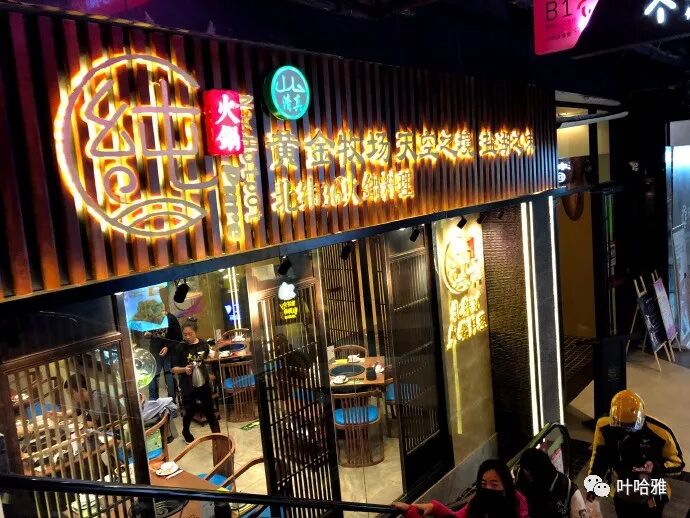
A very refined Qinghai-style hot pot restaurant that opened recently.
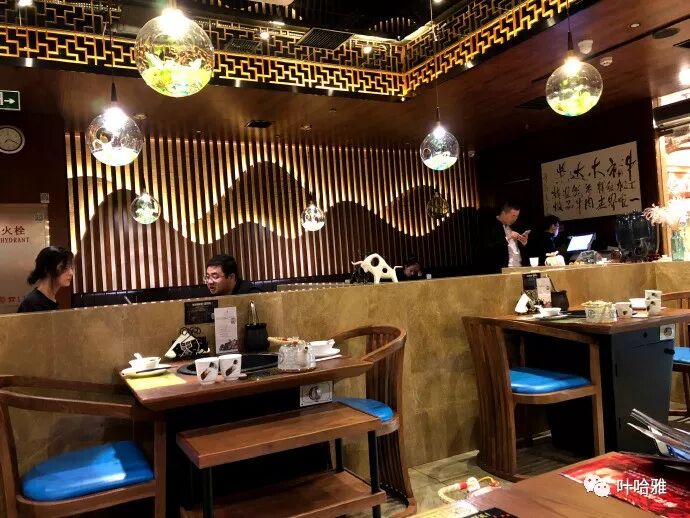
The environment is beautiful, it is not crowded, and the service is warm.
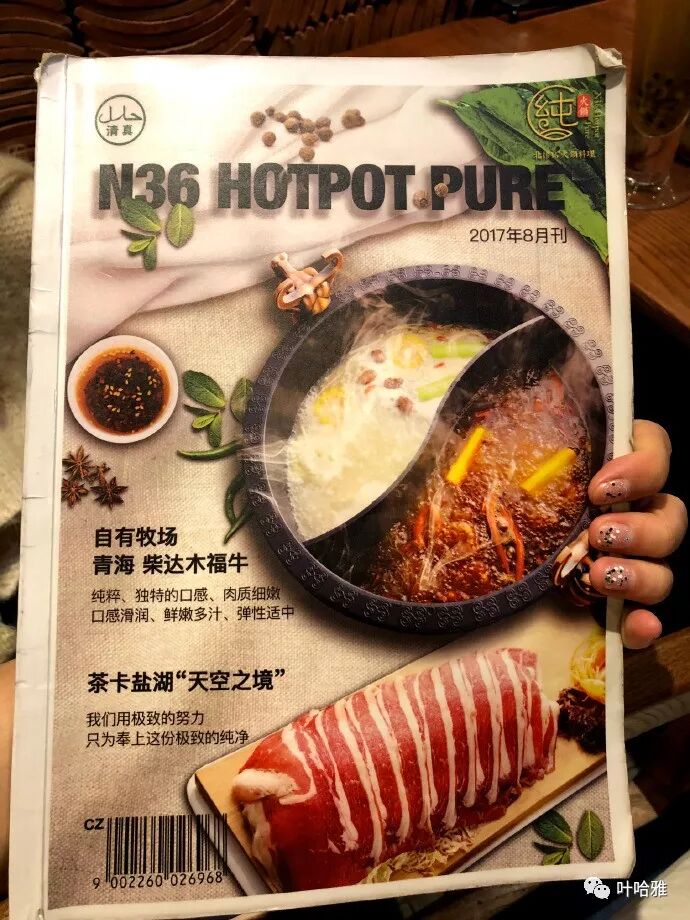
The beef and lamb all come from Qinghai.
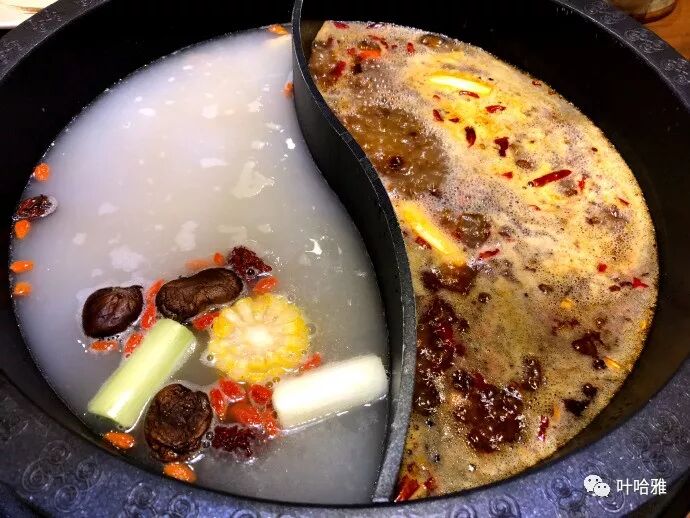
We had the split pot (yuanyang guo), and the spicy side was not particularly hot.
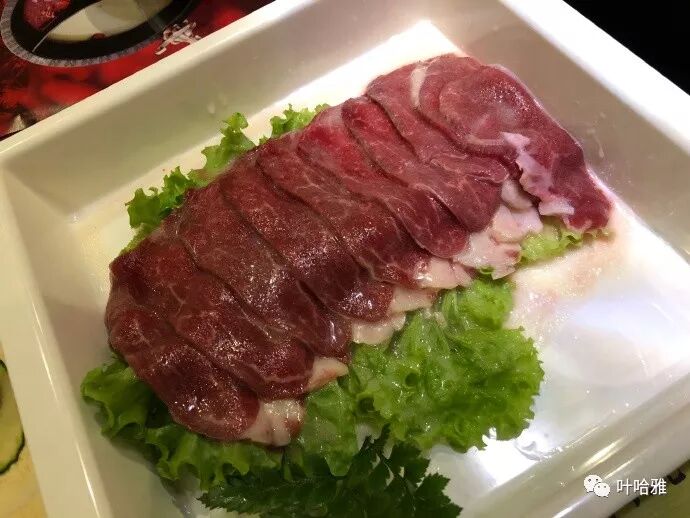
Freshly sliced secret-recipe beef tenderloin.
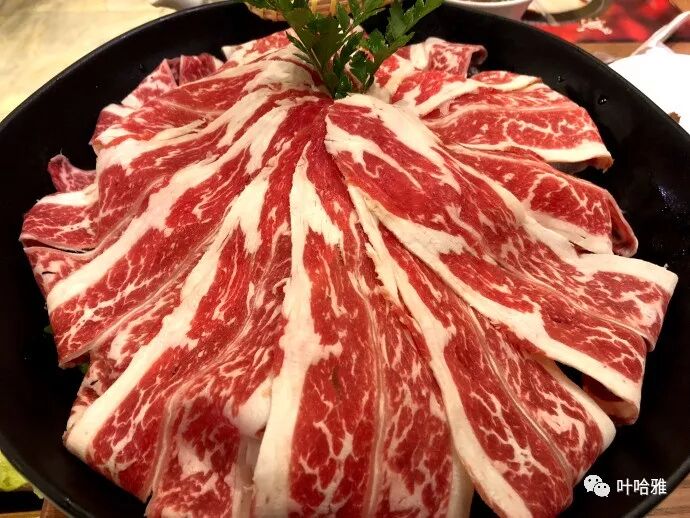
Marbled beef (xuehua fu niurou).
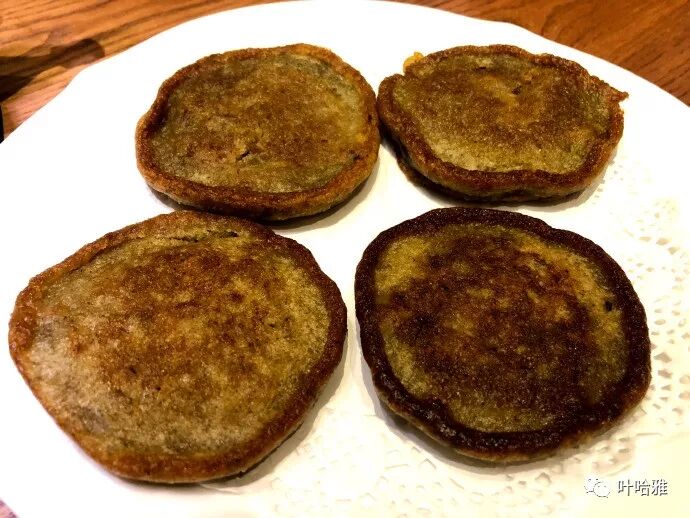
Highland barley flatbread (qingke bing).
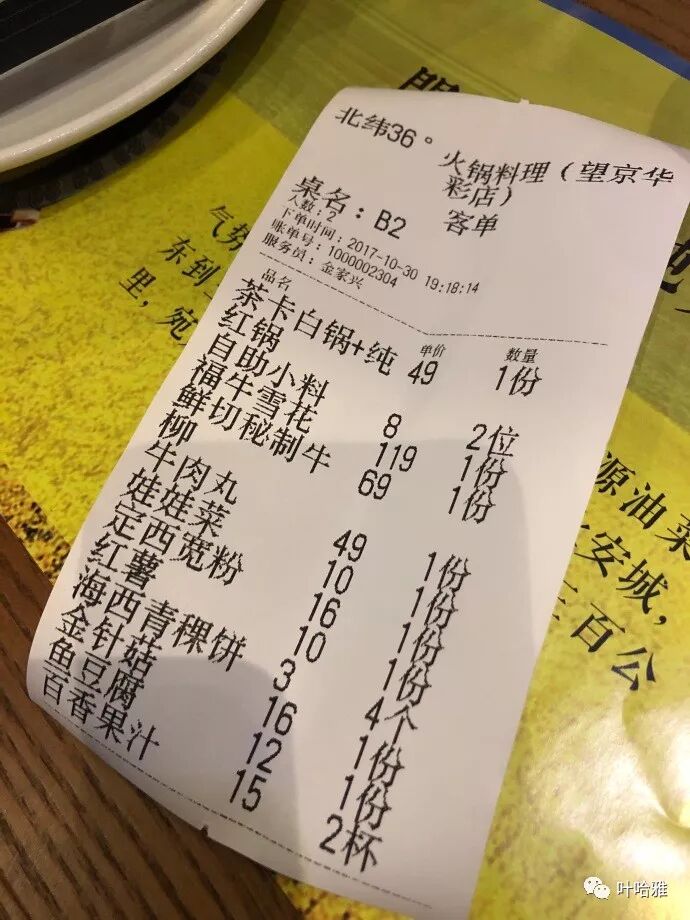
Address: B1, Huacai Commercial Center, Wangjing.
39. Yilao Hundred Flavors Dipping Sauce Hot Pot
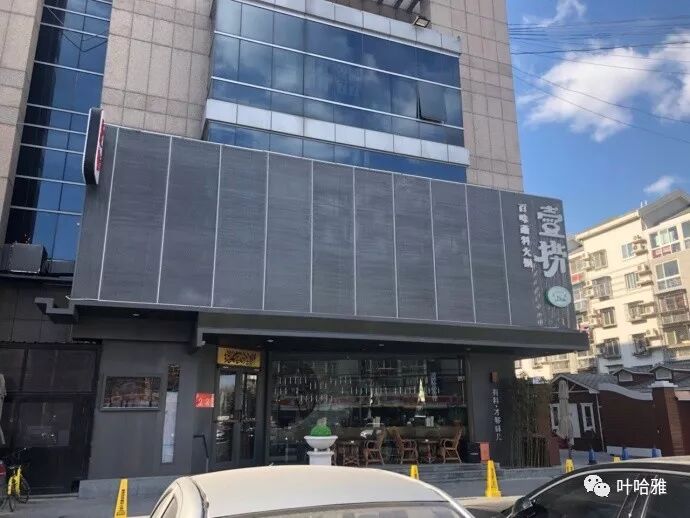
A newly opened modern-style hot pot restaurant in Changying.
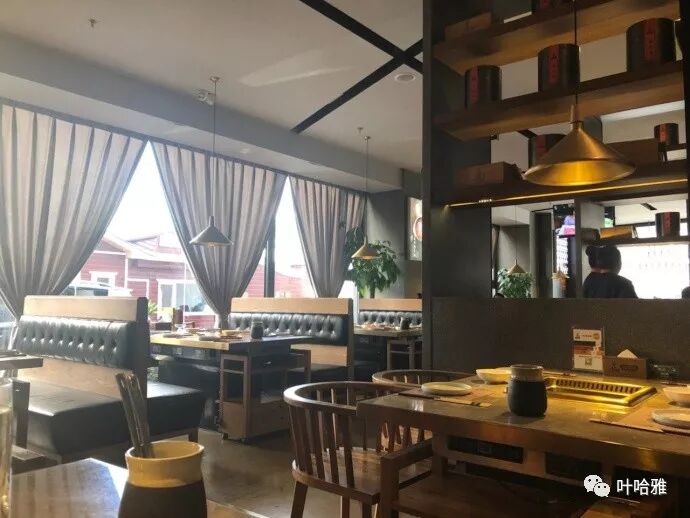
The signature dipping sauces come in a wide variety and are beautifully presented.
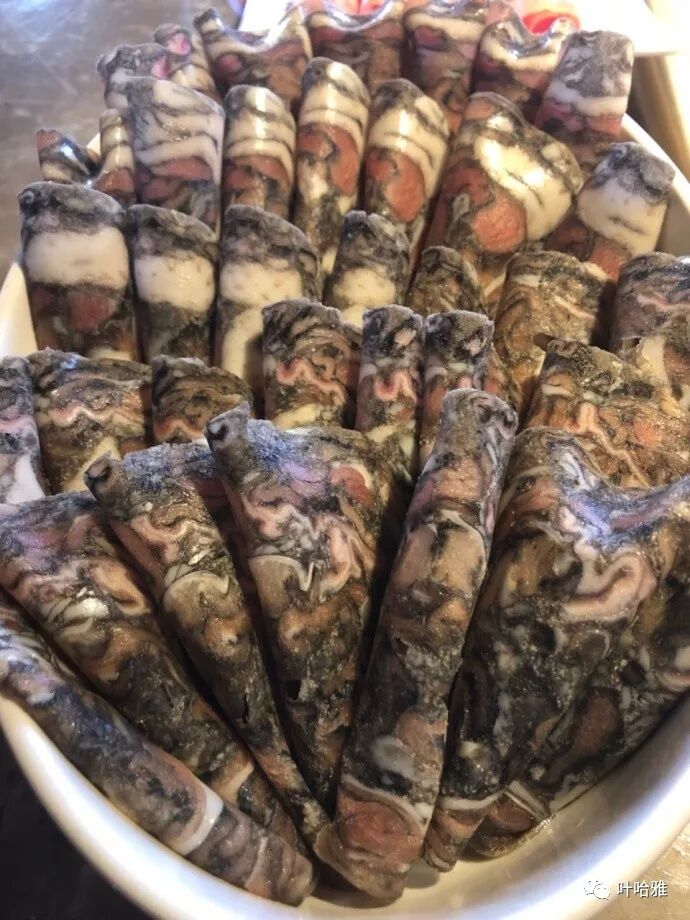
Silky fowl meat rolls.
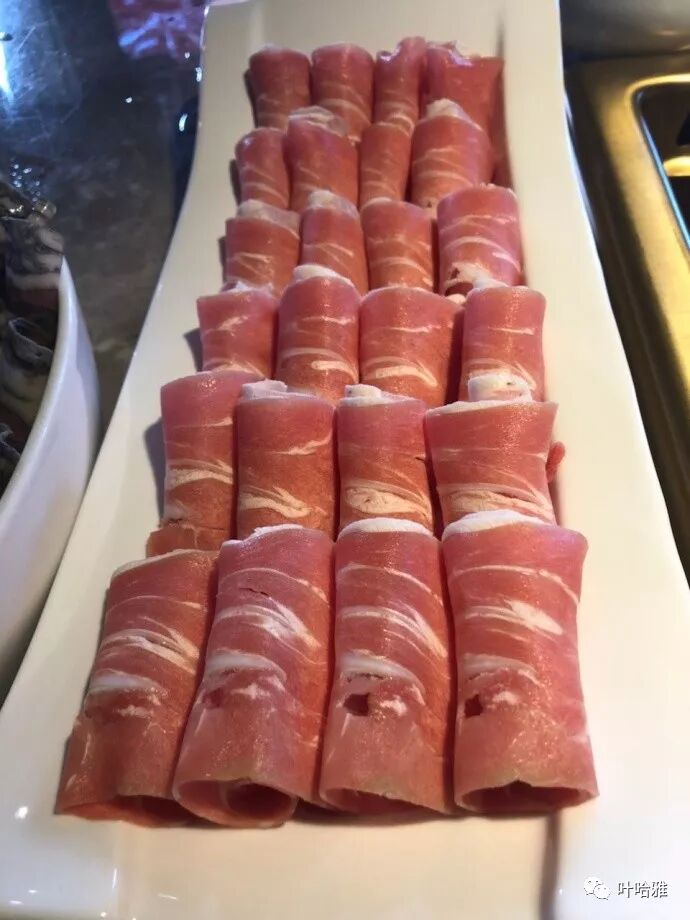
High-calcium lamb.
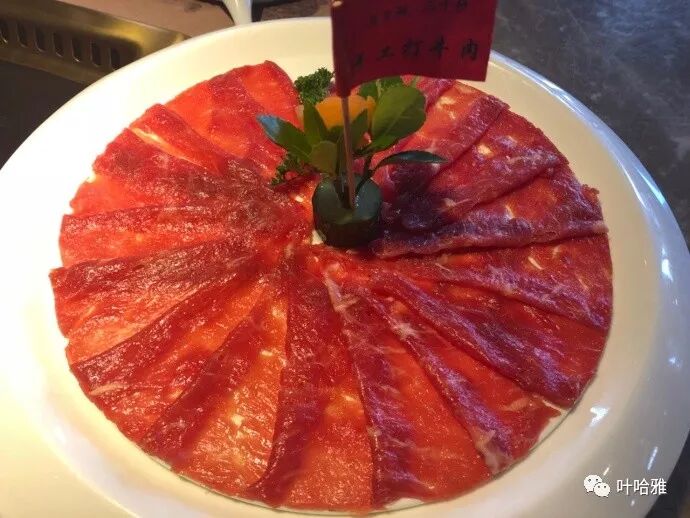
The staff recommends the hand-beaten beef, a Chaoshan specialty; you can watch the chef beat the beef on-site.
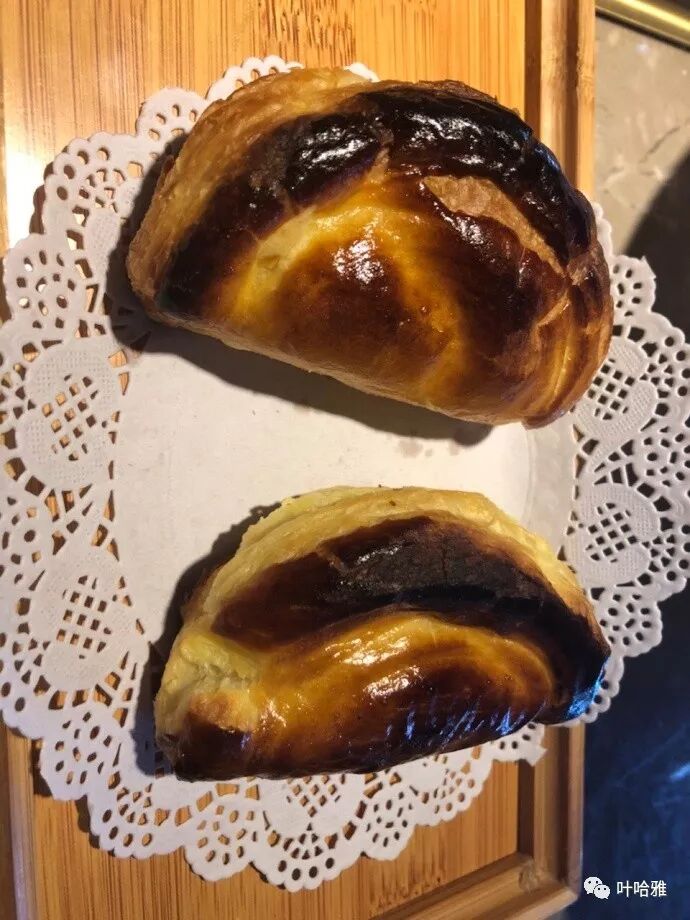
Durian pastry, which smells fragrant and has a strong durian flavor.
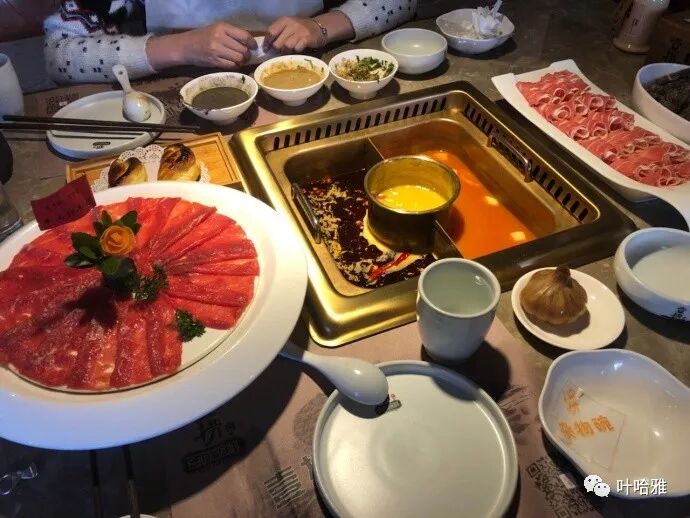
The average cost is about 130 yuan per person, and you can buy group-purchase vouchers.
Address: No. 13 Changying Guanzhuang Road.
40. Huayunlou Steamed Dumpling (shaomai) Restaurant
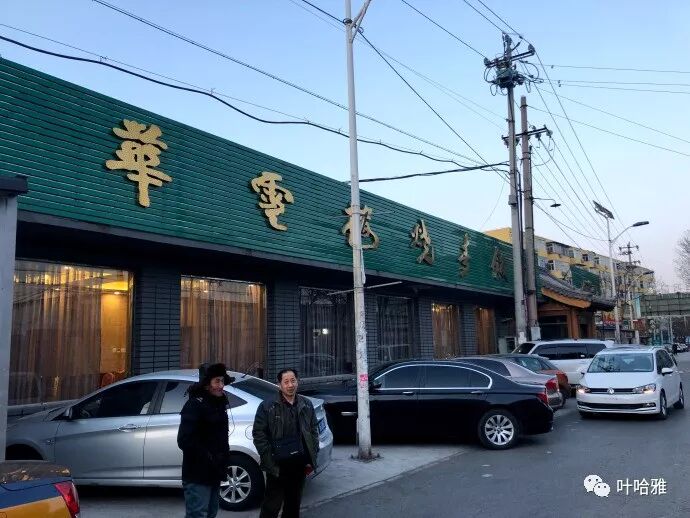
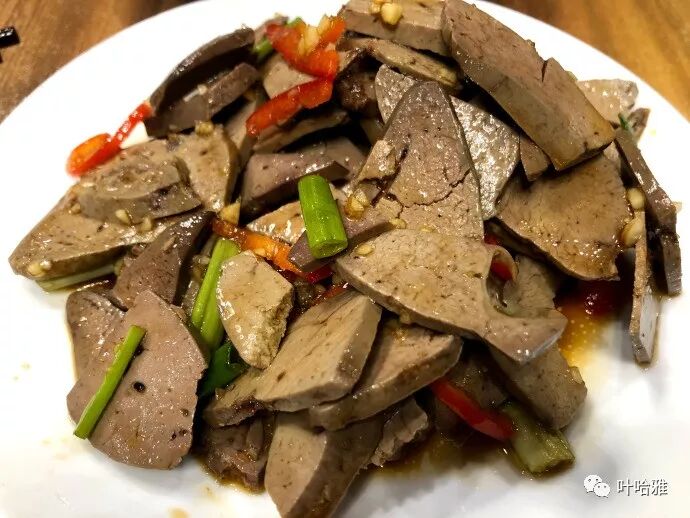
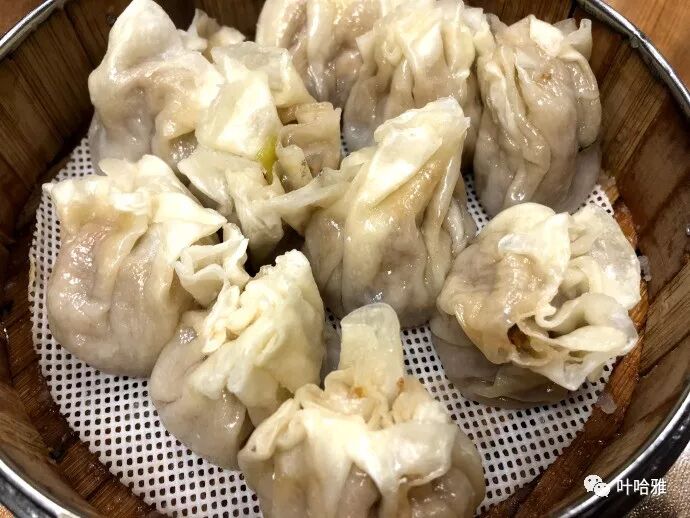
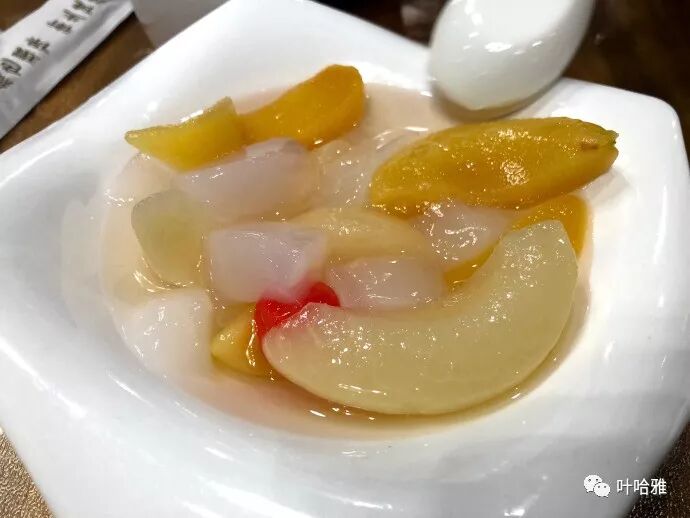
This is a full-service halal restaurant famous for its steamed dumplings (shaomai). It has a great online reputation, good service, and many private rooms. They give you canned fruit when you order, and the cold lamb liver is delicious.
Address: No. 2 Zhanqian Road, Shahe Town, Changping District
41. Badao Noodles
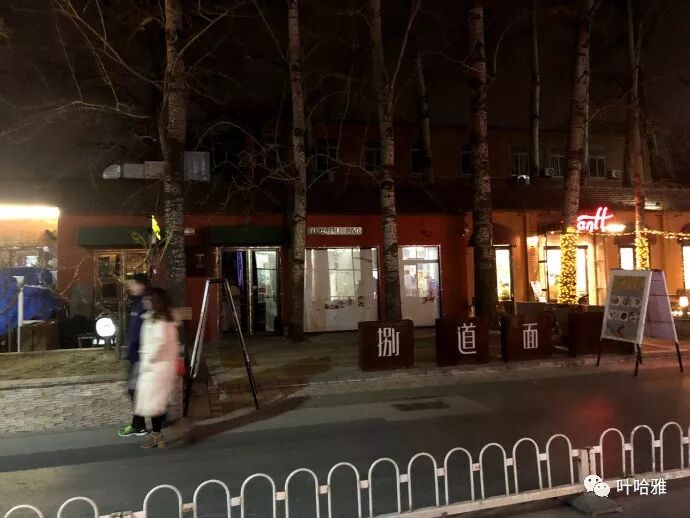
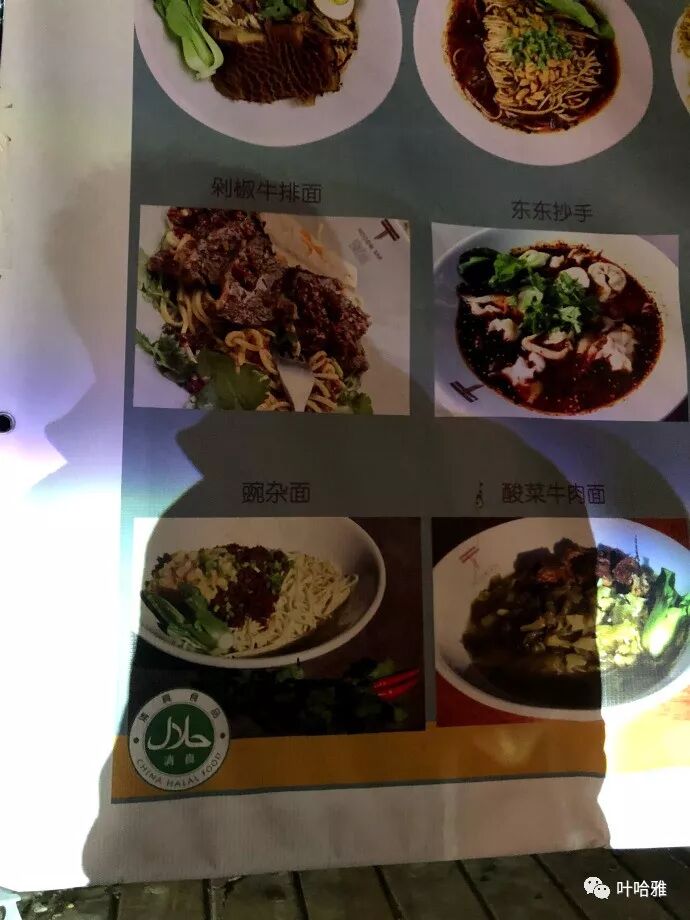
Friends (dost) who want halal Chongqing-style spicy noodles and other noodle dishes are in luck, as these are hard to find even in the Sichuan and Chongqing regions.
Address: 798 Art Zone, No. 4 Jiuxianqiao Road (opposite the UCCA Center for Contemporary Art)
42. China Hezhou Beef Hand-Pulled Noodles (lamian)
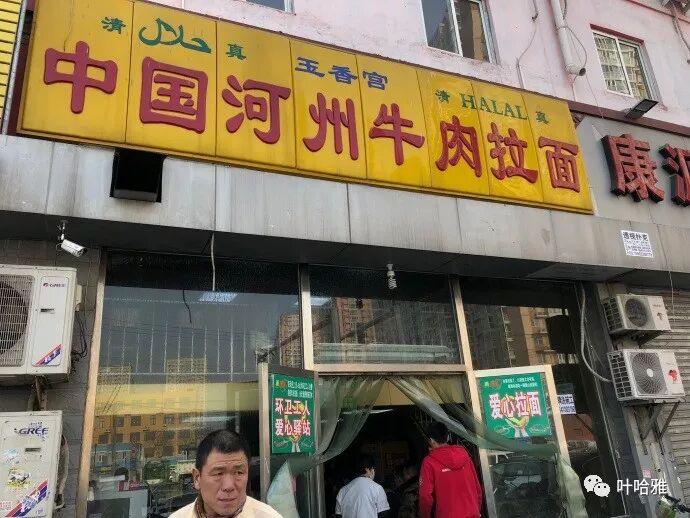
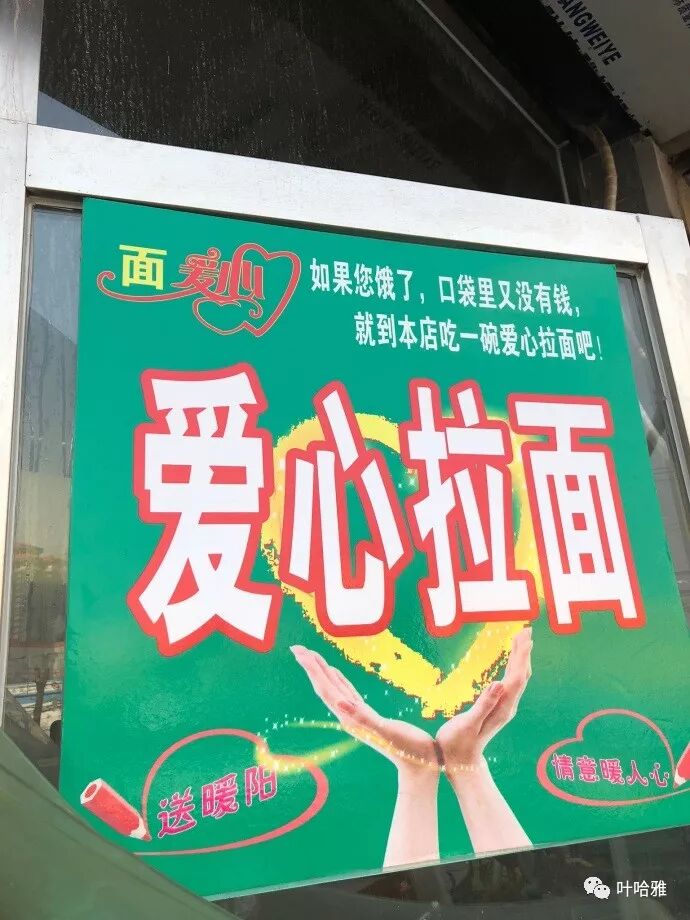
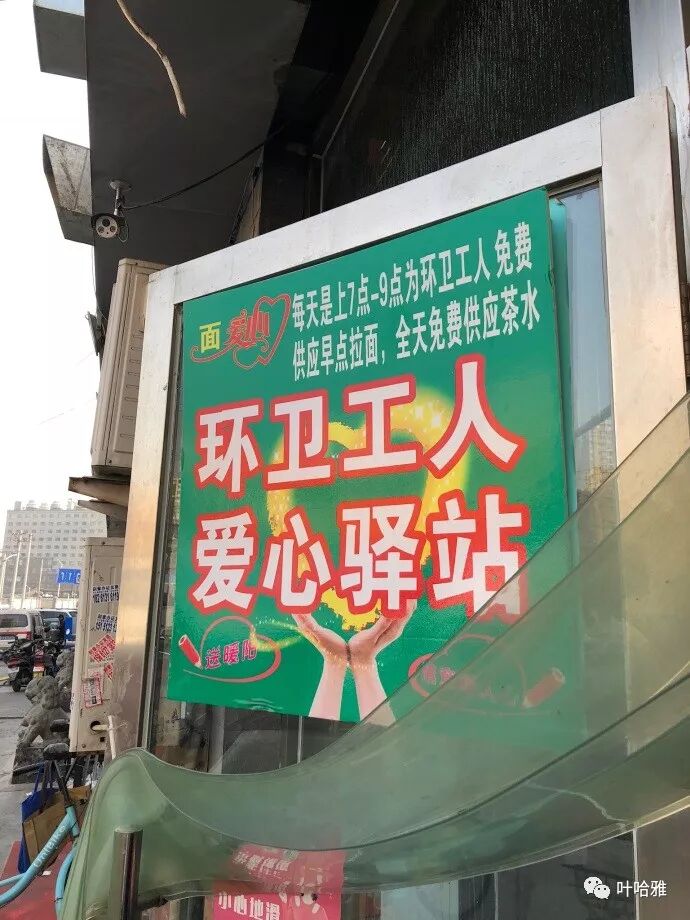
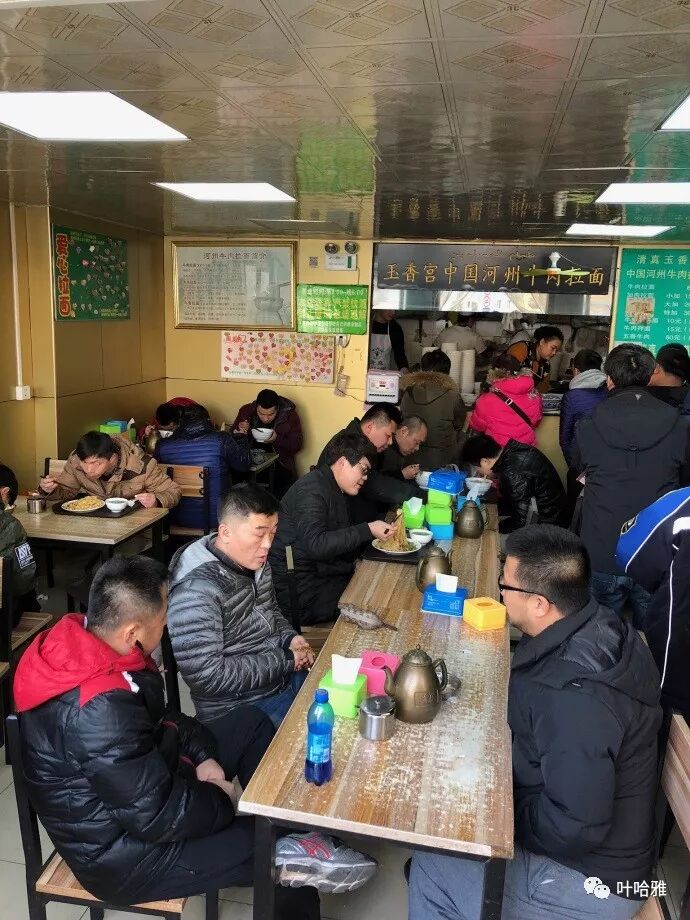
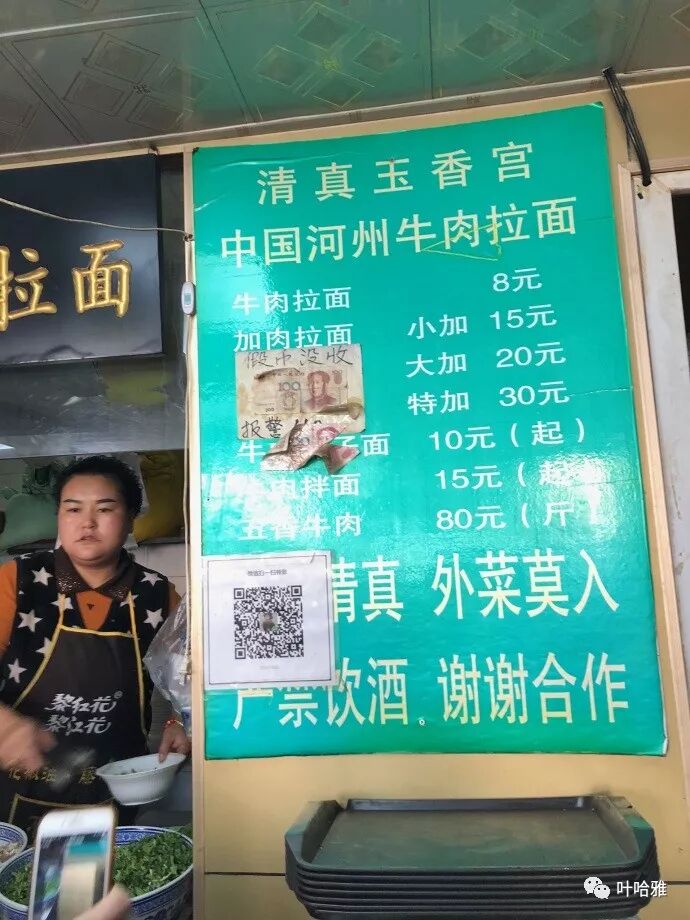
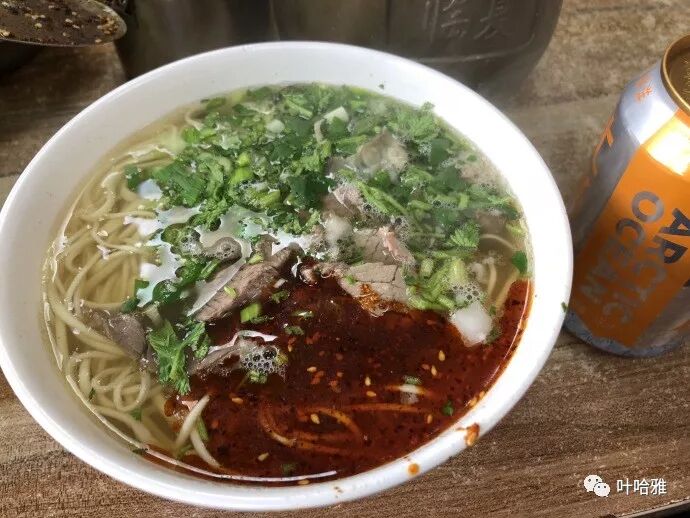
This is the only hand-pulled noodle (lamian) shop I recommend. I found this kind-hearted noodle shop next to Shilihe Subway Station. It is run by people from Hezhou, Gansu, and they provide free noodles to sanitation workers and people who cannot afford a meal. The business is extremely busy, with lines stretching outside the door. Just order at the noodle pickup window when you enter, and a bowl of noodles is ready in seconds. The taste is also excellent.
Address: North Gate of Super 8 Hotel, Zuoan Road, Zuoanmen, Chaoyang District (south of Hongshan Jiayuan)
Hidden Halal Food in China: Anhui Mosques from Anqing to Hefei and Chuzhou
Articles • ali2007fr posted the article • 0 comments • 172 views • 2026-05-21 11:00
Summary: This Anhui halal travel account follows the original route through Anqing, Huainan, Hefei, and Chuzhou, preserving mosque notes, dishes, menus, and photos. It is cleaned for readers searching for hidden halal food and mosque travel in China.
Hui Muslims have a long history in Anhui. Records show Muslim activity in the region dating back to the Tang and Song dynasties. By the Yuan dynasty, Muslims began settling in Anhui in large numbers. During the Ming dynasty, famous Hui Muslim generals like Chang Yuchun and Lan Yu were both from Anhui. Anhui is now home to over 400,000 Hui Muslims and more than 200 mosques. They are mainly located in northern Anhui cities like Bengbu, Lu'an, Fuyang, Huainan, and Huaibei. Anqing and Shou County in Huainan each have a mosque listed as a Major Historical and Cultural Site Protected at the National Level.
1. Anqing
The Dananmen Ethnic Neighborhood in Anqing is a Hui Muslim residential area. It contains a Mosque Street (Qingzhensi Jie) lined with small shops selling halal food. The street is very short and only has a few businesses.
However, this street has a beef bun shop that is very popular locally and was once featured on the show A Bite of China. This Dananmen beef bun is a signature Anqing food. They start selling before dawn every morning and close by 10:00 a.m. It is a breakfast item, and many people come from far away to buy them, often purchasing one or two hundred at a time.
I arrived at noon and missed out on the beef buns. Based on online reviews, I believe the shop lives up to its reputation, but it is not easy to get a taste. People say you have to wait in line for one or two hours.
Since I missed the buns, I found it difficult to find anything else to eat. Local residents are not used to eating out at noon, so many restaurants were closed.
Only a few shops were open on this street, and they were all run by local Hui Muslims.
I met an elderly local community leader at the mosque. When he learned I had come all the way from Beijing, he treated me to a bowl of Anqing beef noodles at a shop in front of the mosque. This friend (dosti) is named Man. May Allah reward those who make things easy for travelers.
The beef noodles in Anqing have a generous amount of beef. The flavor is slightly spicy, and the broth is rich and fragrant.
Right next to the beef noodles is the entrance to the Anqing Nanguan Mosque. This mosque was built by Ma Yi, a second-rank commander-in-chief during the Ming Dynasty, and it is a Major Historical and Cultural Site Protected at the National Level.
In 1381, Ming Dynasty General Ma Jucheng led Hui Muslim soldiers to garrison Anqing city and established the Anqing Garrison, which has a longer history than the Tianjin Garrison. The first mosque in Tianjin, the Jinjiayao Mosque, was also founded by Hui Muslims from the Anqing transport guild. To this day, many Hui Muslims in Tianjin still claim their ancestral home is Anqing Prefecture, and some of the Tianjin Hui Muslim dialect pronunciations originated from the Anqing Garrison.
The ceiling height inside the main prayer hall is likely the highest in East China.
It is inscribed with the words 'Hall of No Images'.
Tanhua Mansion is the common name for the Qingzhen Guoyuetang, which is part of the Anqing Mosque. After Ma Dayong, an eighth-generation descendant of the Anqing Ma family, placed third in the imperial martial examinations, the Yongzheng Emperor bestowed a golden plaque reading 'Tanhua Jidi' (Third Place Scholar) which hung high in the residence. After this, the Qingzhen Dunyuetang became commonly known as Tanhua Mansion. Today, the Qingzhen Guoyuetang serves as the Anqing Hui Muslim History Museum.
2. Shou County, Huainan
The ancient city of Shou County in Huainan is an area with a strong Islamic presence and a large Hui Muslim population. Local homes here feature distinct Hui Muslim decorations, such as couplets written in Arabic calligraphy posted on the doors.
The halal food in the ancient city of Shou County focuses on local specialties, and Hui Muslims make up about one-third of the local population.
Beef soup (niuroutang) is a major local snack in Huainan. Near Renmin University of China in Beijing, there is a halal Hu Ji Huainan Beef Soup shop that is very authentic.
One of the main goals of this trip is the Shou County Mosque, which was first built during the Tianqi period of the Ming Dynasty (1621-1627) and is now a Major Historical and Cultural Site Protected at the National Level. The great imam Wang Jingzhai taught here for two months during the Republic of China era, but he was invited to Taiwan because he could not stand the harassment from the Eighth Route Army and because the Islamic community in Taiwan needed his help to revitalize their faith.
You can see many friends (dost) wearing headscarves in Shou County.
A plaque reading "Wuxiang Baodian" hangs in front of the main prayer hall, which is currently the largest mosque prayer hall in East China.
After visiting the mosque, I went to look for local halal food. This Yilan Garden is one of the larger local halal restaurants, specializing in local stir-fried dishes. When the staff learned I was a Hui Muslim, they kindly called me "laobiao," which is a term of endearment.
You have to go to the second floor to order, choosing from the pictures above and the ingredients displayed below. The server recommended I try the cold tofu and beef balls.
I have to say, the tofu in Shou County is delicious. It has a smooth texture and a fresh, pleasant taste. Locals say that while Huainan tofu is the most famous, it actually refers to Shou County tofu, and you can find high-quality tofu at any shop in Shou County.
This is the beef ball. It looks like a meatball, but it is actually made like a sweet rice ball (tangyuan). The texture is also like a tangyuan, with a layer of meat jelly on the outside and filling inside. It is completely different from a meatball and tastes great.
Wuyuanzi Old Goose is another famous Shou County dish. Wuyuanzi is the owner's nickname, but his real surname is Mei, which is one of the local Hui Muslim surnames.
Because I was in a hurry, I bought a portion of braised old goose to go.
The old goose is spicy and fragrant. Wuyuanzi has opened several branches locally, which shows how popular it is.
Another restaurant, Dadi Hui Muslim Restaurant, is right next to the Wuyuanzi Old Goose shop. It also serves local stir-fried dishes, and I was drawn to the soup pot (tangping) light box on their sign.
The restaurants mentioned above are all located along the ancient city walls of Shou County and are very easy to find. The ancient city is very lively at night with a thriving night market.
3. Hefei
I have visited Hefei twice before and both times I ate near the Hefei mosque. The City Home (Chengshi Zhijia) halal restaurant, run by the Anhui Xingyue Halal Catering Management Company, used to be the largest halal restaurant in Hefei not far from the mosque. I ate there once, but the restaurant is now closed.
On Fridays, there is a market at the entrance of the Hefei mosque where you can buy snacks during Jumu'ah.
Lanzhou hand-pulled noodle shops (Lanzhou lamian guan) provide air conditioning. In many parts of the south, the operating costs of mosques are mostly funded by these noodle shops.
The best halal restaurant in Hefei now is Afef. Located on Houjie Street, the Afef Ethnic Culture Restaurant is currently the largest halal restaurant in Hefei. It is smoke-free and alcohol-free, spans two floors covering over 800 square meters, and includes a prayer room and a place for wudu. The environment is quite good. The staff includes Salar, Hui, Han, Dongxiang, and Uyghur people, showing harmony among the five ethnic groups. The food tastes authentic, the ingredients are high-quality, and the owner is very knowledgeable about the faith. Highly recommended.
4. Chuzhou
The Chuzhou mosque is not easy to find. It is located opposite the Christian church at Sipailou. It is a temporary building, and a new mosque is being planned. The old mosque had a history of over 600 years, but it was demolished after falling into disrepair.
When you come to Chuzhou, you must eat at the Mu Lao Jiu Beef and Mutton Restaurant.
Mu Lao Jiu is a halal chain brand from Wuyi Town, Chuzhou, Anhui. The owner's surname is Mu, and he is a local Hui Muslim. This shop is very famous locally, and the pressed duck hot pot (banya huoguo) is one of their signature dishes.
Mu Lao Jiu Beef and Mutton Restaurant started as a small shop in Wuyi Town, Nanqiao District. It entered Chuzhou city in the 1980s. Currently, it has franchise stores in Chuzhou, Lai'an County, Fengyang County, Mingguang City, as well as in Nanjing, Yixing, and Gaoyou in Jiangsu Province.
The pressed duck hot pot looks very similar to the earthen hot pot (tu huoguo) from Qinghai.
braised young chicken (hongshao ziji)
lamb meat pie (yangrou xianbing)
menu
This concludes my halal travel guide to Anhui. I have not yet visited places in Anhui with larger Hui Muslim populations like Lu'an and Bengbu, but I plan to visit them one by one when I have time. view all
Summary: This Anhui halal travel account follows the original route through Anqing, Huainan, Hefei, and Chuzhou, preserving mosque notes, dishes, menus, and photos. It is cleaned for readers searching for hidden halal food and mosque travel in China.
Hui Muslims have a long history in Anhui. Records show Muslim activity in the region dating back to the Tang and Song dynasties. By the Yuan dynasty, Muslims began settling in Anhui in large numbers. During the Ming dynasty, famous Hui Muslim generals like Chang Yuchun and Lan Yu were both from Anhui. Anhui is now home to over 400,000 Hui Muslims and more than 200 mosques. They are mainly located in northern Anhui cities like Bengbu, Lu'an, Fuyang, Huainan, and Huaibei. Anqing and Shou County in Huainan each have a mosque listed as a Major Historical and Cultural Site Protected at the National Level.
1. Anqing
The Dananmen Ethnic Neighborhood in Anqing is a Hui Muslim residential area. It contains a Mosque Street (Qingzhensi Jie) lined with small shops selling halal food. The street is very short and only has a few businesses.
However, this street has a beef bun shop that is very popular locally and was once featured on the show A Bite of China. This Dananmen beef bun is a signature Anqing food. They start selling before dawn every morning and close by 10:00 a.m. It is a breakfast item, and many people come from far away to buy them, often purchasing one or two hundred at a time.
I arrived at noon and missed out on the beef buns. Based on online reviews, I believe the shop lives up to its reputation, but it is not easy to get a taste. People say you have to wait in line for one or two hours.
Since I missed the buns, I found it difficult to find anything else to eat. Local residents are not used to eating out at noon, so many restaurants were closed.
Only a few shops were open on this street, and they were all run by local Hui Muslims.
I met an elderly local community leader at the mosque. When he learned I had come all the way from Beijing, he treated me to a bowl of Anqing beef noodles at a shop in front of the mosque. This friend (dosti) is named Man. May Allah reward those who make things easy for travelers.
The beef noodles in Anqing have a generous amount of beef. The flavor is slightly spicy, and the broth is rich and fragrant.
Right next to the beef noodles is the entrance to the Anqing Nanguan Mosque. This mosque was built by Ma Yi, a second-rank commander-in-chief during the Ming Dynasty, and it is a Major Historical and Cultural Site Protected at the National Level.
In 1381, Ming Dynasty General Ma Jucheng led Hui Muslim soldiers to garrison Anqing city and established the Anqing Garrison, which has a longer history than the Tianjin Garrison. The first mosque in Tianjin, the Jinjiayao Mosque, was also founded by Hui Muslims from the Anqing transport guild. To this day, many Hui Muslims in Tianjin still claim their ancestral home is Anqing Prefecture, and some of the Tianjin Hui Muslim dialect pronunciations originated from the Anqing Garrison.
The ceiling height inside the main prayer hall is likely the highest in East China.
It is inscribed with the words 'Hall of No Images'.
Tanhua Mansion is the common name for the Qingzhen Guoyuetang, which is part of the Anqing Mosque. After Ma Dayong, an eighth-generation descendant of the Anqing Ma family, placed third in the imperial martial examinations, the Yongzheng Emperor bestowed a golden plaque reading 'Tanhua Jidi' (Third Place Scholar) which hung high in the residence. After this, the Qingzhen Dunyuetang became commonly known as Tanhua Mansion. Today, the Qingzhen Guoyuetang serves as the Anqing Hui Muslim History Museum.
2. Shou County, Huainan
The ancient city of Shou County in Huainan is an area with a strong Islamic presence and a large Hui Muslim population. Local homes here feature distinct Hui Muslim decorations, such as couplets written in Arabic calligraphy posted on the doors.
The halal food in the ancient city of Shou County focuses on local specialties, and Hui Muslims make up about one-third of the local population.
Beef soup (niuroutang) is a major local snack in Huainan. Near Renmin University of China in Beijing, there is a halal Hu Ji Huainan Beef Soup shop that is very authentic.
One of the main goals of this trip is the Shou County Mosque, which was first built during the Tianqi period of the Ming Dynasty (1621-1627) and is now a Major Historical and Cultural Site Protected at the National Level. The great imam Wang Jingzhai taught here for two months during the Republic of China era, but he was invited to Taiwan because he could not stand the harassment from the Eighth Route Army and because the Islamic community in Taiwan needed his help to revitalize their faith.
You can see many friends (dost) wearing headscarves in Shou County.
A plaque reading "Wuxiang Baodian" hangs in front of the main prayer hall, which is currently the largest mosque prayer hall in East China.
After visiting the mosque, I went to look for local halal food. This Yilan Garden is one of the larger local halal restaurants, specializing in local stir-fried dishes. When the staff learned I was a Hui Muslim, they kindly called me "laobiao," which is a term of endearment.
You have to go to the second floor to order, choosing from the pictures above and the ingredients displayed below. The server recommended I try the cold tofu and beef balls.
I have to say, the tofu in Shou County is delicious. It has a smooth texture and a fresh, pleasant taste. Locals say that while Huainan tofu is the most famous, it actually refers to Shou County tofu, and you can find high-quality tofu at any shop in Shou County.
This is the beef ball. It looks like a meatball, but it is actually made like a sweet rice ball (tangyuan). The texture is also like a tangyuan, with a layer of meat jelly on the outside and filling inside. It is completely different from a meatball and tastes great.
Wuyuanzi Old Goose is another famous Shou County dish. Wuyuanzi is the owner's nickname, but his real surname is Mei, which is one of the local Hui Muslim surnames.
Because I was in a hurry, I bought a portion of braised old goose to go.
The old goose is spicy and fragrant. Wuyuanzi has opened several branches locally, which shows how popular it is.
Another restaurant, Dadi Hui Muslim Restaurant, is right next to the Wuyuanzi Old Goose shop. It also serves local stir-fried dishes, and I was drawn to the soup pot (tangping) light box on their sign.
The restaurants mentioned above are all located along the ancient city walls of Shou County and are very easy to find. The ancient city is very lively at night with a thriving night market.
3. Hefei
I have visited Hefei twice before and both times I ate near the Hefei mosque. The City Home (Chengshi Zhijia) halal restaurant, run by the Anhui Xingyue Halal Catering Management Company, used to be the largest halal restaurant in Hefei not far from the mosque. I ate there once, but the restaurant is now closed.
On Fridays, there is a market at the entrance of the Hefei mosque where you can buy snacks during Jumu'ah.
Lanzhou hand-pulled noodle shops (Lanzhou lamian guan) provide air conditioning. In many parts of the south, the operating costs of mosques are mostly funded by these noodle shops.
The best halal restaurant in Hefei now is Afef. Located on Houjie Street, the Afef Ethnic Culture Restaurant is currently the largest halal restaurant in Hefei. It is smoke-free and alcohol-free, spans two floors covering over 800 square meters, and includes a prayer room and a place for wudu. The environment is quite good. The staff includes Salar, Hui, Han, Dongxiang, and Uyghur people, showing harmony among the five ethnic groups. The food tastes authentic, the ingredients are high-quality, and the owner is very knowledgeable about the faith. Highly recommended.
4. Chuzhou
The Chuzhou mosque is not easy to find. It is located opposite the Christian church at Sipailou. It is a temporary building, and a new mosque is being planned. The old mosque had a history of over 600 years, but it was demolished after falling into disrepair.
When you come to Chuzhou, you must eat at the Mu Lao Jiu Beef and Mutton Restaurant.
Mu Lao Jiu is a halal chain brand from Wuyi Town, Chuzhou, Anhui. The owner's surname is Mu, and he is a local Hui Muslim. This shop is very famous locally, and the pressed duck hot pot (banya huoguo) is one of their signature dishes.
Mu Lao Jiu Beef and Mutton Restaurant started as a small shop in Wuyi Town, Nanqiao District. It entered Chuzhou city in the 1980s. Currently, it has franchise stores in Chuzhou, Lai'an County, Fengyang County, Mingguang City, as well as in Nanjing, Yixing, and Gaoyou in Jiangsu Province.
The pressed duck hot pot looks very similar to the earthen hot pot (tu huoguo) from Qinghai.
braised young chicken (hongshao ziji)
lamb meat pie (yangrou xianbing)
menu
This concludes my halal travel guide to Anhui. I have not yet visited places in Anhui with larger Hui Muslim populations like Lu'an and Bengbu, but I plan to visit them one by one when I have time.
Muslim Travel Guide China 2026: Ningxia Yinchuan Mosques, Xihai'gu and Halal Food
Articles • ali2007fr posted the article • 0 comments • 143 views • 2026-05-21 11:00
Summary: This Ningxia Muslim travel guide keeps the original Yinchuan and Xihai'gu route, with mosques, local meals, gongbei sites, towns, and photos. It is written for readers looking for halal food in China and Muslim heritage in Ningxia.
After reading Zhang Chengzhi's History of the Soul, I became interested in the lives of Hui Muslims in the Xihai'gu region of Ningxia. I followed the footsteps of the book and set foot on the land of Ningxia. Xihai'gu is the short name for the three counties of Xiji, Haiyuan, and Guyuan in the Longdong mountainous area of southern Ningxia. It is also a synonym for the Muslim mountainous region in the eastern part of the Loess Plateau.
My first stop was Yinchuan, the capital of the Ningxia Hui Autonomous Region. Although Yinchuan is a provincial-level city, there are not many Hui Muslims here. Most of Ningxia's Hui Muslims live in the southern mountainous areas.
Yinchuan Nanguan Mosque
I arrived during Jumu'ah and rushed to the Nanguan Mosque to join the congregational prayer. The Yinchuan Nanguan Mosque was first built at the end of the Ming Dynasty and was rebuilt in the 1980s.
I visited Yinchuan in 2016. Today, mosques with this Central Asian-style dome are no longer allowed to be built. The dome is often mistaken for an Arab style. In fact, Arab-style buildings are square or look like tents. It is the architectural style of Roman, Persian, Turkish, and other Central Asian regions that features domes.
The imam gave a sermon (wa'z) in a heavy Northwest accent. I could not understand it, except for the Arabic words he used.
About 40 percent of the restaurants on the streets of Yinchuan are halal, but the vast majority sell alcohol. Only a few larger halal restaurants do not sell alcohol, and Xiaoye Shouzhua is one of them.
Xiaoye Hand-grabbed Lamb (Xiaoye Shouzhua)
You must eat hand-grabbed lamb (shouzhua yangrou) when you come to Ningxia. The best hand-grabbed lamb in Ningxia is in Wuzhong, and there is also the salt-lake sheep (tanyang) hand-grabbed lamb from Yanchi. Wuzhong is where most of Ningxia's halal food is concentrated, but my trip did not include Wuzhong. I ate the hand-grabbed lamb at Xiaoye, and it tasted very good.
If you want to find a high-end alcohol-free restaurant in Yinchuan, Xiaoye Shouzhua is the top choice.
There are two ways to eat hand-grabbed lamb (shouzhuayangrou): hot or cold. Xiaoye is famous for its cold version. People in central Ningxia eat a lot of lamb, and the lamb here is guaranteed to have no gamey smell.
Fish-flavored eggplant king (yuxiangqieziwang) is made from a large eggplant shaped like a fish.
Black bean tofu soup (heidoufutang).
Steamed flower rolls with chicken chunks (huajuanjikuai).
Eight-treasure sweet rice (babao tianfan) is a Ningxia specialty often served at Hui Muslim wedding banquets.
Eight-treasure tea (babaocha), also called three-piece tea (sanpaotai), is what people in the Northwest serve their guests. The name refers to the three-piece set consisting of a lidded teacup, a saucer, and a lid. People in the Northwest are very particular about how they drink tea.
Zhenbeipu Western Film Studio.
There are not many places to visit in Yinchuan. With limited time, I only chose the Zhenbeipu Western Film Studio and the China-Arab Axis. I loved the movie A Chinese Odyssey when I was a kid, and the film studio is where it was filmed, so I came to experience it. The China-Arab Axis was turned into a Chinese-style park two years after I visited, so I do not recommend it as it lacks character. When I tried to take a taxi there, the driver did not want to go, saying there was no one there and he would have to drive back empty. Now that it is a Chinese-style park, even fewer people go there.
The Western Film Studio is the filming location for many western movies. It was not easy to build a film base in this place.
One of the scenes from A Chinese Odyssey Part Two: Cinderella.
The scene from the 'love you for ten thousand years' bridge.
This is the execution platform where Tang Seng kept saying, 'How many brothers and sisters do you have?' Are your parents still alive? Say something. I just want to make one more friend before I die. Being a demon is just like being a human; you need a kind heart. Once you have a kind heart, you are no longer a demon, but a human-demon.
Yingbin Building (Yingbin Lou)
Yingbin Building (Yingbin Lou) is another famous restaurant in Yinchuan. It is a place for hot pot meat, but it is most famous for the ice cream sold at the entrance.
You cannot go wrong with hot pot lamb (shuan yangrou) in Ningxia because the lamb here is delicious.
Old Mao Hand-Grabbed Lamb (Lao Mao Shouzhua)
Old Mao Hand-Grabbed Lamb (Lao Mao Shouzhua) is one of the most famous hand-grabbed lamb brands in Yinchuan. During Ramadan last year, I ate some loose cold hand-grabbed lamb brought from Yinchuan in Beijing, and it really satisfied my craving. Remember to eat raw garlic with the hand-grabbed lamb; if you eat meat without garlic, the flavor is cut in half.
Yinchuan's Ox Street (Niujie). I have been to four Ox Streets. Besides the one in Beijing, there is also the Ox Street in Hohhot and the Ox Street in Karamay.
Zhongwei Dongguan Grand Mosque (Zhongwei Dongguan Qingzhen Dasi)
I left Yinchuan and took a car to the Zhongwei Dongguan Grand Mosque. The most convenient way to travel between cities in Ningxia is by private car. There are private cars at many intersections; you just wave them down, and they stop. The price is cheap, and even traveling across Ningxia from south to north costs no more than 80 yuan.
There are fewer Hui Muslims in Zhongwei than in Yinchuan. I rested briefly at the Dongguan Grand Mosque before heading to one of my destinations, the Honggang Gangzi Gongbei.
Haiyuan Yite Restaurant
I had a bowl of handmade noodle pieces (mianpian) at the Haiyuan Yite Restaurant next to the Zhongwei bus station. Since this year, not just in Ningxia, but also in places like Beijing and Henan where I have been, all halal restaurants must use this Chinese-style halal sign, and all Arabic script on the outside must be removed.
The Arabic on the menu has already been covered up.
The noodle soup is still very tasty. In Ningxia, for visitors, you just need to remember the names of the dishes you want to eat. You can walk into any restaurant you see by the road, and the taste won't be bad.
The Great Mosque (qingzhen dasi) of Xingren Town is currently undergoing Chinese-style renovations. Xingren Town is about a two-hour drive from Zhongwei. My destination was the Honggang Gangzi Gongbei, but no one at the Zhongwei station knew where it was. I asked a friend (dosti) from the Hongmen menhuan, and he told me I had to go to Xingren Town first, then take a car from there to the Honggang Gangzi Gongbei.
Xingren Great Mosque.
I caught a private car at an intersection near the mosque, paid 15 yuan, and after a half-hour ride, I arrived at the Honggang Gangzi Gongbei.
Honggang Gangzi Gongbei
The Honggang Gangzi Gongbei was first built in 1939. It is the tomb and prayer hall for Hong Shoulin (1852-1937), the founder of the Hongmen branch of the Khufiyya menhuan in Chinese Islam. It was damaged during the Cultural Revolution. In 1987, it was rebuilt and expanded under the leadership of Hong Weizong Haji, the third-generation successor of Hongmen and vice-chairman of the regional CPPCC. The entire complex includes a front gate, school, mosque, residential building, scripture chanting hall, bathing hall, dining hall, gongbei, main hall, domed tower, and monument. It covers over 20,000 square meters and is very spectacular.
On the front of the Hong Shoulin monument pavilion: Hong Shoulin (courtesy name Hairu), also known as Shouling, with the religious name Sherefe Vendini Suwanglonglaxi. His ancestors were from Hongjiazhuang in Lutang, Jingtai County, Gansu Province. As a child, he fled to Tongxin Honggangzi and worked as a helper at the Zhuangtou Mosque. He used his spare time to listen to the imam teach scriptures. Because he was very bright, the imam chose him for advanced study, eventually training him to become a great imam. While in Lanzhou, he studied under the elder Zhuang from Liangzhou. Before the elder Zhuang passed away, he left a will naming Hong Shoulin as the successor to the Khufiyya. On the 29th day of the 11th lunar month in the 24th year of the Guangxu reign, during the 100-day memorial for the elder Zhuang of Liangzhou, the elder's wife asked for Hong Shoulin to be brought to her to take over the religious leadership. Hong Shoulin accepted the order, entered a quiet room for seven days, and then asked the old lady for the keys. He opened the door and found a golden seal of the Great Master Datong, a golden seal of the Master of Liangzhou Zhuang, a prayer rug, and a prayer bead string (tasbih). From then on, Hong Shoulin began his mission.
When Hong Shoulin was preaching in Lanzhou, he bought three acres of land in Xujiawan to bury the remains of the elders from Jiangoujing and Liangzhouzhuang. He built the Xujiawan gongbei there. He moved the remains of the Datong elder from Menyuan, Qinghai, to the main pavilion of the gongbei. He moved the remains of the Jiangoujing elder and his son from Jingtai County, Gansu, to the north side of the gongbei, and moved the remains of the Liangzhouzhuang elder from Datong, Qinghai, to the east side of the gongbei.
In 1936, when the Chinese Workers' and Peasants' Red Army went on their western expedition, Hong Shoulin worked closely with them. Because of this, founding Lieutenant General Tang Tianji gave him a silk banner that read 'Loving the People Like Heaven' and 100 sheep.
The entrance hall of the elder's tomb.
The front view of the ablution room (shuifang).
A full view of the ablution room (shuifang).
Laotian Hui Hometown Specialty Restaurant.
After finishing the grave visit, I walked toward the village entrance. A passing friend (dosti) offered me a ride, so I took his car to the Laotian Hui Hometown Specialty Restaurant to eat.
I had a bowl of steamed lamb (zheng yanggao rou), which came with rice and side dishes. It tasted great. After eating, I caught a private car at the intersection and paid 10 yuan to go to Tongxin.
Upon arriving in Tongxin, I went straight to the Tongxin Grand Mosque.
Tongxin Great Mosque
The Tongxin Grand Mosque is the oldest and largest mosque in Ningxia, and it is also a protected revolutionary site.
Legend says the Tongxin Grand Mosque was built during the Wanli period of the Ming Dynasty (1573–1620). It was rebuilt in the early Ming Dynasty on the site of an original lama mosque. According to ink inscriptions on the screen wall and the ridge purlin of the prayer hall, it was renovated twice, in 1791 during the Qianlong reign of the Qing Dynasty and in 1907 during the Guangxu reign.
In 1936, the Red Army held the founding meeting of the Shaan-Gan-Ning Province Yuhai County Hui Muslim Autonomous Government at the Tongxin Great Mosque.
After a short stay in Tongxin, I took a two-hour car ride to Guyuan County town. This is where you truly enter the central area of Xihaigu, where there are noticeably more Hui Muslims on the streets and halal restaurants everywhere.
Ruifeng Hotel
I stayed at a very good halal hotel in Guyuan County town called Ruifeng Hotel. It seems to be the most high-end dining and lodging group in the area. The owner is a Hui Muslim and they provide a halal breakfast.
I love eating this kind of steamed bun (baozi) from the Northwest; they not only look good but also taste delicious.
On the first floor of the hotel is a Sanying Mishi Braised Meat Restaurant, and stir-fried braised meat (chao huirou) is one of the local specialties.
Sanying Mishi Braised Meat Restaurant
You can eat stir-fried braised meat with rice or steamed flower rolls (huajuan). The meat is beef. Tongxin and Wuzhong are places where people eat lamb, but once you reach the Xihaigu area, beef becomes the main meat.
Looking out from my room, the Jiulong Road Mosque is right across the way, and the Xiyuan Mosque is in the upper left corner.
Jiulong Road Great Mosque
At the Jiulong Road Mosque, I asked a friend where to catch a ride to the Shagou gongbei. He told me this is an Ikhwan mosque and they do not visit graves, so he suggested I ask at the neighboring Khufiyya mosque instead.
Xiyuan Great Mosque
The Xiyuan Mosque in Guyuan belongs to the Khufiyya menhuan.
The mosque elders were very warm when they learned I was from Beijing. They invited me into their room as a guest and told me how to get a ride to the Shagou gongbei.
The next day, I took a taxi from the Guyuan bus station to the Shagou gongbei in Xiji County. I agreed on a price with the driver beforehand; the round trip was about 80 kilometers and cost 100 yuan.
The driver was a local Han man whose parents had moved to Guyuan as refugees years ago. He told me about how local Hui Muslims and Han residents get along. He even has relatives who married into Hui families, though after a divorce, the children followed their Han mother's way of life.
We had a friendly chat along the way, but the road conditions were very poor. It was all dirt roads, and my phone lost signal for a while. After an hour of bumping along, we arrived at the Shagou gongbei in Xiji County.
Shagou Gongbei
The Shagou gongbei was first built during the Guangxu reign of the Qing Dynasty. It covers over 300 mu and is mostly a burial ground for Muslim sages. Ma Yuanzhang, the seventh-generation leader of the Jahriyya menhuan, was once buried here. Ma Yuanzhang was born in 1853. He was the great-grandson of the Jahriyya founder Ma Mingxin and was respectfully called Shagou Taiye by the community. In the 9th year of the Republic of China (1920), a major earthquake hit Xiji, and Ma Yuanzhang passed away.
Ma Yuanzhang's younger brother, Ma Yuanchao, moved his remains to Xuanhuagang in Zhangjiachuan, Gansu, so that Ma Yuanzhang could be buried alongside Ma Hualong. After the passing of Great Master Ma Yuanzhang, his fourth son, Ma Zhenwu, took over the management of religious affairs in Xiji. Followers respectfully called him the Fourth Master, and his group is known as the Shagou faction. His jurisdiction included over 260 mosques (fang) in the Xi, Hai, Gu, Longde, and Jingning areas, over 130 in eastern Gansu, over 40 across Xinjiang, more than 10 in Yunnan and Guizhou, and another 10 or so in places like Jinan, Taierzhuang, Beijing, and the Jilin shipyard, totaling more than 450 mosques.
The tradition of the Jahriyya building a gongbei (a shrine for a Sufi saint) began with Great Master Ma Yuanzhang. Ma Yuanzhang built the Dongchuan Great Gongbei for Ma Mingxin at Dongshaomen in Lanzhou, and the Xuanhuagang Gongbei for Ma Hualong in Zhangjiachuan. Ma Yuanzhang was the first person to use the term menhuan (a Sufi order or lineage).
A clear feature of the Jahriyya menhuan is wearing a six-pointed cap, which represents their firm belief in the six articles of faith. Another clear feature is not growing a beard. This started in 1762 when the Jahriyya founder, Great Master Ma Mingxin, was leading the Friday prayer (Jumu'ah) at Zhanghagong Mosque in Xunhua. He met Ma Guobao, the second-generation leader of the Huasi menhuan. They argued over scripture, and the conflict grew. Ma Guobao accused the Jahriyya of being a cult to the Qing government, claiming their beards were a sign of anti-Qing activities. This led to persecution by the Qing government. Because of this, Ma Mingxin ordered his followers to stop growing beards, saying they would settle the dispute with Ma Guobao in the afterlife. Ma Guobao fell ill and passed away in 1773 while traveling to Baotou, at the age of 36.
It was not until the 46th year of the Qianlong reign that the two factions reached a reconciliation after participating in the anti-Qing struggle together.
The Jahriyya do not build minarets (bangkelou). Instead, they use a wooden clapper (bangzi) to signal the call to prayer (adhan). This was a hidden method adopted to avoid detection by officials when the Qing government strictly banned the Jahriyya.
The Jahriyya believe that if a follower lacks the funds for the Hajj pilgrimage, they can visit a gongbei or a daotang (a religious hall) as a substitute, which is why the Jahriyya place great importance on the gongbei.
After the grave visitation (youfen) at the Shagou Gongbei ended, I headed straight to Jingyuan County for an appointment. Jingyuan County can be called a 100% halal county. Over 90% of the local population are Hui Muslims. I did not see a single non-halal restaurant on the streets, though it was sparsely populated and many shops were closed.
I performed the celebration prayer (Eid prayer) at the Great Mosque of Yejiacun in Jingyuan County. The famous Liupan Mountain scenic area is right behind it, but I had no heart for sightseeing.
In the distance is Liupan Mountain. The temperature in Jingyuan County is a few degrees lower than in central Ningxia, and there is a large temperature difference between day and night. I came in May; daytime temperatures were in the low teens Celsius, but at night it would drop below 10 degrees. I heard it even snowed in June.
Before coming to Jingyuan County, friends told me I had to try the farm-style meals here. I met a local friend in Yejiacun Village to eat at a farm restaurant. Yejiacun is a village of Hui Muslims, and all the farm restaurants in the village are halal.
The traditional Northwest specialty dish, stirred flour paste (jiaotuan), tasted different from the one I had in Xunhua.
Wolf-tooth herb (langyabang) is a type of local wild vegetable.
Steamed flower rolls (huajuan) are made the way local villagers make them at home.
Steamed chicken is a classic home-cooked specialty in Jingyuan, Ningxia, usually only found in people's homes. If you want to try it in Beijing, you can order it one day in advance at Ali Restaurant, provided the chef from Jingyuan is working that day.
This huge table of food was enough for seven or eight people and cost less than 300 yuan. It had very distinct local flavors and was incredibly satisfying.
After finishing our farm-style feast in Yejiacun, we went back to Jingyuan County town. Following a friend's recommendation, I tried the most popular local yellow beef hot pot.
People in Jingyuan don't eat much lamb. Beef is their main meat, and the quality of Jingyuan beef is very high.
I drank a knock-off version of a soda, which seemed to be a copy of the Inner Mongolian brand Big Kiln Soda (Dayao Jiabin).
This pot was packed full of large chunks of yellow beef and only cost a little over 130 yuan. After eating the meat, you can keep adding vegetables to the pot.
After dinner, I walked around Jingyuan County town and saw that the largest local mosque had finished its Sinicization renovation, with the original dome removed.
There are no real ancient mosques left in Jingyuan County. The old ones fell into disrepair and have basically all been rebuilt.
You can still see what the Chengguan Great Mosque looked like on its stone monument.
The next morning, it drizzled in Jingyuan County. I had a crispy beef pancake (niuroubing) and porridge at a small shop near the bus station. This pancake is a local breakfast staple. You can also find it on Ox Street (Niujie) under the name Xi'an Palace Beef Pancake, but my friends in Xi'an say it is not a local dish there. Since Jingyuan is not far from Xi'an, I suspect the shop on Ox Street actually comes from Jingyuan.
I originally planned to go from Jingyuan County back to Guyuan Liupanshan Airport to fly to Xi'an, but a friend told me there was a direct bus to Xi'an. It turned out to be faster than flying, and it takes you straight to downtown Xi'an, whereas the plane only lands at Xianyang Airport. I took a four-hour bus ride to Xi'an, which led to my previous guide on eating and exploring the Muslim Quarter in Xi'an. view all
Summary: This Ningxia Muslim travel guide keeps the original Yinchuan and Xihai'gu route, with mosques, local meals, gongbei sites, towns, and photos. It is written for readers looking for halal food in China and Muslim heritage in Ningxia.
After reading Zhang Chengzhi's History of the Soul, I became interested in the lives of Hui Muslims in the Xihai'gu region of Ningxia. I followed the footsteps of the book and set foot on the land of Ningxia. Xihai'gu is the short name for the three counties of Xiji, Haiyuan, and Guyuan in the Longdong mountainous area of southern Ningxia. It is also a synonym for the Muslim mountainous region in the eastern part of the Loess Plateau.
My first stop was Yinchuan, the capital of the Ningxia Hui Autonomous Region. Although Yinchuan is a provincial-level city, there are not many Hui Muslims here. Most of Ningxia's Hui Muslims live in the southern mountainous areas.
Yinchuan Nanguan Mosque
I arrived during Jumu'ah and rushed to the Nanguan Mosque to join the congregational prayer. The Yinchuan Nanguan Mosque was first built at the end of the Ming Dynasty and was rebuilt in the 1980s.
I visited Yinchuan in 2016. Today, mosques with this Central Asian-style dome are no longer allowed to be built. The dome is often mistaken for an Arab style. In fact, Arab-style buildings are square or look like tents. It is the architectural style of Roman, Persian, Turkish, and other Central Asian regions that features domes.
The imam gave a sermon (wa'z) in a heavy Northwest accent. I could not understand it, except for the Arabic words he used.
About 40 percent of the restaurants on the streets of Yinchuan are halal, but the vast majority sell alcohol. Only a few larger halal restaurants do not sell alcohol, and Xiaoye Shouzhua is one of them.
Xiaoye Hand-grabbed Lamb (Xiaoye Shouzhua)
You must eat hand-grabbed lamb (shouzhua yangrou) when you come to Ningxia. The best hand-grabbed lamb in Ningxia is in Wuzhong, and there is also the salt-lake sheep (tanyang) hand-grabbed lamb from Yanchi. Wuzhong is where most of Ningxia's halal food is concentrated, but my trip did not include Wuzhong. I ate the hand-grabbed lamb at Xiaoye, and it tasted very good.
If you want to find a high-end alcohol-free restaurant in Yinchuan, Xiaoye Shouzhua is the top choice.
There are two ways to eat hand-grabbed lamb (shouzhuayangrou): hot or cold. Xiaoye is famous for its cold version. People in central Ningxia eat a lot of lamb, and the lamb here is guaranteed to have no gamey smell.
Fish-flavored eggplant king (yuxiangqieziwang) is made from a large eggplant shaped like a fish.
Black bean tofu soup (heidoufutang).
Steamed flower rolls with chicken chunks (huajuanjikuai).
Eight-treasure sweet rice (babao tianfan) is a Ningxia specialty often served at Hui Muslim wedding banquets.
Eight-treasure tea (babaocha), also called three-piece tea (sanpaotai), is what people in the Northwest serve their guests. The name refers to the three-piece set consisting of a lidded teacup, a saucer, and a lid. People in the Northwest are very particular about how they drink tea.
Zhenbeipu Western Film Studio.
There are not many places to visit in Yinchuan. With limited time, I only chose the Zhenbeipu Western Film Studio and the China-Arab Axis. I loved the movie A Chinese Odyssey when I was a kid, and the film studio is where it was filmed, so I came to experience it. The China-Arab Axis was turned into a Chinese-style park two years after I visited, so I do not recommend it as it lacks character. When I tried to take a taxi there, the driver did not want to go, saying there was no one there and he would have to drive back empty. Now that it is a Chinese-style park, even fewer people go there.
The Western Film Studio is the filming location for many western movies. It was not easy to build a film base in this place.
One of the scenes from A Chinese Odyssey Part Two: Cinderella.
The scene from the 'love you for ten thousand years' bridge.
This is the execution platform where Tang Seng kept saying, 'How many brothers and sisters do you have?' Are your parents still alive? Say something. I just want to make one more friend before I die. Being a demon is just like being a human; you need a kind heart. Once you have a kind heart, you are no longer a demon, but a human-demon.
Yingbin Building (Yingbin Lou)
Yingbin Building (Yingbin Lou) is another famous restaurant in Yinchuan. It is a place for hot pot meat, but it is most famous for the ice cream sold at the entrance.
You cannot go wrong with hot pot lamb (shuan yangrou) in Ningxia because the lamb here is delicious.
Old Mao Hand-Grabbed Lamb (Lao Mao Shouzhua)
Old Mao Hand-Grabbed Lamb (Lao Mao Shouzhua) is one of the most famous hand-grabbed lamb brands in Yinchuan. During Ramadan last year, I ate some loose cold hand-grabbed lamb brought from Yinchuan in Beijing, and it really satisfied my craving. Remember to eat raw garlic with the hand-grabbed lamb; if you eat meat without garlic, the flavor is cut in half.
Yinchuan's Ox Street (Niujie). I have been to four Ox Streets. Besides the one in Beijing, there is also the Ox Street in Hohhot and the Ox Street in Karamay.
Zhongwei Dongguan Grand Mosque (Zhongwei Dongguan Qingzhen Dasi)
I left Yinchuan and took a car to the Zhongwei Dongguan Grand Mosque. The most convenient way to travel between cities in Ningxia is by private car. There are private cars at many intersections; you just wave them down, and they stop. The price is cheap, and even traveling across Ningxia from south to north costs no more than 80 yuan.
There are fewer Hui Muslims in Zhongwei than in Yinchuan. I rested briefly at the Dongguan Grand Mosque before heading to one of my destinations, the Honggang Gangzi Gongbei.
Haiyuan Yite Restaurant
I had a bowl of handmade noodle pieces (mianpian) at the Haiyuan Yite Restaurant next to the Zhongwei bus station. Since this year, not just in Ningxia, but also in places like Beijing and Henan where I have been, all halal restaurants must use this Chinese-style halal sign, and all Arabic script on the outside must be removed.
The Arabic on the menu has already been covered up.
The noodle soup is still very tasty. In Ningxia, for visitors, you just need to remember the names of the dishes you want to eat. You can walk into any restaurant you see by the road, and the taste won't be bad.
The Great Mosque (qingzhen dasi) of Xingren Town is currently undergoing Chinese-style renovations. Xingren Town is about a two-hour drive from Zhongwei. My destination was the Honggang Gangzi Gongbei, but no one at the Zhongwei station knew where it was. I asked a friend (dosti) from the Hongmen menhuan, and he told me I had to go to Xingren Town first, then take a car from there to the Honggang Gangzi Gongbei.
Xingren Great Mosque.
I caught a private car at an intersection near the mosque, paid 15 yuan, and after a half-hour ride, I arrived at the Honggang Gangzi Gongbei.
Honggang Gangzi Gongbei
The Honggang Gangzi Gongbei was first built in 1939. It is the tomb and prayer hall for Hong Shoulin (1852-1937), the founder of the Hongmen branch of the Khufiyya menhuan in Chinese Islam. It was damaged during the Cultural Revolution. In 1987, it was rebuilt and expanded under the leadership of Hong Weizong Haji, the third-generation successor of Hongmen and vice-chairman of the regional CPPCC. The entire complex includes a front gate, school, mosque, residential building, scripture chanting hall, bathing hall, dining hall, gongbei, main hall, domed tower, and monument. It covers over 20,000 square meters and is very spectacular.
On the front of the Hong Shoulin monument pavilion: Hong Shoulin (courtesy name Hairu), also known as Shouling, with the religious name Sherefe Vendini Suwanglonglaxi. His ancestors were from Hongjiazhuang in Lutang, Jingtai County, Gansu Province. As a child, he fled to Tongxin Honggangzi and worked as a helper at the Zhuangtou Mosque. He used his spare time to listen to the imam teach scriptures. Because he was very bright, the imam chose him for advanced study, eventually training him to become a great imam. While in Lanzhou, he studied under the elder Zhuang from Liangzhou. Before the elder Zhuang passed away, he left a will naming Hong Shoulin as the successor to the Khufiyya. On the 29th day of the 11th lunar month in the 24th year of the Guangxu reign, during the 100-day memorial for the elder Zhuang of Liangzhou, the elder's wife asked for Hong Shoulin to be brought to her to take over the religious leadership. Hong Shoulin accepted the order, entered a quiet room for seven days, and then asked the old lady for the keys. He opened the door and found a golden seal of the Great Master Datong, a golden seal of the Master of Liangzhou Zhuang, a prayer rug, and a prayer bead string (tasbih). From then on, Hong Shoulin began his mission.
When Hong Shoulin was preaching in Lanzhou, he bought three acres of land in Xujiawan to bury the remains of the elders from Jiangoujing and Liangzhouzhuang. He built the Xujiawan gongbei there. He moved the remains of the Datong elder from Menyuan, Qinghai, to the main pavilion of the gongbei. He moved the remains of the Jiangoujing elder and his son from Jingtai County, Gansu, to the north side of the gongbei, and moved the remains of the Liangzhouzhuang elder from Datong, Qinghai, to the east side of the gongbei.
In 1936, when the Chinese Workers' and Peasants' Red Army went on their western expedition, Hong Shoulin worked closely with them. Because of this, founding Lieutenant General Tang Tianji gave him a silk banner that read 'Loving the People Like Heaven' and 100 sheep.
The entrance hall of the elder's tomb.
The front view of the ablution room (shuifang).
A full view of the ablution room (shuifang).
Laotian Hui Hometown Specialty Restaurant.
After finishing the grave visit, I walked toward the village entrance. A passing friend (dosti) offered me a ride, so I took his car to the Laotian Hui Hometown Specialty Restaurant to eat.
I had a bowl of steamed lamb (zheng yanggao rou), which came with rice and side dishes. It tasted great. After eating, I caught a private car at the intersection and paid 10 yuan to go to Tongxin.
Upon arriving in Tongxin, I went straight to the Tongxin Grand Mosque.
Tongxin Great Mosque
The Tongxin Grand Mosque is the oldest and largest mosque in Ningxia, and it is also a protected revolutionary site.
Legend says the Tongxin Grand Mosque was built during the Wanli period of the Ming Dynasty (1573–1620). It was rebuilt in the early Ming Dynasty on the site of an original lama mosque. According to ink inscriptions on the screen wall and the ridge purlin of the prayer hall, it was renovated twice, in 1791 during the Qianlong reign of the Qing Dynasty and in 1907 during the Guangxu reign.
In 1936, the Red Army held the founding meeting of the Shaan-Gan-Ning Province Yuhai County Hui Muslim Autonomous Government at the Tongxin Great Mosque.
After a short stay in Tongxin, I took a two-hour car ride to Guyuan County town. This is where you truly enter the central area of Xihaigu, where there are noticeably more Hui Muslims on the streets and halal restaurants everywhere.
Ruifeng Hotel
I stayed at a very good halal hotel in Guyuan County town called Ruifeng Hotel. It seems to be the most high-end dining and lodging group in the area. The owner is a Hui Muslim and they provide a halal breakfast.
I love eating this kind of steamed bun (baozi) from the Northwest; they not only look good but also taste delicious.
On the first floor of the hotel is a Sanying Mishi Braised Meat Restaurant, and stir-fried braised meat (chao huirou) is one of the local specialties.
Sanying Mishi Braised Meat Restaurant
You can eat stir-fried braised meat with rice or steamed flower rolls (huajuan). The meat is beef. Tongxin and Wuzhong are places where people eat lamb, but once you reach the Xihaigu area, beef becomes the main meat.
Looking out from my room, the Jiulong Road Mosque is right across the way, and the Xiyuan Mosque is in the upper left corner.
Jiulong Road Great Mosque
At the Jiulong Road Mosque, I asked a friend where to catch a ride to the Shagou gongbei. He told me this is an Ikhwan mosque and they do not visit graves, so he suggested I ask at the neighboring Khufiyya mosque instead.
Xiyuan Great Mosque
The Xiyuan Mosque in Guyuan belongs to the Khufiyya menhuan.
The mosque elders were very warm when they learned I was from Beijing. They invited me into their room as a guest and told me how to get a ride to the Shagou gongbei.
The next day, I took a taxi from the Guyuan bus station to the Shagou gongbei in Xiji County. I agreed on a price with the driver beforehand; the round trip was about 80 kilometers and cost 100 yuan.
The driver was a local Han man whose parents had moved to Guyuan as refugees years ago. He told me about how local Hui Muslims and Han residents get along. He even has relatives who married into Hui families, though after a divorce, the children followed their Han mother's way of life.
We had a friendly chat along the way, but the road conditions were very poor. It was all dirt roads, and my phone lost signal for a while. After an hour of bumping along, we arrived at the Shagou gongbei in Xiji County.
Shagou Gongbei
The Shagou gongbei was first built during the Guangxu reign of the Qing Dynasty. It covers over 300 mu and is mostly a burial ground for Muslim sages. Ma Yuanzhang, the seventh-generation leader of the Jahriyya menhuan, was once buried here. Ma Yuanzhang was born in 1853. He was the great-grandson of the Jahriyya founder Ma Mingxin and was respectfully called Shagou Taiye by the community. In the 9th year of the Republic of China (1920), a major earthquake hit Xiji, and Ma Yuanzhang passed away.
Ma Yuanzhang's younger brother, Ma Yuanchao, moved his remains to Xuanhuagang in Zhangjiachuan, Gansu, so that Ma Yuanzhang could be buried alongside Ma Hualong. After the passing of Great Master Ma Yuanzhang, his fourth son, Ma Zhenwu, took over the management of religious affairs in Xiji. Followers respectfully called him the Fourth Master, and his group is known as the Shagou faction. His jurisdiction included over 260 mosques (fang) in the Xi, Hai, Gu, Longde, and Jingning areas, over 130 in eastern Gansu, over 40 across Xinjiang, more than 10 in Yunnan and Guizhou, and another 10 or so in places like Jinan, Taierzhuang, Beijing, and the Jilin shipyard, totaling more than 450 mosques.
The tradition of the Jahriyya building a gongbei (a shrine for a Sufi saint) began with Great Master Ma Yuanzhang. Ma Yuanzhang built the Dongchuan Great Gongbei for Ma Mingxin at Dongshaomen in Lanzhou, and the Xuanhuagang Gongbei for Ma Hualong in Zhangjiachuan. Ma Yuanzhang was the first person to use the term menhuan (a Sufi order or lineage).
A clear feature of the Jahriyya menhuan is wearing a six-pointed cap, which represents their firm belief in the six articles of faith. Another clear feature is not growing a beard. This started in 1762 when the Jahriyya founder, Great Master Ma Mingxin, was leading the Friday prayer (Jumu'ah) at Zhanghagong Mosque in Xunhua. He met Ma Guobao, the second-generation leader of the Huasi menhuan. They argued over scripture, and the conflict grew. Ma Guobao accused the Jahriyya of being a cult to the Qing government, claiming their beards were a sign of anti-Qing activities. This led to persecution by the Qing government. Because of this, Ma Mingxin ordered his followers to stop growing beards, saying they would settle the dispute with Ma Guobao in the afterlife. Ma Guobao fell ill and passed away in 1773 while traveling to Baotou, at the age of 36.
It was not until the 46th year of the Qianlong reign that the two factions reached a reconciliation after participating in the anti-Qing struggle together.
The Jahriyya do not build minarets (bangkelou). Instead, they use a wooden clapper (bangzi) to signal the call to prayer (adhan). This was a hidden method adopted to avoid detection by officials when the Qing government strictly banned the Jahriyya.
The Jahriyya believe that if a follower lacks the funds for the Hajj pilgrimage, they can visit a gongbei or a daotang (a religious hall) as a substitute, which is why the Jahriyya place great importance on the gongbei.
After the grave visitation (youfen) at the Shagou Gongbei ended, I headed straight to Jingyuan County for an appointment. Jingyuan County can be called a 100% halal county. Over 90% of the local population are Hui Muslims. I did not see a single non-halal restaurant on the streets, though it was sparsely populated and many shops were closed.
I performed the celebration prayer (Eid prayer) at the Great Mosque of Yejiacun in Jingyuan County. The famous Liupan Mountain scenic area is right behind it, but I had no heart for sightseeing.
In the distance is Liupan Mountain. The temperature in Jingyuan County is a few degrees lower than in central Ningxia, and there is a large temperature difference between day and night. I came in May; daytime temperatures were in the low teens Celsius, but at night it would drop below 10 degrees. I heard it even snowed in June.
Before coming to Jingyuan County, friends told me I had to try the farm-style meals here. I met a local friend in Yejiacun Village to eat at a farm restaurant. Yejiacun is a village of Hui Muslims, and all the farm restaurants in the village are halal.
The traditional Northwest specialty dish, stirred flour paste (jiaotuan), tasted different from the one I had in Xunhua.
Wolf-tooth herb (langyabang) is a type of local wild vegetable.
Steamed flower rolls (huajuan) are made the way local villagers make them at home.
Steamed chicken is a classic home-cooked specialty in Jingyuan, Ningxia, usually only found in people's homes. If you want to try it in Beijing, you can order it one day in advance at Ali Restaurant, provided the chef from Jingyuan is working that day.
This huge table of food was enough for seven or eight people and cost less than 300 yuan. It had very distinct local flavors and was incredibly satisfying.
After finishing our farm-style feast in Yejiacun, we went back to Jingyuan County town. Following a friend's recommendation, I tried the most popular local yellow beef hot pot.
People in Jingyuan don't eat much lamb. Beef is their main meat, and the quality of Jingyuan beef is very high.
I drank a knock-off version of a soda, which seemed to be a copy of the Inner Mongolian brand Big Kiln Soda (Dayao Jiabin).
This pot was packed full of large chunks of yellow beef and only cost a little over 130 yuan. After eating the meat, you can keep adding vegetables to the pot.
After dinner, I walked around Jingyuan County town and saw that the largest local mosque had finished its Sinicization renovation, with the original dome removed.
There are no real ancient mosques left in Jingyuan County. The old ones fell into disrepair and have basically all been rebuilt.
You can still see what the Chengguan Great Mosque looked like on its stone monument.
The next morning, it drizzled in Jingyuan County. I had a crispy beef pancake (niuroubing) and porridge at a small shop near the bus station. This pancake is a local breakfast staple. You can also find it on Ox Street (Niujie) under the name Xi'an Palace Beef Pancake, but my friends in Xi'an say it is not a local dish there. Since Jingyuan is not far from Xi'an, I suspect the shop on Ox Street actually comes from Jingyuan.
I originally planned to go from Jingyuan County back to Guyuan Liupanshan Airport to fly to Xi'an, but a friend told me there was a direct bus to Xi'an. It turned out to be faster than flying, and it takes you straight to downtown Xi'an, whereas the plane only lands at Xianyang Airport. I took a four-hour bus ride to Xi'an, which led to my previous guide on eating and exploring the Muslim Quarter in Xi'an.
Muslim Travel Guide China 2026: Ulanqab and Datong Mosques, Hotpot and Shaomai
Articles • ali2007fr posted the article • 0 comments • 182 views • 2026-05-21 10:59
Summary: This Muslim travel guide to Ulanqab and Datong follows the original winter route, including mosques, hotpot, shaomai, local restaurants, addresses, and photos. It keeps the China halal travel details in order for readers planning a similar trip.
A couple of days ago, a friend and I decided on a whim to go on a road trip. We scanned the map, weighed our options, and picked Ulanqab in Inner Mongolia as our destination. Ulanqab is the closest city in Inner Mongolia to Beijing, just over 300 kilometers away, making it a four-and-a-half-hour drive.
This is what the rest stops look like along the way. In Ulanqab, the daytime temperature in winter is around minus 8 degrees, and it drops to about minus 18 degrees at night.
The cold didn't affect our trip at all. For this short getaway, our main activities were swimming and working out at the hotel, and eating local specialties, so the whole trip was quite relaxing.
We left at 8:00 a.m. and arrived in Ulanqab at noon. Our first stop for lunch was Xiangshunyuan.
Xiangshunyuan
The cannon at the entrance is for guests celebrating their birthdays. It went off while I was eating, and the sound was so loud it really startled me.
This restaurant is considered large for Ulanqab, as most halal restaurants in Jining District are small. Since it was during the Spring Festival, many small shops wouldn't open until after the Lantern Festival.
The prices were quite cheap, and the overall cost of living in the city is low.
The first dish we ordered was cold oat noodles (youmian). Oat noodles are a local Inner Mongolian snack with a light and tasty flavor.
Caramelized milk skin (basi naipi) is another local specialty. You have to eat it while it's hot, or it gets too hard to pick up.
Stir-fried beef tripe with chili peppers, which was slightly spicy.
The signature beef dish has a layer of stewed beef on top and pumpkin underneath. It tastes a bit sweet, and the beef is stewed until very tender.
Stir-fried konjac with green beans is fresh and tasty.
Overall, this restaurant is good. It is in the city center and has a wide variety of dishes. We were all very satisfied, and for four people, it cost 60 yuan each.
Address: Southeast corner of Central Square, Wulan Street.
After checking into my hotel, I visited the Jining District Grand Mosque. The mosque is at 87 Chaoyang Street. You can see it from far away on a high spot after crossing a railway. This is the 239th mosque I have visited.
There are two mosques in Jining District. The other one is smaller, and the two are not far apart.
After performing two rak'ahs of prayer, I went to ask the imam about good local restaurants. This is one of my ways to find halal food. However, the imam said he had not been here long and only knew of a nearby ramen shop; he did not know about other places. Speaking of this, I remembered some small mosques I have visited in small towns. Those small mosques usually only have one imam. The imam's daily life is very monotonous. He leads the five daily prayers every day without a break all year round, and he cannot afford to get sick. He has no entertainment and just looks forward to a guest coming to the mosque so he can have someone to talk to.
Deshunzhai Halal Hot Pot.
Although mutton hot pot (shuan yangrou) is a Beijing specialty, its roots were invented by the Mongols. For a Beijing mutton hot pot place to do well, it must use lamb from Inner Mongolia.
This Deshunzhai Hot Pot is a local chain, and we chose to eat at the main branch.
Dayao Jiabin is a local drink from Inner Mongolia. There is also one called Zhencheng Jiabin. I once posted a picture on Weibo of myself drinking Zhencheng Jiabin in Baotou, and netizens pointed out that Zhencheng Jiabin is a fake.
This was the most comfortable meal we had. The food tasted great, the meat was fresh and had no gamey smell, and the price was very affordable. The four of us bought a set meal for only 135 yuan. It included two plates of lamb, one plate of beef, and several portions of vegetables, meatballs, pickled cabbage (suancai), and hand-rolled noodles (shouganmian). If we ate like this in Beijing, it would cost at least 500 yuan.
We ate three servings of their hand-rolled noodles and added two extra portions of pickled cabbage. Everything was delicious. If I come back to Wumeng, I will definitely visit again.
Address: Opposite the component factory on Qima Road (opposite the former Dongpo Restaurant).
Lianying Shaomai Restaurant.
Steamed dumplings (shaomai) are also called shaomei. The most famous ones are from Hohhot. I found this Lianying Shaomai Restaurant on a local food recommendation list. It is located inside the Planning Commission compound in Jining District. I ate breakfast here for two days in a row.
Lianying Shaomai Restaurant only sells steamed dumplings. They have regular lamb, premium lamb leg, beef, and vegetarian mixed steamed dumplings.
I tried every kind. My favorite was the lamb leg steamed dumplings, which cost 20 yuan per liang. One liang is one steamer basket. You get free porridge and side dishes when you eat steamed dumplings. People in Inner Mongolia are so generous.
The four of us finished 7 liang of steamed dumplings and wanted to order more at the end, but the waiter told us they were closed. Breakfast is served until 10 a.m., and then you have to wait until noon. If you want pan-fried steamed dumplings, you have to come early. Pan-fried steamed dumplings cost 2 yuan more per liang.
Address: Planning Commission Hotel, Jining District, Ulanqab City (west of Enhe Century Square).
Jingsheng Restaurant.
Finding this place was a total surprise because there was no halal information for it on Dazhong Dianping. We saw it while driving by. I do not understand why a restaurant with such a big sign has so little information on Dazhong Dianping. It seems locals do not use the app much, as many restaurants do not even have pictures online, which made me think they were closed. Seeing it in person was a complete surprise.
They have roast duck, but since we are guests from Beijing, we should stick to beef and lamb here.
The interior is very spacious and consists entirely of private rooms. It feels a lot like the restaurant layouts in Xining, offering privacy where no one disturbs each other.
The menu focuses on Northwest-style flavors.
I ordered the pilaf (zhuafan) from the menu, but they brought out eight-treasure sweet rice instead. I asked a friend from Inner Mongolia and learned that they call this kind of rice pilaf locally. But the real question is, how are you supposed to grab such sticky rice? Still, it tasted great.
I really loved this dish called hometown-style beef meatballs (huixiang niurouwan). Eating them tucked inside a soft steamed bun (momo) is incredibly delicious. The beef is tender and melts in your mouth.
Eating lamb in Inner Mongolia never disappoints. This roasted lamb leg was exceptionally tasty and cost less than half the price it would in Beijing.
Xingyuefang
This is a local shop selling halal cakes and pastries. I first bought a burger, two egg tarts, and a caterpillar bread. When I paid, they told me it was 11 yuan total. I was surprised it was so cheap. After walking a few hundred meters, I thought I should buy more for the road, so I went back and bought more cakes and bread. The whole pile only cost 32 yuan.
Address: No. 34 Wulan Avenue, Wulan Road.
With our snacks all packed, we originally planned to return to Beijing in two days. Unexpectedly, a heavy snow hit Wumeng and closed the highway back to Beijing, so we had to detour through Datong, Shanxi, before heading back to Beijing.
Actually, on the way to Wumeng, I suggested visiting Datong to see the ancient mosque there. After all, Datong is only 110 kilometers from Wumeng, just over an hour's drive. My travel companions weren't interested, but with the snow, the GPS automatically routed us through Datong to get back to Beijing. We had to go whether we wanted to or not—it was meant to be.
Our trip to Datong was worth it and everyone gained something from the experience. My friends were very happy with the hotel facilities. Datong is a tourist city with a stronger economy than Wumeng, so the hotels are better. The hotel was also close to the scenic spots and made shopping easy.
The ancient city of Datong is in the distance. The Great Mosque of Datong (Datong Qingzhen Dasi) is inside the old city. This is the 240th mosque I have visited. This old mosque might be the oldest in China. Stone inscriptions inside say it was built in the second year of the Zhenguan era of the Tang Dynasty (628 AD), making it over 1,200 years old. Another theory based on the Ming and Qing architectural style suggests it might have been built during the Ming Dynasty.
The biggest halal restaurant in Datong is called Deyuelou, but we did not go there. Instead, we chose the top-rated local barbecue spot, Mom's Barbecue (Laoma Shaokao).
Mom's Barbecue (Laoma Shaokao)
The street where this shop is located is a barbecue street, and there are several other halal barbecue places nearby.
A local Datong barbecue specialty is small deep-fried skewers (xiao zhachuan).
This is old-style Datong eggplant (lao datong qiezi), a cold dish that everyone liked, so we ordered two portions.
The skewers were a bit salty overall, but I was very satisfied to find halal food in Datong.
Stir-fried clams (chao huaga) and dough drop soup (gedatang).
Address: 100 meters west of Dianjian Hospital on Kangle Street.
I also saw a few small shops in an alley not far from the Great Mosque. Interested friends can go and try them.
After staying one night in Datong, we drove back to the capital the next day. The trip was over 300 kilometers and we got home in four hours.
Friends (dost) who want to visit other cities in Inner Mongolia can check my old posts.
A halal food map for Ordos, Baotou, and Hohhot.
I have some good news. I have been running this official account for over three years, and I just learned today that I can set up the search function myself. I have finished adding keywords to all my articles. If you want to find halal food information for a specific city, just reply with the city name to this account. view all
Summary: This Muslim travel guide to Ulanqab and Datong follows the original winter route, including mosques, hotpot, shaomai, local restaurants, addresses, and photos. It keeps the China halal travel details in order for readers planning a similar trip.
A couple of days ago, a friend and I decided on a whim to go on a road trip. We scanned the map, weighed our options, and picked Ulanqab in Inner Mongolia as our destination. Ulanqab is the closest city in Inner Mongolia to Beijing, just over 300 kilometers away, making it a four-and-a-half-hour drive.
This is what the rest stops look like along the way. In Ulanqab, the daytime temperature in winter is around minus 8 degrees, and it drops to about minus 18 degrees at night.
The cold didn't affect our trip at all. For this short getaway, our main activities were swimming and working out at the hotel, and eating local specialties, so the whole trip was quite relaxing.
We left at 8:00 a.m. and arrived in Ulanqab at noon. Our first stop for lunch was Xiangshunyuan.
Xiangshunyuan
The cannon at the entrance is for guests celebrating their birthdays. It went off while I was eating, and the sound was so loud it really startled me.
This restaurant is considered large for Ulanqab, as most halal restaurants in Jining District are small. Since it was during the Spring Festival, many small shops wouldn't open until after the Lantern Festival.
The prices were quite cheap, and the overall cost of living in the city is low.
The first dish we ordered was cold oat noodles (youmian). Oat noodles are a local Inner Mongolian snack with a light and tasty flavor.
Caramelized milk skin (basi naipi) is another local specialty. You have to eat it while it's hot, or it gets too hard to pick up.
Stir-fried beef tripe with chili peppers, which was slightly spicy.
The signature beef dish has a layer of stewed beef on top and pumpkin underneath. It tastes a bit sweet, and the beef is stewed until very tender.
Stir-fried konjac with green beans is fresh and tasty.
Overall, this restaurant is good. It is in the city center and has a wide variety of dishes. We were all very satisfied, and for four people, it cost 60 yuan each.
Address: Southeast corner of Central Square, Wulan Street.
After checking into my hotel, I visited the Jining District Grand Mosque. The mosque is at 87 Chaoyang Street. You can see it from far away on a high spot after crossing a railway. This is the 239th mosque I have visited.
There are two mosques in Jining District. The other one is smaller, and the two are not far apart.
After performing two rak'ahs of prayer, I went to ask the imam about good local restaurants. This is one of my ways to find halal food. However, the imam said he had not been here long and only knew of a nearby ramen shop; he did not know about other places. Speaking of this, I remembered some small mosques I have visited in small towns. Those small mosques usually only have one imam. The imam's daily life is very monotonous. He leads the five daily prayers every day without a break all year round, and he cannot afford to get sick. He has no entertainment and just looks forward to a guest coming to the mosque so he can have someone to talk to.
Deshunzhai Halal Hot Pot.
Although mutton hot pot (shuan yangrou) is a Beijing specialty, its roots were invented by the Mongols. For a Beijing mutton hot pot place to do well, it must use lamb from Inner Mongolia.
This Deshunzhai Hot Pot is a local chain, and we chose to eat at the main branch.
Dayao Jiabin is a local drink from Inner Mongolia. There is also one called Zhencheng Jiabin. I once posted a picture on Weibo of myself drinking Zhencheng Jiabin in Baotou, and netizens pointed out that Zhencheng Jiabin is a fake.
This was the most comfortable meal we had. The food tasted great, the meat was fresh and had no gamey smell, and the price was very affordable. The four of us bought a set meal for only 135 yuan. It included two plates of lamb, one plate of beef, and several portions of vegetables, meatballs, pickled cabbage (suancai), and hand-rolled noodles (shouganmian). If we ate like this in Beijing, it would cost at least 500 yuan.
We ate three servings of their hand-rolled noodles and added two extra portions of pickled cabbage. Everything was delicious. If I come back to Wumeng, I will definitely visit again.
Address: Opposite the component factory on Qima Road (opposite the former Dongpo Restaurant).
Lianying Shaomai Restaurant.
Steamed dumplings (shaomai) are also called shaomei. The most famous ones are from Hohhot. I found this Lianying Shaomai Restaurant on a local food recommendation list. It is located inside the Planning Commission compound in Jining District. I ate breakfast here for two days in a row.
Lianying Shaomai Restaurant only sells steamed dumplings. They have regular lamb, premium lamb leg, beef, and vegetarian mixed steamed dumplings.
I tried every kind. My favorite was the lamb leg steamed dumplings, which cost 20 yuan per liang. One liang is one steamer basket. You get free porridge and side dishes when you eat steamed dumplings. People in Inner Mongolia are so generous.
The four of us finished 7 liang of steamed dumplings and wanted to order more at the end, but the waiter told us they were closed. Breakfast is served until 10 a.m., and then you have to wait until noon. If you want pan-fried steamed dumplings, you have to come early. Pan-fried steamed dumplings cost 2 yuan more per liang.
Address: Planning Commission Hotel, Jining District, Ulanqab City (west of Enhe Century Square).
Jingsheng Restaurant.
Finding this place was a total surprise because there was no halal information for it on Dazhong Dianping. We saw it while driving by. I do not understand why a restaurant with such a big sign has so little information on Dazhong Dianping. It seems locals do not use the app much, as many restaurants do not even have pictures online, which made me think they were closed. Seeing it in person was a complete surprise.
They have roast duck, but since we are guests from Beijing, we should stick to beef and lamb here.
The interior is very spacious and consists entirely of private rooms. It feels a lot like the restaurant layouts in Xining, offering privacy where no one disturbs each other.
The menu focuses on Northwest-style flavors.
I ordered the pilaf (zhuafan) from the menu, but they brought out eight-treasure sweet rice instead. I asked a friend from Inner Mongolia and learned that they call this kind of rice pilaf locally. But the real question is, how are you supposed to grab such sticky rice? Still, it tasted great.
I really loved this dish called hometown-style beef meatballs (huixiang niurouwan). Eating them tucked inside a soft steamed bun (momo) is incredibly delicious. The beef is tender and melts in your mouth.
Eating lamb in Inner Mongolia never disappoints. This roasted lamb leg was exceptionally tasty and cost less than half the price it would in Beijing.
Xingyuefang
This is a local shop selling halal cakes and pastries. I first bought a burger, two egg tarts, and a caterpillar bread. When I paid, they told me it was 11 yuan total. I was surprised it was so cheap. After walking a few hundred meters, I thought I should buy more for the road, so I went back and bought more cakes and bread. The whole pile only cost 32 yuan.
Address: No. 34 Wulan Avenue, Wulan Road.
With our snacks all packed, we originally planned to return to Beijing in two days. Unexpectedly, a heavy snow hit Wumeng and closed the highway back to Beijing, so we had to detour through Datong, Shanxi, before heading back to Beijing.
Actually, on the way to Wumeng, I suggested visiting Datong to see the ancient mosque there. After all, Datong is only 110 kilometers from Wumeng, just over an hour's drive. My travel companions weren't interested, but with the snow, the GPS automatically routed us through Datong to get back to Beijing. We had to go whether we wanted to or not—it was meant to be.
Our trip to Datong was worth it and everyone gained something from the experience. My friends were very happy with the hotel facilities. Datong is a tourist city with a stronger economy than Wumeng, so the hotels are better. The hotel was also close to the scenic spots and made shopping easy.
The ancient city of Datong is in the distance. The Great Mosque of Datong (Datong Qingzhen Dasi) is inside the old city. This is the 240th mosque I have visited. This old mosque might be the oldest in China. Stone inscriptions inside say it was built in the second year of the Zhenguan era of the Tang Dynasty (628 AD), making it over 1,200 years old. Another theory based on the Ming and Qing architectural style suggests it might have been built during the Ming Dynasty.
The biggest halal restaurant in Datong is called Deyuelou, but we did not go there. Instead, we chose the top-rated local barbecue spot, Mom's Barbecue (Laoma Shaokao).
Mom's Barbecue (Laoma Shaokao)
The street where this shop is located is a barbecue street, and there are several other halal barbecue places nearby.
A local Datong barbecue specialty is small deep-fried skewers (xiao zhachuan).
This is old-style Datong eggplant (lao datong qiezi), a cold dish that everyone liked, so we ordered two portions.
The skewers were a bit salty overall, but I was very satisfied to find halal food in Datong.
Stir-fried clams (chao huaga) and dough drop soup (gedatang).
Address: 100 meters west of Dianjian Hospital on Kangle Street.
I also saw a few small shops in an alley not far from the Great Mosque. Interested friends can go and try them.
After staying one night in Datong, we drove back to the capital the next day. The trip was over 300 kilometers and we got home in four hours.
Friends (dost) who want to visit other cities in Inner Mongolia can check my old posts.
A halal food map for Ordos, Baotou, and Hohhot.
I have some good news. I have been running this official account for over three years, and I just learned today that I can set up the search function myself. I have finished adding keywords to all my articles. If you want to find halal food information for a specific city, just reply with the city name to this account.
Top Halal Food in China: Beijing Capital Hotpot, Northwest Feast & Muslim Restaurant Guide
Articles • ali2007fr posted the article • 0 comments • 144 views • 2026-05-21 10:01
Summary: A top Beijing halal food guide from the capital series, covering hotpot, Northwest banquet dishes, Muslim restaurants, addresses, and original food photos without changing the source order.
The deep-sea fish in the hot pot set meal is especially fresh and tender.
The spicy crayfish (mala xiaolongxia) is great for an appetizer in the summer.
Address: Ground floor shops, Binfen Ludi City, Gaomidian, Daxing District
32. Zhongfayuan Northwest Feast
This is a high-end Northwest Chinese restaurant. It feels a bit more upscale than Yanlanlou. It is a chain brand, and there is also one in Shenzhen.
The restaurant is very large, and the tables are spaced far apart, making it a good place for chatting.
The menu features traditional Northwest dishes, but they are prepared more delicately, and there are also fusion dishes.
The seasoning is just right, and the ingredients are high quality.
The average cost is about 150 yuan per person, and the service is excellent.
Address:
2nd Floor, Block C, Oriental Media Center, No. 4 Guanghua Road, Chaoyang District.
33. Yiyuan Gourmet Tea House
This restaurant is hard to find because there is no halal sign outside.
The sign is inside. The owner is a Hui Muslim, and the restaurant is mid-to-high end.
It is both a tea house and a restaurant with a classic Chinese decor style.
The restaurant focuses on Cantonese and Beijing cuisine. This is the famous Cantonese dish stir-fried beef noodles (ganchao niuhe).
Stewed beef brisket with tomato (xihongshi dun niunan).
Braised oxtail (hongshao niuwei).
Traditional Beijing snack pea flour cake (wandouhuang).
Chicken with chestnuts (lizi jikuai). The restaurant is generally good. The environment, service, and food quality are all above average. The average cost per person is about 100 yuan.
Address: First floor of New Town International, Chaoyang District.
34. Yijinyuan
This is arguably the most expensive halal restaurant in Beijing, located near the University of International Business and Economics.
The exterior has a courtyard style, and the interior is very luxurious.
The lobby looks like a royal mansion, surrounded by private dining rooms.
Boiled fish (shuizhu yu). This place serves fusion cuisine. Besides Northwest Chinese food, they also have Cantonese and Sichuan dishes.
The food tastes great and the service is good. The only downside is the high price. The average cost per person is about 250 yuan.
Address:
Inside the east gate of the Longze Yuyue scenic area at the Yuan Dynasty City Wall Relics Park, Beitucheng East Road, Chaoyang District.
35. Xi'an Jiasan Steamed Buns (baozi)
This is the Beijing branch of the famous Xi'an Jiasan soup-filled steamed bun (guantang baozi) shop.
They sell various Xi'an halal snacks, including crumbled flatbread in soup (paomo), barbecue, and steamed beef with rice flour (fenzheng niurou).
Three-treasure covered bowl tea (sanpaotai gaiwancha)
For the soup-filled steamed buns, you should take a small bite first to drink the broth before eating the rest of the bun.
I quite like eating this mixed vegetable stew (huicai).
Eight-treasure porridge (babaozhou).
Address: No. 1A, Baiyunguan Street, Xicheng District.
36. Meisi Coffee
This cafe opened recently. It is a casual spot serving Western food and only non-alcoholic drinks in a spacious setting.
The shop displays the Shahada, confirming it is a halal cafe. Coffee drinking was first invented by Muslims in Damascus, Syria, and it took another hundred years for the first European cafe to open in France.
Niujie has been missing a quiet, elegant place for dates. Now that this cafe is here, there is finally a place to go.
I ordered a beef burger. It had many thick layers, and people with small mouths cannot even take a full bite.
The Australian steak was served with dried vegetables on the side. I am not used to eating raw meat, so I asked for it well-done.
Pan-fried salmon is fresh and delicious.
The pasta tastes very authentic.
I took a picture of the menu, which includes pizza. I will come back to try it next time.
Address: 100 meters south of the main gate of the Niujie Mosque.
37. Tongshunzhai Restaurant
I came here for the ox head feast, but once I arrived, I learned that it takes 10 people to finish one ox head.
The courtyard is large and spacious, and all the seating is in private rooms.
I looked at the menu and saw only heavy meat dishes. The waiter said that for three grown men, one oxtail would be enough.
So I ordered two cold dishes, shredded vegetables in sauce (bansansi).
And tofu with scallions (xiao cong ban doufu).
When the oxtail arrived, I was shocked. It was a full half-meter long and stewed until very tender.
The lamb strips (yangrou tiao) seemed a bit extra; we really couldn't eat any more.
Address: South entrance of Doudian Village, Fangshan District, Beijing.
38. 36 Degrees North Latitude Hot Pot
A very refined Qinghai-style hot pot restaurant that opened recently.
The environment is beautiful, it is not crowded, and the service is warm.
The beef and lamb all come from Qinghai.
We had the split pot (yuanyang guo), and the spicy side was not particularly hot.
Freshly sliced secret-recipe beef tenderloin.
Marbled beef (xuehua fu niurou).
Highland barley flatbread (qingke bing).
Address: B1, Huacai Commercial Center, Wangjing.
39. Yilao Hundred Flavors Dipping Sauce Hot Pot
A newly opened modern-style hot pot restaurant in Changying.
The signature dipping sauces come in a wide variety and are beautifully presented.
Silky fowl meat rolls.
High-calcium lamb.
The staff recommends the hand-beaten beef, a Chaoshan specialty; you can watch the chef beat the beef on-site.
Durian pastry, which smells fragrant and has a strong durian flavor.
The average cost is about 130 yuan per person, and you can buy group-purchase vouchers.
Address: No. 13 Changying Guanzhuang Road.
40. Huayunlou Steamed Dumpling (shaomai) Restaurant
This is a full-service halal restaurant famous for its steamed dumplings (shaomai). It has a great online reputation, good service, and many private rooms. They give you canned fruit when you order, and the cold lamb liver is delicious.
Address: No. 2 Zhanqian Road, Shahe Town, Changping District
41. Badao Noodles
Friends (dost) who want halal Chongqing-style spicy noodles and other noodle dishes are in luck, as these are hard to find even in the Sichuan and Chongqing regions.
Address: 798 Art Zone, No. 4 Jiuxianqiao Road (opposite the UCCA Center for Contemporary Art)
42. China Hezhou Beef Hand-Pulled Noodles (lamian)
This is the only hand-pulled noodle (lamian) shop I recommend. I found this kind-hearted noodle shop next to Shilihe Subway Station. It is run by people from Hezhou, Gansu, and they provide free noodles to sanitation workers and people who cannot afford a meal. The business is extremely busy, with lines stretching outside the door. Just order at the noodle pickup window when you enter, and a bowl of noodles is ready in seconds. The taste is also excellent.
Address: North Gate of Super 8 Hotel, Zuoan Road, Zuoanmen, Chaoyang District (south of Hongshan Jiayuan) view all
Summary: A top Beijing halal food guide from the capital series, covering hotpot, Northwest banquet dishes, Muslim restaurants, addresses, and original food photos without changing the source order.
The deep-sea fish in the hot pot set meal is especially fresh and tender.
The spicy crayfish (mala xiaolongxia) is great for an appetizer in the summer.
Address: Ground floor shops, Binfen Ludi City, Gaomidian, Daxing District
32. Zhongfayuan Northwest Feast
This is a high-end Northwest Chinese restaurant. It feels a bit more upscale than Yanlanlou. It is a chain brand, and there is also one in Shenzhen.
The restaurant is very large, and the tables are spaced far apart, making it a good place for chatting.
The menu features traditional Northwest dishes, but they are prepared more delicately, and there are also fusion dishes.
The seasoning is just right, and the ingredients are high quality.
The average cost is about 150 yuan per person, and the service is excellent.
Address:
2nd Floor, Block C, Oriental Media Center, No. 4 Guanghua Road, Chaoyang District.
33. Yiyuan Gourmet Tea House
This restaurant is hard to find because there is no halal sign outside.
The sign is inside. The owner is a Hui Muslim, and the restaurant is mid-to-high end.
It is both a tea house and a restaurant with a classic Chinese decor style.
The restaurant focuses on Cantonese and Beijing cuisine. This is the famous Cantonese dish stir-fried beef noodles (ganchao niuhe).
Stewed beef brisket with tomato (xihongshi dun niunan).
Braised oxtail (hongshao niuwei).
Traditional Beijing snack pea flour cake (wandouhuang).
Chicken with chestnuts (lizi jikuai). The restaurant is generally good. The environment, service, and food quality are all above average. The average cost per person is about 100 yuan.
Address: First floor of New Town International, Chaoyang District.
34. Yijinyuan
This is arguably the most expensive halal restaurant in Beijing, located near the University of International Business and Economics.
The exterior has a courtyard style, and the interior is very luxurious.
The lobby looks like a royal mansion, surrounded by private dining rooms.
Boiled fish (shuizhu yu). This place serves fusion cuisine. Besides Northwest Chinese food, they also have Cantonese and Sichuan dishes.
The food tastes great and the service is good. The only downside is the high price. The average cost per person is about 250 yuan.
Address:
Inside the east gate of the Longze Yuyue scenic area at the Yuan Dynasty City Wall Relics Park, Beitucheng East Road, Chaoyang District.
35. Xi'an Jiasan Steamed Buns (baozi)
This is the Beijing branch of the famous Xi'an Jiasan soup-filled steamed bun (guantang baozi) shop.
They sell various Xi'an halal snacks, including crumbled flatbread in soup (paomo), barbecue, and steamed beef with rice flour (fenzheng niurou).
Three-treasure covered bowl tea (sanpaotai gaiwancha)
For the soup-filled steamed buns, you should take a small bite first to drink the broth before eating the rest of the bun.
I quite like eating this mixed vegetable stew (huicai).
Eight-treasure porridge (babaozhou).
Address: No. 1A, Baiyunguan Street, Xicheng District.
36. Meisi Coffee
This cafe opened recently. It is a casual spot serving Western food and only non-alcoholic drinks in a spacious setting.
The shop displays the Shahada, confirming it is a halal cafe. Coffee drinking was first invented by Muslims in Damascus, Syria, and it took another hundred years for the first European cafe to open in France.
Niujie has been missing a quiet, elegant place for dates. Now that this cafe is here, there is finally a place to go.
I ordered a beef burger. It had many thick layers, and people with small mouths cannot even take a full bite.
The Australian steak was served with dried vegetables on the side. I am not used to eating raw meat, so I asked for it well-done.
Pan-fried salmon is fresh and delicious.
The pasta tastes very authentic.
I took a picture of the menu, which includes pizza. I will come back to try it next time.
Address: 100 meters south of the main gate of the Niujie Mosque.
37. Tongshunzhai Restaurant
I came here for the ox head feast, but once I arrived, I learned that it takes 10 people to finish one ox head.
The courtyard is large and spacious, and all the seating is in private rooms.
I looked at the menu and saw only heavy meat dishes. The waiter said that for three grown men, one oxtail would be enough.
So I ordered two cold dishes, shredded vegetables in sauce (bansansi).
And tofu with scallions (xiao cong ban doufu).
When the oxtail arrived, I was shocked. It was a full half-meter long and stewed until very tender.
The lamb strips (yangrou tiao) seemed a bit extra; we really couldn't eat any more.
Address: South entrance of Doudian Village, Fangshan District, Beijing.
38. 36 Degrees North Latitude Hot Pot
A very refined Qinghai-style hot pot restaurant that opened recently.
The environment is beautiful, it is not crowded, and the service is warm.
The beef and lamb all come from Qinghai.
We had the split pot (yuanyang guo), and the spicy side was not particularly hot.
Freshly sliced secret-recipe beef tenderloin.
Marbled beef (xuehua fu niurou).
Highland barley flatbread (qingke bing).
Address: B1, Huacai Commercial Center, Wangjing.
39. Yilao Hundred Flavors Dipping Sauce Hot Pot
A newly opened modern-style hot pot restaurant in Changying.
The signature dipping sauces come in a wide variety and are beautifully presented.
Silky fowl meat rolls.
High-calcium lamb.
The staff recommends the hand-beaten beef, a Chaoshan specialty; you can watch the chef beat the beef on-site.
Durian pastry, which smells fragrant and has a strong durian flavor.
The average cost is about 130 yuan per person, and you can buy group-purchase vouchers.
Address: No. 13 Changying Guanzhuang Road.
40. Huayunlou Steamed Dumpling (shaomai) Restaurant
This is a full-service halal restaurant famous for its steamed dumplings (shaomai). It has a great online reputation, good service, and many private rooms. They give you canned fruit when you order, and the cold lamb liver is delicious.
Address: No. 2 Zhanqian Road, Shahe Town, Changping District
41. Badao Noodles
Friends (dost) who want halal Chongqing-style spicy noodles and other noodle dishes are in luck, as these are hard to find even in the Sichuan and Chongqing regions.
Address: 798 Art Zone, No. 4 Jiuxianqiao Road (opposite the UCCA Center for Contemporary Art)
42. China Hezhou Beef Hand-Pulled Noodles (lamian)
This is the only hand-pulled noodle (lamian) shop I recommend. I found this kind-hearted noodle shop next to Shilihe Subway Station. It is run by people from Hezhou, Gansu, and they provide free noodles to sanitation workers and people who cannot afford a meal. The business is extremely busy, with lines stretching outside the door. Just order at the noodle pickup window when you enter, and a bowl of noodles is ready in seconds. The taste is also excellent.
Address: North Gate of Super 8 Hotel, Zuoan Road, Zuoanmen, Chaoyang District (south of Hongshan Jiayuan)